Harvest report 2024: Retro Chianti Classico

Sangiovese 2024, Chianti Classico

In Bernardo Bertolucci’s 1976 film 1900, an epic tale of class struggle in twentieth century northern Italy is told through the relationship between two childhood friends. One is of a proletariat family, the other born into the bourgeois and through their friendship the movie explores the struggle between socialism and capitalism. Sitting in a pub, Alfredo Berlinghieri (played by Robert de Niro) says to to Ada Fiastri Paulhan (Dominique Sanda), “November is the cruelest month of the year.” This may have been true for farmers struggling to survive in post-war Italy and through the era that saw the collapse of the mezzadria system. A climatic evolution over the last 50 years might just alter the argument to say that November is no longer the most troubling month. Take Chianti Classico as an example. In frost years there is April and the rains of May to June bring downy mildew, both potentially devastating issues that attack vines and reduce yields – very bad for business. Easter time can be cruel and the late Spring Perenospera an umitigated Oomycetes disaster, but when it rains heavily in September and October, an entirely new set of adversarial circumstances can occur. Grape rot becomes a real factor, grapes swell to increase their volume and the harvest can last forever. Welcome to la vendemmia 2024.

Related – 100 Years of Chianti Classico and Collection Previews 2024
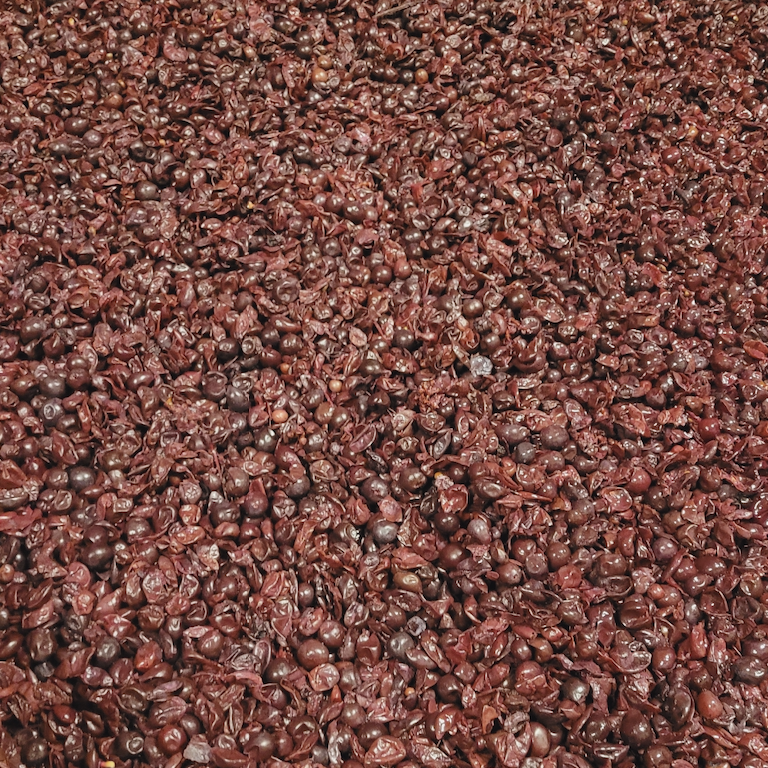
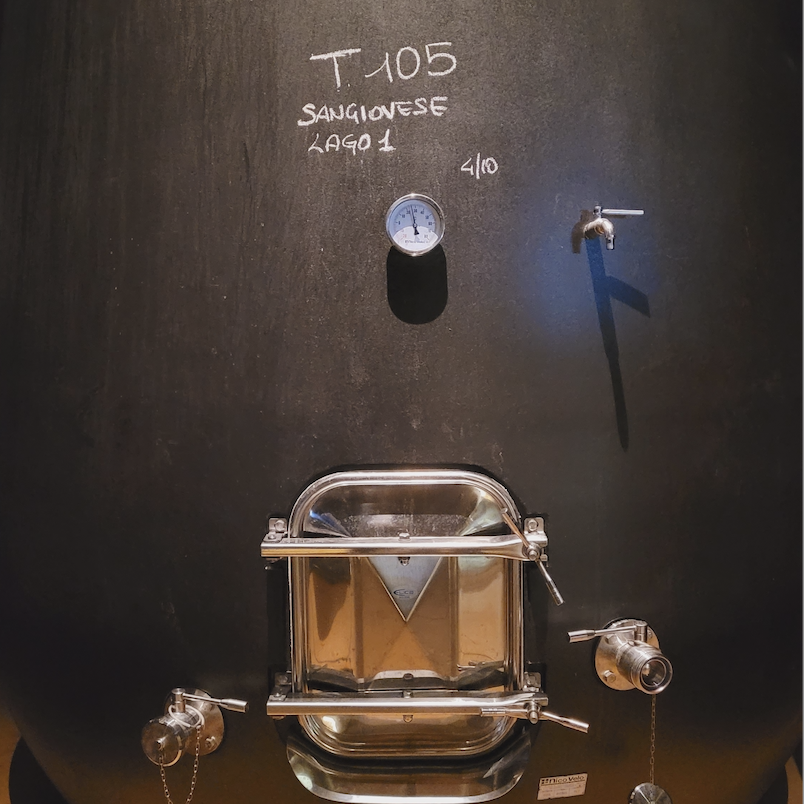
Sangiovese fermentation 2024 – Terreno

The age of freezing cold winters is but a memory now for growers in the territory where the Gallo Nero are produced and 2024 saw another stretch of new age warmth. Even if January and February nights drew temperatures dropping near zero, the daytime highs were often pushing into double digits. Milder days in the latter half of February meant you could bask in the sunlight of a Sunday afternoon, on the terrace with a glass of Rosato or in the thermal baths just outside Castelnuovo Berardenga’s southern border. You could count the coldest days with temperatures typical of winter seasons’ past “on the fingers of two hands,” so said Marco Ricasoli Firidolfi. Rainfall was ample and so 2024 would see no repetition in terms of drought, nor would frost become an issue, as was seen in 2017 and 2021. Precipitation was intermittently constant, upwards or more of 70 millilitres fell in January, 180 in February and 120 during March, which meant for saturated forests and vineyards across the whole of the Classico region.

Related – Chianti Classico 2023: A year in review
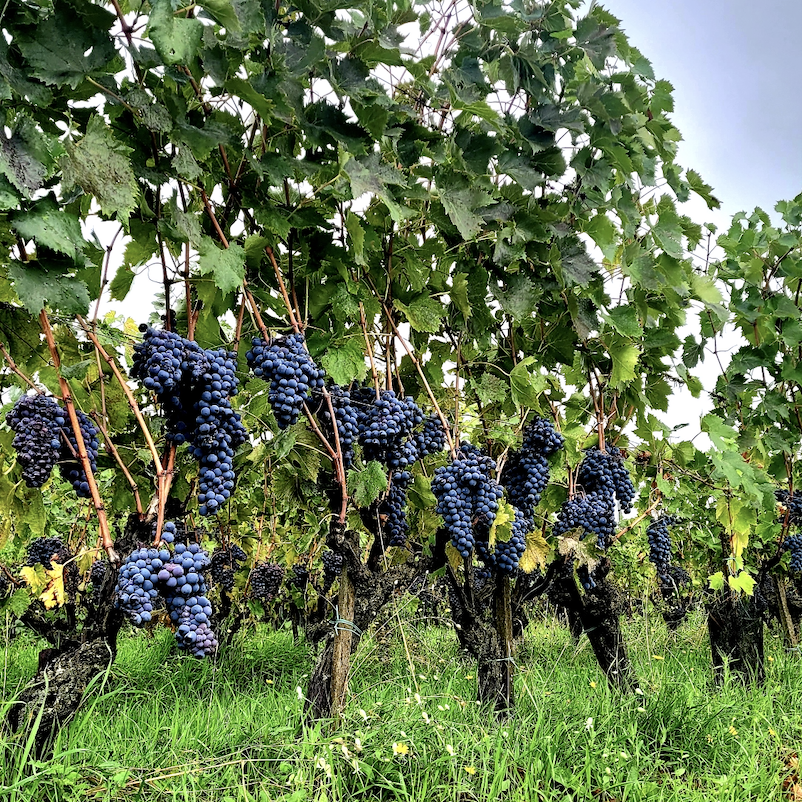
Sangiovese – Lamole

What to expect from 2024 Chianti Classico?

The summer of ’24 was typically hot and dry but all that changed after September 7th because in some parts of the region nearly 400 ml of rain fell over the following seven weeks. Unprecedented amounts of water, well at least if you look back at the previous 30 years. August of 1995 saw rain like that and previous to that there was plenty of precipitation and cool harvest temperatures in 1991 and 1993. Fast forward again to 2024 and the the constant deluge of mid-September through to late October ends up becoming the cruelest stretch. Days on end when tractors are unable to enter the vineyards, harvest crews repeatedly pause on stand by because picking wet grapes is a cardinal sin and prayers are made for two straight days of sunshine to happen anytime and anywhere. From Greve to Castellina, San Donato in Poggio to Castelnuovo Berardenga, Vagliagli to Gaiole, San Casciano to Radda, in Montefioralle, Panzano and Lamole. Bunches are dropped because tight sangiovese clusters encourage the development of mold from within and the waiting game is excruciating for many. Patience is the greatest virtue and yet sugars are developing slowly, like the old days, piano-piano, as they like to say. In the end a classic vintage in the ways of days of old is declared, with phenolic ripeness achieved because of the longest hang-time since 1993, the same year Juventus’ Roberto Baggio scores five goals in seven international matches for Italy. Drinkable sangiovese, elegant, ripe, low alcohol and a good number blessed with sneaky structure. Producers are pleased with the freshness and ethereal beauty. The tank samples are bloody delicious. Pure sangiovese. Retro Chianti Classico.

La Squadra Canadese in Firenze

First and foremost on so many producers minds are the alcohol levels topping out at 13.5 percent. If you see 14.0 abv on a bottle in 2026 or beyond you can bet the actual number is just above that 13.5 Mason-Dixon line and in some cases 13.5 could in actuality be just a shade above 13.0. Lighter wines as a general rule, but age-worthy because of phenolic ripeness, at least in cases where producers waited, waited some more and picked as late as possible. Expect to see straight through the transparent hues of Chianti Classico sangiovese for 2024, to sense, taste and feel the brightest and potentially sweetest acidities, then finally the silkiest if also most elastic tannins. The 2024 acids will be the catalyst for aging these sangiovese. Anyone under the age of 50 will have likely never experienced a Chianti Classico vintage like 2024 and potentially never will again.
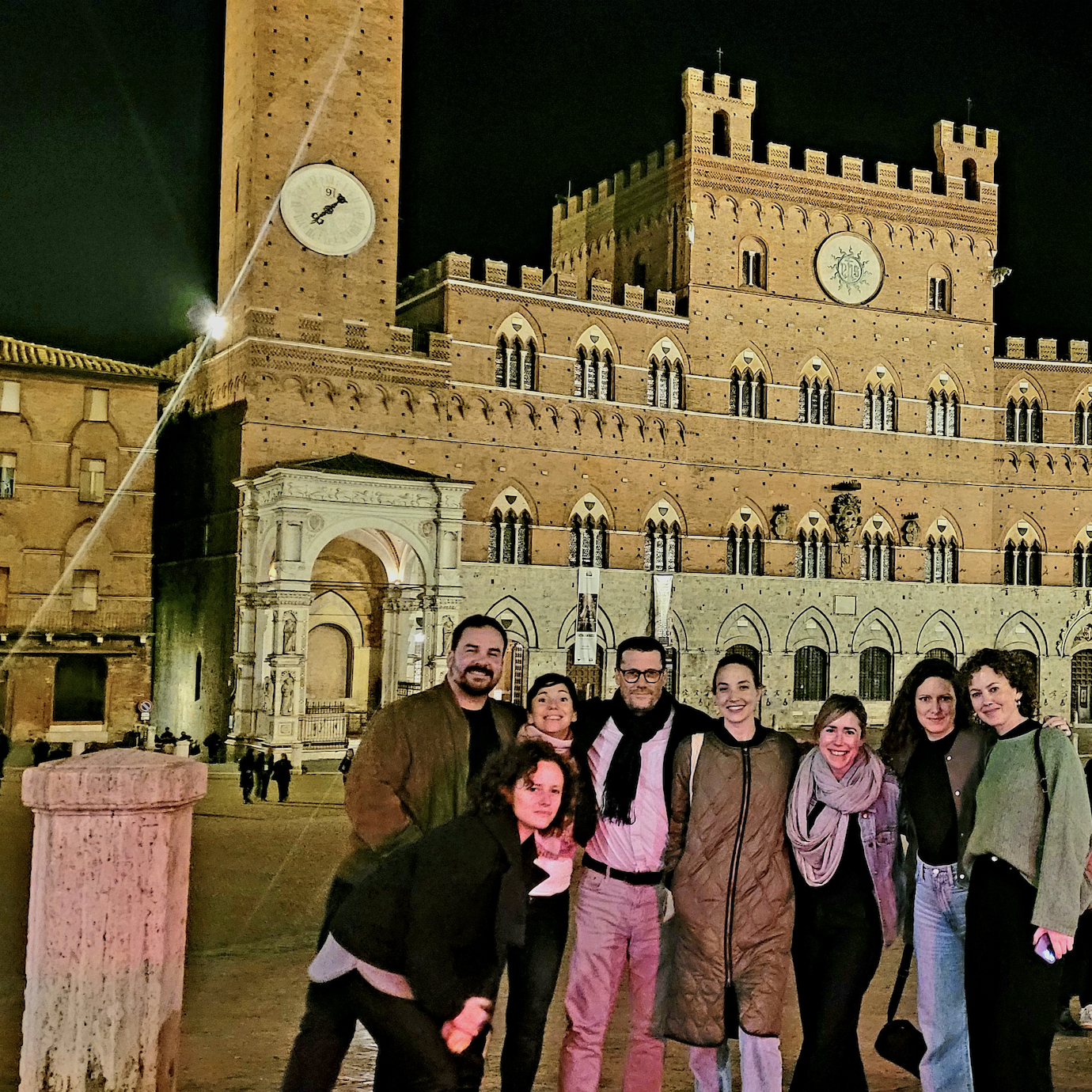
La Squadra Canadese – Piazza del Campo, Siena

Just two months ago La Squadra Canadese of seven sommeliers and Godello as their chaperone went all in for a mid-October excursion through the 11 UGAs with estate visits, tastings and round-table discussions in classic Chianti Classico boot-camp fashion. The theme could not help but concentrate on the 2024 harvest because first timing, but also its omnipresence as an all-consuming affair, on the minds and in the daily planning of every producer. The group’s seven members: Christian Perreault Hamel – Harbour60, Toronto, Lauren Hall – Scale Hospitality, Toronto, Ashleigh Forster – DaNico, Toronto, Jessamyn Box – Major Tom, Calgary, Lisa Baran – Savio Volpe, Vancouver, Heather Rankin – Obladee Wine Bar, Halifax and Montréal’s Elyse Lambert M.S. – Ritz-Carlton, Toronto. A tradition initiated by the legend Jeremy Bonia was carried on, to play a game aboard Enzo’s bus with music themes chosen by the leader (Godello) and each sommelier picking songs to be played throughout the course of a travelling day. Please feel free to peruse and listen to La Squadra Canadese Radio:

La Squadra Canadese Radio – First song you remember singing along to

La Squadra Canadese Radio – Pre-2000 Hip-Hop

La Squadra Canadese Radio – Country

La Squadra Canadese Radio – 80s and 90s jams

La Squadra Canadese Radio – Headphones on a beach

La Squadra Canadese Radio – Wedding Songs

La Squadra Canadese Radio – Dancing by Myself

La Squadra Canadese Radio – When you have a Hangover 

La Squadra Canadese Radio – Non North American artists

La Squadra Canadese Radio – Favourite movie soundtrack song

La Squadra Canadese Radio – To play at your Celebration of Life

La Squadra Canadese Radio – Pairs with Chianti Classico
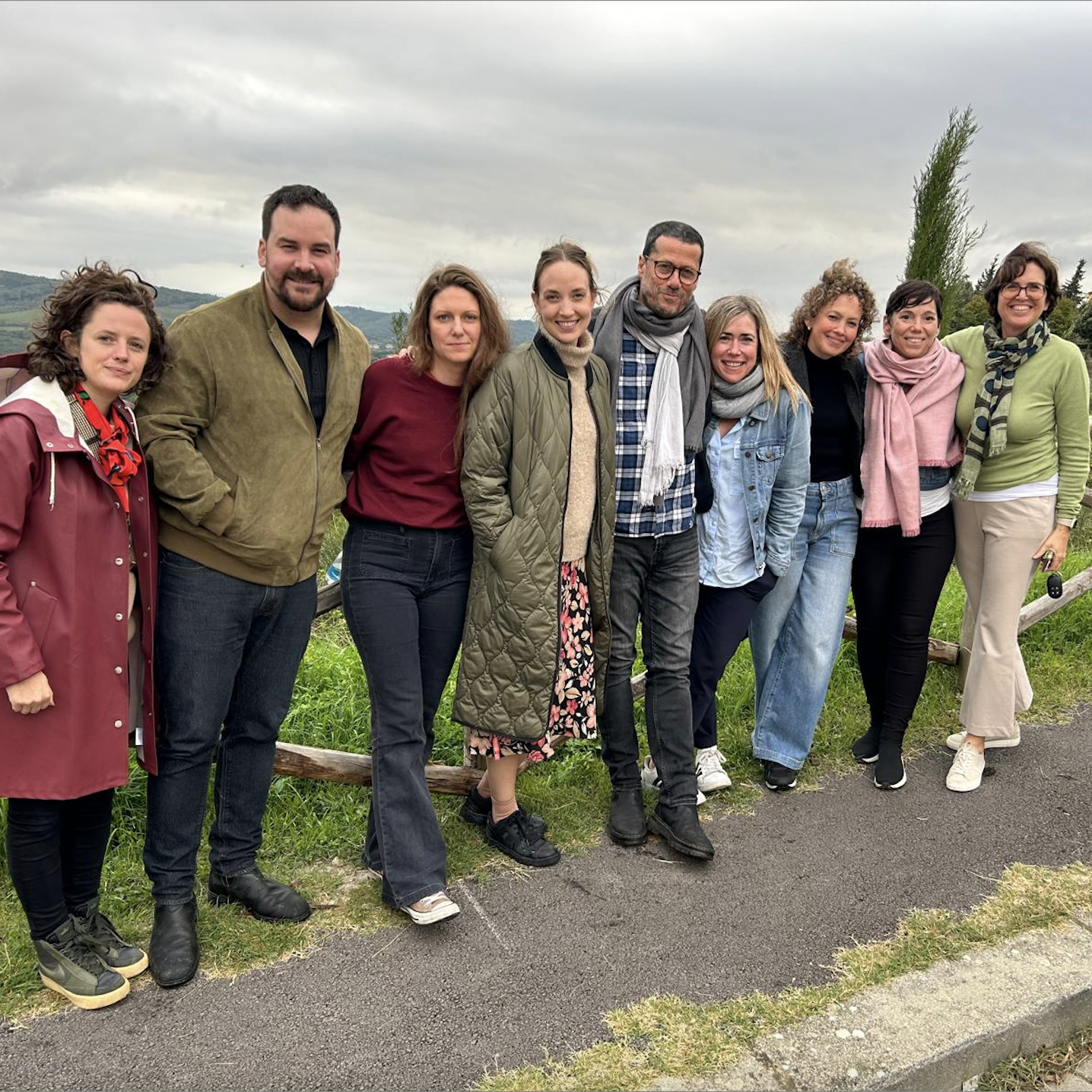
La Squadra Canadese – Panzano

There was an extensive Gran Selezione UGA Tasting at Casa Chianti Classico in Radda, 15 estate visits, an aperitivo with President Giovanni Manetti at Enoteca Baldi in Panzano, unforgettable dinners at Panzano’s Antica Macelleria Cecchini, in Siena and also Florence. As always, the planning and support from the Consorzio Vino Chianti Classico’s Carlotta Gori, Silvia Fiorentini, Christine Lechner, Caterina Mori, Laura Cavalleri and Simone Fabbrini. La Squadra came, they conquered and the Gallo Nero left an indelible stamp on their collective emozioni – forever. As for Godello, here are his 125 tasting notes from the trip – expected and as per usual, abided.
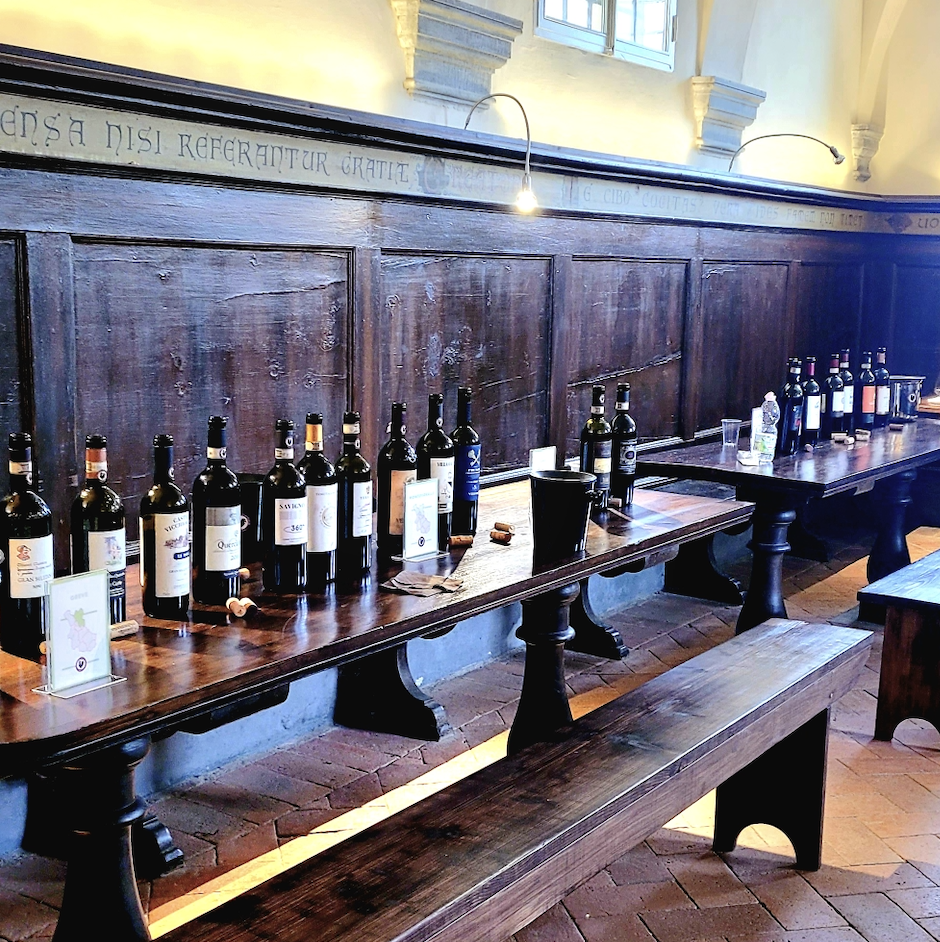
Gran Selezione Tasting – Casa Chianti Classico, Radda

Gran Selezione tasting at Casa Chianti Classico

Marchesi Antinori Chianti Classico Gran Selezione DOCG Badia A Passignano 2021, San Casciano

If it looks like, smells like and tastes like Badia a Passignano, well then it must be Badia a Passignano. Then again as a 2021 the fullness, generosity and natural phenolic grip meeting sweetness is unparalleled. Yes the underlying verdant savour is always there, always the Badia’s corner of San Donato in Poggio, but honestly the pulchritude of substance feels extant, furthered and extra level for Passignano. For Antinori. Drink 2025-2030.   Tasted February and October 2024

Arillo In Terrabianca Chianti Classico Gran Selezione DOCG Terrabianca 2019, Radda

All sangiovese and nothing but the sangiovese in one of the first iterations of Gran Selezione under the guidance of new and improved ownership. Brightest of red fruit for a concept and work in progress that seeks to deliver utter transparency for lower (relatively speaking) elevation out of Radda. Firm enough though the tannins are anything but austere. Drink early GS, again, relatively speaking. Drink 2024-2027.  Tasted October 2023, February and October 2024

Banfi Chianti Classico Gran Selezione Fonte alla Selva 2020, Castellina

Fonte Alla Selva, “fountain in the forest,” though there is less bosco influence in Castellina than say Radda, Gaiole or Panzano. That said the clay and Alberese soils of alluvial origin breathe freshness into a Gran Selezione with 40 hectares of vineyards from which to choose from. The 2020 is a big wine from a warm season though here cool, liquid smoky and glycerin textured sangiovese with the smooth consistency made whole by the “other” non-specifically declared varieties. Though by rule as of next vintage they must be local and make up no more than 10 percent of the whole. Tight, tart and chalky, surprisingly tannic, not sharp mind you but with a noted pointillism in its brush. The vanilla and lavender may be distracting but as far from over the top. Drink 2024-2027.  Tasted October 2024

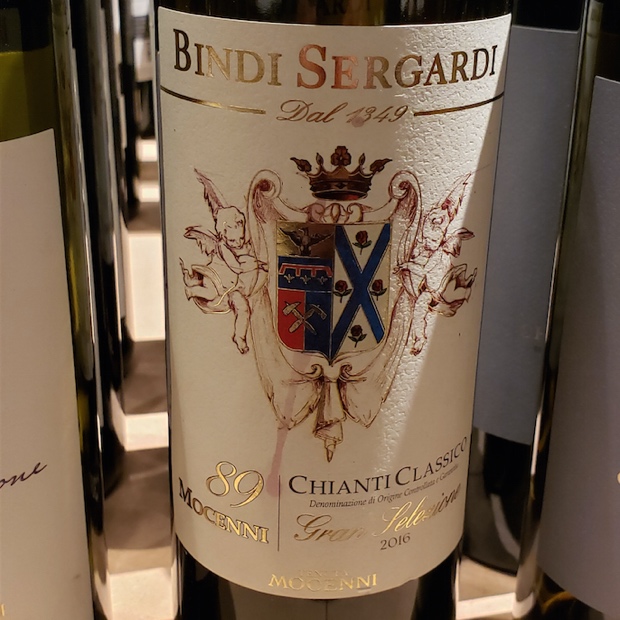
Bindi Sergardi Chianti Classico Gran Selezione DOCG Mocenni ’89 2019, Vagliagli

Mocenni 89 is a special Gran Selezione, open, ethereal and generous. And it is just now entering its window of beauty with new surprise at every turn.  Last tasted October 2024

Tenuta Mocenni presides at one of the higher points in the Vagliagli UGA at 500m with vineyard blocks impounded with great Alberese stones and outcroppings of Galestro. The south facing amphitheater is one of Chianti Classico’s most impressive sites and sights. The latest vintage is not yet released and there is no shock how youthful and tightly wound you will find this 2019 to be. The one that follows will proudly display the UGA on the front label. More than just a few years of time in more than one kind of vessel has equipped this major potion of fruit with ample layers of structure in a Gran Selezione so bloody big, substantial and beautiful. Will most definitely require five to seven years of unwinding. Drink 2025-2034.  Tasted October 2023 and February 2024

Borgo Salcetino Chianti Classico Gran Selezione DOCG I Salci 2016, Radda

Wildly perfumed and built upon a foundation of aromatic volume for a 2016 that needed all the time it has been given to come and express itself this way. Still tannic by way of a combination of chalky and austere, a crisp Gran Selezione and one needing food alongside to tame its drying second half. When will it fully resolve and what will the fruit be up to at that time? Remains to be seen but waiting two more two years will not make for the best result, or joy. Drink 2025-2027.  Tasted October 2024

Borgo Scopeto Chianti Classico Gran Selezione DOCG 2017, Vagliagli

Settling in, arriving near to its fruition and frankly this represents the most elegant side of 2017. A surprising vintage considering what was expected and Borgo Scopeto’s is much brighter and fluid than many. Surely a Gran Selezione that needed time, to soften the edges and allow freshness to shine through. This is the time to drink a ’17 that will work for its dinner. Hard to fathom how it came to be but this works at 13.5 percent abv. Drink 2024-2027.  Tasted October 2024

Brancaia Chianti Classico Gran Selezione DOCG 2021, Castellina

Fine, fine Brancaia, luxe and stylish while restrained in any needed way. The epitome of modern Gran Selezione, understated and always giving, with confidence and the understanding of why the appellation was conceived. Crunchy and savoury, still highly tannic and so make sure to concentrate on the beauty of perfume in this early stage of its tenure.  Last tasted October 2024

The aromas and perfumes are so much more prevalent and open for 2021 with stoniness and Castellina as the instigator for how this Gran Selezione is want to express itself. Crispy, savoury and the sort to really bite down and sink your teeth into.  Tasted April 2024

New label not yet printed that likely indicated this has not been in bottle long and as a 2021 Gran Selezione that must surely be the case. Keep this in mind when you feel just how implosive and locked in the fruit is kept behind the wall of tannic sound. The freight is loaded in the compartments but the train has yet to leave the station – though as a 2021 there will be joy at the end of the line. With stops along the way because the vintage does not demand too much nor will it crash and burn. Brancaia’s 2021 is a ripe and primed GS to live out the decade and then for a few more years in the next. Drink 2026-2032.  Tasted February 2024

Cantina Castelvecchi Chianti Classico Gran Selezione DOCG Madonnino Della Pieve 2017, Radda

Well-aged (and held back two to three years) Gran Selezione from Castelvecchi out of mid-elevation Radda and a sangiovese paying tribute to La Madonna of her church. From the warm and veritably dry 2017 season but there is both flesh and also acidity riding high in this Gran Selezione. A top vintage for this appellative category because the healthiest fruit destined for the top wine did well to create promise. Still a bit austere and this was pressed just a bit heavy so the wine will always show a certain level of verdancy and tightness. Drink 2023-2026.  Tasted October 2023 and 2024

Capannelle Chianti Classico Gran Selezione DOCG 2019, Gaiole

Seriously rich and liquid chalky sangiovese, concentrated as a Gran Selezione level example should be expected to be. Full and layering vintage, ripe in terzetto respect, including tannins and so this says drink sooner rather than later. Not quite yet mind you but the coming winter and a long-simmered stew will benefit well alongside. Drink 2025-2028.  Tasted October 2024

Carpineta Fontalpino Chianti Classico Gran Selezione DOCG Vigna Dofana 2019, Vagliagli

A preview of 2019 that will shown at the Chianti Classico Collection in February of 2024 that are now finished wines “but to me they are young,” shrugs Filippo Cresti. The dried balsamic quality of 2018 is here replaced but more freshness and spirit. A richer wine in 2019 as compared to Montaperto with the wood more involved – while the wine this young is trying to figure out its way through adolescence. The clay is fully involved in just how textured and fruity Dofana acts in this inimitably generous vintage. Flesh will come, with time. Drink 2025-2032.  Tasted October 2023, February and October 2024
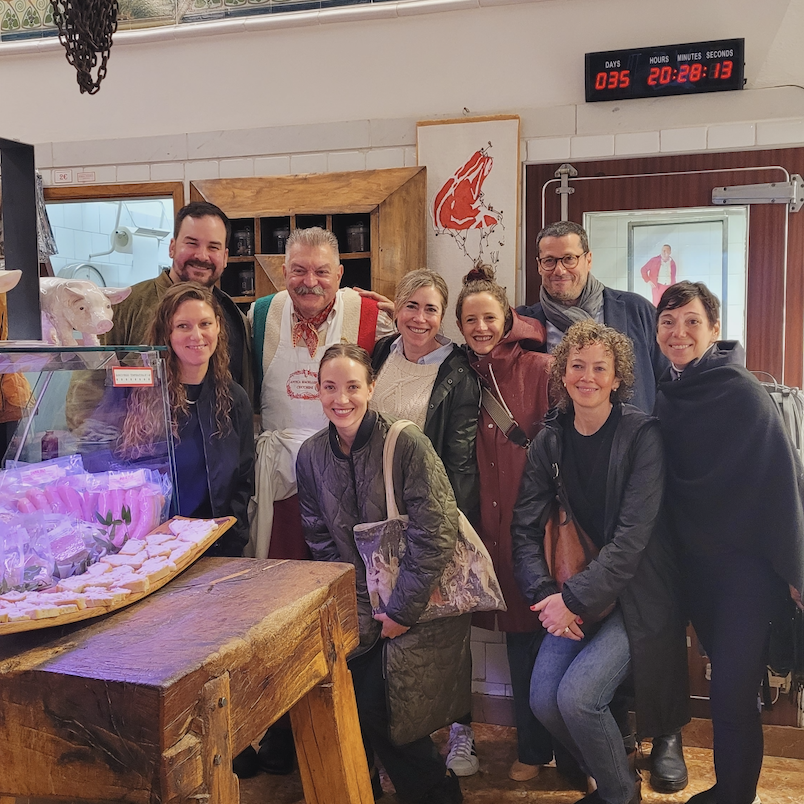
With Dario Cecchini – Panzano

Carpineto Gran Selezione Chianti Classico DOCG 2020, Greve

There is nothing about this Gran Selezione that is not Carpineto and so kudos to the Greve estate for unyielding consistency, no matter the time or place. In fact this also represents a look through the mirror of a vintage, never overbearing or overpowering and just a snapshot of cool, herbal and brushy, like taking a long walk though a dry forest, air crisp with fresh air. The 2020 GS has matured some already so drink this while some others work through their issues. Drink 2023-2027.  Tasted February 2023 and October 2024

Carus Vini Chianti Classico Gran Selezione DOCG Gaudio 2018, San Casciano

Proper austerity and the yet to fully descry intention are what define this style of the Carus San Casciano Gran Selezione. The fruit combines that pitch of red and sway to speak of savour but as of yet never the twain shall yet meet. Two or three more years are needed, to get them together but tension needs to subside before anything meaningful can happen. Drink 2026-2032.  Tasted October 2024

Casale dello Sparviero Chianti Classico Gran Selezione Paronza 2019, Castellina

Unique example with aromatics unlike any other but for now they are mostly caused by the stay in wood. Vanilla yes but also what feels like the effects of American oak. Coconut like Rioja mixed with Napa Valley but sangiovese is rendered “different” because, well sangiovese. Needs two years to come fully together and will outlive many, darkening and thickening as it matures. Drink 2026-2032.  Tasted October 2024

Castelli Del Grevepesa Chianti Classico Gran Selezione DOCG 2019, Panzano

The Grevepesa cooperative (out of San Casciano) grabs and works with fruit from Panzano and they have chosen to put the UGA front and centre on their label. This they do with Lamole as well. In both cases the Gran Selezione is written vertically, boxed and smaller in font. Celebrating an adjunctive location is most curious and when you think about it, quite clever. Their 2019 is clearly Panzano in origin with that notable combination of glycerin fruit matched by Galestro-Pietraforte mineral swirls. There is some astringency here – yet more importantly bright red fruit. Needs a year to further settle in. Drink 2024-2027.  Tasted October 2023 and 2024

Castello Della Paneretta Chianti Classico Gran Selezione DOCG Torre A Destra 2016, San Donato In Poggio

Unbelievable how tannic and unrelenting this persists as a 2016 Gran Selezione. Crisp, crunchy, savoury and spicy, wood still a major factor and fruit continues to be hold back. How long will this take? At last two more years it seems. Drink 2026-2030.  Tasted October 2024

Castello Di Ama Gran Selezione Chianti Classico DOCG San Lorenzo 2019, Gaiole

A reminder and to be clear – San Lorenzo comes from the San Lorenzo vineyard and also Montebuoni but not only. The Gran Selezione is both a name of fantasy but also connected to the vineyard that lends this top tier appellative wine its name. The step up in quality and precision from Montebuoni Riserva is really quite obvious though each are wines respective of their appellation and style. A very important vintage because there are times when Gran Selezione must be accessible early with unequivocal structure allowing it to age. This is 2019 from Ama as a personification of its maker. Marco Pallanti as Gran Selezione. Has a nice ring to it don’t you think? Drink 2024-2032.  Tasted October 2023 and 2024

Castello Di Bossi Chianti Classico Gran Selezione DOCG 2019

Ultra professional, concentrated and fruit layered example of Gran Selezione, all parts sweet and tanned, from fruit through acid to tannin. A paced and measured 2020, plenty of warmth and wood seasoning, though all is liquid, elastic and fluid. Drink 2024-2028.  Tasted October 2024

Castello Di Fonterutoli Chianti Classico Gran Selezione DOCG 2020, Castellina

Clean, advanced to a finer point and really showing the sweetness of fruit at this stage. Open whenever you are ready yet can also be kept for four-plus years.  Last tasted February and October 2024

Castello di Fonterutoli’s 2020 is Gran Selezione like looking in the Castellina mirror because the purity of red, red, red fruit is the crux and at the core of what this wine wants to say. Hyper indicative of the vintage, clear and transparent, never too weighty or adamant and Fonterutoli puts everything in its rightful place. Drink 2024-2027.  Tasted February and October 2023

Castello Di Monsanto Chianti Classico Gran Selezione DOCG Vigneto Il Poggio 2019, San Donato In Poggio

The arrival of an Il Poggio is greeted with great anticipation because luxury and fortune have beget tastings of several recent and also older vintages. So imagine what Monsanto’s 2019 will surely bring to the table out of San Donato in Poggio. No ordinary moment, but one likely to get frozen into time. Open heart and mind, dig into deeper understanding and intuitive possibility. Gran Selezione 2019 from the Bianchi family’s hilltop vineyard is sublime. Concentrated, understated, refined, precise and giving. Nurturing if edgy but always gracious and unselfish. A touch reductive, protected and of course stylish. A moment so vivid it causes ache, awe and longing. Too much waxing for a bottle of wine? Actually no but another Il Poggio for the ages. Drink 2026-2039.  Tasted October 2023, February and October 2024

Castello Di Querceto Chianti Classico Gran Selezione DOCG La Corte 2020, Greve

La Corte is “the court,” second of two Gran Selezione out of The Dudda Valley by Greve’s Castello di Querceto. The one with more precision and refinement (as compared to Il Picchio) and it is this warm vintage 2020 that really captures the sunshine as manifested in true sangiovese concentration. The complexity comes from liquorice and resinous evergreen oils, a note of graphite, creosote and something unknown, or unnamed. Nevertheless there is a lot happening here and the wine should unwind with great intersect over a ten year period of time. Drink 2025-2031.  Tasted October 2023 and 2024
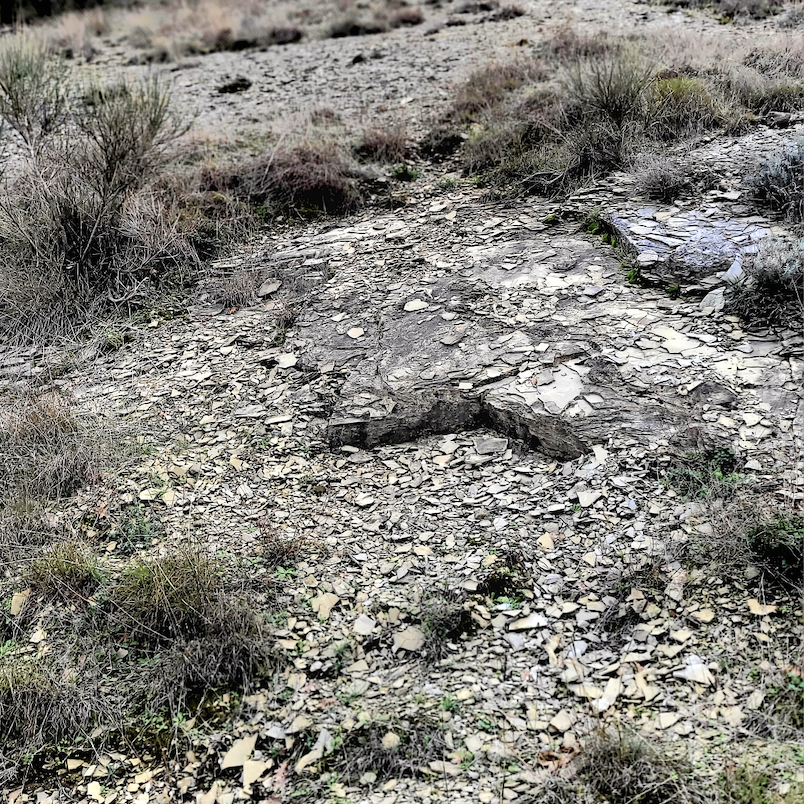
Galestro – Panzano

Castello Di Radda Chianti Classico Gran Selezione Il Corno DOCG 2018, Radda

Juicy Gran Selezione, integrating and resolving, coming into its own with fruit still at fresh peak performance, These are really fine Raddese acids, helpful and supportive, propping up the fruit. Drink 2024-2028.  Tasted October 2024

Castello Di Verrazzano Chianti Classico Gran Selezione DOCG Sassello Vigneto Querciolina 2018, Montefioralle

Not yet released and will have at lest three more months in bottle before that can happen. A strong vintage and normally the release would be the fall but both wood and fruit need to time to find each other. The substance in Sassello 2018 is, well substantial, in fact something more than that. Richness at the height of Verrazzano’s abilities but my goodness this packs a punch while also showing off the modernity and harmony that define this estate today. Bravissimo. Drink 2026-2033.  Tasted February and October 2024

Castello Di Volpaia Chianti Classico Gran Selezione DOCG Coltassala 2021, Radda

Always a concentrated sangiovese, from high elevation, solar radiated and night cooled vineyards. Still a five percent mixing in of ultra specific mammolo, spice bringer and catalyst to create this unique interaction with sangiovese. A fulsome vintage, fruit and tannins thick as thieves, luxe behaviour guaranteed and time on side for one of the longest runs to be had in Chianti Classico. The palate and mouthfeel are already showing signs of great activity and you could actually drink this now with the correct salty protein alongside. Drink 2025-2032.  Tasted October 2024

Castello La Leccia Chianti Classico Gran Selezione DOCG Bruciagna 2020, Castellina

Quality sangiovese comes in many ways with this being the kind of fit concentration matched equally by conscious and confident full use of wood. A tight, tart, tannic and intense example showing both its strengths and also constraints. Give this two more to shed some new light.  Last tasted October 2024

Here a Castellina Gran Selezione called Bruciagna, pure sangiovese sleek and hot-blooded. A 2020 of agility, speed, and spirit, well designed, fruit at the height of its powers and a sprinter as opposed to a long track runner. Structure is more power than endurance so drink in the near term for the win, place and show. Drink 2023-2026.  Tasted October 2023
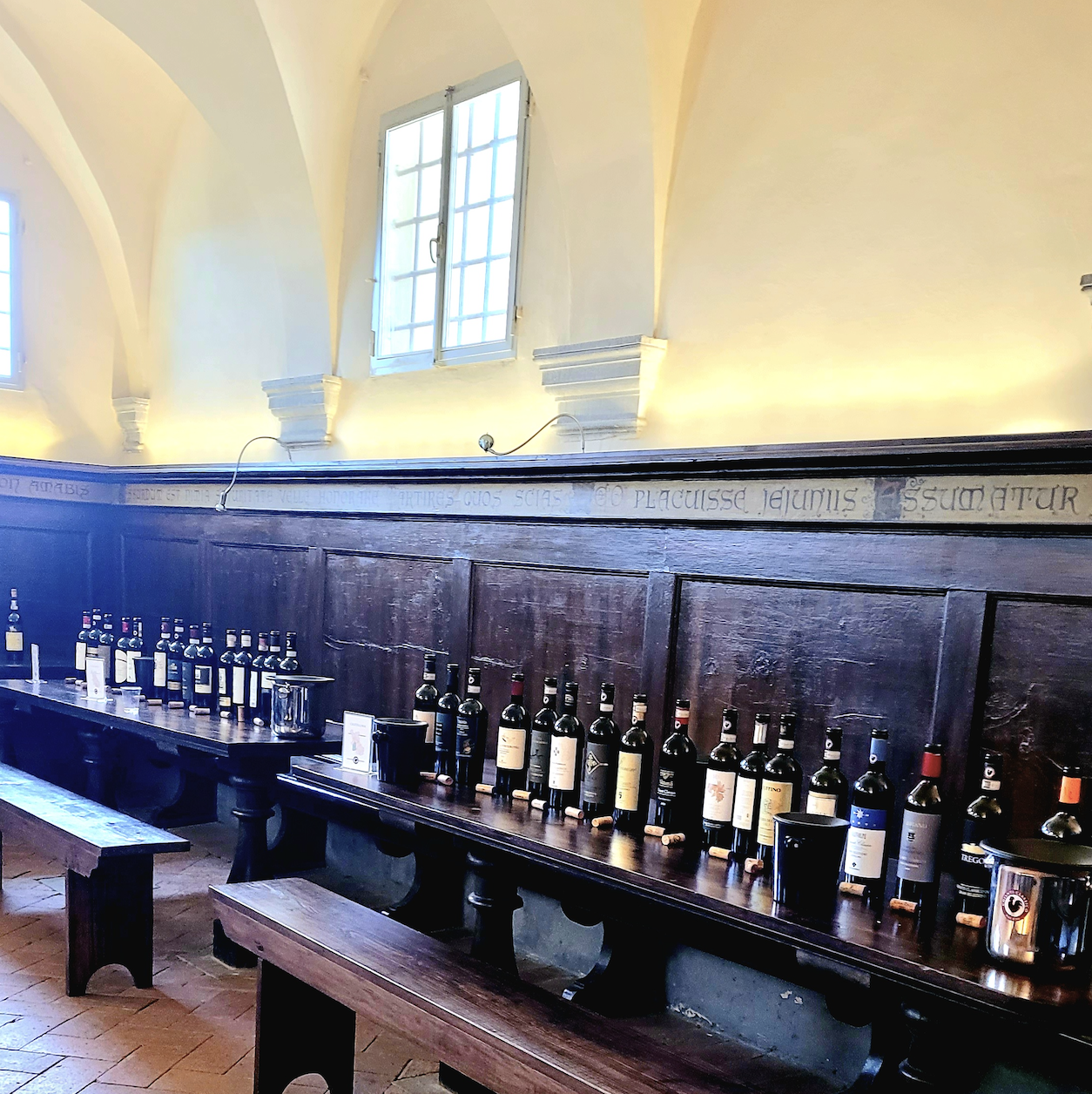
UGA Tasting – Casa Chianti Classico, Radda

Castello di Vicchiomaggio Chianti Classico Gran Selezione DOCG Le Bolle 2021, Greve

Le Bolle, the name of the cluster of houses in a specific locality and therefore in the register inside the “frazione” of Greti within the commune of Greve. A Gran Selezione single vineyard of just sangiovese, initially made in 2006 and first presented as a GS at VinItaly in 2019. More aromatic volume and power than La Prima but also a smooth as silk sensation on the nose and also on the palate. Stylish, certainly more woodiness and perceived sweetness because the tannins are in fact ripe and the mouthfeel classically “scorrevole.” Longer and more persistent from a GS that represents the house style. Drink 2025-2033.  Tasted October 2024

Cecchi Chianti Classico Gran Selezione DOCG Valore Di Famiglia 2018, Castellina

Solid, weighty, tense and taut sangiovese here from Cecchi in the highest level on the appellative pyramid. Wound tight and will take five years to unwind, just as it has already been nearly five to wind up into this intense present character. Might dry out a bit and the seasoning will be peppery strong as the fruit subsides. The next few years will see the best moments for this Gran Selezione. Drink 2024-2027.  Tasted February 2023 and October 2024

Cinciano Chianti Classico Gran Selezione DOCG 2019, San Donato In Poggio

Still tightly wound and somewhat reductive with a skin to pulp ratio resinous effect in place. Still much to wait for and to receive from what will surely be a giving and abiding Gran Selezione that acts out a distinguished and defined San Donato in Poggio sangiovese style. Comes from relatively low elevation vineyards at 250m of medium textured soils, Alberese based, stony with some low-lying clay. Drink 2025-2029.  Tasted October 2024

Conte Capponi/Villa Calcinaia Chianti Classico Gran Selezione DOCG Vigna Bastignano 2020, Montefioralle

Have waited just eight months and not only has nothing changed but the wine has gone into full slumber. Revisit no less than a year from now.  Last tasted October 2024

Campione: A sample but one at the three and a half year mark so let’s take it at face value. One of the baller and brazen Gran Selezione in Conti Capponi’s work, doubled down by a vintage of similar character. Intense minerals and elementals streaking through chalky fruit that mimic and speak to the terroir – an Alberese stone that will not be denied. This is indeed serious and structured. Wait a minimum four years people. Please. Drink 2027-2035.  Tasted February 2024

Dievole Chianti Classico Gran Selezione DOCG Vigna Sessina 2019, Vagliagli

A 6.4 hectare vineyard at 450m which qualifies as the highest point of Dievole. A south exposure with Macigno and outcroppings of clay to deliver more power than any other estate sangiovese. The aromatics are expressly consistent with Riserva (and also Casanova) but the musculature is taut and developed. That which Riserva commits to is magnified in this fourth vintage of the Gran Selezione, none more so than the tannins which grab, grip, secure and hold on tight. They compound and reside in the arena of the austere at the finish of this profound wine. Drink 2026-2033.  Tasted February and October 2024

Fattoria Della Aiola Chianti Classico Gran Selezione DOCG Cancello Rosso 2018, Vagliagli

The red gate is a definitive Vagliagli sangiovese with its tell-take evergreen and pine forest aromatic crush. A warmest vintage means concentration, early picked jammy fruit and highest acidity captured. A proverbial food wine if ever there was because the acid cards accumulate for layers of sweet and sour edginess. Still needs time and in this case the fruit can hang around until the wine integrates to near fruition, if never quiet getting fully there. Drink 2026-2030.  Tasted October 2024

La Squadra Canadese – Casa Chianti Classico, Radda

Fattoria Di Corsignano Chianti Classico Gran Selezione DOCG L’imperatrice 2019, Vagliagli

High-toned, tannic and mid-season volatile behaviour, showing experience and location, or rather wearing these things on its sleeves. Just a bit of squeezing or pressing to bring out the natural fruit and along with it some verdancy quite savoury in nature though surely within character for Vagliagli. Curious or in other words unique Gran Selezione that after another two years will reveal much more. Drink 2025-2029.  Tasted October 2024

Fattoria di Valiano Chianti Classico Gran Selezione DOCG “6.38” 2019, Vagliagli

Notably wooded example of Gran Selezione from another warm vintage with years still needed to integrate though fruit freshness is nearing its peak. Tannins are near severe to speak of the season, spicing and intent. The goal here is structure and longevity, two ideals that are surely part of this 6.38’s DNA though by the time it gets to Vagliagli there will and should be tartufi and porcini on the table. Classically styled for a Piccini 1882 CC-GS. Drink 2026-2029.  Tasted October 2024

Fattoria Montecchio Chianti Classico DOCG Pasquino 2019, San Donato In Poggio

Gelid and glycerol red fruit, into the San Donato in Poggio blood orange spectrum, naturally sweet and pulpy, a squeeze of omnipresent red citrus and something so very well understood. Fine work, likely showing at best if not quite integrated peak at this stage.  Last tasted October 2024

Seductive Gran Selezione here from Montecchio, not atypical for 2019 yet Pasquino takes the style to another level entirely. Blood orange, glycerol, silken texture and just as it has been said, seductive. Chic and classy without pretension or precious personality. Little maintenance required, only a glass, some salumi and fine cheeses, good people with which to share. Drink 2023-2027.  Tasted October 2023

Fèlsina Chianti Classico Gran Selezione DOCG Rancia 2021, Castelnuovo Berardenga

Inaugural vintage of the Rancia Gran Selezione, for many years the bigger Riserva from the grand southwest facing hill, now ready for top-level prime time in the eyes of Giovanni Poggiali. Took its time to make this grand change and no shock to find the cedar-cypress-evergreen component running ultra high. A hyperbole of who it was, now under the magnifying glass, full, heady and intense. A Gran Selezione of stature, structure and at this stage, immovability. Drink 2026-2033.  Tasted October 2024

Fontodi Chianti Classico Gran Selezione DOCG Terrazze San Leolino 2020, Panzano

How much does the human factor effect a wine like San Leolino? The answer lies in the relationship between the land, weather, vintage and in how the people who work the fields to maximize the gifts made available to them. From 2020 the quotient is high, above 2019 and ready to pass the torch to 2021. At least in these first three vintage the incline is palpable, the progression linear and more importantly vertical. This is great and 2021 will take it further. Allow the wood to settle for two more years.  Last tasted February and October 2024

From the vineyards surrounding the 9th century Pieve and you know what they say. “Sangiovese is planted, consequences follow.” A 15th century drawing found in a Florence museum proves that monks cultivated grapes on this property at that time. More perfume than the Classico level Panzano and so there is proof that this terraced land with high level Alberese soils provides aromatics and great structure in the way a Lamole plus Panzano might hypothetically get together for a similar result. Leolino is not a go between but something unique, something other. Special and of an aging potential that may just be more promising than that of Vigna del Sorbo, but let’s wait 10-15 years to see if that will come to be true. Drink 2026-2034.  Tasted October 2023

I Fabbri Chianti Classico Gran Selezione DOCG 2019, Lamole

From the oldest vines, including those planted back in 1965 and aged for two years in large cask, a.k.a. grandi botti. The old vines show what can be done from lowest of yields, highest of concentration and by way of a contract that seeks and attains the necessity of elegance. Everything about Susanna Grassi’s Gran Selezione speaks to the Lamole UGA, in sweetly herbal and savoury perfume, a floral note connected to the botany and grace under the pressure of structure so well defined. Drink 2025-2034. Tasted October 2023, February and October 2024

Il Molino Di Grace Chianti Classico Gran Selezione DOCG Il Margone 2021, Panzano

An important selection, in 2021 mainly from the Al Sole vineyard but also some fruit coming out of Francesca. “A great vintage for us,” says Iacopo Morganti. Unfortunately the Easter frosts reduced quantity by 40 percent. No matter because Il Margone’s position is to offer a calm respite away from wines too big for their own good, pivoted towards elegance in a sangiovese so right and so pure. Puts this in the finest Panzano light as a wholesome Margone by Morganti and Il Molino di Grace that will slowly evolve over a near 15 year period with kept freshness and slow development.  Last tasted May and October 2024

Campione: Take a little trip forward along a linear and precisely drawn line from Riserva to Gran Selezione and see what will be. Not as aggressive or intense as Riserva but its own kind of powerful and grippy while also more charming. I believe its elegance will begin to show sooner rather than later, say in the first few weeks of 2021. The wood is more noticeable on the nose and the sangiovese needs time – but charm and grace is there. This you can count on. Smaller production of 8,000 bottles. Drink 2026-2038.  Tasted October 2023

Il Poggiolino Chianti Classico Gran Selezione DOCG Le Balze 2021, San Donato In Poggio

Another perfumed and expressive Le Balze comes with as much if not more pulp and flesh a la mode than those San Donato in Poggio Gran Selezione that have come before. The depeche florals are Spring bloom fresh, the volume set at ideal pitch and you just need to keep putting glass to nose because, well you just can’t get enough. Richness is never compromised but it is belied by the beauty of a tannic caress about as graceful and gracious as there are. This is Il Poggiolino’s finest GS to date and that is saying a lot. “Just like a rainbow.” Drink 2025-2034.  Tasted October 2024

Isole E Olena Chianti Classico Gran Selezione DOCG 2016

“I did not like Gran Selezione, I did not have anything against Gran Selezione but the discussion about UGA (sub-zones) was already underway so why not wait for this next change to the appellation?” The thinking for Paolo de Marchi was more about the wines that did not qualify for the appellation becoming wines that now qualified, the issue being a new rule could not apply to only 30 or so producers. So what is needed for that to happen? “All grapes born here should be able to travel with a passport.” If it is more complicated than that then there is much more to discuss. A Chianti Classico from a long, linear and fortifying vintage delivers equally appropriate and extending tannins, gripping the composition while proposing to become elegant and fine. The seamlessness and never wavering focus keeps on keeping on, in the ways of emotion in motion. Will remain in bottle one year more before being released to the market. Drink 2023-2027.  Tasted February 2022

Istine Chianti Classico Gran Selezione DOCG Vigna Casanova Dell’Aia 2021, Radda

From Angela Front’s (relatively) newer Radda planting and one to deliver sangiovese with a vineyard’s determination, not to mention the winemaker’s imprint. Will come across as lighter, brighter and less concentrated to some but they would not be paying attention to nuance, precision, stealth mystery and the many still to be revealed hidden meanings. Vigna Casanova dell’Aia 2021 is a restrained tour de force of a Gran Selezione, knowing full well its full intention is yet to be announced. Drink 2026-2033.  Tasted October 2024
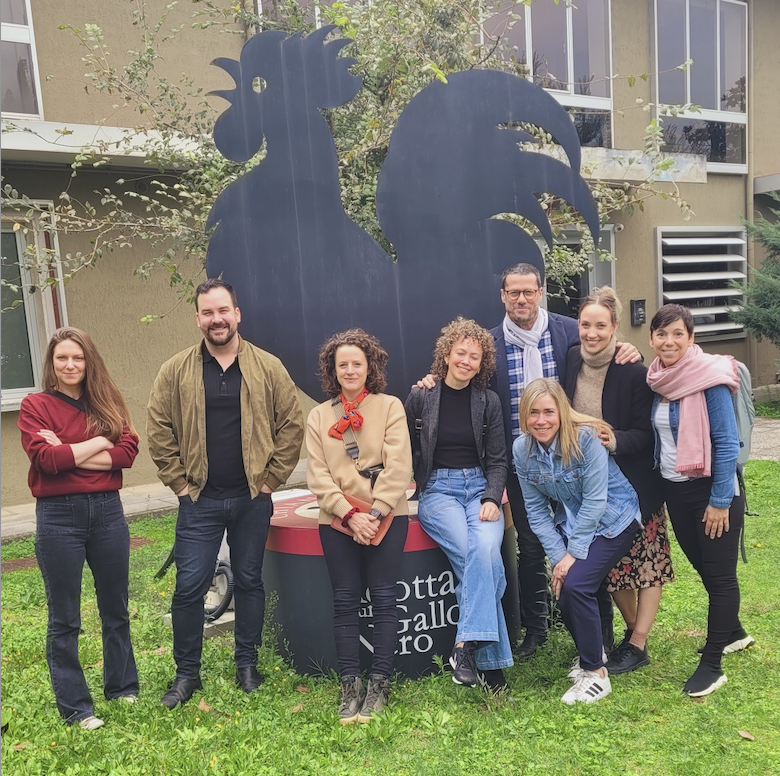
La Squadra Canadese – Chianti Classico Headquarters – Sambuca

La Croce Chianti Classico Gran Selezione DOCG La Croce 2020, Castellina

High aromatic swirl and flush of floral fruit to draw us in and come looking for more. Many splendored and substantial quality in that regard. Were we to stay there the wine would continue to please. The palate whoever is sappy and gratuitous with its wood-effected vanilla and berry ice cream soft serve. Softens quickly and then trails away. Drink 2024-2026.  Tasted October 2024

La Sala del Torriano Chianti Classico Gran Selezione DOCG Il Torriano 2020, San Casciano

When San Casciano brings aromatic wealth twofold between red fruit and sweet savour then you know you have really got something special in your glass. High chances it will be Torriano from La Sala. Warmth of vintage, expertly considered and arranged picking schedules, then finally winemaking respect has all fused to come to this. Amplitude meets tranquility and fullness transcribes as pleasure. Lovely spices and spicy piques arrive at the back and length is outstanding. Drink 2025-2031.  Tasted October 2024

Lamole di Lamole Chianti Classico Gran Selezione DOCG Vigneto di Campolungo 2019, Lamole

As you would expect the Gran Selezione is a crunchy sangiovese, as only Lamole can deliver with more freshness and verdant character than just about anywhere in the territory. A different green than Gaiole or Radda, an almost humid rainforest breath of air, like running spring water through the canopy that expands the aromatics. Brings out the Lamole perfume more than the Riserva and five times that of the Annata. Also sanguine form the iron-laced Macigno sandstone and its own kind of char, like a seasoned cast iron on low heat. Up until three years ago there was some cabernet but now it is solo sangiovese. First vintage of this wine was 1985 and then transformed as Gran Selezione in 2010. Drink 2025-2031.  Tasted October 2024

Le Cinciole Chianti Classico Gran Selezione DOCG Aluigi Campo Ai Peri 2020, Panzano

Panzano expression incarnate, red fruit ripe and silken without glycerol gratuity and flirting with untethered gravity. A richness while also barrel work lending a creamy mouthfeel that still needs to soften further, integrate the associated spice and see this become a Gran Selezione of parts develop into the whole. Just some austerity in the structure stands in the way. Drink 2026-2032.  Tasted October 2024

Le Fonti Di Panzano Chianti Classico Gran Selezione DOCG 2019, Panzano

As always at this appellative level Le Fonti’s is 100 percent sangioivese and as with Annata but also Riserva the house style chooses fruit over wood and seasoning over toast. The warm vintage finished with late season daytime highs juxtaposed against nighttime lows and this Gran Selezione emerged with glaring clarity, instrumental precision and parts on point. From fruit through structure round fits into round and square into square, nothing awkward, sharp or out of place. An aromatic sangiovese while the palate provides an experience and a half. Selezione ’19 is a prepared one, to withstand oxidation and develop supplementary character so that it may age well into the next decade. Drink 2024-2032.  Tasted February and October 2023 and 2024

Livernano Chianti Classico Gran Selezione DOCG Purosangue 2016, Radda

Yet another aging Gran Selezione wound tight, austere tannins yet to relent and fruit in a remarkably fresh state. The level of concentration will not live to the fullest along with the wine’s longevity and yet wood is not an issue. Used and resulting in good gastronomical seasoning but never obtrusive. So reminds of nebbiolo, if more light, bright and austere like Barbaresco in style. Very old school Radda. Drink 2026-2030.  Tasted October 2024

Lornano Gran Selezione Chianti Classico DOCG 2017, Castellina

Always stiff, reductive and vertical in youth which still includes 2017. Cedar and pine mulch, great savour all-around, fine-grained tannins and an aromatic thirst yet to be quenched. On the palate there is some incoming joy and so we see that the belt is loosening and the wine beginning to offer up some pleasure. Some will see too much wood and that opinion is perfectly valid but understand how Lornano’s wines at every level need time, The tannins are in fact fine and everything will make more sense after another year of time.  Last tasted October 2024

The last Lornano Gran Selezione tasted was 2012, absence makes the heart grow fonder and five vintages later expectations run high. Their’s are the most austere in youth, especially for Castellina because the bright red fruit of the UGA does not always ring the bells of structural alarm. But Lornano’s position and high Alberese content make them immovable when young and so three extra years is warranted for seeing them open up to the world. As with this 2017 which has indeed done so and yet maturity still seems far away. Great and luxe, juicy and even fresh fruit considering the vintage and so Bravo to the team for coaxing this kind of elegance. Drink 2023-2030.  Tasted October 2023

Marchesi Frescobaldi Tenuta Perano Chianti Classico Gran Selezione DOCG Tenuta Perano Rialzi 2020, Gaiole

In Gran Selezione terms for Chianti Classico Rialzi is about as singular as it gets. Just drive up the road from La Villa in Radda, into Gaiole and through to Perano to know what you are dealing with. Olive trees, cypress, pine, other evergreens, rosemary, sage and brushy greens on your left give away to the single Rialzi Vineyard on your right. All that verdancy translates into these 25 year-old, cordone speronato vines for a very specific balsamico, drawn from the greens, through the experienced vines and into the fruit. The vineyard was called “I Rialzi,” literally “the lifted up,” or now “the steps, or terraces. Lamberto Frescobaldi always insists “the vineyard matters most,” and in this case that is simply true. Aromatic confusion in a way but more so volume, palate tension and also vintage. Incidentally warmer than 2019, lending more volumetric credence and tending towards a bigger iteration of Gran Selezione. Feels more like the Rialzi of expectation and the kind of structure to go on and on. Drink 2026-2033.  Tasted October 2024

Nittardi Chianti Classico Gran Selezione DOCG Nittardi 2020, Castellina

Über Castellina sangiovese, full fruit compliment at Gran Selezione level and already openly generous. Crunchy fruit mixed with equally toothsome tannin make for a good appellative combination. Fine work out of the variable 2020 vintage. Drink 2025-2031.  Tasted October 2024

Villa Le Corti Principe Corsini Chianti Classico Gran Selezione DOCG Don Tommaso 2020, San Casciano

The original Gran Selezione for Villa Le Corti, that being Don Tommaso, incidentally labeled with its UGA while “Zac” adds the Val di Pesa suffix, as per the commune. Quite the fleshy and substantially concentrated 2020, impressively so, rich, luxe and jam-packed with flavour. A mix of 80 percent sangiovese with merlot (that will not be available in 2023 due to no production because of downy mildew). A bit woody on the palate at this youthful stage but this will pass and Don Tommaso will drink dutifully if also effortlessly through the latter stages of this one and into the first stretches of the next decade. Drink 2024-2032.  Tasted October 2023, February and October 2024
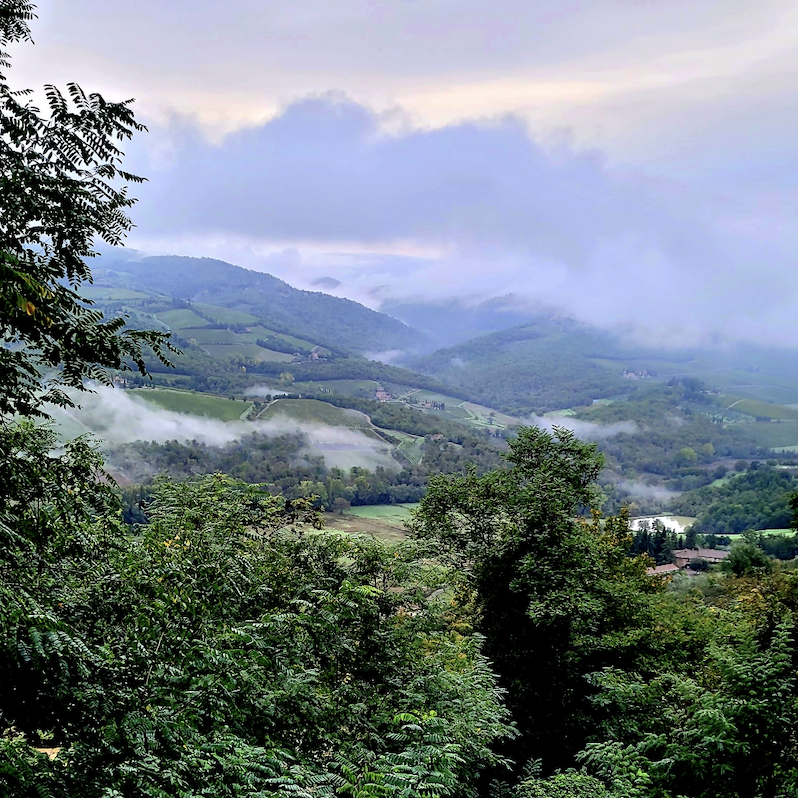
Radda in Chianti

Querceto Di Castellina Chianti Classico Gran Selezione DOCG Sei 2021, Castellina

Really pretty and voluminous sangiovese from Castellina’s Querceto, as bright and red fruit excitable as they come. Not edgy or twitchy though, but even paced and moving from strength to strength. Length is forever and tannins are present if never too demanding. Sei is a 2021 Gran Selezione that will go on and on, potentially through to the middle of the next decade. Drink 2025-2034.  Tasted October 2024

Querciabella Chianti Classico Gran Selezione DOCG 2019, Greve

The first commercially available vintage was 2017, from the highest reaches out of Querciabella’s vineyard parcels between 450 and 530m aboard the Ruffoli hill. Picked four weeks ahead of same altitude vines in Lamole because of exposure and well, Ruffoli. Treated to a submerged cap, i.e. capello sommerso methodology, a simmer of skins kept wet just as they have been doing forever in Barolo. This means a quality of tannin that comes out by infusion as opposed to extraction and with such an ideal vintage the result is uncompromising. Freshness captured, instinct incarnate, tannic freight compact, though the layers have breezes blowing through. Precise and focused as expected and the finale lingers forever. Drink 2027-2038.  Tasted February and October 2024

Rocca Delle Macìe Chianti Classico Gran Selezione DOCG Sergio Zingarelli 2019, Castellina

It just feels as though a Famiglia Zingarelli sangiovese will always act, emit and taste this way, that were this wine poured blind we would know the origin and the appellation. That being Gran Selezione and with 2019 the glare and obvious beautiful red mess of Castellina fruit is right there. The tops for substantial fruit as far as this GS is concerned and possessive an aging potential long and great. Should become one of Zingarelli’s finest. Drink 2025-2033.  Tasted February 2023 and October 2024

San Fabiano Calcinaia Chianti Classico Gran Selezione DOCG Cellole 2019, Castellina

Mainly Sangiovese with some colorino and a few splashes of merlot “that speaks Chiantigiana.” Also a 500m elevation for most of these grapes, the sangiovese planted in the 80s and converted to organic in the 90s. A stony Galestro soil opposite to the sandy clay and calcari, i.e Calcinaia around the borgo and winery. Only Cellole delivers this cool, liquid peppery swarthiness that the Classico does not show and also a combination of verdant but also distinct minerals notes. Tannins are exceptionally taut with at least two to three years remaining before they begin to truly integrate. Drink 2025-2033.  Tasted February 2023, February and October 2024

San Felice Chianti Classico Gran Selezione DOCG Poggiorosso 2019, Castelnuovo Berardenga

If you could close your eyes and sip Poggiorosso you would almost certainly realize that San Felice was in the glass because this is the result of their sangiovese. Tight, tart, youthful, unresolved and yet to realize its potential. This is a bit of a dumb phase, not fully expressive and seemingly light stage of its tenure. Need to refit and see what comes next.  Last tasted October 2024

Almost hard to believe but 2019 seems bigger, broader and in a way wilder than the 2020 Poggiorosso and yet this single vineyard Gran Selezione is a force to reckoned with, no matter the vintage. The vibrancy and especially the acidity is the wild aspect of a sangiovese that acts a bit the rebel, with cause. Quality here is tops in every respect, fruit is ripe on both ends and that acidity is really quite sweet. Splitting hairs compared to 2020 but this is something special. Amazing work from all new 500L tonneaux. Drink 2024-2037.  Tasted October 2023 and February 2024

Tenuta Cappellina Chianti Classico Gran Selezione DOCG Canto Dieci 2018, Vagliagli

A massive Chianti Classico Gran Selezione in so many respects, vintage being the impetus and catalyst for how this reached 15.5 percent alcohol. In spite of the spike the acids are raging high as well, the high tonality of the sangiovese also spiking with sharp and pointed style. The heat is like white light, or lightning rather and sometimes it’s hard to fathom how a grape from a UGA like Vagliagli can get this way. A hot season with big temperatures in late September but unavoidable is the truth of the matter. Does well to express place and style in the face of this adversity. Drink 2024-2027.  Tasted October 2024

Tenuta Casenuove Chianti Classico Gran Selezione DOCG 2019, Panzano

Serious, experienced, structured and vertical example of Gran Selezione. Maturity of fruit but also layered acids and most impressively developed tannins. This walks with great stature, sure of its meaning and intent. As a Panzano sangiovese it knows exactly what it wants to be. Drink 2024-2028. Tasted October 2024

Tenuta Di Nozzole Chianti Classico Gran Selezione DOCG Giovanni Folonari 2019, Greve

Western Greve brushy and herbal style of sangiovese with a dusty and evergreen feel. Aromatically exuberant, open-knit, bright and with just a hint of proper volatility. So bloody sangiovese and concentrated for a point to consider a specific style of Gran Selezione. Another proper vintage with fine work put in to factor for a well made Chianti Classico. Drink 2024-2027.  Tasted October 2024

Terra Di Seta Chianti Classico Gran Selezione DOCG Vendemmia Assai 2018, Vagliagli

Ha taken its time to arrive at what is now a truly drinkable moment, the generous wood styling and aging now integrated, smoothened and in delivery of silky texture. High in glycerol, some wood char still in the background but now more like liquid smoke, neither smouldering nor ignited to any developed flame. Relatively dark fruit, very black cherry, tannic and just ever so slightly oxidative. Drink 2024-2026.  Tasted October 2024

Tolaini Chianti Classico Gran Selezione DOCG Vigna Montebello Sette 2020, Castelnuovo Berardenga

Youthful still and showing no signs of growing up, moving forward or coming away released from its wood and tannic shackles. A big Montebello Sette from a vintage that determined this course, with impressive bones, silken red cherry fruit and potential of the highest Castelnuovo Berardenga order. An important wine for Tolaini and the culmination of hard agricultural work put in to play. Drink 2026-2032.  Tasted October 2024
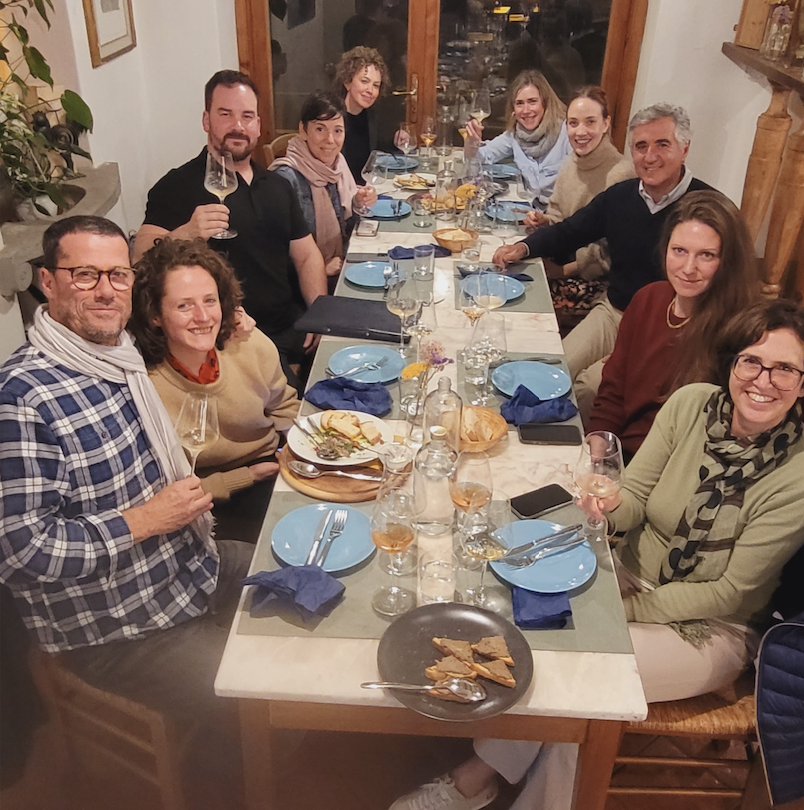
La Squadra Canadese with Giovanni Manetti and Christine Lechner – Enoteca Baldi, Panzano

Vallepicciola Chianti Classico Gran Selezione DOCG Lapina 2021, Vagliagli

Red stone fruit, aromatically fleshy while also expressed through high tones. Acid-driven vintage, ultra believable as coming from Vagliagli and at a refined concentration level that clearly indicates Gran Selezione. A 2021 to pay attention to, cellar and take in the results five to seven years after vintage. Drink 2024-2028.  Tasted October 2024

Vecchie Terre di Montefili Chianti Classico Gran Selezione DOCG 2019, Panzano

The most amenable and accessible vintage there could be but ’19 is already beginning to show its fruit sliding into dried and dusty territory. Granted it was still relatively early in Serena’s tenure and understanding of the vineyards and even more so the appellation but at five years past vintage this is the Gran Selezione to drink straight away. Still some tannic austerity but otherwise a sangiovese in resolution. Drink 2024-2026.  Tasted October 2024

Cecchi Chianti Classico Gran Selezione DOCG Villa Rosa 2019, Castellina

Single vineyard sangiovese from Casteto at the highest eastern heights of the Western Castellina vineyard. Most freshness and elegance of all the Cecchi sangiovese and from 2019 a wine so ready to drink you will find it hard to keep any bottles in the cellar. Not that structure is an issue because Villa Rosa will mature slowly over a five year run. Drink 2024-2028.  Tasted May and October 2024

Viticcio Gran Selezione Chianti Classico DOCG Prunaio 2019, Montefioralle

Prunaio is beginning to resolve, to see a next level of integration and a drinkability not too far away. Fruit is persistently fresh, acids sweet and fattening, structural parts in play though without any austerity or great tannin. There is some mind you, but in good control and working well alongside the pleasurable parts of this Gran Selezione. Fine work here in 2019 from Vitticio. Drink 2024-2028.  Tasted October 2024
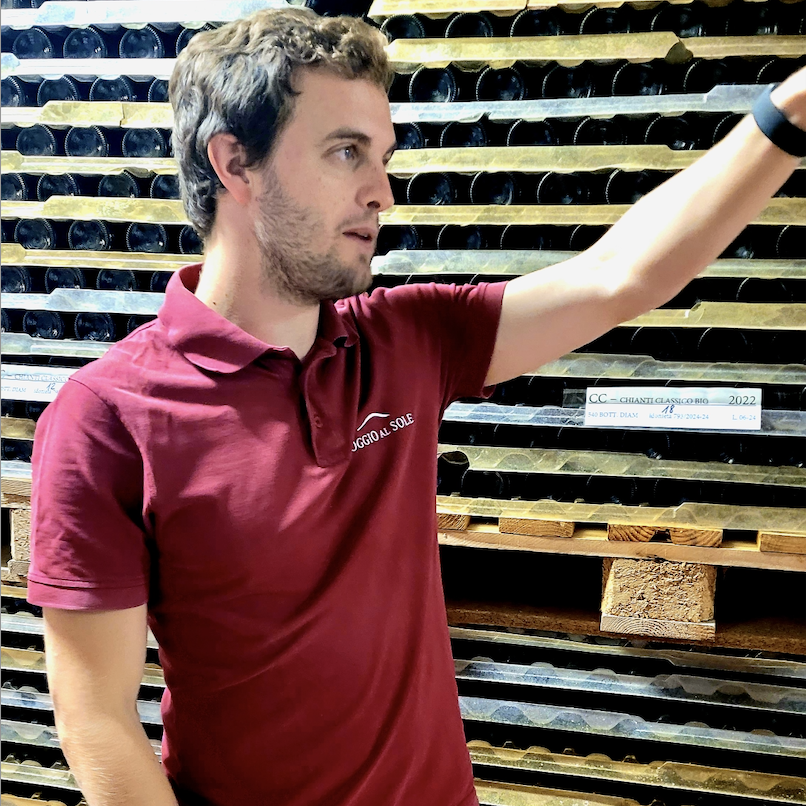
Valentino Davaz – Poggio al Sole

October 2024 Estate visits

Poggio Al Sole Sangiovese Bianco 2023, Toscana IGT

From relatively older plantings (1997 and 1998), harvested on average two weeks before the sangiovese used for reds. First commercial availability was 2019 but it has been experienced and played around with for 15 years. Quite phenolic, pH influenced, a sapid bianco of tonic and grip. Finishing with a lemon saltiness that ties it all together. Has grown from 1,200 to 17,000 bottles from 2019 to now. The ’22 was just a bit saltier and higher in energy. Drink 2024-2026.  Tasted October 2024

Poggio Al Sole Chianti Classico DOCG 2022, San Donato In Poggio

Organic, 90 percent sangiovese with (10) canaiolo, 12 days of maceration, one year in mainly large cask. The canaiolo helps to soften the tannic austerity of sangiovese and “make it more accessible earlier,” explains Valentino Davaz. The “business card” of Poggio al Sole, notable acidity yet cut and texturized by the blending and style. This ’22 is substantial, full and filled in when you consider the mid-palate, just about ready as we speak and should be consumed in its first three years. Drink 2024-2026.  Tasted October 2024

Poggio al Sole Chianti Classico Gran Selezione DOCG Casasilia 2021, San Donato In Poggio

Casasilia was the name of the estate before it became Poggio al Sole, opposite hill to the estate that owned Poggio al Vento on the other side. A Gran Selezione that transferred from Riserva and has been pure sangiovese since 2007. From plantings between 1992 and 1997, high acidity vintage and dry extract off the proverbial charts. Basically the best looking bunches that can then macerate longer and the result is a mix of fruit and acidity that travel the sides of the palate, up and down, unrelenting and working with the structural components of the wine. Intriguing, woody and inviting. The grandest wine that falls into the sweet spot between elegant and bold, lithe and massive. Drink 2025-2030.  Tasted October 2024
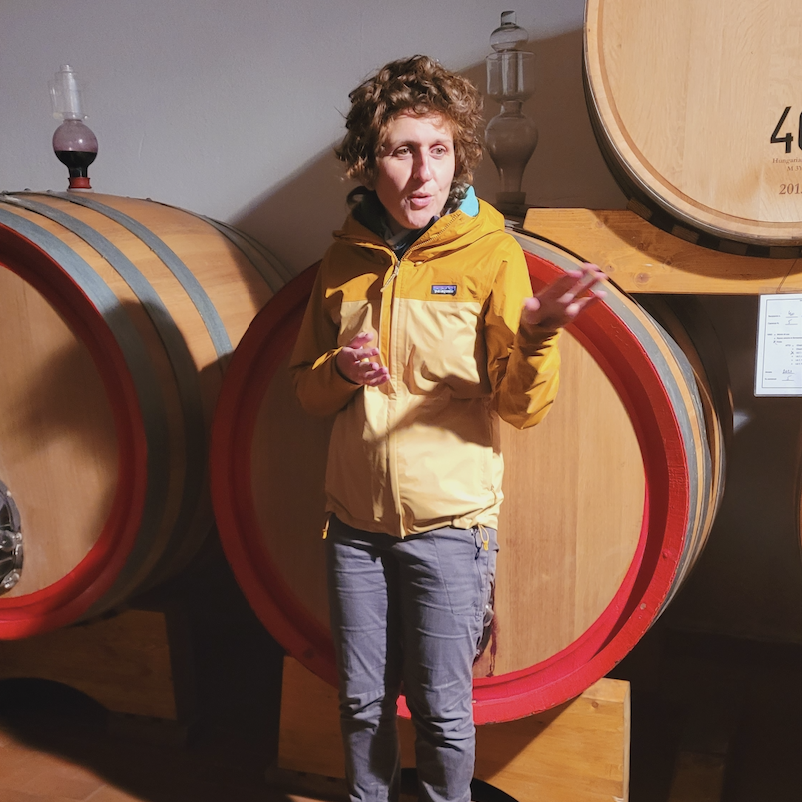
Serena Gusmeri – Vecchie Terre di Montefili

Vecchie Terre di Montefili Chianti Classico DOCG 2020, Panzano

Just 50 percent of production from a warm vintage with low juice to skin ratio. Aged only in 30 hL casks for approximately 15 months before release. “The bottle you open must be of the place,” explains winemaker and agronomist Serena Gusmeri, “with the purity and freshness of the crunchy sangiovese.” Spicy and musky aromatics, not surprising because of the skins’ effect. Powerful vintage with bones, dry extract (more than 36 g/L!) and a purposeful saltiness. Puckering finish.  Last tasted October 2024

Tasted side by each with the 2019 there can be no missing the darker hue, stronger fruit and bolder notes sung by Vecchie Terre di Montefili’s 2020. It’s the vintage and also Panzano that create the unavoidable, each as forceful and imposing as the other. Then agin the trilogy of terroir, weather and place are intrinsic to the sangiovese that arrive each and every season. Big wine, tannins equal to the task and yet evolution will happen faster than 2019. Drink 2025-2028.  Tasted February 2024

Vecchie Terre di Montefili Chianti Classico Gran Selezione DOCG 2020, Panzano

A selection from Vigna del Bosco from Montefioralle and also with some Vigna Vecchia Panzano fruit. In the next vintage the two will each make up their own, one labeled as Montefioralle and the other with the Panzano UGA. Depth and volume in so many ways, of hue, extract, aromas and concentration. Truly floral with Panzano’s Pietraforte ingrained within. Drink 2024-2029.  Tasted October 2024

Vecchie Terre di Montefili Chianti Classico Gran Selezione DOCG 2019, Panzano

The most amenable and accessible vintage there could be but ’19 is already beginning to show its fruit sliding into dried and dusty territory. Granted it was still relatively early in Serena’s tenure and understanding of the vineyards and even more so the appellation but at five years past vintage this is the Gran Selezione to drink straight away. Still some tannic austerity but otherwise a sangiovese in resolution. Drink 2024-2026.  Tasted October 2024

Vecchie Terre di Montefili Chianti Classico Gran Selezione DOCG 2016, Panzano

Serena Gusmeri’s second vintage at Montefili, harvested exactly one week after her daughter was born. In so many ways the perfect Chianti Classico vintage and even more so for Panzano and this corner of the UGA. Understated and far from powerful elements, especially tannins, like the sound from a cornet. That said this ’16 Gran Selezione is so persistently young and fresh. Almost no movement as of yet, still a sanguine and mineral quality set that keeps this sangiovese crunchy and pure. Drink 2024-2029.  Tasted October 2024

Vecchie Terre di Montefili Vigna Vecchia 2019, Toscana IGT

Less than half a hectare planted in 1981, Panzano side at Montefili, the last year as an IGT ahead of its inaugural Gran Selezione labelling in 2020. High level of spicy savour, bloody quality and more tannic austerity than what comes from Panzano. This seems opposite to what would be expected but welcome to Chianti Classico where producer and location are everything. Richness meets structure, Alberese and Pietraforte conspiring for a muscular style. Salty conclusion and should age forever. Drink 2025-2034.  Tasted October 2024

Vecchie Terre di Montefili Vigna del Bosco 2019, Toscana IGT

From Montefioralle and the highest elevation for Montefili at 540m, now an IGT but will be presented, labeled and introduced as Gran Selezione (DOCG) in the 2021 vintage. There are no neighbours to Vigna del Bosco, only the forest surrounding the vines and 62 different types of wildflowers right there. This is the sanguine part of the 2020 blend with a juiciness, a sweetly savoury note that makes for the freshest style. So crunchy, with currants, corbezzolo and pomegranate in such a red citrus way. Drink 2024-2029.  Tasted October 2024
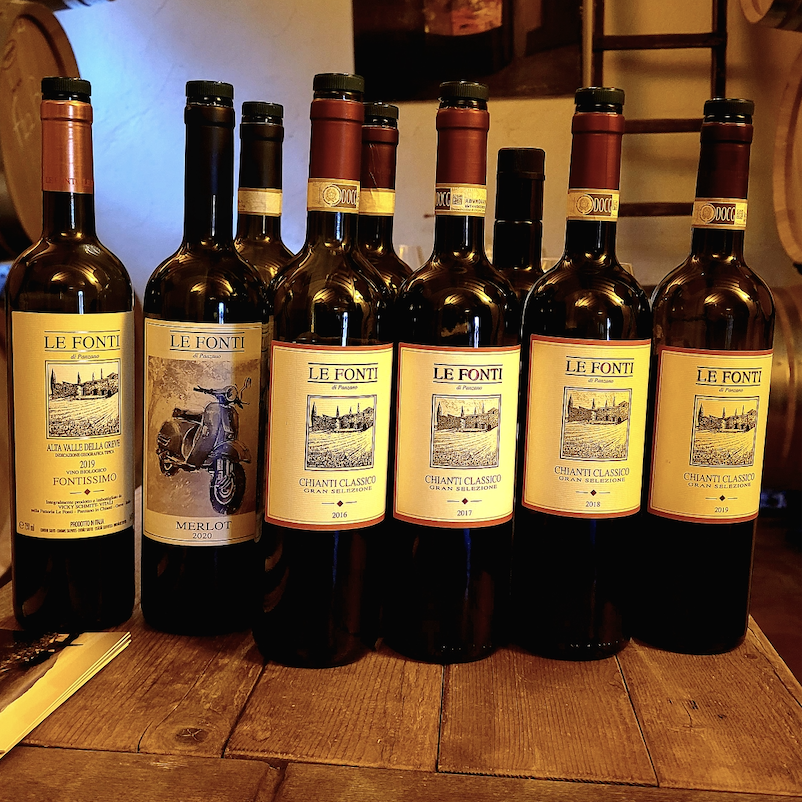
Le Fonti Chianti Classico DOCG 2021, Panzano

Always 90 percent sangiovese with up to 10 percent (mix of merlot and cabernet sauvignon), now settled into its languidly structured skin. The spices have braised in to create a dual effect, of seasoning and emulsification.  Last tasted October 2024

This is truly a preview of the Le Fonti Chianti Classico 2021 because this is the vintage that will be poured at the Chianti Classico Collection held in Florence on February 15th and 16th. When frost struck the area on April 6th and 7th, 2021 Vicky Schmitt-Vitali said “Le Fonti is positioned quite open to the winds so most vineyards fared OK with the frost. Only one small patch protected by trees and bamboo at the bottom of the valley got freeze-burned. The other side of the valley got hit worse so we have to be grateful. Lucarelli (the small village in Radda just below Panzano) is always very cold and our tractor driver lives there and said that his house was minus six the past few nights. All fruit trees burned but his vines had not been out yet so he was lucky.” The result here is a top notch, clean, fresh and harmonious Annata that also happens to be a sangiovese of higher quantity than many out of the vintage. The acids here are just about perfect and the flavours are as enticing as they are diverse. Without a doubt one of the finest Chianti Classico ever made by Guido and Vicky at this appellative level. Drink 2025-2030.  Tasted January and February 2024

Le Fonti Fontissimo 2019, Alta Valle Della Greve IGT

One of only seven wineries with high enough elevation vineyards along this section of the Greve River between the Panzano and Greve villages, but also the only Panzano winery labelling with this “elevated” Alta Valle Della Greve IGT. A smack exciting vintage of acidity and wow does this Fortissimo attack the palate with the best of intentions. You are captured, captivated and ready for the fruit strafe that follows. Varietal obviousness, fortitude and pleasure to be had for seven years more. Easily. Drink 2024-2030.  Tasted October 2024
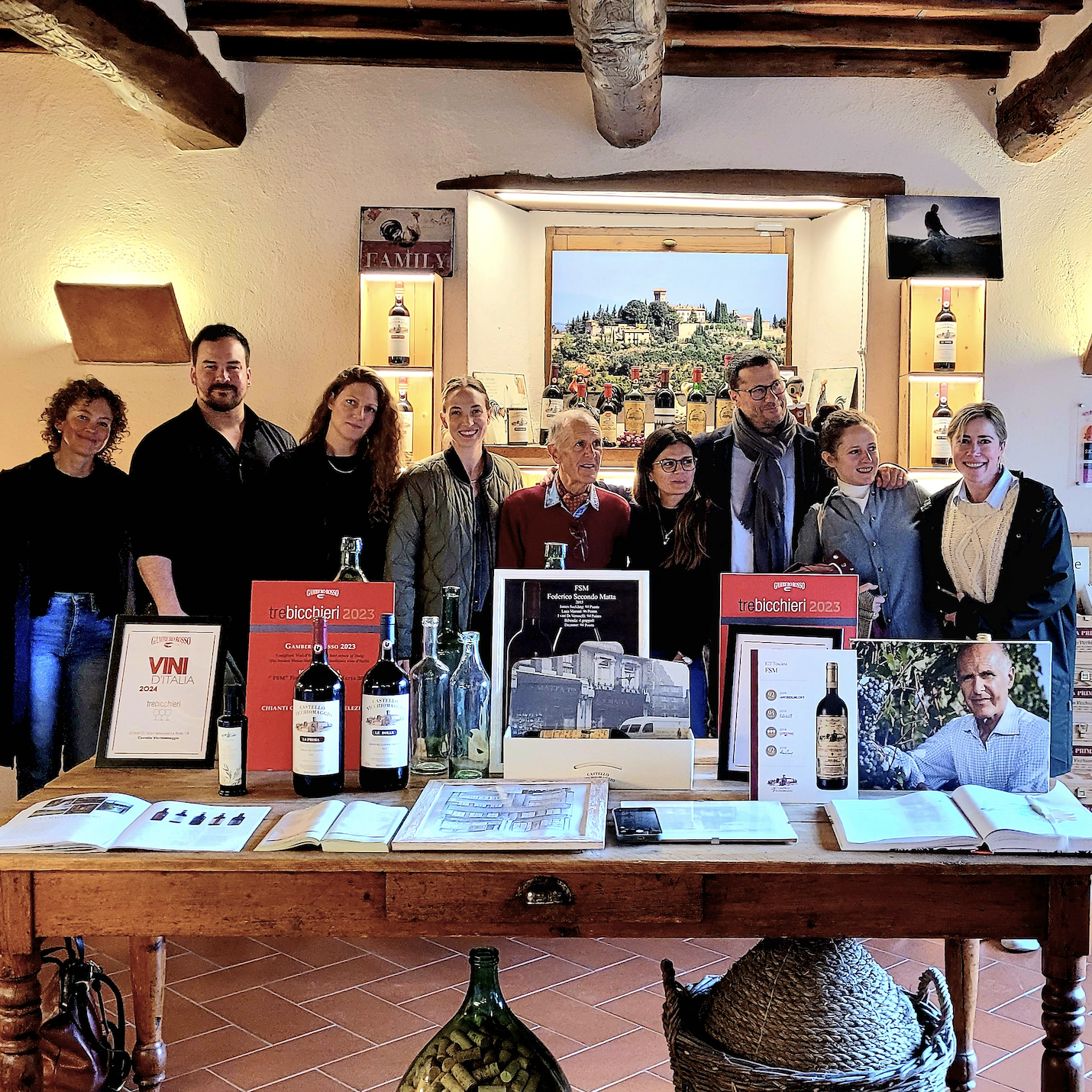
La Squadra Canadese with Victoria and John Matta, Vicchiomaggio

Vicchiomaggio Chianti Classico DOCG Guado Alto 2022, Greve

Short-ish maceration, five to seven days, finishes in large cask. Never barriques for sangiovese. Leaves the austerity of the past well behind, forging the present and the future for easy-accessible, fresh, bright and refreshing Annata. Warm vintage brings high brim and mature fruit for truly early term drinking – but you can hold and see what will come.  Tasted October 2024

Campione: Perfectly balanced sample of 2022 sangiovese, Greve and Vicchiomaggio, red fruit captured with as much perfumed ripeness as could be desired while also fulfilling palate needs. This is what should be expected and gifted from a Campione – a window to the drinking window and potential of the wine. No need for wonder or worry – you know you will get the right stuff from Guado Alto ’22. Drink 2025-2030.  Tasted February 2024

Vicchiomaggio Chianti Classico Riserva DOCG Agostino Petri 2021, Greve

The Petri family were owners of Castello di Vicchiomaggio between 1850 and 1910 and today their name graces the label for sangiovese with a small (more or less 10 percent) of cabernet sauvignon. Mix of small and large wood for the sangiovese with the cabernet staying in barriques. Refines in 50 hL grandi botti for a couple of months. Dictionary entry for what is perceived as Riserva, rich and mouth-filling though from 2021 the acidity really works the room. So much so the length on Petri ’21 is of the finest Vicchiomaggio ilk. More fulsome and also well-rounded vintage with extending structure than those of the bookending vintages from ’20 and ’22. Drink 2024-2028.  Tasted October 2024

Vicchiomaggio Chianti Classico Gran Selezione DOCG La Prima 2021, Greve

Bottled in April 2023, now 18 months fully settled, seasoned with a bit of merlot though under the new rules of Gran Selezione this will no longer be the case going forward. Of the two Vicchiomaggio GS this is the one with the earlier integration, higher acidity and less demanding tannin. Nearly drinkable, maybe anther six months away from the open window. Drink 2025-2030.  Tasted October 2024

Vicchiomaggio Chianti Classico Gran Selezione DOCG Le Bolle 2021, Greve

Le Bolle, the name of the cluster of houses in a specific locality and therefore in the register inside the “frazione” of Greti within the commune of Greve. A Gran Selezione single vineyard of just sangiovese, initially made in 2006 and first presented as a GS at VinItaly in 2019. More aromatic volume and power than La Prima but also a smooth as silk sensation on the nose and also on the palate. Stylish, certainly more woodiness and perceived sweetness because the tannins are in fact ripe and the mouthfeel classically “scorrevole.” Longer and more persistent from a GS that represents the house style. Drink 2025-2033.  Tasted October 2024
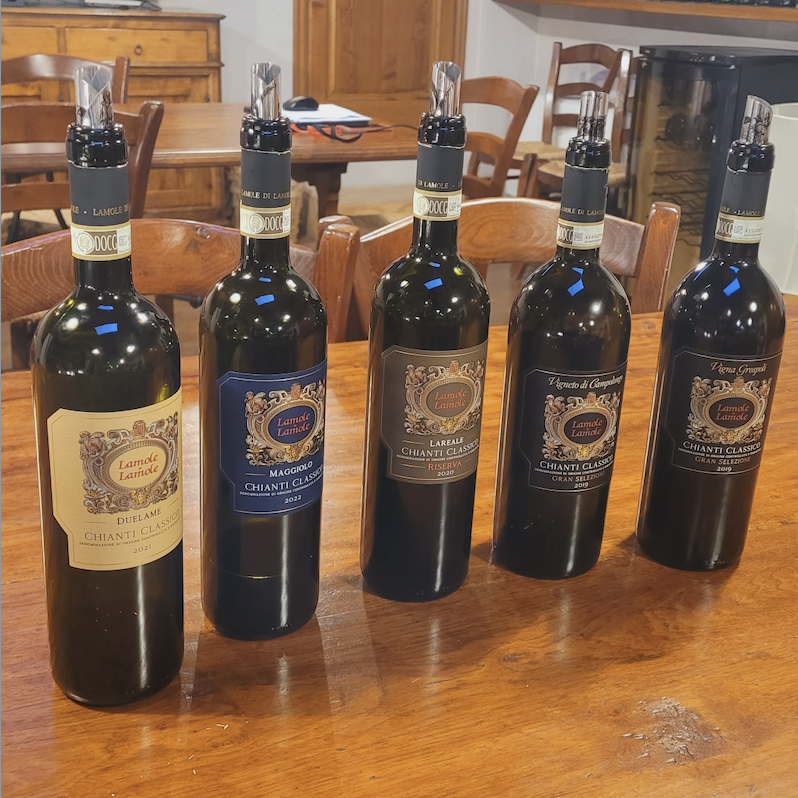
Lamole di Lamole Chianti Classico DOCG Duelame 2021, Lamole

“Two blades,” a technically sound and silky smooth 100 percent sangiovese Chianti Classico of violet aromatic fruit and glycerol texture unequivocally polished above all else. A blend of the lowest and highest vineyards, wood more about spice than whatever other ideas there might be for its generous use. Might have been a bit spicy and woody a year ago but now settled and balanced. Ultra professional Annata.  Last tasted October 2024

Full and substantial which is pretty much what we have come to expect from a Lamole (di Lamole) sangiovese and to a degree much higher than any other from that UGA. Perfumes yes but fruit and texture are the base ingredients to make this wine swell forth. Lots of love and deep space in L de L’s 2021 with a sleek Macigno feel throughout. Drink 2024-2026.   Tasted February 2024

Lamole di Lamole Chianti Classico DOCG Maggiolo 2022, Lamole

Warmer vintage and for Lamole yet Maggiolo is expressive of more youthful freshness and also herbaceous character with a note of wood char more than spice. There are 10 percent combined merlot and cabernet sauvignon mixed in, along with their smaller barrel textures and flavours. Thicker, jammier and less glycerin, warm and freshness supplied by its youth. Some green tannin at the finish. Drink 2024-2026.  Tasted October 2024
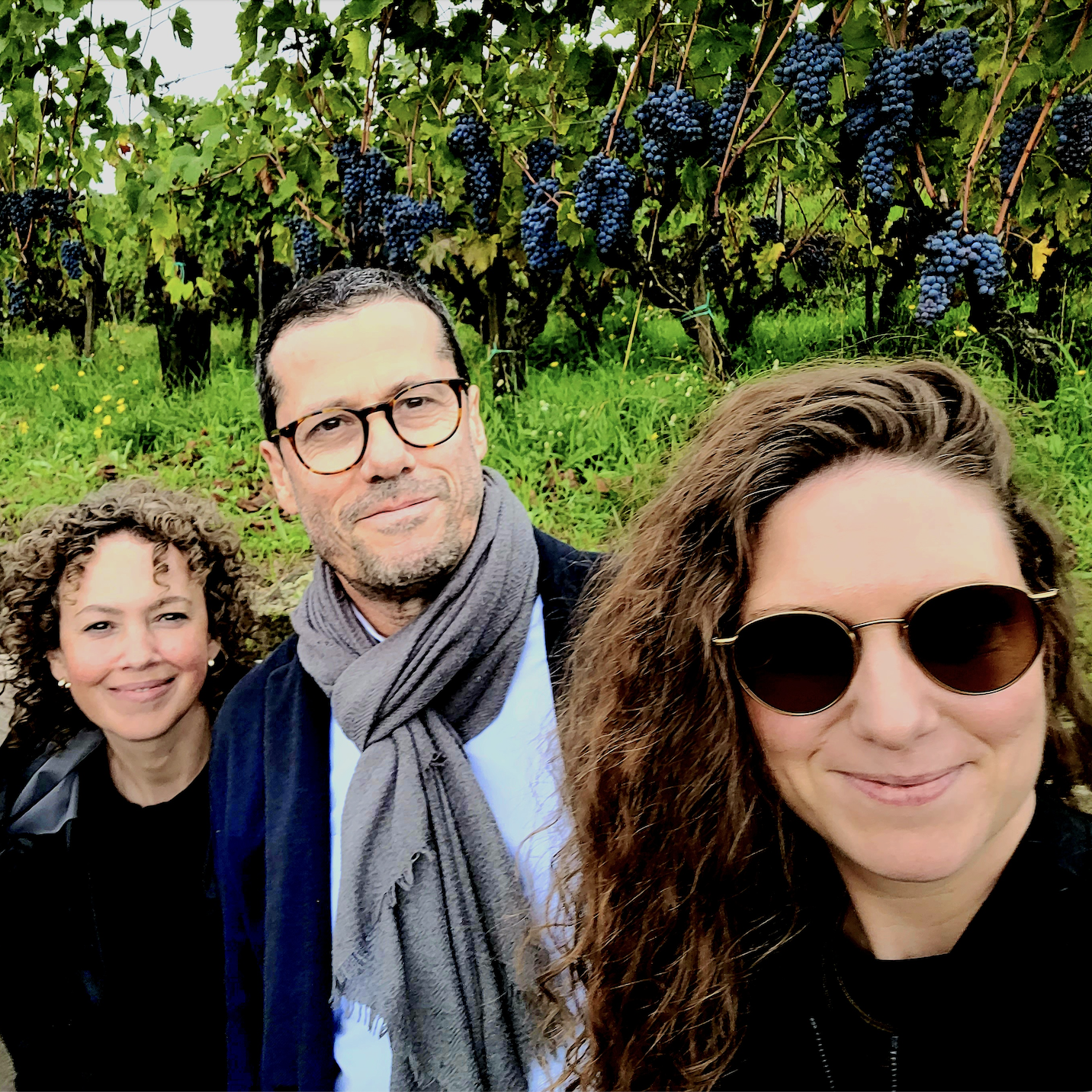
Rankin, Godello and Forster – Lamole

Lamole di Lamole Chianti Classico Riserva DOCG Lareale 2020, Lamole

Lareale is the real sangiovese for Lamole di Lamole, a selection of two vineyards in Il Prato, lower at (relative for Lamole) elevation, set between 400 and 500 meters and this level, quality and concentration of fruit handles the wood with ease, accepts the spice and comes away as it seems like it should. A truly positive result, rich, fresh and ideally seasoned. Drink 2025-2028.  Tasted October 2024

Lamole di Lamole Chianti Classico Gran Selezione DOCG Vigneto di Campolungo 2019, Lamole

As you would expect the Gran Selezione is a crunchy sangiovese, as only Lamole can deliver with more freshness and verdant character than just about anywhere in the territory. A different green than Gaiole or Radda, an almost humid rainforest breath of air, like running spring water through the canopy that expands the aromatics. Brings out the Lamole perfume more than the Riserva and five times that of the Annata. Also sanguine form the iron-laced Macigno sandstone and its own kind of char, like a seasoned cast iron on low heat. Up until three years ago there was some cabernet but now it is solo sangiovese. First vintage of this wine was 1985 and then transformed as Gran Selezione in 2010. Drink 2025-2031.  Tasted October 2024

Lamole di Lamole Chianti Classico Gran Selezione DOCG Vigna Grospoli 2019, Lamole

For Lamole di Lamole Gran Selezione means single vineyard. This vineyard section is two hectares of Alberello trellised sangiovese in a modern way on sandy Galestro soil. A block purchased from Fattoria di Lamole by Lamole di Lamole. More traditional feel, a gentle rusticity and a glide of fruit across the palate, but ultimately a truly tannic wine. Grainy and yet the texture really sells the sangiovese. Needs two years easy. Drink 2026-2033.  Tasted October 2024
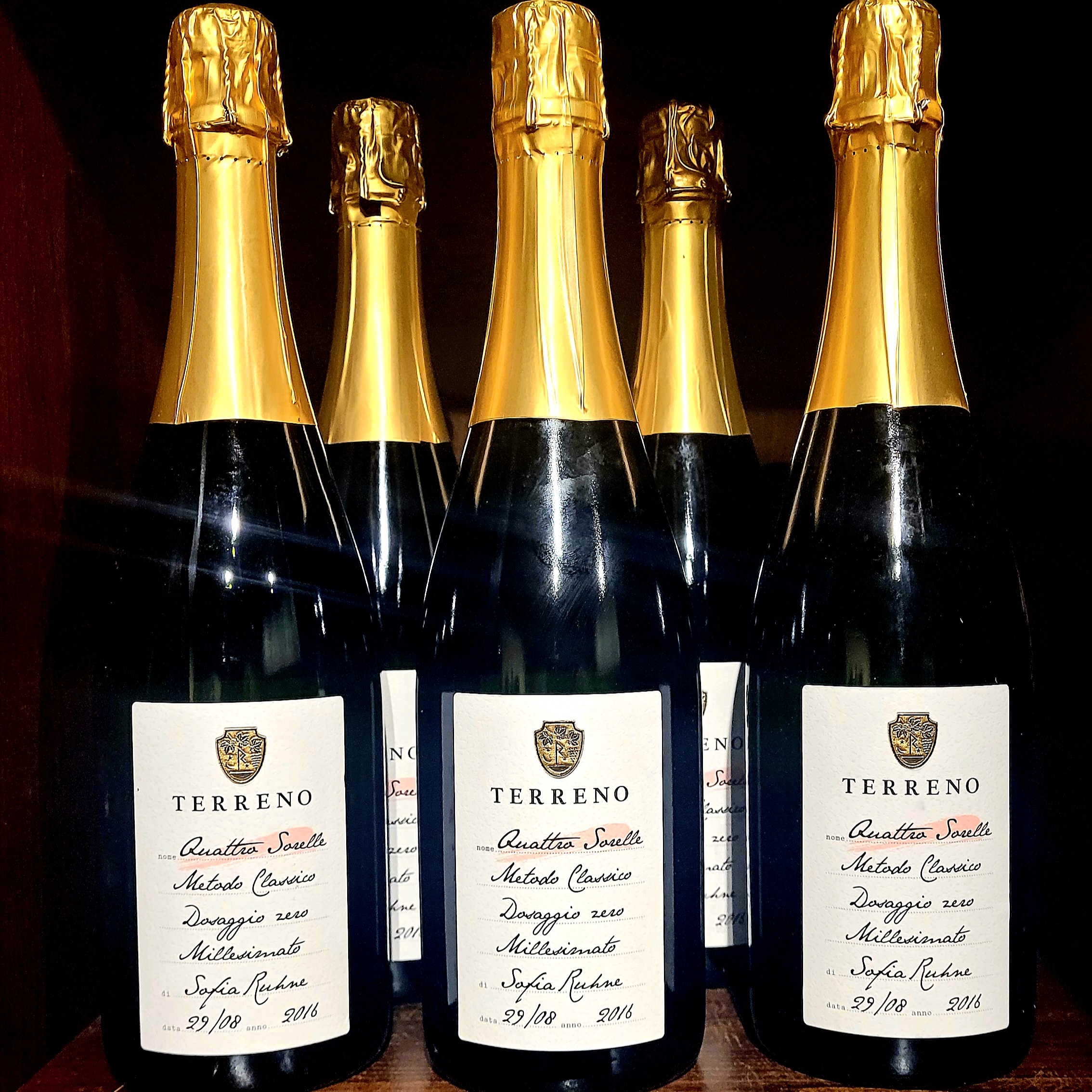
Terreno Método Classico Pas Dosé “Quatro Sorelle” 2016, Greve

Named for the four Ruhne sisters, Anna, Victoria, Kajsa and Sofia for a special classic method sparkling wine spent seven years on the lees. Real acidity captured is also preserved from a program conceived in 2012 with Federico Staderini using pinot noir. This however is sangiovese, as it so rightly should be, perfectly gemstone golden and oxidative, every aspect of the wine done on the premises by hand. The natural sweetness from a pied du cuve exemption comes out with about as pure, floral and precise a result as the team and we could possibly hoped it might be. One of the best sangiovese bubbles in the whole of Chianti Classico. Drink 2024-2027.  Tasted October 2024

Terreno Chianti Classico DOCG Tre Vigne 2020, Greve

The three vineyards are Greve next to the winery, across the ridge’s rift at Solano (also in Greve) and then Greve west bank in the UGA of Montefioralle. A mix of three soils, they being Monte Morello, Pietraforte and Alberese. Called “Tre Vigne,” because it comes from the three plots for a layered sangiovese bottled in the fall after two years in cask plus six months in bottle. Quite impressive persistence in terms of both freshness and length. Drink 2024-2027.  Tasted October 2024

Terreno Chianti Classico Riserva DOCG 2019, Greve

A blend, of 85 percent sangiovese, (10) cabernet sauvignon and (5) colorino, the small amount of the latter bringing colour and structure. A mix of vineyards again but here the youngest vines are driven to the Classico while more experience and potential for structure come Riserva’s way. They do what is necessary which tells us to wait another year before knowing this ’19 is ready to go. Drink 2025-2028.  Tasted October 2024

Terreno Chianti Classico Gran Selezione DOCG Asofia 2019, Greve

Asofia is only from the oldest vines planted in 1980 and 2019 i the first vintage labeled as Gran Selezione. Previous it was a single-vineyard slash cru-designate, 100 percent Chianti Classico. A much more pinpointed and focused wine as compared to the Classico, aromatically charged with Alberese and clay as the soil source abutting the Chianti Mountains. A maturity and concentration of fruit as per the old vines that lend experience and fullness. Picked on the 4th of October and it shows in the phenolic quality, upwards of let’s say 8.5, pushing nine out of 10 on that hypothetic scale. Brush and cooler climate from the surrounding woods lends a savoury element to this wine and in Greve terms there is an almost Lamole at elevation and perfumed aspect of this hyper specific sangiovese. Drink 2023-2028.  Tasted February 2023 and October 2024

Terreno Chianti Classico Gran Selezione DOCG Sillano 2019, Montefioralle

One of two Gran Selezione and harvested almost a week later on October 10th, referring to the place and little church near the village of Montefioralle. From 500m on calcareous soils (Essentially Alberese), not Formazione di Sillano as might have once been supposed because of the name of the place. No barriques or tonneaux, aged 24 months in 12 and 24 hL oak, finishing at 13.5 percent, much apposite to 2018 that finished at 15 percent. This is purely Montefioralle, exquisitely so, cool and fresh, elegant and if this isn’t an ideal vintage for the UGA then I for one will have no idea what is. Purity of parochial red fruit and a temperate state of being, calm and relaxed. The tension lies hidden in the shadows of this wine, non-explicit and as a result the sangiovese seems non-plussed. The tannins are upright, timely yet taut. All this to say that Sillano will be ready just a bit later than Asofia and will also live just that much longer. Drink 2024-2030.  Tasted February and October 2023, and October 2024
Perano

Marchesi Frescobaldi Tenuta Perano Chianti Classico DOCG 2021, Gaiole

Clearly driven by its acidity made whole by the elevation, which means high solar radiation and day for night temperature fluctuations. Wood now leaving the building and fruit singing. Great drinking sangiovese with canaiolo providing a sapid edge and cabernet sauvignon the black fruit spice. Aromatics are in top shape. The 2022 Annata will be released on November 21st.  Last tasted October 2024

Today Tenuta Perano has a distinct advantage and that is elevation. Ten years ago that would not have been said but 550m is no longer considered a cold altitude and so critics and consumers alike should no longer dismiss this place. At Perano the sangiovese matures on both ripeness fronts and does so at a markedly reduced crop per plant. Results are more than simply a matter and meter of concentration. Lamberto Frescobaldi notes how the Chianti Classico from this part of Gaiole are those of “severity and specificity, and it can be tasted in the wines.” It comes from agriculture and can’t be missed. That is if the winemaking is expressed with humility. The verdancy and freshness by elevation are Gaiole and they foil the substantial elements, namely fruit and tannin. All of this is raised to the highest degree in the Annata 2021. “Especially when the plantings are on cooler sites but you really have to be careful, to push the harvest later.” The conclusions are captured acidity and a lovely expression on the nose. “You may not like sangiovese,” concludes Frescobaldi, “but you will always be intrigued by it.” Drink 2023-2028.  Tasted December 2023

Marchesi Frescobaldi Tenuta Perano Chianti Classico Riserva DOCG 2020, Gaiole

Ten months have done little to see any wane of freshness or juicy character though there is the first note of sappy frostiness. Unique Riserva, obviously Perano and as an appellative wine still a work in progress. The 2021 will be released on November 21st.  Last tasted October 2024

The 2020 Perano has arrived, showing know what it was once shy to do. Perano is at its juiciest and gifted height, crunchy of fruit still fresh, poised and in control, now into the best the two three years to express its Gaiole character. Tasted February 2024. You can always feel the white soil of Tenuta Perano and nowhere more so than from Annata level Chianti Classico. More than sangiovese with 10 percent merlot and (5) cabernet sauvignon for a silky smooth 2020 that wants to share its impression as early as it can. Cool and sappy, easy to understand and professional as they come. Drink 2023-2025.  Tasted February 2023
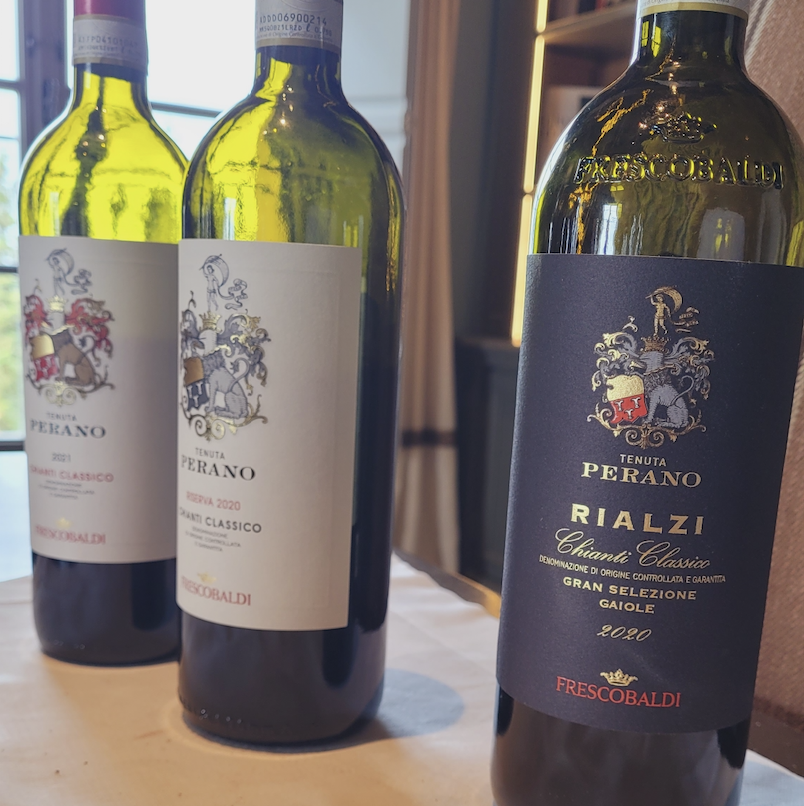
Marchesi Frescobaldi Tenuta Perano Chianti Classico Gran Selezione DOCG 2020, Gaiole

In Gran Selezione terms for Chianti Classico Rialzi is about as singular as it gets. Just drive up the road from La Villa in Radda, into Gaiole and through to Perano to know what you are dealing with. Olive trees, cypress, pine, other evergreens, rosemary, sage and brushy greens on your left give away to the single Rialzi Vineyard on your right. All that verdancy translates into these 25 year-old, cordone speronato vines for a very specific balsamico, drawn from the greens, through the experienced vines and into the fruit. The vineyard was called “I Rialzi,” literally “the lifted up,” or now “the steps, or terraces. Lamberto Frescobaldi always insists “the vineyard matters most,” and in this case that is simply true. Aromatic confusion in a way but more so volume, palate tension and also vintage. Incidentally warmer than 2019, lending more volumetric credence and tending towards a bigger iteration of Gran Selezione. Feels more like the Rialzi of expectation and the kind of structure to go on and on. Drink 2026-2033.  Tasted October 2024

Villa a Sesta Chianti Classico DOCG Il Palei 2022, Castelnuovo Berardenga

Polished like few other Annata, liquid black forest cake, height of ripeness.  Last tasted October 2024

Campione: Strong willed, boned and still in a state of reserve for a 2022 that not only needs to find the bottle but also further in bottle aging to open up any cracks in the structure. Rich and caky, wood a serious factor at this stage with a structural comport that will see a ’22 follow the sun towards a good long life ahead. Drink 2026-2031.  Tasted February 2024

Villa a Sesta Chianti Classico Riserva DOCG Il Palei 2019, Castelnuovo Berardenga

Acid bomb, classic as Chianti Classico is known to be, acetone in control yet present and stylistically such a persistent Riserva.  Last tasted October 2024

Riserva is expressive of some more warmth and also spice as compared to both Annata and Gran Selezione. In this respect it’s truly Riserva, the concept made even more notable due to the aromatic richness in layers of seductive perfume. If the others are crunchy wines with energy and freshness than this is the chewy one, with a different energy and style. More ruffiano, the kind of sangiovese you eat slowly and savour every bit of the sauce. Gonna need a few pieces of bread to get every last drop. 70,000 to 80,000 bottles produced. The 2018 sold like crazy and so this ’19 is out at the same time as the 2019 Annata. Drink 2024-2027.  Tasted February 2024
Chiara Leonini – Felsina

Fèlsina Vino Spumante di Qualita Brut Millésimato Método Classico 2018

Sangiovese (60 percent) with (20 each) pinot nero and chardonnay, 48 months on the lees. Labeled Brut but comes away with what only feels like 3-ish g/L of residual sugar. Indelibly stamped and toasty, seemingly autolytic but stoic to stark and serious. Spumante of character and personality, gingered, full of zest and life. Drink 2024-2027.  Tasted October 2024

Fèlsina Chianti Classico DOCG 2022, Castelnuovo Berardenga

The thing about a Fèlsina Chianti Classico is you know exactly what you are going to receive. A full, herbal, fruity, cedar and floral sangiovese. The hyperbole of this comes from 2022, warm as they come for vintages that wrap the fruit up in a great flannel blanket. Typical can be brilliant.  Last tasted October 2024

Surprisingly forthright and open knit for such a young and impressionable Annata from Fèlsina. Calm and relatively settled so soon after going to bottle. The acidity is both sneaky and essential with tannins so similar in their design and style. A full and complete Berardenga for Castelnuovo in 2022, getable earlier than ever before yet in no rush to mature. As clean and generous as ever from the estate. Drink 2024-2027.  Tasted February 2024

Fèlsina Chianti Classico Riserva DOCG 2021, Castelnuovo Berardenga

Tough frosty start in April at flowering but what remained for the Riserva’s top selection of vines gave ample stuffing towards developing, bottling, waiting and now drinking the quality at this level of appellation. Crisp, herbaceous, stony and with just that fine stamp of Fèlsina that adds up to 55 years of charm. Wild herbs growing between cracks of Galestro and veins in Alberese soils, of clay, sand and stone. Right proper stuff and in fact the 30 percent loss because of frost hit the Annata quantity most. Drink 2024-2028.  Tasted October 2024
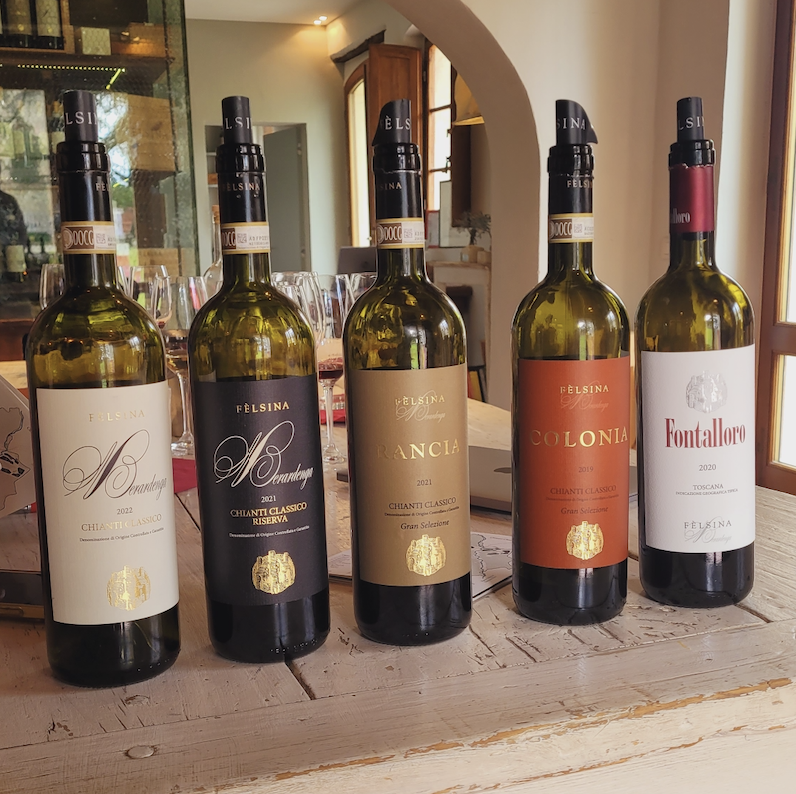
Fèlsina Chianti Classico Gran Selezione DOCG Rancia 2021, Castelnuovo Berardenga

Inaugural vintage of the Rancia Gran Selezione, for many years the bigger Riserva from the grand southwest facing hill, now ready for top-level prime time in the eyes of Giovanni Poggiali. Took its time to make this grand change and no shock to find the cedar-cypress-evergreen component running ultra high. A hyperbole of who it was, now under the magnifying glass, full, heady and intense. A Gran Selezione of stature, structure and at this stage, immovability. Drink 2026-2033.  Tasted October 2024

Fèlsina Chianti Classico Gran Selezione DOCG Colonia 2019, Castelnuovo Berardenga

Settling calmer still, another six months or so into the first mature days of its tenure. And yet the tannins remain austere, the wine’s communion and reunion still a ways away from happening.  Last tasted October 2024

The Colonia vineyard is an important tract for many reasons. It was where Domenico Poggiali tried to clear and prepare but had to abandon back in the late 1960s because it was too difficult. Giovanni Poggiali succeeded in 1993 and then in 2009 this Chianti Classico became Gran Selezione. Colonia meant heliotherapy because this is the place people with diseases came to heal. “Helioteapica” it was, a sunny place at a tme when things were dire, including politically. Today Colonia may be a stone and a half’s throw up from Rancia but aromatically the sangiovese coming from its Alberese soils still result in a wine that is so obviously that of Fèlsinà. A diesel and pine note, charcoal, tar and evergreen resin, all rolled up with great red fruit that’s just so pure and substantial. Rich but no overtly so and luxe if always tempered by acids, wood and tannins exhumed from the depths of the grape’s must. So young, so fay away and so not ready to express its long-term goals. Drink 2025-2033.  Tasted October 2023
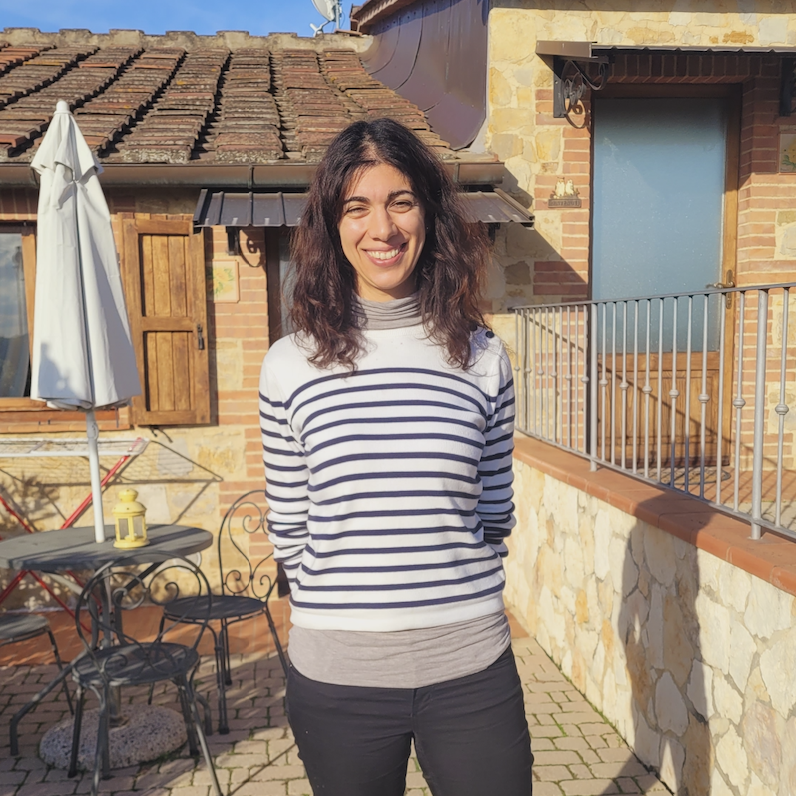
Cinzia Manca – Complicità

Complicità Chianti Classico DOCG Asolo 2021, Vagliagli

Aged in concrete, only sangiovese, no wood, only freshness and elegance, restrained power, naked to the world. Beautifully aromatic, perfumed, floral and unadulterated. This is what it’s all about, or at least en route, this being only the fifth vintage and in the midst of a winemaker (Cinzia Manca) transforming her vines from Cordone Speronato to Guyot. The future is wide open.  Last tasted October 2024

A small and protective amount of reduction which helps in dramatic ways because this Vagliagli Annata comes at the palate in waves. Fruit for the most part with underlying spice but do not sleep on the sneaky structure of this Assolo by upstart Complicità. Complicated in the ways of complexity and variegation, aromatically stunning and then intricately woven with flavours and palate textures. A discovery of the highest order. Terrific work for sangiovese that feels like sangiovese born of a family and their land. Drink 2024-2027.  Tasted February 2024

Complicità Chianti Classico Riserva DOCG Asolo 2020, Vagliagli

Riserva also as Asoslo, “the one,” referencing the solo varietal philosophy of winemaker Cinzia Manca, aged two years in tonneaux and six months in bottle, made at the facility of her business partner Sandro Bandini di Oliveira. As crunchy and fresh as Riserva could ever be, tonneaux or not and so the clay-limestone stony terroir is in the good hands of a young winemaker’s deft touch. Purity incarnate. Drink 2024-2028.  Tasted October 2024
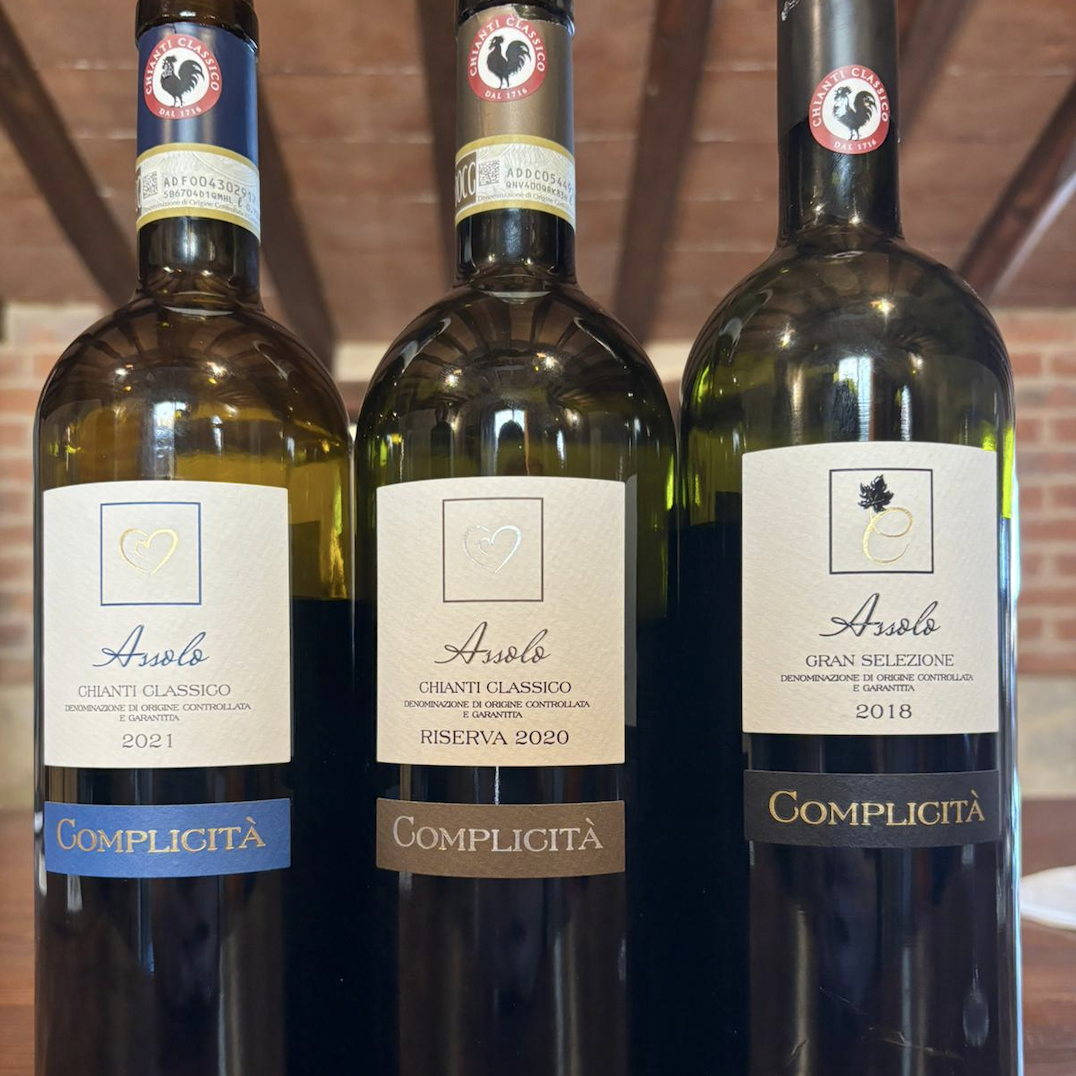
Complicità Chianti Classico Gran Selezione DOCG Asolo 2018, Vagliagli

Asolo as well, like the Annata and Riserva. “I’m sorry it’s my fantasy,” smiles Cinzia Manca. Philosophy more like it, again only sangiovese, 30 months in fourth or fith passage tonneaux, followed by one extra year in bottle. An intense vintage with extreme heat in Vagliagli, some dried grapes as a result which were stringently eliminated in the field at harvest. These are the best vines, healthiest and most concentrated berries, chosen after fermentation for Gran Selezione. Vintages change but the middle section of the vineyard ripens the best and consistently produces the finest wine. Silky without gratuity, pure and just about as honest and delicious as it gets. Drink 2024-2030.  Tasted October 2024
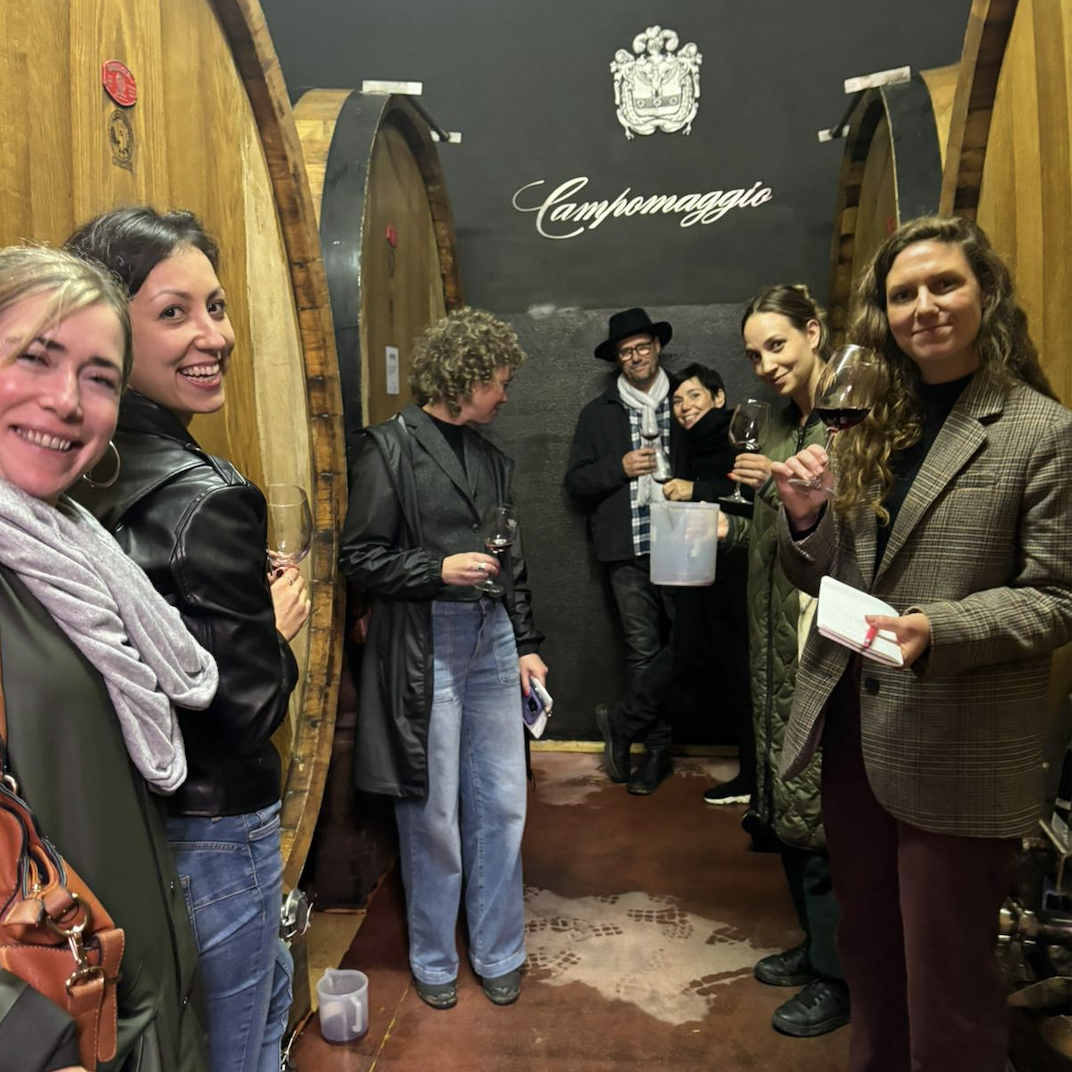
La Squadra Canadese – Campomaggio

Tenuta Di Campomaggio Chianti Classico DOCG 2022, Radda

Youthful the understatement for a slightly reductive and pure Radda expression, created with berries destined to explain Radda, Raddese acidity and a freshness that can only come from this UGA. Red fruit that is Radda, simply and unequivocally, much in common with nearby Monterinaldi but also the southeastern corner of Panzano. Spice on the second half of this wine, just a mere 13.5 percent alcohol, remarkable considering the vintage but once again – Radda. Drink 2024-2027.  Tasted October 2024
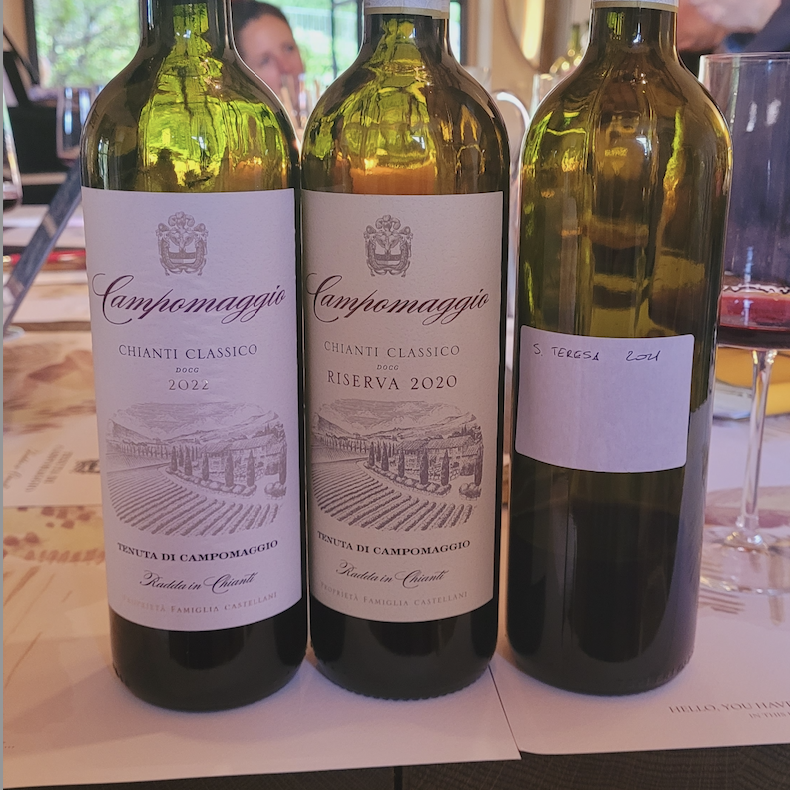
Tenuta Di Campomaggio Chianti Classico Riserva DOCG 2020, Radda

Repeat concrete use, before and then again after the middle aging in barrel. Once again the purity is pulled from above the curve in the Radda road at high elevation vineyards littered with a Macigno, Alberese and Pietraforte mix of soils, all layering for this slow release of sangiovese complexity. Another warm vintage and it shows at Riserva level, especially in mouthfeel, fluid and gelid, cool, salt-licked and ethereal. Bigger wine for Campomaggio but elongated and balanced. Drink 2025-2030.  Tasted October 2024
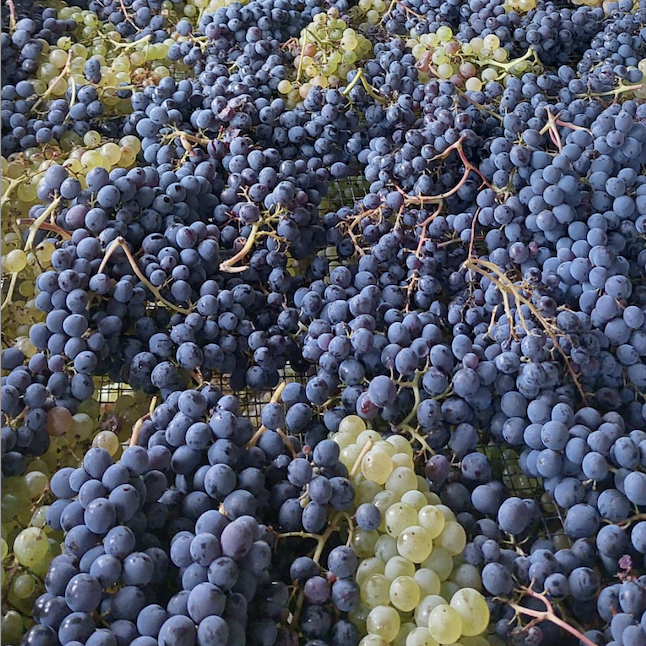
Old-School Chianto Classico?

Tenuta Di Campomaggio Chianti Classico Gran Selezione DOCG Santa Teresa 2019, Radda

From a two and a half hectare site, a heart-shaped vineyard from which the best selection is chosen for this first Gran Selezione. Santa Teresa is built from Macigno and Pietraforte, sandy soils both but with calcareous factors within that bolster and structure the sangiovese. Still that omnipresent Raddese acidity and this time the tannins are grainy, fine in that way but grainy nonetheless. Still something held back, not reductive per se but restrained and closed. The five percent whole cluster use has something to do with that. No barriques, just large casks (15, 25 and 50 HL) that are 25-plus years old. Really just released a few days ago so just in bottle a bit more than a few months, a baby now and yet perfectly clean, crisp, pure and beautiful. Amazing when fruit can be so shaped and emulsified without any sense of jam, overt sweetness or thickened texture. Drink 2024-2030.  Tasted October 2024
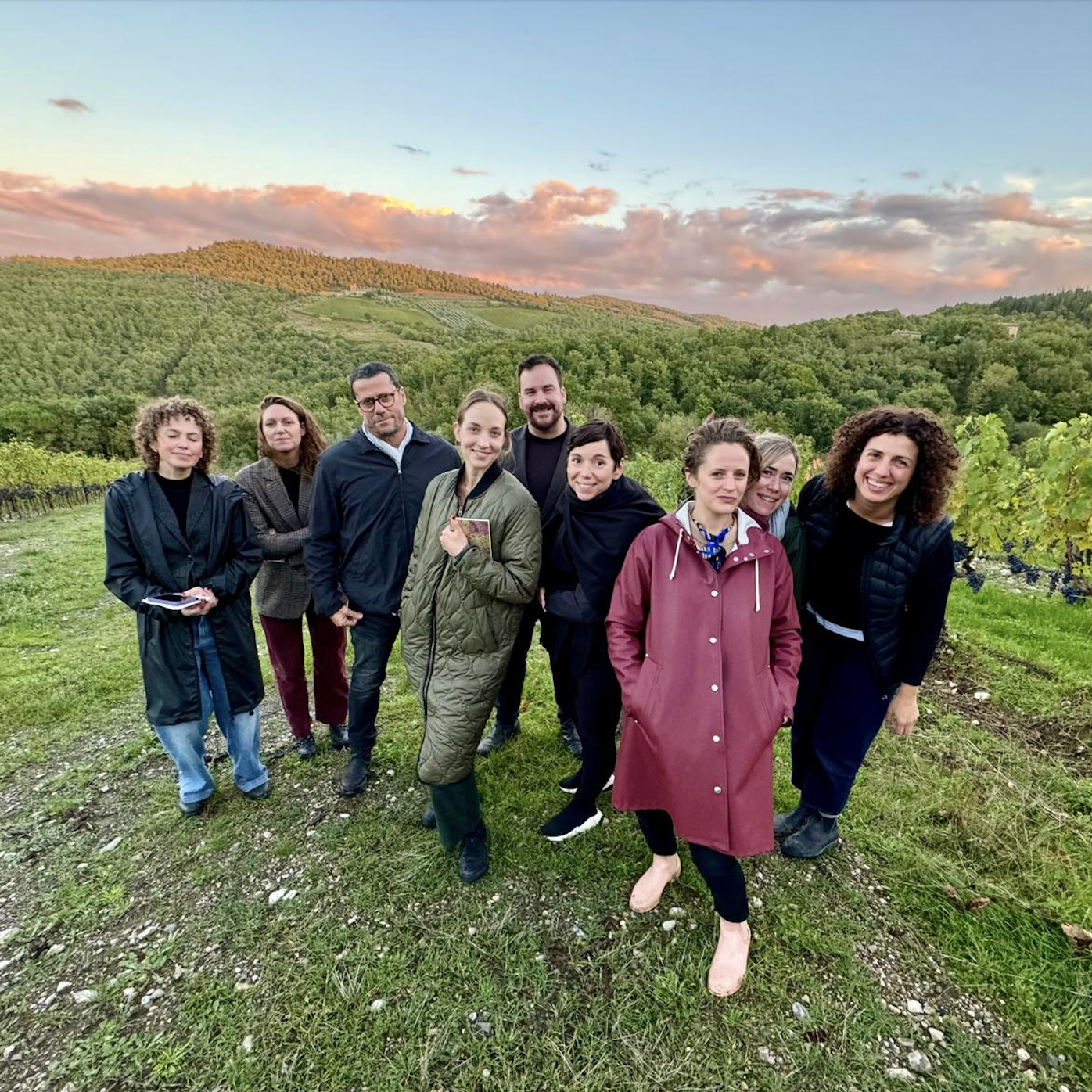
La Squadra Canadese with Sophie Conte – Tregole

Tregole Chianti Classico DOCG 2022, Castellina

A bright vintage following a darker one and high in acid. Still very tight, opening slowly and says Sophie Conte, “in a hay moment.” Dry, suspended in time, reflected in the light. All full berries, spontaneous ferment, simultaneously inoculated malolactic, the DNA of Tregole really coming through with cool-coloured intensity. Bottled January 2024.  Last tasted October 2024

The latest from Sophie Conte (also tasted from barrel on December 4th, 2023) is her first crowing moment, at least to date and in terms of her young career in making Chianti Classico Annata. De-stemmed and no pressing, fermentation at 24 degrees (celsius), 10-12 days, saturated with nitrogen, taste every day, separated when the skins release no more. Made with three vineyards’ fruit; Vigna del Bosco, Vigna del Strada and Casa, right by the house. “I’m pretty happy (we hit the point) in 2022,” admits Sophie. Brightness and freshness found, the goal achieved and bitterness kept not only at bay, but fully away. An aromatic swirl of pinpointed Castellina intensity that draws from the winds and the slopes to translate soil as best and purposed as any. You can feel the energy waiting and wanting to be released. No lack for structure from Conte’s 2022, young and yet to evolve into the polished solo sangiovese it is destined to become. Drink 2025-2032.  Tasted February 2024
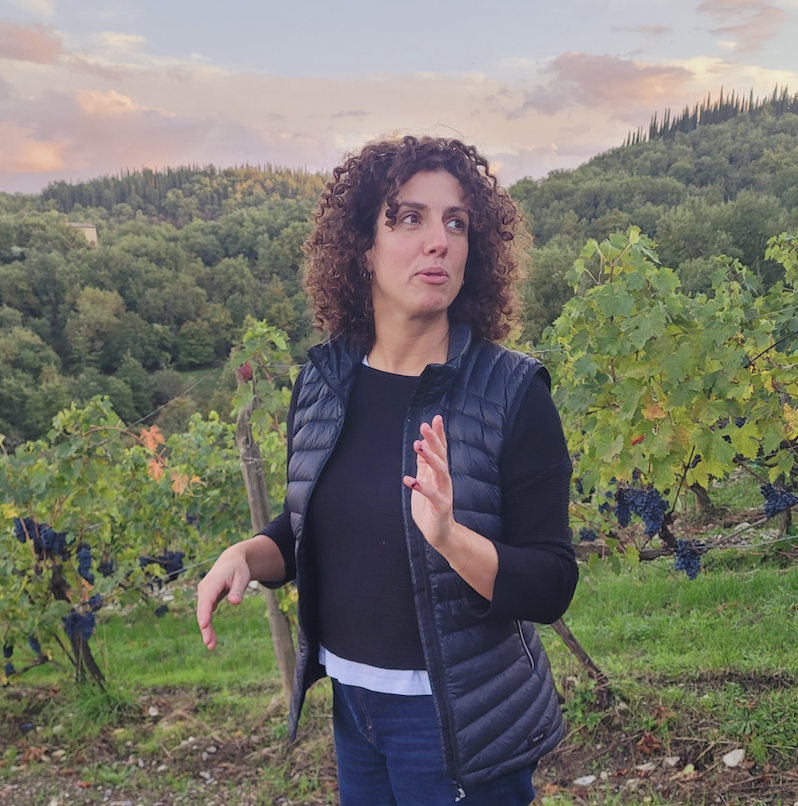
Sophie Conte – Tregole

Tregole Chianti Classico DOCG 2021, Castellina

For Sophie Conte this is a dark-hued vintage (as opposed to Panzano whien this happened in 2020) in between two with much more light. Inoculated on both fermentations with some whole berry inclusion. A sweeter tomato note as compared to 2020, running sanguine dark and a saltiness that does not appear in the bookending vintages. A matter of thick skins that only Tregole grows, a savoury-salty finish with vibrant tannin and equally invigorating acidity.  Last tasted October 2024

The Classico may be Castellina but the feeling is just as akin to Radda, because this is the border, in the vineyards above the river and a micro climate that brings swirling winds in from Montevarchi and the Apennines beyond. No frost here because of 500-600m of elevation (incredible for Castellina), one of two best harvests because again, cool climate, elevation and Macigno soils are all ideal to create this kind of mineral and glycerin sangiovese. Spent 10-12 days in fermentation at 23-24 degrees, a matter of whole berries (because tannins can be austere at Tregole) and then under hydrogen for 5-10 days and skin maceration 18-28 days, longer with the Riserva and GS. So bloody lovely, walking a tightrope line, at first volatile but the fruit swells and vertically elevates up to the level you wish for in the Annata. In fact there is more structure in Annata then most Chianti Classico. Drink 2024-2028.  Tasted December 2023
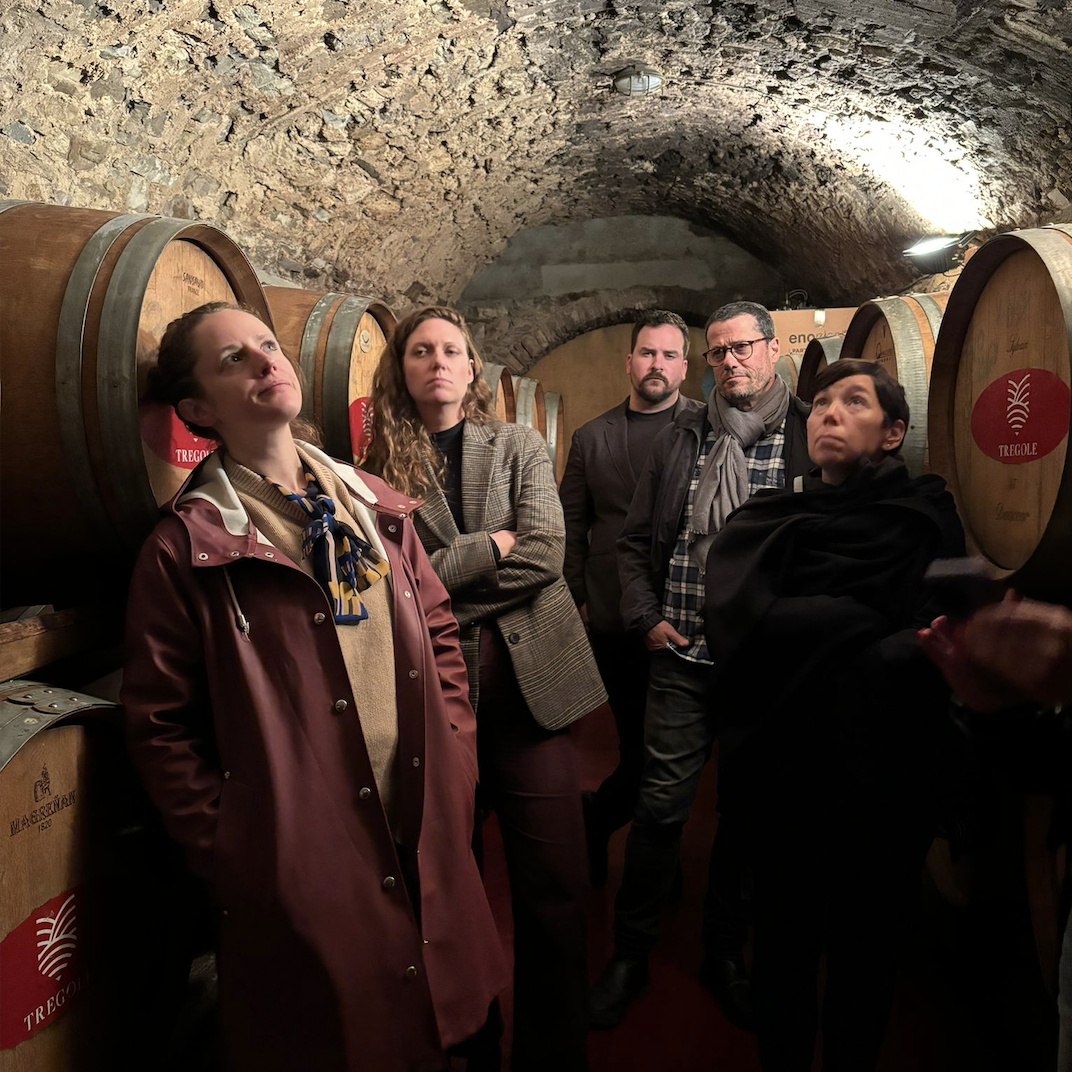
The Band at Tregole

Tregole Chianti Classico DOCG 2020, Castellina

Lighter vintage, certainly for Tregole as compared to 2021 and also more than 2022. Evergreen on the nose, tomato leaf and paste. A charred cherry and toasted element mix that feels specific to these ravines and valleys where sangiovese grows surrounding by heavy woods. A Chianti Classico no doubt influenced by the oxygenation provided by its full forests. Drink 2024-2026.  Tasted October 2024
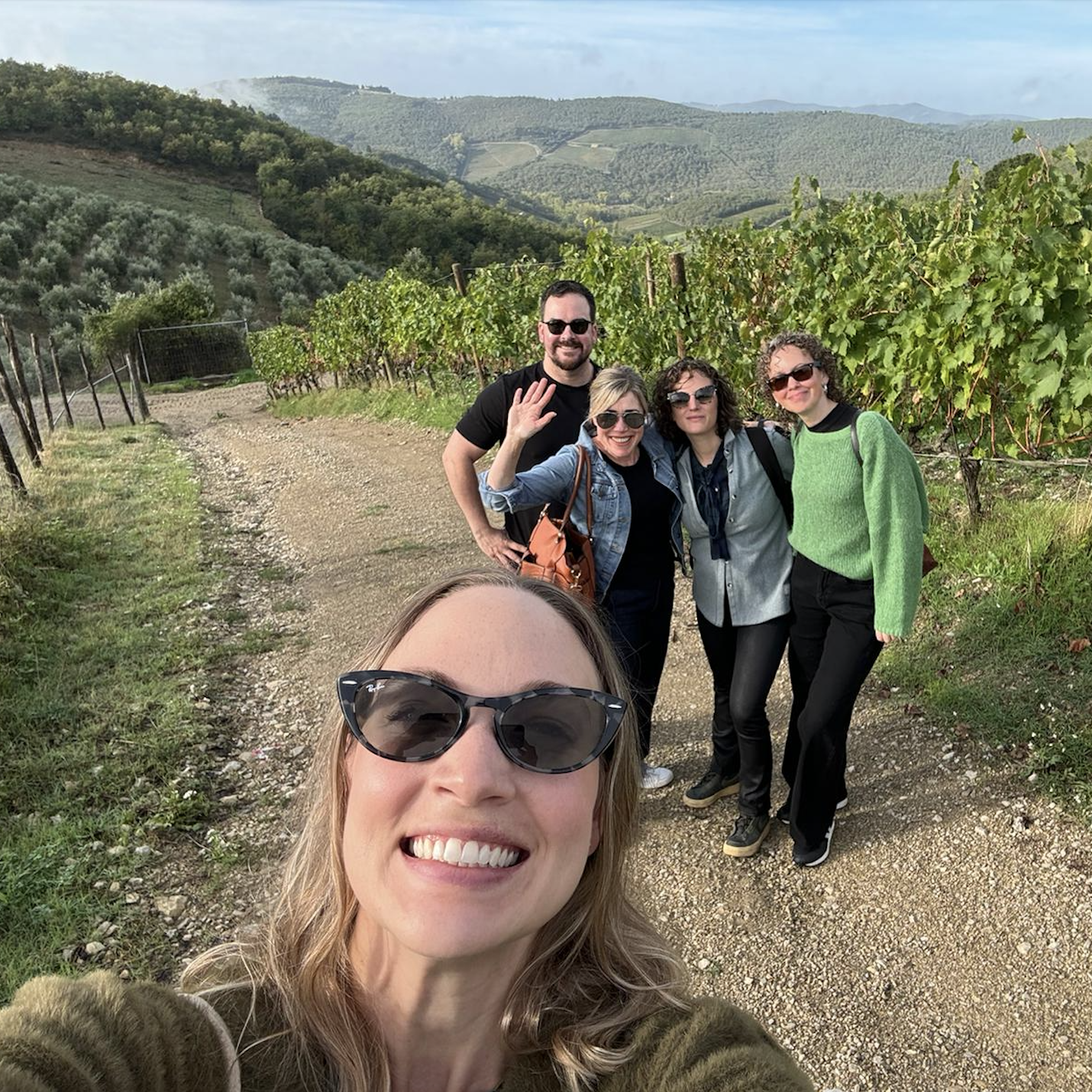
La Squadra Canadese – Tregole

Tregole Chianti Classico Riserva DOCG 2021, Castellina

When you step up into Riserva 2021 you bring the DNA of Tregole into hyperbole or better said, more intense light. The beautiful rusticity of Annata and its tomato-rosemary savoury quality is not just magnified but also refined. Now the true balsamico of the place comes through but only now after more time in bottle does the purity of the refinement come across with this level of finesse. Spices are green and they are what the surrounding woods breathe into sangiovese with added layers because of the higher quality fruit. Just beginning its trajectory into the finest of days.  Last tasted October 2024

Bottled in November of 2023 and slated for imminent release. Floral yet reserved aromas and unequivocally sangiovese. La Riserva ages in (old) tonneaux of 700L and barriques. More brightness and freshness than the lion’s share of this appellative level in Chianti Classico, crisp and crunchy for Riserva but ultimately a matter of a specific vineyard, planted in 1985, as in the lower part beneath the younger vines. The warmest location where Ginestra blooms earlier and the fruit is saucy, a salsa of sangiovese sucoso, the juices running from rare roast beef. But also blood orange and so a pulpy sensation. Drink 2026-2034.  Tasted May 2024
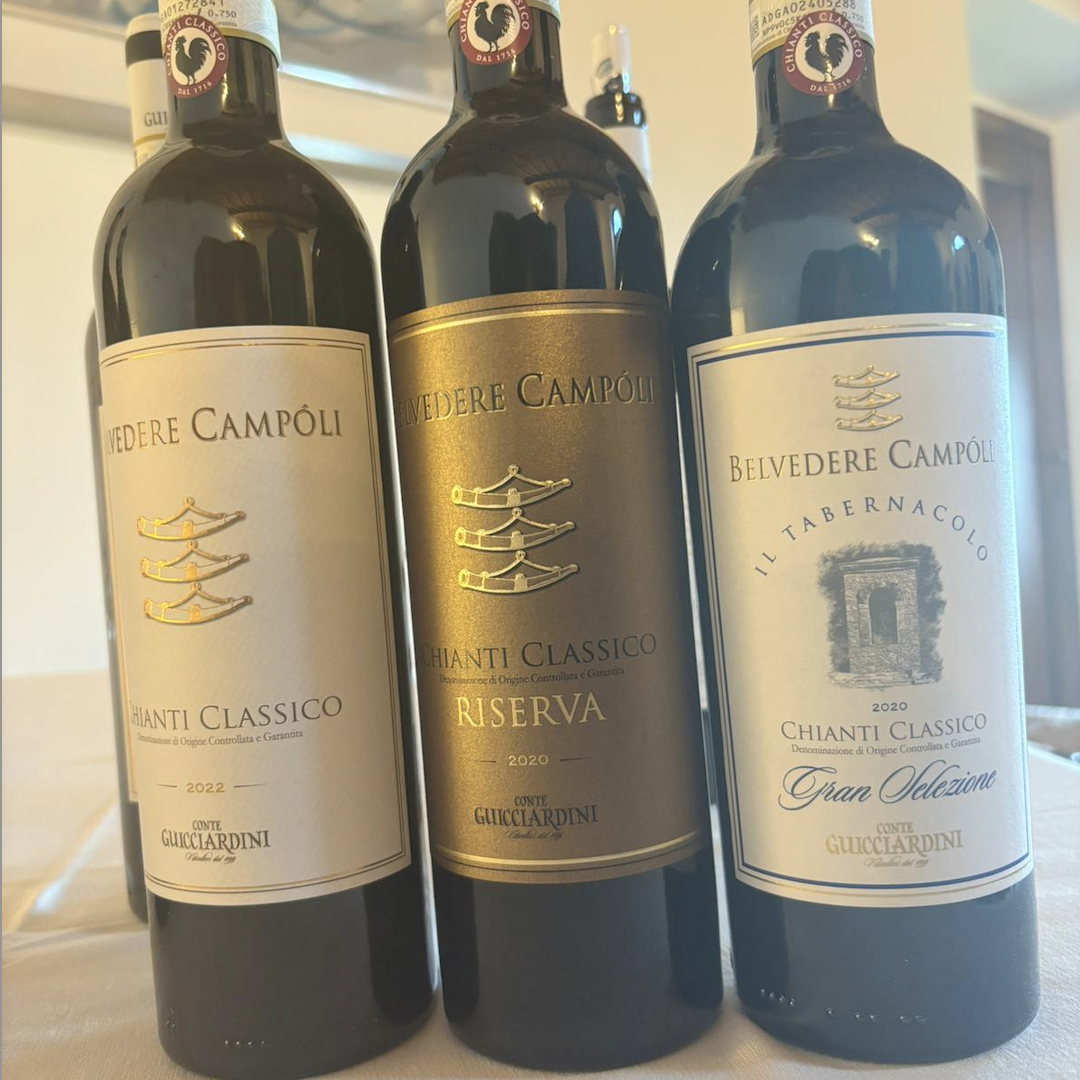
Belvedere Campòli Guicciardini Campoli Chianti Classico DOCG 2022, San Casciano

Solo sangiovese from “a normal vintage,” fruit from young vines not yet come into their own, aged for one year in large 25 hL French cask. Grapes are harvested at Belvedere Campòli, delivered to be processed and vinified at Castello di Poppiano and coming soon is a cellar project to the Chianti Classico property. Quite pure and yet savoury with the finest grainy structure laying below the pulpy red fruit. Missing a point of acidity to say that ripeness comes first. A factor of vintage and therefore necessity. Drink 2024-2026.  Tasted October 2024

Belvedere Campóli Guicciardini Campoli Chianti Classico Riserva DOCG 2020, San Casciano

A mix of higher tones and also acidity for a Riserva that seems clear to have been given the best available fruit from the vintage. Fruit grown on stony Pietraforte soil derived from this unique lingua or “tongue” of Formazione di Silano. The savoury elements are consistent with all of Belvedere Campóli’s wines that have been tasted since the purchase of the estate in 2015. You can surely feel the lack of intervention, the respect for allowing the place to speak for itself and the thread of DNA running through all three levels of the wines. Drink 2024-2027.  Tasted October 2024

Belvedere Campóli Guicciardini Campoli Chianti Classico Gran Selezione DOCG 2020, San Casciano

Belvedere Campóli’s ownership is Guicciardini of Castello di Poppiano – Chianti Colli Fiorentini and Massi di Mandorlaia – Maremma – Morello di Scanzano. Francesco Guicciardini was an Italian historian and statesman, a contemporary and critic of Niccolò Machiavelli and considered one of the major political writers of the Italian Renaissance. The Belvedere Campóli estate dates to 1915, was abandoned after the end of the mezzadrie system and purchased by Italian historian and mathematician Niccolò Guicciardini and family in 2015. They have been restoring and replanting vineyards since 2020. From the single vineyard called Tabernocolo, set just below the large forest above and indicative of the chapel on the estate. Identifying the vineyard as the one to define Chianti Classico as Gran Selezione was paramount while the aromas and palate notes remain so perfectly consistent with both the Classico and Riserva. Steps up the concentration, the mineral and elemental aspects drawn from the Pietraforte and the cool, almost minty savour in the flavours. Drink 2024-2028.  Tasted October 2024
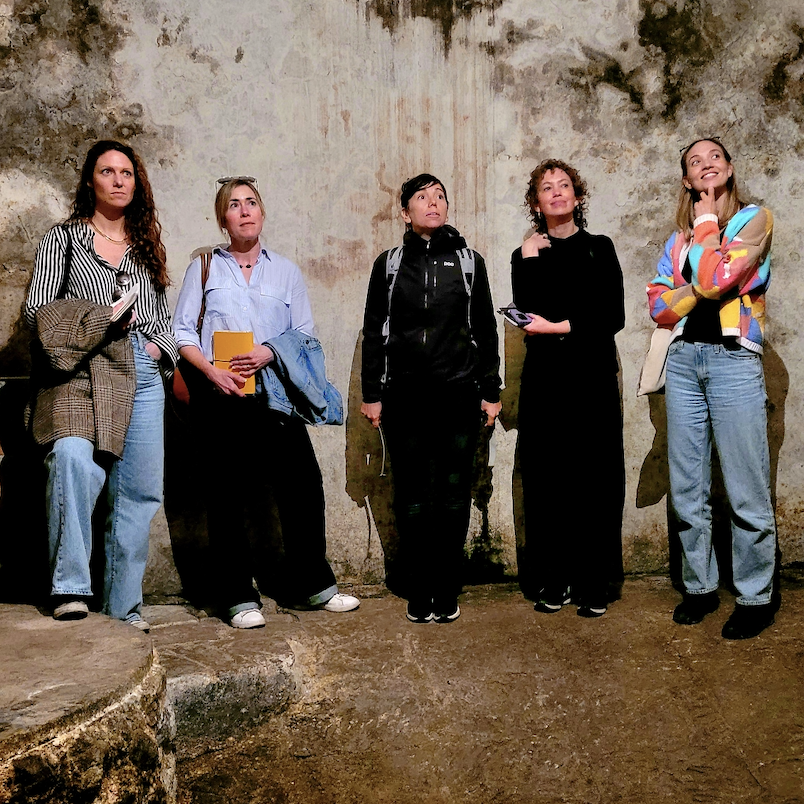
La Squadra Canadese – Cigliano di Sopra

Cigliano Di Sopra Nuvola Del Cigliano 2022, Toscana IGT

Picked earlier to preserve acidity (5-ish g/L of TA) and says Matteo Vaccari, “we work with the lees for a good resolution. You can make mistakes with sangiovese but not with trebbiano.” Texture is of a terrific natural coarseness while energy improvises, improvise upon and rights the fabric of this white. Last tasted February 2024. A mix of 75 percent trebbiano and (25) malvasia, five days whole bunches for a quick syringe of carbonic and then a short, old wood stay. Comes away with just that quick strike of matchstick and a finish at 11 percent alcohol. Citrus is very lemon, juiced and gelid like curd but what stands out is the dry extract and sweet tannins. This can and will age – there is no doubt. Picked on September 17th, 2023 – a week later than previously – on the 24th. Less than 1,000 bottles made. Drink 2023-2027.  Tasted October 2023 and 2024
Giampaolo Chiettini – La Vigna di San Martino Ad Argiano

La Vigna di San Martino Ad Argiano Chianti Classico Riserva DOCG 2022, San Casciano

“For us it’s important to have ripe grapes,” insists Giampaolo Chiettini, “and a balance from the vineyard.” Good thing because, well 25 days of maceration, with soft pump-overs, sometimes just with a bucket, meaning no punchdowns “that would violate the skins.” Infusion, not extraction until dryness and then put to 1000L casks and 500L tonneaux. The ’22 is ultra ripe with sweet acidity and unmistakable structure. All that could be wanted and needed. What a bloody hematic example of sangiovese.  Last tasted October 2024

Campione: The tiniest of properties (one hectare) and smallest of productions (2,000 bottles) in San Casciano from Chiettini. A sample but one nose into this 100 percent sangiovese and you know you’ve found something meaningful. A wisdom in the wine born of great terroir and an agronomist’s acumen. The winemaker seems inconsequential or at least respectful to everything else. There is calm demeanour and a presence of freshness, soulful savour and weight without compression. Hard to know what it’s all about, but knowing more will be a next pursuit. Drink 2024-2028.  Tasted February 2024

La Vigna di San Martino Ad Argiano Chianti Classico Riserva DOCG 2021, San Casciano

Perhaps not quite as ripe as 2022 but close without any deficiency, also less dark of fruit and very red cherry. Elevated acidity and a year make a difference – you can feel the first sign of maturity but just as grippy and underscored by structure with sweeter tannins than those in the ’22. The most classic sangiovese, lithe and conversely deep, pinning in the only direction it can and should, looking toward a future that will be long. Drink 2024-2029.  Tasted October 2024

La Vigna Di San Martino Ad Argiano Chianti Classico DOCG 2017, San Casciano

Just the third vintage of the newly re-planted, one hectare vineyard when only 800 bottles were produced. No doubt what vintage this comes from because fruit is already acting dried into secondary character with frutta di bosco and dried porcini notes having already begun. A bit volatile, not unusual for 2017, a truffled element and while complex there is some trouble. The acidity captured is persistent which acts as the driver for the pleasure in mouthfeel and upon the palate. Drink 2024-2026.  Tasted October 2024

La Vigna di San Martino Ad Argiano Vinsanto del Chianti Classico DOCG 2017, San Casciano

A Vinsanto that must be made with ripe grapes, the sort that would arrive at 24 degrees alcohol and then in Giampaolo’s world the drying is longer than most Vinsanto. This ’17 reached 300 g/L of residual suar, at the highest end for the appellation. Has been dried in the Pieve (though not 2017) and 400 bottles were made. So very caramel orange, almost maple syrup in its style of sweetness, crazy good acidity, a wholly deserving and respectful dessert wine made from 50-50 trebbiano and malvasia. Turns nutty toasty, keeps changing and changing again. Drink 2024-2033.  Tasted October 2024
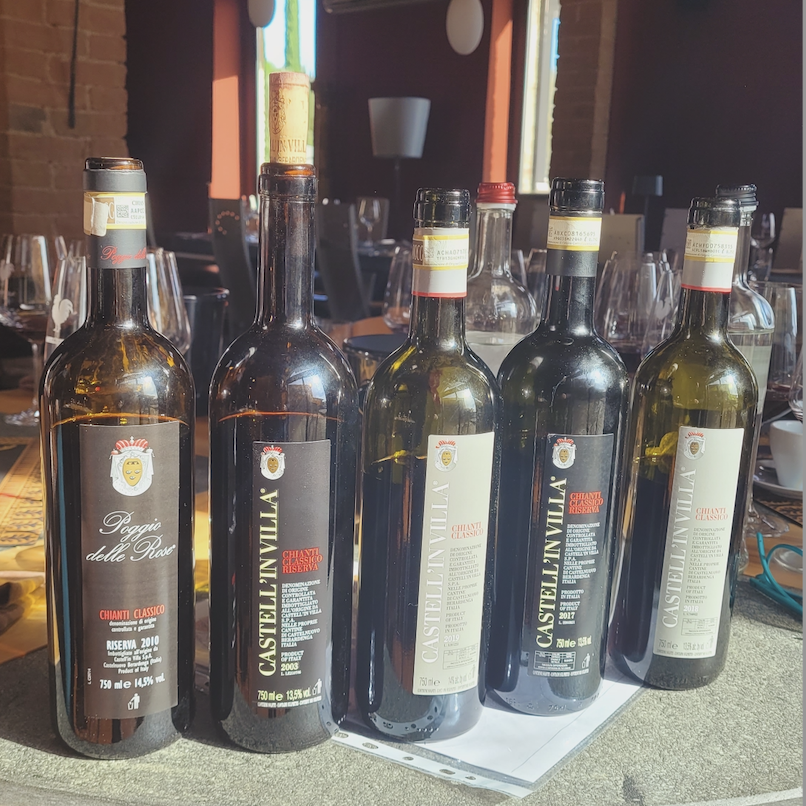
Castell’in Villa Chianti Classico DOCG 2019, Castelnuovo Berardenga

Indelibly stamped vintage for Castell’In Villa, richness incarnate, fully formed at the height of heights for Castelnuovo Berardenga Chianti Classico Annata. Then again you know with a year plus one more in bottle the sangiovese will adjust, morph and change into some thing more closely resembling the previous two vintages. The palate weight is further layered but it too will see a release into its next stage. Finally there is the length that indicates the quietest power structure to disassemble and then glide over a 15 years period of time.  Last tasted October 2024

Imagine the baseline and then the ceiling for Chianti Classico. Draw from as much experience as you have and then extrapolate towards the greatest of a vintage’s potential. Then put your nose into Castell’In Villa 2019. Everything rises to the surface and presents itself to be noticed. Note the calm, the precision and finesse, reach out and touch the fruit, recognize the quality and fitness of the acidity and realize potential, compounded in understanding after allowing the purity of the sangiovese to rest upon the palate. As near perfect and essential as it gets for Castell’In Villa without boundaries or limitations.  Last tasted February 2024

Leave to Castell’in Villa to do not just the right thing but carry the weight of necessity and hold back Annata to a point where it can be tasted and assessed with the respect it so richly deserves. Though this Castelnuovo Berardenga estate and their historic vineyards are equipped to create magic in the most challenging of vintages, well when a season like 2019 is gifted then the magic turns to the supernatural. Fruit is everything, as it must be and the aspects of climate, fermentation, maturation and all the accruements of seasoning add up to a speciality as no other Chianti Classico will create. This is a very special vintage of Castell’in Villa and one to rival any Riserva or Gran Selezione made in this vintage. Will live in infamy. Drink 2025-2038.  Tasted February 2023

Castell’in Villa Chianti Classico DOCG 2018, Castelnuovo Berardenga

The 2018 weather conditions at Castell’In Villa’s location in Castelnuovo Berardenga were an anomaly for a vintage where so many parts of the Chianti Classico territory experienced late September heat, which sent wines upwards of 15 percent alcohol. Not out of this micro-climate with an Annata labeled at 13.5 and a good bet would say it’s actually closer to 13. Luminous, bright, dualistically and optimally ripe, void of confiture, ideally aged and ready to please. This is Annata made exactly as it was not only meant, but also expected to be. Drink 2024-2031.  Tasted October 2024

Castell’in Villa Chianti Classico DOCG 2017, Castelnuovo Berardenga

If 2018 is singularly light and ethereal, so goes the solo artist trajectory of 2017, if in a most different way. More direct fruit, volume of aroma and surely colour, then finally a bit of salumi cure to indicate the finest if smallest advancement towards maturity. Crunchier in a way, but also with acids that bely the vintage, carry the tune and extend the life of a sku connecting this Annata to Riserva. To that next appellative level Classico Berardenga the Principessa Coralia Pignatelli della Leonessa only wanted to make a maximum number amounting to 7,000 bottles. Drink 2024-2029.  Tasted October 2024

Castell’In Villa Chianti Classico Riserva DOCG Poggio delle Rose 2010, Castelnuovo Berardenga

The top Riserva from the plot on the south begins slow and with 20 minutes of airtime it begins to open. An incredible sweetness of fruit is released to seduce the senses in every respect.  Last tasted October 2024

A nearly two hectare single vineyard or if you like the Castell’In Villa cru and really just a fraction of what is made in the “other” Riserva. Similar aging profile but with more depth and also complexity, here in the 15th vintage (first in 1996) from a vineyard created by the cuttings of the best vines identified around the estate. Getting the the iron mineral in addition to the brush and herbs which make this feel younger and more alive. These tannins are impressively resolute and trenchant, trading blows with your palate but en route to their soft moment in the sun. Extraordinary really, a wine about a place within a place within a place. The proverbial enigma, wrapped, shrouded, etc., etc.  Last tasted March 2022

From the hill parcel planted in 1990 to the old selezoine massale clones, from the original property, not the current “Chianti Classico” clones. “And there is a difference,” insists Principessa Coralia. Three or four years in grandi botti and older tonneaux so no, it’s not even close to ready. Yet the fact that you don’t explicitly notice the tonneaux is its magic. A big and complex vintage with variability in temperature and precipitation but at the crucial moments it gave what was needed. There is a special presence about this sangiovese, because of the source but also how alive, bright-eyed and expressive it is. This pulses, vibrates and reverberates with ancient seabed salinity. No loss to finesse but more time will be required, to turn back time and back pages, for the true clarity and calm disposition to settle in. Extraordinary wine of restrained power and exceptional sangiovese. Has always been Riserva and “will never be Gran Selezione.” Drink 2021-2035.  Tasted November 2018 and February 2019

Castell’In Villa Chianti Classico Riserva DOCG 2003, Castelnuovo Berardenga

A library release of 20-plus years that realizes the future as we would have seen it, but are now afraid to admit. A Riserva from a warm vintage with the uncanny ability to steal longevity because the way wines were and continue to be made at Castell’In Villa. Sangiovese of a structure that must respect the diversity of 54 hectares distilled into two or three for a Riserva such as this. The aromas are just a bit muted, whether because of the particular bottle or the kind of tasting day. Either way it is not really known but the wine acts a bit shy. Still there are answers and they tell us the wine has plenty of life left to live. Drink 2024-2027.  Tasted October 2024
Federico Pini and Riccardo Bucciolini – Torcobrencoli, Greve

Torcibrencoli Lo Stinto 2023, Toscana IGT

Only sangiovese picked two weeks ahead of the Chianti Classico, not Rosé but a light, refreshing, high acid and crushable example. Lo Stinco from the Tuscan meaning “the faded one,” yet ample, aged only in steel, textural because of the sangiovese skins and ultra phenolic. Kind of like green peaches. Drink 2024-2026.  Tasted October 2024

Torcibrencoli Il Matan Orange 2022, Toscana IGT

Campione: More chamomile, less honey perhaps but to be honest the mellifluous quality runs high if also silken, especially for skin macerated trebbiano. Extra phenolic grip at this early stage but again, this will resolve and settle faster than 2021. Proper and you can tell the acumen meets experience of the work and the understanding for how to make a natural, orange and accessible wine. Drink 2024-2026.  Tasted October 2024

Torcibrencoli Il Matan Orange 2021, Toscana IGT

First trebbiano vintage was 2016 for this skin contact, one year in acacia barrels orange wine. A most interesting take, phenolic and grippy but also graceful and clearly able to age. Peaches and green fig, iced tea savour and persistent which speaks to the winemaking out of which a pure and consistent maceration resolves. Drink 2024-2026.  Tasted October 2024

Torcibrencoli Il Torci 2020, Toscana IGT

The sangiovese that rides along on par with Chianti Classico (Annata), here from 2020 and the following vintage will be skipped. All the lots are kept separate and after 12-18 months they are tasted and destined towards their final blends and labels. Natural fermentations, a “for the market” wine of fresh cherries and glycerol in the mouthfeel. Anywhere from 3,000 to 4,000 bottles are produced, the grapes either sold off or blended into the Maria Giaconda label. Drink 2024-2026.  Tasted October 2024

Torcibrencoli Chianti Classico DOCG Maria Giaconda 2020

Still a sample because it won’t released until next year but it is a finished wine. A vintage of quality though not completely there in terms of quantity. Unfortunately the next three years will be even smaller but things will turn around in 2024. Les flesh as compared to 2019 but the linear quality seems highly appropriate and the backbone will serve this wine well. Some austerity in the tannins to resolve but they are part of the trenchant plan. A masala of spice defines the finish. Drink 2025-2030.  Tasted October 2024

Torcibrencoli Chianti Classico DOCG Maria Giaconda 2019

Classico has been made from the start and Federico’s grandmother Maria Giaconda has and always will be on the label. Natural fermentation, aging in 1,000L Croatian cask, tonneaux and barriques, finished with an extra year in bottle. The oldest plants bring high level extract and concentration. Terrific balance between that extract and the sweetness of acidity. Light structure but sneaky and lengthy nonetheless. Drink 2024-2027.  Tasted October 2024

Torcibrencoli Chianti Classico Riserva DOCG Maria Giaconda 2018

Federico Pini is the grandson of Maria Giaconda Bucciolini, today making the wines on her family farm where she sold grapes. He attended agriculture and landscape architecture school in Florence before at 24 deciding to start bottling himself. Now 11 years later he produces 10,000 bottles between six skus. Federico’s father Raimondo Pini sold silk and textiles and so Torcibrencoli is from torchere e brenccioli, “twisting the fibres of silk.” Claudio Buccolini was Pini’s great-grandfather, a famous vernacular historian. The company started in 2012 and the first commercial wines were released in ’13. Five years later comes this 2018 Riserva of high level perfume for Greve, a testament to the quality of the plants and without even taking a sip the pretty quality of the fruit is obvious. Picked at the beginning of October after the heat wave and so 15 percent is perfectly accurate, but this is a truly balanced Riserva. And it is very much a Riserva. Drink 2024-2028.  Tasted October 2024

Good to go!

godello

Sangiovese 2024, Chianti Classico

Instagram

Facebook

Grande, Chianti Classico

      Tasting through 175 Chianti Classico DOCG from the last three vintages confirms the territory’s ability to consistently achieve another level of quality

Passport to Chianti Classico

In February I made the annual pilgrimage to Tuscany for the Chianti Classico Collection to taste through a few hundred examples of the local sangiovese, a perennial workload that is my pleasure and indeed, my privilege. Feel free to scroll down past the next few thousand words to read the reviews. I have been repeatedly fortunate to take in the renowned history, food, olive oil and vineyards but most importantly have been the forged relationships with so many producers and custodians of what is affectionately called the Gallo Nero. At this time travel for work and also pleasure remains unknowable and it will be this way, at least for the immediate future. All of us have to wait and see when the next visit can be possible, to again take in the hills and landscapes where Italy’s most important grape variety is grown. That is why the partners at WineAlign have joined virtual hands with the Consorzio Vino Chianti Classico, Chairman Giovanni Manetti, the producers and sangiovese to orchestrate a different kind of sensory experience. They created an opportunity for the region’s wines to be delivered directly to the consumer’s doorstep. Two unique Chianti Classico mixed cases, each a masterclass in a box. A second set will follow in late summer/early fall.

The Passport cases are a culmination of years of learning, tasting and hard work. They are the first of their kind for WineAlign and the 12 wines chosen are foremost a decision made collectively after the critics each sat down to taste dozens of examples. The wines are also an extension of what new facets and nuances about Chianti Classico’s sangiovese John and I learned in Florence back in February. For me that continuing education goes back several years now. Since May of 2016 I have made nine visits to Chianti Classico and tasted more than 1,700 different wines. In February 2017 I was honoured as an official ambassador by the Consorzio Vino Chianti Classico. I take my role as ambasciatore to heart and feel the profound weight of the title and the endearment. It is a great professional honour to speak, write and educate on behalf of the region but the work and the messaging from and for the farmers, producers and the land is a two-way street. The people who bottle Chianti Classico are shepherds of place and I, along with many others, act as messengers of their wines, but more importantly, their story. We all take this journey together. The sentiment is a shared one, the relationship symbiotic and the feeling entirely mutual. And so the Passport Cases are a product of much thought, purple teeth, blood, sweat and joyous sangiovese tears.

Since 1716 Chianti Classico has preserved the unique qualities of its native land and soils and it is the Black Rooster that protects the wines from all imitations.

Chianti Classico Consorzio President Giovanni Manetti

Sangiovese and the quality pyramid

Sangiovese. The grape that defines Chianti Classico. Other endemic grape varieties may or may not augment the wines; canaiolo, colorino, pugnitello, malvaisa nera and others. So too might cabernet sauvignon, merlot or syrah but at the heart and the crux (at a minimum 80 per cent to qualify for DOCG status) of the matter there is always the local and unwavering sangiovese. Then I would imagine many of you are wondering about the levels of appellation that make up the tiers of Chianti Classico’s DOCG pyramid. There are three, Chianti Classico DOCG, Chianti Classico Riserva DOCG and Chianti Classico Gran Selezione DOCG. Each and every bottle that is made from 100 per cent grapes grown in the delineated Chianti Classico area is stamped with the Gallo Nero, a 304 year-old symbol of guaranteed quality for the territory. What separates the tiers is aging in barrel and bottle (12, 24 and 30 months minimum) but also thresholds for extract and alcohol. As a general rule the price rises as the pyramid is ascended but some Annata (as they are referred to) can be more expensive than Riserva and vice versa. Same goes for each of these levels in relation to Gran Selezione, but for the purposes of simplicity, for an estate that bottles one, expect the GS to be at the peak of importance and also cost the most. For others the traditional Riserva or perhaps a self declared cru rises to the top. Keep in mind that Chianti Classico is a region of vineyards farmed by single estates. You need to get to know them, one at a time. We all want to compare apples to apples but one producer’s silver may be another’s gold.

PDO Olive Oil is a guarantee of quality

Partnerships also travel across commodity lines and one of Italy’s most symbiotic affairs lies within the joint ventures of Chianti Classico DOCG and Olio DOP Chianti Classico. The two are inextricably linked, not just by territory but by a shared passion of estates. Winemaker and Olive oil producer are in so many instances one in the same. While many consumers don’t know the difference between a PDO oil, an Italian extra virgin oil, and non-Italian or even non-extra virgin olive oils, there are profound reasons to care. Looking at price without understanding the real value of a PDP product is key to the message.

Start with preventative benefits and a healthy lifestyle. Two spoons a day of Italian extra virgin olive oil, or better still, PDO oilcan prevent serious illnesses. Some Italian doctors have proved that oleic acid creates an anti-inflammatory barrier that can prevent, for example, some forms of tumour from growing. The Food and Drugs Administration (USA), also maintains that oil is, to all intents and purposes, a “medicinal food”, if it contains at least 70 per cent of oleic acid: Italian extra virgin olive oil certainly does. But although this information is easily accessible to everyone though multiple means of communication, there is still a great deal of confusion and even ignorance surrounding the oil sector.

The first organized (and voluntary) Consortium of Extra Virgin olive oil produced in Chianti Classico dates back to 1975. From the beginning this structure defined strict regulations to obtain a traditional, fine quality product. In the year 2000 oil produced in the Gallo Nero hills obtained European recognition with PDO certification, thanks to those very specific chemical and organoleptic features that link it inextricably to its terroir of origin. Twenty years on, PDO Chianti Classico olive oil is still a small niche production of very high quality.

Gallo Nero Lounge, Chianti Classico Collection 2020

Regulations and the 2019 harvest

The fruit must be processed within three days of harvesting, in temperature-controlled conditions. All PDO Chianti Classico oil is cold-extracted and the processing temperature may not exceed 27°C. Yields may vary from 2-3 kg per tree, depending on the number of olive trees per hectare (but it is actually much lower). As with sangiovese for DOCG wines PDO Chianti Classico must include at least 80 per cent of olives from the four main varieties grown in the production zone; frantoio, correggiolo, leccino and moraiolo. The year of the olive harvest must always be shown on the label. Lastly, it must correspond to certain chemical and organoleptic parameters which are an improvement on and/or more selective than those for non-PDO extra virgin olive oil.

In 2019 the total quantities were hugely affected due to the weather and compared to the previous year’s harvest PDO Chianti Classico suffered a 75 per cent loss of oil destined for certification and 50 per cent of non-certified extra virgin oil. Despite all this organoleptic qualities were high, showing the pleasant, piquant hints of fresh and aromatic herbs on the nose, typical of Chianti Classico PDO oil and the bitter olive/raw artichoke flavours with a spicy finish of rocket, chilli pepper and black pepper. All these features are typical of Gallo Nero PDO oil, and of the terroir, problematic for olive growing but generous in the complex sensations it offers.

Stazione Leopolda, Firenze

Come on up for sangiovese’s rising

When we look retrospectively back at the last seven vintages in Chianti Classico the upward trend in quality argues in favour of the law of increasing returns. Producers have invested time, money and hard work, small farms have moved from home-gardening to professional vignaioli and larger estates have ticketed block-specific projects to compliment commercial continuity. Chianti Classico’s agglomerated return is more than proportionate to investment. Any graph will show the rising, from market share through qualitative studies of ripeness, extract and balance, to critical praise across the board. Writers everywhere are on the bandwagon, circling the region with written hyperbole in recognition of the good becoming great with a kind of religious and spiritual belief.

Chianti Classico Ambassadors, 2020

Vintage reports

The 2013 vintage saw great variabilities, first from the weather, in spikes and storms, then in the resulting wines of which no two seemed the same. The “blood orange” vintage I like to call it and the first in recent memory to really speak of sangiovese’s great complexity, multiplicity and diversity. What followed might have ended things altogether and prevented the current streak from continuing. The 2014 growing season was fraught with challenge; inclement weather of frosts, rain and cool temperatures, not ideal to make impressive and strutting sangiovese, but producers hunkered down and their mettle tested, showed what experience, acumen and forward thinking could produce. Like 1998 and 2008 before, 2014 was and still is a vintage of sneaky structure.

Sommeliers of the Chianti Classico Collection

Then comes along the easy, breezy and close your eyes year that is 2015. Virtually no climate hurdles and wines that make themselves. Is ’15 one for the ages? In a word, no. Will these sangiovese drink beautifully and defend cellars everywhere from bottles snatched, their corks pulled and the wine spilled too early? In another word, yes. All wine regions need a 2015 in the throes of enigma and glory. That’s where 2016 fits in, after the calm and before the storm, or in the case of 2017, the fire. The 2016 vintage was about as perfect as it gets, allowing sangiovese to fully ripen at 600, 650 and even more meters above sea level, to turn vineyards in places like Radda, Ruffoli, Lamole and Monti into veritable Edens. The wines of 2016 are glorious and structured. They will live in infamy, respectfully, without grandstanding, low and slow in development, long into a sangiovese night. This is where Chianti Classico became the future.

John Szabo M.S., a.k.a. Il Professore

It may have rained some in the last months of 2016 but after the calendar turned there was no precipitation until the beginning of the second week in September. Imagine what the berries looked like on vines before those rains. Picture the desiccation, consider the sugars and know the unevenness of phenolic ripening. Once again the farmer’s imperative for digging deep to trust intuition became paramount to save the vintage. Patience encouraged those sangiovese clusters to swell and take advantage of three blissful weeks that followed. Warm by day, cool at night, phenolics hitting their peak. The sangiovese of 2017 are singular and in the most concentrated wines their tannins are really something, at times dire, aforementioned in terms like “so-called death squads.” At the base of the appellative pyramid they can be consumed early but as a general rule, the higher you climb, the wider the gap becomes and the longer you may need to allow for the structural components to settle in. A complete about face comes with 2018 in Chianti Classico of grace, understated beauty and ease of drink-ability. They are a fresh collective breath of sangiovese air, a break from adversity and a set of wines to enjoy in advance of another vintage that will bring yet another step up in quality and ultimately glory.

If nine were eight

In Chianti Classico we break the territory down by commune. Chianti Classico will always come first but in all of Toscana only it is possessive of such distinct communes. I am not alone in truly believing that the sangiovese changes from commune to commune. Even recently it may have been far too difficult to say that each commune has a specific set of characteristics, but with so much good wine on the market the qualifying of definitions is becoming clearer and easier to do. The sangiovese made by each producer are in fact singular and surely related to the soils, however complex they may be, within the boundaries of their commune.

Through to December 31st, 2018 there were nine communes. Greve in Chianti, Gaiole in Chianti, Castelnuovo Berardenga, Castellina in Chianti, Poggibonsi, San Casciano in Val di Pesa, Barberino Val d’Elsa and Tavarnelle Val di Pesa. On January 1, 2019 Barberino Tavarnelle became a new commune, thus reducing the total in Chianti Classico from nine to eight, by merging the municipalities of Barberino Val d’Elsa and Tavarnelle Val di Pesa. The joining is one of fourteen mergers of municipalities in Tuscany approved in recent years. These days of writing feature articles about a place within a commune inside a territory tells and potentially schools us about something highly profound. Riddles, mysteries and enigmas are now yielding to solutions, comprehension and understanding. The special nooks in Chianti Classico are geographically defined pockets where vineyards and villages align for organized, like-minded production and same-belief system marketing.

With Dario Cecchini and Nadia Fournier

The territory is commonly divided by commune but its tiers of structure do not end there. There lies within more specific sub-zones, zonazione, places of interest where microclimates and shared geologies bring land and producers together. Five of the nine Chianti Classico communes have their own Associazione Viticoltori or Vignaioli; Castellina in Chianti, Castelnuovo Berardenga, Gaiole in Chianti, Radda in Chianti and San Casciano Val di Pesa. San Donato in Poggio has also banded together within their commune of Barberino Tavarnelle. Greve is the notable exception because the precincts of Lamole, Montefioralle and Panzano in Chianti have each formed their own associations. These three exist inside the greater neighbourhood that is Greve in Chianti. Panzano may not be the only sub-zone of its kind but at this triennial level of the place within a place, within a place pyramid it is arguably the most unified and defined frazioni of all.

Chianti Classico Collection 2020, Stazione Leopolda, Firenze

The reviews

Which brings us to the wines. In February I tasted and reviewed the following 177 examples of sangiovese. Please feel free to advance forward to the DOCG level and vintage you wish to read about by right-clicking on their WineAlign-linked sub-headings.

Passport to Chianti Classico: Case #1

Passport to Chianti Classico: Case #2

Chianti Classico DOCG 2018 (31 Notes)

Chianti Classico DOCG 2017 (50 notes)

Chianti Classico DOCG 2016 (13 notes)

Chianti Classico DOCG 2015 (2 notes)

Chianti Classico Riserva DOCG 2017 (12 notes)

Chianti Classico Riserva DOCG 2016 (32 notes)

Chianti Classico Riserva DOCG 2015 (6 notes)

Chianti Classico Riserva DOCG 2014-2004 (5 notes)

Chianti Classico Gran Selezione DOCG 2017 (8 notes)

Chianti Classico Gran Selezione DOCG 2016 (16 notes)

Chianti Classico Gran Selezione DOCG 2015 (2 notes)

Chianti Classico DOCG 2018

Badia A Coltibuono Chianti Classico DOCG 2018 ($29.02)

Tasted with Roberto Stucchi from a tank sample ready to be bottled. Stucchi reminds of the 220mm of rain in August which causes a déja vu Gaiole reminiscence for me going back to August of 1995.  A wet and auspicious start fasts forwards to a a happy ending. So fresh. Light yes but back up the truck and imbibe with reckless if joyous abandon. You just want to drink this while Roberto quips, “and present it as Grand Selezione.” Wink wink, nudge, nudge for the tongue-in-cheek gamay of sangiovese vintage in Chianti Classico. Shine sangiovese shine. Drink 2020-2025.   Tasted February 2020

Bibbiano Chianti Classico DOCG 2018 (168286, $23.95)

The brightest Bibbiano to date is this 2018 from Tommaso, ripe to ripest and with an extended cappello sommerso feel to the glycerin fruit. Crunchy in as much as you could want, very Castellina (or at least Bibbiano’s two-pronged valley within) and perfectly positioned as a Chianti Classico sangiovese of character. Drink 2020-2025.  Tasted February 2020

Cantine Bonacchi Chianti Classico DOCG 2018

Fresh sangiovese from Castelnuovo Berardenga and quite heady in its rich constitution with a wooly character and sneaky thick texture. There is a sour if supportive edging to the acidity and it rolls right along with the fruit. New version of old school if a label needed to be put on what this is. Still crazy after all these years. Drink 2020-2024.  Tasted February 2020

Buondonno Chianti Classico DOCG Podere Casavecchia Alla Piazza 2018

You need to consider the micro-climate of these terraced vineyards of Casavecchia alla Piazza in the heights of Castellina at the western limit of Panzano’s Conca d’Oro. ’Tis a weightless weightiness, a crafty way to compose sangiovese with energetic blood orange winter lightness of citrus being and to make for a wild ride in Chianti Classico expression. Big and invisible simultaneously while conversely stretched, elastic and regaling. You must taste this to not understanding but smile trying to do so. The only living boy in Chianti Classico. Drink 2021-2027.  Tasted February 2020

Carpineto Chianti Classico DOCG 2018 (356048, $19.95)

Classic Carpineto, savour in and out of every red fruit poured pore, sip and savour. Long as a Greve in Chianti summer’s day and so worthy of carrying across and through several winters. Keep warm with this comforting and soothing Chianti Classico. Drink 2020-2024.  Tasted February 2020

Castagnoli Chianti Classico DOCG 2018

Extreme brightness of Castellina in Chianti sangiovese in Castagnoli’s 2018, tightly wound and crunchy herb and earth crusted, tart and properly focused on both its intentions and the small lot crafting it purports to tell. Good story right here and one worth knowing. Drink 2021-2025.  Tasted February 2020

Castellare Di Castellina Chianti Classico DOCG 2018 (970095, $24.95)

Solid work in 2018 from Castellina’s Castellare, fresh as you might desire and developed to a starting point that’s ready to enjoy as the words are spoken. Structure is somewhat sneaky, more so than initially realized. Drink 2020-2025.  Tasted February 2020

Castello Di Ama Chianti Classico DOCG Ama 2018 ($34.95)

Forget about launching points for 2018, Castello di Ama’s is the whole matter, all points 360 degrees on the compass covered, at the beginning, through the middle and extended at the end. More than just a fresh face there is a density of fruit-acid circling on the palate and then this slow simmering warmth developing late, later and latest. “I never, never wanted water once.” Quenching. Drink 2021-2028.  Tasted February 2020

Castello Di Querceto Chianti Classico DOCG 2018 ($24.95)

Quite the startling and striking sangiovese from Querceto’s Dudda Valley in Greve vineyards from 2018. Real savour over fruit attack, short perhaps of full glycerin though no slouch in terms of macerated texture. Just a touch, if properly volatile. Drink 2020-2023.  Tasted February 2020

Volpaia Chianti Classico DOCG Volpaia 2018 (953828, $28.95)

In terms of 2018 this from Volpaia is one of the harder vintage Annata to crack and in fact the traditional construct speaks to sangiovese’s need for time. A crunchy exterior protects the soft and layered interior to double down on suggestions that say wait five years before diving straight in. You of course can enter this Radda sanctum earlier but 2024 or 2025 will see the beginning of true glory. The worth will prepare, support and enrich the wait. Volpaia’s is truly one of the most structured Annata for the vintage. Drink 2022-2029.  Tasted February 2020

Vicchiomaggio Chianti Classico DOCG Guado Alto 2018

Guado Alto is indeed a high level Annata and spoken in upwardly mobile tones for Greve sangiovese. Rich as ’18 can thrust upon fruit and then really wound acidity that strides and even sings baritone along. Big wine, very red and layered with the tops of them. The smallest and the the first of four Vicchiomaggio cru that provides for only 50 hL (6,000 bottles). Drink 2021-2025.  Tasted February 2020

Coccia Giuliano/Castellinuzza E Piuca Chianti Classico DOCG 2018

Perfume of an ulterior sort, not just exotica but also something sappy, resinous, oozing even. Pine and more herbology than many this speaks to Lamole certainly but even more so altitude and all the Mediterranean shrubs that grow at altitude. Also speaks to wind and aromatics flying hither and thither. Such parochial stuff oh my. Drink 2021-2024.  Tasted February 2020

Colle Bereto Chianti Classico DOCG 2018 ($31.95)

Radda perfume for sure and certain, but the most pertinent aspect to note and ultimately take away from Bernardo Bianchi’s 2018 is architecture. His is structured Annata that cries for patience and expects to be at best three years forward from Anteprima. The fruit content and variegated intermingling with the structural parts is elastic in its seamlessness so you can envision a ten year or more development before real secondary character interjects. Drink 2022-2029.  Tasted February 2020

Journalist taste at Chianti Classico Collection 2020

Famiglia Nunzi Conti Chianti Classico DOCG 2018 ($27.95)

Floral and candied aromas, rose petal and a liquid, San Casciano Galestro melted and stirred into red juice. Quite juicy and liquid chalky in fact. Simple, quite pretty and very drinkable straight away. Drink 2020-2022.  Tasted February 2020

Fattoria Cigliano Di Sopra Chianti Classico DOCG 2018

From a place (San Casciano) that gifts perfume but in the most savoury of ways. There too is a deep red darkness to the fruit and here the full advantage of 2018 is taken into consideration. Everything here is done with acumen intention, including maceration, pressing and extraction. The redundancy effects the outcome, restricts the subtleties and brings immediate gratification. Fourth vintage for the estate’s young winemakers and expect two steps forward from 2019. Drink 2020-2022.  Tasted February 2020

Fèlsina Chianti Classico DOCG Berardenga 2018 (730788, $29.95)

Fèlsina’s Berardenga is a fully developed 2018 with massive attack of the greatest generosities offered and with zero inhibition. Crunchy, Castelnuovo fluff-earthy and in a world where “you drink my wine, so why don’t you make your world mine.” Trouble moves away with a sip of this ’18, leaving a feeling of warmth and settled intensity. This will develop remarkable secondary attributes in only ways Fèlsina can. Drink 2021-2027.  Tasted February 2020

Le Miccine Chianti Classico DOCG 2018

Subtly aromatic, seemingly brushy, forested and mountainous in origin. Gaiole in fact, surrounded by olive groves and plenty of cinghiale housing woods. You can feel the wood and the woods in the way it smothers, exhales and reels you in. Very rich and highly irascible in its voracious meatiness. Singular expression to be sure. Drink 2021-2025.  Tasted February 2020

Fattoria Di Luiano Chianti Classico DOCG 2018 ($24.50)

This is perhaps the most approachable, amenable and refreshing Luiano ever made by the unflappable Alessandro Palombo. Beautiful wine here made by the man with the mitts, the maestro from San Casciano. Fruit first, fulsome, flying and mouth-filling. What else needs to be said? Perhaps that this will live in a certain kind of infamy, to be opened in 2055 at which point Palumbo will taste, shrug and walk away. Drink 2020-2028.  Tasted February 2020

Brogioni Maurizio Chianti Classico DOCG 2018

Big, deep and low-toned sangiovese is just this, having taken full vintage advantage for the great welling effect. Dark, purposed and attacking. Leaves everything on the table, securely weighted and fastened. From Greve. Drink 2020-2022.  Tasted February 2020

Monte Bernardi Chianti Classico DOCG Retromarcia 2018

Let’s talk about the passion. Let us discuss the care, the careful consternation and the vineyard work that leads to something so effusive, effulgent and expressive. Let’s consider this southern Panzano perfume. Once we have exhausted all the shadowy hyperbole we can then begin to understand how Michael Schmelzer builds or rather stands back and watches as his sangiovese constructs itself. The present and the future are right here. Drink now, then and forever. Would love to see this in 15 years, or perhaps more. Drink 2020-2030.  Tasted February 2020

Monteraponi Chianti Classico DOCG 2018

There can be no denial or denying the knowing, no lack of understanding in fully accepting a Radda height accessed, performed and used for full effect. Sangiovese knows how to make über plausible use of its hillside altitude and by association the forested surroundings, but in certain cases it requires a sanctimonious winemaking intuition and that right re dihere is the crux of Monteraponi’s situation. A corner of Radda expressed by Michele Braganti in ways no one else may try and as such, exercised as it must be. This is Chianti Classico for what it is. Drink 2022-2029.  Tasted February 2020

Podere Poggio Scalette Chianti Classico DOCG 2018

If ever a Poggio Scalette adapted to, extended from and celebrated a vintage it is this from 2018 that hyperbolizes the context. Richesse like never before or perhaps memory serves short and blinders allow for new beginnings at every time and turn. Big sangiovese for Ruffoli in Greve here from Jurji Fiore and one that speaks to what can happen at heights in warm times. A bit apposite to expectation and causing some wild thoughts. Need to re-visit this time and time again. Drink 2021-2028.  Tasted February 2020

Poggio Regini Chianti Classico DOCG 2018

Quite resinous and sappy sangiovese, reminding of Lamole but without the accompanying floral perfume. A touch beyond, on top of and reaching over the subtle line. Fine enough and better to drink this young. From Castellina in Chianti. Drink 2020-2021.  Tasted February 2020

Riecine Chianti Classico DOCG 2018 ($28.95)

Fully conceived, attacked and modernized sangiovese in the brightest red fruit vein, of berry mixed with red lightning. Amazing Gaiole vineyard gives life to the 21st century. Fabulous acidity and freshness from the hands (or lack there) of Alesandro Campatelli. Structure creeps in and confirms without conforming to any static standard or typicality, in mixed levels of attack. Drink 2021-2026.  Tasted February 2020

Rocca Di Castagnoli Chianti Classico DOCG 2018 (222810, $19.95)

Full on attack from warm, ripe and concentrated 2018 fruit defines Rocca di Castagnoli’s 2018. This brings and delivers the whole lot of goods right from the top for immediate enjoyment. Total extraction to throw every iota of acidity and available tannin into the mix. Acts youthful and wise at the same time. Terrific three to five year Annata that expresses everything at once and all the time. Drink 2020-2023.  Tasted February 2020

Rocca Di Montegrossi Chianti Classico DOCG 2018 ($34.95)

Monti in Chianti is gathered, accumulated and condensed into this Annata with extreme prejudice. That which is left to the imagination in the work of Marco Ricasoli Firidolfi is sottosuolo, in the Galestro of his Gaiole vineyards. Not that the ’18 is less than intense because Marco’s sangiovese takes nothing for granted and leaves little behind on the canes, spurs and leaves of his vines. It’s all here in this Annata, boasting of great confidence and every rock that can be bled into sangiovese’s varietal lifeblood. Extreme tightness of acidity and structure for to speak of freshness, protracted towards potential. Drink 2021-2028.  Tasted February 2020

San Fabiano Calcinaia Chianti Classico DOCG 2018 (234308, $21.95)

Quite heady and excitable Castellina here in San Fabiano Calcinaia’s Annata out of 2018. Crunchy, classically rustic, in request of patience, time and the need to wait in bottle. Pretty traditional and fresh stuff right here for you who like what style of Chianti Classico you’ve known, seen and wish to continue drinking. Drink 2022-2026.  Tasted February 2020

San Felice Chianti Classico DOCG 2018 (282996, $19.95)

The most extracted and distracting sangiovese comes from San Felice and in 2018 the fruit is met, matched and driven by the barrels from whence it came. What a full bodied, throttle and concentrated Annata this is, truly, unabashedly and completely. The hands of Leonardo Bellaccini go all out to brings even bigger parts for the all in example. Drink 2020-2026.  Tasted February 2020

Tenuta Casenuove Chianti Classico DOCG 2018

From the southwest corner of Greve in Chianti, southwest of Montefioralle and close to Panzano. Modish and modern for 21st century sangiovese is just this, stylish, chic and highly motivated. Quite fully developed and felt red fruit of glycerin, pectin and mouthfeel but you want more and more. Impressive magnitude in bringing so much fruit into the mix. Not overtly high in acid or tannin so use this early and often. Drink 2020-2022.  Tasted twice, February 2020

Terra Di Seta Chianti Classico DOCG 2018

Reductive and peppery stuff here from Kosher Chianti Classico producer Terra di Seta in Castelnuovo Berardenga. Quite representative for the capabilities of the commune in warmth, strength and early tension. The shell needs to crack before the charm may spill forth. Drink 2021-2026.  Tasted February 2020

Panzano

Vallone Di Cecione Chianti Classico DOCG 2018

Newfangled and old-school actionable in simultaneousness Panzano activity, an entanglement of classic sangiovese and colorino in a web of reductive meets candied shell beauty. Very tannic in a surprising turn away from the fast and furious fruit welling. Wait for the twain to be met. Drink 2021-2025.  Tasted February 2020

Chianti Classico DOCG 2017

Bindi Sergardi Chianti Classico DOCG La Ghirlanda 2017

Such a pretty, focused and far from enigmatic 2017 is this comforting sangiovese, the floral and sweetly perfumed La Ghirlanda from Bindi Sergardi. Yes it’s an expression of Castelnuovo Berardenga but so much so a feeling of Mocenni, at least in great part. Also peppy, wryly and with a devilish smile, like an ironic Leonard Cohen song. “Is this what you wanted?” Not to worry, La Ghirlanda is not haunted by the ghost of you and me. Drink 2021-2027.  Tasted February 2020

Borgo La Stella Chianti Classico DOCG 2017

Warmth and altitude combine for Radda beauty in a modish sangiovese so much more fine than beast. The earliest onset of drinkable recognition comes straight from the charm of this well-made wine. Cracks the whip quickly to solicit structural notes for a fast interaction with fruit to find an immediate and insistent coefficient of existence. Drink 2020-2023.  Tasted February 2020

Borgo Scopeto Chianti Classico DOCG 2017 (23325, $16.95)

The warmth and the development make this the most approachable and get me now sangiovese you ever did encounter. Well done for 2017 in that the fruit was allowed to develop its phenolics across a broad spectrum of high yield vineyard fruit. Solid reasoning and seasoning makes this work. Drink 2020-2022.  Tasted February 2020

Ca’ Di Pesa Chianti Classico Riserva DOCG Burrone 2017

Quite wildly aromatic this from new and exciting Ca’ di Pesa with a deeper set of structural values than the initial fruitiness would have led you to believe. Just feels like a conglomerate bleed, full of Panzano Galestro, Alberese and even a streak of wispy Arenaria running through like dark cherry in its veins. Very impressive indeed. Drink 2021-2027.  Tasted February 2020

Cantalici Chianti Classico DOCG Baruffo 2017 (403733, $24.95)

Deep feelings from this Gaiole sense of sangiovese wonder. All that 2017 can gift is settling in with comfort, warmth and the R.E.M. subconsciousness of a Chianti Classico dream. Richly fruity, layered, dramatic and fine. Finest modern day Annata from the house in a vintage that makes the result even more impressive, poignant and important. Drink 2021-2028.  Tasted February 2020

Caparsa Chianti Classico DOCG 2017

In bottle from a tank sample and essentially a finished wine yet bottled. Picking started on September 19th. Quite heady for 2017, full of all the acids and Caparsa tannin that came of 2016. Lively sangiovese with drive, structure and one of the greater abilities to age. There’s a perpetual triangle of motion and precision that keeps the drive alive. An Annata in Radda that clearly benefited from the heat of the vintage. Drink 2022-2029.  Tasted February 2020

Tenuta Carobbio Chianti Classico DOCG 2017 ($33.60)

Tank sample – a finished wine but not yet bottled. The 2017 Annata from Carobbio comes as such a surprise, a complex equation identified with the sweetest tannins imaginable. Really quite unexpected, fresh and feels silky in the mouth, clearly one of the finer ’17 Annata’s produced. Structure’s candle may not hold up to the vintages that came before but that does not seem to matter. Don’t think too much, just drink this one and thank Dario Faccin for making it this way. Drink 2021-2026.  Tasted February 2020

Castelvecchi Chianti Classico DOCG Capotondo 2017

Classic Radda and savoury, dusty and quickly reached sangiovese for Capotondo and exacted as would have been expected. The traditional quotient is reached, breached and put into full effect. Drink 2020-2024.  Tasted February 2020

Casa Sola Chianti Classico DOCG 2017

From Barberino Tavarnelle. High tonality and dusty, reductive and closed young sangiovese. Pressed and picked early with heat and kept acidity though somewhat greenish tannins and not wholly formed phenols. Needs time and then not so much. Drink 2021-2023.   Tasted February 2020

Casale Dello Sparviero Chianti Classico DOCG 2017 (10358, $17.95)

Such a big and polished wine, like something out of reach neither in the immediate nor in the deep past. The barrel is everything and yet nothing at all. Fruit swoons and hides behind the wood and waits in wings, static, without wings. Strong and not far from balsamic and cedar notes of the next stage to quickly come. Drink 2021-2024.  Tasted February 2020

Casaloste Chianti Classico DOCG 2017

A subtle, quiet and reserved Annata from Panzano’s Casaloste, a bit in demure and not the 17s of many other. That said there is plenty of fruit traction and interaction. The warmth of the year is noticed, the pepperiness exaggerated and the acidity quite the same. Pretty big and boisterous. Drink 2021-2025.  Tasted February 2020

Castelli Del Grevepesa Chianti Classico DOCG Clemente VII 2017

All sorts of fruit collects and weighs down in this attacking sangiovese, of tart raspberry, strawberries red and green, currants and a spice masala that speaks to sources here, there and everywhere. Savoury dried nuts, meats and cures make this complex if a bit all over the place. Drink 2020-2022.  Tasted February 2020

Castello Della Paneretta Chianti Classico DOCG 2017 ($24.00)

San Donato is Poggio orange, hematic and of a specific tang and that makes for a notably distinct and obvious sangiovese. This aromatic recognizability is comforting and conditions the palate to accept the reality that one need’s to pair this wide open red so that it and all feel supported. Fresh pasta ands cinghiale would do right. Such a proper version of ’17 for the frazione. Drink 2021-2026.  Tasted February 2020

Castello Di Albola Chianti Classico DOCG 2017 (339937, $19.95)

Albola’s 2017 is one of the deepest sangiovese expressions, more flavourful than aromatic, fully formed, developed and realized. That means the vines, vintage and veins run deep in Radda’s blood and the feeling is of deep concentration. Nothing is left on the table. It’s all in the glass. Drink 2020-2024.  Tasted February 2020

Castello Di Gabbiano Chianti Classico DOCG Cavaliere d’Oro 2017 (219808, $18.95)

If the all-purpose Chianti Classico is what you seek from 2017 and for immediate gratification than you have arrived and that can be pronounced unequivocally. This is a Mercatale-San Casciano in Val di Pesa beeline straight to the right place. Crisp, clean, fresh and elastic fruit speaks of the grand time and place. Warm and inviting with a concrete freshness that does what needs. Drink 2020-2023.  Tasted February 2020

Castello Di Radda Chianti Classico DOCG 2017 ($22.95)

Quite bright and effusive in 2017 there’s a feeling of the gentle and the comforting in this from the Castello di Radda. The liquid chalky texture is a bit distracting while the wine strolls uncaringly along. A bit aloof and unremarkable but surely no offence meant or taken. Happy is a glass in hand. Drink 2020-2022.  Tasted February 2020

Castello Di Verrazzano Chianti Classico DOCG 2017 ($30.45)

Such a unique aromatic expression here from Castello di Verrazzano and the pattern is becoming a thing of great consistent beauty. The judgement is sound if nearly spot on from a challenge and so the structure supporting makes for a resounding drink of sangiovese speciality. Very impressive for the year. Drink 2021-2027.  Tasted February 2020

Castello Monterinaldi Chianti Classico DOCG 2017 (383604, $19.95)

The bulk of the juice ferments and ages in concrete vats and a mere 20 per cent sees time in old barrels. A house that travels from strength to strength says so much about the supporting cast of characters that have elevated the game over these last three vintages. Just as this has happened you wonder what will come next. In the meantime this ’17 walks lightly, speaks confidently and pours a charming glass of deliciousness. Drink 2020-2025.  Tasted February 2020

Tenuta Cinciano Chianti Classico DOCG 2017

Pretty wine here from Cinciano, ripe and really acting out the vineyard play of multi-faceted sangiovese coming together for a seamless estate expression. No holes, plenty of charm and more than what is needed from varietal, vintage and place. Drink 2020-2025.  Tasted February 2020

Conti Capponi/Villa Calcinaia Chianti Classico DOCG 2017 ($31.78)

Hard to imagine how a 2017 Chianti Classico can raise the bar across all its constituent parts as this from Conti Cappone is able to effect. The level of primary meeting intellectual notability is well, notable. Fruit rises up to meet acidity and acidity to rise for the challenge of sweet tannin., The bond and the chain is unbreakable. In Annata. No less. Drink 2021-2027.  Tasted February 2020

Dievole La Vendemmia Chianti Classico DOCG 2017 ($23.95)

A sweet and salty liqueur from Dievole’s 2017 with all the layers that great modern aging vessels can gift. A highly skilled effectuation and subsequent result gives this Annata such a drinkable and amenable feeling. Very polished and chic wine right here. Drink 2020-2025.  Tasted February 2020

Fattoria Di Valiano Chianti Classico DOCG 2017 (354019, $19.95)

A wide array of fruit qualities come together with hope, dreams and anticipation. Along with the pressing also comes a reductive and slightly baritone note thats speaks to the style as it repeatedly goes out, seeking love. It will find some, in time and for a few good drinking years. Drink 2021-2024.  Tasted February 2020

Fattorie Melini Chianti Classico DOCG Granaio 2017 (395145, $19.95)

Candied florals, a sour note with hard-pressed fruit and brittle tannins. Plenty of wood and a tough nut to crack. Drink 2020-2022.  Tasted February 2020

Lamole

Fontodi Chianti Classico DOCG Filetta Di Lamole 2017 ($36.95)

Un unmistakeable moment begins right away with I Parfumi di Lamole, forging an immediate connection by way of aromatic emissions from the always suave and conversely strengthening Filetta from Fontodi. The vintage is both fortifying and also hyperbolizing for the frazione and with this stellar house’s ability it just comes out equal and right. So long and never dissipating. Drink 2022-2027.  Tasted February 2020

Fontodi Chianti Classico DOCG 2017 (933317, $39.95)

Equally if oppositely aromatic to the Filetta from Lamole and so properly judged, with wood less interested in taking over the project in this vintage. The production seems to have taken a step away and just allows the lightness of structure to mellow along with the litheness of being. Great decision making puts this in a league of its own. Drink 2021-2026.  Tasted February 2020

I Sodi Chianti Classico DOCG 2017 (435123, $18.95)

Ripe and relatively pretty sangiovese from I Sodo, a touch pressed but within reason. Goes for all the marbles early and so that is when you must make use to pair, match, sip and enjoy. Drink 2020-2022.  Tasted February 2020

Il Molino Di Grace Chianti Classico DOCG 2017 (85209, $24.95)

Recently bottled and more than a pleasant surprise because 2017 is a vintage that you had to make exaggerated adjustments then wait to see if the chances taken would lead to positive results. For Il Molino di Grace the proof is in the depth of fruit expression but also in the consistency, or rather the torch taken and growth forward. The best 17s are those that adapted to challenge, adversity and were willing to change. In that way they resemble themselves and add new breath to the light that is sangiovese. Here Annata shows off idiosyncrasy, complexity and multiplicity. As fresh as 2017 can be with enough structure to keep moving forward. Drink 2021-2028.  Tasted February 2020

Il Poggiolino Chianti Classico DOCG Il Classico 2017

The savour and dustiness of sangiovese coupled with a challenge are on display from this deeply rendered wine. Il Poggiolino’s is not uncommon for the vintage and the fruit is dug in so deep, into ripeness and the earth. There’s surely a dried component, both fruit and herbs but also acids and tannins in their tight angles. Will settle a bit and drink well for three years. Drink 2020-2023.  Tasted February 2020

Isole E Olena Chianti Classico DOCG 2017 (704346, $34.95)

The vintage sends sangiovese in so many directions, some into the well filled with simple fruit and others over the wall into ultra-savoury territory. Paolo di Marchi’s does both and more. There’s a freshness and a depth to the not so serious but oh so serious conflagration. What’s special is the supple and actionable structure, of acidity embracing and unproblematic tannin. Works like an Isole e Olena Annata should, with imaginary Riserva folded in, with all stones rendered and all points looking north. Drink 2022-2031.  Tasted February 2020

Lamole Di Lamole Chianti Classico DOCG White Label 2017 (476317, $24.95)

A solidly constructed Annata from Lamole here with some advanced features that have it drinking well at exactly this juncture. Tart and rich in converse relationship but conjoined as required. Well made and a triumph for the estate. “Had to keep walking” to find the amazing. Sensei Lamole. Drink 2021-2026.  Tasted February 2020

Fattoria Le Masse Chianti Classico DOCG 2017

Very pretty wine again from Le Masse with greater acids and bigger tannins than many. That this was accomplished without too much consternation or pressed aggression is a true testament to all facets of the process. Commendable in many ways. Drink 2021-2026.  Tasted February 2020

L’erta Di Radda Chianti Classico DOCG 2017

A wild berry sangiovese if ever there was one from Radda and clearly a vintage matter coupled with the want of L’Erta to happen. So much fruit substance and not exactly a drive to age. Matters not in cases such as this. Crushable as a result. Drink 2020-2021.  Tasted February 2020

Montefioralle Chianti Classico DOCG 2017

Expect Montefioralle to deliver something other at all times but especially from this. Expect the unexpected, the idiosyncratic and the unusual. Look out for the beauty from things even if you have little frame of reference. Then take in the Damson plum and the dusty tannins. Most of all don’t be shocked at the acidity that can only come from Lorenzo Sieni’s parochial sangiovese.  Last tasted February 2020

Dry vintage, full fruit, deep red, almost out of cherry and into plum, better acidity than some of its ilk and says Lorenzo, “not greens tannins.” Agreed. Quite silky, almost glycerin and long. Well done Sieni, well done. Drink 2020-2025.  Tasted September 2019

Monterotondo Chianti Classico DOCG Vigna Vaggiolata 2017

One of the tougher sangiovese nuts to crack, Gaiole or otherwise and yet this Vaggiolata vineyard Annata is so very brushy and bushy Chianti Classico. This maker is that kind and the heart is soft beneath the stony exterior. A perfect example of Chianti Classico needing time to enter the fields of agreeable and charming. Drink 2022-2028.  Tasted February 2020

Podere Capaccia Chianti Classico DOCG 2017

Things turn brighter in a sangiovese like this from Radda, not so much lighter as one from which fruit can shine. Light in terms of tannin but sneaky enough to elevate and extend. More chew than crunch in a pressed fruit roll-up carnival of the heart ’17. Drink 2020-2024. Tasted February 2020

Podere Cianfanelli Chianti Classico DOCG Cianfanello 2017

Quite a boat filled with sweet and herbal notes are part fruit and part tannin though less so in terms of acidity. A bit soft that way even while the grains keep things seized at present. Drying late in that way and not ready to say three words, like yes, now and integrate. Drink 2021-2023.  Tasted February 2020

Podere La Cappella Chianti Classico DOCG 2017

A little bit of San Donato in Poggio goes a long way into defining a special sort of Chianti Classico with this by Podere La Cappella a prime example. The white Alberese is herein always a factor with the orange so deeply sensory and frankly distracting. In a good way to even better so think about fruit and acids as one with the strength to receive and work alongside structure. Rich 2017 here.  Last tasted February 2020

Sangiovese with merlot in two and three year old botti and barriques, to be bottled in two weeks. Smells like Colombino stone, licked by rain with the fruit at its highest La Cappella promise. It’s never been this rich or full but sapidity will always streak through these wines. It reminds me of really high quality mencìa, in a way, piqued by toasty spice, juicy and ready for great meats and roasted vegetables. Drink 2020-2028.  Tasted February 2019

Poggerino Chianti Classico DOCG 2017 ($26.75)

Almost always set at the centre of the heart, of richness and hematic depth. The warmth and development of Piero Lanza’s Radda sangiovese are never to be underestimated nor should there ever be shock from the accumulated results. They are made exactly as the vineyard and the vintage dictate. And they are in balance. This 2017 falls right into line. Drink 2021-2027.  Tasted February 2020

Poggio Al Sole Chianti Classico DOCG 2017

Tons of fruit and fruit pectin content in Poggio al Sole make for a delightful if quite sumptuous 2017. There is nothing light or lacking here and in the short term it’s a good a bet as you are likely to taste. Not all vintages and every estate need to provide structure. Seek, find and imbibe. Drink 2020-2022.  Tasted February 2020

Fattoria Pomona Chianti Classico DOCG 2017

The way of Pomona is carefree and natural yet knowing and exacting. The Castellina in Chianti sangiovese here may seem at ease, mellow and even soft but it can bite if it so chooses. The fruit sources are wise, the chance they are afforded high and the way the slow build careens then slides is magic. Few Chianti Classico can do what this can. Get to know the plan. Drink 2021-2027.  Tasted February 2020

Francesca Semplici and Riccardo Nuti, Fattoria Montecchio

Fattoria Montecchio Chianti Classico DOCG ‘Primum Line’ 2017

From 95 per cent sangiovese with colorino, picked smartly over the course of September, if a bit variable the stacking and layering saves and fills, covers and extends so that the middle palate gains flesh and the tannins are ripe enough. Going strong.  Last tasted February 2020

Spring frost has resulted in minuscule quantities from a very young vineyard (though 22 years of age). Pretty impressive for Annata, with enough freshness to balance the weight and the sheer presence of this wine. This is the Premium (Primum) alternative to the original and much larger production Chianti Classico DOCG. Drink 2020-2025.  Tasted February 2019

Quercia Al Poggio Chianti Classico DOCG 2017

Vineyard truths are spoken in a San Donato vernacular with exceptional grace and humility. This is a bit richer and pressing than might have been ideal so the tannins are somewhat brittle and drying but the overall togetherness is more than proper. Finds the ways to reach back for more when needed and to hold back when necessary. Mostly in balance as a result. Drink 2021-2026.  Tasted February 2020

Querciabella Chianti Classico DOCG 2017 (728816, $48.95)

The Querciabella warmth and relative hedonism is on display in 2017 but knowing what a year or two can effect on this sangiovese is so essential to looking at them in their youth. This 2017 will turn into one of the finest of the territory for two most important reasons. A collection of grapes from more than one commune source and a stringent sorting process that pulls out then combines the best. The tannins are really fine here. Let it rest and look for the great relish between five and ten years on. Drink 2022-2031.  Tasted February 2020

Renzo Marinai Chianti Classico DOCG 2017

Deep, hematic, rich and also ferric. This fully extracted and concentrated sangiovese brings it all up front, centred and with furious haste. Gives everything now and for all to want. Wants for nothing moving forward so use it, abuse it and don’t pause too much in case you are thinking to cellar and then reuse it. Drink 2020-2022.  Tasted February 2020

Risotto, Caffe dell’Oro, Firenze

Ruffino Santedame Chianti Classico DOCG 2017 (523076, $19.95)

The advantage in vintages like ’17 is clearly one enjoyed by larger estates because moving fruit around for cuvée speciality makes blending the crux of the matter. And so Ruffino’s is a well-managed, masterly arranged and all purpose Chianti Classico. This is a time to try Ruffino’s beautiful Annata. It will not disappoint. Drink 2020-2024.  Tasted February 2020

Val Delle Corti Chianti Classico DOCG 2017

Welcome to Roberto Bianchi’s wonderful world of sangiovese foraged, forged and formed by a cappello sommerso beginning. Creates a texture that captures Radda and the new Chianti Classico from out of the ashes of a hot vintage and a really old Piedmontese technique. Nowhere can locked in freshness and texture combine for such great effect. Dramatic and grounded, each with as much necessity as feeling and time will dictate. Drink 2021-2028.  Tasted February 2020

Vecchie Terre Di Montefili Chianti Classico DOCG 2017

Not so many reductive sangiovese in 2017 and those that are tend to be peppery with brittle tannin. Not the case in Vecchie Terre di Montefili’s as the shell protects freshness without compromise to safety. Aromatics therefore come through the cloud and talk in floral tones. This sits elevated at a lovely precipice but not so high as to extend volatility above and beyond the fruit. Organic, from Panzano and truth be told no other sangiovese smells as exotic as this. Just delicious and will age really well. A highlight of the year. Bravissimo. Drink 2021-2029. Tasted February 2020

Vignamaggio Chianti Classico DOCG Terre Di Prenzano 2017

The middle of the road is properly taken for a 2017 Annata of medium bodied notability. Hard to say what the winner is but going with fruit is a good bet. Acids and tannin are a bit soft and a bit hard, neither really winning or losing. Drink 2020-2022.  Tasted February 2020

Villa Di Geggiano Chianti Classico DOCG 2017 ($35.95)

Truth be told this 2017 from Geggiano persists as a youthful and too early to call Annata. The particular Galestro and Alberese in these micro-climate championed western wing of Castelnuovo vineyards make for some of the communes most charming meets structured sangiovese. Why should the heat and the challenge effect anything otherwise. So much here, so many levels of Chianti Classico to unfurl. Drink 2022-2030.  Tasted February 2020

Viticcio Chianti Classico DOCG 2017 (283580, $23.95)

Beautifully drinking 2017 Annata with a Montefioralle smile and charm. All the adjustments have been made so that acidity fully supports, surrounds and extends the fruit. Some tannin at the finish but thankfully quick and not the point that matters most. Drink 2020-2023.  Tasted February 2020

Giulia Bernini, Bindi Sergardi

Chianti Classico DOCG 2016

Bindi Sergardi Chianti Classico DOCG Ser Gardo 2016

The newer of the two Bindi Sergardi Annata is Ser Gardo, taken from vineyards on the producer’s I Colli Estate. Dedicated to Niccolò Sergardi, a.k.a. Sir Gardo, Governor of the city of Siena (1530) and guardian of the city. I Colli gives way to the IGT (Achille) and this Chianti Classico off of stony, calcium carbonate soils rich in Alberese. Epitomizes the Bindi Sergardi-Castelnuovo Berardenga cherries and roses freshness. If lighter then great, if sneaky structured even better and it is those roses (mixed with nasturtium) in an imagined spice that comes from chewing on fresh petals. Ripe, 2016 and intensely satisfying. Drink 2020-2024.  Tasted February 2020

Caparsa Chianti Classico DOCG 2016

Caparsa, name of the estate and the main house. One hundred per cent sangiovese aged mainly in cement. A straight ahead and crunchy Annata with a noblesse and a natural accountability that speaks in Paolo Cianferoni’s body language. Still a touch aggressive and yet the acid-tannin structure is quite impressive. Also tasted from a bottle open four days ago and truth be told the difference is negligible at most.  Last tasted February 2020

Lovely glycerin and elastic sangiovese not without a generous component from barrel. A touch of greenish tannin from that wood but plenty of fruit to swallow it up, or at least will do so in time. Drink 2021-2026.  Tasted September 2019

Tenuta Carobbio Chianti Classico DOCG 2016 ($33.60)

Stop in here for a rest and exult in the near perfect grace, charm and collective soul in the heart of an Annata. To say that the Novarese family and Dario Faccin should feel the greatest sangiovese reward from this appellation would be a grand understatement. This version of Panzano and Chainti Classico DOCG is what it is, what it can and must be. Should be. Has to be. Richly glorious and confidently understated. The cleanest sangiovese and the one that speaks most succinctly of the land. These are the reasons why Carobbio is the most underrated, but for how long? This ’16 will see proof to that and so much more. Drink 2021-2031.  Tasted February 2020

Castello Di Bossi Chianti Classico DOCG C. Berardenga 2016 (994608, $22.95)

The push-pull of conversion takes richesse and melts it into firm grip for sensations only a ’16 of such style can drift. The cherries of Chianti Classico are so magnified in maceration and liqueur, so much so this may just be the dictionary entry. Wild and so full of energy as if this were not Annata and yet not quite Riserva. Wow from this wine. Drink 2020-2027.  Tasted February 2020

Castello Monterinaldi Chianti Classico DOCG Dall’Anno Mille 2016 (383604, $19.95)

Five months in there is really not a huge amount of movement to speak of save for a rise in energy that indicates this Annata is coming out of its slumber. It also means that six more months should really see it blossom, flower and sing.  Last tasted February 2020

A huge leap in quality for the Radda producer, clearly a sign of work put in the vineyard and steps towards making the right, correct and delicious local sangiovese. A really textural wine and of really fine acidity. Molta buona. Drink 2019-2023.  Tasted September 2019

Castello Monterinaldi Chianti Classico DOCG Vigneto Boscone 2016

The single vineyard at the top of the hill at 450m is the Alberese dominant site for this stunning sangiovese of concrete and barrel, but the treatment is just about as hands off as it gets. The vineyard was planted in 1988 and these 28 year-old vines at the time are surely in their prime. Yes time is important but the actionable gestures are already playing with our emotions and tugging on our heartstrings. Such a focused wine. As a reminder there is no Gran Selezione produced at Monterinaldi and so think about the isolated cru in the best vineyard making this wine. Just think about it. Drink 2020-2025.  Tasted February 2020

Fattoria di Valiano Chianti Classico DOCG Poggio Teo 2016 (250563, $17.95)

A solid Annata in 2016, fruit already moving forward in development, acidity hanging strong and tannins melting in. One of the more silky, creamy and chocolatey of Chianti Classico. Well-made to be sure and offering plenty of maximum consumer friendly pleasure. Drink 2020-2023.  Tasted February 2020

Il Barlettaio Chianti Classico DOCG 2016

Quite an extracted and well-pressed 2016 from Il Bartellaio that has steamed straight ahead and come into drinking window view. Take this and use it now for best results. Solid sangiovese to clear the senses and begin anew. Drink 2020-2021.  Tasted February 2020

Lornano Chianti Classico DOCG 2016 (211599, $18.95)

Lornano is one of those Chianti Classico estates that requires patience, both from its makers and its buyers. The soils and the compounding elévage work insist that the wines remain in bottle before revealing their charms. This 2016 is exactly one of those wines that speak to the manifesto. The fruit is here and the possibilities are long and endless. Wait to embrace them. Drink 2021-2028.  Tasted February 2020

Losi Querciavalle Chianti Classico DOCG 2016 ($19.95)

Talk about time. Losi’s sangiovese demands it, insists it be granted and brings beauty when we are properly listening. The Alberese remains in charge and the fruit is aching, waiting, nearly ready to bust out. So crunchy and chewy in simultaneous rumination, so cherry hematic and full of vintage wealth. One of the estate’s best Annata to date. Drink 2021-2028.  Tasted February 2020

Piemaggio Chianti Classico DOCG Le Fioraie 2016 ($29.99)

A remarkably rich and layered 2016 from Piemaggio, full on with impressively concentrated fruit. The cherry ooze and chocolate melt are unrelenting, coating the palate with each subsequent sip. Leaves a mark in many coats. Drink 2020-2024.  Tasted February 2020

Tenuta Perano Chianti Classico DOCG 2016 (10360, $24.95)

The white and grey clay plus fine decomposed Galestro soil mixes with great 2016 promise for one of Gaiole and the greater territory’s most polished ’16s. Almost too good to be true and in just Frescobaldi’s second vintage. Almost feels like a peak has been reached so the question is, how far can this property go. Sky’s the limit? Drink 2020-2025.  Tasted February 2020

Villa A Sesta Chianti Classico DOCG Il Palei 2016 ($23.99)

Lovely wine from the kids at Catelnuovo’s Villa a Sesta in 2016 with so much grace and beauty. Not that this has been lacking before but this takes a wonderful step forward. Helps to wait another year to taste the pure cherries and the fine liqueur. Has really integrated and is ready to roll. Drink 2020-2024.  Tasted February 2020

Chianti Classico DOCG 2015

Castell’in Villa Chianti Classico DOCG 2015

The wait is almost over and the opportunity nearly upon us to seek and find what grace comes from Castell’in Villa’s Annata 2015. There are few peers that require this much attention to detail and patience but it is the Principessa Coralia Pignatelli della Leonessa who demands that she ands also we do this. The estate gifts sangiovese from so many plots, blocks and micro-climates and yet we still must wait for these parts to come together. They are and in rhyme will only slide in for the ultimate glide, in time from fruit, herbs, wood and in the fineness of what lives. Drink 2021-2027.  Tasted February 2020

Pruneto Chianti Classico DOCG 2015

Developed dried fruit resides in Radda space, oxidative and old-school. A charmer with a very specific style. Know what it is. Spice all over the finish, both from wood and in that dried drupe. Drink 2020-2021. Tasted February 2020

Chianti Classico Riserva DOCG 2017

Buondonno Chianti Classico Riserva DOCG Casavecchia Alla Piazza 2017

Gabriele Buondonno’s 2017 is what you might refer to as a tour de force, a recklessly controlled gangly and gregarious mulch of ripe fruit and massively structured maintenance. That it maintains its poise is remarkable considering the heft and the fortitude. Warm spot where these vines grow and so there was no avoiding the sun in this torching vintage. So young and far from innocent, fruit so priceless and anything but precious. Let it ride for a while. Drink 2022-2027.  Tasted February 2020

Castellare Di Castellina Chianti Classico Riserva DOCG 2017 (508507, $29.95)

So much cherry and so little time. Not the biggest expression of Castellina though surely one of the most effulgent there is. Rich in the faux sugary ways of sangiovese from warmth and in youth. Drink 2021-2025.  Tasted February 2020

Castello Di Volpaia Chianti Classico Riserva DOCG 2017 (705335, $40.00)

Quite reductive for a sangiovese from Volpaia and so indicative of what the land requests, matched be the efforts of the team. A liquid white pepper pique is so unique, so interesting and so much the catalyst to create the lift and the character. The possibilities for changes through the aging process are of a stronger potential here than from so many 17s, though time remains for the results to be seen. Real length from this high altitude sangiovese purports to promise that Volpaia’s ’17 Riserva is in true Radda form and charm. Drink 2022-2031.  Tasted February 2020

Fattoria Di Fèlsina Chianti Classico Riserva DOCG Rància 2017 ($55.75)

Few Riserva can seem so far away and yet so close to within reach. Rancia would have survived the 2017 crazies as unscathed as any, of that there can be little doubt. Quite reductive and youthfully challenging the matter here is one of no holds barred and options yet unexplored. The mild astringency is perfectly normal and Rancia Riserva will find its way out. Bank on it. Drink 2022-2029.  Tasted February 2020

Il Molino Di Grace Chianti Classico Riserva DOCG 2017 ($29.95)

Only from the upper vineyards closest to the cellar, one of the more pristine Riservas, of freshness, purity and clarity that Molino di Grace sangiovese did not used to show, but changes have led to this. You don’t think about the transitions or the structure because they just present themselves effortlessly and seamlessly. A remarkably fresh ’17 that was picked late, on time and best decisions were made in the cellar.  Last tasted February 2020

Wow ’17 Riserva could handle waiting until 2021 to be released. So grippy, such acidity, so much concentration and while quality is exceptional still the vintage quantities are so low. A number in and around 40 per cent of normal. Wooly tannins, so in control and very fine. Remember there was also a frost in May that decimated the vines, followed by three months of intense heat. Vineyard management and the most pragmatic, accepting and realistic team in place made sure to do everything right. “Corretta” to the nth degree. As is this organic and biodynamic Riserva. Drink 2021-2029.  Tasted September 2019

Luiano Chianti Classico Riserva DOCG 2017 ($39.95)

Luiano’s ’17 Riserva is a bad boy, a troubled youth of rebellion and great strength, its frontal cerebral cortex not yet fully formed. Massive attack of fruit and tannin, not to mention natural acidity of another mother. Really wants to see you and be with you, ‘but it takes so long my Lord.“ Hmmn my lord. What a formidable San Casciano Riserva, still full of innocence, searching for its elegance. May turn out to be one of the best. Drink 2023-2030.  Tasted February 2020

Marchese Antinori Chianti Classico Riserva DOCG Marchese Antinori 2017 (512384, $49.95)

Quite reductive and yet relenting for an Antinori Riserva with a dollop of cream silkening the formidable fruit and its shellac of structure. This is ’17 at the height of warmth and everything else that makes the vintage one of great interest, To some the tannins could be seen as unrelenting and more than challenging for balance. That they are yet when they give in the fruit should be at its peak. Drink 2022-2027.  Tasted February 2020

Monte Bernardi Chianti Classico Riserva DOCG 2017

“I’m happy with our 17s but I don’t know that i would classify them as Monte Bernardi wines, in fact Retromarcia was missing 50 per cent of its fruit due to frost.” The honesty of Michael Schmelzer. That said it’s as delicate and pretty as it gets for the vintage and while a bit of an anti-Riserva so to speak, I have to beg to disagree because the mild swarthiness is very recognizable, comforting and always lends to energy and excitement in the wines, especially when they are young. What wan’t necessarily noted in Monte Bernardi’s Annata that shows in Riserva is the silky and elastic woolliness of the texture and the coating tannins. This is a most unique expression of Panzano and the vintage, a coagulated, hematic and crunchy earth-driven sangiovese with some of the finest varietal tannins around. Crisp and taut, fresh and promising with a long future laid out ahead. If Monte Bernardi is what you seek, this will satisfy your every desires, and your means. Drink 2022-2029.  Tasted February 2020

Poggerino Chianti Classico Riserva DOCG Bugialla 2017 ($45.00)

Another hefty and balanced piece of Radda sangiovese heaven here from the Bugialla label, a Poggerino sign of true reality and success. A Riserva of the land, of the vineyards and of specific blocks, rows and vines. What tannins these are, demanding, of a time, certainly a vintage and a place. Make ‘em as they are given to you, That’s what winemakers like Piero Lanza do. Drink 2023-2031.  Tasted February 2020

Riecine Chianti Classic Riserva DOCG 2017

Such a fine liquid intensity with deeply sensorial acidity makes Riecine’s 2017 an unmistakably dramatic one. You have to appreciate the lightning fruit matched against the savoury herbal Gaiole backdrop and the sheer luminosity that brightens the fruit. This is a formidable Riserva but for reasons not usually noted. In a world and a class of its very own. Drink 2022-2028.  Tasted February 2020

Rocca Delle Macìe Chianti Classico Riserva DOCG Famiglia Zingarelli 2017 (930966, $24.95)

Rich and so developed, a Riserva for the people and one to hang an early hat on. So many have to wait but the Zingarelli is telling you the time is now to seek enjoyment. While the unapproachable ones work their way through trials and troubles this Famiglia will welcome you to the table. Drink 2020-2025.  Tasted February 2020

Rocca Di Castagnoli Chianti Classico Riserva DOCG Poggio A Frati 2017 (23358, $32.95)

Poggio a’ Frati is consistently layered with all its categorical character, beginning in the soil and finishing in the glass. Never overbearing and always filled to the tang in prim brim with ever-bearing berries. Quite tannic this 2017, less than ready, impressively structured and fashioned in a Gran(d) way of design. Could easily slide appellative categories, up, down, side to side. Drink 2022-2029.  Tasted February 2020

With the brothers Boscu Bianchi Bandinelli

Chianti Classico Riserva DOCG 2016

Cantalici Chianti Classico Riserva DOCG Baruffo 2016 (541078, $32.95)

Ahh, that Gaiole essence. The hills, the bush, the things that grow, all the scents and perfumes. All found tucked under the arm and laid beneath the skin of this glorious sangiovese. Carlo Cantalici is surely proud of this 2016 and he has pressed his fortune for a ticket to longevity. The wine is almost ready, almost but not quite. “Under my thumb, the girl who once had me down.” Won’t be for long.. soon the change will have come and it’s down to Baruffo. Drink 2022-2028.  Tasted February 2020

Capannelle Chianti Classico Riserva DOCG 2016

Few Chianti Classico Riserva exhibit this combination of heft and also hard to get demure. Mildly smoky and with a tar-roses-char like some nebbiolo and more so because of the gangly wood spice and tannic thrush. Big wine with years to go before the herbs and the grains relent. The fruit needs to be patient and hope holds for that to happen.  Drink 2023-2027. Tasted February 2020

Caparsa Chianti Classico Riserva DOCG Caparsino 2016

If you can’t smell and taste the Galestro soil specific to Carparsa’s corner of Radda than you may need to heed a bit more attention. There’s an elegance and a fortitude mixed with a fine sour cherry that makes this singular, specific and a wine that mimics the place. Very structured, acids sharp, pointed and fine, linearity sure and trustworthy. Clean, finessed and definite with all the organic, natural and compost plusses kept in mind. Carries all the necessary bones and attributes to arrive at a seven year mark up to double that time. Inimitable saltiness that’s not really noted anywhere else.  Last tasted February 2020

From Paolo Cianferoni on a 12ha Radda estate at 450m. A citrus note lines the aromatic front, almost white grapefruit but also bleeding red, of pomegranate and red currant. Lovely mid palate, pure and purely ’16, with purest Radda acidity and chaste laser focus. Great attention to detail in the vineyard is more than apparent, translating with utmost unalloyed and unsullied clarity straight down through the glass. Drink 2021-2028.  Tasted September 2019

Caparsa Chianti Classico Riserva DOCG Doccio A Matteo 2016

A single-vineyard Riserva from the plot above the smaller second house called Caparsino and filled with all the soils; argile, Galestro and Alberese. Surely an absolute about face expression with higher volatility and a high, near and nigh potential for advancing porcini notes. A deeper and darker black cherry. Characterful and mature in such a different way, The acidity is uncompromising even while the wine acts oxidative with more wood than the other Riserva. Drink 2021-2026.  Tasted February 2020

Carpineto Chianti Classico Riserva DOCG 2016 (47118, $29.95)

The classic Carpineto way, done in the vein of ancients with a look to the future. There’s a high tone running amok with a toast of the fruit and a plum maceration deeper down. High level acidity and “you can’t disguise” the type of work done here. Tell me lies? Not so much. The truth in clarity of a Carpineto CCR is always spoken. Drink 2021-2025.  Tasted February 2020

Casa Emma Chianti Classico Riserva DOCG 2016

A San Donato in Poggio vernacular comes closer into view with this Riserva from Paolo Paffi. The orange is studded with aromatics and the local limestone runs through every vein. It also bleeds from every pore before talking tannins and the probabilities for a long future. Tightly structured wine here, compact, versatile and voracious in its virtuous pursuit to eat, drink, sleep and extoll the vintage. Drink 2020-2025.  Tasted February 2020

Castello Della Paneretta Chianti Classico Riserva DOCG 2016

Castello di Paneretta strives for clarity and purity from a gorgeous vintage that could have allowed for more depth and density. The decision to stay clear of overdone and overwrought is a beautiful thing and so much pleasure is our fortune. Lithe, open, fragrant and sumptuous. A Riserva reserved strictly for drinking. Drink 2020-2025.  Tasted February 2020

Castello Di Bossi Berardo Chianti Classico Riserva DOCG 2016 (113316, $38.95)

A Riserva from Bossi is one that makes so much sense in what we’ve come to expect from the appellation, that is sweetly rendered fruit, spice primarily oak derived and great punch. A crunchy Riserva this is, taut, tight, tannic and worthy of time. Give it that and more. The fruit is 2016 after all and from the great wide open Castelnuovo Berardenga space. Drink 2022-2028.  Tasted February 2020

Castello Di Monsanto Chianti Classico Riserva DOCG 2016 (719864, $34.95)

Great godly perfume, San Donato to the nth degree, welling and simultaneously rising. The glass is full no matter the quality of the contents, the texture filling and seamless, the extension forever forward. What you have is the portal into Il Poggio and know this. That Riserva and that Gran Selezione can and must be extraordinary and off the charts. The launching point here seems plenty great enough for all combined and concerned. Drink 2023-2031.  Tasted February 2020

Castello Di Verrazzano Chianti Classico Riserva DOCG 2016 ($49.60)

Deep Riserva from Verrazzano in 2016, full of all things driven, ambitious and tonal. Volatile at this stage because of a reductiveness multiplied by fruit liqueur that can’t help but rage. Really needs to settle and become itself. For now there’s angst and intensity. Drink 2023-2028.  Tasted February 2020

Vicchiomaggio Chianti Classico Riserva DOCG Agostino Petri 2016 (993360, $29.95)

The appellative category is looked at, considered, scrutinized and a decision on its stereotype lands here. Petri is the cornerstone and the exactitude, especially for Greve in that it just acts in ways you expect there to always be. Earthy crunch, crusted fruit, herbs, Amaro and sweet tannins. Drink this early. Drink 2020-2024.  Tasted February 2020

Colle Bereto Chianti Classico Riserva DOCG 2016 ($41.95)

You really do need to pay a visit to Colle Bereto’s slice of the amphitheatre pie in their sector of Radda in Chianti because the soil, expositions and micro-climate beg for this response. How else to try and understand the tenderness and desire multiplied for such high level and full-bodied result. Few if any combine richness with elegance, mid-level volatility with down to earth sensibility. Clear and animal magnetic together. It’s remarkable. Drink 2022-2032.  Tasted February 2020

Castello Di Gabbiano Chianti Classico Riserva DOCG 2016 (216309, $24.95)

Come and get me is the quick, early and olive branch extension from Castello di Gabbiano’s ’16 Riserva with all the Mercatele in Val di Pesa confluence that can be jam packed into one voluptuous bottle of sangiovese. Plenty of stuffing and deep red flavours, into plums and a clafouti full of softened berries. Drink 2020-2023.  Tasted February 2020

Castello Di Monterinaldi Chianti Classico Riserva DOCG Dall’Anno Mille 2016

The Riserva is a highly refined wine but it is not wood that makes it this way. Concrete is the order of the way that wines are refined, with some old barrels and some amphora. No it is the vineyards the cause this Riserva to act so polished and stylish with so many herbal and woodsy hints it flashes before your nose, brain, taste and eyes. As a reminder there is no Gran Selezione produced at Monterinaldi and so think about the Riserva as being the wine of best selection and has always been this way. Hard to find a reason to change. Perhaps soon from another set of parameters (including concrete eggs and amphora) and vines.  Last tasted February 2020

Lovely vintage in Riserva form for Daniele Ciampi, of fruit sweetly developed, ripe and effusive. Full extract, tang and force all combine to grip the palate and keep it all swimming upstream. Drink 2020-2027.  Tasted September 2019

Castello Monterinaldi Chianti Classico DOCG Amphora 2016

From a tank sample. The in process sangiovese with no name that includes quite a compliment of concrete eggs and amphora raised fruit. Fermentation as with the others one year in concrete vats and then to the new vessels which could become the Monterinaldi answer to Gran Selezione. The fruit sources are part Boscone and part Riserva sites that are in the middle of the hill below the borgo. Same silk texture, same stylish classicism and yet the brushy, fennel savour is somewhat lost. Same but different and in this opinion completely worthy of the Gran Selezione appellation. Drink 2022-2029.  Tasted February 2020

Conti Capponi/Villa Calcinaia Chianti Classico Riserva DOCG 2016 ($43.95)

Still a youthful, closed and reductive 2016 in Riserva form there is a whole helluva lot going on in Capponi’s wine. Wooly, swarthy, volatile, uninhibited and nearly exhibitionist from all there is to nose and in showing its natural self. There’s something of a missive vernacular far from soft spoken in how this acts like whole bunches redacted in unstoppable fermentation. Like a waterfall rush of flavours, textures so wild and so free. What have you done here Sebastiano? Gotta give in and try, put some away and see if you can figure out the reasons why. Drink 2022-2029.  Tasted February 2020

Famiglia Cecchi Chianti Classico Riserva DOCG Villa Cerna 2016 (14200, $29.95)

Proper, rich and savoury, very soil driven Riserva, ubiquitous in that it speaks for a large set of parcels and remains focused. Chewy with fully developed fruit sets, some dried sweetly in leather jackets, some perfectly ripe and yet to advance. A verdant note mixes in. All there, layered and at times disparate but complex as needed. Drink 2020-2024.  Tasted February 2020

Fattoria Montecchio Chianti Classico Riserva DOCG 2016

Fashioned from 95 per cent sangiovese with a richness that reaches peak San Donato. Elevates so much so it speaks to layering, variegation and intention. Warm, inviting and alleviates any concerns about nervousness or undue tension. So carefully extracted, crafted and exacted. A house in flux of experimentation and the pushing of boundaries moves from strength to strength. Drink 2022-2028.  Tasted February 2020

Il Palagio Di Panzano Chianti Classico Riserva DOCG 2016 ($39.95)

A warm and fuzzy Panzano feeling felt straight away, humid, spicy, Galestro instructed. Some pretty serious tannin, weight, magnitude and a considerably deep impression. Quality with high acid notes acting as a foil to the formidable thing of it all. Bigger that ’15 in so many respects. Drink 2021-2026.  Tasted February 2020

Istine Chianti Classico Riserva DOCG Levigne 2016

Levigne from Angela Fronti delivers a duality that talks in a vernacular made of more than a commune. The concept is Gaiole meets Radda and each has its say though their mingle and intersectionality layering clouds the distinction in the way you’d hope they would. There’s a softness and a brut strength behind the exterior that tells something conceptual and educational is happening. Forget light, bright and easy. Bring on the ambition, the execution and the swagger. Drink 2023-2032.  Tasted February 2020

Le Fonti Di Panzano Chianti Classico Riserva DOCG 2016 (282921, $44.95)

The full compliment fills Le Fonti’s 2016, led by a purity of vintage fruit second to none and a fineness of aromatic spice that repeats with delicate bite after you taste and let it linger. So subtle and balanced, danced with agility and poise. A wonderfully understated and stealthily structured 2016. Remarkably delicate. Truly. 20 years easy. It’s the good shit from Guido Vitali. Drink 2021-2034.  Tasted February 2020

Ormanni Chianti Classico Riserva DOCG Borro Del Diavolo 2016 (435149, $44.00)

So you say you want a feeling for how things once were, how there was a time when steeping in tradition made for comfort, understanding and nobility. So you want to taste sangiovese with the intuition of ancients but you want crisp, clean and pure. So look to Ormanni, dual commune citizen, Poggibonsi meets Barberino Tavarnelle soil and climate. Big and gracious this is, magnanimous and generous too. Drink 2022-2030.  Tasted February 2020

Podere Capaccia Chianti Classico Riserva DOCG 2016

The bright light and fresh face of Capaccia is something exceptional, exciting and new. So much fruit and rose petal emits from the nose and while comparing sangiovese to other important grape varieties is neither necessary or my style I have to say that the Premier Cru (Nuits-Saint-Georges) feeling of this fruit can be imagined in pinot noir terms. Rarely do I feel the need to do this but this Riserva takes me there and then comes home. Huge stride forward for the estate. Drink 2022-2032.  Tasted February 2020

Poggio Torselli Chianti Classico Riserva DOCG 2016 ($29.95)

Just what you might, would and will expect from a 2016 Riserva in the hands of Poggio Torselli, leader for the modern San Casciano. Silken, sweet fruit filled, creamy, soft oak and mellow. A menthol note runs through and cools. Drink 2020-2023. Tasted February 2020

Quercia Al Poggio Chianti Classico Riserva DOCG 2016

Surprising or not the ’16 Riserva from small batch Quercia al Poggio is a pretty heady and serious wine, reductive, rich and a tough nut to crack. Plenty of wood sheathing at this very stage brings texture, silken and quite creamy. A whole lot of everything that will require time. Drink 2022-2028.  Tasted February 2020

Querciabella Chianti Classico Riserva DOCG 2016

Querciabella is entrenched deep in its roots in that Riserva is a true extension of Classico, stylistically speaking. While there are moments of density and hedonism the grounded nature keeps it cool, calm and collected. The level of development is something that has begun but the low and slow process is born of a structural guarantee. Aging potential is really there. Drink 2021-2030.  Tasted February 2020

Renzo Marinai Chianti Classico Riserva DOCG 2016

Once again the same 90 sangiovese with 10 per cent cabernet sauvignon mix, an extra six months in bottle with some barriques. More of the same, an extension from the Annata and with great consistency. Two peas in a pod. Wood off the top, spice, spicy and full of sultry notes. So specific to place and its just understood. Crafty Riserva with sweet tannin and an effortless swagger. Soft enough to begin drinking well in late Spring 2020. In Riserva the notation is a big wine, of big oak and with big plans that will take quite some time to unfold. Drink 2021-2028.  Tasted September 2019 and February 2020

Rocca Delle Macìe Chianti Classico Riserva DOCG Ser Gioveto 2016 (974964, $28.95)

Some Riserva need time and some are so fresh they beg to be had. Sergioveto is one unto itself, of a moniker that says I am a clone and a different sort of sangiovese. In fact the herbal and dried fruit notes mixes with graphite and incense make for a distinct Castellina affair. Drink this early and often for best results. Drink 2020-2024.  Tasted February 2020

San Felice Chianti Classico Riserva DOCG Il Grigio 2016 (716266, $29.95)

A Leonardo Bellacini sangiovese will always seek top ripeness and first rate barrel and so no shocker here. Reached the expected heights with 2016 fruit carefully crafted for best results. Leo did not press matters or go too far despite the vintage temptation and a really fine wine has been made. Classic, pristine and enticing. Drink 2020-2026.  Tasted February 2020

Terreno Chianti Classico Riserva DOCG 2016

Greve is the source and Terreno’s gorgeous fruit comes from a Right Bank spot that warmed to the task in 2016. The silkiness and quality glycerin texture is so inviting and truth be told, born of fruit so pure and true. A highly polished wine with so much upside. Drink 2020-2026.  Tasted February 2020

Villa A Sesta Chianti Classico Riserva DOCG 2016

Rich and high acid Castelnuovo Berardenga ’16 from Villa a Sesta, warming, caring and smooth. No fruit has been missed or harmed in making this lush and lightly spiced Riserva. Real quality and clarity with just a hint of local savour. Makes this the real deal. Drink 2021-2027.  Tasted February 2020

Viticcio Chianti Classico Riserva DOCG 2016 (599308, $31.95)

Montefioralle savour and development covers the phenolically parochial fruit for Viticcio’s well made 2016. Pressed for success, showing its full plume and locally developed flavours. Very much a sangiovese with a sense of place. Drink 2020-2022.  Tasted February 2020

Paolo Cianferoni, Caparsa

Chianti Classico Riserva DOCG 2015

Caparsa Chianti Classico Riserva DOCG Caparsino 2015

Warm, inviting, broad shouldered but on the leaner side of muscular. Rich liqueur, fine tannins and here sharp acids. Crunchy Alberese and Galestro earthiness and real savoury as a textural ideal. Just drinking right well in the here and now. Use it up while waiting for the great 16s. Drink 2020-2025.  Tasted February 2020

Lornano Chianti Classico Riserva DOCG Le Bandite 2015 (230672, $24.95)

Anyone who knows the Lornano oeuvre knows that looking at a 2015 Riserva so soon in its life is like looking at a stopped clock. Gets you thinking about wanting to leave. The zeppelin walls of tannic fortitude, faux reduction and rock led solid elemental credit are far from paying out. In this neck of the Castellina woods they make Alberese sangiovese the way they used to do. In five years time we’ll be able to say “I can hear it calling me back home.” Drink 2023-2031.  Tasted February 2020

Losi Querciavalle Chianti Classico Riserva DOCG 2015 ($24.95)

Losi Querciavlle, bastion of one of the globe’s most impressive Alberese landscapes and home to some of this territory’s finest chiselled sangiovese. Like marble structures slowly formed by only those who know how to separate the form from the mass. This is the intuition Pietro Losi and his prodigies know and gift to the world. Give their wines time and you will understand. Like this ’15 Riserva, strong, confident, understated, perhaps yet misunderstood but surely pure and true. Bravissimo. Drink 2023-2033.  Tasted February 2020

Lunch, Terre di Seta

Terra Di Seta Chianti Classico Riserva DOCG Pellegrini Della Seta 2015

A Kosher Chianti Classico Riserva made from 95 per cent sangiovese with cabernet sauvignon. Aged in tonneaux and barriques, half new. A smoky touch and very silky texture. A selection of grapes as opposed to the cru of the Gran Selezione. The first vintage was 2010 and while there persists the style of peppery reduction there too is a smoothness and a mentholated note to what happens when fruit hits wood. Sangivoese with agreeability, age ability and certainly a step up for the table when the category needs to be employed. Drink 2021-2025.  Tasted February 2020

Villa Di Geggiano Chianti Classico Riserva DOCG 2015

Now to introduce you to the Boscu Bianchi Bandinelli brothers, Alessandro and Andrea, two men who covet, own and articulate their western wing of Castelnuovo terroir. As custodians of these classic southern Chianti Classico Alberese and Galestro vineyards they have come to understand their nuance and their specialities. So, Riserva from 2015 now comes to its beginning having needed every bit of the extra two years in bottle it has received. Yes this Geggiano ’15 Riserva still needs time and if you abide by the premise it will come alive, surmise and in turn, surprise. In fact it will make a lasting impression and stay with you forever. Drink 2022-2030.  Tasted February 2020

Villa Trasqua Chianti Classico Riserva DOCG Fanatico 2015

Villa Trasqua Riserva comes into its own no less than five years after vintage so the window of opportunity for pleasure seeking is really just now opening. The glimpse into what it can be reveals a recent school of stylistic thought, rich and extracted, full of concentrated sangiovese with a savoury edge. This ’15 is one of the warmest yet, resolute and resilient to keep moving with energy and constant speed. Riserva in the marathon, not the sprint. Drink 2021-2027.  Tasted February 2020

Chianti Classico Riserva DOCG 2014-2004

Caparsa Chianti Classico Riserva DOCG Caparsino 2014

The quercetina vintage, from which vines protected themselves with flavinoid, anti-oxidant properties in response to solar radiation and changing weather. The crystals that form in the wines and on the corks are harmless and do not alter aromas or flavours and Paolo tells the world they are there. Funny because it was a cold and wet vintage. The Caparsa style, cool excitability, finesse and structure are here in the way they will be in ’16 albeit with more cool thoughts. Under appreciated and undervalued. Drink 2021-2028.  Tasted February 2020

Caparsa, Radda in Chianti

Chianti Classico Riserva DOCG Caparsa Doccio A Matteo 2012

Lovely bit of development from a vintage of great fortitude and possibility though seemingly only recently softened. Now smooth tannin and yet so, so very sangiovese. The red fruit carries a liquorice note not noted in later wines and here the complexities are blooming, changing and renewing their vows. Lovely look back and easy on the volatility scale. Drink 2020-2025.  Tasted February 2020

Castello Di Ama Chianti Classico Riserva DOCG 2007 (1500ml, $115.00)

There is a depth here and a development that says ’07 will not last another fortnight though while it acts this way it will continue delving in the sort of secondary truffled and porcini notes that dole great pleasure. Solid start right here to a 13 year-old Riserva that is simply a treat to behold, wonder and nod in agreement at the 2020 Chianti Classico Collection. Drink 2021-2023.  Tasted February 2020

Poggerino Chianti Classico Riserva DOCG Bugialla 2007

A warm vintage and Piero Lanza would say “similar to 2015,” higher in extract and well-developed phenolics. Has aged really well, the secondary notes fine and so closely recalling a dried strawberry mind. Acids are very persistent and strengthen the drying tannin and the longevity of this wine. Won’t travel another 13 years but should linger nicely for a few more. Drink 2020-2023.  Tasted February 2020

Poggerino Chianti Classico Riserva DOCG Bugialla 2004

While 2004 has aged considerably as compared to 2007 the style and character are so different you would almost think they are not linked at all. Deeper, stronger and of a plum fruit way, with balsamic and lightly truffled notes. More wood, wood spice and a brown butter nuttiness. The palate is staying alive with a Tuscan flavour that was the order of that time and eventually leaves the door open for a Raddese character 10 years forward to take its place. Drink 2020-2022.  Tasted February 2020

Chianti Classico Gran Selezione DOCG 2017

Castello Di Ama Chianti Classico Gran Selezione DOCG San Lorenzo 2017 ($48.95)

The first of the so-called death squads to be released, a.k.a 2017 Gran Selezione is this from Castello di Ama, collective soil of top estate Gaiole fruit and fully recognizing the soul from whence and where is came. Quintessentially Castello di Ama and full of all the warmth and succulence in the way that fruit can act out of such a heat-scorched and arid season. Crunchy and dusty, plenty of macerating plums and no lack of wishful tannin. Drink 2022-2026.  Tasted February 2020

Castello Di Fonterutoli Chianti Classico Gran Selezione DOCG 2017 ($75)

So apposite to the Fonterutoli Annata “normale” in that the tonality is high, mighty and still rising. More crisp notes, feathered ripeness and a liqueur that seeps, steeps and spills. Some might feel it hot, others bothered and here the sentiment is like indoor winter comfort. That must be the idea; farmhouse dining room, hearth alight, hearty fare, company, sangiovese to the maximum degree. Drink 2022-2027.  Tasted February 2020

Castello Di Fonterutoli Chianti Classico Gran Selezione DOCG Vicoregio 36 2017

Of the Fonterutoli Gran Selezione Vicoregio 36 is the biggest, baddest and most tannic beast of them all. The fruit seems worthy and task equal though time is of that essence in understanding. Such a wild ride and yet so like 2017 to make that happen. Drink 2022-2026.  Tasted February 2020

Castello Di Fonterutoli Chianti Classico Gran Selezione DOCG Badiola 2017

Badiola is an entirely new way to investigate Gran Selezione in that it hits all the high notes. Tripping the acidity light fantastic and sweet tannic grains of mighty proportion. Where the fruit is at is anyone’s guess but let’s assume it will emerge when the lights begin to dim. Drink 2023-2028.  Tasted February 2020

Castello Di Querceto Chianti Classico Gran Selezione DOCG Il Picchio 2017 (938738, $49.00)

Il Pichio 2017 is a fully formed, rich endeavour of concentrated fruit and a bastion of structure. Delivers all the necessary goods to develop, pivot, morph and turn into something secondary that will be no less interesting to behold. Watch it unfold and behold the pleasure. Top styling, balance and wonder that captures, subdues and puts a vintage in its place. Drink 2022-2029.  Tasted February 2020

Volpaia Chianti Classico Gran Selezione DOCG Coltassala 2017 ($84.00)

Volpaia’s Coltassala is a really concentrated Gran Selezione and one of the vintage’s early risers. That tells us it will go to bed equally early and slumber for quite some time. The architectural wonders of Radda heights are acclimatizing as we speak but will not open up the shutters and the doors for years it seems. A full compliment of ready and willing fruit is there but kept and suppressed. The emergence will be a vintage exceptionality and live that way for longer than the average ’17. Drink 2023-2032.  Tasted February 2020

Conte Capponi/Villa Calcinaia Chianti Classico Gran Selezione DOCG Vigna Bastignano 2017 ($74.95)

Magnificent and magnanimous perfume emanates from Bastignano 2017 in ways never noted, nosed or thought to be needed. Jackie Wilson Gran Selezione. A wine that can “step up and face the world.” Listen. The roses and violets mix with that ’17 savour and the dried notes match the fresh ones step for step. “Your love keeps lifting me higher and higher.” Drink 2022-2030.  Tasted February 2020

Querceto Di Castellina Chianti Classico Gran Selezione DOCG Sei 2017 ($57.95)

Querceto di Castellina’s varietal Gran Selezione sangiovese is the work of oenologist Gioia Cresti (Carpineta Fontalpino) and agronomist Valerio Grella. Sei is the number six in Italian and there were many instances of this number coinciding with the production of their Gran Selezione. The (Belvedere) single-vineyard wine comes from a special selection of grapes in a vineyard area measuring 6.6 hectares with a density of 6,666 vines per hectare. The tonneaux barrels predominantly used hold 666 bottles of wine and family matriarch Laura was born on 6/6/46. Another wild and carefree Gran Selezione from the Castellina estate brings acidity to new sangiovese heights, to no surprise at 480m, with a tone not oft seen in this territory. Serious tang and seriously tart, fruit buzzing of currants and citrus everywhere. Will evolve into the most singular GS that can be next level imagined. Drink 2022-2027.  Tasted February 2020

Chianti Classico Gran Selezione DOCG 2016

Bibbiano Chianti Classico Gran Selezione DOCG Vigna Del Capannino 2016

Capannino’s side of the Bibbiano tracks makes Gran Selezione that dissolves like good dark chocolate on the tongue. Never relenting, piquing of energy and spice, here the land makes sangiovese buzz and pulse with drive and intensity. Rich and rendered, still a meaningful two to three years away from integration. Drink 2022-2028.  Tasted February 2020

Bindi Sergardi Chianti Classico Gran Selezione DOCG Mocenni ’89 2016

Mocenni takes all the advantage that 2016 can possibly pass its way and runs carefree into the wind. The fruit is pretty much as ripe as there can ever be in sangiovese struck by silver acidity and gold tannins, so you can imagine the result. This needs 10 years to fully unfurl, unwind and unfold. Please give it at least half that much time. Drink 2024-2034.  Tasted February 2020

Cantalici Chianti Classico Gran Selezione DOCG 2016 ($60.00)

Just a lovely smooth, acidity supported, chocolate and spice Gran Selezione with stage presence and drawn by an artist’s fine line. Great attitude here, a mix of the new and the old. Presents Gaiole to the world in beautiful hyperbole and with accredited distinction. Drink 2022-2029.  Tasted February 2020

Carpineto Chianti Classico Gran Selezione DOCG 2016

Classic Carpineto with big juicy fruit, high acidity and a dusty volatility that speaks to youth like few others of its ilk. Will settle and turn into something lengthy, characterful and fine. Drink 2022-2028.  Tasted February 2020

Casa Emma Chianti Classico Gran Selezione DOCG 2016

From San Donato in Poggio and some of the territory’s juiciest sangiovese is magnified and hyperbolized in Gran Selezione form. Plenty of wood though not overly suppressive of the fruit. Nice balance and spice to boot. The vineyard is a piece of heaven on a hill and Paolo Paffi’s touch is full of grace. Drink 2021-2030.  Tasted February 2020

Castello Di Verrazzano Chianti Classico Gran Selezione DOCG Sassello 2016

The richest of Verrazzano’s wines is this Sassello and the story is a great one. One of history, progression and birds with great taste. Grapes gone from table wine to Annata through Riserva and now in Gran Selezione form grown at 480m. So much chocolate and wood derived spice. Thick and unctuous for the category and that’s really saying something. Drink 2022-2027.  Tasted February 2020

Dievole Chianti Classico Gran Selezione DOCG Vigna Disessina 2016

Vigna Dissesina occupies a Castelnuovo Berardenga world of high level fruit, acids and tannin encouraged and accumulated at the highest professional level around. All the necessities that resources can provide do what’s right necessary and abide by making high level Gran Selezione. All are here in this bottle. Exceptional wine with style, layering and class. Drink 2023-2031. Tasted February 2020

Fèlsina Chianti Classico Gran Selezione DOCG Colonia 2016 ($208.99)

The consistency of Fèlsina in terms of well pretty much everything reaches the summit, apex and summit of this Colonia. Fruit, acidity, style and effect are all accessed in a similar way while barriques fatten and enrich this Gran Selezione to the point of bracing. Perhaps the most accumulation ever in a Colonia fills this 2016 with supreme fruit quality and a base of acidity that drives the engine. Massive tannic extension and energy of intensity. Huge wine with big plans and twenty years lay ahead. Drink 2023-2033.  Tasted September 2019 and February 2020

Il Molino Di Grace Chianti Classico Gran Selezione DOCG Il Margone 2016

Extremely youthful ’16 but the clarity of that vintage’s fruit can’t help but be up front and present. The accountability begins right here, with 2016s out of which fruit was allowed to stay fresh and yet in Gran Selezione form there has to be time. Allow for development and the accumulation of flesh, but also succulence. This sumptuous Margone comes replete without the old style of hammer on head mentality. It’s the new and elegant one. Tasting this offers a clear picture into how Iacopo Morganti has impressed his talents and his will onto the wines of this estate. Sip one here and there over the next 15 years and it will be as close as one gets to standing in these Panzano vineyards in a pair of the Grace’s shoes. Drink 2023-2036.  Tasted February 2020

Le Fonti Di Panzano Chianti Classico Gran Selezione DOCG 2016

Begins at a point just exactly where the Riserva ’16 takes its leave and carries the torch of purity and delicacy. Efficacy too, efficiency for sure and an effusive level of strength that belies its lightness of being. Yes it takes richness in sangiovese from Panzano and this estate to another level but never forgets the heeded understatement it demands to pay forward. Another outstanding effort and worthy of 20 plus years in the cellar. Drink 2023-2035.  Tasted February 2020

Principe Corsini/Villa Le Corti Chianti Classico Gran Selezione DOCG Zac 2016

The transition from 2015 to 2016 takes Zac out of the IGT realm and into the appellative one occupied by Gran Selezione at the top of the heap. This new position atop the pyramid is the right and apropos one as a legacy of love and respect. Extreme juiciness defines this Zac from Duccio Corsini’s Le Corti and the amount of kudos it deserves has everything to do with how it has been given every opportunity to shine. Succulent acids and grand red ripeness are what you want and hope for. That and a long life ahead. Grande Duccio. Drink 2023-2033.  Tasted February 2020

Ricasoli Chianti Classico Gran Selezione DOCG Colledilà 2016 (293522, $59.95)

Of the three Ricasoli Gran Selezione Colledilà is the succulent and opulent one, of candied roses with spice and high quality, succinctly Gaiole acids. Sumptuous, unctuous and built for pleasure. Amore even. Drink 2022-2028.  Tasted February 2020

Ricasoli Chianti Classico Gran Selezione DOCG Roncicone 2016

The Monti in Chianti artist formerly known as IGT is now a knight in shining Gran Selezione appellative armour. The 2016 vintage marks the launching point for one of Francesco Ricasoli’s sangiovese explorations and believe when it is said that one thousand years of Ricasoli thought have led to this. Roncicone is varietal strength embodied, also wisdom, methodology and in potion terms, herbolgy. Mixed an elemental Amaro with chewy red fruit in hyper-sangiovese reality. Ripe and concentrated, a tour de GS force. Single vineyard, proud and opulent. Drink 2023-2032.  Tasted February 2020

Barone Ricasoli Chianti Classico Gran Selezione DOCG Ceniprimo 2016

As with the Roncicone, Ceniprimo moves from IGT to Gran Selezione in a catgory shift to peak pyramid appellative Chianti Classico that is, well, categorical. The dine first single terroir sangiovese exploration is the biggest of Ricasoli’s three and also the one submerged under the most amount of barrel. Gaiole and Monti are reasoned and seasoned in GS framing with richness and über smooth consistency. While surely a big big wine it too will silken and lengthen after enough time has elapsed. Sangiovese. It needs the bottle. Drink 2023-2035.  Tasted February 2020

Rocca Delle Macìe Chianti Classico Gran Selezione DOCG Sergio Zingarelli 2016 ($122.95)

Sergio Zingarelli the Grand Selezione is the rock, the gentle giant, the patriarch of the company’s wines. As a Grand Selezione it allows its actions to speak for the rest of the portfolio to follow. It leads the estates; Macìe, Sant’Alphonso, Fizzano and La Tavelelle. In 2016 the sangiovese is so different and yet so Castellina in that red cherry fruit core teased by spice. Smells like roses and the feel in the mouth is swelling, rising like a tide increasing as it barrels in. In the scheme of timing it would be prudent to allow those waves in years to go out several times before looking for that window of Grand Selezione opportunity to begin. Drink 2024-2034.  Tasted February 2020

Terra Di Seta Chianti Classico Gran Selezione DOCG Vendemmia Assai 2016

Assai is the estate cru, of the oldest vines on the property and 100 per cent sangioevse aged only in tonneaux A step up in fruit quality handles the wood and the category (including the Kosher angle) with more energy and finesse. Also a reductive rubberiness that so reminds of South Africa. Quite the dark chocolate component though also vanilla in waves. Drink 2022-2027.  Tasted February 2020

Chianti Classico Gran Selezione DOCG 2015

Castello Di Monsanto Chianti Classico Gran Selezione DOCG 2015

The acumen, wisdom and also the persistent reduction are formidable in this incredibly concentrated wine. So Monsanto, so in delivery of San Donato in Poggio, so Laura Bianchi. Seemingly equipped with the needed stuffing in the way that 1968 managed to accrue over 50 years of travels. Here in Gran Selezione form the tendencies and the abilities are multiplied tenfold. Magnificent and magnanimous, the concentration is foiled by focus and precision, from all that has come before, moving into the present and then going forward with everything that occupies, in hopes and dreams. Drink 2025-2037.  Tasted February 2020

Carpaccio at Terre di Seta

Terra Di Seta Chianti Classico Gran Selezione DOCG Vendemmia Assai 2015

Assai is the estate cru, of the oldest vines on the property and 100 per cent sangioevse aged only in tonneaux. A hyperbole of dark fruit, strong wood adage and fully reasoned meets seasoned Gran Selezione with all the protective, resinous, wood-spiced and tacky tannic bite. Really needs to settle and mellow. A top Kosher expression of firm, big-bodied reds will satisfy a high end corner of a very specific market. Drink 2022-2027.  Tasted February 2020

Good to go!

godello

Twitter: @mgodello

Instagram: mgodello

WineAlign

Chianti Classico is the future

Panzano Sunset

Tasting notes and reviews on 125 sangiovese at the 2019 Chianti Classico Collection

by Michael Godel

Related – As seen on WineAlign

Sangiovese and the Black Rooster. The grape and the symbolic trademark are the inseparable and inextricable nexus of Chianti Classico. The Gallo Nero brands each bottle of sangiovese with a seal to guarantee the exacting territorial source of the contents inside, on the neck or the back label, for a conceit of quality. If the rooster is not there, it can’t be Chianti Classico. All three levels of DOCG classification are rubber stamped; Chianti Classico, Chianti Classico Riserva and Chianti Classico Gran Selezione. Deconstructed deeper there are San Casciano in Val di Pesa, Radda in Chianti, Poggibonsi, Greve in Chianti, Gaiole in Chianti, Castellina in Chianti, Castelnuovo Berardenga and the freshly renamed commune of Barberino Tavernelle. Deeper still there are frazioni; Panzano, Lamole and Montefioralle (Greve), Monti (Gaiole), San Donato in Poggio and Mercatale in Val di Pesa (San Casciano) and many more. These names grace some examples and you can expect more and more to join the menzione geografica wave.

#lacappella

Quick Links:

In Ontario Market Chianti Classico

Chianti Classico DOCG 2017
Chianti Classico DOCG 2016
Chianti Classico Riserva DOCG 2016
Chianti Classico Gran Selezione DOCG 2016
Chianti Classico DOCG 2015
Chianti Classico Riserva DOCG 2015
Chianti Classico Gran Selezione DOCG 2015

Not currently in Ontario market Chianti Classico

Chianti Classico DOCG 2017
Chianti Classico DOCG 2016
Chianti Classico Riserva DOCG 2016
Chianti Classico DOCG 2015
Chianti Classico Riserva DOCG 2015
Chianti Classico Gran Selezione DOCG 2015

putting my money on @beck to pair @johnszabo with #chianticlassico

Related – John Szabo’s Anteprime di Toscana report

The preview or anteprima tasting of current vintage releases known as the Chianti Classico Collection took place on February 11th and 12th at Stazione Leopolda in Firenze. Upwards of 200 producers were on hand to introduce their most recent (or imminent to be released) Annata, Riserva and Gran Selezione. Journalists from all over the world were present, including myself and WineAlign’s John Szabo M.S. Those who are commensurate with the Tuscan territory’s landscape, people, food and wines fondly remember the essential and tireless work lent to Chianti Classico matters by long-time friend and Consorzio past President Sergio Zingarelli of Rocca delle Macìe. In 2019 the focus is on where the territory will go, with the future squarely, capably and thankfully in the hands of the incumbent President, Fontodi’s Giovanni Manetti. It would be provocation and a challenge to express the sentiment any clearer. For Chianti Classico the future looks bright and so very sangiovese.

When I met with Manetti in both September and November of 2018 he had that look, the one of serious concentration mixed with great hope. Manetti told me that Chianti Classico is home to “one of the best red wines from all over the world, deserving of space in place with the best. I find great harmony in the wines.” His words and the things I myself have seen, nosed, tasted, felt and experienced over seven trips and 76 estate visits spread across 34 latter months have led to some serious genuflection. The important question is contemplated again and with great sincerity. Is Chianti Classico the most important red wine from Italy?

Which way with the Gallo Nero?

The sangiovese raised in Chianti Classico must and should not be assessed without considering what lays beneath the ground in conjunction with the people who work the vineyards. It was a discussion with Principe Corsini/Le Corti’s Duccio Corisini in which he mentioned the term genius loci that led me to regard the Chianti Classico Climat concept equivalence called acclimazione sottosuolo. Both are a matter of agriculturalists interacting with the stratified Chianti Classico layers beneath the vines. Four major types of mineral soils are present, prevalent and essential to how, why and where sangiovese acts and thrives in the territory.

Alberese (calcareous limestone), Galestro (schisty marl), Pietraforte (purple-brown shale) and Macigno (sandstone) fix and demonstrate the sub-soils but they are not the only significant rocks that contribute to regional character. River stones and marine fossil shells are also found in various vineyards and yet it is simply impossible to draw geological and geographical lines that explain exactly which soils exist and where. The master mapmaker himself Alessandro Masnaghetti has tried and while his rendering is the most accurate and complete for Chianti Classico even he has conceded that it is the most complex weave in all of Italy. Here is the rub and the essence of Chianti Classico’s set of exemptions and eccentricities. The complexity of soils results in the multiplicity of its sangiovese.

There’s 32 kilometres to Lamole, we’ve got a full tank of gas, a six pack of Chianti Classico, it’s dark out, and we’re wearing sunglasses.

In advance of February’s #CCC2019 I published tasting notes and reviews for all the wines I assessed at Chianti Classico estates in the Autumn of 2018.

Related – Chianti Classico Fall 2018: September and November, 25 estates, 150 wines reviewed in 18,000 words

Those September and November 2018 visits to 25 properties were my pre-anteprima to the February 2019 anteprima at the Chianti Classico Collection. In addition to the reviews I also dropped two posts, one that appeared on the Chianti Classico website so succinctly translated into Italian by the Consorzio del Vino Chianti Classico’s Silvia Fiorentini and Caterina Mori. This was no simple or easy exercise for them as any of you who know the meandering style of my prose. The second was in English, as I had originally composed.

Related – as seen in Chianti Classico Magazine, translated into Italian – Il sogno Canadese del Chianti Classico abbraccia il più nobile dei Sangiovese Italiani

Related – Chianti Classico’s Canadian dream

Chianti Classico

What did we learn from this most recent Chianti Classico Collection? For one thing we remarked upon the unprecedented level of attendance. The Collection is divided into two rooms, each a football pitch in length, one with the producer stands and the other with tables set for journalists to taste at the hands of a service dutifully provided by the hardest working Sommeliers in the business. There was this non-stop buzz and producers pouring to throngs lined up three or four deep. The Collection also marked the moment when the newest Chianti Classico ambassador award was honoured to none other than Decanter’s long-standing consultant editor and author of Wine – A Way of Life, Steven Spurrier. Spurrier joins the 2018 list and inaugural first five CC ambasciatori; Jeffrey Porter, Michaela Morris, Massimo Castellani, Isao Miyajima and…Godello.

In spite of the very hot growing season yet another successful vintage was noted from the small number of 2017 sangiovese poured, in particular those showing great freshness with help from communes and vineyards blessed of higher altitudes. The real focus at #CCC2019 was on the 2016 Annata, a vintage at once normal and then exceptionally generous to show the exponential, across the board increase in quality and ever-evolving multiplicity of the territory’s sangiovese.

Lamole, Greve in Chianti

So what will 2019 bring? Will it usher in a new era of Chianti Classico bottles noted by villages and crus on the labels? Will sangiovese long designated IGT come back to the appellation? Will Gran Selezione gain further ground and find itself endeared by the hearts of more women and men? Will the category seek 100 per cent sangiovese status? One thing is certain and that is Canada’s connection and bond to the territory will only grow stronger. When we convene at the end of 2019 the sales figures will prove that the process is moving in the right direction.

As you will note from the following tasting notes/wine reviews the number of Chianti Classico I rated 90 points or higher are the most I’ve ever awarded above that arbitrary threshold. Not that I take much stock in the 100-point system, or any numerical substantiation for that matter, but in the context of what consumers want and how they make purchasing decisions, these scores show just how many Chianti Classico are worth buying, drinking and adding to the cellar.

Ontario in market Chianti Classico DOCG

These are the wines from producers with importation agency representation in Ontario available for purchase either through LCBO channels (LCBO General List, VINTAGES, Classics Catalogue, VINTAGES Shop-Online or Destination Store) or through case purchases in the LCBO-Agent Consignment program. The list does not include producers’ wines represented in Ontario that are either brought in periodically through Private Order or have not yet been imported at all.


Chianti Classico DOCG 2017

I Fabbri Chianti Classico DOCG Lamole Olinto Grassie E Figlio 2017

“A true expression of this terroir,” says Susanna Grassi, from the organic vineyards, and the tiniest (3,000) bottles of production. At altitudes as high as any in Chianti Classico and from the warmest of vintages, the fresh factor is as high as there will be. The fruit goes beyond cherry, into what careens like raspberry and the savoury aspect is almost sweet, but not. Aged in concrete and just so pleasurable meets territorial. Exactitude for Lamole. Drink 2019-2024. Tasted February 2019  ifabbriclassico  roberto_codispoti  @ifabbrichianticlassico  Susanna Grassi

With Volpaia’s Federica Mascheroni

Volpaia Chianti Classico DOCG 2017

Pretty taut for Volpaia though truth be told this Radda sangiovese always requires some time. Fullness of fruit and equally supportive acidity meets the texture of altitude and the advantage of acumen. There are layers here that many ‘17s will just not have, exhibit or develop. A tour de vintage force really. Drink 2021-2028. Tasted February 2019  castellodivolpaia  rogersandcompanywines  @volpaia  @rogcowines  @volpaia

Castello Di Ama Chianti Classico DOCG Ama 2017

Aromatic freshness never had it this way and the flowers are in full bloom. It’s both violet and rose but more than that, an installation as a late summer/early fall garden having been respectfully groomed. The palate does nothing to change your mind because the texture and quelling constitution are almost hypnotic, capturing, spellbinding even. Acids are fine and timing even better. Drink 2020-2027. Tasted February 2019  castellodiama  halpernwine  @CastellodiAma  @HalpernWine  @castellodiama  @halpernwine

Rocca Di Montegrossi Chianti Classico DOCG 2017

Monti in Chianti is a special tour de force location for grooming sangiovese and the vintage takes this terroir for a real spin. The Galestro rocks heated up in a way they had not recently been accustomed to doing, having received so much intense sun and you can feel the accumulation in this 2017 Annata. The fruit is particularly sweet-scented and richly developed. It needs little settling time and with acids not overly demanding I would suggest early enjoyment. Drink 2020-2023. Tasted February 2019  #roccadimontegrossi  #roccadimontegrossi  @RoccadiMontegrossi

Bibbiano Chianti Classico DOCG 2017

Scintillant this ’17 fresh-maker from i Marrochezi Marzi at Bibbiano, lightning red fruit of clarity, transparency and pulse. High-toned early, out of the gate and surprisingly without foible despite the ripeness and while concentrated, not excitedly so. Well done Tommaso, really well done. Drink 2019-2023. Tasted February 2019  bibbianowines  lesommelierwine  @bibbianowines  @LeSommelierWine  Bibbiano Chianti Classico  Le Sommelier, Wine Agency

Filippo Mazzei in discussion with Brad Royale and Steven Robinson

Castello Di Fonterutoli Chianti Classico DOCG Fonterutoli 2017

A poster child for 2017, ripeness developed without trepidation, berries small and bursting with tart fruit, cherries on high and acidity wound so very tight. Some quality tannins, sweet and savoury, liquid chalky and always intense. All that said, try and find a better Tuscan cuisine matching early drinking Annata. It’s exactly that, to be sure. Drink 2019-2021. Tasted February 2019

Carpineto Chianti Classico DOCG 2017

Tough reductive nut to crack though a swirl, some agitation and air releases some classic Greve in Chianti Carpineto aromatics. Chewy sangiovese, after that initial rock solid wall broken through and full of rendered fruit, some leathery, very cherry and quick to speak. Such a mouthful with bones and a verdant streak run right through. Drink 2019-2022. Tasted February 2019  carpinetowines  univinscanada  @CarpinetoWines  @UNIVINS  Carpineto Wines  @agence.UNIVINS  


Chianti Classico DOCG 2016

Villa Di Geggiano Chianti Classico DOCG 2016

Sometimes there’s a sangiovese that’s really quite perfect for its place and time. In Geggiano’s case their land is a highly specific micro-climate in as far as the crow flies close to Siena at the western edge of Castelnuovo Berardenga. With terrific 2016 in pocket it adds up to immediate gratification giving way in credence to structural organization. This is the 2019 find from Annata so many of you will have been looking and waiting for. Precise and focused are certainties though it is the way its silky texture slides down and its fine tannins only limelight the layers the pleasure along that ride. Great work from field to table from the brothers Boscu Bandinelli Bianchi. Drink 2022-2033. Tasted February 2019  illadigeggiano  andreaboscu  barrelselect  @VilladiGeggiano  @BarrelSelect  @villadigeggianowinery  @barrelselect

Consorzio Vino Chianti Classico President Giovanni Manetti, Fontodi, Panzano in Chianti

Fontodi Chianti Classico DOCG 2016

There are so many attributable aspects at play upon arrival at 2016 for Fontodi. Tasting three times in 2018 with Giovanni Manneti lent much discussion to the anticipation of this vintage even though it hot not yet been poured. The newer vineyards have entered a new period of maturity, coupled with the older Conca d’Oro vines and in the breathing of 2016 all adds up to a pinnacle of sorts. This is an uncompromising Annata of fruit, acidity, oh acidity and all around structure. It’s actually a bit chalky at this stage and the finest tannins still dominate the scene. Will be one for the ages. Drink 2021-2028. Tasted February 2019  #Fontodi  rogersandcompanywines    @rogcowines  Az. Agr. Fontodi

Fontodi Chianti Classico DOCG Filetta Di Lamole 2016

Once again Lamole both astonishes and confounds. It’s make-up, constitution and display are unlike any other in Chianti Classico. It’s both liquid lava flowing and petrified, salumi cured and fresh as just picked red fruit. It’s quite a scene this Fontodi from land occupied by cousins to Giovanni Manetti, sangiovese that is chewy but linear, chalky while viscous, savoury but far from herbal. It’s the umami of Chianti Classico sangiovese I suppose. It’s so singular and needs to be investigated, nosed and tasted, again and again. Drink 2022-2029. Tasted February 2019

Paolo de Marchi, Isole e Olena

Isole E Olena Chianti Classico DOCG 2016

Was finally bottled in July, to be released in February. “I like 2016, it’s a very different vintage.” As usual there is 15 per cent canaiolo mixed in. Why Canaiolo? “Because it’s from here. And it’s a late ripening variety like sangiovese, and also not heavy and jammy like merlot.” Canaiolo is like sangiovese in that it must be selected and used in very particular ways. Paolo’s is actually a darker depth of fruit from 2016 while the spice is so much more sophisticated. There is so much wisdom now, more than even before and a calm, settling depth about this wine. Last tasted November 2018 and February 2019  #isoleeolena  @HalpernWine    halpernwine  Isole e Olena  @halpernwine

Chianti Classico 2016 is composed of 80 per cent sangiovese, (15) canaiolo and (5) syrah, which since the 1980s has always held a spot, in fact it may have been as much as 10 two plus decades ago. Paolo de Marchi explains.”Syrah in my opinion, was really about thinking, about blending in an earlier ripening variety.” It also added colour, not for quality necessarily, but for pleasure. “If I were a consultant I don’t think I would recommend to plant it anymore.” But Paolo loves it, its bright acidity and lower pH, and loves the warmth. You can feel the liquid peppery hug from the combination of canaiolo and syrah in the constitution of this CC and now a new texture evolved from a traditional one, clearly passed on through generations. It is spoken in the clarity of this 2016, but it has taken decades to arrive here. Finessed, soft tannins and an effulgent acidity wrap fruit chewy and yet very crisp. Singular again and alone but quicker to please, at least for now. Perhaps it too will shut down in 2019. Perhaps not. Drink 2019-2028. Tasted February 2018

Il Molino Di Grace Chianti Classico DOCG Solosangiovese 2016

”I think it’s a very good vintage,” announces Iacopo Morganti and that is all you really need to know, though take the time to glide along and feel the in synch moving parts. This is essential and partisan to gain an understanding ingrained of deepest knowing. There is something about this house style, this estate gathering and this layering of no-proviso, 100 per cent sangiovese. It walks you down all the way to Rimocine, down to the bottom of the Grace vinyards, looking up at San Francesco and the vines all around. This transports you to a place. Isn’t that what you want? That and great fruit, acids and fine tannin. Southeast Panzano sangiovese incarnate. Drink 2021-2028. Tasted February 2019

Colle Bereto Chianti Classico DOCG 2016

So accomplished, respectful and purposed. Knowable, knowledgeable and guaranteed to educate on the merits of growing, picking and sorting perfect fruit. The furthest from rustic that you will find or know. Dark fruit, succulent acids and some of Radda in Chianti’s finest tannins. Drink 2020-2027. Tasted February 2019  olleberetowinery   @NokhrinWines  Azienda Agricola Colle Bereto  Azienda Agricola Colle Bereto

Le Fonti Di Panzano Chianti Classico DOCG 2016

Officially still a tank sample but it is a finished wine, just awaiting DOCG approval. Very firm and juicy, replete with the classic Le Fonti aromatic profile, of salumi, fennel, herbs and salty savour. Fruit, acidity, structure all there in fineness and Panzano culpability. Needs a year to come together, at least, for sure. Essentially 90 per cent sangiovese give or take a point or two with merlot and cabernet sauvignon. Drink 2020-2027. Tasted February 2019  poderelefonti  thevineagency  @LeFontiPanzano  @TheVine_RobGroh  Fattoria Le Fonti – Panzano   @thevineto

I Fabbri Chianti Classico DOCG Lamole Olinto Grassie E Figlio 2016

From a normal vintage really, warm in Spring, hot in summer and back down to pleasant in the fall. A phenolic journey just right for Lamole, More savour, in fennel and gariga than ‘7, surely not as juicy sweet. Still so mouth watering in a way that most sangiovese doesn’t normally accede. This really sparks the taste buds and livens up the energy required to come back again and again. Succulence through acidity assured. Really proper. Drink 2019-2024. Tasted February 2019

Barone Ricasoli Chianti Classico DOCG Brolio Bettino 2016

There is no other name in Chianti Classico that speaks to tradition, formula and success like Bettino. Bettino ’16 is a clarity that is Ricasoli. Sits up at the peak of generosity at a vortex where the fine history of a terroirist’s prayers of intercession come together. As one voice they speak of acidity and structure, brought in to meet, engage and commune at a masterly rendered vanishing point. It’s a rich one Mr. Ricasoli, but one that can be shared and enjoyed by many in the congregation. Drink 2021-2026. Tasted February 2019

Querciabella Chianti Classico DOCG 2016

On the ripest side of 2016 life, Querciabella’s Annata is all in, developed, deep and pure. The fruit already there, unencumbered by holds barred and of a picking that pushes the envelop to gratify at the highest level. There’s nothing stopping the early enjoyment and while the tannins are anything but astringent they are there, albeit sweet and fine. Drink 2020-2023. Tasted February 2019   querciabella  grape_brands  @Querciabella  @querciabella

Luiano Chianti Classico DOCG 2016

Quite the extracted and pressed Annata of sangiovese florals and liquor so dark cherry and even a note of Cassis. A bit of cabernet methinks, along with warmth, a big San Casciano bear hug and all you could want from a wine meant to offer up some love. XOXO for sure. Last tasted February 2019  luianowine ale_luiano  tre.amici.imports  @LuiLuiano  @treamiciwines  Luiano®  Alessandro Palombo  Tre Amici Wines

While 2014 showed a winemaker’s ability to survive and ultimately thrive in spite of a great challenge and 2015 proved a different sort of sangiovese mettle, 2016 is more accented and accentuated. The tobacco mid-point on a crunchy mid-palate moves away from gelée and into gravelly pronouncements. Though only in bottle a few days you can’t help but feel the power, grit and structure from this youthful 2016. It’s so very primary and needs to be heard but I’ve asked for a rain-check, looking forward to a re-visit in late ’18 or early ’19. Drink 2019-2023. Tasted February 2018

Casa Al Vento Chianti Classico DOCG 2016

‘Tis a savoury and yet also rich Chianti Classico, pretty much what you’d want and expect from Gaiole in Chianti. At present it’s found somewhat in a shell with inherent structure from what seems like a pretty solid variegate of soil. You can sense Alberese, Galestro and clayey-marl in the layers of fruit and the blocks that stack one upon the other. An unmistakeable sangiovese albeit well-extracted and very modern. Drink 2021-2025. Tasted February 2019

Ruffino Chianti Classico DOCG Santedame 2016

Santedame is quite traditional Chianti Classico, straight ahead with tart red fruit, a tad sour-edged and one of the keepers of the words. Classico, as in what came before and needs to continue, plus Chianti, place in a territory where things are always what they are. Don’t expect much change from this wine. It is loyal to its lineage and proper. It’s also really well made in a very good vintage. Drink 2020-2024. Tasted February 2019

Villa Trasqua

Villa Trasqua Chianti Classico DOCG 2016

Trasqua’s Annata comes from a special sway of land, from a valley floor sweeping over gentle hills to create sangiovese of ease and drink ability. You can basically back up the truck for this one without needing to wait or expect later miracles. That said the acidity and tannin are fine, present and accounted for, so all the boxes are checked. Drink 2019-2023. Tasted February 2019     @tenutavillatrasqua  @HULSI_II  Frontier Wine Merchants  villatrasqua

John Matta and John Szabo at Vicchiomaggio, Greve in Chianti

Vicchiomaggio Chianti Classico DOCG San Jacopo 2016

A varietal sangiovese with full fruit freshness intentions though there is some sweet herbal aspects to go along. Quite fresh and youthful with minor tannic structure. Don’t lose these in the cellar. They are ready whenever you are. Last tasted February 2019

A syrup quells and wells on the nose in Vicchiomaggio’s Greve drawn San Jacopo, like an anaesthetic offering temporary numbing before the scents of fennel and baking spices shake you clear. Here the vintage is spoken early and with weight, density and deep impression. Everything fires on quick cylinders; fruit, wood spice, smoulder and verdant savour. It’s all in and immediate. Drink 2018-2021. Tasted February 2018

Cantalici Baruffo Chianti Classico DOCG 2016

Quite a barrel affected Annata with a richness of fruit that can handle the toasty wood and carry forward with expressive character, along with quite alimentary tannin. It’s not so much an older schooled Chianti Classico as much as it’s one of swagger, ambition and going hard for the vintage. Drink 2020-2025. Tasted February 2019  cantalici_winery__  @wineCantalici  Cantalici  Carlo Cantalici  Angela Butini  

Borgo Scopeto Chianti Classico DOCG 2016

Very getable 2016 sangiovese straight shooter with a glass full of cherries and quick to the point acids. Zero tannin means drink this as young as is humanly possible and let everyone enjoy the wholly ubiquitous, international and easy to appreciate style. Drink 2019-2020. Tasted February 2019  borgoscopetorelais  @BorgoScopeto  @rubenelmer  Borgo Scopeto  Ruben Elmer


Chianti Classico Riserva DOCG 2016

Villa Le Corti Principe Corsini Chianti Classico Riserva DOCG Cortevecchia 2016

A river of stones up on the Corsini hill provide the elemental fodder to generate vine health in a territory where altitude and exposure are everything. At least in the case of Cortevecchia. The richness of savoury edged cherries meets very fine tannin and a princely cohort of conscious movement. The old court is the wine for the decade at this very particular vantage place and place, in Riserva form. Drink 2021-2027. Tasted February 2019  principecorsini  artisanal_wine_imports  @PrincipeCorsini  @ArtWineGuru  Principe Corsini  Artisanal Wine Imports

Who does Il Molino di Grace’s Iacopo Morganti remind you of?

Il Molino Di Grace Riserva Chianti Classico DOCG 2016

Welcome to the new world Il Molino di Grace order. Here along, after and in addition to the Annata that changes everything is a crunchy and chewy Riserva of pure, laser focus. An extension of Annata with deeper fruit and confidently brighter than most Riserva. The selection is not merely impressive, it’s necessary. The opening farewell is just the beginning of the end. The fruit sits way up on high, on a hill where acidity and tannin live intertwined, transparent and monumental. Sangiovese on its own in Riserva might need help, a little bit of support to elevate and celebrate a little bit of everything. Not this IMG. Solo suffices with ease. It’s already got a little bit of everything. Marks the first of more steps to come for an estate ready to climb into a highest Chianti Classico echelon where it wants, needs and deserves to be. Drink 2021-2029. Tasted February 2019

Bibbiano Chianti Classico Riserva DOCG 2016

Bibbiano’s ’16 wears a robe of wood and wears it well. There are notes expected in lavender, vanilla, graphite and syrupy berries but all swim together in the same and forthright direction. As with the pervasive Bibbiano oeuvre there’s time ahead before learning will push forward to allow this great vintage fruit to poke through as sunlight through the trees. Please, I implore you to wait for that glorious moment. Drink 2022-2027. Tasted February 2019

Dievole Chianti Classico Riserva DOCG Novecento 2016

A highly focused, geographically compassed, navigationally composed and just plain oozing sangiovese in Riserva form. Many facets are at play and to thank; Vagliagli, Castelnuovo Berardenga and concrete eggs are just a few though truth be told, in Dievole’s case, are all larger than life. They all contribute for presence, texture and ultimately, dreaminess. Drink 2022-2028. Tasted February 2019  @dievole  profilewinegroup  @Dievole  @ProfileWineGrp  dievole  Profile Wine Group

Barone Ricasoli Brolio Chianti Classico Riserva DOCG 2016

Riserva is but a bambino, locked tight, with great acidity, fruit agglomerated as one from a selection of all the vineyards. It’s the Ricasoli signature sangiovese dish, a true estate combinative Riserva. This is like taking a tour through all of the plots scattered around 270 hectares, to gain an understanding of what goes into making this Gaiole in Chianti body of work. The insight and grasp is yet unfulfilled because in this case it will take some time for all the moving parts to come together. Solid work in Riserva regardless, really really solid. Drink 2021-2026. Tasted February 2019  ricasoli1141  francescoricasoli  churchillcellars  @ricasoli_1141  @imbibersreport  @ricasoli1141  @imbibersreport

Mazzei Ser Lapo Chianti Classico Riserva DOCG 2016

Big 2016 fruit from the Mazzei family, with a massive amount of concentration to meet a grip no honest man can pay. Clearly a wine of maceration, concentration and fine liquid tannic focus. Long and true in the context of the tradition of Ser Lapo. Drink 2021-2025. Tasted February 2019

Rocca Delle Macìe Chianti Classico Riserva DOCG Famiglia Zingarelli 2016

Classic firm and over delivering entry for a Zingarelli Riserva built to last. Succulent of red fruit rolling round beneath a hard savoury candy fruit shell. Such a rich edition with lights flared and motor running. I’d wait a couple of years for the richness of 2016 fruit, the warmth and the bones to get together. Drink 2021-2027. Tasted February 2019  @roccadellemacie  @roccadellemacie  @ProfileWineGrp  Profile Wine Group  roccadellemacie

@castellovicchiomaggio

Vicchiomaggio Chianti Classico Riserva DOCG Agostino Petri 2015

Riserva Petri is the largest of the Vicchiomaggio cru, in production of 500 hL so 60,000 bottles. Aged in used barriques and large barrels. A deeper and darker sangiovese so silky and smooth. There is now a balsamic and truffle aspect to the aromas, with some chocolate on the palate. Last tasted February 2019

Agostino Peri is an expressly and explicitly written Riserva from Vicchiomaggio, dusty, high in acidity and ultimately, ostensibly wholly, traditional. Sits on a perch above Greve in Chianti lands to tell the world. Drink 2019-2024. Tasted February 2018


Chianti Classico Gran Selezione DOCG 2016

Conti Capponi/Villa Calcinaia Chianti Classico Gran Selezione DOCG Vigna Contessa Luisa 2016

Now for something completely different. The Contessa’s vineyard is a lifelong dream and confounding sangiovese from which to grab attention. She’s immediately elegant and charming and then so closed. She is predicated on darkening red cherry fruit but her acidity is formidable and so the connection is severe to establish. She lingers with you for so long that you don’t know what to do because she was never really accessible to begin with. Teasing Gran Selezione, an incubus for now, but eventually you will realized the dream. FYI, the oldest estate 1959 planted Contessa Luisa vineyard was dedicated to matriarch Luisa Vonwiller. Drink 2023-2033. Tasted February 2019  @villacalcinaia  @Nicholaspearce_  villacalcinaia  nicholaspearcewines  @calcinaia  Nicholas Pearce

Castello Di Ama Chianti Classico Gran Selezione DOCG Vigneto Bellavista 2016

It’s worth noting that Bellavista is the Gran Selezione passed over in 2014 because it is only deemed worthy of being made in the most concentrated of vintages. Bellavista may be a brother to San Lorenzo but they really couldn’t be any different. Deeper, richer, more tannic and structured, with a chalkiness that speaks to white limestone. But it’s a not a lightning, bright red fruit sangiovese, no rather it’s strong, deep, grippy, brooding and built for the longest of of hauls. This fulfills the wishes of a very specific type of Chianti Classico, of an emperor’s structure in sangiovese clothes. Drink 2022-2030. Tasted February 2019

Conte Capponi/Villa Calcinaia Chianti Classico Gran Selezione DOCG Vigna Bastignano 2016

Capponi’s Bastignano is a Gran Selezione consistent and repetitively persistent to speak its singular truth. It is truly hematic, a sumptuous, oozing full-fruit sangiovese with above the left bank of the river Greve coursing through its blood. Very smooth, seamless, finely tannic and beautifully high in ripe acida. If all GS carried such acid then the category would float even higher. Drink 2021-2029. Tasted February 2019

Castello Di Ama Chianti Classico Gran Selezione DOCG San Lorenzo 2016

San Lorenzo will gift all that Ama has to offer with respect to sangiovese for the 2016 vintage. The fruit is quite dark cherry, perhaps exceeding acquainted expectation though truth be told expectation is easy to handle when vineyards, fruit and seminal acidity do what they do. Far from a tumult of tannin sacrifices nothing to pleasure. A great San Lorenzo many will simply want to drink. Drink 2020-2027. Tasted February 2019

Conti Capponi/Villa Calcinaia Chianti Classico Gran Selezione DOCG La Fornace 2016

Vigna Fornace, “The Furnace” is indeed the warmest of the Capponi Gran Selezione, full of gathered 2016 sunshine, ready to melt in the mouth acidity, tannins and in this case, chocolate. The acidity is very different to Bastigano, here cured, developed and dare it be said in such a young wine, assimilated. Drink this younger while ye wait for the bigger structure and high tonal Bastigano. Drink 2019-2024. Tasted February 2019

Rocca Delle Macìe Gran Selezione Chianti Classico DOCG Riserva Di Fizzano Single Vineyard 2016

In 2016 the cards all align for this ubiquitous and all pervasive get to market Gran Selezione, with a sweet fruit core and satiny viscosity to tell the tale of an estate and a category. This is so very stylish, cultured and rendered sangiovese with round edging, good quality acidity and a voice to last a generation. Drink 2021-2029. Tasted February 2019


Chianti Classico DOCG 2015

Tenuta Perano Chianti Classico DOCG 2015

The second harvest (though the first to enter the market) for Frescobaldi’s Tenuta Perano in Gaiole is a fortuitous one and you have to see these steep vineyards for yourself to believe what possibilities there can be. The unusual situation of a simultaneous release alongside the same vintage Riserva is necessary and understood because the ’14 fruit was de-classified and sold off. Chianti Classico Annata is proper when this much freshness abounds, with high acidity and Gaiole savour. So very and bloody Gaiole and I say this with blood orange in mind. There is also a forested nod and a wink in affinity over the hills to Radda but this remains secure in its Gaiole clothing. The angles, slopes and aspects of Perano’s steepness are echoed in the way this sangiovese ambles across the palate, expanding and contracting as sangiovese likes to and will often do. Temperature fluctuations will also impart this sense of breaths taken in and out. Great intrigue here and with no surprise why Frescobaldi coveted this impressive property. Drink 2018-2022. Tasted September 2018 and February 2019

Losi Querciavalle Chianti Classico DOCG 2015

Let’s talk about sangiovese needing time. Even this generous and rapturous 2015 from the Losi family is not ready to tell its Castelnuovo Berardenga, on the road to Pontignano truth. Not yet. Annata yes I know but structured like the chapels that take a decade or more to restore after many centuries of formidable architecture refusing to yield. Like this Alberese fed sangiovese. Always a firm one of honest and fair play. Drink 2021-2028. Tasted February 2019

Le Cinciole Chianti Classico DOCG 2015

Quite the tangy and chewy number this ’15, let bleed from Panzano Galestro, at once torn and frayed and then fully engaged in its business. This has got you by the cherries that much it’s true and while it’s a bit out of its musical element there’s a charm about it’s country twang. Drink 2020-2024. Tasted February 2019

Stefano Farina Le Bocce Chianti Classico DOCG 2015

Fleshy, somewhat morbido, dark red to black fruit sangiovese with some complications, notably acidity that stands apart. Fruit so savoury and tangy tart leaning into a raisin direction. There’s an intensity, a high tonality and also a depth of dried fruit. Drink 2020-2023. Tasted February 2019


Chianti Classico Riserva DOCG 2015

Le Fonti Di Panzano Chianti Classico Riserva DOCG 2015

Two years in the barrel (400 and 500L, one is Hungarian Kader), again approximately 90 per cent sangiovese and the new wood in ’15 was in the 20 per cent range. Here comes that Le Fonti aromatic profile again, as distinct as any sangiovese you will ever nose. Would like to think they could be picked out of a line-up anywhere. Savoury, salty, cured, elegant and pure pleasure available. The quietest 15 per cent alcohol anywhere and from the coolest part of Panzano, to the east. Drink 2021-2028. Tasted February 2019

Rocca Di Castagnoli Chianti Classico Riserva DOCG Poggio A Frati 2015

Poggio A Frati 2015 is primarily sangiovese though usually contains a few percentage points of canaiolo, for tradition. The vines grow on 12 hectares of schisty Alberese soil at Poggio Frati, “the hills of the friars.” The generous season is blessed of beautifully defined tannins, fine and sweet, with that vintage’s glycerin fruit and really intense acidity. This is such a baby but with tannins so accomplished there will be a really fine future, sooner and later. Drink 2021-2029. Tasted February 2019  roccadicastagnoli  profilewinegroup  @Roccacastagnoli  @ProfileWineGrp  Rocca di Castagnoli  Profile Wine Group

Castello Di Querceto Chianti Classico Riserva DOCG 2015

Classically styled 2015, honest, pure and welling with extracted sangiovese depth. Acidity, grip and then tension all consistently woven from and beyond Annata, but it too is silky smooth,with a liquid liquorice ooze. Smooth bitter balsamic finish. Drink 2020-2024. Tasted September 2018 and February 2019   castellodiquerceto  profilewinegroup  @CastQuerceto  @ProfileWineGrp  Castello di Querceto  Profile Wine Group

Tenuta Perano Chianti Classico Riserva DOCG 2015

In Riserva the essence of this Gaiole location is continued to be captured, along with a strong Frescobaldi identity instituted for an early defined Perano style. It’s a severe set of vineyard landscapes here and appropriating the place is necessary to making quality sangiovese. The sanguinity and orange citrus aspects speak of the white limestone and chalkiness in the soils, here accompanied by a Riserva glaze, slightly caramelized and charred al forno. The fruit multiplied by earth richness is properly rendered and texturally you can imagine this to feel like elastic pizza dough. Acidity is everything, the key to success and the director of the project. As it should be with sangiovese, Chianti Classico and this place. The focus begins right away with vintage number one and so the future of Gaiole is ensured inclusive with the talents of Frescobaldi. Truly. Drink 2019-2023. Tasted September 2018 and February 2019  frescobaldivini  philippedandurandwines  @FrescobaldiVini  @Dandurandwines  @FrescobaldiVini  @VinsPhilippeDandurand


Chianti Classico Gran Selezione DOCG 2015:

Volpaia Chianti Classico Gran Selezione DOCG Il Puro 2015

Il Puro takes her purity to another level in 2015 with fruit so silky fine and chalky tannins integrated into liquid even finer than that fine. The accumulation is just impressive and the charm meeting grace even more so than that. The Mascheroni-Stianti family has really found a stride in this GS to explain why it exists and how it can make many people happy. The structure here will take this through two or three decades of unfolding. There is a house record to prove it, ironically regardless and in spite of the bottle’s name. This is sangiovese. Drink 2023-2037. Tasted February 2019

Susanna Grassi of I Fabbri

I Fabbri Chianti Classico Gran Selezione DOCG 2015

A choice selection of sangiovese only from the oldest vineyards (1969 and 1984, planted by Susanna Grassi’s father Guiliano). The fine, fine lines, streaks and sets are all a matter of taking the best of the best. The two wines made before this were 2011 Gran Selezione and 2007 (special) Riserva. Texture is drawn from altitude, climate and states of grace. Susanna believes that a special bottle should be made in only the most special vintages. A pretty good argument for commerce in terms of the category, if not everyone were to make it every year. A serious argument. No make-up, no overblowing of extraction, wood or horns. Know this wine. It’s from Lamole. Drink 2021-2034. Tasted February 2019

Colle Bereto Chianti Classico Gran Selezione DOCG 2015

Here is a rich, rendered and Radda rocking Gran Selezione with dark fruit, high acidity and really sweet tannins. So very stylish with a keen sense of itself and who it aims to please. Colle Bereto’s bring the cleanest fruit and Bernardo Bianchi’s are very confident Chianti Classico, sempre e per sempre. Drink 2022-2031. Tasted February 2019

Il Molino Di Grace Chianti Classico Gran Selezione DOCG Il Margone 2015

Molino di Grace’s Margone 2015 perpetuates the previous and original epoch for the estate, healthy, ambitious, full-bodied and of a wealth by fruit multiplied through wood. While it has always been a celebration of its land, it has also always been a wine made big, bold, spicy and tannic through the ushering along of real men’s barrels. That said Margone ’15 is the most calm and layered one to date, full of textures, tapestry and chewy rapport. It marks a turning point, not a complete one, but surely the one where both feet are securely and confidently striding forward into the new dimension of re-invention. Drink 2022-2029. Tasted February 2019

Rocca Delle Macìe Chianti Classico Gran Selezione DOCG Sergio Zingarelli 2015

The 2015 Zingarelli Gran Selezione is a taut, youthful, fresh and also very tannic sangiovese. The toasty wood notes and chocolate are much in play with the fruit still tied up in youth. It’s one that takes all that ’15 wants to give, big, dense and and weighty. Will take five plus years to unfold and reveal, then five more to establish its territory. Castellina in Chianti. Drink 2023-2031. Tasted February 2019

Marchesi Antinori Badia A Passignano Chianti Classico Gran Selezione DOCG 2015

Instantly recognizable archetype of the continuum in Chianti Classico excellence and one of the original seven Gran Selezione. Badia a Passignano comes to life in 2015 with the generosity of fruit that not all in the top of the pyramid category will exhibit as best in show. The classically styled tenets of structure, acidities and tannins are qualified fine as fine can be. Purposefully produced to be this way, to dot every I, T and traditional Italian restaurant wine list. Very fine. Drink 2019-2025. Tasted November 2018 and February 2019  marchesiantinori  halpernwine  markanthonyqc  @AntinoriFamily  @HalpernWin e  @MarchesiAntinori  @halpernwine

Chianti Classico Riserva DOCG 2013

Villa Di Geggiano Chianti Classico Riserva DOCG 2013

Geggiano’s ’13 is certainly a sangiovese explicit of expression within a sub-category that falls inside the category of multiplicity that is Riserva. That it took five years to come to a place of accessibility is no shocker and shares yet another detail of this nook in the western edges of Castelnuovo Berardenga. The perfume is beginning to emerge with truly succulent red liqueur. Very prominent (and promising) which is funny to say for a wine now heading into middle age, but not for Geggiano where sangiovese needs as much time as any. Tannins are fine but still in charge. Clarity and purity are surely defined. Wait another year for the next level of perfume and presence, though to be fair the structure is just a shade below the ’12. Drink 2020-2028. Tasted February 2019

San Francesco in the vineyards of Il Molino di Grace

Not currently in Ontario market Chianti Classico

These are the wines from producers without importation agency representation in Ontario but also wines represented in Ontario that are not currently available. They may either be brought in periodically through Private Order or have not yet been imported at all.


Chianti Classico DOCG 2017

Riecine Chianti Classico DOCG 2017

Riecine’s is the true limestone sangiovese, of pure and striking, fast as lightning red fruit. This is without any equivocal wavering a Chianti Classico for purists, for those who look to tradition and who seek the truth, with the most clarity and modernist’s approach. The acids are perfectly succulent, defined and refined. An Annata that will live in infamy, fifteen to twenty years or more I should think. Drink 2021-2035. Tasted February 2019

Podere La Cappella Chianti Classico DOCG 2017

Sangiovese with merlot in two and three year old botti and barriques, to be bottled in two weeks. Smells like Colombino stone, licked by rain with the fruit at its highest La Cappella promise. It’s never been this rich or full but sapidity will always streak through these wines. It reminds me of really high quality mencìa, in a way, piqued by toasty spice, juicy and ready for great meats and roasted vegetables. Drink 2020-2028. Tasted February 2019  natnito  #poderelacappella  Natascia Rossini

Podere Poggio Scalette Chianti Classico DOCG 2017

Quite forward and viscous for a Jurji Fiore Annata at so young a moment which tells us that in the heat of 2017 the highest altitudes were able to not only get to maximum phenolics but also do it with an accumulation of next level texture. For those who love Scalette’s lighting sangiovese and for those who like it real and those also those who want crushable this hits every collective note. Drink 2020-2025. Tasted February 2019  PoderePoggioScalette  profilewinegroup     @ProfileWineGrp  Podere Poggio Scalette  Profile Wine Group

Castello Di Monsanto Chianti Classico DOCG 2017

Once again here is the Castello di Monsanto perfume, distinct, proper, self-effacing correct and then into a purity of taste and texture to carry the name. Sangiovese and the meaning of what is now known collectively as Barberino Tavarnelle. A bit crunchy this early, indeed it is very young and will officially go to bottle in two weeks, though the wine is clearly a finished one. Another gem from Laura Bianchi. Drink 2020-2027. Tasted February 2019   castellomonsanto  @castelmonsanto  @castello.dimonsanto

Fattoria Montecchio Chianti Classico DOCG ‘Primum Line’ 2017

Spring frost has resulted in minuscule quantities from a very young vineyard (though 22 years of age). Pretty impressive for Annata, with enough freshness to balance the weight and the sheer presence of this wine. This is the Premium (Primum) alternative to the original and much larger production Chianti Classico DOCG. Drink 2020-2025. Tasted February 2019

Fattoria Di Montecchio Chianti Classico DOCG 2017

The original, historical label, having been 140,000 bottles production. A year in grandi botti plus four months in bottle before release. Classic, savoury, San Donato bigger, silky and smooth style. Not hard to understand and easy to drink. Find some of this ’17, drink it while waiting for the more structured 16s and stay loyal to a fine, honest and hard working house. Drink 2019-2021. Tasted February 2019

Alessandra Casini Bindi Sergardi and Giulia Bernini


Chianti Classico DOCG 2016

Podere Cianfanelli Chianti Classico DOCG Cianfanello 2016

From David Cianfanelli in the most northeasterly corner of the territory in Greve. Tight and also reductive, or hand in hand in a way and über promising. Reminds me of the sangiovese styling by Luca Martini di Cigala at San Giusto e Rentennano, serious, in control and perfectly reasonable for what the vineyard wants to give. Lithe airiness in here, with clay and Galestro in the vineyard. From a warm location butted up against a cooling hill. Goes both ways, AC/DC, with savour and rich fruit but so in balance. Acids are prepared, round and supportive while tannins take charge in the long winded end. Drink 2021-2028. Tasted February 2019

Istine Chianti Classico DOCG Vigna Istine 2016

Eponymous winery vineyard facing northwest, surrounded by forest at 550m, rocky, steep, full of both Galestro and Alberese, bottled in May 2018 and will be sent to market in January 2019. The dusty, savoury and structured one, from the steep slope and if there is a vineyard that delivers more black olive tapenade and wild earthy complexity, please let me know. This needs time, loads of precious time to get into a charming place. It’s a matter of layers waiting to peel back, air and breath. It’s also a thing of powerful beauty, linear, direct and vines that breathe in the forest and bathe in the morning sun. Harvested third week of October, a month before 2017 and two weeks before what will be in 2018. Submits a new voice into the modern lexicon of Chianti Classico. Drink 2021-2028. Tasted September 2018 and February 2019  istine_raddainchianti  angela_fronti    @istineraddainchianti

Fattoria Pomona Chianti Classico DOCG 2016

Essentially 100 per cent sangiovese, from the better and higher part of the vineyards planted in 2004 and 1998. From hot days, cold nights and eight months in barrel. Beautiful. Fruit, fruit and more fruit. Calcareous marl and Alberese stone interchangeable for the make up the vineyard and the house, with pietraforte, quartz, everything all in, together in conglomerate. In the end, combined with organic farming and low pH, there is a salty vein running through the deeply rendered red fruit. Sapidity unique to this vineyard. Perfect with caponata, carpione and pecorino. This Annata needs to be drawn from every part of the estate because it’s terroir is one of the most variegated in all of the territory. Drink 2018-2022. Tasted September 2018 and February 2019  fattoria_pomona    @fattoriapomona

A result of our manic research on the quintessential search for #sangiovese in Radda and @valdellecorti. Roberto Bianchi’s sangiovese, now with even more consciousness.

Val Delle Corti Chianti Classico DOCG 2016

Just bottled and I mean just bottled, a sangiovese of bright red to purple fruit with a 30-40 per cent assistance by what Roberto Bianchi employs through fermentation called “piemontazino,” or macherazione carbonica a capello son merso.” Leaving 30-40 per cent of the fruit in stainless steel tank on skins for three to four months. Tames the Raddesse acidity for the Annata and makes it more than drinkable. In 2016 it’s crushable, back up the truck gulpable. Beauty in sangiovese, questa, è radda. This, is Radda. Drink 2019-2023. Tasted September 2018 and February 2019  valdellecorti  @ValdelleCorti  @valdellecorti

L’erta Di Radda Chianti Classico DOCG 2016

A tightly wound, sharp as a tack, robust, fascinating, lightning quick sangiovese with Galestro and altitude in its blood. Really forceful through the brightest red fruit in the book. Intensely red liqueur wowing with no loss of pulse, tempo or fast paced drum kit animale. Radda Sangiovese strike straight to the heart. Drink 2020-2027. Tasted February 2019

Poggerino Chianti Classico DOCG 2016

You must walk these Radda vineyards to understand what’s in this glass. Regard the way the rows of vines change colour in September and give up a variability of timing. It is these stops along the way where winemaker Piero Lanza makes his picks then crushes, macerates and collectively ferments. It results in the most seamless, albeit high alcohol, glycerin and textured sangiovese. It is Chianti Classico made precisely the way it needs to be made from this very specific place. Drink 2021-2028. Tasted February 2019 fattoriapoggerino  vins.balthazard   @vinsbalthazard  @poggerino  @VinsBalthazard

Poggiopiano Chianti Classico DOCG La Tradizione 2016

One of the new standard bearers and setters for San Casciano sangiovese. A massively structured Annata that will need rest and will eventually emerge in time. While more traditional than the sister ’16, this comes as no surprise considering the name. Tart and intense, Alberese demanding and purposed, asking for and being granted the request for a return engagement at a much later date. Drink 2022-2029. Tasted February 2019

Fattoria Montecchio Chianti Classico DOCG ‘Primum Line’ 2016

Quite reductive and wound with a tightness that moves the adage one step up the rung, the one that says sangiovese needs time. For ’16 it’s a matter more pressing and a story yet to be told. It’s tart but so very layered and there’s a feeling of Galestro here, with a darker chalky texture and mouthfeel. Perhaps not the same weight as 2015 but more power and structure by a mile. It’s about preference of style and vintage variation. You may have to drink 15s while this waits two or three years before seeing the glory unfold. Drink 2021-2027. Tasted February 2019  fattoriamontecchio  @FattMontecchio  Fattoria Montecchio

Fattoria Dell’aiola Chianti Classico DOCG Aiola 2016

High glycerin, chewy, textured, tangy and ropey red fruit Annata with great purity though certainly up there in ripeness, alcohol and ambition. Reminds of the dark and intense sangiovese from Galestro marl west of the Arbia River though it’s not as deeply rendered and the tonality is a bit higher. Surely seems like Castelnuovo (and turns out it is) but in the northeast, off of slopes abutted up against Radda. If you’ve not heard of Aiola you and I need to know this estate and their vineyards, which certainly present sangiovese right up there with some of Chianti Classico’s finest. Drink 2020-2027. Tasted February 2019

Ormanni Chianti Classico DOCG 2016

The combination of Poggibonsi and Barberino val d’Elsa is Ormanni’s trump card, a straddling of commune borders that creates the ideal estate Annata in perfect alignment. It’s really layered and sumptuous, old school at heart but clear, pure and honest, always looking straight ahead. There’s no rusticity but there is this red fruit beauty that reminds of days of yore. Drink 2021-2027. Tasted February 2019  #fattoriaormanni  rogersandcompanywines    @rogcowines  @fattoriaormanni  @rogcowines

Monte Bernardi Chianti Classico DOCG Retromarcia 2016

Retromarcia represents 75 per cent of the production from vines under 50 years old, averaging 13 years of age, from all four points on the estate. “The workhorse,” says Michael Schmelzer, giving perfume, tannin and a great chew. La matematica è bella; 75 per cent of 75,000 bottles on 75 hectares, of Galestro (70 per cent), purple-brown shale/pietraforte-sandstone (20) and Alberese (10). Made by adding stems back, but not before in the carbonic maceration way. “because that’s winemaking. I feel that I’m adding tannins and de-acidifying naturally, increased in cold years and decreased in the hot ones.” It’s a matter of potassium bonding with tartaric acid dropping out. Longer macerations occur in high acid (i.e. cooler) years and vice versa. Last tasted February 2019  michaelschmelzer  #montebernardi  @montebernardi  @Michael_MonteB  @montebernardi  Michael Schmelzer 

Retromarcia is like the Swahili “pole, pole,” a reminder to us all to slow down, gear down, chill out, take it easy. This Annata has been a 100 per cent, Panzano in Chianti estate grown sangiovese since 2010. The fruit is some of the sweetest and purest sangiovese out there, with a scent of anise, a whiff of tobacco. It’s unequivocally “molto frutto,” with glycerin texture, especially for the frazione and also nosing spiced floral notes. Fresh, light in the tannic department, light in weight and also in alcohol (13.5). Just a joy to drink. As a match to an Italian racer it’s a sprinter, Gino Bartali, Cavaliere di Gran Croce, Gino the Pious, 1950 winner in San Remo. Drink 2018-2021. Tasted September 2018

Vicchiomaggio Chianti Classico DOCG Guado Alto 2016

Guado Alto is the first, La Prima of four Vicchiomaggio cru, so small in fact that it delivers only 50 hL (6,000 bottles). In Annata it is so bloody fresh and perfectly tangy, modernist with really fine acidity. Matured only in large barrels it’s a stylish, chicca of a sangiovese with the kind of length needed to sooth and keep you coming back for more. Clarity and focus in Annata incarnate. Drink 2019-2023. Tasted February 2019  castellovicchiomaggio  @vicchiomaggio  @SignatureWS1  Castello Vicchiomaggio

Montefioralle Chianti Classico DOCG 2016

Harvested at the end of September from the warmest and most gracious gifting vintage. Stock in colour may be unnecessary but oh so beautiful this one, deeply hued, rendered of a purple that’s really just perfect. Grace in acidity meets depth of fruit and such polish. There is nothing rustic about this and yet the perfumed meets spice profile is exacting and pure for this Montefioralle terroir, which incidentally is three hectares of planted vineyards. Silk in sangiovese, honest and pure. Drink 2019-2025. Tasted September 2018 and February 2019  montefioralle  @MontefioralleWi  @montefioralle  Lorenzo Sieni

Vallone Di Cecione Chianti Classico DOCG 2016

Old school, volatile, earthy, funky and very, very real. From Panzano, organic, natural and all you want in sangiovese of this particular ilk. Dreamy. Long and immediately gratifying due to being battle ready. Drink 2019-2021. Tasted February 2019

Stomennano Chianti Classico DOCG 2016

The Grassi family borgo is in close proximity to the medieval town of Monteriggioni just outside of the Chianti Classico zone. Their vineyards are Castellina in Chianti, of sangiovese and colorino grown on loose and not very deep soils where beneath there is grey clay and tufaceous rock. Their’s is lovely rich and delicate sangiovese of ripeness and verdancy intermingling. Great presence, length, high acidity and texture fills the mouth. Cool, minty, savoury. Drink 2020-2026. Tasted February 2019

Renzo Marinai Chianti Classico DOCG 2016

One step closer to a deep, deep understanding is where Marinai has arrived with this welling, oozing and fully rendered Greve sangiovese. There’s some true depth and fullness to this fruit and this constitution, not to mention architecture. Certainly filled with warmth and spice for the lovers here. Drink 2020-2024. Tasted February 2019

Poggiopiano Chianti Classico DOCG 2016

Nothing hidden here about the level of texture, aromatic layering and tannic amenability, wholly consistent if much improved impression from San Casciano in Val di Pesa. It’s a big, nearly boozy and welling to oozing sangiovese of deep cherry and next level modernity. Will please many camps, especially Italian wine lists that must have this avant garde producer on board. Drink 2021-2028. Tasted February 2019  poggiopiano.galardi  @PoggiopianoFI  @FattoriadiPoggiopiano

Bindi Sergardi Chianti Classico DOCG La Ghirlanda 2016

Full sweet natural fruit, a reductive shell and real savoury Mocenni character add up to an Annata from the generous vintage without a tenebrous bone in its body. Chewy mouthful, collected acids and finely grained tannins. A step up again for the Castelnuovo house. Drink 2020-2025. Tasted February 2019

I Fabbri Chianti Classico DOCG Terra di Lamole 2016

Take the Lamole terroir and taste it again and again. Though it may be confounding the first 10 or 12 tries it continues to educate and with time you are unable to avoid the understanding and the temptation. There is a layer beneath the Greve level, of altitude and aspect but also a variability that deems sangiovese impermeable within a context of repeatable. Hard to explain, really. Sweet as original fruit, a genesis of Chianti Classico and a fineness that slides and grooves effortless and with succulence. Drink 2021-2027. Last tasted February 2019

Lamole in Greve is the source for this high toned, stone-tined and savoury aromatic young Annata, traditional, mildly volatile in its wise rusticity and surprisingly tannic. This is the sort of pressed sangiovese you’d find over the decades, from information and technique passed down and upheld by the current generation. Continues the thread with more microbes and real live tart notes to taste. Builds and builds upon its old-school foundation. Drink 2018-2021. Tasted February 2018

San Fabiano Calcinaia Chianti Classico DOCG 2016

Rich and earthy, full dark liqueur, lots of barrel and needing time. This is brawny but needs time. It will settle, eventually and offer great pleasure. The biggest Annata from Poggibonsi, deep in clay and consistently structured this way. Drink 2022-2026. Tasted February 2019  sanfabianocalcinaiasrl  @SanFabiano  Società Agricola “San Fabiano Calcinaia”  Soleil Fine Wines

La Querce Seconda Chianti Classico DOCG 2016

Nicely funky volatile, a rich cherry liqueur, full of spice both out of the vineyard and from the barrel. There is this chewiness that is also marked by a mouthful of spice, candied flowers and calcareous chalkiness from big variegated stones in the soil. Crunchy Annata out of San Casciano in Val di Pesa. Drink 2020-2026. Tasted February 2019  laquerceseconda  #laquerceseconda  La Querce Seconda

Borgo La Stella Chianti Classico DOCG 2016

Cool climate Chianti Classico on full display here with a vintage advantage though you can’t take the hill or the place out of the sangiovese. Seriously savoury, gariga style and a cherry liqueur that’s as much liquor and very much singular of its La Stella own. Quite fine. Drink 2020-2024. Tasted February 2019  borgolastella  #BorgoLaStella  Borgo la Stella

Podere Terreno Chianti Classico DOCG 2016

Terreno’s lights are flashing with sangiovese of bright fruit and ultra high tones. That said there is a macerated and extracted depth to this, with layered acidity and grippy tannins. It’s very youthful and not showing its best, at least not yet. Might allow the shell to be cracked in a year or more likely two. Drink 2021-2027. Tasted February 2019

Vecchie Terre Di Montefili Chianti Classico DOCG 2016

Talk about exotics. The aromatics are all perfume and spice; cinnamon, clove, liquorice, star anise and Szechuan pepper. It’s a veritable Pho broth in Greve in Chianti, sangiovese clothing. The barrel is an obvious influence but the fruit remains lightning quick and culpable for place. I find it a bit thin and lean for 2016 so it’s a bit of a disparate accumulation. Drink 2021-2025. Tasted February 2019

Castellinuzza E Piuca Chianti Classico DOCG 2016

From Greve in Chianti, the sangiovese di Lamole here is strong, youthful, firm and pure. Bright red fruit so typical of the frazione indicates limestone for cherries. Also a salumi of Mortadella and yes, that sort of connection is imaginable and possible. Very fresh with big acidity from the cool night air at 550m above sea level. The inclusion of 10 per cent canaiolo only accentuates the sapidity and the terraced sense of place. If it were a rider it would be Felice Gimondi, precocious and gregarious, a rookie who was a 1965 Tour de France winner in his first try. Drink 2018-2022. Tasted September 2018 and February 2019  castellinuzza.chianti.classico    @poderecastellinuzza

Terre Di Perseto Chianti Classico DOCG Albòre 2016

Sweet and candied, high acidity but not in a VA way, though alt-morbido malic and hard candy shelled. Needs some time for the crackling and the cracking to flake away. Drink 2019-2020. Tasted February 2019

Montecalvi Chianti Classico DOCG 2016

A highly recognizable style of Annata, tangy, soil chalky and textured of sour cherries, ripe and a bit feral. Well on its way to celebrate a Greve in Chianti terroir with this sandy clay (and some Galestro) soil. Drink 2020-2023. Tasted February 2019

La Sala Chianti Classico DOCG 2016

Quite the traditional sangiovese offering up a seriously parochial San Casciano sense of place. Grounded in pace from that place in peace out to the Galestro and Argilla Rosa. Drink 2020-2024. Tasted February 2019

Le Masse Di Lamole Chianti Classico DOCG 2016

From Annamaria, great-granddaughter to founder Emilio Soccio, who with her husband Giuliano tend to some of Lamole’s highest vineyards at upwards of 650m. Their’s is a highly traditional, high acidity and sapid sangiovese at the rooftop of the territory, “il tetto del Chianti.” From the generous vintage and showing well early. Some canaiolo and colorino field blended in only accentuate the loyalty and the adherence to place. Authenticity incarnate right here. Drink 2019-2023. Tasted February 2019

Fattoria Rodáno Chianti Classico DOCG 2016

Dirty, peppery reductive and dark fruit, black earth, sharp, woody, old school and spicy. Storm clouds looming, threats on the horizon. Take shelter. Return in two years when the dust has settled. From Castellina in Chianti. Drink 2021-2025. Tasted February 2019

San Giorgio A Lapi Chianti Classico DOCG 2016

San Giorgio a Lapi is an unusually floral and aromatic sangiovese, much more so than many. It veers and teeters to the edge of geranium but manages the balance to hang on the right side of 2016. It’s a bit brittle on the palate but there is no oxidative or raisining tendency. Perhaps just a bit out of sorts at this time. Drink 2021-2025. Tasted February 2019


Chianti Classico Riserva DOCG 2016

Poggerino Chianti Classico Riserva DOCG Bugialla 2016

Piero Lanza’s selection is so smart, protracted and tidy within the framework of what a Poggerino Riserva just happens to be. It’s almost as you find yourself scanning the vineyards and your mind’s eye settles on a few perfect plants. You taste the berries from those vines and imagine them bound together in wine. This is the sangiovese mimic of those isolated points of a very special vineyard and also a perfectly constructed stone house in Gaiole, variegated, tightly intertwined and just beautiful to behold. Perfectly streamlined, built to last a few hundred years, but I would suggest to drink it 280 years before that. Drink 2022-2032. Tasted February 2019

Fattoria Pomona Chianti Classico Riserva DOCG Bandini 2016

Purity of handsome fruit lingers left, right and centre within a commission of structural components designed by nature on the road past Villa Pomona up through Castellina in Chianti. The vintage is a rich and elastic one for Monica Raspi and one she must have just delighted in simply being a part of. Elegance as the opposite of vice. Reaches all the essential peaks, plateaus and precipices where supple fruit settles and rests. Drink 2021-2028. Tasted February 2019

Tenuta Cinciano Chianti Classico Riserva DOCG 2016

Cinciano ’16 Riserva bleeds straight from the Annata in style though because of the berry concentration and extra aging it misses out on the transparency and the basic purity, at least at this so very early stage. Tannins are grippy while fluid and the vineyard waits in anything but vein. Drink 2022-2027. Tasted February 2019  fattoriacinciano  @fattoriadicinciano

Cigliano Chianti Classico Riserva DOCG 2016

A sleeper this vineyard, on a peninsula out into a great wide void of San Casciano set beneath fairy tales and vistas to set you straight. This is Riserva made to do the same, to ground you in a garden, on a perch, with nothing but tranquil surroundings. Succulent acids support ripe fruit egged on by the variegate of the soil. Drink 2022-2028. Tasted February 2019  Villa del Cigliano  dbwineandspirits    @VilladelCigliano  @dbwineandspirits

La Sala Chianti Classico Riserva DOCG 2016

What an absolutely lovely Riserva from La Sala in San Casciano, with purity, transparency and clarity. The acidity is perfectly uplifting and the fruit a loyal follower. The tannins are sweet, supple, supportive and once again the fruit tows the tannic line. Structured for a slow, soft and delicate incline, followed by a graceful decline. Drink 2020-2027. Tasted February 2019  cantinalasala  @LaSalaVini  @toohotrightnow  La Sala  Stefano Pirondi

Riecine Chianti Classic Riserva DOCG 2016

Older schooled, tart, tangy, intense, welling and oozing Riserva. Very, truly, obviously Riserva. Like ’13 in a way but the vintage is almost a polar opposite so it’s clearly an estate style in as much as there ever could be. Built to age for a long time. Drink 2022-2029. Tasted February 2019

Vicchiomaggio Chianti Classico Riserva DOCG Vegan 2016

This is note merely John Matta being whimsical or polite but a wine born of an idea to bring something to market that many people demand, want and need. A vegan wine from a specific vineyard area where no animal products are used. The whole process is certified, including the cork. There is a peppery reductive meets soil movement, here with a “natural wine” feel though it’s all red to black fruit with a stop at purple flowers. Very smooth, lightly tannic, not a rare beef pairing Riserva. Not just vegan friendly. Truly vegan. Good on you John Matta. Drink 2019-2020. Tasted February 2019


Chianti Classico Gran Selezione DOCG 2016

Vicchiomaggio

Vicchiomaggio Chianti Classico Gran Selezione DOCG Le Bolle 2016

Named for the small group of houses to which the vineyard abuts, a vineyard where the large gathering of stones resembles Les Galets of Châteauneuf-de-Pâpe. The total prodcution is 50 hL (6,000 bottles). Just going into bottle as we speak, there is a structural architecture to this Gran Selezione that stands apart. La Prima is the wine for everyman while Le Bolle will appeal to ye who wants edgy, artistic and deferential. The blood orange, cranberry, pomegranate and sapid-herbal attributes are all part of the extenuating mix. Terrifc single-block within a single-vineyard expression of solo sangiovese Gran Selezione. Drink 2022-2031. Tasted February 2019


Chianti Classico DOCG 2015

I Fabbri Chianti Classico DOCG Terra Di Lamole 2015

A blend of sangiovese and canaiolo, circa 10 per cent, including the vines planted in 1964 (by Susanna’s father Guiliano), plus 1989 and 2002. This is a whole ‘nother matter of fruit sumptuousness and exquisite tannin. There’s a fine bitters note and fruit that enters into an area where it’s almost a middle-aged, mature version of the Lamole sangiovese. The tannic structure is so very different than the “Lamole” surely because of the altitude 200m lower down the slope. There’s a bass note here apposite to the higher Lamole horns, but also something umami and salty. Wow did this need a year to open up. Last tasted February 2019

Into the Lamole lair we delve from I Fabbri with 90 per cent sangiovese (grosso) plus canaiolo nero of great potential and it should also be said, probability, if not right now then soon, very soon. This terroir is different and if we are not quite sure exactly how or why then perhaps the producers are not quite sure either. The fruit is 98 per cent ripe but I can’t help but wonder how greatness could have been were the number perfect. That may be asking too much but something is amiss, even while the dusty excesses and fine acidity support of wild red fruit is there to see, sense, feel and enjoy. That is the end game after all. Drink 2018-2022. Tasted February 2018

I Fabbri Chianti Classico DOCG Olinto 2015

From sangiovese (80 per cent) plus merlot, named after great-grandfather Olinto Grassi, nonno, patriarch and pioneer in Lamole. From vineyards at 500m and aged part in concrete plus part in barrels. A very different wine because of the merlot, more of a big hug, with sweeter and less tart acids, not the same caress in the mouth, but surely silky and easy. Get into the glass and note the orange, blood or just simply orange. Fresh and spirited regardless of merlot or not. Pair with Pino Daniele, the Italian Van Morrison. Drink 2019-2023. Tasted February 2019

Poggio Borgoni Chianti Classico DOCG Curva Del Vescovo 2015

From San Casciano, “Curve Of The Bishop” is a rich and nearly voluptuous sangiovese with more than enough fruit to withstand the triad of wood, acidity and tannin in great, systemic but manageable concentration. Yes, a truly concentrated CC to be clear and surely so, with extensions in many directions but mostly length. Drink 2020-2027. Tasted February 2019

Fattoria Montecchio Chianti Classico DOCG ‘Primum Line’ 2015

A sangiovese with five per cent Alicante Bouschet and the first of its kind in terms of Annata. Diverts 10 per cent fruit by way of selection from the original and traditional Chianti Classico and it’s quite a beautiful wine in 2015 though not as structured as 2016. It’s like a compromise between that ’16 and the coming ’17. Drink 2019-2024. Tasted February 2019

Villa Montepaldi Chianti Classico DOCG Tagliafune 2015

Very syrupy, sweet raspberry fruit, bled from San Casciano clay and some grey stone. A tannic wine too, older schooled though there is a clarity in that world it lives. Correct, proper and successful. Drink 2021-2025. Tasted February 2019

La Casa Di Bricciano Chianti Classico DOCG 2015

Pretty floral syrup that’s neither too viscous nor tart, not exactly right but certainly finding some balance. A bit resolved with melted barrel notes in vanilla and lavender. Smooth, silky, satiny, easy drinking sangiovese. There was more verve from the adversarial ’14. Drink 2020-2022. Tasted February 2019


Chianti Classico Riserva DOCG 2015

I Fabbri Chianti Classico Riserva DOCG I Fabbri 2015

From the first passage through the vineyard, when all the fruit is ripe and ready to go. Now Riserva gets serious, or not really at all, but the table is set anew with an entirely new look at the category. Chew on this fresh and leathery wine for awhile. Take your time, feel the heights and the aspects. The acidity is incredibly fine and the effect like a blood red sunset to the west of the Lamole valley. There may be five per cent canaiolo in here, hard to say because of the way and the timing of the picking. Sapidity and salinity are perfect streaks through the sunken, drunken, oxygenated red fruit. Length all the way up to Terrata and La Sala at 100m and back. Drink 2020-2029.  Tasted February 2019

Monte Bernardi Chianti Classico Riserva DOCG Sa’Etta 2015

From the sandstone (Pietraforte) soils, this is sangiovese (100 per cent) with canaiolo and malvasia nowhere to be found. The vines are also 50 years old and sure as the sun sets over the towers of San Gimignano the force of soil stone nature here is rigid, forceful and grippy. Still ripe in every which way; fruit, acids and those added back in stems that lift, strike and place. Two years in botti grandi and then another year in bottle. The perfume is blue and purple flower, i.e. violets and lavender but it almost matters very little because of the perfectly polished tannins. Straight as an arrow, chewy and sapid as the vein of that rock runs long. It’s all about instinct, long macerations and adding back those stems, because that’s the way Michael rolls. I get it because that’s the way I cook. Drink 2021-2027. Tasted February 2019

Monte Bernardi Chianti Classico Riserva DOCG 2015

It was 16 years ago that Michael Schmelzer came to Panzano with the idea to make pure and elegant wines that represent the territory. Monte Bernardi’s vineyards are in the “belly-button” at the heart of Chianti Classico, with vineyards spread out beneath the winery from 300-410m. Tannins from the Torchiatta are what Schmelzer calls “the best that you can get.” What you get from the pressings and then the ripe stems brings sapidity and longevity. The Riserva is a vineyard selection from only Galestro soils, across the road, 95 per cent sangiovese, with canaiolo and malvasia. Stems are added back in and the wine is aged in botti grandi plus tonneaux, if there is more than the botti can hold. The idea here is the soft constitution from rocks that absorb more solar radiation and yet the acidity is wound remarkably tight so imagine what’s coming next from the Pietraforte in the Sa’Etta. Sapidity is exceptional, in fact in spite of fruit right on the button it’s really quite everything. Drink 2019-2024. Tasted February 2019

Podere Campriano Chianti Classico Riserva DOCG Le Balze Di Montefioralle 2015

Exactly Campriano, distinct and luxurious in its own perfect way. it’s so very Riserva, unctuous with red fruit that seems almost completely absent of wood. because of the land, a vineyard set in the forest “and still so very present.” That also means it’s in the wine. recognizable every year. Always. The vineyard is west facing above the Greve River, on old terraces, with old stones. You can drink this now even if it’s so young. Last tasted February 2019  poderecampriano  @ElenaCampriano  Elena Podere Campriano Lapini(Podere Campriano )  Elena Lapini

Just put to market, the vintage will surely have so much to say and that it in fact already does, with a combination of perfume and spice. Still dusty, with fennel and endemic herbs, teas and brushy plants. There’s a raspberry to dried currant fruitiness that ’14 doesn’t have, also more mid-palate flesh and overall juiciness. A different sort of structure, still with long capabilities but will likely go into a drier fruit profile after the seven year mark. Elena Lapini is a very busy agriturismo and viticoltore proprietor these days and if these most recent 100 per cent sangiovese from two sides of the Greve river tracks are any indication, she’ll be busier than ever before. Drink 2019-2025. Tasted September 2018

La Cappella

Podere La Cappella Chianti Classico Riserva DOCG Querciolo Unfiltered 2015

Querciolo sees one year in barriques, of which 20 per cent is new. Takes off straight away from where the ’15 Annata wants it to, from a generosity and a perfume that stands apart because the vintage says so. There’s still a minor peppery reductive note and that will serve this wine so well going two decades further. One sip lingers so long on the back of the tongue, right in the middle, lingering like a bite of something marbled, a protein of layered flavour. Here you really get a sense of marine sediment and rocks one over the other, in perpetuity out of the soil. Drink 2021-2030. Tasted February 2019

Val Delle Corti Chianti Classico Riserva DOCG 2015

The 45 year old vines are responsible for this single cru, 100 per cent sangiovese that while older is yet bolder than the barrel sample tasted of 2016. Here you feel the hottest weeks of the summer, less elasticity, fluidity and fluency than that 2016. And yet it is so intuitively elastic, fluid and fluent in mineral rich, marly limestone soil. Here from the Corti Valley on the east facing slope above the river below. Richness, weight and red fruit so specific to this place meets the Radda acidity head on but can’t help but be submissive and respectful. Pure expression of estate, valley and commune. Truly. Drink 2020-2029. Tasted September 2018 and February 2019

Montecchio Chianti Classico Riserva DOCG Premium Line 2015

The Riserva is 95 per cent sangiovese with cabernet sauvignon and alicante bouschet. It ages for 26 months in grandi botti. Quite rich, even reductive, with its upside not yet available. As for Riserva it’s ripe, ripping, big, high in acidity and so necessary to wait at least two more years for it to settle down. Pulsates, quivers and sends shock waves around the mouth, with heavy-hitting sapidity and structural shudders. Quite amaro herbal and very, very long. There is some serious structure available for the log haul here. Impressive and demanding. Drink 2022-2028. Tasted February 2019

Podere Castellinuzza Chianti Classico Riserva DOCG 2015

Podere Castellinuzza’s Riserva is one of Lamole’s most generous (100 per cent) sangiovese though not without the very particular salty-mineral-sapid streak the hill always delivers. Only 1,500 bottles were produced of this highly traditional Greve-Lamole ’15 and it’s most certainly a perfect foil for fresh pasta with pumpkin, roast chicken, pork and rabbit. Drink 2020-2027. Tasted February 2019

Montefioralle Chianti Classico Riserva DOCG 2015

So very young and powerful, just a few months in bottle. Primary and beautifully perfumed with the liquified deep fruit chalk of the frazioni and a hit of exotic spice. An intensity that ’14 just did not show and the polish we know to be the kind mastered out of Montefioralle by this passion project house. The liqueur is again one of textured silk, a viscosity to nearing the vanishing point of glück and in the end, total domination. Drink 2019-2024. Tasted September 2018 and February 2019


Chianti Classico Gran Selezione DOCG 2015

Bindi Sergardi Chianti Classico Gran Selezione DOCG Mocenni ’89 2015

There’s pure unbridled surprise in the delicasse and the gentility of this Gran Selezione, one of the more and even most charming of them all. The Mocenni texture is very present, very full, no holes, no peaks or valleys, just a calm and easy nature that finds no reason for stress. Pure fruit, Galestro and Alberese interwoven freshness. Proper, sweet and forward thinking tannins with a future ahead indeed. Drink 2020-2029. Tasted February 2019

Tenuta Cinciano Chianti Classico Gran Selezione DOCG 2015

Cinciano’s is a true effort and tour de acidity force in 2015, with fruit drawn from the oldest blocks of great rock filled soils in Poggibonsi. It’s perfectly perfumed with exotica and the brushy herbs that grown on hillsides and in between rows. A wise and cultured GS that stands apart for its beauty and its power. Forged with great passion and insights to be clear and sure. Drink 2023-2033. Tasted February 2019

Le Fonti Di Panzano Chianti Classico Gran Selezione DOCG 2015

Thirty months in wood and a year in bottle later, this top estate wine is the pinnacle of the Le Fonti aromatic certainty. A big vintage to be sure and one that extrapolates in every which way but loose. Taut, tight, firm, grippy and every other subset of structure you can imagine. The 100 per cent sangiovese ideal is acquiesced and believe it or not it failed DOCG designation on the first try. Who might see this as light, atypical or not ready for international prime time is surely missing the point. Drink 2021-2028. Tasted February 2019

Fattoria Montecchio Chianti Classico Gran Selezione DOCG 2015

The vintage 2015 is the one for Montecchio ready and purposed for the category, done up two-thirds in barrel and one-third in amphora. You can feel it both in cured aromatics but also the texture, part salve and part hard savoury candy. Really takes on the Selezione category with charm and power, with ultra fine tannins and a balancing number of personality in acidity. Does what it must, by the reigns and drives a point. Here the terracotta amphora designed and built by the family business is employed to raise the character and the wonder of the sangiovese. The one third amphora adds great interest, something many other in the category could certainly use. The Riserva does not taste like this, nor does it carry this level of spice. Quite a thrill, long and rich. Drink 2022-2030. Tasted February 2019

Vallepicciola Chianti Classico Gran Selezione DOCG 2015

Chianti Classico and Gran Selezione get neither more modern nor more forward than this. The 2015 is a brooding boozy and stylish sangiovese. Dressed up of a flashy liqueur and a massive attack. Dark fruit, lots of wood, with notes of creosote, graphite and vanilla. Just wow. Drink 2022-2029. Tasted February 2019

Vicchiomaggio Chianti Classico Gran Selezione DOCG La Prima 2015

Made with a few percentage points of merlot, this is the a small-ish production Gran Selezione, a 100 hL output so the number is approximately 15,000 bottles produced. Really high-toned aromatically for Gran Selezione and then a palate of great richness and layering. Truly a selection created sangiovese, with drinkability and steak house amenability. Suits the style and the intent so perfectly. Drink 2020-2027. Tasted February 2019

Chianti Classico DOCG 2014

Castell’in Villa Chianti Classico DOCG 2014

Immediate amore for the aromatics and the lack of supposition, for how this 100 per cent sangiovese is naturally careful, subtly handsome and respectfully direct. Lean but without angles or sharp, pointed edges, nor overtly weighted down in tang. Floral notes are stated in grace and like all of the Principessa’s wines from these Castelnuovo Berardenga vineyards, the singularity of restraint for power and and purity is duly recognized. Drink 2018-2024. Tasted November 2018 and February 2019   Castell In Villa  Les Importations Olea inc.  marino_castellinvillarestauran

Chianti Classico DOCG 2013

Castello Di Lamole Chianti Classico DOCG Le Stinche 2013

From the Lamole producer connected to one of Tuscany’s oldest castle properties, going back one thousand years and a high altitude vineyard restored 16 years ago. This is the sangiovese of the Macigno (sandstone) soil terraces of Lamole, richer than many of the frazione and deeper in textures and transitions. Raised in cement and tonneaux there are floral as well as smoky notes, almost tobacco but more like wild herbs and wood smoulder. You’ve not likely ever whiffed (or tasted) anything quite like Le Stinche, also known as “carcere delle Stinche,” the prison on Via Ghibellina in Florence. Drink 2020-2024. Tasted February 2019

Chianti Classico Riserva DOCG 2013-2010

Castell’in Villa Chianti Classico Riserva DOCG 2013

A blend of parcels ”though we know more or less the fields from where they come,” says Principessa Coralia Pignatelli della Leonessa. Here we are introduced to the clarity and functionality of what Castell’in Villa has always purported to be, traditional while always moving in a forward direction of evolutionary necessity. There is no guessing game being played and the aromas are expressive of the property, in everything that grows, plus all that sits beneath and slowly rises to the surface of the fields. Flowers and rocks, together with grapes. It’s that simple really. Finesse and reality. Drink 2019-2028. Tasted February 2019

Chianti Classico Riserva DOCG Poggio Delle Rose 2010

From the hill parcel planted in 1990 to the old selezoine massale clones, from the original property, not the current “Chianti Classico” clones. “And there is a difference,” insists Principessa Coralia. Three or four years in grandi botti and older tonneaux so no, it’s not even close to ready. Yet the fcat that you don’t explicitly notice the tonneaux is its magic. A big and complex vintage with variability in temperature and precipitation but at the crucial moments it gave what was needed. There is a special presence about this sangiovese, because of the source but also how alive, bright-eyed and expressive it is. This pulses, vibrates and reverberates with ancient seabed salinity. No loss to finesse but more time will be required, to turn back time and back pages, for the true clarity and calm disposition to settle in. Extraordinary wine of restrained power and exceptional sangiovese. Has always been Riserva and “will never be Gran Selezione.” Drink 2021-2035. Tasted February 2019

Chianti Classico Gran Selezione DOCG 2013

Capannelle Chianti Classico Gran Selezione DOCG 2013

This first edition of Gran Selezione for Capannelle is an amzing combination of authenticity and polish, with Gaiole’s infamous acidity and herbology combining to deliver a promise of today and for the future. The estate produces no Annata because winemaker Simone has always felt that the acidity here would be over the top in the freshest wines of the year. This Gran Selezione confirms the ideology but the near future may change the plan. Meanwhile kudos for waiting before making Gran Selezione and matched to Tagliatelle con Funghi Porcini. Drink 2020-2026. Tasted September 2018 and February 2019  capannelle  @Capannellewines

Fattoria Di Lamole Gran Selezione Chianti Classico DOCG Vigna Grospoli Antico Lamole 2013

From Paolo Socci in Lamole who also produces the alternating Annata/Riserva “Le Stinche” and who just may be Chianti Classico’s greatest and long-winded storyteller. Socci’s high altitude Greve-Lamole Grospoli vineyard is filled with Macigno stone and while Le Stinche adheres to history and tradition (both in style and the ode to the Florentine Prison’s connection to Lamole), this Gran Selezione hyperbolizes and accentuates both sides of the equation. Very smoky, high dense texture and big acids with this underbelly of sandy, gritty and grippy tannin. Once again, a most singular expression of sangiovese and Chianti Classico. Drink 2021-2029. Tasted February 2019

Good to go!

Godello

Panzano Sunset

Twitter: @mgodello

Instagram: mgodello

WineAlign

Chianti Classico Fall 2018: September and November, 25 estates, 150 wines reviewed in 18,000 words

Sangiovese is the future – Montefioralle, Greve in Chianti

The Chianti Classico Collection preview takes place this coming Monday at Stazione Leopolda in Firenze. There will be upwards of 200 producers on hand pouring their new Annata, Riserva and Gran Selezione in reserve. That means it must be time for me to publish all the wines I tasted in Chianti Classico in advance of this coming Anteprima.

In September and November of 2018 I paid visits to 25 Chianti Classico estates, tasted, assessed and reviewed 150 wines. I’ve published five articles on some of those visits, for the most part and in particular with respect to properties I had not previously visited. I also dropped two posts, one on the Chianti Classico website so succinctly translated into Italian by the Consorzio del Vino Chianti Classico’s Silvia Fiorentini. This was no simple or easy exercise for Silvia as any of you who know the meandering style of my prose. The second was in English, as I had originally composed, set up on Godello.

Related – as seen in Chianti Classico Magazine, translated into Italian – Il sogno Canadese del Chianti Classico abbraccia il più nobile dei Sangiovese Italiani

Related – Chianti Classico’s Canadian dream

Castelnuovo Berardenga

Here are the 150 wines tasted and assessed in Chianti Classico September and November 2018, listed in alphabetical order.

Antinori

The many mind-bending architectural splendors of @marchesiantinori in @chianticlassico

Marchesi Antinori Villa Antinori 2017, IGT Toscana, Tuscany, Italy (SAQ, 12392574, $17.80, WineAlign)

All fruit and aromatics. Mostly trebbiano with malvasia. Simple, functional, direct and traditional. Emblematic of the family and the name Antinori. Drink 2018-2020.  Tasted November 2018  marchesiantinori  halpernwine  markanthonyqc  @AntinoriFamily  @HalpernWin e  @MarchesiAntinori  @halpernwine

Antinori Pèppoli Chianti Classico DOCG 2016, Tuscany, Italy (606541, $19.95, WineAlign)

Not unlike the Villa Antinori in concept and white it is the red Peppoli Annata from the 1985-1987 purchased eponymous estate, it similarly acts as spokesperson, or export manager if you will. Roses and dried flower floral, light, fresh, from a vintage gifting more fruit than many. It’s a Mercatale Val di Pesa specificity albeit on the largest possible stage and size while straddling both the communes of San Casciano and Greve in Chianti. Drink 2018-2021.  Tasted November 2018

Villa Antinori Chianti Classico Riserva DOCG 2015, Tuscany, Italy (512384, $29.95, WineAlign)

Not so much a vineyard/estate wine as an Antinori wine, based on selection. It’s sangiovese with a small percentage (10 per cent) of merlot. The majority of the grapes comes from the recently acquired Tenuta di Sansano estate. The Riserva is the artist simply known as “Villa” and is fruitier, juicier and less liqueur concentrated than many Riserva. It’s approachability is immediate with thanks to its freshness. Sweet and mild tannins are persistent. Drink 2018-2022.  Tasted November 2018

Marchese Antinori Chianti Classico Riserva DOCG 2015, Tuscany, Italy (512384, $42.95, WineAlign)

Produced only from grapes that come from the Tignanello Estate. Here sangiovese with 10 per cent cabernet sauvignon, From second and third used barrels that came from Solaia and Tignanello IGT. A much bigger, broader further structured Riserva as compared to “Villa,” now with some ferric intensity and grip. Drink 2018-2021.  Last tasted November 2018.

Antinori’s is a deep and satisfying Riserva with dark fruit taken from Mercatale Val di Pesa vineyards at the estate’s Tenuta Tignanello. It’s very juicy and forthright, readier than many though the acidity is quite strong. This is heavily influenced by wood spice and there is no turning away from its spikes and charms. Quite dark and intense, no doubt due to the vineyard location between the Greve and Pesa river valleys and between the two villages of Montefiridolfi and Santa Maria a Macerata. Drink 2019-2023.  Tasted February 2018

Badia A Passignano Chianti Classico Gran Selezione DOCG 2015, Tuscany, Italy (384552, $49.95, WineAlign)

Instantly recognizable archetype of the continuum in Chianti Classico excellence and one of the original seven Gran Selezione. Badia a Passignano comes to life in 2015 with the generosity of fruit that not all in the top of the pyramid category will exhibit as best in show. The classically styled tenets of structure, acidities and tannins are qualified fine as fine can be. Purposefully produced to be this way, to dot every I, T and traditional Italian restaurant wine list. Very fine. Drink 2019-2025.  Tasted November 2018

Barone Ricaosli, Gaiole in Chianti

Barone Ricasoli Torricella 2016, IGT Toscana, Tuscany, Italy (Winery, WineAlign)

Comprised of 80 per cent chardonnay with sauvignon blanc. In the past it was a blend that included malvasia, going back as far as 1927. Some oak aging, no malolactic, the sauvignon blanc enters just at the final stage of the final blend, after the chardonnay has rested for 10 months in tonneaux. Direct, lean, mineral, composed and in no way strict as a Gaiole chardonnay. And yet here it is. Reduction comes back to bring it full circle. Drink 2018-2024.  Tasted September 2018  ricasoli1141  francescoricasoli  churchillcellars  @ricasoli_1141  @imbibersreport  @ricasoli1141  @imbibersreport

Barone Ricasoli Chianti Classico DOCG 2016, Tuscany, Italy (3962, $23.95, WineAlign)

Barone Ricasoli Roncicone 2015, IGT Toscana, Tuscany, Italy (Winery, WineAlign)

This is the next single-vineyard focused sangiovese in the Brolio portfolio and part of the new era, project and study intensification. Years of analysis, of soils and diversity of vineyards prepares us to look at various interpretations so that we may try to follow along and understand. This site is the marine deposit soil type with more presence of clay, richness of the organic earth and a big oak tree. And yet it’s a leaner expression, earthier, tannic and savoury. Not quite Alberese but the structure is chalkier, yet not in a purely calcareous way. Sharp, lifted and nearly explosive. Really needs time. Drink 2022-2030.  Tasted September 201

Barone Ricasoli Chianti Classico Gran Selezione DOCG 2015, Tuscany, Italy (942607, $59.95, WineAlign)

This is the flagship Chianti Classico established in 1997, always the man, the most important and expensive wine of the estate. It’s also the first to shun the Super Tuscan commodities, eschewed to establish a Chianti Classico at the top of the game. Pioneer for a place that was once and can forever be great, now travelling retroactively back to the future of fame. In this context it surely makes sense that it then moved forward into the Gran Selezione category going back to 2007, always priced near the top. This generous and mostly easy vintage brings together classic Brolio cherries and acidity with powerful, linear and soliciting 2015 tannins. Draws you in, ties you up and keeps you around for the long run. Drink 2021-2029.  Tasted September 2018

Two soils of Bibbiano

Bibbiano Chianti Classico Gran Selezione Vigna Del Capannino 2013, DOCG Tuscany, Italy (Agent, $43.95, WineAlign)

Today Vigna Del Capannino 2013 is a powerful rider, a.k.a. the racer Gianni Bugno, 1990 overall winner ]and of nine stages at the Giro d’Italia plus four for the Tour de France. The interaction is forceful and the wine is deeply herbal, minty and with an amaro finish. Averna leads to tobacco with naturally curated and gifted elegance.  Last tasted September 2018  bibbianowines  lesommelierwine  @bibbianowines  @LeSommelierWine  Bibbiano Chianti Classico  Le Sommelier, Wine Agency

The Chianti Classico Gran Selezione Vigna Del Capannino 2013 is monstrous, from ’58 and ’62 sangiovese grosso vines put in by Giulio Gambelli, then grafts from that material for masale propagation in 1999 and the 2000s. The departure from Brunello is here, a huge, muscular, dare it be said Bibbianaccio of the sangiovese Bibbiano family, in GS form, thick, tannic, brooding, exceptionally structured, robust and 15 years away from announcing its true plans. This bottle is subdued however slightly from a spot of TCA but not enough to warrant skipping on past. Wow. Drink 2021-2032.  Tasted September 2017

Buondonno, Castellina in Chianti


Buondonno Rosato Podere Casavecchia Alla Piazza 2017, IGT Toscana, Tuscany, Italy (WineryWineAlign)

Early picked, high acidity and surprisingly good phenolic Rosato with the highest level of tang albeit within balance. Full of red citrus, lime and grapefruit. Crazy good to drink. Drink 2018-2020.  Tasted September 2018  #buondonno    #casavecchiaallapiazza

Buondonno Lèmme Lèmme, da Vecchie Viti Maritate 2016, Podere Casavecchia Alla Piazza, IGT Toscana, Tuscany, Italy (WineryWineAlign)

From an old bush vine vineyard planted in 1936 to many varieties; sangiovese, canaiolo, colorino, malvasia, trebbiano and many others forgotten, misplaced and unknown. Even the older folks are not entirely sure, if they ever were, and who today still refer to them asuva di rignano. Approximately 1000 bottles are made from this place in a wine that is tart, tight, tannic and high in ancient wisdom. A true blue field blend of acidity that wraps up exceptionally wise and naturally resonant black fruit and olive tapenade. It’s the Tuscan equivalent of old field blends, especially Californians like Ridge Vineyards but like an Etruscan version of such an idea. Goes into a ceramic tank, with porosity like oak but to preserve the fruit and not hinder it with spice. Just the grapes and nothing but the grapes. Piano, piano, lèmme, lèmme. Drink 2019-2025.  Tasted September 2018

Buondonno Chianti Classico DOCG 2016Podere Casavecchia Alla Piazza, Tuscany, Italy (WineryWineAlign)

Virtually sangiovese, perhaps a few points of canaiolo, maybe not. From what Gabriele considers a strange vintage because it’s 6.7 per cent acidity is something that hasn’t been seen in 25 years. But it’s also 15 per cent alcohol and so for this day and climate warming age, it emerges beautifully balanced. You’d never know it, the fruit standing firm upright and supremely confident. Sees time in a mix of botti, tonneaux and barriques, none of the vessels new. Brightest of cherries, linear direction, dry but sweet tannins. Purity of fruit is in the elite company of the territory, within the style. This will age for 20 years and become something calm, demurred and extraordinary. Drink 2020-2032.  Last tasted September 2018

Gabriele Buondonno and Valeria Sodano bought the Castellina in Chianti farm known as Casavecchia alla Piazza in 1988, a plot that clearly appeared on the maps of the “Capitani di Parte Guelfa” in 1549 and is marked as the “place of Lionardo Buonarroti,” nephew to Michelangelo. Their Chianti Classico is 90 per cent sangiovese, plus merlot and syrah from a place Michelangelo once wrote to his uncle “I would rather have two barrels of Trebbiano than eight shirts.” Clearly pulled of of a special terroir, Buondonno’s organic Annata is pretty and purposed, with fresh tart strawberry and an intensity of acidity. It’s very long, unrelenting, showing some focus above and beyond. Drink 2019-2023. Tasted  February 2018  #buondonno  #buondonno

cabernet franc comparative where you’d least expect it ~ Toscana vs Niagara ~ #buondonno vs #interloper ~ #castellina vs #niagaraonthelake ~ @ravinevineyard

Buondonno Cabernet Franc Casavecchia Alla Piazza 2016, IGT Toscana, Tuscany, Italy (WineryWineAlign)

Planted in 1999 in the Vigna di Sotto, the lower vineyard, from Guillaume, because merlot was ordered and they also sent 400 plants of cabernet franc. First vintage was 2015, here now in number two it’s beginning to express itself, however small the batch. It really is cabernet franc, a bit verdant, spicy, more spiced really, completely unlike sangiovese but clearly from this property, in Castellina but on the far western side of the Panzano Conca d’Oro. It’s chewy, chalky (in liquid form) and tannic. Needs a few years to come together. Drink 2018-2021.  Tasted September 2018

Buondonno Chianti Classico Riserva DOCG 2015Podere Casavecchia Alla Piazza, Tuscany, Italy (WineryWineAlign)

Sangiovese with a small amount of canaiolo, 25 days outdoors fermentation and then into a mix of botti, tonneaux and barriques, 10 per cent new. From the estate vineyards of Casavecchia, Sicelle and Sicellino. The latter planted in the 1970s with exposure to the North-East. This fruit from a cooler site will be essential to the assemblage going forward. Such an accomplished Riserva out of 2015, clearly designed to tell the Castellina-Panzano straddling story, with rich, structured fruit and a intention to travel far. Full, wise, stratified, variegated and weighty, in at 15.5 per cent. Drink 2020-2028.  Tasted September 2018

Buondonno Bianco Alla Marta Podere Casavecchia Alla Piazza 2016, IGT Toscana, Tuscany, Italy (WineryWineAlign)

Marta is Gabriele’s daughter and hers is essentially a skin-contact white, orange or amber wine if you prefer the nomenclature. The concept stems from Podere Casavecchia Alla Piazza’s goat cheese and the Buondonno goat cheese making master. Hers is clean as a whistle, with more trebbiano than malvasia, 10 days on the skins, qualifying as skin-contact so let’s keep it there and resist the temptation to call it orange. It’s beautifully and mildly tannic, full of acidity and dry as the desert. Light on the oxidation and volatile acidity. From vines planted in 1974, then 42 and now almost 45 years old. So proper and just right, really, truly, honestly, humbly and born of a person’s tremendous work ethic. Drink 2018-2024.  Tasted September 2018

Podere Campriano, Greve in Chianti

Podere Campriano Chianti Classico DOCG 2015, Tuscany, Italy (Winery, WineAlign)

From the sandy soils with great Galestro prevalence on the steep, east bank of the Greve River. Same soil profile as Montefioralle across on the west bank but the weather is so different; less humidity, more diurnal temperature fluctuations but also extreme conditions. Never easy to farm here and the wines are proficiently perfumed. Simple and never boring, of purity and nuance by land that can’t help but speak to all that it has to say. The texture is one of softness, caressing and really just pure speciality in delight. Finesse and delicasse. Drink 2018-2023.  Tasted September 2018   poderecampriano  @ElenaCampriano  Elena Podere Campriano Lapini(Podere Campriano )  Elena Lapini

Podere Campriano Chianti Classico Riserva DOC Le Balze Di Montefioralle 2014Tuscany, Italy (Winery, WineAlign)

Varietal is the populist notion once again, as only a solo act, out of a purity by one hundred per cent sangiovese. From land once covered in forest, of a magically, or eerily a same soil profile as the other Greve in Chianti bank, sandy and rich in Galestro. The Riserva profile gives this more depth and even a certain next level of extraction, but it’s more about fruit-earth-rock layering and variegation. What comes from this side of the tracks is spice interwoven through dusty and bushy aromatics and then, the liquid palate texture derived from the rendering of that spice. Drink 2019-2024.  Tasted September 2018

Podere Campriano Chianti Classico Riserva DOC Le Balze Di Montefioralle 2015, Tuscany, Italy (Winery, WineAlign)

Just put to market, the vintage will surely have so much to say and that it in fact already does, with a combination of perfume and spice. Still dusty, with fennel and endemic herbs, teas and brushy plants. There’s a raspberry to dried currant fruitiness that ’14 doesn’t have, also more mid-palate flesh and overall juiciness. A different sort of structure, still with long capabilities but will likely go into a drier fruit profile after the seven year mark. Elena Lapini is a very busy agriturismo and viticoltore proprietor these days and if these most recent 100 per cent sangiovese from two sides of the Greve river tracks are any indication, she’ll be busier than ever before. Drink 2019-2025.  Tasted September 2018

It is said let @chianticlassico be elegant and @poderecampriano obliged ~ #greveinchianti #montefioralle #altavalledellagreve #sangiovese #chianticlassicoriserva

Podere Campriano 80 (Ottonta) IGT Alta Valle delle Greve 2013, Tuscany, Italy (Winery, WineAlign)

From Elena Lapini’s grandfather’s 1980 planted vines, a “table wine” that is 100 per cent sangiovese from those 35 year-old vines. It’s on the fruity spectrum while coming from roots burrowed deep into the Galestro. A serious, intense, wise and composed sangiovese, with more mid-palate liqueur and viscosity. This could technically be classified as Gran Selezione, like Carobbio’s Leone (as an example), but that just might confuse. And so by 2015 it may be labeled Riserva, a second Riserva. Or perhaps further down the road with a dozen archetypal others and come back to the appellation with a mention of Alta Greve in tow. Who’s to say? Drink 2019-2025.  Tasted September 2018

Capannelle, Gaiole in Chianti

Capannelle Chardonnay Oro Bianco 2015, IGT Di Toscana, Tuscany, Italy (Winery, WineAlign)

Only made in stainless and only bottled in magnum format. Clean, stony, high acid and really classy from a house that has been making chardonnay since 1988 and this unoaked rendition since 1988. Extremely linear but what is most accomplished about it is texture and the lack of medicinal florality. I would never confuse this for Chablis but only because it’s so unlike anything else. Drink 2019-2026. Tasted September 2018  capannelle  @Capannellewines

Capannelle Chardonnay 2015, IGT Di Toscana, Tuscany, Italy (Winery, WineAlign)

The “traditional” chardonnay, aged for six months in 20 per cent new oak. Now thirty years into this white wine movement there is a concern and a professionalism so perfectly understood, that much is obvious. Someone back in the 1980s understood the rocks, the acidity and the potential for chardonnay in Gaiole. Not Bourgogne but Gaiole. Galestro raised chardonnay with a real elemental push, stretched phenols and acidities. Drink 2019-2026.  Tasted September 2018

Capannelle Chianti Classico Riserva DOCG 2014, Tuscany, Italy (Winery, WineAlign)

The aromatics on the ’14 Riserva are expressly Gaiole, of the Galestro, the dusty, stony vineyard, the altitude and the forest. It’s more than savoury but into frutta di bosco, wild herbs and evergreen. It really is a Gaiole scent, in the air, fresh and spirited. It will turn to balsamico and porcini, of that I am convinced. Texture is also zonazione specific, to these heavily wooded hills surrounding and protecting these vines. Texture is smooth, not silk but glycerin, light and nearly ethereal. Drink 2019-2026.  Tasted September 2018

Capannelle Chianti Classico Gran Selezione DOCG 2013, Tuscany, Italy (Winery, WineAlign)

This first edition of Gran Selezione for Capannelle is an amzing combination of authenticity and polish, with Gaiole’s infamous acidity and herbology combining to deliver a promise of today and for the future. The estate produces no Annata because winemaker Simone has always felt that the acidity here would be over the top in the freshest wines of the year. This Gran Selezione confirms the ideology but the near future may change the plan. Meanwhile kudos for waiting before making Gran Selezione and matched to Tagliatelle con Funghi Porcini. Drink 2020-2026.  Tasted September 2018

Capannelle Solare 2011, IGT Di Toscana, Tuscany, Italy (Winery, WineAlign)

Sangiovese (80 per cent) is blended with malvasia nera, bringing Gaiole’s altitude, acidity and dried herb scents along by the conduit of malvasia’s body and weight. Very Cappanelle, very Gaiole and very savoury in accent to really fine, evolved and ready to enjoy. A traditional blend of grapes that attempts to bridge the gap between regional Chianti Classico and Drink 2018-2022.   Tasted September 2018

Cappanelle Solare 50 & 50 2015, IGT Di Toscana, Tuscany, Italy (Winery, WineAlign)

The project goes back a few decades with Avignonesi in Montepulciano, blending their Cortona (La Selva) merlot (also used for Desiderio) with the sangiovese of Capennelle. It’s the softest wine of this estate, seemingly or at least perceptively set at 50 per cent acidity. It’s a joint venture between wineries that goes back 30 years and that’s not nothing. Drink 2018-2020. Tasted September 2018

Carpineta Fontalpino

Montaperti, Carpineta Fontalpino, Castelnuovo Berardenga

Fontalpino Chianti Classico DOCG 2015, Tuscany, Italy (275859, $24.95, WineAlign)

From Castelnuovo Berardenga in the hands of Filippo and Gioia Cresti. Their new direction is moving towards a cru project, truly and entirely. The Fontalpino Annata is sangiovese of the broadest expression and it’s a very fully rendered red fruit. So much promised, especially from 2015 and so much delivered. The wisdom and the understanding are wholly realized, recognized and welcomed. Sets us up for the cru 15s and 16s to come. Drink 2018-2020. Tasted November 2018  carpinetafontalpino  gioiacresti  filippocresti  grape_brands    @CarpinetaFontalpino  Gioia Cresti  Filippo Cresti  

Fontalpino Chianti Classico DOCG 2016, Tuscany, Italy (275859, $24.95, WineAlign)

This Fontalpino is the best of both worlds Chianti Classico for the estate and here it comes smiling along with the biggest vintage breath of sigh, calm and release. It’s a bigger wine than ’15, felt in part that way because of its youth. Still the generosity and the confidence but certainly the wisdom. This broad estate expression is meant to be consumed early and as far as looking for early drinking Annata pleasure is concerned, Gioia and Filippo Cresti’s 2016 is one to make as much use of as is humanly possible. Drink 2019-2021.  Tasted November 2018

Fontalpino Chianti Classico DOCG Montaperto 2015, Tuscany, Italy (AgentWineAlign)

The cru that is Montaperto is higher in elevation and marked by a fit of pure Galestro on the edgy limestone side of soil. And so it’s a lightning red fruit red, of a style that is both place and grace. There is a certain way of it being so effusive and in its own way elegant. The finessed one of the three cru in an obvious display of itself. Pure, pretty and delicate. Drink 2018-2021.  Tasted November 2018

Fontalpino Chianti Classico DOCG Montaperto 2016, Tuscany, Italy (AgentWineAlign)

In Montaperto the finessed one you will note with great immediacy that 2016 is a perfectly ripened vintage, both for sweet fruit and more so from specialized cru-heady phenolics. All might be for naught were it not accompanied by the finest up reach in acidity. Here sangiovese is preached with utmost structure and ability. The accomplishment attains a level of clarity and transparency despite or perhaps in spite of the tactile habituation and architectural conditioning in its bones. Conclusion? Just gorgeous sangiovese juice of pure limestone expression. Drink 2020-2029.  Tasted November 2018

Fontalpino Chianti Classico DOCG Dofana 2015, Tuscany, Italy (AgentWineAlign)

Comes from a combination of many soils; limestone, clay and tufo. There is a prevalence of all the Chianti Classico stones; Galestro and Alberese but it’s just the greatest confluence that makes for their grippiest sangiovese. And that said it’s magically delicate. The red berries darken but only because the framework of organized Castelnuovo design insists on taking the fruit deeper, into the fabric of the earth and it speaks to one word; cru. Such a structured sangiovese. Drink 2019-2026.  Tasted November 2018

Fontalpino Chianti Classico DOCG Dofana 2016, Tuscany, Italy (AgentWineAlign)

The variegation of soils; sand, clay, stone and tuff will have great effect on any sangiovese but see what delivers when you pull grapes from the Dofana cru and out of 2016. It’s a confluence of everything that matters, for tradition, land and the people who make the wine. The fruit is here right from the start and although the tannins are strong and sharp they are so refined and come equipped with fruit made available from the very beginning. Really direct sangiovese. Drink 2021-2028.  Tasted November 2018

Filippo e Gioia Cresti

Fattoria Carpineta Fontalpino Do Ut Des 2013, IGT Toscana, Tuscany, Italy (Agent, $39.95, WineAlign)

What “do they give” from this one-third each combination of sangiovese, cabernet sauvignon and merlot? As compared to the DOCG sangiovese there is more height, aerified nature and just plain attitude to the IGT. Sources are various vineyards around the estate which sit on the border between Chianti Classico and the Chianti Colli Senesi. In subsequent vintages the sangiovese will be dropped and replaced by petit verdot. Partly because it’s too important to take it away from the cru CCs but also because this IGT is and needs to be separated. It’s just different, darker, more of a liqueur, with less finesse and more ferric depth. The answer? “”I give and give.” Drink 2018-2020.  Tasted November 2018

Castellinuzza E Piuca Chianti Classico DOCG 2016, Tuscany, Italy (Winery, WineAlign)

From Greve in Chianti, the sangiovese di Lamole here is strong, youthful, firm and pure. Bright red fruit so typical of the frazione indicates limestone for cherries. Also a salumi of Mortadella and yes, that sort of connection is imaginable and possible. Very fresh with big acidity from the cool night air at 550m above sea level. The inclusion of 10 per cent canaiolo only accentuates the sapidity and the terraced sense of place. If it were a rider it would be Felice Gimondi, precocious and gregarious, a rookie who was a 1965 Tour de France winner in his first try. Drink 2018-2022.  Tasted September 2018  castellinuzza.chianti.classico    @poderecastellinuzza

Castello Di Monsanto, Barberino Val d’Elsa

Castello Di Monsanto Chardonnay Collezione Dai Vigneti Di Monsanto 2016, IGT Toscana, Tuscany, Italy (Winery, WineAlign)

Planted first in 1976, one third of the fruit sees tonneaux and is then blended after seven months with the stainless portion. Quite rich, vaporous and viscous, intensely mineral. Very lemon, vehemently tangy, gold liquid chalky. Subversively Tuscan chardonnay. Drink 2018-2020.  Tasted September 2018   castellomonsanto  @castelmonsanto  @castello.dimonsanto

Castello Di Monsanto Chianti Classico DOCG 2016, Tuscany, Italy (Winery, WineAlign)

Annata of 90 per cent sangiovese with both canaiolo and colorino, traditional, loyal and streaked by the Galestro qualified off this ridge extended out of San Donato in Poggio. Juicy, fresh and forward, expressive of the vintage, not so muscular. Sangiovese like going home and crawling into the bed you slept in as a child. Drink 2018-2021.  Tasted September 2018

Castello Di Monsanto Chianti Classico Riserva DOCG 2015, Tuscany, Italy (719864, $34.95, WineAlign)

The blend is the same as the Annata (sangiovese with 10 per cent canaiolo and colorino combined) but the execution different. It begins in January, where lots are tasted blind and the process begins to decide which barrels will be destined into Riserva. Barriques are also used though like the Annata’s tonneaux, none are new. What separates this is more than fruit, it’s the exceptional and specific acidity. In here Galestro talks with effluent and affluent ability. No matter the modern glow there is always a timeless beauty so you can still place this in the oldest of sangiovese worlds, with the finer tannic talents showing through. Drink 2019-2023.  Tasted September 2018

Castello Di Monsanto Chianti Classico Riserva DOCG Il Poggio 2013, Tuscany, Italy (719864, $85.00, WineAlign)

The cooler, cloudy vintage has been taking its time to emerge and 2018 is now live, in the present and in the flesh, ready for its time. This is confirmed by the grand artist known as Riserva from perhaps the most iconic hill in all of Chianti Classico. Still bright, effusive and not fully ready to let its tannin melt away. The sangiovese component is in the 90-95 per cent range, again with canaiolo and colorino coming around to complete the whole. The tension persists and the tannic structure in this “Selezione” is much tighter than the Annata or the first, non terroir specified Riserva. Still hard to believe how grippy this is. A soon to come epiphany with the 1968 helps to explain Il Poggio’s phenomenon. As a racer Monsanto’s Riserva 2013 is Marco Pantani, greatest climber of a generation, with so much grandiosity, potential and possibility, straight to the top of Il Poggio. Drink 2020-2030.  Tasted September 2018

Castello Di Monsanto Chianti Classico Riserva DOCG Il Poggio 2001, Tuscany, Italy (719864, $85.00, WineAlign)

Fascinating 17 year look back into where sangiovese from this Barberino Val d’Elsa Galestro began and to where it has travelled. The acidity still rages and the sweetness of this fruit continues to burst and pop, one berry at a time. What a structured wine this was and persists to be, with a mid-palate coating to speak of time and place. Age has brought even more grip, certainly variegation, in hue and temper. Though these next seven years will be the very best, there will be at least 10 more after that out of which curiosity, interest and pleasure are all a guarantee. Drink 2018-2025.  Tasted September 2018

50 years ago this #chianticlassico entered the world. Suffices to say 1968 was a pretty good year ~ @castellomonsanto

Castello Di Monsanto Chianti Classico Riserva DOCG Il Poggio 1968, Tuscany, Italy (719864, $85.00, WineAlign)

“A good, not an outstanding vintage, with some vines affected by botrytis,” explains Laura Bianchi, though truth be told she’s relating the information from stories and legends. You can taste it, in a sweetness that reminds of quince and apricot. Plums are dusted with white pepper, sherry drizzles over sugar plums and in the end, acidity continues to shine. It’s still a dramatic drop of sangiovese, with longevity preservation going back to the era (1962-1969) when the wines were aged in chestnut barrels. This at 50 years of age is so alive, time encapsulated, dew sweetened, ethereal. Drink 2018.  Tasted September 2018

Castello di Querceto, Greve in Chianti

Gallo Nero, Castello di Querceto, Greve in Chianti

Castello Di Querceto Chianti Classico DOCG 2016Tuscany, Italy (680496, $24.95, WineAlign)

Essentially sangiovese with a few percentage points of canaiolo and colorino. Aged in grandi botti, 1500L and 2000L. This is the epitome of the black raspberry-currant, dusty, high acid sangiovese. A traditional poster child for Chianti Classico Annata and for the generosity of the 2016 vintage. In the end it’s firm and grippy stuff.  Last tasted September 2018  castellodiquerceto  @CastQuerceto  Castello di Querceto

Castello di Querceto’s Greve in Chianti 2016 is perfumed by just a lovely fresh fruit nose, a mixed bowl of berries, juices yet running, plump, swelling, dusty and sanguine. Certainly on the riper end of the spectrum and with a finishing moment of bitters. Drink 2018-2021.  Tasted February 2018

Castello Di Querceto Chianti Classico Riserva DOCG 2015Tuscany, Italy (650754, $35.95, WineAlign)

Classically styled 2015, honest, pure and welling with extracted sangiovese depth. Acidity, grip and then tension all consistently woven from and beyond Annata, but it too is silky smooth,with a liquid liquorice ooze. Smooth bitter balsamic finish. Drink 2020-2024.  Tasted September 2018

Castello Di Querceto Chianti Classico Gran Selezione DOCG 2014Tuscany, Italy (938738, $47.95, WineAlign)

Il Pichio makes reference to the old name of the land housing the vineyard. It’s the same sourcing and winemaking for what was Riserva reinvented now as Gran Selezione. Big extraction, concentration and rendering, from low yields (700-900g per vine). Amazing consistency, old school, deeply hued, so very structured, conservative. The thread running through is as obvious as any, as sangiovese for Chianti Classico. Drink 2021-2027.  Tasted September 2018

Castello Di Querceto Le Corte IGT Colli Delle Toscana Centrale 2012Tuscany, Italy (Winery, WineAlign)

From the 120 year-old vineyard planted by Alessandro Francois’ grandfather, this too is 100 per cent sangiovese with Querceto’s ultimate level of silky smooth consistency and deep purity. It’s a very perfumed sangiovese with tannins matching the texture though they are not shy to assert their power and grip. “Because the soil on this side of the valley is special,” he notes, but tough on the wines when they are still young. The seven or eight year mark is really the place to start. Drink 2021-2029.  Tasted September 2018

Cecchi, Castellina in Chianti

Cecchi Chianti Classico DOCG Storia Di Famiglia 2015, Tuscany, Italy (540922, $17.95, WineAlign)

Fresh cherry and also dusty, plus savoury and accented with acidity. Variegated fruit, ripe, riper and approaching the maximum ripe, managed by adjustments necessary to find the balance. A developed tang unique to this accumulation. Keep the pasta pairing simple.  Last tasted September 2018  famigliacecchi  

It’s an amazing story in a glass this Storia di Famiglia. It’s a long family history with Chianti Classico roots as long as any and it shows. This ’15 is quite classico for the vintage with exceptional fruit and it takes every if full advantage of the year’s generosity. So much so the fruit is darkened to black, perhaps of raspberry but surely at optimum phenolics. There is a corresponding minor Bretty meets acetico notation but also the richness of reduced balsamic, tar and candied roses. It’s almost truffled and figgy, not quite, but it will go there in a year or two. Lots of interest and character for $18. Drink 2018-2020.  Tasted April 2018

Cecchi Chianti Classico Riserva DOCG Di Famiglia 2015, Tuscany, Italy (Winery, WineAlign)

Profile very consistent to the Annata if ostensibly fortified by the extra time in large barrel. The similarity of varied ripenesses makes for a layering, like red cherry trifle with alacrity and high acidity. Drink 2018-2021.  Tasted September 2018

Cecchi Chianti Classico Gran Selezione DOCG Valore Di Famiglia 2015, Tuscany, Italy (Winery, WineAlign)

The consistency continues for the Famiglia story, from Storia Annata through Riserva and into Valore Gran Selezione. The fruit for all three Castellina in Chianti 2015s shows many layers of ripe stylistics and it it this Gran Selezione that shows the most evolution, leaning into a world where balsamico, fig, raisin and lifted aromatics live. The classicism here is noted, the tradition occupied and the conservatism understood. Drink 2019-2023.  Tasted September 2018

Cecchi Villa Cerna Chianti Classico DOCG Primocolle 2015, Tuscany, Italy (573501, $19.95, WineAlign)

The aromatics dole out sweet sangiovese candy and also a rose petal potpourri with fruit not only bled from a uniform ripeness but also a soil-gifted freshness that can’t be denied. This is red fruit, marl lifted sangiovese, bright, lightning tart and extracted, though just rightly so. The palate brings an extra level of fresh, like biting into a peach or a red plum with ideal acidity. Lovely example of traditional Annata set in a modern world. Drink 2018-2021.  Tasted September 2018

Cecchi Villa Cerna Chianti Classico Riserva DOCG Primocolle 2015, Tuscany, Italy (Winery, WineAlign)

Riserva from Villa Cerna is wildly lifted and edgy sangiovese climbing skyward with unresolved volatility. This high level of freshness and pulse is the conduit for red, red fruit not yet ready to be first to speak. This follows the trail blazed by the Annata but with the highest of acidities. It’s not typical for Riserva (if there is such a thing) but it is an example of one that needs a few years to settle into its tight, tart and energetic skin. Long finish confirms the plan. Drink 2020-2025.  Tasted September 2018

Cecchi Villa Rosa Chianti Classico Gran Selezione DOCG 2015, Tuscany, Italy (Winery, WineAlign)

These are not the richest and most extracted Chianti Classico and they are truly driven by acidity, a Castellina acidity to be sure, edgy, expected or not. The red fruit is direct and linear lightning, not overly complex and certainly true to consistent form. It’s actually quite amazing to note this form of sangiovese structure as being very specific to commune, very close to the Valore Gran Selezione and recognizable for place as much as any in the entire territory. This will evolve slower than the Valore, in fact I can’t see it changing all that much in the next five years. Drink 2019-2026.  Tasted September 2018

Tenuta Cinciano, Poggibonsi

Tenuta Cinciano Chianti Classico DOCG 2016, Tuscany, Italy (Winery, WineAlign)

The Annata is 100 per cent sangiovese from 8-12 months in the largest of the estate’s Slavonian oak barrels. An estate who’s oenologist (Stefano Porcinai) who knows clonal selection as well as any in the territory having worked as lead on the Consorzio’s 2000 project. Not to mention training systems and rootstocks. Each vineyard is planted to the right clone matched to the soil and Cinciano has it all; sand, clay, marl, Galestro, marine fossil and sediment, Alberese. Rich red fruit so lifted, edged by blood orange, so red citrus, pomegranate and though wood is in play it’s really about florals and spice. So sharp and tight with plenty of fruit to match the introductory and important tannins.  Last tasted September and October 2018  fattoriacinciano  @fattoriadicinciano

Cinciano is 100 sangiovese from chalky Poggibonsi vineyards at 250-350m of elevation. Youthfully speaking this ’16 sits en retard, reductive and only seems to want to breathe as a deep inhalant of argilo sangiovese. This CC is an even bigger than the average, broader and scope encompassing expression to taste with an impressive ferric intensity. The potential is great. Drink 2019-2025.  Tasted February 2018

Tenuta Cinciano Chianti Classico Riserva DOCG 2015, Tuscany, Italy (Winery, WineAlign)

Riserva comes from the oldest vineyard, averaging 45 years old on soils of more Alberese stone than any other on the property, right in the middle belt, middle slope on a southern exposure. Structure and tannin support intense rich purple fruit but fruit with the great lightning streak and searing acidity of Alberese and what it means. It’s harvested later and with great confidence, made with completely different intention. This goes into smaller Slavonian barrels for longer but it is expressly a matter of expression on behalf of the vineyard. Drink 2021-2028.  Tasted September 2018

Tenuta Cinciano Chianti Classico Selezione DOCG 2014, Tuscany, Italy (Winery, WineAlign)

Only in 2014 the decision was made to use the oldest vineyard’s fruit to blend in with the best grapes to make this 100 per cent sangiovese Gran Selezione because there was not enough quantity to make the Riserva. Floral, mineral, a taste of grapes, sangiovese purity. It’s rich as Gran Selezione should be, with heavy fruit and fine tannin but the oak is merely a spice agent. The clonal selection meeting the later harvest brings a breadth, depth and broad shouldered set of tannin, aggressive but in control. Another unique wine with a connection to the sister and the brother. Same father and mother to be sure. Juicier, with morbido fruit and serious tannin. Drink 2022-2030.  Tasted September 2018

Absolutely lovely, lively and pure sangiovese from Stefano and Andrea @fattoriacinciano ~ coming home with these beautiful @chianticlassico for sure!

Tenuta Cinciano Pietraforte 2012 IGT Toscana, Tuscany, Italy (Winery, WineAlign)

A blend of 40 per cent each merlot and cabernet sauvignon with sangiovese. Aged in French oak barriques and tonneaux, all new. Massive fruit accumulation, ripe and generous, wood all around but very much part of the package, some earthy Brettiness and huge acidity. Enormous wine that may need as much as five more years to settle. Drink 2021-2029.  Tasted September 2018

Colle Bereto, Radda in Chianti

Colle Bereto Brut Rosé Vino Spumante di Qualita Metodo Classico, Tuscany, Italy (Winery, WineAlign)

First disgorgement was November 2008, now 10 years later, this particular bottle was disgorged just two months ago. Skin is maintained with juice for only one night, from 100 per cent pinot noir. Having spent three years on lees this is rich, toasty, biscuit-riveting, red citrus, currant and fine aridity sparkling wine. Beautifully dry, direct and purposed. Drink 2018-2022.  Tasted September 2018  colleberetowinery   @NokhrinWines  Azienda Agricola Colle Bereto  Azienda Agricola Colle Bereto

Colle Bereto Chianti Classico DOCG 2015, Tuscany, Italy (Agent, $31.95, WineAlign)

From the vintage for which the “Dream Machine” is first used, where stems are kept intact and the tramoja (corkscrew) is no longer employed and stems are not disrupted, broken, or led to bitterness. So polished, full, extracted, silky and classy.  Last tasted September 2018

From Radda in Chianti and one of Chianti Classico’s great young, forward thinking winemakers Bernardo Bianchi the wisdom is easily noted, deduced, accepted, considered and abided. Red fruit with an earth’s dusty, cracked crust allows for smells like fresh tiles and the just mixed mortar but that fruit is aching to burst forth. Very seamless for a young Chianti Classico, so this building will stand strong and last through the centuries, which in wine years equates to seven, maybe ten. Terrific sweet acidity, life-affriming sapidity and vitality. As good as young CC gets with the longest, pitch perfect tang in elongation, drift and persistence. Drink 2018-2025.  Tasted at Anteprime Chianti Classico Collection, February 2017

Colle Bereto Chianti Classico Riserva DOCG 2014, Tuscany, Italy (Agent, WineAlign)

The highest quality of polished tannin receives sangiovese’s and more specifically Radda’s raddese acidity, from this shared amphitheatre of a valley for a Riserva silky smooth, integrated and blessed of a Colle Bereto liqueur. Forget Brunello di Montalcino for a while and concentrate on this haut level of sangiovese. Textbook fashion, Vuitton level quality. Drink 2020-2028.  Tasted September 2018

Bernardo Bianchi @collebereto in #raddainchianti @chianticlassico

Colle Bereto Chianti Classico DOCG Gran Selezione 2014, Tuscany, Italy (Agent, $67.50, WineAlign)

The level of richness and further climb up the polished ladder eases onto a cloud with whispering tannin. The Dream Machine is the source of the tannin whisperer and we all listen with the greatest intent. Bernardo Bianchi is the messenger, interpreter and storyteller for this vineyard in the theatre’s warmest spot. The tannins stop here and take a rest. The most accomplished, polished and commercially, fashionable to accountable Chianti Classico. Drink 2020-2028.  Last tasted September 2018

Colle Bereto’s is a Radda in Chianti single-vineyard expression from La Vigna del Convento which lies at the foot of the former Il Convento di Radda, now Casa Chianti Classico. The Galestro soil is surely the catalyst for this 23 year-old block. There is no substitute for the acumen and the hard work that develops such a wise and mature Gran Selezione. Firm, no shortage of virility, fine acidity, finer tannin and exceptional length. Drink 2020-2030.  Tasted February 2018

Colle Bereto Pinot Noir Il Cénno 2015, Tuscany, Italy (Winery, WineAlign)

Interesting how pinot noir translates from these Radda soils, as much parochial and territorial as it may try to be varietal. There is a wild berry meets feral posit tug that confirms the equality and the symbiosis. Generous and delicate, more so than the sangiovese from this estate, which may or not be a sign. Il Cénno. Drink 2018-2022.  Tasted September 2018

Colle Bereto Merlot Il Tócco 2015IGT Toscana Rosso, Tuscany, Italy (Winery, WineAlign)

The first vintage was 2000, after making sangiovese from the vineyard, exclusively for Pinchiori in Firenze, then moving forward to celebrate a varietal other, a merlot. Now merlot is a different animal, softer, fruit sweeter and quite beautifully tender, finessed and lifted. Only the acidity of Radda separates it from itself, “such a mass of motion, do not know where it goes.” Here the most polished and effete merlot in the territory, perhaps or just because, cries Il Tócco, “I have the touch.” Drink 2018-2023.  Tasted September 2018

Dievole, Castelnuovo Berardenga 

Dievole Chianti Classico DOCG 2016, Tuscany, Italy (283101, $23.95, WineAlign)

This third vintage of fermenting in concrete egg tank presents fruit pulled off of vines nestled into a heavily forested property housing five singular sets of vineyards. Though officially part of the Castelnuovo Berardenga commune, Dievole has much in common with Radda because of the effect of those woods on the growing environment. Generosity is not in mimic of wide open space but due to atmospheric depth and breadth. This ’16 marks not just a return but a proclamation of prominence.  Last Tasted September 2018  @dievole  profilewinegroup  @Dievole  @ProfileWineGrp  dievole  Profile Wine Group

The Dievole Annata stands out for 2016 with the sweetest noted fruit, bright, ripe and pulsating. Wow and oh my has this got a bounce in its step. While certainly tart and intense it’s possessive of more pure joy than many, easily avoiding the trappings of over-extraction and over-pressing. Some may find this too electric but what reason could there be not to get excited by such an abundance of sangiovese energy? Drink 2019-2024.  Tasted February 2018

Dievole Chianti Classico Riserva DOCG Novocento 2015, Tuscany, Italy (213926, $37.95, WineAlign)

The generosity of sangiovese’s philanthropy is always inherent but not always respected. So, when a Riserva like this from Dievole is given its sun, all is good in Vagliagli, Castelnuovo Berardenga and Chianti Classico. This vintage and this wine celebrate time, timing, place and commune with style. It’s rich, almost opulently so and balanced, credibly so. It’s deep, elastically elongated so. Notice real fruit boasting of an ideologue’s honesty and traditional results in as much as you’d hope for and even expect. Exemplary is one thing but the steps towards new pioneering make Dievole an estate from which to use words like leader and benchmark. Hard not to see this as a top estate example for Annata. Drink 2020-2026.  Tasted September 2018

Dievole Chianti Classico Gran Selezione DOCG Vigna Disessina 2015, Tuscany, Italy (AgentWineAlign)

Dievole’s Castelnuovo Berardenga Gran Selezione takes the single-vineyard route to express the category. Disessina is the highest vineyard block where the soil turns to a Macigno (sandstone) base littered with soft rocks that lends the originality of a sensory perfume expressly written in a Dievole vernacular. Here the liquid rose petal aroma is rendered through the fine silty earth so that it’s both berry fruity and duff ethereal where delicious lives. The delicate world is an occupation somewhere between dream and reality. The most approachable meeting place is a Gran Selezione middle ground that more examples might want to explore so that greater understanding might exist on the market today. Drink 2020-2027.  Tasted September 2018

Fèlsina

Bella mattina @felsinawines

Fèlsina Vino Spumante Di Qualità Brut Metodo Classico, IGT Toscana, Tuscany, Italy (AgentWineAlign)

This was reviewed before here although from a bottle disgorged a year earlier and from fruit primarily sourced out of 2014.

The sparkling program is taking flight, here from 60 per cent sangiovese, (20) chardonnay and (20) pinot noir. There is really no commercial reason to make this wine (only 9,000-12,000 bottles are produced) so it’s done just for fun, experimentation and learning. It’s a gingery and toasty sparkling wine, remarkably rich with thanks to a 2015 vintage that provided some pretty solid early ripening. The first vintage was essentially 2009, or mainly fruit from that initial attempt. This is 28 months on lees, disgorged in May 2018 and no dosage. Lemon squeeze over baked apples and toasted hazelnuts. Lovely of a certain style. Drink 2018-2020.  Tasted November 2018  felsina_wines  liffordgram  @felsinawines  @LiffordON  @felsina  @liffordwineandspirits

Fèlsina Vino Spumante Di Qualità Brut Metodo Classico 2012, IGT Toscana, Tuscany, Italy (AgentWineAlign)

The vintage was a forceful one although as an early harvested sparkling wine (the chardonnay especially, but even the sangiovese) it carries some ripeness and certainly acidity. The gingered notes are met with plenty of far eastern spice and a mild citrus bitterness. Again the toastiness is a major factor to bring energy and vigour into an arid sparkling wine’s environment of impression and tastiness. Drink 2018-2022.  Tasted November 2018

Fèlsina Chardonnay I Sistri 2016, IGT Toscana, Italy (Agent, $41.99, WineAlign)

The first vintage was 1987, from chardonnay grafted onto Bolgheri trebbiano. “The sisters” refers to the ancient Egyptian instrument known as “sistro” which was agitated by a sound in echo of agriculture. There are 20,000 bottles produced, of and for sunshine, by history, with high level 2016 ripeness and a mellow acidity. Takes a step back from ’15 with more cellulose, unction and conjunctive character. Drink 2018-2020.  Tasted November 2018


Chiara Leonini, Fèlsina

Fèlsina Berardenga Chianti Classico DOCG 2016, Tuscany, Italy (730788, $39.99, WineAlign)

The ’16 continues to be a young and viscous sangiovese, rich in liquorice liqueur and 240,000 to 250,000 bottles are produced from all aspects of the estate. It’s a transparent remark on the Castelnuovo Berardenga varietal vernacular. Tasted November 2018

From the great wide Berardenga open Fèlsina’s is just the Annata to tell us how these snowflakes are all just a bit different from one another, each with a new vintage, redefined temper, starting from singular points of soil interest. The greatest purity and unbridled joy in Chianti Classico sangiovese is found in the young Annata and it is Fèlsina’s that tells a full story. The curative wisdom and variegated stratum as told by thick as thieves though stretched and elastic fruit is just amazing. Drink 2019-2026.  Tasted February 2018

Fèlsina Berardenga Chianti Classico Riserva DOCG 2016, Tuscany, Italy (230722, $38.95, WineAlign)

In 2016 the Riserva is a layered affair with plenty of salumi variegation, of fat and protein well integrated and as a meaty wine it truly expresses the musculature of the terroir. Sangiovese from Castelnuovo Beradenga is many things but it is never copied or emulated like this. Drink 2019-2025.  Tasted November 2018

Fèlsina Berardenga Chianti Classico Riserva DOCG 2015, Tuscany, Italy (230722, $38.95, WineAlign)

Once again I find Fèlsina’s 2015 sangiovese fresher than their ’16, or rather I should say that the ‘16s are possessive of so much structure that they will need more time in bottle than the transparent ‘15s. And yet here you will find the proof that 100 per cent sangiovese from Fèlsina’s Castelnuovo Berardenga soils need time and in fact solicit more patience than most. This combination of generous and gregarious fruit meeting formidable structure is a product of the commune, the micro-terroir and certainly the house style. The ’15 Riserva is recommended with the caveat to insist that a buyer be warned to exercise great restraint. Drink 2019-2027.  Tasted November 2018

Fèlsina Fontalloro 2016, IGT Toscana, Tuscany, Italy (Agent, $101.99, WineAlign)

Fontalloro is a two-headed Toscana red grape creature that comes from vineyards straddling the border between both the Chianti Classico and the Chianti Colli Senesi denominations. It combines sand, silty loam and river pebbles with the limestone and marl of Alberese and Galestro. Here 2016 is accessed with righteousness, purity and high tonality. The acidity is elevating and bright, making for red fruit that shines. Spicy tannins speak to its structure. Drink 2020-2029.  Tasted November 2018

Fèlsina Fontalloro 2015, IGT Toscana, Tuscany, Italy (Agent, $101.99, WineAlign)

The thematic is nearly complete, first for the argument that Fèlsina wines need more time in bottle than most in the territory but also how stylistically they are brighter in 2015. The red fruit from this Chianti Classico/Chianti Colli Senesi mash-up sings from and on behalf of the vintage. It’s a complete wine, from fruit and through acidity into its formidable structure. As for its place in the Super Tuscan-Gran Selezione discussion it’s really an apples to oranges subversion because of not being 100 per cent Classico fruit. Fontalloro stands firm, grippy, alone and should always be given its privacy and space. Drink 2019-2027.  Tasted November 2018

Fèlsina Chianti Classico Gran Selezione DOCG Colonia 2013, Tuscany, Italy (Agent, $208.99, WineAlign)

How Colonia can not be looked upon and discussed as a pioneer would be beyond comprehension. The artist formerly known as IGT or Super Tuscan changed gears and re-joined the band back in 2009. This is the most Riserva of vintages and therefore a perfect sidle up to the Gran Selezione stage. It sings and plays its no wasted notes with confidence, clarity and sangiovese noise. It’s a huge wine with swagger and confidence, not to mention huge amounts of spicy beats. Not an easy wine to appreciate this young. As a rider it equates to Fausto Coppi, Campionissimo, L’Airone (The Heron), patient, calm, tranquil and able to climb uphill. State of grace. Drink 2021-2032.  Tasted November 2018

Fattoria Di Fèlsina Chianti Classico DOCG Pagliarese 2016, Tuscany, Italy (AgentWineAlign)

Pagliarese is an older “brand,” from a time gone by, in an area close to Castel’inVilla. The land is 21 hectares (of Fèlsina’s 90) and was once under the consulting auspices of Giulio Gambelli. It was purchased by the Poggialli family in 1995 with the idea to bring the brand back to Chianti Classico prominence. This is the second vintage of the Chianti Classico, of 90 per cent sangiovese with canaiolo and mammolo. The soils are sandier so expect a simpler structure and fruit. It’s a beautiful example of straightforward CC with transparent red fruit. Approximately 20,000 bottles are made. Drink 2018-2021.  Tasted November 2018

Fattoria Di Fèlsina Chianti Classico Riserva DOCG Pagliarese 2016, Tuscany, Italy (AgentWineAlign)

Pagliarese is an older “brand,” from a time gone by, in an area close to Castel’inVilla. The land is 21 hecatares (of Fèlsina’s 90) and was once under the consulting auspices of Giulio Gambelli. It was purchased by the Poggialli family in 1995 with the idea to bring the brand back to Chianti Classico prominence. This is the first vintage of the new revival and in Riserva form takes the red fruit and magnifies its intensity. It’s classic 2015 from Fèlsina with brightness and intensity. Approximately 20,000 bottles are made. Drink 2019-2023.  Tasted November 2018

Fontodi, Panzano in Chianti

Consorzio Vino Chianti Classico President Giovanni Manetti, Fontodi, Panzano in Chianti

Related – Fontodi’s one hundred per cent sangiovese

Fontodi Meriggio 2017, Colli Toscana Centrale IGT, Italy (AgentWineAlign)

The last vintage from which amphora will play only a small role (20 per cent) because in 2018 the number will be 50. Some barrel aging delivers the texture but ultimately freshness and a respite from sun for a rest in the shade. This is the meaning of Merrigio, where the mind takes a break and rids itself of stress.“Everyone thinks sauvignon blanc should be a reductive wine,” says Giovanni Manetti, but it can be wine of complexity, from a vessel and a lees time that can give it richness, especially on the mid-palate. This grows at the bottom of the Conca d’Oro where warm days meet much cooler nights and that diurnal fluctuation delineates fresh developing abilities. From a hot and dry vintage and it’s fresh, popping, yellow fruit focused and with very mature, proper and dedicated acidity. I’ll take a bottle, in the shade. Drink 2018-2022.  Tasted September and November 2018   #Fontodi  rogersandcompanywines    @rogcowines  Az. Agr. Fontodi

Fontodi Chianti Classico DOCG 2015, Tuscany, Italy (933317, $36.95, WineAlign)

More acidity, structure and body comes from Panzano and also a clean and distinct purity. Still working through its liquid chalk, no more than a year away from entering the next phase of its life.  Last tasted September and November 2018

If balance were the ultimate end to all sangiovese means then one nose into this Annata 2015 tells us most of what we need to know. When Giovanni Manetti talks of 2015’s great acidity we may not have been able to inuit or ultimately know what he meant, at least as far as the peer into the collective lens of other wines. Through Manetti’s Panzano focus we now understand. The integration, inclusion and open-armed grande abbraccio of Fontodi’s 2015 talks of fineness, precision, elegance and soft-spoken power. There is the finest of sangiovese dust and the circling of tannic wagons enveloping optimized fruit and bringing the entire family in this wine together. It’s a great vintage for Fontodi.  Drink 2019-2025. Tasted February 2018

Fontodi Chianti Classico Filetta Di Lamole DOCG 2015, Tuscany, Italy (Agent, $35.95, WineAlign)

From Giovanni Manetti’s cousin who has documentation that the family has been in Lamole since 1049. The vintage takes this old vines project to another level, with an inherent understanding of the natural order of Panzano translated over for things specific to Lamole. The Annata from Fontodi’s Conca d’Oro vineyards is cleaner, more easily understood, less dramatic, natural. Lamole is a clean funk that is bred from mountainous terroir, feral and wild.  Last tasted September and November 2018

Lamole, though still wild west and yet underdeveloped is clearly the next important Chianti Classico sub-sub-zone terroir. With so much untapped potential it is Giovanni Manetti’s of Fontodi that speaks the earliest, clearest truth about such capabilities. Not that we want to see too quick an exploit of this unique micro-climate and geological wonder but the insatiable thirst of curiosity begs to know. What earth gets into, inside and beneath this sub-strata is dramatic and so bloody personal. It’s a thing of forest floor, rock interface, space and sky, all encompassing, with the filtered, dappled light of sangiovese all pervasive and ethereal. Great chalk and dust particles visible to the naked eye in those streaks of lightning acidity and fine tannin swirl to lightness of being. Though 2014 is a sangiovese of great brood, flavour and commercial appeal, now there is greater potential. This ’15 is perhaps the first Fontodi of Lamole that has crossed into the true reality of the territory. Drink 2019-2025.  Tasted February 2018

Fontodi Dino IGT Toscana Centrale 2015, Tuscany, Italy (AgentWineAlign)

Here the sangiovese taken from the higher elevation section of the vineyard in the Conca d’Oro just below the village of Panzano. Named after Giovanni Manetti’s father, Dino is aged for a minimum nine months on skins in amphora and not just any but in the “orci,” with Fontodi clay made by the Manetti family. Dino is a reflection on life and the lessons learned through the generations and for Manetti it’s about a modern look using ancient tools. The polymer chain development of tannins is completely different, here with an early and on repeat cycle occurrence of oxygenation, along with several layers of protection. Such unique tannins and structure aboard great richness and yet intrinsically in proviso of necessary freshness. It’s so chewy and almost crunchy but in an airy nougat or savoury meringue meets panetone kind of way. Dino stands singular, sturdy and go it alone. Drink 2020-2027.  Tasted November 2018

Fontodi Flaccianello della Pieve IGT Toscana Centrale 2015, Tuscany, Italy (Agent, $147.95, WineAlign)

A wine with its roots in 1981, amidst the birth of the Super Tuscans during strict regulatory times. First made as a breaking the rules reaction to be the finest wine from the estate. It could be a Chianti Classico, which is how it is made and de-classified the day before bottling. Born, raised and rebelling just before it goes out to the world. It will come back to the appellation, along with Percarlo, Tignanello, Cepparello, Fontalloro and many others, when the solution is agreed upon and the time is right. “I’m a dreamer,” says Giovanni Manetti. He’s not the only one but he is the one to imagine the possibilities and the changes. Flaccianello the 100 per cent sangiovese is the finessed, salty and sexy one although in 2015 there is no love lost between its vintage and its soul. The quality of the tannins are some of the best ever. Such a strong character for the pure IGT and although some 15s are overly generous, Fontodi’s are stronger, bolder, polymerized and in exhibition of greater intensity. Even Flaccianello needs much more time, however, beginning in 2013 the time in small barrels was reduced and here by 2015 it’s 18, no longer 24 months. Astringency be gone and fruit quality so high the result is a eureka one, with perfume in aromatics brought to the highest quality. Finally Giovanni, you are on to something. Drink 2021-2034.  Tasted September and November 2018

The boys at Fontodi


Fontodi Chianti Classico Gran Selezione DOCG Vigna Del Sorbo 2015, Tuscany, Italy (Agent, $85.95, WineAlign)

From the rocky parcel of 50 year-old vines, planted facing south by southwest. The fruit concentration is obvious, a rising tide of high quality consciousness that raises the bar for all. The tannins are exceptional in their tight-grained coiling, wound like fishing wire around a spool. Some of Fontodi’s darkest cherry fruit is here, along with real genuine leather and a chef’s purposely dehydrated fennel powder meant to foil and compliment a deeply rendered demi-glacé, slicking out from beneath the arrosto di cinghiale. The 2015 Vigna del Sorbo is a meaty wine, il corso principale del pasto. Drink 2021-2032.  Tasted November 2018

Fontodi Chianti Classico Gran Selezione DOCG Vigna Del Sorbo 2014, Tuscany, Italy (Agent, $85.95, WineAlign)

As a racer the ’14 Vigna del Sorbo might as well be Giuseppe (Beppe) Saronni, winner in 1978 of three stages in the Giro d’Italia, 24 overall and champion in 1979 and 1983. In 1982 he won the world cup with Paolo Rossi. Sorbo is a global sangiovese, the people’s “campione,” beloved sprinter, collaborator and legacy definer. Today the sangiovese from Fontodi’s Conca d’Oro vineyard smells like rabarbaro (rhubarb), black cherry and cut grass. Beautiful combination.  Last tasted September 2018

The older vines are between 52 and 54 years old, the first vintage being 1985 and until 2011, contained some cabernet sauvignon, vines that have since been pulled out. The now site-specific, 100 per cent sangiovese Vigna del Sorbo may have been muscular in 2012 but no such hyperbole exists in 2014. The vintage determined this and despite the deep black cherry chalkiness the true spirit and stripped down honesty of sangiovese is in display. Purity has returned, floral like an artistically-rendered natural, realist and perpetual field of flowers in bloom, in installation, of violet light and rose-scented glass. I can imagine drinking this for decades, with its albarese-galestro saltiness and effortless concentration. Sometimes sangiovese never relents and at the same time never tires. Meraviglioso. Drink 2020-2038.  Tasted September 2017

Fontodi Chianti Classico Riserva Vigna Del Sorbo 2004, Tuscany, Italy (AgentWineAlign)

Carries 10 per cent cabernet sauvignon with the old vines sangiovese and at this 14 year stage it’s now into the denouement of its secondary character, a period that still has three to four years remaining. Umami ushered with no rush or rapid heart rate on the pulse of acidity begins its full swing, with mushroom and truffle on the horizon. The destination is still a matter of parts unknown further on down the road. Quite a firm vintage by tannin still leaving its grip on the plum meets wild strawberry fruit. Drink 2018-2028.  Tasted September 2018

Fontodi Chianti Classico Riserva Vigna Del Sorbo 1993, Tuscany, Italy (AgentWineAlign)

The vines in 1993 would have been half the age they are now and this from a cooler, slightly wet but not too rainy a season. A slow-ripening vintage with high acidity. The wines were tight and rigid for many years and tannins mostly unrelenting. This from around the time that the vineyard was beginning to show how it would turn out something different every vintage and so a young Giovanni wanted it to be a single-vineyard wine. This is fresh with striking acidity during all stages of its enjoyment. It’s airiness shows at the very beginning and then returns full circle, upon and with linger at the finish. The earthiness runs through but also plays second to the liqueur and especially that acidity. The direct explanation comes from the maker himself. “The fresh finish (of the 1993 wine) should be the trademark of Chianti Classico wines.” Drink 2018-2024.  Tasted November 2018

Isole e Olena, Barberino Val d’Elsa

Isole e Olena Chianti Classico DOCG 2016, Tuscany, Italy (704346, $34.95, WineAlign)

Was finally bottled in July, to be released in February. “I like 2016, it’s a very different vintage.” As usual there is 15 per cent canaiolo mixed in. Why Canaiolo? “Because it’s from here. And it’s a late ripening variety like sangiovese, and also not heavy and jammy like merlot.” Canaiolo is like sangiovese in that it must be selected and used in very particular ways. Paolo’s is actually a darker depth of fruit from 2016 while the spice is so much more sophisticated. There is so much wisdom now, more than even before and a calm, settling depth about this wine.  Last tasted November 2018    #isoleeolena  @HalpernWine    halpernwine  Isole e Olena  @halpernwine

Chianti Classico 2016 is composed of 80 per cent sangiovese, (15) canaiolo and (5) syrah, which since the 1980s has always held a spot, in fact it may have been as much as 10 two plus decades ago. Paolo de Marchi explains.”Syrah in my opinion, was really about thinking, about blending in an earlier ripening variety.” It also added colour, not for quality necessarily, but for pleasure. “If I were a consultant I don’t think I would recommend to plant it anymore.” But Paolo loves it, its bright acidity and lower pH, and loves the warmth. You can feel the liquid peppery hug from the combination of canaiolo and syrah in the constitution of this CC and now a new texture evolved from a traditional one, clearly passed on through generations. It is spoken in the clarity of this 2016, but it has taken decades to arrive here. Finessed, soft tannins and an effulgent acidity wrap fruit chewy and yet very crisp. Singular again and alone but quicker to please, at least for now. Perhaps it too will shut down in 2019. Perhaps not. Drink 2019-2028.  Tasted February 2018

The Galestro of Isole e Olena, Barberino Val d’Elsa

Isole e Olena Chianti Classico DOCG 2016, Tuscany, Italy (704346, $34.95, WineAlign)

Confirms the spice that is so layered by Galestro and Alberese but also 15 per cent canaiolo. It’s sangiovese, place of origin, San Donato and the accumulation of grapes grown in this set of ridges in and around Olena. Certainly more of a sour-sapid note in this ’15, a higher tone and more effusion than ’16. At least in terms of Isole e Olena.  Last tasted November 2018

Paolo de Marchi’s Annata is not exactly the most typical ’15 because of its unabashed sapidity, still a bit reductive out of origins in freshness incarnate, with acids burgeoning and expanding in the mouth. Liquorice and carob flavours climb on top of the lingering smell of balsam wood. Full and expansive, intense and bigger than many though a right-proper texture it most certainly delivers. “This is only one-third of the potential of the vintage,” says De Marchi about how it is showing a year and a half in, now imploding and beginning to shut down. This seems to be the trend in Paolo’s wines, fresh and vibrant just when and after being bottled, then protective of themselves before turning into something beautiful once again. This will develop into a decades long lived Chianti Classico. Drink 2020-2033.  Tasted February 2018

Isole e Olena Cepparello 2015, IGT Toscana, Tuscany, Italy (25650, $108.95, WineAlign)

Many believe you can’t go home again and this 100 per cent sangiovese is one of the original locals, along with 11 (or more) Super Tuscans that in many ways are no longer, nor for arguments’ sake should be. As such Cepparello is one of the wines destined to lead a literary, intellectual or at least historical return that says you can go home again. Home to Chianti Classico and specifically here, Olena as part of San Donato. This is an exceptional Cepparello, seamless, blessed of pure, perfectly phenolic fruit, unblemished, stylish and with pitch perfect acidity. What else can be done here that is hoped for, wished for, dreamed of or wanted? Feels like home. Drink 2020-2032.  Tasted November 2018

Isole e Olena Chianti Classico Gran Selezione DOCG 2013, Tuscany, Italy (AgentWineAlign)

Gran Selezione as a matter of assemblage. “It can come from one of two ideas in your heart but why don’t we take the experience of the Super Tuscan and shift the quality of the blend. To fix the ups and down of sangiovese?” The words of Paolo de Marchi. “What is Chianti Classico? It is the beauty and the transparency of the acidity. I’m trying to solve the idea of Gran Selezione myself. I don’t have answers yet.” He continues. “I’m not at war with anybody anymore, as long as there is quality.” So 2013 is simply that, 2013, exaggerated with great hyperbole from Paolo de Marchi’s world. It’s identifiable as such, perfectly sour in seamless connectivity to itself and then place from where it came. Intense and architectural structure.  Last tasted November 2018

When the Gran Selezione 2013 was in the conception stage there was “the search to integrate the experience of Super-Tuscan into the research of sangiovese.” The acidity is even higher in this ’13 than the same vintage Cepparello, because of 90 per cent sangiovese. Something textural is ganache oozing, connected to an espresso-noted and tobacco waft, followed by such spice. This is a moist intense expression of GS, likely needing 10 years to settle in. Long and exciting, plugged in and pulsating. Drink 2022-2032.   Tasted February 2018

Isole e Olena Chianti Classico Gran Selezione DOCG 2010, Tuscany, Italy (AgentWineAlign)

According to Paolo de Marchi Gran Selezione “has to be a wine of Super Tuscan roots, set in a Chianti Classico setting.” Just a little bit more than 80 per cent sangiovese with cabernet sauvignon and syrah. The acidity and transparency is Chianti Classico while the gentler touch is in a way, not. This turns the entire Gran Selezione idea on its head. It’s the antithetical one, in opposition to what or where the category seems to be going but at the same time fully entrenched within the ideal and the rules. It’s a rich and complex liqueur, truly red cherry and new leather, truly high-toned and truly a matter made by a master of assemblage. Truly Gran Selezione. From and for a moving target, out of vineyards and through the cellar. At least in terms of today. The enigma, the past and the future. Puts the question before the answer.  Last tasted November 2018

Isole E Olena Gran Selezione 2010 graces a factor in which “the blend lifts up the quality,” a noble venture or undertaking that balances the angles and trips into light. The reductive one is, as per the firm and grippy vintage, tannic and taut, wound still in the present, with the carob and the savour. The minty one, in a way, and with graphite and creosote. Very sapid, tight and intense. The most brooding of the four (’15, ’13 this and ’06). Drink 2021-2030.  Tasted February 2018

Istine

Walking on Alberese with Angela Fronti in her @istine_raddainchianti and #cavarchione Gaiole in Chianti vineyards ~ #chianticlassico #vignaistine #vignacavarchione

Istine Chianti Classico Vigna Istine 2015, DOCG, Tuscany, Italy (WineryWineAlign)

That this Vigna Istine is so different than what comes later out of 2016 shows how this particular site will offer up the most diversity, complexity and multiplicity over a stretch of vintages. Here from 2015 the flowers are in full bloom and the acidity stretching upwards with lift and light. It’s a lovely insight into the beauty of edgy volatility when managed so right. Love how this walks an edge of danger to form a liaison between vineyard, through maker to glass.  Last tasted September 2018

Istine Chianti Classico is made by Angela Fronti out of vineyards set quite high between 480 and 550m, on the road that runs from Radda to Castellina in Chianti. From a great variegation of soils; Alberese, marly limestone, Galestro and some light presence of quartz. A rich red limestone ruby sangiovese is the result, collecting to a mild but notable unctuous liqueur, manageable acidity and tannin. This sharp and correct CC is lovely, well made, so proper. Drink 2017-2020.  Tasted September 2017  istine_raddainchianti  angela_fronti    @istineraddainchianti

Istine Chianti Classico DOCG Vigna Istine 2016, Tuscany, Italy (WineryWineAlign)

Eponymous winery vineyard facing northwest, surrounded by forest at 550m, rocky, steep, full of both Galestro and Alberese, bottled in May 2018 and will be sent to market in January 2019. The dusty, savoury and structured one, from the steep slope and if there is a vineyard that delivers more black olive tapenade and wild earthy complexity, please let me know. This needs time, loads of precious time to get into a charming place. It’s a matter of layers waiting to peel back, air and breath. It’s also a thing of powerful beauty, linear, direct and vines that breathe in the forest and bathe in the morning sun. Harvested third week of October, a month before 2017 and two weeks before what will be in 2018. Submits a new voice into the modern lexicon of Chianti Classico. Drink 2021-2028.  Tasted September 2018

Istine Chianti Classico DOCG Vigna Casanova Dell’Aia 2015, Tuscany, Italy (WineryWineAlign)

Casanova Dell’Aia is the vineyard closest to the village of Radda, thickened by much more clay, facing due south. The mineral being Alberese in limestone chunks and so there is this combination or richness and rocks but through a marked earthiness. The flowery aromatics are certainly there but again, bound up in the notes prepared, presented and presupposed by the soil. It’s rounder to be sure by the direction of vineyard, but also vintage driven. In the end it’s nothing if not handsome, fulsome and looking to achieve a relationship with a char outside and medium rare in, cut two inches thick. Drink 2018-2022.  Tasted September 2018

Istine Chianti Classico Docg Vigna Cavarchione 2016, Tuscany, Italy (WineryWineAlign)

A dramatic vineyard somewhat a distance from Istine (25 minutes return as far as the car drives). Really rocky, full of Galestro and Alberese, bottled in May 2018 and will be sent to market in January 2019. There is a richness to Cavarchione that comes sooner but it’s also a taut and herbal affair with a lower grumbling of acidity than Istine. Ripe and deeply rendered fruit abounds, in waves that build, as if they might accumulate into a tsunami of sangiovese aromatics. It’s also floral, of violets and roses. Sweet balsamic and fine tannin will take this deep. Drink 2020-2027.  Tasted September 2018

Istine Chianti Classico Docg Vigna Cavarchione 2015, Tuscany, Italy (WineryWineAlign)

Time has clearly helped to open up the aromatics of this more generous vintage gifting wine and yet despite this thought I have to say that the vintage variation in Angela Fronti’s wines are not afforded so simple an explanation. Thinking about the differences, comparisons and contrasts in her three single-vineyard sangiovese is truly a complicated matter. All that said this is beginning to drink with beautiful pulchritude and gentility. Also with Gaiole’s acidity, savoury and intense.  Last tasted September 2018

Angela Fronti produces three single-vineyard Chianti Classico, this being the one from Vertine in Gaiole. She began vinifying her three parcels separately in 2012 but also makes a general Annata and a Riserva that combines the three. The real passion comes through in these single expressions and Cavarchione might just be the the most impressive, at least in this vintage, even if it happens to be the outlier so far from the Istine estate. Precocious wisdom born of age-old dispensation is what drives this sangiovese, just as it does in the Vigna Istine (between Radda and Castellina) and the Vigna Casanova dell’Aia (near Radda). Cavarchione shows deep wisdom, perfect impression and with an eye looking forward for a terroir reveal. It’s an intensely calm sangiovese and while this is not as immediately drinkable as the Annata ‘normale’ it is not far from warming up and bringing the heat. Drink 2019-2024.  Tasted February 2018

Monte Bernardi Chianti Classico DOCG Retromarcia 2016, Tuscany, Italy (Winery, WineAlign)

Retromarcia is like the Swahili pole, pole, a reminder to us all to slow down, gear down, chill out, take it easy. This Annata has been a 100 per cent, Panzano in Chianti estate grown sangiovese since 2010. The fruit is some of the sweetest and purest sangiovese out there, with a scent of anise, a whiff of tobacco. It’s unequivocally molto frutto, with glycerin texture, especially for the frazione annd also nosing spiced floral notes. Fresh, light in the tannic department, light in weight and also in alcohol (13.5). Just a joy to drink. As a match to an Italian racer it’s a sprinter, Gino Bartali, Cavaliere di Gran Croce, Gino the Pious, 1950 winner in San Remo. Drink 2018-2021.  Tasted September 2018  michaelschmelzer  #montebernardi  @montebernardi  @Michael_MonteB  @montebernardi  Michael Schmelzer 

Azienda Agricola Montefioralle, Montefioralle-Greve in Chianti

Montefioralle, Greve in Chianti

Montefioralle Chianti Classico DOCG 2016, Tuscany, Italy (Winery, WineAlign)

Harvested at the end of September from the warmest and most gracious gifting vintage. Stock in colour may be unnecessary but oh so beautiful this one, deeply hued, rendered of a purple that’s really just perfect. Grace in acidity meets depth of fruit and such polish. There is nothing rustic about this and yet the perfumed meets spice profile is exacting and pure for this Montefioralle terroir, which incidentally is three hectares of planted vineyards. Silk in sangiovese, honest and pure. Drink 2019-2025.  Tasted September 2018  montefioralle  @MontefioralleWi  @montefioralle  Lorenzo Sieni

Montefioralle Chianti Classico DOCG 2015, Tuscany, Italy (Winery, WineAlign)

“The year, in my opinion, was too hot,” explains Lorenzo Sieni. “We don’t have perfect tannin in this vintage.” At least not for the Annata made from younger vines. More than one year in bottle now, still nervy but the levels of phenolic ripeness and juiciness are exceptional. More firmly structured than many ‘15s because of the place, the altitude and the solar exposure. Striking acidity brings about the balance. Drink 2019-2024.  Last tasted September 2018

Perhaps this vintage is necessary to gain an understanding of Montefioralle or perhaps it was always there and a connection just needed to be found. The inhalant of elemental abstraction is remarkable and singular so let us open the discussion about the interest and in fact the necessity for Montefioralle. Just gorgeous from a fruit perspective, dusty and rising in tone with breaches considered and levels touched but never crossed. The risks are many with the rewards justified, palpable and great potential comes as a result. Check out Montefioralle. This tells you why. Drink 2019-2025.  Tasted February 2018

Montefioralle Chianti Classico Riserva DOCG 2015, Tuscany, Italy (Winery, WineAlign)

So very young and powerful, just a few months in bottle. Primary and beautifully perfumed with the liquified deep fruit chalk of the frazioni and a hit of exotic spice. An intensity that ’14 just did not show and the polish we know to be the kind mastered out of Montefioralle by this passion project house. The liqueur is again one of textured silk, a viscosity to nearing the vanishing point of glück and in the end, total domination. Drink 2019-2024.  Tasted September 2018

Montefioralle Chianti Classico Riserva DOCG 2014, Tuscany, Italy (Winery, WineAlign)

“The only way to increase the quality was to decrease the quantity,” is Lorenzo Sieni’s explanation of the vintage. Plenty of cutting (40 per cent) led to 1,800 bottles produced, “but I’m very proud of the result.” True liqueur and it’s actually begun to show some secondary character, dried fruit and a hint of porcini and such, certainly not typical but that was this vintage. Intense perfume, high liqueur, incense, peppermint and smells of salons and apothecaries. A wild Riserva ride. Drink 2018-2022.  Last tasted September 2018

Montefioralle is a deeply felt sensation of sangiovese preservation bringing everything that is Montefioralle within Greve with power and grace. Such fruit wealth is remarkable for 2014, distinct from its geological birthing and powerful to the end. Oh how this celebrates a zone within a zone. Drink 2019-2025.  Tasted February 2018

Montefioralle VinSanto del Chianti Classico DOCG 2014, Tuscany, Italy (Winery, WineAlign)

From trebbiano and malvasia at a sugar content of 129 g/L, soft, lighter, in balance with its acidity. Nothing heavy or cloying, noting peaches and apricots, perfect for a bite of biscotti. Only three years of aging, the minimum, for a light and fresh VinSanto. Thanks to Carlo in his element inside the Vinsantaia. Drink 2018-2022.  Tasted September 2018

Monteraponi, Radda in Chianti

#monteraponi #raddainchianti

My first visit with Michele Braganti and Alessandra Deiana @monteraponi in Radda takes me back to the genesis of the Chianti Classico script. Though having often told many tales of others, I was perhaps not ready to assimilate this level of understanding until this time. Things do now in fact make more sense than they did before and many new tales will be told.

Monteraponi Chianti Classico DOCG 2016, Tuscany, Italy (Agent, $42.60, WineAlign)

Michele Braganti’s 2016 Annata is 95 per cent sangiovese with canaiolo, certified organic, off of the youngest (9-15) year-old vineyards. “Here is Radda,” he insists. Generally speaking at Monteraponi “the stone is highly rich in stone,” which sounds like a proverb and believably so, plus the altitude does not allow for Michele to make powerful wines. It’s cold here, even in September it can be five degrees at night. Acidity comes from structure and the fruit walks like un funambolo, a tightrope walker. It’s both linear and climbing uphill. This is red limestone lightning sangiovese of absolute purity, transparency, honesty and connectivity. To the land. Drink 2019-2029.  Tasted September 2018  monteraponi  deianaalessandra1  @Monteraponi  @Cavinona  @Monteraponi  @cavinona

Monteraponi Chianti Classico Riserva DOCG Campitello 2015, Tuscany, Italy (Agent, $109.27, WineAlign)

From the Campitello cru, an existing vineyard inherited by Michele Braganti’s father when he purchased Monteraponi in 1974. A sangiovese (90 per cent) existential storditore with canaiolo and colorino. From Alberese and Galestro soils, the combination of which is not lost on the veritable intuitions of multiplicity. It makes for the most structured of these wines. Multiply the purity and the direct connection to place and this is Campitello. The only Riserva anywhere in the territory to deliver this particular combination of transparent, luminescent lightning red fruit and structure. Drink 2020-2028.  Tasted September 2018

With Michele Briganti

Monteraponi Baron’Ugo 2015, IGT Toscana Rosso, Tuscany, Italy (Agent, WineAlign)

Michael Braganti changed from DOCG to IGT in 2012 Why? The simple fact of rule because at 12.5 it did not qualify for Chianti Classico and so it had to be Toscana Rosso. He was a very famous man this barone named Ugo, placed in heaven, not hell, by Dante Alghieri because of what he did for Florence. The Chianti farmhouse of Monteraponi once belonged to Earl Ugo, Marquis and Governor of Tuscany. The vineyard was planted by Michele’s father in 1974, copying the grapes of Campitello; sangiovese, canaiolo, colorino, trebbiano and malvasia. It’s just the vineyard that separates it, that and the Bourgogne bottle. Purity again, of place. Drink 2020-2028.  Tasted September 2018

Ormanni, Barberino Val d’Elsa and Poggibonsi

The answer to what is @chianticlassico could very well start with these pure sangiovese of #fattoriaormanni ~ #poggibonsi #barberinovaldelsa

Ormanni Chianti Classico DOCG 2015Tuscany, Italy (Winery, WineAlign)

The traditional meets the modern, forward and progressive at a crest, a poggio point from a one year aging in large cask meets used barrel. Precise and pinpointed best describes this savoury sangiovese of ripe fruit that is elongated by elastic phenolics and tannins. The altitude (400m), windswept vineyards and locale make for late ripening. And so a warm and generous vintage like 2015 is so in control, more consistent and wise from this estate. Drink 2019-2022.  Tasted September 2018

Ormanni Chianti Classico Riserva DOCG Borro del Diavolo 2015Tuscany, Italy (435149, $42.95, WineAlign)

Fruit from the Borro del Diavolo vineyard and from the nearby Montignano vineyard see only small barrels, new and 2nd fill are used to age the Riserva. Extremely useful and far from any open door at this mark so first thoughts say don’t even try to go there now. The vineyards are teeming with both Galestro and Alberese so the structure is both fortified and elastic. This is Riserva built on grape and terroir, purely, inextricably, truly Barberino Val d’Elsa on the edge of Poggibonsi. Transparent, savoury, grippy and serious. After 20 minutes the fruit seems to sweeten and allows this to open itself up for consumption. Two years will see to it blooming immediately upon opening. Drink 2020-2028.  Tasted September 2018  #fattoriaormanni  rogersandcompanywines    @rogcowines  @fattoriaormanni  @rogcowines

Ormanni Chianti Classico Gran Selezione DOCG Etichetta Storica 2012Tuscany, Italy (Winery, WineAlign)

A very wise, established, traditional, clean and advancing sangiovese in Gran Selezione clothing. There is a deep understanding and a subtlety in this wine, from a warm yet firm vintage, just now softening, integrating and getting ready to show its true abilities. This from a vintage for drinking and for waiting. So sweetly savoury, crisp, juicy, chewy and cerebral. Drink 2019-2027.  Tasted September 2018

Ormanni Canaiolo IGT Toscana Vino Biologico 2017Tuscany, Italy (Winery, WineAlign)

Fresh to a startling point, juicy, crisp and liquid chalky. Simple and effective acidity with negligible tannin. You can see how canaiolo would add juiciness and another level of savoury to sangiovese. Drink 2018-2020.  Tasted September 2018

Fattoria Pomona

Fattoria Pomona Piero Rosso IGT Toscana 2016, Tuscany, Italy (WineryWineAlign)

The work of Monica Raspi, veterinarian transformed into winemaker, her mother Inga, on a property housing an abandoned brick factory deserted after the owner lost money to horses. The founder was Bandini, great grandfather who purchased the estate after it sat empty between the 50s and 80s. The work is rounded out by Monica’s husband Enrico, Rheumatologist and cook, he of a palate extraordinaire. Here in Castellina in Chianti where fruit from the lowest part and youngest section of the vineyard offers its pure, raspy, bright red cherry sangiovese, richer than you might expect and of “hair combed just right.” It’s IGT that “came out with its soul untouched.” One day it will finish growin’ up and become Chianti Classico. Drink 2018-2020.  Tasted September 2018  fattoria_pomona    @fattoriapomona

Fattoria Pomona Chianti Classico DOCG 2016, Tuscany, Italy (WineryWineAlign)

Essentially 100 per cent sangiovese, from the better and higher part of the vineyards planted in 2004 and 1998. From hot days, cold nights and eight months in barrel. Beautiful. Fruit, fruit and more fruit. Calcareous marl and Alberese stone interchangeable for the make up the vineyard and the house, with pietraforte, quartz, everything all in, together in conglomerate. In the end, combined with organic farming and low pH, there is a salty vein running through the deeply rendered red fruit. Sapidity unique to this vineyard. Perfect with caponata, carpione and pecorino. This Annata needs to be drawn from every part of the estate because it’s terroir is one of the most variegated in all of the territory. Drink 2018-2022.  Tasted September 2018

Fattoria Pomona Chianti Classico Riserva Bandini DOCG 2015, Tuscany, Italy (WineryWineAlign)

From the last of the vineyard planted in 1987, now ripped out in 2018 mainly because of it having grown older and tired and having come into a time of lowest of the low production. ’Twas the Vignavecchia. This takes the conglomerate of soil and intensifies the sangiovese, by way of 15 months in grandi botti, then transferred to concrete for nine months before bottling. “Needs to be more elegant, not heavier,” insists Monica Raspi. That it is, in balance, far from dense and weighty, pretty, in pulchritude, with not a whisper noted by the wood. Wonderfully, respectively and gently rendered Riserva. In 2016 it becomes just Pomona. Drink 2019-2027.  Tasted September 2018

Principe Corsini – Le Corti

With @principecorsini at Le Corti and the many varied shades of his sangiovese. The genesis of San Casciano, right here, as always, right now.

Principe Corsini Le Corti Chianti Classico DOCG 2015, Tuscany, Italy (400861, $26.95, WineAlign)

“A gate vintage,” smiles Duccio Corsini, wryly I might add. Nice in quantity and quality. Aged in concrete vats, from 95 per cent sangiovese, with colorino. The rich, dark, handsome and polished blend. The level of spice is quite amazing when you consider there is no wood involved.  Last tasted September 2018  principecorsini  artisanal_wine_imports  @PrincipeCorsini  @ArtWineGuru  Principe Corsini  Artisanal Wine Imports

Duccio Corsini’s sangiovese is the amenable one in the name of Villa Le Corti 2015, rich and fully developed, chalky and chewy as only San Casciano can be, There is extraction with a purpose towards a rendering of the most modern expression leading to great appeal. The fine-grain in the structure will help to lead this down an even and timely developing path. Drink 2018-2022.  Tasted February 2018

Principe Corsini Le Corti Chianti Classico Riserva DOCG Cortevecchia 2015, Tuscany, Italy (429117, $47.95, WineAlign)

“The old court” Riserva from the modernist’s gateway vintage is another ’15 from Duccio Corsini up there in quantity and certainly quality. Aged in grandi botti the 95 per cent sangiovese is augmented by a traditional colorino, as per the usual law laid out by these courts. Similar spice to the Annata though expanded and sonorous, despite such a different élevage, here out of large barrels. The texture adds to the ideal, going wide and thickening into a consistency likely or at least imaginatively bled from a river stones terroir. Here the land augments well-extracted, full-on San Casciano hillsides fruit. Youthful remains the understatement, possibilities the attenuazione. Drink 2021-2028.  Tasted September 2018

Principe Corsini Le Corti Chianti Classico Gran Selezione DOCG 2015, Tuscany, Italy (429109, $69.95, WineAlign)

“A gate vintage,” informs Duccio Corsini, “nice in quantity and quality.” Aged in tonneaux, 80 per cent sangiovese and (20) merlot. Don Tommaso has been intense and brooding in the past but now here things have climbed to another level. The fruit extraction is optimum, dense and intense. The fine chocolate coated dark fruit swirls into concentrated acidity and welcomes silky, bejewelled tannin. There’s a smoothness unlike any other in San Casciano and rarely matched anywhere in the greater territory. Drink 2022-2030.  Tasted September 2018

Principe Corsini Le Corti ZAC IGT Toscana 2015, Tuscany, Italy (WineryWineAlign)

Zac is the most important wine in Le Corti’s portfolio, a 100 per cent sangiovese that will always serve to remember the light of family and San Casciano life. It could be speculated that the greatest attention is paid to this by Prinicipe Duccio Corsini, the most pragmatically cerebral of all Chianti Classico winemakers. “Think of Don Tommaso with no merlot and taste ZAC,” he asks. From Gugliaie Vineyard, a single cru, and brother, or in this case sister to Don Tomasso’s Gran Selezione, Zia-Anna-Corisini, sister to Duccio’s grandfather. Without merlot it is truly naked, edges not rounded, acidity making for a mouth watering rise, spray and fall, then into the cognizance of ultima purity unearthed. It’s a pure San Casciano expression within the context of a Gran Selezione culture, but in the end it is the fruit of a Cru to come as a child would and will always conjure the best of memories. Innocent, pure and sweet. Drink 2020-2029.  Tasted September 2018

Tenuta Marsiliana Birillo 2016, IGT Costa Toscana Rosso, Tuscany, Italy (WineryWineAlign)

This Maremma estate owned by Prinicipe Corsini – Le Corti (of Chianti Classico) is a hot and dry climate, mainly flat though with a wash down of metallic red iron soil through the fields. Aged one year in barrel the liqueur is lush, welling, oily and parochially incredible. The blend for anywhere is 60 per cent cabernet with (40 merlot). Fresh, high acidity, iron fisted but not in or of tannin. High value quotient. Drink 2018-2020.  Tasted September 2018

San Felice, Castelnouvo Berardenga

San Felice Chianti Classico DOCG 2016, Tuscany, Italy (282996, $19.95, WineAlign)

Sangiovese with colorino and pugnitello. The little fist bunches once included for added colour but that is no longer the need. It is now the quality of the tannin and ulterior complexities that keep it in the blend. The top quality vintage is a spice machine giver, tight, fruity, tart and intense.  Last tasted September 2018  borgosanfelice  chartonhobbs  #BorgoSanFelice  @ChartonHobbs  Borgo San Felice

Particularly standard and middle road taken sangiovese, expressive of ripe annata 2016 fruit, tart and pressed to weight. Filled in and ready for the earliest enjoyment is clearly the intent, from fruit taken full advantage and tannin kept to a minimum. Just a touch of verdant berry intertwine is noted. Drink 2018-2020.  Tasted February 2018

San Felice Chianti Classico Riserva DOCG Il Grigio 2014, Tuscany, Italy (716266, $28.95, WineAlign)

Here 100 per cent Sangiovese from Castelnuovo Berardenga comes across with vintage quality tannin, tight and locked shut, still and not ready to emerge, even at this four year mark.  Last tasted September 2018

Not an easy vintage to create the archetype Riserva Il Grigio but if you are partial to the savoury, slightly cedary, high-toned and charmingly low alcohol exception to the modern Chianti Classico rule then you’ve come to the right place. This sangiovese is as old-school as it gets for San Felice and props are afforded for listening to the vintage wind and coming forward as a messenger for the words whispered by those atypical breezes. This is balanced and correct, taking no prisoners and holding no conference. It’s an as is CCR with confidence and grace. Drink 2018-2022.  Tasted May 2018

San Felice Chianti Classico Gran Selezione DOCG Il Grigio 2014, Tuscany, Italy (403477, $48.95, WineAlign)

The Gran Selezione is minimum 80 per cent sangiovese plus indigenous varieties only, including pugnitello. Very firm, dusty, multi-variegated, tart red fruit and serious in structure. Il Grigio hyperbole in complete mimic of the Riserva with a half year’s extra aging. Might gift an extra three or fours years longevity. Drink 2019-2024.  Tasted September 2018

San Felice Chianti Classico DOCG Poggio Rosso 2007, Tuscany, Italy (SAQ 11213191, $46.25, WineAlign)

Poggio Rosso was the appellation sangiovese that turned into Gran Selezione in 2011, in the second year of the category and creating a second for the estate. The first year having been only one produced from a separate selection. Really developing at this point, with balsamico and mushroom notes coming from the warm vintage after spring frosts and the result being a small crop. Spice notes really exaggerate the cherries and the tannin is quite sweetly intense. Chalky chocolate finish. Drink 2018-2021.  Tasted September 2018

San Felice Vigorello IGT Toscana 2013, Tuscany, Italy (726463, $64.00, WineAlign)

Was a varietal sangiovese for 14 years and is now 35 per cent pugnitello, (30) cabernet sauvignon and merlot plus (5) petit verdot. It’s quite reductive, big, bouncy and settling into a hedonistic place. Very tannic, full of peppery chocolate, demanding and then there is this tobacco, mentholated and graphitic cool quality, complex and intense. Drink 2021-2029.  Tasted September 2018

Tenuta Perano

Welcome #lambertofrescobaldi @frescobaldivini to Chianti Classico. So many reasons to smile ~ incredible vineyards #alberese #galestro #steepslope #gaioleinchianti #tenutaperano #peranoestate #collinedigaiole


Tenuta Perano Chianti Classico DOCG 2015, Tuscany, Italy (Agent, WineAlign)

The second harvest (though the first to enter the market) for Frescobaldi’s Tenuta Perano in Gaiole is a fortuitous one and you have to see these steep vineyards for yourself to believe what possibilities there can be. The unusual situation of a simultaneous release alongside the same vintage Riserva is necessary and understood because the ’14 fruit was de-classified and sold off. Chianti Classico Annata is proper when this much freshness abounds, with high acidity and Gaiole savour. So very and bloody Gaiole and I say this with blood orange in mind. There is also a forested nod and a wink in affinity over the hills to Radda but this remains secure in its Gaiole clothing. The angles, slopes and aspects of Perano’s steepness are echoed in the way this sangiovese ambles across the palate, expanding and contracting as sangiovese likes to and will often do. Temperature fluctuations will also impart this sense of breaths taken in and out. Great intrigue here and with no surprise why Frescobaldi coveted this impressive property. Drink 2018-2022.  Tasted September 2018  frescobaldivini  philippedandurandwines  @FrescobaldiVini  @Dandurandwines  @FrescobaldiVini  @VinsPhilippeDandurand

Tenuta Perano Chianti Classico Riserva DOCG 2015, Tuscany, Italy (Agent, $35.00, WineAlign)

In Riserva the essence of this Gaiole location is continued to be captured, along with a strong Frescobaldi identity instituted for an early defined Perano style. It’s a severe set of vineyard landscapes here and appropriating the place is necessary to making quality sangiovese. The sanguinity and orange citrus aspects speak of the white limestone and chalkiness in the soils, here accompanied by a Riserva glaze, slightly caramelized and charred al forno. The fruit multiplied by earth richness is properly rendered and texturally you can imagine this to feel like elastic pizza dough. Acidity is everything, the key to success and the director of the project. As it should be with sangiovese, Chianti Classico and this place. The focus begins right away with vintage number one and so the future of Gaiole is ensured inclusive with the talents of Frescobaldi. Truly. Drink 2019-2023.  Tasted September 2018

Terrabianca, Radda in Chianti


Terrabianca Chianti Classico Riserva DOCG Croce 2014, Tuscany, Italy (Winery, WineAlign)

Croce is 100 per cent sangiovese 15 months in Slavonian oak and six months in bottle. The richest 2014 CCR in the region or at least the one dying for trying. Smooth and velvet chocolate ganache, with savoury edging accenting a full extractive complement. Big sangiovese. Drink 2018-2021.  Tasted September 2018   terrabianca_winery  profilewinegroup    @ProfileWineGrp  @ProfileWineGroup

Terrabianca Campaccio IGT Toscana 2013, Tuscany, Italy (Agent, $39.95, WineAlign)

Aromas are wild in this sangiovese, cabernet sauvignon and merlot from Radda in Chianti blend aged for a year in French and American oak. The potpourri of Chinese five-spice, clove, violet and mint is extraordinary, Rioja like. It’s a massive nose with an endless supply of scents. Incense and peppermint. Drink 2020-2026.  Tasted September 2018

Terrabianca Campaccio Selezione IGT Toscana 2011, Tuscany, Italy (Agent, $56.00, WineAlign)

The Super Tuscan formerly known as Campaccio Riserva rested for two years in small barrels (French and American) plus one year in bottle. The Radda in Chianti blend of sangiovese, cabernet sauvignon and merlot repeats the potpourri of wild and exotic aromas though with greater glaring hyperbole. The acidity too is exaggerated but funnily enough, not the tannin. The extra year in wood and the specificities of the vintage are to thank. Drink 2018-2025.  Tasted September 2018

Val Delle Corti, Radda in Chianti

A result of our manic research on the quintessential search for #sangiovese in Radda and @valdellecorti. Roberto Bianchi’s sangiovese, now with even more consciousness.

Val Delle Corti Lo Stranieri Rosso IGT Toscana 2015, Tuscany, Italy (WineryWineAlign)

This 60 per cent sangiovese and 40 per cent merlot is bottled to celebrate the estate’s merlot plantings with sangiovese as its host. Now in production for six years (planted in 2000 and then in 2008). “Non complicato,” and that it is, only for IGT, now developed well enough to produce good fruit, a passion play and for pane, salumi, with Radda acidity, “right between the eyes.” Drink 2018-2021.  Tasted September 2018

valdellecorti  @ValdelleCorti  @valdellecorti

Val Delle Corti Chianti Classico DOCG 2016, Tuscany, Italy (WineryWineAlign)

Just bottled and I mean just bottled, a sangiovese of bright red to purple fruit with a 30-40 per cent assistance by what Roberto Bianchi employs through fermentation called “piemontazino,” or macherazione carbonica a capello son merso.” Leaving 30-40 per cent of the fruit in stainless steel tank on skins for three to four months. Tames the Raddesse acidity for the Annata and makes it more than drinkable. In 2016 it’s crushable, back up the truck gulpable. Beauty in sangiovese “questa, è radda.” This, is Radda. Drink 2019-2023.  Tasted September 2018

Val Delle Corti Chianti Classico DOCG 2015, Tuscany, Italy (WineryWineAlign)

“I like the ’15 very much,” says Bianchi and it has been in bottle one year. Classico. Annata. Radda. Holds approximately three per cent canaiolo, as in every year. “We can be good and smart and cunning as we want but the factor of luck is absolutely important.” Climate change affords enormous advantage but the element of luck is key. Lots of luck here. Bright red fruit, so much energy, so much life. Drink 2018-2023.  Last tasted September 2018

Roberto Bianchi’s 2015 is a reserved and restrained aromatic Chianti Classico but there is a subliminal Galestro or Macigno message being delivered here and it would seem to be a grey to darker calcareous rock expression. The fruit is quiet but felt plummy and tart on the palate. This is a bit older schooled but surely carries great presence and length. A rich thorough finish concludes that ride through the mineral life.  Tasted September 2017

Val Delle Corti Chianti Classico Riserva DOCG 2015, Tuscany, Italy (WineryWineAlign)

The 45 year old vines are responsible for this single cru, 100 per cent sangiovese that while older is yet bolder than the barrel sample tasted of 2016. Here you feel the hottest weeks of the summer, less elasticity, fluidity and fluency than that 2016. And yet it is so intuitively elastic, fluid and fluent in mineral rich, marly limestone soil. Here from the Corti Valley on the east facing slope above the river below. Richness, weight and red fruit so specific to this place meets the Radda acidity head on but can’t help but be submissive and respectful. Pure expression of estate, valley and commune. Truly. Drink 2020-2029.  Tasted September 2018

Val Delle Corti Extra IGT Toscana 2014, Tuscany, Italy (WineryWineAlign)

Extra is “a result of our manic research on the quintessential search for sangiovese in Radda and Valdellecorti,” explains Roberto Bianchi. A Riserva of the Riserva, from Chianti Classico vineyards, first done in 2013, now with “even more consciousness.” The formula is a matter of selecting results of barrels that have really done something special. In the future it may come from a cru vineyard, up above the cantina, where the cypress trees grow with a history of producing great sangiovese. Planted in 2017 in the old terraced way to prevent erosion with heat resistant clones to mitigate stress in drought and better for water retention. Here from the challenge of 2014, it is certainly smoother, richer and expressive of more accomplished fruit, with an extra year in really old barrel. Still the acidity. Perhaps when the cru is ready this will become the estate’s Gran Selezione? The future is wide open. Drink 2021-2030.  Tasted September 2018

Vignavecchia, Radda in Chianti

Big love for the #fiasco of @vignavecchiafattoria and even bigger love for the passion, tradition and quality of the sangiovese. Grazie Orsola ~ #raddainchianti

Vignavecchia Chianti Classico DOCG 2016, Tuscany, Italy (WineryWineAlign)

Tasted with Orsola Beccari in Radda in Chianti, from a just about ready barrel sample. The dusty rose and violet perfume, pretty and savoury of a particular Vignavecchi localitá nose. This is the Macigno and the Alberese speaking, of elegance woven through structure. Lovely purity. Drink 2020-2027.  Tasted September 2018  #vignavecchia    @VignaVecchia

Vignavecchia Chianti Classico DOCG 2015, Tuscany, Italy (WineryWineAlign)

Almost no movement in a wine that reached an accord and a fruit-acidity-tannin agreement early in its tenure. It’s still there and not evolving yet. Amazing considering no oak was used. Drink 2019-2025.  Last tasted September 2018

Sometimes there comes along a sangiovese of seriousness and classic nature to explain some things, particularly about the commune and the ground underfoot. Vignavecchia’s is such a Radda in Chianti animal, rooted in mineral traced earth, fruit seeping in its own bled liqueur and the chains of acidity and tannin strung together with inexplicable seamlessness. The fine exquisite character of this sangiovese is a testament to honesty, purity and clarity. This house just travels from strength to strength, with no break in the accord. Drink 2019-2025.  Tasted February 2018

Vignavecchia Chianti Classico Riserva DOCG Odoardo Beccari 2014, Tuscany, Italy (478875, $33.95, WineAlign)

“It’s not a very complicated or complex Riserva,” tells Orsola Beccari. Right of passage is second, third and fourth use barrels, with a small percentage (10ish) of merlot. It’s tight and reductive, at the peak of Radda acidity, perhaps not with fully uniform ripeness and so it is the lack of density that delivers the charm to match the Radda perfume. Paints another Vignavecchia picture. Drink 2019-2025.  Tasted September 2018

Vignavecchia Chianti Classico Riserva DOCG Odoardo Beccari 2011, Tuscany, Italy (478875, $33.95, WineAlign)

There’s almost a Burgundian comparison, the perfume and power, like Volnay, not masculine, but athletic. Like the climbing Cashmere goat, always walking uphill, not up and down, until it will arrive at where it needs to graze and breathe. No oscillation, just a rising. Come on up. Very representative, of Orsola, Odoardo, Vignavecchia and vintage. More impressive than ever before.  Tasted September 2018

A consistent and terrific follow-up to 2010 from old vines in Radda in Chianti, this is warm and creeping north (or south depending on your explanatory orientation) from deep, religious aromatics. Fresh slices of fennel bulb and wet concrete are rich, wet, juicy and vaporous. Sweet acidity and tannin join spicy red fruit from what is ostensibly the most unctuous and deeply tangy sangiovese you are likely to ever taste. This is quite something else, both hedonistically indulgent and propitiously wild and engaging. You had better like it hot and bothered, fleshy, gregarious and sexy. This really has it all. Drink 2017-2024.  Tasted February 2017

Vignavecchia Chianti Classico Gran Selezione DOCG Odoardo Beccari 2014, Tuscany, Italy (AgentWineAlign)

With 10 per cent canaiolo, just from the first, many terraced, closest to home estate vineyard. This has changed since last February, however minor, softened even. Aged in Grandi Botti, 8,000 bottles produced. Will be one of the great 2014 Gran Selezione.  Last tasted September 2018

Vignavecchia’s Odoardo Beccari is the obstinate one showing the first major number of reduction or at least it acts this way relative to nine other examples. Perhaps an opinion is skewed by having been in awe of recent examples or maybe its just a hunch or a feeling but this is stylistically found to be closer to Riserva and further from Gran Selezione. That is said in the most positive way. Still the soil is everything and the fruit abides. Crazy tannin here overtop serious acidity. Remains six years away, at least, from opening to charm and enjoyment. The structure is founded in deep classicism. Just remarkable sangiovese. Drink 2022-2030.  Tasted February 2018

The author Godello in Radda in Chianti

Vignavecchia Raddese IGT Colli della Toscana Centrale 2014, Tuscany, Italy (AgentWineAlign)

In the past it was not possible to produce 100 per cent sangiovese as CC and so Raddese was born, like so many other IGT. It could in fact now be Gran Selezione, but it is simply Raddese, from Radda, a local, from this place. It’s a selection, 4,000 bottle lot, the best bunches of the year, champion sangiovese of the season. It’s like Leone, Flacianello, etc, a lieu-dit like name, as an administrative word to create an estate gathered representative of the people who make wine in this place. Raddese. Very pretty wine, softer than the Chianti Classicos and the finest Radda acidity. Drink 2018-2025.  Tasted September 2018

Vignavecchia VinSanto del Chianti Classico DOCG Casuario 2009, Tuscany, Italy (Agent, 375 mL,  WineAlign)

A beautiful and aggressive Vin Santo. Dried herbs; rosemary, thyme and marjoram. Figs and apricot, with great sweetness and several conjugating dense acidities. Still quite primary, caramelized with great savour and working through some awkward moments towards a connubial future. Drink 2020-2030.  Tasted September 2018

Villa di Geggiano

Villa Di Geggiano Bandinello 2017, IGT Toscana Rosso, Tuscany, Italy (Agent, $24.95, WineAlign)

A 60/20/20 sangiovese/syrah/ciliegiolo mix, two weeks in stainless and a few months in old wood. The concept of design is to create fruity and ask to be consumed when young. Beautiful acidity from a southern, warmer clime possessive of necessary ventilation and a micro-climate where frosts and hail seem to pass on by. A tiny micro conca d’oro climate within a larger area typified by a great variegation in the soil; Alberese, schisty Galestro, limestone and clay with some sand. An extra level of interest is piqued by a rhubarb and black cherry meeting. Only 15,000 bottles were produced in 2017. Drink 2018-2021.  Tasted September 2018  villadigeggiano  andreaboscu  barrelselect  @VilladiGeggiano  @BarrelSelect  @villadigeggianowinery  @barrelselect

Villa Di Geggiano Chianti Classico DOCG 2015, Tuscany, Italy (Agent, $35.95, WineAlign)

It is noted that Geggiano’s terroir delivers a dark hue and deep profile but not the weight and thick constitution that might be thought to accompany or expect. It’s 100 per cent sangiovese and it does clock in at 15 per cent, though not surprising considering the vintage and the southerly location. A bit of new French tonneaux but mostly older, for 12-14 months. High acidity and elasticity takes this into balance. Delicious sangiovese comes from place and respect and Geggiano’s carries forth with tonality and depth. First wholly varietal wine in this vintage.  Last tasted September 2018

Geggiano’s particular corner of Castelnuovo Berardenga delivers the gift of calm and collected, deeply fruity and sneaky, streaky, stony sangiovese. It gets neither more subtle nor more appreciable than these wines and in 2015 there is warmth indeed but also a cool sliver of mineral truth. This Chianti Classico does not guess at its ways and intentions, it commits to them with implicit and intuitive, life affirming strength. Great length, really great length. Drink 2019-2024.  Tasted February 2018

Villa Di Geggiano Chianti Classico Riserva DOCG 2012, Tuscany, Italy (WineryWineAlign)

The 2012 is the current release because they (Geggiano and sangiovese) need time in the bottle. They simply keep a firm grip on their youth for quite an extended period of time. Riserva for the Bianchi-Bandinelli brothers is a matter of the best vines and the better barrel samples. Creosote and graphite really come from this nose, with tapenade, blood orange and violets. It’s almost more red fruit than the Annata “but that’s alchemy,” says Alessandro BB. This is a great example of work done alongside sangiovese oenologist Paolo Vagaggini, to transfer the variegate of the vineyard, through the conduit of time, into the glass. Still so young with great chains of stretched tannins, to be better in three more years. Drink 2020-2031.  Tasted September 2018

Four words for you babe- Mi-cro Cli-mate ~ #castelnuovoberardenga ~ Riserva ’09 by @villadigeggiano ~ #initforthelonghall

Villa Di Geggiano Chianti Classico Riserva DOCG 2009, Tuscany, Italy (WineryWineAlign)

Tasted alongside the 2012 there is a marked humidity and warmth of vintage and now three years on the balsamico and chocolate are really beginning to emerge. Certainly more strength and depth, the chains of tannin and command are breaking down and the wine is entering its next stage of life. Warm, silky smooth and soothing. Drink 2020-2027.  Tasted September 2018

Volpaia, Radda in Chianti

Castello di Volpaia Chianti Classico DOCG 2016, Tuscany, Italy (953828, $30.95, WineAlign)

Sangiovese simply stated is the fresh maker from the vintage that speaks to a maximum loud and clear pronouncement. Here Volpaia takes ripeness and wraps it up in a shell of protection that can and will not be broken. You can absolutely smell the freshest of red fruits in this ’16 and it’s a feeling that never dissipates. Always a benchmark for Radda and the greater territory. Drink 2019-2025.  Tasted November 2018  castellodivolpaia  rogersandcompanywines  @volpaia  @rogcowines  @volpaia

Castello di Volpaia Chianti Classico Riserva DOCG 2014, Tuscany, Italy (705335, $41.95, WineAlign)

From the vintage out of which no single vineyard wines were made. All of them are here, in this Riserva. With high elevation comes later picking and so because the weather turned beautiful in late September and early October it allowed hang time and more developed phenolics. And so here there is length, elongated loveliness and very restricted, properly managed, pent up aggression. It’s real and will age with some wavering here and there, for a decade or more, before really going into a secondary state you may or may not be interested in drinking. I for one will always be.  Last tasted November 2018

Volpaia Chianti Classico Riserva 2014 is expressly reductive with layers of beautiful fruit laid comfortable and resting below. The glycerin texture and fine, fine tannins tell us the life of this CCR will be long, slow developed and over time will become more beautiful than imagined. Benvenuto to the blessed nature of Macigno terroir exorcized properly, in allowance of place to hold court and fruit to slowly dance upon its stage, rhythmically and harmoniously together. This takes every advantage of a vintage that will build structure if you let it. Wait for Volpaia’s ’14 because two plus years from now the florality will floor you. So pretty. Drink 2019-2026.  Tasted September 2017

Castello di Volpaia Chianti Classico Riserva DOCG 1991, Tuscany, Italy (WineryWineAlign)

From back in the days of the old Chianti Classico and the rules when white grapes were allowed in the mix and here they are very present. There persists a fresh fruit construct even while earthy, umami, forest floor secondary notes are very much in play. Opened for hours ahead but not decanted, there develops a wild strawberry note that reeks of at once maceration and then, leather. The acidity is there but on a linear plane so not necessarily upholding its end, but that matters not because the persistence is unwavering. Drink 2018-2020.  Tasted November 2018

Castello di Volpaia Chianti Classico Riserva DOCG 1988, Tuscany, Italy (WineryWineAlign)

This return to a time in Chianti Classico when rules were lax and white grapes were permitted to mingle and variegate with the reds. This ’88 is amazingly floral, older earthy of course but alive with flowers so blessedly perfumed. The acidity is striking for thirty years, vibrant, eyes to the world and showing little sign of walking away from the theatre. It’s a testament to everything Volpaia has worked for and all that it can be. This will drink so well for five to seen more years. Wait 20 minutes and boom, fennocchio! And toffee, even a bit of caffé. Drink 2018-2024.  Tasted November 2018

Castello di Volpaia Chianti Classico Gran Selezione DOCG Coltassala 2015, Tuscany, Italy (Winery, $60.00, WineAlign)

Perfumed and powerful but quite frankly I can’t see any development since February of 2017. The fruit is out, up and in full control of its destiny. A long life ahead confirmed.  Last tasted November 2018

Welcome to the new age for Chianti Classico Gran Selezione longevity, meaning this is one to go further, deeper, well into the Radda in Chianti night. In answer to the question of category content, Coltassala was a Riserva (labeled as IGT) until the ’14 vintage (and there is no ’14 GS), always with five per cent mammolo, from the plot co-planted at the end of the 1960s. Then the vineyard was grafted in the late 70s (before Coltassala was created) in the early 80s. “Coltassala is a question of what was in this vineyard” notes Giovannella Stianti Mascheroni. Most interesting is how this Chianti Classico carries 10 times the acidity of the Annata and the Riserva, in great tension and demand, dominating and to be honest, is quite distracting. It’s nearly an impossible proposition of structure but from a night when a 1987 Riserva showed zero signs of decline, anything is to be believed. Coltassala is truly a body of work to represent this 500m vineyard and Volpaia with the highest nobility. Drink 2022-2032.  Tasted February 2018

Castello di Volpaia Chianti Classico Gran Selezione DOCG Il Puro 2011, Tuscany, Italy (Winery, $150.00, WineAlign)

Il Puro is as you would imagined it would be, the pure one, a 100 per cent sangiovese made from 25 different and combined clones. It’s a project concerned with protecting and preserving the genetic diversity of 60 years involved with the local and endemic varietal relationship. It’s all happened in Volpaia’s single vineyard Casanova. Quite bright and high-toned, there are layers upon layers of sangiovese-ness in a quite seamless package. It’s round, warm, soothing and welling with liquorice. Velvety tannins and so a lithe, liquid structure for optimum early to mid-years consumption. Drink 2018-2024.  Tasted November 2018

Good to go!

godello

Sangiovese is the future – Montefioralle, Greve in Chianti

Twitter: @mgodello

Instagram: mgodello

WineAlign