The great estates of the world do not endure for lifetimes, generations and centuries without an innate endowment to carry on, no matter the circumstances. Through tragedy there is always a prevail. There just has to be. I did not get the chance to meet Laurence Faller. I am sure that I would have loved to. Having tasted some of her wines at the domaine where she nurtured and finished them is at least a small concession. When I visited Weinbach last June, I did have the opportunity to meet her mother Colette Faller and I am lucky to have done so.
Thanks to Catherine Faller, who gave generously of her time and her family’s wines, the visit in the winery’s caves and up on the Schlossberg Grand Cru opened up the portal into Domaine Weinbach, Kayserberg and Alsace. Tradition and progress at Domaine Weinbach carries forward in the hands of winemaker Ghislain Berthiot, who worked with Laurence for 11 years. Here are the six wines tasted in June of 2014 and their notes.
Domaine Weinbach Muscat Réserve 2013
Muscat Réserve 2013, Alsace, France (SAQ 10273521 $45.00, WineAlign)
True belief denotes Muscat as the launching point for any Alsace tasting, but nowhere does the ontology mean more than at Domaine Weinbach. The vintage cements the doctrine. Darts straight back to the nadir of taste and smell, to the points of the tongue and inner nose unable to elude such an attack. From vines of the Clos des Capucins, soil composed by marno-calcaire at the foot of the Altenbourg Grand Cru. Low-yields (28 hl/L) drive acidity and fruit purity atop cut and cutting apricot crossed with the essentia of a grape. Here is an apéritif extraordinaire, cocktails and caviar, crunchy canapé and pure distillate. Opens the doors to Weinbach perception. Drink 2015-2025.
Riesling Grand Cru Schlossberg Cuvée Sainte Catherine 2013, Alsace, France (Agent, $66.00, WineAlign)
From a difficult vintage with rain at harvest. A large crew was needed in mid-October to get the pick done with haste. This ’13 is essentially being given away, so it’s a gift to the world, in a sense. The fruit comes from some of the oldest Riesling vines, situated half way up the granite Schlossberg slope. Tasting this in 2014 is 12-15 years premature. Such an infant this Schlossberg, so very primary, as if by tank, as if by womb. Assumes the role of the richest of Weinbach’s Riesling aridity, exercised by the most established finesse. Peaches are exorcized in attack and persistent. Currently mired in a micro-oxidative state. You can sense it working, churning, moving in animation. If a taste of 2005 is any indication, it will be 2022 before this wine will begin the Cuvée Sainte Catherine reveal. Look for the open window to fall between 2025 and 2030.
Domaine Weinbach Riesling Grand Cru Schlossberg Cuvée Sainte Catherine 2005
Riesling Grand Cru Schlossberg Cuvée Sainte Catherine 2005, Alsace, France (Agent, $66.00, WineAlign)
Here the rich and panegyrical Riesling from the first biodynamically farmed vintage at Domaine Weinbach. The old vines from the Grand Cru’s mid-slope averaged 60 years in this ’05, a wine that managed the best southern exposure to great effect. “You can have a whole lot of fantasy when it comes to food” with this Riesling vintage says Catherine Faller. That’s because there is a magnified, munificent and magnificent toast in this ’05, like some older Burgundy. The spice notes are right on the tip of the tongue with all the necessary sapidity of youngish Alsace, wise and wistful. Now having just entered the secondary window, this wine is such a perfect portal for the gauging of aging, itself looking for ideal consumption between 2020 and 2025. Full reward offered to those with further patience.
Gewürztraminer Cuvée Laurence 2011, Alsace, France (Agent, $68.00 (B.C.), WineAlign)
From an altitude of 225 to 250 metres and out of the marly limestone soil beneath the lieu-dit of Altenbourg, located at the base of the great Grand Cru Furstentum vineyard. In conjunction with the micro-specific sub-Mediterranean climate and the Indian Summer of the 2011 vintage, the results here are of the elegant kind. The total effect upon carefully judged fruit and in the late Laurence Faller’s Gewürztraminer magician’s hands, this “foie maker” is lifted, exotic and ethereal, like exceptional, fermented Yuzu. A subtle and quiet entry gives to a confident middle and a demanding, spicy finish. Lets go and slides softly into ethereal flavours. Catherine Faller’s eyes light up when she imagines a Cuvée Laurence pairing with “blood orange duck.”
Pinot Gris Altenbourg Quintessence De Grains Nobles Cuvée D’or 2010, Alsace, France (Agent, 375 mL $539.00, WineAlign)
Domaine Weinbach created the moniker “Quintessence” when it was coined to describe the 1983 cuvée. The nickname is apt for the rapt selection of rare pearls from the lieu-dit Altenbourg. The marl, limestone and sandstone Clos is a gentle slope between 225 and 250 metres high, just beneath the limit of the Grand Cru Furstentum. In a late harvest SGN like this one from the low yielding 2010 vintage, at a sky-high residual of 200 g/L you would think sweet to the back of the brain. You would be right but each time that intensity is carefully brought back from the brink by formidable, if unctuous Pinot Gris acidity, a bubble within a bubble, never bursting, always teasing. The concentration and purity here are magnificent, the flavours hanging in extract of endless, suspended animation. A wine to sip, to share and to save for senectitude.
Large Foudres at Domaine Weinbach, (c) Cassidy Havens, http://teuwen.com/
At the Millésimes Alsace, the professional trade fair for Alsace wines, one of Laurence Faller’s great legacy wines was poured.
Domaine Weinbach Gewürztraminer Furstentum Grand Cru Vendanges Tardives 1994
Gewürztraminer Furstentum Grand Cru Vendanges Tardives 1994, Alsace, France (SAQ, 11521362 $132.00 (2012), WineAlign)
The wine was presented in Colmar by Sommelier Caroline Furstoss who began with the soulful tribute of “Laurence is felt in this wine.” Deduction, by salience and sobriety of grace, is considering the Faller’s ’94 a pure expression of the Furstentum terroir. Noted are the aromas of quince, apricot, their blooms and a grain of spices. Though already twenty years in, it remains conspicuously fresh. The richness and concentration are at such a high level. Flavour begins with a marmalade in defiance of confection and has no end. Though the vintage is decadent, warm and unctuous, there is always balance. Has a tannic impression and smells like flowers from warmer France. Furstoss reminded everyone that it is “an expression of a daughter.” Impeccable balance.
Kaysersberg, from the Grand Cru Schlossberg, (c) Cassidy Havens, http://teuwen.com/
Slightly Barque dry-rubbed roast chicken, scored butternut squash with butter, agave and backyard coriander seed and penne with grape tomato, bocconcini, padano and scallion
Spring has finally sprung. The air and the psyche have found collective exosmosis, leaving the colder, thicker air of winter behind, to begin passage through the membrane into lower pressure. With the exhale and lighter sense of being comes the same in wine. We egress to ferments of lower concentration. In reds we will welcome Gamay, Pinot Noir, Zweigelt, Blaufränkisch and Cabernet Franc.
White wine has more potential in legerity and litheness of being. While Riesling, Pinot Gris and Pinot Blanc are most certainly apropos choices for spring, there are others, variations on the theme, not technically “white” per se, but fitting the bill nonetheless. Like Sparkling wine, and Sake.
Tastings of late have focused on the white stuff and there are many that have already left an indelible mark during this period of emergence, this recent transudation through conduit, out of too many months mired in ice and snow. The parameters of white wine blurred a bit, this group of twelve wines will do you no harm. In fact, any or all will help restore that healthy attitude so desperately needed in this time of rejuvenation. Spring.
From left to right: Château De La Bretesche Muscadet Sèvre Et Maine Sur Lie 2013, Emiliana Adobe Reserva Sauvignon Blanc 2014, La Joya Viognier Reserve 2014, Charles & Charles Chardonnay 2013, Hugel Gentil 2013 and Tokaj Kereskedoház Grand Selection Semi Dry Tokaji Furmint 2012
Château De La Bretesche Muscadet Sèvre Et Maine Sur Lie 2013, Ac Loire, France (412163, $12.95, WineAlign)
From the VINTAGES April 18, 2015 release
From the stable of Domaine de la Chauvinière, the Château De La Bretesche is a gneiss Melon de Bourgogne, crafted at the hands of Muscadet master Jérémie Huchet. Melon of lightness, finesse, ripe restraint, elasticity and breadth beyond the norm. Karpos of many herbs and briny berries. Capable of nurturing and buttressing intensity. Though the scent here is subtle, when it comes to Muscadet, the fresh sea and shell of Pholas dactyls is necessary. In conjunction with its length and a price of $13, in this section of the Loire, the littoral zone and the peak are reached. Drink 2015-2020. Tasted March 2015 @MyLoireValley@LoireValleyWine
It would be hard to imagine Sauvignon Blanc with wilder eyes, as much pop and nearly the zesty fortitude as the Emiliana Adobe. The clarity of organic/biodynamic health in vine and by extension fruit is on blinking display. Fresh and popping, the zest of ripe citrus circulates naturally, as acidity, in juicy squeezes and with nothing but tireless pep. This is an example of exemplary SB for Chile and one can only imagine the depths that might come from older vines and/or a wild yeast meets barrel ferment trial. Drink 2015-2016. Tasted April 2015 @VinosEmiliana
La Joya Viognier Reserve 2014, Colchagua Valley, Chile (168542, $15.95, WineAlign)
From the VINTAGES April 18, 2015 release
As impressive as this very New World take on Viognier was in 2013, the follow-up furthers the absorption. The accented matters of alcohol, residual, mineral, bright fruit and soil continue the train of thought with forward ’14 thinking. This is nothing but a feel good, “why don’t you touch me now” Viognier, a gem-filled musical box of herbs, blanched nuts, flowers and spices. It’s a round and melodic nursery rhyme that’s fun to sniff, taste and listen for its mysterious ministrations and magical charms. Drink 2015-2018. Tasted March 2015 @VBisquertt@DrinkChile@vonTeichman@vonterrabev
Charles & Charles Chardonnay 2013, Columbia Valley, Washington (394734, $15.95, WineAlign)
I would liken this Columbia Valley Chardonnay to the Fourth of July. It’s got tiny moving parts, all in motion, trying to put it all together. Cool orchard fruit, a minor kiss of barrel, a raft of lees, some sweet tropical flavours and round acidity. Needs some time. If it succeeds “it will be like fireworks blowing up in the air like a Fourth of July night sky.” For now it’s a reserved, quietly efficient and harmless Chardonnay. But it does show signs of building momentum. Drink 2016-2020. Tasted March 2015 @KVintners@Dandurandwines
Hugel Gentil 2013, Ac Alsace, France (367284, $15.95, WineAlign)
From the VINTAGES April 18, 2015 release
The five grape blend works confidently and vehemently strives with more love and sympathy than the austerely commandeered Riesling. Sylvaner and Pinot Blanc matter here, helping to negate the dominant aromatic push of the Gewürztraminer and Pinot Gris. Quite dry (3.9 g/L RS), with twitching (5.86 g/L) though steady acidity. This has ingratiating integration and unswerving tannic grain. A coherently textured Riquewihr conflation that is more than well-made. Drink 2015-2020. Tasted March 2015 @Hugelwine@HalpernWine@VinsAlsace
Hungary and more succinctly Hegyalja is on a terrific role of late. I would put many marbles into the probability basket and roll straight to the quality bank on the backs of so many Tokaji examples. This Furmint is not on the lighter, fresher side, but more so the seasoned and effluvious strand. “Regardless of the balance life has become” this Furmint is lush and conversely piercing, an acquired density, thick and profoundly cumbersome. Though it rallies and rails in many ways, “too heavy too light, too black or too white, too wrong or too right, today or tonight,” it’s also honeyed and a riot to drink. Would like to give this seven Mary three years to settle down. Drink 2017-2020. Tasted March 2015 @TokajCE@WineofHungary
From left to right: Vignerons De Buxy Buissonnier Montagny 2011, La Vida Al Camp Cava Brut, Château Belá Riesling 2012, Rapaura Springs Reserve Sauvignon Blanc 2013, Momokawa G Joy Junmai Ginjo Genshu and Trimbach Réserve Riesling 2011
Vignerons De Buxy Buissonnier Montagny 2011, Ac Burgundy, France (382879, $19.95, WineAlign)
From the VINTAGES April 18, 2015 release
Another VINTAGES (2011) shipment of this great value in Côte Chalonnaise Chardonnay from the most southerly portion of the Côte d’Or is fortuitous because eight months has only helped to extricate the fruit from its Marly soil, variegated with White Burgundy-loving limestone shell. This is Montagny with intensity and in language of Burgundy’s essential tenets. Aromas scheme as white fruit punch and fruit that packs a punch. Might be thought of as heavy, syrupy even, in terms of Chardonnay, but the meeting of equal and opposing tannin terms balance. The clay-crusted pebbles in the marl have crawled inside the bottle. Suck on them long enough and they will reveal their inner stone. I dare you to spit them out. Drink 2015-2020. Tasted March 2015 @VinexxWine
La Vida Al Camp Cava Brut, Penedès, Spain (Agent, $19.95, WineAlign)
This blend of Macabeu, Xarel-Lo and Parellada is not only distinguished for Cava, it should be highly regarded in the pantheon of all Sparkling wine. Swelling with personality and urging in demonstrative energy that fizzes and suspends with fervent animation. The activity is one of quick reactions and accumulation. From sweet yeast in lees, from an on the line oxidative cold front and through the warmth of tropical spice. Cava like clouds combing stormy skies from equal and opposing directions and densities. Though marked by a leathery aromatic rind, it’s creamier and less lactic than outright citrus. These are fine bubbles, of twinkling titillations and striking flavours. Drink 2015-2018. Tasted March 2015 @lavidaalcamp@TheVine_RobGroh
Château Belá Riesling 2012, Muzla, Slovakia (410951, $19.95, WineAlign)
From the VINTAGES April 18, 2015 release
For something completely different and yet not, look to Slovakian Riesling at the hands of a German icon. Here from Muzla, a most elemental, atmospheric and petrol driven wine, out of Loess, with blessings beyond Riesling character. A bit reductive, funky and porcine like Baden Grauburgunder, frankly. Heads to an off-dry intersection on the palate, in Spätlese-like headiness. Returns to Trocken in angles of mineral tang and a late, ferocious bite down. Stays this way for nearly a minute. A challenging and compelling respite away from the Mosel. Drink 2016-2022. Tasted March 2015 @ChateauBela@WinesOfSlovakia
Rapaura Springs Reserve Sauvignon Blanc 2013, Marlborough, South Island, New Zealand (388421, $21.95, WineAlign)
From the VINTAGES April 18, 2015 release
Blame it on the midnight, the rain or the Wairau River, but the flow past a rocky aquifer and into the vineyard weaves through this Sauvignon Blanc to achieve an uncanny Marlborough balance. The accord is struck between high tones and mineral undertones. Between tropical lushness and direct citrus connectivity. Between herbal grounding and stratospheric elevation. Really flavourful and structured by texture. In a saturated world it is noted “everywhere is all around, comfort in the crowd,” through a sea of Sauvignon Blanc. Shame on the moon but the Rapaura Springs Reserve stands out for its gentle, meandering and crooning ways. It is highly recommended. It is possessive of an ability to braid, reticulate and evolve. Drink 2015-2020. Tasted March 2015 @Rapaurasprings@nzwine@VinexxWine
Momokawa G Joy Junmai Ginjo Genshu, Oregon (239426, $26.95, WineAlign)
From the VINTAGES April 18, 2015 release
Made from pure, Sacramento Valley Calrose rice polished to 60 per cent and undiluted. The short trek to Oregon is made for the G, a Saké with a foot in two worlds. The Koji-kin and yeast strains are from Japan and the water from Oregon. The American-Japanese arrangement will succeed in pleasing palates east and west. Sacramento soil is in here, enriching the rice with savoury tall grasses and expanding spice. Oregon water draws subterranean salinity and combined with the Japanese elements, comes out like toasted nori. This is lovely and floral, rich and finishes with a feeling of wet stones. Tasted March 2015 @SakeOne@MetroWineSake
Trimbach Réserve Riesling 2011, Ac Alsace, France (995316, $29.95, WineAlign)
From the VINTAGES April 18, 2015 release
Some old vines and a strict selection of grapes from Ribeauvillé and vicinity compose the Trimbach Réserve, another storied chapter of sharpness and focus. Builds upon the similar 2010 and with greater depth. At this price on the Riesling plain this will be a star for the vintage, even it it takes five more years to reach adjudication. With this portal to the finest fruit and handling in mind, it can only be imagined what the same vintage will convey from the terroirs of Geisberg and Osterberg for Cuvée Frédéric Émile. The standard Réserve is rich and propelled to compounding causatum. Aromas go through lemon glade and glaze, then turn the key to lime. The texture is a crackling bite of corral with salinity drawn from oceans far away. The stone cold austerity is a frozen moment of time, a long pause in which there is nothing to do but swallow and forget. Small price to pay for such a thing. Drink 2016-2022. Tasted March 2015 @trimbach@WoodmanWS@AlsaceWines
Henry of Pelham Estate 2013 amid a sea of April 4th, 2015 VINTAGES Chardonnay
You can find them from coast to coast. This coming Saturday six VINTAGES Canadian releases, four from Ontario and two from British Columbia, are wines that speak on behalf of exceptional vineyards, out of important places. These are bottles made by winemakers entrenched in their territory and from grape varieties purposed to grow there.
The Creekside Estates white blend known as Laura’s White has become a poster child for varietal blends on the Niagara Peninsula. Winemaker Rob Power has found a way to make a consistent expression in every vintage.
Shiny Apple Cider by Small Talk Vineyards
Angela Kasimos was the winemaker at Riverview Cellars and is now leading the charge at Small Talk Vineyards. The Small Talk Syrah is yet another example to speak on behalf of pushing for more plantings, especially down by the Niagara Lakeshore. But that’s not all. Kasimos is also making Cider at Small Talk. It’s called Shiny Apple Cider, made from Grey County apples and Niagara grapes. You heard me. The White Cider is augmented by 10 per cent Riesling, the Rosé with 15 per cent Pinot Noir. You should try it on tap at Barque Smokehouse.
The Cuvée Black Ball Riesling by François Morissette failed on several occasions to pass through the VQA panel’s strict discretion. The atypical one has finally broken down the barrier and it’s now your turn to decide if it pleases or causes consternation. My chance to opine is laid clear in the review below.
From B.C., Gehringer Brothers out of Oliver offers a unique, Golden Mile take on Pinot Gris. More than just coincidence to be here today as yesterday marked a new direction for British Columbia‘s wine industry. The #GoldenMileBench just became the province’s first sub-appellation.
Sandra Oldfield of Tinhorn Creek called the day momentous. She wrote this on her blog. “Something as elemental as the brown given to vineyard stones by a passing universe. In casual simplicity, I toast to you, the Golden Mile Bench, British Columbia’s first sub appellation.”
The five recognized wine regions in British Columbia are The Okanagan Valley, Similkameen Valley, Fraser Valley, Vancouver Island and the Gulf Islands. The new designation was announced by the provincial government on March 30 and will legally identify where grapes are grown. In this case, the escarpment southwest of Oliver which runs south from Fairview Road and near Highway 97.
So long as 95 per cent of the grapes were grown in the area, wineries will now legally be allowed to indicate the Golden Mile on their labels. The list includes CC Jentsche Cellars, Checkmate Artisanal Winery, Culmina Family Estate Winery, Fairview Cellars, Gehringer Brothers Estate Winery, Hester Creek Estate Winery, Inniskillin Okanagan Vineyards, Golden Mile Cellars, Rustico Farm and Cellars, Tinhorn Creek Vineyards, and Willow Hill Vineyards.
In Jauary I wrote about Burrowing Owl Winery. I talked about the extreme nature of their location and what is does for their wines. “That the winery is situated on the most northern outpost of the Sonoran desert, an arid and agriculturally inhospitable stretch of terroir that originates in Mexico, is not exactly so well-known. That the Owl can produce such wines of extraction spinning on a compass of intensity is one of the wonders of the Okanagan Valley.”
Here are notes on six new local releases coming to stores this Saturday.
From left to right: Creekside Estates Laura’s White 2013, Gehringer Brothers Private Reserve Pinot Gris 2013, Henry Of Pelham Estate Chardonnay 2013, Small Talk Vineyards Recap Syrah 2012, Pearl Morissette Cuvée Black Ball Riesling 2013 and Burrowing Owl Syrah 2011
When I tasted the 2012 Laura’s White again with winemaker Rob Power two weeks ago my last note said “this has the grab, tempered by the warmth of the vintage, so look for ’13 to nail it with a hook.” That it does, along with the most balm and herbs of the last five vintages. This blues traveller goes deeper into complexion and white varietal compilation. The fruit is very tropical in 2013, softer, easier, lighter in complexity, but it has that musical trigger, the jingle, the popper, the hook. If ’12 was the revivalist blend, then ’13 will try to be the proselytizer. “Because the hook brings you back, ain’t tellin’ you no lie. The hook brings you back, on that you can rely.” Everyone can drink this. While it may not stand up a decade or longer later, you will be able to look back on it fondly and remember it was a wine for the times. Drink 2015-2020. Tasted March 2015 @CreeksideWine
Gehringer Brothers Private Reserve Pinot Gris 2013, BC VQA Okanagan Valley, British Columbia (347203, $18.95, WineAlign)
A concrete set of aridity rules are the modus operandi here in a reserved, stoic and aerified sort of Okanagan Pinot Gris. Paler and thus less oxidative then the last vintage to pass through these parts. Very much cut into pear, less so of white peach. The grape tannin is noticeable, even obdurate. Generous alcohol contributes to the mulish attitude though with the aridity and slight citrus push you’d be hard-pressed to really notice the call. Tasted March 2015 @GB_Wines@UncorktheSun
Henry Of Pelham Estate Chardonnay 2013, VQA Short Hills Bench, Ontario (268342, $19.95, WineAlign)
Sunlight is the key to this ripe Chardonnay, snatched from vines that grow on the most easterly of the Niagara Escarpment’s sub-appellation. Here Henry of Pelham calmly puts its hegemony over Short Hills Bench Chardonnay on display. The fruit layering is very impressive, compressed even, with just a spiced spirit injection from the barrel. The Estate Chardonnay is in a mid-range class of its own, this gatherer of heat days, hoarder in spring water retention, cleanser in sand and gravel drainage. The vintage just seems perfect for this niche bottling, balanced, primed to finespun texture, stretched for length and good to age at least five years. Last tasted March 2015 @HenryofPelham@SpeckBros
Small Talk Vineyards
Small Talk Vineyards Recap Syrah 2012, VQA Niagara On The Lake, Ontario (415612, $24.95, WineAlign)
In the hands of new winemaker Angela Kasimos, Small Talk Vineyards should consider going with and increasing their plantings of Syrah. It’s clear that Kasimos has inherited good solid fruit and the Small Talk (formerly Stonechurch Wines) treatment in ’12 is a very good start towards what should become a great varietal relationship. Smokey, savoury and full of positive brine vibrations, this has body but no overripe or caramelizing denouement. Nor is it green, though it exhibits tonalities that whisper volatility and chews that say sinew. Yet it persists healthy and clean. This is Syrah of lovely curves, rounded shapes, bright peaks and gently sloping valleys. Who doesn’t like Syrah young and infectious like this? Tasted March 2015 @SmallTalkWines@AngelaKasimos
Pearl Morissette Cuvée Black Ball Riesling 2013, VQA Twenty Mile Bench, Ontario (416073, $32.20, WineAlign)
Let’s get something immediately out of the way. The wines of François Morissette are not meant to please curmudgeons, skeptics, contrarians or members of the wine media. This Riesling has no desire to kiss ass. This will not appeal to late harvest lovers, from Kabinett to Auslese. Is it ripe? Not quite. Is it different? Absolutely. This compares to almost nothing. Like a Champagne ginger, lime and bronze filings cocktail, the Blackball ’13 is so very developed and despite the colour, is a hyperbole in primary existentialism. That it has essentially no residual sugar and an achieved 11.5 per cent alcohol is a complication only the clinical doyenne has the answers to. Riesling in between dreams, “never knowing shocking but we’re nothing.” The Blackball has struck, is not yet stricken and will offer remore pleasure for another six months. Then it will deconstruct, dissolve and devolve into darkness and funk. Five years later it may emerge like a phoenix, jack up like a Rangen Riesling, into the ethereal. Will it happen. I couldn’t possibly tell you. We may never know. But I can say that then, and only then, will it truly tell its story. Drink 2020-2025.Tasted March 2015 @PearlMorissette
Burrowing Owl Syrah 2011, BC VQA Okanagan Valley, British Columbia (73072, $39.95, WineAlign)
Just when it seems that Burrowing Owl could not coax beyond the perceived maximum in ripeness and richesse out of desert sage country Syrah, the envelope pushes higher in this ripping 2011. An absolute circum whirl of dark fruit, crushed peppercorns, Cassis and candied violets draw syrupy into bottle. Big, brawny and modern, styled like Syrah from peak perches overlooking the French Riviera with a small percentage of mitigating northern Rhône sensibility. Texture is pure silk. Acids are tame but very present. Tasted March 2015 @BurrowingOwlBC@winebcdotcom@LeSommelierWine
Like so many Alsace winemakers, the Schoffits were and continue to be torch bearers who made wine to remember generations. Though their history traces back more than four hundred years, the modernity of their oeuvre is a case of futuristic pioneering. That path is laid crystal clear by a tasting and a learning about their wines in discourse through the precocious young lens of Alexandre Schoffit.
The volcanic terroir of Rangen, Alsace as told through the precocious & intelligent young mind of Alexandre Schoffit pic.twitter.com/x4IVQP7cou
During a week in Alsace we tasted many wines 25 years and older. At that age there can be no guessing. At Schoffit we were presented wines that fell into the four to fourteen range. No longer primary and not yet secondary, the assessments of adolescence can be difficult, confusing, beyond comprehension. The relationship between many wine’s character with its aromatics and flavours is usually that of gristle and fat on the bone of meaning. But not Domaine Schoffit. There is no gap between the structure and the wine.
The Harth Lieu-dit is the Alsace home vineyard and grounded muse for the varietal wines of Domaine Schoffit. Eleven hectares of Pinot Gris, Riesling, Gewürztraminer, Pinot Blanc, Sylvaner, Chasselas and Pinot Noir make up the core of the domain’s 100,000 bottle production. The alluvium, permeable pebble soils in Colmar and France’s most generous amount of sunshine provide the sustenance. Robert, Bernard and now Alexandre Schoffit are the facilitators of clockwork winemaking, on time, always with a shine.
If Harth is the guts, the glory comes from the volcanic sharp hillsides of the Grand Cru Rangen de Thann, acquired by Bernard in 1986. This is the only siliceous rocks and lava base in all of Alsace. It is here by the monopole and medieval church Clos St. Théobald that the foundation of the Schofitt legend lives. Rangen might borrow from the German, meaning “row.” Legend has it Saint Théobald brought the finger of the Archbishop from Bubbio, Italy because the ring was promised to the monks. The saint fell asleep in the vineyard and passed on. Another story tells of Hercules having been the one to sleep in the vineyard because the Rangen wine was so strong. His mace graces the label on the Schoffit coat of arms. Today the church and the monopole memorialize St. Théobald and his name.
From as far back as 1041 records discuss the 3rd incarnation of the monks who worked the vineyards on the treacherous slopes. Rangen Riesling and Pinot Gris need cellar time, to pay hommage to the provider’s history and to create one of its own. Grand Cru from these vines lives a life of its own. Notes Alexandre Schoffit, “in the Rangen we are not avoiding malolactic fermentation, but if it happens we are not bothered by it.” The monks knew of the connection between the Thur River’s dark waters and what happens to these wines after long rests in the cellar. “If you know the Rangen, you can tell it by the colour.”
Schoffit’s other Grand Cru is located in the Sommerberg, between the towns of Niedermorschwihr and Katzenthal. The granite hillsides are the proviso for mineral moxie and the resolution to provide what Riesling demands. Only le roi of Alsace grape varieties is made in Sommerberg. The crumbling granitic bedrock is ideally suited for the racy wines it begets.
Riesling is royalty in Alsace and at Domaine Schoffit, it is king. When he introduces his family’s Pinot Gris, Alexandre Schoffit explains, “the wines are a little more simple; full-bodied, concentrated.” This attitude is prevalent across the region though some winemakers seem to love all of their children equally. Others, like Alexandre and like Jean Boxler (Domaine Albert Boxler) clearly put Riesling on the throne.
Pinot Gris is a different sort of child to raise. As a rule in Alsace and especially on the volcanic or granitic steep slopes, it must go deeper than Riesling, must burrow even further into the fissures of rock for nutrients. In Pinot Gris the mineral extraction and grape tannin suppress any thoughts of cloying or insipid sweetness.
In June of 2014 I sat down with Alexandre Schoffit at the winery in Colmar to taste 14 of his wines, along with Montreal’s Fred Fortin, Sommelier au Restaurant Laurea and New York’s Jonathan Ross, Sommelier at #ElevenMadisonPark. A tour of the facility showed us the stark minimalism and puritanical cleanliness that defines the three generations of winemakers at the domain. The wines echo their attention to detail, their storied history and a focus on keeping up with advancements of the times. Here are the notes from Domaine Schoffit.
Cropped at 40-50 hL/l because they are careful not to let it get out of control. According to Alexandre Schoffit this number is like 20 hL/L for any other grape variety. Chasselas here for easy drinking, with mildly sweet (4.7 g/L) flavours that express green herbs and vegetables. Round (12.8 per cent abv) and sound Chasselas, helped by the balance of the vintage. Though not exceptional in acidity (4.4 g/L) this is not the hallmark of the grape. A wine that is almost entirely exported to foreign markets.
Riesling Lieu-Dit Harth Tradition 2012,
From the winery’s home Colmar vineyard composed of gravel and sandstone, this has open-knit fruit of early morning flowers. An apricot tang, ripeness and just a few shades away from bone-dry (7 g/L RS) and yet in a balanced (7.2 g/L TA) dry style. To taste this is as traditional as Alsace Riesling can be. Proper, as expected.
From granitic soil, the first reaction is to the beguiling strike of a match, the split to fissure of rock, the firing of a gun. The impression that begins is not just one of smell, but deeper, as if a deafening sound. This and the brisk surround of near-extreme acidity (7.7 g/L). Only 800 bottles a year are produced of this startling Riesling, a rare production for a wine of so much stone and that searing, direct energy. Clean as Riesling can and ought to be.
Riesling Grand Cru Sommerberg 2005
During a week in which many 2005’s are laid out on tasting tables, here is another spot on example. “The vintage makes the wine,” insists Alexandre and this Sommerberg drives the point. The age has had very little evolutionary effect on the aromatics. The lapidarian has perhaps had its stone face suffused by a fleshy permeate, Jacked by a temporary balladeering smother, though it will undoubtedly re-emerge hard-core lithic further on down the road. Typical, it seems, of granite-based Alsatian Riesling. Begins in matchstick, enters lanolin, beeswax and wooly sphericity at eight to ten years of age, then returns to flint later in life. Acidity is the catalyst in this development. “And if we are fools in love, then a happy fool I would rather be, and I’ll be glad to learn from you,” though I know Sommerberg has nothing to learn from me. Racy Riesling, seemingly understood but never really known. “Well that’s the magical kind cause its flowing all the time.”
Riesling Grand Cru Rangen De Thann Clos St. Théobald 2012 (Agent, $60.00, WineAlign)
Here the volcanic axiom. Not the one that includes magnetic reversals, dinosaur populations and the stock market, but yes, the one concerning global rhythms. The 2012 global and Alsace vintage heat sees Rangen yield at just under 40 hL/L, with soaring aromatics in a wine that will lack the stuffing for longevity. Simpler and so lifted in florals while herbiage balms and bombs the (“Schistes” label-designated aridity) in salinity and fruit driven to immediate assets. The Clos St. Théo’s young acidity is so much rounder than ’10 and ’07, though still very disciplined. Purely and effortlessly representative Rangen to enjoy while the others sleep.
Riesling Grand Cru Rangen De Thann Clos St. Théobald 2010 (Agent, $60.00, WineAlign)
The label is also known as the “Schistes,” indicating a new de facto dry style and another example to speak about the Schoffit purity, clarity and precision. A whiff of smoke pursues the ethereal in this terrific and exemplary 2010, like the 2000’s of a decade earlier, balanced and elevated by a low and slow evolution. The schist soil impart brings a lime acidity in piercing precision. The near-optimum vintage is taken full advantage of, perfect to show off the Schoffit style. The only imperfection is the lack of economics, a result of the yields (under 30 hL/L). Never mind the wash, this has aridity and salinity in frozen waves, immense like a raging river’s falls suspended in animation. Rangen Riesling is as dramatic an expression as any in the world and this ’10 perches amongst the top of the class. Drink 2018-2030.
Riesling Grand Cru Rangen De Thann Clos St. Théobald 2007 (Agent, $60.00, WineAlign)
The ’07 Rangen is not showing age with the same advancement as the Sommerberg but the idea is just the same in that the roundness or richness has stepped in to soften the volcanic salinity and mineral mouthfeel. The rigid attributes persist but currently reside in a purgatorial state of temporary stoicism. The dry finish is the locus point to indicate (five more years) time is needed to see past the salty breakwater and to reach the true meaning in its character. Also, because this ’07 has been through malolactic, unlike the Sommerberg, yet the consequences are not a question of compromise for balance. Drink this from 2019-2027.
Quelques grappes du futur Pinot Gris Grand Cru Rangen Clos Saint-Théobald 2013 (c) https-::www.facebook.com:schoffit:
Pinot Gris Tradition 2011
Here the Schoffit proclivity towards the potency of Pinot Gris as a straightforward and heady white. The sugar (13.1 g/L) is felt and yet its strength is conveyed by elasticity, bespoken towards needing to give this a few years to settle. Propellant wound acidity (5 g/L) keeps the proportion in flavours of peach, pear and the appendix of savour. Drink this paradigmatic Pinot Gris from 2016-2020.
Pinot Gris Grand Cru Rangen De Thann Clos St. Théobald 2010
In this volcanic soil plussed Pinot Gris the anxiety is palpable. The sugars are derived from orchard fruit at a ripeness pulled by acerbity (9.5 g/L) in clairvoyance of that volcanic mind, skewed and eschewed through utter dramatic density. A good bitterness prevails over the tension with a finish in citrus intensity. Moments of delicacy give a peek to where this will go, that and the incredulous observation on how remarkable 37 g/L of residual sugar is tempered along. Drink from 2018-2025.
Pinot Gris Grand Cru Rangen De Thann Clos St. Théobald 2000
So here is what 14 years provides from the depths of a steep volcanic slope high atop the Rangen. Like a burning candle meets crème brûlée, the wax smouldering, the sugars caramelizing, the symbiotic augmentation crystallizing in natural sweetness, in seamless fusion. This represents the reason we take time to look at and see what happens to Pinot Gris, from altitude-afflicted vines with volcanic interruption and through the neurasthenia of originally-picked unsullied, purest fruit. The cleanest botrytis. Rapturous PG. Drink now through 2025.
Pinot Gris Grand Cru Rangen De Thann Clos St. Théobald Vendanges Tardives 2010
Quite clean and lean for VT out of that exaggerated hyperbole of a terroir-driven vintage. The richness and fullness is on the palate at this early stage in its development. Very full (approximately 50-60 per cent) botrytis affected grapes in a repeat recording for hygienic, pellucid and precise. The aromas are from white fruit, flowers and tender apricot. The acidity (5.8 g/L) is unexceptional, observed in relation to a lower block’s fruit (on the middle slope) which is naturally lower in acidity and less concentrating (128 g/L) to the grapes. While the verve may have wandered away in marronage, the delicacy here stands apart. Drink sooner rather than later.
Pinot Gris Grand Cru Rangen De Thann Clos St. Théobald Sélection de Grains Nobles 2007
From a vintage of concentration for SGN. A very smokey note bristles with the highlight of lit beeswax intensity. Telescoped and rapt aromas of peach and apricot turn syrupy on the palate. This SGN is extremely young at heart and bounds about like a whelp of limitless innocence and energy. If the highest pinot in volcanic absorption could be measured in Alsace, this Rangen might top the bimetal thermometer. Fills the fullness and complexity kettle yet somehow, miraculously remains light on its feet. With “hair of gold and lips like cherry it’s good to touch the green, green grass of home.” This is oozing (265 g/L) dessert wine, sticky, infiltrating the pores of fingers the moment it leaves the glass. The finish is marked by citrus (9.5 g/L) and the classic Schoffit lit wick. From George Jones to a Scony Mack kind of SGN, like the back of a woman’s knee.
Pinot Gris Grand Cru Rangen De Thann Clos St. Théobald Sélection de Grains Nobles “Larme de Lave” 2007
A mere 500 plus bottles (with sugar at 510 g/L) are produced of this SGN which I believe will live forever. “This bottle is made to show what can be done,” says Alexandre Schoffit. “It’s more than a dessert wine. It’s a meditative wine.” When it pours into the glass it takes a moment to settle into itself. That’s how viscous it is. Moves beyond pure apricot, into the essence of a multitude of fruits. Picked hand by hand, seeking only the botrytis-affected berries. The unadulterated soul of natural grape sugar. Few words can express the need to ceremonialize its incredulity. With alcohol at 4.9 per cent and a potential of 37.2, the Lave will live more than 100 years, of that we can be sure.
Gewürztraminer Grand Cru Rangen De Thann Clos St. Théobald Sélection de Grains Nobles 2006
Richer, with an early increase in caramel, colour and in warm concentration. There is licorice (no, really) on the nose and also pine. “A really complicated vintage,” explains Alexandre. This has a drier sensibility as compared to the Pinot Gris, with dried fruit flavours of mango and apricot. An oily, petrol note adds to the confusion and a hard-pressed, on the spot ability to pick this out blind as Gewürztraminer would certainly be a reality. Orange peel and slate fall in late. The residual momentum (162 g/L), acidity (8 g/L) and alcohol (11.7 per cent) may be misfit bedfellows but messing with what the vintage and the slope gives would be a bite upon the hand that feeds. It is what it is, you can’t change it. This is the fragmentary varietal character of the Rangen.
Fear not dear reader. This is not a top ten list or a call to promote the best of the worst. It is not, most thankfully, a post on what wines are being released at the LCBO through VINTAGES. No, a one or two-day break is being granted, mercifully, to explore some wines over at the SAQ in Quebec and others available, by the case, in consignment by way of Ontario agents.
WineAlign is ever so surely becoming the tasting office of choice. It offers the opportunity to explore that critic’s dream realm of “so many wines and so little time.” The home office checks in a close second, with samples ready and carefully kept under temperature control. I tasted and scribbled with much verve last week and over the weekend. There will be more to follow, but for now, the Italian notes.
Leneo is 100 per cent Sangiovese, half of which is matured in small oak French barrels for approximately six months. From vineyards near Greve in Chianti, this is the epitome of fresh. The strawberry and raspberry aromas are so very height of summer, the tension having long left the ferment. Fruit and buoyant acidity remain to lift and cut spirit. A late flavour of rosemary and olive adds a nice Mediterranean touch. Tasted March 2015 @TorracciaPresur@TheVine_RobGroh
There is noticeable volatility in this Syrah though it strikes a congenial balance between fruit and alcohol. The wine is not hot but is currently unsettled. That comes through in the sooty sinew and tree sap aromas. Black raspberry fruit abounds, as does liquorice and black tea. The overall accord works the parts but some time will be required for reconciliation. Sweet and sour is accented by a savoury, though moderately lengthened finish. Tasted March 2015 @TheVine_RobGroh
A Sangiovese blush made from organic grapes, arid as the Corso Vannucci is long, linear and direct as la strada centrale leads to the Fontana Maggiore. Has a savoury flex and a salinity that central Italian Rosé almost always displays, a pull from two seas not hard to reach heading either east or west. The glycerin texture and tangy, just this side shy of reductive aromas are a propriety of pure yet driven fruit. Has the slant of Sangiovese, even in the absence of its sour edge and devitalizing tannin. A very fine example of Umbrian Rosé. Tasted March 2015 @roccafiorewines@TheVine_RobGroh
Fashioned from organic (and specialized clones of) Grechetto di Todi and Trebbiano Spoletino. The ordinary is abutted with prejudice in this Roccafiore take, in full mineral action out of Umbria. This one speaks to me, never mind the current reductive accent. The organic vines exude healthy fruit and this fleur-de-lis is regal, royal and full of life. Wet stones, not flinty but certainly crouching on the rocky forefront. The balance between orchard fruit, the rocks and the load carrying acidity is spot on. This is an expertly crafted, intelligent and gratifying white. Tasted March 2015 @roccafiorewines@TheVine_RobGroh
Sangiovese and Montepulciano combine forces in this organic Umbrian, the punica granatum or pomegranate. Like the uniquely variegated, sour, sweet and highly mineral fruit, this red mimics the savoury pleasures. It’s dry, possessive of natural salts and fruity, but not in a sugary way. The acids are citrusy, much like pomegranate, but void of true citrus. Very pure, penitent, clean and crisp, with mild tannins and a ferric touch. Very Umbrian, regal, Franciscan, Friars Minor to bigger, bolder Sangiovese. Tasted March 2015 @roccafiorewines@TheVine_RobGroh
Brancaia Il Bianco 2013, Tuscany, Italy (SAQ 11797174,$21.35, WineAlign)
Sauvignon Blanc stands soprattutto to Viognier, Gewürztraminer and Sémillon in this tannic white wine from Castellina in Chianti, in the far south-east corner of Chianti Classico. Five months on yeasts has not only built breadth but also compensated for no oak or malolactic. The repercussion is a curtailment and a feigning of qualitative casting, as if from sea stones and ancient feelings. Pretty pleasures are a supraliminal by-product of the effect, in a leavening of lime and rock. This reminds me of a young, petite Stratus White, in which a mélange of grape varieties combine and effectively cancel one another out, with nary a dominant, alpha varietal limelight steal. This Bianco would create even more buzz with a 10-20 per cent barrel influence. Tasted March 2015 Brancaia
Here is Prugnolo Gentile with a swagger and quite the attitude. Don’t be fooled by the new adventist-adventurist, retro-romantic label. This Rosso has a mean streak. Funky aromas of the barn and the compost heap may be secondary to red fruit but they are definitely there. High iron content, less so in botany and rich like a long braise of dark veal shank ragu. Complexity is in, basics are out and there is much to dwell on in this Rosso, event if its intent is to induce simple pleasures. This needs salty protein, like the aforementioned idea of ragu. Tasted March 2015 @TheVine_RobGroh
The Argiano NC-IGT must be awarded points and applause for the sheer felicity it affords the discerning drinker who knows when they have been pleased. This is juicy stuff from a terrific vintage. A latin lover of voluptuous body and luscious-laden lips. A flirtatious Tuscan ragazza, outgoing, friendly, hand-holding and demonstrative. Liquid freshness, with layers of red fruit and circulating acidity. Very modern, in an Aussie Rhône-blend way, with liquorice, cocktail beginnings and Tawny Port ends. Quite a swirl of flavours and pulsations. Drink now and for another two years. Tasted March 2015 @Argianowinery@TrialtoON
Traditional Nebbiolo that is neither austere nor of such a hard shell to crack. Roses and street cover in summer give sweet and fume aromas. Has an elemental scent, like a science lab but with experiments that broadcast harmony, synthesis and balance. Glycerin and tannin revolve around in the Nebbiolo oscillator. Some late funk creeps in, indicating some time (five years) needed to see a proper fruition. Represents very good value at $30. Tasted March 2015 @Fontanafredda_@Noble_Estates
This IGT from Castelnuovo Berardenga blends Merlot into Sangiovese, a push and pull varietal relationship if ever there was one. The Sangiovese is Mary while the Merlot whispers. The sacred and the profane. The ancient and the modern. “Uh-will the wind ever remember the (Tuscan wine) names it has blown in the past?” A red house of aromas, a gypsy’s soul and balance are found in this whirling, flavour-filled glass of noise. This is wild Tuscan magic, if a bit disjointed and occupied by strange, though harmonious bedfellows. Rippling red wine, tannic and in need of a few years to soften. “After all the jacks are in their boxes and the clowns have all gone to bed.” Tasted March 2015 @TolainiWines@BanvilleJones@bwwines
In antithesis to the angular ’12 Rosso, this ’11 Vino Nobile is Prugnolo Gentile at its liquor-like most. This is a painted Sangiovese, with impasto, with style that is strong of colour and meaning. With very plush, oak-managed Caciotti brush stroke and thick creamy flavours. Intensely glycerin, polished and agreeable, especially considering the often tannic and ferric side of Vino Nobile. This will not be a 20-year Tuscan as it already exhibits signs of age, in dried fruit, velutinous toffee and baking blackberry pie. Oh but it will go beautifully with a rare slice of roast and a side of truffled spuds. Tasted March 2015 @TheVine_RobGroh
The opposite, the antithesis, the polar paradox of to egregious IGT Tuscan blending is here in this delightful blend of Cabernet Sauvignon, Sangiovese and Cabernet Franc. Oak plays a prominent, spicy and sandalwood barmy role, as does the (mere five per cent) CF, giving currant energy and savoury plug-in to the softer CS. The middle notes and flavours are all Sangiovese, which is a good thing and a wise winemaking decision. The request begs for more Cabernet Franc in Tuscan composites, please. The Castelnuovo Bereardenga and Tuscan climate as a whole agrees with the variety, fleshes it, embraces it, encourages it to support Sangiovese and the less animale Cabernet Sauvignon and Merlot. Here squares off a total package, in substance and in familiarity. Tasted March 2015 TolainiWines@BanvilleJones@bwwines
The wines of Creekside Estates at Barque Smokehouse, March 2015
Power, Rob Power. Niagara man of mystery, winemaker, barrel blender, junkie of dangerous varietal liaisons, license to chill. Power has been making the wines at Creekside Estate Winery for more than a decade. He is both the face and the enigma. Creekside is not a Peninsula vintner that rests on winemaking or marketing laurels. They change with and for the times.
I sat down with Rob Power and Rich Gaskin of Hobbs and Company last week at Barque Smokehouse to re-visit some wines tasted in the winter and fall of 2014, along with a couple of new issues. Here the notes, some updated and others in first time put to paper.
Creekside Estates The Trad Reserve 2011, VQA St. David’s Bench, Niagara Peninsula, Ontario (390336, $28.95, WineAlign)
From a taste five months further along in bottle and just shy of the 36 months on lees (37.5 to be precise) 2nd bottling about to be disgorged. Has chill thickened and fattened in the middle with a texture and a truffled funk like foie gras, heading backwards and upwards, like a video shot in reverse. Rises from an ocean of spume up to a slivered taste of a grapefruit moon. “Transmission’s on and up we go.” Cool and angular on the beautifully licensed, bitter finish.
From my earlier note of October 2014: The Trad ’11 has a classic toast and yeast aromatic waft and so it goes that everything that follows is embraced with curiosity and an open mind. Ginger, citrus, bronze and the sweet scents of the inside of a candy machine, its candy long gone. Creekside’s winemaker Rob Power will never be accused of dialing this sparkler in. Tasting trials help determine the necessary, final blend. The single, Queenston Road Vineyard puts 56 per cent Pinot Noir and (44) Chardonnay, aged 2 years in bottle, together for a highly effective, expansive but not explosive fizz. At 8.7 g/L of residual its dry but not quite falling off the bone. The sweetness is tempered by elevated (9.98 g/L) acidity and tension. Spent 24 months on the lees and was bottled back in February. There is balance and pleasure and a good, stretchy finish. No band-aid. Clean, precise, fizz of the day.
The licensee SB jimmies from fruit out of a good (right at the winery) site, caught red-handed at peak ripeness on a very specific picking date and crushed immediately to coax maximum freshness. Readily identifiable as Sauvignon Blanc, perhaps more so than any other from the Niagara Peninsula. The fruit was oxidized a hair to the left, flipping this more Loire than New Zealand. A dichotomous activity from large juice tray oxygenation meeting reduction under screwcap causes initial confusion but when the hounds of Blanc are released the wine buffets into clear, crisp feelings. This is not “mean, green and pristine,” just simply clean. This one’s got “a license to chill and I believe I will.” Tasted March 2015
Laura’s White 2012, VQA Niagara Peninsula, Ontario (121764, $18.95, WineAlign)
Winemaker Rob Power corrects previously provided information and tells me Laura’s composition is 55 per cent Sauvignon Blanc and that there is some Viognier in here, an inclusion that justifies the back-end bite (in conjunction with Gewürztraminer) of noble bitterness. They and the rest of the varieties combine to imitate Sémillon because Power is “going for white Bordeaux” in this pole to pole, here ’till Sunday blend. This has the grab, tempered by the warmth of the vintage, so look for ’13 to nail it with a hook.
From my earlier, May 2014 note: With a tilt of the head to 90 degrees the bottle is assessed and the glass contemplated. She’s a flirt, a gregarious girl this Laura, so orchard driven and with a perfumed attraction.
From my earlier, February 2014 note: Laura’s White combines Sauvignon Blanc, Pinot Gris, Chardonnay, Riesling and Gewürztraminer in a kitchen sink blend that sees a bit of oak. What’s notable about the ’12 is the omission of two highly aromatic components, the previously employed stalwarts Viognier and Chardonnay Musqué. The adage is justified in that you take what the vintage gives you. If it gives you lemons, (shift tangents) you let the busy aromatics of more flavourful grapes (like Chardonnay) do the floral work. Laura’s ’12 will be a standout for the concept, a revivalist blend to help bring back some religion to the region’s renditions. Coming to VINTAGES in June.
Here free run juice gets just a little help from the press. Consistent with a very recent taste, with a density in concoction and blessed tonic on the finish.
From my earlier note of January 2015: Creekside’s small production Viognier (maximum 80 cases) from the warmer micro-climate of the Queenston Road Vineyard heads back to near-boozy and a bit hot in the sudorific vintage. Oh the viscous humanity of it all, especially when the (all French, two year-old, nine months time) ferment was performed on 100 per cent of the six barrel juice. While it may not flirt with the dangers of say, a dirty peach martini, there is plenty of seasoning, rich, spicy and opulent fruit to at least declare a cocktail of some shaken kind. The ’12 Viognier drips and sweats of a humidity as much as any cool climate rendition can (at least in the context of the Niagara Peninsula). It may not be the ideal vintage but it just may be the one with the most excess.
The blend is (very approximate) 35 per cent of each Cabernet (Sauvignon and Franc) with 20 per cent Merlot. “Basically a baby Laura,” says Power. Currently smelling very tanky but fresh and bullish. Sniffing past the must is not so hard to do, especially with the waft of spices coming through with thanks to the good barrel. The Franc here comes from Virgil, “no man’s land,” from Frank Serluka’s vineyard. The lack of any discernible volatile acidity speaks volumes about the clean winemaking and the gregarious personality of that Four Mile Creek Cabernet Franc fruit. This will excel out of keg in late Spring. Tasted March 2015
Still the Kama Sutra Pinot Noir of inviting behaviour. Positions in aroma, taste and texture are all elastic and of an aphorism held together in intimacy. Virtuous and gracious Pinot Noir for the purpose of interaction and pleasure.
From my earlier note of January 2015: “The first made since the 2008 because of a new directional decision to hold onto and no longer forsake these exceptional Queenston Road Vineyard grapes. A wine that folds back the skyline skin of time and reveals a cloning from intimate belongings. Pinot blessed of a Dylan-esque drawl, from a comfortable and crooning time in its life. Penetrates into the QRV earth and draws out subtleties, slow food assuagement and makes no BS about its ease. Though posolutely whiffing and tasting of black cherry, it balances itself with an acerbic wit. This is what winemaker Rob Power refers to as a lay lady lay style. Partners in crime Yvonne Irving and Matt Loney concur. One sip and your partner may just lay across your “big brass bed.” You can always go back to Nashville.
Last tasted March 2015
Laura’s Red 2011, Queenston Road Vineyard, VQA St. David’s Bench, Niagara Peninsula, Ontario (117906, $19.95, WineAlign)
A combination of young and older Queenston Road Vineyard vine fruit meshes to creamy raspberry, spoken most upfront, in the absence of Franc, by the Sauvignon. Waiting for this to improve would be a calculated error so drink up by the end of the year.
From my earlier note of September 2014: The most dead red Laura to date, juicy and earthy, like a licorice, plum and pomegranate demi-glace. Really expressive of earth and fruit. Traditional house blend of Cabernet Sauvignon, Merlot, Syrah, Malbec and Petit Verdot. A no coat unfastened Niagara, consumer-friendly but also swelling with stuffing. “The light is red. The camera’s on,” the strokes are rich in energy though the tannins dry out a touch. Drink now and for two more years.
At its spiciest best, alkaline and lifted by Viognier, though as the tannins mellow, the Viognier will slowly disappear. Continues the Rhône-ish tradition laid before by 2004, 2006, 2008 and 2010, yet in ’12, for the first time, in addition to the Broken Press, there will be one made from seven rows of the same block Syrah, picked about a week later, a 100 per cent Unbroken Press. From vintage to vintage, a Viognier lifted BP is the correct application but in ’12, to Power and his team, both made perfect sense.
From my earlier note of October 2014: Only Creekside Syrah smells like this, like bending down to smell black raspberries on the shores of a briny capsicum lake in the middle of a pine forest. The 2011 Syrah has fruit residing on the edge of impossibly ripe, factored inside a pipeline, while piping lavender and plum pastry cream float atop rare duck breasts. If Syrah were to ooze or drip without sticking to surfaces along the way, this would be it. If Syrah came forth from the maw of the beast it would speak in these demanding tones. Creekside’s BP talks the tense, nervous and twitching talk. It’s smeared with a coat of epoxy spread over fine grain in wood. It sweats an air of metallic cordiality. If given five years to come together it will vape and realize togetherness.
Tawse Unoaked Chardonnay 2013 with Pho Cuu Long Mien Tay
Valentine’s Day came and went yet again. The 2015 edition of the polar vortex coincided with Cupid’s annual marketing juggernaut, bursting pipes, freezing the tails off brass monkeys everywhere and making life especially hell for those left out in the cold. Hearts were broken, mended and hopefully in more cases, joined as one.
Dundas Park Kitchen Valentine’s Cake
I was under the assumption you did not need my recommendations this year so I didn’t provide a pre-VD column to parade out a list of painfully obvious pink and sparkling wines. In the past I messed with the gratuitous holiday, first with just say no to pink wine for Valentine’s:
February 14th is so hyper-candied that ingredients like salinity, minerality, positive bitterness, animale and tannin are essential in the name of balance. Just don’t pair your dry red wine with chocolate.
Red Velvet Waffles
In early retrospect, my take on 2015 remains frozen like the crust of precipitation on my windows and my copper pipes. Nothing much to say but wait for the thaw. There were of course the proverbial dinners, chocolates, desserts and all you need is love; enough to go around for the whole family. And there was wine. The family day weekend offered ample opportunity to sample and take note of a dozen bottles, none earth shattering or iconic but most aimed to please. Here are some notes.
The wines of Grange-Barbastre
Château De La Grange Barbastre Muscadet Sur Lie 2013, Cotes De Grand Lieu, Loire, France (Agent, $14.00, WineAlign)
Little in the way of aromatics here. Were Honeydew Melon dried like mango, this Melon de Bourgogne might be its simple sweet candied flavour. That and a chalky, thin leesy residue. The texture improves as a by-product of the tangy finish on that palate that turns musky melon funky, like whiskey in the jar. Like an ole’ Irish ballad singing “musha ring dumb a do dumb a da,” this Muscadet is characterful if nothing else and good value at $14. Tasted February 2015 @LoireValleyWine
Domaine De La Grange Barbastre Sauvignon 2013, Igp Loire, France (Agent, $14.00, WineAlign)
Here is a very effective, oleaginous tank simple Sauvignon Blanc with a white flower and candied salt dominant nose. The candy replays on the palate though in a more medicinal and saccharine way. The sweetness is one that drowns, submerges, without a sound. More salinity and blanched nuts round out the smooth finish. Succulent if one dimensional Loire specimen. Tasted February 2015
Domaine De La Grange Barbastre Pinot Gris Sauvignon 2013, Igp Loire, France (Agent, $14.00, WineAlign)
This 50/50 split between Sauvignon Blanc and Pinot Gris is a rare sighting indeed from out of the Loire Valley. In this instance the Alsatian elevates the Loire game with its ability to draw mineral and salinity from the earth, not to mention extract and the achievement in balance. Here the fruit leaves the salty stones in the dirt and then reaches higher, into the branches of the orchard, for zest and flesh, of pear and lemon. A gradated layering and roundness prevails. Sweet without being sweet, salty without being salty, in the end, all about flesh and bone. Good length. Tasted February 2015
From left to right: Lanciola Chianti Colli Fiorentini 2012, Boutari Grande Reserve Naoussa 2008, Liberty School Chardonnay 2013, Eos Estate Petite Sirah 2012, Henri Ehrhart Gewürztraminer 2012, Dei Rosso Di Montepulciano 2013, Waterbrook Pinot Gris 2013
Entry level pricing rarely affords complexity and here, in this glycerin, shimmering Colli Fiorentini is an intoxicant of red fruit Sangiovese. Smells like warm celluloid and lamb. The “wool is soft and warm, gives off some kind of heat.” The plums within are charred, fleshy, clement and battered by a bretty funk. The carpet of texture is crawling with cellar micro-nutrients and gamey notes. There is nothing simple in the lamb’s coat and braised shank character. Wood splinters in the glass and the somewhat acquired flavours spread ambience through its broadway Florentine grooves. Another genesis Chianti Docg provides fodder for the further breaking down of appellations and designations of denominazione. Tasted February 2015 @Collifiorentini@LeSommelierWine
Boutari Grande Reserve Naoussa 2008, Naoussa, Greece (140111, $17.95, WineAlign) A VINTAGES March 21, 2015 release
In this Xinomavro there is beauty and bog consistence, like wild calla palustris. Imagine a wine thick as consonants, dense and defined by solid rock bubbling like stew, from out of a marsh. Wood adds intricate layers and a mothering of leather hiding and protecting dried cherries. Game, spice, liquorice, funk and things that heal flavour the wine’s liqueur. Silky smooth with a run of grain and the salinity of ancient longing. Racy acidity intrudes, puts in a charge and takes care to see six to eight years more life will be a guarantee. Easily and possibly 10 will pass before it sheds the chalky loops. Terrific vintage with impressive depth and range of flavour. Tasted February 2015 @boutari@KolonakiGroup@DrinkGreekWine@winesofnaoussa
Liberty School Chardonnay 2013, Central Coast, California (960120, $18.95, WineAlign)
A perfectly well-made, crowd-pleasing and sufficiently balanced Chardonnay with tree fruit notes in many shapes and sizes. The forward aromatics and restrained PG flavours are made for MOR, broad appeal. Though the texture and length are unexceptional, there is a spicy bite that slips more sips into the cards. A move along and return to again and again Chardonnay. Tasted February 2015 @TrialtoON@hopefamilywines
Eos Estate Petite Sirah 2012, Paso Robles, California (Agent, $19.95, WineAlign)
Petite Sirah is so often inelegant and black as night so the Eos take is refreshing and relatively tame in comparison. Here defined by a multitude of red fruits and a varietally timid 14.3 per cent alcohol declaration that is more than believable. Has a large stone flecking earth character that reminds of Vacqueyras, amplified by liquorice, bramble and pseudo-garrigue. Fine-grained acidity and tannin add depth and linear, progressive attitude. The inherent hunches of ferric and sanguine seem Tuscan, when considered by way of comparative mythologies. The sole glaring detractor is folksy oak that will not fully integrate before fruit decline. Leans sweet without veering to cloying and all tolled, adds up to complexity for value at under $20. Tasted February 2015 @EOSwinery@LeSommelierWine
Henri Ehrhart Gewürztraminer 2012, Alsace, France (392118, $19.95, WineAlign)
From Klevener de Heiligenstein, this is surely a step up in the Alsace Gewurz take. Some reserve in the nose, holding back the far east florals and the sugar. There’s an aerified feel to this, an ethereal complement, a savoury edge. Really interesting and surely more than versatile aromatic white. Good texture with creamy mangosteen and vanilla pod and then tight, even spicy, bracing acidity. Great deal here. Will live for a decade. Tasted November 2014 @AlsaceWines@drinkAlsace
Dei Rosso Di Montepulciano 2013, Tuscany, Italy (919430, $19.95, WineAlign)
Caterina Dei’s red fruit Rosso di Montepulciano is a noble seductress of necessity, younger and approachable, engaging for its purity and for its freshness. When compared to the Prugnolo Gentile that frames a Vino Nobile, it falls short, obviously, but its immediate appeal is what matters. Clean, clear and pristine juice is dropped with a tincture of beneficial medicine notes, for good sense, in place, measure and thought. A maquillage smear of sweet anise liqueure adds a dense streak in herbiage. The rehydrated fruit of tree pods is imagined, along with a vestige of Val D’Orcia garden shrub excretions. A malleable, permeating and nearly intoxicating Rosso. Drink now, now and again. Tasted February 2015 @LeSommelierWine
The Tawse take on Unoaked Chardonnay is definitive, exemplary, righteous stuff. It does not clock you over the back of the head, nor does it beg for attention. Its stainless steel raising causes a dichotomous sensation, merging fruit seemingly drawn directly from the apple and pear orchards to melt into a mineral bath. It’s like a collision of hot and cold, like lightning. One taste of this pale, pure Gegenschein elicits the idea of a relevant encounter and one willing to be experienced again and again. Tasted February 2015 @Tawse_Winery
Waterbrook Pinot Gris 2013, Columbia Valley, Washington (918242, $22.95, WineAlign)
Very Gris (as opposed to Grigio), pure as Walla Walla running spring water, with mineral salts on the nose, juicy stone fruit on the palate and some tonic on the surprisingly long finish. Sweetness spoons over and lingers, perhaps trying just a bit too hard but “she brings the sunshine to a rainy afternoon.” Waterbrook’s PG is a yes wine, with components that are all expressive, if a bit scattered and not always in synch. If Washington Pinot Gris were progressive art rock, this Columbia Valley specimen might sing its song, with length to last out an album side. Tasted February 2015 @WaterbrookWine@LeSommelierWine
Boxwood Estate Trellis 2012
Boxwood Estate Trellis 2012, Middleburg, Virginia (Agent, $39.00, WineAlign)
A blend of Merlot, Cabernet Sauvignon and Cabernet Franc produced at John Kent Cooke’s historic estate, the Trellis spent 12 months in one to three year-old French oak. Classic nor-eastern aromatics share a kinship with North Fork clarets, but here warmer, riper and fuller of flesh. The advance comes by way of the 2012 heat day quotient and the latitude. The swath is a fresh coat, not sublimated from dried fruit. The plumpness is in fig, prune and plum, hydrated, dense and twisted with ties of tannin and acidity. The unmistakeable feel of cool-climate, new world expatriate Bordeaux-styled reds is explicitly fresh and clean. If it were $20 instead of $40 it would be an absolute no-brainer. As it stands, it’s worth a look though at the price its audience will not be large. Tasted February 2015 @boxwoodwinery@TrialtoON
Gold Medal winning plate, Gold Medal Plates, Toronto 2014: Canoe’s Chef John Horne’s Grandview Short Ribs Glazed with Tree Syrups (c) Ronald Ng Photography
When head judge David Lawrason asked me to join him and fellow WineAlign colleague Sara d’Amato to preside over the wines at Gold Medal Plates Toronto, I paused for a brief moment. I knew right away the answer was an emphatic yes but I had to breathe in the possibilities. One: Sample 10 wondrous culinary creations by 10 sacrosanct chefs. Two: Spend an evening with Canadian Olympic medallists and recording artists. Three: Taste and judge the sagacious efforts by some of Ontario’s most venerated winemakers.
Gold Medal Plates was founded in 2003 and is so much more than an organization. It is a Canadian institution. The primary goal of the coast to coast galas are to “celebrate Canadian excellence in food, wine, athletic achievement and entertainment.” The tour makes stops in 11 Canadian cities and raises funds for the Canadian Olympic Foundation to support Olympic athletes. Net proceeds are donated to support high performance programs such as Own The Podium. To date over $8.2 million has been raised. (Update: Gold Medal Plates tweeted on December 10th that the number is now $9.5 million).
Gold Medal Plates Toronto 2014 bronze, gold and silver medal winning chefs Damon Campbell, John Horne and Jason Bangerter (c) Ronald Ng Photography
In each city the invited chefs prepare a regional dish and in Toronto, more than 700 people tasted through a complex variety of creations. The gold medal chef in each city goes on to compete at the Gold Medal Plates Finale at the Canadian Culinary Championships. In 2015 the host will be Kelowna, British Columbia on February 6 and 7. The term “career changer” is used to describe the chef who is crowned tops in Canada.
With unprecedented support from the event’s title sponsor Deloitte, the Toronto event was held at the Metro Toronto Convention Centre on Wednesday, November 12, 2014. The culinary judging was headed up by former Toronto Life Magazine food critic James Chatto. Joining Mr. Chatto were chef/author Sasha Chapman, chef/TV personality Christine Cushing, author/CBC radio host Anita Stewart, George Brown chef school’s John Higgins and the 2013 Canadian Culinary Champion Lorenzo Loseto of George Restaurant.
Candian musicians and atheletes sing O Canada at Gold Medal Plates Toronto 2014 (c) Ronald Ng Photography
The plates in Toronto were really quite incredible. Canoe’s Chef John Horne was the gold medal winner. His Grandview Farms Short Ribs glazed with tree syrups was a ground breaker, an original composition of intrigue, a wild sequestered spot of gastronomy. The other plates were exceptional, each in their own right, but chef Horne travelled to a zone alone. Congratulations Chef.
Gold Medal Plates wines (c) Ronald Ng Photography
In David Lawrason’s recap to the audience, he noted how close the wine judging really was. “It was the highest quality level from bottle to bottle I have seen in the country this year, making the judging of the Best of Show Award rather tough. But when each judged ranked their top five, the same five wines showed up. It was then the ordering that became difficult, and only two points separated first and second place.” In the end we chose Norman Hardie‘s Niagara Unfiltered Pinot Noir 2011 as the Gold Medal winning wine. Hardie’s take on Twenty Mile Bench Pinot Noir is pure, complex and made with a deft, hands-off approach.
The wines ware all impressive, each and every one. The Hidden Bench approach on a Bordeaux-styled white is as impressive as any that have come before it, which is why the Nuit Blanche Rosomel Vineyard 2012 finished a very close second, taking home the Silver Medal. Syrah in the hands of winemaker Rob Power is a beautiful thing indeed. Creekside Estate‘s Iconoclast Syrah 2012 was the Bronze Medal winner. Pinot Noir by Leaning Post and Cabernet Franc by Rosewood Estates were fractional points behind.
David, Sara and I tasted and judged 12 wines, 10 of which were paired to the 10 chef’s plates. Here are the tasting notes and pairings.
Gold Medal Plates Toronto 2014 dishes and paired wines
High acidity, negligible tannin and no surprise, the black burn of charcoal crushed, tarry fruit. A wallop of pepper for accented measure stings as per the effect of a Rhône, so like Syrah this is a good example of Baco. An airplane taxiing down a tobacco road. “But it’s home, the only life (its) ever known.” Definitely Baco. Tasted at Gold Medal Plates Toronto, November 2014 @PellerVQA
Like bottled pastry, sweet, soft apples baking. Warm wafting aromatics, mild toast and caramelizing butter, effectively creamy and palate coating. Evolved to the point of full integration and absolute oak resolution. Drink now. Tasted at Gold Medal Plates Toronto, November 2014 @PellerVQA
Creekside Estates Syrah Iconoclast 2012, VQA Niagara Peninsula, Ontario (Winery, $18.05) Paired with Canoe’s Chef John Horne’s Grandview Farms Short Ribs Glazed with Tree Syrups
Winemaker Rob Power is on the fast track (if he is not there already) at becoming the King of Syrah in Ontario. The Queenston Road vineyard helps. Years of acumen development is key. Passion for the Rhône and Niagara’s climatic and stylistic kinship wraps the package. A ton of effort goes into the production of this $19 wine. The methodology here differs greatly from the co-fermented two-clone meets Viognier (and twice the price) Brokenpress Syrah. Here the fruit from three vineyards (including the Queenston Road) were fermented separately in stainless steel tanks and 1 tonne fruit bins. Malolactic fermentation took place in barrel where the wine aged for 12 months. The (30 percent new) barrel mix is (53 per cent) American, (42) French and (five) Hungarian. The result? In Rob Power’s hands, you can take Syrah out of the Rhône and Australia but you can’t take the cool climate out of the Syrah. Meat, pepper and smoke pique, pinch and pop. Pow! A totem in proclivity for the variety. The water is at times dishy but the fruit swells and fills in every gap. Tasted at Gold Medal Plates Toronto, November 2014 @CreeksideWine
13th Street Gamay Noir 2012, VQA Niagara Peninsula, Ontario (177824, $19.95, WineAlign) Paired with Bestellen’s Chef Rob Rossi’s 60 Day Dry-Aged Beef Crudo, B.C. Pine Mushrooms, Concord Grape Mustard and Truffle Sauce
Spice and rich fruit head straight to Gamay welkin derived direct from the soil’s core, of Sandstone, Schwenker and the winery’s home vineyard at Fourth Avenue. Swirl away the gathered must and moss to reveal more Cru fruit than you can shake a stirring rod at. Such verve, said grit, such persistence. The thing about Gamay is, “if you want inside of her, well boy you better make her a raspberry swirl.” 13th Street has certainly made the raspberry sing in the ’12 Gamay so “raspberry swirl, mmm let’s go.” Tasted at Gold Medal Plates Toronto, November 2014 @13thStreetWines
Hidden Bench Nuit Blanche Rosomel Vineyard 2012, VQA Beamsville Bench, Ontario (Winery, $20.00, WineAlign) Paired with Splendido’s Chef Victor Barry’s Smoked Rocky Point Oyster, Yukon Gold Potato and Chive
Less than six weeks after my first introduction to the NB ’12 complexity shines anew. Such a delicate and elegant take on the Bordeaux white axiom. Void of all the gangly G’s; grasses, gooseberry and green vegetable. Leans to custards and curds with a savoury accent and a limestone tang. Willing to be paired with a multitude of gastronomy. Long finish. From my earlier, September 2014 note: “Taking what the vintage gives, Rosomel’s Sauvignon Blanc was king in 2012, dominating at a 95 per cent share of the Bordeaux-styled blend with Sémillon. Barrels were stirred weekly during fermentation and the creamy texture thanks that regimen, as does the tannic fullness of the round back-end. It rocks out bracing, formidable and nobly bitter, in pear and its pith, in lemon, of rind and in curd. The SB lounges in tall grasses but avoids goose feathers and blanching veg. So very savoury, in gorse tension, thistle and nettle. These notes all cut through the roundness and are finally tied together by the flinty rock of Rosomel.” Last tasted at Gold Medal Plates Toronto November 2014 @HiddenBench
Marben Restaurant’s Chef Rob Bragagnolo’s Canadian Paella, Crab, Lobster & Mussel Suquet, Crispy Wild Rice, Red Pepper-Saffron Aioli and Almond (c) Michael Godel
Rosewood Estates Cabernet Franc Origin Series 2012, VQA Beamsville Bench, Ontario (Winery, $26.20, WineAlign) Paired with Marben Restaurant’s Chef Rob Bragagnolo’s Canadian Paella, Crab, Lobster & Mussel Suquet, Crispy Wild Rice, Red Pepper-Saffron Aioli and Almond
From fruit grown on the Estate’s Beamsville Bench (Renaceau) vineyard. As per the house directive, this is not oak shy. So as the house finds collective varietal success from inside a barrel, the Origin Cabernet Franc 2012 falls into line. Fruit is bright and sour-edged, softened, filled in and tempered by wood. Lush berries and plums, herbs and did I mention oak? A roasted kind of sweetness comes wafting and pan-dripping in, with currants, mint and eucalyptus with a far away look. Intensely modish CF, with a swath of chocolate, springy and extensible length. Tasted at Gold Medal Plates Toronto, November 2014 @Rosewoodwine
Rosewood Estates Chardonnay Origin Series 2012, VQA Beamsville Bench, Ontario (Winery, $28.20) Paired with Buca’s Chef Rob Gentile’s Ravioli alla Tonnara, Tuna Blood Pasta, Tuna N’duja and Stracciatella Cheese
The Chardonnay formerly known as Renaceau Estate Vineyard, followed by Reserve and now Origin continues to hail from the Beamsville locale and persists as one of the most viscous and rich of its ilk. The glaring mismatch in sugar (20.8 g/L) and acidity (1.8 g/L) could spell disaster but to the contrary, this finds its tongue. Quite drawn, in a southern sort of lobster dipped in butter drawl. Unrequited malo fermentative linguistics suppress any tension that might distract from the bounty of warm vintage, perfectly ripe fruit smothered in a creamy lather of French oak (nine months in 50% new and 50% seasoned). Tasted at Gold Medal Plates Toronto, November 2014 @Rosewoodwine
The Farm Pinot Noir 2012, VQA Twenty Mile Bench, Ontario (Winery) Paired withCafé Boulud’s Chef Tyler Shedden’s Haida Gwaii Pink Salmon, Preserved Porcini Mushroom, Nasturtium and Smoked Sabayon
Those familiar with the Neudorf farm fruit know it well because of the single vineyard Pinot Noir “La Petite Colline” made by then Le Clos Jordanne winemaker Thomas Bachelder and carried forth by Sébastien Jacquey. Most of the harvest was then scooped up by Bachelder’s newest Niagara venture with some Quebec buddies at Domaine Queylus. In 2012 the Neudorf family decided to allocate a small commercial gifting of their own minuscule production of Estate Pinot Noir. Eleven restaurants in Southern Ontario carry this luxurious and humid red. The aromatics are pure Neudorf; a blackberry-rapt silt and clay-earth mingle with a sideshow of coated limestone primer. Just a smidgen past ripe, this blood pedigree redaction has plenty of charm if less earnest finesse than the Bachelder siphoned bottles. Tasted at Gold Medal Plates Toronto, November 2014
Langdon Hall’s Chef Jason Bangerter’s Wild Flower & Herb Smoked Game Fowl, Fermented Berry & Celery Root (c) Ronald Ng Photography
Leaning Post Pinot Noir Lowrey Vineyard 2010, VQA St. David’s Bench, Niagara Peninsula, Ontario (Winery, $38.20, WineAlign) Paired with Langdon Hall’s Chef Jason Bangerter’s Wild Flower & Herb Smoked Game Fowl, Fermented Berry & Celery Root
One year later and in conjunction with stopping to think about them (other vintages and other reds at #GMP2014), the most terroir and aromatic focus comes from Ilya Senchuk’s ’10. Cherry, pomegranate and earth. Only Lowrey goes deep like this. Such a palate refresher. From my earlier, November 2013 note: “Can’t say I’m all that surprised but this is so much more approachable, pretty and glamorous. From an unrelenting hot vintage (picked Sept. 11th), a full six weeks earlier than ’09 and from the same vineyard. This was necessary as a means to preserve freshness. More sunshine, less earth but still there’s a cure and metal tendency that really defines Lowrey. Could of course be considered more of a crowd pleaser but it’s not as simple as that. That I can taste these two mano a mano, in my life is a rubber soul stamp. “All these places have their moments.” 125 cases.” Last tasted at Gold Medal Plates Toronto, November 2014 @LeaningPostWine
Norman Hardie Unfiltered Niagara Pinot Noir 2011, VQA Niagara Peninsula, Ontario (208702, $39.20, WineAlign) Paired with The Drake Hotel’s Chef Alexandra Feswick’s Beef Tongue, Plums and Almonds
The tension in the ’11 Niagara Pinot is palpable, ongoing and yet, as noted previously, not like it used to be. Expertly judged in a major key of complexity. Like candied nuts strung along a chain of tannin. Layers of depth and active ingredients. From my earlier, August 2014 note: “Hardie’s 2011 Pinot Noir comes out of deep clay, 20 Mile Bench soil, an impart not lost in the rich though dusty character of the wine. The flesh is both corporeal and marbled and a chalky grain runs through, with thanks to what feels like smithereens of limestone blasted through. “It was long ago, seems like yesterday,” that Norm’s Niagara Pinot carried an unwieldy level of anxiety but here the tannins have settled, the volatility has relented and there is a curious combination now, of blood and roses. Though meaty, the ’11 Pinot’s juices are concentrated, contained, not running out. The aromas are floral, heightened and intoxicating. Once again, classic comes by way of low alcohol and minimalist intervention. Last tasted at Gold Medal Plates Toronto, November 2014 @normhardie
The Chase’s Chef Michael Steh’s Tuna Toro, Foie Gras, Ginger Pork Dumpling and Damsum Plum Sauce (c) Michael Godel
Stratus White 2010, VQA Niagara On The Lake, Ontario (660704, $44.20, WineAlign) Paired with The Chase’s Chef Michael Steh’s Tuna Toro, Foie Gras, Ginger Pork Dumpling and Damsum Plum Sauce
Tropical notes are currently blanketing the radar on the long flight to future decades. From my earlier, October 2013 note: “Quite possibly the most textured yet. A casted mass, like ingot or sélection de grains nobles, where viscosity meets candied fruit, apricot, quince and acacia flowers. A white moon with a medicinal and peaty tang that shows so much verve, earth floor even. This cracker jack ’10 will continue to add heft and flesh to earn its white stripes. Could be a classic for 20 years plus.” From my earlier, September 2013 note: “Sends me immediately towards Bordeaux, in neo-marmalade, but also buoyed in perfume and body by 25 percent Viognier. “This variety worked so well in the vineyard in 2010,” notes Groux. Niagara honey and near-botrytis via Semillon and Sauvignon Blanc void of grass, full of vigor. A sharp note, neither metallic nor mineral, but a combination of the two is present in this so very concentrated ’10. Of a warm vintage (self-explanatory) fully picked by October 23. Though loaded with early Spring maple sap, foie gras and appley terpines, its sharp and framed by “tannic” tang and protracted length.” Last tasted at Gold Medal Plates Toronto, November 2014
The Shangri-La Hotel’s Damon Campbell Nova Scotia Lobster, Potato Gnocchi, Forest Mushroom, Black Truffle and Lobster Emulsion (c) Ronald Ng Photography
Southbrook Poetica Chardonnay 2011, VQA Niagara Peninsula, Ontario (366500, $50.20, WineAlign) Paired with The Shangri-La Hotel’s Chef Damon Campbell’s Nova Scotia Lobster, Potato Gnocchi, Forest Mushroom, Black Truffle and Lobster Emulsion
There is still a tough outer layer to crack. A poem of many stanzas has only just begun. Mute yet delicate, the stratified vineyard is the Poetica’s poetry; tight, yet forwardly futuristic towards the ephemeral and the aerified. From my earlier July 2014 note: “Has integrated nicely though certainly persists as a big, lush Chardonnay. If there were splinters or sinewy bits they have melted away.” From my earlier, May 2014 note: “The Poetica underwhelms at the present time, or perhaps hides in her youth. She’s a calm, buttery, mildly toasted, supportive softie and more accessible than her Sperling west coast sistren. Like a cool Chardonnay soffit hiding beneath a warm bench, the Poetica speaks not for the vintage but more for the current vineyard, a warm and hip spot in the Four Mile Creek appellation. The site remains (at least to me) understood but the unctuous aspect in texture and gathering sweetness with time in the glass will realize a richesse yet unseen. Poetica’s refrain is like “wind on the weathervane,” her tragically subdued fruit quiet, but able to travel long. Time will be the reveal, so be patient.” Last tasted at Gold Medal Plates Toronto, November 2014 @SouthbrookWine@thesirengroup
Today I tasted through the VINTAGES January 10, 2015 release. Thinking about that for a moment I find it hard to believe that yet another year has passed, with thousands of wines having passed my lips and into many levels of my consciousness. What a year it has been. More on that to come.
For now the task at hand is to find some wine to get us through the weeks leading to Christmas and into the new year. Bargains and values come in many colours, shapes and sizes. Earlier this week I gave up a dozen Sparkling wines to look for. Today it’s all about the red and white table wines, from cocktail sippers to serious main course friends. Here are the last 14 recommended values coming to VINTAGES December 6th, which happens to be tomorrow.
From left to right: Domaine Les Yeuses Les Épice Syrah 2012, Tselepos Classic Moschofilero 2013, Kew Vineyards Old Vine Riesling 2012, Vineland Estates Elevation St. Urban Vineyard Riesling 2012, Henri Ehrhart Gewürztraminer 2012, Mountadam Estate Chardonnay 2009, Red Hill Estate Pinot Noir 2013
Domaine Les Yeuses Les Épices Syrah 2012, Midi, France (177584, $15.95, WineAlign)
That, at $16, a Midi Syrah can throw this much smoked meat, bacon and genuine roasted porcine goodness into a bottle, kudos must be thrown straight back. The braise is accented by allspice, winter savoury, black olives and licorice root. It’s a veritable pot au feu, filled to brimming with meat, mire poix and herbs de provence. Wow. All, in. Tasted November 2014 @VinsPaysdOcIGP
A textured, minutely oxidative and bronzing Moschofilero with a confident sense of itself. The orchard has ripened and spilled into this bottle with peaches, apricots and citrus Portokalia Lakonias. Great metal tang, world turning acidity and length as long as the Nestani’s walk to Demeter’s Temple. Tasted November 2014 @Tseleposwines
Classic and I mean classic Bench Riesling entry. The richness of Bench soil, the elevation enriching the texture, the off-dry aromas impossible to avoid. There is a creamy, medicinal, tannic feel, so apropos and a scant, succulent scent of roses. The acidity at present is not quite in the groove and will be needed to travel the long, bright road ahead. If this ’12 is not the one, future vintages will surely one day realize the dream. Nevertheless this Kew is typical to ’12 and to the Bench and has begun a new chapter for the genre. Tasted November 2014 @kewvineyards
Who has not waited for Elevation to hit out of the 2012 vintage? Straight up it must be noted that this will rank over and above the best from the St. Urban Vineyard. The ’12 Elevation will not only find long-term success among the great values in Bench Riesling, it will go down as one of the best ever, at any price. The vintage impart is a natural for this wine. At the moment it is the most primary of all because of the layers that texture bring. The Elevation will go thirty years and climb higher and higher into the stratosphere, gaining flesh and personality. The already seamless gathering of fruit and mineral is palpable. And still a reminder, the price is $20. This is a Schmidt gift to Ontario, for anyone and everyone to be one of the lucky ones. To purchase in increments any less than a case may be considered a crime against Riesling. Tasted November 2014 @VinelandEstates@benchwineguy
Henri Ehrhart Gewürztraminer 2012, Alsace, France (392118, $19.95, WineAlign)
A step up in the Alsace Gewurz take. Some reserve in the nose, holding back the far east florals and the sugar. There’s an aerified feel to this, an ethereal complement, a savoury edge. Really interesting and surely more than versatile aromatic white. Good texture with creamy mangosteen and vanilla pod and then tight, even spicy, bracing acidity. Great deal here. Will live for a decade. Tasted November 2014 @drinkAlsace
Mountadam Estate Chardonnay 2009, South Australia, Australia (333211, $21.95, WineAlign)
There’s a sugary high to this Chardonnay and some sulphur though it blows away with ease. The texture is brilliant, flavours round and glazing. So much citrus to go around, with so little time to appreciate the varieties, levels and nuances. Oak, while anything but an after thought toasts in nuts and bolts. This will do no harm and ingratiate itself to all sorts of white palates for five years or more. Tasted November 2014
Red Hill Estate Pinot Noir 2013, Mornington Peninsula, Victoria, Australia (58073, $21.95, WineAlign)
The Mornington perfume, distinct, ethereal, lifted, elevated, fresh with a bit sauvage, not of musk, but of a wild road less trodden. A step beyond fresh, into learned territory and also above crisp, into crunchy. Very interesting and complex Pinot Noir, so obvious as anything but, yet unique, tart, striking and long. This should have many consumer fans and expand horizons for broad appeal, but also be a friend to the discerning taster. Most impressive. Tasted November 2014 @RedHillEstate@Noble_Estates
From left to right: Clos De Los Siete 2011, Il Molino Di Grace Chianti Classico Riserva 2006, Château Cambon Le Pelouse 2010, 13th Street Sandstone Old Vines Gamay Noir 2011, Paitin Sori’ Paitin Barbaresco 2010, Corte Pavone Brunello Di Montalcino 2008, Heitz Cellar Trailside Vineyard Cabernet Sauvignon 2006
Clos De Los Siete 2011, Mendoza, Argentina (622571, $23.95, WineAlign)
If the triumvirate of extraction, Argentine beefiness and intermingled layers of wood and cake are the thing you crave, come to Mendoza for all that and more. If that ternion comes in a package of $22 and is drawn from seven altitudinous agricultural entities, Clos de los Siete the perennial success story is a go to for the genre. From out of the Uco Valley, at the district of Vista Flores, Tunuyán. The ’11 misses no beats, brings chocolate, licorice and macerated plums to the barbecue. This Malbec blend (with Merlot, Syrah and Cabernet Sauvignon) intimates, attracts and culls a hunk of steak from off the coals and settles in for a long, healthy, belly fulling pairing. Tasted November 2014 @closdelossiete@closdelos7@Dandurandwines
Il Molino Di Grace Chianti Classico Riserva 2006, Docg, Tuscany, Italy (382945, $23.95, WineAlign)
An ’06 Chianti Classico Riserva you say, pre-aged, delivered to the Ontario market and presented here in 2014, all in for $24? You can’t fool us. We’ve been duped too many times before. This must fall into the “too good to be true” category. The answer depends on which style of Chianti you prefer. This walks all the halls, plies the trades and hits the marks of the CCR ancients. Comes from a remarkable vintage, holding on but in true advanced, oxidizing and fruit diminishing character. Mushrooms and truffles abound, as does game in the early roasting stage. A note of Brett is here too, not over the top but its presence can’t be denied. Acidity speaks, as does bitter chocolate. This is not for all but all should have a go. Tasted November 2014 @Ilmolinodigrace@chianticlassico
Château Cambon Le Pelouse 2010, Haut-Médoc, Bordeaux, France (256016, $29.95, WineAlign)
Always a solid, full-bodied for little compensation Bordeaux, this time in full cake and grain throttle. Though it lacks the fullness up the middle of more accomplished ’10 houses, the fruit is grounded, the acidity on top and the tannins daring, yet working to towards future gains. Tasted November 2014 @CambonLaPelouse
13th Street Sandstone Old Vines Gamay Noir 2011, VQA Niagara Peninsula, Ontario (130195, $29.95, WineAlign)
A return to the Sandstone 2011 sees the high-toned aromatics and blessedly funky earth coming together, if in ever so timorous tone, to form some kind of Gamay union. There is something lurking now, coming out, intimating roses and tea, eastern spices and potpourri. Something Nebbiolo like, or possibly, more specifically Pelaverga. This is Sandstone. Nothing else in Ontario smells like Gamay from this place. Nothing. The complexity of its aromatic life is now beginning, though due to the burdensome barrel the palate lags behind. Give it two more years to take a turn at expression. Tasted November 2014 @13thStreetWines@Noble_Estates
Classic, quintessential, “entry-level” Barbaresco, so much more than utilitarian Nebbiolo from as quality and consistent a producer as can be found. The 2010 has all the right attributes and hits all the correct marks. Regal, matronly, sharp, focused and so attached. Gorgeous perfume, marked by candied flowers, with noble, astringent tannins but there is more than good and plentiful fruit. This will age for 20 years, as long as any Paitin from recent times. Tasted November 2014 @GroupeSoleilTO
Rustic, stark, intense and tense from a vintage that separates the bold from those that can’t handle the climatic truth. Corte Pavone spoons it in stride, chews it up, spits it out. True blue Brunello feel here; bracing, aromatically buffed and bouffant, of sweet plum flavours, tobacco, smoky and make-up smeared all over its face. A wild herb and gritty tannic finish. This is trouble come running, magical, wild, exceptionally out there and with 5-10 years it should reel in the reigns, slow down, relax and smile with “clean, clean thoughts.” Tasted November 2014 @ConsBrunello
Heitz Cellar Trailside Vineyard Cabernet Sauvignon 2006, Napa Valley, California (992438, $119.95, WineAlign)
Showing a smidgen of age at this eight year mark. The warm touch of caramel on plum flavours are wrapped up in an aromatic potpurri in many flowers, dried and also blooming. Violets for sure, but also a rose and citrus blossom. Trailside is in a relaxed state of wine. Has moments of dark, dusty chocolate and a tonic to tie the flavours together. It’s expensive but it’s a classic Napa drop and worth every dollar. Tasted November 2014 @liffordretail
Philippe Blanck‘s wines are his tabula rasa; Riesling, Muscat d’Alsace, Pinot Blanc, Sylvaner, Chasselas, Pinot Auxerrois, Pinot Gris, Gewürztraminer and Pinot Noir. They are like children, young and innocent in their infancy, uncomplicated canvases, unaware of what complexities may befall them. Blanck begins with quires like Aristotle’s “unscribed tablets” and transforms these epistemological blank slates through nurturing, experience and perception. His wines are those of expression, not impression.
Domaine Paul Blanck announces to the world they are “Vignerons d’Emotions depuis 1610 en Alsace.” They embody “family spirit” with the objective “to create wines of pure pleasure for wine-lovers throughout the world.” Thirty different wines are produced from the property, separated into three main types. First there are the fruit driven wines to “enable the wine-lover to discover the aromatic finesse of the Alsace grape varieties.” Second are the wines with mineral characteristics, “the single vineyards and grands crus which express the plenitude of limestone, the sweetness and firmness of clay, the harmony of manganese and the racy bouquet and power coming from silica.” Then there are “les nectars,” the late harvest and “grains nobles” issued from overripe grapes “which are mysterious, opulent, complex and exuberant.”
The English philosopher John Locke brought forth the nature versus nature proposal of the blank slate as “a tacit theory of human nature, namely, that human behavior is caused by thoughts and feelings.” The application of the premise to wine is viable because of the naked stage at which a yet fermented grape exists.
During the grape’s life cycle, genealogy and climate shape its development. But even after it is plucked from the vine it still carries no true identity, in so far as what it will become as a wine. This is the point where nature gives way to nurture. Environment now acts as the catalyst to shape the wine’s life. Wine does not evolve because of natural selection. It evolves at the hands of the winemaker.
The tabula rasa theory works with respect to wine with the only exception being “when innate characteristics are considered because “innate ability and blank slate are two totally opposing ideas, so how can they coexist?” Wine is a blank slate before it is crushed and sent to ferment. Its en route ability to acquire knowledge is anything but innate. Domaine Blanck’s wine is different. It’s tactility defines how it develops and ages. The Blanck 1983 Muscat proves the point. It’s mien is almost impossible to comprehend. Experience imprints knowledge.
Blanck the Darwinian is the keeper of blank slates baring little resemblance to those of his contemporaries. Not because their development incorporates the concepts of heredity, genealogy and culture. It is here within that the Blancks share a commonality with other traditionalists. Where Philippe’s take differs is in the anti-Descartes approach to making wine. Alsace is certainly a wine region with a storied history. It’s a place where sixth and eight and tenth generation winemakers have been passed down the torch of practice and the tools to work with varietals and their idiosyncratic tendencies. For this learned reason and because he approaches l’élevage with feeling, Philippe Blanck’s wines need to be assessed with a combination of art and science.
While it may seem absurd to think about Philippe Blanck‘s wines, or any winemaker’s for that matter as evolved and developed in direct connectivity to musings and dissertations, spend three hours tasting with him. You too will walk away with a poet’s perception, a musician’s intuit and a writer’s reverie. Philippe Blanck makes full use of human intellect and empirical familiarity to help realize his wine’s potential.
The Gewürztraminer Bird of Alsace, Domaine Paul Blanck
Philippe makes the wines with his brother Frédéric, “the artist, the solitary one.” Philippe self-describes himself as the “people person.” The domain is not organic but “we are close. Plowing is the key to organics, and grass, and compost. It’s enough.” No chemical products are used, unless it’s entirely necessary, like in 2006 and 2012 when botrytis ran rampant. “If you want to have low yields, why have fertilizers?” Blanck notes the importance of building up resveratrol in the grapes, essential for disease resistance and vine health.
The Blanck portfolio includes Les Classiques, single, classic-varietals with less than five g/L of residual sugar. Then there are Les Cépages Oubliés, a category which defines a series of wines, but not what they are capable of becoming. They are in fact a set of outliers, a group of grape varieties having fallen from vogue, kept alive by vignerons like Paul Blanck et fils. The varietal eccentricity of Chasselas, Sylvaner and Auxerrois. Les Vins de Terroir come from lieux-dits, spend one year in vats and another one to two in bottle. Les Grands Crus need six to seven years to reach potential but as Blanck exclaims, “after two or three years of cellaring the wine is exploding.” Les Nectars include Les Vendanges Tardives (late harvest) and Les Sélections de Grains Nobles.
Philippe Blanck, Domaine Paul Blanck
In June of 2014 I sat down with Philippe Blanck at the winery in Kientzheim to taste 17 of his wines, along with Montreal’s Fred Fortin, Sommelier au Restaurant Laurea, New York’s Jonathan Ross, Sommelier at #ElevenMadisonPark and Chicago’s Doug Jeffirs, Director of Wine Sales for Binny’s Beverage Depot. Philippe pulled out 10 bottles with at least 15 years of age on them, including an ’83, two ’85’s and an ’89, because “how often do you have the opportunity to open wines like this?” Philippe’s response? “When people come.”
Here are notes on 14 wines tasted that day in June. The other three are Pinot Noir, published (as noted within the link), back in September.
Tasting with Philippe Blanck, Domaine Paul Blanck
Pinot Blanc Classique 2013
Has an unoaked Chardonnay approach, from early-ripening fruit vinified in a clean, fresh style. The soils are gravel, sand and south-facing clay and limestone. The vintage is what Alsatians would call classic; consistently cool with low yields. Aromatic purity, of citrus and flowers move to a solid and slightly weighty bitter mid-palate, then give way to a sliding scale finish.
Auxerrois Vieilles Vignes 2010
This grape variety from Luxembourg came to Alsace in the 18th century. Blanck leaves it for one year on the lees, to add richness and to bring out aromas from gentle oxidization. The wine is then left in bottle for three more years before release. The oxygen-free environment couples with the earlier air transfer to complicate matters in beautiful didacticism. The aromatics are massively tropical and the wine is imperfectly clean. Full and fleshy, accessible but intensely cerebral. Auxerrois in awe of what must be.
Pinot Blanc 1989
This from granite soils, full of mineral and white tannin, yet never saw a moment in barrel. The location is the Grand Cru Furstentum, in a windy area, perfect for Pinot Blanc. Has that sense of Burgundian metallurgy, that texture and that buttery malo feel. “This is a paradox without being a paradox” says Blanck, because the tannins are in the vineyard. Even in hue you get a sense of the botrytis. “She’s a beautiful blonde,” quips Philippe, she’s “the sensuality of humanity,” adds Ross. Here Pinot Blanc lets it be, amazes with a pure, silky, textural feeling and a cleanse of the mouth. “All these years I’ve been wandering around, wondering how come nobody told me” there could be Pinot Blanc like this. Now I’ve got a feeling I’ll find more.
Riesling Grand Cru Schlossberg 2010
This is what Philippe Blanck calls “a flagship wine.” From a cold vintage with excruciatingly low yields. The Schlossberg gives mineral and more mineral; Kaysersberg migmatite, granite of Thannenkirch, potassium, magnesium, fluorine and phosphorus. Blanck’s Riesling distills its rock heredity in classicism and minimalism. Matured on its lees in large oak barrels for 12 months, this is possessive of a roundness despite the vintage, with Sémillon like wax and back-end intensity. It should be considered a two to three-year Riesling, maxing out at the six to seven-year range.
Pinot Gris Grand Cru Schlossberg 1998
The bottle had been open 10 days so we were tasting this just for fun, for experience. Philippe did not see the purpose in a formal tasting note. With allegiance to the informal tasting note, the presented wine conjured up one word: Incroyable. So very alive in depths despite the heart worn on its sleeve. Flowers seemed to suddenly enter the room as its complexities were revealed. I could only ask how this could not work itself into my passive consciousness, this wine that had shed its skin and borne its naked ass to the world for so long. It had nothing to hide and nothing left to prove.
Philippe Blanck in the Schlossberg Photo (c): Cassidy Havens, http://teuwen.com/
Riesling Grand Cru Schlossberg 2009
Tasted from a 375 mL bottle, under screwcap. A crystalline expression, touched by silky tannins, citrus angles and dry, chaste class. The vintage has bestowed it with a broad mid-palate, excellent structure and admiral length, all in admonition of its preparation. The ’09 Schlossberg will live long, in ways that a current look at the ’03 is showing, by gaining tropical flesh and a meringued texture as it ages.
Riesling Grand Cru Schlossberg 2003
At nearly 11 years of age this archetypal Blanck confab to Alsace Grand Cru clambake sips swimmingly youthful and offers the first and most near-recent look at the house style. Restraint, beauty and intensity are summed up in citrus, mineral and granitic tannin. Quite a quenelle or three of creamy, sherbet-like texture fills the centre of the gelid exterior. Will develop to maturity with another 11 years and a retrospective look back at that time will reveal the glory of the Blanck Schlossberg narrative.
Riesling Grand Cru Schlossberg 1994
Popped from a 375 mL bottle, the ’94 is the first to be propelled by petrol. Twenty years ago it came from the Schlossberg’s crenelated granite summits with the simple thought of “gonna be a blank slate, gonna wear a white cape.” Two decades on it’s a national symbol of a father to son enfeoffment, a Riesling of handed down knowledge and analysis. Now in phase two of the atomic launch, it’s also quite sexy, skirting flesh, cut above the knee and showing magical, mineral flanks. A sweet bitterness prescribes its packed and protracted punch. This 1994 shows signs of a melting, leading it into the finest years of its life.
Riesling Vieilles Vignes Grand Cru Schlossberg 1991
From a tough vintage, especially considering the trilogy of exceptional wines made in 1988-1990. The yields were frighteningly low (less than 20 l/hL) but this, in Blanck’s estimation, “is a poetic wine.” The oeuvre here is all about tannin and acidity, from granite (of course), which is what gives it the intangible quotient of age. The ultramafic rock, igneous and nurturing in origin, intrusive by nature. Drink it any earlier, says Philippe and “you miss the culture and the experience.” There’s a mineral funk here, like a crust upon the granite, a slice of stinky wet rock, chiseled off and dissolved into the wine. This Schlossberg lacks the flesh and the naphtha of the 1994, nor will it suddenly discover it. Time to drink up.
Riesling Grand Cru Wineck-Schlossberg 1992
Wineck-Schlossberg gets its name from the ruined 13th-century Wineck Castle, between the villages of Ammerschwihr and Katzental, three km’s south of the Schlossberg. The soil is granite, like the Schlossberg, so it’s the same, but different. The advanced decomposition means more granitic fine material, a geological phenomenon that seems to make for a finer and more palpable mineral texture in this Riesling. Yet it seems more terpenic, with a level of orchard fruit in both aroma and flavour not present in the Schlossberg Rieslings. A calm and purposed ’92 from Blanck.
Domaine Paul Blanck st fils
Riesling Grand Cru Furstentum 1993
Switching geological gears here, this is Riesling from limestone, obviously a different animal. Philippe Blanck does not offer his understanding of what calcaire does for Riesling as much as he muses on the poetic and the abstract. “This is a wine that gives an understanding that is just about being.” The existentialist take is curious, coming from a winemaker who speaks more like Donne or Baudelaire than Nietzsche or Dostoevsky. The investigation requires more precision and a foray into the gestalten, something that is made of many parts and yet is somehow more than or different from the combination of its parts. There is a feeling of miel in this ’93, the first in the line-up to give that sweet feeling. The Furstentum shows Philippe as a dreamer and a lover. He and this Riesling are a matter of election, not selection. This wine is the exception to the Blanck rule.
Muscat d’Alsace Réserve Spéciale 1983
From Altenbourg, a lieu-dit located at the base of the Furstentum vineyard. Here is Blanck’s “fairy tale,” a wine you would have always heard about but never had a chance to taste or likely ever seen. The terroir is limestone mixed with clay and you will have to excuse my Alsatian, but a single sniff and taste releases the expression, “are you fucking kidding me?” This 31-year old Muscat is an impossibility, a first time feeling, a never before nosed perfume. Speaks in a limestone vernacular, of grapes given every chance to survive long after their innocence had been lost. A forest herb, tree sap, evergreen resin, lemongrass and bitter orange coagulation rises from its viscous mist. The acidity has lost nothing on the fruit, acts in perfect foil and leaves you with a sense of loneliness that is just beautiful.
Paul Blanck Muscat d’Alsace Réserve Spéciale 1983 and Riesling Vieilles Vignes Grand Cru Schlossberg 1991
Gewürztraminer Grand Cru Furstentum 1985
Elegant and refined but decelerated in the old ways, “my father’s and uncle’s way,” admits Blanck. Here a wine defined by aromatics and tangible consciousness. Spices abound, of the far east, tomato pulp, tarragon, sage, tangerine, mint and eucalyptus. It’s balmy with a streak of cool garrigue. It’s Gothic in its green grandiosity. So, it reflects pure Furstentum Alsace, back to the doyen, to the territory of the wise.
Gewürztraminer Altenbourg Vendanges Tardives 1985
Nearly 30 years have condensed and melded this late harvest wine together. This represents the Blanck intangible revenge. The series of sneaks. It’s a veritable, tropically creamy and alcoholic shake of coconut, pineapple, guava and mangosteen. Mixed in are herbs and spices. In their infancy, wines like this are a “big blank slate every day.
Big blank canvas staring at me every day.” With time they creep into my consciousness. The ’85 VT is silky, evolved and very much alive. It’s so deep and so pure it absorbs every colour of visible light expect what is to come, so it reflects back the purity of the past. Might require a spoon to enjoy to the fullest.

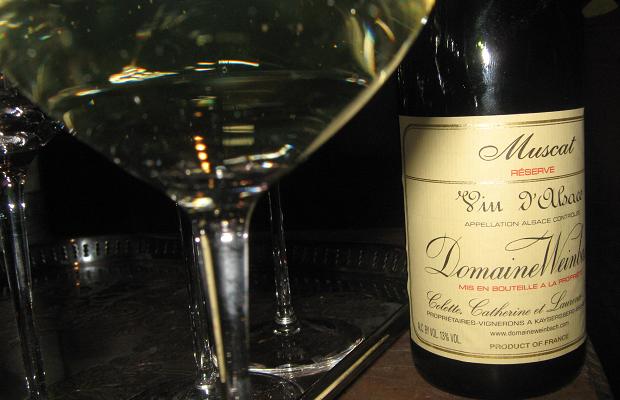
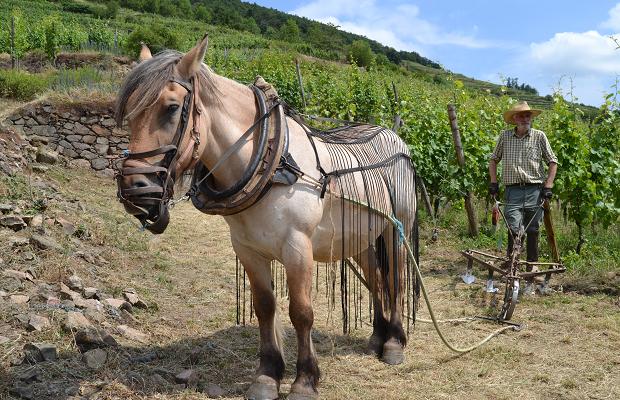
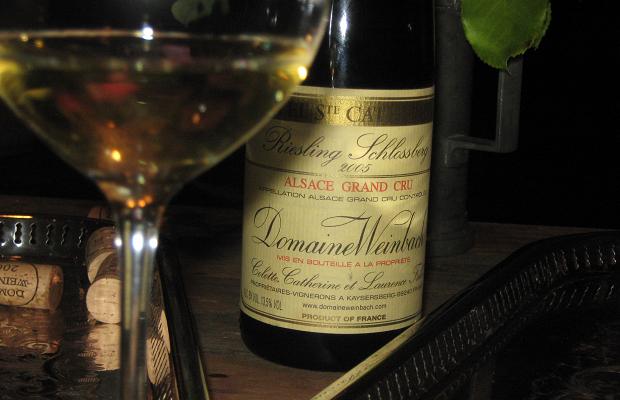
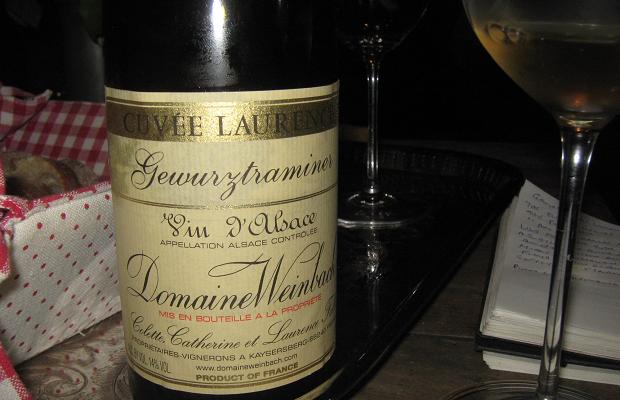
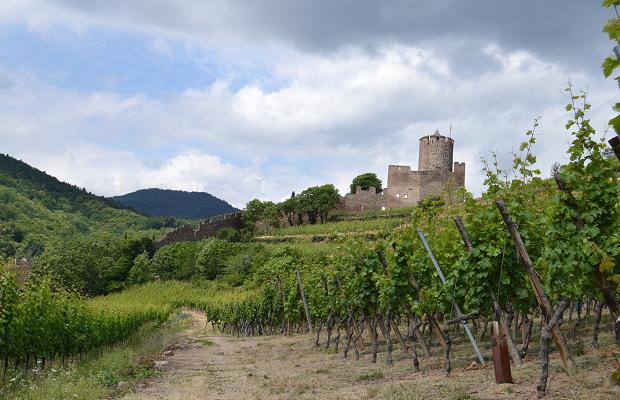
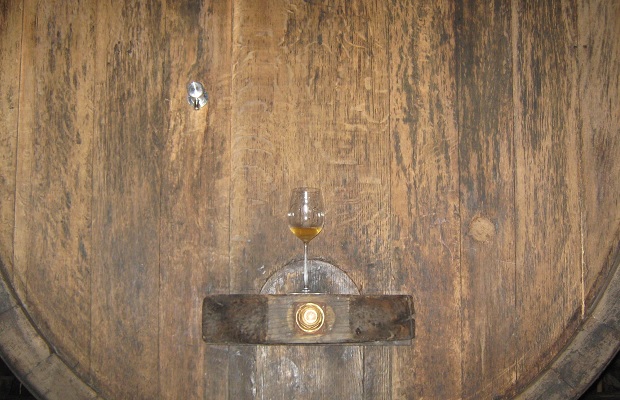

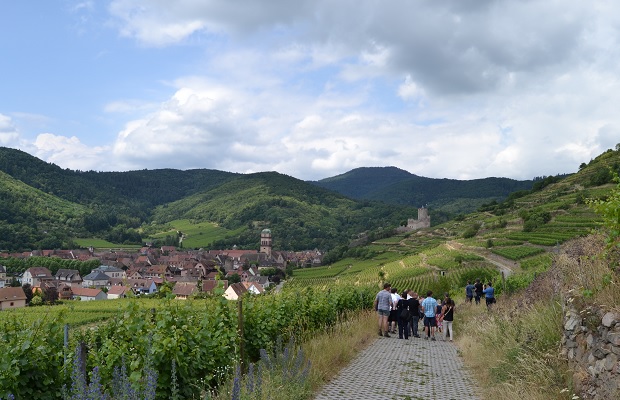
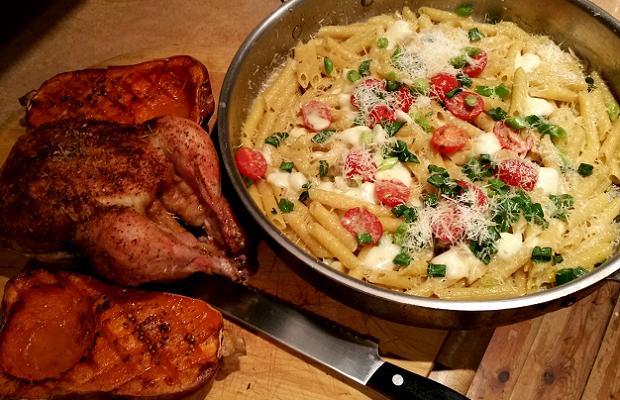

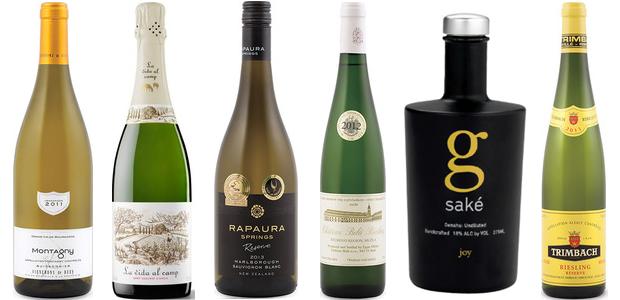
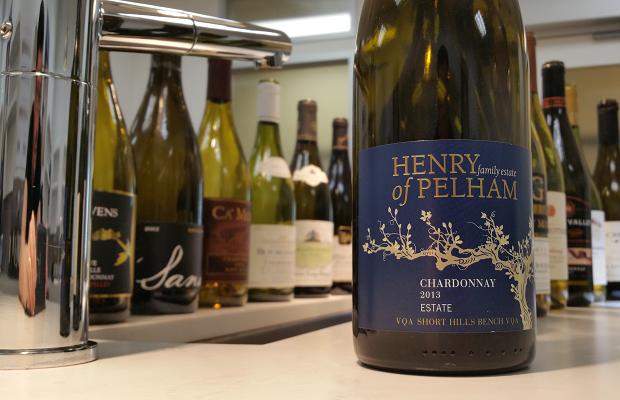
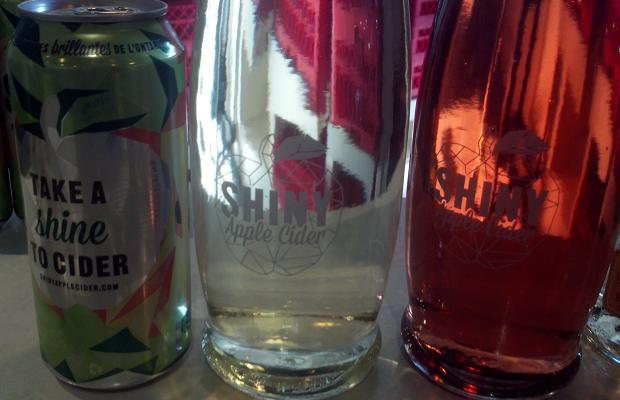
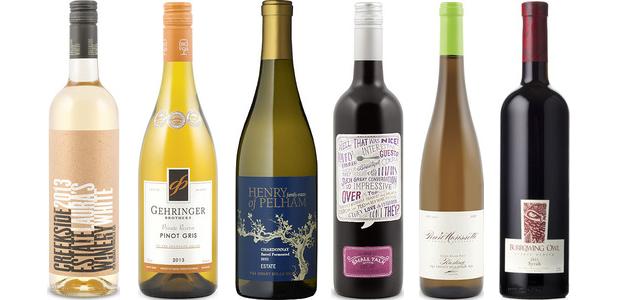


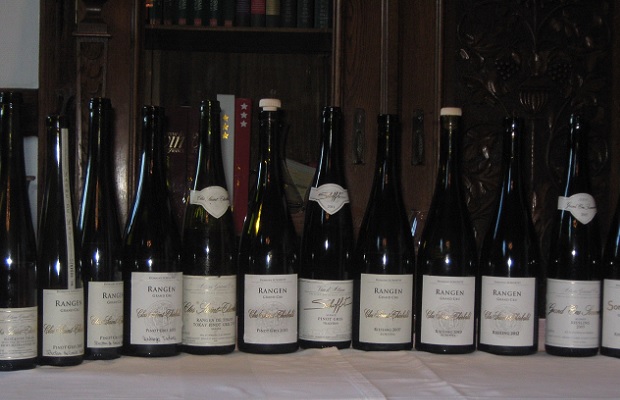
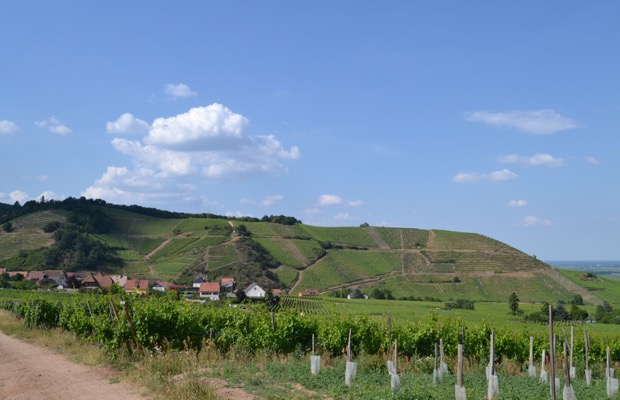
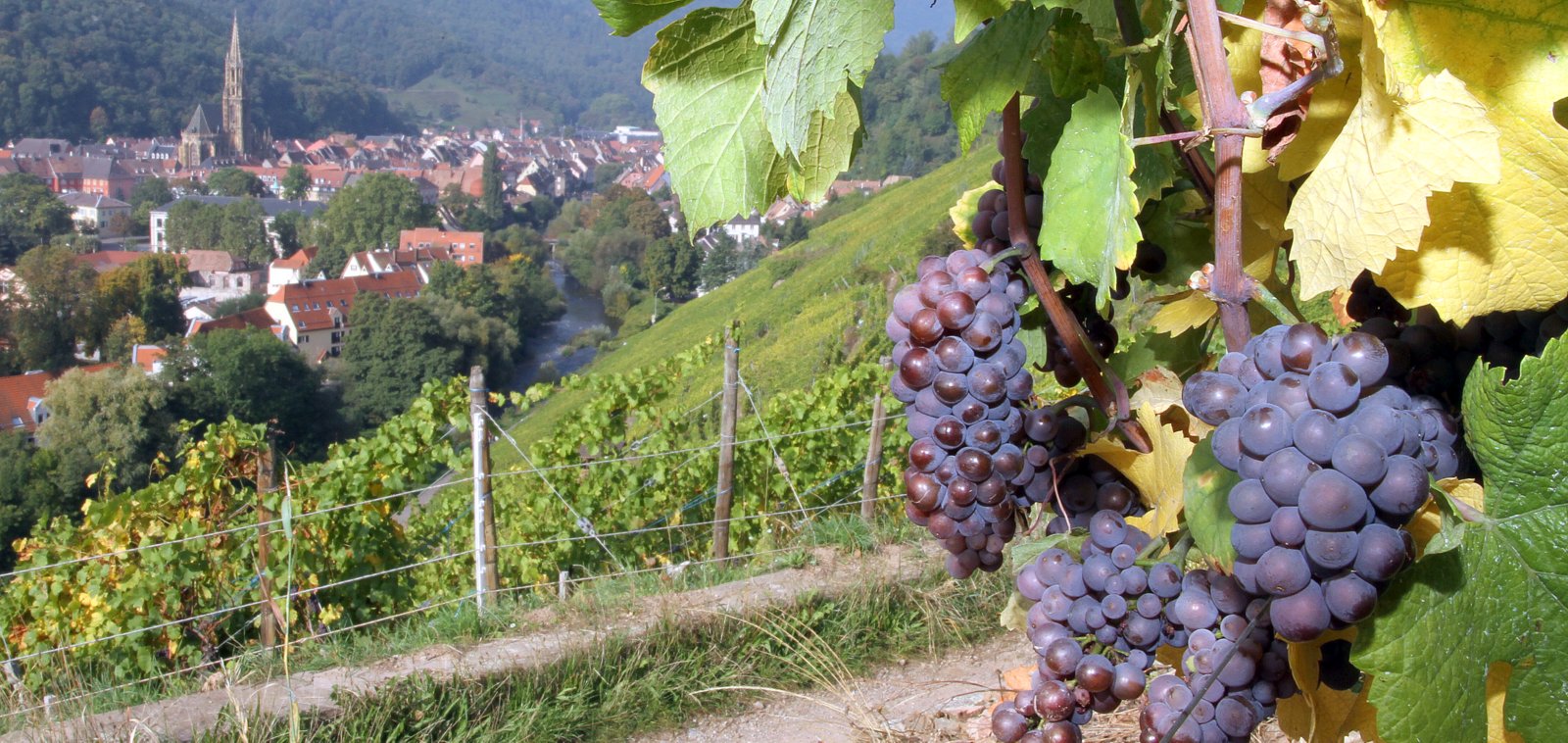

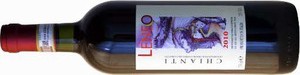
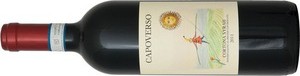
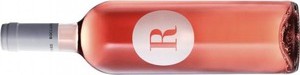
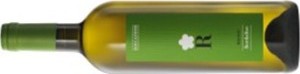
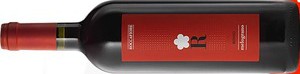
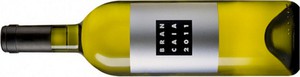
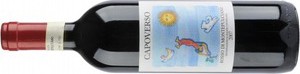
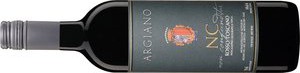
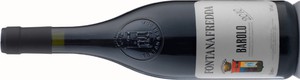
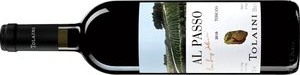

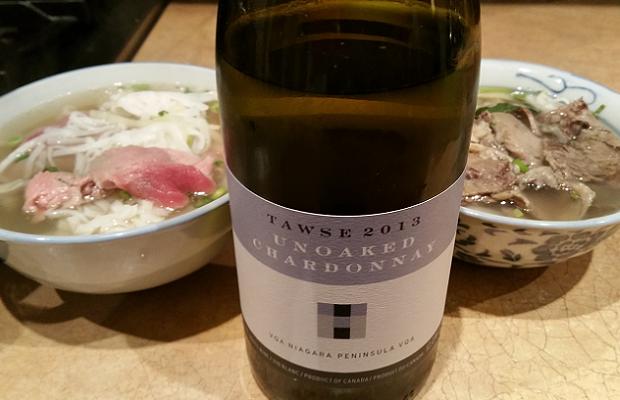
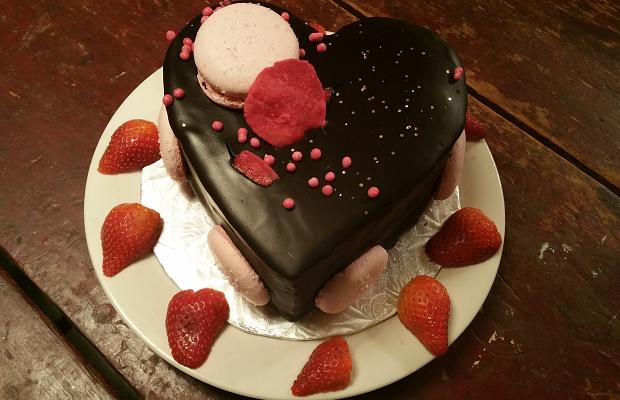
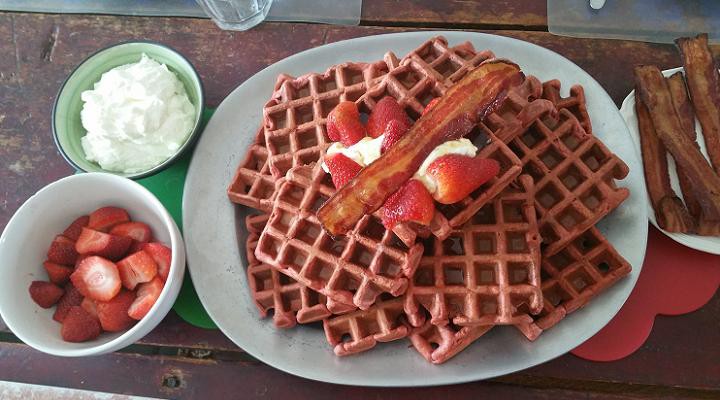
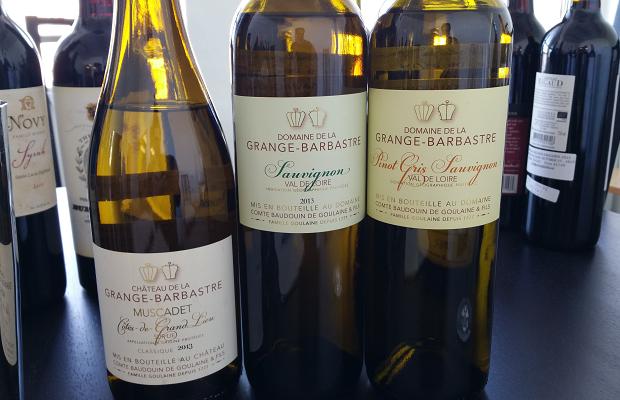
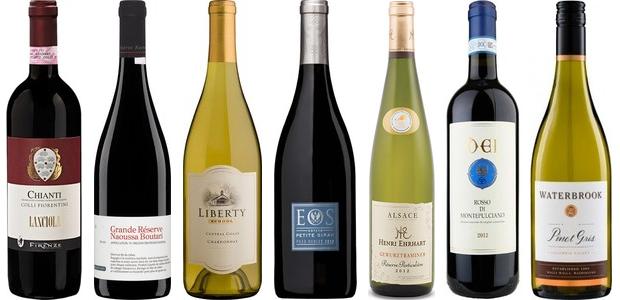

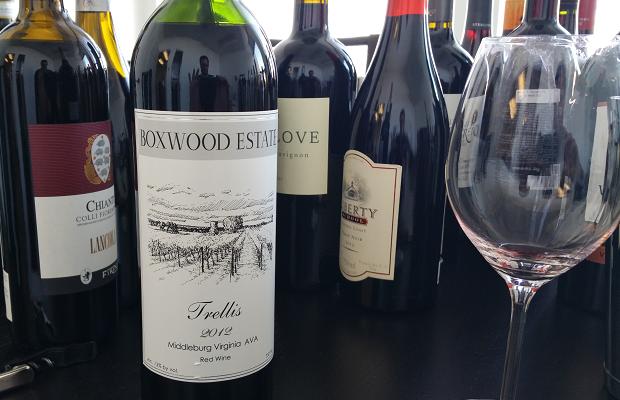

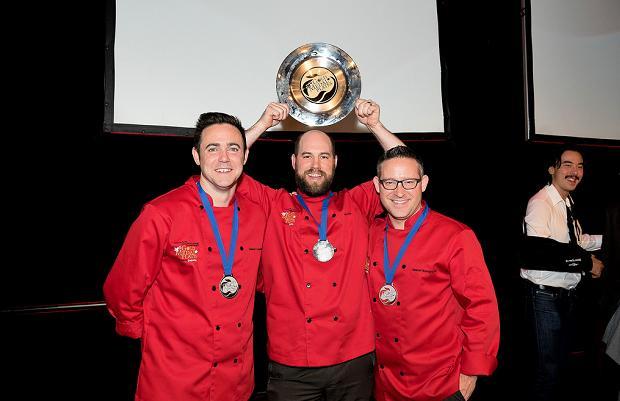
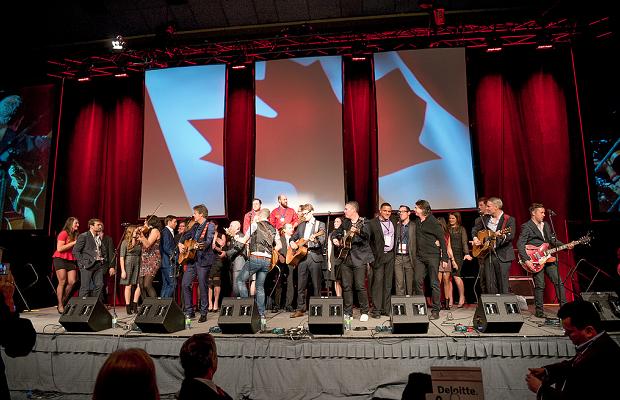

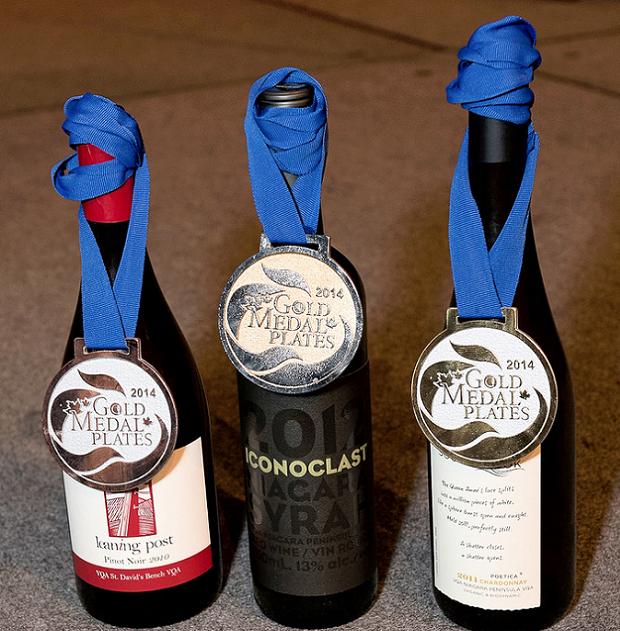
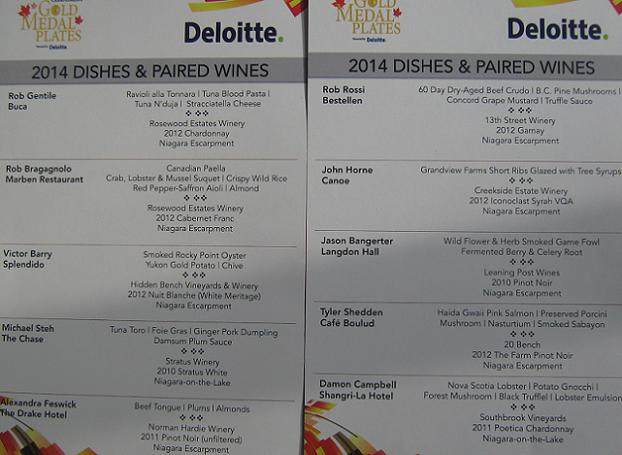
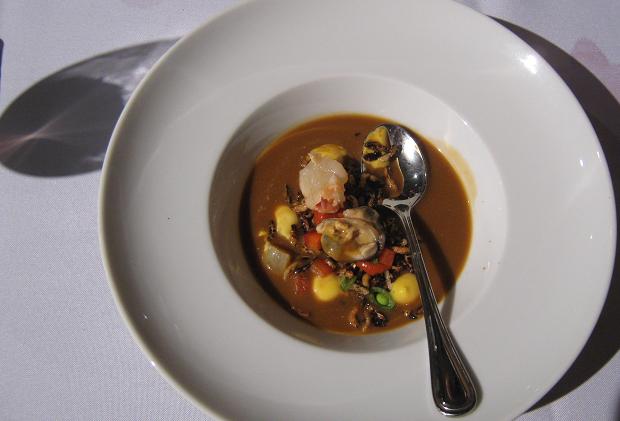
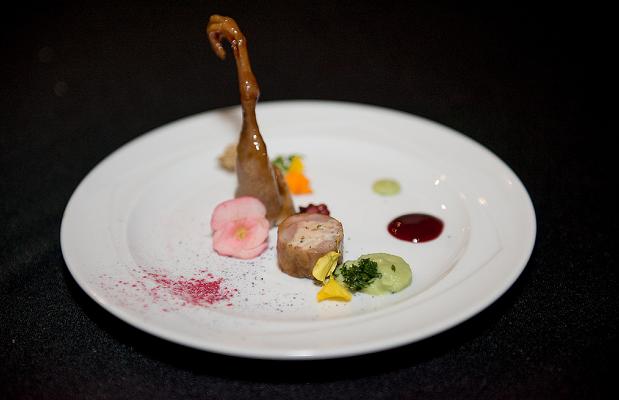

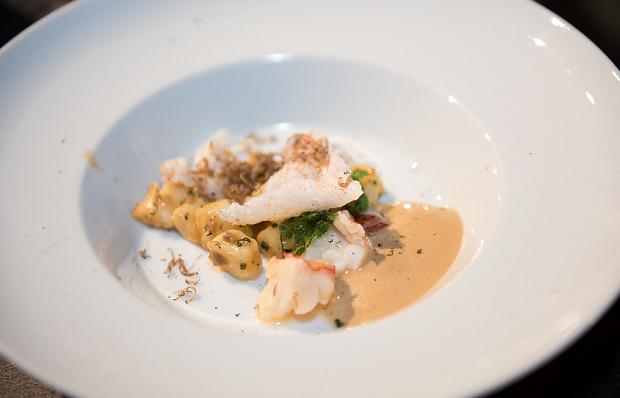
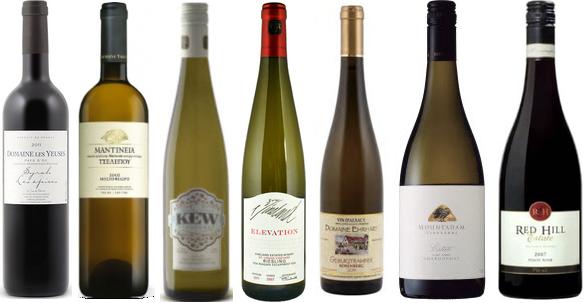
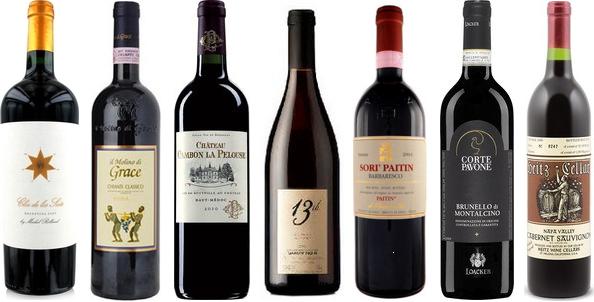

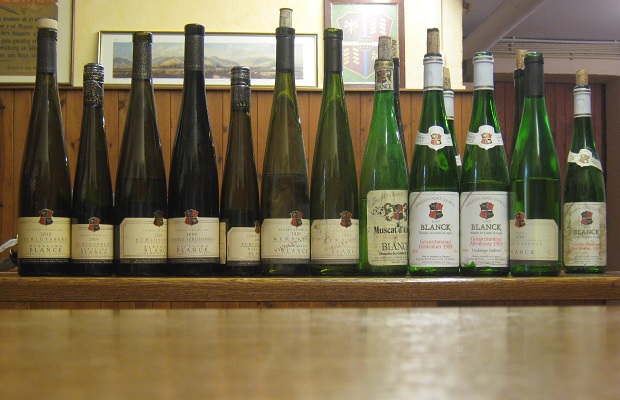
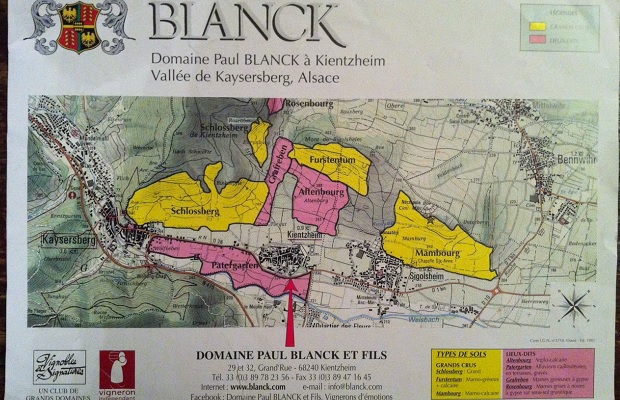
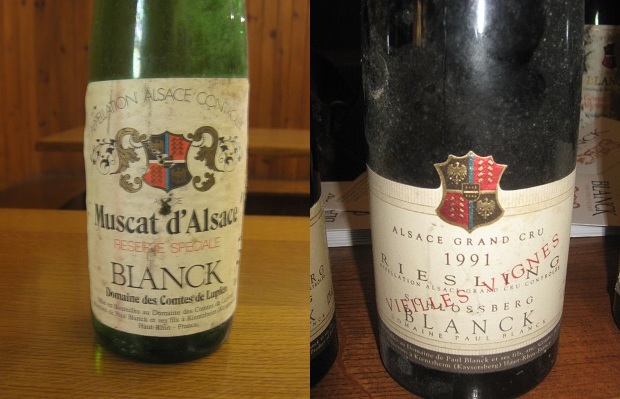
 Godello