Kosher Wine Boutique, 675 Wilson Ave. (near Dufferin), North York
The LCBO has begun to keep Kosher, that is they have just celebrated the grand opening of three kosher boutique stores as part of the relatively new initiative “Products of the World” program. In addition to the boutique stores, more seasonal kosher products have been released than ever before, ahead of Passover, including Canada’s first kosher Icewine.
Each of the three destination stores offer more than 100 different kosher wines and spirits. While more than 500 LCBO stores across Ontario carry kosher offerings, the three destination boutiques are stocked with an expanded selection pulled from exclusive wines and spirits out of the Consignment Program. The selection will be regularly refreshed and will include many products previously only available to licensees. The LCBO kosher boutique locations are:
The LCBO boutique program is a renaissance of sorts for the Kosher category, one that only last year seemed to be entering the category of “passed over.” I had relayed the concern to more than one higher level VINTAGES representative and while I am quite confident my message had nothing to do with the elevated attention, perhaps I was not the only voice of dissidence. Good on the LCBO for stepping up their Kosher game.
Last minute Passover shopping is upon the Jewish community of Ontario. I reviewed the five VINTAGES products from the March 19th, 2016 release. While these five are just a drop in the available bucket, they are the only wines that were presented to the media for assessment.
Light, middle of the road, innocuous, easy-going Riesling. Slightly dilute and yet certainly, obviously and respectably Riesling. You could commit worse acts of hostess gifting by bringing this to auntie Mimi’s Seder. Drink 2016. Tasted March 2016
Interesting Samson blend, both in bedfellows and locale. The Petite Sirah inclusion is more than obvious. This one is decidedly cooked. Drink 2016-2017. Tasted March 2016
Segal’s Merlot/Cabernet Franc/Cabernet Sauvignon Kp M 2013, Galilee Heights, Israel (157206, $24.95, WineAlign)
High-toned aromatics, plums and cherries, very modern and not so Bordeaux. Not so shaken and splintered, which is nice but it is a bit carbonic and lactic. Simple and drinkable with a spice accent on the back end. Drink 2016-2018. Tasted March 2016
Gilgal Pinot Noir Kp 2013, Galilee, Israel (440651, $29.95, WineAlign)
From Yarden, Golan Heights Winery. This smells just like a cup of tea. Fruit tea, orange zinger, rooibos or something fruity. Simple, easy Pinot with negative tannins and just a hint of staying alive acidity. Certainly Pinot though and with no baking activity whatsoever. Drink 2016-2017. Tasted March 2016
Tulip Winery Just Cabernet Sauvignon 2014, Upper Galilee, Israel (440420, $29.95, WineAlign)
Have always appreciated the natural and honest feel of the Tulip Cabernet Sauvignon, with pure and ripe red fruit. It’s just and right, picked and developed with simple, sweet, spicy and leathery flavours. Cassis gets in there. It’s well made. Hanging round for days. “Teach you how to be a holy cow.” Drink 2016-2018. Tasted March 2016
Psâgot Winery M Series Chardonnay Kp 2014, Jerusalem Mountain Vineyards, Israel (441675, $33.95, WineAlign)
A new and improved Chardonnay listing for the LCBO from limestone at altitude (900m) in the Jerusalem (Mountains) Hills. Not exactly “Great Revolt” or “Amphora” antiquity but this has some old school Chardonnay character while making spicy use of the modern barrel. Apples and mango or somewhere in between define the fruit while cool, upper altitude climate reminds of Sonoma. Wish it carried terrific acidity. If it had it would have been the best KFP Chardonnay to grace this market in a stone age. Still decent work for Mevushal. Drink 2016-2017. Tasted March 2016
Recanati David Vineyard Reserve Cabernet Sauvignon Kp 2012, Upper Galilee, Israel (356683, $42.95, WineAlign)
Shaken, presently volatile, rich and reductive Cabernet with plenty of new, rich and swaddling oak. With this David Vineyard release the house is clearly going for a rich west coast style though the acidity, acetic venting and tart fruit puts it more in line with the Galilee. And that’s a good thing, a biblical foil to what it doesn’t get right. There is a hint of cooked fruit on the hot finish and loads of tannin. The pentateuch of fruit, mineral, oak, acidity and tannin may at times seem overbearing but there is a sensitivity that greatly refreshes if sometimes estranges. I can promise however, it will not be familiar to those who have been drinking Mevushal wines for many years. Drink 2016-20219. Tasted March 2016
Primum Familiae Vini tasting at Toronto’s Four Seasons Hotel, April 23rd, 2015
Can there be a more visceral wine experience than tasting some of the world’s greatest wine estates and all the while their principals just seem to only talk about history and family? Makes me think about parents, grandparents and children. About accomplishments, passing torches and smelling roses. Or something like that.
Perhaps it was the news of Etienne Hugel’s passing that was the impetus for me to relive this day, where giants gathered and mere mortals did their best to take in the magnitude of such a coterie of distinction. That afternoon gifted me and others their five minutes with Mr. Hugel, the epitome of Alsatian, a tireless ambassador for the Hugel brand, Alsace wines and the Primum Familiae Vini congregation of producers. Or maybe it was just the right time, a crossroads one year later where the confluence of circumstance and thought conjoined to let the notes come out.
Tastes of PFV
As a stark contrast to the increasingly agitating globalization of wine, the Primum Familiae Vini members stand out as leading wine families whose aim it is “to defend and promote the traditions and values of family owned wine companies, and ensure that such ideals survive and prosper for future generations.” The PFV is an international association of some of the world’s finest wine producing families from France, Germany, Italy, Portugal and Spain. Created in 1992, membership into the organization is by invitation only, with a maximum of 12 highly respected families contributing generations of expertise.
PFV
The PFV estate principals arrived in Toronto for an April 23rd, 2015 Press Lunch at the Four Seasons Hotel organized by wine ambassador Christophe Brunet. On hand were Hubert De Billy, Etienne Hugel, Laurent Drouhin, Egon Müller, Miguel Torres, Priscilla Incise della Rocchetta, Thomas Perrin, Allegra Antinori, Julien Beaumarchais de Rothschild, Pablo Alvarez and Rupert Symington. Each arrived to represent eleven of the world’s leading families that at the time of the tasting, made up the association: Marchesi Antinori, Château Mouton Rothschild, Joseph Drouhin, Egon Müller Scharzhof, Hugel & Fils, Champagne Pol Roger, Famille Perrin, Symington Family Estates, Tenuta San Guido, Miguel Torres and Vega Sicilia. Each family owns vineyard estates, is one of its country’s most prestigious producers, and enjoys an international reputation for its wines. Each year in turn, a member of the association is elected President. The 2014/2015 President was Alessia Antinori, while in 2015/2016 she was succeeded by Miguel Torres.
PFV wines
Primum Familiae Vini supports charitable causes, hosting gala dinners to raise funds for a local charity by auctioning a PFV Collection Case. The beneficiaries have primarily been focused on helping disadvantaged children, the handicapped and specialist hospitals including. Some of these beneficiaries have been Childhood Brazil, Brasil, San Patrignano Charity, Italy, Grapes for Humanity, USA, Somdetya Charity Fund, Thailand, Kidney Dialysis Foundation (KDF), Singapore, The Public Welfare of Bunkyo Ward, Tokyo and the The Toronto Foundation for Student Success. In total, over $325K has been raised.
Pablo Alvarez, Vega-Sicilia with Godello and Larent Drouhin, Maison Joseph Drouin
As you well know it’s all about the wine and the tasting note for Godello. The art of composing snapshots of wines tasted is a cathartic experience and the only way to bring about closure. It is a necessary process, cannot and will not be abandoned. The scores attached can stay put or go away. Neither relevant nor essential, scores are merely road signs on the exegetical path through wine. Once you pass them by their use is no longer needed.
My notes for the wines tasted are long and prosaic, even longer than most that I write, which says something about the profundity of such a tasting. That it took me the better part of a year to finalize my thoughts is not surprising. Until now I found no way to serve proper justice to these wines.
Primum Familiae Vini
Famille Hugel Riesling Jubilee 2010, Aoc Alsace, France (731448, $55.00, WineAlign)
The Jubilee’s style mirrors a reflection, of name, its maker and in the ripples it will gently spread as it progresses through time. Riesling that will eventuate to luxe, calme et volupté, like coming home after 50 years, resolved of sin, “in this year of jubilee each of you shall return to his property.” Hugel’s Jubilee is sourced from family-owned vines on the steep slopes of the Grand Cru Schoenenbourg above the village of Riquewihr. Terroir of great variegation; Keuper, marl, dolomite and gypsum, quaternary siliceous gravel, Vosges sandstone, Muschelkalk and periphery Lias marl limestones. The vintage is special, with no allowance for yields to climb and rife with sought after Riesling attributes. That of tannic intent, coursing coarseness of mineral condensation and repossessing acidity wrapped up in an enigma. Going forward it will gently give back but also remain rigid, slightly hidden, at times dormant, until such time when paraffin and honey take over. One of the finer Riesling cuvées of Alsace. Drink 2018-2022. Tasted April 2015 @FamilleHugel@HalpernWine@AlsaceWines@VinsAlsace@drinkAlsace
Super #champagne overture. I will always surrender. @Pol_Roger #sirwinstonchurchill 2002 #primumfamiliaevini
Pol Roger Cuvée Sir Winston Churchill Vintage Brut Champagne 2002, Champagne, France (SAQ, 12027016, $247.25, WineAlign)
From one of the great Champagne vintages of the last 20 years, the 2002 ode to the British Bulldog is full of French vigor and supernatant rationalism. In 2015 its hue is golden gingered and the fine mousse causes sensory skips in the heart’s beats. These bubbles pay attention and tease the most sensitive olfactory nerve endings. The brioche baking and crumbs toasting are still just mere twinkles in the aromatic eye. The year 1996 is on many tasters’ minds and this wine has no qualms telling a direct lineage tale. Can there be more proof than what is spoken in the structure of this young wine? The bitters are forged from compression, without weight and void of oppression. A pleasure to taste, this Champagne is a deactivated refugee from an ancient European dominion. It’s hard to imagine it ever being anything but elegant and cool. Drink 2016-2027. Tasted April 2015 @Pol_Roger@Champagne@HalpernWine
Scallop, kumquat, baby leek, caviar #fourseasonstoronto #julienlaffargue #primumfamiliaevini with #drouhin #chablis grand cru les clos 2012 and #egonmuller #riesling #scharzhofberger kabinett 1994
Joseph Drouhin Chablis Grand Cru Les Clos 2012
Joseph Drouhin Chablis Grand Cru Les Clos 2012, Burgundy, France (SAQ, 10998708, $88.00, WineAlign)
Drouhin’s Les Clos is Chablis incarnate. It delivers the importance of form and structure, with the incantatory power of storytelling to foresee the eventuality of its Moirai. It possesses the staying power to reveal the truth and reward with the fullness of gratification. Imagine pears, some dried and some fresh, pulverized and turned into gold stone. That is Les Clos. Barrels used are one to four years old and since 2004 there is no stirring of the lees. This determination arranges to opt for longevity of structure over immediacy in elegance. The enclosure is lacy organza, the interior filled with ripe fruit. Time (60 minutes) induces a mine of mineral wealth emergence, of shifting plates and rising outcrops from the quarry underfoot. Patience is required to bring all the moving parts in line. Drink 2017-2027. Tasted April 2015 @JDrouhin@BIVBChablis@BourgogneWines@FWMCan@Dandurandwines
Keep the car running. Magic 1994 #riesling from #egonmuller #primumfamiliaevini #scharzhofberger #rieslingkabinett
It must first be said that after 90 minutes in the glass the orange blossoms open in the early morning to release their spring fragrance into the room. In a conference room at Toronto’s Four Seasons Hotel. Now I don’t really know if the Scharzhofberg vineyard was actually planted by the Romans or if it was occupied by eighth century Trier St Marien ad Martyres monks. If following the French Revolution it was in the possession of the Duchy of Luxembourg I couldn’t say. I can equivocate, with irrefutable conviction that tasting Egon Müller’s 1994 twenty one years after its release confirms the vineyard’s reputation for housing irreverent Riesling. The arcade fire of remarkable hue, life-affirming aromatic energy and sky-lift brilliance is palpable. At 20 plus years the ideology, eventuality and passionate progression of purely distilled Mosel fruit is realized. Currently suspended in jet-trail animation, the sugars over gas of this Kabinett are quantitatively resilient. The relationship has seen a symbiotic feeding for longevity. Riesling of stoicism, classic prevalence and perfect balance. The specific Scharzhofberg tang has been revised to elevate a new order derivative recorded in every pure note. “There’s a weight that’s pressing down, late at night you can hear the sound.” Time held will move forward ever so slowly. Keep the car running. Drink 2015-2034. Tasted April 2015 #EgonMuller@germanwineca
Miguel Torres Mas La Plana 2010
Miguel Torres Mas La Plana Cabernet Sauvignon 2010, Penedès, Spain (129676, $59.00, WineAlign)
The Torres Mas La Plana explains to the world why Penedès is one of the most important Cabernet Sauvignon outposts on the planet. In deference to its moniker, flat is not the operative word. With such lifted exuberance, richness and depth of fruit, it must be dared said that Bordeaux wisdom speaks from its Spanish roots. If Mas La Plana can always be good, this vintage is great. The layering of wood over Penedès soil gives it spice and subterranean pungency; cinnamon, clove, truffle and morel. This wine is now an internationally-styled giant, an expatriate made French wine with Spanish flair. Layered, structured and so much special fruit. All about the fruit. Drink 2016-2023. Tasted April 2015 @TorresWines@dopenedes
The reds of lunch. #vegasicilia #moutonrothschild #sassicaia #solaia #chateaudebeaucastel #maslaplana #primumfamiliaevini
Château De Beaucastel Châteauneuf Du Pape 2005
Château De Beaucastel Châteauneuf Du Pape 2005, Rhône, France (711317, $89.95, WineAlign)
Expectations are high for 2005 and the opening notes of warmth, amenity and avail confirm the dream. Soon thereafter the Beaucastel plays hard to get, walks away and closes down. At this 10 year juncture its evolution is only matched by its elegance, especially considering the initial arterial ardor in mimic of the vintage. Resurfacing to conjure up character in aromatics, mint, eucalyptus, garrigue, coal and tar evince this pure Châteauneuf Du Pape. A wine of global receptiveness, the 2005 rendition tames the conception. There is very little about its personality that is parochial but rather it represents what it means to be a star, everywhere, omnipresent, for everyone. After 60 minutes it actually closes down again. This will be one of the longest lived Beaucastels. Drink 2017-2045. Tasted April 2015 @Beaucastel@RhoneWine@VINSRHONE@ChartonHobbs
Tasting the 2007 Solaia feels like looking directly skyward into the high noon sun with a semi-peeled orange in one hand, juices dripping, zest split and fragrant. Flowers bloom all around, cypress trees stand as sentries, sentient and giving off a savoury musk. The rosemary joins in, as do the lavender and the fennochio, because there is a breeze. Then there is only the pitchy darkness, the iron and the animale. This Solaia exudes sunshine, creme caramel and maturity. As per the style, especially in warmer vintages, Solaia always speaks of early evolved character though you know it will last for a very long time. This I have come to know, expect and believe. Drink 2015-2022. Tasted April 2015 @AntinoriFamily@HalpernWine
Now increasingly accessible, the ripe and ferric Sassicaia ’09 continues to roar but the gamy musk of the wild beast is on the subside. The tannins have begun to relent and yet no holes, empty spaces or time-outs are to be found. With 60 minutes of air time the fruit speaks of plum hyperbole and dried flowers fill the air. Ten more years lay comfortably ahead. Drink 2015-2025. Last tasted April 2015 #TenutaSanGuido@Smarent
Sassicaia 2009
From my earlier note of November 2012:
The raven brunette is anything but sappy or syrupy yet is impossibly viscous. Hints at ripe berries growing in the crags of maritime gravel and the most expected hits of sanguine, animal musk. A huge wine in the making, the adolescent hunter Sassicaia off-roads up a steep incline to go tell it on the mountain of tannin. Disappears into parts unknown and will only reappear as a mature adult. Look to 2025 and it may say “the perspective to say the very least, changes only with the journey.”
No cartoon. The real deal. Gehry lines. #chateaumoutonrothschild 2005 @PFvini #firstgrowth #paulliac #bordeaux #onceinalifetime #primumfamiliaevini
Château Mouton Rothschild 2005, Ac Pauillac, Bordeaux, France (SAQ 10654286, $965.00, BCLBDB, 649582, $1895.00, WineAlign)
Where to begin? That Cabernet Sauvignon can so facilely lay down the law, with deputy Merlot and deputized Cabernet Franc in support, that it can syncopate and elucidate the infinite, of soil information into warmth and depth, that is does so in such a wondrous way, well, that is the crux. Mouton of incredulous form, of a liqueur that is wholly unique, even to Bordeaux. An intoxicant and yes, funky, a distilled terroir, compressed, eschewing the fractional and essaying to integration. Reduced, layered and yet bereft of cheese, cloy or cake. Healthy as a community of organisms can be, wealthy in its archetypal discretion and drawn of an architectural line to ritualize structure. Precise, innate, insistent and balanced. The cleanest, purest and ripest fruit from 10 years ago had always and continues to cut an exegetical rug on one of the greatest dance floors of wine. An age exemplary Mouton in requiem of Italian sculptor Giuseppe Penone’s label design. After 60 minutes it neither closes nor shrinks away. Open for business. Drink 2015-2045. Tasted April 2015 #moutonrothschild
Vega-Sicilia Único 2004
Vega-Sicilia Único 2004, Ribera Del Duero, Spain (702852, $475.00, WineAlign)
In a room full of Primum Familiae Vini no iconic red stands out with more singular parlous deference than the 2004 Unico. Sitting next to Pablo Alvarez and seeing his immediate reaction speaks volumes about its place in time and how it is showing. Alvarez does not smile so much as he simply acknowledges the work put in. Unico is correct and it is priceless. Is Alvarez making a comparison in his mind? Is he thinking 1970 or perhaps 1994? It does not matter because this blend of Tempranillo (87 per cent) and Cabernet Sauvignon (13) obviates derivative characteristics and so exhibits a kind of synoptic insatiability. Its persona is simply me, myself and I. The liqueur is not Bordeaux or IGT. The aromatics are exotic to the nth degree. The succulence and sucking inward grape tension is old and wise but the wine has 30-40 years of undetected evolution ahead. There is no need for a longevity prayer, just let it be. My ears hear “mais qu’est-ce que c’est bon!” perhaps from Alvarez, or maybe it came from Laurent Drouin to my left. The youthful Unico is like Les Enfantastiques, it has the “no se que” and we can call it terroir, from place, soil, climat and culture. Something that advances this early and yet has gone nowhere should be impossible. The precocious wisdom is beyond years, has reached a point at 10 that is palpable and yet so far from what it may become. It should be left alone for five more to find out. Drink 2020-2055. Tasted April 2015 @Tvegasicilia@DORibera
1977 @grahams_port…Oh to live to 111 and re-taste in 2077. @PFvini #symington #symingtonfamilyestates #rupertsymington #port #vintageport #primumfamiliaevini
Graham’s Vintage Port 1977, Douro, Portugal (706663, $109.00, WineAlign)
The year 1977 was a huge one for the Douro and this Peter Symington vintage interpretation echoes the overemotionalism. The pitchy rim seems to be writhing, the aromatics roiling and my first thought is one of a houseguest that wishes he could escape an over vivid host. Vegetative freshness calms the savage beast; bouquet garni, garrigue and savoury herbiage from high yielding fruit. If cherries were roses and vice versa, they too would deter and distract. This VP has presence and distinction. It changes tempo, wades in the waters of age and treads with minimum effort. The toasted nut component is subtle, more than many and certainly in comparison to the modern era of Graham’s and others. The dry florals whiff as if the petals never dropped or ever will. The perfume drives upwards, to the ethereal. Nice little piece of Vintage Port history. Drink 2015-2022. Tasted April 2015 @grahams_port@winesportugalCA
While rambling in Vinho Verde last week, I was taken by overnight precipitation that would carpet the mountains above 400m with white stuff. It was magical to wake up in Amarante, Ponte da Barca and Melgaço to see the late March greenery contrasted with a jacket of celestial deliquescence. Then I returned to Toronto. Early April snow just didn’t quite have the same heart-stirring effect.
In VV the reputation is for producing crisp, light and refreshing wines. This from a place where it rains a lot. Nearly all the time. The land is so green you can see the fairies and pixies scurrying about. The place is such a verdant paradise it feels as though life springs from every tuft, tuffet and bit of life-affirming turf. With so much damp, wet and soggy abound you might think that hearty reds are both essential and necessary. To the contrary, it is Alvarinho, Loureiro, Arinto and Avesso that speak the most sincere truths. White wines rule.
The VINTAGES April 16th release is the launching pad for whites and my seven picks will lock in to every wheelhouse wished for, from $16 to $30 and from grape varieties both recognizable and habituated outside the familiar box. From Jacquere to Assyrtiko, through Riesling, Pinot Gris and Chardonnay. Something for all.
Here we are in mid-April, temperatures still hovering around the zero mark and Spring still fighting to break out. Like Frog and Toad I keep turning around, left and right, expecting to find Spring just around the corner. It never seems to come. So in ode to Vinho Verde, the current plan is to seek out cool, crisp whites and to wait patiently, for without even realizing it has happened, Spring will have sprung.
Château Des Charmes Old Vines Riesling 2013, VQA Niagara On The Lake, Ontario (277228, $16.95, WineAlign)
The happy place effect by age in the Château Des Charmes’ vines coupled with location is usually enough to carry this Riesling through an obvious and readily identifiable tunnel but 2013 confounds. The elemental ratio, derived from multiplying reduction by altitude leans thoughts to the Vinemount Ridge or the Cave Spring Escarpment Vineyard. The compound aromatic waft, or more succinctly, the deconstructed stone, the breaking down of periodic Hollywood squares is a force to reckon. That this arrives from such close proximity to the lake is nothing short of amazing. It’s as if this Riesling is the product of stressed vines and the pierce is just so pinpointed. Less accessible than ’12 for sure, so drink up previous vintages going back at least three before even thinking about getting to know 2013. Drink 2018-2022. Tasted May 2015 and April 2016 @MBosc@WineCountryOnt
Pierre Sparr Réserve Pinot Gris 2014, Ac Alsace, France (983395, $16.95, WineAlign)
Mineral trumps fruit is this dry take on Pinot Gris from a house on a seriously competitive roll. Good beneficial bitters join tannic sweetness on the broad palate. This is a prime example of what PG can and should be, albeit without the intensity delivered out of more demanding Alsatian vineyards. Drink 2016-2019. Tasted April 2016 #PierreSparr@VinsAlsace@AlsaceWines@drinkAlsace@ProfileWineGrp
Jean Perrier & Fils Cuvée Gastronomie 2014, Ac Savoie Abymes, France (320093, $18.95, WineAlign)
This montane-raised 100 per cent, low alcohol (11.5 per cent) Jacquere is built on premises of tart, savoury, herbal and peppery fruit not so high in acidity. A very aromatic and flavourful Savoie that could easily confuse for Sauvignon Blanc and without transversing over to high tones territory. Good for patio imbibing and for spring vegetables of all shapes, sizes and subjected to various levels of sauté. Drink 2016-2019. Tasted April 2016
Here in 2014 the triumvirate expression that is St. Urban, of low alcohol, captured natural acidity and necessary sugar talks the Elevation talk. This is a vintage in which expectation is met without waver, whatsoever. It’s very young and not yet exciting. The aerified territory is in teasing, not succeeding mode and the tension floats without ties to anything grounded. This ’14 will have to wait. It should be letf to waft around in the Riesling winds of Bench time until a future arrives when secondary notes will begin to appear, like acacia, honey and maple nectar. At present the stoicism is a trifle frustrating. The willingness to wait will offer just reward. Drink 2018-2026. Tasted April 2016 @VinelandEstates@benchwineguy
Seems to be richer, deeper and increasingly unctuous in 2015 though its extreme youth could be the source. The sheer, utter mineral macho meaning is always felt, along with the purity of its fun. What is so special about this Santorini is not just the early life mineral with the soothsaying protraction to a future filled with thyme-infused honeyed fruit drizzled over stone. No, it’s more complex than that. It’s about the true-heartedness with which it represents consciousness. This essential Argyros always offers the pleasure to bathe in its saline, sunlit waters and drink of its energy. Never failing Assyrtiko. Drink 2016-2020. Tasted April 2016 @Santoriniwines@DrinkGreekWine@KolonakiGroup
Coming to #VINTAGES April 16th @vassefelix Filius #chardonnay 2014. Try and find more gem for $25 #idareyou #youcant #margaretriver #virginiawillcock
Vasse Felix Filius Chardonnay 2014, Margaret River, Western Australia, Australia (416511, $24.95, WineAlign)
It would be an impossible expectation for winemaker Virginia Willcock to do more for the Filius Chardonnay with equal or less in 2014. The 2013 is a cracker for a pittance. The 2014 holds the candle and bears the torch. A prodigal ‘son of’ fathers Premier and Heytsbury and up to the Margaret River task, Filius is the good. Fashioned in the freshest, reductive and ultra-modern way with a sous-vide savoury and animale gait. Crispy, crunchy green apple fruit is joined by a transparent, manifest barrel written in cursive and ladling out a healthy dose of duck soup. This is Australia’s great cool-climate value Chardonnay. The mineral finish is excavated agleam of gemstones. Case buy. Drink 2016-2021. Tasted March 2016 @vassefelix@MargaretRiverWi@WestAustralia@Wine_Australia@bwwines
Bouchard Père & Fils Montagny Premier Cru 2013, Burgundy, France (653683, $29.95, WineAlign)
Quite the round and reductive Chardonnay with exceptional ripe fruit and tamed acidity. Love the tannin and the rotation. This is highly pleasurable though not meant to linger for much of an extended stay. Enjoy it now with something that swam, flakes and is marked by a slight char. Drink 2016-2019. Tasted April 2016 #BouchardPereEtFils@WoodmanWS@BourgogneWines@bourgognespress
Olá, a partir de Vinho Verde. At the moment I am whirling about in a scalene triangle of grapes up here in the cool, rainy, verdant north west region of Portugal. Alvarinho, Trajadura and Loureiro are on my mind, not to mention what red revelations lurk in Vinhao. I will return before you can shoot “look, there’s the Super New Moon.” No waxing prosaic preamble today folks while I scour the hills and cellars of Vinho Verde for the next great white epiphany. Next weekend’s April 2nd VINTAGES release is full of spills and chills, along with some fine values for spring sun and for 10 degree rainy days.
I will return next week with a report on what’s available for Passover taken from the March 19th release. For now here are seven sub-$20 values for April 2nd.
Château Haut Philippon 2014, Ac Entre Deux Mers, Bordeaux, France (445171, $14.95, WineAlign)
More and more the wines of Entre-Deux-Mers creep into the positive vibrations of Sauvignon Blanc pleasure. This highly expressive beauty makes great work of the ideal with 20 per cent Semillon and 10 Muscadelle lending balancing left and right hands. The herbiage is a cool savour and on the ripe mineral edge of flinty. The value quotient runs high between the seas. Drink 2016-2019. Tasted March 2016 @FWMCan
Dr. Hermann From The Slate Riesling 2013, Qualitätswein, Mosel, Germany (446617, $17.95, WineAlign)
Lovely mineral weight compresses the sugars in this mildly flinty and even more so, slight and lithe by citrus Riesling. Doctor, my eyes now see the light into this Qualitätswein from the house that Hermann built. “Cause I have wandered through this world and as each moment has unfurled,” because of acidity, in which there mingles tropical and beneficial bitters. The action makes for a great little drop from soils fractured with slate. Exemplary Mosel, especially at the gifted price. Drink 2016-2020. Tasted March 2016 @germanwineca@WinesofGermany
Fabre Montmayou Reserva Malbec 2012, Mendoza, Argentina (261867, $18.95, WineAlign)
Made up in the direct, in your face, ripe and firm Mendoza style, from full on sunshine-fleshy Malbec with a decidedly ferric undertone. This has attitude and gumption. It needs a few years to settle into its leathery hide. Always one of the better value propositions although spiked in price for 2013 to where it should rightfully be. Drink 2018-2022. Tasted March 2016 @FabreMontmayou@ArgentinaWineCA@winesofarg
Exemplary Barbera, firm and with tart red fruit, spikes of spice and nicely drying tannin. The sour lactic flavours are full of bright red berries and an edge of astringency while the length is more than merely exceptional. Bricco to win. Drink 2016-2019. Tasted March 2016 @LiffordON
Marques De Gelida Exlusive Brut Gran Reserva Cava 2010, Do Penedès, Spain (441956, $19.95, WineAlign)
The aromas are painted at dusk, misty, musty and compressed. The palate shows much more vitality and even a shot of exuberance. By the time the two ends of the sparkling spectrum come to an accord the baking spices of ginger, cardamom and turmeric have taken charge. Painted bottles and an oxidative Cava. Packaged to sell. “Painted ladies and a bottle of wine mama…They took my money like I knew they would.” Drink 2016-2019. Tasted March 2016
Deu La Deu Alvarinho 2014, Monção E Melgaço, Doc Vinho Verde, Portugal (40642, $19.95, WineAlign)
Rich and unctuous Vinho Verde, full in with lemon and custard, like a Pasteis de Nata swimming in a pool of Moscatel liqueur. High in tang and even more so with spirit. Nothing really lithe about it though it expresses Vinho Verde life with clear and concise language. A far cry from the commercial Vinho Verde found on most LCBO shelves. Drink 2016-2019. Tasted March 2016 @terroirimports
Ravenswood Old Vine Zinfandel 2014, Lodi, California (942599, $19.95, WineAlign)
The old vines advantage is exercised with altruistic gifting in Joel Peterson’s 2014 through a stealth advent in savoury, smoky red fruit, a smouldering olive branch and off the Zinfandel chart, blooming roses. This has a fine streak running through, not mean, but assuredly firm, mildly tannic and very, very mineral. It reminds at times of schist Syrah and alluvial flats Grenache. There’s something about Zinfandel old vines that educes such a pipe dream. The metal backbone is neither copper nor rust but something umami ore other. Terrific complexity from OV Lodi. Let it rest a bit just to be sure you can handle its orthodoxy. Drink 2017-2021. Tasted March 2016 @CBrandsCareers
“Sun come up it was blue and gold.” #cuvee2016 #pictureinaframe #niagarafalls
The Ontario wine industry has powered through many big weeks during the tenure of its young but wise, short howbeit concentrated history. None seemed larger than the first week of March, beginning with Taste Ontario at the Royal Ontario Museum and ending with the 28th edition of Cuvée at the Scotiabank Convention Centre in Niagara Falls.
And now #cuvee2016 @CCOVIBrockU #vqa @winecountryont #scotiabankconventioncentre
In between and as a preamble to Ontario’s annual gala celebration there was the presentation of the Tony Aspler Cuvée Award of Excellence, presented by Mr. Aspler to viticulturist Lloyd Schmidt, for advancing viticulture in Ontario by accessing the best vinifera varietals from nurseries around the world and fighting bureaucracy to do it.
Tony Aspler Cuvée Award of Excellence winner for 2016 viticulturist Lloyd Schmidt and Tony Aslper (c) Brock University
Father and son grape growers Howard and Wes Lowrey from St. David’s were honoured with the Cuvée Vineyard of Excellence Award sponsored by BASF Canada Inc. The 2016 category was best red vinifera and the Lowrey’s were recognized for their Cabernet Sauvignon vineyard. The winner is chosen by an expert panel that makes field visits throughout the growing season to monitor quality.
Cuvée Vineyard of Excellence Award winners Wes and Howard Lowery are flanked by grower Matthias Oppenlaender and Julia Harnal, BASF Canada Inc. (c) Brock University
The VQA Promoter’s Awards are designed to recognize exceptional contributors to Ontario’s wine industry. The honours were endowed as follows. For Education, Peter Blakeman of The Canadian Food and Wine Institute at Niagara College. The Promoter-at-Large, Norm Hardie of Norman Hardie Wines. In the LCBO category, Nina Hofer, Product Consultant. In Hospitality, Peter Elmhirst of Elmhirst Resort. For Lifetime Achievement, Peter Gamble, formerly of Hillebrand, VQA, Stratus and Ravine, now consulting winemaker at Benjamin Bridge, Lightfoot & Wolfville and Versado Wines.
Proceeds from the Cuvée Grand Tasting go to support the Cuvée Legacy Fund established after the 2015 event. The fund has already awarded $15,000 in academic scholarships and contributed $13,000 toward industry-driven research projects. At the awards ceremony, the 2015 scholarships were also handed out.
Cuvée 2016 was orchestrated by Brock University’s Cool Climate Oenology and Viticulture Institute who will also play host to the Expert’s Tasting of Ontario wines in April. At this year’s reception 52 VQA wineries each poured one carefully selected wine for the Grand Tasting and were joined by 13 culinary partners. Earlier that week, Taste Ontario was hosted by VQA Wines of Ontario and Wine Country Ontario. Upwards of thirty producers contributed more than 125 wines to the media and trade event.
Taste Ontario reds
The food establishments on hand were granted the space and signage to show off and showcase their talents. Having their names projected onto the walls around the perimeter of the room made it very easy to locate who was placed where. The wineries received no such similar sort of spotlight signage so happenstance played a significant role on what got tasted. Still it was nice to see a Toronto neighbourhood friendly face in Ossington joint Actinolite Restaurant with chef Justin Cournoyer acting out his special brand of an Ontario forest passion play.
Forest flavours of Actinolite
The pork belly ‘Lollipops’ from Vintage Inn – Escabeche by Chef Chris Smythe, Korean fried chicken by Garrison House Chef David Watt and Duck Mu-shu from Golden Lotus Restaurant’s Chef Sing How were exceptional. Also on hand was omnipresent Niagara events food contributor Artisan Ontario presented by Chef Mark Hand and Mario Pingue. I somehow missed out on Backhouse Chef Ryan Crawford’s burrata and braised beef short rib ravioli tasting plates. No chef had a longer line-up all night long.
Pork belly ‘Lollipops’ from Vintage Inn – Escabeche Chef Chris Smythe
Insofar as an assessment of Ontario wines is concerned, from a varietal point of view, Riesling and Chardonnay have not relinquished any stronghold on their domination, nor should they any time soon. I can’t help but feel and notice that winemakers continue to reach for the big red machine and wish upon an intangible Bordeaux star when they should be concentrating on fresh, gulpable Cabernet Franc and Gamay. They should also take some chances with these necessary, best Ontario option red varieties. Press less, reveal freshness and let natural ferments find low-alcohol impressions of impossible, ethereal beauty.
Pingue Prosciutto
At Cuvée there was no shortage of Riesling, Chardonnay, Pinot Noir and big red blends. Where was the Cabernet Franc? Kudos to Brian Schmidt of Vineland Estates for his varietal choice, albeit in a perfect little tidy $15 package. It was the only one. That is a travesty. Kacaba’s 2013 Cabernet Franc was a Platinum Award winner at the 2015 WineAlign Awards of Canada. They can’t be blasted for pouring their 2012 Syrah and you can only pick on but others should have seized the opportunity. J-L Groux of Stratus Vineyards offered up his 2013 Gamay from magnum. Brilliant! Where was the rest of Ontario’s Go Gamay Go arsenal? Varietal lampoonery I tell ya.
Perhaps I can be accused of filtering my view of the evening through the oculus of an infundibuliforms installation. Just maybe I’m a wee bit harsh in my assessment of choices made but there were several wines poured at Cuvée that we’ve seen many times before. While the inevitable will influence choices because of inventories and the bottom line, the event is not about finding buyers. The purpose and long-term vision should focus on teaching, on educating and ultimately on celebrating what Ontario does best. Not just what, but where. Choosing what to pour must come out of a disseminated varietal necessity so that sub-appellations can be further defined and understood.
My top ten wines tasted at the two bookending events were these.
Cattail Creek Small Lot Series Old Vines Riesling 2014
Cattail Creek Small Lot Series Old Vines Riesling 2014, VQA Niagara On The Lake, Ontario (Winery, $21.95, WineAlign)
A Cattail Creek joint starring Roselyn Dyck and consulting winemaker Steve Byfield, from a block of Clone 21 (Weiss) Riesling planted in 1976, one of the oldest in Ontario. This OV loitered in subdued maturation because of a brutal winter, a cold spring and a cool summer. A beautiful fall abrogated what came before and brightened the possibilities. Dyck and Byfield took full advantage, channeled their inner Mosel science of the mind, dialled back the sugar and submitted to the vintage’s desires. The result is a scintillant of Riesling with texture and acidity getting together to”grab a piece of something that you think is gonna last,” reelin’ in the year and shining like new. Steely Riesling at its Niagara flats finest, short of bracing and far from cloying. Though a long ways from the Bench, put this ’14 in the vineyard cru discussion with Picone, St. Urbain, Carly’s Block, Triangle, Steelpost and CSV. Drink 2016-2020. Tasted March 2016 @CattailWinery@TerroirLover
If the 2013 from Fielding Estate helped decipher the code of the how, where and why of Peninsula Viognier, this follow up 2014 speaks at the symposium. Sourced from the Four Mile Creek sub-appellation, a locale fast becoming the consensus ground zero for the option, this single-vineyard is farmed by grower Rick Smith. Low-cropped and hand-picked, this is the cleanest Viognier in town.The spice kick starts au fait late, sneaks up the backside and boom. Gotcha! Winemaker Richie Roberts has a vested investigated interest in this white variety amongst Niagara choices deeply pondered and painstakingly explained. Some off-roading chances taken going forward will elevate this wine into territory occupied by the excellent and the outstanding. Drink 2016-2020. Tasted March 2016 @FieldingWinery@RichieWine
Henry Of Pelham Speck Family Reserve Chardonnay 2014, VQA Short Hills Bench, Niagara Peninsula, Ontario (Winery, $29.95, WineAlign)
Vintage in and out this is the manifestation of an unequivocal Niagara icon for Chardonnay. An unwavering, stylistically consistent, best fruit first cuvée from Pelham’s oldest (1988) estate vineyards in the Short Hills Bench. Quite reductive and dramatic Chardonnay in 2014 with multi-macerated flavours. Needs some time for the barrel and the malo to get together with tangy, soil-driven fruit. A bit clunky at the present time. Should be fascinating to watch it develop, oscillate, flip-flop and ultimately settle into something fine over five years time. Drink 2016-2021. Tasted February 2016 @HenryofPelham@SpeckBros
Call this an experiment if you will and while winemaker Regan Kapach was blessed with a perfect ferment (and one that would not, could not be repeated in 2014 and 2015), don’t believe for a moment that divine skill was not integral to making this wine happen. Like an early 1990’s MTV production of Neil Young, David Bowie and Nirvana all wrapped up into one unplugged special, here is what happens when unfined, unfiltered and unsulphured jam as one. One major “un” omission, or inclusion in this case is French oak, the catalyst and the glue to keeping this freak of Chardonnay nature together. True, this is the one grape that can handle such a hands off winemaking process, but in Ontario? Not so simple. From the Little Vineyard up on The Bench, the Tenacity is not so much. It’s dreamy, creamy, lightly toasty and full of gelato texture and flavour. It glides and slides, lifts and cleanses. It’s a beautiful impossibility. Drink 2016-2019. Tasted March 2016 @16milecellar
Rosehall Run Ceremony Blanc De Blanc Brut, Prince Edward County, Ontario (Winery, $34.95, WineAlign)
A little ceremonial joy in the division here with Dan Sullivan taking some fizz chances to create a new PEC sparkling order. A multiple vintage cuvée from estate grown fruit of weight, substance, tang, drive, a shot put of citrus, servitude to PEC Chardonnay, certitude to B de B style and structure. Just enough pierce to go through and come out clean, even in the face of oxidative time, on the other side. Dips into the well of Champagne to recover its fearless tactility. These are bubbles that “travel first and lean towards this time.” Timing is everything. Drink 2016-2021. Tasted February 2016 @Rosehall_Run@sullywine
Oh, the accessibility of Quarry Road in 2012. Still totes the emerald shine, the gemstone tannic scrape and yet the flesh is rendered rich, ripe, ratcheted and riled up. This has tonality like never before, layered and strudel buttery. At this point the vines for Quarry are 17 years of age, sophic and erudite, compounded by the organic, biodynamic and prudent pruning practices that have cemented its vigour. The clay-limestone, fresh-mineral, push-pull is a veritable careening of expression. Though its longevity may not pile towards a compressed future like that of ’09 or ’11, the earlier and often response will act both as Chardonnay charming and Quarry Road magnetizing. For the next five years it will be very hard to turn away. Drink 2017-2020. Tasted April 2015 @Tawse_Winery@DanielatTawse
Cave Spring CSV Blanc De Blancs Brut 2008, Beamsville Bench, Ontario (237198, $39.95, WineAlign)
As expected the Cave Spring 2008 Chardonnay Sparkling solicits thoughts and ideas centred around age. It elicits a complexity response and one taste means a succumbing to the contagion of its vitality. With its autolytic character shining bright, Cave Spring’s BdeB acts out a fantasy up on a silver screen. Another seven year itch is realized in guaranteed Ontario age ability. Has acted way past simple citrus and yet remains a little closed, just now entering the window of showmanship. Another year or two and this will vie for an Oscar. The bubble program production is unparalleled at Cave Spring, perhaps more than any studio in Ontario. Tasted February 2016 @CaveSpring@TheVine_RobGroh
Creekside’s website waxes about the vintage, noting “the 2012 growing season felt like it had been imported up from California.” This is a type of pragmatic truth (as opposed to correspondent or coherent) because it is useful in applying winemaker Rob Powers’ gathering of phenolic ripeness in lieu of extraneous matter to make this Broken Press. When perfect provisos give you perfect fruit you listen to the winds of the vintage and just go with it. Viognier conditions the mess of richness with more pragmatism in 2012, lifting the aromatics and hooking the rug, up and away from drought conditioning. This BP dips into the earth of the northern Rhône to recover its fearless tactility. And so you feel the autumn’s moderate, crucial rainfall in this wine, its warm days and cool nights. The harvest on October 2nd from the St. David’s Bench Queenston Road Vineyard amounted to nine barrels, eight older French and one new Hungarian, leading to 210 cases. This is the best Syrah from QRV made to date. It will live long because of that aforementioned pragmatic truth. Drink 2016-2024. Tasted March 2016 @CreeksideWine@hobbsandco@AMH_hobbsandco
Oh yes the vineyard speaks, like previous vintages but with clenched teeth and a hyperbole of natural yeast and soil funk. The most charcuterie salts and dehydrates from the middle sibling in 2013, with wisdom and a tale of future memories created in the here and now. Then you will return, to this time that will be its past, when things were so different and the assessment a figment of later imagination. At least three years (and possibly five) will pass before things are set straight for this past to be revealed. The level of smarts and savvy riches are amplified in the Réserve 2013. It is the strongest reminder that reconciliation takes time. Drink 2016-2022. Tasted June 2015 @QueylusVin
Beautifully floral Lowrey from Thomas Bachelder, squeezed with restraint and pressed for pitch perfect Niagara Pinot fashion. Lowrey at its elegant best, ripe red though on the edge of anxious, eyes rolling and persuasions lolling though just shy of any sentimentality. Another layer of lovely infiltrates a taster’s psyche, grabbing hold of the heartstrings and then relents, lets go, stays on the righteous path of peurility. The ’13 Lowrey Vineyard gifts such texture and tannins that flirt with danger. It is a wine of life-affirming footnotes. I ask of it, “oh ye teasing beautiful Pinot Noir. When can I drink of thee?” Soon, but not yet. There is no greed from this vineyard and in these hands. As always, Thomas does the right thing. Drink 2017-2022. Tasted March 2016 @Bachelder_wines@LiffordON
The British, reports Aaron Saltzman, are developing a taste for fine Canadian vintages, and not just Icewine. “It’s a niche market, but it’s being received quite well.” Even though Icewine still accounts for 75 per cent of sales in England (1.2 out of a total 1.59 million Canadian dollars), in 2015, Canada sold $168,500 worth of table wine to the U.K. That number was five times lower in 2013, at $34,889.
In Decanter Magazine’s April 2016 issue they discuss “The best Pinot Noirs in the world (outside Burgundy).” Five from Canada are nominated out of more than 80 total. Ian d’Agata included the Bachelder 2013 Lowrey Vineyard, along with two others from Ontario, Flat Rock Cellars Gravity 2012, Twenty Mile Bench and Norman Hardie Winery, Cuvée L 2012, Prince Edward County. The two recognized from the Okanagan Valley in British Columbia are Meyer Family Vineyards 2013, McLean Creek Road Vineyard and Tantalus Vineyards 2012.
The Canadian wine renaissance is attributed to high-end, artisan winemakers like Norman Hardie and Thomas Bachelder. That’s the cool factor. The truth of the matter is that Canadian winemakers have realized and capitalized on the significance and exceptionality of their terroirs in regions such as Niagara, Prince Edward County and the Okanagan Valley. Journalists and buyers from around the globe know it and have begun to spread the Canadian gospel.
Dr. Jamie Goode has had a profound effect on alerting fellow Brits to the Canadian thing and that ambassadorship has filtered through to the wine shop owners and trickled down to the consumer. Much of the education is attributed to Dr. Janet Dorozynski, Global Practice Lead for Canadian Wine, Beer and Spirits, Foreign Affairs and International Trade Canada in Ottawa. Dr. Dorozynski has brought the wines and their makers to England and pried open the doors to perception.
Last week I tasted through a hundred or more Ontario wines at Taste Ontario and at Cuvée 2016 in Niagara. Those notes are coming soon. For now let’s concentrate on the VINTAGES March 19th release. Here are some of the Canadian wines up for grabs.
Really striking Sketches Riesling here in 2014, aromatically wild and full of complex flavours. So representative, lemony beyond lemon and full of juicy acidity. Almost too much of a good thing but it should settle a bit and replace some of that stark contrasting acidity with copacetic sweetness. Great fruit in 2014. Drink 2016-2019. Tasted March 2016 @Tawse_Winery@DanielatTawse
Culmina Decora Riesling 2014, BC VQA Okanagan Valley, British Columbia (444836, $24.95, WineAlign)
Judging from the ripeness, strength, density and effective grape tannin this may as well be noted as pulchra, decor, charissima, that is, powerful, beautiful, charming. All three are apropos in this really forward and mineral tangy Riesling. Could this come from anywhere but the Okanagan Valley? Should develop with intellect into a honeyed, elastic expression. Drink 2016-2022. Tasted November 2015 and March 2016 @CulminaWinery@winebcdotcom
Riesling squared- Culmina Decora 2013 and Charles Baker Picone 2012
Henry Of Pelham Estate Cabernet/Merlot 2012, VQA Short Hills Bench, Niagara Peninsula, Ontario (395855, $24.95, WineAlign)
Exceeds elegant expectations with poise and presence, a Bordeaux blend so refined it pleases. Effectively restrained and remedies with tonic. Circulating acidity ranges while chocolate whips, but wholly within reason. Spice accents assist in the celebration (why not?) to effectuate this red’s firm grip and grasp of Claret reality. Drink 2015-2020. Tasted blind at WWAC15, August 2015 and March 2016 @HenryofPelham@SpeckBros
The Dream is a ripping, layered and well executed appassimento from Barclay Robinson. Much oak influence but with that fencing there is more than the spice is right. Sweetness is valued in the context of ripeness, acidity and burgeoning tannin. Here we find a big wine and well within the parameters of the sensibility. Tasting and thinking on the dried and rehydrated grape approach can leave you “lost in the dream, or just the silence of a moment, it’s always hard to tell.” With the ’12 Abbraccio, “Il Sogno” shares the passion for the planning and shows that “love’s the key to the things that we see.” And a little bit of unknown appassimento magic. Drink 2017-2020. Tasted March 2016 @wineaffair@BarclayRobinson@EpicW_S
A vintage that begged to be protected in the vineyard, meaning no leaf plucking and no thinning. A most excellent goal of (0.691895068 kg / m2), or 2.8 tons an acre was realized, as opposed to one in 2010. Heavy vigor slowed down the ripening (leaving that kind of tonnage on the vine), to an elongated balance. Comes from terroir Baker nods to as “a barren tundra,” which you don’t get down the hill. In 2012 there was no waste, no rot, no problems. Its residual climbs to 15 g/L but you’d never know it. There is a confit of citrus, a mellifluous sensation of preserved lemon. Total count is 600 cases. From my earlier, March 2014 note: “Baker’s iconic child yet breathes in unsettled, spumous emission from out of a warm vintage. So primary and such a hard act to follow. Vanguard Vinemount Ridge, arid as the desert and citrus, carbonic tight. Treated with cool, cooler and colder methods to seek result and strike balance in an opulent, lees-appertained, tangy finish. A Picone that says I don’t live today, so it is told and canvassed, “uh, get experienced, are you experienced?” Last tasted March 2016 @cbriesling@StratusWines
Barque Butcher Bar Fried Chicken, ‘Bama Baby Back Ribs and 12-Hour Beef Brisket
The VINTAGES release program certainly lends structure and a targeted faculty of morphology to the selling and buying of courtly wine in Ontario. It’s a part of the LCBO juggernaut that deserves to be celebrated, particularly when it offers glimpses of hope and excitement. Optimism does exist and persist within the confines of an otherwise habitually oppressive system. A system that tends to function with coordinate construction, of paratactic verse that heavily promotes wines of narrative brunt.
On the other hand, VINTAGES is a mimetic project, which is a few projects too many. We wine trackers and writers are akin to Cricetinae, perpetually running in a wheel or like Sisyphus, forced to roll an immense boulder up a hill, only to watch it roll back down. We read the bi-weekly catalogue, pre-taste the newest offerings, make our lists and check them twice. In every batch there are 10-15 wines that stand out, as much about bell curve positioning as absence of singularity.
We don’t want to waste time drinking shite. There can be no good reason to swill sugar, contrived acidity or fast drink laboratory concoctions. Bring us wine of humility and humanity. Pour us truth and honesty. Separate the wheat from the chaff and don’t waste our time or insult our character. Give us wine from people, with roots and a sense of place. VINTAGES abides with a class of red shirt freshmen each and every release. That much I can concede.
From what I have tasted in advance of the VINTAGES March 5th release, what has excited me most is perhaps more a reaction to the unseasonably warm weather or maybe it’s just that I am presently satiated by tannic and acidity-molifiying white wines during winter. Last week I reported on the California stars as a follow-up to my recent Napa/Sonoma trip and in advance of April’s California wine fair. Brunello di Montalcino is in the spotlight what with Benvenuto Brunello coming next week. The Sangiovese Grosso line-up for March 5th is solid if underwhelming. My consensus pick of one is potentially polarizing. It will seem tired to some palates and precociously wise and cultured to others. The difference of critical opinion keeps the VINTAGES wheel turning and I am of sound mind to believe that’s a good thing.
Wine Country Ontario comes to the Royal Ontario Museum today for Taste Ontario in Toronto, the annual gathering of winemakers from The Niagara Peninsula, Prince Edward County and Lake Erie North Shore. On Saturday four peninsula whites will be released, three of which are typicity poster children for VQA good sportsmanship awards. Felicitous and regionally befitting Chardonnay, Riesling and Gewürztraminer that succeed as they should even while they bypass the idea that creative voices should be heard. Are we witnessing the dearth crumbling of stylistic freedom or is change coming, necessary and inevitable? The fourth white on offer is a shining example of the Ontario appellative blend, a category ever elusive, uncapitalized upon and necessary to the industry’s future success.
Superior South Africa, Vinho Verde Portugal not allowed to be labeled as such and Spanish Garnacha, white and red, grace this list. I also recommend an Ann Sperling Okanagan from the B.C. homestead and one freaking, awesome Sancerre. Here are 11 picks on March 5th in the year 2016. Enjoy.
Excelsior Sauvignon Blanc 2014, Wo Robertson, South Africa (382085, $13.95, WineAlign)
Warm climate conditions, a thunderstorm-inflicted harvest and prudent, hasty picking are what winemaker Johan Stemmet had to contend with in 2014. Kudos as a little something for the effort. Quiet and subdued aromatics are levied and bolstered by extreme fruit sensations exhibited on the palate. Crunchy green apple and green mango spritzed by lime forge a tight, angular and nearly tense relationship with linear and direct acidity. Sauvignon Blanc of meaning, unencumbered by the tenets of global style. A certain kind to be sure. Drink 2016-2019. Tasted February 2016 @Excelsior_Wines@WOSACanada@WOSA_ZA
Casa Do Arrabalde Avesso/Alvarinho/Arinto 2014, Vinho Regional Minho, Portugal (429324, $14.95, WineAlign)
Here $15 of pure Minho beauty, ripe and rich, regionally representative, if generalized in name because Alvarinho alights in the varietal mix. Smells and tastes just like a tart Mutsu apple picked post fully completed phenolics. The minor spritz on the tongue screams Vinho Verde, as does the stony eligibility. Well-chilled, warm day, grilled fish. Yes, please. Drink 2016-20218. Tasted February 2016
Talk about bottled up compression. Twist the screwcap and thwop! The cap nearly popped like a Champagne cork. This baby has energy and drive. The vintage is compressed and pile-driven as nosed by the density opposed by reticulated 9.5 per cent alcohol. This has Mosel tattooed on its being, from neck to bottom. A dead ringer for fine Kabinett, the tropical fruit in apricot and dragon reaching back to join Ontario, in apple and pear. A good flinty stone and raging acidity combine forces to exaggerate a Riesling reticulum in what is not the missive’s greatest ever vintage. Will live five to seven easy and just go for soda. Go ahead and quaff the hell out of this one, from 2015-2020, from bottles one through twelve. Tasted March 2015 and February 2016 @Winemakersboots@brightlighter1@UnfilteredEd
Henry Of Pelham Family Tree White 2013, VQA Niagara Peninsula, Ontario (251116, $17.95, WineAlign)
Very accessible and balanced white rabbet with tree fruit aromas and flavours, from yellow plum to white peach and back again. Straight up juicy circulation with a limestone tang amidst the weight of clay. Good value from the Peninsula to drink in the short term. An appellative blend to feed the category concept and perfect for sipping high in the skies. Pour this on your airplanes Air Canada. “Feed your head, feed your head.” Drink 2016-2018. Tasted February 2016 @HenryofPelham@SpeckBros
Residing on the correct side of off-dry with a waxy, lemon-honey drop secession from smell to taste. Brings proverbial lychee and rosewater into play, stirring the lees and pressing upon the palate in a faint, yeasty way. Ostensibly Fielding in conception to work with Vietnamese, Japanese and Thai. Food that is. Drink 2016-2020. Tasted February 2016 @FieldingWinery@RichieWine
Time has befriended Philip Dowell’s organic and creamery fresh-churned Chardonnay. The Kew is Bench defined and not shy in embrace of its wood. Abiding Chardonnay denuded in a healthy symbiotic relationship with ripe and recessive fruit. More mineral than before from Beamsville soil lands this somewhere along the pantheistic line featuring such stalwarts as Fielding and Hidden Bench. Will follow a casual down-to-earth grounding over the next five years. Drink 2016-2021. Tasted February 2016 @kewvineyards
Jaspi Blanc 2014, Do Terra Alta, Spain (439570, $23.95, WineAlign)
Such a culturally gregarious, aromatically generous and varietally gracious white blend from Terra Alta should be received with the most open of arms. This rare sighting in Ontario is mostly Garnatxa Blanca, with a minor (kept alive) amount of Macabeo, a grape of sweet realization and rainbow veraison. This is a classic indication of the subtlety that is derived from the soft, cuddly and rock-free panal soils in Terra Alta. A terraced white wine, cascading like lemon and bubbles, as if it were an ethereal, tart, savoury sabayon. Will be a pleasure to drink for the the next two to three years. Drink 2016-2019. Tasted February 2016 @cocaifito@doterraalta
Jardín De Lúculo 2012, Do Navarra, Spain (438655, $23.95, WineAlign)
Lovely, tidy Navarra with perfectly ripe cherries and an underlay of tension to give it real vitality. Oak (if any) bothers with nary an intrusive beat. Though there is a dried herb and drying savoury-minty ending it lingers, long after the paint has dried. Really necessary Navarra, a region portrayed in such a wine on the qui vive for exotic adventure. Drink 2017-2020. Tasted February 2016 @louisgeirnaerdt@vinosnavarra@navarrawines@navarrawine@hobbsandco@AMH_hobbsandco
Sperling Vineyards Pinot Noir 2013, BC VQA Okanagan Valley, British Columbia (382283, $27.95, WineAlign)
Here a vintage cementing a Sperling Pinot Noir into altruistic west coast territory occupied by the ripe and famous. Were I able to recall so much warmth, elevated tones and ripping aromatics while the wheels are spinning, still the memories remain in neutral. The gravelly grit and fine lined elucidation is in, but here things turn tropical, with far eastern spice and melted, oozing liquorice. Flavour coaxing is at an all time high but the question begs. Can you handle this hyperbole of efficiently convenient Okanagan truth? Drink 2016-2019. Tasted February 2016 @SperlingVyds@AnnSperling@CRUOntario@StratusWines
Jean Max Roger Cuvée Les Caillottes Sancerre 2014, Ac Loire, France (65573, $27.95, WineAlign)
Were all Sancerre this floral we might be forced to re-learn the typicity and the vernacular. Les Caillottes stands alone, if only for a few whiffs, before retreating back to the Sauvignon Blanc norm of mineral and white berry. Here Sancerre seems to take chances, steps out of the box and ventures into wild sage and thyme territory. Ends with lemon and lime, echoing the florally of tiny flowers on the tips of that thyme. I can imagine honey flowing in five years time, still gaining on the oxidative effects of time. Drink 2016-2022. Tasted February 2016 @oenophilia1@LoireValleyWine
More than a classic vintage for this seminal bottle of Sangiovese. The liqueur is so comfortably and rigorously distilled, the floral aspects fresh in their potpourri disguise. The aromatics, like eclipses, arrive early, but tend to exact themselves profoundly. Balance is everything with wine and transparently so for Brunello because if the tannins are overdone than pleasure can’t ever be truly discerned. Here they are like rhythmic, venting spasms at the end of a sentence. This offers early accessibility in spite of its ferocity. Drink 2019-2030. Tasted February 2016 @TrialtoON@ConsBrunello
Exceptional-Outstanding-Excellent Langton’s Class. VI @Wine_Australia @VinConservatory #AussieWine
Twenty-four days ago, on February 1st, 2015 I attended the Langton’s Classification VI at the Vintage Conservatory in Toronto. For those of you who are new to Australian rules wine classifications, Langton’s is the continent’s premier wine auction house and the LC is their prestigious list of iconic wines classified as excellent, outstanding and exceptional.
The criteria of determination are based on demand of attraction and a ten-year realized price index. The class is commonly referred to as the ‘hour role’ for Aussie wine. The intimate Toronto seminar was moderated by Mark Davidson, one of the hardest working Australian wine advocates on the planet. Winemaker Sue Hodder of Wynns Coonawarra Wine Estate sat in. That same week David Lawrason, Sara d’Amato and I filmed a segment with Sue at Barque Smokehouse in Toronto over a glass of her Black Label Cabernet Sauvignon. You can watch that segment here.
Sue Hodder’s Black Label Cabernet was the outlier in the Langton’s line-up but only in price. Few varietal examples worldwide can match it for quality, authenticity and age-ability. The wine sat in as understudy (again, only in price) for the absent Coldstream Hills Reserve Pinot Noir 2012.
The seminar offered a welcoming respite from my monthly treadle of reviewing. The Langton’s wines collectively commit to the idea that wine is a blueprint with entrepreneurial elements, an elixir akin to the maker’s inventive secret machines. It is always refreshing to taste wines that are not exaggerated or sentimental. These Aussies are representative of all this and more.
Such a gathering of Australian wine delivers the preponderance of form, with the incantatory capacity of narrative to bring truth to light and fulness out of pleasure. Here are twelve wines to drive that point.
Such a showing of 12 from Langton’s does @Wine_Australia proud. Formidable, exemplary #AussieWine #vintagewineconservatory
Pewsey Vale The Contours Old Vine Riesling 2012, Eden Valley, South Australia, Australia (Agent, $42.95, WineAlign)
From vines originally planted in 1847, here is Riesling worthy of the longest run on sentence. Riesling of conventional wisdom from a cold, windy, chilly place, pricked with holes, atomized infiltrations, queued with basic intent, wise, driven, young, gaseous, of concentrated rage, bone dry and no, it does not feign sweetness, even if the texture makes nefarious attempts at confusing the palate. A decade on this will blow your mind, if you let it. Drink 2018-2024. Tasted February 2016 @PewseyVale@bwwines
McWilliams Mount Pleasant Lovedale Sémillon 2007, Hunter Valley, New South Wales, Australia (Agent, $59.00, WineAlign)
From vines originally planted in 1946 by Morris O’Shea on sandy grey loam. I tasted this five months ago and just this short interval in bottle has propagated a textural leesy funk exhibiting like ebullient streaks in the steely, cool disposition and out of the combing citrus. In effect this eight and half year old ripper has just recently acquired more flesh to rock up with its ever adding layers of pierce. The jam remains in check so the citrus flows with the lees lingering in bottle. Textbook is the operative word under the broiler. The challenge has begun to relent and still, weary, uninformed buyers and collectors are not buying in. They do not know what they are missing. So demonstrative, so inescapably Hunter Valley Sémillon. Drink 2017-2032. Tasted February 2016 @McWilliamsWines@MtPleasantWines@gallocareers
Leeuwin Estate Art Series Chardonnay 2013, Margaret River, Western Australia (Agent, $99.95, WineAlign)
Young is the operative understatement, whilst toast and butter in peak pomade are equally opposed yet lifted by the blossoms of white flowers. What erudite reduction brings and how it stops time. The best barrel selections from powerful Block 20 fruit cause the commotion in a zero shame Chardonnay, philosophically captured though perhaps one step back from unabashed. Ripeness was clearly not an issue. Freshness balances all else. At present the youth is seemingly everlasting. The effects of a moderate climate and corresponding alcohol, in at 13.5 per cent, are edifying to the western tongue. The length is exceptional. In this opinion, classification easily and unquestionably upheld. Drink 2017-2025. Tasted February 2016 @Leeuwin_Estate@TFBrands
Wynns Coonawarra Estate Black Label Cabernet Sauvignon 2013, Coonawarra, South Australia (84996, $27.95, WineAlign)
Wynns holdings of more than 10 per cent of all Cabernet Sauvignon planted in Coonawarra is expressly manifested in the Black Label bottling. It is the spokesperson for the Terra Rossa soil and the cool climate style. The natural freedom and cure is special in this vintage, initially notified by a ferric repute which is neither heavy nor laden. The 2013 is a Cabernet seemingly fast forwarded to what it will become, already there in the now, yet not advanced or evolved in any way. Black cherry sure but also a savoury beat from continental climate trees, their fruit and the dry wind that blows through. The age ability is undeniable. Twelve plus years will change next to nothing, visual, audible, olfactory or gustatory. It already has wise character. There aren’t many places in the world for your mind to travel and find such ethereal Cabernet. Coonawarra is definitely near the top of the list. Drink 2016-2028. Tasted February 2016 @sueatwynns
Clonakilla Shiraz/Viognier 2013, Canberra District, New South Wales, Australia (Agent, $106.95, WineAlign)
From the Canberra District in New South Wales, this Shiraz exemplifies a good Shiraz soldier’s illustration of progression d’effet. Every note carries the wine forward and it holds the taster’s interest. Simultaneously meaty and floral, the “meadow of the church” is a restrained, co-fermented blissful drop. Granite grips, loam expands and brittle clay deepens the expression. Saline, savoury, salivating Shiraz. Whole bunch balm and Viognier spur. There is youth, rebellion, revolution and caution thrown to the wind. Nothing old school in here really. This is the future. Don’t imagine this to go into a deep distance but will show with remarkable conceptualization for a minimum four to seven years. Drink 2016-2023. Tasted February 2016 @Clonakilla@Alto_Vino
Brokenwood Graveyard Vineyard Shiraz 2013, Hunter Valley, New South Wales, Australia (Agent, $169.95, WineAlign)
Somehow you just get the feeling the Graveyard Vineyard compresses and elucidates vast amounts of soil information into this formidable account of Shiraz. It does not get much dustier or arid in lovingly excoriated varietal Australia. The inflammation is followed up by a ferric punch. This may very well be the new bent and intent in New South Wales from the depths of iron soil Syrah. The profile freewheels with a punchy aesthetic and a fervent behavioural nature. Very plum pudding and mince meat pie. The soil in here is pushy, weighted, distilled, wreaking textural havoc. Enough fruit will wait out the mineral though the latter will always be the defining signature. A highly demanding drop in need of two years (at the very least) to open the cemetery gates. Drink 2018-2028. Tasted February 2016 @Brokenwood@LiffordON
Perfectly multiloquent masterclass by @VintageMD for Langton’s @Wine_Australia #AussieWine
Rockford Basket Press Shiraz 2008, Barossa Valley, South Australia (Agent, $110.00, WineAlign)
A whole other animal ingratiates itself amongst a field of diverse Australian red wine champions and even with seven years age is still so very primary. Smoked meat sweats while the sentiment is challenging and if it were ever overripe it was simply not. There is almost no sweetness or confiture, though there is plenty of red citrus and essential flower oil perfume. This is exceptional Barossa Shiraz, old school and pertinent. A wine remembered by its own, singular accord and one that is refreshing to taste because it is not puerile or straining to be noticed. Drink 2016-2023. Tasted February 2016 @bwwines
Torbreck Runrig Shiraz 2010, Barossa Valley, South Australia (Agent, $220.00, WineAlign)
It’s hard to be sure which came first, the drawn Northern Rhône comparisons or the self-proclaimed Côte Rôtie look in the mirror but regardless, the reflection is there. This is consistently flirtatious, sultry Shiraz, warm and full of fruit jacked upon its own fruit. Do not dismiss the intent. With tongue lashing, high alcohol and mind-numbing anaesthesia cooperated in support by a tag-team workout of acidity and tannin you might think this is just a massive wine that can only be considered today. No such basic cop out luck. The amount of fruit will carry this through a decade and a half of virtually unchanged animation. Spend big and wait. That has to be the plan with the Run Rig. Drink 2020-2030. Tasted February 2016 @TorbreckBarossa@Noble_Estates
Majella The Malleea Cabernet Shiraz 2010, Coonawarra, South Australia (Agent, $70.00, WineAlign)
The flagship red from winemaker Bruce Gregory makes use of the ripest parcels from the estate’s oldest vines. The significance for cool-climate Coonawarra lies in that phenolically-realized fruit. When you taste this amongst a class of varietal wines, such a procreated Australian blend can’t help but seem to play the part of outlier. A very pretty all in red, The Malleea (green paddock) is full of same hued fruit, plenty of florality and copious spice cutting a course across the coarse palate. Texture is less a drift than a tattoo. Raging acidity elevates the tones. This shines with the most volatility on the table but without shame, nor does it dishonour the righteous, ripping fruit. Cooler stables means more currants and savour. It comes with the territory. Drink 2016-2022. Tasted February 2016 @HalpernWine@CoonawarraWine
Moss Wood Vineyard Cabernet Sauvignon 2012, Margaret River, Western Australia (Agent, $120.00, WineAlign)
The coastal Wilyabrup Cabernet Sauvignon with support from Cabernet Franc and Petit Verdot is a minced savoury, mulberry dusty and naturally mined fossil fuel kind of red, with less up front fruit and more deep cure. Aroma to texture imagines purple flowers floating in a slick of oil. In this wine we can forgive alot of stasis because the textural rewards are so very high. Quite a load of dark cherry, red citrus and black olive on the middle palate. Very tannic. Their is some disproportion though five plus years will bring the pole into the middle. Drink 2018-2023. Tasted February 2016 @Moss_Wood@TFBrands
Wynns Coonawarra Estate John Riddoch Cabernet Sauvignon Limited Release 2010, Coonawarra, South Australia (466748, $99.95, WineAlign)
A flagship wine from a simple plan and a beautiful mind. Only the best fruit from across the Coonawarra and made only in vintages of quality and esteem. The John Riddoch is like an exaggeration of the Black label, of attributes all repeated but concentrated, layered and natural to supplementary, afterburner degrees. Terra Rossa to the tenth, tannins multiplied, fruit in reduction and excavations carving down to the oft envisaged ancient coastline. A deeper, increased blending result, of variegation from soil and integration of pickings. Those tannins are so established and in control. Sue Hodder’s John Riddoch 2010 carries meaning dispersed parthegonetically throughout the wine. If the idea is to imagine the Riddoch as a pasturalist and a parliamentarian then both homage and altruism are attained. The temperament and ambassadorship fit the bill so yes, honour is upheld. Fifteen years before much change (in my opinion) lay ahead. Drink 2018-2034. Tasted February 2016 @sueatwynns
Henschke Cyril Henschke 2010, Eden Valley, South Australia (Agent, $188.00, WineAlign)
Completely different here. Intensity not exhibited by others in the Langton’s Classification or perhaps even immediately capable of. Gives more for more right upfront. Candied flowers, sour savour, some soil funk. An example of Eden Valley warmth and purposed direction. A Cabernet Sauvignon zealot, member of the brigade, willing to act on rich, ripe fruit and go the pleasure fight distance. This strikes me as an example of South Australian Cabernet that would not show best in its first five years post vintage but will steal spotlights everywhere for the next five. Its type of mid-grain, poa Bermuda-like tannins have softened and won’t hold up for decades. This is a beautiful wine for the rest of these teens but in my opinion not necessarily to be carried and kept into the 20’s. Drink 2016-2021. Tasted February 2016 @henschkewine@bwwines
A confession. Herein these pages there might seem to be the appearance of astonishing disorder. With music as a muse and a foil to wine, I prefer to look at it as an enjambment, or, as James Woods might explain it, as “the desire to get more in, to challenge metrical closure.” No form, structure or cohesion you think, you mutter, you say? Oh, well.
Over at WineAlign I share my February 20th VINTAGES release picks in the Buyer’s Guide, along with colleagues John Szabo, Sara d’Amato and a travelling David Lawrason. Here at Godello the list expands. First here, with seven whites for snow days and well, just snow. Look for the reds on Saturday.
The white wines of VINTAGES February 20th, 2016
Hugel Gentil 2014, Ac Alsace, France (367284, $16.95, WineAlign)
A bottle blend soft and inviting, teasing tropical fruit but grounded in the continental orchard. Warmth on the nose and cool effervescence on the tongue add up to a waxy, airy finish. This opens up, rises and elevates on the back end. Terrific aperitif out of 2014 with some legs to last through the night. Drink 2016-2019. Tasted February 2016 @FamilleHugel@HalpernWine@AlsaceWines@drinkAlsace@VinsAlsace
Like a gypsy boy, the idea of Riesling, winemaker Rob Power and Creekside Estates do not occupy overtly obvious territory so here, “come over to the window, my little darling. I’d like to try to read your palm.” In it the perfected Cohen lines of classic Bench Riesling, of stalwarts Thirty and Hidden Bench. Same stoic, non-gentrified possibilities unfollowed and new concepts surreptitiously proposed. Terrifically tart, dangerously darting and tasked for mouth watering righteousness. Such succinct lemon-lime continuous balance. Winemaker Rob Power may not have a storied history with Riesling but now that he has gone Marianne Hill he can’t go back. Drink 2016-2021. Tasted February 2016 @CreeksideWine@hobbsandco
Such potential from Croatia found, packaged and articulated in this bottle. Classic Furmint in Grasevina clothing, right along the wire where Pinot Gris looks over towards Chenin Blanc and says “let’s spend the night together.” Honeyed, unctuous, spicy and floral to the stones and back. For days when “I’m going red and my tongue’s gettin’ tied,” turning to white never tasted so good. You gotta try this. Drink 2016-2019. Tasted February 2016 @WinesofCroatia@RolandRussell
From the town of bedrock, Kevin Judd’s Greywacke is a modern, stone-age Sauvignon Blanc. Grown out of vineyards in the Central Wairau and Southern Valleys in Marlborough, Judd’s exploratory to trailblazing SB announces its aromatic arrival like a pick struck on granite. Tannic from the get go and forged with precise angles and friezes, always tied by an indenture with texture. The vintage is a fruit first forward, neighbourly one and it takes a winemaker to keep things etched in stone. This one strikes me as one that could have got away but the reigning was accomplished in lope, guiding the fruit through a precise pattern of circles, spins, and stops. The success lies in the canter of acidity to extend the effect towards a turning and returning, again and again. Drink 2016-2022. Tasted February 2016 @greywacker@Greywacke@oenophilia1
Trimbach Réserve Pinot Gris 2012, Ac Alsace, France (971762, $29.95, WineAlign)
Immediately reminds of 2008 and will go down a similar, slowly turning and evolving path. So purposed and direct though there is a slight elevation in residual sugar as compared to the four four beat four years ago. Pinot Gris of pears and operas, with some spice on the finish. This will aria into something lovely at the age of seven and beyond. Drink 2018-2022. Tasted February 2016 @trimbach@WoodmanWS@AlsaceWines@drinkAlsace@VinsAlsace
Béjot Les Bouchots Montagny 1er Cru 2013, Ac Burgundy, France (438002, $27.95, WineAlign)
Tidy, tide and vine Chardonnay the way with oak it needs to be. Unobtrusive and just a sheet between fruit and acidity, enough for warmth and not too much to bring on the sweats. Snug, spruced, agitated, resplendent even. Drink 2016-2022. Tasted February 2016 @HannaNealWines@BeauneTourisme@BourgogneWines
Josef Chromy Sparkling 2010, Tasmania, Australia (393629, $29.95, WineAlign)
If 2008 has just recently settled into its low heat unit skin then the consideration here can’t yet touch the thought. So much lees and so much time, so little evolution and so little mind. Jeremy Dineen must be grinning from ear to ear with the thought of where this fizz will go, carrying so much wisdom in its autolysis and Tazzy vernacular in its mousse. Great citrus benchmark OZ outpost where the bubbles work hard for their money and offer up nothing but charm. Drink 2016-2023. Tasted February 2016 @JosefChromy@bwwines@Wine_Australia
Take Godello to a place that’s far away and it will fill him with words. With memories still thick as Bredasdorp pea soup, it is hard to believe it has already been four months since travelling to South Africa in September for Cape Wine 2015. I think it wise for the reader to be offered fair warning. The following wayfaring log is not brief and while it may be broken up with images of food, bottle shots and scenery, there are five thousand plus words to wade through. Feel free to skim at your wine tasting note leisure.
For a comprehensive look at South Africa’s Capelands, read my report at WineAlign.
It has been four months since Cape Wine 2015 and many wines remain to be mentioned. My initial ramblings covered the three-day wine fair, varietal awakenings, Premium Independent Wineries of South Africa (PIWOSA), the Swartland Independents and the Zoo Biscuits.
Lemon butter poached crayfish tail, kale, parsnip puree and bisque, Open Door, Constantia
I tasted hundreds over three days at the bi-annual Cape Town event, along with dozens more in restaurants and at wineries in Stellenbosch, Swartland, Franschhoek and Constantia. One of the more memorable culinary experiences happened at Open Door Restaurant located at Uitsig Wine Estate in Constantia. The wine selection opened doors to new Cape perceptions and forward-thinking measures.
A visit to the Franschhoek Motor Museum at the Anthonij Rupert Wyne Estate rolled into a tasting of wines with Gareth Robertson, Sales and Marketing Manager at Anthonij Rupert Wines. Verticals were poured; Cape of Good Hope, Leopard’s Leap, La Motte and Optima L’Ormarins. Then the varietals of Anthonij Rupert Estate.
Hitching a ride on the Anthonij Rupert Estate
A full on Premium Independent Wineries of South Africa (PIWOSA) experience at the Car Wine Boot was nothing short of a wine-soaked, large object flinging hoedown throw down.
The act of intense immersion into any important wine-producing nation and its diverse regional expressions can only leave a lasting impression if the follow-up takes a long, cool sip of its meaning. Though just the beginning of what I hope to be a life-lasting fascination with South African wine, these 50 reviews prepare and pave the way.
Beaumont Family Wines Hope Marguerite 2013, Bot River-Walker Bay, South Africa (Winery, WineAlign)
Named after winemaker Sebastian Beaumont’s grandmother, Hope Marguerite Beaumont. Thirty-five (400L) barrels of Chenin Blanc from 1975 and 1978 plantings anointed by natural fermentation and maturation. Reductive, malo-avoidant and lees stirred for 10 months to dess effect. Acidity swallows and trumps sugar while bitters, well, these bitters don’t even realize they are bitters. Possessive of that torched orange peel, lime skin and hinting at something faintly tropical. Many shades of Chenin Blanc within one tight-knit bottle. A benchmark of species. Drink 2015-2022. Tasted September 2015 @Beauwine
Paul Cluver Riesling Dry Encounter 2013, Elgin, South Africa (Winery, $23.99, WineAlign)
Riesling from South Africa’s largest and nascent varietal growers, one of three Cluver bears and wholly antithetical to the “Close Encounter’ simply and primarily because of its omnipresent aridity in the face of 9.0 g/L of residual sugar. Based on fruit from a variegated 27 year-old block of ferricrete (surficial sand and gravel masses) layered over decomposed Bokkeveld Shale and/or light clay. From a basin, a true amphitheatre between the mountains. The dry one shows off the cooler climate charity, offering up the opportunity to make Riesling the way it needs to be. Floats boats of blossoms piled in apples, honey and native fynbos. Elevated in nervousness, tension and anxiety through the conduit of acidity. This guy is the tip of the spear that pierces the palate. Though dry to that pointed end it is the primitive passion of grape tannin that churns the combine. Drink 2015-2019. Tasted September 2015 @paulcluverwines@PIWOSA@paulcluver
Paul Cluver Gewürztraminer 2015, Elgin, South Africa (Winery)
If Riesling is a South African anomaly, the nine hectares planted to Gewürztraminer on the Cluver estate is at least preternatural if not verging on antediluvian. The throwback approach to varietal expression takes on the do anything in South Africa mandate and runs with it. A tightly wound white, like Riesling driven by acidity, inconsequential in sugar (10.2 g/L) and rushing with rivers of grape tannin. Lime is again the thing in a world where sweetness finds it hard to live. Anything but soapy, less than sticky and so very clean. Purity out of Elgin in Gewürztraminer. Drink 2015-2018. Tasted September 2015
Cape of Good Hope Riebeeksrivier White 2013, Swartland, South Africa (Winery)
From the stable of Anthonij Rupert Wines, a blend based on Chenin Blanc (65 per cent) with Rhône assistance from Marsanne, Roussanne and Viognier. Similar in a way to the old vines Chenin in its purest form in a clean amalgamation of weighty varietal relations. Naturally driven acidity and an increase in creamy texture is accompanied by lactic notes and a greener, sharp apple bite. A wow reversal of impression with an anise under current and a toasty, nutty omnipresence. Quite fine. Drink 2015-2020. Tasted September 2015 @AnthonijRupert
Rall Wines Red Coastal Region 2013, Swartland, South Africa (Winery)
Superior Syrah spine (85 per cent) with a 2014 Grenache (15 per cent) addendum. Healthy and happy in alcohol (14 per cent) from Swartland schist to cure what troubles and saps. Liquorice, easy tannin and illimitable fruit (for a two to five-year run) from the gifts of a terrific vintage. Open-knit, expressly serviceable with a not overly piquant, peppery finish. Tobacco moment is just a pinch between the cheek and gums. Easy on the extraction and 50 per cent stainless housing for nothing but Swartland fruit with some added stems for the perception os sheer freshness. Drink 2015-2018. Tasted September 2015 @SwartlandRev
David and Nadia Paardebosch Chenin Blanc 2014, Swartland, South Africa (Winery)
A blend of 1960’s, 1970’s and early 1980’s, mainly dry-farmed bush vine Chenin Blanc vineyards throughout the Swartland. Sweet textured Chenin with endemic herbiage and territorial tang. Varietal identity is never an issue for South Africa’s signature white but how does definition out of disparate plots come together? For the Sadies “the meaning always lies somewhere that’s right between the lines.” Connotation and significance in what’s left behind. Drink 2015-2020. Tasted September 2015 @DavidandNadia@SwartlandRev
David and Nadia Aristargos 2014, Swartland, South Africa (Winery)
David and Nadia Wines
A bush vines dominant, 12 vineyard, five-varietal interface of Chenin Blanc (35 per cent), Roussanne (25), Clairette Blanche (20), Viognier (15) and Sémillon (5). The latter (not inconsequential) addition is from a 1950’s planted vineyard. Round and round aromatics integrate Swartland harmonies in transition to palate promptitude of spry lemon and lime. Emits that fleshing four to five-year pursuit to honeyed possibility, in which the Sémillon is not lost on that ideal. We should all be willing to wait that long though not be greedy for anything more. Drink 2017-2019. Tasted September 2015
David and Nadia Grenache 2014, Swartland, South Africa (Winery)
A riveting (85 per cent) Grenache honed from two vineyards planted in granite mountain soils, mixed and matched with (15 per cent) fruit off of organic vines grown in deep iron rich soils. A scintillant of reductive freshness gets busy with chalk ou of ferric soil in romantic and heavy breathing passion. Though nearly carbonic, atomic and more exhalant than inhalant, the freshness is always halted by a weight in denouement. The obdurate cessation is helped along by 10 to 11 months in oak. Very thoughtful, engaging and consummated Grenache from the Sadies. Drink 2016-2020. Tasted September 2015
Godello and Billy Hughes at Cape Wine 2015
Hughes Family Wines Nativo White 2014, Swartland, South Africa (Winery)
Certified organic from the Kasteelsig Vineyards on the Hughes Family farm in Malmesbury. The blend is high in Viognier with Chenin Blanc, Roussanne and Grenache Blanc. Picked at three separate intervals, the bifurcate prongs of sugar, acidity and alcohol are remarkably streamlined towards an upwards push skyward. A very base and elemental white wine that hovers in the lower reaches of the stratosphere, wanting to rise but held secure by the heartstrings of older oak filaments. This is fresh and yet filled out by a density defined in Swartland ways. An appellative white blend with my thoughts of Cape Town’s Chef’s Warehouse crudo in mind. Drink 2015-2019. Tasted September 2015 @NativoWines
Crudo and Kimchi #tuna #kingclip #chefswarehouse #cape town
Hughes Family Wines Nativo Red 2009, Swartland, South Africa (Winery)
Certified organic from natural, dry-farmed estate Kasteelsig Vineyards on the Hughes Family farm in Malmesbury. The blend is Shiraz (56 per cent), Grenache (16), Merlot (13), Mourvedre (9) and Pinotage (6). Swartland’s local master of assemblage Billy Hughes (the J-L Groux of South Africa if you like) counselled separate and all natural fermentations, barrel malolactic, eight months in 225L barriques (none new) plus four more post blending. The core aroma to palate thematic is ingratiated by a grape in raisin initiation stage, habituating the right side of ripe. This is a soft-styled Swartland red having fully realized its progressive road to enrichment. Drink 2015-2017. Tasted September 2015
Hughes Family Wines Nativo Red 2010, Swartland, South Africa (Winery)
As in 2009, certified organic from natural, dry-farmed estate Kasteelsig Vineyards on the Hughes Family farm in Malmesbury. The blend is Syrah (52 per cent), Mourvedre (22), Grenache (13) and Pinotage (13). Fresher, lighter even than 2009, floral, feathery, feminine. Through the pretty dab of perfume there is the presence of clay, iron and a feeling of warm Cassis. The red fruit while anything but dark has a presence, an attitude, an unfailing condition. Will live longer than the previous vintage. Drink 2015-2019. Tasted September 2015
Wildehurst Velo White 2014, Swartland, South Africa (Winery)
Juicy Colombard, Chenin Blanc and Viognier in cohorts simply, basically and ostensibly about town for texture. Beautiful freshness, grace and grape tannin. The juice and nothing but the juice. Drink 2015-2017. Tasted September 2015 @WildehurstW@ShereeNothnagel@SwartlandRev
Wildehurst Velo Rosé 2014, Swartland, South Africa (Winery)
A multi-cultivar and double-hued blush by way of Grenache, Viognier, Mourvèdre, Colombard and Chenin Blanc. Really widens the fresh fruit spectrum, in manifold customary shades of red. From a hot vintage where sugars ran higher than 2013 yet still just about as dry as a skeleton way past tissue. Despite all attempts, the brine and herbiage outplay the salinity and aridity. Drink 2015-2017. Tasted September 2015
Wildehurst Chenin Blanc 2012, Swartland, South Africa (Winery)
The only straight up cultivar in Sheree Nothnagel’s portfolio from 30 year-old bush vines. Arranged low, natural and slow across a two month fermentation period in 3rd fill (225L) barrels towards a dry end. Matured on the lees for a further five months. Handy, prosaic and unostentatious Chenin Blanc of texture and mouthfeel. Drink 2015-2018. Tasted September 2015
Silwervis Cinsault 2014, Swartland, South Africa (Winery)
First introduced at the inaugural Swartland Revolution, winemaker Ryan Mostert is a key player in the South African Cinsault revival. His naturally exhibited (with only added sulphur) old-vine Swartland Cinsault was matured in one Nomblot concrete egg. His is the Allman Brothers, Creedence Clearwater Revival and Deerhunter rolled into one varietal ode “to the malleability and uniqueness of Swartland.”
One of hundreds of wines tasted over an eight-day period in requiem to exclaim, “I am saved, I am saved. And oh, would you believe it?” So fresh, salty, ultra-carbonic, russet roseate raspberry and orange peel. It really feels real, unlike anywhere else. The varietal and the reformation. “We’re in a revolution. Don’t you know we’re right. People can you feel it? Love is everywhere.” Drink 2015-2018. Tasted September 2015 @Silwervis@SwartlandRev@PascalSchildt
Silwervis winemaker Ryan Mostert is behind the new Terra Cura label with Samantha Suddons. From just outside of Malmesbury in the Western Cape. This cracker of a bottle is one hundred per cent Syrah from rolling hills rocking down to the sea. Ferric, burrowing into depths, rooted and heavy. Structured, chunky savoury, of wild sauvage, from a fierce and filthy athletic vintage. Reeks of potpourri, ambition and is yet remarkably ready to drink. A messenger to herald a land of opportunity, a revolution, the future. Drink 2015-2019. Tasted September 2015 @Terra_Cura
Johan Simons, Dragonridge Wines
Dragonridge Wines Supernova Ancestral 2014, Paardeberg, South Africa (Winery)
Chenin Blanc works with Sangiovese and with Pinotage to lead this ancestral method sparkling blend. From Joubertskloof’s Fynbos Estate, this fizz is really nothing like Méthode Cap Classique in that it adds nothing to the fermentation in the bottle, relying only on its own sugars and wild yeasts. When it does not explode it goes this way, so, so natural, all in. Winemaker Johan Simons happily sees it persist through the problem. “We do it because we can, and we want to.” From two blocks planted in 1964 and 1990 with a section going back to 1920. Picked on the 19th of January and from a ferment that finished two months early. These very old, unirrigated bush vines offer up lemon funky, low pH fruit. Goes straight to the roof of the mouth with rising, unassertive flavours. The question begs, is this an oasis of South African fizz or a desert where ancient longings go to die. The answer lies “caught beneath the landslide in a champagne supernova.” We’ll see about that. Drink 2015-2018. Tasted September 2015 @FynbosEstate
Dragonridge Wines Cabernet Sauvignon 2015, Paardeberg, South Africa (Winery)
No wood. From five barrels of naturally thick, free-run only juiced, patchy, basket pressed elixir. This is simply brilliant, drink the hell out of it until it’s gone Cabernet Sauvignon. Forget the barrel. Bring it on. Drink 2015-2016. Tasted September 2015
Elementis Skin Contact Chenin Blanc 2014
Intellego Wines Chenin Blanc ‘Elementis’ 2014, Swartland, South Africa (Winery)
A private label by Lammershoek’s Jürgen Gouws, from two 40 year-old bush vines parcels. A direct, right at you, citrus and dry-farmed tang Chenin simultaneously pretty and bitter. Three weeks of skin contact detour to grapefruit and guava with a level of great elegance in its laundry soaking up dirty water. Cloudy and slightly dangerous, Basque cider like and built by the bare necessities of salinity and trim, briny orange elements. As snake-driven a purposed accumulation as found anywhere in South Africa. Drink 2015-2017. Tasted September 2015 @jurgengouws
Intellego Wines Syrah Kolbroek 2013, Swartland, South Africa (Winery)
Same natural fermentation as the Chenin in this single-vineyard, 100 per cent Syrah. Comes up firing after time spent on its skins, soaking up and in its own tannic juices. Fresh if tight for elegance in Syrah. Refined bitters adhere to the supreme purpose which is an expression of spritely, red energy. Drink 2015-2018. Tasted September 2015
Black Oystercatcher Triton 2013
Black Oystercatcher Triton 2013, Elim, South Africa (Winery)
From owner & winemaker Dirk Human at Cape Agulhas, this is highly modern and refined Shiraz major (86 per cent) with minor Cabernet Sauvignon (12) and Cabernet Franc (2). Stylish without a whack of new oak, with independent varietal fermentation, maturation and ageing for 12 months. In a multiple choice Shiraz world of spicy, piquant, snappy and sharp the fill is all of the above. The present day South African cliché encompassing fresh, tight and elegant reds comes ’round again though here you can add cool-climate (southernmost tip of Africa) feel to the mix. What comes from the wood is in the finish, over charcoal and brushed by tar. Should show best in 2018. Drink 2015-2021. Tasted September 2015 @BOC_Wines
Francois Haasbroek, Blackwater Wines
Blackwater Wines Underdog Chenin Blanc (MMXIV) 2014, Stellenbosch, South Africa (Winery)
A mere 5500 bottles from winemaker Francois Haasbroek, a balanced tannin, alcohol (13.3 per cent), acidity (5.8 TA) and sugar Chenin, culled from high slope, (46 year) old bush vineyards of Bottelary Hills. Concrete tank housed ferments and aged on the fine lees for six months. Texture drives the green apple machine, fuelled by salinity and faux candy bursts. Drink 2016-2019. Tasted September 2015 @Blackwaterwine@ZooBiscuitsWine
Blackwater Wines Blanc (MMXIV) 2014, Western Cape, South Africa (Winery)
Chenin Blanc 80 (per cent), Sémillon (15) and Bourboulenc from vineyards in Durbanville and Ashton. The Chenin was skin fermented for 7 days and then blended with 2013 Sémillon (equipped with 12 months of texture gained on the lees) and what Haasbroek quips was a “smidge” of Bourboulenc. The 1200 bottle blend saw further time (16 months) in old (225L) barrels. Possessive of apples glazed in lemon polish, terrific, granitic grain in tannin and Deiss-esque Pinot d’Alsace surrealism. Drink 2016-2021. Tasted September 2015
Blackwater Wines Cultellus Syrah (MMXII) 2012, Swartland, South Africa (Winery)
Schist Syrah in its entirety, mineral warm and tempered, moderately spiked by its alcohol (13.7 per cent) and five-plus year controlled acidity (5.6 TA). Blackwater’s steep block of Riebeek Kasteel vineyards offers up fruit begging to left alone. Haasbroek consented to four weeks of contact on the skins, followed by nothing more indulgent then a drain & whole-bunch press into eight to ten year-old (600L) barrels. Twenty-six months later, sans filter, nary a fining and voila. Syrah in fancy-free finesse, smoky elegance, Swartland schist, sour cherry and more schisty ferric earth. Dynamic though never in danger of inflammation, inflammatory or flaming behaviour. In the end, the sweetness is impossible. Drink 2016-2022. Tasted September 2015
Blackwater Wines Noir (MMXII) 2012, Swartland, South Africa (Winery)
The largest output in the Blackwater portfolio with a whopping 6000 bottles. A multi-site Swartland Syrah (92 per cent), 10-15 per cent whole bunch fermented and then blended with Carignan and Grenache after a year of ageing. This follwed by an additional 12-14 months in old 500-600L barrels. Deep and meaty, but like modern Nebbiolo, of finesse in the clarity of its recesses. Marked by gnashing tannin and grippy structure. Drink 2016-2019. Tasted September 2015
Blackwater Wines Omerta (MMXIV) 2014, Swartland, South Africa (Winery)
It begins with a shush, this “code of silence,” although it has nothing to do with “criminal activity” and yet its aromatic sweetness should be illegal. Caring proposed in 100 per cent terms, off of 28 year-old Swartland bush vines, fully entrenched in the revolution and the revival, while in “refusal to give evidence to authorities.” The single vineyard, predominantly granite soils are the source of amazing purity and acidity as if by wrote. Healthy (30 per cent) whole bunch fermentation and a 25 day linger on the skins imparts more tannic by-product nectar. The older 500L barrels for 16 months makes for a dusty, carefully curated cure. When it comes to thinking about drinking this Omerta, “Old black water, keep on rollin’…I ain’t got no worries, ’cause I ain’t in no hurry at all.” Drink 2018-2022. Tasted September 2015
Savage Wines White 2014, Western Cape, South Africa (Winery)
In which Sauvignon Blanc (70 per cent) and Sémillon (30) keep good vibes, smile and celebrate a pure purée of progressive white tannin. This is the last of the straightforward Bordeaux Savage Mohicans with subsequent vintages adding more varietal diversification. Duncan Savage sees the future replete with appellative blends as per a Western Cape necessity, free from the posit tug of French heartstrings. This last kick at the Left Bank can is bright, pure and composed to reflect sunshine and stone. Drink 2015-2018. Tasted September 2015 @ZooBiscuitsWine
Savage Wines Red 2014, Western Cape, South Africa (Winery, WineAlign)
Essentially Western Cape fruit with a dab of Darling in a blend that emits polished Syrah (67 per cent) with naturally supportive Cinsault (12), Grenache (9) and Touriga Nacional (9). Duncan Savage procured 3500 bottles to market of this ranger, a red thinking cool Rhône thoughts and rooted firmly on the median line between his single-vineyard Syrah and the precocious Follow the Line. Will increase in complexity when Syrah gives away some floor time to the other grapes. Drink 2015-2018. Tasted September 2015
Savage Wines Syrah 2014, Western Cape, South Africa (Winery)
Perhaps the most personal of Duncan Savage’s wines, even more than the Farmhouse draw in his red blend Follow the Line. This SV Syrah is the home block, the place where he lives. His blends are a pure blur while this Syrah offers up a not too distant future filled with early life appreciation, graceful necessities and gifting niceties. It just hints at this now and subsequent wines will sing. Let this one and what’s left of the other 599 bottles produced sit for a year, to smooth out harsh bits and to integrate the Cape funk and Syrah cure. “Oh, it’s like an animal farm, but you’ll come to no harm in the country.” Drink 2016-2020. Tasted September 2015
Momento Wines Chenin Blanc-Verdelho 2014, Bot River, South Africa (Winery)
The Chenin Blanc (85 per cent) grows in old vineyards from Bot River and Darling and together with 11 year-old Bot River Verdelho (15) they reside in Bokkeveld shale, with portions of sand and clay. Five (400L old) French barrels carried natural Chenin ferments with some fine lees. Stainless tanks and older oak housed the riper Verdelho which joined the Chenin just before bottling. Winemaker Marelise Niemann was able to produce a healthy yet manageable quantity (200 cases) of a blend directed to deferential texture. This from a cloudy ferment once clarified turned to secondary, mineral flavours. The early pick and moderate (12.5 per cent) alcohol gained on bacteria and made for pure white fusion. The orchards are spoken for, from pit, through seed and back to pit. Drink 2015-2019. Tasted September 2015 @momentowines@ZooBiscuitsWine
Marelise Niemann, Momento Wines
Momento Wines Grenache 2014, Swartland, South Africa (Winery)
From porous, sandy soil, Grenache loving dryland (10 year-old) bush vines, for the time being at least, until the Bot River vines mature. A smaller (one half) production than the white raised in open fermenters, one-third punched down and only old barrels used. So opposite in feel to the Bokkeveld shale, regardless of the grape hue, bringing a foxy, natural cure to Grenache. Direct, tight and autotelic fresh, crunchy and popping. Unalloyed red fruit, hidden citrus and a racy finish. Drink 2015-2018. Tasted September 2015
Botanica Wines Chenin Blanc and Chenin Blanc Untitled #1 2014
Botanica Wines Chenin Blanc 2014, Citrusdal Mountain, South Africa (Winery)
Winemaker Ginny Povall draws fruit made on the Stellenbosch farm from 55 year-old vines set in a 1600m high dry-farmed vineyard. The location is the rugged Skurfberg slopes in the mountains of Clanwilliam, 40 kilometres from the sea. These vines are low yielding, producing a scant 2.5 tons per hectare and picked early. Half of the just on the lee side of ripe fruit is barrel fermented and matured in 400L French oak and spends nine months on the gross lees. Juicy, bright, full on citrus, striking and crackling Chenin. Wood adds some weight and oh, the Rooibos. Drink 2015-2019. Tasted September 2015 @ginnypovall
Botanica Wines Chenin Blanc Untitled #1 2014, Citrusdal Mountain, South Africa (Winery)
The approach is small batch, from lower Skurfberg altitude, chosen out of a specifically identified parcel and intentionally managed with 100 per cent (20 new) oak intervention. Lower alcohol, higher reduction and an ulterior, gemstone mineral manifestation. On one hand the Chardonnay like approach causes a perplexing feeling and on the other, a sense of wonder. The tropical abutment and real-time citrus symbiosis carries the weight and then the Rooibos, again. Occupies high ranks in the wooded Chenin outpost territory. Drink 2015-2022. Tasted September 2015
The Tea Leaf Chenin Blanc 2014, Piekenierskloof, South Africa (Winery)
Made by Donovan Rall for Boutinot in the anti-Western Cape unicorn region Piekenierskloof, from where Chenin Blanc seems to have risen to sudden and darling prominence. The 70 year-old vineyards are at 750m, which is not nothing and the fruit is cropped from 40 year-old vines. All natural fermentation is the modus in this fuller, deeper, mineral completed Chenin that runs the gamut from creamy to bitters. And unfermented redbush, Aspalathus linearis. Drink 2015-2019. Tasted September 2015 @BoutinotWines
Boekenhoutskloof Sémillon 2004,Franschhoek, South Africa (Winery, Agent, WineAlign)
If anything, Marc Kent’s decade and a year Sémillon has travelled down a long road to a very quiet place. That retirement home is filled with honey and dates, all gathered up nicely in tangy, gift wrapping acidity. The orchard fruits are gone and the truth no longer lies in the second half of the bottle. It speaks with early clarity. Time to drink up, sipping slowly, with the “sun going down, blood orange, behind the Simonsberg.” Drink 2015-2016. Tasted September 2015 @UNIVINS
Steenberg Nebbiolo 2013, Constantia, South Africa (Winery)
Another achievement in what can be cultivated, nurtured and brought to fruition with great success in South Africa. A ringer for Serralunga from Nebbiolo treated to 60 per cent second and 40 per cent third fill 225L French oak barrels for 14 months. Roses meet tar, tea, red citrus and bright, vital flavours. The life affirming and balanced qualities of Nebbiolo in the cooler, temperate and Mediterranean-mimicked Constantia climate will bring longevity to this wine. Should flesh out, settle and sing in three to five years. Drink 2018-2022. Tasted September 2015 @SteenbergWines@ConstantiaWines
Allesverloren Tinto Barocca 2013, Swartland, South Africa (Winery)
Dating back to 1704, Allesverloren is situated on the south-eastern slopes of the Kasteelberg near Riebeek West, is the oldest estate in the Swartland Wine of Origin district. “The Naked Winemaker” Danie Malan farms dryland, trellised vineyards, situated 140m above sea level and facing south-east, were planted between 1958 and 1996. Here exemplary bread basket viticulture with a perfectly habituated expatriate Portuguese grape, rich in warmth, tannin and texture after having been aged in second and third French oak for eight months. The hematic push is elevated, as per the Swartland soil give, so the brooding capitulation is both deep and vaulted. High pH mixed with upwards and capped acidity ensures brightness, to speak the correct dialect and fanciful expression. Finishes with style. Drink 2015-2019. Tasted September 2015 @AllesverlorenSA
Innemend teenage Cabernet @Uitkykwines
Uitkyk Cabernet Sauvignon 2000, Stellenbosch, South Africa (Winery)
From north-west facing vines planted in 1989 to 1993 in soils rich in decomposed granite at 300 meters above sea level. Aging was completed for 18 months in 300L French oak barrels of which 53 per cent were new, (35) second and (12) third fill. I begin with “Hello? Hello? Hello? Is there anybody in there? Just nod if you can hear me. Is there anyone at home?” The answer is very much yes. At 15 years of age the Uitkyk is a treat in the latter stages of a comfortably numb dream. Deep pink, raspberry dusty, funky of triturated earth and ground stone. Still much aridity and acidity hanging on for dear life. Seems to drone on with mostly rising breaths and strings in oscillation. A remarkable older drop. Drink 2015-2016. Tasted September 2015 @uitkykwinemaker
Grangehurst Cabernet Sauvignon Merlot 1995, Stellenbosch, South Africa (Winery)
Quite the treat to see this pouring at the older wines, help yourself tasting session at Cape Wine 2015. It was from what is widely considered Stellenbosch’s vintage of that decade and 20 years is not nothing for Paulliac let alone Stellenbosch. Grangehurst has made this wine in every vintage save for one, since 1992. What a remarkable old drop from winemaker Jeremy Walker, alive and kicking, as if by any means necessary. This from a guy who was quoted as saying “the more you surf during the harvest season, the better the wines.” His 1995 is replete with notes of cedar, thyme, coercing currants and really grand minerality. Has survived with acidity and tannin intact, stretching, yet persistent and working with what had to have been a harvest of such perfect fruit. Drink 2015-2017. Tasted September 2015 @grangehurst
Tamboerskloof Viognier 2015 and Shiraz Rosé Katharien 2015
Kleinood Farm Tamboerskloof Viognier 2015, Stellenbosch, South Africa (Winery, Agent, WineAlign)
From Tukulu and Kroonstad, augmented with nine or 10 percent Roussanne. Some barrel aging (nothing new, mostly 4th fill French 300L) plus a final 30-60 days in concrete eggs. Beautifully restrained, classically styled and tempered Viognier. The respectable alcohol (12.9 per cent), piqueing acid (6.0 g/l), low pH (3.22) and necessary residual sugar (4.4 g/l) are the specs of attentive and pinpoint winemaking. The result is remarkable freshness and purity with a bit of stuffing. Picked on the model of “flavour faith,” the softness “just dropped in to see what condition” the grip’s “condition was in. It was with cool fleshy fruit against a backdrop of warm, tropical flowers. Chic, first edition Viognier. Drink 2015-2018. Tasted September 2015 @Tamboerskloof
Kleinood Farm Tamboerskloof Shiraz 2011, Stellenbosch, South Africa (Winery, Agent, WineAlign)
The blocks are Tukulu/Kroonstad/Klapmuts/Witfontein and vines at 12 years of age. Five per cent Mourvèdre and a couple of points Viognier clean and lift the Shiraz while 10-12 days of skin contact roll out the red carpet of elixir vitae. Imagine the possibilities if Gunter Shultz had opted for 24-30. The engineering in l’élevage pays heed to 18-20 months in 300 and 500L French oak barrels, 15 per cent new, (20) second, (25) third, (20) fourth (20) fifth fill. A further 18 months in bottle delayed the patient and philosophic release. Shiraz rarely gains a compatibility like this. Big to elegant, brawn to finesse. The purity is only overshadowed by the youth. Five years are needed to reverse the ratios of cosanguinity. The Tamboersklook is a prime Stellenbosch example of thoughtful winemaking taking full advantage of technology and techniques firmly entrenched in the progressive and the forward thinking. Drink 2019-2026. Tasted September 2015
Big wines. Bigger, balanced finesse @Tamboerskloof @CapeWine2015 @WOSA_ZA #upperblaauwklippenvintners
Kleinood Farm Tamboerskloof Shiraz 2012, Stellenbosch, South Africa (Winery, Agent, WineAlign)
It’s quite amazing to see a wine made in virtually the exact same way as the forbearing 2011 turn out to be so different. The only noticeable adjustment is the few points increase in Shiraz but the approachability and accessibility factor is manifest tenfold. Lush fruit, plush texture and tannins sweeter yet still firmly structured lead this down a much friendlier road. For winemaker Gunter Shultz this could be the result of exceptional planning or just dumb luck. Does it matter? The fact that this can be enjoyed in just two years time while the 2011 broods and sulks means that four years on you could switch back and forth for maximum mini-horizontal enjoyment. Drink 2017-2027. Tasted September 2015
Kleinhood Farm Tamboerskloof Shiraz Rosé Katharien 2015, Stellenbosch, South Africa (Winery, Agent WineAlign)
Fundamentally bone-dry Rosé first picked at 20 brix and then at 24, so very lightly pressed and then finished at 13 per cent alcohol. Mostly stainless steel in ferment with some time in “odds and ends” of French oak barrels. A dry and dusty blush with Shiraz that goes straight to strawberry and candied fruits. The simple pleasures found. Drink 2015-2017. Tasted September 2015
Kleinood Farm Tamboerskloof Shiraz John Spicer 2010, Stellenbosch, South Africa (Winery, Agent, WineAlign)
Single-vineyard (Tukulu block), 100 per cent Shiraz from 20 months in 300L French oak, split between 25 per cent first, (20) second and the remainder third fill. As a comparison with the ’11 and ’12 (less than 100 per cent) Shiraz this is the one with the “devil’s grip, the iron fist.” Follow up to the maiden voyage, the motorhead 2010 broods under a moonless sky, a dark night and a wine with which you “walk in circle lose your track, can’t go on but you can’t go back.” Like the song, this is one of those wines you can actually lose weight while sipping. So hard to tame this ferric, oozing beast but the far eastern, temperate, somewhat fertile savour, from mint, eucalyptus and clove is nothing if not intriguing. Built from north facing, Clone SH470 Shiraz vines of cool acceptance, there also invades a Mediterranean brush of garrigue and délicasse. Enough finesse in its largesse causes pause for thought, that like any contemporary sound, smell or taste it often just takes getting used to. With time the immensity and reverberation settles and immunity sets in. A newer, larger expression will take centre stage and the old bark won’t seem so loud. John Spicer 2010 will seem like a ballad some day. Drink 2020-2030. Tasted September 2015
Alheit Vineyards Flotsam & Jetsam Cinsault 2015, Darling, South Africa (Winery)
Coined the Boetie Van Reenan Darling Cinsualt from dry-farmed fruit in a tertiary-carbonic, whole bunch stomped, gassed and left t0 reach one-third of the total ferment state. A short stay in old, left for naught oak barrels. The result is a wine the world knows not from or how. The resolution is where South Africa is heading, into fine, pure, fresh berry tonic territory. The clarity of the language is downright biblical. The elements are base and instructional, of carbon, hydrogen, oxygen, nitrogen, calcium, sulphur and a few other unnamed elements. Their accrued spirit is not one of sophistication but they succinctly prepare us for a path to civil and ceremonial wine consuming law. This my friends is a Monday to Friday breakfast wine. Drink 2015-2018. Tasted September 2015 @ChrisAlheit@ZooBiscuitsWine
Maps & Legends, from Cartology to Flotsam & Jetsam @ChrisAlheit @ZooBiscuitsWine #alheitvineyards #hermanus #capewine2015
Alheit Vineyards Cartology Chenin Blanc-Sémillon 2014, Western Cape, South Africa (Winery, Agent, WineAlign)
An exploratory cuvée of recherché to examine the diversity of mature dryland bushvines out of vineyards dotting the Western Cape. Eighty year-old Sémillon from Franschhoek is the catalyst to complement and ramble with heritage (30-40 year old) Chenin Blanc grown in Skurfberg, Perdeberg, Bottelary Hills and Kasteelberg. A natural fermentation is performed to imitate a cold night in the vineyard. The wine is a map with the compass to lead you back to the vineyards, to taste the grapes in their naked states. The South African version of atticism and rhythm in Cartology is utterly Western Cape and nothing else tastes just like this. It bleeds lime and stone with subterranean salinity trailing all the way. Criterion Chenin Blanc and paradigmatic Sémillon. Drink 2015-2022. Tasted September 2015
The wines of Diemersdal
Diemersdal Grüner Veltliner 2015, Durbanville, South Africa (Winery)
From a vineyard planted in 2009 of Scali and Hutton soil and South-West facing slopes. This third vintage of 12,000 bottles was 50 per cent fermented with “X5,” a Sauvignon Blanc-Riesling yeast and the balance with a traditional varietal strain from Austria, Oenoferm Veltliner. Sixmonths post fermentation lees are `stirred up to once a week. Classic mineral and fruit 50/50 GV style though equally and tangibly in poesy to regional Sauvignon Blanc; crisp with a touch of herbal spine. Vibrant, tightly wound acidity and a peppery bite on the back-end. The SB bent is written and exploited in the best possible way. Will be a great wine when the vineyard grows up just a bit. Drink 2015-2017. Tasted September 2015 @diemersdalwines
Diemersdal Sauvignon Blanc Eight Rows 2015, Durbanville Hills, South Africa (Winery)
When sixth generation winemaker Thys Louw wanted to make a block specific Sauvignon Blanc his father Tienie’s offer fell short. “Why get out of bed for three rows?” Eight it was. From soils of decomposed granite with high clay content off of vines nearly 30 years of age. The locale, pinpoint picking from carefully chosen contours and the attention to detail have come to a cleaner, finessed and wisely distinct Sauvignon Blanc expression. The ride is calmer than the reserve and the finish still replete with freshness. The citrus preserves, locks in and bottles acidity. The obvious grape variety avoids cliché and the obscurity of “stand by me…nobody knows the way it’s gonna be.” Instead the eight rows oasis produces a Sauvignon Blanc that understands where it comes from and knows what it wants to be. Knows where it’s going. Drink 2015-2019. Tasted September 2015
The Foundry Grenache Blanc 2014, Cape of Good Hope, South Africa (Winery)
From Meerlust’s cellar master, Chris Williams, in partnership with his Kumala brand manager, the Scot James Reid. Fruit sourced from growers across the Cape. The wines are produced at Meerlust in Stellenbosch. The Grenache Blanc comes from the Malmesbury shale and decomposed granite soils of the Voor-Paardeberg. A mineral streak runs through and this bears little resemblance to the Rhône, nor does it reminisce about Catalonia. This is futuristic Grenache Blanc, the kind only found in dreams because of its high level of sumptuousness despite the elevated stone count. Tack on scents of lead and/or graphite and the revelry ascends. Perhaps it should be looked at as a block of chilled rock as holding vessel for selling fruit. Longevity from 100 per cent Grenache Blanc is a rare, cool and beautiful thing. Drink 2015-2022. Tasted September 2015 @ChrisTheFoundry
The Blacksmith Vin Noir 2014, W.O. Coastal Region, South Africa (Winery)
A personal project of 600 bottles for Tremayne Smith, assistant winemaker at Mullineux & Leeu. A blend of 59 per cent Cinsault from Paarl and (41) Carignan from the Swartland. Neither Irish Planxty nor traditional folk Steeleye Span, the Vin Noir’s power chords and mineral metal imagines “uncrushable shields, power belts and magic rings.” A Falconer in Cinsault-Carignan clothing, smoky sweet, savoury emulsified, vaporous, beautifully murky. The Carignan is devilishly Rhône, built with spice, liquorice and dried sassafras. A slow release of red citrus Cinsault and a final, flinty feign of sweetness. A far cry from the old days of drinking South African tassies. Drink 2015-2017. Tasted September 2015 @tvsmith85
J H Meyer Cradock Peak Pinot Noir 2014, Outeniqua, South Africa (Winery, Agent, WineAlign)
From the Cape outpost of Outeniqua, of all deity forsaken places, in the mountains above George and named for the highest (1578m) peak. The montane fynbos terrain makes for Pinot Noir of wild depth, tannic breadth and a natural, unfined, unfiltered bush vine pressed sensation. Though so unknown, this southeast facing slope drives a point not just new but also important to the South Africa Pinot Noir discussion. This Cradock Peak is a pushy Pinot, plush and demanding. Drink 2016-2019. Tasted September 2015 @Nicholaspearce_@PublikWine
J H Meyer Cradock Peak Pinot Noir 2014, photo (c) Nicholas Pearce
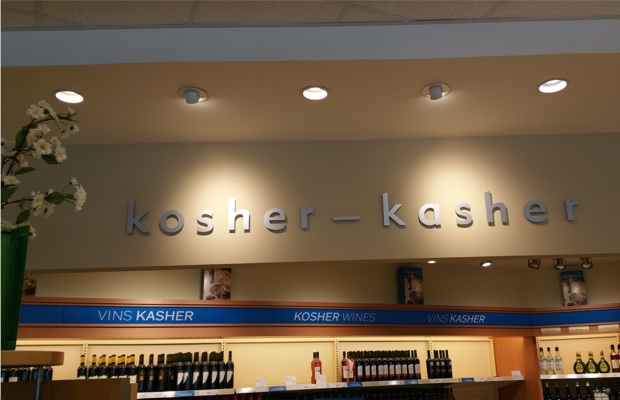
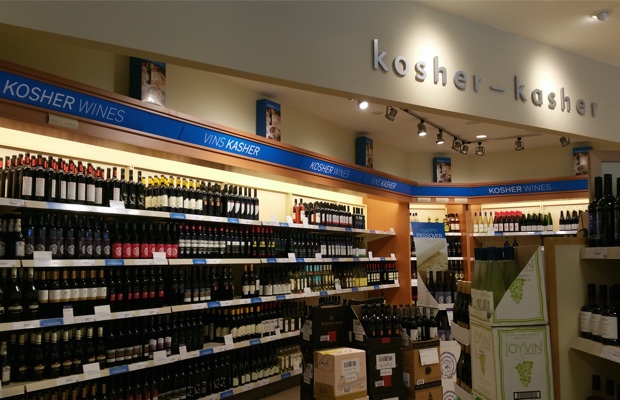
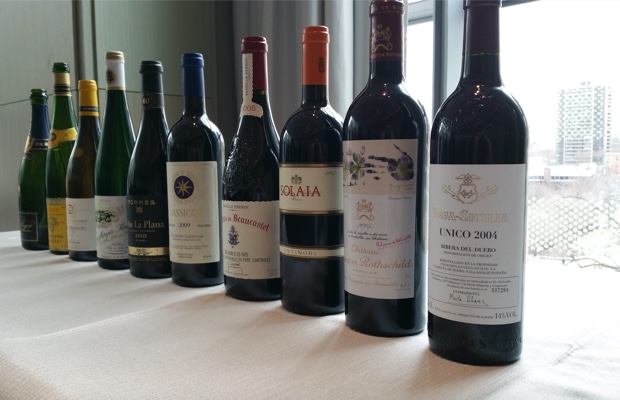
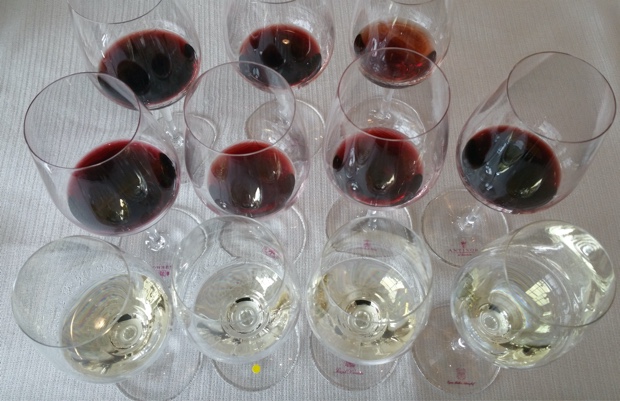
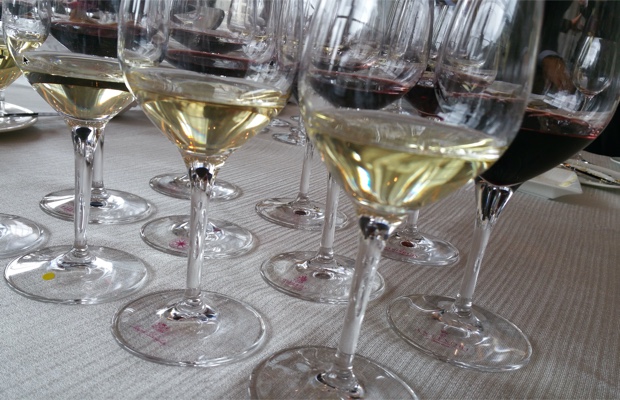
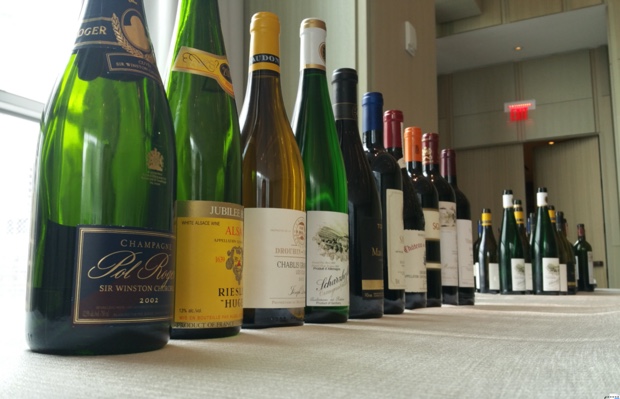
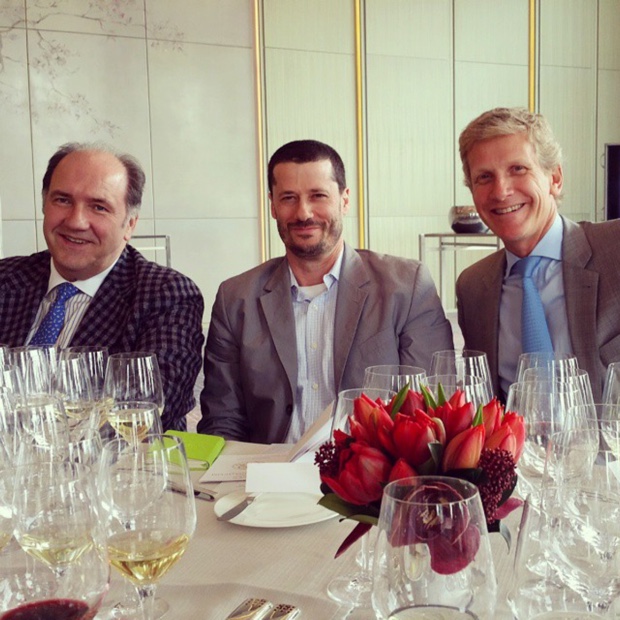
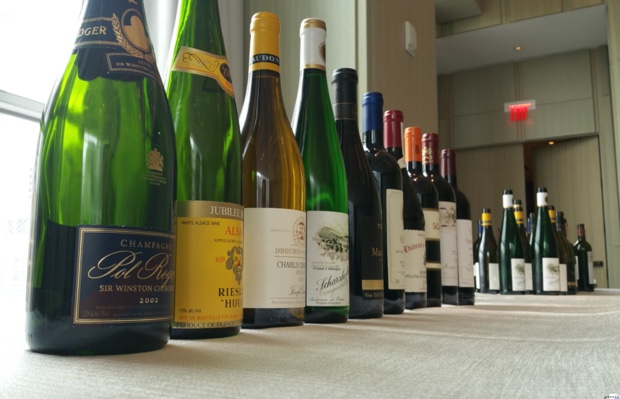
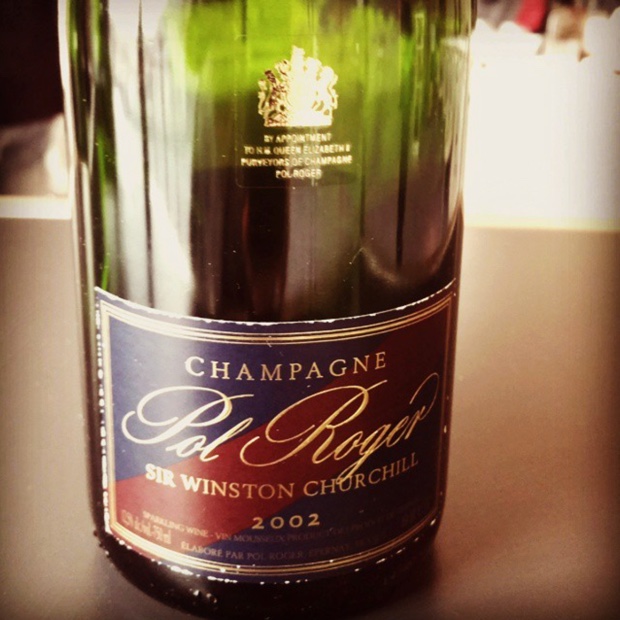
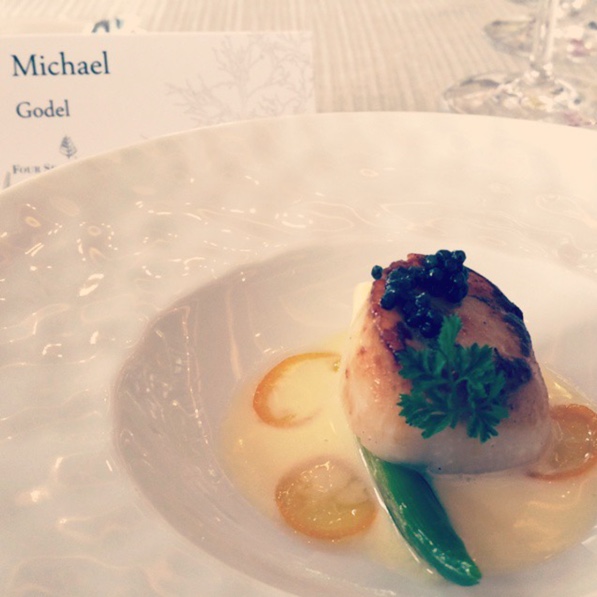
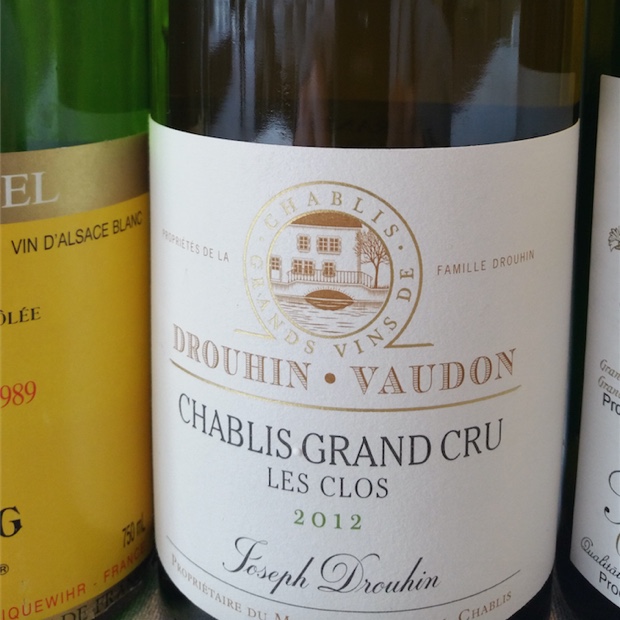
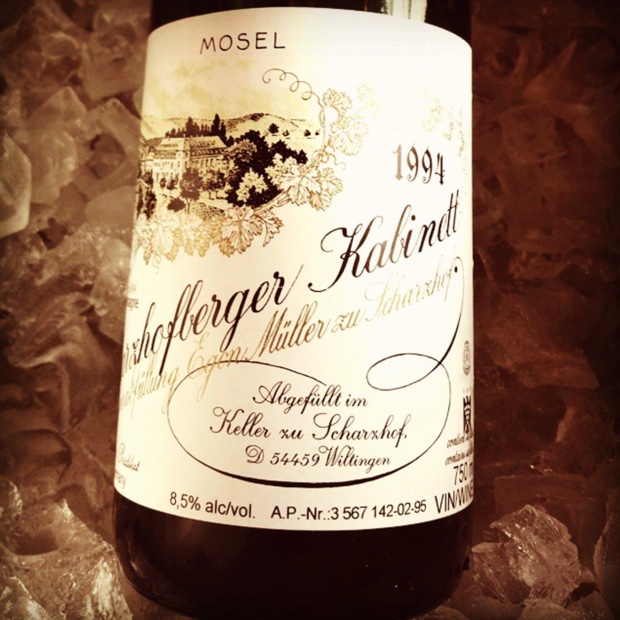


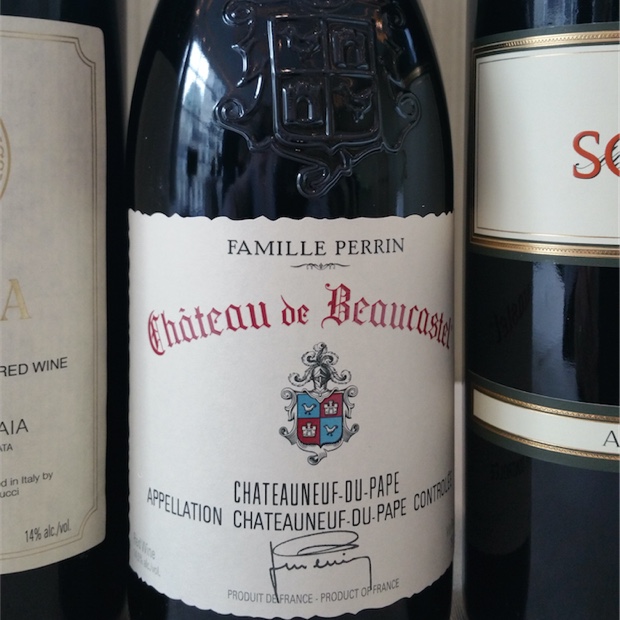
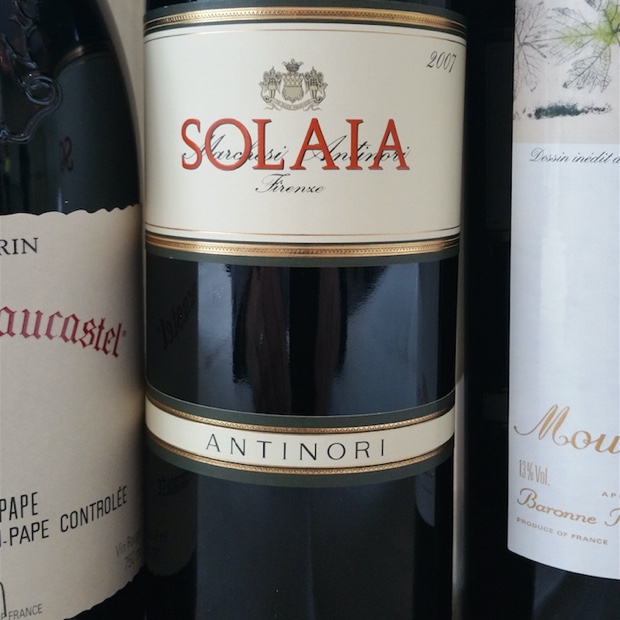
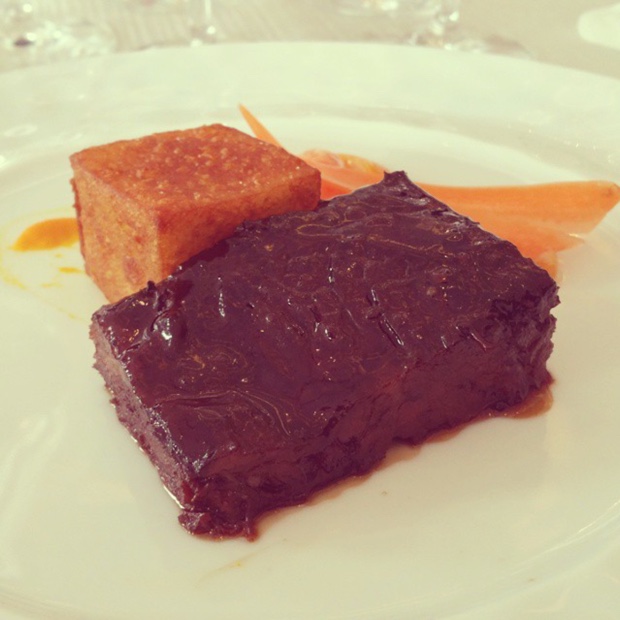
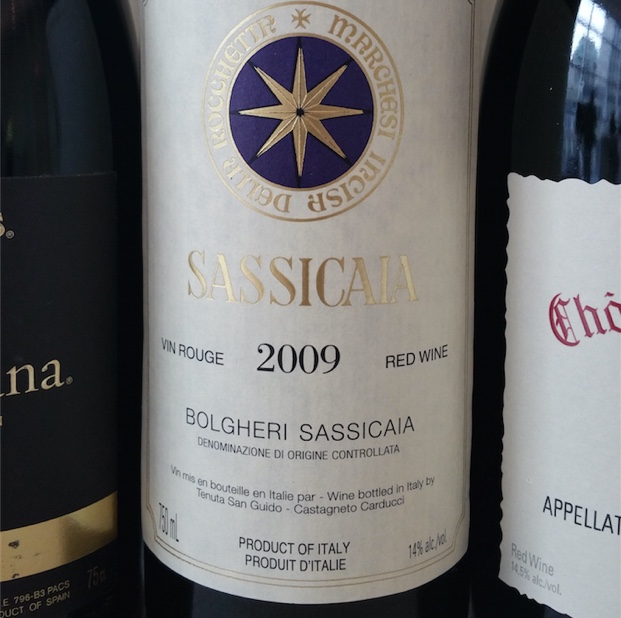
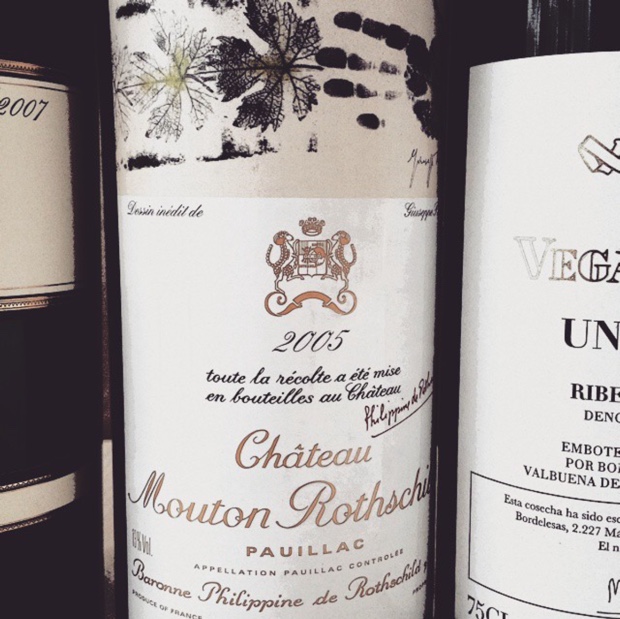


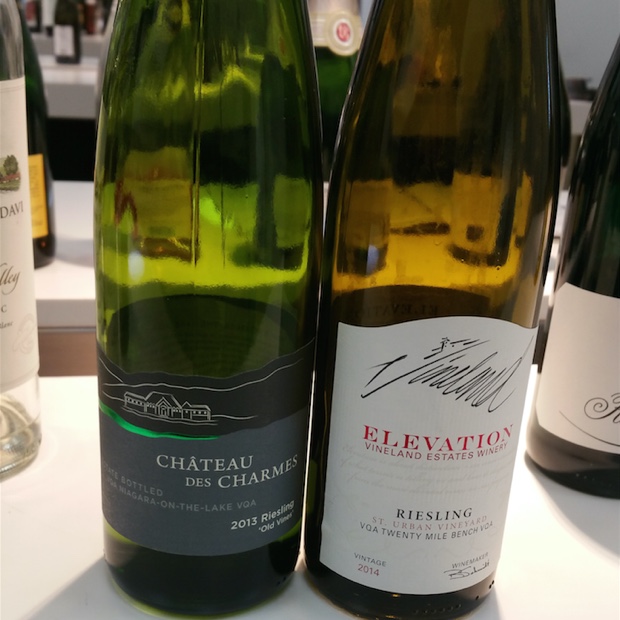
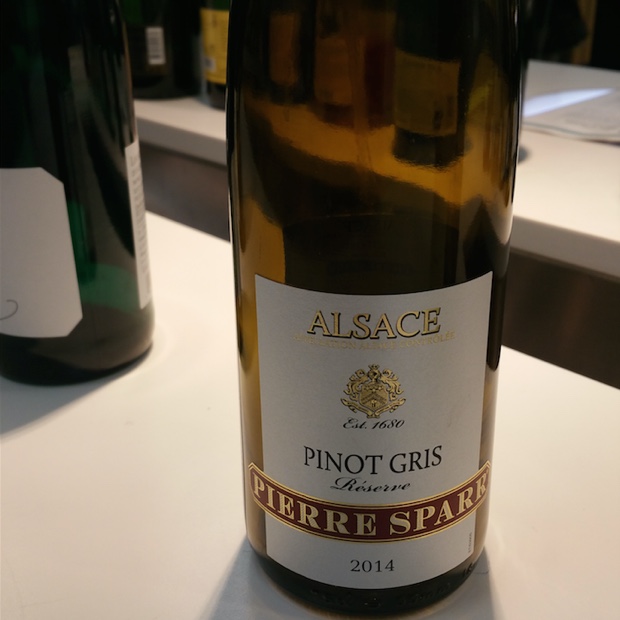

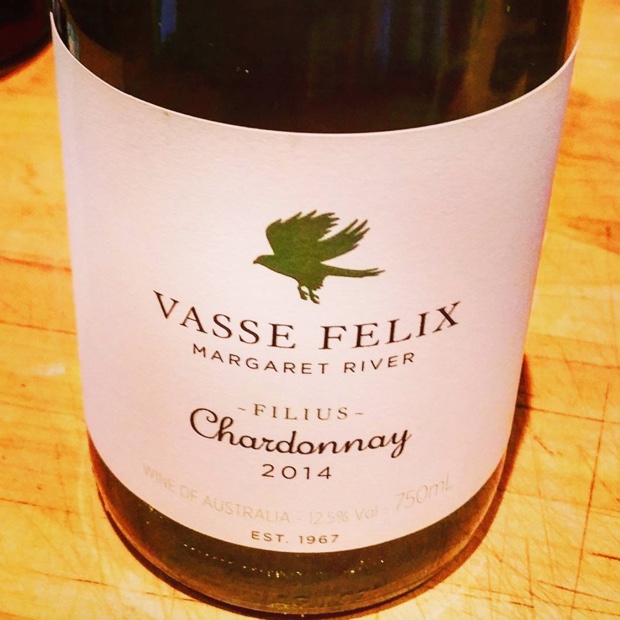
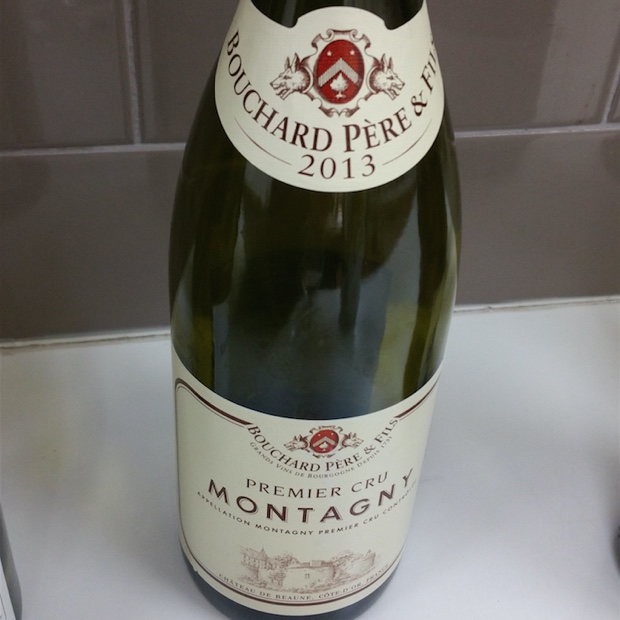

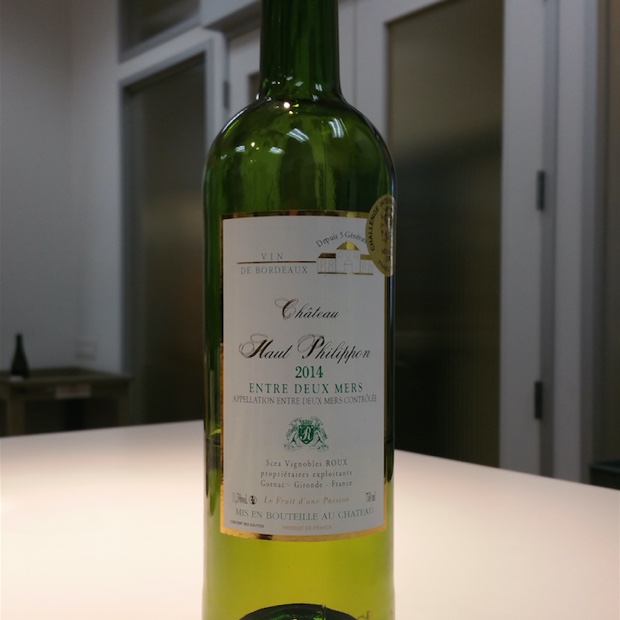


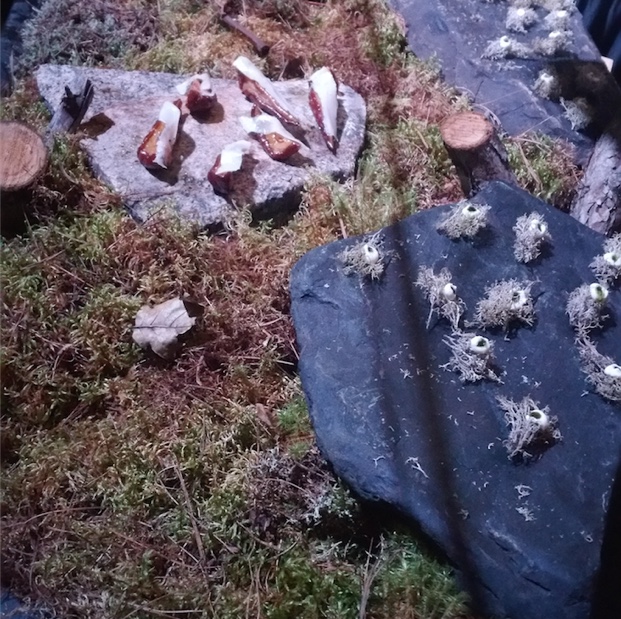

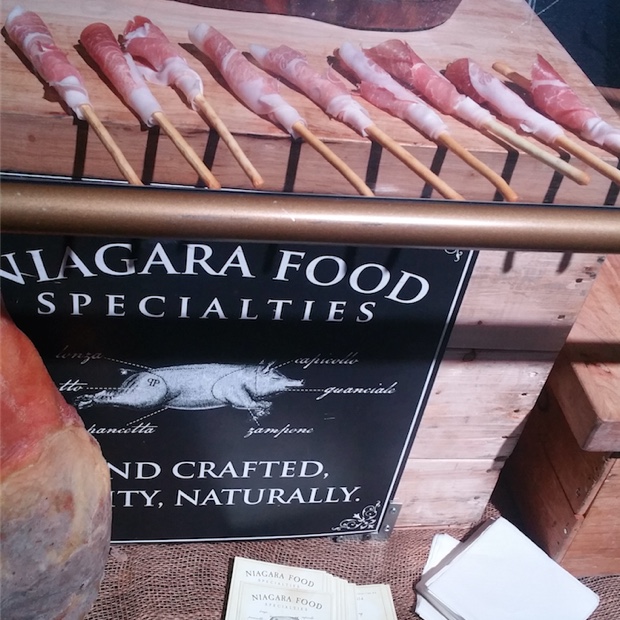


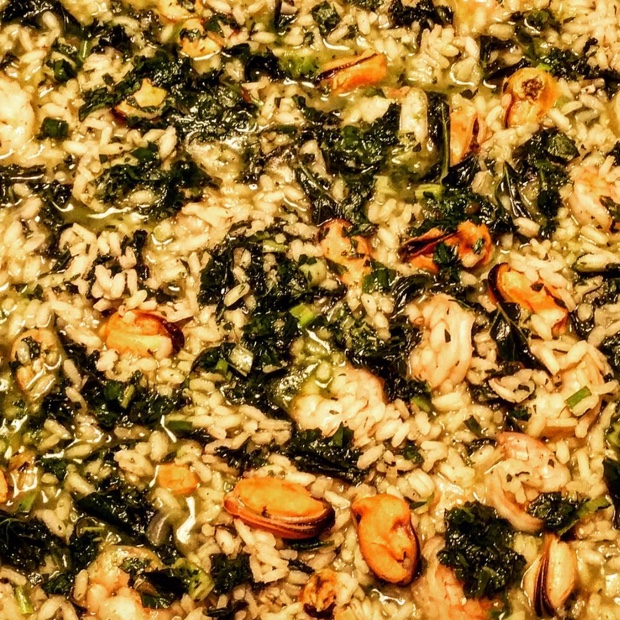
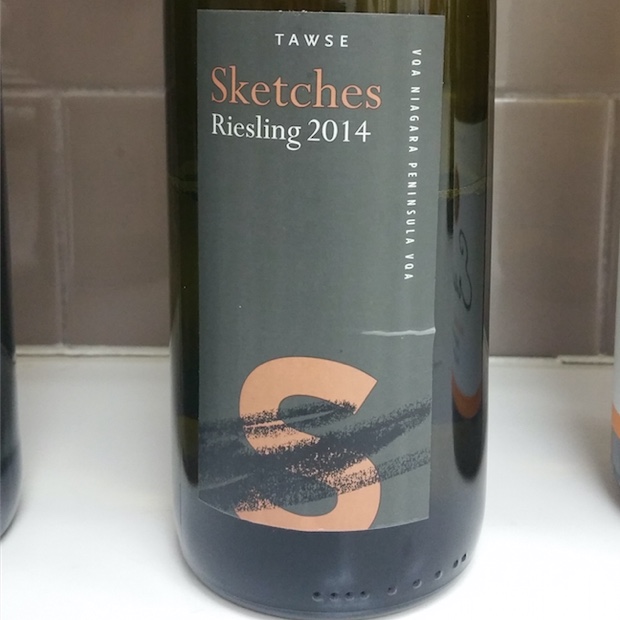
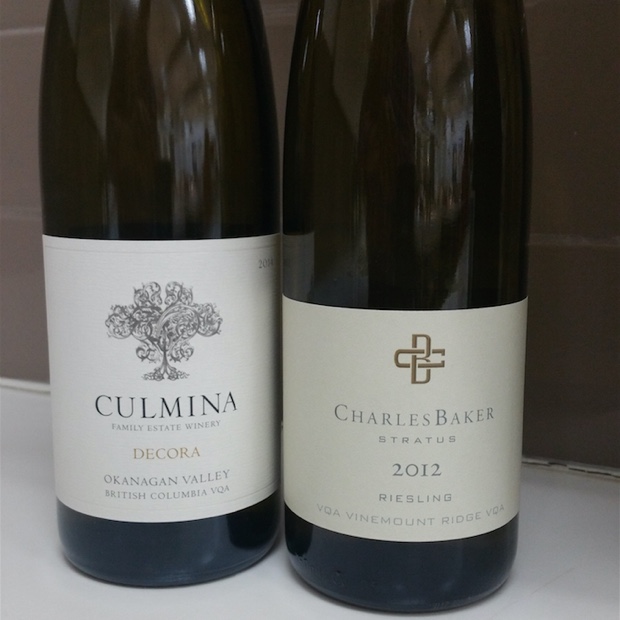
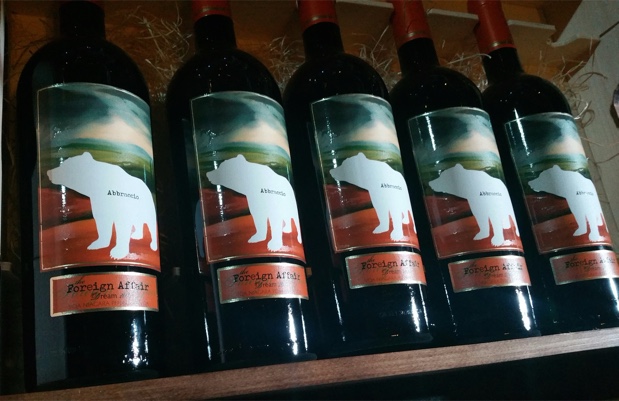
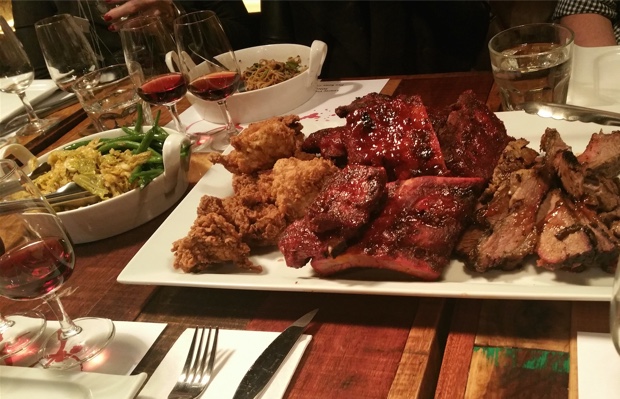
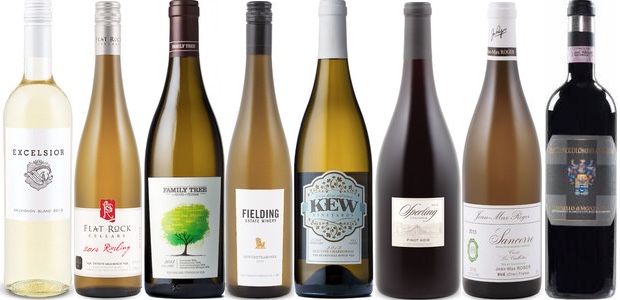
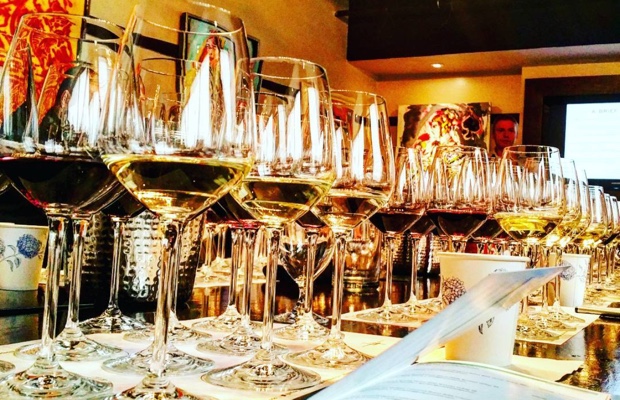
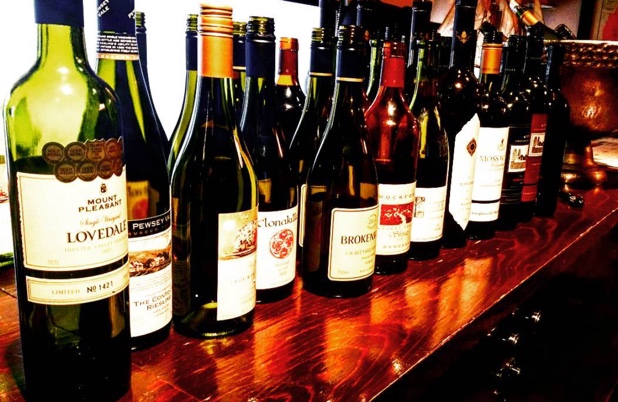
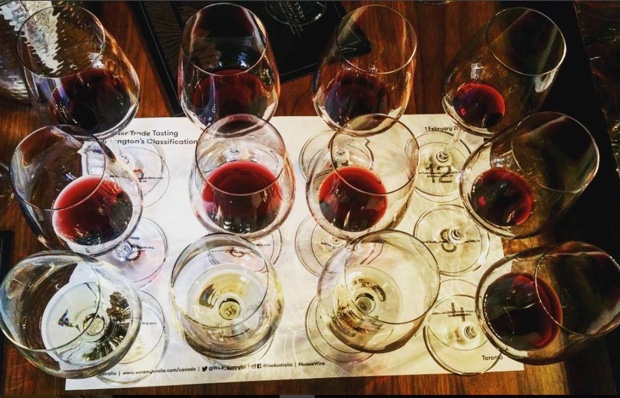

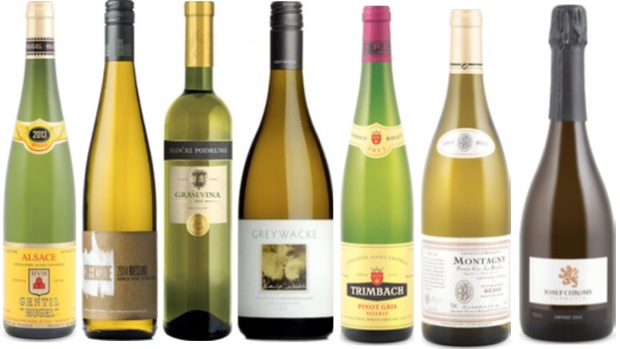




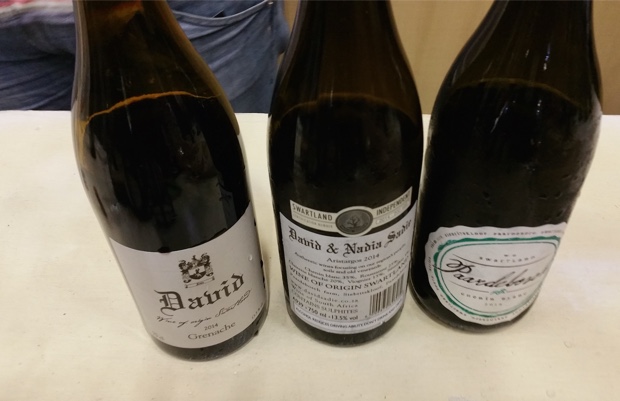


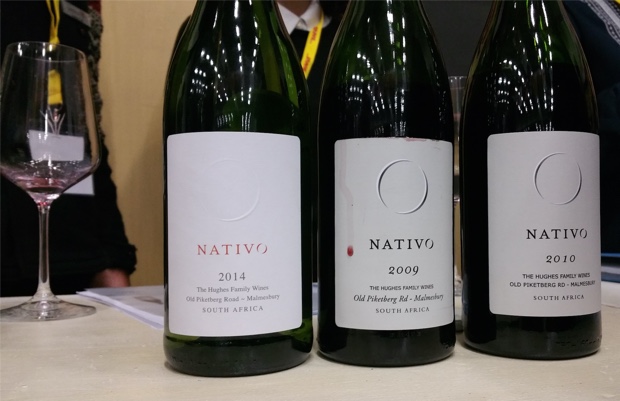


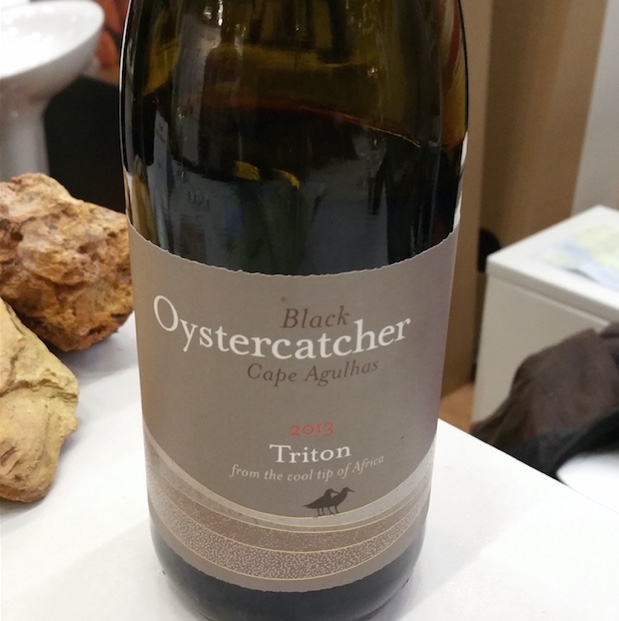



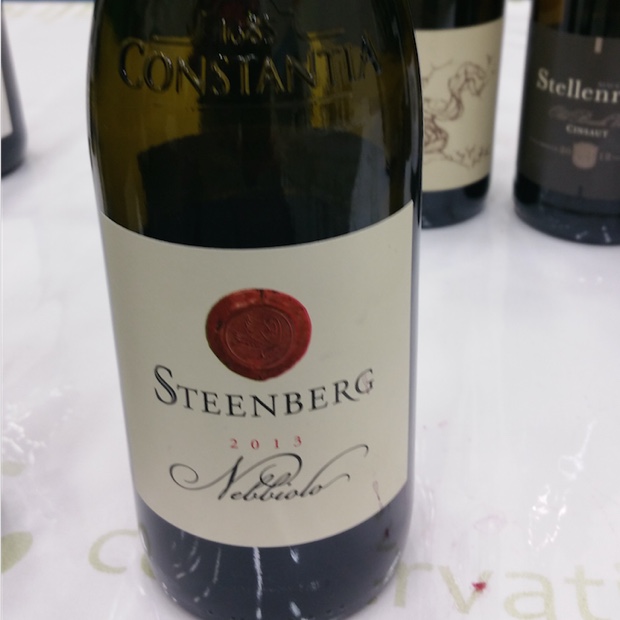
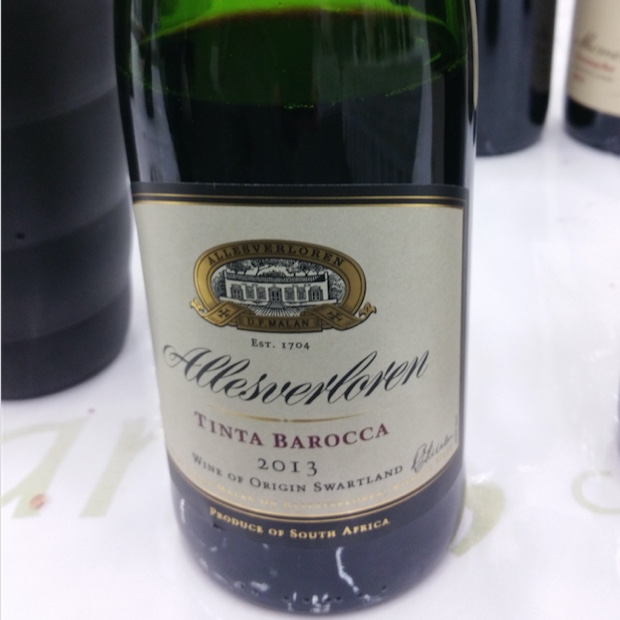


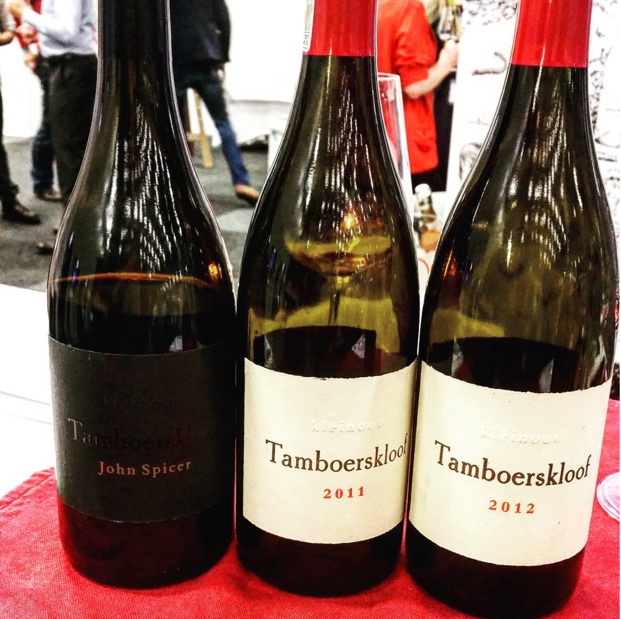


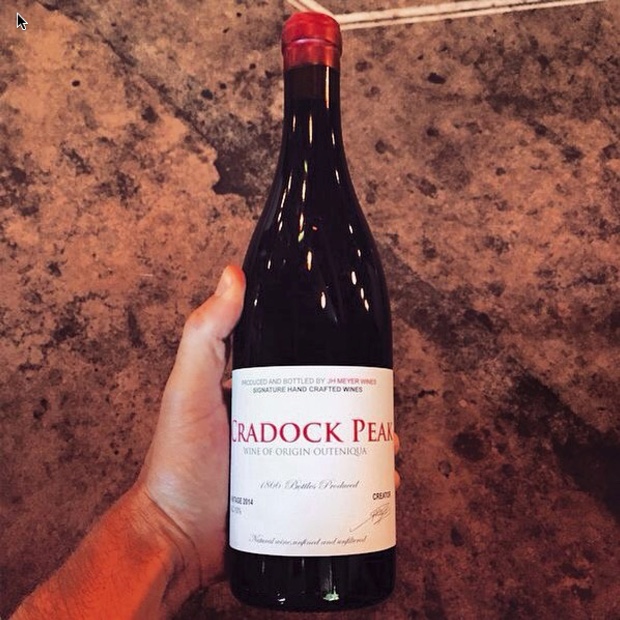
 Godello