Post ProWein tasting crawl trough the Ahr, Mosel, Nahe and Rheinhessen

In March of 2024 Godello reprised a Düsseldorf redux by attending the annual ProWein Wine Fair and then hitting the road for a three-day, four region transversal of German wine-growing regions. Prowein, Messe Düsseldorf and the German Wines Institute brought international journalists through the Ahr, Nahe, Mosel and Rheinhessen. The producers visited were Weingut J.J. Adeneuer (Bad Neuenahr-Ahrweiler); Weingut Forster (Rümmelsheim), Schlossgut Diel and Piri Naturel Christine Pieroth (Burg Layen) and Weingut Anette Closheim (Langenlonsheim); Four producers from Der Ring 1899, a.k.a. the Bernkasteler auction company hosted the group at Die Mosel Vinothek und Winebar, Traben-Trarbach; Weingut Franzen (Bremm), Weingut Walter (Briedel), Weingut Rebenhof (Hochheim am Main) and Weingut Erben Von Beulwitz (Mertesdorf); Last stop was with Weingut J. Neus (Ingelheim am Rhein) in Rheinhessen and finally the press tour concluded with a fascinating Rheinhessen tasting at the Ingelheim Vinothek, presented by Sommelier Shanna Reis. Special thank you goes out to Christiane Schorn, Senior Manager Press & PR, ProWein, Michael Mandel, Messe Düsseldorf and Carola Keller, Marketing Manager, German Wines (DWI). These are the estates, their makers and notes on a collective 80 wines tasted between the 12th and 14th of March.
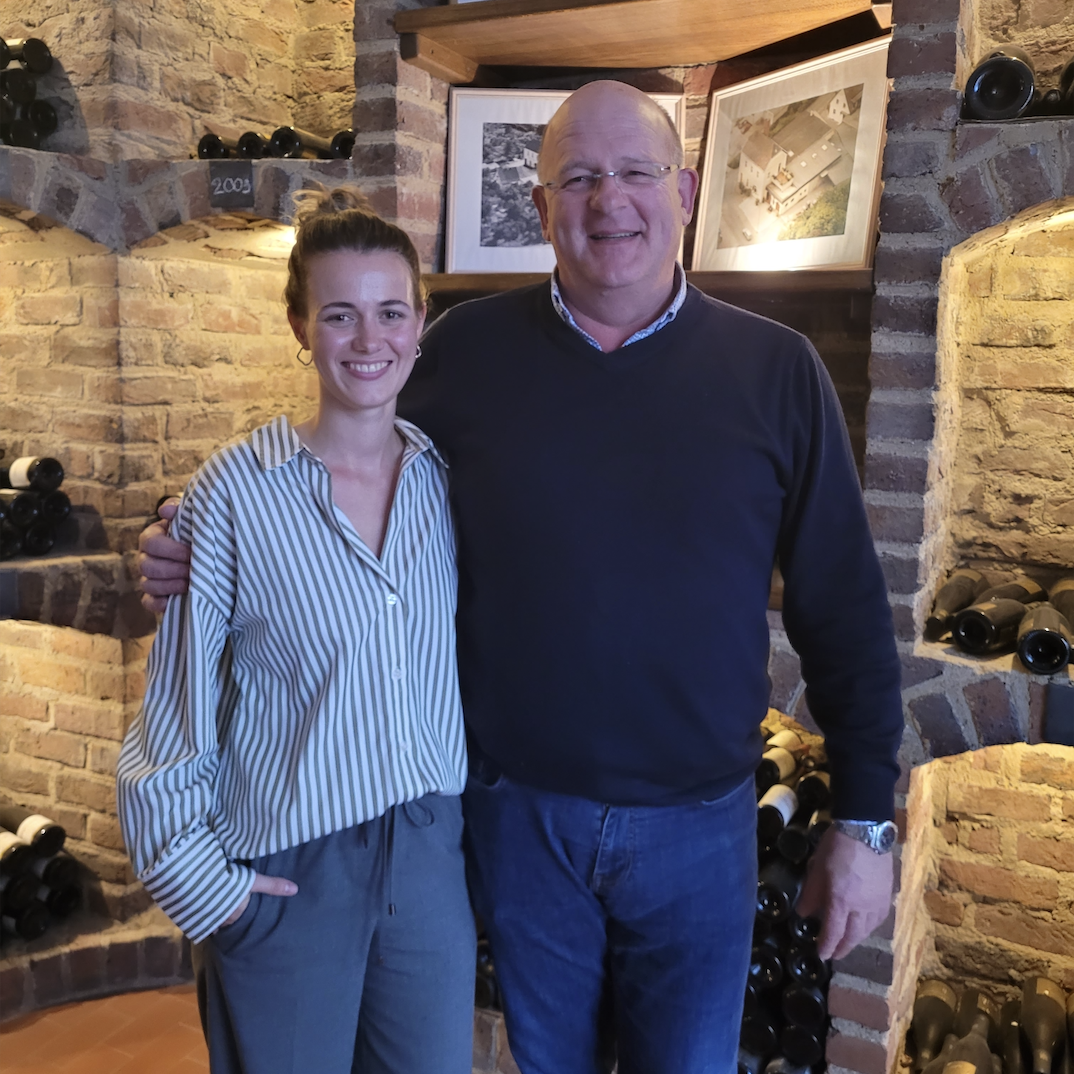
Marc Adeneuer with daughter Francisca – J.J. Adeneuer

Ahr Valley

Weingut J.J. Adeneuer –  Bad Neuenahr-Ahrweiler

Weingut J.J. Adeneuer Blanc De Noir Purist 2022, Ahr Valley

Saignée method Blanc de Noir, reduced from the Grosses Gewächs spätburgunder, finished at three g/L of RS. Simple, fresh and dry. Quite pure as Rosé with a mild pith bitters finish. Drink 2024-2025.  Tasted March 2024

Weingut J.J. Adeneuer Weissburgunder Purist 2022, Ahr Valley

Juts a month on the lees for pinot blanc, now a year in bottle, more about texture and mouthfeel than primary fruit. About as crisp and clean as it gets but again with a mild lime pith bitter finish, much like the Rosé. Length adds to the refreshment of the wine. Drink 2024-2025.  Tasted March 2024

Weingut J.J. Adeneuer Spätburgunder 2022, Ahr Valley

Mildly reductive and also a factor of Ahr Valley terroir, making pinot noir flinty and taut while still this youthful. As with all the Adeneuer pinots they all fall in at 13 percent alcohol, the wood factor only from Bourgogne forests and just 10 percent new. A mix of red berry fruit, more flint stone character and the faintest touch of red fruit but also almond bitters. Would never see this as jammy and chilling it down for maximum freshness is wholly encouraged. Drink 2024-2026.  Tasted March 2024
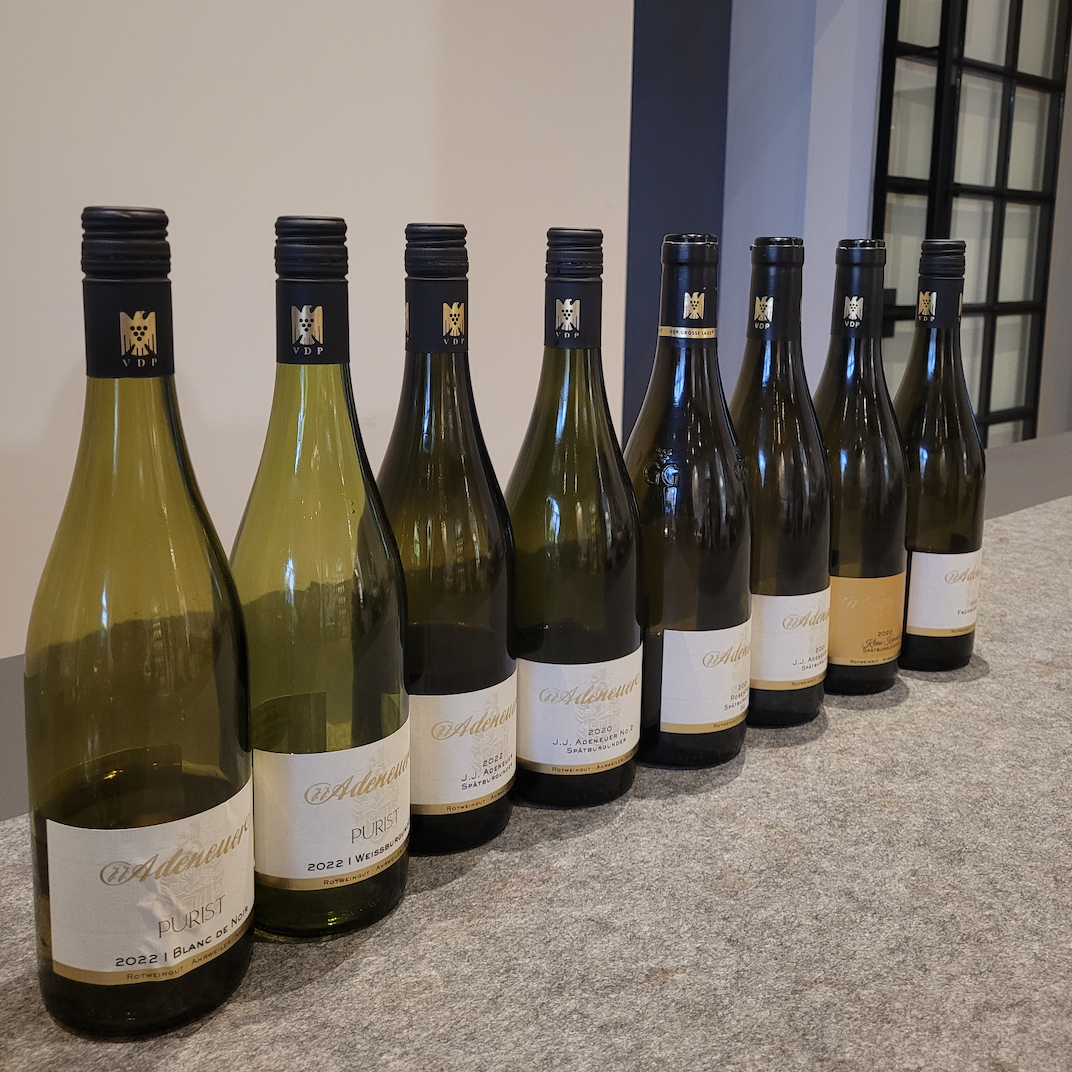
Weingut J.J. Adeneuer Spätburgunder No. 2 2020, Ahr Valley

A pinot noir from after the floods of 2021 and normally bottled after 12 months. Circumstances meant that after the barrels were saved the vintage had to remain in wood for 18 months, only able to be bottled after the clean-up. Caused the alcohol to finish at 13.5 percent instead of the usual 13 and there is more texture as a result. Feels like a bigger and creamier pinot noir with tang and more red berry plus a toastier quality than that of the coming ’21s and ‘22s. Drink 2024-2026.  Tasted March 2024

Weingut J.J. Adeneuer Spätburgunder No. 1 2021, Ahr Valley

A later harvest, two weeks later the 2018-2020 but also the flood vintage when on the night of July 14th and into the 15th the waters filled the cellars and basements plus halfway up the ground floor of the winery. The No. 1 always remains 18 months in barrel, fruit coming from the lower Ahr Valley vineyards in three villages. The soils are 60 percent volcanic rock and the basaltic reek is felt in palpable aromatic display. Much more lactic and blood red citrus style plus this porcine smokiness, like Speck bacon. More structure and only GG plots are used – three of them. Drink 2025-2029.  Tasted March 2024

Weingut J.J. Adeneuer Spätburgunder Kleine Kammer 2022, Ahr Valley

J.J. as in Johannes Josef (ancestor from the 18th century, dating to 1776). Kleine Kammer, meaning “small (fermentation) chamber.” This Adenauer pinot noir comes off of soils of only pure slate with sandy loam, the second choice from a GG site, a terraced plot measuring only 0.68 hectares in size. The rule in Germany for GG is such that you can’t use a site’s name twice, thus the fantasy name. Vines are 50-60 and 80-100 years of age with the younger vines giving fruit for this wine. Ages in 1,800 to 2,000L barrels, namely Taransaud. No real toast to speak of, nor new wood feels or bitters in any notable way. Classic slate example that expresses its terroir and since 1776 as a Monopole. from vines with deep roots that never see their berries get sunburnt. A beauty and grace about this, quite getable and with sneaky structure. Made with the Kastenholz clone, grandchild of a pinot noir original. Drink 2024-2028.  Tasted March 2024

Weingut J.J. Adeneuer Spätburgunder Rosenthal GG 2021, Ahr Valley

J.J. Adenauer is now Marc Adeneuer with daughter Francisca and together they farm 13 of 540 hectares in the region, third most from the fourth smallest region in Germany. A red wine specialist with 90 percent red grapes, mainly pinot noir while the rest is weissburgunder and now just starting with chardonnay. Basically a place where Bourgogne grapes thrive. Rosenthal is mainly sandy loam and graywacke soils to gift pinot noir with a purity, crispiness and liveliness. You simply will not find more fresh fruit purity from any of the other Adeneuer pinot noirs. Comes from 2.5 hectares in the GG vineyard and the acid structure here is sensational – the catalyst and reason why this will age longer and slower than the other wines. This was the flood vintage too so kudos to the estate for sticking with it and creating this delight of a pinot noir. Drink 2025-2031.  Tasted March 2024

Weingut J.J. Adeneuer Frühburgunder 2022, Ahr Valley

Varietal frühburgunder, fresh and clean, clean, clean. Floral, without musculature, gamay like and though labeled at 13 per cent it’s really 12.7. Chill this and put away the serious talk. More than go gamay go – it’s fly frühburgunder fly. Approximately 1,500 bottles produced (plus 500 of the GG). Drink 2024-2025.  Tasted March 2024
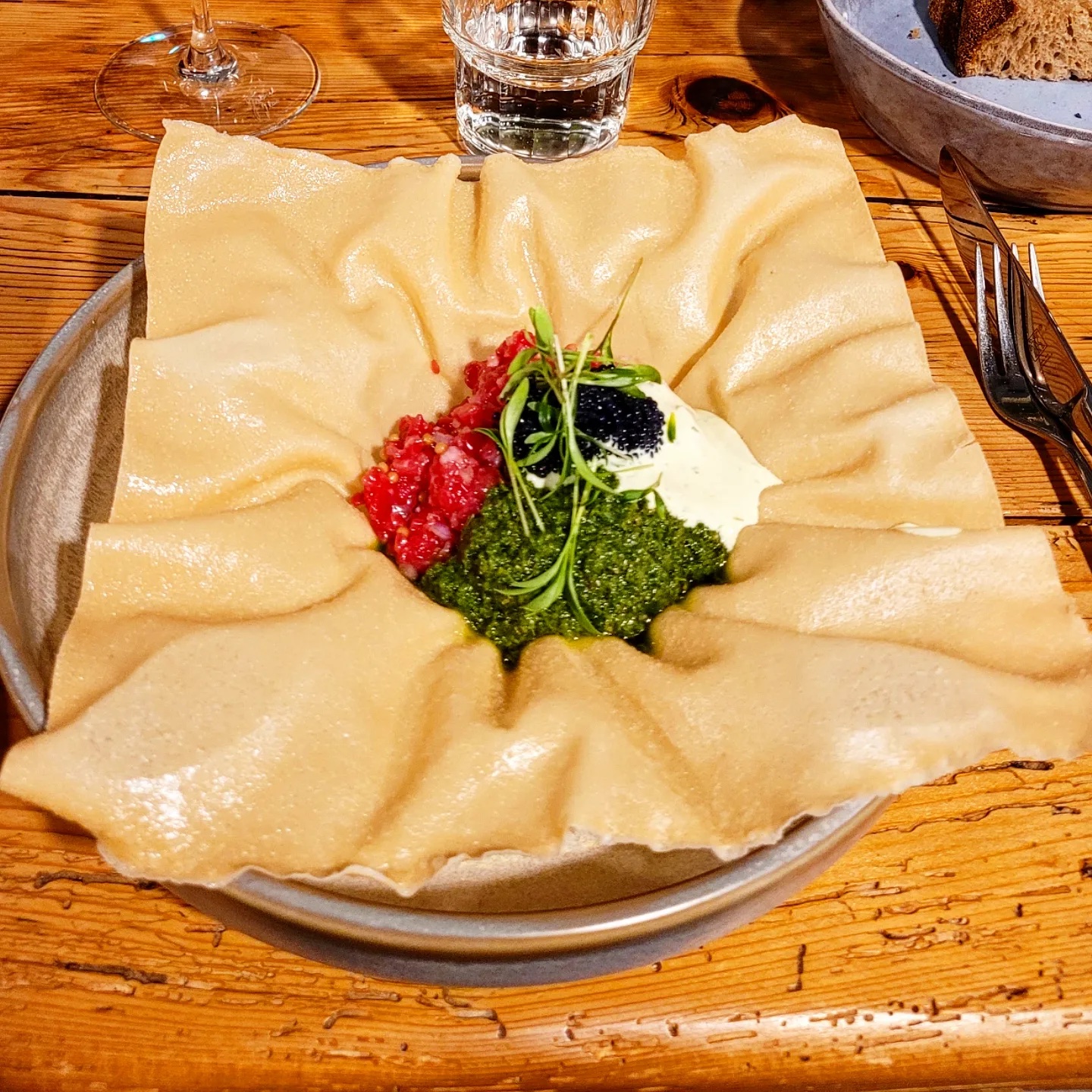
Beef Tartar – Kräter Sauce, Pinienkerne, Koriander, Chips – Die Mosel Vinothek und Winebar, Traben-Trarbach

Mosel

Der Ring 1899 at Die Mosel Vinothek und Winebar, Traben-Trarbach

Weingut Franzen – Bremm

Weingut Franzen Riesling Der Sommer War Sehr Groß 2022, Gutsweine, Mosel

A dry Mosel riesling which means 10.2 g/L of RS, 7.3 TA and finished at 11 percent alcohol. “Winegrowing on a razor’s edge” for a riesling “summer project” begun in 2011, “a cuvée that presents the cross-section of our vineyards and combines all the advantages of the individual locations in one wine.” Spontaneous ferment, as with all the wines, not far from Cochem where the steepest vineyard in Europe slopes to 68 degrees. A riesling of what feels like crazy conversion rates coming from red slates and seasoned with many spices. You would literally have no idea there is any sugar in this wine and the length is exceptional. Drink 2024-2027.  Tasted March 2024

Weingut Franzen Riesling Bremmer Calmont Großes Gewächs 2022, Lagenweine, Mosel

Bremmer Calmont delivers far more spice and power than the Franzen blend, here off of pure slate on a 65-degree slope which happens to be one of the steepest vineyards in Europe. Calmont is about as dry as riesling gets and its scintillant-mineral quality delivers true Großes Gewächs distinction. Extreme aridity perceived matched by intense sapidity that only this specific Mosel red slate provides. A riesling of trenchant intention, compact and stone cold concentrated. Serious wine. Drink 2024-2029.  Tasted March 2024
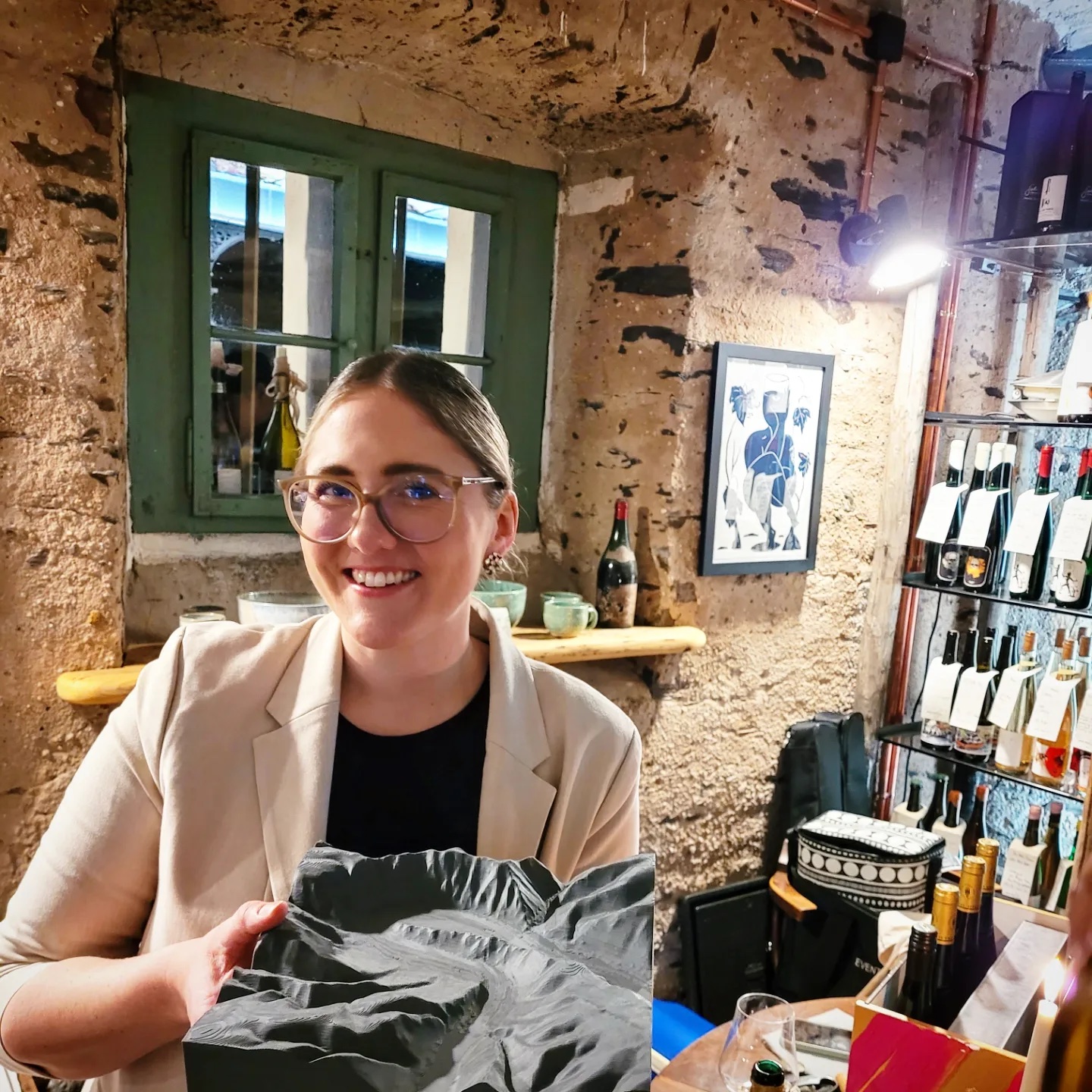
Angelina Franzen – Weingut Franzen

Weingut Franzen Riesling Calmont Trocken 2021, Lagenweine, Mosel

Dry riesling from the steepest 65 degree vineyard of oxidized red Devonian slate and quartzite raised only in steel. The specs are 8.5 g/L of residual sugar matched by 7.6 g/L of acidity with 11.0 percent alcohol and as far as vintages are concerned this would be one to really age. Namely because of palate density but also because the acidity is as fine and finessed as it gets for this composition. May not pierce your riesling heart, or soul but it will age well. Drink 2024-2030.  Tasted March 2024

Weingut Franzen Riesling Fachkaul Großes Gewächs 2020, Große Lagen, Mosel

Fachkaul is the parcel which forms a kind of mini-amphitheater-shaped bowl where at the end of the 1990s Kilian Franzen’s father Ulrich restored and replanted the vines. The epitome of Killian and Angelina’s story, a Calmont tale fraught with adversity, challenges and heartache, but this small (1.6-ish hectare) plot means everything. Mineral that matters, red slate and the steepest slope where all that is important, essential and profound result in singular riesling. Not quite as dry as the Bremmer but higher in acid, more stark, expletive and magical. Sapid lime intensity, long, significant, precise, consequential and just recently bottled in January. Drink 2025-2032.  Tasted March 2024
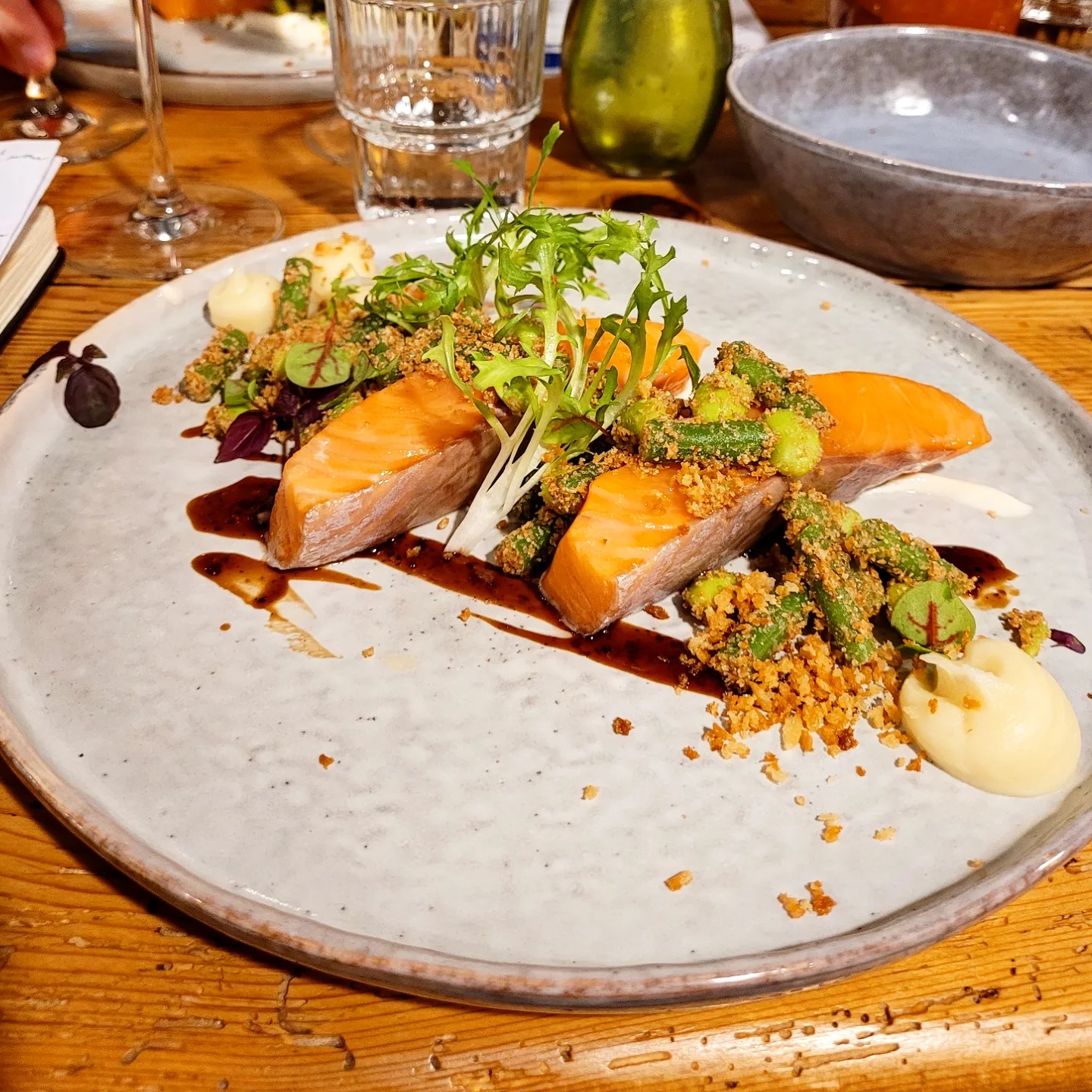
Lachs – Tofu Puree, Edamame, Bohnen, Dijon Sauce – Die Mosel Vinothek und Winebar, Traben-Trarbach

Weingut Franzen Riesling Fachkaul Großes Gewächs 2017, Große Lagen, Mosel

In a perfect place at this six to seven year stage, from one of the warmest seasons with lots of rain at harvest. Picking began in the second week of September and required many passes in the vineyard with a stringent selection to create (an overall) 15 skus for 11 hectares. The work of Killian and Angelina, students from Geisenheim who began this journey of family necessity at the ages of 23 and 20. A softer Fachkaul but that is the maturity speaking for riesling of a sapid tug on red slate, one and a half hectare mineral-varietal heartstrings. Quite remarkable and with three great years still laid out ahead. Drink 2024-2027.  Tasted March 2024

Weingut Franzen Riesling Sterneberg Großes Gewächs 2020, Große Lagen, Mosel

Killian and Angelina Franzen’s best plot in the Neefer Frauenberg is called Sterneberg. Vines were planted in 1938 on grey slate for a different, next level mineral quality and quotient for Mosel riesling. These are own-rooted vines, old, experienced and wise, their resulting dry wine coming away like the desert because sugar and acids near-equal come together seamlessly. The most viscosity and texture of the Franzen rieslings, from a hot vintage and so concentration, unctuousness, flesh, pulp and glissade are all at peak performance. Glorious and confident, outspoken but only to make sure we understand its origins and Franzen abides by its voice. Drink 2024-2033.  Tasted March 2024

Gerrit Walter and Angelina Franzen

Weingut Walter – Briedel

Weingut Walter Riesling Trocken 2022, Gutsweine, Mosel

From Briedel, next village out of this tight turn in the Mosel from Pünderich where Clemens Busch farms their riesling. The Walter Trocken is just 6.5 g/L of residual sugar pretty much hidden by 6.9 of TA. Six to eight hours of skin contact for a phenolic, taut, lime doused example off of the grey slate of the Briedel Vineyard. Solid effort and notably modern. Drink 2024-2025.  Tasted March 2024

Weingut Walter Riesling Feinherb Briedeler 2022, Ortsweine, Mosel

Villages quality wine from Briedel, not as dry as the Trocken with three times the residual sugar, here at 10 g/L. A floral-herbal expression, fresh, light and modular. The acidity functions to make the malleable wine travel to the back palate and structure is formed because of this movement and interaction. Very well made Feinherb style by Gerrit Walter for simple pleasure, especially with a piece of cheese or beef tartare with pine nuts and a high acid mustard sauce . Drink 2024-2026.  Tasted March 2024
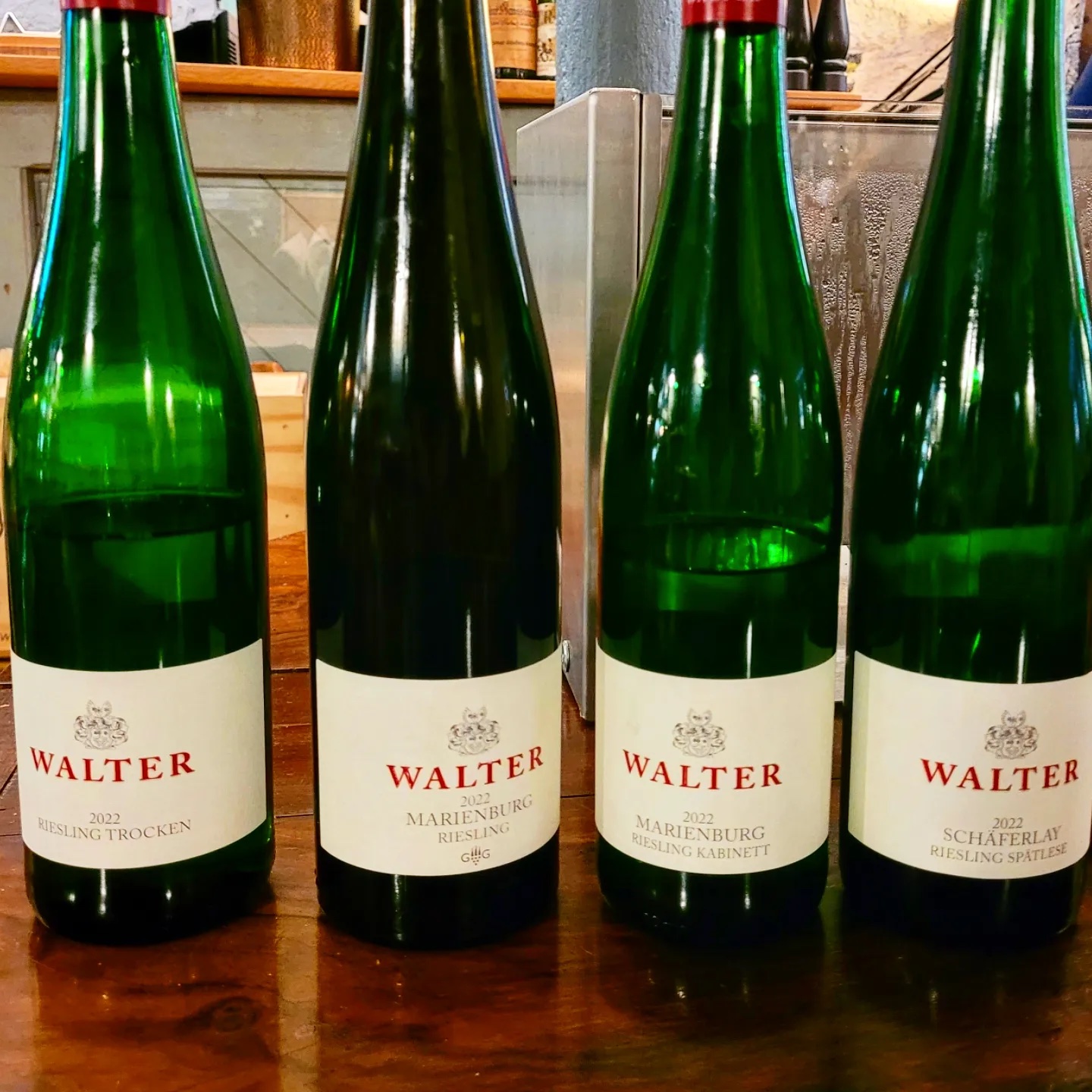
Weingut Walter Riesling Pünderricher Marienburg Großes Gewächs 2022, Mosel

Gerrit Walter is the next generation producer of this GG riesling out of Briedel’s grey slate vineyard. Sees a longer maceration of 12-15 hours, comes away super dry (3.1 g/L), matches the Trocken’s acidity and finishes at a Mosel high 12.6 per cent alcohol. This is not about fruit but rather the type of mineral focus that comes from Marienburg, with increased seasoning, spice, elements and tonic-edgy florals, though it is not the most phenolic of rieslings. Cracker example, truly dry and in command of the palate. Drink 2024-2028.  Tasted March 2024

Weingut Walter Riesling Kabinett Pünderricher Marienburg 2022, Lagenweine, Mosel

One of two recognizable styes of riesling made by Gerrit Walter to carry on with Mosel tradition even while he and many young generation winemakers are turning to drier and drier. This from an early harvest resulting in 45 g/L of residual sugar, far from searing 8.0 TA and low-ish alcohol at 8.6 percent. There is more fruit here in a light, refreshing yet in its own way also intense style that the estate has been making for 10 years. “Kabinett means light, vibrant and elegant,” explains Gerrit and his Pünderricher is without any real skin contact, but the tangerine-orange peel aroma really kicks things off. The length is indeed outstanding. Drink 2024-2029.  Tasted March 2024

Weingut Walter Riesling Kabinett Marienburg 2016, Lagenweine, Mosel

When talking about his 2022 Pünderricher from Marienburg Gerrit Walter noted that “Kabinett means light, vibrant and elegant,” three things this 2016 most surely had been. Not anymore because age has exaggerated the aromas if also softened the palate flavours. This divergence has resulted in maturity and a dispersion of parity. There is some interest for this fine if past prime look at a Marienburg riesling.  Tasted March 2024

Weingut Walter Riesling Spätlese Briedeler Schäferlay 2022, Lagenweine, Mosel
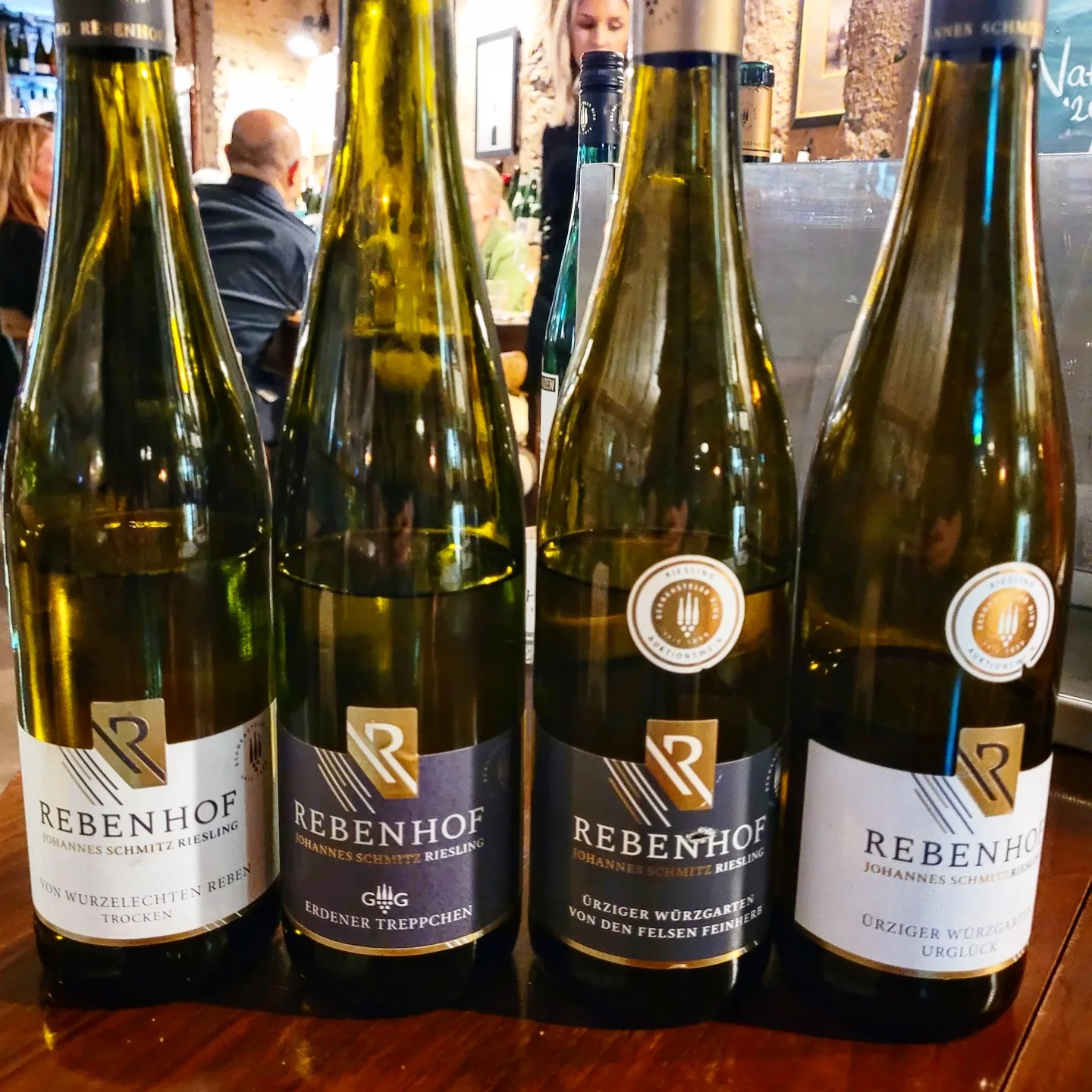
No botrytis came about for Walter’s late harvest riesling with 63.2 g/L of RS, higher 9.3 at TA and 8.6 percent alcohol. Elegant, concentrated and optimum if unassuming ripeness for this lime cordial, mineral salts and cracker acidity style. In fact the blade swipe makes for an intensely serious and stood up to be counted riesling that demands attention. Serious but as mentioned also elegant which is a very good combination. Drink 2025-2031.  Tasted March 2024

Weingut Rebenhof – Hochheim am Main

Weingut Rebenhof Riesling Kabinett Trocken Ürziger Würzgarten Von Wurzelechten Reben 2022, Hochheim am Main

Ürzig is a village in the Bernkastel district of the Mosel and the Ürziger (vineyard) is a place of red slate, often lending a spicy or salty character to the riesling grown there. Wurzelechten basically means “own or unrooted,” a significant case because there are between 50-60 hectares of un-grafted vines in all of Germany, about half of them planted between 1910 and 1935. Topsoil must exist over stoney soils for Phylloxera to attack and the slate in this part of the Mosel is not one of those locations. Rebenhof’s Kabinett is the truest form of Trocken and one of the zestiest you are ever likely to encounter. Matching sugar and acidity numbers create the equilibrium, both at 6.8 g/L with alcohol right there in the median sweet spot at 11 percent. Tons of lime, mostly zest and the intensity never relents. Still there is a fulsome aspect and so time should soften the attack and coax out some flesh. Unique riesling in any case. Drink 2025-2029.  Tasted March 2024

Weingut Rebenhof Riesling Großes Gewächs Auktionswein Erdener Treppchen 2020, Hochheim am Main

A riesling with the Auktionswein classification which means it its part of the Bernkasteler Ring E.V., which is the oldest wine auction company in Germany. A Großes Gewächs (a mark of quality by top producers from best sites making dry wines) from the iron-rich, red slate soils of the Erdener Treppchen (village of Erden in the Mosel’s Bernkastel area). The 2020 is a wine of dichotomies, still on the dry side but with elevated numbers as compared to the Ürziger. Here riesling is at once salty but the acid presence (as a quotient of this vineyard’s minerals) creates an opposing sense of sapidity. Diversity from start to finish, a wine of waves and oscillations, multifold mineral movements and a gelid texture to the palate. Higher alcohol contributes to the elevated weight. Drink 2024-2028.  Tasted March 2024

Weingut Rebenhof Riesling Spätlese Ürziger Würzgarten Von den Felsen 2018, Hochheim am Main

A new style of Spätlese riesling, well ahead of its time from 2018 out of the Ürziger Würzgarten with just a bit more than one-third of the residual sugar of the Kabinett. Here at 29.5 g/L and higher alcohol (11.0 percent) than might have been thought. This modern approach makes for a sapid riesling despite the sweetness, quite phenolic, ripe and grippy, rich and creamy yet intensely mineral. A lime cordial meets sherbet style with backbone, attitude and potential. Drink 2025-2031.  Tasted March 2024
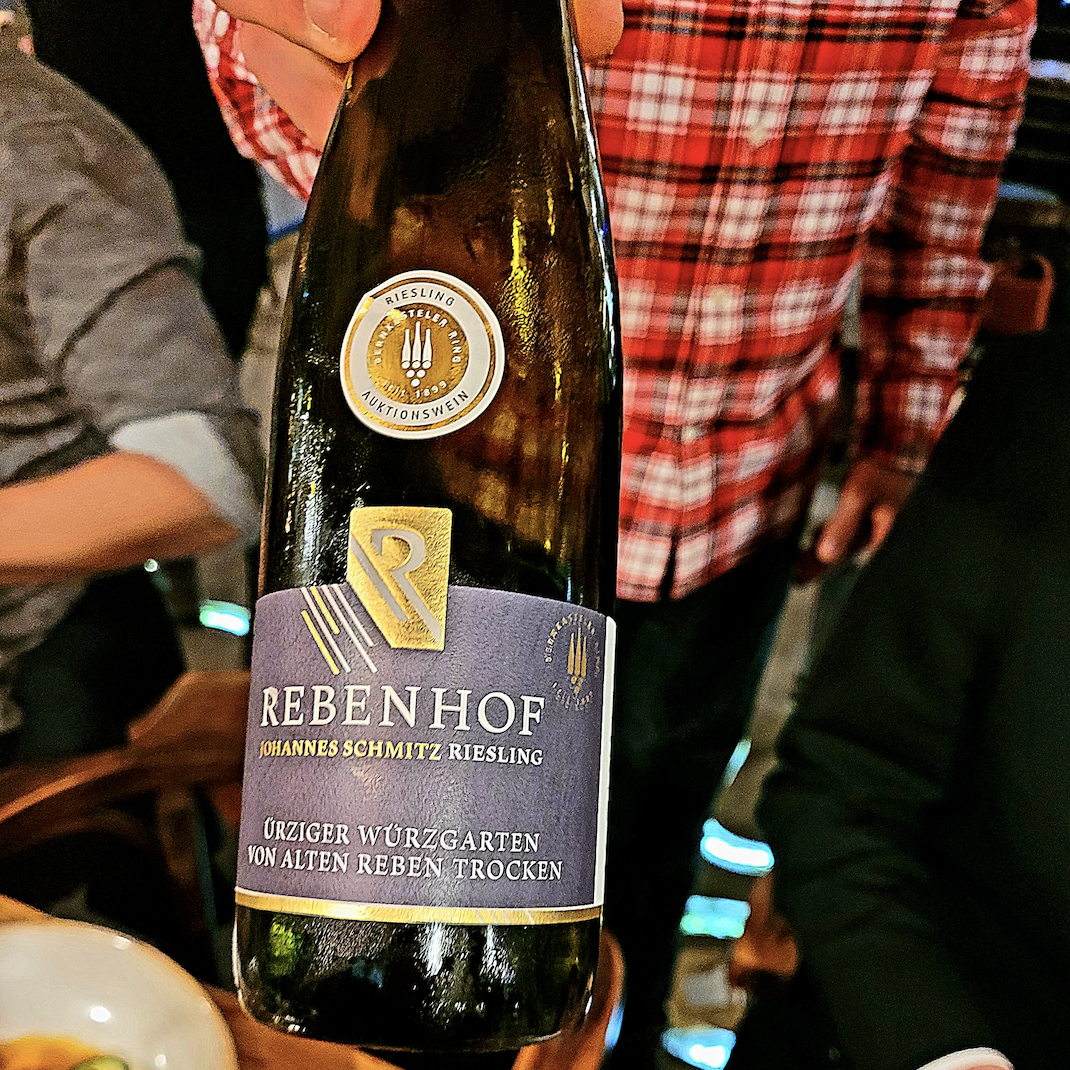
Weingut Rebenhof Riesling Kabinett Auktionswein Ürziger Würzgarten Urglück 2022, Hochheim am Main

Fabulous nose with exceptional aromatics mark the entry of this very sweet riesling made in a singular Kabinett style. A riesling of nectarine and peach stone, creamy like the Spätlese but more bodied and emulsified as texture with acidity really buoying the fruit. The method, application and intention might suggest a challenge but Rebenhof does their best work when sugars are elevated because that is how they see riesling and its capabilities. Drink 2024-2030.  Tasted March 2024

Charlie and Caroline Weis – Weingut Erben Von Beulwitz

Weingut Erben Von Beulwitz – Mertesdorf

Weingut Erben Von Beulwitz Riesling Kaseler Nies’chen No. 15 Im Steingarten 2023, Mertesdorf, Mosel

Caroline Weis describes the steep and exposed Nies’chen vineyard as the “mountain,” an extreme and specific Steingarten site with blue slate and sparse stony topsoil. It is anything but a “garden” of a vineyard to farm. Labeled Trocken and while anything but severely dry it is the intensity of this riesling’s acidity that plays tricks upon both the nose and palate. The TA is in fact higher (at 7.9) than the sugar (at 7.5 g/L). The new (and local) winemaker Phillip Steffes likes this style, more open than rigid and definitely sapid without any gratuitous generosity. Drink 2024-2027.  Tasted March 2024

Weingut Erben Von Beulwitz Riesling Großes Gewächs Trocken Mertesdorfer Herrenberg No. 14 2022, Mertesdorf, Mosel

As with the Nies’chen there is slate in the topsoil of the Mertesdorfer (Mertesdorf Village) Herrenberg but more blue on the lower slope, as opposed to black at the “mountain” top. Also a dry riesling though even more so (at 5.5 g/L) in this Großes Gewächs edition with an acidity number (at 6.7) that dominates to make this feel like one of the most arid Mosel rieslings around. A modern and modish take that commands attention, broadens the mouthfeel and so that fruit-mineral swirl becomes one of serious breadth. A credible example with acidity that is not sharp, but certainly powerful, impeccable balance and high level age-worthiness in the Trocken idiom. Drink 2025-2032.  Tasted March 2024
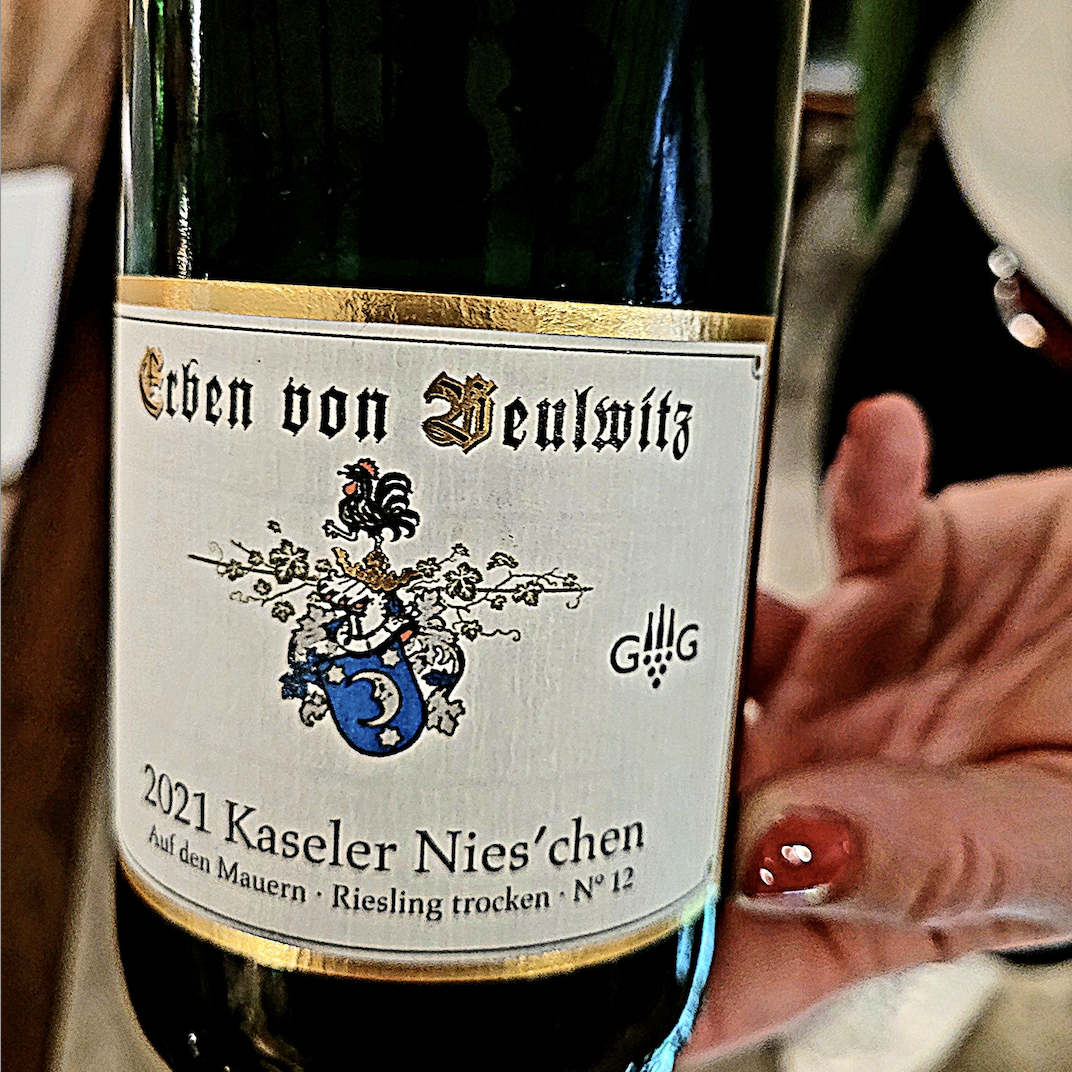
Weingut Erben Von Beulwitz Riesling Großes Gewächs Trocken Kaseler Nies’chen No. 12 Auf Den Nauern 2021, Mertesdorf, Mosel

Auf Den Mauern is a 60 percent steepness portion of the Nies’chen Vineyard and considered to be the most important riesling section where high slate walls support the slope. Though this does come across as dry there is more sugar (at 8.6 g/L) and also acidity (7.2) as compared to the Herrenberg. What stands out now is the saltiness in a way only this riesling from Erben Von Beulwitz is want to show. A different expression results, also because it’s still young, reductive and yet to open. Caroline Weis notes its 10-year potential and truth be told there will be two more years of waiting before any significant changes begin to occur. It could be suggested to open bottles at the 2,4, 6, 8, 10 and 12 year marks to see the evolution. It was a rainy summer of 2021 in this part of the Mosel and so things slows down for riesling. Drink 2026-2034.  Tasted March 2024
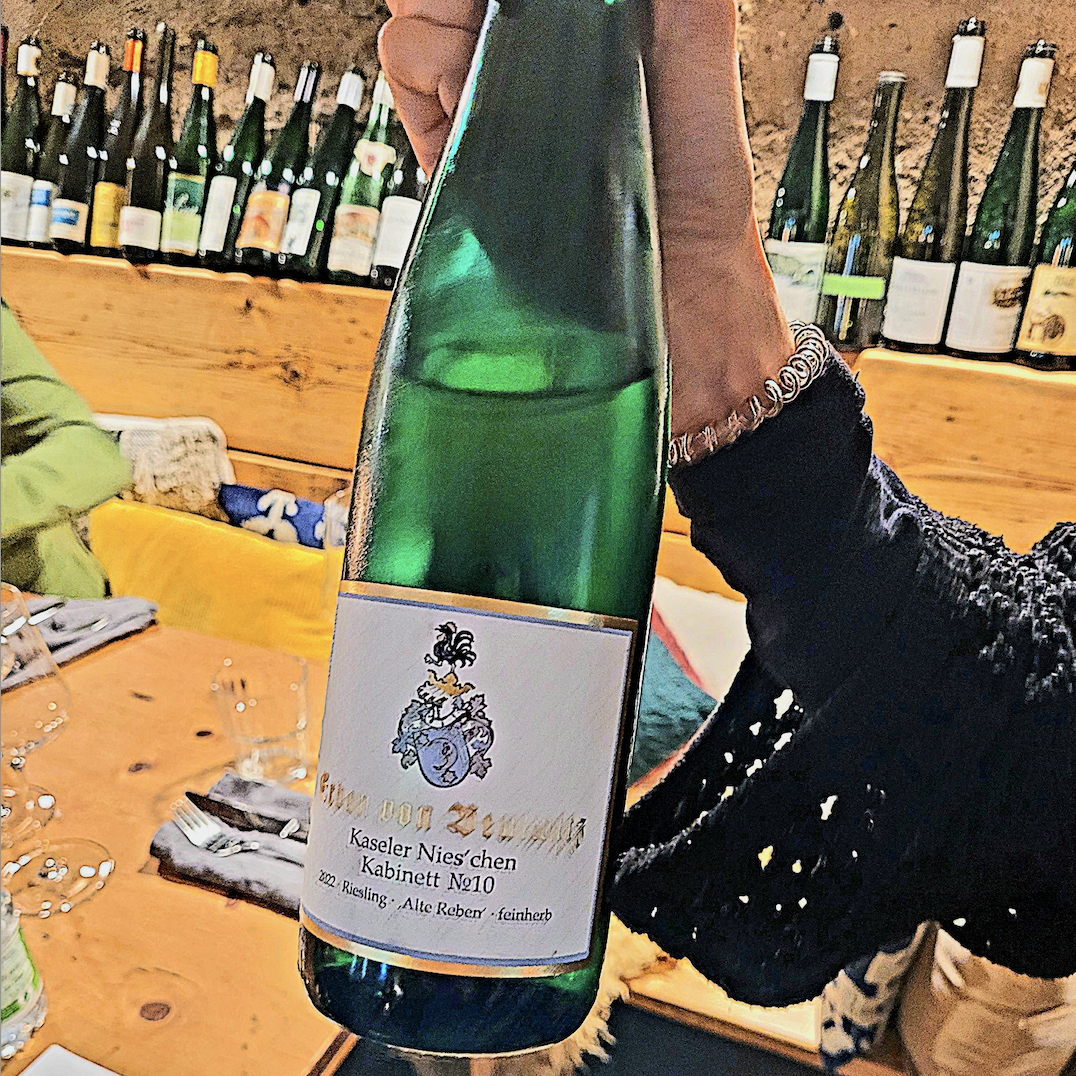
Weingut Erben Von Beulwitz Riesling Kabinett Feinherb Kaseler Nies’chen No. 10 2022, Mertesdorf

Classic Mosel style in the ways of the 90s and 2000s and “Dad’s favourite,” tells Charlie Weis. The kind that expertly balances high sugar and acid, layered like mille-feuille pastry, light on its feet and melting with ethereal ability in the mouth. Creates a symbiotic relationship with the Spätlese, the other Herbert classic styled riesling. The combination of 150 years of history and a family’s efforts since 1982 are what make a riesling like the Kaseler Nies’chen No. 10. Drink 2024-2029.  Tasted March 2024

Weingut Erben Von Beulwitz Riesling Spätlese Alte Reben Kaseler Nies’chen No. 6 2023, Mertesdorf, Mosel

Now into late harvest territory, old-school if you will, “Dad’s riesling” admits both Caroline and Charlie, Weis daughters and face of the estate. What a contrast to the Trocken, fruity, pulpy and forward, blast from the past though a very recent one to be honest. No holding back, zero reduction and ready to please. The specs are 95.0 g/L of residual sugar, 9.1 TA and 7.1 percent alcohol. Classic in so many respects, namely the tart stone fruit, sweetness elevated by the specific kind of acidity and good energy all-around. A clean and protected riesling that should have no problem living a long and productive life. Drink 2024-2033.  Tasted March 2024

Weingut Erben Von Beulwitz Riesling Auslese Alte Reben Auktionswein Kaseler Nies’chen 2015, Mertesdorf, Mosel

Tasted side by side with the 2020, a wine so incredibly youthful it seems years too early to be tasted. This 2015 is just beginning to show the first early stage of maturity, an Auslese from a hot summer with heavy rains. This fortunately stopped and the harvest saw cooling temperatures with beneficial drying winds. The end result was small berries and low yields for highly concentrated riesling fixing high quality Auslese. The acidity is still ripping through, keeping the sugars low and at bay, way down below. Kaleo rhythm, pure Mosel aromatic if perhaps the melodic-Icelandic gelid coolness, and “whoa, we get what we deserve.” Drink 2024-2031.  Tasted March 2024
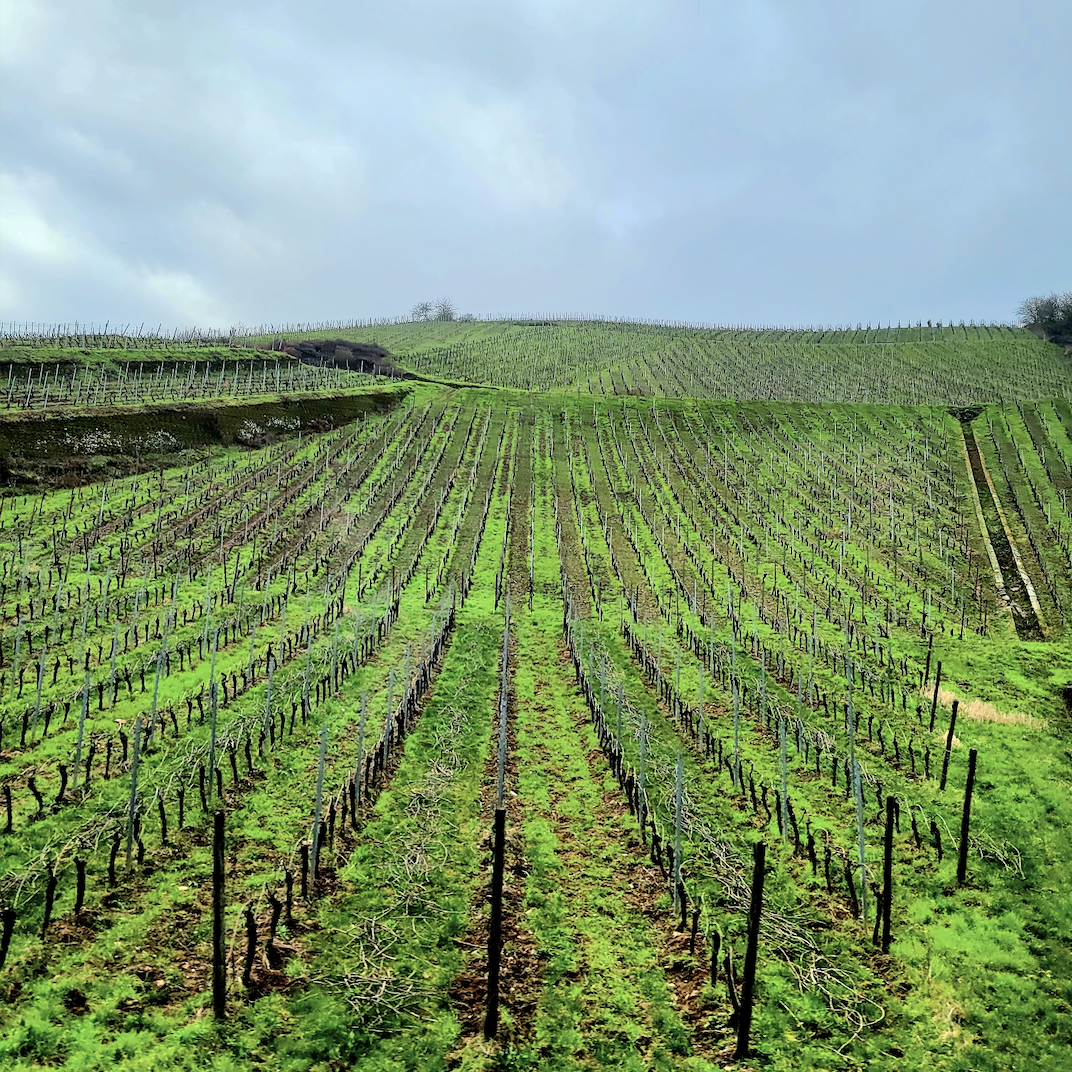
Nahe Vineyard

Nahe

Weingut Forster – Rümmelsheim

Weingut Forster Sekt Brut Nature Chardonnay and Weißburgunder 2016, Nahe

The 2016 Sekt of zero dosage spent 90 months on the lees. Still showing good freshness and aromatics are more than joyous. The wine turns quite botanical and it’s all sweet herbs throughout the second half of this unique sparkling wine. Drink 2024-2026.  Tasted March 2024

Weingut Forster Weißburgunder Dry 2023, Nahe

Fermentation is 70 percent in stainless and (30) in wood. A few hours of skin contact, bâttonage and lees contact for a few months. Organic, with neutral yeasts in the steel and spontaneous in the barrels. Low sulphur, vegan and unfined. Just grapes, no additions, proper ripeness, tasting like fruit and admittedly never creamy, oaky or gratuitously soft. Clean, satisfying, of medium acidity and surely just a matter of healthy grapes out of a good pinot blanc vintage. Well thought out, environmentally and sustainably conscious white wine. Drink 2024-2025.  Tasted March 2024

Weingut Forster Riesling KABInett 2023, Nahe

A German word play, the use of KABI in bold, as in “I’d like to have a Kabi, short for Kabinett.” One of the first riesling harvested at lower sugar and higher acidity though like all Kabinetts the residual sugar is essential, though here it’s in the lower range at 36.2 g/L. A cool climate vineyard that is now warming to be able to make this style in the Nahe, plus Laura Forster wanted this style to be made, especially because of the low alcohol. Only the third vintage, a fine mix of peach and lime, richness and tang. Well balanced though not one to age like many from the Mosel. Only 3,000 bottles made. Drink 2024-2027.  Tasted March 2024

Weingut Forster Riesling vom Kies Dry 2022, Nahe

From gravel (kies) soils and the aromatic profile is not only so opposite to the Schiefer but to 99 percent of rieslings made in Germany. A botanical tonic and a cheese rind that really expounds on the idea of this being a natural wine. Yes the soil comes through but also the vinification process, of 10-12 hours of skin contact, first press juice only, spontaneous fermentation in steel, finished at Christmas. Very dry, lime finish and just a bit “horsey.” Drink 2024-2025.  Tasted March 2024
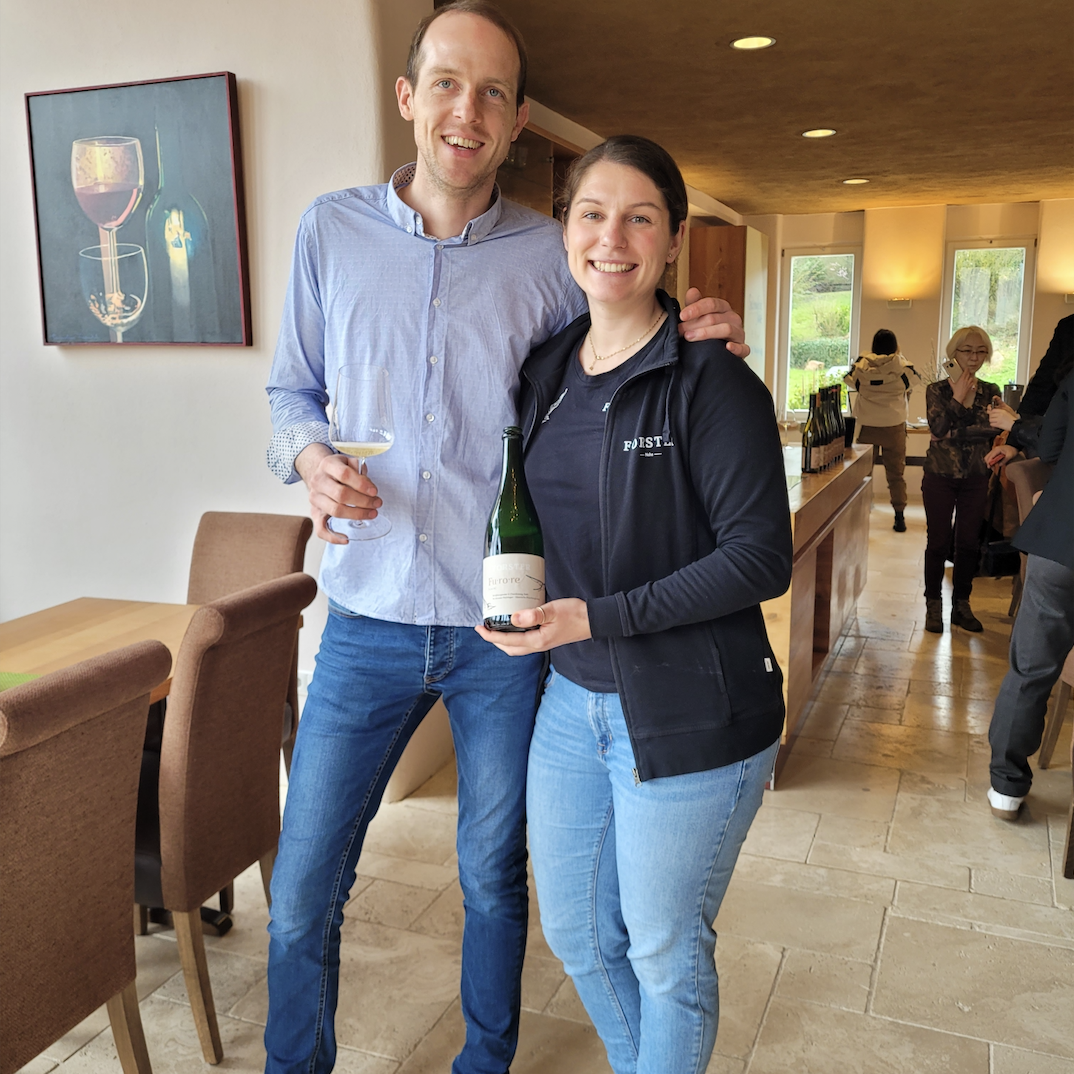
The Forsters

Weingut Forster Riesling vom roten Schiefer Dry 2022, Nahe

From red slate soils, same fermentation-vinification process as the Kies (granite) riesling. Less lactic and more phenolic, dry as can be and in better balance with thanks to the soil. Still it is the mix of style, use of compost, organics and low intervention, including sulphuring that creates this very natural scenting, a notably earthy and cheese rind notated riesling. Drink 2024-2026.  Tasted March 2024

Weingut Forster Riesling Burg Layer Schlossberg Dry 2018, Nahe

Warm, south facing red slate hill, 52 degrees of steepness, right behind the winery. Warm vintage though cooler than 2019, higher in sugar though still just about bone dry at 2.9 g/L. Also higher in alcohol at 13.5 with more flesh and body and the balance afforded this clean riesling from clearly healthy soils is just right there where we want it to be. Tannins and structure aided by long lees aging (up to a year) in stainless steel. Freshness fully captured, longevity a true matter of potential and acidity still a great catalyst for all that is happening and will continue to develop in the wine. Drink 2024-2028.  Tasted March 2024

Weingut Forster Riesling Burg Layer Schlossberg Dry 2019, Nahe

Mild though detectable TCA. Warm, south facing red slate hill, 52 degrees of steepness, right behind the winery. A complete and utter apposite vintage to the cooler 2018, here warm and dry, the sugar under 1.0 g/L and the acids also a point lower. Alcohol 1.5 less at 12 and overall the balance afforded by 2019 was surely more of a challenge. Warm nights up to harvest sacrificed some acidity and so structure overall here, included tannin is lessened. Just not as balanced and without the top energy of 2018 but still well and naturally made. Drink 2024-2025.  Tasted March 2024
Weingut Forster Grauburgunder Réserve Dry 2022, Nahe

Short 12 hour but effective skin contact for pinot gris, fermented in 500L tonneaux, 12 months of lees contact and healthy alcohol at 13.5 though less than much warmer vintages. Grows on the red slate soil of the Rotenberg (red mountain), sun richness and good metallurgy in the aromatics. Juicy, fleshy and just enough acid to keep things moving swimmingly along. Great diversion from a sea of pinot grigio ubiquity. Drink 2024-2026.  Tasted March 2024

Weingut Forster Frühburgunder Burg Layer Johannisberg 2022, Nahe

A single vineyard red from the rare variety (only 440 hectares planted in all of Germany), a cru frühburgunder not oft seen in the Nahe. Early ripening grape planted by Johannes Forster’s father 20 years ago. Softer tannin structure as compared to spätburgunder and grown in the cooler site where the riesling for Kabinett also grows. Some whole bunch, fermented on skins for four weeks and yes just enough tannin has come through. Some aging in low toast new barrels, a bit more structure than some though it stays below the threshold of too much extraction and tannin. Just a bit of spice and again gamay or perhaps even pelaverga is the mind’s launching point. Just a hair ambitious for what the grape is want to deliver. Drink 2024-2026.  Tasted March 2024

Weingut Forster Spätburgunder Kies 2022, Nahe

Grown on the Kies (granite) soil, four weeks of skin fermentation, very little wood usage, soft but still just enough grip to effect structure. Similar natural feel like many of the rieslings and more viscous mouthfeel than the frühburgunder, liquid chalky and again the cheese rind note, Also a verdancy and red citrus tang, desiccated roses and minty cool savour at the finish. Tannins are just a bit hard, chalky-grainy and friable. Drink 2024-2026.  Tasted March 2024
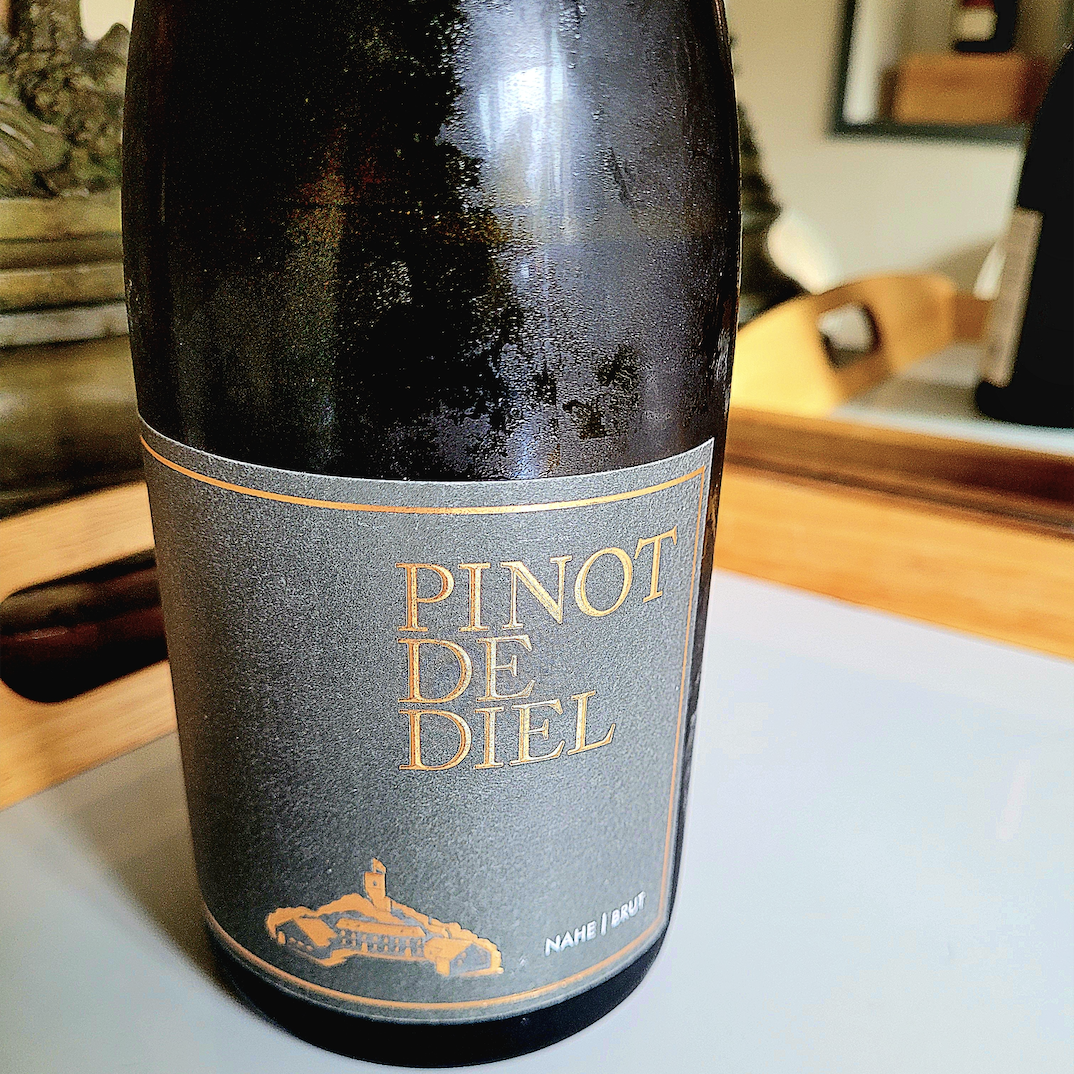
Schlossgut Diel – Burg Layen, Nahe

Schlossgut Diel Pinot De Diel, VDP.Sekt, Nahe

A vibrant mix of pinot noir and pinot gris from Caroline Diel, seventh generation winemaker at Burg Layen which came into the possession of the Diel family in 1802. The base wine is 2020 fruit with some residual 2019 involved, two years on the lees and of an aperitivo intent. Easy drinking and on the dry side which feels like another Brut Zero style is well within Diel’s capable reach. Like a bite into a tart and juicy green apple with a drip of red fruit and a fairly tart finish. Satisfying bubble all around. Drink 2024-2026.  Tasted March 2024

Schlossgut Diel Dry Riesling Dorsheim 2017, VDP.Orstwein

Villages organized riesling from neighbouring village Orstwein with seven-plus years of age, dry and now pretty much in the perfect zone. Has aged beautifully, sitting up vertical and straight, giving generously with a clear and present amount of grace in restraint. The balance between extract and tannin, fruit and acid is simply structured, allegedly and unequivocally spot on. Drink 2024-2027.  Tasted March 2024
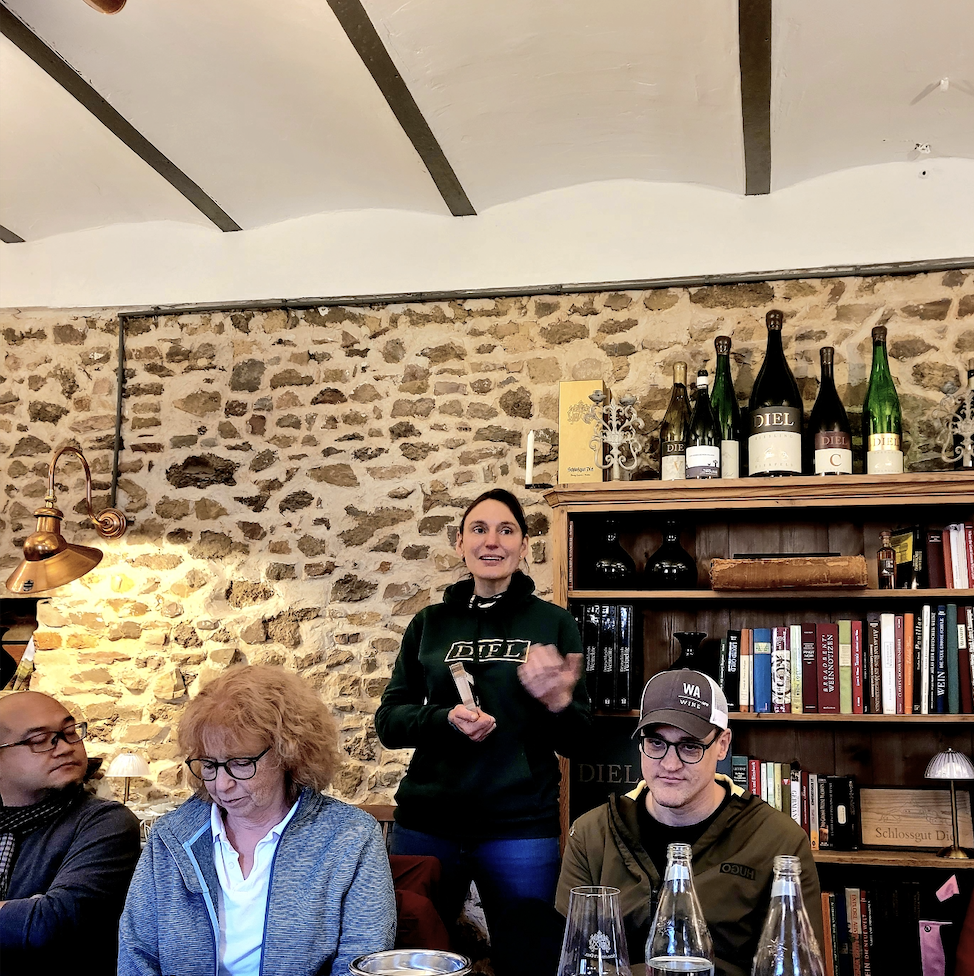
Caroline Diel – Schlossgut Diel

Schlossgut Diel Cuvée MO Brut Nature 2014, VDP.Sekt Prestige

“I believe sparkling wine does not need any dosage,” and Caroline Diel followed this when she joined the family in 2007, continuing what started going all the way back to the 2004 beginning of this project. Cuvée MO Brut Nature is ninety months on the lees, made with pinot noir and chardonnay. Developed richness for a sparkling wine made at the time in an oxidative style,. Showing aldehydic notes, of brioche to the end of a smoky and really old style of Champagne. Should actually stay this way for a few more years to come. Drink 2024-2027.  Tasted March 2024

Schlossgut Diel Pinot Noir Réserve 2020, Nahe

Most of the vines were planted in the mid to late 90s by Caroline Diel’s father Armin. Approximately 20 percent whole cluster, the rest hand de-stemmed, all vineyards in the cuvée fermented naturally and kept separate. A year and a half in barrel, spontaneous malolactic settling, racked now and then and no filtration. Rich fruit, high acid, truly complex aromatics, meaty perfume, full, juicy, lively and finally a truly substantial finish. Neither derivative nor imitative. This is Caroline’s mid-level pinot noir for a 7th generation winemaker who would go on to do the 2022 harvest at Romanée Conti. Mid-level will surely rise up to even greater heights. Drink 2024-2028. Tasted March 2024
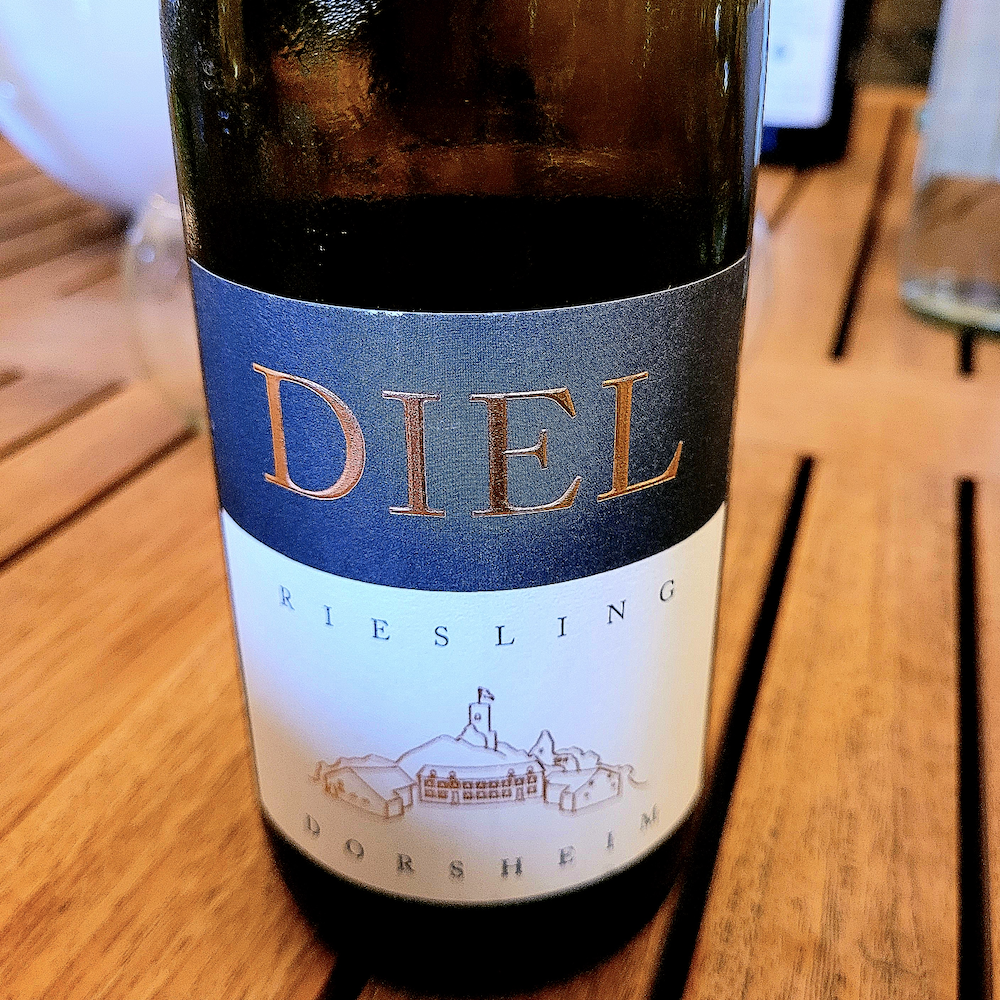
Schlossgut Diel Dry Riesling Pittermännchen GG 2022, VDP.Grosses Gewächs

The tiny one hectare cru Pittermännchen is a name that dates to the middle ages with a connection to the people of Köln and Düsseldorf. Grand cru site of weathered grey (Devonian) slate atop Rotliegend conglomerate that dates back several million years. The geo-agricultural texture is small decomposed particles as opposed to the larger stones of the Mosel. Expressive flint stone aromatics undeniably soil related and not much fruit to discuss, save for some variegate currants but you really have to conjure imagination. There is a mille-feuille density to this riesling that peels away and delivers waves in layers without boundaries. Complexities are revealed without pause and dryness results because purity and grip replace the necessity for sugar-acid balance. So stony, long and our palates are held captive. Top shelf riesling within the idiom. Drink 2026-2033.  Tasted March 2024

Schlossgut Diel Riesling Kabinett Goldloch 2022, VDP.Grosse Lage

When she returned to the family in 2007 Caroline Diel’s first order of business was to not use herbicides “and it was a disaster,” she remembers, “not being prepared with staff, machine and experience.” Good things take time and now organic certification will come in 2024. The 2022 vintage was not the hottest but was an extremely dry one that saw vines on steep hillsides have to work hard to resist the dangers. Healthy vines can in fact digest the climatic extremes and this riesling of Kabinett style is a testament to facing the challenges head on. The gravelly bedrock of Dorsheimer Goldloch is of the Permian age and its rieslings are juicy as it gets, fruit forward and truly antithetical to the über mineral of the Pittermännchen. Makes sense that Kabinett is the choice for this naturally sweet meeting equal factored acidity that connects for a kick mix of sweet, salty, sapid and savoury. A quotient of 42 g/L of RS so hidden by the acids, grip and energy of the wine. Drink 2024-2031.  Tasted March 2024
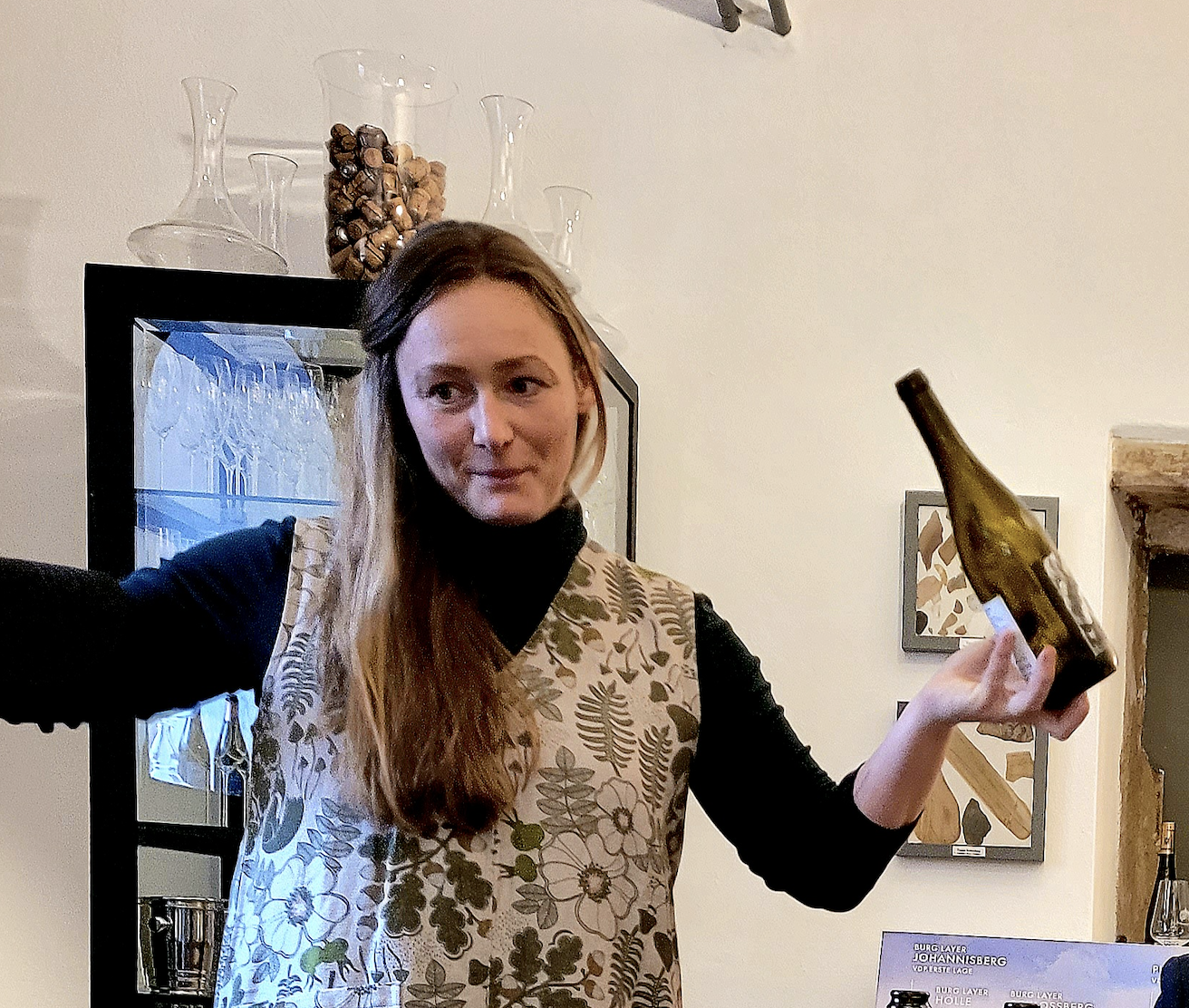
Christine Pieroth – Piri Naturel

Piri Naturel Christine Pieroth – Burg Layen, Nahe

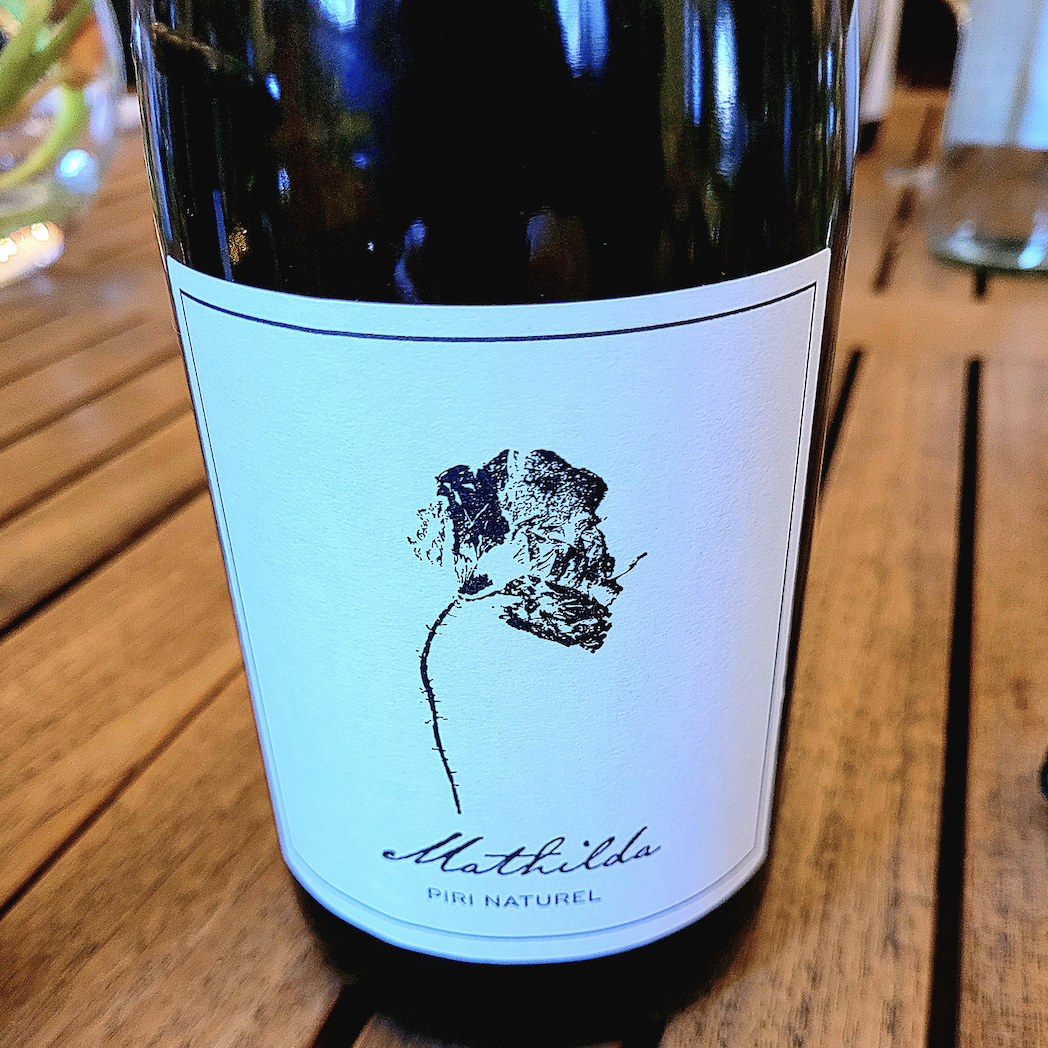
Piri Naturel Christine Pieroth Mathilda 2021, Nahe

Christine Pieroth is 7th generation for a winery dating back to 1789. Mathilda is a blend of sylvaner, riesling and kerner, made for simple drinking pleasure. Bottled under screwcap to capture the natural effervescence, skin contact and cloudy character for a characterful example of what a nurturing and deft touch can do for grapes that just want to be together. Clean and well made without any pretence, trend or commercial design. Natural for the simple reason of pour me a glass. Drink 2024-2025.  Tasted March 2024

Piri Naturel Christine Pieroth Riesling 2021, Nahe

Christine Pieroth studied at Geisenheim and worked in the Okanagan. Her philosophy is really quite direct. “Agriculture is really separated from nature.” Piri Naturel is riesling grown on granite-based, (ancient) sandy seashore pebbles called the Kieselstein. Macerated on the skins for one day, to capture the cool climate region, especially with riesling, then ages two years on full lees in big Stückfässern. “One of the vintages (2021) with the highest acidity I’ve ever experienced” she remembers. Beautiful purity captured without oxidative or any idiomatic orange ornateness. Brilliant riesling work in the style for those who like and want, but also those skeptical of what this kind of wine can be. Acids are captured, tamed and on time release. Drink 2024-2028.  Tasted March 2024
Piri Naturel Christine Pieroth Ponderosa 2021, Nahe

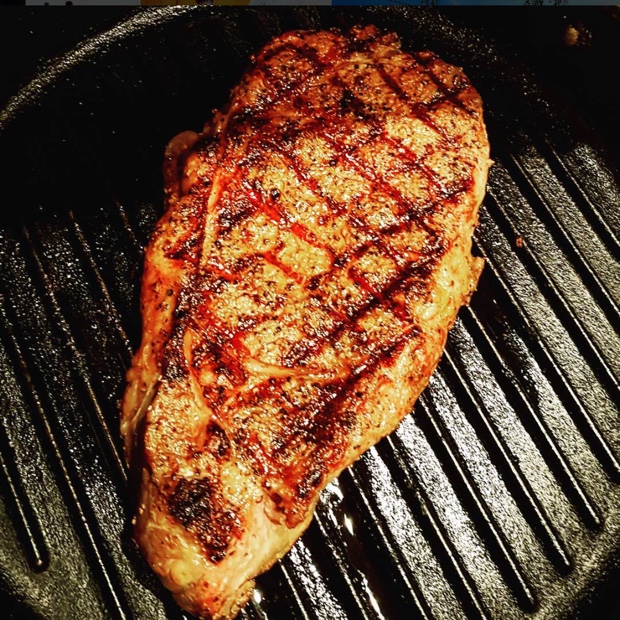
A family nickname for the vineyard and incidentally also the Matsutake mushroom, a.k.a. Armadillo Ponderosa. Comes from a schist slope that changes colour from top to bottom, here for a single vineyard though it can’t be labeled this way. Not filtered and so it can’t have a classification. “In the last year I’m turning things upside down” says Christine Pieroth. Ponderosa is 90 percent pinot gris with (10) pinot noir treated to carbonic maceration and my if this isn’t the pink juice you really want to drink. Pink grapefruit, jelly belly, pomelo and guava, dry and tropical, crunchy and tart though never searing. Drink this with a grilled striploin – seriously. Forget Rosé or chardonnay – the acid structure, grip and tannins will do well especially, with a marbled cut. After all it is called Ponderosa. Drink 2024-2027.  Tasted March 2024

Piri Naturel Christine Pieroth Pinot Blanc 2019, Nahe

Piri farms 7.5 hectares for an average of 80,000 bottles, mostly estate. Permaculture and regenerative farming are practiced with organics as the basis for everything, including no fining or sulphites. The pinot blanc is from 70 yer-old vines, “a very special vineyard, planted by my grandpa,” tells Christine Pieroth. Red schist soil to gift passion and texture to pinot blanc that sees three years in oak, all the while on its lees. No complication, a wine of perfume and nuance, abstract expressionist style, an incredible natural sweetness. A unicorn wine, infinite in ways that can and also can’t be described. The most alcohol of Christine’s wines at 13.5 percent but acidity and spices share the stage and spread the wealth. A slight amount of oak flavour, but fermentative notes have all resolved. Drink 2024-2027.  Tasted March 2024
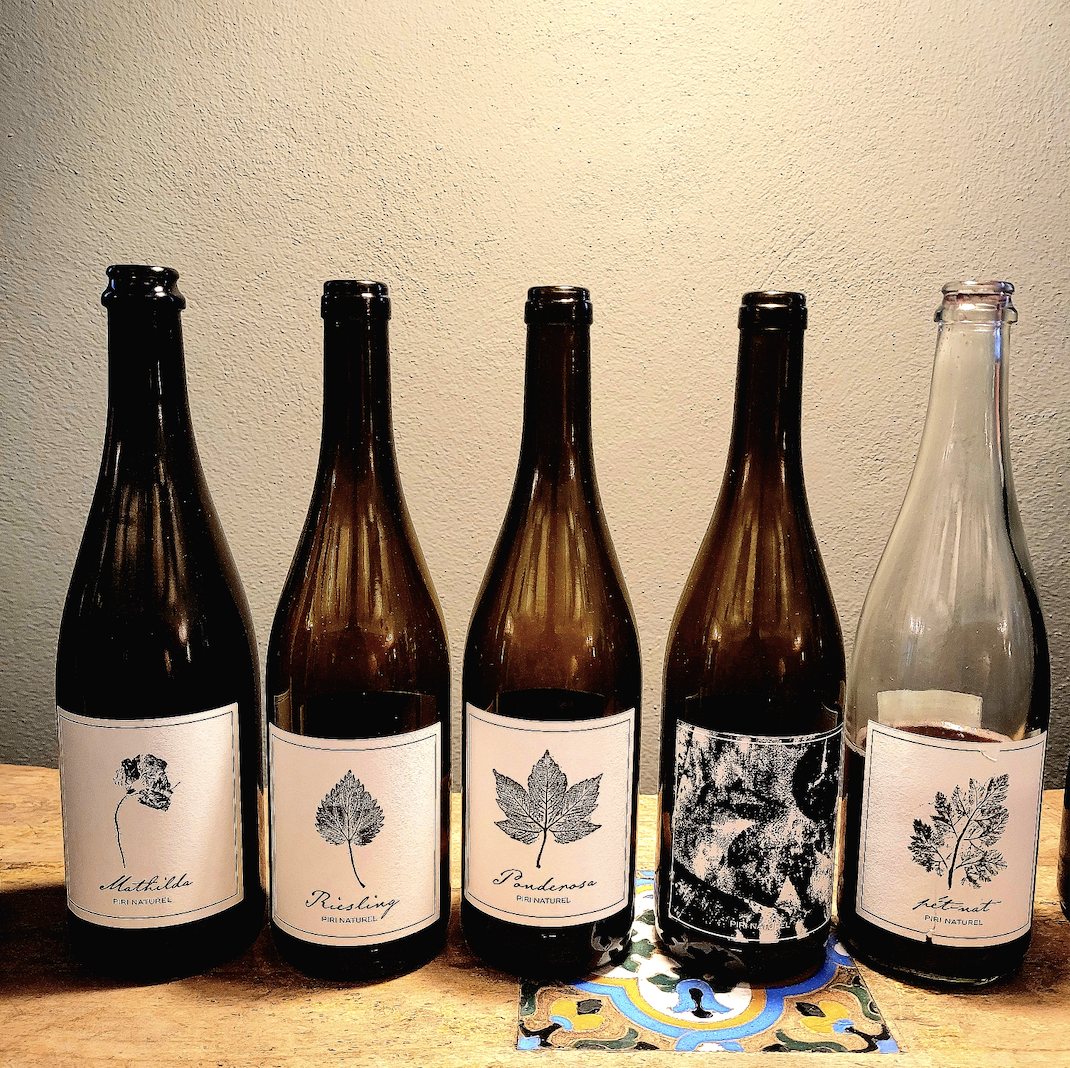
Piri Naturel Christine Pieroth Pét-Nat 2021, Nahe

A Germanic-styled Pétillant-Naturel in the Lambrusco idiom, bone-dry, made from Piwi grapes planted 20 years ago. They being dornfelder and regent (the piwi variety). Talk about foresight and seeing the challenge ahead of the curve. Leesy and cheesy, the most reductive and natural of all Christine’s wines. The kids will love this.  Tasted March 2024

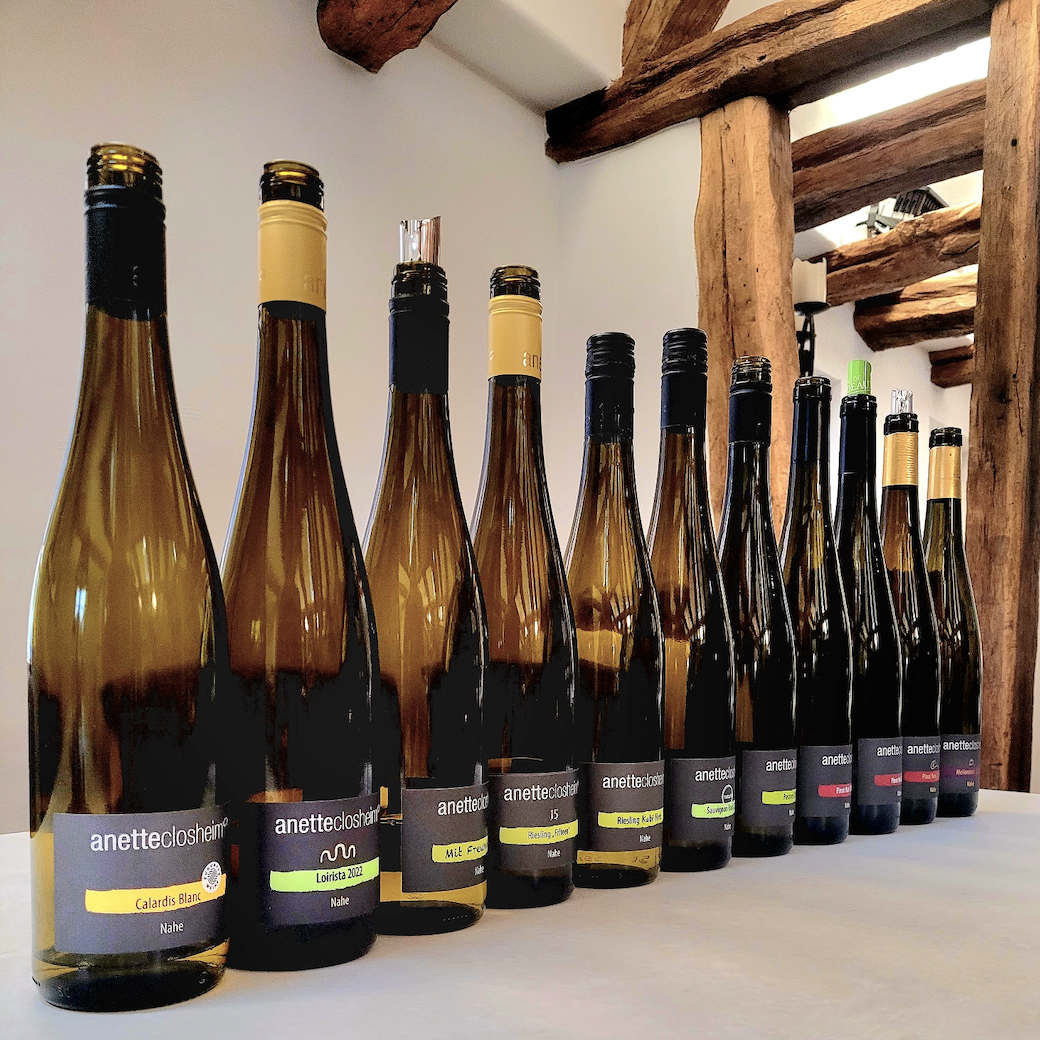
Weingut Anette Closheim – Langenlonsheim

Weingut Anette Closheim Calardis Blanc Dry 2023, Nahe

Calardis is a Piwi variety crossed with bacchus (as opposed to sauvignon blanc or cabernet sauvignon especially) and this is just the second vintage of trying it. Quick  on skins, fermentation and just bottled in February. Picked on the 22nd and 23rd of September after a picture perfect season. A muscat aromatic way about this unique hybrid example, light, fresh, clean and this elastic push-pull between fizzy and botanical. Bit of white peach and peach pit too. Finished at 12.5 percent alcohol with 4.7 RS and 5.8 TA. Drink 2024-2025.  Tasted March 2024

Weingut Anette Closheim Riesling With Friends Dry 2022, Nahe

For friends who are or may not be friends with riesling, but they can be. Acts dry but there is 7.0 g/L of residual sugar and a near equal amount of acidity. Entry riesling in style, juicy, high citrus, only steel raising and uncomplicated. Lime in every way, especially the juice and the zest. Bit of a Mojito you might say. Drink 2024-2025.  Tasted March 2024

Weingut Anette Closheim Riesling Fifteen Dry 2022, Nahe

From Langenlonsheim, Nahe. A long and narrow, “street village” a.k.a. the Naheweinstraße that lines the Nahe. Anniversary riesling of the label, a blend of two single vineyards, planted in 1963 and 1965, red limestone and Nahe gravel. Vinified separately in old wood and in the 2022 there is some residual sugar because one half did not quite finish its fermentation. Seems like rising pH numbers in a vintage like 2022 is the reason for lower acidities and while riesling still seems immune you can’t say the same about pinot grigio and pinot noir which are hitting numbers at or exceeding 3.5. Quite a balanced riesling, a bit higher in RS than the “With Friends” but also more vibrant, less rounded and more quenching. Drink 2024-2026.  Tasted March 2024

Weingut Anette Closheim Riesling Pastorei Dry 2018, Nahe

The last vintage of this near 40 year-old south facing riesling vineyard which has since been re-planted to chardonnay because it’s just too warm a place and 2018 was such a vintage. Finished at 13.5 percent which is about as high as you’re going to accept from riesling, with acidity at a healthy 6.3 though anything but creating a searing experience. Lime juicy, ripe and reduced, like a creamy cordial, sapid as it gets, sweetly botanical upon the finish. Drink 2024-2026.  Tasted March 2024
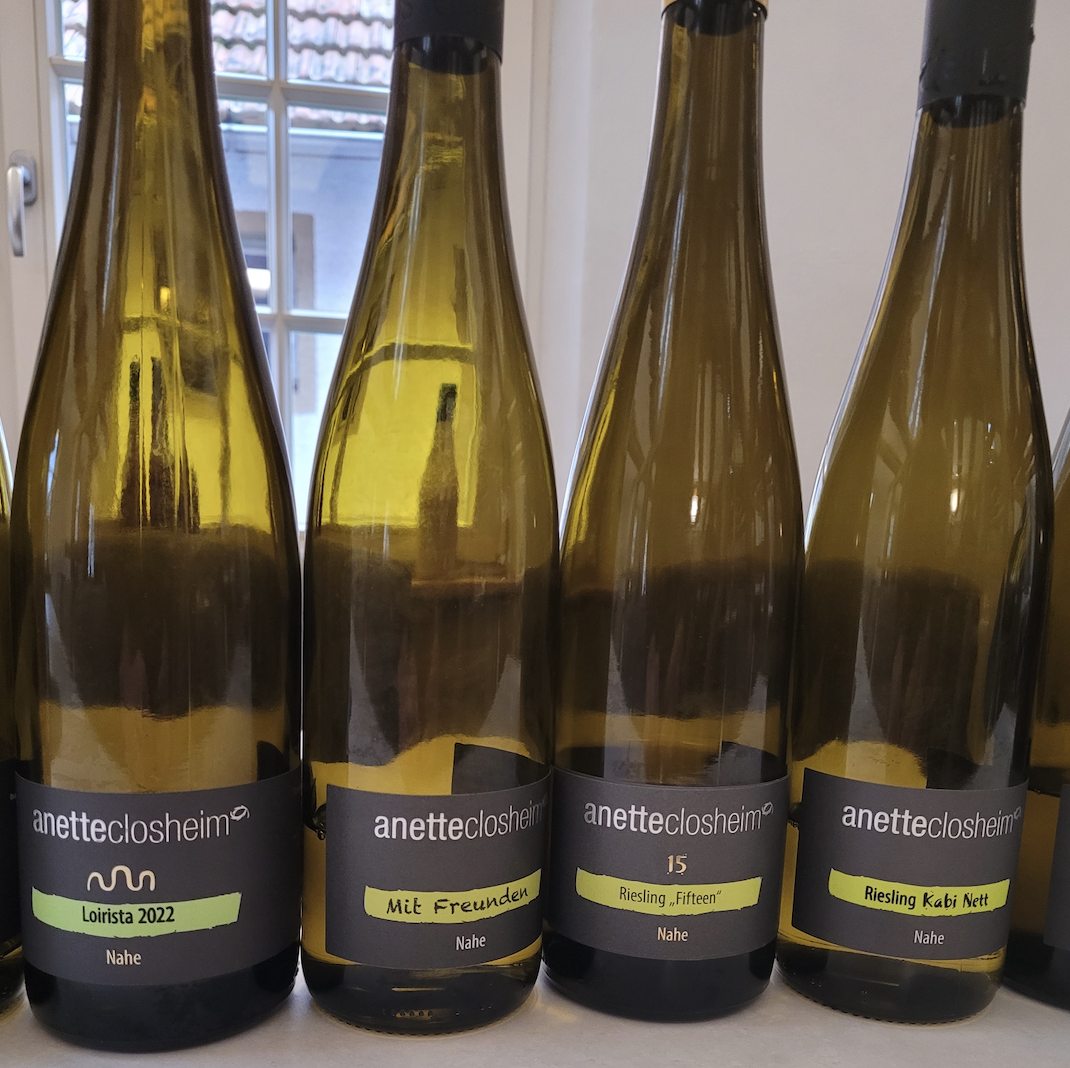
Weingut Anette Closheim Riesling Kabinett Löhrer Berg Medium Sweet 2022, Nahe

From the right side gravel soils for a different mineral experience and while sugar (at 36 g/L) runs high in the Kabinett style you can’t deny how forceful the (8.1) acidity really is. A good if not highest level vineyard site, vines 10-12 years of age, nectarine and lime, well integrated and such a grippy wine. Will hit its balanced stride in a year or two. Drink 2025-2028.  Tasted March 2024

Weingut Anette Closheim Sauvignon Blanc Maturis Dry 2022, Nahe

Single vineyard sauvignon blanc called Maturis, as in ripe, well matured and experienced. The clones are mostly from Alto Adige but also some from France, the vines now 16-18 years of age, in seven vineyards, picked across a week’s time. Verdant, botanical and there is a CO2 buzz on the palate. Lime intensity with just six percent wood aging. One of the most unique SBs ever tasted, like green eggs and ham. Tonic fuelled finish. Drink 2024-2025.  Tasted March 2024

Weingut Anette Closheim Sauvignon Blanc Lorista Dry 2022, Nahe

Higher, drier, similar acidity to the Maturis and now the barrel aged version, with the latest picked grapes (near to the end of September) and a much preferred iteration for Langenlonsheim. From a quickly settled, cloudy and protected pressing that clarifies itself and delivers this amazing richness in spite of the austere aridity. The acidity feels closer to riesling for the Lorista and yet there is some roundness, a creamy consistency based on lime because of the wood. Really unique for the variety, made with the Leimbourg (LB) 36 clone out of Alto Adige. Drink 2024-2026.   Tasted March 2024

Weingut Anette Closheim Pinot Noir Dry 2020, Nahe

Pretty big pinot noir, not exactly traditional German spätburgunder, from German research clones with bunches of small berries and space. Results in more airflow, less botrytis and good ripeness. Low yielding and good colour. Stays on the skins for 16-18 days and then wood for 14-16 months, mainly from François Frères, 25-35 new, plus second, third and fourth fill. Dark berries, sweet savour (with help from 30-40 percent stems added back) for a level of verdancy expected and well integrated. Solid work here. Drink 2024-2027.  Tasted March 2024
Weingut Anette Closheim Pinot Noir Dry 2016, Nahe

Considering the ripeness, well integrated chemistry and complexity of 2020 it should be really fascinating to look back at 2016. Still peppery reductive and surely a matter of vintage meeting winemaking that both changed within two years after this one. Quite a bit lower in alcohol, here at 13 percent and a perceivable verdant-savoury accent with no shortage of salt and pepper seasoning and added spice. Beyond the reduction this is showing really well, with cool freshness and what could be called a classic German vintage. A pinot noir naked to the world of beauty and that could not be hidden. First vintage was 2008 and since 2012 the same two vineyards have been making this wine. Drink 2024-2025.  Tasted March 2024

Weingut Anette Closheim Pinot Noir Dry 2019, Nahe

Higher percentage of stems (over 50) as compared with 2020, with moderate alcohol (at 13 percent like 2016). Now things are really interesting, also more new oak involved and clearly the thought was that this combination of ripeness and moderation could handle more structure and anti-jam developing fruit. Which turns out to have been the correct move because the wood is hidden, the succulence raised and the overall effect one of best balance. Truly well made, judged and effected pinot noir. Drink 2024-2027.  Tasted March 2024

Weingut Meilenstein 2020, Nahe

Meilenstein, meaning milestone and a wine that marked a big step from a wine that used to be based on point noir with st. laurent. A richness and a pyrazine quality, mildly smoky and really warming on the back end going down. A mix of 65 percent cabernet franc, (25) merlot and 10 acolon (a crossing of dornfelder and lemberger). A quarter new wood and 24 months for a spicy red blend with good energy. It’s woody and a bit awkward still but another year or so will do well to get it into a good place. Drink 2025-2028.  Tasted March 2024
Rheinhessen

Weingut J. Neus – Ingelheim Am Rhein

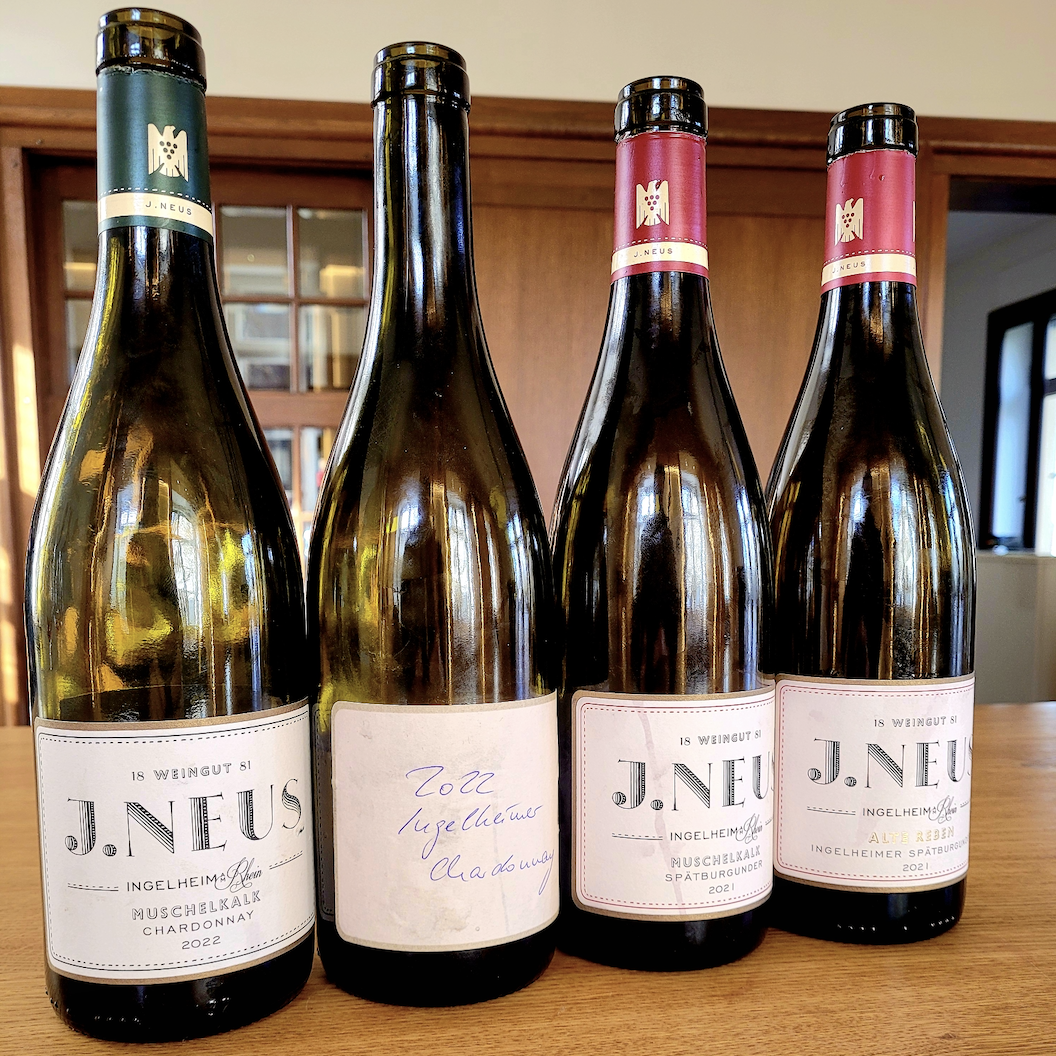
J. Neus Chardonnay Muschelkalk 2022, Ingelheim Am Rhein, Rheinhessen

Chardonnay is increasingly important at J. Neus and while pinot noir represents 70 percent of the portfolio it is this kind of entry-level varietal wine that speaks to what is possible. All chardonnay is barrel fermented and aged in 500L tonneaux and some German wood. Simple but proper, subtle in all the important ways, especially texture. Impressive work for a barrel fermented and aged, full malolactic chardonnay. Good crunch, energy, vitality and persistence. Pure chardonnay expression, the new Rheinhessen personified for what white wine can be, especially in and around Ingelsheim. Drink 2024-2026.  Tasted March 2024

J. Neus Chardonnay Ingelsheimer 2022, Ingelheim Am Rhein, Rheinhessen

Ingelheim is the village and this is currently the higher tier chardonnay though a third is on the way so it will soon fall into the middle. Certainly shows more newer tonneaux and compactness on the aromatic front, less forthcoming and yet clearly more stylish. Smells richer and more expensive, transitions with tighter grain and intensity, fills the spaces in between with riper, woven and textured fruit. Then it’s all chalky limestone strikes with spice over the last moments of the wine. Vanilla rests and settles on the finish. Drink 2025-2029.  Tasted March 2024

J. Neus Spätburgunder Muschelkalk 2021, Ingelheim Am Rhein, Rheinhessen

The introductory pinot noir with a great part of it made with Neus clone grapes, genetically selected by Josef Neus who came from the Mosel and started the winery in 1881. Full on berry aromas in red but also blues, still quite primary as if it just recently come out of its fermentative machinations. So fruit forward and floral, truly unique oi the world of pinot noir and the vintage must have more than something to do with this result. Drink 2024-2026.  Tasted March 2024

J. Neus Spätburgunder Alte Reben Ingelheimer 2021, Ingelheim Am Rhein, Rheinhessen

Eminently and immediately notable to recognize more reduction, flint stone and less fermentative aromas as compared to the entry level Muschelkalk spätburgunder. The wood lends an early and persistent toasty quality while dried herbs and botanicals remind of the phenolics that a Neus pinot noir has been showing for a decade. That said the style has for sure softened and refined over the last seven years to arrive at this well founded time in its tenure. Many people will be surprised at this high level of Rheinhessen quality. Drink 2025-2028.  Tasted March 2024

J. Neus Spätburgunder Pares GG 2021, Ingelheim Am Rhein, Rheinhessen

A hot summer though the Grosses Gewachß spätburgunder are made from fruit grown in the coolest spots and picking was done in mid September ahead of the rains. Lively and spicy aromatics with acidity showing up even before a sip is taken. Red fruit of many ilk, from stone through citrus and yet the palate is quiet, namely because Pares is a much more mineral example than the other GG called Horn. Again the refinement compared to vintages such as 2014 shows the progression and evolution of Neus’ work with pinot noir. Approximately 3,000 bottles are produced between the two GGs. Drink 2026-2031.  Tasted March 2024

J. Neus Spätburgunder Horn GG 2021, Ingelheim Am Rhein, Rheinhessen

One of two single vineyard sites (along with Pares) on the Meinsebach side of the river and Ingelheim village. Horn is the warmer of the two sites and so the great immediacy of the Pares acidity gives way to greater depth of gratifying fruit maturity on Horn. More stone and less citrus but really the differences are subtle even while the breadth here surely elevates this unique GG. The vineyard faces southwest and texture really concentrates in a pinot noir that still shows off sweet acidity with top level spiciness and energy. Ripest stems are added back and again it just feels like this process has been refined over the last seven years to come to this really stylish point. Drink 2026-2032.  Tasted March 2024
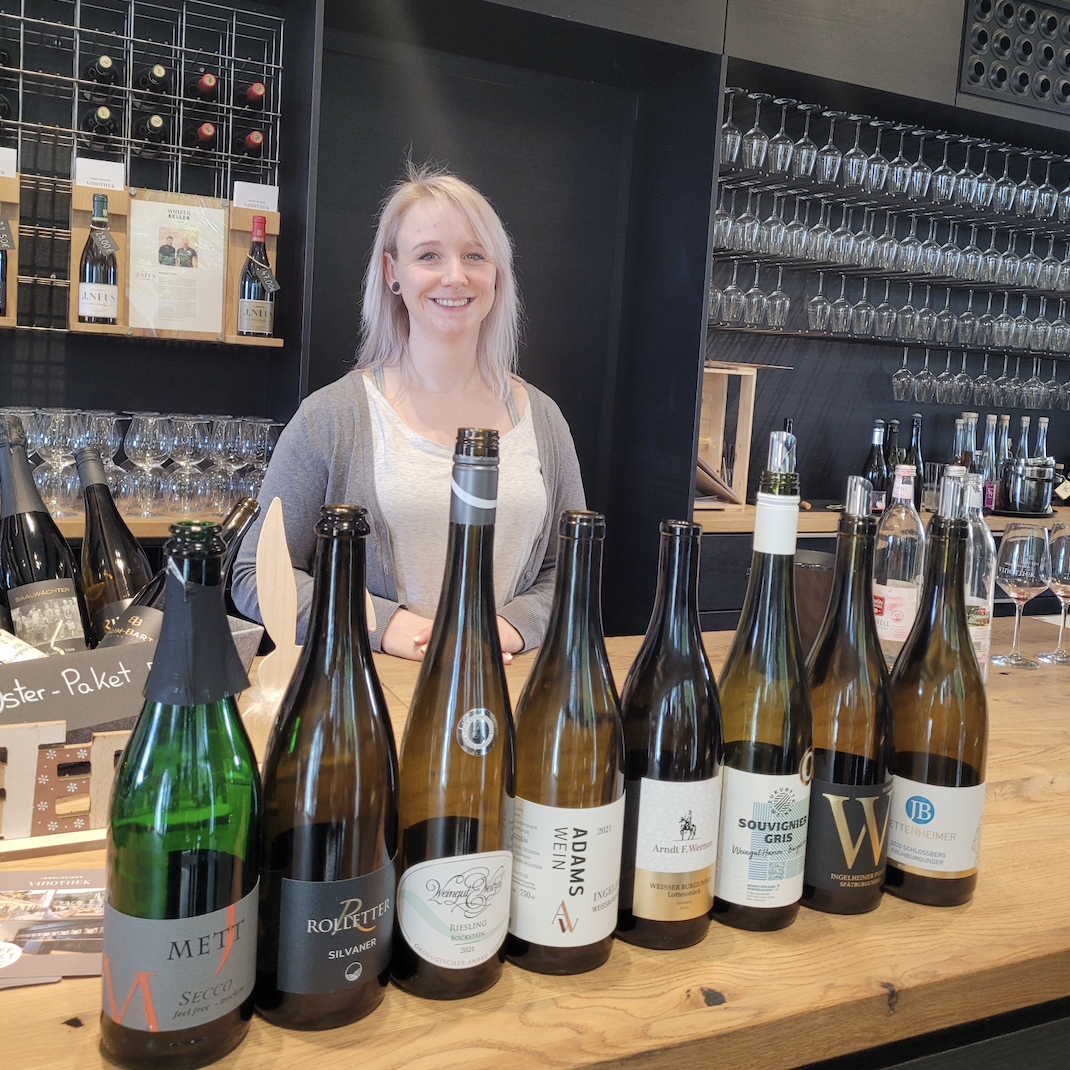
Shanna Reis – Ingelheim Vinothek

Rheinhessen tasting at the Ingelheim Vinothek with Shanna Reis

Organic Weingut Weitzel Riesling Spätlese Trocken Bockstein 2021, Rheinhessen

The work of Elke & Eckhard Weitzel with riesling of late harvest (somewhere between Kabinett and Spätlese) designation though also classified as dry. A bit of an oxymoron but this is in fact of a much lower residual sugar content for a late picked riesling. Lacks the energy and drive in the sugar-acid relationship of true or classic late harvest and so the simplified style drinks easily with straight lines and one-dimensional lime. Drink 2024-2025.  Tasted March 2024

AdamWein Weißburgunder Trocken Ingelheim 2022, Rheinhessen

Simona Adam is the winemaker, having taken over from her parents nearly 10 years ago. Creamy wood on the nose and even more so on the palate. Spice and pencil lead first, followed by lactic peach and vanilla after. A shot of tonic at the finish for a nicely complex if easy drinking white. Drink 2024-2026.  Tasted March 2024
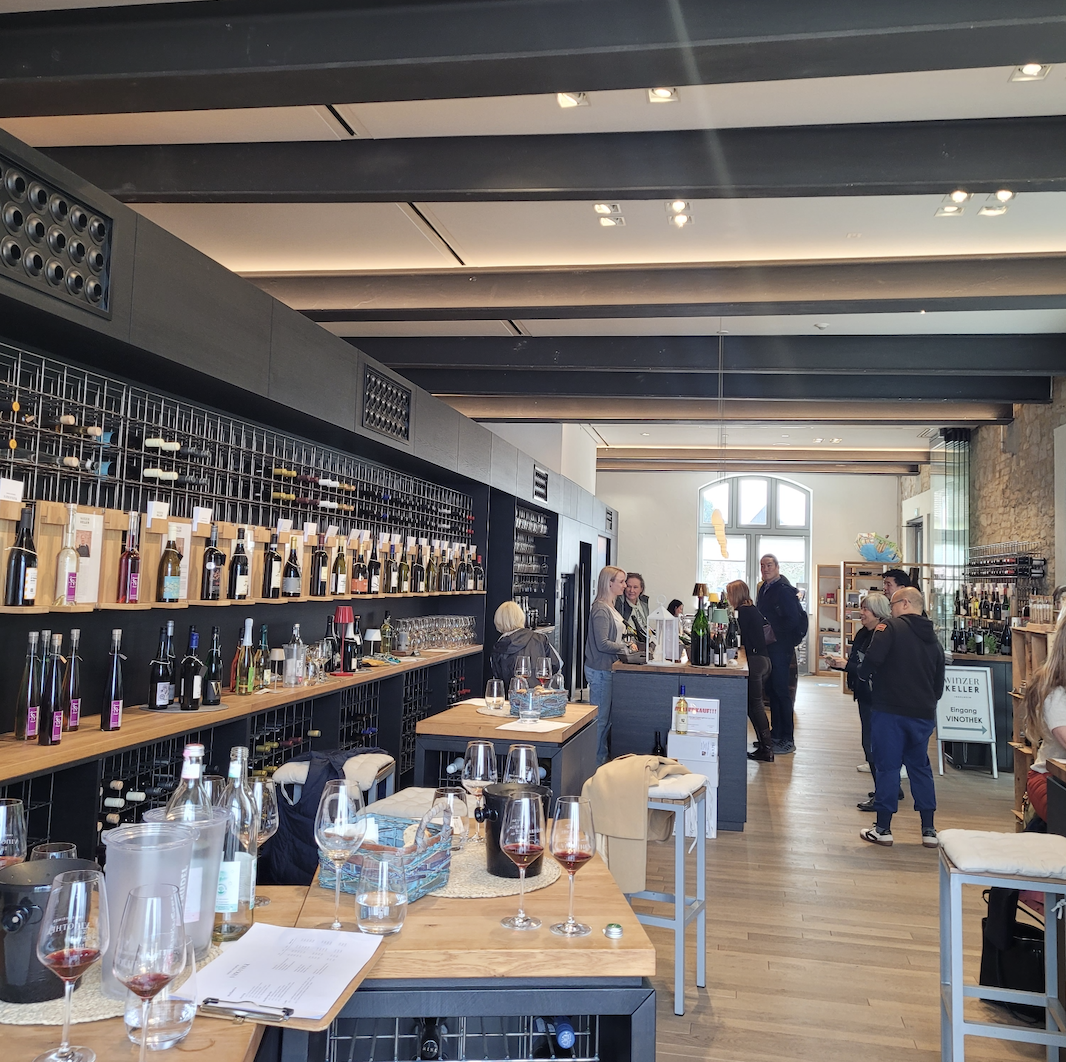
Ingelheim Vinothek

Weingut Arndt Werner Weißer Burgunder Trocken Lottenstück 2022, Rheinhessen

One of two local organic wineries doing weißburgunder (though for the consumer confusingly labeled “Weißer Burgunder) and a much fruitier, almost fruit punch, up front and round style of pinot blanc. Lower in acid and really just about the fruit. It’s weisser, meaning whiter, so the question is, how much more white can this pinot be? The answer is none more white. Drink 2024-2026.  Tasted March 2024

Weingut Hamm-Burgkirsch Souvignier Gris Weiss Trocken Zunkunftswein 2022, Rheinhessen

A Piwi grape, German cross between seyval blanc and zähringer created in 1983 by Dr. Norbert Becker. Strange that it was originally thought to be a cross between cabernet sauvignon and bronner and maybe because the grapes are quite dark pink in colour. The idea is sauvignon gris meets viognier and the style is not far from that type of union. The palate is more tropical and unctuous than what the nose might have indicated but there is a pungency and passion fruit-like note that advances aromatically after a sip is taken. Some sweetness and good acidity. Could really see people enjoying this. Drink 2024-2025.  Tasted March 2024
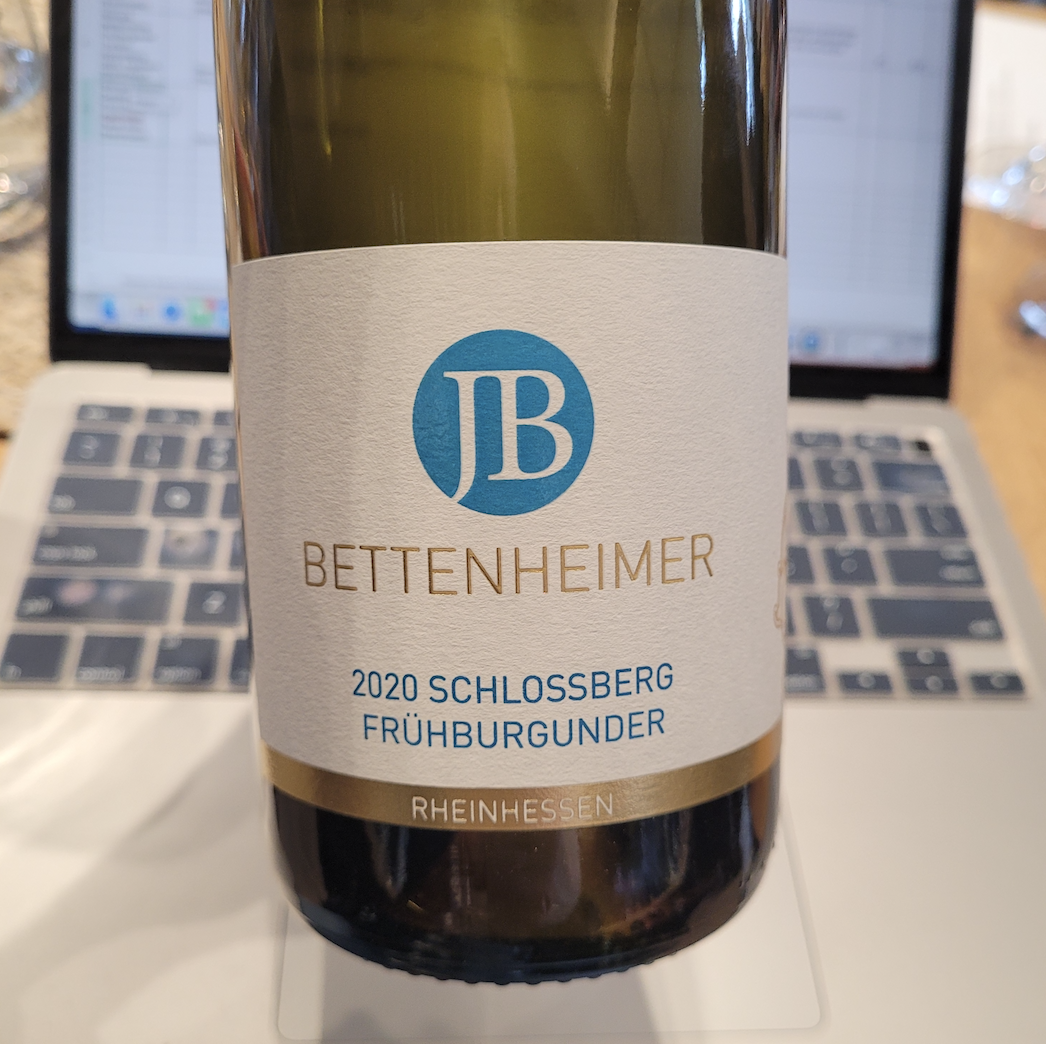
Weingut Bettenheimer Frühburgunder Trocken Schlossberg 2020, Ingelheim, Rheinhessen

Germany’s most interesting grape and perhaps its red future is frühburgunder, a.k.a pinot noir précoce or pinot madelaine, a cultivar that needs to be treated without great oak or pressed ambition. This is neither lithe nor heavy but some not so perfect wood makes the texture quite pasty and it settles uncomfortably on the palate. Some green tannin as well – pressed just a bit heavy it feels. Drink 2024-2025.  Tasted March 2024

Weingut Wasem Doppelstück Pinot Noir Trocken Ingelheimer Pares 2020, Rheinhessen

Some micro oxidative notes at this three-plus year stage though also a taut and compact sensation both on the nose and palate. Rich glycerin and viscous, plenty of cherry and cherry stone bitters for complexity but also a harshness at the finish. Doppelstück is a barrel name where more than one family makes wines but this pinot noir is made by two sisters of the family’s next generation – Doppelstück, meaning twice as big as a regular sized barrel. Very promising varietal wine, just a bit heavy pressed at this stage in its tenure. Drink 2024-2026.  Tasted March 2024
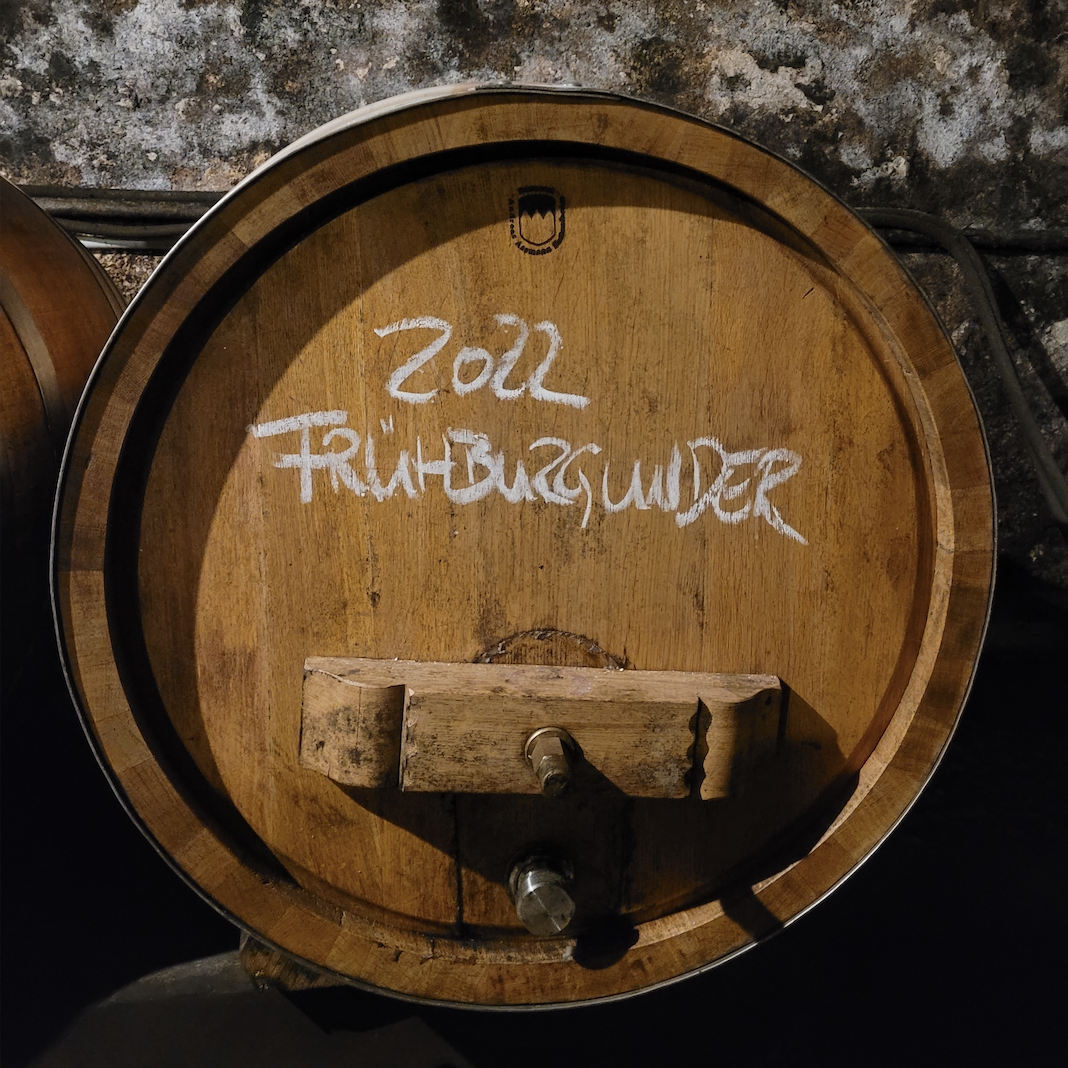
Menk Frühburgunder Trocken 2021, Ingelheim, Rheinhessen

Fresh and energetic frühburgunder with a briny note but some nice fresh raspberry fruit with leafy accents. Palate is a bit syrupy while overall acidity and drive are quite good. Drink 2024-2025.  Tasted March 2024

Baum-Barth Ingelheimer Frühburgunder 2021, Rheinhessen

Good ripe fruit, a bit oxidative but the bottle has been open for a few days. That said the tannic structure and energy are clearly based on an uptick of quality and overall intensity is really fine. Drink 2024-2025.  Tasted March 2024

Sebastian Münster Frühburgunder Cosmographia 2020, Ingelheim, Rheinhessen

Fine and well made frühburgunder with a lactic way about it and fruit really well connected to the structural aspect of the wine. A bit of red fruit paste and austere tannins so there is potential and the pressing was done with some fine restraint. No overriding green tannin but a tisane quality is part of the deal. Drink 2024-2026.  Tasted March 2024

Good to go!

godello

Twitter: @mgodello

Instagram: mgodello
WineAlign

But first, October

steak

L’shanah tova, happy new year, peace, happiness and health to all the members of the tribe out there. New beginnings, sweet and good times to you and yours. I’ve just returned from Italy, specifically Verona and Valpolicella. While I was in transit a new VINTAGES release crept into stores.

Related – The most important red wine from Italy

Tuscany, Rioja, Thanksgiving. These are the main themes of the VINTAGES October 1st release. As from me for the first it is Chianti Classico’s Gran Selezione that occupies the best sangiovese position in the central thematic. Second comes entry-level excellence from Álvaro Palacios and for the last three, pinot noir from disparate outposts; Sonoma County, the Willamette and Hemel-En-Aarde Valleys. A further 12 recommendations explore 10 regions; South Africa’s Coastal Region, Veneto, Loire Valley, Beaujolais, Alsace, Piedmont, Calatayud, Montagny, Paarl, Arroyo Seco and 14 additional grape varieties; chenin blanc, garganega, sauvignon blanc, gamay, riesling, arneis, garnacha, sylvaner, chardonnay, grenache blanc, picpoul blanc, roussanne and nebbiolo. Something for everyone.

Boschendal Rachelsfontein Chenin Blanc 2015, Wo Coastal Region, South Africa (455881, $12.95, WineAlign)

Classic chenin blanc from Boschendal, tart, balmy, savoury, smoky and spirited. Conjures up simple pleasures, breathing and bliss. A morning walk in a glade, a bubbling brook, herbs everywhere, wildlife. Drink 2016-2018.  Tasted September 2016  @BoschendalWines  @LiffordON  @WOSA_ZA  @WOSACanada

San Raffaele Monte Tabor Soave 2015, Doc Veneto, Italy (277392, $14.95, WineAlign)

Always a good Soave buy and especially in the ripe and easily commercialized 2015 vintage. In fact this preface is a clear indication for such a wine because it can basically make itself so it smells, tastes and delivers just like itself. Citrus and herbs, Maresina, Pisacan, Sciopeti and then more citrus, followed by a mouth feel with an accent of stone. Delicious little commercial Soave. So correct. Drink 2016-2018.   Tasted September 2016    @RegioneVeneto

versant

Foncalieu Le Versant Sauvignon Blanc 2015, Vins De Pays D’oc, Loire, France (470336, $14.95, WineAlign)

Terrific scintillant of a sauvignon blanc with extract to burn and the gesture of giving generously. Pungency be damned this goes at it with vitality, energy and the great sweetness feigning, peachy sauvignon blanc equalizer. There are few Midi SBs that can both thrill and appease with ease like this Pays d’Oc. Crowd pleaser to pour at weddings and other large gatherings. The finish guarantees success. Drink 2016-2019.  Tasted September 2016  @foncalieuwines  @LoireValleyWine  @azureau

aviron

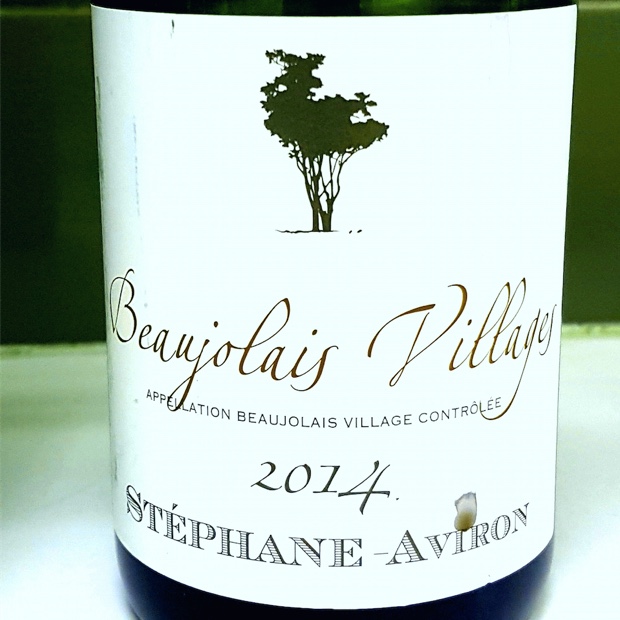
Stephane Aviron Beaujolais Villages 2014, Beaujolais, France (468744, $15.95, WineAlign)

The juicy appeal of gamay. In its purest form it struts and flaunts in full peacock display as in this $16 Aviron Beaujolais. He or she who could not drink a tank full of this BV is missing out on one of the go to pleasures of the wine world. Fresh and outright getable, when risked with a more than slight chill this could do no harm. Drink 2016-2018.  Tasted September 2016 @DiscoverBojo  @Nicholaspearce_

palacios

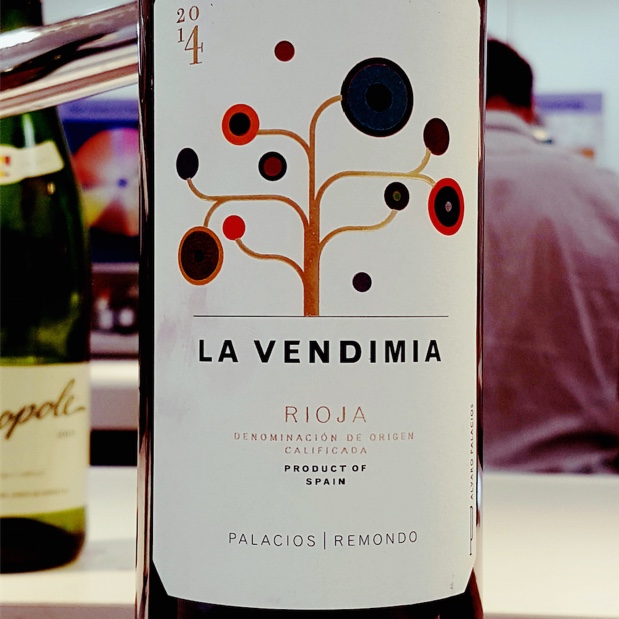
Palacios Remondo La Vendimia 2014, Doca Rioja, Spain (674564, $15.95, WineAlign)

Rioja to grab for, spread out the blanket, pull out the jamon and kick back. Fresh, juicy, slightly smoky and full of nothing but fruit with a quick shake of spice. The simple pleasures provided by Alvaro Palacios at the lowest of low affordability. You can find Rioja with a much greater and historically profound sense of place but it will cost an arm and a leg. And I’m not sure it will get you anywhere. So put aside the serious face and embrace this modish value-driven sketch by Palacios. I too will abide. “It’s not that I care any less for that philosophy, but I would spend one night with you in trade for all that I’ve achieved.” Drink 2016-2018.  Tasted September 2016  @WoodmanWS  @RiojaWine

kuhlmann

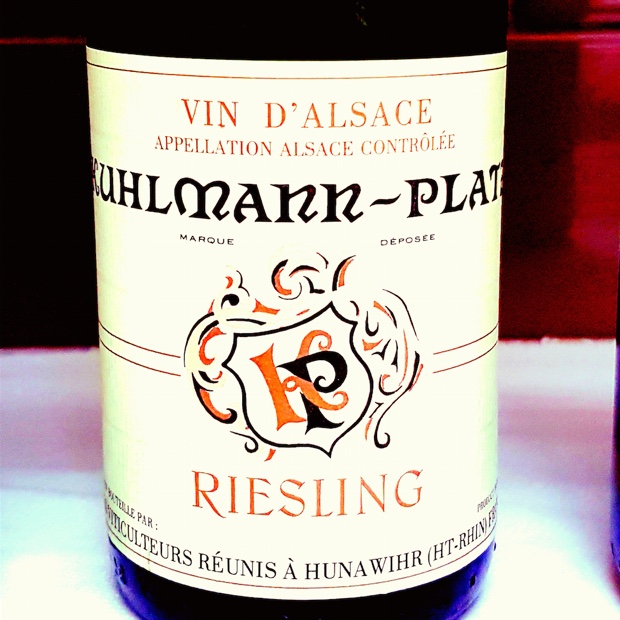
Kuhlmann Platz Riesling 2014, Ac Alsace, France (196741, $16.95, WineAlign)

From the cooperative Cave de Hunawihr where the winemaking is overseen by Nicolas Garde here is a typically tart and citrus-driven riesling from alluvial flats. Salinity and a touch of brine with a minor note of spritz makes this nothing but fun. It’s certainly lean and direct but such an Alsace riesling line is fine when done with no agenda in mind. Well made with enough complexity to add five years onto its life. Drink 2016-2021. Drink 2016-2021. Tasted September 2016  @VinsAlsace  @AlsaceWines  @drinkAlsace  @ChartonHobbs

arneis

Cordero Di Montezemolo Langhe Arneis 2015, Piedmont, Italy (455162, $21.95, WineAlign)

Prodigious and revered producer meets resurrected varietal in this hear me roar and highly expressive roero arneis. From Langhe vineyards in La Morra, Guarene and Govone. The level of extract and texture is elevated to where the grape can go but we so very rarely get a chance to enjoy. This has mineral, loads of mineral, like a chew of rocks in bubble gum form. With this on offer who wouldn’t choose to chew every day. More acclaim for arneis and that makes me smile. The freshness will offer perfect window drinking in years one through three but why not put one or two aside and watch them develop some honey and petrol in years five through ten. Drink 2016-2022.  Tasted September 2016    @ProfileWineGrp

breca

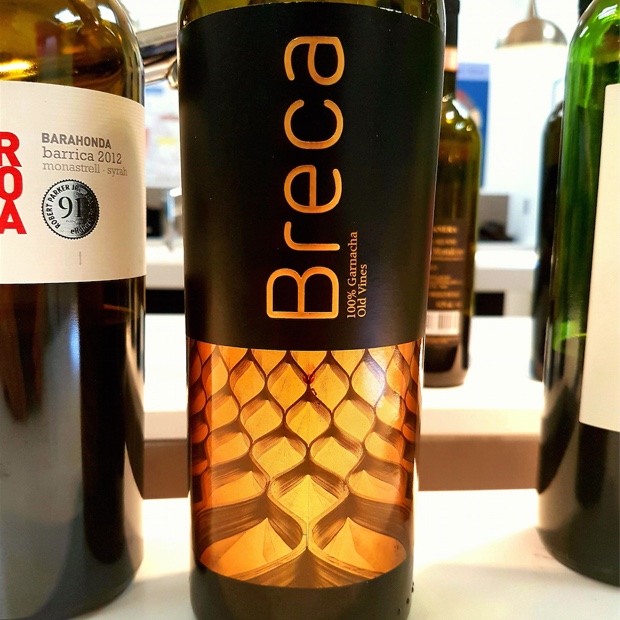
Breca Old Vines Garnacha 2013, Do Calatayud, Spain (329086, $22.95, WineAlign)

Very floral garnacha from gravelly slate with more than enough blueberry and blackberry to bake into a hundred pies. As per the modern norm this 100 per cent garnacha from typically regional (upwards of 100 year) old vines pushes the scales in extraction, weight and alcohol. If any Aragonese garnacha can handle such largesse it is Calatayud because the combination of gnarly vines and rocky soil gives essential nutrients to fruit for balance. It may only be a distraction but when the wine is polished (albeit sweetly so) the looming alcohol is kept in threaded check. Drink 2017-2021.  Tasted September 2016  @CSWS_ON  @WinesofGarnacha  @GarnachaOrigen  @docalatayud

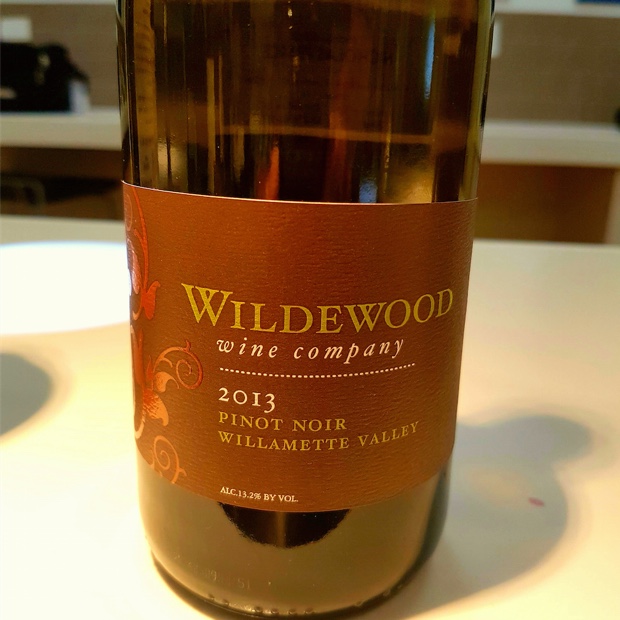
wildewood

Wildewood Pinot Noir 2013, Willamette Valley, Oregon (462994, $23.95, WineAlign)

If mountain herbs and tea could burrow or seep their savoury ways into a Willamette Valley pinot noir this Wildewood would be a viable candidate. It’s a global, pinot from everywhere and for everyone affair in here so call the aromas what you will; fynbos, rooibos, Peloponnese clandestina, wild thyme, rosemary, lavender. So pretty in its sauvage, so suave in its ruggedness. This pinot noir understands what it is saying and selling. Unlike the gritty poet, it is in complete control of its phenolics and its faculties. The palate pales but delivers straight to structure. The aridity and the salinity seal the deal. Drink 2016-2020.  Tasted September 2016     @Nicholaspearce_

Maison Roche De Bellene Montagny 1er Cru 2014, Ac Burgundy, France (470476, $26.95, WineAlign)

Such thews and texture are wonderful to elevate Montagny and you can tell that important Nicolas Potel time was allocated into turning this into something rocking. Plenty of citrus and wood intertwine in layers of chardonnay flesh. This is quite something. Gregarious, talkative and alive. Drink 2016-2019.  Tasted September 2016  @RochedeBellene  @vinsdebourgogne  @Nicholaspearce_  @BourgogneWines

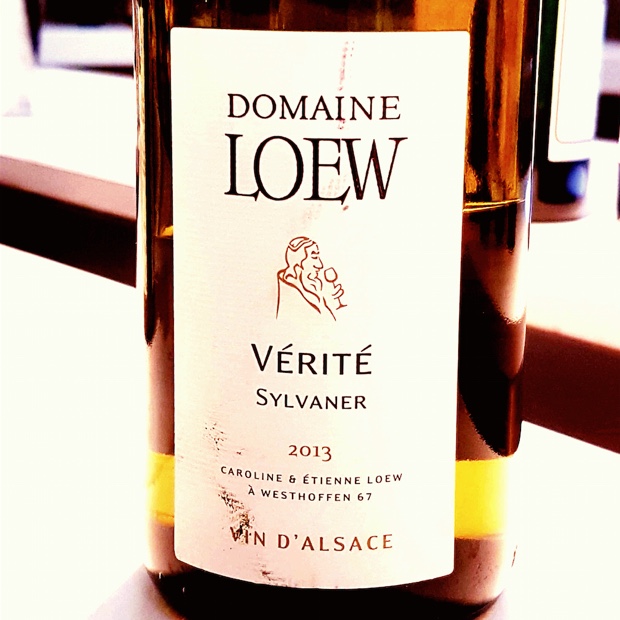
sylvaner

Domaine Loew Vérité Sylvaner 2013, Ac Alsace, France (462598, $25.95, WineAlign)

The truth of sylvaner explodes into olfaction with the flats left for others and the slopes of Alsace greasing their way into this wine. A wow factor of 13 on the texture scale brings it here. Oily doesn’t due this sylvaner justice. You could run heavy machinery on this juice. Beyond the oléagineux there is great bite from old wood, tonic from the varietal necessity and bitters so very artisan crafted in nature. More British aperitif than Italian digestif in that sense but strictly Alsatian and in requiem for a match made in Foie Gras heaven. Needs two years to settle. Drink 2018-2028. Tasted September 2016     @VinsAlsace  @AlsaceWines  @drinkAlsace

avondale

Avondale Armilla Blanc De Blanc 2009, Méthode Cap Classique, Wo Paarl, South Africa (451930, $29.95, WineAlign)

From a farm dating to 1693 purchased by Johnathan Grieve’s family in 1996. Poster bubbles, for the Blanc de blancs habitation and for the Avondale oeuvre, the Armillary sphere, Roman “circle of life” and ancient astronomical instrument used to show the position of stars around the earth. Traditional production, with a kiss of oak and a final act of dosage. Five total years on the lees, including two on coarse and one in bottle. Picking was accomplished at the end of that January, in purpose of stylistic elegance and beautiful bitters born of natural and integrated acidity. Terrific dip of biscuits into honey. Like Baklava in a glass though equally savoury to dessert. Baller bubble, balanced and with the sense to envision evolution, to the look ahead of an adult age. Would retail for approximately $28 CAN. Drink 2015-2027. Tasted twice, May and September 2015  @Avondalewine  @WOSA_ZA  @WOSACanada  @RareEarth_Wines

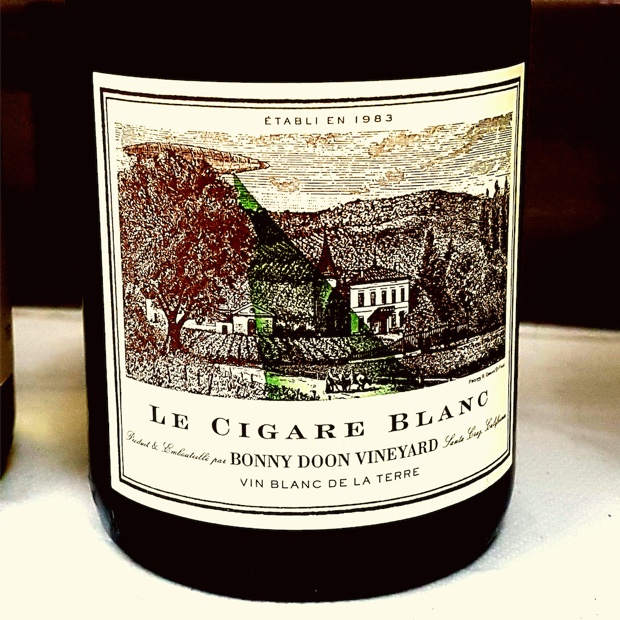
doon

Bonny Doon Beeswax Vineyard Le Cigare Blanc 2013, Arroyo Seco, Central Coast, California (95331, $34.95, WineAlign)

The Beeswax Vineyard is not just a pretty face. That this blend reeks of the bee’s work can’t be a coincidence. The ‎Rhône is but a mere smirk or memory here with fruit so ripe and vital you can hear yourself think. Arroyo Seco does cool chardonnay but it works for these varieties in another worldly way; with viscosity and texture. The pitch from the lemon and the flesh of creamy tropical fruits come together with a party gathering crafted tonic. And yet there is this rhythmic, low-toned, folk-roots-blues riff tenderness to Le Cigare Blanc. Really. J.J. Cale (by way of Don Nix) if you will. I’m going Doon, Doon, Doon, Doon, Doon, Doon. Drink 2017-2024.  Tasted September 2016  @BonnyDoonVineyd  @RandallGrahm

https://www.youtube.com/watch?v=Fm-euFpRLMg

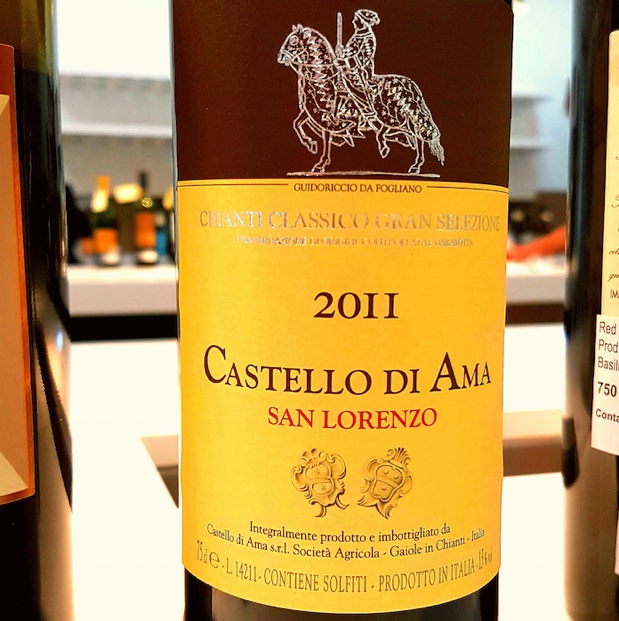
ama

Castello Di Ama San Lorenzo Gran Selezione Chianti Classico 2011, Docg Tuscany, Italy (418897, $48.95, WineAlign)

Castello di Ama has chosen their signature San Lorenzo Vineyard to qualify for Gran Selezione designation, one of three such highest level Chianti Classico produced at the estate. The high Gaiole elevation and argilo-calcaire soil make for a specific style, still deep and mineral but not so much like what happens from sangiovese raised on Galestro or Albarese solis. The liqueur here is a grander kind of sangiovese ooze (with 20 per cent malvasia and merlot), more hematic and of a purity only it can express. There is more liquorice and less leather, more iron and less cherry. Certainly less fruity but not as mineral. Here the umami is conspicuously undefined and so I am oriented to say it is simply San Lorenzo. Drink 2019-2026.  Tasted September 2016  @CastellodiAma  @HalpernWine  @chianticlassico

ratti

Renato Ratti Marcenasco Barolo 2011, Docg Piedmont, Italy (713479, $53.95, WineAlign)

The Ratti Marcenasco is in a league of it own but it shares the club with like-minded nebbioli, wines that steep in tradition and breath an aromatic liqueur only its kind resemble. Deep waters here, always mysterious and hiding sunken treasures. Candied roses and liquid tar, savoury forbidden forests and intricate tannic chains. You have to exercise extreme patience with Marcenasco, avoiding years five to 10 and best to look in at 15. Everything will rise to the surface. Drink 2021-2031. Tasted September 2016    @LiffordON

hr-pinot

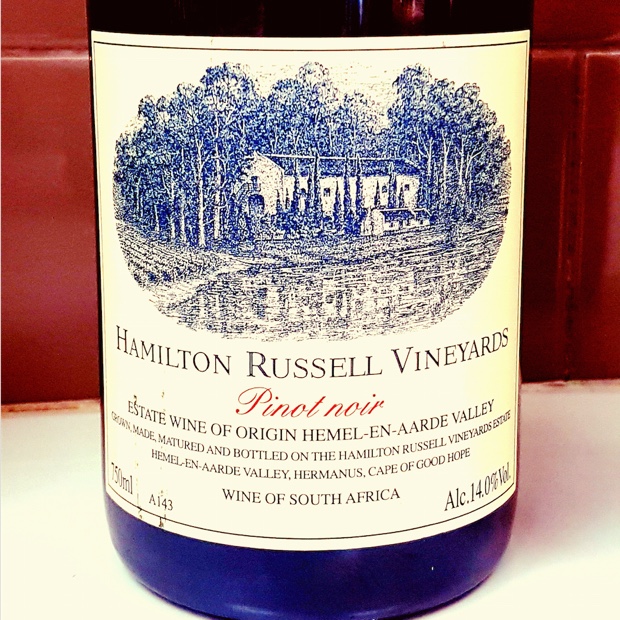
Hamilton Russel Vineyard Pinot Noir 2015, Hemel-en-Aarde Valley, South Africa (999516, $57.95, WineAlign)

In 2015 the hyperbole of the Hemel-en-Aarde shines bright in magnified reflection with fruit and land combining for full effect. I get cola and beet root in ways I cant necessarily recall from most recent Hamilton Russell pinot noir and I also get depth like I’ve not encountered before. This is a massive expression in 2015, not a gentle one. I imagine the vintage was raging with adrenaline and testosterone so you have to take what is given. A masculine wine is the result, muscular, chiseled and ripped. At present the Hamilton Russell homiletic Hemel-En-Aarde verbiage is a tad evangelical. With such Adonis-like features and marbled structure it will need a few years to recoil, recalibrate and recharge. By next decade it will soften and preach with a bold style yet remain humble enough to change. Drink 2019-2025.  Tasted September 2016  @OliveHR  @hermanuswine

flowers

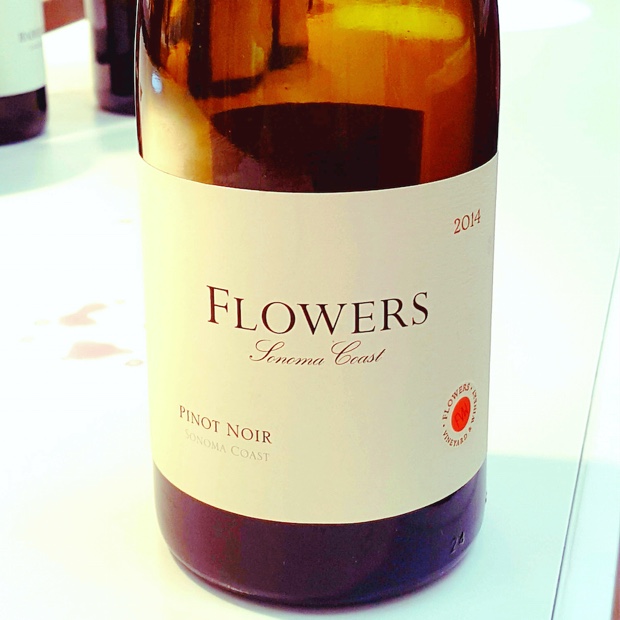
Flowers Pinot Noir 2014, Sonoma Coast, California (215202, $68.95, WineAlign)

Pinot Noir that is all coastal, from vineyards far and wide but inclusive of some fruit from the Sea Ridge Estate Vineyard. An extreme brightness of being pinot noir with that distinctive Sonoma Coast feigned red candy nose, first raspberry and then strawberry. Exquisitely perfumed and gainfully rendered with mindful, purposed and calibrating acidity, propped up and misty fine. Such effete fruit and unassuming character does not materialize with enough regularity out of these parts. The finesse and fineness of this wine is what California does best when it comes from the heart and not from the hand. Though his chardonnay is otherworldly you just have to appreciate David Keatley’s touch with Sonoma Coast pinot noir. Drink 2016-2022.  Tasted twice, February and September 2016  @FlowersWinery  @rogcowines  @sonomavintners

Good to go!

Twitter: @mgodello

Instagram: mgodello

WineAlign

All suss terroir

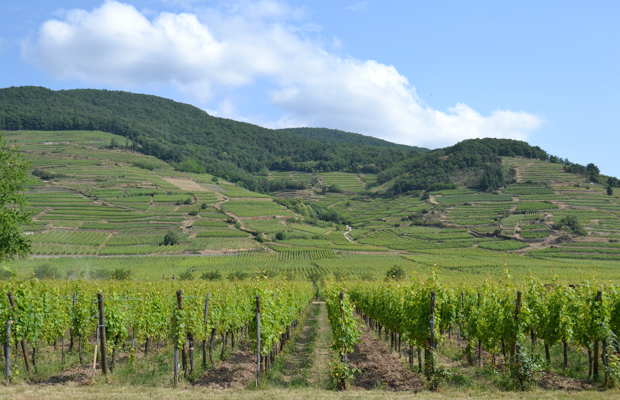
Niedermorschwihr and Sommerberg Grand Cru Vineyard, Alsace

Niedermorschwihr and Sommerberg Grand Cru Vineyard, Alsace

It has been more than 15 months since I returned from a pivotal, seminal and transmogrifying week in Alsace. The thoughts transposed to words continue to flow freely and with crystalline clarity. This may be the curtain call on that trip. Or not.

Type in the words “Alsace” and “philosophy” into a Google search page and the results will tell a Grand Cru story. The Alsace home page launches from terroir. It has to. Every winery, trade, marketing or governing organization’s website is ingrained to emphasize the rubric, to explain the true essence of Alsace wine. The local philosophy, indicating the cerebral and the spiritual component for producing exceptional wine, is both necessary and fundamental. There is nothing remotely parenthetical about the notion of terroir, not in Alsace.

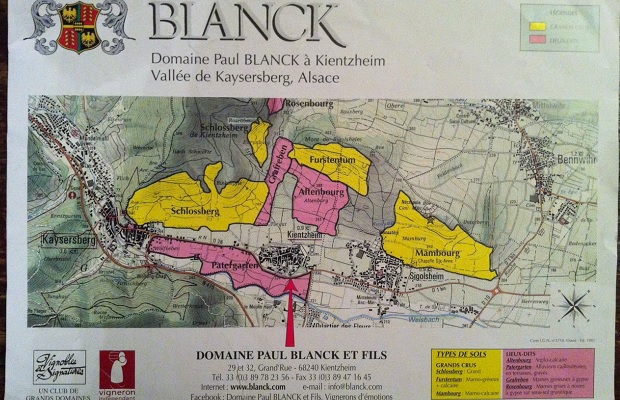
Schlossberg Grand Cru, Kientzheim, Alsace

Schlossberg Grand Cru, Kientzheim, Alsace

Related – In a Grand Cru State of mind

As wine geeks we are constantly seeking it out and sometimes we imagine it, chat it up when it’s not really there. After we are immersed in Alsace, we cannot deny its existence. Terroir, defined as “the complete natural environment in which a particular wine is produced, including factors such as the soil, topography and climate.” Or, goûts de terroir, as intaste of the earth.” Wherever wine is made around the world, soil is always as important, if not more important than any facet of the winemaking oeuvre. In Alsace, it is religion. I suss it, you suss it and in Alsace, they might say, “we all suss terroir.”

Alsace presents as a long strip of stupidly beautiful, verdant vistas, wedged between the faults and valleys forged with the Vosges Mountains on its west side and the Germany buffering Rhine River to the east. To consider its location as a province of France, drive 500 kilometres east of Paris and draw a line south from Strasbourg, to Colmar and to Basel. Wars have seen to make sure the region can never be too comfortable with its identity, causing an ever-annoying oscillation in governance.

Godello and Restaurant Laurea Montreal's Fred Fortin

Godello and Restaurant Laurea Montreal’s Fred Fortin

Alsatians are the possessed refugees of Europe, tossed around like orphaned children from one foster family to another. That they can be so comfortable in their own skin is to accept their conceit as a French paradox, through ignoring its Franco-Germanic past, its passage back and forth between hands and its current state as a region governed by France. The confluence of cultures and of shared borders (and airports) would think to cause a crisis of identity. The names of towns and villages may act out a who’s who or what’s what of French sobriquet and German spitzname. None of that matters. The people, the places, the food and the wine are purely and unequivocally in ownership of their own vernacular, dialect and culture: Alsatian.

Phillipe Blanck in the Schlossberg Photo (c): Cassidy Havens, http://teuwen.com/

Phillipe Blanck in the Schlossberg
Photo (c): Cassidy Havens, http://teuwen.com/

Related – A Blanck slate in Alsace

When a winemaker wants to lay an insult upon you he will say something like “oh, that’s so Anglo-Saxon.” Ouch. He will mean it, for sure, but he will also grace you with a wink and a smile. He likes you and he respects your choice to come from far away to learn something of his wines. And you like him. The winemaker will also complement you when your palate aligns with his, when your thoughts intuit something about his acuity and his groove. His flattery will be genuine. The winemaker will pour old vintages and without a hem or a haw. She will share generously, not because she wants to sell more, but because she wants better people to drink her wine.

To ascertain a grip on the Alsace codex it must begin in the vineyard. The steep slopes, zig-zagging ridges and fertile valleys are composed of highly intricate, alternating and complex geological compositions. The landscape switches repeatedly from clay to marl, from calcaire (limestone) to schist, from volcanic to granitic rock. Each vineyard and even more parochial, each plot contributes to define the wine that will be made from that specific micro-parcel. The wine grower and winemaker’s job is to treat the soil with utmost respect. To plow the land, to add organic material, to refuse the use of fertilizers and to spray with solutions composed of non-chemical material.

Organic and biodynamic viticulture is widespread across the globe but Alsace is a leader in the practices, particularly in the latter’s holistic, asomatous way. Though more than 900 producers make wines, including many who do not partake in a bio-supernal and subterraneal kinship with the vines and the earth, the ones who do are fanatical about their winegrowing ways. Alsatian winemakers bond with their fruit, by employing the Austrian philosopher Rudolf Steiner’s teachings as a predicate from which to apply spiritual connections to the physical act of tending vines.

Godello and Christophe Ehrhart, Domaine Josmeyer, Kientzenheim
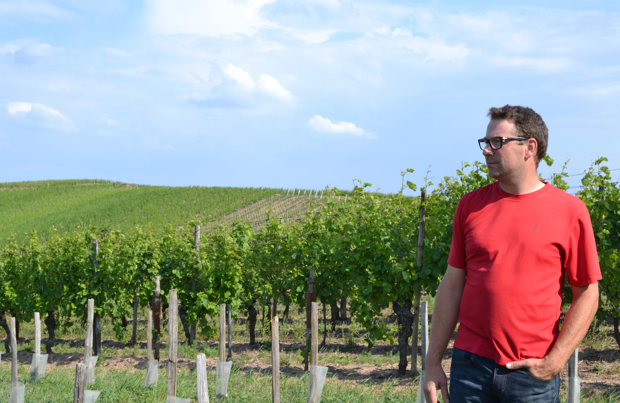
Godello and Christophe Ehrhart, Domaine Josmeyer, Kientzenheim
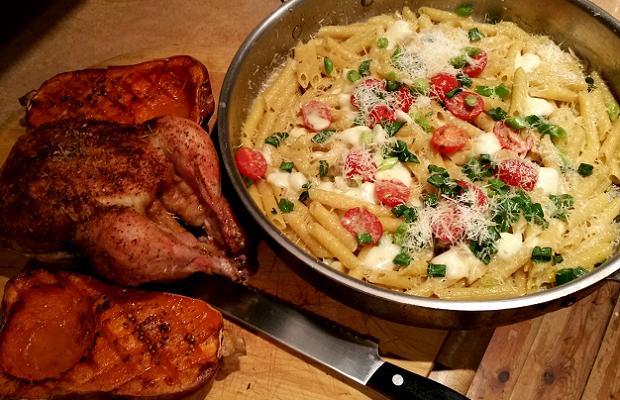
Related – It was Josmeyer’s imagination

The belief is that great wine can only be made from healthy, natural and disease resistant plants. Steiner’s studies on chemical fertilizers looked into the effect on plants growing near bombs in the earth. The growth was observed to be abnormal and unhealthy. Christophe Ehrhart of Domaine Josmeyer compared this to humans, who eat too much salt and thus need to drink too much. I tasted more than 150 naturally made wines from biodynamically farmed soils. The proof of quality and complexity is in the glass.

The winemaker of Alsace shows a respect for the earth that might be seen as a verduous variation on the teachings of theologian, philosopher, physician, medical missionary and humanitarian Albert Schweitzer. The Alsatian-born Schweitzer gave to the world his theory on the “reverence for life,” a term he used for a universal concept of ethics. “He believed that such an ethic would reconcile the drives of altruism and egoism by requiring a respect for the lives of all other beings and by demanding the highest development of the individual’s resources.” The biodynamic approach, through its human to vegetable relationship, echoes the concept. Careful care not to disrupt the balance of nature allows the vines to develop the strength to survive and to flourish in less than optimum climatic conditions, especially during times of drought. The quality of grapes and in turn, the complexity of wine, is the result.

Grand Cru Riesling, Alsace

Grand Cru Riesling, Alsace

The focus on soil and terroir is ultimately disseminated into the idea of tasting minerality in wine, a most contentious aspect of the wine tasting and writing debate. Nary an expert will admit that the impart of trace minerals can be ascertained from a wine’s aroma and most believe that it can be found in taste. An American geologist debunked the mineral to taste theory at the annual meeting of the Geological Society of America held in Portland Oregon. “The idea is romantic and highly useful commercially, but it is scientifically untenable,” wrote Alex Maltman, a professor at the Institute of Geography and Earth Sciences at Aberystwyth University. Maltman’s claim is simple. Vines absorb minerals from the earth but the amount is far too small for human detection.

Christophe Ehrhart of Domaine Josmeyer in Wintzenheim agrees to disagree. Ehrhart concedes that the quantitative number is small (only three to five percent) for a vine to derive its personality, divined though the earth’s brine. The remainder is a consequence of photosynthesis. Ever the spiritual and natural advocate, Christophe borrows from the writings of David Lefebvre. The journalist and wine consultant’s The minerality from David Lefebvre tells the story of why natural wines without sulfur express minerality. Lefebvre makes clear the argument that naturally-farmed (biodynamic and/or, but necessarily organic) vines are qualitatively richer in (salt minerals) than those raised with chemicals. “All fermentation, from milk to cheese, from grape to wine, is accompanied by the appearance of the component saline, one could say mineral, in the taste of the fermented product.” Chemicals and fertilizers inhibit growth and vigor, ostensibly wiping out an already minuscule number. If food is available at the surface, vine roots will feed right there. They will then lose their ability to create the beneficial bacteria necessary to metabolize deep earth enzymatic material. They essentially abandon their will to fight for nutrition deep within the fissures of the rock. Lefebvre’s conclusion? “All biocides and other products that block mineralization, such as SO2, inhibit the expression mineral.”

At the end of the day Lefebvre is a wine taster and not a scientist and the argument must be considered within the realm of the natural world. “The taste of stone exists in Alsace, Burgundy, the Loire (all France) when the winegrower uses organic farming and indigenous, winemaking yeasts.” American made wine rarely does this, though change is occurring. Ontario winemakers are different. Taste the wines of Tawse or Southbrook and note the difference. Or, taste the difference a vegetable, like a tomato, or a piece of fruit, like a peach tastes when picked straight from the garden, or orchard, as opposed to the conventional piles of the supermarket. There can be no argument there.

Wihr au Val Photo (c): Cassidy Havens, http://teuwen.com/

Wihr au Val Photo (c): Cassidy Havens, http://teuwen.com/

A week tasting through nearly 300 wines in Alsace may sound exhausting when in fact it is an experience that had me constantly, “as the expression goes, gespannt wie ein Flitzebogens,” or as it is loosely employed from the German in the Grand Budapest Hotel, “that is, on the edge of my seat.” I watched Wes Anderson’s film on the Air France flight over from Toronto to Paris and enjoyed it so much that I watched it again on my return. That kind of spiritual, dry European humour is not unlike that of the fraternity of Alsatian winemakers and how they discuss their wines. From Olivier Zind-Humbrecht to Pierre Blanck, to MauriceBarthelmé and to Jean-Pierre Frick there is an Edward Norton to Bill Murray, Tom Wilkinson to Harvey Keitel, Adrien Brody to Ray Fiennes affinity. Or perhaps it’s just me.

Alsace is distinguished by a very specific set of vinous attributes. No other area in France is as dry and only Champagne is further north in latitude. The aridity of the summer months, followed by the humidity of the fall fosters the development of a beneficial fungus called Botrytis cinerea, the fungus better known as noble rot, which concentrates the sugars and preserves acidity. Pierre Gassmann of Rolly Gassman says all of his wines are noble rot wines, but he calls them Riesling.

The uninitiated into the wines of Alsace think it is one big pool of sickly sweet and cloying white wine. If perhaps this were, at least to some extent, once true, it is no longer. The progressive and philosophically attentive producer picks grapes (especially the particularly susceptible Pinot Gris) before the onset of botrytis. If a dry, mineral-driven style is the goal, picking must be complete before what Phillippe Zinck refers to as D-Day. Pinot Gris goes over the edge in an instant, even more so because of the advancing maturation due to the warm temperatures induced by Global Warming.

Sommerberg Grand Cru

Sommerberg Grand Cru

The global wine community’s ignorance to the multeity of Alsace wines, “as mutually producing and explaining each other…resulting in shapeliness,” needs addressing and so steps in the valedictorian, Christophe Ehrhart. The Josmeyer viniculturalist devised a system, a sugar scale to grace a bottle’s back label. Whites are coded from one to five, one being Sec (Dry) and five Doux (Sweet). The codification is not as simple as just incorporating residual sugar levels. Total acidity is taken into consideration against the sugar level, like a Football team’s plus-minus statistic. In Alsace the relationship between sugar, acidity and PH is unlike any other white wine region. Late Harvest (Vendanges Tardives, or Spätlese in German) is Late Harvest but Vin desprit sec or demi-sec in Alsace should not generally be correlated to similar distinctions in Champagne or the Loire. In Alsace, wines with vigorous levels of acidity and even more importantly PH bedeck of tannin and structure. Perceived sweetness is mitigated and many whites, though quantified with residual sugar numbering in the teens, or more, can seem totally dry.

Returning to the idea of increasingly warmer seasonal temperatures, the red wines of Alsace have improved by leaps and bounds. “We could not have made Pinot Noir of this quality 20 years ago,” admits Maurice Barthelmé. Oh, the humanity and the irony of it all.

The Vineyards of Domaine Albert Mann photo (c) https://www.facebook.com/albertmannwines

The Vineyards of Domaine Albert Mann
photo (c) https://www.facebook.com/albertmannwines

Related – Giving Grand Cru Pinot Noir d’Alsace its due

This sort of quirky response to nature and science is typical of the artisan winemaker. There is more humour, lightness of being and constater than anywhere else on this winemaking planet. There just seems to be a collective and pragmatic voice. Maurice makes a 10,000 case Riesling called Cuvee Albert, “because I have to make a wine for the market.” Yet Maurice is also a dreamer and a geologist. To him, “Pinot Noir, like Riesling, is a mineralogist.”

Domaine Albert Mann’s Jacky Barthelmé: “Before Jesus Christ was born we have had vines here in the Schlossberg. So it is a very old story.” The Alsace vigneron is only human and works in a vinous void of certitude. They do not fuck with their land or attempt to direct its course. The young Arnaud Baur of Domaine Charles Baur insists that you “don’t cheat with your terroir or it will catch up with you. You will be exposed. You can make a mistake but you will still lose the game.” What an even more wonderful world it would be if he only understood the complexity in his multiple entendre.

Philippe Blanck is a philosopher, a dreamer, an existentialist and a lover. He is Descartes, the aforementioned Bill Murray and Bob Dylan rolled into one, a man not of selection but of election. He is both prolific and also one who buys the whole record catalogue, not just the hits. He opens old vintages freely and without hesitation. When asked how often does he have the opportunity to open wines like these he answers simply, “when people come.”

Pierre Frick et Fils

Pierre Frick et Fils

Then there is the far-out Jean-Pierre Frick, the man who let a 2006 Auxerrois ferment for five years before bottling it in 2011. “After one year I check the wine and he is not ready. I see him after two years and he says I am not ready. So I wait. After five years he says, I am finished. So I put him in the bottle.” On his Riesling 2012 he says, “This is a wine for mouse feeding.” Upon cracking open his remarkable, natural winemaking at its peak 2010 Sylvaner he chuckles like M. Gustave and smirks, “he is a funny wine.”

Few wine regions tell their story through geology as succinctly and in as much variegated detail as Alsace. The exploration of its Grand (and other vital) Cru (for the purposes of this trip) was through soils (or not) variegated of clay, sandy clay, marl, granite, volcanic rock, limestone and sandstone. To complicate things further, a Cru can be composed of more than one type of terra firma and still others have more than one arrangement within the particular plot. All very complicated and yet so simple at the same time. The Crus tasted came from the following:

Schlossberg Grand Cru, (c) Cassidy Havens, http://teuwen.com/

Schlossberg Grand Cru, (c) Cassidy Havens, http://teuwen.com/

  1. Granitique/Granite (Brand, Herrenreben, Kaefferkopf, Langenberg, Linsenberg, Schlossberg, Sommerberg)
Henri Schoenheitz and Godello

Henri Schoenheitz and Godello
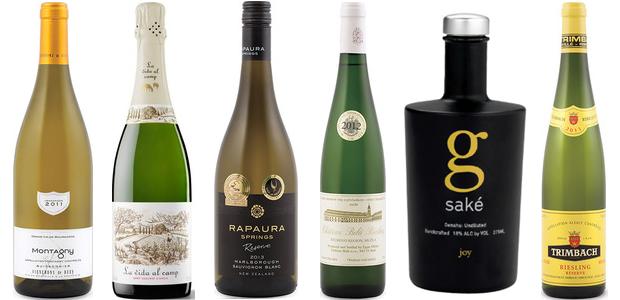
Domaine Schoenheitz Linsenberg Riesling 1990, Ac Alsace, France (Winery, 196618, WineAlign)

During a picnic, on a plateau up on the Linsenberg lieu-dit set above the Wihr-au-Val, this 24 year-old bottle acts as a kind of Alsatian Trou Normand. A pause between courses, which involves alcohol and you need to ask for its proof of age. Culled from deep dug vines out of stony and shallow granite soil. Soil rich in micas with a fractured basement. From a dream vintage with marvellous semi-low yields and a student of south-facing, self-effacing steep steppes. A sun worshipper prodigy of winemaker Henri Schoenheitz, a child of terroir du solaire. Rich and arid in simultaneous fashion (the RS is only 8-10 g/L), the years have yet to add mileage to its face and its internal clock. It may ride another 15, or 20. Drink 2015-2030. Tasted June 2015  @VinsSchoenheitz

Schoenheitz Picnic, Wihr-au-Val

Schoenheitz Picnic, Wihr-au-Val

Domaine Albert Boxler Pinot Blanc Reserve 2013, Ac Alsace, France (SAQ $27.70 11903328WineAlign)

From fruit drawn off the granitic Grand Cru of the Brand but not labeled as such. Laser focus (what Jean Boxler wine is not) and texture. Possessive of the unmistakable Brand tang, like mineral rich Burgundy. The minerality ann the acidity from the granite are exceptional in a wine known as “Pinot Blanc Reserve.” As good a developing PB are you are ever likely to taste. Drink 2015-2019.  Tasted June 2014

Domaine Albert Boxler Riesling Old Vines Sommerberg Grand Cru 2013, Ac Alsace, France (SAQ, 11698521WineAlign)

A direct expression of winemaker (since 1996) Jean Boxler and his 150 year-old casks. This is Riesling suspended in the realm of dry extract, texture and a precision of finesse rarely paralleled in Alsace. It reads the truth of facteur for Sommerberg, its face, slope and pitch. Exceeds the clarity of the younger parcel in its contiguous continuance of learning, of pure, linear, laser styling. There is more maturity here and the must had to have been exceptional. “The juice must be balanced when it goes into the vats or the wine will not be balanced,” insists Jean Boxler. And he would be correct. Drink 2016-2025.  Tasted June 2014

Domaine Albert Boxler

Domaine Albert Boxler

Domaine Albert Boxler Tokay-Pinot Gris Sommerberg Grand Cru 1996, Ac Alsace, France (Alsace)

From volcanic and granitic soils together combining for and equating to structure. A matter concerning “purity of what you can do from a great ground,” notes Master Sommelier Romain Iltis. Perception is stronger than reality because despite the sugar, the acidity reign to lead this to be imagined and reasoned as a dry wine. Ripe, fresh, smoky, with crushed hazelnut and seamless structure. Stays focused and intense in mouthfeel. Takes the wine down a long, long road. Quite remarkable. No longer labeled “Takay” after the 2007 vintage. Drink 2015-2026.  Tasted June 2014

  1. Calcaire/Limestone (Engelgarten, Furstentum, Goldert, Rosenbourg, Rotenberg, Schoffweg)

Domaine Albert Mann Pinot Gris Grand Cru Furstentum 2008, Alsace, France (Winery)

The Marl accentuated Hengst and its muscular heft receives more Barthelmé limelight but the always understated Furstentum Grand Cru is a special expression of the variety. As refined as Pinot Gris can be, with a healthy level of residual sugar, “like me” smiles Marie-Thérèse Barthelmé. The sugar polls late to the party while the acidity swells in pools, but the finish is forever. “Pinot Gris is a fabulous grape but we serve it too young,” says Maurice. “It needs time to develop its sugars.” Truffle, mushroom, underbrush and stone fruit would match well to sweet and sour cuisine. Flinty mineral arrives and despite the residual obstacle, is able to hop the sweet fencing. The potential here is boundless. Drink 2018-2026.  Tasted June 2014  @albertmannwines

Dinner wines at La Table du Gourmet, Riquewihr

Dinner wines at La Table du Gourmet, Riquewihr

Domaine Paul Zinck Gewürztraminer Grand Cru Goldert 2010, Alsace, France (Agent)

From the village of Gueberschwihr and from soil composed of sandstone, chalk and clay. The vines average 50 years in age and the wine saw a maturation on the lees for 11 months. Philippe Zinck notes that “the terroir is stronger than the variety.” If any grape would stand to contradict that statement it would be Gewürztraminer but the ’10 Goldert begs to differ. Its herbal, arid Mediterranean quality can only be Goldert talking. Though it measures 20 g/L of RS it tastes almost perfectly dry. It reeks of lemongrass, fresh, split and emanating distilled florals. This is classic and quintessential stuff. Drink 2015-2025.  Tasted June 2014  @domainezinck  @LiffordON

Domaine Zind-Humbrecht Gewürztraminer Vendanges Tardives Goldert Grand Cru 1985

Tasted from magnum at Les Millésimes Alsace, a wine described by Caroline Furstoss as “unusual for late harvest,” because the terroir is simply stronger than the variety. Another economically non-viable low yield LH, “from a vintage more on the reductive than the oxidative side.” Even at 30 years it requires aeration and time to open up. Travels from spicy to smoky with that air. There is a density in bitterness, an attrition miles away from resolve and a promise for rebate, if further patience is granted. The spices inherent are ground, exhumed and combine with the base elements to rise atomically. A spatially magnificent wine of sugars not yet clarified and an acquired taste not quite elucidated. A taste of an ancient kind. Drink 2015-2035.  Tasted June 2014

  1. Marno-Calcaire/Marl-Limestone (Altenberg de Bergheim, Clos Hauserer, Eichberg, Hengst, Kappelweg de Rorschwihr, Mambourg, Mandelberg, Osterberg, Pfersigberg, Sonnenglanz, Steingrubler)

Marcel Deiss Schoffweg “Le Chemins Des Brebis” 2010, Bergheim, Alsace, France (Agent, $60.95, WineAlign)

A pulsating and metallic, mineral streak turns the screws directly through this spirited Bergheim. From Schoffweg, one of nine Deiss Premier Crus planted to Riesling and Pinots. A pour at Domaine Stentz Buecher from fellow winemaker Carolyn Sipp simulates a trip, to stand upon a scree of calcaire, the earth below a mirror, reflecting above a multitude of stars. “He’s a character,” smiles Sipp, “and perhaps even he does not know the actual blend.” The amalgamate is surely Riesling dominant, at least in this impetuous ’10, a savant of fleshy breadth and caracoling acidity. The Schoffweg does not sprint in any direction. It is purposed and precise, geometric, linear and prolonging of the Deiss magic. This is a different piece of cake, an ulterior approach to assemblage, “a bigger better slice” of Alsace. It should not be missed.  Tasted June 2014  @LeSommelierWine

Marcel Deiss Mambourg Grand Cru 2011, Bergheim, Alsace, France (Agent, $114.95, WineAlign)

In a select portfolio tasting that includes a trio of highly mineral yet approachable 2010’s (Rotenberg, Schoffberg and Schoenenbourg), the ’11 Mambourg stands out for its barbarous youth. It seems purposely reductive and strobes like a hyper-intensified beacon. Rigid, reserved and unforgiving, the Mambourg is also dense and viscous. Acts of propellant and wet concrete circulate in the tank, compress and further the dangerous liaison. This is a brooding Deiss, so different than the jurassic citrus from Rotenberg, the terroir monster in Schoffberg and the weight of Schoenenbourg. In a field of supervised beauty, the Mambourg may seem like punishment but there can be no denying the attraction. Five years will alter the laws of its physics and soften its biology. The difficult childhood will be forgotten. Drink 2019-2026.  Tasted June 2014  @LeSommelierWine

Marcel Deiss Langenberg “La Longue Colline” 2011, Bergheim, Alsace, France (Agent, $48.95, WineAlign)

Rogue Alsace, classic Deiss five varietal field blend specific to one hangout. The steep, terraced, granite Langenberg, terroir from Saint Hippolyte. Deiss coaxes, expects and demands precocious behaviour from four supporting varieties to lift and place the Riesling, with the intent being a result in “salty symphony.” This is approachable, something 2011 could not have been easy to accomplish. The accents are spice, sapidity and acidity, from the granite, for the people. Isn’t this what a mischievous brew should be about? Drink 2015-2022. Tasted June 2014  @LeSommelierWine

Léon Beyer Riesling Cuvée Des Comtes D’Eguisheim 1985, Alsace, France (316174, $50.00, WineAlign)

I wonder is any Alsace Riesling sublimates history, religion and occupation more than Cuvée Des Comtes D’eguisheim. It breathes the past; of popes, Augustinians of Marbach, Benedictines of Ebersmunster, Cistercians of Paris and Dominicans of Colmar. From the limestone-clay for the most part of the Grand Cru Pfersigberg and only produced in exceptional vintages. In 1985 low yields, same for botrytis and then 29 years of low and slow maturation. In 2014, is the herbal, aromatic, limestone salinity a case of vineyards, grape or evolution? All of the above but time is in charge. It has evolved exactly as it should, as its makers would have wished for. It is ready to drink. The defined minerality, with fresh lemon and a struck flint spark has rounded out, without the need for sugar. Drink 2015-2017.  Tasted June 2014  @TandemSelection

Charles Baur Riesling Grand Cru Eichberg 2009, Ac Alsace, France (Winery)

Arnaud Baur understands his place and his family’s position in the Alsace continuum. “You can make a mistake and you can still lose the game.” His use of entendre is subconsciously brilliant. In 2009 the warmth went on seemingly forever and so Baur did not even bother trying to make a dry Riesling.  “We really respect the vintage,” says Arnaud. Meanwhile at 18 g/L RS and 7.0 g/L TA the balance is struck. Many grapes were dried by the sun, ripeness was rampant, flavours travelled to tropical and acidity went lemon linear. The 14.2 per cent alcohol concludes these activities. Matched with foie gras, the vintage is marinated and married. There is certainly some crème fraîche on the nose and the wine plays a beautiful, funky beat. As much fun and quivering vibration as you will find in Alsace Marno-Calcaire. Drink 2015-2024.  Tasted June 2014

Dinner wines at L'Epicurien, Colmar

Dinner wines at L’Epicurien, Colmar

Charles Baur Gewürztraminer Grand Cru Pfersigberg 2007, Ac Alsace, France (Winery)

A good vintage for Riesling and considering the heat, an even better one for Gewürztraminer. The vineyard offers 50-70cm of clay atop Jurassic yellow limestone where roots can penetrate the rock. They suck the life into this enzymatic white. This, of digestibility, “a wine you don’t want to drink two glasses of, but three.” Delicious, clean, precise Gewürz that Mr. Baur recommends you “drink moderately, but drink a lot.” Arnaud is very proud of this ’07, for good reason. Two actually. Balance and length. Drink 2017-2027.  Tasted June 2014

Domaine Albert Mann Pinot Gris Grand Cru Hengst 2013, Alsace, France (SAQ $41.50 11343711, WineAlign)

Tasted not long after bottling, the yet labeled ’13 is drawn from a vintage with a touch of botrytis. “We don’t sell too much of this,” admits Maurice Barthelmé. Along with the sweet entry there are herbs and some spice, in layers upon layers. Almost savoury, this interest lies in the interchange between sweet and savour, with stone fruit (peach and apricot) elevated by a feeling of fumée. A playful, postmodernist style of short fiction. Drink 2017-2024.  Tasted June 2015  @albertmannwines  @Smallwinemakers

Domaine Albert Mann Pinot Gris Grand Cru Hengst 2008, Alsace, France (SAQ $41.50 11343711WineAlign)

In 2008 the brothers Barthelmé used the Hengst’s strength and the vintage to fashion a remarkable Pinot Gris. It is blessed of antiquity, like concrete to bitters, with power, tension and a posit tub between fruit and sugar. At 34 g/L RS and 7.6 g/L TA there is enough centrifuge to whirl, whorl and pop, culminating in a healthy alcohol at 14 per cent. Quite the reductive Pinot Gris, to this day, with a sweetness that is manifested in mineral flavours, glazed in crushed rocks. “It smells like mushroom you threw into a dead fire,” notes Fred Fortin. This is the bomb. Needs four more years to develop another gear. Drink 2018-2033.  Tasted June 2015  @albertmannwines  @Smallwinemakers

Domaine Albert Mann Gewürztraminer Grand Cru Steingrubler 2008, Alsace, France (Winery)

From marly-limestone-sandstone, “a fa-bulous terroir,” says Maurice with a smile. The “stone carrier wagon” is mostly calcaire, especially in the middle slope. This has a roundness, an approachability. It really is clean, clean, Gewürztraminer. It’s erotic, gorgeous, certainly not slutty or pornographic. The colder limestone preserves the freshness, with a need for magnesium, to cool the factor further and to develop the terpenes. Gelid and stone cold cool wine. Drink 2018-2035.  Tasted June 2015  @albertmannwines  @Smallwinemakers

Bott Geyl Riesling Grand Cru Mandelberg 2010, Alsace, France (Agent)

The Mandelberg receives the early morning sun and so this Grand Cru is an early ripener and the first of the Bott-Geyls to be picked. The added warmth of 2010 introduced noble rot into a vineyard that often avoids it so the residual sugar here is elevated to an off-dry (even for Alsace) number of 30 g/L. The rush to pick in this case preserved the natural acidity, allowing the flint to speak. Additional notes of cream cheese and formidable dry extract have helped to balance the sweetness. Truly exceptional Riesling from Christophe Bott-Geyl. Drink 2015-2025.  Tasted June 2014  @bott_geyl  @DanielBeiles

  1. Calcaro-gréseux/Limestone-Sandstone (Bergweingarten, Zinkoepfle)

Pierre Frick Sylvaner Bergweingarten 2010, Alsace, France (Winery)

The vines of southeast exposure are in the 35 year-old range for this Vin moelleux, “young vines” says Jean-Pierre Frick. “I am a defender of Sylvaner.” This ’10 is freshly opened, as opposed to the ’09 poured after sitting open a week. That ’09’s healthy amount of noble rot is not repeated in this ’10, what Frick refers to as “a funny wine.” A two year fermentation and a potential for 17 per cent alcohol (it’s actually in the 14-15 range), a touch of spritz and no sulphur means it goes it alone, natural, naked, innocent. It’s a passionate, iconoclastic Sylvaner, distilled and concentrated from and in lemon/lime. It may carry 53 g/L of sugar but it also totes huge acidity. Enamel stripping acidity. Full of energy, that is its calling, its niche, its category. The honey is pure and despite the level of alcohol it’s as though it has never actually fermented. Natural winemaking at the apex, not out of intent but from a base and simply purposed necessity. Drink 2015-2025.  Tasted June 2014  @LeCavisteTO

Fleischanaka at Domaine PIerre Frick

Fleischanaka at Domaine PIerre Frick

  1. Sablo-Argileux/Sandy-Clay (Schlossberg)

Domaine Albert Mann Riesling Schlossberg Grand Cru 2008, Alsace, France (SAQ 11967751 $48.25, WineAlign)

What a fantastic expression of the Schlossberg, like a cold granite countertop. A Riesling that tells you what is essentiality in granite from what you thought might be the sensation of petrol. Full output of crushed stone, flint and magnesium, but never petrol. Now just beginning to enter its gold stage, just beginning to warm up, in energy, in the sound of the alarm clock. “You can almost see the rock breaking and the smoke rising out,” remarks Eleven Madison Park’s Jonathan Ross. A definitive sketch with a 12 g/L sugar quotient lost in the structure of its terroir. A Schlossberg a day keeps the doctor away. Drink 2015-2025.  Tasted June 2014

Related – Arch classic Alsace at Domaine Weinbach

Domaine Weinbach, (c) Cassidy Havens, http://teuwen.com/

Domaine Weinbach, (c) Cassidy Havens, http://teuwen.com/

  1. Argilo-calcaro-gréseux/Clay-Limestone-Sandstone (Goldert, Vorbourg)

Pierre Frick Auxerrois Carrière 2006 (Embouteille en 2011), Alsace, France (Winery)

“He has fermented five years,” says Jean-Pierre Frick, stone faced, matter of factly. “That’s how long he took.” Here, one of the most impossible, idiosyncratic and unusual wines made anywhere in the world. On on hand it’s a strange but beautiful experiment. On another there can be no logical explanation as to why one would bother. The third makes perfect sense; allowing a wine to ferment at its own speed, advocate for itself and become what it inherently wanted to be. Auxerrois with a little bit of sweetness (16 g/L RS) and a kindred spirit to the Jura (and with a potential of 15 per cent alcohol). This is drawn from the lieu-dit terroir Krottenfues, of marl-sandstone soils in the hills above the Grand Cru Vorbourg. Tasting this wine is like slumbering through a murky and demurred dream. Drink 2015-2021.  Tasted September 2015

Pierre Frick Auxerrois Carrière 2006 (Embouteille en 2011)

Pierre Frick Auxerrois Carrière 2006 (Embouteille en 2011)

  1. Argilo-calcaire/Clay-Limestone (Eichberg, Engelberg, Kanzlernerg, Pflaenzerreben de Rorschwihr, Steinert)

Paul & Phillipe Zinck Pinot Blanc Terroir 2011, Alsace, France (BCLDB 414557 $15.79, WineAlign)

From 35 year-old vines on Eguisheim’s argilo-calcaire slopes with straight out acidity, trailed by earth-driven fruit. Less floral than some and pushed by the mineral. A difficult vintage that saw a full heat spike to cause a mid-palate grape unction. Pinot Blanc with a late vintage complex because of that sun on the mid slope. Drink 2015-2017.  Tasted June 2014  @domainezinck  @LiffordON

Paul & Phillipe Zinck Pinot Gris Terroir 2012, Alsace, France (Agent, $22.99, WineAlign)

From chalk and clay soils surrounding the Eichberg Grand Cru, this is a decidedly terroir-driven style and far from overripe. In fact, Philippe Zinck is adamant about picking time, especially with Pinot Gris. “The most tricky grape to harvest in Alsace,” he tells me. So hard to get serious structure and many growers are duped by high brix. Philippe tells of the 24-hour varietal picking window, the “D-Day” grape. Zinck’s ’12 is pure, balanced and bound by its earthy character. Drink 2015-2017.  Tasted June 2014  @domainezinck  @LiffordON

Pierre Frick Muscat Grand Cru Steinert Sélection de Grains Nobles 2010, Alsace, France (Winery)

“I like acidity, whoo-ahh,” says Pierre Frick, dry as Monsieur Ivan. The sugar on top of acidity here, it’s exciting. This one is a gift from nature, for culture. So interesting, a dream, a story. This has a citrus sweetness, telling a story never before experienced. There’s a depth of reduced apricot syrup, pure, natural, holy. “Tell no one. They’ll explain everything.” Drink 2015-2040.  Tasted June 2014

  1. Volcano-gréseux/Volcanic sandstone (Kitterlé, Muenchberg)

Pierre Frick Pinot Gris Sélection de Grains Nobles 1992, Alsace, France (Winery)

From Argilo-Calcaire vineyards flanking the Rot Murlé, at a time when a minor amount of sulphuring was employed (1999 was their first sulphur-free vintage). Was Demeter certified, in 1992! This is all about intensity and acidity. An incredibly natural dessert wine, upwards of 150 g/L RS but balanced by nearly 10 g/L TA. The power is relentless, the finish on the road to never-ending. Drink 2015-2022.  Tasted September 2015

Domaine Ostertag Tokay Pinot Gris Grand Cru Muenchberg 1996, Alsace, France (Agent, $65, WineAlign)

From clay and limestone, fully aged in barrel, taking, sending and stratifying in and away from its own and everyone else’s comfort zone. Only the best barrels would do and yet the quality of the wood thought aside, this is Ostertag’s unique and fully autocratic take on Tokay-PG. Stands out with a structure wholly singular for the overall prefecture, with a twenty year note of white truffle, handled and enhanced by the wood maturation. Yellow fruits persist as if they were picked just yesterday but the glass is commandeered by the complex funk. It’s nearly outrageous, bracing and yet the flavour urged on by the aromatics return to their youth. To citron, ginger and tropical unction. This is oscillating and magnificent. Drink 2015-2026. Tasted June 2014  @TheLivingVine

  1. Argilo-Granitique/Clay-Granite (Kaefferkopf, Sonnenberg)

Audrey et Christian Binner Grand Cru Kaefferkopf 2010, Alsace France (Winery)

A blend of Gewürztraminer (60 per cent), Riesling (30) and Muscat (10) that spent two years in foudres. Christian has no time for technicalities, specs and conventions. “I just make wine.” At 13.5 per cent alcohol and 20 g/L RS the expectation would be vitality and striking lines but it’s really quite oxidative, natural and nearly orange. “But it’s OK. It’s the life,” he adds. An acquired, unique and at times extraordinary taste, complex, demanding, like Frick but further down a certain line. “For me, to be a great Alsace wine, it must be easy to drink. You have to pout it in your body.” Drink 2015-2019.  Tasted September 2015

Related – Walking an Alsace mile in their Riesling shoes

  1. Volcanique/Clay-Granite (Rangen)

Related – Colmar and the volcano: Domaine Schoffit

  1. Marno-Calcaire-gréseux/Marl- Limestone-Sandstone (AltenbourgKirchberg de Ribeauvillé)
  1. Volcano-sédiment/Volcanic Sediment (Rangen)
  1. Graves du quaternaire/Alluvial (Herrenweg de Turckheim)

Related – The cru chief of Alsace: Zind Humbrecht

Olivier Humbrecht and Godello PHOTO: Cassidy Havens, http://teuwen.com/

Olivier Humbrecht and Godello
PHOTO: Cassidy Havens, http://teuwen.com/

  1. Roche Volcanique/Volcanic rocks (Rangen de Thann)
  1. Marno-gypseux/Marl-gypsum (Schoenenbourg)
Jean Boxler, June 2014

Jean Boxler, June 2014

You see, no wine is poured, tasted and deliberated over without the introduction of the soil (or lack thereof) from which it came. To confine any study to just the Grand Cru would do the entire region an injustice. Though the original 1975 appellative system set out to define the plots of highest quality and esteem, many wines not classified GC are fashioned from terroir comingling with, surrounding, located next or adjacent to a vineyard called Grand Cru. Serious consideration is being given by CIVA and the winemakers to establish a Premier Cru and Villages system. While this will certainly increase levels of definition and understanding for Alsace, it may also disregard some quality wines, not to mention further alienate some producers whose artisanal and progressive wines go against the norm. A further consequence may result in elevating some average wines currently labeled Grand Cru into undeserved stratospheres.

Related – Trimbach, rhythm and soul

The Grand Cru story is heavy but not everything. Rarely has there been witnessed (outside of Burgundy) the kind of symbiotic relationship between vineyard and village. Perfect examples are those like Schlossberg and Furstentum with Kintzheim, Sommerberg and Niedermorschwihr, Hengst and Wintzenheim, Brand and Turckheim or Steingrübler and Wettolsheim. Domaine Weinbach’s cellars sit across and just down the road from both Kitzheim and Kayserberg. Albert Boxler’s cellar is right in the fairy tale town of Niedermorschwihr, just like Albert Mann’s location in Wettlosheim.

It is time, finally and thankfully, for a return to the reason for such a rambling on. With respect to the “cerebral and the spiritual component for producing exceptional wine” being “necessary and fundamental,” examples tasted in June of 2014 indicate that the notion of terroir grows from nature and is nurtured by the vigneron. These 25 wines surmise and summarize, either by connecting the dotted lines of constellatory figuration or by Sudoku interconnectivity, the imaginable chronicle that is Alsace.

Good to go!

http://www.winealign.com/profile/2058-mjg

Whites of passage

Slightly Barque dry-rubbed Roast Chicken, scored butternut squash with butter, agave and backyard coriander seed and penne with grape tomato, padano and scallion

Slightly Barque dry-rubbed roast chicken, scored butternut squash with butter, agave and backyard coriander seed and penne with grape tomato, bocconcini, padano and scallion

Spring has finally sprung. The air and the psyche have found collective exosmosis, leaving the colder, thicker air of winter behind, to begin passage through the membrane into lower pressure. With the exhale and lighter sense of being comes the same in wine. We egress to ferments of lower concentration. In reds we will welcome Gamay, Pinot Noir, Zweigelt, Blaufränkisch and Cabernet Franc.

White wine has more potential in legerity and litheness of being. While Riesling, Pinot Gris and Pinot Blanc are most certainly apropos choices for spring, there are others, variations on the theme, not technically “white” per se, but fitting the bill nonetheless. Like Sparkling wine, and Sake.

Tastings of late have focused on the white stuff and there are many that have already left an indelible mark during this period of emergence, this recent transudation through conduit, out of too many months mired in ice and snow. The parameters of white wine blurred a bit, this group of twelve wines will do you no harm. In fact, any or all will help restore that healthy attitude so desperately needed in this time of rejuvenation. Spring.

From left to right: Château De La Bretesche Muscadet Sèvre Et Maine Sur Lie 2013, Emiliana Adobe Reserva Sauvignon Blanc 2014, La Joya Viognier Reserve 2014, Charles & Charles Chardonnay 2013, Hugel Gentil 2013 and Tokaj Kereskedoház Grand Selection Semi Dry Tokaji Furmint 2012

From left to right: Château De La Bretesche Muscadet Sèvre Et Maine Sur Lie 2013, Emiliana Adobe Reserva Sauvignon Blanc 2014, La Joya Viognier Reserve 2014, Charles & Charles Chardonnay 2013, Hugel Gentil 2013 and Tokaj Kereskedoház Grand Selection Semi Dry Tokaji Furmint 2012

Château De La Bretesche Muscadet Sèvre Et Maine Sur Lie 2013, Ac Loire, France (412163, $12.95, WineAlign)

From the VINTAGES April 18, 2015 release

From the stable of Domaine de la Chauvinière, the Château De La Bretesche is a gneiss Melon de Bourgogne, crafted at the hands of Muscadet master Jérémie Huchet. Melon of lightness, finesse, ripe restraint, elasticity and breadth beyond the norm. Karpos of many herbs and briny berries. Capable of nurturing and buttressing intensity. Though the scent here is subtle, when it comes to Muscadet, the fresh sea and shell of Pholas dactyls is necessary. In conjunction with its length and a price of $13, in this section of the Loire, the littoral zone and the peak are reached. Drink 2015-2020.  Tasted March 2015  @MyLoireValley  @LoireValleyWine

Emiliana Adobe Reserva Sauvignon Blanc 2014, Casablanca Valley, Chile (266049, $13.05, WineAlign)

It would be hard to imagine Sauvignon Blanc with wilder eyes, as much pop and nearly the zesty fortitude as the Emiliana Adobe. The clarity of organic/biodynamic health in vine and by extension fruit is on blinking display. Fresh and popping, the zest of ripe citrus circulates naturally, as acidity, in juicy squeezes and with nothing but tireless pep. This is an example of exemplary SB for Chile and one can only imagine the depths that might come from older vines and/or a wild yeast meets barrel ferment trial. Drink 2015-2016.  Tasted April 2015  @VinosEmiliana

La Joya Viognier Reserve 2014, Colchagua Valley, Chile (168542, $15.95, WineAlign)

From the VINTAGES April 18, 2015 release

As impressive as this very New World take on Viognier was in 2013, the follow-up furthers the absorption. The accented matters of alcohol, residual, mineral, bright fruit and soil continue the train of thought with forward ’14 thinking. This is nothing but a feel good, “why don’t you touch me now” Viognier, a gem-filled musical box of herbs, blanched nuts, flowers and spices. It’s a round and melodic nursery rhyme that’s fun to sniff, taste and listen for its mysterious ministrations and magical charms. Drink 2015-2018.  Tasted March 2015  @VBisquertt  @DrinkChile  @vonTeichman  @vonterrabev

Charles & Charles Chardonnay 2013, Columbia Valley, Washington (394734, $15.95, WineAlign)

I would liken this Columbia Valley Chardonnay to the Fourth of July. It’s got tiny moving parts, all in motion, trying to put it all together. Cool orchard fruit, a minor kiss of barrel, a raft of lees, some sweet tropical flavours and round acidity. Needs some time. If it succeeds “it will be like fireworks blowing up in the air like a Fourth of July night sky.” For now it’s a reserved, quietly efficient and harmless Chardonnay. But it does show signs of building momentum. Drink 2016-2020.  Tasted March 2015  @KVintners  @Dandurandwines

Hugel Gentil 2013, Ac Alsace, France (367284, $15.95, WineAlign)

From the VINTAGES April 18, 2015 release

The five grape blend works confidently and vehemently strives with more love and sympathy than the austerely commandeered Riesling. Sylvaner and Pinot Blanc matter here, helping to negate the dominant aromatic push of the Gewürztraminer and Pinot Gris. Quite dry (3.9 g/L RS), with twitching (5.86 g/L) though steady acidity. This has ingratiating integration and unswerving tannic grain. A coherently textured Riquewihr conflation that is more than well-made. Drink 2015-2020.  Tasted March 2015  @Hugelwine  @HalpernWine  @VinsAlsace

Tokaj Kereskedoház Grand Selection Semi Dry Tokaji Furmint 2012, Pdo Tokaj Hegyalja, Hungary (396366, $16.95, WineAlign)

From the VINTAGES April 18, 2015 release

Hungary and more succinctly Hegyalja is on a terrific role of late. I would put many marbles into the probability basket and roll straight to the quality bank on the backs of so many Tokaji examples. This Furmint is not on the lighter, fresher side, but more so the seasoned and effluvious strand. “Regardless of the balance life has become” this Furmint is lush and conversely piercing, an acquired density, thick and profoundly cumbersome. Though it rallies and rails in many ways, “too heavy too light, too black or too white, too wrong or too right, today or tonight,” it’s also honeyed and a riot to drink. Would like to give this seven Mary three years to settle down. Drink 2017-2020.  Tasted March 2015  @TokajCE  @WineofHungary

From left to right: Vignerons De Buxy Buissonnier Montagny 2011, La Vida Al Camp Cava Brut, Château Belá Riesling 2012, Rapaura Springs Reserve Sauvignon Blanc 2013, Momokawa G Joy Junmai Ginjo Genshu and Trimbach Réserve Riesling 2011

From left to right: Vignerons De Buxy Buissonnier Montagny 2011, La Vida Al Camp Cava Brut, Château Belá Riesling 2012, Rapaura Springs Reserve Sauvignon Blanc 2013, Momokawa G Joy Junmai Ginjo Genshu and Trimbach Réserve Riesling 2011

Vignerons De Buxy Buissonnier Montagny 2011, Ac Burgundy, France (382879, $19.95, WineAlign)

From the VINTAGES April 18, 2015 release

Another VINTAGES (2011) shipment of this great value in Côte Chalonnaise Chardonnay from the most southerly portion of the Côte d’Or is fortuitous because eight months has only helped to extricate the fruit from its Marly soil, variegated with White Burgundy-loving limestone shell. This is Montagny with intensity and in language of Burgundy’s essential tenets. Aromas scheme as white fruit punch and fruit that packs a punch. Might be thought of as heavy, syrupy even, in terms of Chardonnay, but the meeting of equal and opposing tannin terms balance. The clay-crusted pebbles in the marl have crawled inside the bottle. Suck on them long enough and they will reveal their inner stone. I dare you to spit them out. Drink 2015-2020.  Tasted March 2015  @VinexxWine

La Vida Al Camp Cava Brut, Penedès, Spain (Agent, $19.95, WineAlign)

This blend of Macabeu, Xarel-Lo and Parellada is not only distinguished for Cava, it should be highly regarded in the pantheon of all Sparkling wine. Swelling with personality and urging in demonstrative energy that fizzes and suspends with fervent animation. The activity is one of quick reactions and accumulation. From sweet yeast in lees, from an on the line oxidative cold front and through the warmth of tropical spice. Cava like clouds combing stormy skies from equal and opposing directions and densities. Though marked by a leathery aromatic rind, it’s creamier and less lactic than outright citrus. These are fine bubbles, of twinkling titillations and striking flavours. Drink 2015-2018.  Tasted March 2015  @lavidaalcamp  @TheVine_RobGroh

Château Belá Riesling 2012, Muzla, Slovakia (410951, $19.95, WineAlign)

From the VINTAGES April 18, 2015 release

For something completely different and yet not, look to Slovakian Riesling at the hands of a German icon. Here from Muzla, a most elemental, atmospheric and petrol driven wine, out of Loess, with blessings beyond Riesling character. A bit reductive, funky and porcine like Baden Grauburgunder, frankly. Heads to an off-dry intersection on the palate, in Spätlese-like headiness. Returns to Trocken in angles of mineral tang and a late, ferocious bite down. Stays this way for nearly a minute. A challenging and compelling respite away from the Mosel. Drink 2016-2022.  Tasted March 2015  @ChateauBela  @WinesOfSlovakia

Rapaura Springs Reserve Sauvignon Blanc 2013, Marlborough, South Island, New Zealand (388421, $21.95, WineAlign)

From the VINTAGES April 18, 2015 release

Blame it on the midnight, the rain or the Wairau River, but the flow past a rocky aquifer and into the vineyard weaves through this Sauvignon Blanc to achieve an uncanny Marlborough balance. The accord is struck between high tones and mineral undertones. Between tropical lushness and direct citrus connectivity. Between herbal grounding and stratospheric elevation. Really flavourful and structured by texture. In a saturated world it is noted “everywhere is all around, comfort in the crowd,” through a sea of Sauvignon Blanc. Shame on the moon but the Rapaura Springs Reserve stands out for its gentle, meandering and crooning ways. It is highly recommended. It is possessive of an ability to braid, reticulate and evolve. Drink 2015-2020.  Tasted March 2015  @Rapaurasprings  @nzwine  @VinexxWine

Momokawa G Joy Junmai Ginjo Genshu, Oregon (239426, $26.95, WineAlign)

From the VINTAGES April 18, 2015 release

Made from pure, Sacramento Valley Calrose rice polished to 60 per cent and undiluted. The short trek to Oregon is made for the G, a Saké with a foot in two worlds. The Koji-kin and yeast strains are from Japan and the water from Oregon. The American-Japanese arrangement will succeed in pleasing palates east and west. Sacramento soil is in here, enriching the rice with savoury tall grasses and expanding spice. Oregon water draws subterranean salinity and combined with the Japanese elements, comes out like toasted nori. This is lovely and floral, rich and finishes with a feeling of wet stones.  Tasted March 2015  @SakeOne  @MetroWineSake

Trimbach Réserve Riesling 2011, Ac Alsace, France (995316, $29.95, WineAlign)

From the VINTAGES April 18, 2015 release

Some old vines and a strict selection of grapes from Ribeauvillé and vicinity compose the Trimbach Réserve, another storied chapter of sharpness and focus. Builds upon the similar 2010 and with greater depth. At this price on the Riesling plain this will be a star for the vintage, even it it takes five more years to reach adjudication. With this portal to the finest fruit and handling in mind, it can only be imagined what the same vintage will convey from the terroirs of Geisberg and Osterberg for Cuvée Frédéric Émile. The standard Réserve is rich and propelled to compounding causatum. Aromas go through lemon glade and glaze, then turn the key to lime. The texture is a crackling bite of corral with salinity drawn from oceans far away. The stone cold austerity is a frozen moment of time, a long pause in which there is nothing to do but swallow and forget. Small price to pay for such a thing. Drink 2016-2022.  Tasted March 2015  @trimbach  @WoodmanWS  @AlsaceWines

Good to go!

http://www.winealign.com/profile/2058-mjg

https://instagram.com/mgodello/

Is writing making a mess of wine?

Rave Review

Rave Review

Wine today is suffocated by an industrial and disproportionate number of writers, critics, reviewers and judges. There are so many voices vying for airtime, filling up virtual white pages with their comments, feelings and dissertations. There are homers and there are curmudgeons. When in balance, both keep the ship afloat, but more often than not the questions begs. Which ones are causing the wreck? The answer is both. The problem is not the intent but rather the execution.

You may have noticed that when I write about wine, which is pretty much all of the time, I use a whole lot of words. A mess of vocabulary. An inordinate amount of adjectives. A boundless number of references to music, song and pop culture. It’s how I roll. And it has got me thinking, again.

Tis’ about that time of year. A period for reflection and review, not on what was so great in the previous vintage but about the things that will be critical going forward in this new one. Please excuse the interlude while I hang suspended within the interval of hermeneutic, contemplation and debate. Reading books on anthropology, art world shenanigans and a post-holocaust personal journey are seeping into my thoughts like Sémillon into Sauvignon Blanc and the varietal blend is coming up complicated.

Related – Wine: It’s a matter of tasting notes

Old guard tasting notes are losing their relevance and not because they are wrong or inaccurate. They just don’t speak to wine in the 21st century. They don’t tell a story and they surely don’t have any fun. So what? Imagine taking a video of yourself working on your computer, browsing the internet, reading and interacting on social media. What would you see? A world of links and associations. A world where thoughts and comments bounce around like children in a jumpy castle. This is the realm of the new tasting note. This is what wine can do for you in the 21st century. It can lead you forward and take you back. Most of all it can really tie your life together.

Related – Three-chord wines, hold the rants

Then the whining. The constant shrill voice of conceit mixed with complaint. The words minced to poison with a hunger to attack. Paragraphs penned to warn of apocalypse and to relegate decent writers to the scrap heap and back to the depressing nine to five. Writers reacting only to what others do without creating anything of their own. Comedians of the wine world lashing out, ranting, shouting “got ’em, need ’em, hate ’em.”

These attitudes and still the truth is not to be ignored. Reading a wine through a tasting note is like kissing a woman through a veil. “Translation is a kind of transubstantiation,” where one wine becomes another and another. You can choose your philosophy of critiquing just as you choose how to live. The freedom to personalize or substantiate thoughts on structure sacrifices the detail to meaning and meaning to preciseness. The winemaker is the writer or poet, moving from vines to vinous language. The critic moves in the opposite direction, or should, by attempting to read between the lines, to identify what can’t be seen, to interpret the mysterious implications of smell, taste and texture.

The lede firmly and flatly backs the headline, states, if asks, “is writing making a mess of wine?” Yes, that is a double entendre, a loaded gun of meaning and hypothesis, a million dollar question. While we want to know who’ll stop the rain, we also desperately need to understand the meaning of wine. So we put it down in words. We explain how wonderful life is with wine in the world. We also break it down, grape by grape, to a point where it often lies broken, disassembled, deconstructed, left for naked. What is it for? Are wine writers leaving behind a city of ruins?

Have they decided and determined that the winemaker’s works can be used to make a point? A point that belongs to the critic? Has the wine writer taken away the artist’s right to be, has the intent been obscured, or worse, the opposite and turned it into a curator’s right?

There are wines that claim you and wines that warn you away. Maybe the writers are just looking for wine that would teach them everything, like searching for one language, just as some would look for one woman’s face. The combined fugitive pieces of wine and its critics pose “questions without answers.” They must be asked very slowly.

To the beleaguered point five wines are here venerated and disfigured, assessed and cut to size. They are sniffed and sipped, thought of in song and regurgitated on the page. Do they lift or bury their maker’s plan? You be the judge.

From left to right: Susana Balbo Signature Barrel Fermented Torrontés 2014, Sterling Vineyards Pinot Noir 2012, Nyarai Cellars Cadence 2011, Wieninger Nußberg Alte Reben Gemischter Satz 2012, Tabarrini Colle Grimaldesco Montefalco Sagrantino 2009

From left to right: Susana Balbo Signature Barrel Fermented Torrontés 2014, Sterling Vineyards Pinot Noir 2012, Nyarai Cellars Cadence 2011, Wieninger Nußberg Alte Reben Gemischter Satz 2012, Tabarrini Colle Grimaldesco Montefalco Sagrantino 2009

Susana Balbo Signature Barrel Fermented Torrontés 2014, Uco Valley, Mendoza, Argentina (384339, $17.95, WineAlign)

Here, from Dominio del Plata, an experiment with clear merit. The attributes are so sizeable, with weight depth and no compromise. The dramatic effect works to ignore the “clouds of mystery pourin’ confusion on the ground.” The floral aromatic integrity of Torrontés is upheld within the leaden shackles of the wood, as is the savour. This is a honeyed white, suckling and mellifluous, like fully extracted ripe Sémillon, from and with the benefit of a warm vintage. Puts the fun back into varietal revival by way of a giant leap up from the thin, medicinal water clogging the arteries of South American white wines so often put to market. Here is a Torrontés to stop the rain.  Tasted January 2015  @ddpwinery  @ProfileWineGrp

Sterling Vineyards Pinot Noir 2012, Napa Valley, California (424179, $19.95, WineAlign)

There are so many reasons not to find a thrill in this regional blend of Pinot Noir fruit but none of them stick. Sweetness, simple syrup silky fruit, brown sugar, every red and purple berry in all varieties of fields (plus ripe plums) and warm to temperate alcohol (14.5 per cent declared) all combine for full California sunshine effect. All this and I just can’t turn away. With all the excess fruit, texture and multiplicity in good times, how can I? I ask this Pinot, “how come you, how come you dance so good?” The answer lies in the feel and the ability to turn a Noir trick or two. Not to mention a rolling of barrels and Napa Valley stones through its very core. Well done.  Tasted January 2015  @sterlingwines  @Diageo_News

Nyarai Cellars Cadence 2011, VQ Niagara Peninsula, Ontario (Winery, $21.95, WineAlign)

Steve Byfield’s crimson blend of Cabernet Franc (42 per cent), Merlot (33), Cabernet Sauvignon (20) and Syrah (5) is at once so very Niagara while acting out anomalously in the 2011 vintage. Ripe, extracted fruit appears warm-vintage drawn, with its coated layers of primer, brushstroke and plummy stone fruit. The warmth is tempered by savour, oranges, figs and psalms. Its ability to find cadence and cascade keeps it “cool in the shade.” The varietal combining is delineated in balance, “sliding mystify, on the wine of the tide.” This effort, with its new name, could become one of the king’s amongst Ontario blends.  Tasted January 2015  @NyaraiCellars

Wieninger Nußberg Alte Reben Gemischter Satz 2012, Vienna, Austria (Agent, $40.00, WineAlign)

Here, the intensity of multi-varietal wine defined. From next to the Danube, out of the Ulm Vineyard, on a very steep southern slope on the eastern part of the Nussberg. The composition is nine-fold; Weissburgunder, Neuburger, Welschriesling, Grüner Veltliner, Sylvaner, Zierfandler, Rotgipfler, Traminer and Riesling. The aridity (1.3 g/L RS) is visionary. Beneath the vineyard there is coral from the tertiary period and in this wine you can hear the Geiger counter amplifying the faint eupnea of fossilized shells, thousands of years ago. Its resinous, sappy and majestic floating flowers are like “potions in a traveling show.” The layering is heavy (14.5 per cent ABV) and variegated, like sands and snails in a bottle or a vessel filled with an alcohol made from nature’s natural and fermenting bounty; carboniferous forest cosmology and the unpronounceable names of exotic fruit. Then there is the wooden smoulder, the white rock solder, the pine and the scene where “I sat on the roof and kicked off the moss.” The Gemischter Satz is granular but in liquid form, marbled and with a lovely wisp of oxidation. It exudes lemon custard and tonic in a wild yet beautiful breath of sauvage. It is your song. Tasted January 2015

Tabarrini Colle Grimaldesco Montefalco Sagrantino 2009, Docg Umbria, Italy (403139, $49.95, WineAlign)

Here thickness is applied in every way imaginable. Sagrantino from the maw of the beast; raw, big-boned, musky, chewing sinew and spitting out teeth. Though fierce and ancient, eliciting vegetal scents as if Pliny’s natural history were scoured for every trace of pungent plants grown in iron rich earth, it is also the most modern expression of Umbria, or all of Italy even. In so many ways it’s pretty Gestanko, composted and of an incomparable spume. But it also desensitizes and endears in a soulful, ethereal way “like scattered leaves,” blowing in a stiff breeze. It folds back the skin of time, in waves of heat and at times is so very sweet. Bring this to the apocalyptic marshmallow roast. Leaves the red wine city in ruins and in the dust. Sagrantino at 16.5 %. Burn, baby burn.  Tasted January 2015  @TrialtoON  @TABARRINI

Good to go!

A Blanck slate in Alsace

Paul Blanck et fils Photo (c): https://www.facebook.com/Domaine.Paul.Blanck

Paul Blanck et fils
Photo (c): https://www.facebook.com/Domaine.Paul.Blanck

Philippe Blanck‘s wines are his tabula rasa; Riesling, Muscat d’Alsace, Pinot Blanc, Sylvaner, Chasselas, Pinot Auxerrois, Pinot Gris, Gewürztraminer and Pinot Noir. They are like children, young and innocent in their infancy, uncomplicated canvases, unaware of what complexities may befall them. Blanck begins with quires like Aristotle’s “unscribed tablets” and transforms these epistemological blank slates through nurturing, experience and perception. His wines are those of expression, not impression.

Domaine Paul Blanck announces to the world they are “Vignerons d’Emotions depuis 1610 en Alsace.” They embody “family spirit” with the objective “to create wines of pure pleasure for wine-lovers throughout the world.” Thirty different wines are produced from the property, separated into three main types. First there are the fruit driven wines to “enable the wine-lover to discover the aromatic finesse of the Alsace grape varieties.” Second are the wines with mineral characteristics, “the single vineyards and grands crus which express the plenitude of limestone, the sweetness and firmness of clay, the harmony of manganese and the racy bouquet and power coming from silica.” Then there are “les nectars,”  the late harvest and “grains nobles” issued from overripe grapes “which are mysterious, opulent, complex and exuberant.”

The English philosopher John Locke brought forth the nature versus nature proposal of the blank slate as “a tacit theory of human nature, namely, that human behavior is caused by thoughts and feelings.” The application of the premise to wine is viable because of the naked stage at which a yet fermented grape exists.

During the grape’s life cycle, genealogy and climate shape its development. But even after it is plucked from the vine it still carries no true identity, in so far as what it will become as a wine. This is the point where nature gives way to nurture. Environment now acts as the catalyst to shape the wine’s life. Wine does not evolve because of natural selection. It evolves at the hands of the winemaker.

The tabula rasa theory works with respect to wine with the only exception being “when innate characteristics are considered because “innate ability and blank slate are two totally opposing ideas, so how can they coexist?” Wine is a blank slate before it is crushed and sent to ferment. Its en route ability to acquire knowledge is anything but innate. Domaine Blanck’s wine is different. It’s tactility defines how it develops and ages. The Blanck 1983 Muscat proves the point. It’s mien is almost impossible to comprehend. Experience imprints knowledge.

Blanck the Darwinian is the keeper of blank slates baring little resemblance to those of his contemporaries. Not because their development incorporates the concepts of heredity, genealogy and culture. It is here within that the Blancks share a commonality with other traditionalists. Where Philippe’s take differs is in the anti-Descartes approach to making wine. Alsace is certainly a wine region with a storied history. It’s a place where sixth and eight and tenth generation winemakers have been passed down the torch of practice and the tools to work with varietals and their idiosyncratic tendencies. For this learned reason and because he approaches l’élevage with feelingPhilippe Blanck’s wines need to be assessed with a combination of art and science.

While it may seem absurd to think about Philippe Blanck‘s wines, or any winemaker’s for that matter as evolved and developed in direct connectivity to musings and dissertations, spend three hours tasting with him. You too will walk away with a poet’s perception, a musician’s intuit and a writer’s reverie. Philippe Blanck makes full use of human intellect and empirical familiarity to help realize his wine’s potential.

The Gewürztraminer Bird of Alsace, Domaine Paul Blanck

The Gewürztraminer Bird of Alsace, Domaine Paul Blanck

Philippe makes the wines with his brother Frédéric, “the artist, the solitary one.” Philippe self-describes himself as the “people person.” The domain is not organic but “we are close. Plowing is the key to organics, and grass, and compost. It’s enough.” No chemical products are used, unless it’s entirely necessary, like in 2006 and 2012 when botrytis ran rampant. “If you want to have low yields, why have fertilizers?” Blanck notes the importance of building up resveratrol in the grapes, essential for disease resistance and vine health.

The Blanck portfolio includes Les Classiques, single, classic-varietals with less than five g/L of residual sugar. Then there are Les Cépages Oubliés, a category which defines a series of wines, but not what they are capable of becoming. They are in fact a set of outliers, a group of grape varieties having fallen from vogue, kept alive by vignerons like Paul Blanck et fils. The varietal eccentricity of Chasselas, Sylvaner and Auxerrois. Les Vins de Terroir come from lieux-dits, spend one year in vats and another one to two in bottle. Les Grands Crus need six to seven years to reach potential but as Blanck exclaims, “after two or three years of cellaring the wine is exploding.” Les Nectars include Les Vendanges Tardives (late harvest) and Les Sélections de Grains Nobles.

Philippe Blanck, Domaine Paul Blanck

Philippe Blanck, Domaine Paul Blanck

In June of 2014 I sat down with Philippe Blanck at the winery in Kientzheim to taste 17 of his wines, along with Montreal’s Fred Fortin, Sommelier au Restaurant Laurea, New York’s Jonathan Ross, Sommelier at  and Chicago’s Doug Jeffirs, Director of Wine Sales for Binny’s Beverage Depot.  Philippe pulled out 10 bottles with at least 15 years of age on them, including an ’83, two ’85’s and an ’89, because “how often do you have the opportunity to open wines like this?” Philippe’s response? “When people come.”

Related – Giving Grand Cru Pinot Noir d’Alsace its due

Here are notes on 14 wines tasted that day in June. The other three are Pinot Noir, published (as noted within the link), back in September.

Tasting with Philippe Blanck, Domaine Paul Blanck

Tasting with Philippe Blanck, Domaine Paul Blanck

Pinot Blanc Classique 2013

Has an unoaked Chardonnay approach, from early-ripening fruit vinified in a clean, fresh style. The soils are gravel, sand and south-facing clay and limestone. The vintage is what Alsatians would call classic; consistently cool with low yields. Aromatic purity, of citrus and flowers move to a solid and slightly weighty bitter mid-palate, then give way to a sliding scale finish.

Auxerrois Vieilles Vignes 2010

This grape variety from Luxembourg came to Alsace in the 18th century. Blanck leaves it for one year on the lees, to add richness and to bring out aromas from gentle oxidization. The wine is then left in bottle for three more years before release. The oxygen-free environment couples with the earlier air transfer to complicate matters in beautiful didacticism. The aromatics are massively tropical and the wine is imperfectly clean. Full and fleshy, accessible but intensely cerebral. Auxerrois in awe of what must be.

Pinot Blanc 1989

This from granite soils, full of mineral and white tannin, yet never saw a moment in barrel. The location is the Grand Cru Furstentum, in a windy area, perfect for Pinot Blanc. Has that sense of Burgundian metallurgy, that texture and that buttery malo feel. “This is a paradox without being a paradox” says Blanck, because the tannins are in the vineyard. Even in hue you get a sense of the botrytis. “She’s a beautiful blonde,” quips Philippe, she’s “the sensuality of humanity,” adds Ross. Here Pinot Blanc lets it be, amazes with a pure, silky, textural feeling and a cleanse of the mouth. “All these years I’ve been wandering around, wondering how come nobody told me” there could be Pinot Blanc like this. Now I’ve got a feeling I’ll find more.

Riesling Grand Cru Schlossberg 2010

This is what Philippe Blanck calls “a flagship wine.” From a cold vintage with excruciatingly low yields. The Schlossberg gives mineral and more mineral; Kaysersberg migmatite, granite of Thannenkirch, potassium, magnesium, fluorine and phosphorus. Blanck’s Riesling distills its rock heredity in classicism and minimalism. Matured on its lees in large oak barrels for 12 months, this is possessive of a roundness despite the vintage, with Sémillon like wax and back-end intensity. It should be considered a two to three-year Riesling, maxing out at the six to seven-year range.

Pinot Gris Grand Cru Schlossberg 1998

The bottle had been open 10 days so we were tasting this just for fun, for experience. Philippe did not see the purpose in a formal tasting note. With allegiance to the informal tasting note, the presented wine conjured up one word: Incroyable. So very alive in depths despite the heart worn on its sleeve. Flowers seemed to suddenly enter the room as its complexities were revealed. I could only ask how this could not work itself into my passive consciousness, this wine that had shed its skin and borne its naked ass to the world for so long. It had nothing to hide and nothing left to prove.

Philippe Blanck in the Schlossberg Photo (c): Cassidy Havens, http://teuwen.com/

Philippe Blanck in the Schlossberg
Photo (c): Cassidy Havens, http://teuwen.com/

Riesling Grand Cru Schlossberg 2009

Tasted from a 375 mL bottle, under screwcap. A crystalline expression, touched by silky tannins, citrus angles and dry, chaste class. The vintage has bestowed it with a broad mid-palate, excellent structure and admiral length, all in admonition of its preparation. The ’09 Schlossberg will live long, in ways that a current look at the ’03 is showing, by gaining tropical flesh and a meringued texture as it ages.

Riesling Grand Cru Schlossberg 2003

At nearly 11 years of age this archetypal Blanck confab to Alsace Grand Cru clambake sips swimmingly youthful and offers the first and most near-recent look at the house style. Restraint, beauty and intensity are summed up in citrus, mineral and granitic tannin. Quite a quenelle or three of creamy, sherbet-like texture fills the centre of the gelid exterior. Will develop to maturity with another 11 years and a retrospective look back at that time will reveal the glory of the Blanck Schlossberg narrative.

Riesling Grand Cru Schlossberg 1994

Popped from a 375 mL bottle, the ’94 is the first to be propelled by petrol. Twenty years ago it came from the Schlossberg’s crenelated granite summits with the simple thought of “gonna be a blank slate, gonna wear a white cape.” Two decades on it’s a national symbol of a father to son enfeoffment, a Riesling of handed down knowledge and analysis. Now in phase two of the atomic launch, it’s also quite sexy, skirting flesh, cut above the knee and showing magical, mineral flanks. A sweet bitterness prescribes its packed and protracted punch. This 1994 shows signs of a melting, leading it into the finest years of its life.

Riesling Vieilles Vignes Grand Cru Schlossberg 1991

From a tough vintage, especially considering the trilogy of exceptional wines made in 1988-1990. The yields were frighteningly low (less than 20 l/hL) but this, in Blanck’s estimation, “is a poetic wine.” The oeuvre here is all about tannin and acidity, from granite (of course), which is what gives it the intangible quotient of age. The ultramafic rock, igneous and nurturing in origin, intrusive by nature. Drink it any earlier, says Philippe and “you miss the culture and the experience.” There’s a mineral funk here, like a crust upon the granite, a slice of stinky wet rock, chiseled off and dissolved into the wine. This Schlossberg lacks the flesh and the naphtha of the 1994, nor will it suddenly discover it. Time to drink up.

Riesling Grand Cru Wineck-Schlossberg 1992

Wineck-Schlossberg gets its name from the ruined 13th-century Wineck Castle, between the villages of Ammerschwihr and Katzental, three km’s south of the Schlossberg. The soil is granite, like the Schlossberg, so it’s the same, but different. The advanced decomposition means more granitic fine material, a geological phenomenon that seems to make for a finer and more palpable mineral texture in this Riesling. Yet it seems more terpenic, with a level of orchard fruit in both aroma and flavour not present in the Schlossberg Rieslings. A calm and purposed ’92 from Blanck.

Domaine Paul Blanck st fils

Domaine Paul Blanck st fils

Riesling Grand Cru Furstentum 1993

Switching geological gears here, this is Riesling from limestone, obviously a different animal. Philippe Blanck does not offer his understanding of what calcaire does for Riesling as much as he muses on the poetic and the abstract. “This is a wine that gives an understanding that is just about being.” The existentialist take is curious, coming from a winemaker who speaks more like Donne or Baudelaire than Nietzsche or Dostoevsky. The investigation requires more precision and a foray into the gestalten, something that is made of many parts and yet is somehow more than or different from the combination of its parts. There is a feeling of miel in this ’93, the first in the line-up to give that sweet feeling. The Furstentum shows Philippe as a dreamer and a lover. He and this Riesling are a matter of election, not selection. This wine is the exception to the Blanck rule.

Muscat d’Alsace Réserve Spéciale 1983

From Altenbourg, a lieu-dit located at the base of the Furstentum vineyard. Here is Blanck’s “fairy tale,” a wine you would have always heard about but never had a chance to taste or likely ever seen. The terroir is limestone mixed with clay and you will have to excuse my Alsatian, but a single sniff and taste releases the expression, “are you fucking kidding me?” This 31-year old Muscat is an impossibility, a first time feeling, a never before nosed perfume. Speaks in a limestone vernacular, of grapes given every chance to survive long after their innocence had been lost. A forest herb, tree sap, evergreen resin, lemongrass and bitter orange coagulation rises from its viscous mist. The acidity has lost nothing on the fruit, acts in perfect foil and leaves you with a sense of loneliness that is just beautiful.

Paul Blanck Muscat d'Alsace Réserve Spéciale 1983 and Riesling Vieilles Vignes Grand Cru Schlossberg 1991

Paul Blanck Muscat d’Alsace Réserve Spéciale 1983 and
Riesling Vieilles Vignes Grand Cru Schlossberg 1991

Gewürztraminer Grand Cru Furstentum 1985

Elegant and refined but decelerated in the old ways, “my father’s and uncle’s way,” admits Blanck. Here a wine defined by aromatics and tangible consciousness. Spices abound, of the far east, tomato pulp, tarragon, sage, tangerine, mint and eucalyptus. It’s balmy with a streak of cool garrigue. It’s Gothic in its green grandiosity. So, it reflects pure Furstentum Alsace, back to the doyen, to the territory of the wise.

Gewürztraminer Altenbourg Vendanges Tardives 1985

Nearly 30 years have condensed and melded this late harvest wine together. This represents the Blanck intangible revenge. The series of sneaks. It’s a veritable, tropically creamy and alcoholic shake of coconut, pineapple, guava and mangosteen. Mixed in are herbs and spices. In their infancy, wines like this are a “big blank slate every day.
Big blank canvas staring at me every day.” With time they creep into my consciousness. The ’85 VT is silky, evolved and very much alive. It’s so deep and so pure it absorbs every colour of visible light expect what is to come, so it reflects back the purity of the past. Might require a spoon to enjoy to the fullest.

Good to go!


In a Grand Cru state of mind

Grand Cru Riesling, Alsace

Grand Cru Riesling, Alsace

I have been in Alsace now just over 48 hours and already feel as though I have been introduced to a lifetime of wine. Yet with every taste of the Alsace pansophy I am reminded just how long the unfathomable road to the region’s enlightenment remains to be. The combination of nuance, complexity and acuity of the Alsatian wine spirit may have no equal. Some highlights of the first two days in Alsace with SOPEXA and CIVA.

Domaine Steuntz-Buecher

Domaine Stentz-Buecher

What a way to be introduced to Alsace in 2014. Les diVINes d’Alsace, an organization of 70 industry women and Domaine Stentz-Buecher rolled forth a genealogical pedigree of Alsace past and present with food station matching in the winery’s garden and in the barrel rooms. First Crémant, then whites of many incarnations; Pinot Gris, blends, Gewürztraminer and many, many Rieslings. The final prize at the end of a long scroll of grand achievements were Grand Cru Riesling from the vintage 2000. The eight acted out a Grand Cru finale of generous spirit via and the women of

Louis Haller Brut Crémant D'Alsace / @diVINeSDaLSACE

Louis Haller Brut Crémant D’Alsace / @diVINeSDaLSACE

Les vigneronnes Mélanie Pfister and Carolyn Sipp introduced the three year-old organization, the winemakers, winemaker’s wives and sommeliers that form the membership of l’Association des Femmes de la Vigne & du Vin d’Alsace. “We are feminine but not feminism,” quipped Sipp. The idea began in 2009, following in the footsteps of similar women in the Rhône, Bourgogne and the Southwest of France. Women who have banded together to promote their region’s wines.

Laurence Hauller showed the 100 per cent Chardonnay Louis Hauller Crémant d’Alsace, a fine, subtle, stylish, finessed and elegant interpretation of Chardonnay that is a different sort of Alsace discrimination. Eliane Ginglinger presented her bone dry, citrus in laser focus Ginglinger Riesling Vieilles Vignes 2012. Myriam Haag offered up Domaine Jean-Marie Haag’s Riesling Grand Cru Zinnkoepfle 2011, an enervating wine with richness bled from rocks and a finishing noble bitterness. Myriam Schmitt brought her Domaine François Schmitt Riesling Grand Cru Pfingstberg 2012 that though in sweet emotive intention remains buoyant in the persevering air of aridity. It defines the transformative trend towards Dry Alsatian Riesling. Josiane Griss of Domaine Maurice Griss’ Riesling Sonnenberg 2010 if asked the question, “how long have you been a Riesling” would surely answer simply, “from creation.”

Grand Cru Riesling 2000

Grand Cru Riesling 2000

The Riesling Grand Cru from 2000 were a varied and electric bunch. The Caves François Schmitt Riesling Grand Cru Pfingstberg 2000 is a baby still and in hallmark readiness of its necessary terroir. The Domaine Sipp-Mack Riesling Grand Cru Rosacker 2000, also young and primary teases and feigns late harvest but don’t be fooled by its sunshine. This chew of salted stones has a long, long finish. the show stealer was the Magnum of Riesling Grand Cru Kaefferkopf 2000 by Vins Jean-Baptiste Adam. Incredibly atomic with a vineyard flinty stink that exhumes and exudes the benevolent bitterness of time. Wildness and purity.

Godello and Pierre Gassman of Rolly Gassman

Godello and Pierre Gassmann of Rolly Gassmann

The main event of Monday, June 16th was the Millésimes Alsace, the professional trade fair for Alsace, Wines. Nearly 90 exhibitors showed off their terroir, in Crémant d’Alsace, Riesling, Pinot Gris, Gewürztraminer, Pinot Blanc, Sylvaner, Auxerrois, Muscat and Pinot Noir. A morning Master Class seminar featured eight world-class Sommeliers leading the room through seven “typical” Alsace wines. Maison Rolly Gassmann’s Riesling Kappelweg de Rorschwihr Vendanges Tardives 2000 is late harvest mineral expression in bitterness unchained yet restrained.

Trimbach Cuvée Frédéric Emile 1990 and Domaine Weinbach Gewurztraminer Furstentum 1994

Trimbach Cuvée Frédéric Emile 1990 and Domaine Weinbach Gewurztraminer Furstentum 1994

The afternoon Master Class covered older vintages. Trimbach Riesling Cuvée Frédéric Emile 1990 lays in an evolution that has come to a balance in weightlessness. Domaine Weinbach Gewürztraminer Furstentum 1994 has a tannic impression and smells like flowers from warmer France. Caroline Furstoss reminded everyone that it is “an expression of a daughter.” Impeccable balance.

Mélanie Pfister

Mélanie Pfister

The third of a most excellent Alsatian vintage trilogy was represented by Domaine Pfister’s Riesling Grand Cru Engelberg 1990. With a clotted cream note the wise Cru remains youthful and nearly primary.

The wines of Jean-Marie Haag

The wines of Jean-Marie Haag

Domaine Jean-Marie Haag’s Riesling Cuvée Marion 1999 showed rich, viscous complexity with the sensation of star anise and menthol.

Kuentz-Bas Riesling 1983 and Domaines Schlumberger Riesling Grand Cru Kitterlé 1945

Kuentz-Bas Riesling 1983 and Domaines Schlumberger Riesling Grand Cru Kitterlé 1945

The high point of the day came with a rare and beautiful chance to taste the Domaines Schlumberger Riesling Grand Cru Kitterlé 1945. The heart and the hearth. Just the thought of producing this wine at that time is unfathomable. There are no superlatives to do it justice. This must end on that note. More on the Kuentz-Bas Riesling 1983 another day.

Good to go!