Top 10 October 29th VINTAGES wines to drink on Halloween

Smurfette does Halloween

Smurfette does Halloween

At least one of every two or three of you will be donning a costume to make a ghastly appearance at a party tomorrow night. A lack of clothing and some make-up to indicate gashes, scars and likely death will trump Game of Thrones and then again, nothing trumps Trump, does it? Please, no clown masks this year.

Related – Four times ten reasons to drink wine on Halloween

Over the last four Godello years I have offered up 10+10+10+10 reasons to drink wine on Halloween. Do you really need more than 40?

Related – Yet another 10 reasons to pour a glass of wine on Halloween

So today I will spare you the gory detailed bad dad jokes and let you click back in time to quench your humour thirst.

Related – Ten more reasons to pour a glass of wine on Halloween

Still need bad comedy?

Related – Top ten reasons to pour a glass of wine on Halloween

Saturday’s VINTAGES October 29th release features some highly recommended top-end wines. I’ll try to put them up on Godello next week but if you are a WineAlign subscriber you can find them on Michael’s Mix tomorrow. For now you need some affordable juice to offer up to hosts, to fill those travellers and for your glass next to the candy bowl on Monday night. Here they be, your top 10 wines to pour on Halloween.

kir

Kir Yianni Estate White Samaropetra Vineyard 2015, Macedonia, Greece  (464511, $17.95, WineAlign)

This Ktima begs for more than a curiosity and well-beyond a major point of interest. The split between roditis and sauvignon blanc brings two disparate worlds together out of a single (Samaropetra) vineyard. The stark and mineral roditis is lifted by the sweet extract of sauvignon blanc and the union is remarkably seamless. This carries texture and presence. It is very easy to drink. If the acidity were naturally improved upon it would be just perfect. Perhaps a few per cent more roditis and less (Macedonian) sauvignon blanc would do the balancing trick. Drink 2016-2019.  Tasted September 2016  @kiryianni  @KolonakiGroup  @DrinkGreekWine
lornano

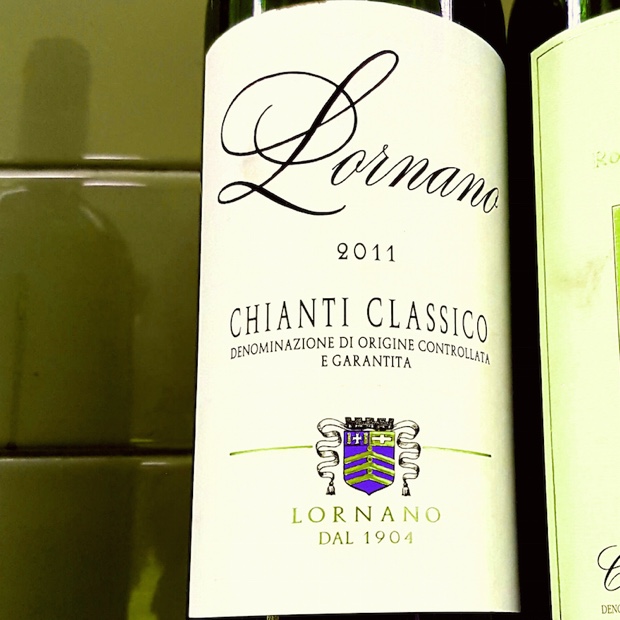
Lornano Chianti Classico 2011, Docg Tuscany, Italy (211599, $17.95, WineAlign)

An extra year of aging has softened the one taut 2011 character of Lornano’s straight-shooting Chianti Classico. If it represented good value at this time last year then it is now simply being given away. There are few equals at $18 for honest, pure and modern sangiovese. Nearly 110 years after Lornano was created, Nicolò Pozzoli and Silvio Campatelli have gifted this plum, cedar, leather and dark cherry sangiovese to the Ontario market. With its vibrant acidity intact and the tannins still fighting for shelf space, why even allow this to gather dust. By a case and drink one every two months for the next two years. Drink 2016-2018.  Tasted September 2016  @LornanoWines  @chianticlassico

Niepoort Dão Rótulo Red 2013, Doc Dão, Portugal (452722, $18.95, WineAlign)

“Don’t think me unkind. Words are hard to find.” Straightforward, slightly carbonic, juicy and somehwat, somehow firmly policed Douro blend kickstarted to the Ontario consumer for a three minute pop song. Light in alcohol and solidly set on its feet. “De do do do,” Da dao, dao, dao, “is all I want to say to you.” Drink 2016-2019.  Tasted October 2016  @NiepoortWines  @winesportugalCA

Château Du Bois Chantant Cuvée Laurence H. 2012, Ap Bordeaux Supérieur, Bordeaux, France (421206, $18.95, WineAlign)

Here is a beautufully funky, up tempo, old-school red, tie askew, unshaven, the bad boy in private school. Bordeaux Superieur with an attitude, like a young Peter Townshend, unhearalded but boy can he sing. Fruit really does sing, acids are elastic and prominent, tannins do their thing. This is a very solid, youthful, anxiety-riddled three minute Bordeaux pop song. “Not trying to ’cause a big s-s-sensation,” just one for my generation. Drink 2016-2019.  Tasted September 2016  @ImportWineMAFWM  @MarkAnthonyWine  @BordeauxWines

borsao

Borsao Berola 2012, Do Campo De Borja, Spain (371518, $18.95, WineAlign)

Berola is the old name of the 12th century Cistercian Monasterio de Veruela, home to the offices occupied by the Denominación de Origen. Borsao’s choice of nomenclature is perfectly ironic. Berola is beautifully pure and juicy (80 per cent) garnacha from Campo de Borja. Syrah (20 per cent) plays a prominent and effective role, in partcular on the palate. Campo de Borja as an appellation just seems destined to be the next big syrah thing south of the Pyrennes despite garnacha’s endemic, planted and attentive dominance. Alluvial geology and a cool, arid climate suits the ex-pat variety. This is all about fruit, with some elevation addendum, mineral meets prevailing wind affectation and big bones. Tannin and alcohol are a factor, the latter much more so but where else are warmth and boozy liqueur handled with such ataraxy and ease? Balanced and ethereal combine for stupid value. Drink 2016-2020.  Tasted twice, September and October 2016  @BorsaoBodegas  @ChartonHobbs

fiano

Mastroberardino Fiano Di Avellino 2014, Campania, Italy (323998, $19.95, WineAlign)

Cracking vintage for what is consistently weighty and viscous Fiano with Chablis-like minerality to offset the near-honeyed aromatics and flavours. This is quite the romantic one from Campania, with a hint of Champagne lees, spice and texture minus the mousse. The requiem here is shellfish in a rich broth, either heavily scented or thickened by potato, or even an Italian tipo di minestra like Vichyssoise would be ideal. Drink 2016-2019.  Tasted September 2016  @Mastroberardino  @ProfileWineGrp
creekside

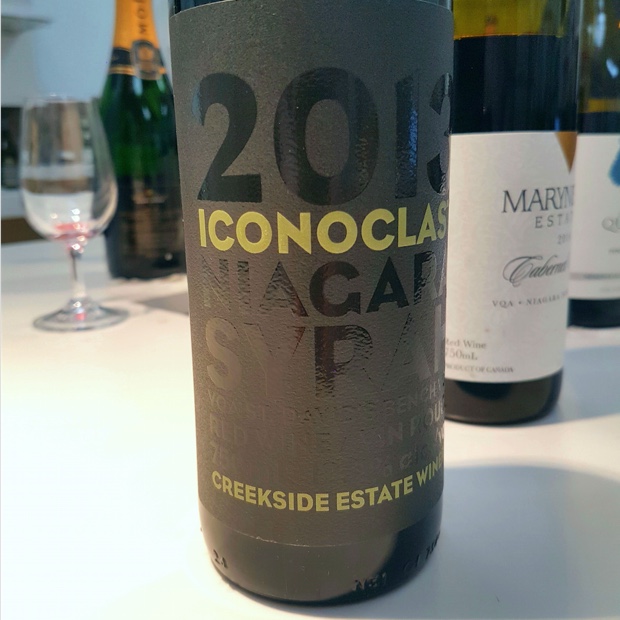
Creekside Iconoclast Syrah 2013, VQA St. David’s Bench, Niagara On The Lake, Ontario (471797, $22.95, WineAlign)

Iconoclast may sit in the Creekside nether syrah bailiwick but it smartly connects the entry-level with the BrokenPress by way of the St. David’s Bench. Freshness out of the purview 2013 growing season and minor keys played by wood are quiet as compared to the many shakes of the syrah peppermill. This is meaty syrah, like a slice of rootsy, gutsy and gritty Americana humble and independent pie. No one else in Ontario brings flowers, front porches, traditional riffs and smart, modern styling to syrah with such consistency. From winemaker Rob Power, singer, songwriter, renaissance man and all-around winemaking bon syrah vivant. Drink 2017-2022.  Tasted September 2016  @CreeksideWine  @hobbsandco  @AMH_hobbsandco

Château Teyssier 2012, Ac Montagne Saint-Émilion, Bordeaux, France (226035, $24.95, WineAlign)

This is well-judged right bank Bordeaux with a hint of beneficial volatility and a life-affirming note of bitter tonic. Though taut and for a moment bracing, the fruit is lifted to handle the truth. Espresso dusts the finish post-haste but long after the party ahd been raging on. Temper and then tempered from a satellite appellation with a well-deserved righteous reputation. Drink 2017-2020.  Tasted September 2016  @JCPMaltus  @Dandurandwines  @BordeauxWines
roger

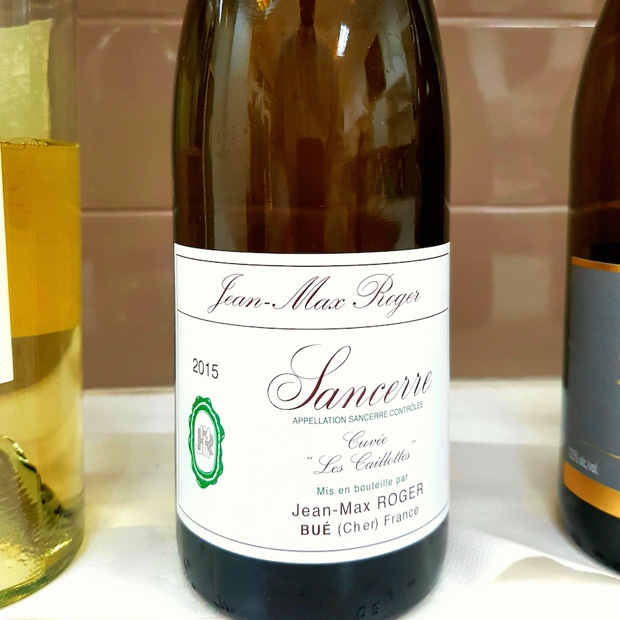
Jean Max Roger Cuvée Les Caillottes Sancerre 2015, Ac Loire, France (65573, $26.95, WineAlign)

One of the youngest, freshest and early to market Sancerre from Roger with striking stark reality right there at the forefront. From Caillottes soils out of Saint Martin, L’Epée and other vineyards located in the communes of Bué and Amigny. It is the blanket coverage of young (six or seven years) to near (40 year)-old vines that allows for a variegated expression and great value-driven Sancerre. The vintage is all about fruit and this one has it oozing in and out of every pore. It is the simplest Sancerre, partly vintage driven and partly due to its youth but I can’t really see much developing into the tertiary stage. Enjoy in the short term. Drink 2016-2019.  Tasted October 2016  @oenophilia1  @LoireValleyWine
baroja

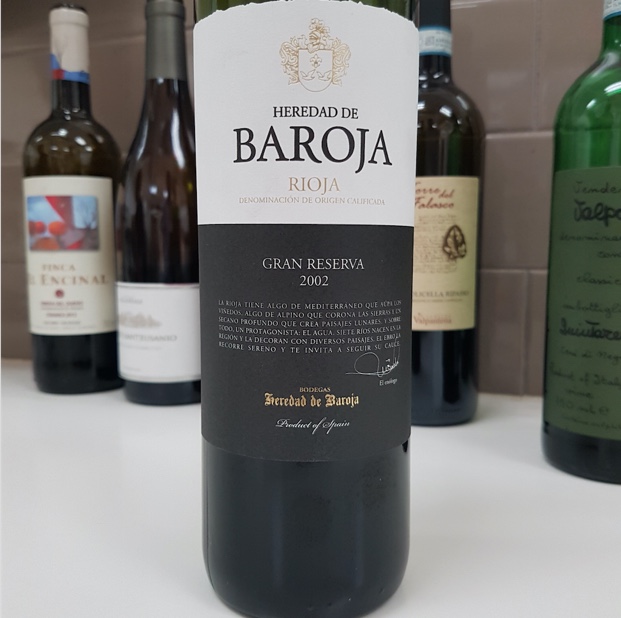
Heredad De Baroja Gran Reserva 2002, Doca Rioja, Spain (276113, $29.95, WineAlign)

Don’t adjust your set. This label does indeed read 2002. There have been times when a vintage like 2001 has passed through VINTAGES and the integrity of the (100 per cent) age of the juice is called into question. Not only because of hue but also frehsness. There is no mistaking the age of this Rioja. The fruit has advanced into deeply evolved territory with shades of dried floral and sun-ripened leather. Such a liqueur can only be distilled from older Spain or Italy and this Baroja has it down. The acidity remains intact even as the tannin has fallen away. In the end the wine lingers and does nothing to indicate falling apart. This is a lovely old drop that will drink well for up to four more years so scoop some up. It won’t blow your mind but $30 is a pittance to pay for someone else doing all the cellaring work. Drink 2016-2019.  Tasted October 2016    @HHDImports_Wine

Good to go!

Twitter: @mgodello

Instagram: mgodello

WineAlign

Reading of the last whites (and reds)

It were so simple #caprese

It were so simple #caprese

It’s that time of summer when transitions begin to set in, in paradoxical slow surges and breezes, sonic wallows and fond, rueful, ironic gaps. It also brings the unofficial last one of the season (gasp), the upcoming VINTAGES August 20th release. The limits of probability, possibility and potentiality are great, delineated and distilled to 17 wines tasted, reviewed and laid out right here.

Calamus Steely Chardonnay 2013, VQA Niagara Peninsula, Ontario (210062, $14.95, WineAlign)

The barrel need not be employed to gain success for chardonnay from the excellent Niagara 2013 vintage. Calamus has done right by the no-wood approach, allowing the slow-ripened fruit to shine solo and brightly. Steely chardonnay for steamy days. Drink 2016-2017.  Tasted August 2016  @calamuswinery

Val De Vid Verdejo 2015, Do Rueda, Spain (452086, $14.95, WineAlign)

Quite a racy Rueda with lemon and lime juiced and cooling the warm stone aspect. Were the acidity a touch more in tune this would really plug in the senses. But it is delicious and worthy of some seafood tapas. Drink 2016-2018.  Tasted August 2016  @DORueda  @rogcowines

Schloss

Schloss Schönborn Riesling 2011, Qualitätswein, Rheingau, Germany (653535, $16.95, WineAlign)

Schloss Schönborn’s basic, entry-level, come and get it Qualitätswein is seemingly riesling from out of a designate void and no strings attached. It’s actually highly specified riesling but without label verbiage and from a most excellent vintage. The oscillation runs the gamut from propellant to scintillant, with pumped in air and rising cool temperature behaviour. There is a balanced, posit tug between acidity and sweetness, over the line and back again. The cumulative flavours recall long lasting pastilles, of gin, tonic and agave. Drink 2017-2025.  Tasted August 2016     

Contini Pariglia Vermentino Di Sardegna 2014, Doc Sardinia, Italy (455238, $18.95, WineAlign)

Stoic and aerified vermentino emanating like semillon or riesling, with a vapour trail and simply terrific mineral feel. You might imagine riesling from calcareous soils or semillon off of dry, arid plains, but this vermentino is striking on its own accord and illuminates as a developing experiment. The next big thing perhaps for geeks and mineral freaks in search of a profound, axiomatic, aromatic experience? More than perhaps and Sardegna beckons. Terrific tonic and beneficial bitters mark the rather lengthy finish. Drink 2016-2020.  Tasted August 2016  @WineOfSardinia  @vinosardegna

Nova

Quinta Nova De Nossa Senhora Do Carmo Colheita Tinto 2011, Doc Douro, Portugal (452748, $19.95, WineAlign)

A blend of four endemic varieties, two from touriga and two by tinto. The label tells us it’s “unoaked.” Brilliant. Such knowledge is power and usually an exclusive bit reserved for whites, especially chardonnay. Why not tell us your red wine spent no time in barrel? This is nothing short of awesome for the consumer. And so we have pure fruit, excellent extraction, very little in the way of masking or shrouding (if any) and a simple, unadulterated experience. Terrific summer red when procured with a chill that will serve and protect your palate and your will. At five years of age it has held up beautifully, a testament to hands off and trustworthy winemaking. Drink 2016-2018.  Tasted August 2016  @LeSommelierWine  @winesportugalCA

Lighthall

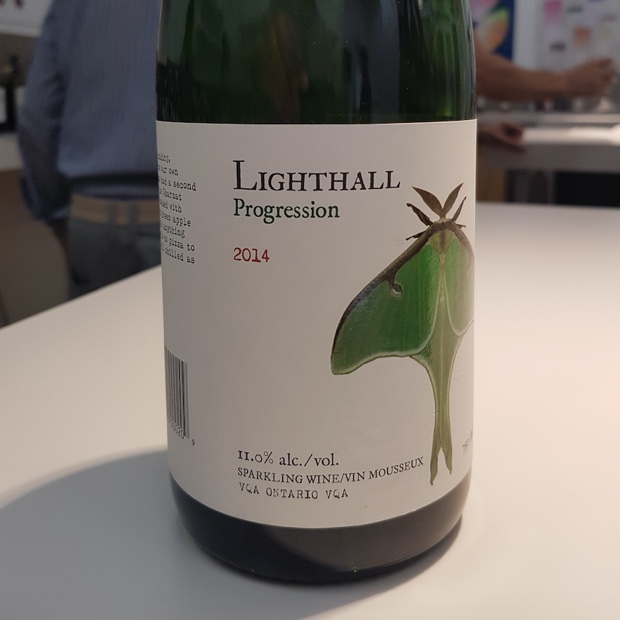
Lighthall Progression Sparkling 2014, Ontario (468090, $20.00, WineAlign)

Charmat or otherwise, grapes grown on Lighthall’s beautifully stark, wind-swept and electrifying property destined for sparkling wine does so with profound meaning. This is lit with the finest Ontario spark of vidal, also known as “Ward 5 Brut.” Unparalleled in its treatment to effect continuum, Progression is possessive of real intent and fine-grained precision. It’s simply meant to be. Their are notes of green apple and grapefruit, sweetness from extract, wild and wooly texture. This and fresh summer basil pesto would work every time. Just imagine the possibilities when Glenn Symons adds further lees and traditional method applications to his sparkling fruit. Just you wait and see what it does to elevate the category in Ontario. Drink 2016-2019.  Tasted July 2016  @lighthallvyard

Thörle Feinherb Riesling 2015, Qualitätswein, Rheinhessen, Germany (420091, $20.95, WineAlign)

Tart, waxy, off-dry, herbal and very sapid. Tremendous appeal on the scales of sweet, sour and racy. Great acidity and a fine pesto of herbs. Balance is spot on. Really well made. Drink 2016-2021.  Tasted August 2016  @thoerle  @UNIVINS  

Campo

Campopazzo Chianti Classico 2012, Docg Tuscany, Italy (454512, $20.95, WineAlign)

From Radda in Chianti on the Monterinaldi Estate, here the prevalent liqueur of intuitive and naturally occurring sangiovese wafts like ripe, red fruit warming in compote with wildflower honey. While this may seem a touch raisined (and even slightly volatile) it is in fact both those things. But it’s beautifully bitter and richly old-school. A certain kind of CC and a style that is slowly dying out but there is something to be said in support of drying sangiovese fruit once steeped and macerated in its own narcissistic liqueur. I for one am happy to spend time with this and like my grandfather, would know to miss him when he’s gone. His old and drying tannins really grow on you. Great deal in old-school Chianti Classico. Drink 2017-2021.  Tasted August 2016  @monterinaldi  @chianticlassico

Brocard

Jean Marc Brocard Domaine Sainte Claire Chablis 2014, Ac Burgundy, France (356634, $23.95, WineAlign)

In a year for acidity and total, utter freshness the Saint Claire rushes and wells with excitement. Beautifully green apple tart and crunchy. The saline temperature is measured in an ooze running through and with the lees. Cracker vintage keeps the deep salinity intense, vital, searing and so naked to the world. Pure Chablis with length that stretches away from richness and into a lean lingering. Drink 2016-2019.  Tasted twice, July 2016  @chablisbrocard  @BIVBChablis  @purechablis

Montagny

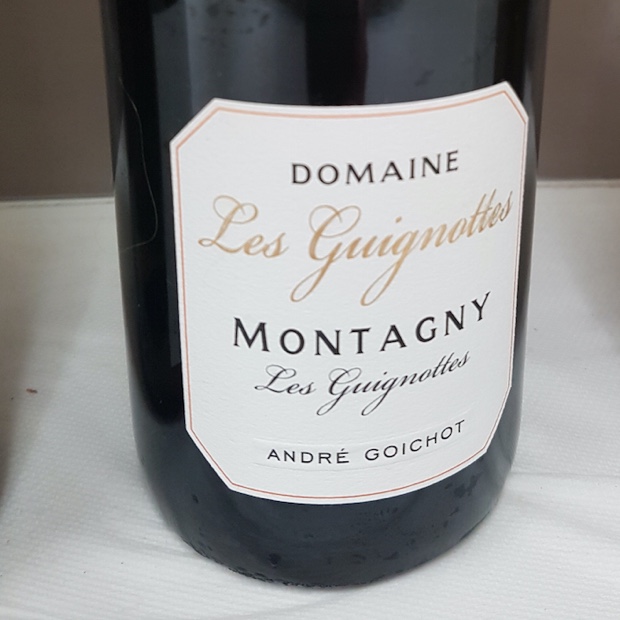
André Goichot Les Guignottes Montagny 2014, Ac Burgundy, France (455139, $26.95, WineAlign)

As in the case of Chablis, 2014 is a stellar vintage from the ever-increasingly excellent Côte Chalonnaise subregion from which chardonnay fervently shines. André Goichot’s fruit is rich, ripe and beautifully pressed, expressed and plays with the determination of the mineral obsessed. Oh the vitality and the range this displays, with balance and exceptional layering. Breath is actually taken slightly away on the acidity’s back side and the airy, elemental finish. Simply wow Montagny. Drink 2016-2022. Tasted August 2016  @vinsdebourgogne  @BourgogneWines

Dutschke Jackson Cabernet/Shiraz 2012, Lyndoch, Barossa Valley, South Australia, Australia (447037, $27.95, WineAlign)

This marriage of shiraz (60 per cent) and cabernet sauvignon is a deep well filled to overflowing with Barossa berry and Lyndoch savour. The smell of ripening pomegranate and red berry is in the air but the blend is grounded by a lactic-limestone like liquid chalkiness. This is seamless stuff, pretty and modern but also following down a very direct line. The dualistic varietal speak is a thing of seamless, duet, two-part harmony. Will pair and compliment anything you throw at it over the following five years. Drink 2016-2021.  Tasted August 2016  @DutschkeWines  @Wine_Australia  @TFBrands

Closson

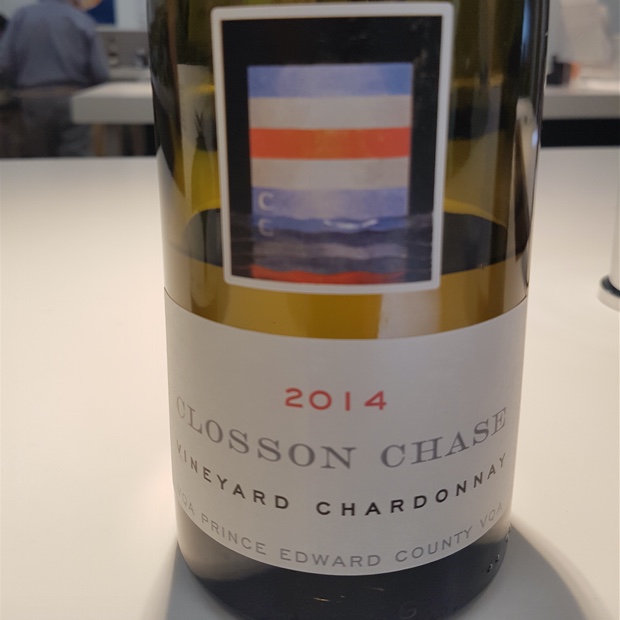
Closson Chase Vineyard Chardonnay 2014, VQA Prince Edward County, Ontario (148866, $29.00, WineAlign)

Keith Tyers’ follow-up to the tour de force that was the hypnotizing 2013 is a step forward in the vineyard’s progression out of a vintage that takes a step back from buttressed substance. Taking into account that 2014 was cooler than the year before, the barrel swaddle needed to also scale back, but just a bit. This CCV chardonnay takes a clean and lean precise line, drawing up PEC mineral with mining acumen and wrapping perfectly phenolic ripe fruit coiled like gelid citrus around a gemstone wire popsicle stick. The palate does provide an orchard meets stone fruit creamy respite from the rocks of entry and exit but it is the mineral County notes that make the biggest impression. Terrific balance is struck, on flint and over the course of so many levels. Leave this a year to stretch and flex while you enjoy every waking moment with the ’13. Drink 2017-2023.  Tasted May 2016  @ClossonChase

Mazzei

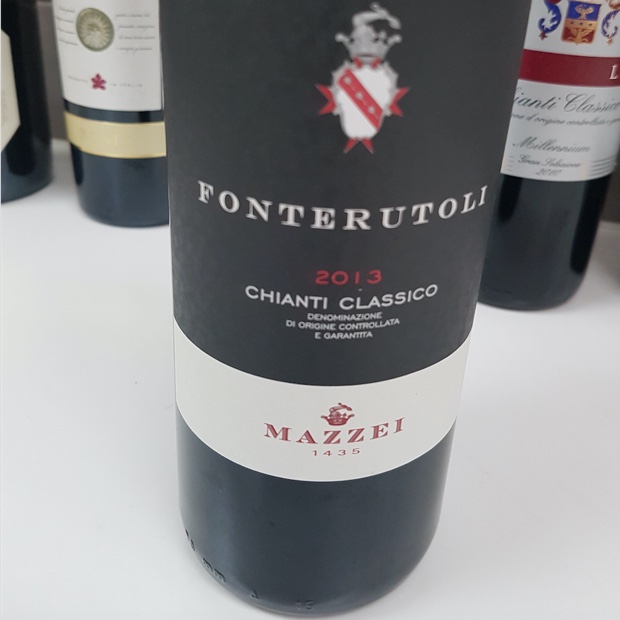
Mazzei Fonterutoli Chianti Classico 2013, Docg Tuscany, Italy (977629, $29.95, WineAlign)

Fonterutoli’s “second wine” pays exceptional attention to fruit quality, drawing from five different limestone sites and bringing them all together with balance. The minor tonic is an asset to the major fruit and a tie of acidity. Classic Castellina in Chianti richness and sun-driven excellence. Few CC’s are as firm and structured within the arena of such exceptional fruit. This is so modern and bright you might have to wear shades but the stylistic is achieved with grace, class and culture. Never forget where you are from. Mazzei. Fonterutoli. Castellina. Chianti Classico. Drink 2018-2024.  Tasted August 2016  @MarchesiMazzei  @chianticlassico  @ProfileWineGrp

Collett

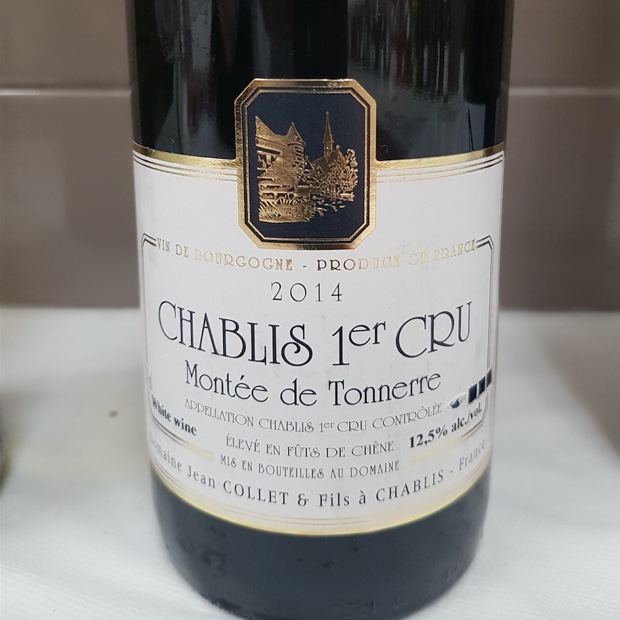
Jean Collet & Fils Montée De Tonnerre Chablis 1er Cru 2014, Ac Burgundy, France (405720, $37.95, WineAlign)

Just amazing pitch and imploding vitality from a climat that demands traditional winemaking (in 100 per cent old wood) so as not to detract from a classic flinty, steely Chablis direction. No bells and whistles, just rocks and stones and straight ahead chardonnay. Takes what the vintage gives and tackles the rest. Drink 2018-2024.  Tasted August 2016  @BIVBChablis  @purechablis

Losi

Losi Millennium Gran Selezione Chianti Classico 2010, Docg Tuscany (459735, $38.95, WineAlign)

Every great wine dissolves a genre or creates a new one and in the context of Gran Selezione, Pietro Losi and Giorgio Baldi’s Millenium 2010 concludes the latter. In a category where so much changes and yet nothing at all, the choice to pick individual plants, specific vines and particular bunches of grapes as destined for a vision of greatness defines the ideal that wine is indeed made in the vineyard. This Chianti Classico Riserva sees 36 months in 10hL barrels and it is a wine that has essentially been made since since 1997. It went to market again in 1999 and then it was 2000 that prescribed the Millenium, followed by 2001, 2003, 2005, 2007 and 2009. Subsequent top quality vintages are 2011, 2012 and 2015. The selected vines and particular bunches produce on average and approximately 4800 bottles. Take note of the most perfume and yet not the most savour, forest or truffle but there are hints, with some fennochio and the most grip to lead a sangiovese (with five per cent each canaiolo and malvasia nera) structure. The finest tannic grain runs through, lifted by tang meets sour over tart so round and specific to Gran Selezione. This wine is a highly accomplished specimen and a portal in ode to a great grandfather who started his day with wine and cheese, for energy. He imbibed for everyday consumption, just as water would nourish as it should be with this wine for food and contemplation. A wine with a finish minutes long. Drink 2018-2028.  Tasted May 2016  @Valerialosi  @chianticlassico

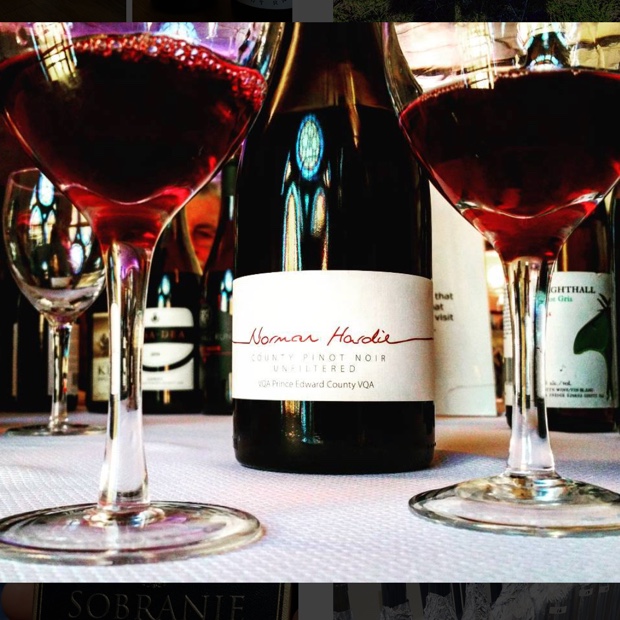
Humility only exceeded by impossibility @normhardie #pec #countyinthecity Pinot Noir 2014

Humility only exceeded by impossibility @normhardie #pec #countyinthecity Pinot Noir 2014

Norman Hardie County Unfiltered Pinot Noir 2014, VQA Prince Edward County, Ontario (125310, $45.20, WineAlign)

A second taste four months later confirms the impossibility from Hardie in 2014, a vintage that just begs for Norm’s magic handling, from exemplary, slow-developed fruit off of a vintage’s hyperbole of low-yielding vines. The low alcohol continuum persists, the freshness and richness of County berries magnifies and the development of flavour is beyond and above. The tart is a membrane and the sweetness a virtue, feigned and delicate. Tremendous work made easy by Norm and a pinot noir that will live longer than any he has produced before. Drink 2017-2027.  Tasted August 2016.

In Prince Edward County and for Pinot Noir there is no substitute and no comparison. Quixotically sweet Pinot Noir fruit, from the lowest of the low yields, scrupulously heeded and handled with care and yet also, somehow without a care to the world. As self-effacingly pretty and impossible as ever though in 2014 the tensity is lower, the anxiety bereft and not so crucially or dearly developed. There is almost no crisis from out of this first of the near-crisis vintages. This is an early to love Norm Pinot Noir, brought to life and with red citrus that only a Hardie low alcohol Pinot can bring. Humility only exceeded by impossibility. Ready to enjoy younger than most.  Tasted April 2016  @normhardie

Drouhin


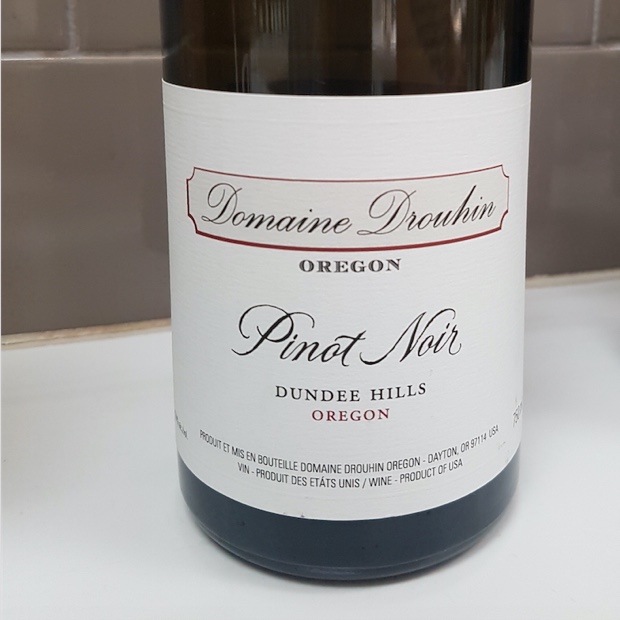
Domaine Drouhin Pinot Noir 2013, Dundee Hills, Oregon (961284, $52.95, WineAlign)

Beautifully firm Dundee Hills pinot noir requesting some patience before it will submit and offer near instant gratification. The fruit is wonderfully, naturally sweet with an underlying saline current and so much ripe yet tart currant fruit. This gift wraps French Beaune soul and Oregon soil in one exemplary pinot noir package. Will develop righteously for up to ten years. A stroke of balanced genius from winemaker Arron Bell. Drink 2018-2023.  Tasted August 2016  @DrouhinOregon  @FWMCan

Good to go!

Twitter: @mgodello

Instagram: mgodello

WineAlign

Telmo’s Spanish dream

An afternoon with winemaker Telmo Rodríguez and Lifford Wines

\'Pasero\' detail, Competa, Malaga, September 2007

“Pasero” detail, Competa, Malaga, September 2007; “In Canada you have been drinking the worst Riojas, the undrinkable Riojas.”
Photo: Telmo Rodríguez

as seen on canada.com

Telmo Rodríguez the company is a small wine producer fashioning meager quantities from more DOs (and DOCAs) than can fit into a 620 x 400 jpeg. Telmo Rodríguez the man finds himself at the 20th anniversary year crossroads in celebrating the outgrowth of his dream. This critical juncture requires travel, evangelism and conceit, qualities the laser-focused, frank and facund winemaker possesses in spades.

Telmo Rodríguez tasting at Archive Wine Bar

PHOTO: Michael Godel
Telmo Rodríguez tasting at Archive Wine Bar

“We created a (not mass market) Spanish category of wines available at a good price,” says Rodríguez, “a human type of category.” Spain, according to the flying oenologist, is a passionate country with gastronomic clubs, where people cook and eat, to foster a crazy love of local ingredients. Within a 100 km radius around Basque country, “you have the best available products anywhere in Europe,” he boasts. But, he complains, wine has gone in the other direction. He laments the overuse of international grapes, monosyllabic styling and a disappearance of regional character. Wine as fast food.

Telmo Rodríguez sites

PHOTO: telmorodriguez.com
Telmo Rodríguez sites

Rodríguez did not want to make wine from international varieties or from recipes. He wanted to make wine from places and their landscapes. After studying in France (Bordeaux and the Rhône Valley) he returned, not wanting to make wine in France, not wanting to emulate France. So began the terroir journey, from Rioja to Galicia, from Ribera to Rueda.

“In Canada you have been drinking the worst Riojas, the undrinkable Riojas.” So he makes wines without the suffocating slings and arrows of outrageous, appellative fortune; no Crianza, no Reserva, no Gran Reserva. “No designations to help the bad producer,” he quips. Tell us how you really feel Telmo.

All the Rodríguez vineyards are organic, but this is something matter of fact, not a literature littered calling card. “We prefer to be known as a good producer. We don’t give too much importance on the winemaker, but more on the place, with respect and with respect for the land. We don’t move grapes from one place to the other.” This is the import of the most parochial of winemakers. Here are tasting notes on a selection of eight wines chosen from across the vast Spanish Telmo Rodríguez portfolio.

From left: Basa Blanco 2012, Gaba Do Xil Godello 2012, and Gaba Do Xil Mencia 2011

From left: Basa Blanco 2012, Gaba Do Xil Godello 2012, and Gaba Do Xil Mencia 2011

Basa Blanco 2012, Rueda, Spain (SAQ, 10264018, $15.95, B.C. 586016, $18.99, WineAlign)

Verdejo so often reached by walking the flat earth is here circumnavigating a more complex world. Smells a bit like Sauvignon Blanc and Telmo Rodríguez admits “it’s the only mistake I made in my life.” Commercial confessional though it leads the way around a round earth. Cool and full of tang with a heavy emphasis on herbiage and metallurgy. Enticing example full of instant gratification.  88  Tasted February 2014

Gaba Do Xil Godello 2012, Do Valdeorras, Spain (SAQ, 11896113, $17.85, WineAlign)

From Valdeorras, “gold country,” here Godello exhales its perfume in waves of gaseous fumes, rushes, meadow wildflowers, lemon thyme and balm. Viscous and nearly chewy, with a slight oxidative note breathing over dry patina hard candy. Stainless steel imagining itself as green oak and Mediterranean salinity combine to give an aura of Galician warmth. Sea, sun, wood and mineral.  88  Tasted February 2014

Mountain Blanco 2012, Málaga, Spain ($25.95)

“I didn’t want to produce this wine because Malaga was all about sweet, related to the past, to the ancestors, to something very deep. It took 10 years to decide to make this wine.” Sun-baked, trenchant, scorched Muscat. Liquid adobe cake from the brown slate soils, between 600 and 900 metres. Antique of a dry white, tinny, sharp, caramelizing, like the crust on a pork loin. Lengthy mountain jam makes you want to eat a peach. Reminiscent of Auxerrois, though certainly more southerly, Moorish even. Pure sec, 100 per cent Muscatel.  87  Tasted February 2014

Gaba Do Xil Mencia 2011, Do Valdeorras, Spain (SAQ, 11861771, $18.00, WineAlign)

The most Atlantic-influenced wine of the tasting, this fluid, medium-rare red. Rodriguez’ base and necessary expression for the “the freshness of Galicia.” Shares an aromatic commonality with Cabernet Franc though its gait is more Northern Rhône Syrah. Anti-serious, easy wine, existing as “a link to the past.” Like going back in time to Valdeorras’ past, into a beautiful home with all its contents having sat untouched and unharmed for 100 years. Fermented in tank so though it may be unprocessed it has that underlay of mineral and grit. Nothing oxy, flashy or large-scale about it. To have wide but not mass appeal. Beneficial length. Increases in approachability as it lays in glass. A taste of chewing crushed granite and plump plum. Honest and humble Mencía.  89  Tasted February 2014

From left: M2 Matallana 2010, Lanzaga 2008, and Altos de Lanzaga 2004

From left: M2 Matallana 2010, Lanzaga 2008, and Altos de Lanzaga 2004

M2 Matallana 2010, Ribera del Duero, Spain ($42.95, WineAlign)

M2 is 100 per cent Tinto Fino 14 months, aged half in new, half in second use barrels. A Tempranillo of dialect specific to place, just as Pinot would be in Chambertin, Vosne-Romanée or Volnay. Telmo not necessarily making Tempranillo, but rather Rodriguez making Ribera, or more specifically, a Tinto Fino gathering from Los Guijarros, Los Hundidos, Carrahoyales, Los Apriscales and La Pirileja. Blatant are the chalk and mineral intertwines, in marbled goodness. Makes quicker work than the Riojas, sheds its skin, peels away its oak and lets the fruit, soil and rock come forth.  92  Tasted February 2014

Lanzaga 2008, Rioja, Spain (SAQ, 11157151, $28.50, WineAlign)

Tempranillo with Graciano and Garnacha. From Rioja Alavesa, vines water-stressed to survive on shallow soil, digging in to Miocene sandstone strata. Begs for protein and development from an unforgiving, stony, calcareous and silty textured land. Fermented in large cement casks, allowing the fruit, which is nearly unparalleled for Rioja, to shine in all its ripe glory. A wind of perfume, a mistral espléndido. Finishes with chalk and ropy grain. Immense length.  92  Tasted February 2014

Altos de Lanzaga 2010, Rioja, Spain ($103.95, WineAlign)

Composed of Tempranillo, Graciano and Garnacha, 3,000 bottles are made of this ‘Grand Cru’ of Lanzaga. Rodríguez here wants to “try to go as far as possible in the quality of the wine,” a notion that begins and ends with place. “There has to be a rare, exceptional vineyard or it does not make sense to produce a wine like this.” Fermented and aged in the old cellar, in large Foudres, for two years, “to bring back what once was, a long time ago,” with indigenous (wild) yeasts found in that cellar. Here Telmo reinventing the past, the old Rioja, hinting at something exceptional. There is an elevated sweetness that fades into flowers. Rodríguez feels that Rioja must have been a wine made with many different varieties, like Châteauneuf-du-Pape. Thus the use of the three grapes. Layer upon layer, thin transparent sheets that become one.  93  Tasted February 2014

Altos de Lanzaga 2004, Rioja, Spain ($103.95, WineAlign)

From 65-80 year old vines, 10 years on showing barely discernible age. This wine was an early step in developing the “field blend” dream, of combining several Riojan varieties, “to present the taste, idea and feel of what Rioja used to be.” This wine chases down Telmo’s dream of being a present day, sophisticated winemaker set in an 18th century vintners mind. Altos sets the bar high, in trying to make an exceptional wine, which they would not have been doing then. First and foremost, does this prove or disprove his theory that wine should never be masked by oak?  94  Tasted February 2014

Good to go!