Stratus and Momofuku: Modernity incarnate

Momofuku Daisho

Momofuku Daishō
Photo: Gabriele Stabile

as seen on canada.com

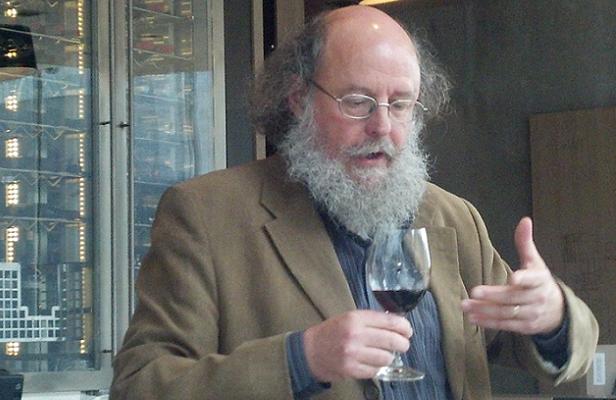
Consider the winemaker’s style not merely embraced but created by J.L. Groux of Stratus Vineyards. Most wine folks know him as a mad scientist, a mathematician, as Niagara’s ‘Master of Assemblage.’ Groux is a precise counting man, proud to share the barrel fermentation periods of each and every wine in his stable. He reminds me of the Sesame Street guy, the one who shows up in elevators and emerges from swimming pools carrying painted number signs.

J.L. Groux, Winemaker, Stratus VineyardsPhoto: Michael Godel

J.L. Groux, Winemaker, Stratus Vineyards
Photo: Michael Godel

As I found out this past Monday, wine blends may be the maker’s M.O., what he refers to as “a way of life for us,” but Groux is also an artful dodger, proof laid thick by the pouring of nine single varietal wines alongside the art cum science cuisine of Matt Blondin at Momofuku Daishō. I quipped at a hypothetical Groux change of direction but the course will in fact be stayed.

The Stratus portfolio resides in a conspicuous niche, sometimes criticized for over diversifying and noted to employ the most opulent Niagara fruit but who can refute the underlying and unequivocally consistent thematic running through this solo tour.

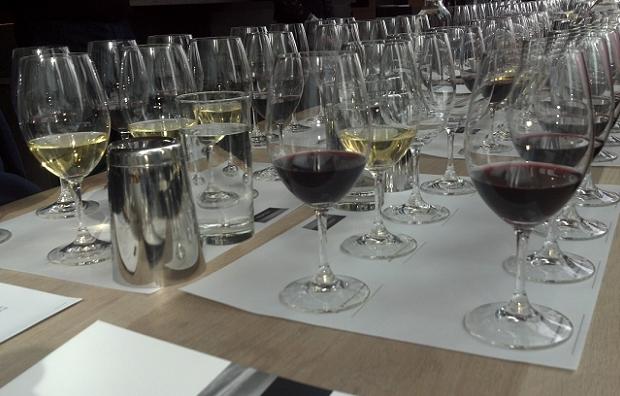
Stratus Wine Tasting Glasses

Stratus Wine Tasting Glasses

David Chang’s New York Momofuku empire is embraced by those who appreciate the Luxecalme et volupté. The detractors complain and express loathing at a lack of somewhereness and that same bitter pill is sometimes offered up to Mr. Groux. This single varietal tasting shatters the naysayer’s venom as each wine calmly expresses its terroir. Chef Blondin is not unlike J.L. Groux, or Baudelaire. Chef’s plates are clusters of colour, texture and imagery offering an “escape to an imaginary, tranquil refuge.” Groux’s Stratus White and Red iconic blends enter such territory but these grape a capelle are the windows into the winemaker’s forays. The media lunch was a treat of the highest order, also thanks in part to Charles Baker and Suzanne Janke of Stratus, along with Beverage Director Jonathan Gosenhauser and the Momofuku Daishō team.

Stratus Line-Up

Stratus Line-Up

The Wines

Gamay 2010 ($29) from very low yields (2 tonnes/acre) is possessed of a soft mouth feel corrected by tart currants and is a deep, smokey and confounding example of itself. Pushing 15% abv with a concentration of sugars and mature phenolics. Vanilla, black licorice and though not like Pinot at all, you can tell it was treated that way. Naturally, through green harvesting, picked shriveled and “with patience.”  90-91

Syrah 2010 ($48) is picked early as compared to other well-known varieties like the Cabernets and this vintage saw a 25% yield decrease/concentration increase. Pretty, focused and indicative of candied flowers in replay with a note of citrus blossom. A Syrah that clearly speaks of Groux’s infatuation with aromatics. “What I do know, my Syrah is improving overall.”  89-90

Merlot 2010 ($32) was picked early enough (October 25th) so as to avoid a sun-burn and overcooked aromatics. Always a great contributor to assemblage in Ontario, this Merlot from clonal plantings in ’85, ’01 and some unknown old block of (clonal) fruit was picked at a restrained (24.7 brix) number on the sugar scale. Dusty and blessed with juicy, mulberry fruit, this to me is the epitome of the winemaker’s SV style. Delicious Merlot. Damn!  91-92

Malbec 2010 ($48) is imbued with the brightest hue and aromatic tenderness. Wild yielding from vines planted in 2001, a hard-cropped life is the grape’s necessity. From my earlier note: “Made with the help of consulting oenologist Paul Hobbs in an “Alta Vista,” high-altitude style. Cool-climate rendition, a window to the future for the grape in Ontario. Hits a blue note, kind of like Philly soul. Unheard of 10 years ago, this one’s saying “just trust in me like I trust in you.”  90-91

Petit Verdot 2010 ($38) seems the most muted thus far though it has the most acidity and tannin. The two seem to struggle with one another though the warmth of 2010 helps, as Groux notes “I’m not convinced they are not friends.” He also states “I think Petit Verdot makes better wine in Niagara than in Bordeaux.” From my earlier note: “with its bounce is the Happy Jack of the flight. Thick in weight and texture, a steak sandwich in a glass. Remarkable effort for stand alone Petit Verdot in Niagara-on-the-Lake. Has a certain Spanish modernity and is certainly neither “petite” nor “little.” Say what you want about this PV but never “prevent Jack from feeling happy.”  89-90

Chardonnay 2010 ($55) from natural yeast, full batch (bunch) pressing and heeded by Paul’s call to full malolactic fermentation, this fruit was picked on November 15th, a day “you had to go run and pick fast.” Groux is not trying to make California or Burgundy but make the best in Niagara. Clarity and sun drenched hue, tropical fruit dominance, sweetness, malo-butterscotch obviousness. Some tart orchard fruit late but certainly warm vintage wine. Not the most arid Chardonnay but blessed with great length. 90-91

Sauvignon Blanc 2010 ($29) is barrel aged (like the Chardonnay) on the lees to offer roundness, not residual sugar. It’s sweetness is related to sugar, but it’s not the real thing. So much cool gooseberry and passion but lacking acidity and there is very little asparagus stink. Perhaps a green pea or two. Groux seeks boxwood and hemlock and there are hints here. “I don’t care for any tropical style,” he says. This one clearly leans more Sancerre than anything else.  89-90

Sémillon 2010 ($32) is very fresh though muted in tone, verve and gumption. But this is Sémillon and I would not expect any sort of true personality indicator for at least three years. Elegant, with a hint of grapefruit and bigger palate developing in the glass. Awaiting the wax, sandalwood, lemon and honey.  88-89

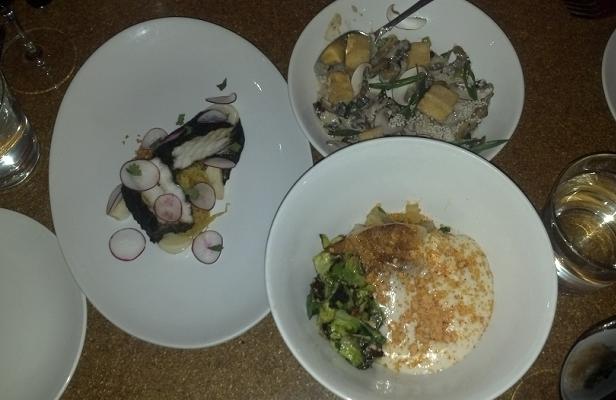
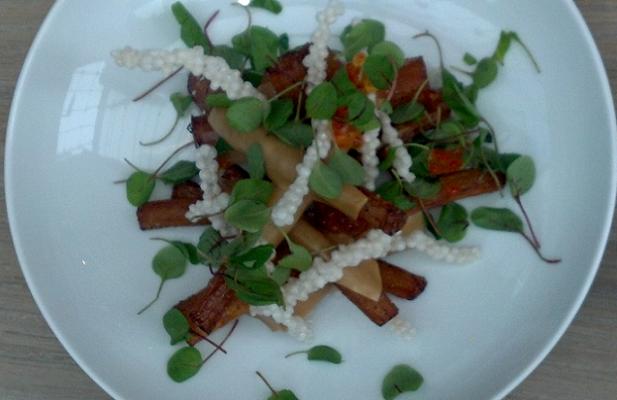
SALSIFY, cured roe, tapioca, grains of paradise

SALSIFY, cured roe, tapioca, grains of paradise

Lunch

LAKE ERIE, ON PICKEREL, brassicas, celeriac, arctic rose

JERUSALEM ARTICHOKES, salt cod, pickled walnut, sorrel

SALSIFY, cured roe, tapioca, grains of paradise

Gewürztraminer 2011 ($29.95, 251447) has already improved since tasting it six weeks ago. “I’ve been working 20 years to make Gewürz,” says Groux. Micro oxidation protects the aromatics though they are low-toned, in rose and lychee. Uni-dimensional, not 100% dry, made with a homeopathic approach in mind, always with an eye on the assemblage white.  87-88

BEEF SHORTRIB, beet root, horseradish, caramelized fennel

SWEET POTATO, crème fraîche, amaranth, green onion

TOASTED BUCKWHEAT, pistachio, cured squab, preserved apricot

Stratus Cabernet Franc 2009 ($38) shows a bit of green but not of the inhibiting kind. From fruit picked on December 8th (what???) in Niagara-on-the-Lake, a type of gamble that can go very wrong, but Groux is a winemaker who knows his climate. Young at heart, full of smokey, tangy, currant baking aromas. Maternal but blessed with firm, plush tannin. “Some people like cupcakes,” I prefer a muffin man.  “Always a pleasure to grow (Cabernet Franc), if you are patient.  89-90

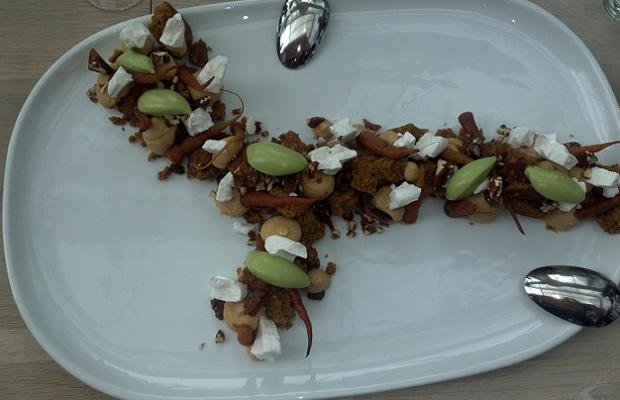
CARROT, condensed buttermilk, pecan, verjus

CARROT, condensed buttermilk, pecan, verjus

CARROT, condensed buttermilk, pecan, verjus

Mosaic 2010 ($25) is a balanced dessert wine giving equal credit despite the 70-30 Riesling-Gewürztraminer split. All natural sweetness, allowing a focus on the acidity. Only one ever made. Will they make it again? “Perhaps.”  89-90

Good to go!

New wave under $20 wines go kosher for Passover

Fotolia_40247294_Subscription_Monthly_620

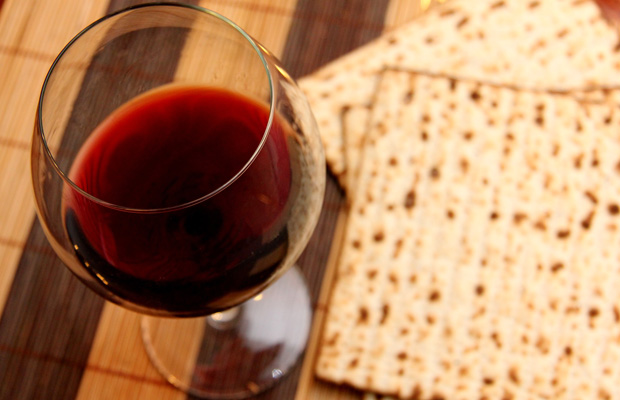
Kosher wine for Passover
PHOTO: SISIDESIGN/FOTOLIA.COM

as seen on canada.com

There is life beyond Manischewitz. Not all kosher wines are made from cloying, insipid and super-sweet Concord grapes. Conversely, a Jew’s worst,  ’11th plague’ wine nightmare, the nights of suffering through cooked and stewed dry table wines, is (mostly) a thing of the past. I’m not suggesting that the golden age is upon us, but you may want to don the shades. The future is bright for Passover kosher wine.

“Wine does not become kosher by being blessed. It is kosher (Hebrew: pure, proper) when complying with strict rabbinic criteria that render it acceptable for Orthodox Jews.” This statement from the NY Times is unifying and true for Jews worldwide who choose to abide by the traditions of the Passover Seder table ritual. I would highly recommend reading the articles of Eric Azimov to really get a grip on the kosher for Passover wine thing. Also check into Kosher Wine Musings Blog. For a comprehensive guide to Israeli wine, look to the work of the late, great critic, Daniel Rogov. The production of kosher wine is a costly endeavor and not surprisingly, the best products are those in the (upwards of $25) premium category. Two currently available examples are Shiloh Shor Cabernet Sauvignon 2007 (182947, $32.95) from the Judean Hills, Israel and Bravado Chardonnay 2011 (305102, $31.95) by Karmei Yosef Winery, Israel.  We ran a story about premium wines last week.

From left: Banero Extra Dry Prosecco KPM, Borgo Reale Sangiovese KPM 2011, Five Stones Sauvignon Blanc/Semillon KPM 2010, and Galil Mountain Shiraz KPM 2010.

All wines labelled “Kosher for Passover” are kosher, but not all kosher wines are kosher for Passover.

All wines labelled “Kosher for Passover” are kosher, but not all kosher wines are kosher for Passover. Kosher for Passover wine must be handled by Sabbath-observant Orthodox Jews and the wine can never come into contact with any leavening (grain, dough, bread) products, including yeast. Chemical additives like Potassium Sorbate and Citric Acid are also no-no’s. Clarifying agents such as Isinglass (gelatin) is forbidden as it comes from non-kosher (no scales) fish. For the most part, Jews purchase only Mevushal wines for PassoverThe Mevushal (cooked or, flash pasteurized) practice is used so that opened kosher wine can be handled by non-Orthodox and non-Jews and then poured to the observant. Many Jews in the diaspora have chosen to abandon the concept. The destructive consequences of “cooking” grape juice somehow continues to remain up for debate. Most Jews who appreciate a glass of good wine with dinner, and especially those who double as wine geeks avoid Mevushal wine at all costs, thought being, consuming heat-damaged wine is no way to go through life. That said, a good deal of the Kosher for Passover wines in our market are Mevushal (KPM) and some are really quite agreeable.

The most interesting practice is that of established vineyards allowing kosher winemakers to use their grapes to make kosher wine. Several Bordeaux châteaux allow for this, including Château Malartic-Lagravière and Château Pontet-Canet and the wine is labelled under the name of the participating Château. Next Monday, Jews around the world will gather at their respective Seder tables. Here are five under $20 current Kosher for Passover releases.

Banero Extra Dry Prosecco KPM (298489, $13.95) hits classic Venetian fizz notes, of peach, orange rind, nougat and baked apple. Quite juicy despite the ED designation. Like a Tora, Tora instrumental, “played with a wind sound effect fading in, followed by a dive bomb on the open E string.” I would consider foregoing the Sauvignon Blanc or Chardonnay and go two, maybe three cups with this one.  86  @azureau

Borgo Reale Sangiovese KPM 2011 (637793, $13.95) may come off boxy, as if housed in cheap wood but for $14 this is really about the best you will ever hope to find. Seems to be in a bit of a rush, in the spirit of radio, built upon a synthesizer, Sangiovese sound. Still, “all this machinery making modern music can still be open-hearted.” Red, raspberry fruit is not so Sangio but leather and smoke is. A bit contrived but trendy and copacetic.  87  @ALLIEDIMPORTERS

Five Stones Sauvignon Blanc/Semillon KPM 2010 (108001, $19.95) from Margaret River, Western Australia like many Kosher efforts starts out one way then diverts another. Aromas of dry grass, yellow skin and white fleshed apple give way to a sweet and refreshing zip. A racy, Benzedrine touch of char gets on top of the pastry in “a shirt of violent green.” Strange frequency Kenneth.  87

Galil Mountain Shiraz KP 2010 (141580, $17.95) wears an oak monster’s mask and is Malbec-esque in blueberry pie and vanilla ice cream. Depeche Mode kosher red crying “Tora, Tora, Tora.” I ask the question, “is this a love in disguise or just a form of modern art.” Simple, juicy, slightly confected fruit.
More than acceptable for Seder table brisket and roast lamb.  87

Segal’s Fusion Merlot/Cabernet Franc/Cabernet Sauvignon KPM 2011 (157206, $18.95) though muted is quite pleasant, aromatically speaking. Baking spice, woodsmoke, cherry and plum, like satellite St. Emilion. Scarlet colour, as if derived from Tola’At Shani. Dusty and down-grain, no cooked sensation, well-structured.  88

Good to go!

Wine on St. Patrick

Do you have the time to listen to me whine, about nothing and everything all at once

Basket case. Surely you didn’t die your wine green today. If you insisted on drinking something green, I hope you added the food colour to your weak domestic or discount imported beer, but not to anything micro or craft brewed. Better yet, to toast the Roman0-Brit, patron saint of Ireland’s day, a shamrock shake would have done the trick.

What did St. Patrick’s Day mean to Canada in 2013? Marc Weisblott provided the answer.

The most obvious isovolumetric libations to celebrate the anniversary of the  ‘The Apostle of Ireland’s’ passing included Irish Whiskey and beer, like Guinness or better yet, McAuslan St-Ambroise Oatmeal Stout. But what came to mind first in terms of wine? The cue should likely have been Portugal’s Vinho Verde, meta phrased as “green wine” but it’s freshness and effervescence shares little in common with the cask influence so prevalent in Irish Whiskey and heavy men’s beer.

Unconsciously, I veered in the direction of a Spanish white, built upon a Catalan variety named Viura and aged in new French barrels. Oak along with the verdant, green notes found in the whites of the Iberian peninsula are key. White wine from Rioja reminds me of chilled yet warming Irish tipples and if you know anything about me, wine goes with everything, including St. Paddy’s Day.

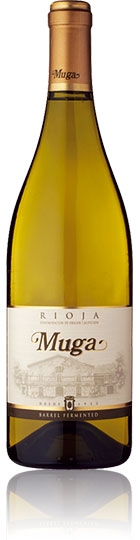
Muga Barrel Fermented White 2011

Muga Barrel Fermented White 2011 (958736, $15.95) is creamy like a dark stout’s head or Bailey’s Spanish equivalent, Senaris Crema de Licor. Hazelnutty and piquant, like Tilford Licor Avellana. Suave, steeped coconut, pomello, grapefruit blossom, organoleptic Sangria. Muga’s selfless Blanco defines the winery. Consistent sweet/bitter/acid interplay from a grape that can withstand drought, tough vintages and extreme conditions. Makes you want to wrap yourself up in a sheet, head for a St. Patrick’s Day party chanting, “Muga, Muga.”  88  @bodegasmuga

Good to go!

Wines for the Ides of March

PHOTO: PAUL FLEET/FOTOLIA.COM

as seen on canada.com

Good friends, go in and taste some wine with me.

And we, like friends, will straightway go together.
March 15th is not just any old day, that is if you are a Roman. The monthly Ides were sacred to the worshipers of Jupiter, king deity of the Romans. Shakespeare‘s play is more than just a forgotten high school memory. The Ides of March, 44 BCE assassination of Julius Caesar in the Roman Senate was a big deal.

Caesar was, however cautious and abstemious some say, known as a wine guy. Can you argue the actuality in utterance of the Bard’s famous line, “Et tu, Brute?” as he offered his (77-years ahead, future reference) Judas a goblet of wine? JC was purportedly known to love indigenous Italian grapes like Mamertino and Brachetto.

Caesar took control of the mint and had money coined to put into the hands of the people. He then built great structures, public works and was followed (jump forward, twenty-one centuries, Twitter equivalent) by many. Was he killed for being a people’s patron of the arts, architecture and culture and did his offing lead to the demise of plentiful money in Rome? Can Caesar really be blamed for the tax increases, corruption and the loss of homes and land? Admittedly, the dictator has been historically accused of killing one million enemy French (Gallic) men and enslaving another million. But he was a wine guy! Would Caesar have jammed in a cork to stop private wine clubs?

Canadians purportedly drink Bloody Caesars to celebrate the anniversary of the soothsayer’s day. Me, not so much. But I can tie the Italian-Canadian thing together. Here I string five Canadians and three Italians, bound by one apropos French connection, a sublime red wine from Bordeaux. Raise a glass and whisper “All hail Caesar.”

From left: Rockway Vineyards Small Lot Reserve Red Assemblage 2010, Stoney Ridge Excellence Chardonnay 2010, Vicchiomaggio Agostino Petri Chianti Classico Riserva 2008, Tenuta Di Ghizzano Veneroso 2009, Paolo Conterno Riva Del Bric Barolo 2008, Château Haut-Bages Liberal 2009.

The Canadians

Cave Spring Estate Bottled Chardonnay Musqué 2010 (246579, $15.95) is fresh in chert, posy aromatic and stuffed with an airy, sense of whipped lemon cream. Salinity and white pepper add kick and spice to this Chardonnay cousin only Cave Spring seems to have mastered.  89  @CaveSpring

Malivoire Riesling 2011 (277483, $15.95) of savvy, textured pomade hails Prussian in ideal, with equatorial accents, in coconut, ginger and creamy, fallen tree fruit. A lime’s zest, rind and late harvest condensed orange marmalade buttress this beryl flecked, golden Escarpment Riesling. Tons of nuance.  90  @MalivoireWine

Rockway Vineyards Small Lot Reserve Red Assemblage 2010 (321893, $16.95) coalesces to what so few Niagara Peninsula peers achieve by summation in the heat of 2010. Meritage balance for under $20. Many made great wines in the premium category but many more made bottles of jam at this price. Rockway’s Cabernet Franc, Cabernet Sauvignon and Merlot blend is a tale of two poles. At once pretty, in violets, soft black currants and mild coffee and then bound by an underlying coal tension and furious punk beat. “The sun is out and I want some.”  88   @Rockway Vineyard

Creekside Laura’s White 2010 (121764, $18.95) is peach quintessence in a glass. Niagara Peninsula peaches burst forth, replay to taste and never dissipate. The tree’s blossoms are there two, along with the fruit’s stony pit, with a full-on mouth attack, finishing with a spoonful of peach-infused simple syrup. A white “to let go of it all just for this evening.” Dessert and then goodnight.  88  @CreeksideWine

Stoney Ridge Excellence Chardonnay 2010 (254243, $24.95) hails from the Lincoln Lakeshore and warms in toasted, buttered pecans, Caesar spice and sunny climate fruit. The shore’s metallic, rocky bed adds minerality, “rockin’ up the richter scale” with tang and stabbing notes on the long finish. Goes both ways, ACDC.  89  @stoneyridgewine

The Italians

Vicchiomaggio Agostino Petri Chianti Classico Riserva 2008 (993360, $19.95) in a tighter vintage is not as round, ripe and forgiving so priced to sell but it’s that grit that gives this CCR it’s charm. More Run Through the Jungle than Lodi, this Petri “fills the land with smoke,” in animale and a marbled, granular texture. Thought modern in styling, this Sangiovese is like charred Kobe beef covered in butter polished demi-glace.  90

Tenuta Di Ghizzano Veneroso 2009 (103218, $29.95) bears little resemblence to the IGT you may be used to, especially in a 70/30 Sangiovese/Cabernet Sauvignon blend. This one’s mutton-funky, not quite like the Montetti or Madonna del Piano but still an earthy beast. There is vibrant purple Pisa fruit and a dusty, chalky tannic splash. We’ll see but my thoughts look to a wow future. Gorgeous wine from Ginevra Venerosi Pesciolini.  91  @FrontierWine

Paolo Conterno Riva Del Bric Barolo 2008 (172783, $36.95, SAQ, 10860223, $34) from young vines on this venerable estate’s Ginestra plot is really impressive for under $40. Savoury and perfumed, of Rhododendron and dried roses. Pipe smoke at the mid-point and sweet tannin. Not exactly a big Barolo but more of a Nebbiolista’s bric-a-brac of all the best bits Barolo has to offer 91  @liffordwine

Château Haut-Bages Liberal 2009 (197640, $64.85) of sumptuous, acculturated Paulliac texture is just so pretty. Not unlike the ’07 Brunelli, or the current release ’08 Guado Al Tasso for that matter, there is nary a harsh or biting note. The kicker is the Left Bank mineral, crushed rock thing going on and the wine never wavers from the its velvety feel. Pure, unadulterated red fruit, juicy and forevermore. This liberal lady can “lay across my big brass bed,” anytime.  92

Good to go!

Big wines from California and the Bench

Photo: olly/Fotolia.com

Photo: olly/Fotolia.com

as seen on canada.com

If you can’t make it big in California selling Cabernet Sauvignon, Chardonnay, Pinot Noir and Zinfandel, you can’t make it anywhere. Merlot once played a starring role in that ensemble but it currently suffers from a serious lack of R.E.S.P.E.C.T. Dreaming outside the box, I would like to see a 1,000 per cent increase in Rhône varietal wines coming out of California but for every Syrah, Grenache and Viognier vine planted, it seems two are ripped out. I would add Tempranillo, Monastrell, Carignan and Sangiovese to the wish list. Some varietal diversity would be nice.

Meanwhile, back at the monopoly, the big four continue to bask in the spotlight. Don’t misunderstand me. I love all wine. A new world Bordeaux, Burgundy and (indigenous Adriatic varietal) recommendations list speaks of the universality of my affection. But I turn your attention to Ontario. The great writer, Grapes of Humanity facilitator and all-around wine sage Tony Aspler recently gave a speech. It’s title, The Ontario Wine Industry: Doing it right and doing it wrong – How to engage consumers at home and abroad. Mr. Aspler emphasized the need to celebrate our land, our terroir. He thinks we are overly diverse and wants us to make terroir-driven wines. “Wines that speak to the soil in which they were grown.” Know this. Aspler would have thought long and hard about this poignant dissertation. He has more than 37 years of reverential and local wine experience. He also noted, “Wine always tastes better in the presence of the winemaker.”

I had the fortunate pleasure last week to put this experiential notion into practice at Hidden Bench Winery up on the Niagara Peninsula’s Beamsville Bench. Harald Thiel, who is and not coincidentally I would add, the recent Promoter-at-Large winner at the VQA Promoters Awards, tutored me through 13 bottles. Would I have been duly impressed in a sterile room without D’yer Maker by my side? Likely not, but the visit left me with the distinct impression that Hidden Bench is one of the local houses of the holy.

Here are five famous Californians and a posse of local Chardonnay, Pinot Noir, Riesling and Bordeaux blends to seek out this week and before they disappear.

From left: Decoy Chardonnay 2011; Caymus Cabernet Sauvignon 2010; Hidden Bench Vineyard and Winery 'Terroir Caché' Meritage 2008; Hidden Bench Estate Pinot Noir 2010; and Hidden Bench Estate Chardonnay 2010.

Big Californians

Decoy Chardonnay 2011 (341555, $24.95) is a melting pot of Sonoma County site agglomeration. A lemon and pear creamsicle, cool(er) climate piping into a barrel-charred cone with a sprinkling of key-lime, chalky soil dust. Cyclotron of gold patina, with a green apple and mineral dees to enrich the big character of this Duckhorn project. Await a time softening of its bitters and everyone will be doing the disco duck.  89  @decoywine

Belle Glos Las Alturas Vineyard Pinot Noir 2010 (212076, $44.95) and her retroussé nose of sweet, candied currants and a McLaren Vale-like blue jam is striking, if ubiquitous Pinot from everywhere and anywhere. It’s certainly delicious and sports the trademark Belle Glos, SLH smoke, tar and shellac, so in that sense it reminds us of itself.  89  @BelleGlosMeiomi

Ravenswood Big River Single Vineyard Zinfandel 2008 (327205, $44.95) is stylish and sacred juice out of Sonoma’s Alexander Valley. Starlet songstress pretty, a bit shy and reserved, not yet giving it all away. Very raspberry and red flower colour/scent and oak already well-integrated. Would not accuse this Zin of any sin nor saying it “sold your dreams for a pocket of change.”  91  @RavenswoodWine

Caymus Cabernet Sauvignon 2010 (222877, $75.95) animates a supply chain management ideal like few other Napicons within the framework of an efficient push-pull package. Marketed for the lover of plush, virile California Cabernet and this ’10 delivers with black raspberry and chocolate balance. There is a sweetness/bitterness interplay that never tugs.  91  @FrankLovesWine

Dunn Vineyards Cabernet Sauvignon 2006 (296707, $99.95) is a truly iconic and wow example of Napa incumbency. When Cabernet Sauvignon is framed by this level of mineral and French funk and still the layers of dark fruit shine, nothing can be said but “this is a special wine.” The currant sideways grain of chalky chocolate tannin notes that time has yet to define this Howell Mountain gem. More excellence from Dunn, hedonism without petulance.  95  @Smallwinemakers

Hidden Bench Winery, Beamsville Bench, Niagara Peninsula

Harald Thiel, Proprietor, @BenchVigneron  @HiddenBench

Estate Chardonnay 2010 ($32, winery only) tends near-Tropicana, integrated nirvana from an 11-month barrel ferment. The wood sidles rather than climbs on top and the fruit shines like a diamond mine. Enthralling Beamsville Bench Chardonnay and “like a drunken fool I never know when to leave.”  90 

Felseck Vineyard Chardonnay 2010 (276261, $38) is akin to Russian River Valley, allowing the comparison, in platinum, edging to gold and in stony, mineral rigidity. Tends to the orchard in a fell swoop of swelling fruit. Nobody does it better on the Bench. The sec who loves me, “makes me feel sad for the rest.”   91

Tête de Cuvée Chardonnay 2009 ($45, winery only) from HB’s oldest, most highly regarded and meticulously maintained vines shows ravishing and refined restraint in elegance. Warm pineapple and mango coagulation jarred by the vintage’s piercing acidity and immense length. Head of the class, rings the bell, nails the lecture.  93

Bistro Chardonnay 2011 ($20-21, winery only) is the sum total of the collected and filtered run-off from the rich and select HB vineyard pool. The nut brown toast is certainly noticeable but handled with care, accented by a tease of melon, mango and stone fruit.  88

Riesling Estate 2011 ($17-18, winery only) will launch likewise as a “Bistro” offering in May 2013 for a pittance. Laser direct as a citrus, flint and mineral injected Bench iconoclastic white. Gulpable by the spittoon-full.  88

Estate Pinot Noir 2009 (275753, $38), unfined, unfiltered and leavened by indigenous yeasts speaks all estate vineyard vernacular, of night pitch, cherry and smoke but in a liberated, feminine voice. Clarity in my favourite NP Pinot year.  90

Felseck Vineyard Pinot Noir 2009 ($48) is the man, or so he thinks, in the HB relationship. Increased earth and graphite presence, evolved, integrated, social. Tough exterior, teddy bear interior. “Think of me what you will, I got a little space to fill.” You don’t know how it feels. No petty fool, no tom foolery. From low density planted vines.  92

Locust Lane Vineyard Pinot Noir 2009 ($48, winery only) may be the best food companion of the three ’09’s. Whiffing musk and medieval protein powder testosterone. Stretched on the rack, grunts, cries out in pain, then submits. Finds peace within that last century thing its got going on.  91

Estate Pinot Noir 2010 ($38, winery only) is a vintage relative release, a quaffable, generous fruit sui generis. Alights to invite and tempt like an ’05 Burgundy or an ’07 Brunello. Irresistible, if fleeting in beauty.  89

Bistro Pinot Noir 2011 ($22-23, winery only) is as a result of meticulously sorted clean fruit with no varnish or hard edges. Good length.  88

Estate Pinot Noir 2005 was open two days and still fresh as a daisy. Still difficult to assess. NR

‘Terroir Caché’ Meritage 2010 ($35, winery only) has rich, voluptuous Napa Valley written all over it. Sister Merlot dominant, Beamsville Bench sledge monster. Plumbago, mineral, blackberry and coffee in a wine that will be the ringer in a blind tasting 10 years on. Harald may be saying “this is our family jewel.” Mr. Thiel, you make good wine.  92  @HiddenBench

‘Terroir Caché’ Meritage 2008 (505610, $32.95) from a cool and wet vintage defies logic with a beastly corpulence built upon tar, mineral and spice. An off-beat note of cardamom-scented Arabica kaffee. No, really. Tough mudder.  88

Good to go!

Top juice flows at 25th Cuvée anniversary

Cuvée 2013 Bubbles and Icewine Bar PHOTO: MICHAEL GODEL/CANADA.COM

You’ll declare it’s simply topping

To be there and hear them swapping

Smart tidbits

as seen on canada.com

It was a night for putting on the ritz at the Fallsview Casino Resort in Niagara Falls, Ontario. On Friday March 1, 2013 the 25th Cuvée was held, a singular celebration of meritorious VQA wines and celestial, local comestibles. Part Toronto Taste and part Taste Ontario, the evening was presented by the Niagara Community Foundation. Established in 2000, the NCF is dedicated to improving the quality of life in Niagara through building endowment funds ($16 million raised), providing grants (in excess of $4.1 million) and enabling philanthropic partnerships.

In the tradition of a grand tasting, more than 40 Ontario wineries were asked to pour their vintners’ personal favourites, determinate wines forged of passion and craft. Many of these signature, nomes de plume will reemerge in future tastings and will help to define their maker’s legacies. This 2013 event signaled a format shift in direction, away and to the dismay of some, from a wine awards ceremony towards a forward thinking industry’s show of togetherness.

Fallsview Casino Resort, Cuvée 2013 Food Station

Live cooking stations, many staffed with armies of chefs, spared no expense to design layered dishes built upon house-cured larder, local and artisanal ingredients. The food component was certainly no afterthought and threatened to steal away the VQA thunder. Fortunately many of the chosen wines were some of Ontario’s best and if you have followed anything I have been writing this past year, you will know that I am serious about Ontario’s wine industry. If nothing else, Cuvée 2013 succeeded to entrench an indisputable truth. The Niagara wine industry is the bomb.

In the words of Hidden Bench Vigneron and Proprietor Harald Thiel, “if Canada wants to have a place in the wine world, we need to carve it.” This sentiment is shared and pursued in kind with the efforts of the Cool Climate Oenology and Viticulture Institute at Brock University (CCOVI) and the VQA Promoter Awards, but also by the Wine Council of Ontario, The Ontario Wine Society and Wine Country Ontario.

Smoked Meat (Timothy Mackiddie/Jackson-Triggs Estate Winery) Cuvée 2013

The grand tasting gave way at 9:30 for Après Cuvée, complete with an ice sculpted Icewine & Bubbles bar opposite a host of local craft beers. It was the Niagara wine world’s version of Après-ski, with cheese, charcuterie and dancing along with Jonesy, a five-piece pop/rock cover band from St. Catharines. Inglorious 80’s mercenaries, morphing Corey Hart, Platinum Blonde, INXS, U2 and George Michael into one wedding band package. The Ontario wine cognoscenti danced. So did their sons and daughters, thanks and with props to the Adele and Bruno Mars covers.

But I digress. The night and the weekend belonged to the wine. In addition to the gala, the Cuvee En Route passport allowed wine fans to tour, taste and attend events along the wine route Friday through Sunday. Here are notes on ten exceptional wines from Cuvée 2013 with a nod to the winemakers who made them.

From left to right: Chateau Des Charmes Equuleus 2010; Flat Rock Cellars Pinot Noir Reserve 2009; Henry of Pelham Family Estate Winery Speck Family Reserve Cabernet-Merlot 2010; Pillitteri Estates Cabernet Franc Reserve ‘Exclamation’ 2010; and Riverview Cellars Estate Winery Gewurztraminer 2011.

Bachelder Wismer Chardonnay 2010 (Thomas Bachelder, $44.95, coming to VINTAGES) from the Twenty Mile (Vineland) Bench is the most righteous, understated charred butterscotch remoulade sauce of dreams. Richly textured and built upon a sneaky, slow and stretched breath of wild yeasts. A creeper, gatherer and traveler of both knowledge and persistence. The journey with Thomas Bachelder as related by partner Mary Delaney, from out of Quebec, by way of Ponzi and Lemelson in Oregon and to Niagara is the stuff of dreams. Tasted twice same night and hypnotized both times.  94   @Bachelder_wines

Château Des Charmes Equuleus 2010 (Paul Bosc, $40, ONT, winery only, SAQ,  11156334, $41.25) from the Paul Bosc Estate Vineyard is a classically styled blend of 50% Cabernet Sauvignon, 25% Cabernet Franc and 25% Merlot, only made in exceptional years. Apropos choice from 25-year old vines (in 2010) from the warmer St. David’s Bench for Cuvée’s 25th show.  Poised, balanced and regal yet this mare is temporarily a head-shy, sensitive equine red. Will trot out furlongs of tobacco and meaty aromas from now and through maturity in five plus years. A saddle of round, red fruit will age gracefully.  92  @MBosc

Coyote’s Run Estate Winery Rare Vintage Pinot Noir 2010 (David Sheppard, $49.95, winery only)  was vinified out of the five best barrels narrowed down from one specific (828) vineyard block. Sheppard’s RV Pinot is a Red Paw/Black Paw block party only thrown in a year possessed of the finest Pinot fruit. In 2010 there is zing cherry, coal, cola, cold stone, fennel, vanilla and a touch of raw ewe milk cheese. Complex PN.  91  @coyotesrun

Flat Rock Cellars Pinot Noir Reserve 2009 (Jay Johnston, $45, winery only) is a breath of fresh ’09 air calmly hovering amid a sea of flamboyant 2010’s. Lush, smooth and silky with a Gevrey-Chambertin verve in acidity so perfectly denoting the ’09 (Twenty Mile) Bench vintage. Assistant winemaker Tom Holt makes the bold statement that Flat Rock owns the best Pinot soil in all of Niagara. The plan is to produce three micro-soil/vineyard Pinots from the 2011 vintage. Can you say Grand Cru?  91  @Winemakersboots @UnfilteredEd

Henry of Pelham Family Estate Winery Speck Family Reserve Cabernet-Merlot 2010 (Ron Giesbrecht, $50, 616433) from the sunnier and warmer sponge that is the Short Hills Bench is built of a learned structure that only a select few Niagara wines can boast. Fresh, juicy fruit and blitzing acidity for a 38/35/29 Merlot/Cabernet Sauvignon/Cabernet Franc family sledge blend. “I’d like to see you reach your peak” SFR but I’ll have to heed Giesbrecht’s warning of oeno-infanticide and wait five to ten years. Tasted twice over the weekend.  92  @SpeckBros

Kacaba Vineyards and Winery Syrah Reserve 2010 (John Tummon, $69.95, winery only) from terraced estate vineyards on the Vineland Bench was co-fermented with 4% Viogner. Clearly marked for a Northern Rhône, Côte-Rôtie effect not to intrude on the Syrah but to soften its edges. There is pencil lead, black peppery fruit and citrus zest. Large and yet unsettled, this complex wine is whiles away from showing its true personality.  89  @KacabaVineyards

Lailey Vineyard Winery ‘Impromptu’ Syrah/Malbec/Petit Verdot 2010 (Derek Barnett, $45, winery only) from the Niagara River appellation is a 75/13/12 split and only produced in the finest vintages. Unique and distinctly Rhône-like in style though not easy to pinhole with 25% Bordeaux varietals confusing the issue. Varnished by a dichotomous combination of tar and roses with an obvious wall of meaty tannin. Perhaps a chip off of Mcinerney‘s soulful and earthy, Delta Blues Cornas block.  90  @laileywinemakr

Pillitteri Estates Cabernet Franc Reserve ‘Exclamation’ 2010 (Alex Kolundzic, $35, winery only) from family vineyards in Niagara-on-the-Lake ventures into voluptuous, black forest, fruitcake territory. A 24-month soak in French oak imparts espresso and leather and it’s as if this CF was raised in Napa or designated IGT. But this is NOTL were talking here. Improbable and believable. Tasted twice.  91  @Pillitteriwines

Riverview Cellars Estate Winery Gewurztraminer 2011 (Angela Kasimos, $18.95, 319830) was sadly not presented to the media in advance of the Feb. 16, 2013 VINTAGES release or I would surely have recommended it a month ago. Straddles a spring flower and tropical fruit line, married as it is by two NOTL blocks, one planted in 1992, the other in 2004. The munificent lychee aroma trumps the Mandarin orange blossom and the 100% stainless steel ferment shrouds no mask over the freshest fruit. Impressive, huge Gewurztraminer, if too much of a good thing.  88  @RiverviewWinery

Vineland Estates St. Urban Vineyard Elevation Riesling 2011 (Brian Schmidt, $19.95, 38117) is, as Brian Schmidt says “simply the best wine that we make.” From Niagara’s most famous and benchmark Riesling vineyard, the Elevation’s pale blue stone eyes is a Pointillist painting both pointed and poignant. As I noted previously, “Riesling made in the vineyard like no other. Off-dry, lingering lemon/lime and utopian acidity. Who knows what minerality lurks in the vineyard of St. Urban? The Escarpment knows.”  88  @benchwineguy

Good to go!

A March of French grapes to dinner

Vineyard PHOTO: FILE/POSTMEDIA NEWS

as seen on canada.com

With just about a month to go before grapevines in temperate climates begin an annual cycle by entering bud break, the 1st of March signals those first thoughts of renewal. I for one wait with anticipation to see how a new growing season will treat unique plantings. Like Rosewood’s Sémillon on the Beamsville Bench or Margan’s in Australia’s Hunter Valley. Like Tempranillo in California or Bonarda in Argentina. Like Palmer Vineyard’s Albariño on the North Fork of Long Island or Cabernet Franc in Prince Edward County.

Related – More Current Release Wines

But let’s face it. Once in a while credit needs to be given where credit is due. Five French grapes have dominated the landscape. This great group of world traveler grape varietals is known as Vitis Vinifera, the common European grape, cultivated worldwide to produce wine everywhere. Deserved or not and disagree if you must but Cabernet Sauvignon, Merlot, Pinot Noir, Chardonnay and Syrah continue to rule the world.

These most famous of the familiar entrenched their pedigreed roots in France. Their success is that of Burgundy, of Bordeaux and the south of France. My anti-‘somewhereness‘ post if you will. This is to remind us of how we came this far, why we are all here, incessantly tasting, discussing and forever posturing about all things wine. Here lies a disparate group, all fashioned from erudite French grapes and produced in five different countries. Fine wines to work with dinner. All are available to seek out right now.

From left to right: Tarima Monastrell 2010; Vintage Ink Mark of Passion Merlot/Cabernet 2010; Te Awa Chardonnay 2010; Devils’ Corner Pinot Noir 2011; and Château La Vieille Cure 2009

The grapes: Monastrell, a.k.a. Mourvèdre

The history: From Bodegas Volver in the Alicante zone of southeastern Spain, fermented and aged sur lie in stainless steel

The lowdown: Surprisingly full-bodied and rich for the price. Laugh while you can but why wouldn’t you buy this?

The food match: Roasted Sweet Potatoes and Fresh Figs

Tarima Monastrell 2010 (310151, $12.95) of intense purple like Bindweed’s eye or an Alicante barrel cactus flower. Not to mention the crazy label’s Passion Flower. Spring fragrance, modern in milk chocolate and berries in vanilla simple syrup. Citrus note adds breadth and food pairing asperity. Alluring and seductive, a vixen of modern Spanish wine fashion.  87  @CSWS_Inc 

The grapes: Merlot, Cabernet Franc and Cabernet Sauvignon

The history: Virtual winery owned by Canadian giant Vincor

The lowdown: Aussie winemaker Keith Bown blends selected grapes from several Niagara Peninsula vineyards

The food match: Brisket Burnt Ends, smoked barley risotto

Brisket Burnt Ends, smoked barley risotto (Photo: Jill Chen/freestylefarm.ca)

Vintage Ink Mark of Passion Merlot/Cabernet 2010 (250209, $17.95) exudes NP passion with an exhibitionist’s amp stamp display. Clearly defined vinifera fruit, fine cedary lines. Alcohol is noticeable and is tempered by pencil lead, Zaida’s pipe tobacco and brier fruit that curls around the heat, landing on the button.  88

The grape: Chardonnay

The history: Single estate vineyard in the Gimblett Gravels wine growing region in Hawkes Bay, North Island, New Zealand

The lowdown: One of my most favourite wine discoveries is an off the charts, zinging value white from the South Pacific

The food match: Grilled Herb & Citrus Marinated Chicken Breasts

Te Awa Chardonnay 2010 (301135, $18.95) gives off a good dose of char but in a Penderish way with knowledge that it will dissipate, integrate and elevate this stony ‘River of God’ into a fine, swirling eddy of hard bop goodness. Gorgeous green enamel Ngaruroro meandering to gold. Oleic, alluvial consistency, with a sense of creamed corn, barren straw and built of a gravel verve, taking risks like a Sonny Rollins riff.  91  @TeAwaWinery

The grape: Pinot Noir

The history: Second label of Tasmania’s Tamar Ridge from the Brown Brother’s in Victoria, Australia. The Devil’s Corner is a calm section beyond a treacherous stretch of the Tamar River

The lowdown: Three words for you. Fruit, freshness, drinkability.

The food match: Confit of Duck, roasted potato, sautéed corn, pea shoots, cherry compote

Devils’ Corner Pinot Noir 2011 (317966, $20.95, SAQ, 10947741, $24.80) is radiant in scenic, ruby tone full of red spice opposite a cloying tang. Bobbing red apples caught in a juicy hurricane of vibrant acidity. “Pistol shots ring out in the barroom night.” Builds off the sound and the fury and lasts. For hair-trigger gratification and will do up to three years time.  89  @BrownBrothers 

The Splurge

The grapes: Merlot, Cabernet Franc and Cabernet Sauvignon

The history: From Fronsac, in the Libourne area of the Right Bank of the Dordogne. Owned by an American team, The Old Parsonage Inc

The lowdown: Winemaking consultant Christan Veyrey (an associate to Michel Rolland) produces wines intended to peak between four and six years after bottling

The food match: Grilled NY Striploin, potato puree, asparagus, peppercorn butter

Château La Vieille Cure 2009 (191452, $36.85) has got the near-Brett funk I come to expect from a serious bottle of French red wine. Tobacco, swelling blackberries obfuscating with Châteauneuf-du-Pape- like heft and charm. Has got a leaden, lustrous chemical element, licorice and smoked meat. This is so good and not out of whack with Futures ($34) and current US ($34) pricing. To cure what ails you.  91  @EuropvinWines

Good to go!

Somewhereness over the Canadian wine rainbow

Gray Monk Vineyard, Kelowna, BC PHOTO: TOURISM KELOWNA/BRIAN SPROUT

as seen on canada.com

Canada’s wine business is booming. To what do we owe this present day Renaissance of pleasant surprise and coast to coast quality? Passionate industry professionals for sure. We can thank the winemakers, marketing specialists, expatriate wine pros arriving in droves and especially the expert farmers and growers. A sea of grape-driven humanity, forging a template of success but also working together, towards a common goal.

Above all else, the rainbow’s fulcrum is the “somewhereness” of Canada’s wine regions. Terroir is the great catch word for wine. A vine’s home determines its potential, its structure, its sense of place. Micro-climates, soil, geology, altitude, slope and vegetation all contribute to the make-up of a wine forged from that specific parcel, lot or locale. If you are from Germany, France, Italy, Spain, Austria or anywhere else where wine has been made for centuries, well then there is nothing new or revelatory about this train of thought. If you are from Nova Scotia, British Columbia or Ontario, the discussion exudes relevance.

Thanks to Robert Bell’s Wines in Canada, we have a great understanding of our vinous roots across the country. Johann Schiller, a German who served with the 29th Regiment of Foot in Quebec in 1784, is considered to be the father of the Canadian Wine Industry. Some of the first grape vines in Canada were planted in Nova Scotia in the 1600s. Today the maritime climate of the Gaspereau Valley is the catalyst behind a host of terrific Sparkling wines. In B.C. the Okanagan Valley is king. Defining geology and terroir in its sub-appellations is neither easy nor much discussed (as compared to Ontario), yet the wines of the sun-drenched shelf of land on the eastern slopes of Lake Okanagan’s Naramata Bench are surely ready to explode onto the scene.

It was nothing less than fortuitous for me to taste a Naramata Bench gem at the hands of a generous dinner guest. Without the tie of an unobstructed coast to coast railway carrying wine to and fro, Canadians are mostly shut out from their out-of province wine brethren and sistren. The most glaring unifying obstacle is the issue of guarded provincial borders. Sandra Oldfield of Tinhorn Creek in B.C. shouts this out loud:

Ontario’s scene is bursting with kinetic and frenetic energy. If you are a disbeliever just check out Ontario Wine Chat or MyWineShop.ca, or better yet, head on down to Cuvée 2013 this coming weekend. For a comprehensive look at our province, make sure you read A Pocket Guide to Ontario Wines, Wineries, Vineyards, & Vines by Konrad Ejbich. The discourse concerning somewhereness in Ontario is in full swing. In October of 2012 I wrote, “Character and quality has never been better. Riesling continues to impress and let us not ignore the high level of ever-evolving Chardonnay vines. Reds have made great strides, especially Pinot Noir, Gamay and Cabernet Franc. The future looks very bright for Ontario [wines].”

Reds from significantly warmer sub-appellations on the Niagara Peninsula, specifically Niagara River, Four Mile Creek & St David’s Bench, speak of their cozy abodes. Syrah and Cabernet Sauvignon, varietals that benefit from extra hang time, are not only showing promise but excellence, especially in optimum climatic years like 2007, 2010 and waiting in barrel, 2012. Forgive me for waxing neo-nostalgic but welcome to the golden age. Here are four currently available Canadian wines to look for.

From left to right: Henry of Pelham Estate Chardonnay 2010; Fielding Estate Cabernet Franc 2011; Norman Hardie Chardonnay 2009; Nichol Vineyard Syrah 2009

The grape: Chardonnay

The history: H of P has been working this Burgundian grape in so many styles, from so many vineyards

The lowdown: From another up and coming Niagara appellation, the Short Hills Bench

The food match: Grilled Halibut, olive oil, garlic, fresh thyme, lemon emulsion drizzle

Henry of Pelham Estate Chardonnay 2010 (268342, $19.95) is the best one yet. Some A16 but in a breezy, over the falls, misty wash. Like Riesling in a way, especially considering the Bench minerality. Sweet, creamy palate. Good stuff.  88

The grape: Cabernet Franc

The history: From the team of Grape King Curtis Fielding and winemaker Richie Roberts, 100% Niagara Peninsula grown grapes including fruit harvested from the estate vineyards

The lowdown: The Five Rows (Lowery) Vineyard is fast becoming THE go to terroir for the best possible red grapes in all of the Niagara Peninsula

The food match: Grilled Dry-Rub Butterflied Chicken, bbq sauce glaze

Fielding Estate Cabernet Franc 2011 (Approx. $21) has to be the best yet from @RichieWine. From a 35-acre Grand Cru (Five Rows) vineyard in the making in the heart of the warmest Niagara locale (St. David’s Bench). Zanthoxylum, capsicum and pencil shaving. Ropy grain, chewy, sylvan charm. 90  @FieldingWinery

The grape: Chardonnay

The history: Prince Edward County’s iconoclast. Norman Hardie is “possessed of a will to hunt down the object of his life.”

The lowdown: French vines, limestone soils, unmistakable kiss from Mr. Hardie

The food match: Shrimp and Coconut Étouffée, peas, kale

Norman Hardie Chardonnay 2009 (184432, $35, SAQ, 11638501, $38.75) rocket launches spatially atomic as a bound, caryopsis hurtling of mineral schist, tangy stone fruit and smoking kernel. Angles to a vanishing point, laser perspective. Will realize a unique and defined vinous exegesis. Cosmic expression of Chardonnay out of Prince Edward County. 91  @normhardie

The grape: Syrah

The history: Alex Nichol was the first to commercially plant Syrah in the Okanagan in 1989

The lowdown: From a Naramata Bench vineyard owned by Ross Hackwith on a pocket of land tucked against steep, heat-radiating red granite cliffs

The food match: Braised Beef Short Ribs, coffee infused demi-glace

Nichol Vineyard Syrah 2009 ($35) is unquestionably the heftiest 12% you will ever experience. Cool climate Syrah, Northern Rhône meets Victoria (Oz) dare I say, nidorous, smokey, a quenched fire. Dark chocolate covered black olives. Stonking resolve, Naramata nerve, stirring. Oh.  91  @nicholvineyard

Good to go!

Wines with Oscar

Champagne at the Oscars PHOTO: KEVORK DJANSEZIAN/GETTY IMAGES

as seen on canada.com

What’s in a name? Oscar might mean “deer lover”, derived from Gaelic os “deer” and cara “lover”.  On Sunday night the 85th Academy Awards will air. I’ve read many a Tweet and been privy to a host of “no thank yous” by those who have sworn to boycott the annual spectacle, having tired of its one-dimensional, scripted, predictability. Not to mention CIA-influences,  bad decisions, six-figure dresses, the pomp and circumstance. But who really cares? The old bird is 85 for Louis B. Mayer‘s sake. Besides, this week has not been kind to the name so the question begs? Who’s watching the Oscars and what will they be drinking?

The first answer is 40 million viewers. In 2012 the ceremony generated 3.8 million comments on Twitter, Facebook and other social media sites, according to data generated by Cambridge, Mass.-based Bluefin Labs. Those numbers may appear far from staggering, especially as compared to the Grammys and minuscule by contrast to the Super Bowl. By television standards and on a singular network they are still big numbers. So, if you count yourself as one of the 40 M, maybe a cocktail will put you in the mood? James Nevison of HALFAGLASS suggests that a French 75, a classic Hollywood-styled cocktail composed of Gin, Champagne, lemon juice and sugar would set the scene. Rod Phillips of the Ottawa Citizen quips “maybe a wine from the Francis Ford Coppola winery?” Director’s Cut. When gold Sunday comes, these are the red, white and sparkling wines I would be cracking open with that little statuette named Oscar.

Piñol Ludovicus Tinto 2010, Malivoire Pinot Gris 2011 and Hinterland Les Etoiles 2009

The grapes: Garnacha, Cariñena, Merlot and Syrah

The history: From Celler Piñol, in Terra Alta, wedged between the more famous regions of Montsant and Priorat

The lowdown: Organically motivated, Piñol is a vintner for the New World. Ask your local Product Consultant to pull one from next week’s release skid

The food match: Pancetta, Salami and Chorizo Charcuterie, grainy mustard

Piñol Ludovicus Tinto 2010 (313791, $13.95) is the entry level red you won’t want to miss. Best supporting charcuterie. From my note this time last year: “Molds Cariñena, Merlot and Syrah around a 50% frame of Garnacha. Grizzled vines for this entry level beauty claw, scratch and rope-a-dope their way through arid and unforgiving limestone soils. A fighter this Ludovicus. Dusty, rocky, bearded and sharp-dressed for the neoteric world. Climbs to the top of the hill and rips off a riff.  87  @CELLERPINOL

The grape: Pinot Gris

The history: Martin Malivoire and Moira Saganski are one of the Niagara region’s true visionary teams

The lowdown: Under the auspices of winemaker Shiraz Mottier, this wine company has progressed with nearly unparalleled success, becoming a champion of and for Cabernet Franc, Gamay and now Pinot Gris

The food match: Dry-Rub Chicken Sliders, amarelo da beira baixa, calabrese buns

Malivoire Pinot Gris 2011 (591305, $19.95) is a tropical, juicy rendition spiked by a fleck of necessary pepper. Like sweet and sour green mango with a dusting of salt and Lombok chile. A reductive waft parts ways and waves in the rear-view to the savory, odoriferous florals. Best adapted screenplay.  88  @MalivoireWine 

The grapes: Chardonnay and Pinot Noir

The history: Jonas Newman & Vicki Samaras are sparkling wine specialists in Prince Edward County & wait for it…coming very soon, Limnio in Limnos, Greece

The lowdown: You will not regret raising an Oscars toast with this lip-smacking specimen but you’ll need to visit the winery or one of these establishments to do so

The food match: Kumamoto Oysters, shallot mignonette

Hinterland Les Etoiles 2009 ($39) propounds way beyond obiter dictum that this classic overture ode to Champagne (a blend of 40% Pinot Noir and 60% Chardonnay) is the bomb in Ontario (Prince Edward County) Sparkling wine. Fruit picked riper and more mature in ’09, resulting in a fuller wine but still high in necessary acidity, for food and for balance. For under $40, there is no other place in the world to go for this level of class, execution and value. Searing citrus and laser acidity, walking a tightrope with a funambulist’s equilibrium. Gumption and length. Best direction.  92  @hinterlandwine

Good to go!

The Wine Diaries: Hockey and tasting notes

PHOTO: KYBELE/FOTOLIA.COM

as seen on canada.com

I’ve been for a walk. On a winter’s day.

Just in case you were not privy to the wisdom, I’m here to put you in the know. Some phenomenal wine is made here in Ontario. A rather large and excited group at #ONWineChat talks about this very fact every Wednesday night. You can chime in or just eavesdrop. We also have some dedicated, propitious traffickers of the red, white and sparkling stuff, including Wines in Niagara, the Wine Council of Ontario, the Ontario Wine SocietySpotlight Toronto and Wine Align Cru.

If you are looking for an event that brings Ontario’s greatest wines, wineries and winemakers together, don’t miss CUVÉE WEEKEND 2013, taking place March 1 to March 3, 2013 in Niagara Falls and throughout the Niagara region.

Attending a wine festival is one way to spend three days away from the dolor and calamity of the city. Another way is to head north and leave the noisome and constant freezing/unfreezing behind. The freedom to seek peace and quiet is in itself a gift of something very special. It’s called time. Time to spend with family. Time to transcribe thoughts and notes, to watch a movie. Time to enjoy a glass of wine.

Three wines, hockey stick and puck

The kids clamber down through parapets of snow to the natural boathouse rink, a glassine envelope, like a reef’s teeming tide pool left behind by retreating waters. Inside is a sheltered 12′ x 40′ basin frozen in time with the lake laid out beyond the gate as far as the eye can see. Others bring the wine. Here are three calming selections to enjoy on such a winter’s day.

From left to right: Trius Pinot Grigio 2011, Kunde Zinfandel 2007, Tawse Estate Chardonnay 2010

Trius Pinot Grigio 2011 (316414, $15.95) continues to throw smoke and amaze with its hue, this time reminiscent of crocus sativus linnaeus meets malachite green with an added fogging of rime. Herbal and balmy sweet, like pistachio halvah. Consistent with my previous note. “Out of the shell Ontario white.”  88  @TriusWines

Kunde Zinfandel 2007 (965921, $16.95) remains faithful in quiescence while we await the next incredibly valued vintage. The ’07’s bramble and brier are now more subtle, the sanguine notes now stanched. A Zinfandel in its later years, comfortable, content, grandfatherly. Enter retirement zin-city.  89  @KundeEstate  @imbibersreport

Tawse Estate Chardonnay 2010 ($37.95) like its half-sister Quarry Road, stands firm and smacks stubbornly up to the heat of the vintage. Opaque green of agate stone. Combines the apples and citrus from Quarry with Robyn’s musk and pear, but also the searing, mineral tang of Hillside. The assemblage is the most fleshy and forthcoming Chardonnay of the lot. Promises the best of all Tawse’s worlds, without stealing the spotlight from its single vineyard sistren.  90  @Tawse_Winery  @Paul_Pender

Boathouse wines

Winter tasting notes:

Related – VINTAGES February 16th, 2013 Release

Boutari Grande Reserve 2007 (140111, $16.95) from the family @boutari is rusty and evinced of a slight, smokey corrosion though not yet nearly ancient, especially by Macedonian standards. Tough red, granting notes of smoked gyros, Kalamata olive and acetic, Bebecou apricot. Unique and worth a try.  88  @KolonakiGroup

Fielding Estate Cabernet/Syrah 2010 (258657, $24.95) from @RichieWine is a veritable smoked porcine charcuterie board sprinkled with potpourri. Black currant and fig, expertly extracted fruit in a ripe and round package.  88  @FieldingWinery

Creekside Reserve Cabernet Sauvignon 2007 (662247, $34.95) from @CreeksideWine offers up 31 months of sweet oak scents and flavours yet resists over-mochafication. Rarely does a Niagara Cab bask in such a rich and full-bodied bath like this robin red, Queenston Road Vineyard beauty. Currants, citrus and herbs make appearances.  89 

Mocali Vigna Raunate Brunello Di Montalcino 2007 (162552, $46.95) is a pin-up babe indicative of the vintage, of crimson visage, flaunting a tanned and curvy figure. Brunello as a sexy twitter pic. Red cherry, smoky tobacco, mouth-puckering dried fruit. Spicy, sassy, ready to party.  90  @liffordwine

Altesino Brunello Di Montalcino 2007 (994095, $57.95) is not, contrary to the LCBO information page, a VQA wine. Offers instant permeate gratification with a stunning translucence studded by a faint, rustic and sweet cherry resonance. Fine, downy texture and corporeal substance for near wild heaven indulgence, followed by R.E.M. sleep. “My heart thrown open wide.”  91  @rogcowines

Château de Pez 2009 (202697, $58.95) is no kidding Johnny, this pirate in Saint-Estèphe clothing. Firm, cedar, mocha saveur and shakin’ all over. “Sends quivers down my backbone” and while it may be unapproachable today, this will aim to please when it settles down in ten years time.  90

And the fort still stands.

Winter Fort

Good to go!