As we creep deeper and deeper into late autumn days, with afternoons bereft of light and evenings full of chill, we begin to search for more than a pipkin of warmth. Wine can fill the void and it is no simple folderol that we seek. The bicameral brain on one lobe wants deep, earthy reds, dynamic and changeless, the other asks for bombs with damp fuses.
But enough about that. Tomorrow marks the VINTAGES November 8th release. One short of the big holiday mess but full of big wines nonetheless. Here are nine to pass the time, to tell the cold to buzz off and to share with an unbridled generosity of spirit.
From left to right: Boeckel Brandluft Riesling 2012, Jean Max Roger Cuvée Les Chante Alouettes Pouilly Fumé 201, Michael David 6th Sense Syrah 2012, Tenuta San Guido Le Difese 2012
Boeckel Brandluft Riesling 2012, Alsace, France (392928, $17.95, WineAlign)
From a northern part of Alsace, southwest of Strasbourg comes this epitome of Dry Alsace Riesling, stone cold stoic and bereft. The impossibility of this style is what Alsace does with impunity and propriety; gaseous and aerified without petrol or vitriol. But it will condense and go there after five years time. The quality is excellent for the price, from a limestone and silica lieu-dit just this side short of Grand Cru. Citrus would be the wrong descriptor but it does act like an exuding of citric acid. So stark and beautiful. Such a mineral expression in every fighting sense of the argument. Like chewing on rock salts and dehydrated limestone, the second tablet then dropped into the glass. A famous wine merchant in London sells this for $25 CAN. In Ontario, this is a must purchase by the case. Tasted October 2014 @HHDImports_Wine@drinkAlsace
Michael David 6th Sense Syrah 2012, Lodi, California (394395, $24.95, WineAlign)
Considering it’s only $25, this is a screaming deal. The level of quality and concentration, regardless of the excess, is almost impossible. Not so much smelling like Syrah (it is devoid of any sort of roasting or cured meat) but what it lacks in porcine caramelization it makes up for in candied flowers, dense all-day cake and smoked beef ribs. So much rub (with too much brown sugar) needs slow cooking to assimilate, so wait a few years. This reminds me of good value Napa Petite Sirah (no relation) but for Lodi, at this price, this is the finest Syrah to be found. Great acidity, verve, incredulous modernity, unabashed behaviour and high alcohol – but it handles it well. Tasted October 2014 @MDWinery@imbibersreport
Jean Max Roger Cuvée Les Chante Alouettes Pouilly Fumé 2013, Loire, France (391623, $28.95, WineAlign)
Calm, reserved and intelligent. Just a faint hint of smoke, a whiff or a puff, here today, gone tomorrow. Glade after a misty rain, glacial till, tangy in very good ways, intense but on the right edge of bearishness. Good quality. Tasted October 2014 @oenophilia1
Tenuta San Guido Le Difese 2012, Igt Toscana, Italy (147876, $31.95, WineAlign)
La Difese, “the defences,” is the third wine of Tenuta San Guido and has been produced since 2003. The blend is Cabernet Sauvignon (70 per cent) and Sangiovese (30). Though the price hike is a slight, if splitting hair concern, in 2012 the IGT continues to, as they say, consegnare la merce. The vintage persists in ripe fruit and firm alcohol (14 per cent) but exhibits just the right sort of modernity. Sugars, oak and acidity follow suit, all in check. Smells like all sorts of licorice, below, above and in the ground. A seamless wine, so perfect for pasta and protein, an expatriate grape influenced baby Brunello, in a way, but clean and never gamy. Polished and with a foot entrenched in tradition. A delicious vintage for the Difese. Tasted October 2014 @Smarent
From left to right: Ontanon Gran Reserva 2001, Churton Estate Pinot Noir 2010, Aurelio Settimo Rocche Dell’annunziata Barolo 2008, Jonata Todos Red 2010, Bollinger Special Cuvée Brut Champagne
Ontanon Gran Reserva 2001, Rioja, Spain (939736, $39.95, WineAlign)
A re-taste ups the ante and the score. Here, finally a 2001 Rioja that reeks of the maturity it announces. For a 13 year-old wine it displays all the tertiary components that are in high demand; worn leather, dried fruit, roasted cherries and the demi-glazing bones of a young calf. Imagine this with the finest preparation of ri de veau. Oh baby. Still churning its creamy oak and dried spice accents with some verve and just a wisp of cherry wood smoking in the open air fire pit. Really lovely. From my earlier August 2014 note: “This Tempranillo dominant and Graciano blend is of a funk more sister than brother. Class, breeding and elegance are the call cards, while grace, control and style are her moves. Still, a funk’s a funk, like Thomas East or Gloria Williams. Sister Funk with no words. An all-instrumental Rioja, with old-school rampart fortification, smells of coffee ground through stones and a flowing, dressy, showy and colourful display of fabric and texture. She has a slight temper but so much confidence. A strutting Gran Reserva, in leather boots and tight, curled acidity. Last tasted November 2014 @OntanonWines@TandemSelection
A whole lot more complexity here for $40 than the bulk of Marlborough Pinot Noir – more earth, mineral and biodynamic love are in this bottle with egos checked at the door. Florality trumps varnish, fruit is occupied but always ready to be bitten, crushed rocks are crumbling and bleeding in the bottle. Finesse, “Liberté, Égalité, Fraternité,” regal red fruit and dirt so fine, filtered and sweet. High quality and ageability intuit their philosophy into the practicum because the acidity and tannin are refined, hydrated, yet gritty in their ultra-composed way. Bring on the Petit Manseng. Tasted October 2014 @LeSommelierWine@ChurtonWines
A most daunting yet approachable Rocche by Settimo, cinnamon splintered and floral spice in a flat out rocking Nebbiolo. With roses and tisane of orange rind mixed with coriander and pungent earth, this has all the aromatics you could dream on, along with a whack of dry, grainy tannin. A most excellent and righteous, properly made, capable of aging for a minimum two decades Barolo. Tasted October 2014 @AURELIOSETTIMOV
Jonata Todos Red 2010, Santa Ynez Valley, Santa Barbara County, California (218941, $67.95, WineAlign)
Lays out a new Santa Ynez Valley Rhône ranging slang. Huge wine but so beautifully Syrah. Literally dripping with memories of rendered, just crisping Pancetta and barque crusted smoked meat. Offers a sensation of Mediterranean brine, the warmth of a sunshine coast and the density of a thousand layers of chocolate covered cracklings. Wow. Huge and intense in every way; fruit, acidity, texture and tannin. Could further dream of consuming in Todos completion with the largest pork rib from the most ancient, prehistoric pig. This is a 30-year wine. Has to be. Best ever Todos made by Jonata. Tasted October 2014 @WoodmanWS
Bollinger Special Cuvée Brut Champagne, Champagne, France (384529, $75.95, WineAlign)
A wine of social heredity, the Bollinger is tranquilized, entreated and centered by meditation. An arid, atomic and piercing Bollinger. Fine and misty, with ultra-classic subtlety, a living, breathing embodiment of a beloved house style. Exotic to a degree, these are bubbles in colourful pageantry, the Bollywood of Champagne, in grace, of flowing robes, hues in ochre and pastels, flowing like song and dance. There are beautiful bitter tonics on the finish. How can you not admire and be entranced by this style? What’s not to like? Tasted October 2014 @BollingerFrance@andrewhanna
You won’t find a rare or carefully considered older vintage of Pinot Noir tasted and discussed at a Millésimes Alsace Master Sommelier class. Nor will it be featured in a magazine article’s varietal spotlight on the great wines of the region. The world may ignore the potentiality and the well-established roots of the expatriate Burgundian in Alsace, but there are winemakers who know. The future of the grape with a long history is already entrenched in the Alsace progression.
Pinot Noir is the only red grape variety authorized in Alsace. The official marketing and regulatory board for the region, Le Conseil Interprofessionnel des Vins d’Alsace (CIVA) recognizes the trenchant antiquity. “What is today considered a novelty in the region is in reality a legacy of the past that is becoming increasingly successful.” According to the Wine Society, the oldest recorded grape variety in Alsace is in fact Pinot Noir, predating Riesling by at least seven centuries.” That exaggeration aside, records dating back to the 16th century indicate that the grape variety was stored in Abbey caves and poached in tithes by the Church.
Out in the diaspora the affirmation of what best indicates Burgundy is the requiem for respect. Oregon, Central Otago and certain pockets of (cooler) California are well into their seasons of repute. Yet sometime around 10-15 years ago the $60 Sonoma Pinot Noir became serious fashion. Thanks to darlings like Kosta Browne, the sky became the limit, in California and elsewhere. A host of producers joined the ranks of the rich and famous. Looking back now, the black cherry bomb initiative temporarily cost the New World its mojo.
Those growing pains have worked to great advantage. Today you have to be better and fashion elegant Pinot Noir to attract an audience and become a hero. This goes for Sonoma County, Napa Valley, Santa Maria Valley, Santa Barbara, the Willamette Valley, Marlborough, Martinborough, Nelson and Otago. This applies to the Okanagan Valley and South Africa too. Niagara and Prince Edward County have followed suit. Vignerons like Norman Hardie, Thomas Bachelder, Moray Tawse and Harald Thiel understand what needs. Their wines have ushered in a $40-plus Pinot Noir era in Ontario. But Alsace? Please. Today a reckoning about Pinot Noir incites nothing but a series of car wrecks along the wine route from Thann to Marlenheim.
Burgundy and Bordeaux do not accept varietal expatriate inclusions. So, why should Alsace? For one, global warming. Say what you will about that load of scientific horse crap but the biodynamic culture that permeates much of Alsace is in tune and well aware of temperature change and ripening schedules. More and more growers are picking their whites earlier, to preserve freshness and acidity, not to mention the conscious decision to cheat botrytis and elevated residual sugar. Embracing Pinot Noir is on many of their minds. Some are ahead of the curve and have already made some exceptional wines. Many examples from the first eight years of the 21st century are showing beautifully in 2014. Phillipe Blanck poured a very much alive 1991. How many Alsace wineries can lay claim to one of those in their cellars?
It’s common knowledge to an Alsatian cognoscenti that white wines drive the mecca. Riesling, Pinot Gris and Gewürztraminer and their associations with the Grand Cru and lieu-dits are the it vines. Vendanges Tardives (VT or, Late Harvest) and Sélection de Grains Nobles (SGN, or selection of noble berries) sit on thrones of glory. Even traditional varieties like Auxerrois and Muscat continue to outshine and suppress the possibilities for Pinot Noir.
Pinot Noir has yet to receive any proper respect both in and outside of Alsace. Can there be justice served in a wine region where a noble variety must share nomenclature with a bottom feeder like Pinot d’Alsace, which is not really a Pinot at all. The scavenging white blend draws attention while making unsubstantiated use of the Pinot prefix. Pd’A need only contain a small percentage of any type of Pinot (Blanc, Auxerrois, Meunier or Noir) in conjunction with other white Alsatian varieties. According to wikipedia:”Lack of acidity and complexity often prevent Alsatian Pinot Noir from achieving anything more than pleasant, easy drinking, quality levels.” Them’s fighting words.
That faux Pinot sideshow is really a whole lot of nothing. The real terror is that if you grow exceptional quality Pinot Noir on Grand Cru terroir in Alsace you can’t label it as such. If you produce Riesling in the Hengst, you are good to go. If you grow Pinot Noir in any of the storied “male horse,” vineyards, the resulting wine, with respect to the variety, is only considered lieu-dit and must be labeled as such. This is the Alsace Grand Cru taboo.
As part of his recent three-part report on Alsace, British journalist Tom Cannavan covers some of the wines of the Grand Cru Hengst. Cannavan so rightly notes that “the problem is, not only is Pinot Noir ineligible for Grand Cru status, but the name Hengst cannot even appear on the label.” He did sample some basic Pinot examples and wondered aloud about the injustice being a non-sequitur. He missed the boat. Case in point Domaine Albert Mann. Back that up with Pinot Noir made elsewhere by Pierre Blanck, Jean-Pierre Frick and Mélanie Pfister, among others.
Maurice and Jacky Barthelmé of Domaine Albert Mann shirk the system with the use of a simple letter, an “H” or a “G” in place of Hengst and Pfersigberg. Philippe Blanck of Paul Blanck & Fils does the same thing with an “F” for Furstentum. It’s a wink-wink, say-no-more kind of approach. A grand parade of life-giving packaging. The brothers Barthelmé and Mr. Blanck know what excellence lies in their Pinot Noir holdings and understand the bright red future for Alsace. “Pinot Noir, like Riesling, is a minerologist,” insists Maurice. Don’t think of the brothers as pioneers so much as pragmatists. CIVA has surely taken note and despite the resistance to add Burgundy to the charges, change is inevitable. The Pinot Noir eyes never lie.
Here are two dozen Pinot Noirs tasted in Alsace during a week in June.
“Diversity of the parcels of land, disseminated and however subtly intertwined, which are the particularity of the domaine”
François Bruetschy
Pinot Noir (and Pinot Gris) of Domaine Albert Mann
Pinot Noir Clos De La Faille 2012
Though geologically speaking this Pinot Noir out of 1997 plantings in calcaire and redstone soils is a fault on the hill of nature, as a wine it shows no discernible impropriety. This represents a tectonic shift for Alsatian Pinot Noir, a lithe and floral wine of articulation and an eye opener to prepare for the intensity of Mann’s Grand letters. It’s a lightly woven, silky soft Pinot, with a furrowed brow and the necessary Mann clarity of responsibility. Density is through a looking-glass, a gateway to Alsace and what future varietal decorum may be achieved.
Pinot Noir Les Saintes Claires 2012
From calcareous soil and still the Albert Mann zealous clarity, with similar intensity and protracted density. There is a lacuna permeated by a hint at black cherry but the ken is never fully realized. At 13 per cent abv and with a set of fine, sweet tannins (even more so than La Faille), these 20 year-old vines have procured a piled Pinot Noir.
Pinot Noir Les Saintes Claires 2010
A top-notch (though cool and late harvested from a small crop) vintage for Mann (and Alsace) Pinot Noir, here the calcareous parcel at Sigolsheim above an old monastery called “Les Clarisses.” Some early rot and bottle reduction have both been stabilized as the wine peels off the rust and goes mellow, in full humanizing and sensual mystery. “How great the wine is when you can see the vintage, ” chimes Maurice. Controlling the effects of both nature and fermentation seems no biggie to the brothers Barthelmé. The act is of such minor tragedy, the climax characterful and sacred. A tingle of eastern spice twitches over bright fruit and a certain florality, materializing what can only be described as obvious commitment. It’s all about the journey.
Domaine Albert Mann Pinot Noir Les Saintes Claires 2008 and Grand P 2012
Pinot Noir Grand “P” 2012 (Tasted from a 375 mL bottle)
From a blend of plantings (1975 and 2004) in Wintzenheim limestone-sandstone soils on the Grand Cru Pfersigberg. Whole bunch pressed grapes (60 per cent) saw a range of oak; 25 per cent new, 50 one-year old and 25 older barrels. A light filtration was used to combat some reduction. This P is a touch ferric, not unlike Volnay but also because of the vintage. The vines in ’12 were subject to cool, then humid, then dry weather. The flux makes for a full floral display, from iron through to roses, but the wave stays linear and rigid. In its youth, the P is calm and on a level plain along its ECG-considered PQRST journey. It will soon spike past Q, up to R and then settle in for the long haul. Will hit its glide at S and T at the end of the decade.
Pinot Noir Grand “P” 2011
From what Maurice Barthelmé describes as a “paradoxical vintage” that started out dry and turned rabidly humid. This has huge personality, less refinement but more delicacy than the Hengst. Once again it’s a touch reductive and that tenuity is in the form of cured meat. The style here emulates Burgundy more than any of the P’s, much more than the H’s and worlds beyond the Failles and the Claires. The iron gait exceeds ’12 with a railroading layer of grand P funk. A chain of earth-resin-tannin has “got the knack,” jumps up, jumps back, does the locomotion with “a little bit of rhythm and a lot of soul.” The 2011 Pfersigberg is unlike any other Alsatian Pinot. It requires plenty of air and even more time to unwind. Look for it to become a classic 20 years after release.
Pinot Noir Grand “P” 2009 (Tasted from a 375 mL bottle)
In the ’09 you can smell how five years of bottle time (slightly accelerated by the small format) brings Pfersigberg Pinot fruit into a Grand Cru station. This is in the zone and just about as perfect an example can be to represent the young cottage industry that is Alsace Pinot Noir. Five more years would send it into philosophical complexity. The classic “P” reduction is there, with amazing structure from the palate. Wonderful funk, the proverbial Brett-esque creature of Pfersigberg, along with cherry and resin of pine. Wonderful animal.
Pinot Noir Grand “H” 2012 (Tasted from a 375 mL bottle)
From a south-facing plot in Wintzenheim on the Grand Cru Hengst. The soils are deeper, the clive made of consolidated clay or marly limestone and sandstone. All aspects of the Pinot Noir here are enriched by the density of nutrition; extract, spice and tannin. Any thoughts of overripe character in any way are thwarted a circular saw of energy that cuts through the cake, breaking it down with extreme prejudice. Tasted at 9:00 am this is a wake up call of the highest order. Notes Maurice Barthelmé, “this must be planted in calcaire soil.” Strike another notch on the Grand Cru petition.
Pinot Noir Grand “H” 2009,
Typically Hengst, with a whiff of reduction, though never as pronounced as the Pfersigberg. In the ’09, which was a star-caste vintage, the “H” stands for high. As in hue, extract and phenolics. It could be imagined that Syrah were blended in (Maurice said it) and like its namesake (German translation), “Hengst is a stallion.” The reduction is (sic), as Eleven Madison Park’s Jonathan Ross noted, “favourable flavour. A creaminess comes from grape tannin, not oak.” This is meaty Pinot Noir, seeking out rare flesh, in beef or game. It will travel well and live for a decade or more.
Kientzheim, Alsace
Pinot Noir 2008
This vintage preceded forward seasons that brought out warm, fully ripe and optimal phenol-realized fruit. From Maurice Barthelmé’s vineyard, between Mambourg and Furstentum, in Kientzheim. Clear, clean and precise. This was perhaps a bit ambitious in its oak soak from a year that Maurice considers “difficult and early,” but the parcel never lies and what a parcel it is. “Pinot Noir, like Riesling, is a mineralogist, ” says Barthelmé. This is Mann’s purest Pinot, if a touch under ripe, but that is the key. Whole bunch pressing and the oak envelopment has created a round flavour lock and Maurice feels he needs 10 more years to master this technique. Though this may have been the early stages in the development of the Mann Pinot candidacy, by 2018 it will reign in Alsace.
“We’re looking for authenticity. Not wines of impression, but wines of expression.”
Philippe Blanck
Philippe Blanck, Domaine Paul Blanck & Fils
Pinot Noir 2012
From granite and gravel soils, the former bringing a bitter component, the latter what Philippe Blanck calls “a facile aspect.” Dark fruits, like black cherry and plum are flecked with pepper and cloaked in a silky robe. “Almost a sort of texture wine,” considers Blanck. The bitterness is beautiful and offers a window of proof towards the ageing capabilities of Pinot Noir in Alsace. “Everybody has an idea of what is a Pinot Noir in the world,” says Philippe. “This is a classic one. And they age crazy.” Classic vintage too. From now and for 10 years.
Pinot Noir 1991
From 20-year old vines (at the time) and a low-yielding (20 hl/ha), cold vintage. The wine was not filtered and 13 years on remains very much alive. Retains the unmistakable smell of Fragaria Vesca, fraise de bois, the herbaceous and wild alpine strawberry. Mix in a metallic, iron and wine tinge and still viable tannins and you’ve got yourself a wonderfully aged Alsace Pinot. An example to encourage a future for the grape variety in Alsace. “So may the sunrise bring hope where it once was forgotten.” Blanck said “nothing to prove, just to experiment. Some wet, moldy berry in here.” Roasted game lends a note as well to this upward, over the “mountain wine.”
Pinot Noir “F” 2009
The F is for Furstentum, the Grand Cru on the northern slopes of the Weisbach valley split between the communes of Kientzheim and Sigolsheim. The soil is marl. Philippe Blanck insists “we’re looking for authenticity. Not a wine of impression, but a wine of expression.” Here is cherry set on high, bright and exploding, with savoury wild herbs and direct linear of acidity. Authentic yes, silky no. Can age for 10 more years and somewhere along that line the direction will find a more approachable intersect.
Domaine Pfister
Pinot Noir 2009
From a vintage Le Conseil Interprofessionnel des Vins d’Alsace (CIVA) called “precocious” and of irresistible wines. Mélanie Pfister’s ’09 comes from the calcareous Clos Bamhauer, went through two weeks maceration in Inox and then spent a slow 18 months in Burgundy barriques. Incredibly fragrant, with a rich density and a charge of wood spice. Its black cherry waft brings Burgenland to mind, that and the elastic, silty grit by way of some vines grown on gravelly soil. What sets it apart from everywhere else not called Burgundy is the lack of any sort of varnished note. Purity prevails.
To Olivier Humbrecht, the location and managing the ripeness of Pinot Noir is key. “You can’t hide green character in Pinot Noir,” he asserts. Fruit comes from the Heimbourg vineyard, from west-facing slopes out of marl and limestone. This is a cooler, later ripening position with a draught between the hills. At 13 per cent alcohol it is pleasantly ripe but not as rich and intense as 2009. Still ripe enough for positive and effective phenols. Tannins are present and accounted for, wrapping a veil over the chalky, chewy, slighted coated fruit. The mineral is felt in texture coming from what is a simple, proper and elegant palate.
This block is literally le muret rouge or, the red stone wall. From brown, ferric (ferrugineux), hard calcaire soils. In 2008 you could not write organic on the label (this changed with the 2012 vintage) so Frick sub-labeled the bottle Vin Biologique Zéro Sulfites Gioutés. Natural wine. Rustic, full of horns on acidity. The combination of clay, marl and the fact that the plot benefits from extended late-afternoon sun all lead to vigor, rigor and rigidity. This is Jean-Pierre Frick’s thickest and most Romantic brushstrokes. Richly textured like a Gaugin portrait of the The Schuffenecker Family. Post-impressionist Pinot Noir.
Pinot Noir 2008
From the Strangenberg lieu-dit, a hill parcel known as la colline aux pendus. Soil composition is hard, durable brown calcaire.After a quick whiff of farm droppings blow off, Jean-Pierre Frick’s Pinot Noir reveals a bright, light and feminine side. It is now blessed by gentle, resolved tannins. The generous spirit, kind heart and gentle soul of this Pinot offer nothing but calm pleasure. Its coat has not even a trace of primer. It is simply thoughtful and considerate. The iron minerality persists but with static and clinging trace fibers. A wine perfectly suited for a middle course at today’s table.
Pierre Frick Pinot Noir Strangenberg 2003 and Pinot Noir 2008
Pinot Noir Strangenberg 2003
Sub-label notes this ’03 as Vin Biologique Vinifié Sand Souffre. Years before it was fashionable or righteous to farm and vinify organically and without sulphites, Jean-Pierre Frick was looking to the stars. The Strangenberg is a very dry part of Alsace, Mediterranean in climate. This is earthy Pinot, like reds from Corbières or Sardinia, with its mutton-funky and roasted game aromas. Here is proof that non-sulphured wine can age, with the simple equation of fruit, acidity and tannin. It’s actually hard to believe so much tannin can emit from the collines of Haut-Rhin in Pinot Noir. Crazy actually. There is an underdeveloped green note along with some roasted and cooked flavours so peak has been reached. When left for 30 minutes in the glass the tannins begin to dry out. Like southern French and Italian reds, another 10 years would bring caramel, soy, figs and raisins. Either way. now or then, this Frick will also be interesting.
Domaine Schoenheitz
Pinot Noir Linzenberger 2013 (Barrel Sample)
Spent six months in one-year old (Allier forest) barrels. Bright, tight, full-on red cherries. A quick, fun, pure expression, clean and full of cherry. A two to three-year Pinot Noir.
Pinot Noir Sainte Gregoire 2012
From the Val Saint Grégoire lieu-dit, the historic name of the Valley of Munster (before the Protestant reform). The soil is decomposed granite rich in micas. Leans warm and extracted but with a high-toned, spiced coat tension. A generalization would place it more New World than Old, verging to black cherry, though again, the spirit is high. In contrast the yields were low (17 hl/ha) from the Cru, let alone the top-level of output from such a low yielding vintage. “When nature isn’t generous the yields go down fast,” confirms Dominique Schoenheitz. Good balance and well-judged.
From the lieu-dit Froehn on the edge (the limit) of the Grand Cru Altenberg de Bergheim. Such a spicy florality and the underlay of calcaire from what is ostensibly hard limestone and Jurassic Lias marls meet one another in a geological confluence of fossils, red ferruginous soil and hard rock. A slow 12-month accumulation to fermentation has brought this Pinot Noir to land’s end. It bares un uncanny resemblance to the Prince Edward County Pinot Noir ’12 by Norman Hardie. Over exposure to sun, wind and everything else nature delivers gives this wine its vigor, its core strength and its vibrant personality.
Edmond Rentz
Pinot Noir Piece de Chene 2011
The Rentz take on Pinot Noir grows up in oak for 14-18 months, from a mix of new and used (no older than four years) barrels. The style is decidedly rich Pinot of a sweet tooth with a soft spot for quality chocolate. Spice supplements of orange and cinnamon, along with ethical acidity bring forth a wine bien charpentée, agreeable and ready for PDQ consumption.
Flat out fresh, mineral Pinot Noir. Only 100 cases were produced from a chalk and clay single parcel, on the Grand Cru Eichberg. GC yes to Phillipe Zinck, “but not official.,” Very little barrel influence here, in fact two-thirds of the Terroir was fermented in stainless steel, “to keep the mineral.” The cherry scents has tinges of plum, licorice and black olive, but just around the periphery. It’s otherwise bright and fresh with a quiescent streak throughout. Excellent.
Domaine Boyt-Geyl
Pinot Noir Galets Oligocène 2010
From the village of Beblenheim, this Pinot Noir gets the moniker from deposits of Oligocène of the tertiary period consisting of conglomerated rock on a base of marl. Jean-Christophe Bott considers the low-lying grapes of this terroir on lower slopes to be Grand Cru (in quality). Picked early to avoid resinning, cooked or jammy flavours, the wine was matured in (one year-old) barriques for 14 to 18 months. Quite earthy and spiced explicitly by cinnamon, though delicious, this is Pinot that flirts with what Bott wants to avoid. Served with a good chill it harmonizes its intent.
Riesling happens. It brokers the nescient consumer with the gift of grape enlightenment. It plants an organoleptic ear worm, urging a leap of faith to discover, to seek out the world’s most versatile, divergent and tractile wine. Riesling comes in so many shapes and sizes and that is why it is so difficult to offer up one’s trust, because if you don’t know, you never know what you are going to get. Dry, sweet, late harvest, dessert, racy, round, or a combination of it all?
Alsace is distinguished by a very specific set of vinous attributes. No other area in France is as dry and only Champagne is further north in latitude. In typical climatic years, the aridity of the summer months, followed by the humidity of the fall fosters the development of a beneficial fungus called Botrytis cinerea, better known as noble rot, which concentrates the sugars and preserves acidity. The catch is that not every vintage works to guarantee the pourriture noble. When conditions are prime, some producers insist on picking before it sets in. Others think of it as gold. Pierre Gassmann of Rolly Gassman says all of his wines are noble rot wines, but he calls them Riesling.
A trip to Alsace and a week of tasting with producers opens the door to Riesling perception. I begin my Haut-Rhin road to Riesling perspicacity with @Stentz_Buecher and the women of @diVINesdAlsace. Twenty-eight are poured, including eight from the exceptional 2000 vintage. The full day that follows at Millésimes Alsace with SOPEXA and CIVA enriches the trenchancy to act as Riesling 101 for the winemaker visits to come.
To set the record straight, there has always been dry Riesling made in Alsace. There have also been white wines made in blatantly off-dry styles. Bringing the two poles together in seamless coordination is no easy task. The duality in character of combining straightforward, linear acidity and bright, sometimes exotic fruit is a concept, though in sweet emotive intention, that remains buoyant in the persevering air of aridity. It helps to define the transformative trend towards dry Alsatian Riesling.
“All are noble rot wines, but we call them Riesling.” This is the irony from the mouth of Pierre Gassman, especially in consideration of this, the driest in his portfolio. For so many Riesling, 12 g/L of residual sugar would ring like a morning alarm but the Réserve Millésime, a limestone chalky and buzz tangy Riesling, acts as if it’s super dry. This is the 9-plus g/L of acidity talking and the calcaire soil, though some clay gives it weight and grounding. A Gassman Riesling as dictionary entry to define the dichotomous behaviour of Alsatian Riesling. A perfect example that should taste sweet but does not. An impossible yet beautiful act of vinous science.
Riesling Silberberg De Rorschwihr 2010 (WineAlign)
The Silverberg is the “silver mountain,” a Grand Cru not unlike Zind-Humbrecht’s Clos Windsbuhl and located at Gassman’s home base, the Haut-Rhin village of Rorschwihr. This has to be the producer’s most impossible Riesling. The lab results of 16 g/L sugar, 13 g/L acidity, 2.86 pH and 14 per cent alcohol mean that it is not really wine at all. But it is, a linear drip of liquid silver with a direct hit of lemon-lime-orange-grapefruit solution carried within a membrane of viscous honey. Specs be damned, this is bone dry with a speeding, direct citrus laser hit. Riesling with its very own Gassman dialect known as the muschelkalk sound.
Riesling Kappelweg de Rorschwihr Vendanges Tardives 2000
If you’ve ever had the good fortune to spend any quality time with Gassman’s wines you will cop no advanced character from this late harvest mineral expression in bitterness unchained, yet restrained sumptuous VT. A clear entry pauses to smell the quince, apricot and white flowers. The ultimate resolve is a long aftermath tinged by an (80 per cent of the vines, highest in the Gassmann holdings) noble bitterness. The vines are also some of the oldest, dating back to 1942. Oiled density and excellent length define this Riesling though it’s hard to figure whether or not it acts like a reduction sauce or a spiked tipple. One does not taste and mull a VT like this without pause or cause to wonder. Not an easily understood wine by any stretch of reality so book a flight of fancy and enjoy the ride. One of many exceptional Rieslings from the 2000 vintage in which cloying is simply not an issue. Hard to imagine more versatility from this level of residual sugar to work alongside hors d’oeuvres, fish and the cheese plate.
Riesling Kappelweg de Rorschwihr Vendanges Tardives 2010
Kappelweg offers up fruit in matronly, door is always open generosity and maximum concentration as much as any terroir in Alsace. From 50 per cent noble rot affected at a resounding yet justly calculated 42 g/L residual sugar number, this baby-faced, early rock ‘n roll Riesling gives off its habitual white flower scent. A product of blue clay (closer to the sea) and a of a botrytis mined with calcaire in mind. “When you have Kappelweg, you have noble rot,” resigns Pierre Gassman. With a Gasmann Riesling “it’s one for the money, two for the show.” With Kappelweg it’s “three to get ready, now go, go, go!” The king of Riesling in blue suede shoes.
Riesling Pflaenzerreben de Rorschwihr 2000
The Pflaenzerreben translates as‘plants de vignes’, or even more simplified as the ‘vineyard’! From the Rorschwihr blue clay with silt and Muschelkalk limestone soils, the ’00 is still a baby. Yellow flowers blow from a complex nose, along with waxy, medicinal tones. The aromatics are high, which helps to subdue the noticeable (19 g/L) sugars. More aid comes by way of the Calcaire tannin and a six to eight-hour slow pressing, “ensemble,” notes Pierre, with no separation and a resulting “tout doucement” clear juice. The wonders of 2000 emit from the Gassman oeuvre.
Riesling Pflaenzerreben de Rorschwihr 2010
Here is Riesling that resides on two sides of the notorious Alsatian, sugar-acid ubiquitous fence. Pflaenzerreben reads like a veritable ECG. There is both citrus-spiked negative deflection as well as a sweet (16 g/L) elegance in positive deflection. The calcaire chalk posits the tug, the struggle between the poles. He/she admits “once a man, like the sea I raged, once a woman, like the earth I gave.” In the end this cinema show of a Riesling has “in fact more earth than sea.” One of the Genesis Rieslings of Alsace.
Domaine Maurice Griss
Riesling Sonnenberg 2010
An all rock, all out mineral wild thang from Josiane Griss, As dry as it gets (5 g/l sugar), as piercing as can be handled (10 g/l acidity) and in a state of aerified (12.8 per cent) alcohol. From granite terroir, near the top of a south-facing slope with high sun exposure. Though ’10 was not a particularly warm vintage, the high tartaric levels and late picking, slow developed berries post glorious September has everyone talking classic, for the ages. Impeccable balance here and a fortuitous match to Tarte flambée with salmon, leeks, basil pesto and cream. If asked the question, “how long have you been a Riesling,” the Sonnenberg would surely answer simply, “from creation.”
Josiane Griss with Riesling Sonnenberg 2010
Domaine Pfister
Riesling Tradition 2012
Though Pfister continues to forge this Riesling from six micro-plots in the Silverberg lieux-dit, the name Tradition takes over, as a stylistic ode from 8th generation winemaker Mélanie Pfister to her father André. Built upon a solid permeate in limestone, the residual is dastardly low, in the 7th generation vintner’s way. Beautifully dry, somewhat misunderstood in its youth, in need of time.
Mélanie Pfister introducing the wines for Divines d’Alsace
Riesling Grand Cru Engelberg 2012
The “Angel’s Hill,” a south-facing and third most northern Grand Cru in Alsace. The Pfister take is reserved with extreme umbrage, an arid tug between brix and acidity, a fragment of what it may become, a portal into a Riesling analect. There are ripe phenols to be sure and a gentle, lingering calm. This will need years to develop. Right now it’s all lemon, lime and flinty stone with no periodic oscillation.
Riesling Grand Cru Engelberg 2011
Here comes the Pfister mindset out of a warm vintage, picked early in September. Go figure the still bracing acidity trumps it’s still beating heart. A slight sense of sweetness lies therein but the obvious minimalist tradition persists. Lacks the length of ’12 and offers nearer gratification. This is an example of why acidity is not the number one catalyst for success and for aging, so ’11 will both be like and unlike ’12.
Riesling Grand Cru Engelberg 2010
The ’10 is altogether different. There is petrol on top, pumping invisible ozone with an elemental intention. The welkin adds richness and viscosity, though for Pfister that is merely relative as compared to say…Gassmann. The ’10 is a fastball and it is hard not to get caught looking. Vinified bone dry (2 g/L) and due to the difficulty of the vintage, Mélanie left it on the lees for two years. The result is a perceived sweetness chaperoned by texture. Will require 10 years minimum.
Riesling Grand Cru Engelberg 2000
Beautifully dry, primary still, laden with citrus. Though not as gorgeous as some, this bridges the gap and emphasizes the Pfister Engelberg opus. It is amazing that it is yet to show any discernible evolution and every indication says it will live on forever. Or at least 15-20 more years.
Riesling Grand Cru Engelberg 1990
Here lies the crux of the Pfister vinous chrestomathy, like a literary work that cannot, in principle, ever be considered finished. From the third in a trilogy of great vintages, the ’90 has ego to spare, remaining so young and unresolved. The aroma profile is floral, almost medicinal and with a pronounced clotted cream note, the wise Cru remains youthful and nearly primary. Five minutes in glass does bring texture and an aged cheese taste, like Tomme fermière des hautes Vosges.
The wines of Domaine Pfister
Caves François Schmitt
Riesling Grand Cru Pfingstberg 2012
The Grand Cru lies at an altitude ranging between 250 and 350 metres. The sub-soil is made up of calcareous sandstone and micaceous sandstone (Muschelkalk at the base and Bundsandstein at the top). Vines were first planted in the 1950’s. Paradis is a historical plot of land at the very heart of the vineyard, on one of the steepest areas. The ’12 Paradis by father and son François and Frédéric enters a sweetness zone without a sacrifice or surrender in loyalty to linear acidity. Peregrine fruit, in full feathery display is enraptured by tartaric of the highest degree. There is citrus atop rocks, a persistence and a perseverance that never relents.
Riesling Grand Cru Pfingstberg2000
The ’10 GCP is yet a baby and in hallmark readiness of its necessary terroir. The petrol note remains a faint feign though its imminent presence is known. Such intense aridity, citric perforations, notes of wet concrete, highborn bitterness and unerring balance. Strength is supplied by sandstone and limestone. As much of a treat in classic 2000 Riesling as one might ever hope to be poured.
The radiation here is mind-blowing. The citrus dartle, the rows and columns of acidity in geometrical patterns, the angles obtuse and abstruse. Such a tense and immature Riesling with a late gas attack and oxygen depleted atmosphere. Wow is the operative word though it remains to be seen if this will ever latch on to any gravitational pull or circle the cosmos for eternity. This Kaefferkopk dances in the dragon’s jaw, lies “up among the furs where it smells so sweet,” and it’s got me wondering where the lions are. Wow.
Riesling Grand Cru Kaefferkopf 2000
Tasted from magnum. Incredibly atomic with a vineyard flinty stink that exhumes and exudes the benevolent bitterness of time. Has that vineyard dirt aroma and the wisdom of age. Something about this screams terroir, through earth caked stones, struck matchstick, wildness and purity.
Ginglinger-Fix
Riesling Vieilles Vignes 2012
The domain is family run since 1610 and biodynamic since 2009. Pheromones have been used since 1996 and they were one of the first villages to do so. Proudly announced as “vendanges à la main,” or, hand-picked grapes. This VV ’12 is bone dry, citrus in laser focus and a product of the calcaire solis with a pink quartzite quarry behind the village. The multitude of rock gives lightness in texture to this ’12 of wizened vines. This is a great example of Alsace Riesling emulated by VQA Bench Riesling in Niagara.
Riesling Goldert Grand Cru 2012
Here is rich example made by Éliane Ginglinger in Voegtlinshoffen. The Grand Cru vineyard gives as mush calcaire tang as any in the region, feigning oxidation but it’s really a most pronounced salinity. A piquant and forward Riesling with a whiff of violet. Further along in development than many ’12’s, the Goldert will be ready for prime time in two to three years.
Riesling Goldert Grand Cru 2011
The single-vineyard focus in ’11 is striking but not as piercing as some. The elegance factor here is a breath of Eguisheim air. Increased in poise, savoury accents and a florality that brings to mind chamomile tisane. At 13.5 per cent alcohol there is strength in balance.
Riesling Goldert Grand Cru Vendanges Tardive 1998
A late harvest VT scaled astern to a mere 14 g/L in sugar. Has developed such a deep golden hue, this muliebrity representative who proclaims sapidity in staunch mineral behaviour. Remarkably elegant and crisp for her age, the Goldert VT shows nothing particularly sweet about her. No conceit either, intense yes, but very fresh. Were I a proclaimer I would surely sing “I would walk 500 miles and I would walk 500 more, just to be the man who walked a thousand miles to fall down at your door.” I’m gonna be wanting another go at this ’98 next time I find myself in Alsace.
Domaine Jean-Marie Haag
Riesling Weingarten 2010
From a south-facing slope and sandstone soil, Haag’s Weingarten shows good potential for aging. “A grower’s vintage,” notes Myriam Haag. “A winemaker’s vintage,” one that required acumen and experience. There is a dry elegance about this grainy white, an imperial brackishness and a sense of “écrou bougie,” or candle nut. Will age and needs to.
Riesling Grand Cru Zinnkoepfle Cuvée Marion 1999
Shows rich, viscous complexity with the sensation of star anise and menthol. There is a fumée discernment, an oily, nutty and spicy feel. Singular and enticing, like a chestnut dessert, layered with mousse, sabayon and toasted dust.
Riesling Grand Cru Zinnkoepfle 2011
Luxuriance abounds from this ’11, elevating the oft-pierced variety to levels of lavishness and prodigality. Though it takes wing in petrol, it’s really just the spoken texture and flavours of the bleeding rocks. Bitters abound too but is this not what you want from Grand Cru Riesling? Fine, ritual, yet highly modern stuff.
Riesling Grand Cru Zinnkoepfle 2012
An enervating wine with richness bled from rocks and a finishing noble bitterness. The orchard fruit here is very ripe, more so than much of the 100+ Rieslings tasted over the course of a Colmar week. Marked by green apple, citrus and a middle-slope calcaire limestone (with sandstone on the edges) pierce. Such direct freshness and palate texture from that silty rock. A slow release wine, similar to the Zinnkoepfle 2008, a Riesling now in its secondary stage of development.
The wines of Domaine Jean-Marie Haag
Domaine Valentin Zusslin
Riesling Grand Cru Pfingstberg Vendanges Tardives 2000
Here the noble rot has produced a Riesling thick in gluck and bright, golden sunshine fruit. Clearly protected from rain and wind by the Massif forest above, the 2000 has not yet relinquished the warmth in the bottle, along with a confected concoction of marmalade and blanched nuts. Though it has been bequeathed a slight mineraliztion with 14 years time, there is weariness to the fruit. Now is the window for maximum enjoyment.
Domaine Sipp-Mack
Riesling Grand Cru Osterberg 2012
The Osterberg Grand Cru is situated in Ribeauvillé and the Riesling is characterized by a stratified tartaric acidity. The ’12 is neither linear nor round, but layered instead and is a pure analogue of that rich style, with a slight residual subsidy. Extended hang time seems the bent so ripeness follows. The fruit is bulky and beefy though in a white veal way. If overall there is a curtailment in grip and outright anxiety the ’12 Osterberg will age unhurriedly for 10 years.
Riesling Grand Cru Rosacker 2000
The comparison with the other seven GC 2000’s on the table is hard to avoid so this one would make me think it leans late harvest. The Rosacker too is young and primary, teases and feigns VT but don’t be fooled by its unctuous sunshine. The dry quotient is extreme, despite the nuts. It is viable and rocketing in an elemental chew of salted stones. The finish is long and beautifully bitter.
2000 Rieslings
Domaine Barmès-Buecher
Riesling Grand Cru Hengst 2000
Under the direction of winemaker Geneviève Barmès, energy is the primary distinction of the domain’s wines, exemplified by this all out mineral Hengst. Carrying forth a tradition initiated by Francois (Geneviève’s late husband), biodynamic farming brings out an autonomy to define that energy and here specifically a stark, terrific bitterness so prevalent from the Hengst Grand Cru. Not so much a study in bright fruit, the flesh is one of stone texture, flinty accents and an awe-inspiring, old school funk. Very serious Riesling. Not for the faint of white.
Domaine Stentz-Buecher
Riesling Grand Cru Steingrubler 2000
The Steingrubler soils are some of the most complex and variegated in all of Alsace. Marno-calcaires and argilo-sableux incorporates calcaires oligocènes and smaller areas of fine granite. The smorgasbord of terroir makes for an elemental potpourri impart, a bitter limestone tablet dissolving as it rolls through a gasoline alley. The bitters are everywhere, in underlay, in overlay, in granitic streaks. Having entered secondary life, this 2000 is “goin’ home, running’ home,” back to where it was born. It may be said that this particular Riesling represents its terroir as much as any that can be assessed. A steward of place.
Were Olivier Humbrecht, MW a Rock ‘N Roll star, he would be the guy, the man, the boss, the one everyone wants to hang around. He’d be invited to every benefit concert, like No Nukes at MSG, Live Aid, Live 8 and a Tribute to Heroes. He would sing the biggest parts on the raise awareness and relief funds records like We are the World. He would headline every star-studded gathering to celebrate an influential musician’s career, like that of George Harrison, Roy Orbison, Chuck Berry and Bob Dylan.
Olivier Humbrecht is a winemaker. He’s also smart, France’s first Master of Wine, rooted in his region’s history and hyper aware of every nuance in each terroir. He’s an extreme scientist, biologist, geologist, viniculturalist and viticulturalist. Olivier Humbrecht is a student of many Alsace genres, techniques and methods. He’s a bit of a perfectionist. So are many Alsatian winemakers. But Olivier also has the charisma, the persona and the drive to strive for bigger and better. People want to be near that.
The rock star complex manifests itself at a tasting of the Zind-Humbrecht portfolio. Olivier has laid 14 wines on the cellar room table for a group of eight journalists and sommeliers. After leading the group through the lot, he checks his watch and sees there are a few minutes left in the allotted time. He opens two more bottles, then two more. Time is up. The group must press on. He opens another. Just one more, “for perspective,” he says. He can’t stop. The adrenaline is pumping. One more encore. Just one more Sélection de Grains Nobles…
Domaine Zind-Humbrecht is well-known to the world, considered the consummate professional vigneron d’Alsace. The wines are immaculate to a fault; pure, precise considerations out of a multitude of variegated and diverse terroirs; of those around the winery’s home in Turckheim, Wintzinheim, in Gueberschwihr, Thann and in Hunawihr. The Grand Cru holdings of Brand, Hengst, Goldert and Rangen de Thann provide the stuffing for exceptional produce but can any other winery in Alsace lay claim to so many exceptional wines from their lieu-dit and single-vineyards not classified Grand Cru? The trifecta phenomena of the Zind-Humbrecht hill parcels, “Les Clos”; Häuserer, Windsbuhl and Jebsal may as well be Grand Cru squared. The wines from these most worthy soils are dreamy and in top vintages, impossibly perfect.
Most vintners in Alsace are connected to a village, have vineyard holdings surrounding or on slopes leaning upwards from the town. Many crush and ferment in caves beneath their homes right there in the ancestral village. Above ground Zind-Humbrecht is more modern than most, in many ways the embodiment of the 21st century Alsatian facility but Olivier’s wines are deeply connected to Turckheim, the village closest to a large proportion of his vines. The region’s regulatory board decision to eliminate a village like Gueberschwihr from being used on a Riesling label is both curious and counter-productive. Olivier is an island here, not having found any other producer’s support to keep such a designation alive. The irony is not lost. A winemaker incredibly passionate about soil having to label his wine by that very concept and against his will.
I had the opportunity to taste with Olivier Humbrecht on two occasions, thanks to CIVA and SOPEXA, at the winery and at the Millésimes Alsace trade event on Monday, June 16th, 2014. Humbrecht’s brain is in constant churning motion. He will never rest and settle for the status quo. He has learned everything and has everything yet to learn.
Biodynamic farming is at the nucleus of Zind-Humbrecht’s practicum and by now spoken as an apothegm, not ad nauseam. Olivier notes that Colmar, the vinous hub of Alsace and just down the road from Turckheim, is the driest town in France. “We are in a region that in the past we had to fight for ripeness. This is not the case anymore. I have not had to chaptalize in 20 years.” Global warming has had a great effect on phenols but Olivier stands firm on timing. Plants, including grapevines, have very specific life cycles, from flowering to ripening. “I will be ready for picking September 1st,” he insists, “regardless of the weather.”
On varieties, Muscat D’alsace remains “important and fantastic.” Humbrecht insists on keeping it viable and alive. “Reds are trendy,” but not significant to Zind-Humbrecht, adding up to less than one per cent of total production. Ninety per cent are single-varietal wines. Riesling persists as the core variety. It’s a grape that hates to ferment so noble rot should be avoided, because it arrests fermentation.” For Riesling to succeed? “You need a majority of tartaric acid, slowly, coolly, through the cold of winter, to achieve proper malic acid, to achieve good Alsace Riesling. Basically you don’t even want to know it’s happening.”
Olivier is an ally to both phenol and tannin. “Phenols in white wine is something that is always neglected,” he says, and “I do appreciate tannins in white wine, especially in low acidity grapes like Gewürztraminer.” Too many people do not understand the aging capabilities in the wines of Alsace. “We’ve gotten rid of too many phenols in white wine,” he complains. “We love the anti-oxidants, which will not allow the wines to age well, with no protection against oxidation.”
The phenol-tannin-sugar-acidity sequence only succeeds when PH is in the mix. “PH is more important than acidity. Low PH is a guarantee for good evolution in bottle, and good phenols.” That said, skin contact is to be avoided in Humbrecht’s world. “Alsace already has high aromatics so contact is contradictory.” It can lead to the inclusion of green phenols which would be detrimental to making sound wine. Ripe phenols come from the vines and Olivier continues to refer to structure and acidity as a direct consequence of what happens in the vineyard.
The ZH processes include high density planting, hand harvesting, gravity feeding, cold cluster pressing and the use of wild (indigenous) yeasts. The total annual output is approximately 300,000 bottles from 40 hectares, a capacity reached in the mid 1990’s. “We are not interested in getting any bigger,” concedes Humbrecht.
The last piece and going forward of the Zind-Humbrecht puzzle concerns vintages. “Vintages are very important and different in Alsace,” says Olivier. “2014 is very precocious.” Flowering was done the first week of June, almost two weeks ahead of the norm. This is similar to 2003 and 2011. “We made a lot of mistakes then, because it was the first time we had this.” The plan is to adapt to the climate by cooling down the soil, with more grasses to retain moisture. They will also let more branches grow to restrict sun and more canopy management. Biodynamic farming at work.
Here are notes on the 20 Zind-Humbrecht wines tasted in Alsace on Monday June 16th and Wednesday June 18th, 2014.
Pinot Noir 2012
To Olivier Humbrecht, the location and managing the ripeness of Pinot Noir is key. “You can’t hide green character in Pinot Noir,” he asserts. Fruit comes from the Heimbourg vineyard, from west-facing slopes out of marl and limestone. This is a cooler, later ripening position with a draught between the hills. At 13 per cent alcohol it is pleasantly ripe but not as rich and intense as 2009. Still ripe enough for positive and effective phenols. Tannins are present and accounted for, wrapping a veil over the chalky, chewy, slighted coated fruit. The mineral is felt in texture coming from what is a simple, proper and elegant palate.
Muscat Goldert 2012
Like any self-respecting winemaker in Alsace, Olivier Humbrecht is intent on keeping Muscat d’Alsace alive with hopes that someday it will once again thrive. The white and red coloured, longer ripening, small berry Muscat Petite Grains receives minor (one or two per cent) support from grapey, soft and aromatic Muscat Ottonel. Raised from olitic limestone and marl soil, this Muscat is blessed with terroir inducing greater acidity and a dichotomous, silty ripeness, like a green, unripe Sauvignon Blanc. One has the sense that in this unique vintage the noble variety may age with an almost unexpected stride through the years.
Riesling Terroir d’Alsace Vin Sec 2012
This is the most basic and tenable wine in the Zind-Humbrecht portfolio. For the uninitiated it is an ideal embarkation point from which to engage the dry elegance and saline minerality of Alsatian Riesling. This “entry-level” effort is from 11 year-old vines, a slow ripening vintage and the stark reality of granite soils. The ever-present Humbrecht honesty and richness is here but in its most subtle (and only 2 g/L residual sugar) scale. Quick notes of lime, chalk and ginger. Olivier says it is made for the Brasserie or the Gastropub market. Never mind that it’s the most junior of his Rieslings. Nobility begins here with this reassuring, air-dried, easy to understand wine.
Riesling Herrenweg de Turckheim 2012
Here rolls the rock of the ZH stable. From gravelly, well-drained, poor soils around the winery. The citrus factor is front, centre and in surround sound but a natural richness and sweetness brings balance. This means the wine will gracefully incline through to a dry yet fruity future. A savoury austerity will increase the ageing quotient, in addition to the omnipresent mineral flavours by way of old (47 year-old) vines that burrow deep in the gravel, providing grit and strength, especially in drought vintages.
Riesling Calcaire 2012
The artist formerly known as Gueberschwihr is no longer. The new regulation regarding the production of village wines became effective with the 2011 harvest so, alone in its support for the quality of wine for the village, Humbrecht had no choice but a switch to the Calcaire nomenclature. From richer, cooler, alkaline soils. A touch more sugar (8 g/L) than the Turckheim counterparts, this also has higher acidity. Technically not so dry but this is the elevated, though not quite astronomical PH talking. It is dry enough to be considered Sec. Momentarily stuck in the proverbial petrol and mineral fence. The door will open shortly, to the ZH airy density and so physically speaking, this will taste drier as it ages. Even if “all this science I don’t understand,” I do know “it’s gonna be a long, long time” before the Calcaire comes down to earth and settles into its skin. Ten years to be sure. Rocket man.
Riesling Clos Häuserer 2012
Also Turckheim in origin (specifically Soedlen) but from marl soil atop really aggressive limestone from just under the Grand Cru Hengst’s nose. One of the highest in PH, this is austere and currently shut tight within a dry (4 g/L sugar) free lime zeppelin drum. Though aromatically mute, the mineral density on the palate is striking, like a reduction of half and half spread on sourdough toast. The 18 month lees program is most noticeable here and this Riesling will be led towards a petrol induction future. When it gets there, a taste will bring you into the Häuserer of the holy. The deep marl soil on top of calcareous Oligocene mother rock will speak and it will ask “are you dizzy when you’re stoned?”
There is a roundness to the Brand, in beautiful calming aromatics in defiance of the hard biotite granite, black and white mica soils. The pure mineralized clay silica brings heat to the land, with a high surface exchange quotient, not so different from the Schlossberg. This is precocious and precious Grand Cru that demands the wisdom and the fortitude of old vines, of a minimum 25-30 years of age. Zind Humbrecht’s average 66! With two per cent noble rot in the mix the wine reaches for more sugar (11.5 g/L) out of its desperately low yields. There is a high mineral ripeness and a tropical tingling, in melon and clementine.
Riesling Clos Saint Urbain Rangen de Thann Grand Cru 2012 (SAQ 12133871 $101.00, WineAlign)
The Thann is a 22-hectare, low yielding Grand Cru. The terra is volcanic and dark sedimentary soil, very steep and homogeneous. The high mineral altitude and poor attitude means the Zind Humbrecht ambition is aromatically challenging to assess, even if to taste it’s so obviously exquisite in concentrated depth. Such a rich, intense grapey nose but the flint smothers the smoky smoulder that should be present. A tight, angular and sobering expression, more isometric and idiosyncratic than anything tasted to this point. An island in the line-up. Not the most loveable Rangen, like its name, which is too old to even know its meaning.
Riesling Heimbourg 2012
From the village of Turckheim, the vines are planted on the steepest aspect of the marl covered, oligocene limestone slope. More noble rot present here than in the Brand, resulting in, naturally higher sugar (15 g/L), richer fruit and a deeper hue. “The sweetest Riesling we’ve made in 2012,” admits Olivier. A most interesting specimen too, an upside down cake in alternating layers of apricot and crushed rocks. The flavours are high-toned, not necessarily tropical, but lush.
Riesling Clos Windsbuhl 2011, Alsace, France (agent, $80.00, WineAlign)
“Vintages are very important and different in Alsace,” notes Humbrecht, exemplified by this blasted 2011 in contrast to all the ’12’s at these tastings. Here the fruit leans in the most elevated petrol direction, from a warm year and an earlier harvest. A younger evolution is taking place, showing immediate and gratified balance. The terroir is cool, rocky limestone with shells, similar to Burgundy. The clos is a gently sloping, six-hectare parcel. Overall it’s anti-floral, wet chalky creamy and striped by linear acidity. Only 4.5 g/L of sugar. These last two numbers mean nothing if you don’t recognize the PH because there are different acidities in wine. Here the acidity walks the fine line, side by side with its partners.
Riesling Clos Windsbuhl 2007
From a different era, this was fermented bone-dry, dire, with less than 1 g/L of residual sugar. A Riesling to show just how tight the Zind-Humbrecht band was back then and it is just beginning to communicate in its mid-life, mineral voice. If as a lieu-dit subject it was once “incommunicado,” with no comment to make, this has changed. The notes are layered and together, the mid-palate extraordinarily full, the length in reverberating, extended play. Here in today’s communique he’s come clean, having moved on from the strict, straits style, once spun unbending. The experience of great players and exceptional monopole (Grand Cru deserving) terroir has given the ’07 Windsbuhl the foundation to realize a classic Riesling.
Pinot Gris Calcaire 2012
Fruit comes from the Heimbourg, providing pure limestone effect and a great nutty character. The sugar is nothing to forget about (10.6 g/L), here already commissioned and integrated. Provides support for Olivier’s declaration that “if anything should happen to a wine, it should be before you bottle it.” Much more accessible than the fastball-curveball-changeup, out of the strike zone ’11. Here it’s all down the middle, juicy, hittable fastballs.
Pinot Gris Rotenberg 2012
The Rotenberg’s shallow, red soils (located on top of the Hengst) bring a whole new set of parameters to Pinot Gris, in stark contrast to the Calcaire. Two bottles were poured. A two-day old sample showed settled and mellow flavours. A new bottle was crackerjack reductive, leesy and with a shocky aridity so unusual for Pinot Gris. The soils bring concentration, here magnified and compressed by the hastened moment. All the hallmarks of the Zind-Humbrecht style are there, if suppressed; tang, herbiage and a spicy spike. Very dry (4 g/L) and really invigorating white wine.
Pinot Gris Clos Saint Urbain Rangen de Thann Grand Cru 2012 (SAQ 11545233 $74.25, WineAlign)
The noble grape in this Muschelkalk (calcareous) vineyard comes through in high concentration, with an increase in noble rot from very low yields (12 hl/L). There was hail here in 2012, just after flowering, not a devastating storm but enough to minimize quantity. The sweetness (35 g/L) is heightened and uncompromising yet always mitigated by intense mineral activity. The richest and most unctuous wine of the morning (to this point) with direct, pure ripe tree-fruit flavours. This is a Pinot Gris that remains firm against the dangers of oxidation and it will develop smoky and toasty aromas. The structure is what I would call remarkable but not exceptional. Time will tell. Here the wait needs to be a minimum five years and then to drink well past 2025.
Gewürztraminer Calcaire 2012
As of the 2011 vintage, the Wintzenheim bottling became the Calcaire, for village designation (or lack thereof) reasons. Fruit here in 2012 is mostly (not necessarily typically) from the Hengst Grand Cru vineyard. The marl and limestone leads to a very typical Alsatian and even more typical Zind-Humbrecht Gewürztraminer. Full on glycerin, creamy, perceptibly sweet and protracted wine. Even at 35 g/L it is tempered by high tannic animation, as much as in Burgundy. Skin tannins are much more interesting than those from oak because they elevate the acidity by way of contrasting balance to the sugar. This is why they succeed.
Gewürztraminer Hengst Grand Cru 2012
From old vines of the Hengst, the yield is half of the Calcaire, the concentration raising the bar in the opposite direction. The residual number is the same but the sugars are more complex, intensely natural and variegated. The texture and flavours cover a creamier, wider spectrum and even though some typical rose petal/lychee components are noted, they remain submerged beneath the piquancy and the richness. This Hengst will gain flesh and weight as it ages, elevating the potential for late harvest sensations and alcohol.
Gewürztraminer Clos Windsbuhl 2012
The Muschelkalk calcareous, southeast facing slopes of this Clos employ slightly cooler temperatures and the stretched elasticity of slow-ripening to bring a sense of balance and poise to Gewürztraminer. The same can’t be said for Riesling on the same site, at least not in 2012. The Windsbuhl here speaks in more sweetness and less alcohol. “If you can see the differences of terroir in Gewürz,” says Olivier, “then you won’t see it in Riesling.” Here is an example that backs up one of his most telling axioms. “It’s the phenols of the grape that make it age gracefully better.” Age it will. Drink this beginning in 2020 and through 2040.
Gewürztraminer Vendanges Tardives Hengst Grand Cru 2011
A wine not often made because of the dry climate in this Herrenweg vineyard. The gaining of full botrytis expression only happens once in every five or six years and when it does, this eager and vivid sweet wine is the result. Harvested at high ripeness and proportion (50 per cent) of noble rot, with a quick (one month) fermentation to achieve a sweet balance (vin liquoreux) not that far from some SGNs. At 102 g/L it is obviously quite sweet though once again, with acidity, PH and exceptional phenolic character it strikes a balance. I don’t normally imagine late harvest wines to speak in terms of elegance or restraint and I’m not sure those are the most apt descriptors here. Yet the Hengst is as subtle as it gets for the genre and never enters the arena of the cloyingly sweet and absurd.
Pinot Gris Clos Windsbuhl Sélection de Grains Nobles 2010 and the tasting table PHOTO: Cassidy Havens, http://teuwen.com/
Pinot Gris Clos Windsbuhl Sélection de Grains Nobles 2010
The residual on the 2010 Windsbuhl is remarkably high, this as a result of its long but (not compared to 2009) fermentation. From a historic vintage, with top-notch acidity (the goal was 16 g/L) and clean, precise botrytis. With the complexity and structure provisos of the Muschelkalk calcareous terroir and (43 year-old) vines, this exceptional dessert wine was given all the tools necessary for success. A parabola of a dessert wine, one sip and “we barely remember who or what came before this precious moment.” Attacks the mouth with an unparalleled sugar/acidity/tannin continuum. The flavours bring to mind quince, apricot and creamy mangosteen in out of control concentration. There is a reason sweet wines like these are so rare and receive such high praise. Exceptional fruit of uncompromising quality and a winemaker’s reverence are the reasons. Olivier Humbrecht prepared this 2010 to succeed and to live for decades. Drink from 2025 to 2055.
A south-facing, very steep slope of grey marls and gypsum. A vineyard that yielded a miniscule 10 hl/H. A stratospheric residual sugar quotient (in the realm of 500 g/L) and incredulous acidity to prevent the development of the yeasts. A fermentation that finally finished in the late winter of 2012. A wine aged in demi-guid. Selection of grapes of a botrytis so pure and dry. These are the specs of a wine I may never taste again. Olivier concedes he “really tries not to obtain the highest sugar concentration possible” but this 2009 is a “monster of a wine.” It will take forever to assimilate and digest the sugar. Unctuous, lush, rich and gorgeous does not do it justice. Pure distillation of fruit and stone, accented by spice, wild herbs and flowers. Like an injection of pure, Pinot Gris adrenaline. All this from dry extract, slowly rehydrated with magic pixie dust and the wonders of the natural world. Will live for a century and then some.
Pinot Gris Clos Windsbuhl Sélection de Grains Nobles 2010 and Pinot Gris Clos Jebsal Sélection de Grains Nobles Trie Spéciale 2009
These are the wines of summer. Dry, saline Rosé made from classic varieties; Grenache, Syrah and Cinsault. Crisp, flinty Riesling, turned to stone. All things Pinot. B.C. Cured Pinot Blanc struck by both juicy fruit and mouth-watering acidity. Pinot Gris from Alsace, impossibly dry. The same grape but from across the Rhine and under another name: Grauburgunder. Pinot Noir from Prince Edward County. Nothing else in the world smells like it. Smells like, teen spirit.
White wine that feigns bubbles and brings the wonder of Nova Scotia to the world. Chardonnay by a young winemaker in Ontario just coming into his own, ready to become a star. Classic varieties for summer grilling; Cabernet Sauvignon for a green day, Sangiovese to make your day, Merlot, Cabernet Franc and that melting pot of red wines, Châteauneuf Du Pape. All VINTAGES Ontario releases for July 19th. These are some of my summer wines. All 13 of them.
From left to right: Gassier Sables D’azur Rosé 2013, Rockway Small Lot Block 12 150 Riesling 2012, San Pedro 1865 Single Vineyard Cabernet Sauvignon 2011, Gray Monk Pinot Blanc 2012, Hedesheimer Hof Weingut Beck Grauer Burgunder Kabinett Trocken 2012, Trimbach Réserve Pinot Gris 2011, Keint He Portage Pinot Noir 2012
Gassier Sables D’azur Rosé 2013, Ac Côtes De Provence, France (33621, $14.95, WineAlign)
Always dry, dusty and salt lick oriented. A mineral bath of verdigris and rusty rainwater. Light but all about minerals, salinity, beach and sun. What more should be requested and ascertained from value given Côtes De Provence Rosé? Tasted June 2014 @MichelGassier
Rockway Small Lot Block 12 150 Riesling 2012, VQA Twenty Mile Bench, Niagara Peninsula, Ontario, Canada (372441, $18.95, WineAlign)
Noticeably dry but also earthy/funky. Struck match and plowed earth. As it settles into its skin and your consciousness it develops body, depth and acidity. Grows and expands, reaches heights you thought it would not. The vintage works wonders for the Twenty Mile Bench and this block has expansive stuffing to take it long, not to mention the earthy complexity to see it change and evolve. It may go through a disturbing, unusual phase but be patient and set one aside for 15 years from now. You will be amazed what honey and deep geology it discovers and uncovers. Tasted June 2014 @RockwayVineyard
San Pedro 1865 Single Vineyard Cabernet Sauvignon 2011, Maipo Valley, Chile (37911, $19.95, WineAlign)
When it comes to Cabernet Sauvignon, “well, I heard it all before.” This Maipo beauty begs to be different. Here is a $20 Cab with a $50 reductive funk. A heady, heavy red that needs more than just a swirl. The average Joe may smell a green day and not get it straight away. My advice would be to hang in there because with 10 minutes aeration the fresh currant, mint and rain-soaked flower aromatics will come around. And come around they do. Mocha and semi-chocolate driven, tannic like crazy and banging out a beat of crazy acidity. A ton of wine for $20. Tasted June 2014 @Dandurandwines
Gray Monk Pinot Blanc 2012, BC VQA Okanagan Valley, British Columbia (321612, $19.95, WineAlign)
Ah, terrific cool climate Pinot Blanc, with juicy acidity from a bite into a nectarine just falling from the tree. On a night like this “it goes deep, it goes deeper still,” in neo-tropical fruit (from seemingly slightly elevated alcohol). A most cured white wine, with a tannic quality that gives it texture and structure. Strike another Lloyd Braun mark on the British Columbia-Pinot Blanc free competition continuum to develop this variety with prejudice. Seamless, with excellent length. Tasted June 2014 @GrayMonkWinery
This rare Pinot Gris VINTAGES sighting is a jet-gassy funky, disparate complex mess of penciled, earthy, grassy and off-dry stone fruit aromas. It’s also viscous, distracting, and propelled by thriving acidity. While the Grauburgunder hails from the other side of the Rhine, it shares a tannic, saline and mineral affinity with the Vosges PG’s of Alsace. Lives up to its Trocken designation through a rocky impart yet seems just slightly sweet in a very Kabinett way. Herbal and long. Contemporary Prädikatswein worth a look and a more than temporary place in the cellar. Tasted June 2014 @TandemSelection
Trimbach Réserve Pinot Gris 2011, Ac Alsace, France (971762, $23.95, WineAlign)
For Trimbach this is a top quality vintage to make an example for one of the domain’s signature value wines. This firm and straight shooting Pinot Gris comes from limestone-dominant parcels not so different from the PG taken out of the winery’s Osterberg Grand Cru, just above Ribeauvillé. That a Pinot Gris can bring a nearly (8 g/L) elevated level of residual sugar to the table and come across bone dry, like a walkabout in the outback, remains one of life’s great mysteries. Picked prudently early, or as Alsatians like to say, “right on time,” this Trimbach is eloquent, reeks of wet, cold stone and lies over an ocean tasting of salty minerals. Pour it with the freshest, uncooked fish and a light vegetable pickle. Tasted June 2014 @trimbach
Keint He Portage Pinot Noir 2012, Prince Edward County, Ontario (373415, $25.00, WineAlign)
The most juicy, fruit forward and gregarious of the estate’s Pinots. Only Keint He Pinot smells like this, in Ontario, or elsewhere for that matter. Smells like teen spirit. It really is that unique but at the same time, undeniably Pinot. Just picked and torn cherry blossom petals and bitter chocolate dust strewn overtop fresh macerated cherries. Further coated with iron fillings. “And I forget just why I taste, oh yeah, I guess it makes me smile.” Prince Edward County Pinot Noir on the road to nirvana. Tasted June 2014 @KeintheWinery
Benjamin Bridge Nova 7 2013, Gaspereau Valley, Nova Scotia (256289, $25.95, WineAlign)
From a bumper crop, there came to market 11,000 cases of this Nova Scotian feel good, faux-sparkling story. Winemaker Jean-Benoit Deslauriers’ Nova 7 dissimulation in bubbles is a true trick of the trade and though this white wine strikes as if it were a child of a warm vintage, there is a classic lightness of Rosé fizz being in its ever so slight effervescence. A singular wine in many hybrid incarnations, in Muscat ways, of pink Perle de Csaba, segmented and pressed for a sweet burst of grapefruit. It’s low (7 per cent) in alcohol, excellent in acidity, sweet and sour, citrus zesty, juicy and dry at the same time. Batch delineated and loyal to continence, though if the quantity creeps much higher that may come in to question. Grown up pink lemonade and so easy to consume. Tasted June and July 2014 @Benjamin_Bridge@jbdeslauriers
From left to right: Benjamin Bridge Nova 7 2013, Dei Vino Nobile Di Montepulciano 2010, Cave Spring Riesling Csv 2011, Le Clos Jordanne Village Reserve Chardonnay 2011, Château Les Gravières 2010, Paul Autard Châteauneuf Du Pape 2010
Dei Vino Nobile Di Montepulciano 2010, Docg, Tuscany, Italy (285510, $27.95, WineAlign)
The entry of Dei’s balanced Vino Nobile was very juicy but at the same time serious and brooding. At first rhythmic, tight and anxious, you couldn’t but help but feel the strong mocker of this Sangiovese. Iron, hard rocks, knocks and a day in medieval life. If it should be opened any time in the next five years it will require a rare fleshy partner and plenty of air time. Though there was nothing faint about it, with time it found a path to a crescendo and then changed chords. It sang like a bird for a verse or two, softened enough to open a window to its future and when it spoke “I went into a dream.” Finished with a piano bass note that droned on for nearly a minute. Tasted June 2014 @LeSommelierWine
The 2011 issue is the driest, slate-driven, flinty Cave Spring Csv as it can ever be. Don’t be looking at its heart for richness and body but there is a wall of texture forged in stone. The Csv speaks “of everything that is alive in my blue world.” One taste and all goes electric, lights up and the orchestra begins to play. Turn the stone of this statuesque Riesling to drink in the long and true loyalty to ever fibre and fissure of its rocky being. Excellent. What more could you expect, or want? Tasted June 2014 @CaveSpring
Le Clos Jordanne Village Reserve Chardonnay 2011, VQA Niagara Peninsula, Ontario (33936, $30.00, WineAlign)
Winemaker Sébastien Jacquey’s “entry-level” Chardonnay currently resides in a bitten and certainly not shy mode. The 2011 is a Villages Reserve that is in a bit of a purgatorial place at the moment, closed down since its grand opening last summer. The rocks are speaking, as is the hubris of wood, but the fruit is up there, wafting in the proverbial wind. Let it blow and gather atmosphere, to return two or three years on, to reintegrate with the earthly elements and reform a convivial bond. Tasted June 2014 @LeClosJordanne
Château Les Gravières 2010, Ac Saint-Émilion, Right Bank, Bordeau, France (257733, $36.85, WineAlign)
Highly concentrated, big berry crushed Saint-Émilion. Floral too and the fruits are exquisitely ripe and red. There is great tension and acidity. Crazy tannins. Exceptional wine but will need 15 years time to settle, integrate and play nice. Qualifies as the finest 14 per cent Bordeaux I’ve tasted in quite some time. A wild sense of mineral and animale climb on top. Highly ferric. Really fine. Tasted June 2014
Paul Autard Châteauneuf Du Pape 2010, Ac, Rhône, France (380667, $49.95, WineAlign)
A refreshingly lithe and graceful 14.5 percent Châteauneuf Du Pape with every bit of richness necessary to fulfill its contract to typicity. Just a hint of both earth and animal musk, demanding tannin and more than its share of rocks and mineral give. A real winner for the vintage and in fresh air contrast to the gaining ridiculousness of extract and over-bearing alcohol-driven Rhônes. This might just be the bottle to reaffirm my waning faith in the region. Tasted June 2014
The production of fizz by way of secondary fermentation in bottle is nothing to be ignored in Alsace. More than one in every five wines forged from the region’s vines is filled with bubbles. Most recently (in the past 18 to 24 months), certain things have come to light. A salient spike has been witnessed, with Sparkling wine increasing from 15 to more than 20 per cent of the region’s annual wine production. This means that Alsace now ranks second in France with a yearly production of more than 30 million bottles.
Six grape varieties are permitted for the production of Crémant d’Alsace; Auxerrois, Chardonnay, Pinot Blanc, Pinot Gris, Pinot Noir and Riesling. Chardonnay can only be used for Crémant and only Pinot Noir may be fermented to bottle a Rosé. More rules must be followed like grapes having to come from vines into its’ 3rd growing season and wines must rest a minimum nine months on the lees before bottling. Most lay longer, which helps to define this genre of Crémant’s creamy texture, matched in contrast by its stony, flinty and mineral style.
The effervescence of Crémant d’Alsace is known as prise de mousse. Basic wine is bottled with liqueur de tirage for second fermentation. Bottles are left to rest sur latte. Autolysis occurs and the dead yeast is removed by way of remuage. After aging on the fine lees, bottles are turned, deposits form in the collar, brought to the freezing point, evacuated by carbonic gas and replaced in volume by liqueur de dosage or liqueur d’expedition which yields a Crémant d’Alsace of three styles; Brut, Sec, or Demi-Sec. A balanced vintage for sparkling in 2012 yielded 270,000 hl of Crémant d’Alsace.
During my week in Alsace and with thanks to the Conseil Interprofessionnel des Vins d’Alsace (CIVA) I was able to taste more than 30 producer’s Crémant. Here are my notes on 14.
Exemplary bubbles from Soultzmatt in la Vallée Noble, 20 km south of Colmar, from out of clay-limestone soils. Grapes here are Pinot Blanc, Pinot Auxerrois, Riesling, Pinot Gris and Pinot Noir. A close-knit aridity and platinum tang are pronounced in an idiomatic lees-inflected language with a lightly oxidized lilt. A retaining wall of freshness and a slice of bitter honey-almond tart round out the complexity, intended or not, with elevated levels of Pinot vibrations making themselves known. Calls for a must return to see if it’s a one-off or a truly significant house style. Drink alongside a salty buffet.
Valentin Zusslin Crémant D’Alsace Sans Souffre Brut Zero, tasted at Domaine Stentz-Buecher with Les diVINes d’Alsace
The old vines blend from Clos Liebenberg is predominantly Pinot Auxerrois (95 per cent) with minor amounts of Chardonnay and Pinot Gris. It’s important to note the non-sulphur designation in that the not insignificant practice takes the wine to another level of Crémant sophistication. There is a savoury nut character to the Auxerrois but never in a fat, round or blanched way. The caryopsis are not like an almond but more like a roasted pistachio upon the mid-palate. Moving forward it’s like the smell of a nut-based, warm cereal. It’s quite intoxicating and lingers well into the finish.
Louis Hauller Crémant D’Alsace, tasted at Domaine Stentz-Buecher with Les diVINes d’Alsace
From 100 per cent Chardonnay, this is a fine, subtle, stylish, finessed and elegant interpretation that is a different sort of Alsace discrimination. Spent 11 months on the lees and sports more citrus than most others. Subtle bubbles here, with less froth and more Chardonnay character. Very good length.
Sipp Mack Crémant D’Alsace Rosé, tasted at Domaine Stentz-Buecher with Les diVINes d’Alsace
The smell of strawberry cream and the crème fraiche sapidity by way of sudoric lees. Fun and characterful if a bit of an ancestral taste.
Restaurant Le Théâtre, Colmar
Albert Mann Crémant D’Alsace Brut 2011, tasted at Restaurant Le Théâtre, Colmar with Albert Mann’s Marie-Thérèse Barthelme
A four-squared Pinot affair, in Blanc (66 per cent), Auxerrois (16), Noir (12) and Gris (6). This from a bottle that had just been disgorged one week prior to tasting. Out of clay-limestone and sand soils in vineyards from Kientzheim and Wettolsheim. Like album art, the Mann label is a crucial, sixth sense aspect of the wine experience. The 2011 Crémant is the artwork of François Bruetschy, “like a turnstile of fireworks while projecting fine sparks.” The 2011 Mann is very fine, misty, delicate, wistful and waiting in longing for an amuse bouche of mackerel with choucroute in a can. The wine makes me long for a walk in the vines. @albertmannwines
Mackerel and Choucroute, Restaurant Le Théâtre Colmar
Gustave Lorentz Crémant D’Alsace, tasted at Restaurant Le Théâtre, Colmar with George Lorentz
Though the label denotes this as non-vintage, the blend of Chardonnay, Pinot Noir and Pinot Blanc is essentially from the 2011 vintage. This is what Lorentz describes as 2nd-tier house sparkling, with more ripeness in this bottle. That fruit maturity is all apple, with a minor note of oxidation and the full effect of 16 months on lees felt through texture. Once again the inclusion of Chardonnay takes the Crémant schematic condition to another level. Bring on the top-tier.
Louis Sipp Crémant D’Alsace Rosé, tasted at Restaurant Le Théâtre, Colmar with Etienne Sipp
The Sipp Crémant comes from various parcels in Ribeauvillé, from Weinbaum, Sulz and Rengelsbrunn. Etienne tells us it is made from Pinot Noir and Pinot Noir, playfully mocking the AOC’s rule that only that variety can be used for sparkling Rosé. Sipp’s Pinot is grown in mainly heavy and deep clay soils. Picked at optimum ripeness, this is fizz that has spent 18 months aging in bottle after not having gone the way of malolactic fermentation. The result is a dry, dense, savoury and layered Pinot Noir Rosé. This third Crémant in a group with Mann and Lorentz proves that though tonight is not a competition, we see that all three have won.
Hummus, La Table de Gourmet, Riquewihr PHOTO: Cassidy Havens, http://teuwen.com/
Paul Zinck Crémant D’Alsace, tasted at La Table du Gourmet, Riquewihr with Phillippe Zinck
An efficient, sparkling requiem for success in a blend of three vintages and varieties; Pinot Noir (60 per cent), Chardonnay (30) and Pinot Blanc (10). A soft receptive, inviting and proper amalgamation in which mousse apropos peach and soft French cream delight without needing to be tough or street savvy in any way. Crémant giving like une crème de luxe, to sip with Hummus, La Table de Gourmet style and with nary a difficult moment.
Domaine Bott-Geyl Crémant D’Alsace Cuvée Paul-Edouard Brut Millésime 2007, tasted at La Table du Gourmet, Riquewihr with Jean-Christophe Bott @JLBrendel
Jean-Christophe Bott’s may be the most complex and intriguing bottle of Crémant you would have a chance to taste in the course of a week in Alsace. Bott gathers top quality Pinot Blanc, Chardonnay and Pinot Noir from growers then lays the fruit low for four years on their lees. The rich and sunny vintage is vinified in what is really an Extra Brut style without any dosage whatsoever. This is small production Alsatian bubbles (2500+ bottles) disgorged in 2011 and in very early stages of development. The acidity stands in upright attention while the fruit submits to wait. The rocks and salinity raise upwards to march in extreme lengths. A sublime match to an Amuse Bouche of Cured Watermelon, pistachio, basil and mustard flower.
Foie Gras at Restaurant L’Épicurien, , Colmar
Charles Baur Crémant d’Alsace, tasted at Restaurant L’Épicurien, Colmar with Arnaud Baur
After its second ferment this blend of Pinot Blanc (40 per cent), Auxerrois (40) and Chardonnay (20) spent a compages-inducing 24 months on the lees. This is Baur’s main cuvée for Crémant, always made from two vintages, in this case 2009 and 2010. Most definitive and classic for the appellation. Falls within the aromatic white fruit/white flower spectrum with flavours that tease ripe Mirabelle, apricot and peach. Soft, elegant, feminine, demurred and clean. Baur’s take is a Catherine wheel of Alsatian bubbles with “all the things you dream while spinning ’round.”
Audrey et Christian Binner Crémant d’Alsace KB, tasted at Restaurant L’Épicurien, Colmar with Christian Binner
Binner’s exotic-scented sparkling is from Kayserberg, “the emperor’s mountain,” next to the Schlossberg Grand Cru site. Old vines out of colder parcels more appropriate for making Crémant consist of Auxerrois, Pinot Blanc and Pinot Gris. The terroir here is granitic and poor in soil, if that is what it can be called. The house style is quite oxidative and distinctively earthy, as if the rocks were breaking down into a fine, funky soil remineralization. The most terpenes yet from bubbles tasted in Alsace, with a bruised apple hematoma, a pickle of some colonialist kind and a spice cupboard to fill a curry recipe. In the end this is unusual, yet vivid and jazzy fizz.
Vins Schoenheitz Crémant d’Alsace Millesimé 2007, tasted on the steep slopes of the valley of Munster with Dominique, Henri and Adrien Schoenheitz
Primarily focused upon Pinot Auxerrois and righteously so, with just a 10 per cent buoyancy from Pinot Blanc. The combination of striking Auxerrois fruit grown on the estate’s (400-500m) high altitude steep slopes and a memorable Alsace vintage is just deadly. The varietal choice in low acidity out of a vintage with character and temper here translates to aridity (1 g/L residual sugar) and long on lees texture. Like a Ron Sexsmith ballad, a listen, one look at its bronze patina, one taste and you will “see the forest for the trees,” because there’s gold in them hills. Perfect timing to break out an all-natural, no dosage ’07, marked by gratuitous acidity and mountain verve. An auspicious start to a picnic in the hills. @VinsSchoenheitz
Pierre Frick Crémant d’Alsace 2013, tasted at Domain Pierre Frick with Jean-Pierre Frick
Jean-Pierre Frick poured two just bottled yet raw examples meant to set a perspective table for the 2013 finished wine that followed. The 50/50 Pinot Blanc et Noir (NV and 2013) were both picked ripe (nearly overripe), pressed direct and treated with nothing, nada, niente, zilch, rien. No sulphites, yeast or sugar. With zero dosage and opening too soon in evolution, these bottles were marked by arrested fermentation. The absence of the second fermentation meant for a flat, oxidative result. The experiment may have meant no Crémantbut it helped to organize, define and ultimately assess the ’13. Same minimalist method but with a secondary ferment, this bottle (though warm) offered high citrus and biting, forceful, sharp acidity. When returned to an hour later and from a cold bottle, the wine was much brighter and atomically fresh. Frick’s method and style mean his sparkling must spend a minimum one year in bottle before it can be sold.
Casks at Jean-Pierre Frick
Pierre Frick Crémant d’Alsace 2012, tasted at Domaine Pierre Frick with Jean-Pierre Frick
One of JP’s “funny wines.” Once again, no sulphur but this time with natural yeasts. Notated by a slight coppery, salmon tinge and minimally oxidative, though in no way over the top. “My idea was a dry Crémant but he’s not dry. C’est la vie.” To Frick this is a wine for young and really old people. Toasted brioche, buttered toast and almond extract are joined by a late arriving, very interesting, savoury sweetness. The finish smoulders, with that ever-bearing herbiage adding another layer. This Pinot Noir and Pinot Blanc split comes in at 12.5 – 13.5 per cent alcohol. Frick doesn’t really know. “I write 13 per cent because I just have to put something on the bottle.”
Pâté en Croûte, Niedermorschwihr, Alsace, France PHOTO: Michael Godel
The first long weekend of the 2014 summer is on the way. A fortuitous confluence of the calendar means a longer than usual respite from the tribulations of work, construction and city angst. Bottom line is with four straight days of nothing you’re going to need more wine. Last weekend’s VINTAGES release was filled with admiral and admirable choices, short on Canada’s finest mind you, but long on global composition.
Here are ten wines tasted, reviewed and given the Godello stamp of approval.
Clockwise from left to right: Angels Gate Mountainview Riesling 2009, Château De Gaudou Grand Lignée Malbec/Merlot 2010, Creekside Estates Laura’s White 2012, Muriel Reserva 2008, Scacciadiavoli Montefalco Rosso 2009, Tamaya Syrah Gran Reserva 2011, Domaines Schlumberger Les Princes Abbés Pinot Gris 2011, Domaine Karydas Naoussa 2009, Bachelder Saunders Vineyard Chardonnay 2011, St. Supéry Rutherford Merlot 2010
Angels Gate Mountainview Riesling 2009, VQA Beamsville Bench, Niagara Peninsula, Ontario (373175, $16.95, WineAlign) From the VINTAGES June 21, 2014 release
Riesling that could dry tears. Just seems to write the Bench book. Dry and drier, numb and number. Though hard to see past the stark aridity there cries and froths forth a spirited and significant citrus zest. A Riesling to be told, “don’t tell me you don’t know the difference, between a lover and a fighter.” The cry lingers for a Costello verse or three, then tiptoes away in everyday refrain. Drink up. Tasted May 2014 @angelsgatewines
Château De Gaudou Grand Lignée Malbec/Merlot 2010, Ac Cahors, Southwest, France (370239, $18.95, WineAlign) From the VINTAGES June 21, 2014 release
This southern French ArtPop blend of Malbec and Merlot will sell through a boat load of bottles if the post-modern palate gets a hold of its velvety crush and ambient oak overture. Decidedly more Malbec than Merlot in approach though the latter does offer softness and dusty grain. Wood spice and tobacco are fervent and ardent suppliers of good, peppery fun. A red meat, outdoor grill wine if there ever was one, its aridity only eclipsed by its ladylike modernity. If it went deeper toward le zone des buts it would merit more applause. As it is, geeks, critics and pop culture freaks will go gaga for it. Tasted May 2014 @wineonline_ca
Creekside Estates Laura’s White 2012, VQA Niagara Peninsula, Ontario (121764, $18.95, WineAlign) From the VINTAGES June 21, 2014 release
With a tilt of the head to 90 degrees the bottle is assessed and the glass contemplated. She’s a flirt, a gregarious girl this Laura, so orchard driven and with a perfumed attraction. From my earlier, February 2014 note: “Laura’s White combines Sauvignon Blanc, Pinot Gris, Chardonnay, Riesling and Gewürztraminer in a kitchen sink blend that sees a bit of oak. What’s notable about the ’12 is the omission of two highly aromatic components, the previously employed stalwarts Viognier and Chardonnay Musqué. The adage is justified in that you take what the vintage gives you. If it gives you lemons, (shift tangents) you let the busy aromatics of more flavourful grapes (like Chardonnay) do the floral work. Laura’s ’12 will be a standout for the concept, a revivalist blend to help bring back some religion to the region’s renditions. Coming to VINTAGES in June.” Last Tasted May 2014 @CreeksideWine
Muriel Reserva 2008, Doca Rioja, Spain (276030, $19.95, WineAlign) From the VINTAGES June 21, 2014 release
Call it tradition or simply forget the pleasantries and call a Bret a Brett. This old-school Tempranillo oozes character and the vineyard layering of a quilted past, never mind that it’s such an inexpensive young stud. Big, ripe red fruit, the stable’s terra mierda and iron rust. If you like a funky red with coarseness and a bit of age under its saddle, not to mention a penchant for the past, then this Rioja is for you. Tasted May 2014
Scacciadiavoli Montefalco Rosso 2009, Doc Umbria, Italy (372458, $21.95) From the VINTAGES June 21, 2014 release
Rockin’ it old school goes this Montefalco with more terroir than fruit, more vine earth than crush. Great spice, old wood notes, licorice and stretched bitterness. A gritty, coarse, fun and combative wine. If there are fruits they are very red. Such tension. Great value. Tasted May 2014
Tamaya Syrah Gran Reserva 2011, Limari Valley, Chile (374306, $21.95) From the VINTAGES June 21, 2014 release
Sweet candied bacon and cool mountain scents. Salinity, tight and wonderful. Big, brawny, minty mountain herbs and greenery. Tobacco. Complex. Tasted May 2014
Domaines Schlumberger Les Princes Abbés Pinot Gris 2011, Ac Alsace, France (21253, $22.95, WineAlign) From the VINTAGES June 21, 2014 release
Always exceptional value in Pinot Gris, picked on time and before any real discernible level of botrytis can set in. While it would never be considered truly dry, the round white tannins and salinity from volcanic subsoil in Schimberg’s Guebwiller valley give this bottling good structure, density and muti-national flavours. This vintage seems a bit softer though it is never a high acid monster. Juicy orchard fruit leading layers of flesh and zest grow better with time and develop a sweetness which stems from the purity and quality of the fruit. Tasted May 2014 @VinexxCanada
Domaine Karydas Naoussa 2009, Dop Naoussa, Greece (272013, $26.95, WineAlign) From the VINTAGES June 21, 2014 release
Spicy Xinomavro, a veritable bonfire of Greek humility and good fortune in cinnamon, clove, anise, wood-spice, wood smoke and tobacco. Intriguing and worthy of its place. Not a young fresh red fruit-styled Xino but more so a deeper, earthy and smouldering one. A touch of matchstick and even more campfire. Great acidity and wow length. Yes sir. Tasted May 2014 @KolonakiGroup
Bachelder Saunders Vineyard Chardonnay 2011, VQA Beamsville Bench, Niagara Peninsula, Ontario (324103, $44.95, WineAlign) From the VINTAGES June 21, 2014 release
Yet another look at the Saunders ’11 confirms its tapestry of texture and its density. A Boulangerie’s roll of perfect, flaky puff pastry filled with a honey drizzled nougat and marzipan filling. Very bright, full-on sunshine driven Chardonnay. From my earlier February 2014, November and July 2013 notes: “Saunders is quiet right now, in cool waiting and in display of the most elegance I’ve encountered from any Bachelder Chard, at anytime, anywhere. Background spice, backing vocals are in the isolated spotlight. This I am keying on as much as any note, in any wine here tonight. Not giving it up as easy as before. Extra swirl time required. Will re-visit in the summer. Right, Thomas? From my earlier July and November 2013 notes: “From Beamsville, right beside 30 bench, has a texture, a depth and a mouth feel in ’11 that bounds and leaps towards the ethereal. A dancing stag, displaying, performing a mating ritual dance. Melons, ripe and fleshy are in this Saunders. “What’s carrying this wine is site, site and site.” A great clay slice of the Beamsville Bench. From my earlier note: ”Takes the baton from Wismer ’10 in a transfer of power, tension and excitement. Clarity of textural fruit is driven by Beamsville Bench clay-silt soil. Highly dependent on yeast chains, sticking, spreading and expanding. Savoury, buttered stones show negligible encumbrance due to vines that will not carry an excess of new oak.” Last Tasted May 2014 @Bachelder_wines
St. Supéry Rutherford Merlot 2010, Napa Valley, California, USA (376939, $58.95, WineAlign) From the VINTAGES June 21, 2014 release
Enormous Merlot in sonic youth, pushing ripeness boundaries but with so much natural fighting and balancing acidity. If you like dusty, cake-layered, oak oil-sweating, sweetly viscous bleeding Merlot, well, this is for you. It has all the stuffing with its huge fruit and big acidity, not to mention formidable tannins. Imbued in “shards of sweet shine of voice and flute.” This will go long, something like 20 years, into a dripping dream, slowly and gracefully integrating its largesse, all the while being generous for all that time. Tasted May 2014 @StSupery
I have been in Alsace now just over 48 hours and already feel as though I have been introduced to a lifetime of wine. Yet with every taste of the Alsace pansophy I am reminded just how long the unfathomable road to the region’s enlightenment remains to be. The combination of nuance, complexity and acuity of the Alsatian wine spirit may have no equal. Some highlights of the first two days in Alsace with SOPEXA and CIVA.
Domaine Stentz-Buecher
What a way to be introduced to Alsace in 2014. Les diVINes d’Alsace, an organization of 70 industry women and Domaine Stentz-Buecher rolled forth a genealogical pedigree of Alsace past and present with food station matching in the winery’s garden and in the barrel rooms. First Crémant, then whites of many incarnations; Pinot Gris, blends, Gewürztraminer and many, many Rieslings. The final prize at the end of a long scroll of grand achievements were Grand Cru Riesling from the vintage 2000. The eight acted out a Grand Cru finale of generous spirit via @Stentz_Buecher and the women of @diVINesdAlsace
Louis Haller Brut Crémant D’Alsace / @diVINeSDaLSACE
Les vigneronnes Mélanie Pfister and Carolyn Sipp introduced the three year-old organization, the winemakers, winemaker’s wives and sommeliers that form the membership of l’Association des Femmes de la Vigne & du Vin d’Alsace. “We are feminine but not feminism,” quipped Sipp. The idea began in 2009, following in the footsteps of similar women in the Rhône, Bourgogne and the Southwest of France. Women who have banded together to promote their region’s wines.
Laurence Hauller showed the 100 per cent Chardonnay Louis Hauller Crémant d’Alsace, a fine, subtle, stylish, finessed and elegant interpretation of Chardonnay that is a different sort of Alsace discrimination. Eliane Ginglinger presented her bone dry, citrus in laser focus Ginglinger Riesling Vieilles Vignes 2012. Myriam Haag offered up Domaine Jean-Marie Haag’s Riesling Grand Cru Zinnkoepfle 2011, an enervating wine with richness bled from rocks and a finishing noble bitterness. Myriam Schmitt brought her Domaine François Schmitt Riesling Grand Cru Pfingstberg 2012 that though in sweet emotive intention remains buoyant in the persevering air of aridity. It defines the transformative trend towards Dry Alsatian Riesling. Josiane Griss of Domaine Maurice Griss’ Riesling Sonnenberg 2010 if asked the question, “how long have you been a Riesling” would surely answer simply, “from creation.”
Grand Cru Riesling 2000
The Riesling Grand Cru from 2000 were a varied and electric bunch. The Caves François Schmitt Riesling Grand Cru Pfingstberg 2000 is a baby still and in hallmark readiness of its necessary terroir. The Domaine Sipp-Mack Riesling Grand Cru Rosacker 2000, also young and primary teases and feigns late harvest but don’t be fooled by its sunshine. This chew of salted stones has a long, long finish. the show stealer was the Magnum of Riesling Grand Cru Kaefferkopf 2000 byVins Jean-Baptiste Adam. Incredibly atomic with a vineyard flinty stink that exhumes and exudes the benevolent bitterness of time. Wildness and purity.
Godello and Pierre Gassmann of Rolly Gassmann
The main event of Monday, June 16th was the Millésimes Alsace, the professional trade fair for Alsace, Wines. Nearly 90 exhibitors showed off their terroir, in Crémant d’Alsace, Riesling, Pinot Gris, Gewürztraminer, Pinot Blanc, Sylvaner, Auxerrois, Muscat and Pinot Noir. A morning Master Class seminar featured eight world-class Sommeliers leading the room through seven “typical” Alsace wines. Maison Rolly Gassmann’s Riesling Kappelweg de Rorschwihr Vendanges Tardives 2000 is late harvest mineral expression in bitterness unchained yet restrained.
The afternoon Master Class covered older vintages. Trimbach Riesling Cuvée Frédéric Emile 1990 lays in an evolution that has come to a balance in weightlessness. Domaine Weinbach Gewürztraminer Furstentum 1994has a tannic impression and smells like flowers from warmer France. Caroline Furstoss reminded everyone that it is “an expression of a daughter.” Impeccable balance.
Mélanie Pfister
The third of a most excellent Alsatian vintage trilogy was represented by Domaine Pfister’s Riesling Grand Cru Engelberg 1990. With a clotted cream note the wise Cru remains youthful and nearly primary.
The wines of Jean-Marie Haag
Domaine Jean-Marie Haag’s Riesling Cuvée Marion 1999 showed rich, viscous complexity with the sensation of star anise and menthol.
Kuentz-Bas Riesling 1983 and Domaines Schlumberger Riesling Grand Cru Kitterlé 1945
The high point of the day came with a rare and beautiful chance to taste the Domaines Schlumberger Riesling Grand Cru Kitterlé 1945. The heart and the hearth. Just the thought of producing this wine at that time is unfathomable. There are no superlatives to do it justice. This must end on that note. More on the Kuentz-Bas Riesling 1983 another day.
The study was prefaced through the idea that “compounds of plant origin and food components have attracted scientific attention for use as agents for cancer prevention and treatment. Wine contains polyphenols that were shown to have anti-cancer and other health benefits.” Put two and two together and voilà. The group investigated the “effect of wine on proliferation and survival of human non-small cell lung cancer (NSCLC) cells and its effects on signaling events.” The findings are nothing short of astonishing.
The operative observation here is that low doses (read: moderate consumption) of wine may have anti-cancer and chemo-preventive properties.” White wine’s cancer fighting properties exist (at two per cent concentration) though they are not in the same league as Red wine (five per cent). Or, you need to (very rough math) drink 250 per cent more white wine to reap similar benefits. Such a quagmire.
Evangelia Litsa Tsiani, associate professor of community health sciences at Brock University added “our next step is to use doses of wine that correspond to moderate wine consumption in humans – one to two glasses per day – and examine the effect on tumor growth in mice.”
We already know that the Brock University Cool Climate Oenology and Viticulture Institute’s lecture series (now in its seventh season) has had a major impact on the global grape industry. Dr. Belinda Kemp, CCOVI Scientist, Oenology noted that “they’re a great resource for the wine industry and wine researchers anywhere in the world.” I wonder if the department has plans for a wine and health benefits lecture during its eight season. Hint, hint.
The ancients, or late Bronze Age people’s such as the Egyptians, Arameans, Assyrians and Babylonians used the natural world to prevent sickness and disease. Archaeologists recently discovered wine in an Israeli wine cellar, dating back to 1700 BCE. Think the Greeks invented wine? This discovery is 1,262 years older than the Parthenon. That’s nearly as old as the Pyramids. Wine and health relations go back to a time when a woolly mammoth still walked the earth, a time when The Hammurabi code was written. The premise? A commitment to protection of the weak from being brutalized by the strong. Just like wine.
In an attempt to justify what may be construed as profligate connections, the fact of the matter remains. With each passing study conjured up and proven by internationally recognized educational institutions, the health benefits of wine continues to develop as a thing of undeniable valence. Take honest wine with food, take it regularly and live longer. Here are 10 current releases to help keep the wolves of virus and disease at bay.
From left: Dante Robino Bonarda 2011, Domaine Des Amadieu Cuvée Vieilles Vignes Cairanne Côtes Du Rhône Villages 2011, Bodegas Olarra Anares Reserva 2006, Fantinel Sant’helena Pinot Grigio 2012, and Mike Weir Limited Edition Riesling 2012
Dante Robino Bonarda 2011, Mendoza, Argentina (277640, $14.95, WineAlign) From the VINTAGES March 1, 2014 Release
Sourced from the Santa Rosa sub region of Mendoza. From sandy soils and built upon a brooding, musty set of wood-influenced aromatics that put the lurking fruit to test. Painfully dry with pronounced flavours of red licorice, sour black cherry, spice and baked figs. Gains richness as it breathes and then the drying tannins take over. Quite an effort for $15. Worth a look for something different and in spite of the idiomatic value it speaks. 88 Tasted February 2014 @DanteRobino
Provenant de la sous-région de Santa Rosa de Mendoza. De sols sableux et construit sur un ensemble de moisi couvaison des composés aromatiques du bois d’influence qui mettent le fruit qui se cache à l’épreuve. Péniblement sec aux saveurs prononcées de réglisse rouge, griotte, d’épices et de figues cuites. Les gains richesse comme il respire, puis les tanins de séchage prendre le dessus. Tout un effort pour 15 $. Cela vaut le coup pour quelque chose de différent et en dépit de la valeur idiomatique elle parle. 88 Dégusté Février 2014
Domaine Des Amadieu Cuvée Vieilles Vignes Cairanne Côtes Du Rhône Villages 2011, Rhone, France (354233, $18.95, WineAlign) From the VINTAGES March 1, 2014 Release
Paying a bit of extra attention to lower-priced, high alcohol Rhônes can offer rewards. There is much metal and merit in this Cairanne. At the price it imitates the grandeur of more expensive villages, like Châteauneuf-du-Pape and to a more realistic extent, Vacqueyras. Hued in drupe, holly berry pitch, saturated in berries, spiked by berry liqueur and seeping along with spices and extracts. Outwardly generous in flavour, knowing well that “while we’re on the way to there, why not share.” All in all he ain’t heavy, he’s my brother. 89 Tasted February 2014 @Amadieu_G
Payer un peu d’attention supplémentaire à bas prix, Rhônes forte teneur en alcool peut offrir des récompenses. Il ya beaucoup de métal et de mérite dans cette Cairanne. Au prix il imite la grandeur de villages plus chers, comme Châteauneuf-du-Pape et dans une mesure plus réaliste, Vacqueyras. Hued en drupe, houx hauteur de baie, saturé dans les baies, dopés par baie liqueur et infiltration avec des épices et des extraits. Extérieurement généreux en saveurs, sachant bien que “pendant que nous sommes sur le chemin de là, pourquoi ne pas partager.” Dans l’ensemble, il n’est pas lourd, il ya mon frère. 89 Dégusté Février 2014
Bodegas Olarra Anares Reserva 2006, Rioja, Spain (244723, $19.95, WineAlign) From the VINTAGES March 1, 2014 Release
Perhaps it’s just as a comparison to the rest of this Spanish armada fiasco I am in the throes of tasting but this Tempranillo with minor support from two G’s, Garnacha and Graciano, really has got a hold on me. I grant that it’s a bit faded and heading to melted toffee but at $20 and with the idea to enjoy it now, the wild raspberries, gariga and spicy wood notes are a treat. Savoury, licorice, roast tomato and grilling baby veal flavours will help with a slow braise of the animal’s tougher cut. 90 Tasted February 2014
Peut-être c’est juste que la comparaison avec le reste de cette armada fiasco espagnol je suis dans les affres de la dégustation mais ce Tempranillo avec le soutien mineur de deux G, Garnacha et Graciano, vraiment a obtenu une prise sur moi. Je reconnais que c’est un peu défraîchi et la position de caramel fondu mais à 20 $ et avec l’idée de profiter de ce moment, les framboises sauvages, gariga et des notes de bois épicés sont un régal. Salés, réglisse, rôti de tomate et griller saveurs bébé de veau aideront avec un lent braise de coupe plus difficile de l’animal. 90 Dégusté Février 2014
Fantinel Sant’helena Pinot Grigio 2012, Collio, Friuli, Italy (310144, $19.95, WineAlign) From the VINTAGES March 1, 2014 Release
High quality Pinot Grigio from Friuli, with an Alps to Adriatic micro-climate ideally suited to both warm and cool the needs of the variety. You might ask, what difference does that make? Plenty. So much more distinct than reputation would hold and anything but just a Northern Italian white. Lit candle waxy and spiced in Sandalwood, with a lemon peel feel, cool climate salinity and gravelly, silt-inflected Spring run-off. The world’s fleet of Pinot Grigio “have been through hell and high tide,” but thanks to Friuli, the grape keeps its respect. Full flavoured, with smithy verve, punchy, more than practical. 90 Tasted February 2014 @ProfileWineGrp
Mike Weir Limited Edition Riesling 2012, VQA Beamsville Bench, Niagara Peninsula, Ontario (229286, $22.95, WineAlign) From the VINTAGES March 1, 2014 Release
The off-dry nose is an anomaly and I’m very curious to see where this goes. Persists very sweet to taste, without enough acidity, unfortunately, though the tropical flavours are boisterous and plentiful. This is a more than admirable attempt at a Kabinett style done right by a Mosel intimacy and attitude, though it’s lacking in body and structure. Still, it will age longer and develop more secondary characteristics than many a Niagara Peninsula Riesling, especially for the price. Worth tracking a case of 12 for five to 10 years. 89 Tasted February 2014 @WeirWine
Le nez de demi-sec est une anomalie et je suis très curieux de voir où cela va. Persiste très doux au goût, sans suffisamment d’acidité, malheureusement, bien que les saveurs tropicales sont bruyants et copieux. Il s’agit d’une tentative plus admirable à un style Kabinett bien fait par une intimité Moselle et de l’attitude, si elle fait défaut dans le corps et la structure. Pourtant, il va vieillir plus longtemps et développer des caractéristiques plus secondaires que beaucoup de Niagara Peninsula Riesling, surtout pour le prix. Suivi d’un cas de 12 pour cinq à 10 ans la peine. 89 Dégusté Février 2014
From left: Southbrook Triomphe Cabernet Sauvignon 2012, Trimbach Réserve Riesling 2010, Le Clos Jordanne Village Reserve Pinot Noir 2011, Marchand Tawse Meursault 2011, and Kistler Mccrea Vineyard Chardonnay 2011
Southbrook Triomphe Cabernet Sauvignon 2012, VQA Niagara On The Lake, Ontario (193573, $22.95, WineAlign) From the VINTAGES March 1, 2014 Release
Southbrook’s seminal Cabernet has become that kind of go to, reliably delicious and affordable red, not unlike Sterling’s Napa bottling that emerged in the late 1990’s. That this can happen in any vintage out of the Niagara Peninsula is really quite amazing. Even more incredible is that here in 2012, it’s almost too much of a good thing, too hot, too sweet. Still, only Triomphe smells like this and on that note I must give it my thumbs up. The Peninsula’s earth, the purity of that warm, rich ’12 fruit, a touch of disco, that Sperling perfume. The palate is explicitly sweet, on that I’m sure most would agree but the wood is an afterthought. Alcohol is in check, berries are ripe, tannins are refined, ready to resolve slowly, efficiently and with pleasure. Direct, solid and righteous, despite the sugar high. 89 Tasted February 2014 @SouthbrookWine@TrialtoON
Trimbach Réserve Riesling 2010, Alsace, France (995316, $27.95, WineAlign) From the VINTAGES March 1, 2014 Release
Such a dry and powerful Alsatian example. Tight, angular, typically piercing and even more citrus-driven than ever. Jacked up, better than your average Joe Riesling. As a textbook example from a place where the variety rules, it tells “me that this world is no place for the weak.” Still, I find the Reserve bottling a bit overpriced, not having as much personality such as the cost-equivalent Zind-Humbrecht Herrenweg de Turckheim. Another Trimbach that’s just “gotta have no illusions” and look sharp. 90 Tasted February 2014 @trimbach@WoodmanWines
Un tel exemple alsacien sec et puissant. Tight, angulaire, généralement perçant et même plus agrumes axée que jamais. Mis sur cric, mieux que votre moyenne Joe Riesling. Comme un exemple classique d’un endroit où les règles de la variété, il dit “moi que ce monde n’est pas un endroit pour les faibles.” Pourtant, je trouve la Réserve embouteillage un peu trop cher, ne pas avoir autant de personnalité tels que le coût équivalent Zind Humbrecht Herrenweg de Turckheim. Un autre Trimbach qui est juste “Gotta Have pas d’illusions” et regardez pointu. 90 Dégusté Février 2014
Le Clos Jordanne Village Reserve Pinot Noir 2011, VQA Niagara Peninsula, Ontario (33894, $30.00, WineAlign) From the VINTAGES March 1, 2014 Release
Something’s missing, or rather something is happening here. The LCJ omnipresent warm Pinot coat of harm is conspicuous in its absence, or has it been reigned in? This 2011 is so much more friendly, more soft-spoken, expertly judged and picked ripe fruit richer than before. Plenty of tang and tannin but the pronouncement is in a savoury basil/chervil kind of way. Not just another high made by just another crazy guy. A most excellent, bright, Roxy Village Reserve, full of atmosphere and ambient music. 91 Tasted February 2014 @LeClosJordanne
Il manque quelque chose, ou plutôt quelque chose qui se passe ici. Le manteau chaud omniprésent LCJ de Pinot de préjudice brille par son absence, ou at-il été régné en? Ce 2011 est beaucoup plus convivial, plus à la voix douce, experte jugé et ramassé des fruits mûrs plus riche qu’avant. Beaucoup de saveur et de tanin mais la déclaration est dans un savoureux basilic / cerfeuil sorte de façon. Pas seulement un autre haut fait par juste un autre gars fou. Un excellent, clair, roxy Village Reserve, plein d’atmosphère et musique d’ambiance. 91 Dégusté Février 2014
Marchand Tawse Meursault 2011, Burgundy, France (285866, $66.95, WineAlign) From the VINTAGES March 1, 2014 Release
Winemaker Pascal Marchand possesses post-modern abilities to coax the most richesse from out of the basic of basic appellations in the Burgundian universe. This ’11 elevates an umbilical villages to exalted heights and it has really settled into its skin since I last tasted it in May of 2013. The land is speaking and oozing in a primordial drenching. The tang and verve melts in the mouth, like foiegras cotton candy. What sets it apart is the end game mellow melding of pronounced flavours left to free fall effortlessly into a black hole of critical mass. 92 Tasted May 2013 and February 2014
Vigneron Pascal Marchand possède des capacités post-modernes pour amadouer le plus Richesse de l’extérieur de la base des appellations de base de l’univers bourguignon. Cette ’11 élève un villages ombilical à des hauteurs exaltées et il a vraiment installé dans sa peau depuis que j’ai goûté en mai 2013. La terre parle et suintant dans un trempage primordial. La soie et la verve fond dans la bouche, comme le foie gras de barbe à papa. Ce qui le distingue est la fin du jeu fusion douce de saveurs prononcées de gauche à la chute libre sans effort dans un trou noir de masse critique. 92 Dégusté mai 2013 et Février 2014
Kistler Mccrea Vineyard Chardonnay 2011, Sonoma Mountain, Sonoma County, California (353706, $92.95, WineAlign) From the VINTAGES March 1, 2014 Release
The vineyard speaks first, has the microphone, tells of its volcanic, limestone story going back to 1988. Talks in a Chablis whisper which may come across as narcissistic or somehow simple, but surely deserving to receive the benefit of the doubt. The kind of toast that has you reaching for the last jar of homemade berry jam. Lemon/lime reduction, as a gelée, consommé or demi-glace of fine Chardonnay whiffed by subtle smoke and non-discernible fat. The most subtle of all the Kistlers. 93 Tasted February 2014 @TheVine_RobGroh
Le vignoble parle d’abord, a le microphone, raconte sa volcanique, calcaire histoire remontant à 1988. Pourparlers dans un murmure Chablis qui peut apparaître comme narcissique ou en quelque sorte simple, mais sûrement digne de recevoir le bénéfice du doute. Le type de pain que vous a atteint pour la dernière pot de confiture de petits fruits maison. Citron / réduction de la chaux, comme une gelée, consommé ou demi-glace de fin Chardonnay whiffed par la fumée subtile et graisse indiscernable. Le plus subtil de tous les Kistlers. 93 Dégusté Février 2014
Finding the needles in the proverbial haystack is no simple assignment so tasting through thousands of wines each year is the necessity to the mother of invention. Photo: Africa Studio/Fotolia.com
Folks like best of lists and I for one am happy to offer them up. Historical farsightedness can be one of life’s great pleasures so cue the retrospective view.
The $20-30 category brims to overflowing with soft wines, so often heavy, overworked, reeking of new oak and unforgiving in contrivance. That niche can also be occupied by some of the greatest wine values on the planet. Wines that are neither entry-level nor flagship. Wines that define the attitude and intention of their producers.
Finding the needles in the proverbial haystack is no simple assignment so tasting through thousands of wines each year is the necessity to the mother of invention. Looking back, I am pleased to note that Ontario wines proved their worth in this reasonable if not cheap category. That four of the ten represented here were chosen locally is a testament to the quality and the marketability of $25 Niagara whites and reds.
Here are my top ten wines, on the number or below, released and tasted in 2013.
Ten wine releases $30 and under
From left: SOUTHBROOK TRIOMPHE CABERNET SAUVIGNON 2010, GREENLANE RIESLING OLD VINES 2011, DOMAINE DU PETIT MÉTRIS LES FOUGERAIES SAVENNIÈRES 2009, DOMAINES SCHLUMBERGER KESSLER PINOT GRIS 2008, and SAN FELICE IL GRIGIO CHIANTI CLASSICO RISERVA 2009
Must be a fairy tale, a Boucles d’or narrative of structure and complexity from the first swirl and sniff. Airy, saline, built of rich, gold guts. Perfectly ripened orchard fruit and fresh-squeezed grapefruit. Taste it and there’s a joyous dance, a kefi bursting inside, like great Champagne but minus the bubbles. 92 Tasted April 2013 @KolonakiGroup From: See the humanity in real value wine
SOUTHBROOK TRIOMPHE CABERNET SAUVIGNON 2010, VQA Niagara On The Lake, Ontario (ON, VINTAGES Essential, 193573, $22.95, WineAlign)
Drifts effortlessly along in an extreme brightness and lightness of being. A perfumed exotic beauty that displays definitive Cabernet Sauvignon character. Tea, tobacco, Cassis, vanilla, dark berries, proper acidity, good grip and length. Dictionary entry for the vintage, the Niagara-on-the-Lake appellation and the genre. No other sub-$25 Ontario Cab does the warm vintages (’02. ’05, ’07 and ’10) with this kind of grace and power. From and kudos to winemaker Ann Sperling. 91 Tasted September 2013 @SouthbrookWine From: Good Look Ahead at Canadian Wines For Thanksgiving
GREENLANE RIESLING OLD VINES 2011 ,VQA Lincoln Lakeshore, Niagara Peninsula, Ontario (351486, $22.95, WineAlign)
Cracks the mineral whip, froths lime into foam and atomizes stone fruit into sweet and sour heaven. Wants to be semi-dry but never quite goes there. Walks a fine line, a tightrope actually. Up there with Charles Baker and Thirty Bench for sheer madness. 91 Tasted July 2013 @GreenLaneWinery From: Alternative wines for the August long weekend
DOMAINE DU PETIT MÉTRIS LES FOUGERAIES SAVENNIÈRES 2009, Ac Loire, France (319855, $23.95, WineAlign)
Screams “I am Chenin Blanc,” in honey on the pedal and maximum mineral metal. Aggressive, pursuing machine ”stealing honey from a swarm of bees.” Petrol stinky, tangy thick, sticky with honey oozing everywhere, in comb and sweet-smelling suckle. Seriously huge and flashy. Will be stunning when it settles down. 92 Tasted April 2013 @Savennieresaoc From: Top ten wines for May Day
DOMAINES SCHLUMBERGER KESSLER PINOT GRIS 2008, Ac Alsace, France (249623, $25.95, WineAlign)
Wants to tell you she’s late harvest but you know better. “You might say you can only fool yourself.” Golden gorgeous, silken pear custard and southern hemisphere, capsicum spiked fruit. Walks on little feat but ultra-marathon runs a sweet to dry crescendoing gamut. 92 Tasted June 2013@drinkAlsace From: Working wines for the Canada Day long weekend
From left: SAN FELICE IL GRIGIO CHIANTI CLASSICO RISERVA 2009, LAN GRAN RESERVA 2005, ROEDERER ESTATE BRUT SPARKLING, MALIVOIRE WINE COMPANY GAMAY ‘COURTNEY’ 2011, and THIRTY BENCH VINEYARDS ‘STEEL POST’ VINEYARD RIESLING 2011
SAN FELICE IL GRIGIO CHIANTI CLASSICO RISERVA 2009, Tuscany, Italy (716266, $26.95, SAQ, 703363, $27, WineAlign)
Clocks in at 12.8 per cent abv. Are you following the theme here? This CCR is just so flippin’ foxy and gorgeous to nose. It’s also demanding in iron, dried sanguine char and tough like the label’s Titian-painted medieval knight. CCR stretched out on the rack, Italianate through and through and likely in need of 10 years lay down time. Funkless which, considering the lack of coat and obfuscation, is very, very interesting. 92 Tasted August 2013 From: Fall is the wine time to be with the Tuscan you love
LAN GRAN RESERVA 2005, Rioja, Spain (928622, $27.95, WineAlign)
Its makers may now just be a cog in the Sogrape empire but it continues to do its own thing. Has that evolution I look for in Rioja. The slightest oxidative note, heaps of herbs and the umami of salty clashes with smokey Jamon. Rioja expressive of one love and one heart. Caught bobbing, dancing and wailing right in its wheelhouse, giving everything it’s made of, no holds barred and no questions asked. “Is there a place for the hopeless sinner?” Yes, in a glass of a weathered, leathery and just flat out real as it gets red Rioja. 92 Tasted September 2013 @BodegasLan From: Ancient state of the art Spanish wine
ROEDERER ESTATE BRUT SPARKLING, Anderson Valley, Mendocino, California, (294181, $29.95, WineAlign)
Composed of approximately 60 per cent Chardonnay and 40 Pinot Noir. As close to greatness a house style from California can achieve. Discovers some secrets shared by cool-climate Sparkling wine, first with a delicate floral waft from out of a salmon copper tone. Complex, savoury bubbles, in rhubarb, tarragon and poached pear. Round, really fine, earthly, grounded stuff that spent a minimum two years on the lees. Marked by citrus too, namely pink grapefruit and creamy vanilla from the addition of some oak-aged wine. 91 Tasted November 2013 From: Ten sparkling wine to life
Spent 14 edifying months in French oak and will live adroitly for another five years as a result. So much plum inherent in all its faculties, berries and currants too. The winemaker star of Shiraz Mottiar is rising higher into the cool climate stratosphere with each passing vintage. His wines walk a haute couture runway of class and style. 91 Tasted April 2013 @MalivoireWine@ShirazMottiar From: Come together over wine
From the Andrew Peller stable leans late-harvest or Spätlese, with 18.5 grams per litre of residual sugar. Clean, crisp, precise and near perfect Beamsville Bench expression. Flinty minerality and fantastic whorl by way of winemaker Emma Garner. Equal to if not more of a bomb than the stellar ’09. 93 Tasted March 2013 @ThirtyBench100 kilometre wine for Spring
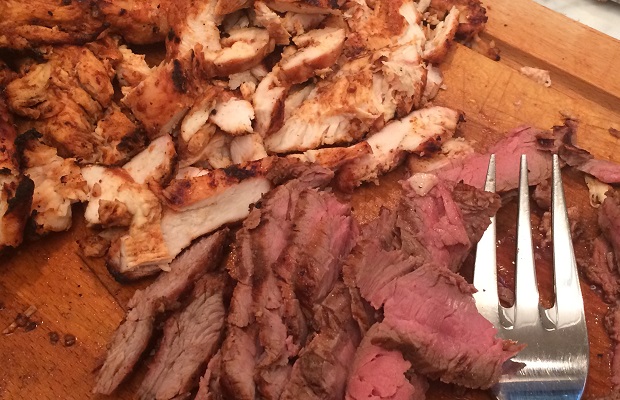
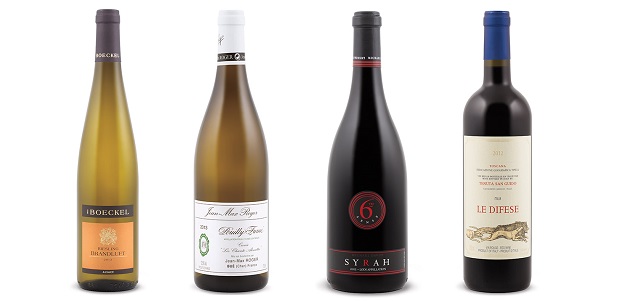
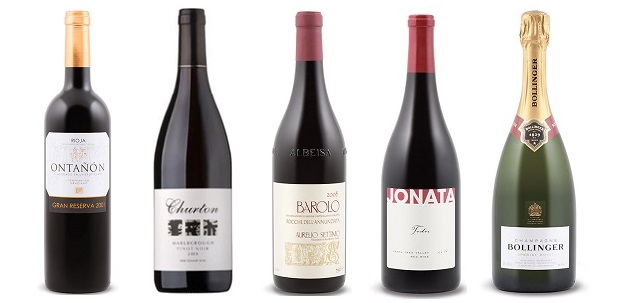
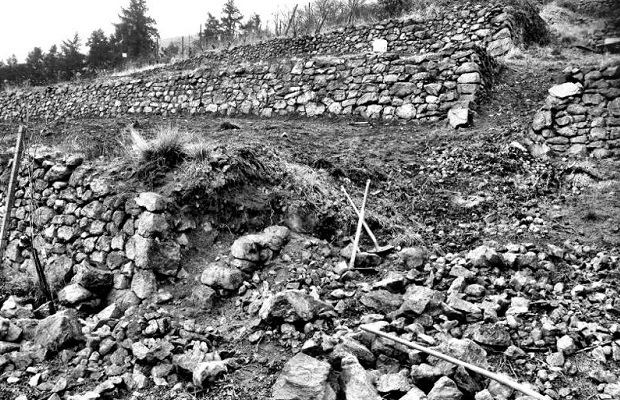
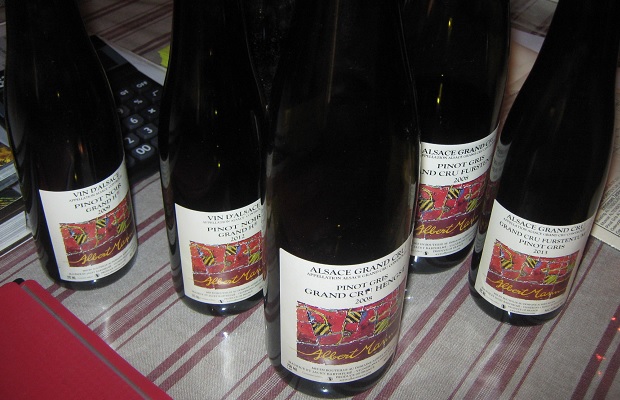
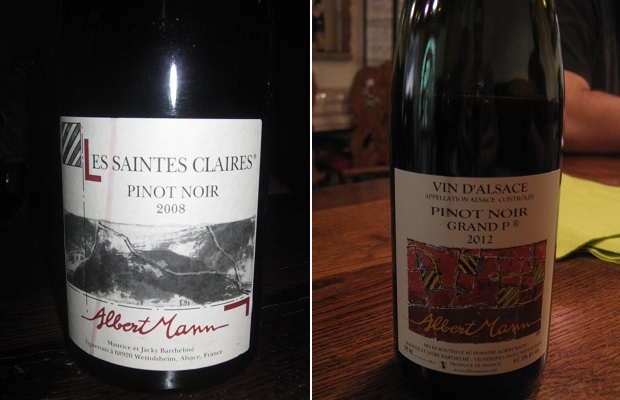
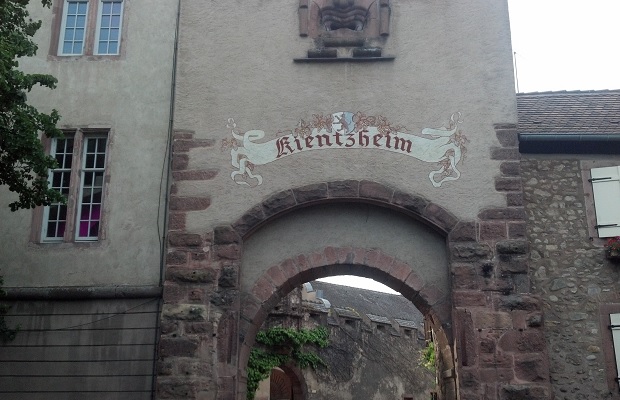
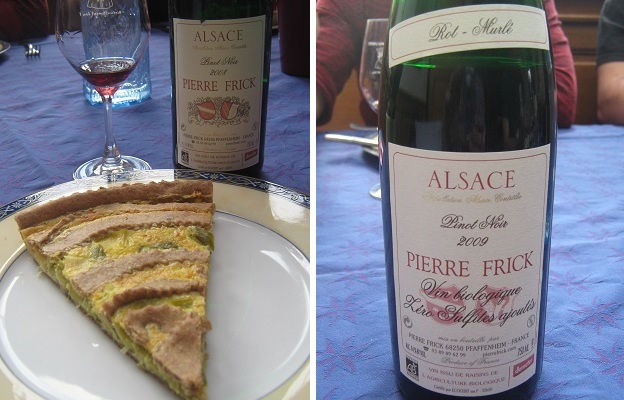
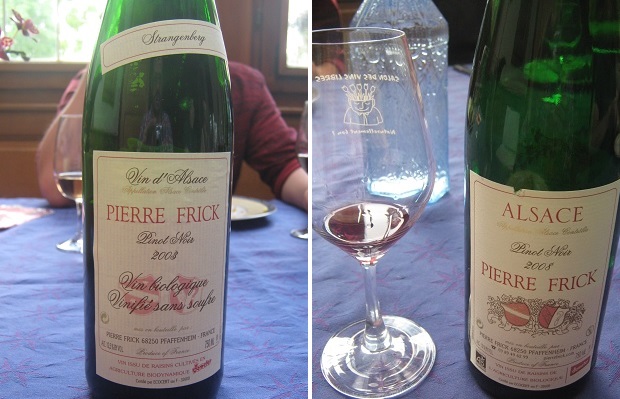
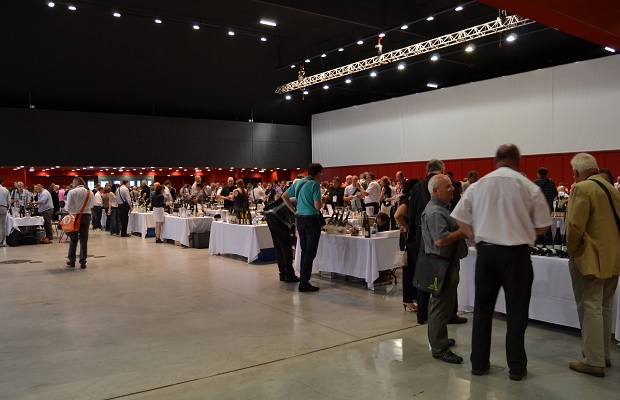
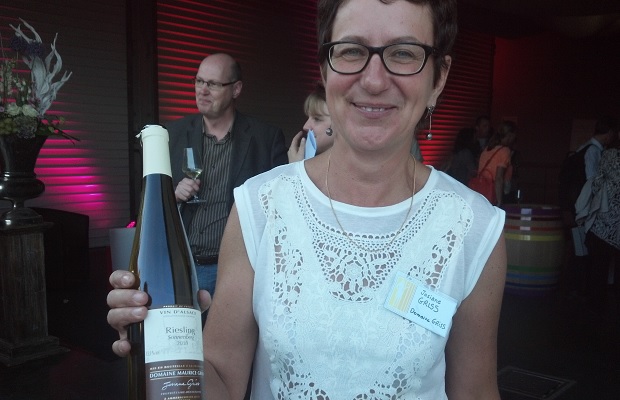
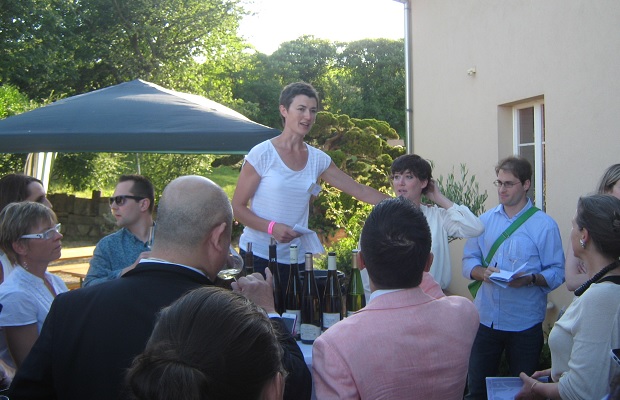

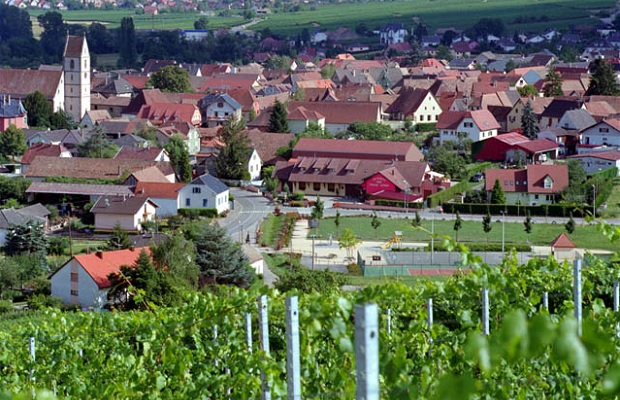
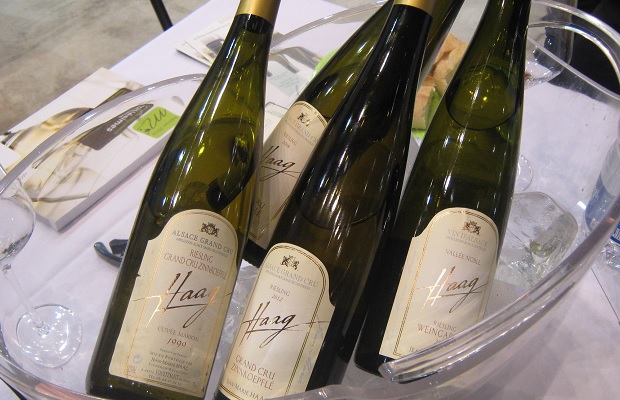
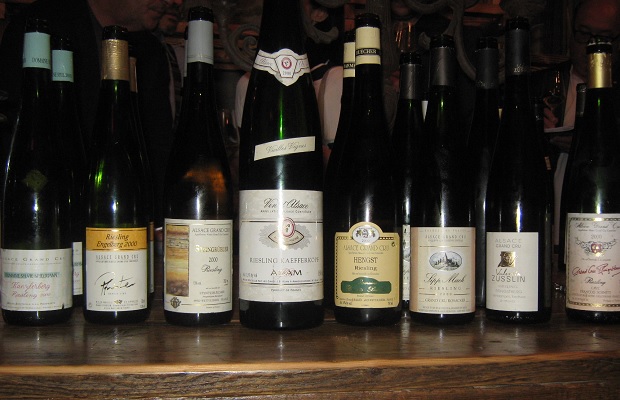

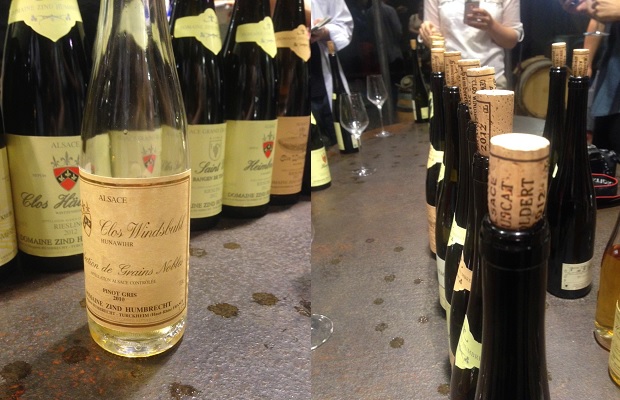
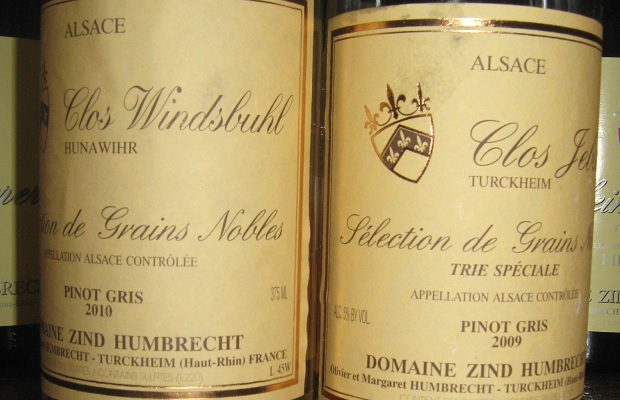
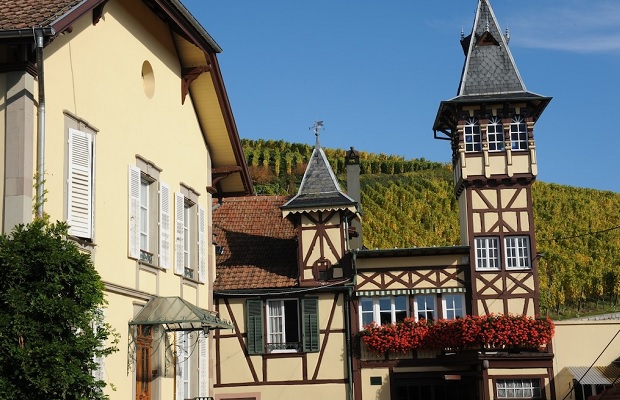
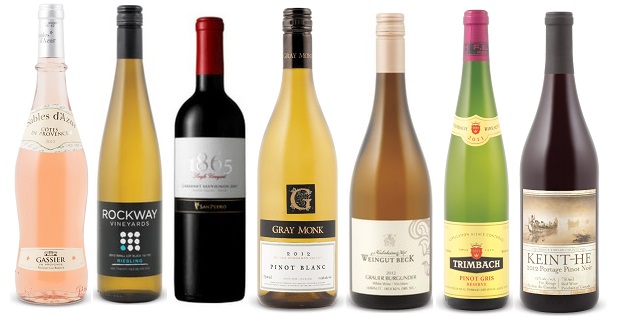
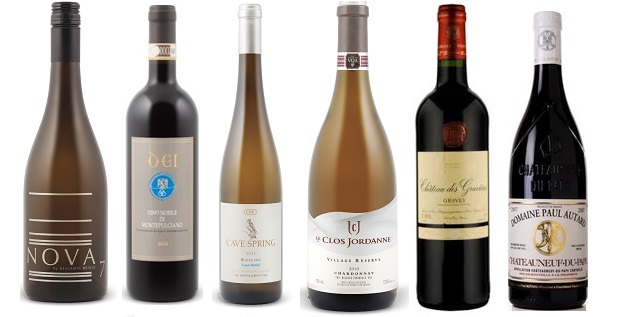
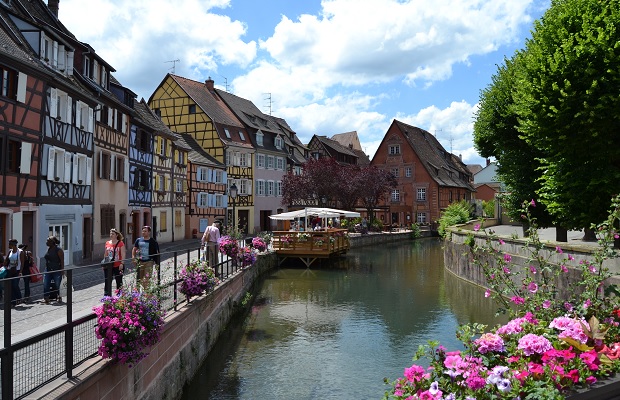


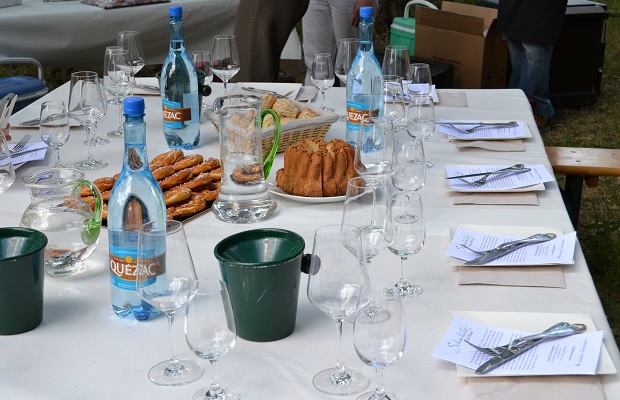
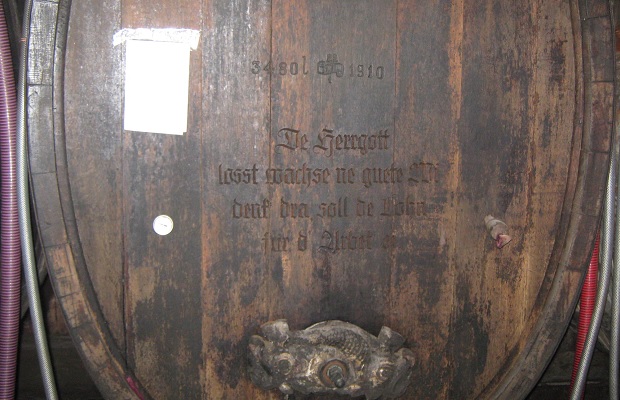
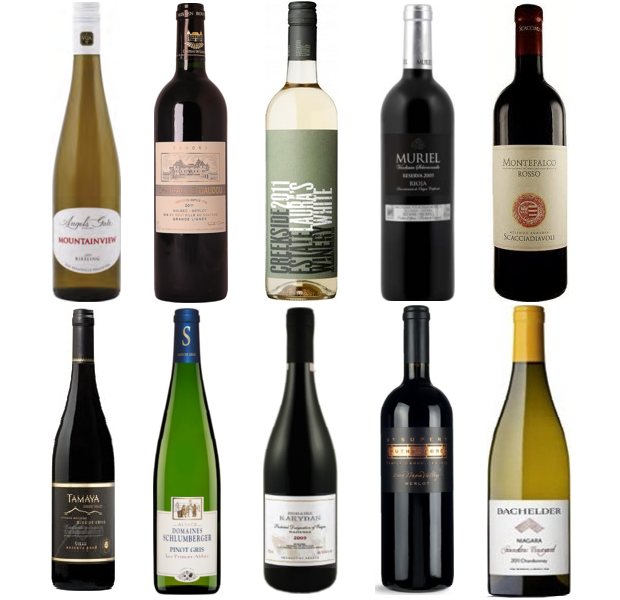
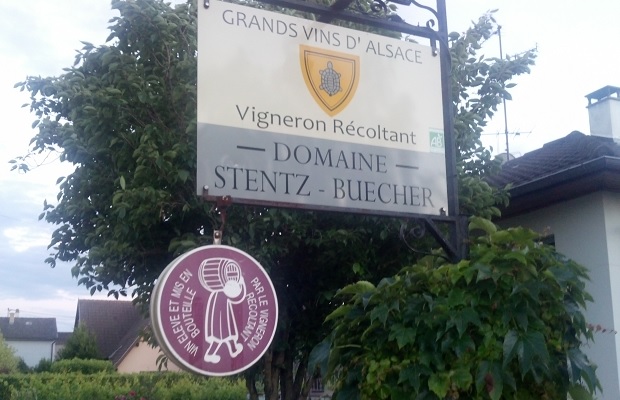


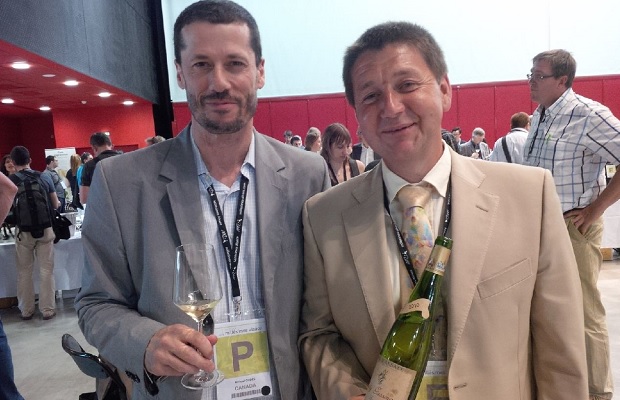
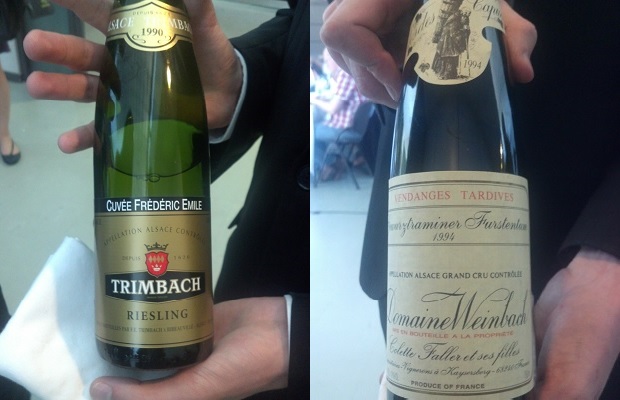
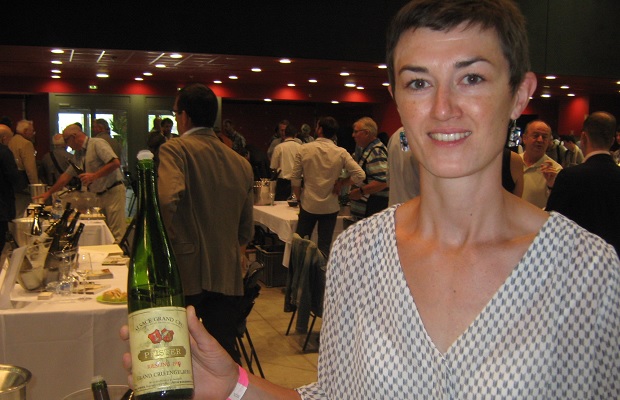
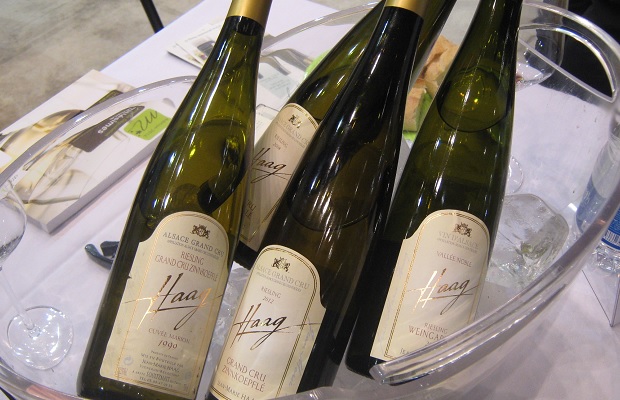


 Godello