There’s no time for preamble. VINTAGES rolls out another long list of wines for the weekend. All your summer bases are covered. The Pinot Noir from New Zealand are really, really good. There are whites from Greece, Niagara and South Africa to not only try but embrace. Two Ontario reds will satiate the grill. Here is a list of eight wines to look for right now.
From the left and clockwise: Argyros Atlantis White 2012, Tawse Sketches Of Niagara Riesling 2013, Featherstone Gewürztraminer 2013, Featherstone Gewürztraminer 2013, Redstone Vineyard Reserve Cabernet Franc 2010, Hamilton Russell Chardonnay 2012, Staete Landt Paladin Pinot Noir 2010, Hidden Bench Terroir Caché Meritage 2010
The gateway of the Tawse Riesling portfolio and first to be released is an omnipresent beacon for what is to come from the single-vineyard sistren. Built fruit forward from an orange zest, stone rose and lemon glade guide, this is the Sketches most juicy sensation yet. Incredible vacuum of citrus acidity waterfalling into a great white hole. Though surrounded by so many a Riesling with site specific personality, “she’ll carry on through it all.” Intensity in dry Riesling. Tasted June 2014 @Tawse_Winery
Argyros Atlantis White 2012, Greece (371658, $17.95, WineAlign)
Assyrtiko is the rock but the composition is altered by smaller parts of Aidani and Athiri. Softer, warmer and much more approachable than the Santorini, not quite so stony but with more intense juice. A modern take on the ancient game. The palate lays out the uneven, tannic and rocky road to the amphitheatre. A long walk on carefully arranged boulders. A salt bath in warm springs. The wines of Argyros do so much to bring Greece to the world. Citrus finish and more salty mineral. Tasted June 2014 @KolonakiGroup
Such a pretty and elegant take on Gewürztraminer, of flowers white and in bloom, nuts blanching away. A structural, searing tightness to the mineral laced fruit will develop yet unrealized tannin and tension. There may be nothing gangly or highly viscous about it and its style is nearly, completely dry. Notes of orange zest and lychee pit. Very clean. Elan, ecrue, pearl. Tasted June 2013 @featherstonewne
Clos Henri Bel Echo Terroir Greywacke Pinot Noir 2012, Marlborough, South Island, New Zealand (159137, $22.95, WineAlign)
“It is a special joy for the Bourgeois family to make Pinot Noir in New Zealand.” That statement is one you just gotta love. The Henri Bourgeois clan clearly have a whole lotta love for the climate, soils, people and the possibilities the terroir presents for his dedication towards restrained, elegant Pinot Noir. Though this teases with highly modern and juicy elements, almost, dare I say, Sonoman, there remains a rooted, savoury sense of the earth. Takes a page out of Burgundy’s book and plants it in Marlborough. Plums, cherries, smoke, spice, some tannin and for the price, nearly impossible structure. Angles and bitters persist but beneath a wealth of fruit. “Keep a coolin’, baby.” The price is impossible. Great value. Tasted June 2014 @ClosHenri
Redstone Vineyard Reserve Cabernet Franc 2010, VQA Lincoln Lakeshore, Ontario (381244, $29.95, WineAlign)
Would I not be remiss to ignore the Tawse Laundry Vineyard by way of comparison? With the Redstone, the sister winery puts forth the same amicable fruit with charred meat accents yet minus the hyper-specific Pender perfume and wisdom. Here is an ocean in between the waves. I came in to taste Redstone with an open mind, even “bet against the company again. They tried to redefine everything that I know and love. Gotta know you’re mine.” Winemaker Rene Van Ede has fashioned a delicious Cabernet Franc that speaks in a clear 2010 voice. A war on drugs. Though it bears no teeth of conceit there is a very positive funk and sanguine notes make a play, but ultimately submit to an overall red currant, sweet bell pepper and tobacco realm. The pyrazine ring compound binds many types of pepper, cracked, swelling and swollen. A long and rich elixir without the oak needing to be heard. It does not shout but whispers. Unmistakable Pender mentored Rock ‘N Roll Cabernet Franc. Really well made. Tasted twice, March and June 2014 @RedstoneWines
Hamilton Russell Chardonnay 2012, Wo Hemel En Aarde Valley, South Africa (931006, $34.95, WineAlign)
From what is rapidly developing as a (if not already engraved in stone) Grand Cru site in the Hemel En Aarde Valley, 2012 is a vintage that comes to greater strength from strength. Every aroma, every nuance is characterized by elegance and elasticity. Romantic Chardonnay, so representative of real love, of mineral, of most excellent barrels, ripe fruit and deft touches. Hamilton Russell takes South African Chardonnay to an entirely higher level. “Thought I’d been in love before, but in my heart, I wanted more. Seems like all I really was doing was waiting for you.” Tasted June 2014 @TrialtoON
Staete Landt Paladin Pinot Noir 2010, Marlborough, South Island, New Zealand (376731, $36.95, WineAlign)
Though the Paladin is four years in it still retains its barrel baby fat. The rich red fruit tower reels behind a slightly reductive must and a compromise of toast and splinters from18 months spent in a mixture of 25 per cent new and 75 older French oak barrels. There is a whole surrealist street gang of fruit lurking in shadows of a de Chirico drama. I can sense the ripe plums and the cherries ready and willing to bake in the proverbial pie, and though blisteringly dry (less than 1 g/L residual sugar), it will always see potential by way of total acidity (6.1g/L). Will realize a seamless transition to mid-life anxiety while the fruit simmers away in a cauldron of that fine acidity. Ruud Maasdam’s Pinot Noir is of the scuola metafisica kind. Tasted June 2014 @StaeteLandtWine@liffordretail
The richest Terroir Caché to date, making use of its barrel in judicious but never obnoxious ways. Huge Bench wine, needs 10 years for sure. From my earlier, April 2014 note: “No other Niagara red and for sure no alternative Peninsula Bordeaux blend exists in such a vacuum of dichotomous behaviour. Act one is an out-and-out boastful, opulent show of Rococo. Act two a gnawing and gnashing by beasts. The pitch and pull of the Terroir Caché 2010 optates and culls the extraordinary through the practice of extended délestage, what Hidden Bench notes as “a traditional method of gently draining the wine and returning it to tank with its skins during fermentation.” The ’10 is about as huge as it gets, highly ferric and tannic. Still chemically reactive, you can almost imagine its once small molecules fitfully growing into long chains. Berries of the darkest night and he who should not be named black fruit are confounded by minerals forcing the juice into a cold sweat. Will require a minimum of 10 years to soften its all-powerful grip.” From my earlier March 2013 note: “has rich, voluptuous Napa Valley written all over it. Sister Merlot dominant, Beamsville Bench sledge monster. Plumbago, mineral, blackberry and coffee in a wine that will be the ringer in a blind tasting 10 years on. Harald may be saying “this is our family jewel.” Mr. Thiel, you make good wine” Last tasted June 2014 @HiddenBench@BenchVigneron
The Ontario Sparkling Wine Technical Symposium. Like a Trekkie convention for oenophiles. To a wine geek it was eight hours spent searching for the meaning of life. To a consumer who just likes to drink it would have been time lost forever with no chance to get it back. The Brock University Cool Climate Oenology & Viticulture Institute’s Pond Inlet was the setting. The presentations were very technical, that is until Dr. Jamie Goode took the podium and breathed context into the room.
According to the LCBO, in 2013, sales in Vintages of VQA sparkling wine were up 59.2 per cent from 2012 sales data. In Canada there are 36 wineries producing sparkling wine and that number is growing. As it should.
The abstruse conditions of the #ONfizz event set the table as a vocational assurance draw for Ontario winemakers, viticulture and viniculture research specialists. Seated at my table were a butcher, a baker and a candlestick maker. That should be loosely translated as a scientist (Dr. Jim Willwerth), a product manager (LCBO’s Ontario expert Astrid Brummer) and two winemakers (Hinterland’s Jonas Newman and Gaspereau Vineyards’ Gina Haverstock).
Brock’s Dr. Debbie Inglis introduced Bertrand Robillard, Ph.d., Director of Research and Development at the Institut Oenologique de Champagne. Before getting to the subject at hand, on disgorging, gushing and foaming, he first laid an open attack on beer. “The form is always better in a crystal glass,” insisted Robillard. For Champagne. Not beer. “That’s just false. It’s just appearance. People in Champagne do not appreciate this kind of resolute,” comparing the pouring of Champagne to beer.
Then on to Sparkling wine’s integral and necessary marketing draw. Bubbles. “No dishwashing,” begged Robillard. “It’s a very efficient way to kill the foam.” By principle, to have foam you need bubbles. It’s all about stabilizing the foam. High ethanol (five per cent) in fizz is good content for foam stabilization. CO2 (protein concentration and polysaccharides) all contribute to stability.
So why do the bubbles collapse? Why do they not make it from the centre to the wall of the glass? Why is a hole in the middle created and the bubbles fall into the hole and disappear? The answer is gushing. A “shameful disease” that can be considered as a disequilibrium between foam formation and foam collapse. Bubbles cannot exist if their radius are less than 0.1 microns, or they will dissolve into the wine. Bubbles are detached when gravity forces are higher than capillary forces.
The conclusion? Surface area and CO2 are the driving force behind gushing. Contaminations inside the wall of the bottle must be eliminated. Oxygen heterogeneity is essential, even more so more than CO2 and sugar. The news that there is no relationship between wine composition and gushing means winemakers can make the Sparkling wine style of their choosing. The representative from Champagne said so.
Next up was Ed Carr, Sparkling winemaker, Accolade wines in Australia. Carr plies his trade in Tasmania. Not the Tasmania of The English Passengers full of exiled convicts, invading Brits, sinister men like Dr. Thomas Potter and his thesis about the races of men. No, Carr makes bubbles on an island quickly becoming a (vinous) garden of Eden, known to a heroic aboriginal and envisioned by Reverend Geoffrey Wilson. Carr explained the company’s choice of locale. “These (cold and mostly maritime influenced climate) numbers are a gross simplification of what the world is really like, but this is why we went to Tasmania, looking at that 1000 number for heat degree days.”
On spacing: “The guy growing your vines is likely using the same tractor to grow spuds.” On vineyard management: “Lots of leaf plucking done, bunch thinning…canopy management is key. Supplemental irrigation a must.” On Sparkling wine stylistic choices: “Oxidation is a big thing, a real style choice. Chilling picked fruit reduces phenolic extraction and oxidation but also reduces fruit.”
On flaws: “Brettanomyces I refer to the ‘black death of Europe’ for wine. The little buggers love sulphur dioxide conditions. Residual sugar left in the bottle on the way to second fermentation helps the yeasts on their way. Rapid ferment and as dry as possible is the way to go.”
On closures: “I don’t really think you apply screw cap closure trials from still wines to sparkling. It does not translate to the reductive character of sparkling. We primarily believe in the use of traditional cork, with some agglomerate closure usage.”
Third speaker was Larry Mawby of Michigan’s Leelanau Peninsula L. Mawby Vineyards. “The thing that I realized was negatively impacting on my ability to make good sparkling wine was the fact that I wasn’t just making sparkling wine.” The response from Hinterland’s (Prince Edward County Sparkling wine maker) Jonas Newman. “I like his style.” I can hear you thinking, Sparkling wine in Michigan? More than this. Mawby makes 21 different renditions, with the usual suspects, Chardonnay and Pinot Noir, in traditional ways. He also goes at it Charmat-style with Riesling, Pinot Gris and Vignoles. Not to mention Cayuga, Vidal, Regent, Marechal Foch and Muscat in the Cuve Close method.
Continued Mawby, “in this century we’ve made nothing but sparkling wines.” During the terrible winter of 2003 there were temperatures of 45 degrees (Fahrenheit) and below. “Killed any vine not beneath the snow. I panicked.” So Mawby added his ‘Cuve Closed’ a bulk production, Charmat-style sparkling wine. On the technicalities of making fizz: “I don’t believe the chemistry of fruit should be your guideline. What does the fruit taste like?” On varietal integrity: “Almost nobody on the planet buys Sparkling wine based on grape variety.”
Jamie Goode, Ph.D., London-based wine writer (www.wineanorak.com) and wine columnist, The Sunday Express talked on wine closures and purchaser perception of local, national and international sparkling wines. Mostly he spoke about incontestable truths.
On closures: “Traditional is best but the Mytik in an excellent alternative.” It now closes 192 million of 6 billion bottles. The Crown Cap? “Yes, why not? It’s recognizable, like beer and comfortable. With the right liner it’s OTR transmission is very acceptable.” Dr. Goode’s closure talk resulted in some wine writer comedy.
@BillZacharkiw@jamiegoode can you saber crown capped sparkling? Author Jamie Goode about to demonstrate @WineCouncilOnt
On the world’s most famous fizz: “Champagne can be wonderful, but there’s some ropey stuff coming to the UK. With Champagne, your expectation is everything.” On Cava, “People don’t really like it. It’s made in the traditional method and it should be a really good product but it’s trying to be something it’s not.”
On vintage dated bubbles, Goode spoke from an unequivocal marketing perspective. “People don’t really care about vintage.” On the emerging Canadian and British sparkling wine industries. “Do English or Canadian wines need a special name?” No.”
On the now-universal nomenclature: “Sparkling wine has become an accepted one, not a pejorative one.” Goode’s perspective is always fresh, nearly cynical and full of truth. On leaving the country he bade farewell with thanks.
Goodbye canada. You exceeded my already high expectations. See you again in June
Participants also had the opportunity to taste two sparkling wine research trials that are currently underway at local wineries as well as a comparative blind tasting. The blind tasting presented a selection of local and international Sparkling wines and Champagnes and was moderated by Jamie Goode. The three flights featured Blanc de Blancs, Cuvée/blends and alternative varieties. Thank you can never be said too many times to Barbara Tatarnic, Magdalena Kaiser-Smit and Trisha Molokach for their generosity in invitation and unwavering hospitality. I am always humbled to be included in their warm world of wine.
I will admit that I would have liked to see more Ontario representation in the flights, as well as at least one example from both British Columbia and especially Nova Scotia’s Gaspereau Valley. With that emerging region and vintners like Benjamin Bridge and Gaspereau Vineyards on the Sparkling stardom stage/horizon, including their wines would have upped the complexity factor tenfold. Not to mention something British. New York State’s Finger Lakes (Chateau Frank Célèbre) and North Fork of Long Island’s (Sparkling Pointe Brut Seduction) should definitely be players in the next #ONfizz symposium.
Brock University CCOVI Sparkling Wine Technical Symposium
Sparkling Wine Trial Tasting – Unfinished samples from Trius Wines
Trius Base on lees two years. Chardonnay (70 per cent), Pinot Noir (25), Pinot Meunier (5). Each (cane sugar) dosage was 20 mL towards an end of 8 g/L of residual sugar. Barrel fermentation and barrel aging leans this towards an oxidixed style. Arid, high in citrus and high-toned oak character.
Blanc de Noirs 2009. Left on the lees for four years. Use of cane sugar. Less giving and resolute in micro-wood spice. This sample is from the oldest (sparkling) wine in their cellar.
From the Trius Brut wine. Dosage again with cane sugar. Acts the most polished and finished, the most accomplished. This is the rock and the anchor.
Comparative Blind Tasting – Flight 1: Blanc de Blanc
Family Estate Cuvée No. 1Blanc De Blancs NV, Méthode Traditionelle, Marlborough, New Zealand (56358, $34.95, WineAlign)
The sample poured at the OSWTS was unfortunately corked but here was my previous review: “Aromatic rhetoric would argue this Marlborough bottle of bubbles is a ringer for classic Blanc de Blancs. Promises pleasure and class from the first whiff. Decidedly lemon citrus tight and stony until an herbal, splintered, stemmy tarragon balm takes over, rendering the wine more of its place than what it tries to emulate. Still, a really terrific effort.” Tasted November 2013 @oenophilia1
From left to right: L. Mawby Vineyards Blanc de Blanc Chardonnay NV, Cave Spring Blanc De Blancs Brut, Henry Of Pelham Cuvée Catharine Carte Blanche Blanc De Blanc 2008, Drappier Signature Blanc De Blancs Brut Champagne, House of Arras Blanc de Blancs 2004
L. Mawby Vineyards Blanc de Blanc Chardonnay NV, Michigan, USA (winery, US $23)
Like distilled white Swedish berries high on acidity. Herbal, tight, gainful simplicity. Pear ciderish and clear as a cool climate bell. @mibubbly
A not so dry (9.8 g/L residual sugar) stylistic choice leads this angel to sparkling late harvest territory with ripe orchard fruit that buzzes with terpenes, surface bruises and slight oxidized notes. The archangel rolls over a knife’s edge and sits too long in the sun but it’s neither cut nor cooked. There is beauty in its 90’s big hair, big sound and you might tell her that “tears drop like diamonds from your golden eyes.” There’s yet a spring in her step and a hay note from afield. Tasted May 2014 @angelsgatewines
House of Arras Blanc de Blancs 2004, Tasmania, Australia (winery, $80 AUS)
Big barrel oak influence leaves splinters in the mouth, albeit gentle and dissolvable ones. Creamy and chalky like ice cream made from tea. Not much yeast and biscuit activity as it’s all about fruit and barrel. @AccoladeWinesAU
Cave Spring Blanc De Blancs Brut, VQA Niagara Escarpment, Ontario (213983, $29.95, WineAlign)
The freshest style of the #ONfizz B de B flight. Fruit, escarpment bench stone layering, richesse, biscuits and toast are all in. Acidity meets complexity. From my earlier, December 2012 note: “Sees no malolactic fermentation and sits at the top end of dry (12-14 dosage). Most of the fruit is 2008, despite the NV designation. A soda fountain of argon and nitrogen bunsens forth through clean lines and carries an entire cider house orchard of Spartan apple. This one certainly hints at Champagne-like characteristics, of brioche and toast. The apples never relent.” Last tasted May 2014 @CaveSpring
Drappier Signature Blanc De Blancs Brut Champagne, Ac, Champagne, France (599860, $46.95, WineAlign)
Here showing a bruised apple note with the lees and PH on steroids. Fruit seems to be in from a less than stellar vintage and so the lack of consistency is disappointing. “It’s a style,” says Jonas Newman. “He’s a natural wine guy.” NV Champagne needs aggregate scoring so my 90 comes down. From my earlier, April 2013 note: “Continues a VINTAGES string of excellent value in Champagne releases. Made from 100% Chardonnay, this BdB is pronounced in , yeasty dough definition, hinting at agave and unwashed cheese rind. Where there’s bubbles there’s a way and I like where this one is going. The agave replays in sweet waves, as does the sour in faint yet discernible sloshes. Much to contemplate in this NV sparkler.” Last Tasted May 2014
Henry Of Pelham Cuvée Catharine Carte Blanche Blanc De Blanc 2008, VQA Short Hills Bench, Niagara Peninsula, Méthode Traditionnelle, Ontario (315200, $44.95, WineAlign)
Rocks the driest end of the free world Blanc de Blanc spectrum. Lets carte blanche reign in a taut style and reeks of a minimum four years of autolytic lees activity. In that sense it loses some of its sense of place, in Catherine’s case that Short Hills Bench clay-silt-loam-gravel agglomeration. The soil composition usually brings vigor and richness to Chardonnay but here as a sparkling wine the sensation is of citrus soaked concrete. Racy bubbles of intensity that do not quite match the weight and elegance of the 2007. @HenryofPelham
From left to right: Château Des Charmes Brut Méthode Traditionnelle, Fielding Estate Brut NV, Cattier Brut Premier Cru, Tarlant Brut Reserve Champagne, House of Arras Rosé 2005
An impressive debut for winemaker Richie Roberts and team. This is a classic Chardonnay (55 per cent) and Pinot Noir (45) cuvée from Fielding’s Tufford Road vineyard. A surprisingly rich example, toasty and with a sweet meets sweaty, minty-herbiage. A primer for even greater vintages (this is essentially 2009) to come, where the focus will be more on yeast fielding to citrus and less about yielding to a non-metallic elemental finish. @FieldingWinery
L. Mawby Vineyards Talismon NV, Michigan, USA (winery, US $37)
Tasted blind this strikes out as heteromorphic fizz from less than charted territory (like Michigan) with juicy, hybrid acting histrionics. Though it’s actually a blend of Pinot Noir, Pinot Gris and Chardonnay it lacks vinifera varietal complexity. The fruit is clear and fair but the méthode champenoise brings no enzymatic or citric display.
Tarlant Brut Reserve Champagne, France (325167, $43.95, WineAlign)
Here is a cuvée of égalité that combines one-third each Chardonnay, Pinot Noir and Pinot Meunier. Like the varietal make-up, these slightly reductive yet elegant bubbles offer up thirds of brioche, toast and demi-glacé. Fashioned from the 2006 harvest with reserve wine added and aged in oak. Chic and affordable but in no shape or form a knock off of the real deal. There’s a theoretical Champagne void within filled with citrus, sharp ginger and pungent spice. Blessed with unmatched length as compared to the others in the #ONfizz cuvée flight.
House of Arras Grand Vintage 2004, Tasmania, Australia (winery, $60 AUS)
“A polarizing wine,” notes winemaker Ed Carr. Full of savoury, herbal notes but also the unmistakable scent of that other white meat. The cure is indeed a porcine one, sweating in a hung game way, which gives this fizz such an old-world, old cellar quality. A slow (spring) malolactic evolution in barrel gives this (65.9 percent) Chardonnay and (34.1) Pinot Noir its silky, milky feel. Good to even better than good length.
Cattier Brut Premier Cru, Champagne, France (325720, $44.60, WineAlign)
This is really bitter, in a really good way. The nobility in brine is likely a result of whole (non-separated) bunch pressing, the Pinot Noir skins impart giving the fruity must its resident bitterness. A highly distinctive style of high caste and longevity, composed of Pinot Meunier (45 per cent), Pinot Noir (35) and Chardonnay (25). As deep as any tasted at #ONfizz 2014.
Château Des Charmes Brut Méthode Traditionnelle, VQA Niagara On The Lake, Ontario (224766, $22.95, WineAlign)
Chardonnay (75 per cent) and Pinot Noir (25) at an attractive price. Attacks with a gently cloying, weeping sweetness, string-bending terpenes and fades out with a savoury, bitter finish. Light, approachable and wide-reaching style. Bubbles with broad appeal. @MBosc
House of Arras Rosé 2005, Tasmania, Australia (winery, $60 AUS)
The composition here is Pinot Noir (62.5 per cent) and Chardonnay (37.5) from pickings in Lower Derwent, Upper Derwent and the Houn Valley. Emerges out of a year where warmer temperatures coaxed an increase of richer fruit from the rounder and fatter white grape. Good lees effect (seven years) in 2005 and also a balmy tarragon accent atop strawberry, verging to cherry fruit. Finishes with expert balancing acidity, this fizz trumps its Blanc de Blanc and Grand Vintage sistren at this tasting.
From left to right: Hungaria Grande Cuvée Brut, Girls’ Night Out Sparkling, Giusti Brut Prosecco Asolo, Brédif Brut Vouvray NV, Hinterland Ancestral 2013
Comparative Blind Tasting – Flight 3: Alternative Varieties
Spent 12 months ageing ‘sur lie’ in the estate’s underground sparkling caves. Winemaker Craig McDonald comments to the negative effect of light on bubbles. “Light strike causes a serious reaction on sparkling wine.” Here a mephitic aroma should likely be attributed to reduction or the beam of sunlight blanketing the room. There is a resinous salinity to this SB that does not want to blow off. Needs to be revisited from 2015 to 2018.
Green Extra-Sec by M. Lawrence, Michigan, USA (winery, $15)
The Green is part of Larry Mawby’s colourful, sexy and artfully named M. Lawrence investigation into the diversity of Sparkling wine. Absurdly dry, this put together Vidal and Cayuga concept is all about musky grape dehydration. Its cool climate constitution rescues the fruit to rehydrate and act like an orange picked straight from the greenhouse tree. There’s a malic medicinal tone that buries the sweet (17 g/L residual), resulting in a tart, low in alcohol, unwoven bottle of slim bubble.
Girls’ Night Out Sparkling, Ontario VQA, Ontario, Canada (215632, $14.95, WineAlign)
Here is a modest and useful 100% Riesling, Charmat Method, Cuve Close bottle of fizz from Lake Erie North Shore producer Colio Estates. With a residual remainder of nearly 20 g/L it falls into the off-dry category with aromatic notes that stroll directly through Ontario orchards. Tasty, easy to enjoy and smelling peculiarly like bubble gum. Well-made, good quality bubbles nouveau.
A 100 per cent Glera, from Veneto’s Montello and the Asolo hills. As per Giusti’s description, this definitive Prosecco is “appropriately evanescent, with fine and lingering perlage.” Though reserved on the nose, the palate is very lively. A case in point for any aridity-driven examples to follow.
Brédif Brut Vouvray NV, Loire, France (352179, $20.95, WineAlign)
A touch yeasty, with citrus and large bubbles. Good verve, complex palate with a Champagne bent, or at least a toasted sentiment. From my earlier, November 2013 note: “Arid, frothy and fitful, atomically speaking. White peach and preceding spring flowers. Charcoal rubbed, also clean and fine. Sparkling Chenin Blanc done right.” Last tasted May 2014
Hungaria Grande Cuvée Brut, Hungary (619288, $12.25, WineAlign)
A more than interesting set of aromatics define and drive this blend of Királyleányka Rizling (Rhine Riesling), Pinot Noir and Chardonnay. A stinky, reductive twang is joined by peach, rubber, pencil, duff and sandy sediment. Although the palate is a bit dullish with a taste of wet concrete there thickens a liqueur-like viscous texture to win sweet hearts. Would win even more were the residual (9 g/L) even higher.
Hinterland Ancestral 2013, Prince Edward County (winery, $25, WineAlign)
Released back in October of 2013, the Ancestral is what Hinterland’s Vicky Samaras refers to as the “unicorn” or the “babymaker.” This is Gamay Noir in postal service of the ancient process known as méthode ancestrale. Fermentation, which produces the carbon dioxide, occurs in the bottle and lees disgorgement is skipped. Hinterland’s Ancrestral brings sweet currant jelly, strawberry and mint notes (36 g/L residual sugar) to a wine low in alcohol (8 per cent) yet high in balancing (7.8 g/L) natural acidity. The components are all lifted to such great heights. A babymaker because the aromatics, palate, texture and finish “are mirror images and when we kiss they’re perfectly aligned.”
A shout out to mom. The influence and unrequited love of a mother is age irrelevant. She is everything to her child, their rock, their wherewithal. Mothers are Kalon incarnate. They are what the Greek philosophers refer to as beauty that is more than skin deep. The idealistic representation of perfect grace in the physical and moral sense. Mom’s deserve more than they get but they rarely complain. If my mother were to be described in a wine tasting note, this would be it:
“From a vintage in which the mold must have been broken, 1938. Impossibly youthful and yet full of life, zest, verve and generosity. Classically styled, unselfish and seamless. Has aged with halcyon, linear precision, patience and the grace of an angel. Residing in an exceptionally calm and beautiful window. Will offer many more years of pleasure to be with.” May 2014
Doesn’t the mother in your life deserve a taste of something special, if not every day, at least this coming Sunday? Here are five legitimate wines, a vintage-dated Champagne and four most excellent whites, to open with Mom.
From left: Cave De Lugny La Carte Lieu Dit Single Vineyard Mâcon Lugny 2011
Cave De Lugny La Carte Lieu Dit Single Vineyard Mâcon Lugny 2011, Ac, Burgundy, France (365007, $19.95, WineAlign) From the VINTAGES April 26, 2014 release
A single-vineyard Mâconnais from a cooperative consisting of more than 250 wine-growing estates on 1,500 hectares in southern Burgundy. Subtle bits of buttery oak, wet stones and rubbed herbs give this elegant Chardonnay it’s well-priced lift. Affordable and attractive, it may be not be a candidate for wine of the year but its versatility is both food and people friendly. A prime example of what can be unearthed in the “lesser” nooks of the royal region. Tasted April 2014
Ant Moore Estate Sauvignon Blanc 2012, Marlborough, New Zealand (Agent, $20.95, WineAlign) From a tasting with Mark Cuff, The Living Vine wine agency
Certainly on the early savoury side, with that not unfamiliar note of capsicum, namely Cayenne and a conspicuously low bite of sulphur. The rock rolls down the lane in low and slow motion then gains speed just before it strikes. The initial herbiage comes by way of lemon balm but the developing, maudlin steely zest and acids by a count of a “thousand, yes bones or clams or whatever you call them,” take over. Wild in yeast, this Moore, wild in ferment, wild in attitude. Tasted April 2014 @TheLivingVine
Pascal Bouchard Montmains Vieilles Vignes Chablis 1er Cru 2011, Ac, Burgundy, France (374181, $37.95, WineAlign) From the VINTAGES April 26, 2014 release
The right kind of gangling Chablis allows the flinty, struck stone character to get up top. The Montmains vineyards elicit that uncanny ability so long as the producer keeps the handling to a minimum. Case in point Bouchard’s old vines ’11. Green apple skin and tart flesh lash out and so in a way this is acting very cool climate. As it moves along, there is a noticeable increased limestone effect. Clean, cool, balanced and delicious Chablis. Exceptional length from a fine vineyard. Linear and direct. Really long. Contains sulphites and fish. Tasted April 2014
Grgich Hills Estate Chardonnay 2011, Napa Valley, California, USA (Agent, $60.95) From the California Wine Fair, Fairmount Royal York Hotel
A mineral-driven vintage for one of Napa Valley’s most consistently complex values. A reputation cemented and bronzed, in hue, blueprint, essence and agalloch. Level wooded and smooth though short of the abundant stretched acidity that characterized the ’09 and ’10. Seems to emit a Chablis like leesy funk for texture in lieu of that acidity. There is a quick tension, on the convivial side of anxious, that submits to blithe elegance. Calmer and yet still cooler than most. Tasted March 2014 @GrgichHills@rogcowines
Marguet Père & Fils Grand Cru Ambonnay Vintage Brut Champagne 2006, Champagne, France (68791, $65.95, WineAlign) From the VINTAGES April 26, 2014 release
A graceful, slow evolution characterizes this cat of a Champagne from Ambonnay, a coveted terroir with vineyards classified as Grand Cru since 1935. Offers a pensive appreciation for the idealism of youthful Champagne. Lemon meringue, faint but fresh herbs and the provocative agent of a yeast starter stand out as prominent aromas. Lively, still primary, fresh, amplified and just now ready to begin secondary life. Ask this balanced, even steven Ambonnay, “oh very young, what will you leave us this time. You’re only dancin’ on this earth for a short while.” It might answer with maturity and in a teaching moment, “many years of enjoyment, for now and 10-15 more.” Tasted April 2014 @ProfileWineGrp@BenoitMARGUET
We’re going to begin the last week of March with a quartet of white wines as a prayer for the hopes of warmer weather. A bottle full of fresh and sprite grapes to be brought into the temple as a gift to lay down at the altar, sacrificial ferments meant to appease the harbinger gods of Spring. A prayer on the back of a wine angel to usher us out of the cold, to drink in long time missing, rarefied air.
Is this plea just a bit too Exodus 40:6 for you? “And thou shalt set the altar of the burnt offering before the door of the tabernacle of the tent of the congregation.” Maybe too much like an American World War Two patriotic song? “And our trust in the Lord, we’re comin’ in on a wing and a prayer.” Do you read this and think, “See the rich man lost and lonely, watch him as he dines, sitting there just testing all the wines…” Does this make you roll your eyes due to a kitsch allergy? “Our wine, which art in heaven, hallowed by thy legs…For thine is the Chardonnay, the Merlot and the Cabernet. Forever and ever. Amen.”
An assembly of really good white wine seems as good a plan as any to beg for Spring weather, prosaic waxing or not. Let’s just make a plan. Open a bottle of white wine a day for four days, or open one and wait four days. Then look out the window. If I were a betting man I’d say Spring will have sprung.
From left: Casal Di Serra Verdicchio Dei Castelli Di Jesi Classico Superiore 2011, Coopers Creek Select Vineyards Dillons Point Sauvignon Blanc 2012, Estate Argyros Assyrtiko 2011, and Tawse Robyn’s Block Chardonnay 2010
Casal Di Serra Verdicchio Dei Castelli Di Jesi Classico Superiore 2011, Doc Marche, Italy (268169, $17.95, WineAlign) From the VINTAGES March 29, 2014 Release
What once was, though no longer is a single (Montecarotto) vineyard designated Verdicchio, the exceptional quality of the grapes remains obvious, front and centre. A five months lees meets yeast cold soak and a distant, though influencing stone’s throw from a (somewhat) far away coast combine for complex effect. A brilliant platinum hue and loaded stony, mineral relish is piqued by a pinch of salinity. The overall elaboration is urged along by lime citrus in zest, aromatic bitters and evolving fruit entering a nut stage. Very, very Verdicchio. 89 Tasted March 2014 @UmaniRonchiVino@Noble_Estates
Coopers Creek Select Vineyards Dillons Point Sauvignon Blanc 2012, Marlborough, New Zealand (66092, $19.95, WineAlign) From the VINTAGES March 29, 2014 Release
There is just something about Sauvignon Blanc from vineyards on or near the shore of Cloudy Bay. Alan and Petrina Shutkowski’s plot in Morgans Road joins ranks the likes of the original and iconic Cloudy Bay and te Pā as purveyors of distinct and inadmissible fruit. Rises to a next level concentration and exceptional length. Larger scale producer does upscale SB at a large-scale price with distinction. A thing that sings long and in the right green grass key. Avoids the sickly, herbal sweetness of overbearing aspara-gooseberry and bell pepper. Incredible acids and just the right kind of salivating, mouth-watering verve and tang. Just a pinch of grapefruit pith joins in to magnify the bitters in all the right ways. Tasted March 2014. 91@CoopersCreekNZ
Estate Argyros Assyrtiko 2011, Santorini, Greece (366450, $22.95, SAQ 11901091, $24.50, WineAlign) From the VINTAGES March 29, 2014 Release
A 100 per cent Assyrtiko from a 150 year-old, Cycladic Phylloxera sanctuary vineyard. Separates itself from other Santorini adelphoi by ageing 20 per cent of the inoxydable, ancient-minded grapes in French barrels. An Assyrtiko that can’t help be anything but stony, atomic driven goodness. Volcano flow and spew, with more texture than most, its elevated price a necessary reflection of a tertiary expertise. Elevated aromatics, locked in tight by the barrel and matched by extreme flavours, so primary, raw, powerful, relentless and grippy. A remarkable white wine that impresses with a sensation of mouth rope burn full of complex, seafaring knots, this Assytiko will age for 15 years in the cellar and develop into something ethereal. Will melt away in dreamy waves when it settles together. Myth will beget legend, legend will beget truth. 93 Tasted March 2014 @KolonakiGroup
Tawse Robyn’s Block Chardonnay 2010, VQA Twenty Mile Bench, Niagara Peninsula,Ontario (662841, $45.95, SAQ 11031443, $48.00, WineAlign) From the VINTAGES March 29, 2014 Release
This current visit to the ever-ambrosial Robyn’s Block 2010 is unlike any that have come before. Seemingly lignified at present, a stranger in town, in an unexpected, dumb phase stalled as if by agostamento. Twenty Miles of limestone lurk and a green gem’s goddess figure hides behind the looking-glass. This regnant Robyn pleads “take away my inhibitions, take away my solitude.” While not the most flattering of her evolutionary positions, a retinue of resurgent fruit will lead to Robyn’s exodus. A few years patience and this cool climate Chardonnay will regain her warm, tropical smile, to shine again. 92 Tasted March 2014 @Tawse_Winery
The winter that never ends. White out conditions, snow squalls, wind advisory and chill warnings. Everything just feels heavy. The OPP’s request? Just stay home, Ontario. Prepare for the worst, hunker down and warm the belly with full-bodied wines, strong mocker, beer and hearty winter meals. The weather will step aside in April. Until then, satiate yourself.
Here are six strength fortifying libations to ride the final wave of winter’s brutal conditions.
Clockwise from left: Innis & Gunn Irish Whiskey Finish, 13th Street White Palette 2011, Ara Single Estate Pinot Noir 2011, Planeta Chardonnay 2010, Bachelder La Petite Charmotte Nuits Saint Georges 2011, and Antinori Pian Delle Vigne Brunello Di Montalcino 2008
Stout matured over American Oak Heartwood and infused with Irish Whiskey. A Cimmerian entry in hue and hunger peels back to a curious lightness of being. The wood tends to an Arabian mocha aroma, the whiskey to molasses and gingerbread baking spice. The 7.4 per cent alcohol is integrated though an incendiary smoky magic weighs in to toast biscuits and braise a beefy pot au feu. “The Smoky Life is practiced everywhere,” in the I & G. A beer of good charm, smooth, silky, singing in melodic grace and with confidence. 90 Tasted March 2014 @InnisandGun
The grapes: Riesling, Sauvignon Blanc, Gewürztraminer and Chardonnay Musqué
The history: Niagara winery founded in 1998. Chablis native Jean-Pierre Colas joined 13th Street as winemaker in 2009. Co-owners of the winery, the Whitty family has been farming fruit in Niagara for well over 100 years
The lowdown: Much of the fruit comes from the estate’s Creek Shores appellation vineyards, sedimentary, well-drained lighter soils on a landscape highly dissected by its many streams.
The food match: Fish Tacos
13th Street White Palette 2011,VQA Niagara Peninsula (207340, $15.95, WineAlign) From the VINTAGES March 15, 2014 release
JP’s who’s who bottle of white grapes, a mad scientist’s blend, the flask filled with Riesling, Sauvignon Blanc, Gewurztraminer and Chardonnay Musque. A re-release and much improved with a year’s extra weight, its “got your body right now.” Fortified by a carapace of grape spirits and purposeful in a white meritage sense of community, plus citrus, pith and a far-reaching, right correct absinthian length. You better you bet. 88 Tasted October 2013@13thStreetWines
Fish Tacos Photo: Michael Godel
The grape: Pinot Noir
The history: From Marlborough on the western side of the Waihopai Valley. The name is both the indigenous Maori word for “pathway” and Latin for “altar”
The lowdown: “With rugged mountains on either side and two icy rivers cutting through, it’s a pretty extreme place. The very definition of raw, cool climate conditions.”
Ara Single Estate Pinot Noir 2011, Marlborough, New Zealand (361279, $23.95, WineAlign) From the VINTAGES March 15, 2014 release
Immediate impressions are of a user-friendly Pinot Noir in conceit of black cherry, chocolate and blueberry spice. These are surface notes quickly displaced by an adventurous senses of living on the edge. The wine dips into a brine and lithic earth saturated by glacial melt. This is a different sort of Marlborough Pinot that speaks a modern english, if too young to be understood. “I’ve seen some changes but it’s getting better all the time.” Will try the Ara again in a year or two and likely say I melt with you. 89 Tasted February 2014 @AraWine_UK
The grape: Chardonnay
The history: Planeta first made this wine 20 years ago in 1994. It has become “the image illustrating the changes taking place in Sicilian wines.”
The lowdown: From Ulmo (calcareous with sections of deep vegetable matter) and Maroccoli (medium clay soil rich in limestone) vineyards in the area of Sambuca di Sicilia. Powerful Chardonnay.
The food match: Taco Night
Planeta Chardonnay 2010, Sicily, Italy (109652, $38.95, SAQ 00855114, $39.15, WineAlign) From the VINTAGES March 29, 2014 release
Wantonly lavish, heavy and tropically delicious. If ever there were a red wine substitute this is the one for the wishful thinker. Tasting this Sicilian is like liquid breathing sweet and salty, drawn butter. It’s a glass of dessert Chardonnay, dichotomous and oxymoronic in congealed warmth like cold-stabilized, oxygen-rich, perfluorocarbon. The tropical warmth is a combination of honey and lemon-glade, like Savennières with an unexpected aged Jura, oxidized, herbal angle. There can be no arguing the complexity of this Sicilian dream. Extreme humidity, with a bitter middle streak and ground nut flavours. 90 Tasted March 2014 @Noble_Estates@PlanetaWinery
Taco Night Photo: Michael Godel
The grape: Pinot Noir
The history: Thomas Bachelder, flying winemaker, architect of the Bachelder Project, of trois terroirs, in Niagara, Oregon and Burgundy
The lowdown: “Burgundy is my favourite place to make wine,” admits Thomas Bachelder. “The large négociant control all (44) 1er cru vineyards so there are not a lot of small growers working with Beaune fruit.” Enter terroirman.
The food match: Roast Chicken, Potatoes, Swiss Chard
Bachelder La Petite Charmotte Nuits Saint Georges 2011, Burgundy, France (357228, $49.95, WineAlign) From the VINTAGES March 15, 2014 release
Is so floral, mineral, intense and hypnotic it might be dubbed the Serpent Charmer. Iron and wine indeed, the iron of Nuits, the perfume of Beaune. This provocative bottling represents the third year of production, is conspicuous in Anisde Flavigny and an underlying gate. If montagnes is the harming one, this is the charming one. These are all from the same barrels, so what really affects the wines the most? Land and hand. 93 Tasted November 2013 @Bachelder_wines
Roast Chicken, Potatoes, Swiss Chard Photo: Michael Godel
The grape: Sangiovese Grosso
The history: The family has been in the wine business since Giovanni di Piero Antinori joined the Florentine Guild of Vintners in 1385. The Antinori estate is responsible for some of Tuscany’s most famous wines; Solaia, Tignanello and Guado al Tasso.
The lowdown: As stalwart a Brunello as any, Pian Delle Vigne is not immune to critical conjecture. Applying kudos to any big house in this polarizing vintage will raise an eyebrow or two. Why not Antinori?
Antinori Pian Delle Vigne Brunello Di Montalcino 2008, Docg, Tuscany, Italy (651141, $59.95, Nova Scotia 1006431, $64.80, WineAlign) From the VINTAGES March 15, 2014 release
Goes at it older, bolder, tried and truer than had recently been the case, especially in 2007. Leather, cherries, seeping tea and peppery, earthy, funky dates. Purity of fruit, obviousness in Sangiovese Grosso aromatics and it is only when you taste that you are dealt with the full effect of its power and girth. Quite viscous on the palate, tough, gritty chain of tannin and qualified, felicitous bitters on a very long finish. Best Pian delle Vigne in some time, at least back to 2001. 93 Tasted November 2013 @AntinoriFamily
If you live in Canada, purchasing wine ties you directly to a monopoly. There are exceptions, though still imperfect ones, like the free market culture of Alberta and the developing tiered system in British Columbia. The earnest call across the country to free my grapes continues though regrettably, stiff resistance stifles the cause.
Manitoba and BC allow direct to consumer inter-provincial wine imports. Consumers can order from out of province and receive direct shipments so long as the wine is 100 per cent Canadian.Nova Scotiahas passed enabling legislation that will follow a similar path. If you reside in Quebec or a fortiori, in Ontario, having wine shipped to you remains taboo. The alternate recourse of consignment wines available for purchase through local importers is an irregular option and having to buy by the case designs no compass of mass appeal.
Spend even a fraction of the time I do in trying to seek out the best values, at the best prices and in the categories that cater specifically to personal tastes and you will understand how difficult it is to be satiated in such a constricting climate. I am not the only one seeking out red wines made in the vineyard, through minimalist oak intervention, unhindered by residual sugar, produced by passionate and honest winemakers who are vigilant with the softest of hands.
Who does not want their wine to have mass in it, as in life? Who would reject an elixir drawn from iron-rich earth, boiled through limestone and warmed to a rosy madder? Who can deny the pure joy culled from a wine that might steal the words from the mouths of poets?
In Canada, unearthing such gems requires intestinal fortitude, especially considering the search is mapped out in government-controlled stores. Stock norms do not include wines made from lesser-known grapes, from regions and appellations less frequented. It takes time, effort and most of all, patience. Life can get in the way of the endless and unavailing chase; work that pays, kids, weather, fatigue. Sometimes it just makes sense to abide and even embrace the easier, well-worn path. This is where the bigger wineries step in, toting larger case loads and a middle-of-the-road, radio bathos experience.
There are varietal vicissitudes to ferret out from varieties you might have chosen to avoid. New World Pinot Noir and Chardonnay. Zinfandel. Rhône blends. Sangiovese blended with Cabernet Sauvignon. Tempranillo. All these grapes are often mistreated, modernized, smothered in oak and homogenized so that their indigenous origins are blurred into a bar of mass-produced chocolate. Occasionally they are done right by their makers.
In what has been such relentless cold, snow and ice, now into the oppressive dog days of winter, don’t think of drinking commercial wine as copping out. The big houses can be your friend, so loosen up and trust me when I tell you I’ve worked very hard to weed out the chaff and promise only to recommend the whole wheat. Here are seven current releases that made the pecuniary cut.
From left: Mission Hill Reserve Pinot Noir 2011, Clos Du Val Zinfandel 2011, and Robert Mondavi Chardonnay 2011
Mission Hill Reserve Pinot Noir 2011, VQA Okanagan Valley British Columbia (545012, $24.95, WineAlign) From the VINTAGES Feb. 15, 2014 Release
Here’s a juicy plum wine with noticeable warm alcohol that goes subterranean and won’t make you homesick for alien Pinot Noir. Athletic red with a quick first step and nerve, running a west coast offence, scoring points. Char in licorice and a grid-iron, “uptight, uptight” bitter tendency but is a most saucy rendition. Extra point from clean, easy sweet tannins. Good length. Pinot on the radio. Really attractive price puts it at the head of its class. 90 Tasted February 2014 @MissionHillWine
Clos Du Val Zinfandel 2011, Napa Valley California, USA (590216, $24.95, WineAlign) From the VINTAGES Feb. 15, 2014 Release
Every so often a grape variety confounds and astounds, like this pretty in zinc Zinfandel. Almost mute as far as Zin goes, this CdV ”set out on the heels of the unknown.” Times like these normally produce lumbering, high-octane interpretations but this radical face is the Simon and Garfunkel of the variety. Singing with soft harmonies and composed as if by a deft balladeer. Flair comes from Spanish-like modernity – a good thing for Zin. Less bramble, more Ribera. Less reduction, more Montsant. Smooth as silk, reeking in vanilla, raspberry and symptomatic by a kiss of mineral. If but for one hollow mid-verse this would truly sing but that really is no big thing. 90 Tasted February 2014 @ClosDuValNapa
Robert Mondavi Chardonnay 2011, Napa Valley, California, USA (310409, $25.95, WineAlign)
One of the more quintessential, mid-range, rich and opulent Napa Chardonnays that steps out of the lobster butter dish in 2011. Apple-tinged terpenes show their presence, along with tarragon and a bag of just opened good and plenty. Piquant, poignant vintage, peppery and acting cooler than I ever remember it to be. Whether by chance or by choice, this is a welcome direction though I doubt its kind will soon be seen again. 89 Tasted January 2014 @RobertMondavi
From left: Umberto Cesari Liano Sangiovese/Cabernet Sauvignon 2009, Wairau River Reserve Pinot Noir 2010, Grant Burge The Holy Trinity Grenache/Shiraz/Mourvédre 2011, and Beronia Viñas Viejas 2010
Decidedly modern in many ways; oak impart, varietal alliance and braggadocio. The nose speaks highly of unsettled alcohol and alchemy. Big on black cherry and earthy with a welcoming and necessary roasted rare and still kicking game component. The mellow support of Cabernet Sauvignon is kicked upside the head by full throttle, oak-laden Sangiovese. Though hot and bothered, there is a keen sense of acumen on display by the Emilia-Romagna team at Umberto Cesari. 89 Tasted January 2014 @UmbertoCesari
Wairau River Reserve Pinot Noir 2010, Marlborough, New Zealand (361253, $29.95, WineAlign) From the VINTAGES Feb. 15, 2014 Release
Wonderful value in premium Marlborough Pinot Noir. Alluring sylvan aromatics, in a potpourri of violet, rose, plum and strawberry. Sharp, cranberry-pomegranate-cherry fruit flavours, the grain of red fife, and eye-popping acidity. An earthy terroirist, layered and delicious. Warm but not alcohol driven, touched by oak but not shaken and with just one coat of paint. 91 Tasted February 2014 @wairauriver
Grant Burge The Holy Trinity Grenache/Shiraz/Mourvédre 2011, Barossa, South Australia (Agent, 236257, $29.95, WineAlign)
The right Rhône immediacy of the 2011 Barossa vintage gets its hooks right in. Snapping with a direct blow uppercut to the jaw, this Grenache, Shiraz and Mourvédre blend goes right for the jugular with passion, not sugar. It’s a tricky mix, angular yet smooth, floating like a butterfly and stinging like a bee. Terrific charred, meaty flavours mixed with juniper and black raspberry, savoury spice and a chain of tannic length. Will age with metronome precision over a period of 10-15 years. 91 Tasted January 2014 @GrantBurgeWines
This 100% Tempranillo is Beronia’s enigma. Sourced from 40-plus year-old vines and housed for 14 months in new French oak. The Van Morrison bottling, if you will. Forget thoughts of a gnarly, tar and brambly red. This one is compliant and inviting. Cherry cheesecake gives it a dessert-like funk, with a baking spice and savoury plum pudding chaser. Vanilla is the unifying factor, the glaze, the icing on the cake, thanks to those new barrels. “You say “France” and I’ll whistle.” This is a pleasure to taste and ready for consumption. 90 Tasted January 2014 @BodegasBeronia
Villa Maria Production Winemaker Josh Hammond had to be on the verge of exhaustion when he sat down with John Szabo and I at the WineAlign office last week. Hammond was a Montreal stop away from a near coast-to-coast, Canadian jaunt to promote the wines of the New Zealand Sauvignon Blanc and Pinot Noir pundit. I will assume that Hammond is usually more animated than he was that afternoon and will hedge my bets he is customarily content to let the wines speak for themselves. After 52 pioneering years, Villa Maria has earned the latitude.
Josh Hammond could pass for the second coming or be the separated at birth doppelgänger to The Who lead vocalist Roger Daltrey. I am very familiar with those kind of piercing blue eyes, having gazed into them repeatedly from my 9th row floors Maple Leaf Gardens seat at the December 16, 1982 iconic band’s “final” concert. Hammond has that Face Dances, You Better You Bet, maturing British glam look, marked by rock-star tussle, salt & pepper hair. Petite too and always behind blue eyes. OK, I hear you. Godello digresses.
PHOTO: Michael Godel Villa Maria Tasting with Josh Hammond
The 27 year-old wine facilitator’s globe-trotting efforts are in support of an amazing, sustainable journey, aka the vision of Villa Maria founder Sir George Fistonich. Villa Maria is a Kiwi leader in organic grape farming and carbon footprint reduction. Sir George and team are keen to peddle the concept in their literature, employing buzz phrases like, “there is no end point,” “leave something for the next generation” and “overriding business objective.”
Worm farms, vineyard rows wildflowers and snaffling flocks of sheep are all a part of the Villa Maria world. And yet, the discussion and tasting with John, Josh and I virtually ignored the notion of sustainability. No hidden agenda or bad intent was meant to label the Fistonich organic principles as Milquetoast, but this tasting concentrated solely on vintages, terroir diversity and the bottles at the table. Good wine is good wine, no matter the virtuous or commendable maker’s actions.
I got the feeling that Josh cares most about the finished product. Though he’s a child prodigy of the land he now juices to fashion Villa Maria’s large yet manageable output, the peculiarities of the process did not steal the tasting’s limelight. That worked to great effect. We talked about how the 2013 vintage shone on Sauvignon Blanc. We were introduced to the ways of Villa Maria’s unshakable, panoptic Pinot Noir. Here are notes on the six wines tasted.
From left: PRIVATE BIN SAUVIGNON BLANC MARLBOROUGH 2013, CELLAR SELECTION SAUVIGNON BLANC 2012, PRIVATE BIN PINOT NOIR 2011, CELLAR SELECTION PINOT NOIR 2009, and SOUTHERN CLAYS SINGLE VINEYARD PINOT NOIR 2010
PRIVATE BIN SAUVIGNON BLANC MARLBOROUGH 2013, Marlborough, New Zealand (426601, $16.95, WineAlign)
Ferly opening wine with winemaker Josh Hammond and surely not anticipated. Opulence upon first aromatic gather, pure and spirited from cold fermented, stainless steel treated 50/50 Wairau and Awatere Valley fruit. The latter adds typical herbaceous and inimical character. Plugged in stellar 2013 vintage, yet with grass uncut, low on mow, left to grow. Still, the herbiage is exaggerated so thanks is owed to the lemon, paraffin and lanolin. Juicy, fresh, crisp value SB. 88 Tasted January 2014
CELLAR SELECTION SAUVIGNON BLANC 2012, Marlborough, New Zealand (974527,$21.95, WineAlign)
The 2012 season was not Sauvignon Blanc philanthropic so extended time on lees pays off towards supplemental body and texture. What speaks loudest is the odiousness of capsicum and even more obvious green cubanelle pepper. More green runs amok, in peppercorn, green tea ice cream and lime sherbet. Unique and conspicuous expression. A cooler year so some residual sugar accords the balancing act. Not able to shake that omnipresent layering of all things pepper. 87 Tasted January 2014
PRIVATE BIN EAST COAST GEWÜRZTRAMINER 2012, New Zealand (357509, $14.95, WineAlign)
Grapes sourced from three growing areas; Auckland, Gisborne and Waipara. Warm, aesculapian tonic, with a coursing note like the spiked heat of a drop of venom in neutral alcohol. Ethereal, jazz/R&B Gew, tropical, unctuous but not chewy, angled by wood sealant spice. At this price, in comparison to other North Island renditions, with a good bitterness, it does the variety proud. Gewurztraminer a world away might say I “see your eyes in mine, leave the rest behind.” Though it may hit the ground running, it makes quick work of itself. 87 Tasted January 2014
PRIVATE BIN PINOT NOIR 2011, Marlborough, New Zealand (146548, $21.95, WineAlign)
That Villa Maria can make 80,000 cases of Pinot Noir this proper is nothing short of remarkable. Aged in French oak for 8-10 months. As Pinot like as could be hoped for considering the case amount. Every drop must go through Malolactic fermentation. Winemaker Josh Hammond and crew insist upon it, though it’s nothing but painstaking cellar/lab work. The Pinot character initially shines, with loads of plum and black cherry, but there is a momentary lapse. But, “if you’re standing in the middle, ain’t no way you’re gonna stop.” So, the definitive Marlborough ectodermal line painted through the in door speaks quickly and leaves by the out-door. From a smoking gun, rising like a Zeppelin. Large volume, big production, drinkable in the evening Pinot Noir. 88 Tasted January 2014
A selection of Villa Maria’s best fruit is siphoned out of 12-month aged, 30 per cent new French oak barrels. Seemingly entering or hinting at an oxidizing, metallurgical time coming soon. The current holding pattern is a beautiful one, behind blue eyes, very floral and prompts thoughts of the same 2009 vintage in Ontario. From a who’s who of Awatere and Wairau Valley vineyards, sites chosen to qualify for the Reserve wines. From ultra-healthy, crop-thinned vines, the Cellar Selection gives a scent of candied flowers and a taste of rosewater molasses. Fine and warming. Keeps me warm, let’s me wear its coat. Could be confused for $50 Sonoma it’s just so pretty, sweet and fruit forward. The time in glass breathes life back upon itself. Flourishes and finishes with a touch of pipe smoke, signalling quality. 91 Tasted January 2014
SOUTHERN CLAYS SINGLE VINEYARD PINOT NOIR 2010, Marlborough, New Zealand (Agent, $59.95, WineAlign)
From Villa Maria’s Rutherford Vineyard, a gentle north facing slope set upon heavier clays. An SV whose world is a flood…one with the mud.” A heavier style, a jar of clay, yet not overtly varnished by any particular coat. Small berry, dark fruit concentration, in some ways anti-Pinot or rather Pinot of a new religion. The spice is classic Marlborough, vanilla sneaks in and the texture is grainier and loamier than the Cellar Selection. Big, ripe and communicative of a confected sensibility. As far as New Zealand goes, this one floods piously of Adventist Pinot Noir. Leap of faith. 90 Tasted January 2014
Sparkling wine, fizz, bubbles, bubbly. Champagne. Mousseux, Crémant, Asti Spumante, Espumante, Cap Classique, Cava, Prosecco, Franciacorta, Oltrepò Pavese Metodo, Brachetto, Sekt. Méthode champenoise, charmat, méthode ancestrale. Chardonnay, Pinot Noir, Pinot Meunier, Chenin Blanc, Arbois, Riesling, Pinot Blanc, Pinot Gris, Auxerrois, Macabeu, Parellada, Xarel-Lo, Glera. It’s all just an amazing confluence of pressed juice, yeast, sugar and carbon dioxide. Nothing in the world screams “party!” like an effervescent bottle of fermented grapes.
Those who immerse themselves with any reasonable amount of time in the wine world need no introduction to the wonders of fizz. I taste at several Sparkling wines on a weekly basis and choose to open one in a regular rotation as much as I do whites and reds. Bubbles are made worldwide in so many styles and in so many price ranges. They are the most versatile (food) wines out there. So why do 99 per cent of the wine-indulging population ignore it, save for weddings, milestone anniversaries and in utilitarian fashion at a December fête? Such is life’s cruel mystery. Who isn’t looking for a Sparkling wine to pop open this month? Should we put up our hands so we know who we are?
Think of it this way. The grapes that are harvested for Sparkling wine are generally the first to be picked. By nature that means the winemaker had those very grapes in mind for Sparkling production. Bubbles are not an afterthought, they are not wines made from the discarded, the non-regarded or the neglected. You have to believe and want to make honest Sparkling wine. Otherwise you skip it altogether. Here are 10 choices, from $20 to $100, from Crémant to Champagne, to help celebrate what matters this holiday season.
Top (L to R): Domaine Deliance Ruban Vert Brut Crémant de Bourgogne, Brédif Brut Vouvray, Ferrari Brut, Château des Charmes Brut Rosé 2010, Roederer Estate Brut Sparkling. Bottom (L to R): No. 1 Family Estate Cuvée No. 1 Blanc de Blancs, José Dhondt Blanc de Blancs Brut Champagne, Charles Heidsieck Brut Réserve Champagne, Moët & Chandon Grand Vintage Brut Champagne 2004, Moët & Chandon Grand Vintage Brut Rosé Champagne 2002.
DOMAINE DELIANCE RUBAN VERT BRUT CRÉMANT DE BOURGOGNE, Ac Burgundy, Franc (355917, $19.95, WineAlign)
Chardonnay and nothing but. Full arid, atomic behaviour, rehydrated pear and indicative of a grower’s Champagne style, like a petite Bérèche. Expands blowsy in the mouth, like pop rocks but it never wavers from being extra, extra dry. Nut, pith, no citrus and as a food wine it begs for something rich and fatty. Nothing creamy about it. Salted zest to finish. 88 Tasted November 2013
BRÉDIF BRUT VOUVRAY, Ac Loire, France (352179, $20.95, WineAlign)
Arid, frothy and fitful, atomically speaking. White peach and preceding spring flowers. Charcoal rubbed, also clean and fine. Sparkling Chenin Blanc done right. 88 Tasted November 2013 @ProfileWineGrp
FERRARI BRUT, Metodo Classico, Doc Trento, Alto Adige, Italy (352153, $25.95, WineAlign)
Racy like the coupe, this is curve hugging Champagne-method spumante full of velocità and terribilita. Yes, like the master painter, this storied northern Italian sparkler is full of heroic, awe-inspiring power and grandeur. Classic method bubbles made well, driving fast and on course. Call it ulterior motive-driven but this spanks and tickles the tongue with a struck match and a finessed power wield of fine mist. Il duce of Trentino. 90 Tasted November 2013 @DiamondEstates
CHÂTEAU DES CHARMES BRUT ROSÉ 2010, Méthode Traditionnelle Rosé 2010, VQA Niagara On The Lake, Ontario (78055, $28.95, WineAlign)
From the earliest picked Chardonnay and Pinot Noir, on the hedge’s edge of phenolic gratification and a caterwaul of acidity. So acutely rosé, aromatically parched, sun-dried meridional as if Provençal procured viasaignée. The tendency to deliver in dulcet tone is musical, to be pardoned and after all, don’t “we all want a love bizarre?” The usual suspects make themselves heard; strawberry, rhubarb, fresh basil and crème fraîche. Not to forget the warmth of 2010. Just add cool. Bring on the raw bar. 89 Tasted December 2013. @MBosc
ROEDERER ESTATE BRUT SPARKLING, Anderson Valley, Mendocino, California, (294181, $29.95, WineAlign)
Composed of approximately 60 per cent Chardonnay and 40 Pinot Noir. As close to greatness a house style from California can achieve. Discovers some secrets shared by cool-climate Sparkling wine, first with a delicate floral waft from out of a salmon copper tone. Complex, savoury bubbles, in rhubarb, tarragon and poached pear. Round, really fine, earthly, grounded stuff that spent a minimum two years on the lees. Marked by citrus too, namely pink grapefruit and creamy vanilla from the addition of some oak-aged wine. 91 Tasted November 2013
NO. 1 FAMILY ESTATE CUVÉE NO. 1 BLANC DE BLANCS, Marlborough, South Island, Méthode Traditionelle, New Zealand (56358, $34.95, WineAlign)
Aromatic rhetoric would argue this Marlborough bottle of bubbles is a ringer for classic Blanc de Blancs. Promises pleasure and class from the first whiff. Decidedly lemon citrus tight and stony until an herbal, splintered, stemmy tarragon balm takes over, rendering the wine more of its place than what it tries to emulate. Still, a really terrific effort. 89 Tasted November 2013 @oenophilia1
JOSÉ DHONDT BLANC DE BLANCS BRUT CHAMPAGNE, Ac Champagne, France (358408, $53.95, WineAlign)
A grower’s Champagne from which you will immediately pick up good vibrations. A mousse phenom, lees-effectuated fizz. Dominated by a yeast reductive aroma, joined by herbs and spices. “I, I love the colorful clothes she wears and the way the sunlight plays upon her hair.” Boys, she’s a long walk on the beach. Creamy and mouth-filling but also pith marked, like grapefruit yogurt or guava crème brûlée. Tangy and beautifully bitter too. 91 Tasted November 2013 @Dhondt_Grellet
CHARLES HEIDSIECK BRUT RÉSERVE CHAMPAGNE, Ac Champagne, France (36962, $53.95, WineAlign)
Simply classic triumvirate balance of citrus, brioche and exotic perfume. Centrifugal spun scents of nearly candied, spiked lemon, white grapefruit pith, wet yeast and bottled jasmine. Top value in big name, pherule bead, made in a house style. 91 Tasted October 4, 2013 @CHChampagne
MOËT & CHANDON GRAND VINTAGE BRUT CHAMPAGNE 2004, Ac Champagne, France (69773, $83.95, WineAlign)
May not be the esteemed house and vintage of the century’s love-child but I can’t think of a single reason not to spend a pittance more on a vintage-dated Champagne like this Moët in lieu of a sea of NV alternatives. Granted it’s wound maddeningly tight, spewing still young venom, crazed by pear and citrus concentrate but…trust must be placed in its charms. This Moët is quite refined. Apples tempered in acidity, beloved for its building blocks, it’s really good Champagne. 94 Tasted November 2013 @MoetUSA
MOËT & CHANDON GRAND VINTAGE BRUT ROSÉ CHAMPAGNE 2002, Ac Champagne, France (69831, $89.95, WineAlign)
Bubbles large as tobiko roe. The vintage has now and finally just let go as viewed in the wine’s once fuscia and now copper patina. The advance to secondary life smells like grinding metal, pink grapefruit and orange dominated south Asian potpourri. Great though not sacred is this compliment to give this typical ’02 and its linear largesse, fine finesse and admirable balance. 92 Tasted October 2013
Drinking, by definition, includes consuming and that would obviously be counterproductive to the wine evaluation process. So, wine writers and critics spit for their living. Why would anyone buy a wine on the recommendation from someone who spit it into a bucket? Good question.
Consider another question. How many wine critics does it take to change a light bulb? If the answer were 10, that would be because it would take one to hold the bulb and nine to spin the room. Or the answer might be three. One to decant, taste and spit, and two to take him to the hospital before he bleeds to death. Is the joke and are these responses indicative of how the general public feels about wine criticism? If yes, then the wine consumer’s attitude towards the relevance of wine competitions and the doling out of awards may not exactly be positive and indiscriminate.
A bit of insight for you into the modus vivendi of those who judge wine. Chew over this. A wine is submitted to a concours, tasted several times by a minimum of three critics, all of whom are kept blind as to the clues regarding producer, appellation, region and country. These wine professionals are chosen by and with their peers to judge, sniff, sip, spit and repeat. They consider, contemplate and formulate on the spot tasting notes and then discuss the attributes with a panel before passing final judgement. Seems like a perfectly and indisputably sound and reasonable approach, don’t you think? But what about the spitting part?
Whatever you might think about the use of such an exercise to determine the merit of a bottle of wine, competitions, when run and operated with unbiased integrity, do in fact empower justice to the entrants. Poke fun at the wine critic if you must, felicity knows they can take it, but know their modus operandi is just the same as yours. To seek out the most worthy and best value wines available in their market. The wine critic is self-taught, to internalize the intricacies and idiosyncrasies of a wine without swallowing it. It takes focus and years of practice to figure it out.
PHOTO: WineAlign.com WineAlign World Wine Awards of Canada 2013
The WineAlign World Wine Awards of Canada (WWAC) held in September featured a week-long evaluation process for nearly 1,000 wines (996 to be exact) from around the world. Assembled and organized by an army of volunteers, the Herculean task was orchestrated by one of North America’s most respected wine critics and WineAlign Partner Anthony Gismondi, aka The Spitter. The Vancouver Sun columnist was also responsible for the immeasurable and exacting task of overseeing the pouring and the critical timing of delivery to the judges. Not to mention piles upon piles of tasting notes and scores.
WineAlign WWAC13 Wine Room
The WWAC is open to both imported and domestic wines for sale in Canada, provided the wine sells for less than $50 somewhere in the country. This affords an unparalleled opportunity for all wines sold in Canada to show that they can compete in quality and value with wines from anywhere in the world. Wines are tasted in three price categories based on the lowest selling price in Canada. Less than $15, from $15 to $25 and from $25 to $50. As a consequence WWAC is really three competitions in one with wines being tasted alongside their peers by price and with awards given by price category.
WineAlign WWAC13 judges John Szabo, Julian Hitner and Sara d’Amato
Judges sit three or four together at a table, taste solo through flights of like varieties, procure notes and assign individual scores. Each flight of (three to 12) wines is then discussed, argued, debated and an ultimate meeting of the vinous minds either pushes a wine through to the next round or relegates it to the discard heap. This method of awarding by committee ensures that good wines receive their due blessings and flawed specimens are put in their rightful place.Here’s the kicker. Aside from knowing the price range and specific variety or varieties in a blend, the judges taste all the wines blind. Continent, country, region, appellation and vineyard are not part of the equation. This ensures the most equitable results.
So, fresh off today’s presses, here are the results from WWAC13, presented by WineAlign. Special thanks go out to Head Wineaux, Bryan McCaw, along with Steve Thurlow, Carol Ann Jessiman and Sarah Goddard.
Each judge was asked to write reviews on a specific cross-section of wines they were a part of assessing during the competition. Here are my notes on my 28 of them, across a wide range of categories.
From left: Gustave Lorentz Cuvee Amethyste Riesling 2011, Caliterra Sauvignon Blanc Reserva 2013, Yealands Sauvignon Blanc 2012, and De Vine Vineyards Vrm 2011
Peppery, perspiring, basal, nasal fruit. Propellant driven with a bite of crisp golden delicious apple and green goddess acidity. At under $15 this achieves Trocken success. Unshakable, abecedarian if not the most formidable Riesling. 88 @AmethystWineInc@drinkAlsace
Pressed and packed with tropical fruit, as if a roll-up, in liquid form. Thoughts head east and south but the textural, angular and vertical intensity peels back that inclination. The extended play and fruit replay is a study in delineated Riesling depth. There must be some history behind the bottle. 87 @drloosenwines@Select_Wines
Drawn to the off-dry resonance which is both tropical and florid in citrus maxima. That pomello repeats to taste but it falls under a balmy and herbal spell, in a relaxed way. A valley’s elongated attitude, at the foot of a mountain and architecturally sound. Re-mastered, utilitarian Riesling. 85 @Jackson_Triggs
Deft, lissome touch of oak. Subtle, determined orchard fruit, namely pear, barely kissed by a rose and the barrel. Exiguous yet meaningful and pragmatic aromatics. Bright Chardonnay so “a light hits the gloom on the grey.” Seals the deal astir with tang on the snappy finish. 88
PHOTO: Michael Godel White wine flight at the WineAlign WWAC13
Great show savvy, really great show. Outright fast flint, white pepper, citrus and fresh herbs. Luscious texture, convincing up the middle and goes deeper than many. Grapey and succulent. Clean, concise winemaking. 90 @Caliterra@imbibersreport
Equatorial and profuse but not over the top. Quick, painless slice of jalapeno, a sweet heat capsicum moment. Sauvignon Blanc with a drop of Sriracha, spritz of lime and pinch of salt on ripe tree fruit, like papaya and mango. Add in golden pineapple and kumquat for good salad measure. Nearly great value, if only it were graced with a bit more finesse. 88 @yealands@TrialtoON
Stoic initially, with acute notes of gooseberry, grass and blanched legume. Turns tropical and balmy with a sense of orange marmalade. Confounding in that it could be South Island or Sancerre, but being subjected to such toe tipping is this Sauvignon Blanc’s calling card. 88 @MariscoWine
Commodious Sauvignon Blanc, candid, candied and calcified. Tropical from what must be an intense vintage, whiffing dewy teak gold plum and prickly pear. Full-bodied and blessed with a long aftertaste. A slice of southern hemisphere confiture on toast. 88 @kimcrawfordwine
A Rhône-ish boy with a tithe of Marsanne in support of equal 45′s of Roussane and Viognier. Mutters in rhyme, beating the drum slowly, in a subtle white flower, pretty print dress. Nothing muddy about the waters this graceful swimmer treads. Sidled by just enough rigor to replay in refrain, “I’m a natural born lovers” wine. Egalitarian revolutions per minute. 90 @deVineVineyards
A group of seven grapes, riding on a carousel. A who’s who of white varieties going “round and round and round and round with you. Up, down, up, down, up, down, too.” Elegant and in control, like the stationary horses, this endearing and human blend. Nectarine and longan make appearances in the by committee, ensemble performance. 88 @Road13Vineyards
A 50/50 split of Riesling and Pinot Gris, please do not adjust your set, go head to head, mano a mano to duke it out, agree to disagree and ultimately settle to blend and accept the results. Together they procure Époisses and worn socks. On the bright side there is orange zest and fresh squeezed grapefruit. “So they’ve got that going for them, which is nice.” Tangy and pithy finish. Abbreviated and horizontal. 85 @AlsaceWines
From left: Jackson Triggs Merlot Gold Series 2008, Road 13 Syrah Malbec 2011, Creation Syrah Grenache 2011, and Cassiano Amarone Della Valpolicella 2008
Less calamitous fruit compression in relation to the rest of the flight. Blueberry pie and a concord of baking spices predominate, along with unsettling though bracketing elevated levels of tannin and acidity. Wild and whacking lack of overall integration but possessive of many positive moving parts. 87
A convection of raspberry jam and forest floor verdant wildness. Notable in not being nearly as wood-driven in relation to peers in adjacent stemware. An inelasticity and diaphanous texture suggests Syrah. Simpatico Shiraz. 87 @MissionHillWine
Initial thoughts lean towards flattery, in finesse and generosity. Rhône-like rocks and stones trot out the red fruit, spiked by citrus (ripe orange, juiced and reduced). Structured in oxymoronic astringent elegance. Decent to medium length. 87
Stands apart from the under $15 Red Blend flight as an axiomatic, soft conifer in a forest of hardwoods. I was admittedly fooled into thinking Niagara when it really calls the Okanagan Valley home. Semi-hemi-ripe, red stone fruit soused in halogen, spiced by Ween’s seventh album and Korean red pepper. “Even If you don’t” like the alternative character you will be charmed by its friendly production and likable wine/musicianship. 87 @SumacRidgeWine
A copacetic Grenache and Syrah Côtes du Rhône blend that just seems to exist in an Iberian state of mind. It’s the modernity speaking, in deep mauve, lilaceous essence and a palate clotted with poached tomato. Stops adroitly short of cooked or stewed fruit character. Juicy fruit from presumably young vines. Quick yet resplendent. 87 @LouisBernard84@AuthenticWine
Malbec and Venetian Corvina in Ripasso’s Argentinian hands. Raising, hair-triggering, eye-opening aromas in acerbic Daikon intensity. Black bean paste and cedar, earth and char. The flavours echo and further Ripasso’s absorptive ability. Tack on a snippet of sour mix and an elevated, grizzly bear, altitudinous attitude. This one leaves me “frozen in my tracks.” Certainly not gun-shy. 85
Like a wine lover’s dessert, this JT Merlot spoons gobs of sun-dried fruit, anise and dried raisin over a compressed and chalky cake of balmy green tea. Youth purloined by developed character, marked by the sauce, not unlike some manic red advance cassettes from Italy’s Mezzogiorno. Now long in the tooth, “how you wound me so tight,” with your unique style, so “don’t say that I’ve lost you.” Its heft will carry it through. 88 @JacksonTriggsBC
Michael Godel, Zinta Steprans and David Lawrason at the WineAlign WWAC13
Soaked and sappy, with braised tree fruit flavours, concentrated and passed over upon itself. Certainly trying very hard to entice and invite hedonistic pleasure. Like an upside down plum and fig cake, dripping in macerated syrup but with enough mineral tension to prorogue another day. Good rehydrated example. 88 @3050Imports
Simultaneously juicy and brooding. Tension from the get go. A depth of dried, fruit leathery plum, soaking in spiked Kefir grain. Bound tight but aching to race free. In Rhône ranger territory, or a Rhône acting on a Hollywood set. Tannic, oaky, manly yes, but I like it too. Admirable length. 88
Downy soft, delicate, cheerful red blend. Pastel watercolour, flower-patterned print as perfume. Warm climate red licorice, plum permeate and cherry saturate, well-integrated acidity and some iron astriction. Would gain weight alongside rich foods. 86 @TrialtoBC
Leaps from the glass with earth expanding aromas. Strapping Pinotage java component shows accommodating restraint in advance of a Turkish viscidity. Red fruit is bright, adhesive and enervetic. Overall a bouncy, tannic and splintered affair. 85 @Cloofwines_ZA
A count five psychedelic strawberry and savoury rhubarb aromatic behemoth. Crazy cherries too. Then, a mind-altering, animal hide moment, not exactly gamey, but something other, enough to cause a psychotic reaction. “(Shouted) And it feels like this!” 90 @Road13Vineyards
A requiem for an exaggerated swirl, or at least the respect of a decant. Quite a head-smacking whack of mineral-iron-metal, with the tempering lift of a citrus-scented candle. Kirsch, vanillin oak “and my time is a piece of wax fallin’ on a termite, who’s chokin’ on the splinters.” I am the loser, the wine is the winner. Very berry, big and beautiful. 90 @gradwellwines
Quite the animal, this plum juicy and high-octane alcohol, cloying acetone and chocolate-dipped red licorice Venetian red blend. Sounds ridiculously Ripasso and near-Amarone delicious and were it endowed with the balance and structure to walk with the giants I’d sing its praises. Even so, I really believe it’s a “soul who’s intentions are good” so please don’t let it be misunderstood. 87
A stew of red fruit, prune and fig. Cauterized, steroidal, excessive, welling sensory overload. Leaking car fluids. Certainly a problematic, off-bottle from a reliable, age worthy brand. 80
Beaucoup de terre, or more likely, mucho suelo. An extreme example of Pinot Noir, a flamboyant king, ostentatious, peacockish and wired by a constriction of spices. There is perhaps too much earthly, saftig body. Though my first impression was admittedly old world, there is no way that theory will hold. A glass in and the thrill is gone, “And now that it’s over, all I can do is wish you well.” 87 @BadDogWine@WinesofChile
In July of 2011, the International Cool Climate Chardonnay Association held their inaugural event, the celebration, the fourth “C.” On the weekend of July 19-21, 2013 the third Cool Climate Chardonnay conference occupied the greater good of the Niagara Peninsula, cementing a legacy begun two years previous.
Backtrack a few years, when in 2009 Ontario’s Le Clos Jordanne’s ‘Claystone Terrace’ Chardonnay 2005 made by winemaker Thomas Bachelder trumped international competitors in a Montreal grand tasting. A light bulb went on. Fast forward to April 2010 and a group of romantics from 28 Ontario wineries get together to defend a grape. Were they singing “that’s what I like about Chardonnay?” No, but the grape had been down on the rock for so long and the panel felt compelled to come to its defense. To suffer an indignity like “Anything But Chardonnay” was an aggression that could no longer be tolerated. Thus an idea was born, a manifesto drafted and i4C was soon to become a reality.
For such a gathering to succeed there necessitates grand effort, partnership, passion, star power and serious thematic examples. Germination began with those first cool thoughts back in 2010 and the journey has since laid song lines by way of a barmy march of vignerons with rootstock firmly dug in Niagara (Harald Thiel, Angelo Pavan) and those with a second foot tracking terroirsbeyond and abroad (Thomas Bachelder, Francois Morissette). Mix in some of this generation’s best wine-producing and marketing minds; Ron Giesbrecht formerly of Henry of Pelham, now Niagara College, Stephen Gash (Malivoire), Peter Bodnar Rod (13th Street), Del Rollo (Inniskilin, Jackson Triggs, Le Clos Jordanne), Suzanne Janke (Stratus) and Jeff Aubry (Coyote’s Run). The yeoman’s load has been in the multi-tasking hands of those who will work ’till their fingers bleed. Give it up for the cool concierge team; Dorian Andrewes, Trisha Molokach, Elena Galey-Pride, Britnie Bazylewski, Magdalena Kaiser-Smit and an army of volunteers.
Partnered in kind with Wine Country Ontario, the Grape Growers of Ontario and the LCBO, Cool Chardonnay has gone forth and prospered. Success can be directly attributed to community and a profound connection to the fruit of the land. Famous wine folk have come; Matt Kramer of Wine Spectator, Stephen Brook of Decanter, winemakers and vintners wherever cool Chardonnay is grown. Pours have been the best of the best.
The Cool Chardonnay weekend-long event is the stuff of dreams. The level of local and global wine excellence on display is sweeping and staggering. The congress acts both as social function and unprecedented academic experience. Most of all, i4c fosters and develops relationships for people within the wine industry and with its fans.
PHOTO: Michael Godel Brock University CCOVI
Dizzying was the operative word of the weekend. Each time I had only just digested, assimilated, internalized and committed a group of wines to memory, another gala event and tasting was upon me. Friday morning began with “Global Perspectives on Chardonnay,” a winemaker’s panel discussion at Brock University’s Cool Climate Oenology and Viticulture Institute, moderated in minimalist, less is more fashion by Mr. Spurrier. The colloquium was augmented by a tasting of seven wines attributed to panel members. “The base for all wines should be harmony,” began Spurrier, followed by ”simplicity and clarity are the key points in wine.” Four matter-of-course questions were put to the panel and the dissertations ambled in many directions. Could the room of several hundred not question, “why is this symposium different from all other symposiums?” There was plenty of talk on barrels, clones, rootstock, soil and climate but what about the heart of the matter. How and where does Ontario Chardonnay go forth and prosper? How will exceptional quality translate to financial success? The answer lay buried in the polite, respectful and viniculture responses of the panelists, all of whom chose not to ruffle any wine making philosophy feathers nor to breach the moderator’s benign agenda. There were highlights:
PHOTO: Michael Godel Chardonnay at Brock University CCOVI
Friday night at Trius (Hillebrand) in Niagara-on-the-Lake set off under blazing sun only to be swept away in tempest. What began with the promise of seemingly limitless and linear structured wine and food stations turned into weather induced, scrambled chaos. I may never see a group of cooks, servers, winemakers and volunteers work harder to save an event and satiate a crowd as I saw at Trius that night. Their efforts were nothing short of brilliant. It was difficult to focus on tasting but the scene afforded some priceless time spent with Niagara winemakers and Brit Jamie Goode as the event wound down and on the shuttle back to the hotel. Wine tastings rarely afford such personal moments, to talk about something other than phenolics and malolactic fermentation.
PHOTO: Steven Elphick & Associates Marlize Beyers at of Hidden Bench, Mikael Falkman of Champagne Taittinger and Michael Godel at Trius Wines
Lunch events and tastings on Saturday were held at Stratus, Pillitteri, Hidden Bench and at Southbrook, which I attended. While the first three conducted more formal, seated, panel discussion style luncheons, the scene at Southbrook was more of a walk about, casual nature. Once again this allowed for one-on-one time with some of Niagara’s wine minds. Great time was spent with Shiraz Mottiar of Mailvoire (Moira’s Chardonnay 2010) and SébastienJacquey of Le Clos Jordanne (LCJ Chardonnay Claystone Terrace 2010). Special thanks to Bill and Marilyn Redelmeier for their hospitality.
PHOTO: Steven Elphick & Associates Mother Nature announces a change of plans – at Trius Wines
Vineland Research and Innovation Centre was host to the Saturday gala event. The gamut of Chardonnay flowed freely, including fizz by Cave Spring, Angel’s Gate and Taittinger alongside Tide and Vine oysters. Food stations adorned the lawn and the army of volunteers poured all available Chardonnay well into the night. My ABC moment came early Sunday thanks to Mike Di Caro and a very much alive bottle of ’98 Henry of Pelham Riesling. Sunday concluded with more, you guessed it, Chardonnay at Ravine Vineyard and some terrific eats. Pizza from the outdoor oven, prosciutto by Mario Pingue and great rib-eye hamburgers hot off the grill.
PHOTO: Michael Godel Chef Vikram Vij at Vineland Research Centre
In excess of 100 unique expressions of Chardonnay were available to taste throughout the weekend. More than half were presented in an experiential way, with a present winemaker or a carefully crafted food pairing. I sampled 72 to be exact. Much as I have thus far avoided the questions, and they have been asked more than once, I am willing to address the demand for ”what were the highlights and what were your favourites?” Apologies in advance to those I either missed or could not properly assess due to the sheer enormity of the weekend. Also to the little ones, the hard-plodding, day-to-day pleasing value Chardonnay. With so many top-tier, global examples from Burgundy, California, Chile, New Zealand, South Africa, British Columbia and Ontario on offer, the under $25 set may not have felt the love. Here are notes on 13, guilt-free, bring ‘em on Chardonnay poured at #i4c2013.
Southbrook Chardonnay Whimsy! ‘Sirgue’ 2011 (344531, $34.95) may come from the ‘masculine barrels’ but the integration is already seamless, in soft French cream spooned over a grove of ripe lemon dessert. Sister ‘Damy’ (sampled at 5-Star Casa Loma) is certainly ultra-feminine but together they speak of the symbiotic relationship between winemaker (Ann Sperling) and cooperage. Stone-free Chardonnay, “free to ride the breeze.” 90 (TH, SV) @SouthbrookWine
Poplar Grove Reserve Chardonnay 2011 (335760, $34.00) is not so much a more concentrated version of the estate’s normale as a hotter sister. Like her sibling, the reserve does not rely on any one feature but she is classically styled, quaffed, a marble bust made up as maenad. Sappy white and savoury, meloniuos winter fruit, spiced apple butter and cool, steely goodness alights. “Felonious my old friend, So glad that you’re here again.” 90 (TWH, VRIC) @poplargrovewine
Staete Land Chardonnay ‘Josephine’ 2010 (332494, $57.00) is built upon a Marlborough hendiadys, a complex conjunction of rocks and earth. Sharp, focused and broad across the palate. Ruddy specimen this Josephine and simply gorgeous. 90 (VRIC) @liffordwine
Miguel Torres Chardonnay ‘Cordillera De Los Andes’ 2011 (296624, $18.95) out of the cooler Limari Valley impresses in structure from mountain top to valley floor. Candied lemon peel, spicy bite and a crisp, cool centre make a case for value Chilean Chardonnay of the year. I might go so far as to say the highest quality ever from Chile. 91 (RMR) @MarimarTorres
Tawse Chardonnay ‘Lenko Vineyard’ 2011 (344796, $44.95) ”from wiser men who’ve been through it all” is the kind of one-off we should all wish to re-visit in 10 years time. The study: Daniel Lenko’s fruit in the hands of winemaker Paul Pender out of a most confounding vintage. That 2011 in terms of Ontario Chardonnay strikes and speaks to me in tongues is no secret, so the Tawse treatment fascinates in ways to make me giddy. Tension and elasticity are present here in super-hyper Beamsville Bench concentration. Apples pile upon apples, in magnetic purée and layered maceration. A full-on body attack and phenolic structure will see this Lenko to a future (five to seven years) in grace and gorgeous line. A Chardonnay to “scheme the schemes, face the face.” Tasted three times. 91 (TH, VRIR, SV) @Tawse_Winery@Paul_Pender
Hamilton Russell Chardonnay 2011 (931006, $32.95) may just be the most fascinating wine of the weekend. Aromatically it’s so understated and semi-breve spoken the oak-driven note is of the quasihemidemisemiquaver kind. Taste and find it ”is bathed every veyne in swich licour.” Chaucer-esque form, texture and meaning. 91 (VRIC, RV) @WOSACanada
Pearl Morissette Chardonnay ‘Dix-Neuvième’ 2009 (303644, $40), tragically singular in expression, regardless and in spite of the terroir, mixes metaphors and pulls it off. “Takes arms against a sea of troubles,” by convincing ADHD fruit of an uncertain vintage to settle, play nice and “by opposing, end them.” Now entering the load out zone, this Hamlet cuvée is “the first to come and the last to leave, working for that minimum wage.” A sentimental ballad here to stay, be remembered and to set the stage for all dix-neuvième to come. 92 (TH) @Pearl Morissette
Domaine Genot-Boulanger Meursault Clos du Cromin 2010 (331660, $59.00) intimates a sunshine daydream future carrying on wistfully in lustful fruit. Longevity will be supported by tight citrus and the wine, long on life, is long on deliverance. 92 (VRIC, VRI)
Bachelder Chardonnay ’Saunders Vineyard’ 2011 (324103, $44.95) takes the baton from Wismer ’10 in a transfer of power, tension and excitement. Clarity of textural fruit is driven by Beamsville Bench clay-silt soil. Highly dependent on yeast chains, sticking, spreading and expanding. Sapid, savoury, buttered stones show negligible encumbrance due to vines that will not carry an excess of new oak. 92 (CCOVI) @Bachelder_wines
Norman Hardie County Chardonnay Unfiltered2011 (346049, $35.00) toasted low and slow enervates and implodes to its very core. Then it sparks, revs the engine and climbs to 140 fearlessly and without peer. For those who can withstand the atomic launch, what follows is a reward of the highest quality Berkshire porcine whip, melting in the mouth like adult cotton candy. Slow simmered apple paste, spiced and cooling reaps moisture and vacuums in the cheeks. Madness in Prince Edward County Chardonnay. 92 (RMR) @normhardie
Kistler Vine Hill Vineyard 2010 (120311, $90) is a study in Russian River Valley emotional depth, structured belief, reserved compassion and stoic understanding. Yes John Milton, there is intensity of the California sun present yet expertly judged in ripeness, concentration and restraint. Smooth, glabrous, luxuriant and prurient Chardonnay. Sip it, “look homeward, Angel, now, and melt with ruth.” 93 (RMR)
Pearl Morissette Chardonnay ‘Dix-Neuvième’ 2011 ($40) is a child of a hot and dry summer, a stress-free winter slumber and a non-invasive spring awakening. Sets out lean, tight and mean, but the dry extract invites spicy, stone fruit and an emergence of tropical lushness. Can there be another specimen that so rightfully defines Pearl Morissette, the top of the Bench or NOL in 2011? 93 (CCOVI)
Joseph Drouhin Chassagne-Montrachet Morgeot Marquis de Laguiche 2010 (332270, $129.00) is sinfully young to assess, enjoy and evaluate. Stinging nettle, metal and silken, concentrated wildflower honey think mellifluous thoughts. “Him that yon soars on golden wings” sings in gold ingot yellow, in sweet harmony. Milton meets Costello, not quite in its Utopian place but will one day achieve peace, love and understanding. 94 (RMR)
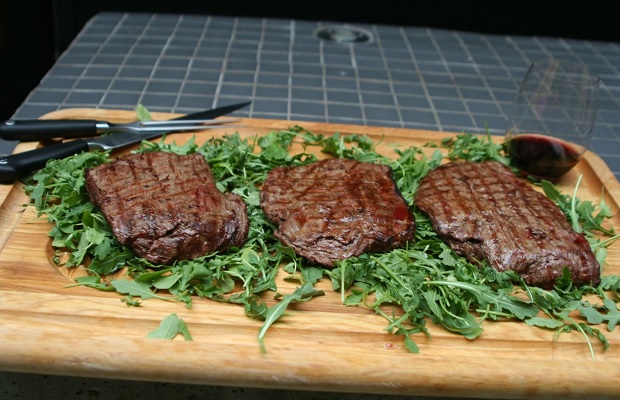

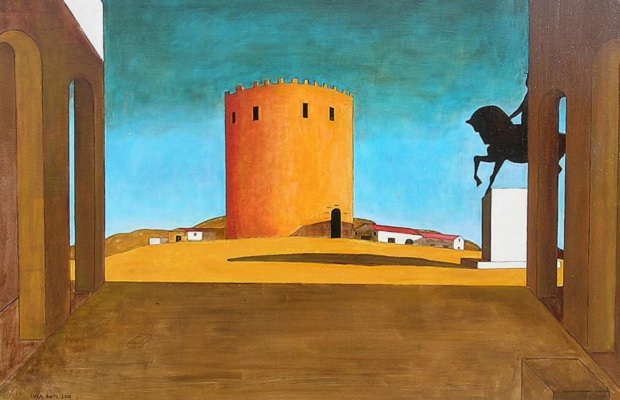
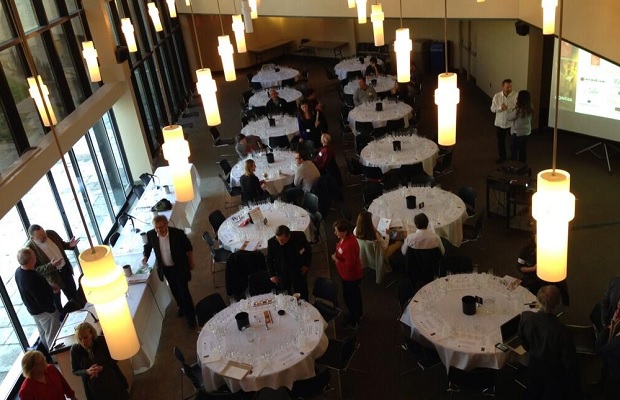
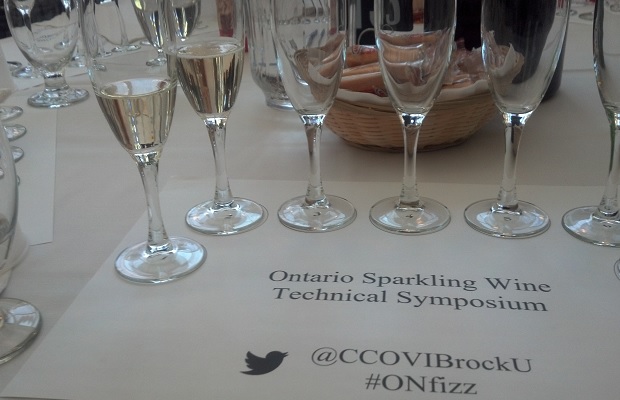

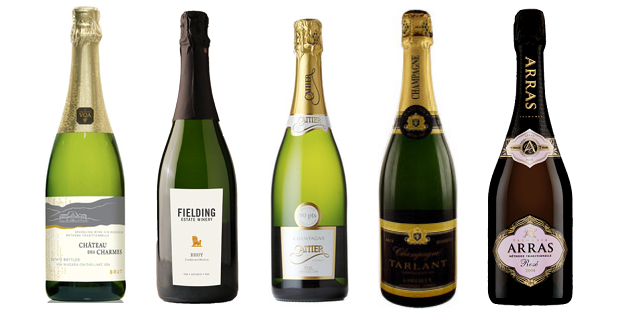
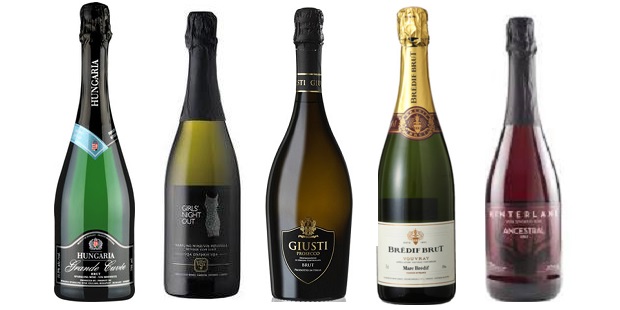
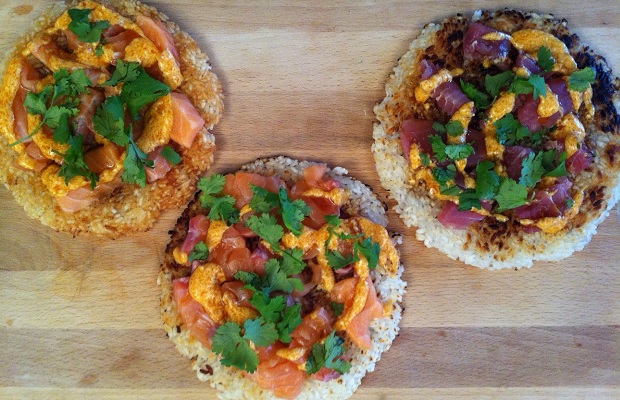
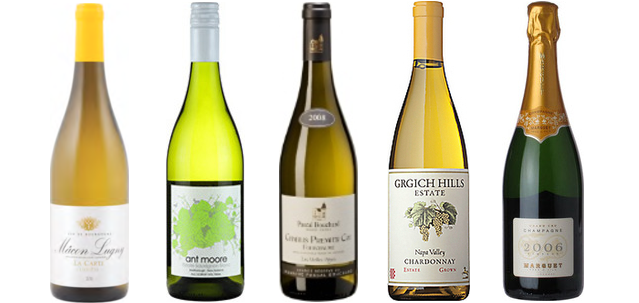


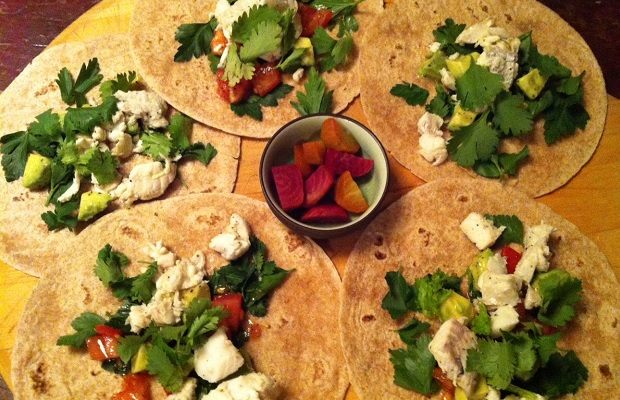
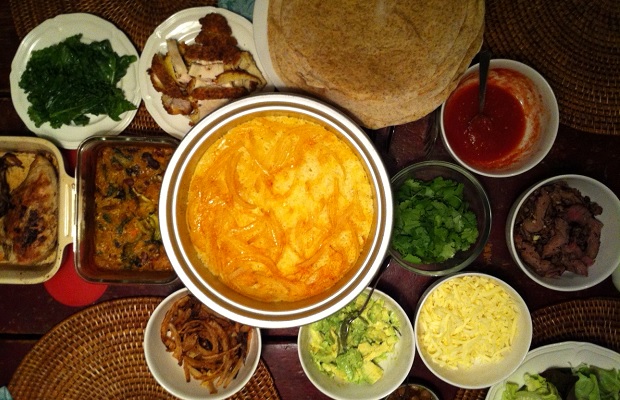
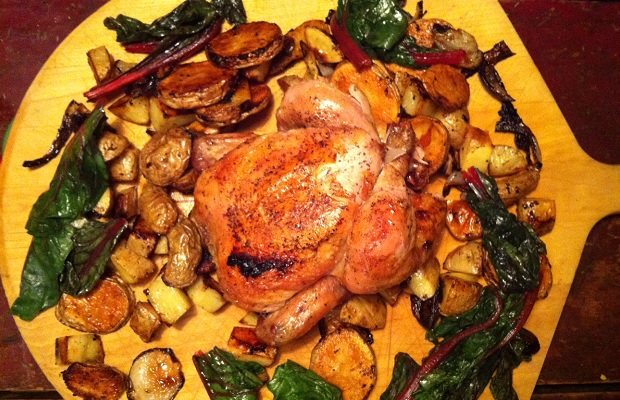


 Godello