As we creep deeper and deeper into late autumn days, with afternoons bereft of light and evenings full of chill, we begin to search for more than a pipkin of warmth. Wine can fill the void and it is no simple folderol that we seek. The bicameral brain on one lobe wants deep, earthy reds, dynamic and changeless, the other asks for bombs with damp fuses.
But enough about that. Tomorrow marks the VINTAGES November 8th release. One short of the big holiday mess but full of big wines nonetheless. Here are nine to pass the time, to tell the cold to buzz off and to share with an unbridled generosity of spirit.
From left to right: Boeckel Brandluft Riesling 2012, Jean Max Roger Cuvée Les Chante Alouettes Pouilly Fumé 201, Michael David 6th Sense Syrah 2012, Tenuta San Guido Le Difese 2012
Boeckel Brandluft Riesling 2012, Alsace, France (392928, $17.95, WineAlign)
From a northern part of Alsace, southwest of Strasbourg comes this epitome of Dry Alsace Riesling, stone cold stoic and bereft. The impossibility of this style is what Alsace does with impunity and propriety; gaseous and aerified without petrol or vitriol. But it will condense and go there after five years time. The quality is excellent for the price, from a limestone and silica lieu-dit just this side short of Grand Cru. Citrus would be the wrong descriptor but it does act like an exuding of citric acid. So stark and beautiful. Such a mineral expression in every fighting sense of the argument. Like chewing on rock salts and dehydrated limestone, the second tablet then dropped into the glass. A famous wine merchant in London sells this for $25 CAN. In Ontario, this is a must purchase by the case. Tasted October 2014 @HHDImports_Wine@drinkAlsace
Michael David 6th Sense Syrah 2012, Lodi, California (394395, $24.95, WineAlign)
Considering it’s only $25, this is a screaming deal. The level of quality and concentration, regardless of the excess, is almost impossible. Not so much smelling like Syrah (it is devoid of any sort of roasting or cured meat) but what it lacks in porcine caramelization it makes up for in candied flowers, dense all-day cake and smoked beef ribs. So much rub (with too much brown sugar) needs slow cooking to assimilate, so wait a few years. This reminds me of good value Napa Petite Sirah (no relation) but for Lodi, at this price, this is the finest Syrah to be found. Great acidity, verve, incredulous modernity, unabashed behaviour and high alcohol – but it handles it well. Tasted October 2014 @MDWinery@imbibersreport
Jean Max Roger Cuvée Les Chante Alouettes Pouilly Fumé 2013, Loire, France (391623, $28.95, WineAlign)
Calm, reserved and intelligent. Just a faint hint of smoke, a whiff or a puff, here today, gone tomorrow. Glade after a misty rain, glacial till, tangy in very good ways, intense but on the right edge of bearishness. Good quality. Tasted October 2014 @oenophilia1
Tenuta San Guido Le Difese 2012, Igt Toscana, Italy (147876, $31.95, WineAlign)
La Difese, “the defences,” is the third wine of Tenuta San Guido and has been produced since 2003. The blend is Cabernet Sauvignon (70 per cent) and Sangiovese (30). Though the price hike is a slight, if splitting hair concern, in 2012 the IGT continues to, as they say, consegnare la merce. The vintage persists in ripe fruit and firm alcohol (14 per cent) but exhibits just the right sort of modernity. Sugars, oak and acidity follow suit, all in check. Smells like all sorts of licorice, below, above and in the ground. A seamless wine, so perfect for pasta and protein, an expatriate grape influenced baby Brunello, in a way, but clean and never gamy. Polished and with a foot entrenched in tradition. A delicious vintage for the Difese. Tasted October 2014 @Smarent
From left to right: Ontanon Gran Reserva 2001, Churton Estate Pinot Noir 2010, Aurelio Settimo Rocche Dell’annunziata Barolo 2008, Jonata Todos Red 2010, Bollinger Special Cuvée Brut Champagne
Ontanon Gran Reserva 2001, Rioja, Spain (939736, $39.95, WineAlign)
A re-taste ups the ante and the score. Here, finally a 2001 Rioja that reeks of the maturity it announces. For a 13 year-old wine it displays all the tertiary components that are in high demand; worn leather, dried fruit, roasted cherries and the demi-glazing bones of a young calf. Imagine this with the finest preparation of ri de veau. Oh baby. Still churning its creamy oak and dried spice accents with some verve and just a wisp of cherry wood smoking in the open air fire pit. Really lovely. From my earlier August 2014 note: “This Tempranillo dominant and Graciano blend is of a funk more sister than brother. Class, breeding and elegance are the call cards, while grace, control and style are her moves. Still, a funk’s a funk, like Thomas East or Gloria Williams. Sister Funk with no words. An all-instrumental Rioja, with old-school rampart fortification, smells of coffee ground through stones and a flowing, dressy, showy and colourful display of fabric and texture. She has a slight temper but so much confidence. A strutting Gran Reserva, in leather boots and tight, curled acidity. Last tasted November 2014 @OntanonWines@TandemSelection
A whole lot more complexity here for $40 than the bulk of Marlborough Pinot Noir – more earth, mineral and biodynamic love are in this bottle with egos checked at the door. Florality trumps varnish, fruit is occupied but always ready to be bitten, crushed rocks are crumbling and bleeding in the bottle. Finesse, “Liberté, Égalité, Fraternité,” regal red fruit and dirt so fine, filtered and sweet. High quality and ageability intuit their philosophy into the practicum because the acidity and tannin are refined, hydrated, yet gritty in their ultra-composed way. Bring on the Petit Manseng. Tasted October 2014 @LeSommelierWine@ChurtonWines
A most daunting yet approachable Rocche by Settimo, cinnamon splintered and floral spice in a flat out rocking Nebbiolo. With roses and tisane of orange rind mixed with coriander and pungent earth, this has all the aromatics you could dream on, along with a whack of dry, grainy tannin. A most excellent and righteous, properly made, capable of aging for a minimum two decades Barolo. Tasted October 2014 @AURELIOSETTIMOV
Jonata Todos Red 2010, Santa Ynez Valley, Santa Barbara County, California (218941, $67.95, WineAlign)
Lays out a new Santa Ynez Valley Rhône ranging slang. Huge wine but so beautifully Syrah. Literally dripping with memories of rendered, just crisping Pancetta and barque crusted smoked meat. Offers a sensation of Mediterranean brine, the warmth of a sunshine coast and the density of a thousand layers of chocolate covered cracklings. Wow. Huge and intense in every way; fruit, acidity, texture and tannin. Could further dream of consuming in Todos completion with the largest pork rib from the most ancient, prehistoric pig. This is a 30-year wine. Has to be. Best ever Todos made by Jonata. Tasted October 2014 @WoodmanWS
Bollinger Special Cuvée Brut Champagne, Champagne, France (384529, $75.95, WineAlign)
A wine of social heredity, the Bollinger is tranquilized, entreated and centered by meditation. An arid, atomic and piercing Bollinger. Fine and misty, with ultra-classic subtlety, a living, breathing embodiment of a beloved house style. Exotic to a degree, these are bubbles in colourful pageantry, the Bollywood of Champagne, in grace, of flowing robes, hues in ochre and pastels, flowing like song and dance. There are beautiful bitter tonics on the finish. How can you not admire and be entranced by this style? What’s not to like? Tasted October 2014 @BollingerFrance@andrewhanna
From the Middle English octobre and the Latin October, meaning “eight,” just how the month of October became the Julian and Gregorian 10th is a matter of bad juju. The corporate bumbling by way of the insertion of January and February into the Roman calendar screwed up all available etymological kismet. Perhaps in abbreviation or acronym, October, shortened to OCT, means “On Company Time.” That might explain its delay and parlay to 10th month status.
October has made its sad and beautiful way into song, rarely in joy or rebirth, almost always in tragedy and death. What’s up with that? With leaves turning to every shade of a Tom Thomson watercolour amid Ontario’s landscape that is all pan and even more orama, why the long faces? James Mercer writes, “to hell again and back,” and Amy Winehouse “today my bird flew away.” The lyrics in these songs are anything but uplifting but the tunes themselves are scrappy.
Then there is the October as envisioned by U2, well, there’s an entire album of oppression, repression and depression. “And the trees are stripped bare, of all they wear, What do I care.”
The good news, through tough times and innocence lost, is the availability of wine. VINTAGES is our facilitator and we are the benefactors, to concentrate on seeking solace in the living, breathing and most complex organism that genies into great bottles of grape ferment. This coming weekend one of my favourite releases on the perennial calender rolls out more value and less plonk than usual. On the heels of anything will sell for Thanksgiving and predating the shelves emptying free for all that is Christmas, October 25th is ideal and satiating. Here are 16 new releases, guaranteed to restore faith in this most troubled month.
From left to right: Andreza Reserva 2011, Flat Rock Unplugged Chardonnay 2013, Morandé Gran Reserva Cabernet Sauvignon 2011, Château Rigaud 2012, Loimer Grüner Veltliner 2013
Andreza Reserva 2011, Do Douro, Portugal (385849, $16.95, WineAlign)
This blend of Touriga Nacional, Touriga Franca and Tinta Roriz (Aragonez) from Lua Cheia em Vinhas Velhas is certainly funky and vineyard driven so that’s a bit of all right, isn’t it? Its phrasing is indelicate and slightly hot but its message is quite clear. Former winemaker for Offley Port and Technical Director for all the Sogrape Vineyards in Portugal João Silva e Sousa and consultant winemaker Francisco Baptista bring forth honest Douro red fruit, along with some mineral and righteous wood spice. Dark, deep and with a wonderful level of anxiety and tension. Gives purpose to modernity. Tasted October 2014 @FreeHouseWine@wines_portugal
A stoic and fruit aplenty Unplugged, less aromatic than some, equally magnanimous as others. Juicy, orchard fruit that is ripe and then elongated, with just enough acidity to keep it honest through the middle acts of savoury balm. Late tonic pungency lines the output. A very good, if not the finest ever unoaked Chardonnay at the hands of Jay Johnston and Ed Madronich. Then again, the ’07 tasted in February 2014 was a revelation. Who knows what the future may hold for this aloof ’13. Tasted October 2014 @brightlighter1@Winemakersboots
Morandé Gran Reserva Cabernet Sauvignon 2011, Maipo Valley, Chile (389254, $17.00, WineAlign)
Despite the 14.5 per cent alcohol this is beautifully bright, fresh, red cherry fruity and with nary a sign of abstruse chocolate or coffee. The southern hemisphere pulsates in here like a chromosphere of massive, meaty fruit. There is a funk per se but in earth, not wood. Good grain, honest grain, de facto grain. Spice from wood but just as an accent. A romantic one. Admittedly more Maipo than Cabernet but well thought on with the texture of haptic contours. Will satisfy a hunt for October reds to drink right now. Tasted October 2014 @MajesticWineInc
Château Rigaud 2012, Ap Faugères, Languedoc-Roussillon, France (393561, $17.95, WineAlign)
A bold and beautiful southern French rapport of 55 per cent Syrah, 26 Mourvèdre and 19 Grenache, so very modern and explicitly floral. A veritable Midi garden salad lives in the glass; chicory, acacia, iris, black cherry and lemon. Brassy blend from Languedoc-Roussillon, tangy and of the earth in cohorts for simple, if semi-hedonistic pleasure. Nothing about this screams oak and if the shed was open for a lay down it kept its splintered mits buried within the pockets of its staves. The ’12 Rigaud is meant for near-term luxury, alone or with sundry kinds of protein. Tasted October 2014 @oenophilia1@VinsAOPFaugeres
Loimer Grüner Veltliner 2013, Dac Kamptal, Austria (142240, $19.95, WineAlign)
Can any entry level (used with latitude) Grüner speak more clearly of varietal truth than Fred Loimer’s Kamptal? Saline, herbal, juicy and mineral all roll off the golden carpeted tongue. A ripe merging to oxidative line is straddled but acidity keeps reeling in the fruit so no harm, no foul. Flavours of citrus and white peach. Heads medicinally sweet on the finish and lasts longer than could ever be expected. From my earlier April 2014 note: “Increased hang time has put this Kamptal in a deeper state of focus and understanding concerning the intricacies of Langenlois Grüner Veltliner. Continues the pure, clean and crisp axiom of the basic Lois but here the aromatics are spoken in acroamatic terms, obvious to disciples and yet available for all to comprehend. Though five per cent big wood barrel aging does not seem significant, that practice along with four months of aging on the fine lees has had a textural impact. The added weight is a questionable thing, though arguably just splitting hairs. Will help carry this vintage through five to seven years of graceful settling. Last tasted October 2014 @FredLoimer@LeSommelierWine
From left to right: Bordón Gran Reserva 2005, Dog Point Vineyard Sauvignon Blanc 2013, Domaine Hamelin Beauroy Chablis 1er Cru 2011, Giacosa Fratelli Bussia Barolo 2009, Giacosa Fratelli Bussia Barolo 2009, Le Clos Jordanne Claystone Terrace Chardonnay 2011, Le Clos Jordanne Claystone Terrace Pinot Noir 2011
Bordón Gran Reserva 2005, Doca Rioja, Spain (114454, $22.95, WineAlign)
If it were so because of cryogenic preserved must or an accidental tipping and topping up into an unused barrel by recent vintage juice I would not be left hanging with mouth fully agape. Considering the amount of time this flat out delicious Gran Reserva saw in barrel, the mystery must somehow be explained, how it came to be so surprisingly modern and bright (for its age), especially at $23. But it has been seen many times before, with no greater example than the Montecillo 1991 GR that drank fortuitously well into the last years of the previous decade. This is the magic of Rioja. That said, there is some sinew and some raw character here as well – that’s the old school treatment and style talking. Red cherry fruit. Ripe fruit roasted, rested and now sliced, showing its perfectly cooked rare cut. Juicy and with sanguine notes still running through its grain. Wonderful old school yet bright Rioja. Riotous red wine with a calming aura of quietude. Tasted October 2014 @RiojaBordon @Eurovintage@RiojaWine
Dog Point Vineyard Sauvignon Blanc 2013, Marlborough, South Island, New Zealand (677450, $24.95, WineAlign)
Dog Point’s principals Ivan Sutherland and James Healy know the innuendo of that ever present Marlborough SB subtlety by allowing the vineyard to show up in the glass. That sussuration is the hallmark of this most righteous bottle. The VINTAGES October 25th release indicates a 2014 debut when in fact it is the ’13 that was presented for tasting and likely that vintage will show up on shelves. This ’13 bring elegance, less weight and more fruit. Round and rippling, spiced but in spicy check. Not the finest but persistent in class and crowing achievement for the stomping ground. Tasted October 2014 @DogPointWines@TrialtoON
Thierry Hamelin and his son Charles (no, not the Olympic Speed Skating gold medalist) are eighth generation family winemakers and their 2011 Beauroy, one of the most underrated vineyards in Chablis, or anywhere Chardonnay is made, is both an ode to tradition and an immaculately clean look at the future. Prototypical steely Chablis in every nook of its lithified being and befitting of a 1er Cru designation. Fruit comes by way of some pretty wizened vines (30-plus years) and steep, south-facing slopes. The exposition is both fresh and flinty, the logic sound and spotless. If a creamy, leesy note is felt it’s just a case of genes. In every other respect this is Chablis as both a child of the present and the future. Quality vineyard, vines and fruit given the gift of no mask. This will drink well for five plus years. Tasted October 2014 @BIVBChablis
From the hills of Monforte d’Alba in Piemonte, Bussia is laid out like an amphitheater, the soil is all clay and the Nebbiolo is rich and often austere. Now, here is what temperance and a reliability in attention to classicism is all about. Cherries and ferric earth. Roses and funky beet beats. Tannins stuck on 10, winding and unwinding, but mostly winding. Wild herbs, sweet candied flowers, tight angles, tough and beautiful. Needs many years to wind down. Exceptional value for the real deal in Nebbiolo. Tasted October 2014 @stradadelbarolo
The Claystone 2005 made by Thomas Bachelder was the single-vineyard ringer that shocked the Chardonnay world when it trumped international competitors in a Montreal grand tasting. The 2011 made by Sébastien Jacquey recently won a Silver Medal at the Decanter World Wine Awards. This Jordan, Ontario vineyard is a key clay-limestone foundation for both the Claystone and Village Reserve botttlings. Yet another exemplary ’11 Chardonnay with the omnipresent Jacquey handling for aromatic freshness and layering; candied flower, fresh morning glade and lemon drop, amplified to 11 in ’11. Moreover there is a level of honey not previously witnessed. It smells like natural sugars and like a bloom of sunflower lollipops. Very little (15 per cent new) oak was used so the texture is fluid and palpable, with just a touch of stone/toast/wood spice, but ultimately it’s the top quality fruit allowed to speak its own language. Tasted October 2014 @LeClosJordanne@20ValleyWine
Oh so pretty Claystone. Like a butterfly, delicate and gossamer. How can you not mark the change in direction to a most inviting and positive way for the Pinot program with Sébastien at the helm? The paint fumes are dissipating with each passing vintage. These vines belong in Jacquey’s hands – they were made for his touch. He understands them and they are now speaking so clearly, sweetly, with texture that underscores their elegance. When fruit is this subtle, acidity magnified and tannins feigning dry in the early stages of development, a wine can confound and sometimes even seem to be failing. In my view, it is the obtuse that are perhaps guilty of being under appreciative of the Pinot Noir paradox. Like the rest of the ’11’s in the LCJ stable, this is a terrific Claystone with 10 years ahead in sublimity. Tasted October 2014
From left to right: Ramey Chardonnay Sonoma Coast 2012, Besserat De Bellefon Cuvée Des Moines Brut Champagne, Jean Gagnerot Meursault 2011, Château Cantenac Brown 2010, Ornellaia 2011
Ramey Chardonnay Sonoma Coast 2012, Sonoma County, California (288035, $45.95, WineAlign)
Buttered toast and lemon meringue are clear and concise in this inner-coastal, altitudinous Chardonnay. You just know there is a pent up, wound intensity lurking. Somewhat slow to start, it not being a jump to the front of the pack, first furlong leader. Then it gathers horsepower from texture and power from acidity. While the fruit remains unreleased beneath the moving parts, it’s the spice, lime tang and bitters that propel this Sonoman from sheer wildness in complexity. Impeccable equine balance. Likes the longer track to make the most out of its endurance. Will show its best down the stretch, at the end of the decade. Tasted twice, October 2014 @RameyWineCellar@BarrelSelect
Besserat De Bellefon Cuvée Des Moines Brut Champagne, France (724955, $54.95, WineAlign)
This Cuvée Des Moines Brut is fashioned in a decidedly aerified yet grappling crémant style, of firm jaw and air of tragic nobility. Low pressure and dosage in this Chardonnay (35 per cent) , Pinot Noir (20) and Pinot Meunier (45) mix make cause for a new Champagne slang. More than a pinch of ginger burrows into the waft of baking apple scones, marked by sody saleratus and more (two and a half years) leesy tang than you can dip a canoe paddle into. The flavours continue with something akin to pickled apples and sweet pork, if there were such a souse. Really tangy and overtly complex, with a long, long finish, if just a shade on the oxidative side of town. Tasted October 2014 @BesseratB@DionysusWines
Jean Gagnerot Meursault 2011, Burgundy, France (390369, $57.95, WineAlign)
Gorgeous and subtle yet clearly spoken aromatics; just a hint of tonic piques some ripe orchard fruit, along with a crisp spike of very little citrus. Round, moving, enveloping and circling, parts unified and oscillating. Great round acidity as a membrane to a full, fleshy Chardonnay that returns again and again, to strength and from strength. The length goes on and snaps back to the beginning. Most excellent Meursault. Tasted October 2014 @grapewines@BourgogneWines
Château Cantenac Brown 2010, Ac Margaux, 3e Cru, Bordeaux, France (259424, $89.00, WineAlign)
Whether or not you have left the modern Bordeaux market, attention needs to be paid when an incredible wine at a fair price is made available. Not to be found for any less cash south of the border or across seas, the 2010, 3rd Growth, Margaux Cantenac Brown is the best $50-100 Bordeaux buy of the vintage. Composed of 66 per cent Cabernet Sauvignon and 34 per cent Merlot, the wine saw its fair share soak in 60 percent new oak. This classic beauty is the epitome of lush and welcoming Bordeaux from a vintage with more sun than 2005. It will make you stop to smell the adjectives. Rich red and black fruit, so very floral and void of any harsh moments about it. I don’t imagine this is to be the longest lived because of its inviting immediacy but it is no shrinking violet. The fruit is in charge and will give it five to 10 years of that parsimonious pleasure. Great late spice and line dancing energy. Tasted October 2014 @Cantenac_Brown
Hasn’t lost a moment of time through six months in bottle. This should give an indication as to its near-unprecedented longevity. Six years will cast a moment’s advancement, sixteen a fortnight. Not saying it can go 60 but half of that is in the realm of the serious and for certain. Candied yet tempered violets, rocks crushed and sprinkled on cryogenic frozen and restored heirloom berries of yesteryear. Huge tannins. From my earlier, June 2014 note: “The blend of the 2011 Rosso Superiore is Cabernet Sauvignon (51 per cent), Merlot (32), Cabernet Franc (11) and Petit Verdot (6). From a near-sweltering vintage, tempered by a cooling spell in June and July. The late August heat spike brought on early ripening which explains the intense aromatic waft that fills the AGO’s tasting room air. Though following the same (post 12-month) assemblage and return to barriques for a further six months, the richesse in fruit quality and 70 per cent new oak envelopes this ’11 with so many structured layers there remains many years to see where it will go. The rose petal meets violet florality can elicit no parochial parallel, the anxiety in hematological ooze neither. A consideration of the phenolic exceptionality follows suit. Chalky tannins follow chains in a world spinning ’round in lush circles. This is the reference point for such assemblage in Bolgheri. The breakdown will not begin for a minimum 10 years and evolution will continue comfortably, gently and effortlessly for 15-30 after that.” Last tasted October 2014 @Ornellaia@sherry_naylor
I taste a lot of wine. Lots of wine. Were I to manage a restaurant list with room for everything that deserves a place to call home, to share with the world the honest and the natural, a long list I would indeed create. The wine list at Barque Smokehouse I build is predicated on that premise but you can count on two hands the number of wines we offer by the glass. Necessity is our master.
At the start of 2014 I penned that column and looking back eight months later, the ideas put out within that post-ice storm, mild January day apply to the concept of formulating a restaurant wine list. For the most part, a wine card should endorse the virtuous and the sincere. “Honest wine is juice that conveys the salient facts of a grape’s life. For a bottle of wine to be on the up and up it must not be disguised by the unnatural ways of artificial intervention nor should it make itself so available as to be obvious. Fruit should reside in the realm of the sequestered and the sacred. I am not alone in hoping for table wines to be stirring, gripping, unsweetened and unencumbered by an excessive coat of oak. My hard-earned dollars should earn the right to be stimulated .”
If your job title includes choosing what wine is poured at your restaurant, you should never dial it in. VINTAGES releases more than 100 new wines every two weeks. If 95 are what you might consider wantonly microdontic or overly tangential in influence, so be it. Five new wines every two weeks is more than enough to keep your list rocking, rolling, current and fresh. In Ontario the choices are many and the options endless. If driving the construction-riddled streets of Toronto is for you the time spent equivalent of root canal surgery in a Chilean coal mine then call an agent, request a tasting and let the cases be shipped to your doorstep.
“Wine only recognizes two temporal states. Fermentation and party time.” Be creative, read Tom Robbins, listen to the Tom Tom Club, mix it up a little, try new wines and add a spark to your wine program. Give it the genius of love. Guests just want to have fun. Here are 14 new releases, from VINTAGES and through some really terrific agents here in Ontario.
From left to right: Tenuta Le Velette Rosso di Spicca 2012, Tawse Gamay Noir 2013, Freiherr Von Göler Pinot Noir 2011, Coyote’s Run Pinot Noir 2013, Lealtanza Reserva 2009, Fielding Estate Cabernet Franc 2012 and Borgogno Langhe Freisa 2012
Tenuta Le Velette Rosso di Spicca 2012, Umbria, Italy (Agent, $16)
The “Spicca” family owned the farm where the vines now grow. For a Rosso, from Umbria, Toscana or Piemonte for that matter to stand out (spicarre), it must have something unique and noticeable. Le Velette’s understated Umbrian blend of Sangiovese and Canaiolo is all about aromatics. Spicy cherries, leather and cinnamon with an underlying petrichor that seemingly bleeds fresh piquant juice straight from concrete. Like the oil exuding from lavender and rosemary growing out of the fissures of cracked terracotta over clay, after a warm summer rain. The palate gives a wee bit of spirited spritz and pizzazz. All this for $16 and change for a finishing espresso. Tasted October 2014 @Noteworthywines
Darker berries define the Paul Pender take on Gamay for Niagara and in ’13 there is a level of tension and girth not yet approached. This third Tawse Gamay is overt in attitude, connotative of Beaujolais Cru staging, an ovule of rebellion and a disposition just as though in the grips of Asmodeus. The Tawse effect is entrenched in clay and possessive of knowledge as if derived by an invitation only junket to the Gamay motherland. If the stance seems serious, the fruit is up to the task. A Gamay for now and fully capable of aging five or more years. Tasted October 2014
Freiherr Von Göler Pinot Noir 2011, Qualitätswein, Baden, Germany (390971, $18.95, WineAlign) From the VINTAGES October 11, 2014 Release
You can take the Spätburgunder out of the nomenclature but you can’t take the nomenclature out of the Spätburgunder. The porcine dry, crunchy bits are front and centre, the pig offal under the crust. This is Baden red wine of a bitter and surprisingly sweet palate nature, a modern take on old male Pinot pattern baldness. So worth trying towards gaining a deeper understanding of varietal diversity. Tasted October 2014 @HalpernWine
The Estate bottle represents a balanced amalgamation of terroirs with essential Niagara On-The-Lake Pinot Noir aromas, accents and distinction. Highly floral, thanks in kind to the red Trafalgar clay loam of the Red Paw Vineyard, as much as it has and will ever be. Extracted with reserved prejudice, with props to the dark Toledo clay loam of the Black Paw Vineyard, showing as a robust and retentive treacle, rich in tangy licorice and cherry pie. Much flavour is found in this Pinot Noir, so it will be well deserving of accolades and sales. If the sweetness prevails it is only because the fruit is shepherded in clean and Shepparded with blending acumen. Tasted October 2014 @coyotesrun
Lealtanza Reserva 2009, Doca Rioja, Spain (208223, $20.95, WineAlign) From the VINTAGES October 11, 2014 Release
Old, old school Rioja ramped up, given a natural injection of rock brine and garriga then sent out to play. Rarely does Lealtanza give so much fresh conjecture, so much considered condensation and dense consideration. Soft and muddled palate, mottled rocks seeping berries and an accent of candied tomato leaf. Funky finish keeps it real. Tasted October 2014 @ProfileWineGrp
A dusty and gilded Cabernet Franc from one of the warmest Niagara vintages in recent memory. Vivid in Bench specific varietal tendency, as if the berries on the black currant bush were ripening and bursting in the late afternoon sun, right into the glass. A blueberry by you CF, spiced by the faint childhood memory of grandfather’s unlit pipe on the coffee table. There have been more tense and exciting Cab Franc’s by Richie Roberts but none so suave and grown-up as this 2012. Tasted September 2014 @FieldingWinery@RichieWine
Borgogno Langhe Freisa 2012, Doc, Piedmont, Italy (388660, $24.95, WineAlign) From the VINTAGES October 11, 2014 Release
Don’t worry Mr. Parker, this rare chance at assessing a Langhe made from the Freisa grape will not join the 100-point club but I can say with certainty that this take is anything but “totally repugnant.” Borgogno’s Freisa is rustic, with dried figments of raisin and fig, though zero notes of reduction. More dried fruit, in carob and licorice with biting, spicy notes and the seeping of black tea leaves. The whole Mediterranean potpourri seethes in altitude and attitude. A dry and sensual red with enveloping chalk and acidity. Perhaps “Bobbo” Butch Cassidy should give this Langhe a whirl. Tasted August 2014 @TrialtoON
From left to right: Cave Spring Riesling ‘The Adam’s Steps’ 2013, Rustenberg John X Merriman 2011, Pirramimma Shiraz 2011, Flat Rock Gravity Pinot Noir 2012, Huff Estates Cuvée Janine 2012, Millton Opou Vineyard Chardonnay 2009, Ascheri Barolo 2010
A classic Adam, amplified in 2013, riper and not as piercing as previously noted vintages. Still the layering is omnipresent but there is more juicy fruit and texture then ever before. This is a consumer friendly Adam, gregarious, outgoing, off-dry as never before. New slang for the bottling. From my earlier, July 2014 note: “According to Cave Spring’s website this newer Riesling from older (18 to 35 year-old plantings) is from “a single block of vines in the shadows of a limestone outcrop near the crest of the Niagara Escarpment, known as ‘The Adam Steps’. Really apropos, for this Riesling is the cantilever, the one with the outstretched arm. At 10.5 per cent alcohol and with an unmistakably stony, sweet and sour whiff the wine speaks of its off-dryness. The juiciest of all the Cave Spring Rieslings, with rounder acidity and good persistence. This is the all-around good guy, the one with an open invitation, the bridge from Estate to Dolomite to Csv. The well-adjusted one steps up its game to help win one for the team, especially out of the convivial 2013 vintage.” Last tasted October 2014 @CaveSpring
Rustenberg John X Merriman 2011, Stellenbosch, South Africa (707323, $24.95, WineAlign) From the VINTAGES October 11, 2014 Release
Despite the colour as dark as monster’s gore this is a relaxed X Merriman, not overly painted or rubbed by charcoal and rubber tree plant. The Bordeaux-styled blend of Cabernet Sauvignon (55 per cent), Merlot (37), Petit Verdot, Cabernet Franc and Malbec from South-West slopes of the Simonsberg Mountain, Stellenbosch opens its tight angled gates to reveal a cool centre, with juicy, rich, iced espresso, though in decomposed granite grit it’s tannic as hell. Makes judicious use of its (41 per cent) new and (59 per cent) 2nd and 3rd-fill 225L French oak barrels, along with balance in alcohol (14.3 per cent) integration. Solid South African red with just enough primal activity to pleasantly alter the temperature in the brain, without causing concussion or grey matter to go totally askance. Will drink well into the next decade. Tasted October 2014 @WoodmanWS
Pirramimma Shiraz 2011, Mclaren Vale, South Australia, Australia (987784, $24.95, WineAlign) From the VINTAGES October 11, 2014 Release
A Pirramimma in the new vein from a warm and rich vintage. So hard to scale back when nature gives you this much fruit. Though 15 per cent is hardly a twinkle in its alcohol eye, there is only so much elegance that can be coaxed from this kind of hedonism. It’s big, juicy and just so alive. As simple as a candle, without magic and void of mystery. It will range hither and thither for 10 years before it makes the long, slow journey back home. Tasted October 2014 @bwwines
Seven months have softened and mothered Gravity’s adolescence in ways to now see it as the most feminine, certainly of the last four vintages. Pretty dabs, perfumes of natural conditioning, warm days and warm nights in the bottle. More accessible than previous takes and of a new modernity perceived. Sweet dreams and sweet fragrances, roses and cinnamon, nothing fancy here mind you, with no bite and no gathering moss. Cherries and vanilla, lavender and simple pleasures. Straight up Gravity, no pull down, no drag and no excess weight. From my earlier, March 2014 note: “In a vintage potentially muddled by warmth and a humidor of radio frequency, duplicating berry phenolics, Flat Rock’s Gravity remains a definitive, signature house Pinot Noir. In 2011, the head of the FR class from its most expressive barrels shared the limelight (and top juice) with the Pond, Bruce and Summit one-offs. In ’12, Gravity’s sandbox was its own. The style is surely dark, extracted, black cherry bent, as per the vintage. Yet only the Rock’s soil does earth in this variegate, borne and elevated by the barrel’s grain. There are no fake plastic trees in a Flat Rock Pinot. “Gravity always wins.” Last tasted October 2014 @Brighlighter1@Winemakersboots@UnfilteredEd
Huff Estates Cuvée Janine 2012, Prince Edward County, Ontario (Winery, $29.95, WineAlign)
Looks can be deceiving so much so Janine might look as is she were leading a bubble to red dye number 40. Not the case, rather the expressive hue is winemaker Frédéric Picard’s colourful bleed from 100 per cent Pinot Noir fruit. So, it must be sweet and tasting cloyingly like a bowl of sugared strawberries. Again, not so. Janine’s aromas are very berry and her texture is certainly cheese and crème fraiche-inflected from a 12 month lees mattress, but dry she goes. Much demonstrative behaviour and perspiring humidity comes from vintage warmth and here results in layering. Janine is an earthy, funky squared sparkler, with nothing shy or demurred about her, but all of the outwardly screaming smells and tastes are in check. Strawberry cream and shortcake cease from wrapped tight acidity coming in from the backside. Big bubbles. Tasted October 2014 @HuffEstatesWine
Millton Opou Vineyard Chardonnay 2009, Gisborne, North Island, New Zealand (92478, $30.00, WineAlign)
From estate fruit on a single vineyard planted in 1969 on the Papatu Road, Manutuke, Gisborne. On Waihirere soils of heavy silt and Kaiti clay loam. A most mineral driven Chardonnay thanks in part to some Riesling in the mix. This varietal symbiosis, along with a co-planted orange grove gives what James Milton calls “the sharing of astrality.” The five year-old biodynamic Opou does whiff orange blossom, along with crisp green apple and the wet rocks of a summer rain. Quite full on the palate with a bite of black pepper and olive oil drizzle over toasted Ciabatta, smeared by churned, salted butter. The length indicates five more relish piqued years and five furthermore in slow decline. Tasted October 2014 @TheLivingVine
Ascheri Barolo2010,Piedmont, Italy (341107, was $35.25, now LTO $32.25, WineAlign)
Standard issue Barolo of a canonical character so bankable as Nebbiolo and nothing but. Classic Piemontese funk comes wafting out, along with licorice in as many ways as can be described; anise, Sambuca or fennel. The palate is creamy and slightly sweet, accented with pepper and a dusty, grainy sensation. This is Barolo of old with a cough syrup confection, wild herbs and grit. It could not be mistaken for Malbec though its disjointed ways could use some finesse and polish. Tasted October 2014 @liffordwine
Pâté en Croûte, Niedermorschwihr, Alsace, France PHOTO: Michael Godel
The first long weekend of the 2014 summer is on the way. A fortuitous confluence of the calendar means a longer than usual respite from the tribulations of work, construction and city angst. Bottom line is with four straight days of nothing you’re going to need more wine. Last weekend’s VINTAGES release was filled with admiral and admirable choices, short on Canada’s finest mind you, but long on global composition.
Here are ten wines tasted, reviewed and given the Godello stamp of approval.
Clockwise from left to right: Angels Gate Mountainview Riesling 2009, Château De Gaudou Grand Lignée Malbec/Merlot 2010, Creekside Estates Laura’s White 2012, Muriel Reserva 2008, Scacciadiavoli Montefalco Rosso 2009, Tamaya Syrah Gran Reserva 2011, Domaines Schlumberger Les Princes Abbés Pinot Gris 2011, Domaine Karydas Naoussa 2009, Bachelder Saunders Vineyard Chardonnay 2011, St. Supéry Rutherford Merlot 2010
Angels Gate Mountainview Riesling 2009, VQA Beamsville Bench, Niagara Peninsula, Ontario (373175, $16.95, WineAlign) From the VINTAGES June 21, 2014 release
Riesling that could dry tears. Just seems to write the Bench book. Dry and drier, numb and number. Though hard to see past the stark aridity there cries and froths forth a spirited and significant citrus zest. A Riesling to be told, “don’t tell me you don’t know the difference, between a lover and a fighter.” The cry lingers for a Costello verse or three, then tiptoes away in everyday refrain. Drink up. Tasted May 2014 @angelsgatewines
Château De Gaudou Grand Lignée Malbec/Merlot 2010, Ac Cahors, Southwest, France (370239, $18.95, WineAlign) From the VINTAGES June 21, 2014 release
This southern French ArtPop blend of Malbec and Merlot will sell through a boat load of bottles if the post-modern palate gets a hold of its velvety crush and ambient oak overture. Decidedly more Malbec than Merlot in approach though the latter does offer softness and dusty grain. Wood spice and tobacco are fervent and ardent suppliers of good, peppery fun. A red meat, outdoor grill wine if there ever was one, its aridity only eclipsed by its ladylike modernity. If it went deeper toward le zone des buts it would merit more applause. As it is, geeks, critics and pop culture freaks will go gaga for it. Tasted May 2014 @wineonline_ca
Creekside Estates Laura’s White 2012, VQA Niagara Peninsula, Ontario (121764, $18.95, WineAlign) From the VINTAGES June 21, 2014 release
With a tilt of the head to 90 degrees the bottle is assessed and the glass contemplated. She’s a flirt, a gregarious girl this Laura, so orchard driven and with a perfumed attraction. From my earlier, February 2014 note: “Laura’s White combines Sauvignon Blanc, Pinot Gris, Chardonnay, Riesling and Gewürztraminer in a kitchen sink blend that sees a bit of oak. What’s notable about the ’12 is the omission of two highly aromatic components, the previously employed stalwarts Viognier and Chardonnay Musqué. The adage is justified in that you take what the vintage gives you. If it gives you lemons, (shift tangents) you let the busy aromatics of more flavourful grapes (like Chardonnay) do the floral work. Laura’s ’12 will be a standout for the concept, a revivalist blend to help bring back some religion to the region’s renditions. Coming to VINTAGES in June.” Last Tasted May 2014 @CreeksideWine
Muriel Reserva 2008, Doca Rioja, Spain (276030, $19.95, WineAlign) From the VINTAGES June 21, 2014 release
Call it tradition or simply forget the pleasantries and call a Bret a Brett. This old-school Tempranillo oozes character and the vineyard layering of a quilted past, never mind that it’s such an inexpensive young stud. Big, ripe red fruit, the stable’s terra mierda and iron rust. If you like a funky red with coarseness and a bit of age under its saddle, not to mention a penchant for the past, then this Rioja is for you. Tasted May 2014
Scacciadiavoli Montefalco Rosso 2009, Doc Umbria, Italy (372458, $21.95) From the VINTAGES June 21, 2014 release
Rockin’ it old school goes this Montefalco with more terroir than fruit, more vine earth than crush. Great spice, old wood notes, licorice and stretched bitterness. A gritty, coarse, fun and combative wine. If there are fruits they are very red. Such tension. Great value. Tasted May 2014
Tamaya Syrah Gran Reserva 2011, Limari Valley, Chile (374306, $21.95) From the VINTAGES June 21, 2014 release
Sweet candied bacon and cool mountain scents. Salinity, tight and wonderful. Big, brawny, minty mountain herbs and greenery. Tobacco. Complex. Tasted May 2014
Domaines Schlumberger Les Princes Abbés Pinot Gris 2011, Ac Alsace, France (21253, $22.95, WineAlign) From the VINTAGES June 21, 2014 release
Always exceptional value in Pinot Gris, picked on time and before any real discernible level of botrytis can set in. While it would never be considered truly dry, the round white tannins and salinity from volcanic subsoil in Schimberg’s Guebwiller valley give this bottling good structure, density and muti-national flavours. This vintage seems a bit softer though it is never a high acid monster. Juicy orchard fruit leading layers of flesh and zest grow better with time and develop a sweetness which stems from the purity and quality of the fruit. Tasted May 2014 @VinexxCanada
Domaine Karydas Naoussa 2009, Dop Naoussa, Greece (272013, $26.95, WineAlign) From the VINTAGES June 21, 2014 release
Spicy Xinomavro, a veritable bonfire of Greek humility and good fortune in cinnamon, clove, anise, wood-spice, wood smoke and tobacco. Intriguing and worthy of its place. Not a young fresh red fruit-styled Xino but more so a deeper, earthy and smouldering one. A touch of matchstick and even more campfire. Great acidity and wow length. Yes sir. Tasted May 2014 @KolonakiGroup
Bachelder Saunders Vineyard Chardonnay 2011, VQA Beamsville Bench, Niagara Peninsula, Ontario (324103, $44.95, WineAlign) From the VINTAGES June 21, 2014 release
Yet another look at the Saunders ’11 confirms its tapestry of texture and its density. A Boulangerie’s roll of perfect, flaky puff pastry filled with a honey drizzled nougat and marzipan filling. Very bright, full-on sunshine driven Chardonnay. From my earlier February 2014, November and July 2013 notes: “Saunders is quiet right now, in cool waiting and in display of the most elegance I’ve encountered from any Bachelder Chard, at anytime, anywhere. Background spice, backing vocals are in the isolated spotlight. This I am keying on as much as any note, in any wine here tonight. Not giving it up as easy as before. Extra swirl time required. Will re-visit in the summer. Right, Thomas? From my earlier July and November 2013 notes: “From Beamsville, right beside 30 bench, has a texture, a depth and a mouth feel in ’11 that bounds and leaps towards the ethereal. A dancing stag, displaying, performing a mating ritual dance. Melons, ripe and fleshy are in this Saunders. “What’s carrying this wine is site, site and site.” A great clay slice of the Beamsville Bench. From my earlier note: ”Takes the baton from Wismer ’10 in a transfer of power, tension and excitement. Clarity of textural fruit is driven by Beamsville Bench clay-silt soil. Highly dependent on yeast chains, sticking, spreading and expanding. Savoury, buttered stones show negligible encumbrance due to vines that will not carry an excess of new oak.” Last Tasted May 2014 @Bachelder_wines
St. Supéry Rutherford Merlot 2010, Napa Valley, California, USA (376939, $58.95, WineAlign) From the VINTAGES June 21, 2014 release
Enormous Merlot in sonic youth, pushing ripeness boundaries but with so much natural fighting and balancing acidity. If you like dusty, cake-layered, oak oil-sweating, sweetly viscous bleeding Merlot, well, this is for you. It has all the stuffing with its huge fruit and big acidity, not to mention formidable tannins. Imbued in “shards of sweet shine of voice and flute.” This will go long, something like 20 years, into a dripping dream, slowly and gracefully integrating its largesse, all the while being generous for all that time. Tasted May 2014 @StSupery
These are some of my favourite things. Wild edibles foraged from the duff in spring. Earthy red wines cultivated from healthy vines. Protein grilled on an open flame. Layered dishes baked in the oven. Baseball.
Gather them all together, add in some warm weather and the recipe is dressed for success. This past weekend VINTAGES rolled out the May 24, 2014 release. I touched on some good value whites last week so now it’s time to roll out some full-bodied, protein friendly reds. Get these four red hots in stores now.
From left to right: Domaine Les Yeuses Les Épices Syrah 2011, Telmo Rodriguez Lz 2012, Cosme Palacio Y Hermanos Reserva 2007, Castro Ventosa El Castro De Valtuille 2010, Sperling Vineyards Sper…Itz 2011
Domaine Les Yeuses Les Épices Syrah 2011, Igp Pays D’oc, Languedoc-Roussillon, France (177584, $14.95, WineAlign)
This perfectly tidy Syrah hails from the area near Mèze in the Languedoc region. The name borrows from a species of oak, the holly, the holm, or the evergreen. Dusty aromas blow quickly away into the savoury foliage of the Yeuse. What is then revealed is a rich, velvety Syrah of considerable stuffing, with a note of semi-sweet chocolate, smoky bacon and plenty of tang. Repeats the value shared by both the 2010 and the 2009. Make this your summer house red, when times are hot, when times are cool. Tasted May 2014
This is the most basic and affordable red in the Telmo Rodríguez line. From the outspoken winemaker who said, “In Canada you have been drinking the worst Riojas, the undrinkable Riojas.” So Rodríguez has decided to make wines without the suffocating slings and arrows of outrageous, appellative fortune. Notice this label notes no Crianza, no Reserva, no Gran Reserva. Fresh and juicy, with new history and tradition written in its code. Modern and forward while relaxed and old school at the same time. Great fruit and acidity, length is just fine and overall it’s a pleasurable, confident, compact wine and without crisis. Tasted May 2014 @liffordwine
A traffic jam of thick, rich and figgy fruit, accompanied by a tempering of chocolate. This Rioja is “good ole fashion medicated goo.” Though somewhat simple juice it bangs the right keys and solicits a stretched and bent weeping guitar accent. Dark as night with the stuffing to carry an album side. “So follow me, it’s good for you.” Tasted May 2014 @Hannanealwines
Castro Ventosa El Castro De Valtuille 2010, Do Bierzo, Spain (366930, $27.95, WineAlign)
Owning a family-run estate for 252 years and farming Mencía vineyards in Bierzo from generation to generation has to count for something. Five parcels are gathered from pre-phyloxeric vineyards in Valtuille de Abajo. The estate manages the only sandy soils in Bierzo, mixed in with quartzite and slate. A solid Mencía, high on phenolic ripeness, verdigris and general stuffing. Rich, chewy, tarry and viscous. Can see this slowly smouldering, smoking, offering wamth and pleasure for 10-15 years. In that sense of longevity it represents excellent value. Tasted May 2014 @HalpernWine
Beef Ribs
Sperling Vineyards Sper…Itz 2011, Okanagan Valley, British Columbia, Canada (364166, 375ml, $13.00, WineAlign)
A very pretty, quite sweet though not overly spritzy Moscato, with nary a waxy or medicinal note. Not exactly true to old world form but what a terrific palate cleanser it makes, like a lemon-lime granita or white pomegranate gelato. The half-bottle format for a big group will work just fine as just a thimbleful is all that’s needed before main course to liven up the palate and ready it for flesh and blood. On the card at Barque. Tasted twice, November 2013 and May 2014
Telmo Rodríguez the company is a small wine producer fashioning meager quantities from more DOs (and DOCAs) than can fit into a 620 x 400 jpeg. Telmo Rodríguez the man finds himself at the 20th anniversary year crossroads in celebrating the outgrowth of his dream. This critical juncture requires travel, evangelism and conceit, qualities the laser-focused, frank and facund winemaker possesses in spades.
PHOTO: Michael Godel Telmo Rodríguez tasting at Archive Wine Bar
“We created a (not mass market) Spanish category of wines available at a good price,” says Rodríguez, “a human type of category.” Spain, according to the flying oenologist, is a passionate country with gastronomic clubs, where people cook and eat, to foster a crazy love of local ingredients. Within a 100 km radius around Basque country, “you have the best available products anywhere in Europe,” he boasts. But, he complains, wine has gone in the other direction. He laments the overuse of international grapes, monosyllabic styling and a disappearance of regional character. Wine as fast food.
PHOTO: telmorodriguez.com Telmo Rodríguez sites
Rodríguez did not want to make wine from international varieties or from recipes. He wanted to make wine from places and their landscapes. After studying in France (Bordeaux and the Rhône Valley) he returned, not wanting to make wine in France, not wanting to emulate France. So began the terroir journey, from Rioja to Galicia, from Ribera to Rueda.
“In Canada you have been drinking the worst Riojas, the undrinkable Riojas.” So he makes wines without the suffocating slings and arrows of outrageous, appellative fortune; no Crianza, no Reserva, no Gran Reserva. “No designations to help the bad producer,” he quips. Tell us how you really feel Telmo.
All the Rodríguez vineyards are organic, but this is something matter of fact, not a literature littered calling card. “We prefer to be known as a good producer. We don’t give too much importance on the winemaker, but more on the place, with respect and with respect for the land. We don’t move grapes from one place to the other.” This is the import of the most parochial of winemakers. Here are tasting notes on a selection of eight wines chosen from across the vast Spanish Telmo Rodríguez portfolio.
From left: Basa Blanco 2012, Gaba Do Xil Godello 2012, and Gaba Do Xil Mencia 2011
Verdejo so often reached by walking the flat earth is here circumnavigating a more complex world. Smells a bit like Sauvignon Blanc and Telmo Rodríguez admits “it’s the only mistake I made in my life.” Commercial confessional though it leads the way around a round earth. Cool and full of tang with a heavy emphasis on herbiage and metallurgy. Enticing example full of instant gratification. 88 Tasted February 2014
Gaba Do Xil Godello 2012, Do Valdeorras, Spain (SAQ, 11896113, $17.85, WineAlign)
From Valdeorras, “gold country,” here Godello exhales its perfume in waves of gaseous fumes, rushes, meadow wildflowers, lemon thyme and balm. Viscous and nearly chewy, with a slight oxidative note breathing over dry patina hard candy. Stainless steel imagining itself as green oak and Mediterranean salinity combine to give an aura of Galician warmth. Sea, sun, wood and mineral. 88 Tasted February 2014
Mountain Blanco 2012, Málaga, Spain ($25.95)
“I didn’t want to produce this wine because Malaga was all about sweet, related to the past, to the ancestors, to something very deep. It took 10 years to decide to make this wine.” Sun-baked, trenchant, scorched Muscat. Liquid adobe cake from the brown slate soils, between 600 and 900 metres. Antique of a dry white, tinny, sharp, caramelizing, like the crust on a pork loin. Lengthy mountain jam makes you want to eat a peach. Reminiscent of Auxerrois, though certainly more southerly, Moorish even. Pure sec, 100 per cent Muscatel. 87 Tasted February 2014
Gaba Do Xil Mencia 2011, Do Valdeorras, Spain (SAQ, 11861771, $18.00, WineAlign)
The most Atlantic-influenced wine of the tasting, this fluid, medium-rare red. Rodriguez’ base and necessary expression for the “the freshness of Galicia.” Shares an aromatic commonality with Cabernet Franc though its gait is more Northern Rhône Syrah. Anti-serious, easy wine, existing as “a link to the past.” Like going back in time to Valdeorras’ past, into a beautiful home with all its contents having sat untouched and unharmed for 100 years. Fermented in tank so though it may be unprocessed it has that underlay of mineral and grit. Nothing oxy, flashy or large-scale about it. To have wide but not mass appeal. Beneficial length. Increases in approachability as it lays in glass. A taste of chewing crushed granite and plump plum. Honest and humble Mencía. 89 Tasted February 2014
From left: M2 Matallana 2010, Lanzaga 2008, and Altos de Lanzaga 2004
M2 Matallana 2010, Ribera del Duero, Spain ($42.95, WineAlign)
M2 is 100 per cent Tinto Fino 14 months, aged half in new, half in second use barrels. A Tempranillo of dialect specific to place, just as Pinot would be in Chambertin, Vosne-Romanée or Volnay. Telmo not necessarily making Tempranillo, but rather Rodriguez making Ribera, or more specifically, a Tinto Fino gathering from Los Guijarros, Los Hundidos, Carrahoyales, Los Apriscales and La Pirileja. Blatant are the chalk and mineral intertwines, in marbled goodness. Makes quicker work than the Riojas, sheds its skin, peels away its oak and lets the fruit, soil and rock come forth. 92 Tasted February 2014
Tempranillo with Graciano and Garnacha. From Rioja Alavesa, vines water-stressed to survive on shallow soil, digging in to Miocene sandstone strata. Begs for protein and development from an unforgiving, stony, calcareous and silty textured land. Fermented in large cement casks, allowing the fruit, which is nearly unparalleled for Rioja, to shine in all its ripe glory. A wind of perfume, a mistral espléndido. Finishes with chalk and ropy grain. Immense length. 92 Tasted February 2014
Altos de Lanzaga 2010, Rioja, Spain ($103.95, WineAlign)
Composed of Tempranillo, Graciano and Garnacha, 3,000 bottles are made of this ‘Grand Cru’ of Lanzaga. Rodríguez here wants to “try to go as far as possible in the quality of the wine,” a notion that begins and ends with place. “There has to be a rare, exceptional vineyard or it does not make sense to produce a wine like this.” Fermented and aged in the old cellar, in large Foudres, for two years, “to bring back what once was, a long time ago,” with indigenous (wild) yeasts found in that cellar. Here Telmo reinventing the past, the old Rioja, hinting at something exceptional. There is an elevated sweetness that fades into flowers. Rodríguez feels that Rioja must have been a wine made with many different varieties, like Châteauneuf-du-Pape. Thus the use of the three grapes. Layer upon layer, thin transparent sheets that become one. 93 Tasted February 2014
Altos de Lanzaga 2004, Rioja, Spain ($103.95, WineAlign)
From 65-80 year old vines, 10 years on showing barely discernible age. This wine was an early step in developing the “field blend” dream, of combining several Riojan varieties, “to present the taste, idea and feel of what Rioja used to be.” This wine chases down Telmo’s dream of being a present day, sophisticated winemaker set in an 18th century vintners mind. Altos sets the bar high, in trying to make an exceptional wine, which they would not have been doing then. First and foremost, does this prove or disprove his theory that wine should never be masked by oak? 94 Tasted February 2014
The study was prefaced through the idea that “compounds of plant origin and food components have attracted scientific attention for use as agents for cancer prevention and treatment. Wine contains polyphenols that were shown to have anti-cancer and other health benefits.” Put two and two together and voilà. The group investigated the “effect of wine on proliferation and survival of human non-small cell lung cancer (NSCLC) cells and its effects on signaling events.” The findings are nothing short of astonishing.
The operative observation here is that low doses (read: moderate consumption) of wine may have anti-cancer and chemo-preventive properties.” White wine’s cancer fighting properties exist (at two per cent concentration) though they are not in the same league as Red wine (five per cent). Or, you need to (very rough math) drink 250 per cent more white wine to reap similar benefits. Such a quagmire.
Evangelia Litsa Tsiani, associate professor of community health sciences at Brock University added “our next step is to use doses of wine that correspond to moderate wine consumption in humans – one to two glasses per day – and examine the effect on tumor growth in mice.”
We already know that the Brock University Cool Climate Oenology and Viticulture Institute’s lecture series (now in its seventh season) has had a major impact on the global grape industry. Dr. Belinda Kemp, CCOVI Scientist, Oenology noted that “they’re a great resource for the wine industry and wine researchers anywhere in the world.” I wonder if the department has plans for a wine and health benefits lecture during its eight season. Hint, hint.
The ancients, or late Bronze Age people’s such as the Egyptians, Arameans, Assyrians and Babylonians used the natural world to prevent sickness and disease. Archaeologists recently discovered wine in an Israeli wine cellar, dating back to 1700 BCE. Think the Greeks invented wine? This discovery is 1,262 years older than the Parthenon. That’s nearly as old as the Pyramids. Wine and health relations go back to a time when a woolly mammoth still walked the earth, a time when The Hammurabi code was written. The premise? A commitment to protection of the weak from being brutalized by the strong. Just like wine.
In an attempt to justify what may be construed as profligate connections, the fact of the matter remains. With each passing study conjured up and proven by internationally recognized educational institutions, the health benefits of wine continues to develop as a thing of undeniable valence. Take honest wine with food, take it regularly and live longer. Here are 10 current releases to help keep the wolves of virus and disease at bay.
From left: Dante Robino Bonarda 2011, Domaine Des Amadieu Cuvée Vieilles Vignes Cairanne Côtes Du Rhône Villages 2011, Bodegas Olarra Anares Reserva 2006, Fantinel Sant’helena Pinot Grigio 2012, and Mike Weir Limited Edition Riesling 2012
Dante Robino Bonarda 2011, Mendoza, Argentina (277640, $14.95, WineAlign) From the VINTAGES March 1, 2014 Release
Sourced from the Santa Rosa sub region of Mendoza. From sandy soils and built upon a brooding, musty set of wood-influenced aromatics that put the lurking fruit to test. Painfully dry with pronounced flavours of red licorice, sour black cherry, spice and baked figs. Gains richness as it breathes and then the drying tannins take over. Quite an effort for $15. Worth a look for something different and in spite of the idiomatic value it speaks. 88 Tasted February 2014 @DanteRobino
Provenant de la sous-région de Santa Rosa de Mendoza. De sols sableux et construit sur un ensemble de moisi couvaison des composés aromatiques du bois d’influence qui mettent le fruit qui se cache à l’épreuve. Péniblement sec aux saveurs prononcées de réglisse rouge, griotte, d’épices et de figues cuites. Les gains richesse comme il respire, puis les tanins de séchage prendre le dessus. Tout un effort pour 15 $. Cela vaut le coup pour quelque chose de différent et en dépit de la valeur idiomatique elle parle. 88 Dégusté Février 2014
Domaine Des Amadieu Cuvée Vieilles Vignes Cairanne Côtes Du Rhône Villages 2011, Rhone, France (354233, $18.95, WineAlign) From the VINTAGES March 1, 2014 Release
Paying a bit of extra attention to lower-priced, high alcohol Rhônes can offer rewards. There is much metal and merit in this Cairanne. At the price it imitates the grandeur of more expensive villages, like Châteauneuf-du-Pape and to a more realistic extent, Vacqueyras. Hued in drupe, holly berry pitch, saturated in berries, spiked by berry liqueur and seeping along with spices and extracts. Outwardly generous in flavour, knowing well that “while we’re on the way to there, why not share.” All in all he ain’t heavy, he’s my brother. 89 Tasted February 2014 @Amadieu_G
Payer un peu d’attention supplémentaire à bas prix, Rhônes forte teneur en alcool peut offrir des récompenses. Il ya beaucoup de métal et de mérite dans cette Cairanne. Au prix il imite la grandeur de villages plus chers, comme Châteauneuf-du-Pape et dans une mesure plus réaliste, Vacqueyras. Hued en drupe, houx hauteur de baie, saturé dans les baies, dopés par baie liqueur et infiltration avec des épices et des extraits. Extérieurement généreux en saveurs, sachant bien que “pendant que nous sommes sur le chemin de là, pourquoi ne pas partager.” Dans l’ensemble, il n’est pas lourd, il ya mon frère. 89 Dégusté Février 2014
Bodegas Olarra Anares Reserva 2006, Rioja, Spain (244723, $19.95, WineAlign) From the VINTAGES March 1, 2014 Release
Perhaps it’s just as a comparison to the rest of this Spanish armada fiasco I am in the throes of tasting but this Tempranillo with minor support from two G’s, Garnacha and Graciano, really has got a hold on me. I grant that it’s a bit faded and heading to melted toffee but at $20 and with the idea to enjoy it now, the wild raspberries, gariga and spicy wood notes are a treat. Savoury, licorice, roast tomato and grilling baby veal flavours will help with a slow braise of the animal’s tougher cut. 90 Tasted February 2014
Peut-être c’est juste que la comparaison avec le reste de cette armada fiasco espagnol je suis dans les affres de la dégustation mais ce Tempranillo avec le soutien mineur de deux G, Garnacha et Graciano, vraiment a obtenu une prise sur moi. Je reconnais que c’est un peu défraîchi et la position de caramel fondu mais à 20 $ et avec l’idée de profiter de ce moment, les framboises sauvages, gariga et des notes de bois épicés sont un régal. Salés, réglisse, rôti de tomate et griller saveurs bébé de veau aideront avec un lent braise de coupe plus difficile de l’animal. 90 Dégusté Février 2014
Fantinel Sant’helena Pinot Grigio 2012, Collio, Friuli, Italy (310144, $19.95, WineAlign) From the VINTAGES March 1, 2014 Release
High quality Pinot Grigio from Friuli, with an Alps to Adriatic micro-climate ideally suited to both warm and cool the needs of the variety. You might ask, what difference does that make? Plenty. So much more distinct than reputation would hold and anything but just a Northern Italian white. Lit candle waxy and spiced in Sandalwood, with a lemon peel feel, cool climate salinity and gravelly, silt-inflected Spring run-off. The world’s fleet of Pinot Grigio “have been through hell and high tide,” but thanks to Friuli, the grape keeps its respect. Full flavoured, with smithy verve, punchy, more than practical. 90 Tasted February 2014 @ProfileWineGrp
Mike Weir Limited Edition Riesling 2012, VQA Beamsville Bench, Niagara Peninsula, Ontario (229286, $22.95, WineAlign) From the VINTAGES March 1, 2014 Release
The off-dry nose is an anomaly and I’m very curious to see where this goes. Persists very sweet to taste, without enough acidity, unfortunately, though the tropical flavours are boisterous and plentiful. This is a more than admirable attempt at a Kabinett style done right by a Mosel intimacy and attitude, though it’s lacking in body and structure. Still, it will age longer and develop more secondary characteristics than many a Niagara Peninsula Riesling, especially for the price. Worth tracking a case of 12 for five to 10 years. 89 Tasted February 2014 @WeirWine
Le nez de demi-sec est une anomalie et je suis très curieux de voir où cela va. Persiste très doux au goût, sans suffisamment d’acidité, malheureusement, bien que les saveurs tropicales sont bruyants et copieux. Il s’agit d’une tentative plus admirable à un style Kabinett bien fait par une intimité Moselle et de l’attitude, si elle fait défaut dans le corps et la structure. Pourtant, il va vieillir plus longtemps et développer des caractéristiques plus secondaires que beaucoup de Niagara Peninsula Riesling, surtout pour le prix. Suivi d’un cas de 12 pour cinq à 10 ans la peine. 89 Dégusté Février 2014
From left: Southbrook Triomphe Cabernet Sauvignon 2012, Trimbach Réserve Riesling 2010, Le Clos Jordanne Village Reserve Pinot Noir 2011, Marchand Tawse Meursault 2011, and Kistler Mccrea Vineyard Chardonnay 2011
Southbrook Triomphe Cabernet Sauvignon 2012, VQA Niagara On The Lake, Ontario (193573, $22.95, WineAlign) From the VINTAGES March 1, 2014 Release
Southbrook’s seminal Cabernet has become that kind of go to, reliably delicious and affordable red, not unlike Sterling’s Napa bottling that emerged in the late 1990’s. That this can happen in any vintage out of the Niagara Peninsula is really quite amazing. Even more incredible is that here in 2012, it’s almost too much of a good thing, too hot, too sweet. Still, only Triomphe smells like this and on that note I must give it my thumbs up. The Peninsula’s earth, the purity of that warm, rich ’12 fruit, a touch of disco, that Sperling perfume. The palate is explicitly sweet, on that I’m sure most would agree but the wood is an afterthought. Alcohol is in check, berries are ripe, tannins are refined, ready to resolve slowly, efficiently and with pleasure. Direct, solid and righteous, despite the sugar high. 89 Tasted February 2014 @SouthbrookWine@TrialtoON
Trimbach Réserve Riesling 2010, Alsace, France (995316, $27.95, WineAlign) From the VINTAGES March 1, 2014 Release
Such a dry and powerful Alsatian example. Tight, angular, typically piercing and even more citrus-driven than ever. Jacked up, better than your average Joe Riesling. As a textbook example from a place where the variety rules, it tells “me that this world is no place for the weak.” Still, I find the Reserve bottling a bit overpriced, not having as much personality such as the cost-equivalent Zind-Humbrecht Herrenweg de Turckheim. Another Trimbach that’s just “gotta have no illusions” and look sharp. 90 Tasted February 2014 @trimbach@WoodmanWines
Un tel exemple alsacien sec et puissant. Tight, angulaire, généralement perçant et même plus agrumes axée que jamais. Mis sur cric, mieux que votre moyenne Joe Riesling. Comme un exemple classique d’un endroit où les règles de la variété, il dit “moi que ce monde n’est pas un endroit pour les faibles.” Pourtant, je trouve la Réserve embouteillage un peu trop cher, ne pas avoir autant de personnalité tels que le coût équivalent Zind Humbrecht Herrenweg de Turckheim. Un autre Trimbach qui est juste “Gotta Have pas d’illusions” et regardez pointu. 90 Dégusté Février 2014
Le Clos Jordanne Village Reserve Pinot Noir 2011, VQA Niagara Peninsula, Ontario (33894, $30.00, WineAlign) From the VINTAGES March 1, 2014 Release
Something’s missing, or rather something is happening here. The LCJ omnipresent warm Pinot coat of harm is conspicuous in its absence, or has it been reigned in? This 2011 is so much more friendly, more soft-spoken, expertly judged and picked ripe fruit richer than before. Plenty of tang and tannin but the pronouncement is in a savoury basil/chervil kind of way. Not just another high made by just another crazy guy. A most excellent, bright, Roxy Village Reserve, full of atmosphere and ambient music. 91 Tasted February 2014 @LeClosJordanne
Il manque quelque chose, ou plutôt quelque chose qui se passe ici. Le manteau chaud omniprésent LCJ de Pinot de préjudice brille par son absence, ou at-il été régné en? Ce 2011 est beaucoup plus convivial, plus à la voix douce, experte jugé et ramassé des fruits mûrs plus riche qu’avant. Beaucoup de saveur et de tanin mais la déclaration est dans un savoureux basilic / cerfeuil sorte de façon. Pas seulement un autre haut fait par juste un autre gars fou. Un excellent, clair, roxy Village Reserve, plein d’atmosphère et musique d’ambiance. 91 Dégusté Février 2014
Marchand Tawse Meursault 2011, Burgundy, France (285866, $66.95, WineAlign) From the VINTAGES March 1, 2014 Release
Winemaker Pascal Marchand possesses post-modern abilities to coax the most richesse from out of the basic of basic appellations in the Burgundian universe. This ’11 elevates an umbilical villages to exalted heights and it has really settled into its skin since I last tasted it in May of 2013. The land is speaking and oozing in a primordial drenching. The tang and verve melts in the mouth, like foiegras cotton candy. What sets it apart is the end game mellow melding of pronounced flavours left to free fall effortlessly into a black hole of critical mass. 92 Tasted May 2013 and February 2014
Vigneron Pascal Marchand possède des capacités post-modernes pour amadouer le plus Richesse de l’extérieur de la base des appellations de base de l’univers bourguignon. Cette ’11 élève un villages ombilical à des hauteurs exaltées et il a vraiment installé dans sa peau depuis que j’ai goûté en mai 2013. La terre parle et suintant dans un trempage primordial. La soie et la verve fond dans la bouche, comme le foie gras de barbe à papa. Ce qui le distingue est la fin du jeu fusion douce de saveurs prononcées de gauche à la chute libre sans effort dans un trou noir de masse critique. 92 Dégusté mai 2013 et Février 2014
Kistler Mccrea Vineyard Chardonnay 2011, Sonoma Mountain, Sonoma County, California (353706, $92.95, WineAlign) From the VINTAGES March 1, 2014 Release
The vineyard speaks first, has the microphone, tells of its volcanic, limestone story going back to 1988. Talks in a Chablis whisper which may come across as narcissistic or somehow simple, but surely deserving to receive the benefit of the doubt. The kind of toast that has you reaching for the last jar of homemade berry jam. Lemon/lime reduction, as a gelée, consommé or demi-glace of fine Chardonnay whiffed by subtle smoke and non-discernible fat. The most subtle of all the Kistlers. 93 Tasted February 2014 @TheVine_RobGroh
Le vignoble parle d’abord, a le microphone, raconte sa volcanique, calcaire histoire remontant à 1988. Pourparlers dans un murmure Chablis qui peut apparaître comme narcissique ou en quelque sorte simple, mais sûrement digne de recevoir le bénéfice du doute. Le type de pain que vous a atteint pour la dernière pot de confiture de petits fruits maison. Citron / réduction de la chaux, comme une gelée, consommé ou demi-glace de fin Chardonnay whiffed par la fumée subtile et graisse indiscernable. Le plus subtil de tous les Kistlers. 93 Dégusté Février 2014
The world’s most famous wine critic is not happy. His claim of “wannabe” scribes hell-bent to focus on obscure wines most consumers can never find has raised a maelstrom of retort. Robert Parker published a diatribe last month about “a vociferous minority” of “euro-elitists” vying for journalistic market share “perpetrating nothing short of absolute sham on wine consumers.”
Them’s fightin’ words. No, not that rant by Robert Parker about Robert Griffin III. Wine critic Robert Parker Jr. railed against a bevy of unnamed bloggers on the natural, honest and low-alcohol wine supporting bandwagon. His claim? Natural wines will be exposed as fraud. Parker’s would-be assailants are an outspoken generation who would seek to bring down those classic grapes capable of ripe extraction and elevated levels of sugar and alcohol, namely Cabernet Sauvignon, Pinot Noir and Chardonnay. The intensity-loving reviewer has positioned himself as the establishment, a victim agonizing over the sanctification of “godforsaken grapes,” like Blaufränkisch and Trousseau.
There isn’t a writer in the bunch I wouldn’t read, can’t learn from or don’t find funny, but the need to chime in on what is obvious and already understood leaves me dumbfounded. In wine, as in life, there are some things that just are what they are, like them or not. Mr. Parker, you carved your niche. Those who lay with you ate cake. The model worked. It held water and was extremely successful for a long time. You are this week’s Napa Wine Writers Symposium keynote speaker, where you will feel the love. No one will ask, what have you done for me lately? You created the establishment and are of course trying to protect the status quo. You’ve been ridiculously prolific. Integral to the high-frequency, high-end wine buyer. And you are just a writer. Really. So what if the dogs are seeing signs of Queegish dotage. You named no names in your rant, so who exactly did you mean to insult? The world is your oyster. What’s with the bitching?
Perhaps Parker touched an insecure spot, the one where self-doubt creeps in. The one that drives writers to defend themselves, even if the attack is not a personal one. The need to tear him down is strange at best. It smells of poli-campaign slander. If he’s no longer relevant, as a vehement bunch seem to scream and shout, why bother? Why is the wine writing community one where sides desperately need to be taken? To both sides I caution the high road. Let writers write and if you think they are wrong or have nothing to say, ignore them. Like a tree falling in the forest, is an unread writer ever really heard?
RMP: "My basic philosophy is live and let live." #WWS14
It’s understood that controversy sells and lively discourse is healthy. In this case it has produced more than a novella of interesting reads. The current generation of critics, bloggers and reviewers is replete with some stupidly smart writers who have chosen wine as their raison d’écrire. That they chime in and offer their take on everything from varietal obsessions to tasting bans and producer/journalist relationships is certainly fascinating. Arguing the merits of varietal worthiness is fine. Discussing the pros and cons of esoteric versus classic wines on restaurant cards is relevant. Throwing sticks onto the ice, choosing teams and starting fights simultaneous to the debate loses sight of the original topic. I am not suggesting a wine writer’s love in but would more levity and space not foster an environment where the wines themselves matter more than the people who talk about them?
Alder Yarrow and Robert Parker shook hands. Smiles, no punches. #WWS14
Tasting, talking about and writing up wines seems the course to stay, whether it be reviews on varieties never heard of or an obnoxiously fat glass of buttery Chardonnay. Richard Auffrey fights the good fight but still takes a stab at the beast. The always dry W. Blake Gray floats on in his singular, ethereal way, and by doing so, gets it right. He wants you to know I’ll have some Roussillon, hold the Rivesaltes. With Tuba and Alto Sax. Perhaps Gray would agree with me. If I need a dose of scathing criticism or irony I’ll turn on Bill Maher, or put on a Bill Hicks Rant in E-Minor.
RMP: "I just don't think by and large most people like negativity. I’m a glass half full guy." #wws14
Music and wine can work magic when paired together. Jamie Goode has been exploring the possibilities. Sometimes it’s just a matter of breaking wine down to the base, choosing grapes from places where they are made in straightforward and simply powerful ways. Likewise, clicking an uncomplicated, three-chord arrangement on YouTube or the I-pod can really change the outlook of a day. Here are six rock ‘n’ roll wines, in four-four time, ready and willing to ease your mind.
Clockwise from left: Alamos Torrontés 2013, Lar De Paula Crianza Tempranillo 2008, Sophora Sparkling Cuvée, Grant Burge 5th Generation Shiraz 2012, Thorn Clarke William Randell Shiraz 2010, and Poderi Colla Dardi Le Rose Bussia Barolo 2008
Alamos Torrontés 2013, Salta, Argentina (81539, $13.95, WineAlign)
From Salta in north west Argentina, what is so appealing about this well-priced bottling is the salinity and outright humidity it always displays. Torrontés gives so much away aromatically, by way of flowers and the verdigris of mountain ferns. This Catena entry-level wine achieves all of the above and for a song. This Alamos is medicinal, reeks of orchids sweating in a greenhouse and teases with white pepper. It’s short and quick but efficient. Excellent value. 88 Tasted January 2014 @CatenaMalbec@MalbecLife
Lar De Paula Crianza Tempranillo 2008, Rioja, Spain (358770, $16.95, WineAlign) From the VINTAGES Feb. 15, 2014 Release
Entry-level Rioja was nothing but a house party. Was surely rocking a year ago but now a fading, dry cake of rusticity, with the slightest hydration of charred sour cherry. Solid Crianza, though short-lived, with some bitter notes and good acidity in tight corners. Where once it “said move it, groove it,” now it laments “baby, don’t you lose it.” 87 Tasted February 2014 @HHDImports_Wine
Sophora Sparkling Cuvée, New Zealand (353656, $19.95, WineAlign) From the VINTAGES Feb. 15, 2014 Release
Frothy, gregarious sparkler from New Zealand with extraordinarily large bubbles, a soft downy texture and a cottony nose. Gentle spice, sweet easy bake brioche and juicy grapefruit is inviting, if advanced by mechanical means. Mellow, smooth, pure and clean with no obvious toast, soap or bitters. Well-priced, drink now fizz. 89 Tasted February 2014 @Select_Wines
Grant Burge 5th Generation Shiraz 2012, Barossa, South Australia, Australia (Agent, $20.00, WineAlign)
High powered, ocean size aromas here, expressing the power and pomp inflection of the Barossan attitude. Very berry and not alcohol shy though it’s a gathered heat and nothing shocking. Swirl this wave of big juice for long enough and though it will feel “like a tooth aching a jawbone,” it’s fleeting and releases to a softer finish. Still, a Shiraz more John than Jane. 88 Tasted January 2014 @GrantBurgeWines@TrialtoON
Thorn Clarke William Randell Shiraz 2010, Barossa, South Australia, Australia (922773, $43.95, WineAlign) From the VINTAGES Feb. 15, 2014 Release
Surreal, impossibly dense and terrifically complex Barossa Shiraz, full of dark fruit blues and hard-rocking rhythms. Metallic zinc tincture, causing heavy breathing, steaming like a locomotive with “no way to slow down.” Steals words and all sensitivity from teeth and gums. Such a big expression but certainly not one of the all-time one-dimensional losers. So much more than jammy fruit. To put aside and revisit in 20 years. 91 Tasted February 2014 @pontewine
Poderi Colla Dardi Le Rose Bussia Barolo 2008, Piedmont, Italy (596890, $49.95, WineAlign) From the VINTAGES Feb. 15, 2014 Release
Pure Nebbiolo currency, bankable Barolo. This ’08 confirms the old-school austerity of the Colla caste and genre. Parlous handsome perfume, stark, raving Barolo, exact and definitive in angular tannin. Racy, deep and unctuous, nowhere even close to settled or responsive. There is a lurking depth of flavour not yet willing to cooperate. My kingdom for your Bussia graces. 92 Tasted February 2014 @glencairnwines
If you live in Canada, purchasing wine ties you directly to a monopoly. There are exceptions, though still imperfect ones, like the free market culture of Alberta and the developing tiered system in British Columbia. The earnest call across the country to free my grapes continues though regrettably, stiff resistance stifles the cause.
Manitoba and BC allow direct to consumer inter-provincial wine imports. Consumers can order from out of province and receive direct shipments so long as the wine is 100 per cent Canadian.Nova Scotiahas passed enabling legislation that will follow a similar path. If you reside in Quebec or a fortiori, in Ontario, having wine shipped to you remains taboo. The alternate recourse of consignment wines available for purchase through local importers is an irregular option and having to buy by the case designs no compass of mass appeal.
Spend even a fraction of the time I do in trying to seek out the best values, at the best prices and in the categories that cater specifically to personal tastes and you will understand how difficult it is to be satiated in such a constricting climate. I am not the only one seeking out red wines made in the vineyard, through minimalist oak intervention, unhindered by residual sugar, produced by passionate and honest winemakers who are vigilant with the softest of hands.
Who does not want their wine to have mass in it, as in life? Who would reject an elixir drawn from iron-rich earth, boiled through limestone and warmed to a rosy madder? Who can deny the pure joy culled from a wine that might steal the words from the mouths of poets?
In Canada, unearthing such gems requires intestinal fortitude, especially considering the search is mapped out in government-controlled stores. Stock norms do not include wines made from lesser-known grapes, from regions and appellations less frequented. It takes time, effort and most of all, patience. Life can get in the way of the endless and unavailing chase; work that pays, kids, weather, fatigue. Sometimes it just makes sense to abide and even embrace the easier, well-worn path. This is where the bigger wineries step in, toting larger case loads and a middle-of-the-road, radio bathos experience.
There are varietal vicissitudes to ferret out from varieties you might have chosen to avoid. New World Pinot Noir and Chardonnay. Zinfandel. Rhône blends. Sangiovese blended with Cabernet Sauvignon. Tempranillo. All these grapes are often mistreated, modernized, smothered in oak and homogenized so that their indigenous origins are blurred into a bar of mass-produced chocolate. Occasionally they are done right by their makers.
In what has been such relentless cold, snow and ice, now into the oppressive dog days of winter, don’t think of drinking commercial wine as copping out. The big houses can be your friend, so loosen up and trust me when I tell you I’ve worked very hard to weed out the chaff and promise only to recommend the whole wheat. Here are seven current releases that made the pecuniary cut.
From left: Mission Hill Reserve Pinot Noir 2011, Clos Du Val Zinfandel 2011, and Robert Mondavi Chardonnay 2011
Mission Hill Reserve Pinot Noir 2011, VQA Okanagan Valley British Columbia (545012, $24.95, WineAlign) From the VINTAGES Feb. 15, 2014 Release
Here’s a juicy plum wine with noticeable warm alcohol that goes subterranean and won’t make you homesick for alien Pinot Noir. Athletic red with a quick first step and nerve, running a west coast offence, scoring points. Char in licorice and a grid-iron, “uptight, uptight” bitter tendency but is a most saucy rendition. Extra point from clean, easy sweet tannins. Good length. Pinot on the radio. Really attractive price puts it at the head of its class. 90 Tasted February 2014 @MissionHillWine
Clos Du Val Zinfandel 2011, Napa Valley California, USA (590216, $24.95, WineAlign) From the VINTAGES Feb. 15, 2014 Release
Every so often a grape variety confounds and astounds, like this pretty in zinc Zinfandel. Almost mute as far as Zin goes, this CdV ”set out on the heels of the unknown.” Times like these normally produce lumbering, high-octane interpretations but this radical face is the Simon and Garfunkel of the variety. Singing with soft harmonies and composed as if by a deft balladeer. Flair comes from Spanish-like modernity – a good thing for Zin. Less bramble, more Ribera. Less reduction, more Montsant. Smooth as silk, reeking in vanilla, raspberry and symptomatic by a kiss of mineral. If but for one hollow mid-verse this would truly sing but that really is no big thing. 90 Tasted February 2014 @ClosDuValNapa
Robert Mondavi Chardonnay 2011, Napa Valley, California, USA (310409, $25.95, WineAlign)
One of the more quintessential, mid-range, rich and opulent Napa Chardonnays that steps out of the lobster butter dish in 2011. Apple-tinged terpenes show their presence, along with tarragon and a bag of just opened good and plenty. Piquant, poignant vintage, peppery and acting cooler than I ever remember it to be. Whether by chance or by choice, this is a welcome direction though I doubt its kind will soon be seen again. 89 Tasted January 2014 @RobertMondavi
From left: Umberto Cesari Liano Sangiovese/Cabernet Sauvignon 2009, Wairau River Reserve Pinot Noir 2010, Grant Burge The Holy Trinity Grenache/Shiraz/Mourvédre 2011, and Beronia Viñas Viejas 2010
Decidedly modern in many ways; oak impart, varietal alliance and braggadocio. The nose speaks highly of unsettled alcohol and alchemy. Big on black cherry and earthy with a welcoming and necessary roasted rare and still kicking game component. The mellow support of Cabernet Sauvignon is kicked upside the head by full throttle, oak-laden Sangiovese. Though hot and bothered, there is a keen sense of acumen on display by the Emilia-Romagna team at Umberto Cesari. 89 Tasted January 2014 @UmbertoCesari
Wairau River Reserve Pinot Noir 2010, Marlborough, New Zealand (361253, $29.95, WineAlign) From the VINTAGES Feb. 15, 2014 Release
Wonderful value in premium Marlborough Pinot Noir. Alluring sylvan aromatics, in a potpourri of violet, rose, plum and strawberry. Sharp, cranberry-pomegranate-cherry fruit flavours, the grain of red fife, and eye-popping acidity. An earthy terroirist, layered and delicious. Warm but not alcohol driven, touched by oak but not shaken and with just one coat of paint. 91 Tasted February 2014 @wairauriver
Grant Burge The Holy Trinity Grenache/Shiraz/Mourvédre 2011, Barossa, South Australia (Agent, 236257, $29.95, WineAlign)
The right Rhône immediacy of the 2011 Barossa vintage gets its hooks right in. Snapping with a direct blow uppercut to the jaw, this Grenache, Shiraz and Mourvédre blend goes right for the jugular with passion, not sugar. It’s a tricky mix, angular yet smooth, floating like a butterfly and stinging like a bee. Terrific charred, meaty flavours mixed with juniper and black raspberry, savoury spice and a chain of tannic length. Will age with metronome precision over a period of 10-15 years. 91 Tasted January 2014 @GrantBurgeWines
This 100% Tempranillo is Beronia’s enigma. Sourced from 40-plus year-old vines and housed for 14 months in new French oak. The Van Morrison bottling, if you will. Forget thoughts of a gnarly, tar and brambly red. This one is compliant and inviting. Cherry cheesecake gives it a dessert-like funk, with a baking spice and savoury plum pudding chaser. Vanilla is the unifying factor, the glaze, the icing on the cake, thanks to those new barrels. “You say “France” and I’ll whistle.” This is a pleasure to taste and ready for consumption. 90 Tasted January 2014 @BodegasBeronia
Winemakers in the most famous regions of Spain and Italy have gone pro in the practicum of wine that speaks loud and clear. If there is a downside it is the blurring of lines and overlapping of circles, where regions set far apart show similar, if near identical characteristics in their wines. How does this happen? How can winemaking trump terroir?
The simple answer is wood. Barrel usage is a global affair, with wineries scouring oak forests the world over to age their wine. French oak is most used and whether you make wine in central Italy or northern Spain, the oak you employ may result in more than just the commonality of wood. If your processes are tied by similar or even identical ties, your wines may taste eerily like one another, if not outright like kissing cousins.
Despite the oligopoly of technique and the lack of winemaking individuality gone viral in this generation, there are three things that continue to work in favour of regional character. The first is obvious. Soil. Or, more importantly, the components, the rocks and minerals that fleck the earth. Secondly, attitude. Call it conceit if you like but when a winemaker has the guts to make wines we like to call grippy, you can’t help but stand up and take notice. Third and so important to the consumer, is price. Spending $15-30 on wines from the most historic locales such as Burgundy and Bordeaux is almost always nonsensical and a waste. No where else in the world offers grip, pomp and pride like Spain and Italy and in that go to mid-price range.
A pentavalent and benevolent group fits this requiem for commercial gain. Rioja, Ribera del Duero and Priorat from Spain. Chianti and Abruzzo in Italy. A Venn diagram of commonality can be agglomerated from their proclivities. It is in these fab five Old World wine regions where a twain of ancient and state of the art collide. Here are seven gripping wines from Spain and Italy.
From left: CEPA 21 HITO 2010, ÉBANO CRIANZA 2008, and RESALTE DE PEÑAFIEL PEÑA ROBLE RESERVA 2004
Ribera Del Duero
The history: Located in north-central Spain, on a plateau, 90 minutes from Madrid. Ribera, or “river bank,” extends from both sides of the Duero. The Denominación de Origen (D.O.) of Ribera del Duero dates back to 1982.
The lowdown: Highest average elevation in Europe for growing red wine grapes. Summers are hot, winters are cold, rainfall is minimal. Lower vineyards are alluvial with sand and reddish clay. Higher ones built of limestone, marl and chalk. Tempranillo in the main grape. Finest recent vintages include 2004, 2009 and 2012.
Oh the shaken, modern humanity. Nothing shocking here, this 100 per cent Tempranillo parfait of silky chocolate, mixed berries, vanilla and wood chips. Finds parity in biting red cherry flavour. Though it may as well be any ambiguous, heterogeneous or hermaphroditic $30 IGT, its price puts it at the front of the line. Fun to drink, high-toned, textured and structured, though its origins are not at once obvious. Will evolve felicitously for five to seven years. 89 Tasted December 2013 @DrinkRibera
ÉBANO CRIANZA 2008, Ribera Del Duero, Spain (355099, $21.95, WineAlign)
Amid a sea of Spanish reds, this Ribera stands alone as the most modern on the table. Dusty, trenchant dark chocolate, mocha crema, thick, syrupy, rehydrated plum fruit. Accented by both white and black pepper, anise and a late lash of astringent tannin. Abrasive as a pleading Waits croon, this Crianza is “better than a cup of gold. See only a chocolate Jesus can satisfy my soul.” Another Ribera with qualities akin to present day, Sangiovese dominated Chianti Classico. Immaculate confection. 89 Tasted December 2013 @EuroVinatage
RESALTE DE PEÑAFIEL PEÑA ROBLE RESERVA 2004, Ribera Del Duero, Spain (355107, $31.95, WineAlign)
Typically modern version with just the right amount of age. Interesting to see nearly 10 year-old Ribera, with so much obvious oak and modernity retain its fruit lushness and presence after such a chunk of time could have stripped away its freshness. Candied violets and pansy, peppery nasturtium and marble slab, rocky road ice cream. Oak nearly integrated but persistent in chalky texture. Confounding bareback ride on a wild 100 per cent Tempranillo horse that bucks as if Bordeaux or Rhône varieties would seem to bolster the whole. 90 Tasted December 2013
From left: CIRELLI MONTEPULCIANO D’ABRUZZO 2012, CASTELLO DI QUERCETO CHIANTI CLASSICO 2011, PLANETS DE PRIOR PONS 2009, and ONTAÑÓN RESERVA 2004
Abruzzo
The history: Central Italy, stretching from the heart of the Apennines to the Adriatic Sea.
The lowdown: Mostly mountainous and wild terrain. The four DOC produced in Abruzzo are the Contro Guerra, Trebbiano d’Abruzzo, Montepulciano d’Abruzzo and Montepulciano d’Abruzzo Colline Teramane. Montepulciano is the most planted red variety. Finest recent vintages include 2006, 2009 and 2010.
Winemaker superstar to be Francesco Cirelli does what more should do. Age organic grapes of purity and pristine quality in clay Amphore. The natural empathy and wisdom of crop rotation (for more than just grapevines) drives the logic and proportion of Cirelli’s wines. This Md’A smirks and balks at thoughts of it as entry-level, though it concedes to the moniker ’poster child’. From 15 year-old vines set in sandy clay soils near Atri in the Colline Teramane zone. The fruit is like raspberry felt, lifted, spritely, gregarious and inviting. The wine never plunges into bitterness, nor does it depend on any crutch to remain upright and weightless. 90 Tasted September 2013 and January 2014 @TheLivingVine
Chianti
The history: In central Tuscany. The two Chianti zones, Denominazione di origine controllata (DOC) and Denominazione di Origine Controllata e Garantita (DOCG), produce the largest volume of DOC/G wines in Italy.
The lowdown: Chainti Classico must have a minimum 80 per cent Sangiovese, the main variety of the region. Other indigenous grapes include Canaiolo and Colorino, bur Cabernet Sauvignon and Merlot are also used. Soils vary from marl of layered sandstone, to chalk and clay, blue-grey sandstone and clay-limestone. Finest recent vintages include 2006, 2007 and 2011.
Heather meadow Sangiovese, emotive of old school Chianti Classico aromas, notably tea, new leather and sour cherry. Texturally succulent and lush, like mini-modern Sangiovese Grosso. Nearly syrupy and 90′s-styled by a heavy-handed, wood-soaked guilty conscience. The kind of CC to “waste away the weekend with perfect regard for how cavalier we used to be.” 89 Tasted December 2013 @ChiantiClassico@ProfileWineGrp
Priorat
The history: In Catalunya, northeast Spain. The most recent regulations of the DOQ were defined in 2006.
The lowdown: Dominated by hillside vineyards with poor soils, the dark slate called Licorella and low-fielding old vines. Garnacha and Carinena are the most planted, but also international varieties such as Cabernet Sauvignon, Merlot and Syrah. Finest recent vintages include 2004, 2009 and 2012.
PLANETS DE PRIOR PONS 2009, Priorat, Spain, (314559, $24.95, WineAlign)
Clearly contemporary, voluptuous Garnacha blend, in symmetry with foil Carinena, In support are small amounts of Cabernet Sauvignon (10 per cent), Merlot (five) and Syrah (five). Chalk, grain and chocolate intensity, scents of dusty mulberry, menthol tobacco, eucalyptus and licorice. Works its international styling to great effect, if a bit heavy, woody and hollow up the middle. Lags just behind the stellar 2008 and yet this ’09 will have many a follower. Just a bit more structure would make it a prize. 89 Tasted December 2013
Rioja
The history: In northern Spain, on both sides of the River Ebro. The oldest Designation of Origin in Spain (DOCA), established in 1926.
The lowdown: Confluence of Atlantic and Mediterranean climates, with soils ranging from chalky-clay, to ferrous-clay and alluvial. Tempranillo is the most planted (red) grape. Finest recent vintages include 2005, 2005, 2010 and 2011.
The animal that is an ’04 Rioja Reserva is a VINTAGES darling. Here is yet another example in a long line-up spread out over several months of releases. 2004 palate fatigue should certainly have set in but for this youthful yet learned Ontañón. The dichotomy is not lost with much wood to be nosed though it’s neither abstruse nor resinous. More like a smoking cedar plank beneath the rendering weight of a slow-roasting porcine slab. Tangy cherry, sour plum and really stretched length. Mineral finish. Brillo Tempranillo with a touch of Graciano. 91 Tasted December 2013 @TandemSelection
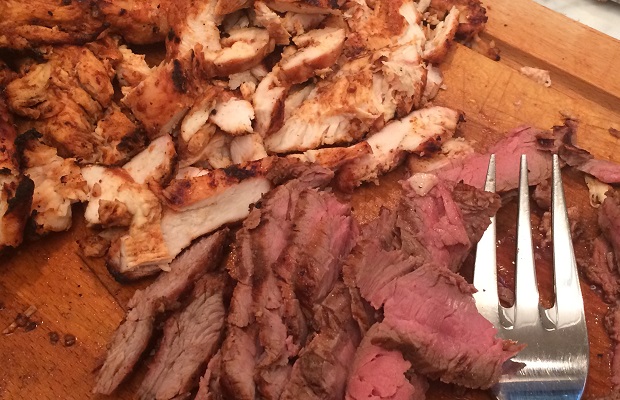
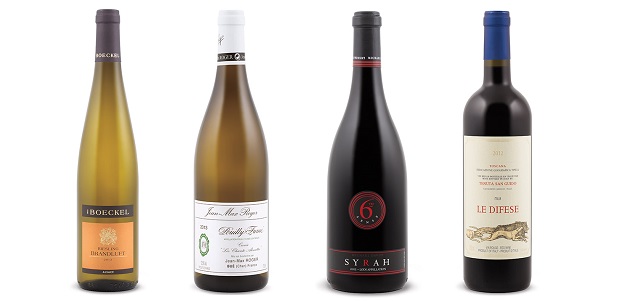
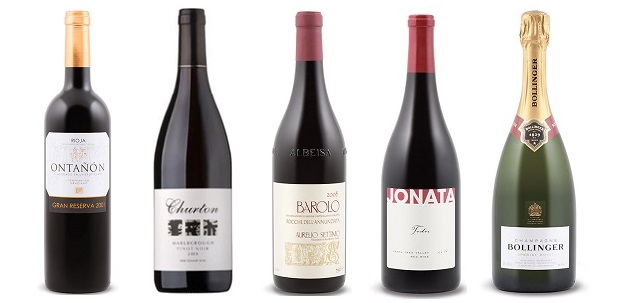

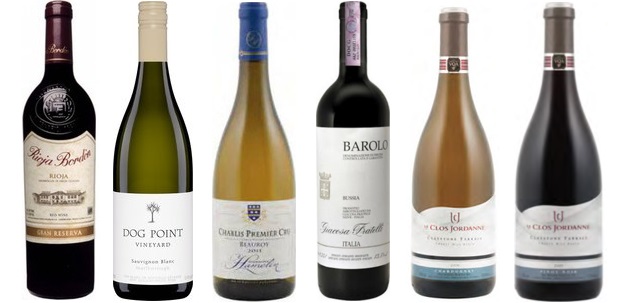
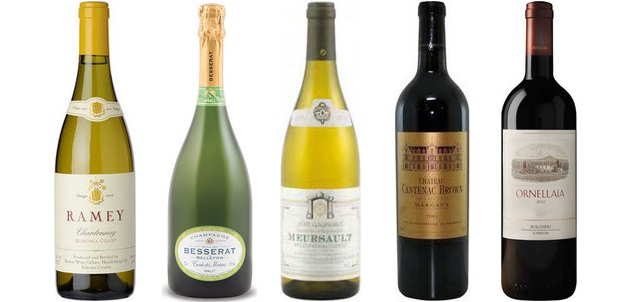
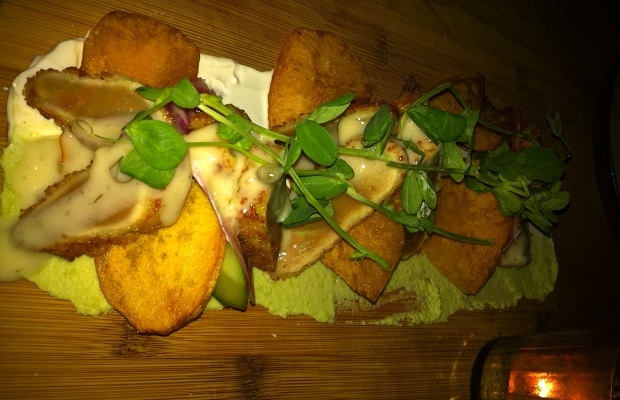
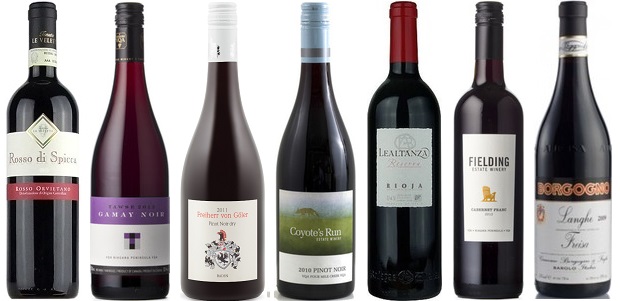
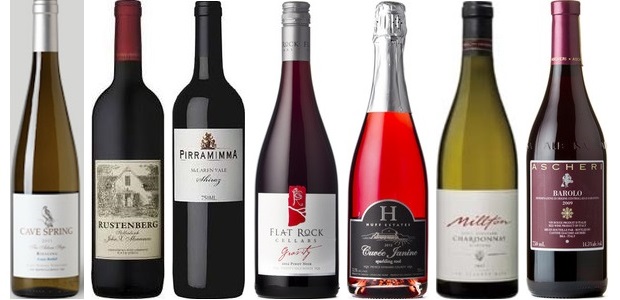
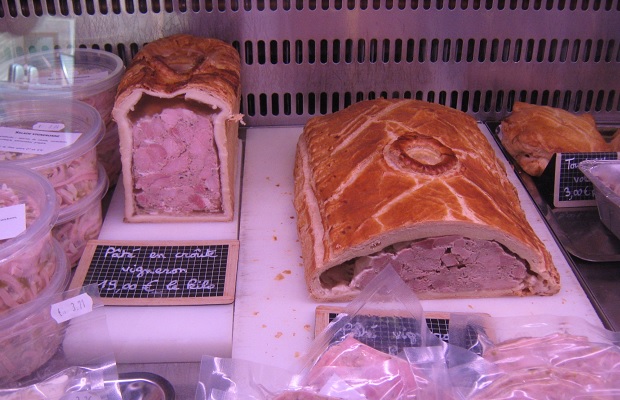
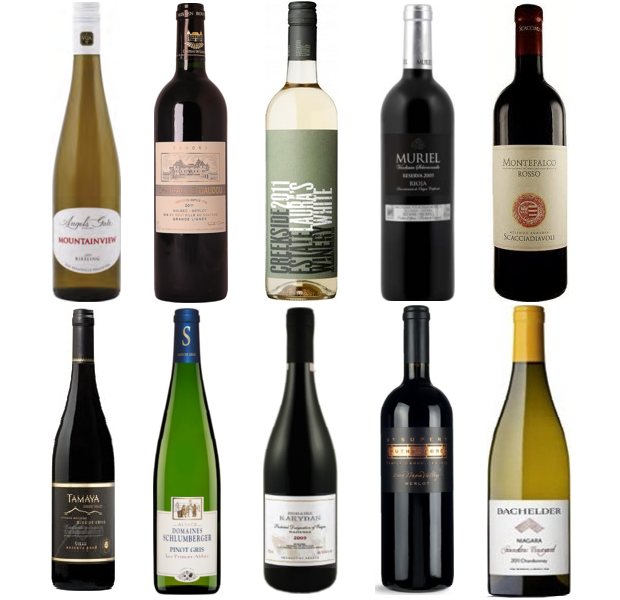

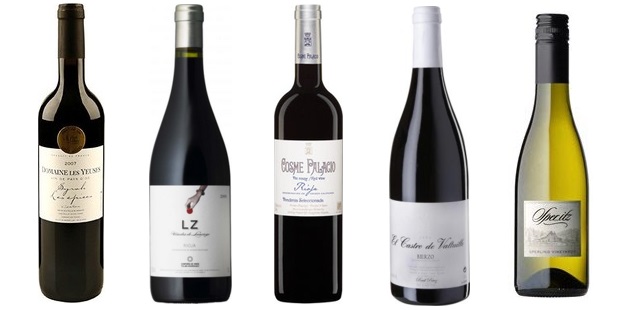
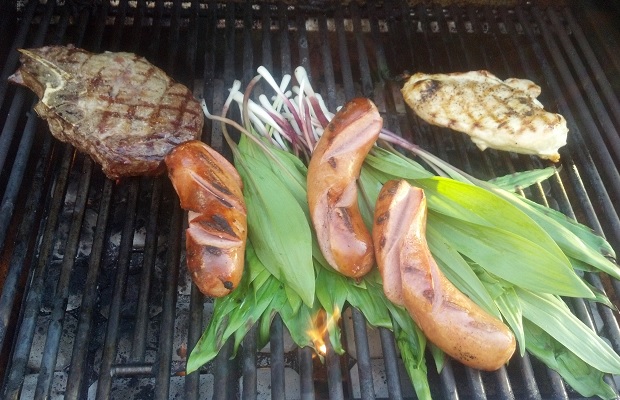

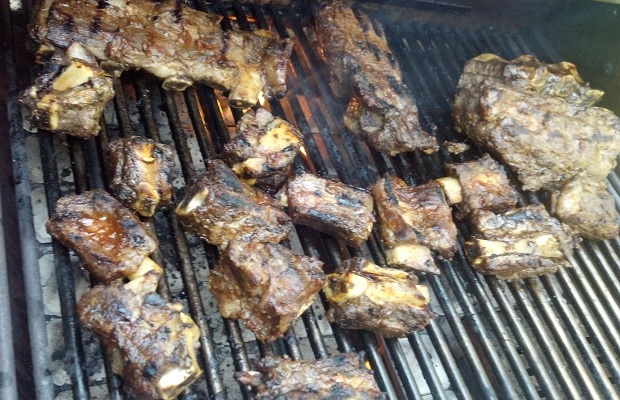
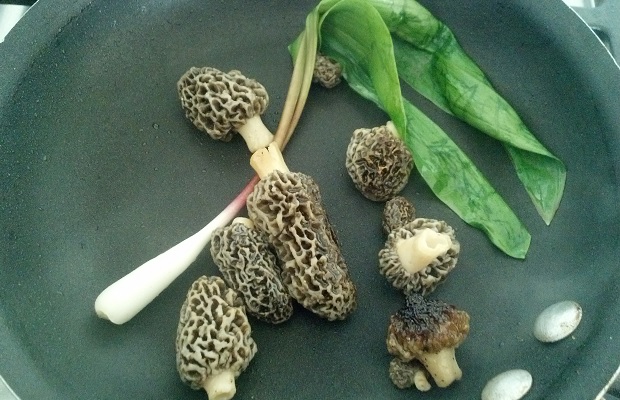


 Godello