Life is a trilogy, believe it or not. Things come in threes, whether you like it or not. In 2012 the number one reason for pouring a glass of wine on Halloween was “you will sound much more intelligent when answering the question, “trick or treat?”
In 2013, the top answer on the board was “nothing like a glass of wine on Halloween puts you in the mood to have another glass of wine on Halloween.” This guy may have had one too many while designing pumpkins. His ‘Stem In A Box’ is nothing if not creative. The phrasing may be indelicate but its meaning is clear.
In the guise of an elevated pattern of harmony, a third and final installment in the trilogy of top 10 reasons to dole out the vino on All Hallows’ Eve is laid bare. The concept is as simple as a candle, without magic, no mystery. The addendum is music, tunes to play on the sickly sweet night where candy is everything. Songs to match the wine poured as dark as monster’s gore. And so, here are yet another 10 reasons to pour a glass of wine on Halloween.
You finally get to make use of those etched glasses you were gifted by the neighbour with really bad taste
Because sometimes adults need travelling sippy cups too
The polyphenols in red wine can help offset the horrible effects of eating a pound of refined white sugar
The flavonoids in wine are a most excellent match to those in the apples in your Trick-or-Treat bag
You don’t even have to leave the house to get the full effect
Red wine helps to harden enamel and prevent tooth decay. Halloween. Got it?
Wine will make Halloween night’s sub-freezing weather kind of bearable
Do the neighbourly thing and try pouring these wines on Halloween.
Rosewood Origin Series La Fumée 2013 and Ravenswood Old Vine Zinfandel 2011
Rosewood Origin Series La Fumée 2013, VQA Niagara Escarpment, Niagara Peninsula, Ontario (Winery, $21.80, WineAlign)
In 2012 La Fumée was less about its namesake, “the smoke” but in ’13 the opposite wafts like candy in the wind, like confection on brume, like smoke and a pancake. The significant acts of three months in oak for the Sauvignon Blanc plus the hallmark honeyed addition of (approximately 15 per cent), golden-skinned Rosewood Sémillon make for a smouldering and meandering La Fumée. In ’13 call it “Smoke Signal,” “The Big Smoke,” “On Top of Old Smoky” or “Smokearoo.” This one is full on, woven in tapestry texture and like a band on stage in the magic theatre, haunting its own house. This wine will make for a most excellent Halloween investigation, what with its consecrated combustion, but it should also be laid down to rest. Open the tomb in five years, remembering with wistful nostalgia the last of the great Sémillon contributions and see how this Fumée will have settled. It won’t be smokeless but it will be extinguished. “A smoke signal, no matter where you are.” Tasted October 2014 @Rosewoodwine
Ravenswood Old Vine Zinfandel 2011, Sonoma County, California (673798, $21.95., WineAlign)
From 60-80 year-old vines in three different sub-regions of Sonoma and from the how can we thank you enough 2011 vintage. All red berries, all in and at 14.5 per cent alcohol it is both subtle and carried with ease. The ever bearing berries are poured in every glass and seep into every pore. Maintains a level of class despite the big bones and the vivid excesses of Zinfandel repute. The cooler vintage is a natural for this Zinfandel, allowing the spices to spume and the coffee beans to percolate without needing to go muddy. In hue the Old Vines ’11 “flies the blackest way” so “sip it like you’re typical.” A raven in Zinfandel clothing, this is bang on and righteous, not to mention exemplary value in Sonoma Zin. Tasted October 2014 @CBrandsCareers@TheZinfandelOrg
Sonoma County is so massive a wine region it’s really quite futile to take account of a singular, defining personality. Diversity of wine styles and viticultural approaches are what elucidate Sounty County and its 16 AVA’s (American Viticultural Areas). That much is true but the sheer geographical scope of California’s coastline, inward valleys and mountain vineyards make it all but impossible to distill the entire region into one simplified and understood junction of compounding synchronisms.
Imagine Sonoma in terms of soils and geology the way the Clare Valley and Barossa are making plans to split their vineyards into new sub-regions. “Rather than create a hierarchical system, proponents say the plans are part of a cultural shift in Australia’s wine industry that seeks to make technology in the cellar subservient to geological understanding and vineyard management.” Though erroneously, people talk about Sonoma wines as being the same, as sharing a commonality that allows for overused generalizations.
Sonoman varietals need to be characterized by an interpretation of sundry realities. Pinot Noir loses focus when simply labeled “Sonoma County.” Its actuality is much more specific than that. Dutton Goldfield’s Pinot Noir is a prime example; not exactly Russian River Valley nor Sonoma Coast. If its vineyard and those of countless hundreds of others were pinned down into a more micro-specific locale of soil and geology, justice might be served. Yet through all the talk of fining sub-appellations there is one constant in Sonoma. There is one manifest vital spark that runs through all of its fiords and chords, spuming with an irrepressible puissance. Fog.
Growing grapes in Sonoma is all about the fog cycle prone zone, warm by day, cool by night. Grapes above the fog line on the mountain ranges and upper reaches have the highest chance of ripening. Wind screams in between the mountains and through the valleys to dry out the vines and protect them from disease. The region lies at the western edge of a hyperbolic, tectonic geology, causing not only earthquakes but also dramatically different soil structures. From out of this super active geology, this volcanic action and this movement of tectonic plates, is a cool climate viticulture along 100 km’s of Pacific Coast frontage.
The cool nights and days that rarely get oppressively hot (above 26-28 degrees celsius) contribute to layers of oceanic fog that creep into Sonoma’s interior valleys through numerous spots like the Petaluma Gap. The Russian River, meandering through a lush valley of vineyards, provides a conduit pulling fog through Healdsburg and into the Alexander Valley, as well as forming its own appellation.
Sonoma native Elizabeth Linhart Veneman, author of Moon Travel Guides, sums up Sonoma’s fog in one fell swoop statement: “Perhaps no aspect of the weather here is more important.” Then there is the most amazing time lapse video shot by Nicole Tostevin of Tostevin Design. Tostevin (not to be and to be confused with Tastevin, which means a taste of a wine and a small, shallow cup or saucer with a reflective surface, traditionally used by winemakers and sommeliers when judging the maturity of wine) was born in San Francisco. She is a 5th Generation Californian living in West Marin; she’s an independent freelance artist, interactive art director and motion graphics animator. The video titled, “Sonoma Morning Fog Dance” was shot using time lapse footage of The Anvil Ranch in the Annapolis Valley in Sonoma County, California.
This time last year, in November 2013, San Francisco Chronicle wine editor Jon Bonné wrote, “today, the state of the art for Pinot Noir – along with Chardonnay and, to some extent, Syrah and even Cabernet – has shifted into the coastal fog lands.” Green Valley is defined by fog. Fog discourse and computerized, animated maps are front and centre on the AVA’s website. “Green Valley is the first place where the fog comes in and the last place where it burns off, making it the coolest, foggiest part of the Russian River Valley.”
Walmart’s Sonoma Fog Area Rug
Sonoma fog can even be defined as a colour, like Siena brick red, or at the very least as a style. At Walmart you can buy a “Sonoma Fog Area Rug.” The mist of California’s coast has even had a couple of cocktails conceived in its name. The Sonoma Fog and Sonoma Fog Vinotini are sweet and sour variations on the Kamikaze or the Cosmopolitan, using Grapefruit and Icewine.
Sonoma’s fog is a stern exertion of soda and salt and when its atomic dipoles get together to dance with ripe grapes and the puffy gaieties of yeast, the syntagmatic rearrangement in the region’s wines are all the merrier and made most remarkably interesting. Fog complicates and makes complex the ferments from Sonoma’s hills and valleys. The second fiddle status to Napa Valley’s hugeness is both ridiculous and absurd. Sonoma Chardonnay and Pinot Noir is already known for its kinetic inquisitiveness but other varieties are also gaining major traction. Cabernet Sauvignon, when ripened upwards of that fog and yet inextricably linked to the miasma, gains a level of synergistically precipitated elaboration that blows Napa out of the water.
WineAlign’s John Szabo MS says Sonoma County “is this big.”
Sonoma Vintners came to Toronto’s ROM for a trade tasting on October 9, 2014. With the ever resourceful moderator John Szabo MS of WineAlign at the microphone and nine winery representatives on hand to speak of their land, Sonoma was defended, savoured and celebrated. Here are notes on the 10 wines presented.
Sonoma County at the ROM
Gloria Ferrer Royal Cuvée 2006, Carneros (Agent, $37.00 – winery)
The brand was developed for the 1987 visit of King Juan Carlos I and Queen Sofia of Spain. Seventeen base wines were blended to create the final (66 per cent Pinot Noir and 34 Chardonnay) cuvée. The Chardonnay is planted on lower sloped with deeper soil and the Pinot nicked from locales higher up where it’s rocky and volcanic. “Oh they’re ready for a tussle.” The immediate query is how can it act so fresh? Aged 7 years, the incongruous to electric power is mind altering, though the reaction in the seminar room is muted and should instead be filled with oohs and ahhs…am I wrong? Intense wine, highly lactic and dancing on tongues. Citrus, ginger, pear and Pinot length from the rockpile. And so it goes. @GloriaFerrer
Quivira Sauvignon Blanc 2013, Dry Creek Valley, Sonoma County (Agent, $15 – winery)
Quivira’s expressive Sauvignon Blanc sells for a song what with its high level of minerality from gravelly soils, typical of Dry Creek Valley. Low acidity, and a quietude of heterocyclic aromatic organic compounds comes aided by a musky, Musqué SB clone. The terroir and the grapes speak for themselves, mostly out of stainless steel, with a bit of neutral oak, plus Acacia barrels, for texture. All in all, there is an elevated pattern of harmony. Biodynamic since 2006, Marketing Director Andrew Figelman notes, “going through biodynamic is like going through an IRS audit.” And worth it in the end. @quivirawinery@KylixWines
La Crema Chardonnay Saralee’s Vineyard 2012, Russian River Valley, Sonoma (Agent, $39 if it were available – winery)
So notable from the get go is this SV Chardonnay’s possessiveness of a muscular rhythm, where oak meets butter. High quality fruit comes from Saralee’s Block 89, a gravelly loam, with less vigorous vines and of course, much fog. Nine months in one third new French oak and a generous, if in check, 13.9 per cent alcohol. A mere 500 cases are produced of this new and titillating brand. Much orchard fruit on the nose, mineral on the palate and a wrapping of lemon curd. Has chalk and grain. La Crema’s (Ontario-born) winemaker Elizabeth Grant-Douglas has teased us. “You can taste it but you can’t buy it,” Just don’t call it creamy. @LaCremaWines@bwwines
Patz & Hall Dutton Ranch Russian River Valley Chardonnay 2012, Sonoma County (Agent, $56, WineAlign)
The Dutton’s have owned the farm for more than a hundred years and have been serious about viticulture for the last 40 or so. The fluffy, porous soils are composed of Goldridge loams, in which moisture runs right through. There is very little if any precipitation making this a sort of “dust bowl” Chardonnay, from five different sites. Distinctive, exotic, old vines give a Muscat-like character, plus mineral and structure. It reminds of a mildly spiced Gingerbread cookie on a dry, cold winter day. The Dutton receives the same elevage treatment as their other 13 Chardonnays; it’s the land that’s different. “We’re allowing these wines to be different by virtue of the terroir,” notes Donald Patz. This is mildly restrained in many ways. A very balanced wine, full of class. @PatzHall@TrialtoON
Dutton Goldfield Pinot Noir 2012, Russian River Valley (Winery, $72)
From the Estate’s 1996 planted Freestone Hill Vineyard, from the middle reach (far southwest corner) of the Russian River Valley, a full-on sunshine of fruit spent 17 recondite months in 55 per cent new oak. The resulting door affronting 13.8 per cent alcohol is a so very, if anoetic welcome mat. The Dutton family were the local pioneers. Says Warren Dutton, “if I can ripen apples, surely I can ripen Chardonnay or Pinot Noir,” Ripe red apples and a savoury candy shell have turned to grapes with aid in influence from the Petaluma Wind Gap, in an accruing of elegance and finesse from high acids and low sugars. If the common feeling is that it’s difficult to ripen fruit in this region, the bar must have been set to beanstalk heights. The Freestone Vineyard (which is almost in the Sonoma Coast appellation) is colder even than Green Valley, with an elevation just above the fog, for even ripening margins. The Duttons thought the vineyard not too cold for Pinot Noir, a thought even more astute than the idea of ripening coconuts in Fiji. This really is unadulterated Pinot, from a process that included (20 per cent) whole berry fermentation. The simple elevage turned into a simple yet complex result, with high toned fruit character, tangy black cherry, really fine grain tannin and acidity. Length is ascending and enveloping, from the hill. @DuttonGoldfield
Buena Vista Pinot Noir 2011, Carneros (304105, $24.95, WineAlign)
Buena Vista was California’s first commercial winery, dating back to 1857. Winemaker and Sonoma native Brian Maloney, formerly of De Loach Vineyards crafted this tight and bracing Pinot Noir from the cooler vintage. The vintage may have been a result of global chaos but the wine is an unmitigated success. From my earlier, August 2014 note: “This is really quite impressive Pinot Noir. Fastidiously judged if bullish fruit having way too much fun, causing varietal envy amongst other price category peers. Clearly fashioned from stocks of quality fruit, providing an environment for the coming together of many red berries and the earth of contiguous vines. All roads lead to a grand palate marked by exotic, spicy and righteous fleet of wood tones. I wonder if I’m in over my head and tell it “your mood is like a circus wheel, you’re changing all the time.” Quite something this MacPinot specimen and though I wonder if it’s a bit too much, it always seems to have an answer and it sure feels fine.” Tasted blind at World Wine Awards of Canada. Last tasted October 2014 @BuenaVistaWines@TandemSelection
Seghesio Zinfandel Rockpile 2011, Sonoma County (Winery, $38)
From three ridgetop vineyards 1,200 feet above Dry Creek Valley; Westphall Ranch, Porcini Hill and Mauritson. Rockpile comes from the late 1880’s, founded by the local Sherrif Tennessee Bishop. Prisoners broke up rocks to make roads and they called it the rock pile. Near extreme elevation matters deeply in this wine, as do three clones, all in the name of layers of flavour. There is a massive waft of florality in Rockpile and a Zinessence that can only be Seghesio. A large yet somehow fog-tempered cool wine, the result of a unique marriage between an altitudinous though indispensable Sonoma climate. Fresh ground spices join the flowers at the hands of winemaker Ted Seghesio. To the palate and texture the wine turns a boisterous phrase, with natural acidity and that structure is defined by tannin and personality. There is heat, a bit of a heavy grain and lifted alcohol though it carries it well. “Veraison thinning is key,” notes Pete Seghesio. Narrowing the harvest window by removing berries from the double sorting table is practiced, along with halting the brix from rising at the hands of hydrating raisins releasing sugars during fermentation. The must is weighed down a touch, even if the practice in fear is just one of splitting hairs, as obviously this has everything Zin needs to be fresh and elastic. “If you miss Zinfandel by five days you have Port,” admits Seghesio. The 2011 got it right. @seghesio
Kunde Family Estate Zinfandel 2012, Sonoma Valley (965921, $24.95, WineAlign)
Rich and utilitarian to a fundamental degree. Nothing but plum delicious, instilled with structure, tannin and early acidity. More spice and less florals by way of red volcanic rock soil, interspersed with a bit of sand and clay. Winemaker Zach Long is very specific about “that harvest moment” so Kunde’s Zinfandel can never be accused of hanging too long or cheating on the wrong side of ripeness. Cold soaks for five days with a low and slow, geek’s native yeast add layers of complexity to the ferment. With a peppering of Petit Sirah in the mix this has more tar, char and less brightness. It actually leans to black cherry, in Pinot-like dulcet tones which, in that particular direction, is a good thing. The only deterrent in the SV ’12 is a waning of finishing acidity at the end. @KundeEstate@imbibersreport
Silver Oak Cabernet Sauvignon 2010, Alexander Valley, Sonoma County (943472, $89.95, WineAlign)
International Sales Manager Vivien Gay introduces the Silver Oak by talking about the Alexander Valley as being the most fully planted AVA in Sonoma. This ’10 is warm and intense, hot to nose, potentially volatile, like a bouquet of hacksaws. Dusty, full-on mulberry fruit is indicative of Merlot but there is none – it’s 100 per cent Cabernet Sauvignon. That teasing and varietal perplexity is an indication of complexity and also American oak, the usage of which began in 1972. Vanilla, coconut, then spiced, round and soft tannins come by way of 50 per cent new and 50 per cent one-year Missouri white barrels. The fruit quivers, like blackberry bushes in sweltering conditions, trying to shake themselves of the heat. Two years in oak plus one in bottle is a loyal and sentient journey, nearly devout and religious. A highly polarizing wine. @SilverOak@HalpernWine
Rodney Strong Vineyard Cabernet Sauvignon Brothers Ridge 2010, Alexander Valley, Sonoma County (Winery, $75)
This is the flagship Cabernet bottling from the winery that bears the ballet dancer’s name. Has layers of sweet Cassis, black cherry and blackberry fruit. Serrated with heat from a warm vineyard, picked at a generous (27.3 brix) and vinified (15.5 per cent alcohol) in a very big style. The Brothers Ridge fruit spent 21 months in 100 per cent French (43 per cent new) oak. The heat transmits through all the layers. So much java is espressed in this big boned Cabernet. Looking, sniffing and tasting the Brothers Ridge gives the impression of “a great big tall fella, about six foot tall. I shivered and I shook, couldn’t do any more.” Despite it’s heavy kinks, the BR is flat out delicious, hedonistic and as decidedly rich as any Cabernet from the Alexander Valley. Perhaps it is a lover, not a fighter. @rsvineyards@ImportWineMAFWM
From the Middle English octobre and the Latin October, meaning “eight,” just how the month of October became the Julian and Gregorian 10th is a matter of bad juju. The corporate bumbling by way of the insertion of January and February into the Roman calendar screwed up all available etymological kismet. Perhaps in abbreviation or acronym, October, shortened to OCT, means “On Company Time.” That might explain its delay and parlay to 10th month status.
October has made its sad and beautiful way into song, rarely in joy or rebirth, almost always in tragedy and death. What’s up with that? With leaves turning to every shade of a Tom Thomson watercolour amid Ontario’s landscape that is all pan and even more orama, why the long faces? James Mercer writes, “to hell again and back,” and Amy Winehouse “today my bird flew away.” The lyrics in these songs are anything but uplifting but the tunes themselves are scrappy.
Then there is the October as envisioned by U2, well, there’s an entire album of oppression, repression and depression. “And the trees are stripped bare, of all they wear, What do I care.”
The good news, through tough times and innocence lost, is the availability of wine. VINTAGES is our facilitator and we are the benefactors, to concentrate on seeking solace in the living, breathing and most complex organism that genies into great bottles of grape ferment. This coming weekend one of my favourite releases on the perennial calender rolls out more value and less plonk than usual. On the heels of anything will sell for Thanksgiving and predating the shelves emptying free for all that is Christmas, October 25th is ideal and satiating. Here are 16 new releases, guaranteed to restore faith in this most troubled month.
From left to right: Andreza Reserva 2011, Flat Rock Unplugged Chardonnay 2013, Morandé Gran Reserva Cabernet Sauvignon 2011, Château Rigaud 2012, Loimer Grüner Veltliner 2013
Andreza Reserva 2011, Do Douro, Portugal (385849, $16.95, WineAlign)
This blend of Touriga Nacional, Touriga Franca and Tinta Roriz (Aragonez) from Lua Cheia em Vinhas Velhas is certainly funky and vineyard driven so that’s a bit of all right, isn’t it? Its phrasing is indelicate and slightly hot but its message is quite clear. Former winemaker for Offley Port and Technical Director for all the Sogrape Vineyards in Portugal João Silva e Sousa and consultant winemaker Francisco Baptista bring forth honest Douro red fruit, along with some mineral and righteous wood spice. Dark, deep and with a wonderful level of anxiety and tension. Gives purpose to modernity. Tasted October 2014 @FreeHouseWine@wines_portugal
A stoic and fruit aplenty Unplugged, less aromatic than some, equally magnanimous as others. Juicy, orchard fruit that is ripe and then elongated, with just enough acidity to keep it honest through the middle acts of savoury balm. Late tonic pungency lines the output. A very good, if not the finest ever unoaked Chardonnay at the hands of Jay Johnston and Ed Madronich. Then again, the ’07 tasted in February 2014 was a revelation. Who knows what the future may hold for this aloof ’13. Tasted October 2014 @brightlighter1@Winemakersboots
Morandé Gran Reserva Cabernet Sauvignon 2011, Maipo Valley, Chile (389254, $17.00, WineAlign)
Despite the 14.5 per cent alcohol this is beautifully bright, fresh, red cherry fruity and with nary a sign of abstruse chocolate or coffee. The southern hemisphere pulsates in here like a chromosphere of massive, meaty fruit. There is a funk per se but in earth, not wood. Good grain, honest grain, de facto grain. Spice from wood but just as an accent. A romantic one. Admittedly more Maipo than Cabernet but well thought on with the texture of haptic contours. Will satisfy a hunt for October reds to drink right now. Tasted October 2014 @MajesticWineInc
Château Rigaud 2012, Ap Faugères, Languedoc-Roussillon, France (393561, $17.95, WineAlign)
A bold and beautiful southern French rapport of 55 per cent Syrah, 26 Mourvèdre and 19 Grenache, so very modern and explicitly floral. A veritable Midi garden salad lives in the glass; chicory, acacia, iris, black cherry and lemon. Brassy blend from Languedoc-Roussillon, tangy and of the earth in cohorts for simple, if semi-hedonistic pleasure. Nothing about this screams oak and if the shed was open for a lay down it kept its splintered mits buried within the pockets of its staves. The ’12 Rigaud is meant for near-term luxury, alone or with sundry kinds of protein. Tasted October 2014 @oenophilia1@VinsAOPFaugeres
Loimer Grüner Veltliner 2013, Dac Kamptal, Austria (142240, $19.95, WineAlign)
Can any entry level (used with latitude) Grüner speak more clearly of varietal truth than Fred Loimer’s Kamptal? Saline, herbal, juicy and mineral all roll off the golden carpeted tongue. A ripe merging to oxidative line is straddled but acidity keeps reeling in the fruit so no harm, no foul. Flavours of citrus and white peach. Heads medicinally sweet on the finish and lasts longer than could ever be expected. From my earlier April 2014 note: “Increased hang time has put this Kamptal in a deeper state of focus and understanding concerning the intricacies of Langenlois Grüner Veltliner. Continues the pure, clean and crisp axiom of the basic Lois but here the aromatics are spoken in acroamatic terms, obvious to disciples and yet available for all to comprehend. Though five per cent big wood barrel aging does not seem significant, that practice along with four months of aging on the fine lees has had a textural impact. The added weight is a questionable thing, though arguably just splitting hairs. Will help carry this vintage through five to seven years of graceful settling. Last tasted October 2014 @FredLoimer@LeSommelierWine
From left to right: Bordón Gran Reserva 2005, Dog Point Vineyard Sauvignon Blanc 2013, Domaine Hamelin Beauroy Chablis 1er Cru 2011, Giacosa Fratelli Bussia Barolo 2009, Giacosa Fratelli Bussia Barolo 2009, Le Clos Jordanne Claystone Terrace Chardonnay 2011, Le Clos Jordanne Claystone Terrace Pinot Noir 2011
Bordón Gran Reserva 2005, Doca Rioja, Spain (114454, $22.95, WineAlign)
If it were so because of cryogenic preserved must or an accidental tipping and topping up into an unused barrel by recent vintage juice I would not be left hanging with mouth fully agape. Considering the amount of time this flat out delicious Gran Reserva saw in barrel, the mystery must somehow be explained, how it came to be so surprisingly modern and bright (for its age), especially at $23. But it has been seen many times before, with no greater example than the Montecillo 1991 GR that drank fortuitously well into the last years of the previous decade. This is the magic of Rioja. That said, there is some sinew and some raw character here as well – that’s the old school treatment and style talking. Red cherry fruit. Ripe fruit roasted, rested and now sliced, showing its perfectly cooked rare cut. Juicy and with sanguine notes still running through its grain. Wonderful old school yet bright Rioja. Riotous red wine with a calming aura of quietude. Tasted October 2014 @RiojaBordon @Eurovintage@RiojaWine
Dog Point Vineyard Sauvignon Blanc 2013, Marlborough, South Island, New Zealand (677450, $24.95, WineAlign)
Dog Point’s principals Ivan Sutherland and James Healy know the innuendo of that ever present Marlborough SB subtlety by allowing the vineyard to show up in the glass. That sussuration is the hallmark of this most righteous bottle. The VINTAGES October 25th release indicates a 2014 debut when in fact it is the ’13 that was presented for tasting and likely that vintage will show up on shelves. This ’13 bring elegance, less weight and more fruit. Round and rippling, spiced but in spicy check. Not the finest but persistent in class and crowing achievement for the stomping ground. Tasted October 2014 @DogPointWines@TrialtoON
Thierry Hamelin and his son Charles (no, not the Olympic Speed Skating gold medalist) are eighth generation family winemakers and their 2011 Beauroy, one of the most underrated vineyards in Chablis, or anywhere Chardonnay is made, is both an ode to tradition and an immaculately clean look at the future. Prototypical steely Chablis in every nook of its lithified being and befitting of a 1er Cru designation. Fruit comes by way of some pretty wizened vines (30-plus years) and steep, south-facing slopes. The exposition is both fresh and flinty, the logic sound and spotless. If a creamy, leesy note is felt it’s just a case of genes. In every other respect this is Chablis as both a child of the present and the future. Quality vineyard, vines and fruit given the gift of no mask. This will drink well for five plus years. Tasted October 2014 @BIVBChablis
From the hills of Monforte d’Alba in Piemonte, Bussia is laid out like an amphitheater, the soil is all clay and the Nebbiolo is rich and often austere. Now, here is what temperance and a reliability in attention to classicism is all about. Cherries and ferric earth. Roses and funky beet beats. Tannins stuck on 10, winding and unwinding, but mostly winding. Wild herbs, sweet candied flowers, tight angles, tough and beautiful. Needs many years to wind down. Exceptional value for the real deal in Nebbiolo. Tasted October 2014 @stradadelbarolo
The Claystone 2005 made by Thomas Bachelder was the single-vineyard ringer that shocked the Chardonnay world when it trumped international competitors in a Montreal grand tasting. The 2011 made by Sébastien Jacquey recently won a Silver Medal at the Decanter World Wine Awards. This Jordan, Ontario vineyard is a key clay-limestone foundation for both the Claystone and Village Reserve botttlings. Yet another exemplary ’11 Chardonnay with the omnipresent Jacquey handling for aromatic freshness and layering; candied flower, fresh morning glade and lemon drop, amplified to 11 in ’11. Moreover there is a level of honey not previously witnessed. It smells like natural sugars and like a bloom of sunflower lollipops. Very little (15 per cent new) oak was used so the texture is fluid and palpable, with just a touch of stone/toast/wood spice, but ultimately it’s the top quality fruit allowed to speak its own language. Tasted October 2014 @LeClosJordanne@20ValleyWine
Oh so pretty Claystone. Like a butterfly, delicate and gossamer. How can you not mark the change in direction to a most inviting and positive way for the Pinot program with Sébastien at the helm? The paint fumes are dissipating with each passing vintage. These vines belong in Jacquey’s hands – they were made for his touch. He understands them and they are now speaking so clearly, sweetly, with texture that underscores their elegance. When fruit is this subtle, acidity magnified and tannins feigning dry in the early stages of development, a wine can confound and sometimes even seem to be failing. In my view, it is the obtuse that are perhaps guilty of being under appreciative of the Pinot Noir paradox. Like the rest of the ’11’s in the LCJ stable, this is a terrific Claystone with 10 years ahead in sublimity. Tasted October 2014
From left to right: Ramey Chardonnay Sonoma Coast 2012, Besserat De Bellefon Cuvée Des Moines Brut Champagne, Jean Gagnerot Meursault 2011, Château Cantenac Brown 2010, Ornellaia 2011
Ramey Chardonnay Sonoma Coast 2012, Sonoma County, California (288035, $45.95, WineAlign)
Buttered toast and lemon meringue are clear and concise in this inner-coastal, altitudinous Chardonnay. You just know there is a pent up, wound intensity lurking. Somewhat slow to start, it not being a jump to the front of the pack, first furlong leader. Then it gathers horsepower from texture and power from acidity. While the fruit remains unreleased beneath the moving parts, it’s the spice, lime tang and bitters that propel this Sonoman from sheer wildness in complexity. Impeccable equine balance. Likes the longer track to make the most out of its endurance. Will show its best down the stretch, at the end of the decade. Tasted twice, October 2014 @RameyWineCellar@BarrelSelect
Besserat De Bellefon Cuvée Des Moines Brut Champagne, France (724955, $54.95, WineAlign)
This Cuvée Des Moines Brut is fashioned in a decidedly aerified yet grappling crémant style, of firm jaw and air of tragic nobility. Low pressure and dosage in this Chardonnay (35 per cent) , Pinot Noir (20) and Pinot Meunier (45) mix make cause for a new Champagne slang. More than a pinch of ginger burrows into the waft of baking apple scones, marked by sody saleratus and more (two and a half years) leesy tang than you can dip a canoe paddle into. The flavours continue with something akin to pickled apples and sweet pork, if there were such a souse. Really tangy and overtly complex, with a long, long finish, if just a shade on the oxidative side of town. Tasted October 2014 @BesseratB@DionysusWines
Jean Gagnerot Meursault 2011, Burgundy, France (390369, $57.95, WineAlign)
Gorgeous and subtle yet clearly spoken aromatics; just a hint of tonic piques some ripe orchard fruit, along with a crisp spike of very little citrus. Round, moving, enveloping and circling, parts unified and oscillating. Great round acidity as a membrane to a full, fleshy Chardonnay that returns again and again, to strength and from strength. The length goes on and snaps back to the beginning. Most excellent Meursault. Tasted October 2014 @grapewines@BourgogneWines
Château Cantenac Brown 2010, Ac Margaux, 3e Cru, Bordeaux, France (259424, $89.00, WineAlign)
Whether or not you have left the modern Bordeaux market, attention needs to be paid when an incredible wine at a fair price is made available. Not to be found for any less cash south of the border or across seas, the 2010, 3rd Growth, Margaux Cantenac Brown is the best $50-100 Bordeaux buy of the vintage. Composed of 66 per cent Cabernet Sauvignon and 34 per cent Merlot, the wine saw its fair share soak in 60 percent new oak. This classic beauty is the epitome of lush and welcoming Bordeaux from a vintage with more sun than 2005. It will make you stop to smell the adjectives. Rich red and black fruit, so very floral and void of any harsh moments about it. I don’t imagine this is to be the longest lived because of its inviting immediacy but it is no shrinking violet. The fruit is in charge and will give it five to 10 years of that parsimonious pleasure. Great late spice and line dancing energy. Tasted October 2014 @Cantenac_Brown
Hasn’t lost a moment of time through six months in bottle. This should give an indication as to its near-unprecedented longevity. Six years will cast a moment’s advancement, sixteen a fortnight. Not saying it can go 60 but half of that is in the realm of the serious and for certain. Candied yet tempered violets, rocks crushed and sprinkled on cryogenic frozen and restored heirloom berries of yesteryear. Huge tannins. From my earlier, June 2014 note: “The blend of the 2011 Rosso Superiore is Cabernet Sauvignon (51 per cent), Merlot (32), Cabernet Franc (11) and Petit Verdot (6). From a near-sweltering vintage, tempered by a cooling spell in June and July. The late August heat spike brought on early ripening which explains the intense aromatic waft that fills the AGO’s tasting room air. Though following the same (post 12-month) assemblage and return to barriques for a further six months, the richesse in fruit quality and 70 per cent new oak envelopes this ’11 with so many structured layers there remains many years to see where it will go. The rose petal meets violet florality can elicit no parochial parallel, the anxiety in hematological ooze neither. A consideration of the phenolic exceptionality follows suit. Chalky tannins follow chains in a world spinning ’round in lush circles. This is the reference point for such assemblage in Bolgheri. The breakdown will not begin for a minimum 10 years and evolution will continue comfortably, gently and effortlessly for 15-30 after that.” Last tasted October 2014 @Ornellaia@sherry_naylor
To shake or to stir, that is the question. In the case of the Martini, the answer is always the former, unless Ian Fleming and James Bond are a part of the response. Author W. Somerset Maugham declared that “Martinis should always be stirred, not shaken, so that the molecules lie sensuously one on top of the other.” Bond was quoted to declare that shaking, “bruises the gin.” Chardonnay is most certainly stirred through the process of bâttonage, to suppress Sulphur compounds, to increase maximum exposure to the cells and adulterants it is decomposing into and to promote texture.
What about Cabernet Sauvignon? To stir or not to stir is a hotly debated procedure. In the case of Niagara’s Château des Charmes, winemakers Paul Bosc and Amélie Boury have been known to agitate the ferment with a regular stirring of the lees. Ramey Vineyards performs monthly bâtonnage on their $100 “winemaker’s” Annum to coat the tannins and smoothly integrate the wood. Many winemakers will not touch their collective fine red lees settling of yeast and grape cells with a ten-foot stir stick. What about shaken? Well, that is another matter altogether.
The shaken not stirred reference may strike at the frailty of James Bond and his preference for how he wished his martini prepared. Scientists have speculated that Bond “was unlikely to be able to stir his drinks, even if he would have wanted to, because of likely alcohol induced tremor.” When it comes to wine, the term shaken refers to agitation, but not in the sense of a wobble, a quiver or a vibration. That would be bad. The term shaken has everything to do with what happens to a red wine due to barrel aging, in oak (primarily new) that leads to the development of flavours and texture resembling that of a milkshake.
The milkshake phenomenon is something I have touched upon many times in the past. In November of 2012 I penned the column, “Wine is the new coffee,” in which I waxed on about the mocha, java, arabica and jamocha flavours in the current and prevalent state of red wine. I wrote, “iconic red wines from Bordeaux, the Rhône Valley, Napa Valley and Burgundy are heavily influenced by the barrels that house megalitres of famous juice, but for the most part, the premier or grand cru grape ferment is up to the splintered task.” I’ve talked about mocha milkshakes, talcy acidity, whipped beet shakes of hide, vanilla and lavender and reds gone over to the shaken, splintered and mocha chocolate dark side.
When oak is corrupted, misused or used to make a federal case, the resulting wine will sport black eyes of puffy redness caused by a bonfire in the barrel. When oak is used generously yet judiciously it still remains one of the most endearing techniques towards making fabulous red wine. The trend finally seems to be scaling back from the (here it comes) Parkerized, high extraction and alcohol red behemoths but where there is retreat there also persists the stay of the course. The wines of Louis M. Martini embody that doctrine.
Louis M. Martini Tasting at The Vintage Conservatory
For 80 years the Martini family has made Cabernet Sauvignon the focus of their portfolio, searching for the best grapes in Napa and Sonoma to make the best wines. As third-generation winemaker Mike Martini, likes to say, “Cabernet: it’s what we do.” Martini brought his briefcase full of shaken Cabernet Sauvignon to Toronto’s Vintage Conservatory in September, with the obliging and expedient assistance of parent company E. & J. Gallo and their Ontario facilitator, Praxis PR. Mike Martini opened with “we’re shaken, not stirred.” How refreshing is truth spoken without pretense. Very.
Martini took over the winemaking duties in 1977. “All of us put in something, mostly personality.” The Cabernet Sauvignon style, drawn from many iconic Sonoma and Napa sites is both barefaced and to the fore. Despite the unfavourable monetary translations to Canadian and especially LCBO dollars, their Sonoma County, Napa Valley and Alexander Valley brands represent fortuitous value in full-bodied, reliably-crafted Cabernet. There is no mistaking a Martini rendition of the Bordeaux grape. Ripe, optimum extraction and unabashed richness from quality time spent in high percentages of new French, American (and sometimes) Hungarian oak barrels.
The élevage of a Martini Cabernet Sauvignon is both unapologetic and expected. It is, what it is. Their Cabernet may be treated to cold soaks, warmed to tropical temperatures, pumped over, oxygenated (délestage), subjected to extended maceration, racked by gravity and housed in toasted barrels, but there is no stirring of the fine lees. The adage holds true. A Martini Cabernet is shaken, not stirred.
Seven wines were tasted at the Martini event, followed by a lunch that included one of the better hanger steaks I have ever had the pleasure to taste. Michael Martini was both gracious and humorous in his presentation, spending plenty of time reliving the great legacy left by his father along with some terrific anecdotes along the way. The Martini codex is classic; immigrant family develops a world-renowned blend, takes on investment from a corporate behemoth, uses the resources to great effect and finds the wherewithal to keep the original name alive, front and centre. Great story.
Louis M. Martini Cabernet Sauvignon Sonoma County 2012, California, USA (292151, $18.95, WineAlign)
The case load is large (will be 400,000 by 2014) and the concept, according to winemaker Michael Martini is to capture the “idea” of Sonoma County, simply done. “We think of it as cold, by California standards,” says Martini. The Sonoma bottling is higher in acidity and structured tannin than most in its class. While it sees “a few chips,” its tank mentality gives it separation and reform. It is played in movements and even in religious moments. There are bits of cocoa nibs, chocolate chips and the flavour of a cookie out of a good recipe. Some (not over-extracted) Merlot and Petit Sirah add just enough continental, savory texture with final notes of black olive and caper. All in the name of linear yet wound at the same time. Tasted September 2014
Louis M. Martini Cabernet Sauvignon Napa Valley 2012, California, USA (232371, $29,95, WineAlign)
Michael Martini calls 2011 a “radically different vintage, not normal for Napa,” in others words, near-perfect. Nothing about the élevage (18 months in 40 per cent new oak) strays from the company line nor will it cause any radical concern. Give a nose and many contorted faces will result due to the herbaceous piquancy and near-capsicum rise. Changes to a country lane on the palate, in rolling, twangy, welcoming and delicious flavours. Good oak integration in holistic extraction substantiates a grapiness of fruit to balance a smoky, stewarded rod of wood. Has girth, weight and jamming length not present in its Sonoman counterpart. If “you were sorting through the odds and ends, you was looking for a bargain,” in Napa Cabernet Sauvignon then you’ve come to the right place. Tasted September 2014
Louis M. Martini Cabernet Sauvignon Alexander Valley 2011, California, USA (Agent, $37.00)
“We’re still making 8,000 cases. That’s where we started,” says Michael Martini. The treatment here is a quintessentially kinetic Martini, a pure distillation of Alexander Valley straight from the shaker. After 18 months in a mélange of French, American and Hungarian oak the ’11 is getting a leather and tobacco in terroir component, straight from the vineyard, a sculpted earth tone and a sage that is Alexander Valley. Smoke, spice and spiciness runs through, from the mid-palate to the sumptuous finale. Has a sense of chewy density with seamless integration of oak through to tannin. The acidity does not ring, it pops. Drink now and for three to five more years. Tasted September 2014
Monte Rosso 2004, 2008 and 2010
Louis M. Martini Cabernet Sauvignon Monte Rosso 2004, Sonoma Valley, California, USA (Agent, $100.00, WineAlign)
This 10 years forward retrospective taste of the Monte Rosso 2004 shows surprisingly little development. From fruit grown on 30 feet of level, volcanic, pumice stone replete with holes that serve as water reservoirs. A 15 per cent abv bruiser that spent quality time in new and used French oak barrels, for an average of 26 months. From an extremely early vintage, this is what Michael Martini describes as “almost phlegmy upfront,” made in a similar style to the Lot 1, minus the screen. The vines averaged 45 years and for the first time, a Martini wine out of the red soil shows some funk, magnified by 10 years time. “If you can taste the alcohol, you’ve got too much,” says Martini and here, though that is the case, it is rendered aphonic and transformed into a taste of spiked, highest quality chocolate. The fruit is cured and spice accented in a seemingly youthful Cabernet. So much for the five to 12 year declared window from the Martini team. Drink for five more, at the very least. Tasted September 2014
Louis M. Martini Cabernet Sauvignon Monte Rosso 2008, Sonoma Valley, California, USA (Agent, $100.00, WineAlign)
The red (in the Mayacamas) mountain has been in the family since 1938 and this 70 years later Sonoman is one of its most relucent. Aged 27 months in 83 per cent French and 17 New American Oak, there is no shortage of modernity in its sweet, thick skin. From a challenging vintage replete with heat spikes and low yields, the ’08 MR is blessed with luminous and lustrous fruit. It goes supple, it goes dark, it goes deep, “like the pale moon before the darkness spills,” then it goes brighter still. Sunshine breathes floral scents, vanilla and red fruit in soft, high caste with a hit of citrus. A very forward Cabernet with round, circling acidity. The mid-palate to end game is cool and layered b ut never thick or crushing.This has seven to 10 years of life ahead. Tasted September 2014
Louis M. Martini Cabernet Sauvignon Monte Rosso 2010, Sonoma Valley, California, USA (Agent, $100.00, WineAlign)
As in 2009, storms tested the harvest on the (Mayacamas range) “Red Mountain.” Heeding the warning and learning from the previous year’s challenge, Michael Martini saw the bunches through the mud below his feet, chose a regimen of advanced picking and cut some of the later picked fruit that got mired in the weather’s muck. The result was a tighter Monte Rosso, most backward of the three (’04 and ’08) tasted and wound up without any release. This MR does not give away any of its charms quite so easy. It retains a cocoa dusting and a cool, linear band of acidity. Elusive yet seamless, the acumen combined with the formidable summons to create something lasting out of everything toilsome has produced a most age-worthy wine. Blessed with “na, la, na, la, na, na, na, na, na, na, na, na, na, na” length, this ’10 will be the night they drove old rosso down. Tasted September 2014
Louis M. Martini Cabernet Sauvignon Lot 1 2010, Napa Valley, California, USA (Agent, $150.00, WineAlign)
The Lot 1 Cabernet is Michael Martini’s cementing of a father’s legacy. It is a Napa Valley thickening of history, plot and extraction, through ripe fruit and new wood. Draws from AVA fruit of the most promising ontogeny, from Pritchard Hill in St. Helena, Spring Mountain, Stag’s Leap, Atlas Peak and Howell Mountain. The 2003 was the first vintage and by now the cabal has reached maximum density to bursting within its two-year soak in brand spanking new oak. Approximately 400 cases are made (and will be 650 in 2013) from out of the gravity flow, (former sugar dairy) Gallo-funded million dollar winery. A very black wine, vampiric in pitch, with fruits, peels, pods, roots and herbs, like cherry, orange, bokser, licorice and sage. The massive tannins are woven of chalk, grain and chew. The flavours range from bitter chocolate to caramelized beef to wood smoke. They continue to cook, evolving into crusted layers of roasting, rendering meat and a sauce made from dusty cocoa, espresso and beef blood. Such a massive wine, wanting to search for elegance. Needs more punching down and time. “As soon as you smell the carbonic,” notes Martini, “you punch it down.” Or lay it down. For 10 years. Tasted September 2014
Le Clos Jordanne Vineyard Photo: (www.leclosjordanne.com)
Whatever your plans are for Canadian Thanksgiving weekend, I highly recommend they include wine and music. Last year my picks to meet the bird emanated from a Loire state of mind. A new Sancerre makes this year’s shortlist because “you can always use a good Sancerre.”
The consistency with which wine picks jive from one year to the next is self-consciously and self-prophecy predicting, to be sure, with Chile and California making repeat appearances. New and bold in choice for 2014 is the idea that “now you say Morocco and that makes me smile. I haven’t seen Morocco in a long, long while.” A promising wine region lurks in the North African dessert and for $15, find out for yourself.
Two years ago I also offered up a brief history lesson on the origins of Thanksgiving when I said “Canada, let me pour your Thanksgiving wines.” At the time I was not suggesting we all go out and fill a curved goat’s horn with fruit, grain and Pinot Noir.
There are better ways to get your cornucopia or horn of plenty on.
In 2013 the message was simple. Thanksgiving is a weekend to celebrate the harvest, all that was once and will again be good. When I took a good look ahead at Canadian wines for Thanksgiving I meant what I said and I said what I meant. Canadian wine will impress you, 100 per cent.
This Thanksgiving the great indulgence that should grace your meditative and purposed consciousness is a local one. When should it not be? At a time when Thomas Bachelder was making wine at Le Clos Jordanne out of the vineyards on the Jordan Escarpment, greatness emanated and worship followed. Though it may have seemed so at the time, the Chardonnay and Pinot Noir at LCJ were not the ideal terroir for Bachelder. His work there, albeit progressive, standard setting and earth shattering, was only a precursor for his true calling; to Wismer, Saunders, Willamette and Beaune. Granted his total touches seek and mine gold but the LCJ soils were meant for a different pair of mits.
Those hands belong to winemaker Sébastien Jacquey, Burgundian, naturist, environmentalist, terroirist. Jacquey’s résumé reads like a laureate’s; university diploma in Technology and Biology in 2002. National Diploma in Oenology and Professional Agricultural Aptitude certificate in 2004 and Master of Earth and Environment studies, specializing in Vine Management and Terroir in 2005 at l’Institut Jules Guyot. Engineer of Oenology and Viticulture in 2007 at l’Institut Supérieur d’Agriculture, Rhones-Alpes.
It has taken Sébastien Jacquey a few vintages under belt (three as assistant and now two as chief winemaker) to feel the groove of his vineyards. To me, 2011 marks the turning point and the launch pad for the exceptional career that will define the winemaker. To a wine, every 2011 Chardonnay and Pinot Noir I have tasted has the finesse, restrained richness and markedly pure clarity of great Burgundy. More important is that the wines are clearly Niagara and even more so, distinctly Le Clos Jordanne. One step further even. All Sébastien Jacquey.
All of Ontario must rejoice, applaud and give credit to the effortless grace with which he is bringing evolution to the LCJ continuum. I urge you to try his wines. On this October 11th, 2014 VINTAGES release and in stores this coming Thanksgiving weekend the two eponymous vineyard bottlings hit the shelves. Try a Le Clos Jordanne Vineyard with friends and family. Then put another two away for future consideration. You will be glad you did. Here are 10 wines to seek out for the October long weekend and some tunes to spin alongside.
From left to right: Solar Das Bouças Loureiro 2013, Domaine De Sahari 2012, Argyros Assyrtiko 2013, Katogi & Strofilia Averoff Xinomavro 2008, San Pedro 1865 Single Vineyard Carmenère 2011
Solar Das Bouças Loureiro 2013, Doc Vinho Verde, Portugal (221036, $13.95, WineAlign)
Initially this opens slower than snail’s snot so “mute it to a whisper and spin your solar sister.” Petillance hidden, this is rich, greasy, fat and sumptuous Vinho Verde, not your avô’s take, that’s for certain. Can’t say I’ve yet nosed these kind of tropical aromas in VV before, so in that sense it’s a Posies breath of alternative, equatorial air. Comes back to pears and herbs, citrus on the palate and wraps up with wild acidity. Like frosting on the beater. Quite a bang for $14 bucks. Good, long finish. The minor spritz comes after the buzzer. Tasted October 2014 @VinhoVerdeCA
Domaine De Sahari 2012, Guerrouane A.O.G., Morocco (92825, $14.95, WineAlign)
Considering the geography and the utter aridity of the climate, more than just latitude should be afforded this Vin Rouge de Maroc. That’s because it’s a well-made, properly judged, toothsome Bordeaux-styled blend. Think Australian claret, say from Margaret River or even Coonawarra. If “that’s much too old a story to believe,” have a taste and note the fine balance betwixt Cabernet and Merlot, between earth and sky. Slightly rustic and funky, there is real, leathery fruit and a wood-chalky texture. The acidity is wound tight and the residual sugar slightly elevated but if “you say Morocco and that makes me smile,” I’ll know I’ve just had a taste of something fine. Tasted August 2014 @TandemSelection
This Assyrtiko has a small bass note, down below, beneath the snare and the jump back. It causes quite a Rufus rumpus. Its got sax notes that drive a wild personality. While not blessed with the usual fruit to meet its acid intensity, the consistency persists. Santorini’s sun-drenched rocks break it down and the indigenous sapidity of Greek garrigue can’t help but stamp the authenticity. This needs to develop a year or two to get beyond its awkward, acetic adolescence. “If one should bite before I wake, jump back baby jump back.” It will serve purposed grilled meats when it does. Tasted October 2014 @Santoriniwines@KolonakiGroup
It’s not that every Xinomavro is infallible but every Xinomavro is worth exploring. The Averoff is classic; smoky, rich plum meets cherry intensity, tannic and textured, layered, like old school Pinot Noir. Liqueur of Naoussa terra firma, rocks and sweet beets. Balance of earth, wind and fire, fun funky and moving. Shares the spice of life so “let this groove, light up your fuse, alright. Let this groove, set in your shoes.” Parts unknown gather to subvert the uninitiated and make them move to Greece. Tasted October 2014 @katogistrofilia
San Pedro 1865 Single Vineyard Carmenère 2011, Maule Valley, Chile (249201, $19.95, WineAlign)
Nose of notable Carmenère character checked and in restraint. Certainly modern, somewhat fortified, but acceptably precipitous, delectable and fun. The whiffer is sweet pepper, currants and rings of defined tobacco. The give way goes to flavours silky in roasted pepper and a shot of espresso. If, “in the winter of ’65, we were hungry, just barely alive,” this Carmenère would have kept us warm. No cake, no jam, no overwrought excessive behaviour. Though like any good band, it does drive Dixie down. Well made. Tasted October 2014 @Dandurandwines
From left to right: Jean Max Roger Cuvée Les Caillottes Sancerre 2012, Le Clos Jordanne Chardonnay Le Clos Jordanne Vineyard 2011, Le Clos Jordanne Pinot Noir Le Clos Jordanne Vineyard 2011, Siduri Sonoma Coast Pinot Noir 2012, Pommery Brut Silver Champagne
Jean Max Roger Cuvée Les Caillottes Sancerre 2012, Ac, Loire, France (65573, $26.95, WineAlign)
The most chalky, medicinal and intensely forward of the Jean Max Roger stable. Also the most floral and aromatic, like Viognier, Gewürztraminer, Muscat even. It is anything but, of course, and one taste quells thoughts of Rhône-ish or Alsatian aromatic whites and allows Sauvignon Blanc to give of its green grass and wet hay. There is a coarse, hoarse voice in Les Caillottes, the small pebble, stony, flinty Sancerre. It’s a striking, swashbuckling, swordplay but “clear the thistles and brambles” because time waits for Sancerre. Not years mind you, so drink this Cuvée out of the clay-limestone soils in the village of Bué and in the hamlet of Amigny between 2015 and 2017 for maximum pleasure. Tasted October 2014 @oenophilia1
Le Clos Jordanne Chardonnay Le Clos Jordanne Vineyard 2011, VQA Twenty Mile Bench, Niagara Peninsula, Ontario (33910, $40.00, WineAlign)
A 2011 assessment of the winery’s Chardonnay quartet shows this vineyard from the eastern section of the Le Clos Jordanne estate as divulging the most amplified soundgarden of floral proclivity. The cool vintage made demands for a choate winemaking process, all in the name of freshness. Vosges forests provided the bulk of the wood (15 per cent or less new oak), barrel ageing was ceased at 13 months and limited stirring in older barrels were all performed in the name of carrying the freshness name. Leaving them to age in bottle for up to six months prior to release confirmed the commitment to completing a prime time wine. The LCJ vineyard also expressed itself by way of candied marigold and nasturtium. This is Chardonnay with a full sunshine aspect, southerly and rich in ways not previously observed. It also shares an affinity with other 2011 Niagara whites, in citrus and fresh tendrils of burgeoning acidity, like simliar takes in Semillon and Riesling, in honeyed, stony layers. Balance is brought together by tannic texture, giving the wine grip and glide through a glade carpeted in ground cover, like lemon thyme and creeping sweet moss. For winemaker Sébastien Jacquey, this level of excellence may have been a “long time coming,” but it’s just the beginning. Tasted October 2014 @LeClosJordanne
Le Clos Jordanne Pinot Noir Le Clos Jordanne Vineyard 2011, VQA Niagara Peninsula, Twenty Mile Bench (33902, $45.00, WineAlign)
The most cherry meets earth LCJ to date, in the vein of a Cherry Road Pinot Noir, regardless the vintner. So much attention to clean fruit detail, this has lines and streaks of rock, chalk and variegated soil, piercings, tattoos and fine art running through its veins. Sébastien has coaxed maximum freshness and given it supporting balance. From my earlier February 2014 note: “Extremely good showing for this stalwart in what is becoming a classic Twenty Mile Bench vintage. Cran/Raspberry earthy-straw scents layered in a cake of overlapping, alternating flavours in raspberry (again) and quality chocolate. More intensity than the other ’11 LCJ’s at this early stage, simultaneously concentrated and light, like a ball-distributing point guard with 20-20 vision. Increased oak in dribble drive motion really ties the spiced flavours together, without sacrificing freshness. This will improve for five years, if not more. Winemaker Sébastien Jacquey must have called on his muse for this LCJ because “some kind of madness has started to evolve,” and from here on in this Pinot will solicit a “need to love.” Last tasted October 2014 @LeClosJordanne
The nonexclusive Sonoma Coast from Siduri comes by way of an even keeled vintage. It marries plush with lissomeness. Aptly concentrated while simultaneously acting out of pure Coast decorum, this is exemplary of place, mind and space. Pinot Noir that is “always looking for the sun to shine.” Raspberries romp through its fibers, reel, allow a minor savoury slant, then return, replay and remain the dominant fruit characteristic. Heading to the finish it’s momentarily ripping but the ripe and supple character ride on gentle waves, then bring it back to class. Can’t imagine it falling from grace anytime soon so enjoy to the end of the decade. Tasted August 2014 @SiduriWines
Pommery Brut Silver Champagne, Ac, France (385161, $58.95, WineAlign)
The Silver is a gorgeous, grand green patina, stoic and manifest dry, classic glass of Champagne. Aromas are in exaction, in compliance and in direct connectivity to a grower’s condition. Just a sliver of earthy, sweet oxidative sumptuousness streaks up the middle palate, lingers, turns away from the sun and lets the mist fall in late. Fine, linear acidity takes over and tangs the tame beginning, which proceeds to relinquish submissively, relegating it as just a faint memory. “What a swell party this is! What Pommery!” Exceptional class, chaste and chasmic-bridging Champagne. Well, did you evah? Tasted October 2014 @LeSommelierWine
This coming weekend’s VINTAGES release will parlay values from around the globe into the meeting place of Ontario stores. Many of the bargains tie directly into a PB and J campaign, a parochial bandwagon advertising juggernaut. The LCBO and Wine Country Ontario‘s #Tastelocal, #Lovelocal and #LCBOGolocal slogans are currently omnipresent, fast forwardly gaining both steam and traction with restos, critics and consumers.
The late, great VINTAGES wine facilitator David Churchill once told me that putting together Taste Ontario was one of the LCBO’s great endeavors. David said the work and time that VINTAGES allotted the event was extraordinary and great care was always afforded the exercise. Next week the chance to taste the most current, largest and impressive cross-section of Ontario wines in one setting will happen with the annual Taste Ontario gala event. When Wine Country Ontario comes to town and joins forces with VINTAGES, it is the writers, sommeliers and restaurant wine junkies who collectively jump trains, catch flames and do what they do. This in the name of getting to know Ontario wines.
On September 27th VINTAGES will release the following 17 wines, though most will already be on shelves before you skim through this tasting note report with all the brevity you can afford. This week’s recommendations come by way of one Sparkling, four Chardonnay, two Riesling, three Pinot Noir, a Sangiovese, a Malbec, a Veneto, a Zinfandel, one Rhône and two Bordeaux blends.
From left to right: Delmas Cuvée Tradition Brut Blanquette De Limoux, Château Des Charmes Paul Bosc Estate Chardonnay 2012, Kistler Chardonnay Les Noisetiers 2012, Burrowing Owl Chardonnay 2012, Errázuriz Wild Ferment Chardonnay 2012, Henry Of Pelham Estate Riesling 2012
Delmas Cuvée Tradition Brut Blanquette De Limoux, Ac, Languedoc-Roussillon, France (179978, $19.95, WineAlign)
Organic and Biodynamic sparkler with a personality all its own. Made primarily from the local grape variety Mauzac (with some Chardonnay and Chenin Blanc), Blanquette is the dry and sylvan style of Limoux. The “little white one” is a lovely little lemon curd Blanquette pulsating in spatially atomic subtlety. Aerified notes hint at sulfur but the breeze is so minor so as not to obstruct the citrus and crucible of candied ginger. Green apple flavour delights with really good gin and tonic (juniper), lime bitters and a muddle of basil. Pertinent and invigorating example. Tasted September 2014 @AOCLIMOUX@RareEarth_Wines
Château Des Charmes Paul Bosc Estate Chardonnay 2012, VQA Niagara On The Lake, Ontario (179978, $21.95, WineAlign)
Much oak and buttery crustaceans in this need to relax and settle into a self-induced state of Chardonnay. Quite lactic but that’s not a detractor; it’s a textural overlay that with time will turn lacy, organza even. I would imagine the wrong kind of attitude will not see the acidity for the forest and instead feel that malic is short for malicious behaviour. On the contrary. This is a very good vineyard giving fruit of the right St. David’s kind. With five years it will prove its merit and play matronly with that fresh catch on your plate. Too big and clunky you say? Put it down. Let it breathe. Take a good inhale/exhale yourself. From my earlier, August 2014 note: “It would be a shame to have missed the found ardor in this tractile, careening Chardonnay. Chances have been taken in 2012, from a vineyard near and dear to a proprietor’s heart and perhaps even his soul. Picked bright and early, vinified bone dry and sent to a Burgundian school, the Paul Bosc Vineyard Chardonnay suffers from ESS (early stricture syndrome) because it (and particularly its shaken lees) have yet to settle. The barrel is confusingly, hardly noticeable and so the ’12’s awkwardness must then be attributed to a milky, marmalade and blues-influenced free-form run. It’s as if the crowd is waiting for one (Garcia-Saunders) song to end and another to begin. The new “anyway you do” slang take on an old blues riff may be misconstrued but, when all is said and done, that’s alright mama, there’s jam and space for your kind too.” Last tasted September 2014 @Mbosc
Kistler Chardonnay Les Noisetiers 2012, Sonoma Coast, California (251223, $75.95, WineAlign)
Expansive, all over the coast display of Kistler ambition and conceit. Fully ripe and not shy to swim with splinters. Lemon meringue pie, baked Alaska and tarte au citron on one gorging dessert plate. Then the flavours kick in. A lemon Negroni (is there such an animal?) and lemon Hollandaise atop white aspagarus. Decadent, even for Kistler, without the poise and subtlety of the single-vineyard bottlings. A full on glass of California sunshine. From my earlier, (tasted three times), July 2014 note: “Long distance runner built for endurance, a cool customer able to withstand the heat from a season’s relentless, though moderate, gentle sun, from start to finish. No shortage of ripe fruit and certainly not wanting for the micro-oxygenated slow release of a prized barrel. This might be the two-bit Kistler bottling but it offers up exemplary Sonoma fruit with the temperament and conceit of high caste Burgundy. The style is culled from two poles and pulls in two directions. At once sharp and piquant, then golden and in mirth. All in all it’s exactly what should be wanted for the buyer who wants what it has to give.” Last tasted September 2014
Burrowing Owl Chardonnay 2012, BC VQA Okanagan Valley (208694, $33.95, WineAlign)
Intimates warm sunshine but can’t hide from its cool nights. An element of periodic surprise wafts straight up and grabs the little nose hairs by the tips, tugs and then let’s go. Hatchoo. Wisps green apple skin, daikon radish and a metal tang. Full on fruit-mineral-earthy expression. Big Chardonnay as ripe as its gets for the Okanagan but carries a hefty (though you might ponder an inordinate exorbitance of 14.5 per cent abv) with relative ease. Goes on at length, about what, I do not yet know, but I’m willing to hang in there for 5-7 years to find out. Tasted September 2014 @BurrowingOwlBC
The wild ferment Francisco Baettig oeuvre brings into focus a nicely balanced and intimately-integrated-aligned Chardonnay. There is wildness in the form of a toasted bread, rich enzymatic energy and a leather strapping, bullied brawn. The countrified personality is tempered by a roundness, thus limiting its ability to display like an alpha male. Though not delicate or elegant by any stretch, this is Chilean power unleashed and reigned in. It represents really good value. Tasted September 2014 @errazurizwines@Dandurandwines
Henry Of Pelham Estate Riesling 2012, VQA Short Hills Bench, Niagara Peninsula, Ontario (557165, $17.95, WineAlign)
Classic Short Hills Bench Riesling, magnified by and exemplified in the vintage. Soda enriched fresh juice, bursting berry nose, off-dry palate. Meets all expectations for the realms of juicy and savoury. One of the best yet from H of P at this price. Great value. Tasted September 2014 @HenryofPelham
From left to right: Wegeler Rüdesheimer Berg Schlossberg Riesling Kabinett 2012, Kim Crawford Small Parcels Rise & Shine Pinot Noir 2012, Hamilton Russell Pinot Noir 2012, omaine Marchand Grillot Morey Saint Denis 2012, Viticcio Chianti Classico 2011
From the steepest Rheingau vineyard named after the nearby castle (Schloss) ruin “Ehrenfels” which was built in 1211. The stony terroir for this definitive Riesling is quarzite from the Taunus region with layers of slate. Oh, this has the sultry charm of most excellent Kabinett. Aerified to the stratosphere, dry, toasty and buoyant. The soda blows away into the sky with just a vigorous swirl and the aromas turn to fruit and to stone. Rocking great intensity of many fruits, of trees and of natural grape sugar (in the 80-90 g/L residual range) that is everywhere and nowhere. Acidity is linear and impossibly round at the same time. Typically low in alcohol (around 8 per cent by volume), this rude boy is a crazy Kabinett. It’s like a Barbadian songstress rated “R.” You may ask it “is you big enough?” It will answer, I’m as good as it gets. Tasted September 2014
Kim Crawford Small Parcels Rise & Shine Pinot Noir 2012, Central Otago, New Zealand (35337, $29.95, WineAlign)
Rich, ripe black cherry and just a hint of earth. Some cola but of the cherry kind. Tart yet sweet, hot and roomy. Built of a scrupulous structure where tannin and astringency bend in many ways. Does its yoga poses with reluctance then hits the gym. Confounding for Central Otago with what may perhaps be a great future ahead but for now, really wonky. Where is this going? To the dark side, to return in five years and to offer good value in aged CO Pinot Noir. Tasted September 2014 @kimcrawfordwine@CBrandsCareers
Hamilton Russell Pinot Noir 2012, Wo Hemel En Aarde Valley, Walker Bay, South Africa (999516, $44.95, WineAlign)
he right and fantastic Pinot Noir stuff from the winemaker with the King Midas (or in this case the Queen Modjadji) touch. The Walker Bay Burgundian specialist fashions some most elegant Chardonnay and Pinot Noir. It seems that every vintage is turned to gold, or brings rain when there is drought. The 2012 is marked by bright cherries and really pungent, compressed earth. Fantastically ripe but just before the fall. Pleasure of the incarnate kind. The coat of South African red wine arms is animatedly there but it’s contained, restrained, elegant and yet still powerful. Long, fashionable flow with no visible finish line. This will age for a minimum 10 years and get that smoky glaze and glare. Tasted September 2014 @TrialtoON
Domaine Marchand Grillot Morey Saint Denis 2012, Ac, Burgundy, France (210906, $54.95, WineAlign)
Here the entry is musty, blows off considerably and leaves the leaf and sweet fruit from strawberry and raspberry. For the spell it’s clean, crisp, pure and inviting. Roses and red fruit, violets and violent rocks careening with a rushing spring river. Those musty notes do persist again, blanketing the dolce, disguising that red fruit. Sharpness stings like Kiwi. Packs a punch of tannin, a bitter, mineral rangy streak that elevates the middle hallows and sends this MSD into really lengthy elasticity. Creamy vanilla comes to the palate with herbal undertones, like Lavender ice cream. This is old school with a modern twist. A really fine example. Tasted twice, September 2014, including blind at the WWAC14 @AmethystWineInc
Big, bad and brooding. Black fruits are intense but surprisingly not overbearing or huge in demanded extract. Chalky, tannic, acidic, long. This is neither average nor to be ignored. It’s in the 13.5 per cent proper Chianti wheelhouse and marches in hipster stride without ever acting obnoxious. Some sanguine activity, along with iron and tension. The real deal. Not the brightest Chianti in the hills but one of a raw, unleashed power. Tasted September 2014 @chianticlassico@MajesticWineInc
From left to right: Versado Malbec 2013, Luigi Righetti Campolieti Ripasso Valpolicella Classico Superiore 2012, Seghesio Zinfandel 2012, Domaine Brusset Tradition Le Grand Montmirail Gigondas 2012, Creekside Laura’s Red 2011, Château Léoville Las Cases 2006
Versado Malbec 2013, Luján De Cuyo, Mendoza, Argentina (317008, $25.95, WineAlign)
The rocks beneath the earth precede the rich, dark fruit. After the berries and the candy beets and the spices subside the flowers grow and take over the room. The vintage brings more layers than before. Malbec of character and belief, even a touch of good VA, a coat that only the Southern Hemisphere can provide. It is not usually present in Mendozan Malbec so it’s really a breath of fresh paint here in the Versado. Great purity. Protracted length. Most expansive and intriguing vintage to date. The Reserva will be killer. Tasted September 2014 @VersadoWine
Classic really. Juicy must, musty juiciness. Earth and fruit. Fruity earth. Simple but so effective. Never gets beyond itself or out of its mind. Just the right amount of funk. Maybe the best yet. Great value. Tasted September 2014 @Smallwinemakers
Seghesio Zinfandel 2012, Sonoma County, California, USA (942151, $29.95, WineAlign)
Rich plum and spicy Zinfandel. Young and tightly wound on a spindle. Needs time to unravel and reveal its charms. In a varietal sense this vintage of the Seghesio has got everything Zin needs and more. More specifically, the definition is out of a cooler vintage, with clear, well-delineated fruit and acidity. Sharp,spicy, focused and full, without ever acting hot, or bothered. Tasted September 2014 @seghesio
Domaine Brusset Tradition Le Grand Montmirail Gigondas 2012, Ac, Rhône, France (960104, $29.95, WineAlign)
A thick, baking cake of a Gigondas, full of expected dark red Rhône fruitiness, but all in balance. Soapy sandalwood and chalky tannins. Quite grainy. Big, brawny and teeth staining, its “teeth ready, sharpened to bite.” It’s warm but not too hot. Cool centres, some spice and garrigue. Nothing to run away from. Though firm and loyal in the tradition of place, this has rolling stones in its blood so it will age gracefully in a well respected, cool, calm and collected manner. Will grow and grow on you as you work with it. This will age forever as there is just so much fruit. Hedging my bets on 25 years, safe to say. Tasted September 2014 @rogcowines
The most dead red Laura to date, juicy and earthy, like a licorice, plum and pomegranate demi-glace. Really expressive of earth and fruit. Traditional house blend of Cabernet Sauvignon, Merlot, Syrah, Malbec and Petit Verdot. A no coat unfastened Niagara, consumer-friendly but also swelling with stuffing. “The light is red. The camera’s on,” the strokes are rich in energy though the tannins dry out a touch. Drink now and for two more years. Tasted September 2014 @CreeksideWine
Château Léoville Las Cases 2006, Ac St Julien, 2e Cru, Bordeaux, France (566661, $299.00, WineAlign)
The LLC Grand Vin vineyard is very close to the Gironde river, creating a micro-climate that tempers the vines in climate control and matronly comfort. Cabernet Sauvignon and Franc develop here as well as anywhere in the world. Here is an interesting retrospective look at this formidable St. Julien, now having reached the tender and yet developed age of eight. Earthbound distance fruit by way of a chocolate (real dark) truffle and layers of soul stew. Still chalky and tannic, there is enough fruit to keep this going for a decade and a half, or more. Licorice, Cassis and graphite. Wow. Very broad across the late palate, indicating an integration that has begun to realize the potential of this wine. A very good vintage looking back, not one for the ages, but certainly expressive and rich. Tasted September 2014 @Noble_Estates
The results are in. Closure has come. Category champions and Judge’s picks are now live.
The highly regarded WineAlign World Wine Awards of Canada is categorized and justified as a “must enter” for winemakers and vintners who want to be a part of a genuine, above-board wine competition. For consumers in Canada it is a place to discover the best value wines available on the market today. Say what you will about the concours concept. The straightforward WineAlign offer implements an expertly designed bracket to ultimately crown a covey of thoroughly deserving champions. Wines are carefully scrutinized, judged with fair play and at times, brutal honesty. Each wine must impress the judges more than once. “Up to the task” is never in question. At “The Worlds,” the best minds are on the job.
Panorama of judging and wines at WWAC14 Photo: Jason Dziver (www.jasondziver.com)
It was the week of August 18 to 22. Eighteen critics, two czars, a tech guy, a database custodian, a logistics steward, “her bitch” (sic) and a dedicated team of volunteers gathered to administer vinous justice for 1000 (give or take) hopeful wines. The tasting road was long yet filled with much success. Never have so many wines with the intention of offering value and simple pleasure shown so well and with so much grace.
Head judge Anthony Gismondi talks with Rhys Pender MW, Steve Thurlow, DJ Kearney and Godello Photo: Jason Dziver (www.jasondziver.com)
In today’s WineAlign WWAC14 results dissertation, Anthony Gismondi tells us that “nothing has value unless you give it some.” The awards are about assessing daily drinkers, wines that the repeat consumer look for often, especially the bargains. They are for consumers first, of and for the common people. For the wineries, agents and writers, the competition is effectuated without bias. “The tastings are computerized from start to finish allowing wineries, agents or retailers to enter, pay, and eventually track their results online.”
In 2014 my position is this. Oak and cheap tricks are on the way out, at least when it comes to wines submitted to the WineAlign World Wine Awards of Canada. Sugar, wood chips, agar agar, artificial colour, manipulated flavour, reverse osmosis and added acidity are trade practices reserved for wines out there in the fast food stratosphere. The judges at the WWAC14 were fortunate to be granted immunity from having to taste and assess such a most unnatural lot. These awards represent and foster an altruistic commonality between vigneron and critic. Make an honest wine and it will be judged with honourable intent.
WWAC14 Judging Panel
The writers and judges that make up the panels evaluate wines under $50 that are sold somewhere in Canada in the year of the competition. Entries are judged in flights along with similar varietal wines in three price categories; under $15, $15 to $25 and over $25. Starting with the 2014 awards all wines entered will not only be posted on WineAlign with bottle images, but reviews will be included as well (many in both French and English). Again in 2014, orchestration was overseen by one of North America’s most respected wine critics, Vancouver Sun columnist and WineAlign Partner Anthony Gismondi, aka The Spitter.
Panel of judges DJ Kearney, Godello and Rhys Pender MW Photo: Jason Dziver (www.jasondziver.com)
Some startling results came out of this year’s tastings. Who would have ever put money on Carménère under $15 not only showing well, but blowing the collective minds of no less than five critics? Should Malbec in the $15-25 range, half of which are made by large and recognizable houses, have impressed with so much structure and restraint? A group of eight red blends under $15 were all good, five of them garnering very good scores. That same concept group of $15-25 were nearly all exceptional. Southern Italy fared with top value results in the under $15 category. Syrah/Shiraz $15-25 really surprised, as did Cabernet Sauvignon, Pinot Noir and Chardonnay in the same range. Not to mention a flight of five fruit wines, four of which scored between 85 and 88. Not bad. All this can be attributed to one basic premise. WineAlign does not attract more producers than other concours. It attracts better ones.
WWAC14 judges Photo: Jason Dziver (www.jasondziver.com)
Each judge was asked to write reviews on a specific cross-section of wines they were a part of assessing during the competition. Here are my notes on 30 wines tasted blind, across a wide range of categories, in August of 2014 at #WWAC14 and the songs they inspired.
Category champion wines from left to right: Villa Wolf Riesling 2013, Castillo De Molina Reserva Carmenère 2012, Church & State Coyote Bowl Series Chardonnay 2012, Cono Sur Single Vineyard Block No. 21 Viento Mar Pinot Noir 2012, Wolf Blass Grey Label Shiraz 2012, Buena Vista Pinot Noir 2011
Cabernet Sauvignon $15-25
Wolf Blass Gold Label Cabernet Sauvignon 2012, Coonawarra, South Australia, Australia (606939, $24.95, WineAlign)
Funny thing about Cabernet Sauvignon, “sometimes they rock and roll, sometimes they stay at home and it’s just fine,” Wolf Blass makes all kinds. This Coonawarra GL seems to do both. It’s ripe and presumptuous, rocks in the glass but also has good, homebody, varietal tendency. It has a heart that’s on fire, a wolf parade of iron, sanguine tension and tannin, but also hung walls of home woven tapestry texture. The core of fruit, earth and tar cries out for prey. The finish is long and returns, back to base Blass.
Icewine – Riesling-Gewurz-Apple
La Face Cachée de la Pomme 2011 Neige Première Ice Pink Cider, Quebec (39305, 375ml, $22.95, WineAlign)
“Breathe, breathe in the air” of intensity, in apples. One hundred squared apples on top of one another. Never mind the few bruised and oxidative ones because the fresh and concentrated mass smothers those minor notes. Pink and ambient, the major sweetness and top-notch acidity speak to me in waves of demonstrative, Floydian verse. Here you will find a Québécois response to “there is no dark side in the moon, really. As a matter of fact it’s all dark.” There is Icewine on the bright side and then there is Iced Cider on la face cachée, “balanced on the biggest wave.”
Mission Hill Family Estate Reserve Riesling Icewine 2013, Okanagan Valley, British Columbia (winery, 375ml, $59.95, WineAlign)
A vanimated astral week’s of emotion is met by an animal musk, both hard to define. There is a high quotient of lemon, in curd, zest and pith. The sweetness is tempered by nudging acidity though it lingers long. All Riesling Icewine has to do “is ring a bell and step right up” so despite the electric Kool-Aid sugar syrup moments, this one spins and twirls, as Riesling does, just like a ballerina.
Here sweetness, acerbity and a slightly advanced character are brought into balance by high grape sugar intensity and real linear acidity. Long and elastic, medicinally pretty and sacrosanct with seasoned complexity. Tasted this one and “felt a spark.” Tasted it twice and it tingled to the bone. What begun as a bob between evaluations ended with a simple twist of fate. WWAC 2014 Category Champion
Pinot Noir $15-25
Villa Maria Private Bin Pinot Noir 2011, Marlborough, South Island, New Zealand (146548, $21.95, WineAlign)
Deep earth and black cherry combine for the most extraction in the $15-25 Pinot Noir flight. There’s dust in them hills as the wine acts as if it were borne of the mountains. Has attitude in altitude. All things considered, the fruit is clean and crisp, perhaps a hair over the overripe line. The cool temperament and temperature in the cold room aid in giving it some love. From my earlier, January 2014 note: “That Villa Maria can make 80,000 cases of Pinot Noir this proper is nothing short of remarkable. Aged in French oak for 8-10 months. As Pinot like as could be hoped for considering the case amount. Every drop must go through Malolactic fermentation. Winemaker Josh Hammond and crew insist upon it, though it’s nothing but painstaking cellar/lab work. The Pinot character initially shines, with loads of plum and black cherry, but there is a momentary lapse. But, “if you’re standing in the middle, ain’t no way you’re gonna stop.” So, the definitive Marlborough ectodermal line painted through the in door speaks quickly and leaves by the out door. From a smoking gun, rising like a Zeppelin. Large volume, big production, drinkable in the evening Pinot Noir.” Last tasted August 2014 WWAC 2014 Judges’ Choice
Unsworth Vineyards Pinot Noir 2012, Vancouver Island, British Columbia (winery, $$23.90, WineAlign)
Now here we’re talking about a Pinot Noir from a another mother. It heads generously into fragrances not yet nosed in this flight of $15-25 Pinot Noir. Exotic byrne of a perfume on high alert; jasmine, violets, roses and Summer ‘David’ Phlox. Exquisite, fresh and bright. There is tang and tannin. Vibrancy to raise eyebrows. Also wild sage, wild fruit, an animal on a walk in a virgin forest. So much Pinot Noir is hairy, this one is “living on nuts and berries.” WWAC 2014 Judges’ Choice
Malbec $15-25
Trivento Golden Reserve Malbec 2012, Mendoza, Argentina (agent, $19.95, WineAlign)
This Golden Reserve Malbec by Trivento is a juicy, dusty, fruit tree addition to the #WWAC14 flight and arrives just in the nick of time. Despite the dark fruit, it has no Drake spoken word conceit. It sings in classic Drake lullaby, with beefy meet pine forest aromas and so “you find that darkness can give the brightest light.” Tender refrains soften chalky, stalky wood and corresponding bitter chocolate. Big tannins on this balladeer. Has impressive stuffing. WWAC 2014 Judges’ Choice
Red Blends over $25
Tinhorn Creek Oldfield Series 2 Bench Red 2011, Okanagan Valley, British Columbia (winery, $29.95, WineAlign)
Wonderful, tangy red fruits define this well-structured Bordeaux blend. Cool and concise, it plays a tight riff and bangs a drum slowly. Comfortable on a big stage, it charges into a funky break and whips a crowd into a frenzy. So much energy from a band of five varietal friends, complimenting each other’s playing with mutual respect. Does the two Bench two-step and steals the show. “Celebrate we will because life is short but sweet for certain. We’re climbing two by two, to be sure these days continue.”
Vin Parfait Red 2012, Adelaide Hills, South Australia, Australia (350512, $29.95, WineAlign)
Circuitous mounds of round, stone ground aromas in coffee, Goji berry, red licorice and red ochre. A Jackson Pollock Expressionist splatter of notion and motion, flirtations and tension. Tempranillo, Shiraz and Grenache in does it, or will it come together beyond the abstract? Number 8 did. This one s’got to too.
A slightly cooked character is evident but within reason. Despite the heat it’s a bit of an arctic monkey, with tomato and cherry sprinkled over by Queso Fresco and followed up with a slice of blueberry pie. Simple yet effective, pleasant palate. There is some heat and tension from the tannins and “I’d like to poke them in their prying eyes,” but they do relent. The length is more than appropriate, given the tag. Only question is, “will the teasing of the fire be followed by the thud?” At $10, who really cares. Represents excellent value.
Garnacha from the old world west with incredible citrus bursts, like orange blossoms and the spirit of the zest. A spritz from a lemon too. A smoulder of burning charcoal with a spit-roasting goat adds to the roadside attraction. Palm branches help to create the smoke. This is exotic and creative stuff. Finishes with a dessert note of bitter plum. Velada, “you got yourself a 1, 2, 3, 4, 5 star reaction.” Really unique red. WWAC 2014 Judges’ Choice
Caliterra Tributo Single Vineyard Sauvignon Blanc 2013, Leyda Valley, Region de Aconcagua, Chile (283648, $14.95, WineAlign)
A step up from multi-site, southern hemisphere Sauvignon Blanc with direct intentions, all the right moves and in all the right places. So much going on in both its aromatic and textural world. Wax, lanolin and Bordeaux-like temperance and consistent with the growing SB trend, “the grass is getting greener each day.” Decent one republic attack on the palate though nothing fantastic. Has heart and Sauvignon Blanc soul. WWAC 2014 Judges’ Choice
A red-veined Primitivo, with the savoury blood of Swiss Chard and hoisin and red bean paste coarsing through it. Smells like spicy and sweet Hunan dishes, sweet sweat and sour, but it is not a matter of oxidation. It’s a caramelized soy sensation but written in reverse. Spoon this over cereal, ice cream, charred beef, anything. It’s got Chinese five-spice powder and coriander. Like a bowl of most excellent Pho. Fantastic exotics. “We’re gettin’ you raw and it feels real good.” Rocking Primitivo. WWAC 2014 Judges’ Choice
Shiraz/Syrah $15-25
Layer Cake Shiraz 2012, South Australia, Australia ($24.99, WineAlign)
Unquestionably warm but with restraint. That may be perceived as a bad, obvious and reprehensible dichotomous comment but in transparency it speaks truths. Shows good savour and sapidity. It’s an aurulent burnt orange and smoked pineapple offering, blanketed in dusty chocolate and syrupy to a certain extreme. It’s long, creamy, silken and covered further in darker chocolate. “True colors fly in blue and black, bruised silken sky and burning flag.” Warm but you too will indubitably see the pleasures in its layer cake. WWAC 2014 Judges’ Choice
White Blends Under $15
Pelee Gewurztraminer Riesling 2012, Lake Erie North Shore, Ontario (109991, $10.95, WineAlign)
A ray of golden sunshine. The glade and the classic Gewurz attributes are here and highly floral. Rose petals soaking in good medicine. This could be my beloved monster. Such a dry example. She wears “a raincoat that has four sleeves, gets us through all kinds of weather.” Match with BBQ’s eels. Not for everyone but it works. WWAC 2014 Judges’ Choice
Shiraz/Syrah Over $25
Wolf Blass Grey Label Shiraz 2012, McLaren Vale, South Australia, Australia (390872, $29.95, WineAlign)
This is the most accomplished and wise drop of Shiraz tasted at the WineAlign #WWAC14. A hit of snowy sulphur shows just how much growing up it needs. Such a precocious and heady example. A thick, gluey mess of fruit, unsettled and in rapture within its tannic walls. The voilets and the rest of the garden rules really tie the room together. Shiraz entrenched, grown and raised, “where the nettle met the rose.” For five years later and on patrol for ten more after that. Wow. WWAC 2014 Category ChampionWWAC 2014 Best of Country
Here blows a fine, exuberant and expresive muzzle with ambrosial flavours. A garrigue and olive dirty martini with sweet drops pf berry syrup. Juniper and conifer verdure meet inklings of berries. There is a sense of mushroom and truffle which can go either way, but here it brings paradigmatic character. Like words added to an intense Billy Preston instrumental. This may “take your brain to another dimension. Pay close attention.” Dark, brooding and out of space. A prodigy and a real deal in cool climate Syrah. WWAC 2014 Judges’ ChoiceWWAC 2014 Best of Country
Cabernet Sauvignon $15-25
Kaiken Ultra Cabernet Sauvignon 2012, Mendoza, Argentina (135202, $19.95, WineAlign)
A genesis in clean fruit of high extract order is linear, direct, forceful and in Cab conceit. A narcissistic brooder with ripples of underbrush and underworld scents. Thinks highly of itself, demands attention, seeks followers, stares into a pool. “The face in the water looks up and she shakes her head as if to say, that it’s the last time you’ll look like today.” With a few more reflecting and reflective refrains this Cabernet will realize a softness, turn away from the mirror and settle into its skin. WWAC 2014 Judges’ Choice
Lake Sonoma Alexander Valley Cabernet Sauvignon 2012, Napa – Sonoma – Mendocino, California, United States (Agent, $26.99, WineAlign)
From the outset this engages the imbiber simple because it acts as though its one time tension has been massaged and released. The flat feeling is there, though not detracting, because of an inherent notion that there was and still can be beautiful fruit. It just needs “that spark to get psyched back up.” A rapping modern facade is the cover page for earth savoury meets candied M & M flavour, docile, downy glycerin Cabernet texture, with acidity and tannin waning. Was serious, now friendly and will be late leaving the party. WWAC 2014 Judges’ Choice
Chardonnay $15-25
Kendall Jackson Avant Chardonnay 2013, Mendocino County, California, United States ($19.00, WineAlign)
This may be a winner. I love the immediacy of its fruit, the antebellum tension and just a kiss from the barrel. You know its there but in subtlety, class and as background noise. The aromas of citrus, beeswax and honey and all accents to clean orchard fruit. This has the most balance in a flight of eleven verry tidy Chardonnay in a consumer-driven $15-25 price bracket. Lady spirited and at times a bit anxious, or perhaps not yet entirely comfortable in its skin, this is nonetheless best in show. WWAC 2014 Judges’ Choice
Carmenère Under $15
Castillo De Molina Reserva Carmenère 2012, Valle del Maule, Region del Valle Central, Chile (Agent, $14.95, WineAlign)
The first thought on this Carmenère is the scaling back of new oak, lifting it above the crowd in an under $15 flight. The freshness factor makes for a whole new animal, or botanical rather. This has candied jasmine, pansy, bergamot and nasturtium. It’s a veritable salad of candied edibles. The middle palate is marked by Mentholatum and the finale is persistent in acidulated action. What a warm, mazzy gift of a Carmenère, a star of a Chilean red that would be welcome, just like flowers in December. “Send me a flower of your December. Save me a drink of your candy wine.” WWAC 2014 Category Champion
Chardonnay Over $25
Church & State Coyote Bowl Series Chardonnay 2012, Okanagan Valley, British Columbia (winery, $26.90, WineAlign)
Quiet, muted, beautiful and reserved. This is the “iconoclastic and restlessly innovative” style of a wine that bravely explores other territories of pop Chardonnay. Anything but fashioned in an in your face style, this one is in it for the Hejira, the journey and the time. Ripe yellow apples and pears and then come the lees. Could pass for unoaked Chablis. The appreciation and gathering are a style that should be used more. “No regrets coyote,” you just come “from such different sets of circumstance.” WWAC 2014 Judges’ ChoiceWWAC 2014 Top Value Wines
Stags’ Leap Winery Chardonnay 2012, Napa Valley, California, United States (655381, $34.95, WineAlign)
Has hallmarks of essential fruit from a top notch vintage, the most complexity and schooling. The reduction is pure essence of grape must, with no fault to either the vine or the maker. Every wine’s “screwed up in their own special way.” A rmineral tannin gets on top early like a Ramones riff, stays for dinner and repeats in refrain. The crisp and mister punchy orchard fruit is kissed by wood. Sucks face. The texture is seamless and verve excellent, by acidity and forward to pronounced length. WWAC 2014 Judges’ Choice
Sparkling
Delouvin Bagnost N/V Brut, Champagne, France (agent, $42.75, WineAlign)
Tends to a trend in sweet aromatic beginnings which is nothing but endearing. A leesy pear and ris de veau nose split by a bowie and filled with pearls of sugary syrup. To taste there is the metallic gaminess of uncooked other white meat. Sweet meat, sweet thing. The gathering sensation is an elemental display of ethereal, aerified climatic conditions. Though made in an oxidized style, the complexity of character is not to be denied. “Runs to the center of things where the knowing one says, boys, boys, its a sweet thing.” In the end the burst of energy is invigorating and heart piercing. WWAC 2014 Judges’ Choice
Pinot Noir Over $25
Cono Sur Single Vineyard Block No. 21 Viento Mar Pinot Noir 2012, Valle de San Antonio, Region de Aconcagua, Chile (agent, $19.99, WineAlign)
You can always pick out the wines made from unique, little feat sites, wherever in the world they may have been raised. Even when they stink up the joint, smell like a 16 year-old hockey change room or like candied paint poured over fresh cedar planks, they stand out like beacons of Pinot amon din. Lord of the Pinot rings here that’s “been kicked by the wind, robbed by the sleet…baked by the sun,” fire lit, rosemary branches and oxtail smoldering and simmering over fresh cut ash from a deciduous forest. Cool mint and pine. The most savoury things of fantasy imagined. Wild ride in and most willin’ Pinot Noir. WWAC 2014 Category Champion
Buena Vista Pinot Noir, Carneros 2011, Napa Valley, California, United States (304105, $24.95, WineAlign)
This is really quite impressive Pinot Noir. Fastidiously judged if bullish fruit having way too much fun, causing varietal envy amongst other price category peers. Clearly fashioned from stocks of quality fruit, providing an environment for the coming together of many red berries and the earth of contigious vines. All roads lead to a grand palate marked by exotic, spicy and righteous fleet of wood tones. I wonder if I’m in over my head and tell it “your mood is like a circus wheel, you’re changing all the time.” Quite something this MacPinot specimen and though I wonder if it’s a bit too much, it always seems to have an answer and it sure feels fine. WWAC 2013 Category ChampionWWAC 2013 Best of Variety $15 – $25WWAC 2014 Category ChampionWWAC 2014 Top Value Wines
Tinhorn Creek Oldfield Series Pinot Noir 2010, Okanagan Valley, British Columbia (winery, $29.99, WineAlign)
The grace of time has ladled felicity upon this left coast Pinot Noir. What once were harsh and mephitic stuck in a cola can kind of smells have been released and are just a faint memory of their once formidable, terrible teeth gnashing remains. Twas root beer that fouled the air but now the saline sea and verdure of hills speaks in clear vernacular. The sailor has “sailed across weeks and through a year,” met with wild things, to now return home and offer up her Pinot Noir, to be enjoyed with supper that is still warm. WWAC 2014 Judges’ Choice
Riesling Under $15
Villa Wolf Riesling 2013, Pfalz, Germany (agent, $14.95, WineAlign)
This has a lovely, head of its class, nearly value-driven exquisite nature and aromatic richness. In consideration of the price bracket, the sulphur is trumped by that radio dialed in richesse. Exotic Riesling specific fruit. A crisp apple meets a ripe pineapple. A wolf at the door, “out pops the cracker, smacks you in the head.” Decent acidity, better length, good bitters. WWAC 2014 Category Champion
Red Blends Under $15
Miguel Torres Sangre de Toro 2012, Cataluña, Spain (6585, $12.95, WineAlign)
This Garnacha and Carignan blend works a stoned immaculate contrivance as well as any red blend under $15 you are ever likely to upend. “Soft driven slow and mad, like some new language.” The action is effective, properly conceived and opens the doors to value-based perception. Perhaps a bit thin but the lack of wood and sweetener is a breath of fresh air. What it lacks in girth it makes up for with complexity, in notes of graphite, fennel and sea air. Lovely little Mediterranean red. WWAC 2014 Judges’ Choice
I arrived at Brock University for the Cool Chardonnay conference on Friday and we began tasting the first of 117 sometime around 11:00 am. On Friday night we convened under the stars st 13th Street Winery for the Barrels and Bonfires event. On Saturday I taxied up the Cave Spring Road runway for an afternoon in the Cave Spring vineyard with the Pennachettis and on Saturday bussed over to Vineland Research and Innovation Centre for the grand Cool Chardonnay dinner.
On Sunday we wrapped up at Ravine Vineyard. In between events, we tasted Chardonnay in the Media Room at White Oaks Resort and Spa. All of this not would not have been possible without the efforts of Wine Country Ontario. I posted 20 or so tasting notes in Monday’s column, scribbles apropos to the events associated with the presented wines.
Here are 50 more tasting notes in 5,000 Godello words, add or subtract a few hundred. If you follow doctor’s orders and take one Chardonnay every hour for 50 hours, this is the result.
I’ve fallen and I can’t get up. @mikedicaro channelling his inner MacGyver to save #i4c14
The long hanging fruit left to develop sugar and richness, the new oak, the eight months rest on the lees. These are all winemaker favourite things, stylistic choices that contribute to a viscous mess of a Chardonnay. A full take has been liberally advantaged from the hot vintage. The alcohol is listed at 13.5 per cent but the wine sweats higher, in a sun-caramelized toast, leaning to oxidative, even bruised and battered orchard fruit territory. As a consequence and in retreat, the acidity dot does follow. The new wood has melded well and good so in terms of texture, the old vines feel right. Tasted July 2014
The Mountainview, despite being a value offering as compared to the Old Vines just seems to be in better temper. There is more mineral on the palate, too. Angles here are less extreme, fruit not as languid or encumbered. The persistence in length seems greater, thanks in most part to freshness, even if the fruit is not quite as fleshy as the OV. Tasted July 2014
Has Wismer found a cruising altitude? Has this Grand Cru vineyard from a most perplexing 2011 vintage entered the telephone booth in civilian clothes, only to soon emerge as a super hero? Will it sing, “I am, I am Superman and I can do anything?” Wismer has rounded out a bit, at present in a grounded form, but we know it will fly to greater heights and at faster speeds. From my earlier, February 2014 note: “Got game tonight, in auxiliary moxie, magisterial atmosphere and long strides up and down the ice.” Earlier notes: “Increased richesse and oomph and though I continue to hesitate to admit it, Saunders is the (Jackson Browne) elegant bottling in ’11. Wismer the (Warren Zevon) gregarious, mineral character werewolf of Niagara, what with it’s touch of anxiety, fuller texture and “bite down…draw blood!” From my earlier November 2013 note: “From the Wingfield Block within the 20 Mile Bench grand cru vineyard, ’11 Wismer is greener, in apple and sapid behaviour. The tension is palpable, quarryful, querulous, more calciferous. Fruit here is picked at an altitude as high as the lowest part of Flat Rock’s vineyard. Can a spot be pinpointed, anywhere on the peninsula that produces more piercing Chardonnay in 2011 as this Wismer micro-block?” Last Tasted July 2014
Blue Mountain Chardonnay 2012, Okanagan Valley, British Columbia (350108, $23.95, WineAlign)
Juicy and immediately perceived as existing in unwavering balance. The juxtaposition of the stainless steel and (three year-old oak for seven months) barrel aging intertwines fresh and reductive aromas to a common meld. More orchard fruit than I remember, more linear acidity, more expression. Raises the bar and the score. From my earlier, April 2014 note: “Half barrel-aged, this Chardonnay has a silky mouth feel and as much nip as can be assimilated in a single mouthful. Green apple, blanched nuts and a metallic tickle give the sensation of chewing on crumbling stones. There is considerable girth and texture here, spicy folds and tangible tension. The alloy trumps the fruit so consider drinking up now and for another year or two.” Last tasted July 2014
Blue Mountain Chardonnay 2011, Okanagan Valley, British Columbia (350108, $23.95, WineAlign)
A thick, rich and medicated goo this ’11 Blue Mountain Chardonnay. “Mother Nature just brewed it and there’s nothing really to it I know.” A traffic of oak waves in not so much woody but more so simply tannic. The palate is clenched, those tannins angular and ever so slightly bitter, intense and want to be bigger than the fruit would be willing to allow. This is Chardonnay with personality and ability, if just a bit big for its own head. Tasted July 2014
Cave Spring wines
Cave Spring Blanc De Blancs Brut, VQA Niagara Escarpment, Ontario (213983, $29.95, WineAlign)
Today a fine misty Blancs, looking very much the coppery, crisp slice of apple it need be. Slate stone tone directive, grapefruit very much in play. A slice of tart key lime pie. From my earlier May 2014 note: “The freshest style of the #ONfizz B de B flight. Fruit, escarpment bench stone layering, richesse, biscuits and toast are all in. Acidity meets complexity.” From my earlier, December 2012 note: “Sees no malolactic fermentation and sits at the top end of dry (12-14 dosage). Most of the fruit is 2008, despite the NV designation. A soda fountain of argon and nitrogen bunsens forth through clean lines and carries an entire cider house orchard of Spartan apple. This one certainly hints at Champagne-like characteristics, of brioche and toast. The apples never relent.” Last tasted July 2014
The Dolomite is the eponymous CS Chardonnay via 86 per cent Beamsville Bench (Cave Spring Vineyard) and 14 per cent Lincoln Lakeshore . Driven to the licensee market, this is 25 years of winemaking in a nut (or limestone) shell. Made in a fresh, clean, juicy and oh so approachable style, the Dolomite finishes with a slight bitter pith, very obvious citrus zest slant. Remains clean and pure throughout, thanks in large part to the 26 percent more aromatic and very presentable portion of Chardonnay Musqué. Tasted July 2014
Never get out of the bus. On the road to @CaveSpring for Vistas and Vintages and, wait for it…Chardonnay. #i4c14
Cave Spring Estate Bottled Chardonnay Musqué 2011, Cave Spring Vineyard, VQA Beamsville Bench, Niagara Peninsula, Ontario (246579, $15.95, WineAlign)
Musqué is slowly creeping into the Niagara consciousness and into the hearts of winemakers across the peninsula. The aptitude with which it accedes to perfumed heights and respectable complexity without needing excessive coercion makes it both necessary and inviting, especially when a vigneron like Cave Spring is attempting to produce so many levels of quality juice. Chardonnay made easy and without compromise, exemplified here, though the CS take heads straight to the mandarin-clementine stage. Dry, direct, linear, fine and knowing Musqué, not unlike basic yet effective Gruner Veltliner. Tasted July 2014
Cave Spring Estate Chardonnay 2012, Cave Spring Vineyard, VQA Beamsville Bench, Niagara Peninsula, Ontario (256552, $18.95, WineAlign)
The vine age on the Estate runs between 18 and 35 years, a wisdom not to be ignored. Usage of older Hungarian oak lends spice to Chardonnay on-line and always climbing the right and proper varietal tower. From my earlier, May 2014 note: “Terrific balance to the warm and inviting fruit, certainly orchard driven and kissed by the Spring’s obvious mineral slate. Clean, open-knit, ready, willing and able.” Last tasted July 2014
Though currently subtle and reserved, if the Csv were once in a wonky phase, the doors to a new perception are now open. Soaked orchard fruit, the underlay of stone and a surround sound of chalky tenderness leads to length, for time is what this Chardonnay has got. From my earlier, May 2014 note: “Here is a vibrant and wild at heart expression of Bench Grand Cru terroir, the Cave Spring Vineyard. While the first impression may be a warm one it seems (for the vintage) that is because it’s big, boisterous and a bit clumsy in wood right now. The acidity seems buried at times and at others on top. It is also a touch reductive so this will need more years to settle and to play nice. The aromas indicate green apple meets metal pipe, the flavours orchard and salinity by way of limestone minerality. The length is more than admiral and admirable.” Last tasted July 2014
Clois du Bois Calcaire Chardonnay 2011, Russian River Valley, California, USA (421941, $28, WineAlign)
Inserting the calcaire nomenclature into your RRV label is to announce that your Chardonnay is influenced by calcium carbonate and the ancient, long ago decomposed bones of coral and foraminifera. A heady designation for sure and Clos Du Bois backs it up with its sedimentary and chalky textured ’11. There is a fine stone-ground spice and floral lilt, not to mention a demurred wave, like an under water coral and vegetative scene in slow motion. Clean, pure, lively fruit, picked just in time and left to develop low and slow. I can see this Calcaire gaining complexity for 10 plus years and always living up to its name. Tasted July 2014
Creation Chardonnay 2012, WO Walker Bay, South Africa (379297, $29, WineAlign)
A macadam drafts from the Creation drawn from what might provocatively be a pair of gravel pits at the base of the Hemel En Aarde Valley. A soul 2012 brother to the Sumaridge though grounded and layered by the lower slopes. That said it does the heavy lifting, offers up more green apple driven fruit and less tannic mineral activity. A bigger wine but by no means a serf to its wood liege. Another stellar ’12. Tasted July 2014
Creation Chardonnay 2013, WO Walker Bay, South Africa (378554, $32, WineAlign)
Creation brightens in 2013, lifts up to more intense rose flower and potpourri aromas. The intensity follows on the very viscous palate, bringing an increased ocean breeze salinity and scraped rock sensibility. There is a granitic feel that reminds of Rangen Riesling in its own tannic way. In the end the elegance factor takes over and the wine perseveres for a spell. Tasted July 2014
Decelle Villa Savigny Les Beaune Blanc 2012, Ac Burgundy, France (378208, $40.95, WineAlign)
From low-yielding (20 hL/l) vines, like all of Burgundy (wink, wink, nudge, nudge), as opposed to the 40-45 quotient that might be expected from much of ‘lighter’ Savigny Les Beaune, especially for Chardonnay. Aged for 12 months in two year-old, 500l barrels, there is an alluring and rich feel here, though the wine is fresh, inviting and immediately integrated. A more than approachable White Burgundy to relish now and for a quick tour of the village. Tasted July 2014
Decelle Saint Aubin 2012
Decelle Villa Saint Aubin 1er Cru Sur Gamay 2012, Saint Aubin, Burgundy, France (377713, $69, WineAlign)
From the partnership of Olivier Decelle, Pierre-Jean Villa and the confidence of winemaker Jean Lupatelli. The town is Gamay, the variety Chardonnay. Only five barrels (125 cases) were produced by a trio of men with zero interest in speculating over land, fruit or success. Barrel fermentation is key, natural yeast a must and a kinship with Puligny uncanny. Not surprising considering the famed locale is but three kilometres away. This cooler fruit spent 15 months in two year-old barrels and though only bottled five weeks prior to tasting there is nary a shocky note. Such a well-adjusted Gamay. Entrancing and engaging Chardonnay. Tasted July 2014
Domaine Dublère Savigny-Lès-Beaune Aux Vergelesses 1er Cru 2011, AC Burgundy, France (376095, $58.95, WineAlign)
Unusual nose that begins with white candy floss, transforms to gun powder and finishes into the toasty mystic. Unexpectedly warm, buttery and tingling on the tongue, though that is just a faint and fleeting notion. A taste brings out apple-butter terpenes, though once again, that’s just for an instant. While looking for richness their instead ticks intelligence but everything is in foreign tongue shorthand. Balance is key and that it has but ultimately there lacks a certain level of depth. Tasted July 2014
Domaine Dublère Les Terres Blanches Nuits-St.-Georges 1er Cru 2011, AC Burgundy, France (376079, $105, WineAlign)
Big, boisterous and highly terpenic, so steroidal in apples. MdC “Donut wines…a hole in the middle.” A tang as well that just doesn’t sit right, a dog that bites. Bitter, tight, bracing, non repentant for its sins. Don’t really get it. Tasted July 2014
Gérard Bertrand Domaine De L’Aigle Limoux Chardonnay 2012, AC Midi, France (377671, $33.00, WineAlign)
Rich, honeyed and seemingly sweet, not from sugar (3 g/L) but rather the pressing, squeezing and juicing of stones. That limestone tannin is a trick only grape must and its parent vines know, wondrous and inexplicable. Great body and mouthfeel come from this baby Aigle, a Chardonnay with locally incomparable structure, if not quite the elastic length and girth of the Bertrand Royal. Exceptional quality from the Midi. Tasted July 2014
Gérard Bertrand Aigle Royal Chardonnay 2012, AP Limoux, Midi, France (377689, $75.00)
Anxiety in high caste mineral, in ingot and in southern French platinum rock. Full textured beauty of attitude and high-slope altitude, with formidable weight, smouldering, perfumed toast and exceptional texture. Full in every way, taking every liberty in the name of equality, and quality. A who knew such bounds could be leaped by the warmth of the place. Tasted July 2014
Yet rigid in its youth, the wood is not yet settled. Bottled in September of 2012, the ’12 will need every day of its first year to be ready, willing and able to please upon release. From my earlier, May 2014 note: “Always aromatically embossed and texturally creamy, the Estate Chardonnay finds a way to elevate its game with each passing vintage. The uplifting elegance factor acquiesces the poise needed to battle the effects of ultra-ripe fruit out of a warm vintage. In ’12 the middle ground exchanges more pleasantries though the finale speaks in terse, toasted nut and piquant daikon terms. Not harshly or witchy, mind you, but effectively and within reason of the season. When you look in the window at Harald (proprietor Thiel) and Marlize’s (winemaker Beyers) Chardonnay, “you’ve got to pick up every stitch.” Last tasted July 2014
Bottled in March of 2014, the Felseck draws fruit from vines planted in 1988. Proprietor Harald Thiel notes a three-pronged picking regimen, early, mid and late, vinified separately and brought together to bring layering and tapestry out of this extraordinary vineyard and into the finished wine. The many folds and clay-silt soil provide a tannic structure dichotomously “champlant” in style, pastoral even, subdued and ethereal. The nerve in this Chardonnay comes by way of the active limestone, highest in Felseck as compared to any other HB block. This may be the most direct Chardonnay in all of Niagara, the house of permanent cards, the as of yet not witnessed balance achieved. This is the check that affirms a stand and a step towards a legacy. Tasted twice, July 2014
Godello and Jeremy Dineen of Josef Chromy Wines
Josef Chromy Chardonnay ‘Pepik’ 2012, Tasmania, Australia (378240, $22)
Chardonnay of stainless steel from Chromy’s estate vineyard at Relbia in northern Tasmania, cool, savoury green, spirited and grinding in tight, sharp angles. From what winemaker Jeremy Dineen describes as “a pungent must,” the Pepik is entry-level and anything but. There is a gentle, stable and clarified zesty personality in ‘er, fragrant, snappy and poignant. Versatile for a walkabout with many a pre-dinner flavour. Tasted July 2014
Josef Chromy Chardonnay 2013, Tasmania, Australia (378232, $32, WineAlign)
In a world where 30+ degrees celsius is a veritable anomaly and the maritime winds spray salt to and fro, there can be little argument against the celebration of (winemaker) Jeremy Dineen’s Chardonnay at a cool climate conference. Sulphured early and housed in one-third new French oak, his lees were stirred often and always. Highly textured, he is succinctly clean, cutting and crunchy with an underlying chalky rationale and smokey, tonic toast. The Chromy ’13 is a demanding croon that must creep up to get a hold of you. Though you tell him “you treat me badly, I love you madly,” there is a miracle in his non-malolactic ways. Tasted July 2014
Kistler Les Noisetiers 2012, Sonoma Coast, California (251223, $80, WineAlign)
Long distance runner built for endurance, a cool customer able to withstand the heat from a season’s relentless, though moderate, gentle sun, from start to finish. No shortage of ripe fruit and certainly not wanting for the micro-oxygenated slow release of a prized barrel. This might be the two-bit Kistler bottling but it offers up exemplary Sonoma fruit with the temperament and conceit of high caste Burgundy. The style is culled from two poles and pulls in two directions. At once sharp and piquant, then golden and in mirth. All in all it’s exactly what should be wanted for the buyer who wants what it has to give. Tasted three times, July 2014
Kistler Stone Flat Vineyard 2012, Carneros, California (agent, $80, WineAlign)
The Carneros vineyard of Tuscan clay is filled with giant river stones. It consequently offers up more of a stone groove, but also an everglade humidity, a lemony spray and a rub of savoury, evergreen. The palate brings a crisp, cool, mountain morning, a rushing stream of fresh water and the cool mountain air. There is a piercing bite on the mid-palate, a peppery spice that lingers than releases for a full wash, a cleanse in mineral. Amazing balance in tightrope tension and length to a horizon out of sight. Great wine. Finds its elegance and its cool without any effort, like the power lift of a ballet dancer. Tasted three times, July 2014
Kistler Vine Hill Vineyard 2011, Sonoma Coast, California (agent, $89.95, WineAlign)
This is from the vineyard in surround of Kistler’s home base and from soil anything but flattering to the host vines. Sandy, deficient in nutrients, “like beach sand,” says Geoff Labitzke, MW, that seemingly has no bottom. Irrigational tubing is employed and perhaps some nitrogen in mid-summer but as per the Kistler stratagem, the VH is dry-farmed. This has the most golden sunshine of the three Chardonnays tasted at #i4C14. It’s brighter, with linear acidity and a very toasty, nutty feel. Sitting with it a while is necessary to appreciate its charm and gathering power. Tasted July 2014
Derek Barnett, Lailey Vineyard at 13th Street Winery
From a vineyard planted in 2004 on the east end of the Lailey property, right next to the river. The red clay soil, the cooler nights and the longer growing season produced just 70 cases of this highly singular and stupidly inexpensive Niagara Chardonnay. This is a vineyard transformed over 10 years from a brickyard and cherry tree farm, now rich yet elegant in simultaneous motion, not to mention seamless in transition, within and without. Brother Derek Barnett is generously giving this rare, small lot Chardonnay away, all the while “talking, about the space between us all…and life flows on,” along the Niagara River. Tasted July 2014
Lailey Vineyard Chardonnay Old Vines 2012, VQA Niagara River, Niagara Peninsula (Winery, $40.20, WineAlign)
The old Vines were planted between 1974 and 1978, ancient by Niagara standards. Only gnarly old, gristle veteran dudes like these could handle the beastly burden of 16 months in 50 per cent new French oak, not to mention all the while sitting on top of the lees heap. It may ask you “am I hard enough, am I rough enough, am I rich enough?” You may tell it “you’re tropical, you’re subtle, you’re sweet yet cool in mouthfeel, you’re elegant and you’re “not too blind to see,” but you carry that oak with ease. Tasted July 2014
Essentially bone-dry, kissed by a minor peck of new oak and consistently established, here from fruit out of Estate, Moira and (10 per cent) Vinemount Ridge vineyards. The latter adds flinty complexity by way of an intangible, aeriform note, magnified by the warmth of the vintage. The humidity is very minor, thanks to prudent early (September 1 to 12) picking of Beamsville Bench grapes in ever-present rooted stability. Here is hospitable Chardonnay gaining traction and interest with each passing vintage, showcasing the work of winemaker Shiraz Mottiar and as a portal to the investigations of Small Lot, Moira, Mottiar and Cat on the Bench. Tasted July 2014
In admiral control this summer, rich in stone-churned butter and in residence of a right honourable place. From my earlier, April 2014 note: “Gamay may be winemaker Shiraz Mottiar’s decisive resource but Chardonnay is his thing. The Moira’s ranks as one of Niagara’s best, vintage in, vintage out and this Mottiar, from the winemaker’s home vineyard is the trump card. This Malivoire special agent is set in 2 – 5 year old 300 L French oak hogsheads and aged on the lees in barrel for 10 months. The result? Texture. With the use, or lack thereof in new oak, Mottiar’s Chardonnay becomes a study in compages, with strong abilities and the accents of green orchard fruit and a faint sensation of blanched nut. Nothing toasty mind you because it’s all about density and girth; a Shiraz thing. I find his Chardonnay is all about texture.” Last tasted July 2014
Manciat-Poncet Crémant de Bourgogne Brut NV, Burgundy, France (378653, $28)
A tragically gingered peach, a candied rhinestone, a ready to bake hip cake for the easy oven. Safe bubbles here, “pale as a light bulb hanging on a wire, sucking up to someone just to stoke the fire,” from a distance, with simplicity and caution. Like getting caught in New Orleans with a sinking feeling. Tasted July 2014
Marie-Pierre Manciat Les Morizottes Mâcon 2012, Burgundy, France (376137, $27, WineAlign)
There are some unhinged and unusual aromas in this Mâcon, of carbon copies, a stainless tank and Musa. Pears too, pinballing and ready for poaching. Faux or perhaps near-mineral texture, slightly saline, with flint and slate. The complexities are boundless and confounding. Highly expressive but the expressions are not all created equal. Tasted July 2014
Marie-Pierre Manciat Les Petites Bruyères Pouilly-Fuissé 2012, Burgundy, France (376129, $39, WineAlign)
There is a deep rust, faded jeans vine wisdom in the Pouilly-Fuissé. It steps out with more richness and tension than the Mâcon. Balanced energy and stretched length. Tasted July 2014
Marimar Estate La Masía Don Miguel Vineyard Chardonnay 2010, Russian River Valley, Sonoma, (331918, $49, WineAlign)
First notes are high in the hills of the tropics, in pineapple, mango and papaya. A veritable smoothie of very ripe, creamy fruit and though it carries a 14 per cent mark in alcohol there rests a jury of acceptable behaviour. Finesse has won the argument, leaving bits of white pepper, reduction and vineyard funk behind. There is a persistence that belies the price on this judiciously-oaked Chardonnay, complete with its avocation of high-powered notations in an expensive suit. Tasted July 2014
The Chardonnay of #i4c14
Maycas Del Limarì Sumaq Chardonnay 2013, Limari Valley, Chile (Agent, $15.00, WineAlign)
This unoaked Chilean is fresh yet herbal, though mildly so and lime-accented, but certainly not spiked in any Tequila or other southern hemisphere distilled spirit from a large seeping plant kind of way. Fine and subtle actually, so not overtly cool or lifted by altitude influenced climatic acidity. Peacefully, Pacifically tempered Chardonnay. Tasted July 2014
Maycas Del Limarí Reserva Especial Chardonnay 2010, Limarí Valley, Chile (162040, $20.00, WineAlign)
This unoaked Chilean is fresh yet herbal, though mildly so and lime-accented, but certainly not spiked in any Tequila or other southern hemisphere distilled spirit from a large seeping plant kind of way. Fine and subtle actually, so not overtly cool or lifted by altitude influenced climatic acidity. Peacefully, Pacifically tempered Chardonnay. Tasted July 2014
Maycas Del Limarì Quebrada Seca Chardonnay 2011, Limari Valley, Chile
Known as the “dry cliff” this is from a southern parcel (Pinot Noir comes from the north), a calcium carbonate plot that leads to this stone-driven Chardonnay. Nearly 200 metres above sea level, the altitude brings more cool to this bottling, more ventilated salinity, an almost wet-air, asthmatic sense of breathing. Really defined by oyster shell, this has more fruit than the value-based offerings, increased density, more citrus, both dried and condensed. A lot going on here, quite unique and worth a good look. Tasted July 2014
Niagara College Teaching Winery Balance Barrel Fermented Chardonnay Donald Ziraldo Vineyard 2011, VQA Niagara Peninsula, Ontario ($19.15, WineAlign)
From the St. David’s Bench, this avant-garde label saw 11 months in French and American barriques, along with regular lees stirring. Certainly hovering and circulating in wide-ranging textural graces. A whole lotta love and learning is in this bottle; it’s round and golden with a high-spirited tang. At once typical and contrived, it’s also reeking and soaking like a sponge. Many an orchard makes an aromatic class audit. A high-toned citrus exam demands attention and focus. The wood is obvious but it too will learn. All in all this is cool Chardonnay, well-made and ready for the world. Tasted July 2014
Winemaker Martin Werner’s 2012 may just be the hardest working Chardonnay in showbiz and in Niagara. Winnowed from Estate (St. David’s Bench) and (Niagara) river fruit, there lurks within, a 20-30 percent perfumed compression of Chardonnay Musqué. The additive is a tonic fanned from the wine’s olfactic communicative nerve centre, adding tree fruit notes no more serious than should be gathered. Werner picked real early, like five weeks ahead (first of September) and the resulting noisome perfume makes for some funk. “It’s these little things, they can pull you under,” but they blow away and settle into a rich, viscous Chardonnay for the palate to collect, contain and command. “Oh, oh, but sweetness follows.” This Ravine works automatically, of the people, for the people. Tasted July 2014
From 100 per cent hillside Estate fruit, a limestone and slate parcel in St. David’s on the Niagara Escarpment. This is fruit from low yields that spent 24 months of unabashed pleasure in French oak. Though highly concentrated and bent in an oxygenated stratosphere, the reduction is in elevated citrus aromas and piercing mineral flavours. Bigger than many, than your head, than a yottabyte. The complex notations are elevated in so many ways. Strung tighter than a leer kite, the heterocyclic aromatic organic compounds are years away from settling so put this Ravine away. Come back next decade to see where it’s at. Tasted July 2014
Rex Hill Dijon Clone Chardonnay 2011, Willamette Valley, Oregon (378455, $46.00, WineAlign)
Palate cleansing Chardonnay, an attribute that can’t be stressed or praised enough when tasting 117 renditions in a span of 50 hours. The Rex Hill is lithe, crisp and pure, a wine with a sense of wisdom. He is a subtle act of wine generosity. He smells like clove-scented, fine-casted ingot and is full of health increasing salinity and minerality. A wine of direct discovery, simple professionalism, restraint and impeccable balance. There is a green apple flavour, gently pressed and juiced. There is a texture from quarry rocks, the creamed kind, slightly piquant, merely dusted. The Rex is a very fine, calm representative with a sure sense of place. Tasted July 2014
Southbrook Vineyards Whimsy! “Richness” Chardonnay 2012, VQA Niagara On The Lake, Ontario (winery, $34.95, WineAlign)
This special, specific and idiosyncratic batch by winemaker Ann Sperling is a whirlwind of terpene, wood and lees, all in a whorl. Though all three demanding notions make a play to bully the fruit, this is no ordinary fruit and touched by no passive hands. Complex and textured like angelic cake, there is a distinct aroma coming from the righteous barrel, a high octane, tropical nuance, in smouldering pineapple, creamy mango and mangosteen. This Chardonnay spits the vintage heat out through the gap in its front teeth, goes all tense and nervous, does not relax. There is chalk and stone, like slate, like Calcaire Riesling, all in at 14.3 per cent abv. An all out intense effort, a wow bit of Niagara, but what exactly is this monster? The amazing thing is that there is just a ton of fruit so you can let this settle down for 10 years or more. As BMS notes, “it’s raw and unleashed.” Tasted July 2014
Has integrated nicely though certainly persists as a big, lush Chardonnay. If there were splinters or sinewy bits they have melted away. From my earlier, May 2014 note: “The Poetica underwhelms at the present time, or perhaps hides in her youth. She’s a calm, buttery, mildly toasted, supportive softie and more accessible than her Sperling west coast sistren. Like a cool Chardonnay soffit hiding beneath a warm bench, the Poetica speaks not for the vintage but more for the current vineyard, a warm and hip spot in the Four Mile Creek appellation. The site remains (at least to me) understood but the unctuous aspect in texture and gathering sweetness with time in the glass will realize a richesse yet unseen. Poetica’s refrain is like “wind on the weathervane,” her tragically subdued fruit quiet, but able to travel long. Time will be the reveal, so be patient.” Last tasted July 2014
Sumaridge Chardonnay 2012, Wo Upper Hemel En Aarde Valley, South Africa (378760, $35, WineAlign)
In direct antithesis to what was a more than commendable 2011, this follow-up takes the Sumaridge illustrious Cru torch and raises the Hemel En Arde bar to the most complex portion of the ridge. Proprietor Holly Bellingham notes the near perfect vintage, with rain falling gracefully and slowly throughout, unlike the heavy shelling just before the 2011 harvest. Here the seamless connections of ocean winds, granite give and beatific vines mean this ’12 is super bad. Sunshine intensity, cool godfather of soul moves and dancing nerve are all as one. This is like a mineral sponge, sopping up fresh fruit and the slightest notion of toasted nuts. “Gimme, gimme, gimme, gimme, gimme, gimme, gimme. Heeeeey, (scream). Uh, come on!” How will Sumaridge top this? Tasted July 2014
Sumaridge Chardonnay 2011, Wo Upper Hemel En Aarde Valley, South Africa (378760, $35, WineAlign)
Though it lacks the elegance of the astonishing 2012, there is a freshness and a vigor that still defines the Valley. The aromatics create an expectation despite the heavy rains at harvest, a deluge that had a thinning effect on the fruit. The kick or punch in the pith caused neither dilution nor disease and this ’11 rebounded to carry the fire. From my earlier, May 2014 note: “Though it would be naïve to think every Chardonnay produced out of the Hemel En Aarde Valley is the stuff of grand cru, recent examples have done nothing but impress. Sumaridge joins Hamilton Russell and Creation on the Walker Bay dream team. Ocean breeze-cooled slopes and deprived soils of decomposed granite loam with quartzite manage rich fruit with cool ease. In this 2011 a most excellent trifecta of dryness (1.7 g/L), acidity (6.9 g/L) and PH (3.45) brings together texture and tannin. Though seemingly sweet it is anything but a cloying example. Buttery but mild in toast, quite piercing yet tempered by an herbal quality, not warm or balmy, but inexorably herbal. Schematically waxy, splashed by lemon and piqued by zest.” Last tasted July 2014
Talley Vineyards Chardonnay 2012, Arroyo Grande Valley, California, USA (agent, $41.95, WineAlign)
Tasted with proprietor Brian Talley at Cave Spring Vineyard in a setting to do justice for a wine with an irrigated gully of heart. Barrel fermented, using wild yeasts and aged for 10 months in French oak, 20 per cent of it new. Pours thick, rich and viscous into the glass with a reality that is pure, light and elegant. This is so much cooler in direction than could be perceived or believed. “I want to make wine that tastes like our grapes and not someone else’s barrels,” insists Talley. That philosophy equates to a pansophy of orange citrus and the misty spray of its scored skin, so aromatic, so in blossom, so floral. Not sure there has been nosed such succulence in restraint from Arroyo, from California or from anywhere Chardonnay grows in warm climes. Tasted July 2014
Talley Vineyards Rincon Vineyard Chardonnay 2012, Arroyo Grande Valley, California, USA (winery, $61.95, WineAlign)
The Rincon Block was planted in 1984, the “home” vineyard next to the winery. Tight, bracing, savoury and bound by a tannic, mineral extraction. Only 17 barrels (just under 500 cases) were produced of this 100 per cent (14 months in 20 per cent new oak) barrel fermented Chardonnay marked by wow intensity. “Jump back, what’s that sound, here she comes, full blast and top down.” Wailin’ Halen Chardonnay trampled underfoot, what can you say, like chanting “Panama ah-oh-oh-oh-oh.” Talley’s Rincon ’12 never relents, stays on the throttle, puts the pedal to the metal and speeds the van towards a persistent, consistent finish. Bring on the Digby, Nova Scotia scallops, from coast to coast. Tasted July 2014
Tantalus Chardonnay 2012, VQA Okanagan Valley, British Columbia (VINTAGES 378821, $42, BC VQA, 114884, $29.90, WineAlign)
The immediacy of this Chardonnay is felt, in perfumed poise, in palate roundness, in a velvet wrap of texture. A finely balanced and over-achieving elegance from out of a single vineyard, specifically “block 6,” which sits above a gravel bed, on an eastern aspect in South East Kelowna. A mild toast, a blanch of nuts and creamy citrus coagulate to create a transcendent B.C. Chardonnay experience, one that seems like it could be eaten with a spoon. “It peels off and ties that bind me,” and after tasting I saw the light. Chardonnay with an unconscious redirection of feelings, a transference unique and welcome. Tasted July 2014
Thelema Mountain Blanc de Blancs 1994, WO Stellenbosch, South Africa (376111, $28)
Méthode Cap Classique fine bubbles still motivated and in blender motion that if fading can be excused with a thousand pardons. With no more than 2 g/L of residual sugar it’s an Extra Brut style that has survived two decades. Far eastern spices and orange melon that remain cool, juicy and unfermented give it youthful aromas. One of those hard to believe 20 year-old success stories that will continue to give to 25. Wild yeast and grated wasabi square off the peg in this Stellenbosch ringer for vintage Champagne. Buy one now at VINTAGES Shop Online, bring it to a party, be the coolest Chardonnay cat around. Tasted July 2014
A selection of international and Ontario sparkling wines on ice. Photo (c) Steven Elphick & Associates
Tinhorn Creek Chardonnay 2012, Okanagan Valley, British Columbia (20431, $23, WineAlign)
Fruit divides time and space from the (sandy, Black Sage) Diamondback Vineyard and the (sandy gravel, Golden Mile) Tinhorn Creek Vineyard. So what? So let’s dance to Andrew Moon and Sandra Oldfield’s fresh recognisance mission, to offer up a slight oak and stirred lees textural sui generis, but mostly the intent to keep things crisp and real. The sugar and PH are low, the acids medium to high. Overall there generates a cool orchard fruit blooming breeze and a south-west feeling of ease. Bring it on. Tasted July 2014
The study was prefaced through the idea that “compounds of plant origin and food components have attracted scientific attention for use as agents for cancer prevention and treatment. Wine contains polyphenols that were shown to have anti-cancer and other health benefits.” Put two and two together and voilà. The group investigated the “effect of wine on proliferation and survival of human non-small cell lung cancer (NSCLC) cells and its effects on signaling events.” The findings are nothing short of astonishing.
The operative observation here is that low doses (read: moderate consumption) of wine may have anti-cancer and chemo-preventive properties.” White wine’s cancer fighting properties exist (at two per cent concentration) though they are not in the same league as Red wine (five per cent). Or, you need to (very rough math) drink 250 per cent more white wine to reap similar benefits. Such a quagmire.
Evangelia Litsa Tsiani, associate professor of community health sciences at Brock University added “our next step is to use doses of wine that correspond to moderate wine consumption in humans – one to two glasses per day – and examine the effect on tumor growth in mice.”
We already know that the Brock University Cool Climate Oenology and Viticulture Institute’s lecture series (now in its seventh season) has had a major impact on the global grape industry. Dr. Belinda Kemp, CCOVI Scientist, Oenology noted that “they’re a great resource for the wine industry and wine researchers anywhere in the world.” I wonder if the department has plans for a wine and health benefits lecture during its eight season. Hint, hint.
The ancients, or late Bronze Age people’s such as the Egyptians, Arameans, Assyrians and Babylonians used the natural world to prevent sickness and disease. Archaeologists recently discovered wine in an Israeli wine cellar, dating back to 1700 BCE. Think the Greeks invented wine? This discovery is 1,262 years older than the Parthenon. That’s nearly as old as the Pyramids. Wine and health relations go back to a time when a woolly mammoth still walked the earth, a time when The Hammurabi code was written. The premise? A commitment to protection of the weak from being brutalized by the strong. Just like wine.
In an attempt to justify what may be construed as profligate connections, the fact of the matter remains. With each passing study conjured up and proven by internationally recognized educational institutions, the health benefits of wine continues to develop as a thing of undeniable valence. Take honest wine with food, take it regularly and live longer. Here are 10 current releases to help keep the wolves of virus and disease at bay.
From left: Dante Robino Bonarda 2011, Domaine Des Amadieu Cuvée Vieilles Vignes Cairanne Côtes Du Rhône Villages 2011, Bodegas Olarra Anares Reserva 2006, Fantinel Sant’helena Pinot Grigio 2012, and Mike Weir Limited Edition Riesling 2012
Dante Robino Bonarda 2011, Mendoza, Argentina (277640, $14.95, WineAlign) From the VINTAGES March 1, 2014 Release
Sourced from the Santa Rosa sub region of Mendoza. From sandy soils and built upon a brooding, musty set of wood-influenced aromatics that put the lurking fruit to test. Painfully dry with pronounced flavours of red licorice, sour black cherry, spice and baked figs. Gains richness as it breathes and then the drying tannins take over. Quite an effort for $15. Worth a look for something different and in spite of the idiomatic value it speaks. 88 Tasted February 2014 @DanteRobino
Provenant de la sous-région de Santa Rosa de Mendoza. De sols sableux et construit sur un ensemble de moisi couvaison des composés aromatiques du bois d’influence qui mettent le fruit qui se cache à l’épreuve. Péniblement sec aux saveurs prononcées de réglisse rouge, griotte, d’épices et de figues cuites. Les gains richesse comme il respire, puis les tanins de séchage prendre le dessus. Tout un effort pour 15 $. Cela vaut le coup pour quelque chose de différent et en dépit de la valeur idiomatique elle parle. 88 Dégusté Février 2014
Domaine Des Amadieu Cuvée Vieilles Vignes Cairanne Côtes Du Rhône Villages 2011, Rhone, France (354233, $18.95, WineAlign) From the VINTAGES March 1, 2014 Release
Paying a bit of extra attention to lower-priced, high alcohol Rhônes can offer rewards. There is much metal and merit in this Cairanne. At the price it imitates the grandeur of more expensive villages, like Châteauneuf-du-Pape and to a more realistic extent, Vacqueyras. Hued in drupe, holly berry pitch, saturated in berries, spiked by berry liqueur and seeping along with spices and extracts. Outwardly generous in flavour, knowing well that “while we’re on the way to there, why not share.” All in all he ain’t heavy, he’s my brother. 89 Tasted February 2014 @Amadieu_G
Payer un peu d’attention supplémentaire à bas prix, Rhônes forte teneur en alcool peut offrir des récompenses. Il ya beaucoup de métal et de mérite dans cette Cairanne. Au prix il imite la grandeur de villages plus chers, comme Châteauneuf-du-Pape et dans une mesure plus réaliste, Vacqueyras. Hued en drupe, houx hauteur de baie, saturé dans les baies, dopés par baie liqueur et infiltration avec des épices et des extraits. Extérieurement généreux en saveurs, sachant bien que “pendant que nous sommes sur le chemin de là, pourquoi ne pas partager.” Dans l’ensemble, il n’est pas lourd, il ya mon frère. 89 Dégusté Février 2014
Bodegas Olarra Anares Reserva 2006, Rioja, Spain (244723, $19.95, WineAlign) From the VINTAGES March 1, 2014 Release
Perhaps it’s just as a comparison to the rest of this Spanish armada fiasco I am in the throes of tasting but this Tempranillo with minor support from two G’s, Garnacha and Graciano, really has got a hold on me. I grant that it’s a bit faded and heading to melted toffee but at $20 and with the idea to enjoy it now, the wild raspberries, gariga and spicy wood notes are a treat. Savoury, licorice, roast tomato and grilling baby veal flavours will help with a slow braise of the animal’s tougher cut. 90 Tasted February 2014
Peut-être c’est juste que la comparaison avec le reste de cette armada fiasco espagnol je suis dans les affres de la dégustation mais ce Tempranillo avec le soutien mineur de deux G, Garnacha et Graciano, vraiment a obtenu une prise sur moi. Je reconnais que c’est un peu défraîchi et la position de caramel fondu mais à 20 $ et avec l’idée de profiter de ce moment, les framboises sauvages, gariga et des notes de bois épicés sont un régal. Salés, réglisse, rôti de tomate et griller saveurs bébé de veau aideront avec un lent braise de coupe plus difficile de l’animal. 90 Dégusté Février 2014
Fantinel Sant’helena Pinot Grigio 2012, Collio, Friuli, Italy (310144, $19.95, WineAlign) From the VINTAGES March 1, 2014 Release
High quality Pinot Grigio from Friuli, with an Alps to Adriatic micro-climate ideally suited to both warm and cool the needs of the variety. You might ask, what difference does that make? Plenty. So much more distinct than reputation would hold and anything but just a Northern Italian white. Lit candle waxy and spiced in Sandalwood, with a lemon peel feel, cool climate salinity and gravelly, silt-inflected Spring run-off. The world’s fleet of Pinot Grigio “have been through hell and high tide,” but thanks to Friuli, the grape keeps its respect. Full flavoured, with smithy verve, punchy, more than practical. 90 Tasted February 2014 @ProfileWineGrp
Mike Weir Limited Edition Riesling 2012, VQA Beamsville Bench, Niagara Peninsula, Ontario (229286, $22.95, WineAlign) From the VINTAGES March 1, 2014 Release
The off-dry nose is an anomaly and I’m very curious to see where this goes. Persists very sweet to taste, without enough acidity, unfortunately, though the tropical flavours are boisterous and plentiful. This is a more than admirable attempt at a Kabinett style done right by a Mosel intimacy and attitude, though it’s lacking in body and structure. Still, it will age longer and develop more secondary characteristics than many a Niagara Peninsula Riesling, especially for the price. Worth tracking a case of 12 for five to 10 years. 89 Tasted February 2014 @WeirWine
Le nez de demi-sec est une anomalie et je suis très curieux de voir où cela va. Persiste très doux au goût, sans suffisamment d’acidité, malheureusement, bien que les saveurs tropicales sont bruyants et copieux. Il s’agit d’une tentative plus admirable à un style Kabinett bien fait par une intimité Moselle et de l’attitude, si elle fait défaut dans le corps et la structure. Pourtant, il va vieillir plus longtemps et développer des caractéristiques plus secondaires que beaucoup de Niagara Peninsula Riesling, surtout pour le prix. Suivi d’un cas de 12 pour cinq à 10 ans la peine. 89 Dégusté Février 2014
From left: Southbrook Triomphe Cabernet Sauvignon 2012, Trimbach Réserve Riesling 2010, Le Clos Jordanne Village Reserve Pinot Noir 2011, Marchand Tawse Meursault 2011, and Kistler Mccrea Vineyard Chardonnay 2011
Southbrook Triomphe Cabernet Sauvignon 2012, VQA Niagara On The Lake, Ontario (193573, $22.95, WineAlign) From the VINTAGES March 1, 2014 Release
Southbrook’s seminal Cabernet has become that kind of go to, reliably delicious and affordable red, not unlike Sterling’s Napa bottling that emerged in the late 1990’s. That this can happen in any vintage out of the Niagara Peninsula is really quite amazing. Even more incredible is that here in 2012, it’s almost too much of a good thing, too hot, too sweet. Still, only Triomphe smells like this and on that note I must give it my thumbs up. The Peninsula’s earth, the purity of that warm, rich ’12 fruit, a touch of disco, that Sperling perfume. The palate is explicitly sweet, on that I’m sure most would agree but the wood is an afterthought. Alcohol is in check, berries are ripe, tannins are refined, ready to resolve slowly, efficiently and with pleasure. Direct, solid and righteous, despite the sugar high. 89 Tasted February 2014 @SouthbrookWine@TrialtoON
Trimbach Réserve Riesling 2010, Alsace, France (995316, $27.95, WineAlign) From the VINTAGES March 1, 2014 Release
Such a dry and powerful Alsatian example. Tight, angular, typically piercing and even more citrus-driven than ever. Jacked up, better than your average Joe Riesling. As a textbook example from a place where the variety rules, it tells “me that this world is no place for the weak.” Still, I find the Reserve bottling a bit overpriced, not having as much personality such as the cost-equivalent Zind-Humbrecht Herrenweg de Turckheim. Another Trimbach that’s just “gotta have no illusions” and look sharp. 90 Tasted February 2014 @trimbach@WoodmanWines
Un tel exemple alsacien sec et puissant. Tight, angulaire, généralement perçant et même plus agrumes axée que jamais. Mis sur cric, mieux que votre moyenne Joe Riesling. Comme un exemple classique d’un endroit où les règles de la variété, il dit “moi que ce monde n’est pas un endroit pour les faibles.” Pourtant, je trouve la Réserve embouteillage un peu trop cher, ne pas avoir autant de personnalité tels que le coût équivalent Zind Humbrecht Herrenweg de Turckheim. Un autre Trimbach qui est juste “Gotta Have pas d’illusions” et regardez pointu. 90 Dégusté Février 2014
Le Clos Jordanne Village Reserve Pinot Noir 2011, VQA Niagara Peninsula, Ontario (33894, $30.00, WineAlign) From the VINTAGES March 1, 2014 Release
Something’s missing, or rather something is happening here. The LCJ omnipresent warm Pinot coat of harm is conspicuous in its absence, or has it been reigned in? This 2011 is so much more friendly, more soft-spoken, expertly judged and picked ripe fruit richer than before. Plenty of tang and tannin but the pronouncement is in a savoury basil/chervil kind of way. Not just another high made by just another crazy guy. A most excellent, bright, Roxy Village Reserve, full of atmosphere and ambient music. 91 Tasted February 2014 @LeClosJordanne
Il manque quelque chose, ou plutôt quelque chose qui se passe ici. Le manteau chaud omniprésent LCJ de Pinot de préjudice brille par son absence, ou at-il été régné en? Ce 2011 est beaucoup plus convivial, plus à la voix douce, experte jugé et ramassé des fruits mûrs plus riche qu’avant. Beaucoup de saveur et de tanin mais la déclaration est dans un savoureux basilic / cerfeuil sorte de façon. Pas seulement un autre haut fait par juste un autre gars fou. Un excellent, clair, roxy Village Reserve, plein d’atmosphère et musique d’ambiance. 91 Dégusté Février 2014
Marchand Tawse Meursault 2011, Burgundy, France (285866, $66.95, WineAlign) From the VINTAGES March 1, 2014 Release
Winemaker Pascal Marchand possesses post-modern abilities to coax the most richesse from out of the basic of basic appellations in the Burgundian universe. This ’11 elevates an umbilical villages to exalted heights and it has really settled into its skin since I last tasted it in May of 2013. The land is speaking and oozing in a primordial drenching. The tang and verve melts in the mouth, like foiegras cotton candy. What sets it apart is the end game mellow melding of pronounced flavours left to free fall effortlessly into a black hole of critical mass. 92 Tasted May 2013 and February 2014
Vigneron Pascal Marchand possède des capacités post-modernes pour amadouer le plus Richesse de l’extérieur de la base des appellations de base de l’univers bourguignon. Cette ’11 élève un villages ombilical à des hauteurs exaltées et il a vraiment installé dans sa peau depuis que j’ai goûté en mai 2013. La terre parle et suintant dans un trempage primordial. La soie et la verve fond dans la bouche, comme le foie gras de barbe à papa. Ce qui le distingue est la fin du jeu fusion douce de saveurs prononcées de gauche à la chute libre sans effort dans un trou noir de masse critique. 92 Dégusté mai 2013 et Février 2014
Kistler Mccrea Vineyard Chardonnay 2011, Sonoma Mountain, Sonoma County, California (353706, $92.95, WineAlign) From the VINTAGES March 1, 2014 Release
The vineyard speaks first, has the microphone, tells of its volcanic, limestone story going back to 1988. Talks in a Chablis whisper which may come across as narcissistic or somehow simple, but surely deserving to receive the benefit of the doubt. The kind of toast that has you reaching for the last jar of homemade berry jam. Lemon/lime reduction, as a gelée, consommé or demi-glace of fine Chardonnay whiffed by subtle smoke and non-discernible fat. The most subtle of all the Kistlers. 93 Tasted February 2014 @TheVine_RobGroh
Le vignoble parle d’abord, a le microphone, raconte sa volcanique, calcaire histoire remontant à 1988. Pourparlers dans un murmure Chablis qui peut apparaître comme narcissique ou en quelque sorte simple, mais sûrement digne de recevoir le bénéfice du doute. Le type de pain que vous a atteint pour la dernière pot de confiture de petits fruits maison. Citron / réduction de la chaux, comme une gelée, consommé ou demi-glace de fin Chardonnay whiffed par la fumée subtile et graisse indiscernable. Le plus subtil de tous les Kistlers. 93 Dégusté Février 2014
Sometimes you can go home again. Too often we forget to do just that. As wine agitators we yearn to be blown by a birr to scour the world’s rarely visited vineyards for pearls of indigenous excellence. We are desperate to be curious, to be the first in and we do it for sport. We want to extol the virtues and the natural wonderment of Etna’s Nerello Mascalese and Santorini’s Assyrtiko. We champion the esoteric and the cool.
In the 1970′s American winemakers bottled white wine, including Chardonnay and called it ‘Chablis‘. The same New World daredevils were of the first to put ‘Cabernet Sauvignon’ on the labels of their wines, as opposed to ‘Graves’ or ‘Médoc’. Those were innocently sweet times. The early days of wine as comfort food, wines that reached a consumer comfort zone. The wines themselves were not the attraction, but rather the idea they represented. Cabernet Sauvignon has never looked back and now stands accused as being a ’colonizer’ at the expense of autochthonous varieties. Is the criticism warranted? Should a champion at the top of its game be castigated for its hard-earned, commercial success?
Today’s world of wine is mind-scrambling complex, in a state of sensory overload and full of patent argumentation. Writers, critics and sommeliers agree to disagree about a wealth of topics. They rant about inaccessible restaurant wine lists, feckless wine columns and shoddy blog posts. What grapes to promote heads the heated discussion. There is a constant ebb and flow of complaint, especially with regards to a too cool for school ravenous appetite for the most obscure grapes.
In the name of balance, a return to what got us here is both necessary and welcome. Bordeaux and Burgundy are original and safe terms of endearment. Cabernet Sauvignon and Chardonnay are the grapes of dreams. If you produce them, people will come. They will pull the bottles off the shelves, “not knowing for sure why they’re doing it.” They’ll arrive at the wine store, “as innocent as children, longing for the past. The one constant through all the years” has been Cabernet Sauvignon and Chardonnay. “It reminds us of all that once was good, and that could be again” in the world of wine.
Here are eight renditions of the world’s most planted and famous of varieties, coming soon to a store near you.
From left: Cicchitti Gran Reserva Cabernet Sauvignon 2004, Dry Creek Vineyard Cabernet Sauvignon 2010, Hedges Family Estate Three Vineyards Red 2011, and Maison Roche De Bellene Vieilles Vignes Bourgogne Chardonnay 2011
Cicchitti Gran Reserva Cabernet Sauvignon 2004, Mendoza, Argentina (301465, $21.95, WineAlign) From the VINTAGES March 1, 2014 Release
Sing-song, spongy sweet Cabernet Sauvignon with not much beyond rich, splintered fruit. Gets behind the wheel, drives over pavement tar, cooks with gas and nine years on it’s conspicuously copacetic. Is what was and will be should it avoid the mouth of the desert as we “watch a yarn of twine unravel.” 87 Tasted February 2014 @winesofarg
Chantante, spongieux doux Cabernet Sauvignon avec pas beaucoup au-delà de riche, fruit éclaté. Obtient le volant, peasily ousse sur le goudron de la chaussée, cuisine avec gaz et neuf ans c’est visiblement copacetic. Est-ce qu’il y avait et il sera devrait éviter l’embouchure du désert comme nous “regardons un fil de ficelle démêler.” 87 Dégusté Février 2014
Dry Creek Vineyard Cabernet Sauvignon 2010, Dry Creek Valley, Sonoma County, California, USA (642207, $25.95, WineAlign) From the VINTAGES March 1, 2014 Release
Dry Creek Valley Cabernet Sauvignon often walks a tightrope between ripe extraction and savoury pepper. When it holds ground and refuses to bite in either direction the result is increased complexity. Compare and contrast this DCV idea to the Ridge Lytton Springs blends of Paul Draper and then see even greater value from Dry Creek Vineyard. Proper, anaesthetizing alcohol gives gingerly away to winter savory, currant, red pepper flakes and Cab Franc-ish coolness. Creeping tannins, gathering and sucking the daylights out of the fruit will allow for future ever-berry resilience and shine. “That’s the magical kind ’cause it’s flowin’ all of the time.” Let this DCV play its slow hand, settle and enjoy it five-10 years further on down the road. 91 Tasted February 2014 @DryCreekVnyd
Dry Creek Valley Cabernet Sauvignon marche souvent sur une corde raide entre l’extraction mûre et de poivre savoureux. Quand il détient sol et refuse de mordre dans les deux sens, le résultat est une complexité accrue, comme le Ridge cabines de Paul Draper et encore plus les valeurs de Dry Creek Vineyard. Bon, anesthésier l’alcool donne précaution loin de sarriette, de cassis, de flocons de piment rouge et de sang-froid Cab Franc-ish. Creeping tanins, la collecte et sucer les Daylights des fruits permettra avenir résilience jamais-berry et brillance. “C’est le genre magique parce que c’est flowin ’tout le temps.” Que ce DCV jouer son lent main, à s’installer et profiter de cinq-dix années plus loin sur la route. 91 Dégusté Février 2014
Hedges Family Estate Three Vineyards Red 2011, Red Mountain, Yakima Valley, Washington, USA (1594, $32.95, WineAlign) From the VINTAGES March 1, 2014 Release
A most interesting Washington blend out of a vintage worth seeking out. Abstruse fruit package in five varieties, conjoined like a semi-sweet chocolate dessert of flourless proportions and marked by a grain and an exceptional, altitudinous presence that can’t be denied. Berries of all colours and levels of sweet/tart, evergreen verdigris, velvety texture, richesse, luxury magic mountain air. “Walk in the sun, up on Magic Mountain, Red mountain wine, everybody laughs.” This Hedges has that effect. A more than sensible price for all that’s going on and anything but a burden. 92 Tasted February 2014 @hedgeswine
Un mélange de Washington le plus intéressant sur un millésime vaut vraiment le détour. Paquet de fruits abscons en cinq variétés, uni comme un dessert de chocolat mi-sucré de proportions sans farine et marquées par un grain et une présence altitudinous exceptionnelle qui ne peut être niée. Baies de toutes les couleurs et des niveaux de sucré / acidulé, à feuilles persistantes vert de gris, texture veloutée, Richesse, luxe magie air de la montagne. “Promenade au soleil, sur Magic Mountain, le vin rouge de la montagne, tout le monde rit.” Cette Hedges a cet effet. Un prix plus que raisonnable pour tout ce qui se passe et tout, mais un fardeau. 92 Dégusté Février 2014
Maison Roche De Bellene Vieilles Vignes Bourgogne Chardonnay 2011, Burgundy, France (299867, $18.95, WineAlign) From the VINTAGES March 1, 2014 Release
Technical information overload on the back label indicates attention to detail and something special this way comes. Flamboyance for $19, unabashed, buttery Chardonnay, soft and very, very generous. The expansive palate parches, draws moisture, making for wanting more. As a harbinger for what will be a classic vintage, this RdB offers a gratuitous entry, greater value and likely as much complexity as compared to many wines at twice the price. A bit herbal and vegetal on the back-end, but not out of control. 88 Tasted February 2014 @Rochedebellene
Informations techniques surcharge sur l’étiquette arrière indique l’attention au détail et quelque chose de spécial cette manière vient. Flamboyance pour 19 $, éhontée, beurre Chardonnay, doux et très, très généreux. La bouche large de la dessèche attire l’humidité, ce qui pour vouloir plus. Comme un signe avant-coureur de ce qui sera un millésime classique, ce RdB offre une entrée gratuite, une plus grande valeur et probablement autant complexité par rapport à de nombreux vins à deux fois le prix. Un peu de fines herbes et végétaux sur l’arrière, mais pas hors de contrôle. 88 Dégusté Février 2014
From left: Rustenberg Chardonnay 2012, Keint He Portage Chardonnay 2012, Keint He Chardonnay FoxCroft Vineyard 2012, and Le Clos Jordanne Village Reserve Chardonnay 2010
Rustenberg Chardonnay 2012, Stellenbosch, South Africa (598631, $19.95, WineAlign) From the VINTAGES March 1, 2014 Release
Subtle and reserved for Stellenbosch Chardonnay, in its own dépêche mode, not in any hurry or trapped by fashion. Speaks in the dialect of the green apple orchard and subtle spice helps to render its baby fat. Amenable and approachable, chanting, building power as it goes, restoring faith in the variety. Your own personal Chardonnay Jesus. Would reach out to touch so many imbibing ways. To sip with small bites, with the fish of the day and with a sweet lemon dessert. 90 Tasted February 2014 @RustenbergWines@WoodmanWines
Subtil et réservé à Stellenbosch Chardonnay, dans son propre mode de dépêche, pas pressé ou piégé par la mode. Parle dans le dialecte du verger de pomme verte et d’épices subtiles contribue à rendre sa graisse de bébé. Prête et accessible, le chant, renforcer le pouvoir comme il va, rétablir la confiance dans la variété. Votre propre Jésus de Chardonnay personnelle. Devrait atteindre pour toucher tellement de façons de imbibition. Pour siroter avec de petites bouchées, avec le poisson du jour et un dessert au citron doux. 90 Dégusté Février 2014
Keint He Portage Chardonnay 2012, Prince Edward County, Ontario (Winery, $20.00, WineAlign)
Made from estate County fruit augmented by some bunches from Lighthall Vineyards. Same 12-month oak treatment (as the Voyageur) though typically more wood-spice pronounced on County fruit. Same goes for the feeling of minerality and a warm note of creamed wheat. The spice is one of peppercorn, the angles in lemon and green apple, the often tragically hipster terpenes not overwhelming and the opulence of the vintage remains king. There is a kinship here to the Niagara Vinemount Ridge’s Quarry Vineyard. Bury this 2012 treasure for three years and “let’s just see what tomorrow brings.” 89 Tasted February 2014 @KeintHeWinery
Fabriqué à partir de comté immobilier fruits augmentée par quelques grappes de Lighthall Vineyards. Même traitement de chêne 12 mois (comme le Voyageur) mais en général plus de bois épices prononcé sur le comté de fruits. En va de même pour le sentiment de minéralité et une note chaude de blé à la crème. L’épice est l’un des grains de poivre, les angles de citron et de pomme verte, les terpènes souvent tragiquement hippie pas écrasante et l’opulence du millésime reste roi. Il ya une parenté ici pour Quarry Vignoble du Niagara Vinemount Ridge. Enterrer ce trésor 2012 pour trois ans et “nous allons voir exactement ce que l’avenir nous réserve.” 89 Dégusté Février 2014
Fruit sourced from a single Niagara block. Despite having made the yeomans voyageur trek out to the County for vinification, integrity of the Foxcroft vibe has been maintained. Freshly cored Kenyan pineapple juice poured atop oat grain in a limestone molcajete. Bottled on Sept. 15th, like all the ‘12’s. Fullish, bullish extraction and at 13.5 percent abv, this Foxcroft has been handled with Wise acumen, with more rich texture than the others. A chew of nutty, non-acidic hard pineapple comes later and this finishes with a mild-mannered, even keel feel to it, like the winemaker and the estate’s keeper. 90 Tasted February 2014
Le Clos Jordanne Village Reserve Chardonnay 2010, VQA Niagara Peninsula, Ontario, Canada (33936, $30.00, WineAlign) From the VINTAGES March 1, 2014 Release
Here’s a Niagara Chardonnay that provides a sense of oneness or connectedness to place and community. Big atomics in ecstasy and a warm set of opulent accessories that steal the visual and aromatic show. The tinges are gold, platinum and patina all layered into one. Smells of a well thought out barrel program and of the land. Tastes earthy, sweet and racy. Huge NP expression “and I can see, hear, smell, touch, taste. And I’ve got one, two, three, four, five senses working overtime.” There may be too much going on but this is a wine that will run on high energy for 10 years. Winemaker Sébastien Jacquey waited patiently, honed and reigned in his golden vintage. Take note from here on out. 91 Tasted February 2014 @LeClosJordanne
Voici un chardonnay du Niagara qui fournit un sens de l’unité ou la connectivité de lieu et de la communauté. Big atomiques en extase et un ensemble chaleureux d’accessoires opulents qui volent le spectacle visuel et aromatique. Les reflets sont l’or, le platine et patine tous posés en une seule. Les odeurs d’un programme de canon bien pensé et de la terre. Goûts terreux, doux et racé. Expression de NP énorme ”et je peux voir, entendre, sentir, toucher, goûter. Et j’ai eu un, deux, trois, quatre, cinq sens des heures supplémentaires.” Il peut y avoir trop de choses, mais c’est un vin qui se déroulera sur une grande énergie pendant 10 ans. Oenologue Sébastien Jacquey attendit patiemment, poli et régna à sa cru d’or. Prenez note à partir de maintenant. 91 Dégusté Février 2014


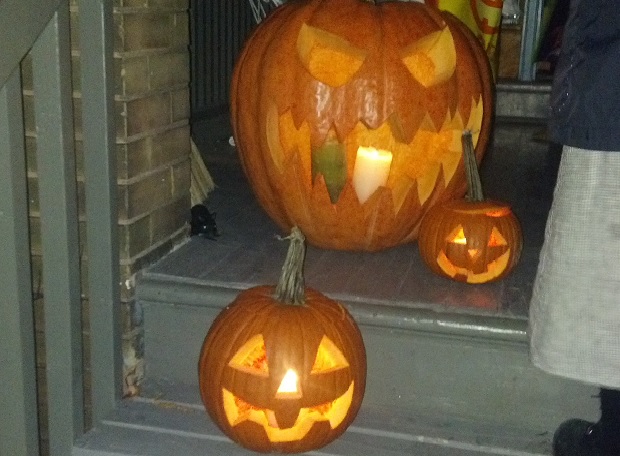

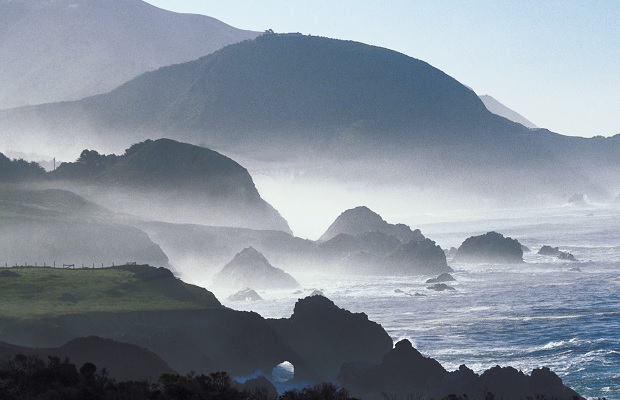


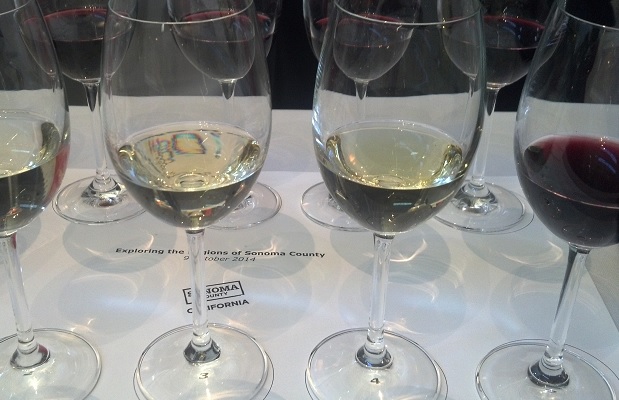

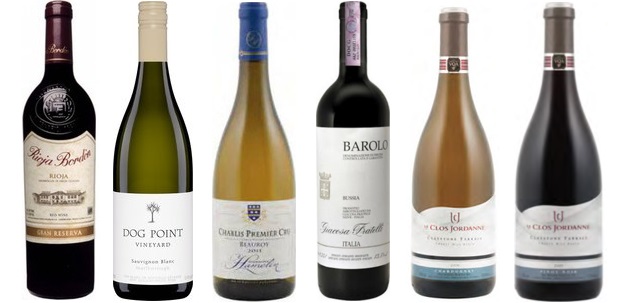
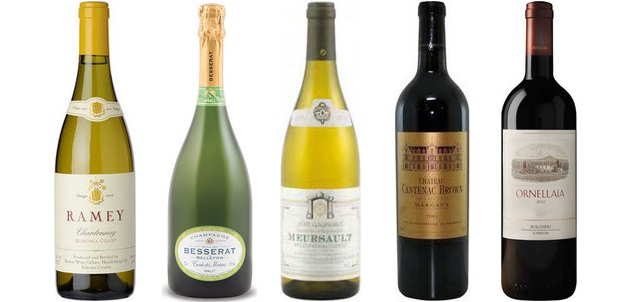
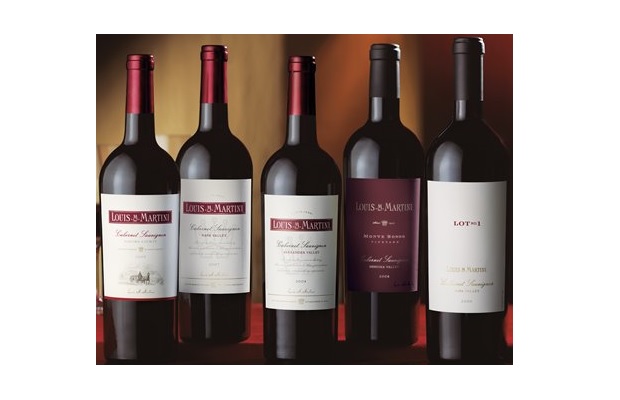

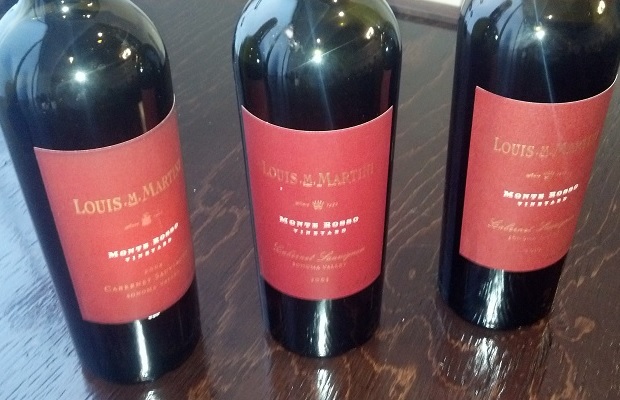
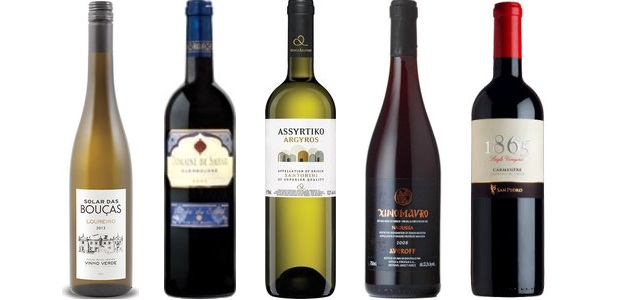
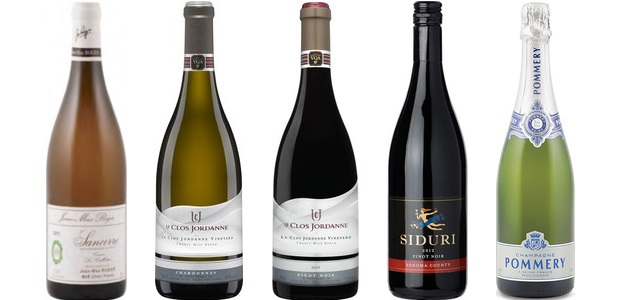
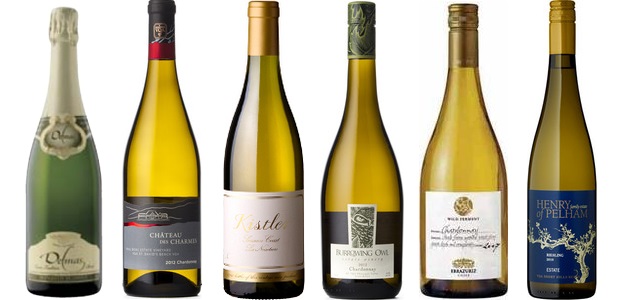
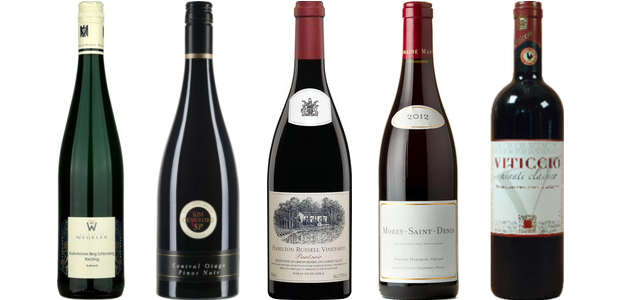
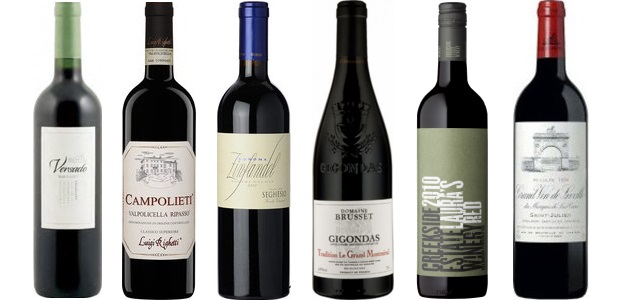


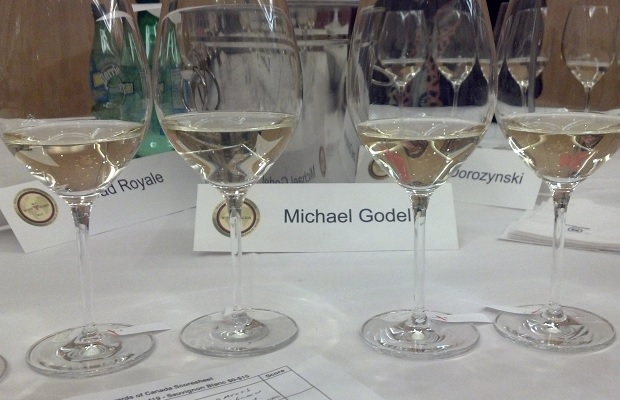

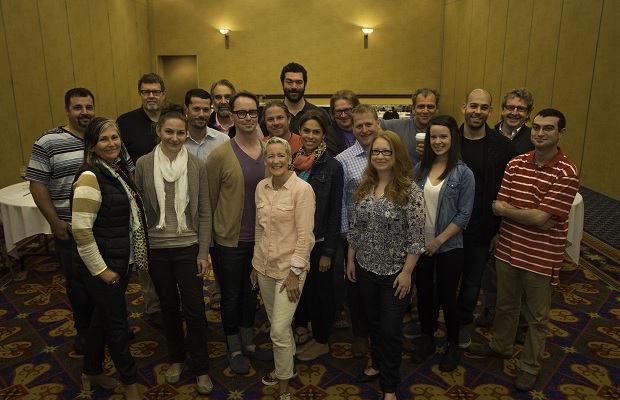

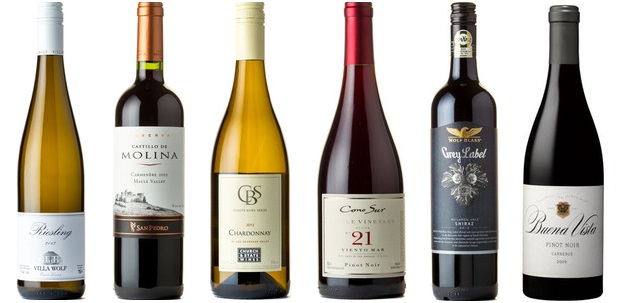


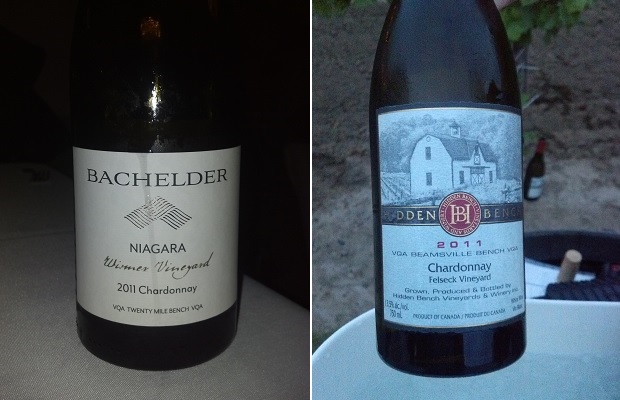



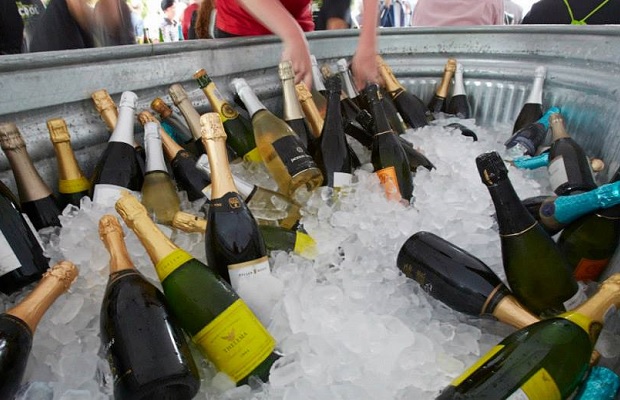


 Godello