What matters most when choosing a bottle of wine? Is the top spot on the criteria scale occupied by a need for value, to spend as little as possible and get the most for the dollar? Are ripeness, extraction and full-bodied the distractions necessary to gain pleasure from bottle? Are location, plot and soil a part of the equation? When the question is posed, “do you believe in terroir?” the answers come from both sides. Cathy Corison wrote this on Saturday.
Terroir. Anything that grows in the earth can speak of time and place. Wine can be very good at that. https://t.co/ODI7TCGF2E
With yet another stretch of inclement and less than soul-warming weather upon us, red wine is back in fashion (does it ever fall from?) and thus the opportunity is afforded to throw a few more bottles into the “ever on the mind” search. More real possibilities offering up increased positives on the probability factor scale. Wines just released on Saturday via the perpetual wheel that is the VINTAGES program.
Italian wines at VINTAGES April 18th, 2015
Wine buying can be as much about humouring the exercitation of the intellect as it can be about the derivation of simple pleasure. With today already having caused a reflection on how rain and water went dripping down the back of the neck on a long promenade from A to B, a craving for deep red has begun. Wines that cause an opine in spiritual meets historical allegory ideation, reds to yearn for in desperate immediacy. Spain and Italy occupy this narcissistic niche, what with their attention to mid-palate, to filling voids, holes, vacuums and structural chasms. On Saturday the following six reds were made available. They are all highly recommended.
From left to right: Brigaldara Valpolicella 2013, Torres Celeste Crianza 2011, Carpineto Chianti Classico 2012, Poliziano Vino Nobile Di Montepulciano 2011, Fattoria Dei Barbi Brunello Di Montalcino 2009 and Alión 2011
Fresh, juicy, ripe, succulent and straightforward Valpolicella. Like Chianti to Classico, this is the star of the less heralded appellative group. Unencumbered fruit prosperity with just a touch of tension on the finish in the forms of earth and citrus. What more could you want and why pay more than this $15 from the Veneto? Elegance, diplomacy, delicatesse and time-honoured elucidation. Drink 2015-2018. Tasted April 2015 @Brigaldarawines@rogcowines@TurismoVeneto@RegioneVeneto
Torres Celeste Crianza 2011, Do Ribera Del Duero, Spain (210872, $20.95, WineAlign)
Tempranillo modernity arrives with 2011 in as much as Celeste has ever shown. Drunken fruit, big bones and high tones lay lashings on the olfactory senses. Full on drupe, tightly turned wires and sparking electrical tacks with a rhythm “that makes your fingers snap crackle pop pop fizz fizz.” Like a jayou, “to knock someone out, or render them unconscious or senseless.” Jurassic Tempranillo with retro hip hop chalky oak overlapping plum, strawberry and cherry. A super fruit group that strikes it rich and raps long. Drink 2015-2020. Tasted April 2015 @TorresWines@FwmWine@DORibera
For Chianti Classico, 2012 was a good year, not too warm yet ripening occurred early, with the quality set to high, but the quantities were low. A winemaker’s vintage. Carpineto’s CC comes from the northern aspect of the appellation, from a conca (amphitheater) seven km’s east of Greve, by the piccolo hamlet of Dudda. It’s cooler in this part of Chianti, with more rock imparting flavour and textured sensations into the reds. The ’12 is essentially 90 percent Sangiovese and 10 per cent Canaiolo, give or take 10 per cent. Aromas of roses and wet rocks, fresh ripe plums mashed into tomatoes, herbs and a spicy side note. Old school and precisely what CC should be, minus the funk (which it does not have or need). Ultimate pasta wine right here. Traditional style in an up to date way with temperature control and all the tools of a modern facility. No VA, no barnyard, but really natural. This explains the axiom of maintaining tradition. With so many story lines already spoken for in sectarian Chianti, maybe that is the only thing Carpineto has left to hang their Zuccotto on. David Lawrason hits the nail head on. A Chianti that “resets the compass.” Drink 2015-2020. Tasted September 2014 and April 2015. @CarpinetoWines@chianticlassico@TandemSelection
Consistently the most accessible and moreover well structured Vino Nobile in this market, never wavering or straying from its style. The 2011 perpetuates the credibility card, in avoidance of trends or fashion. The vintage offers the ever-present multitude of red and black fruits, baking spices and percolating, though never drenching, of wood. The fruit seeps, steeps and the familiarity breeds weeps, with bittersweet thanks to a wine that tastes like home.The 11’s warmth means less tension than some other, grittier years but as always, this is a stellar take on the local strain of Sangiovese known as Prugnolo Gentile. Still, this needs three to four years to come to the right place. Drink 2018-2022. Tasted April 2015 @PolizianoAzAgr@Noble_Estates@consorzionobile
Fattoria Dei Barbi Brunello Di Montalcino 2009, Docg Tuscany, Italy (928028, $49.95, WineAlign)
As Fattoria dei Barbi continues to evolve and esteem its rustic self within the context of modern Brunello, the quality increases with each vintage, regardless it seems, of the weather. If 2008 was the true turning point, 2009 cements the current inclination, in that Barbi combines antique with state-of-the-art as well as any Montalcino house. This ’09 is as accessible as the classic norm of firm, sylvan Barbi can be. More so than even the forward ’07 and yet in many respects unlike any that have come before. Has savoury syrup and earthy concentration, seeped tea and a hint of sweet-scented game. Strawberry in the heat of an early July morning ripening on dewy wet pine straw. The evergreen notes are strong, like a vapour rub and the direct, tart, firm finish brings the wine back to the barometer’s median point. Really fine Brunello offering the best of two worlds. Drink 2018-2024. Tasted April 2015 @FATTORIABARBI@Noble_Estates@ConsBrunello
Alión 2011, Do Ribera Del Duero, Spain (199331, $89.95, WineAlign)
Here in 2011, Ribera all in, with it all going on. The smoky, rich hue, replayed in aroma, with full-on red berries, massively extracted, warm, lush and luscious. Rhubarb, yet picked ripe and sunlit initiates the savoury intent, followed by spice arbor, in vanilla and lavender, clean, brackish, creamy, dense and of a pure sweetness. Acidity, power and tannin beset the back palate environs, laying dominion to a permanent 20-year placard. How can such a wine have it all? Should it be all of these things? How can such a sexy beast exist, strutting, sultry and yet so demanding and occupied with tension? The 2011 Alión is more than impressive, it’s a wine deserving to endure for a very long time. Drink 2018-2031. Tasted April 2015 @DORibera@HalpernWine
The idea that something veers away from or afield of the norm is almost always intriguing. Fascinations with antidisestablishmentarianism, marching to the beats of different drummers and walking lonely roads is as essential as breathing. For the curious, the hungry and the alive.
Though the concept is a sound one, it need not always be about searching for wisdom and enterprise off the beaten path. There are times when the abstruse may be lying directly underfoot. Wine is a commensurate animal, altricial such as it is, acaudal, acersous, agnostic, aculeate and allocryptic such as it is not. Wine that is not so much off the beaten path as actually growing on one.
Two of the six wines recommended here jive with the idea, a Sicilian varietal wine made from the local Nerollo Mascalese and a Venetian dessert beauty crafted from who knows which and exactly how many chthonic varieties. No wine-producing nation knows about the concept of varietal celebration and keeping a historical watch on the relationship between path and vine more than Italy. No other agglomeration crafts from indigenous or endemic varieties with as much diversity.
This summed it up. “Finally, I find the irony in the idea that for a winemaker or vine grower to step off the quotidian they need to plant, cultivate and make wine from grapes once considered the norm and the go to in their region. You can’t help but notice that modern winemakers with a wistful eye are casting reflexively into the past with a hunger for vinous resurrection. By grafting their pre-Phylloxera ancient vines onto healthy root-stock they have turned the varietal compass on its head. As they have moved through their days with an open-mind to the panoply of grape interactions, they have beget the endemic revival.”
You see, winemakers don’t always have to champion the obscure, the endangered and the forgotten. There are times when place and plot are good enough to create an aura of obscurity and adventure. The wines in this column’s conspiracy are in cahoots to drive the point.
A white Port; who drinks white Port? Sometimes you just need to walk along roads you never seem to take, take in the backstreets or sip along with something that’s always there but you just never bother. Port can be nondescript and it can also be like the Cálem Lágrima.
How about a Barossan, a Shiraz no less, but here because it is a wine from Neolithic soils, consumed and procreated on and upon itself. Then there is a South African white blend of such natural indeterminate plodding it has caused a break in critical ranks; is it sound or at fault to the point of no return? Last but certainly not musical least, a Napa Valley vintner with an infatuation for pairing wine to song. Sound familiar?
In anticipation of the first April list to hit Ontario shelves, Sara d’Amato and I have compiled what you need to know and why. Click on this link to WineAlign to see the full report.
Here are my six path straying wines from the VINTAGES April 4th release.
From left to right: Cálem Lágrima White Port, Dandelion Vineyards Lionheart Of The Barossa Shiraz 2012, Lammershoek Roulette Blanc 2011, Calcagno Feudo Di Mezzo Nerello Mascalese 2011, Monte Faustino Recioto Della Valpolicella Classico 2008 and World’s End If Six Was Nine Reserve Cabernet Sauvignon 2010
Cálem Lágrima White Port, Dop Douro, Portugal (912568, $15.95, WineAlign)
Viscous and semlessly crafted White Port. There is very frank aridity in nuts and peels on the nose, along with tempering agave and citrus. The positable tug between sweet, sour and salty harks to older times and the munificent wafts of the warm nut cart. The agave drips thick on the palate, the spiced nuts are expertly roasted. Cool mint and eucalyptus fill the middle and fine acidity comes ’round the back. Terrific value. Drink 2015-2020. Tasted March 2015 @PortoClem@WoodmanWS
Dandelion Vineyards Lionheart Of The Barossa Shiraz 2012, Barossa Valley, South Australia (167189, $19.95, WineAlign)
Tasted from the 750 mL, this old vine Barossa vineyard bottle is reminiscent of the wise and precocious 2009. Nothing can be taken for granted here, this Shiraz from ancient, gnarled vines, many over a hundred years of age. A wine from neolithic soils, consumed and procreated on and upon itself. This is brash and once opened, the aromas are “orbiting your living room.” Makes me think of fig jam on venison wurst and a sauce made from licorice, clementine and dates as big as sausage flies. Tart, tight, racy and religious. Has a fisting Reggae beat, like The Clash doing Tosh and Dub. It may not transmit the only Barossan pirate radio Shiraz but it may just be one of the better values. Drink 2016-2021. Tasted March 2015 @DandelionWines@Wine_Australia
Lammershoek Roulette Blanc 2011, Wo Swartland, South Africa (225458, $21.95, WineAlign)
Talk about the passion. Fruit and reduction. Fruit and oxidation. Contradictions and oxymorons. This reeks of upside down passion fruit, apricot, honey and almond cake. Dripping syrup, parrafin and citrus. Waxy, like Sémillon and that’s where the advance comes in. The Roulette Blanc is meant to flesh, not wane in texture. The question is “combien, combine, combien de temps” does it take for a wine such as this to travel from wild and fresh to used and confused? The 2011 exhibits all the signs of great, complex fruit and corresponding accents. It has it all going on but a current stale, R.E.M. sleepy state clouds its future. “Not everyone can carry the weight of the world.” A really interesting wine with a long, bitter and tangy finish. How much longer will it age? Long enough. Drink 2015-2020.Tasted March 2015 @Lammershoek@WOSACanada
Calcagno Feudo Di Mezzo Nerello Mascalese 2011, Igt Siciliy, Italy (408187, $34.95, WineAlign)
The Sicilian was treated to extended maceration under strict temperature control and the bleed is evident, modern, pitchy and black as a cloudless night. Then 12 months later “an improvement” is fashioned by the classic French oak “barriques” addition, followed by a minimum further four months in bottle. The result is a warm, alcohol elevated (14.5 per cent) state of the art Nerello Mascalese with a wonderful earthy grounding. Tenderly volcanic, the fruit comes from Passopisciaro between the Etna park and the Alcantara river park. Ancient lava flows leave an indelible mark on a wine without creases. Yet this is a direct, in your face expression that shares thoughts and feelings with deep clay and stray island sand. An extremely well-made wine even if it wanders away from the wonders of time. Drink 2017-2022. Tasted March 2015 @oenophilia1@VisitSicilyOP
Monte Faustino Recioto Della Valpolicella Classico 2008, Docg, Veneto, Italy (403857, 500ml, $45.95, WineAlign)
Once in a while there comes a Recioto in reserve of its own preciousness. A Recioto comfortable in its own skin, does not have to try too hard, posits only what it is safely made of. This elegant example whiffs dried fruit, strawberry, rhubarb and lovely aromatic, natural fruit tea. Licorice and fresh fennochio. A citrus poke. Good underscored, understated and under the radar personality. Great length. A real success. Drink 2018-2025. Tasted March 2015
World’s End Cabernet Sauvignon If Six Was Nine 2010, Napa Valley, California (396127, $72.95, WineAlign)
What if “six turned out to be nine?” What if 14.9 per cent alcohol was just 14.6 instead of what really must be 15.9? What if the song in your head was sung by the tender emotional voice of Todd Rungren instead of the fuzz in Jimi’s clouded world? This Cabernet Sauvignon is so much more Hendrix, a full-throttle, heavy-layered, all-in barrel and total extract package. The fruit is hulking and the tannin equally so. Look ahead eight to ten years then fire up the black top. Heave on some marbled elephantine chops and all will be fine in the centre of the dizzying universe. “Wave on, wave on. Fall mountains, just don’t fall on me.” Maybe listen to a verse or two of Todd as well. “Hello, it’s me.” Drink 2020-2027. Tasted March 2015 @ProfileWineGrp@NapaVintners
We’re really just like moths, we seekers of wine, slaves to a fiery obsession, stopping occasionally to smell the adjectives, taking unnecessary financial risks and with any luck, happening into and finding enchantment. To remember generations. Is this why we drink wine?
We are looking for heroic entablature and architectural wonder in bottles of wine. We see them as DNA and in their liquids we can read their entire future. We sip them again and again until we taste them for the first time. We derive textures and flavours so solid, so tangible, it seems we can reach into the glass and grab handfuls of it. The glass itself has become the varietal, the engineering having expanded the notes and completed them, amplified and contained them. Is this why we drink that?
Not really. Sure we are looking for relevant encounters but what we really want is pleasure. Pleasure and escape. What we seek is value for our money. When we hit the stores and open or wallets we want honest juice at the lowest price. Bullshit aside, here are seven great values, in stores, by agents and down the road in our Niagara backyard.
From left to right: Stoney Ridge Pinot Noir 2011, Maipe Malbec 2013, Henry Of Pelham Family Tree Red 2012, Costa Mediana Valpolicella Ripasso 2011, Nai E Senora Albariño 2013, CedarCreek Merlot 2012, Markus Molitor Haus Klosterberg Riesling 2013
Classic Niagara Peninsula aromas, of tart berries, pomegranate, cherries and wet clay exude and display. Stoney Ridge is simply giving this Pinot Noir away. Vinified bone dry (1.9 g/L residual sugar), pricked with acidity (7.2 g/L) and kissed by (eight months) of oak, this acuminates, as opposed to dials, in. The honing is crystalline, in bright and vibrant tones. There is a refined sugar aspect to its ratio but it’s really quite clean and nervy. The length impresses and sweeps to seal the $14 deal. Tasted February 2015 @stoneyridgewine
Maipe Malbec 2013, Mendoza, Argentina (93823, $14.95, WineAlign)
Quite intense, juicy and peppery for a $15 Malbec. A mix of red and black berries is accented by liquorice. Some chalky overlay, which goes short on integration, would do well to play nicer were it an underlay. A bit musky with cool savoury reserve and a very effective use of high (3000m) altitude fruit. Tasted February 2015 @chakanawines@oenophilia1@Chakana and Maipe: wines with an andean spirit
Henry Of Pelham Family Tree Red 2012, VQA Niagara Peninsula, Ontario (247882, $15.75, WineAlign)
Only 945 cases were made of this Shiraz (48 per cent), Cabernet Franc (23), Cabernet Sauvignon (20) and Merlot (9) blend. And that’s a shame. Some further bottle time has brought out the best in show. There is as much clear class and enjoyable drinking as a Niagara red blend is likely to earn by wing. The concept is quite OZ, the coalescence very Niagara and the sensibility so sly, Speck family. The brightness, oak influence and acidity linger as one to stretch and bound about in elastic joyeuse. Crosses Charlemagne-like stone swords of accessibility and put me aside confidence with vintage gain and restraint. Keen winemaking decisions by outgoing winemaker Ron Giesbrecht have produced great results. Made for everyday people, were the Family Tree Red pouring from keg it would fill my glass on a daily basis.”And so on and so on and scooby dooby doo.” Tasted February 2015 @HenryofPelham@SpeckBros
Costa Mediana Valpolicella Ripasso 2011, Veneto, Italy (377648, $16.95, WineAlign)
Re-taste. Beautiful red fruit, in density. clarity and showy Valpolicella dress. Thinks good clean fun and thoughts, open-knit and its tannins mingle with multiplying acidity. Would benefit from two to three years more time in bottle. It will then drink as it was intended and as it should. From my earlier, September 2014 note: “Solid if newfangled Veneto that swivels from sulphur to sweetness. Has a Niagara Peninsula varnished quality, not so typical for the homeland. Also presses from both vineyard earthy and barrel stinky notes. Somewhat this and insipid but the late influx of fresh cherry brings it back and stretches its length.” Last tasted February 2015 @Select_Wines@C_Valpolicella@MGMMondodelVino
Nai E Senora Albariño 2013, Rias Baixas, Spain (Agent, $16.95, WineAlign)
A very mineral driven Albariño with little fruit expression to ascertain. Though the grapes give way to fine-grained chalky salinity, is that not coequality from and for the quarry? Soil and stone lead a path to cool and collected acidity, not one so linear but more extrapolated, as if from lime in pith, not zest. A very composed Rias Baixas but not overly accessible. Rich broth with small bits of fresh fish would pair delectably and foil perfectly; keep it from doing the “rise up, rise up,” into aerified, out of this world, parachute club territory. A nip of this and “spirits time has come.” Tasted February 2015 @LeSommelierWine@RiasBaixasWines
CedarCreek Merlot 2012, BC VQA Okanagan Valley, British Columbia (BCLDB and BCVQA 408666 $19.95, WineAlign)
Quite the glass of liqueur, with fully ripe, rich and dense fruit. Admittedly on the twiggy and good green side of the varietal, in the right ways, with Merlot bells of chalk, grain and tannin in whistling interplay. A correct correlation and in certain kinship with St. Emilion but with Okanagan footprints. Handles its 14.5 per cent alcohol quite easily and transfers its weight through a cool centre and into an even cooler finish. Along that route are notes of mint, eucalyptus and graphite, not unlike Coonawarra or Stellenbosch. Fun Merlot at an attractive price. Another gem from CedarCreek. Tasted February 2015
Markus Molitor Haus Klosterberg Riesling 2013, Mosel Valley, Germany (Agent, Approx. $25.00, WineAlign)
Architecturally precise, of cleanly drawn lines, like the Mosel Vinothek acquired and restored by Molitor in 1984 and winner of the “Architekturpreis Wein 2013.” The Riesling mimics the juxtaposition of historical and modern, seemingly steeped in the past and transposed to the present by state-of-the-art winemaking. This has slate, steep steppes rising from subterreanean acquired salinity and ingrained aridity. There is no way to hide from the scree of the past, avoid the incline towards the future, nor can it exist without the run-off of mineral left behind. Brilliant hue, matched density, matchstick wisp and wild tang. Honeyed and suckling porcine in an early roasting stage, with terrific texture. The beautiful arid length is purposed and linear, with much oomph in its gait. Will linger for five to 10 years easy. Tasted February 2015 @TrialtoON
Two weeks ago I laid bare the bubbles I’d buy were I faced with the welcoming necessity of a holiday shopping day. With those bottles long ago secured I followed up with more Sparkling wine tastings. Naturally.
The idiomatic phrase has infiltrated all kinds of desperation, from settling political disputes, to diffusing bombs, to shopping. Its origins are Matthew 20:6. “And about the eleventh hour he went out, and found others standing idle, and saith unto them, Why stand ye here all the day idle?” If it’s Sparkling you want or Champagne you need, stand up and be counted. The choices are all around you.
First a disclaimer. I have no intention of making this a Champagne-free holiday. Some wine writers and perhaps even a consumer or two will be joining Jim Budd, a.k.a Jim’s Loire, in a Champagne boycott. This in response to what Budd calls the governing board’s (CIVC) “ludicrous, extremely heavy-handed and ruthless attempt to crush Jayne Powell (aka Champagne Jayne).” The powers that be that are Champagne are attempting to out Powell in court for allegedly attempting to capitalize on the name in illegal marketing ways. They claim she is misleading Twitter followers for monetary gain.
The trial is both ridiculous and smells of a witch hunt but the prosecution weighs of the big houses, not the small grower. One reader commented that the small producers should speak out. Speak out? Why would a French farmer jeopardize his business and the food he puts on his family’s table to protect “a respected international media commentator, independent reviewer and expert in champagne.” Why join the complaint department with something you neither endorse nor renounce? Why chime in on something further from your radar than Sparkling Outback Shiraz?
Perhaps Jim Budd’s request to boycott will do for the Champagne strong-arm dialectic what the Leonardo DiCaprio narrated 11th Hour did for the earth’s environmental discourse. That is, “push the debate further down the road.” Maybe it will assist, as the film may have, as the “montage rolls inexorably forward, pitched somewhere between Koyaanisqatsi and An Inconvenient Truth.”
Sparkling wine aims to please in so many ways and yes, there are a multitude of Champagne alternatives. A recent one day affair with Lombardian Franciacorta left me weak in the knees, despite all attempts to figure out where the two samples found at WineAlign came from? If anyone has the answer, please let me know. I want more for Christmas. Most exciting was a second tasting in as many weeks with Stephen Cohen from Groupe Soleil. Stephen’s portfolio of Grand Cru, Grower’s Champagne is nothing short of brilliant. Treats to the nth degree.
Here are 11 more Sparkling wines to seek out over the holidays, through the LCBO and at the import of Ontario agents. Bubbles are worth buying by the case.
Betella Franciacorta Brut Blanc De Blanc, Lombardy, Italy (WineAlign)
This 100 per cent Chardonnay is so direct, so grounded, so black and white. Just a hint of funky earth and a swath of painted lees but otherwise fruit entrenched in traction and fermentation in beautiful suspended animation. Defines modernity in Franciacorta, a still frame of concentrated, dry bubbles, life affirming and void of any extraneous conditioning. No add-ons, just straight up sock it to me Sparkling wine. Tight, bracing and built for serious fun, without ceremony or pageantry. So effective and so well constructed. Tasted December 2014 @Franciacorta
Betella Lovera Di Franciacorta Rose Ardi, Lombardy, Italy (WineAlign)
Like the Betella Blanc de Blanc, this is quite direct, but in a much different way. It’s funky reductive and yet super, hyper transparent and understood. Wound tight with racy acidity and spumes of an aridity that steals saliva and is nearly heart-stopping. These blush bubbles are savoury in a way the Chardonnay just can’t seem to herbalize and bracing in a way that does not fully compute. Exciting and tart if noticeably out of balance. Tasted December 2014
From left to right: Wolf Blass Yellow Label Sparkling Brut, Mionetto M O Prosecco, Foss Marai Extra Dry Prosecco,13th Street Cuvée 13 Sparkling Brut Rosé,Sumac Ridge Steller’s Jay Brut Sparkling Wine 2009
Wolf Blass Yellow Label Sparkling Brut, Australia (649996, $17.95, WineAlign)
Smells like strawberries covered in crème fraîche with a sprinkling of brown sugar. Slightly if negatively overripe and even oxidized, limping to bruised. The mouthfeel is nothing if not luxurious, in an expansive way Crémant d’Alsace fills spaces. The bruising is joined by a bronzing, in apples stuck to cold metal. Terpenes wind the fruit in elastic release. The persistence is quite good on a light (11 per cent) alcohol frame. Tasted December 2014 @WolfBlassWines
Mionetto M O Prosecco, Treviso, Veneto, Italy (266023, $17.95, WineAlign)
Paradigmatic, stoic, poised and essential Prosecco of ultra-utilitarianism and yet spirited in ascent. Like the combined discourse of soft, acidulated, creamy granny smith apples and bosc pears in baking anticipation. A hero seltzer for aperitif goings on. Celebrates the reformed religion of Treviso fizz. Our Prosecco of inclusive ascension. Tasted December 2014 @Select_Wines
Foss Marai Extra Dry Prosecco, Veneto, Italy (729392, $19.95, WineAlign)
Light, lithe and indiscernible from an alcohol perspective. Candy factory meet concrete truck aromas to form a strange, but effective union. Like yellow-banana salt water taffy rolled in coarse aggregate and portland cement. The filling brings sweetness and nondescript bitters. Finishes bold yet abrupt. From my earlier note: “Funky and advanced character. Aromas of green vegetables, celery stalks and oddly like botrytis, or an anti-botrytis. Has a platinum, minerality like no other in its Prosecco gang. Fun to think on and to work with.” Last tasted December 2014 @FossMarai
13th Street Cuvée 13 Sparkling Brut Rosé, Traditional Method, VQA Niagara Peninsula, Ontario (147504, $24.95, WineAlign)
The intensity of strawberries is palpable, with the woodsy and earthy leaves on the ground soiling the oozing juices. Only Jean Pierre Colas can coax mushroom and truffles from Pinot Noir and Chardonnay destined for blush bubbles, grown in Niagara clay soils. Starts out sweet, turns dry and finishes with a concrete stamp of evidence. Not everyone’s cup of steeped, developed and all over the map tea. From my earlier note of April 2013: “Autolytic, Brut-finished, traditional method sparkling that has that something in her style. Pinot Noir and Chardonnay emitting so much strawberry energy you might find yourself lost in the fields forever. But there is more than that, “something in the way she woos me,” maybe the rhubarb replay, or the tarragon, or the faint tang of cheese. You gotta like the Jean Pierre Colas style and to like her, you need to like her style.” Last tasted December 2014 @13thStreetWines
Sumac Ridge Steller’s Jay Brut Sparkling Wine 2009, VQA Okanagan Valley, British Columbia (264879, $25.95, WineAlign)
A worthy if warmer and fuller follow-up to the wise and evolving ’08. Presents more yeasty opulence and sweet cream, not to mention density and conceit in alcohol (13 per cent). A slightly oxidized false front reveals a gregarious personality, with aromas of clementine rind, spritz and a concentration of enzymatic lees. This has to be imagined as an absolute, unequivocal take on Okanagan Brut, with a glide from gravel and slate to citrus all around. Gives length like it should and it will say, “like I knew I would.” Thing is, these bubbles are good. Tasted December 2014 @SumacRidgeWine
From left to right: Deutz Brut Classic Champagne, André Clouet Brut Rosé Champagne, Diebolt Vallois Prestige Brut Blanc De Blancs Champagne, Champagne Agrapart De Blanc Grand Cru Champagne
Deutz Brut Classic Champagne, France (Agent, $54.95, WineAlign)
The Deutz has every right to call itself classic Champagne; full of charm and chaste caste, of ingot, pleasure in bottle and a calm, slow play. An armoury of bronze, gold and platinum set yet malleable, ready to mold with all that comes its way. A sipper extraordinaire, a meal companion and a celebratory tipple. Works its metals with every facet of its mettle and being. Bread yeasty, non-violent citrus aromatics and very, very linear acidity. Elasticity in forward stretch, rebound rewind and cast forth again. Quite remarkable in such a simple way. Most excellent value. Tasted December 2014 @TandemSelection
André Clouet Brut Rosé Champagne, France (Agent, $62.95, WineAlign)
Clouet does Rosé in a unique and special way. With the slightest early whiff in miasma it bleeds residual in sanguine, plasma vitality. Disgorged in April 2014, the base wine is 100 per cent Pinot Noir from the 2010 vintage, with (20 per cent) support from 2008 and 2009. Its 6 g/L of dosage saturates the plasmic flow, just at the edge of sweetness without any elevated or heightened sense of being there. A tease of concept and precept; citrus, wild sage savour and berry fruits. Very fine, natural and pronounced, in a calm and precise way. Tasted December 2014 @GroupeSoleilTO
Diebolt Vallois Prestige Brut Blanc De BlancsChampagne, France (Agent, $68.00, WineAlign)
From the tiny town of Cramant, this B de B could never be confused with the lithe and lively Alsatian unequivalent. The Prestige bottling is exactly that; a bubbly of searing intensity from a Blanc de Blancs operative with an ever so slight bent to oxidation. The oxymoronic activity that is simultaneously weighty and aerified will only improve with some age. Disgorged in March 2014 at 9 g/L it eschews a Brut mentality for extreme pleasure. Savour the savour in this grower’s Champagne. The lemon-lime-grapefruit flavours pierce and inject along with organic sourdough fury and a density of just over the top toasty goodness. This is sword fighting, swashbuckling Champagne, bottled Tybalt of honour, terroir and incredible length. Tasted December 2014
Champagne Agrapart Terroir Blanc De Blanc Extra Brut Grand Cru Champagne, France (Agent, $72.00, WineAlign)
Disgorged in February 2014 at 3.5 g/L, this is the Extra Brut Agrapart, as amplified a grower’s Champagne expression you are ever hopeful to come across. The base wine is from the 2009 vintage, with bits of 2008 and 2007 added in. There is an increased green feeling, in herbs and savour, nettle and apple. The citrus component is from lime, acting as the key to elevation and weightless simulation. Here the Grand Cru terroir for a GC strikes an immolate dagger into the hearts of basic, big name, monotone Champagne. Their are bitter roots as underlay and the aridity is simply nuts, peanuts even, the citrus condense of pith and putty. The flavours at times are at odds but thoughts always return to soil and blocks. This has specificity and idiosyncratic relevance written all over its fierce face. Most interesting specimen. Tasted December 2014
Of which camp are you? Have the Nouveau got the hairs raised on the back of your neck? Do you love it or hate it? Are you giddy with annual excitement? Are you agitated by what you feel is a black eye dis to properly produced Beaujolais Cru? Are bubble gum and fermenting banana your go to sensations? If you were playing the Family Feud and asked this question: “What is you favourite winemaking technique?,” would you answer, “carbonic maceration?”
Tomorrow will mark the third Thursday of November and the annual Beaujolais Nouveau release will hit shelves around the globe, including here in Ontario’s LCBO stores. Beaujolais Nouveau, as in barely fermented, Burgundian nether, or to the curiosity seeker, best friend.
Last year’s Godello Beaujolais Presser offered up a quick Nouveau 101. A reminder that the wine formerly known as Beaujolais Nouveau is now simply Nouveau because other wine growing nations have joined the party. Italians produce a Novello and in Niagara they have adopted the Nouveau, if only because the English “new wine” is not the most marketable of phrases. Neither is the Franglaise, Newvin, or Nouwine.
Nouveau has reached critical mass and is now stationed at a vinous crossroads. Long-time LCBO Product Consultant Neal Boven offered me fair facetious warning as I sat down to taste the 2014 crop. “Just be careful, those are some really tannic wines.” Not, but what they are, more than ever, are new Gamay (and Syrah, Merlot, etc.) reds soaked and macerated in maximum thrust, skin-contact extrication for full neon hue and blinding fluorescent glow. In many examples they go deeper still so some wanna be fierce tannin is actually getting through. The question begs. Is that what this perversion of Beaujolais was meant to be, or is Nouveau no longer the correct vernacular? Where did all the Nouveau go? Also, what happened to last year’s clear-cut winner, Seven nation Gamay, Generation Seven? Where did you go Château des Charmes?
Cries of “Le Beaujolais nouveau est arrivé!.” can still be heard and so the 2014 Nouveau wines will be arriving in select LCBO stores on Thursday, November 20. Here are notes on the nine presented.
Ontario
Reif Estates The Fool Gamay Nouveau 2014, VQA Niagara River, Ontario (220483, $11.95)
The rich hue is so like a Côtes du Rhône, a young one mind you, a Rhône Nouveau. The aromas conjure up corner stores and a wonderland filled with bubble gum and cotton candy sprinkled with dried lees dust. Sweet and sour, with a spritz of lime and the bitter citrus pith of grapefruit. Also green tobacco leaf and coffee beans. The concentration is admirable and even though the wine is as raw as open sores on feet hiked in new boots, give credit to the complex nature of the festivities.
France
Mommessin Beaujolais Nouveau 2014, Burgundy, France (897934, $13.95)
Quite consistently the most accomplished if unabashedly contrived BN, year in and year out. The hue has deepened, the extract been probed and the senses muted. Acting like the real deal in southern Burgundy, the Mommessin feigns Morgon with simulated scenes of burlesque and method acting. The grit of earth mixed with the brightness of black cherries may give you reason to believe. If not for the banana blow moment, this could have been as much Zappa as Ween. “A little something to help the time go by. Just a little something to help to keep you high.” In the end, Morgon throws out the counterfeit lawsuit and congratulates the Nouveau for acting like itself.
Art’s Beaujolais Primeur Nouveau 2014, Beaujolais, France (366476, $13.95)
In the upper echelon of the BN cost continuum and it shows. The sulphur must be blown off to keep moving in the assessment, but that is does. Does not come across cloyingly candied and breathes dark fruits mixed with some plum instead. A touch dusty and adroitly Gamay so there is patronage in the Arts. The acidity is pleasant and adjunct the ripe but not over extracted fruit. Still the hue goes for expression over the wine’s impression but the restraint and the aromatic profiling fit the old school bill. Dry and possessive of quite decent length.
Catalans Primeur Syrah Merlot 2014, IGP Southwest, France (220533, $9.95)
Everything about this Syrah and Merlot mélange is steroidal and an oxymoron within the contextual happenstance of the thematic. So skintastic in extraction and wildly sauvage in aromatic impropriety. A thick, viscous liqueur of mashed banana and Chapati paste. Sickly sour and Lik-m-Aid sweet. It is dry on the finish, I will give it that. But it’s so over the top, if Syrah-Merlot Nouveau can be.
DuBoeuf Gamay Nouveau 2014, Beaujolais, France (891846, $9.95)
A return to the olfactory confection and the colour of Cru Beaujolais though it is weeks and years away from turning the page and living that dream. The carbonic crafting is in full marauding maceration in this ’14 DuBoeuf. The saving grace is a minor lead funk in the key of autumn plants, trampled underfoot. “Greased and slicked down fine, groovy leather trim.” Quite rustic despite the sugar-coating.
Italy
Negrar Novello Del Veneto 2014, Veneto, Italy (899955, $9.95)
The aromatic waft of this Venetian (Bardolino-Valpolicella) Novello is like fruit and vegetable road kill beneath a truck. So very composted and steaming, it’s as if this is still fermenting away in bottle. This gives the word carbonic a whole new meaning. The texture and body are quite elegant (used with creative license, not in any disparaging way I promise) and the finish is long and puckering. It is what it is.
The Giocale is an interesting specimen from Abruzzo, qualified as a “regional blended red.” Not exactly Nouveau material is it. With what must likely be MdA as its dominant grape variety, strawberries in many incantations are its focus, in leaf, of near-ripe fruit and mixed with avocado for one odd smelling (and tasting) milkshake. This has a young Negroamaro or Nero d’Avola feel, but also a raisined, pruny appassimento appointed sensation. There is forest floor in its nose, vineyard funk in its flavor and tension in its voice. It’s already evolved, slightly oxidized and needs to be consumed with haste. That said it shows some interesting complexity and even a few stanzas of structure so give it points. It’s also correctly priced.
Drouhin Beaujolais-Nouveau 2014
VINTAGES
FRANCE
Joseph Drouhin Beaujolais-Villages Nouveau 2014, Beaujolais, France (113266, $15.95)
The paid piper in the group of nine leads by example. At $16 Drouhin had better fashion an exemplary Beaujolais Nouveau to justify the price. With so many just plain stellar $15-16 wines on the market today, the caché of just recently pressed Gamay juice spiked by 12 per cent alcohol is not enough of a presser. Does this Drouhin raise the bar? Yes, that it does, but not in the way it should. There is clearly developed acidity, tannin and quality grapes in this pour. What happened to Nouveau? Why so proper in pH, TA and so low in RS? Where did the new juice go? Sorry Mr. Drouhin, if I want Gamay this good I can buy it any other week of the year.
Georges Duboeuf Beaujolais-Villages Nouveau 2014, Beaujolais, France (932780, $14.95)
This Duboeuf more closely resembles what Beaujolais Nouveau should be and has been for a near-half Millennium. Like ripe raspberries and bananas mashed together, shaken and even baked into short pastry for a quick cobbler or clafouti. The most aromatic on the table, this reminds me of years gone Nouveau by, of bygone Beaujolais that has just kissed the tank and been kissed by the yeast meets sugar marriage of a young wine. Hits the mark, finishes dry and leaves you not wanting anything more.
This coming weekend’s VINTAGES release will parlay values from around the globe into the meeting place of Ontario stores. Many of the bargains tie directly into a PB and J campaign, a parochial bandwagon advertising juggernaut. The LCBO and Wine Country Ontario‘s #Tastelocal, #Lovelocal and #LCBOGolocal slogans are currently omnipresent, fast forwardly gaining both steam and traction with restos, critics and consumers.
The late, great VINTAGES wine facilitator David Churchill once told me that putting together Taste Ontario was one of the LCBO’s great endeavors. David said the work and time that VINTAGES allotted the event was extraordinary and great care was always afforded the exercise. Next week the chance to taste the most current, largest and impressive cross-section of Ontario wines in one setting will happen with the annual Taste Ontario gala event. When Wine Country Ontario comes to town and joins forces with VINTAGES, it is the writers, sommeliers and restaurant wine junkies who collectively jump trains, catch flames and do what they do. This in the name of getting to know Ontario wines.
On September 27th VINTAGES will release the following 17 wines, though most will already be on shelves before you skim through this tasting note report with all the brevity you can afford. This week’s recommendations come by way of one Sparkling, four Chardonnay, two Riesling, three Pinot Noir, a Sangiovese, a Malbec, a Veneto, a Zinfandel, one Rhône and two Bordeaux blends.
From left to right: Delmas Cuvée Tradition Brut Blanquette De Limoux, Château Des Charmes Paul Bosc Estate Chardonnay 2012, Kistler Chardonnay Les Noisetiers 2012, Burrowing Owl Chardonnay 2012, Errázuriz Wild Ferment Chardonnay 2012, Henry Of Pelham Estate Riesling 2012
Delmas Cuvée Tradition Brut Blanquette De Limoux, Ac, Languedoc-Roussillon, France (179978, $19.95, WineAlign)
Organic and Biodynamic sparkler with a personality all its own. Made primarily from the local grape variety Mauzac (with some Chardonnay and Chenin Blanc), Blanquette is the dry and sylvan style of Limoux. The “little white one” is a lovely little lemon curd Blanquette pulsating in spatially atomic subtlety. Aerified notes hint at sulfur but the breeze is so minor so as not to obstruct the citrus and crucible of candied ginger. Green apple flavour delights with really good gin and tonic (juniper), lime bitters and a muddle of basil. Pertinent and invigorating example. Tasted September 2014 @AOCLIMOUX@RareEarth_Wines
Château Des Charmes Paul Bosc Estate Chardonnay 2012, VQA Niagara On The Lake, Ontario (179978, $21.95, WineAlign)
Much oak and buttery crustaceans in this need to relax and settle into a self-induced state of Chardonnay. Quite lactic but that’s not a detractor; it’s a textural overlay that with time will turn lacy, organza even. I would imagine the wrong kind of attitude will not see the acidity for the forest and instead feel that malic is short for malicious behaviour. On the contrary. This is a very good vineyard giving fruit of the right St. David’s kind. With five years it will prove its merit and play matronly with that fresh catch on your plate. Too big and clunky you say? Put it down. Let it breathe. Take a good inhale/exhale yourself. From my earlier, August 2014 note: “It would be a shame to have missed the found ardor in this tractile, careening Chardonnay. Chances have been taken in 2012, from a vineyard near and dear to a proprietor’s heart and perhaps even his soul. Picked bright and early, vinified bone dry and sent to a Burgundian school, the Paul Bosc Vineyard Chardonnay suffers from ESS (early stricture syndrome) because it (and particularly its shaken lees) have yet to settle. The barrel is confusingly, hardly noticeable and so the ’12’s awkwardness must then be attributed to a milky, marmalade and blues-influenced free-form run. It’s as if the crowd is waiting for one (Garcia-Saunders) song to end and another to begin. The new “anyway you do” slang take on an old blues riff may be misconstrued but, when all is said and done, that’s alright mama, there’s jam and space for your kind too.” Last tasted September 2014 @Mbosc
Kistler Chardonnay Les Noisetiers 2012, Sonoma Coast, California (251223, $75.95, WineAlign)
Expansive, all over the coast display of Kistler ambition and conceit. Fully ripe and not shy to swim with splinters. Lemon meringue pie, baked Alaska and tarte au citron on one gorging dessert plate. Then the flavours kick in. A lemon Negroni (is there such an animal?) and lemon Hollandaise atop white aspagarus. Decadent, even for Kistler, without the poise and subtlety of the single-vineyard bottlings. A full on glass of California sunshine. From my earlier, (tasted three times), July 2014 note: “Long distance runner built for endurance, a cool customer able to withstand the heat from a season’s relentless, though moderate, gentle sun, from start to finish. No shortage of ripe fruit and certainly not wanting for the micro-oxygenated slow release of a prized barrel. This might be the two-bit Kistler bottling but it offers up exemplary Sonoma fruit with the temperament and conceit of high caste Burgundy. The style is culled from two poles and pulls in two directions. At once sharp and piquant, then golden and in mirth. All in all it’s exactly what should be wanted for the buyer who wants what it has to give.” Last tasted September 2014
Burrowing Owl Chardonnay 2012, BC VQA Okanagan Valley (208694, $33.95, WineAlign)
Intimates warm sunshine but can’t hide from its cool nights. An element of periodic surprise wafts straight up and grabs the little nose hairs by the tips, tugs and then let’s go. Hatchoo. Wisps green apple skin, daikon radish and a metal tang. Full on fruit-mineral-earthy expression. Big Chardonnay as ripe as its gets for the Okanagan but carries a hefty (though you might ponder an inordinate exorbitance of 14.5 per cent abv) with relative ease. Goes on at length, about what, I do not yet know, but I’m willing to hang in there for 5-7 years to find out. Tasted September 2014 @BurrowingOwlBC
The wild ferment Francisco Baettig oeuvre brings into focus a nicely balanced and intimately-integrated-aligned Chardonnay. There is wildness in the form of a toasted bread, rich enzymatic energy and a leather strapping, bullied brawn. The countrified personality is tempered by a roundness, thus limiting its ability to display like an alpha male. Though not delicate or elegant by any stretch, this is Chilean power unleashed and reigned in. It represents really good value. Tasted September 2014 @errazurizwines@Dandurandwines
Henry Of Pelham Estate Riesling 2012, VQA Short Hills Bench, Niagara Peninsula, Ontario (557165, $17.95, WineAlign)
Classic Short Hills Bench Riesling, magnified by and exemplified in the vintage. Soda enriched fresh juice, bursting berry nose, off-dry palate. Meets all expectations for the realms of juicy and savoury. One of the best yet from H of P at this price. Great value. Tasted September 2014 @HenryofPelham
From left to right: Wegeler Rüdesheimer Berg Schlossberg Riesling Kabinett 2012, Kim Crawford Small Parcels Rise & Shine Pinot Noir 2012, Hamilton Russell Pinot Noir 2012, omaine Marchand Grillot Morey Saint Denis 2012, Viticcio Chianti Classico 2011
From the steepest Rheingau vineyard named after the nearby castle (Schloss) ruin “Ehrenfels” which was built in 1211. The stony terroir for this definitive Riesling is quarzite from the Taunus region with layers of slate. Oh, this has the sultry charm of most excellent Kabinett. Aerified to the stratosphere, dry, toasty and buoyant. The soda blows away into the sky with just a vigorous swirl and the aromas turn to fruit and to stone. Rocking great intensity of many fruits, of trees and of natural grape sugar (in the 80-90 g/L residual range) that is everywhere and nowhere. Acidity is linear and impossibly round at the same time. Typically low in alcohol (around 8 per cent by volume), this rude boy is a crazy Kabinett. It’s like a Barbadian songstress rated “R.” You may ask it “is you big enough?” It will answer, I’m as good as it gets. Tasted September 2014
Kim Crawford Small Parcels Rise & Shine Pinot Noir 2012, Central Otago, New Zealand (35337, $29.95, WineAlign)
Rich, ripe black cherry and just a hint of earth. Some cola but of the cherry kind. Tart yet sweet, hot and roomy. Built of a scrupulous structure where tannin and astringency bend in many ways. Does its yoga poses with reluctance then hits the gym. Confounding for Central Otago with what may perhaps be a great future ahead but for now, really wonky. Where is this going? To the dark side, to return in five years and to offer good value in aged CO Pinot Noir. Tasted September 2014 @kimcrawfordwine@CBrandsCareers
Hamilton Russell Pinot Noir 2012, Wo Hemel En Aarde Valley, Walker Bay, South Africa (999516, $44.95, WineAlign)
he right and fantastic Pinot Noir stuff from the winemaker with the King Midas (or in this case the Queen Modjadji) touch. The Walker Bay Burgundian specialist fashions some most elegant Chardonnay and Pinot Noir. It seems that every vintage is turned to gold, or brings rain when there is drought. The 2012 is marked by bright cherries and really pungent, compressed earth. Fantastically ripe but just before the fall. Pleasure of the incarnate kind. The coat of South African red wine arms is animatedly there but it’s contained, restrained, elegant and yet still powerful. Long, fashionable flow with no visible finish line. This will age for a minimum 10 years and get that smoky glaze and glare. Tasted September 2014 @TrialtoON
Domaine Marchand Grillot Morey Saint Denis 2012, Ac, Burgundy, France (210906, $54.95, WineAlign)
Here the entry is musty, blows off considerably and leaves the leaf and sweet fruit from strawberry and raspberry. For the spell it’s clean, crisp, pure and inviting. Roses and red fruit, violets and violent rocks careening with a rushing spring river. Those musty notes do persist again, blanketing the dolce, disguising that red fruit. Sharpness stings like Kiwi. Packs a punch of tannin, a bitter, mineral rangy streak that elevates the middle hallows and sends this MSD into really lengthy elasticity. Creamy vanilla comes to the palate with herbal undertones, like Lavender ice cream. This is old school with a modern twist. A really fine example. Tasted twice, September 2014, including blind at the WWAC14 @AmethystWineInc
Big, bad and brooding. Black fruits are intense but surprisingly not overbearing or huge in demanded extract. Chalky, tannic, acidic, long. This is neither average nor to be ignored. It’s in the 13.5 per cent proper Chianti wheelhouse and marches in hipster stride without ever acting obnoxious. Some sanguine activity, along with iron and tension. The real deal. Not the brightest Chianti in the hills but one of a raw, unleashed power. Tasted September 2014 @chianticlassico@MajesticWineInc
From left to right: Versado Malbec 2013, Luigi Righetti Campolieti Ripasso Valpolicella Classico Superiore 2012, Seghesio Zinfandel 2012, Domaine Brusset Tradition Le Grand Montmirail Gigondas 2012, Creekside Laura’s Red 2011, Château Léoville Las Cases 2006
Versado Malbec 2013, Luján De Cuyo, Mendoza, Argentina (317008, $25.95, WineAlign)
The rocks beneath the earth precede the rich, dark fruit. After the berries and the candy beets and the spices subside the flowers grow and take over the room. The vintage brings more layers than before. Malbec of character and belief, even a touch of good VA, a coat that only the Southern Hemisphere can provide. It is not usually present in Mendozan Malbec so it’s really a breath of fresh paint here in the Versado. Great purity. Protracted length. Most expansive and intriguing vintage to date. The Reserva will be killer. Tasted September 2014 @VersadoWine
Classic really. Juicy must, musty juiciness. Earth and fruit. Fruity earth. Simple but so effective. Never gets beyond itself or out of its mind. Just the right amount of funk. Maybe the best yet. Great value. Tasted September 2014 @Smallwinemakers
Seghesio Zinfandel 2012, Sonoma County, California, USA (942151, $29.95, WineAlign)
Rich plum and spicy Zinfandel. Young and tightly wound on a spindle. Needs time to unravel and reveal its charms. In a varietal sense this vintage of the Seghesio has got everything Zin needs and more. More specifically, the definition is out of a cooler vintage, with clear, well-delineated fruit and acidity. Sharp,spicy, focused and full, without ever acting hot, or bothered. Tasted September 2014 @seghesio
Domaine Brusset Tradition Le Grand Montmirail Gigondas 2012, Ac, Rhône, France (960104, $29.95, WineAlign)
A thick, baking cake of a Gigondas, full of expected dark red Rhône fruitiness, but all in balance. Soapy sandalwood and chalky tannins. Quite grainy. Big, brawny and teeth staining, its “teeth ready, sharpened to bite.” It’s warm but not too hot. Cool centres, some spice and garrigue. Nothing to run away from. Though firm and loyal in the tradition of place, this has rolling stones in its blood so it will age gracefully in a well respected, cool, calm and collected manner. Will grow and grow on you as you work with it. This will age forever as there is just so much fruit. Hedging my bets on 25 years, safe to say. Tasted September 2014 @rogcowines
The most dead red Laura to date, juicy and earthy, like a licorice, plum and pomegranate demi-glace. Really expressive of earth and fruit. Traditional house blend of Cabernet Sauvignon, Merlot, Syrah, Malbec and Petit Verdot. A no coat unfastened Niagara, consumer-friendly but also swelling with stuffing. “The light is red. The camera’s on,” the strokes are rich in energy though the tannins dry out a touch. Drink now and for two more years. Tasted September 2014 @CreeksideWine
Château Léoville Las Cases 2006, Ac St Julien, 2e Cru, Bordeaux, France (566661, $299.00, WineAlign)
The LLC Grand Vin vineyard is very close to the Gironde river, creating a micro-climate that tempers the vines in climate control and matronly comfort. Cabernet Sauvignon and Franc develop here as well as anywhere in the world. Here is an interesting retrospective look at this formidable St. Julien, now having reached the tender and yet developed age of eight. Earthbound distance fruit by way of a chocolate (real dark) truffle and layers of soul stew. Still chalky and tannic, there is enough fruit to keep this going for a decade and a half, or more. Licorice, Cassis and graphite. Wow. Very broad across the late palate, indicating an integration that has begun to realize the potential of this wine. A very good vintage looking back, not one for the ages, but certainly expressive and rich. Tasted September 2014 @Noble_Estates
September has its share of excellence being revealed, particularly this coming weekend with the VINTAGES September 13, 2014 release. This is a perfect time to investigate the wares from this province. The weekend also marks the launch of the #LCBOtastelocal initiative, in conjunction with Wine Country Ontario. Then on October 2nd, Wine Country is coming to the Royal Ontario Museum. There will be 255 wines poured by 55 producers at Taste Ontario.
For years now the fine wine and premium spirits division of the LCBO, known benevolently to Wineontarians as VINTAGES, has been rolling out releases every two weeks. There are always somewhere between five and ten wines on each listing that, were I independently wealthy and helplessly wine obsessed in reckless abandon, would always buy. There are also upwards of 100 or more that I would not. Were I presented a glass half full, to most of them I would offer my thanks and sip away. There are also five to ten not worth the price of admission. As a member of the wine writer’s commonwealth of Ontario it is my trusted duty to help make sense of the bi-weekly barrage and to separate the wheat from the chaff.
Wine critics can be fussy people, tough mudders with palates sheathed by caparison. They can go from saying things like “not as good as the last shipment” to “I’m tired of tasting shit.” Even the most curmudgeonly of critics must play his part to promote the happiness, health, and wine safety of all of the people of a community. It is an honour to be trusted with a duty to taste, consider and then discard what is simply not right. The expectation and the responsibility is to find the most natural and honest wines made available, however fleeting and rare the opportunities may be.
Here are four from across the pond and 10 Ontario wines being unpacked onto LCBO shelves as we speak. Get out there and #LCBOGoLocal.
From left to right: Flat Rock Riesling 2013, Château Saint Estève Corbières 2011, Palazzo Maffei Ripasso Valpolicella Superiore 2011, Rosehall Run Cuvée County Chardonnay 2011, Peller Estates Private Reserve Cabernet Franc 2011, Southbrook Triomphe Cabernet Franc 2012, Thirty Bench Red 2012 Photos: Jason Dziver, Photographer (http://www.jasondziver.com/)
The FR Riesling cover girl gets a swift kick in the backside by gas blanketed, dehydrated pear and a sprinkle of rock sugar. Citrus peel, candied again, with medicinal silt. Rocky Riesling spread liberally across a horizontal canvas. From my earlier April 2014 note: “Just bottled a few weeks ago so the note to self is to expect a subtraction of preoccupation. Anything but. Though not as frantic as the Nadja’s sampled from tank back in February, the preview to the ’13 Estate is in show of so much zest, premature acidity and an overly enthusiastic outpouring of juicy emotion. The scraped zest is present in every respect, along with green mango, Himalayan salt and a squeeze of lime. There is attitude and altitude from this precocious Riesling and there’s no doubt it and the ’13 Nadja will be better than anticipated out of tank. Forget the infancy, wow is it showing well.” Last tasted August 2014 @Winemakersboots@brightlighter1@UnfilteredEd
Château Saint Estève Corbières 2011, Ap, Languedoc-Roussillon, France (377218, $17.95, WineAlign)
Corbieres excellence. Nothing funky going on here. A minor amount sees the inside of the fûts but how great it is to find such a clean, fruit forward, straight from the tank example. Made from (40 per cent) Grenache, (30) Syrah, (20) Carignan and (10) Mourvèdre. Certainly showing modern fruit but the low yield (35hl/ha) altruism and cleanliness is next to Midi-ness. A touch of chalk and milky chocolate with some vanilla and lavender too. Simple, effective (if a touch soapy) French red. Tasted August 2014
This is a massive Valpolicella, fully enriched by chocolate in countless ways, on many levels and in dry ice dreams. It’s a baby Amarone incarnate and if you are going that route, try this on instead for a mere pittance at $18. Huge wine, with exaggerated mannerisms in oak and high alcohol, though not volatile, even if the structure is value-driven pedestrian. Will work for a welcoming, big-hair crowd. Tasted August 2014 @HHDImports_Wine
Rosehall Run Cuvée County Chardonnay 2011, VQA Prince Edward County (132928, $21.95, WineAlign)
Today Dan Sullivan’s Chardonnay concentrates on its excellence while compressing in reduction. Beyond the encapsulating abstraction there are the rocks beneath the earth and by extension, the vines of hard-working fruit. Fruit surrounded by the spice of barrel. Tasted extensively over a 24 hour period I found this walks the line, takes on all comers, hovers over and has the guts to merely sigh at the distractions. Give this Chardonnay years, more than most, perhaps even 10 plus. In 2011, Chablis trumps barrel. Tasted August 2014 @Rosehall_Run@sullywine
Peller Estates Private Reserve Cabernet Franc 2011, VQA Four Mile Creek, Ontario (598078, $21.95, WineAlign)
A touch of reduction but the thought goes straight to serious wine and attentive winemaking. The barrel is not king, the fruit big and boisterous. It’s a bit hyper-fruity, steroidal even but it is anything but thin and certainly not encumbered by process or wood. A hint of soap is a detractor admittedly, but the acumen and level of higher learning is evident and commendable. This will be a wine to look at for years to come. Tasted August 2014 @PellerVQA
Southbrook Triomphe Cabernet Franc 2012, VQA Niagara On The Lake, Ontario (275958, $21.95, WineAlign)
The 2012 Triomphe Cabernet Franc receives a meld of mellow, blending support from 12.4 per cent Merlot and the marriage is quietly non-contentious. That blending decision by winemaker Ann Sperling, along with the praiseworthy choice to forego obtrusive oak is as good as a golpe on the Niagara Cab Franc oeuvre. The use of large format (80 hectolitre), no splinters allowed oak vats over wood spice and milkshake imparting barrels is an easy swallow for sore palates. The ’12 Triomphe is an elongated and elastic Cab Franc, with nary a foray into the tobacco, bell pepper and cloying currant currency of so many predecessors. The co-fermenting of disparate, north and south, estate blocks in those vats has done wonders on the preservation of a warm vintage’s, judiciously picked (21.8 per cent brix at harvest) fresh fruit. Terrific decisions all in for a highly accessible, brand and varietal ambassador for Niagara. Tasted August 2014 @SouthbrookWine
Big red machine, really ahead of the class, especially in this price range, with this much stuffing. A full complement of fruit, bushy and falling just as it’s picked from the trees, not to mention quality, quality, sweet earth. This is jazzy, boozy and sparked, from ‘round midnight, smoky, exotic and global. Has the discipline of a monk to groove low and low, the stuffing and Thelonious tannin to boot. Wait for it, let the band play then give way. The solo will be fantastic. Tasted August 2014 @ThirtyBench
From left to right: Tawse Pinot Noir Growers Blend 2010, Tenuta dell’Ornellaia Le Volte Dell’ornellaia 2012, Dominio De Tares Cepas Viejas Mencia 2009, Château Des Charmes Merlot St. David’s Bench Vineyard 2012, Domaine Queylus Tradition Pinot Noir 2011, Charles Baker Wines Riesling ‘Picone Vineyard’ 2011, Norman Hardie Unfiltered Niagara Pinot Noir 2011 Photos: Jason Dziver, Photographer (http://www.jasondziver.com/)
Where at one time the GB Pinot Noir fought among its moving parts it now sits in permanent cease-fire mode. A position that realizes warm fruit, settled wood spice and linear acidity. Needs no more scaling or ropy ascension. It has reached the planing platform and going forward will glide effortlessly back down to ground. Where it began. From my earlier October 2013, April and May 2014 notes. “Though it’s a blend of several sites, this Tawse Pinot stands alone and of itself as a grower; it grows on you after multiple tastings. The first go ’round seems simple, vintage warm and tight. Taste again and the sappy wood seeps mineral, the phenolic red cherry ripeness turns black and the tempering is led by a sweet earth kind. Earth that smoulders in a rising Zeppelin kept afloat by tobacco and the swirling spores of pungent mushroom. Pinot Noir truth and value from a Niagara house of the holy kind. “You know-whoa, that’s right.” The univocal Pender perfume permeates the Tawse stable of Pinot Noir and seems only magnified in the multiple site Grower‘s Blend. Vintage related warmth and inferable incrassation of fruit. Delves into a deep connection to disparate lands possessive of a common goal. As if making wine is “your taste combined with all the years of wasting time.” Graceful Pinot Noir with moments touched by hot rocks, toasted red rice, a gentle smoulder and delicate grains of sand.” Last Tasted August 2014 @Tawse_Winery@Paul_Pender
Tenuta dell’Ornellaia Le Volte Dell’ornellaia 2012, Igt Toscana (964221, $26.95,WineAlign)
What can you say about Le Volte? Is she the most immediately rewarding, fruit forward and accessible Super Tuscan ever put on offer? Does this cuvée of Merlot (50 per cent), Sangiovese (30) and Cabernet Sauvignon (20) offer a portal through which to peer into the future of the Ornellaia grande? From a warm but not excessively hot season, the fruit teases, like a kiss that leaves a lipstick stain on the cheek, a taste that makes you crazy and dreaming of more. Time spent in barrels once used by the matron first wine equates to a morning of chocolate, Nutella and cappuccino in the piazza. Full on, with much more texture than ever before. She is beautiful, but is her beauty fleeting? Drink over the next two to four years. Tasted August 2014 @Ornellaia@AuthenticWineON
Fruit for this Bierzo is from old vines and is aged in a combination of French and American oak. An industrious rolling stone and two steps up example above and beyond for what usually passes as basic and simple Mencia. The Dominio de Tares is exactly the reason to ante up. Bierzo as a region produces exceptional quality wines at this price point but suffers a stenosis in the lower ranges. Here the intoxicating and delicious fumes are resonant of just caramelizing brown sugared fruits, formidable though sweet tannins and an enveloping that’s “all right now, in fact, it’s a gas” Displays and prances about with an incredible amount of energy and jumping jack flash. “It’s a gas, gas, gas.” Tasted August 2014 @oenophilia1
Château Des Charmes Merlot St. David’s Bench Vineyard 2012, VQA St. David’s Bench, Ontario (453431, $29.95, WineAlign)
The vintage does Merlot a wondrous gifting and coupled with what strikes as an unusual salinity, this is a most unique take on the Merlot perspective. In the middle vacuum what is expected takes a turn; shaken, crushed berries with chocolate shavings and brushstrokes made by a weighty utensil but in the end it returns to the vintage specific layering. Well made with caveat to and from Merlot. Tasted August 2014 @MBosc
The passion from the Thomas Bachelder Niagara project has shifted into Domaine Queylus. With no disrespect to Thomas’ eponymous bottling from vineyards so nearby, the quality time has now been granted the Tradition. Here lies Mountainview and Le Petite Colline earth, here crushes Niagara cherries in hand, juice running down a clay caked forearm. Fresh and bright yet streaked by chalk and enveloping brush stroke. Sour? For a flash but in neither malic nor astringent form. This is a must buy. From my earlier June 2014 note: “Reverberates with the unmistakable calling card character of the storied Neudorf family La Petite vineyard with equal and opposite amounts of attraction and new life breathed in by the Lincoln Lakeshore fruit. Ethereally sifted earth of old meets cherries of new. Enriching Pinot Noir, a bit gangling like a primitive young giraffe but near to finding its legs. Hard working red, insistent, confident and having already paid some dirty fingernail dues. Excellent length.” Last tasted August 2014 @QueylusVin
You can take Riesling from out of the Vinemount Ridge but you can’t take Vinemount Ridge out from a Charles Baker Picone. The layers of tectonic shale and the slowly espressed fruit that swim within the waves of those layers make for the total oscillating package. Has moved nowhere, not sideways even, since last tasted, though today, from this bottle, there’s an awkward, shy adolescence. From my earlier May 2014 note: “Some sweetness now, but not in a flirting way. This will be a September VINTAGES release (with pink on the label as part of an LCBO/Princess Margaret fundraiser). Has not so much evolved but rather “come groovin’ up slowly,” since last tasted. Still got “joo joo eyeballs,” still tough in tension. Years left before it will come together, yeah.” From my earlier, October 2013 note: “does not so much pick up where cracking ’09 left off (with no offence meant to the soothing and tuneful ’10) but rather re-writes the Baker book. From the almost famous windswept vineyard atop the Vinemount Ridge, this Picone, from older Riesling plantings is crazy lively. That ’10 is now imbued with rich, oily glück. The ’11 will realize such a future, but much further along and in combination with its inborn tension. Right up there with Baker’s “perfect vintage” 2006. Last tasted August 2014 @cbriesling@StratusWines
This County ’12 by Norman Hardie needs fresh air, County air and time. Leave the wine alone in bottle counted out in five years time. There is pure intensity in aerified flight. Shows length, persistence, purity, phenolic ripeness and in time will show its ability to wade across raging rivers. From my earlier April 2014 note: “Hardie’s 2012 County Pinot Noir is a beacon, a flashing light on the shore, an invitation to copycats because this is what making red wine from limestone foundations is all about. To taste this ’12 is to experience Hardie’s purest berry maceration and distillation to date. It’s as if there was no alcohol present and in fact, at 11.5 per cent it is a modest and transparent pronouncement. Longevity may not bless the ’12 as in other vintages but this is certainly the most groomed and coiffed County Pinot Noir.” From my earlier October 2013 note: “Cuts a rug with immense, stepping out juicy behaviour. It’s both turntable old-school, astatic in smooth groove rotation, but also digitally forward thinking towards a perdurable future. The nose is Norm’s most intense floral burst to date, with incredible brightness and sparkling acidity in the key of fresh plum. This brings to mind indelible Burgundy, enveloped in PEC’s warm ’12 blanket. Hardie’s measure of consistency abides in a Pinot of parity and undemanding polish.” Last tasted August 2014 @normhardie
The Ontario Sparkling Wine Technical Symposium. Like a Trekkie convention for oenophiles. To a wine geek it was eight hours spent searching for the meaning of life. To a consumer who just likes to drink it would have been time lost forever with no chance to get it back. The Brock University Cool Climate Oenology & Viticulture Institute’s Pond Inlet was the setting. The presentations were very technical, that is until Dr. Jamie Goode took the podium and breathed context into the room.
According to the LCBO, in 2013, sales in Vintages of VQA sparkling wine were up 59.2 per cent from 2012 sales data. In Canada there are 36 wineries producing sparkling wine and that number is growing. As it should.
The abstruse conditions of the #ONfizz event set the table as a vocational assurance draw for Ontario winemakers, viticulture and viniculture research specialists. Seated at my table were a butcher, a baker and a candlestick maker. That should be loosely translated as a scientist (Dr. Jim Willwerth), a product manager (LCBO’s Ontario expert Astrid Brummer) and two winemakers (Hinterland’s Jonas Newman and Gaspereau Vineyards’ Gina Haverstock).
Brock’s Dr. Debbie Inglis introduced Bertrand Robillard, Ph.d., Director of Research and Development at the Institut Oenologique de Champagne. Before getting to the subject at hand, on disgorging, gushing and foaming, he first laid an open attack on beer. “The form is always better in a crystal glass,” insisted Robillard. For Champagne. Not beer. “That’s just false. It’s just appearance. People in Champagne do not appreciate this kind of resolute,” comparing the pouring of Champagne to beer.
Then on to Sparkling wine’s integral and necessary marketing draw. Bubbles. “No dishwashing,” begged Robillard. “It’s a very efficient way to kill the foam.” By principle, to have foam you need bubbles. It’s all about stabilizing the foam. High ethanol (five per cent) in fizz is good content for foam stabilization. CO2 (protein concentration and polysaccharides) all contribute to stability.
So why do the bubbles collapse? Why do they not make it from the centre to the wall of the glass? Why is a hole in the middle created and the bubbles fall into the hole and disappear? The answer is gushing. A “shameful disease” that can be considered as a disequilibrium between foam formation and foam collapse. Bubbles cannot exist if their radius are less than 0.1 microns, or they will dissolve into the wine. Bubbles are detached when gravity forces are higher than capillary forces.
The conclusion? Surface area and CO2 are the driving force behind gushing. Contaminations inside the wall of the bottle must be eliminated. Oxygen heterogeneity is essential, even more so more than CO2 and sugar. The news that there is no relationship between wine composition and gushing means winemakers can make the Sparkling wine style of their choosing. The representative from Champagne said so.
Next up was Ed Carr, Sparkling winemaker, Accolade wines in Australia. Carr plies his trade in Tasmania. Not the Tasmania of The English Passengers full of exiled convicts, invading Brits, sinister men like Dr. Thomas Potter and his thesis about the races of men. No, Carr makes bubbles on an island quickly becoming a (vinous) garden of Eden, known to a heroic aboriginal and envisioned by Reverend Geoffrey Wilson. Carr explained the company’s choice of locale. “These (cold and mostly maritime influenced climate) numbers are a gross simplification of what the world is really like, but this is why we went to Tasmania, looking at that 1000 number for heat degree days.”
On spacing: “The guy growing your vines is likely using the same tractor to grow spuds.” On vineyard management: “Lots of leaf plucking done, bunch thinning…canopy management is key. Supplemental irrigation a must.” On Sparkling wine stylistic choices: “Oxidation is a big thing, a real style choice. Chilling picked fruit reduces phenolic extraction and oxidation but also reduces fruit.”
On flaws: “Brettanomyces I refer to the ‘black death of Europe’ for wine. The little buggers love sulphur dioxide conditions. Residual sugar left in the bottle on the way to second fermentation helps the yeasts on their way. Rapid ferment and as dry as possible is the way to go.”
On closures: “I don’t really think you apply screw cap closure trials from still wines to sparkling. It does not translate to the reductive character of sparkling. We primarily believe in the use of traditional cork, with some agglomerate closure usage.”
Third speaker was Larry Mawby of Michigan’s Leelanau Peninsula L. Mawby Vineyards. “The thing that I realized was negatively impacting on my ability to make good sparkling wine was the fact that I wasn’t just making sparkling wine.” The response from Hinterland’s (Prince Edward County Sparkling wine maker) Jonas Newman. “I like his style.” I can hear you thinking, Sparkling wine in Michigan? More than this. Mawby makes 21 different renditions, with the usual suspects, Chardonnay and Pinot Noir, in traditional ways. He also goes at it Charmat-style with Riesling, Pinot Gris and Vignoles. Not to mention Cayuga, Vidal, Regent, Marechal Foch and Muscat in the Cuve Close method.
Continued Mawby, “in this century we’ve made nothing but sparkling wines.” During the terrible winter of 2003 there were temperatures of 45 degrees (Fahrenheit) and below. “Killed any vine not beneath the snow. I panicked.” So Mawby added his ‘Cuve Closed’ a bulk production, Charmat-style sparkling wine. On the technicalities of making fizz: “I don’t believe the chemistry of fruit should be your guideline. What does the fruit taste like?” On varietal integrity: “Almost nobody on the planet buys Sparkling wine based on grape variety.”
Jamie Goode, Ph.D., London-based wine writer (www.wineanorak.com) and wine columnist, The Sunday Express talked on wine closures and purchaser perception of local, national and international sparkling wines. Mostly he spoke about incontestable truths.
On closures: “Traditional is best but the Mytik in an excellent alternative.” It now closes 192 million of 6 billion bottles. The Crown Cap? “Yes, why not? It’s recognizable, like beer and comfortable. With the right liner it’s OTR transmission is very acceptable.” Dr. Goode’s closure talk resulted in some wine writer comedy.
@BillZacharkiw@jamiegoode can you saber crown capped sparkling? Author Jamie Goode about to demonstrate @WineCouncilOnt
On the world’s most famous fizz: “Champagne can be wonderful, but there’s some ropey stuff coming to the UK. With Champagne, your expectation is everything.” On Cava, “People don’t really like it. It’s made in the traditional method and it should be a really good product but it’s trying to be something it’s not.”
On vintage dated bubbles, Goode spoke from an unequivocal marketing perspective. “People don’t really care about vintage.” On the emerging Canadian and British sparkling wine industries. “Do English or Canadian wines need a special name?” No.”
On the now-universal nomenclature: “Sparkling wine has become an accepted one, not a pejorative one.” Goode’s perspective is always fresh, nearly cynical and full of truth. On leaving the country he bade farewell with thanks.
Goodbye canada. You exceeded my already high expectations. See you again in June
Participants also had the opportunity to taste two sparkling wine research trials that are currently underway at local wineries as well as a comparative blind tasting. The blind tasting presented a selection of local and international Sparkling wines and Champagnes and was moderated by Jamie Goode. The three flights featured Blanc de Blancs, Cuvée/blends and alternative varieties. Thank you can never be said too many times to Barbara Tatarnic, Magdalena Kaiser-Smit and Trisha Molokach for their generosity in invitation and unwavering hospitality. I am always humbled to be included in their warm world of wine.
I will admit that I would have liked to see more Ontario representation in the flights, as well as at least one example from both British Columbia and especially Nova Scotia’s Gaspereau Valley. With that emerging region and vintners like Benjamin Bridge and Gaspereau Vineyards on the Sparkling stardom stage/horizon, including their wines would have upped the complexity factor tenfold. Not to mention something British. New York State’s Finger Lakes (Chateau Frank Célèbre) and North Fork of Long Island’s (Sparkling Pointe Brut Seduction) should definitely be players in the next #ONfizz symposium.
Brock University CCOVI Sparkling Wine Technical Symposium
Sparkling Wine Trial Tasting – Unfinished samples from Trius Wines
Trius Base on lees two years. Chardonnay (70 per cent), Pinot Noir (25), Pinot Meunier (5). Each (cane sugar) dosage was 20 mL towards an end of 8 g/L of residual sugar. Barrel fermentation and barrel aging leans this towards an oxidixed style. Arid, high in citrus and high-toned oak character.
Blanc de Noirs 2009. Left on the lees for four years. Use of cane sugar. Less giving and resolute in micro-wood spice. This sample is from the oldest (sparkling) wine in their cellar.
From the Trius Brut wine. Dosage again with cane sugar. Acts the most polished and finished, the most accomplished. This is the rock and the anchor.
Comparative Blind Tasting – Flight 1: Blanc de Blanc
Family Estate Cuvée No. 1Blanc De Blancs NV, Méthode Traditionelle, Marlborough, New Zealand (56358, $34.95, WineAlign)
The sample poured at the OSWTS was unfortunately corked but here was my previous review: “Aromatic rhetoric would argue this Marlborough bottle of bubbles is a ringer for classic Blanc de Blancs. Promises pleasure and class from the first whiff. Decidedly lemon citrus tight and stony until an herbal, splintered, stemmy tarragon balm takes over, rendering the wine more of its place than what it tries to emulate. Still, a really terrific effort.” Tasted November 2013 @oenophilia1
From left to right: L. Mawby Vineyards Blanc de Blanc Chardonnay NV, Cave Spring Blanc De Blancs Brut, Henry Of Pelham Cuvée Catharine Carte Blanche Blanc De Blanc 2008, Drappier Signature Blanc De Blancs Brut Champagne, House of Arras Blanc de Blancs 2004
L. Mawby Vineyards Blanc de Blanc Chardonnay NV, Michigan, USA (winery, US $23)
Like distilled white Swedish berries high on acidity. Herbal, tight, gainful simplicity. Pear ciderish and clear as a cool climate bell. @mibubbly
A not so dry (9.8 g/L residual sugar) stylistic choice leads this angel to sparkling late harvest territory with ripe orchard fruit that buzzes with terpenes, surface bruises and slight oxidized notes. The archangel rolls over a knife’s edge and sits too long in the sun but it’s neither cut nor cooked. There is beauty in its 90’s big hair, big sound and you might tell her that “tears drop like diamonds from your golden eyes.” There’s yet a spring in her step and a hay note from afield. Tasted May 2014 @angelsgatewines
House of Arras Blanc de Blancs 2004, Tasmania, Australia (winery, $80 AUS)
Big barrel oak influence leaves splinters in the mouth, albeit gentle and dissolvable ones. Creamy and chalky like ice cream made from tea. Not much yeast and biscuit activity as it’s all about fruit and barrel. @AccoladeWinesAU
Cave Spring Blanc De Blancs Brut, VQA Niagara Escarpment, Ontario (213983, $29.95, WineAlign)
The freshest style of the #ONfizz B de B flight. Fruit, escarpment bench stone layering, richesse, biscuits and toast are all in. Acidity meets complexity. From my earlier, December 2012 note: “Sees no malolactic fermentation and sits at the top end of dry (12-14 dosage). Most of the fruit is 2008, despite the NV designation. A soda fountain of argon and nitrogen bunsens forth through clean lines and carries an entire cider house orchard of Spartan apple. This one certainly hints at Champagne-like characteristics, of brioche and toast. The apples never relent.” Last tasted May 2014 @CaveSpring
Drappier Signature Blanc De Blancs Brut Champagne, Ac, Champagne, France (599860, $46.95, WineAlign)
Here showing a bruised apple note with the lees and PH on steroids. Fruit seems to be in from a less than stellar vintage and so the lack of consistency is disappointing. “It’s a style,” says Jonas Newman. “He’s a natural wine guy.” NV Champagne needs aggregate scoring so my 90 comes down. From my earlier, April 2013 note: “Continues a VINTAGES string of excellent value in Champagne releases. Made from 100% Chardonnay, this BdB is pronounced in , yeasty dough definition, hinting at agave and unwashed cheese rind. Where there’s bubbles there’s a way and I like where this one is going. The agave replays in sweet waves, as does the sour in faint yet discernible sloshes. Much to contemplate in this NV sparkler.” Last Tasted May 2014
Henry Of Pelham Cuvée Catharine Carte Blanche Blanc De Blanc 2008, VQA Short Hills Bench, Niagara Peninsula, Méthode Traditionnelle, Ontario (315200, $44.95, WineAlign)
Rocks the driest end of the free world Blanc de Blanc spectrum. Lets carte blanche reign in a taut style and reeks of a minimum four years of autolytic lees activity. In that sense it loses some of its sense of place, in Catherine’s case that Short Hills Bench clay-silt-loam-gravel agglomeration. The soil composition usually brings vigor and richness to Chardonnay but here as a sparkling wine the sensation is of citrus soaked concrete. Racy bubbles of intensity that do not quite match the weight and elegance of the 2007. @HenryofPelham
From left to right: Château Des Charmes Brut Méthode Traditionnelle, Fielding Estate Brut NV, Cattier Brut Premier Cru, Tarlant Brut Reserve Champagne, House of Arras Rosé 2005
An impressive debut for winemaker Richie Roberts and team. This is a classic Chardonnay (55 per cent) and Pinot Noir (45) cuvée from Fielding’s Tufford Road vineyard. A surprisingly rich example, toasty and with a sweet meets sweaty, minty-herbiage. A primer for even greater vintages (this is essentially 2009) to come, where the focus will be more on yeast fielding to citrus and less about yielding to a non-metallic elemental finish. @FieldingWinery
L. Mawby Vineyards Talismon NV, Michigan, USA (winery, US $37)
Tasted blind this strikes out as heteromorphic fizz from less than charted territory (like Michigan) with juicy, hybrid acting histrionics. Though it’s actually a blend of Pinot Noir, Pinot Gris and Chardonnay it lacks vinifera varietal complexity. The fruit is clear and fair but the méthode champenoise brings no enzymatic or citric display.
Tarlant Brut Reserve Champagne, France (325167, $43.95, WineAlign)
Here is a cuvée of égalité that combines one-third each Chardonnay, Pinot Noir and Pinot Meunier. Like the varietal make-up, these slightly reductive yet elegant bubbles offer up thirds of brioche, toast and demi-glacé. Fashioned from the 2006 harvest with reserve wine added and aged in oak. Chic and affordable but in no shape or form a knock off of the real deal. There’s a theoretical Champagne void within filled with citrus, sharp ginger and pungent spice. Blessed with unmatched length as compared to the others in the #ONfizz cuvée flight.
House of Arras Grand Vintage 2004, Tasmania, Australia (winery, $60 AUS)
“A polarizing wine,” notes winemaker Ed Carr. Full of savoury, herbal notes but also the unmistakable scent of that other white meat. The cure is indeed a porcine one, sweating in a hung game way, which gives this fizz such an old-world, old cellar quality. A slow (spring) malolactic evolution in barrel gives this (65.9 percent) Chardonnay and (34.1) Pinot Noir its silky, milky feel. Good to even better than good length.
Cattier Brut Premier Cru, Champagne, France (325720, $44.60, WineAlign)
This is really bitter, in a really good way. The nobility in brine is likely a result of whole (non-separated) bunch pressing, the Pinot Noir skins impart giving the fruity must its resident bitterness. A highly distinctive style of high caste and longevity, composed of Pinot Meunier (45 per cent), Pinot Noir (35) and Chardonnay (25). As deep as any tasted at #ONfizz 2014.
Château Des Charmes Brut Méthode Traditionnelle, VQA Niagara On The Lake, Ontario (224766, $22.95, WineAlign)
Chardonnay (75 per cent) and Pinot Noir (25) at an attractive price. Attacks with a gently cloying, weeping sweetness, string-bending terpenes and fades out with a savoury, bitter finish. Light, approachable and wide-reaching style. Bubbles with broad appeal. @MBosc
House of Arras Rosé 2005, Tasmania, Australia (winery, $60 AUS)
The composition here is Pinot Noir (62.5 per cent) and Chardonnay (37.5) from pickings in Lower Derwent, Upper Derwent and the Houn Valley. Emerges out of a year where warmer temperatures coaxed an increase of richer fruit from the rounder and fatter white grape. Good lees effect (seven years) in 2005 and also a balmy tarragon accent atop strawberry, verging to cherry fruit. Finishes with expert balancing acidity, this fizz trumps its Blanc de Blanc and Grand Vintage sistren at this tasting.
From left to right: Hungaria Grande Cuvée Brut, Girls’ Night Out Sparkling, Giusti Brut Prosecco Asolo, Brédif Brut Vouvray NV, Hinterland Ancestral 2013
Comparative Blind Tasting – Flight 3: Alternative Varieties
Spent 12 months ageing ‘sur lie’ in the estate’s underground sparkling caves. Winemaker Craig McDonald comments to the negative effect of light on bubbles. “Light strike causes a serious reaction on sparkling wine.” Here a mephitic aroma should likely be attributed to reduction or the beam of sunlight blanketing the room. There is a resinous salinity to this SB that does not want to blow off. Needs to be revisited from 2015 to 2018.
Green Extra-Sec by M. Lawrence, Michigan, USA (winery, $15)
The Green is part of Larry Mawby’s colourful, sexy and artfully named M. Lawrence investigation into the diversity of Sparkling wine. Absurdly dry, this put together Vidal and Cayuga concept is all about musky grape dehydration. Its cool climate constitution rescues the fruit to rehydrate and act like an orange picked straight from the greenhouse tree. There’s a malic medicinal tone that buries the sweet (17 g/L residual), resulting in a tart, low in alcohol, unwoven bottle of slim bubble.
Girls’ Night Out Sparkling, Ontario VQA, Ontario, Canada (215632, $14.95, WineAlign)
Here is a modest and useful 100% Riesling, Charmat Method, Cuve Close bottle of fizz from Lake Erie North Shore producer Colio Estates. With a residual remainder of nearly 20 g/L it falls into the off-dry category with aromatic notes that stroll directly through Ontario orchards. Tasty, easy to enjoy and smelling peculiarly like bubble gum. Well-made, good quality bubbles nouveau.
A 100 per cent Glera, from Veneto’s Montello and the Asolo hills. As per Giusti’s description, this definitive Prosecco is “appropriately evanescent, with fine and lingering perlage.” Though reserved on the nose, the palate is very lively. A case in point for any aridity-driven examples to follow.
Brédif Brut Vouvray NV, Loire, France (352179, $20.95, WineAlign)
A touch yeasty, with citrus and large bubbles. Good verve, complex palate with a Champagne bent, or at least a toasted sentiment. From my earlier, November 2013 note: “Arid, frothy and fitful, atomically speaking. White peach and preceding spring flowers. Charcoal rubbed, also clean and fine. Sparkling Chenin Blanc done right.” Last tasted May 2014
Hungaria Grande Cuvée Brut, Hungary (619288, $12.25, WineAlign)
A more than interesting set of aromatics define and drive this blend of Királyleányka Rizling (Rhine Riesling), Pinot Noir and Chardonnay. A stinky, reductive twang is joined by peach, rubber, pencil, duff and sandy sediment. Although the palate is a bit dullish with a taste of wet concrete there thickens a liqueur-like viscous texture to win sweet hearts. Would win even more were the residual (9 g/L) even higher.
Hinterland Ancestral 2013, Prince Edward County (winery, $25, WineAlign)
Released back in October of 2013, the Ancestral is what Hinterland’s Vicky Samaras refers to as the “unicorn” or the “babymaker.” This is Gamay Noir in postal service of the ancient process known as méthode ancestrale. Fermentation, which produces the carbon dioxide, occurs in the bottle and lees disgorgement is skipped. Hinterland’s Ancrestral brings sweet currant jelly, strawberry and mint notes (36 g/L residual sugar) to a wine low in alcohol (8 per cent) yet high in balancing (7.8 g/L) natural acidity. The components are all lifted to such great heights. A babymaker because the aromatics, palate, texture and finish “are mirror images and when we kiss they’re perfectly aligned.”
From left to right: Concha Y Toro Marques De Casa Concha Carmenère 2008, Jim Barry The Cover Drive Cabernet Sauvignon 2010, L’ecole No. 41 Red Wine 2011, Blue Mountain Reserve Pinot Noir 2011, Michele Castellani Colle Cristi Collezione Ca’ Del Pipa Amarone Della Valpolicella Classico 2008, Domaine Des Martinelles Hermitage 2009, Painted Rock Red Icon 2011
That the ‘Blood Moon” tetrad of 2014-2015 fall on Passover and Sukkot should come as no surprise. That it’s snowing again on April 15th while the Moon meets the Earth’s shadow for a total lunar eclipse is a cosmic connection that requires red wine. Big reds.
Last weekend’s VINTAGES April 12th release had some beauties and a recent tasting at WineAlign of B.C. wines showed that power and finesse can co-exist on the Left Coast. Who knew they would come in handy with the mercury again dipping below zero and people everywhere howling at a moon they can’t see. Crazy times.
Thanks to Dave Dickinson, the lunar phenomenon is broken down into laymen’s terms, in shades of red. “Does the eclipsed Moon appear reddish to you? What you’re seeing is the sunlight of a thousand sunsets worldwide, streaming through the Earth’s atmosphere into the shadow. This color can vary considerably from eclipse to eclipse, causing it to appear anywhere from a dark tea-stained color to a bright cherry red. This variation is due to the amount of dust currently in the Earth’s atmosphere, and is measured on what is known as the Danjon scale.”
Here are seven immense red wines, from three continents, each with their own unique style, to match with a blood moon.
Concha Y Toro Marques De Casa Concha Carmenère 2008, Peumo Vineyard, Rapel Valley, Chile (169862, $19.95, WineAlign)
A trifecta of regard makes this worth looking at, the least of which, at first thought, is the effect of some age. The Concha y Toro Carmenère examination, in Carmín de Peumo, in Terrunyo and in Marques de Casa Concha is the Chilean reference point for the variety. The impart of deep, clay soils and the expectation of gentle tannins make for a curiosity call when considering an ’08 specimen. Tough and gritty, on one hand, on the other soapy, sandalwood and waxy. The third hand has smouldering wood, berries and tannins. Very much like its Cab and Merlot brethren, the fruit is just starting to be outrun. Try it now and see what Carmenère can bring. Tasted March 2014 @conchaytoro
Jim Barry The Cover Drive Cabernet Sauvignon 2010, Coonawarra, South Australia (677476, $26.95, WineAlign)
Young-ish vines on the site of the old Coonawarra Penola cricket ground receive perpetual hydro-mineral support from porous limestone under rich terra rossa soil. That fruit is then blended with extract from estate vineyards in the Clare Valley. Smashes the cover off the grapes towards a full on gain of flavour. Charred peppers and lush black berries are smothered and splintered by a 50/50 split of French and American oak in no less than a crush of conceit. Tannin, grit, joy, flesh, full on deep fruit and mineral. Obviously over-swung and with too much club (switching sports), like using Driver used when a long iron would have sufficed. But you drive for show and this Barry can putt for dough. Tasted March 2014 @Jimbarrywines
L’ecole No. 41 Red Wine 2011, Columbia Valley, Washington, USA (366237, $29.95, WineAlign)
A really good, high-octane red blend if blatantly massive. Like the smell of a shiny, varnished, fresh wood cabin glazed by highly aromatic and resinous epoxy extract. That’s the simple tasting note. The more complex version includes a perfume potpourri of Bougainvillea, violet, orange peel, cinnamon, dark chocolate and a lumber factory. The electric, fully plugged in blend is Syrah, Merlot, Cabernet Sauvignon, Malbec, Cabernet Franc and Grenache (38, 36, 15, 6, 4 and 1). The quotient seeks learned Nirvana and with a little luck, some power chords, a bit of screaming and historical, retro-cult exoneration, it may just get there. Right now it just feels like High School. Impulsive and uncomfortable. Wouldn’t you believe it, it’s just my luck. No recess.” Tasted March 2014 @lecole41
Blue Mountain Reserve Pinot Noir 2011, Okanagan Valley, British Columbia, Canada (Winery, $36.00, WineAlign)
The Reserve Pinot is intoxicating to say the list. Some whole clusters in the fermentation process add mouth feel, cure and needed grit but how this can not be viewed overall in the shiniest west coast light would be confounding. The reserve ’11 is both “sky as I kite, sticky as lips” and “as licky as trips.” If there was ever an Okanagan Pinot Noir to get you high, this would be the one. What a boisterous effort out of a less than scorching vintage and considering the modest to riches price, no shame in visiting with flavourful fare, imbued with spice, any day of the week. Tasted April 2014 @BlueMtnWinery
Michele Castellani Colle Cristi Collezione Ca’ Del Pipa Amarone Della Valpolicella Classico 2008, Veneto, Italy (222109, $45.95, WineAlign)
The magic of age is a friend to Amarone and funk trumps fruit. In a nutshell the axiom describes the old-school Colle Cristi. A brooding Amarone, cut by zest that’s citrus-like and savoury/earthy in pine needles, juniper and a Venetian forest in autumn. Inviatura and Chiaroscuro. Caravaggio meets Giorgione. The most complex Valpolicella in the April 12th VINTAGES line-up. Tasted March 2014
Domaine Des Martinelles Hermitage 2009, Rhone, France (112268, $54.95, WineAlign)
Clearly modern and style-heavy though not out-of-place in the world of Hermitage. From steep slopes of stony brown sand, a high level of grit might be expected but this Syrah is refined, lush and smooth as silk. At 14.5 percent it’s no shrinking violet, honest and futuristically traditional. At $55 it’s a mandatory, appellative Northern Rhone steal. Matter-of-fact acidity, verve and mineral content are all in, with elegance and balance. Really fine Syrah with a five to ten-year fruit-tannin power struggle ahead. Tasted March 2014 @LeSommelierWine
Painted Rock Red Icon 2011, VQA Okanagan Valley, British Columbia, Canada (Agent, $55.00, WineAlign)
Painted Rock’s red icon could be considered more black than red, as exemplified by the layering of grapes, their pitchy extracts and the fruit associated with their gathering. If the man should ask, “tell him what we said ’bout ‘Paint It Black.’ Rock ‘n Roll is here to stay.” Yes, the Icon will be a big star someday and perhaps this ’11, despite the cooler vintage, will be the first. Might have to wait 13 years or more to find out because the tannic structure is in beast mode and will remain so for likely that much time. The wine plays memorable chords and its song lingers on the brain. Tasted April 2014 @liffordwine@PaintedRockJohn
Andrew Wiggins, #22 of the Kansas Jayhawks, drives upcourt as Marcus Smart, #33 of the Oklahoma State Cowboys, defends during the Big 12 Basketball Tournament quarterfinal game at Sprint Center on March 13, 2014 in Kansas City, Missouri.Photo: Jamie Squire/Getty Images
Choosing wines from a wall of brace and girder filled options presents as much a degree of difficulty as picking winners from an NCAA March Madness bracket. When it comes to teenage basketball, do you stay the favourite course and go with all number one seeds? Should you think underdog, like Coastal Carolina Chanticleers or the Albany Great Danes? Who will be this year’s 2013 Florida Gulf Coast Eagles? Or the other 2013 final-four sleepers from Wichita State? Or Virginia Commonwealth in 2011? Butler, Davidson, George Mason, Kent State, Indiana, Loyola Marymount, Villanova, this list goes on. Who can forget the Jimmy V. coached 1983 North Carolina State Wolfpack?
When you consider what wines to open alongside the march to the Final Four, or what to drink in March, are you thinking Cinderella story or go to, can’t miss favourites? Being partial to the underdog, the lesser known, smaller lot, less marketing backed bottle is not only smart but worth the risk. Winning the pool because you chose the right lower seed and picking out a wine gem from a sea of same-old, same-old is a winning combination. Here are six unsung heroes, dark horse wines to seek out this March. Get a little madness in your life.
Clockwise from top left: Casa Do Valle Grande Escolha 2012, Maison Adrien Vacher Les Adrets Altesse Roussette De Savoie 2012, Rockway Vineyards Small Lot Reserve Red Assemblage 2011, Niagara Peninsula, Tawse Gamay Noir 2012, Prà Soave 2012, and Le Clos Jordanne Le Clos Jordanne Vineyard Pinot Noir 2011
Casa Do Valle Grande Escolha 2012, Vinho Verde, Portugal (276220, $15.95, WineAlign) From the VINTAGES March 1, 2014 Release
Up a buck but for its nerve, ball fake, back-door cut and caution thrown to the wind, deserves to be so. Fast breaking mineral Vinho Verde without the hot spring, travertine effervescence. Rocks upon rocks, torched by the sun and set beneath a ripe apple orchard. A good bitterness, blanched nuts and lime in full-toasted flavour. Not your avô’s VV and that’s a good thing. Progress matters. 89 Tasted February 2014 @winesportugalCA
Maison Adrien Vacher Les Adrets Altesse Roussette De Savoie 2012, Savoie, France (365163, $16.95, WineAlign) From the VINTAGES March 1, 2014 Release
Expectations run high for this montane white to be light, ethereal and delicately floral. To the contrary, the Savoie Altesse/Roussette (sort of like saying Bourgogne Blanc/Chardonnay) is at first an offensive foul, a bit stinky, sweaty and humid, like the efflux of a runny, unwashed rind cheese. Auto emissions too, acquired aromas for sure, with more mineral to taste, along with funky apples on steroids. Thoroughly invigorating. Can you get on board? 89 Tasted February 2014 @ProfileWineGrp
Rockway Vineyards Small Lot Reserve Red Assemblage 2011, Niagara Peninsula (321893, $16.95, WineAlign) From the VINTAGES March 29, 2014 Release
Backs up the 2010 with another vintage that offers talented local ”Meritage balance for under $20.” The blend of Cabernet Franc, Cabernet Sauvignon and Merlot is a Nik Stauskas-like pure shooter, a thing of BEEF: Balance, eyes, elbow, follow through. Solid extract winged by top-notch acidity and nicely packaged with waves of fruit. The extraction may not allow this modestly priced red to age without some deconstructing so enjoy the fresh and vibrant fruit now and for two or three more years. Will really work with game nights. 88 Tasted February 2014 @Rockway Vineyard
Tawse Gamay Noir 2012, VQA Niagara Peninsula, Ontario (322545, $18.95, WineAlign) From the VINTAGES March 29, 2014 Release
The Tawse 2012 Gamay is a roaming shark with a Hammerhead-butt of (the serious side of) varietal aromas; tar, char and cherry pie. Capable of scoring points in the paint, a double-double even, like the twin tower Brampton brothers at New Mexico State. A very humid ’12, as per the vintage, with full-on flavour and in avoidance of the floor’s splinters. Forsakes the shaken and reductive instability of some young Tawse (big reds in barrel) for easy buckets kissed off the glass. For now and with every meal, including breakfast. Tang, inhibition, ball-stripping, #GoGamayGo. 89 Tasted February 2014 @Tawse_Winery
Prà Soave 2012, Veneto, Italy (74534, $19.95, WineAlign) From the VINTAGES March 1, 2014 Release
Enter screw cap, exit the designation Classico. Pra Soave the man repossesses its self-respect and re-brands itself under the name “Otto.” This Garganega ventures into rangy, rambunctious, starburst territory. The tang pitches in many tones, there is texture to chew and it travels to lengths not typical for entry-level Soave. Bold Venetian. Madness even. “And I remember how we’d play simply waste the day away,” something the Otto will gladly encourage. The only Soave you might consider eating on a plate but Otto insists “couldn’t enjoy it any more, Mom. Mm, mm, mmm.” And one! 89 Tasted February 2014 @TheVine_RobGroh
Le Clos Jordanne Le Clos Jordanne Vineyard Pinot Noir 2011, VQA Niagara Peninsula, Twenty Mile Bench (33902, $45.00, WineAlign) From the VINTAGES March 29, 2014 Release
Extremely good showing for this stalwart in what is becoming a classic Twenty Mile Bench vintage. Cran/Raspberry earthy-straw scents layered in a cake of overlapping, alternating flavours in raspberry (again) and quality chocolate. More intensity than the other ’11 LCJ’s at this early stage, simultaneously concentrated and light, like a ball-distributing point guard with 20-20 vision. Increased oak in dribble drive motion really ties the spiced flavours together, without sacrificing freshness. This will improve for five years, if not more. Winemaker Sébastien Jacquey must have called on his muse for this LCJ because “some kind of madness has started to evolve,” and from here on in this Pinot will solicit a “need to love.” 92 Tasted February 2014 @LeClosJordanne
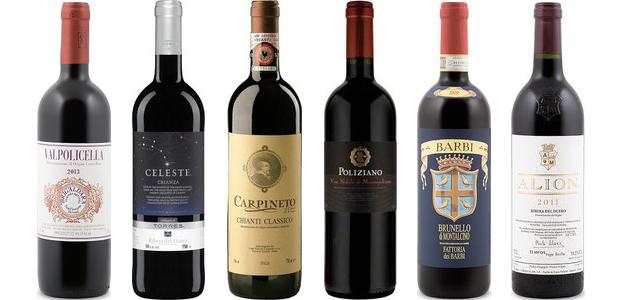


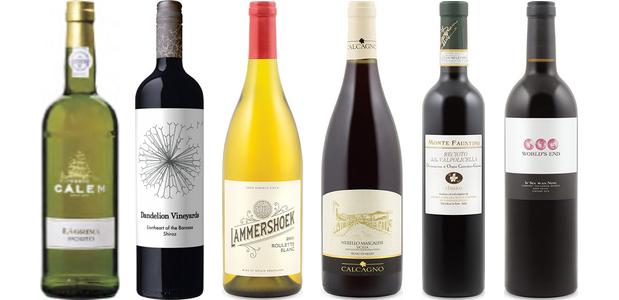
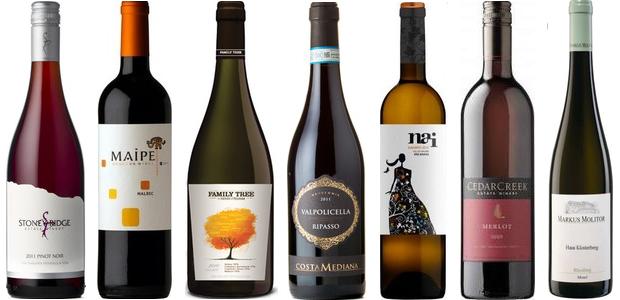
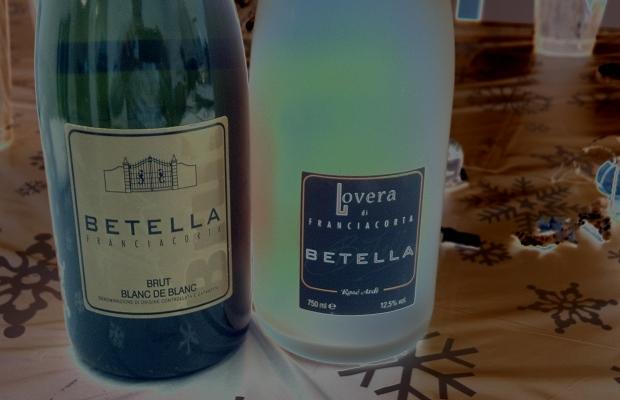

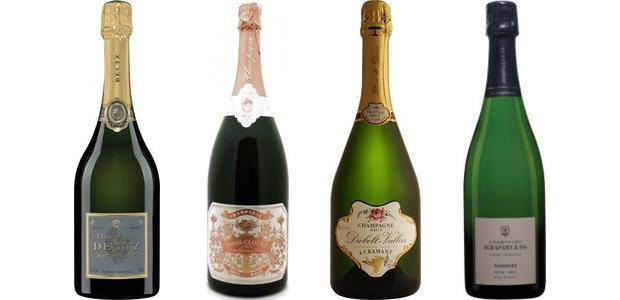
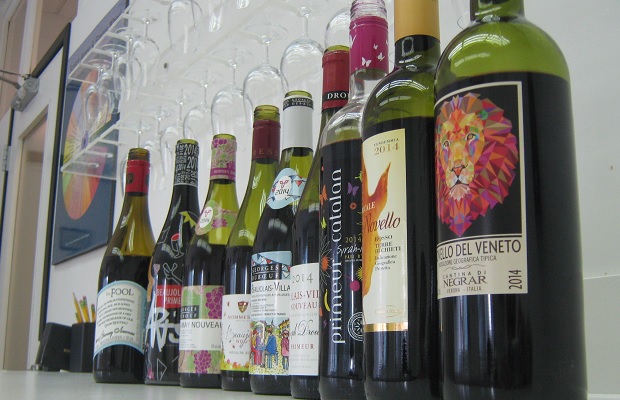
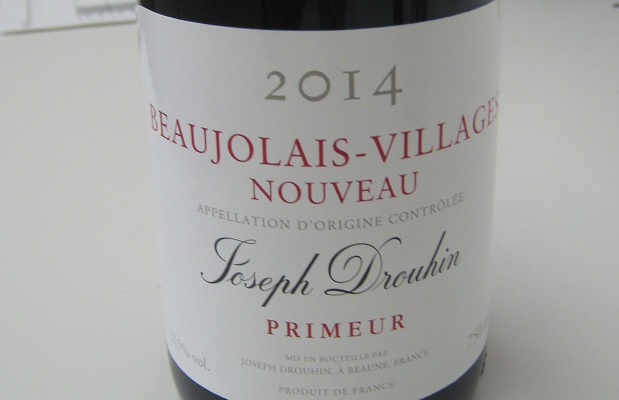
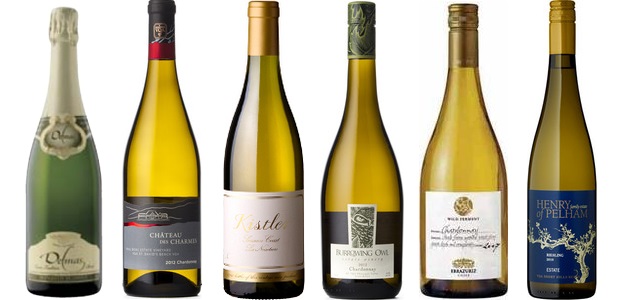
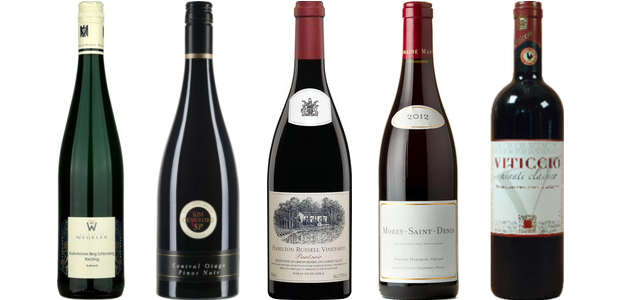
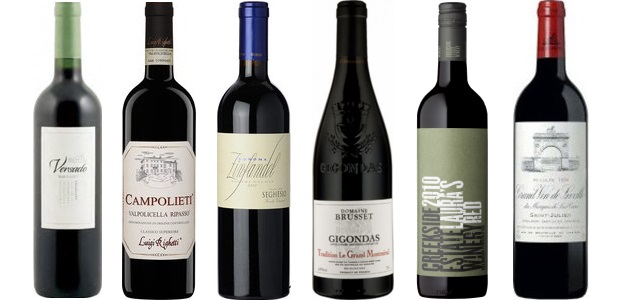

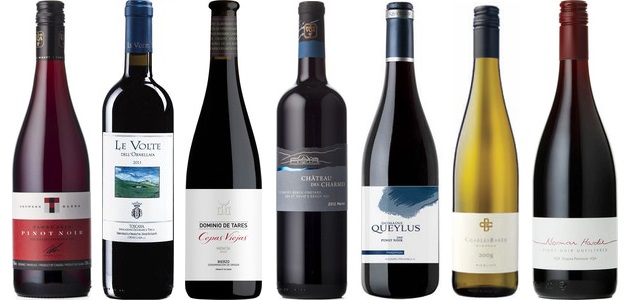
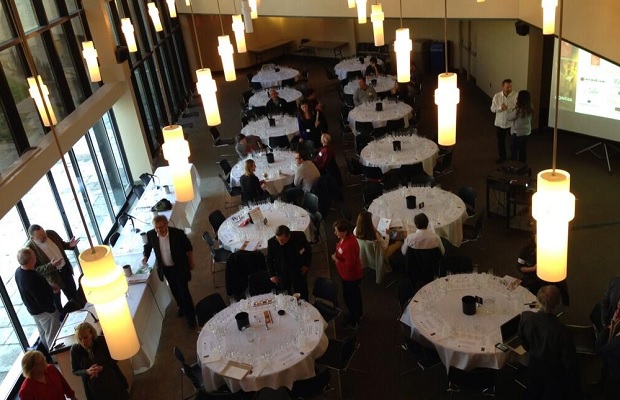
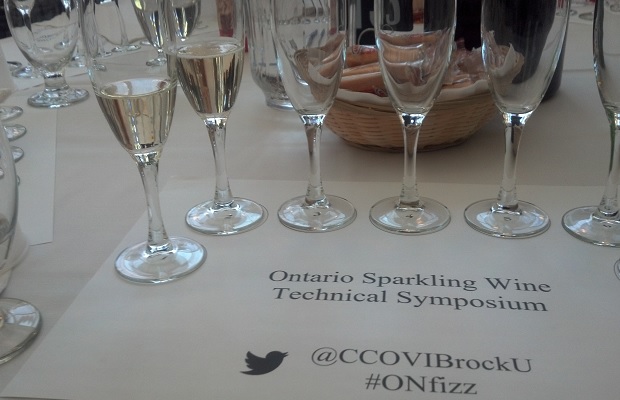

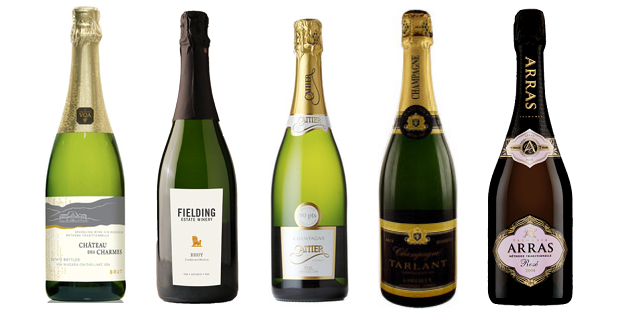
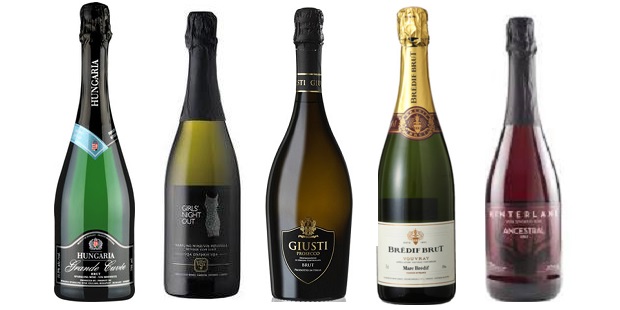
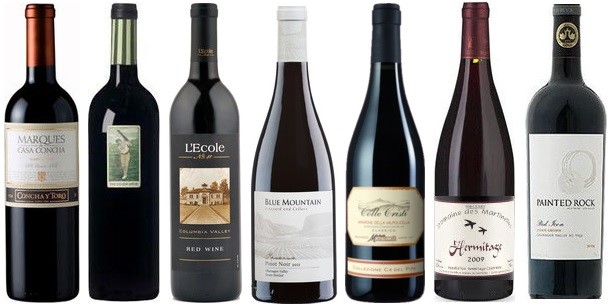


 Godello