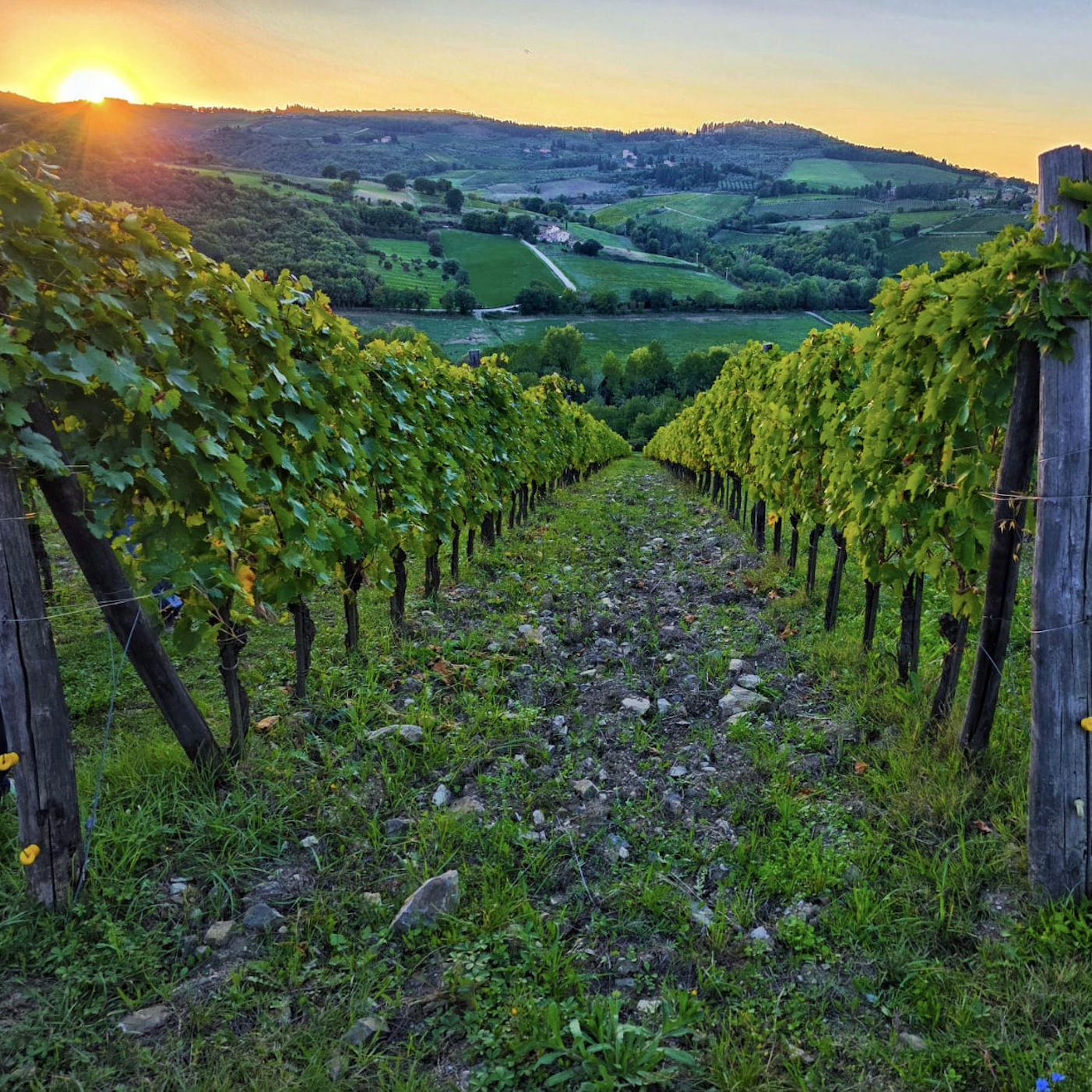
Chianti Classico 2025: A year in review

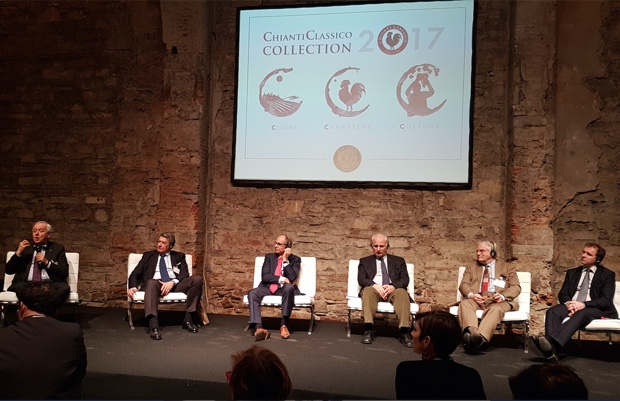
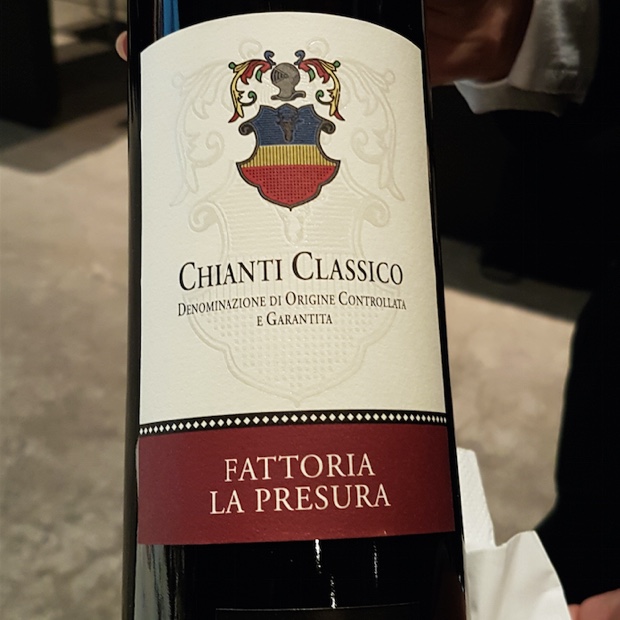
As 2025 decelerated into its closing epilogue, time for reflection began commemorating 10 years of mutual friendship and respect in the ongoing relationship between Godello and Chianti Classico. Amazing to think of all that has happened since that first May 2016 arrival in Firenze and to mark the approaching 10th anniversary, there will be something special coming soon. A commitment in writing more lasting and permanent. In the meantime there are attestations to be shared from three more territorial experiences that took place back in February, September/October and November of 2025. New perceptions, further connections made and stronger bonds forged. There will be more to look forward to, especially with the wildly antithetical yet equally exciting 2024 and 2025 vintages waiting in casks, yet to be released, looming on the horizon. Three weeks from now there will be an anticipated first complete look at 2023 during the coming days of the 2026 Chianti Classico Collection.
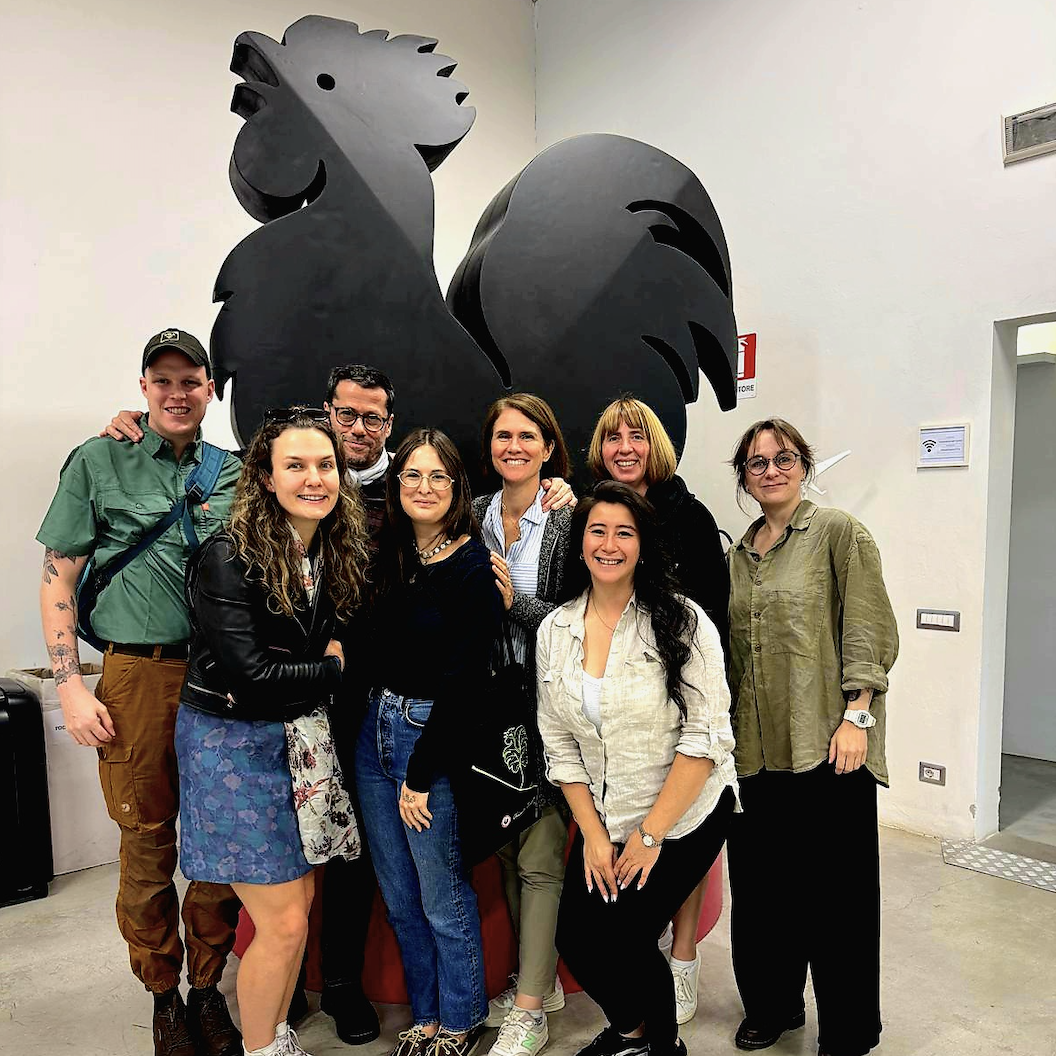
La Squadra Canadese – Il Consorzio Vino Chianti Classico

In the Fall of 2025 Godello led a contingent of seven Canadian sommeliers through a five-day boot camp. Joining the ambasciatore were Vancouver’s Kelcie Jones from This is Wine School, Eva Hudson of Metrovino in Calgary, Christina Brown, Wine Director at Blue Bovine, María Inés Lou and Georgette Donnelly of Maple Leaf Sports and Entertainment, all in Toronto, Montréal’s Jacky Blisson M.W. and another St. John’s legend, Leo (Captain Merlot) Hall of Portage Restaurant. Upon arrival in Florence on September 28th an extraordinary opening dinner took place at Trattoria l’Ortone.
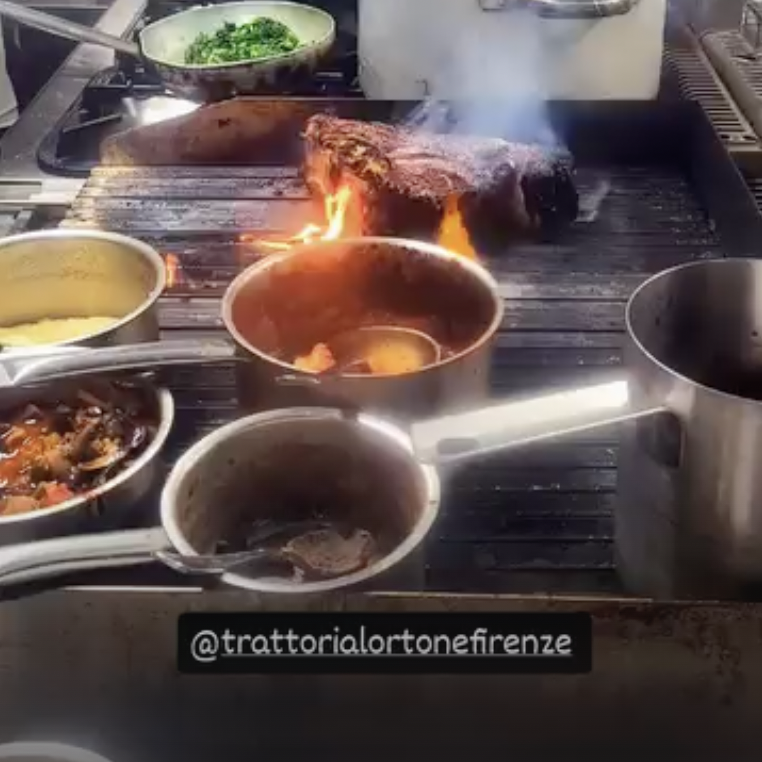
Trattoria l’Ortone

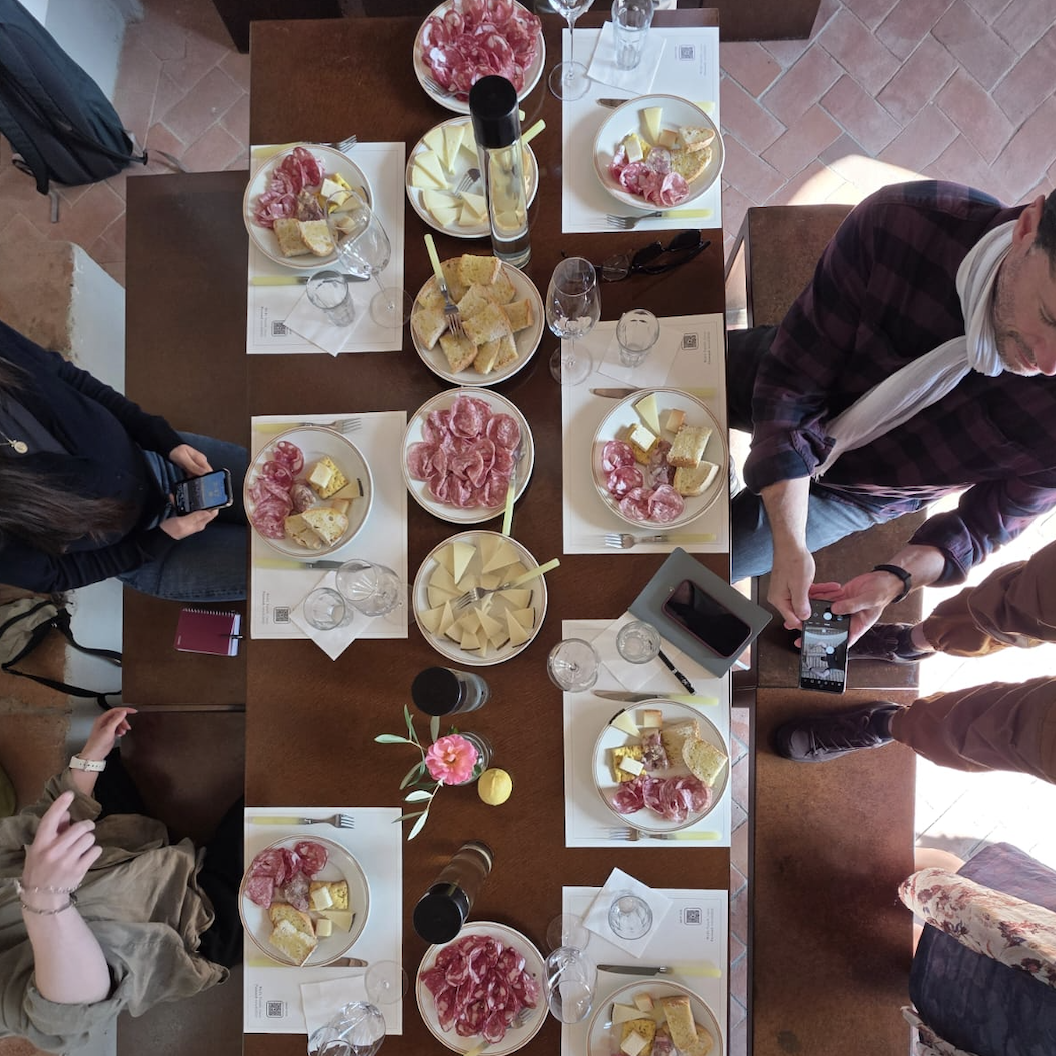
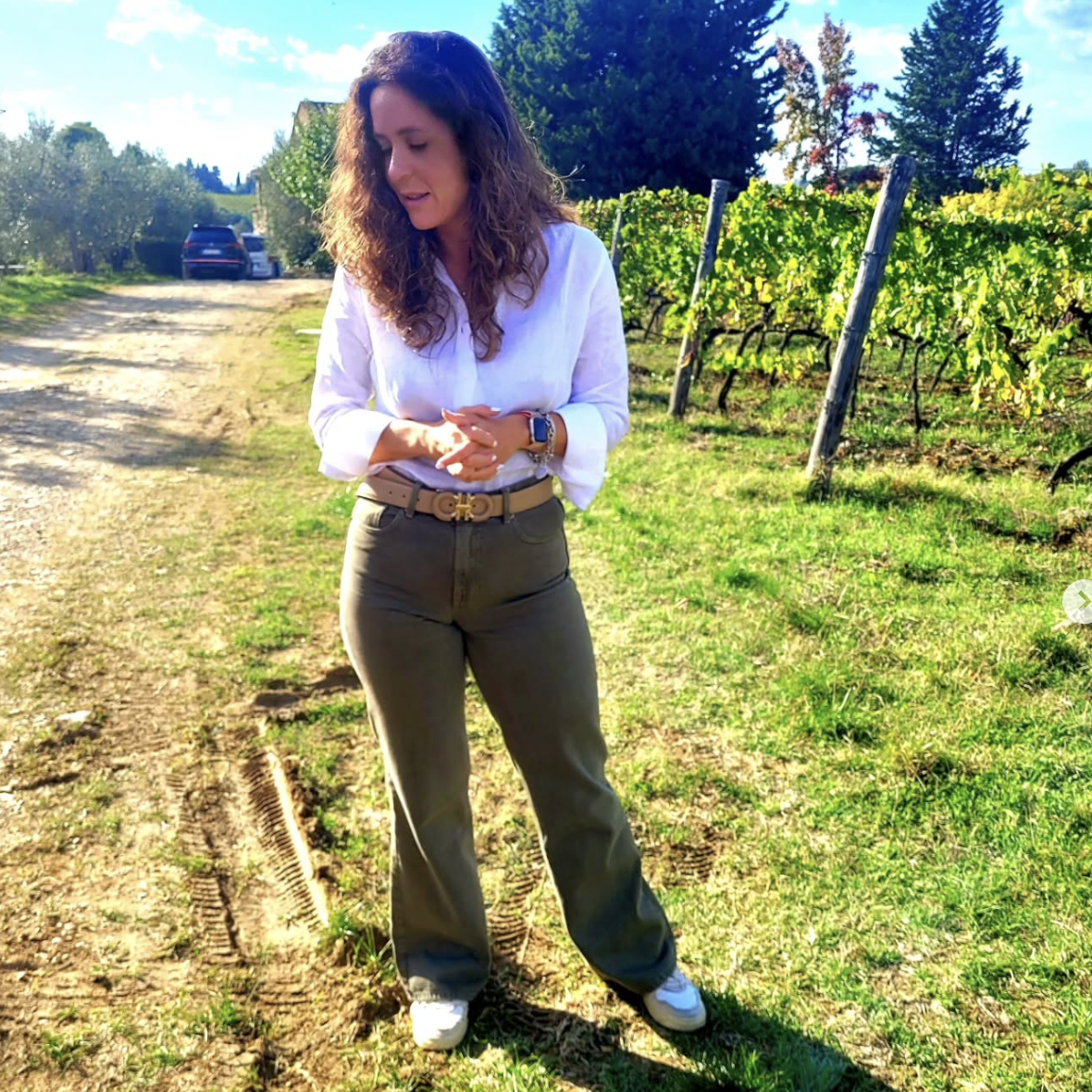
September 29th was dedicated to San Casciano and Greve. First a Chianti Classico introduction masterclass by Godello at the Consorzio offices in Sambuca, followed by visits at Il Contadino Cusano – Poggio Torselli in San Casciano with Margherita Romagnoli and Cristina Bandini, The group moved on to Capaccioli – Poggio Niccolini for a meeting with Federica Capaccioli, then over to Greve for a stop in at Vignamaggio with Leonardo Collotto and finally a Panzano rite of passage with Gianmaria Garbin at Enoteca Baldi.
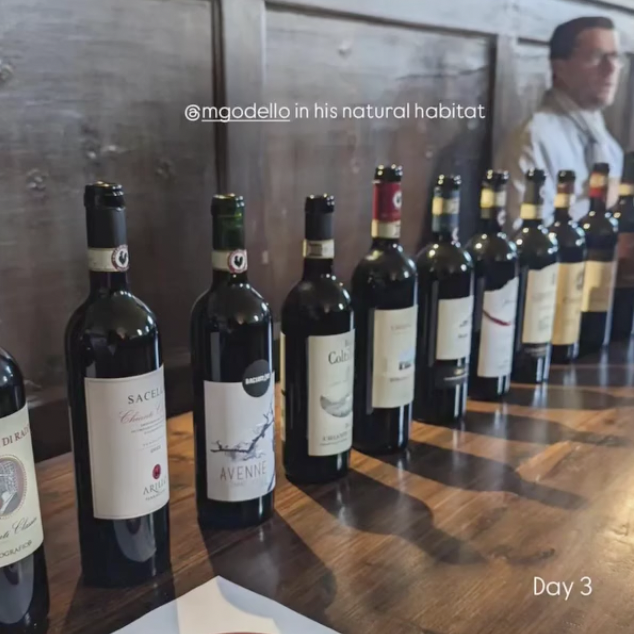
Casa Chianti Classico

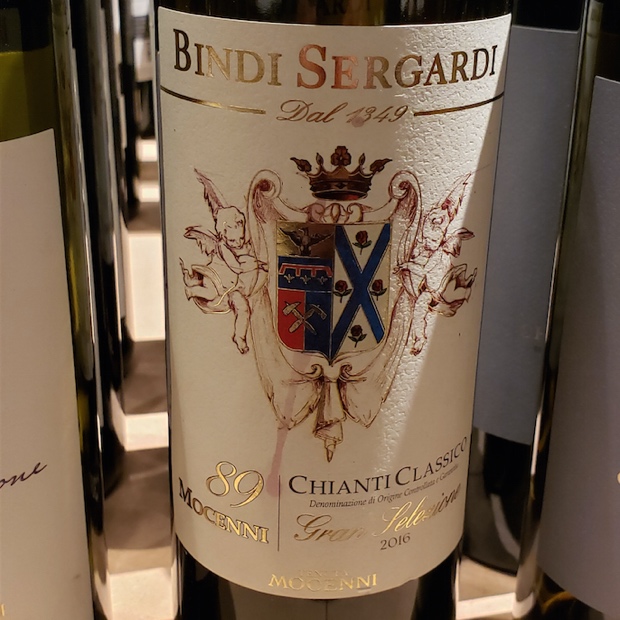
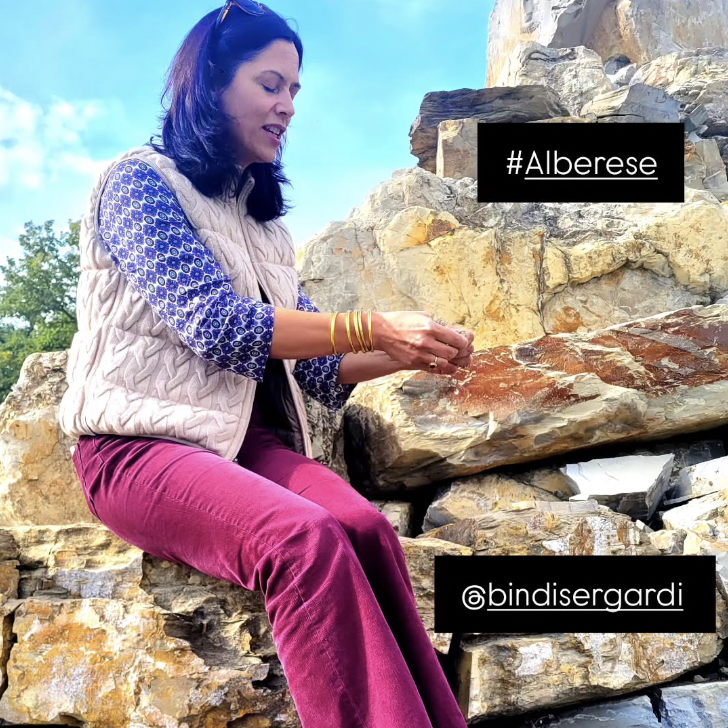
September 30th took in the wilds of Gaiole, Castelnuovo Berardenga and Vagliagli, first at Bertinga in Lecchi with Export Manager Elisa Francini and agronomist David Picci. Over to Castelnuovo Berardenga at Castello di Bossi to join Export Manager Cecilia Muzzi and Winemaker Stefano Marinari. A move over to Vagliagli to see Alessandra Casini at Bindi Sergardi. Then another Squadra Canadese rite of passage for aperitivo in Siena’s Piazza del Campo and dinner at Salefino.
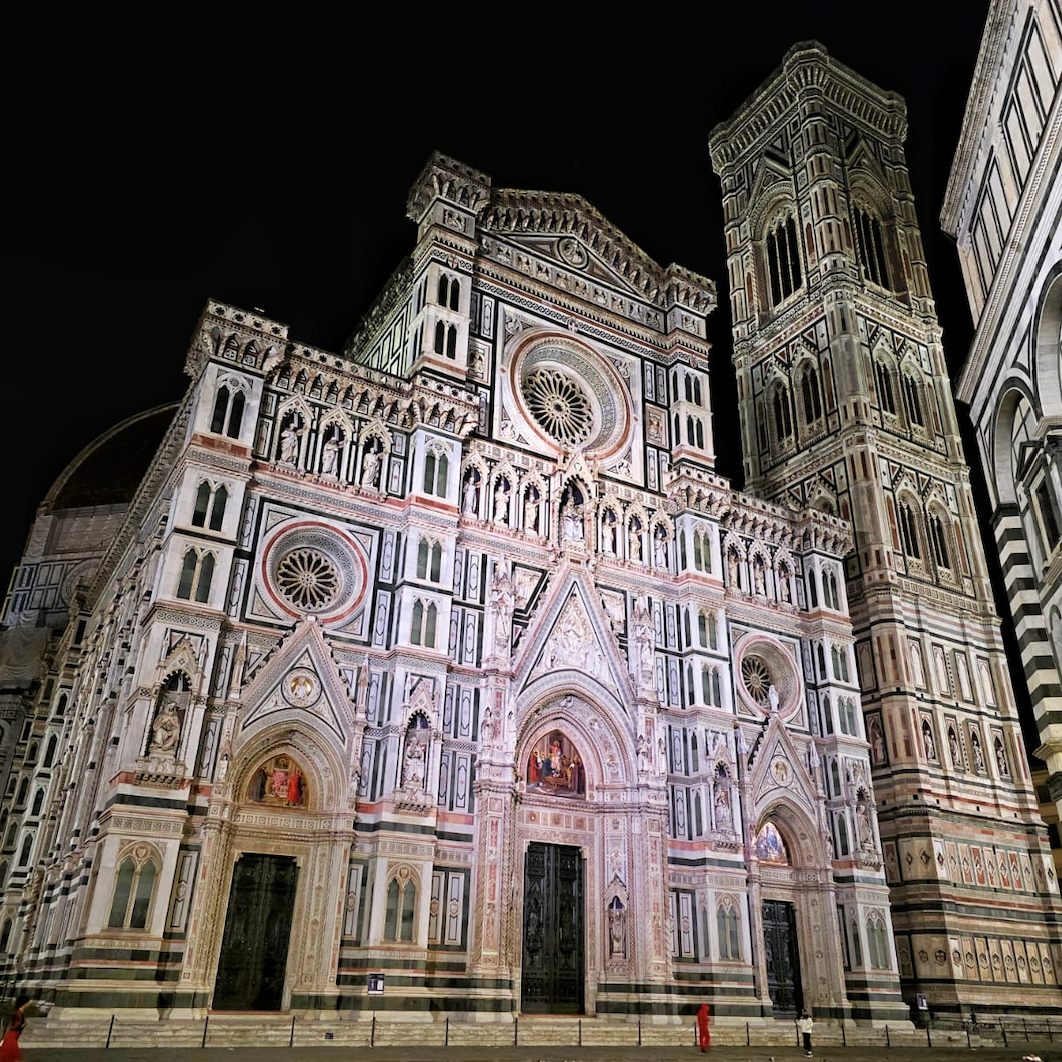
Il Duomo by night – Firenze

October 1st was all about Radda, beginning at Casa Chianti Classico for a 90 strong tasting of the 2022 vintage in Chianti Classico, Chianti Classico Riserva and Chianti Classico Gran Selezione. Then an official signing ceremony between the Institut de Tourisme et d’Hôtellerie du Québec and the Consorzio Vino Chianti Classico. In the afternoon to Tenuta di Carleone for a breezy outdoor gather with Sean Il Guercio O’Callaghan and then off to Brancaia with Barbara Widmer for dinner at her fabulous Bar Brancaia in Castellina.
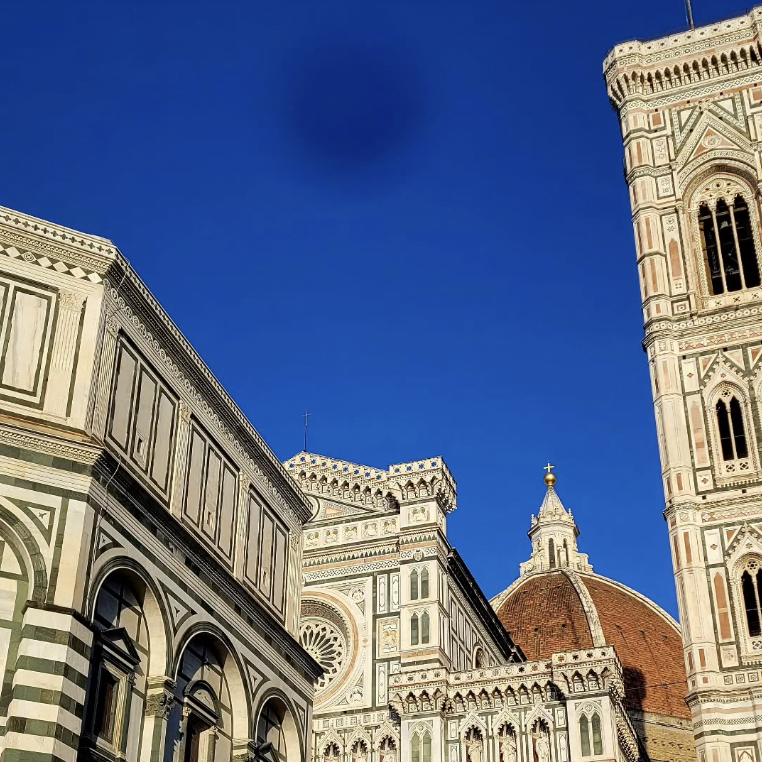
Il Duomo by day – Firenze

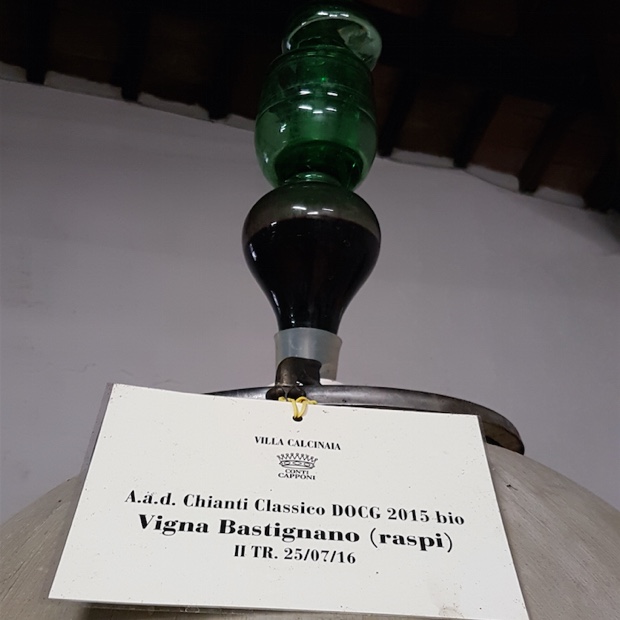
On October 2nd the squad’s program included Lamole and Panzano, starting early at Podere Poggio Scalette on the Ruffoli Hill with Alessandro Fiore. Next up was Villa Calcinaia in Montefioralle with Sebastiano and Neri Capponi, then off to Fontodi in Panzano with Giovanni, Margherita and Bernardo Manetti. In the evening a third rite of passage took place in the form of a pizza party with Michael Schmelzer and Jacy Farrell at Monte Bernardi.
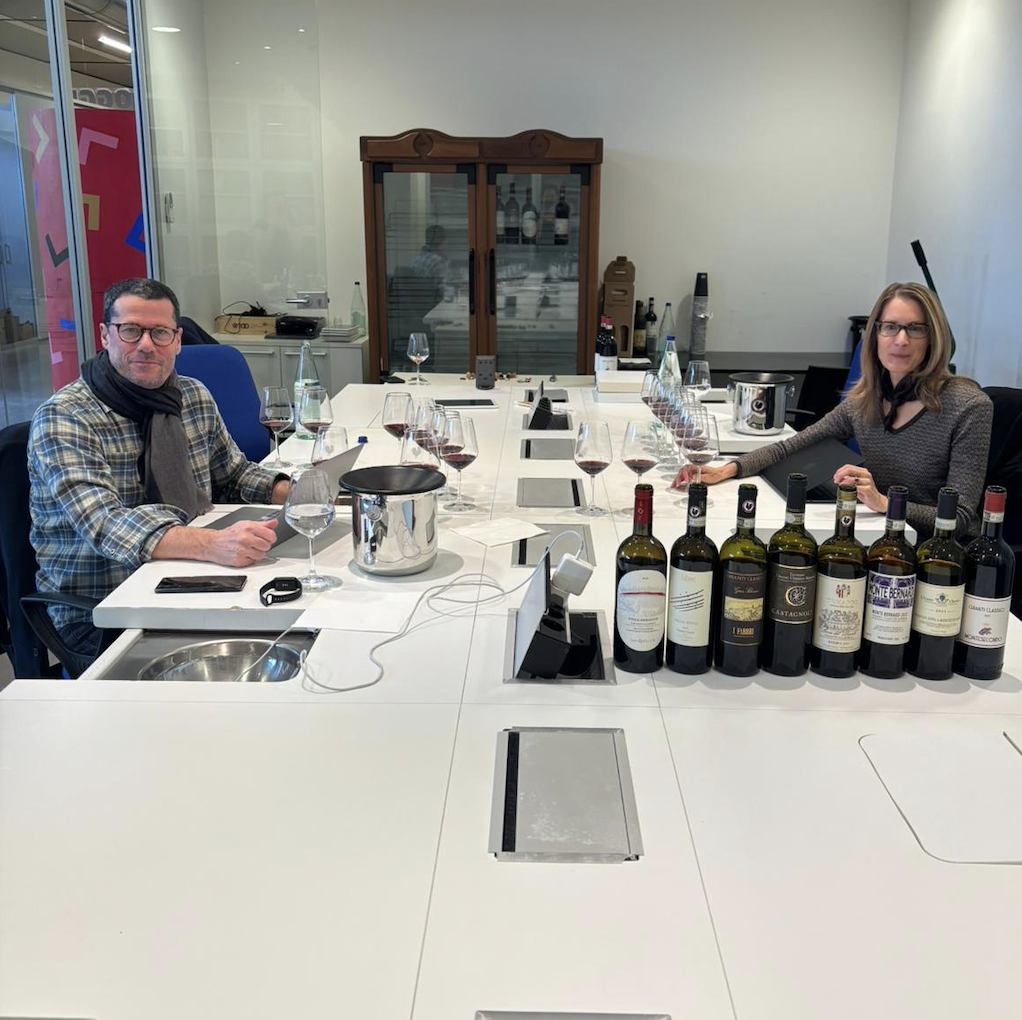
Mihe & Miha – Consorzio Vino Chianti Classico

October 3rd was dedicated to Castellina beginning with the young, brave and precocious Mattia Bucciarelli of Bucciarelli – Antico Podere Casanova. Then over to San Donato in Poggio at Podere La Cappella with Bruno and Natascia Rossini, followed by Il Poggiolino with Alberto and Martna Fabbri. La Squadra Canadese’s final dinner took place at Nicola and Irene Schirru’s incredible Enoteca Spontanea in Firenze.
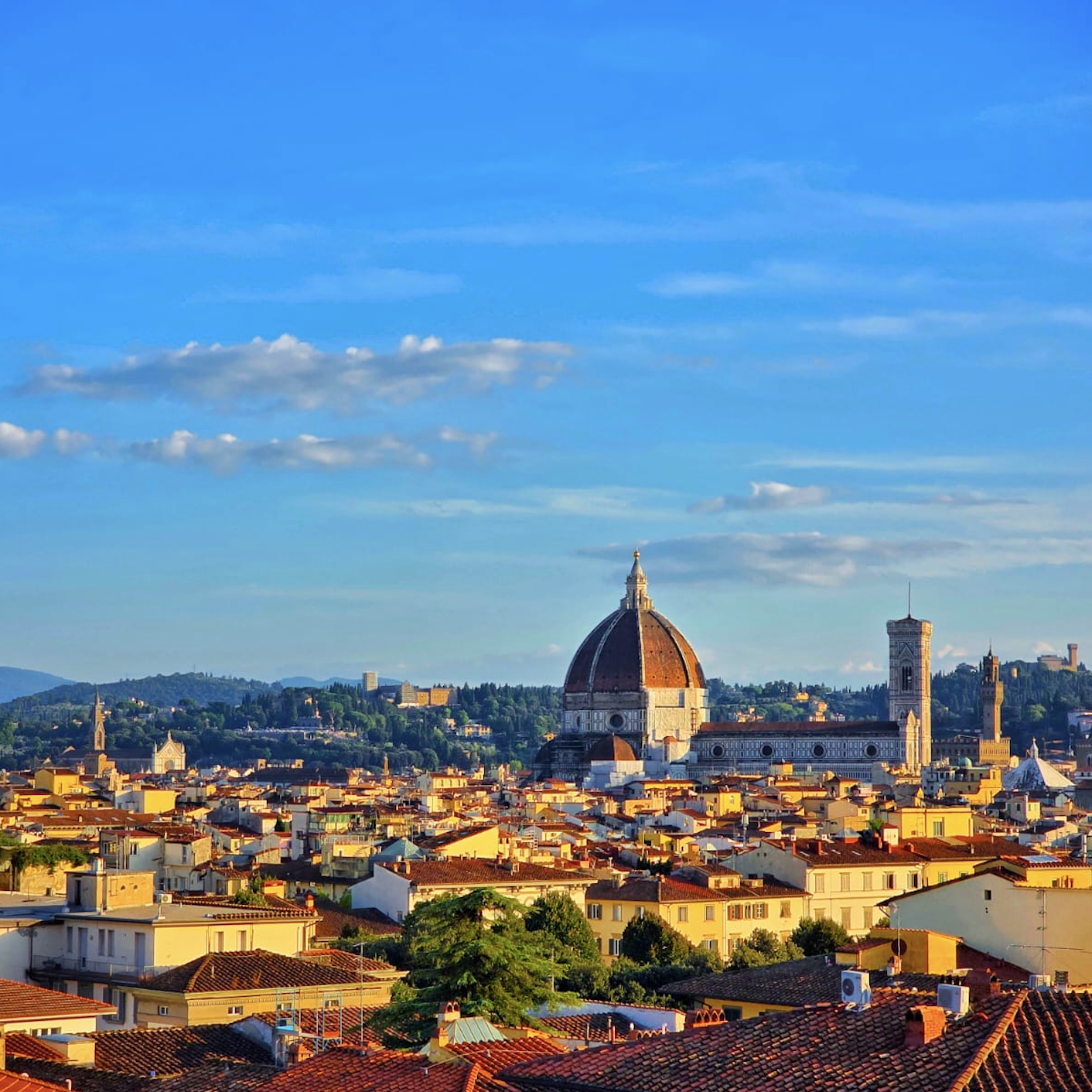
Firenze

In November Michaela Morris and Godello returned for a couple of intensive days, making visits at Nittardi in Castellina, Lamole di Lamole and Querciabella aboard Ruffoli in Greve. Godello continued with Tenuta Casenuove and Il Molino di Grace in Panzano, Radda’s Tenuta di Campomaggio and finally with a couple of Cecchi wines tasted in Montalcino. There was a great concentration on the 2022 vintage, hot and variable as it was throughout the territory. Like 2017 there were some surprises, in fact many more out of ’22 because of captured acidity and from what valuable lessons so many producers learned from that earlier vintage’s mistakes. Very few producers panicked by picking too early and so the end result of 2022 was great quality across the 11 UGAs. An important questions asked was why did Castellina and Gaiole fare so well in 2022? The answer, because of their sandstones, as with Lamole and Radda but also Panzano, to a Pietraforte extent.
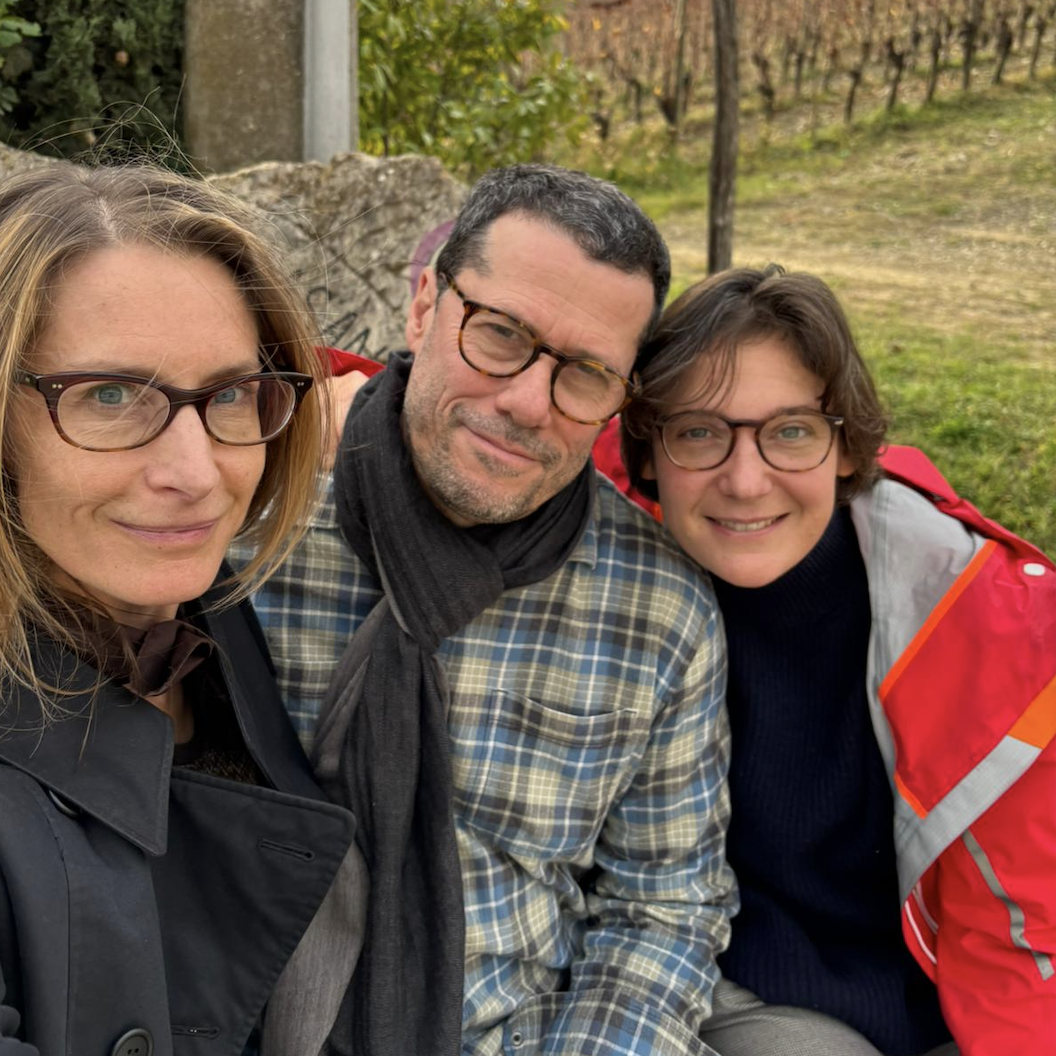
Miha, Mihe and Mori

Another year in the books and once again with great thanks to the producers and all at the Consorzio who contributed to the journey. President Giovanni Manetti, Director Carlotta Gori, Silvia Fiorentini, Christine Lechner, Caterina Mori, Laura Cavalleri, Simone Fabbrini and of course Enzo. This report does not include the wines tasted back in February of 2025, but only those tried in the Fall. There are 197 tasting notes ahead, broken down by appellation and UGA, finishing with a large number of IGTs.
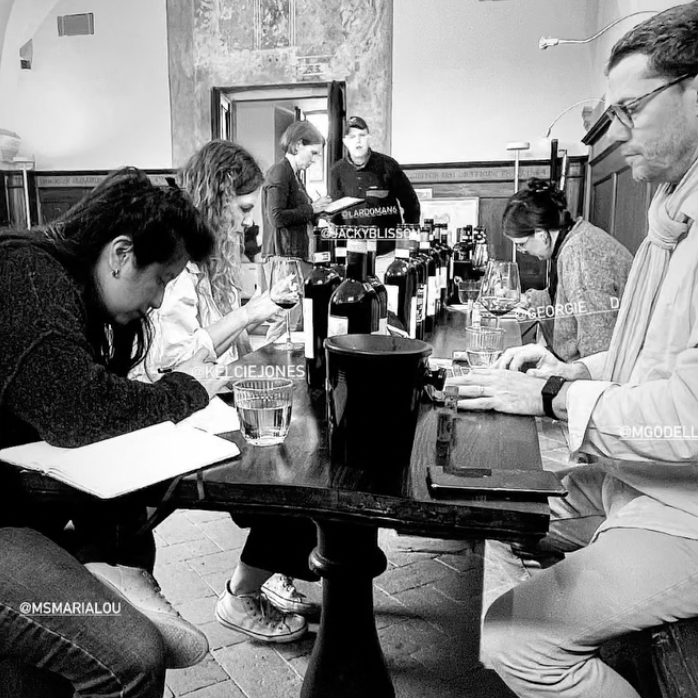
La Squadra Canadese at Casa Chianti Classico

Chianti Classico DOCG 2024

Panzano

Il Molino di Grace Chianti Classico DOCG 2024, Panzano

Campione: Lightest of vintages but truth be told the expectation was surely for something of less colour and intensity. No doubt you could drink this straight away but do not be wary of the potential, in a way like 2008. There are tannins in this wine and even a touch of austerity. Finishes at 12.8 percent alcohol so will therefore be labeled at 13. Will likely produce 60,000 bottles.  Tasted November 2025

Chianti Classico DOCG 2023

Gaiole

Fattoria San Giusto A Rentennano Chianti Classico DOCG 2023, Gaiole

Never mind the nine months in bottle because both tannin and barrel remain in charge, up front, central to the thematic and in complete control. Some 2023s are juicy and generous while others reside at the pinnacle of structure. That is the case in intensity of situation for San Giusto and so do not expect much alteration or movement until at least the Spring of 2027. Drink 2027-2034.  Last tasted November 2025

Campione: I mean of course its tight and yet to resolve but this sample by San Giusto shows more wealth of upfront fruit than could have been expected. Darker fruit than 2022 and also 2021, closer to 2020 but once again the individual character of modern vintages can’t be denied. Feels a bit serious at this very early stage but substance at this level will mean a wine that will be held in high regard.  Tasted at The Chianti Classico Collection, February 2025

Rocca Di Montegrossi Chianti Classico DOCG 2023, Gaiole

From 2023 the Chianti Classico is exactly what you would expect and wish for from…Chianti Classico. Medium weight, body, texture and tannic cargo with an extra bit of stuffing provided by a power surge of sangiovese acidity. The definition of classic Annata level for Monti, Gaiole and the region as a whole. Digs deep into tradition and heritage as a blend for which splashes of canaiolo and colorino fix colour, pH and intensity, elevating sangiovese to its rightful place as the centre of Tuscan attention. Marco Ricasoli Firidolfi’s ’23 is so correct and spot on you simply sip and say thank you. Drink 2026-2030.  Tasted January 2026
Greve

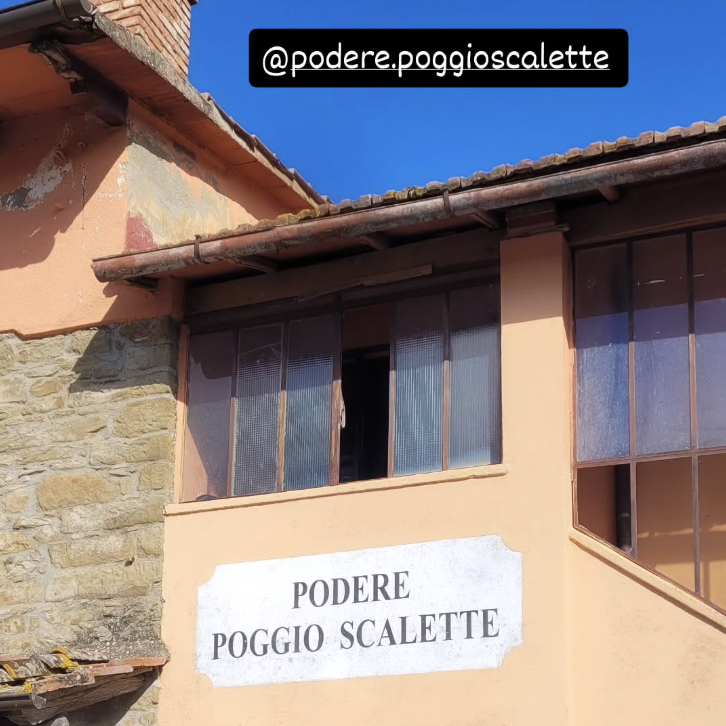
Podere Poggio Scalette Chianti Classico  DOCG 2023, Greve

Latest to pick, usually in October and that will be the case in 2025. Jurji Fiore and his consultant of 64 years try to decide which are the bunches pushing the most fruit and they are put to steel for fermentation, followed by cement tanks for 10 months where the wine is truly protected from temperature fluctuations. Surprising or not there is more colour and a deep blood orange note to what is clearly a Ruffoli 2023 thing. Crunchy with lift, floral, a salty streak and definitive. Drink 2026-2030.  Tasted September 2025

Lamole

Lamole di Lamole Chianti Classico DOCG Maggiolo Blue Label 2023, Lamole

The vintage was a heavy challenge for so much of Tuscany and Chianti Classico wines because of Spring rains and the resulting downy mildew but Lamole fared better than most. Mainly because of winds and ventilation to help dry out vines and keep the Peronospora issue at bay. Thus quality and quantity are high with the rest of the season having been beneficial to grow and mature sangiovese. In fine perfumed for, abiding by the UGA’s calling card, aided and abetted by ripeness mixed with grip and mature acidity. Feels quite ready without any drying or austerity at the finish. Drink 2025-2028.  Tasted November 2025

Panzano

Il Molino di Grace Chianti Classico DOCG 2023, Panzano

Clean and swift sangiovese that has come around and about with the quiet and stoic confidence of the grapes and the makers. This from the strangest Perenospera (downy mildew) vintage when the virus hit the bunches straight away, and sometimes also the leaves at the same time. But this wine has left that behind, walks with intention and delivers a Panzano punch, as it should, in the modernists’ way of Il Molino di Grace.  Last tasted November 2025

Tasted as a Campione (sample) just five days ago and now the finished blend just bottled is in remarkably ready condition. As far as 2023 is concerned the combination of freshness and structure are about as connected as it gets. A Pietraforte meets Galestro mineral juiciness that bleeds terroir, Panzano and the purity of sangiovese. No reduction, nor volatility neither. An Il Molino di Grace Chianti Classico cleans up really, really well. Drink 2026-2032.  Tasted at The Chianti Classico Collection, February 2025
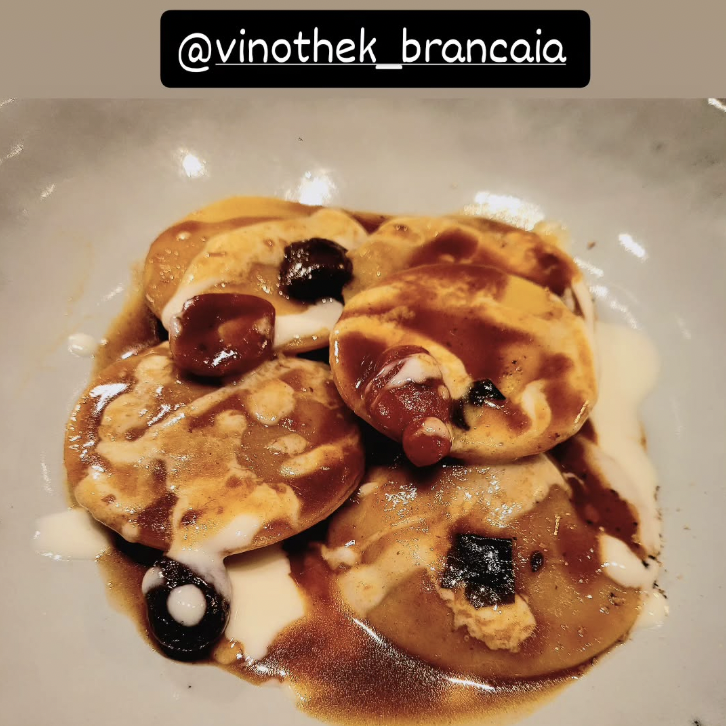
Casa Brancaia – Castellina

Radda

Brancaia Chianti Classico DOCG 2023, Radda

No wood, only concrete and stainless steel, all about the grape. Coming upon eight months after the Anteprima and no change of course or direction of a truly straightforward sangiovese. Free and easy. Last tasted September 2025.

More fruit and developed substance than the average and also compared to recent Brancaia Annata. The 100 percent sangiovese child of a long, slow, gentle and cumulative maceration to result in the most modern and seductive Chianti Classico. A pour of Brancaia’s 2023 Annata will be the one to convince world markets just how far the territory has come in the last 10 years. Definitive for the current state of the Gallo Nero. Drink 2025-2029.  Tasted at The Chianti Classico Collection, February 2025

Tenuta Di Campomaggio Chianti Classico DOCG 2023, Radda

Things settle and most wines do grow up, which is exactly what this 2023 has already figured out, accomplished and now come together. Tannins are still stirringm showing their teeth and Raddese acidity sweetens the pot. Another year in bottle will do wonders for the eventuality and ultimate high-level Campomaggio Annata distinction.  Last tasted November 2025

Campione: A barrel sample and the question is whether or not this should have been pulled for assessment. Does the choice help or hinder the estate? The open fragrance and specific Radda località perfume in this case answers the question with an emphatic yes, though it still depends on the finish of the wine. Again there is generosity and length, an extension of ripeness in all aspects of the cuvée and so again, yes. The issue is awkwardness and a middle palate section that feels gangly but all living things grow up and mature, as will TdC’s 2023.  Tasted at The Chianti Classico Collection, February 2025
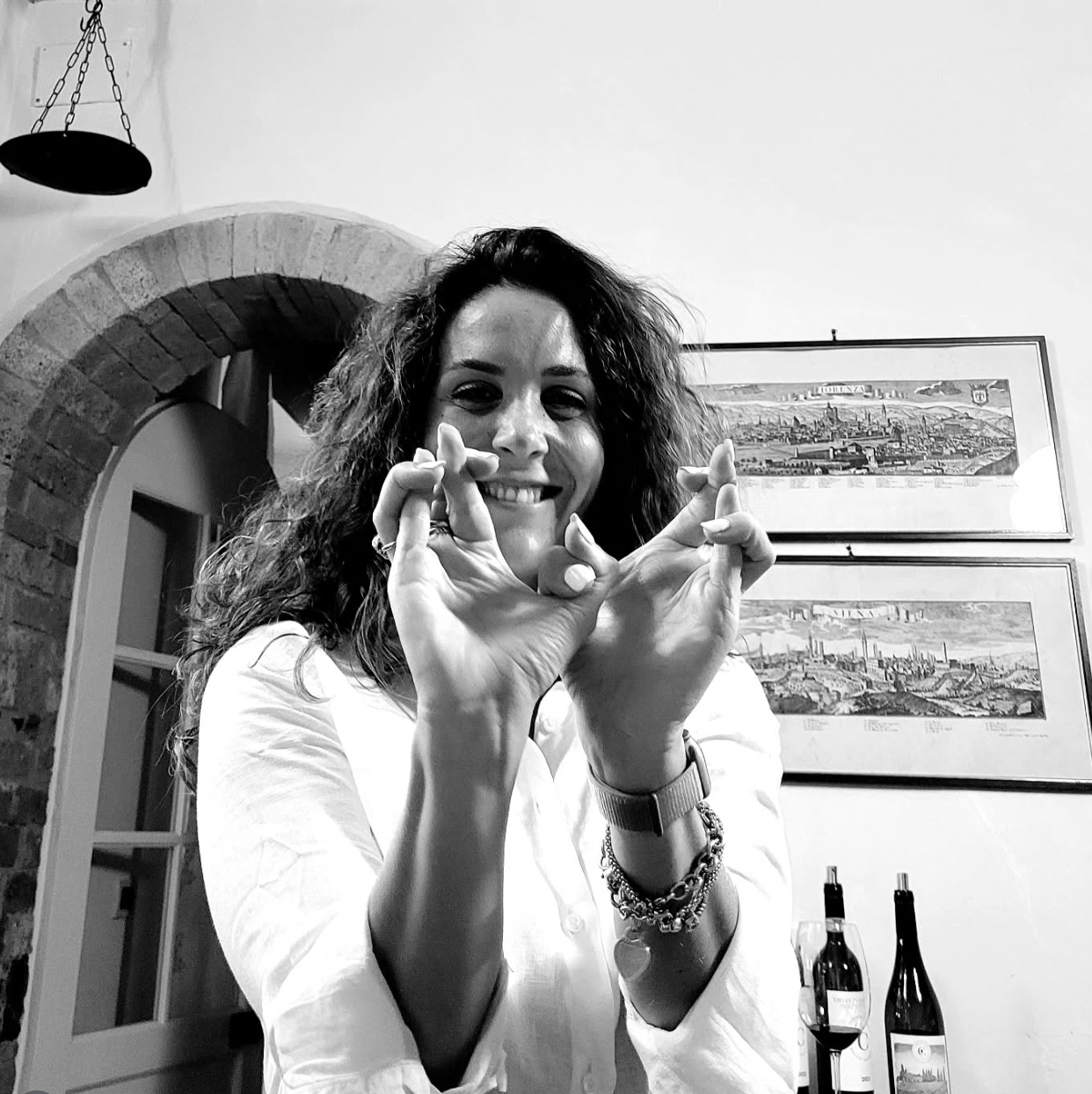
Federica Cappaccioli

San Casciano

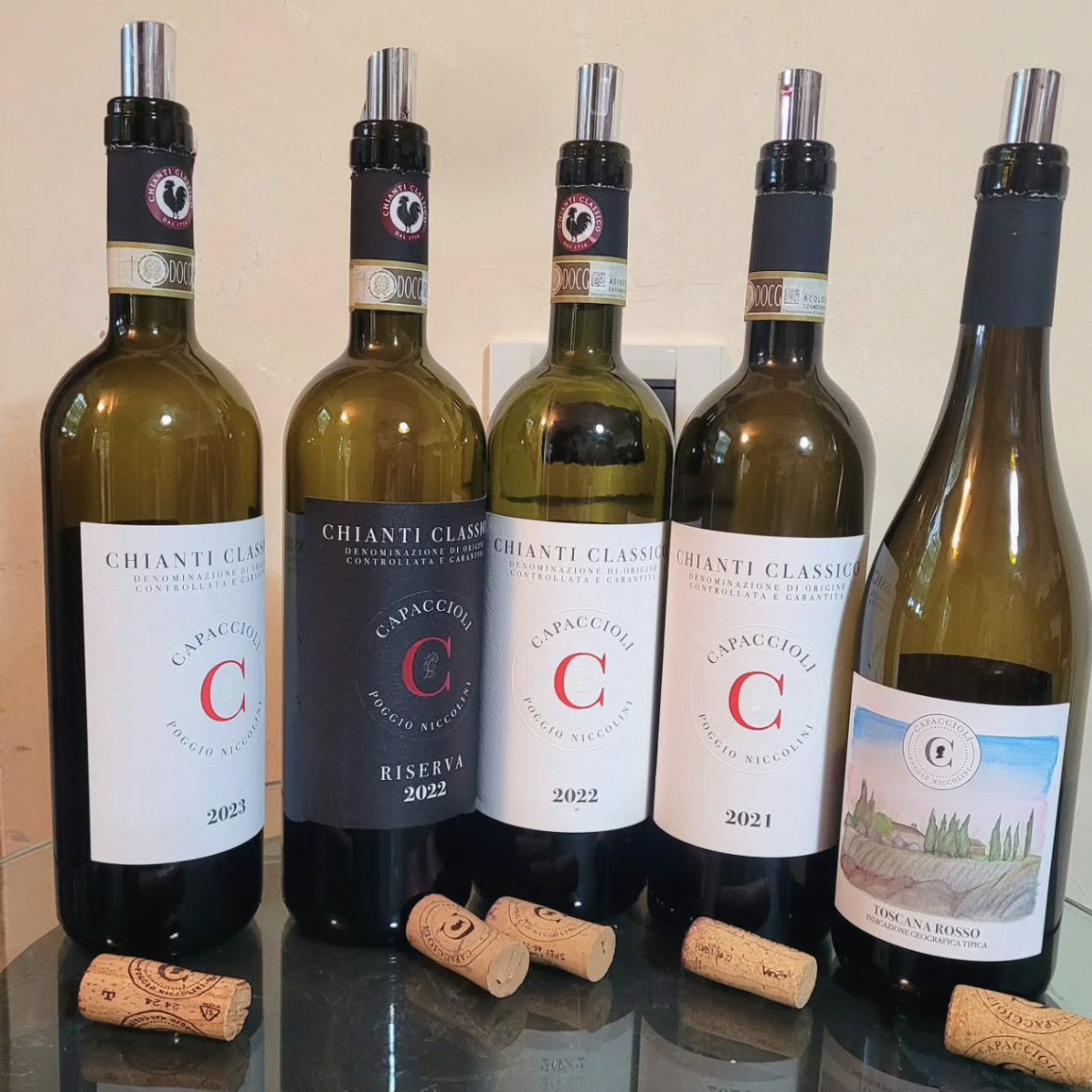
Capaccioli – Poggio Niccolini Chianti Classico DOCG 2023, San Casciano

Unfortunately tropical late spring weather and May-June rains raised the hell of Perenospera to result in just 40 percent of production at 2.2 tonnes per hectare, instead of the usual 5.5. Then again the summer and harvest weather were perfect for a beautiful if rare 2023 Chianti Classico. The perfumes are extraordinary, the Balsamico of San Casciano so concentrated and sweetened. The tannins are really fine-grained on the road to silken and suave. When the structural elements melt and integrate those tannins will become a thing of exquisite nature. Next vintage of this special Annata takes Poggio Niccolini to the next level without any steps taken back through its first three vintages. Unfortunately only 2,300 bottles were produced. Drink 2028-2033.  Tasted September 2025

Campione: Truly primary and still quite a reductive element in charge of the wine. As with other 2023 samples there is not enough in the aromas to really set the tone but the palate delivers a luxe wealth of fruit and texture. Acids are running high, mighty and amok while the overall structure seems poised to see this Annata get set for a long and fruitful run.  Tasted at The Chianti Classico Collection, February 2025

Montesecondo Chianti Classico DOCG 2023, San Casciano

Immediately juicier and inviting as compared to the austerity of 2022, not only a marked improvement but also of a temperament much like a good friend always there to brighten up a day. Still some crunchy herbs which indicates the San Casciano location and what it means for sangiovese. Drink 2026-2030.  Tasted November 2025
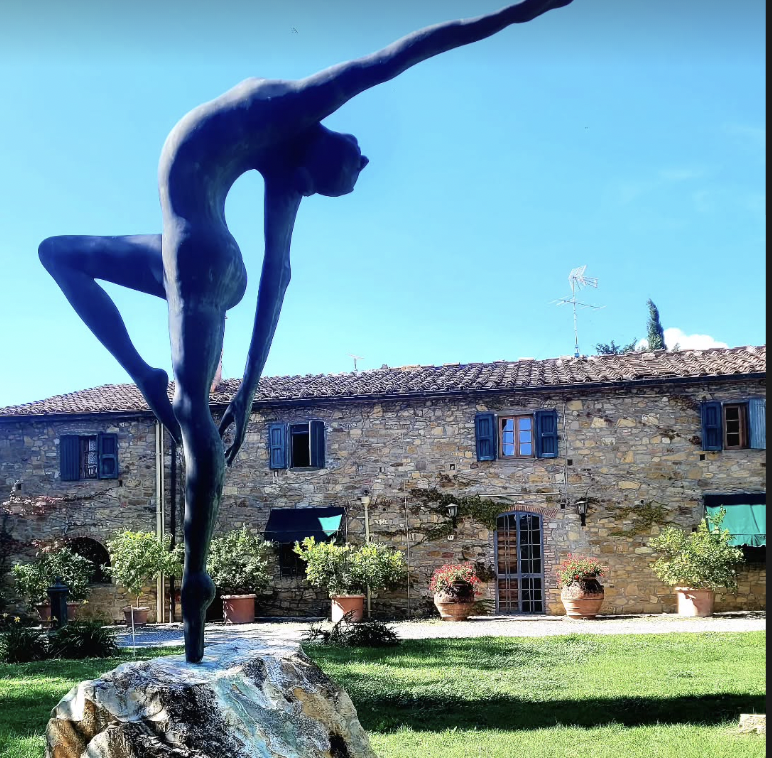
Podere La Cappella

San Donato in Poggio

Podere La Cappella Chianti Classico DOCG 2023, San Donato in Poggio

Great fortune in 2023 meant the vineyards somehow escaped Peronospora save for some of the merlot, but the sangiovese was fine. The stony soils allowed for tractor passes for spraying at exactly the right time. The sangiovese receives 10 percent merlot and ages in older barriques, never new or older than three years. Mature and developed red fruit delves into plum territory with a white peppery seasoning, spiced and boozy. Thanks to the plush fruit and sweet acidity it all finds balance. Drink 2026-2029.  Tasted September 2025

Il Poggiolino Chianti Classico DOCG Il Classico 2023, San Donato in Poggio

Only concrete, no wood, for proverbial freshness and juicy, juicy drinkability. Some maturity and a tight gamay-like lithe style without strings, adornment or distraction. Drink early and often. Drink 2026-2028.  Tasted September 2025
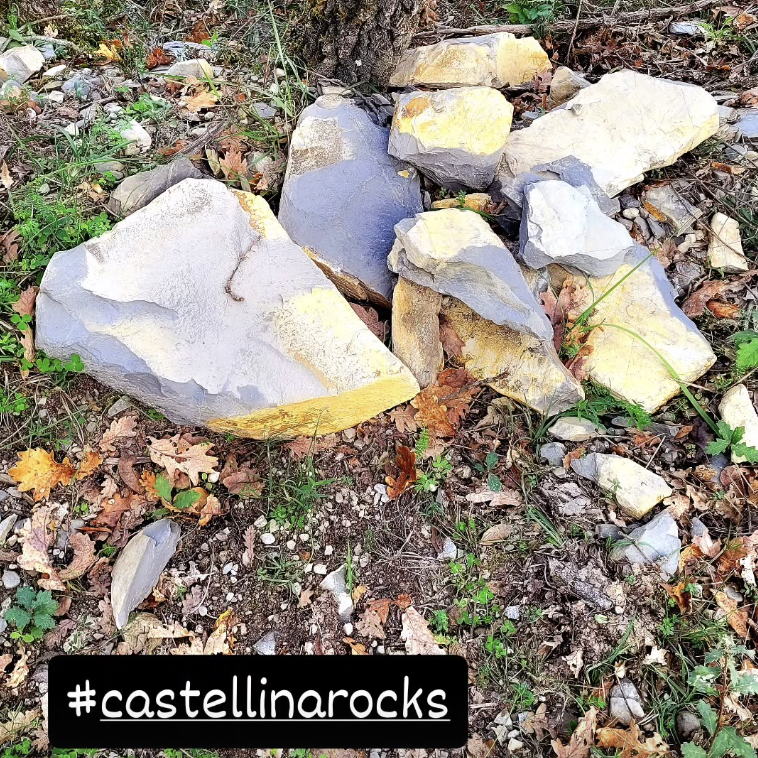
Chianti Classico DOCG 2022

Castellina

Castagnoli Chianti Classico DOCG 2022, Castellina

There is some grip and heft on this Castellina Annata though it comes from fruit, terroir and climate more than anything else. Alcohol is moderate at 14 percent and there is just something about some Alberello-grown sangiovese that delivers this level of concentration without feeling pressed or over-wrought. Big and balanced, focused and pure. All parts are where they should be.  Last tasted October 2025

A grand mix of aromas, in part from the surround of forest and the other a vineyard exposition at elevation and open to the elements. A lightning strike of sangiovese as bright and intense as any you will find in the whole of the territory but that is the crux of this Castellina situation. Intensity thy name is Castagnoli.  Tasted at The Chianti Classico Collection, February 2025

Great example of juiciness and acidity in the face of a dry, concentrated and hydric-stressed vintage. Alternatively crispy but there is some reserve-style, reductively backward actionability and yet conversely also forgiving character. Tart and expressive with two years needed to integrate and complete this picture. Drink 2026-2031.  Tasted February 2024
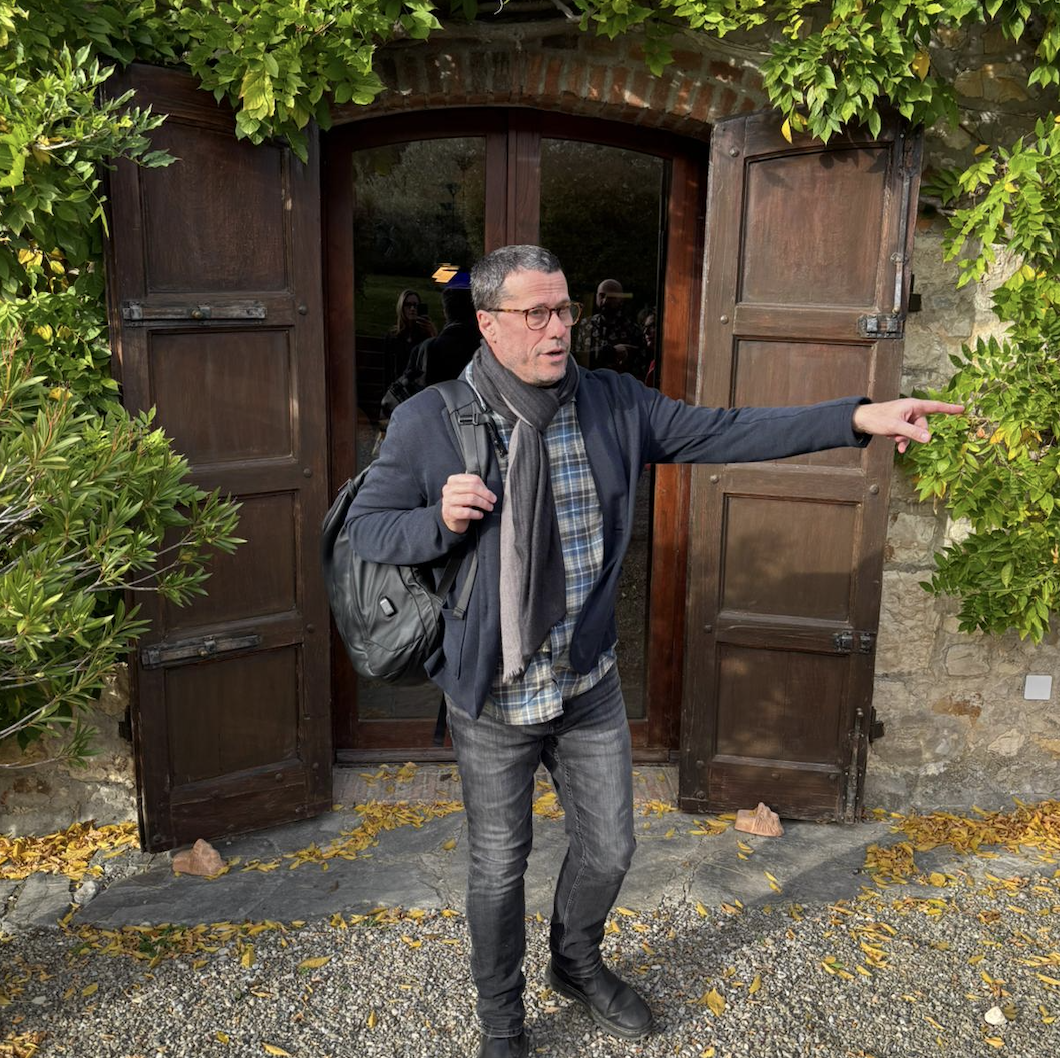
Godello at Nittardi

Nittardi Chianti Classico DOCG Belcanto 2022, Castellina

A mix of the three vineyards blocks, at Nittardi with Villa Rosa in southwestern Castellina and a smaller portion in San Donato in Poggio. Just two or three percent are canaiolo, colorino, ciliegiolo and mammolo, all co-fermented with the sangiovese. Brings 40-45 years of older vines’ experience to the overall profile of a Chianti Classico sturdy yet relaxed, firm while elastic. The winemaking is all about early extraction followed by the development of alcohol in fermentation and finally a rest to allow everything to come together. Dark fruit vintage, plummy and with good grip. Drink 2026-2029.  Tasted November 2025

Nittardi Chianti Classico DOCG Casanova di Nittardi Vigna Doghessa 2022, Castellina

Single vineyard sangiovese from the highest elevation Castellina vineyard on the Nittardi estate. Vines face south by southeast with a view north towards the Conca d’Oro, Panzano, La Piazza and the neighbouring estates of Bucciarelli and Buondonno. One of the freshest Chianti Classico you will put your nose into, much more so than Belcanto and something tells us in the near future this just may signal a return of a Riserva sku. Right now there are the two Classico and the Gran Selezione produced. Crunchy and savoury sangiovese, sharp and pointed, finessed and speaking directly from the vineyard. Or so it feels, and seems. Drink 2027-2032.  Tasted November 2025

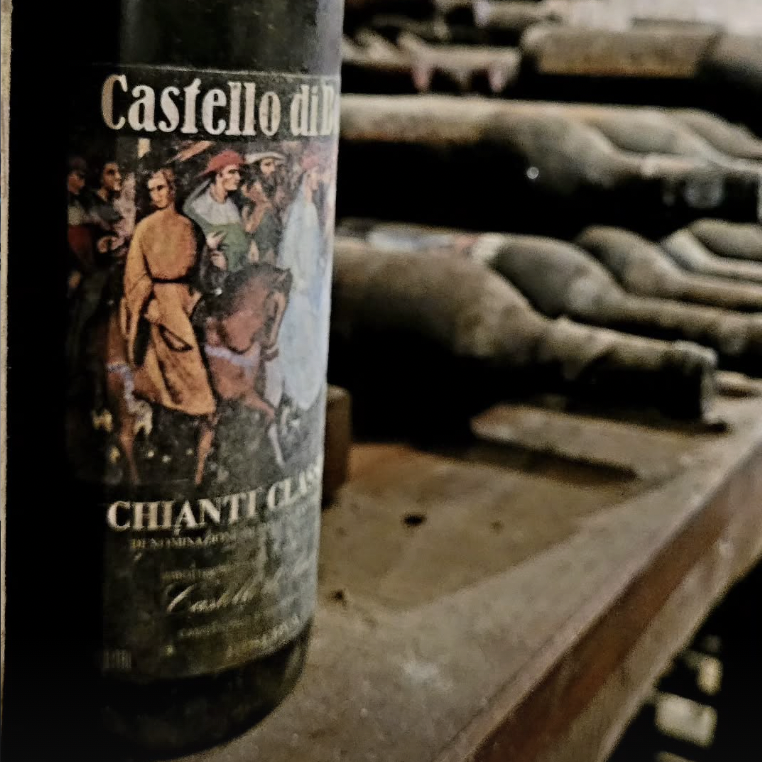
Poderi Melini Chianti Classico DOCG Granaio 2022, Castellina

Lighter of hue and body for 2022 with a purity of sangiovese in the true red fruit sense of the notion. Light, tight and elevation influenced, coupled with stony Alberese terroir in complete control of the wine. Dink now by all means though ’22 will age long and in truth. Drink 2025-2030.  Tasted October 2025
Castelnuovo Berardenga

Castello di Bossi Chianti Classico DOCG 2022, Castelnuovo Berardenga

Now more than 10 years a solo sangiovese, only stainless steel for 18 months and 10-12 more in bottle before release. A pure expression of Castelnuovo Berardenga, southern style with major fruit and an herbal meets macchia spiciness. Sandy clay and down into the lower depths of the vineyard with some tufo, limestone, also river stones but always the Galestro. Neither tight nor loose but just right there where the twain is met with a sweetness of acidity and tannin.  Last tasted September 2025

A clear reflection of the house style and the coolest, smoothest and silkiest iteration of Castelnuovo Beradenga. Elevation helps, as does riposte fruit caught at ideal maturity, but also the hands of knowledge, calm demeanour and experience. Bossi’s is such a well-judged, layered and syncopated sangiovese, Bio and proper, come to the world with great effect. Drink 2025-2028.  Tasted at The Chianti Classico Collection, February 2025

Poggio Bonelli Chianti Classico DOCG Tenute 2022, Castelnuovo Berardenga

Soft palate texture juxtaposed opposite high acidity and skeletal body from a tuffaceous soil found only in some specific pockets, namely in lower Castelnuovo Berardenga/Gaiole. Such a specific Chianti Classico, tightly wound while generous of mouthfeel. Drink 2026-2029.  Tasted October 2025
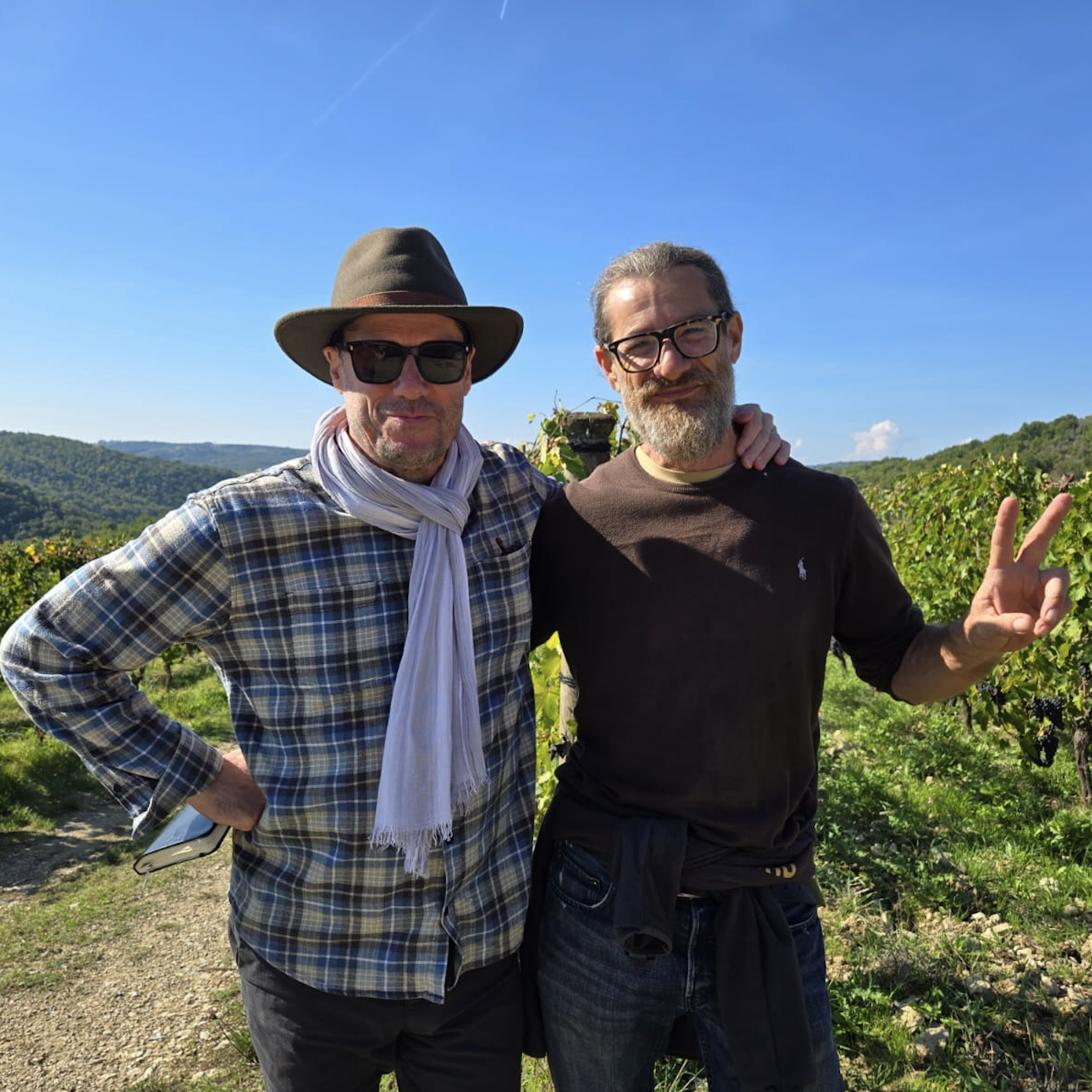
With Agronomist David Picci – Bertinga

Gaiole

Bertinga Chianti Classico DOCG Le Porte di Vertine 2022, Gaiole

The vineyard next to the door open into the Borgo of Vertine, of three hectares at 500m made with only sangiovese. No oak, just sun, elevation and varietal acidity accentuating the freshness of primary flavours. A rocky site with Galestro manifestation for a fruit froward expression that piques and pops from the palate. Crunchy sangiovese, salty streak, straight shooter, ready for all.  Last tasted September 2025

The door to “Vertine,” a località within Gaiole that Luca Vitiello and his Bertinga team have chosen to exult, explain and present to the world. Their’s brings more fruit and modern styling to Gaiole and in turn to the whole that is Chianti Classico. A ready for drinking, juicy and openly generous, 100 percent sangiovese for every reason to believe. Drink 2025-2028.  Tasted at The Chianti Classico Collection, February 2025

Borratella Chianti Classico DOCG Insuella 2022, Gaiole

More upfront fruit with warmth cooled by a minty streak and Radda gariga does well to add a forest complexity to sangiovese. There are splashes of cabernet sauvignon for added herbal spice to complete the greenery and accentuate the Raddese-ness of a classic, raised only in steel expression. Drink 2025-2027.  Tasted October 2025

I Sodi Chianti Classico DOCG 2022, Gaiole

Dusty, lifted, high Balsamico savour and rising with an extra drop of volatile acidity, Stays within reach and scope though fruit is secondary and time will have a converse effect. Just a pinch of residual sugar does in fact create some balance. Drink 2025-2026.  Tasted October 2025

Tenuta San Vincenti Chianti Classico DOCG 2022, Gaiole

More strength and grip, not to mention warmth due to vintage as compared to previous vintages of this 85 percent sangiovese. The 15 percent merlot seems to have a greater mitigating effect as a result. A blend of vineyard elevation and blocks makes for a layered expression for a step up and forward from functional to professional. Small production and surely worthy of attention. Drink 2025-2029 . Tasted October 2025

Greve

Fattoria Santo Stefano Chianti Classico DOCG 2022, Greve

Sandy soils to be sure for some grace in the face of wealth through ample fruit quality so generous and deliverable. Solo sangiovese with grip and tannins that seem to be resolving quite quickly. Drink sooner rather than later. Drink 2025-2027.  Tasted October 2025

Montecalvi Chianti Classico DOCG 2022, Greve

The rare inclusion of canina nera (if just a few drops) comes together well with canaiolo and 95 percent sangiovese from east bank Greve where the clays and sands alternate for distinct local savour. One of those Chianti Classico that rises up at a 45 degree angle adjacent both sides of the palate, returns again and repeats the process. Who would not appreciate that feeling to come back and allow it to happen again. And again. Drink 2025-2029.  Tasted October 2025

Podere Campriano Chianti Classico DOCG 2022, Greve

Grace in Chianti Classico, perfumed with an exquisite expressiveness mixed with sweet volatility. Not quite finocchiona but definitely a salsiccia studded with fennel and herbs cooked into homemade pici kind of 100 percent sangiovese Chianti Classico. Super wine. Drink 2026-2031.  Tasted October 2025

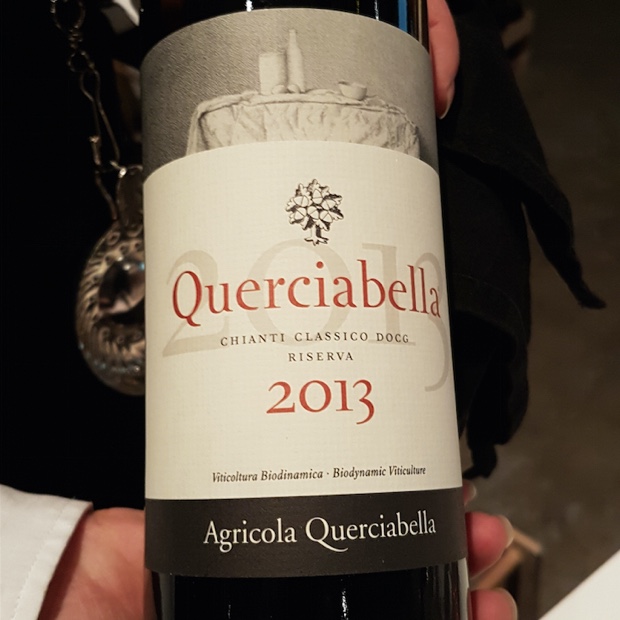
Querciabella Chianti Classico DOCG 2022, Greve

The 2022 is the current market release for Querciabella’s Annata, a “Chianti Classico panoramic,” are the words of the Roberto Lasorte, of minds and hearts that have been a part of the estate fabric seemingly since creation. Every bit of warmth, ripeness, blending acumen, mixology of sangiovese parts and finessed ability are there. The wine comes together and nothing will break it apart, not now or potentially ten years away.  Last tasted November 2025

Now here is a 2022 that shows us the greatness of the finest agricultural work, followed by studious attention in the cellar. Adds up to am Annata that truly abides by what the last 10 years have all been about. There is a balance and flow to this 100 percent Ruffoli sangiovese that some ‘22s struggle to find. Fruit first and foremost but then this proper mix of acidity and tannin, neither demanding more than the other and both supportive. So well managed and executed Annata, nearly ready to drink. Drink 2026-2032.  Tasted at The Chianti Classico Collection, February 2025

Terre Di Melazzano Chianti Classico DOCG Chi André 2022, Greve

Knowable and understood as modern Chianti Classico with elasticity and flow as opposed to leather and earth. Still there is some grip and immobility in these tannins while the wine comes through in two separate parts. Unity may come with time. Drink 2026-2028.  Tasted October 2025

Torraccia Di Presura Chianti Classico DOCG Il Tarocco 2022, Greve

Evergreen scented straight from the top to denote a northerly Greve position where warmer climate sees the pines and coniferous bushes grow. That is the savour of that part of the land and the terroir can’t be removed from the wine. Clay in the soil keeps the humidity and for a wine with drying tannins, ripeness is the foil for a Chianti Classico driven by place. Drink 2026-2028.  Tasted October 2025

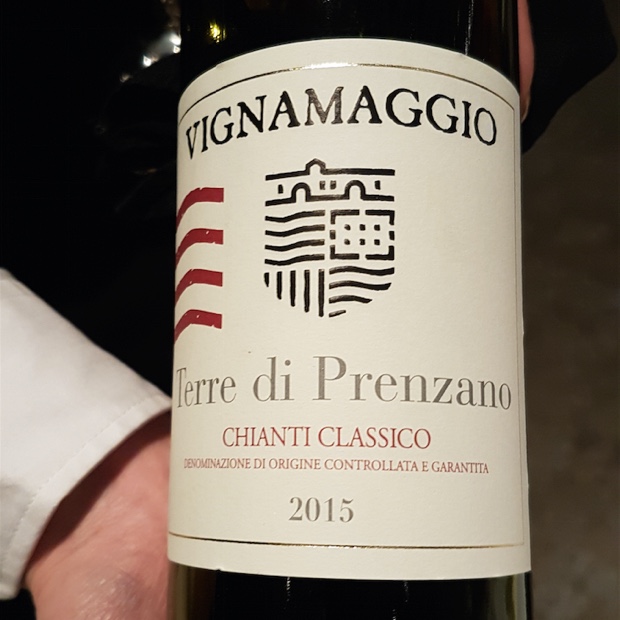
Vignamaggio Chianti Classico DOCG Terre Di Prenzano 2022, Greve

Named for the soil of Prenzano, first vineyard planted in the area behind the villa on the route up through the Lamole hills. Only big (20 hL) French cask with less than zero impact on the wines. Sounds like something absurd to say but there is great truth in how the large vessels are houses and not drivers. The sources for Prenzano are multifold and the result is one of this territory’s most well-rounded sangiovese that speaks in a clear, present and accountable vernacular. That said a balmy vintage makes for a wine of warmth and interesting to note that Annata is pure sangiovese while Riserva holds 10-20 percent merlot. Drink 2026-2028.  Tasted September 2025
Montefioralle

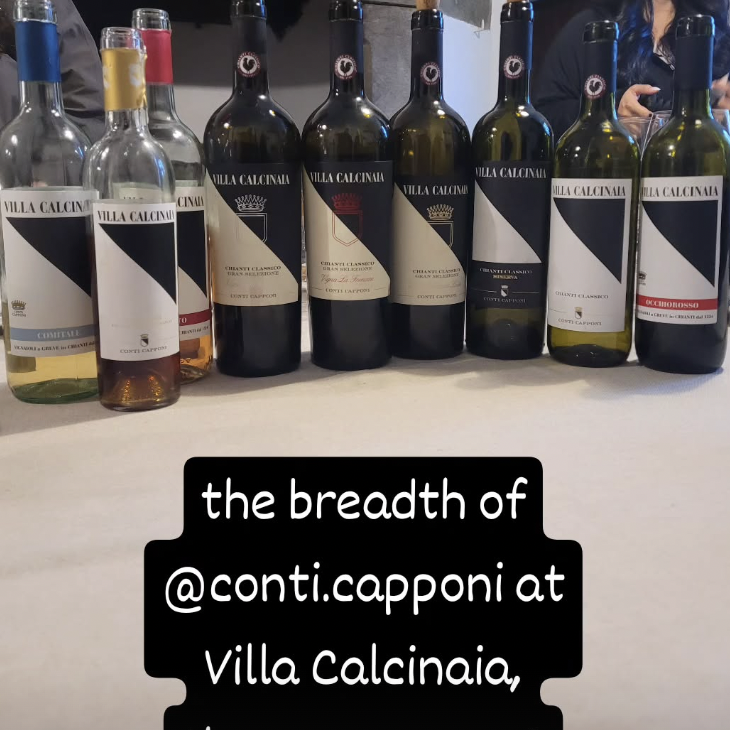
Conti Capponi – Villa Calcinaia Chianti Classico DOCG 2022, Montefioralle

Loamy with Alberese grip and warmth from a season of unavoidable truth to gift darker fruit. Namely sangiovese with 10 percent canaiolo to level out the balance between pH and acidity for harmony and elasticity. Feels like success out of a challenge presented.  Last tasted October 2025

The current vintage for the winery and cellar built circa 1763 by Ferdinand Capponi is undeniably aromatic in the ways of this estate’s consistent Chianti Classico Annata from the west bank above the Greve River. A mix of humid concrete, herbal brush, Amaro and nut toasty warmth. Shakes of silty salt and white pepper for a seasoned Annata grown, raised and bottled for all the good reasons. Drink 2026-2029.  Tasted September 2025

Panzano

Fontodi Chianti Classico DOCG 2022, Panzano

The tannins are yet to release, despite the lesser aging time for 2022 and the wine remains in a time of extreme youth. Waiting another year (at the very least) would be the prudent way to approach it. There will be 200 cases released through VINTAGES in Ontario sometime in the fall of 2026.  Last tasted September 2025

Just only recently bottled, a 100 percent sangiovese from a very hot season and the challenge faced because of a devastating hailstorm that occurred on the night of August 15th. Thirty hectares (of 105 total) were lost to this rarest, once in a century happening. “It was revolting,” says Bernardo Manetti, “if you smelled the grapes after the hail.” The approach for 2022 became one of lower extraction and less aging, the wines taken out of wood in July after just nine months. The severely reduced crop yielded this concentration and inedible stamp of Conca d’Oro richness with a fine tannic presence and ripeness at peak both adding to the compaction of the wine. Drink 2026-2031.  Tasted February 2025

Fontodi Chianti Classico DOCG Dino 2022, Panzano

A reminder that Dino is the sangiovese aged in amphora, separated from the skins just before Christmas, therefore two to three months depending on harvest date. Dino needs to breath and release any musky moments it may own by being in bottle as a wine with low pH and high acid protected against oxidation. After 10 minutes the change begins and with 20 the energy release comes clean. Dino is ready and worthy of what lays ahead.  Last tasted September 2025

Dino is the sangiovese fermented and aged in amphora, from the southwest facing vineyard lower down in the Conca d’Oro overlooking the Chianina stables. A strangely low alcohol wine at 13 percent “and we don’t fully know why,” says Bernardo Manetti, but it is in fact a cooler site where temperatures really drop down in the night. Bottled in June of 2024 after three months of maceration and just a year and a half of aging. Always the push-pull between earthy and musky, as here with high poly-phenolic character. There is a presence to the 2022 with thanks to the lithe frame housing fleshy red fruit. Drink 2025-2029.  Tasted February 2025

Monte Bernardi Chianti Classico DOCG Sangió 2022, Panzano

“We were really surprised by this wine,” from the parcel purchased in 2018 with the idea of increasing the Retromarcia production. The first year impressed Michael and by the second year it showed enough stuffing and promise to be its own wine. Bright lights, wild-eyed sangiovese with big heart, full intensity and scintillant acidity. Right where it needs to be, right now.  Last tasted September 2025

The unmistakable touch and feel of a Monte Bernardi sangiovese here from 2022, up in the air where rare and vacuous receive the fruit of a most passionate and discerning labour. Sangio is Annata born in the fields and nowhere but, cumulate of proper but also determined decisions to make full use of every grape available. Once in the cantina it fends for itself because it is equipped to do so and yes this is the most natural of wines in the way you would ask for it to be. Acids are elastic but will become even more so as the sangiovese stretches, fleshes and finishes its “giretto.”  Tasted at The Chianti Classico Collection, February 2025

Fourth vintage of Sangio’, second of two Annata made by Michael Schmelzer, namely from the younger nine hectare parcels grown at the highest elevation. Brighter and yet chalkier than Retromarcia, though increasingly less of an almost “Riserva” style that the Retro M. has become. Delivers that blood orange sensibility in sangiovese. Tannins feel less experienced and stylish but the potential (looking ahead five-plus years) is nevertheless striking. Drink 2024-2027.  Tasted again, February 2024

A windy place between 550 and 600m above Panzano a few kms northeast of the estate, a wine with a less serious name but not so in terms of the classicism that defines cool climate sangiovese. Crunchy or as it is said croccante, a beautiful and important use of (10 percent) stems, profoundly Monte Bernardi and the sort of tannins that grab hold of the senses, hold on tight, smiling and we in turn nod knowingly each moment along the way. A cooler yet sunny place, Alberese limestone helping to maintain the acidity and 16 months aging (barrels but skewed more towards concrete) so that in the end the wine you want to drink flows consistently from the bottle.  Tasted February 2024

Monte Bernardi Chianti Classico DOCG MB1933 2022, Panzano

MB1933 is coming from the 1933 planted vineyard in the same site as Sangió, tiny and housing 10 grape varieties. Connected to Marcello Bartolini, grandson of the man who planted the vineyard and because the same family has held its title, there is continuity until today. No wine had been made since the 1970s and Michael Schmelzer decided to dedicate the wine in his name. Could there be some varieties involved that should not classify as allowable in Chianti Classico? Does it matter and does anyone really care? Just taste it. Drink 2027-2034.  Tasted September 2025
Radda

Castelvecchi Chianti Classico DOCG Capotondo 2022, Radda

Expressive and effusive perfume from 88 percent sangiovese with (12) canaiolo for a dry as the desert Chianti Classico come from the land. A mix of sand and lime with stones bled through the glycerol fabric of the wine. A successful 2022 for the Radda producer with an ideal mix of the salty and sapid. Drink 2025-2029.  Tasted October 2025

Pruneto Chianti Classico DOCG 2022, Radda

Just one of those pure sangiovese that reeks of experience and maturity, having arrived at its destination to hold there for who knows how long. Quite full with liquid leather and liquorice, all things juiced from the land. Has softened and prepared itself for what needs and next. Drink 2025-2028.  Tasted October 2025

Tenuta di Carleone Chianti Classico DOCG 2022, Radda

If it has not been mentioned there is more richness of 2022 with 40 percent whole bunch and a mix of all the vineyards. First go and drink many without even thinking, then age some, drinking them here and there. You will find new moments each time, different, never the same and worth the very moment.  Last tasted September 2025

Tenacious freshness initiates this 100 percent Raddese sangiovese of blooming perfume caught at the pinpointed moment of its opening salvo. The beauty inherent is a factor of many things but who could not think that acumen is the impetus and the driver. Of plants and place, people and maker. The it factor can be affirmed with unequivocal doubt for this to be one of the top and critical Annata for 2022, expressed with a clarity and a focus at the height of all these aforementioned ideals. Drink 2025-2033.  Tasted at The Chianti Classico Collection, February 2025
San Casciano

Baciate Me Chianti Classico DOCG Avenne 2022, San Casciano

The project of Le Chiuse’s Lorenzo Magnelli and and Oenologist Valentino Ciarla with some play on words including “baciate me,” or “kiss me.” Also Avvenne which essentially requests a second glass. The blend is sangiovese with just five percent canaiolo come from old San Casciano vines and though one would expect more warmth and potentially heat – the opposite rings true. Cool, mint-savoury and macchia-influenced while Alberese stone drives the grip with tannic punch. Just 4,000 bottles are produced for this singular, precise and ultra proper Chianti Classico. Drink 2026-2029.  Tasted October 2025

Capaccioli – Poggio Niccolini Chianti Classico DOCG 2022, San Casciano

“I know that every year I can do better,” explains Federica Capaccioli and this second kick at the Chianti Classico can is different and better. Basically sangiovese with five percent mix of cabernet sauvignon, canaiolo and colorino. The savoury elements are right there at the aromatic top, spices run through perfumes and across the palate but they come from the land. The 2021 may be a better vintage but 2022 is a more complex, grippy and long-lived wine. Aging is one year in Slavonian tonneaux.  Last tasted September 2025

Beautifully perfumed Riserva from Capaccioli in 2022 with experienced fruit from an old vineyard knowing just what to do. Exotically charged with aromatics by seed and tuber, star anise to galangal for a south by south east Asian spice bouquet. The ripenesses are necessary to keep up and all three do their part, if also the bidding to secure longevity. That will be the case for Riserva that should drink dutifully for up to 10 years time. Drink 2026-2032.  Tasted at The Chianti Classico Collection, February 2025

Montesecondo Chianti Classico DOCG 2022, San Casciano

No real change or development, persistently drying, austere and untouchable. Drink the generous 2023 while waiting for 2022 to come around.  Last tasted November 2025

Quite a taut and wound Annata for 2022 with the advantage of elevation next to woods for freshness and crispy preservation. Does well to foil the dried herbs, brushy savour and further aridity provided by austere tannins. Should all come together in two years. Drink 2025-2028.  Tasted February 2024
Poggio Torselli

Poggio Torselli Il Contadino Cusano Chianti Classico DOCG 2022, San Casciano

The original Poggio Torselli, San Casciano Chianti Classico, verdant and savoury at the pinnacle of what that can be like from this northwesterly UGA. Full and dark of fruit with all the proper greens in all the correct places. Sees 12 months in French wood after a concrete fermentation which did the yeoman work to preserve ample freshness. Fine, from a warm vintage and that does show.  Last tasted September 2025

The 2022 Annata and ’21 Riserva/Gran Selezione are the first set of wines to be made strictly as 100 percent sangiovese. As a reaction to the 2021 season’s severe reduction of yields there was no Annata produced and so this is the follow-up to the previous 2020. A new age of style and quality really begins with this vintage, of such sweet Balsamico character in a Chianti Classico of equally positive acidity and simple, if fine tannins. Great length on the Annata and a pleasure to drink.  Tasted February 2025

Campione: Second vintage with oenologist Carlo Ferrini with a different process and yes the difference is immediately obvious. New tonneaux and 30 hL botti now housing the Annata, old barriques tossed out the window and the new balance is felt in the most palpable way. Rosso di Montalcino comes to mind and while that comparison may seem sanctimonious or anti-Classico, well just taste the style and level of quality. Juicy, blood orange in that regard and pretty much a finished wine. Stands up to be noticed. Drink 2024-2027.  Tasted February 2024

Poggio Torselli Il Contadino Cusano Chianti Classico DOCG Laterra 2022, San Casciano

The new label for Il Contadino Cusano from a recently purchased property with 20 year-old vines in Montefiridolfi, near to Tignanello. Higher elevation at 300m, only stainless fermentation, no concrete involved and then aged 12 months in wood. Lighter and brighter all the way though, clear as a bright blue sangiovese day and a good terroir foil to the first CC from Torselli’s ICC. Drink 2026-2028.  Tasted September 2025

Pieve Di Campoli Chianti Classico DOCG Cortine 2022, San Donato In Poggio

Hot and of a density the might best be described as Chiantamarone without the Classico addendum. Too much heat, too vivid and surely over-extracted.  Tasted October 2025

Villa Mangiacane Chianti Classico DOCG 2022, San Casciano

Impressive aromatic presence from San Casciano sangiovese (with 10 percent canaiolo and 5 colorino) for a wine that feels to be a child of long (minimum 30 days) of maceration. Brings a strong tannic presence as well though without any detectable austerity therein. A big wine with agreeable 14 percent alcohol and great potential for aging. Drink 2026-2030.  Tasted October 2025

San Donato In Poggio

Torre Prumiano Chianti Classico DOCG 2022, San Donato In Poggio

First taste and take ever from this San Donato in Poggio estate with soft and creamy red pulp fruit and tannin without grip. Not soft per se but drier as opposed to forceful. Generous maceration and classic soil composition (clay, calcari and schist) makes for a well-rounded Chianti Classico, Drink 2025-2027.  Tasted October 2025
Alessandra Casini

Vagliagli

Bindi Sergardi Chianti Classico DOCG Sergardo 2022, Vagliagli

Best to experience Sergardo is side by each with La Ghirlanda with the first slightly higher in acidity and the latter of pH. Makes for unique acidities and ultimately singular profiles. There is a sharper if less punchier profile here with limestone making a serious push.  Last tasted September 2025

Warm vintage begets big fruit and firm backbone for Alessandra Casini Bindi Sergardi’s sangiovese from the family’s Vaglialgi UGA estate called I Colli. Estate vineyards are employed in this location closer to Castelnuovo Berardenga and proximate to the Chianti Colli Senesi, 10 kilometres away from the homefront estate at Mocenni. The classicism of righteous sangiovese is in this glass, sanguine and mineral as it so often is, a construct of fruit, acidity and tannin that only this grape from this region can express. Correct and understood, less immediately gratifying as compared to some other vintages but be confident this wine will continue to drink beautifully after a minimum seven more years. Drink 2026-2031.  Tasted July 2025

Bindi Sergardi Chianti Classico DOCG La Ghirlanda 2022, Vagliagli

The vineyard is named after the woods in surround of the vineyard with stony soils delivering higher pH and punchier acidity because schist and therefore Galestro are the driver. Perfect timing right here, right now.  Last tasted September 2025

The times it takes for a Chianti Classico estate to perfect a formula for turning sangiovese into beauty is long and those who figure this out make wines like these. Annata from estate vineyards treated and handled with the gentlest of touch, low and slow, collated through processes that identify the vintage, tempering and refining its challenges. Presenting La Ghirlanda which expresses its own balance involving fruit, texture and weight, making use of acidity to distract from tannin and find a wine that drinks proportionally from now through to the end of its tenure. To the next decade. Drink 2025-2031.  Tasted at The Chianti Classico Collection, February 2025

Complicità Chianti Classico DOCG Assolo 2022, Vagliagli

A sandstone soil with 100 percent sangiovese built sturdy and sure with a saline streak running through slightly darker than transparent red fruit. Wild ferment after a late September pick for a classic Annata expression and one to extol the virtues of Vagliagli savour. Drink 2025-2028.  Tasted October 2025

Piccini 1882 Fattoria Di Valiano Chianti Classico DOCG 2022, Vagliagli

Straight to the point from knowable and recognizable deciduous terroir for fleshy, red stone fruit. As serviceable as they come, allfor one, one for all. Drink 2025-2027.  Tasted October 2025
Federica Capaccioli at Poggio Niccolini

Chianti Classico DOCG 2021

Gaiole

Podere Ciona Chianti Classico DOCG Proprieta Gatteschi 2021, Gaiole

That first encounter nearly nine years ago with the Gatteschi family’s 2014 was a memorable one and the 2021 sees an Annata still on the rise, with the best years still to come. Virtually no movement since February of last year with freshness locked in tight and five great drinking years left to enjoy.  Last tasted January 2026

Freshness incarnate from the small single hillside Gaiole estate, a quintessential extension from a forest località, whole and fulfilled of its own accord. As equanimous as any Chianti Classico that exists. Silk-threaded and sumptuous from the first, through filamented acidity and elastic texture. Tannins are fine, unobtrusive and acquiescing. Drink 2025-2030.  Tasted at The Chianti Classico Collection, February 2025

San Casciano

Capaccioli – Poggio Niccolini Chianti Classico DOCG 2021, San Casciano

Predominantly sangiovese with five percent mix of cabernet sauvignon, canaiolo and colorino. A terrific vintage, no frost at Poggio Niccolini, warm summer and optimum grapes brought in of both quality and quantity. The production was 4,000 bottles of the Annata alone and most years that is the total number. The 2021 has arrived, now a full adult, experienced, mature come to its place and with grip after tannic freight has melted through. Does it remind of some wins made twenty years prior, especially from 2001? There is a distinct possibility.  Lasted September 2025

Dramatic and vivid Annata from San Casciano with all the wilds of soil, herbs, brushy plants and florals flying from the glass. The air is filled with orchids, violets, Macchia Mediterraneo, sweet sangiovese, Cassis bled cabernet and sapidity raising canaiolo. Top effort for the UGA with ample vintage personality. Drink 2024-2027.  Tasted February 2024
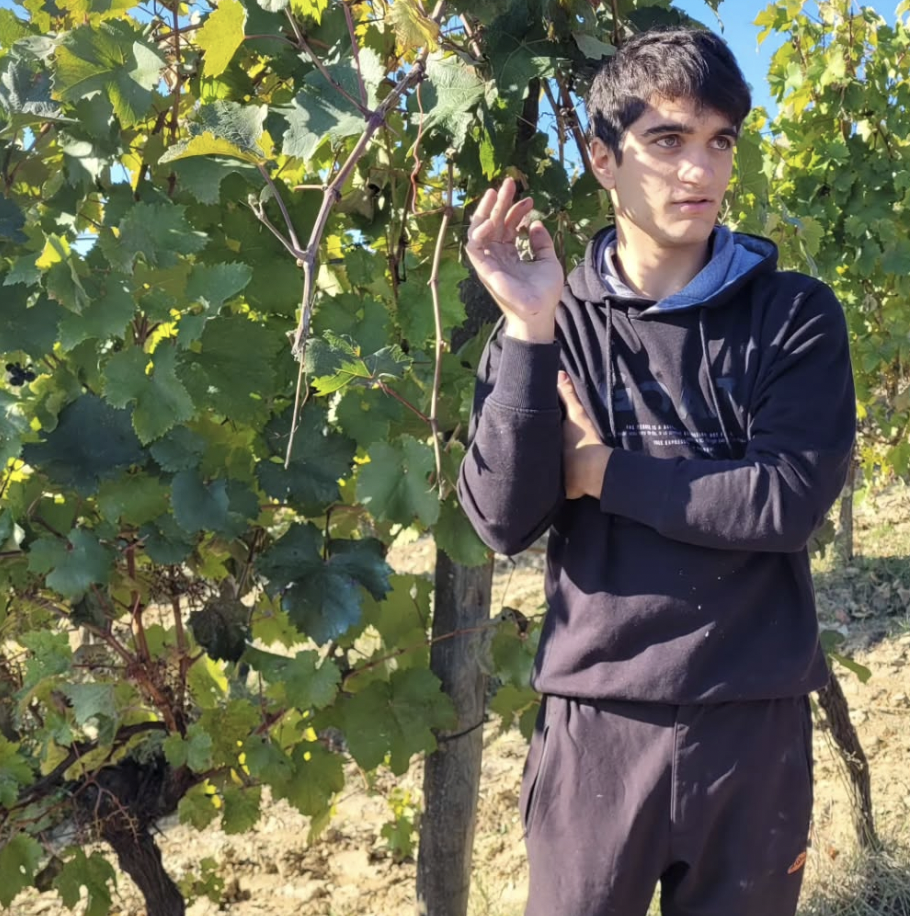
Mattia Bucciarelli

Older Chianti Classico DOCG

Castellina

Bucciarelli Antico Podere Casanova Chianti Classico DOCG 2018, Castellina

Aged in 70 percent chestnut and (30) oak barrels, mostly sangiovese although some of the oldest vines (dating to 1926) could very well be other indigenous varieties and so let’s just call the Chianti Classico a field blend. These tannins tell you who the boss is and the reason behind the avoidance of pressing the fruit. Site is the situation, richness and substance the reality, wood and old plant material the co-conspirators for just how structured an Annata is capable of being.  Last tasted October 2025

Reductive and conversely yet also complementary traditional, of mature fruit subjected to early oxidation as a protection against hasty advancement and then retreat. Bucciarelli’s pure sangiovese does in fact exist in a vacuum with elevated volatile acidity and a modicum of Brettnomyces though neither push the limits of danger. No in fact this 2018 is Chianti Classico so well structured to defy age and see aging as a necessary condition for what it shall become.  Drink 2024-2030. Tasted February 2024

Chianti Classico Riserva DOCG 2024

Panzano

Il Molino di Grace Chianti Classico Riserva DOCG 2024, Panzano

Campione: Shocked and even pleasantly surprised by the aggressive behaviour and tannic freight showing on this campione Riserva 2024. The DNA is there, “regardless of vintage” says Daniel Grace,” it’s something we’re really proud of.” Worthy of being labelled as Riserva. Unequivocally. Remains to be seen just how much stuffing is really there.  Tasted November 2025

Chianti Classico Riserva DOCG 2023

Panzano

Tenuta Casenuove Chianti Classico Riserva DOCG 2023, Panzano

Bottled in the last year and will be released in ’26 or even ’27. Better vineyard work for protection against sun and heat, but also some loss in ’23 because of the Spring (Peronsospora) downy mildew virus. Only 30 percent loss, better than many. Grippy and forceful but my goodness so young and yet again the new estate direction whereby harmony is achieved between ripe and silken fruit tempered by structured austerity. This is a very fine Riserva, perhaps not as elegant as ’21 but surely more finessed than 2022. Drink 2028-2035.  Tasted November 2024
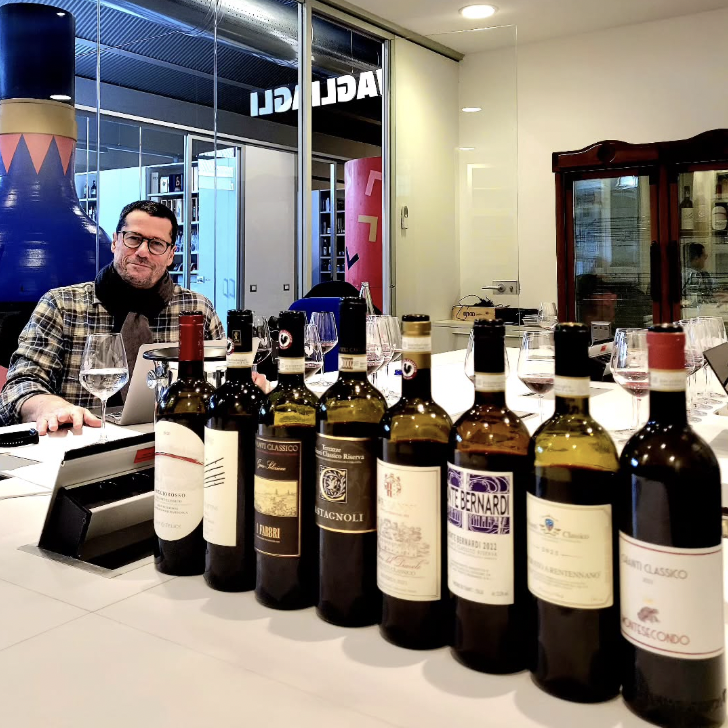
Chianti Classico Riserva DOCG 2022

Castellina

Banfi Chianti Classico Riserva DOCG 2022, Castellina

Ripe, forward and of a clarity with extra stuffing to denote and properly represent the Riserva level appellation. Also glycerin and creaminess of mouthfeel with just enough though not any overt grip at the finish. Drink early. Drink 2025-2027.  Tasted October 2025

Bibbiano Chianti Classico Riserva DOCG Marzi 2022, Castellina

Now labeled as Riserva Marzi with great respect to the family name and current Bibbiano estate custodian Tommaso Marrocchesi Marzi. Crisp and crunchy or as they say croccante for Riserva with proper brush and savour. Linear, vertical and yet modernly sumptuous. Drink 2026-2030.  Tasted October 2025

Tregole Chianti Classico Riserva DOCG 2022, Castellina

Gorgeous aromas and plenty of lift to the edge of promise for sangiovese from Castellina at elevation facing east with some northerly aspect. Long hang time and full phenolic presence with 2022’s warmth through fruit encouraged to continues its development for as long as any in the UGA and quite frankly the region. This walks the line with agility and strength of character to come away as a Chianti Classico beacon for the future. Drink 2025-2029.  Tasted October 2025
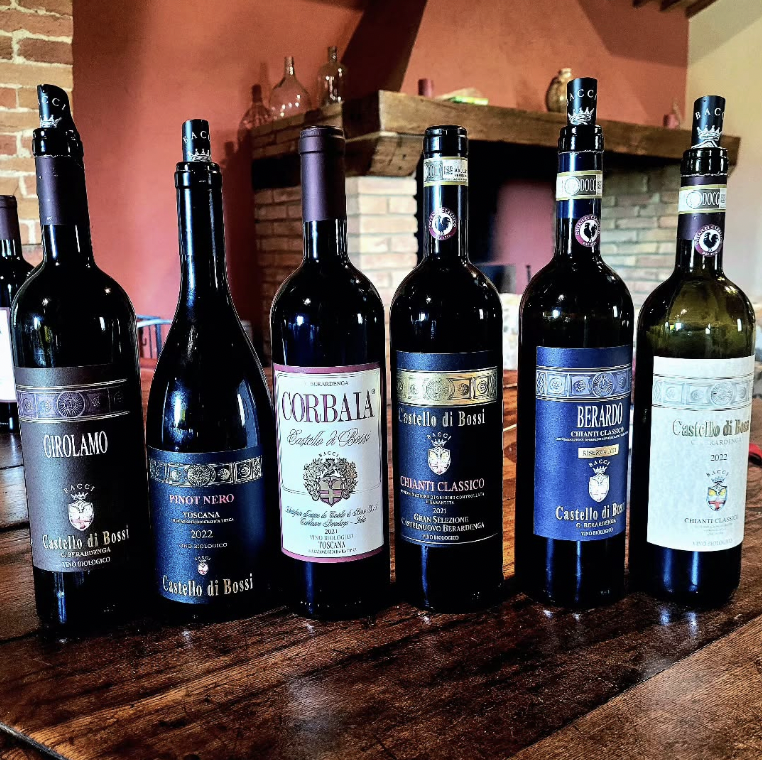
Castelnuovo Berardenga

Castello di Bossi Chianti Classico Riserva DOCG Berardo 2021, Castelnuovo Berardenga

Two years of aging in “really ancient casks” plus a few new, same approach as the Annata, organic with weather station in the vineyard aid. Gentle extraction with light-handed pumpovers for mild yet effective glycerin, smooth and suave texture, distinctly Bossi Riserva style. Classic for the mid-pyramid appellation and truly, truly Castelnuovo of origin from a seven hectare single vineyard.  Last tasted September 2025

Lovely perfume from Bossi’s Riserva and a 100 percent sangiovese that immediately attracts in just this way. A deep well of red fruit rises, coats and then fills the palate for what is simply definitive Riserva for Chianti Classico. No lack for tannins here neither and so come back year after year for five or more for the enhanced and continued experience. The work of a winemaker honing his or her craft is more than apparent. Drink 2026-2031.  Tasted at The Chianti Classico Collection, February 2025

Gaiole

Castello Di Meleto Chianti Classico Riserva DOCG 2022, Gaiole

There is a developing distinction for Meleto wines, including the separation of appellative levels and how the wines act for each. Here with Riserva the local forest effect in savoury greens are in the mix, as are silky texture touching on fine tannin. Next level concentration up from Annata and without the pinpointed accuracy of single plot expressive Gran Selezione. Right where it should be. Drink 2026-2030.  Tasted October 2025

Greve

Ambrogio E Giovanni Folonari Chianti Classico Riserva DOCG Nozzole 2022, Greve

Tight, with some reduction and longer macerated fruit for a trifecta of glycerol, texture and tannin. The latter is a bit grippy and also dried out the finish. Time will soften the edges and the plan would be to catch this Riserva just when that happens, but still before the fruit begins to wane.  Drink 2027-2029. Tasted October 2025

Giacomo Grassi Chianti Classico Riserva DOCG Rolando 2022, Greve

A new estate sangiovese discovery with ultra fresh aromas, of dwarf pine and other brushy elements for a sangiovese with true terroir definition. Also with five percent each colorino and pugnitello, sandstone soil elements making and stating the case for exactly what this Chianti Classico needs to be. Sweet savour and impeccably balanced with great interest and also complexity. Alberello vines, 450m of elevation in the località Dudda and though labeled as Greve the vineyard surely shares and affinity with the wines with Lamole. The perfumes are unmistakable to have come from land in the alpine shadow of the Chianti Mountains. Drink 2026-2031.  Tasted October 2025

Vignamaggio Chianti Classico Riserva DOCG Gherardino 2022, Greve

Uptick in concentration and suave texture yet no increase in warmth and ultimately Riserva is as smooth and seductive as sangiovese (with 10-20 percent merlot) is ever going to be. Prato, Querceto and Solatio are the three vineyards chosen for Riserva, in part Panzano and the other Greve. The sangiovese sees 20 hL botti for 18 months and the merlot goes through barriques. Yields are significantly lower at 38 hL per hectare as opposed to 45 for Annata. Quite a fine Riserva, once again one of the silkiest of many in this territory. Drink 2026-2030.  Tasted September 2025

Lamole

Lamole Di Lamole Chianti Classico Riserva DOCG Lareale 2022, Lamole

Campione: A sample not yet in market but already bottled. Riserva is reserved, young and in no great hurry, neither to impress or express what will eventually come to be. Even the perfumes are demure though some light is shed in flavours, complexities and movements across the palate. A sip helps the Lamole scents to make themselves known but they pale in comparison to the fineness of the sangiovese’s mineral chalkiness. This as a result of the vineyard’s way of transmitting the area’s terroir, of sandstone and derivative Galestro flaking though the vines and into the sangiovese bunches. Lareale needs another two years to make its message be heard loud and clear. Drink 2027-2031.  Tasted November 2025

Panzano

Villa Cafaggio Chianti Classico Riserva DOCG 2022, Panzano

Lifted and lithe for Riserva with grace and elegance as compared to so many peers. A consumer might not understand the style or effect as it pertains to the appellative level, while many will appreciate and respect the restraint all the same. A lovely, beautiful and moderate expression this is. Drink 2025-2029.  Tasted October 2025

Monte Bernardi Chianti Classico Riserva DOCG 2022, Panzano

Even at Riserva level there is this feeling of a wine that can deliver the desire to drink right away with affordability in mind. The vines are 50 years of age which mean quite a lot and there is more sun retention leading to higher acid and lightning strength in fruit style. The other Riserva is named Sa’Etta which means thunderbolt but in 2022 this Riserva feels to reflect the name. Striking sangiovese with unbridled energy. Nearly two decades of commitment to agriculture has come to this harmony for a moment not experienced before. One of the top successes for Chianti Classico Riserva out of the hot and bothered vintage. No heat, not here, not now.  Last tasted September and November 2025

Purity and natural beauty for this Panzano Riserva. Something primary about it to be sure but c’mon it’s 2022 and the wine has barely touched the sky. Down to earth yes but bright and of a purple fruit exclusive to this estate and label. Monte Bernardi’s tastes like none else, in a class of its own and a sangiovese (with five percent colorino) such as this will change your mind about how to grow, ferment and bottle Chianti Classico. Just those three tenets of the process. Especially when they are as clean and pure as this. Drink 2026-2032.  Tasted at The Chianti Classico Collection, February 2025

Monte Bernardi Chianti Classico Riserva DOCG Sa’Etta 2022, Panzano

Now from Pietraforte soil on old vines at 450-500m in an amphitheatre-shaped vineyard with the same exposition as the first Riserva, but on the other side of the road with grapes that develop a thicker skin, likely due to higher solar reflection. The favour profile is not tied into the aromatics and the harvest time is just about the same but tannins are grippier and require further time in bottle.Approximately 10 months spent in wood and released in November though ’22 being the warm vintage meant an August release. More tannin and weight which will likely lead to longer aging. Drink 2026-2032.  Tasted September 2025

Tenuta Casenuove Chianti Classico Riserva DOCG 2022, Panzano

In bottle (later than normal) and will not be released until 2027 for a less than unicorn vintage with many challenges. Too hot, too dry, plants shut down and a worry the grapes would never fully ripen. Solid work in July, use of sunburn warding off kaolin, less leaf thinning and bunch protection were all necessary to protect the vines and allow them to reawaken in September to finish harvest. In the end Casenuove produced a solid and structured Riserva emblematic and reflective of northwest Panzano for 2022. Drink 2027-2031.  Tasted November 2024

Radda

Brancaia Chianti Classico Riserva DOCG 2022, Radda

The aromatic seasoning from multifarious barrel persists as an obvious spice and woodworking shop aromatic character of the wine. Crispy right now, Amaro herbal and still seductive.  Last tasted September 2025

The most exotically perfumed Riserva in the territory, at least from 2022, with the scents of lemongrass, fenugreek and in the oddest way the aromatics that create a Thai Curry. Unusual? Yes. Seductive? Absolutely. Feels like a percentage of American wood and 20 percent merlot are the answers to the questions and still the seduction is real. If you like Rioja Riserva this will be right up your alley and if you can appreciate the different than you should also be pleased. Drink 2025-2028.  Tasted at The Chianti Classico Collection, February 2025

Fattoria Poggerino Chianti Classico Riserva DOCG Vigna Bugialla 2022, Radda

Always a Riserva that combines size with elasticity, largesse with harmony and alcohol (15 percent) with balance. ’Tis the place, the way grapes ripen to phenolic fruition and a winemaker who respects exactly what needs to be done. Warm and silky 2022 as Riserva in the way the appellation should and is in fact is relayed. Tannins are forceful here and time is of patient’s essence. Drink 2027-2032.  Tasted October 2025
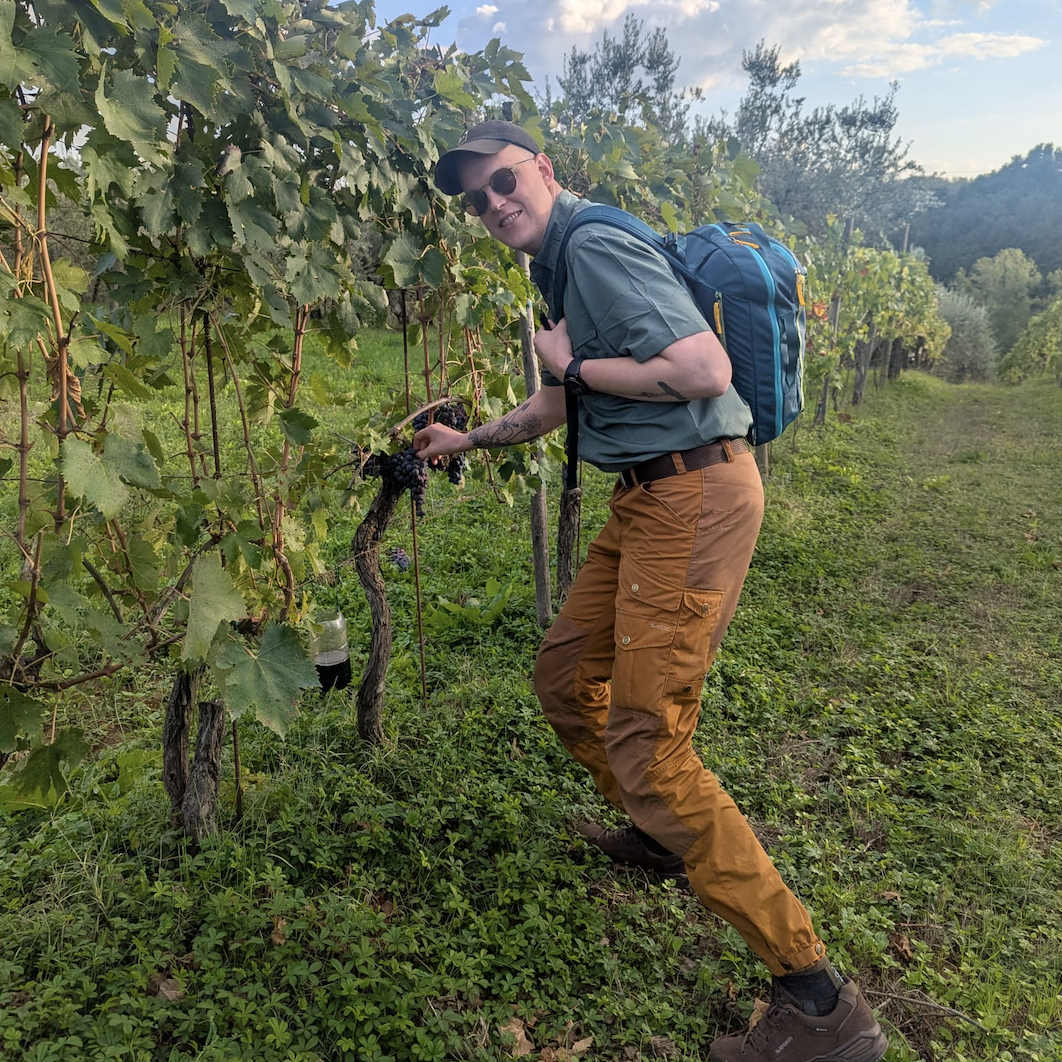
Leo “Captain Merlot” Hall at Poggio Niccolini

San Casciano

Capaccioli – Poggio Niccolini Chianti Classico Riserva DOCG 2022, San Casciano

Riserva that could be Gran Selezione, single-vineyard (there is currently only one hectare) and only the oldest vines go into this production. Just 900 bottles from the union of French tonneaux and barriques. The old vines are 100 percent sangiovese and so here you are. The label depicts the union between Montalcino and Firenze, echoing the symmetry of the Capaccioli logo with two elements, the “C” from Federica’s Chevalier ring and the onyx from Montalcino. Quite a mouthful of wood and grainy tannins, the wine so young and integration will come. Eventually. Federica told her unnamed consultant it was too oaky “to be my Riserva” and yet now the wine is changing, incorporating and allowing new flavours to emerge. This is the best work done from a first Riserva vintage no matter the style or effect. Will settle, play nice and subsequent vintages will only get better and better. Drink 2028-2035.  Tasted September 2025

Mons Driadalis Chianti Classico Riserva DOCG 2022, San Casciano

A brand new Chianti Classico estate with just one hectare in San Casciano for 500-1,000 bottles of Chianti Classico Riserva and 500 bottles of Rosé. Only sangiovese planted in 2016 with this a pretty wine from youngest vines not yet ready to express what they will become. Elegance indeed and the interest runs high though what structure and potential lay ahead is truly unknown. Beginning in 2024 there will be another hectare from Lamole at Poggio all’Olmo, with plantings from 1985 and 2004. Drink 2025-2026.  Tasted October 2025

Podere La Villa Di Ilaria Tachis Chianti Classico Riserva DOCG Expecta 2022, San Casciano

From the daughter of renowned Italian oenologist Giacomo Tachis. Volatility runs high with rubbery aromas, very much like the inner lining of a tire. Palate and tannins are a bit brittle although there is some quality fruit lurking behind the distraction. Feels like an early go at making sangiovese from young vines in Chianti Classico. Drink 2025-2026.  Tasted October 2025

Poggio Torselli Il Contadino Cusano Chianti Classico Riserva DOCG 2022, San Casciano

Riserva sees 24 months in wood vats and is a bit of a late release as compared to many CCR but the style and effect is clearly, visibly and undoubtedly Carlo Ferrini’s. Rich fruit is substantial with an even richer textural complexion because the barrel brings more breadth and grain. Earth and leather aid in the development of a true Riserva profile. Drink 2026-2029.  Tasted September 2025

Poggio Torselli Il Contadino Cusano Chianti Classico Riserva DOCG Laterra 2022, San Casciano

The new label for here at Riserva level for Il Contadino Cusano with the higher quality fruit out of the recently purchased Montefiridolfi property and its 20 year-old vines at 300m. Sees the same 24 months in wood (as the first Riserva) and the alcohol is 0.5 lower at 13.5 percent. Same chalky grain and textural style, as per Carlo Ferrini making older-schooled CCR. Drink 2026-2030.  Tasted September 2025
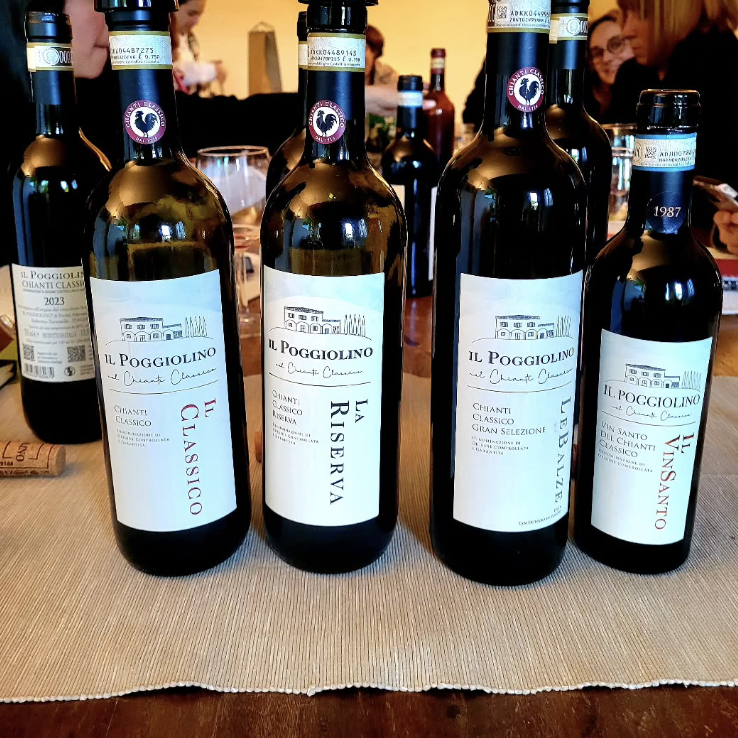
San Donato In Poggio

Il Poggiolino Chianti Classico Riserva DOCG La Riserva 2022, San Donato In Poggio

Just the smallest amount of colorino splashes as with the Annata although La Riserva goes to wood for 14 months in botti or used barriques. Unique fruit profile for San Donato in Poggio, almost blue or purple in character, come into view from florals and with lift. Definite extension from Annata and though here the warm vintage is the source there is juicy freshness in a crunchy sangiovese as Riserva. Drink 2026-2029.  Tasted September 2025

Vallepicciola Chianti Classico Riserva DOCG 2022, Vagliagli

Quite the savoury Riserva with notable evergreen perfume and other unnamed verdant character. Fruit lays lower and below the herbaceous elements with moderate structure strong enough to supply this 100 percent sangiovese with the stuffing mid-term aging. Drink 2026-2029. Tasted October 2025

Chianti Classico Riserva DOCG 2021

Greve

Querciabella Chianti Classico Riserva DOCG 2021, Greve

The presence of Riserva from such an ideal vintage as 2021 wavers not for a single moment, not since inception, nor through four years after the vintage was collected, realized and aged. The sturdiness and generous nature of sangiovese given from the Ruffoli hill’s micro-climate remains in persistent freshness while continuing to accumulate potential. Vertical vintage, built for the longest Riserva haul. Drink 2026-2033.  Tasted November 2025

Montefioralle

Conti Capponi – Villa Calcinaia Chianti Classico Riserva DOCG 2021, Montefioralle

A deeper and richer inhalant for sangiovese, surely as compared to the Annata ’22 and also many peers in the region. Fermented in 50 hL cement vats and open tonneaux, aged 20 years in cask, tonneaux and cement. Strays but nowhere from its strength and grip though with 20 minutes in the glass the floral and generous components begin to emerge. Riserva must have time in bottle and glass. It is essential towards seeing what is possible. Sweetness of acidity elevates fruit and allows it to stand up to structure. Drink 2026-2030.  Tasted September 2025

Panzano

Tenuta Casenuove Chianti Classico Riserva DOCG 2021, Panzano

The 2021 has been in bottle since May of 2023 and will be released in January of 2026. April frost only affected the youngest vines, August was hot and then a day here and there of refreshing rains led to a long and stretched out harvest. Grapes chosen were collected at optimum ripeness, come from half and half between older vines raised in the vein of Pietraforte that runs from Casenuove all the way down through the Conca d’Oro and then to the edge of Radda, along with this part of Panzano’s red ochre Galestro, mainly the upper parts of Perlame, Lepre, Posso and Rossa delle Torre. Fermented in concrete, held for 25-plus days, inclusive of delicate pumpovers. Winemaking is done by “taking our feet off the accelerator,” explains Maria Sole. Textural Panzano fills the palate on this conglomerate of rocks and stones perfumed sangiovese that accomplishes something Tenuta Casenuove had not yet achieved. That would be a Riserva so stylish while also transmitting and in fact owing their unique location and soil compositions. The 2021 survey meets the makers’ expectations with just enough compaction and austerity to see potential as never before. Drink 2027-2034.  Tasted November 2024

Radda

Brancaia Chianti Classico Riserva DOCG 2021, Radda

Has been nearly 20 months since last tasting the 2021 Riserva and yes things have changed. Fruit showing generously at peak performance, wood sliding into the background and acidity thriving. There was a bit more new oak in the ’21 but the ’22 shows it more. Funny isn’t that? Says so much about the quality of the fruit.  Last tasted September 2025

The opposite of light and juicy but looking for elegance through aging 16 months in tonneaux for the sangiovese and barriques for the merlot, on average 50 percent new. Outstanding vintage says Barbara Widmer, as opposed to ’20 merely being “good.“ But they are one in the same in many ways, acidity still thriving, fruit full and substantial, tannins very much in charge. True Riserva style, always and seemingly forever.  Tasted April 2024

Brancaia Riserva takes off where Annata leaves off and seems a bit agitated at this early stage. Even with 20 percent merlot there is an uneasiness about the sangiovese and this may not be the best time to seek the truth. Nevertheless the 2021’s lift, heft and breadth indicate a swirl of substance in fruit that precedes structure, while power knows how much it’s in control. Drink 2024-2027.  Tasted February 2024

San Donato In Poggio

Ormanni Chianti Classico Riserva DOCG Borro Del Diavolo 2021, San Donato in Poggio

Strength in Riserva, power by way of restraint and concentration at peak for the low-yielding vintage of great potential. Impressive fruit followed by even more structure, almost into a fortified arena to speak of a decade or more unfolding laid out ahead. Volumetric perfumes, layers of grit and acid on the palate, tannins more expressive then restrained. There is a depth from start to finish that speaks in a solo sangiovese vernacular through top level clarity. The requiem for peak success is to request another 18 months of rest. Drink 2027-2033.  Tasted November 2025

Podere La Cappella Chianti Classico Riserva DOCG Querciolo 2021, San Donato In Poggio

The “little oak” applies to Riserva, 100 percent sangiovese neither from the youngest nor the oldest vines. Take the tension from Annata as obvious as any Chianti Classico, multiply that character and here you feel the magnification of a San Donato in Poggio sangiovese, with a reduced blood orange flavour. Ages in barriques, 20 percent new and the classicism directed is heritage preserved. The finish holds a chocolate component in a mix of creamy and austere, almost a curious and generous combination. I think this tastes like Barolo. Drink 2026-2031.  Tasted September 2025

La Squadra Canadese at Poggio Niccolini

Chianti Classico Riserva DOCG 2020

Vagliagli

Bindi Sergardi Chianti Classico Riserva DOCG I Colli 2020, Vagliagli

Seven and a half months onward and I Colli’s warmth of 2020 is beginning to incite some movement in the wine. Tasted side by side with Caledonia you can’t miss the darker fruit profile and clay soil defining the determined kind of character in sangiovese.  Last tasted September 2025

Riserva of experience and layering, a mille-feuille of fruit and acidity intertwined, interchangeable and complimentary. One then the other taking turns at the wheel, got each others’ backs, defending from tannins coming forward sweet yet fierce. Full and substantial in most every regard but especially those parts that exemplify optimum ripeness. No lack for beauty and grace – never a doubt or question. Drink 2026-2031.  Tasted at The Chianti Classico Collection, February 2025

Bindi Sergardi Chianti Classico Riserva DOCG Calidonia 2020, Vagliagli

The complexity and stony saltiness in Calidonia will never be denied, not 17 months ago, not at this moment, not nine or ten years from now. Elegance and grace, each declared through pretty persuasion.  Last tasted September 2025

Campione: A sample and always Calidonia – Calidonia, the three vineyard (Vigna della signora Chiara, Finocchi and Perone) from Mocenni estate as Riserva that is the sangiovese incarnation of its maker Alessandra Casini. A Riserva of grace and fluidity, of movement as if feet do not touch the ground and corporeal body gliding effortlessly across the palate. The wine “senza sforzo nel movimento,” still in youth with wood purposed and informing fruit to come for the soirée and stay for the pleasure. As do we because the ingredients will eventually emulsify into a fine varietal salsa. Drink 2025-2034.  Tasted February 2024

Chianti Classico Riserva DOCG 2019

Castellina

Castagnoli Chianti Classico Riserva DOCG Terrazze 2019, Castellina

Open and philanthropic, juxtaposed by a dusty sangiovese expression, all in opposition to the current emotion of a maturing Riserva. Not a shock considering that 2019 is no longer a vintage from yesterday but now one looked at in the nearer reaches of the rear-view mirror. Showing well, the peak of the terrace no longer above but now one from which looking down is the current situation. Holding bottles any longer will not add to the pleasure to be gained from this wine. Drink 2025-2026.  Tasted November 2025

Panzano

Tenuta Casenuove Chianti Classico Riserva DOCG 2019, Panzano

The 2019 is yet another example for a Casenuove Riserva that surprises with its preserved freshness, although this vintage has moved forward faster than the 2018.  Last tasted November 2025

Riserva at 100 percent sangiovese is a change from the Classico where smallest bits of colorino, canaiolo and merlot are involved. Riserva comes from a strict selection of the best part of estate vineyards where clay-schist soils spill over with iron-rich Galestro outcroppings. As in Panzano in all its glory for a true expression of Casenuove’s warm location. Creates this clean sangiovese of utmost clarity.  Tasted February 2025

Riserva is 100 per cent sangiovese, a bit dusty and reserved, acids and tannins very much in charge. Crisp and crunchy for Riserva with notable fennel and balsamic notes with a nuttiness that is a palate extension from palate sweetness. A factor of new and used barriques with baking spice that in conjunction with full on ripeness to the edge creates a feeling of sleepiness. Enervating sangiovese. Drink 2023-2025.  Tasted February 2023 and February 2024
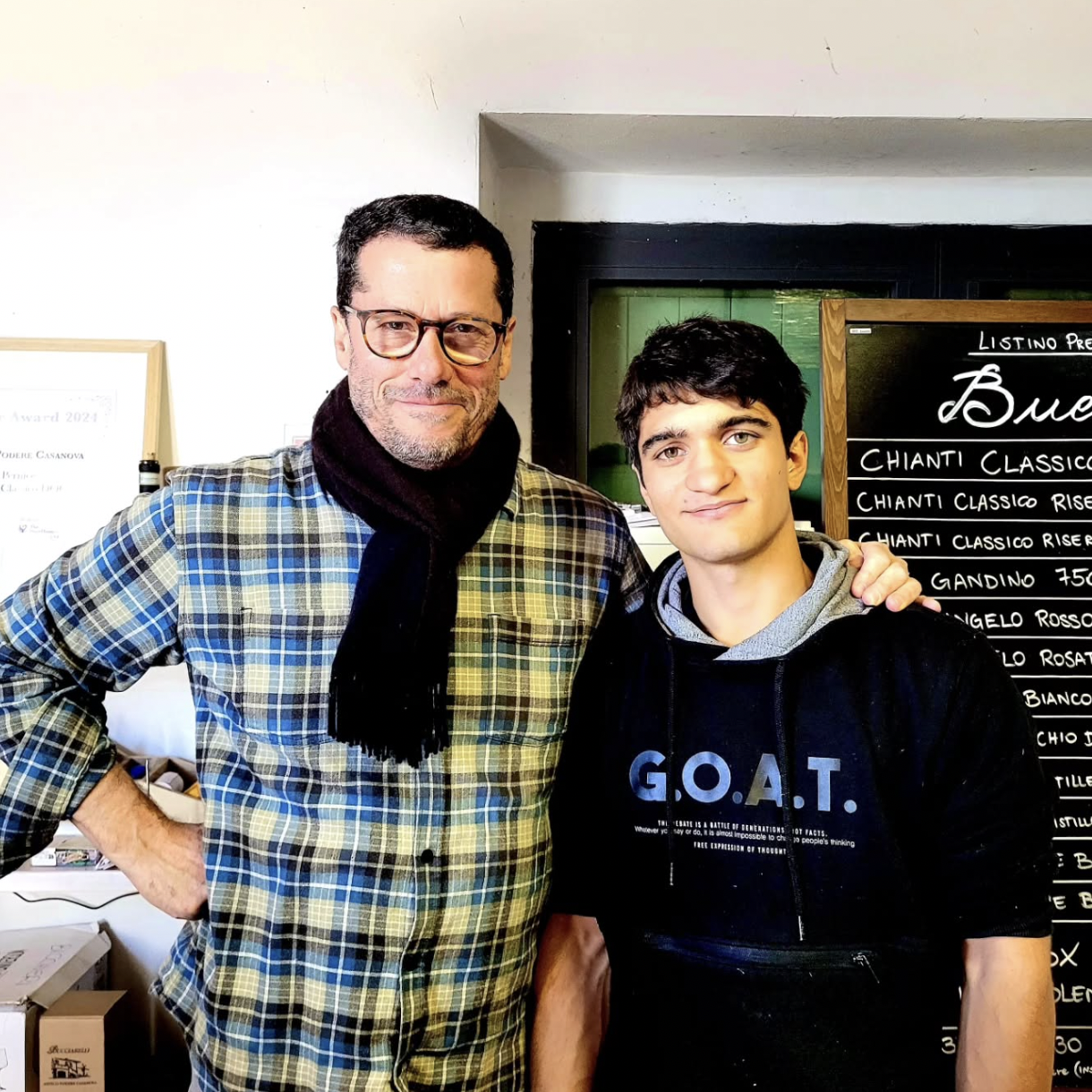
With Mattia Bucciarelli

Older Chianti Classico Riserva DOCG

Castellina

Bucciarelli Antico Podere Casanova Chianti Classico Riserva DOCG 2017, Castellina

From the vintage of no rain and all heat, the sangiovese field blend for Riserva aged in second, third and fourth passage wood. Bucciarelli did wait out the sun, welcomed the rain and after September 7th the temperatures stabilized, nights began to cool off and the berries swelled. Massimo Bucciarelli would have picked in October in spite of the season and early (sugar) ripeness, allowing for phenolics to catch up and equalize. Acidity is remarkably high, fruit twice ripe and tannins too. As good a 2017 Chianti Classico Riserva as could be wished for from Castellina and the territory. Drink 2025-2031.  Tasted October 2025

Gaiole

Podere Ciona Chianti Classico Riserva DOCG Proprieta Gatteschi 2019, Gaiole

After the Gatteschi family took control in 1990 of a farm abandoned 40 years prior the lower vineyards (comprising four hectares) were replanted between 1999 and 2003, the rest in the winter of 2011/2012 and the (lower) cabernet franc vineyard was re-grafted in 2018. The sangiovese comes from three locations: the three high vineyards (550-580m), Antica Rocca (600) and America’s Vineyard (610-625). Elevations of 490-550m are where the small amounts of merlot and alicante bouschet are grown to accent the sangiovese in Riserva. The 2019 comes from a vintage that has delivered so many classic Riserva for Chianti Classico and how thankful are we to have a look at one from altitude in Gaiole that has already served its time in bottle. At six and a half years with more than half that time already out of wood there is a sense that everything meant to occur has indeed come to fruition. The ’19 is sumptuous, steady, poised and a clear success for the UGA’s stellar season. Drink 2026-2030.   Tasted January 2026

Lamole

Lamole di Lamole Chianti Classico Riserva DOCG Vigneto Campolungo 1999, Lamole

Andrea Daldin’s seventh vintage at Lamole di Lamole is showing just as beautifully as his first from 1993, tasted back in March of 2022. In fact this ’99 exceeds that Riserva with emotion, longevity and a feeling of seventh heaven. The secondary perfumes are equally Lamole, of UGA and sangiovese lifeblood as any, floral and gently caramelized, complex as an essence of that which grows in the rows between vines and in the forests filling every other square metre of Lamole. A remarkable showing, wood healthily used yet fully melted into the fabric of a classic vintage and expertly executed Riserva. There will surely be two to four really good years left in the tank for this special Chianti Classico. Drink 2025-2027.  Tasted November 202

Panzano

Tenuta Casenuove Chianti Classico Riserva DOCG 2018, Panzano

A hotter summer but thankfully 10 days of freshening Tramontana northern winds blew in during harvest. The first year when only larger (mainly Stockinger) casks were used but also a bit of Piedmontazine cappello sommerso whereby submerged cap macerations would last for 60 days. The beginning of a new epoch for Riserva with some electricity created and a new energy for this level of appellative wine. The 2018 is moving slowly ahead, so much more incrementally than anticipated, with plenty of life left to live.  Last tasted November 2025

A Riserva quite consistent with the ’18 Annata, than the 19s, fruit captured at a more harmonious induced state and ultimately juicier as a result. Tannins silky with plenty of glycerol in a Riserva of dark western Panzano caramelization. Would not wait to drink this 100 percent sangiovese because maturity is fully happening already. Drink 2023-2025.  Tasted February 2023

Tenuta Casenuove Chianti Classico Riserva DOCG 2017, Panzano

So different to 2016, here without merlot and instead solo sangiovese from the hottest and driest vintage. Fruit now succumbing to the local Balsamico without really needing to fight for time and space – not anymore. Still a lovely and elegant expression, as fine as could be wished for from the season and fading gently into the Panzano sunset. Drink 2025-2026.  Tasted November 2025

Tenuta Casenuove Chianti Classico Riserva DOCG 2016, Panzano

The first and last year 10 percent merlot was included in the Riserva mix, eight to nine years of age and a fine vintage to see age forward to this ideal point. Maintains freshness with just a hint of sottobosco beginning to usher a transfer from primary to secondary fruit. Drink 2025-2028.  Tasted November 2025

Querciabella Chianti Classico Riserva DOCG 2014, Greve

The perfumes of 2014 are intense, verdant, savoury and so evergreen in nature. Cool and wet vintage but anyone who may have questioned longevity should have a nose and then take a sip off this forever sangiovese. Sure, it’s aromas have changed, also accumulated and exaggerated, now showing off terroir as much as any to be encountered. Like carpenters of great skill will build the sturdiest of edifices or writers will compose timeless songs. It’s only just begun.  Last tasted November 2025

This young and impressionable Riserva has been a year in bottle and with more (to mostly) Ruffoli fruit than normal it can’t help but speak a very specific language. Ad with the Annata from the same vintage there were problems with the Radda fruit and so the near-solo journey means less rounded edges and higher tones. The best fruit came from Greve, followed by Radda and then Gaiole. What you notice from this ’14 is its depth of beautiful cherry liqueur with earth tones and musky leather. The acidity is the constant, so very Ruffoli and the tannins are surprisingly sweet. Should all come together in another year or so. Drink 2019-2024.  Tasted February 2018
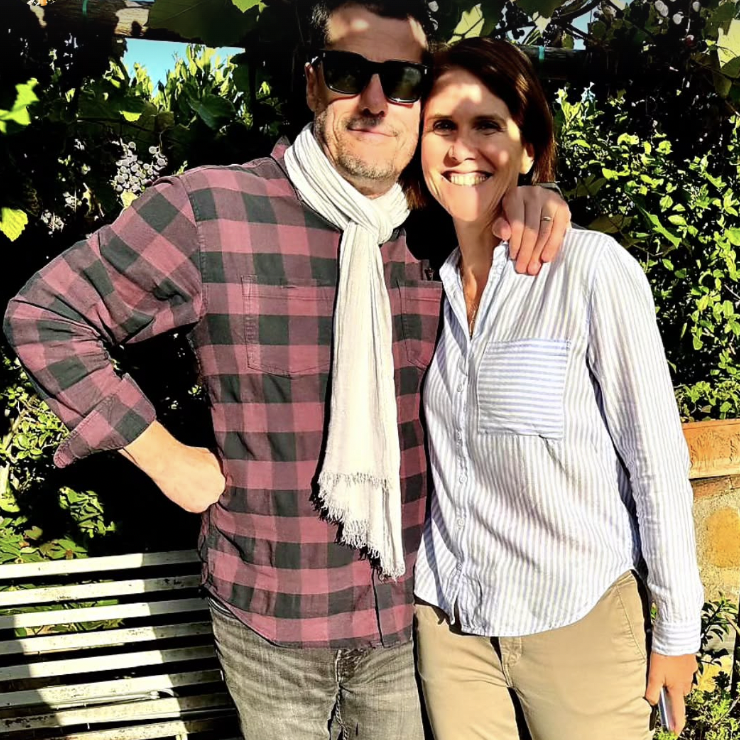
With Jacky Blisson MW

Chianti Classico Gran Selezione DOCG 2022

Castellina

Brancaia Chianti Classico Gran Selezione DOCG 2022, Castellina

The most important vintage celebrates the estate first purchased by Barbara Widmer’s parents in the 1980s and vines re-planted in 1999. “It has only taken 20 years to bring it back to the original high quality,” jokes Barbara Widmer. Truth is there is an amazing natural sweetness and surety about a sangiovese already easy and available.  Last tasted September 2025

Big bones and a wave of exotic perfume defining the vintage and for Castellina. I mean it’s Gran Selezione and so 2022 is really young. Feels like the wine is still refining while it stiff arms your palate to ward off the tackle and so surely too early to be tasting. Speaks to the idea of a window opening before some other number of UGA ‘22s, but the time is far from nigh. Drink 2026-2032.  Tasted at The Chianti Classico Collection, 2025

Cecchi Chianti Classico Gran Selezione DOCG Valore Di Famiglia 2022, Castellina

Exotically expressive bouquet from Cecchi’s top sangiovese drop with a cool herbal streak running through the warmth of the vintage. Well judged with savour and plush tannins to make for a most well-rounded Gran Selezione with finishing Balsamico spice. Tight now, opening likely the year after next. Drink 2027-2032.  Tasted October 2025

Ruffino Chianti Classico Gran Selezione DOCG Romitorio Di Santedame 2022, Castellina

Plethora of barrel character from spices to chocolates and every seasoning in between. Baking spice on fruit with the character and body to handle the years it will take to integrate and become one. Be patient. Drink 2028-2032.  Tasted October 2025

Querceto Di Castellina Chianti Classico Gran Selezione DOCG Sei 2022, Castellina

Bright and lifted Gran Selezione for 2022 from the high limestone filled elevated dome of a vineyard in Castellina. Crunchy as they come with tight lines, savour and intensity of lightning red fruit. As per the place and the way the wines need to be made. Drink 2027-2032.  Tasted October 2025

Castelnuovo Berardenga

Fèlsina Berardenga Rancia Chianti Classico Gran Selezione DOCG 2022, Castelnuovo Berardenga

Once a Riserva, now a third Gran Selzione for the estate from the famous south facing slope that visually reminds of the Chablisienne Fourchaume. In appearance and also the broad swath of fruit and grip it gifts to its famous tenant. Here as sangiovese out of the skeletal Alberese for strength and power with the unmissable Fèlsina verdant savour. Quite a tight chalkiness and white peppery character. Drink 2027-2032.  Tasted October 2025

Barone Ricasoli Chianti Classico Gran Selezione DOCG Colledilà 2022, Gaiole

Rich, substantial, ultra ripe sangiovese with highest Gaiole acidity and a brightness about its character. Another croccante Gran Selezione with great verticality and potential, especially for 2022. Do not sleep on Colledilà, not ever. Shot to the heart. Drink 2027-2033.  Tasted October 2025

Greve

Castello Di Querceto Chianti Classico Gran Selezione DOCG La Corte 2022, Greve

Warm vintage that accentuates the effect of the land to put its stamp on 100 percent sangiovese with relative vintage impunity. Quite crunchy for a Gran Selezione and also stiff, meaning the tannic presence and profile are immovable at this earliest of these first stages. This sangiovese must have the bottle to get where it is intended to go. Drink 2027-2032.  Tasted October 2025

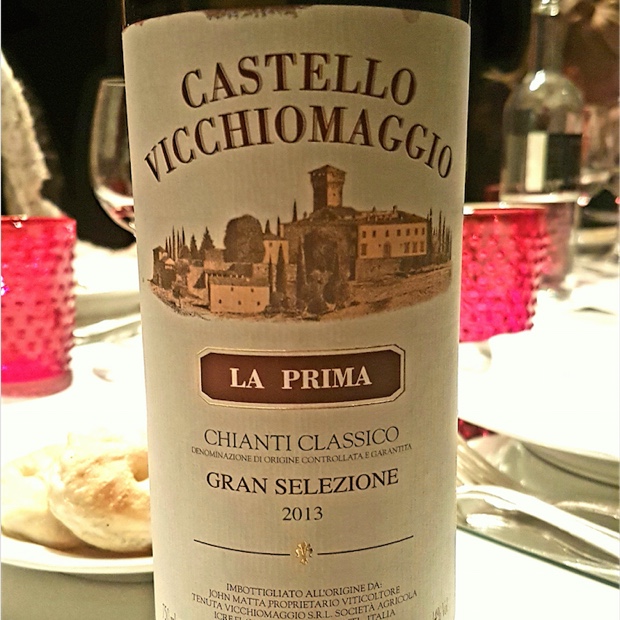
Castello Vicchiomaggio Chianti Classico Gran Selezione DOCG Le Bolle 2022, Greve

Notable fresh and fragrant herbal aromas, sweet garden scents and then a liquidity of plummy fruit for a full and mouth-filling experience. A rich and expressive Le Bolle of quicker immediacy towards gratification. No reason to wait on this sumptuous sangiovese. Drink 2025-2028.  Tasted October 2025

Radda

Istine Chianti Classico Gran Selezione DOCG Vigna Casanova dell’Aia 2022, Radda

The perfume of angels defines Radda’s Casanova dell’Aia and that may sound like fluff but there are no peers equipped with this ethereal aroma. The wave begins from the first and they keep coming, constantly, consistently, metered, incremental and seamless for sangiovese time immemorial. No gaps nor pauses and only fluid motion. Sublime Gran Selezione. Drink 2027-2036.  Tasted October 2025

Istine Chianti Classico Gran Selezione DOCG Vigna Istine 2022, Radda

From the steep declension of Istine’s limestone and schist littered home vineyard equipping this warm vintage Gran Selezione with a lick of fortified structure to see it live deep into the next decade. More high elevation savoury layers within, without and in stratification for sangiovese on the more serious side of the Gran Selezione appellation. Not hidden but at first unnoticed is the elevated acidity which is remarkable given the heat of 2022 and only certain Chianti Classico capture this excellence in the face of a season’s furtive gesture. Istine’s is grand in so many ways; fruit, acid, tannin and potential. Drink 2027-2034.  Tasted November 2025

Castello Di Volpaia Chianti Classico Gran Selezione DOCG Coltassala 2022, Radda

The perfume and ambience of Radda at elevation beget a Volpaia 2022 in Coltassala that dares to say that a warm vintage may try but won’t ultimately have the greater say on the outcome. A hyperbole of Raddese effect comes at the palate in waves with a wealth of flavours and truthfully more immediacy than Coltassalas of the past. In the pantheon of Volpaia and Gran Selezione this will please earlier the many. Do not dawdle over your bottles. Drink 2026-2030.  Tasted October 2025

San Casciano

La Vigna Di San Martino Ad Argiano Chianti Classico Gran Selezione DOCG 2022, San Casciano

The first Gran Selezione for the tiny San Casciano production and a 100 percent sangiovese to help define style begetting effect for the UGA. Distinct savour and with the vintage also an intensity that many other Gran Selezione do not express. Tannins are tightly wound, needing a few years to come together and they will alongside the strength of the fruit. Also thankful for the tying ability of the acidity. Drink 2027-2032.  Tasted October 2025

San Donato In Poggio

Il Poggiolino Chianti Classico Gran Selezione DOCG Le Balze 2022, San Donato In Poggio

Le Balze 2022 is clearly a Gran Selezione of restraint, of winemaking making sure to stay clear of heavy handed practice. Not quite a vintage to look for the sublime but Il Poggiolino finds the higher ground and delivers ephemeral beauty in Gran Selezione.  Last tasted October 2025

Three barrel types used, each to the same degree, of botti, barriques and tonneaux. A 2022 of freshness, so much so that considering the vintage you could say “incarnate.” Le Balze, giant step, as opposed to le balzo, the giant leap. Play with the words and many meanings can come out. One of the more balanced and early accessible Gran Selezione with minor grip, juicy acidity like La Riserva 2022 and Il Classico 2023. Drink 2026-2031.  Tasted September 2025
Sangiovese fermentation 2025 – Carleone

Chianti Classico Gran Selezione DOCG 2021

Castellina

Brancaia Chianti Classico Gran Selezione DOCG 2021, Castellina

Nearly 17 months after the last tasting with the Castellina macchia now showing its influence on the ’21 Gran Selezione. A vintage both relatable and ideal.  Last tasted September 2025

Fine, fine Brancaia, luxe and stylish while restrained in any needed way. The epitome of modern Gran Selezione, understated and always giving, with confidence and the understanding of why the appellation was conceived. Crunchy and savoury, still highly tannic and so make sure to concentrate on the beauty of perfume in this early stage of its tenure.  Tasted October 2024

The aromas and perfumes are so much more prevalent and open for 2021 with stoniness and Castellina as the instigator for how this Gran Selezione is want to express itself. Crispy, savoury and the sort to really bite down and sink your teeth into.  Tasted April 2024

New label not yet printed that likely indicated this has not been in bottle long and as a 2021 Gran Selezione that must surely be the case. Keep this in mind when you feel just how implosive and locked in the fruit is kept behind the wall of tannic sound. The freight is loaded in the compartments but the train has yet to leave the station – though as a 2021 there will be joy at the end of the line. With stops along the way because the vintage does not demand too much nor will it crash and burn. Brancaia’s 2021 is a ripe and primed GS to live out the decade and then for a few more years in the next. Drink 2026-2032.  Tasted February 2024

Cecchi Chianti Classico Gran Selezione DOCG Valore di Famiglia 2021, Castellina

Chianti Classico is beloved for 2021, in short supply but still treasured because of the quality and humility that came from precious small amounts fruit that followed the April frost. The balance between Palaggione fruit planted in 1965, “a piece of art” says Giulia Cecchi and the verticality of its architecture creates a Gran Selezione with meaning. Might be powerful but already the Galestro is melting and the sangiovese speaks in a come and get me language. Seventh vintage of this wine now rises to seventh heaven.  Last tasted November 2025

Taut and still somewhat reductive Gran Selezione from Castellina, not yet ready to calm, settle and release. A red fruit profile quite intense and acidity doing much the same. Needs to chill, relax and integrate, melt in its upfront barrel and come away with a new attitude, in new light. Drink 2027-2031.  Tasted at The Chianti Classico Collection, February 2025

Castelnuovo Berardenga

Castello di Bossi Chianti Classico Gran Selezione DOCG 2021, Castelnuovo Berardenga

With the Gran Selezione the decision is always the selection of the best grapes of the vintage. The vintage release is the same as Riserva though the GS sees six more months of aging, as per the disciplinare. More concentration requires more wood and so a few new casks are in the mix although you’d not necessarily notice this from the nose. High level perfumes and without the historical rusticity of the Berardo. A Castelnuovo elegance made possible for the combination of place and craft, although rarely achieved. Top vintage for this wine to be sure. There will be no Riserva or Gran Selezione for 2023 due to 50 percent loss to Perenospera and lack of structure due to faster/shorter ripening.  Last tasted September 2025

Bossi’s 2021 is truly a different animal as compared to its Riserva, less forthright, not quite as open or soliciting of immediate gratification. A vertical solo sangiovese expression, seriously structured and needing time. That said there is a brightness and citrus aspect that’s quite invigorating. Drink 2026-2031.  Tasted at The Chianti Classico Collection, 2025

Greve

Querciabella Chianti Classico Gran Selezione DOCG 2021, Greve

One of three Gran Selezione and the first vintage for three UGAs to be singled out, split from one another and perform individual sangiovese acts for Lamole, Radda and here out of Greve. The least perfume though that is extremely relative when you consider Radda and Lamole to be the other two, still Greve is floral and bursting with dark berry fruit. Darkest hue as well, concentrated and luxe in ways the others do not show. Built with a fineness of chalky underlay, expressive of Querciabella’s tannins so close to home, so bloody sangiovese taut, tightly wound, marked by Metallica tension, gripping its pillow tight, Top echelon expression and defining for the Ruffoli hill with the greatest of tension. Drink 2027-2038.  Tasted November 2025

Lamole

Lamole di Lamole Chianti Classico Gran Selezione DOCG Vigna Grospoli 2021, Lamole

Anteprima: A sample not yet in market but already bottled. From the slightly lower elevated vineyard adjacent the cantina, church and the multifarious vines that occupy sister block Campolungo. Grospoli comes from a beautiful vintage that included the Easter frost but to be fair that was not really a thing in Lamole. Finesse, fineness and precision are the triad of successes noted as by-product’s of what derivative emotion can come from Chianti Classico’s famous Lamole perfume, Everything about this wine speaks to the well developed ideal that is Gran Selezione. Juiciest at the top appellation, succulent and generous. Drink 2026-2033.  Tasted November 2025

Lamole di Lamole Chianti Classico Gran Selezione DOCG Vigna Campolungo 2021, Lamole

Anteprima: A sample not yet in market but already bottled. Vigna Campolungo is the historical vineyard, oldest plants dating to 1982, the one that travels back 40-plus years in terms of the Lamole development from unknown frazione to fashionable UGA, now sought after within greater Chianti Classico. The volume of aromas, fleshiness of fruit, layering of acidities and freight of tannin are all essential parts of its success. The Macigno, Calcari and Galestro variegation all contribute towards a sangiovese existing as an extension of well respected, maintained and heeded terraces. Campolungo mixes restrained power, verticality and potential in ways Grospoli does not. Not better but different and ultimately with a higher ceiling. Drink 2026-2034.  Tasted November 2025

Querciabella Chianti Classico Gran Selezione DOCG 2021, Lamole

One of three Gran Selezione and the first vintage for three UGAs to be singled out, split from one another and perform acts from Greve, Radda and here out of Lamole. First order of business is the Lamole perfume from cool and sweetly savoury fruit selected from the eight hectares of Querciabella’s most recent vineyard acquisition in Chianti Classico. A sangiovese pool filled with Lamole syrup, sweet acidity and verdant streaks of light. A scintillant and a giving Gran Selezione, one followed by the other, on repeat, never relenting and always intense. Drink 2026-2034.  Tasted November 2025

Montefioralle

Conti Capponi – Villa Calcinaia Chianti Classico Gran Selezione DOCG La Fornace 2021, Montefioralle

Moving along though the tannins remain tight clustered and unforgiving. The fruit and acidity are together knocking at the door and ready for some action. Perhaps another 18 months will do what is necessary to set La Fornace free. The most “Lamolese” of the three Gran Selezione.  Last tasted September 2025

The grandest statement of the three Capponi Gran Selezione is made by La Fornace, of the vineyard nicknamed “the furnace,” a place where solar radiation, especially in a vintage like this brings all the fruit out to play. More tension than the others, a greater demand made on our palates and a sapidity unlike the rest. Serious Selezione, perhaps less finessed and one to savour for years, but not quite yet. Drink 2028-2034.  Tasted at The Chianti Classico Collection, February 2025

Conti Capponi – Villa Calcinaia Chianti Classico Gran Selezione DOCG Vigna Contessa Luisa 2021, Montefioralle

Vigna Contessa Luisa remains the tightest of the three 2021 Gran Selezione, this in contract to abide by what was felt in February of this year. Luisa is playing hard to get, down in a dumb phase, closed until further notice. Fruit strong and grippy will run free soon enough, likely two years from now.  Last tasted September 2025

Contessa Luisa, closer in style to Bastignano then to Fornace with more glycerol and silken texture. Also a metal-mineral cloud burst through, like ink in slow motion, injected into water. Fruit feels purple or nearly so and here again the 2021 vintage is full of fruit so ripe and expressive. Memories of discussing the April frost and the state of Chianti Classico with Sebastiano Capponi flood back with a taste of Contessa Luisa. Such a fine Gran Selezione. Drink 2027-2033. Tasted at The Chianti Classico Collection,  February 2025

Conte Capponi/Villa Calcinaia Chianti Classico Gran Selezione DOCG Vigna Bastignano 2021, Montefioralle

For 2021 Vigna Bastignano resides at the pinnacle of generosity and gratification. No change really, either in maturity or structural strength and next Spring should see fruit reach the peak and tannin allow for some near term enjoyment. Will live well, just not as long as the other two Gran Selezione. Exults what the northern part of Montefioralle is about.  Last tasted September 2025

One of three Capponi Gran Selezione and in 2021 this just has to be the succulent one with the most up front mastery. Easy to understand, full and persuasive, flowing, languid and long. Bastignano is the sangiovese that takes it all in stride, of verse flowing into refrain, a composition never delivering a moment of gratuity. There without forcing anything, balanced as they come, earlier drinking than the other grippier Selezione. Drink 2026-2032. Tasted at The Chianti Classico Collection,  February 2025

Panzano

Fontodi Chianti Classico DOCG Vigna del Sorbo 2021, Panzano

Breathing sangiovese is just this – you can almost feel the inhale and exhale of ’21 Vigna del Sorbo on this freshest of October 2025 days. The Tramontana wind, cool and strong is blowing down and tasting four year-old sangiovese today is just right. Great vindication.  Last tasted September 2025

These old vines are resistant to and able to handle adversities like frost, extreme weather events and challenging vintages – The 2021 season was one of these but Vigna del Sorbo came through unscathed and yet like so many old vine plots it just does not produce with unlimited vigour. The quality of 2021 is timeless and this sangiovese will surely live well for 50 years. Brother Chianti Classico has arrived at its peak and this Gran Selezione is getting close. The tannins are still a bit crunchy and grainy, not yet elasticized, fused and consolidated.  Tasted April 2025

Oldest plot of vines are just approaching 50 years of age growing in the schist with Galestro flaking above the soil. Giovanni Manetti decided to bottle Sorbo as a single vineyard in 1985 though it does come from three plots of plantings put in between 1965 and 1973. Though April frost affected quantity in 2021 there was no compromise to quality and in fact this is as balanced a Vigna el Sorbo as Manetti has ever produced. Bottled just three-plus weeks ago and so yes it’s tight and compact, especially the tannins that take control but truth is this will continue to happen for another few months at the very least. See past the first stage and imagine what will be, take stock of memory and project towards the future. Manetti once said “the fresh finish (of the 1993 wine) should be the trademark of Chianti Classico wines.” Perhaps 2021 will emerge this way. Drink 2026-2037.  Tasted February 2024

Fontodi Chianti Classico DOCG Terrazze San Leolino 2021, Panzano

The most floral of the Fontodi Gran Selezione and just the third vintage of the San Leolino. Growing grapes around the church dates back to at least 1500, likely earlier and history counts for so much. That and the schist meets limestone in the soil with Galestro flake manifestation for two-toned structure seamlessly layers and woven into the fabric of sangiovese. Showing with verve today, as is Vigna del Sorbo.  Last tasted September 2025.

Must be noted that San Leolino’s 5,000 bottle production is a factor of Alberese soil and not Pietraforte because that vein of geology crosses the northern ridge of the Conca d’Oro before turning south towards Vigna del Sorbo. There is a crispy quality, notable power and darker cherry fruit with some Balsamico as well. The tannins are linear, cutting across right angles, yet to relent or meet any place or anytime soon in the middle. Hard to get and at least two years away.  Tasted April 2025

From the terraces around the old medieval Panzano church that the Manetti’s have and continue to restore for a Gran Selezione they were not sure would be made this early in their tenure of working with its fruit. Yet it shocked and surprised Giovanni and Bernardo to the point that it could be made at this level so early and so 2019 was the first, well ahead of schedule. This is a truly structured vintage, a trace of next direction, from the past and through the next generation, fruit so compact and mineral focused but tannins in complete control. The finish is beautifully salty and so completely Panzano. This puts San Leolino as Gran Selezione in next level and new light. Drink 2027-2038.  Tasted February 2024

Radda

Querciabella Chianti Classico Gran Selezione DOCG 2021, Radda

One of three Gran Selezione and the first vintage for three UGAs to be singled out, split from one anothem, perform acts from Lamole, Greve and here out of Radda. Aromatic stunner this Radda and the ripest of sangiovese for a UGA where that now happens with more regularity than ever before. Hard to believe the level of luxe character and substantial fruit. That and an exaggeration of Raddese acid riches, stride for stride with the fruit, together intertwined and joined at the hip. As sturdy, vertical and grippy as it is expressive of unlimited generosity, ultimately a full and purposed wine that has it all going on. Drink 2027-2036.  Tasted November 2025

San Casciano

Poggio Torselli Il Contadino Cusano Chianti Classico Gran Selezione DOCG Montecapri 2021, San Casciano

Still a baby and though at Gran Selezione level the wood should rightly still dominate that’s not exactly the case. The vibrancy rocks and the wine admits to little evolution. Come back in the spring of 2026 to see it anything has changed, if at all. Drink 2027-2031.  Tasted September 2025

Poggio Torselli Il Contadino Cusano Chianti Classico Gran Selezione DOCG Laterra 2021, San Casciano

Third and top of the pyramid from the newly minted and verifiably experienced (20 years of age) vineyard in Montefiridolfi now under the ownership of Il Contadino Cusano. Slings the top fruit into a sangiovese with real truth spoken and felt. The pyrazine is extrapolated, as is the freshness and vibrancy, in a different way than the first Gran Selezione. Drink 2027-2032.  Tasted September 2025

Chianti Classico Gran Selezione DOCG 2020

Castellina

Cecchi Chianti Classico Gran Selezione DOCG Villa Rosa 2020, Castellina

Villa Rosa is higher elevation fruit for Gran Selezione than that of Valore di Famiglia and as such a year older of a sangiovese actually feels like a younger wine. That is owing to stones in the soil, winds and an increased combination of acidity and tannin. In other words a truly structured 2020 that needs more time to open so that it may be ready for drinking with joy. Crunchy exterior and macchia-balsamico-savoury accented interior all needing at least another year to come together as one. Drink 2026–2032.  Tasted November 2025

Nittardi Chianti Classico DOCG Gran Selezione di Nittardi 2020, Castellina

The first Gran Selezione made at Nittardi, from fruit on the estate, specifically in 2020 from the 2012 vineyard at Villa Rosa mixed with the lower block at Vigna Doghessa. All Castellina fruit, only sangiovese and the approachability of this GS is second to none for all of Nittardi’s Chianti Classico. Fermentation happens in stainless steel, a few days of whole, uncut berry pumpover extraction, 20 days in total, moved to a mix of small and large wood, some new, much not, a total of two years. Finishes in concrete. At the top of the heap in terms of concentration and luxe character, a rich and fulfilling sangiovese experience. Clean and so well made, including the final cut decisions of oenologist Carlo Ferrini who has consulted at Nittardi since the beginning.  Last tasted November 2025

Über Castellina sangiovese, full fruit compliment at Gran Selezione level and already openly generous. Crunchy fruit mixed with equally toothsome tannin make for a good appellative combination. Fine work out of the variable 2020 vintage. Drink 2025-2031.  Tasted October 2024

Castelnuovo Berardenga

San Felice Chianti Classico Gran Selezione DOCG Poggiorosso 2020, Castelnuovo Berardenga

Give Poggiorosso two years further in bottle and power will shift, to elongate the sangiovese towards elegance. The elasticity of this fruit from variable 2020 is the impetus to combine with its acid catalyst and see no sign of decline anytime soon. Submits to the notion conceived two years back concerning a Gran Selezione that will age slowly, incrementally and gracefully for 15 years post harvest.  Last tasted November 2025

Poggiorosso as the second Gran Selezione is also labeled as Castelnuovo Berardenga for the first vintage under the new allowable UGA rules. Now from a single vineyard, an Alberese limestone source planted in 2000 and yet a consistent or at least seamless segue from the multi-site and multi-varietal GS. An extraordinary example of Selezione, rich and powerful but so accepting of its wood, seamlessly organized, oriented and original in every respect. Really elegant here from Leonardo Bellacini. Drink 2025-2035.  Tasted October 2023

Gaiole

Rocca Di Montegrossi Chianti Classico Gran Selezione DOCG Vigneto San Marcellino 2020, Gaiole

“From one extreme to another,” wrote Marco Ricasoli Firidolfi in October, 2020. “Actually, after the most rainy Fall ever, this dry situation was exactly what I was expecting.” No rain through to May, early bud break and conversely thankful for cool late Spring weather. Then a very warm August but cool nights and comfort through to harvest ending on October 10. Sounds like a progression for success, right? For the single schist-rocky San Marcellino vineyard Gran Selezione that would be unequivocally correct. The combination of slow-developed ripeness and acidity combining to scent as juicy can only mean a level of sangiovese best described as “abbondanza o ricchezza di succo,” an abundance or richness of juice to drive this GS in the most linear way. The 2020 makes a B-line for your senses, attacks with fervour, takes grip and holds on for a minute on end. The wherewithal is formidable, the tannins show no austerity and it would be hard to imagine any relent within the next 10 years. Drink 2027-2035.  Tasted January 2026

Greve

Querciabella Chianti Classico Gran Selezione DOCG 2020, Greve

Ruffoli hill for Gran Selezione and a most unique aromatic vintage, a note of orange extract as aerosol for a sangiovese raised on warmth and promises. A factor of capello sommerso, a submerged cap kept wet for an extended period of maceration, perfumes captured, kept and now just about ready to fully burst from the wine. Spices on this vintage, of the baking cupboard studding the orange, adding outgoing complexity and intimate nuance to sangiovese at Querciabella’s highest level. Drink 2026-2032.  Tasted November 2025

Chianti Classico Gran Selezione DOCG 2019

Lamole

I Fabbri Chianti Classico Gran Selezione DOCG 2019, Lamole

Purely, expressly and definitively Lamole perfume from a vintage destined to explain just what that may be. Savour but of a sweet and ambient nature that only sangiovese from this garden of UGA eden is want to convey. A manifest destiny of place in the hands of Susanna Grassi for vintage, variety and place. In a swarthy state today, a temporary activity that will change after these current tangle of tannins melt away.  Last tasted November 2025

From the oldest vines, including those planted back in 1965 and aged for two years in large cask, a.k.a. grandi botti. The old vines show what can be done from lowest of yields, highest of concentration and by way of a contract that seeks and attains the necessity of elegance. Everything about Susanna Grassi’s Gran Selezione speaks to the Lamole UGA, in sweetly herbal and savoury perfume, a floral note connected to the botany and grace under the pressure of structure so well defined. Drink 2025-2034.  Tasted October 2023, February and October 2024

San Donato In Poggio

Podere La Cappella Chianti Classico Gran Selezione DOCG Corbezzolo 2019, San Donato In Poggio

The first vintage for the 100 percent sangiovese qualified for and labeled as Gran Selezione, previously IGT and now in the mix where profound importance is both goal and assessment. Changes in the glass considerably with just 10 minutes, increasing flesh and amazingly also acidity. Felt soft to begin and then waxes in energy without letting go of its savour and grip.  Last tasted September 2025

Going back a few years to look at the inaugural Podere La Cappella Gran Selezione, a wine that joins the appellative fray for the first time out of a high quality vintage. The artist formerly labeled as IGT was last made in 2016 and here three years later it joins the Chianti Classico pyramid’s highest distinction. More barrel than the past and therefore spice, espresso and finally structure are really in. So much so you will still have to wait on the wine to integrate. First showing and the future will surely see to greater results. Drink 2027-2030.  Tasted at The Chianti Classico Collection, February 2025
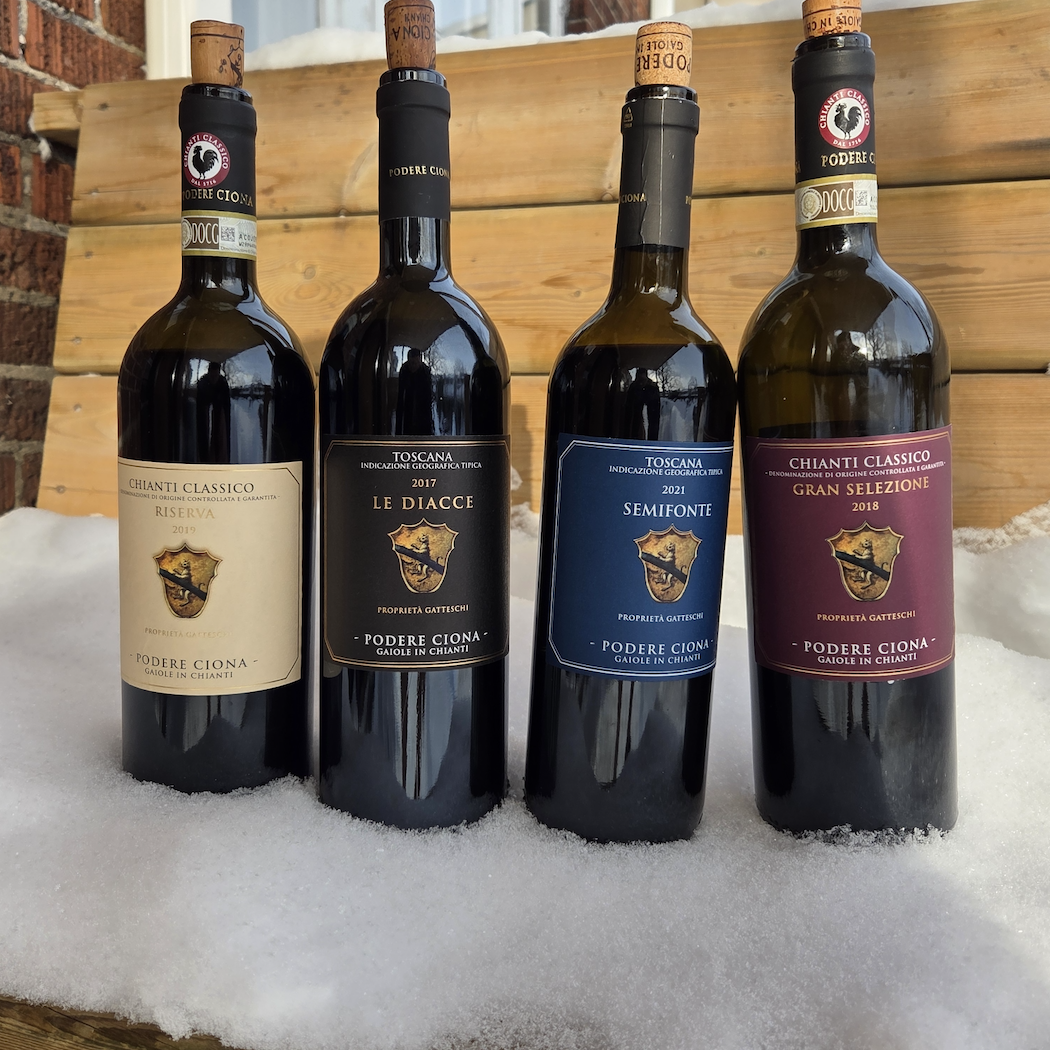
Chianti Classico Gran Selezione DOCG 2018

Gaiole

Podere Ciona Chianti Classico Gran Selezione DOCG Proprieta Gatteschi 2018, Gaiole

First approach to a Ciona Gran Selezione from the team of Winemaker Lorenzo Gatteschi, Oenologist Dott.ssa Vincenza Folgheretti and Agronomist Dott. Marco Pierucci. The vintage was simply not the same in two places within the territory for Chianti Classico wines at all three appellative levels, but my goodness Gaiole is on display in the most glaring of hyperbole ways. Exaggerated riches of savour and so little time though who could have nothing but time for such an honest wine. Also a sangiovese of great heart that wears personality on its sleeve. Like the Riserva 2019, time has been kind to settle the herbaceous character and allow truth of fruit to walk side by side with acidity and resolved tannin. Fine work from the Ciona team for 24,000 bottles total, inclusive of Annata, Riserva, this Gran Selezione and two IGTs. Drink 2026-2032.  Tasted January 2026

Greve

Vignamaggio Chianti Classico Gran Selezione DOCG Monna Lisa 2018, Greve

Gran Selezione from 2018 is a liquid peppery and smouldering affair with three fruit sources – Vitigliano, Prato and Querceto. The main geological indication is Formazione di Sillano, high in clay, lower in limestone and manifesting as schist Galestro above ground. Yields are down to 33 hl per hectare and wood aging has so much to do with the show of such a Gran Selezione. Large cask and barriques, minimum 24 months and up to six months further in bottle. Already at the six and a half year mark and needing two more years to integrate. Drink 2027-2032.  Tasted September 2025

Vagliagli

Bindi Sergardi Chianti Classico Gran Selezione DOCG Mocenni ’89 2018, Vagliagli

Ready, willing and able, not surprising considering the late September push of heat, rise of sugars and expressly mature preparedness early in the wine’s life. Drinking beautifully today and should hold so forth for a decade.  Last tasted September 2025

A bit warmer in Vagliagli as compared to the surrounding UGAs in 2018. There was some rain at the beginning of September after a very hot summer and harvest required three passes because there was some mildew pressure. Grapes were ready and “going away faster.” You can feel some maturity but also the blessed beauty of Mocenni’s elements, in rocks and stones feeding roots with nutrients. Very mineral. Truly.  Tasted October 2023

Mocenni 89 is Vagliagli Gran Selezione born of tough decisions, love, prudent selection and know this. There are vineyards on Alberese and Galestro to choose from that steal the show, gifting fruit that will steal your heart and likely also take your breath away. This is 2018 in a void, vacuum and shuttered universe, fine and graceful, full and forceful, designed and cared for, nurtured like few other Chianti Classico sangiovese. A Chianti Classico exception at the peak of the pyramid that will drift, glide and age slowly for decades. That is what we call realizing potential. Drink 2025-2038.  Tasted February 2023

Older Chianti Classico Gran Selezione DOCG

Greve

Querciabella Chianti Classico Gran Selezione DOCG 2017, Greve

Not a major shock that 2017 is showing some age as the sangiovese come from hottest and driest years. Thank goodness the grapes come from elevation and vineyards surrounding by life refreshing woods so that some level of acidity motivating freshness can be maintained seven to eight years after vintage. Keeps the wine on it toes, going forward and gifting pleasure. Expect 10 more years of this, possibly more.  Last tasted November 2025

Bottled two years ago, a high elevation Ruffoli interpretation of Gran Selezione. The genesis is in experimentation going back to 2010, ever since single high altitude Greve (essentially Ruffoli) wines have been aged and bottled as themselves. Radda and Gaiole as well but let’s face it Greve is the core. Along the way a textural component was noted, fruit associated at its inner sentiment and then in 2017 it was found and assessed to be something really exceptional. Not a wine of wood (and this was aged in old grandi botti), but a Gran Selezione about transparency. The soil is Arenaria sandstone and Galestro which can’t help at this elevation to gift a hint of orange rind and an uncanny flintiness. Only Ruffoli smells like this and with tannins so tightly wound mixed with the intense liveliness of that 2017 acidity. The vintage was warm and dry from the beginning but plant adaptation meant no true suffering and these are vines at peace. Vibrancy at peak mixed with pure fruit emotion makes this Gran Selezione a true force of place and nature. Drink 2025-2038.  Tasted November 2021

Vagliagli

Bindi Sergardi Chianti Classico Gran Selezione DOCG Mocenni ’89 2016, Vagliagli

Freshnes captured, kept and persistent for the top drop from Mocenni nearly ten years after vintage. Just the first hint of secondary character starting two years into the drinking window of this wine. Still crisp an crunchy, Vagliagli acidity at peak and a wine of balanced temper, calm, tranquil and generous. Easily 10 years left to give.  Last tasted September 2025

Now ’16 is in a great if tight place but still so much potential and truth is a bit backwards at this stage. Length is outstanding and so potential will be long and so promising, timeless, as it is said.  Tasted October 2023

A Gran Selezione from the Mocenni Estate in a wonderful state of equilibrium and almost calm suspension, of fruit at the pinnacle of vineyard selection with only two passages whereby the “lesser” grapes are taken out and the finest fruit is left until the first week of October to fully mature. Two years in large Gamba oak vats, Was an IGT from 2006, first GS vintage 2010. Sure these grapes from this vintage were some of the most consistent and non-variable of any recent vintage but the uniformity makes for a string and true set of wines, especially from Mocenni and up to this appellative level.  Tasted October 2021

Mocenni takes all the advantage that 2016 can possibly pass its way and runs carefree into the wind. The fruit is pretty much as ripe as there can ever be in sangiovese struck by silver acidity and gold tannins, so you can imagine the result. This needs 10 years to fully unfurl, unwind and unfold. Please give it at least half that much time. Drink 2024-2034.  Tasted February 2020
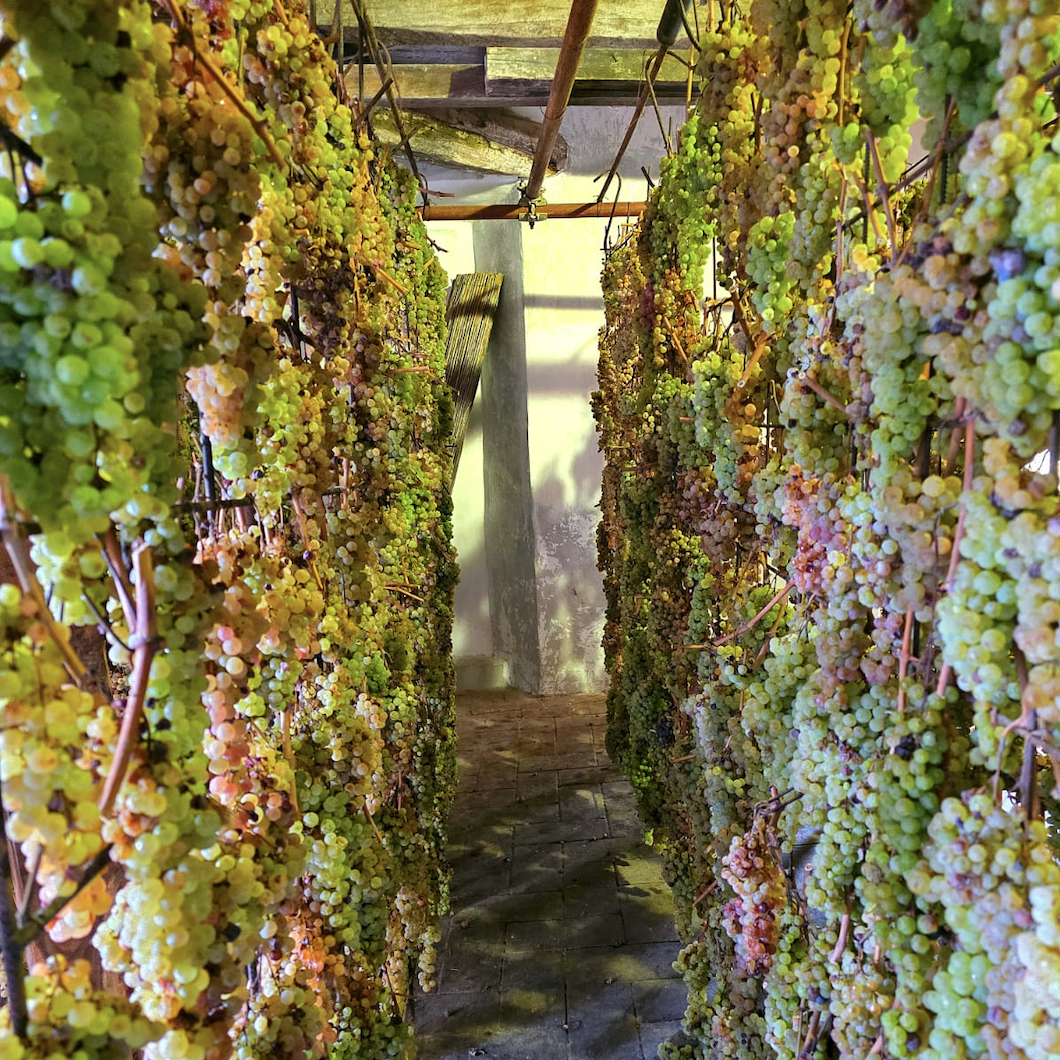
Vinsantaia – Villa Calcinaia

Vin Santo Del Chianti Classico DOCG

Castellina

Bucciarelli Antico Podere Casanova Vin Santo Del Chianti Classico DOCG 2008, Castellina

Current vintage. A mix of orange and walnut skins, maple syrup, molasses, raisins and as high a sugar content as they come. Earth, peat, fresh tobacco and a Single Malt Scotch finish. Heritage in a glass. Drink 2025-2035.  Tasted October 2025
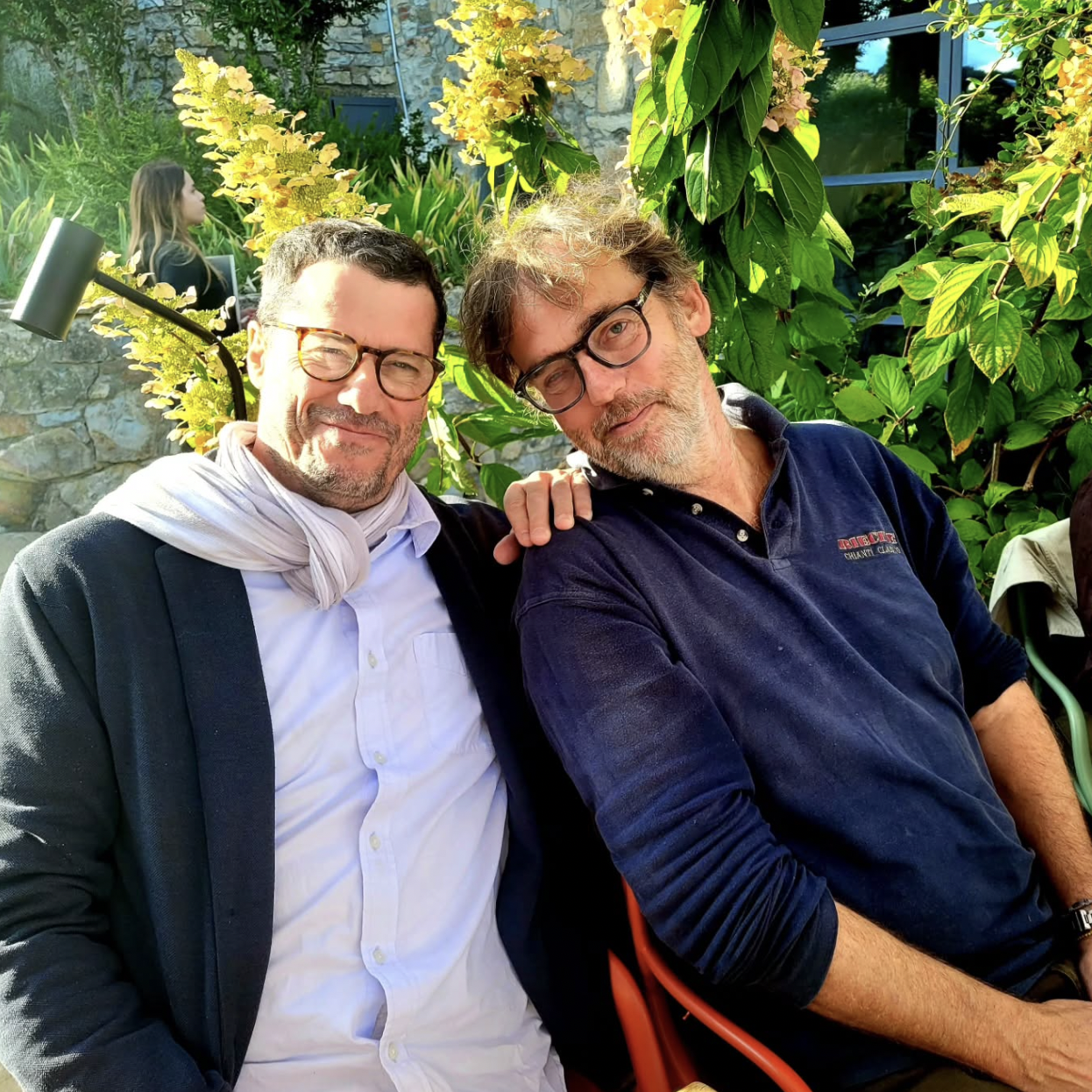
With Sean O’Callaghan

Toscana IGT

Bertinga Sassi Chiusi 2020, Toscana IGT

Sassi Chiusi, “closed stones,” a way to speak about the terroir, more like filled with stones, of schist and limestone, a.k.a Galestro from Argilla and Alberese. Mostly from Bertinga Vineyard, but also Vertine, between 400 and 520m. A blend that changes year to year, in this case 90 percent sangiovese with (10) merlot. Second selections from the blocks, a generous and exuberant Rosso with all the merits of fruit and wood intertwined. The merlot holds a surprising place of verdant and savour-dominant notoriety in this blend. Could very well just be the vineyards and their character layering upon one another. Drink 2026-2028.  Tasted September 2025

Bertinga Volta di Bertinga 2019, Toscana IGT

Like Adine only made in the best vintages, with merlot from the Bertinga Vineyard at 380m meant to exist in space occupied by some of the best merlot in the world. A vineyard that supplies Gaiole acidity and savour, really tightly wound and conversely opulent, two complimentary personality traits essential to top quality merlot. Sees 18 months in barriques followed by ample time in bottle. Still the aromatic maturity so typical of Bertinga followed by serious flavours and longevity. Drink 2026-2028.  Tasted September 2025

Bertinga Punta di Adine 2019, Toscana IGT

From Adine Vineyard at 520m, just 4.27 hectares and the location where the new winery is currently under construction. The pure sangiovese only produced in the best vintages, in 2017 and here in 2019. Ages 18 months in Stockinger cask. Grip and acidity for the true flagship wine that celebrates what really matters – sangiovese. Still there are ripe and mature notes going on, finishing clean after just the right and balanced level of weight and volume. Surely the wine that holds the potential to become the estate’s most important Gran Selezione, along with two others that are in production. Drink 2026-2030.  Tasted September 2025

Bertinga 2018, Toscana IGT

Flagship of the winery from the Bertinga (estate) vineyard, of 50 percent each sangiovese and merlot. A couple of years older and showing aromatic maturity, each aged 18 months in wood, merlot in barriques and sangiovese in 25 hL Stockinger cask. Interesting and two-tined mix for which the palate shows more grip and potential. Aromas are dried fruit and weathered leather while flavours are brighter, while also chalkier. There is some power and also length from an IGT capable to age into further secondary life. Drink 2026-2029.  Tasted September 2025

Bindi Sergardi Mocenni 91 Cabernet Sauvignon 2021, Toscana IGT

If tasting 2019 cabernet sauvignon is an exercise in patience than imagine what 2021 will be. Like working out for two years longer, getting stronger, fitter, more muscular and worthy of the cellar. What ’21 shows is truth in cabernet character, pyrazine and the best part of what we call green with a mix of herbs and savour, maybe even a little rub of exoticism, of rue and bay. Drink 2027-2033.  Tasted September 2025

Bindi Sergardi Chianti Classico 91 Cabernet Sauvignon 2019, Toscana IGT

Still very muscular with grip of intensity yet without any compromise to fruit. The movement will be slow and the complexities will continue to come along, just like the hits. Wait another year at the very least.  Last tasted September 2025

Varietal cabernet sauvignon from vines planted in 1980 on the Mocenni Estate in Vagliagli and the experience shows with power, finesse, elegance and intensity. Five years away (easy) and the Cassis is front and centre. Serious and beautiful, in control and charming. Impressive in a non sangiovese way. Drink 2025-2032.  Tasted October 2023

Bindi Sergardi Merlot di Mocenni 2018, Toscana IGT

First taste of any vintage for Mocenni merlot of its own varietal accord because well, this is the first. Ripens earlier than sangiovese and if picked at the right time it can offer up the ideal mix of sweet fruit and verdant character. That would be Mocenni from Bindi Sergardi and while many Tuscan merlot may have decades’ worth of a lead, no matter because this joins the ranks with impressive haste. Drink 2026-2030.  Tasted September 2025
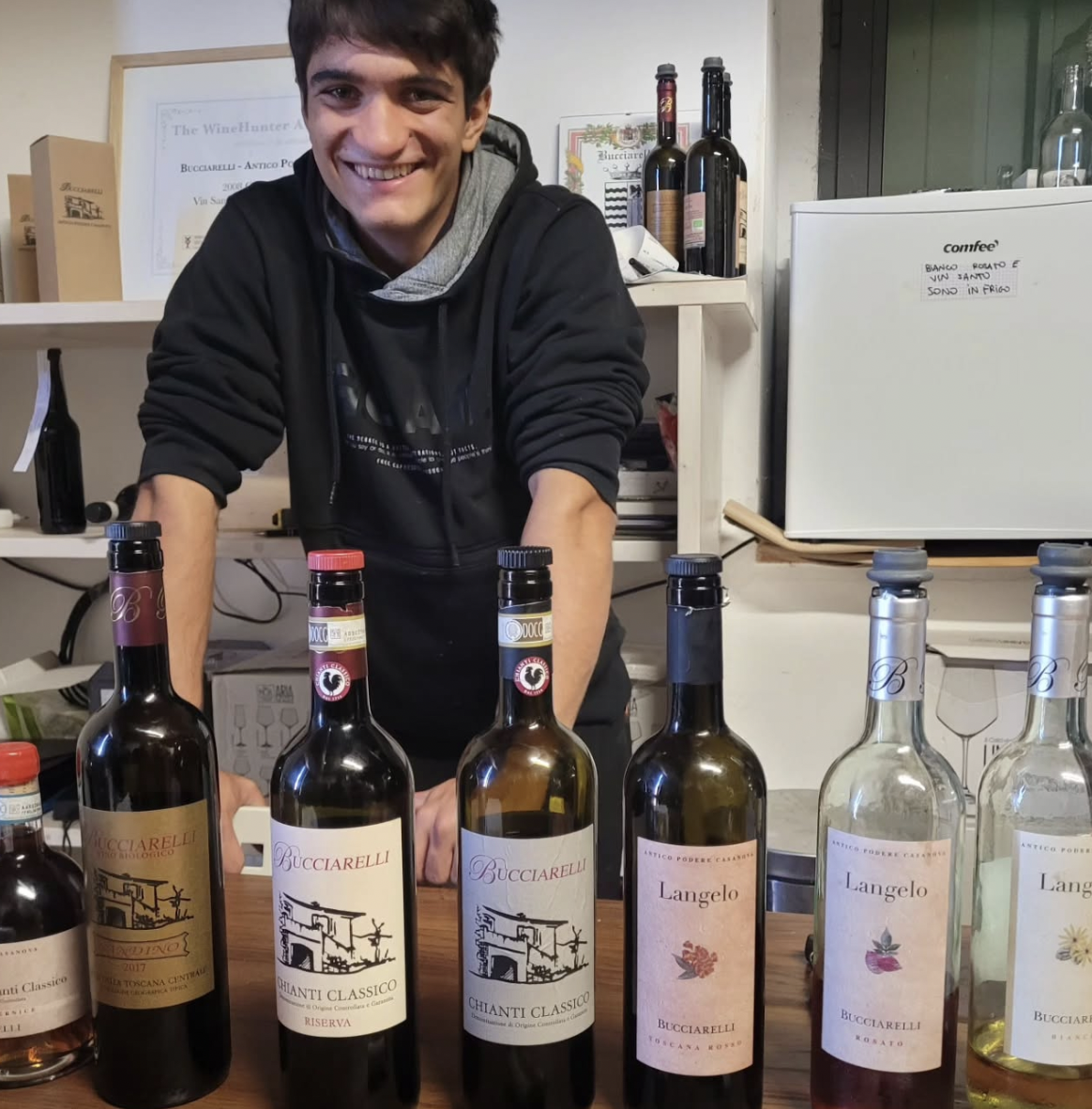
Mattia – Antico Poderi Bucciarelli

Bucciarelli Antica Podere Casanova Langelo 2022, Toscana Rosato IGT

For 2022 Rosato is made as a varietal foliatonda, though it had previously been sangiovese and the method is essentially the same as the Bianco. That means 36-48 hours skin contact but without any wood aging and only stainless steel. Angelo, from Michelangelo, proprietor who acquired Podere Casanova on June 18, 1549. Just 11 percent alcohol, “because of the vintage” explains Mattia Bucciarelli, a warm one and so one might expect the opposite result. By contrast the cooler 2024 will produce a Rosé at 12.5 percent and better workable acidity, Go figure – climate change. Berries are all over this nose and herbal character is charged to the palate. The link between the two works. Drink 2025-2026.  Tasted October 2025

Bucciarelli Antico Podere Casanova Langelo 2020, Toscano Bianco IGT

A Castellina (in Chianti) white blend made with 80 percent malvasia and trebbiano from century vines planted in 1926. The phenolic presence is remarkable, the mix of botanical elements and concentrated old vines savour with an influence by rosemary and fragrant yellow flowers. Sees 36-48 hours of skin contact and time in (40 percent) old barrels to come away oily, resinous and most unique tasting wine. Drink 2025-2028.  Tasted October 2025

Bucciarelli Antico Podere Casanova Langelo 2020, Toscana Rosso IGT

The foliatonda is used for Rosato and the young sangiovese joins merlot for the Rosso, here the 50-50 joint fermented and then aged in a combination of cement and old barriques. Will spend up to two years aging. Bit of reduction as much a matter of vintage as it is winemaking, earthy-savoury aromas and then increased natural red cherry fruit sweetness on the palate. Quite tannic and still needs more time. Drink 2027-2030.  Tasted October 2025

Capaccioli – Poggio Niccolini 2024, Toscana Rosso IGT

The de-classified if only in paperwork sangiovese still from the priceless one hectare vineyard, best served to friends who want white wine but this light and fresh red will make them happy, and frankly not hungover. Crunchy, a baby Chianti Classico with the sweetest acidity and only joy. The heart swoons from such an honest and warmhearted wine. Drink 2026-2028.  Tasted September 2025

Castello di Bossi Corbaia 2021, Toscana IGT

The IGT from the Bacci family born in 1985 but now some cabernet franc joins the cabernet sauvignon and 70 percent sangiovese. One quarter is new wood with used barrels up to four years. A single vineyard with the name Corbaia located near the castle taken from old maps. Reminds of classic Rioja with that sweet coconut note mixed with French vanilla and lavender. A Tuscan red blend from another era that defines the concept of an experienced consumer’s idea of Super Tuscan. Though obviously young one could wager this wouldn’t taste much different than a Corbaia from 2005 or 1985. Drink 2026-2030.  Tasted September 2025

Castello di Bossi Girolamo 2021, Toscana IGT

The solo merlot artist and one that exists in the pantheon of top Tuscan examples although at Bossi it is made in a very modest and balanced way. “The land is more important than the grapes,” says winemaker Stefano Marinari, “and that is the idea of great terroir.” Also with merlot and the perfumes here are really special. Once again the wood is present with vanilla, lavender and a sweet nuttiness, here very much an integral part of the fabric and character of a distinct and never overpowering merlot. So well done. Drink 2026-2032.  Tasted September 2025

Castello di Bossi Pinot Nero 2022, Toscana IGT

A trial with two hectares of pinot noir planted in 2016 for only 2,500 bottles produced almost exclusively for the Italian market. Not necessarily the most hospitable of locations for the grape but Stefano Marinari has great experience, having worked in New Zealand, Carneros and also many trips spent studying in Bourgogne. From 2021 there is depth and breadth without weight, overarching body or density. Finds the varietal identity while at the same time there is no missing the macchia, herbal-Amaro or Balsamico of Castelnuovo and Chianti Classico. “This is our strength,” says Marinari, “it’s powerful and we should celebrate it.” Also in pinot nero. Drink 2026-2032.  Tasted September 2025

Conti Capponi Villa Calcinaia Mauvais Chapon Rosato Metodo Classico 2020

From a 15th century nursery rhyme-like utterance, “chapon, chapon…,” suggestive of (15th-century statesman) Neri Capponi’s behaviour in the eyes of the King of France. Sangiovese with a tirage in March of 2021 and disgorgement in March of 2025. High acid (8.6 g/L), low, low pH and residual sugar at 12 g/L. Rusty Rosé colour, intensity that speaks to tasting far drier than it really is, crunchy with its distinct gingered profile. Like savoury sour candy without any remarkable sweetness. Drink 2026-2028.  Tasted September 2025

Villa Calcinaia Tor Solis 2023, Toscana IGT

From Torsoli, “the tower of the rising sun,” exactly what the tower up on Monte San Michele oversees. Planted in 2012, of chenin blanc that takes years to develop because of sandy soil and elevation up at 720m. Not an authorized variety but “in observation,” and says Neri Capponi “if you plant it down here (in Montefioralle) you will make marmalade.” Not up in the Monti del Chianti where acidity and ultra spirited freshness bring chenin to life. With mild effervescence and just a hint of residual sugar. Drink 2026-2028.  Tasted September 2025

Villa Calcinaia Comitale 2024, Toscano Bianco IGT

A non-filtered and unfined blend of grechetto, malvasia, trebbiano and petit manseng. A factor of grapes growing in an old vineyard planted in the late 1960s to varieties that were not supposed to be here. A flood in Florence from 1966 washed away the tags and so what was ordered did not translate into what was put in the ground. There is a natural feel to this phenolic white mix, a textural settling but also lift, both working the palate and without great tension. Feels like this is really getting somewhere and with a bit more vine age will be a seriously important Tuscan white wine. Drink 2026-2029.  Tasted September 2025

Villa Calcinaia Rosato 2024, Toscano Rosato IGT

Only canaiolo, just free-run juice and a sapid expression that might come across as salty but either way it’s a mineral-elemental sensation driven by high pH. Also natural and wet cement humid with pungent herbs and preserved citrus. Drink 2025-2026.  Tasted September 2025

Villa Calcinaia Occhiorosso 2022, Toscano Rosso IGT

One of the more unique red grape varieties anywhere and only grown by the Capponi in this part of the world. Though only 12.5 percent alcohol there is body and substance to this unicorn and frankly 2022, a hot vintage, seems ideal to develop its modernity and soften what would often be rustic, rough and tumble character. Drink 2026-2028.  Tasted September 2025

Fontodi Meriggio 2024, Toscana Colli Centrale IGT

The sauvignon blanc for a sense of place, cured from September through May at low temperatures to preserve just what that needs to be. Freshest of vintages, crispy and spirited, perfect for a late afternoon siesta in the shade. A white wine no less subtle than a Manetti. Drink 2026-2028.  Tasted September 2025

Fontodi Bianco 2024, Toscana Colli Centrale IGT

The 100 percent trebbiano and Bernardo Manetti’s concept white wine with an insistence on using a local variety and not something internationally ubiquitous. Comes from vines, not a vineyard, here, there and everywhere. Takes a good amount of time to pick and harvest exactness is essential if you want something special. Amphora did not quite work for aging and now the cigar shaped tonneaux is what works best. “A high quality white wine made by an estate that makes red wine,” says Manetti. This is no afterthought and in fact the execution is becoming a flawless one, elevating trebbiano to a place it deserves. “It’s absolutely impossible to make a wine like this from young vines,” adds Giovanni Manetti. Drink 2026-2029.  Tasted September 2025
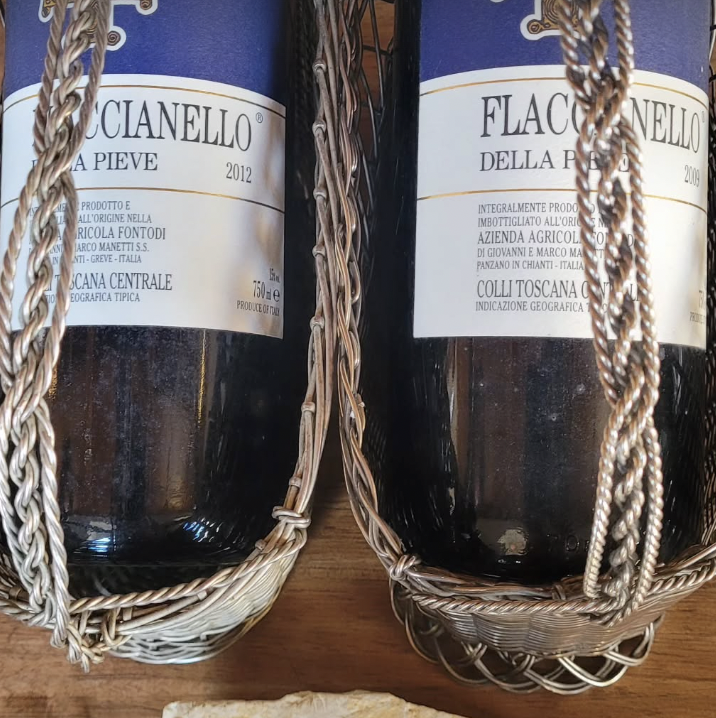
Fontodi Fontodi Flaccianello Della Pieve 2021, Toscana Centrale IGT

Yes you might consider opening a Flaccianello ’21 with a decant but a taste today still shows unresolved power and a chalky grain in the tannin. With that in mind there needs to be another 18 months in bottle to get this into a next period of resolution. Three or more will see fruit open and currently impenetrable fortressed elements begin their period of relent.  Last tasted September 2025

It’s really quite simple. In 1981 Giovanni Manetti, Franco Bernabei and some of the farmers identified the Flaccianello vineyard parcels as the ones that produced the best grapes. They being Pecille, La Cappellina and Poggio. The sandstone Pietraforte in these three plots produce the smallest berries with the highest quality of acidity, poly-phenols and fruit concentration. This is what creates Giovanni Manetti’s best expression of Conca d’Oro sangiovese. At this time the nose shows power and a spiciness that’s closer to Vigna del Sorbo than any of the other Fontodi wines but here the richness is unparalleled and also the wood that accentuates the expressive nature. This will only improve with two more years in bottle.  Tasted April 2025

The village of Flacciano, the old Latin name that became Panzano, though there is still a place in the vineyard’s valley that bears the name. The name of the church where the cross was located in that valley before the 18th century. The church where you made a payment of “indulgenza,” so that HE would pardon and gift your place in paradise. The 2021 is a truly generous if still shy Flaccianello of that necessary wish for balance between substantial fruit and structure, high acidity and an overflowing mouthful of pure sangiovese. Seems to taste lighter and hide alcohol, so much more so than it is truly built upon and the age ability is very great. No other sangiovese expresses the luxe and voluptuous capabilities of sangiovese grown on Pietraforte in Panzano like Flaccianello. That’s just a fact and yes it is true that some see this archetype in terms of densities and ponderosity. Consider what matters most. Balance determines outcome and 2021 is right there where it needs to be. Drink 2027-2039.  Tasted February 2024

Fontodi Fontodi Flaccianello Della Pieve 2012, Toscana Centrale IGT

Beautiful warm summer but never too hot with a usual late August thunderstorm after Ferragosto to cool down temps. Fine September leading to ripeness, red fruit, freshness and captured acidity. The vintage is the first time aging in small barrels was reduced with the introduction of larger casks for the final four to six moths of the total 24. The plan was to reduce the oxygen exchange, release fruit, decrease austerity and ultimately bring about balance. The acidity is Panzano and so the fruit, like Chianti Classico, is crispy. The energy has been released, likely having begun four to five after vintage and now at 13 there has been no wane. In fact the wine waxes forward and the full Flaccianello moon will come in another four, followed by four-plus more years of vigour. Drink 2025-2034.  Tasted September 2025

Fontodi Fontodi Flaccianello Della Pieve 2009, Toscana Centrale IGT

Not as warm as 2012, a more regular vintage with grape size and concentration bigger and lesser. Also lots of production and while the nose is less expressive there is a wealth of vibrancy and flavour to taste. A smoother and more suave attack with tension after a more earthy and “sous bois” nose. There is nurture and caress in how the wine takes care of you when it pauses on the palate and by now there is no aggression or angst. For those who go straight to the mouth with a glass of sangiovese this will offer the wow factor experience. Giovanni Manetti suggests Risotto with pigeon and porcini. Please. Drink 2025-2032.  Tasted September 2025

Monte Bernardi Tzingarella 2023, Toscana IGT

A four-poster blend of 40 percent each cabernet sauvignon and merlot with (15) cabernet franc and (5) petit verdot. Plants originally grafted over sangiovese and truthfully there are no Bordeaux blends in Chianti Classico vineyards that make an IGT red blend like this. Shows a different side of the territory or rather expresses the beautiful tannins possible even when the wine is young. Stemmy to be sure in a composed and nurturing way with all the correct and gentle greens pulled, elevated and exposed. Fineness from the hard to manage 2023 vintage. Drink 2025-2029.  Tasted September 2025

Monte Bernardi Tzingana 2021, Toscana IGT

The gypsy wine, 45 percent merlot, (20 each) cabernet franc and cabernet sauvignon, plus (15) petit verdot. Even stemmier then the Tzingarella and all the better for it, juxtaposed against the sweetness of fruit in a way the other Bordeaux red does not fully express. Concentration and beauty work together for equal and complimentary satisfaction. Drink 2026-2028.  Tasted September 2025

Monte Bernardi Vigne Vecchia 2024, Bianco CTC IGT

From a 1968 vinyerad of malvasia with 10 percent trebbiano, the first time its has been bottled or “that we talk about and happy to show,” admits Michael Schmelzer. A several year experiment come to this and the feeling is of a primary style or expression yet to see its fruition or intended destination. Time in bottle will surely develop new aromas, flesh and flavours that don’t seem to rise right now. Would like to see another year pass by before trying again. Drink 2026-2028.  Tasted September 2025

Nittardi Ben Vermentino 2024, Maremma DOC

Ben, for Benjamino, name given to the last born, from sandy soils in Maremma. One day quick maceration, clarified by temperature, racked to a new tank, 30 days of fermentation. Full ripeness and a salty streak run through, somewhat phenolic and a sign of the warming times. Picked in the night for coolest grapes leading to all available freshness captured. A new style for Nittardi beginning in 2023 and thank goodness because this is the necessity to control alcohol and keep the vermentino light in its feet. Acidity really ties the wine together, raising the bar on the back end. Drink 2025-2028.  Tasted November 2025

Nittardi Ad Astra Rosso 2023, Maremma DOC

A blend of sangiovese and three Bordeaux varieties, of cabernet sauvignon, cabernet franc and merlot. From the same sandy soils where the vermentino grows, a macchia inflected, dry and dusty Rosso, taut, nosing liquorice and tar. Crispy on the crusted exterior, the interior chewy with dried plummy fruit leather. Warm place and a warming wine but alcohol kept in check, wood used judiciously for one year in large cask. A proper Rosso made for the right reasons and in the right way. Drink 2025-2029.  Tasted November 2025

Nittardi Nectar Dei Rosso 2021, Maremma DOC

A mix of the two cabernets with petit verdot, rich and concentrated, finishing at 15 percent. For the big body, big wine crowd, owners’ friends, they who want it all in their fashionable and stylish red wine. The Bistecca Fiorentina Rosso, opposite of Chianti Classico kind of sangiovese many sip and consider to be light bodied. Some grainy tannin owing to the Maremma soil and climate does the rest. Winemaking plays a role but truthfully the place and the weather do all the heavy lifting. Drink 2026-2030.  Tasted November 2025

Podere Ciona Semifonte 2021, Toscana IGT

A three to one ratio of extremely low-yielding merlot out of a two hectare vineyard and a smaller plot of alicante bouschet, their soils being mixed geology of quartz arenite sandstones, clay, schist & marl. Vines are now approximately 22 years of age, very much in that sweet spot for productivity and quality, especially from the 2021 vintage where ripeness meets Gaiole’s uniquely savoury acidity. Also the fortune due to elevations (490-550m), well above the dangerous frost zone that stole so much from the territory in this vintage. A fraction of tonneaux but mostly 30 hL botti are the aging vessel source for Semifonte, a name that memorializes Valdelsa, the 12th-century fortified city situated at a strategic trade crossroads to rival that of Florence. Super classic Tuscan merlot with Chianti Classico acidity exaggerated by elevation. Dusky mix of verdant and black fruit character, layered, energetic, expressive. A striploin tagliata di manzo and parmigiano shavings seems just about right. Drink 2026-2029.  Tasted January 2026.

Podere Ciona Le Diacce 2017, Toscana IGT

Essentially a solo merlot artist (with three percent alicante bouschet) from fruit raised at elevation and as per the systemic Ciona approach the wood usage is varied, in medium and also size; barriques & tonneaux (a mix of Allier, Nievre, Tronçais and Vosges), along with botti grandi, 15 to 30 hL casks. Diacce, meaning “frozen, or icy,” a local Tuscan variation of the Italian ghiaccia and somewhat ironic for a red produced in a place where climate is warming, especially from the driest and hottest vintage on record. Just a couple of vintages prior the alcohol would have been comfortably below 14 percent and here the number is 14.5, still measured, moderate and reasonable with elevation (up to 550m) the catalyst to maintain acidity and breathe freshness through the merlot. Merlot so indelibly concentrated and varietally stamped to be considered with some of Tuscany’s best. Le Diacce may be the most impressive merlot you’ve never heard of. Or perhaps you have and wish the secret would not have gotten out. Drink 2026-2032.  Tasted January 2026.

Podere La Cappella Oriana Vermentino 2022, Toscana Bianco IGT

Named for Natascia Rossini’s mother Oriana, a varietal vermentino that was produced until 1999, vines ripped out and then Bruno Rossini decided to replant in 2014. Rarely aged in wood, only stainless steel with grapes (normally) harvested between the times of merlot and sangiovese. The wait is for the golden colour coming into browning. After harvest the wine stays refrigerated at four degrees for two weeks before pressing. Warm vintage and the result is a boozy vermentino, grippy and strong, a Chiantigiana as opposed to a coastal example. Could be a red wine, in a lateral, not literal way. Drink 2026-2028.  Tasted September 2025

Podere La Cappella Cantico 2016, Toscana IGT

From the vines originally planted to chardonnay and vermentino, later grafted with merlot. A high acid captured varietal wine for Chianti Classico vineyards and also Toscana with ample richness yet never too much and more energy than many. It has freshness and this in spite of 60 percent new barriques although the generosity and nurturing are in full view. Top vintage and with nine years in the bag there is still very little movement by this time. Drink 2025-2029.  Tasted September 2025

Podere La Cappella Corbezzolo 2016, Toscana IGT

Yet another Podere La Cappella 2016 in terrific shape even though the Cantico merlot ’16 has developed a year or two less than this sangiovese. A democratic vintage has become an even more democratic nine year-old wine in balance, calm and with more than ample energy to keep moving ahead. Three or four more years will be lived in this state.  Last tasted September 2025

Finest selection of sangiovese grapes, always having been labelled as IGT yet going forward from 2019 it will become Gran Selezione. There was time when it seemed as if Podere La Cappella would be one of the last to embrace the appellation but when yo have sangiovese as particular and expressive as Corbezzolo you may as well get with the program. Serious lift, elevating sangiovese to lofty status and a most structured wine with wood a much more accenting factor as compared to the Chianti Classico wines. Good and sapid, fresh and fine. Remains to be seen if the team will stay this course for a GS-designate Classico. Drink 2023-2029.  Tasted May 2023

Podere La Cappella Cantico 2003, Toscana IGT

In 2003 Bruno Rossini’s vines would have matured to 22-23 years of age, easily in the zone and purposed to create some of the Chianti Classico territory’s finest merlot. The bottle has now been open for more than an hour and there has been not a moment’s fade or decline. The vibrancy and freshness blow like winds in strong from the Ligurian Sea and energy does not wane. A warm vintage as well and so there is a lactic creaminess that was not noted in either the ’98 or ’99. Still there is great beauty and philanthropy from 2003 Cantico. It sings. Drink 2025-207.  Tasted September 2025

Podere Poggio Scalette Chiara Aurora 2024, Alta Valle della Greve IGT

A blend of trebbiano toscano (from 100 plus year-old Il Carbonaione Vineyard vines) and chardonnay (from the small Richiari Vineyard), the latter originally made for the Pinchori restaurant in Florence. Named for Jurji Fiore’s second daughter, the trebbiano in steel and the chardonnay in wood, blended and set on a seamless collision course where freshness and verticality work as one. Tuscan of course but its DNA is Ruffoli, of winds and elevation, old vine acumen and generational abidance. Drink 2026-2028.  Tasted September 2025

Podere Poggio Scalette Il Carbonaione 2022, Alta Valle della Greve IGT

The centre, focal point and heart of Poggio Scalette is Il Carbonaione, “the charcoal pit,” a most functional sangiovese from high elevation up on the Ruffoli hill where the top is delivered. The 2022 comes across in an opposite way you might expect with more lift and freshness as compared to 2021 and this from a hotter vintage. Irrigation has something to do with keeping the vines safe from hydric stress, shutting down and then having to rapidly speed to sugar ripeness. The phenolic quality is finer in 2022 and therefore the richness of ’21 transcends to more elasticity and length from 2022. In conclusion the 2022 Il Carbonaione will exist in a small bubble occupied by the best Gran Selezione and (near) 100 percent IGT sangiovese of the vintage. Drink 2028-2038.  Tasted September 2025

Podere Poggio Scalette Il Carbonaione 2021, Alta Valle della Greve IGT

One of the truest field blends in the Chianti Classico territory because the original plants in the Il Carboniaone Vineyard are not only alive but still thrive, relatively speaking. A block planted in the latter half of the 1920s, mainly to sangiovese but with any or all of other red and white varieties, of mammolo, colorino, canaiolo, malvasia, trebbiano and occhiorosso. Today newer plantings of sangiovese work to decrease the other varietal percentage, once as much as 10, now perhaps somewhere between three and five. A small amount of American oak surely changes the profile although the main point is the vineyard and the experience of the 100 year-old vines, naturally concentrating their grapes, providing equal and opposing acidity, proving the worth of preserving old vines, their DNA and the perpetual delivery of distinct sangiovese. There may be peers and yet there is no peer. Drink 2027-2036.  Tasted September 2025

Podere Poggio Scalette Capogato 2022, Alta Valle della Greve IGT

Capogato, “the head of the cat,” but there is no connection with cats. It was actually chosen in connection with “propagine,” a name of cutting a cane of a vine to create a new one in the time of phylloxera. Capogato is the Bordeaux blend that includes cabernet franc, cabernet sauvignon, merlot and petit verdot. Luxe vintage of this “Vino di Vittorio Fiore” originally created by Alessandro and Jurji Fiore’s father but as always the wind and elevation of the Ruffoli Hill will never be denied. This means freshness and lift with a local Balsamico edginess with thanks to surrounding woods and the ever present saltiness, also from Volpe Vineyard. Only certain, specific and intentional red blends in the territory reach this level of execution. Drink 2027-2032.  Tasted September 2025

Podere Poggio Scalette Piantonaia 2022, Alta Valle Della Greve IGT

As with the original chardonnay this 100 percent merlot was also created for Enoteca Pinchiori in Florence back in 1999. A silky, liquid chalky and sweet acidity-determined solo red with new French barriques creating the spice, accenting the Balsamico and mostly influencing texture. Loved by many, small production only reserved for a few and of a style executed with great skill. Drink 2027-2031.  Tasted September 2025

Poggio Torselli Il Contadino Cusano Ritorno 2022, Toscana Rosso IGT

Only sangiovese in stainless steel with a name that refers to a return, 46 years after the flood of Florence forced the Cusano family to emigrate to Canada in 1966. Now back at Poggio Torselli with a sku freshsest and lightest of the two IGTs, crunchy like the Bizzarria, aged less time than than a Chianti Classico and and bottled as IGT. The simpler (yet different) as compared to the Bordeaux-dominated Mispiego. Drink 2026-2028.  Tasted September 2025

Poggio Torselli Il Contadino Cusano Mispiego 2022, Toscana Rosso IGT

A blend of 70 percent cabernet sauvignon with (20) merlot and (10) sangiovese and a name that means “let me explain myself.” In the words of Mr. Cusano and an IGT classically wooded, spiced and textured. A complete contrast to the Ritorno, much bigger wine and stylistically comparable to similar IGTs made in Tuscany. Then again there is a San Casciano-ness that will not be denied nor can it be removed form the effect of the wine. Drink 2027-2033.  Tasted September 2025

Poggio Torselli Il Contadino Cusano Bizzarria 2024, Toscana Bianco IGT

Skin-macerated white wine, 50 percent for 15 days and the other half 35 days. Concrete fermentation, sent to wood vats, returned to stainless for a few months of settling and preservation of freshness. Feels like pressed grapefruit roll-up, natural sugars and acids concentrated, texture intensified and laying a unique paste upon the palate. Then again a lighter and brighter vintage as compared to previous results of this wine. Drink 2026-2028.  Tasted September 2025

Poggio Torselli Il Contadino Cusano Bizzarria 2024, Toscana Rosato IGT

Made primarily with the almost lost to the world pugnitello, blended withs sangiovese and of the three Bizzarria wines it is the most definitive of its namesake. A Christmas cookie spice cupboard of a Rosé, crunchy and endless tang, gingery and tart. Drink 2025-2027.  Tasted September 2025

Poggio Torselli Il Contadino Cusano Bizzarria 2024, Toscana Rosso IGT

Just released from the cool, wet, long hanging sangiovese season, processed in concrete vats from “A to Z.” The lightest, most transparent and crunchy of sangiovese, served chilled, nearly void of structure and high in pyrazine. A challenging year to make this wine and its natural greens are obvious and exaggerated from 2024. Drink 2025-2027.  Tasted September 2025

Querciabella Camartina 2021, Toscana IGT

Camartina, the Ruffoli hill joint between cabernet sauvignon and sangiovese, dating back four-plus decades, first vintage in 1981 and for the first 17 or 18 years was sangiovese led. Now cabernet sauvignon directs the cause and dominates the cumulative effect. More than ever the profile is cabernet, dark purple to black berries, fully macerated and with a necessary savoury, even Mediterranean feel. Like black olives and macchia though fruit and suave (if fine-grained) tannin in early stages account for this wine’s control. The culminating principle remains years away. Drink 2027-2033.  Tasted November 2025

Querciabella Camartina 2013, Toscana IGT

Eleven to 12 year-old blend of cabernet sauvignon and sangiovese from a really great vintage for ulterior wines made in the Chianti Classico territory. More than impressive freshness, persistent in its drive to keep learning and developing nuance. A vague sense of blood orange resides behind the still chalky dark berry fruit and tannins continue to make their presence heard, if more confidentially understood. Terrific vintage for a wine of highest territorial caste. Drink 2025-2029.  Tasted November 2025

Querciabella Batàr 2023, Toscana IGT

There are few white wine peers to Batàr, the blend with a track record and playfully sordid history, if only because it once was labeled with (to some annoyed French) as a controversial name. Oldest chardonnay and pinot bianco wines have aged well into their 30s for a wine not only conceived but stylistically evolved into one of the most thoughtful white wines made anywhere in Italy. Progressive and modern in ways that bely any stuck in the mud notion of tradition. There is unction and a feeling of glück to 2023, owing to the barrel aging no doubt, also an invitation to drink as soon as you feel you are ready to try. The ’23 and ’22 are terrific examples of Batàr, as juxtapositions of its thoughtfulness in two very different vintages. Drink 2025-2032.  Tasted November 2025

Querciabella Batàr 2022, Toscana IGT

For 2022 Batàr is a confidently composed and linear expression of Querciabella’s most cerebral wine. Also a white blend with more spice, backbite and crispy quality than what will be noted out of 2023. Finding this counterintuitive to what we know about the two vintages but toss the Chianti Classico expectations out the window to allow Batàr to express what Batàr is want to express. The inversions are real and this white blend will in fact change your idea of 2022, especially as compared with 2023. A year makes a serious difference and so 2022 now tells us something of what it will someday become. Drink 2025-2034.  Tasted November 2025

Rocca Di Montegrossi Geremia 2020, Toscana IGT

Somewhat of a change in composition for 2020, this time at 71 percent merlot with (29) cabernet sauvignon and so the merlot-dominated plush softness of say 2018 is stiffened and made just that much more tannic by the added quantity of cabernet sauvignon. There is always a welcome level of Bordelais meets Monti in Chianti seduction about Geremia, the Rocca di Montegrossi IGT which might literally mean “appointed by God.” We can agree on one thing, that which concerns a red blend to exult and uplift its two grape varieties and place, complimentary to one another in every aspect of their connectivity. Geremia 2020 is built for aging, that much we also know, likely longer than 2018 and also the most serious 2015, a vintage considered excellent for sangiovese and even more beneficial to the Bordeaux grapes raised in this Gaiole UGA of the Chianti Classico territory. Stash these ’20s deep in the cellar and feel confident their longevity will extend 20 years from vintage. Drink 2027-2039.  Tasted January 2026

Tenuta Casenuove Ziik Rosé Vino Spumante

First pick of the sangiovese where vigour is the highest, Ziik being French slang for music. Crispy and driest of Charmat method sparkling wine, a personal taste and reflection of the winemakers. Just three point five g/L of residual sugar, chalky and thirst quenching. If only a few million bottles of Prosecco were more like this, but then again this might not stand out in a large gathering. Drink 2025-2026.  Tasted November 2025
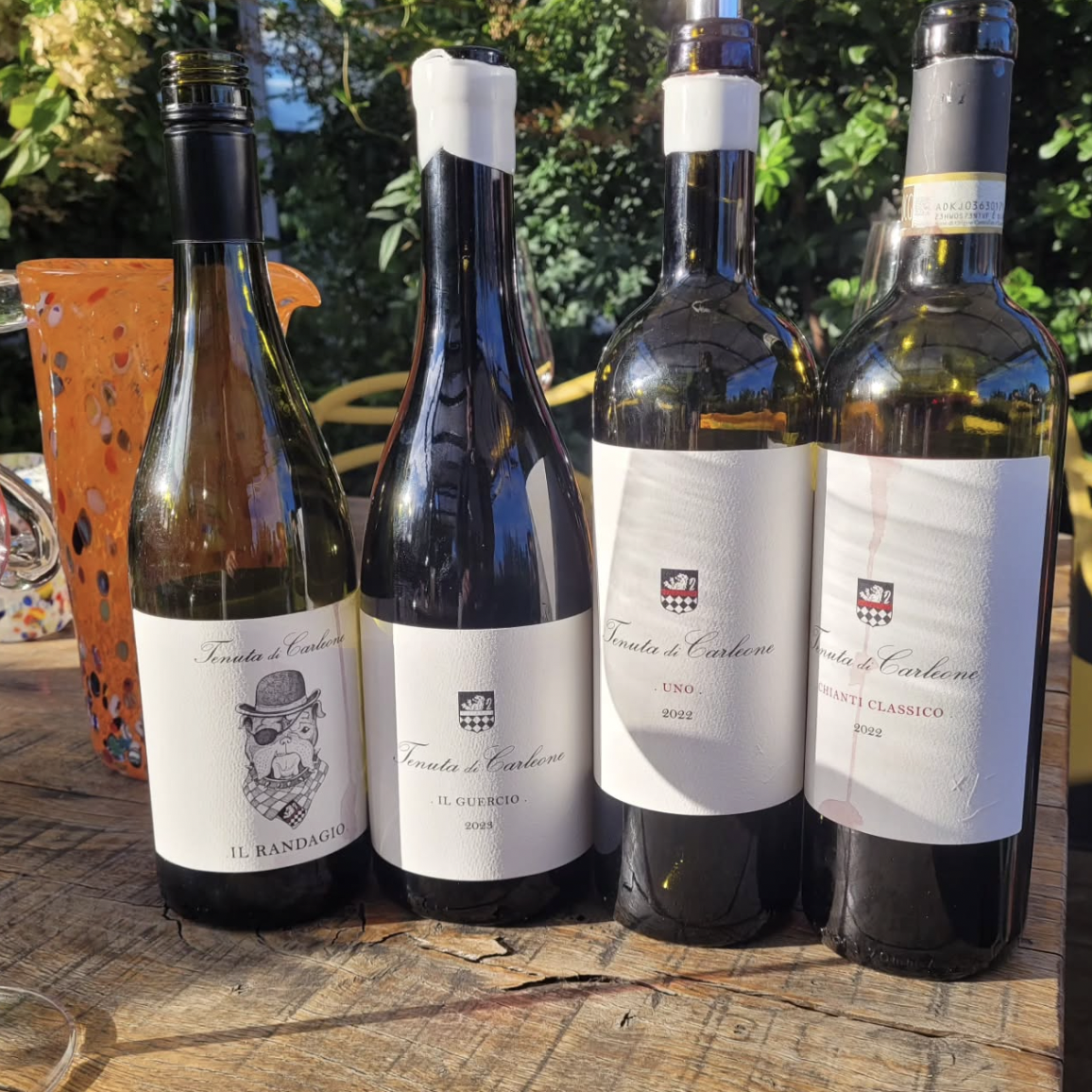
Tenuta di Carleone Spanda Metodo Classico

Five years on the lees for lower slope Radda sangiovese from a vineyard called Spanda, “the pulse of life,” north facing opposite Montevertine. Low triage and disgorged in April for 5,000 bottles, vaguely resembling Rosé with a hint of pink only when the light catches it just so. Gently oxidative and calmly autolytic, teasing though never going into bronzing character and just walking that fine, on the right side of that line. Will look forward to seeing a fraction more tension from the next and the next. Drink 2026-2028.  Tasted September 2025

Tenuta di Carleone Pianvecchio 2024, Toscana Bianco IGT

North facing looking at Montevertine, “the coldest place I could find,” says Sean O’Callaghan, “and I’m against using non Tuscan grapes, but I needed riesling.” And so 50-50 with vermentino with a hint, but just a hint of macerated grapes. German riesling that is and the naturally orchestrated chemical reaction turns this into something other, maybe with an Österreich-ness perhaps (more in the vein of grüner veltliner) but also Marche verdicchio. A stretch perhaps but in this joint neither grape dominates and seamlessly they reach a phenolic steppe together. Ripe style, clean, cool and refreshing. Drink 2026-2028.  Tasted September 2025

Tenuta di Carleone 2024, Toscana Rosato IGT

Only sangiovese and “I actually like Rosé,” says Sean, “you can drink it for breakfast, and I’ve never seen a family drink so much of the stuff.” Meaning his Austrian partners who spritz it up and climate change has delivered the new Rosé promise. Now eight to ten bunches are kept, allowing for 13 to 13.5 percent alcohol, instead of four bunches picked earlier at 15 percent. The Rosé is the first pick and also the bunches slower to ripen. Just 10.6 percent though rounded up to 11, for regulations. Goes though just a little bit of malo post alcoholic fermentation for that extra bit of texture on the palate. Drink 2026-2028.  Tasted September 2025

Tenuta di Carleone Il Randagio 2023, Toscana Rosso IGT

Randagio, “the one-eyed stray English Bulldog,” 50-50 merlot and cabernet franc, four to five months on skins and only in concrete. Use of whole bunches and stems to avoid the blueberry metillio but truth is Sean would never plant merlot, or anything non-Tuscan, except riesling. In the vintage gamay is a closer comparison than let’s say a G-S-M. Natural in wine and label but not in attitude or marketing. Also not natty enough, nor is it scrumpy, or perhaps it’s all just dumb luck. Randagio is an example of a red wine being led in a direction, one that both it and its maker wanted to go. Drink 2026-2029.  Tasted September 2025

Tenuta di Carleone Uno 2022, Toscana Rosso IGT

Just three months in bottle from the warmer vintage, longer in that regard than 2021 and certainly harder to achieve top drop freshness like the coming 2023. Yet that has to be the goal and to seek a sangiovese with ultra Raddese character, action and emotion. In a way lighter than 2021 but colour and texture are of a more developed character, with more fruit and less elemental push. Not bigger per se but with an uptick in alcohol and more ruminative texture for the chewing palate. Feels like Chianti Classico and Il Guercio were the real benefactors of the vintage. Drink earlier and in a tighter window than 2021. Drink 2026-2030.  Tasted September 2025

Tenuta di Carleone Uno 2021, Toscana Rosso IGT

A selection out of the cellar, of the best samples assessed by the team as having the highest wow factor. You could imagine Bourgogne or Langhe, of pinot noir or nebbiolo but by now Uno is sangiovese of its own Raddese accord. Cleaner and less obviously natural than it was just two years before while still with a varietal meets barrel spiciness. It could be considered fastidious but would actually be precipitous to pass quick judgement and announce where this important wine fits within its own history. There are 2019 and 2016, there is 2022 and then this 2021 which speaks in the clearest Radda vernacular. That matters now and a few years from now something other may potentially elicit new feeling and emotion. Drink 2026-2033.  Tasted September 2025

Tenuta di Carleone Il Guercio 2022, Toscana Rosso IGT

Made from a single vineyard in Lamole, “I’ve always loved Lamole,” says Sean O’Callaghan. A two hectare, “beautiful romantic little place and we turn it into something.” Fermented in bins, six months on the skins, pressed in April, topped and locked in tanks for those six months. Yes its got the perfume of Lamole because it does not matter what you do – you can’t escape it. Lamole’s greenery will not be denied, nor should anyone want it to disappear. Stalks and skins polymerize in an essential way to elasticize and even soften the end result. Grippy however and just beginning the first stages of its long journey ahead. Stealth, chiaroscuro, structure hidden in the shadows. Drink 2027-2035. Tasted September 2025

Tenuta di Montefoscoli Vermentino Fontemaggio 2023, Costa Toscana IGT

From the Colle Pisani where the coast meets inland terroir and Etruscan winemaking has been documented to 1428. What is known are the locations of the area’s most important vineyards whose grapes were the first to be purchased at auction. Fontemaggiore (and Vacevoli) were two of those top blocks, their soils built of compacted sandy limestone with blue marls and many sea fossils. These defining morphological aspects of the geology explain that the formation is really quite young. Vermentino comes away salty but also fuller of body, in part because of aging in cocciopesto amphora made just 10 kms away by a company…wait for it…called Drunk Total. The remainder sees tonneaux, small ceramic amphora and stainless steel. There is a purity about this, owing to it being a varietal wine and handling which honours older traditions. A true discovery and one that copies no other. 165 cases produced. Drink 2025-2028.  Tasted November 2025

Tenuta di Montefoscoli Bianco Vacevoli 2024, Costa Toscana IGY

Most important white for the Tenuta is this Vacevoli, from Montefoscoli in the commune of Palaia inland from the sea at Livorno, southeast of Pisa, south of Lucca, closest village being Peccioli. The farm was abandoned and recently purchased in 2018 by the Castellani family, originally having been a Tabaccaia (where tobacco leaves were processed) and thus the winery is called La Tabaccaia. In 2023 next generation winemaker Giacomo Castellani took over and began his precocious tenure heading up the project. Oldest vines were planted in in the mid 1990s, since renovated and are now mixed with the post 2018 planted vermentino. This cuvée also includes some late harvested vermentino at the beginning of October, along with viognier and petit manseng. The latter is aged in 15L Austrian barrels before all are blended and aged in cocciopesto amphora. The sum total is a viscous, lees-affected white, bright and fresh, churned in the middle, then phenolic and finishing at marzipan. Perhaps an influence at first that feels like Bourgogne but that is soon replaced by a northern Rhône inflection. The latter feels more appropriate to consider, first as a matter of terroir and second to consider the spirit and emotion of the wine. 40 cases produced. Drink 2026-2030.  Tasted November 2025

Tenuta di Montefoscoli Sangiovese Santandrea 2022, Costa Toscana IGT

A cuvée from selected parcels, the mix of small and large berries coming from within one bunch, though going forward winemaker Giacomo Castellani plans to include only the larger berries within the bunches. Castellani seeks a modern methodology, but his old soul is steeped in Tuscan tradition. The bunches are de-stemmed, never crushed, fermented and macerated in open wooden vats for approximately 60 days. “Targeted” punch downs and following alcoholic fermentation the skins are sunk in the wine to start the process of “infusion.” Travel to Pessac-Léognan to see this at Château Les Carmes Haut-Brion by winemaker Guillaume Pouthier to understand the magic that can happen. A small portion of this Santandrea is transferred to French wood, the remainder continuing in wood vats for 12 months. For now this sangiovese acts as a soft and nurturing, easy-going, clean and getable sangiovese from Montefoscoli in the Colli Pisani. Further experience and subsequent vintages should re-write the script for sangiovese from this ancient winemaking area. 110 cases produced. Drink 2025–2027.  Tasted November 2025

Vignamaggio Cabernet Franc di Vignamaggio 2019, Toscana IGT

Cabernet Franc di Vignamaggio, a varietal wine with a nice ring to it from the six hectare (single) vineyard facing east below the Vignamaggio villa in Greve on the east bank of the river. Sees 18 months in wood and a true unicorn in every sense of the concept. The vineyard is called Solatio where rocks and stones fill up the terra and there is a unique savoury element, almost unplaceable in this wine. Green but not in the cabernet franc ways of the Loire or Ontario. A natural sweetness like no other in the whole of the territory with this grape exulted to a level that speaks to its viability. The vines exposition facing the Chianti Mountains surely plays a significant role in the relationship between cabernet franc and where it will fare best. Vignamaggio is seriously on to something. Drink 2026-2030.  Tasted September 2025

Good to go!

godello

Monte Bernardi, Panzano

aa

Grande, Chianti Classico

      Tasting through 175 Chianti Classico DOCG from the last three vintages confirms the territory’s ability to consistently achieve another level of quality

Passport to Chianti Classico

In February I made the annual pilgrimage to Tuscany for the Chianti Classico Collection to taste through a few hundred examples of the local sangiovese, a perennial workload that is my pleasure and indeed, my privilege. Feel free to scroll down past the next few thousand words to read the reviews. I have been repeatedly fortunate to take in the renowned history, food, olive oil and vineyards but most importantly have been the forged relationships with so many producers and custodians of what is affectionately called the Gallo Nero. At this time travel for work and also pleasure remains unknowable and it will be this way, at least for the immediate future. All of us have to wait and see when the next visit can be possible, to again take in the hills and landscapes where Italy’s most important grape variety is grown. That is why the partners at WineAlign have joined virtual hands with the Consorzio Vino Chianti Classico, Chairman Giovanni Manetti, the producers and sangiovese to orchestrate a different kind of sensory experience. They created an opportunity for the region’s wines to be delivered directly to the consumer’s doorstep. Two unique Chianti Classico mixed cases, each a masterclass in a box. A second set will follow in late summer/early fall.

The Passport cases are a culmination of years of learning, tasting and hard work. They are the first of their kind for WineAlign and the 12 wines chosen are foremost a decision made collectively after the critics each sat down to taste dozens of examples. The wines are also an extension of what new facets and nuances about Chianti Classico’s sangiovese John and I learned in Florence back in February. For me that continuing education goes back several years now. Since May of 2016 I have made nine visits to Chianti Classico and tasted more than 1,700 different wines. In February 2017 I was honoured as an official ambassador by the Consorzio Vino Chianti Classico. I take my role as ambasciatore to heart and feel the profound weight of the title and the endearment. It is a great professional honour to speak, write and educate on behalf of the region but the work and the messaging from and for the farmers, producers and the land is a two-way street. The people who bottle Chianti Classico are shepherds of place and I, along with many others, act as messengers of their wines, but more importantly, their story. We all take this journey together. The sentiment is a shared one, the relationship symbiotic and the feeling entirely mutual. And so the Passport Cases are a product of much thought, purple teeth, blood, sweat and joyous sangiovese tears.

Since 1716 Chianti Classico has preserved the unique qualities of its native land and soils and it is the Black Rooster that protects the wines from all imitations.

Chianti Classico Consorzio President Giovanni Manetti

Sangiovese and the quality pyramid

Sangiovese. The grape that defines Chianti Classico. Other endemic grape varieties may or may not augment the wines; canaiolo, colorino, pugnitello, malvaisa nera and others. So too might cabernet sauvignon, merlot or syrah but at the heart and the crux (at a minimum 80 per cent to qualify for DOCG status) of the matter there is always the local and unwavering sangiovese. Then I would imagine many of you are wondering about the levels of appellation that make up the tiers of Chianti Classico’s DOCG pyramid. There are three, Chianti Classico DOCG, Chianti Classico Riserva DOCG and Chianti Classico Gran Selezione DOCG. Each and every bottle that is made from 100 per cent grapes grown in the delineated Chianti Classico area is stamped with the Gallo Nero, a 304 year-old symbol of guaranteed quality for the territory. What separates the tiers is aging in barrel and bottle (12, 24 and 30 months minimum) but also thresholds for extract and alcohol. As a general rule the price rises as the pyramid is ascended but some Annata (as they are referred to) can be more expensive than Riserva and vice versa. Same goes for each of these levels in relation to Gran Selezione, but for the purposes of simplicity, for an estate that bottles one, expect the GS to be at the peak of importance and also cost the most. For others the traditional Riserva or perhaps a self declared cru rises to the top. Keep in mind that Chianti Classico is a region of vineyards farmed by single estates. You need to get to know them, one at a time. We all want to compare apples to apples but one producer’s silver may be another’s gold.

PDO Olive Oil is a guarantee of quality

Partnerships also travel across commodity lines and one of Italy’s most symbiotic affairs lies within the joint ventures of Chianti Classico DOCG and Olio DOP Chianti Classico. The two are inextricably linked, not just by territory but by a shared passion of estates. Winemaker and Olive oil producer are in so many instances one in the same. While many consumers don’t know the difference between a PDO oil, an Italian extra virgin oil, and non-Italian or even non-extra virgin olive oils, there are profound reasons to care. Looking at price without understanding the real value of a PDP product is key to the message.

Start with preventative benefits and a healthy lifestyle. Two spoons a day of Italian extra virgin olive oil, or better still, PDO oilcan prevent serious illnesses. Some Italian doctors have proved that oleic acid creates an anti-inflammatory barrier that can prevent, for example, some forms of tumour from growing. The Food and Drugs Administration (USA), also maintains that oil is, to all intents and purposes, a “medicinal food”, if it contains at least 70 per cent of oleic acid: Italian extra virgin olive oil certainly does. But although this information is easily accessible to everyone though multiple means of communication, there is still a great deal of confusion and even ignorance surrounding the oil sector.

The first organized (and voluntary) Consortium of Extra Virgin olive oil produced in Chianti Classico dates back to 1975. From the beginning this structure defined strict regulations to obtain a traditional, fine quality product. In the year 2000 oil produced in the Gallo Nero hills obtained European recognition with PDO certification, thanks to those very specific chemical and organoleptic features that link it inextricably to its terroir of origin. Twenty years on, PDO Chianti Classico olive oil is still a small niche production of very high quality.

Gallo Nero Lounge, Chianti Classico Collection 2020

Regulations and the 2019 harvest

The fruit must be processed within three days of harvesting, in temperature-controlled conditions. All PDO Chianti Classico oil is cold-extracted and the processing temperature may not exceed 27°C. Yields may vary from 2-3 kg per tree, depending on the number of olive trees per hectare (but it is actually much lower). As with sangiovese for DOCG wines PDO Chianti Classico must include at least 80 per cent of olives from the four main varieties grown in the production zone; frantoio, correggiolo, leccino and moraiolo. The year of the olive harvest must always be shown on the label. Lastly, it must correspond to certain chemical and organoleptic parameters which are an improvement on and/or more selective than those for non-PDO extra virgin olive oil.

In 2019 the total quantities were hugely affected due to the weather and compared to the previous year’s harvest PDO Chianti Classico suffered a 75 per cent loss of oil destined for certification and 50 per cent of non-certified extra virgin oil. Despite all this organoleptic qualities were high, showing the pleasant, piquant hints of fresh and aromatic herbs on the nose, typical of Chianti Classico PDO oil and the bitter olive/raw artichoke flavours with a spicy finish of rocket, chilli pepper and black pepper. All these features are typical of Gallo Nero PDO oil, and of the terroir, problematic for olive growing but generous in the complex sensations it offers.

Stazione Leopolda, Firenze

Come on up for sangiovese’s rising

When we look retrospectively back at the last seven vintages in Chianti Classico the upward trend in quality argues in favour of the law of increasing returns. Producers have invested time, money and hard work, small farms have moved from home-gardening to professional vignaioli and larger estates have ticketed block-specific projects to compliment commercial continuity. Chianti Classico’s agglomerated return is more than proportionate to investment. Any graph will show the rising, from market share through qualitative studies of ripeness, extract and balance, to critical praise across the board. Writers everywhere are on the bandwagon, circling the region with written hyperbole in recognition of the good becoming great with a kind of religious and spiritual belief.

Chianti Classico Ambassadors, 2020

Vintage reports

The 2013 vintage saw great variabilities, first from the weather, in spikes and storms, then in the resulting wines of which no two seemed the same. The “blood orange” vintage I like to call it and the first in recent memory to really speak of sangiovese’s great complexity, multiplicity and diversity. What followed might have ended things altogether and prevented the current streak from continuing. The 2014 growing season was fraught with challenge; inclement weather of frosts, rain and cool temperatures, not ideal to make impressive and strutting sangiovese, but producers hunkered down and their mettle tested, showed what experience, acumen and forward thinking could produce. Like 1998 and 2008 before, 2014 was and still is a vintage of sneaky structure.

Sommeliers of the Chianti Classico Collection

Then comes along the easy, breezy and close your eyes year that is 2015. Virtually no climate hurdles and wines that make themselves. Is ’15 one for the ages? In a word, no. Will these sangiovese drink beautifully and defend cellars everywhere from bottles snatched, their corks pulled and the wine spilled too early? In another word, yes. All wine regions need a 2015 in the throes of enigma and glory. That’s where 2016 fits in, after the calm and before the storm, or in the case of 2017, the fire. The 2016 vintage was about as perfect as it gets, allowing sangiovese to fully ripen at 600, 650 and even more meters above sea level, to turn vineyards in places like Radda, Ruffoli, Lamole and Monti into veritable Edens. The wines of 2016 are glorious and structured. They will live in infamy, respectfully, without grandstanding, low and slow in development, long into a sangiovese night. This is where Chianti Classico became the future.

John Szabo M.S., a.k.a. Il Professore

It may have rained some in the last months of 2016 but after the calendar turned there was no precipitation until the beginning of the second week in September. Imagine what the berries looked like on vines before those rains. Picture the desiccation, consider the sugars and know the unevenness of phenolic ripening. Once again the farmer’s imperative for digging deep to trust intuition became paramount to save the vintage. Patience encouraged those sangiovese clusters to swell and take advantage of three blissful weeks that followed. Warm by day, cool at night, phenolics hitting their peak. The sangiovese of 2017 are singular and in the most concentrated wines their tannins are really something, at times dire, aforementioned in terms like “so-called death squads.” At the base of the appellative pyramid they can be consumed early but as a general rule, the higher you climb, the wider the gap becomes and the longer you may need to allow for the structural components to settle in. A complete about face comes with 2018 in Chianti Classico of grace, understated beauty and ease of drink-ability. They are a fresh collective breath of sangiovese air, a break from adversity and a set of wines to enjoy in advance of another vintage that will bring yet another step up in quality and ultimately glory.

If nine were eight

In Chianti Classico we break the territory down by commune. Chianti Classico will always come first but in all of Toscana only it is possessive of such distinct communes. I am not alone in truly believing that the sangiovese changes from commune to commune. Even recently it may have been far too difficult to say that each commune has a specific set of characteristics, but with so much good wine on the market the qualifying of definitions is becoming clearer and easier to do. The sangiovese made by each producer are in fact singular and surely related to the soils, however complex they may be, within the boundaries of their commune.

Through to December 31st, 2018 there were nine communes. Greve in Chianti, Gaiole in Chianti, Castelnuovo Berardenga, Castellina in Chianti, Poggibonsi, San Casciano in Val di Pesa, Barberino Val d’Elsa and Tavarnelle Val di Pesa. On January 1, 2019 Barberino Tavarnelle became a new commune, thus reducing the total in Chianti Classico from nine to eight, by merging the municipalities of Barberino Val d’Elsa and Tavarnelle Val di Pesa. The joining is one of fourteen mergers of municipalities in Tuscany approved in recent years. These days of writing feature articles about a place within a commune inside a territory tells and potentially schools us about something highly profound. Riddles, mysteries and enigmas are now yielding to solutions, comprehension and understanding. The special nooks in Chianti Classico are geographically defined pockets where vineyards and villages align for organized, like-minded production and same-belief system marketing.

With Dario Cecchini and Nadia Fournier

The territory is commonly divided by commune but its tiers of structure do not end there. There lies within more specific sub-zones, zonazione, places of interest where microclimates and shared geologies bring land and producers together. Five of the nine Chianti Classico communes have their own Associazione Viticoltori or Vignaioli; Castellina in Chianti, Castelnuovo Berardenga, Gaiole in Chianti, Radda in Chianti and San Casciano Val di Pesa. San Donato in Poggio has also banded together within their commune of Barberino Tavarnelle. Greve is the notable exception because the precincts of Lamole, Montefioralle and Panzano in Chianti have each formed their own associations. These three exist inside the greater neighbourhood that is Greve in Chianti. Panzano may not be the only sub-zone of its kind but at this triennial level of the place within a place, within a place pyramid it is arguably the most unified and defined frazioni of all.

Chianti Classico Collection 2020, Stazione Leopolda, Firenze

The reviews

Which brings us to the wines. In February I tasted and reviewed the following 177 examples of sangiovese. Please feel free to advance forward to the DOCG level and vintage you wish to read about by right-clicking on their WineAlign-linked sub-headings.

Passport to Chianti Classico: Case #1

Passport to Chianti Classico: Case #2

Chianti Classico DOCG 2018 (31 Notes)

Chianti Classico DOCG 2017 (50 notes)

Chianti Classico DOCG 2016 (13 notes)

Chianti Classico DOCG 2015 (2 notes)

Chianti Classico Riserva DOCG 2017 (12 notes)

Chianti Classico Riserva DOCG 2016 (32 notes)

Chianti Classico Riserva DOCG 2015 (6 notes)

Chianti Classico Riserva DOCG 2014-2004 (5 notes)

Chianti Classico Gran Selezione DOCG 2017 (8 notes)

Chianti Classico Gran Selezione DOCG 2016 (16 notes)

Chianti Classico Gran Selezione DOCG 2015 (2 notes)

Chianti Classico DOCG 2018

Badia A Coltibuono Chianti Classico DOCG 2018 ($29.02)

Tasted with Roberto Stucchi from a tank sample ready to be bottled. Stucchi reminds of the 220mm of rain in August which causes a déja vu Gaiole reminiscence for me going back to August of 1995.  A wet and auspicious start fasts forwards to a a happy ending. So fresh. Light yes but back up the truck and imbibe with reckless if joyous abandon. You just want to drink this while Roberto quips, “and present it as Grand Selezione.” Wink wink, nudge, nudge for the tongue-in-cheek gamay of sangiovese vintage in Chianti Classico. Shine sangiovese shine. Drink 2020-2025.   Tasted February 2020

Bibbiano Chianti Classico DOCG 2018 (168286, $23.95)

The brightest Bibbiano to date is this 2018 from Tommaso, ripe to ripest and with an extended cappello sommerso feel to the glycerin fruit. Crunchy in as much as you could want, very Castellina (or at least Bibbiano’s two-pronged valley within) and perfectly positioned as a Chianti Classico sangiovese of character. Drink 2020-2025.  Tasted February 2020

Cantine Bonacchi Chianti Classico DOCG 2018

Fresh sangiovese from Castelnuovo Berardenga and quite heady in its rich constitution with a wooly character and sneaky thick texture. There is a sour if supportive edging to the acidity and it rolls right along with the fruit. New version of old school if a label needed to be put on what this is. Still crazy after all these years. Drink 2020-2024.  Tasted February 2020

Buondonno Chianti Classico DOCG Podere Casavecchia Alla Piazza 2018

You need to consider the micro-climate of these terraced vineyards of Casavecchia alla Piazza in the heights of Castellina at the western limit of Panzano’s Conca d’Oro. ’Tis a weightless weightiness, a crafty way to compose sangiovese with energetic blood orange winter lightness of citrus being and to make for a wild ride in Chianti Classico expression. Big and invisible simultaneously while conversely stretched, elastic and regaling. You must taste this to not understanding but smile trying to do so. The only living boy in Chianti Classico. Drink 2021-2027.  Tasted February 2020

Carpineto Chianti Classico DOCG 2018 (356048, $19.95)

Classic Carpineto, savour in and out of every red fruit poured pore, sip and savour. Long as a Greve in Chianti summer’s day and so worthy of carrying across and through several winters. Keep warm with this comforting and soothing Chianti Classico. Drink 2020-2024.  Tasted February 2020

Castagnoli Chianti Classico DOCG 2018

Extreme brightness of Castellina in Chianti sangiovese in Castagnoli’s 2018, tightly wound and crunchy herb and earth crusted, tart and properly focused on both its intentions and the small lot crafting it purports to tell. Good story right here and one worth knowing. Drink 2021-2025.  Tasted February 2020

Castellare Di Castellina Chianti Classico DOCG 2018 (970095, $24.95)

Solid work in 2018 from Castellina’s Castellare, fresh as you might desire and developed to a starting point that’s ready to enjoy as the words are spoken. Structure is somewhat sneaky, more so than initially realized. Drink 2020-2025.  Tasted February 2020

Castello Di Ama Chianti Classico DOCG Ama 2018 ($34.95)

Forget about launching points for 2018, Castello di Ama’s is the whole matter, all points 360 degrees on the compass covered, at the beginning, through the middle and extended at the end. More than just a fresh face there is a density of fruit-acid circling on the palate and then this slow simmering warmth developing late, later and latest. “I never, never wanted water once.” Quenching. Drink 2021-2028.  Tasted February 2020

Castello Di Querceto Chianti Classico DOCG 2018 ($24.95)

Quite the startling and striking sangiovese from Querceto’s Dudda Valley in Greve vineyards from 2018. Real savour over fruit attack, short perhaps of full glycerin though no slouch in terms of macerated texture. Just a touch, if properly volatile. Drink 2020-2023.  Tasted February 2020

Volpaia Chianti Classico DOCG Volpaia 2018 (953828, $28.95)

In terms of 2018 this from Volpaia is one of the harder vintage Annata to crack and in fact the traditional construct speaks to sangiovese’s need for time. A crunchy exterior protects the soft and layered interior to double down on suggestions that say wait five years before diving straight in. You of course can enter this Radda sanctum earlier but 2024 or 2025 will see the beginning of true glory. The worth will prepare, support and enrich the wait. Volpaia’s is truly one of the most structured Annata for the vintage. Drink 2022-2029.  Tasted February 2020

Vicchiomaggio Chianti Classico DOCG Guado Alto 2018

Guado Alto is indeed a high level Annata and spoken in upwardly mobile tones for Greve sangiovese. Rich as ’18 can thrust upon fruit and then really wound acidity that strides and even sings baritone along. Big wine, very red and layered with the tops of them. The smallest and the the first of four Vicchiomaggio cru that provides for only 50 hL (6,000 bottles). Drink 2021-2025.  Tasted February 2020

Coccia Giuliano/Castellinuzza E Piuca Chianti Classico DOCG 2018

Perfume of an ulterior sort, not just exotica but also something sappy, resinous, oozing even. Pine and more herbology than many this speaks to Lamole certainly but even more so altitude and all the Mediterranean shrubs that grow at altitude. Also speaks to wind and aromatics flying hither and thither. Such parochial stuff oh my. Drink 2021-2024.  Tasted February 2020

Colle Bereto Chianti Classico DOCG 2018 ($31.95)

Radda perfume for sure and certain, but the most pertinent aspect to note and ultimately take away from Bernardo Bianchi’s 2018 is architecture. His is structured Annata that cries for patience and expects to be at best three years forward from Anteprima. The fruit content and variegated intermingling with the structural parts is elastic in its seamlessness so you can envision a ten year or more development before real secondary character interjects. Drink 2022-2029.  Tasted February 2020

Journalist taste at Chianti Classico Collection 2020

Famiglia Nunzi Conti Chianti Classico DOCG 2018 ($27.95)

Floral and candied aromas, rose petal and a liquid, San Casciano Galestro melted and stirred into red juice. Quite juicy and liquid chalky in fact. Simple, quite pretty and very drinkable straight away. Drink 2020-2022.  Tasted February 2020

Fattoria Cigliano Di Sopra Chianti Classico DOCG 2018

From a place (San Casciano) that gifts perfume but in the most savoury of ways. There too is a deep red darkness to the fruit and here the full advantage of 2018 is taken into consideration. Everything here is done with acumen intention, including maceration, pressing and extraction. The redundancy effects the outcome, restricts the subtleties and brings immediate gratification. Fourth vintage for the estate’s young winemakers and expect two steps forward from 2019. Drink 2020-2022.  Tasted February 2020

Fèlsina Chianti Classico DOCG Berardenga 2018 (730788, $29.95)

Fèlsina’s Berardenga is a fully developed 2018 with massive attack of the greatest generosities offered and with zero inhibition. Crunchy, Castelnuovo fluff-earthy and in a world where “you drink my wine, so why don’t you make your world mine.” Trouble moves away with a sip of this ’18, leaving a feeling of warmth and settled intensity. This will develop remarkable secondary attributes in only ways Fèlsina can. Drink 2021-2027.  Tasted February 2020

Le Miccine Chianti Classico DOCG 2018

Subtly aromatic, seemingly brushy, forested and mountainous in origin. Gaiole in fact, surrounded by olive groves and plenty of cinghiale housing woods. You can feel the wood and the woods in the way it smothers, exhales and reels you in. Very rich and highly irascible in its voracious meatiness. Singular expression to be sure. Drink 2021-2025.  Tasted February 2020

Fattoria Di Luiano Chianti Classico DOCG 2018 ($24.50)

This is perhaps the most approachable, amenable and refreshing Luiano ever made by the unflappable Alessandro Palombo. Beautiful wine here made by the man with the mitts, the maestro from San Casciano. Fruit first, fulsome, flying and mouth-filling. What else needs to be said? Perhaps that this will live in a certain kind of infamy, to be opened in 2055 at which point Palumbo will taste, shrug and walk away. Drink 2020-2028.  Tasted February 2020

Brogioni Maurizio Chianti Classico DOCG 2018

Big, deep and low-toned sangiovese is just this, having taken full vintage advantage for the great welling effect. Dark, purposed and attacking. Leaves everything on the table, securely weighted and fastened. From Greve. Drink 2020-2022.  Tasted February 2020

Monte Bernardi Chianti Classico DOCG Retromarcia 2018

Let’s talk about the passion. Let us discuss the care, the careful consternation and the vineyard work that leads to something so effusive, effulgent and expressive. Let’s consider this southern Panzano perfume. Once we have exhausted all the shadowy hyperbole we can then begin to understand how Michael Schmelzer builds or rather stands back and watches as his sangiovese constructs itself. The present and the future are right here. Drink now, then and forever. Would love to see this in 15 years, or perhaps more. Drink 2020-2030.  Tasted February 2020

Monteraponi Chianti Classico DOCG 2018

There can be no denial or denying the knowing, no lack of understanding in fully accepting a Radda height accessed, performed and used for full effect. Sangiovese knows how to make über plausible use of its hillside altitude and by association the forested surroundings, but in certain cases it requires a sanctimonious winemaking intuition and that right re dihere is the crux of Monteraponi’s situation. A corner of Radda expressed by Michele Braganti in ways no one else may try and as such, exercised as it must be. This is Chianti Classico for what it is. Drink 2022-2029.  Tasted February 2020

Podere Poggio Scalette Chianti Classico DOCG 2018

If ever a Poggio Scalette adapted to, extended from and celebrated a vintage it is this from 2018 that hyperbolizes the context. Richesse like never before or perhaps memory serves short and blinders allow for new beginnings at every time and turn. Big sangiovese for Ruffoli in Greve here from Jurji Fiore and one that speaks to what can happen at heights in warm times. A bit apposite to expectation and causing some wild thoughts. Need to re-visit this time and time again. Drink 2021-2028.  Tasted February 2020

Poggio Regini Chianti Classico DOCG 2018

Quite resinous and sappy sangiovese, reminding of Lamole but without the accompanying floral perfume. A touch beyond, on top of and reaching over the subtle line. Fine enough and better to drink this young. From Castellina in Chianti. Drink 2020-2021.  Tasted February 2020

Riecine Chianti Classico DOCG 2018 ($28.95)

Fully conceived, attacked and modernized sangiovese in the brightest red fruit vein, of berry mixed with red lightning. Amazing Gaiole vineyard gives life to the 21st century. Fabulous acidity and freshness from the hands (or lack there) of Alesandro Campatelli. Structure creeps in and confirms without conforming to any static standard or typicality, in mixed levels of attack. Drink 2021-2026.  Tasted February 2020

Rocca Di Castagnoli Chianti Classico DOCG 2018 (222810, $19.95)

Full on attack from warm, ripe and concentrated 2018 fruit defines Rocca di Castagnoli’s 2018. This brings and delivers the whole lot of goods right from the top for immediate enjoyment. Total extraction to throw every iota of acidity and available tannin into the mix. Acts youthful and wise at the same time. Terrific three to five year Annata that expresses everything at once and all the time. Drink 2020-2023.  Tasted February 2020

Rocca Di Montegrossi Chianti Classico DOCG 2018 ($34.95)

Monti in Chianti is gathered, accumulated and condensed into this Annata with extreme prejudice. That which is left to the imagination in the work of Marco Ricasoli Firidolfi is sottosuolo, in the Galestro of his Gaiole vineyards. Not that the ’18 is less than intense because Marco’s sangiovese takes nothing for granted and leaves little behind on the canes, spurs and leaves of his vines. It’s all here in this Annata, boasting of great confidence and every rock that can be bled into sangiovese’s varietal lifeblood. Extreme tightness of acidity and structure for to speak of freshness, protracted towards potential. Drink 2021-2028.  Tasted February 2020

San Fabiano Calcinaia Chianti Classico DOCG 2018 (234308, $21.95)

Quite heady and excitable Castellina here in San Fabiano Calcinaia’s Annata out of 2018. Crunchy, classically rustic, in request of patience, time and the need to wait in bottle. Pretty traditional and fresh stuff right here for you who like what style of Chianti Classico you’ve known, seen and wish to continue drinking. Drink 2022-2026.  Tasted February 2020

San Felice Chianti Classico DOCG 2018 (282996, $19.95)

The most extracted and distracting sangiovese comes from San Felice and in 2018 the fruit is met, matched and driven by the barrels from whence it came. What a full bodied, throttle and concentrated Annata this is, truly, unabashedly and completely. The hands of Leonardo Bellaccini go all out to brings even bigger parts for the all in example. Drink 2020-2026.  Tasted February 2020

Tenuta Casenuove Chianti Classico DOCG 2018

From the southwest corner of Greve in Chianti, southwest of Montefioralle and close to Panzano. Modish and modern for 21st century sangiovese is just this, stylish, chic and highly motivated. Quite fully developed and felt red fruit of glycerin, pectin and mouthfeel but you want more and more. Impressive magnitude in bringing so much fruit into the mix. Not overtly high in acid or tannin so use this early and often. Drink 2020-2022.  Tasted twice, February 2020

Terra Di Seta Chianti Classico DOCG 2018

Reductive and peppery stuff here from Kosher Chianti Classico producer Terra di Seta in Castelnuovo Berardenga. Quite representative for the capabilities of the commune in warmth, strength and early tension. The shell needs to crack before the charm may spill forth. Drink 2021-2026.  Tasted February 2020

Panzano

Vallone Di Cecione Chianti Classico DOCG 2018

Newfangled and old-school actionable in simultaneousness Panzano activity, an entanglement of classic sangiovese and colorino in a web of reductive meets candied shell beauty. Very tannic in a surprising turn away from the fast and furious fruit welling. Wait for the twain to be met. Drink 2021-2025.  Tasted February 2020

Chianti Classico DOCG 2017

Bindi Sergardi Chianti Classico DOCG La Ghirlanda 2017

Such a pretty, focused and far from enigmatic 2017 is this comforting sangiovese, the floral and sweetly perfumed La Ghirlanda from Bindi Sergardi. Yes it’s an expression of Castelnuovo Berardenga but so much so a feeling of Mocenni, at least in great part. Also peppy, wryly and with a devilish smile, like an ironic Leonard Cohen song. “Is this what you wanted?” Not to worry, La Ghirlanda is not haunted by the ghost of you and me. Drink 2021-2027.  Tasted February 2020

Borgo La Stella Chianti Classico DOCG 2017

Warmth and altitude combine for Radda beauty in a modish sangiovese so much more fine than beast. The earliest onset of drinkable recognition comes straight from the charm of this well-made wine. Cracks the whip quickly to solicit structural notes for a fast interaction with fruit to find an immediate and insistent coefficient of existence. Drink 2020-2023.  Tasted February 2020

Borgo Scopeto Chianti Classico DOCG 2017 (23325, $16.95)

The warmth and the development make this the most approachable and get me now sangiovese you ever did encounter. Well done for 2017 in that the fruit was allowed to develop its phenolics across a broad spectrum of high yield vineyard fruit. Solid reasoning and seasoning makes this work. Drink 2020-2022.  Tasted February 2020

Ca’ Di Pesa Chianti Classico Riserva DOCG Burrone 2017

Quite wildly aromatic this from new and exciting Ca’ di Pesa with a deeper set of structural values than the initial fruitiness would have led you to believe. Just feels like a conglomerate bleed, full of Panzano Galestro, Alberese and even a streak of wispy Arenaria running through like dark cherry in its veins. Very impressive indeed. Drink 2021-2027.  Tasted February 2020

Cantalici Chianti Classico DOCG Baruffo 2017 (403733, $24.95)

Deep feelings from this Gaiole sense of sangiovese wonder. All that 2017 can gift is settling in with comfort, warmth and the R.E.M. subconsciousness of a Chianti Classico dream. Richly fruity, layered, dramatic and fine. Finest modern day Annata from the house in a vintage that makes the result even more impressive, poignant and important. Drink 2021-2028.  Tasted February 2020

Caparsa Chianti Classico DOCG 2017

In bottle from a tank sample and essentially a finished wine yet bottled. Picking started on September 19th. Quite heady for 2017, full of all the acids and Caparsa tannin that came of 2016. Lively sangiovese with drive, structure and one of the greater abilities to age. There’s a perpetual triangle of motion and precision that keeps the drive alive. An Annata in Radda that clearly benefited from the heat of the vintage. Drink 2022-2029.  Tasted February 2020

Tenuta Carobbio Chianti Classico DOCG 2017 ($33.60)

Tank sample – a finished wine but not yet bottled. The 2017 Annata from Carobbio comes as such a surprise, a complex equation identified with the sweetest tannins imaginable. Really quite unexpected, fresh and feels silky in the mouth, clearly one of the finer ’17 Annata’s produced. Structure’s candle may not hold up to the vintages that came before but that does not seem to matter. Don’t think too much, just drink this one and thank Dario Faccin for making it this way. Drink 2021-2026.  Tasted February 2020

Castelvecchi Chianti Classico DOCG Capotondo 2017

Classic Radda and savoury, dusty and quickly reached sangiovese for Capotondo and exacted as would have been expected. The traditional quotient is reached, breached and put into full effect. Drink 2020-2024.  Tasted February 2020

Casa Sola Chianti Classico DOCG 2017

From Barberino Tavarnelle. High tonality and dusty, reductive and closed young sangiovese. Pressed and picked early with heat and kept acidity though somewhat greenish tannins and not wholly formed phenols. Needs time and then not so much. Drink 2021-2023.   Tasted February 2020

Casale Dello Sparviero Chianti Classico DOCG 2017 (10358, $17.95)

Such a big and polished wine, like something out of reach neither in the immediate nor in the deep past. The barrel is everything and yet nothing at all. Fruit swoons and hides behind the wood and waits in wings, static, without wings. Strong and not far from balsamic and cedar notes of the next stage to quickly come. Drink 2021-2024.  Tasted February 2020

Casaloste Chianti Classico DOCG 2017

A subtle, quiet and reserved Annata from Panzano’s Casaloste, a bit in demure and not the 17s of many other. That said there is plenty of fruit traction and interaction. The warmth of the year is noticed, the pepperiness exaggerated and the acidity quite the same. Pretty big and boisterous. Drink 2021-2025.  Tasted February 2020

Castelli Del Grevepesa Chianti Classico DOCG Clemente VII 2017

All sorts of fruit collects and weighs down in this attacking sangiovese, of tart raspberry, strawberries red and green, currants and a spice masala that speaks to sources here, there and everywhere. Savoury dried nuts, meats and cures make this complex if a bit all over the place. Drink 2020-2022.  Tasted February 2020

Castello Della Paneretta Chianti Classico DOCG 2017 ($24.00)

San Donato is Poggio orange, hematic and of a specific tang and that makes for a notably distinct and obvious sangiovese. This aromatic recognizability is comforting and conditions the palate to accept the reality that one need’s to pair this wide open red so that it and all feel supported. Fresh pasta ands cinghiale would do right. Such a proper version of ’17 for the frazione. Drink 2021-2026.  Tasted February 2020

Castello Di Albola Chianti Classico DOCG 2017 (339937, $19.95)

Albola’s 2017 is one of the deepest sangiovese expressions, more flavourful than aromatic, fully formed, developed and realized. That means the vines, vintage and veins run deep in Radda’s blood and the feeling is of deep concentration. Nothing is left on the table. It’s all in the glass. Drink 2020-2024.  Tasted February 2020

Castello Di Gabbiano Chianti Classico DOCG Cavaliere d’Oro 2017 (219808, $18.95)

If the all-purpose Chianti Classico is what you seek from 2017 and for immediate gratification than you have arrived and that can be pronounced unequivocally. This is a Mercatale-San Casciano in Val di Pesa beeline straight to the right place. Crisp, clean, fresh and elastic fruit speaks of the grand time and place. Warm and inviting with a concrete freshness that does what needs. Drink 2020-2023.  Tasted February 2020

Castello Di Radda Chianti Classico DOCG 2017 ($22.95)

Quite bright and effusive in 2017 there’s a feeling of the gentle and the comforting in this from the Castello di Radda. The liquid chalky texture is a bit distracting while the wine strolls uncaringly along. A bit aloof and unremarkable but surely no offence meant or taken. Happy is a glass in hand. Drink 2020-2022.  Tasted February 2020

Castello Di Verrazzano Chianti Classico DOCG 2017 ($30.45)

Such a unique aromatic expression here from Castello di Verrazzano and the pattern is becoming a thing of great consistent beauty. The judgement is sound if nearly spot on from a challenge and so the structure supporting makes for a resounding drink of sangiovese speciality. Very impressive for the year. Drink 2021-2027.  Tasted February 2020

Castello Monterinaldi Chianti Classico DOCG 2017 (383604, $19.95)

The bulk of the juice ferments and ages in concrete vats and a mere 20 per cent sees time in old barrels. A house that travels from strength to strength says so much about the supporting cast of characters that have elevated the game over these last three vintages. Just as this has happened you wonder what will come next. In the meantime this ’17 walks lightly, speaks confidently and pours a charming glass of deliciousness. Drink 2020-2025.  Tasted February 2020

Tenuta Cinciano Chianti Classico DOCG 2017

Pretty wine here from Cinciano, ripe and really acting out the vineyard play of multi-faceted sangiovese coming together for a seamless estate expression. No holes, plenty of charm and more than what is needed from varietal, vintage and place. Drink 2020-2025.  Tasted February 2020

Conti Capponi/Villa Calcinaia Chianti Classico DOCG 2017 ($31.78)

Hard to imagine how a 2017 Chianti Classico can raise the bar across all its constituent parts as this from Conti Cappone is able to effect. The level of primary meeting intellectual notability is well, notable. Fruit rises up to meet acidity and acidity to rise for the challenge of sweet tannin., The bond and the chain is unbreakable. In Annata. No less. Drink 2021-2027.  Tasted February 2020

Dievole La Vendemmia Chianti Classico DOCG 2017 ($23.95)

A sweet and salty liqueur from Dievole’s 2017 with all the layers that great modern aging vessels can gift. A highly skilled effectuation and subsequent result gives this Annata such a drinkable and amenable feeling. Very polished and chic wine right here. Drink 2020-2025.  Tasted February 2020

Fattoria Di Valiano Chianti Classico DOCG 2017 (354019, $19.95)

A wide array of fruit qualities come together with hope, dreams and anticipation. Along with the pressing also comes a reductive and slightly baritone note thats speaks to the style as it repeatedly goes out, seeking love. It will find some, in time and for a few good drinking years. Drink 2021-2024.  Tasted February 2020

Fattorie Melini Chianti Classico DOCG Granaio 2017 (395145, $19.95)

Candied florals, a sour note with hard-pressed fruit and brittle tannins. Plenty of wood and a tough nut to crack. Drink 2020-2022.  Tasted February 2020

Lamole

Fontodi Chianti Classico DOCG Filetta Di Lamole 2017 ($36.95)

Un unmistakeable moment begins right away with I Parfumi di Lamole, forging an immediate connection by way of aromatic emissions from the always suave and conversely strengthening Filetta from Fontodi. The vintage is both fortifying and also hyperbolizing for the frazione and with this stellar house’s ability it just comes out equal and right. So long and never dissipating. Drink 2022-2027.  Tasted February 2020

Fontodi Chianti Classico DOCG 2017 (933317, $39.95)

Equally if oppositely aromatic to the Filetta from Lamole and so properly judged, with wood less interested in taking over the project in this vintage. The production seems to have taken a step away and just allows the lightness of structure to mellow along with the litheness of being. Great decision making puts this in a league of its own. Drink 2021-2026.  Tasted February 2020

I Sodi Chianti Classico DOCG 2017 (435123, $18.95)

Ripe and relatively pretty sangiovese from I Sodo, a touch pressed but within reason. Goes for all the marbles early and so that is when you must make use to pair, match, sip and enjoy. Drink 2020-2022.  Tasted February 2020

Il Molino Di Grace Chianti Classico DOCG 2017 (85209, $24.95)

Recently bottled and more than a pleasant surprise because 2017 is a vintage that you had to make exaggerated adjustments then wait to see if the chances taken would lead to positive results. For Il Molino di Grace the proof is in the depth of fruit expression but also in the consistency, or rather the torch taken and growth forward. The best 17s are those that adapted to challenge, adversity and were willing to change. In that way they resemble themselves and add new breath to the light that is sangiovese. Here Annata shows off idiosyncrasy, complexity and multiplicity. As fresh as 2017 can be with enough structure to keep moving forward. Drink 2021-2028.  Tasted February 2020

Il Poggiolino Chianti Classico DOCG Il Classico 2017

The savour and dustiness of sangiovese coupled with a challenge are on display from this deeply rendered wine. Il Poggiolino’s is not uncommon for the vintage and the fruit is dug in so deep, into ripeness and the earth. There’s surely a dried component, both fruit and herbs but also acids and tannins in their tight angles. Will settle a bit and drink well for three years. Drink 2020-2023.  Tasted February 2020

Isole E Olena Chianti Classico DOCG 2017 (704346, $34.95)

The vintage sends sangiovese in so many directions, some into the well filled with simple fruit and others over the wall into ultra-savoury territory. Paolo di Marchi’s does both and more. There’s a freshness and a depth to the not so serious but oh so serious conflagration. What’s special is the supple and actionable structure, of acidity embracing and unproblematic tannin. Works like an Isole e Olena Annata should, with imaginary Riserva folded in, with all stones rendered and all points looking north. Drink 2022-2031.  Tasted February 2020

Lamole Di Lamole Chianti Classico DOCG White Label 2017 (476317, $24.95)

A solidly constructed Annata from Lamole here with some advanced features that have it drinking well at exactly this juncture. Tart and rich in converse relationship but conjoined as required. Well made and a triumph for the estate. “Had to keep walking” to find the amazing. Sensei Lamole. Drink 2021-2026.  Tasted February 2020

Fattoria Le Masse Chianti Classico DOCG 2017

Very pretty wine again from Le Masse with greater acids and bigger tannins than many. That this was accomplished without too much consternation or pressed aggression is a true testament to all facets of the process. Commendable in many ways. Drink 2021-2026.  Tasted February 2020

L’erta Di Radda Chianti Classico DOCG 2017

A wild berry sangiovese if ever there was one from Radda and clearly a vintage matter coupled with the want of L’Erta to happen. So much fruit substance and not exactly a drive to age. Matters not in cases such as this. Crushable as a result. Drink 2020-2021.  Tasted February 2020

Montefioralle Chianti Classico DOCG 2017

Expect Montefioralle to deliver something other at all times but especially from this. Expect the unexpected, the idiosyncratic and the unusual. Look out for the beauty from things even if you have little frame of reference. Then take in the Damson plum and the dusty tannins. Most of all don’t be shocked at the acidity that can only come from Lorenzo Sieni’s parochial sangiovese.  Last tasted February 2020

Dry vintage, full fruit, deep red, almost out of cherry and into plum, better acidity than some of its ilk and says Lorenzo, “not greens tannins.” Agreed. Quite silky, almost glycerin and long. Well done Sieni, well done. Drink 2020-2025.  Tasted September 2019

Monterotondo Chianti Classico DOCG Vigna Vaggiolata 2017

One of the tougher sangiovese nuts to crack, Gaiole or otherwise and yet this Vaggiolata vineyard Annata is so very brushy and bushy Chianti Classico. This maker is that kind and the heart is soft beneath the stony exterior. A perfect example of Chianti Classico needing time to enter the fields of agreeable and charming. Drink 2022-2028.  Tasted February 2020

Podere Capaccia Chianti Classico DOCG 2017

Things turn brighter in a sangiovese like this from Radda, not so much lighter as one from which fruit can shine. Light in terms of tannin but sneaky enough to elevate and extend. More chew than crunch in a pressed fruit roll-up carnival of the heart ’17. Drink 2020-2024. Tasted February 2020

Podere Cianfanelli Chianti Classico DOCG Cianfanello 2017

Quite a boat filled with sweet and herbal notes are part fruit and part tannin though less so in terms of acidity. A bit soft that way even while the grains keep things seized at present. Drying late in that way and not ready to say three words, like yes, now and integrate. Drink 2021-2023.  Tasted February 2020

Podere La Cappella Chianti Classico DOCG 2017

A little bit of San Donato in Poggio goes a long way into defining a special sort of Chianti Classico with this by Podere La Cappella a prime example. The white Alberese is herein always a factor with the orange so deeply sensory and frankly distracting. In a good way to even better so think about fruit and acids as one with the strength to receive and work alongside structure. Rich 2017 here.  Last tasted February 2020

Sangiovese with merlot in two and three year old botti and barriques, to be bottled in two weeks. Smells like Colombino stone, licked by rain with the fruit at its highest La Cappella promise. It’s never been this rich or full but sapidity will always streak through these wines. It reminds me of really high quality mencìa, in a way, piqued by toasty spice, juicy and ready for great meats and roasted vegetables. Drink 2020-2028.  Tasted February 2019

Poggerino Chianti Classico DOCG 2017 ($26.75)

Almost always set at the centre of the heart, of richness and hematic depth. The warmth and development of Piero Lanza’s Radda sangiovese are never to be underestimated nor should there ever be shock from the accumulated results. They are made exactly as the vineyard and the vintage dictate. And they are in balance. This 2017 falls right into line. Drink 2021-2027.  Tasted February 2020

Poggio Al Sole Chianti Classico DOCG 2017

Tons of fruit and fruit pectin content in Poggio al Sole make for a delightful if quite sumptuous 2017. There is nothing light or lacking here and in the short term it’s a good a bet as you are likely to taste. Not all vintages and every estate need to provide structure. Seek, find and imbibe. Drink 2020-2022.  Tasted February 2020

Fattoria Pomona Chianti Classico DOCG 2017

The way of Pomona is carefree and natural yet knowing and exacting. The Castellina in Chianti sangiovese here may seem at ease, mellow and even soft but it can bite if it so chooses. The fruit sources are wise, the chance they are afforded high and the way the slow build careens then slides is magic. Few Chianti Classico can do what this can. Get to know the plan. Drink 2021-2027.  Tasted February 2020

Francesca Semplici and Riccardo Nuti, Fattoria Montecchio

Fattoria Montecchio Chianti Classico DOCG ‘Primum Line’ 2017

From 95 per cent sangiovese with colorino, picked smartly over the course of September, if a bit variable the stacking and layering saves and fills, covers and extends so that the middle palate gains flesh and the tannins are ripe enough. Going strong.  Last tasted February 2020

Spring frost has resulted in minuscule quantities from a very young vineyard (though 22 years of age). Pretty impressive for Annata, with enough freshness to balance the weight and the sheer presence of this wine. This is the Premium (Primum) alternative to the original and much larger production Chianti Classico DOCG. Drink 2020-2025.  Tasted February 2019

Quercia Al Poggio Chianti Classico DOCG 2017

Vineyard truths are spoken in a San Donato vernacular with exceptional grace and humility. This is a bit richer and pressing than might have been ideal so the tannins are somewhat brittle and drying but the overall togetherness is more than proper. Finds the ways to reach back for more when needed and to hold back when necessary. Mostly in balance as a result. Drink 2021-2026.  Tasted February 2020

Querciabella Chianti Classico DOCG 2017 (728816, $48.95)

The Querciabella warmth and relative hedonism is on display in 2017 but knowing what a year or two can effect on this sangiovese is so essential to looking at them in their youth. This 2017 will turn into one of the finest of the territory for two most important reasons. A collection of grapes from more than one commune source and a stringent sorting process that pulls out then combines the best. The tannins are really fine here. Let it rest and look for the great relish between five and ten years on. Drink 2022-2031.  Tasted February 2020

Renzo Marinai Chianti Classico DOCG 2017

Deep, hematic, rich and also ferric. This fully extracted and concentrated sangiovese brings it all up front, centred and with furious haste. Gives everything now and for all to want. Wants for nothing moving forward so use it, abuse it and don’t pause too much in case you are thinking to cellar and then reuse it. Drink 2020-2022.  Tasted February 2020

Risotto, Caffe dell’Oro, Firenze

Ruffino Santedame Chianti Classico DOCG 2017 (523076, $19.95)

The advantage in vintages like ’17 is clearly one enjoyed by larger estates because moving fruit around for cuvée speciality makes blending the crux of the matter. And so Ruffino’s is a well-managed, masterly arranged and all purpose Chianti Classico. This is a time to try Ruffino’s beautiful Annata. It will not disappoint. Drink 2020-2024.  Tasted February 2020

Val Delle Corti Chianti Classico DOCG 2017

Welcome to Roberto Bianchi’s wonderful world of sangiovese foraged, forged and formed by a cappello sommerso beginning. Creates a texture that captures Radda and the new Chianti Classico from out of the ashes of a hot vintage and a really old Piedmontese technique. Nowhere can locked in freshness and texture combine for such great effect. Dramatic and grounded, each with as much necessity as feeling and time will dictate. Drink 2021-2028.  Tasted February 2020

Vecchie Terre Di Montefili Chianti Classico DOCG 2017

Not so many reductive sangiovese in 2017 and those that are tend to be peppery with brittle tannin. Not the case in Vecchie Terre di Montefili’s as the shell protects freshness without compromise to safety. Aromatics therefore come through the cloud and talk in floral tones. This sits elevated at a lovely precipice but not so high as to extend volatility above and beyond the fruit. Organic, from Panzano and truth be told no other sangiovese smells as exotic as this. Just delicious and will age really well. A highlight of the year. Bravissimo. Drink 2021-2029. Tasted February 2020

Vignamaggio Chianti Classico DOCG Terre Di Prenzano 2017

The middle of the road is properly taken for a 2017 Annata of medium bodied notability. Hard to say what the winner is but going with fruit is a good bet. Acids and tannin are a bit soft and a bit hard, neither really winning or losing. Drink 2020-2022.  Tasted February 2020

Villa Di Geggiano Chianti Classico DOCG 2017 ($35.95)

Truth be told this 2017 from Geggiano persists as a youthful and too early to call Annata. The particular Galestro and Alberese in these micro-climate championed western wing of Castelnuovo vineyards make for some of the communes most charming meets structured sangiovese. Why should the heat and the challenge effect anything otherwise. So much here, so many levels of Chianti Classico to unfurl. Drink 2022-2030.  Tasted February 2020

Viticcio Chianti Classico DOCG 2017 (283580, $23.95)

Beautifully drinking 2017 Annata with a Montefioralle smile and charm. All the adjustments have been made so that acidity fully supports, surrounds and extends the fruit. Some tannin at the finish but thankfully quick and not the point that matters most. Drink 2020-2023.  Tasted February 2020

Giulia Bernini, Bindi Sergardi

Chianti Classico DOCG 2016

Bindi Sergardi Chianti Classico DOCG Ser Gardo 2016

The newer of the two Bindi Sergardi Annata is Ser Gardo, taken from vineyards on the producer’s I Colli Estate. Dedicated to Niccolò Sergardi, a.k.a. Sir Gardo, Governor of the city of Siena (1530) and guardian of the city. I Colli gives way to the IGT (Achille) and this Chianti Classico off of stony, calcium carbonate soils rich in Alberese. Epitomizes the Bindi Sergardi-Castelnuovo Berardenga cherries and roses freshness. If lighter then great, if sneaky structured even better and it is those roses (mixed with nasturtium) in an imagined spice that comes from chewing on fresh petals. Ripe, 2016 and intensely satisfying. Drink 2020-2024.  Tasted February 2020

Caparsa Chianti Classico DOCG 2016

Caparsa, name of the estate and the main house. One hundred per cent sangiovese aged mainly in cement. A straight ahead and crunchy Annata with a noblesse and a natural accountability that speaks in Paolo Cianferoni’s body language. Still a touch aggressive and yet the acid-tannin structure is quite impressive. Also tasted from a bottle open four days ago and truth be told the difference is negligible at most.  Last tasted February 2020

Lovely glycerin and elastic sangiovese not without a generous component from barrel. A touch of greenish tannin from that wood but plenty of fruit to swallow it up, or at least will do so in time. Drink 2021-2026.  Tasted September 2019

Tenuta Carobbio Chianti Classico DOCG 2016 ($33.60)

Stop in here for a rest and exult in the near perfect grace, charm and collective soul in the heart of an Annata. To say that the Novarese family and Dario Faccin should feel the greatest sangiovese reward from this appellation would be a grand understatement. This version of Panzano and Chainti Classico DOCG is what it is, what it can and must be. Should be. Has to be. Richly glorious and confidently understated. The cleanest sangiovese and the one that speaks most succinctly of the land. These are the reasons why Carobbio is the most underrated, but for how long? This ’16 will see proof to that and so much more. Drink 2021-2031.  Tasted February 2020

Castello Di Bossi Chianti Classico DOCG C. Berardenga 2016 (994608, $22.95)

The push-pull of conversion takes richesse and melts it into firm grip for sensations only a ’16 of such style can drift. The cherries of Chianti Classico are so magnified in maceration and liqueur, so much so this may just be the dictionary entry. Wild and so full of energy as if this were not Annata and yet not quite Riserva. Wow from this wine. Drink 2020-2027.  Tasted February 2020

Castello Monterinaldi Chianti Classico DOCG Dall’Anno Mille 2016 (383604, $19.95)

Five months in there is really not a huge amount of movement to speak of save for a rise in energy that indicates this Annata is coming out of its slumber. It also means that six more months should really see it blossom, flower and sing.  Last tasted February 2020

A huge leap in quality for the Radda producer, clearly a sign of work put in the vineyard and steps towards making the right, correct and delicious local sangiovese. A really textural wine and of really fine acidity. Molta buona. Drink 2019-2023.  Tasted September 2019

Castello Monterinaldi Chianti Classico DOCG Vigneto Boscone 2016

The single vineyard at the top of the hill at 450m is the Alberese dominant site for this stunning sangiovese of concrete and barrel, but the treatment is just about as hands off as it gets. The vineyard was planted in 1988 and these 28 year-old vines at the time are surely in their prime. Yes time is important but the actionable gestures are already playing with our emotions and tugging on our heartstrings. Such a focused wine. As a reminder there is no Gran Selezione produced at Monterinaldi and so think about the isolated cru in the best vineyard making this wine. Just think about it. Drink 2020-2025.  Tasted February 2020

Fattoria di Valiano Chianti Classico DOCG Poggio Teo 2016 (250563, $17.95)

A solid Annata in 2016, fruit already moving forward in development, acidity hanging strong and tannins melting in. One of the more silky, creamy and chocolatey of Chianti Classico. Well-made to be sure and offering plenty of maximum consumer friendly pleasure. Drink 2020-2023.  Tasted February 2020

Il Barlettaio Chianti Classico DOCG 2016

Quite an extracted and well-pressed 2016 from Il Bartellaio that has steamed straight ahead and come into drinking window view. Take this and use it now for best results. Solid sangiovese to clear the senses and begin anew. Drink 2020-2021.  Tasted February 2020

Lornano Chianti Classico DOCG 2016 (211599, $18.95)

Lornano is one of those Chianti Classico estates that requires patience, both from its makers and its buyers. The soils and the compounding elévage work insist that the wines remain in bottle before revealing their charms. This 2016 is exactly one of those wines that speak to the manifesto. The fruit is here and the possibilities are long and endless. Wait to embrace them. Drink 2021-2028.  Tasted February 2020

Losi Querciavalle Chianti Classico DOCG 2016 ($19.95)

Talk about time. Losi’s sangiovese demands it, insists it be granted and brings beauty when we are properly listening. The Alberese remains in charge and the fruit is aching, waiting, nearly ready to bust out. So crunchy and chewy in simultaneous rumination, so cherry hematic and full of vintage wealth. One of the estate’s best Annata to date. Drink 2021-2028.  Tasted February 2020

Piemaggio Chianti Classico DOCG Le Fioraie 2016 ($29.99)

A remarkably rich and layered 2016 from Piemaggio, full on with impressively concentrated fruit. The cherry ooze and chocolate melt are unrelenting, coating the palate with each subsequent sip. Leaves a mark in many coats. Drink 2020-2024.  Tasted February 2020

Tenuta Perano Chianti Classico DOCG 2016 (10360, $24.95)

The white and grey clay plus fine decomposed Galestro soil mixes with great 2016 promise for one of Gaiole and the greater territory’s most polished ’16s. Almost too good to be true and in just Frescobaldi’s second vintage. Almost feels like a peak has been reached so the question is, how far can this property go. Sky’s the limit? Drink 2020-2025.  Tasted February 2020

Villa A Sesta Chianti Classico DOCG Il Palei 2016 ($23.99)

Lovely wine from the kids at Catelnuovo’s Villa a Sesta in 2016 with so much grace and beauty. Not that this has been lacking before but this takes a wonderful step forward. Helps to wait another year to taste the pure cherries and the fine liqueur. Has really integrated and is ready to roll. Drink 2020-2024.  Tasted February 2020

Chianti Classico DOCG 2015

Castell’in Villa Chianti Classico DOCG 2015

The wait is almost over and the opportunity nearly upon us to seek and find what grace comes from Castell’in Villa’s Annata 2015. There are few peers that require this much attention to detail and patience but it is the Principessa Coralia Pignatelli della Leonessa who demands that she ands also we do this. The estate gifts sangiovese from so many plots, blocks and micro-climates and yet we still must wait for these parts to come together. They are and in rhyme will only slide in for the ultimate glide, in time from fruit, herbs, wood and in the fineness of what lives. Drink 2021-2027.  Tasted February 2020

Pruneto Chianti Classico DOCG 2015

Developed dried fruit resides in Radda space, oxidative and old-school. A charmer with a very specific style. Know what it is. Spice all over the finish, both from wood and in that dried drupe. Drink 2020-2021. Tasted February 2020

Chianti Classico Riserva DOCG 2017

Buondonno Chianti Classico Riserva DOCG Casavecchia Alla Piazza 2017

Gabriele Buondonno’s 2017 is what you might refer to as a tour de force, a recklessly controlled gangly and gregarious mulch of ripe fruit and massively structured maintenance. That it maintains its poise is remarkable considering the heft and the fortitude. Warm spot where these vines grow and so there was no avoiding the sun in this torching vintage. So young and far from innocent, fruit so priceless and anything but precious. Let it ride for a while. Drink 2022-2027.  Tasted February 2020

Castellare Di Castellina Chianti Classico Riserva DOCG 2017 (508507, $29.95)

So much cherry and so little time. Not the biggest expression of Castellina though surely one of the most effulgent there is. Rich in the faux sugary ways of sangiovese from warmth and in youth. Drink 2021-2025.  Tasted February 2020

Castello Di Volpaia Chianti Classico Riserva DOCG 2017 (705335, $40.00)

Quite reductive for a sangiovese from Volpaia and so indicative of what the land requests, matched be the efforts of the team. A liquid white pepper pique is so unique, so interesting and so much the catalyst to create the lift and the character. The possibilities for changes through the aging process are of a stronger potential here than from so many 17s, though time remains for the results to be seen. Real length from this high altitude sangiovese purports to promise that Volpaia’s ’17 Riserva is in true Radda form and charm. Drink 2022-2031.  Tasted February 2020

Fattoria Di Fèlsina Chianti Classico Riserva DOCG Rància 2017 ($55.75)

Few Riserva can seem so far away and yet so close to within reach. Rancia would have survived the 2017 crazies as unscathed as any, of that there can be little doubt. Quite reductive and youthfully challenging the matter here is one of no holds barred and options yet unexplored. The mild astringency is perfectly normal and Rancia Riserva will find its way out. Bank on it. Drink 2022-2029.  Tasted February 2020

Il Molino Di Grace Chianti Classico Riserva DOCG 2017 ($29.95)

Only from the upper vineyards closest to the cellar, one of the more pristine Riservas, of freshness, purity and clarity that Molino di Grace sangiovese did not used to show, but changes have led to this. You don’t think about the transitions or the structure because they just present themselves effortlessly and seamlessly. A remarkably fresh ’17 that was picked late, on time and best decisions were made in the cellar.  Last tasted February 2020

Wow ’17 Riserva could handle waiting until 2021 to be released. So grippy, such acidity, so much concentration and while quality is exceptional still the vintage quantities are so low. A number in and around 40 per cent of normal. Wooly tannins, so in control and very fine. Remember there was also a frost in May that decimated the vines, followed by three months of intense heat. Vineyard management and the most pragmatic, accepting and realistic team in place made sure to do everything right. “Corretta” to the nth degree. As is this organic and biodynamic Riserva. Drink 2021-2029.  Tasted September 2019

Luiano Chianti Classico Riserva DOCG 2017 ($39.95)

Luiano’s ’17 Riserva is a bad boy, a troubled youth of rebellion and great strength, its frontal cerebral cortex not yet fully formed. Massive attack of fruit and tannin, not to mention natural acidity of another mother. Really wants to see you and be with you, ‘but it takes so long my Lord.“ Hmmn my lord. What a formidable San Casciano Riserva, still full of innocence, searching for its elegance. May turn out to be one of the best. Drink 2023-2030.  Tasted February 2020

Marchese Antinori Chianti Classico Riserva DOCG Marchese Antinori 2017 (512384, $49.95)

Quite reductive and yet relenting for an Antinori Riserva with a dollop of cream silkening the formidable fruit and its shellac of structure. This is ’17 at the height of warmth and everything else that makes the vintage one of great interest, To some the tannins could be seen as unrelenting and more than challenging for balance. That they are yet when they give in the fruit should be at its peak. Drink 2022-2027.  Tasted February 2020

Monte Bernardi Chianti Classico Riserva DOCG 2017

“I’m happy with our 17s but I don’t know that i would classify them as Monte Bernardi wines, in fact Retromarcia was missing 50 per cent of its fruit due to frost.” The honesty of Michael Schmelzer. That said it’s as delicate and pretty as it gets for the vintage and while a bit of an anti-Riserva so to speak, I have to beg to disagree because the mild swarthiness is very recognizable, comforting and always lends to energy and excitement in the wines, especially when they are young. What wan’t necessarily noted in Monte Bernardi’s Annata that shows in Riserva is the silky and elastic woolliness of the texture and the coating tannins. This is a most unique expression of Panzano and the vintage, a coagulated, hematic and crunchy earth-driven sangiovese with some of the finest varietal tannins around. Crisp and taut, fresh and promising with a long future laid out ahead. If Monte Bernardi is what you seek, this will satisfy your every desires, and your means. Drink 2022-2029.  Tasted February 2020

Poggerino Chianti Classico Riserva DOCG Bugialla 2017 ($45.00)

Another hefty and balanced piece of Radda sangiovese heaven here from the Bugialla label, a Poggerino sign of true reality and success. A Riserva of the land, of the vineyards and of specific blocks, rows and vines. What tannins these are, demanding, of a time, certainly a vintage and a place. Make ‘em as they are given to you, That’s what winemakers like Piero Lanza do. Drink 2023-2031.  Tasted February 2020

Riecine Chianti Classic Riserva DOCG 2017

Such a fine liquid intensity with deeply sensorial acidity makes Riecine’s 2017 an unmistakably dramatic one. You have to appreciate the lightning fruit matched against the savoury herbal Gaiole backdrop and the sheer luminosity that brightens the fruit. This is a formidable Riserva but for reasons not usually noted. In a world and a class of its very own. Drink 2022-2028.  Tasted February 2020

Rocca Delle Macìe Chianti Classico Riserva DOCG Famiglia Zingarelli 2017 (930966, $24.95)

Rich and so developed, a Riserva for the people and one to hang an early hat on. So many have to wait but the Zingarelli is telling you the time is now to seek enjoyment. While the unapproachable ones work their way through trials and troubles this Famiglia will welcome you to the table. Drink 2020-2025.  Tasted February 2020

Rocca Di Castagnoli Chianti Classico Riserva DOCG Poggio A Frati 2017 (23358, $32.95)

Poggio a’ Frati is consistently layered with all its categorical character, beginning in the soil and finishing in the glass. Never overbearing and always filled to the tang in prim brim with ever-bearing berries. Quite tannic this 2017, less than ready, impressively structured and fashioned in a Gran(d) way of design. Could easily slide appellative categories, up, down, side to side. Drink 2022-2029.  Tasted February 2020

With the brothers Boscu Bianchi Bandinelli

Chianti Classico Riserva DOCG 2016

Cantalici Chianti Classico Riserva DOCG Baruffo 2016 (541078, $32.95)

Ahh, that Gaiole essence. The hills, the bush, the things that grow, all the scents and perfumes. All found tucked under the arm and laid beneath the skin of this glorious sangiovese. Carlo Cantalici is surely proud of this 2016 and he has pressed his fortune for a ticket to longevity. The wine is almost ready, almost but not quite. “Under my thumb, the girl who once had me down.” Won’t be for long.. soon the change will have come and it’s down to Baruffo. Drink 2022-2028.  Tasted February 2020

Capannelle Chianti Classico Riserva DOCG 2016

Few Chianti Classico Riserva exhibit this combination of heft and also hard to get demure. Mildly smoky and with a tar-roses-char like some nebbiolo and more so because of the gangly wood spice and tannic thrush. Big wine with years to go before the herbs and the grains relent. The fruit needs to be patient and hope holds for that to happen.  Drink 2023-2027. Tasted February 2020

Caparsa Chianti Classico Riserva DOCG Caparsino 2016

If you can’t smell and taste the Galestro soil specific to Carparsa’s corner of Radda than you may need to heed a bit more attention. There’s an elegance and a fortitude mixed with a fine sour cherry that makes this singular, specific and a wine that mimics the place. Very structured, acids sharp, pointed and fine, linearity sure and trustworthy. Clean, finessed and definite with all the organic, natural and compost plusses kept in mind. Carries all the necessary bones and attributes to arrive at a seven year mark up to double that time. Inimitable saltiness that’s not really noted anywhere else.  Last tasted February 2020

From Paolo Cianferoni on a 12ha Radda estate at 450m. A citrus note lines the aromatic front, almost white grapefruit but also bleeding red, of pomegranate and red currant. Lovely mid palate, pure and purely ’16, with purest Radda acidity and chaste laser focus. Great attention to detail in the vineyard is more than apparent, translating with utmost unalloyed and unsullied clarity straight down through the glass. Drink 2021-2028.  Tasted September 2019

Caparsa Chianti Classico Riserva DOCG Doccio A Matteo 2016

A single-vineyard Riserva from the plot above the smaller second house called Caparsino and filled with all the soils; argile, Galestro and Alberese. Surely an absolute about face expression with higher volatility and a high, near and nigh potential for advancing porcini notes. A deeper and darker black cherry. Characterful and mature in such a different way, The acidity is uncompromising even while the wine acts oxidative with more wood than the other Riserva. Drink 2021-2026.  Tasted February 2020

Carpineto Chianti Classico Riserva DOCG 2016 (47118, $29.95)

The classic Carpineto way, done in the vein of ancients with a look to the future. There’s a high tone running amok with a toast of the fruit and a plum maceration deeper down. High level acidity and “you can’t disguise” the type of work done here. Tell me lies? Not so much. The truth in clarity of a Carpineto CCR is always spoken. Drink 2021-2025.  Tasted February 2020

Casa Emma Chianti Classico Riserva DOCG 2016

A San Donato in Poggio vernacular comes closer into view with this Riserva from Paolo Paffi. The orange is studded with aromatics and the local limestone runs through every vein. It also bleeds from every pore before talking tannins and the probabilities for a long future. Tightly structured wine here, compact, versatile and voracious in its virtuous pursuit to eat, drink, sleep and extoll the vintage. Drink 2020-2025.  Tasted February 2020

Castello Della Paneretta Chianti Classico Riserva DOCG 2016

Castello di Paneretta strives for clarity and purity from a gorgeous vintage that could have allowed for more depth and density. The decision to stay clear of overdone and overwrought is a beautiful thing and so much pleasure is our fortune. Lithe, open, fragrant and sumptuous. A Riserva reserved strictly for drinking. Drink 2020-2025.  Tasted February 2020

Castello Di Bossi Berardo Chianti Classico Riserva DOCG 2016 (113316, $38.95)

A Riserva from Bossi is one that makes so much sense in what we’ve come to expect from the appellation, that is sweetly rendered fruit, spice primarily oak derived and great punch. A crunchy Riserva this is, taut, tight, tannic and worthy of time. Give it that and more. The fruit is 2016 after all and from the great wide open Castelnuovo Berardenga space. Drink 2022-2028.  Tasted February 2020

Castello Di Monsanto Chianti Classico Riserva DOCG 2016 (719864, $34.95)

Great godly perfume, San Donato to the nth degree, welling and simultaneously rising. The glass is full no matter the quality of the contents, the texture filling and seamless, the extension forever forward. What you have is the portal into Il Poggio and know this. That Riserva and that Gran Selezione can and must be extraordinary and off the charts. The launching point here seems plenty great enough for all combined and concerned. Drink 2023-2031.  Tasted February 2020

Castello Di Verrazzano Chianti Classico Riserva DOCG 2016 ($49.60)

Deep Riserva from Verrazzano in 2016, full of all things driven, ambitious and tonal. Volatile at this stage because of a reductiveness multiplied by fruit liqueur that can’t help but rage. Really needs to settle and become itself. For now there’s angst and intensity. Drink 2023-2028.  Tasted February 2020

Vicchiomaggio Chianti Classico Riserva DOCG Agostino Petri 2016 (993360, $29.95)

The appellative category is looked at, considered, scrutinized and a decision on its stereotype lands here. Petri is the cornerstone and the exactitude, especially for Greve in that it just acts in ways you expect there to always be. Earthy crunch, crusted fruit, herbs, Amaro and sweet tannins. Drink this early. Drink 2020-2024.  Tasted February 2020

Colle Bereto Chianti Classico Riserva DOCG 2016 ($41.95)

You really do need to pay a visit to Colle Bereto’s slice of the amphitheatre pie in their sector of Radda in Chianti because the soil, expositions and micro-climate beg for this response. How else to try and understand the tenderness and desire multiplied for such high level and full-bodied result. Few if any combine richness with elegance, mid-level volatility with down to earth sensibility. Clear and animal magnetic together. It’s remarkable. Drink 2022-2032.  Tasted February 2020

Castello Di Gabbiano Chianti Classico Riserva DOCG 2016 (216309, $24.95)

Come and get me is the quick, early and olive branch extension from Castello di Gabbiano’s ’16 Riserva with all the Mercatele in Val di Pesa confluence that can be jam packed into one voluptuous bottle of sangiovese. Plenty of stuffing and deep red flavours, into plums and a clafouti full of softened berries. Drink 2020-2023.  Tasted February 2020

Castello Di Monterinaldi Chianti Classico Riserva DOCG Dall’Anno Mille 2016

The Riserva is a highly refined wine but it is not wood that makes it this way. Concrete is the order of the way that wines are refined, with some old barrels and some amphora. No it is the vineyards the cause this Riserva to act so polished and stylish with so many herbal and woodsy hints it flashes before your nose, brain, taste and eyes. As a reminder there is no Gran Selezione produced at Monterinaldi and so think about the Riserva as being the wine of best selection and has always been this way. Hard to find a reason to change. Perhaps soon from another set of parameters (including concrete eggs and amphora) and vines.  Last tasted February 2020

Lovely vintage in Riserva form for Daniele Ciampi, of fruit sweetly developed, ripe and effusive. Full extract, tang and force all combine to grip the palate and keep it all swimming upstream. Drink 2020-2027.  Tasted September 2019

Castello Monterinaldi Chianti Classico DOCG Amphora 2016

From a tank sample. The in process sangiovese with no name that includes quite a compliment of concrete eggs and amphora raised fruit. Fermentation as with the others one year in concrete vats and then to the new vessels which could become the Monterinaldi answer to Gran Selezione. The fruit sources are part Boscone and part Riserva sites that are in the middle of the hill below the borgo. Same silk texture, same stylish classicism and yet the brushy, fennel savour is somewhat lost. Same but different and in this opinion completely worthy of the Gran Selezione appellation. Drink 2022-2029.  Tasted February 2020

Conti Capponi/Villa Calcinaia Chianti Classico Riserva DOCG 2016 ($43.95)

Still a youthful, closed and reductive 2016 in Riserva form there is a whole helluva lot going on in Capponi’s wine. Wooly, swarthy, volatile, uninhibited and nearly exhibitionist from all there is to nose and in showing its natural self. There’s something of a missive vernacular far from soft spoken in how this acts like whole bunches redacted in unstoppable fermentation. Like a waterfall rush of flavours, textures so wild and so free. What have you done here Sebastiano? Gotta give in and try, put some away and see if you can figure out the reasons why. Drink 2022-2029.  Tasted February 2020

Famiglia Cecchi Chianti Classico Riserva DOCG Villa Cerna 2016 (14200, $29.95)

Proper, rich and savoury, very soil driven Riserva, ubiquitous in that it speaks for a large set of parcels and remains focused. Chewy with fully developed fruit sets, some dried sweetly in leather jackets, some perfectly ripe and yet to advance. A verdant note mixes in. All there, layered and at times disparate but complex as needed. Drink 2020-2024.  Tasted February 2020

Fattoria Montecchio Chianti Classico Riserva DOCG 2016

Fashioned from 95 per cent sangiovese with a richness that reaches peak San Donato. Elevates so much so it speaks to layering, variegation and intention. Warm, inviting and alleviates any concerns about nervousness or undue tension. So carefully extracted, crafted and exacted. A house in flux of experimentation and the pushing of boundaries moves from strength to strength. Drink 2022-2028.  Tasted February 2020

Il Palagio Di Panzano Chianti Classico Riserva DOCG 2016 ($39.95)

A warm and fuzzy Panzano feeling felt straight away, humid, spicy, Galestro instructed. Some pretty serious tannin, weight, magnitude and a considerably deep impression. Quality with high acid notes acting as a foil to the formidable thing of it all. Bigger that ’15 in so many respects. Drink 2021-2026.  Tasted February 2020

Istine Chianti Classico Riserva DOCG Levigne 2016

Levigne from Angela Fronti delivers a duality that talks in a vernacular made of more than a commune. The concept is Gaiole meets Radda and each has its say though their mingle and intersectionality layering clouds the distinction in the way you’d hope they would. There’s a softness and a brut strength behind the exterior that tells something conceptual and educational is happening. Forget light, bright and easy. Bring on the ambition, the execution and the swagger. Drink 2023-2032.  Tasted February 2020

Le Fonti Di Panzano Chianti Classico Riserva DOCG 2016 (282921, $44.95)

The full compliment fills Le Fonti’s 2016, led by a purity of vintage fruit second to none and a fineness of aromatic spice that repeats with delicate bite after you taste and let it linger. So subtle and balanced, danced with agility and poise. A wonderfully understated and stealthily structured 2016. Remarkably delicate. Truly. 20 years easy. It’s the good shit from Guido Vitali. Drink 2021-2034.  Tasted February 2020

Ormanni Chianti Classico Riserva DOCG Borro Del Diavolo 2016 (435149, $44.00)

So you say you want a feeling for how things once were, how there was a time when steeping in tradition made for comfort, understanding and nobility. So you want to taste sangiovese with the intuition of ancients but you want crisp, clean and pure. So look to Ormanni, dual commune citizen, Poggibonsi meets Barberino Tavarnelle soil and climate. Big and gracious this is, magnanimous and generous too. Drink 2022-2030.  Tasted February 2020

Podere Capaccia Chianti Classico Riserva DOCG 2016

The bright light and fresh face of Capaccia is something exceptional, exciting and new. So much fruit and rose petal emits from the nose and while comparing sangiovese to other important grape varieties is neither necessary or my style I have to say that the Premier Cru (Nuits-Saint-Georges) feeling of this fruit can be imagined in pinot noir terms. Rarely do I feel the need to do this but this Riserva takes me there and then comes home. Huge stride forward for the estate. Drink 2022-2032.  Tasted February 2020

Poggio Torselli Chianti Classico Riserva DOCG 2016 ($29.95)

Just what you might, would and will expect from a 2016 Riserva in the hands of Poggio Torselli, leader for the modern San Casciano. Silken, sweet fruit filled, creamy, soft oak and mellow. A menthol note runs through and cools. Drink 2020-2023. Tasted February 2020

Quercia Al Poggio Chianti Classico Riserva DOCG 2016

Surprising or not the ’16 Riserva from small batch Quercia al Poggio is a pretty heady and serious wine, reductive, rich and a tough nut to crack. Plenty of wood sheathing at this very stage brings texture, silken and quite creamy. A whole lot of everything that will require time. Drink 2022-2028.  Tasted February 2020

Querciabella Chianti Classico Riserva DOCG 2016

Querciabella is entrenched deep in its roots in that Riserva is a true extension of Classico, stylistically speaking. While there are moments of density and hedonism the grounded nature keeps it cool, calm and collected. The level of development is something that has begun but the low and slow process is born of a structural guarantee. Aging potential is really there. Drink 2021-2030.  Tasted February 2020

Renzo Marinai Chianti Classico Riserva DOCG 2016

Once again the same 90 sangiovese with 10 per cent cabernet sauvignon mix, an extra six months in bottle with some barriques. More of the same, an extension from the Annata and with great consistency. Two peas in a pod. Wood off the top, spice, spicy and full of sultry notes. So specific to place and its just understood. Crafty Riserva with sweet tannin and an effortless swagger. Soft enough to begin drinking well in late Spring 2020. In Riserva the notation is a big wine, of big oak and with big plans that will take quite some time to unfold. Drink 2021-2028.  Tasted September 2019 and February 2020

Rocca Delle Macìe Chianti Classico Riserva DOCG Ser Gioveto 2016 (974964, $28.95)

Some Riserva need time and some are so fresh they beg to be had. Sergioveto is one unto itself, of a moniker that says I am a clone and a different sort of sangiovese. In fact the herbal and dried fruit notes mixes with graphite and incense make for a distinct Castellina affair. Drink this early and often for best results. Drink 2020-2024.  Tasted February 2020

San Felice Chianti Classico Riserva DOCG Il Grigio 2016 (716266, $29.95)

A Leonardo Bellacini sangiovese will always seek top ripeness and first rate barrel and so no shocker here. Reached the expected heights with 2016 fruit carefully crafted for best results. Leo did not press matters or go too far despite the vintage temptation and a really fine wine has been made. Classic, pristine and enticing. Drink 2020-2026.  Tasted February 2020

Terreno Chianti Classico Riserva DOCG 2016

Greve is the source and Terreno’s gorgeous fruit comes from a Right Bank spot that warmed to the task in 2016. The silkiness and quality glycerin texture is so inviting and truth be told, born of fruit so pure and true. A highly polished wine with so much upside. Drink 2020-2026.  Tasted February 2020

Villa A Sesta Chianti Classico Riserva DOCG 2016

Rich and high acid Castelnuovo Berardenga ’16 from Villa a Sesta, warming, caring and smooth. No fruit has been missed or harmed in making this lush and lightly spiced Riserva. Real quality and clarity with just a hint of local savour. Makes this the real deal. Drink 2021-2027.  Tasted February 2020

Viticcio Chianti Classico Riserva DOCG 2016 (599308, $31.95)

Montefioralle savour and development covers the phenolically parochial fruit for Viticcio’s well made 2016. Pressed for success, showing its full plume and locally developed flavours. Very much a sangiovese with a sense of place. Drink 2020-2022.  Tasted February 2020

Paolo Cianferoni, Caparsa

Chianti Classico Riserva DOCG 2015

Caparsa Chianti Classico Riserva DOCG Caparsino 2015

Warm, inviting, broad shouldered but on the leaner side of muscular. Rich liqueur, fine tannins and here sharp acids. Crunchy Alberese and Galestro earthiness and real savoury as a textural ideal. Just drinking right well in the here and now. Use it up while waiting for the great 16s. Drink 2020-2025.  Tasted February 2020

Lornano Chianti Classico Riserva DOCG Le Bandite 2015 (230672, $24.95)

Anyone who knows the Lornano oeuvre knows that looking at a 2015 Riserva so soon in its life is like looking at a stopped clock. Gets you thinking about wanting to leave. The zeppelin walls of tannic fortitude, faux reduction and rock led solid elemental credit are far from paying out. In this neck of the Castellina woods they make Alberese sangiovese the way they used to do. In five years time we’ll be able to say “I can hear it calling me back home.” Drink 2023-2031.  Tasted February 2020

Losi Querciavalle Chianti Classico Riserva DOCG 2015 ($24.95)

Losi Querciavlle, bastion of one of the globe’s most impressive Alberese landscapes and home to some of this territory’s finest chiselled sangiovese. Like marble structures slowly formed by only those who know how to separate the form from the mass. This is the intuition Pietro Losi and his prodigies know and gift to the world. Give their wines time and you will understand. Like this ’15 Riserva, strong, confident, understated, perhaps yet misunderstood but surely pure and true. Bravissimo. Drink 2023-2033.  Tasted February 2020

Lunch, Terre di Seta

Terra Di Seta Chianti Classico Riserva DOCG Pellegrini Della Seta 2015

A Kosher Chianti Classico Riserva made from 95 per cent sangiovese with cabernet sauvignon. Aged in tonneaux and barriques, half new. A smoky touch and very silky texture. A selection of grapes as opposed to the cru of the Gran Selezione. The first vintage was 2010 and while there persists the style of peppery reduction there too is a smoothness and a mentholated note to what happens when fruit hits wood. Sangivoese with agreeability, age ability and certainly a step up for the table when the category needs to be employed. Drink 2021-2025.  Tasted February 2020

Villa Di Geggiano Chianti Classico Riserva DOCG 2015

Now to introduce you to the Boscu Bianchi Bandinelli brothers, Alessandro and Andrea, two men who covet, own and articulate their western wing of Castelnuovo terroir. As custodians of these classic southern Chianti Classico Alberese and Galestro vineyards they have come to understand their nuance and their specialities. So, Riserva from 2015 now comes to its beginning having needed every bit of the extra two years in bottle it has received. Yes this Geggiano ’15 Riserva still needs time and if you abide by the premise it will come alive, surmise and in turn, surprise. In fact it will make a lasting impression and stay with you forever. Drink 2022-2030.  Tasted February 2020

Villa Trasqua Chianti Classico Riserva DOCG Fanatico 2015

Villa Trasqua Riserva comes into its own no less than five years after vintage so the window of opportunity for pleasure seeking is really just now opening. The glimpse into what it can be reveals a recent school of stylistic thought, rich and extracted, full of concentrated sangiovese with a savoury edge. This ’15 is one of the warmest yet, resolute and resilient to keep moving with energy and constant speed. Riserva in the marathon, not the sprint. Drink 2021-2027.  Tasted February 2020

Chianti Classico Riserva DOCG 2014-2004

Caparsa Chianti Classico Riserva DOCG Caparsino 2014

The quercetina vintage, from which vines protected themselves with flavinoid, anti-oxidant properties in response to solar radiation and changing weather. The crystals that form in the wines and on the corks are harmless and do not alter aromas or flavours and Paolo tells the world they are there. Funny because it was a cold and wet vintage. The Caparsa style, cool excitability, finesse and structure are here in the way they will be in ’16 albeit with more cool thoughts. Under appreciated and undervalued. Drink 2021-2028.  Tasted February 2020

Caparsa, Radda in Chianti

Chianti Classico Riserva DOCG Caparsa Doccio A Matteo 2012

Lovely bit of development from a vintage of great fortitude and possibility though seemingly only recently softened. Now smooth tannin and yet so, so very sangiovese. The red fruit carries a liquorice note not noted in later wines and here the complexities are blooming, changing and renewing their vows. Lovely look back and easy on the volatility scale. Drink 2020-2025.  Tasted February 2020

Castello Di Ama Chianti Classico Riserva DOCG 2007 (1500ml, $115.00)

There is a depth here and a development that says ’07 will not last another fortnight though while it acts this way it will continue delving in the sort of secondary truffled and porcini notes that dole great pleasure. Solid start right here to a 13 year-old Riserva that is simply a treat to behold, wonder and nod in agreement at the 2020 Chianti Classico Collection. Drink 2021-2023.  Tasted February 2020

Poggerino Chianti Classico Riserva DOCG Bugialla 2007

A warm vintage and Piero Lanza would say “similar to 2015,” higher in extract and well-developed phenolics. Has aged really well, the secondary notes fine and so closely recalling a dried strawberry mind. Acids are very persistent and strengthen the drying tannin and the longevity of this wine. Won’t travel another 13 years but should linger nicely for a few more. Drink 2020-2023.  Tasted February 2020

Poggerino Chianti Classico Riserva DOCG Bugialla 2004

While 2004 has aged considerably as compared to 2007 the style and character are so different you would almost think they are not linked at all. Deeper, stronger and of a plum fruit way, with balsamic and lightly truffled notes. More wood, wood spice and a brown butter nuttiness. The palate is staying alive with a Tuscan flavour that was the order of that time and eventually leaves the door open for a Raddese character 10 years forward to take its place. Drink 2020-2022.  Tasted February 2020

Chianti Classico Gran Selezione DOCG 2017

Castello Di Ama Chianti Classico Gran Selezione DOCG San Lorenzo 2017 ($48.95)

The first of the so-called death squads to be released, a.k.a 2017 Gran Selezione is this from Castello di Ama, collective soil of top estate Gaiole fruit and fully recognizing the soul from whence and where is came. Quintessentially Castello di Ama and full of all the warmth and succulence in the way that fruit can act out of such a heat-scorched and arid season. Crunchy and dusty, plenty of macerating plums and no lack of wishful tannin. Drink 2022-2026.  Tasted February 2020

Castello Di Fonterutoli Chianti Classico Gran Selezione DOCG 2017 ($75)

So apposite to the Fonterutoli Annata “normale” in that the tonality is high, mighty and still rising. More crisp notes, feathered ripeness and a liqueur that seeps, steeps and spills. Some might feel it hot, others bothered and here the sentiment is like indoor winter comfort. That must be the idea; farmhouse dining room, hearth alight, hearty fare, company, sangiovese to the maximum degree. Drink 2022-2027.  Tasted February 2020

Castello Di Fonterutoli Chianti Classico Gran Selezione DOCG Vicoregio 36 2017

Of the Fonterutoli Gran Selezione Vicoregio 36 is the biggest, baddest and most tannic beast of them all. The fruit seems worthy and task equal though time is of that essence in understanding. Such a wild ride and yet so like 2017 to make that happen. Drink 2022-2026.  Tasted February 2020

Castello Di Fonterutoli Chianti Classico Gran Selezione DOCG Badiola 2017

Badiola is an entirely new way to investigate Gran Selezione in that it hits all the high notes. Tripping the acidity light fantastic and sweet tannic grains of mighty proportion. Where the fruit is at is anyone’s guess but let’s assume it will emerge when the lights begin to dim. Drink 2023-2028.  Tasted February 2020

Castello Di Querceto Chianti Classico Gran Selezione DOCG Il Picchio 2017 (938738, $49.00)

Il Pichio 2017 is a fully formed, rich endeavour of concentrated fruit and a bastion of structure. Delivers all the necessary goods to develop, pivot, morph and turn into something secondary that will be no less interesting to behold. Watch it unfold and behold the pleasure. Top styling, balance and wonder that captures, subdues and puts a vintage in its place. Drink 2022-2029.  Tasted February 2020

Volpaia Chianti Classico Gran Selezione DOCG Coltassala 2017 ($84.00)

Volpaia’s Coltassala is a really concentrated Gran Selezione and one of the vintage’s early risers. That tells us it will go to bed equally early and slumber for quite some time. The architectural wonders of Radda heights are acclimatizing as we speak but will not open up the shutters and the doors for years it seems. A full compliment of ready and willing fruit is there but kept and suppressed. The emergence will be a vintage exceptionality and live that way for longer than the average ’17. Drink 2023-2032.  Tasted February 2020

Conte Capponi/Villa Calcinaia Chianti Classico Gran Selezione DOCG Vigna Bastignano 2017 ($74.95)

Magnificent and magnanimous perfume emanates from Bastignano 2017 in ways never noted, nosed or thought to be needed. Jackie Wilson Gran Selezione. A wine that can “step up and face the world.” Listen. The roses and violets mix with that ’17 savour and the dried notes match the fresh ones step for step. “Your love keeps lifting me higher and higher.” Drink 2022-2030.  Tasted February 2020

Querceto Di Castellina Chianti Classico Gran Selezione DOCG Sei 2017 ($57.95)

Querceto di Castellina’s varietal Gran Selezione sangiovese is the work of oenologist Gioia Cresti (Carpineta Fontalpino) and agronomist Valerio Grella. Sei is the number six in Italian and there were many instances of this number coinciding with the production of their Gran Selezione. The (Belvedere) single-vineyard wine comes from a special selection of grapes in a vineyard area measuring 6.6 hectares with a density of 6,666 vines per hectare. The tonneaux barrels predominantly used hold 666 bottles of wine and family matriarch Laura was born on 6/6/46. Another wild and carefree Gran Selezione from the Castellina estate brings acidity to new sangiovese heights, to no surprise at 480m, with a tone not oft seen in this territory. Serious tang and seriously tart, fruit buzzing of currants and citrus everywhere. Will evolve into the most singular GS that can be next level imagined. Drink 2022-2027.  Tasted February 2020

Chianti Classico Gran Selezione DOCG 2016

Bibbiano Chianti Classico Gran Selezione DOCG Vigna Del Capannino 2016

Capannino’s side of the Bibbiano tracks makes Gran Selezione that dissolves like good dark chocolate on the tongue. Never relenting, piquing of energy and spice, here the land makes sangiovese buzz and pulse with drive and intensity. Rich and rendered, still a meaningful two to three years away from integration. Drink 2022-2028.  Tasted February 2020

Bindi Sergardi Chianti Classico Gran Selezione DOCG Mocenni ’89 2016

Mocenni takes all the advantage that 2016 can possibly pass its way and runs carefree into the wind. The fruit is pretty much as ripe as there can ever be in sangiovese struck by silver acidity and gold tannins, so you can imagine the result. This needs 10 years to fully unfurl, unwind and unfold. Please give it at least half that much time. Drink 2024-2034.  Tasted February 2020

Cantalici Chianti Classico Gran Selezione DOCG 2016 ($60.00)

Just a lovely smooth, acidity supported, chocolate and spice Gran Selezione with stage presence and drawn by an artist’s fine line. Great attitude here, a mix of the new and the old. Presents Gaiole to the world in beautiful hyperbole and with accredited distinction. Drink 2022-2029.  Tasted February 2020

Carpineto Chianti Classico Gran Selezione DOCG 2016

Classic Carpineto with big juicy fruit, high acidity and a dusty volatility that speaks to youth like few others of its ilk. Will settle and turn into something lengthy, characterful and fine. Drink 2022-2028.  Tasted February 2020

Casa Emma Chianti Classico Gran Selezione DOCG 2016

From San Donato in Poggio and some of the territory’s juiciest sangiovese is magnified and hyperbolized in Gran Selezione form. Plenty of wood though not overly suppressive of the fruit. Nice balance and spice to boot. The vineyard is a piece of heaven on a hill and Paolo Paffi’s touch is full of grace. Drink 2021-2030.  Tasted February 2020

Castello Di Verrazzano Chianti Classico Gran Selezione DOCG Sassello 2016

The richest of Verrazzano’s wines is this Sassello and the story is a great one. One of history, progression and birds with great taste. Grapes gone from table wine to Annata through Riserva and now in Gran Selezione form grown at 480m. So much chocolate and wood derived spice. Thick and unctuous for the category and that’s really saying something. Drink 2022-2027.  Tasted February 2020

Dievole Chianti Classico Gran Selezione DOCG Vigna Disessina 2016

Vigna Dissesina occupies a Castelnuovo Berardenga world of high level fruit, acids and tannin encouraged and accumulated at the highest professional level around. All the necessities that resources can provide do what’s right necessary and abide by making high level Gran Selezione. All are here in this bottle. Exceptional wine with style, layering and class. Drink 2023-2031. Tasted February 2020

Fèlsina Chianti Classico Gran Selezione DOCG Colonia 2016 ($208.99)

The consistency of Fèlsina in terms of well pretty much everything reaches the summit, apex and summit of this Colonia. Fruit, acidity, style and effect are all accessed in a similar way while barriques fatten and enrich this Gran Selezione to the point of bracing. Perhaps the most accumulation ever in a Colonia fills this 2016 with supreme fruit quality and a base of acidity that drives the engine. Massive tannic extension and energy of intensity. Huge wine with big plans and twenty years lay ahead. Drink 2023-2033.  Tasted September 2019 and February 2020

Il Molino Di Grace Chianti Classico Gran Selezione DOCG Il Margone 2016

Extremely youthful ’16 but the clarity of that vintage’s fruit can’t help but be up front and present. The accountability begins right here, with 2016s out of which fruit was allowed to stay fresh and yet in Gran Selezione form there has to be time. Allow for development and the accumulation of flesh, but also succulence. This sumptuous Margone comes replete without the old style of hammer on head mentality. It’s the new and elegant one. Tasting this offers a clear picture into how Iacopo Morganti has impressed his talents and his will onto the wines of this estate. Sip one here and there over the next 15 years and it will be as close as one gets to standing in these Panzano vineyards in a pair of the Grace’s shoes. Drink 2023-2036.  Tasted February 2020

Le Fonti Di Panzano Chianti Classico Gran Selezione DOCG 2016

Begins at a point just exactly where the Riserva ’16 takes its leave and carries the torch of purity and delicacy. Efficacy too, efficiency for sure and an effusive level of strength that belies its lightness of being. Yes it takes richness in sangiovese from Panzano and this estate to another level but never forgets the heeded understatement it demands to pay forward. Another outstanding effort and worthy of 20 plus years in the cellar. Drink 2023-2035.  Tasted February 2020

Principe Corsini/Villa Le Corti Chianti Classico Gran Selezione DOCG Zac 2016

The transition from 2015 to 2016 takes Zac out of the IGT realm and into the appellative one occupied by Gran Selezione at the top of the heap. This new position atop the pyramid is the right and apropos one as a legacy of love and respect. Extreme juiciness defines this Zac from Duccio Corsini’s Le Corti and the amount of kudos it deserves has everything to do with how it has been given every opportunity to shine. Succulent acids and grand red ripeness are what you want and hope for. That and a long life ahead. Grande Duccio. Drink 2023-2033.  Tasted February 2020

Ricasoli Chianti Classico Gran Selezione DOCG Colledilà 2016 (293522, $59.95)

Of the three Ricasoli Gran Selezione Colledilà is the succulent and opulent one, of candied roses with spice and high quality, succinctly Gaiole acids. Sumptuous, unctuous and built for pleasure. Amore even. Drink 2022-2028.  Tasted February 2020

Ricasoli Chianti Classico Gran Selezione DOCG Roncicone 2016

The Monti in Chianti artist formerly known as IGT is now a knight in shining Gran Selezione appellative armour. The 2016 vintage marks the launching point for one of Francesco Ricasoli’s sangiovese explorations and believe when it is said that one thousand years of Ricasoli thought have led to this. Roncicone is varietal strength embodied, also wisdom, methodology and in potion terms, herbolgy. Mixed an elemental Amaro with chewy red fruit in hyper-sangiovese reality. Ripe and concentrated, a tour de GS force. Single vineyard, proud and opulent. Drink 2023-2032.  Tasted February 2020

Barone Ricasoli Chianti Classico Gran Selezione DOCG Ceniprimo 2016

As with the Roncicone, Ceniprimo moves from IGT to Gran Selezione in a catgory shift to peak pyramid appellative Chianti Classico that is, well, categorical. The dine first single terroir sangiovese exploration is the biggest of Ricasoli’s three and also the one submerged under the most amount of barrel. Gaiole and Monti are reasoned and seasoned in GS framing with richness and über smooth consistency. While surely a big big wine it too will silken and lengthen after enough time has elapsed. Sangiovese. It needs the bottle. Drink 2023-2035.  Tasted February 2020

Rocca Delle Macìe Chianti Classico Gran Selezione DOCG Sergio Zingarelli 2016 ($122.95)

Sergio Zingarelli the Grand Selezione is the rock, the gentle giant, the patriarch of the company’s wines. As a Grand Selezione it allows its actions to speak for the rest of the portfolio to follow. It leads the estates; Macìe, Sant’Alphonso, Fizzano and La Tavelelle. In 2016 the sangiovese is so different and yet so Castellina in that red cherry fruit core teased by spice. Smells like roses and the feel in the mouth is swelling, rising like a tide increasing as it barrels in. In the scheme of timing it would be prudent to allow those waves in years to go out several times before looking for that window of Grand Selezione opportunity to begin. Drink 2024-2034.  Tasted February 2020

Terra Di Seta Chianti Classico Gran Selezione DOCG Vendemmia Assai 2016

Assai is the estate cru, of the oldest vines on the property and 100 per cent sangioevse aged only in tonneaux A step up in fruit quality handles the wood and the category (including the Kosher angle) with more energy and finesse. Also a reductive rubberiness that so reminds of South Africa. Quite the dark chocolate component though also vanilla in waves. Drink 2022-2027.  Tasted February 2020

Chianti Classico Gran Selezione DOCG 2015

Castello Di Monsanto Chianti Classico Gran Selezione DOCG 2015

The acumen, wisdom and also the persistent reduction are formidable in this incredibly concentrated wine. So Monsanto, so in delivery of San Donato in Poggio, so Laura Bianchi. Seemingly equipped with the needed stuffing in the way that 1968 managed to accrue over 50 years of travels. Here in Gran Selezione form the tendencies and the abilities are multiplied tenfold. Magnificent and magnanimous, the concentration is foiled by focus and precision, from all that has come before, moving into the present and then going forward with everything that occupies, in hopes and dreams. Drink 2025-2037.  Tasted February 2020

Carpaccio at Terre di Seta

Terra Di Seta Chianti Classico Gran Selezione DOCG Vendemmia Assai 2015

Assai is the estate cru, of the oldest vines on the property and 100 per cent sangioevse aged only in tonneaux. A hyperbole of dark fruit, strong wood adage and fully reasoned meets seasoned Gran Selezione with all the protective, resinous, wood-spiced and tacky tannic bite. Really needs to settle and mellow. A top Kosher expression of firm, big-bodied reds will satisfy a high end corner of a very specific market. Drink 2022-2027.  Tasted February 2020

Good to go!

godello

Twitter: @mgodello

Instagram: mgodello

WineAlign

All in with Chianti Classico

Ci vediamo domani @chianticlassico #cc17 #gallonero #chianticlassico

The Chianti Classico Collection 2017 was held over two days, February 13th and 14th at Stazione Leopolda in Florence, Italy. The largest of the Tuscan Anteprime poured more than 430 examples of DOCG sangiovese grown and produced from estates in the region. There is no other such opportunity to taste such a wide diversity of one multi-faceted entity in one place. Even if you’ve been privileged to attend before and are fortunate enough to be afforded the chance again, sitting in at Anteprima Chianti Classico should always be viewed as a once in a lifetime opportunity.

Related – Three days, eight estates, Chianti Classico

I must always remind you that what we are talking about is Chianti Classico, two words strung together that mean so much. One without the other diminishes the meaning and the significance. Chianti Classico was my rock, my galestro and my home base in and out of February Anteprime tastings. I made six new estate visits in 2017, bringing the total number visited in the last calendar year to 14.

In advance of the two-day affair I joined the Consorzio Vino Chianti Classico’s Christine Lechner on February 12th for a three-estate visit, first to Podere La Cappella, next to Bibbiano and finally, back to Villa Trasqua. I tasted in the most impressive and unparalleled of press rooms on the morning and into the early afternoon of the 13th, followed by a walk through on the producers’ side to assess further with winemakers and vintners. My focus on day one was Annata 2015 and 2014 with a short delve into some young Riserva examples. I took a break to take in a panel discussion led by the Consorzio’s Director Giuseppe Liberatore and on the night of the 13th attended the gala dinner.

Consorzio Vino del Chianti Classico Director Giuseppe Liberatore hosts an Anteprima panel discussion

On the second day of #CCC2017 I began with an Annata refresher and then worked my way through Riserva and Gran Selezione, careful to attack all vintages presented so as to gain some understanding into the tenets of agreeability, evolution, development and to be able to compare and contrast with these thoughts in mind. At the end of day two I jumped in Iacopo Morganti’s car and high-tailed it out of Dodge. We drove to Il Molino di Grace. The next day I joined Silvia Fiorentini for another two visit excursion, to Villa Calcinaia and Carobbio.

Anteprima Chianti Classico 2017

This step back into Chianti Classico time was purposed for an all in, taste as many sangiovese as is humanly possible two-day inculcation at Anteprima 2017. The uninitiated will wonder and ask how this is accomplished. How do you taste so many wines of the same ilk and differentiate from one to the next? The answer is really quite simple and straightforward. The sangiovese of Chianti Classico are like children. They are all different. They are snowflakes.

Related – The most important red wine from Italy

To a world who considers all sangiovese to be cut from the same cloth, from a fichu always woven of volatile acidity, fresh cherry and old leather, there are some things worth knowing. Like for instance did you know that both the Ricasoli and Carobbio estates are variegated with five unique and distinct soil types? Did you know that in Chianti Classico marl and limestone come in many variations, three of which are called Galestro, Alberese and Colombino? Soil matters for what differentiates hundreds of contrastive sangiovese.

But why or more importantly, how are they different? What factors separate Castellina from Tavarnelle Val di Pesa or Gaiole, San Casciano from Poggibonsi or Greve, Mercatale Val di Pesa from Barberino Val d’Elsa or Radda, Castelnuovo Berardenga from Monti, Lamole, San Donato in Poggio or Panzano. Take these last two micro sub zones and dig deeper still. How do the micro-terroirs within these sub-appellative areas like Panzano or San Donato in Poggio differentiate within themselves from one ridge, hill or valley to the next. How is it that one side of the Conca d’Oro is responsible for wines that so profoundly contrast with the other? The answers are never simple but let’s see if we can gain some understanding, especially through an analysis of the DOCG wines presented at the Chianti Classico Collection 2017. Later this month I will host a Masterclass at the Shangri la Hotel and we’ll look to acquiesce some answers through the eyes and the knowledge of seven outstanding producers.

Many of you will recognize the following potentially controversial quote from Roberto Stucchi’s “The Evolution of Chianti Classico.” Stucchi writes “this zone is too large and diverse to remain locked in the current DOCG regulations, which make no distinction between the extremely diverse expressions of Sangiovese in its original territory. The first natural level of evolution above the simple “Chianti Classico” appellation would be naming the Comune [township] of origin of the grapes for wines that truly represent their territory. The next step would be to define the village appellations, the smaller zones that are distinctive and that would clearly define some of the top wines in the appellation. So we could have Panzano, Monti, Lamole, as possible zones as well as the many others that have a common geography and history. This type of classification wouldn’t eclipse the current definitions of Classico, Riserva, Gran Selezione.”

Now I am not here to revive a discussion about breaking Chianti Classico up into sub-zones, based on geology or not, although I wouldn’t get in the way of highly experienced, intelligent and opinionated Chianti Classico folks from expressing their own views. We know that defining sub-zones and sub-sub zones is partially arbitrary, certainly based on subjective opinion, potentially discriminatory and so ultimately, controversial. There are no borders underground so to try and compartmentalize by geology is almost impossible. The only way to draw lines is above ground, by commune, village, river or road.

No, I am here to talk about the multiplicity of sangiovese. Though it is almost impossible to qualify what that means and by the end of this discussion we all may feel even further away from a clear and concise regional definition, we will have traveled through a healthy discourse that sheds more light on the personality and character of these wines. I’m not going to lead us into a pedagogical wasteland but rather open the door to the diversity of Chianti Classico. What we need is to talk about is the allogeneous capabilities of the grape, so that’s the plan.

#chianticlassico #gallonero #cc17

My friend and colleague Dr. Jamie Goode noted “The soils vary quite a bit, and it’s not easy to make a link between the geology and the way the wine tastes.” Jamie’s comment refers to the disconnect between geological zones and administrative boundaries. I don’t disagree with the challenge presented but I wholeheartedly oppose the idea that Chianti Classico’s variegated rocks and earth underfoot do not influence the taste of the wines. This is where the positive and as I have been warned, even the negative connotations of the word complexity come into play. Simply drawing lines and borders does not do justice to the multiplicity of sangiovese throughout the region. There are pockets of each of the many sub-soils found all over. Galestro is not confined to one location with a defined and easily traceable perimeter.  Wherever it is found, the other trace minerals, clay, silt, Macigno sandstone or calcareous tufa it might mix into will alter the character building nutrients it lends to the roots and their vines. Sangiovese in Radda with Galestro in the soil has a distinct character, just as it does a different one in Panzano. Even within Panzano the wines will differ, depending which slope and depression in the land on which the sangiovese digs deep into that galestro.

#cc17 #chianticlassico #gallonero

In Chianti Classico, just as there are anywhere grapes are grown, there are these schema of the earth created and then developed over millions of years. Just as one example there is this ridge, an escarpment really that works its way from Tavernelle and across to San Donato in Poggio. The intendment of this geology and geography and its unique aspects play a vital role in determining some of the most complex sangiovese. The significance of this is not lost on my mission.

Galestro is a sedimentary rock deposit left behind by the ancient Ligurian-Piedmontese ocean. When the Apennine mountain chain was formed the sediments were raised and pushed to the east giving rise to the Tuscan-Emilian Apennines. The galestro, clay and rock known as the “iolithium unit” is also referred to as “palombini” or “colombini” limestones, found (among other locations) in San Donato in Poggio, while in ​​Castellina in Chianti there is this gray-hazel limestone, of fine grain and concoid fracture.

After tasting through 150 sangiovese over two days at Stazione Leopolda in Firenze I joined Iacopo Morganti for the drive to a pin on the map south from Firenze along the Chiantigiana, sidestepping for the Florentine view from Impruneta, then through Greve and into Panzano. The reason for my return began as it always does, to adduce a lifelong pursuit deep into the meaning of sangiovese. It also fosters a fixation dug into the variegated soils of Chianti Classico and even further still, to the nurturing, sub-appellative specificity of sangiovese’s intaglio secrets. With each return it also ingrains a feeling of coming home. In this case home feels like Il Molino di Grace.

#pasta #perfetta #castagnoli

Related – Grace in Chianti Classico

I first visited Il Molino di Grace in May 2016 and was graciously welcomed into the family’s estate by Morganti. In the months leading up to that first visit I had opportunities to assess Chianti Classico, Chianti Classico Riserva and Chianti Classico Gran Selezione at LCBO media lab tastings in Toronto. I became an instant convert and a buyer even before I stepped foot onto Il Molino di Grace’s sloping Galèstro soil-driven vineyards in Panzano. After that May visit I was transformed into a life-long friend.

Later that May I was handed the keys to Chianti Classico’s Gran Selezione Masterclass presentation at The Four Seasons Hotel in Toronto. My role was to open the door to sangiovese perception before a crowd of Toronto sommeliers, agents, buyers and media. It was the Gallo Nero’s 300 year anniversary and its Ontario reputation was entrusted to me by the consorzio braintrust of President Sergio Zingarelli, Director Giuseppe Liberatore, Silvia Fiorentini and Christine Lechner. At that Toronto event I had the pleasure to meet and sit on the panel with Tim Grace.

To say that Il Molino di Grace is an authentic producer of terroir-driven Chianti Classico would be an understatement. Their vineyards are set upon some of the finest Galèstro soil in all of Chianti Classico. The permeations and permutations from that soil have separated this estate from so many others with a portfolio of wines constructed with power, finesse and yes, grace.

The Count Sebastiano Capponi of @villacalcinaia in his element #greveinchianti #ilconte #conticapponi #chianticlassico

Related – Six hundred years of Villa Calcinaia in Chianti Classico

The following morning, on a more than crisp and impossibly beautiful February morning, the Consorzio Vino Chianti Classico’s Silvia Fiorentini, Sebastiano Capponi and I took a walk around Villa Calcinaia, away from the Greve River and onto the fanned amphitheatre of a hill that encompasses the estate’s holdings. Within Calcinaia’s boundaries the soils change dramatically, not unusual for Greve, so the consistency of the landscape alters depending on the proximity to the river. Just across the road it changes again. At Calcinaia we tasted the four classico tiers of Annata, Riserva, Gran Selezione and Vin Santo along with a second line called Piegaia, also organic and produced from younger vines at a slightly more attractive price point.

Silvia Fiorentini and Dario Faccin

Related – Caro Carobbio

What about Tenuta Carrobio? Aside from the specialized plots that deal with Dario Faccin’s best wines, there is this specific, steep-terraced red clay soil vineyard he uses for Rosato. Rosé? Single-vineyard. Terra Rossa. Yes, this is what Chianti Classico brings to the table. A year ago in 2016, as I do now,  I repeat the mantra. Singularite, diversite, qualite. Tenuta Carobbio at Panzano in Chianti lies at the heart of Chianti Classico and below the hilltop town sits the “golden basin” of the Conca d’Oro, once a prized wheat producing area interspersed with grape vineyards and olive groves. Carobbio is not so easy to find. The tight twisting road from Panzano climbs and descends before turning off-road for the descent into the valley where tucked away and recondite Carobbio lies. It is no stretch to call Carobbio a hidden gem. The soils are characterized by a significant proportion of deep clay, sandstone, siltstone strata, marl and Alberese, the latter two most typical of Chianti Classico.

Related – The heart and the hearth of Podere La Cappella

The day before the Chianti Classico Anteprima I toured the region with the Consorzio’s Christine Lechner. Which brings me to this very special visit I made to see Bruno and Natascia Rossini at Podere La Cappella. You do your best to breathe in and with eyes wide open examine to commit to memory the simple and extraordinary truths that you see around a property such as this. You see it as beatific, elysian, baronial and devout, as a small piece of paradise in a sea of paradisiacal estates in Chianti Classico, but here unequivocal to San Donato in Poggio.

Related – Chilling with the bad boy of Chianti Classico

If you stand on the plateau at Bibbiano and look down one slope and then the other, another epiphany will follow. You listen to what Tommaso Marrocchesi Marzi has to say about his vineyards, how each affect his wines but also what happens when he combines the two together.  What stands apart with glaring clarity is the determinate or indeterminate Bibbiano slope each wine draws their fruit from, in some cases one or the other and yes still in others, a combination of the two. Montornello and Vigna del Capannino. The descending vineyards on either side of the Bibbiano plateau offer up an incredible study in contrasting Chianti Classico geology.

A study of the district of Castellina in Chianti and geomorphological Bibbiano is paradigmatic to the variety of the appellation. The estate is placed at the southwestern side of the area with altitudes varying from 250m to 600m. It’s plateau is perched on two slopes, on a late Miocene and early Pliocene seabed platform aged 5-10 million years. On one side the highest and eastern is based on primary boulder platforms; the lowest and western on silt sediments. More specifically it is broken down as calcareous silt and sediments of diverse kinds of clay mixed with round pebbles, rare sands, rare chalk veins on the NE estate side; pure gray clay with fragmented limestones, shattered schists on the SW estate side.

On that glorious February 12th afternoon in between Anteprime days I exited the car at Bibbiano and noticed this most beautiful stone wall bathed in Chianti Classico light. Castellina in Chianti light to be precise, overlooking the Elsa Valley towards the castle of Monteriggioni and I laid my body down for a quick rest. Here in Bibbiano with Montornello on the northwestern side and on the southwestern, Vigna del Capannino. A stillness filled the air. Minutes later, refreshed and ready, I sat down to taste Bibbiano’s wines. A river of adroit style runs through the wines of Bibbiano. They are uncluttered, ingenious, precise and successive sangiovese (and sangiovese grosso) wines of tradition and modernity. I tasted Chianti Classico Annata, Riserva, Gran Selezione.

A restful return and new visit with the #chianticlassico of #villatrasqua #castellinainchianti Thank you Sven. Thank you Giorgia. #graziemille

Related – A Chianti Classico return to Villa Trasqua

Like love, sangiovese from Chianti Classico can’t be owned because no two are the same. It was a return to Villa Trasqua where the revelation snuck into my brain and my heart because while their wines are no exception to the Chianti Classico rule, they are becoming increasingly exceptional and each are their own emotive exemption. I joined Sven Hulsbergen and Villa Trasqua’s Export Manager Giorgia Casadio for dinner and to taste through the estate’s current releases, not to mention some spirited conversation and debate.

I have tasted, assessed and reviewed 121 Chianti Classico Annata, Riserva and Gran Selezione since February 2017. Most of these tasting notes were taken at the Chianti Classico Collection and during my six estate visits. A handful were also done at ProWein 2017 in Düsseldorf, Germany in March.

Journalists at Chianti Classico Collection 2017

Chianti Classico DOCG (Annata) 2015

Villa Belvedere Campoli Chianti Classico 2015, DOCG Tuscany, Italy (WineAlign)

Since January 2016 the estate has been under the ownership of Conte Ferdinando Guicciardini, on the ridge of the hills between Mercatale and Montefiridolfi at an altitude of about 400 meters. Since the 18th century it was held by the Winchler family attending the court of grand duke Pietro Leopoldo of Lorene, located in the village of Mercatale Val di Pesa. The 2015 is notable for a remarkable fresh raspberry purée but with some firm and rich grip. Softens on the palate into a very easy, gulpable, gamay-like sangiovese. Just a fractive bit of sweet tannin comes up the backside, unannounced and soothing. Cool minty finish and ultimately noted as a mineral, Mercatale specific sangiovese. Drink 2017-2018.  Tasted February 2017   Villa Belvedere Campoli  #villabelvederecampoli

Cantine Bonacchi Chianti Classico 2015, DOCG Tuscany, Italy (Agent, WineAlign)

From Castelnuovo Berardenga. Quite bretty and old-school, not so funky but certainly earthy-volatile. Still reeling and not settled in its glass house. Scents of strawberry and the rubbed or bruised leaves, so the savour and herbiage is a good foil to the funk. Chalky finish. Drink 2018-2019. Tasted February 2017  @TheCaseForWine  Cantine Bonacchi  #cantinebonacchi

Castello di Ama Chianti Classico 2015, DOCG Tuscany, Italy (Agent, $34.95, WineAlign)

“The road from Radda leads to Amma,” where some of Chianti Classico’s most fertile land treats sangiovese vines as if they were planted in a garden. Hard not to experience this Gaiole Chianti Classico as a sangiovese of extreme youth for a quick to bottle Ama, so floral and what just has to be so as a result of some whole cluster, feigning carbonic and hyperbole of managed freshness. Some exotic spice in perfume and real, certain, credible clarity. Not that this will entertain notions of Ama longevity but the purity clarifies the 2015 vintage position of consumer and critical mass quality. Drink 2017-2019.  Tasted February 2017  @CastellodiAma  @castellodiama  @HalpernWine  castellodiama  halpernwine  @halpernwine

Castello Di Gabbiano Chianti Classico 2015, Docg Tuscany, Italy (219808, $17.95, WineAlign)

A broad brushstroke of sangiovese around San Casciano in Val di Pesa conjoins and completes Gabbiano’s Chianti Classico, a rich to riches ’15 of pure red berry and some plum fruit. Spice blankets the expression and is certainly needed to match and offset the level of ripeness. This is hands off, ultra-clean work from winemaker Federico Cerelli and über exemplary of the vintage. Consumers will not be able to resist. Drink 2017-2019.  Tasted February 2017  @castgabbiano  @MarkAnthonyWine  castellodigabbiano  markanthonyon  @castellogabbiano  Ivano Reali (Castello Di Gabbiano)

I Collazzi I Bastioni Chianti Classico 2015, DOCG Tuscany, Italy (Agent, WineAlign)

Collazzi has been producing this CC since 2002 from seven hectares located in the adjacent town of San Casciano. The exposure is south/south western on rocky, well drained soils. Quite firm and somewhat muted aromatic entry out of the good must but musty nonetheless. I’m getting white to grey clay but not much fruit. Really solid texture and structure to the palate though again not a Chianti Classico of fruit sort vintage. Austere and demanding though pleasure surely lies ahead. Not absent minded of a fruit deprived style but just that it’s too young. Drink 2018-2020.  Tasted February 2017    @CollazziVini  collazzivini

Colle Bereto Chianti Classico 2015, DOCG Tuscany, Italy (Agent,, $31.95, WineAlign)

From Radda in Chianti and one of Chianti Classico’s great young, forward thinking winemakers Bernardo Bianchi the wisdom is easily noted, deduced, accepted, considered and abided. Red fruit with an earth’s dusty, cracked crust allows for smells like fresh tiles and the just mixed mortar but that fruit is aching to burst forth. Very seamless for a young Chianti Classico, so this building will stand strong and last through the centuries, which in wine years equates to seven, maybe ten. Terrific sweet acidity, life-affriming sapidity and vitality. As good as young CC gets with the longest, pitch perfect tang in elongation, drift and persistence. Drink 2018-2025.  Tasted February 2017    @NokhrinWines  Azienda Agricola Colle Bereto  Azienda Agricola Colle Bereto

Dievole Chianti Classico 2015, DOCG Tuscany, Italy (WineAlign)

The Castelnuovo Berardenga fruit beyond the tart generalities of red cherry delves into something a bit deeper, of that next level from extraction. With this in mind there might be some expectation of tannin onto which fine bitters latch below but this ’15 takes the vintage’s best offerings and travels up the high road. High acidity is both the magnifier and the qualifier so this has to wait, at least a year plus before the mineral-chalk and sustainable grip begin to integrate. Look at this Dievole as existing in the modern Chianti Classico realm that will be at its best in the near but over the dale future.  Drink 2019-2022. Tasted February 2017  @Dievole  @dievole  dievole

Fattoria Nunzi Conti Chianti Classico 2015, DOCG Tuscany, Italy (WineAlign)

Another sangiovese in the slightly calm, quiet and demurred realm where some seem shy and not quite ready to speak. Though that being said the red fruit is gorgeous, alive, with great balancing acidity and tannin. This really works, strikes, reels, lashes again, reveals earth and fruit intertwined. A refined and actually quite modern CC from San Casciano in Val di Pesa. There is a very smart winemaker working this room. Drink 2018-2023.  Tasted February 2017    @famiglianunzicont  Antonio Nunzi Conti  #nunziconti

Fattoria Di Ruppiano Astorre Noti Chianti Classico 2015, DOCG Tuscany, Italy (WineAlign)

Quite tart to nose with funky meanderings and some microbial activity. Palate is better but the grainy, chalky, bitter and astringent tannin brings out the fruit, which happens to be green. From Castelnuovo Berardenga. Drink 2017-2019.  Tasted February 2017  @fattoriadiruppianoastorrenoti  #ruppiano

Pasolini dall’Onda Chianti Classico Sicelle 2015, DOCG Tuscany, Italy (WineAlign)

One of the freshest sangiovese, pure of red fruit, essence of ripe berries and a natural feel that is too often rarely there. This strikes as wild yeast organic, perfectly tart, thirst quenching and second, third and fourth sip inducing. No funk, so clean, precise and pleasing. Takes its Barberino Val d’Elsa hilly clay sloped with gravelly-ciotoloso streaks and runs like a river right through it. Ease of ability, confidence and just fruit to enjoy for the first two years of utmost most enjoyment. Drink 2017-2019.  Tasted February 2017  Fattoria Pasolini dall’Onda Borghese  #FattoriaPasolinidallOnda

Podere La Cappella Chianti Classico 2015, Tuscany, Italy (Agent, $28.95, WineAlign)

Every Chianti Classico tasting should begin with a 2015 and Podere La Cappella’s is the ideal portal. Breaks it consistently down with 90 sangiovese and 10 merlot because, as we are informed by Natascia Rossini, “if you want to make Chianti Classico and drink it (relatively) young, you need to blend in a little bit of merlot or cabernet.” This is the wise sangiovese, from vines seven to 10 years old and still the mineral gives, even from young vines. Important in that it is raised with no new oak and in which richness is balanced by the sort of acidity that tries to remain out of focus, out of the spotlight. The fruit is dark and broods in youth, so a comparison to ’14 will be smart. The contrast reminds us of a more getable, dare it be said commercial vintage in this two sides of the moon sangiovese. Robust, consolidated, sober and gorgeous. Still, a year will make a difference. Drink 2018-2025.  Tasted February 2017      #poderelacappella  Natascia Rossini

Podere Poggio Scalette Chianti Classico 2015, DOCG Tuscany, Italy (Agent, WineAlign)

The seventh vintage for the cement-aged Annata is a firm one, especially for 2015, of quick aromatic demand, already thinking ahead, not necessarily for the here and now. The sangiovese di Lamole from decent Greve in Chianti altitude (450m) delivers some hillside (mountain-isn) herbs and fennel with chicory too. To the palate comes a char on cinghiale roasting over the fire. Top quality acidity rounds out this traditional, fiery red sangiovese with grip and persistence.  Drink 2019-2024.  Tasted February 2017  @ProfileWineGrp    Podere Poggio Scalette  Podere Poggio Scalette

Renzo Marinai Chianti Classico 2015, Docg Tuscany, Italy (WineAlign)

You can take the boy out of the vintage but you can’t take the vintage out of the boy. It may very well be 2015 but the estate style is clear and vivid, wild and intense. This is a massive Panzano-fortified CC in relation to most others. Deep, dark fruit, wild acidity and crazy tannins. Not typically 2015, full of structure and quite the lion. Now is way too early to enjoy and if this is not the CC you want for the here and now so be it. Find another. This is the way of Marinai. This is built for a long journey ahead. But there is no worrying over the rise and fall of the cake. Drink 2018-2026.  Tasted February 2017    #renzomarinai  Renzo Marinai Panzano

Rocca delle Macie Chianti Classico 2015, Docg Tuscany, Italy (741769, $18.95, WineAlign)

Rocca delle Macie’s Chianti Classico 2015 makes the adjustment and will be perfect for the current market, now changing in style again, away from dark colour, with less cabernet sauvignon, to be so very sangiovese and to celebrate the vintage. The classic fresh, bright and righteously dusty red cherry is just so very subtle and refined for what sangiovese can be. You will be hard pressed to find a more amenable, reachable and commercially getable Chianti Classico from a vintage ready to roll. Drink 2017-2019. Tasted February 2017  @roccadellemacie  @roccadellemacie  @ProfileWineGrp  Profile Wine Group  roccadellemacie

Vignamaggio Chianti Classico Terre di Prenzano 2015, DOCG Tuscany, Italy (Agent, WineAlign)

The single-vineyard Greve in Chianti Prenzano is quite traditional sangiovese from vines are 15-20 years old. As with so many 2015’s the youth is glaring and in Vignamaggio coupled with elevated tones. The flowers are in bloom big time, the dark fruit just picked. The settling required here is more pressing so imagine this shed of its current stark realities softening in two years and gifting the warmth and balance of the vintage. Drink 2018-2021.  Tasted February 2017  @vignamaggio  @HHDImports_Wine  Vignamaggio  vignamaggio

Chianti Classico DOCG 2014

Bibbiano Chianti Classico 2014, DOCG Tuscany, Italy (168286, $23.95, WineAlign)

Taken out of both the north and south vineyards (the estate sits on the ridge of Bibbiano at 310m) from the difficult, rainy vintage. Tommaso Marrocchesi Marzi notes that “being organic you have to be very careful with your farming” but despite the adversity the fruit came clean. You get freshness, acidity, florals of a wide range, fennel-liquorice, mint and savour, taut sapidity, but not wound so tight you can’t gain access. The vintage solicited a careful selection, more so than usual but not so out of the ordinary. Yields were low as result. This is very sturdy, essential sangiovese of tradition, proper description of its dual terroir and what it means to be in this wine. From calcareous pebbles in variegated clay and sharp schist in red clay. Smells like the slopes and its natural growth, with just a touch of colorino, raised all in concrete and no wood. Is what it is, perfect and imperfect. Drink 2017-2021.  Tasted February 2017  @bibbianowines  VineWhys Wine Experts  @bibbianowines  bibbianowines

Bindi Sergardi Chianti Classico La Ghirlanda 2014, DOCG Tuscany, Italy (WineAlign)

The Castelnuovo Berardenga Ghirlanda vineyard is found on the Mocenni estate, near Vagliagli. The modern palate in search of Riserva in Chianti Classico will want this, of extraction and compression, not to mention density and a sweeping vat of deep black cherry liqueur. A nice mineral streak comes from soil rich in galestro and alberese at 450 meters. in the shadow of Monteriggioni. It’s tart and tannic but of tannins that are already fully engaged, chalky and established in their grip. It’s all in there now. Drink 2017-2018.  Tasted February 2017   @BindiSergardi  Alessandra Casini Bindi Sergardi  @bindisergardi  bindisergardi

Brogioni Maurizio Chianti Classico 2014, DOCG Tuscany, Italy (WineAlign)

Brogioni Maurizio is plain good funky Greve in Chianti Classico of its own sweet funk with a bounce in its step, a funk that does not so much blow away as carry on with the musicality of the fruit. The palate piles on with great harmonic volatility. The beat is part disco and part Funkadelic R & B  all wrapped and warped into one crazy fun wine.  Drink 2018-2020.  Tasted February 2017  Maurizio Brogioni  #brogionimaurizio

Silvia Fiorentini and Dario Faccin

Tenuta Carobbio Chianti Classico 2014, Tuscany, Italy (Agent, $37.95, WineAlign)

Chianti Classico 2014 is a Panzano in Chianti, Conca d’Oro sangiovese with five per cent merlot that takes just one whiff to gain an understanding of what’s going on with wine director Dario Faccin, Carobbio and where these wines are heading. From the start I would ask to leave vintage concern or controversy out of the equation and simply concentrate on the purity from a variegated sangiovese that is entirely specific to the vineyards here. The red to purple sangiovese, transversing a line from a classic to ultra modern without ever veering from what sangiovese must have been and quintessentially is, off of vines tendered into Carobbio’s soils. The only comparison thus far is the Radda in Chianti Colle Bereto from Bernardo Bianchi, here of course so different, but with perfect hue, avoidance of massive structure and bullish tannin, in a word or two, “molto elegante.” Precise. Drink 2017-2025.  Tasted February 2017  @Tenuta_Carobbio  @apparitionwines  @tenutacarobbio  carobbio_wine

Casa al Vento Chianti Classico Aria 2014, Tuscany, Italy (WineAlign)

In terms of Vendemmia 2014, Aria from Gaiole In Chianti is a wilder expression, more da capo than di sorbetto, with cherries so bright to the point of vivid and a deep exhaling, high-toned and rising still. There is a dusty fennel note as well mixed into the faint but frank acetone. This improves dramatically on the palate and with oak more presence than you would think would or could transmute. Quite fine for a 2014 and looking back on it, pressed deftly for success. Drink 2017-2019.  Tasted February 2017  @casaalvento  borgocasaalvento  @AgriturismoChiantiCasaAlVento

Castello di Monsanto Chianti Classico 2014, Tuscany, Italy (WineAlign)

Monsanto’s sangiovese (with 10 per cent canaiolo and colorino) comes from Barberino Val D’Elsa and the line here is walked by the darker fruit, albeit dusty with a shade of new leather, richness and depth. You can sense the low-yielding, classic savour of the 2014 vintage. Chianti Classico possessive of such fruit, spice, bite and chew. Feels a touch warm at present so needs some settling, but this is quite structured juice. Drink 2018-2022.  Tasted February 2017  @castelmonsanto  castellomonsanto  @castello.dimonsanto

Castello Monterinaldi Chianti Classico 2014, DOCG Tuscany, Italy (383604, $19.95, WineAlign)

The producer notes that the Annata “is both field blend and a cellar cuvée into a worth greater than the sum of Monterinaldi’s single vineyards.” The Castle of Monte Rinaldi is situated in the commune of Radda in Chianti and this sangiovese helps to amagine the air inside, closed and somewhat musty. This Chianti Classico is reserved, not giving too much away at such a young stage. What speaks now is more earth than fruit, with quite a clay grain running through and a hollowness to the mid-palate. Indeed “the Annata usually starts life in a secretive way before conceding herself.” Drink 2019-2021. Tasted February 2017  @monterinaldi  C & E Worldfinds  @monterinaldi  #monterinaldi

Cigliano Chianti Classico 2014, DOCG Tuscany, Italy (189803, $19.95, WineAlign)

Deep, dark and sombre inhalant of grand vineyard fruit in the premium selezione vein, this is indeed a sobering San Casciano in Val di Pesa Chianti Classico with wild berries, herbs and drops of fine liqueur, almost like Vin Santo but without sugar. Cigliano takes a certain road for 2014 and gets away with murder. This could have turned out hot and bothered but the balance is struck by chords of great acidity and tension. This pulls no sangiovese or vintage punches and is clearly the work of a rogue winemaker. Drink 2018-2023.  Tasted February 2017    DB Wine & Spirits  @VilladelCigliano  Fattoria Cigliano

Fattoria Di Corsignano Chianti Classico La Coppia 2014, DOCG Tuscany, Italy (AgentWineAlign)

From Castelnuovo Berardenga and quite the aromatic exotica, of cinnamon, a touch of clove but not too much, nearly and veering volatile but not in a breezy way. It’s an intense potpourri and a very sour-tart palate but the fruit is sound and clear. More old-school than at first thought of and quite tannic but the hue, texture, structure and potential are all pure sangiovese the way it’s supposed to be. Nothing modern, fetischistic or ambitious about it. Will live a decade or more, but it has to be your cup of sangiovese style. Regardless it’s just the vintage done right. Drink 2018-2027.  Tasted February 2017   @corsignano  @tenutadicorsignano  Don Ackerman’s Wines & Spirits  fattoriadicorsignano

Fattoria Terreno Chianti Classico 2014, DOCG Tuscany, Italy (WineAlign)

The typically stony and gravelly galestro south by southwest terraced vineyard at 350m sits in the heart of the Greve Valley. Its sangiovese (with 10 pert cent merlot) resides on the extracted, modern and expressive shore, of black cherry and cabernet sauvignon-esque Cassis meets Ribena. A deep inhalant with mint, clove and menthol repetition. Some pleasantries and expressiveness exist gainfully  on the palate. Quite bright and full of flavour, savour and grip. Really ripe and get me sangiovese.  Drink 2018-2021.  Tasted February 2017   @terrenovino  #fattoriaterreno

Fontodi Chianti Classico 2014, DOCG Tuscany, Italy (933317, $36.95, WineAlign)

No surprise here from stalwart Fontodi, to take a difficult vintage, push vanity aside and select the best fruit for a pure expression of sangiovese, natural and organically made, with precision and clarity. The red Panzano fruit spikes with cran-pom-rasp-currant bursting freshness. iI’s just the right amount of tart and sapid, carefully rippling in acidity. So well made. Drink 2018-2022.  Tasted February 2017    @rogcowines  Az. Agr. Fontodi  #fontodi

Fontodi Chianti Classico Filetta Di Lamole 2014, DOCG Tuscany, Italy (Agent, $35.95, WineAlign)

From the “forgotten corner of Chianti Classico,” Lamole of Greve in Chianti is perched in a natural amphitheatre between Volpaia to the south and Panzano to the west. Some of the vineyard’s older vines are still pruned in the alberello (bush) style. This is Giovanni Manetti’s inaugural vintage of the Filetta in cohorts with his cousin. So, decidedly a diffident partner and opposing force to the Fontodi Annata because the earthy-subterranean dwelling aromatics brood beneath the red, verging to riper and darker fruit. There is a liquor, aperitif amaro-ness to the Lamole. The clay must be darker and more compressed. The balance is struck though on deeper, more brooding and warmer alcohol-felt lines and in 2014, as if it were a Riserva. It’s an oak “vessel’ aged 100 per cent sangiovese, as opposed to other the estate’s usual use of barriques. It is perhaps counterintuitive but this acts more evolved than the “normale.” Neither better or worse but enjoyment time is now. Drink 2017-2019.  Tasted February 2017    @rogcowines  Az. Agr. Fontodi  #fontodi

Il Molino Di Grace Chianti Classico 2014, Docg Tuscany, Italy (85209, $19.95, WineAlign)

Incidentally the first vintage on which the label reads organic, 2014 captures the freshness and the true Chianti Classico, its nature and its truth. No mask, nothing to hide behind, nowhere to run. “In some ways 2014 is more typical a vintage,” suggests Iacopo Morganti, because like other passed over and quickly assessed ones of the recent past (such as 1996, 1998 and 2008) the intrepid purity of sangiovese is decisive and built to last. This is deeply hued Chianti Classico, refreshing, spirited and crafted with a very specific type of actionable drinkability. With pasta, with filetto, with friends. Will not change course for four years and drink comfortably for four more. Sangiovese accented with canaiolo, colorino and malvasia nero. Drink 2017-2025.  Tasted February 2017  @Ilmolinodigrace  Il Molino Di Grace  Frontier Wine Merchants  ilmolinodigrace

La Querce Seconda Chianti Classico 2014, DOCG Tuscany, Italy (WineAlign)

From the most northern Chianti Classico vineyard located in the area of San Casciano Val di Pesa, La Querce Seconda by Niccolá Bernabei is high-spirited, of tart to volatile brightest of bright red fruit with toasted fennel to nose. Quite a tart palate as well with furthered  spirit and quite sweet tannin. This is old school but alive and vital. Will live this kind of life for a spell.  Drink 2018-2022. Tasted February 2017    @LaQuerceSeconda  laquerceseconda

Le Fonti di Panzano Chianti Classico 2014, DOCG Tuscany, Italy (282848, $26.95, WineAlign)

From organic sangiovese from Vicky Schmitt-Vitali in Panzano this Annata caries a most unique sweet, candied nose, part cotton and part hard shell on red delicious apple. Also turkish delight, unusually so, especially for 2014 Chianti Classico. Very ripe fruit with what noses as perhaps a few botrytis berries in the mix. That said it drinks really well with solid acid levels and firm but immediately gratifying engaged tannins. Le Fonti’s is the deepest well of ripe sangiovese offering exceptional consumer appeal for the here and now. Drink 2017-2018.  Tasted February 2017  @LeFontiPanzano  Fattoria Le Fonti – Panzano  @TheVine_RobGroh  @thevineto  poderelefonti

L’Erta Di Radda Chianti Classico 2014, DOCG Tuscany, Italy (WineAlign)

No shrinker this L’Erta Di Radda, the deep clay and what smells perhaps like galestro and certainly an affinity with the Colle Bereto style, if here more of a pressed brooder. Convincing and precise of Radda soils rich in both galestro and alberese, a depth of everything is counted quickly and then countered with grip in tannic structure. This is serious sangiovese, a deep inhalant, welling with aromatic texture and the avidity of layered ripe fruit. I find it exceptional for the vintage. Everything about this is place, terroir, territory, tradition and ambition. Wow. This may be one of the best ’14’s period. Great structure-acidity to tannin continuum. A vacuum of moving parts all in unison and seamless despite the rage inside its machine. Plums and pepper on the finish with great grains of chalky-pebbles, fine, pearly, pomegranate/sour cherry, tapioca like. Drink 2019-2029.  Tasted February 2017 @lerta.diradda 

Machiavelli Solatio Del Tani Chianti Classico 2014, DOCG Tuscany, Italy (WineAlign)

From Grupo Italiano Vini and located in San Casciano Val di Pesa. With s distant connection to exiled Florentine Niccolo Machiavelli on the  of the ancient Fontalle estate the Solatio Del Tani is a bit dark and brooding, “solace for now” in sangiovese pressed for impression. Then the geosmin factor steps up as it goes sweaty and confined, musty and reductive. The reduction is more than the idea of the bacterial but at the end of the solstice there is some not so clean fruit in here. Drink 2017-2018.  Tasted February 2017      @VillaMachiavelli  #villamachiavelli

Montefioralle Chianti Classico 2014, DOCG Tuscany, Italy (WineAlign)

An ambitous ’14 Greve in Chianti Classico of a welling pool filled with cherries steeping in strong herbal, mint and potpourri, aromaticized and certainly romanticized as a sangiovese dream. This has Riserva aspirations and modern Brunello styling. Very commercial, quite delicious and ready to please. Sweetness on the palate confirms it all. Drink 2017-2018.  Tasted February 2017     Montefioralle Winery  Castello Di Montefioralle  montefioralle

Il Palagio di Panzano Chianti Classico 2014, DOCG Tuscany, Italy (WineAlign)

Not to be confused with the Sting-Toscana IGT-Message in a Bottle thing, this is from the truly Chianti Classico-sangiovese- Conca d’Oro-Monia Piccini and Franco Guarducci Il Palagio di Panzano. Quite pretty and pitch vintage perfect for 2014, accomplished with step-back care and respect. Reeks well and fine of the land, dusty, soil savoury and sweet herbal garnish fancy. Quite simply what the vintage wanted, requested and in this balanced CC, to with has been complied. There is a proper sense of tension and fine-grained tannin to bring it all together. Drink 2018-2021.   Tasted February 2017 @palagiodipanzano  palagiopanzano

Piegaia Chianti Classico 2014, Docg Tuscany, Italy (Agent, $19.95, WineAlign)

If the 2014 Chianti Classico vintage was a summons to contest then it was winemaker Sebastiano Capponi that met it head on. Challenging weather and low yields tested mettle and solicited acumen so just as the Villa Calcinaia won the battle, so does the Piegaia. My rudimentary understanding would take this to mean “pious earth,” and it is the clay, silt and mineral Greve in Chianti soil that helps to define this wine. Here is inter-personal sangiovese, umami-aromatic, salato e piccante. There may be less refinement (and maturity) than the older sibling but it does not lack for varietal purity or classic character. Piegaia also confirms if perhaps expands on the tart flavours that define sangiovese, with natural acidity and non-combative tannins. I can’t think of a wine list that wouldn’t benefit from this juicy, organic and time-honoured Chianti Classico. Drink 2017-2020.   Tasted May 2017  @villacalcinaia  @Nicholaspearce_  villacalcinaia  nicholaspearcewines  @calcinaia  Nicholas Pearce

Podere La Cappella Chianti Classico 2014, Tuscany, Italy (Agent, $28.95, WineAlign)

As with the coming unrestricted vintage, the 2014 get together is 90 per cent sangiovese and (10) merlot but such a different animal. The acidity needed to be stronger for deferential (but classic) fruit squeezed from minuscule yields after so much rain. It all called for the requiem of very strict selection and there is this rusticity in ’14 along with so much more herbology and perfume. Roses and fennel, less fruit, more perfume. There is structure in 2014 and it is a wine that will develop secondary character because of the umami that is necessary without as much fruit due to sun deprivation. Frutti di bosco sharing equal aromatic time with frutti di conifere. Walks a more traditional, taut, direct and unconsolidated sedimentary line for Chianti Classico, with time travel ability to a future blooming with Angiosperms. It’s simple really. The sangiovese usually reserved for Corbezzolo went to Riserva and for Riserva relegated to Chianti Classico. Structure is not compromised. Drink 2018-2026.  Tasted February 2017      #poderelacappella  Natascia Rossini

Podere Poggio Scalette Chianti Classico 2014, DOCG Tuscany Italy (Agent, WineAlign)

In the Greve in Chianti Scalette way this takes traditional methodology and strides confidently into the CC future. Shows what a year can effect on this fruit, with deeper richness than ’15 despite the vintages purporting the opposite. The palate tells the real story here with great acids and fine tannin enveloping, protecting and sealing in the purity of the fruit. This has depth and structure. It’s quite the mouthful, brings history into the present and services Chianti Classico with classicism and possibility. Drink 2018-2025.  Tasted February 2017  @ProfileWineGrp    Podere Poggio Scalette  #poderepoggioscalette

Querciabella Chianti Classico 2014, Docg Tuscany, Italy (728816, $37.95, WineAlign)

I am at first quite surprised by the aromatic candy and volatility on this Greve in Chianti Querciabella when considered after the extraordinarily balanced 2013 recently tasted. But this ’14 is still silly young and the sweet opening is just a portal in which to crawl through. Once inside there is this specific liquor, a pool filled with more wealth of sangiovese fruit than the basin can currently hold. So it’s spilling over the edges in its youth and it’s simply too much for the glass to hold. I think the house took this a bit too far in reaction to ’14’s weather and a bit of balance has been compromised. I’m not sure this will ever find the elegance that ’13 showed but it does match the ripeness and the necessary triumvirate opposition forces of grip, acid and tannin. Huge wine. Maybe it just needs five years to settle into its skin because of course the fruit is red bright, not dark, hematic and brooding. Drink 2019-2026.  Tasted February 2017  @Querciabella  @rogcowines  @querciabella  querciabella  querciabella

Renzo Marinai Chianti Classico 2014, Docg Tuscany, Italy (WineAlign)

Renzo Marinai’s Chianti Classico comes from down in the colata of the Conca d’Oro, across the valley from Carobbio. I tasted the 90 per cent sangiovese plus 10 per cent cabernet sauvignon with Managing Director Janmario Hero Reina who tells me that the vintage dictated production of only Annata, so no Riserva and No Gran Selezione, In this fact of matter way Marinai separates itself from other estates but the decisions are also driven by location. After all, Panzano is the organic centre of the Chianti Classico universe. Few CC’s carry this kind of weight, structure and depth of liqueur steeping fruit. There is a touch of pretty volatility so the traditional weight presses upon this sangiovese but it’s a smooth running operator. Needs a year to settle and integrate. Drink 2018-2024.  Drink February 2017    #renzomarinai  Renzo Marinai Panzano

Rocca delle Macie Chianti Classico 2014, Docg Tuscany, Italy (741769, $18.95, WineAlign)

A year in bottle has been kind to what Sergio Zingarelli refers to as “our most important wine,” a VINTAGES essential that despite the low yields, still kept up the quantity in 2014. This was made possible by fruit gathered from near and far by growers engaged in the Rocca delle Macie quality ideal. Quite firm and still some tannins run through like fine grains of sand. Tart in just the right balance and a touch of refining sweetness on the finish. Drink 2017-2020.  Tasted February 2017  @roccadellemacie  @roccadellemacie  @ProfileWineGrp  Profile Wine Group  roccadellemacie

Rocca di Montegrossi Chianti Classico 2014, DOCG Tuscany Italy (AgentWineAlign)

Even at three years the Rocca di Montegrossi Annata ’14 is too young so with a wink and a nod it is understood why the powers that be should hold back their wines longer for best commercial benefit. The classic Rocca amalgamation of sangiovese with equal (five per cent) addendum by colorino and canaiolo is both traditional and necessary. In Gaiole there is this unwritten mythical and antediluvian law that dictates such practice. Though too much stock should not be placed on which varietals, international or otherwise should support sangiovese, this is Monti in Chianti. Enough said. Big (500L) barrels administer the low-yielding, meticulously selected, certified organic grapes with the most subtle and slightest dusty ride through a decidedly old-school Chianti Classico maturation. Copacetic feelings are provided by dehydrated and consequently ripe rehydrated fruit that turns dark and rich. The firm grip at the back end tells us that two more years of development is needed. Drink 2019-2026.  Tasted February 2017  #roccadimontegrossi  @RoccadiMontegrossi  Devon Masciangelo  #roccadimontegrossi

Savignola Paolina Chianti Classico 2014, DOCG Tuscany, Italy (WineAlign)

This sings of of so many Chianti Classico sweet aromatics, ripe red strawberry and raspberry, more palate sweetness and so very easy on the tension. One of the easier, simpler and quietly pleasurable ‘14s, not just from Greve in Chianti but the whole of the territory. Tartness and sour-edged acidity are complimentary if far from elevating. Drink 2017-2019.  Tasted February 2017    Savignola Paolina  savignolapaolina

Vallone de Cecione Chianti Classico 2014, DOCG Tuscany, Italy (WineAlign)

In Panzano, this organic and biodynamic Chianti Classico is the old, wise and profoundly aromatic sangiovese. It’s also built with tidy structure, due in part no doubt to the canaiolo inclusion from a producer that treats the ancient variety with great respect. Their varietal canaiolo is a bright, elegant and architectural wine. Even 10 per cent canaiolo inclusion here lends credible accent and catalyst support. This CC strands ripeness on account of proportion with beneficial elevated acidity melting into richness. It offers the whole package in 2014. Drink 2018-2024.   Tasted February 2017    #vallonedicecione  @vallonedicecione

Villa Calcinaia Chianti Classico 2014, Docg Tuscany, Italy (Agent, $25.95, WineAlign)

From a challenging and low-yielding vintage that took away more than it gave. The varied renditions of Chianti Classico are all over the map so it’s a revelation to come across Sebastiano Capponi’s calm and beautiful ’14 life. His is a sangiovese that was allowed to just be itself, aromatic to savoury, immune from the pressures placed upon by vintage and expectation. Calcinaia’s is a Greve in Chianti of roses, violets, more amenability than most ‘14s and without any real bother from the barrel. Quite pure with very mature sangiovese flavours, circulating and by extension from natural acidity. The length is exceptional for annata. Drink 2018-2022.  Tasted February 2017  @villacalcinaia  @Nicholaspearce_  villacalcinaia  nicholaspearcewines  @calcinaia  Nicholas Pearce

Chianti Classico DOCG 2013

Bibbiano Chianti Classico 2013, DOCG Tuscany, Italy (168286, $23.95, WineAlign)

A rich liquere, weight and warmth define this sangiovese from Castellina in Chianti by Tommaso and Federico Marrocchesi Marzi. While the old school leather, cherries and steeping liquor are in line with many Brunello this is pure Chianti Classico and not Riserva. The clarity and purity of fruit make that determination even if the wine is warm to mulled in feeling. Will settle a bit and develop its mushroom, truffle and forest floor nuances sooner rather than later. For fans of bold CC and the way it can be thought as has to be. Drink 2018-2022.  Tasted January 2017  @bibbianowines  VineWhys Wine Experts  @tenutacarobbio  bibbianowines

Il Molino Di Grace Chianti Classico 2013, Docg Tuscany, Italy (85209, $19.95, WineAlign)

Nine months later so provocative and round, still imbued of the deep pulpier purple Il Molino di Grace hue with ruby tinges. Floral but not bursting, warm, in control and easy. Manages fruit purity and then by extension, the grip from 100 per cent sangiovese. Now gelling into a liqueur typical of ’13, smooth and rapidly developing into a multi-faceted sip. A drink earlier in full enjoyment vintage.  Last tasted February 2017

The 2013 point blank sangiovese Chianti Classico is a softer, rounder version of its normale self, with less spice and dust and as a matter of course, from double the output. A dreamy downy growing season saw to 100,000 bottles and each are so eminently drinkable. There is a soil in there that seeps through because of the vintage, that combination of marl and limestone known locally as galestro and so while the concentration is wontedly in measure to 2012, it is ultimately just a matter of differing result. One wine’s pale is another one’s edge. This ’13 will present for immediate pleasure while ’12 spends one more year coming into view. Drink 2016-2019.  Tasted May 2016  @Ilmolinodigrace   Il Molino Di Grace  Frontier Wine Merchants  ilmolinodigrace

Fattoria La Presura Chianti Classico 2013, DOCG Tuscany, Italy (WineAlign)

La Presura’s Greve in Chianti is indeed under pressure sangiovese with volatility and orange zest all over the nose. This is microbial big time, with nothing left to show on the palate, save perhaps some old raspberry and a bite into a brick wall. Drink 2017.   Tasted February 2017  @www.lapresura.it  #fattorialapresura

Ormanni Chianti Classico 2013, DOCG Tuscany, Italy (Agent, WineAlign)

Ormanni’s is Castellina in Chianti sangiovese of such a beautiful beginning, a demurred, soft and kind-hearted one. Pure red berry fruit and a downy disposition. The palate is less so, with some deep liqueur lost to the drift. Good acidity and grip though in the end a bit commercial and simple so like the Riserva ’10 from a similar vintage, not the finest value around. Drink 2017-2018.  Tasted February 2017    Rogers & Company  #ormanni

Calcinaia 1959

Villa Calcinaia Chianti Classico 2013, Docg Tuscany, Italy (Agent, $25.95, WineAlign)

Chianti Classico 2013 is a Greve in Chianti by-product of what winemaker Conte Sebastiano Capponi will refer to as a cooler vintage. Elongated ripening was trespassed by early September rain so harvest was delayed. Capponi’s tredici Annata is a demurred and soft one, as if the low-lying cloud-cover created a protective environmental layer to keep the perfume of sangiovese perfectly intact and now omnipresent on the aromatics. This is textured CC of a gentle touch and round acidity, pretty, feminine and downy. Fans of the scuola femminile style will live and breathe this in for its first few years. Drink 2017-2020.  Tasted February 2017  @villacalcinaia  @Nicholaspearce_  villacalcinaia  nicholaspearcewines  @calcinaia  Nicholas Pearce

Villa di Geggiano Chianti Classico 2013, Docg Tuscany, Italy (Agent, $35.95, WineAlign)

Villa di Geggiano’s 2013 Annata had only been in bottle one week at the time of tasting so kudos to its confidence, stage presence and all around acumen to show this well. The richness of fruit in this Siena and proximate Castelnuovo Berardenga (Vignone di Geggiano) sangiovese is ushered forth by 18 months in (500L plus 10 per cent new 225L) French barrels. A minor (three to five) per cent augment of cabernet sauvignon distills lush rounding though aromatically speaking this still sits in a state of quiet demure. Geggiano has come a long way since I first visited the estate in 1995. Brothers Alessandro and Andrea Boscu Bianchi Bandinelli, his son Gregorio and partner Malcolm Caplan have led the 16th century estate from a time when wine production was mostly personal and parochial to fashioning Chianti Classico and IGT of international ability. Certified organic and fast forward thinking practices such as the use of dry ice during pressing brings cold temperature freshness to CC, less oxidation and as a result, lower sulphur usage too. This is really grippy sangiovese, fine spun, pure and full bodied-wood spice structured. It’s also gentle and very representative of the Ponte e Bozzone terroir. Geology, earth, time and place. Lovely. Drink 2019-2027.  Tasted February 2017  @VilladiGeggiano  @BarrelSelect  villa_di_geggiano  andreaboscu  barrelselect  @VilladiGeggiano  @barrelselectinc

Villa Trasqua Chianti Classico 2013, DOCG Tuscany, Italy (Agent, $19.95, WineAlign)

Trasqua’s from the Hulsbergen brothers (Alan and Sven) out of an idyllic, naturally rippling and undulating Castellina in Chianti bowl is 100 per cent sangiovese. I have to admit to fully agreeing with Sven when he tells me “you can drink this with red sauce.” I did in fact follow him up on this and tasted it alongside one prepared by him at the estate. The round, soft yet structured CC was, for the vintage and the pasta a perfect match. It’s that simple and you should try it, on a Monday night, as we did, in Chianti Classico, or anywhere else. This is traditional with its tart and edgy red fruit and some tannin. More than that is its smoke and smoulder, coming as it has from eight months in big barrels, eight more in concrete and finally, steel. Drink 2017-2019.  Tasted February 2017      @tenutavillatrasqua  @HULSI_II  Frontier Wine Merchants  villatrasqua

Chianti Classico DOCG 2012

Castell’in Villa Chianti Classico 2012, DOCG Tuscany, Italy (SAQ, 908228, $21.80, WineAlign)

A 100 per cent  Castelnuovo Berardenga sangiovese with floral entry that waltzes in with really pretty albeit traditional red sour fruit aromatics and then stops for all the room to stare. The palate tells me this is no lightweight as it is the terroir and the soil herein that really speaks. It’s a calcareous clay, a red clay perhaps with some variegation. This is old school, firm and decisive CC. It is ready and will drink well for another year or two, not beyond mind you so go, now. Drink 2017-2019.   Tasted February 2017  Castell In Villa  Les Importations Olea inc.  marino_castellinvillarestauran

Il Barlettaio Chianti Classico 2012, DOCG Tuscany, Italy (WineAlign)

From Radda in Chianti, 100 per cent sangiovese and help back like a student a grade behind to get it just right. Sees 24 months in barriques followed by a further 12 bottle, there is nothing about this I would not refer to as old-school, traditional, classic or otherwise. It’s quite firm and internalized, antithetical to the modern concept of Annata Chianti Classico, layered aromatically upon itself with a distinct note of raspberry, sandalwood and the humidity of the earth. So confident, set to purpose and rich without lingering wood or pressed for impressive impression. There is some natural fruit, soil sweetness and the wood melted, integrated, dissolved and nearly disappeared. The evolutionary process has brought about the right time to be with the sangiovese you love. Drink 2017-2019.  Tasted February 2017  @barlettaio    ilbarlettaio

The #alberese of #querciavalle #pontiganello @valerialosi #agricolalosi #sangiovese #granselezione

Losi Querciavalle Chianti Classico 2012, DOCG Tuscany, Italy (Agent, $19.95, WineAlign)

The vintage and five years have seen to some evolution but the tannins remain and persist, firm, grippy and intense. The personality celebrates many generations of winemaking from the family’s south-facing “Leccino” vineyard, a place of high ground sandstone, plus Galestro and Albarese lower down. Sangiovese and canaiolo see 18 months in 50 hL barrels and in concrete. This is very traditional Chianti Classico of rational barrel influence, natural and poetic, both polemical and persuasive. Incarnadine fruit polished and clashing with mixed soil minerality adds up to a wealth of Chianti Classico riches. Drink 2017-2023.  Tasted February 2017  @Valerialosi  @NaturalVines  @marzia_gallo  valerialosi  @famiglialosi  Valeria Losi  Marzia Gallo

Rocca di Cispiano Chianti Classico La Rocca 2012, DOCG Tuscany, Italy (WineAlign)

Located in Castellina in Chianti. Bright and shower curtain volatile and severely old school. One hand will ask for more time but the other will tell you this will all magnify and increase. Extracted but hollow, alora, something went missing here. Drink 2017.  Tasted February 2017  @roccadicispiano  roccadicispiano

Villa Montepaldi Chianti Classico Tagliafune 2012, DOCG Tuscany, Italy (WineAlign)

From vines in San Casciano Val Di Pesa this is a lovely demurred and ultra-ripe Chianti Classico with now perhaps the exact amount of optimum time slid beneath its belt. Joins the dark side of the fruit spectrum with some fig, a layer of caramelization, chocolate, balsamic and the beginning soft soy and five-spice. Has seen its fair share of affectation characterized by wood in a big way (barriques it would seem) so you must decide which camp you are from. This is classic sangiovese but recent classic, like 1995-2005 with real citrus pith and bitters on the finish. It’s highly complex but not the cleanest CC in camp. Drink 2017-2019.  Tasted February 2017   @VillaMontepaldi    villamontepaldi

Chianti Classico DOCG 2011

Sottol’aia Chianti Classico La Lama 2011, DOCG Tuscany, Italy (WineAlign)

Castelnuovo Berardenga. Really pretty inhalant, deep but fresh and certainly with thanks to humidity, balance and delineation in the soil. A combinative excellence met for fruit through earth and into sapidity. There is some older barrel chocolate and a whiff of vanilla in this grown-up juice but all is well where balance is concerned. This comes from winemaking with many tears of expertise, an understanding of the world, trends, reality and what type of CC must be made from this terroir.  Drink 2017-2020.  Tasted February 2017  #SottoLAia  #sottolaia

Solatione Chianti Classico 2011, DOCG Tuscany, Italy (WineAlign)

San Casciano Val di Pesa. Firm, perfectly evolved from really pure fruit and lovely texture. acidity continues to manage the striking raspberry resemblance in a dry, really fine-lined, direct and just ever so slightly microbial CC. This is right in that Rioja-CC aged and will continue to age beautifully wheelhouse. Expert classic winemaking. Speaks a true vernacular. Drink 2017-2020.  Tasted February 2017    #solatione

Chianti Classico Riserva DOCG 2014

Castellare Di Castellina Chianti Classico Riserva 2014, Docg Tuscany, Italy (508507, $29.95, WineAlign)

Castellina in Chianti. If you could imagine sangiovese inside a vacuum or whirling with intense speed lost inside a void you might just get a picture of Castellare’s 2014 CCR. Well what you really find is the vintage itself in Riserva form this early in life. To make Riserva from the mountain scaling challenge you had to be more selective with grapes and barrels than almost ever but with so few Riserva quality grapes and certainly no visions of Gran Selezione the Riserva is king. This is buzzing, percolating, spinning in centrifuge. The fruit is markedly intense and the acidity reeling. A piercing Riserva wound with extreme tightness and if overly sour just blame it on the youth. Drink 2019-2024. Tasted February 2017  @CastellareWines  @CastellarediCastellina  @DionysusWines  @DionysusWinesTO  #castellaredicastellina

Castello Di Gabbiano Chianti Classico Riserva 2014, Docg Tuscany, Italy (216309, $22.95, WineAlign)

The difficulties presented by the vintage were determinate in excluding the Gran Selezione Bellezza from production so it is that bottle’s loss that became the Riserva’s gain. The single vineyard’s 2014 yield may not have been stellar but its significance is not lost on the overall Riserva gathering, down 40 per cent in quantity. It is here that we see the expertise of a winemaker like Federico Cerelli, to work with new parameters literally thrown at him by chaos and uncertainty. Less than 18,000 bottles came out of 2014 and the wine saw its expected time in barriques and botti, none of which were new. This is CCR of sangiovese brightness meets firm ’14 grip. The varietal freshness is preserved in ways previous vintages were not. Once again this incumbent year is put on vivid display, befallen to knowing hands and forward thinking minds. The aging potential here is excellent. From San Casciano in Val di Pesa. Drink 2018-2029.  Tasted February 2017  @castgabbiano  @MarkAnthonyWine  castellodigabbiano  markanthonyon  @castellogabbiano  Ivano Reali (Castello Di Gabbiano)

Dievole Chianti Classico Riserva Novecento 2014, Docg Tuscany, Italy (WineAlign)

So not surprising considering the ripe and rich house style but do not be fooled. The vintage rules and youth is a rebellious and renegade thing. Dievole’s is a meeting of the extracted and the terse but it’s also graced by really sweet and tight, tight-grained tannins. This needs years to unwind and meld its mineral-chalky spice into its formidable structure. Drink 2020-2026. Tasted February 2017  @Dievole  @dievole  dievole

Il Molino Di Grace Chianti Classico Riserva 2014, Docg Tuscany, Italy (382945, $23.95, WineAlign)

Riserva 2014 is certainly positioned further down that democratic line from the Chianti Classico, its hue more variegated with three to four variations of shade and fruit still popping fresh. These two pronto pieces of personality are the hallmarks of the Il Molino di Grace style and singularity. To employ such darker fruit without any compromise to freshness, this is the magic of this place. Iacopo Morganti says there is no magic. “I like to see the colour of the vintage.” It is true, 2014 is one of purple violet fruit so it speaks of a time. As a Riserva it demonstrates guts and creates a shell of protection for itself, sufferable to whoever thinks it may fail to validate the idea of a classic vintage, which it most certainly will turn out to be. Drink 2019-2029.  Tasted February 2017  @Ilmolinodigrace  Il Molino Di Grace  Frontier Wine Merchants  ilmolinodigrace  ilmolinodigrace

Podere La Cappella Chianti Classico Riserva Querciolo 2014, Tuscany, Italy (Agent, $46.95, WineAlign)

The most recent release of Podere La Cappella’s “small oak tree” is a vintage success, as always a sangiovese (90 per cent) and merlot configuration and no other Riserva will ever give such defined perfume and richesse. In this smaller than small crop of a vintage the under-rock current is the galestro and the savoury, here with some spice from increased barrel, though of course no new oak. There is some fine chocolate and there is this sweet defined acidity and tannin. When you taste this side by side by each with the 2012 and the 2013 you begin to note these recurrent themes. The smell of orange skin (and in 2013 it was persimmon) is specific to Querciolo. In the pantheon of CCR this is very refined. Drink 2019-2025.  Tasted February 2017      #poderelacappella  Natascia Rossini

Rocca Delle Macie Chianti Classico Riserva Famiglia Zingarelli 2014, Docg Tuscany, Italy (930966, $23.95, WineAlign)

It takes little time to find more ease, balance and immediately agreeable notions from the Zingarelli Castellina in Chianti CCR ’14. This is a wine that belies the vintage and the early to market release. The fruit is very ripe and supported by relatively copacetic acidity and tannin. The intention here is surely geared towards early gratification to imbibe while so many others gather their collective 2014, Chianti Classico Riserva thoughts. Drink 2017-2020. Tasted February 2017  @roccadellemacie  @roccadellemacie  @ProfileWineGrp  Profile Wine Group  roccadellemacie

Villa Calcinaia Chianti Classico Riserva 2014, Docg Tuscany, Italy (Agent, $43.95, WineAlign)

In the low-yielding vintage like 2014 the current state of Villa Calcinaia’s Chianti Classico Riserva shows the signs of a growth stock as opposed to one that is generating lots of cash. This sangiovese is obviously young and not yet telling its Riserva tale, nevertheless I find it quite soothing and cool but really without any herbs or savour (to speak of). Tannins are fine but not so sweet (like ’13) so this wine begs for more time. Its length and it’s quietude will confirm such a request. The return will be generous and a just reward for those who have exercised patience. Drink 2019-2026.  Tasted February 2017  @villacalcinaia  @Nicholaspearce_  villacalcinaia  nicholaspearcewines  @calcinaia  Nicholas Pearce

Highlights from #cc17 #chianticlassicoriserva 2013

Chianti Classico Riserva DOCG 2013

Bibbiano Chianti Classico Riserva Montornello 2013, DOCG Tuscany, Italy (AgentWineAlign)

Montornello is 100 per cent sangiovese grown on the eponymous northern slope, the one with the variegated soil. Montornello is the (five million years) younger of Bibbiano’s two geologies, a platform of several types of partly calcareous, loose clay; red, yellow, amber and white. As floral as the ’14 annata but more mellow, serious and of a noted confidence. Some barriques are employed but the fruit is not shrouded in any way. Scents of liquorice again, plus graphite, a toasty char, warm tar and some beneficial bitters. Finishes strong, seamless and cool. Drink 2018-2023.  Tasted February 2017   @bibbianowines  VineWhys Wine Experts  bibbianowines  @bibbianowines

A river of adroit style runs through it @bibbianowines #ingenuity #uncluttered #succession #precision #chianticlassico #chianticlassicoriserva #granselezione #bibbianaccio #tomassomarocc

Ca’ Di Pesa Chianti Classico Riserva Burrone 2013, Docg Tuscany, Italy (WineAlign)

Despite reservations or perhaps with great hope from the simplest of labels, like looking for the grail and choosing the least adorned chalice, this is a revelatory 2013 Riserva. So simple, bright and honest. It may have spent Riserva time in barrel but they were certainly large ones and old as the winemakers’s grandparents. What is so special however is the purity and prurient clarity of fruit and even more the way the fruit plays so nicely in the sandbox with the gentle infiltration of Greve in Chianti soil. This has acidity and mild tannin, will age for years without knowledge of its own passage in time or any one knowing any change has taken place, then fade gracefully into the sunset. Drink 2017-2023.  Tasted February 2017    @cadipesa  cadipesa

Capanelle Chianti Classico Riserva 2013, Docg Tuscany, Italy

Reductive, hard and fast Gaiole in Chianti winemaking have shocked the fruit’s system and rendered this nearly paralyzed in its youth. Chalky, tart, grainy and lacking acidity. Will peak and then fade quickly Drink 2017-2018.  Tasted February 2017

Peaceful afternoon in February light at #carrobio #chianticlassico #panzano

Tenuta Carobbio Chianti Classico Riserva 2013, Tuscany, Italy (Agent, $58.95, WineAlign)

For Chianti Classico Riserva the solo performance is 100 per cent sangiovese and just as 2013 must be this grabs you by the olfactory senses with elegant inhalant immediacy. You are immersed straight away into a wine without reserve in the way that the only the purest of Riserva can be. Philanthropic, generous and kind. Even more so and because it is Carobbio, there is no fence to jump over, hoop to hurl through or great wall to climb. Not in aroma and then what follows is palate texture and finally fine-grained tannin. Not even acidity will lash out but rather support, with more kindness. Everything is presented from the start with a wisdom that doesn’t rely on oxidative or cured character. Just elegance. Rich and affirming, for sangiovese and life. Humour this CCR ’13 and wait just one more year, per il rispetto. Drink 2018-2027.  Tasted February 2017  @Tenuta_Carobbio  @apparitionwines  @chianticlassico  @ChiantiClassUSA  @tenutacarobbio  carobbio_wine

Casa al Vento Chianti Classico Riserva Foho 2013, Tuscany, Italy (WineAlign)

Foho is the “fire” in Tuscany, an organic Chianti Classico Riserva from Gaiole in Chianti and like the ’14 Annata it’s similarly striking, bright, vivid and for 2013, vintage driven. There is a slight musty note to dredge the earth a bit and put this in a dry, simply stated realm. A small percentage of merlot and 18 months in barrel rounds out the edges. A demurred Riserva to be sure. Drink 2017-2019.  Tasted February 2017  @casaalvento  borgocasaalvento  @AgriturismoChiantiCasaAlVento

Castello Di Gabbiano Chianti Classico Riserva 2013, Docg Tuscany, Italy (216309, $22.95, WineAlign)

First and foremost it is the wood, or the lack of wood that stands out in the CCR 2013. It may be observed as a different kind of wood, less polished and more natural but what really wins out is the fruit. The cherries are surfeited by impressed tannin and linger with good tonic for a good length of time. Great restraint shown by winemaker Federico Cerelli. From San Casciano in Val di Pesa. Drink 2018-2024.  Tasted June 2016 and February 2017  @castgabbiano  @MarkAnthonyWine  castellodigabbiano  markanthonyon  @castellogabbiano  Ivano Reali (Castello Di Gabbiano)

Castello Di Paneretta Chianti Classico Riserva 2013, DOCG Tuscany, Italy (AgentWineAlign)

As sweet, floral and fine on the aromatic scale as there is likely to be found from CCR 2013 and that says something. Raspberry purée spreads all over the nose and continues onto the palate with more sweetness and dusty notes. I sense a higher percentage of canaiolo in this CCR. Likely 10 per cent at least and there’s certainly not anything wrong with that. It’s quite delicious in a savoury dessert kind of way. Very commercial friendly and eminently drinkable CCR from Barberino Val d’Elsa. Drink 2017-2019. Tasted February 2017  @panerettavino  @HalpernWine  agriturismo Castello della Paneretta  @halpernwine  Castello Della Paneretta  halpernwine  #castellodipaneretta

Castello di Monsanto Chianti Classico Riserva 2013, Tuscany, Italy (WineAlign)

Monsanto’s Chianti Classico Riserva shows the Barberino Val D’Elsa house is clearly fluent in vintage speak because as much as the annata ’14 is deep, savoury and serious, this ’13 is proportionally and deferentially brighter, richly reasoned and chock full of 13’s amenable energy. The strawberry to raspberry realm is covered and though the architectural design is classic, it’s an ornate style (a.k.a. Baroque). This strutting peacock of a Riserva solicits earlier requests for the proverbial dive in, to be poured early and to be enjoyed. Drink 2018-2022.   Tasted February 2017  @castelmonsanto  castellomonsanto  @castello.dimonsanto

Colle Bereto Chianti Classico Riserva 2013, DOCG Tuscany, Italy (Agent, WineAlign)

Colle Bereto’s is just one of those Chianti Classico Riservas that seem caught in the nether land between shy reservation and greatness. The nose speaks but not yet with what it really wants to say. I’d call it serious but what it really is seems so much more than that. The Radda terroir and the great curving amphitheatre of slopes is what matters, not the barrel or just the talents of a great winemaker, though both offer up respectfully obvious interference. The travel from aromatics to palate with texture and into the stabilizing and configuring components of acidity and tannin are all perfectly aligned. The melting pastille texture and effortless lingering of fruit tells me the stars are aligned, not quite in single-vineyard beneath the ancient monastery of perfect exposure way but a really close and respectful second. I imagine this is about as perfect a vintage for Bernardo Bianchi’s  CCR as there ever has or will be. Drink 2019-2028.  Tasted February 2017    @NokhrinWines  Azienda Agricola Colle Bereto  #colleberetowinery

I Sodo Chianti Classico Riserva 2013, Docg Tuscany, Italy (Agent, $29.95, WineAlign)

I Sodi’s Gaiole in Chianti Riserva is on the volatile and over the top youthful side but you can really get a grip upon the terrific red berry and herbal-savoury accents. Certainly led by raspberry but red currants are quite prevalent. Must admit the palate leaves a fuller and more demanding impression which is always important as opposed to the other way around. The change of gears from accelerated vitesse to grip on the road around turns and into pits is a sign of great Italian design. The finish carries dried fruit and compressed acidity with not overly aggressive tannin. Drink 2018-2022.  Tasted February 2017  Agriturismo Le Trappoline – Azienda Agricola I Sodi

Il Molino Di Grace Chianti Classico Riserva 2013, Docg Tuscany, Italy (382945, $23.95, WineAlign)

A better vintage for Riserva (as it is in Chianti Classico for merlot) because of the warmth and highest available poly-phenolic qualities. A return here to deep purple, Il Molino di Grace’s ’13 Riserva is akin to 2009 (though seemingly more in control of its fruit) and also with thanks somewhat like ’14 Chianti Classico, popping, fresh and with its stark moments. It is necessary to stick around, keep checking the glass and it too will lead you down a sexy, sultry, sumptuous road. Shows signs of 2010 in these flaunting ways, with a forward and upwards trajectory through the notions drawn from its very specific Panzano territory. There is chocolatey richness mixed with driving acidity, because “this is the vintage.” Will live long enough, perhaps developing some exoticism and balsamic and/or mushroom notes after seven or eight years time. Drink 2019-2027.  Tasted February 2017  @Ilmolinodigrace  Il Molino Di Grace  Frontier Wine Merchants  ilmolinodigrace

Il Palagio Di Panzano Chianti Classico Riserva 2013, Docg Tuscany, Italy (WineAlign)

This services one of the more interesting aromatic entries thus far, not quite exotic but certainly different. It’s partly reduction, genesis and youth but also a certain soil plus some new barrel. Perhaps the most tannic wine tasted all day, this is way, way too young to gain any sense early of. The structural steel and petrified wood components are massive and untouchable, immovable and indestructible. There is great fruit lurking there and that soil, “under the soil, the soil, the soil, yes, deep in the soil.” So wait at least three years before supper’s ready. Drink 2021-2029.  Tasted February 2017  @palagiodipanzano

Le Fonti di Panzano Chianti Classico Riserva 2013, DOCG Tuscany, Italy (Agent, $33.75, WineAlign)

More special organic Panzano sangiovese here from Vicky Schmitt-Vitali for Riserva this time, surely floral and beautiful but also with some vintage heat on the nose. More than brevity; essence or essential oils of and also smoky, charred meat and forest floor in warm sunlight. Big bright, naturally curated red, chewy, extremely chewy, some chalky substance but nearly liquified, plenty of acidity and so very Panzano. The Galestro runs through this like a beam of laser light. Really airtight example of modern CCR without resorting to the barrel’s swath or crème. Drink 2018-2025.  Tasted February 2017  @LeFontiPanzano  Fattoria Le Fonti – Panzano  @TheVine_RobGroh  @thevineto  poderelefonti

Melini Chianti Classico Riserva Vigneti La Selvanella 2013, DOCG Tuscany, Italy (WineAlign)

From southwest facing,  mainly alberese soils on estate vineyards in the commune of Radda in Chianti, this is a youthful, full-mouthful of rich and barrel-influenced sangiovese, but the fruit is decidedly red and chewy, not soft and chocolate creamy.  This has plenty of monolith coating tannin and needs two years to integrate, including the beneficial bitters. Drink 2019-2024.  Tasted February 2017

Montefioralle Chianti Classico Riserva 2013, DOCG Tuscany, Italy (WineAlign)

The Brett monster has come to play. The nose is all volatility mixed with deep red fruit and variegated clay. The palate is swathed in texture, some bitter chocolate and intensity, merging to join the volatile acidity. Time may take both by the horns and settle the merging beast. Character abounds but just how much can you take? From Greve in Chianti.  Drink 2019-2024.  Tasted February 2017    Montefioralle Winery  Castello Di Montefioralle

Fattoria Nunzi Conti Chianti Classico Riserva 2013, DOCG Tuscany, Italy (WineAlign)

Like the 2015 Chianti Classico from San Casciano in Val di Pesa tasted before, the Fattoria Nunzi Conti CCR is a just, beautifully floral and gingerly aromatic sangiovese with the faintest whiff of toast and smoulder. A sumptuously textured red berry sangiovese with great acidity, bright and zinging, followed by the kind of calcareous-chalky texture that recalls red citrus fruits and a red bleed of rock from clay. This will last a long time. It has both the fruit and the stuffing. Drink 2019-2028. Tasted February 2017    @famiglianunzicont  Antonio Nunzi Conti

Ormanni Chianti Classico Riserva Borro Del Diavolo 2013, DOCG Tuscany, Italy (435149, $42.95, WineAlign)

Borro Del Diavolo, “The Devil’s Gully” is a stunner in 2013, of very ripe and bright red fruit, some tart to note on the nose intertwined with tang. As before it’s a Riserva of really persistent ambition and large-scale balance, not to mention massive tannic structure. It succeeds in carrying all of its massive moving parts together, thanks in large part to the generosity and in turn, the mimic of the vintage. Not a CCR for the immediate gratification seeker nor the faint of sangiovese heart. Let it rest.  Drink 2020-2026.  Tasted February 2017    Rogers & Company

Querciabella Chianti Classico Riserva 2013, Docg Tuscany, Italy (AgentWineAlign)

This Riserva picks up right where the ’13 normale left you hanging and wishing for more. As is so often the case when it can be excellent CC but disappointing, or at least, not quite meeting high expectations from CCR. This Querciabella carries the same pure fruit but with another layer of concentration and purity. Where it really excels is in a combinative and almost but not quite too serious combative struggle between texture and structure. The acidity is red tapioca pearly fine and the tannins ridiculously fine. So appreciative of this Burgundian-style, Beaune winemaking for sangiovese. Certainly Premier Cru in quality though in the end, if only by a splitting hair, I will always choose the CC.  Drink 2019-2025.  Tasted February 2017  @Querciabella  @rogcowines  @querciabella  querciabella

Renzo Marinai Chianti Classico Riserva 2013, Docg Tuscany, Italy (WineAlign)

A high-toned Panzano 2013 and very Riserva, of deep strawberry and raspberry fruit, intense and variegated tart palate structure and then a very long finish. The tannic structure is grainy and a bit wild. Expect two years minimum to tame these wild moving parts. Drink 2019-2026.  Tasted February 2017    #renzomarinai  Renzo Marinai Panzano

Savignola Paolina Chianti Classico Riserva 2013, DOCG Tuscany, Italy (WineAlign)

The Greve in Chianti Savignola Paolina comes with a pretty nose, classic, elongated and slightly upturned. Still a bit of reductive winemaking at play but it’s almost ready to open up. Aeration helps and releases the endorphins. It’s one of those wines that softens the grip on the palate and goes all soft, silky and downy. May as well drink up. Pleasant and correct in a 2004 sort of way. Drink 2017-2018.  Tasted February 2017    Savignola Paolina

Torcibrencoli Chianti Classico Riserva Mariagiaconda 2013, DOCG Tuscany, Italy (WineAlign)

From Greve in Chianti, the Mariagiaconda, loosely translated as “the lies of Maria,” but in all seriousness is actually named for founders Marcello Pini and Maria Gioconda Bucciolini. A Riserva made by children and grandchildren that is quite bright and somewhat volatile but give it time. Great red citrus joins that old-school aromatic sour-edged and tart winemaking style, with more canaiolo (eight per cent) addition than most. Still it is the sangiovese palate that shows some raisin and evolution though the acidity and tannin are fully engaged. Chocolate and espresso are all over the finish. A wild ride, mostly in a conventional sense but with an unconventional result. Drink 2017-2020.  Tasted February 2017   @torcibrencoli

Vallepicciola Chianti Classico Riserva 2013, DOCG Tuscany, Italy (WineAlign)

The complexity of character in this Chianti Classico Riserva extends straight from the name and throughout its being. More than just the “little one,” the Vallepicciola is like the Wormwood, the holy grass of aromatic plants, assenzio maggiore, dry, without sweetness and sometimes without petioles. The irony is not lost here for the name can also translate to petiole. Certainly an off the charts pH and dry extract sangiovese with 10 per cent merlot, from the south facing Val di Picciola vineyard, left of the Arbia River in Castelnuovo Berardenga. The immediate impression given by this exceptional CCR is one of understanding and balance, with aromatics in the ripe berry and plum spectrum. Plenty of earth on the nose, mostly dry and cool forest floor but also some aromatic leaves, herbs and fronds. Like a fennel, porcini and fiddlehead smoothie, with parsley and basil for savoury measure. Remarkable smooth and silky palate, mouthful and viscous nature, followed by plenty of round acidity and forward tannin. Not quite powerfully tonic, febrifuge or anthelmintic but it needs three years to integrate, settle and tell a tale. I will personally really want to know more about this pure and complex specimen. It just tastes expensive. Drink 2019-2028.  Tasted February 2017  @Vallepicciola  @vallepicciola  @vallepicciola

Villa Calcinaia Chianti Classico Riserva 2013, Docg Tuscany, Italy (Agent, $43.95, WineAlign)

So very diffident to that annata Chianti Classico, Villa Calcinaia’s Greve in Chianti Riserva 2013 changes a gear (or three), as it should, into a more reductive and yes, reserved sangiovese. The perfume is deeper clay resolved, texture is amplified and the tannins are not only sweeter than the CC but more toothsome than many Riserva. The acidity is very in line with the annata but perhaps also on the sweeter, even a bit more delicate side. This Capponi walks a very balanced, forward, slow gaining of elevation line, like the vineyards themselves the way they rise with facile incline away from the villa and winery. The peaceful easy feeling gifted by this Riserva impresses the estate’s inclinations, something that is reproduced through a miniature architectural rendering of Calcinaia’s property and vineyards. If you ever pay a visit, don’t miss this fascinating model. Drink 2018-2024.  Tasted February 2017  @villacalcinaia  @Nicholaspearce_  villacalcinaia  nicholaspearcewines  @calcinaia  Nicholas Pearce

Chianti Classico Riserva DOCG 2012

Carpineto Chianti Classico Riserva 2012, DOCG Tuscany, Italy (47118, $29.95, WineAlign)

Really expressive, extremely tonal sangiovese, inching ever so close to that microbial slash volatility threshold, with red citrus lactic notes dominant early and staying persistent. Turns to tapestry texture on the palate with continued earthy-Bretty character. Sweet fruit is certainly well-extracted and an integral part of that impression. Very long finish, certain as a representative of the vintage and its Greve in Chianti sangiovese roots. Drink 2018-2021.  Tasted February 2017  @CarpinetoWines  @UNIVINS  Carpineto Wines  @agence.UNIVINS  carpinetowines  univinscanada

Le Cinciole Chianti Classico Riserva Aluigi 2012, DOCG Tuscany, Italy (WineAlign)

Yet another most excellent Panzano in Chianti sangiovese, from galestro clay/limestone schist and sandstone soils in a southwest facing vineyard. Only 3,000 bottles are made of what is quite a pretty and pulchritudinous nose with bright, puréed red berry fruit. It’s a warm inhalant to be sure and a fine gain is found running in criss-crossing acidity to match tannin on the palate. The variegation of tang and sour is quite something and will need two years to weave, layer and integrate. Drink 2019-2023. Tasted February 2017    Podere Le Cinciole  “Le Cinciole”

Lornano Chianti Classico Riserva Le Bandite 2012, Docg, Tuscany, Italy (230672, $19.95, WineAlign)

By Ontario standards Chianti Classico Riserva value does not come better than Le Bandite, “the bandits,” a sangiovese drawn like a fine line into white sand. Twenty months in “the big barrels” perpetuates the Silvio Campatelli and Nicolò Pozzoli approach to expose the purity of this 100 per cent varietal expression. The vintage gets its say with firm grip and formidable structure so perhaps the fruit is considered the hunted from these grounds where such activity is prohibited. This ’12 is as big as a Lornano ever really gets, possessive of a Castellina in Chianti meets Montereggioni Tuscan reality, positioned somewhere between the bright and the impossible. Its youth mixed into deep clay settles rigid and full on the palate, like ’09 once did and so a year will be needed to open things up. Drink 2018-2025.  Tasted February 2017  @LornanoWines  Frontier Wine Merchants  loran  @lornanochianticlassico

Quercia Al Poggio Chianti Classico Riserva 2012, DOCG Tuscany, Italy (Agent, WineAlign)

From Barberino Val D’Elsa, this aromatically speaking has it all going on. High tones of some markedly round volatility, extreme brightness of cinnamon heart, tart red fruit and cool, savoury, mint-influenced herbology. Quite the toast, roast and over the top carrying notes. There is just too much of too many good and exaggerated things. Drink 2018-2021.  Tasted February 2017  @quercialpoggio  The Small Winemakers Collection  @Smallwinemakers  Quercia al Poggio in Toscana  @smallwinemakerscollection  quercia_al_poggio  

Chianti Classico Riserva DOCG 2011

Losi Querciavalle Chianti Classico Riserva 2011, DOCG Tuscany, Italy (Agent, $24.95, WineAlign)

Not unusual for 2011 Riserva, this is still a bit reductive and along with the loaded combination of galestro and heavy clay there is an impressive level of concentration and compression. My how this settles into its profound acceptance of geological contention to express sangiovese with as much sense of place as any with a Castelnuovo Berardenga address. Aromatics are also unique to the Pontignanello terroir, with notes of lemon and pith, orange, pomegranate and some spicy barrel accenting exotica. Not quite incense but not far from it either. The liqueur is simultaneously bright and deep. The sense of setting the compass right to Querciavalle makes this a soulful and poignant CCR to make grandparents proud. Drink 2019-2026.  Tasted February 2017  @Valerialosi  @NaturalVines  @marzia_gallo  valerialosi  @famiglialosi  Valeria Losi  Marzia Gallo

Machiavelli Chianti Classico Riserva Vigna Di Fontalle 2011, DOCG Tuscany, Italy (WineAlign)

Machiavelli is located at Sant’ Andrea in Percussina (San Casciano Val di Pesa) and yes, the it is place where the Italian Renaissance historian, politician, diplomat, philosopher, humanist, and writer was exiled. This single-vineyard Riserva Vigna Di Fontalle is jammy, slightly raisined and coming into an oxidative period. It’s a bit past its prime which is too bad because there was at some point some really ripe and expressive,  if now just a bit baked fruit.  Drink 2017-2018.  Tasted February 2017    @VillaMachiavelli  #villamachiavelli

Il Palazzino Chianti Classico Riserva Grosso Sanese 2011, DOCG Tuscany, Italy (WineAlign)

Il Palazzino is owned by Alessandro and Andrea Sderci and is located in Monti in Chianti, in Gaiole in Chianti, 20 km northeast of Siena. Their flagship wine is this Grosso Sanese, a sangiovese of gorgeous aromatic waft with complexities provided by fresh cut roses, deeply mined minerality and fresh sliced morning summer fruit. Great tension, so much more variegation from the earth and a natural, let it be who it is and from laissez-faire from Monti village emotion. This is CCR with true soul and it truly is a really clean and natural wine. Really fine tannin, sweetness from round acidity and architectural design set in the past with innovation for the future. Amazing CCR. Drink 2019-2029. Tasted February 2017    Agriturismo Il Palazzino  #ilpalazzino

Vignavecchia Riserva Chianti Classico Odoardo Beccari 2011, Docg Tuscany, Italy (Agent, $33.95, WineAlign)

A consistent and terrific follow-up to 2010 from old vines in Radda in Chianti, this is warm and creeping north (or south depending on your explanatory orientation) from deep, religious aromatics. Fresh slices of fennel bulb and wet concrete are rich, wet, juicy and vaporous. Sweet acidity and tannin join spicy red fruit from what is ostensibly the most unctuous and deeply tangy sangiovese you are likely to ever taste. This is quite something else, both hedonistically indulgent and propitiously wild and engaging. You had better like it hot and bothered, fleshy, gregarious and sexy. This really has it all. Drink 2017-2024.  Tasted February 2017  #vignavecchia    @VignaVecchia

Villa di Geggiano Chianti Classico Riserva 2011, Docg Tuscany, Italy (AgentWineAlign)

Older vines are employed for the Riserva (between 25 and 40 years old) from Geggiano’s southern (Castelnuovo Berardenga) Chianti Classico vineyards northeast of Siena and Ponte e Bozzone. Like the Annata the use of carbon dioxide in the vat followed by autochthonous yeasts in steel tanks delivers the first layer of locked in freshness. The next lengthy step sees 18 months in (12 year-old) 500L casks with 15 per cent augment by new 225L barriques. Another year in larger casks (including 2,000L big boys) sets this CCR up for time-delayed/lapse character release and to this day has retained its freshness. So what’s the secret? “It’s not anything we do,” admits Andrea Boscu Bandinelli Bianchi, “it’s our soil.” An aggregate of clay, river silt and Galestro keeps humidity stable and balanced, when the vintage is warm (or not) and for 2011 this is remarkable. It is admittedly calm, gentle and settled but the brightness carries on. Drink 2017-2022.  Tasted February 2017  @VilladiGeggiano  @BarrelSelect  villa_di_geggiano  andreaboscu  barrelselect  @VilladiGeggiano  @barrelselectinc

Villa Trasqua Chianti Classico Riserva Fanatico 2011, Docg Tuscany, Italy (Agent, $29.95, WineAlign)

Though not declared on the label Fanatico is 100 per cent sangiovese in 2011 and very much in line, vein and style to the Annata Chianti Classico. The Bernabei entusiasta/amatore/appassionato for Trasqua’s exceptional Castellina in Chianti terroir comes across with CC amplifications so this does by its nomenclature in attitude, acidity and big red fruit. To stay clear of hyperbole balance was key to the vintage and here struck with firm, grippy and almost gritty amplitude. As a result it’s nearly atypical to traditional but it speaks to the specificity of Trasqua grown sangiovese. Drink 2018-2023.  Tasted twice, February 2017     Villa Trasqua  @HULSI_II  Frontier Wine Merchants

Chianti Classico Riserva DOCG 2010

Casuccio Tarletti Chianti Classico Riserva Campoalto 2010, DOCG Tuscany, Italy (WineAlign)

From the sandy/clay Ponte a Bozzone section of Castelnuovo Berardenga. A bit warm to be sure and on the coulis to jammy side with plenty of aromatic personality. Has hit its secondary stride and the greenery is coming into view; nettles, herbs and ferns. A full-fledged forest floor in late spring or early summer. Some toast and even a flinty note. Mineralogist of sorts from Campoalto and though the tart, slightly reasoned and raisining fruit is leaning to wax, this is the wise old Chianti Classico speaking. Loving the traditional and the classic in full-bodied form is nothing to be ashamed about.  Drink 2017-2020.  Tasted February 2017

Fattoria La Ripa Chianti Classico Riserva 2010, DOCG Tuscany, Italy (984401, $26.95, WineAlign)

In Castellina in Chianti Ripa ripeness is a virtue and the road is full of clay. This must be pulled from vines reaching deep into the caked and the crusted because the level of density through structure is felt with palpable concentration. It’s a bit stinky and minutely Bretty but well within acceptable reason. Plenty of black cherry blossom and chocolate on the nose in a semi-confected way. Large specimen of CCR, full on, in and with the big barrel inside. Acidity still rages and tannin coats with gamey and hematic brush. Huge wine. Drink 2019-2029.  Tasted February 2017    Nicolas Caramelli  nicolascaramelli  #fattorialaripa

Piemaggio Chianti Classico Riserva Le Fioraie 2010, DOCG Tuscany, Italy (WineAlign)

Le Fioraie is a flower garden indeed, filled with the love, demure and the grace in its aromatics; fresh and dried flowers, gardenia of lavender and rosemary, plus roses and even violets. Really ripe and tender fruit remains in great shape though not ushered along by any true sense of acidity or furthering structure. This represents Castellina in Chianti with the sort of exemplary CCR for current contemplative sipping. Drink 2017-2019.  Tasted February 2017  @Piemaggio  piemaggio

Chianti Classico Riserva DOCG 2009

Casa Di Monte Chianti Classico Riserva Le Capitozze 2009, Docg Tuscany, Italy (WineAlign)

Le Capitozze is a Riserva captured from the estate’s best grape selection out of the Chiesanuova Vineyard in San Casciano Val di Pesa. Here some age and extract signals a return to aromatic raspberry purée though curiously without the dusty, jammy Bordeaux stylistic so sangiovese is categorically preserved in the varietal display. Secondary life has come to this ’09 CCR, with a roasted meat note and sweet tannic interplay. There still persists a red citrus acidity on the finish so three of four more years will find “The Captains” drinking well. “Elegante e leggermente?” É vero. Drink 2017-2020.  Tasted February 2017  Azienda agricola Casa di Monte  #capitozze

A taste of @VilladiGeggiano poured from a fountain of @chianticlassico youth #bianchibandinelli #villadigeggiano #castelnuovoberardenga #chianticlassico #chianticlassicoriserva #cc17 #ga

Chianti Classico Riserva DOCG 2007

Villa di Geggiano Chianti Classico Riserva 2007, Docg Tuscany, Italy (AgentWineAlign)

A warm and balanced vintage, older vines (between 20 and 35 years old) speak straight to me though proprietor Andrea Boscu Bianchi Bandinelli prefers his 2006. Geggiano’s Castelnuovo Berardenga Chianti Classico vineyards are located northeast of Siena and Ponte e Bozzone, a terroir composed of clay, river silt and galestro. Clean, pure and bright, this could easily pass for 2011, or even 2013. The aromatic brightness eases the mind and prepares the palate for the 10 year development of grit and power so in the end there is equity that leads to elegance. Chianti Classico Riserva as a gift of experience. Drink 2017-2021.  Tasted February 2017  @VilladiGeggiano  @BarrelSelect  villa_di_geggiano  andreaboscu  barrelselect  @VilladiGeggiano  @barrelselectinc

Chianti Classico Gran Selezione DOCG 2014

Castello di Ama Chianti Classico Gran Selezione San Lorenzo 2014, Docg Tuscany, Italy (418897, $48.95, WineAlign)

Even with the benevolent San Lorenzo as the sample size, going at 2014 Gran Selezione is like trying to crack a walnut shell with your teeth, the husk so tough you might break two or more trying. What is noted in the single-vineyard San Lorenzo is a hyperbole of 2014’s general characteristics; firm grip, savour, herbology and liqueur. There is extreme Gran Selezione personality humming in San Lorenzo and help me if two years are needed simply for assessment and five for the drinking window to open. The attention to soil and Ama’s prized Gaiole in Chianti climat is duly noted, as is the careful selection from the vintage. I will say this. No amount of selection, barrel or time can allow Gran Selezione to escape from 2014. In the short term it will be a downfall, in the long, long, long run a blessing. Drink 2021-2031.  Tasted February 2017  @CastellodiAma  @castellodiama  @HalpernWine  castellodiama  halpernwine  @halpernwine

Rocca delle Macie Chianti Classico Gran Selezione Riserva Di Fizzano Single Vineyard 2014, Docg Tuscany, Italy (699454, $33.95, WineAlign)

Only 7,000 bottles (as opposed to 30,000 in 2013) were produced and I think I can say with utmost certainly that this single-vineyard Fizzano is and will be the most approachable Gran Selezione out of 2014. The vineyard demands ripe and bright fruit, not too much coveting and even less wood. There is no heat and little to less herbs and savour on the nose. The palate is all smoky raspberry, smouldering rich and very near to coming into present and accounted for balance. Sweetness follows, mostly from fine, resolving tannin and then a return engagement with the perfumed, coulis fruit. Sergio Zingarelli tells me the harvest said great things to his winemaking team so the vintage’s already earned reputation is not what is deserved. The Fizzano is unctuous and savoury but pure and structured and blessed with such chewy, crunchy red fruit. It carries that no lo so liqueur of fruit that will survive and seek a truffled addendum in its tertiary future. Drink 2018-2025.  Tasted twice, at Anteprima Chianti Classico, February 2017 and ProWein, March 2017  @roccadellemacie  @roccadellemacie  @ProfileWineGrp  Profile Wine Group  roccadellemacie

Villa Calcinaia Chianti Classico Gran Selezione La Fornace 2014, Docg Tuscany, Italy (Agent, $67.95, WineAlign)

La Fornace was planted in 1975 in close proximity to the Greve River and its sandier soils bring a contradistinct voice to Chianti Classico produced off of other vineyards on the estate. “The Furnace” is so aptly named because of its solar exposure and how the wine takes it in, bathes in it and extricates it to texture. The plot is not denied some of the typical brick-gray Calcinaia clay and the variegation leads to a beautiful exaggeration of the Capponi sangiovese stylistic. Compared to and in conjunction of what I tasted out of barrel for ’15 this completes the Fornace picture, in line with the texture but leaning away from those sweet accents and returning back to more pure and distinct sangiovese roots. Much time will be needed to elongate those angles. Drink 2020-2029.  Tasted February 2017  @villacalcinaia  @Nicholaspearce_  villacalcinaia  nicholaspearcewines  @calcinaia  Nicholas Pearce

Villa Calcinaia Chianti Classico Gran Selezione La Bastignano 2014, Docg Tuscany, Italy (Agent, $67.95, WineAlign)

I’m not certain whether La Bastignano should translate to “good fortune or “good luck,” (buona fortuna or in bocca al lupo) but regardless of the nomenclature this Chianti Classico Gran Selezione will bring great happiness at some point halfway through the next decade. It is actually called Bastignano after the name of the holding on which the vineyards grow and the name refers to one of the four originally poderi of 1524. Bastignano is to me the most poignant and specific gaze into the mirror rendering of sangiovese, the Villa Calcinaia estate and the maker, a.k.a. Conte Sebastiano Capponi. This Greve in Chianti GS is such an ulterior varietal expression from less clay, more silt, less texture and more elastic structure as a result. There is less density in Bastignano, it’s more elegant and in single-vineyard Gran Selezione, reaching for the ethereal, especially out of 2014, because it has been handled with delicate hands. You get the grilling meats, herbs and an impression that is all location. The wine of place more than any in the Calcinaia line-up, with just a hint of concentrated earth on the finish. Drink 2019-2030.  Tasted February 2017  @villacalcinaia  @Nicholaspearce_  villacalcinaia  nicholaspearcewines  @calcinaia  Nicholas Pearce

Ambassadors of @chianticlassico to the world. 2013 #castellodigabbiano #granselezione (not pictured) will blow your mind #treasurywineestates #sancascianovaldipesa #ilbellezza #chianticlassicoriserva

Chianti Classico Gran Selezione DOCG 2013

Castello Di Gabbiano Gran Selezione Bellezza Chianti Classico 2013, Docg Tuscany, Italy (652438, $39.95, WineAlign)

Tasted with winemaker Federico Cerelli alongside the new era ushering 2012, a wine with six months further resolve, which is really just a moment in life. Looking at this 2013 it clings to that ’12’s ideal, still firm and in need of down time, stirring still, wasting some time. Here a gear switch, alteration and adjustment. A reduction of new oak, an increase of the mineral cogitation specific to the Albarese soil, with tannins great like in 2012 but finer, more elegant. This is more classic in the sangiovese thought because what also is allowed is the level of dry extract, “over 30 for sure” notes Cerelli. This Bellezza is pure sangiovese, the best Bellezza in years, classic to remind of many years ago but a very modern wine. It is the Gabbiano predicament and the predilection to announce what Gran Selezione means so in a word, bravo. You could actually drink this now and then over 25 years. “What is Bellezza? This is the best block of the estate” is the answer as told by Federico. Great tannins, simply great tannins. Drink 2019-2032.  Tasted May 2016 and February 2017  @castgabbiano  @MarkAnthonyWine  castellodigabbiano  markanthonyon  @castellogabbiano  Ivano Reali (Castello Di Gabbiano)

Colle Bereto Chianti Classico Gran Selezione 2013, DOCG Tuscany, Italy (Agent, $67.50, WineAlign)

The current incarnation of the single-vineyard Gran Selezione from “la vigna del Convento” is a wildly rich and structured, intuitive and interpretive expression. The vineyard resides in a great Radda amphitheatre, situated on the slope beneath Il Convento di Radda in Chianti. Winemaker Bernardo Bianchi does nothing to veer away from the house-composed, let the vineyard speak style, from a sun-worshipping, ambitious yet wise, 22 year-old Galestro soil block at a high Chianti Classico 500m peak. All together making for the new super Riserva of restrained power and elegance. If the aromatics in 2011 were of a wow factor they are somehow, magically and inexplicably improved upon in 2013. The field of flowering greens, the deep way you inhale the fruit and above all else, the mineral of this Galestro. It pervades and attacks, especially on the palate but when you taste sangiovese like this you understand the disconnected exaggerations, over-stressed acidity and the (comparative) imbalance in some of the GS peers. Bereto’s is one of the finest Gran Selezione and worthy of every charged sip. Drink 2020-2035.  Tasted February 2017    @NokhrinWines  Azienda Agricola Colle Bereto  Azienda Agricola Colle Bereto

Le Fonti di Panzano Chianti Classico Gran Selezione 2013, DOCG Tuscany, Italy (AgentWineAlign)

From Vicky Schmitt-Vitali in Panzano, the ’13 Gran Selezione is already showing some lovely evolution. There is a sumptuousness and sweet culminating vintage victory in this fruit with certain deep clay mineral undertones. This really delves down and mines for Galestro and as a result is somewhat mysterious mineral stuff. Acidity is beautifully integrated though not quite of the magical layering that can be displayed by the greats in the greatest vintages. Drink 2019-2025.  Tasted February 2017  @LeFontiPanzano  Fattoria Le Fonti – Panzano  @TheVine_RobGroh  @thevineto  poderelefonti

Villa A Sesta Chianti Classico Gran Selezione Sorleone 2013, DOCG Tuscany, Italy (Agent, $61.95, WineAlign)

The sangiovese means of communication comes in many types, some old and some new, like Villa A Sesta, the sixth estate, from the Siena hills in Castelnuovo Berardenga. Sorleone, the lion’s lion, for the lion, a sangiovese of great presence, of fruit over matter, mineral over mind and acidity in every facet of being. While it’s certainly striking and leaves the deepest of impression, in one respect this is quintessential Gran Selezione because it’s so perfectly Chianti Classico and on the other hand it’s a raging machine. So the question begs how long it will take to simmer, integrate and roar down. How much time does the pride of the Gallo Nero need to find its new age, reggae rastafari, Judah zion beat? It will, but that’s in upwards of 10 more years time. Fantastic display of alpha male GS. Drink 2022-2030.  Tasted February 2017  @villa_a_sesta  @StemWineGroup  #villaasesta  stemwinegroup  @villaasesta  @stemwine

Vicchiomaggio Chianti Classico Gran Selezione La Prima 2013, DOCG Tuscany, Italy (Agent, $60.00, WineAlign)

Vicchiomaggio’s ’13 was released just two months ago from the single vineyard La Prima, named for the first vineyard planted by British-Italian winemaker John Matta. On a hill built upon Galestro soil, of rock and clay facing south towards Greve in Chianti. A warm and very heartening Chianti Classico this is, deeply rich in fruit but with both feet deeply planted in that mixed earth. It’s herbaceous in its sweet coulis and lingers long. It’s the structure upon this length that brings perpetual strength. This Gran Selezione would help to push that boulder up the hill. You can count on it. Drink 2019-2029.  Tasted February 2017  @vicchiomaggio  @SignatureWS1  castellovicchiomaggio  Castello Vicchiomaggio

Chianti Classico Gran Selezione DOCG 2012

Concadoro Chianti Classico Gran Selezione 2012, Docg Tuscany, Italy (WineAlign)

Concadoro, from Castellina in Chianti, as opposed to the Conca d’Oro, in Panzano. A slightly musty and even a touch more soil funky for Gran Selezione so aeration is an absolute must. Don’t be afraid to splash this one around and get your hands wet. It needs the air, the multi-decant and the love. It is so much better off for the attention. What you are gifted is great clay with minerals lying in soak at the water table’s basin. You get unnamed fruit, red and rusty, rosy and ruby, ropey and wildly pure. You have curative and restorative power from the sort of GS (that’s just got to be 100 per cent sangiovese) that was always this way and will go forward the same. The fruity roll up flavour is no child’s play candy. It is marbled and textured. Very fibrous sangiovese with tremendous upside, given the shake up and four more years of patience. The old happen upon Gran Reserva Rioja parallel is drawn upon once again. Drink 2021-2034.  Tasted February 2017    Agriturismo Concadoro  #concadoro

Il Molino Di Grace Chianti Classico Gran Selezione Il Margone 2012, Docg Tuscany, Italy (435115, $39.95, WineAlign)

Chianti Classico Gran Selezione Il Margone 2012 comes structured from a vintage with frost in May that compromised 50 per cent of the crop and as a result, bestowed lowest of low yields and concentrated berries. After that happenstance of natural selection the vintage turned to hot and dry, with great weather at harvest. This is and could only have developed into a fleshy and magnanimous Gran Selezione with acidity equivocal and anti-acrimonious to bones draped with the ripest of fruit. And it’s a good thing the acidity is set to high because that fruit and richness will need it going forward. Such a GS had to be crafted this way, with compound aggression and aggressive behaviour. Ultimately defines what it means to be affirmative action Gran Selezione. Drink 2021-2030.  Tasted February 2017  @Ilmolinodigrace  Il Molino Di Grace  Frontier Wine Merchants  ilmolinodigrace

Melini Chianti Classico Gran Selezione Terrarossa 2012, DOCG Tuscany, Italy (WineAlign)

Melini is found in Radda in Chianti and their Gran Selezione clearly ear marks from terra rossa soil, a red clay soil variegate found in Radda and other Chianti Classico locales, like Carrobbio in Panzano. A musty note but once again it’s aeration and agitation that opens the gates to charm and appreciation. I don’t get 100 per cent sangiovese here, more like merlot and cabernet mixed in with the dusty, currant, Cassis, tomato leaf and peppery jolts accenting and sidling alongside the sangiovese. The mineral-saline aroma sears ahead of the fruit which is also bright of light cherry. There is some microbial activity noted and the palate falls a bit flat so this is surely not the most sound example. Drink 2017-2019.  Tasted February 2017

Rocca Delle Macìe Chianti Classico Gran Selezione Sergio Zingarelli 2012, Docg Tuscany, Italy (Agent, $122.95, WineAlign)

This is the flagship wine from the famed estate, a Gran Selezione that bears the patriarchal Sergio Zingarelli name. As expected it is a richer, deeper and depth welling GS, clearly aimed towards the crowning achievement of place, more hedonism, but of course, seeking purity and elegance. The extra year or two in bottle means integration and wood having subsided a bit. “We decided to change the vineyard in 1974 in front of Rocca to be the best vineyard with the best grapes and we will produce our best wine,” I am told by Zingarelli as we taste at ProWein. What was 90 per cent sangiovese (planted in 1999-2000) this 2012 is accented by colorino but in 2014 it will be 100 per cent sangiovese. Elegant as much as sangiovese and Gran Selezione will likely ever strive to be. It is hard not to be impressed with this wine. It bursts with the essence of plums and richest of red cherries, but it’s not without it’s requisite crunch and chew. The absence of astringency is remarkable and speaks to the quality of the fruit and the gentle touch while working with such phenolic ability. Start drinking this anytime. Drink 2017-2025.  Tasted March 2017  @roccadellemacie  @roccadellemacie  @ProfileWineGrp  Profile Wine Group  roccadellemacie

Rocca di Montegrossi Chianti Classico Gran Selezione San Marcellino 2012, DOCG Tuscany Italy (Agent, $59.00, WineAlign)

When the names San Marcellino and Monti in Chianti are invoked for Chianti Classico it evokes a singular sort of tradition and understanding. Stir in the grapes of a vineyard raised in the shadow of the 1000 year-old Pieve San Marcellino, 20-25 per cent of which are pulled from vines 50-plus years old and some ghosts will be summoned. Historians will recall that in 1039 Azzi di Geremia Ricasoli gave his brother all the rights he had on the district and many territorial disputes were to follow. Now in 2017 this 2012 top quality Gran Selezione is the current embodiment of all that tortuous history with welling tension of its own. Two years in barriques plus two more in bottle should be plenty to sooth a savage beast but this ’12 is not there yet. Thankfully a five per cent inclusion (since 2006) of local, endemic Pugnitello raises the complexity, complexion and complimentary game, lifting the sangiovese to bright heights. Red to black fruits on the nose give way to a mouthfeel that is surprisingly unshackling for top-tier Chianti Classico, in fact it’s soothing and comfortable. This is a tale of two Gran Selezione in one glass so leave it be for two years. Seamlessness awaits. Drink 2019-2026.  Tasted February 2017  #roccadimontegrossi  @RoccadiMontegrossi  Devon Masciangelo  #roccadimontegrossi

Vignamaggio Chianti Classico Gran Selezione Di Monna Lisa 2012, DOCG Tuscany, Italy (AgentWineAlign)

Vignamaggio’s Monna Lisa is blessed of demurred and beautifully hazy spirit, like a painting imbued of an artist’s ability to render a spiritual glow. Aromatics are delicate and lifted, certainly ripe berry and rendered by south exposure sunshine. This Gran Selezione is classic Greve in Chianti in every way, riper than many other Chianti Classico because of hill orientation, exposition and location. As always, when such a wine delivers more on the palate than it had in its shy way on the nose, success is immediately qualified. This carries that necessary but never overbearing acidity. Ingenuity and genuine honesty collide in a perfect world from what has to be the Monna Lisa’s great GS vintage. Bravo. Drink 2019-2028.  Tasted February 2017  @vignamaggio  @HHDImports_Wine  Vignamaggio  vignamaggio

Two soils of Bibbiano

Chianti Classico Gran Selezione DOCG 2011

Bibbiano Chianti Classico Gran Selezione Vigna Del Capannino 2011, DOCG Tuscany, Italy (AgentWineAlign)

The vineyard “Del Capannino” was planted in the 1950’s by the late great Giulio Gambelli, assistant to Tancredi Biondi-Santi. Not surprisingly and in connection to Brunello di Montalcino it is a clonal planting of sangiovese grosso, with further propagation done in the 1990s. The rich Albarese soil of Del Capannino enjoys the finest exposure and microclimate on the estate and is considered the best expression of Bibbiano’s “genius loci,” the spirit of the place. The first single vineyard vintage was 1998 and the Riserva designation switched to Gran Selezione in 2014, retroactive to the 2010 vintage. Today Bibbiano uses Botti (di rovere) Grande and Tonneaux (beginning in 2008) after barriques had been used for years. Still and always has been 100 per cent grosso, the only producer to do so in Chianti Classico. And so theirs is a liqueur that of course takes your mind to Brunello but this is purely Castellina and Chianti Classico so don’t be confused or tempted to settle for idyll comparisons. This has freshness, purity and that enticing meets teasing acidity, certainly consistent with and of no divergence to Bibbiano style. Ties to CC and CCR are blatant, necessary and so very pleasing. There is great structure but you can think about drinking this in its youth. It wont let out all its secrets but it will begin to tell its story. A story of territory. Drink 2019-2028.  Tasted February 2017  @bibbianowines  VineWhys Wine Experts  @bibbianowines  bibbianowines

Casa Di Monte Chianti Classico Riserva Gran Selezione Le Capitozze 2011, Docg Tuscany, Italy (WineAlign)

From San Casciano Val di Pesa, Casa Di Monte’s Le Capitozze, perhaps meaning “the spires.” This is the outlier, deeply perfumed and full of mentholated deep rub that wafts with reckless abandon from the glass. The volatility is part Brett and part over indulgence in minty-herbaceous behaviour. Drink 2017-2020. Tasted February 2017  Azienda agricola Casa di Monte  #capitozze

Passolini Dall’onda Chianti Classico Riserva Gran Selezione Sicelle 2011, Docg Tuscany, Italy (WineAlign)

From Barberino Val d’Elsa Sicelle is a fine Gran Selezione is a fine example here of how rich, ripe and strident fruit walks side by side with ripping acidity, never quite forming a perfect unison of cells, yet finding a way to coexist parallel to one another. This is a strong and red liquid ruby, tart and powerful example that certainly needs time to settle. Drink 2019-2023 Tasted February 2017  Fattoria Pasolini dall’Onda Borghese  #FattoriaPasolinidallOnda

Renzo Marinai Chianti Classico Gran Selezione 2011, Docg Tuscany, Italy (WineAlign)

Marinai’s Panzano Gran Selezione 2011 is 100 per cent pulled from the lower slope beginning at 450m and up to 550 called I Cappano, adjacent to La Massa, facing southeast (and also towards Carobbio). At this apropos time it is showing some lessening and integrating volatility along with some drying red fruit, that GS liqueur and plenty of barrique. It’s real time barrel stay is nine months in big barrel plus 18 in barrique. The vines are still quite young (in and around 15 years-old) but the galestro here is a mineral of will and strength. The style is so very 1990’s but one that has been accomplished with great acumen and skill. It’s the style, loyal to the estate and with the accompaniment of great structure. Like 1997 in so many ways. If you want to know something about the house philosophy, the words of the poet Iori Marinai may shed some light. “Come si fa a morire senza aver mai baciato un fiore? Or… “How do you die without ever kissing a flower?” Drink 2019-2026. Tasted February 2017    #renzomarinai  Renzo Marinai Panzano

Villa Trasqua Chianti Classico Gran Selezione Nerento 2011, Docg Tuscany, Italy (459685, $39.95, WineAlign)

Nerento lies at the heart of the Trasqua Vineyards and the vines take root in the deep red soil. The name might be mythical, a tree of life reference or from the Latin “nerent,” meaning courting. This is Gran Selezione that courts like a suitor, charming and suave but built on power and a deep liqueur, like at the bottom of a pure well. The sangiovese is still very kissed by wood and locked shut. The first bottle (over dinner) needed more than one hour to open, eventually releasing fresh florals (violets especially), herbs, savour and forest floor. The second bottle next day was not so eager to do the same. This is compact, woven, textured and refined sangiovese with forceful (and the promise of) delicate tannins. Drink 2019-2026.  Tasted twice, February 2017     Villa Trasqua  @HULSI_II  Frontier Wine Merchants

Good to go!

Godello

Twitter: @mgodello

Instagram: mgodello

WineAlign