Good time wine and a beer for Father’s Day

Barque Smokehouse Beef Brisket PHOTO: JILL CHEN/FREESTYLEFARM.CA

as seen on canada.com

But we’ll get together then, dad
We’re gonna have a good time then

Father’s Day demands an obvious directive to reconnect but what does dad really want on Sunday? Maybe he wants to watch the U.S. Open down the stretch or just sit in a chair in the garden. Dad might want company while he works on an old car or maybe he’d just like to take a nap: “Some daddies like to camp out with you and the dog.”

The connection between fathers and their kids is immune to the pressures of a marketing-driven day. Dads have it easy. A good father can do no wrong in the eyes of his children. Unconditional love is a beautiful and immaculate thing.

How about this Twitter challenge from @Stratuswines:

So here goes:

Dad 1933 is a fountain of youth at 80-years-old. Kind, gentle and soft-spoken. Never has been heard a disparaging word by anyone who has known or come into contact with him. Structured, balanced, has aged gracefully and still has the legs to offer pleasure for many years to come.  100  @mgodello

Wine is easy, wine is fun. Picking up a special bottle can offer a kid in the candy store experience. Go for two and the opportunity presents to share one and leave the other in dad’s cellar. Here are seven can’t miss choices, to bury a bone for later enjoyment and to raise a glass to dad.

Clockwise from top left: Melville’s Ginger Beer, Donatien Bahuaud Vouvray Les Grands Mortiers 2012, Decoy Cabernet Sauvignon 2010, Sori’ Paitin Barbaresco 2008, Paolo Conterno Barolo ‘Riva Del Bric’ 2008, and Cakebread Cellars Chardonnay 2011

Melville’s Ginger Beer (334797, 4×275 mL, $9.95) from the Innis & Gunn Brewing Company is just what dad ordered, especially if he’s Scottish, played 18 in the morning and is now watching a good Scot like Martin Laird win the US Open. Or anyone else who fancies a Shandy for that matter. Light in alcohol (4.1 per cent) yet full-bodied and ginger-tinged in a provocative and pungent way. Gingered yet fruit-driven, full of pep, pop and hopping flavour. Late afternoon revivalist beer.  90  @MelvillesLager

Donatien Bahuaud Vouvray Les Grands Mortiers 2012 (140889, $15.95) from the VINTAGES June 8, 2013 release tasted May 3, 2013. Brings on good, clean soda fun. Dry entry, off-dry continuum and great sweet finish. The blind pilot has got classic Loire smells of “paint or pollen, brick in your mortar.” Verve, acidity, tight lemon swath and spirited length.  90  @ProfileWineGrp

Decoy Cabernet Sauvignon 2010 (186171, $29.95) from the VINTAGES June 8, 2013 release tasted May 3, 2013. Travels that MOR station road, in an Eagles Hotel or John Mayer Queen kind of way, but for uncomplicated dad, that’s OK. Cool, California, “dark desert highway” night scents, like colitas and creosote. A warm, Sonoma Cabernet that will have you “looking for the sun that Neil Young hung.” Vanilla, fresh berries, lit herbs, balancing acidity and moderate (13.9 per cent) alcohol conjoin for extended play.  90  @duckhornwine

Sori’ Paitin Barbaresco 2008 (106591, $32.95) from the VINTAGES June 8, 2013 release tasted May 3, 2013. Always offer great value, even if its modernity pressures an approachability bordering on femme fatale. Classic attributes by way of tar, roses, tannin and musky animal funk meet a fruit embarrassment of riches. Big for Sori, Shirley, surely. Ready and willing to pair with slow-smoked brisket.  91  @MarkJJacoby

Paolo Conterno Barolo ‘Riva Del Bric’ 2008 (172783, $38.95) from the VINTAGES March 16, 2013 release tasted twice, February 8th and April 30th, 2013. From young vines, is rousing and lofty for under $40. Seamless woven tapestry of pheromone and punch. Esculent sweet cinnamon cherry, pipe smoke, orange blossom and rose floral. Succulent, long and leggy.  Piedmont for a psalm.  91  @liffordwine

Cakebread Cellars Chardonnay 2011 ($59.95, Charton Hobbs, 2010, 709717, $57.95) tasted with Dennis Cakebread at Stock Restaurant, Trump Hotel, June 3, 2013. Night harvested, whole cluster pressed and aged in 1,2 and 3 year-old barrels. “We’re not working for big and buttery,” notes Cakebread and it shows. A medium-plus toast that is void of resin and sinew allows for a mineral, acidity and orchard fruit driven Chardonnay, augmented by a far easter, a gust of green mango, lime and capsicum.  Near-kindred spirit to Paul Pender’s Robyn’s Block 2010. Shaken, not stirred on its lees, well-refined and certainly in balance. Will age gracefully.  92  @CakebreadWines

Marchand-Tawse Volnay 1er Cru 2011 ($65, Vinifera) tasted May 6th at Modus Restaurant blends fruit harvested out of a tempestuous growing season from parcels at the lower end of the Villages. “Lots of substance,” notes Marchand and unmistakably Volnay, in brut strength and firm backbone. Just bottled two weeks ago, the Pinot is not so much in shock but more like in hysteria. Wild and unruly, this will abandon the rock and hard place when it settles into its viking skin.  92  @pasmarchand

Good to go!

Showcase Showdown: Rosewood Sémillon

White wine grapes PHOTO: ROSEWOOD ESTATES

as seen on canada.com

Humbled once again. After tasting through five vintages of Rosewood Sémillon, there are two things I now know for certain. It’s impossible to guess the exact value of prizes in the showcase showdown and even harder to predict the tasting future of a Rosewood Sémillon. If only the Price is Right finale included these great prizes. Bright-eyed winemaker (Luke Orwinski) chomping at the bit to share his grape, game show host plans with the world. Queen social bee (Krystina Roman) directing the drones with striking and graceful precision. Lunch courses as dreamy art-rock chord progressions by chef Ren Mercer of Toronto’s Spoke Club.

Rosewood Semillon (Photos: Michael Godel)

#SemillonShowcase

The club’s private dining room offered an intimate and focused setting for a Rosewood Estates Winery Sémillon five vintage retrospective spanning the vintages 2008-2012. Sémillon the amenable white variety is most often employed in combination with Sauvignon Blanc to forge the dry white wines of Bordeaux and more famously, the dessert wines from Sauternes and Barsac. Winemakers on the west coast have used the grape for some grand Late Harvest Botrytis dessert wines. As a stand alone varietal, Mt. Boucherie out of B.C. makes terrific Sémillon and the grape has flourished in Australia’s Hunter Valley but as a dry white it has gained little attention virtually anywhere else. Mark Kent has made some stellar single bottlings at Boekenhoutskloof in South Africa but look elsewhere and its rare solo usage is both confounding and disturbing.

Enter Rosewood Estates. Their Sémillon is magical. Granted, in leaner years it strikes a more than spooky close resemblance to Bench Riesling but in glorious vintages it takes on a level of complexity no other Niagara white can match. I feel compelled to lead the charge. #StandSémillonStand.

Rosewood Estates is located on the Beamsville Bench astride the Niagara Escarpment. Family run, community-centric and driven by people, place and passion. Most of all there are the bees. The Roman family has been in the beekeeping business going back more than 50 years. “With over 40 acres under vine (across two vineyards) and over 350 hives as of 2012, the team is excited to be one of the premium mead producers in Canada.”

Rosewood Wines and Tasting Menu

Sémillon 2012 ($18, part of the Select Series, brand new label, to be released Fall 2013) is their most intense ever. An exceptional growing season amps the honey sounds to 11, speeds up the sugars to 33 and while there is obviously no sign of chapitalization, added acid stabilizes the high tropical nuance. Huge style for Sémillon, mulched in miele, fruit flavours amplified and lengthened by 14.6 per cent alcohol. Une cousine to J.L. Groux’s Stratus SV, if less grapefruit and increased value.  90

Tasting Plate #1 – Crab Salad + Braised Pork Belly with spring onion and sea buckthorn

The Spoke Club Crab Salad and Pork Belly

Sémillon 2011 ($18, June 22nd VINTAGES Release, at the winery) is frighteningly honeyed and its blatant acidity brings out all the right zest notes in the seafood. Major (three times) cropping from a “disease control vintage” by Orwinski who “knows the vineyard. It really is his home.” He’s still chanting “drop the crop!” in his sleep. The citrus and soda are glaring, exciting and invigorating in ’11, as is the aforementioned honey, the trump card keeping the Sémillon from being confused for Riesling.  Fascinating study.  91

Sémillon 2010 ($18, Rosewood Estates Library and @barquebbq) is stoic, the most delicate and understated at the tasting. If ever there was a dumb phase, this would be it. The sea-earthy buckthorn gelée adds prurient and prosaic matter to the clement, crisp and almandine tisane. Unique to ’10, a marigold floral note hovers.  90  Previous note, Oct. 2, 2012: “shows little procrastination with a superfluity of lemon, lime and paraffin but like all great Sémillon, the wine needs time. A block of wax keeps the honey down but look for a mellifluous ooze three years on. Glittering sheen, diamond-like focus and crusted by an accent of lemon zest. Krystina Roman will lead this grape to stardom. “Come on you stranger, you legend, you martyr, and shine!” Top white. Shine on you crazy Sémillon.”  90

Tasting Plate #2 – Raw Ahi Tuna and asparagus with Thai basil + Caramelized Sweetbreads with chamomile

Sémillon 2009 ($18, Rosewood Estates Library) has changed course since last October by way of a portal-scooching entry into secondary life. Digs deep in the vineyard’s dirt, stretches, grasps and reaches limestone. A product of the most natural vintage, picked late (October 16th), bleating and stonking high in spontaneous, innate acidity. Highlight of the tasting, full of the Clint (citrus and flint).  92  Previous note, Oct. 24, 2012: “may understate its pineapple, Bosc pear and white pepper bequeathal due to the rains of the vintage yet still retains its Viognier like viscosity and floral tide. All quality Semillon needs three to five years to gain weight and Rosewood’s track record tows that line. A mysterious herbal note lies beneath the tropical nuances and Spytkowsky can’t place her nose on it. It’s Rhône-esque garrigue in bloom, not unlike thyme, rosemary or oregano.”  90

Sémillon 2008 ($18, Rosewood Estates Library) is well into collateral, ancillary development. Retains a verve in acidity and twang, similar in style to ’09 and ’11 but the petrol has begun. Another sticky Rosewood, a Pooh-magnet, but also with tropical flavours. Unchained Renaceau rocker, with a funky high leg kick, a wild cat’s wail and if you wait for it, lemon citrus blossom comes out in the last refrain. The gift that keeps on giving. ”Yeah ya hit the ground running.”  92

Tasting Plate #3 – Braised oxtail ravioli with brown butter

The Spoke Club Braised Oxtail Ravioli

Lock, Stock & Barrel 2011 ($34, at the winery) offers distinct vocal performances from Cabernet Sauvignon (44 per cent), Merlot (37) and Cabernet Franc (16) while Petit Verdot gives buoyant girth. Clean, juicy fruit, timed to be picked just ahead of the rains. Repeated battonage and cold soaking make for a remarkably velvety and stylish Meritage. Savoury and piquant, seamless and integrated, the tannins are created by the fruit itself. “In 2011 we got brown stems,” notes Orwinski. Translation? Ripe grapes.  91

Tasting Plate #4 – Poached rhubarb

Harvest Gold Mead 2011 ($15, 500 mL, VINTAGES July 20) is dated by the honey’s bi-annual harvest. Tends dry, gingery, dusty and with a candlenut sweetness, like Gewurz. William Roman Senior dreamt to make mead but was denied the license. Well Krystina, you’ve brought home the cup. ”His dream is my life.” Previous note: is so simple it’s the zen koan of the wine world. Hue as if Riesling or Semillon. Perfume is significant and verdant. Made from a lighter honey as per the vintage, this is “an ode to traditional mead, with a savoury component and cool balance,” notes winemaker Natalie Spytkowsky. Fermented and aged in 100 per cent stainless steel it buzzes out with a tang like late harvest Riesling but finishes remarkably dry. Honey, water, yeast. The whole aviary. Nothing petty about it.  “Peace in the valley with my honey bee.” 88

Mead Noir 2012 ($25, VINTAGES June 15th Online Release, 350835) is oh so Rosé. Made in every other vintage, the Noir interchanges with the Blanc (Gewurz). A shout out to Malivoire fro the clear, Burgundy bottle under screwcap to house this singular Beamsville sweety. This is Pyment Mead, from Pinot Noir, 20 per cent Merlot and a touch of Sussreserve Riesling to bring sweet and tang into equilibrium. Aperitif, tonic, refresher, drink to chill. Works in so many ways. 90

Good to go!

Money back guarantee wines

Here are five wines that will present no reason to be looking for a refund or an exchange. PHOTO: ARCADY/FOTOLIA.COM

as seen on canada.com

Ever opened a bottle of wine, had a sip or two and decided you just didn’t like it? Happens all the time, right? The thing is, in most cases you can return that wine, especially if it was purchased at one of the many provincial monopolies in Canada. Here’s a short primer on refund, return and exchange policies across Canada.

Related – more current releases

“The SAQ exchanges or refunds any product purchased in an SAQ outlet less than a year before. You must present the sales receipt when requesting a refund. For exchanges, the sales receipt is optional.” The LCBO used to offer their customers that same level of respect to offset the negative impact a monopoly’s policies can effect upon a helpless consumer (monochromatic and or lack of quality choice, lottery selections for small lot and hard to acquire selections, indifferent deference to local product, hyperbolic inflation on comparable US supermarket wines, archaic laws towards inter-provincial shipping, import agent strong arming, to name a few). As of April of 2012, you now have only 30 days to return a bad bottle and unlike the SAQ, you need the receipt for a direct exchange. For LCBO returns, wines “must be in ‘saleable condition’ and accompanied by the original receipt. Saleable means that the product must be unopened and have the label intact, for example.  Defective product is treated differently.” Manitoba follows suit. Who brought these guys to the party?

The same applies to defective products; wines with perceptible flaws, such as TCA (cork taint) or VA (volatile acidity). The 30-day LCBO rule is a sham, I mean shame. The open-ended return policy made up for so much of the monopoly’s shortcomings. Alas, no more.

British Columbia’s Liquor board is no piece of cake either. You can only “return a product in B.C for a full refund, provided the product is unopened, in saleable condition an official BC Liquor Stores receipt for the product is presented.” At least they’ve thrown a bone to caterers who can now return unopened liquor products. Nova Scotia follows Quebec’s policy. “Defective or broken product may be returned to any NSLC store for full exchange or refund and does not require a receipt. All customers returning defective or broken product must be willing to provide name, address and telephone number to the NSLC store representative.”

In Saskatchewan it appears that only “permittees can return any unopened spirit and wine bottles and sealed, full beer cases that were purchased for the event provided they provide the original sales receipt.” Remind me not to purchase defective wine in that province. As far as New Brunswick is concerned “at the discretion of the Liquor Store Manager, Alcool NB Liquor will accept product returns for full refund. The sales slip should accompany the returned item.”

Newfoundland’s system, at least on paper, is very fair and civilized, though all returns seem to be in the powerful hands of a store manager. “NLC will accept product returns, at the discretion of the Liquor Store Manager. In the case of defective merchandise, NLC will permit product returns or exchange, at the discretion of the Liquor Store Manager for a full refund where the product is no more than half empty and he product was listed by NLC within the last 12 months. Better than the LCBO. Best of all may me Prince Edward Island. “At the discretion of the Liquor Store Manager, the PEILCC will accept product returns for full refund. The sales slip should accompany the returned item. All returns will be on a “bottle-for-bottle” basis.” Civilized.

Alberta’s Gaming and Liquor Board only accepts “refunds for the following types of faulty products; returned due to customer complaint; a sealed bottle(s) which: is partially filled; has a damaged cap or cork; or is contaminated with a foreign material. A claim for a refund for a faulty product must be received by the AGLC Product and Pricing Department within 30 days of receipt of product by the claimant.” Quality retailers in provinces with a private system (like Alberta) will also take back an unwanted bottle, though they might not be so lenient when you try to bring back that bottle of First Growth Bordeaux. Some wines are sold with an unwritten rule. You lay down your money and you takes your chances.

Everybody’s got a hungry heart. “Lay down your money and you play your part.” So, to avoid disappointment and disappointing your local monopoly or retailer, here are five bargain wines, one for each day of the week beginning today, Monday June 10th. Five wines that will present no reason to be looking for a refund or an exchange.

From left: Place In The Sun Shiraz 2012, Fielding Estate Gewürztraminer 2010, Lealtanza Crianza 2009, Flat Rock Cellars Riesling 2012, and A & G Papaioannou Estate Agiorgitiko SV Nemea 2007

The Grape: Shiraz

The history: New range of fair trade and sustainable wines from 321 year-old Stellenbosch winery Zonnenbloem

The lowdown: This is not a cheap bottle of fermented sugar. A breath of restrained, balanced and fresh grapes awaits

The food match: Grilled Rib-Eye Steaks and Local Asparagus

Place In The Sun Shiraz 2012 (286088, $13.10) is a balanced effort “at half the price” of many similar South African wines, here crafted by the Cape’s Zonnenbloem Winery from vineyards cooled by False Bay. Campfire smoke, grilled meat, spice and antipasti char attribute this chewy, biltong red. Characterized by a musical, magical, folk spirituality. A Hoodoo Guru88  @APlaceintheSunSA

The Grape: Gewürztraminer

The history: Grape King Curtis Fielding and winemaker Richie Roberts are swiftly crafting a mid-range, diverse portfolio into the Ontario wine industry, unparalleled in execution and success

The lowdown: This Gewürz leans Alsace in a sweet sense but not in heft or a serious, contemplative way

The food match: Grilled Cumin Salmon

Fielding Estate Gewürztraminer 2010 (146753, $15.95) acts likes lees dessert as almond vanilla pudding with a side of lychee preserve. While I heart more the Riesling and Pinot Gris from winemaker Richie Roberts, this sugarplum Gewürztraminer has earned a rightful place at the table.  88  @FieldingWinery  @RichieWine

The Grape: Tempranillo

The history: Tempranillo specialist from Spain, located in Fuenmayor, in the heart of Rioja

The lowdown: Consistent value Tempranillo from a modern facility crafting wine with a foot in the austerity of the past

The food match: Barque Smokehouse Brisket

Lealtanza Crianza 2009 (114835, $16.95) exhibits more heat and caramelization than previous vintages. Vivid Sangria, pumped up by cherries in simple syrup and fleshy plum fruit. Accented by fennel and basil. Good length and even better value.  89  @bodegasaltanza  @ProfileWineGrp

The Grape: Riesling

The history: Founded in 1999 on the Jordan Bench and operated today by Ed Madronich and his father Ed Madronich Sr. Winemaker is Jay Johnston

The lowdown: This just might be the most trocken Ontario Riesling on the market today

The food match: Grilled Veal Chops and Wild Leeks

Flat Rock Cellars Riesling 2012 (43281, $16.95) is a single varietal conundrum, intensely dry, dusty yet dripping in grape concentration. Huge soda nose, I mean a crazy proboscis. Love the dry entry and off-dry tangent. Twenty Mile Bench issue reminiscent of Rheinhessen. Admirable length and trebled finish.  90  @Winemakersboots @UnfilteredEd

The Grape: Agiorgitiko

The history: Main cultivar from a modern winery of the Ancient Nemea, located in the district of Corinth

The lowdown: A 100% indigenous Greek varietal, aged for one year in oak barrel and further matured in the bottle for six months

The food match: Halloumi

A & G Papaioannou Estate Agiorgitiko SV Nemea 2007 (47977, $19.95) has reached a ripe oxy age but this weathered and sensuous, sun-kissed by gods Greek red is still a classic beauty. Quintarelli-like toffee, tobacco acetic reduction and spiced plum seem like high praise I know but the acidity renders it a wash. Look out, buckets of cherries, tart currants and tar join the fun in this very interesting and intriguing Nemean single vineyard stunner.  89  @KolonakiGroup

Good to Go!

Go Gamay Go

Beaujolais at Acadia Restaurant Photos: (DANIEL YAM/WWW.DANIELYAMPHOTOGRAPHY.COM)

Beaujolais at Acadia Restaurant
Photos: (DANIEL YAM/WWW.DANIELYAMPHOTOGRAPHY.COM)

as seen on canada.com

It’s the current war cry by the voices of those who know. A plea and a calling to Canadian growers and winemakers to plant and bottle more Gamay Noir. A proclamation in favour of a great grape and one that forges signature wines out of Canadian soils. I am an ardent supporter of and a willing rider on the Gamay bandwagon, in the name of connaitre and savoirkennen and wissen, recognition and understanding.

They are ostensibly all climatically cool, the wine regions of Canada. The Okanagan and Similkameen valleys of British Columbia, the Niagara Peninsula, Lake Erie North Shore and Prince Edward County of Ontario, the Annapolis Valley of Nova Scotia and Monteregie of Québec. But, it’s not just about the weather anymore. Existentially speaking, Canadian wine is cool.

Gamay is the grape of Beaujolais in east-central France and the principal variety of that immediate geographical neighbour to the south of the world’s most influential and serious of all wine regions, Burgundy. Thin-skinned, low in tannin and often in acidity too, Gamay has for centuries played last fiddle and ugly cousin to Pinot Noir. With the rise of the Beaujolais Cru, that is, red wines made from recognized and identified plots within appellations like Moulin à Vent, Brouilly and Morgon, Gamay has left the orchestra pit and is rapidly gaining solo notoriety. Beaujolais is no longer nouveau. It’s old hat.

While I wait for the #GoGamayGo network to convince our councils, marketing boards and vintners to establish a Canadian Cru system, or at least a comprehensive tasting of Canadian Gamay, I’ll turn my attention to our French forefathers.

Anthony Collet discussing Beaujolais Photos: Daniel Yam/www.danielyamphotography.com)

Anthony Collet discussing Beaujolais

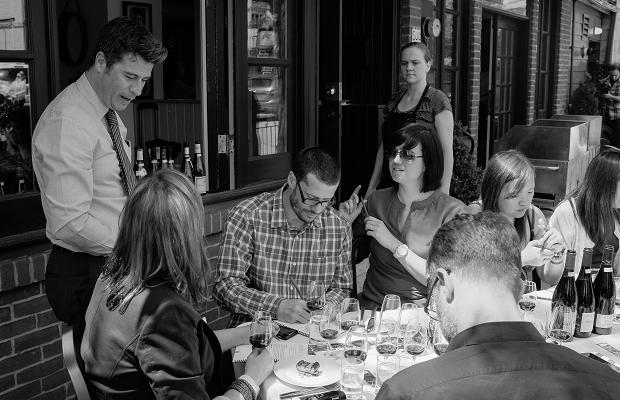
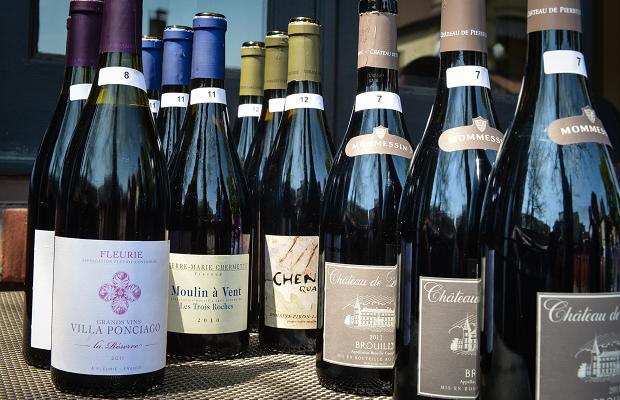
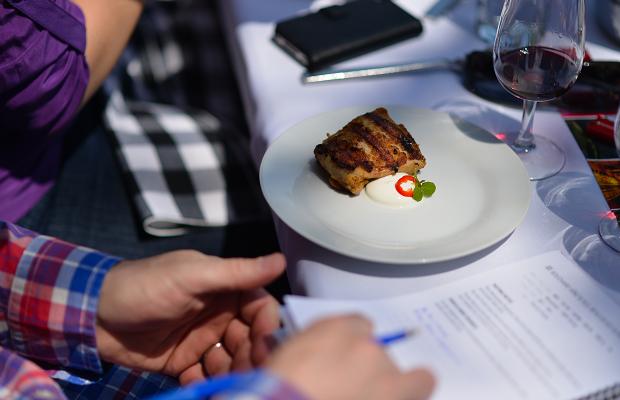
On Wednesday, May 15th, The Beaujolais Wine Council, led by Anthony Collet of Inter Beaujolais and with the assistance of the Siren Group, hosted a wine tasting at Acadia Restaurant. Five ineluctable courses ushered in 12 diverse Beaujolais. The patio luncheon featured Indian, Korean, New Orleans and Portuguese barbecue created by chef Patrick Kriss. Chef’s plates are like holorimes, simple yet complex, parts seemingly unrelated yet bound together by rhyming flavours and techniques. Food crucially matched to Gamay ready to be reckoned with. The least of which made for simple, pleasurable drinking, the best as sang-froid, cellar worthy candidates. Here are the notes.

Beaujolais Wines

Beaujolais Wines

Château Des Jacques Beaujolais Grand Clos de Loyse 2010 (11094399, $19.75) from Louis Jadot holdings in Romanèche is shameless Chardonnay, forwardly fruity and straight on the rocks. From a stainless steel ferment, the Loyse gives off a vinous, tart, pressed gas and Hercynian sedimentary note. Soft white, lithe and airy.  88  @liffordwine

CREOLE SHRIMP, anson mills grits

Georges Duboeuf Beaujolais Fun 2009 (228155, $10.95, SAQ, 11459482, $14.75) talks turkey, offers a pretenseless picnic of pure Gamay fruit and remains remarkably fresh for a 2009. Puts the FU back into fun against many a challenger. I may be alone in defence of this simple quaff but inveigle against my wine soul if this ‘aint a good deal.  87  @dandurandwines

Louis Jadot Beaujolais-Villages Combe Aux Jacques 2011 (365924, $17.95, SAQ, 365924, $16.70) seems a simple distillation hosting a floating purée of raspberry and cranberry. A sniff of smoldering tree bark keeps it interesting. Nothing to hide from, nor to rush to.  86  @ljadot

Related – A terrific write-up of the event from The Wine Sisters

Acadia Restaurant's Piri Piri Chicken

Acadia Restaurant’s Piri Piri Chicken


PIRI PIRI CHICKEN LEG, yogurt

Bouchard Aîné & Fils Beaujolais Superieur 2011 (9431, $11.95) the fresh fruit maker shows some mid-life separation in peppery kick though it’s really quite round. Leads my table mates and I to believe it should be semi-chilled in good ones and over-chilled in less than good vintages.  86

Jacques Dépagneux Morgon Côte Du Puy 2011 (299925, $18.95) is possessed of the appellation’s basic lexical features, that is morphemic, mannish, “spell mmm, aaa child, nnn” linguistics, in smoke, spice and acidity. Goes deeper than non-Cru Beaujolais, if it’s just a bit leaner than when I first tasted it last November. This Gamay speaks in muddy water, beefcake tones now but may not be talking as proud as time goes by. Very good but not quite great example.  89

Domaine Joseph Burrier Saint-Amour Côte de Besset 2009 (11154419, $25.85) confounds by holding out a yes or no answer as to its possible ringer status. Inscrutable Gamay, puckering in dried raisin and cherry, but also sun-dried tomato. Baked, nearly tawny, sullied even. Clearly a child of the searing vintage, hefty and despite the cooked character, it matched quite well with the piquant chicken.  87

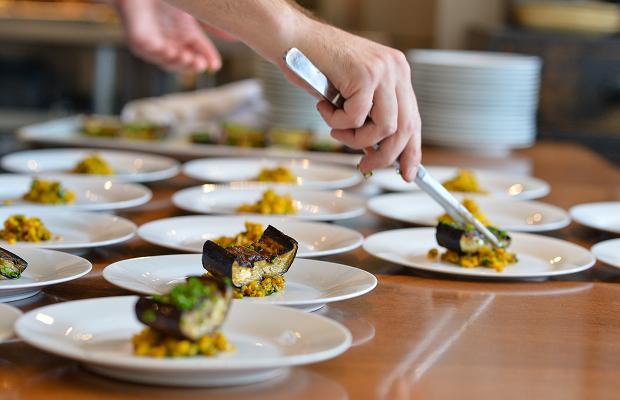
Acadia Restaurant's Grilled Eggplant

Acadia Restaurant’s Grilled Eggplant


GRILLED EGGPLANT, peanut, coconut & curry condiment

Château De Pierreux Brouilly 2011 (5496, $18.95, SAQ, 10754421, $20.15) is wondrous Gamay, clearly defined by aromas of juicy berries and all things forest. I could enjoy a boatload of this floral Brouilly without ever taking a sip. Further to that it starts out soft, vanilla relaxed, glides in confident refinement then spikes in smoke, tar and heat on the back palate. Could use a chill.  88

Villa Ponciago Fleurie La Réserve 2011 (299917, $21.95) from Champagne house Henriot is the most feminine thus far, expressive of a queen’s terroir, delicate, poignant, pretty. Deserving of a Roy Orbison croon, “ma fleur de lis, je t’aime beaujolais.” Reminds me of blueberry pie, or plum pudding, this PYT, full of aplomb and plume.  89  @WoodmanWines

George DuBoeuf Beaujolais-Villages 2010 (122077, $12.95) is a blast from the past, a parson’s project that wants to be juice but really it’s just pink turning red drink. Pink, red, sugar, water…drink. Certainly the most “nouveau” of the lot, this “catch twenty-two” bottle represents everything the region is trying to avoid and diversify away from. I will admit there is a touch of earthy complexity, just enough so to give it a lifeline and value.  85

Acadia Restaurant's Korean Short Rib

Acadia Restaurant’s Korean Short Rib


KOREAN SHORT RIB, crispy rice, sesame & chili

Domaine Manoir Du Carra Juliénas 2010 (290981, $19.95) the pearl finally puts some funk into “an otherwise empty room.” Dandy, candied peony, cracking good, cinnamon scented and jammy in Rhôneish behaviour. More structure than most.  Beaujolais’ daughter.  91

Domaine du Vissoux Moulin-à-Vent Les Trois Roches 2010 (11154427, $24.75) from star winemaker Pierres Dorées is the tasting’s prince, handsome, chivalrous, a lady’s man. Black cherry, duck reductive, sweet and musky. Searches for game, digs for truffles, wants to be seen with slow-cooked meat.  88

Domaine Piron-Lameloise Chénas Quartz 2009 (240481, $22.50) the flamboyant and flirtatious one is like a (clears throat) mini Brunello. Cherry, rose, tea, cedar and sandalwood seem so Sangiovese in a Grosso way. Who knew ’09 Beaujolais could seem so Tuscan.  90

DARK CHOCOLATE GANACHE, chantilly cream, caramel popcorn

Good to go!

Mother’s Day barbecue wines

Barque Smokehouse Dry-Rub Ribs PHOTO: JILL CHEN/FREESTYLEFARM.CA

as seen on canada.com

One year ago to the day, I extolled the virtues of Chardonnay and why it was the wine of choice to drink with mom on Mother’s Day. I would be skirting the channeling of my inner, anti-ABC if that universal variety was left out this coming weekend so click here for an unoaked beauty in stores right now.

Related – more current releases

The sudden dramatic shift in the weather has had an immediate and necessary impact, with all points leading to barbecue. In order to please everyone involved, including mom, dad and carnivorous kin, a range of wines will be needed this coming Sunday afternoon. Being the wine consuming and recommending diplomat that I am, here are four white, rosé and red wines to share time in the proverbial sun and to assist with what comes from the kitchen, off the grill or out of the Mother’s Day smoker.

From left: Muga Rosé 2012, Colaneri Estate Riesling ”Stellucha” 2009, Balbas Reserva 2001, and Domaine Thomas & Fils Cuvée Grand Chaille Sancerre 2011

The grapes: Garnacha, Tempranillo and Viura

The history: Rioja winery so famous for its rich, red wine tradition

The lowdown: Perennial quality in Spanish rosé always priced to please

The food match: Barque Smokehouse Smoked Shrimp, Smoked Salmon, Bacon and Eggs Tapas

Muga Rosé 2012 (603795, $12.95) offers up honest to goodness, straightforward value. Pale pink grapefruit, gentle spice and dried roses marked by juicy acidity. “It can’t be too grand,” just as it shouldn’t be. No dinosaur here, no disguise, no bones, just simple, tasty and amenable. Afternoon sipper.  87  @bodegasmuga

Barque Smokehouse Smoked Shrimp, Smoked Salmon, Bacon and Eggs Tapas (Photo: Jill Chen/freestylefarm.ca)

The grape: Riesling

The history: Winemaker Andrzej Lipinski is a Niagara pioneer in Appassimento-styled wines, made by adding modified kiln-dried grapes to the ferment

The lowdown: Was worth the price of admission at $15.95 upon release. Now it’s a steal. This is quite full-bodied for Riesling but low in alcohol (11.3 per cent)

The food match: Scallop Ceviche, grapefruit, orange, pickled wild leek, basil, olive oil

Colaneri Estate Riesling ”Stellucha” 2009 (279778, $13.15) is built on 70% (John Howard) Beamsville Bench and 30% (estate) Niagara-on-the-Lake fruit. Exceeds expectations, acting as bridge from day to night. Works the midnight sky in a passion momento while a “shimmering crescent moon recedes into working dawn.” Faint apple, peach pit, high in citrus and a fulgor accent of lit kiln. Time has been and will continue to be a friend to this lily of the midnight sky.  89 @ColaneriWinery

Scallop Ceviche, grapefruit, orange, pickled wild leek, basil, olive oil (Photos: Michael Godel)

The grapes: Tempranillo and Cabernet Sauvignon

The history: Founded in 1777, this may be the oldest winery in Ribera Del Duero with the most modern approach to winemaking

The lowdown: A $20 bottle of wine in a $40 suit. This is without a doubt the best deal in Spanish wine since the December 7th, 2001 VINTAGES release of the Montecillo Gran Reserva 1991 at $18.95

The food match: Chicken Breast and Top Sirloin Shish Kebabs, cremini mushroom, wild leek pesto marinade

Balbas Reserva 2001 (85183, $20.95) while mature is so alive and grooved by a Beckian beat you would be hard pressed to blindly consider it 12-years old. Deep purple fruit with a hint of caramel, cedar and cigar. Qué onda Duero? I’ll tell you what’s happening. Aged Ribera, structured, in balance and very much alive for $21. Makes me want to “sing a banda macho chorus.” Screaming value.  91  @DrinkRibera

Chicken Breast and Top Sirloin Shish Kebabs, cremini mushroom, wild leek pesto marinade

The grape: Sauvignon Blanc

The history: True SB from the southern Loire Valley run by a ninth generation husband and wife team, Jean and Ginette Thomas

The lowdown: Limestone, clay and silica form a flint and sand mixture known as silex, making these Loire vineyards one of the premier growing soils in the world

The food match: Barque Smokehouse Dry-Rub Ribs

Domaine Thomas & Fils Cuvée Grand Chaille Sancerre 2011 (320242, $28.95) begs for significance and presents a ritual immersion by virtue of its base representation of ideal Sauvignon Blanc. Walks the flint and rocks of two Loire vineyards, marries them, then talks the caulk and chalk of those sites. If just a touch reserved at the moment, the Grand Chaille will grow out of its acidic twang five years forward to realize itself as excellent Sauvignon Blanc.  92 @LoireValleyWine

Good to go!

Go leeks go

Wild leeks, left, and Roast Chicken with Leeks PHOTO: MICHAEL GODEL

as seen on canada.com

Foraging for wild edibles in Ontario’s forests can be a bit of a cat and mouse affair. Fiddle heads unfurl to become ferns in the blink of an eye. Morels and other fungi pop from the loam, air-dry, wither and petrify well-nigh faster than they can be spotted and cut away.  A fragile spring ephemeral’s fleeting emergence is quickly curtailed by nature’s short season, much like this year’s edition of NHL hockey. The Toronto Maple Leafs are certainly destined to follow nature’s folly but that one character win may be all that is needed to sustain and re-energize a hockey-crazed Leafs nation.

The Blue and White (and to a lesser extent, the Ottawa Senators) are the “it plant” right now, the wild leeks of hockey. The playoffs always swell with controversy, like the argument over the pillaging of forests for commercial use. Despite a growing polemic swirl over their use in restaurant kitchens, the eastern part of North America has turned into wild leek heaven. Unfazed chefs will only concern themselves as to whether or not leeks in late spring should be relegated to pickling.

A bit of etymology for you. Allium tricoccum are garlic-like, savoury, herbal and piquant bulbs prized for their subtle pungency and gastronomic versatility. From the Scottish word ramps or ramshthe Old English hramsa and  the Proto-germanic hramsaz. Also known as ramson (latin) or ramuscium and “chicagoua,” an American aboriginal name for wild leek. Leeks grow in the northeast, mainly in New England, west to Michigan, north to Ontario and also east to Quebec and New Brunswick.

Lake Simcoe Wild Leeks (Photos: Michael Godel)

So what’s the problem? Quebec considers les poireaux des vignes a vulnerable plant and feels their removal is damaging to a forest’s’ ecosystem. A few years back it became illegal to harvest them for commercial use. Endangered and protected in Quebec, but not in Ontario. Harvest Ontario and companies life Front-Door Organics believe the practice is sustainable and if done right there is the possibility for regeneration. Some stick to a 20% removal rule, some 5%. Some take only the leaves, some also remove the purple petiole (stem), others the bulbs but not the roots. Still others go right down to the roots but leave the hardened tuber below. There really is no proof as to what ultimately damages or saves the plant’s community. Discretion is key.

I am blessed and fortunate to have access to a private forest carpeted with millions of wild leeks. I dig up perhaps two hundred each year, moving from clump to clump, carefully selecting one here and there. I move throughout the entire forest, careful not to leave any distinguishable trace or bare patch. Selective thinning is about as far as I take my harvest.

What I have successfully experimented with is the idea that ramps can be cultivated in their native habitats. I have transplanted them to my Toronto backyard in four consecutive years and they have returned each time. Some have even divided and multiplied. It’s an amazing thing to see, my own homemade mesic woods complete with the true harbingers of spring.

Here are four quick wild leek dishes and four current release wines to match.

From left: GreenLane Estate Unoaked Chardonnay 2011, Vineland Estates Chenin Blanc 2011, Domaine Allimant-Laugner Crémant d’Alsace Rosé and Tyrrell’s Brookdale Semillon 2012

Fresh Linguine, padano parmesan, wild leeks

GreenLane Estate Unoaked Chardonnay 2011 (329409, $17.95) out of Niagara’s Lincoln Lakeshore is really good juice. Piques thoughts of juicy, just picked apples, green and white flesh melon. A waterfall of viscid acidity marked by chalk and stone supports my bent for this appellation and the unplugged Chardonnay revolution. Double “L” is the spot for this style and 2011 delivers.  90  @GreenLaneWinery

Fresh Linguine with Wild Leeks

Jamaican Yam, Parsnip and Yukon Gold Potato Mash, wild leeks

Vineland Estates Chenin Blanc 2011 (227033, $18.95) is possessed of a manly musk and the scent of a lit wick. Warm, waxy, lanolic acid bite, long, stratified and along with the bottling by Cave Spring, this is the epitome of Chenin Blanc astride the Niagara Escarpment. The wine occupies white fruit, flowers and honey territory too. Layered in stratum and sub-stratum, like an onion, or a wild leek.  90  @benchwineguy

Root Vegetable Mash with Wild Leeks

Roast Chicken, white wine, tomato, parsley, wild leeks

Domaine Allimant-Laugner Crémant d’Alsace Rosé (319939, $19.95) from 100% Pinot Noir announces its versatility from sip number one. Lucent and vivid Alsatian sparkler, crisp, creamy distilled raspberry, red apple and vanilla pureé. Good verve, nuance and I love the understatement. All you really need on the patio, with mom next weekend and with a piquant wild leek preparation. 89  @NLaugner

Eggplant, fiddleheads, basil, wild leeks

Tyrrell’s Brookdale Semillon 2012 (269316, $19.95) is vividly green, as in young and inexperienced and not yet ready to tell you its story. From the outset it asks for five plus patient years so it may flesh out and open its library doors. Though only in hints, there is green plum, craggy salinity, zinging spice and stonking lanolin spiked by lemon juice and zest. Put some away and wait.  91  @TyrellsWines

Good to go!

The Wine Diaries: Napa Valley’s Peter Franus

Vineyard in Napa Valley, California PHOTO: FRIDAY/FOTOLIA.COM

as seen on canada.com

Peter Franus is a man at ease, comfortable within his own grape skin. His Ontario chaperon, the still markedly too legit to quit Mark Coster of Profile Wine Group showed the California winemaker around town, stopping to taste through the vintner’s portfolio at Barque Smokehouse. Franus has quietly cemented an iconic legacy by crafting a diverse resumé of corporeal wines in Napa Valley for more than 25 years.

A native of Greenwich, CT, the affable Franus comes across as an über-gentleman. He rarely produces more than a 1000 cases of any of his wines, from Bordeaux varieties, Zinfandel, Rhônes, Chardonnay, Sauvignon Blanc and even Spanish Albariño. His wines may not be Frisky Zebra-priced or fashioned for everyman but his laid back demeanor and sentimental passion are quintessentially Californian, like that of a successful 1970′s singer-songwriter. If I had to make a comparison, I’d lean more Jackson Browne than Don Henley.

Of the 10 disparate yet maze connected wines in the Franus portfolio, the most impressive for me is likely the least talked about. I am admittedly a sucker for Rhône in the diaspora so there is no surprise what happy thoughts his SGM put in my brain. I would be remiss to not make mention of the Sauvignon Blanc, blessedly balmy and herbal, subtle and never over-assertive in blanched green vegetable, passion fruit and grassy, gooseberry notes. Three wines crested and stood out as the most compelling. Here are their tasting notes.

From left: Red Wine, Red Hills Lake Country Red 2008, Zinfandel Brandlin Vineyard 2010, and Cabernet Sauvignon Napa Valley 2008

Red Wine, Red Hills Lake Country Red 2008 ($39.95) composed of Syrah (85 per cent), Grenache (10) and Mourvèdre (5) comes from Fore Family Vineyards fruit on the top of 3000 foot Cobb Mountain. A fiery paradox of climate met by altitude works a strange magic on the grapes. It’s no mistral but rather some sort of wine weather occult. This SGM is highly influenced by a very tempest of dramatic temperature changes, from solar radiation to cool, tempering Pacific breezes and at great heights. Exhibits the hills’ red earth, in colour, in fragrance and in rich berry flavour. I’m grateful for this SGM blend, cool and hot at the same time, “almost ablaze still you don’t feel the heat.”  93

Zinfandel Brandlin Vineyard 2010 ($46.95) from the slopes of Mt. Veeder gets a little 2+2+2 help from friends Charbono, Mourvèdre and Carignane and rested for 21 months in Burgundian Coopers. Anything but heavy-handed, it shows no signs of balsamic or toffee scars, despite the August heat spike, shriveled berries and low yield. This Brandlin “hits you over the head with pleasure,” says Franus, from a mountain that’s “as close to heaven as your going to get.” This PF Zin is PFG, if I do say so myself.  91

Cabernet Sauvignon Napa Valley 2008 ($54.95) holds out back to a time when every mancould savour this kind of wine. A Napa style made “in the warmth of the sun where sweet childhood still dances,” once again with finesse, restraint and an understanding of the place. Made in a style Franus calls “my signature of balance, harmony and elegance.” From a meticulous selection of grapes out of three vineyards, Truchard (muscle), Rancho Chimiles (acidity, florals) and Stewart (ties the room together).  Yes Peter, this is delicious.  90

Roast Chicken, Potatoes and Herbs (Photo: Michael Godel)

Good to go!

Cloudy with showers, more wine expected

Barque Smoked Miami Beef Rib PHOTO: JILL CHEN/FREESTYLEFARM.CA

as seen on canada.com

This one’s for the floodwaters ravaged and oppressed in cottage country and to a much lesser extent, the city dwellers, this morning’s sunshine respite notwithstanding, faced with a few more days of wet April doom and gloom. There is always wine to cheer you up. County in the City presented by Wine Align  is a must not miss event tonight at the Berkeley Church.

For the rest of you keeping score at home, here are five sure bet $20 wines guaranteed to get you through the last week of April showers.

From left: Clos De Nouys Demi-Sec Vouvray 2011, Huff Estates Pinot Gris 2011, Clifford Bay Pinot Noir 2010, Stratus Vineyards Wildass Red 2011, and Eos Estate Winery Petite Sirah 2011

The grape: Chenin Blanc

The history: From one of the oldest Loire wine-making estates (Pierre Chainier) in the Vouvray A.O.C.

The lowdown: Loire Chenin Blanc ranges from dry to sweet and creamy sparkling. This is designated semi-dry but it tends dry because of a strong limestone mineral component

The food match: Basque Pintxos

Clos De Nouys Demi-Sec Vouvray 2011 (322669, $19.95) has already begun to stun in citrine and a petrol whiff plays the stage while the other aromas wait in the wings. Earthy for a white wine, a vin tuffeau-jaune if you will, no doubt imparted by the creamy, calcareous-argillaceous limestone soil. Sweet pear and the stuff of almonds lurk in the shadows. To taste there is little cloying danger and even a touch of cheese rind. It’s really quite dry, like Großes Gewächs German Riesling, but its balance is impeccable.  91  @imbibersreport

The grape: Pinot Gris

The history: Prince Edward County born and bred proprietor Lanny Huff teams with Burgundy born winemaker Frédéric Picard

The lowdown: Really a white and sparkling specialist (though they do grow Merlot), Huff’s Pinot Gris is a character study unlike any other PEC peer

The food match: Agedashi Tofu

Huff Estates Pinot Gris 2011 (134221, $19.95) initiates contact in a fusty, gamy way, not unlike some of my favourite reds in Montalcino and Châteauneuf-du-Pape. But this is Alsatian-styled Pinot Gris we’re talking about here. Fortunately a huff and a puff blows the dank aside and it gets peachy in West Indies pepper sauce after that. Lots of piquant character in this Prince Edward County charmer.  90  @HuffEstatesWine

The grape: Pinot Noir

The history: From the eponymous body of water at the eastern entrance of the Cook Strait and the Tasman Sea, separated by the White Cliffs from the more famous Cloudy Bay

The lowdown: From grapes grown in the Awatere Valley, this is essentially cool climate Pinot Noir and it shows

The food match: Barque Smoked Miami Beef Rib

Clifford Bay Pinot Noir 2010 (309500, $19.95) with its bright lights, big acids is spanking, aromatically clean. Raspberry fruit driven, big barking red dog, tart balanced (13.5 per cent abv) and full of pluck and punch. Would go nicely with the Barque of smoked meats.  89  @cliffordbaywine

The grapes: Cabernet Franc, Merlot, Cabernet Sauvignon, Syrah and Tannat

The history: The Wildass line of wine from Stratus Vineyards seems to say “always look on the bright side of life.”

The lowdown: Laid back brand in appearance from J.L. Groux and team but this assemblage is no couch potato

The food match: Whole-Wheat Penne, spring greens, sausage

Stratus Vineyards Wildass Red 2011 (86363, $19.95) is a trailing vine of sweet ever-bearing, toffee coated candy strawberry. A wolf steppin‘ out of its Niagara comfort zone, reminding me of a red wine made by The Foreign Affair, in dried fruit (not jam) as if it were made in the appassimento method. It’s simply J.L. coaxing maximum concentration from vines in a balanced vintage and frankly this is better than most Veneto Valpolicella at the same price. This Wildass is “like a true nature’s child,” born to be wild.  89  @Stratuswines

The grape: Petite Sirah

The history: Also known as Durif, a black-skinned variety developed by Dr. Durif, a French nurseryman living in the south of France in the late 1800’s

The lowdown: California has embraced the grape and although it remains much maligned, when acidity and balance play their part, it can be so much more interesting than Cabernet Sauvignon, especially in Paso Robles

The food match:  Beef Shanks braised in red wine

Eos Estate Winery Petite Sirah 2011 (317677, $19.95) is certainly Cabernet-like with its rich berry fruit forward first step but it never goes over the top. The alcohol (13.9 per cent) remains in check, it’s minty and eucalyptus cool and white pepper gives it good bite. Exotic, smokey edge.  90  @EOSwinery

Good to go!

Time to buy these great wines

PHOTO: DRAMARGAR/FOTOLIA.COM

as seen on canada.com

Smaller investments lead to bigger fortunes. This is the credo that works for me when it comes to wine. I practice what I preach and taste as many wines as possible, to determine the personality of my palate, to make informed, diagnostic and visceral decisions when it comes to purchasing for my cellar.

Related – More Current Release Wines

Admittedly, I am offered many opportunities to taste wine. They are out there for you too, whether you live in Ontario, Alberta, Nova Scotia or British Columbia. Wine events are happening almost daily, in event venues, in restaurants, in wine shops and at your local monopoly. Get out there and taste Canada. Put a little money and time into your wine future. Take a course. Taste often and always. Training and immersion is key. Taste!

In the meantime, one of my many jobs is to help with buying strategies. Some recent releases are out there for the taking. I have also discovered a remarkable (soon to arrive in Canada) New Zealand producer, thanks to the generosity of the Speck Family (Henry of Pelham, Ontario) and Family Wine Merchants.  Their Icons of Wine, The Inaugural Family Wine Merchants Portfolio Tasting in Toronto was held on April 15, 2013 at Arcadian Lofts. The Sauvignon Blanc, Pinot Gris and Pinot Noir from the Marlborough winery called Te Pā are a revelation. In anticipation of a spring concert of Prince Edward County wine events and new tastings, here is a terrific Pinot from the man himself, Norman Hardie. All in all, here are five new wines to look for, right now and in the near future.

From left: Santi Vigneti Di Monteforte Soave Classico 2011, Villa Cafaggio Chianti Classico 2009, Norman Hardie Unfiltered Pinot Noir 2011, Henry of Pelham Pinot Noir ‘Speck Family Reserve’ 2009, and Te Pā Winery Pinot Gris 2012

The grapes: Garganega and Trebbiano

The history: Produced in the Veneto region of northern Italy and owned by Lamberti S.P.A., an Italian chemical company

The lowdown: Really remarkable Soave at an entry-level price speaks for itself, despite the odd marriage between winery and massive chemical overlord

The food match: Cauliflower Soup with Coconut, Turmeric and Lime

Santi Vigneti Di Monteforte Soave Classico 2011 (316067, $14.95) is spangled of a mineral green and gold like lichen and moss on rocks long dripped on by a spraying waterfall. Fettered elegance, waxy like aged Semillon and positively exclusive of balm, oil, cloy or bitter peat. Smooth, direct, agreeable white.  88 @pmacanada

The grape: Sangiovese

The history: Property in Panzano (Greve) in Chianti that dates back hundreds of years, when it was called “Cahago”, which means “enclosed, cultivated field”

The lowdown: Open the dictionary and search “Chianti Classico.” CC defined

The food match: Spaghetti, 2012 harvest Roma tomato, basil sprouts, Parmigiano-Reggiano

Villa Cafaggio Chianti Classico 2009 (176776, $19.95, SAQ, 571539, $24.60) whispers come-hither, pour a glass of me. You will not be disappointed. Straddles the Chianti meridian, offering up the best of both worlds; a tough, tannic and gritty stalking wolf and an alluring, silky modern fox. Iron and saltpeter meets dark chocolate filled with raspberry liqueur. Blessed with a piacevole retrogusto. “There’s still time for the midnight wine. Life just as it happens going down the line.”  90  @VillaCafaggio  @VinexxCanada

The grape: Pinot Gris

The history: Long established Marlborough, New Zealand property with vineyards right by the waters of Cloudy Bay at the Wairau Bar, though they’ve only recently begun to bottle under their own label

The lowdown: If Te Pā can find a way to get their wines into VINTAGES stores, they could be priced as low as $18.95. If that happens I will buy them by the case and hand them out on Halloween as adult treats

The food match: Za’atar Spiced Rabbit Gözleme

Te Pā Winery Pinot Gris 2012 (coming soon, $31.95) from a single vineyard made up of three plots and only the best fruit is chosen for the final blend. Hurtles like a ballistic missile fueled by bombarding and bombastic pear fumes, not to mention pungent capsicum. Was “headed for the overload” when suddenly it spun around by way of a dramatic yet finessed, flinty mineral chord change, like a “D” dropped into a Keith Richards’ open “G”. Gets your rocks off. The Sauvignon Blanc popped my eyeballs straight from their sockets. This Pinot Gris is even finer.  92  @nzwine  @winemarlborough

The Splurges

The grape: Pinot Noir

The history: Norman Hardie needs little introduction. He is the reason Prince Edward County Pinot will secure a place on that grape’s world stage

The lowdown: The 2011 vintage will go down as a classic for PEC. The tens have mass appeal, the nines turned out to be stellar but it is the elevens that gather the best of both worlds; ripeness and acidity. Stock up

The food match: Capercaillie and coniferous forest from Fäviken

Norman Hardie Unfiltered Pinot Noir 2011 (125310, $35.00) paints the County red in layered and structured brushstrokes. Ripe, bright cherry tonality in super-heightened, mesmeric sensuality. Accented by weeping rock, black earth and that cherry. Would not figure this to be Norm’s most rugged or gregarious and yet it holds more heft than it looks. Currently in a great place and will live longer than any other.  92  @normhardie  @TastetheCounty

The grape: Pinot Noir

The history: Established in 1988, Henry of Pelham Estate Winery is run by the late Paul Speck Sr.’s three sons, Matthew, Daniel and Paul. H of P amalgamates iconic Niagara pedigree with forward thinking and familial kinship

The lowdown: While there is little doubt that winemaker Ron Giesbrecht’s greatest success is and has been cemented in his Cabernet-Merlot, Chardonnay and Riesling, his soft spot has got to be for this Speck Family Reserve Pinot

The food match: Tomato Dijon Tart

Henry of Pelham Pinot Noir ‘Speck Family Reserve’ 2009 (657874, $40) has arrived in its happy place. The escarpment abutting, protected position and sheltered warmth away from the lake makes the Short Hills Bench a valued Pinot site. Crushed red berries, exaggerated florals and less earth/funk than many peers lead to the SFR’s singular sagacity. Fine-grained chalky tannins befitting the vintage will see this linger with pleasure for another five years. Yet another fine example of ’09 Niagara Pinot clarity forged by skilled and experienced hands.  91  @SpeckBros

Good to go!

Part one: A 30 march of wines

Photo: Comugnero Silvana/Fotolia.com

as seen on canada.com

March ends in madness. Sydney Crosby breaks his jaw. The Toronto Maple Leafs are on their way to the Stanley Cup Playoffs. Wichita State is heading to the final four while a Canadian star guard leads Michigan to the same dance. Mass hysteria. Soon cats and dogs will be living together. Thank goodness for wine.

An atomic march of wine ushers in a change of season, a greening of the grey, a fresh start. Wines from all over this grape growing planet have hit the shelves. There is much to choose from, from sparklers and great whites to fresh, fruit-driven reds. Come back in a couple of days for a second list of 15 big, bold red recommendations.

Allow me another peculiar exegesis. I have touched on the health benefits of wine before. This time my concern centers around the 30th element on the periodic table. Zinc is needed for the proper growth and maintenance of the human body. Zinc deficiency can be a nutritional issue and studies indicate something in red wine enhances zinc absorption but no, it’s not the alcohol. According to two Hawaiian nutritionists, good diet and a moderate, appropriate amount of Zinc can help prevent Prostate Cancer. One way to introduce number 30 to your body is through bioactive polyphenols, naturally occurring chemicals found in foods, including fruits, some types of grains, wine, and tea. BP’s found in wine are reported to add health benefits for a variety of disorders, including cardiovascular diseases, various cancers, diabetes, obesity, and neurological diseases. Sounds like a plan.

This further cements an attitude as to why wine is my eminent companion. Of this I am counseled, not in shadowy reminiscence, but by a regular show of good fortune, through the generosity of others. Good Friday morphed to Great Friday thanks to my good man G, marked at the precise meta tasting moment of this phenomenal Sicilian.

Girolamo Russo Feudo 2010 (218479, $48). The last of the great Etnas in full volcanic, mineral splendor, dipping lentil into chocolate, a jam session of ripe cherries verging to black. Creamy development in butter, vanilla and pearl. “All five horizons revolved around her soul.”  94

On March 27th the good folks at Lifford poured a couple dozen wines from seven New Zealand producers at Soho House in Toronto. A fleeting moment of pathetic fallacy aside (after being reprimanded by a whining club staffer for taking a bottle photo), “there are no photographs allowed in this private club,” the event really was a treat to attend. The compositions of Ata Rangi, Carrick, Craggy Range, Felton Road, Mountford, Neudorf and Staedt Landt collectively impressed with finesse and refinement. Martinborough Chardonnay (Ata Rangi 2010, 91) will have a bright future, along with Syrah out of Hawkes Bay (Craggy Range 2010, $44.95, 91). Pinot Noir has been thrust into the Kiwi spotlight and the world is there for both stage and oyster taking, if only the price of admission matched the product. These two Pinots stole the Lifford show.

Felton Road Cornish Point Noir 2008 (2011 – $84.95) has developed more than a modicum of animale and mineral old world charm. Juicy black cherry, red licorice, fragrant spice, tea and rose petal tessellate in a weightier way than the lithe, elder Block 3 ’04, thanks in part to vines with more age. Quite refined.  92  @feltonroadwine  @liffordwine

Mountford Pinot Noir Estate 2008 ($80) is an overflowing bowl of ripe cherries so dramatic in aroma the 100% new oak is almost unnoticeable. Welcome to Waipara Pinot, wholly unique to the New Zealand landscape, prettier and graced by an unparalleled elegance. Made by blind winemaker C P Lin.  93  @mountfordestate  @liffordnicole

Now get out there and have a look for these just released wines.

From left: Mountford Pinot Noir Estate 2008, 13th Street Premier Cuvée 2008, Joseph Cattin Hatschbourg Pinot Gris 2010, The Foreign Affair Riesling 2009, and Erasmo 2006.

The Sparkling

Argyle Brut Sparkling Wine 2008 (258160, $29.95) is a rolling stone with diamonds on the soles of its shoes. So much chalcedony minerality, along with soda pop, russets blooming across pale cream, lime and ginger. Sings a “be bop a lu la.”  90  @ArgyleWinery

13th Street Premier Cuvée 2008 (142679, $34.95) continues to impress with its linear, rising and crescendoing attitude. Lavish like the finest pâté spread on buttery brioche. From my earlier note: “perpetuates the apple theme but here it is subdued, sweet and with blossoms too. There is honeycomb, citrus and an herbal, grassy component no other wine has shown. Lean, perhaps but that’s the minerals talking. Very pretty.”  91  @13thStreetWines

René Geoffroy Premier Cru Brut Rosé De Saigneé Champagne (245878, $55.95) is a strawberry cream, ice cream dream, if you know what I mean. Pinot Noir and nothing but Pinot Noir. A cool vintage marked by sweet pink grapefruit welling the vitrine, lit by laser acidity. Rocking rosé.  92  @ericbelchamber

The Whites

Mil Vientos Torrontés 2011 (307504, $15.95) is a tight, chunky, San Juan affair. Moscato-like, sugar sweetened, liquid lemon candy nose, followed by a taste of white toffee. Expressive Argentine and full of tang.  87

Joseph Cattin Hatschbourg Pinot Gris 2010 (260240, $19.95) is a flat out ridiculous, Alsatian Grand Cru deal at $20. The apricot jam, bon-bon, white nettle and redolent resemblance to SGN or Sauternes is uncanny. The palate remains dry, the finish on the side of absinthe. I remain transfixed by its intellect.  90  @DomaineCATTIN

Konrad Sauvignon Blanc 2011 (616243, $19.95) goes long on all that is typical and necessary for the survival of Kiwi SB. Asparagus, gooseberry and passion fruit in All Blacks formation, chanting, fierce, intimidating. Present alcohol though surprisingly light in body, huge in stature if gentle as a giant. Acts more nervy than many South Island peers and scores by trying.  89 

The Foreign Affair Riesling 2009 (127290, $24.95) retrofits 20% NP dried grapes in the Venetian appassimento method. The dehydrated drupe adds dye and sherbet texture, like the yellow and pulp of  Ataúlfo mango. The acqua turns rich, as if 1-2-3 jello were to meet candied lime and pear Gewürztraminer, with its mind centered on the holy varietal mystery. The outré oeuvre of winemaker Ilya Senchuk.  90  @wineaffair

Le Clos Jordanne Claystone Terrace Chardonnay 2009 (56929, $40.00, SAQ, 10697331, $41.50) sonars with a stealth shark attack of char and a cold, arctic shiver. Great Ontario white with full on spiced oak if nicked by unctuous platitude. Best LCJ Terrace in years from winemaker Sébastien Jacquey.  90  @LeClosJordanne

Bachelder Saunders Vineyard Chardonnay 2010 (324103, $44.95) is a wine to learn from yet feel humiliated by its eloquence. Creamy, buttery, lightly toasted soft seeds or nuts, like a melding to halavah or marzipan. White flower aroma, viscous exempt, a study in equilibrium. Thought this the best Bach yet when tasted back in February, that is until the “stuff of dreams” Wismer appeared as a silvered stone in bright dancing patches at Cuvée 13.  91  @Bachelder_wines

The Reds

Featherstone Cabernet Franc 2011 (64618, $16.95) hits the Ontario watermark with pinpoint ’11 attribution. Firm, fruity red currant spiked by peppercorn, slow-smoked and lacquered with tar. Spot on and one of the best Niagara Peninsula CF values.  88  @Featherstonewne

Paso Creek Cabernet Sauvignon 2010 (161141, $19.95) is a breakfast special of thirst quenching vanilla shake, bowl of berries and smoked bacon. Well-rounded Paso Robles fruit forward Cab, long and lean. A worthy California detour to a county not oft visited.  88  @PasoCreekWine

Erasmo 2006 (311837, $21.95) is a soldier home from war. Wounded, bruised but not beaten. This unfiltered, pure, natural and wild Chilean blend of two Cabs and Merlot is so Bordeaux and not so Bordeaux. Acts more austere and rustic like old Brunello or Nebbiolo with a vibrant, currant, pepper and balmy funk. Not so peculiar considering producer Francesco Marone Cinzano is the man behind Col D’orcia in Montalcino. Time in the glass unfurls gorgeous, opaque fruit. I’d like to see it evolve over the next five years.  91  @FMaroneCinzano

Good to go!