Ruché with you?

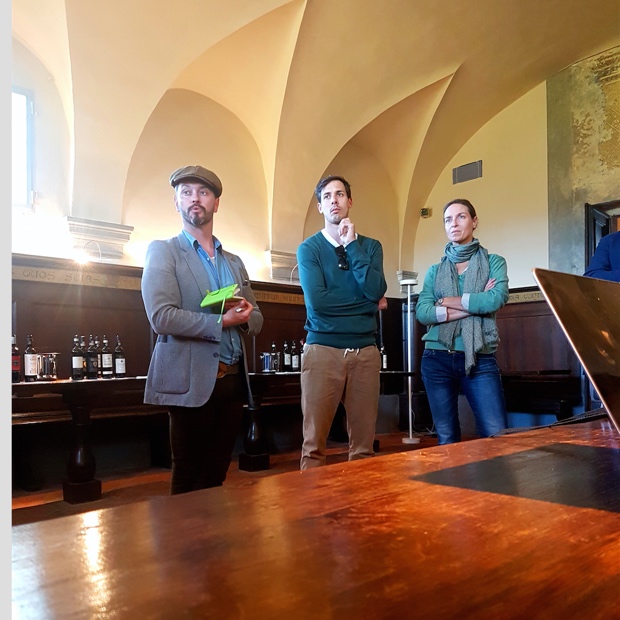
The morning of July 14th began with a round table discussion in the Costigliole d’Asti Castle for an hour’s reckoning and reflection on Barbera d’Asti and Barbera d’Astia Nizza Monferrato. Our triumvirate educatori rispettatiProgetto Vino panel of Michele Longo, Michaela Morris and Monty Waldin were looking for answers and for truth. Not just comments on the quality of the wines but resolutions so as to move forward, to progress, to offer a better Piemontese experience and to bring better barbera to the world.

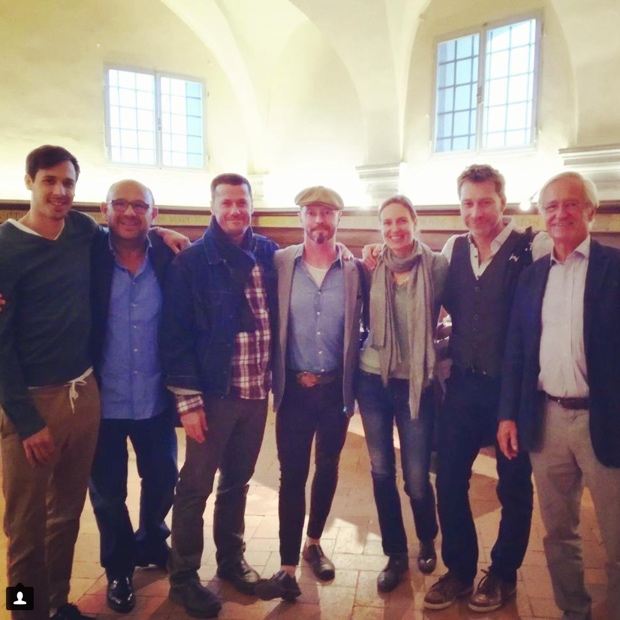
Jinglin Zhang, The boys from Crivelli and Godello

Related – Barbera d’Asti Del Monferrato E Nizza Monferrato

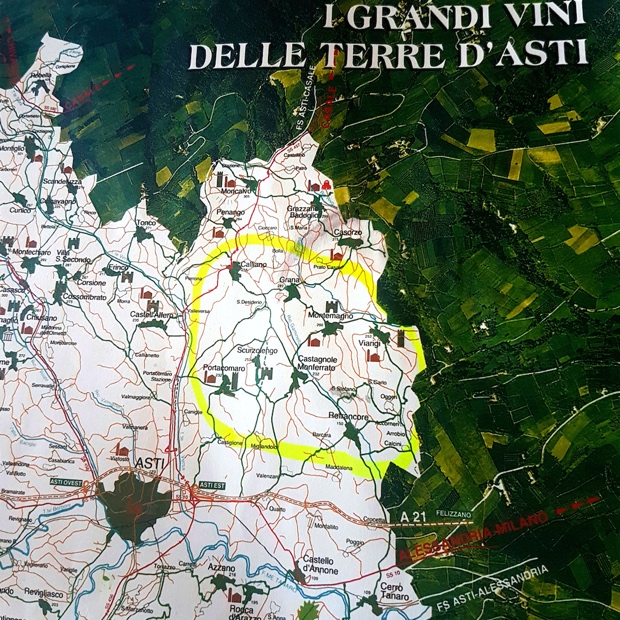
Barbera d’Asti had concluded the previous evening with dinner at Locanda del Boscogrande in Montegrosso d’Asti and in advance of travelling to Barolo for the Collisioni Festival came the arrival in Castagnole Monferrato. We were welcomed by Luca Ferraris, President of the association of Ruchè producers. First there was a walk in the vineyard and then lunch at Cantina Bersano with ruchè, grigolino, freisa and the vintners. An afternoon speed dating session at Mercantile Hall in Castagnole Monferrato would change my mind’s experience about ruché’s varietal place in Piemonte and the world. A study in Ruchè is an unavoidable headfirst dive into phenolics, climate change and choices. Tasting these wines provides for one of the most transparent and palpable presentations in the understanding of ripeness, much like Garnacha in Campo de Borja, Cariñena and Calatayud. 

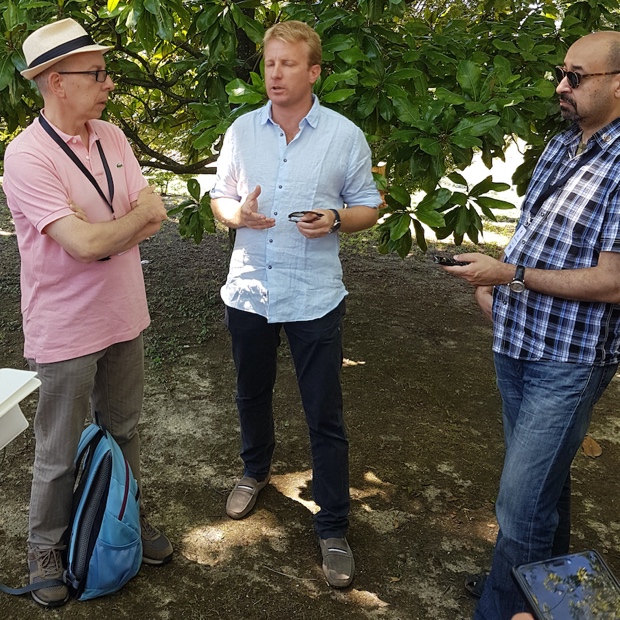
Michele Longo, Luca Ferraris and Gurvinder Bhatia

Ruchè develops its sugars and alcohol quite early, often reaching a potential of 14-15 degrees by late August, early September. The temptation is to pick early and in many cases it is both justified and necessary, especially in vintages with little precipitation and heat through summer. Like garnacha and as they found out this past summer with sangiovese in Toscana, picking small, desiccated berries too early might yield sugar and alcohol but the question is whether or not there will be sufficient support by phenolic ripeness. Waiting on the trust that some rain will come and also extended season warmth is often the key to such development, but Ruché is different and in some vintages the development happens lightning fast. Picking times are crucial in every agricultural region but hyper-sensitive here. Growers might pick early and find ideal ripeness and yet others might produce jammy wines with bitter, green and astringent tannins.  It’s a fine line everywhere but in Ruché the vintage really, really matters. 

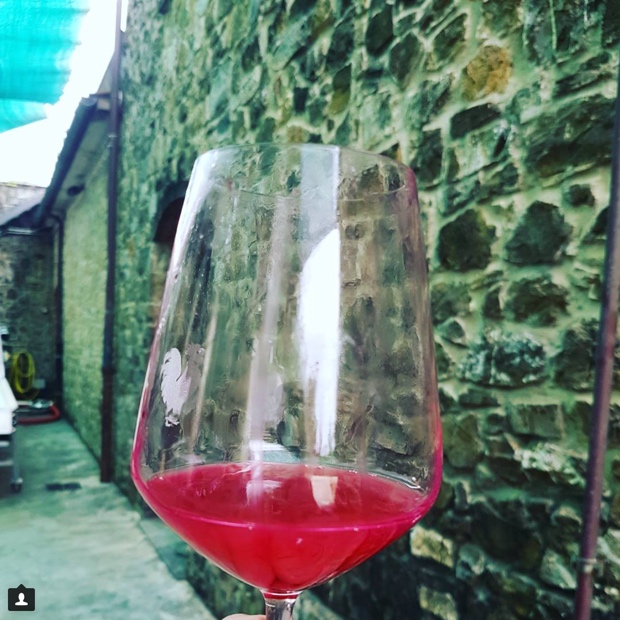
Seven times more beautiful than I could have ever known #castagnolemonferrato #ruché #progrettovini #collisionimonferrato

The Denominazione di Origine Controllata e Garantita (DOCG) status for Ruché di Castagnole Monferrato was granted in 2010 out of the region Asti-Piemonte. The general terroir is apprised by silt, clay, sand and limestone soils at elevations between 120-400 masl. Plantings on northern slopes from 2010 onwards may not be used in DOCG wines. The maximum yield allowance is nine tons per hectare, minimum alcohol 12.5 and there are no ageing requirements, nor are there any for vigna-designated wines though all must be composed from at least 90 per cent ruché, with barbera and brachetto often used to blend.

Castagnole Monferrato

The producers of Ruchè di Castagnole Monferrato as a rule have figured out their picking schedules to coax the most out of their fruit. Slope position is the key to knowledge here and the higher up you farm the more likely you’re going to need to wait before pulling off those grapes. The surprisingly refreshing relative absence of barrel use is another reason that this tiny appellation is on the road to glory so early in its DOCG existence. The grape is fortuitous for its ability to create structure without needing the over-stimulated couverture of new French oak. Some stainless steel and concrete-rasied examples display the ability to age on their own. Time and experience will allow more additions of wood élevage but for now the wines show purity, clarity and honesty just the way they are. I tasted 21 wines from 15 producers that day in July. Here are the notes.

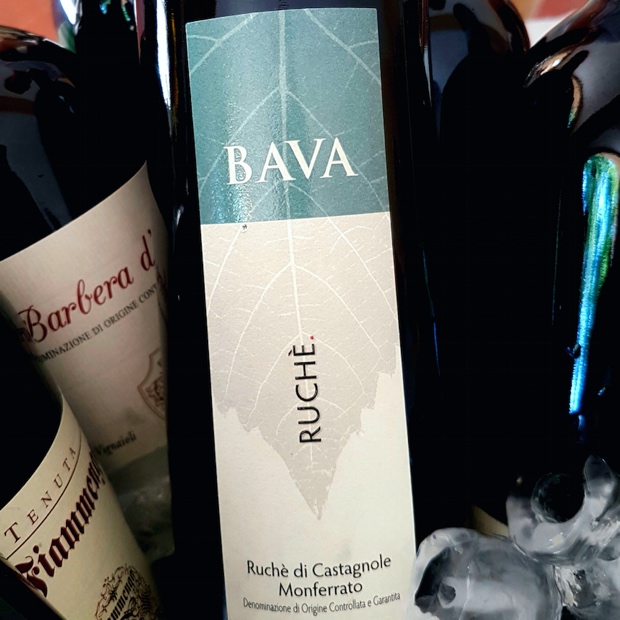
Bava Ruché Di Castagnole Monferrato 2016, DOCG Piemonte, Italy (Winery, WineAlign)

Bava’s ruché combines the freshness of grignolino with the brooding of barbera though in a decreased state of acidity. The fruit is strawberry-raspberry, fresh-picked and a bit leafy-savoury in contrast, marking this middle of the road-toned red and its ripe phenolics. Thoughtfully and thankfully round for early and clear comprehensible drinking in complete control of the vital energy it’s capable of harnessing. No astringency here and a very correct to ambassadorial example of ruché. Drink 2017-2018.  Tasted July 2017  bavawinery  @bavawinery  @bava.winery

La Fiammenga Ruché Di Castagnole Monferrato 2016, DOCG Piemonte, Italy (Winery, WineAlign)

Privilegi is much more floral than many of its ilk but also riper, concentrated and deeply pressed. It’s clearly designed for international/marketing appeal with an expressed coffee calculation and a drift into the seriousness of Piemontese territory. It tries quite hard to impress and in the end you can take the ruché out of Castagnole Monferrato but you can’t take Castagnole Monferrato out of ruché. The variety can’t help but act like itself so trying to press its round character into a square hole leads to disconnect. The end result is more tannin and therefore astringency in a wine that started out with tremendous fruit potential. Drink 2017-2019.  Tasted July 2017  tenutalafiammenga  #lafiammenga  La fiammenga

Massimo Marengo Ruché Di Castagnole Monferrato 2016, DOCG Piemonte, Italy (Winery, WineAlign)

Tasted with Marco and Alessandria Marengo, here ruché is bred in argiloso soils (mainly clay) and from a more than intense vintage. A year in which rising alcohol levels went reaching for a crescendo but the variety will last longer in its hold out for phenolic ripeness as compared to those in sandy soils. So here we have the powerful and structured ruché, picked by September 20th, which is now these days the average. Brings dark red fruit and intensity, violets and plums, lots of pepper, with a vintage full on with dry extract. This is regal and chewy, with fortuitous fortitude, absence of oak and it will certainly be a longer lived example. The tannic structure will not handle new French barriques so its stainless steel only to do the job and the trick. And it’s 15 per cent alcohol. Brilliant. Drink 2018-2024.  Tasted July 2017  #massimomarengo  Massimo Marengo

Gratitude to @BERSANO1907 for hosting and opening the portal into #ruché #castagnolemonferrato

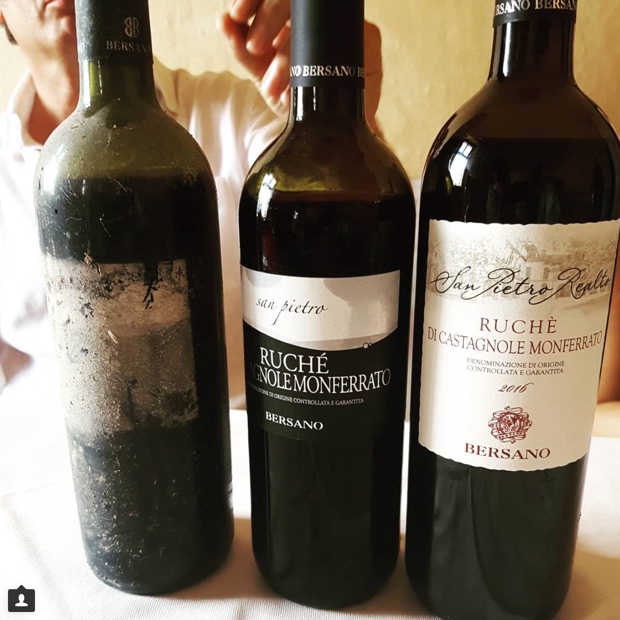
Bersano Ruché Di Castagnole Monferrato San Pietro Realto 2016, DOCG Piemonte, Italy (Agent, WineAlign)

San Pietro Realto Ruché is completed with a one pick harvest at the end of September, at the same time as barbera. Sees only stainless steel and the current vintage production is 100,000 bottles. The liquor-liquorice-syrupy ruché was released in late March, early April, from calcareous soil at the top of the hill and argil at the bottom. Very fluid and silky ruché, refined and of a density by layering and tart compression. It’s clean and modern, with liquid smoke and pepper. It is aided by anteprime temperature control (48 hours), to preserve florals, the perfume and the acidity before fermentation. Very grown up and 21st century. Drink 2017-2021.  Tasted July 2017  bersano1907  profilewinegroup  valentinacasetta  @BERSANO1907  @ProfileWineGrp  @Bersanowine  Profile Wine Group

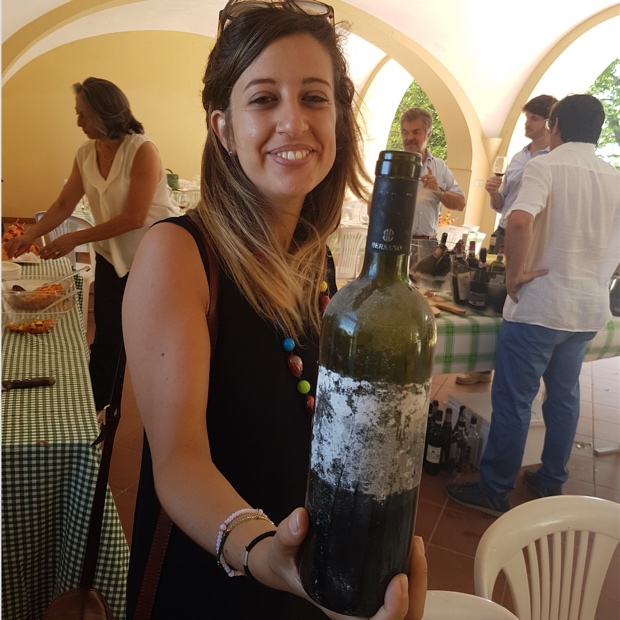
Valentina Casetta with a pioneering bottle of Bersano Ruché

Bersano Ruché Di Castagnole Monferrato San Pietro Realto 2004, DOCG Piemonte, Italy (Agent, WineAlign)

San Pietro is the name of the estate where the rolling stone ruché is farmed and this look back takes us into what I believe was the 17th year as a recognized DOCG. There is an abundant wealth of wild, wild horses secondary and tertiary character here, more into dried fruit and much less, though still intact acidity, naturally and in evolution as compared to the more recent ’13 and ’16 examples. It’s a pretty country and western sort of rock ‘n roll ballad that could indeed drag me away. You can feel the alcohol and the earthy, ante demi-glacé, liquid gritty and distinct. A heartfelt thanks goes out to enologo Roberto Morosinotto for the generosity and opportunity in curiosity. “Childhood living is easy to do.” Drink 2017.  Tasted July 2017

Bersano Ruché Di Castagnole Monferrato San Pietro Realto 2013, DOCG Piemonte, Italy (Agent, WineAlign)

San Pietro 2013 is possessive of more spice, florality, cooler and savour direct injection. The liquid velvet transparency and clean lines are the same as you see fast forwarded to 2016. I see more ageability in this 2013s, but also perhaps a bit more rusticity. Drink 2017-2020. Tasted July 2017

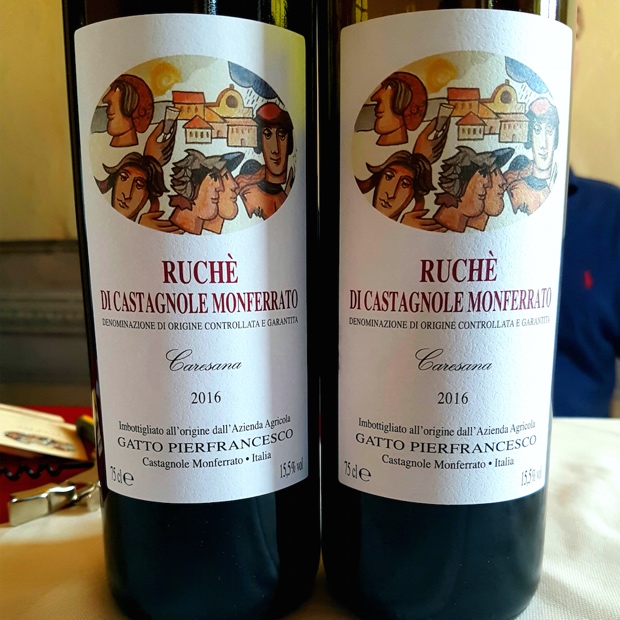
Gatto Pierfrancesco Ruché Di Castagnole Monferrato Caresana 2016, DOCG Piemonte, Italy (Winery, WineAlign)

From Francesco and Marco, Caresana is the cru, in front of Castagnole, loosely translated as “dearest,” I would think. Vines aged two to 30 years old and fruit picked early, September 4th and 5th, before dolcetto. Mostly calcareous and some sandy soil, very perfumed, the deep smell of fresh plums, just picked from the tree, sliced, juicy, running ripe and warm. Again here is the liquid purity of the ruché liqueur, classic, somewhat traditional but easily slid into the current climate and decade. Carries more acidity than some in the sides of the mouth climbing in a back and forth way. Really plummy and so bloody varietal but no iron, just white limestone in this soil. Very drinkable, that mineral liquified and rendered, ready to go, best to drink young. Drink 2017-2019.  Tasted July 2017  #gattopierfrancesco  Pierfrancesco Gatto

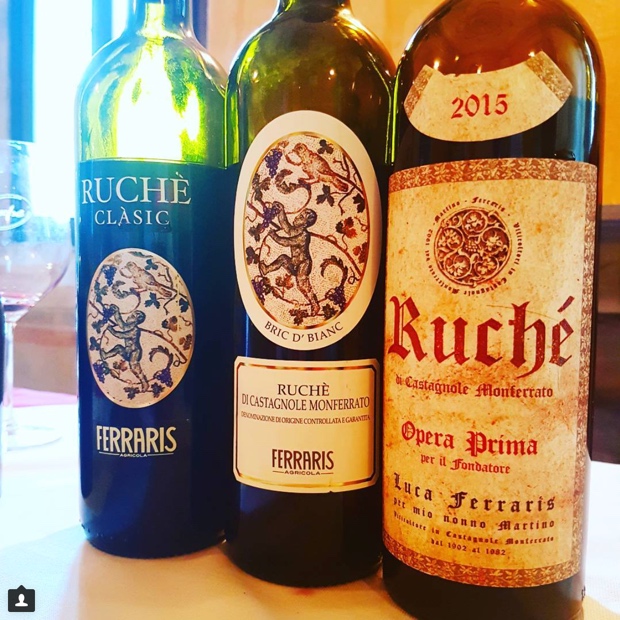
A tryptich of Clàsic #ruché from #LucaFerraris di #castagnolemonferrato to drink, with new friends.

Ferraris Ruché Di Castagnole Monferrato Bric d’Bianc 2016, DOCG Piemonte, Italy (Winery, WineAlign)

From Luca Ferraris this varietal ruché is lower in alcohol than many peers because this is not a top exposure but the varietal obviousness is so bloody so. Ruché stripped down, laid bare, naked to the world, From both white and red soil, with elegance and some grip. It does not get much fresher or direct than in this bottle. Unlock the simplest secrets of Castagnole Monferrato and read the dictionary entry through the lens of this example. Drink 2017-2018. Tasted July 2017  lucaferraris1979  @ferrarisagricol  Luca Ferraris  

Ferraris Ruché Di Castagnole Monferrato Clàsic 2016, DOCG Piemonte, Italy (Winery, WineAlign)

The Clàsic ruché draws inspiration from 54 hL botti after a slow (20 day) maceration and stays in the big casks until bottle. There is some racking (now using some open top fermenters), no punch downs but some pump overs, all in the name of breathing. Ruchè ripens as early as any red in Piemonte and in Castagnole Monferrato it’s likely in the first ten days of September. Sugars accumulate quickly, acidity is often low but it manages to maintain a healthy level of malic acid. And so as per the varietal expectation this is richly aromatic, textural, crisp and possessive of a strong concentration of polyphenols. Solid structure with an eight to 10 year potential results. Drink 2018-2025.  Tasted July 2017

Ferraris Ruché Di Castagnole Monferrato Opera Prima per Il Fondatore 2015, DOCG Piemonte, Italy (Winery, WineAlign)

Opera Prima per il fondatore comes from a single-vineyard at the top of the hill. It is Riserva level ruché in honour of Luca Ferraris’ grandfather Martino. The vineyard is steep, with loose calcareous soil that is poor in nutrients and so it carries a history of yield reduction. The vigour control combines with late ripening so structure is first developed in the vineyard. Luca is looking for longevity and ages Opera Prime for 30 months in tonneaux so such a young ruché is not surprisingly reserved, of course, not quite giving, immature yet primed for aging, like Barolo but also Rioja Gran Reserva. This because it comes across as really spicy, smoky and savoury. Drink 2019-2026.  Tasted July 2017

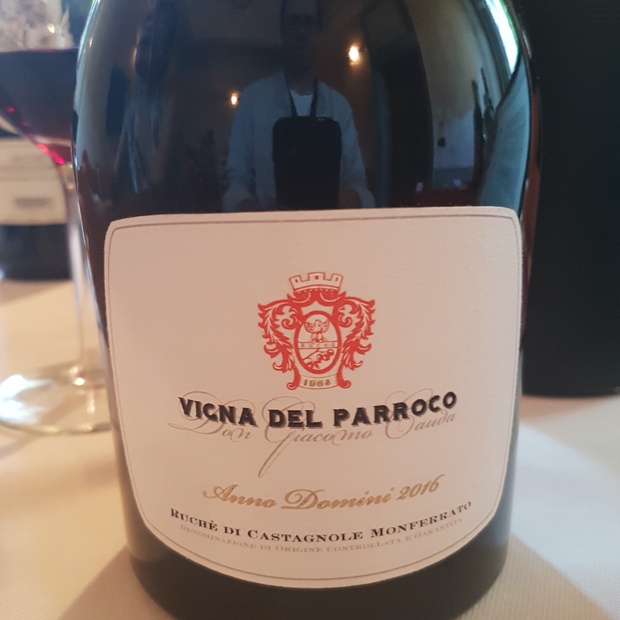
Vigna Del Parroco Ruché Di Castagnole Monferrato 2016, DOCG Piemonte, Italy (Winery, WineAlign)

Vigna del Parroco is the driest in town and was planted by the first local agronomist. The property is now owed by Ferraris, with this being the first vintage. Élevage is 20 per cent in tonneaux and the rest in big botti plus stainless steel (depending on what’s available). This is the original, massale selection vine/plant, young and intense with some of the area’s highest acidity. Only 1000 bottles were produced. Drink 2017-2020. Tasted July 2017  #vignadelparroco    La Vigna del Parroco

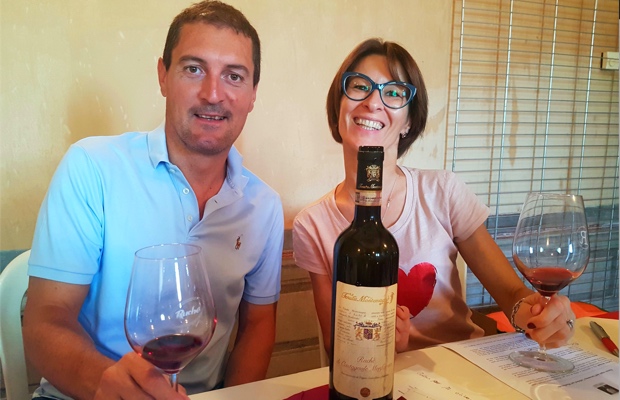
Alberto and Eliza, Tenuta Montemagno

Tenuta Montemagno Ruché Di Castagnole Monferrato 2016, DOCG Piemonte, Italy (Winery, WineAlign)

Tenuta Montemagno is the ruché child of Alberto and Eliza, raised on a plateau of calcareous clay with white argilo, rich in seabed fossils and minerals. The ’16 was picked mid-September, went to soft crush-press, fermented on native yeasts and dropped into stainless. The effort is as natural as possible, all hand worked, with no filtration and pumpovers. There is some tannin, more than others in the form of a liquid grainy texture, firm but also that ruché juiciness and the first to offer some late beneficial bitters. Organically styled though certification is not their thing. Alberto notes that 2013 was a great vintage, after ’11 and now ’16, Seems to say with fair warning “here’s to your thin red line I’m stepping over.” It’s serious Italian fat city address styled ruché. Drink 2018-2022. Tasted July 2017  tenuta_montemagno  @Tenutammagno  @Tenutammagno

Vini Caldera Ruché Di Castagnole Monferrato 2016, DOCG Piemonte, Italy (Winery, WineAlign)

Here is very traditional, classic ruché, from no blending, the varietal is just purely expressed. Located in Portamaro Stazione, just outside southeast of the area, though the vineyards are within the area. Liquid ruby, more tart edges but soft ones, typical, balanced and perfectly charming. Really lingers with a light grainy calcaire chalkiness to it, from the grey limestone-argilo soil. So much like other once sweet wines that a producer decided to let go dry. Like mavrodaphne or even more, mavro kalavryta. Picked at the end of September, a decision that is later than most, almost into overripe character though there is no wood. This will turn to dried fruit and oxidative quite quickly. So old school. Drink 2017-2018.  Tasted July 2017  @CalderaVini  @ViniCaldera

Cantine Sant’Agata Ruché Di Castagnole Monferrato ‘Na Vota’ 2016, DOCG Piemonte, Italy (Winery, WineAlign)

Cantine Sant’Agata was conceived in 1992 by brothers Claudio and Franco Cavallero on 1.5 hectares of Castagnole Monferrato land, now seven hectares in total. ‘Na Vota (the vote) is achieved without oak, all stainless, from four vineyards and just in bottle now. Shines with the highest acidity there can be from ruché, with the sandy layer bringing a dried rose note and the calcaire violets. It’s rich, dense, thick, of the most extract, so tart and juicy. Drink 2017-2019.  Tasted July 2017  #cantinesantagata    Cantine Sant’Agata

Cantine Sant’Agata Ruché Di Castagnole Monferrato ‘Pro Nobis’ 2016, DOCG Piemonte, Italy (Winery, WineAlign)

It was the excellence of the 2000 vintage that convinced Franco Cavallero to up the game and put he and his brother’s money down on a premium cuvée and the result was the first Pro Nobis, “for us,” meaning them, and us. Now an altered and evolved ruché the 2014 shows that some wood is here in support of a selection of grapes from old vines. The process opts for plenty of délestage on a late September pick, for structure and a dark cherry, leathery juiciness. This also carries the unique Agata acidity, so tart, like aged Rioja or even more, like a child of Chianti Classico Riserva sangiovese and Nizza barbera. The offspring is nothing if not a wow factor Piemontese outlier that is also so very traditional. Drink 2018-2022.  Tasted July 2017

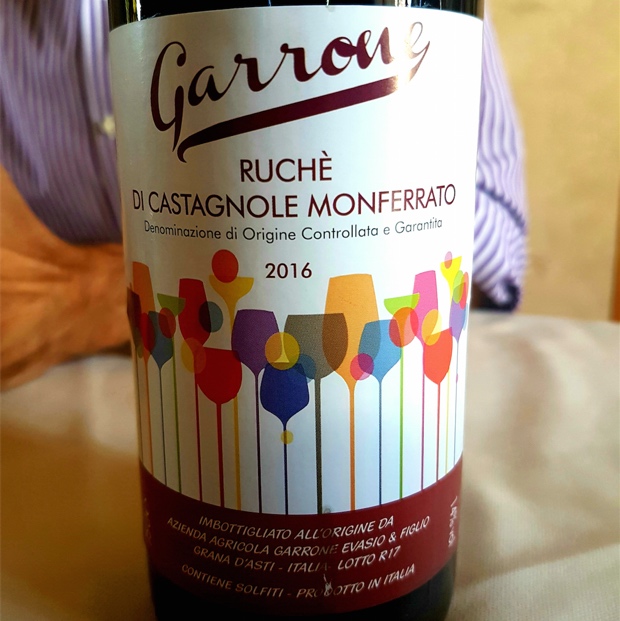
Garrone Evasio & Figlio Ruché Di Castagnole Monferrato 2016, DOCG Piemonte, Italy (Winery, WineAlign)

Founded in 1926 by Evasio’s grandfather, ruché may not be Garrone’s centre of varietal or appellative attention but these 1991 planted vines are surely in one of the area’s sweet spots. As it happens they were the first in the village of Grana, on white clay with some gypsym (geso) chalk. The soil impart leads and leans towards a really red liquid ruby, fresh, bright, lithe and beautifully fresh ruché. Third week of September picking but it’s not overripe and actually just there. A fineness of ruché like a naive melody so this must be the place. Fruit saw a 7-10 day maceration, oxygen controlled and here with a bit of a spicy note, but so very tempered, relaxed, not exceptionally elevated in acidity, A true terroir-driven, textural wine. Yields are crazy low (3,500 bottles produced from one hectare) and so there is no surprise to find talking heads fruit speaking in tongues. It’s clearly a labour of love to make such a pure, honest and beautifully balanced ruché. Really tells a story, “never for money, always for love.” The export price would be 5.5 euro. Drink 2017-2020.  Tasted July 2017  #garroneevasioefiglio    @vinigarrone

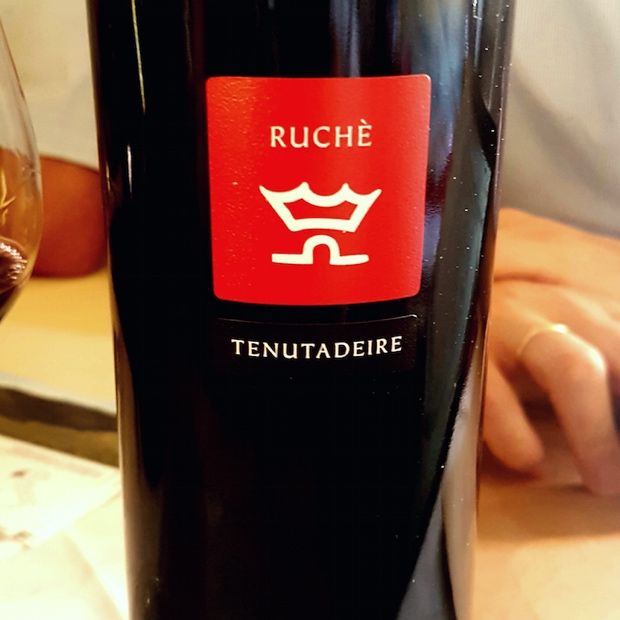
Tenuta De Re Ruché Di Castagnole Monferrato 2015, DOCG Piemonte, Italy (Winery, WineAlign)

Tenuta Dei Re is Paolo and Filippo on an estate from the 1870s but started with grignolino. Their votes grow in surround of the cantina, all estate fruit, no export, all cellar door. The tanks are all cement and stainless steel, with 10 months of aging, for stability and freshness, from three hectares of ruché, plus grignolino and barbera (also vermentino). The sandy hills are not overly variegated though by clay so the poor, fine soils don’t gift as much structure. This means the aromatics need to be kept, by slow, low-temperature controlled fermentation; tops at 24 degrees. After 14 days on the skins this doles out quite an old school red but the clarity and varietal character is more than preserved. The pick is really early, late August to early September, partially a climate change reaction, especially at the top (250m) and 150 at the bottom. No machine work so “molto dificile,” working like billy goats. this just has that deep acid liqueur, savour, verdancy, A bit smoky and stinging. There are 5000 bottles at an export price of 5.5 euro. Drink 2017-2020.  Tasted July 2017  tenuta_dei_re  #tenutadeire   Tenuta dei Re

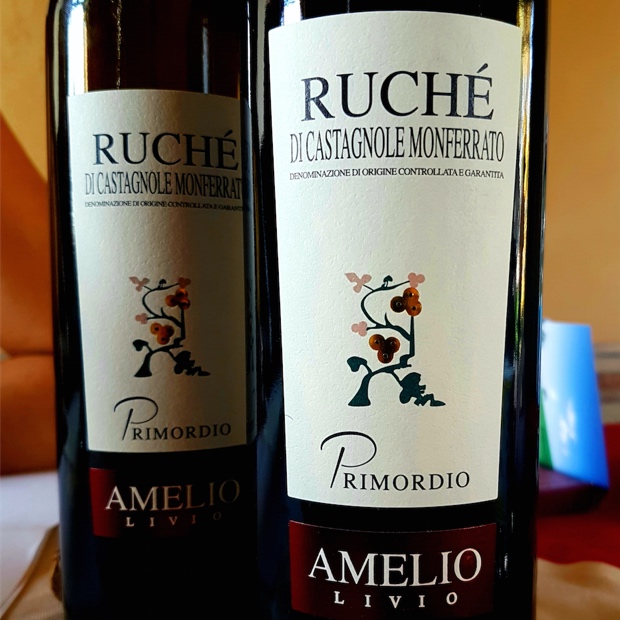
Amelio Livio Ruché Di Castagnole Monferrato Primordio 2015, DOCG Piemonte, Italy (Winery, WineAlign)

From Livio e Daniela, (Amelio is the surname), Primordio is a perfect moniker for this darker and richer ruché, one km away from Grana. The vines are at the base of a hill on argilosa, bianca calcaria and some darker sandy and clay. This is the definition of osso intenso! Dense and liquid cherry-leather liqueur, from a warm vintage so it all adds up to lots of character and layers. Picked around the 15th of September, but this is very early for them and 6,000 bottles are made, sold only in Italia., Such a small production, traditional and spicy, some structure, from only one hectare so good yields in 2016, which is 70 per cent more than some others. A seven day fermentation as with everything in this wine it’s quite middle of the road. Primordio, in the begginning, for the girls, Daniela and her sister. Drink 2017-2019.  Tasted July 2017  #livioamelio  Daniela Amelio  @ameliolivio

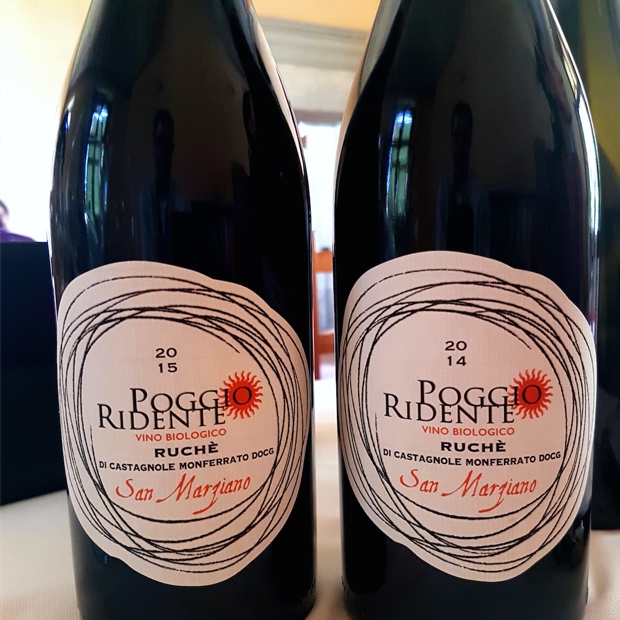
Poggio Ridente Ruché Di Castagnole Monferrato San Marziano 2015, DOCG Piemonte, Italy (Winery, WineAlign)

Poggio Ridente’s San Marziano is one of the few 2015s in the speed tasting and stands alone for its temperament and style. This is Cecilia’s baby, the only one labeled biologico (organic), from red clay soil, 14 per cent alcohol and noted because you can really sense the heat on the nose. The wild ferment is a very aromatic, high toned, no wood, deep red sensation. The vines were planted in 2001 and this is the first to act quite bretty and volatile, the natural one which will have some serious fans but I would imagine this is a local outlier. Picked in the first week of September I really believe this could be great but the warmth of the day and serving temperature does not do it justice and and so the alcohol really stands out. Drink 2017-2019.  Tasted July 2017  poggioridente.bio  Poggio Ridente Az.Agricola Biologica

Poggio Ridente Ruché Di Castagnole Monferrato San Marziano 2014, DOCG Piemonte, Italy (Winery, WineAlign)

Cecilia Zucca’s 2014 carries the benefit of an extra year in bottle but from a vintage with much less heat and more cool savour it really shines at this time. Still an outlier for the Ruché di Castagnole ideal, this ’14 is so much more fragrant, honest, pure, precise, transparent and you can really tell that attention was paid to this vintage. Very true to 2014 not just as a ruché but for greater Asti as a whole. This particular moment in natural winemaking time is so well-adjusted, spicy, floral, fine and good. Drink 2017-2021.  Tasted July 2017

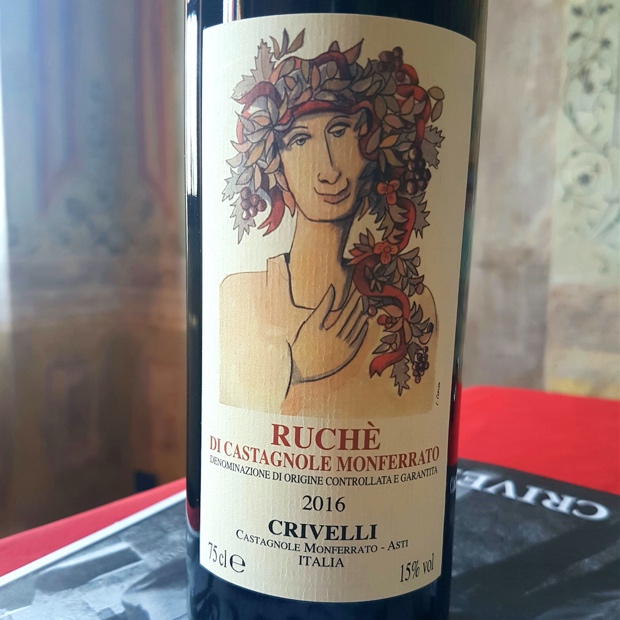
Crivelli Ruché Di Castagnole Monferrato 2016, DOCG Piemonte, Italy (Winery, WineAlign)

Crivelli Ruché Di Castagnole Monferrato is the remarkable work of Marco Crivelli. His grapes were harvested during the last week of September and bottled in February. Done up in inox vats, under temperature control (25-27 degrees) with a combination of yeasts. Two weeks of maceration and here the suggested wait time is one year in bottle. Moving on from technical geekdom this starts with flowers and spice but you are to imagine that a year will bring some secondary character. This seems to be in the middle, at the crossroads of all the wines, a combination of everything or perhaps outside of it all. Rich liqueur, red velvet leather, syrup but not sticky, freshness leading to matrurity. It’s quite mature, not evolved, but the acumen is obvious. The plot is five hectares yielding 7,000 bottles per. It’s a good yield. More made here than most, this is the pioneer and the leader, with Crivelli and his more than 28 years of experience. His first commercial vintage was 1988. When he gets there the final planting ratio will be sixty per cent ruché, thirty barbera and 10 grigolino on one third each soils of sand, white clay and limestone. If I’m an Ontario agent and buying one Ruché Di Castagnole Monferrato it would be this from Marco Crivelli. There will be younger, risk-taking, natural and experimental producers who will usurp his crown but for now Marco is the man. His price is eight euro ex-cellar. Drink 2018-2022.  Tasted July 2017   #marcocrivelli  @RucheCrivelli    Marco Maria Crivelli

Good to go!

Godello

Twitter: @mgodello

Instagram: mgodello

WineAlign


Because the night in Gaiole

Badia a Coltibuono

Badia a Coltibuono is not your average, been there, seen that Tuscan edifice. The castello is an awesome display of architecture meets hortus conclusus and a walk through its hallowed halls will lead a mind to wander. You can hear its creaks, sense the weight of its history and feel its ghosts. It was night by the time we arrived, already peering down the descent of a palate’s waning slope, nearing the end of a capacity cultivated day. It was a surreal and perfect time to experience the awe of Badia a Coltibuono.

Related – Castellina in golden light

The monastery was founded in 1051 by the Vallumbrosan order of Benedictine monks and many important manuscripts and deeds were housed here for hundreds of years. It was here where some of the earliest mention of towns, castles and villas of the Chianti area could be found. In the 15th century the Buon Raccolto (good harvest) Abbey, (Abbazia or Badia in Italian) was extensively developed under the patronage of Lorenzo dei Medici. The current owners are the Stucchi-Prinetti family and as I would ironically find out quite soon enough, they are the successful purveyors of the publications of Lorenza de Medici, wife of Piero Stucchi-Prinetti, on Tuscan cookery.

Related – Get Radda for Chianti Classico

John Szabo M.S., Brad Royale, Steven Robinson and Godello came to taste through 35 wines provided by 20 producers from the Chianti Classico commune of Gaiole in Chianti. We arrived tired but our strength was quickly and magically restored by the curative powers of Gaiole sangiovese. Located in Siena province Gaiole is one of two sub-zones with exactly two neighbours, in this case Castelnuovo Berardenga to the south and Radda to the west/northwest. It is one of the more complicated, diverse and checkered Chianti Classico zones, with many switchbacks, elevation changes and soil types. That said a thread certainly runs through, of wines that carry their own confident and specific structure. This tasting confirmed that the sangiovese of Gaiole have great aging potential, albeit often wrapped up in robes of rusticity, shacked up with the finest of Chianti Classico.

Click here to watch a quick video of the Gaiole in Chianti wines

To gain a deeper understanding of Gaiole it would be prudent to pry open the packaging and peel away further layers of sub-zone identity with a look at the sangiovese produced specifically on Monti in Chianti lands. Such a visit and tasting would unearth at least one of the more essential facets of Gaiole’s variegation and then the climb back up and into the greater commune could be acquiesced with a new level of experience.

John Szabo attempting to communicate by necromantic means with the revenants of the numinous Badia a Coltibuono world

Meanwhile, back to Badia a Coltibuono and because the night in Gaiole. After we finished tasting it was past the 10pm hour and so our auspicious and unpavid hosts Roberto Stucchi Prinetti and Emanuela Stucchi Prinetti wondered if we should eschew trying to convince a restaurant to serve us and instead make dinner in the abbey’s kitchen. I volunteered. I spent the better part of 1987-2013 cooking in restaurants and running my catering company and here I was making the decision to offer my culinary services to Tuscans of lineage dating back to who knows when. To custodians of Lorenza de Medici’s manifestos of Tuscan cookery while the family ghosts roam the castle halls. A moment of panic and a “what have I done” internal dialogue ensued. Then I set to work.

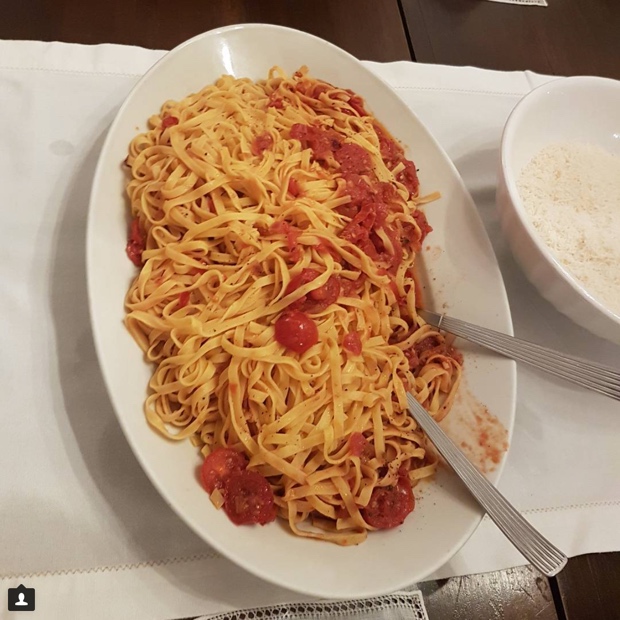
We kept it simple, local, traditional and went about using up product that recent cooking classes had left for the next arbitrary and unhinged cook who happened to find his way into this culinary vestibule sbalorditivo that has seen so much and lived to tell many a tale. The scene and hasty whip up of two platters of different but complimentary pastas could not have happened so quick without John’s fiduciary charges, the ambient distraction of Brad’s intense discourse with Roberto, Steve’s stoic, harmonic and sommelier savvy stature and Emanuela’s sous-support. An hour later we were seated at Badia’s dining room table. I’m quite certain I heard someone say “please bring me my wine” and then the voice of the captain saying “we haven’t had that spirit here since thirteen sixty-nine.” At some point I went for air and a stroll through the castello halls, feeling not exactly alone and yet quite positively at peace.

It had been 22 years since I last made pasta in Italy. This time for @coltibuono and alas, it was eaten #sigh

As with the rest of the territory, the 2017 vintage presented one of the greater challenges in recent Chianti Classico times. After the intense heat of the driest of summers it was essential that growers waited out the early September rains, followed by the beautiful and phenolic ripeness ensuring warmth of the next three weeks. “I noticed that most producers had already, inconceivably, finished harvesting by the 15th of September!!! A haste that can’t be positive.” These are the wisest of words from Rocca di Montegrossi’s Marco Ricasoli. It remains to be seen but Marco’s prophecy will ring true and be confirmed at Anteprime’s Chianti Classico Collection in February 2019.

Though we had a very hurried tasting session in the early night hours of September 25th, 2017, I did taste every wine presented to us by the association of Gaiole winemakers and distilled them down into the production of these 20 notes. I expect some of you will be familiar with this group of producers and I pledge to investigate the depths of their collective soul when I attend CCC ’18 in Firenze next month.

Brad Royale surveys the sangiovese of Gaiole in Chianti

Badia A Coltibuono Chianti Classico 2015, DOCG Tuscany, Italy (Agent, $27.99, WineAlign)

Badia a Coltibuono’s Chianti Classico is truly representative of 2015, or as proprietor Roberto Stucchi Prinetti notes “a microcosm of CC, a very diverse area.” This Gaiole in Chianti sings in the three-part harmony of the Gallo Nero territory, of Gaiole, through the voice of sangiovese and as close in honour to the territory as it will ever get. This take is rusty, rustic, red citrus sweet-scented, of cinnamon and strawberry meets ripe sour cherry red fruit. The medium to high acids and fine, unobtrusive chain of tannins take it where it just needs to go. Easy and proper. As I said before, classic. Drink 2017-2019.  Tasted twice, September and October 2017  coltibuono  noble_estates  @coltibuono  @Noble_Estates  Badia a Coltibuono  Noble Estates Wine & Spirits

Badia A Coltibuono Chianti Classico Riserva 2012, DOCG Tuscany, Italy (683474, $38.95, WineAlign)

It was a big year and the fruit was certainly ripe so the house style of putting fruit first and oak second means that Badia a Coltibuono’s CC Riserva ’12 is now heading into secondary character. Not raisined mind you but drying a touch and developing some spice cupboard baking scents. Tart and firm, developed, evolved and quite liquid chalky in its tannic grain and established structure. Drink 2017-2020.  Tasted September 2017

Barone Ricasoli Brolio Chianti Classico 2015, DOCG Tuscany, Italy (3962, $23.95, WineAlign)

Really classic and traditionally annotated Chianti Classico tastes just like this and is especially worthy when the clean and transparent adjunct of technology brings tradition well into the 21st century. A fine and amenable vintage and 1000 years of Ricasoli expertise combine to fashion a Chianti Classico of high commercial esteem. Drink 2017-2020.  Tasted September and November 2017  francescoricasoli  churchillcellars  @barone_ricasoli  @imbibersreport  Barone Ricasoli  Churchill Cellars Ltd.

Casa al Vento Chianti Classico Aria 2015, DOCG Tuscany, Italy (WineryWineAlign)

Aria 2015 carries a profile like many young and ripe Chianti Classico, a sweet-scented spoon of red cherry fruit and fine, liquid gelid acidity. Chalky to a degree which will settle after a year more in bottle. Aria is simply a fine expressive, unaccompanied, unadorned and unadulterated melody sung by sangiovese for Gaiole in Chianti. “At ease with the thought that this nova won’t burn out.” Drink 2018-2021.  Tasted September 2017  @casaalvento  borgocasaalvento  @AgriturismoChiantiCasaAlVento

La Casa Di Bricciano Chianti Classico 2014, DOCG Tuscany, Italy (WineryWineAlign)

La Casa di Bricciano is is nothing if not delicious Chianti Classico and also not wholly representative of the sangiovese ideal. Listed at 80 per cent varietal with the other 20 per cent likely merlot and cabernet sauvignon it’s an IGT drama played out with style. It’s beautifully clean and effective stuff. Drink 2017-2020.  Tasted September 2017  lacasadibricciano  La Casa di Bricciano

La Casa Di Bricciano Chianti Classico Riserva 2013, DOCG Tuscany, Italy (WineryWineAlign)

La Casa di Bricciano’s Riserva ’13 carries a stylistic that is eerily similar to the Annata ’14 but takes to welling, oozing and leading to a syrupy liqueur. Swirling in this pool of viscous plummy fruit there is this sense of confidence, finesse and stylish polish. A bit sweet perhaps but seriously good. Drink 2018-2021.  Tasted September 2017

Podere Ciona Chianti Classico Proprieta Gatteschi 2014, DOCG Tuscany, Italy (WineryWineAlign)

The lower altitude vineyards of Podere Ciona were replanted in 1999, 2003, the rest in the winter of 2011-2012. Their annata 2014 is primarily sangiovese with nine per cent merlot and a pinch of alicante bouschet. Lorenzo & Franco Gatteschi’s Chianti Classico is a true exception to the term normale, especially in consideration of the challenges presented by 2014. Though it is quite reductive it’s also also intensely floral and bursting with aromatic spice. There is bite at twice the effectiveness of the typical, middle of the road CC and plenty of life in this bottle. It will release its charms slowly, for seven years, easy. Drink 2018-2026.  Tasted September 2017  podereciona  @PodereCiona  Podere Ciona Estate and Vineyards

Podere Ciona Chianti Classico Riserva Proprieta Gatteschi 2013, DOCG Tuscany, Italy (WineryWineAlign)

The Gatteschi family’s 2013 is a special sort of Riserva with that understood sangiovese character of wisdom gained so early in life, long before it should know what classica it can and will become. The late-picked sangiovese comes off estate vines as late as the first two weeks of October and is supported by merlot, picked two weeks earlier and alicante bouschet sometime in between the two. Élevage happens in large format French oak. It’s an extremely complex weave of fine acidity overtop red ropey fruit with accents in spice and citrus. Quite remarkable really. Drink 2018-2024.  Tasted September 2017

Fietri Chianti Classico 2015, DOCG Tuscany, Italy (AgentWineAlign)

Ripe and sultry fruit, perhaps just a bit into the ultra ripe which may lead to some dried fruit sooner rather than later. The high acidity indicates early picking so the conundrum does spell a quandary. The package is a deep well that includes oak driven chocolate. It’s big for ’15 Chianti Classico and not exceptionally fresh. Drink 2017-2018.  Tasted September 2017  Azienda Agricola di Fietri

I Sodo Chianti Classico Riserva 2013, Docg Tuscany, Italy (Agent, $29.95, WineAlign)

I Sodi’s Gaiole in Chianti Riserva is on the volatile and over the top youthful side but you can really get a grip upon the terrific red berry and herbal-savoury accents. Certainly led by raspberry but red currants are quite prevalent. Must admit the palate leaves a fuller and more demanding impression which is always important as opposed to the other way around. The change of gears from accelerated vitesse to grip on the road around turns and into pits is a sign of great Italian design. The finish carries dried fruit and compressed acidity with not overly aggressive tannin. Drink 2018-2022.  Tasted February and September 2017  Agriturismo Le Trappoline – Azienda Agricola I Sodi

Dinner at Badia a Coltibuono

Podere Il Palazzino Chianti Classico Riserva Grosso Sanese 2011, DOCG Tuscany, Italy (WineryWineAlign)

Il Palazzino is owned by Alessandro and Andrea Sderci and is located in Monti in Chianti, in Gaiole in Chianti, 20 km northeast of Siena. Their flagship wine is this Grosso Sanese, a sangiovese of gorgeous aromatic waft with complexities provided by fresh cut roses, deeply mined minerality and fresh sliced morning summer fruit. Great tension, so much more variegation from the earth and a natural, let it be who it is and from laissez-faire from Monti village emotion. This is CCR with true soul and it truly is a really clean and natural wine. Really fine tannin, sweetness from round acidity and architectural design set in the past with innovation for the future. Amazing CCR. Drink 2019-2029. Tasted February 2017    Agriturismo Il Palazzino  #ilpalazzino

Matteoli Chianti Classico 2015, DOCG Tuscany, Italy (WineAlign)

Matteoli is a young, primary, seemingly natural meets organic and playfully funky sour cherry sangiovese, distinctly Gaiole but striding away from the norm and the middle of the road. Some tart, tight and bracing acidity plays to a sweetish finish. Should develop some curiously cool secondary character. Drink 2018-2020.  Tasted September 2017  @agricolamatteoli

Castello Di Meleto Chianti Classico 2015, DOCG Tuscany, Italy (332114, $18.95, WineAlign)

Castello di Meleto’s is really refined sangiovese, taking a deeper step into the calcaire, welling with some hematic and even ferric notes, developing towards secondary functionality. Here alights the cerebral induction sangiovese with even a slight scant drop of syrupy liqueur. Drink 2018-2022.  Tasted September 2017  castellodimeleto  @castellomeleto  Castello Di Meleto

Castello Di Meleto Chianti Classico Riserva Vigna Casi 2013, DOCG Tuscany, Italy (WineAlign)

Vigna Casi 2013 falls very much in line with the vintage for Chianti Classico but with an added and deeper delve into a Gaiole soil variegate. With each passing taste of ’13 Riserva the most excellent vintage continues to show off its gifting capabilities. The liqueur is not only borne of what this Annata sangiovese brings but the continuum is persistent, insistent and will carry the fruit well into adolescence. It’s bright, juicy and just plain exceptional. Drink 2019-2025.  Tasted September 2017

Rocca Di Castagnoli Chianti Classico 2015, DOCG Tuscany, Italy (222810 $19.95, WineAlign)

Rocca di Castagnoli’s is perhaps one of the prettiest Chianti Classico 2015s, certainly out of Gaiole and even anywhere in the greater territory for this vintage. The virtues of ripeness, properly timed picking, acidity and just enough structure comes through in union, focus and finesse. All this while always in control of its classic style, with colorino and canaiolo tucked in behind and in support of sangiovese. Such a properly executed CC ’15. Drink 2018-2022.  Tasted September 2017  roccadicastagnoli  profilewinegroup  @Roccacastagnoli  @ProfileWineGrp  Rocca di Castagnoli  Profile Wine Group

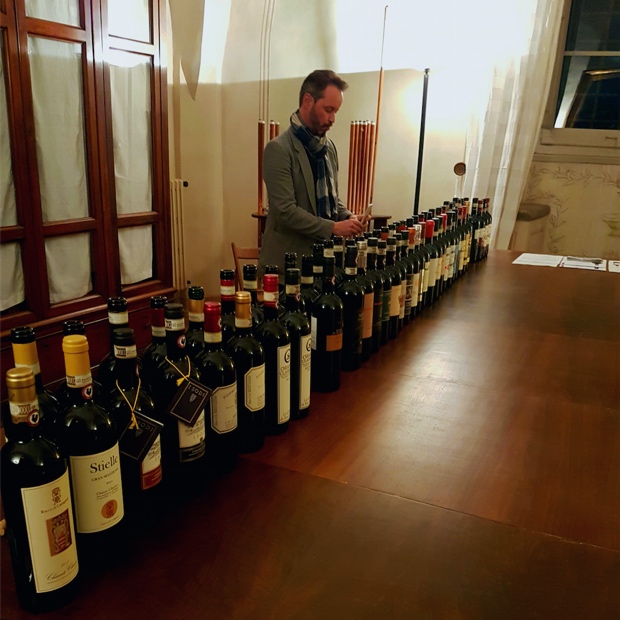
Rocca Di Castagnoli Chianti Classico Gran Selezione Stielle 2013, Docg Tuscany, Italy (459529, $45.95, WineAlign)

Le Stielle in 2013 and its just faint hint of high acidity mixed and boxed with volatility is just on the most correct side of ripe meets structured life. When Gran Selzione gains such a cherry and fine salty mineral meeting of the structured minds it’s a special thing indeed. This is a fine GS with precision and understated, refined and capable power. Really fine, even just firm enough to deliver 10-15 years of slow developed 100 per cent sangiovese expression. Drink 2019-2028.  Tasted September 2017

Rocca Di Montegrossi Chianti Classico 2015, DOCG Tuscany, Italy (Agent $29.99, WineAlign)

It shouldn’t come as such a big surprise that Rocca di Montegrossi’s 2015 Chianti Classico is riper, richer and more immediately accessible than its previous annata, a wine I noted as “the most subtle and slightest dusty ride through a decidedly old-school Chianti Classico.” With a minor distraction and sacrifice to structure this step up to the modernity plate and organically configured (Gaiole) Monti in Chianti sangiovese boasts darker, intensely tart plum fruit and pinpoint accurate Rocca acidity. That said it’s just so fresh-squeezed, red citrus, thematically hematic delicious early. Hard to resist means less thought afforded patience and longevity but such is sangiovese life. It’s neither a better wine not is it a more or less important Chianti Classico to what has come before. It’s simply 2015, from a place where vintage really matters. Drink 2017-2021.  Tasted twice, September 2017   #roccadimontegrossi  @RoccadiMontegrossi  #roccadimontegrossi

Rocca Di Montegrossi Chianti Classico Gran Selezione Vigneto San Marcellino 2013, DOCG Tuscany, Italy (B.C. $63.49, WineAlign)

Marco Ricasoli-Firidolfi’s Gran Selezione boasts more than its share of Chianti Classico history and epochal location in its DNA. Legend dates back to 1039 for Azzi di Geremia Ricasoli and just as far back for the 1000 year-old Pieve San Marcellino. The vineyard gains more archetypal status with each turn of the calendar and the use of just a little bit of endemic pugnitello is awarded the singular varietal assist for Gaiole. With the 2013 vintage well tucked into the back pocket of this iconic Gran Selezione there is this sense of calm and refined, controlled intensity that just begs to get out, but the tannin and rigid structure have it well sealed in. This is what happens when the best fruit and a near perfect vintage come together. It’s fineness of tannin takes on great responsibility and it can do nothing but be a match to the task. Rocca di Montegrossi’s single entity Vigneto San Marcellino is sangiovese of density, intensity and power. It is assuredly one of the finest examples of the vintage. Drink 2020-2030.  Tasted September 2017

San Giusto A Rentennano Chianti Classico 2015, DOCG Tuscany, Italy (WineryWineAlign)

San Giusto a Rentennano is a name of Etruscan origin, an estate that overlooks the upper course of the Arbia river in the farthest southern reaches of the Chianti Classico zone. The estate began life as a medieval monastery of Cistercian nuns and was called San Giusto alle Monache, “of the Nuns.” San Giusto A Rentennano Chianti Classico 2015 is a stunner. Virtuous, scrupulous and composed, it was surely picked on the perfected vortex point of acidity and ripeness. That it sports refined tannin to lead into structure speaks volumes on how it is more than a serious CC. It is in fact destined for greatness. The chain is long and woven for sustained pressure and sytemic viability. Drink 2018-2024.  Tasted September 2017  #sangiustoarentennano    #sangiustoarentennano

San Giusto A Rentennano Chianti Classico Riserva Le Baròncole 2014, DOCG Tuscany, Italy (WineryWineAlign)

In 1957 San Giusto A Rentennano was inherited by Enrico Martini di Cigala and in 1992, by his nine children. Today Anna, Lucia, Elisabetta, Francesco, Alessandro and Luca are partners in the estate company. Riserva le Baròncole 2014 is composed from 97 per cent sangiovese plus canaiolo, the 14th Baròncole of a Riserva that was first bottled in 1975. The rains of summer did not deter this determined Chianti Classico, thanks to great farming practices, favourable weather conditions at harvest and under the circumstances, the strictest grapes selection possible. A beautiful liqueur wells in this rich and aromatic, spiced and spicy CC, quite exceptional for 2014. The top of the quality pyramid is reached with its rich constitution and age conscious ability. Chalky in fine grain and sweet tannins, no green notes, good acidity and properly rendered (20 per cent new) barriques and big (5 hl) barrels. Get with the baron. It’s a prime “esempio” for Gaiole in Chianti. Drink 2018-2024.  Tasted September 2017

Badia a Coltibuono

Good to go!

Godello

Twitter: @mgodello

Instagram: mgodello

WineAlign 

Get Radda for Chianti Classico

Gallo Nero Sangiovese Vendemmia 2017

Most likely you’ve arrived at this page because you know that the story of Radda in Chianti will make for a terrific read. If you’ve landed here and do not yet know the blood of Radda’s sangiovese or are not yet excited about the commune’s 2017 harvest then I urge you to press on. In Radda they are farming higher, further and edgier. Their time in the sun as the cool kid on the fringe of selvage sangiovese viticulture in Chianti Classico has begun.

We’ve talked ad nauseam of late about the marginalia of climate change, about cool climates and growing regions finding ways to ripen grapes at the edge of what is possible. As a greater entity Chianti Classico is not one of them per se but Radda may just be entitled to boast about being cool, relatively speaking. Everywhere vines are grown there has to be a coolest spot, where the altitude is highest, the temperatures are lowest and the vines are slower to manage phenolic ripeness. Radda is the coolest sector and the rest of Chianti Classico should be paying careful attention. Like all wines subjected and connected to global climate change, in Chianti Classico the future of sangiovese will be inextricably tied to those from Radda. Until now it has been generally understood that above 550m (or so) of altitude it is more than difficult to ripen sangiovese in Chianti Classico. That too is changing and the 2017 vintage will offer great proof.

In #raddainchianti we find ourselves immersed in a recurring if revelatory theme #sangiovese #chianticlassico

Related – All in with Chianti Classico

Radda is one of four sub-zones in the province of Siena and shares its borders with four other Chianti Classico communes; Gaiole to the southeast, Greve to the north, Castellina to the west and Castelnuovo Berardenga to the south. There is something about the Radda sangiovese that stands alone, a thread that runs through, with traces and shadows of the territory omnipresent in the collective psyche of these wines. While other communes like Gaiole have begun to gather and band together, it is the group from Radda that is most keen and desperate to share their collective heartbeat from the eastern corner of Chianti Classico.

In Radda the shift to one for all and all for one has brought 30 producers together. The recently formed group share a commonality defined by soil types and estate vineyards set at an average elevation of 450m. This is one of the oldest areas of Chianti Classico, a commune of castles and vineyards that date back to the 12th century. Elevation, the soils and the expositions make for some of the most elegant sangiovese in Chianti Classico. The results are a cause and effect summation due to less sun, more finesse and a most prominent mineral influence. Radda’s destiny is defined by deeper root delving and more extraction of trace minerals from well below the soil surface. “The territory has always has been considered a cold terroir with more difficulties to grow sangiovese, especially as compared to other communes that are lower, hotter and with fewer difficulties,” claims Roberto Bianchi of Val delle Corti. Climate change has opened the door for this fringe commune to take center stage.  Says Bianchi, “other communes have tremendous problems of overheating. We don’t have that problem in Radda.”

Radda is a story built upon a multiplicity of limestone, in all its Chianti Classico permutations, from grey calcaire to Galestro and everything in between. Terraces are all used, irrespective of the orientation. Two rivers, Pesa and Arbia mark the lowest points at approximately 300m and the slopes rise up from the rivers, up to 600-650 at the top where the Galestro and Alberese change to Macigno, friable limestone and sandstone, less calcareous, harder to work and therefore, places of lower yields.

“A subzone system for a definitive denomination as big as Chianti Classico should exist.” These are the words of Volpaia’s Giovannella Stianti. Signora Stianti’s vision may not be a singular one but not everyone is bold enough to speak aloud about an idea that most likely will soon become a reality. Until now the Chianti Classico discussion has been limited to varietal and the insistence that the main concern be about the multiplicity of sangiovese. September tastings centred on Radda, Gaiole and even more specific still to Montefioralle and Lamole speak to the idea of breaking down a territory into smaller parts. Defining sub-zones and then sub-sub zones is potentially discriminatory and ultimately controversial but the communes and villages are ready and stating their case for individual due. The murmurings ask the question. Has the time not come to proudly wear Radda in Chianti on your wine label? This piece of prominent information would help the consumer understand where this wine is from. The impressive number of producers and wide-ranging diversity suggests there are more than enough reasons to get behind the plan. Chianti Classico will always come first but in all of Toscana only it is possessive of such distinct communes. So why not tell the world? Borders can’t be drawn underground but the lines can be demarcated above ground, by commune, village, river or road. Naturally the geologies will have to fall into line. In the case of Radda, that won’t be a problem.

Brad Royale, Steven Robinson and Federica Mascheroni

Related – The most important red wine from Italy

In September of 2017 I made my second visit to Casa Chianti Classico, located in the former Convento di Santa Maria al Prato in Radda in Chianti. It is here that the Consorzio Vino Chianti Classico has set up its new education and events centre to promote the wines of the Gallo Nero. Casa Chianti Classico has been converted from the old Franciscan monastery and is now home to meetings, conferences, events, a wine shop and a museum. Four intrepid Chianti Classico inquirers, John Szabo M.S., Brad Royale, Steven Robinson and Godello were hosted by three valorous representatives for the municipality. Federica Mascheroni of Castello di Volpaia, Roberto Bianchi of Val delle Corti and Oscar Geyer of Borgo La Stella. I have reviewed 23 examples from the tasting in Radda.

Sangiovese of Radda in Chianti

Borgo La Stella Chianti Classico 2014, DOCG Tuscany, Italy (WineryWineAlign)

The proposition indicts 2014 with a tight Chianti Classico, of fruit either berry or plum it’s hard to be sure, but either way it’s found wrapped and dragged through a stone-earthy ride. There is this deep into the soil liqueur that carries a mushroom funkiness, all within reason and finely integrated. Not a fruity CC by any stretch but carries plenty of character and might even be considered ripe for the vintage. From young vines, planted in 2006. That says something about its prescient present and the possibilities for the future. Drink 2017-2019.  Tasted September 2017  borgolastella

Borgo La Stella Chianti Classico Riserva 2014, DOCG Tuscany, Italy (WineryWineAlign)

Made with oenologist Maurizio Alongi, Oscar and Christian-Oscar Geyer’s Borgo La Stella Chianti Classico Riserva 2014 was bottled at Mazzei in Castellina. The vintage is all over this sangiovese (with 10 per cent merlot) planted to heavy, heavy density. The vines are but a mere six years old but already the Alberese is felt in this impressively layered, deeply hematic and starchy tart CCR. The mineral sensation is something that it quite striking at the Riserva level. It’s a big and tannic arena in which the wealthy deposits of mineral salts are pulsating with Radda terroir. Drink 2018-2024.  Tasted September 2017

Brancaia Chianti Classico 2015, DOCG Tuscany, Italy (519173, $24.95, WineAlign)

Classic 2015 Chianti Classico of dark raspberry fruit and maximum ripeness with a side show of top notch acidity, bright enough to stay grounded in loyal and traditional footing. The tannins do cause a minor drying finish which only accentuates the correct and justifiable humility of sangiovese. An example to live and abide by. Drink 2017-2020. Tasted August and September 2017  brancaia_com  noble_estates  @CasaBrancaia  @Noble_Estates  @Brancaia  @NobleEstates

Brancaia Chianti Classico Riserva 2013, DOCG Tuscany, Italy (260802, $36.95, WineAlign)

Brancaia goes all in to exploit sangiovese and the for broke style solicits some patience to wait out in extra time. The dusty, musty and leathery notes are up front, closed and somewhat suffocating for the fruit. Though 16 months in barrel is nothing to call nothing it is not the wood that dominates these gregarious 2013 grapes. With time this swirls into a grosso sangiovese like liqueur with plums, cherries and spice. Really Riserva in style but not of the recent past, more like the older ways but translated to modern times. Needs three more years to perform due diligence, gain some traction and find its guaranteed due elegance. Drink 2019-2024.  Tasted March and September 2017

Castello d’Albola Chianti Classico 2014, DOCG Tuscany, Italy (339937, $18.95, WineAlign)

Castello d’Albola Chianti Classico is really quite ripe for 2014, even perched on the next edge but short of the dangerous ledge. The acids are a bit hard and the compression somewhat intense in a sangiovese that reeks of personality spoken loud and clear. Both fruit and tannins are set out to drying on the savoury finish. Drink 2017-2019.  Tasted September 2017 castellodialbola  zoninwines  @CastellodAlbola  @zonin1821  @castellodialbola  @ZoninProsecco

Castello d’Albola Chianti Classico Riserva 2014, DOCG Tuscany, Italy (315150, $24.95, WineAlign)

Castello d’Albola 2013 is a gamey Riserva, with aromas of roasted meat and salumi, expressly extracted and pressed. This goes for broke and makes the most impression it can, with big fruit, tart edges and big tannins. It’s a formidable mouthful to be sure though lacks some balance, at least while it’s quite young. Time might help to shape the finesse and sharpen the clarity. Drink Drink 2018-2022.  Tasted September 2017

Castello di Radda Chianti Classico 2015, DOCG Tuscany, Italy (WineryWineAlign)

Here the exchange between fruit and acidity is seamless if simple, easy going and with no risk taken. Hard not to understand what’s going on here with its simple plan, fine execution and classic tart, red fruit and salty stone bent. On the sour side for Radda in Chianti Classico, particularly when discussing 2015. Drink 2017-2019.  Tasted September 2017  #castellodiradda  @CastellodiRadda  @castelloradda

Castello di Radda Chianti Classico Gran Selezione 2013, DOCG Tuscany, Italy (WineryWineAlign)

This 100 per cent sangiovese is from Il Corno, a single vineyard meaning “The Horn” upwards of 400 m above sea level. The soil is a calcareous clay and the vines were planted in the early 1990s. The ’13 Gran Selezione is rich and expressly ripe, simply linear for the category with very high acidity. Over the top high acidity. Let’s hope the twain is met before the end of this decade. Drink 2018-2022.  Tasted September 2017

Castello di Volpaia Chianti Classico 2015, DOCG Tuscany, Italy (953828, $27.95, WineAlign)

Volpaia’s 2015 strikes me as a Chianti Classico with ancient wisdom and perfect vintage fruit quality in its calculated, curative concentration, a wine that modestly takes every advantage it can, which are few and far between. This is a rich and earthy red, of frutti di bosco, ropey and wild, yet generating power in its wonderful restraint. Take in and regard the gentile, non facile, wondrous mystery of Radda in Chianti Classico. Drink 2018-2023.  Tasted September 2017  castellodivolpaia  rogersandcompanywines  @volpaia  @rogcowines  @volpaia

Castello di Volpaia Chianti Classico Riserva 2014, DOCG Tuscany, Italy (705335, $41.95, WineAlign)

Volpaia Chianti Classico Riserva 2014 is expressly reductive with layers of beautiful fruit laid comfortable and resting below. The glycerin texture and fine, fine tannins tell us the life of this CCR will be long, slow developed and over time will become more beautiful than imagined. Benvenuto to the blessed nature of Macigno terroir exorcized properly, in allowance of place to hold court and fruit to slowly dance upon its stage, rhythmically and harmoniously together. This takes every advantage of a vintage that will build structure if you let it. Wait for Volpaia’s ’14 because two plus years from now the florality will floor you. So pretty. Drink 2019-2026.  Tasted September 2017

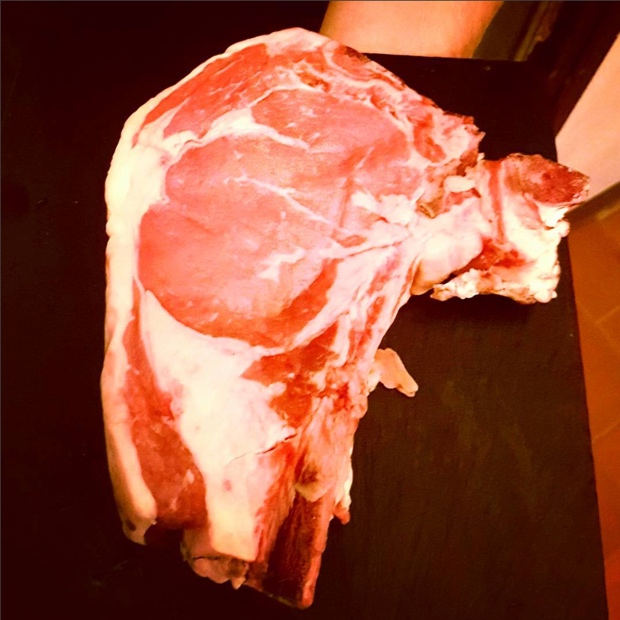
Before #bistecafiorentina #enotecanuvolari

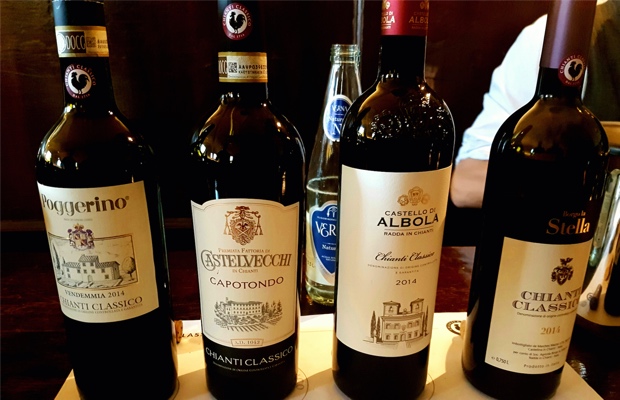
Castelvecchi Chianti Classico Capotondo 2014, DOCG Tuscany, Italy (WineryWineAlign)

I had tasted both Capotondo ’14 and ’15 earlier in the week at Enoteca Nuvolari (Pietrafitta) though took no formal notes at the time. It was clear by way of perspective that ’15 was certainly drinking well but this ’14 holds more impressive and precise structure, at least by way of intensity. This is highly distinctive, chewy, somewhat chunky sangiovese, but the firm constitution and decidedly ferric edginess brings Radda soil into play. The “round head” tells us that it can be nothing but Chianti Classico in all its history and its glory. Drink 2018-2022.  Tasted September 2017  cantinacastelvecchi  barrelselect    @BarrelSelect  @chianticastelvecchi.it  Barrel Select Inc.

Castelvecchi Chianti Classico Riserva Lodolaio 2014, DOCG Tuscany, Italy (WineryWineAlign)

Riserva Lodolaio 2014 is not only scented by a curious perfume but a bit of a nutty one, connected to sweetness by oak in an immediate gratification, prompt to the consumer kind of way. This old castle, heritage vines sangiovese from high territory altitude is a veritable legume and spice spider, with legs of clove, cinnamon, nutmeg, anise, vanilla, coffee, dried herbs and dark chocolate. Here in the short term is an example of Chianti Classico Riserva ready for many a believer and quick to act appreciative imbibers. Lodolaio, the Riserva awarded, in a frame. Drink 2017-2020. Tasted September 2017

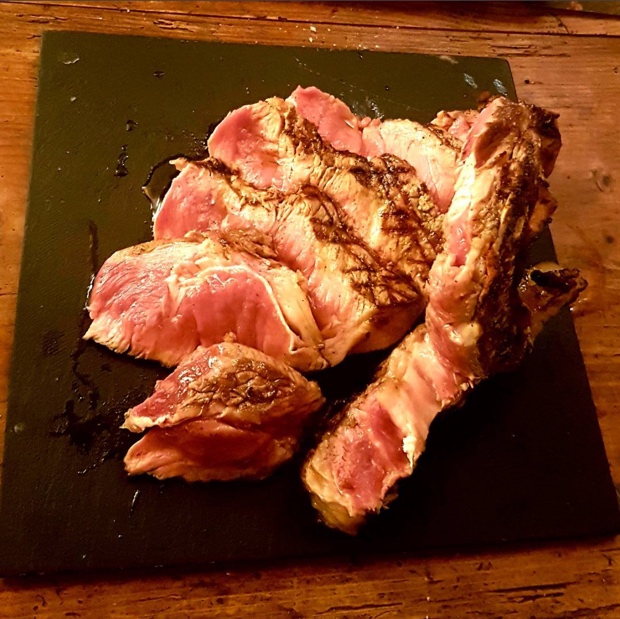
After #bistecafiorentina #enotecanuvolari

Colle Bereto Chianti Classico 2015, DOCG Tuscany, Italy (Agent, $31.95, WineAlign)

From Radda in Chianti and one of Chianti Classico’s great young, forward thinking winemakers Bernardo Bianchi the wisdom is easily noted, deduced, accepted, considered and abided. Red fruit with an earth’s dusty, cracked crust allows for smells like fresh tiles and the just mixed mortar but that fruit is aching to burst forth. Very seamless for a young Chianti Classico, so this building will stand strong and last through the centuries, which in wine years equates to seven, maybe ten. Terrific sweet acidity, life-affriming sapidity and vitality. As good as young CC gets with the longest, pitch perfect tang in elongation, drift and persistence. Drink 2018-2025.  Tasted February and September 2017   @NokhrinWines  Azienda Agricola Colle Bereto  Azienda Agricola Colle Bereto

Colle Bereto Chianti Classico Gran Selezione 2013, DOCG Tuscany, Italy (Agent, $67.50, WineAlign)

The current incarnation of the single-vineyard Gran Selezione from “la vigna del Convento” is a wildly rich and structured, intuitive and interpretive expression. The vineyard resides in a great Radda amphitheatre, situated on the slope beneath Il Convento di Radda in Chianti. Winemaker Bernardo Bianchi does nothing to veer away from the house-composed, let the vineyard speak style, from a sun-worshipping, ambitious yet wise, 22 year-old Galestro soil block at a high Chianti Classico 500m peak. All together making for the new super Riserva of restrained power and elegance. If the aromatics in 2011 were of a wow factor they are somehow, magically and inexplicably improved upon in 2013. The field of flowering greens, the deep way you inhale the fruit and above all else, the mineral of this Galestro. It pervades and attacks, especially on the palate but when you taste sangiovese like this you understand the disconnected exaggerations, over-stressed acidity and the (comparative) imbalance in some of the GS peers. Bereto’s is one of the finest Gran Selezione and worthy of every charged sip. Drink 2020-2035.  Tasted February and September 2017

Istine Chianti Classico 2015, DOCG Tuscany, Italy (WineryWineAlign)

Istine Chianti Classico is made by Angela Fronti out of vineyards set quite high between 480 and 550m, on the road that runs from Radda to Castellina in Chianti. From a great variegation of soils; Alberese, marly limestone, Galestro and some light presence of quartz. A rich red limestone ruby sangiovese is the result, collecting to a mild but notable unctuous liqueur, manageable acidity and tannin. This sharp and correct CC is lovely, well made, so proper. Drink 2017-2020.  Tasted September 2017  istine_raddainchianti    @istineraddainchianti

Istine Chianti Classico Riserva Levigne 2013, DOCG Tuscany, Italy (WineryWineAlign)

Levigne is considered the top wine of the estate and it is one of two assemblage-forged sangiovese. Angela Fronti produces three single-vineyard Chianti Classico, a CC that combines all three vineyards and this Riserva. Since the 2012 harvest Fronti has opted for separate vinifications of sangiovese according to each vineyard of origin. Through different wines the characteristics of each specific vineyard, as in exposure, soil and altitude, are exploited. Fronti notes “we tell our reality through the best sangiovese harvested in the Vigna Istine (between Radda and Castellina), the one collected in the Vigna Casanova dell’Aia (near Radda) and the one in the Vigna Cavarchione (in Vertine, Gaiole). Riserva is a story of assemblage and it seems to me, not the wine of Angela’s greatest passion. This CCR is chosen from her best fruit and spent 18 months in large botti. The fruit is raisin chewy and a bit stewed to be sure but with good acidity and tart, tight tannins to keep the faith. It’s disjointed and I would bet the single-vineyard CCs are more precise and focused. Should SV Riservas be the wave of Istine’s future? Only Fronti can answer that question, if adding more diversity to the portfolio is even a possibility. All that said this high quality blend will turn and morph for a more than interesting secondary CCR display of personality. Drink 2017-2022.  Tasted September 2017

Podere Terreno Chianti Classico 2015, DOCG Tuscany, Italy (WineryWineAlign)

In 2015 Podere Terreno Chianti Classico makes a bit of a funky entry, not reductive but seemingly drawn from a lower slope, deep and earthy. In this vintage it wells deep as an inhalant of cherries, macerated and yet it’s entirely Radda, cool and wet, stony and such a calcari expression. You can enjoy this beginning in six months simultaneously alongside the tougher ’14, but their worlds will parallel one another for the rest of the journey. In both cases Radda represents. Drink 2018-2021.  Tasted September 2017  agriturismo_podereterreno  @podereterrenoallaviadellavolpaia

Poggerino Chianti Classico 2014, DOCG Tuscany, Italy (SAQ 878777, $25.95, WineAlign)

The vines date back to 2004 and 1994 for Poggerino’s Chianti Classico, a 100 per cent sangiovese that sits at a zenith where the most red limestone earth and sour intensity is noted above all 14s almost anywhere, not just from Radda but for all of the territory. Almost over the top in this regard but stand up and counted is what this amounts to. Then it grooves forward and rebounds with warmth and depth before returning to that earthy calacari bonding. Gathers itself, the moving parts and glides along with solid length. Very interesting, honest, organic and naturally curated work from Piero Lanza. Drink 2018-2022.  Tasted September 2017  fattoriapoggerino  vins.balthazard    @vinsbalthazard  @poggerino  @VinsBalthazard

Poggerino Chianti Classico Riserva Bugialla 2014, DOCG Tuscany, Italy (Agent, $45.00, WineAlign)

Here the ’13 vintage is really expressed for Chianti Classico in Radda with deep red cherry fruit, earth and real saline intensity. The tannins are a bit rough and tumbling but even in their coarseness there is charm and even beauty. In such a state of youth at this the deceitful Poggerino Riserva talks some trash, almost as if to lie (alla bugia) about what it’s worth, so let it settle, integrate, develop and expand. The chew and the grip will be replaced by something other. Drink 2019-2025.  Tasted September 2017

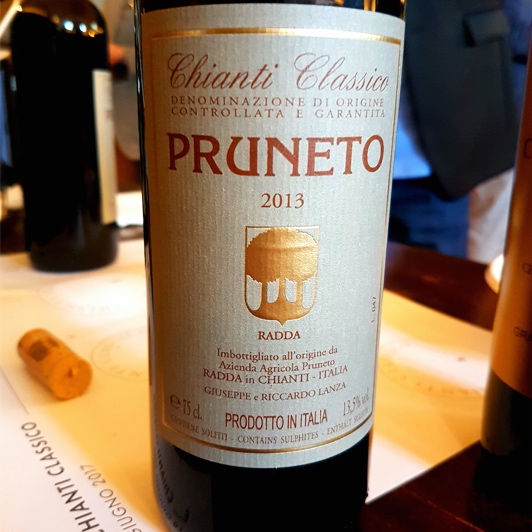
Pruneto Chianti Classico 2013, DOCG Tuscany, Italy (WineryWineAlign)

Pruneto is the sole ’13 in the group tasting and the only one with Radda celebrated in larger font on the label. This is the outlier, from the singular winemaker (Riccardo Lanza) and was just recently bottled. The organics and organoleptic, earthy intensity are something to behold. It’s a stripped down ’13, Radda stye, needing time to unfurl and even bloom. This is hard to figure Chianti Classico 2013 but I suspect it will blossom after a few years time. Nothing else in Radda tastes like this. From the tiny, 3.5 hectare estate divided into just two vineyards, surrounded by forest. Drink 2019-2024.  Tasted September 2017  #Pruneto

Val Delle Corti Chianti Classico 2015, DOCG Tuscany, Italy (WineryWineAlign)

Roberto Bianchi’s 2015 is a reserved and restrained aromatic Chianti Classico but there is a subliminal Galestro or Macigno message being delivered here and it would seem to be a grey to darker calcareous rock expression. The fruit is quiet but felt plummy and tart on the palate. This is a bit older schooled but surely carries great presence and length. A rich thorough finish concludes that ride through the mineral life. Drink 2018-2021.  Tasted September 2017  valdellecorti  @ValdelleCorti  @valdellecorti

Val Delle Corti Chianti Classico Riserva 2014, DOCG Tuscany, Italy (WineryWineAlign)

From Roberto Bianchi, the Val delle Corti Chianti Classico Riserva 2014 comes from not just a challenging but also a complicated vintage. Despite the rains and the unusually cool temperatures the aromatics here are not just a pure distinction for CCR but also for Radda. This is because it eschews concentration, alcoholic heat and unnecessary intensity for purity, honesty and delicasse. Here sangiovese acts in a wine that stands on its own as the finest expression of fruit from this estate. It’s both pretty and earthy, peppery and really deep, really deep. This has layers and layers of trace mineral drawn up into the red cherry mixed with some dried fruit bright and vibrant of the bones of the Riserva level wine. It can’t be thought of as anything but most excellent. Drink 2019-2025.  Tasted September 2017

Vignavecchia Riserva Chianti Classico Odoardo Beccari 2011, Docg Tuscany, Italy (Agent, $33.95, WineAlign)

A consistent and terrific follow-up to 2010 from old vines in Radda in Chianti, this is warm and creeping north (or south depending on your explanatory orientation) from deep, religious aromatics. Fresh slices of fennel bulb and wet concrete are rich, wet, juicy and vaporous. Sweet acidity and tannin join spicy red fruit from what is ostensibly the most unctuous and deeply tangy sangiovese you are likely to ever taste. This is quite something else, both hedonistically indulgent and propitiously wild and engaging. You had better like it hot and bothered, fleshy, gregarious and sexy. This really has it all. Drink 2017-2024.  Tasted February and September 2017  #vignavecchia    @VignaVecchia

Gallo Nero Sangiovese Vendemmia 2017

Good to go!

Godello

Twitter: @mgodello

Instagram: mgodello

WineAlign

Seventeen mind-blowing wines of 2017

No, wines do not have to be old to blow your mind but there is just something so mysterious, magical and hypnotizing about the experience of age in preservation. When we use the cliché “tasting history” it distracts from what is most poignant about tasting older wines. It’s the humbling and how wisdom, acumen and meteorological circumstance conspire to take us away from our troubles, to forget about life for a while and to realize that forces greater than us are truly in charge.

There are also young wines so precocious and wise beyond their years that they somehow intuit the future. These too can blow our minds, addle us as if lovestruck and disoriented so that only this confluence of smell, taste, texture and structure are what we know. It takes all kinds to populate a list that separates greatness from the rest, but that does not means only 17 wines were tasted to be extraordinary in 2017.  It means that some struck a vein while others grazed on the skin. Most important is that all were experienced because someone chose to share them. Thank you to the producers and the benefactors for bringing these bottles to light.

Related – 16 mind-blowing wines of 2016

Honourable Mentions

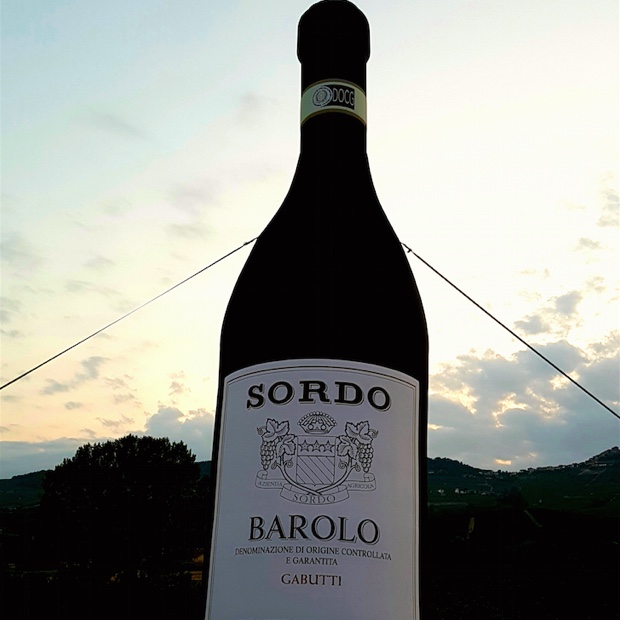
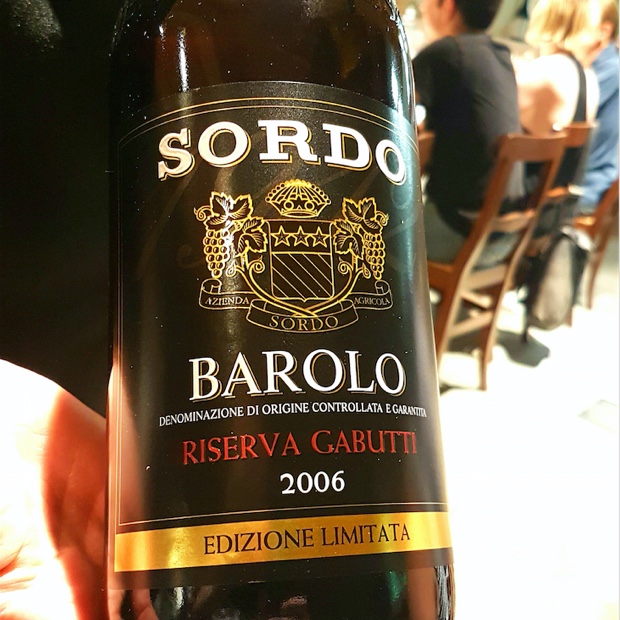
Château Haut-Brion 1986, Saffredi 2004, Brokenwood Sémillon 2007, Domaine Gros Frères Clos Voguent Musigni 2013, M. Lapierre Morgon 2010, Domaine G. Roumier Bonnes-Mares Grand Cru 1996, Domaine Jamet Côte-Rôtie 2006, Coppo Barbera d’Asti Nizza Riserva della Famiglia 2009, Le Fraghe Bardolino 2015, Sordo Barolo Riserva Gabutti 2006, Carobbio Chianti Classico 1990, J & J Eger Kékfrankos 2006, Château Léoville Las Cases 2001, François Cotat Chavignol Sancerre Rosé 2009, Domaine La Vieux Télégraphe Châteauneuf du Pâpe La Crau 2005, D’Arie Syrah 2012, Julia Bertram Handwerk Spätburgunder 2015, Planeta Carricante Eruzione 1614 2015, Dominus 1994, Château Lafite Rothschild 1998 and Esmonin Gevrey-Chambertin Clos Saint-Jacques 1993.

Several times a years I gather with groups of like-minded, wine-spirited folks, to break bread and to pop established icons, singular archetypes, varietal rarities and supernumerary misfits. Many of the wines on this 2017 list are a result of having been fortunate enough to be included in repeated repasts with pirates on picnics and doctors at dinner.  Most of the rest are travel related, in fact this year alone I tasted approximately 700 sangiovese, 200 barbera, 200 corvina and 100 nebbiolo. So many more of those praiseworthy reds and rosés deserved spots on this docket but alas, the list is short. I do not fulminate them, nor you neither. Here are Godello’s 17 mind-blowing wines of 2017.

It began like this and I got 15 dollars hid above the stove.

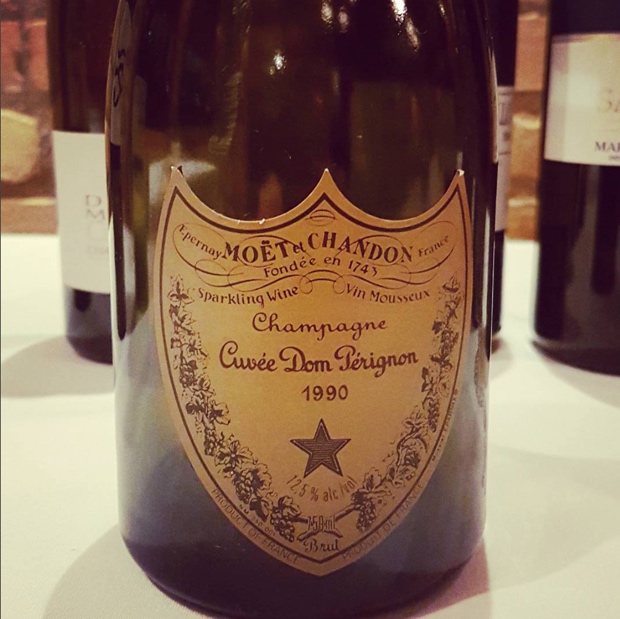
Möet & Chandon Dom Pérignon Vintage Brut Champagne 1990, Champagne, France (280461, AgentWineAlign)

Tasted blind the hue immediately leads the mind in one of two directions; hot vintage or decades of age. I’m tempted to consider a combination of the two, so the decision is warm vintage and a minimum of twenty years age. Further introspection takes me back to 1990 and when the reveal confirms this and in the abide of Dom Pérignon it means one thing. Start the process of thinking again. This wine has done its work, having accumulated a diverse set of developmental traits and processed them so that the language it now speaks is clear and pure. At 27 years of age it’s delicate, smooth, soft-spoken and settled. The finest golden toast (again in hue and more importantly in aroma) glows into the creamy texture, like preserved lemon transformed into gelid curd. The mouthfeel is exceptional with baking bread rising, puffy and satiny glazed across the palate. The seamlessness of this Champagne seeks, solicits and makes rendezvous with no peer or challenger its equivalent, not should any comparison be made. Kudos to a wine that stands on its own and makes you feel this good. It will continue to do so up to and perhaps beyond its 40th birthday. Drink 2017-2030.  Tasted March 2017  moetchandon  @chartonhobbs  @MoetUSA  @ChartonHobbs  @Champagne  Moët & Chandon  Charton Hobbs Canada  Champagne

Famille Picard Saint Aubin Premier Cru Le Charmois 2014, AOC Bourgogne (522078, $57.95, WineAlign)

This is a chardonnay to place the village of Saint Aubin in a remarkable light if only because it’s the most stony, flinty and tightly wound example just about ever. The Charmois is the elevator that carries the appellation into a purity of climat for Bourgogne Premier Cru. In this case terroir delivers the idea of Climat but it is the interaction of the maker that defines the notion simply because there is no mess and no fuss. It just feels like drinking straight from a bleed of the calcareous land, as might happen in a limestone goblet filled with Montrachet. You have no idea how good a deal this is from the most excellent 2014 vintage. Drink 2019-2028.  Tasted October 2017  domainesfamillepicard  profilewinegroup  #bourgognewines #FamillePicard  @ProfileWineGrp  @BourgogneWines  Domaines Famille Picard  Profile Wine Group  Bourgogne Wines

Domaine Bouchard Père & Fils Chevalier Montrachet Grand Cru 2015, AOC Bourgogne (Agent, $480.00 WineAlign)

Chevalier-Montrachet is a matter of aromatics, of the finest of the finest, preserved, reserved, impressionable and of quietly powerful impression. The deistic and the parrhesiastic are reached in this Grand Cru, “one who speaks the truth to power.” Elysium in chardonnay is captured for the perfectly ripe orchard and crushed stones. The young palate is almost severe but takes its first steps down the most ethereal path, with the finest drawn lines and rendered streaks of energy lit, sparked and smouldering. This is Bourgogne of intrinsic value, slowly rising to a crescendo where a flame flickers but within the sheltered lamp of a hurricane. How is such harnessed power even possible? Only like this, in Chevalier-Montrachet . Drink 2021-2037.  Tasted April 2017  bouchardpereetfils  woodmanws  vinsdebourgogne  @BouchardPere  @WoodmanWS  @VinsdeBourgogne  Bouchard Père & Fils  Woodman Wines & Spirits  Vins de Bourgogne / Burgundy wines

Domaine Sigalas Kavalieros 2015, Santorini, Greece (SAQ 11814421WineAlign)

I’ve not yet tasted the Kavalieros 2014, so this single-vineyard, 18 months on lees done in stainless steel Kavalieros 2015 made by “Mr. George” is the benchmark for Santorini, assrytiko and salty white wines everywhere. The first release was 2009. Straight up and turning the world on its head, like the old man on the label and upside down against Apollo’s Aegean Cyclades. This ’15 richer still, more than the seven villages wines and a hyperbole as compared to the entry-level assyrtiko, of deeper mineral, compressed, layered and fantastic. Crushed rocks permeate in aggregate, it’s quixotically saline and textured, of intense presence and finally, structured. For 15 years at least. A late shot of natural Santorini tonic swirls in centrifuge with assyrtiko so wound up. This will need 10 years to unwind and allow for cracks to form in the mineral shell, followed by the birth of its fruit. It should never be forgotten that assyrtiko can and will show fruit but with Kavalieros you’ll have to be patient. Drink 2020-2031.  Tasted March 2017  @DomaineSigalas  @MajesticWineInc  winesofgreece  domainesigalas  @MajesticWineInc  @DrinkGreekWine  @DomaineSigalas  Panayiota Kalogeropoulou  Wines of Greece

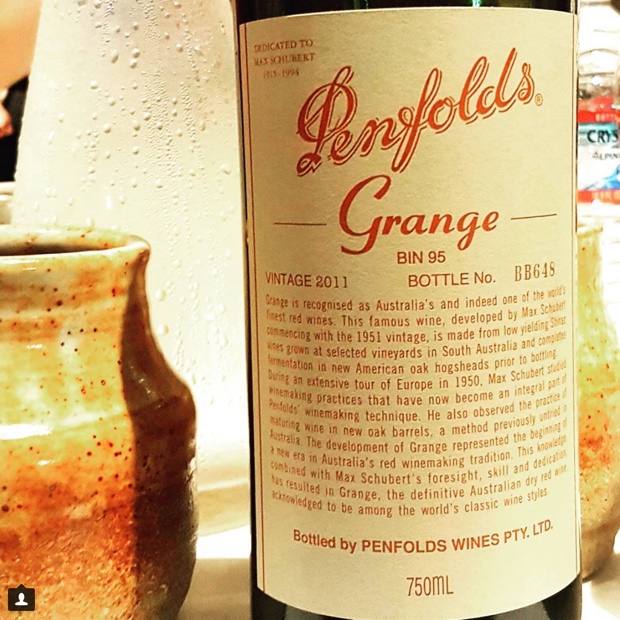
Penfolds Grange 2011, South Australia (356121, $750.00, WineAlign)

There is just something about cool, rainy and irreconcilably regarded vintages that brings out the best in wines made by winemakers of elite acumen. Deliver your best from the greatest of harvests but also “give me your tired, your poor, your huddled masses yearning to breathe free. The wretched refuse of your teeming shore.” Leave the middle of the road to someone else. This Grange faced adversity and won. The yields and output may only be 50 per cent of normal but what gives is the silky texture of Grand Cru Bourgogne. This chosen one of singular vision to represent the multi-tiered and faceted Penfolds Estate tells us about the world inhabited by the instinctual and the ethereal. It combines tannin, structure and aesthetic deeply engrossed in the shadow of its own looming destruction, but is designed from the first with an eye to its later existence as a ruin, forever preserved. If a perfect plum and a magical olive were crossed they would welcome this collective spice of no equal. The quality of bite and chew lead to rumination and the savour rests on a chart clearly defined but in high contrast and only to itself. An analgeisc meets hypnotic cooling is mentholated though if not specific in origin it is only and highly natural. Legendary vintage? Why not. This calm, cool and collected 2011 may just outlast some of the more recently considered top vintages of ’06, ’08 and ’10. Drink 2019-2035.  Tasted May 2017  penfolds  markanthonyon  wineaustralia  @penfolds  @MarkAnthonyWine  @Wine_Australia  Penfolds  @MarkAnthonyWine  Wine Australia

A deep #eredichiappone vertical delve with Daniele for perspective and a release of endorphins @ilNizza possibilities #progrettovini #collisionimonferrato

Erede Di Chiappone Armando Barbera D’asti Superiore Nizza DOC RU 2006, Piedmont, Italy (WineAlign)

RU by Daniele Chiappone is this, at first something altogether inexplicable but when tasted alongside his 2005, 2010 and 2011 it makes such perfect sense. Sense in where this fits in his evolution and to speak on behalf of the age-worthy ability of Nizza barbera. In a world where barbera perfume so often performs with perfunctory brevity this goes on and on. It is a unique combination of fennel frond, incense, hibiscus and violet to create an intoxicant and an anaesthetic. Yet another exceptional vintage is revealed, traditional and so alive, spun from earth crusting over cherry and then this smooth leather. The portal backwards 10 years allows for looks forward 10 more, especially into what’s coming from 2015 and 2016. To say the match with a prodigiously spiced in aromatic ragu over linguine was agreeable would be the understatement of the Monferrato century. Perfectly timed acidity seals the deal. This is barbera folks, of wit, age and history. Drink 2017-2021.  Tasted July 2017  erededi  ilnizza  @erededi  @ilNizza  Erede Di Chiappone Armando  IlNizza

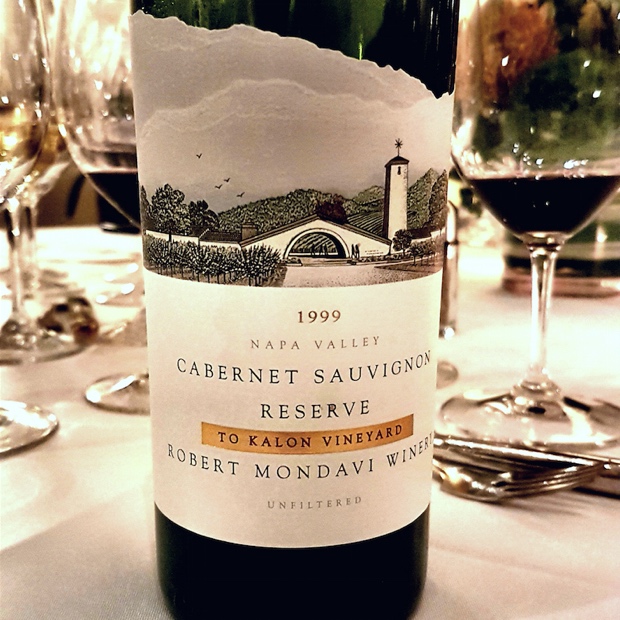
Robert Mondavi Reserve Cabernet Sauvignon To Kalon Vineyard 1999, Napa Valley, California (WineAlign)

This from a time when Mondavi labeled the reserve cabernet sauvignon as “To Kalon Vineyard,” a moniker of essential meaning that would return 14 years later on the 2013 bottle. If this were what Mark de Vere referred to as “a confusing moment in history” I could not say but “this strange bottling” provided an unequivocal and seminal turning point in this wine’s storied past, present and future. It was in fact a small, special cuvée, a little bit different than the ’99 Reserve. “The coolest vintage on record, until it wasn’t,” because of a warm period at the end of summer and early fall that ushered forth a certain, singular sort of ripeness. Regardless of memories, characterizations and twists of fate, this single-vineyard cabernet is as finessed, focused and precise as any Mondavi Reserve. It persists chalky, fine and gritty in tannin running amok, dragging the acidity forward and around. The workout is something to behold, a dispatch of late Napa fashion and never more successful than right here. The dépêche mode of To Kalon is by now famous but culminated with this ’99 for everything to follow, with consistency and a guarantee of modern quality. Listen to it croon “try walking in my shoes.” Many have and many continue to pay homage to this Napa Valley originator and pioneer. It’s a cabernet sauvignon of faith and devotion. Drink 2017-2029.  Tasted May 2017  robertmondavi  @RobertMondavi  Robert Mondavi Winery

Quilceda Creek Cabernet Sauvignon 2003, Columbia Valley, Washington (Agent, WineAlign)

A truly remarkable nose, notably violets and peregrine species of spices. There is so much perfume and beauty, an Aishwarya Rai Bachchan nose and then there is the fruit. Blackberry, Cassis then into vanilla, scented happiness like ruby red grapefruit and bergamot. If it should have aged I can’t say but it’s still a voluminous and voluptuous thing to sip. It blinds like first Growth Bordeaux with its perfect extraction. Thoughts keep at it, to blueberries, cigar box and Kirsch. The tannins are sweet and gritty, not fully resolved and imagine Margaux. You could consider taking out a mortgage on yours and your neighbour’s house for this one. It was one of many great reds tonight but I’ve just tasted this. And I wept. Drink 2017-2024.  Tasted March 2017  @QuilCreekWinery  @thevineagency  winesofwashington  wa_state_wine  @QuilCreekWinery  @TheVine_RobGroh  Quilceda Creek Vintners  @WINESofWA  The Vine – Robert Groh Agency  Washington State Wine

A great honour to taste this 1995 #carobbio #leone and in memory of #carlonovarese Thank you Dario and Silvia. Would like the chance to do it again in 22 years #toscana #sangiovese

Tenuta Carobbio Leone 1995, IGT Toscana, Italy (WineAlign)

Leone 1995 was made under the auspices of the Vittorio Fiore-Gabriella Tani oenology stylistic for Carlo Novarese. To say that this single-vineyard sangiovese is youthful would be the biggest IGT understatement of the century. From vines that at the time were 25 years-old, Leone is not just a survivor of a universally-declared incredible vintage, it is a singular expression from 1990’s Tuscany, in Chianti Classico and for Panzano. The violets, dried espresso and plum-amaretti semifreddo (savoury, not sweet) mixes with fennel frond, fresh rosemary and the 20-plus years lingering Carobbio tobacco. The acidity is fully intact, still travelling up and down the sides of the tongue, repeatedly and soliciting so much savour, sapidity, a desire for a mouthful of hematic, rare sear of Claudia’s beef filet and then more and more sipping. After 20 minutes the aromatics deliver a raspberry purée and even a black olive and mineral-saline, short of briny caper into the fray by stroke of some aromatic brush and bush in the light afternoon wind. That’s enough. I’m not sure my heart can take any more. Time for Vin Santo. Drink 2017-2029.  Tasted February 2017  carobbio_wine  chianticlassico  @Tenuta_Carobbio  @chianticlassico  Tenuta Carobbio  Chianti Classico

In @chianticlassico mano nella mano 1986, @fontodi #vignadelsorbo & #flaccianello thank you Giovanni Manetti for sharing these two opposing forces of the Tuscan paradox #chianticlassico

Fontodi Flaccianello della Pieve 1986, Tuscany, Italy (WineAlign)

Flaccianello in 1986 is actually though not surprisingly so different from Vigna del Sorbo, more than any other reason because of the cabernet sauvignon, but in a more philosophical way, because they have built a paradox, from the Super Tuscan ideal in revolution. Now the sangiovese going forward will be the most important and also the best wine, like looking back at this 1986, OK, not better than Sorbo but purer, honest, a clearer picture from which to learn from and ultimately a model for the future. Beautiful power, restraint, structure and yes, the kind of wine that deserves to be praised with the term elegance, overused, or not. Perfectly rustic, earthy and full of fruit with its accompanying complimentary, enervating and necessary acidity. Drink 2017-2023.  Tasted September 2017  Fontodi  chianticlassico    @chianticlassico  Chianti Classico  Az. Agr. Fontodi

Cortonesi La Mannella Brunello Di Montalcino Riserva 2010, Docg Tuscany, Italy (Agent, $202.95, WineAlign)

There are few Brunello vintages afforded more attention in the last 10-plus, certainly ’04 and ’06, increasingly better even from ’08 and looking forward towards what greatness will come in 2015. Yes but not solely magnified through the lens of patience and bottle time, from 2010 La Mannella has coupled upon and layered over itself like compressed fruit and puff pastry. Though it begs for drink now attention, another seven years will be needed before it can safely be labeled as uncoiled and to reveal all that is wrapped so tight. Rich is not the operative but unmistakeable as Cortonesi it is; that natural clay soil funk of resolution and fully hydrated chalk. This is to sangiovese as Les Preuses Grand Cru Chablis or Rangen Grand Cru Alsace are to Riesling. It carries in its pocket the absolute meaning and genetic responsibility of where it comes from, with a curative and restorative ability to get you lost. Drink 2019-2031.  Tasted February 2017  marcora85  nicholaspearcewines  brunellodimontalcino  @LaMannella  @Nicholaspearce_  @ConsBrunello  Tommaso Cortonesi  Nicholas Pearce  Consorzio del Vino Brunello di Montalcino

Maison Roche De Bellene “Collection Bellenum” Grand Cru Clos De La Roche 1998, AOC Bourgogne, France (Agent, $364.95, WineAlign)

Clos de La Roche 1998 may be 19 years old but you have to swirl the britches out of this Grand Cru because reduction persists in its make-up. Once you work your way over the wall a field of wildflowers and a roses bouquet lays out as far as the nose can mind’s eye. This is pure candy in its most arid, blessed and gout de terroir way. It is as charming as Burgundy can be and yet so fine of tannin, tight and duplicitously-grained in clone upon itself. One of those wines so difficult to put to words because it teaches and you can do nothing but listen. I’d still want to wait two more years, maybe more, before knowing I’ve waited long enough. Close de la Roche speaks to me but to answer with any real credibility and respect I will need to think some more. Drink 2019-2035.  Tasted February 2017  domaine_de_bellene  nicholaspearcewines  vinsdebourgogne  @RochedeBellene  @Nicholaspearce_  @VinsdeBourgogne  Bellene  Nicholas Pearce  Vins de Bourgogne / Burgundy wines

Not just #meerlust more like major lust. Thank you for the sexy time travel @meerlustwine Laurel Keenan and The South African Wine Society.

Meerlust Rubicon 1984, Wo Stellenbosch, South Africa (WineAlign)

Meerlust dates back to 1693, the house that is “love or pleasure of the sea.” Less than five kms south from the Atlantic Ocean, the property was purchased in 1756 and to this day remains family owned, now in its eighth generation with 260 years of continuity. Rubicon 1984 is poured (with brilliant decision making) from magnum and is therefore fresher than the 1996 with an incredibly controlled level of fineness in tannin, from acidity and at the threshold of understood volatility. “Perhaps one did not want to be loved so much as to be understood,” like this early Rubicon. The future of Meerlust is foretold with Orwellian transparency, bold honesty and expert ability. “Who controls the past controls the future.” Drink 2017-2019.  Tasted September 2017  meerlustwine  wosa_za  wosa_ca  liffordgram  @MeerlustWine  @LiffordON  @WOSA_ZA  @WOSACanada  MEERLUST ESTATE  Lifford Wine and Spirits  Wines of South Africa

Boscarelli Vino Nobile Di Montepulciano Riserva 1982, Tuscany, Italy (WineAlign)

The Boscarelli acts like a much younger Nobile, from an exceptional vintage and a producer way ahead of its time. The key is to decide which side of the evolutionary fence we’re on, closer to that 1967 from Contucci or to what is happening today. This may actually be the turning point for Vino Nobile because it really has one foot entrenched in each world. Very much in the mushroom and truffle aromatic atmosphere, where sangiovese should feel free and comfortable to travel in the twilight of its golden years. This is beautiful, with some dark fruit persisting and acidity still in charge. You can imagine the old tannins but they no longer make any demands. Drink 2017-2020.  Tasted at Anteprima del Vino Nobile di Montepulciano 2017, February 2017  #PoderiBoscarelli  lucadeferrarildf  artisanal_wine_imports  consorzionobile  #poderiboscarelli  Nicolò De Ferrari   Luca De Ferrari  @artisanalwineimports

Antichi Poderi Dei Marchesi Di Barolo Gia’ Opera Pia Barolo 1958, Piedmont, Italy (WineAlign)

Poured by Ernesto Abbona on his wife Anna’s birthday, a ’58 at the ripe old age of 58 (though it will turn 59 later this year). Simply, in the words of the Abbona family, “a special evening, special friends, special vintage,” with a cork that looks as good as new, though Ernesto takes great time and care in its extraction. The aromas are blessed of a collective umami but would better be served by a new descriptor because they are antediluvian and impossibly preserved. Forget mushrooms and truffles. These scents are brand new, with no truly identifiable frame of reference, as if plucked from some guise of Eden where never before tasted dark berries fall effortlessly into the hand off of gariga savoury-scented bushes, brambly and crawling intertwined with nasturtium on a composting forest floor. The 1958 was and still is a nebbiolo of struttura, of a fibra morale that tells a story of consistency and longevity. With air it became more complex if deeper and turbido. That this magical nebbiolo from another era hovered in the lasting air of a 30 minute long ethereal says that you could open a few more but perhaps not much beyond its 60th birthday. Drink 2017-2018.  Tasted July 2017  marchesibarolo  majesticwinesinc  @MarchesiBarolo  @MajesticWineInc  @marchesibarolo  Majestic Wine Cellars

The mythology of #thorle #riesling in Beerenauslese and Trockenbetenauslese #weingutthörle #gabsheim #rheinhessen #holle

Thörle Riesling Trockenbeerenauslese Hölle 2011, Rheinhessen, Germany (WineAlign)

The Hölle TBA 2011 is a minuscule 180 bottle single-vineyard production and the vintage was simply perfect for the effort. The process involved the collection of a few berries at a time over the course of three weeks, started in the fridge and was then pressed when the amount of approximately 100L could be obtained. “This is the king’s discipline for creating such a riesling” explains Christoph Thörle. Thick like honey, full of unctuousness and viscosity. It is expressly noticed how the colour and the development have not advanced considering the six year mean. The exoticism is what separates this, with fruits far east, creamy and perfectly easy to assimilate, in flavour, consistency and understanding. Sweet herbology, of thai basil and thyme and candied mandarin rind. Here, a piece of history and legacy from Christoph and Johannes. Drink 2021-2041.  Tasted March 2017  thorle_c  thorleestatewinery  univinscanada  @thoerle  @UNIVINS  @germanwineca  @gen_riesling

Will be a top ’17 from 2017 #louisguntrum #1976 @weininstitut #rieslingauslese #niersteiner #heiligen #nierstein #niersteinamrhein #roterhang

Weingut Louis Guntrum Riesling Auslese Niersteiner Heilibengaum 1976, Rheinhessen, Germany (WineAlign)

“Roter Hang is a geological statement” says Louis Konstantin Guntrum. If you want to hang around and try to understand its red soils and friable limestone fettle it requires a focused state of mind. Guntrum introduces this 1976 by saying “it’s a young guy, 40 years old,” the same thing he could have said years ago about a 1917 Roter Hang Riesling. The comparative studies is a matter of perspective, a theory of relativity, in reduction, colour, drama, florality and fabulousness. While certain vintages and specific wines will blow you away more than others there is something to be said about older just being more interesting, whether 1917, 1976 or whatever back vintage you want to try your luck with. It’s simply remarkable and crazy how sugar and acidity can preserve riesling like this, especially and/or truly withstanding the Roter Hang. The honey and candied orange blossom are so prevalent but it almost seems dry (relatively speaking) even though 100 grams or more of sugar have driven this wine. Beauty from bitter phenols blend with lanolin, paraffin, ginger and ginseng. Keep returning for 15 more years. Drink 2017-2031.  Tasted March 2017  #louisguntrum  @weininstitut  wines_of_germany  @LouisGuntrum  @WinesofGermany  Weingut Louis Guntrum  German Wine Institute i.e. Wines of Germany

\

Good to go!

Godello

Twitter: @mgodello

Instagram: mgodello

WineAlign


Gold Medal Plates Toronto 2017

Go Time @GoldMedalPlates Toronto #gmp2017

It was my fourth Gold Medal Plates Toronto as wine judge, culinary taster and olympic athlete groupie. In 2014 WineAlign partner, colleague, mentor and friend David Lawrason invited me to join the festivities and help decide which three wines should be crowned Gold, Silver and Bronze. Two weeks ago a panel of Ontario wine experts tasted, assessed, debated, deliberated and ultimately decided this year’s top three. David Lawrason, John Szabo M.S., Michael Vaughan, Margaret Swaine and Godello. The winner ran away from the pack but two through six were separated by one point increments. It was a photo finish for Silver and Bronze.

The 2017 Toronto event featured emcee Scott Russell of the CBC’s Olympic coverage. Russell was joined by dozens of Olympic medallists and future hopefuls. Blue Rodeo’s Jim Cuddy led the on-stage entertainment; Anne Lindsay, Danny Michel, Jeremy Fisher, Devin Cuddy and Sam Polley. The inimitable and eloquent James Chatto was once again at the head and the heart of the culinary judging panel with seats occupied by an illustrious five; Sasha Chapman, Anita Stewart,  Christine Cushing, Amy Rosen and Chef John Higgins.

Gold Medal Plates Toronto 2014

For a little bit of GMP history please click on this post I penned after that 2014 gala event. The culinary winners then were Gold Medal Plates Toronto 2014 bronze, gold and silver medal winning chefs Damon Campbell, John Horne and Jason Bangerter. The top three wines were Norman Hardie‘s Niagara Unfiltered Pinot Noir 2011, Hidden Bench Nuit Blanche Rosomel Vineyard 2012 and Creekside Estate‘s Iconoclast Syrah 2012. But what about 2017? My top seven in no particular order were Flat Rock Cellars Riesling Nadja’s Vineyard 2016, Ravine Vineyard Chardonnay Reserve 2014, Charles Baker Riesling B-Side 2016, Henry of Pelham Cuvée Catherine Brut Rosé, Stratus White 2013, Leaning Post Chardonnay ‘The Fifty’ 2015 and Tawse Chardonnay Quarry Road 2013. The actual medalists are listed below in David’s report.

National Wine Advisor David Lawrason’s Wine and Spirits Report

Nadja’s Tops a Bounty of Great Whites in Toronto

“The Gold Medal Plates campaign came to a booming 800-person conclusion at Toronto Convention Centre on November 16, and it included the largest selection of wines seen in any stop on the ten-city national tour.  We judged 26 donated wines, beers, spirits and even a lavender mead, but it was a core of great Canadian white wines that caused the most excitement, and produced the winner of the evening.

The “Best of Show” Gold Medal went, by a very clear margin, to Flat Rock Cellars 2016 Nadja’s Riesling, from a single block of maturing vines in Niagara’s Twenty Mile Bench appellation. I was personally stunned by just how delicious, well-balanced and nuanced this wine is – in my mind it is the best vintage of “Nadja’s” ever produced.  Other judges agreed – we all placed it as either our first or second choice.  This beauty also took a rare Platinum Medal at 2017 National Wine Awards.

It will go on to compete for Gold Medal Plates Wine of the Year at the Canadian Culinary Championships in Kelowna in February, and it appears there will be a riesling showdown, as it will be tasted against rieslings from Tantalus, Cave Spring and Norman Hardie, plus six other wines.

For second and third place the voting in Toronto was more varied, and only one point separated the second, third and fourth place wines.  The Silver Medal went to Mission Hill 2015 Merlot Reserve, a swarthy, plummy and ripe red from the Okanagan Valley.  And the bronze medal went to Henry of Pelham Cuvee Catharine Brut Rose, a delicate refined pink sparkler with subtle berry aromas.

In very close 4th place came Tawse 2013 Quarry Road Chardonnay from Niagara’s Vinemount Ridge sub-appellation. I have become very familiar with this solid, complex Burgundian chardonnay as it was generously donated by Tawse to the Celebration in three cities this year. It was also a Platinum Award winner at the 2107 WineAlign National Wine Awards of Canada.

Tawse was one of three Gold Level sponsors. Mission Hill was a national sponsor as well, donating a variety Reserve wines to seven city events across the country, and stepping even higher in Toronto with smaller donations of their more expensive “Legacy tier” red Compendium 2013 and Perpetua 2015 Chardonnay.

Arterra Wines, the recently re-named company with several wineries in Canada, was a gold sponsor donating to six cities.  In Toronto there was a selection of reserve whites and reds from Jackson-Triggs and Inniskillin, as well as a rare public showing of the new Arterra 2016 Chardonnay and Arterra 2016 Pinot Noir.

Toronto’s Silver Sponsor also donated to Ottawa. Cave Spring of Niagara donated their 2015 Cabernet Franc.  Although better known as a riesling producer, Cave Spring is doubling down on its efforts to produce fine reds from Ontario’s most widely grown grape.

Flat Rock Cellars was one two Bronze level sponsors for the Toronto event, providing Nadja’s riesling for the VIP Reception and Celebration tables. The other was Henry of Pelham, which split their donation between the 2016 Old Vines Baco Noir and yet another strong 2016 Estate Riesling.

Among other notable and high calibre wines donated to the chefs, I gave my first-place vote to Stratus 2013 White, a very complex, now maturing, barrel aged blend of several white varieties. Ravine 2014 Chardonnay Reserve, another power white, also earned top-five votes.  Leaning Post 2015 Mile 50 Chardonnay was a leaner style that paired well with Gold Medal Plates Chef Lorenzo Loseto’s winning dish.  And riesling specialist Charles Baker chose the occasion to show his new, bracing B-Side Riesling.

Interestingly, no red wines were paired with chef’s creations this year, but there were two ciders, including the fine, crisp Brickworks CiderHouse Batch 1904 and a lighter cider called Pick Up 66 from Hoity Toity Cellars. Rosewood Cellars donated their exotic, fragrant Lavellener Lavender Mead, and Zirkova Vodka set up shop during the VIP Reception to sample Zirkova One, a vodka designed to be drunk “neat” and Together a version designed for cocktails.

The Best of Show judging is held prior to each event, as way to highlight the generous donation of beverage by Canada’s wineries, brewers and distillers.  In Toronto I assembled four wine pros/sommeliers.  Three are amigos at WineAlign.com and two are judges at the National Wine Awards of Canada; including Master Sommelier John Szabo, and wordsmith extraordinaire and former chef Michael Godel.  Margaret Swaine is a veteran wine and travel writer, and the spirits columnist at WineAlign.  Michael Vaughan publishes Vintages Assessments, a detailed critique of every wine released by the LCBOs Vintages stores.”

Chef Lorenzo Loseto’s @GoldMedalPlates winning dish @georgeonqueen paired by @brieish with @leaningpostwine The Fifty Chardonnay 2015. Congratulations Chef and the entire team.

Culinary Medals

Gold

Lorenzo Loseto
George Restaurant

Pairing: Leaning Post Wines, 2015 ‘The Fifty’

Silver

David Lee
Nota Bene

Pairing: Brickworks Ciderhouse, Batch: 1904

Bronze

Jesse Vallins
Maple Leaf Tavern/PORT

Pairing: Tooth & Nail Brewing Company, AGRARIA Modern Farmhouse Ale

Nota Bene’s David Lee

Here are my tasting notes for the 20 wines entered at Gold Medal Plates 2017.

Henry Of Pelham Family Estate Winery Cuvée Catharine Brut Rosé, VQA Niagara Peninsula, Ontario (217505, $29.95, WineAlign)

A whole new base, a whole new wine, the departure point exacted by a new wisdom and understanding. But it’s somehow like looking in the mirror, reviving a good memory, going back to wine childhood. Consistency is your friend with non-vintage fizz and the Catherine(s) are the undisputed leader in the Ontario biz. Brings back the Niagara orchard of a take your pick red apple, lovely creamy texture, a mild blanch of nut and fresh baked bread. Terrific class and of its own accord. Drink 2017-2021.  Last tasted at Gold Medal Plates Toronto, November 2017

With its fine, strawberry mousse is at the head of its Ontario class. Vanilla, Ida Red apple and bitter nut combine like a smooth, creamy, Mediterranean spread to dip the warmest, fresh-baked bread.  Tasted December 2012

Henry Of Pelham Riesling Estate 2016, VQA Short Hills Bench, Niagara Peninsula, Ontario (557165, $17.95, WineAlign)

A rash of aromatics straight away and marked warmth verging to humidity. More weight, substance and depth than most vintages deal when youth is the tempo so this riesling plays the notes and the hand quick after the draw. What you nose, taste and feel is what you get, with lime, gassing up to petrol quickly and flavours already in developing mode. Five years of riesling together for the best of times, from beginning to end. Drink 2017-2021.  Tasted November 2017

Charles Baker Riesling B-Side 2016, VQA Niagara Peninsula, Ontario (Winery, $22.00, WineAlign)

Vinyl records sound different because they are designed with grooves carved in that mirrors the original sound’s wave form. Their analog recording delivers a sensory feeling of warmth, an aural of texture, nuance and soul. There was a time when the hits spun over and over were also pressed onto the A-Side of 45 rpm singles. The discovery of a never before heard B-Side was a revelation because is was extra material from a favourite band and it was a great song. It meant the record was already too strong for that song to make the final cut and to choose it for a B-Side meant it would elevate the quality of the album. A well-chosen B was not an afterthought. This is the accomplishment of the first Charles Baker’s B-Side, for itself and for the vineyards of Ian and Picone. Baker digs about in the Niagara Peninsula’s escarpment dirt for young vine, not ready for prime time riesling fruit. If perchance it seems like cheating on his per se Vinemount Ridge Picone and Ivan bottles so be it but one look at him and he’ll say “Hey, hey, what can I do?” His 2016 B-Side delivers a spray bottle Zeppelin expressing heady aromas, high in the stratosphere and raining down upon the earth. The notes are an all in, breath of classic Baker riesling air, blanketing from up above and with a landscape that reeks of lime and quivers with classic agitation. The fruit is wild and full, the salty grit infiltrating and gripping the bloody omniscience of this package. What is this B-Side and where will it be lead? To the top of the ridge, from earlier harvests, younger fruit and higher yields. Scratch the single vineyard elitism, just listen to the song and raise one up, to getting ‘er done before the conceptual singular side one and side two, Ivan and Picone. The Beatles? Forget it. Led’s flip side to the ‘Immigrant Song’ A is the one. Drink 2017-2021. Tasted November 2017

Flat Rock Riesling Nadja’s Vineyard 2016, VQA Twenty Mile Bench, Niagara Escarpment, Ontario (578625, $24.95, WineAlign)

Nadja, like the Bréton novel begins with the question, “Who am I?” A surrealistic trigger is incited by the first taste, with excitement running in many directions but like the book, Nadja’s non-linear structure is grounded in Twenty Mile Bench riesling reality. She is an elite varietal wine in 2016, excitable girl, gregarious, punchy and so bloody juicy. I don’t recall the last Nadja with so much up front zest fervency and writhing aromatic gait, “exploding international, the scenes, the sounds, and famously the feeling that you can’t squeeze ground.” The lime flesh and cordial infusion brings the flavours into a once tropical, twice bitten realm. The vintage delivers the electric version, the new pornographer for the vineyard and the song sung loud swan song for departing winemaker Jay Johnstone. Was it all for swinging you around? Drink 2017-2024.  Tasted October 2017

Jackson Triggs Niagara Estate Sauvignon Blanc Grand Reserve 2015, VQA Niagara Peninsula, Ontario ($19.95, WineAlign)

Arterra’s JT sauvignon blanc is youthful and even a bit reductive, with wood notable and a real sauvignon blanc pungency. Its character and a bit of risk are tied up in the aromatics though it settles for mild-mannered and middle of the road on the palate. Drink 2017-2020.  Tasted November 2017

Mission Hill Family Pinot Gris Reserve 2016, BC VQA Okanagan Valley, British Columbia (537076, $24.95, WineAlign)

Reserved to be sure and also still in pulse mode, with some tongue pin-pricking, not quite effervescent but moving in time. A bit of skin-contact hue and plenty of orchard fruit notes are present in both aromas and flavours. Solid gris that will improve in six months or so. Drink 2018-2021.  Tasted November 2017

Inniskillin Okanagan Pinot Gris Reserve 2016, BC VQA Okanagan Valley, British Columbia ($19.99, WineAlign)

Noticeable skin-directed hue, chalky to soapy, with a taste that reminds of Topps hockey card bubble gum. Childhood memory revisited in pinot gris. Drink 2017-2018.  Tasted November 2017

Arterra Chardonnay 2016, VQA Niagara Peninsula, Ontario  (Winery, $25.00, WineAlign)

Arterra’s chardonnay comes from a famous Peninsula source, formerly made into just as famous wines by Le Clos Jordanne The site is on the Escarpment’s Bench above Jordan Village and this is the second vintage at the hands of Jackson-Triggs winemaker Marco Piccoli. Picks up where the fine and ambitious first vintage in 2015 left off but here with some light strike and reduction. You can just feel the buttered toast and kernels behind the flinty curtain, with blanched nut and some fine elasticity. Will benefit from a few more months in bottle to gather thoughts and flavours. Drink 2018-2021.  Tasted November 2017

Leaning Post Chardonnay ‘The Fifty’ 2015, VQA Ontario (Winery, $25.00, WineAlign)

This is chardonnay that had a cup of coffee in the big leagues and was then moved to the fresh confines of stainless steel tanks soon after its 15 minutes of barrel fame. It’s a unique chardonnay specimen this Fifty, barrel fermented but not aged, a wine crafted with pragmatic reverse psychology so that it may solicit great appeal. If you’ve never tasted Ilya Senchuk’s entry-level foray into Peninsula chardonnay you’ve been missing out, but by starting here in 2015 there is certainly no harm, no foul. This is the most pleasing and palatable Fifty so far, barrel creamy, suety and magically malolactic on the nose. The flavours are cooler, of an anti-Senchuk subtlety and versatile food amenability. I can think of 50 reasons to pour this by the glass, at home, on a restaurant list or on a campsite under the stars. Drink 2017-2020.  Tasted April 2017

Ravine Vineyard Chardonnay Reserve 2014, VQA St. David’s Bench, Ontario (Winery, $55.00, WineAlign)

The Reserve is 100 per cent estate fruit that spent 18 months in (50 per cent new) barrel. As it’s both barrel fermented and aged the variegation locks the fruit in so bloody tight so even now it’s reductive, smoky and flinty. A mineral chardonnay needs balance from over the top fruit and so track record, acumen and love will have it so. Marty Werner and Ben Minaker’s is a big, summery and gold platinum expression, very expressive, the two-lb steamed in seaweed lobster chardonnay, seemingly Meursault but just as likely from California. But as Ravine’s Reserve on the St. David’s Bench it is purely Niagara Peninsula. Fruit intensity, extract and controlled oxygenation shows off the best of what these men can do. It speaks to their efforts, knowledge accumulation, trials and finally to the culmination of their stamina. Drink 2018-2023.  Tasted July 2017

Small @RavineVineyard village looking pretty sweet at @GoldMedalPlates 2017 #gmp2017

Tawse Chardonnay Quarry Road Vineyard 2013, VQA Vinemount Ridge, Ontario (111989, $35.80, WineAlign)

When I tasted Quarry Road 2013 out of four barrels three years ago the purpose was to take in the nuances and see only the trees. I for one could not help seeing the forest through the trees and imagining percentages of each combining for the final blend. Neutral Mercurey wood looked over infant three year-old vines spoken here with surprising density, tang and tropical melon in both aroma and flavour. This sits on the front palate right now. The mineral Ceres qualifies older fruit as the pretty and the gemstone, essential for Quarry Road, the most like (Meursault) in Burgundy. This fruit transferred to stainless on the lees from September to March before going into bottle now renders to make Quarry the purest expression from the best vineyard. The CLL toast delivers the taut, not yet reductive wood tightening, then and again now, mainly on the finish. Compressed citrus notes are late arriving and even if it is splitting hairs, the oak really impacts the finish. The larger CLL toast Mercurey barrel reveals a fresher, more reductive, less oaky feel. All together we now have one of Paul Pender’s most accomplished to date and all chardonnays considered, one of the finest higher end values around. I think he would agree. Drink 2017-2024.  Tasted May 2017

Mission Hill Perpetua 2015, BC VQA Okanagan Valley, British Columbia (Winery, $73.03, WineAlign)

Perpetua is a different sort of chardonnay for the Okanagan, with not completely obvious fruit and leesy notes that outdo the effects of wood, plus a lactic edge that also smothers the smoulder. This is not the toastiest of chardonnays but is does deliver a saltiness so ultimately the reference point is flint and stone, a.k.a. Chablis. A bit of crème frâiche adds to the dairy mystique. Perpetual chardonnay motion leads to persistence. Drink 2017-2022.  Tasted November 2017

Stratus Vineyards Stratus White 2013, Niagara Lakeshore, Ontario (660704, $38.20, WineAlign)

There can be little doubt that anticipation would haver to run high for the aromatic, elongated and coolest of Niagara white wine vintages, especially for the chardonnay, but also for the iconic, four-varietal (with sauvignon blanc, sémillon and viognier) blend. The five sensory tenets are solicited and provided for; salty, sour, sweet, briny and umami. The last is exotic and punchy, so this White does it all, speaks for it all and completes it all. It is the most designed and seamless their’s can be. Last tasted May and November 2017

In 2013 viognier is back in the varietal mix, in reprise of its earlier role in support of chardonnay, sauvignon blanc and riesling. A different sort of vintage here for the White, seemingly led by a circular turning of chardonnay and viognier, like a cat chasing its tail. This really goes round and round with no obvious signs of where it will stop. Quite fleshy and lime juicy with stone fruit flavours in righteous abound. Really amalgamated and seamless even for itself. It is here that I think of it as The White. Niagara’s White. Lake Effect™. Drink 2017-2022.  Tasted November 2016

Arterra Pinot Noir 2016, VQA Niagara Peninsula, Ontario (Winery, $29.95, WineAlign)

Wow the cherry pie delivers a healthy slice oozing in reduced cherry syrup. Could only by an effect created by some appassimento on pinot noir. It’s so concentrated, full of glycerin and sweet fruit. Were it not pinot made with some drying of the grapes it would be an amazing feat of growing, picking and pressing. A panoply of cherries wells in this ripe of ripest Marco Picoli red. Wow, as I said. Drink 2017-2019.  Tasted September and November 2017

Cave Spring Cabernet Franc 2015, VQA Niagara Escarpment, Ontario (523001, $17.95, WineAlign)

As with the other Niagara Escarpment reds in the portfolio it is the limestone that stands out, in a good way, to bring about this mineral-red citrus cutting through the rich fruit. That stone-mineral note also does everything to temper and even mute what bitter-tonic-astringent notes might try to distract because that’s what capsicum-bell pepper is wont to do in cabernet franc. This is clean and focused, light and eminently quaffable juice. Drink 2017-2019. Tasted September and November 2017

Inniskillin Merlot Reserve 2014, VQA Niagara On The Lake, Ontario (Winery, $24.95, WineAlign)

This is really pressed and pushed merlot, cool and savoury, minty and spirited with lots of wood spice and equal amounts of tannin. The really tart finish dries out with grip and force. Drink 2018-2020.  Tasted November 2017

Jackson Triggs Grand Reserve Meritage 2015, VQA Niagara Peninsula, Ontario (594002, $24.95, WineAlign)

Now here is a nice little bit of diesel of dust, with more than a fair shake of dark raspberries and a mix of chicory, nettles and chalky tannin. Pretty wondrous quality and complexity here. Drink 2018-2021.  Tasted November 2017

Henry Of Pelham Baco Noir Old Vines 2016, VQA Niagara Peninsula, Ontario (459966, $19.95, WineAlign)

This is finely rendered baco noir, rich and tangy, with bright cherries and what just feels like beeswax. The most elegant baco noir ever made in Ontario and just foxy enough to be itself. Drink 2017-2019.  Tasted November 2017

Mission Hill Merlot Reserve 2015, VQA Okanagan Valley, British Columbia (Agent, $24.99, WineAlign)

This is aromatically rich and lush merlot, with a full compliment of palate richness and silky tannins. For fans of the California style with all in hedonism and a side of nettle. Drink 2018-2022.  Tasted November 2017

Mission Hill Compendium 2012, BC VQA Okanagan Valley, British Columbia (Agent, $86.25, WineAlign)

Compendium 2012 carries a great wealth of aromatics, very floral and rusty, with dried strawberries and so much more. A bit reserved on the palate but its elegance and seamlessness are special. Great length even while it’s just not that much of a concentrated beast. Drink 2017-2022.  Tasted November 2017

Good to go!

Godello

Twitter: @mgodello

Instagram: mgodello

WineAlign

Bourgogne in a word: Climat

Chambertin Clos de Beze
photo (c) Scott Zebarth

Bourgogne is but a place built upon a word, of wines designed and articulated through their very own personal vernacular. The region’s most important vineyards are defined in a word, in summary and without comparison. Climat is the word and you may be shocked to hear how it is expressed as a highly complex chain of topographical, elemental and ethnological conditions. The glossary is much longer than you might think and adds up to quite a versatile declaration. To arrive at the distilled quotient of one, no less than 20 words are employed, exercised and ushered into explanation. The lineage travels through geography-geology-topography-landscape-position-relief-aspect-exposure-slant-elevation-slope-soil-vegetation-weather-microclimate-humankind-heritage-history-tradition-knowhow and temperament. While we understand the intellectual autonomy of choosing the unescorted word Climat as acting on behalf of all these conditions, what makes it so specific as to be exclusively owned by the people of Bourgogne?

It’s really quite simple. The people of Bourgogne coined the term or rather it came to them, as naturally as signs and portents but in the most positive, abiding and permanent of ways. Climat as in the Latin verbum sapienti, “a word to the wise,” meaning it stands alone, suffices, tells the whole story. Many will ask how many base and necessary conceits comprise this peerless notion that is Climat? The answer is not how many but that it belongs to the Bourguignons and no one else, so deal with it. Climat is the perfect oxymoron, a low and slow developed and yet truly miraculous occurrence, or perhaps a marvel but also forever etched in stone. It’s hard not to feel some trepidation when it sounds like preaching through a biblical voice because like the phrase that speaks to the Ten Commandments, the word implies that nothing else is as absolute and unalterable. In the case of Bourgogne it is owned because of 2,000 years of recorded history, thanks to the educated and the phrénique, of monks, farmers and intellectuals whose minds were connected to a feeling in the pit of their stomachs and to the earth below their feet. Climat keeps you, as it were, on your toes.

Chablis Left Bank, Bourgogne

It’s hard to imagine one word separating something so complex, multiple and diverse from everything else. In the English language “word” can be commensurate with the phrase “I speak the truth.” Climat may or may not have one single meaning, but in this univocal part of eastern France it is used to convey a collective sense of geographical affirmation, acknowledgement and agreement. It may also indicate that some special place has impressed a group of agriculturalists, viticulturalists and consumers so favourably that they would emphasize it as fixed and unchangeable. Farmers and winemakers can try to do the same elsewhere in the world but good luck coming up with a name or a term as precise, succinct or possessive of some semblance of equal meaning as Climat.

“Les Climats sont des parcelles de terre précisément délimitées”

Precisely defined parcels or plots of land. Another way of seeking a definition is to take the what not to do or not to think approach. It insists that Climat should not be misinterpreted. The notion is unrelated to meteorology but is a specific term unique to Bourgogne, designating a specific vineyard site. Bernard Pivot writes “in Bourgogne, when we speak of a Climat, we do not look up to the sky, we keep our eyes to the ground.” 

“Climat is the DNA of each wine

singuliers et multiples”

“Each Climat is a vine plot, with its own microclimate and specific geological conditions, which has been carefully marked out and named over the centuries. Each of them has its own story, produces wines with a distinct character and taste and keeps its own place in the hierarchy of crus (Regional Appellation, Village, Premier Cru, Grand Cru). Over one thousand named Climats extend along the 60 kilometres of the thin strip of vineyards running from Dijon to Santenay, just south of Beaune, and among them are some of the most famous names from the world of wine ; Chambertin, Romanée-Conti, Clos de Vougeot, Montrachet, Corton, Musigny…”

Bourgogne – Regional Appellations

It begins with the broadest of the Bourgogne appellations at the base of the pyramid with regional wines that are the rock and the platform upon which all Climats may stand. Included in this category we find Crémant De Bourgogne, Rouge et Blanc. I asked Laurent Drouhin of Domaine Joseph Drouhin “what does Climat mean to you?” His response. “First of all Climat is a name that is used exclusively in Bourgogne. A Climat to me refers to a specific location in Bourgogne which produces a wine with a unique character only found in that location. That is why in Bourgogne we highlight the name of the wine (Climat) more than the grape variety. I like to say there are thousands of Chardonnay produced in the world, there is only one Montrachet. A good example is the corner of four Climats which are next to each other and produce very different wines due to specifics in the soil and exposure. Montrachet/Puligny Montrachet Premier Cru Caillerets/Batard Montrachet, Puligny Montrachet Premier Cru Les Pucelles. Four fabulous wines, with incredible character and so different. Basically those four Climats are unique and vineyards are touching each others. Well, That is Bourgogne, That is Climat.” On his regional Bourgogne he told me this. “The Bourgogne Pinot Noir is a blend of several appellations from all over Bourgogne (around 13). So not a specific Climat. There is no vineyard designated as it is a blend of other declassified village level wines such as Macon Rouge, Ladoix, Maranges…. The wine is more of a melody which reflects the elegance and subtlety of the Pinot in Bourgogne.”

Joseph Drouhin Bourgogne Pinot Noir 2015, AOC Bourgogne (512574, $24.95, WineAlign)

Dive straight into the regional generalization of Bourgogne with Drouhin as the conduit and the driver. Here is where you initiate with all the usual suspects; red cherries, earth and herbs. Done and done, right and proper. Drink 2017-2019.  Tasted November 2017  maisonjosephdrouhin  philippedandurandwines  @JDrouhin  @Dandurandwines  Joseph Drouhin  Philippe Dandurand Wines

Cedric Dechelette is the General Manager of Maison François Martenot, the company that includes Négociant and estate owner Moillard, along with sparkling wine producer Labouré Gontard. Dechelette has been involved in the Bourgogne wine trade for over 30 years.

Labouré Gontard Brut Rosé Crémant De Bourgogne, Traditional Method, AOC Bourgogne (460816, $20.95)

This blush Crémant is a blend of chardonnay, pinot noir and aligoté. The base wines of the Crémant come from the different subdivisions of the Bourgogne vineyards. Their base wines however are predominantly produced from the vines of the Côtes and Hautes Côtes of Beaune and Nuits and the Côtes Chalonnaise. Different soils confer from limestone and marl in the Côtes de Nuits, Côtes de Beaune and Côtes Chalonnaise and granite in southern Bourgogne. The combing of Bourgogne from north to south delivers a true amassed regional expression for Bourgogne AOC, including such a broad, proper and creamy full Crémant like this Labouré Gontard. Feel the texture of layered terroir and note the blush citrus in its precise acidities. Drink 2017-2019.  Tasted November 2017  lgcf_paris  hhdwines  @HHDImports_Wine  Les Grands Chais De France  H.H.D. Imports Inc.

Domaine De Montille Bourgogne Blanc 2014, AOC Bourgogne (515692, $50.00)

Bourgogne Blanc was never so ambitious, Climat-driven, sober and meditative as this from first Hubert de Montille and today, son Étienne. From toy to bona-fide Bourgogne business, Montille takes regional purpose to the highest level it can afford and with the quest to age. The goal is set for complexity and tertiary aromas, whether Bourgogne AOC or Volnay Premier Cru Taillepieds. This Blanc is so very primary and even herbal, with a specific Bourgogne garrigue, owing to the presence of holly, a thorny scrub bush. The stuff is found in the Beaune vineyard Les Aigrots, from an old dialectical word, “Argifolium.” Texture is viscous, salve-like and peculiar as a result but nothing seven to 10 years couldn’t resolve. The sharp acidity would say the same. If drinking anytime soon it would be a good idea to decant. Drink 2020-2029.  Tasted November 2017  domainedemontille  @2Montille  Domaine de Montille

Bourgogne Village

The last example causes some wonder as to what may lay between regional Bourgogne AOC and Village level wines. Decanter Magazine just recently reported the announcement by the BIVB that there is in fact a new level of Bourgogne wines coming soon. The new Bourgogne Côte d’Or was inaugurated in Beaune just this past weekend and will be integrated as a Bourgogne Régionale AOC, not exactly a new appellation but it is the 14th regional Bourgogne AOC. Regulations will dictate vine density (9,000 plants per hectare as opposed to 5,000 at the regional level) and only Pinot Noir grapes can be used for the reds, from vines grown across all villages of the Côte de Beaune and Côte de Nuits, from south of Dijon to Maranges. Producers will be able to include grapes from young vines that would not necessarily be used in Village level wines. Prices should fall somewhere in between regional and Village and the new category “should be seen as the top of the regional pyramid, just below Village level,” according to Cécile Mathiaud of the BIVB.

Meanwhile long before the wine there were three geological phases; Quaternary, Tertiary and Jurassic, to set the landscape. During the latter period a shallow tropical sea covered what today is France. Major limestone and clay deposits were formed in a variegated mix that generally speaking runs from harder and more prevalent deposits (in the north) to friable, less regnant and heavier clay (in the south). Today in addition to Pinot Noir and Chardonnay there are Gamay and Aligoté. In Saint-Bris there is Sauvignon Blanc and in Irancy Pinot Noir can be blended with César. The investigation into this essential level of Bourgogne travels in and out of many hamlets and the precisely delineated vineyards associated with the parent village. A Climat is located in the Mâconnais, an outlier is found in Irancy, a not so common white in Marsannay, and an allowable lieu-dit noted on the label in Pouilly-Fuissé. More Village AOC examples are found in a Chablis of a Climat that is essentially Premier Cru, one of the best villages of the Côte de Nuits and the aforementioned Montrachet.

Louis Latour Mâcon Lugny Les Genièvres 2015, AOC Bourgogne (Agent, $23.95, WineAlign)

Latour’s lieu-dit Les Genièvres is a warm, rich and distinctly Mâconnais chardonnay, even in its surprising depth and richness for the appellation, coupled with the warmth of the vintage in delivery of terrific value for the money. Bourgogne for all the right reasons, most of all a food happy way to get satisfaction from and with chardonnay. Drink 2017-2020.  Tasted October 2017  louislatour1797  markanthonyon  @LouisLatour1797  @MarkAnthonyWine  MaisonLouisLatour  @MarkAnthonyWine

Domaine La Croix Montjoie Irancy 2014, AOC Bourgogne (269414, $35.95, WineAlign)

From the outlier for pinot noir in Bourgogne, only Irancy tastes like this and carries such linear, in your face, interfaced structure. Irancy is found in the Grand Auxerrois region, on the right bank of the Yonne river, fifteen kilometres South of Auxerre and South-West of Chablis. Domaine La Croix Montjoie was created in 2009, named after a cross located at the intersection of Vézelay and Tharoiseau. This cross signals the spot where pilgrims coming from Avallon first caught sight of Vézelay and felt overjoyed. The domaine is led by a Bourgogne dream team; Sophie and Matthieu (agricultural engineering and oenologist), Thierry and Jean-Louis (farmers), Christophe and Hervé (vineyard workers). Their Irancy is firm, properly and effortlessly acetic in its rising tones. It’s dramatically bright, ripe, veering to darkening cherry and exhibits great tension. While tart, slightly lactic and quick to the punch it’s also peppery and crunchy. This northern pinot noir is blended with césar, a deeply hued variety of only five planted hectares in the Irancy appellation. It is said to have been brought to the area by the Roman legions. Mostly (75 per cent) aged in tank so the freshness steals the show with just enough structure to see five more years of firm pleasure ahead. Drink 2017-2022.  Tasted several time May to October 2017  #domainelacroixmontjoie  beauwinespiritsake  @davidbeauroy  Domaine La Croix Montjoie – Vins de Vézelay  

Jadot’s winemaker Frédéric Barnier shed some fascinating insight on how he and his team deal with many different parcels. “As you know we are producing a large range of wines and are really focused on trying to reveal each place. To explain better we are trying to have the same process from a Village to Grand Cru (same ageing same cask same percentage of new oak). We want to show that a Meursault is not a Marsannay and not because we have made something special on the wine but just because they are different. For the Marsannay White, this wine is coming from a blend of three different plots we are farming. One of it is planted with Chardonnay Rosé which is pink but it lost the color after fermentation. It is a rare wine from Côte de Nuits. Most of Marsannay is red or a few rosé. 2011 is showing very well now. Whites are rich but still fresh from an early vintage picked on the very first days of September.”

Louis Jadot Marsannay 2011, AOC Bourgogne (522136, $41.95, WineAlign)

The rare and elusive Marsannay blanc is a fine and beautiful thing, laden with dry extract, intense grape tannin and the pure intensity of liquid limestone. It is here in this wine from the northernmost commune of the Côte d’Or where the idea of fruit and of chardonnay is just an afterthought because the sheer and non-mitigating saltiness of this stony Bourgogne is simply hypnotizing. This is a steal of great Village proportions. I would stack this up against many Premier Cru two and three times its price. Drink 2018-2025.  Tasted November 2017  louisjadot  halpernwine  @ljadot  @HalpernWine  Louis Jadot    Halpern Wine

Kerrie de Boissieu, Oenologue at Château de Lavernette explains that “Climat is a vineyard designation.  It is the custom in Bourgogne to give names to parcels.  Today, those names mean very little to us personally but they do allow us to compile a history for each parcel and follow it better.  We have Pouilly-Fuissé vineyards in two different Climats: Maison du Villard & Vers Châne. There is no one named Villard in this area now and I don’t know where their house is or why the parcel carries their name. The parcel faces west – southwest so it captures the afternoon sun making it a more luminous wine – cheerful and easily approachable. Vers Châne means “towards Châne” The parcel faces east – southeast capturing the morning light.  It is a colder, stonier, more complex mistress that needs to be coaxed to cooperate. It is well worth the trouble though as it has a nicely chiseled structure and ages gracefully.” I asked Kerrie to comment on Château De Lavernette Vers Châne Pouilly Fuissé 2014, the wine and the vineyards. “This wine has always been our chouchou (favorite).  Xavier and I bought the vineyard in 2007.  It belongs to us and not to Château de Lavernette.  The first time we harvested the grapes was the day our son, Basile, was born and it made for a really exciting day.  There are two parcels divided by a row of peach trees (peches des vignes).  It is in an amphitheater protected by a forest on the northern side.  The soil is a rocky scree with limestone tumbling down from Les Rontets.  The wine seems to be marked by each of these elements: peach blossom, stone fruit, woodsy underbrush and saline minerality. Hand-picked, whole-cluster pressed, indigenous yeast, fermented and aged in Bourgogne oak barrels (228 L, 20% new) for 22 months.  

Château De Lavernette Vers Châne Pouilly Fuissé 2014, AOC Bourgogne (496372, $42.95, WineAlign)

The lieu-dit locale for Lavernette’s Pouilly-Fuissé is called “Vers Châne,” a chardonnay that might mean “down a silk road.” This is in fact a true expression of polished texture, a Pouilly-Fuissé warm and rich if decidedly linear-focused, with some real vanilla-tinged, toasty barrel notes. That the appellation speaks most truth when the combination of ripeness and smoulder are mixed and then married to the specific PF acidity (like preserved lemon), then reality bites. The smoky, flinty edge is a little over the edge but two years should help to soften, match with the downy texture and ultimately settle the score. Drink 2018-2021.  Tasted August and November 2017  #chateaulavernette  @NaturalVines  Château de Lavernette  

Domaine Oudin Chablis Les Serres 2014, AOC Bourgogne (WineAlign)

Just south of Chablis there are hilltop vineyards above and around the village of Chichée where Les Serres draws its superior fruit for what is ostensibly (though not labeled as such) Premier Cru. Jean-Claude and Christiane began here in 1988 and it is now Nathalie and Isabelle who use Les Serres old vines fruit (some up to 70 years) for this transcendent and worthy Chablis. Les Serres are “the greenhouses,” an apropos moniker for a wine that not only receives but gifts so much warmth and generous fruit without ever straying from its stony and salty roots. The texture here is above and beyond textbook for Premier Cru and elevated for the sharp vintage. So settled at this point it is just a pleasure to taste. Drink 2017-2026.  Tasted November 2017  #domaineoudin  vinsdechablis  @purechablis  #domaineoudin

When I asked Luc Bouchard which Climat most defines the notion for the estate he replied “from Bouchard estate we are very proud of the Climat of Beaune Grève Vigne de l’Enfant Jésus, monopole of Bouchard since 1791, a unique terroir with gravely soil (unique in Beaune ). The roots go very deep into the soil (9 m), so if we have a very dry summer there is always enough water far below and if there is heavy rain storm, the drainage is so good that the water is not directly swallowed by the grapes. That explains the consistency of the wine, it’s unique texture and ageing potential.” On his Gevrey Chambertin 2015 he had this to say: “The 2015 vintage is a superb vintage; normal quantity and high quality from Bourgogne generic up to top Grand Cru. Gevrey is one of the best villages of the Côte de Nuits and our sourcing of grapes come from four different growers (from different locations too) that allow us to have a better representation of the appellation and a better balance. Gevrey 2015 shows a deep and intense garnet red colour, intense bouquet red fruit and a touch of gamey taste. Good structure and very nice balance, ripe tannins, with a long finish. Can be drunk from now (with good aeration before) and can be aged for five up to 10 years.”

Bouchard Père & Fils Gevrey Chambertin 2015, AOC Bourgogne (661330, $59.95, WineAlign)

Bouchard’s 2015 is incredibly forward Gevrey Chambertin, full of fruit, flowers and a beautifully integrated red liquid chalky syrup. It’s just plain getable and is the godfather to all of its peers. If you want to show the world and everyone in it who knows or knows nothing about high-level Bourgogne then perhaps consider this to be the journey’s departure point. Gevrey and especially in the hands of Bouchard is such a gate for what it means to build pinot noir from the earth upwards. It explains what needs in a language you can understand and makes an offer you can’t refuse. Pour this every day simply because it is quintessentially ripe and structured stuff. Drink 2018-2026.  Tasted April and November 2017  bouchardpereetfils  woodmanws  @BouchardPere  @WoodmanWS  Bouchard Père & Fils  Woodman Wines & Spirits

Mont Chauve En Pimont Chassagne Montrachet 2012, AOC Bourgogne (496372, $67.95, WineAlign)

Still in a state of hyper reductive possibility this is an ambitious and beautifully calcareous Chassagne, full of deep lemony preserve and variegated waves of acidity. Though it breathes of some age development it is in fact a greatly structured chardonnay that will continue to benefit from further development. Where texture and complexity meet. Drink 2018-2024.  Tasted October 2017  aupieddumontchauve  #BNDWines  Au Pied du Mont Chauve  Devon Masciangelo

In addition to running his own Domaine de Bellene and négoce Maison Roche de Bellene, Nicolas Potel has drawn upon some secret resources to deliver old wines made new again. His sourcing of older parcels from producers who somehow hid these top vineyard gems from the world is a gift of generous proportions. Ask Nicolas what he thinks about Les Climats and the hardest working man of leisure, diplomat and ambassador extraordinaire for the wines of Bourgogne will open up his heart and his mind. Says Potel, “the characteristics and Climats of every site and village are truly unique. To make a very good village wine, you need to ideally source grapes from south, central and northern areas of the village. This way it shows the full expression of the village for the vintage in question. Single vineyards based on identification of one site. Volnay is all about elegance. Nice tannin, structure and acidity with pure fruit character. The terroir in Volnay is always very transparent in the wine because of this elegance. What about Gevrey-Chambertin? Last February I tasted the 1999 Village and 2001 Premier Cru Petit Chapelle and today, the ’01 Village. Immediacy meets reflection to bring clarity into the light. This is a wonderful example of the beautiful relationship between producer, Village and Climat.

Roche De Bellene Gevrey Chambertin “Collection Bellenum” 2001, AOC Bourgogne (514430, $74.00, WineAlign)

Though time has exorcised some fining away of the more grainy and delicate texture of this Village level Gevrey Chambertin it hangs securely in the balance between youthful and aged. As a lovely mature pinot noir it should be considered as occupying space in the categorical order between Village and Premier Cru, once destined for greatness but now in the waning, twilight of its career. What happens in this space is a complex combination of cured red fruit, weighty earthiness, mushroom, truffle and dried herbs. All merely hints mind you so several years of life will persist to deliver further pleasure. Drink 2017-2021.  Tasted November 2017  domaine_de_bellene  nicholaspearcewines  @RochedeBellene  @Nicholaspearce_  Bellene  Nicholas Pearce

Southwestern slope in Gevery Chambertin
photo (c) Scott Zebarth

What is Climat?

Our fiends at the Bureau Interprofessionnel des vins de Bourgogne (BIVB) have established the reference point for the written understanding of the true meaning of Climat. I posed the question of concept to several producers and négociants. Most pointed straight to the BIVB website for answers “Over the past 2,000 years, the Bourgogne winegrowing region has benefited from the experience of men and women, from the observation of the soil, and from the region’s unique microclimates. This has given rise to a patchwork of plots whose qualities have been identified and acknowledged: the Climats and lieux-dits. The Climats and lieux-dits give Bourgogne wines their unique identity. Their names bear witness to the region’s rich history. Their origins lie in the environment, local heritage, savoir-faire (know-how) and human history. The term Climat is unique to Bourgogne. It is the Bourguignon expression of the notion of terroir.”

“The Climats and lieux-dits are the ultimate expression of the notion of terroir. They guarantee the unique characteristics of each wine and offer an unrivaled taste experience. Climats are precisely delineated plots of land that enjoy specific geological and climatic conditions. When combined with human effort and translated through the two great Bourgogne varietals of Pinot Noir for reds and Chardonnay for whites, they give rise to an exceptional range of appellations that are classified according to quality and which enjoy international renownThe Climats confer their own unique organoleptic qualities onto the wines of Bourgogne, such as their appearance, aromas, flavours and texture.”

“exceptional range of appellations that are classified according to quality and which enjoy international renown…the result of the alchemy between men and women and the natural world”

“Some Climats were first referenced as far back as the 7th century, such as Clos de Bèze in Gevrey. For centuries, the reputation of Bourgogne wines was driven by the monks of Cîteaux, and then by the Dukes of Bourgogne. Some wines, such as Clos Vougeot and Montrachet, which bore the name of the Climat where they were grown, acquired a reputation that extended beyond French borders. In 1935, the National Institute for Origins and Quality (INAO), made official the usage of the word “Climat” and began using it in legal texts applying to all Bourgogne appellations, whatever their level of hierarchy. The Climats are a sign of excellence and on 4 July 2015, the Climats were included on the UNESCO World Heritage List. Lieux-dits are also plots recognized for their own topographic or historical specificities. Their precise geographical location is not registered by the INAO. A certain number of producers choose to feature the name of their lieu-dit on their labels, such as Pouilly-Fuissé, Le Clos Reyssié.”

Gevery Chambertin
photo (c) Scott Zebarth

Bourgogne Premier Cru

Les Climats are Appellation d’Origine Contrôlée (AOC) defined vineyards or rather the DNA of the vineyards and the official term is specific to wine while the reference lieux-dits is an administrative one. While there are some who consider Climats as also relating to things atmospheric, the pragmatic consensus keeps the discernment ground into dejection depressions, alluvial fans and geological anomalies in an otherwise south by southwest set of exposure slopes for the best of Bourgogne wines. Still others would argue that while dirt makes an impact it is climate that inflicts the most drama on a wine but even more important than climate and soil, it’s the people who give the terroir its cultural identity. The notions of accumulate knowledge that can be transmuted from generation to generation is how each village has managed to produce a specific style of wine from vintage to vintage.

Four exceptional Bourgogne Premier Cru

Domaine Theulot Juillot Mercurey Premier Cru La Cailloute 2014, AOC Bourgogne (473793, $31.75, WineAlign)

Theulot Juillot’s is a Mercurey Premier Cru with a direct connection between Bourgogne and Ontario by way of the great region’s educator and ambassador Jean-Pierre Renard. Given and extra year in bottle  the form tannic grip has loosened, if only a lace or two while it continues to match fruit with umami. Persists in its display as one of the more over-performing reds from one of the most out performing villages in all of Bourgogne. Last tasted on several occasions, June-October 2017

From vines planted in 1979 and 1980, the crest of the ridge at 300m is a prized locale in Mercurey that sees fit to fresh, vibrant and structured pinot noir. The beautiful dichotomous relationship between ripe and juicy opposite firm and sweetly tannic is met in this functional Mercurey, a Premier Cru of upbeat excellence. Very representative of place because of the grip but it goes light years beyond the lithe and the under-performed. You could pour this for Burgundy label chasers and they would cry sweet Nuits St. Georges. Raspberry and strawberry with plenty of umami minerality and that firm tannin up the back. Really tempurpedic acidity never reacts and always supports. Theulot Juillot may suggest five to eight years of cellar time but this is a 10-15 year Mercurey. No fooling. Drink 2018-2029. Tasted September and October 2016  #domainetheulotjuillot  #domainetheulotjuillot  Jean-Pierre Renard

Louis Moreau

Louis Moreau studied oenology-viticulture at Fresno State University (California) before working in several vineyards across the state. In 1994, after eight years in the United States, he returned to France to take over the family business, succeeding his father Jean-Jacques. He then expanded his facilities to leverage the harvests yielded on 110 hectares comprising the family’s two estates, namely Domaine Louis Moreau and Domaine de Biéville. Today, Louis Moreau produces and markets Petit Chablis, Chablis, Chablis Premier Cru and Chablis Grand Cru, with a focus on finding the best quality and respecting the environment. Since February 2016 Moreau has been the Vice-President, Commission Chablis of the Bureau Interprofessionnel des Vins de Bourgogne.

Domaine Louis Moreau Chablis Premier Cru Vaillons 2014, AOC Bourgogne (124362, $43.00, WineAlign)

Vaillons is drawn from sub-appellative blocks in Les Epinottes and Roncières, with some vines as old as 65 years and yields quite low for where concentration trumps quantity. Very rich and concentrated is indeed the mode here, with good mineral bled from stone and very little in terms of sour or lactic edges. This is amenable Vaillons to be sure. A purity subsists and solicits simple and non-specific pairings, like Dorado, Sea Bass or Magret de Canard. There is this amazing salinity that hints at iodine, lemon and lime, but I would not call it salty. I would call it really refined Chablis. Drink 2017-2022.  Tasted July 2016 and several times May-October 2017  chablislouismoreau  louismoreauchablis  artisanal_wine_imports  @MoreauLouis1  Louis Moreau  @artisanalwineimports

“The word Climat is from Bourgogne and designates a viticulture terroir,” explains Megan McClune, Directrice at Domaine Jessiaume. “It is a certain piece of land, with vines, that is named, has a story and specific geological and climate conditions.  The Climat is the association of land, grape variety and craftsmanship. We strive to produce all of our wines so that each wine expresses where it comes from in the glass.  We produce three wines from one parcel of land in Auxey Duresses les Ecussaux. This definitely expresses the notion of Climat. Santenay Premier Cru Les Gravières is a very special piece of land.  We have a history of over a hundred years in this piece of land.  The soil is quite rocky and produces a wine with a peppery finish year in and year out.”

Domaine Jessiaume Santenay Premier Cru Les Gravières 2013, AOC Bourgogne (487488, $50.00, WineAlign)

Built in 1850, Domaine Jessiaume was purchased in 2007 and is owned and operated by the Scottish family Murray. Situated right at the gates of the important Côte de Beaune village of Santenay it comprises 37-plus acres, with large plots in Santenay, holdings in the Premiers Crus Auxey Duresses Les Ecusseaux and Volnay Les Brouillards and a section of Beaune les Cent Vignes vineyard. Les Gravières is located at the northern end of the village, on the border with Chassagne-Montrachet. Jessiaume are indubitably Santenay specialists and the famous limestone, oolite and marl plot of Les Gravières (to which a new wall was recently added at its base) is interpreted beautifully bright, from cherry tones to cherry strength. The mesoclimate is fully realized in this sunny ’13 and the wine represents the heart and meat of Bourgogne, from that textbook bright fruit and back down to earth. It’s taut and nearly bracing, just a perfect example of a very specific and storied Climat. Drink 2018-2025.  Tasted March and November 2017  domainejessiaume  beauwinespiritsake  @DmneJessiaume  Domaine Jessiaume  

Domaine Chanson Pernand Vergelesses Premier Cru Les Vergelesses 2013, AOC Bourgogne (227199, $66.95, WineAlign)

South of the hill of Corton is where Chanson owns five-plus hectares in Vergelesses, the most famous Premier Cru that gave its name to the village of Pernand. You can feel the lower slope heavy clay but also the upper stones, first in power, grip and texture and then through a liquid red chalky streak. Pernand from the Celtic, “the (spring) source that is lost” and Vergelesses from the Middle French verge, meaning “rod,” a reference to the parcel’s long shape. It is a name which dates back to when Charlemagne owned vines on the Montagne de Corton. Just coming into its zone around now after the toast, grilling notes and calculous grittiness have begun to soften and fade. Drink 2017-2022.  Tasted February and November 2017  domainechanson  @domainechanson  Domaine Chanson  John Hanna & Sons Ltd.

Premier Crus of Chablis, Montrachet, Mercurey and Nuits-St.-Georges

Domaine Louis Max Nuits Saint Georges Premier Cru Les Damodes 2014, AOC Bourgogne (469080, $94.00, WineAlign)

Here is an outsanding Nuits Saint Georges from a marl and limestone vineyard just a stone’s throw from Vosne-Romanée. Les Damodes sings a northern NSG song and its ladylike name carries a legend that tells of fairies inhabiting the rocky landscape. The formations looked like tall ladies in long dresses, “les dames hautes,” or “damaudes,” then “damodes.” The vines in the furthest northeastern block north and east of the village look to the east and the soils are poor so the expectation elicits a thoughtfulness to solicit tension and finesse. That it does, first from a stony-lime-pomegranate-red cherry purity and then a fineness of acidity meets tannic honesty. Domaine Louis Max holds widely in Bourgogne, in Mercurey and Rully, as well as the south of France estates of Château Pech-Latt in Corbières and Domaine la Lyre in Côtes-du-Rhône. Les Damodes is a perfect example of a larger, modern-day producer making a small, site-specific Premier Cru from a storied piece of land. Drink 2018-2028.  Tasted several times, May to October 2017  #domainelouismax  Louis Max

Marchand Tawse Puligny Montrachet Premier Cru Champ Gain 2014, AOC Bourgogne (470112, $114.00, WineAlign)

Champ Gain is located in the northern reaches of Puligny-Montrachet, above Les Folatières, edging off the eastern slopes of Mont-Rachet and in between the appellations of Saint-Aubin and Meursault. It’s essential perch on the rump of the mountain at 350m lends a perfect south-east exposure. The soil is highly variegated, even for Bourgogne, with friable and broken clay-limestone littered with pebbles and stones. A classic élevage of 18 months in (25 per cent) new wood delivers an archetypal if texturally modern Puligny. The name is simply “field reclaimed by the forest,” which separates itself from no other vineyard in the region but one Premier Cru‘s “gain field” is another’s “perdre la forêt.” What really distinguishes Pascal Marchand’s Champ Gain is texture, not just in how it glides, caresses and layers but in how it ties up its laces so taut, tight and in the end it’s an impenetrable Bourgogne. The force field around its fruit is a pure mineral tide that is yet to ebb and flow. It’s coming soon though, despite the crackerjack vintage that elevates the entire gain. Drink 2018-2026.  Tasted several times May to October 2017  marchand_tawse  moraytawsewine  burgundy_direct_imports  @MARCHANDTAWSE  @MorayTawse  @Burgundy_Direct  Marchand-Tawse  

Bourgogne Grand Cru

Historically speaking, when did this omniscient term Climat switch to the wine business? It may have origins and or co-existence in the Jura, but it is definitely a word that belongs to that part of eastern France. So why is or better yet, when did Bourgogne become the birthplace of terroir? We know it to be a matter of nature and people, both of which need time, hope and literacy to transmit information. You need place and you need monks. Record keeping, true delineation of land and the erecting of the walled in vineyards (Les Clos) really began after the monks were handed down the torch from the Celts and the Romans.

Between the 15th century and the French Revolution the vineyards began to be divided up and the notion of Climat emerged. The 18th and 19th centuries saw the ranking of Climats and terroir. Regulations were introduced during the 20th century. The word “Clymat” appeared for the first time in Chablis in 1540 and then again in 1584 in a document about the Clos de Bèze. The first mentions of Climats in this sense were recorded by Abbot Arnoux in 1728 when he described the vines of the “côte.” The movement to define and spread the word about the Climats led to the first classifications of the vineyards, by André Jullien in 1819, Dr. Denis Morelot in 1831 and Dr. Jules Lavalle in 1855. The names of the villages on the côtes was added to the name of their most famous Climat, with the first being Gevrey-Chambertin in 1847.

The first protection systems were introduced:  The laws of 1905, 1919 and especially 1935, which defined the notion of the Appellation d’Origine Contrôlée. In 1944, the names of the Climats classified as Premiers Crus were added to the decrees for Village appellations. On July 4, 2015 the term Climat was added to the UNESCO World Heritage List. Aubert De Villaine, President of the Association for this inclusion said “nowhere else has the quest for harmony between a wine and the place it is produced been as subtle and sophisticated as in the Bourgogne region with the Climats. The Bourgogne region has a universal value.”

Didier Séguier of Domaine William Fèvre

Domaine William Fèvre can be used as an ideal example of a launch point from where control is transferred from the operating system to the process and ultimately, the programmer. That would be winemaker Didier Séguier, he who takes a calm ferment and squeezes out its vital juices to render Chablis with all the attributes it has come to define. Séguier the winemaker is a generous fellow, a giver of Chablis, gift-wrapping kimmeridgian-affected fruit in 50 per cent oak and tank equality for all his Grand Cru.

Domaine William Fèvre Chablis Les Clos Grand Cru 2015, AOC Burgundy, France (641381, $130.00, WineAlign)

Fèvre’s Les Clos takes a bit of an unexpected turn so from 2015 it currently goes stone cold and remains intensely locked. From what we know the vintage should be generous from the start but in this instance Les Clos makes use of every ounce and fibre of kimmerridgian being to lay only salt, fossil and stone before you. The fruit kept hidden away makes you pine for fleshy orchard apples. Nothing can really prepare you for the Les Clos iron gate, especially when you were expecting a welcome mat laid out at your feet. Take the time to charm and be charmed, at least 15 minutes with a glass or 15 years if you can offer up the time. The Grand Cru will slowly open up and speak in a vernacular of controlled energy, fineness of acidity and exceptional balance. This will be one for the ages.  Drink 2021-2035. Tasted April 2017  williamfevre_chablis  woodmanws  @williamfevre_  @WoodmanWS  @domainewilliamfevre  Woodman Wines & Spirits

The greatest pleasure to welcome Jean-Pierre Renard and Nelly Blau of @vinsdebourgogne to Toronto.

The only true intrinsic reality gained through a discussion about Climat is accessed by the tasting and assessment of examples that represent a full cross-section of Bourgogne. The appellations of Chablis et du Grand Auxerrois, Côtes de Nuits and Hautes Côtes de Nuits, Côtes de Beaune and Hautes Côtes de Beaune, Côtes Chalonnaise and Couchois, the Macônnais and the Châtillonnais are best understood by comparative studies of Pinot Noir and Chardonnay from regional Bourgogne to Village and through Premier and Grand Cru wines. With more than 100 appellations (84 officially recognized) it would take a lifetime and then some to cover them all and several more to come to grips with the very specific meanings and interpretations of their personalized Climats. By that time the moving target would change so much that starting again would be the only option. Make the most of the time there is, which is the way of the Bourguignons.

If you are looking for an answer as to why Bourgogne wines are so expensive, subscribe to the following idea. If to you unadulterated Chardonnay, Pinot Noir, respected producers and Climat mean anything at all then the Bourgognes are worth the price, if only because they are the rarest group of wines on the planet. Consider the region sixty kilometres in length, with 28,715 hectares under vine split up into thousands of different plots. Each are tiny by comparison with most of the rest of the world’s identified terroirs. We can’t all afford Bourgogne but at every level the quality is reflective of the cost. Truly. We can however search for terrific value in the multitude of villages where quality has improved dramatically in recent times. Names like Chablis, Montagny, Saint-Véran, Mercurey and Santenay are but a handful. All of Bourgogne waits for you.

Sources

https://www.bourgogne-wines.com/

https://www.climats-bourgogne.com

http://www.decanter.com/

Chambertin Clos de Beze photo
(c) Scott Zebarth

Good to go!

Godello

Twitter: @mgodello

Instagram: mgodello

WineAlign

Fontodi’s one hundred per cent sangiovese

In @chianticlassico mano nella mano 1986, @fontodi #vignadelsorbo & #flaccianello thank you Giovanni Manetti for sharing these two opposing forces of the Tuscan paradox #chianticlassico

I have spent quite a bit of time in Chianti Classico over the past two years, most recently during the last week of September. The occupation of study and discovery and the investigation into the intricacies and multiplicities of the region’s sangiovese prepossess a lifelong infatuation. If the cumulative is a factor of compulsive obsession so be it and while decades of learning are left to attack, an essential visit can now be crossed off the bucket list. With Giovanni Manetti at Fontodi.

Fontodi is a certified organic estate which extends over 130 hectares of which approximately 70 are planted to vines. When you break down the name into two parts, first fonte or “source” and odi, “hate” you paint an image in etymology that couldn’t be further from the truth. Take a walk through the estate’s vineyards set in Panzano’s Conca d’Oro and the exact opposite unfolds. Fontodi’s estate vines are as described (and for the effects on health and happiness) prescribed as a place of “high altitude, calcaire-clay-schist soil, lots of light, and a fantastic micro-climate – warm and dry with a marked difference in day and night-time temperatures.” Lots of light is really key, “un sacco di luce,” or as it could be construed, “a source of love.” Spend three hours with Fontodi’s proprietor Giovanni Manetti and you’ll get the picture. Fontodi as Fonte di amore.

Related – All in with Chianti Classico

Giovanni Manetti showing the sangiovese of the 2017 harvest

Today is September the 23rd. First we take a drive down into the Conca d’Oro and walk in the vines. The sangiovese blocks with the finest exposure and the most sun have just recently been picked. Others are coming in as we speak. The rest will be harvested by the end of the week. It has been a most unusual vintage in Chianti Classico. One of the warmest and driest winters on record is interrupted by a near-devastating spring frost then followed by scorching summer temperatures and no rain. The grapes dry up and desiccate to nearly nothing with the danger of an empty harvest looming. Then a miracle happens and the rains fall during one crazy week in early September.

There are producers who make a fateful mistake. They pick their sangiovese ahead of the rains. Sugar and alcohol are high in the shrivelled berries but phenolic ripeness lags well behind. The stems and seeds in these preemptively harvested sangiovese are green, underdeveloped and bitter. The tannins will follow suit. Though these wines will be jammy and flavourful in the first year or two, the hollow feeling on their mid-palate and the astringency on their finish will expose their weakness. Giovanni Manetti makes no such mistake. He allows the grapes to swell with the much-needed watering and then watches them develop their phenolics over the following weeks of warm weather. His sangiovese are beautiful, lower in yield, with many of the bunches and their berries smaller in size, but ripe nonetheless. It may not turn out to be a great year for Chianti Classico and Flaccianello economics but the 2017 wines will shine.

Have not seen a prettier cow than the #chianina raised for @dariocecchinimacellaio on the @fontodi organic farm in Panzano

We move on down to visit the Chianina. The Chianina are an ancient and very large Italian breed of cattle raised mainly for beef. The beautiful, regal and majestic cows are famous for producing the meat for Toscana’s bistecca alla fiorentina. Giovanni’s herd are nurtured for one specific purpose, to supply the most famous butcher in Italy Dario Cecchini with his meat. Says Cecchini, “The Officina della Bistecca is our convivial way of answering the difficult question of the perfect way of cooking Her Majesty the Bistecca alla Fiorentina and Her Sisters the Costata and the Panzanese steak.” The farm to table relationship between Fontodi and Antica Macelleria Cecchini is witnessed right here, first hand.

Pinot Nero in Amphora at Fontodi

Back in the winery Manetti is fully cognizant of a group of seasoned journalists and sommeliers having visited more than their share of estates so we skip past the stainless steel tanks, barrel cellars and bottling lines to get down to what is really right. Along with John Szabo M.S. (WineAlign partner and author of Volcanic Wines), Brad Royale (WineAlign judge, Wine Director of Rocky Mountain Resorts and most interesting man in Canada) and Steven Robinson (First Ontario Ambassador of Chianti Classico and Sommelier at Atelier Restaurant in Ottawa) we talk amphora with Giovanni. Much experimentation is taking place at Fontodi even while much of the world may not associate their iconic sangiovese with this sort of side work. Along with decades of producing tiles, the hand-made wine Amphoras manufactured by Manetti Gusmano & Figli are the result of eight generations of experience in the production of Cotto and high quality handmade terracotta.

What makes the Manetti Amphorae special is the uniqueness of the clay; the abundant presence of Galestro in the terroir of  Chianti Classico, the salts and the calcium carbonates confer the right microporosity, enabling the wine to breathe correctly. This feature, the antioxidant and antibacterial action and the high thermal insulation capacity make the terracotta Amphora  an ideal tool for the production of great natural wines. Fontodi and natural wines. Another partnership so worth exploring.

Fontodi vineyards in the Conco d’oro, Panzano

After the amphora we sit down to taste through the wines of Fontodi. There are good solid sessions and then there is the kind of catechetical research afforded with a proud and humble man of Giovanni Manetti’s stature. First the presentation and sangiovese appetite whetting pour of Meriggio, a sauvignon blanc from the Colli Toscana Centrale, a rest in the shade, “and as for compensation, there’s little he would ask.” Then the Chianti Classico from Fontodi and neighbouring Lamole in Greve in Chianti, for perspective and contrast. Manetti gets down to the greatest of Chianti Classico/Toscana IGT contrastive verticals with eight vintages of Vigna del Sorbo (now labeled as Gran Selezione) and Flaccianello della Pieve. When asked what he thinks of the Chianti Classico Gran Selezione category moving to 100 per cent sangiovese he laughs. “What do I think of the idea? It’s my idea!” The notes will explain the rest.

Fontodi Meriggio 2016, Colli Toscana Centrale IGT, Italy (WineAlign)

Meriggio is 100 per cent La Rota vineyard sauvignon blanc, whole cluster pressed with native yeasts, 75 per cent stainless steel ferment, no malo, 15 per cent in amphora and 10 per cent in French barriques. That said, without temperature control some malo, like it, happens. To go to Meriggio means to go and have a rest in the shade, from the verb meriggiare in reference to the (not Tuscan) poet Eugenio Montale, “merrigiare pallidio e assorto.” Empty is the literal translation but it’s more a case of the unoccupied mind at rest. Sauvignon should always be so calm and yet spirited, here with little to no oxidative character but rather metallurgy, saltiness and pure tang. The leesy reductive environment and Panzano acidity conspire with calcaire for a demonstrative locution. Bloody delicious sauvignon blanc for the man in me. Drink 2017-2022.  Tasted September 2017

Sangiovese of Fontodi

Fontodi Chianti Classico 2014, Tuscany, Italy (933317, $36.95, WineAlign)

No surprise here from stalwart Fontodi, to take a difficult vintage, push vanity aside and select the best fruit for a pure expression of sangiovese, natural and organically made, with precision and clarity. The red Panzano fruit spikes with cran-pom-rasp-currant bursting freshness. It’s just the right amount of tart and sapid, carefully rippling in acidity. So well made. Drink 2018-2022.  Tasted February and September 2017  #Fontodi  rogersandcompanywines    @rogcowines  Az. Agr. Fontodi  #fontodi

Fontodi Chianti Classico Filetta Di Lamole 2014, Tuscany, Italy (Agent, $35.95, WineAlign)

The old Lamole winery is owned by Giovanni Manetti’s cousins, where the grandfather made important wines until he passed away in the 80s and the grapes were then sold to bulk. Then Giovanni began working with the family in the 2000s and this first vintage was ready because the finesse of 2014 spoke to him, to begin the new journey. This has seriously improved, settled, come together, developed its excellence with seven months added in time to bottle. Its characters of amaro, earth and texture are now as one, inseparable and fully vested in the calm. Drink 2017-2023.  Last tasted September 2017

From the “forgotten corner of Chianti Classico,” Lamole of Greve in Chianti is perched in a natural amphitheatre between Volpaia to the south and Panzano to the west. Some of the vineyard’s older vines are still pruned in the alberello (bush) style. This is Giovanni Manetti’s inaugural vintage of the Filetta in cohorts with his cousin. So, decidedly a diffident partner and opposing force to the Fontodi Annata because the earthy-subterranean dwelling aromatics brood beneath the red, verging to riper and darker fruit. There is a liquor, aperitif amaro-ness to the Lamole. The clay must be darker and more compressed. The balance is struck though on deeper, more brooding and warmer alcohol-felt lines and in 2014, as if it were a Riserva. It’s an oak “vessel’ aged 100 per cent sangiovese, as opposed to other the estate’s usual use of barriques. It is perhaps counterintuitive but this acts more evolved than the “normale.” Neither better or worse but enjoyment time is now.  Tasted February 2017

Father and son- Giovanni and Bernardo Manetti @fontodi #panzano #chianticlassico

Fontodi Chianti Classico Gran Selezione Vigna Del Sorbo 2014, Tuscany, Italy (Agent, $83.95, WineAlign)

The older vines are between 52 and 54 years old, the first vintage being 1985 and until 2011, contained some cabernet sauvignon, vines that have since been pulled out. The now site-specific, 100 per cent sangiovese Vigna del Sorbo may have been muscular in 2012 but no such hyperbole exists in 2014. The vintage determined this and despite the deep black cherry chalkiness the true spirit and stripped down honesty of sangiovese is in display. Purity has returned, floral like an artistically-rendered natural, realist and perpetual field of flowers in bloom, in installation, of violet light and rose-scented glass. I can imagine drinking this for decades, with its albarese-galestro saltiness and effortless concentration. Sometimes sangiovese never relents and at the same time never tires. Meraviglioso. Drink 2020-2038.  Tasted September 2017

Fontodi Chianti Classico Gran Selezione Vigna Del Sorbo 2013, Tuscany, Italy (Agent, $81.00, WineAlign)

Fontodi Chianti Classico Gran Selezione Vigna del Sorbo 2013. (Takes deep breath). Just imagine a box filled with all things sangiovese, in all its incarnations and permutations, each aspect teaching something about what you need to know. History, legacy and tradition. Risk taking, forward thinking and progress. What is learned (in retrospect) from two poles; heat and power (2012) and cool savour and elegance (2014). The ’13 is not a matter of being in between but rather an exceptionality, a sangiovese of energy, precision, clarity, purity and a pure reflection in the window of honesty. Everything this vineyard can offer is in the 2013; florals, herbs, fruit, acidity and fine, fine tannin. All in, together, as one. Perhaps its best years will end sooner than 2014 but the time spent will be unparalleled. Drink 2019-2035.  Tasted September 2017

Fontodi Chianti Classico Vigna Del Sorbo 1986, Tuscany, Italy (AgentWineAlign)

Fontodi’s Vigna del Sorbo was obviously not a Gran Selezione designated Chianti Classico in 1986 but it was at the top of the pyramid. A sangiovese in which the acids and fine pear bitters stir in the tray, with a fruit from the (Sorbo) tree that was used to mix with grapes for Vin Santo. Not any more. In 2017 the freshness is impossible, implausible, perpetuated in the most floral and fine acidity combination of any older sangiovese ever experienced. This is like sucking on the most perfect lozenge of fruit, salt, mineral and Panzano mystery. This is Panzano sapidity perfectly realized, preserved and expressed. There is a touch of Cassis, less pyrazine but you can detect the cabernet sauvignon character, even in 10 per cent but combined with sangiovese it’s this frutta di bosco feeling. Just fantastic. Drink 2017-2023.  Tasted September 2017

#nebuchadnezzar @fontodi #flaccianello

Fontodi Flaccianello della Pieve 2014, Tuscany, Italy (Agent $125.00, SAQ 12123921, $97.25, WineAlign)

Flaccianello comes off of a different slope, aspect and exposition than Vigna del Sorbo, here facing straight south, collecting all the sun it can in the golden glow of the Conca d’Oro. The richness celebrates the legacy of this 100 per cent sangiovese, once so atypical and untraditional back in 1981, now the most legacy defining there may just be for varietal Panzano and for the territory in the sense of the greater good. Pure, nonpartisan just, unadulterated and perfectly powerful sangiovese with length from Firenze to Siena and back. Drink 2021-2036.  Tasted September 2017

Fontodi Flaccianello della Pieve 2013, Tuscany, Italy (Agent $125.00, SAQ 12123921, $97.25, BCLDB 55392, $109.99, WineAlign)

The Flaccianello is the Fontodi expression of uva nostrala, “our grape,” explains Giovanni Manneti, the most important local variety owned by Chianti Classico, protected and exalted by Fontodi. Sangiovese the solo act that must define Gran Selezione, to explain what is Chianti Classico in its purest form and to separate how it grows and what wine it produces, particularly when you are to compare it from commune to commune. This Flaccianello separates itself from the Vigna del Sorbo vineyard and Gran Selezione category, even from itself, with another bonafide elegant layer of Conca d’Oro stratified limestone richness and this ultra-savoury umami level of minty-herbal intensity. What else is there to say? Drink 2020-2034.  Tasted September 2017

Fontodi Flaccianello della Pieve 2006, Tuscany, Italy (WineAlign)

Tell it to the vintage perhaps but 2006 is so very floral, more than any Flaccianello in the memory bank and expressly sangiovese in temper. It’s a year with massive tannins and extreme acidity. For these reasons there is a tightness of being and even at 10-plus years it’s silly young to work with but the concentration impresses. Fruit at a premium indicates some citrus, in orange and lemon with compound interest calculated in further variegated acidity. The most sapid Flaccianello of them all has 15 years more initial development ahead before true secondary character will take over. It’s amazing when you stop to think about sangiovese of such structure. Drink 2019-2031.  Tasted April 2017

Fontodi Flaccianello della Pieve 2005, Tuscany, Italy (WineAlign)

“This is the vintage I open when I host a party or an important dinner, because no one asks me to open it.” The words are Giovanni Manetti’s and for him none truer are spoken, with a smile. The younger vines and super-selection from the “Bricco” part of the top of the hill in the exceptional vineyard make for a sangiovese of fine-grained tannin plus what the smallest berries of the smallest bunches gift. Their integration with wood has become a matter of balance, in terms of delicasse, even while supported by such structure. Secondary character is happening, in herbal, balmy and savoury, slightly pulsed and edging into balsamico. But it’s such a gentle and slow-sliding slope, years yet away from tertiary. Drink 2017-2026.  Tasted September 2017

Fontodi Flaccianello della Pieve 1986, Tuscany, Italy (WineAlign)

Flaccianello in 1986 is actually though not surprisingly so different from Vigna del Sorbo, more than any other reason because of the cabernet sauvignon, but in a more philosophical way, because they have built a paradox, from the Super Tuscan ideal in revolution. Now the sangiovese going forward will be the most important and also the best wine, like looking back at this 1986, OK, not better than Sorbo but purer, honest, a clearer picture from which to learn from and ultimately a model for the future. Beautiful power, restraint, structure and yes, the kind of wine that deserves to be praised with the term elegance, overused, or not. Perfectly rustic, earthy and full of fruit with its accompanying complimentary, enervating and necessary acidity. Drink 2017-2023.  Tasted September 2017

In @chianticlassico mano nella mano 1986, @fontodi #vignadelsorbo & #flaccianello thank you Giovanni Manetti for sharing these two opposing forces of the Tuscan paradox #chianticlassico

Good to Go!

Godello

Twitter: @mgodello

Instagram: mgodello

WineAlign

A Sordo affair

Sordo – I Fantastici 8 Crus di Barolo 2013

On Thursday, July 13, 2017 an event dedicated to  the “Fantastic 8 cru of Barolo 2013” was held at the farm of Giorgio Sordo. The program included a guided visit to the historic part of the 1912 cellar, the modern 2016 cellar and a tasting of Sordo’s eight Crus di Barolo, attended by experts, opinion leaders, sommeliers, influencers and journalists from all over the world. Senior Sordo Enologist Ernesto Minasso introduced the Sordo terroir and then Ian D’Agata took over, Scientific Director of Vinitaly and the Wine Project of the Collisioni Festival. The teachings of (Armando) Cordero were invoked, in discussion of respect for what each site can deliver, in working them exactly the same way, so that what you are left with is a true sense of each site, to recall an Ontario “climat” terminology, a Barolo somewhereness if you will, tells Mr. D’Agata. Sitting there, listening to these introductions and pronouncements, self says to self  “let’s see about these things.” A dinner followed, prepared at the hands of Chef Danilo Lorusso of La Crota di Roddi.

The two soil epochs of Barolo are divided by a diagonal line that runs from the northeast down to the southwest, drawn between Roddi and Grinzane through Castiglione Falletto down through Barolo and to Novello. The appellation’s two soil types are Tortonian and Serravallian (or Helvetian), both of which were formed millions of years ago and each are responsible for producing different styles of nebbiolo. La Morra and Barolo to the west are lands less compact and more fertile and the general consensus puts these nebbioli in the realms of the elegant and more (relatively) amenable. In and around Serralunga d’Alba, Monforte and Castiglione Falletto, the Serravallian is marked by dense, compact marl and the Barolo there tends to greater body and alcohol, ideal for a potential to longer aging.

La Morra’s famous cru include Arborina, Brunate, Cerequio, Gattera, Gianchi, Marcenasco and Rocche dell’Annunziata. Barolo’s are Bricco Viole, Brunate, Cannubi, Cannubi Boschis, Sarmassa, Via Nuova, Rue and San Lorenz0. In Castiglione Falletto there are Bricco Rocche, Villero, Monprivato, Fiasc, Mariondino, Pira and Ravera. In Serralunga d’Alba the Cru include Falletto, Francia, Marenca, Vigna Rionda, Marenca-Rivette, La Serra, Margheria, Ornato and Parafada. Monforte d’Alba holds the vineyards of Bussia, Cicala, Colonnello, Dardi, Ginestra, Mosconi, Munie, Romirasco and Santo Stefano.

The official recognition of the DOC Barolo happened in 1966 and the DOCG followed, in 1980. The grape variety is 100 per cent nebbiolo in a production zone covering the entire township of three villages; Barolo, Serralunga d’Alba and Castiglione Falletto, plus part of the territory of eight other small townships.  Sordo’s excellent eight are what the parlance of Barolo times would refer to as “sorì”, or Menzione Geografica Aggiuntiva (MGA), or individual vineyard names. There are more than 100 officially recognized MGAs in Barolo.

Sordo’s eight cru are spread across 53 hectares, 80 per cent cultivated to nebbiolo, plus dolcetto, barbera, arneis, chardonnay, viognier and sauvignon blanc. The total production is 350,000 bottles, with vineyards subsidized by grass and ground cover between the rows. No chemicals though sulphur is used, with stainless steel ferments, élevage in large Slavonian oak casks, further time in bottle of six months, 36 for riserva. The vintage 2013 saw a warm, dry winter, above average in that regard, a cold March, rainy spring, warm summer and dry fall. A 15 day harvest was executed across October. Here are the notes on the eight 2013 cru plus three extras poured with dinner.

Sordo Barolo Monvigliero 2013, DOCG Piemonte, Italy (459677, $47.95, WineAlign)

Monvigliero might very well be considered the “Grand Cru” of Verduno village, facing south/south east at 280-320 metres above sea level. The soils are loose, fine and dry marls and in 2013 the harvest happened on the 12th of October. The first vintage was 2005, from a cru set on the west side of the diagonal line drawn between Roddi and Grinzane through Castiglione Falletto down south west through Barolo and to Novello. Here the make up is more (relatively) fertile Tortonian epoch soils, facilitator of earlier developing Baroli. The comparison might be to Paulliac and Saint-Estèphe, to nebbiolo needing four to six years before entering the drinking window. Every producer that owns parcels in Monvigliero ends up with a top three Barolo portfolio cru from within. Here the Sordo ’13 is so very perfumed, of violet and rose petal, certainly an aromatic potpourri, light in hue and transparent, with texture, sour acidity as of cherry, not yet into the tar. The pearls of magnesium rich marly liquid rubies run amok in the mouth. Returning after tasting the last three (Rocche, Villero and Monprivato) musketeers this now shows how lithe, lovely and accessible (relatively speaking of course) this Monvigliero really is. There are 12,900 bottles made. Drink 2020-2029.  Tasted July 2017  sordowine  collisioni  @sordo_wine  @Collisioni  @SordoVini  @CollisioniFestival

Sordo Barolo Ravera 2013, DOCG Piemonte, Italy (AgentWineAlign)

Ravera is on the eastern slope of the township of Novello, also left bank of the diagonal soil epoch dividing line and like Monvigliero, facing south/southeast. Cuts more attitude and altitude, between 420-450 masl. Loose but richer, whitish marl and grey soils typify the cru. The Ravera harvest was on the 19th October, leading to 20,500 bottles and its first vintage was also 2005. It shows more austerity than Monvigliero, owing to being characterized by Serravallian soils found on the right bank, so this is the cru with an identity complex. This is compact, grippy, intense, sour wrapped up in a mystery folded into an enigma. A reticent, brooding hidden gemstone and texture of compression Sordo, but hard to get. Will unravel and work into its flesh no sooner than six plus years on. From a Ravera sweet spot but it’s not sweet now, nor are some other renditions. A return (30 minutes later) brings the unmistakeable nose of fennel. Drink 2022-2032.  Tasted July 2017

Sordo Barolo Perno 2013, DOCG Piemonte, Italy (AgentWineAlign)

Perno belongs to Monforte d’Alba and this particular single-vineyard portion (6.6 hectares of 190.96 total hectares in the large cru) is owned entirely by Sordo, though others farm the rest. Vines age from 15-35 years-old, on red soils with stones and it was the 18th of October for this harvest. The first vintage was 2000. Only Bussia and San Pietro are bigger in all of Barolo so there will be some variegation coming from the Cru. Located on the right bank, immediately to the east of the diagonal line, into Serravallian soils, of calcareous limestone and compacted sands. It’s bloody tannic, but aromatically speaking it does in fact speak its mind, of a fine porous vessel holding a sparked and stark, bitter and macerating cherry liqueur. The palate follows sharp and piercing, compressed, intense, of powerful structure and endless length. Brooding and massive but harnessed power that could run a small nation-state. That power never relents though a silk road certainly runs through that country. There were 48,000 bottles produced. Drink 2024-2036.  Tasted July 2017

Sordo Barolo Gabutti 2013, DOCG Piemonte, Italy (AgentWineAlign)

Gabutti (Serralunga d’Alba) sits at 250-300 masl, in compacted clay with 1989 being the first vintage. It ranges to the far east set into the quintessential seravalian soil and try hard to argue against the idea that it is the cru almost impossible to figure young. Sordo submits to its potential as unlimited and outrageous. There are spice aromas and acidity up front but otherwise it slams the door, locked tight. I disagree with Id’A in that the nose is not floral and accessible but do agree that it is civilized, on the first wave of palate, with soaking cherries and the idea of tar. Then the clutch sticks, it breaks down and shuts down. Wait 10 years from harvest with proof provided that 30 minutes does nothing to allow a Gabutti relent. It does indeed show some further precison when you get back to the back palate. Ultimately there can be little to say but that the jury is so fully out on Gabutti. There were 26,000 bottles made. Drink 2023-2035.  Tasted July 2017

Sordo Barolo Parussi 2013, DOCG Piemonte, Italy (AgentWineAlign)

Parussi comes from Castiglione Falletto at an elevation of 270-290 masl, with 15-40 year-old vines on loose surface soil and limestone with whitish, grey marls. The harvest was the 15th of October and the first vintage goes back to 2005. Sordo farms 1.8 of a small (13.4) hectares but the whole cru is not suited to nebbiolo, so only 83 per cent is planted to the grape. We are to understand that the idea goes beyond Parussi in that only certain portions are truly nebbiolo-Barolo cru territory. Parussi is from the crossroads of two soil epochs, between Barolo and Monforte and Serralunga to the south and east. The questions is asked whether or not it achieves a balance, of two banks on either side of a diagonal epoch line, like St. Julien, part Margaux and part Paulliac. It does but certainly resides on the brightest side, with the most fruit. The tart cherries are possessive of this striking personality so that they achieve a suspended animated moment in which they equilibrate to sweetness tempered by sour acidity moments and great fineness of demanding tannin. There are 13,000 bottles. Drink 2022-2034.  Tasted July 2017

Vitello Tonnato at Sordo

Sordo Barolo Rocche Di Castiglione 2013, DOCG Piemonte, Italy (AgentWineAlign)

Also from Castiglione Falletto is Rocche Di Castiglione, a formidable nebbiolo from 30-60 years of vine age, including a 1960’s planting. The elevation creeps up to 300-350 masl, on white and blue marl with dry and compacted sandstone. Harvest was on the 17th of October and production goes back to 1987 in this, Sordo’s first original cru. One of the greatest vineyards in all of Barolo, the new name is now Rocche di Castiglione Falletto, a place of crooked cragges or peaks, the altitude delivering more power and structure, but also grace and refinement. This is nebbiolo of a cooler climate personality, wound so tight, with sour cherry, rose petal and so much fruitier on the nose, certainly more than Villero. There is this smooth, satiny consistency through the modernity of flavours on the oldest fruit. A great dichotomy achieved. Drink 2023-2040.  Tasted July 2017

Sordo Barolo Villero 2013, DOCG Piemonte, Italy (AgentWineAlign)

Villero is an accumulation of purchased grapes from a farmer who follows a strict regimen. The cru is composed of calcareous, grey marls and compact grey sand and in this first 2013 vintage the later harvest was the 20th of October. Almost dukes it out with Rocche, this second of three musketeers with Castiglione and Monprivato. A balanced locale submits to make for optimum equilibrium for nebbiolo cru, looking at it this early as big, brawny, stiff and strong in its austerity. Giving so little away and yet it’s all imagination, driven by time. The cru is 22 hectares large with Sordo owning 0.4 and change, very small but it’s a true nebbiolo vineyard. Villero is nothing if not erected as a wall of acidity and tannin, so intensely taut, wound and as of yet, unforgiving. There are 3,600 bottles. Drink 2024-2039.  Tasted July 2017

Sordo Barolo Monprivato 2013, DOCG Piemonte, Italy (AgentWineAlign)

Monprivato is the third of the Castiglione Falletto cru, at variegated elevations from 240-320 masl. Sordo’s are 40 year-old vines and in this inaugural 2013 it was picked earlier (than Villero) on the 17th of October. Another true representative of Serravallian epoch austerity, with formidable tannin and a get down on my knees and beg to ask for more time before delivering accessibility. One of the true great Barolo vineyards, 98 per cent planted to nebbiolo. The 7.12 hectare large site gifts somewhere between the structure of Villero and the richness of Rocche. You get spice and sour cherry right away but also some other fruit in spice format, mulled in a way, of orange rind, apricot and pomegranate. It’s as if a piece of La Tâche suddenly became available to be farmed by someone else. Such fineness and nobility of tannins, richness and fine bitters, in the end the most tonic of all. This may be the whole package, a compromise in a way but an impressive and charming nebbiolo like no other. There are 3,200 bottles. Drink 2023-2040.  Tasted July 2017

More Sordo

Sordo Roero Arneis Garblet Sué 2016, DOCG Piemonte, Italy (AgentWineAlign)

Garblet Sué is on the Bricco Fiasco, a Castiglione Falletto vineyard owing in name to the Garbelletto Superiore farm that lies below. Sordo’s roero is rich in metallurgy, orchard fruit purity sporting equal parts pear and citrus, almost but not quite savoury. The balance of fruit, soil and salty mineral melts into arneis tannin. Overall it’s simply suave and polished stuff. Drink 2017-2021.  Tasted July 2017

Sordo Barolo Rocche Di Castiglione 2011, DOCG Piemonte, Italy (AgentWineAlign)

It’s difficult to say and even harder to admit that ’11 Rocche is any further advanced than the ’13 tasted 90 minutes prior. The fruit is a bit riper and if development can be quantified it’s a matter of millimetres by cru standards. And so the sour cherry is sweetened, rendered with more baking spice caress and attention to length, elastically so and with precise action. Five years further on and it will fall effortlessly into its next perfect phase, in a place called beautiful. Drink 2021-2032.  Tasted July 2017

Sordo Riserva Barolo Gabutti Edizione Limitata 2006, DOCG Piemonte, Italy (AgentWineAlign)

Sometimes it’s just a case of instant recognition, of the transparent Barolo-nebbiolo purity, crowned by acidity read from a very particular cru vernacular, spoken without any interference. At this 11-year itch, which incidentally seems only a year or two shy of the optimum window, Gabutti runs just a touch hot. A minor distraction in bitter phenol is balanced by ripe Sordo fruit that when combined acts like a salve melting on a tongue coated with tannin. Can formidable and elegant co-exist? In Gabutti, yes they can, easily, readily and in truth. Drink 2018-2028.  Tasted July 2017

Good to go!

Godello

Twitter: @mgodello

Instagram: mgodello

WineAlign

Rewriting history at Meerlust back to 1984, one vintage at a time

Not just #meerlust more like major lust. Thank you for the sexy time travel @meerlustwine Laurel Keenan and The South African Wine Society.

It was on September 12th, 2017 that a once in a lifetime South African vertical tasting happened. The South African Wine Society managed to acquire 10 Meerlust wines from nine vintages gathered over 15 years. In Toronto. At The University of Toronto Faculty Club. It’s not that I want to invoke the dystopian dread of George Orwell nor do I equate the master’s writing with the wines of Meerlust but tasting 1984 through to 2010 has provoked the linguistic drama in me to invoke some wordsmith parallels. “Who controls the past controls the future. Who controls the present controls the past.” Winemaker Chris Williams may not totally disagree.

Few Cabernet Sauvignon vertical tastings are capable of determining such a clear picture in style, patterning and evolution, save for perhaps for obvious reasons what is possible out of Bordeaux. This focused collection from Meerlust connected past to present and with no real South African presence in the room. A 25-minute video presentation by Williams and the wines were all the 75 guests in attendance had to go on. By the time the winemaker had sped-tasted and rapid-dissected the nine vintages most of the four-ounce pours in the room were drained. It was a quick to state of bliss happy bunch.

Meerlust dates back to 1693, the house that is “love or pleasure of the sea.” Less than five kms south from the Atlantic Ocean, the property was purchased in 1756 and to this day remains family owned, now in its eighth generation with 260 years of continuity. On the 3rd July 1693, the Governor of the Cape, Simon van der Stel, granted the land to Henning Hüsing, who named the farm Meerlust, describing the sense of pleasure he obtained from the sea breezes that blew inland from False Bay. Johannes Albertus Myburgh bought Meerlust in January 1757. His ownership marked the foundation of the Myburgh Dynasty.

Hannes Myburgh, eighth generation owner of Meerlust, graduated from the University of Stellenbosch with a Bachelor of Arts degree majoring in French and English in 1982, before studying winemaking at Geisenheim in Germany. Hannes worked at Chateau Lafite in France and von Oetinger in Germany. Chris Williams was appointed Cellar Master at Meerlust in 2004 but has worked as Assistant Winemaker for the farm since 1995. He studied Oenology at Elsenberg and gained international experience in France while working for Michel Rolland. He is assisted by Wilson Waterboer and the cellar team.

Remarkable history and longevity through 10 back vintages of @meerlustwine #rubicon with the South African Wine Society. Thank you LK for the generous treat.

Rubicon is Meerlust’s flagship wine and considered one of South Africa’s premier Bordeaux Blend reds, first made in 1980. This vertical of nine vintages included 1996, 2001, 2003, 2004, 2005, 2006, 2007, 2008  and 2009. I’ve added 2010, tasted recently through Ontario’s VINTAGES release program. In addition, we tasted cabernet sauvignon 2004, infrequently made, the previous time in 1993. This is the prime ingredient to the Bordeaux blend, usually making up around 60 per cent of the wine, with merlot, cabernet franc (and from 2008 on), petit verdot added. Thank you to Laurel Keenan of Wines of South Africa Canada, for having me and to Eleanor Cosman of the South African Wine Society, for hosting. Here are the notes.

Meerlust Rubicon 2010, Wo Stellenbosch, South Africa (64329, $37.95, WineAlign)

Meerrlust’s iconic blend is a Stellenbosch essential, of the ripest fruit and fully-rendered barrel. I’m quite amazed at its uncanny ability to appeal, even at this seven year mark, a show of generosity and gregarious character almost unparalleled for a wine of its Western Cape ilk. The geology runs deep, neither reductive, sap-flowing or bouncy, but the mineral sear and streak is certainly there. This Rubicion trades fecundity for earthy chocolate, uncompromising and unapologetic in its frosting. Beef is a must, preferably rare and dark from high heat char. Dry-aged and or Wagyu would pair even better. The blend is 62 per cent cabernet sauvignon, (24) merlot, (12) cabernet franc and (2) petit verdot. Drink 2017-2021.  Tasted February 2017

Meerlust Rubicon 2009, Wo Stellenbosch, South Africa (WineAlign)

Winemaker Chris Williams forged the people’s Rubicon in 2009, a Bordeaux blend as recognizable in name and style as much as any produced in not only South Africa, but worldwide. Everything is attractive in 2009, beginning with these quite lovely liquid dusty, rich mulberry and deep plum notes. To a crowd of 75 it can’t help but be the standout of general consensus for its sheer restrained hedonism and unabashed beauty. Youth has so much to do with how this shows but believe me 2009 is just a baby, so much more so than 2008 and they are only a year apart. The blend is 70 per cent cabernet sauvignon, (20) merlot, (9) cabernet franc and (1) petit verdot. Drink 2019-2027.  Tasted September 2017

Meerlust Rubicon 2008, Wo Stellenbosch, South Africa (WineAlign)

The 2008 is the first vintage with some petit verdot in the mix though it’s just a start, with one per cent to go along in a blend of (71) cabernet sauvignon, (19) merlot and (9) cabernet franc. Shows some volatility and also more wood in the context of an espresso-chocolate continuum. Here a deeply hematic and iron schisty Rubicon, intense, brooding, mineral well dug deep into the terroir. This goes strong and powerful up the sides of the tongue with that fine but intense acidity. Unquestioned as a fine wine with lots of wood derived chocolate flavours but the spice is all fruit and the tannin from off of that fruit. Massive structure and age possibility will go well into the twenties. Drink 2017-2027.  Last tasted September 2017.

Rubber dust, road macadam and strawberry jam. Fierce Bordeaux Blend home from a hot climate. This has gritty obduracy and doggedness. Like a red blend with a gun, walking the mean streets. Acidity shot through the roof. Bordeaux meets South Africa in every shared, resplendent and promising way. Rasping tannins contain bursting dark fruit, the grain running in multiple directions. Respect. Wait two more years on this and drink comfortably past 2020. Tasted November 2014

Meerlust Rubicon 2007, Wo Stellenbosch, South Africa (WineAlign)

Rubicon 2007 is the last to be made without any petit verdot (74 per cent cabernet sauvignon, (15) merlot and (11) cabernet franc) and is actually not too dissimilar to ’06 though truly lighter and with more high bright intensity. It is also possessive of that collective ropey, red dusty cured and dried fruit character, like what can happen with traditionally adhered to sangiovese and tempranillo. So really when you think about it this shares a style, at least in part with more than its Bordeaux cousins. Yet go and ask winemaker Chris Williams and he’ll tell you “I dont think this wine could be made anywhere else because of terroir and history.” Fair enough. Surely the winemaker knows. Drink 2017-2026.  Tasted September 2017

Meerlust Rubicon 2006, Wo Stellenbosch, South Africa (WineAlign)

Rubicon is one of the original South African Bordeaux blends, here in 2006 with merlot and cabernet franc to satisfy the blended needs of cabernet sauvignon. The blend is 74 per cent cabernet sauvignon, (8) merlot and (18) cabernet franc. This ’06 is a bit shy, reserved, not giving much away from its usual floral heights. There is a layering of palate density before then deriving its complexity through the alleys of acidity, tannin and structure. Still so far from coming around but this reminds me of that salty, saline and mineral 1996. Drink 2017-2022.  Tasted September 2017

Meerlust Rubicon 2005, Wo Stellenbosch, South Africa (WineAlign)

In 2005 the blend (69 per cent cabernet sauvignon, (15) merlot and (16) cabernet franc) saw an increase of cabernet franc, likely because of heat units and a vintage-driven jamminess exhibited by the cabernet sauvignon. The result is a cooler, increased savoury blend with a rising of steroidal currants so very sapid in a pool of high acidity. It’s the most lucent Rubicon, almost luminescent though not quite transparent, still so vital, pulsating and nearly raging in its wild, twitchy edgy energy, even beastly and in the end, just a bit out of balance. Like a Steve Vai riff in Zappa mode. Then again, the, Rubicon ’05, anything but a flex able leftover or quaint little wine might tell me, “I’m the beast of love and you just got in my way.” Drink 2017-2025.  Tasted September 2017

Meerlust Rubicon 2004, Wo Stellenbosch, South Africa (WineAlign)

Rubicon 2004 is a completely different animal, with animale musk and a deep, dark and brooding constitution. The blend is 63 per cent cabernet sauvignon, (27) merlot and (10) cabernet franc. Shows 13 years on as the young (Chris Williams) winemaker’s ambitious first solo effort, while the wood was once so obviously in power of demand, it’s now ameliorated and integrated. This must have taken some time to come around, perhaps as recent as a year or two ago. Rubicon has been produced since 1980, was previuosly a matter of cabernet sauvignon, now here with more cabernet franc than before. Drink 2017-2025.  Tasted September 2017

Meerlust Rubicon 2003, Wo Stellenbosch, South Africa (WineAlign)

Rubicon 2003 was made by Chris Williams’ predecessor Giorgio Dalla Cia and from ’04 on they are made by Williams. The blend is 69 per cent cabernet sauvignon, (19) merlot and (12) cabernet franc. From a long hot dry sumer, a classic Rubicon, again with some lovely complexity out of the shadow of volatility, more savour here and cedar, plus pencil lead and graphite. In the freshest of ways this is closer to the present stylistic of Rubicon and Stellenbosh and further away than 1996. It’s the transition from old to new, with concentrated black currant, Cassis and wine gum. Not quite tertiary bit meaty char, balsamic, fennel and mushroom are just around the corner. Drink 2017-2020.  Tasted September 2017

Meerlust Rubicon 2001, Wo Stellenbosch, South Africa (WineAlign)

2001, a warmer vintage is the assumption, with its wood still in play and tannins truly continuing their assertion. Giorgio dalla Cia fashioned a truly proportioned blend, of 70 per cent cabernet sauvignon with equal parts merlot and cabernet franc. While it can’t hide from its ocean salinity and omnipresent terroir it is a stand out vintage because of new world opulence. I’m not sure there will be another Rubicon in this tasting or at any opportunistic time that will make one dream so vividly of Bordeaux (i.e Château Pichon Longueville Baron) but also Napa Valley (i.e. Opus One). The structure in this Rubicon is purely Stellenbosch and with its merlot/cabernet franc proportion it’s quite intriguing, especially because of the warmth and how dramatically this foreshadows how franc will become more important in the blend as the years progress by. A fantastic wine Drink 2017-2021.  Tasted September 2017

Meerlust Rubicon 1996, Wo Stellenbosch, South Africa (WineAlign)

In 1996 Chris Williams was a junior winemaker (to Giorgio della Cia) at the time but he remembers the vintage well. The blend is 70 per cent cabernet sauvignon, (20) merlot and (10) cabernet franc, from a cool vintage, here still dishing some Brettanomyces. It’s in check and so kind, gentle and helps to fixate towards thinking it a a sleeper vintage sort of personality There is much savour, still fruit (mulberry and plum), lots of acidity in quite a sour patch candy way but really dry and intense.Plenty of sediment! Very much alive with the silty, salty, but not fine pearly tannin. This falls into the saline-savoury style with wood just a dream from long ago, though admittedly a bit too pungent and earthy. Drink 2017-2019.  Tasted September 2017

Meerlust Rubicon 1984, Wo Stellenbosch, South Africa (WineAlign)

Meerlust dates back to 1693, the house that is “love or pleasure of the sea.” Less than five kms south from the Atlantic Ocean, the property was purchased in 1756 and to this day remains family owned, now in its eighth generation with 260 years of continuity. Rubicon 1984 is poured (with brilliant decision making) from magnum and is therefore fresher than the 1996 with an incredibly controlled level of fineness in tannin, from acidity and at the threshold of understood volatility. “Perhaps one did not want to be loved so much as to be understood,” like this early Rubicon. The future of Meerlust is foretold with Orwellian transparency, bold honesty and expert ability. “Who controls the past controls the future.” Drink 2017-2019.  Tasted September 2017

Meerlust Cabernet Sauvignon 2004, Wo Stellenbosch, South Africa (283390, $29.95, WineAlign)

Meerlust’s solo cabernet sauvignon ’04 is not merely very much alive it’s still full of bright fruit, though the wood is more noticeable than on the Rubicon. It is the lack of cabernet franc more than anything that seems to be the reason. The ganache component is highly significant, a chocolate factor magnified but still the Meerlust acidity drives the machine. Ripe and ripping with tannins still very much in charge, this wouldn’t be harmed by the generous and patient affording of more time so that it may further evolve to become the pleasing red it knows it will be. Drink 2017-2024.  Tasted September 2017

Not just #meerlust more like major lust. Thank you for the sexy time travel @meerlustwine Laurel Keenan and The South African Wine Society.

Good to go!

Godello

Twitter: @mgodello

Instagram: mgodello
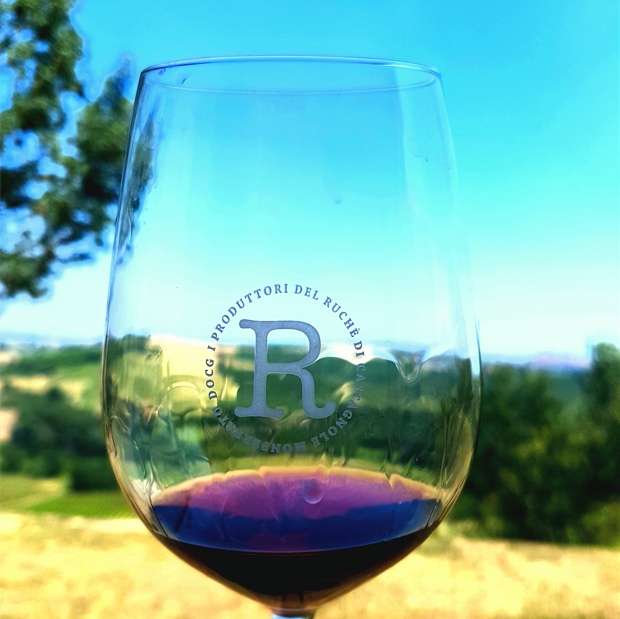
WineAlign

Flights in and out of Niagara, ere Terroir

The Niagara crew getting a load of #BallsFalls in Jordan

In May of 2017 the 12th annual Terroir Symposium brought many magnificent folk to Ontario. They were dreamers, disruptors, international luminaries, thought leaders, visionaries, creative influencers, innovators, chefs, hoteliers, drink experts, writers and business leaders. With VQA Wines of Ontario and the Wine Marketing Association of Ontario as chaperone, a dozen of these invitees flew from Billy Bishop Airport to Niagara District Airport for an ante-Terroir Talk Sunday fun day in wine country immersion. I joined Robert Gilvesy, Fiona Beckett, Jeremy Bonia, Magdalena Kaiser, Jamie Drummond, Nikki Bayley, Dick Snyder, Ursula Heinzelmann, Christoph Thörle and Jim Poris for the excursion. In between return nine-seater shuttles we ran through flights at Flat Rock Cellars and Henry of Pelham Estate Winery. Who amongst us was not taken by these VQA wines and their unselfconscious excellence?

First a hot air balloon and now this!!!

After a quick first pit stop at Ball’s Falls to show off Niagara’s famous escarpment limestone to the international contingent, we settled in at Flat Rock to taste six wines with Cellarmaster Allison Findlay. Next it was a dozen at Henry of Pelham Estate Winery with proprietor Daniel Speck, Ryan Corrigan of Rosewood Estates and Suzanne Janke of Stratus Vineyards. A blow your mind lunch was prepared on site by Wellington Court Chefs Erik Peacock and Cait Bermuhler. Here are the notes on the 18 wines.

Revisits with @Winemakersboots and a seven-year Crowned epiphany

At Flat Rock Cellars

Flat Rock Cellars Riddled Sparkling 2010, Méthode Traditionnelle, VQA Twenty Mile Bench, Niagara Escarpment, Ontario (383315, $29.95, WineAlign)

Time makes a difference so here the extended lees age (six months further, to 60) takes Riddled to another level. Considering the cost and attention to time, in the broad realm of traditional method sparkling wine there are some that are given away. Riddled. A whole lot of biscuit warmth, sody saleratus, gingersnap, tart Ida Red apple, breadth and a smile-inducing creamy palate. There is more wisdom and calm from 2010 so do not come around demanding tension and over-exciteability. Think Grower’s Champagne with Ontario heart and soul, dedication and purpose. The extended arm of Madronich-Johnston love is here, this year. It won’t get much better than this. Great length. Drink 2016-2025.  Tasted October 2016, March and May 2017  flatrockcellars  @Winemakersboots  @FlatRockCellars

Flat Rock Cellars Crowned Sparkling Brut 2009, VQA Twenty Mile Bench, Niagara Escarpment, Ontario (Winery, $45.20, WineAlign)

Crowned ’09 was disgorged this spring after seven years on the lees, sealed under crown cap and sent to market with a crowning achievement in mind. Feather gingery, faintly oxidative, this Blanc de Blancs wafts in copper-veined breezes and fennel frond ahead of its palate piercing chardonnay intensity. It delivers a cooler climate interaction than the Riddled, with preserved lemon and please concentrate if you will on it as a wine of heavy forethoughts. What with it resting on its lees, in limbo this long out of practice, necessity and as a result, now fortuitous and of great luck. The animal was created early on and now anything less might be difficult to justify and accept. Plus the bar is raised for the entire Sparkling community. Here the perfect example of low, slow and minute by minute evolution. Only 500 bottles (plus one) were made. Drink 2017-2023.  Tasted May 2017

Flat Rock Cellarmaster Allison Findlay

Flat Rock Cellars Gravity Pinot Noir 2013, VQA Twenty Mile Bench, Niagara Escarpment, Ontario (1560, $30.25, WineAlign)

Flat Rock’s ever involving vines (on 33 hectares planted in 2001 and 2002) enter a new phase with indicators blinking and refreshing in this 2013 Gravity Pinot Noir. Youthful adolescence and gregarious fruit expression initiated in 2010 and carried through the 2012 vintage. Those years saw to a world of astringency and tension relegated to mites in the rear-view mirror. The wine is now in a nexus cross-roaded with exigency holding pattern. To understand its confusion and survey fast forward to its future is not easy. Gravity is a bit large right now, seemingly advanced, but to me the fight is between that fruit abundant state and the return of, though eased by meditative Jedi tension. Gravity just needs a parachute to bring it back down to earth. That lifeline may not materialize in this 2013 but that does not take anything away from its discriminating and diagnostic tones. Brightness, astatic inflection and succulence. This vintage may suffer from some level of snafu but it will age, evolve and breath. That much fruit has to have some level of expectation. The follow up ’14 and ’15 will win the hearts of horses and men. Drink 2016-2021.  Tasted October 2015 and May 2017

Flat Rock Cellars Gravity Pinot Noir 2012, VQA Twenty Mile Bench, Niagara Escarpment, Ontario (1560, $29.95, WineAlign)

Seven months have softened and mothered Gravity’s adolescence in ways to now see it as the most feminine, certainly of the last four vintages. Pretty dabs, perfumes of natural conditioning, warm days and warm nights in the bottle. More accessible than previous takes and of a new modernity perceived. Sweet dreams and sweet fragrances, roses and cinnamon, nothing fancy here mind you, with no bite and no gathering moss. Cherries and vanilla, lavender and simple pleasures. Straight up Gravity, no pull down, no drag and no excess weight. At $30 and from the best barrels, this trumps $40-50 most locales not called Lowery, La Petite Vineyard, Central Otago, Hengst or Pfinstberg. From my earlier, March 2014 note: “In a vintage potentially muddled by warmth and a humidor of radio frequency, duplicating berry phenolics, Flat Rock’s Gravity remains a definitive, signature house Pinot Noir. In 2011, the head of the FR class from its most expressive barrels shared the limelight (and top juice) with the Pond, Bruce and Summit one-offs. In ’12, Gravity’s sandbox was its own. The style is surely dark, extracted, black cherry bent, as per the vintage. Yet only the Rock’s soil does earth in this variegate, borne and elevated by the barrel’s grain. There are no fake plastic trees in a Flat Rock Pinot. “Gravity always wins.”  Last tasted October 2014 and May 2017

Flat Rock The Rusty Shed Chardonnay 2013, VQA Twenty Mile Bench, Niagara Escarpment, Ontario (1552, $24.95, WineAlign)

It’s as if this label had bided all this time to be the benefactor of 2013 fruit. This Rusty Shed, this 20 miler with the track record to age, a wine that sheds baby fat over a 10 year mineral through echelon stratum, in ways few other peninsula to bench chardonnay can do. This Jay Johnston handled surfer of a wine, buoyant and balanced, centred and able to withstand turbulence, oscillation and tidal sway. Here with sumptuous and spiralled fruit gaged in lode intervals and a tartness held in lope and line by a membrane of extract and tannin. Best ever. Showing well, repeatedly and to forecasted repute. Impressing critics and consumers alike. Bravo. Drink 2016-2025.  Tasted June 2016 and May 2017.

Flat Rock Cellars Nadja’s Vineyard Riesling 2015, VQA Twenty Mile Bench, Niagara Peninsula, Ontario (578625, $24.95, WineAlign)

This is an outlier for the Nadja’s Vineyard riesling, with deeper concentration and compression than before. More Mosel and less Twenty Mile in 2015, of light alcohol and an increase in off-dry, extract meets acidity. There have been Nadja’s with more air and exhale but I can’t recall one with such density in vitality. A great Nadja to be sure but of a deferential sort of character. Two or three years should bring it back into its self-imposed and created line. Drink 2018-2024.  Tasted May 2016 and May 2017

VQA wines at Henry of Pelham Estate Winery, May 2017

At Henry of Pelham Estate Winery

Rosewood Estates Gamay Rosé Emerald Shore Vineyard 2016, VQA Creek Shores, Ontario (Winery, $15.95, WineAlign)

The inaugural gamay Rosé is from fourth leaf vines in the spot where the famous sémillon once lived. It delivers essential gamay aromas; strawberry modified with a tisane into raspberry and cherry, salinity clarified and fined. It’s lactic tonal, nicely tart and with a Beamsville mineral, very specific and just this emerald side of intense. Finished dry, but was allowed to go through three quarters malo to bring the cream and the layers. Finished by the incumbent winemaker Ryan Corrigan who once “lived out of a backpack and chased grapes,” committing in fleeting methodology, to northern and southern hemisphere harvests. In 2017 Niagara is all his. Drink 2017-2018.  Tasted May 2017  rosewood wine  @Rosewoodwine  @rosewoodwine

Welcome to @rosewoodwine Ryan Corrigan. Gamay and Cabernet Franc are in fine hands.

Henry Of Pelham Speck Family Reserve Chardonnay 2015, VQA Short Hills Bench, Niagara Peninsula, Ontario (616466, $29.95, WineAlign)

Spice and toast more than anything else come to define the early life of the SPR ’15 chardonnay. Not overtly or overly fruit forward at this (nearing) two-year mark, but green apple, pear and the unusual tangy bite of south asian palm (Salak) snake fruit are just around the corner. This speaks to the phenolic grab and go, the hang time and then that barrel exploit comes through. The palate delivers sappy moments and then the weight of the wine is felt. If texture were quantifiable in aromatics, it would be the SFR that would provide such intellectual fodder to describe what that might feel like. The perfume is layered, chewy, unctuous and viscous. Another year should inflate the fruit and integrate the wood. Drink 2018-2021.  Tasted twice, May and September 2017  henryofpelham  @HenryofPelham  @SpeckBros  @henryofpelham

Wellington Court Chef Erik Peacock and Cait Bermuhler’s appetizer trio

Rosewood Estates Chardonnay Origin 2014, VQA Niagara Peninsula, Ontario (Winery, $28.95, WineAlign)

Rosewood’s Origin 2014 is highly representative of Beamsville chardonnay, pacing a bridge that connects the cool of the climate and the nook in the escarpment’s abutting warmth of the overall Bench. The skins matter, as per the departing winemaking Ross Wise expertise, if only and alt-heightened in elevating texture, but even more so the rusty, soil tart, intensely wound and taut orchard fruit speciality. Drink 2017-2020.  Tasted May 2017

Wellington Court Chef Erik Peacock and Cait Bermuhler’s salt grass point oyster, beet mignonette, cucumber gel, horseradish foam

Stratus Vineyards Stratus White 2013, VQA Niagara Lakeshore, Ontario (660704, $38.20, WineAlign)

There can be little doubt that anticipation would haver to run high for the aromatic, elongated and coolest of Niagara white wine vintages, especially for the chardonnay, but also for the iconic, four-varietal (with sauvignon blanc, sémillon and viognier) blend. The five sensory tenets are solicited and provided for; salty, sour, sweet, briny and umami. The last is exotic and punchy, so this White does it all, speaks for it all and completes it all. It is the most designed and seamless their’s can be.  Last tasted May 2017  stratuswines  @StratusWines  @StratusWines

In 2013 viognier is back in the varietal mix, in reprise of its earlier role in support of chardonnay, sauvignon blanc and riesling. A different sort of vintage here for the White, seemingly led by a circular turning of chardonnay and viognier, like a cat chasing its tail. This really goes round and round with no obvious signs of where it will stop. Quite fleshy and lime juicy with stone fruit flavours in righteous abound. Really amalgamated and seamless even for itself. It is here that I think of it as The White. Niagara’s White. Lake Effect™. Drink 2017-2022.  Tasted November 2016

Rosewood Estates Riesling Origin 2014, VQA Niagara Peninsula, Ontario (Winery, $22.95, WineAlign)

Smells like Bench riesling spirit. The energy comes from the über vineyard’s way of emission, gasseous and vital, linear, introspective and direct. This may just be the most aridity and brine ever teased from a Mima’s riesling, acidity coveting sugar notwithstanding, startling from beginning to end, with spirited shots of lime. Underrated and honest, the consistency of this riesling is possessive of great triggers and so beautifully defines the mineral Bench. Early suffocations blow off with ease and in the denoument there are crunchy stones, forever and always something to like. Mima’s never really needed an abundance of sugar for balance and kudos to that. Drink 2017-2022.  Tasted March and May 2017

Wellington Court Chef Erik Peacock and Cait Bermuhler’s simcoe asparagus, ramp aioli, sous vide hen’s egg, puffed wild rice

Stratus Gamay 2014, VQA Niagara-on-the-Lake, Ontario (Winery, $29.20, WineAlign)

When asked about his approach to gamay winemaker J-L Groux responds with “continuously with changes.” This is what takes place in 2014 with the barrel time cut back by a full year, now only nine months, if nothing else for to place ultimate emphasis on fruit. Sounds simple but it’s anything but in a Groux universe. His gamay now gifts fresh strawberry and raspberry, a slight 13 per cent alcohol spine and the uplifting effect of zero-noticeable steaminess, steminess, aggression or grass. In contrast to many overly and overtly ambitious Ontario gamay here Stratus enters the antithetical to harsh realm and instead occupies the amenable-ethereal void. Less pressing means smoother transitions and weightless chimera. This captures varietal and place with its coax of maximum fruit. The plantings are from 1992 and 2001 (with an imperfect memory that includes the possibility of 1985 too). Drink 2017-2020.  Tasted twice, May 2017

Thanks for hosting Daniel. Cab-Merlot ’12 SFR @HenryofPelham is one for the ages @WineCouncilOnt @winecountryont

Henry Of Pelham Pinot Noir Speck Family Reserve 2012, VQA Short Hills Bench, Niagara Peninsula, Ontario (Winery, $34.95, WineAlign)

Always the elder, wise and delicate if elegant statesman for Ontario pinot noir. There is real demure and reserve, Speck family style and this dried red berry savour to both aromatics and flavour. Tart is an undercurrant and red currants run above. Right in its wheelhouse now, for a spell and then the slow fade will come. Drink 2017-2021.  Tasted May 2017

Henry Of Pelham Speck Family Reserve Baco Noir 2015, VQA Ontario (Winery, $24.95, WineAlign)

From vines planted in 1984, a more than significant fact of experience, wisdom and acumen from this baco noir. Couple that with what is arguably the finest varietal vintage in many years makes this the collector bottle for the baco fanatic. The rubbery reductiveness is so nicely offset by the flowers, the red fruit and the delicious appeal. Easily the finest ever, by anyone and especially this most prominent house. Great ripe acidity and fine, fine tannin. Drink 2017-2024. Tasted May and June 2017

Wellington Court Chef Erik Peacock and Cait Bermuhler’s confit lake huron pickerel, fingerling potatoes, chorizo vinaigrette, celery, capers

Rosewood Origin Cabernet Franc 2014, VQA Beamsville Bench, Ontario (Winery, $29.95, WineAlign)

It’s a deep, dark fruit, rich currant, pyrazine and savoury vintage for the Origin. It’s cabernet franc that brings strawberry, raspberry and ripe rhubarb to the table. It’s tart and layered, rich and even a touch hematic. Quite pure, red fruit driven and of finely tuned acidity. Never tries too hard, refuses to hide the naturally green character, does nothing to sheath or blanket and leaves the fruit to shine red, bright and vital. Drink 2017-2020.  Tasted May 2017

Stratus Cabernet Franc “Decant” 2014, VQA Niagara On The Lake, Ontario (Winery, $95.00, WineAlign)

“A designer’s hands are tied. They are only as good as their opportunities.” The words of the brilliant bottle designer Karim Rashid fully apply to the mirrored universe in which winemaker J-L Groux works, here with a deferential and ulterior cabernet franc, bottled with its lees. When I first tasted it in February (in advance of this auspicious release), its unfiltered state spoke of a hyperbole of perfume, marked by exoticism. The aromatics gave far east five-spice, star anise, cardamom, miso and incense, all natural by-products of its purposed ferment. More grain spoke out but also a roundness of tannin and a smoothness both coating and comforting. There was chocolate accentuated by the treatment, with thanks to those lees left in the bottle. The chopped up and constructed bottle catches the lees while the volume flows out and the function out of form mimics the thought of lees delivering structure and yet they are invisible, caught in a hidden net or nook, out of sight, out of mind. But it’s not about pouring. It’s about the hand, or the slight thereof. Then there is the copycat idealism of strata in the vineyard, of geology transferred to the bottle and kept there, like a ship perfectly preserved inside. This cabernet franc will age better, as is the plan, with thanks to the lees that you’ll never have to deal with. There were 110 cases made. Drink 2019-2029.  Tasted twice, February and May 2017

Wellington Court Chef Erik Peacock and Cait Bermuhler’s earl grey friand, poached rhubarb, vanilla mascarpone mousse

Henry Of Pelham Speck Family Reserve Cabernet Sauvignon/Merlot 2012, VQA Short Hills Bench, Niagara Peninsula, Ontario (616433, $39.95, WineAlign)

The warm 2012 is an ideal vintage for this very specific cabernets and merlot blend, a wine as deliberate and iconic to the Niagara effort as any that have come before or currently exist. The vintage falls into a line that remembers 1998 and 2002 (with a half wink for 2007 and three-quarters nod to 2010). The brightness of red fruit and the dusty grounding of that fruit into earth integrates quietly and when acidity joins, the balance is pitch perfect. The fineness of that acidity will allow the mild astringency and dark chocolate by barrel to melt with slow dripping ooze into proper and educated tannin. Is this Cabernet-Merlot Speck Family Reserve one for the ages? In a word yes and likely to rival that 1998 for a 15 year run through excellence. Drink 2017-2027.  Tasted May 2017

Run any machine on the harnessed marmalade energy of this @StratusWines Riesling Icewine #specialstuff #niagaraonthelake

Stratus Riesling Icewine 2015, VQA Niagara On The Lake (56671, $30.25, 200ml, WineAlign)

The Stratus Riesling Icewine 2015 simulates a true orange and apricot marmalade with a preserved lemon note and a bitter pitch edge. It actually goes into grapefruit a touch, develops unction as it fleshes in the mouth and never fattens or sweetens too much. A show off in triumvirate display of quality, beauty and rhythm. Drink 2019-2030.  Tasted May 2017

Good to go!

Godello

Twitter: @mgodello

Instagram: mgodello
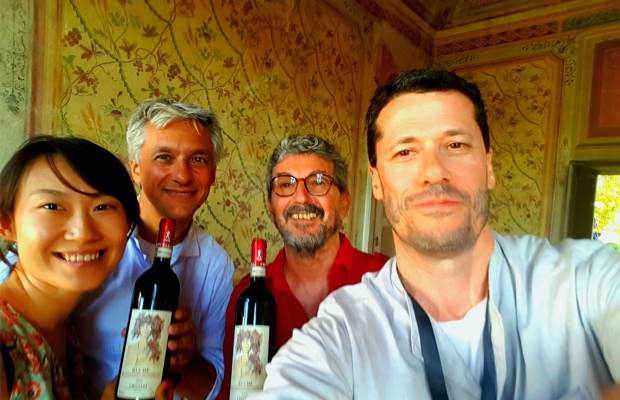
WineAlign