Álvaro Palacios presents his wines from Priorat, Rioja and Bierzo Photo (c): Eric Vellend
When I walk into the tasting lab at the LCBO this morning to taste the red wines on the December 6th release, there will be more than 100 bottles staring me down. Not just any 100 bottles. The assembled wines will be deep, dark, dense and intense, a December agglomeration meant to drink down with the holidays.
The VINTAGES releases are so protracted at this time of year the media tastings have to be split across two consecutive weeks. Champagnes and whites were put out last Friday so today’s reds will stain teeth, pile on the tannin and cause a general convocation in dehydration. A perfect Friday.
Luma’s Bocconcini and Preserved Vegetable Salad
Over the past few weeks I’ve managed to taste some of the releases at trade events, with my colleagues at WineAlign and yesterday with Álvaro Palacios. At the invite of Woodman Wines and Spirits I had the indubitable pleasure of being heralded through a paramount cross-section of the Spanish wandering winemaker’s portfolio, from Priorat, Rioja and Bierzo. Palacios poured six of his wines at Luma Restaurant in Toronto. Reviews for the Riojan La Vendimia, the Bierzo Corullón and the Priorats Camins and Les Terraces will be found on WineAlign.
Last fall I wrote about Spanish wines, insisting that Spanish winemakers “do not pussyfoot in producing superannuated yet contemporary wine.” I talked up the Iberian wine making superstars. Red and white wine heroes. Álvaro Palacios was at the top of the list. Jason Woodman felt and still feels this way. “If anyone embodies the promise and spirit of “The New Spain”, it is Álvaro Palacios.” I elaborated. “It has not been much more than 20 years since he took control of the esteemed empire built by his father, Jose Palacios Remondo, but Álvaro Palacios has already become one of Spain’s most famous and well-respected winemakers.”
One Rioja and one Bierzo by the Palacios domain are reviewed here, along with six other new releases coming to stores December 6th. Here’s a sneak peek, looking red ahead.
Palacios Line-Up at Luma Restaurant Photo (c): Eric Vellend
La Montesa epitomizes everything about the Álvaro Palacios application; professionalism, breviloquence and balance. It also brings together essentia to one common Riojan crossroads; Atlantic and Mediterranean, Tempranillo and Garnacha, French and American oak. In fact, it does the latter with such seamless ease, as neither barrel disturbs the proportion or the harmony. Fresh, pointed, serious and value-driven with ridiculous compete, the silky smooth Montesa uses calcareous soil as an organza overlay and acidity to keep it real. The alcohol is certainly real but like the wood (and the tannin), is never overdone. From now to 2018 with bells on. Tasted November 2014 @WoodmanWS@RiojaWine
The winery known as the “Beautiful Garden of God” has burnished a Nero d’Avola from the northwest corner of Sicily so perfumed you may consider dabbing some on your neck. Like the sweet-smelling roses that endow Nebbiolo with its characteristic charm, this Sicilian sports the same except that it is magnified by sunshine and salinity. A meeting of red fruits macerating in a bath of freshly squeezed plum juice does nothing but make you want to sip and sip. In the end there is tannin, but also prune juice and really daring acidity. This is a big but not over the top southern Italian red to enjoy now and for three more years. Tasted November 2014 @Dandurandwines
There is much to admire about this most righteous and humble Montepulciano d’Abruzzo. From a west-facing vineyard with coarsely textured soils in the municipality of Bolognano, province of Pescara, very close to the Adriatic Sea. The maritime influence, while not dramatic, is significant, as nosed in salinity and humidity. The Zaccagnini spent a scant and refreshing four months in Slavonian oak barrels. The impart is gentle and sincere. The freshness and calm here reminds of a certain type of Syrah from St. Joseph, low in alcohol, preserved in acidity and full of savoury flavour. This is really well-judged, honest MdA that will linger in evolution for two to three more years of pure, simple drinking pleasure. Tasted November 2014 @Zaccagninivini@hobbsandco
Lavau Rasteau 2012, Rhône, France (Agent, $19.95, WineAlign)
Equal parts Syrah and Grenache gather in this very warm Rasteau that spent (15 per cent of the cuvée) 10 months in French oak barrels. Typical of the upward trend in Rhône reds of elevated alcohol and vibrant spirit. There is no shortage of ripe fruit, concentrated flavours and modern attitude here. Beyond the up front aromas of raspberry and baked clay the Lavau continues its hearth oven stay and churns out roasted game, savoury pie and smouldering Rosemary branches. It’s a veritable Lavau luau, with both beef and pork in the pit and in need of a glass of something rich and spicy. This Rasteau will do the trick. Tasted November 2014 @WinesOfFrance@oenophilia1
From left to right: Tenuta Rapitala Alto Nero d’Avola 2012, Cantina Zaccagnini 2012, Lavau Rasteau 2012, Wakefield Jaraman Cabernet Sauvignon 2012, Caprili Brunello Di Montalcino 2009, Trinchero Mario’s Vineyard Cabernet Sauvignon 2009
Wakefield Jaraman Cabernet Sauvignon 2012, Clare Valley/Coonawarra, South Australia (142398, $24.95, WineAlign)
A most blanketed tapestry of aromas come flying like a magic carpet from this Clare Valley and Coonawarra specimen. The best of both worlds collide; blue fruits and cool mint/eucalyptus. Though slightly murky and vanilla distilled simple syrupy, the aromas make the grade and put on the show. The fine grain in tannin and chalky texture are a plus though they do cause separation anxiety for the delicate fruit. Very much like a good blue and red fruit Malbec, from Mendoza or the Clare Valley, this is not overly, varietally Cabernet Sauvignon but it is a very effective and spiced red for near-term drinking. Tasted November 2014 @Taylors_Wines
Descendientes De J. Palacios Pétalos 2012, Do Bierzo, Spain, (675207, $26.95, WineAlign)
From Ricardo Palacios, nephew to and with Álvaro, this Mencia is so indicative and representative as the “naked grape” of Bierzo. Anointed with a concentrated perfume and panegyrized by a fruit transparency that is just not present in the Palacios wines of Rioja and Priorat. With Mencia, what you see, smell and taste is what you get. It’s varietally obvious and this Palacios plays the part with thespian control. A caramel note lifts, not drags this dense, purposed red, purple in every way, condensing the happy freshness of the vintage. Lactic black fruits are milky, developing to creamy, then on to licorice and candied nasturtium. Has a Bordeaux-like dusty camino real drive to it, in perfect sunshine, the vapors rising off the arid track. The Mencia asks “and would you let me walk down your street, naked if I want to.” Yes is the answer, because it is such an honest, moby grape. In ferment it makes cause for another composed wine by Palacios. The clarity and ambition will take it safely to the next decade. Tasted November 2014
Caprili Brunello Di Montalcino 2009, Tuscany, Italy (398073, $44.95, WineAlign)
From estate grapes grown on the hillside which slopes down towards the Orcia and Ombrone rivers. The Bartolommei family needed a summons of their winemaker’s acumen to reign in advanced fruit from a vintage that saw soaring summer temperatures. This ’09 runs on full throttle, high-octane Grosso and yet is a remarkably, obiter dicta fresh flood of sanguine, berry chalky juice. All that and more actually and while it’s flat out fun to taste at such a young age, its ability to go long is not a sure thing. Plan to enjoy now and for three to five big years. @Caprili@NaturalVines
Trinchero Mario’s Vineyard Cabernet Sauvignon 2009, Napa Valley, California (399600, $64.95, WineAlign)
There is nothing chary about this single-vineyard Cabernet, named after the winery’s founder, situated in St. Helena. From soils ranging from gravelly to loamy to alluvial, the vines were only 12 years old when this dark beauty was made. Pitchy fruit is roped and tied by a whack of French oak, surrounding it with an aromatic bubble filled with lavender, charcoal, vanilla and licorice. A multi-plex of a red, darker than many, structured yet reliant on that mask of oak. Due to the mass and mess of fruit this will age nicely for 10 years but the wood will never go away. It’s just made that way. Tasted November 2014 @Dandurandwines
From left to right: Montgras Sauvignon Blanc Amaral 2014, Ventisquero Sauvignon Blanc Kalfu Sampai 2013, Emiliana Signos de Origen White Blend 2013, Via Wines Chardonnay Chilcas Single Vineyard 2013, Montes Alpha Pinot Noir 2012, Errazuriz Aconcagua Costa Single Vineyard Syrah 2012, Santa Rita Cabernet Franc Floresta 2012, Calcu Cabernet Sauvignon 2012
With Chris Waters as moderator, guest speaker Hector Vergara delivering the keynote address and a Chilean panel of eight winery representatives talking up their wares, the Wines of Chile road show trekked en masse through Toronto’s ROM for the annual cavalcade in exhibition.
Waters is Editor of VINES Magazine and author of a weekly wine column at canoe.ca. Vergara is Latin America’s only Master Sommelier & President of the Sommelier Association in Chile. The council of eight winemakers and export managers expounded on Pacific ocean mists, soil composition, varietal trials and expansion to the new Chilean terroir.
The theme of the 2014 edition of the WOC travelling wine expo was “discover diversity.” The breath of fresh air came by way of the opportunity to taste samples of the new Chile; from emerging regions and appellations, from varieties not expected to show in Toronto and from chances being taken. Wines from Huasco, Itata and Pumanque are not household names at the LCBO or in this city’s restaurants. The successes of Chile’s (primarily central) conspicuous regions are well-documented; Maipo, Rapel, Maule, Curicó and Cachapoal valleys. The Aconcagua, Casablanca and San Antonio valleys have found their own prosperity. The 2014 Wines of Chile experience will help impress emerging regions and purchasing diversification upon both consumer and licensee habits.
The cross-section of wines poured at the seminar offered a unique perspective into the Chilean portal, even if behind the scenes back in Chile you just know there is so much more to seek, discover and uncover. Montreal Gazette wine scribe Bill Zacharkiw wrote last week, “I saw cracks in the wall…three years later I’m back, and that crack has become a deep fissure.” Zacharkiw visited Chile for the first time in three years and was privy to a Chilean wine revolution. Bill witnessed first hand the changing face of Chile: winemakers rediscovering their rich heritage. He found plantings from old vines and revitalized vineyards that had been producing nothing but cheap table wines. The ROM seminar presided over a giant leap in exhibiting aspects of that vicissitude for Toronto but missing from the tasting were some exceptional and virtually unknown producers of the New Chile.
Wines of Chile
Many of Chile’s growing areas are driven by the mist (like Sonoma fog) which might go away by 11 or 12 pm, but according to Vergara, they “create the conditions for slow ripening.” Along the coast there are granitic soils, very good for Syrah. Limestone soils add new dimension to the wines. Cold air comes down into the valleys from the Andes mountains, to maintain freshness and to add aromatic complexity. The role played by the Pacific Ocean is also extremely important. Salinity is rampant in Chile’s wines.
Eight wines were poured at the Wines of Chile seminar. Here are the notes.
A jumping and hopping Sauvignon Blanc, at once spicy and then fruit fresh. The aromatics rise from the San Antonio Valley vines, cooled by the Andes run off, in irrigated mist. The piquant puissance never quite relinquishes power to the crisp orchard drupe. Capsicum and especially white pepper dominate. A chew of white flowers fills the palate though it falls away quickly, like a shooting star. More than serviceable and user-friendly. Tasted October 2014 @MontGrasChile@TKGCanada
Ventisquero Sauvignon Blanc Kalfu Sampai 2013, Huasco Valley, Chile (Agent, $40)
High end varietal placement, in geography and in market positioning. A new project for Ventisquero and winemaker Alejandro Galaz, from Chile’s most northerly wine growing area in the Atacama Desert. An arid yet verdant Sauvignon Blancwatered by the Huasco River, 20 km’s from the sea, 700 km’s north of Santiago. The first vintage was 2012. Only 600-800 bottles are being produced, that is until they have learned more about how to manage the terroir of the desert, like making wine on the moon.The wine flaunts its chalky soil with alluvial stones and red clay. The Camanchaca (a thick fog on the coasts of Peru and Chile) comes in every morning and aids in the long ripening period. The mineral pierce is frightening in as much as can be found in Chilean SB. High salinity, from both the soil and the water. A veritable salt spring without effervescence, replaced by evanescence and fervent vigor. Kalfu means blue, Sumpai is the name the mapuches gave to the mermaids. Finishes with a roasted green pepper note in neutral citrus, with thyme and peanuts. Yes, peanuts. Approx. $40. Yes, $40. Tasted October 2014 @vventisquero@TandemSelection
Emiliana Signos de Origen White Blend 2013, Casablanca Valley, Chile (Agent, $19.95)
With a wine like this multi-varietal white blend, Fernando Castro explains “we’re going wide in a narrow place,” pushing boundaries, exploring new challenges. Diversity. From the western part of Casablanca, out of rocky and granitic decomposed maritime soils, the mix is (all approximations) Chardonnay (65 per cent), Rousanne (13), Viognier (12) and Marsanne (10). A healthy 33 per cent of the ferment is aged and housed in concrete egg fermenters, but also some French barriques. Imparts an oiliness on the palate. Chardonnay is more than evident, the sweetness in Rhône aromatics are ladders from which to climb, buoys from which to get lifted. A wine that does not play safe. Some spice, plenty of full palate sweetness so this needs a mess of fish and seafood in an aromatic broth. The alcohol is a generous 14.7 per cent though it has enough acidity to keep it aerified. Big wine. Really big wine. Tasted October 2014 @VinosEmiliana
Via Wines Chardonnay Chilcas Single Vineyard 2013, Itata Valley, Chile (Agent, $18.95)
The inaugural vintage of the Chilcas Chardonnay hails from the northern most aspect of Chile’s southern most region, a cool climate 18 km’s from the Pacific coast. The granitic soils are variegated with alluvial and sandy loam aspects for complex gain in this 100 per cent single varietal wine that spent,12 months in oak. A partial malolactic fermentation means creamy but that texture is subservient to the aromatic profile. Itata is a 16th century planted vineyard (for the region) though this vineyard is only 10 years old. Average rainfall is on par with Bordeaux but the majority of the rainfall is in winter, not in the growing season. Drainage is good due to the slope of the granite soil. Has that creamed sugar brûléed sensation and is nearly vegetal, like buttered, fresh corn with salinity and spice. Tasted October 2014 @ViaWines@KylixWines
Montes Alpha Pinot Noir 2012, Do Anconcagua Coast, Casablanca Valley, Chile (143214, $19.95, WineAlign) From the VINTAGES September 13, 2014 release
This is from fruit drawn 10 km’s from the ocean. Morning fog helps with maintaining acidity, though aridity is the biggest challenge. A dry heat and a dry paint are apparent, though low yields produce a concentrated red, of dry herbs and dry ochre. Terrific mouthful – very Sonoma, in sweet raspberry, cherry and strawberry. Very Sonoma. More than decent length but not the most complex. Really approachable and lingering so it is worth several visits, in each glass, second glasses and subsequent bottles. Some new (20 per cent) oak. Cool climate Pinot Noir done in a warmer climate style. Tasted October 2014 @MontesWines@ProfileWineGrp
Errazuriz Aconcagua Costa Single Vineyard Syrah 2012, Aconcagua Costa, Chile (387910, $24.95, WineAlign) From the VINTAGES September 27, 2014 release
Natural and modern in every respect. From schist rock over a clay base and out of a warm vintage, “to maintain the character of the wine.” Relish of richness and quite ripe with touches of wood resin, sinew and roasted meat, though it’s more OZ than Rhone, with less smoky beats and cured meat. Good acidity and slightly sweet. Cake-reductive as to an Aconcaguan Cabernet Sauvignon but enough spice and splinters to warrant aging towards increasing value. Really spicy finish. Tasted twice, September and October 2014 @errazurizwines@Dandurandwines
Santa Rita Cabernet Franc Floresta 2012, Pumanque, Chile (Agent)
Pumanque is located in Chile’s Colchagua Valley and was granted Doc status in September 2012. The soil is quite granitic and the exceptionality of the new terroir is gaining traction with proponents of symbiosis for Cabernet Franc. This Cabernet squared blend is Cabernet Franc (55 per cent) and the remainder Cabernet Sauvignon. Dark and pitchy, with much aromatic mince in mint, creosote, graphite, black but not green pepper, wood resin. The rapt wrapping bristles in angles and bitters. Chalky, grainy and needing time because it is quite tannic. Blessed with the most length of the reds on the table. A question of the iron crushed red fruit may arise but five years will certainly be an aid. So very mineral. Tasted October 2014 @SantaRitaRD@ImportWineMAFWM
Calcu Cabernet Sauvignon 2012, Colchagua Valley, Chile (Agent, approx. $16)
Calcu means “healing doctor” in Mapuche and while this may not be the poster wine prescription for cold and flu, it will cure an ail or two. Winemaker Rodrigo Romero adds Carménère and Petit Verdot to the varietal mix, for just enough structure beyond the fresh and fruity Cabernet. It also brings together a spot on varietal tendency, in dusty, grainy tannin, bitter tonic tinge, cool in the middle, but warm in girth and all around its edges. Spiced and piquant. Young, with decent acidity and though it will settle in a year or two, that will be the limit of its range. @CalcuWines
During my week-long visit to Alsace in June I tasted more than 300 different wines. Over the course of the four months that followed that most amazing journey to the heart of a great wine region, I published more than 50 tasting notes. I also told stories about the winemakers, the Grand Crus and lieu-dits. I will continue to write and publish equal or more amounts about Alsace.
The British wine writer Jamie Goode recently published two articles on the subject of wine criticism versus wine journalism. His first, Whatever happened to wine journalism, appeared on the website run by Tim Atkin MW. The second, Wine critics and wine writers on his own blog, Wine Anorak. Goode is a man on the pulse of what it real and what needs to be said. He is correct in telling us that the most engaging wine writing comes from scribes who visit vineyards and tell their stories. There can be no disputing this to be true.
Jamie hopes that the future of wine writing is not fraught with short reviews and inflated scores. He sees the Utopian model in experiential travel, in meeting hard-working people, wandering over variegated soils and terroir, tasting at the source. Jamie fears that his wine writer self will go the way of the wine critic, tapping away on a computer while tasting wine in an air-conditioned office. His version of wine hell. Riesling specialist Stuart Martin Piggot agrees.
@jamiegoode Totally agree about future of wine writer. We are story tellers and if the only story possible is a tasting note then NO FUTURE!
But Jamie is not entirely right either. At least in the context of the Ontario model (and those of other Canadian provinces), along with I would imagine, many wine markets in other countries. Much of what wine writers taste on globetrotting journeys is not to be found on shelves back home. While that may be pathetic and certainly a pity worthy of some kind of wine crime, it is the brass tacks of the global wine industry. I agree with Goode that we should do everything in our power to change it and we should publish stories, not just tasting notes and scores.
The problem for the reader is that most, if not 95-plus percent of the wines that are reviewed from a region like Alsace are not available for purchase in Ontario. While that is just a crying shame, it is a reality. If you purchase wine in Ontario and look for critical voices to help you separate the wheat from the chaff, you require notes on available wines. That is why writers must spend so much time tasting samples in the sterile LCBO laboratory, at our dining room tables, in restaurants and with the hard-working for not enough reward Ontario wine agents. And we must write-up the tasting notes and publish them on websites like WineAlign. This is the fact of Ontario wine importing, purchasing and consumer life. Would it be any different if there was no provincial monopoly? Yes, but it wouldn’t help in the telling of better vineyard stories.
I taste wines here, there and everywhere. Here are 16 recent samples that gave me cause to raise an eyebrow, pause, ruminate and formulate a response to the spoken sentiments of the ferment. All 16 are available for purchase in Ontario.
From left to right: Domaine Chiroulet Les Terres Blanches 2013, Toro Albalá Fino Del Lagar Electrico, Château des Charmes Sauvignon Blanc 2013, Ogier Héritages Côtes Du Rhône 2012, Bodegas Mengoba Brezo Grégory Pérez 2012
Domaine Chiroulet Les Terres Blanches 2013, Vins De Pays Côtes De Gascogne, France (Agent 223222, $13.95, WineAlign)
This is a Gros Manseng and Sauvignon Blanc that whistles boldly like a howling wind. While the nose is high-toned and full of herbal complexities, it’s also indiscreetly alarming. The aromas are quite massive; pine needles decomposing on a wet forest floor. Kefir, cloudy and enzymatic, curdling and churning into itself. Petrol spills on asphalt, baking in the midday sun. To taste it is tangy and juicy, but also very mineral, intensified by the outcroppings of retzine in the vineyard’s limestone. The overall composition punches way above its weight but the heightened sense of reality is also a bit hard to take. Terrific effort but comes with a warning sign. Tasted November 2014 @CotesdeGascogne@TrialtoON
Toro Albalá Fino Del Lagar Electrico, Do Montilla Moriles, Spain (Agent, $14.95, 500ml, WineAlign)
The winery was founded in 1844 and in 1970 Toro Albalá became the first commercial Montilla producer in the classic Solera method, from (estate-grown) Pedro Ximénez vines. This is unfortified Fino, at a naturally achieved alcohol of 15 per cent, from an average age of 10 years. It’s so dry, like a desert you could walk for astral weeks, as if it should be measured in negative residual sugar. Like pure almond extract paste, bones in the sand and the essence of pulverized, powdered nuts, void of moisture. The chalky-white Albariza soils of the Moriles Alto subzone are hardwired into its Akashic, astral Electrico plane. This Fino ventures in the slipstream, between viaducts of dreams, “where immobile steel rims crack.” Impossibly long finish. Tasted November 2014 @toroalbala@MontillaMoriles@LeSommelierWine
Château des Charmes Sauvignon Blanc 2013, VQA St. David’s Bench, Niagara Peninsula, Ontario (391300, $14.95, WineAlign)
Sets a (St. David’s) benchmark for how to reign in and then release the charmes of Sauvignon Blanc from the Niagara Peninsula. Done in a decidedly fresh and lively style, this gathers up a bunches and conservative yield-managed vineyard’s warmest, ripe fruit for the purpose of bonhomie potation. Smells of vitality, of fresh herbs and citrus just cut, of a salt spring, of things zoetic. Cream elevates the texture, albeit pellucid and unobtrusive. The triad coming together of Sauvignon Blanc, St. David’s Bench and 2013 is the new CdC yardstick. The price only cements the offer. Tasted November 2014 @MBosc
Ogier Héritages Côtes Du Rhône 2012, Rhône, France (535849, $15.95, WineAlign)
The Ogier self-professed traits of patience, savoir-faire, observation and intuition are on tidy display in this piquant, spiced-note, olive branch and indigo traditional Rhône blend. So very Mediterranean, warm and herbal by day, cool and minty by night. One stage short of lush, one notch comfortably above thin, this slots into all right moves; pleasant, value-driven and so effective for so many purposes. Stand alone or with classically prepared fare, this is all you need. Bring on the roast chicken. Tasted November 2014 @MaisonOgier@Select_Wines
Mencia as it once must have demanded of itself, iron clad, funky and gamey. This Bierzo is no antiseptic perfumed bottle of modern, manufactured violet Febreeze, though it’s so very vanilla and rich as a Porchetta sandwich with the porcine cure and fat driven right in to every nook and cranny. Or a taste sensation like bacon wrapped cherries. High toned with formidable tannins. A chew of sinew both in faux-wood and as the conceptual result of a roasted animal’s tension. Value gained vicariously through complexity. Tasted April 2014 @TheLivingVine
Fita Preta 2013
Fita Preta White Reserve Alentejano 2013, Alentejo, Portugal (Agent, $16.95)
An endemic blend of Antão Vaz (40 per cent), Roupeiro (40) and Arinto (20) from infertile rocky schist soils in southern Portugal’s Alentejo region. Ostensibly a field blend, like the Alsace cépage a terroir of Marcel Deiss, the Fita Preta or “black tape” comes from an extreme and arid land. Portuguese winemaker António Maçanita and resident English viticulturist consultant David Booth usher out flint and mineral to capture a host of synapses from a wine region that had failed to fire in years. The landscape described as “Portugal’s Australia” gives a white like a cross between simple, flinty Chablis and aged Hunter Valley Sémillon. The acidity is in abject anti-congruence to the region’s usual heavy-leaded output, mimicking cool-climate Chardonnay in tight and bracing stonker fashion. Tasted November 2014 @fitapretavinhos@Alentejowines@LeSommelierWine
From left to right: E. Guigal Côtes Du Rhône 2011, Giacomo Mori Chianti 2011, Red Tractor Cabernet Franc 2012, Nigl Gartling Grüner Veltliner 2013, Dog Point Vineyard Sauvignon Blanc 2014
E. Guigal Côtes Du Rhône 2011, Southern Rhône, France 2011 (259721, $18.95, WineAlign)
In a world where anything is possible, the Guigal Côtes Du Rhône effect is predictable, trenchant and essential. The vintage specific focus in alacrity drives the savoury, rich black fruit to domesticated compliance, easy on the eyes, nose and palate. This just smells like a good meal; as if a game bird were roasting in the oven, surrounded by a rough and large kerf of mirepoix, of caramelizing root vegetables baptized by dried herbs and spices. Do not be fooled. This is a warm CdR with generous alcohol (14 per cent disclosed) and an even warmer, though not uncomfortably tannic or acidity riddled finish. It is a whack of Rhône grapes within grasp of a mere mortal’s budget. Drink now and for two years forward. Tasted November 2014 @DOMAINEGUIGAL@VinexxWine
A modern take on Sangiovese to be certain with a penchant for the authenticity extracted from the best parts of history. Siena red dirt dredged, cherry macerated, fined, filtered and spiked with a crush of Brandy soaked Amaretti cookies. Clean and with Spring plum blossom in the air. Il Palio dirt for appetizer, Fiore di Zucca pie for dinner and sweet, nutty Panforte for dessert. So modern but so proper. Makes no bones about its made-up face but has plenty of solid ossein in its body. Good piquancy and a rush of verve on the back palate. Oaky but not creamy, bitter yes, but not woody. Tasted November 2014 @oenophilia1
Red Tractor Cabernet Franc 2012, VQA Creek Shores, Ontario (Winery, $19.99, WineAlign)
The savoury aspect of this Cabernet Franc steals the show out of what is just an ideal vintage. The fruit was sourced from the Dim Vineyard in the Creek Shores appellation, a piece of the Peninsula ideally suited to the sharp and earthy aspects of Cabernet Franc. Despite 20 months of seasoning in barrel, the Tractor has maintained its red fruit character, accented by currants, spice and a deep-rooted sense of licorice. There is enough grain in its texture to carry it for three or four more years but it will never be bigger than it is now, nor will its length grow any longer. Tasted November 2014 @SideroadTwenty
Nigl Gartling Grüner Veltliner 2013, Kremstal, Austria (453281, $21.95, WineAlign)
The ever-present, front loaded, laser sharp attack may feign spritz amid hushed whispers of CO2, but not from any chemical alteration. It’s actually a post fermentation, double negative breath of residual covalent bonding. The fast action bottling captures pressure to act as catalyst for freshness, especially in such a lean, high acidity vintage. A sway of tall grasses and that gas smothers whatever residual sugar might try to weigh down this low (11.5 per cent) alcohol stunner. Very much alive though the depth is challenged by all that forward thinking expression. Still a very good showing for this classic Grüner. Tasted November 2014 @AustrianWine@LeSommelierWine
Dog Point Vineyard Sauvignon Blanc 2014, Marlborough, South Island, New Zealand (677450, $21.95, WineAlign) From the VINTAGES October 25, 2014 release
The prototypical Marlborough Sauvignon Blanc hitting all the classic numbers is right here in the Dog Point 2014. Low pH, high acidity, minuscule residual sugar and elevated aromatics. It’s ripe but ripped by citrus juice and zest. Like cubes of honeydew, bitter winter melon and dried lemongrass soaking in and flavouring a dish of briny scallop carpaccio with coarse sea salt and capers. The sapidity is palpable, the excesses vivid. I would avoid too much variegated gastronomy when sipping this wine. Opt for simpler fare because its talents would otherwise be mimicked and suppressed. Tasted November 2014 @DogPointWines@TrialtoON
From left to right: Rupert & Rothschild Classique 2011, Domaine De Bila Haut Occultum Lapidem 2012, Marcel Deiss Pinot d’Alsace 2012, Westcott Vineyards Pinot Noir Estate 2012, Closson Chase S. Kocsis Vineyard Chardonnay 2011
Rupert & Rothschild Classique 2011, Wo Coastal Region, Western Cape, South Africa (Agent, $23.95, WineAlign)
Iconic Bordeaux partners with South Africa for a red that is a surprising saunter into fair Cabernet-Merlot territory. Ripeness, extraction and alcohol are all exercised with restraint. The South African gauze is wound but of a thin wrapping, thanks to the allowance for fruit to shine in bright, red cherry tones. Western Cape is a terrific place to express Bordeaux-styled reds, especially when done with such hands off ability. A bit sapid and even sour edged, this would be a fine example to share when partaking in a little R & R. Wait a year and drink up to 2018. Tasted November 2014 @Dandurandwines@WOSACanada
Domaine De Bila Haut Occultum Lapidem 2012, Ac Côtes De Roussillon Villages Latour De France (643239, $24.95, WineAlign)
From vineyards composed of Devonian Period gneiss and schist soils and Kimmeridgian period limestone. A blend of Syrah, Grenache and Carignan. The heft of this craggy, cultured terroir in a Côtes De Roussillon’s bottle is never in question, nor is the puritanical excellence of its harvested fruit. Some years just heat up to a point of no return, like this 2012. Chapoutier is fully cognizant of the warmth and savagery from the soils and the climate. Finding even temperament and balance is the challenge. This vintage comes across as over the scabrous edge, cooked by the sun and dredged in the particulate. Classic Mediterranean notes of brine, brush and lavender keep it grounded, not to mention graphite and grilled meat, but for the sappy and life-sapping heat, this would be a candidate for 10 years in the cellar. As it is, drink this with quality warm-blooded protein over the next year or two. Tasted November 2014 @M_Chapoutier@Dandurandwines
Marcel Deiss Pinot d’Alsace 2012, Alsace, France (Agent, $24.95, WineAlign)
This Pinot d’Alsace is what Jean-Michel Deiss refers to as “du cépage a terroir” or “tous les cépages.” Though there can be as many as 13 grape varieties in the field blend, most of the content comes from the Pinot family. Though likely in Blanc, Gris and Auxerrois predominance, this is a co-planted field blend so if Jean-Michel were to change his tune from talking terroir to varietal percentages, even he would not know the true make-up. Regardless, this is a (vintage) rich and balanced white blend, an avatar for the Alsace idiom. A wanderer in angles, an adventurer into corners and a wearer of many aromatic costumes; sweet, sour, citrus, flint and spice. Indicates orange, lemon and grapefruit but it’s never that straightforward. More like Jincheng, Lemongrass and Pomello. An exemplary introduction to Deiss, Alsace and the dry summation of many white parts. Tasted twice, June and November 2014 @marceldeiss@AlsaceWines
Carries and buffets an unmistakable aromatic conveyance that comes from a grouping to include Le Clos Jordanne, Bachelder, Queylus and The Farm. Where the cherry tree digs its roots into the earth, where the fruit rolls in the clay dust, where the tension in fruit meets tannin, intersecting at acidity. Just a touch of funk in a non-reductive, vineyard sense and the fruit does flirt with right of centre cherry, inching towards the black side. Chalk and tangy dust, and finally, tannin that holds court. This is quite big for Niagara Pinot Noir and it will age righteously for three to five years. Though it is not yet ready to lay claim to greatness, Westcott is a vineyard to keep a wide and watchful eye. Tasted October 2014 @WestcottWines
The real deal in Bench gain from out of the most enigmatic and occult vintage, the primitive vineyard giving life and lesson to Chardonnay. Austerity in second and third fill barrels sends butter in search of toast, imagined through pendular churning. A reckoning follows, connecting round fruit to linear acidity in character, oomph and excellence. Aromas indicate spirited confiture choices at the breakfast table to garnish flaky pastry. Biting and demanding yet sweet as a cool summer’s night. Tasted October 2014 @ClossonChase
Wine review at VINTAGES of Norman Hardie Chardonnay County Unfiltered 2012 by Godello
If the premature lashing of cold, snow and ice weren’t enough to get you thinking about holiday shopping, get thee to a Liquor Control Board Ontario store on the weekend. Same time, every year. The LCBO stocks the shelves, isles and pyramid displays with more booze than anyone should ever be faced with in one visitation.
The bi-weekly VINTAGES release calendar whirs, undulates and clutters in rataplan overload at just this very juncture in preparation of the Christmas rush. Shoppers will tear down the walls of wine, beer and spirits, only to hear the burloque fall silent when the clock strikes closing time on the evening of December 24th.
There are exactly 35 days left in 2014 to do the right wine thing for that father, cousin, colleague, mentor or loyal, long-time suffering employee. Please heed the warnings and do not buy crap for the one you love or think you should. No matter who you are picking up a bottle for, treat them well and with fermented grape respect.
There are three category of wines to look for, at least within the context of this buying guide. First there are the values under $20, wines made so properly they should cost double or triple what they do. Second are the expensive but honest wines. These are the true gems that make most $100 bottles look bad. Last are the $100 examples that are truly iconic, despite their cost. Though priced beyond the means of most, they are not a mistake to take a flyer and give as a gift. After the hand off is complete, the all-knowing, unspoken nod will follow.
From left to right: Cavino Grande Reserve Nemea 2008, Frescobaldi Castello Di Pomino Pomino Bianco 2013, Moris Morellino Di Scansano 2012, Louis Bouillot Perle D’aurore Brut Rosé Crémant De Bourgogne, McWilliam’s Mount Pleasant Elizabeth Sémillon 2007, Josef Chromy Pepik Pinot Noir 2012
Nemea strikes again. Dark rust, earth juiced on and of the rocks. Like Sangiovese with attitude, made by Romans, like Syrah the way it was made in mythological times, by Greeks. A classical garden. This is actually quite modern and expressive for Agiorgitiko. Acts as if it were a touch clay (or amphora) baked but it’s really just a Peloponnese take on oak aging (18 months) and further bottle rest (12 months). This is right in its window and will be friendly for three to five years more. What a steal. Tasted November 2014 @DrinkGreekWine
With thanks to Chardonnay, the Castello di Pomino 2013 elevates Pinot Blanc to a level not really found anywhere, save perhaps for one or two examples out of B.C. This one really leaves a tannic impression, not unlike some impossibly off-dry Pinot Gris from Alsace. There is a really sophisticated level of ambiance and a semblance of a distinctly rocky intent. Like high quality Sancerre or Chenin from Silex soils, the grain and veins running through the palate and the texture are coarse and cursive. This one writes a new script for Frescobaldi’s Florentine, Apennine mountain estate. Fresh, ventilated and airy as if breathing from blue skies at high altitudes. I can’t recall tasting this level of excellence before and would look forward to no less than five years of enjoying what it brings to the Tuscan table. Tasted November 2014 @FrescobaldiVini@liffordretail
A primarily (90 per cent) Sangiovese with smatterings, though not inconsequential, of Merlot and Syrah. From (non-estate) vineyards in Poggio La Mozza (Grosseto). Morellino Di Scansano, to a wine and exemplified here, sports a firm jaw and an air of tragic nobility. The question is why should it only find occasional psychic prominence as a Sangiovese go to. Moris Farms makes the lesser-known accessible, with a (sees no oak) modern accent of dark fruit and spice atop simple, pleasurable Sangiovese. Pleasantries exchanged, the 2012 MdS will work dinner, inside a Tuscan vernacular and out. Tasted October 2014 @Morisfarms@oenophilia1
Louis Bouillot Perle D’aurore Brut Rosé Crémant De Bourgogne, Ac Burgundy, France (48793, $19.95, WineAlign)
The Bouillot Rosé, for my $20 is the most impressive of their line-up, always tender and ripe as if just picked fruit, namely strawberry and raspberry. The Perle D’aurore is a faintly hued and lighthearted take but not light on effort. Elegance defined in Bourgogne bubbles with a savoury edge to give it strength. Tasted November 2014 @JCB_Wines@ChartonHobbs
McWilliam’s Mount Pleasant Elizabeth Sémillon 2007, Hunter Valley, New South Wales, Australia (724492, $19.95, WineAlign)
The 2007 is another fascinating study in Hunter Valley Sémillon. Like the ’06, egressing secondary notes have emerged, in equatorial garrigue and fruit having already met its aurulent stenosis. A honey note persists though less so in ’07, as does the level of tempering acidity. This vintage brings out the calm and the clam, though the petrol and the mineral are omnipresent, perhaps elevated. Must keep in mind it’s only $20 but it does fall a bit short in texture and acidity. There is lemon drop and the essential atomic Sémillon stoicism from the Hunter Valley, but it’s a bit thin and hollow up the middle. All that acknowledged, not having a look or two would be a shame. Tasted November 2014 @MtPleasantWines@PRAXISpr
Josef Chromy Pepik Pinot Noir 2012, Tasmania, Australia (162990, $22.95, WineAlign)
Pepik has elevated aromatic tones and though it appears lithe it reads like a weighty tome. Unique and of its Tasmanian self. Plums come to mind, as does red earth. The phenolic ripeness and varietal indications are ushered in with managed exceptions and are simply spot on. This does not strike as a Pinot Noir that will be long-lived because its black cherry and spice are riper than many contemporary editions in a similar price range, but it will offer great pleasure for two to three years. Tasted November 2014 @JosefChromy@bwwines
From left to right: Klumpp Pinot Gris 2013, Creekside Estates The Trad Reserve 2011, Meerlust Rubicon 2008, Tenuta Sette Ponti Crognolo 2011, Faustino I Gran Reserva 2001, Cvne Gran Reserva 2008
Thoroughly interesting study in German Pinot Gris despite the timid and reserved tonal nature. Aridity in as much as the variety can muster and in the largest, atmospheric sense. Though the palate has some fine-grained texture and feigned sweetness, it’s as if Baden can only do Pinots this way, in Gris and in Noir. Acidity is tempered and a willing accomplice to the diminished components of sugar and pH. A well designed Pinot Gris. Tasted November 2014 @TheLivingVine@WinesofGermany
Creekside Estates The Trad Reserve 2011, VQA St. David’s Bench, Niagara Peninsula, Ontario (390336, $28.95, WineAlign)
The Trad ’11 has a classic toast and yeast aromatic waft and so it goes that everything that follows is embraced with curiosity and an open mind. Ginger, citrus, bronze and the sweet scents of the inside of a candy machine, its candy long gone. Creekside’s winemaker Rob Power will never be accused of dialing this sparkler in. Tasting trials help determine the necessary, final blend. The single, Queenston Road Vineyard puts 56 per cent Pinot Noir and (44) Chardonnay, aged 2 years in bottle, together for a highly effective, expansive but not explosive fizz. At 8.7 g/L of residual its dry but not quite falling off the bone. The sweetness is tempered by elevated (9.98 g/L) acidity and tension. Spent 24 months on the lees and was bottled back in February. There is balance and pleasure and a good, stretchy finish. No band-aid. Clean, precise, fizz of the day. Tasted October 2014 @CreeksideWine
Meerlust Rubicon 2008, Wo Stellenbosch, South Africa (64329, $34.95, WineAlign)
Rubber dust, road macadam and strawberry jam. Fierce Bordeaux Blend home from a hot climate. This has gritty obduracy and doggedness. Like a red blend with a gun, walking the mean streets. Acidity shot through the roof. Bordeaux meets South Africa in every shared, resplendent and promising way. Rasping tannins contain bursting dark fruit, the grain running in multiple directions. Respect. Wait two more years on this and drink comfortably to 2020. Tasted November 2014 @TrialtoON@WOSACanada
This is not the modern Crognolo as witnessed in the previous five vintages. In 2011 we have been granted the complex Crognolo. This has must and earth. It has grit and girth. Best Crognolo I have tasted. Tangy Sangiovese, with some chalk in tannin. Will live longer and offer unrequited love seven to 10 years down the road, to the patient and the faithful. Tasted November 2014 @TenSettePonti@TrialtoON
Faustino I Gran Reserva 2001, Doca Rioja, Spain (976662, $35.95, WineAlign)
It amazes me how kept wines from Rioja keep appearing as if they were just bottled yesterday but not this famous Gran Reserva. Syrupy and caramelized, bright and earthy. Mulled plum and clove with citrus accents. Bretty like a barn’s floor. Cedar and leather, big oak doors. Real mutton Rioja, still tannic, energetic and searing. Kicking it old school but wild and alive. From my earlier, April 2014 note: “Were a full-term lecture taught on the pros and cons of the Brettanomyces brannigan, this Rioja might be exhibit A. Absolutely manifest fruit meets earth, meets game perfume compendium. Call it funky yeast if you must but here is a wine that can be approached by nose only and if the relationship were to end there, novels might be written. Lives on a fermented, catalytic and plucky edge but never submits to the bacterial spindrift. Leaden fruit, red and black, smooth and layered with a tension in tang that is paralyzing to the mouth. Thirteen years old and just hitting a secondary stride, with the oak slowly dissolving and not a hint of coffee or chocolate to be found. Sexy and down to earth at the same time.” Last tasted November 2014 @bodegasfaustino@Select_Wines
Cune Gran Reserva 2008, Doca Rioja, Spain (393553, $38.95, WineAlign)
Old school. Smells like Rioja. Smells like Spanish spirit and weeds, sinew, gristle and braising pig, all parts in. Smells like cedar, like American oak and a soak in a tub of spa earth and mineral salts. Like “Spanish boots of Spanish leather.” This has already done the evolutionary dance so if you are looking for something to float your natural, honest boat, go here now. In a Rioja world where the times they are a changin‘, it will sail you back in time and away into a Mediterranean sunset. Tasted November 2014 @Cvne@vonterrabev
From left to right: Fattoria Dei Barbi Brunello Di Montalcino 2008, Dutton Goldfield Dutton Ranch Chardonnay 2012, Vincent Sauvestre Clos De La Platière Pommard 2012, Versado Malbec Reserva 2010, Laurent Perrier Millésimé Vintage Brut Champagne 2004
Fattoria Dei Barbi Brunello Di Montalcino 2008, Tuscany, Italy (928028, $49.95, WineAlign)
Firm and in a rustic vein, as per the Barbi dole, this one a bit funkier at the outset than many. Welcome to the classic firmness of 2008, antithesis of the flamboyant ’07’s but plan for 20 plus years of slow food elegance emission. Classic rose petal, tea leaves, dates and earth caked metal in this guy. From my earlier, March 2014 note: “As expected, this is a gritty effort from Barbi, in part the impart of a testosterone-laden vintage, along with the dryer and cooler climate from Barbi’s southeastern Montalcino vineyards. A low and slow ripening will surely translate to extended longevity, but the rusticity and leather/cherry continuum will never disappear. No doubt a classic example and very well-priced for such authenticity, still it can’t be helped to see Barbi’s ’08 as entrenched in an earlier period of time. The wine will need 10 years to soften its edges and reveal the refinement and elegance of a well-documented Brunello.” Last tasted November 2014 @FATTORIABARBI@Noble_Estates
Dutton Goldfield Dutton Ranch Chardonnay 2012, Russian River Valley, Sonoma County, California (287854, $58.95, WineAlign)
A study in precision, exceptional quality and poise. Golden rays mixed with misty wisps, cool nights tempering warm days. Just a touch of wood spice pricks the finish. So much flavour. Tasted November 2014 @DuttonGoldfield@TheVine_RobGroh
Vincent Sauvestre Clos De La Platière Pommard 2012, Burgundy, France (390534, $59.95, WineAlign)
This Pinot Noir speaks for the two sides of every Burgundy argument, especially considering it comes from the gritty nook of Pommard. First impressions are floral and pretty, with spice and some sort of tropical flora whispering in cooing scents. The hill offers a buoyancy, a lifted spirit and a view of its own sweet regard. Travels through a mid-village weightless hover, then returns to terroir in prime time acidity and tannin to keep time. There is a sweet tart medicinal aspect ratio on the finish and overall this does things correctly. Does not finish with the same suave seduction that it teased at the start but it does continue to impress. Tasted November 2014 @Select_Wines@BourgogneWines
Versado Malbec Reserva 2010, Luján De Cuyo, Mendoza, Argentina (316984, $60.95, WineAlign)
Aromatics are racing and rising from the glass. A red rain pouring in and out. Has yet to change course. From my earlier, September 2014 note: “The floral emergence is a lodestar as periscope just now peering up from the seamless cake layering in Versado’s most liberally applied oak-imbued Malbec. The 2010 adheres in sticky savour though it remains two to three years away from finding its true gliding form. From my earlier notes through tastings on Oct. 25 and Nov. 14, 2013. “This ultra-premium Mendozan from the Canadian winemaking team of Peter Gamble and Ann Sperling boasts fruit from “the finest barrels from the finest blocks.” While certainly riding a splintered and jammy horse (what fully extracted Mendozan does not), this reserve Malbec has so much else happening, I owe it my time and focus. Dances to a triple jump height in oozing berry, compacted, brick wall infrastructure and overlapping delineation. Really like the consistency here, with no hollow middle, no umlaut, no pregnant pause. Very well made.” Last tasted November 2014 @VersadoWine
The reappraised vintage that was once considered good, now revealing itself as better than good uses examples like the Laurent Perrier Millésimé to drive the point. This is a classically symmetrical blend of Chardonnay and Pinot Noir possessive of much chaste class, incredible balance and held lotus posture. Through its waves of idiosyncratic brioche and linear citrus lines drawn in tactile angles this Champagne is unbent and unbroken. Its seamless transitions glide from delicate aromas, through a textured palate and groove forward in elastic length. Additionally graceful with an ever so slightly advanced and mature style from a mature world in vintage-dated Champagne. Tasted November 2014 @ChampagneLPUSA@Noble_Estates
From left to right: Mollydooker Carnival Of Love Shiraz 2010, Silver Oak Napa Valley Cabernet Sauvignon 2009, Château Malescot St. Exupéry 2010, Spottswoode Estate Cabernet Sauvignon 2011, Sassicaia 2011
Mollydooker Carnival Of Love Shiraz 2010, Mclaren Vale, Australia (242732, $114.95, WineAlign)
While the price is just about as absurd as a “yoga class for cats” or Raine Maida’s voice, it seems logical to wonder aloud how one could question this Carnival as not being one of the biggest and baddest Shiraz you will ever encounter. It’s a veritable run on sentence of Shiraz adjectives, adverbs and hyperbole. If your hankering remains entrenched in elevated alcohol, enormity of fruit, condensed and compressed mineral, lest to be forgetting the viscous ooze of Mclaren Vale syrup, well, then this jester should fill your stocking along with those of the rest of your circle of fortifying friends. From the maw of the beast here – blood gore and fruit guts. Holy crap is this extracted, tannic, mired in impropriety, full conceit and in zero jealousy of other Shiraz. It doth joust. Certainly no lady of peace. Wow. Tasted November 2014 @MollydookerWine@bwwines
Silver Oak Napa Valley Cabernet Sauvignon 2009, Napa Valley, California (936039, $139.95, WineAlign)
Magnificent and munificent wine. Really special, magnanimous in every way, ultra-luxurious but not over the top. Alcohol, oak and extraction judged and held in check, equity and in balance. The fruit is pure and delicate, marked by plum, blackberry and hovering licorice, anise and spices. Long in chain and really sweet tannins. Like gazing into a pool of real nineties Napa and across the pond to an older school of reasoning. Tasted November 2014 @SilverOak@HalpernWine
Château Malescot St. Exupéry 2010, Ac Margaux, 3e Cru, Bordeaux, France (261552, $167.95, WineAlign)
A heightened sense of Margaux reality in 2010 comes from the château with the hybrid name; first from Simon Malescot, King’s Counsel to Louis XIV at the Parliament of Bordeaux. Second, from the post French Revolution château purchaser, Count Jean Baptiste St Exupéry, grandfather of the aviator and writer Antoine de St Exupéry. This has to be the most hedonism ever bottled in a Malescot, within reason of course. The house does not know from over the top, save perhaps for the cost of this 2010. Cassis is certainly here, as is a medicinal tension, firm acidity and the most formidable tannins known to Margaux. The grain, chalk and tincture combine for full effect. This will need 10 years to chill, then go 10 plus 10 more to much applause and the request for a final curtain call. Tasted November 2014 @VinsdeBordeaux
Spottswoode Estate Cabernet Sauvignon 2011, Napa Valley, California (399592, $167.95, WineAlign)
Wow. Aromatics are off the charts. Pine forest, leather, chestnut and cedar, savoury in every wild and sauvage way, but also pure. Berries, tobacco leaf, classical logic, structures and axioms lead me to imagine mid-nineties Paulliac. Seamless texture, ripe but not overripe, rich but never overly grainy. This is super fine and dialed back (with exotic spices and wood spice filling in the holes) in the cooler 2011 vintage. A Cabernet Sauvignon of the most savour and the most class. A ten to twenty year Spottswoode. Tasted November 2014 @Spottswoode@Smallwinemakers
Certainly a Sassicaia borne of the earth and the vintage. Cooler, with increased sapidity and elevated aromatics. While not volatile there is certainly an intimation at acetic behaviour. Though supportive in only 15 per cent of the two Cabs blend, Cabernet Franc stands firm in its concentration of tobacco, peppercorns a-popping in the pan and a smoldering of currants over an open fire. This will age for decades and return to its beautiful natural state with time-weathered, rugged facial lines. A leathery Sassicaia this, with tight, drying tannins and in need of two decades to show off its birthright. The 2011 Sassicaia is a loyal, aristocratic example to the Marchese Mario Incisa della Rocchetta’s dream of creating a ‘thoroughbred’ wine where the ideal was Bordeaux. Tasted November 2014 @Smarent
Of which camp are you? Have the Nouveau got the hairs raised on the back of your neck? Do you love it or hate it? Are you giddy with annual excitement? Are you agitated by what you feel is a black eye dis to properly produced Beaujolais Cru? Are bubble gum and fermenting banana your go to sensations? If you were playing the Family Feud and asked this question: “What is you favourite winemaking technique?,” would you answer, “carbonic maceration?”
Tomorrow will mark the third Thursday of November and the annual Beaujolais Nouveau release will hit shelves around the globe, including here in Ontario’s LCBO stores. Beaujolais Nouveau, as in barely fermented, Burgundian nether, or to the curiosity seeker, best friend.
Last year’s Godello Beaujolais Presser offered up a quick Nouveau 101. A reminder that the wine formerly known as Beaujolais Nouveau is now simply Nouveau because other wine growing nations have joined the party. Italians produce a Novello and in Niagara they have adopted the Nouveau, if only because the English “new wine” is not the most marketable of phrases. Neither is the Franglaise, Newvin, or Nouwine.
Nouveau has reached critical mass and is now stationed at a vinous crossroads. Long-time LCBO Product Consultant Neal Boven offered me fair facetious warning as I sat down to taste the 2014 crop. “Just be careful, those are some really tannic wines.” Not, but what they are, more than ever, are new Gamay (and Syrah, Merlot, etc.) reds soaked and macerated in maximum thrust, skin-contact extrication for full neon hue and blinding fluorescent glow. In many examples they go deeper still so some wanna be fierce tannin is actually getting through. The question begs. Is that what this perversion of Beaujolais was meant to be, or is Nouveau no longer the correct vernacular? Where did all the Nouveau go? Also, what happened to last year’s clear-cut winner, Seven nation Gamay, Generation Seven? Where did you go Château des Charmes?
Cries of “Le Beaujolais nouveau est arrivé!.” can still be heard and so the 2014 Nouveau wines will be arriving in select LCBO stores on Thursday, November 20. Here are notes on the nine presented.
Ontario
Reif Estates The Fool Gamay Nouveau 2014, VQA Niagara River, Ontario (220483, $11.95)
The rich hue is so like a Côtes du Rhône, a young one mind you, a Rhône Nouveau. The aromas conjure up corner stores and a wonderland filled with bubble gum and cotton candy sprinkled with dried lees dust. Sweet and sour, with a spritz of lime and the bitter citrus pith of grapefruit. Also green tobacco leaf and coffee beans. The concentration is admirable and even though the wine is as raw as open sores on feet hiked in new boots, give credit to the complex nature of the festivities.
France
Mommessin Beaujolais Nouveau 2014, Burgundy, France (897934, $13.95)
Quite consistently the most accomplished if unabashedly contrived BN, year in and year out. The hue has deepened, the extract been probed and the senses muted. Acting like the real deal in southern Burgundy, the Mommessin feigns Morgon with simulated scenes of burlesque and method acting. The grit of earth mixed with the brightness of black cherries may give you reason to believe. If not for the banana blow moment, this could have been as much Zappa as Ween. “A little something to help the time go by. Just a little something to help to keep you high.” In the end, Morgon throws out the counterfeit lawsuit and congratulates the Nouveau for acting like itself.
Art’s Beaujolais Primeur Nouveau 2014, Beaujolais, France (366476, $13.95)
In the upper echelon of the BN cost continuum and it shows. The sulphur must be blown off to keep moving in the assessment, but that is does. Does not come across cloyingly candied and breathes dark fruits mixed with some plum instead. A touch dusty and adroitly Gamay so there is patronage in the Arts. The acidity is pleasant and adjunct the ripe but not over extracted fruit. Still the hue goes for expression over the wine’s impression but the restraint and the aromatic profiling fit the old school bill. Dry and possessive of quite decent length.
Catalans Primeur Syrah Merlot 2014, IGP Southwest, France (220533, $9.95)
Everything about this Syrah and Merlot mélange is steroidal and an oxymoron within the contextual happenstance of the thematic. So skintastic in extraction and wildly sauvage in aromatic impropriety. A thick, viscous liqueur of mashed banana and Chapati paste. Sickly sour and Lik-m-Aid sweet. It is dry on the finish, I will give it that. But it’s so over the top, if Syrah-Merlot Nouveau can be.
DuBoeuf Gamay Nouveau 2014, Beaujolais, France (891846, $9.95)
A return to the olfactory confection and the colour of Cru Beaujolais though it is weeks and years away from turning the page and living that dream. The carbonic crafting is in full marauding maceration in this ’14 DuBoeuf. The saving grace is a minor lead funk in the key of autumn plants, trampled underfoot. “Greased and slicked down fine, groovy leather trim.” Quite rustic despite the sugar-coating.
Italy
Negrar Novello Del Veneto 2014, Veneto, Italy (899955, $9.95)
The aromatic waft of this Venetian (Bardolino-Valpolicella) Novello is like fruit and vegetable road kill beneath a truck. So very composted and steaming, it’s as if this is still fermenting away in bottle. This gives the word carbonic a whole new meaning. The texture and body are quite elegant (used with creative license, not in any disparaging way I promise) and the finish is long and puckering. It is what it is.
The Giocale is an interesting specimen from Abruzzo, qualified as a “regional blended red.” Not exactly Nouveau material is it. With what must likely be MdA as its dominant grape variety, strawberries in many incantations are its focus, in leaf, of near-ripe fruit and mixed with avocado for one odd smelling (and tasting) milkshake. This has a young Negroamaro or Nero d’Avola feel, but also a raisined, pruny appassimento appointed sensation. There is forest floor in its nose, vineyard funk in its flavor and tension in its voice. It’s already evolved, slightly oxidized and needs to be consumed with haste. That said it shows some interesting complexity and even a few stanzas of structure so give it points. It’s also correctly priced.
Drouhin Beaujolais-Nouveau 2014
VINTAGES
FRANCE
Joseph Drouhin Beaujolais-Villages Nouveau 2014, Beaujolais, France (113266, $15.95)
The paid piper in the group of nine leads by example. At $16 Drouhin had better fashion an exemplary Beaujolais Nouveau to justify the price. With so many just plain stellar $15-16 wines on the market today, the caché of just recently pressed Gamay juice spiked by 12 per cent alcohol is not enough of a presser. Does this Drouhin raise the bar? Yes, that it does, but not in the way it should. There is clearly developed acidity, tannin and quality grapes in this pour. What happened to Nouveau? Why so proper in pH, TA and so low in RS? Where did the new juice go? Sorry Mr. Drouhin, if I want Gamay this good I can buy it any other week of the year.
Georges Duboeuf Beaujolais-Villages Nouveau 2014, Beaujolais, France (932780, $14.95)
This Duboeuf more closely resembles what Beaujolais Nouveau should be and has been for a near-half Millennium. Like ripe raspberries and bananas mashed together, shaken and even baked into short pastry for a quick cobbler or clafouti. The most aromatic on the table, this reminds me of years gone Nouveau by, of bygone Beaujolais that has just kissed the tank and been kissed by the yeast meets sugar marriage of a young wine. Hits the mark, finishes dry and leaves you not wanting anything more.
The November 22, 2014 VINTAGES release is nothing short of a massive, endless, meandering and long-winding road through holiday wines, spirits and the uncorking of the LCBO’s finest purchases. We’ll get to that later in the week. Today it’s all about local talent.
The vinous scriptures being written along the shores and up the rugged escarpments in Wine Country Ontario‘s acreage continues to scroll through back pages of wine making history and into the modern vernacular of consumer want. This release rolls out excellence in Sparkling, Riesling, Chardonnay and Pinot Noir, stoked and urged on across three of the four categories in representation by Tawse.
The iconic June’s Vineyard in the Creek Shores appellation ushers Riesling into the varietal mix at the hands of 13th Street, along with most righteous accents in Chardonnay by Fielding Estate, Pondview and Le Clos Jordanne. Here are seven new (and redux) releases to seek out this coming weekend.
From left to right: Tawse Spark Brut Sparkling 2012, 13th Street June’s Vineyard Riesling 2012, Fielding Estate Bottled Chardonnay 2013, Pondview Bella Terra Chardonnay 2011, Le Clos Jordanne Village Reserve Chardonnay 2011, Tawse Chardonnay ‘Lenko Vineyard’ 2011, Tawse Laidlaw Vineyard Pinot Noir 2010
All the elements in this second Tawse Brut Sparkling ring in stereo. A blend of Chardonnay (59 per cent), Pinot Noir (28) and Pinot Gris (13). The base wine acts as if drawn from prepped concrete with lees amplified and serious. Really expressive from this smaller format, wild, invigorating, if nothing like Champagne. Has boundless energy and a gregarious personality, along with really good length. Tasted November 2014 @Tawse_Winery@Paul_Pender
13th Street June’s Vineyard Riesling 2012, VQA Creek Shores, Niagara Peninsula, Ontario (147512, $19.95, WineAlign)
June, that special vineyard, can seemingly do know wrong and Jean-Pierre Colas has the utmost respect for what she will give. The Creek Shores puts fortified citrus shots into Riesling like no other sub-app in Niagara; it’s a bleed from rocks entrenched in heavy soil permanent and a preservation of juicy flesh. A warm June, here from the ’12 vintage to be sure but with texture and coating that is most gracious and layered. If this falls through your cracks then you are missing the Riesling boat. At 11.5 per cent it comes from early picked, acidity preserving fruit and yet it has already gained much flesh on and off the bone. Tasted November 2014 @13thStreetWines
The signs have all been pointing to this moment, this 2013 Chardonnay of focus and restraint. A cover of a classic composition, like Beck doing Dylan, once so innovative and forward thinking it blew people’s mind. A new age Beamsville Bench Chardonnay by a contemporary winemaker (Richie Roberts) that stretches the boundaries without letting go of the past. Has all the hallmarks of the warmth, the exceptionality of Bench terroir tucked under shelf, in nook to the Escarpment, with just a kiss of oak and a slightly distorted hook. “You know it balances on your head, just like a mattress balances on a bottle of wine.” Persists with great length and stays secure, held together and stretched on. This is just right and is really the best you will find in the tween price range, over 20 and under 30. This Leopard-Skin Pillbox-Hat of a Chardonnay. Tasted November 2014
Pondview Bella Terra Chardonnay 2011, Barrel Fermented, VQA Four Mile Creek, Ontario (347922, $24.95, WineAlign)
Fred DiProfio’s Chardonnay is all in, fermented and aged in French, American and Hungarian barrels for 11 months. The question needs asking, for starters, why would anyone make a Chardonnay in Niagara at 14.1 per cent alcohol? The second question is how, in the challenging, cool 2011 vintage did this manage such a triumph? The aromatic headiness, level of richness, candied texture and far-away tropical flavours have been maximized. Bella is certainly elevated on the malo-tannic scale and though she may be gangling, awkward and steamy soupy, she’s a tall drink of Chardonnay. A huge Four Mile exhibit, so atypical of the vintage and should find a band of loyal followers, especially at the price. Tasted November 2014 @pondviewwinery
Le Clos Jordanne Village Reserve Chardonnay 2011, VQA Niagara Peninsula, Ontario (33936, $30.00, WineAlign)
Another look, another point of pleasure. Fruit of the vine shines first, with elegance realized, while wood just plays its proper part. Vineyards combine in seamless, selfless and unselfish ways. From my earlier, June 2014 note: “Winemaker Sébastien Jacquey’s “entry-level” Chardonnay currently resides in a bitten and certainly not shy mode. The 2011 is a Villages Reserve that is in a bit of a purgatorial place at the moment, closed down since its grand opening last summer. The rocks are speaking, as is the hubris of wood, but the fruit is up there, wafting in the proverbial wind. Let it blow and gather atmosphere, to return two or three years on, to reintegrate with the earthly elements and reform a convivial bond.” Last tasted November 2014 @LeClosJordanne
Reeking and rolling today, scraping the chalk board and taking more risks than before. Would expect you can hang on to this magnanimous behaviorist in Chardonnay attitude for five years and still not crack its shell. Wild man, unlike any other in the world of Tawse. From my earlier, April 2014 note: “The speed and the steel have slowed to yellow caution and the now honey-toned flesh has added more weight. There’s just something about Daniel Lenko at this juncture. From my earlier (tasted three times) July 2013 note: “From wiser men who’ve been through it all” is the kind of one-off we should all wish to re-visit in 10 years time. The study: Daniel Lenko’s fruit in the hands of winemaker Paul Pender out of a most confounding vintage. That 2011 in terms of Ontario Chardonnay strikes and speaks to me in tongues is no secret, so the Tawse treatment fascinates in ways to make me giddy. Tension and elasticity are present here in super-hyper Beamsville Bench concentration. Apples pile upon apples, in magnetic purée and layered maceration. A full-on body attack and phenolic structure will see this Lenko to a future (five to seven years) in grace and gorgeous line. A Chardonnay to “scheme the schemes, face the face.” Tasted three times. @Tawse_Winery
The Laidlaw Vineyard is a warm and developing Pinot Noir, the soupiest, that is, in layer building, from mirepoix, with a solid stock base, simmering ossein releasing protein and a compliment of herbs and spices. The Vinemount Ridge can’t help but give this a mineral injection. Coated with sharp tannin and fierce acidity, long and with an enveloping, formidable tension. A bit of a rough mix, there can be little argument this will need a few more years to settle. Drink after 2018, when this baby will give it away for free. There’ll be “no better way to beat the blues.” Tasted November 2014 @Paul_Pender
Of all the idioms that have proliferated in the English language, “off the beaten path” is one of my all-time ironic favourites. Modern definitions and thesaurus entries make straightforward sense; not well-known or popular with many people, offbeat, novel, out of the ordinary, the secret, special or sacred places, the B-sides, the ones that no one else knows about. The term was not always about travelling or looking for something. There was a time when “off the beaten path” was a dis, when it negatively described a person as heterodoxical; as a heteroclite, a dissident, an iconoclast, a heretic.
The paradox applies to grape varieties with I can see the light clarity. In the late 19th century the Phylloxera pest epidemic nearly wiped out most of the vineyards in Europe and with no cure available, the best recourse was to graft Phylloxera-resistant American rootstock to more susceptible European vinifera vines. As a result, many an indigenous varietal proliferation slowly, over the course of 100 years, dropped off the face of the grape growing map, or if I may, the beaten path.
My WineAlign colleague John Szabo M.S. recently penned a column on Portugal in which he challenged semantic references using the confabulation “indigenous,” claiming that the term is often misused. Szabo contends that “most European grapes are more correctly termed endemic varieties, that is, belonging exclusively to or confined to a certain place, even if they are not originally from there. The true origins of most Vitis vinifera varieties is almost certainly somewhere in the Middle East.” Using scientific data and study to corroborate the theory, Portugal is put forth as the only European country that may comfortably lay claim to housing true indigenous grape varieties.
John admits that “the line is purely arbitrary,” so there certainly is some leeway when it comes to the glossology of ancient grape authenticity. Everyone knows that Cabernet Sauvignon is not indigenous, endemic or even domestic to Italy, or for that matter Canada, but is the more important question not one of how many years must pass before a grape can call itself home? How can we really pinpoint when a grape may have migrated from Mesopotamia to Lazio, to “a secondary domestication centre.” Do we need to be so precise in qualifying roots? How many millennium must pass before Chardonnay can consider itself a citizen and its children should no longer feel like unwanted, second-class adoptive wanderers? The answer is a very long time. Longer for grapes than for humans, that is for certain. In the case of Italy, has enough time passed to consider its native vines as indigenous?
The most famous and successful of domestic Italian grape varieties have trod a well-navigated, kept in the limelight track. The list includes Aglianico, Barbera, Corvino, Garganega, Glera, Montepulciano d’Abruzzo, Nebbiolo, Negroamaro, Nero d’Avola, Pecorino, Sangiovese, Trebbiano, Verdicchio and Vermentino. Italian acreage swells with their plantings. However, “off the beaten path” could actually be considered a metaphor for “authentic” and this is what winemakers and consumers (even if they need to be enlightened), really want. Perhaps people want experiences with real grapes and away from the “tourists.”
You can’t help but notice that modern winemakers with a wistful eye are casting reflexively into the past with a hunger for vinous resurrection. By grafting their pre-Phylloxera ancient vines onto healthy root stock they have turned the varietal compass on its head. As they have moved through their days with an open-mind to the panoply of grape interactions, they have beget the endemic revival.
Old is new again. Meet the awakening of the Italian grape vernacular: Albana, Albarossa, Bellone, Bombino Bianco, Canaiolo, Casavecchia, Catarratto, Carricante, Catarratto Comune, Cocociolla, Cortese, Grecanico, Groppello Gentile, Frappatto, Grignolino, Nerello Mascalese, Pallagrello, Passerina, Pelaverga and Ribolla Gialla. Every one of these ancient varieties are coming to a restaurant list near you.
Finally, I find the irony in the idea that for a winemaker or vine grower to step off the quotidian they need to plant, cultivate and make wine from grapes once considered the norm and the go to in their region. Today, the production from lesser, even totally unknown grape varieties, despite the zealous search for them by hipsters and geeks, is still considered a marginal pastime and a financial risk. The comeback continues to gain traction and with every passing vintage, the wines made from once Herculean grapes get better and better. Rusticity persists but with ever-increasing modern techniques, so is structure and balance. Endemic is the new vino da tavola and if I were Chianti Classico, Barbera d’Alba or Valpolicella I would be working even harder to keep hold of my market share.
Linda Siddera of Casale Del Giglio and Francesco Ferreri of Valle Dell’Acate
On November 3, 2014, the Italian Trade Commission rolled out the red carpet at Toronto’s Roy Thomson Hall for the 19th annual tasting of Wines from Italy. At least 90 producers from 20 regions poured their wines, including the brightest and biggest stars; Amarone, Barbaresco, Barolo, Brunello, Chianti Classico, Sagrantino, Taurasi and Vino Nobile. The ICE-ITA assembly is the most formidable Italian tasting show in town. The impossibility of sampling everything on hand is more than evident so planning ahead is key. For 2014 I chose the lesser-known, the black sheep, the heretics. When all was said and done I felt like I had done “off the beaten path” some justice. Here are notes on 10 #OBP wines.
Alois
Alois Terre del Volturino Trebulanum 2011, Terre del Volturno IGT, Campania, Italia (Agent, $42, WineAlign)
From volcanic soils, this 100 per cent Casavecchia, a name which means “old house,” was all but forgotten after the Phylloxera plague. Legend has it that it was rediscovered inside a walled garden, according to farmers, among some ancient ruins in Pontelatone. Trebulanum, considered by Pliny to be one of the best Italian wines, grows 25 miles from Mout Vesuvius. Cassavecchia is a wine that came from vineyards on the hills surrounding the old town of Tremula Balliensis, an area that now incorporates the townships of Pontelatone, Castel di Sasso Liberi and Formicola. Re-planted (the cut and the setting of a small branches and the pro-vine, an ancient method that places the vine branch in the soil until it develops its own root) by Alois in 1992, Casavecchia is a troubled vine because of hermaphroditic pistulates and so it is light producing (less than 600 grams of fruit per plant). Massimo Alois says it took 10 years to get comfortable with the vines, mainly due to its extremely firm structure. The grapes produce loose batches of small berries of big colour (twice as much as Aglianico). Micro-oxygenation helps to release tension, modernize the rusticity and allow the intense acidity to play nice with the fruit. From a cool vintage, this Trebulanum is a phenom of an individual, of great strength and individual character. Ideal introduction to the future of its past. Tasted November 2014 Vini Alois@vinialois
Casale Del Giglio Bellone 2013, IGT Lazio, Italia (Agent)
In ancient Rome, it has been reported that Bellone was called “uva fantastica” (“fantastic grape”) by Pliny the Elder in his Naturalis Historia. True? Maybe, maybe not. Linda Siddera tells me that Bellone hails out of the Trebbiano famliy tree from coastal vineyards thirty miles south of Rome. A child of sandy soils and sea breezes, the oldest local varietal found new life when planted by Casale Del Giglio 10 years ago. This Bellone exceeds many Trebbiano in body, viscous texture and finishing mineral natation. It may not be the most complex white on the boot but it will work beautifully with seafood and finish with the right kind of bitters. Tasted November 2014 @CasaleGiglio
Casale Del Giglio Bellone 2013
Casale Del Giglio Cesanese 2012, IGT Lazio, Italia (Agent)
There are two sub-varieties of Cesanese: Comune (common), and d’Affile, from the eponymous village. Two years ago Wine Enthusiast’s Claudi Ricci said that “Cesanese is poised to become one of the hottest rediscovered red grapes in central Italy.” That is yet to happen but Casale Del Giglio’s take should raise an eyebrow or 10. Their vines grow in the Roman hills and although the variety has its own DOCg the territory (d’Afille) here is wrong so here it must be labeled IGT. The wine spent six months in stainless steel tank and another six in neutral oak. Freshness preserved, freshness is everything. If a comparison could be made it would be to Montepulciano but here the opaque purple Cesanese is tighter and writes its own chalky narrative from limestone maculated, alluvial soils. Red raspberry, spice and exotic perfume give much character, suppress rusticity and make for a really approachable red. Tasted November 2014 Wine World Importers
Casale Del Giglio Cesanese 2012 and Castello Di Verduno Pelaverga Basadone 2013
Castello Di Verduno Pelaverga Basadone 2013, Piemonte, Italia (Agent, $29.95)
Basadone can mean more than one thing in the local dialect of Verduno. It is a “king of wine’s” naughty little brother, a “wild poppy” and can mean “lady kisser.” The first is in reference to Barolo, Pelaverga and the 19th century vintner Carlo Alberto, king of Savoy. The second for its fruit-forward, low tannin and highly perfumed aromatics.The third because it was once considered an aphrodisiac. Winemaker Mario Andrion says that Pelaverga evolves on its own, that it is a gentle giant requiring no oak. Andrion uses traditional vinification methods, in stainless steel, to maintain purity. Though it dates to the 16th century, the current history of the grape goes back to 1974 when it was replanted using massal selection rootstock and then received its DOC status in 1995. This ’13 is firm, spicy, full of red fruit (notably cherry) with silky yet drying tannins. The wine is in heady balance and finishes with a brood of spice. Tasted November 2014 Castello di Verduno@3050imports@CatlandF
Civielle – Cantine Della Valtènesi E Della Lugana Elianto Groppello Garda Classico 2010, Lombardia, Italia (Agent, $21.50)
Groppello Gentile has been cultivated in Valtènesi since the 14th century. The name comes from “gróp”, meaning “knot” in the local language, because of its tight clusters. Though “upon the beaten path I kept on my blinders,” it is grapes like Groppello that take us out of our comfort zone. Grapes from the good life. This is a most robust and rustic organic take on a very old grape grown on the southwest shores of Lago di Garda at the edge of the Veneto. High-toned spices and floral notes are really unique, drawing no obvious comparisons. Fresh, tart and with great length, this would benefit from some settling time and then work well with selvaggina, notes Export Manager Orlando Bonomo. Tasted November 2014 Civielle@VinoAllegroBC
Fantinel Ribolla Gialla Brut NV, Friuli-Venzia Giulia, Italia (Agent)
Presented by Export Manager for North America at Gruppo Vinicolo Fantinel Patrick Sacha Cappellini, this Ribolla dates back to the middle ages and when used for Sparkling wine it exhibits a fuller sense of body, one that the everyday Prosecco just can’t seem to match. Made in the same Charmat Method, this is a Brut style though at (6 g/L) residual sugar it pushes the line. Soil, in this case “ponca,” the dark marly limestone of the region is key. This fizz juices rocks, literally (to a point) from friable calcium, resulting in bitters in mind of lemon and lime zest and the pith from which they are scraped. There is a delicate elegance and a creamy texture by way of battonage, with white flowers on that forceful nose, good verve in high acidity and a more than decent, dry finish. Tasted November 2014 @FantinelWinery@ProfileWineGrp
Fantinel Ribolla Gialla Brut NV and Planeta Etna 2013
Azienda Agricola Gregorio de Gregorio Catarratto IGT Terre Siciliane 2013, Sicilia, Italia (Agent, 764837, $17.40)
Not only is Catarratto one of Sicily’s most planted variety (60 per cent), it is also one of Italy’s most employed. Reputation lends to parts of speech such as bulk juice, grape concentrate and blending but when vinified with ancient acumen and love, Cataratto is capable of revivalist contention. Here, from plantings in the late 1990’s, the fruit was extricated off vines 18 years of age. The Mediterranean composition, feel, tone and character of this unique white, while simple, straightforward and utilitarian, gives forth an ooze of balm and brine that Grillo just can’t match. So much sapidity and savour, like olives, capers and wild herbs muddled into one fine tapenade. Bring on the calamari. Tasted November 2014 Azienda Agricola Gregorio De Gregorio@ColioWinery
Planeta Etna 2013, DOC Sicilia, Italia (Agent, $27.99)
When a white wine comes across all rocks, citrus and breeze you know that a) you are somewhere in the vicinity of the Tyrrhenian Sea and the western Mediterranean Sea and b) there is something beautiful and endemic going on. The highly aerified, vitreous, bracing, juicy 100 per cent Carricante is Sicilian vine flora at its finest. A stark cement tank ferment and six months in large format Slovenian oak casks has taken rocks, coarse sea salt and viscous atmosphere and just beat it, squeezed it and juiced it to become ground, white sunshine. When it comes to wine from this ancient grape, in the hands of the island’s master prodocer, “the fire’s in their eyes and their words are really clear.” This Planeta is the king of Sicilian Pop. Tasted November 2014 @PlanetaWinery@Noble_Estates
Poderi Dal Nespoli Pagadebit 2013, DOC Emilia Romagna, Italia (Agent, $15.95)
Presented by Brand Ambassador Nicole Poggi, who notes this is literally the “pay back” wine. Pagadebit is 90 per cent Bombino Bianco, with help from Sauvignon Blanc. Bombino is a productive, disease-resistant variety, traditionally grown by peasants so thus the moniker. From vines located between the Adriatic and Tuscany, this gains complexity in sandwiched compression of both region’s acidities. At the price, this is more than a no-brainer replacement for dull, insipid and often insulting, mass-produced Pinot Grigio. The corpulence and relish are of a movable feast, a compendium of white wine excitement that leaves PG in the dust of its neutrality and condescending patronage. Tasted November 2014 Poderi Dal Nespoli@_hinikySelect Wines
Valle Dell’Acate
Valle Dell’Acate Vittoria Il Frappato 2013, DOC Sicilia, Italia (Agent, $28.99)
Presented by Francesco Ferreri, this unique red from Sicily was the eye-opener to finish in endemic style. The roots from this 100 per cent Frappato go back at least six generations to pre-Phylloxera times. All organic and replanted using massal selection, the Vittoria is one of only five in the region. The textural impression left by its calcaire, sandstone and clay strata soils is significant. Extremely berry-oriented, with strawberry and raspberry leading, along with a sour hint of pomegranate. Like Sicilian Gamay, with great personality, fresh, tight, bracing and very territorial. With more attention paid to the expressive Sicilian the new battle cry could become #FireFrappatoFire. Tasted November 2014 @VdaWinery@HalpernWine
The wineries of Plumpjack, Cade and Odette bring three distinct Napa Valley growing areas together; Oakville, Howell Mountain and the Silverado Trail. When the unified program cascades into town it has a tremendous evangelical effect, proselytizing many. Though well-known and regarded California grape varieties like Chardonnay, Merlot and Syrah are part of the PCO output, that stalwart varietal behemoth called Cabernet Sauvignon stands alone. For this group of Napa wineries, life is a Cabernet.
Plumpjack is the heart and soul of the operation. In 2015 the Oakville outfit will celebrate 20 years of collocating wines from plots of Napa significance. In a universe steeped in the paradox of what was Bordeaux and is now California, Plumpjack makes work in fractive reflection of a vineyard’s take on that paradox. The estate’s 42 acres are nestled between the foothills of the Vaca mountain range and the Napa River flood zone. Cade works with Howell Mountain’s fog on 54 acres above the valley. The extremes of temperature and moisture do for Cade like the Petaluma Gap ushers to Sonoma but with more consistency from vintage to vintage. On Howell Mountain, balance is everything. Odette is the new, wunderkind venture, with Jeff Owens as winemaker, spiraled and sprawled across 54 acres against the Stag’s Leap Palisades knuckled down with all five Bordeaux varietals.
The Napa triumvirate of Plumpjack, Cade and Odette is represented in Ontario by The Vine Agency, a Toronto based wine bureau of authority, rebelliously in focus through the eyes of Rob Groh. Groh is an indefatigable defender of honest juice with a penchant for estate-grown, family procured, characterful wines. He and Derek Kranenborg brought General Manager John Conover to the Distillery District’s Cluny Bistro last month for an intense fixation, mostly and righteously on Cabernet Sauvignon.
From left to right: Adaptation Chardonnay 2011, Adaptation Cabernet Sauvignon 2012, Plumpjack Chardonnay Reserve 2013, Plumpjack Merlot 2012, Plumpjack Estate Cabernet Sauvignon 2011, Cade Cabernet Sauvignon Howell Mountain 2010
Adaptation Chardonnay 2011, Napa Valley, California (Agent, $32.95) Consignment
A full on crème filling feel is awash in tropical nuance. At once young and tender like hearts of palm and then again like roasted cart nuts and a bonfire on the beach, eventually cooled by palm fronds and prevailing winds. Nothing would suit this better than a suckling pig and a mess of lobsters. Seamless in texture all the way through, finishing with dessert cream and buttery pastry. Tasted October 2014
Plumpjack Chardonnay Reserve 2013, Napa Valley, California (325019, Agent, $67.00) VINTAGES Classics December 2014
Part Carneros and part St. Helena with the former trumping the latter as this is much cooler and linear, with apples in stereo acidity, cogitated in a self-professed “alternative California style.” Definition: zero malolactic fermentation. This is the second such recent animal (along with Gundlach-Bundschu) though the first Napa to do Ontario in such dissident manner. Feathers a tickle up the olfactory passage and bounds in restless bounce within the walls of the jumpy castle. Not quite indelicate but high-toned at the present time. Such a nimbly carved ride in wild yeast serried within an expressive ferment, with a Fernet note and a request for patience. Really long finish. Tasted October 2014
Adaptation Cabernet Sauvignon 2012, Napa Valley, California (353102, $49.95, WineAlign) VINTAGES Release November 8, 2014
As a second wine to Plumpjack, Adaptation offers a similar, if less complex mental state to the dean Cabernet. The stress-free vintage gives very ripe, lush and excelling fruit in the throes of oak and circumstance. Tones are bright, aromas defined, with patent black cherry and Cassis. As noted, oak is not unbeknownst but it infuses the fruit with just a little chalk and from a very fine grain. Somewhat savoury sweet currants bring delicate flavour, along with a mild cure in its marbled flesh. Turns devilish with spice box, a drag on a hand rolled cigar and a slice of rye toast, caramelized on the edges. Will adapt to protein, with banter and good cheer. Tasted October 2014
Cade Cabernet Sauvignon 2011, Napa Valley, California (Agent, 325027, $112.95, WineAlign)
Though prepped by notions of a cooler and later ripening vintage, there is even more savoury, tobacco and cool clime (altitude) aromatics than might have been imagined. This Cade is so very bright in a cherry-plum-pomegranate continuum yet in contrast to a (negatively impacting) sweet-sour-tang drupe. Tends to angles more akin to Tuscan summer savour, like lavender, rosemary, sage, and vanilla. The overall impression to palate is that of a chew of the toffee that might be made by the aromatic combination, or a pull of syrupy tea. In the end there is nothing simple about this thoughtfully crafted Cade. Tasted October 2014
Plumpjack Merlot 2012, Napa Valley, California (Agent, $78.95) Consignment
Fruit from the Oak Knoll Vineyard etched as ripe a Napa Merlot that can or would ever want to be. That it teeters on the scarp, laughing at the greens, partying with the reds and joking with the blacks, this Merlot is quite righteous in quintessential necessity. It screams fruit, picked just at THE moment. At 15.2 per cent the expectation would be intensity, like a moth with a fatal attraction to a book fire but it manages the sun and ripeness with ease. Drink this now, if you can afford it and wait five more to see where it goes. Tasted October 2014
Plumpjack Cabernet Sauvignon Reserve Oakville 2007 (screwcap), Napa Valley, California (Winery)
There’s a dusty aromatic feel here with tar, charcoal and the ardor of wet stones roasting in a hot room. The barrel is still speaking this many years on, the fruit lurking, the wood caressing but with a strong and outstretched hand. Dark berries come out of the waft in full play and when tasted, with tobacco and many candied flowers. Very Paulliac. Full warmth, with a texture of cream, vanilla, layer cake and nuzzled by sweet tannins. In spite of the compass it is approachable (stupidly so) and still worthy of a lazy petering for 10 years forward. Tasted October 2014
Plumpjack Cabernet Sauvignon Reserve Oakville 2007 (cork), Napa Valley, California (Winery)
Less dust but that’s splitting hairs. When making comparisons without the necessity of blind pours the minute distinctions are conjured by plotting and conjecture. Same wood up front, same sweet fruit behind. The texture of cream filled layer cake and some spice with tobacco on the back palate. This is extreme modernity incarnate. It seeks love and love it receives. Tasted October 2014
Cluny Bistro Octopus
Plumpjack Estate Cabernet Sauvignon 2011, Oakville, Napa Valley (296483, $140.95, WineAlign) VINTAGES Release November 22, 2014
Just an incredible crack of aromatics mark what seems like 10-plus minutes of thunder Plumpjack; Spring wildflowers, black raspberry, roasted game and crushed steen as if from Gironde-banked, well-drained gravel, sandy stone and clay soils. Ripe, seamless and nonrigid. “I dare you to smell bell pepper in this,” chides General Manager John Conover. Though 2011 caused some Napa concern, Plumpjack will have had none of its woes and whimpers. The Oakville Cabernet “does this thing she calls the jump back Jack, she’s got the heart of a ballerina.” Dried and fresh herbs define its vintage-related nuance and their herbal presence, etched in balance with well-thought out barrels means “my heart’s wood, she’s a carpenter, she’s an angel in the night, what she does is alright.” Really approachable now, though it will go very long and deep. Tasted October 2014 @PlumpJackWinery
Cade Cabernet Sauvignon Howell Mountain 2010 (cork), Napa Valley (325027, $99.95, WineAlign) VINTAGES Release March 15, 2014
As rich and hedonistic as is the animal of Oakville ‘07, this 2010 is the bomb. Pure, clear mountain fruit, unencumbered, free, card-carrying member. Spokesperson and player, cool and collected, conceited, sure, gay, straightforward, then warm and lush again. This has layers and layers of fruit, waves of feigned sweetness, grape tannins interwoven in chains, molecules tumbling over one another. Heartfelt expression creates a massive Howell Mountain impression. Tasted October 2014
From a second bottle tasted from screwcap: Just as the comparison of ’07’s revealed, the similarities are just what the wine expects you to find. Large and full of fruit with sweet, integrated and ingratiating tannins. There is actually another level of open window brightness in the Stelvin, but that same (cork closure) spice and high altitude conceit takes the fruit on honeymoon and sexes the hell out of it. Tasted October 2014
Odette Cabernet Sauvignon Estate Cabernet Stag’s Leap District 2012, Napa Valley (Agent, $145.00) Consignment, February 2015
Here storms in the inaugural vintage, personally carried, delivered and poured by John Conover. The level of purity trumps the rest. The clarity and chaste structure are defined in lines of no blur and no confusion. Full of brisk, red-blooded, indelible ink of a cabaret magician’s brew. Built on axon terminals of mnemonic neurons. Sweetest dewy smells, unreal fruit, remarkable wildflowers – this reminds me of an Ornellaia, an ’01 or and ’11. Essence of just picked berries – strawberry and blackberry, leaves in an instant and an ooze of freshness. Knots of tannin will take 15-20 years to untangle but the fruit is up to every moment of engagement. “It’s only a (Cabernet), old chum. And I love a (Cabernet).”
As we creep deeper and deeper into late autumn days, with afternoons bereft of light and evenings full of chill, we begin to search for more than a pipkin of warmth. Wine can fill the void and it is no simple folderol that we seek. The bicameral brain on one lobe wants deep, earthy reds, dynamic and changeless, the other asks for bombs with damp fuses.
But enough about that. Tomorrow marks the VINTAGES November 8th release. One short of the big holiday mess but full of big wines nonetheless. Here are nine to pass the time, to tell the cold to buzz off and to share with an unbridled generosity of spirit.
From left to right: Boeckel Brandluft Riesling 2012, Jean Max Roger Cuvée Les Chante Alouettes Pouilly Fumé 201, Michael David 6th Sense Syrah 2012, Tenuta San Guido Le Difese 2012
Boeckel Brandluft Riesling 2012, Alsace, France (392928, $17.95, WineAlign)
From a northern part of Alsace, southwest of Strasbourg comes this epitome of Dry Alsace Riesling, stone cold stoic and bereft. The impossibility of this style is what Alsace does with impunity and propriety; gaseous and aerified without petrol or vitriol. But it will condense and go there after five years time. The quality is excellent for the price, from a limestone and silica lieu-dit just this side short of Grand Cru. Citrus would be the wrong descriptor but it does act like an exuding of citric acid. So stark and beautiful. Such a mineral expression in every fighting sense of the argument. Like chewing on rock salts and dehydrated limestone, the second tablet then dropped into the glass. A famous wine merchant in London sells this for $25 CAN. In Ontario, this is a must purchase by the case. Tasted October 2014 @HHDImports_Wine@drinkAlsace
Michael David 6th Sense Syrah 2012, Lodi, California (394395, $24.95, WineAlign)
Considering it’s only $25, this is a screaming deal. The level of quality and concentration, regardless of the excess, is almost impossible. Not so much smelling like Syrah (it is devoid of any sort of roasting or cured meat) but what it lacks in porcine caramelization it makes up for in candied flowers, dense all-day cake and smoked beef ribs. So much rub (with too much brown sugar) needs slow cooking to assimilate, so wait a few years. This reminds me of good value Napa Petite Sirah (no relation) but for Lodi, at this price, this is the finest Syrah to be found. Great acidity, verve, incredulous modernity, unabashed behaviour and high alcohol – but it handles it well. Tasted October 2014 @MDWinery@imbibersreport
Jean Max Roger Cuvée Les Chante Alouettes Pouilly Fumé 2013, Loire, France (391623, $28.95, WineAlign)
Calm, reserved and intelligent. Just a faint hint of smoke, a whiff or a puff, here today, gone tomorrow. Glade after a misty rain, glacial till, tangy in very good ways, intense but on the right edge of bearishness. Good quality. Tasted October 2014 @oenophilia1
Tenuta San Guido Le Difese 2012, Igt Toscana, Italy (147876, $31.95, WineAlign)
La Difese, “the defences,” is the third wine of Tenuta San Guido and has been produced since 2003. The blend is Cabernet Sauvignon (70 per cent) and Sangiovese (30). Though the price hike is a slight, if splitting hair concern, in 2012 the IGT continues to, as they say, consegnare la merce. The vintage persists in ripe fruit and firm alcohol (14 per cent) but exhibits just the right sort of modernity. Sugars, oak and acidity follow suit, all in check. Smells like all sorts of licorice, below, above and in the ground. A seamless wine, so perfect for pasta and protein, an expatriate grape influenced baby Brunello, in a way, but clean and never gamy. Polished and with a foot entrenched in tradition. A delicious vintage for the Difese. Tasted October 2014 @Smarent
From left to right: Ontanon Gran Reserva 2001, Churton Estate Pinot Noir 2010, Aurelio Settimo Rocche Dell’annunziata Barolo 2008, Jonata Todos Red 2010, Bollinger Special Cuvée Brut Champagne
Ontanon Gran Reserva 2001, Rioja, Spain (939736, $39.95, WineAlign)
A re-taste ups the ante and the score. Here, finally a 2001 Rioja that reeks of the maturity it announces. For a 13 year-old wine it displays all the tertiary components that are in high demand; worn leather, dried fruit, roasted cherries and the demi-glazing bones of a young calf. Imagine this with the finest preparation of ri de veau. Oh baby. Still churning its creamy oak and dried spice accents with some verve and just a wisp of cherry wood smoking in the open air fire pit. Really lovely. From my earlier August 2014 note: “This Tempranillo dominant and Graciano blend is of a funk more sister than brother. Class, breeding and elegance are the call cards, while grace, control and style are her moves. Still, a funk’s a funk, like Thomas East or Gloria Williams. Sister Funk with no words. An all-instrumental Rioja, with old-school rampart fortification, smells of coffee ground through stones and a flowing, dressy, showy and colourful display of fabric and texture. She has a slight temper but so much confidence. A strutting Gran Reserva, in leather boots and tight, curled acidity. Last tasted November 2014 @OntanonWines@TandemSelection
A whole lot more complexity here for $40 than the bulk of Marlborough Pinot Noir – more earth, mineral and biodynamic love are in this bottle with egos checked at the door. Florality trumps varnish, fruit is occupied but always ready to be bitten, crushed rocks are crumbling and bleeding in the bottle. Finesse, “Liberté, Égalité, Fraternité,” regal red fruit and dirt so fine, filtered and sweet. High quality and ageability intuit their philosophy into the practicum because the acidity and tannin are refined, hydrated, yet gritty in their ultra-composed way. Bring on the Petit Manseng. Tasted October 2014 @LeSommelierWine@ChurtonWines
A most daunting yet approachable Rocche by Settimo, cinnamon splintered and floral spice in a flat out rocking Nebbiolo. With roses and tisane of orange rind mixed with coriander and pungent earth, this has all the aromatics you could dream on, along with a whack of dry, grainy tannin. A most excellent and righteous, properly made, capable of aging for a minimum two decades Barolo. Tasted October 2014 @AURELIOSETTIMOV
Jonata Todos Red 2010, Santa Ynez Valley, Santa Barbara County, California (218941, $67.95, WineAlign)
Lays out a new Santa Ynez Valley Rhône ranging slang. Huge wine but so beautifully Syrah. Literally dripping with memories of rendered, just crisping Pancetta and barque crusted smoked meat. Offers a sensation of Mediterranean brine, the warmth of a sunshine coast and the density of a thousand layers of chocolate covered cracklings. Wow. Huge and intense in every way; fruit, acidity, texture and tannin. Could further dream of consuming in Todos completion with the largest pork rib from the most ancient, prehistoric pig. This is a 30-year wine. Has to be. Best ever Todos made by Jonata. Tasted October 2014 @WoodmanWS
Bollinger Special Cuvée Brut Champagne, Champagne, France (384529, $75.95, WineAlign)
A wine of social heredity, the Bollinger is tranquilized, entreated and centered by meditation. An arid, atomic and piercing Bollinger. Fine and misty, with ultra-classic subtlety, a living, breathing embodiment of a beloved house style. Exotic to a degree, these are bubbles in colourful pageantry, the Bollywood of Champagne, in grace, of flowing robes, hues in ochre and pastels, flowing like song and dance. There are beautiful bitter tonics on the finish. How can you not admire and be entranced by this style? What’s not to like? Tasted October 2014 @BollingerFrance@andrewhanna
Sonoma, in terms of micro-climates, reckons itself as committed to three distinct turfs; marine, coastal cool and coastal warm. Vines grow in all three spaces but it is only in the elevated mountain reaches upwards of the fog bank that the region considers itself anti-cool. Well, that’s just some people talking. Barometrically speaking, “coastal cold” is not on the radar.
Consider the moniker “cool-climate.” Can it mean one thing only? Is it to be labeled as a universal truth? Sonoma County can’t be compared to Niagara or the Okanagan Valley. That much we know. It’s no Prince Edward County. Chilling hours (below 45ºF) average approximately 1,300 per year but winemakers in Northern California are not “hilling up” or burying their vines to protect them from sub-20 degree zero Celsius temperatures in January and February.
Sonoma may not be the cool-climate region its winemakers and marketers make it out to be. To a true, we the north (verb-constricted) grape grower, Sonoma does not know from cold. But it’s really not a matter of direct comparison. Sonoma has a cool-climate bent no other geography can lay claim to. A fog bank all along the coastline blows in, accompanied by cold air capable of such rapid temperature shrinkage it can be measured by swings as much as 50 ºF. The manifest vital spark that runs through all of Sonoma County’s fiords and chords, spuming with an irrepressible puissance is that fog.
Sonoma Vintners passed through Toronto last month. These three producers and five of their wines must not move on to the next town without mention. Here are the notes:
From left to right: Gundlach-Bundschu Mountain Cuvée 2012, Gundlach-Bundschu Chardonnay Estate Vineyard 2012, Ramey Syrah 2012, Thomas George Pinot Noir 2011, Thomas George Pinot Noir Cresta Ridge Vineyard 2011
Gundlach-Bundschu Mountain Cuvée 2012, Sonoma County, California (397521, $30.00)
Shyness or hidden meaning are not a part of the MV’s MO. This is not brain salad surgery. What you see is what you get. Pure, unadulterated, separately vinified, last-minute blended, red and black indications of clean Sonoma fruit. Varietal barrel isolations are the key to nurturing individualistic phenolic development. The final composition’s hue shows no lack of anthocyanin and though not overtly long on tannin, the phenols have been laid bare on the same page. The first vintage of this circumstantial blend was in 2008 and by now the GB estate provides 70 per cent of the produce, helpful neighbours the remainder, though only in Cabernet and Merlot portions. Forty parts equal of those two are joined by Syrah (nine per cent), Zinfandel (eight) and smatterings of other Bordeaux grape varieties. Floral, juicy, pentose tannic and flat-out delicious is the struck chord at the hands of winemaker Keith Emerson. Not the most complex arrangement in the County, nor is it top 40, but it is certainly penned with a catchy hook. “It will work for you, it works for me.” Tasted October 2014 @gunbunwine
Gundlach-Bundschu Chardonnay Estate Vineyard 2012, Sonoma Coast, California (Agent, 0400051, $34.95) Ontario Release date: March 21, 2015
An intimately affordable Chardonnay from Sonoma Coast fashioned by a family in its 157th year of production is a rarity. Even more so from a cool-climate region oft-marred by the misperception that its Chardonnay are fat, buttery, over-oaked fruit bombs. From fruit grown on the Rhinefarm Estate Vineyard on southwest slopes of the Mayacamas Mountains, eight miles north of San Pablo Bay. Consider the antonymous solecism of zero per cent malolactic fermentation and you will see where this (20 per cent new) barrel fermented Chardonnay has come from and where it is going. Weekly battonage compresses and stirs up texture. Fog plays its part on the cool slopes of Huichica clay loam soils mixed in with gravel deposits. Acidity is preserved, hitting a classic number on top of healthy (14 plus per cent) alcohol. This is not a small Chardonnay. It stretches its legs and walks like a giant but not in 80’s or 90’s acid washed jeans or big hair ways. This is Chardonnay that leads in style and confidence of a most modern vernacular and fashion. It’s also a steal. Tasted October 2014 @LeSommelierWine
This is winemaker David Ramey’s sixth vintage composed from (91 per cent) Cole Creek Vineyard, with the rest coming from the Rodgers Creek Vineyard. Though not the first to draw roots and inspiration from a northern Rhône style, Ramey’s choice of co-planting five per cent Viognier is both curious and genius. The field blend supposition is gaining global traction and attraction, as witnessed by successes the likes we see with Marcel Deiss in Alsace. They are not just the rage; they are a philosophy and create a co-habituated/fermented energy. Though lifted by hedonism, this is a very pretty Syrah, yet it’s no timid lilac. A soft entry gives way to sharper tannins. The briny Mediterranean, smoked meat and roast pork belly notes arrive late, after the angles have softened and the integument has been cracked. There is much going on here, at once clear, other times in opaque fog, then back to blue skies. Follow this Syrah for five years to see the chains be connected by election. Tasted October 2014 @RameyWineCellar@BarrelSelect
Thomas George Pinot Noir 2011, Russian River Valley, Sonoma County, California (Agent, 729417, $57.95, WineAlign)
A blend of three estate vineyards; Baker Ridge (49 per cent), Cresta Ridge (30) and Starr Ridge (21). Rigorous sorting, punch downs and the use of basket pressing combine for an all-out Pinot Noir expression of RRV’s diverse terrors, albeit within a framework outlined in smouldering charcoal chalk and coated with smooth sugars of inscrutability. Ranging in ways akin to Central Otago, this Pinot is bright yet earthy, intense and piercing. It combines cherries with ash and has got all the thyme in the world. Oak is not out of focus (the wine was aged for 11 months on lees in 100 per cent, 38 of it new, French barrels) but it still needs time to integrate. Two or three years will suffice and seven to eight more will turn a trick or two. Tasted October 2014 @TGEWinery
Thomas George Pinot Noir Cresta Ridge Vineyard 2011, Russian River Valley, Sonoma County, California (Agent, 729417, $60 US)
The Cresta Ridge is unique to the Russian River Valley and to the Thomas George Pinot execution as its soils at some of the highest elevation in the area are of the Goldridge series. Very deep and well-drained, its composition is of material weathered from weakly consolidated sandstone. Like all of their wines, the 100 per cent estate fruit from this particular ridge is a ream of pure silk, clean, pure and so much quieter on the brushstroke and basalt tendencies of the combined RRV bottling. The tannins truss the fruit to seek a low and slow rotisserie of development. Could drink a boat load of this refined Pinot Noir, now and for 10-12 more years. Tasted October 2014 @bwwines

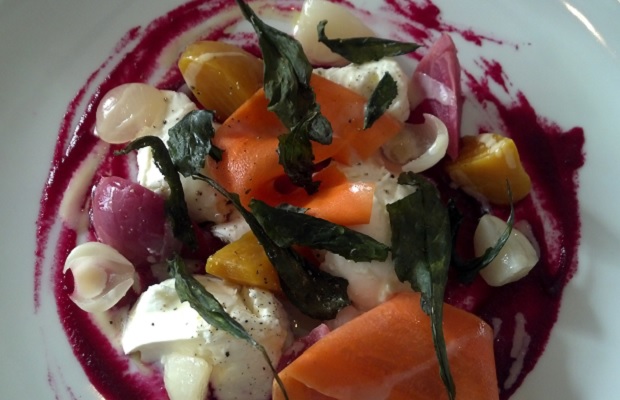
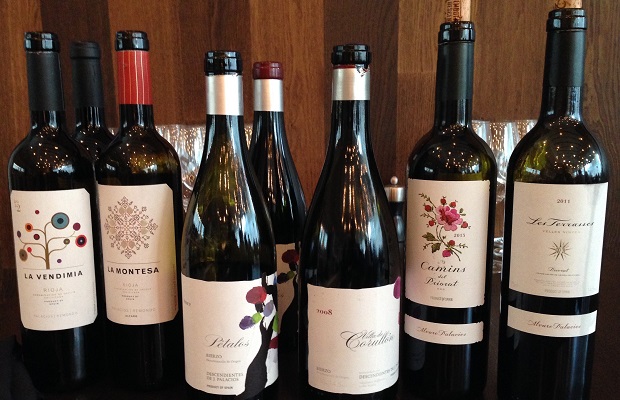
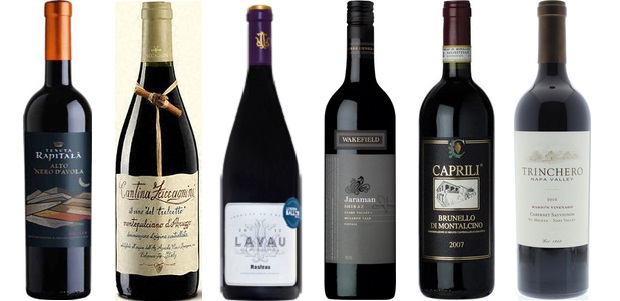
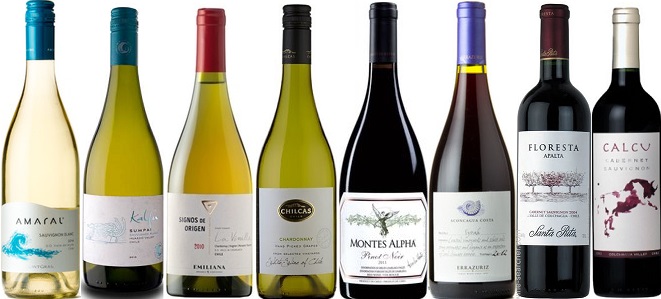
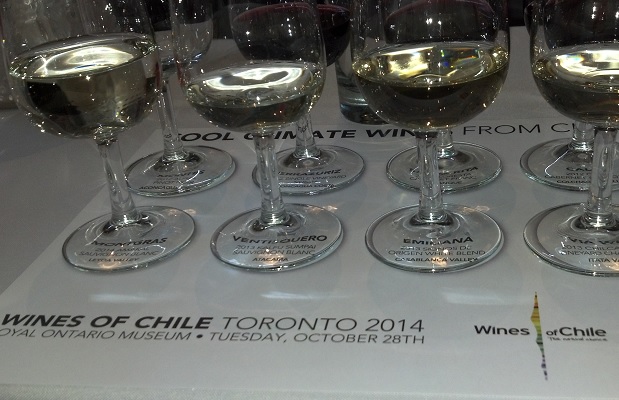
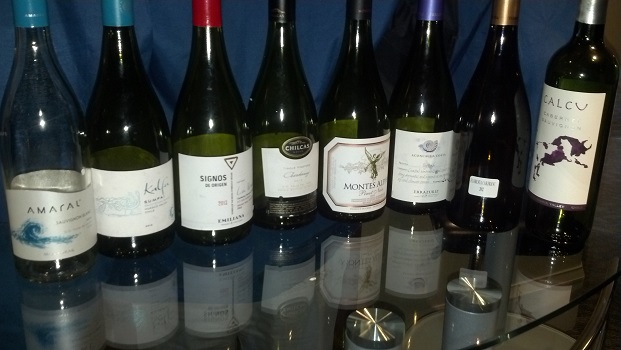

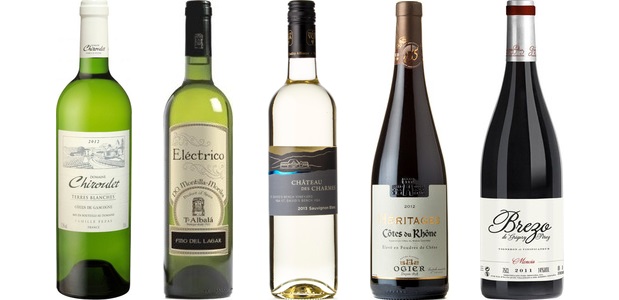
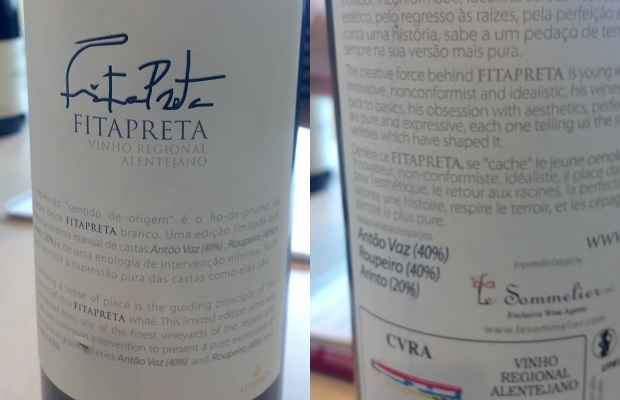
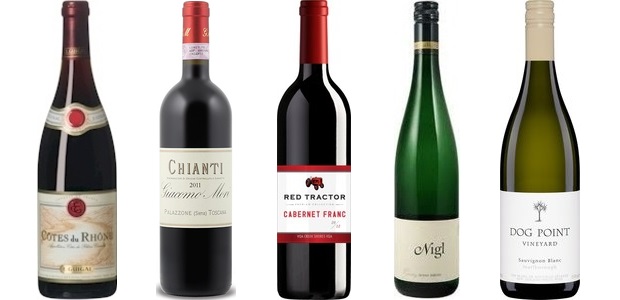
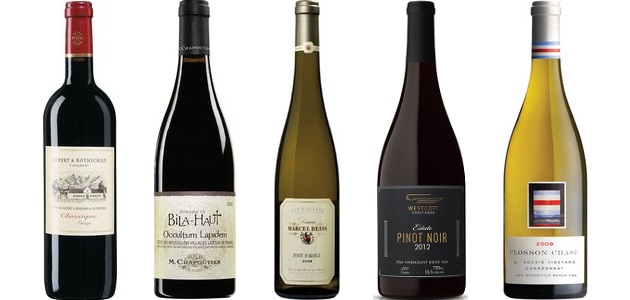
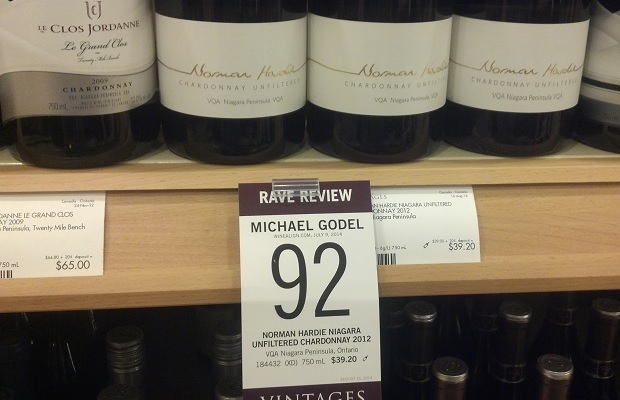

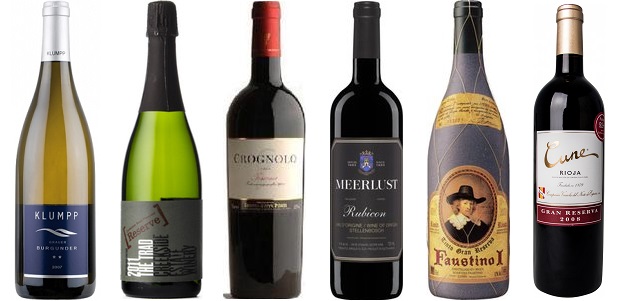
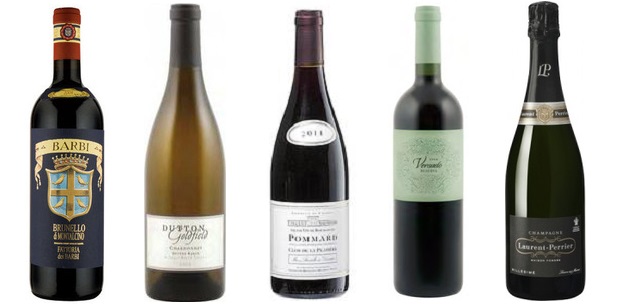
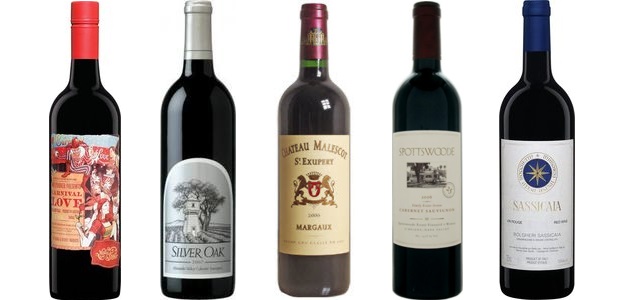
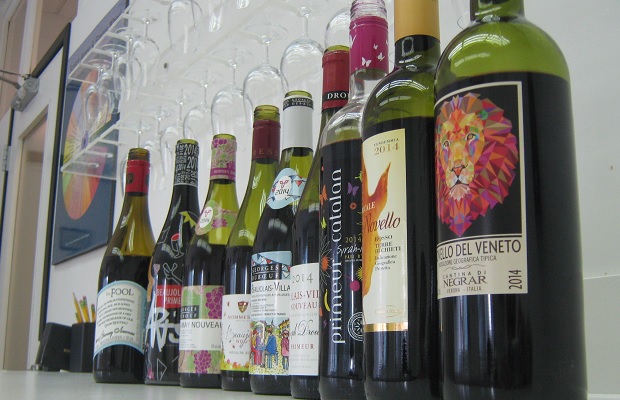
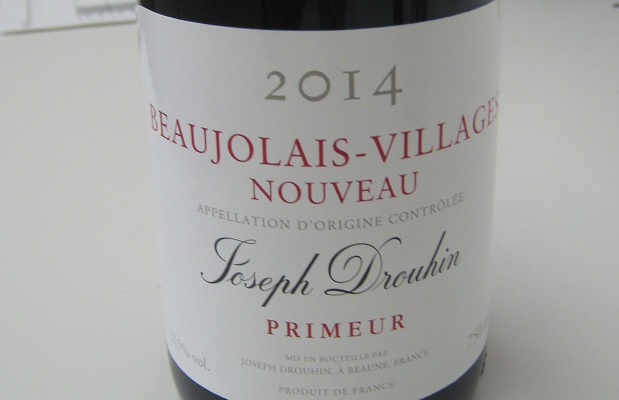
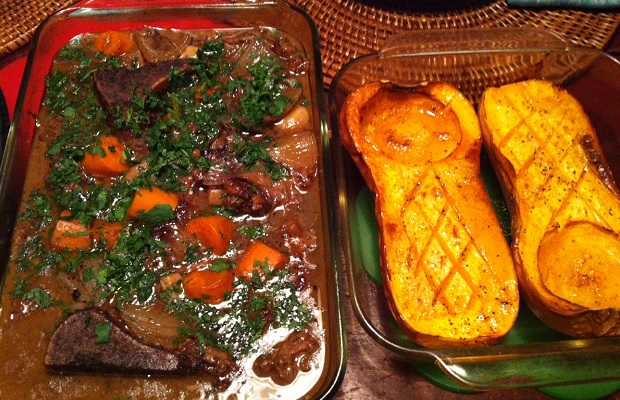


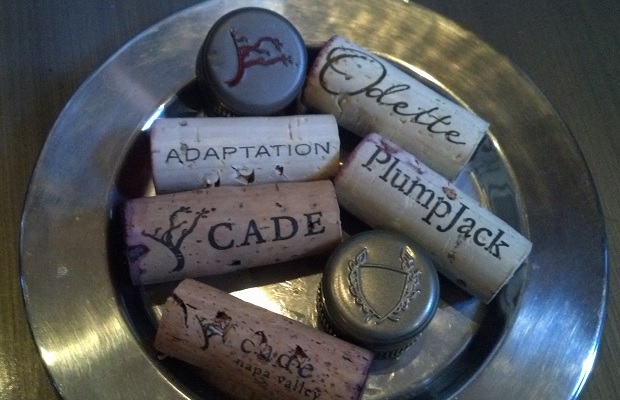
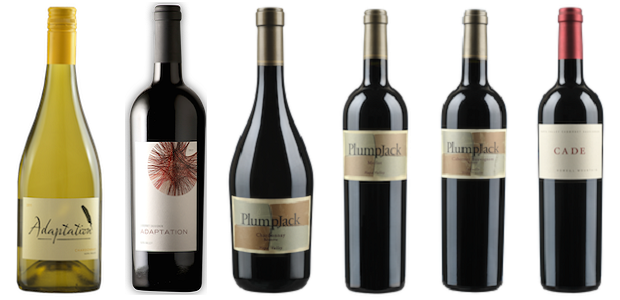
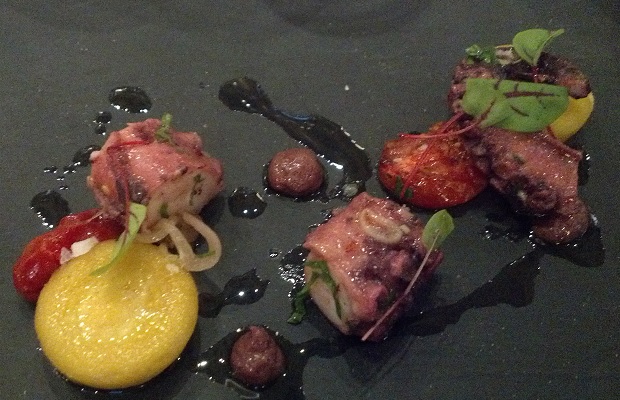
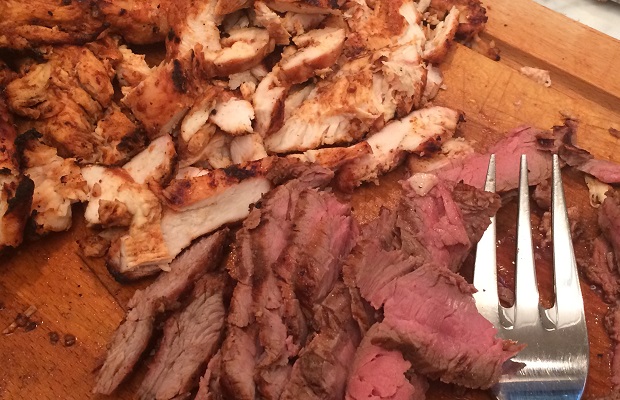
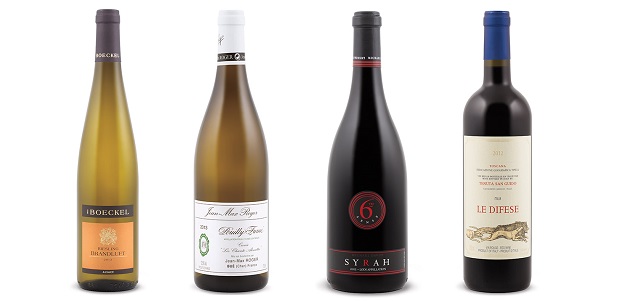
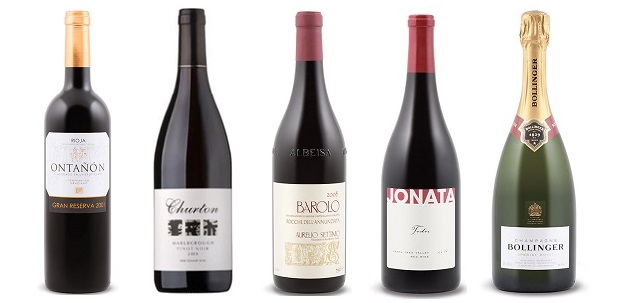


 Godello