As VINTAGES rolls out another army of bottles in proclamations of blatant multiplicity and, as I mentioned yesterday, in duplicity, it is time to settle into the recommendations encampment. Trudging through the trenches of Sparkling, White, Red and Dessert the divisions are laid, dispatches ordered and strategies finalized. Staffers go here, front liners there and commanders bring up the rear.
A little bit of everything, as always, defines the March 7th release. Tidy little sippers work the hardest and make sacrifices for the rest. In this release Kosher wines prepare to tackle Passover but that we will save for next week, or perhaps the week after. Italy is the focus, bellowing commands from the bull horn, making decrees like colosseum commentators at Hunger Games. “We have wines that are just too goddamn vivid!” “We have wines with language that is fairly formal and sometimes flowery!” “Occasionally we stop to smell the adjectives!”
Tuscan wines always seem to possess what has heretofore been referred to as collectively having “a firm jaw and an air of tragic nobility.” As a group they are confident, steeped in tradition and now, as much as any wine-producing region, captured within the heart of the state of the art. The sea is murky because the obvious separations between varietal and blend are hard to discern but one aspect is not under dispute. Overall quality has never been higher. Tuscan wines are just plain fun to drink.
The seven blazon party from March 7th attacks with Chardonnay, Yellow Muscat, Cabernet Franc, Sauvignon Blanc, Zinfandel and two rounds of Sangiovese. The notes, here, now.
From left to right: Fielding Unoaked Chardonnay 2013, Puklus Pincészet Tokaji Yellow Muscat 2013, The Good Earth Cabernet Franc 2012, Castelli del Grevepesa Panzano Chianti Classico 2008, Rocca Di Castagnoli Poggio A’frati Riserva Chianti Classico 2010, Château De Cruzeau Blanc 2009, Chateau Montelena Estate Zinafandel 2012
One of the best deals going in oak-less Chardonnay, a glug, glug, line up at the jug kind of guiltless white. Pure, cool-climate variegate, with the cool of the Peninsula overridden by the vacuous warmth in the saddle abutting the Escarpment. Very pear, all in slate, exit to daylight acidity for a Chardonnay that hit the switch. Spot on in 2013 with an even keel of personality, warm but never far from cool. Tasted March 2015 @FieldingWinery@RichieWine
From Tokaj Hegyalja in Bodrogkeresztúr found tucked into the northeastern corner of Hungary. One could imagine the air thick as sweet cool soup in summer, perfumed by basil and lemon verbena. Designated “semi-sweet” the varietal is so much more than pedestrian when handled with this kind of poise and concern. Highly aromatic, viscous and wildflower floral. Honey and honeysuckle, fresh lemon, beeswax and citrus pith. Sweetness begins, abides, subsides and melts in the mouth. Buckley‘s medicinal to a fundamental degree but not to a fault. Delicate and delightful. Muscat of a grace that makes you feel and wish, “my kingdom for a kiss upon her shoulder.” Tasted March 2015 @WineofHungary
The Good Earth Cabernet Franc 2012, VQA Lincoln Lakeshore, Niagara Peninsula, Ontario (164491, $20.95, WineAlign)
While wood plays a prominent role it does not saturate to distraction. The barrel extract adds warmth and spice in contribution to balance. A high-toned syrup on the nose gives way to an evenly weighted palate. A scraped bean flavoured creamy toddy texture is topped with chocolate shavings, a dry of bell pepper and tobacco smoulder from out of the chamber. Nicely judged fruit, acidity and texture with admirable length. A necessary example of $20 Lincoln Lakeshore Cabernet Franc offering up every reason to drink it and demand that more me made. Tasted March 2015 @goodearthtweets@EpicW_S
A very honest take on Sangiovese and Chianti Classico. When it appeared from the 2006 vintage it had been a while since this Panzano came to market, having been a stalwart presence in late 1990’s vintages. Modern now, very much a child of 21st century winemaking but in retention of loyalties to red, sour cherry and dusty 90’s Sangiovese. Remains slightly austere, angular and tension-filled, as if a scraping noise could be heard as the fruit, acidity and tannins fight for purchase on the floor. Chalky lactic and really juicy. Drink now and for three to five further on. Tasted March 2015 @chianticlassico@ProfileWineGrpCastelli del Grevepesa
Very expressive aromatics in dried flowers, earthy red perfumed fruits, orange peel, clove and a full crumble of cinnamon fill the air. Rampant but not relegating (at this early, five-year juncture) acidity drives the engine, running on vineyard funk, a hint of game and fruit ripened to optimum clarity. This is faultless Sangiovese of guts and guile, really well-made, classic yet modern CCR. Dances like Sangiovese should, “well, you wiggle to the left, you wiggle to the right, you do the ooby dooby with all your might.” No factory made CCR here, nor from out of the cosmos. Just simply down to earth. Were $30 all that I had to spend and a Chianti Classico Riserva the only choice, this would have to make the shortlist. Tasted March 2015 @chianticlassico@ProfileWineGrp
Château De Cruzeau Blanc 2009, Ac Pessac Léognan, Bordeaux, France (966010, $31.95, WineAlign)
That VINTAGES was able to secure another sku of this Bordeaux Blanc is both fortuitous and a gift. For the cost of an I-Tunes song you can have a peak into the generosity of the 2009 Bordeaux vintage through the senses of a top-value producer. From Les Vignobles André Lurton comes this white beauty. Though slightly musty upon entry this shows immediate yet perfectly evolved poise. Ready to strike with much persistent verve and density in 100 per cent Sauvignon Blanc singularity. Wood is very involved (10 months in 35 per cent new oak barrels on full lees with bâtonnage) by adding precious layers of necessity. Very layered indeed, honeyed, anti-hackneyed, buttressed, really fine and generous. Most excellent work by oenologists Denis Dubourdieu and Valérie Lavigne. Tasted March 2015 @AndreLurton@KirkwoodDiamond
Château Montelena Estate Zinfandel 2012, Calistoga, Napa Valley, California (69633, $49.95, WineAlign)
A rare, in the neighbourhood of elegant and exquisitely refined Zinfandel gives all red fruit with just a faint raise of raisining. Quite pure, with heaps of liquorice, smouldering cedar bough, brushed and bushy, big but shy of the peak. The English punk of Zinfandel but with melody and charm. Says to the world we have “our own raison d’etre we can’t see?” The quality is in, raising the Zin bar to a level not oft seen, with restraint and complexity. Never mind the bullocks, Montelena offers a buzzcock of a Zinfandel. Here lies a Zinaison d’être. Tasted March 2015 @ChMontelena@rogcowines
Tawse Unoaked Chardonnay 2013 with Pho Cuu Long Mien Tay
Valentine’s Day came and went yet again. The 2015 edition of the polar vortex coincided with Cupid’s annual marketing juggernaut, bursting pipes, freezing the tails off brass monkeys everywhere and making life especially hell for those left out in the cold. Hearts were broken, mended and hopefully in more cases, joined as one.
Dundas Park Kitchen Valentine’s Cake
I was under the assumption you did not need my recommendations this year so I didn’t provide a pre-VD column to parade out a list of painfully obvious pink and sparkling wines. In the past I messed with the gratuitous holiday, first with just say no to pink wine for Valentine’s:
February 14th is so hyper-candied that ingredients like salinity, minerality, positive bitterness, animale and tannin are essential in the name of balance. Just don’t pair your dry red wine with chocolate.
Red Velvet Waffles
In early retrospect, my take on 2015 remains frozen like the crust of precipitation on my windows and my copper pipes. Nothing much to say but wait for the thaw. There were of course the proverbial dinners, chocolates, desserts and all you need is love; enough to go around for the whole family. And there was wine. The family day weekend offered ample opportunity to sample and take note of a dozen bottles, none earth shattering or iconic but most aimed to please. Here are some notes.
The wines of Grange-Barbastre
Château De La Grange Barbastre Muscadet Sur Lie 2013, Cotes De Grand Lieu, Loire, France (Agent, $14.00, WineAlign)
Little in the way of aromatics here. Were Honeydew Melon dried like mango, this Melon de Bourgogne might be its simple sweet candied flavour. That and a chalky, thin leesy residue. The texture improves as a by-product of the tangy finish on that palate that turns musky melon funky, like whiskey in the jar. Like an ole’ Irish ballad singing “musha ring dumb a do dumb a da,” this Muscadet is characterful if nothing else and good value at $14. Tasted February 2015 @LoireValleyWine
Domaine De La Grange Barbastre Sauvignon 2013, Igp Loire, France (Agent, $14.00, WineAlign)
Here is a very effective, oleaginous tank simple Sauvignon Blanc with a white flower and candied salt dominant nose. The candy replays on the palate though in a more medicinal and saccharine way. The sweetness is one that drowns, submerges, without a sound. More salinity and blanched nuts round out the smooth finish. Succulent if one dimensional Loire specimen. Tasted February 2015
Domaine De La Grange Barbastre Pinot Gris Sauvignon 2013, Igp Loire, France (Agent, $14.00, WineAlign)
This 50/50 split between Sauvignon Blanc and Pinot Gris is a rare sighting indeed from out of the Loire Valley. In this instance the Alsatian elevates the Loire game with its ability to draw mineral and salinity from the earth, not to mention extract and the achievement in balance. Here the fruit leaves the salty stones in the dirt and then reaches higher, into the branches of the orchard, for zest and flesh, of pear and lemon. A gradated layering and roundness prevails. Sweet without being sweet, salty without being salty, in the end, all about flesh and bone. Good length. Tasted February 2015
From left to right: Lanciola Chianti Colli Fiorentini 2012, Boutari Grande Reserve Naoussa 2008, Liberty School Chardonnay 2013, Eos Estate Petite Sirah 2012, Henri Ehrhart Gewürztraminer 2012, Dei Rosso Di Montepulciano 2013, Waterbrook Pinot Gris 2013
Entry level pricing rarely affords complexity and here, in this glycerin, shimmering Colli Fiorentini is an intoxicant of red fruit Sangiovese. Smells like warm celluloid and lamb. The “wool is soft and warm, gives off some kind of heat.” The plums within are charred, fleshy, clement and battered by a bretty funk. The carpet of texture is crawling with cellar micro-nutrients and gamey notes. There is nothing simple in the lamb’s coat and braised shank character. Wood splinters in the glass and the somewhat acquired flavours spread ambience through its broadway Florentine grooves. Another genesis Chianti Docg provides fodder for the further breaking down of appellations and designations of denominazione. Tasted February 2015 @Collifiorentini@LeSommelierWine
Boutari Grande Reserve Naoussa 2008, Naoussa, Greece (140111, $17.95, WineAlign) A VINTAGES March 21, 2015 release
In this Xinomavro there is beauty and bog consistence, like wild calla palustris. Imagine a wine thick as consonants, dense and defined by solid rock bubbling like stew, from out of a marsh. Wood adds intricate layers and a mothering of leather hiding and protecting dried cherries. Game, spice, liquorice, funk and things that heal flavour the wine’s liqueur. Silky smooth with a run of grain and the salinity of ancient longing. Racy acidity intrudes, puts in a charge and takes care to see six to eight years more life will be a guarantee. Easily and possibly 10 will pass before it sheds the chalky loops. Terrific vintage with impressive depth and range of flavour. Tasted February 2015 @boutari@KolonakiGroup@DrinkGreekWine@winesofnaoussa
Liberty School Chardonnay 2013, Central Coast, California (960120, $18.95, WineAlign)
A perfectly well-made, crowd-pleasing and sufficiently balanced Chardonnay with tree fruit notes in many shapes and sizes. The forward aromatics and restrained PG flavours are made for MOR, broad appeal. Though the texture and length are unexceptional, there is a spicy bite that slips more sips into the cards. A move along and return to again and again Chardonnay. Tasted February 2015 @TrialtoON@hopefamilywines
Eos Estate Petite Sirah 2012, Paso Robles, California (Agent, $19.95, WineAlign)
Petite Sirah is so often inelegant and black as night so the Eos take is refreshing and relatively tame in comparison. Here defined by a multitude of red fruits and a varietally timid 14.3 per cent alcohol declaration that is more than believable. Has a large stone flecking earth character that reminds of Vacqueyras, amplified by liquorice, bramble and pseudo-garrigue. Fine-grained acidity and tannin add depth and linear, progressive attitude. The inherent hunches of ferric and sanguine seem Tuscan, when considered by way of comparative mythologies. The sole glaring detractor is folksy oak that will not fully integrate before fruit decline. Leans sweet without veering to cloying and all tolled, adds up to complexity for value at under $20. Tasted February 2015 @EOSwinery@LeSommelierWine
Henri Ehrhart Gewürztraminer 2012, Alsace, France (392118, $19.95, WineAlign)
From Klevener de Heiligenstein, this is surely a step up in the Alsace Gewurz take. Some reserve in the nose, holding back the far east florals and the sugar. There’s an aerified feel to this, an ethereal complement, a savoury edge. Really interesting and surely more than versatile aromatic white. Good texture with creamy mangosteen and vanilla pod and then tight, even spicy, bracing acidity. Great deal here. Will live for a decade. Tasted November 2014 @AlsaceWines@drinkAlsace
Dei Rosso Di Montepulciano 2013, Tuscany, Italy (919430, $19.95, WineAlign)
Caterina Dei’s red fruit Rosso di Montepulciano is a noble seductress of necessity, younger and approachable, engaging for its purity and for its freshness. When compared to the Prugnolo Gentile that frames a Vino Nobile, it falls short, obviously, but its immediate appeal is what matters. Clean, clear and pristine juice is dropped with a tincture of beneficial medicine notes, for good sense, in place, measure and thought. A maquillage smear of sweet anise liqueure adds a dense streak in herbiage. The rehydrated fruit of tree pods is imagined, along with a vestige of Val D’Orcia garden shrub excretions. A malleable, permeating and nearly intoxicating Rosso. Drink now, now and again. Tasted February 2015 @LeSommelierWine
The Tawse take on Unoaked Chardonnay is definitive, exemplary, righteous stuff. It does not clock you over the back of the head, nor does it beg for attention. Its stainless steel raising causes a dichotomous sensation, merging fruit seemingly drawn directly from the apple and pear orchards to melt into a mineral bath. It’s like a collision of hot and cold, like lightning. One taste of this pale, pure Gegenschein elicits the idea of a relevant encounter and one willing to be experienced again and again. Tasted February 2015 @Tawse_Winery
Waterbrook Pinot Gris 2013, Columbia Valley, Washington (918242, $22.95, WineAlign)
Very Gris (as opposed to Grigio), pure as Walla Walla running spring water, with mineral salts on the nose, juicy stone fruit on the palate and some tonic on the surprisingly long finish. Sweetness spoons over and lingers, perhaps trying just a bit too hard but “she brings the sunshine to a rainy afternoon.” Waterbrook’s PG is a yes wine, with components that are all expressive, if a bit scattered and not always in synch. If Washington Pinot Gris were progressive art rock, this Columbia Valley specimen might sing its song, with length to last out an album side. Tasted February 2015 @WaterbrookWine@LeSommelierWine
Boxwood Estate Trellis 2012
Boxwood Estate Trellis 2012, Middleburg, Virginia (Agent, $39.00, WineAlign)
A blend of Merlot, Cabernet Sauvignon and Cabernet Franc produced at John Kent Cooke’s historic estate, the Trellis spent 12 months in one to three year-old French oak. Classic nor-eastern aromatics share a kinship with North Fork clarets, but here warmer, riper and fuller of flesh. The advance comes by way of the 2012 heat day quotient and the latitude. The swath is a fresh coat, not sublimated from dried fruit. The plumpness is in fig, prune and plum, hydrated, dense and twisted with ties of tannin and acidity. The unmistakeable feel of cool-climate, new world expatriate Bordeaux-styled reds is explicitly fresh and clean. If it were $20 instead of $40 it would be an absolute no-brainer. As it stands, it’s worth a look though at the price its audience will not be large. Tasted February 2015 @boxwoodwinery@TrialtoON
Fear not good reader, this is only a list of seven, a set lucky wines and songs to play as you sip. On February 21st VINTAGES will roll a mid-winter classic release and though my recommendations will think globally next week, here the choices come out of Ontario, from parts Niagara and Lake Erie North Shore.
My picks are varied and the wines of a coagulated character best described as sui generis. Grapes come from old vines, are dried in kilns, fashioned in the Venetian Ripasso method and left on the vine to be stricken by the noble rot known as botrytis.
The brilliant leap of modern winemaking science allows the ancient to be realized in the present. Wines that pour themselves. Just as the earth has invisibly predisposed the vines, from cataclysms and through its evolution, so history is the unhurried intent. Winemakers are the messenger.
Speaking of WCO, if you happen to be heading to Ottawa for Winterlude this coming weekend, the VQA Wine Truck will be there, in Confederation Park.
Meanwhile back in Toronto, my seven wine and song salute begins here.
From left to right: Château Des Charmes Old Vines Riesling 2012, Ridgepoint Merlot 2010, Bricklayer’s Reward Block 7 Cabernet Sauvignon 2012, Burning Kiln Stick Shaker Savagnin 2013, Thirty Bench Small Lot Chardonnay 2012, Andrew Peller Signature Series Sauvignon Blanc 2012, Inniskillin Discovery Series Botrytis Affected Viognier 2013
Château Des Charmes Old Vines Riesling 2012, VQA Niagara On The Lake, Ontario (277228, $16.95, WineAlign)
Showy and yet so balanced and pristine. The cleanest fruit representing classic Niagara Peninsula Riesling from the ’12 vintage yet with an open mind to be walking far from home. Though void of agitation, there is plenty of verve and life. It comes by way of a mineral meets saline intensity, of iron and life, in wine. Like “sour building high as heaven,” and the components all kiss each other clean. Full of fine pastry layering, glycerine textured but not oily fruit, full and yet somehow so lacy. A really special Riesling from down by the lake. Tasted January 2015 @MBosc
Ridgepoint’s Ripasso style Merlot takes the varietal, stands it on its head and shakes the rust from out of its bones. It wears “a coat of feelings and they are loud,” with drying and painted flavours over top porcine, cocoa, wild and tight aromas. Merlot in a purple bottle, an animal collective, peppery, interesting, very Niagara, very Ripasso. Good length. Tasted January 2015 @Ridgepointwines
Bricklayer’s Reward Block 7 Cabernet Sauvignon 2012, VQA Lake Erie North Shore, Ontario (406124, $19.95, WineAlign)
In Colio’s Cabernet Sauvignon there is dark chocolate everywhere, at every turn, in every crevice. Black pepper, fleur de del, currants and tobacco accent that chocolate ubiquity, with warmth and oak spice. Cherries seeped in astringent tannin offer a silky sweet sadness and “under this skin, there lies a heart of stone.” Counting for value, the Bricklayer’s reward is mercy, by way of character, texture and that wholesome chocolate. It may not be everyone’s cup of cocoa but it will age as long as the crow flies, into the next decade. Tasted January 2015 @ColioWinery
Burning Kiln’s latest rendition of Vin de Curé, the “Parish Priest’s,” and the Jura’s Vin de Paille (Straw Wine) is that much more exceptional than what came before. The peaceful, heavy yet easy feeling continues, in alcohol weight and aromatic lift, ’cause it’s “already standin’ on the ground.” Like an eagle soaring, the Savagnin is a wild creature and yet solid, of a gamey, textural density. Imagine dried grasses and fruits, baked bricks, steamed crabs and honey. A wine so unique, mouth filling, viscous and tangy, from a wine region (province) with a maximum 10 planted acres. A white elixir in search of roast pork, braised belly and cured bacon. Not to be missed. Tasted January 2015 @BurningKilnWine
Thirty Bench Small Lot Chardonnay 2012, VQA Beamsville Bench, Ontario (203703, $30.00, WineAlign)
Thirty Bench’s vintage-affected Chardonnay is rounded, full of warm, ripe fruit and noticeable oak. No darts are tossed, neither by woodsmoke nor spice and it ventures quite outward bound. This adventurous, appealing wine takes some chances, looks beyond its borders, reaching for notes both gravelly and scented; like cumin, coriander and a beautifully bittersweet Tom Collins. The rocks are certainly in, as are the sticks and stones, though they do not break bones. The price is another matter, affordable to some, prohibitive to “the little boys who never comb their hair.” For a Chardonnay such as this, of layers and riches, “they’re lined up all around the block, on the nickel over there.” It time waits for this, value will increase and it will become a wine for tomorrow. Tasted January 2015 @ThirtyBench
Andrew Peller Signature Series Sauvignon Blanc 2012, VQA Niagara On The Lake, Ontario (405043, $30.20, WineAlign)
Here Sauvignon Blanc is wild and free, bares then sells its soul and is runnin’ with the devil. The expression is a free dance of varietal character, flinty and extremely juicy in simultaneous movements. Though the SO2 level is high (it cleans the passages), the compote is peachy, at times canned and soaking in syrup, but the accents are laden with capsicum, lactic white plums and wet grasses. Slightly bruised and/or oxidative, the mineral tang is pushy and formative. This is serious Niagara-on-the-Lake SB, crazy and compressed stuff. It lives its “life like there’s no tomorrow, finding “the simple life ain’t so simple.” Like vintage Van Halen. Tasted January 2015 @PellerVQA
Inscribed into the Inniskillin ‘Discovery Series” for good reason, the BA Viognier is a product of luck and circumstance, a small parcel of grapes blessed with the not oft success of climate leading to ripening and noble rot. Grapes left to hang into late harvest (as opposed to freezing on the vine for the production of Icewine) is not a common Viognier practice. While the frank and masculine aromatic presence may be compromised here (the nose is quite reserved), the overall ubiquity is omnipresent and enveloping. Such a clean and young botrytis offers soft chords and a lifting voice. You can smell the fruits east and west; green and yellow plantain, peaches and plums. Flavours of lemon curd and pineapple arrive at a point where the tannin finds a way to “fuse it in the sun.” It can be imagined this Vendanges Tardives simulation will go long so “dream up, dream up, let me fill your cup, with the promise of a man.” Tasted January 2015 @InniskillinWine
Like a weather map, when you take account of a wine, you are leafing through time. One could chart a wine through location, soils, geology and climatic influences. The biographical footprint is also measured after the vine has been stripped and in the winemaker’s hands.
The reconstruction of biography is about as arbitrary as predicting the future. It’s just as puzzling, untraceable and like running through a maze, is fraught with wrong turns and dead-ends. It’s about hunch work, gauging probabilities, accounting for what has come before and extrapolating towards what might be. It involves using unsubstantiated and even unrecorded information to try proving a current state of affairs.
The conjuring of a wine to define the present and the future deals not with what is extant but what may never have been. It relies on tastes, sensations and feelings that have done the big vamoose and left no trace. Wines are reticent subjects, unable to defend themselves, posthumously fudged together. We gorge on the lives of famous wines and those culled from beneath overturned rocks, impressible with the fixations of our own.
We are lovers of wine; eager and desperate to be one with their psyche, to imagine it synched in sycophant fixation with our own. Yet all the salient facts and aspects of a wine’s journey, in viticulture, pH, residual sugar, total acidity, élevage and in tasting, are really nothing if we are unable to find the theory the wine and by extension, the winemaker live by.
In Ontario, wine writers spend an inordinate amount of time tasting new releases, generally the most current vintage of wines we have made acquaintance many times before. The bright lights of revelation dim increasingly out of sight due to the nature of that redundant beast. Yet on a Thursday in January at WineAlign the kid in a candy store factor presented through bottles yet discovered from wineries lined up and waiting to be counted.
A few weeks ago David Lawrason, Sara d’Amato and I assembled to have a go at four new (or not nationally recognized) Canadian wineries. Redstone Wines is the newest venture from Moray Tawse, with director of winemaking Paul Pender as headmaster to the rising, structured elegance of winemaker Rene Van Ede‘s compositions. Two Sisters in Niagara has pounced on the scene with precocious nerve, having released a few vintages in a short time. Some older wines were crafted in virtual virtuosity by current Ravine winemaker Marty Werner. The Sisters (Angela Marotta & Melissa Marotta-Paolicelli) have come to the present with Adam Pearce at the helm and his affinity for aromatic whites is the newest Niagara revelation. I will look forward to seeing him push some envelopes, with barrels, hang time, micro-plots and fermentative experimentation.
Though I’ve not tasted more than a handful from the Okanagan Valley’s CedarCreek Vineyards, all thus far have touched gold. Winemaker Daryl Brooker‘s varietal wines are pure, precise and affordable. This may just be one of the most exciting wineries to watch out for in British Columbia. Fort Berens does Burgundy in the shadow of Fraser Canyon’s Mountains. A taste of Rolf de Bruin‘s Chardonnay and Pinot Noir offers terrific insight into DNA and in them you can read B.C.’s varietal future. Daydreamer Wines is winemaker Marcus Ansems‘ collective energy of intention, wines to sip again and again until you taste them for the first time.
Here are the notes on 23 Ontario and B.C. wines tasted on January 22, 2015.
Redstone Viognier 2013, VQA Lincoln Lakeshore, Ontario (Winery, $18.00, WineAlign)
Where there’s Lincoln Lakeshore there is red clay and with it winemaker Rene Van Ede goes it old school. Staid and static, Viognier is the star, in as much as it can be in the solid soil by the lake. On the leesy side, a sprite of lime and a dusting of chalk give texture, augmenting an already noticeable, package deal Redstone white wine portfolio. A yeast strain trend seems to be the uniting force. This is weighty but not dense, solid for the varietal and indicative of the winemaker’s style. Tasted January 2015 @RedstoneWines
Part Cabernet Franc and parcel Cabernet Sauvingon, this Redstone spent 16 months in French oak. Having melded wood into savour, the plum fruit is more than up front ample, with a pepper over and a chocolate under. A fair shake of spice and insistent tannin makes for quite a bracing red mouthful, indicating needed air and age time. Like the Tawse Bordeaux-styled reds that have come before, here is yet another slice of red fruit meets the iron life. Tasted January 2015
If a Niagara Sauvignon Blanc could be endeared with the term ‘calcaire,’ Rene Van Ede’s Limestone Vineyard would lead the shortlist, not only because of the eponymous vineyard but because it oozes of the rock’s chalky chafe. Plenty of orchard fruit belies the lime, in an unoaked Chardonnay way and the wine makes full use of limestone’s hematic shed. This is one of the most stylish Sauvignon Blancs made in Canada, even if the average consumer were not able to recognize it as such. A winemaker from Sancerre would know it immediately and intuitively. Here a crushed reef of limestone memory permeates the wine from beginning to end. One of the more outstanding Sauvignon Blancs made in Ontario to date. Tasted January 2015 @DanielatTawse
Such a stoic, atomic, inwardly myopic, microscopic Riesling. Dry and drier on the not yet quite ripe pear side of the tree fruit diapason. A juicy, tangy palate follows, with viscous treasures tasting of lime curd kicked up by spice accents. A kinship here with the Tawse Limestone Ridge Vineyard, with minerals that have not forgotten what it’s like to think about magma. So much lime continues to kick in and the stone it acidulates. Narrow, focused, long and rising Riesling. Tasted January 2015
Fruit for Redstone’s Pinot Noir is sourced from a 15 year-old block and it saw 16 months in French oak. A wine defined by up front spice, oak obviousness and a candescence in extraction. This the vintage gives, to clamber along with the barrel, in addition to red fruit tones that trump earth. The glass is filled with a waft of raspberry pie and a drizzle of macerated cherries. A ferric streak, as would absolutely be expected, line the red fruit basket and keeps the Redstone savour animated. Know this about Twenty Mile Pinot Noir. It is alive. Tasted January 2015 @RedstoneWines
The Redstone Vineyard is a plot of red clay and large stones, set within the 38-acre estate. This red beauty saw an extended stay (18 months) in French oak, a relevant encounter to see it come out with remarkable purity, not to mention sensuality. This from out of the 2011 vintage, one that did not flatter many Niagara reds though on the Lincoln Lakeshore much success has been found. Plum and strawberry scents emerge from a wine warmer than would be thought, sanded by chalky and grainy parts in synch. A well-delineated progressive and fine-tuned machine should age for a minimum five years. Tasted January 2015
A very buttery Chardonnay, warm, tropical, steeped from rich soil, seeping orchard fruit and yet soaking from the generous amount of French oak. Handled with poise and ease, the fruit just seems to inuit its amalgamated Peninsula place and understand its place in the Niagara Chardonnay spectrum. This grows and grows, like a vine, upwards yet inwards, with instrumental interplay and no excess notes. Just the bare Chard essentials; no waste, all focus, trim and elegant. Tasted January 2015 @Tawse_Winery
Two Sisters Vineyards Riesling 2013, Unoaked Chardonnay 2013, Sauvignon Blanc 2013, Chardonnay 2013, Eleventh Post 2011 and Merlot 2010
An auspicious coming out vintage from winemaker Adam Pearce with fruit sourced from the Foxcroft block of the Wismer Vineyard. So very Twenty Mile Bench, with fleshy, near to bursting exotic aromatics in the vein of other Foxcroft Rieslings, like those made by Paul Pender, Ilya Senchuk and Kevin Panagapka. The classic stone fruit, their stones and the soil’s stones trampled underfoot. The kinship goes deeper, with Jay Johnston’s Nadja and Pender’s Limestone Ridge. Pearce’s take endears with notes of clementine and creamy mango pudding. Though the residual inflates more expansively than all the others, there is an aridity in the end, one that intimates modern Alsace. A pleasure to taste, with good (though not great) acidity and low (10.6 per cent) alcohol. The finish improves with each pass of the lips. Tasted January 2015
Two Sisters Unoaked Chardonnay 2013, VQA Creek Shores, Ontario (Winery, $24.00, WineAlign)
From the Creek Shores appellation, a precinct of the Peninsula with a habit of firing citrus shots into Riesling and Chardonnay. The injections are at their hyper best from June’s Vineyard and here, in this Adam Pearce crafted, barrel-broaching bottle of white stone immaculate. Tons of character graces this Chardonnay, with a salinity drawn from the heavy Creek Shores soil overtop solid rock that permeates the wine’s earth. Lees affected, this may well be Petite Chablis, what with its texture and sugary smells. There is a perceived effervescence, a lively streak that gives it life and a swelling of its heart. The acidity is rampant and despite the inkling of SO2, the wine is quite expressive and a step-up from many cut of the same genre. Tasted January 2015
Here is a veritable, potable example of Niagara SB 101, breath freshening, varietal refresher. Crafted with the lightest Sauvignon Blanc touch, with hints of grass and goose feathers, hold the berries. Soft, slight and slightly herbal with a thin veiled membrane of circular acidity. Amiably done. Tasted January 2015
Two Sisters Chardonnay 2013, VQA Creek Shores, Ontario (Winery, $32.00,WineAlign)
Not unexpectedly, the Two Sisters oaked Chardonnay is a dramatically opposing force to the unplugged abbess. If not for the pierce afforded a Creek Shores drawn Chardonnay, winemaker Adam Pearce might have found himself stuck with a big, buttery bag of popcorn on its way to becoming a can a of creamed corn. The wooden ship is thankfully mitigated by citrus and sails calmly across buttery seas in search of herbal lands. The handling is not one fumbled by heavy mitts and the cool climate intent is managed bravely. There is admiral balance with just enough wood incantation to see it stretch across a few years time. Tasted January 2015
Two Sisters Eleventh Post 2011, VQA Niagara River, Ontario (Winery, $39.00, WineAlign)
A Bordeaux blend of Cabernet Franc, Cabernet Sauvignon and Merlot that is very savoury, with a dry and dusty white/red pepper component. This has good verve from out of the challenging 2011 vintage. It forges ’10 louder, amps the dial up to ’11, in tempo and sapidity. A very persistent and intense heritage, with chalky tannin and grains running crosswise. Though the final wish would be for more length, it is a dogged specimen with a few years left ahead. Tasted January 2015
Two Sisters Merlot 2010, VQA Niagara River, Ontario (Winery, $48.00, WineAlign)
This was a “virtually” made wine at the time by current Ravine Vineyard winemaker Martin Werner. From the warm and high ripening 2010 vintage, with additional blanketing and layering from the Niagara River appellation. Oak provides a creamy flannel swaddle. Certainly soft, dreamy and downy, void of tension and so easy to consume. Though by now it has fully evolved and is rapidly descending into the river’s sunset, its flavour temperament is more than Merlot palatable. Were the price considerably lower it would please on more levels. Tasted January 2015 @2SistersVine
CedarCreek Chardonnay 2013 and Platinum Block 4 Pinot Noir 2012, Fort Berens Chardonnay 2013 and Pinot Noir 2012
CedarCreek Chardonnay 2013, VQA Okanagan Valley, British Columbia (Winery, $17.95, WineAlign)
With a component of this wine having been housed in mammoth, old-school (2250 litre) oak barrels, the wood is spread like citrus honey butter, evenly and judiciously, through every sip. Chardonnay of tang and by lees, with apples everywhere, along with a streaky flint mien. Fine Chardonnay. Tasted January 2015 @CedarCreekWine
CedarCreek Platinum Block 4 Pinot Noir 2012, VQA Okanagan Valley, British Columbia (Winery, $39.95, WineAlign)
From a vineyard planted in 1995, this wild yeast inoculated Pinot Noir is tough, sinewy, rigid and masculine. Dark red fruits are surrounded by racing, bracing, running on the spot acidity. Here is a west coast wine that needs enough time, somewhere in the area of five years, to soften and bring flowers. When it does, they will be roses. Tasted January 2015
Fort Berens Chardonnay 2013, VQA British Columbia (BC VQA, 559492, $19.99, WineAlign)
With Fraser Canyon’s mountains as the backdrop, the sandy soil and sage brush make for a cool yet herbal Chardonnay. The foothills earth gives Lillooet mineral, not unlike Chablis but in B.C., with a tropical twist. This has plenty of leesy, Chablis character. Quite spirited, chalky and with a hint of soft metals, as if the cold world melts, “the noise a song.” Any way you look at it or listen to its electronica grooves, this is another cool-climate beauty. With good oscillating texture and length, it could easily be imagined to be drinking a tankful on a hot summer’s day. Tasted January 2015 @FortBerens
Fort Berens Pinot Noir 2012, VQA British Columbia (Winery, $25.99, WineAlign)
This wine of many clones came together from Lilloet soils and was housed in barrels from many coopers. It’s bright, funky, meaty and fecundated with a clafouti of red fruits. Though jammy it’s neither hot nor over-extracted. The jam is a compote, teased by citrus rind and rubbed herb stems. In the end the sweetness prevails so find some salty charcuterie to match and drink up. Tasted January 2015
Daydreamer Wines Pinot Gris 2013, Jasper 2013, Amelia 2013 and Chardonnay 2013, Marcus Ansems Chardonnay 2013 and Shiraz 2013
Daydreamer Wines Pinot Gris 2013, VQA Okanagan Valley, British Columbia (Winery, $22.00, WineAlign)
Here a small batch Pinot Gris from winemaker Marcus Ansems out of an organic (Naramata Bench) vineyard. Dry and inhabiting atmospheric space, tightly wound, aerified and vacuous. Smells of fruit and blasted bits housed in concrete; pits, stones and blocks of rock. Flavours come from tree fruit, citrus and crushed seeds. Clean like Alsatian Pinot Gris (Schoffit comes to mind) and really balanced, with a soft crooning lilt. It’s quite elemental and elementary dear Watson, approachable and comforting. “When my head is heavy on my shoulders, daydreamer gonna make it over.” Linear acidity gives further meaning, in planar and stretched grooves. Deserving of the generic comment “really good food wine.” Tasted January 2015 @Daydreamerwines
Daydreamer Wines Jasper 2013, VQA Okanagan Valley, British Columbia (Winery, $25.90, WineAlign)
This blend of Merlot (83 per cent) and Cabernet Franc is a dry, dusty pepper, mace and plum red with a silky texture and some advanced character. In retention of necessary acidity it manages to stay on the wire, with a citrus ability and a lees meets cheese rind cure. The flavours carry this forward with a chew of dried jerky, only to return to the aromatic takeover of dried flowers and cracked nasturtium pods. The great appeal here is on the nose, nothing to sneeze at or take for granted. The lasting appeal is a smell of salt pulling lilacs into the sea, or like a garden of flowers of trance inducing aromas that have absorbed many daydreams. Tasted January 2015
Daydreamer Wines Amelia 2013, VQA Okanagan Valley, British Columbia (Winery, $25.90, WineAlign)
The organic B.C. winery presents a northern Rhône dreamer singing like a bird on its very personal Okanagan hejira. Composed of (90 per cent) Syrah and more than a dash (10 per cent) of Viognier, it also hits you like a linebacker, with waves of pepper and steeping cherries, or perhaps plums. Silky smooth and haunting up the middle, but the cure is in, the meats drying and the flavours massive. The fruits dehydrate in a way to question, have you got a date? Dates this Syrah has, in clusters, made saline by capers and sage. Leaves “vapor trails across the bleak terrain,” with streaks of octane fruit and tannin in refrain. This should be left to rest for a few years, to play out the song, to avoid “dreams, Amelia, dreams and false alarms.” Tasted January 2015
Daydreamer Wines Chardonnay 2013, VQA Okanagan Valley, British Columbia (BC VQA, 410076, $29.90, WineAlign)
A weighty example in excess of the chameleon Chardonnay’s necessities, skittering with jerking movements and changing rapidly within the assessment in minutiae. Plenty of scorched earth and toasted barrel putter about and the aromatics remind of an old Eastern European home. Braising biennial Brassica, Pot au Feu and a wood smoker linger into a leesy and citrus tang. The sapidity takes charge and warms to the glass and the senses. A more than serviceable if scattered Chardonnay here brings much character to the table. Tasted January 2015
Marcus Ansems Chardonnay 2013, VQA Okanagan Valley, British Columbia (BC VQA, 410076, $29.90, WineAlign)
The winemaker’s personal label is derived from more finesse and delves into upstanding seriousness than what is shown by his Daydreamer counterpart. Very cool-climate, acidity on top, with the suite of buttered toast, green apples and spice notes harmoniously intertwined. Pining notes opine to imagine pine forests and natural twine. Intense tang and verve stretch to protected length. Cooler in many ways, like a trio of established artists coming together for a first record, to offer their collective sound, on a “Friday evening, Sunday in the afternoon, what have you got to lose?” Nothing at all, from a glass of this blue-eyed Chardonnay. Tasted January 2015 @HemispheresWine
Marcus Ansems Shiraz 2013, VQA Okanagan Valley, British Columbia (Winery, $34.90, WineAlign)
This Golden Mile Bench, west coast red leans northern Rhône with pronounced cured pork belly and smoked meat aromas. The savoury edge is like capers growing from cracks in limestone, the olives and other pickled berries coming by way of warmer, more southerly climes. Modern, violaceous and a touch oxidative, with some southern hemisphere gauze and rubber mercurial style points. There is a smell like that of baked potato, baked underground, after lightning has struck. A big wine from a little known pocket for Shiraz lore, the Ansems Shiraz will appeal to a masculine palate. Tasted January 2015
From left to right: Porcupine Ridge Syrah 2013, Boschendal 1685 Chardonnay 2013, The Wolftrap Syrah Mourvedre Viognier 2013, Café Culture Coffee Mocha Pinotage 2014, Thelema Mountain Red 2012
I sat down a few weeks back to taste 20 South African wines, all value-based, consumer-friendly and market-driven. With WineAlign colleagues David Lawrason, John Szabo M.S., Margaret Swaine, Steve Thurlow and Sara d’Amato on hand, the general consensus at the tasting was positive and only worked to re-enforce how competitive South African wines can be in the sub-$15 market.
While certainly not immune to flaws, some South African reds and whites can sometimes get right in your face and yet others show remarkable elegance and complexity at entry-level prices. When I taste wines such as these I imagine the catastrophe of grace. They are wines that move through history with the fluency of a spirit. Some make a house cleaning of belief, others are solid senders. The South African tasting was more than just a group of cheap wines with something to say, more than a pleasant surprise, it was in fact, a pleasure.
Porcupine Ridge Syrah 2013, Swartland, South Africa (595280, $14.95, WineAlign)
Deep dish Syrah, with meaty and cured toppings and the mordant pitch of Swartland. Tarry, olivine rampant and filled with the late summer, sorrowful berries; blackberry and black raspberry. Naturally sweet, viscous, grainy and tannic mess of texture overlaying fruit. Tons of wine for the buck and a very promising vintage to lay down. Aridity takes over on the briery finish. Wow. Tasted January 2015 @PorcupineWines
Boschendal 1685 Chardonnay 2013, Western Cape, South Africa (367698, $14.85, WineAlign)
Here is a buttery and toasty Western Cape Chardonnay, slightly dirty and reductive. Confused, seemingly high residual avoirdupois restricts the opening notes, though they surely begin to play. The aromatics are heavy with the soaking skins of pear, apple and quince in crumbled amaretto cookie and flaky pastry boozy waters. Give this three plus years to shed its nerdy phase and integrate its tangy persistence. Tasted January 2015 @BoschendalWines@liffordwine
The Wolftrap Syrah Mourvedre Viognier 2013, Western Cape, South Africa (292557, $13.95, WineAlign)
Referring to Marc Kent’s blend as traditionally Rhône may seem at odds in consideration of the north-south, modish chaos, the price and the locale, but folky it is. The blend is unvarying Boekenhoutskloof, grounded by Syrah with support from Mourvèdre and Viognier. The latter, aromatic white grape variety lifts and brightens the brooding load. This is quite sweet and sour, of high-toned red and black fruits meeting a reduction of Champagne vinegar. A tannic and mineral streak divides, circles and conquers all. This will drink better in a year and for a few more after that. Tasted January 2015 @TandemSelection
Café Culture Coffee Mocha Pinotage 2014, Western Cape, South Africa (292466, $12.95, WineAlign)
From the KWV stable, the triad of outwardly and rhetorically spoken culture is right there on the label, in all its java glory. Café, Coffee, Mocha. The charm here is that perhaps in 2014 it has actually been scaled back a touch, the wood suffusion, to at least reveal a modicum of red fruits. Nonetheless it is the notes of smoke, tar, rubber and of course coffee that dominate. “Cause it’s the new Mother Nature takin’ over.” There are also at least two spoonfuls too many of sugar. Like the annoying Guess Who song, this can only be taken in very small doses. “Find a corner where I can hide.” Tasted January 2015 @TheCafeCult@Diageo_News
Thelema Mountain Red 2012, Western Cape, South Africa (222570, $12.95, WineAlign)
From fruit up on the slopes of the Simonsig Mountains, this has real, natural cherry brightness, not to mention a kitchen sink of varietal interplay. Shiraz (37 per cent), Petit Verdot (25), Cabernet Sauvignon (23), Merlot (10), Grenache (4) and Cabernet Franc (1) are coalesced by a lighter hand and the effect is less frightening than might be expected. Like similar California action (save for Zinfandel and/or Petite Sirah), this comes together nicely, even coherently, with just a few wrinkles. Represents very good value for a multitude of purposes; BBQ and barbecue being two of them. Tasted January 2015 @ThelemaWines@EpicW_S
From left to right: Cape Heritage Inception Deep Layered Red 2012, Cape Heights Cabernet Sauvignon 2013, Flat Roof Manor Pinot Grigio 2014, Flat Roof Manor Merlot 2013, Boschendal The Pavillion Chenin Blanc 2014
Cape Heritage Inception Deep Layered Red 2012, Western Cape, South Africa (369967, $12.95, WineAlign)
If 2011 was sweet, this next vintage is like Carabao mango, Luohan duo and Deglet noor dates all cooked down together into a mawkish, sappy jam. Or maybe it’s much simpler than that; just deeply layered refined sugar and red dye number 40. There is almost no aromatic discernment beyond the crystalline layers. No fruit, no soil, no acidity, no tannin. Just sweetness. Tasted January 2015
Cape Heights Cabernet Sauvignon 2013, Western Cape, South Africa (129874, $11.30, WineAlign)
The simple drawn label indicates honest design and intent. The alcohol (14.5 per cent) seems spot on and in sweetness, honestly declared. Stones of fruit, full on Cassis, vanilla and wood spice are in the glass and obviously so. Scales greater heights than most generic California counterparts and comes across as Cabernet Sauvignon, with savoury Western Cape scents closer to Sonoma than say, Central Coast. Some coal and tar come in play with a good, persistent finish. Tasted January 2015 @liffordretail
Flat Roof Manor Pinot Grigio 2014, Western Cape, South Africa (27128, $11.25, WineAlign)
With the simple aroma of vanilla drops on cut pears and refined sugar, this is clean, crystalline and simple Pinot Grigio. Inoffensive, for a large gathering it will not hurt any feelings. The production is mindlessly prepared and contrived, until a warm cookie dough nuance takes it to another level. Nothing shocking here. Tasted January 2015 @FlatRoofManor
Flat Roof Manor Merlot 2013, Stellenbosch, South Africa (27128, $11.25, WineAlign)
A taut and toned Merlot, varietally correct and though the label reads 13.5 per cent alcohol, shows considerable heat. Very Merlot, dusty, mulberry scented, syrupy and familiar as a Cape red. Fully garnished, varnished and a rubber stamp this side of tarnished, the thick smoke does distort the clarity. Somewhat seamless in its heavy charms and structured, if quick to finish. Tasted January 2015 @FlatRoofManor
Boschendal The Pavillion Chenin Blanc 2014, Western Cape, South Africa (365353, $10.95, WineAlign)
Though the label has forsaken the partnership with (15 per cent) Viognier, the aromatic floral lilt persists, lifts and buoys the stoic and stark Chenin to impossible heights in a sub-$11 wine. The Chenin’s sharp reserve is inwardly atomic and the relationship with the 15 percenter strictly platonic. Together they create honeyed matter, walk hand in hand and handsomely forward. The residual sugar drip may be a touch heavy-handed but laying a bottle or two down for a few years is entirely possible and save for the price, even longer than that. The acidity circulates to the end, framed by a fine tannic texture. Tasted January 2015 @BoschendalWines@liffordwine
From left to right: Goats Do Roam White 2013, Flagstone Poetry Cabernet Sauvignon 2012, Durbanville Hills Sauvignon Blanc 2014, Two Oceans Sauvignon Blanc Extra Dry Sparkling Wine 2013, Bellingham Big Oak Red 2013
Goats Do Roam White 2013, Coastal Region, South Africa (237313, $10.95, WineAlign)
The popular and successful Rhône-ish north-south blend in 2013 is Viognier (67 per cent), Roussane (19) and Grenache Blanc (14). In memory, mimic and polar fellowship of the mother land, the GdR is spic and span clean if slightly saccharine and sentimental. I find this to be a typically commercial and derivative South African white wine, with an aromatic and palate profile of sugary, viscous appliqué and rubber tree sap. Has that awkward, gummy resin sensation, along with tropical notes. It’s the pineapple expression that saves the day and makes it more fun to drink. Tasted January 2015 @DonGoatti@FairviewWine
Flagstone Poetry Cabernet Sauvignon 2012, Western Cape, South Africa (358754, $10.95, WineAlign)
Like flavoured, warmed to dripping chocolate, with splinters. Like overripe blackberries seeping in warm rainwater. There is some formidable tannin and acidity which could use some air time to resolve. Quite unique and fun for an inexpensive South African red with only a minute level of rubbery, volatile acidity. Some earth and plenty of spice, much of it from wood. Quite bright actually and well made. Tasted January 2015 @flagstonewines@CBrandsCareers
Durbanville Hills Sauvignon Blanc 2014, Durbanville, South Africa (22251, $10.95, WineAlign)
Extreme savour and notes for green vegetables are sprinkled with capsicum and dried caper dust in this piquant Sauvignon Blanc. Windswept tops of or cliff edges can be conjured at a sip, along with he dust of desert brush and spots of European gorse. Ocean mists join the notes of Ulex, contributing further green aromas and salty-based flavours. Acidity brings it all in focus. There is complexity in this SB’s drive. Tasted January 2015 @dhillswine
Two Oceans Sauvignon Blanc Extra Dry Sparkling Wine 2013, Western Cape, South Africa (281311, $10.95, WineAlign)
Quite oxidized and based on the saccharine sugar aspect, “Extra-Dry” must be a translation from the local winemaker’s dialect. While it has some fining aridity on the back end, the early palate is coated with not so unpleasant sweetness. The capsicum captures the effectualness of the varietal, as do green vegetables and grasses. Intensity comes through in lemon curd and the finish is quite bitter. Tasted January 2015
Bellingham Big Oak Red 2013, Western Cape, South Africa (350595, $10.80, WineAlign)
A Shiraz-Cabernet blend that’s all about the tree, the barrel and a winemaker’s loud and clear pronouncement of the way jammy Western Cape fruit should be treated. Tire tread and sappy tensor bandage smother along with all kinds of chocolate. Plenty of red fruit, grainy tannin and condensed acidity, straight out of the can. Big wine for so little. Tasted January 2015 @DionysusWines
From left to right: Nederburg Winemaster’s Reserve Shiraz 2013, Douglas Green Sauvignon Blanc 2014, K W V Contemporary Collection Chenin Blanc 2014, Obikwa Sauvignon Blanc 2014, Frisky Zebras Sensuous Sauvignon Blanc
Nederburg Winemaster’s Reserve Shiraz 2013, Western Cape, South Africa (527457, $9.95, WineAlign)
Have always had a soft spot for this hard-nosed, high-alcohol (pushing the 15 per cent limit, despite the declared 14.5 on the bottle) heavy lead and plush red berry Shiraz. Especially at under $10. Graphite and mephitic barks, ferrous bits and cool bites keep it dancing under ground. It’s sweet and sour, with soy and balsamic swirls. Covers a wide ranging set of Western Cape parameters. Runs the flavour gamut and represents more than solid value. It’s the style, love it or not. Tasted January 2015 @Nederburg@ImportWineMAFWM
Douglas Green Sauvignon Blanc 2014, Western Cape, South Africa (367821, $9.80, WineAlign)
Mr. Green Jr. has fashioned the goods, following in the footsteps of his father. This is a cheeky little Sauvignon Blanc. Slightly oxidized, certainly pumped up by a touch of effervescent CO2 and tempered by Western Cape sentiments. Has hallmark South African flaw-ish white wine tendencies but also plenty of back-end bite meets verve. Like Scatterlings in a bottle, “in their hearts a burning hunger, beneath the copper sun,” this SB has tons of tropical flavour. Also possesses a green apple crunch and a Cleggy, cool, minty middle. Most excellent and affordable juice. Tasted January 2015 @DionysusWines
K W V Contemporary Collection Chenin Blanc 2014, Western Cape, South Africa (18689, $9.45, WineAlign)
Despite the obvious base, elemental and flinty suggestions, it would take some yoga like stretching to pull a Chenin Blanc muscle out of the overall aromatics in a blind tasting. Yet somehow it screams Western Cape and South Africa. Reeks of gauze, sacchariferous density and homeopathic remedy. Saps moisture with anti-vivid aridity. Must overs are in vegetative tones. And, it’s all in. Tasted January 2015 @KWVwines@DiamondEstates
Obikwa Sauvignon Blanc 2014, Western Cape, South Africa (527465, $9.45, WineAlign)
Struts slowly out, the aromatic neck in craning position, the rotund body slightly awkward and stuck in one dimension. The sweet perfume is animal musky, in a medicinal way. The big bird is a perfectly planar white that is just and only that, hardly recognizable as Sauvignon Blanc, with no ties to any defined terroir. The ostrich abides for simple and ordinary quaffing. Tasted January 2015 @ObikwaWines@ImportWineMAFWM
Frisky Zebras Sensuous Sauvignon Blanc NV, Western Cape, South Africa (237685, $8.95, WineAlign)
From purchased fair-trade fruit, this non-vintage white wine is nondescript. Here brews honeydew in a bottle. Tinny, oxidized and briny, bronzing smells are also sunburnt. The mouth is the recipient of a greasy, reductive, effervescent and prickling salve. Non-Maleficence in Sauvignon Blanc. Tasted January 2015
She says she’s making a similar wine in British Columbia, but Ann Sperling will tip no varietal hat, will offer up no hints, will not reveal the make-up in her new, all-natural Orange wine. That’s right. Orange wine.
To arrive at this (nothing rhymes with orange) juncture, a bit of background on the winemaker and her Ontario employer, Southbrook Vineyards. Sperling is from B.C., where she makes Riesling, Pinot Noir, Chardonnay and piercing Sparkling Wines at Pioneer Ranch, the family heritage farm under her eponymous Sperling Vineyards label.
Southbrook as a winery and a vineyard is a leader in Ontario’s increasingly developing biodynamic and organic direction. Ann Sperling introduced proprietors Marilyn and Bill Redelmeier to the sprawling property in Niagara-on-the-Lake and it is there that their commitment to farming organically and biodynamically is managed in the vineyard by Scott Jones and in the winery by Brian Hamilton and Regan Kapach.
The Redelmeiers are no strangers to the concepts and the agrarian way. Who does not remember making necessary stops at their farmstead and pumpkin patch on Major Mackenzie Rd. between Dufferin and Bathurst in Richmond Hill. Southbrook defined that concept in the 80’s and 90’s, by bringing a distinctly rural Ontario feel to the edge of Toronto civilization. People came from all four directions for their farm fresh produce. Chappell Farms, Chudleighs and Whittamore’s all owe a major level of their success to Southbrook’s pioneering concept.
The Redelmeier cattle farm on the 19th century property in Richmond Hill morphed into that roadside vegetable stand in the 1980s. Winemaking came next and then in 2005, Bill and Marilyn relocated to Niagara. Having chosen to pursue certifications for both the vineyard and the winery – including LEED, biodynamic and organic certification, the Redelmeiers have been instrumental in the revolution.
Ann Sperling is a natural fit for their manifesto, to produce high quality wine from estate fruit under the strict O & B directive. The upper echelon Southbrook wines are bottled under the labels of Triomphe, Whimsy! and Poetica. That she has now decided to make an orange wine is, well, natural. I think a great deal of Ontario wine drinkers, along with those beyond these borders don’t quite get Southbrook. Gaining insight as to why the Orange wine should be made is no less difficult than acquiring an understanding as to what the Southbrook portfolio is all about. You need to spend time with the wine and the winemaker. This point is essential.
Winemakers are intensely focused individuals. Their wines live and breath. As a parent to their children, winemakers feel their every step. Their hopes and dreams rise and fall with every breath they take. Sperling had thought about it for years but the 2014 vintage allowed her to take the experimental, all natural plunge.
She is not the first to do the orange wine thing. In his May, 2014 Macleans article, Orange is the new white (wine), John Szabo reported on his involvement with making such a beast in Ontario. Together with Norman Hardie and François Morissette, they have fashioned one from Riesling in Prince Edward County. Szabo wrote, “Ontario vintners are experimenting with an ancient Georgian technique and a 500-litre qvevri. “With an imported clay vessel their wine currently rests in a 500-litre qvevri in Hardie’s cellar. Szabo had also discovered that Richie Roberts of Fielding Estate was the first orangista in Canada. Roberts made 400 bottles of skin-fermented Viognier in 2012, though not in clay. Szabo had previously referred to Stanners Vineyard Pinot Gris Cuivré 2010 as “the first orange wine made in Ontario.”
Ann Sperling in the Oak Room at Southbrook Winery
The natural/orange wine debate is hot right now and not because of the reasons you might think. The smoke and mirrors of discussing the merits of making such wines or to question whether it’s rubbish is clouding the discussion. Or as Alexandra Gill reports in her most recent Globe and Mail article, “fault-indulgent hippie juice as a major scam,” or the smell of “stale, mouth-puckering morning breath.” The technique and the practice is ancient and has been kept alive. The only questions need asking are “is it good, is it well-made and would I like to drink it?”
Then along comes the Hosemaster of Wine, Ron Washam who insists “don’t publish anything about natural wine on your blog in 2015.” Washam is right when he comments on the hypocrisy of “natural wine shipped in an ocean-polluting tanker…loaded on an exhaust-belching truck…and you feel good about it because the guy who made it didn’t spray Roundup?” This N-word wine story, however, is allowed. Here we are discussing an Orange wine made with attention to ancient detail, in our Niagara backyard, the one I travelled to the source to taste and you know something, it’s pretty fucking good? You’re a funny man and a really good writer but let me ask you something. You got a problem with that Ron?
I sat down with Ann, Wines In Niagara writer Rick VanSickle and Paul DeCampo, Southbrook’s Director of Marketing & Sales on Sunday, December 28th to taste the new or yet released Triomphe ’13’s, Whimsy! ’12’s and Poetica ’12’s. A ’13 Cabernet Franc Icewine and the mysterious, ubiquitous and enigmatic Orange wine rounded out the tasting card. The experience went a long way towards adding Southbrook Vineyards to the loftier queue’s cerebral vinous database. Going forward, I’ll surely never look at these wines in the same light.
Southbrook Whimsy! Orange wine 2014
Whimsy! Orange Wine 2014, Niagara On The Lake, Ontario
“We’ve been waiting to do small batch, stem fermentation,” Ann Sperling tells us as we have a good look at the lustrous, foggy glass of orange-yellow colour more micro-described as either croceate or gamboge. “Now we have the infrastructure to do so.” Stems add architecture (and a preservative effect), something that is otherwise compromised in a sulphite-free wine. This nameless natural wine was biodynamically-raised, indigenously-yeasted and freed from the constraints of temperature control. No wood was used, only stainless steel and glass carboys. The orange and natural classification comes by way of the complex ebullition (closest in style to the Collio hills wines of Josko Gravner), in colour, weight, elegance and the dichotomy of skin fermentation. Sperling used acumen derived from the concept at Argentina’s Versado, where skins are employed in a similar way when making Malbec with husband Peter Gamble. This young wine is filled with terpenes and is highly, desperately aromatic. Lemon curd is up front and centre. It’s got a tart tang and at (approximately) 11.8 per cent alcohol, the gravity is impossibly beautiful. Sperling’s take is “a fair reflection on the vintage” and it’s the mouthfeel that sets it apart. What’s the varietal make up, single or a blend? If the latter, was it co-fermented? Ann will only tell us that it was harvested over a two week period in October. The big question is will it receive VQA approval. Viognier and Pinot Gris should certainly be options but I’m not aware of Southbrook ever having employed their use. Sperling’s Whimsy! Winemaker’s White uses Muscat so perhaps we could go that direction but the aromatics don’t jive. Riesling is the simplest road to take and if the Southbrook Connect Organic White 2013 is any indication, the combined effect with Vidal could certainly steer this Orange ship. But If I were made to guess, to have some fun with concept, I would suggest that it’s a blend of white and red grapes, but Southbrook does not grow Pinot Noir so that should rule out Chardonnay as well. So I conjure up a song. “Well I had a dream I stood beneath an orange sky.” With a union of grape varieties standing by. Cabernet Franc and Sauvignon Blanc feed my Spidey senses, so under the auspices of that marriage, what we might have here is an offspring, a Cabernet Sauvignon. A very natural one. An orange one. Tasted December 2014
Triomphe Merlot 2013, VQA Niagara On The Lake, Ontario (Winery, $22.95, WineAlign)
From 100 per cent estate fruit (so it’s organic and biodynamic), the accesibility here is immediate and gratifying. So ever-very raspberry, like berries and savoury flower dust rehydrated into a sweet yet tart and viscous tisane baked into a pie. That does not articulate a cooked component, but rather a concentrated vehemence. As far as Peninsula Merlot goes, this really finds both its varietal and vintage capitalized way. It’s both cool and critical, exemplary and snappy. Early thought leads towards a five to seven-year run. Tasted December 2014
Triomphe Cabernet Franc 2013, VQA Niagara On The Lake, Ontario (Winery, $22.95, WineAlign)
Still organic through and through, despite only a small portion of estate fruit contributing to the overall design of the Triomphe Cabernet Franc ’13. Contracted growers fuel and fulfill the Southbrook ideology, to seek purity in healthy berries. The red fruit here shines on with Daliesque impunity. Its agglomeration makes a juicy, gregarious offer to sip. The vanilla-lavender streak brings elegance, more so than in ’12, along with an elevated sense of savour and really compounded red, red fruit. A natural sweetness and long finish are easy on the gustatory senses. Will be available at VINTAGES in February 2015, when the ’12 runs dry. Tasted December 2014
Southbrook Triomphe ’13’s
Triomphe Cabernet Sauvignon 2013, VQA Niagara On The Lake, Ontario (Winery, $22.95, WineAlign)
The VINTAGES Essential is fashioned from mostly estate fruit (making it mostly biodynamic) save for a tonne or two grower’s supplementation. The 13’s are just beginning to hit shelves as ’12 stock depletes and in many ways the new vintage excels and exceeds the success of the split decision ’12. Where the ’13 lags is in showy complexity, though I’m not sure that is the Triomphe Cab Sauv’s most distinguishing or valuable asset. The new year brings a darker, pitchier, heavier brooder and as a second thought, a slower build to complexity. If ’12 was the rare marble, this is the braising cut. The triumph is now an impression as a sum of parts, not outwardly obvious and live. Not so easy to disseminate, the ’13 could likely have benefited from a less urgent rush to market. The drive to appease the sellers may inhibit a quick response understanding of its fruit intent so consumers should be aware of the need to exercise just a half-year or so of patience. Tasted December 2014
Whimsy! Sémillon 2013, VQA Niagara On The Lake, Ontario ($34.95)
A getableSémillon of plenary indulgence, of deep-seated intent, already blessed and blissful of honey. From a two-barrel lot, fermented in stainless steel with lees contact. This is an Ann Sperling special, both biodynamic and unfined, so it serves public notice as a Southbrook affiche in promotion of naturalism. And then it really begins to rock. Sulphites are present and perceptible but so are the more panegyrizing notes of salinity, mineral and rocks with ideas. Single-varietal Sémillon is an amazing thing, possessive of a clarity few can match. It ages with ease and it knows it. “When you know that your time is close at hand, maybe then you’ll begin to understand.” The ’13 Whimsy! Sémillon is an iron maiden, luminescent metal intense with even more honey on the back-end. Sémillon, hallowed be thy name. Tasted December 2014
Whimsy! Chardonnay ‘Minerality’ 2012, VQA Niagara On The Lake, Ontario (Winery, $34.95, WineAlign)
Slated for release in January or February 2015, “Minerality” as sister to “Richness” is the wilder of the two, less weighty (though up there at 14 per cent alcohol), possessing nothing in any discernible or palpable, tropical void. This little sister is “shakin’ like a tree. rollin’ like a log, shakin’ and a rollin’ now, that ain’t all.” Minerality occupied (40 per cent new, 12 per cent one-year and 48 per cent older) French oak barrels for 12 months, then sat in bottle for 12 more. Until now. Ray of power here unleashed, like a rock ‘n roll genie, finger-picking god ranging all over the map of scales. Though her sulphur edges to watering eyes, the aqueous emulsion from barrel selections leading to tight, reductive early life tendency will one day be forgiven. In fact, Minerality was rejected by the VQA panel on her first go round, bad girl as she was, but she’s now settling into her band-aid skin. She’s now a release away from being almost famous. The rigidity in redux has stirred through, having trod beyond pyridine freshness, though you can still feel the ghosts. Acts seemingly evolved but it manifests as an aromatic nougat. “Reduction is an indication of aging potential, or verve,” says Sperling. A comparison might be made to a 2000 Mosel, which was untouchable early on, but is now a classic. Could Minerality stand the weather? It has a very particular profile, a tactile mouthfeel and great, sweet length, from soul to soul. So yes, this is 2012 Chardonnay on the Peninsula. Tasted December 2014
Whimsy! Cabernet Franc 2012, VQA Niagara On The Lake, Ontario ($34.95, WineAlign)
Slated for a January/February 2015 release, the 100 per cent estate (organic and biodynamic) ’12 Whimsy Cabernet Franc spent time in (41 per cent) new wood. The significance of the barrel imprint is not lost on territorial influence as related to texture, more than anything else. A warming trend is balanced by a layering of savoury savoir faire and citrus (or the thought of). A repetitive drumming tang drives this tome with trepidation in reserved activity and acidity. Lacking any discernible tobacco, currant or notes of piquancy, this will request consumer patience before it comes into its own and out to the party. Though quite elegant and possessive of better than good length, I prefer the freshness and personality of the (’12 and ’13) Triomphe, for the money. Here I am reminded of some Tuscan CCR’s. Like a time-clocked, sui generis oaked and stately Chianti, this Whimsy will offer more charm when it reaches middle age, at least five years down the road and it will display plenty of caramel, wood polish and charcuterie cure at that time. Tasted December 2014
Whimsy! Cabernet Sauvignon 2012, VQA Niagara On The Lake, Ontario ($34.95, WineAlign)
In a warm year like 2012, the perfect Southbrook synoptic storm for Cabernet Sauvignon gives cause for thought. Awash in agriculture (organic and biodynamic), of fruit (100 per cent estate) and from barrels (nearly half new and just Four Mile Creek shy of two years), this winemaker’s vagary palavers on verve, torpid integration and inevitable aging. The rich berry and earth weave is a veritable, variegated loaf of aggie layering. But it’s more than that. The centre is filled with cool runnings; mint, eucalyptus and chains of pyromorphite. All tolled you can feel the showiness of the vintage in this Whimsy’s emphatic overall statement. Tasted December 2014
Whimsy! Petit Verdot 2012, VQA Niagara On The Lake, Ontario (Winery, $34.95)
Welcome to the new world of single-varietal junkets and Four Mile Creek Petit Verdot. Cabernet Sauvignon (13.3 per cent) and Merlot (1.3) offer up contiguous Bordeaux support for this Southbrook first (under the full varietal name – this used to be called “Who You Calling Petit”), slated for an April or May 2015 release. Culled from the estate’s biodynamic and organic vineyard. Musty, dusty and undomesticated, Sperling’s take is a swirling mistral of wild berries, sauvage, herbs, garrigue and even mushroom. It has yet to recede from its barrel play, showing nary a sign of evolution. Big tannins, high concentration and abrupt ministrations are the crux of its personality. It seems that it will stride out in two years, score early and often, then retire to the bench. The late candied flavours indicate a successful, if short career. Less than 70 cases were produced. Tasted December 2014
Southbrook Whimsy! and Poetica decanted
Poetica Red 2012, VQA Niagara On The Lake, Ontario ($54.95, WineAlign)
The Poetica Red ’12, slated for a Spring 2015 release, is amazing and intriguing on many levels. But for the fact that Petit Verdot (26.5 per cent) plays such a major varietal role, what must first be declared is the disseminated learning applied to this application. The dos and don’ts of previous (only produced in) warm vintage Poetica Reds will see a shedding of those don’ts in this 2012. Ann Sperling ushers in a new era for Niagara Bordeaux assemblage and if this wine is any harbinger, others will follow suit. Here celebrates a love for the land (environment), poetry and more specifically, Canadian poets. Chief Dan George, he of North Vancouver and the Hollywood screen, penned “Words to a Grandchild.” In it he wrote, “in the midst of a land without silence, you have to make a place for yourself.” Poetica Red ’12 will have done that when viewed retrospectively, 10-15 years from now. It will have grown old, but also wise. As for now it’s brooding, melancholy even. It’s all of that and this; endemic, entrenched, crenellated, ensconced and indoctrinated with Niagara knowledge. Has a dusty, earthy, even funky poetry. More depth than many, much realized acumen and will live long. Given 30 minutes of air it showed the ribbons of classic Niagara reds. All these concepts combine to see Poetica Red ’12 not so much as huge, but with depth and complexity. Tasted December 2014.
Poetica Chardonnay 2012, VQA Niagara On The Lake, Ontario ($49.95, WineAlign)
Whole cluster pressed, all estate fruit spent 18 months in only 15 per cent new (100 per cent French, mainly 300L) barrels. Indigenous yeasts saw more rotation than stirring and classic Chardonnay fermentation, which is code for “they always stick.” As a result, there was no need to impress a finish on fermentation. As per the Poetica practicum, poetry sidles up to the Estate’s flagship white, joined in ’12 by Chief Dan George, the Burrard Inlet, B.C. Tsleil-Waututh Nation chief. The Little Big Man (Old Lodge Skins) academy-award winning actor and poet penned “Keep a Few Embers From the Fire.” The final line “for a new life in a changed world” alludes to the Poetica’s destiny, affirmed by the success of this vintage. When it is released in the Spring of 2015, it will strike an immediate accord with tasters and consumers alike because it is markedly more accessible than previous vintages. Rich and unctuous, it is neither as tropical nor as misunderstood as Poeticas that have come before. Focus is laser sharp, balance is key and integration realized. The level of osmosis in its parts is just awesome. Though reductive, power will propel this Poetica to parts native and familiar, with élan in evolution. Tannins are great but certainly yet spun by sunburst. In 20 years time, words will describe this Poetica as best ever. That much is certain. Tasted December 2014
Southbrook Cabernet Franc Icewine 2013
Cabernet Franc Icewine 2013, VQA Niagara On The Lake, Ontario ($69.95, WineAlign)
An all estate, indigenous and inoculated Icewine, even if it were not thought possible to do so. Spoons out pure raspberry and apricot distillate, this Cabernet Franc is a product of happily fermented yeast because of a clean, natural and healthy vineyard. Bacteria neither takes a prominent seat nor dominates in the fermentation. Plenty of nutrition (or just enough, depending on the angle) is available in the fermentative state and then again in barrel. No trouble will come running. No Brettanomyces nor acetic negativity can survive. There is orange, pomegranate molasses and cinnamon stick in here. Goes straight to the cavity, with sugars and acidity set on high, along with structure and length. Really as good as Cabernet Franc gets in the idiom and finishes alternatively, distinctly dry. Will not turn Bretty like some older vintages. A thinker of clean, clean Icewine thoughts, from a desert of fermentation to realize a dessert garden of eden. I took a sip and “I got taken away, by a heavenly host, to a heavenly place.” Tasted December 2014
From left to right: Montgras Sauvignon Blanc Amaral 2014, Ventisquero Sauvignon Blanc Kalfu Sampai 2013, Emiliana Signos de Origen White Blend 2013, Via Wines Chardonnay Chilcas Single Vineyard 2013, Montes Alpha Pinot Noir 2012, Errazuriz Aconcagua Costa Single Vineyard Syrah 2012, Santa Rita Cabernet Franc Floresta 2012, Calcu Cabernet Sauvignon 2012
With Chris Waters as moderator, guest speaker Hector Vergara delivering the keynote address and a Chilean panel of eight winery representatives talking up their wares, the Wines of Chile road show trekked en masse through Toronto’s ROM for the annual cavalcade in exhibition.
Waters is Editor of VINES Magazine and author of a weekly wine column at canoe.ca. Vergara is Latin America’s only Master Sommelier & President of the Sommelier Association in Chile. The council of eight winemakers and export managers expounded on Pacific ocean mists, soil composition, varietal trials and expansion to the new Chilean terroir.
The theme of the 2014 edition of the WOC travelling wine expo was “discover diversity.” The breath of fresh air came by way of the opportunity to taste samples of the new Chile; from emerging regions and appellations, from varieties not expected to show in Toronto and from chances being taken. Wines from Huasco, Itata and Pumanque are not household names at the LCBO or in this city’s restaurants. The successes of Chile’s (primarily central) conspicuous regions are well-documented; Maipo, Rapel, Maule, Curicó and Cachapoal valleys. The Aconcagua, Casablanca and San Antonio valleys have found their own prosperity. The 2014 Wines of Chile experience will help impress emerging regions and purchasing diversification upon both consumer and licensee habits.
The cross-section of wines poured at the seminar offered a unique perspective into the Chilean portal, even if behind the scenes back in Chile you just know there is so much more to seek, discover and uncover. Montreal Gazette wine scribe Bill Zacharkiw wrote last week, “I saw cracks in the wall…three years later I’m back, and that crack has become a deep fissure.” Zacharkiw visited Chile for the first time in three years and was privy to a Chilean wine revolution. Bill witnessed first hand the changing face of Chile: winemakers rediscovering their rich heritage. He found plantings from old vines and revitalized vineyards that had been producing nothing but cheap table wines. The ROM seminar presided over a giant leap in exhibiting aspects of that vicissitude for Toronto but missing from the tasting were some exceptional and virtually unknown producers of the New Chile.
Wines of Chile
Many of Chile’s growing areas are driven by the mist (like Sonoma fog) which might go away by 11 or 12 pm, but according to Vergara, they “create the conditions for slow ripening.” Along the coast there are granitic soils, very good for Syrah. Limestone soils add new dimension to the wines. Cold air comes down into the valleys from the Andes mountains, to maintain freshness and to add aromatic complexity. The role played by the Pacific Ocean is also extremely important. Salinity is rampant in Chile’s wines.
Eight wines were poured at the Wines of Chile seminar. Here are the notes.
A jumping and hopping Sauvignon Blanc, at once spicy and then fruit fresh. The aromatics rise from the San Antonio Valley vines, cooled by the Andes run off, in irrigated mist. The piquant puissance never quite relinquishes power to the crisp orchard drupe. Capsicum and especially white pepper dominate. A chew of white flowers fills the palate though it falls away quickly, like a shooting star. More than serviceable and user-friendly. Tasted October 2014 @MontGrasChile@TKGCanada
Ventisquero Sauvignon Blanc Kalfu Sampai 2013, Huasco Valley, Chile (Agent, $40)
High end varietal placement, in geography and in market positioning. A new project for Ventisquero and winemaker Alejandro Galaz, from Chile’s most northerly wine growing area in the Atacama Desert. An arid yet verdant Sauvignon Blancwatered by the Huasco River, 20 km’s from the sea, 700 km’s north of Santiago. The first vintage was 2012. Only 600-800 bottles are being produced, that is until they have learned more about how to manage the terroir of the desert, like making wine on the moon.The wine flaunts its chalky soil with alluvial stones and red clay. The Camanchaca (a thick fog on the coasts of Peru and Chile) comes in every morning and aids in the long ripening period. The mineral pierce is frightening in as much as can be found in Chilean SB. High salinity, from both the soil and the water. A veritable salt spring without effervescence, replaced by evanescence and fervent vigor. Kalfu means blue, Sumpai is the name the mapuches gave to the mermaids. Finishes with a roasted green pepper note in neutral citrus, with thyme and peanuts. Yes, peanuts. Approx. $40. Yes, $40. Tasted October 2014 @vventisquero@TandemSelection
Emiliana Signos de Origen White Blend 2013, Casablanca Valley, Chile (Agent, $19.95)
With a wine like this multi-varietal white blend, Fernando Castro explains “we’re going wide in a narrow place,” pushing boundaries, exploring new challenges. Diversity. From the western part of Casablanca, out of rocky and granitic decomposed maritime soils, the mix is (all approximations) Chardonnay (65 per cent), Rousanne (13), Viognier (12) and Marsanne (10). A healthy 33 per cent of the ferment is aged and housed in concrete egg fermenters, but also some French barriques. Imparts an oiliness on the palate. Chardonnay is more than evident, the sweetness in Rhône aromatics are ladders from which to climb, buoys from which to get lifted. A wine that does not play safe. Some spice, plenty of full palate sweetness so this needs a mess of fish and seafood in an aromatic broth. The alcohol is a generous 14.7 per cent though it has enough acidity to keep it aerified. Big wine. Really big wine. Tasted October 2014 @VinosEmiliana
Via Wines Chardonnay Chilcas Single Vineyard 2013, Itata Valley, Chile (Agent, $18.95)
The inaugural vintage of the Chilcas Chardonnay hails from the northern most aspect of Chile’s southern most region, a cool climate 18 km’s from the Pacific coast. The granitic soils are variegated with alluvial and sandy loam aspects for complex gain in this 100 per cent single varietal wine that spent,12 months in oak. A partial malolactic fermentation means creamy but that texture is subservient to the aromatic profile. Itata is a 16th century planted vineyard (for the region) though this vineyard is only 10 years old. Average rainfall is on par with Bordeaux but the majority of the rainfall is in winter, not in the growing season. Drainage is good due to the slope of the granite soil. Has that creamed sugar brûléed sensation and is nearly vegetal, like buttered, fresh corn with salinity and spice. Tasted October 2014 @ViaWines@KylixWines
Montes Alpha Pinot Noir 2012, Do Anconcagua Coast, Casablanca Valley, Chile (143214, $19.95, WineAlign) From the VINTAGES September 13, 2014 release
This is from fruit drawn 10 km’s from the ocean. Morning fog helps with maintaining acidity, though aridity is the biggest challenge. A dry heat and a dry paint are apparent, though low yields produce a concentrated red, of dry herbs and dry ochre. Terrific mouthful – very Sonoma, in sweet raspberry, cherry and strawberry. Very Sonoma. More than decent length but not the most complex. Really approachable and lingering so it is worth several visits, in each glass, second glasses and subsequent bottles. Some new (20 per cent) oak. Cool climate Pinot Noir done in a warmer climate style. Tasted October 2014 @MontesWines@ProfileWineGrp
Errazuriz Aconcagua Costa Single Vineyard Syrah 2012, Aconcagua Costa, Chile (387910, $24.95, WineAlign) From the VINTAGES September 27, 2014 release
Natural and modern in every respect. From schist rock over a clay base and out of a warm vintage, “to maintain the character of the wine.” Relish of richness and quite ripe with touches of wood resin, sinew and roasted meat, though it’s more OZ than Rhone, with less smoky beats and cured meat. Good acidity and slightly sweet. Cake-reductive as to an Aconcaguan Cabernet Sauvignon but enough spice and splinters to warrant aging towards increasing value. Really spicy finish. Tasted twice, September and October 2014 @errazurizwines@Dandurandwines
Santa Rita Cabernet Franc Floresta 2012, Pumanque, Chile (Agent)
Pumanque is located in Chile’s Colchagua Valley and was granted Doc status in September 2012. The soil is quite granitic and the exceptionality of the new terroir is gaining traction with proponents of symbiosis for Cabernet Franc. This Cabernet squared blend is Cabernet Franc (55 per cent) and the remainder Cabernet Sauvignon. Dark and pitchy, with much aromatic mince in mint, creosote, graphite, black but not green pepper, wood resin. The rapt wrapping bristles in angles and bitters. Chalky, grainy and needing time because it is quite tannic. Blessed with the most length of the reds on the table. A question of the iron crushed red fruit may arise but five years will certainly be an aid. So very mineral. Tasted October 2014 @SantaRitaRD@ImportWineMAFWM
Calcu Cabernet Sauvignon 2012, Colchagua Valley, Chile (Agent, approx. $16)
Calcu means “healing doctor” in Mapuche and while this may not be the poster wine prescription for cold and flu, it will cure an ail or two. Winemaker Rodrigo Romero adds Carménère and Petit Verdot to the varietal mix, for just enough structure beyond the fresh and fruity Cabernet. It also brings together a spot on varietal tendency, in dusty, grainy tannin, bitter tonic tinge, cool in the middle, but warm in girth and all around its edges. Spiced and piquant. Young, with decent acidity and though it will settle in a year or two, that will be the limit of its range. @CalcuWines
During my week-long visit to Alsace in June I tasted more than 300 different wines. Over the course of the four months that followed that most amazing journey to the heart of a great wine region, I published more than 50 tasting notes. I also told stories about the winemakers, the Grand Crus and lieu-dits. I will continue to write and publish equal or more amounts about Alsace.
The British wine writer Jamie Goode recently published two articles on the subject of wine criticism versus wine journalism. His first, Whatever happened to wine journalism, appeared on the website run by Tim Atkin MW. The second, Wine critics and wine writers on his own blog, Wine Anorak. Goode is a man on the pulse of what it real and what needs to be said. He is correct in telling us that the most engaging wine writing comes from scribes who visit vineyards and tell their stories. There can be no disputing this to be true.
Jamie hopes that the future of wine writing is not fraught with short reviews and inflated scores. He sees the Utopian model in experiential travel, in meeting hard-working people, wandering over variegated soils and terroir, tasting at the source. Jamie fears that his wine writer self will go the way of the wine critic, tapping away on a computer while tasting wine in an air-conditioned office. His version of wine hell. Riesling specialist Stuart Martin Piggot agrees.
@jamiegoode Totally agree about future of wine writer. We are story tellers and if the only story possible is a tasting note then NO FUTURE!
But Jamie is not entirely right either. At least in the context of the Ontario model (and those of other Canadian provinces), along with I would imagine, many wine markets in other countries. Much of what wine writers taste on globetrotting journeys is not to be found on shelves back home. While that may be pathetic and certainly a pity worthy of some kind of wine crime, it is the brass tacks of the global wine industry. I agree with Goode that we should do everything in our power to change it and we should publish stories, not just tasting notes and scores.
The problem for the reader is that most, if not 95-plus percent of the wines that are reviewed from a region like Alsace are not available for purchase in Ontario. While that is just a crying shame, it is a reality. If you purchase wine in Ontario and look for critical voices to help you separate the wheat from the chaff, you require notes on available wines. That is why writers must spend so much time tasting samples in the sterile LCBO laboratory, at our dining room tables, in restaurants and with the hard-working for not enough reward Ontario wine agents. And we must write-up the tasting notes and publish them on websites like WineAlign. This is the fact of Ontario wine importing, purchasing and consumer life. Would it be any different if there was no provincial monopoly? Yes, but it wouldn’t help in the telling of better vineyard stories.
I taste wines here, there and everywhere. Here are 16 recent samples that gave me cause to raise an eyebrow, pause, ruminate and formulate a response to the spoken sentiments of the ferment. All 16 are available for purchase in Ontario.
From left to right: Domaine Chiroulet Les Terres Blanches 2013, Toro Albalá Fino Del Lagar Electrico, Château des Charmes Sauvignon Blanc 2013, Ogier Héritages Côtes Du Rhône 2012, Bodegas Mengoba Brezo Grégory Pérez 2012
Domaine Chiroulet Les Terres Blanches 2013, Vins De Pays Côtes De Gascogne, France (Agent 223222, $13.95, WineAlign)
This is a Gros Manseng and Sauvignon Blanc that whistles boldly like a howling wind. While the nose is high-toned and full of herbal complexities, it’s also indiscreetly alarming. The aromas are quite massive; pine needles decomposing on a wet forest floor. Kefir, cloudy and enzymatic, curdling and churning into itself. Petrol spills on asphalt, baking in the midday sun. To taste it is tangy and juicy, but also very mineral, intensified by the outcroppings of retzine in the vineyard’s limestone. The overall composition punches way above its weight but the heightened sense of reality is also a bit hard to take. Terrific effort but comes with a warning sign. Tasted November 2014 @CotesdeGascogne@TrialtoON
Toro Albalá Fino Del Lagar Electrico, Do Montilla Moriles, Spain (Agent, $14.95, 500ml, WineAlign)
The winery was founded in 1844 and in 1970 Toro Albalá became the first commercial Montilla producer in the classic Solera method, from (estate-grown) Pedro Ximénez vines. This is unfortified Fino, at a naturally achieved alcohol of 15 per cent, from an average age of 10 years. It’s so dry, like a desert you could walk for astral weeks, as if it should be measured in negative residual sugar. Like pure almond extract paste, bones in the sand and the essence of pulverized, powdered nuts, void of moisture. The chalky-white Albariza soils of the Moriles Alto subzone are hardwired into its Akashic, astral Electrico plane. This Fino ventures in the slipstream, between viaducts of dreams, “where immobile steel rims crack.” Impossibly long finish. Tasted November 2014 @toroalbala@MontillaMoriles@LeSommelierWine
Château des Charmes Sauvignon Blanc 2013, VQA St. David’s Bench, Niagara Peninsula, Ontario (391300, $14.95, WineAlign)
Sets a (St. David’s) benchmark for how to reign in and then release the charmes of Sauvignon Blanc from the Niagara Peninsula. Done in a decidedly fresh and lively style, this gathers up a bunches and conservative yield-managed vineyard’s warmest, ripe fruit for the purpose of bonhomie potation. Smells of vitality, of fresh herbs and citrus just cut, of a salt spring, of things zoetic. Cream elevates the texture, albeit pellucid and unobtrusive. The triad coming together of Sauvignon Blanc, St. David’s Bench and 2013 is the new CdC yardstick. The price only cements the offer. Tasted November 2014 @MBosc
Ogier Héritages Côtes Du Rhône 2012, Rhône, France (535849, $15.95, WineAlign)
The Ogier self-professed traits of patience, savoir-faire, observation and intuition are on tidy display in this piquant, spiced-note, olive branch and indigo traditional Rhône blend. So very Mediterranean, warm and herbal by day, cool and minty by night. One stage short of lush, one notch comfortably above thin, this slots into all right moves; pleasant, value-driven and so effective for so many purposes. Stand alone or with classically prepared fare, this is all you need. Bring on the roast chicken. Tasted November 2014 @MaisonOgier@Select_Wines
Mencia as it once must have demanded of itself, iron clad, funky and gamey. This Bierzo is no antiseptic perfumed bottle of modern, manufactured violet Febreeze, though it’s so very vanilla and rich as a Porchetta sandwich with the porcine cure and fat driven right in to every nook and cranny. Or a taste sensation like bacon wrapped cherries. High toned with formidable tannins. A chew of sinew both in faux-wood and as the conceptual result of a roasted animal’s tension. Value gained vicariously through complexity. Tasted April 2014 @TheLivingVine
Fita Preta 2013
Fita Preta White Reserve Alentejano 2013, Alentejo, Portugal (Agent, $16.95)
An endemic blend of Antão Vaz (40 per cent), Roupeiro (40) and Arinto (20) from infertile rocky schist soils in southern Portugal’s Alentejo region. Ostensibly a field blend, like the Alsace cépage a terroir of Marcel Deiss, the Fita Preta or “black tape” comes from an extreme and arid land. Portuguese winemaker António Maçanita and resident English viticulturist consultant David Booth usher out flint and mineral to capture a host of synapses from a wine region that had failed to fire in years. The landscape described as “Portugal’s Australia” gives a white like a cross between simple, flinty Chablis and aged Hunter Valley Sémillon. The acidity is in abject anti-congruence to the region’s usual heavy-leaded output, mimicking cool-climate Chardonnay in tight and bracing stonker fashion. Tasted November 2014 @fitapretavinhos@Alentejowines@LeSommelierWine
From left to right: E. Guigal Côtes Du Rhône 2011, Giacomo Mori Chianti 2011, Red Tractor Cabernet Franc 2012, Nigl Gartling Grüner Veltliner 2013, Dog Point Vineyard Sauvignon Blanc 2014
E. Guigal Côtes Du Rhône 2011, Southern Rhône, France 2011 (259721, $18.95, WineAlign)
In a world where anything is possible, the Guigal Côtes Du Rhône effect is predictable, trenchant and essential. The vintage specific focus in alacrity drives the savoury, rich black fruit to domesticated compliance, easy on the eyes, nose and palate. This just smells like a good meal; as if a game bird were roasting in the oven, surrounded by a rough and large kerf of mirepoix, of caramelizing root vegetables baptized by dried herbs and spices. Do not be fooled. This is a warm CdR with generous alcohol (14 per cent disclosed) and an even warmer, though not uncomfortably tannic or acidity riddled finish. It is a whack of Rhône grapes within grasp of a mere mortal’s budget. Drink now and for two years forward. Tasted November 2014 @DOMAINEGUIGAL@VinexxWine
A modern take on Sangiovese to be certain with a penchant for the authenticity extracted from the best parts of history. Siena red dirt dredged, cherry macerated, fined, filtered and spiked with a crush of Brandy soaked Amaretti cookies. Clean and with Spring plum blossom in the air. Il Palio dirt for appetizer, Fiore di Zucca pie for dinner and sweet, nutty Panforte for dessert. So modern but so proper. Makes no bones about its made-up face but has plenty of solid ossein in its body. Good piquancy and a rush of verve on the back palate. Oaky but not creamy, bitter yes, but not woody. Tasted November 2014 @oenophilia1
Red Tractor Cabernet Franc 2012, VQA Creek Shores, Ontario (Winery, $19.99, WineAlign)
The savoury aspect of this Cabernet Franc steals the show out of what is just an ideal vintage. The fruit was sourced from the Dim Vineyard in the Creek Shores appellation, a piece of the Peninsula ideally suited to the sharp and earthy aspects of Cabernet Franc. Despite 20 months of seasoning in barrel, the Tractor has maintained its red fruit character, accented by currants, spice and a deep-rooted sense of licorice. There is enough grain in its texture to carry it for three or four more years but it will never be bigger than it is now, nor will its length grow any longer. Tasted November 2014 @SideroadTwenty
Nigl Gartling Grüner Veltliner 2013, Kremstal, Austria (453281, $21.95, WineAlign)
The ever-present, front loaded, laser sharp attack may feign spritz amid hushed whispers of CO2, but not from any chemical alteration. It’s actually a post fermentation, double negative breath of residual covalent bonding. The fast action bottling captures pressure to act as catalyst for freshness, especially in such a lean, high acidity vintage. A sway of tall grasses and that gas smothers whatever residual sugar might try to weigh down this low (11.5 per cent) alcohol stunner. Very much alive though the depth is challenged by all that forward thinking expression. Still a very good showing for this classic Grüner. Tasted November 2014 @AustrianWine@LeSommelierWine
Dog Point Vineyard Sauvignon Blanc 2014, Marlborough, South Island, New Zealand (677450, $21.95, WineAlign) From the VINTAGES October 25, 2014 release
The prototypical Marlborough Sauvignon Blanc hitting all the classic numbers is right here in the Dog Point 2014. Low pH, high acidity, minuscule residual sugar and elevated aromatics. It’s ripe but ripped by citrus juice and zest. Like cubes of honeydew, bitter winter melon and dried lemongrass soaking in and flavouring a dish of briny scallop carpaccio with coarse sea salt and capers. The sapidity is palpable, the excesses vivid. I would avoid too much variegated gastronomy when sipping this wine. Opt for simpler fare because its talents would otherwise be mimicked and suppressed. Tasted November 2014 @DogPointWines@TrialtoON
From left to right: Rupert & Rothschild Classique 2011, Domaine De Bila Haut Occultum Lapidem 2012, Marcel Deiss Pinot d’Alsace 2012, Westcott Vineyards Pinot Noir Estate 2012, Closson Chase S. Kocsis Vineyard Chardonnay 2011
Rupert & Rothschild Classique 2011, Wo Coastal Region, Western Cape, South Africa (Agent, $23.95, WineAlign)
Iconic Bordeaux partners with South Africa for a red that is a surprising saunter into fair Cabernet-Merlot territory. Ripeness, extraction and alcohol are all exercised with restraint. The South African gauze is wound but of a thin wrapping, thanks to the allowance for fruit to shine in bright, red cherry tones. Western Cape is a terrific place to express Bordeaux-styled reds, especially when done with such hands off ability. A bit sapid and even sour edged, this would be a fine example to share when partaking in a little R & R. Wait a year and drink up to 2018. Tasted November 2014 @Dandurandwines@WOSACanada
Domaine De Bila Haut Occultum Lapidem 2012, Ac Côtes De Roussillon Villages Latour De France (643239, $24.95, WineAlign)
From vineyards composed of Devonian Period gneiss and schist soils and Kimmeridgian period limestone. A blend of Syrah, Grenache and Carignan. The heft of this craggy, cultured terroir in a Côtes De Roussillon’s bottle is never in question, nor is the puritanical excellence of its harvested fruit. Some years just heat up to a point of no return, like this 2012. Chapoutier is fully cognizant of the warmth and savagery from the soils and the climate. Finding even temperament and balance is the challenge. This vintage comes across as over the scabrous edge, cooked by the sun and dredged in the particulate. Classic Mediterranean notes of brine, brush and lavender keep it grounded, not to mention graphite and grilled meat, but for the sappy and life-sapping heat, this would be a candidate for 10 years in the cellar. As it is, drink this with quality warm-blooded protein over the next year or two. Tasted November 2014 @M_Chapoutier@Dandurandwines
Marcel Deiss Pinot d’Alsace 2012, Alsace, France (Agent, $24.95, WineAlign)
This Pinot d’Alsace is what Jean-Michel Deiss refers to as “du cépage a terroir” or “tous les cépages.” Though there can be as many as 13 grape varieties in the field blend, most of the content comes from the Pinot family. Though likely in Blanc, Gris and Auxerrois predominance, this is a co-planted field blend so if Jean-Michel were to change his tune from talking terroir to varietal percentages, even he would not know the true make-up. Regardless, this is a (vintage) rich and balanced white blend, an avatar for the Alsace idiom. A wanderer in angles, an adventurer into corners and a wearer of many aromatic costumes; sweet, sour, citrus, flint and spice. Indicates orange, lemon and grapefruit but it’s never that straightforward. More like Jincheng, Lemongrass and Pomello. An exemplary introduction to Deiss, Alsace and the dry summation of many white parts. Tasted twice, June and November 2014 @marceldeiss@AlsaceWines
Carries and buffets an unmistakable aromatic conveyance that comes from a grouping to include Le Clos Jordanne, Bachelder, Queylus and The Farm. Where the cherry tree digs its roots into the earth, where the fruit rolls in the clay dust, where the tension in fruit meets tannin, intersecting at acidity. Just a touch of funk in a non-reductive, vineyard sense and the fruit does flirt with right of centre cherry, inching towards the black side. Chalk and tangy dust, and finally, tannin that holds court. This is quite big for Niagara Pinot Noir and it will age righteously for three to five years. Though it is not yet ready to lay claim to greatness, Westcott is a vineyard to keep a wide and watchful eye. Tasted October 2014 @WestcottWines
The real deal in Bench gain from out of the most enigmatic and occult vintage, the primitive vineyard giving life and lesson to Chardonnay. Austerity in second and third fill barrels sends butter in search of toast, imagined through pendular churning. A reckoning follows, connecting round fruit to linear acidity in character, oomph and excellence. Aromas indicate spirited confiture choices at the breakfast table to garnish flaky pastry. Biting and demanding yet sweet as a cool summer’s night. Tasted October 2014 @ClossonChase
Of all the idioms that have proliferated in the English language, “off the beaten path” is one of my all-time ironic favourites. Modern definitions and thesaurus entries make straightforward sense; not well-known or popular with many people, offbeat, novel, out of the ordinary, the secret, special or sacred places, the B-sides, the ones that no one else knows about. The term was not always about travelling or looking for something. There was a time when “off the beaten path” was a dis, when it negatively described a person as heterodoxical; as a heteroclite, a dissident, an iconoclast, a heretic.
The paradox applies to grape varieties with I can see the light clarity. In the late 19th century the Phylloxera pest epidemic nearly wiped out most of the vineyards in Europe and with no cure available, the best recourse was to graft Phylloxera-resistant American rootstock to more susceptible European vinifera vines. As a result, many an indigenous varietal proliferation slowly, over the course of 100 years, dropped off the face of the grape growing map, or if I may, the beaten path.
My WineAlign colleague John Szabo M.S. recently penned a column on Portugal in which he challenged semantic references using the confabulation “indigenous,” claiming that the term is often misused. Szabo contends that “most European grapes are more correctly termed endemic varieties, that is, belonging exclusively to or confined to a certain place, even if they are not originally from there. The true origins of most Vitis vinifera varieties is almost certainly somewhere in the Middle East.” Using scientific data and study to corroborate the theory, Portugal is put forth as the only European country that may comfortably lay claim to housing true indigenous grape varieties.
John admits that “the line is purely arbitrary,” so there certainly is some leeway when it comes to the glossology of ancient grape authenticity. Everyone knows that Cabernet Sauvignon is not indigenous, endemic or even domestic to Italy, or for that matter Canada, but is the more important question not one of how many years must pass before a grape can call itself home? How can we really pinpoint when a grape may have migrated from Mesopotamia to Lazio, to “a secondary domestication centre.” Do we need to be so precise in qualifying roots? How many millennium must pass before Chardonnay can consider itself a citizen and its children should no longer feel like unwanted, second-class adoptive wanderers? The answer is a very long time. Longer for grapes than for humans, that is for certain. In the case of Italy, has enough time passed to consider its native vines as indigenous?
The most famous and successful of domestic Italian grape varieties have trod a well-navigated, kept in the limelight track. The list includes Aglianico, Barbera, Corvino, Garganega, Glera, Montepulciano d’Abruzzo, Nebbiolo, Negroamaro, Nero d’Avola, Pecorino, Sangiovese, Trebbiano, Verdicchio and Vermentino. Italian acreage swells with their plantings. However, “off the beaten path” could actually be considered a metaphor for “authentic” and this is what winemakers and consumers (even if they need to be enlightened), really want. Perhaps people want experiences with real grapes and away from the “tourists.”
You can’t help but notice that modern winemakers with a wistful eye are casting reflexively into the past with a hunger for vinous resurrection. By grafting their pre-Phylloxera ancient vines onto healthy root stock they have turned the varietal compass on its head. As they have moved through their days with an open-mind to the panoply of grape interactions, they have beget the endemic revival.
Old is new again. Meet the awakening of the Italian grape vernacular: Albana, Albarossa, Bellone, Bombino Bianco, Canaiolo, Casavecchia, Catarratto, Carricante, Catarratto Comune, Cocociolla, Cortese, Grecanico, Groppello Gentile, Frappatto, Grignolino, Nerello Mascalese, Pallagrello, Passerina, Pelaverga and Ribolla Gialla. Every one of these ancient varieties are coming to a restaurant list near you.
Finally, I find the irony in the idea that for a winemaker or vine grower to step off the quotidian they need to plant, cultivate and make wine from grapes once considered the norm and the go to in their region. Today, the production from lesser, even totally unknown grape varieties, despite the zealous search for them by hipsters and geeks, is still considered a marginal pastime and a financial risk. The comeback continues to gain traction and with every passing vintage, the wines made from once Herculean grapes get better and better. Rusticity persists but with ever-increasing modern techniques, so is structure and balance. Endemic is the new vino da tavola and if I were Chianti Classico, Barbera d’Alba or Valpolicella I would be working even harder to keep hold of my market share.
Linda Siddera of Casale Del Giglio and Francesco Ferreri of Valle Dell’Acate
On November 3, 2014, the Italian Trade Commission rolled out the red carpet at Toronto’s Roy Thomson Hall for the 19th annual tasting of Wines from Italy. At least 90 producers from 20 regions poured their wines, including the brightest and biggest stars; Amarone, Barbaresco, Barolo, Brunello, Chianti Classico, Sagrantino, Taurasi and Vino Nobile. The ICE-ITA assembly is the most formidable Italian tasting show in town. The impossibility of sampling everything on hand is more than evident so planning ahead is key. For 2014 I chose the lesser-known, the black sheep, the heretics. When all was said and done I felt like I had done “off the beaten path” some justice. Here are notes on 10 #OBP wines.
Alois
Alois Terre del Volturino Trebulanum 2011, Terre del Volturno IGT, Campania, Italia (Agent, $42, WineAlign)
From volcanic soils, this 100 per cent Casavecchia, a name which means “old house,” was all but forgotten after the Phylloxera plague. Legend has it that it was rediscovered inside a walled garden, according to farmers, among some ancient ruins in Pontelatone. Trebulanum, considered by Pliny to be one of the best Italian wines, grows 25 miles from Mout Vesuvius. Cassavecchia is a wine that came from vineyards on the hills surrounding the old town of Tremula Balliensis, an area that now incorporates the townships of Pontelatone, Castel di Sasso Liberi and Formicola. Re-planted (the cut and the setting of a small branches and the pro-vine, an ancient method that places the vine branch in the soil until it develops its own root) by Alois in 1992, Casavecchia is a troubled vine because of hermaphroditic pistulates and so it is light producing (less than 600 grams of fruit per plant). Massimo Alois says it took 10 years to get comfortable with the vines, mainly due to its extremely firm structure. The grapes produce loose batches of small berries of big colour (twice as much as Aglianico). Micro-oxygenation helps to release tension, modernize the rusticity and allow the intense acidity to play nice with the fruit. From a cool vintage, this Trebulanum is a phenom of an individual, of great strength and individual character. Ideal introduction to the future of its past. Tasted November 2014 Vini Alois@vinialois
Casale Del Giglio Bellone 2013, IGT Lazio, Italia (Agent)
In ancient Rome, it has been reported that Bellone was called “uva fantastica” (“fantastic grape”) by Pliny the Elder in his Naturalis Historia. True? Maybe, maybe not. Linda Siddera tells me that Bellone hails out of the Trebbiano famliy tree from coastal vineyards thirty miles south of Rome. A child of sandy soils and sea breezes, the oldest local varietal found new life when planted by Casale Del Giglio 10 years ago. This Bellone exceeds many Trebbiano in body, viscous texture and finishing mineral natation. It may not be the most complex white on the boot but it will work beautifully with seafood and finish with the right kind of bitters. Tasted November 2014 @CasaleGiglio
Casale Del Giglio Bellone 2013
Casale Del Giglio Cesanese 2012, IGT Lazio, Italia (Agent)
There are two sub-varieties of Cesanese: Comune (common), and d’Affile, from the eponymous village. Two years ago Wine Enthusiast’s Claudi Ricci said that “Cesanese is poised to become one of the hottest rediscovered red grapes in central Italy.” That is yet to happen but Casale Del Giglio’s take should raise an eyebrow or 10. Their vines grow in the Roman hills and although the variety has its own DOCg the territory (d’Afille) here is wrong so here it must be labeled IGT. The wine spent six months in stainless steel tank and another six in neutral oak. Freshness preserved, freshness is everything. If a comparison could be made it would be to Montepulciano but here the opaque purple Cesanese is tighter and writes its own chalky narrative from limestone maculated, alluvial soils. Red raspberry, spice and exotic perfume give much character, suppress rusticity and make for a really approachable red. Tasted November 2014 Wine World Importers
Casale Del Giglio Cesanese 2012 and Castello Di Verduno Pelaverga Basadone 2013
Castello Di Verduno Pelaverga Basadone 2013, Piemonte, Italia (Agent, $29.95)
Basadone can mean more than one thing in the local dialect of Verduno. It is a “king of wine’s” naughty little brother, a “wild poppy” and can mean “lady kisser.” The first is in reference to Barolo, Pelaverga and the 19th century vintner Carlo Alberto, king of Savoy. The second for its fruit-forward, low tannin and highly perfumed aromatics.The third because it was once considered an aphrodisiac. Winemaker Mario Andrion says that Pelaverga evolves on its own, that it is a gentle giant requiring no oak. Andrion uses traditional vinification methods, in stainless steel, to maintain purity. Though it dates to the 16th century, the current history of the grape goes back to 1974 when it was replanted using massal selection rootstock and then received its DOC status in 1995. This ’13 is firm, spicy, full of red fruit (notably cherry) with silky yet drying tannins. The wine is in heady balance and finishes with a brood of spice. Tasted November 2014 Castello di Verduno@3050imports@CatlandF
Civielle – Cantine Della Valtènesi E Della Lugana Elianto Groppello Garda Classico 2010, Lombardia, Italia (Agent, $21.50)
Groppello Gentile has been cultivated in Valtènesi since the 14th century. The name comes from “gróp”, meaning “knot” in the local language, because of its tight clusters. Though “upon the beaten path I kept on my blinders,” it is grapes like Groppello that take us out of our comfort zone. Grapes from the good life. This is a most robust and rustic organic take on a very old grape grown on the southwest shores of Lago di Garda at the edge of the Veneto. High-toned spices and floral notes are really unique, drawing no obvious comparisons. Fresh, tart and with great length, this would benefit from some settling time and then work well with selvaggina, notes Export Manager Orlando Bonomo. Tasted November 2014 Civielle@VinoAllegroBC
Fantinel Ribolla Gialla Brut NV, Friuli-Venzia Giulia, Italia (Agent)
Presented by Export Manager for North America at Gruppo Vinicolo Fantinel Patrick Sacha Cappellini, this Ribolla dates back to the middle ages and when used for Sparkling wine it exhibits a fuller sense of body, one that the everyday Prosecco just can’t seem to match. Made in the same Charmat Method, this is a Brut style though at (6 g/L) residual sugar it pushes the line. Soil, in this case “ponca,” the dark marly limestone of the region is key. This fizz juices rocks, literally (to a point) from friable calcium, resulting in bitters in mind of lemon and lime zest and the pith from which they are scraped. There is a delicate elegance and a creamy texture by way of battonage, with white flowers on that forceful nose, good verve in high acidity and a more than decent, dry finish. Tasted November 2014 @FantinelWinery@ProfileWineGrp
Fantinel Ribolla Gialla Brut NV and Planeta Etna 2013
Azienda Agricola Gregorio de Gregorio Catarratto IGT Terre Siciliane 2013, Sicilia, Italia (Agent, 764837, $17.40)
Not only is Catarratto one of Sicily’s most planted variety (60 per cent), it is also one of Italy’s most employed. Reputation lends to parts of speech such as bulk juice, grape concentrate and blending but when vinified with ancient acumen and love, Cataratto is capable of revivalist contention. Here, from plantings in the late 1990’s, the fruit was extricated off vines 18 years of age. The Mediterranean composition, feel, tone and character of this unique white, while simple, straightforward and utilitarian, gives forth an ooze of balm and brine that Grillo just can’t match. So much sapidity and savour, like olives, capers and wild herbs muddled into one fine tapenade. Bring on the calamari. Tasted November 2014 Azienda Agricola Gregorio De Gregorio@ColioWinery
Planeta Etna 2013, DOC Sicilia, Italia (Agent, $27.99)
When a white wine comes across all rocks, citrus and breeze you know that a) you are somewhere in the vicinity of the Tyrrhenian Sea and the western Mediterranean Sea and b) there is something beautiful and endemic going on. The highly aerified, vitreous, bracing, juicy 100 per cent Carricante is Sicilian vine flora at its finest. A stark cement tank ferment and six months in large format Slovenian oak casks has taken rocks, coarse sea salt and viscous atmosphere and just beat it, squeezed it and juiced it to become ground, white sunshine. When it comes to wine from this ancient grape, in the hands of the island’s master prodocer, “the fire’s in their eyes and their words are really clear.” This Planeta is the king of Sicilian Pop. Tasted November 2014 @PlanetaWinery@Noble_Estates
Poderi Dal Nespoli Pagadebit 2013, DOC Emilia Romagna, Italia (Agent, $15.95)
Presented by Brand Ambassador Nicole Poggi, who notes this is literally the “pay back” wine. Pagadebit is 90 per cent Bombino Bianco, with help from Sauvignon Blanc. Bombino is a productive, disease-resistant variety, traditionally grown by peasants so thus the moniker. From vines located between the Adriatic and Tuscany, this gains complexity in sandwiched compression of both region’s acidities. At the price, this is more than a no-brainer replacement for dull, insipid and often insulting, mass-produced Pinot Grigio. The corpulence and relish are of a movable feast, a compendium of white wine excitement that leaves PG in the dust of its neutrality and condescending patronage. Tasted November 2014 Poderi Dal Nespoli@_hinikySelect Wines
Valle Dell’Acate
Valle Dell’Acate Vittoria Il Frappato 2013, DOC Sicilia, Italia (Agent, $28.99)
Presented by Francesco Ferreri, this unique red from Sicily was the eye-opener to finish in endemic style. The roots from this 100 per cent Frappato go back at least six generations to pre-Phylloxera times. All organic and replanted using massal selection, the Vittoria is one of only five in the region. The textural impression left by its calcaire, sandstone and clay strata soils is significant. Extremely berry-oriented, with strawberry and raspberry leading, along with a sour hint of pomegranate. Like Sicilian Gamay, with great personality, fresh, tight, bracing and very territorial. With more attention paid to the expressive Sicilian the new battle cry could become #FireFrappatoFire. Tasted November 2014 @VdaWinery@HalpernWine
Like the strawberry, yet on countless further levels, Ontario wines have elevated in quality with exponential consistency in recent times. I can remember rushing out to Simcoe County to pick strawberries in late June at Visser and Barrie Hill farms, only to see the season end as abruptly as it began, after just a few weeks of plump, flame-red, succulence. Times have changed. Like the plant belonging to the family of Fragaria genus, Ontario wines, across the board, have evolved. The Everbearing Strawberry can be picked well into the Fall. Was it not so long ago the consumer chose Ontario wines with sporadic indifference? To Japan, exports of Canadian wine have doubled in the last five years. This is no small feat and with thanks to an all Canadian wine store owned by Jamie Paquin called Heavenly Vines. Domestically speaking, purchases of local wine are as strong in October as they are in July. Times has changed.
Ontario winemakers have figured it out. The “world-class” comparative humanities of aging and longevity aside, the comprehensive and widespread phenomenon of excellence, regardless of vintage, is now an Ontario reality. I would not make the call that 2013 was a vintage of the decade but very good wines were made. There are no bad vintages in Ontario. That concept is mired in the pessimistic rhetoric of the past. The winemaking camaraderie excogitates to mature as one big happy guild in pursuit of the common good. Vintners are focused and intense; on terroir, micro-climate, canopy management, picking times, pure and clean fruit, élevage and on honest wine.
The industry is currently fixated on making great product. Whatever beefs critics and consumers have with varietal choices, marketing failures or suffocating consumer systems, what is happening in bottle is nothing short of brilliance. Morale is at an all-time high. How else to explain the ability to weather the storm of a brutal winter in 2014? Enzo Barresi of Colio Estates told me yesterday that he does not bemoan the loss of vines. Less Merlot? So what? The ability to make polished wines from other grape varieties replaces fear, dread and loathing. The same goes for Rosewood Estates. No more Sémillon? “What can you do.” says Krystina Roman. Concentrate on excellence elsewhere. Soldier on.
The November 8th VINTAGES release coming up this weekend is a prime example of the strawberry in the room that is Niagara wine. I count no fewer than eight examples of an eminence front in output. From Riesling and Sauvignon Blanc to Chardonnay and from Pinot Noir to a Bordeaux-styled blend, these eight wines are elephantine examples of what Ontario does best.
From left to right: Featherstone Black Sheep Riesling 2013, The Foreign Affair Sauvignon Blanc Enchanted 2013, Tawse Spark Limestone Ridge Riesling Sparkling Wine 2012, Hidden Bench Chardonnay 2012
The vintage delves into older school territory, elemental and elevated skywards, to atmosphere the Sheep has not recently climbed to. This airy void allows the Vineland rocks beneath to grind their way into all aspects of this Riesling. “Three bags full.” The lime rind and overall citrus circumvention brings the typical back to earth. This is a lean but fine Featherstone. Exemplary of the vintage, with plenty of wool. Tasted October 2014 @featherstonewne
Appassimento-style Sauvignon Blanc is both curious and an open target for accusations of vivid excesses. The detractor will look for swift “walls of insincerity,” the complimenter will say “I was enchanted to meet you.” Foreign Affair’s take has been injected with a cocktail of intensity; steroidal, hormonal and from concentrate. All the juicy orchard fruits are there; plum, apple, pear, nectarine, lemon, lime and grapefruit. This passes the appassimento SB test, if only and commodiously because it spreads fruit like confiture on warm toast. Tasted October 2014 @wineaffair
The Spark’s fermented in the bottle, cheesy, leesy warm ’12 turn, like melted Fontina on Formica, does dissipate following a moment or two and a bubble-bursting swirl. To taste there is much to delight in this inaugural release. Like the days leading up to ripe picked pears and a squeeze of striking, tart lemon. Good persistence is crackling, misty and even mysterious. Sparks squeezed from frenetic rhythm. Tasted October 2014 @Tawse_Winery@Paul_Pender
Shows its finesse from the start. Though today I sense a slightly candied nose it’s wrapped in a warm and fuzzy coat, gifted by the vintage but without heat. This may be the prettiest of Marlize’s (Estate) Chardonnay; enchanting, honeyed, floral. Yet there is a pulsating note, portending the time needed to bring this to an intended fruition. Stretches for conscious movement length. From my earlier, July 2014 note: “Yet rigid in its youth, the wood is not yet settled. Bottled in September of 2012, the ’12 will need every day of its first year to be ready, willing and able to please upon release. From my earlier, May 2014 note: “Always aromatically embossed and texturally creamy, the Estate Chardonnay finds a way to elevate its game with each passing vintage. The uplifting elegance factor acquiesces the poise needed to battle the effects of ultra-ripe fruit out of a warm vintage. In ’12 the middle ground exchanges more pleasantries though the finale speaks in terse, toasted nut and piquant daikon terms. Not harshly or witchy, mind you, but effectively and within reason of the season. When you look in the window at Harald (proprietor Thiel) and Marlize’s (winemaker Beyers) Chardonnay, “you’ve got to pick up every stitch.” Last tasted October 2014 @HiddenBench@BenchVigneron
From left to right: Flat Rock Gravity Pinot Noir 2012, Le Clos Jordanne Village Reserve Pinot Noir 2011, Hidden Bench Terroir Caché Meritage 2010, Le Clos Jordanne Le Grand Clos Chardonnay 2011
Seven months have softened and mothered Gravity’s adolescence in ways to now see it as the most feminine, certainly of the last four vintages. Pretty dabs, perfumes of natural conditioning, warm days and warm nights in the bottle. More accessible than previous takes and of a new modernity perceived. Sweet dreams and sweet fragrances, roses and cinnamon, nothing fancy here mind you, with no bite and no gathering moss. Cherries and vanilla, lavender and simple pleasures. Straight up Gravity, no pull down, no drag and no excess weight. At $30 and from the best barrels, this trumps $40-50 most locales not called Lowery, La Petite Vineyard, Central Otago, Hengst or Pfinstberg. From my earlier, March 2014 note: “In a vintage potentially muddled by warmth and a humidor of radio frequency, duplicating berry phenolics, Flat Rock’s Gravity remains a definitive, signature house Pinot Noir. In 2011, the head of the FR class from its most expressive barrels shared the limelight (and top juice) with the Pond, Bruce and Summit one-offs. In ’12, Gravity’s sandbox was its own. The style is surely dark, extracted, black cherry bent, as per the vintage. Yet only the Rock’s soil does earth in this variegate, borne and elevated by the barrel’s grain. There are no fake plastic trees in a Flat Rock Pinot. “Gravity always wins.” Last tasted October 2014 @Winemakersboots@UnfilteredEd@brightlighter1
Le Clos Jordanne Village Reserve Pinot Noir 2011, VQA Niagara Peninsula, Ontario (33894, $30.00, WineAlign)
A refined ’11 Pinot Noir, of combined vineyard fruit or not, this shows attention to clean, precise winemaking detail. Punches suffered during fermentation mean a fully healed wine in bottle. Good structure and grain in tannin with just a minor fleeting paint is only a fleeting reminder of previous VR’s. Sweet plum fruit, just ripe, skin cracking, flesh oozing and dripping of pure juice. From my earlier, February 2014 note: “Something’s missing, or rather something is happening here. The LCJ omnipresent warm Pinot coat of harm is conspicuous in its absence, or has it been reigned in? This 2011 is so much more friendly, more soft-spoken, expertly judged and picked ripe fruit richer than before. Plenty of tang and tannin but the pronouncement is in a savoury basil/chervil kind of way. Not just another high made by just another crazy guy. A most excellent, bright, roxy Village Reserve, full of atmosphere and ambient music.” Last tasted October 2014 @LeClosJordanne
Has shifted ever so slightly, as if injected by a bolus to effectively level off the intensity in concentration. With another summer beneath its brooding belt, the aromatics are now in full flight. From my earlier, June 2014 note: “The richest Terroir Caché to date, making use of its barrel in judicious but never obnoxious ways. Huge Bench wine, needs 10 years for sure. From my earlier, April 2014 note: “No other Niagara red and for sure no alternative Peninsula Bordeaux blend exists in such a vacuum of dichotomous behaviour. Act one is an out-and-out boastful, opulent show of Rococo. Act two a gnawing and gnashing by beasts. The pitch and pull of the Terroir Caché 2010 optates and culls the extraordinary through the practice of extended délestage, what Hidden Bench notes as “a traditional method of gently draining the wine and returning it to tank with its skins during fermentation.” The ’10 is about as huge as it gets, highly ferric and tannic. Still chemically reactive, you can almost imagine its once small molecules fitfully growing into long chains. Berries of the darkest night and he who should not be named black fruit are confounded by minerals forcing the juice into a cold sweat. Will require a minimum of 10 years to soften its all-powerful grip. From my earlier March 2013 note: “Has rich, voluptuous Napa Valley written all over it. Sister Merlot dominant, Beamsville Bench sledge monster. Plumbago, mineral, blackberry and coffee in a wine that will be the ringer in a blind tasting 10 years on. Harald may be saying “this is our family jewel.” Mr. Thiel, you make good wine.” Last tasted October 2014
Le Clos Jordanne Le Grand Clos Chardonnay 2011, VQA Niagara Peninsula, Twenty Mile Bench, Ontario (34561, $65.00, WineAlign)
Certainly plays the most hard to get of the ’11 Chardonnays of fruit so fine and pure. Layered like Phyllo or Puff pastry, gathered and set back upon itself. Gains traction and intensity through developed flavours and overlays of texture, both solid like shale and lacy like organza. From my earlier, July 2014 note: “From sandy loam and limestone soils, here is a Chardonnay that winemaker Sébastien Jacquey is looking to fashion with low PH and elevated tannin. A most commendable effort in the enigmatic ’11 vintage, clean, anything but lean and un-gassed by a jet engine’s aerified stream. Chardonnay running instead on the vineyard’s biofuel, a chalky lees and lime texture that turns green in a savoury way towards the back end. Full, rich, gaining in stature as it breathes, thinks and feels. Atop the green there is an ambrosial aroma and a honeyed sense of flesh. A wine of great respect and biodynamic energy.” Last tasted October 2014
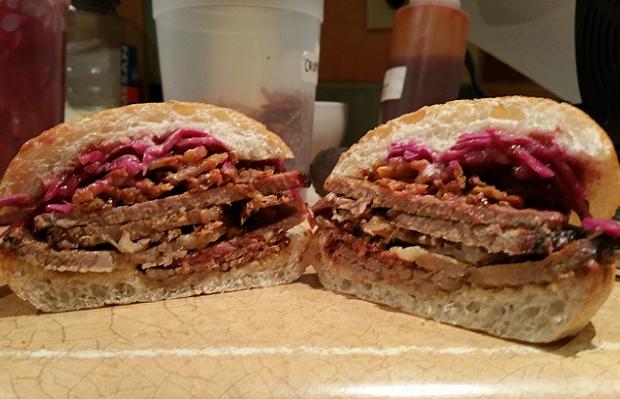

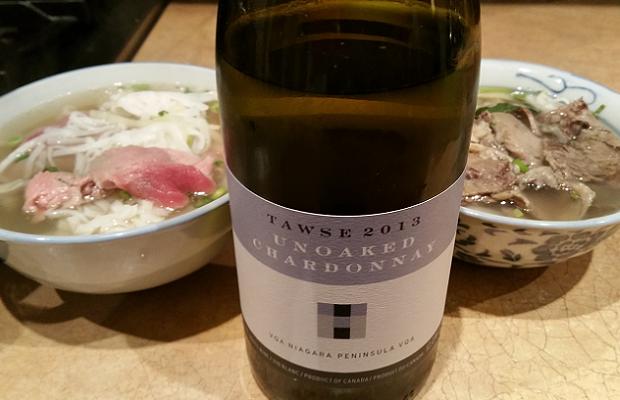
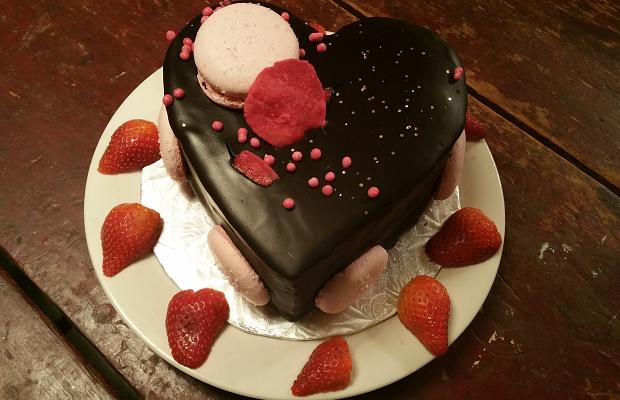
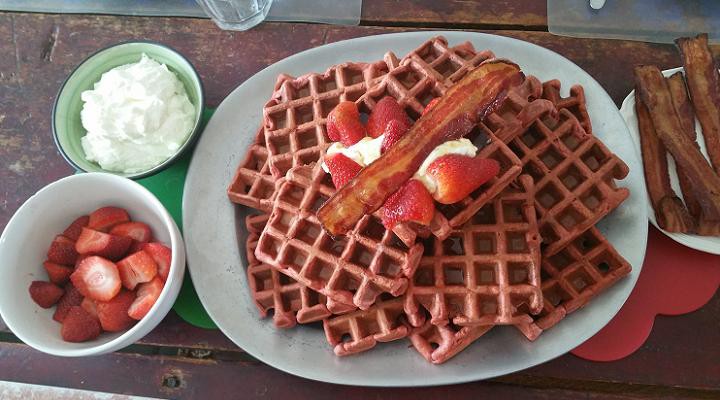
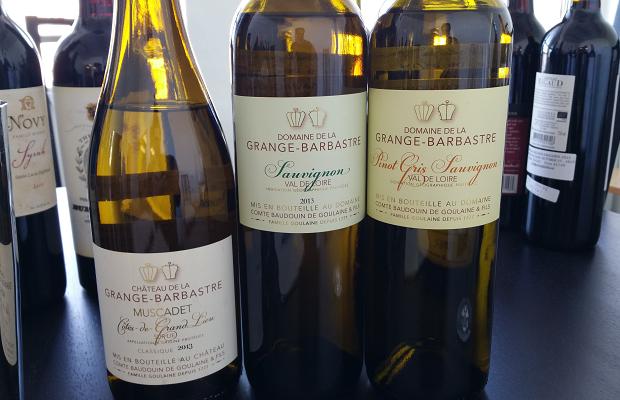
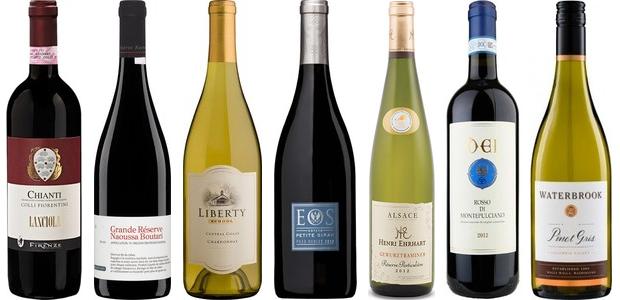

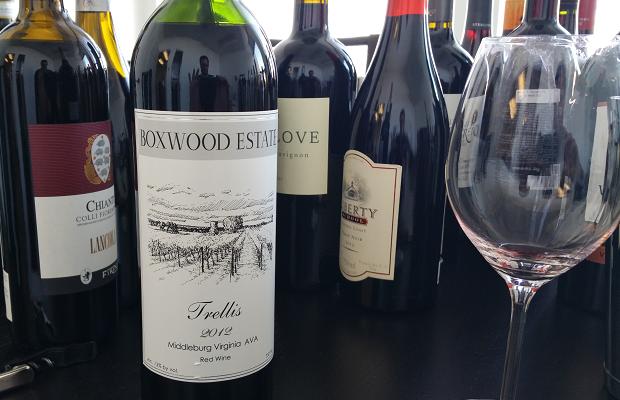

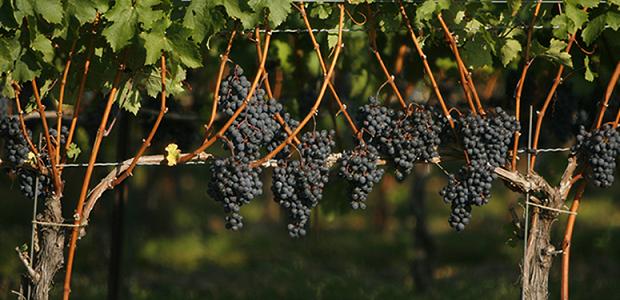
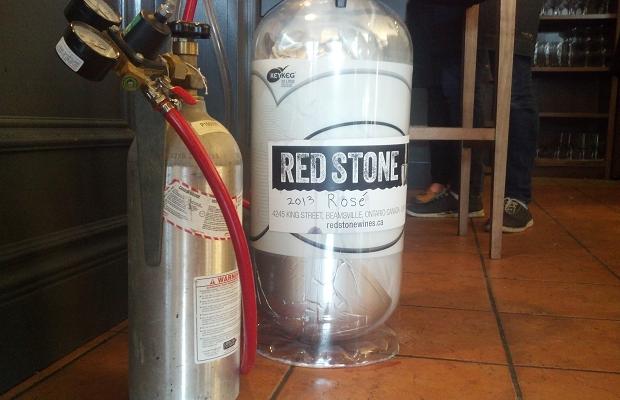
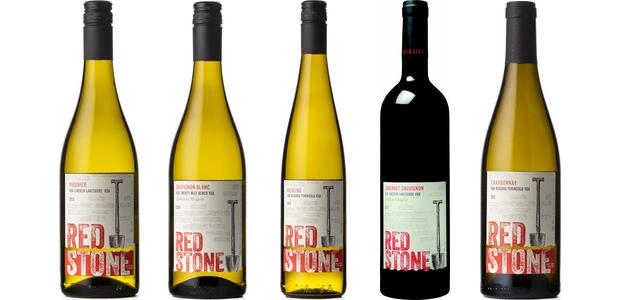
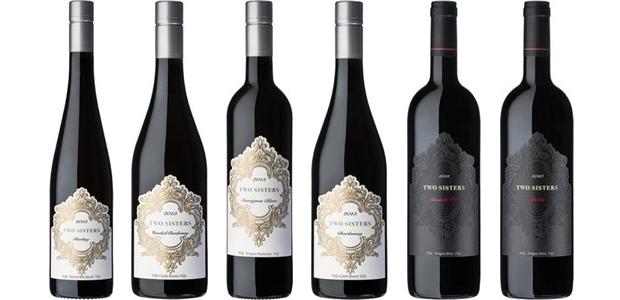
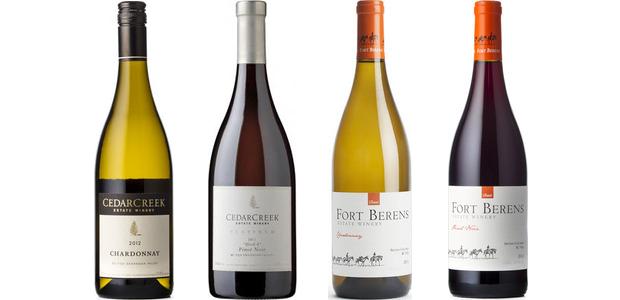
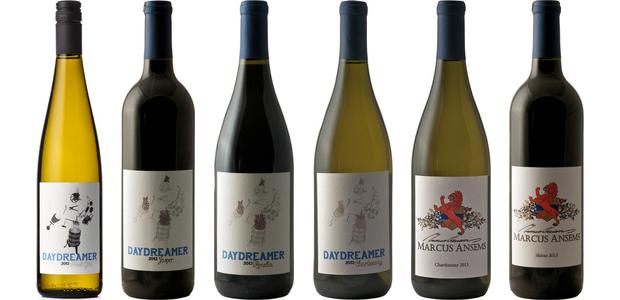
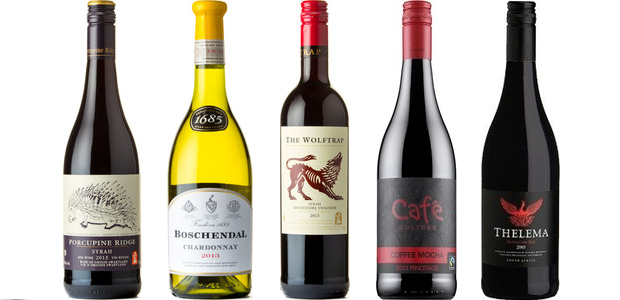

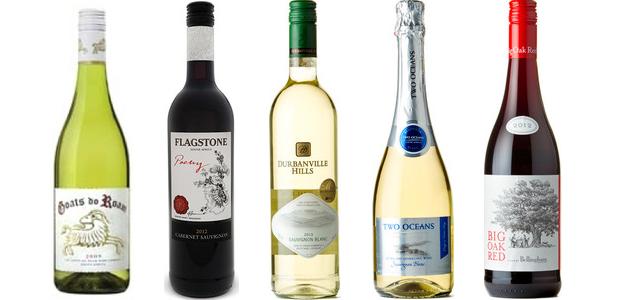


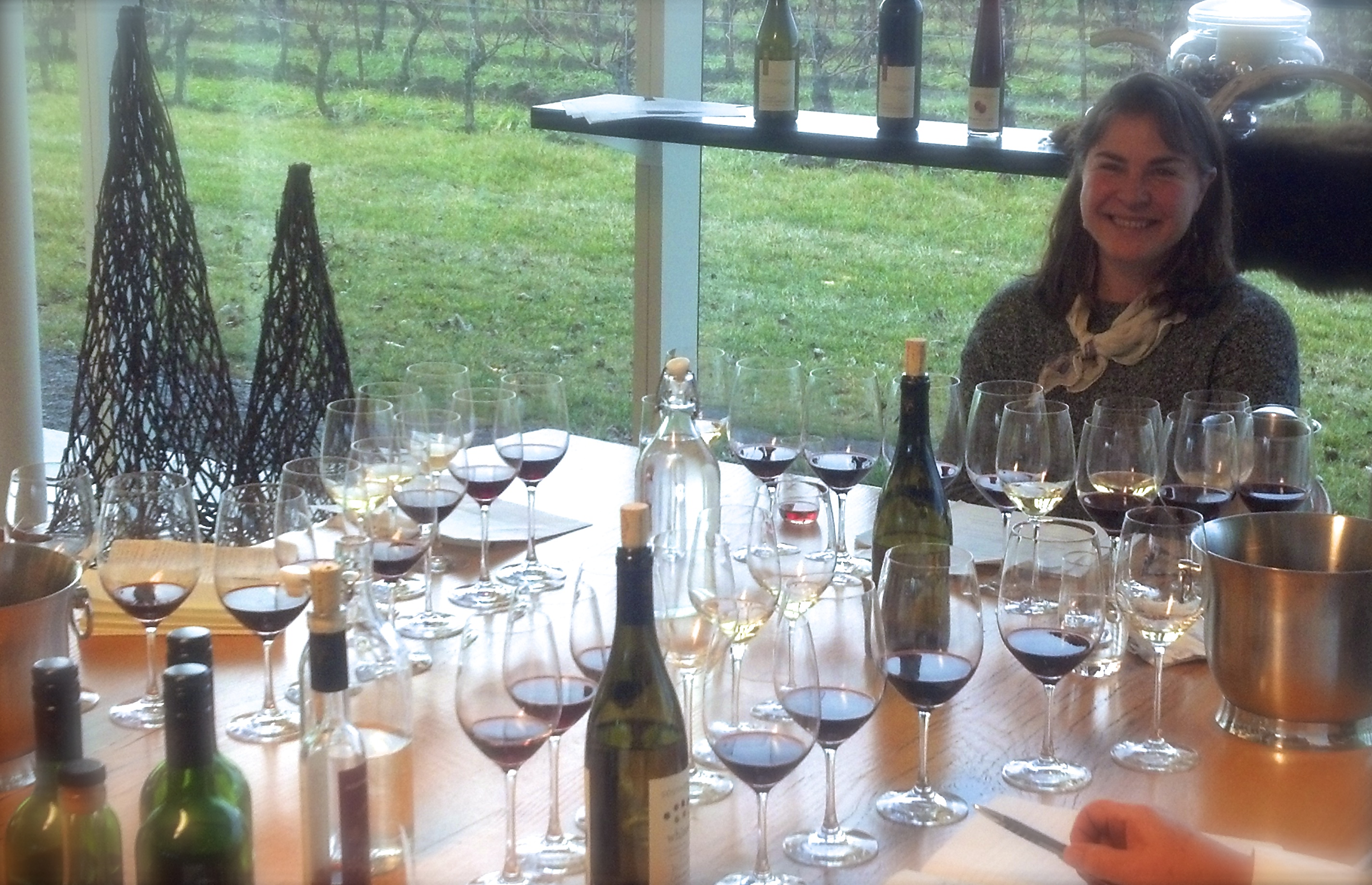
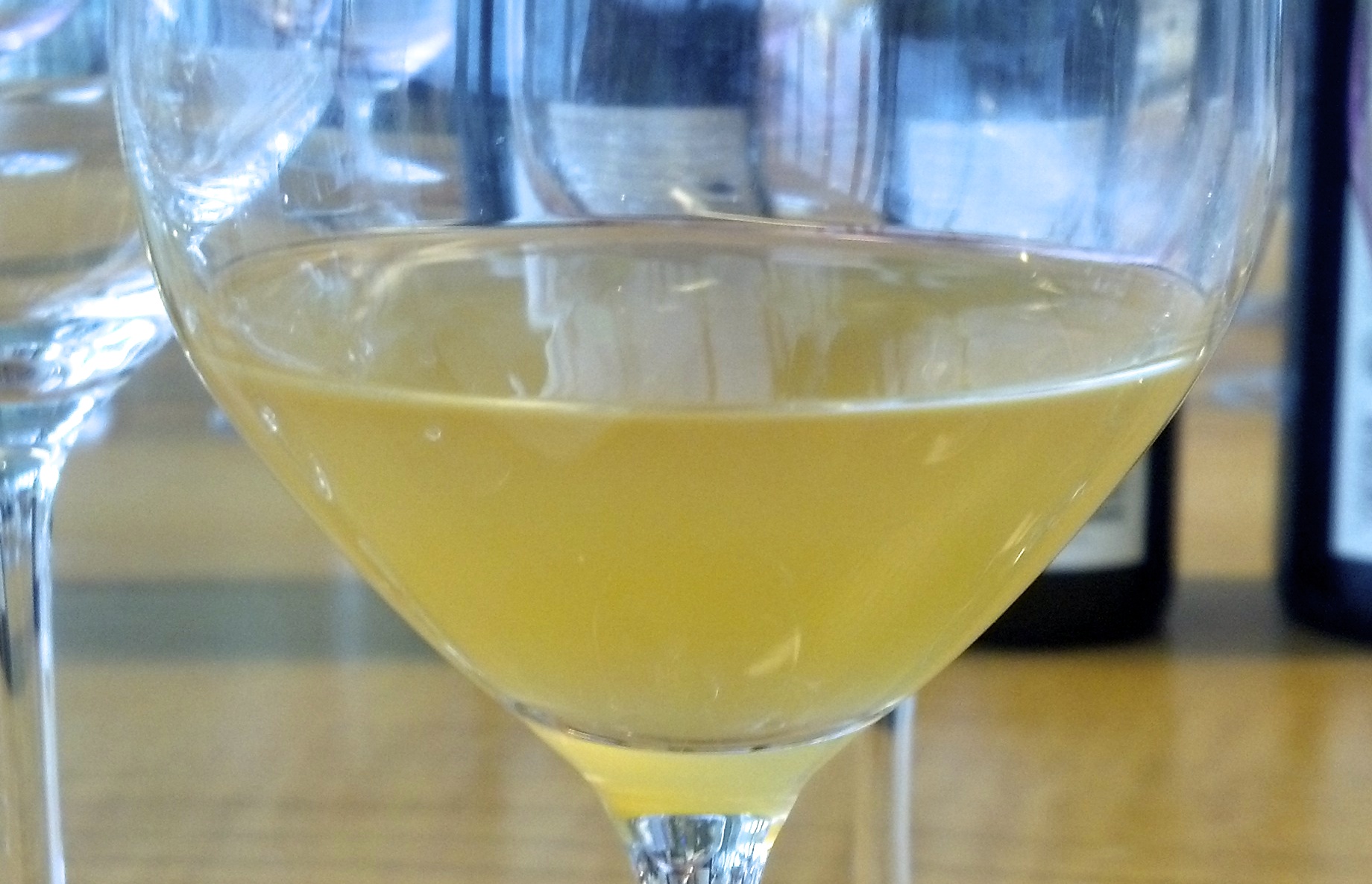
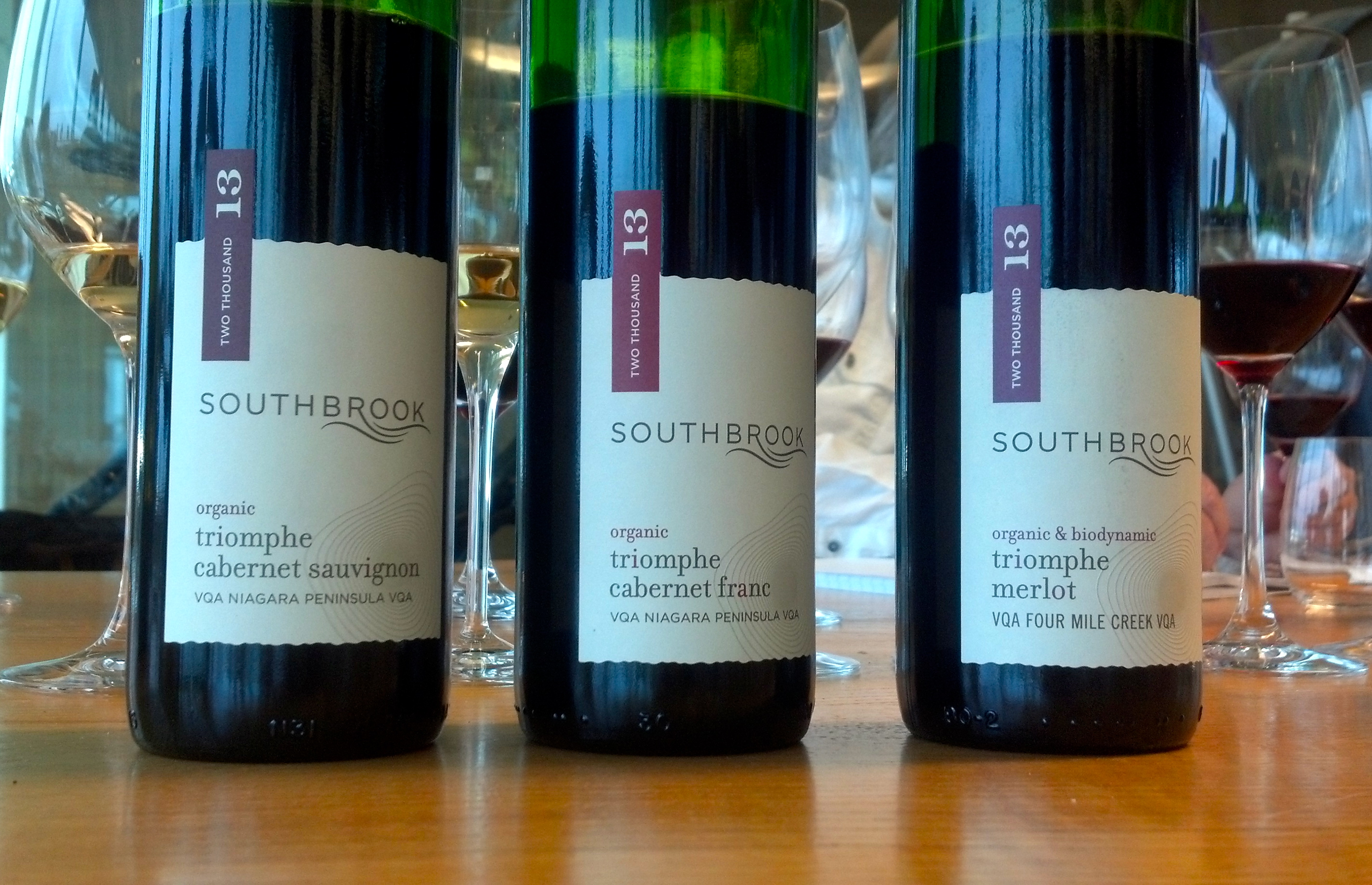
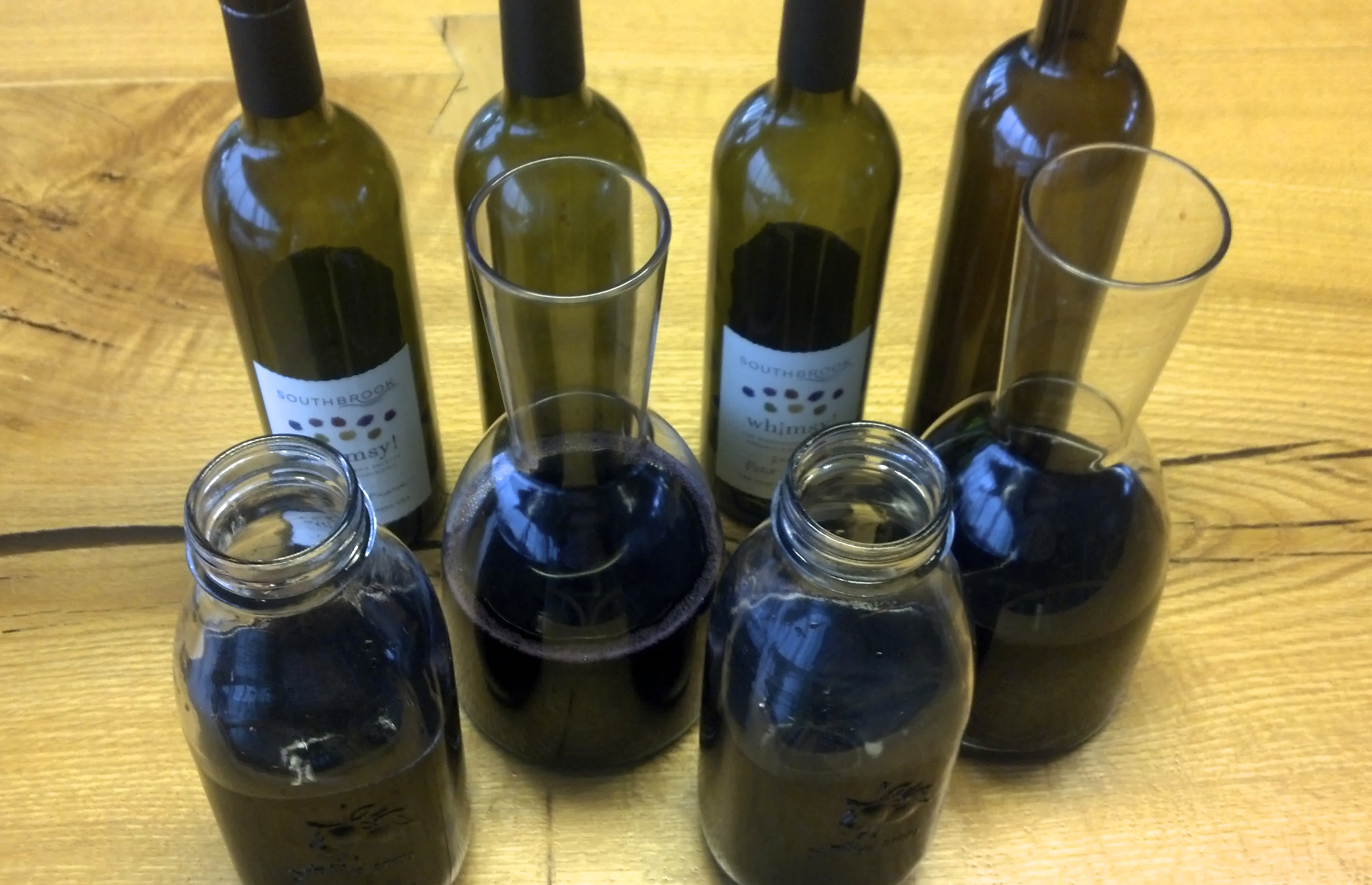
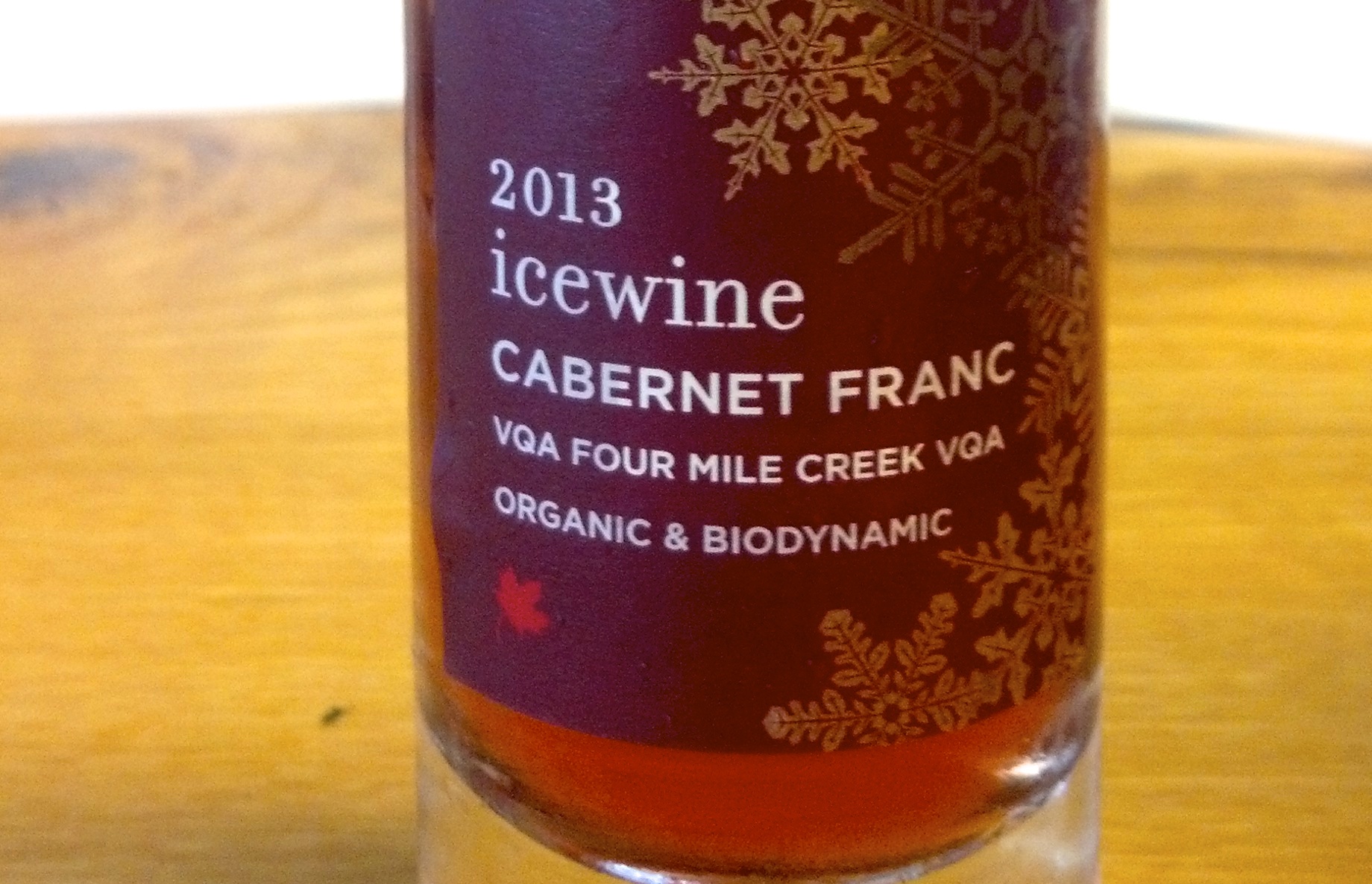
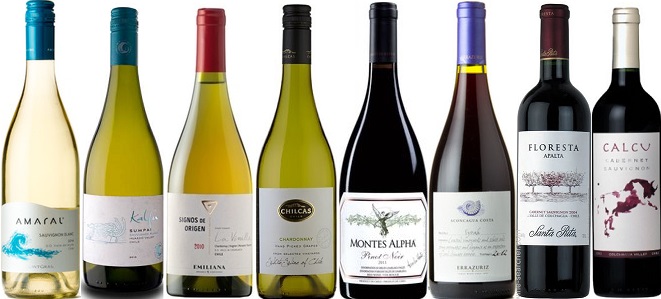
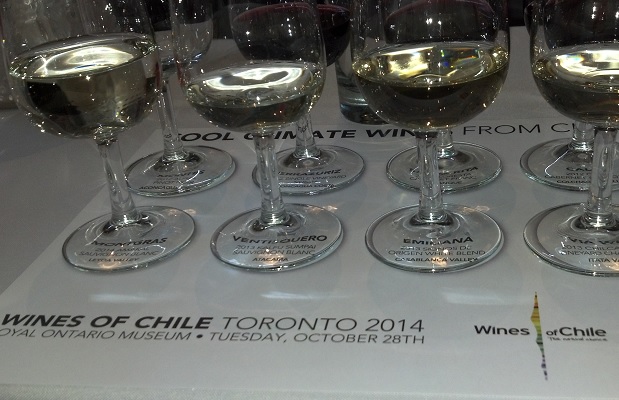
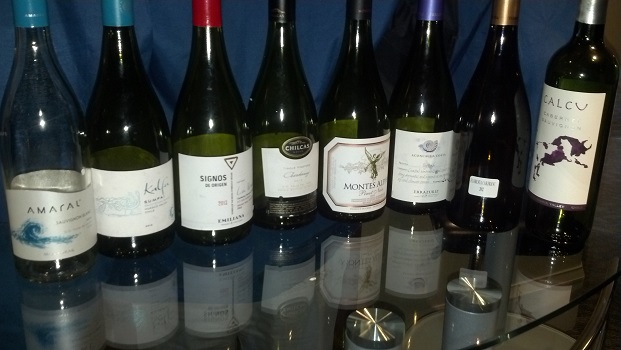

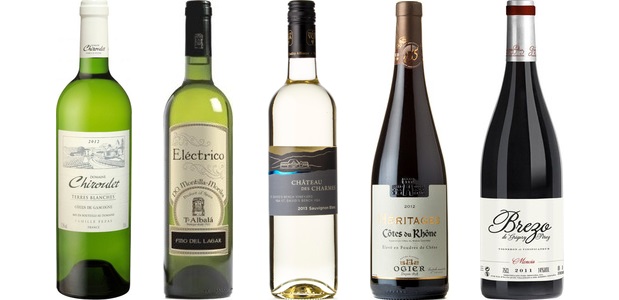
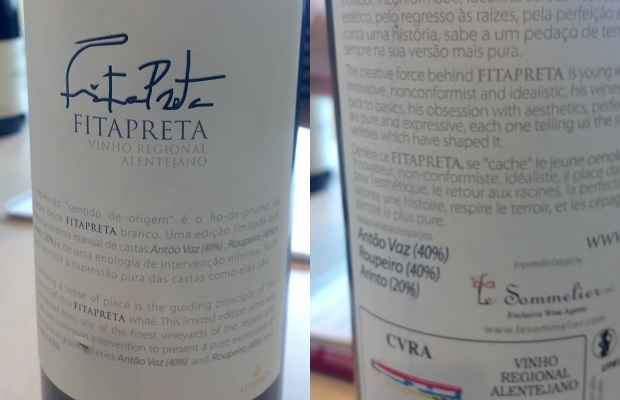
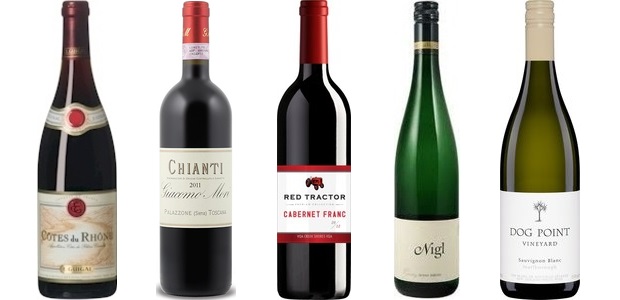
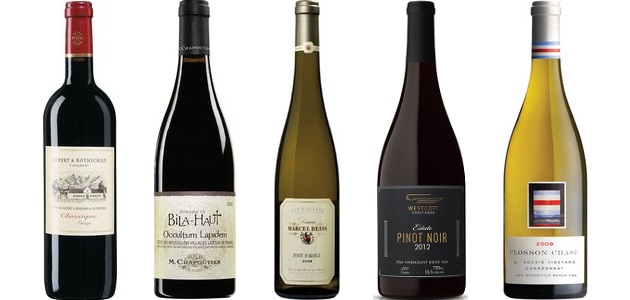




 Godello