A steamy August in Washington

Hot red August sun in the Walla Walla Valley

In August of 2023 a small group of intrepid Canadians traipsed through the wilds of Washington’s wine country in search of the new but found so much more. A fine fettle of wine producers and estates fill up the eastern landscape, fully encapsulating the industry with the experienced, quaint, artful, zealous, time-tested, animated and cerebral. The trip was a hunt in persistence, finding it all, revelling in its mottled and striped splendour, sitting back to admire the people and the scenery. Smoke taint was on everyone’s mind but clear skies dominated imagination. The journey was winding, snaking contiguously like the Columbia, Yakima and Walla-Walla Rivers, working an itinerary through the Tri-Cities, Yakima Valley, Red Mountain, Walla Walla, Woodinville and finally to finish in Seattle. The weather ranged from 90 to 115 degrees Fahrenheit (32-46 Celsius for the rest of the metric world), fires burned far off in the distances near Spokane and widespread in British Columbia. The air was thick as pea soup though there was no fog and spirits remained high. Unwavering you might say, always ready for road-tripping, to reach further, for action and of course tasting.

The group convened in Richland, one of three city-siblings conjoined at the aggregate network of urban communities that include Pasco and Kennewick. On day one we took in the Yakima Valley and Red Mountain AVAs with J. Bookwalter Winery, Palencia Winery, Goose Ridge Estate Vineyard & Winery, Col Solare and Hedges. Day two down to the Walla Walla Valley AVA with SMAK Wines, Gramercy Cellars, Valdemar Estates, L’Ecole N° 41 and Woodward Canyon Winery. Morning of day three still about town in Walla Walla, at Seven Hills Winery, House of Smith and Vital Wines. Further south to The Rocks District of Milton-Freewater with Rotie Cellars and in the haze of the evening an oasis harvest party at Spring Valley Vineyard. Day four and onwards to the Yakima Valley AVA with Tirriddis, Sonder Wines, JB Neufeld and 14 Hands Winery. Day five more of the Yakima Valley AVA and then on to Woodinville, first with a blending experience and tasting at Chateau Ste Michelle, culminating at Airfield Estates. A long finale of a drive over the Cascade Mountains, a change in scenery and more profoundly weather ,with clear blue skies and sunshine in Seattle.

Lunar landscape in the Walla Walla Valley, akin to a Wes Anderson set of “parched gulch and arid plains.”

Grape cultivation in hostile climates

Cultivating wines in much of Washington is not a native exercise. Most of the southern part of the state is desert and nothing comes easy. There are many vistas akin akin to a Wes Anderson set of “parched gulch and arid plains.” This reminder comes by way of Christophe Hedges. “To plant a vineyard we just have to thin out a few sage bushes. Vine-growing is not a natural practice.” Yet Hedges also reminds that practicing biodynamics is not commonplace, but it is natural and so the Vineyard Manager reigns have fallen to 26 year-old Kayla Braich. Christophe insists she is the most knowledgable biodynamic expert in the Columbia Valley. “Hiring an old white guy to do biodynamics would not have worked.” At Hedges, Sarah Hedges Goedhart tells how Portuguese varieties are a focus, especially touriga nacional (but also tinta cáo and sezão) for their heat and drought resistant, terroir-driven qualities. They are late flowering and developing but also deal with the stress of extreme climate events better than the Bordeaux varieties. “Red Mountain is a small-knit community,” says Christophe. “We hope the way we are farming will be the direction of the future.”

Justin Neufeld talking Yakima, Rattlesname Hills and Red Mountain

“We’ve made wine in Spain for the past five generations, and we plan to make wine in Walla Walla for five generations to come.” — CEO Jesús Martínez Bujanda, 5th Generation at Valdemar Estates

Justin Neufeld finds the cabernet sauvignon from Red Mountain more granular and austere. Vibrant yet one-dimensional as compared to the (relatively) cooler climate sites of the Yakima Valley. There are different wind patterns here and the tannic profile becomes softer, chalkier and ultimately more elegant, with a true red fruit personality. Yakima lends to more “blended” cabernets, in particular as it pertains to structure, also more aromatic complexity and classic varietal style. Herbal, red fruits, herbaceous and vegetal character. More acid driven. Much of Yakima’s style is because of landscape orientation. Here the ridges run east to west where the cataclysmic glacial lake outburst Missoula Floods peaked at 1,200 feet. There is also the Stuart Range in the Enchantment Basin which hosts a granite soil profile while wrinkles in the central crust resulted in basaltic, south facing slopes. Meanhwile Neufeld is one of a few producers to discuss the fires and potential for smoke taint. He comments that 2023 reminds him of 2007 when there really was no issue on the grapes.

“My sisters and I grew up with the understanding you don’t farm for this generation, you farm for the next one” – Bill Monson, President, Goose Ridge Vineyards

Heritage Vineyards

Old vines are key to the tenets of quality and success for growing regions worldwide. There are parts of Europe and also grape varieties that suffer from increased disease pressure and low fruit vigour but there are also locations, especially in warmer and more southern climates that host century vines still in positive rotation. South America, Australia and South Africa especially celebrate the heritage and age of old vines that keep on giving. While there are some vines and wineries populating the wet, mild climate of western Washington, it is the greater fields of Washington State’s warm and predominately desert climate playing host to many special blocks, many of them planted in the 1970s and 1980s where the finest expressions of the region’s terroirs are produced. Still dozens of others are coming on strong and on their way to joining the heritage account. Not to be forgotten is the high quantity and profound importance of own (as opposed to grafted upon) rootstock in Washington’s vineyards.

  • Airfield, Arnaut Boushey, Canoe Ridge Estate, Cold Creek, Dubrul, Moxee, Olsen, Phil Church, Rainmaker, Red Willow, Rosa Hills, Rothrock, Two Blondes and Upland vineyards in the Yakima Valley
  • Hyatt, Outlook, Portteus, Morrison, Stonemark and Whisky Canyon in the Rattlesnake Hills
  • Bacchus, Dionysus, Double D, Evergreen, Galitzine, Klein, Lawrence, Lewis Estate, Phinny Hill, Sagemoor, Stoneridge, Sundance, Tapteil and Wallula Gap of the Columbia Valley
  • Andrews, Champoux, Discovery, Lake Wallula, Mach One, Palengat, Sorella and Zephyr Ridge in Horse Heaven Hills
  • Clifton Bluff, Desert Wind, Fox Estate, North Ridge, Riverbend, Rosebud, StoneTree and Weinbau in the Wahluke Slope
  • Beautiful Powerline, En Chamberlin, Ferguson, Forgotten Hills, Heather Hill, Hidden Northridge, Leonetti, Loess, Pepper Bridge, Powerline, Serra Pedace, Seven Hills, Spring Valley, Sur Echalas, Woodward Canyon and Yellow Bird in the Walla Walla Valley
  • Mill Creek and Upland in the “North Fork” (of the Walla Walla River)
  • Bel’Villa, Cara Mia, Ciel du Cheval, Grand Ciel, Hedges, Jolet, Kiona, Kingpin, Klipsun, Les Gosses, Magdalena, Quintessence, Shaw, Upchurch, Terra Blanca and Weather Eye on Red Mountain
  • Ancient Stones, Holy Roller, Lafore, (Freewater, River and Rotie) Rocks, SJR in The Rocks District of (of Milton-Freewater)

These are but a shortlist with many more qualified and soon to qualify vineyards coming into their own. Heritage means more than grapevines, succinctly iterated by Bill Monson, President of Goose Ridge Vineyards. “My sisters and I grew up with the understanding you don’t farm for this generation, you farm for the next one.” CEO Jesús Martínez Bujanda of Valdemar Estates may be newer to the Washington wine scene but he echoes the sentiment. “We’ve made wine in Spain for the past five generations, and we plan to make wine in Walla Walla for five generations to come.”

Canadians and Kate at Spring Valley Vineyard

Syrah and Rhône varieties rising

Washinton State’s reputation has above all else been built on Bordeaux varieties but the present and the future see syrah and other Rhône grape varieties taking up more airspace, vineyard acreage and mind. The reds in syrah, grenache, mourvèdre, cinsault, carignan and counoise; The whites in marsanne, roussane, viognier, grenache blanc, clairette blanche and picpoul. On this last trip the Rhônes and varietal syrah were poured, discussed at length, waxed rhapsodic upon and just plain celebrated at Airfield Estates, Hedges, Gramercy Cellars, Rôtie Cellars, SMAK, Sonder, Spring Valley Vineyards, Valdemar Estates and Vital Wines. The Rhônes are taking hold and growing exponentially in the Yakima Valley, on Red Mountain, upon the Royal Slope and throughout the Walla Walla Valley, especially at the Oregon border in the Rocks District of Milton-Freewater. Plantings began in the mid-1908s in the Red Willow Vineyard of Yakima Valley.

Team Canada at House of Smith

WAugust in Washington

This WAugust trip to Washington wine country was made possible by the erudite folks at the Washington State Wine Commission, both in that spectacular state and also here in Canada. Just two months earlier a full-on participatory Pacific Northwest Wine event took place in Toronto and some added notes can be found at the end of this lengthy report. Three great humans work tirelessly (amongst many others behind the scenes) on behalf of the state’s more than 1,000 wineries, large and small. Keep in mind that Washington is the second-largest wine producing state in the United States, with over 1,050 wineries making over 17 million cases of wine, contributing more than $8 billion in annual in-state economic impact. That is a profound breadth of ground to cover for the small WSWC team. Chris Stone is Deputy Director and Kate Salisbury is International Marketing Manager. Chaperones Salisbury and Claudie Lamoureux of Washington State Wine for Canada were charged with the on point, on time task for five fulfilling and over-achieving days. Hard to say which of their characters or abilities were tops – driving prowess or durability, kindness, patience or grace. All of the above and it is imagined that Godello’s fellow travellers would wholeheartedly agree; Alana Lapierre, Angela Aiello and Mandi Roberston. In any case there was everything to experience, much along the lines of the varied and diverse wineries, AVAs and personalities encountered. Of conglomerates and boutiques, generational families and new blood, the established and the start-ups, pedagogues and rock stars, boffins and balladeers. There was much wine poured and these are the 135 tasting notes.

J. Bookwalter

Columbia Valley AVA

J. Bookwalter

John Bookwalter was a graduate of UC Davis Vineyard Management program and farmed some of Washington’s most famous tracts, Sagemoor, Bacchus and Dionysus. In 1982 he started J. Bookwalter, making approximately 2,000 cases of white wines. In the 90s he started the reds program and 2023 marked the 40th harvest. Chance Cruzen is winemaker and happens to be a big fan of Iggy Pop.

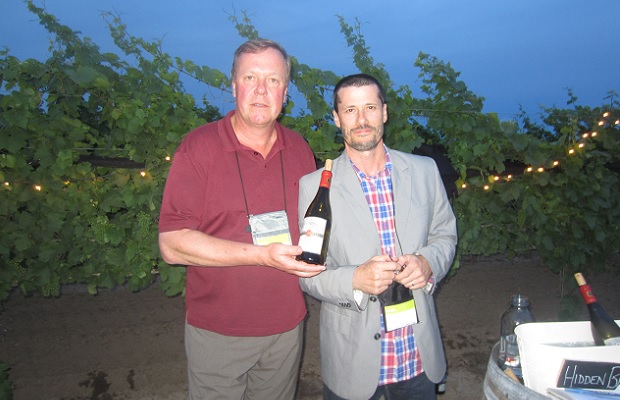
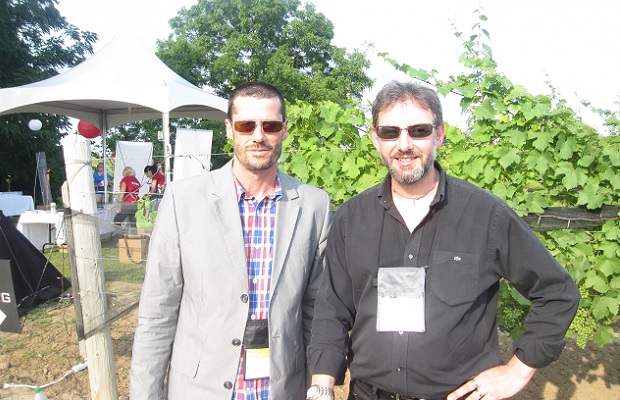
With the boys of J. Bookwalter

J. Bookwalter 3rd Edition 2019, Columbia Valley AVA

Flagship white, Bordeaux idiom, based on sémillon (63 percent) with sauvignon blanc (20) and muscadelle (19). The sém is both anchor and driver, dominating the aromatics and that speaks to how well this has been managed and blended. They keep the faith, act as catalyst for integration of both the varietal trilogy and the wood. John Bookwalter was known to say “choose your wood like you would choose a picture frame.” Equally important is the creation of consequence between flowing grace and bracing tension. Good strong mid-palate, tight and focused, length is outstanding. Proper flagship appellative white blend. Drink 2023-2027.  Tasted August 2023

J. Bookwalter Merlot Readers 2020, Columbia Valley AVA

Mainly merlot but not exclusively, with small amounts of cabernet sauvignon, malbec and cabernet franc for good support, measure and spice. The oak is noticed, the tannins powdery yet silky enough to make this über sippable. Still a bit gangly to be honest with some white peppery piques on the aromatics and so another year will surely send this merlot to be in a place it was intended to be. A few grams of residual sugar plump it up and then chocolate, a next effect by barrel aging which only serves to make this a truly silken, creamy and yet acid retentive red wine. Produces up to 1,500 cases. Drink 2024-2027.  Tasted August 2023

J. Bookwalter Conflict 2020, Columbia Valley AVA

Conflict, aged on lees, bottled 18 months after harvest. A great vintage save for some smoke that drifted in from fires all over the west, though really less dramatic here in the Columbia Valley than many other places. Pretty taut red that has not yet released its true aromatic charm, in fact it could be another 18 months before that really begins. The Readers Merlot is a much earlier proposition and the more diverse varietal meets barrel make-up with style intendment to make this a more structured and powerfully restrained merlot-dominant proprietary blend. Good yields though and a juiciness here that says the type of acidity in Conflict is quite different to that of Readers. This shows real potential, luxe as it is and all parts are prepared thoughtfully, with blood sweat and tears, yet neither by pretence nor blind ambition. Drink 2025-2029.  Tasted August 2023

J. Bookwalter Cabernet Sauvignon Readers 2020, Columbia Valley AVA

Rounded out by five percent syrah and petit verdot, with thanks to a most important grower/vineyard, that being Dionysus. A richer, thicker and more unctuous red (as compared to merlot) but fruit concentration is on par. That said the warmer Dionysus site can’t help but deliver this kind of glycerin viscosity and so the blackberry-Cassis dominance will not be denied. Can’t miss the silky syrah and petit verdot depth that put this in the kind of red best defined as full and substantial. Refined and finessed enough, never overarching or reaching, best now and for a few to five years forward. Drink 2023-2027.  Tasted August 2023

J. Bookwalter Cabernet Sauvignon Protagonist 2020, Columbia Valley AVA

Change of pace, in a way, from Conflict to Protagonist because for the first time there is an Italian (think Bolgheri) like stylistic coming through. Dusty, chalky and powdery tannins are evident, even in the face of fulsome and concentrated fruit. Juicy to the nth degree, ridiculously delicious and then a chocolate plus espresso crema all over the back end. The cumulative effect by fruit, terroir, climate and barrel aging make this climb to a rich and creamy finale pretty much unavoidable. Some sweetness follows and after some REM sleep there will be a long, melodic and jangling future for this Columbia Valley red. Drink 2024-2028.  Tasted August 2023

Vic Palencia

Palencia

Victor (Vic) Palencia’s grandfather was a first generation immigrant from Spain (to Mexico) and he is first gen. American, so the symmetry, from Valencia to Palencia, is something to hang a northwest hat on. Vic started in Walla Walla in 2012 after taking a flyer and to realize a dream. As a first generation immigrant it cements the legally forming “sueno” even deeper. Thus the “Monarcha” brand, “earning my wings,” says Vic. “If you drink two bottles, cabernet and merlot side by side, you can fly.” A symbol for lifestyle, easy drinking wines and then the Palencia label, more serious, exulting Washington State’s diversity of grape varieties grown. The label depicts his father holding a shovel, “always working the land.” Palencia is located in Kennewick.

Godello foreground, background Vic Palencia

Palencia Sparkling Albariño

Charmat method, sweet and salty, like nuts and caramel corn but leaner and tighter as per the grace by variety. Simple stuff with good energy.  Tasted August 2023

Palencia Albariño 2022, Columbia Valley AVA

Says Columbia Valley but really should be called Ancient Lakes located in northwest Washington. But Columbia is more recognizable and so here we are. If it smells like albariño and tastes like albariño well, you know the rest but truthfully this is a less herbaceous and more mineral example. And so Ancient Lakes it is. The terroir is hardpan calcareous limestone, good for drainage and reduction of hydric stress with sandy loam of up to 19 inches above. Pretty good albariño for dessert lands so far from a coast – but the place is definitely the reason. Nice little CO2 buzz about it as well which is so varietally correct. Drink 2023-2025.  Tasted August 2023

Palencia Malbec Monarcha 2019, Columbia Valley AVA

From Vic Palencia and family in Kennewick with Columbia Valley fruit, 14 months in wood. Nice little char and smoulder on sweetly salty and sour-edged fruit. Higher acidity than many malbecs and also valley wines so this wants and needs food. Mojo bowl anyone? Drink 2023-2025.  Tasted August 2023

Palencia Cabernet Sauvignon Monarcha 2019, Columbia Valley AVA

From the Richland Hills in the Columbia Valley where thicker skins and high quality fruit translate to unction and developed tannin. Cassis and Ribena mix, tart and candy hearts sour, in a good place right here and right now. Some powder in those tannins but resolution is just about complete. Drink 2023-2025.  Tasted August 2023

Palencia Petit Verdot 2017, Wahluke Slope AVA

Part of the El Viñador line which is essentially Reserve style but the name is more specific and indicative of what it means to grow and make these kinds of varietal wines. From fruit grown on the Wahluke Slope AVA. Structure and mouthfeel justify the reasoning and the result, especially the tannic intensity and power at the yet to relent finish. Wood thickens, spices and sweetens the last third of this petit verdot which is really unlike any other, grown anywhere and produced as a solo artist. Drink 2024-2027.  Tasted August 2023

Palencia Syrah El Viñador 2019, Red Mountain AVA

Red Mountain fruit and signature varietal effort but also style that Palencia seems most comfortable with. This is because the balance, restraint and finesse are at their collective finest in this kind of handsome and sturdy wine. Still some chalky and powdery tannin but overall the harmony and seamlessness are pretty spot on. Ready to go and please. Drink 2023-2026.  Tasted August 2023

Top notch Paella at Palencia

Palencia Carmenère 2019, Red Mountain AVA

Sourced from the hottest region in Washington, that being Red Mountain and picked quite late. Nothing green about this carmenère, in fact it’s fruit and wood are thick as thieves, the tannins silken and the capsicum or jalapeño non-existent. Chewy like chocolate liquorice and very much a wine made for those who like it rich, luxe and thick. Drink 2023-2024.  Tasted August 2023

Palencia Albariño El Viñador 2022, Columbia Valley AVA

The founding vineyard for albariño at Palencia’s reserve line is as advertised more concentrated, focused and finessed. From various harvests each fermented separately for 30 days in Hungarian oak puncheons then blended together before bottling. Aiming for a Galician style though truth be told you can take the albariño out of Galicia but you can’t take the Columbia Valley out of this albariño. Warm, rich and unctuous, in the end. Drink 2023-2024.  Tasted August 2023

The Tirriddis Boys – Matthew Doutney, Gabriel Crowell and Andrew Gerow

Tirriddis

Tirage … Riddle … Disgorge. Tirriddis, acronym of sorts for three sparkling wine producing friends (Andrew Gerow, Gabriel Crowell, and Matthew Doutney) who celebrated the end of school with Gimonnet and Janz Champagne, fried chicken and chips. All attended Washington State University for viticulture and oenology. Their collective motto is “if we fail, we can always move back in with our parents. “Wine is a super architectural art form,” explains Gerow. “We’re really just trying to define Washington – defining typicality that really doesn’t exist yet.” First base wine were made in the Fall of 2020.

Tirriddis House Gris, Columbia Valley AVA

House tier is all about distribution, for restaurants and export in a fun and recognizable style. Here 100 per cent pinot gris, creamy aromatics, mousse as well, the sweetest of all the Tirridis wines at 11 g/L. Looks at reeling in a Prosecco crowd that can’t afford $50 sparkling wines. Sees 12 months on the lees and it is traditional method so expect some autolysis, mild oxidation and ultimately great energy. Drink 2023-2024.  Tasted August 2023

Tirriddis House Brut, Columbia Valley AVA

More than 50 percent of the base wine is original (from the fall of 2020) and is essentially chardonnay with a few percentage points of albariño. Tirridis for tirage-riddle-disgorge (clever) and the sugars are hidden behind the acidity. Raises a bar for the vital scintillant nature of grapes farmed for wines that transfer energy like sparks jumping from hydro pole to hydro pole. Similar creaminess and mousse to the pinot gris but the orchard fruit here is different than that peachy stone. Who would dare not pour this as a warm home welcome or by the licensee glass? Tastes like unbaked Washington with tight bubbles. Drink 2023-2024.  Tasted August 2023

Tirriddis House Rosé, Columbia Valley AVA

One-quarter each cabernet sauvignon, syrah, merlot and chardonnay, not unusual for Washington per se though no real frame of reference from the sparkling diaspora neither. Celebrates red fruit, from currants through plums and this surely comes across drier than it is, not quite the 12 g/L of pinot gris but this is pretty taut and wound for Rosé bubbles. Drink 2023-2025.  Tasted August 2023

Tirriddis Brut Rosé, Columbia Valley AVA

The second rendition of the Brut Rosé, three parts, in triage two years, of cabernet sauvignon, syrah and chardonnay. One-third each means less red fruit so more of a currant current and the yeasty feels step up sooner and for longer. Still a scintillant intensity of vitality and energy plus some bitters this time around. Anything but a soft, upturned Brut style and saying this is a tasting room profile is pretty much spot on. Just feels like the teaching moment and in turn signature for the boys’ intonement of style. Drink 2023-2026.  Tasted August 2023

Tirriddis Washington Blend, Columbia Valley AVA

Everything but the kitchen sink though in actuality it is anything but because it’s not the last lot to be put together each season. A blank slate concept that intends to represents the region in an unapologetic way. Fruity first, of merlot, riesling, pinot gris, cabernet sauvignon, chardonnay, viognier and syrah. Neither Blanc nor Rosé but a rainbow of multifariousness and truth be told this is seamless fizz, a Venn diagram of varietal and geography, of potential, diversity and exceptionality. Drink 2023-2025.  Tasted August 2023

Tirriddis Blanc De Gris, Columbia Valley AVA

Third rendition looking for pure honeycomb and the guys feel they nailed it on number three, or at least set themselves upon a path to get it right there when number four comes to fruition. Why more sparkling producers do not refer to a varietal sparkling pinot gris in these terms is beyond me. It just fits. Creamy yes, with botanicals and bitters but the pear coulis flavour is uncanny. This goes a bit to herbal and preserved lemon foamy (and acidity is a bit subdued) but it’s close, oh so close. Can’t wait for rendition number four. Drink 2023-2024.  Tasted August 2023

Tirriddis Blanc De Blanc Stonemark Single Vineyard 2020, Rattlesnake Hills AVA

First single vineyard sparkling wine, all chardonnay, small plantings in the Rattlesnake Hills AVA, 1,600 feet of elevation, of brushy savour and direct hits of more than one kind of citrus. The concept is a growers’ one – with obvious connotations. Elevation is clearly the driver because this is about acidity and high intensity, all pervasive and above all else in what this site wishes to give. Poured from Magnum, extended triage. Lemony, tight, zesty and just about zero dosage. Can see this living six or seven years. Drink 2023-2028.  Tasted August 2023

Riley Miller, Sonder

Sonder

Established in 2016 by Riley Miller. Low-Fi, non-intervention, but not natural wines. Inspired by his time in the McLaren Vale. The initial production in 2016 was 100 cases – today about 3,000 cases. A thinker, but not too hard, yet still a man of wonder. Likes to consult the Dictionary of Obscure Sorrows, from which the realization is concluded that everyone around you has a complex life, as much as your own – but we can’t comprehend half of it. “We are like monkeys flying on a rock through space.” Observe Miller conduct a wine tasting for visiting journalists and you can imagine the inner workings of a modern day winemaking production. Riley’s bottles are anything but some kind of toad swindle. They are made for all of us, including those who don’t know it yet.

Sonder Rosé Cinsault 2022, Columbia Valley AVA

Trying to capture a Provençal style, 24 hours of skin contact, gently extracted and truly crushable. Lightly tart, basic, simple, unadorned. Native ferment. Truly cinsault to be honest. Drink 2023-2024.  Tasted August 2023

Sonder Grenache Blanc 2022, Columbia Valley AVA

Big chunk of the fruit comes from Boucher Vineyards and a smaller portion out of the Rattlesnake Hills. Warm and mature though high elevations keep it fresh and again the naked nature of a Riley Miller wine make this immediately crushable. Unadulterated, no make up and local. Drink 2023-2024.  Tasted August 2023

Sonder Roussanne 2022, Columbia Valley AVA

True expression of grape, not necessarily “perfect” wines, nor is there any reason to want them to be but they are representative of site and Washington. Neutral oak, tropical notes, fresh papaya and pineapple syrup, tart and textural with thanks to some stirring. Drink 2023-2024.  Tasted August 2023

Sonder Field Blend 2022, Columbia Valley AVA

Orange, mostly viognier with some marsanne and roussanne, six weeks on skins, six months in neutral oak. Grapes that don’t really bring the orange but instead the partly cloudy pineapple juice hue. A wine that challenges why orange is the ubiquitous term because funk and melting salve are not the thing. Spice yes and litchi, also grapefruit and the most mild of bitters. Has that anesthetic feel on the palate. Third iteration of this wine. Drink 2023-2024.  Tasted August 2023

Sonder Co-Ferment 2022, Columbia Valley AVA

A co-ferment of grenache and picpoul, first time trying, served chilled, “a patio pounder.” Watermelon Jolly Rancher insists Riley Miller, 11.5 percent and as crushable as wine can possibly get. Juice. Water, pink, alcohol. Drink 2023-2024.  Tasted August 2023

Sonder Red Field Blend 2022, Columbia Valley AVA

Mostly counoise and grenache with some cinsault, viognier and roussanne. A couple of weeks on skins, co-fermented with some whole cluster and carbonic maceration. Simple, drinkable, low alcohol, currants and red berries, sweet acidity, a moment of balsamic and charred herbs. The grapes almost combine for a cabernet franc or even lightly smoky cannonau meets carmenère effect. Nothing else like it and better for that. Drink 2023-2024.  Tasted August 2023

Sonder Grenache 2022, Yakima Valley AVA

Rarely made grenache by method and style “as close to pinot as is humanly possible” says Riley Miller. Picked early, 20 percent whole cluster, Western Cape stylistic, light, low alcohol, fresh and shadowy, suggestively if sneaky tannic. Drink 2023-2024.  Tasted August 2023

The Orcas Project Nebbiolo Andrews Vineyard 2022, Horse Heaven Hills AVA

“The Orcas Project is a collaboration between some of the most talented winemakers in the Northwest and a collection of Orcas Island artists. The idea to combine these two groups of people was born on the island and continues to expand throughout the Northwest. Each winemaker that is part of The Orcas Project is paired with an artist and represented by a different label.” Riley Miller’s is pseudo carbonic for which 50 per cent whole cluster is added back on top – makes for a grippy if light and effusive style. Cherry, candy apple and onion skin. Picked early as if for Rosé and frankly reminds of Cerasuolo. Fine bitters, good balance and a bit of roasted nightshade char. Cinnamon heart finish. Drink 2023-2024.  Tasted August 2023

Kinnikinick Red

Chateau Ste Michelle

Chateau Ste. Michelle is Washington State’s oldest winery, and many of Washington’s most famed winemakers got their start with the Estate. Ste Michelle is also the largest producer of Riesling in the world, and has winemaking partnerships with two international vintners: Col Solare is an alliance with Tuscany’s Piero Antinori and Eroica Riesling is a partnership with the Mosel’s Ernst Loosen. As part of the visit, the Canadian team was treated to a Blending Experience.

Chateau Ste. Michelle & Dr. Loosen Riesling Eroica 2022, Columbia Valley

More than a hint of residual sugar yet the driest style for CSM and though the relationship is with Ernie Loosen this is not Mosel style. Fruit is sourced primarily from the Evergreen Vineyard to bring Eroica into its proverbial and ironic sweet spot. The “hero” is in ode to the winery’s varietal roots and a Beethoven reference. Bit of residual CO2, high acid and truly tart. Balanced vintage, vital and energy elevating. Will be one of Eroica’s better agers. Drink 2023-2027.  Tasted August 2023

Chateau Ste. Michelle Riesling Indian Wells 2022, Yakima Valley AVA

Much like Eroica there is a residual CO2 buzz and at least twice if not three times the number (here eat 30 g/L) of residual sugar. Quite rich, luxe and opulent with just a few sites left to create this round and sweet style. High Kabinett or low Spätlese in a sense but without the supporting acid. More Mosel here and yet also quite a lot more phenolics and tonic. For a consumer that likes sweet wines but can be drawn into riesling, followed by some less sweet varietal examples. Some wine producing and drinking habits never die. Drink 2023-2025.  Tasted August 2023

Chateau Ste. Michelle Chardonnay Canoe Ridge Estate 2019, Horse Heaven Hills AVA

Relatively rich and luxe chardonnay style, sweetly buttery, soft and creamy. No real bite but just easy, amenable and though considered a cooler spot with better acidity than some it’s still as round as chardonnay gets. Softens more and more as it slides down and feeds away. Drink 2023-2024.  Tasted August 2023

Chateau Ste. Michelle Cabernet Sauvignon Indian Wells 2020, Columbia Valley AVA

Reds are the main focus at Indian Wells and while the style is opulence, this cabernet sauvignon is surely designed to be consumed ASAP. Tannins are present yet sweetly soft and wood soaks up everything, then returns it with semi-sweet chocolate. A quarter is new American oak and 20 percent is French. Soft with some sweetness, macerated plums and that ever pervasive chocolate. Hugely consumer friendly. Drink 2023-2025.  Tasted August 2023

Chateau Ste. Michelle Merlot Canoe Ridge Estate 2018, Horse Heaven Hills AVA

A third new French and seven percent American wood truly sheathes, thickness and wraps merlot up in a nurturing flannel blanket for merlot that has softened into an almost ideal drinking state. The 2016 was much more tannic and though some omnipresent balsamic shows here it’s more reduced, sweeter and less high-toned. Lower acid here, at 4.8. Warm and caressing vintage for the palate and our emotions. Drink 2023-2025. Tasted August 2023

Chateau Ste. Michelle Cabernet Sauvignon Cold Creek Vineyard 2019, Columbia Valley AVA

Cold Creek Vineyard is a very successful vintage for cabernet sauvignon, more finely tannic and higher in acid than 2016. The energy is special, the harmony between fruit, acid, tannin and wood far superior to other seasons and also other growing sites. Yes there is luxe fruit, concentrated and substantial but the combination of harvest and winemaking makes for an exceptional combination out of 2019. Drink 2024-2028.  Tasted August 2023

Chateau Ste Michelle Syrah Limited Release Organic 2020, Horse Heaven Hills AVA

Deep purple, fruit sweetness from über ripeness and a clarity or cleansing feeling for naturally curated and orchestrated syrah. So profoundly bright new world in style and effect, delicious to the nth degree and openly gratifying. Drink up.  Tasted June 2023

14 Hands Winery

14 Hands

Chateau Ste Michelle property located in Prosser.

14 Hands Pinot Gris 2022, Columbia Valley AVA

Clean, fresh, soda feel that puts the style in gris though there’s not much separating it from grigio, either from the Columbia Valley or across the pond delle Venezie. Vague melon and honeyed flower blossoms but when all is said and done this easiest to get at pinot gris from the grand Columbia Valley is a simple glass of white ubiquity. Drink 2023-2024.  Tasted August 2023

14 Hands Roussanne Marsanne The Reserve 2022, Rattlesnake Hills AVA

Crisp Rhône white blend with a small percentage of wood to give it a wisp of smoulder that combines with some lees stirring for a creamy mid-palate. Higher in pH than some of this sort of Yakima ilk to result in elevated sapidity, a toothsome quality and finally piquant bite. Quite a bit of sulphur to work through but no worry because being structurally sound and very “reserve” in style the fruit and the composure will rise and win in the end. Give this some air, a swirl and agitation to coax out the charm. Just a 350 case production. Drink 20224-2027.  Tasted August 2023

14 Hands Stampede 2018, Columbia Valley AVA

Stampede is 14 Hands’ self-declared “bold red wine” and while the marketing sounds like something in the realm of BBQ sauce this is really impressive for the price. Essentially syrah with some petit verdot “to give it some shoulders” tells winemaker Keith Kenison who has been with the winery since its inception. French oak dominant translating as lavender, jasmine and vanilla, the latter a tincture that permeates much of the aromas and flavours. Yes it’s confected but also rich and unctuous for $15 (US). Drink 2023-2025.  Tasted August 2023

14 Hands Cabernet Sauvignon The Reserve 2019, Horse Heaven Hills AVA

Led by cabernet sauvignon and labeled as such though there are supports from both cabernet franc and merlot. A protein cabernet, meaning it drinks with strength and pairing it alongside entrée portion meats, preferably red will do it best justice. Carries that full barrel feeling in surround of a swell (mainly black) fruit and incredible richness, feeling like sweetness, but the wine is bone dry. Wood resin, syrups, up and into a whole other level of concentration. The most refined and luxurious of the 14 Hands reds (or whites) that competes with top Washington and also some heavier priced California examples. Drink 2024-2028.  Tasted August 2023

Goose Cap AVA at Goose Ridge Vineyards

Goose Gap AVA

Goose Ridge Vineyards

Goose Ridge in Richland and adjacent to Red Mountain is unique in that it is the owner of its own (Goose Gap) AVA, approved three years ago. The first planting of cabernet sauvignon was 25 years ago in 1998 and today there are a total of 2,500 acres of vines. The Monson family dates back to the early 1900s when M.L. Monson brought his family to the Yakima Valley. Taylor is the fourth generation, dad and two sisters (Bill, Molly and Valerie) are the third. The family is equally famous for cultivating Cosmic Crisp Apples (that don’t brown), developed with Washington State University and the first to grow them. The visit in the vines and through the facility culminated in a quick tasting of four wines though the setting was not conducive to formulating proper tasting notes.

Red Mountain

Col Solare

Located on Antinori Road in Benton City is the Château Ste Michelle Red Mountain partnership with Tuscany’s most famous family. A tour with Col Solare’s hospitality team reveals the bond with the mothership. “Antinori dictates what we do and the style of wines they want us to make.” There are no problems, only solutions and fixing issues like re-planting problematic cabernet sauvignon blocks is in the process of a three-year plan. “The only wine we make here that the Antinoris care about is cabernet sauvignon – so it has to be great.” The new winemaker is Stephanie Cohen, a Michigan graduate in Chemical Engineering. Cohen worked in New Zealand, Margaret River and Napa Valley, where she met Marcus Notaro, first winemaker at Col Solare. Stephanie went to Oregon, then Columbia Crest, then arrived at Col Solare three years ago. She was appointed head winemaker on July 1st, taking over from Darel Allwine. “Do we love what Stephanie is doing? Short answer is yes.”

The vintage brings about three major changes; label, style and price. The Col Solare had been in the $75-85 range going on 10 years but now it’s about Antinori wanting something “better.” In every respect ’19 is certainly darker and richer, of an impenetrable hue and structure. An Italian cabernet sauvignon, as close to Bolgheri Guado Al Tasso as Col Solare has ever been, but this holding pattern will almost surely be temporary. A Red Mountain interpretation from small (blueberry-sized) berries, raised with low vigour off of soils of sand and silt. Aged 22 months, not quite but pretty close to 100 percent new oak. Racked every three or four months, to eliminate slag and to refine, refine, refine. Aids in tannin transformation and eliminates the need for fining. A cabernet of great depth, of Cassis, mint and graphite. Luxe character, finesse, if not the level of fantasy wished for – but this new is the first of the new. By 2020 invention should meet vision for the next level of Col Solare quality. Drink 2025-2030.  Tasted August 2023

Col Solare Cabernet Sauvignon 2018, Red Mountain AVA

Essentially cabernet sauvignon with five percent franc while only 2015 and 2020 have been 100 percent. From the hottest wine-growing AVA in Washington state, with basalt below the soil surface, irrigated six to eight inches per year. Early picked and in 2023 this will likely start on or around the 20th of August, to finish off what has been “a really weird year.” There are 4,040 total acres in an AVA considered one of seriously high quality. Col Solare has been growing here since 2011 but not enough to meet production numbers and so six Red Mountain contract growers are involved. The average case number is 5,000 for a cabernet sauvignon as suave as it is rich though 2018 is the last of an era, because 2019 will mark changes to concentration, detail and price. Meanwhile the ’18 is equipped with the finest powdery tannins. Truth is there can be no denying the quality levels of fruit, wood and tannin. All relatable to uncompromising labour, time put in and attention to detail. It’s all too perfect. Drink 2024-2029.  Tasted August 2023

Col Solare Merlot 2019, Red Mountain AVA

Though 2019 was marked by an unusual Spring in a cooler and by extension leaner year it’s a relative thing and so Col Solare has still made a very substantial wine. This label falls under the auspices of the Component Collection, a “Tenuta” expression mainly intended for the Wine Club. All estate fruit, built on the premise of perfume ostensibly if allegedly a Washington state desert opportunity exaggerated on Red Mountain. Intense violets with blue fruits that merlot will express at these magnified levels when allowed to. Still tight as far as structure is concerned but thankfully three-plus years have allowed for some wood integration and tannic settling. A fruit emergence is underway and frankly encouraged, more so than the cabernet, if here in merlot not quite as polished as a wine. The finish shows the rusticity and austerity of the tannins while the quality of the chocolate is nothing if not impressive. Drink 2024-2029.  Tasted August 2023

With Sarah Hedges Goedhart and Christophe Hedges

Hedges

“Our driving force is for our wines to have a Red Mountain quality,” is basically the first sentence uttered by proprietor Christophe Hedges. “I don’t know if we’re trying to be authentic but we are following our mother’s lead, that if you are going to do something, do it correctly.” Anne-Marie Liégeois grew up in Ossey-les-Trois-Maisons, in Champagne, France. She married Tom Hedges from Richland, Washington in 1976. Their first wines were sold to Sweden in 1997. The first vineyards on Red Mountain in the Yakima Valley were planted in 1989 and 1990 and the winery-Chateau was built in 1995. Christophe returned in 2012 and is National Sales Director while sister Sarah Hedges Goedhart took over full-time winemaking in 2015. This coincides with the first certified label under the biodynamic program which began back in 2008. Goedhart says there’s no formula ever. “We’re just trying to be guided by what the grape’s want to be. Blending is the hardest part.”

Sarah Hedges Goedhart and Christope Hedges

Hedges Le Blanc Déscendants Liégeois Dupont 2021, Red Mountain AVA

A program that began in 2014, use of older barrels, some lees contact and bâttonage. A niche wine from Rhône grapes (namely marsanne with viognier), because whites at this level just don’t sell all that much. Even as brix levels rise the pH on this wine remains quite static and so as an aromatic white this remains pungently salty and avoids the starchy. Richer than expected and dutifully harmonious, clearly a wine of class, beauty and understatement. Lemon and orange peel, really nutty and slightly toasty, with only 400-500 cases made from just one hectare. It will change a lot and get brinier and brinier, becoming even better with stronger aged cheeses and many things cured. Drink 2023-2028.  Tasted August 2023

Hedges Family Wines CMS Made With Organic Grapes 2022, Columbia Valley AVA

The “American” version label, minimally sulphured and just bottled a week ago. A “farm” style wine, crunchy and sitting right there with a local sense of terroir, northwest, Columbia Valley, very different than what comes from Red Mountain. That said it has more Red Mountain fruit than Columbia Valley. The blend is 48 percent cabernet sauvignon, (44) merlot and (8) syrah, subjected to very, very little new wood. Fresh and clean with an iodine and wet concrete note, almost Western Cape in style. Spice and intensity speak about house style with a broad stroke on a painted picture. Drink 2023-2025.  Tasted August 2023

Hedges Family Estate Red Wine 2021, Red Mountain AVA

A blend off all the vineyards on Red Mountain (Hedges, Jolet, Bel’Villa, Magdalena and Les Gosses), berries about half the size of what comes from Columbia Valley. A higher pH place with less water conversion and more evaporation. Yields are smaller by half and extraction levels the opposite with thicker skins and when ripe, also crunchier seeds. The ’21 blend is 55 percent cabernet sauvignon, (26) merlot, (9) syrah, (6) cabernet franc, (3) malbec and (1) petit verdot. Aged in 62 percent American and (38) French wood. Rich, luxe, concentrated and fixated on its home, that being these five blocks on the Red and frankly the palate feels intoxicated or anesthetized by the command of attention and purpose dictated by place. A top vintage, without a doubt. Drink 2024-2032.  Tasted August 2023

Hedges Family Estate Le Haute Cuvée 2018, Red Mountain AVA

This is 99.77 percent cabernet sauvignon and the rest, well does it matter? A cuvée that goes back to 1987 and here a Hedges professed, native ferment instructed great vintage. Lots of different cabernet sauvignon components make up this prominent and confident biodynamic wine. Red to black fruit, a noted brininess, higher acidity, seemingly lower pH, saltiness and dusty Christmas spice. The potential here runs long and deep, without weight and still some iodine, balsamic and minty freshness. Shot of espresso conclusion that speaks to another level of tannic dust and combust. Drink 2024-2032.  Tasted August 2023

Hedges Family Estate Touriga Nacional 2018, Red Mountain AVA

Quite possibly the future of Red Mountain, at least for Hedges, having planted three Portuguese grapes some time ago. Their heat resistance and ability to adapt preps them for next level climate extreme to come. Aged in 100 percent neutral American barrels and coming away liquid chalky, dark and feigning vague sweetness. Drips and oozes with Red Mountain iron, iodine and though truly opaque, there is this transparency of pace and place that cannot be hidden. Drink 2023-2027.  Tasted August 2023

Déscendents Liégois Dupont Syrah Les Gosses Vineyard 2020, Red Mountain AVA

No mention of Hedges on the front label but instead Anne-Marie’s family name because you have to respect your history. And the vineyard is hers, planted in 2006 then certified biodynamic in 2019. A block that winemaker Sarah Goedhart runs through with several different picks, some falling on one side and some on the stylistic other, than blended back in together. Its richness is anything but gratuitous, the depth descendent and built upon the idea or concept of gravitas. Full, complete and a most satisfying mouthful. Drink 2025-2033.  Tasted August 2023

Déscendents Liégois Dupont Syrah Les Gosses Vineyard 2019, Red Mountain AVA

Rich, thick and finely layered syrah from the distinct entity that is Red Mountain with its not to be missed meaty, mineral, sanguine, ferric rich, red earth character. There is an underlying chalkiness here and one that will surely determine a long life ahead, as witnessed by the linger and hang around ability of of a syrah on a clear and present mission. Drink 2024-2029.  Tasted June 2023

Déscendents Liégois Dupont Le Rosé Les Gosses Vineyard 2022, Red Mountain AVA

A kitchen sink Rosé blend led by syrah (42 percent) with (21) mourvèdre, (18) cunoise and (14) grenache. Aromatic as much as syrah is want to go, for us and so the Rhône gang’s get together works so bloody well. There is a sanguine character with thanks to the mountain’s soil and the movement here is classical, strings reverberating, flowing, rising and falling, no real cresencedo but a softening and fade. Just lovely stuff. Drink 2023-2025.   Tasted August 2023

Hedges Family Estate Red Mountain Reserve 1999, Red Mountain AVA

The artist formerly known as Red Mountain Reserve became Le Haute Cuvée with the 2012 vintage. Hedges was both ahead of their time (because the word Reserve was already losing its wine world lustre) and respectful of family history by labelling in a Champagne or at least a French vernacular. Here is a nearly 24 year-old red blend that has aged remarkably well and though thinking miraculously was a momentary thought – there is no miracle but something more profound at play. The Mountain for one thing and a family at least a decade ahead of the curve. Early Washington organics, no reverse osmosis, no mechanical filtration and no lobotomizing a bottle of red wine. Yes the secondary notes are present and they are settled in a state of absolute proprietary grace. Very little trace of tannin, nor any barrel that is but a superfine mountain induction that makes for a silky feeling in the mouth. There is a chance this will live another 24 years but the fruit is already leaving and so 12 should be the maximum with half that the truest and most honest recommendation. Drink 2023-2027.  Tasted August 2023

Hedges Family Estate Syrah Bell Villa Vineyard 2012, Red Mountain AVA

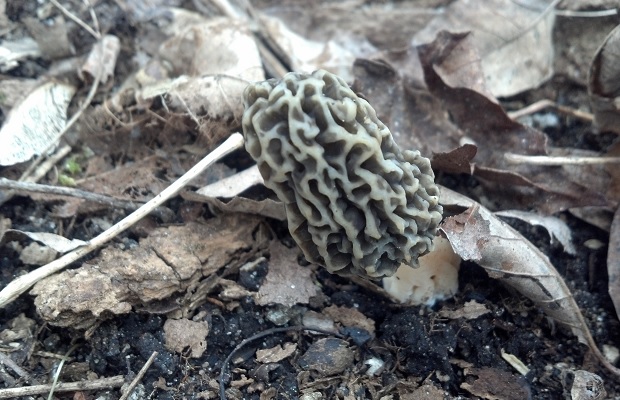
Tasted from magnum (bottle 110 of 200 to be exact) and shocked (in a redacted moment) by how fresh and non-advanced this wine persists to be. This syrah is from a vineyard that was the second one planted on Red Mountain and what we are faced with is a 15 year-old block that was so far ahead of its time. Tasting this 10-plus years after vintage feels like fiercely re-reading an old Tom Robbins novel, celebrating the proper work of the past and predicting what will be essential in the future. The search back then begets syrah in hot climates now. Getting the sage brush but now, now the fungi have come about, though not the kind that grow in a western rainforest. More like that which emerges from a burn site. In any case the impression is syrah from a beautifully stark place. La belle de campagne. Drink 2023-2026.  Tasted August 2023


Walla Walla

SMAK Wines

SMAK Wines is the first Asian woman owned and operated winery in Walla Walla producing exclusively Rosé. “Rosé to me is more than just a beverage, it is a lifestyle. I wanted to bring this lifestyle here and so SMAK was born.”- Fiona Mak, Owner & Winemaker.

SMAK Sangiovese Spring 2022, Walla Walla Valley AVA

SMAK Wines is the work of Fiona (Sui Wah) Mak and sangiovese is made just like the pinot gris, save for how it exults the high acid and sharp nature of sangiovese. Still so light and rainwater clean, not quite petrichor but yes, a Rosé that drinks like water. Back up the truck for this glug-glug, glou-glou, grape witches fantasy of Rosé. Salty. Drink 2023-2025.  Tasted August 2023

SMAK Pinot Gris Summer 2022, Walla Walla Valley AVA

I mean not all that different than the sangiovese if lighter, lower in acid and well, summery. Light, bright, tender, carefree, unadorned and even saltier, to be honest. Just what you need, whether you know it or not and well before you even know your needs are needed. Salty magic as koan. Koan of Rosé. Drink 2023-2025.  Tasted August 2023

SMAK Syrah Autumn 2022, Walla Walla Valley AVA

Made with syrah and its autumnal personality, barrel fermented in neutral wood, some malolactic and so not the usual but rather a Rosé with some extra nuance, spice, texture and fantasy. No lewd or ambitious stylistic departure from Spring and Summer, just a bit more grounded, of blush gravitas, creaminess and something needed to be explained. Rosé smackdown without any undesired anxiety or tension. Drink 2023-2025.  Tasted August 2023

SMAK Syrah Bubbly Blend Winter 2022, Walla Walla Valley AVA

Fizz Rosé by syrah with some addendum by grenache and a few extra grams of residual sugar to keep the harmony and faith alive. Nice little bit of naturalization in the way the wine sits on the palate and melts like a caramel and lemongrass salve. Red currants and again, coming across dry and just tannic enough to keep things moving forward. Would like another half gram of acid for best energy and more length. Drink 2023-2024.  Tasted August 2023

SMAK Cabernet Franc Rosé Abstract #1 2022, Walla Walla Valley AVA

There is just something about cabernet franc that when it’s made into Rosé (and made well) the grape variety is more recognizable than almost any other. Fiona Mak has captured grape and what just has to be place with a level of calm and hypnotism that Rosé rarely sees. Drink a glass, get your Rosé buzz on, feel OK for the rest of the day. Drink 2023-2025.  Tasted August 2023

SMAK Pinot Noir Rosé Abstract #2 2022, Walla Walla Valley AVA

Gotta say this might be the best use of pinot noir in Washington, light, salty and without distraction to cause any overthinking. Closer to the sangiovese than any of the others and with an extra layer of volatility, sharpness and tang. Drink 2023-2025.  Tasted August 2023

With Brandon Moss, Production Winemaker – Gramercy Cellars

Gramercy Cellars

The story of Gramercy Cellars began with a Manhattan-based sommelier tasting and becoming inspired by Washington State wines. He sells everything to move across the country to make his own. Master Sommelier Greg Harrington and production winemaker Brandon Moss are the mad scientists, experimental music makers, open-minded and forward thinking team.  They are intuitive and paying attention to the extremities of climate events. Fully aware that 2020 was a brutal smoke year and so 25 percent was balked out after remediation. “Mourvèdre can handle it” tells Moss, but “cabernet franc and pinot noir simply can’t.” Elizabeth Tommasino at Oregon State is researching “columns” that neutralize smoke taint without stripping varietal from wines.

Gramercy Cellars Picpoul Pét Nat

Sparkling picpoul, low pH, high acidity, aromatically neutral and boom, Pét-Nat. Left on its lees for something like 10 months before being disgorged and so yeasty is the understatement. Graffiti labeled, an element of Gramercy Park, NYC ode. Smells like chèvre and preserved lemon, minutely funky and well, extremely French. Weirdly so and the yeasty-bready ready quality is more sourdough than anything else but also this dry-aged beef note that purists will really love. This is how you make wine without excess sulphur, cultured yeasts and for the purpose of re-fermentative ideals. Drink 2023-2025.  Tasted August 2023

Gramercy Cellars Picpoul 2022, Walla Walla Valley AVA

Not a whole helluva lot of picpoul made in the United States and especially in hot climates but it ripens late and the acidity can be maintained – that said you need a lot of heat to get it ripe. This may not be the Languedoc and the lean, salty, low pH style without lees weight or drive puts this in a league of its own. Vines were planted in 2013, clusters are loose and massive, the wine it makes is acid-driven, fresh and simple. Pencil lead, cinnamon heart and fennel pollen. More complex than you might think. All lemon and lime on the finish. Drink 2023-2025.  Tasted August 2023

Gramercy Cellars Viognier 2022, Columbia Valley AVA

Sourced from Lake Chelan for a cooler climate base and then the Gramercy vineyard called Forgotten Hills in the Walla Walla Valley. The WW fruit is all barrel fermented while the Lake fruit is only treated to forty percent. The complete opposite of the typically recent warm vintages and so don’t come looking for tropical fruit and fresh roses. Think orchards, of pear and then that douse of lime with a salty finish. Summertime temperatures in later September brought weight and closure to this ’22 viognier. Might still be a tad lean but phenolics are solid and balance is not to be questioned. This is viognier for those who don’t always love viognier. Thank you warm October. Drink 2023-2026.  Tasted August 2023

Gramercy Cellars Mourvèdre “L’Idiot Du Village” 2020, Columbia Valley AVA

Varietal, from Olson Vineyard west of Red Mountain up on the north ridge, back hill of Benton City. Hot for ripeness though not quite Red Mountain hot. Fermentation and aging in concrete with more barriques involved and then a racking back to concrete. Nearly 60 percent whole cluster because the vintage said so and biting into the stems directed such a decision. First vintage was 2009 and along with 2010 it was a GSM-C blend but over time (and as a result of a trip to Bandol) the weird blend was dropped in favour of making mourvèdre, a.k.a. the true Washington rock star. Peppery but no char, herbal though never herbaceous, red fruit strong without any unnecessary tension or power. Kind, soft and nurturing for the grape. Terrific use of whole bunch, proper and grape related. No bitterness, no smoke taint. Clean as it gets. Pretty much ready to pop and pour. Drink 2023-2026.  Tasted August 2023

Gramercy Cellars Syrah Forgotten Hills 2019, Walla Walla Valley AVA

On the Blue Mountain side of Walla Walla, picked early in most parts of the state but not until October in Forgotten Hills, set down below in an ancient riverbed in the valley. De-stemmed in 2019 because of some mild issues and very much a red fruit juicy, lighter character of syrah with peppery liquidity and little to no sharp bites of tang. Crunchy stuff, relatively low in Rotundun and made to respect the vintage which did not want the makers to keep the bunches whole. Nothing aggressive here, fruit always winning. A fifth of the tannic austerity that the (whole cluster component) brought to the 2017. Drink 2023-2026.  Tasted August 2023

Gramercy Cellars Syrah Forgotten Hills 2017, Walla Walla Valley AVA

Nothing wrong with a little bit of age on a syrah that has come into its own with thanks to the powers that be so that we can enjoy the fruits and the result of great labour. The present matters and yet there is a tension and even tannic austerity that asks for even moie time. Such a well crafted syrah, as meaty and coursing as it is fruity or getable, in fact there are few that can match the wound intensity, focus and restrained power as this by Gramercy denotes. Drink 2024-2032.  Tasted June 2023

Gramercy Cellars Syrah Lagniappe 2019, Yakima Valley AVA

From Red Willow Vineyard in the Yakima Valley near the town of Wapino. The first Washington syrah vineyard planted in the 1980s by David Lake, a Master of Wine, with Mike Sauer, in 1987. The old block is called Chapel Hill and this is 100 percent whole cluster syrah, completely apposite to Forgotten Hills even though it’s the same vintage. Aromatic concentration, full bodied nature and a naturally sweet meets savoury personality that is quite frankly intoxicating. Lagniappe as Frangipane, something wild and free, a crushed rock and berry entanglement and something profound. Really tight and precise. “Wait, did you hear that?” What’s the music playing? Somewhere down the Crazy River? Drink 2025-2032.  Tasted August 2023

Valdemar Estates

In 1889, Joaquin Martínez Bujanda began the family winemaking tradition in Oyón, a small town in Northern Spain. His son, Marcelino, and his grandson, Jesús, followed in his footsteps. Jesús’ son, Don Jesús Martínez Bujanda, created Bodegas Valdemar in the 1980s. His son, Jesús Martínez Bujanda (5th generation), is the current CEO of the family’s winemaking business, and his sister, Ana Martínez Bujanda, is the Cheif Operations Officer for Bodegas Valdemar. Jesús fell in love with the Walla Walla Valley while he was a student at the University of Washington. His passion for winemaking and for the valley led him to create Valdemar Estates.

Valdemar Estates Chardonnay 2021, Columbia Valley AVA

Clearly a top chardonnay site and the luxe character is evident, as is the acid, freshness and piqued intensity. The look here is texture, playful movements and interactions between parts so think down south but back to the motherland and south from there. Valdemar paired this with beets, mango and pistachio – my that does work. The finale on this chardonnay is warm and spiced, a harmony of seasoning after fruit and wood subside. Drink 2023-2026.  Tasted August 2023

Valdemar Estates Cabernet Sauvignon Entre Nosotros 2020, Columbia Valley AVA

“This is our entry level cabernet sauvignon (at $44),” tells Jesús Martínez Bujanda, “but it is the most important wine that we make at the winery. It has to over deliver.” And so the introduction (with some merlot and petit verdot) is the wine that acts as the entry drug and bridge to the top end wines that a Rioja producer thinks creates exceptional wines out of not only the Walla Walla Valley, but also the greater Columbia Valley. You can immediately feel and tell that a Rioja mentality infiltrates the place but how could it not? The chalkiness of the tannins are remarkably fine and the spicy character actually pricks and piques the palate. Purple fruit, creosote, graphite and wood that will take a few years to melt in. The fruit is equipped to handle it. Drink 2024-2028.  Tasted August 2023

Valdemar Estates Cabernet Sauvignon Klipsun Vineyard 2020, Red Mountain AVA

Immediately noticeable as a cabernet sauvignon from a warmer site, fruit rich and concentrated, doubly substantial and even further developed as richly tannic. Fully, completely substantial and laden with finest grains of tannins in chains every finer, braided as tight as is seemingly possible. Dusty but a thick, duff like matter, coating every minute part of the palate. There are no holes or moments of lag but only heavy set fruit, supportive acids and those massive tannins. Terrific work from winemaker Marie-Eve Gilla and not sure there is a better cabernet sauvignon made anywhere in Spain. Drink 2023-2029.  Tasted August 2023

Valdemar Estates Syrah 2020, Walla Walla Valley AVA

Here Syrah comes from the hottest districts in North America, known as The Rocks, an ancient riverbed on the Washington-Oregon border filled with basaltic cobbles. Valdemar owns a portion and this is arguably THE PLACE to grow syrah in the west. Floral with high level black pepper for classic syrah-Rotundun style. Meaty, with iodine and charcuterie but with no compromise to fruit concentration. A substantial wine in all respects, tannic and well extracted, again across all parts of regard. It can be imagined that the style will change over the next few years as finesses continues to hone in on just what the Rocks wants to give out of vintages ever diverse.  Last tasted August 2023

Full on pitchy dark fruit swells from Valdemar, layered, chewy and ropey, like liquorice of many splendored flavours. Full on ripeness and natural sweetness by way of expression without any compromise or conceit of structure. An earlier drinking example though also one that will do well for up to five years because the fruit is just that deep. Drink 2024-2027.  Tasted June 2023

L’Ecole No. 41

The old Frenchtown school operated until 1974 and was bought in 1977 with the idea of turning it into a winery. First harvest and official founding was in 1983. Marty Clubb is celebrating his 40th Anniversary. Jean and Baker Ferguson founded the winery in 1983, well before there was a wine industry in Washington. Third in Walla Walla, 20th in the state. Marty was winemaker from 1989 and today its Mark Trafanelli, since 2018. Now 50,000 cases, increasing by 1,000-1,500 every year since 1989. Cabernet is into its 50th leaf, merlot close, chenin blanc next and first sémillon was on Sagamore, also the Wahluke Slope. Not a lot off new plantings and so the overall amount is declining. They make upwards of 30 percent in the state and even more than that in chenin blanc. The school at 500 ft is in a cold frost belt so the older vineyards are planted at 800-900 ft and the new Ferguson Vineyard on basalt is at 1,500. Climate change has improved winter weather ability while diurnal temperature changes can add up to 40 degrees Fahrenheit.

With Marty Clubb, L’École 41

L’École No 41 Chenin Blanc 2022, Walla Walla Valley AVA

Older than 35 years of age and so like the Western Cape OVP the labelling is old vines. Akin to old bones but with experience, resistance to weather issues and creating high level concentration. Some of the fruit comes from the Newhouse family’s vineyard with century vines, sour rot dirty laundry and all. Clones probably came up from Dry Creek Valley in California and my if this does not strike a balanced accord between dry and sour, concentrated and tart. Just woollen enough to mimic the Loire and act nothing like California. Length is more than impressive. Drink 2023-2026.  Tasted August 2023

L’École No. 41 Sémillon 2022, Columbia Valley AVA

Comes across as having some sweetness but be fooled once because it’s glycerol that gives the impression, so truth be told the sensory give is astral and incidentally Van Morrison’s seminal track from the eponymous record is playing in the tasting room as the wine is poured. The 2022 shows some early flint and petrol, balanced by the texture developed as a result of extra lees time. Another push-pull example of a L’École No. 41 white off of vines with experience. Just the right amount of tonic and bitters pop at the finish.
“To be born again
In another world
In another world
In another time.”
Drink 2023-2028.  Tasted August 2023

L’École No. 41 Chardonnay 2022, Columbia Valley AVA

A good chunk of this fruit comes from the original block on a crested hill of the larger Evergreen Vineyard. Dear Mr. Fantasy, pour me some chardonnay, from ice age silt and sand, stones and minerals that when respected, treats a consumer to this kind of salty-sapid harmonic chardonnay. All barrel fermented, all French and 20 percent new. I mean it’s an amount and style truly Burgundian with some tropical fruit because it is 2022 and yet acidity is crisp with green apple bites to balance what is also creamy texture. Middle road compared to the chenin and sémillon but also so perfectly professional. Drink 2023-2026.  Tasted August 2023

L’École No. 41 Merlot Black Label 2020, Walla Walla Valley AVA

The original estate red, the only one made in the 1980s and still the one that delivers earthy and herbal tones. The 18 percent cabernet franc (plus drips of malbec and petit verdot) creates the verdant and forest floor notes. Good red to red-black fruit from 2020 with highest level phenols and a sweet, pretty persuasion. A couple of glasses and then the melatonin sets in, followed by a near guarantee of REM sleep. “It’s what I want, hurry and buy.” Drink 2023-2027.  Tasted August 2023

L’École No. 41 Cabernet Sauvignon Black Label 2020, Walla Walla Valley AVA

“We have a lot of old vine cab,” says Marty Clubb, which indeed drives the machine, but there no real reason to name that on the label. Minimum age is 30 with many over 50 for a 100 percent cabernet sauvignon, all picked in October. Rich, viscous, unctuous and most important – experienced. Chalky and the barrel brings both good dark chocolate and dusty espresso to the finish. Age this five years. Drink 2024-2027.  Tasted August 2023

L’École No. 41 Merlot White Label 2020, Walla Walla Valley AVA

The highest level for merlot has Bordeaux Right Bank in mind and here the mix of windblown loess topsoil and basalt takes the grape up to where great minds and ambition want to meet. Huge fruit vintage, thick as thieves with structure twice pointed and the overall result is a big and cellaring potential merlot. Drink 2025-2030.  Tasted August 2023

With La Leggenda, Ange Aiello

L’École No. 41 Cabernet Sauvignon White Label 2020, Walla Walla Valley AVA

Less than 2,000 cases are made of the three vineyard (Seven Hills, Pepper Bridge and Ferguson) sourced cabernet sauvignon. Here comes the Cassis and herbal-savoury note with dried fruit moments red to purple and finally an impressive set of varietal meets site(s) circumstances. Averages out at 35 percent new wood and yes the fruit receives the wood with open arms. Long and age-worthy, longer than the merlot. Drink 2025-2032.  Tasted August 2023

L’Ecole No. 41 Apogee Pepper Bridge Vineyard Proprietary Red 2020, Walla Walla Valley AVA

The 31st vintage of Apogee. From the central part of the valley where cool air seems to be blowing through at all times. Heat accumulation is lower, hang time longer and the site is picked in late October, just ahead of the first frost. Planted in what would a millennium ago have been wher there were ice age flows. This is 56 percent cabernet sauvignon, (28) merlot, (12) malbec and (4) cabernet franc. The site tends – to more leather-tobacco and here it is also horse saddle noted which is Bordeaux in mimicry. The soil derived from ice age flows is what we extend in belief as being the reason. Why not? Serious character and complexity, finest tannins of the estate’s Bordeaux reds and from 2020 likely a 15 year run to come. Maybe longer. Drink 2025-2035.  Tasted August 2023

L’École No. 41 Perigee Seven Hills Vineyard 2020, Walla Walla Valley AVA

A proprietary name imagined by Martin Clubb’s father-in-law to explain site which is at high elevation on the south side of the valley planted in 1980. The soil is 15 feet of wind-blown loess sitting atop another 15 feet of ice age flow. Extended maceration is the treatment for this proprietary blend which is composed of the free run portion of the juice because both the cabernet sauvignon and petit verdot showed hints of smoke taint. Perigee incidentally is the closest spot in the moon relative to the earth. A super moon in lay-person’s terms. The blend is 54 percent cabernet sauvignon, (24) merlot, (12) cabernet franc, (6) malbec and (4) petit verdot. Rich and smouldering, thick black currant almost syrupy but so high in glycerol and what impresses but also harmonizes this red is its sweet and bracing acidity. Makes the smoulder unimportant though it will always be there in the shadows. Drink 2025-2032.  Tasted August 2023

L’École No. 41 Ferguson Vineyard 2020, Walla Walla Valley AVA

The basalt vineyard with hardened-fractured, three-dimensional cube of rock that breaks or fragments to the touch. Also iron rich clay and this is the only place in Washington State with soil like this. The third of three estate proprietary reds that buds early and are picked late. Grapes are thick-skinned and the conversion rates mean rich fruit, high acidity and length. Blend here is 59 percent cabernet sauvignon, (24) merlot, (7) cabernet franc, (6) malbec and (4) petit verdot. Picks at an acidity level off the charts and then settles so that pH is low, but not crazy low. First vintage was 2011 and believe it or not Phylloxera was found in the vineyard. New plantings are helping to keep things moving swimmingly along. Rich berries of three colours, dusty meets chalky tannins and all the dark chocolate and espresso of great and fine ilk. Huge wine and that’s exactly what it wants and is surely touted to be. Drink 2025-2034.  Tasted August 2023

L’École No. 41 Syrah 2020, Walla Walla Valley AVA

“What’s the sense of changing horses in midstream” and so syrah is poured last, with 1+2 percent grenache and mourvèdre. Some stem addition (20 percent at the bottom of the totes) to make sure a bit of Mediterranean black olive and caper note slide on in. Black pepper necessity and more barrel than some but well integrated and no doubt also seasoning to add more of what skins and stems have already given to the fruit. A sanguine note, hematic streaks, blood on the tracks. Spicy and fulsome, a very substantial syrah that like the Bordeaux reds will also age quite well. Acumen and top vineyards ensure this will be. Syrah, you’re a big girl now. Drink 2024-2029.  Tasted August 2023

The Cellar at Woodward Canyon

Woodward Canyon Estate Vineyard

Family owned, by Rick and Darcey Small. Selena Kritsonis runs hospitality and husband Sager Small is vineyard manager. Kevin Mott is the winemaker. 8,000 cases in total

Woodward Canyon Estate Vineyard Chardonnay 2022, Washington State

First planted in 1978, barrel effect dialled back over the years, now 20 percent new wood and no malolactic whatsoever. All estate fruit with the newer (north facing, refreshening) block planted back in 2011. Pretty spot on classic ode to the motherland style that sees ripest fruit without freshness limitations meeting just enough wood for softness, creamy texture and overall Washington State high caste ubiquity. Truly proper and correct for sense of place and intendment. Vague impression of sweetness says quite a bit about fruit quality and style. The length is impressive. Drink 2023-2026.  Tasted August 2023

Woodward Canyon Estate Vineyard Merlot 2020, Walla Walla Valley AVA

Estate fruit at the western edge of the Walla Wally Valley, two blocks used, 25 year-old Clone 3 old vine and also the younger Clone 181. The most western vineyard in the AVA, drier and warmer, a climate as much akin to red Mountain as it is to the Blue Mountains area of the WWV. Warm and dry vintage, lower than average yields and nearly 50 percent new wood, French and Hungarian. Pushing 15 percent alcohol yet holding both that and the wood with esteem. Aromatically spicy, dusty fennel pollen, tannins as well. Fine acids and chalky like so many, especially from vineyards west of this valley. Two-toned in all these respects, cooler herbal Amaro notes meeting warm and developed richness. Lots of ganache on the back end of this wine. Drink 2024-2029.  Tasted August 2023

Woodward Canyon Estate Vineyard Cabernet Sauvignon Artist Series #29 2020, Washington State

Flagship wine from vines averaging 35 years with each label painted by a different West Coast artist. The vineyards are four-fold; Woodward Canyon Estate, Sagemoor, Weinbau and Wallula Gap. Nearly 40 per cent new wood, French and American, actually cab-dominant (76 percent) with other Bordeaux grapes involved. The rest are (12) petit verdot, (5) cabernet franc, (4) merlot and (3) syrah. Shows less wood than the merlot and more variegate red fruit. Also more espresso and less chocolate because the red berries really stand apart. Something candied comes late, like cinnamon hearts meeting reduced balsamic. Would match well with flank steak and chimichurri with slow roasted aubergines. Drink 2024-2028. Tasted August 2023

Woodward Canyon Estate Vineyard Cabernet Sauvignon Old Vines 2020, Washington State

Originally called “Dedication Series” and first made in 1981. Oldest cabernet blocks are chosen from three vineyards; Woodward Canyon Estate, Sagemoor and Weinbau. This sees 100 percent new French wood and just three percent each petit verdot and malbec bring grip and spice to the cabernet. So much wood to integrate, melt and assimilate before a wine of this luxe nature and fullest concentration can pour with any real charm and grace. Huge fruit and creaminess, The 1972 Sagemoor fruit (equivalent to Bacchus for other producers) is the experienced anchor and overall the wine does act out as a heritage passion play with age-worthiness at the highest level for the estate. It’s unctuous and thick, again in delivery of that vague impression of sweetness though that number is not listed on the technical sheets. Those who love the fullest of full cabernet sauvignon should keep this in their hearts along with any number off much higher prices iterations from Napa Valley. Drink 2025-2033.  Tasted August 2023

Seven Hills Winery

Casey McClelland is the founder, of Celtic roots (thus the logo). 1980 planted founding vineyard, established winery in 1988, was originally setup in Milton-Freewater (in Oregon). Moved into the Whitehouse Crawford Building in Walla Walla in 2000. #5 winery in WWV. Yvonne Davis is the tasting room manager. Purchased in 2016 by Crimson Wine Company. Winemaker Bobby Richards is the Washington Organization Winemaker (WOW), overseeing both Seven Hills and Double Canyon.

Yvonne Davis, Seven Hills Winery

Seven Hills Winery Sauvignon Blanc 2022, Walla Walla Valley AVA

A little bit of everything adds up to a complete and straightforward package of sauvignon blanc that’s as crisp and sapid as it is predicated on fruit. Clean and tidy, ideal as correct would be from and for a desert climate. Chill well is the operative phrase to make this stand out and satisfy. Drink 2023-2025.  Tasted August 2023

Seven Hills Winery Rosé 2022, Walla Walla Valley AVA

A Rosé of cabernet franc splashed by malbec and petit verdot for what is about as much clean flavour to come from the combined grapes and this valley as you are ever going to find. Currants and tart cherries, sweet Genovese basil and just a perfect crabapple. This is spot on Rosé with red citrus running through even vein and artery of a wine of pulchritude and toothsome bite. Drink 2023-2026.  Tasted August 2023

Seven Hills Winery Merlot 2020, Walla Walla Valley AVA

The word on merlot perpetuates because you know the mention in “that movie” and while many characters in Walla Walla make mention of it, well frankly merlot is terrific in this AVA. Especially when it’s made with the fruit-centric, spice cupboard and graceful restraint as it is by Seven Hills. Do you even notice the wood? Not nearly or so much and everything about the grape, including its smooth state of being and gracious personality are captured, in fact doubly so from the warm and dry vintage. Don’t drink f-in merlot you say? Drink this you ignorant perpetuator of stereotypes. Drink 2024-2028.  Tasted August 2023

Seven Hills Winery Merlot Seven Hills Founding Vineyard 2018, Walla Walla Valley AVA

Rock star vintage. Someone up above or below gave you great grapes and said don’t mess it up. Gotta say that the pedigree established by Casey McLelland down through all the winemakers and team at Seven Hills have figured out how to do much more than not screw up. Forget about the name of the variety for a while, close you eyes and taste this wine. Plush and ripe, all those dusty and chalky elements shaken, not stirred and emulsified like few other. Now concentrate and exult the name, say it aloud and tell the world. Seven Hills knows and does merlot. Really darn well. Bloody ‘ell this is delicious. Drink 2023-2027.  Tasted August 2023

Double Canyon Cabernet Sauvignon 2021, Columbia Valley AVA

Owned by the Crimson Wine Company, along with Seven Hills Winery, winemaking overseen by Bobby Richards. Blends fruit from two appellations, Red Mountain and Horse Heaven Hills for a truly two-toned cabernet sauvignon as fruity as it is sweetly herbal. Cassis and Amaro, balsamic and caramelized fennel, flavour compounds running amok, hither and thither. Nothing black fruit thickness and wood make-up about it here – just fruit, great acid, haute grip and medium bodied goodness. Drink 2024-2028.  Tasted August 2023

Double Canyon Cabernet Sauvignon 2018, Horse Heaven Hills AVA

Back in 2018 just two years after this brand became part of the Seven Hills world there was only HHH fruit from the hills where wild horses did once upon a time run free, including through the vineyards. Important and quintessential vintage for this part of the Columbia Valley’s reds, well pretty much anywhere in eastern Washington. Cassis still persists, as do sweet herbals and savoury elements, less brushy than Walla Walla, now silkened and smooth. Grip has dissipated and the cabernet might still show a bit of chalky tannin but it is drinking right in the heart of its window. Drink 2023-2026.  Tasted August 2023

Seven Hills Winery Pentad 2020, Walla Walla Valley AVA

For Seven Hills all rules and roads lead to Pentade, “the sum of five,” narrowed down from six, carmenère included in 2020, not cabernet franc. Always cabernet sauvignon dominant, label designed by Ian Boyden, paint made holistically from minerals, alloys and metals. Grace under pressure, richness without rush, no hesitation and confidence throughout. Important and audited acids, fruit auditioning for tannin that controls but like a parent for all the nurturing reasons. Noteworthy for its stage presence and deft abilities to impress without ego. Drink 2023-2032.  Tasted August 2023

Seven Hills Winery Cabernet Sauvignon Seven Hills Founding Vineyard 2020, Walla Walla Valley AVA

Signature varietal wine, for all it’s meant to be and for reasons that matter in every profound way. Not quite as rich and fortified as Pentad but equally grippy and of fine karst to bone structure, both by bright acids and trenchant tannins. Cassis reduced and herbs sweetened like no other wine in the portfolio. Top vintage for this wine. Truly. Drink 2024-2029.  Tasted August 2023

Seven Hills Winery Cabernet Sauvignon 2021, Walla Walla Valley AVA

The “distribution” cabernet sauvignon, as opposed to the high-end signature Seven Hills Founding Vineyard iteration, here a year younger and from a more challenging vineyard. Makes for high caste aromatics if neither the concentration, acumen or confidence of the SHFV. Teaching varietal wine, epitomizing vineyard fruit, health and estate style. Everything that cabernet sauvignon should and shall be for SHW and why decisions have been made for these positive consequences to follow. Proper and satisfying. Drink 2023-2026.  Tasted August 2023

House of Smith

Charles Smith grew up in Sacramento, one of 6 children. Went to Copenhagen with his girlfriend, booked and managed bands, most notably The Breeders of Denmark. Moved to Bainbridge Island, opened a bottle shop. Came to Walla Walla and he met the OG winemakers, borrowed equipment and was gifted some grapes. K Vintners K Syrah was born in 1999, 230 cases, was given a 250,000 loan form the bank, House wine with Costco was created and sold two years later to Precept wines. Then the came Charles Smith wines, five labels including Kung Fu Girl, 10 years went past, sold to Constellation Brands for 124 million dollars, name was changed to House of Smith and the rest is history.

Substance Sauvignon Blanc Sb 2021, Columbia Valley AVA

Just 10 per cent barrel fermented seems insignificant when you consider the amount of tropical fruit ripeness on this sauvignon blanc. Fresh and clean, zesty and though that fruit is healthy and luxe, the wine is also linear. The right stuff people. Drink 2023-2025.  Tasted August 2023

Substance Chardonnay Ch 2020, Columbia Valley AVA

Minor yet significant barrel addendum for what is again seriously ripe Columbia Valley fruit making for almost indiscriminately edible chardonnay you can’t help but ruminate and chew. Fulsome, light butterscotch and an unexpected salve dissolve upon then palate. Natural feel. What’s happening here? Drink 2023-2024.  Tasted August 2023

Sixto Chardonnay Moxee 2019, Washington State

Moxee is the name of the vineyard, a high elevation site in the Columbia, near to the Yakima Valley. the Charles Smith team is looking for acids and mineral, less butter and essentially a Burgundian feel. Nine months in concrete and nine more in 20 percent new wood. Barrel reduction as flint but also minor sulphide yet to integrate or blow off, some butterscotch but the elements and minerals do well to harmonize acids sweet enough to mimic and carry the fruit. Good intentions but 18 months of elévage can’t help but hide site more than it should. Drink 2023-2025.  Tasted August 2023

Sixto Chardonnay Frenchman Hills 2019, Washington State

Right next to Stoneridge Vineyard at 1,650 feet of elevation, cooler, frost free, nine months in concrete and a further nine months in 21 percent wood. Yes Sixto is a reference to Sixto Rodriguez who was lost to the world on August 8th. A story of renewal, second chances and regeneration, a.k.a. vines planted back in the 1970s by Château Ste. Michelle, abandoned and resurrected by Charles Smith. More than technically old vines, much higher acid than the Moxee, still rich of vintage fruit but this one bites, piques and attacks with white peppery jolts. This is an exciting wine to drink while watching Searching for Sugarman. Serious quality in old vines chardonnay. Drink 2023-2026.  Tasted August 2023

Sixto Chardonnay Rosa Hills 2019, Washington State

Sees the most French wood after nine months in concrete and so expect more butterscotch and golden pineapple, compounded as a result of lower elevation in the Yakima Valley. No doubt the most complete and developed of the three single site chards, no apologies and in Rosa’s case none necessary because varietal nirvana in the style is acceded. “In the sun, in the sun, Mary.” Driving chardonnay, rising slowly, incrementally, resinous and substantial. Weightier, bass drum and line, droning in the end. Drink 2023-2025.  Tasted August 2023

Substance Pinot Noir Pn 2021, Washington State

Of 200 acres planted nine years ago the intention was to make a single block pinot. Syrah makers were in charge and so the learning curve was heavy and long. Seven years later this entry level pinot noir brings ripeness, that much is clear but also vanilla-lavender ubiquity. The use of Evergreen Vineyard fruit does bring extra pop and oomph because syrupy savour and vinous character needs some infiltrate lift. Works fine if with noted make-up and overworking involved. Drink 2023-2024.  Tasted August 2023

CasaSmith Sangiovese Cinghiale 2021, Wahluke Slope AVA

In 2013 Charles Smith began working with North Ridge Vineyard in the Wahluke Slope AVA where barbera and primitivo are also planted and they too came with the contract. Rosebud Vineyard (88 percent), and (12) Wahluke Slope. Eight months of neutral oak, Vino de Tavola style and concept, fresh, crunchy, “scorreviole,” as it must be. Fine work, representative of northern exposure, glug-glug, really respectful and well made. Shocked that it comes away away at 15 percent alcohol. No heat, so bravo to the team. Drink 2023-2025.  Tasted August 2023

Substance Cabernet Sauvignon Cs 2021, Columbia Valley AVA

Pulled from nine different vineyards and this is House of Smith’s wine that keeps the light on. Hums and grooves like a 1970s vibe, Marc Boland’s T-Rex to be exact. Some sweetness and also volatility but both are the kind that make a consumer feel like they are tasting something complex and upscale when really what’s in the bottle is a $14 Costco wine. No matter because it’s Neo-varietal cabernet sauvignon that the masses should choose above critters and California reds with 24 grams of residual sugar. Drink 2023-2024.  Tasted August 2023

K Vintners The Creator 2019, Walla Walla Valley AVA

A three pound bottle. Why? “Charles wanted to make a statement.” He also wanted to make something new from the state of Washington, not that cabernet-syrah has never been done, “but not to the extent that this team set out to do. From Powerline Vineyard in the Walla Walla, cabernet sauvignon at 73 percent with (27) syrah and the fine thing about this blend of moderate (13.5 percent) alcohol is finesse and powerful restraint, a Killers wine that “doesn’t look a thing like Jesus.” There’s only one creator and Charles Smith is not they, but this wine so reminds of classic Western Cape Blends where the most ancient geology gifts this earthy, reductive and savoury character. This is a very good red blend in spite of the sustainably egregious heavy bottle. Drink 2024-2027.  Tasted August 2023

Vital Wines

Non-profit offering financial support for vineyard workers. Everything is donated, including the grapes. Ashley Trout is the founder, winemaker at Brook and Bull. All tasting room staff are volunteers so thank you to Renée and Thomas for donating their time and knowledge.

Vital Wines Rosé Valdemar Estate Seven Hills Vineyard 2022, Walla Walla Valley AVA

Made with grapes grown and also winemaking donated by Valdemar Estate, of 80 percent mourvèdre and (20) syrah. Lots of spice here, candied aromatics too, not a shock considering the dominant grape and the tart fruit gains your immediate and keeps attention. Tastes like Rioja Rosado, oddly enough. Drink 2023-2024.  Tasted August 2023

Vital Wines The Given 2019, Columbia Valley AVA

Four-part Rhône-ish blend, based on 60 percent syrah with (25) grenache, (13) mourvèdre and (2) cinsault. The blend changes every year and so the donations are also in flux. Major spice, a cupboard full dominates the aromas, namely cinnamon, clove, nutmeg, all dusty and soaking in balsamic. Sensing American oak as if Rioja in style though the grapes all harken the Rhône. Chock full of flavour and relatively easy drinking with fruit both dark and floral. Whatever tannins were involved have fallen away. Drink 2023-2025.  Tasted August 2023

Vital Wines Syrah 2020, Walla Walla Valley AVA

Fruit is donated from The Rocks District in the southern Walla Walla AVA, basaltic cobbles that do syrah like no other terroir on earth. It’s really true that only The Rocks scents syrah like this, meaty and Rotundun peppery but also a speciality of flowers that simply do not come from anywhere else. A varietal-place sensation like sangiovese from Lamole in Chianti Classico, a perfume that is the place. “What can I get you?” Syrah on the Rocks, please.” Drink 2024-2028.  Tasted August 2023

Vital Wines Cabernet Sauvignon 2019, Red Mountain AVA

Made with fruit donated out of the Red Mountain AVA and there is no real shock to feel the warmth, thickened stew consistency and shaken texture. Full, oaky and designed for those who like it big and unctuous with just a bit of sweetness in their cabernet sauvignon. Very much southern Washington in style, chock full of flavour if not the most finessed iteration off of Red Mountain. Drink 2023-2025.  Tasted August 2023

Vital Wines The Visionary 2019, Walla Walla Valley AVA

Bordeaux blend from grapes donated out of the Ciel du Cheval Vineyard farmed by Seven Hills Winery, among others. Led by 60 percent merlot, with (27) cabernet franc, (12) petit verdot and a splash of cabernet sauvignon. First vintage with the proceeds going toward eye exams and glasses for vineyard workers who are unable to afford them. Quite the aromatic and also classic Walla Walla blend, thick, viscous and buoyed by pretty impressive acidity. Coffee, dark berries, lavender, graphite, dustiness, balsamic and a merlot-ness that is truly AVA dictated. Well made considering the grapes donated are always in flux and most of the wines are a first kick at the can kind of experience. Drink 2024-2027.  Tasted August 2023

Rotie Rocks Vineyard

Rôtie Cellars

Sean Boyd moved here in 2003, started the Rotie Rocks Estate winery in 2007, with no distribution. Only selling from the cellar door and in Seattle. Originally a geologist working in oil and gas, from Tacoma. Was the winemaker at Waters, fell in love with the Rocks District in Milton-Freewater at the confluence of Washington and Oregon. Property had been devoted to red delicious apples which were subsequently ripped up and planted to Rhône varieties, modelled after Beaucastel. Six square (5.9) mile sub-AVA and essentially the only American AVA with just one soil type. Each year a new vintage of the Northern and Southern red and white blends are released, one a “rounded trifecta” of grenache, syrah, and mourvèdre, the other a play on that other threesome, viognier, marsanne and roussane.

The Rocks (District) at Milton-Freewater

Rôtie Cellars Southern White 2022, Walla Walla Valley AVA

Half viognier with (30) roussanne and (20) marsanne, more than estate vineyards with some Blue Mountain foothill area viognier and roussanne coming in form that cooler clime. Partially barrel-fermented, minty cool, green eggs and ham fantasy, essentially dry so if there is a gram, that sweetness does little to effect the blend. Sapid white, neither tropical nor searing but somewhere comfortably in between. The barrel ferment on the viognier does induce longan fruit with a douse of marsanne lime that extends the flavours over a good length of time. Drink 2023-2026.  Tasted August 2023

Rôtie Cellars Southern Blend 2022, Washington State

A take on southern Rhône G-S-M with acid addendum and zest from cinsault. Somewhere in the vicinity of 60 percent Rocks District fruit with the remainder coming from the gorge that separates Washington from Oregon. The vineyard is literally on the river’s edge. A good portion is put into concrete (large cube) fermentation for 25 days, followed by neutral wood. That grip just has to be The Rocks but also a rush or whoosh of flavour that seems so very Gorge relatable. Curious metal motion mineral country twang, somewhat of a Chris Stapleton meets Lucinda Williams punchy anxiety that can’t help but grip the palate. Meaty, charred nightshade finish. Drink 2024-2028.  Tasted August 2023

Rôtie Cellars Northern Blend Rotie Rocks Estate Vineyard 2022, The Rocks District of Milton-Freewater, Oregon

The Côte Rotie mimic with five percent Viognier co-fermented with two different clones of syrah. Sees 15 percent French oak and is really the only Rôtie wine that sees some new wood. Agriculturally speaking it is the method of goblet head-training that makes for more efficient use of sap flow while fruit at 24 inches above the ground concentrates power. Also with winter help by “stoning up” from the basalt is The Rocks’ version of burying canes. Here a cobblestone cause and effect, of iodine, potassium and uranium, three pillars of these rocks that deliver wet stone, struck flint and balsatic tapenade. That crusty black olive sensation doubles down on aromatics and then the palate with shocks to the system like jumping across power lines in fits of sparking light. Impressive work here. Drink 2024-2029.  Tasted August 2023

Rôtie Cellars Rosé 2022, Washington State

Namely syrah with (15 percent) mourvèdre but the free run can’t come from more than an hour of skin contact because this is pale as it gets Rosé for syrah. Nearly vin gris, salty as F and purposed grown but also that acidity with the mourvèdre coming from The Gorge. Another sku is made with grenache called Stonewall Rosé that supports LGBTQ programs. Whistle as you sip this back because it delivers a one-two coordinated cool savour-grip punch. You can age this. Drink 2023-2026.  Tasted August 2023

Rôtie Cellars Northern White 2022, Walla Walla Valley AVA

Apposite to the Rhône with 60 percent roussanne and (40) marsanne, all about yellow flowers and texture, lemongrass sabayon and basaltic saltiness. This speaks as much about Etna Bianco in terms of volcanic saltiness as it does Rhône varieties so c’mon – this is all about The Rocks, right? This is the launching point for the whites of this place, even while syrah, grenache and mourvèdre are the true signatures. Drink 2023-2027.  Tasted August 2023

Rôtie Cellars Big G Rotie Rocks Estate Vineyard 2020, The Rocks District of Milton-Freewater, Oregon

Just the second vintage of the grenache from the Olives Vineyard back away from the Rocks district, just recently planted in 2015 now coming into play, likely real soon to be what will be talked about as “into it’s own.” Concrete ferment and used puncheons, unadorned, red fruit high caste and naked as the day a grape is born. Crystal clear transparency, and while many would wonder what drives this crystalline wine, the fact is concentration and power, not to mention depth are all in play. Don’t be fooled, this is indeed a glass of raw meat and red flowers.  Drink 2024-2028. Tasted August 2023

Rôtie Cellars Dre 2020, Columbia Valley AVA

From the benches or “cliffs” of Wallula Vineyard, depending on who you talk to, of naturally formed terraces with elevation changes along and above the river’s gorge. The Boomerang Block produces mourvèdre and it is a seriously dramatic place. Doctor my eyes this Dre is somewhere between America’s premier (male) singer songwriter and the OG Hip Hop man, from both of which there are no artists not influenced by one or the other. Exaggerations are key to making sure people understand the uniqueness and potential of future iterations of a varietal wine that one day may just blow your mind. Drink 2024-2028.  Tasted August 2023

Rôtie Cellars Bubbly Rosé 2021, Washington State

Not from any particular AVA, “just for fun, don’t overthink it.” Traditional method has been done here but this is forced carbonation (as in Charmat) method, all about the peaches and herb. Peach iced tea and just bloody delicious juice. That’s all folks. Drink 2023-2024.  Tasted August 2023

Rôtie Cellars Grenache Blanc 2021, Washington State

From the Olson Vineyard owned by Prosser in the Yakima Valley, also pulled by Gramercy. Made in a sharp, high acid, zesty lemon and lime style. Fresh, extremely refreshing that turns a bit tropical with weight at the finish. Apricots and nectarines after that zesty citrus. Drink 2023-2025.  Tasted August 2023

Winemaker Kate Derby, Spring Valley Vineyard

Spring Valley Vineyard

Washington State is rife with winerys and locations as unique to one another as anywhere in the world but Springfield Valley Vineyard is a universe unto itself. It may be Walla Walla Valley but the drive in and out is akin to riding shotgun in the Rover tumbling over and through a lunar landscape. The winery and vineyards are an oasis on the bright side of the moon and a harvest party setting next to the massive weeping willow is something to experience. Winemaker Kate “Crushinit” Derby is the granddaughter of Spring Valley Vineyard owners Dean and Shari Corkrum Derby and great-great-granddaughter of Spring Valley founder Uriah Corkrum. In 1993, Shari and Dean Derby planted the first grapes at Spring Valley and their first vintage was 1999. Derby works closely with Serge Laville and Carlos, longtime ranch manager. In the summer of 2007, 66 acres of new vineyards were planted. Today, Spring Valley Vineyard consists of 111 acres of grapevines including merlot, cabernet sauvignon, syrah, cabernet franc, petit verdot, and malbec.

With Carlos and Kate at Spring Valley

Spring Valley Vineyard Viognier 2022, Walla Walla Valley AVA

A short stay in barrel lends a lees creaminess to what is ostensibly true mineral stage presence for a viognier essentially borne out of a veritable oasis in the midst of a grand desert. Healthy alcohol just under 14 percent that integrates and balances within the overall master plan filled with fruit, salinity, fresh flowers, sapidity, botanical tonic and gentle bitters. A subtly exotic beauty, understated and if viognier could be expressive of humility then this by Kate Derby and team is just that. A joy to be around. Drink 2023-2026.  Tasted August 2023

Spring Valley Vineyard Frederick Red Wine 2017, Walla Walla Valley AVA

Ode to Frederick Corkrum born in Spring Valley in 1900 to Katherine and Uriah. Classic Bordeaux blend and traditional (SVV) styling based on cabernet sauvignon with merlot and cabernet franc, aged for up to 30 months in barriques, stainless steel and neutral 500L puncheons. Notably warm growing season results in a mature, gently oxidative, well-seasoned and fully reasoned red as nurturing and easy to sip as it is polished, calming, non-plussed and refined. Always the tobacco and dry-brushy native plants mixed with dark fruit and a local savoir-faire that is unmistakable. Gentle giant of a red blend clearly made by this undulating corner of the Walla Walla Valley. Drink 2023-2025.  Tasted August 2023

Spring Valley Vineyard Katherine Corkrum 2017, Walla Walla Valley AVA

Varietal cabernet franc, 100 percent, named in honour of Katherine Corkrum, wife to Uriah, a native of Wales who immigrated to Walla Walla Territory in 1897. She and Uriah had four sons, including Frederick Corkrum. Current winemaker Kate Derby is current generation Katherine and there’s just this feeling that KD and CF share an affinity for one another. The silken quality of both the fruit and tannins align to keep this 2017 living, breathing and gifting no matter the maturity or advanced nature of its present state. Acidity was and still persists as a catalyst to lift and carry the notions of Walla Walla, but more importantly the varietal Spring Valley Vineyard site. This is cabernet franc that tells you to slow down, smell the roses and sip without any rush at all. Make this glass and that bottle last. Drink 2023-2025.   Tasted August 2023

Brooke and Justin Neufeld

Yakima Valley

JB Neufeld

J and B, Justin and Brooke, partners who produced their first vintage in 2008. The Yakima Valley is the state’s oldest AVA and says Justin, “in my opinion the most diverse terroir.” Especially for cabernet sauvignon and “by focusing on one variety is forces me to concentrate on the nuances of sites.” For Neufeld this means the Rattlesnake Hills and the upper valley.

JB Neufeld Sauvignon Blanc 2022, Horse Heaven Hills AVA

Straight away and without any doubt Justin Neufeld’s is bloody delicious sauvignon blanc. Aromatic enough, hopping on the palate, creamy mouthfeel yet sharp and clearly optimum of ripeness. Harmonic and long, fresh, clean and a finale with a lovely sweet herbal push. Impressive for grape and state. The 2020 was the first (at 250 cases) and 2022 is the third vintage, of 600 cases. Drink 2023-2026.  Tasted August 2023

JB Neufeld Cabernet Sauvignon 2021, Yakima Valley AVA

“I want the Yakima Valley cabernet sauvignon to be a gateway wine,” explains Justin Neufeld. “A solid introduction to our style and friendly to many palates.” Here he makes use of lots of upper valley fruit for a variegated aromatic representation of the entirety of the Yakima. Some merlot here to help soften the overall expression and temper cabernet’s inherent austerity. Getting roasted nightshades in eggplant and red pepper, a lighter or subtle Cassis aspect, richness without thickening and luxury though never density. Truly proper Yakima Valley and by extrapolate extension, Washington State cabernet. Drink 2024-2028.  Tasted August 2023

JB Neufeld Cabernet Sauvignon Ciel du Cheval 2020, Red Mountain AVA

A wine that is evolving into a blend with increased amounts of merlot and petit verdot because Red Mountain’s cabernet sauvignon is more austere and gritty than that of the upper Yakima Valley. Then again it’s all about Justin Neufeld’s “feel” in any given year. Classic Red Mountain and clearly JB’s biggest wine, especially on the palate where structure and specifically tannins come in thick waves, more balancing Kelvin than monster rogue. The chalkiness is indeed of an unctuous type and the approach here is spot on, maximizing fruit without barrel or aggressiveness getting in the way. No faults, nor VA nor Brett neither, no distraction or misguided orientation. Some native ferment involved but not in any early inducing secondary or tertiary potential. This is piloted cabernet sauvignon, make no mistake, insured and respectful, harmonic and solid. The backing vocals are very important, reminiscent of the Rolling Stones if more Bernard Fowler than Mary Clayton, which puts Ciel Du Cheval in less raw, more contemporary cabernet sauvignon times. Drink 2025-2033.  Tasted August 2023.

JB Neufeld Cabernet Sauvignon Two Blondes Vineyard 2021, Yakima Valley AVA

From Justin and Brooke Neufeld who first bottled their cabernet sauvignon in 2008. “In my opinion the Yakima is the state’s most diverse terroir,” explains Justin. “By focusing on one variety it forces me to concentrate on the nuances of the sites here in Rattlesnake Hills and the Upper Valley.” A cooler clime for a less granular if also reduced austerity as compared to what comes from Red Mountain. Here the ridges run east to west and Two Blondes is as cool a site as there is the Upper Valley where the cataclysmic glacial lake outburst Missoula Floods peaked at 1,200 feet. Early concrete raising for a cabernet of place above all else, conspicuously aromatic with a whole helluva lot of things (and love) going on. Famously and indelibly connected to the winemakers who created it. A cerebral cab that makes you perk up, ponader and pay attention. The wood factor is quite present, the wine is so young and this feeling of delicasse, grace and repose are on the indigo horizon. Should take about three years time to get to a point of heartsease and another three to gain serenity. Drink 2025-2033.  Tasted August 2023

JB Neufeld The Old Goat 2021, Yakima Valley AVA

Fruit taken entirely from Red Willow Vineyard located as far west as you can get in the Yakima Valley AVA, up against the Cascade Mountains. A true child of the rain shadow effect and compacted soils layered atop with volcanic ash originally spewed out by Mt. Saint Helens. In fact this is the only place in the state where this exists, in several layers, including material from the 1980 eruption. So much more than the (Mongolian) loess that has blown in to the east and through much of the Yakima. There is a charming aromatic set of tar, tobacco and ash notes, again those charred nightshades and here some balsamic reduction. The quality of the fruit has much to do with the combined acumen of OG grower Mike Sauer, his son Jonathan and the collaboration with MW David Lake. Their first vintage together was 1979, the year they met. This Old Goat is not “an elderly man who is disliked, especially for being mean to or disapproving of younger people,” but is in fact a big red, high in acid and of greater structure than the other Valley cabernets made by the Neufelds. The blend is 67 percent cabernet sauvignon with (33) merlot, just recently released. Drink 2025-2033.  Tasted August 2023

Airfield Estates

Fourth generation, all in the Yakima Valley, now with 130 acres of grapes, 20 different varieties grown, the agriculture dating back to 1907. In 1968 the family began growing grapes, one of the first pioneer commercial wineries and the first vintage was 1971. Was purchased back for $1by Lloyd Miller who was an aviator in WWII. Marcus Miller is current generation and winemaker (with Travis since 2017).

Airfield Estates Lone Birch Pinot Gris Estate Grown 2022, Yakima Valley AVA

Fresh and clean, baking soda nose, easy, herbal, pear and direct. Palate brings the stone fruit, yellow-green aromatics and pretty much essential Yakima Valley pinot gris. Drink 2023-2024.  Tasted August 2023

Airfield Estates Sauvignon Blanc 2022, Yakima Valley AVA

Really warm days with thankfully cool nights maintains freshness and knowable Washington acidity of a side palate up and down attack. Green herbs, gooseberry and a cut grass moment or two. Handsome, muscular yet not too taut and all in all very proper. A varietal workhorse exemplary for Yakima and Washington. Drink 2023-2026.  Tasted August 2023

Airfield Estates Rosé of Sangiovese 2022, Yakima Valley AVA

More than interesting use of sangiovese for a place where not too much Rosé is produced and quite aromatic at that. Red citrus, high acid cherry and pink grapefruit, some RS and plenty of fruit that indicates a full’s day run and a grape relationship with great red potential. Almost Cerasuolo in style – from elevation, cool nights and high level interest. Drink 2023-2025.  Tasted August 2023

Airfield Estates Merlot 2021, Yakima Valley

“A super interesting vintage and not in a good way,” tells Alexandra Lafontaine, “because it was cool in eastern Washington. But the grapes hung longer and escaped smoke-taint free.” True and yet there’s just that back palate char showing up, though the rest of the soft, nurtured and silky parts are highly credible and important to distinguish merlot for the Yakima Valley. Drink 2023-2025.  Tasted August 2023

Airfield Estates Lone Birch Syrah 2021, Yakima Valley AVA

Great meaty, iodine and crusted earth nose for a syrah cold soaked for 17 hours, on skins 13 days. Dual inoculation, 15 percent new wood, aged 11 months in assorted French vessels. Truly syrah with a minor amount of palate sweetness while the acids are solid and the balance well struck. Smoked meat finish with extinguished tobacco and roasted nightshade char. Drink 2023-2025.  Tasted August 2023

Airfield Estates Syrah 2020, Yakima Valley AVA

Clearly a step up from the Lone Birch on all fronts though not as noticeably meaty and earthy on the nose. Still a smokehouse smoulder but this falls into demure character without needing to be recognized as immediately one thing or the other. Fruit is deeper and feels more macerated though this is anything but a luxe and connected vintage. Wood also more in charge and yet not far away, meeting well with vineyard fruit (next to the famous Boucher block) and sometime next winter this will begin to drink at its best.  Last tasted August 2023

Extreme ripeness of syrah being, some meatiness and that kind of iodine meets sanguine quality but mostly fruit, more fruit and then that aforementioned notion, like rare roast beef. Delicious wine with a mineral streak, not overly complex but enough to bely a creeping towards and into jammy flavours.  Drink 2024-2026. Tasted June 2023

Airfield Estates Runway 2020, Yakima Valley AVA

Aviator ode red blend by way of a marketing perspective in 55 percent cabernet franc and (45) merlot though the blend will change from year to year with cabernet sauvignon often in the mix. Full on new wood at 85 percent but also a month of concrete to just elevate the freshness, if ever so slightly. Holds its wood quite well which is pleasantly surprising but it’s big, luxe and bold no doubt. Good buy – true Yakima Valley. Real discovery. Will be in November Classics, though only ten cases. Drink 2024-2027.  Tasted August 2023

Airfield Estates J. Lloyd Miller 2020, Yakima Valley AVA

Ode to the company’s founder in a blend of 60 percent cabernet sauvignon with (22) merlot, (16) cabernet franc and (2) petit verdot. Signature, small production wine of 250 cases. Despite the warm vintage and obvious luxe styling there is grace, charm and lovely harmony in this wine. Sees 22 months in all new French wood, integrated beautifully and just about ready to go. Some 1968 planted vines are party of the fruit source. Silky smooth and there is absolutely no austerity or heat. No ego. It deserves to be well-rated and will surely be seriously pleasing to a discerning Bordeaux blend loving consumer. The quality is high and the winemaking prowess impressive. Coming out in a Classics release in March 2024, though only five cases. Drink 2024-2028.  Tasted August 2023

Other wines tasted in Toronto, June 2023

Hilltop Wines Ltd. Terra Blanca Syrah Arch Terrace 2019, Red Mountain AVA

Estate Vineyard in syrah that leans mineral and ferric like few others – in fact the elemental surge from Red Mountain soil is felt in the most thorough of palpable ways. The intensity keeps a palate mindful of place and though fruit is no slouch or second fiddle played, one can’t help but feel the earth move beneath this syrah’s feet. So bloody and a mouthful of powdery rocks. Just wow. Drink 2023-2030.  Tasted June 2023

Hilltop Wines Ltd. Terra Blanca Syrah Signature Series Block 8 2018, Red Mountain AVA

Going back another season and into Block 8 for syrah with an ulterior example that delivers a blood orange and plum fruit combination, much more so than the Estate. Acids are sharp, tang is a major factor and this really hits the high notes. Great length as well though without the hematic and ferric swirls. Drink 2023-2027.  Tasted June 2023

Hilltop Wines Ltd. Va Piano Syrah 2019, Walla Walla Valley AVA

Serious syrah business, thick, ripe and liquid chalky. Some tart edging and also mineral intensity but fruit is explosive and seemingly unrelenting. Big-boned and structured for what should be a long life ahead with a fleshiness that will not be denied. Intensity is off the proverbial charts for a wine of this kind of stature and price. Quite impressive and nearly ready to boot. Drink 2024-2029.  Tasted June 2023

Good to go!

godello

Hot red August sun in the Walla Walla Valley

Twitter: @mgodello

Instagram: mgodello

WineAlign

Memories of South Africa in 60 notes

Water hole, South Africa

As this passage through weltschmerz marches on, the defining feeling of melancholy and world-weariness continues, no doubt magnified in the hearts and minds of the wanderlusts accustomed to consistent world travel. So the question begs, as it has for 12 months, how to summon thoughts that will keep a deep sadness about the inadequacy or imperfection of the world at bay? Speaking from a personal place, a simple and distracting way is to compose retroactive wine reviews, unearthing and editing nuggets of meaningful playfulness, tasting notes created in the past but never having found their way to the light of day. Recent thoughts about South Africa are the impetus for this story.

Related – Searching for great heart in South Africa

In a pandemic-free world Cape Town’s Cape Wine would be taking place six months from now but a difficult and necessary decision by Wines of South Africa has moved the trade show from September 2021 to October 2022. Intensive planning for one of the great triennial wine fairs on the planet begins 18 months out and so with vaccine promise and good hope the time has arrived for the industry to launch preparations for a Spring 2022 Capelands revival. Soon enough the hurdles, obstacles, impediments and hoops of pandemic, lockdowns, sponsorship landing and export bans will be added to the growing list of “what has been overcome.”

Fly me back to South Africa

Related – Spotlight on South Africa in VINTAGES August 6th

Wine trips afford tasting hundreds of wines in a week’s time and while all bottles poured by every producer are given full attention and solicit a hundred or so scribbled words on history, tradition, agriculture, winemaking, varietal and regional relativity, many remain in raw form, relegated to computer folders and on the pages of moleskin journals. Pulling them out months, if not years later can induce that elusive feeling of relief and in some extraordinary occasions, epiphany. This to the creator of course, not necessarily to the producer, wine prose seeker, consumer, regional administrator or marketer. Notwithstanding who may be watching or reading, the exercise is a satisfying one and stands on its own merit, if only to be soothed and take refuge in a safe prosaic haven, free from the savage talon grip of a world gone mad.

“What happens in Cape Town stays in Cape Town” carries a three year statute of limitation. With the inimitable Ken Forrester

Nature, farmers and winemakers continue their work. Grapes are still growing and wines are still being made. Cape Wine is one of the greats, a collection and gathering by an industry of more varied character and industriousness than you will ever find. Let’s hope a global correction and stabilization brings everyone back together. During the last edition in 2018 I published several articles and many notes but these are the fruits of unfinished business left unsaid, scattered and streaming bits of consciousness having patiently waited it out for this moment in the sun. With thanks to all these erudite producers who shared a few ounces, engaged in conversation and offered up their time. These are the 60 wines tasted 30 months ago, assessed, critiqued, enjoyed and until now, unpublished.

A.A. Badenhorst Family White Blend 2016, WO Swartland

Simply a case of “fantastic grapes from old vineyards,” small parcels from Adi Badenhorst’s Kalmoesfontein farm, around the Swartland and the greater Paardeberg Mountain. A tienvoudig veldversnit of chenin blanc, roussanne, marsanne, grenache blanc, viognier, verdehlo, grenache gris, clairette blanche, sémillon and palomino. Hard to imagine that ten grapes could be so tactful and get together for such a discreet nose, but they are and they do. Secretive and seductive, full of mystery and enigma, ferments in 3000L vessels and then concrete, of a co-existence executing balance and a dedicated focus on texture. A ten-fold paradigm shift as part of the pioneering, Western Cape appellative white blend parade. Those who know it get lost in the varietal party and just like the makers the soirée will go on forever. Drink 2018-2022.  Tasted September 2018

A.A. Badenhorst Pinot Noir Bokkeveld 2017, WO Swartland

Grown further afield of the great old white grape vineyards, higher into mountainous terrain on the famed Bokkeveld shales. Makes for transitory, lifted pinot noir, “rain-slick’d, rubbed-cool, ethereal,” a little pastiche in a glass. Provides a cool flush of red berries, a note of allspice and truth is the fruit is really quite naturally sweet. Clean, characterful and only an afterthought of subtle savour. More than anything this pinot noir drifts and rises, kind of like reciting poetry. Drink 2018-2022.  Tasted September 2018

Hanneke Krüger, A.A. Badenhorst

A.A. Badenhorst Secateurs Cinsault 2018, WO Swartland

Of the Badenhorst second tier of wines, a red blend though mainly cinsault (82 per cent) with (10) syrah and (8) grenache. Though this is technically a tank sample it will be bottled next week so essentially across the finish line. There will be 130,000 bottles of this unfiltered wine. Red fruit incarnate Cape style, sweet baking spices and from a band knowing what is needed for playing live in concert, lekker balance seekers capable of working with any instrumentation, including 4,500 and 7,200L blending tanks. Badass sound, fury and energy, dry rocket fuel, pure, raw emotion and precision. Drink 2018-2025.  Tasted September 2018

A.A. Badenhorst Grenache Raaigras 2017, WO Swartland

From the home farm at Kalmoesfontein, a scant 1268 vines by lowest of low yields and considered to be the oldest (1951) grenache vines in South Africa. The Raaigras (ryegrass) is a vineyard choker so without human intervention it would literally strangle a vineyard. One of those wonderful whole bunch ferments though a portion is de-stemmed and well if this is not the right stuff from the right place, transparent, curative, a gastronomy of ancient meatiness and spice. Tannic yet elastic and one of those wines ready to go from creation but won’t likely change anytime soon. For now, long and wide. Feel free to think “see you in 15 years on the other side.” Drink 2019-2029.  Tasted September 2018

Springbock Burger anyone?

David And Nadia Sadie Wines Chenin Blanc 2017, WO Swartland

A chenin blanc blend of 35-65 year-old 1960s, 70s and early 80s, mainly Paardeberg dry-farmed bush vine vineyards in the Swartland. Some shale and clay soils mix in for a top end chenin meritage with a faint if feigned salty vanilla sweetness. High and dry extract and grape tannin conspire in their conscription and into a stretched intensity requiring some patience for the opening up. Lingers forever thereafter. Drink 2018-2026.  Tasted September 2018

David And Nadia Skaliekop 2017, WO Swartland

Skaliekop, “hill of shale,” a curious dale of fine-grained, clastic sedimentary rock amongst the Paardeberg granite. For David and Nadia Sadie a chance to make a chenin blanc with both prescient soils lending their presence and tutelage. The people here speak of the Skaliekop, knowing well the wisdom and aridity, the windswept open space, exposed and warm. They recognize and tell of the difference it makes, how a wine such as this can act so implosive, salty, targeted and fervent. The vintage only serves to magnify a sentiment already assured, that fruitful and mineral will align, swell and expand as one from these first grapes to be harvested in the wider Paardeberg zone. Drink 2019-2029.  Tasted September 2018

David and Nadia Aristargos 2017, WO Swartland

In 2017 a Swartland appellative white blend of chenin blanc (58 per cent), viognier (14), clairette blanche (13), sémillon (7), roussanne (5) and marsanne (3). David and Nadia’s only white that sees enough skin-contact to inch it up to but not quite breaching the natural-orange-amber stereotype so moving along now. A free-form, stacked blanc of multifarious juxtaposition, a Cape sensation that does this thing better and more interesting than anywhere else on the planet. Complex because florals and salinity get together and express the Swartland without a care in the world. What really comes across the palate is texture, downy and coddling with a finishing pesto of sweetly herbal fynbos and renosterveld. A perfectly broad expression overall though please don’t typecast or compartmentalize the Sadies’ white blend. Let it be. Drink 2018-2024.  Tasted September 2018

David and Nadia Sadie Wines Elpidios 2016, WO Swartland

An ever evolving or rather moving target, Rhône motivated but at this point in South Africa’s modern tenure just better to say Cape inspired. Has had many lead singers in its time; syrah, carignan and based on David Sadie’s language, who knows, perhaps grenache will take a turn at the microphone. Here in ’16 carignan (39 per cent) is centre stage with syrah (31), pinotage (16), cinsault (9) and grenache (5) rounding out the players. Elpidios means hope, as in “Cape of Good” and like the place itself there are so many layers to peel away from this heady foreland of a red wine. The berry aspect is magnified by the pinotage and you should know that David and Nadia treat this grape with utmost respect. A mix of styles and inspirations make this both muddled and brilliant as it stretches into breadth and potential. A nexus of varietal and micro-terroirs caught up in a whirlwind of extracts, flavours, liqueurs and expression. Still fresh, spirited and alive so drink this well over a ten year span. Drink 2018-2026.  Tasted September 2018

De Kleine Wijn Koöp Kreatuur Die Synachin 2017, WO Coastal Region

“A collaboration between a bunch of young blokes, making of-the-moment wines from little-known vineyards around the Cape,” and under monikers that refer to “pushmi-pullyu animals.” Also with the winemaking help of Alexander Milner from Natte Valleij. Really quite the drinkable Rhône-ish blend of 56 per cent syrah, (26) grenache and (18) cinsault. Iron in multifarious soils (mainly granitic) make this hematic and deeply plum but still, not so difficult to knock back. Drink 2018-2021.  Tasted September 2018

De Kleine Wijn Kop Ou Treffer Cinsault 2017, WO Stellenbosch

Ou Treffer, as in the ‘old hit’ in Afrikaans, also the old workhorse, in reference to cinsault of the Western Cape. Or if you will, like a hit song as the grape just seems to be the it one in South Africa these days. Or perhaps Traffic, by the Stereophonics. Beautifully aromatic, rich fruit and a soild funk from the particularities in these Stellenbosch vineyards. Half the ferment is de-stemmed, meaning the other half is whole bunch and old vines surely concentrate the fruit, stem funk and spun feeling all-around. Besides, “is anyone going anywhere? Everyone’s gotta be somewhere.” Drink 2018-2022.  Tasted September 2018

De Kleine Wijn Koöp Knapsekêrel 2016, WO Stellenbosch

The second cabernet franc release of the De Kleine Wijn Koöp boys’ Knapsekêrel (a.k.a the spiky little black Cape plant) comes from the Polkadraai Hills. Not just any vineyard mind you but one planted in 2000 and biodynamically farmed by Old Vines Project pioneer Rosa Kruger and current Stellenbosch guru Johan Reyneke. The winemaking hands of Lukas van Loggerenberg are to thank and while this shows the sultry smoky smoulder that often emits from Cape franc it is a challenge and work in project to find the varietal sweet spot. That’s because cool temps and long growing seasons are best but look out for this breadth of a team’s members to find what works. In the meantime the tobacco, dusty plum and pushed to the raisin precipice make up a tasty if humid treat in a glass. Drink 2018-2019.  Tasted September 2018

De Kleine Wijn Koöp Heimwee 2015, WO Stellenbosch

As with the Knapsekêrel cabernet franc, the Polkadraai west of Stellenbosch is the fruit source, a biodynamic vineyard farmed by Rosa Kruger and Johan Reyneke. The boys at the Koöp are back in varietal town and refer to this all-around floral spiced cabernet sauvignon as running “with tannins as smooth as your grandmother’s polished imbuia coffee table.” No doubt and you can almost hear them singing in Phil Lynott workingman’s poetry. That said, this cab is no thin Lizzy, more like thick as a brick. Hung long and well-developed, of a liqueur that oozes of red, red fruit. Or perhaps, “man when I tell you she was cool, she was red hot. I mean, she was steamin’…” Drink 2018-2020.  Tasted September 2018

Johannes de Wet in Robertson

De Wetshof Riesling 2017, WO Robertson

A known fact that riesling and limestone make a great couple so this look at de Wetshof’s Robertson ’17 is met with great mineral anticipation. Yes the finest calcareous blocks are dedicated to chardonnay because Bourgogne is the de Wet inspiration but anyone who has learned a thing about riesling around the world will know that limestone can work wonders. Alsace of course, as in Clos Windsbul but also The Niagara Escarpment’s dolomitic limestone and Germany’s Muschelkalk (especially in the Rheinhessen, Pfalz and Franconia). And so Robertson joins the list as witnessed by this linguistically aromatic example, working the glass with a pure lime distillate notion. A nod to Alsace more than anything else with acidity that doesn’t need to scream and shout but it’s truly there. The potential to pioneer the movement is here, along with Elgin as Cape riesling standard bearers. Drink 2018-2022.  Tasted September 2018

De Wetshof Chardonnay Limestone Hll 2018, WO Robertson

Youth and drought make for the most naked and transparent of the past few Limestone Hill chardonnays. Absolute cool Kelvin freshness and a 270 degree vineyard scope to gather de Wetshof’s Robertson fruit from an amphitheatre of slope and aspect so subtle yet so meaningful. A fulsome regional DNA creates varietal layers gathered to make this cuvée a true spokes-wine for the limestone-based estate. Set foot on these soils, spin around, take it in. Then feel and intuit the truth in chardonnay that speaks to a place. Drink 2018-2020.  Tasted September 2018

De Wetshof Chardonnay Bataleur 2016, WO Robertson

Bataleur, as in a battalion of chardonnay soldiers, fruit up front, reduction and wood falling in, acids taking up the flanks and structure in support by land, air and sea. Or so it seems because this just marches like a military exercise in chardonnay. Flinty, biting back, yet buttered and toasted on the mid-palate with Roberston’s unique limestone felt from start to finish. Vanilla then white caramel with soft French cream fill and then the snap of lime acidity. Biting and downy, one and then the other, all tied up in robes and pearls, equalling out in the end. Fine work from 2016. Drink 2019-2023.  Tasted September 2018

Hamilton Russell Pinot Noir 2000, WO Hemel-en-Aarde Valley, Walker Bay

By this time 2000 is the 15th vintage of Hamilton Russell’s pinot noir and tasting both the 1986 and 1997 ahead of this only serves to heighten anticipation knowing full well longevity is by now a solid guarantee. The vintage seems like it must have been a demanding one because there is more hard grip, aridity and austerity here but it really has aged gracefully and beautifully. The posit tug between fruit and earth notes is performed like a string instrument’s bow, bending and angling with dexterity in balanced, fluid motion. Brings in the herbs and spices, wholly and truly of Hemel-en-Aarde origin, on hillsides and between rows of sagacious pinot vines. This is a treat and opens a portal into the future, beginning with the 2012 vintage that will usher in a string of sequentially impressive HR pinot noir. Drink 2018.  Tasted September 2018

Huis Van Chevallerie Circa Rosecco NV, WO Swartland

From a 32 year-old pinotage vineyard, great old vines that received some TLC from Old Vines Project pioneer Rosa Kruger. Secondary bottle fermented with a little help from “a special blend of liqueur de triage,” so unlike Prosecco in that regard. Early picked which is a given considering the granitic soil and therefore a “Rosecco” of low pH and severely high acidity. ‘Twas just a slight dosage and therefore comes across arid like the Swartland desert. A well cultured sparkling Rosé, crushable and easy like Sunday morning. Drink it for breakfast, lunch and dinner. Drink 2018-2021.  Tasted September 2018

Jan Harmsgat Chardonnay 2015, WO Robertson

True reduction yet to dissipate as noted by the smoky smoulder with a healthy compliment of wood still needing to melt in and away. Looking to settle over the next six months or so and allow the combination of vanilla extract and green apple purée to integrate, compliment and go forward in agreement. Though creamy there is a bite back at the finish so while this is good now it still shows promise for improvement down the road. Drink 2019-2021.  Tasted September 2018

Klein Constantia Sauvignon Blanc 2009, WO Constantia

Poured by Managing Director Hans Astrom in Cape Town alongside the 1987 labeled “Blanc de Blanc” and the 1994. The vines date back to 1979, with the first South African sauvignon blanc made in 1986. That ’87 was a B de B because of the botrytis-affected vintage. A 100 per cent varietal wine, built by the soil and so bloody mineral as a result. Oak texture but really that’s the end of wood talk, a salty streak, so direct and so personal. The kind of sauvignon blanc that invades your airspace and a vintage more Bordeaux than the rest. Or, if you will Sancerre but not so much this time around. Drink 2019-2023.  Tasted September 2018

Klein Constantia Sauvignon Blanc 1994, WO Constantia

Poured by Managing Director Hans Astrom in Cape Town alongside the 1987 labeled “Blanc de Blanc” and the 2009. The vines date back to 1979, with the first South African sauvignon blanc made in 1986. That ’87 was a B de B because of the botrytis-affected vintage. The ’94 vintage was another story altogether, apposite, far away from developing noble rot. Not the baller and perhaps even a bit “weak” with less weight but a saltiness that is more than intriguing. Perhaps more Sancerre-esque as a result but certainly lends longevity credibility to those passed over cool vintages neither celebrated nor considered to carry much staying power. May not be fleshy but is surely a curious and electric surprise. Drink 2018-2020.  Tasted September 2018

Leeu Passant Chardonnay 2016, WO Stellenbosch

Andrea Mullineux continues to foster the Leeu Passant line of heritage vines wines with work from Rosa KrMuger alongside. The “post (leaf-roll) virus vineyard,” of smuggled in clean material planted in Stellenbosch in the 1980s. The site is home to loam-rich soils of the Helderberg and the wine stylistically modelled after the oxidative approach to chardonnay. “Death and resurrection,” as Andrea puts it, meaning after the fermentation you allow the must to oxidize again, literally to the colour of cola. Risk reward actionable take and one that requires some shall we say, cojones. This chardonnay is not about luck and the methodology can’t help but connect you to the vineyard. You end up with this unctuous, astonishingly rich chardonnay that bears a resemblance to the vines and the place from whence it came. Unlike the Mullineux chenins or Swartland and so say hello to Meursault. Drink 2018-2025.  Tasted September 2018

Leeu Passant Dry Red Wine 2016, WO Western Cape

The throwback, ode and homage to South African reds made in the 50s, 60s, 70s, rustic, tannic, structured and reeking of the ancient soils that gave them life. Three locales are in the mix; Wellington, Franschhoek and Stellenbosch. The vineyards are the first pro-Phylloxera planted sites, a willy-nilly varietal scattering, blocks of two cinsault, a cabernet sauvignon and a cabernet franc. “It’s a deconstructed reconstruction,” says Andrea Mullineux, “where you break down what you love and build it back up again.” First thing is to show utmost submissive respect to 95 and 117 year-olds, the oldest registered red wine vineyards in South Africa. So you hand harvest their low yields and keep a minimum half of the bunches intact for to ferment these wise and experienced grapes. They spend 20 months in barrel then emerge structured and fit for 20 years of longevity. As with those post mid-20th century wines the profile is rich, tart, spicy, robust and layered with serious grounding. Revivalist red, keeper of faith and a lost style, uniquely South African. Today that translates to vogue. Boom. Drink 2020-2032.  Tasted September 2018

Lismore Sauvignon Blanc 2016, WO Greyton

The Cape’s south coast work of Samantha O’Keefe, a (500L) barrel fermented sauvignon blanc made in an oxidative way, or rather a wine of early introductions made with oxygen. Flinty no doubt then rich and full on the palate, of throttling grape tannin who’s antidote is a sense of settled calm. Late spice, Bordeaux in temperament but cooler still, an almost northern Sancerre-ish dexterity and layering. Composed and so very genteel. Drink 2018-2024.  Tasted September 2018

Lismore Chardonnay Estate 2016, WO Greyton

From the Cape’s south coast and Samantha O’Keefe’s original Greyton Farm, in re-build for a promising future. This ’16 is 90 per cent estate fruit, a natural ferment and all done up in neutral (300L) barrels, 11 months on lees. No malo except when a great vintage comes along. Simply an orchard and gingered and delight, a woven tapestry of backroads eccentricities and southern exposures, with a kick and twist of finishing spice. Drink 2019-2024. Tasted September 2018

Lismore The Age Of Grace 2017, WO Elgin

From rose-quartz soil in cool Elgin, a 100 per cent viognier, so apposite relative to the achromatic shades of Greyton sauvignon blanc and chardonnay. High demeanour and a sense of vivid colour in the aromatic wonder but more so in the levels of palate, front through middle to back. They come like a rainbow, rolling, over stones, in “colours in the air, oh, everywhere.” Orange, peach, nectarine and fine, fine Elgin acidity. They are wrapped in sour spice yet sit cross-legged, in complete control. An aristocratic flower child, surely full of and situated in an age of grace. Drink 2018-2023.  Tasted September 2018

Lismore Pinot Noir 2017, WO Western Cape

Fruit from both Walker Bay and Elgin and 30 per cent whole bunch (the first vintage was 15). So very herbal, savoury, stemmy and honest. A beacon in pinot noir you want to drink that comes equipped with an edginess about it. Full purity on display, grip, intensity and packed with provisions for the picnic. Marks the early beginnings of a varietal journey with some naïveté and dreams but look out. Drink 2019-2024.  Tasted September 2018

Alette de Boer, Lowerland

Lowerland Tolbos Tannat 2016, WO Prieksa, Noord Kap

From South Africa’s furthest northern wine-growing area, a joint effort between grower Bertie Coetzee and winemaker Lukas van Loggerenberg. Wow does this ever smell like tannat with its depth of earthy fruit and suspension of oxidative animation. High acidity reminds of the really cool climate, more Niagara per se than southwest France. There really is something special here, as with Lowerland’s stellar whites, something singular, yet undefined, in enigma and mystery. Drink 2018-2021.  Tasted September 2018

Lowerland Witgat Viognier 2017, WO Prieska Noord Kaap

The viognier may scent of exotic flowers and tropical fruits but as with most of Alette de Beer and Bertie Coetzee’s range this is surely a cool climate wine. Subtly so and yet of a tension and a demand that accrue a sense of northerly South African wine-growing sense. The wine was made by JD Pretorius at the Constantia property Steenberg and it comes about quite normal, varietally speaking but also beautiful. There is a liquid chalky feel, a product no doubt of quality dry extract mixed with Prieksa soil of desert sand and silty clay. Lean and structured, a lanky viognier that in the end delivers quite the delight. Drink 2018-2021.  Tasted September 2018

Lowerland Die Verlore Bokooi 2016, WO Prieska Noord Kaap

Literally “easy drinking blend,” spoken through an indigenous vernacular from “the place of the lost goat.” At the time a blend of merlot, shiraz and tannat but like the Herd Sire Reserve that too will change over time. A racy and ripe red, earthy and parochial though fruitful in its red, black and blue mixed berry basket. There really is nothing to compare this too, neither old world origin or varietal mash up so assess it on its own terms. Just knock it back. Drink 2018-2019.  Tasted September 2018

Lowerland Herd Sire Reserve 2015, WO Prieska Noord Kaap

A red blend that will evolve (varietally speaking) but in 2015 it is based on cabernet sauvignon with petit verdot and a small amount of merlot. Bordeaux being the message but that too will change because the north of South Africa may actually share more affinity with the southwestern French wine-growing than anywhere else. This unique Noord Kaap Wyn van Oorsprong’s cool climate makes for early drinking reds and the 13 year-old vines here follow the party line for a red blend ripe enough to do what needs. There is more liqueur and spice here than what is noted in the merlot/shirtaz/tannat and also increased acid intensity. Somewhat oxidative but holding well and doling pleasure. Drink 2018-2019.  Tasted September 2018

Nina Mari and Ernst Bruwer, Mont Blois

Mont Blois Estate Chardonnay Kweekkamp 2016, WO Robertson

After 28 of not bottling their own wines the husband and wife team of Ernst and Nina-Mari Bruwer began again in 2017. This is one of the first, a single vineyard chardonnay off of 12 year-old vines, barrel fermented and aged 11 months. Speaks of Robertson, not specifically by limestone but with that WO’s orchard fruit and realism, by passing spice that’s merely a thought. Lovely snap, crack and bite which is truly Robertson while in delivery of everyday texture and mellow disposition. The kind of chardonnay to stay quiet and simply sip. Drink 2018-2021.  Tasted September 2018

Mont Blois Chardonnay Hoog en Laag 2016, WO Robertson

“High And low,” in reference to the vineyard being a terraced block on clay. Heavy clay that is, a Robertson specialty and the Hoog En Laag receives the same elévage as the Kweekkamp chardonnay. Certainly a richer and fruit fulsome expression, less snap and bite. No subtle spice either and yet the barrel notes are equally noted. What this has is full-fledged texture, creamy and smooth, all day long. Drink 2018-2020.  Tasted September 2018

Mont Blois Chenin Blanc Groot Steen 2016, WO Robertson

The “big” chenin blanc because of the dense clay that gives nutrient life to the 32 year-old block of vines. Quite the steen intensity, ripping with fruit and a mineral streak for layer upon layer of Robertson quality. Naturally sweet pears, ripe and dripping, plus an unusual or unaccustomed to herbology. Perhaps it’s the famous local Rooibos talking. Really persistent chenin with loads of potential. Likely some flint and smoulder in its future. Drink 2018-2024.  Tasted September 2018

Mullineux Kloof Street Chenin Blanc 2018, WO Western Cape

A true Cape chenin blanc assemblage, in fact it gives meaning to the gathered idea, like an AOC Chablis made by a houses in names of Fèvre, Drouhin, Moreau or La Chablisienne. Mullineux’s twist is the back blending with some old barrel ferments to balance to new and “other” fruit components. A chenin blanc that is bottled the same year it was picked though that’s easier to do in the southern hemisphere where harvest happens in the first quarter months. Expectation always dictates value from the Kloof Street and 2018 does not disappoint with an attractive spiciness that speaks to the preservation of freshness in a chenin blanc possessive of no boundaries. One of the most versatile wines on the planet. Sheet pan sausages and fennel would be just ideal. Drink 2018-2022.  Tasted September 2018

Mullineux Chenin Blanc Quartz 2017, WO Swartland

Soil is the single matter, catalyst and difference maker to dictate the peculiarities, idiosyncrasies and unique sets of behaviours in the Mullineux single-terroir wines. The chenin develops “freckles” in the sun, tells winemaker Andrea Mullineux and the warmth of the high presence of quartz retains and returns warmth, translating to a conduit of concentrated ripeness passing through the vines. Not a direct heat, otherwise the berries would burn but a reflected back-beat of light and one that is slowly transmitted with naturally occurring temperature control for how and when the plants are in need. The greatest positive is in the maturation of phenolics in the skins and not by a hasty overload in developed sugars. From out of the silica oxide comes vegetative growth that promotes and preserves a physiological process in retention of acid freshness. The result? A phenolic journey unique to chenin blanc as here with a striking 2017, dry as drought yet fresh as a daisy. Though there is some creamy texture there too is hyper intense clarity, a variegate of dappled aromatics and brindled flavours, all bound up in animated acid bounces. Drink 2019-2029.  Tasted September 2018

Mullineux Chenin Blanc Granite 2017, WO Swartland

In chenin blanc the Mullineuxs engage in this single-terroir comparison, first by Quartz and now through Granite. The reference is to the predominant mineral presence in the soil and in how it influences the chameleon varietal. In 2017 Quartz is a major concern but switching to sandy, decomposed rocky soil and everything changes. Berries leave the world of mottled and piebald to one of demure and decor with thanks to the diffused light set upon them. That and a place where roots must burrow, digging deeper through hunks of rock into the sub-strata. This is where trace elements and minerals are to be found in the water table below and while limestone and silex is not the tablet there is some ideological affinity here with the Loire. As such it is this Granite that speaks in a leaner, thoroughly mineral, less spice and increased sharpness vernacular. Precision cut, flint struck, metallic, a song of science and silence. Body and flesh are ambient, less “creamy” than in Quartz, linear in travels, long and of an aging potential surely cast forward. Focused all the way through, unrelenting but always in layers of overlap and subtlety. Drink 2020-2033.  Tasted September 2018

Mullineux Kloof Street Red 2017, WO Swartland

Kloof Street is a “heritage blend,” says Andrea Mullineux, “it’s a wine about the love for making wine, but having preferences.” From vintage to vintage maybe check the bottle for varieties because there is no steadfast formula. Heritage, as opposed to Rhône means playfulness, choices and the inclusion of a structure fortifying grape like tinta barocca, truly integral to the Western Cape meritage experience. Here in 2017 there are some notable added layers of flesh, drying tannin and largesse. An early extracted wine in fast stages of maceration to coax out the fruit and deter astringency. Comes away rich and robust, rocking the free and new world. Drink 2018-2022.  Tasted September 2018

Mullineux Syrah 2016, WO Swartland

“I still consider it a blend,” insists Andrea Mullineux,”because it comes from seven vineyards on three soils.” Spends up to six weeks on skins, depending on how big the tannins are. Big equals patience. Burly early with spice and elongation but that heft and girth will slowly melt away. An invisible friend called acidity will usher the transformation, those gnomes of silent structure. The next stage will celebrate the leathery cherry fruit and cumulative Swartland savour.  Last tasted September 2018

The first drought vintage for the Swartland syrah and so the extract, concentration and density are all in compression mode. The change is felt with palpable impression, meatier, more char, even tar, and a little bit of dogma was necessary to bring in more granite-raised syrah to keep things swimmingly cool and savoury along. It’s a hematic one in 2016. To some this would be the bomb, the massive reason to believe and to others it might seem an impossible wall to scale. With a combination of love and patience the ’16 will please them all. Drink 2020-2028.  Tasted May 2018

Mullineux Syrah Schist 2016, WO Swartland

As with the two chenin blanc Quartz and Granite introspections there too is a Mullineux terroir combing of Swartland soils through the lens of syrah, there by Iron and here through Schist. The style or rather the result is befitting the monikers because Schist is the tamer one of the two and it is interesting to note that the syrah “blend” as Andrea Mullineux calls it is more like Iron than this elegant one. A huge January heat wave could have led this into the raisin danger zone because ripening under the shotgun is no way to approach harvest. Cooler heads and temperatures prevailed to allow for an unfurling, a plumping and a perking up. Schist comes out regal, aromatically civil and demure, but also juicier than a nosing might indicate. Acid retention is strong, sweet and quite friendly to work in cohorts with the cane and Baleni based spice. Dark in complexion, yes brooding yet sneakily serene, salty and so comfortable in its own skin. Drink 2020-2032.  Tasted September 2018

Mullineux Syrah Iron 2016, WO Swartland

The second of two Mullineux soil investigations for syrah is this dramatic and hematic nonpareil exemplar. Cultivar meets terroir, raised off of a heavy, gravelly clay, rich in iron, impressive and hallowed as antediluvian viticultural ground. That may not be completely Cape uncommon but this is clearly a paradigm shifter for drilled down South African syrah in attack meets beast mode, cimmerian, ferric and intense. Modish though, while inexorable character oozes from every pore and a mid-palate wells of extraordinary fill. Sharpens its wits on bullish tannin and expresses Northwest of Malmesbury iron with raw emotion and power, though without rusticity. What it may lack in elegance is made up by sheer force in reckoning, at first engaging and then gripping the palate by all means necessary. The velvet glove future lies somewhere in the next decade, likely latter first half. Drink 2022-2034.  Tasted September 2018

Paul Cluver Pinot Noir Seven Flags 2013, WO Elgin

Just a hint of evolution is showing in this five year-old pinot noir which is something because you had to work to find any in the just tasted 2009. The sweetest fruit comes from 2013, on of the riper, purest and most pristine vintages to express what Elgin has to offer. Ethereal actually, not loosely but effortlessly structured with a seamless bond forged between fruit and acids. Tannins are already subsiding in this elegant, balanced and slightly spiced pinot. Drink 2018-2026.  Tasted September 2018

Paul Cluver Pinot Noir Seven Flags 2011, WO Elgin

Such a composed vintage, cool, calm and collected. A Beaune Villages feel here, perhaps Aloxe-Corton with darker pinot noir fruit, almost black cherry but less obvious, more complex, full of baking spice. A genial and genteel Seven Flags nonetheless, elastic, pliable, amenable but not without undeniable and underlying composure. That backbone may bend with curvature ease but will not break. Provides the basis to see this Cluver from Elgin live easily up to and likely beyond its 12th birthday. Drink 2018-2023.  Tasted September 2018

Paul Cluver Pinot Noir Seven Flags 2009, WO Elgin

Harkens back to a time when the 1987 planted 113 clone was no longer the sole provider for the Seven Flags family after 115 and 667 had been planted in 2001. From 2009 it seems quite obvious the vintage was one to create big, robust, ripe and warm pinot noir. Even as it approaches its ninth birthday the evolution equation remains in early steps computation, perhaps just now moving to the next stage. Secondary development is still around the bend or on the next page, noted by the persistence of a cool climate, liquid but still grainy chalk. Also acts just a bit reductive which seems almost impossible but stranger things have happened out of South African vineyards. Just imagine the futuristic possibilities when these vines soon achieve heritage age. Remind me to ask Paul Cluver for a look at vintages from 2022 onward at Cape Wine 2039. Drink 2018-2023.  Tasted September 2018

Callie Louw, Porseleinberg

Porseleinberg Syrah 2016, WO Swartland

Poured by Callie Louw at Cape Wine 2018, this Riebeek Kasteel, Porcelain Mountain syrah somehow sits at a pantheon’s peak vintage after vintage, as if each one is a once in a lifetime effort. This must have been the epitome of such a consideration because Louw calls it “a fucking hard vintage, eh.” Strong talking words from the stoic and pragmatic BBQ smoker, winemaker and cricket master. Callie may have experienced a craftsman’s pain but the 70 per cent foudres and 30 concrete elévage not only tamed the savage beast, it helped to turn heads and remind of where greatness comes from. Tasted side by each with 2012 and 2013 only magnifies the massive structure in this ’16, a reductively bouncy, glycerin and impenetrable syrah in need of getting lost in the cellar. Will also need an epic song, “into the blue again, after the money’s gone.” Through the next decade and well into the following one this syrah will remain in light. “Same as it ever was.” Drink 2022-2040.  Tasted September 2018

Callie Louw’s smoker hard at work in Malmesbury

The Sadie Family Palladius 2014, WO Swartland

If you Google “South African white appellative blend” the number one result should surely be Eben Sadie’s Palladius and these are the 11 reasons why; chenin blanc, grenache blanc, marsanne, sémillon, sémillon gris, viognier, clairette blanche, roussanne, verdelho, colombard and palomino. Eleven blocks, all on granites, some from the Riebeek-Kasteel side. If looking forward to the brilliant ’16 and seeing it as a wine of mixed tenses, then this ’14 speaks in the imperfect because it strikes as the one to talk about the past and to say what used to happen. As in language, love, war and the past continuous, all is fair when it comes to assessing the verticals of wine, especially in descriptions. The 2014 Palladius is the back to the future vintage, of warmth and spice when things were picked overripe and new beginnings are constantly forged. But the citrus preserve and sheer electric lemon-lime energy looks ahead to the intensity of a youthful 2016, leaving a taster confounded, satisfied and awake all at the same time. This may go forward before it retreats once again. Drink 2018-2028.  Tasted September 2018

The Sadie Family Palladius 2009, WO Swartland

When talking about the 2009 vintage Eben Sadie talks of the decision to add sémillon, clairette blanche and palomino to his appellative white blend that already held chenin blanc, colmbard, grenache blanc and viognier. “To up the acidity,” aid and abet the tendencies of fleshy fruit to fatten in overripe behaviour. More than just acidity mind you, Sadie also looked to heighten the “acoustics” in a wine that was quickly becoming a major Swartland concern. Tasting this is September 2018 it can’t help but be noted how development and evolution have nearly caught up to 2005, a vintage cause and effect action no doubt. Here is the spiciest, sauciest and flat out nasty attitude Palladius, unabashed and already having done most of its living. That said the track record of these wines tells us to stay put, be patient and continue to relish the sapid, saline and ever-changing paths carved out. Drink 2018-2023.  Tasted September 2018

The Sadie Family Pofadder 2017, WO Swartland

Part of Eben Sadie and family’s “Die Ouwingerdreeks,” the old vine series and a reference to either or both puff adder snakes and the small “bushman’s land” town in the Northern Cape. Can be 100 per cent cinsault though the percentage is 85 in 2017, aged in old but not Jurassic wood. The ideal, epitome and exemplar bench-land varietal wine, not to mention a pioneer in the South African paradigm shift to conscious exultation of a plan in collective commitment for varietal, heritage vine and whole cluster ferments. From granite shales (not the decomposed kind) and yet another red fruit incarnate, freshest of the fresh precision wines. Pure Cape cinsault is this, with tannin but the kind that is sweet and stretched. No bullshit here. Drink 2019-2025.  Tasted September 2018

The Sadie Family Treinspoor 2017, WO Swartland

Afrikaans for “railroad,” perhaps a reference to the method of transportation that brought these European grapes to the Cape, depending on how far back tinta barocca arrived in the Swartland. In fact it was in the 1920’s and now just a bit more than 200 ha’s of this hardy, rustic, dark-skinned, early ripening and versatile red lay scattered about, accounting for two one hundredth’s of a per cent for vineyard area in South Africa. Sadie’s is a single-vineyard line running through the Darling side of Malmesbury, a cimmerian blackish red reeking of Renosterbos which is ironic because animal activists have always believed that the railroads threaten Rhino habitat. Digressions aside this is a prime example of why some might consider tinta barocca to be the future grape of Swartland. Sweetly floral and in 2017 both ways perfectly ripe. Botanicals abound, bosplante in bloom while flowers await the bees. Where this shares affinities with cinsault and grenache is in the curative and salumi aromas leading to sweet yet elastic tannins. The finish and length are expressly Swartland in nature. Drink 2020-2028.  Tasted September 2018

The Sadie Family Columella 2016, WO Swartland

Red counterpart to the Sadie white signature Palladius and residing in the upper echelon of Western Cape appellative blends. Ontario lays claim to the Stratus White and Red while the Cape knows these. Allowing for some levity there is a kinship to be considered between Eben Sadie and J-L Groulx, two of the more unlikely mad scientists able to capture the lit and woke disposition of mastered assemblage. Imagine Groulx also pouring varietal shots of many different farmed varieties from the back of his pick up truck during a lawn bowl in Niagara-on-the-Lake. The full name is Columella Liberatus in Castro Bonae Spei, Latin for “liberated in the Cape of Good Hope” and as a pillar of strength Columella’s syrah, grenache, mourvèdre, cinsault and tinta barroca ascend to dramatic expression. Variegated in every respect; hue, perfume, flavour and structure, at once layered and then stratified with doric strength, able to bear the most concentrated weight. Relative acidity, fluted or grooved, wider in youth to help support and lengthen. Intensely fortified with help from the barocca, naturally and of itself, intuitively wild yet controlled. Such a focused wine one rarely comes upon. Drink 2019-2030.  Tasted September 2018

The Sadie Family ‘T Voetpad 2017, WO Swartland

The “footpath” from both the Dutch (het Voedpad) and Afrikaans, also the name of Dirk Brand’s rooibos and wheat farm next to this oldest vineyard in the Kapteinskloof near Piketberg. Some say the oldest in South Africa, planted between 1920 an 1928, but others will say the first vines went in around the 1890’s through to the early 1900’s. Takes the Sadie Family “Die Ouwingerdreeks” to the farthest, most extreme reaches of the old vineyards idea. “The vines have seen it all,” tells Eben Sadie, “don’t fuck with us” is their message. “Don’t mess this up.” And so Eben co-ferments in an as is format but more importantly works at the agriculture to a point of obsession. Newer inter-plantings will go in, of sémillon, sémillon gris and palomino from massal selected material. To deal with drought cover crops will also be added between rows, all of course through an organic approach. The blend is sémillon, sémillon gris, palomino, chenin blanc and muscat d’Alexandrie, all processed together, but this is not about extreme winemaking. More like extreme farming, finding ways to keep these twisted kurktrekker and cavatappi bending vines alive for to produce their magic. The wine that emerges is all about tendencies and multiplicities of texture. The dry extract here is off the charts making it seem forcefully and fiercely tannic. Fantasy and zeitgeist just happens and the results are right there in the bottle. A remarkable wine and vintage from an isolated vineyard where drought is always a factor. Drink 2019-2033.  Tasted September 2018

Abrie Bruwer, Springfield Estate

Springfield Estate Chardonnay Méthode Ancienne 2016, WO Robertson

Burgundian ode, ancient method of making chardonnay, a rare approach these days, with wild yeasts and no fining or filtration. No surprise that Springfield Estate is willing to give it a go because that’s how they roll. The plan is for deep longevity by a method akin to anti-aging serum, though 15 to 20 years would be astonishing in any case. Ground control to major tang, circuits wired tohu vavohu and a lemon custard to curd constitution that is simply merveilleux. Yes it is true that a hint of orange could turn into Cointreau after a half decade or more and the mid-palate cloud cover will continue to deliver warmth and appeal. Curious methodology plus romantic acumen equates to one of a kind. We’ll see where this goes. Drink 2019-2024.  Tasted September 2018

Van Loggerenberg Wines Break A Leg Blanc De Noirs 2017, WO Paarl

Often referred to as a pink wine but to choose this term to call Lukas van Loggerenberg’s 100 per cent cinsault grown on Helderberg granite would not tell the right story. Blanc de noirs is more apt but even then more detail is necessary to do it justice. Sees nine months of lees time, “to remove the tutti frutti,” snarks van Loggerenberg, without jest but can you really know when he’s being serious? Leaves the arena of the Rosé absurd and settles at a hue of proper B de N colour, as if that really matters. Saltiness is the thing, the granite kind, the sort to set your eyes ablaze and your heart to rest. Not really a wine about texture, though there is plenty, but that’s not the goal. Anything but sweet and a wresting away from norms into a matter of reckoning. And all about five knee surgeries, something the winemaker and the critic know all about. Drink 2018-2021.  Tasted September 2018

Van Loggerenberg Wines Chenin Blanc Trust Your Gut 2017, WO Western Cape

While there are wines in Lukas van Loggerenberg’s world that travel down the kamikaze viaduct, Trust Your Gut is not one of them. In fact there is a normalcy, a recognizable structure and an older Euro soul to the way this chenin blanc acts and feels. Sees 10 months sur lie in old French oak but no bâttonage, nor malo neither. Three zones bring the fruit; 45 per cent each Stellenbosch and Swartland plus 10 from Paarl. Take chenin blanc and treat it like a Villages wine by imagining Loire aromatics merging with Chablis texture. This my friends is a classic example of amalgamated Western Cape chenin style. There is irony in the name and no shocker there. Drink 2018-2022.  Tasted September 2018

Early springtime in Cape Town

Van Loggerenberg Wines Cinsault Geronimo 2017, WO Western Cape

Geronimo is 100 per cent cinsault, 60 per cent from Stellenbosch and 40 “Break a Leg” Paarl. The get together finds energy that one without the other would not find “because cinsault doesn’t have high natural acidity,” explains Lukas van Loggerenberg, “it is a very good indicator of vintage.” The 2017 is, wait for it, 80 per cent whole bunch and while that is a factor of the Western Cape’s ripen anything, anywhere, anytime great advantage, it’s still an impressive strategy no matter where you are making wine. Spends nine months in barrel and comes out smelling like roses, candied petals mainly but other florals, hibiscus and such. A handsome cinsault to be sure and one that will take precious time to unwind, great acidity or not. Like the red Cape equivalent of white friulano in Collio, sneaky long and structured. Drink 2018-2024.  Tasted September 2018

Van Loggerenberg Cabernet Franc Breton 2017, WO Stellenbosch

A more than obvious ode to the Loire Valley, 100 per cent cabernet franc bearing the old world varietal name. Fruit drawn from Stellenbosch’s decomposed granite soils gets the 60 per cent whole bunch treatment, followed by 11 months in barrel. Transparent as cabernet franc is the understatement, open wide, ease of alcohol at 12.8 per cent and in delivery for the rapture of being alive. Lots of verdant tones but nary a green tannic moment. Seems like the beginning of a beautiful friendship so the future too is wide open. Drink 2018-2020.  Tasted September 2018

Sheree Nothnagel

Wildehurst Velo White 2016, WO Swartland

A testament to non-pareil, Cape appellative white blend equanimity, of colombard, grenache blanc and viognier, 33 of each, give or take one per cent. Only the viognier is barrel fermented though the equilibrium os never compromised. Intensely herbal, of a nose uncanny in its fynbos reek, lovely glycerin texture, again balanced and knowing the place it wants to be. Acid structure travels though in a pas trop travaillé, no trouble way. Drink 2018-2021.  Tasted September 2018

Wildehurst Chenin Blanc 2017, WO Swartland

Barrel fermented and six months matured, 100 per cent chenin blanc, acting as if freshly spiced and in Cape terms, a really chewy white wine. Counterbalanced by a leanness in vintage while wound tight, just now perhaps beginning to unwind in repeat of its specific refrain. Acid structure makes up the lyrical couplets, sung again and again, as a reminder that fruit and wood will always align and submit to the citrus rhyme. Almost feels like still perlage and chenin blanc like this is very much a string of pearls, inclusive of tannins in long chains. Helps to explain the success of Wildehurst’s Méthode Cap Classique. Drink 2019-2024.  Tasted September 2018

Wildehurst Red 2014, WO Swartland

A blend of shiraz, grenache, mourvèdre, viognier and cinsault, aged in old French barrels for 18 months. Like the solo cinsault but an even more held back and hard to crack the savoury and sweet candied shell. Both elements emerge with good agitation, first the sweet variegate of red fruit and then the brushy and dusty fynbos bushiness, here acting as an energizer for equal opportunity. Spills over with that Wildehurst acid-tannin continuum as all the wines take their time to ready, pivot in the glass and then speak of their age ability going forward. Big bursts are all power and no cake. Rich yet elastic and surely capable of going deep. Drink 2019-2025.  Tasted September 2018

Wildehurst Cinsault 2017, WO Swartland

Just two barrels were found to be extraordinary and thus pulled by Sheree Nothnagel, away from the red blend and into this solo album. Quite the richly emulsified and ropey red fruit cinsault and while it follows along the varietal Swartland thread the differences are as great as they are to the party’s similarities. That is due in respect to the Wildehurst style, tighter and more acid-structure intense, higher-toned and less in the meaty-salumi-curative vein. Still possessive of that red as red can be fruit but here more akin to barbera or sangiovese from high altitudes and limestone soils. There must be something about Koringberg and the other Swartland sites that bring a special je ne sais quoi to Joanne Hurst’s wines. Maybe in thanks to Swartland shale, granite, silcrete and alluvium Renosterveld. Who does not love the smell of Renosterveld in the morning? Drink 2019-2027. Tasted September 2018

The Wine Thief Costa Del Swart Viura 2017, WO Voor Paardeberg

From the Western Cape’s chameleon of a region where anything goes and all things are considered. Case in point this viura of Spanish roots as part of the single barrel series. Surely Swartland specific (as opposed to Paarl), 100 per cent viura and only 180 bottles produced. Less alchemy and more herbology, but flinty, sharp and exciting. Direct, full of fun and even a bit waxy, with a riesling or sémillon feel that can only mean some petrol in its future. So much citrus gets ya in the end. Drink 2018-2022.  Tasted September 2018

Good to go!

godello

Twitter: @mgodello

Instagram: mgodello

WineAlign

A cultivated tale of two Okanagan wineries

Blue Mountain Vineyards Photo: (c) www.bluemountainwinery.com

Blue Mountain Vineyards
Photo: (c) http://www.bluemountainwinery.com

Some wine is made all in the family. These days I am particularly intrigued by the ancestral homestead turned grape-growing entity. This past summer I paid a visit to Lightfoot & Wolfville Vineyards in Nova Scotia’s Gaspereau Valley. Mike Lightfoot‘s apple farm has transformed into a 21st century outpost for Vinifera and local, indigenous viticulture.

Related – Consider the Gaspereau Valley

Blue Mountain Vineyards has been a family business since 1971. For twenty years Jane and Ian Mavety grew and sold grapes to the commercial wine industry. In 1991 they began bottling under the Blue Mountain name. Next generation winemaker Matt Mavety came to Niagara in July for the annual 14C Cool Chardonnay event and I had the pleasure of tasting with him. His wines have been arriving in Ontario with record B.C. import speed. They have become a darling of the LCBO, the WineAlign crew and consumers for good reason. The purity of the all-estate grown wines are a study in South Okanagan clarity. The persistence in consistency across the board is increasingly apparent.

Blue Mountain Sauvignon Blanc and Pinot Blanc Phoo: (c) www.bluemountainwinery.com

Blue Mountain Sauvignon Blanc and Pinot Blanc
Phoo: (c) http://www.bluemountainwinery.com

Blue Mountain’s tale of cultivation is one of  intensive labour. It’s a hands-on approach in the vineyard; suckering, shoot thinning, shoot positioning, fruit thinning and harvesting are all done this way. The winery focuses on varietals;  Pinot Blanc, Pinot Gris, Sauvignon Blanc, Chardonnay, Gamay Noir, and Pinot Noir. In addition to the single-varietal bottles, no less than five different Sparkling variations are made in the traditional method. It’s a toss-up between the two styles to decide what the Okanagan farm does best. Neither analect should be missed.

Sperling Vineyards Photo: (c) Stephen Elphick and www.sperlingvineyards.com

Sperling Vineyards
Photo: (c) Stephen Elphick and http://www.sperlingvineyards.com

Sperling Vineyards comes from along history near Kelowna, B.C. Giovanni and Lorenzo Casorso began the farm in 1884, going on to become the largest grower of fruits and vegetables in the area. Giovanni’s sons all planted vineyards in the Okanagan beginning in 1925. Pioneer Ranch, home to Sperling Vineyards, is one of those sites. Since 2008, Sperling has been harvesting and building the 21st century legacy of that famous Kelowna property.

Ann Sperling is one of Canada’s superstar winemakers. Alone and along with partner Peter Gamble, Sperling has elevated the efficacious fortunes of Southbrook Vineyards in Niagara and Versado in Argentina. Her categorical work on the home front has raised the bar for the Okanagan and for Sperling Vineyards.

The Kelowna winery concentrates on a Sparkling wine program, along with Pinot Noir, Chardonnay, Riesling, Gewürztraminer, Pinot Gris and Marechal Foch from some very old (1960’s planted) vines. Chances to taste the Sperling output have been more frequent of late, from i4C to VINTAGES releases and with Ann at a special LCBO tasting.

Here are notes on 17 wines tasted over the past few months from Sperling and Blue Mountain.

Sperling Vineyards Sparkling Brut 2009

Sperling Vineyards Sparkling Brut 2009

Sperling Vineyards Sparkling Brut 2009, Traditional Method, VQA Okanagan Valley, British Columbia (361436, $40.00, B.C. winery, $40.00, WineAlign)

From winemaker Ann Sperling’s Kelowna family vineyard (dating back to the 1880’s) this is fashioned from 100 per cent (Estate only) Pinot Blanc. The vineyard sits adjacent the Old Vines Riesling of Tantalus Vineyards, another quintessential B.C. example of vines that lambaste and biff out racy, tension filled grapes. Though the ’09 is more round than linear and an invitation to a more prescient pleasure or vatic gratification, the concept is base and relative to an assessment of the ’08. The Sperling citrus, the undefined citrus, is an amalgamation or vagary of lemon, lime, grapefruit, pomello and orchard fruit that acts like citrus in nature. This ’09 is initially warm but then builds with intensity, unlike the ’08 which was (and still is) that way from the outset. In a year this should join the accessibility shelf in parallel to its one year older sibling.  Tasted September 2014  @SperlingVyds

Sperling Vineyards Sparkling Brut 2008, Traditional Method, VQA Okanagan Valley, British Columbia (361436, $40.00, B.C. winery, $40.00, WineAlign)

The Sperling citrus layering is nowhere near locating the entrance to an unraveling descent. From an early vintage with an early frost, there is little wonder why it possesses so much pent-up aggression. Note to self: Wait another year, find Ann Sperling and must re-try. From my earlier, November 2013 notes: “Fasten the seatbelt for these Okanagan bubbles of tension nonpareil, acids beyond compare, fruit screaming to be heard. Estate-grown Pinot Blanc picked and aged at classic Champagne numbers, 18 brix, 2.95 PH and 36 months on the lees. Low in alcohol (11.3 per cent) and supportive in reverse balancing residual sugar (6 gr/l). Of note were green seeds, “so we’re not fighting green character,” says Sperling’s partner Peter Gamble. Non varietally-driven fizz that concentrates on mouthfeel, place and method. Does this Brut have the most tension ever from a B.C. Sparkling wine? Travels electrically from pole to pole, wired tight, inside a smart machine. A tale of a northern soul, “too busy staying alive.”  Last tasted September 2014

Sperling Vineyards Sparkling Brut Reserve 2010, Traditional Method, VQA Okanagan Valley, British Columbia (B.C. winery, $79.95, WineAlign)

This blend of Pinot Noir (70 per cent) and Chardonnay (30) was just recently riddled and disgorged so it comes across stonking and stomping on the freshness and fervor scale. After a few months in, the diminished low-dosage and Reserve style will settle and merge into an ever so slightly oxidized, Champagne stage, the platinum eyes will shine, the ginger spice will bite and the expansive mousse will blow. This is a very mature and wise bottle of Okanagan bubbles with a wistful look on its many faces, imagining what might have been, with today’s ability, in that lane of unmade Okanagan Sparkling wine. Ooh la la, Ann Sperling might say, ” I wish that I knew what I know now, when I was younger.”  Tasted September 2014

Sperling Vineyards Sparkling Brut Rosé 2012, Traditional Method, VQA Okanagan Valley, British Columbia (B.C. winery, $50.00, WineAlign)

Ann Sperling’s Rosé fizz is 100 per cent Pinot Noir of a style in high contrast to the Brut bottlings. Higher brix (19) and sugar dosage, shorter lees time, really low (though classic Champagne number – 2.95) pH and high-ranging acidity (10 g/L) all combine for a consistent yet very different airy apprehension. There is a sweet lavender soap aroma, a savoury edge and the classic Sperling citrus, here in lemon-lime pull. There is really nothing strawberry-rhubarb or berry-centric about it. This is Sparkling Rosé with hold the ball old school feel and modern era scoring ability.  Tasted September 2014

Sperling Vineyards Old Vines Riesling 2011, VQA Okanagan Valley, British Columbia (361204, $34.95, WineAlign)

From a 1978 planting, this teases late harvest-like with a sweet-sliding aromatic entry that glides effortlessly on the changeover to the palate and then bam! A red-letter sharp and acidulated takeover. The roots dug deep for the wise and wizened vines overtop a full limestone overlay “naturally stretch the nutrients in the bunches,” notes Sperling’s partner Peter Gamble. Low, old and slow, “all about circulation and flow.” Finishes with pith and citrus intensity. Yikes Riesling.  Tasted November 2013

Sperling Vineyards Chardonnay 2012, VQA Okanagan Valley, British Columbia (winery, $26.00, WineAlign)

High altitude expression from a vineyard perched atop a gravel bed, a rocky pool of stone that seems to toss-up pebbles at Sperling’s window to see if she would like to sneak away for a midnight drive. A crisp, clean and linear style, full of night-air freshness, white flowers and white fruit. This is undeniably picked early and ahead of any possible oxidative or overripe window, yet there is a rich quality about it that rages against the machine, calm like a bomb, “its narrative fearless.” Very mineral in its direct back and to the side of the mouth attack, full of salinity and lemon-lime acidity. Long, long Okanagan that will flesh with five years time. The slate bass line will soften, allowing the white fruit to further shine.  Tasted twice, May and July 2014

Sperling Vineyards Pinot Noir

Sperling Vineyards Pinot Noir

Sperling Vineyards Pinot Noir 2012, BC VQA Okanagan Valley, British Columbia (382283, $27.95, WineAlign)

Winemaker Ann Sperling stresses clonal selection for the success of this Okanagan Pinot Noir. The structured clone 144 inhabits a south-facing block, while 777 (higher degree of sugar, weaker acidity) and 828 are planted on the north facing side. Sperling’s goal is minerality, to seek a fine streak, drawn up from soil through vine, transmitted direct to berry, cutting a multi-dimensional line crossing and interpolating the finished wine. That success is here carved from hillsides, burrowed into must and released simultaneously into wine. Ministrations are gathered from small bunch pressings, indigenous yeasts and small puncheon aging to minimize wood impact. This ’12 is a buckaroo bright, light silt and gravel textured Pinot Noir of cherries fruity and pit-tinged. As for the mineral streak, call it metaphor hyperbole if you must, but how else to explain the subtle tickle in polytypic sensation? Like a banzai effect, “a simultaneous plane of existence with our own.” Minerality.  Tasted September 2014

Blue Mountain Brut, Méthode Traditionnelle, Okanagan Valley, British Columbia (206326, $27.95, WineAlign)

Blue Mountain is the poster child for B.C. bubbles and this forth-righteous, tight to expansive, quintessential cool-climate Okanagan is the stalwart for the genre. The unabashed intensity in citrus acidity, zero dosage style is exactly what it should be. If you have never experienced west coast bubbles, this is the pace to start.  Tasted December 2013

Blue Mountain Brut Rose R.D. 2010, VQA Okanagan Valley, British Columbia (Winery, B.C. $32.90, WineAlign)

A blend of primarily Pinot Noir with approximately 15 per cent Chardonnay, the Rosé bubbles by Blue Mountain rest 36 months on lees. Perpetuates the clear and concise house style, shared in common excellence with the Reserve Dry bottle. The smells of strawberries are key, the texture so important to character and aridity the driving force behind its level of elegance. So faintly pink, rusty really, this is blush fizz of the domicile kind; loyal, agreeable and persistent. It pleases from the first sip and lingers with consistent tones to the last drop. What beach sit, couch lag or special event stand wouldn’t be improved with a glass of these Okanagan bubbles?  Tasted October 2014

Blue Mountain Blanc de Blancs

Blue Mountain Blanc de Blancs

Blue Mountain Blanc De Blancs R.D. 2007, VQA Okanagan Valley, British Columbia (Winery, B.C. $39.90, WineAlign)

Blue Mountain’s B de B is all in Chardonnay, a 100 per cent estate fruit, cuvée first press, finished dry (6 g/L RS) and left on the lees sparkler for six years. This is quite an olfactory clot of yeast, yogurt and yellow fruit. Full and widening in the mouth, the flavours expand and contract, then expand again like fizz on life support. It’s hard to tell where this will go; the So2 is noticeable and though it blows to the mistral, beyond the element there are more elements. Magnetic to be sure and all over the mountain, these bubbles are confounding and exciting, but confounding nonetheless.  Tasted October 2014

Blue Mountain Reserve Brut R.D. 2006, VQA Okanagan Valley, British Columbia (Winery, B.C. $39.95, WineAlign)

The RD from estate fruit is Pinot Noir based, with approximately one-third support from Chardonnay and a pittance of Pinot Gris. The extended lees sit is seven years and if that is not the texture kicker than nothing is. Strawberries persist throughout this very dry sparkler, from leaves on the nose to bled fruit on the palate. This carries more arid character than the Blanc de Blancs, more texture and less atomic airiness. Finishes dusty and gingered, with a hint of mineral though the subtlety is sketched. The poise here is to be commended, the grace embraced. Calming fizz for any occasion. Tasted October 2014

Blue Mountain Chardonnay 2012, Okanagan Valley, British Columbia (350108, $23.95, WineAlign)

Juicy and immediately perceived as existing in unwavering balance. The juxtaposition of the stainless steel and (three year-old oak for seven months) barrel aging intertwines fresh and reductive aromas to a common meld. More orchard fruit than I remember, more linear acidity, more expression. Raises the bar and the score. From my earlier, April 2014 note: “Half barrel-aged, this Chardonnay has a silky mouth feel and as much nip as can be assimilated in a single mouthful. Green apple, blanched nuts and a metallic tickle give the sensation of chewing on crumbling stones. There is considerable girth and texture here, spicy folds and tangible tension. The alloy trumps the fruit so consider drinking up now and for another year or two.”  Last tasted July 2014

Blue Mountain Chardonnay 2011, Okanagan Valley, British Columbia (350108, $23.95, WineAlign)

A thick, rich and medicated goo this ’11 Blue Mountain Chardonnay. “Mother Nature just brewed it and there’s nothing really to it I know.” A traffic of oak waves in not so much woody but more so simply tannic. The palate is clenched, those tannins angular and ever so slightly bitter, intense and want to be bigger than the fruit would be willing to allow. This is Chardonnay with personality and ability, if just a bit big for its own head.  Tasted July 2014

Blue Mountain Sauvignon Blanc 2013, Okanagan Valley, British Columbia (Winery, $18.90, WineAlign)

Upfront, come and get me, juicy expression of Sauvignon Blanc, free of encumbrances. Avoids grass and spice, reaching instead for tree fruits, both stone and orchard. A bit ambiguous for that reason, acting less varietal and more Okanagan, but that is a very good thing. Has terrific sapidity and more than admirable length. A touch of distracting, caustic herbal intensity on the finish.  Tasted August 2014

Blue Mountain Pinot Gris 2013, Okanagan Valley, British Columbia (Agent, $21.00, WineAlign)

The astucity is palpable, the innuendo more than just a suggestion. This silent but deadly Pinot Gris is quietly explosive, fruit shuddering beneath a wall of texture and grain. Aromatically speaking it gives very little of itself but in the mouth the feel is so broad and coating. This is one of those very special wines that must be tasted with prejudice to appreciate just how dramatic and evidenced it can be. The acidity is stony laminous, the juice squeezed of many an orange variety, from Mandarin to Moros Blood. The finish gets an accent in Pomello. Blue-chip value in B.C. PG.  Tasted October 2014

Blue Mountain Reserve Pinot Noir 2011, Okanagan Valley, British Columbia (Winery, B.C. $36.00, WineAlign)

The Reserve Pinot is intoxicating to say the list. Some whole clusters in the fermentation process add mouth feel, cure and needed grit but how this can not be viewed overall in the shiniest west coast light would be confounding. The reserve ’11 is both “sky as I kite, sticky as lips” and “as licky as trips.” If there was ever an Okanagan Pinot Noir to get you high, this would be the one. What a boisterous effort out of a less than scorching vintage and considering the modest to riches price, no shame in visiting with flavourful fare, imbued with spice, any day of the week.  Tasted April 2014

Blue Mountain Gamay

Blue Mountain Gamay

Blue Mountain Gamay Noir 2013, Okanagan Valley, British Columbia (Winery, B.C. $20.90, WineAlign)

The purity of fruit in Blue Mountain’s Gamay is without question in a distinct class of the few and far between. Older barrels (four year-old, fifth fill) were used and the impart should not be dismissed. While quintessentially Okanagan Gamay, the fruit is elevated, lifted, ripe like warmer Cabernet (dare it be said) with more berry and Cassis-like aromas. The palate tension and round acidity bring Morgon to mind. Just a bit gamy on the back end, which is nice. Planning to drink this through the end of the decade would not be a mistake.  Tasted October 2014

Good to go!

50 cool Chardonnay in 5,000 words or more

I arrived at Brock University for the Cool Chardonnay conference on Friday and we began tasting the first of 117 sometime around 11:00 am. On Friday night we convened under the stars st 13th Street Winery for the Barrels and Bonfires event. On Saturday I taxied up the Cave Spring Road runway for an afternoon in the Cave Spring vineyard with the Pennachettis and on Saturday bussed over to Vineland Research and Innovation Centre for the grand Cool Chardonnay dinner.

Related – The meaning of Chardonnay: You’ve gotta be cool to be kind

On Sunday we wrapped up at Ravine Vineyard. In between events, we tasted Chardonnay in the Media Room at White Oaks Resort and Spa. All of this not would not have been possible without the efforts of Wine Country Ontario.  I posted 20 or so tasting notes in Monday’s column, scribbles apropos to the events associated with the presented wines.

Here are 50 more tasting notes in 5,000 Godello words, add or subtract a few hundred. If you follow doctor’s orders and take one Chardonnay every hour for 50 hours, this is the result.

I've fallen and I can't get up. @mikedicaro channelling his inner MacGyver to save #i4c14

I’ve fallen and I can’t get up. @mikedicaro channelling his inner MacGyver to save #i4c14

Angels Gate Old Vines Chardonnay 2010, VQA Beamsville Bench, Niagara Peninsula, Ontario (116350, $23.95, WineAlign)

The long hanging fruit left to develop sugar and richness, the new oak, the eight months rest on the lees. These are all winemaker favourite things, stylistic choices that contribute to a viscous mess of a Chardonnay. A full take has been liberally advantaged from the hot vintage. The alcohol is listed at 13.5 per cent but the wine sweats higher, in a sun-caramelized toast, leaning to oxidative, even bruised and battered orchard fruit territory. As a consequence and in retreat, the acidity dot does follow. The new wood has melded well and good so in terms of texture, the old vines feel right.  Tasted July 2014

Angels Gate Mountainview Chardonnay 2010, VQA Beamsville Bench, Niagara Peninsula, Ontario (116384, $15.25, WineAlign)

The Mountainview, despite being a value offering as compared to the Old Vines just seems to be in better temper. There is more mineral on the palate, too. Angles here are less extreme, fruit not as languid or encumbered. The persistence in length seems greater, thanks in most part to freshness, even if the fruit is not quite as fleshy as the OV.  Tasted July 2014

Bachelder Wismer Vineyard Chardonnay 2011 and Hidden Bench Felseck Chardonnay 2011

Bachelder Wismer Vineyard Chardonnay 2011 and Hidden Bench Felseck Chardonnay 2011

Bachelder Wismer Vineyard Chardonnay 2011, VQA Twenty Mile Bench, Niagara Peninsula, Ontario (345819, $44.95, WineAlign)

Has Wismer found a cruising altitude? Has this Grand Cru vineyard from a most perplexing 2011 vintage entered the telephone booth in civilian clothes, only to soon emerge as a super hero? Will it sing, “I am, I am Superman and I can do anything?” Wismer has rounded out a bit, at present in a grounded form, but we know it will fly to greater heights and at faster speeds. From my earlier, February 2014 note: “Got game tonight, in auxiliary moxie, magisterial atmosphere and long strides up and down the ice.” Earlier notes: “Increased richesse and oomph and though I continue to hesitate to admit it, Saunders is the (Jackson Browne) elegant bottling in ’11. Wismer the (Warren Zevon) gregarious, mineral character werewolf of Niagara, what with it’s touch of anxiety, fuller texture and “bite down…draw blood!” From my earlier November 2013 note: “From the Wingfield Block within the 20 Mile Bench grand cru vineyard, ’11 Wismer is greener, in apple and sapid behaviour. The tension is palpable, quarryful, querulous, more calciferous. Fruit here is picked at an altitude as high as the lowest part of Flat Rock’s vineyard. Can a spot be pinpointed, anywhere on the peninsula that produces more piercing Chardonnay in 2011 as this Wismer micro-block?”  Last Tasted July 2014

Blue Mountain Chardonnay 2012, Okanagan Valley, British Columbia (350108, $23.95, WineAlign)

Juicy and immediately perceived as existing in unwavering balance. The juxtaposition of the stainless steel and (three year-old oak for seven months) barrel aging intertwines fresh and reductive aromas to a common meld. More orchard fruit than I remember, more linear acidity, more expression. Raises the bar and the score. From my earlier, April 2014 note: “Half barrel-aged, this Chardonnay has a silky mouth feel and as much nip as can be assimilated in a single mouthful. Green apple, blanched nuts and a metallic tickle give the sensation of chewing on crumbling stones. There is considerable girth and texture here, spicy folds and tangible tension. The alloy trumps the fruit so consider drinking up now and for another year or two.”  Last tasted July 2014

Blue Mountain Chardonnay 2011, Okanagan Valley, British Columbia (350108, $23.95, WineAlign)

A thick, rich and medicated goo this ’11 Blue Mountain Chardonnay. “Mother Nature just brewed it and there’s nothing really to it I know.” A traffic of oak waves in not so much woody but more so simply tannic. The palate is clenched, those tannins angular and ever so slightly bitter, intense and want to be bigger than the fruit would be willing to allow. This is Chardonnay with personality and ability, if just a bit big for its own head. Tasted July 2014

Cave Spring wines

Cave Spring wines

Cave Spring Blanc De Blancs Brut, VQA Niagara Escarpment, Ontario (213983, $29.95, WineAlign)

Today a fine misty Blancs, looking very much the coppery, crisp slice of apple it need be. Slate stone tone directive, grapefruit very much in play. A slice of tart key lime pie. From my earlier May 2014 note: “The freshest style of the #ONfizz B de B flight. Fruit, escarpment bench stone layering, richesse, biscuits and toast are all in. Acidity meets complexity.” From my earlier, December 2012 note: “Sees no malolactic fermentation and sits at the top end of dry (12-14 dosage). Most of the fruit is 2008, despite the NV designation. A soda fountain of argon and nitrogen bunsens forth through clean lines and carries an entire cider house orchard of Spartan apple. This one certainly hints at Champagne-like characteristics, of brioche and toast. The apples never relent.” Last tasted July 2014

Cave Spring Dolomite Chardonnay 2012, VQA Niagara Escarpment, Ontario (902610, $16.95)

The Dolomite is the eponymous CS Chardonnay via 86 per cent Beamsville Bench (Cave Spring Vineyard) and 14 per cent Lincoln Lakeshore . Driven to the licensee market, this is 25 years of winemaking in a nut (or limestone) shell. Made in a fresh, clean, juicy and oh so approachable style, the Dolomite finishes with a slight bitter pith, very obvious citrus zest slant. Remains clean and pure throughout, thanks in large part to the 26 percent more aromatic and very presentable portion of Chardonnay Musqué.  Tasted July 2014

Cave Spring Estate Bottled Chardonnay Musqué 2011, Cave Spring Vineyard, VQA Beamsville Bench, Niagara Peninsula, Ontario (246579, $15.95, WineAlign)

Musqué is slowly creeping into the Niagara consciousness and into the hearts of winemakers across the peninsula. The aptitude with which it accedes to perfumed heights and respectable complexity without needing excessive coercion makes it both necessary and inviting, especially when a vigneron like Cave Spring is attempting to produce so many levels of quality juice. Chardonnay made easy and without compromise, exemplified here, though the CS take heads straight to the mandarin-clementine stage. Dry, direct, linear, fine and knowing Musqué, not unlike basic yet effective Gruner Veltliner.  Tasted July 2014

Cave Spring Estate Chardonnay 2012, Cave Spring Vineyard, VQA Beamsville Bench, Niagara Peninsula, Ontario (256552, $18.95, WineAlign)

The vine age on the Estate runs between 18 and 35 years, a wisdom not to be ignored. Usage of older Hungarian oak lends spice to Chardonnay on-line and always climbing the right and proper varietal tower. From my earlier, May 2014 note: “Terrific balance to the warm and inviting fruit, certainly orchard driven and kissed by the Spring’s obvious mineral slate. Clean, open-knit, ready, willing and able.”  Last tasted July 2014

Cave Spring Csv Estate Bottled Chardonnay 2011, VQA Beamsville Bench, Niagara Peninsula, Ontario (529941, $29.95, WineAlign)

Though currently subtle and reserved, if the Csv were once in a wonky phase, the doors to a new perception are now open. Soaked orchard fruit, the underlay of stone and a surround sound of chalky tenderness leads to length, for time is what this Chardonnay has got. From my earlier, May 2014 note: “Here is a vibrant and wild at heart expression of Bench Grand Cru terroir, the Cave Spring Vineyard. While the first impression may be a warm one it seems (for the vintage) that is because it’s big, boisterous and a bit clumsy in wood right now. The acidity seems buried at times and at others on top. It is also a touch reductive so this will need more years to settle and to play nice. The aromas indicate green apple meets metal pipe, the flavours orchard and salinity by way of limestone minerality. The length is more than admiral and admirable.” Last tasted July 2014

Clois du Bois Calcaire Chardonnay 2011, Russian River Valley, California, USA (421941, $28, WineAlign)

Inserting the calcaire nomenclature into your RRV label is to announce that your Chardonnay is influenced by calcium carbonate and the ancient, long ago decomposed bones of coral and foraminifera. A heady designation for sure and Clos Du Bois backs it up with its sedimentary and chalky textured ’11. There is a fine stone-ground spice and floral lilt, not to mention a demurred wave, like an under water coral and vegetative scene in slow motion. Clean, pure, lively fruit, picked just in time and left to develop low and slow. I can see this Calcaire gaining complexity for 10 plus years and always living up to its name.   Tasted July 2014

Creation Chardonnay 2012, WO Walker Bay, South Africa (379297, $29, WineAlign)

A macadam drafts from the Creation drawn from what might provocatively be a pair of gravel pits at the base of the Hemel En Aarde Valley. A soul 2012 brother to the Sumaridge though grounded and layered by the lower slopes. That said it does the heavy lifting, offers up more green apple driven fruit and less tannic mineral activity. A bigger wine but by no means a serf to its wood liege. Another stellar ’12.  Tasted July 2014

Creation Chardonnay 2013, WO Walker Bay, South Africa (378554, $32, WineAlign)

Creation brightens in 2013, lifts up to more intense rose flower and potpourri aromas. The intensity follows on the very viscous palate, bringing an increased ocean breeze salinity and scraped rock sensibility. There is a granitic feel that reminds of Rangen Riesling in its own tannic way. In the end the elegance factor takes over and the wine perseveres for a spell.  Tasted July 2014

Decelle Villa Savigny Les Beaune Blanc 2012, Ac Burgundy, France (378208, $40.95, WineAlign)

From low-yielding (20 hL/l) vines, like all of Burgundy (wink, wink, nudge, nudge), as opposed to the 40-45 quotient that might be expected from much of ‘lighter’ Savigny Les Beaune, especially for Chardonnay. Aged for 12 months in two year-old, 500l barrels, there is an alluring and rich feel here, though the wine is fresh, inviting and immediately integrated. A more than approachable White Burgundy to relish now and for a quick tour of the village.  Tasted July 2014

Decelle Saint Aubin 2012

Decelle Saint Aubin 2012

Decelle Villa Saint Aubin 1er Cru Sur Gamay 2012, Saint Aubin, Burgundy, France (377713, $69, WineAlign)

From the partnership of Olivier Decelle, Pierre-Jean Villa and the confidence of winemaker Jean Lupatelli. The town is Gamay, the variety Chardonnay. Only five barrels (125 cases) were produced by a trio of men with zero interest in speculating over land, fruit or success. Barrel fermentation is key, natural yeast a must and a kinship with Puligny uncanny. Not surprising considering the famed locale is but three kilometres away. This cooler fruit spent 15 months in two year-old barrels and though only bottled five weeks prior to tasting there is nary a shocky note. Such a well-adjusted Gamay. Entrancing and engaging Chardonnay.  Tasted July 2014

Domaine Dublère Savigny-Lès-Beaune Aux Vergelesses 1er Cru 2011, AC Burgundy, France (376095, $58.95, WineAlign)

Unusual nose that begins with white candy floss, transforms to gun powder and finishes into the toasty mystic. Unexpectedly warm, buttery and tingling on the tongue, though that is just a faint and fleeting notion. A taste brings out apple-butter terpenes, though once again, that’s just for an instant. While looking for richness their instead ticks intelligence but everything is in foreign tongue shorthand. Balance is key and that it has but ultimately there lacks a certain level of depth.  Tasted July 2014

Domaine Dublère Les Terres Blanches Nuits-St.-Georges 1er Cru 2011, AC Burgundy, France (376079, $105, WineAlign)

Big, boisterous and highly terpenic, so steroidal in apples. MdC  “Donut wines…a hole in the middle.” A tang as well that just doesn’t sit right, a dog that bites. Bitter, tight, bracing, non repentant for its sins.  Don’t really get it.   Tasted July 2014

Gérard Bertrand Domaine De L’Aigle Limoux Chardonnay 2012, AC Midi, France (377671, $33.00, WineAlign)

Rich, honeyed and seemingly sweet, not from sugar (3 g/L) but rather the pressing, squeezing and juicing of stones. That limestone tannin is a trick only grape must and its parent vines know, wondrous and inexplicable. Great body and mouthfeel come from this baby Aigle, a Chardonnay with locally incomparable structure, if not quite the elastic length and girth of the Bertrand Royal. Exceptional quality from the Midi.  Tasted July 2014

Gérard Bertrand Aigle Royal Chardonnay 2012, AP Limoux, Midi, France (377689, $75.00)

Anxiety in high caste mineral, in ingot and in southern French platinum rock. Full textured beauty of attitude and high-slope altitude, with formidable weight, smouldering, perfumed toast and exceptional texture. Full in every way, taking every liberty in the name of equality, and quality. A who knew such bounds could be leaped by the warmth of the place.  Tasted July 2014

Godello and Harald Thiel of Hidden Bench Winery

Godello and Harald Thiel of Hidden Bench Winery

Hidden Bench Chardonnay 2012, VQA Beamsville Bench, Niagara Peninsula, Ontario (68817, $28.95, WineAlign)

Yet rigid in its youth, the wood is not yet settled. Bottled in September of 2012, the ’12 will need every day of its first year to be ready, willing and able to please upon release. From my earlier, May 2014 note: “Always aromatically embossed and texturally creamy, the Estate Chardonnay finds a way to elevate its game with each passing vintage. The uplifting elegance factor acquiesces the poise needed to battle the effects of ultra-ripe fruit out of a warm vintage. In ’12 the middle ground exchanges more pleasantries though the finale speaks in terse, toasted nut and piquant daikon terms. Not harshly or witchy, mind you, but effectively and within reason of the season. When you look in the window at Harald (proprietor Thiel) and Marlize’s (winemaker Beyers) Chardonnay, “you’ve got to pick up every stitch.”  Last tasted July 2014

Hidden Bench Felseck Vineyard Chardonnay 2011, VQA Beamsville Bench, Niagara Peninsula, Ontario (winery, $38, WineAlign)

Bottled in March of 2014, the Felseck draws fruit from vines planted in 1988. Proprietor Harald Thiel notes a three-pronged picking regimen, early, mid and late, vinified separately and brought together to bring layering and tapestry out of this extraordinary vineyard and into the finished wine. The many folds and clay-silt soil provide a tannic structure dichotomously “champlant” in style, pastoral even, subdued and ethereal. The nerve in this Chardonnay comes by way of the active limestone, highest in Felseck as compared to any other HB block. This may be the most direct Chardonnay in all of Niagara, the house of permanent cards, the as of yet not witnessed balance achieved. This is the check that affirms a stand and a step towards a legacy.  Tasted twice, July 2014

Godello and Jeremy Dineen of Josef Chromy Wines

Godello and Jeremy Dineen of Josef Chromy Wines

Josef Chromy Chardonnay ‘Pepik’ 2012, Tasmania, Australia (378240, $22)

Chardonnay of stainless steel from Chromy’s estate vineyard at Relbia in northern Tasmania, cool, savoury green, spirited and grinding in tight, sharp angles. From what winemaker Jeremy Dineen describes as “a pungent must,” the Pepik is entry-level and anything but. There is a gentle, stable and clarified zesty personality in ‘er, fragrant, snappy and poignant. Versatile for a walkabout with many a pre-dinner flavour.  Tasted July 2014

Josef Chromy Chardonnay 2013, Tasmania, Australia (378232, $32, WineAlign)

In a world where 30+ degrees celsius is a veritable anomaly and the maritime winds spray salt to and fro, there can be little argument against the celebration of (winemaker) Jeremy Dineen’s Chardonnay at a cool climate conference. Sulphured early and housed in one-third new French oak, his lees were stirred often and always. Highly textured, he is succinctly clean, cutting and crunchy with an underlying chalky rationale and smokey, tonic toast. The Chromy ’13 is a demanding croon that must creep up to get a hold of you. Though you tell him “you treat me badly, I love you madly,” there is a miracle in his non-malolactic ways.   Tasted July 2014

Kistler Les Noisetiers 2012, Sonoma Coast, California (251223, $80, WineAlign)

Long distance runner built for endurance, a cool customer able to withstand the heat from a season’s relentless, though moderate, gentle sun, from start to finish. No shortage of ripe fruit and certainly not wanting for the micro-oxygenated slow release of a prized barrel. This might be the two-bit Kistler bottling but it offers up exemplary Sonoma fruit with the temperament and conceit of high caste Burgundy. The style is culled from two poles and pulls in two directions.  At once sharp and piquant, then golden and in mirth. All in all it’s exactly what should be wanted for the buyer who wants what it has to give.  Tasted three times, July 2014

Kistler Stone Flat Vineyard 2012, Carneros, California (agent, $80, WineAlign)

The Carneros vineyard of Tuscan clay is filled with giant river stones. It consequently offers up more of a stone groove, but also an everglade humidity, a lemony spray and a rub of savoury, evergreen. The palate brings a crisp, cool, mountain morning, a rushing stream of fresh water and the cool mountain air. There is a piercing bite on the mid-palate, a peppery spice that lingers than releases for a full wash, a cleanse in mineral. Amazing balance in tightrope tension and length to a horizon out of sight.  Great wine. Finds its elegance and its cool without any effort, like the power lift of a ballet dancer.  Tasted three times, July 2014

Kistler Vine Hill Vineyard 2011, Sonoma Coast, California (agent, $89.95, WineAlign)

This is from the vineyard in surround of Kistler’s home base and from soil anything but flattering to the host vines. Sandy, deficient in nutrients, “like beach sand,” says Geoff Labitzke, MW, that seemingly has no bottom. Irrigational tubing is employed and perhaps some nitrogen in mid-summer but as per the Kistler stratagem, the VH is dry-farmed. This has the most golden sunshine of the three Chardonnays tasted at #i4C14. It’s brighter, with linear acidity and a very toasty, nutty feel. Sitting with it a while is necessary to appreciate its charm and gathering power.  Tasted July 2014

Derek Barnett, Lailey Vineyard at 13th Street Winery

Derek Barnett, Lailey Vineyard at 13th Street Winery

Lailey Brickyard Chardonnay 2012, VQA Niagara River, Ontario (2908, $30.20, WineAlign)

From a vineyard planted in 2004 on the east end of the Lailey property, right next to the river. The red clay soil, the cooler nights and the longer growing season produced just 70 cases of this highly singular and stupidly inexpensive Niagara Chardonnay. This is a vineyard transformed over 10 years from a brickyard and cherry tree farm, now rich yet elegant in simultaneous motion, not to mention seamless in transition, within and without. Brother Derek Barnett is generously giving this rare, small lot Chardonnay away, all the while “talking, about the space between us all…and life flows on,” along the Niagara River.  Tasted July 2014

Lailey Vineyard Chardonnay Old Vines 2012, VQA Niagara River, Niagara Peninsula (Winery, $40.20, WineAlign)

The old Vines were planted between 1974 and 1978, ancient by Niagara standards. Only gnarly old, gristle veteran dudes like these could handle the beastly burden of 16 months in 50 per cent new French oak, not to mention all the while sitting on top of the lees heap. It may ask you “am I hard enough, am I rough enough, am I rich enough?” You may tell it “you’re tropical, you’re subtle, you’re sweet yet cool in mouthfeel, you’re elegant and you’re “not too blind to see,” but you carry that oak with ease.  Tasted July 2014

Malivoire Chardonnay 2012, VQA Niagara Peninsula, Ontario (573147, $19.95, WineAlign)

Essentially bone-dry, kissed by a minor peck of new oak and consistently established, here from fruit out of Estate, Moira and (10 per cent) Vinemount Ridge vineyards. The latter adds flinty complexity by way of an intangible, aeriform note, magnified by the warmth of the vintage. The humidity is very minor, thanks to prudent early (September 1 to 12) picking of Beamsville Bench grapes in ever-present rooted stability. Here is hospitable Chardonnay gaining traction and interest with each passing vintage, showcasing the work of winemaker Shiraz Mottiar and as a portal to the investigations of Small Lot, Moira, Mottiar and Cat on the Bench. Tasted July 2014

Malivoire and Riedel, Image (c) Elena Galey-Pride

Malivoire and Riedel, Image (c) Elena Galey-Pride

Malivoire Chardonnay Mottiar 2011, VQA Beamsville Bench, Niagara Peninsula, Ontario (winery, $29.95, WineAlign)

In admiral control this summer, rich in stone-churned butter and in residence of a right honourable place. From my earlier, April 2014 note: “Gamay may be winemaker Shiraz Mottiar’s decisive resource but Chardonnay is his thing. The Moira’s ranks as one of Niagara’s best, vintage in, vintage out and this Mottiar, from the winemaker’s home vineyard is the trump card. This Malivoire special agent is set in 2 – 5 year old 300 L French oak hogsheads and aged on the lees in barrel for 10 months. The result? Texture. With the use, or lack thereof in new oak, Mottiar’s Chardonnay becomes a study in compages, with strong abilities and the accents of green orchard fruit and a faint sensation of blanched nut. Nothing toasty mind you because it’s all about density and girth; a Shiraz thing. I find his Chardonnay is all about texture.”  Last tasted July 2014

Manciat-Poncet Crémant de Bourgogne Brut NV, Burgundy, France (378653, $28)

A tragically gingered peach, a candied rhinestone, a ready to bake hip cake for the easy oven. Safe bubbles here, “pale as a light bulb hanging on a wire, sucking up to someone just to stoke the fire,” from a distance, with simplicity and caution. Like getting caught in New Orleans with a sinking feeling.  Tasted July 2014

Marie-Pierre Manciat Les Morizottes Mâcon 2012, Burgundy, France (376137, $27, WineAlign)

There are some unhinged and unusual aromas in this Mâcon, of carbon copies, a stainless tank and Musa. Pears too, pinballing and ready for poaching. Faux or perhaps near-mineral texture, slightly saline, with flint and slate. The complexities are boundless and confounding. Highly expressive but the expressions are not all created equal.   Tasted July 2014

Marie-Pierre Manciat Les Petites Bruyères Pouilly-Fuissé 2012, Burgundy, France (376129, $39, WineAlign)

There is a deep rust, faded jeans vine wisdom in the Pouilly-Fuissé. It steps out with more richness and tension than the Mâcon. Balanced energy and stretched length.  Tasted July 2014

Marimar Estate La Masía Don Miguel Vineyard Chardonnay 2010, Russian River Valley, Sonoma, (331918, $49, WineAlign)

First notes are high in the hills of the tropics, in pineapple, mango and papaya. A veritable smoothie of very ripe, creamy fruit and though it carries a 14 per cent mark in alcohol there rests a jury of acceptable behaviour. Finesse has won the argument, leaving bits of white pepper, reduction and vineyard funk behind. There is a persistence that belies the price on this judiciously-oaked Chardonnay, complete with its avocation of high-powered notations in an expensive suit.  Tasted July 2014

THe Chardonnay of #i4c14

The Chardonnay of #i4c14

Maycas Del Limarì Sumaq Chardonnay 2013, Limari Valley, Chile (Agent, $15.00, WineAlign)

This unoaked Chilean is fresh yet herbal, though mildly so and lime-accented, but certainly not spiked in any Tequila or other southern hemisphere distilled spirit from a large seeping plant kind of way. Fine and subtle actually, so not overtly cool or lifted by altitude influenced climatic acidity. Peacefully, Pacifically tempered Chardonnay.  Tasted July 2014

Maycas Del Limarí Reserva Especial Chardonnay 2010, Limarí Valley, Chile (162040, $20.00, WineAlign)

This unoaked Chilean is fresh yet herbal, though mildly so and lime-accented, but certainly not spiked in any Tequila or other southern hemisphere distilled spirit from a large seeping plant kind of way. Fine and subtle actually, so not overtly cool or lifted by altitude influenced climatic acidity. Peacefully, Pacifically tempered Chardonnay.  Tasted July 2014

Maycas Del Limarì Quebrada Seca Chardonnay 2011, Limari Valley, Chile

Known as the “dry cliff” this is from a southern parcel (Pinot Noir comes from the north), a calcium carbonate plot that leads to this stone-driven Chardonnay. Nearly 200 metres above sea level, the altitude brings more cool to this bottling, more ventilated salinity, an almost wet-air, asthmatic sense of breathing. Really defined by oyster shell, this has more fruit than the value-based offerings, increased density, more citrus, both dried and condensed. A lot going on here, quite unique and worth a good look.  Tasted July 2014

Niagara College Teaching Winery Balance Barrel Fermented Chardonnay Donald Ziraldo Vineyard 2011, VQA Niagara Peninsula, Ontario ($19.15, WineAlign)

From the St. David’s Bench, this avant-garde label saw 11 months in French and American barriques, along with regular lees stirring. Certainly hovering and circulating in wide-ranging textural graces. A whole lotta love and learning is in this bottle; it’s round and golden with a high-spirited tang. At once typical and contrived, it’s also reeking and soaking like a sponge. Many an orchard makes an aromatic class audit. A high-toned citrus exam demands attention and focus. The wood is obvious but it too will learn. All in all this is cool Chardonnay, well-made and ready for the world.  Tasted July 2014

Ravine Vineyard Chardonnay 2012, VQA Niagara Peninsula, Ontario (173377, $24.00, WineAlign)

Winemaker Martin Werner’s 2012 may just be the hardest working Chardonnay in showbiz and in Niagara. Winnowed from Estate (St. David’s Bench) and (Niagara) river fruit, there lurks within, a 20-30 percent perfumed compression of Chardonnay Musqué. The additive is a tonic fanned from the wine’s olfactic communicative nerve centre, adding tree fruit notes no more serious than should be gathered. Werner picked real early, like five weeks ahead (first of September) and the resulting noisome perfume makes for some funk. “It’s these little things, they can pull you under,” but they blow away and settle into a rich, viscous Chardonnay for the palate to collect, contain and command. “Oh, oh, but sweetness follows.” This Ravine works automatically, of the people, for the people.  Tasted July 2014

Ravine Vineyard Chardonnay Reserve 2011, VQA Niagara Peninsula, Ontario (381905, $40.00, WineAlign)

From 100 per cent hillside Estate fruit, a limestone and slate parcel in St. David’s on the Niagara Escarpment. This is fruit from low yields that spent 24 months of unabashed pleasure in French oak. Though highly concentrated and bent in an oxygenated stratosphere, the reduction is in elevated citrus aromas and piercing mineral flavours. Bigger than many, than your head, than a yottabyte. The complex notations are elevated in so many ways. Strung tighter than a leer kite, the heterocyclic aromatic organic compounds are years away from settling so put this Ravine away. Come back next decade to see where it’s at.  Tasted July 2014

Rex Hill Dijon Clone Chardonnay 2011, Willamette Valley, Oregon (378455, $46.00, WineAlign)

Palate cleansing Chardonnay, an attribute that can’t be stressed or praised enough when tasting 117 renditions in a span of 50 hours. The Rex Hill is lithe, crisp and pure, a wine with a sense of wisdom. He is a subtle act of wine generosity. He smells like clove-scented, fine-casted ingot and is full of health increasing salinity and minerality. A wine of direct discovery, simple professionalism, restraint and impeccable balance. There is a green apple flavour, gently pressed and juiced. There is a texture from quarry rocks, the creamed kind, slightly piquant, merely dusted. The Rex is a very fine, calm representative with a sure sense of place.  Tasted July 2014

Southbrook Vineyards Whimsy! “Richness” Chardonnay 2012, VQA Niagara On The Lake, Ontario (winery, $34.95, WineAlign)

This special, specific and idiosyncratic batch by winemaker Ann Sperling is a whirlwind of terpene, wood and lees, all in a whorl. Though all three demanding notions make a play to bully the fruit, this is no ordinary fruit and touched by no passive hands. Complex and textured like angelic cake, there is a distinct aroma coming from the righteous barrel, a high octane, tropical nuance, in smouldering pineapple, creamy mango and mangosteen. This Chardonnay spits the vintage heat out through the gap in its front teeth, goes all tense and nervous, does not relax. There is chalk and stone, like slate, like Calcaire Riesling, all in at 14.3 per cent abv. An all out intense effort, a wow bit of Niagara, but what exactly is this monster? The amazing thing is that there is just a ton of fruit so you can let this settle down for 10 years or more. As BMS notes, “it’s raw and unleashed.”  Tasted July 2014

Southbrook Vineyards Poetica Chardonnay 2011, VQA Niagara Peninsula, Ontario (366500, $50.00, WineAlign)

Has integrated nicely though certainly persists as a big, lush Chardonnay. If there were splinters or sinewy bits they have melted away.  From my earlier, May 2014 note: “The Poetica underwhelms at the present time, or perhaps hides in her youth. She’s a calm, buttery, mildly toasted, supportive softie and more accessible than her Sperling west coast sistren. Like a cool Chardonnay soffit hiding beneath a warm bench, the Poetica speaks not for the vintage but more for the current vineyard, a warm and hip spot in the Four Mile Creek appellation. The site remains (at least to me) understood but the unctuous aspect in texture and gathering sweetness with time in the glass will realize a richesse yet unseen. Poetica’s refrain is like “wind on the weathervane,” her tragically subdued fruit quiet, but able to travel long. Time will be the reveal, so be patient.”  Last tasted July 2014

Sumaridge Chardonnay 2012, Wo Upper Hemel En Aarde Valley, South Africa (378760, $35, WineAlign)

In direct antithesis to what was a more than commendable 2011, this follow-up takes the Sumaridge illustrious Cru torch and raises the Hemel En Arde bar to the most complex portion of the ridge. Proprietor Holly Bellingham notes the near perfect vintage, with rain falling gracefully and slowly throughout, unlike the heavy shelling just before the 2011 harvest. Here the seamless connections of ocean winds, granite give and beatific vines mean this ’12 is super bad. Sunshine intensity, cool godfather of soul moves and dancing nerve are all as one. This is like a mineral sponge, sopping up fresh fruit and the slightest notion of toasted nuts. “Gimme, gimme, gimme, gimme, gimme, gimme, gimme. Heeeeey, (scream). Uh, come on!” How will Sumaridge top this?  Tasted July 2014

Sumaridge Chardonnay 2011, Wo Upper Hemel En Aarde Valley, South Africa (378760, $35, WineAlign)

Though it lacks the elegance of the astonishing 2012, there is a freshness and a vigor that still defines the Valley. The aromatics create an expectation despite the heavy rains at harvest, a deluge that had a thinning effect on the fruit. The kick or punch in the pith caused neither dilution nor disease and this ’11 rebounded to carry the fire. From my earlier, May 2014 note: “Though it would be naïve to think every Chardonnay produced out of the Hemel En Aarde Valley is the stuff of grand cru, recent examples have done nothing but impress. Sumaridge joins Hamilton Russell and Creation on the Walker Bay dream team. Ocean breeze-cooled slopes and deprived soils of decomposed granite loam with quartzite manage rich fruit with cool ease. In this 2011 a most excellent trifecta of dryness (1.7 g/L), acidity (6.9 g/L) and PH (3.45) brings together texture and tannin. Though seemingly sweet it is anything but a cloying example. Buttery but mild in toast, quite piercing yet tempered by an herbal quality, not warm or balmy, but inexorably herbal. Schematically waxy, splashed by lemon and piqued by zest.”  Last tasted July 2014

Talley Vineyards Chardonnay 2012, Arroyo Grande Valley, California, USA  (agent, $41.95, WineAlign)

Tasted with proprietor Brian Talley at Cave Spring Vineyard in a setting to do justice for a wine with an irrigated gully of heart. Barrel fermented, using wild yeasts and aged for 10 months in French oak, 20 per cent of it new. Pours thick, rich and viscous into the glass with a reality that is pure, light and elegant. This is so much cooler in direction than could be perceived or believed. “I want to make wine that tastes like our grapes and not someone else’s barrels,” insists Talley. That philosophy equates to a pansophy of orange citrus and the misty spray of its scored skin, so aromatic, so in blossom, so floral. Not sure there has been nosed such succulence in restraint from Arroyo, from California or from anywhere Chardonnay grows in warm climes.  Tasted July 2014

Talley Vineyards Rincon Vineyard Chardonnay 2012, Arroyo Grande Valley, California, USA  (winery, $61.95, WineAlign)

The Rincon Block was planted in 1984, the “home” vineyard next to the winery. Tight, bracing, savoury and bound by a tannic, mineral extraction. Only 17 barrels (just under 500 cases) were produced of this 100 per cent (14 months in 20 per cent new oak) barrel fermented Chardonnay marked by wow intensity. “Jump back, what’s that sound, here she comes, full blast and top down.” Wailin’ Halen Chardonnay trampled underfoot, what can you say, like chanting “Panama ah-oh-oh-oh-oh.” Talley’s Rincon ’12 never relents, stays on the throttle, puts the pedal to the metal and speeds the van towards a persistent, consistent finish. Bring on the Digby, Nova Scotia scallops, from coast to coast.  Tasted July 2014

Tantalus Chardonnay 2012, VQA Okanagan Valley, British Columbia (VINTAGES 378821, $42, BC VQA, 114884, $29.90, WineAlign)

The immediacy of this Chardonnay is felt, in perfumed poise, in palate roundness, in a velvet wrap of texture. A finely balanced and over-achieving elegance from out of a single vineyard, specifically “block 6,” which sits above a gravel bed, on an eastern aspect in South East Kelowna. A mild toast, a blanch of nuts and creamy citrus coagulate to create a transcendent B.C. Chardonnay experience, one that seems like it could be eaten with a spoon. “It peels off and ties that bind me,” and after tasting I saw the light. Chardonnay with an unconscious redirection of feelings, a transference unique and welcome.  Tasted July 2014

Thelema Mountain Blanc de Blancs 1994, WO Stellenbosch, South Africa (376111, $28)

Méthode Cap Classique fine bubbles still motivated and in blender motion that if fading can be excused with a thousand pardons. With no more than 2 g/L of residual sugar it’s an Extra Brut style that has survived two decades. Far eastern spices and orange melon that remain cool, juicy and unfermented give it youthful aromas. One of those hard to believe 20 year-old success stories that will continue to give to 25. Wild yeast and grated wasabi square off the peg in this Stellenbosch ringer for vintage Champagne. Buy one now at VINTAGES Shop Online, bring it to a party, be the coolest Chardonnay cat around.  Tasted July 2014

A selection of international and Ontario sparkling wines on ice. Photo (c) Steven Elphick & Associates

A selection of international and Ontario sparkling wines on ice. Photo (c) Steven Elphick & Associates

Tinhorn Creek Chardonnay 2012, Okanagan Valley, British Columbia (20431, $23, WineAlign)

Fruit divides time and space from the (sandy, Black Sage) Diamondback Vineyard and the (sandy gravel, Golden Mile) Tinhorn Creek Vineyard. So what? So let’s dance to Andrew Moon and Sandra Oldfield’s fresh recognisance mission, to offer up a slight oak and stirred lees textural sui generis, but mostly the intent to keep things crisp and real. The sugar and PH are low, the acids medium to high. Overall there generates a cool orchard fruit blooming breeze and a south-west feeling of ease. Bring it on.  Tasted July 2014

Good to go!

https://twitter.com/mgodello

Get your red hots

Leaning Morel

Leaning Morel

These are some of my favourite things. Wild edibles foraged from the duff in spring. Earthy red wines cultivated from healthy vines. Protein grilled on an open flame. Layered dishes baked in the oven. Baseball.

Gather them all together, add in some warm weather and the recipe is dressed for success. This past weekend VINTAGES rolled out the May 24, 2014 release. I touched on some good value whites last week so now it’s time to roll out some full-bodied, protein friendly reds. Get these four red hots in stores now.

From left to right: Domaine Les Yeuses Les Épices Syrah 2011, Telmo Rodriguez Lz 2012, Cosme Palacio Y Hermanos Reserva 2007, Castro Ventosa El Castro De Valtuille 2010, Sperling Vineyards Sper...Itz 2011

From left to right: Domaine Les Yeuses Les Épices Syrah 2011, Telmo Rodriguez Lz 2012, Cosme Palacio Y Hermanos Reserva 2007, Castro Ventosa El Castro De Valtuille 2010, Sperling Vineyards Sper…Itz 2011

Domaine Les Yeuses Les Épices Syrah 2011, Igp Pays D’oc, Languedoc-Roussillon, France (177584, $14.95, WineAlign)

This perfectly tidy Syrah hails from the area near Mèze in the Languedoc region. The name borrows from a species of oak, the holly, the holm, or the evergreen. Dusty aromas blow quickly away into the savoury foliage of the Yeuse. What is then revealed is a rich, velvety Syrah of considerable stuffing, with a note of semi-sweet chocolate, smoky bacon and plenty of tang. Repeats the value shared by both the 2010 and the 2009. Make this your summer house red, when times are hot, when times are cool.  Tasted May 2014

Knuckers, Rib Eye and Ramps

Knuckers, Rib Eye and Ramps

Telmo Rodriguez Lz 2012, Doca Rioja, Spain  (172361, $15.95, WineAlign)

This is the most basic and affordable red in the Telmo Rodríguez line. From the outspoken winemaker who said, “In Canada you have been drinking the worst Riojas, the undrinkable Riojas.” So Rodríguez has decided to make wines without the suffocating slings and arrows of outrageous, appellative fortune. Notice this label notes no Crianza, no Reserva, no Gran Reserva. Fresh and juicy, with new history and tradition written in its code. Modern and forward while relaxed and old school at the same time. Great fruit and acidity, length is just fine and overall it’s a pleasurable, confident, compact wine and without crisis.  Tasted May 2014  @liffordwine

Chicken Parmesan

Chicken Parmesan

Cosme Palacio Y Hermanos Reserva 2007, Rioja, Spain (14662, $23.95, WineAlign)

A traffic jam of thick, rich and figgy fruit, accompanied by a tempering of chocolate. This Rioja is “good ole fashion medicated goo.” Though somewhat simple juice it bangs the right keys and solicits a stretched and bent weeping guitar accent. Dark as night with the stuffing to carry an album side. “So follow me, it’s good for you.”  Tasted May 2014  @Hannanealwines

Castro Ventosa El Castro De Valtuille 2010, Do Bierzo, Spain (366930, $27.95, WineAlign)

Owning a family-run estate for 252 years and farming Mencía vineyards in Bierzo from generation to generation has to count for something. Five parcels are gathered from pre-phyloxeric vineyards in Valtuille de Abajo. The estate manages the only sandy soils in Bierzo, mixed in with quartzite and slate. A solid Mencía, high on phenolic ripeness, verdigris and general stuffing. Rich, chewy, tarry and viscous. Can see this slowly smouldering, smoking, offering wamth and pleasure for 10-15 years. In that sense of longevity it represents excellent value.  Tasted May 2014  @HalpernWine

Beef Ribs

Beef Ribs

Sperling Vineyards Sper…Itz 2011, Okanagan Valley, British Columbia, Canada (364166, 375ml, $13.00, WineAlign)

A very pretty, quite sweet though not overly spritzy Moscato, with nary a waxy or medicinal note. Not exactly true to old world form but what a terrific palate cleanser it makes, like a lemon-lime granita or white pomegranate gelato. The half-bottle format for a big group will work just fine as just a thimbleful is all that’s needed before main course to liven up the palate and ready it for flesh and blood. On the card at Barque. Tasted twice, November 2013 and May 2014

Morels and Ramp

Morels and Ramp

Good to go!


Good look ahead at Canadian wines for Thanksgiving

Vineyards and orchards in Osoyoos, Okanagan Valley
PHOTO: THINKSTOCK

as seen on canada.com

The equation is simple. Long weekend plus Canadian wine equals vinous acumen. The holiday is Canadian Thanksgiving. A weekend to celebrate the harvest, all that was once and will again be good. Some time off and an opportunity to put away the stress, if only for 72 hours. Canadian made wine is not only abundant, readily available and affordable, but there is so much great stuff out there now it’s become a wine crime to ignore it. I know the hundreds of dedicated Great Canadian Wine Challenge participants will be savouring Canadian wine next weekend. So, what about you?

Flattery is not always forthcoming. Though Canadian wine would surely suffer a one and done in a World Cup of Wine, being Canadian, no loss of libido would come from losing to centuries-old, billionaire-supported, super-power wine countries. Canadians do not care about writers, critics or dissers of Canadian wine. Canadians are tolerant, thicker-skinned and above that type of behaviour. I like to think of us as Nebbiolo but Cabernet Sauvignon would also work just fine.
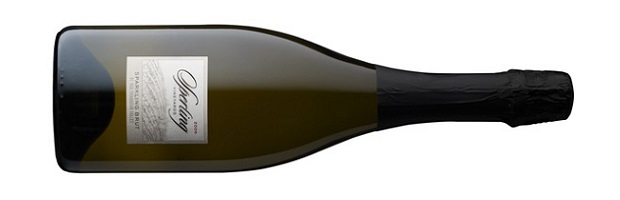
More than encouraging words regarding Canadian wines have recently appeared in the columns and tweets of some of the world’s in the know wine scribes. Here are a few examples:

Wine Spectator

Konrad Ejbich with Decanter’s Steven Spurrier

In anticipation of the fall classic long weekend, here are six choices from Ontario and British Columbia to look for and to share on Canadian Thanksgiving.

Clockwise from left: Angels Gate Riesling 2010, Inniskillin Reserve Pinot Gris 2012, Pillitteri Estaes Chardonnay Musqué 2011, Road 13 Seventy-Four K 2011, Jackson Triggs Merlot Gold Series Okanagan Valley 2008, and Southbrook Vineyards Triomphe Cabernet Sauvignon 2010

Tasted at LCBO Media Lab, August-September 2013

Angels Gate Riesling 2010 (ON, 160523, $13.95) in this warm vintage reminds me of brother St. John 2007, drawing comparisons as a lemon-lime, ginger beer, black charcoal, crowish crooning shandy. Although still resisting secondary life, she walks lightly with the TDN angels, “in certain company.” This ’10’s spatially atomic sweet entry gives way to a tight and lemon palate pierce but she resiliently lingers on with just enough tropical intention from the vintage. So much to like for $14.  88  @angelsgatewines  (From the upcoming VINTAGES October 12, 2013 Release)

Inniskillin Reserve Pinot Gris 2012 (ON, 177766, $19.95) may not go as far as the “primordial lake of oozing honey and petrol” that was the Legacy ’09, but still, aside from Trius’ Craig McDonald, only Inniskillin winemaker Bruce Nicholson can attempt, execute and pull off this style of PG in Ontario, or anywhere not called Alsace. Warm vintage white toffee, bronzed oxygenated style. A soundgarden of high-toned pear, light toasted nut and a sure-fire alcohol presence, in “burning diesel burning dinosaur bones.” Preserved lemon tang, great length and housed in a rusty cage.  89  @InniskillinWine  (From the VINTAGES September 28, 2013 Release)

Tasted at Pillitteri Estates, July 2013

Pillitteri Estates Chardonnay Musqué 2011 (ON, 344689, $17.95) maxes out the white flower quotient for Niagara on the Lake. Sinfully rich and viscous in palatial texture, with a pine nut pesto circular in aroma and taste. Veering Viognier in temperament though the lack of wood and deadpan dry behaviour would indicate otherwise.   89  @PillitteriWines  (From the VINTAGES September 28, 2013 Release)

Tasted from keg on tap at Vancouver Urban Winery, July 2013

Road 13 Seventy-Four K 2011 (Winery, $25, BCLDB, 78915, $24.99) concentrates 46 per cent Merlot with 45 per cent Syrah, bolstered by a traffic of Viognier, Cabernet Sauvignon, Cabernet Franc and Mourvedre. Grapes come marching out of vineyards on the Lower and Upper Black Sage Benches, Golden Mile and Cawston Upper Bench. Elongated late season climate moderation saw here to full-effect, low and slow Okanagan hemic ooze and meridianiite mineral. Goes longer than a grain and acts like rich, chewy, malted barleycorn as strong drink, as if McLaren behind the veil.  88  @Road13Vineyards  @VanUrbanWinery

Tasted blind in September while judging at the 2013 WineAlign World Wine Awards

Jackson Triggs Merlot Gold Series Okanagan Valley 2008 (BC, 572040, $23.99) like a wine lover’s dessert, this JT Merlot spoons gobs of sun-dried fruit, anise and dried raisin over a compressed and chalky cake of balmy green tea. Youth purloined by developed character, marked by the sauce, not unlike some manic red advance cassettes from Italy’s Mezzogiorno. Now long in the tooth, “how you wound me so tight,” with your unique style, so “don’t say that I’ve lost you.” Its heft will carry it through.  88  @JacksonTriggsBC

Southbrook Vineyards Triomphe Cabernet Sauvignon 2010 (ON, VINTAGES Essential, 193573, $22.95) drifts effortlessly along in an extreme brightness and lightness of being. A perfumed exotic beauty that displays definitive Cabernet Sauvignon character. Tea, tobacco, Cassis, vanilla, dark berries, proper acidity, good grip and length. Dictionary entry for the vintage, the Niagara-on-the-Lake appellation and the genre. No other sub-$25 Ontario Cab does the warm vintages (’02. ’05, ’07 and ’10) with this kind of grace and power. From and kudos to winemaker Ann Sperling.  91  @SouthbrookWine

Good to go!