I had met Gaia Gaja twice before. The first time she was working the Gaja table at a tasting event swamped with what seemed like half the attendees in the room. Still she found a way to make a connection. The second time was with a small group at Bosk – Shangri-La Hotel
Gaja owns 250 acres of vineyards in Barbaresco and Barolo. In 1994 they acquired Pieve Santa Restituta in Montalcino, Tuscany and in 1996 they added Ca’Marcanda in Bolgheri, Tuscany on the coast. The significance of this acquisition lies in the Bordeaux varieties grown there; Merlot, Cabernet Sauvignon and especially Cabernet Franc. There will come a day, not so far away, when that Cabernet Franc will make some truly exceptional wine.
The Gaja brand, while nearly 155 years young, has recently climbed into a league of its own. To consider the wines, the estates and the aura that surrounds, you might think there was a marketing team of hundreds blanketing the earth. On the contrary. There is Gaia Gaja.
The wines made famous and expensive by Angelo Gaja define much of what the world knows and thinks about Italy and yet Gaia can talk about nothing but antiquity, historical culture, economy and social structure. She is proud of the UNESCO heritage designation for Barolo, Barbareso and Langhe. Her nostalgic, her family’s connectivity with place and her knowledge of vines is astounding. Gaia Gaja knows everything about Piemonte.
Gaja Line Up
To Gaja, it is not simply a matter of vines, it is about the land with vines growing upon it. For the wines, lees contact is essential. “Four fingers of lees,” Gaia holds up her hand, “like red mayonnaise, after half the time they become dry and bitter. They are protectors and emulsifiers of the wine.”
Gaia speaks of biodiversity in the vineyard. She is responsible for experimentation, like seaweed treatments, essences and extracts, from garlic and rosemary. She believes in using grasses to suppress disease and mildew. These are the practices of an estate that commands designer prices for their labels. This is not a contradiction, it is a way of life.
Gaia Gaja and Godello
The vineyard management is what protected Gaja from the most challenging of vintages in 2014. August temperatures of 17 degrees celsius and so much water wreaked havoc. Swelled but not diluted berries remained pure, with clarity and surprisingly good tannic structure, not to mention decent yields. “It’s all about vineyard management,” reminds Gaia Gaja.
Thanks must be afforded Robert Tomé and Tony Macchione of Stem Wine Group for allowing me the one-on-one time with Gaia. It will always be one of those hours I’ll not want to give back. Here are the five wines we tasted together.
From left to right: Gaja Pieve Santa Restituta Brunello Di Montalcino 2009, Gaja Ca’marcanda Magari 2012, Gaja Rossj Bass 2013, Gaja Dagromis Barolo 2009 and Gaja Barbaresco 2010
Gaja Pieve Santa Restituta Brunello Di Montalcino 2009, Tuscany, Italy (Agent, $68.99, WineAlign)
Beginning with the 2005 vintage, the Gaja family changed direction with the production of this coalesced Brunello, made from fruit grown at Sugarille and Rennina (Santo Pietro, Castagno, and Pian dei Cerri) and Torrenieri, in the northeastern subzone of the appellation. This fifth meld in stylistic vicissitude is more relucent than the monochromatic coquette that was 2007. More than fruit, this has spice, liqueur and fennel. So much aniseed a biscotti might pour from the bottle. Smoothly textured with a middle grain fostered by more spice, out of wood and into a promising slow-simmered future. That liqueur just needs to become an aperitif. Give it five years to do so. Drink 2019-2025. Tasted October 2014
A blend of Merlot (50 per cent), Cabernet Sauvignon (25) and Cabernet Franc (25) with a bright future, a modest, diffident and anything but arrogant Bolgheri. Loam and clay-rich terre brune strike mineral, goudron and tar for a distinct Tuscan, not Bordeaux expression. Displays more earthy funk than the other Ca’marcandas (Promis and Camarcanda) and a chalkier, grainer texture. In the middle realm there is cool mint and eucalyptus, followed by more yucca grain, so in that sense this Bolgheri is tropical and exotic. Gaja encourages this wine to follow a vinous Piemontese dialect and yet speak of Maremma, all the while without conceit. In that it succeeds. Drink 2018-2024. Tasted October 2014
The Chardonnay (85 per cent) comes from the Rossj and Bass vineyards in Barbaresco and much of the Sauvignon Blanc (15 per cent) from Alteni di Brassica in Serralunga. The latter’s “little walls of yellow springtime flowers” are more than just a thought. Along with tall wind-blown grasses, the stone mineral and honey-florals are a major part of this neoteric and iconic to be white from Piedmont. Must say that Chardonnay is not the first thing that comes to mind. In terms of flesh, full-flavour and intensity of excavation, the Rossj Bass is like white Châteauneuf-du-Pape, at least in aura and attitude. This will have a long life. That much is sure. Drink 2016-2022. Tasted October 2014
Nearly 15 years after Angelo Gaja acquired two old (Serralunga next to Sperss and La Morra to Conteisa) Gromis family vineyards, the 2009 vintage takes the Nebbiolo to a new modernity. Rich, bright and so very vivid, no longer controlled by the iron-rich, Tortonian-era clay and marl. Don’t misunderstand, this is still a meaty, smoky red with massive tannins that will take years to assimilate, but the texture is more like kaolin meets terra cotta, rigid but malleable. Has a taste of fennel and a smack of sultry savour. Serious Dagromis, albeit with softer features and hands. Drink 2018-2024. Tasted October 2014
Typically sourced from 14 vineyards in and around the village of Barbaresco, the estate bottling may not be the kind of rare, single-confluence testimonies that are Sori San Lorenzo, Sori Tildin and Costa Russi but it is undoubtedly Gaja’s iconic rock. Made from 100 per cent Nebbiolo (others include a few points of Barbera), separate Barbaresco lots are aged for one year in barriques (approx. 20 per cent new, with a balance in one and two year old casks). The 14 lots are then blended and racked to large Slavonian oak casks ranging in age from five to fifteen years. The understated character, delicate perfume, kind acidity and red fruit floral flavours define the vintage. The previous year was not so kind, cooler and fuller in body. The bolstered acidity will elevate with more buoyancy than ’11 even and what makes Gaia Gaja smile is the thought that this ’10 “smells like Barbaresco in the spring.” The drifts are like stretching roots and tubers and shoots, in an ethereal way, unlike Barolo. At this juncture the wine is such a baby, contemplative, self-reflective. The Burgundy bottle with the Bordelaise neck houses a Gaja Barbaresco to stand the test of time with some of the estate’s greats; 1961, 1971, 1978, 1982, 1983, 1985, 1988, 1989, 1990, 1996, 1998 and 2005. It will be 2020 or later before the ’10 can be assessed in such terms. Drink 2020-2035. Tasted October 2014
Fear not dear reader. This is not a top ten list or a call to promote the best of the worst. It is not, most thankfully, a post on what wines are being released at the LCBO through VINTAGES. No, a one or two-day break is being granted, mercifully, to explore some wines over at the SAQ in Quebec and others available, by the case, in consignment by way of Ontario agents.
WineAlign is ever so surely becoming the tasting office of choice. It offers the opportunity to explore that critic’s dream realm of “so many wines and so little time.” The home office checks in a close second, with samples ready and carefully kept under temperature control. I tasted and scribbled with much verve last week and over the weekend. There will be more to follow, but for now, the Italian notes.
Leneo is 100 per cent Sangiovese, half of which is matured in small oak French barrels for approximately six months. From vineyards near Greve in Chianti, this is the epitome of fresh. The strawberry and raspberry aromas are so very height of summer, the tension having long left the ferment. Fruit and buoyant acidity remain to lift and cut spirit. A late flavour of rosemary and olive adds a nice Mediterranean touch. Tasted March 2015 @TorracciaPresur@TheVine_RobGroh
There is noticeable volatility in this Syrah though it strikes a congenial balance between fruit and alcohol. The wine is not hot but is currently unsettled. That comes through in the sooty sinew and tree sap aromas. Black raspberry fruit abounds, as does liquorice and black tea. The overall accord works the parts but some time will be required for reconciliation. Sweet and sour is accented by a savoury, though moderately lengthened finish. Tasted March 2015 @TheVine_RobGroh
A Sangiovese blush made from organic grapes, arid as the Corso Vannucci is long, linear and direct as la strada centrale leads to the Fontana Maggiore. Has a savoury flex and a salinity that central Italian Rosé almost always displays, a pull from two seas not hard to reach heading either east or west. The glycerin texture and tangy, just this side shy of reductive aromas are a propriety of pure yet driven fruit. Has the slant of Sangiovese, even in the absence of its sour edge and devitalizing tannin. A very fine example of Umbrian Rosé. Tasted March 2015 @roccafiorewines@TheVine_RobGroh
Fashioned from organic (and specialized clones of) Grechetto di Todi and Trebbiano Spoletino. The ordinary is abutted with prejudice in this Roccafiore take, in full mineral action out of Umbria. This one speaks to me, never mind the current reductive accent. The organic vines exude healthy fruit and this fleur-de-lis is regal, royal and full of life. Wet stones, not flinty but certainly crouching on the rocky forefront. The balance between orchard fruit, the rocks and the load carrying acidity is spot on. This is an expertly crafted, intelligent and gratifying white. Tasted March 2015 @roccafiorewines@TheVine_RobGroh
Sangiovese and Montepulciano combine forces in this organic Umbrian, the punica granatum or pomegranate. Like the uniquely variegated, sour, sweet and highly mineral fruit, this red mimics the savoury pleasures. It’s dry, possessive of natural salts and fruity, but not in a sugary way. The acids are citrusy, much like pomegranate, but void of true citrus. Very pure, penitent, clean and crisp, with mild tannins and a ferric touch. Very Umbrian, regal, Franciscan, Friars Minor to bigger, bolder Sangiovese. Tasted March 2015 @roccafiorewines@TheVine_RobGroh
Brancaia Il Bianco 2013, Tuscany, Italy (SAQ 11797174,$21.35, WineAlign)
Sauvignon Blanc stands soprattutto to Viognier, Gewürztraminer and Sémillon in this tannic white wine from Castellina in Chianti, in the far south-east corner of Chianti Classico. Five months on yeasts has not only built breadth but also compensated for no oak or malolactic. The repercussion is a curtailment and a feigning of qualitative casting, as if from sea stones and ancient feelings. Pretty pleasures are a supraliminal by-product of the effect, in a leavening of lime and rock. This reminds me of a young, petite Stratus White, in which a mélange of grape varieties combine and effectively cancel one another out, with nary a dominant, alpha varietal limelight steal. This Bianco would create even more buzz with a 10-20 per cent barrel influence. Tasted March 2015 Brancaia
Here is Prugnolo Gentile with a swagger and quite the attitude. Don’t be fooled by the new adventist-adventurist, retro-romantic label. This Rosso has a mean streak. Funky aromas of the barn and the compost heap may be secondary to red fruit but they are definitely there. High iron content, less so in botany and rich like a long braise of dark veal shank ragu. Complexity is in, basics are out and there is much to dwell on in this Rosso, event if its intent is to induce simple pleasures. This needs salty protein, like the aforementioned idea of ragu. Tasted March 2015 @TheVine_RobGroh
The Argiano NC-IGT must be awarded points and applause for the sheer felicity it affords the discerning drinker who knows when they have been pleased. This is juicy stuff from a terrific vintage. A latin lover of voluptuous body and luscious-laden lips. A flirtatious Tuscan ragazza, outgoing, friendly, hand-holding and demonstrative. Liquid freshness, with layers of red fruit and circulating acidity. Very modern, in an Aussie Rhône-blend way, with liquorice, cocktail beginnings and Tawny Port ends. Quite a swirl of flavours and pulsations. Drink now and for another two years. Tasted March 2015 @Argianowinery@TrialtoON
Traditional Nebbiolo that is neither austere nor of such a hard shell to crack. Roses and street cover in summer give sweet and fume aromas. Has an elemental scent, like a science lab but with experiments that broadcast harmony, synthesis and balance. Glycerin and tannin revolve around in the Nebbiolo oscillator. Some late funk creeps in, indicating some time (five years) needed to see a proper fruition. Represents very good value at $30. Tasted March 2015 @Fontanafredda_@Noble_Estates
This IGT from Castelnuovo Berardenga blends Merlot into Sangiovese, a push and pull varietal relationship if ever there was one. The Sangiovese is Mary while the Merlot whispers. The sacred and the profane. The ancient and the modern. “Uh-will the wind ever remember the (Tuscan wine) names it has blown in the past?” A red house of aromas, a gypsy’s soul and balance are found in this whirling, flavour-filled glass of noise. This is wild Tuscan magic, if a bit disjointed and occupied by strange, though harmonious bedfellows. Rippling red wine, tannic and in need of a few years to soften. “After all the jacks are in their boxes and the clowns have all gone to bed.” Tasted March 2015 @TolainiWines@BanvilleJones@bwwines
In antithesis to the angular ’12 Rosso, this ’11 Vino Nobile is Prugnolo Gentile at its liquor-like most. This is a painted Sangiovese, with impasto, with style that is strong of colour and meaning. With very plush, oak-managed Caciotti brush stroke and thick creamy flavours. Intensely glycerin, polished and agreeable, especially considering the often tannic and ferric side of Vino Nobile. This will not be a 20-year Tuscan as it already exhibits signs of age, in dried fruit, velutinous toffee and baking blackberry pie. Oh but it will go beautifully with a rare slice of roast and a side of truffled spuds. Tasted March 2015 @TheVine_RobGroh
The opposite, the antithesis, the polar paradox of to egregious IGT Tuscan blending is here in this delightful blend of Cabernet Sauvignon, Sangiovese and Cabernet Franc. Oak plays a prominent, spicy and sandalwood barmy role, as does the (mere five per cent) CF, giving currant energy and savoury plug-in to the softer CS. The middle notes and flavours are all Sangiovese, which is a good thing and a wise winemaking decision. The request begs for more Cabernet Franc in Tuscan composites, please. The Castelnuovo Bereardenga and Tuscan climate as a whole agrees with the variety, fleshes it, embraces it, encourages it to support Sangiovese and the less animale Cabernet Sauvignon and Merlot. Here squares off a total package, in substance and in familiarity. Tasted March 2015 TolainiWines@BanvilleJones@bwwines
From left to right: Ridge Three Valleys 2012, Amisfield Pinot Noir 2011, Brezza Barolo 2010, Antinori Pian Delle Vigne Brunello Di Montalcino 2009, Ridge Estate Cabernet Sauvignon 2011, Château Clerc Milon 2011, Cade Cabernet Sauvignon 2011 and Dominus 2011
The first day of spring strikes me as a strange time to roll out a VINTAGES release full of big guns, from Cabernet Sauvignon passing by Pinot Noir to Zinfandel and from Nebbiolo to Sangiovese Grosso. A bold group in large numbers is usually reserved for the November and December offers leading up to wallet emptying Christmas shopping days. If the March 21st release is any indication, the powers that be at the LCBO must feel pretty good about the current state of Ontario’s economy.
How else to explain the laying out of the fine red wine carpet in purchasing timeline purgatory? The other alibi in justification is a concern of surplus and overcrowded warehouse shelving, caused by a back log of unsold Bordeaux futures and a consumer shift to less vivid, decreased drama and all around #GoGamayGo sentiment.
For all my reviews from the March 21, 2015 VINTAGES release, see them @WineAlign
I tasted through most of the bad boys on this release and while many are more overpriced than a $20 bucket of bullfrogs in an Algonquin Park bog, these six wines stood tall and shook their value obvious money-maker amongst a slouching and gouging crowd. Forceful wines, all meant to spend at least some slumbering time in the cellar.
Ridge Three Valleys 2012, Sonoma County, California (652875, $35.95, WineAlign)
This Sonoma County Zinfandel melting pot was first produced in 2001 and the 12th vintage contains grapes from seven different Sonoma vineyards. Many of Ridge’s wines bull the intent of single-vineyard, terroir-driven expression. The TV is more about bear assemblage, the search for differential balance and winemaking. Zinfandel (79 per cent) is joined by Carignane (12), Petite Sirah (8) and Alicante Bouchet. Approximately one fifth of the American oak is new, with the wood waft leaning to spices directed by clove, cocoa kernel and faint coconut that infiltrates the Draper perfume. The rich red fruits combine for a brawny voice, bold, peppery and so very ripe. Though not hesitant or introverted, this Zinfandel avoids excessive character and exemplifies the fine art of blending. Tasted March 2015 @RidgeVineyards@rogcowines
Amisfield Pinot Noir 2011, Central Otago, South Island, New Zealand (179754, $41.95, WineAlign)
The agglomeration of Central Otago wild vegetative conglomerate is in this Pinot Noir. Strawberries and their leaves, dug up clay, saturated syrup with dark cherries and braising meat make for big aromatics. This is a very meaty, terrifically cimmerian Pinot, with a replay in flavour of loamy and corpulent stock, like a reduction of mire poix and beef bones. Finishes with dried fruits, marigold, a kick of cinnamon spice and pine needles. A bit of wow from the hinterland of Central Otago. Tasted March 2015 @Amisfield@COPinotNoirLtd@CentralOtago_NZ@HalpernWine
The gusto and earnestness of antiquity is right upfront in this Nebbiolo, the silliness of modernity left to the practices of more fickle and irresolute houses. A faint and impertinent percussion of volatility beats the near term olfaction into temporary submission, but the wine is bright and the acidity chants with proper diction. The tannic grain is sweet and savoury, well-structured and you can certainly smell the roses. The taste of Nebbiolo is succinct and the overall design is a seven to year plan, with nothing but pleasure on the next decade’s horizon. Tasted March 2015 @NaturalVines@jcmeli
Antinori Pian Delle Vigne Brunello Di Montalcino 2009, Docg, Tuscany, Italy (651141, $59.95, WineAlign)
Here flatters definitions of Sangiovese Grosso, of rusty and rustic pasts, big, bold beginnings and distant, slowly etched futures. A faint tease of soy in feign of premature corrosion is the product of the terroir’s liquor. This is so far from its secondary times. It’s as though it teases with an aroma and flavour of melted caramel but the mirage is tantalizing and unreal. The lack of sweetness confirms the notion and instead this Brunello offers dried flowers in dreams and fresh ones placed in vessels not yet tangible, nor yet set upon the table. Wild sauvage, sage and garriga are transubstantiated into liquorice, game and distilled amari. This is perhaps the finest Pian Delle Vigne of the (post 1990) modern age. Very exciting wine. Drink 2019 – 2029. Tasted March 2015 @AntinoriFamily@HalpernWine@ConsBrunello
Ridge Estate Cabernet Sauvignon 2011, Monte Bello Vineyard, Santa Cruz Mountains, California (89284, $61.95, WineAlign)
A perennial three plus one quarter blend of Cabernet Sauvignon and Merlot, give or take a few points, that always punches well above its weight and cost. Not just in relation to similarly priced Cabernets but when looked at alone and on its own merit. There is a searing red intensity in 2011, with steroidal currants and a whiff of lodge smoke, plenty of creamy vanilla and lavender. An injection of liquid chalk, circulating acidity and in the end, some bold coffee notes. No bell pepper. None. Well made, of course and despite the cold and the wet, the omnipresent Draper perfume and very good length. My only cavil would be a degree of over-employed new oak in a vintage where less would ironically be more. Tasted March 2015 @RidgeVineyards@rogcowines
Château Clerc Milon 2011, Ac Pauillac, 5e Cru, Bordeaux, France (301119, $89.95, WineAlign)
The principals at Clerc Milon consider 2011 “to be ranked among the finer, or perhaps even the finest” of Bordeaux vintages. The better news is that despite that declaration the price on this classic, structured and flat-out enjoyable Médoc is relatively affordable, especially considering the astronomy of pricing since 2000. This early picked (finished by September 28th) blend of Cabernet Sauvignon (54 per cent), Merlot (37), Cabernet Franc (7), Petit Verdot and Carmenère has vintage steal written all over its painted berry face. Terrific wood spice, more fruit from plum and rapturous acidity travel great lengths to pleasure. The coffee component is in but with just a light alcohol spike. This is really fine Paulliac, elegant, refined and not outrageously priced. Tasted March 2015 @Noble_Estates
Cade Cabernet Sauvignon 2011, Napa Valley, California (325027, $112.95, WineAlign) LCBO Inventory
Though prepped by notions of a cooler and later ripening vintage, there is even more savoury, tobacco and cool clime (altitude) aromatics than might have been imagined. This Cade is so very bright in a cherry-plum-pomegranate continuum yet in contrast to a (negatively impacting) sweet-sour-tang drupe. Tends to angles more akin to Tuscan summer savour, like lavender, rosemary, sage, and vanilla. The overall impression to palate is that of a chew of the toffee that might be made by the aromatic combination, or a pull of syrupy tea. In the end there is nothing simple about this thoughtfully crafted Cade. Tasted October 2014 @CADEWinery@TheVine_RobGroh
Dominus 2011, Napa Valley, California (212381, $176.95, WineAlign)
In 2011 the breakdown is Cabernet Sauvignon (86 per cent), Petit Verdot (9) and Cabernet Franc (5). From an antithetical Napa growing season, wet, cold and in requiem of acumen to deal with what the winemaker in Bordeaux faces in every vintage not hailed as best of the century. The ’11 Dominus has been in the market for just a shade under a year, just the right amount of time for a poured glass to reveal its charms. The new barrel count is approximately 40 percent, a substantial but not egregious number. We want to know what fruit the vintage gives, regardless of the conditions and in ’11 that drupe is savoury, more sage than nettle, and saliferous. That minerality is cute and key because the expression remains huge, so the cure helps to leave an indelible mark. The attributes of massive fruit, (no small feat considering the weather), smoke and phite makes for a mess of aromatic intensity. The flavours are accessible and the texture quite full. Though not the thickest Dominus to date (due to the oak not overwhelming the fruit) this will offer up seven to 10 staid years of development, followed by another five to 10 of minor decline. Tasted March 2015 @rogcowines
The privacy, intimacy and relaxed atmosphere of a subterranean hashery is something we should all experience at least once in a gustatory lifetime. We should also be afforded the opportunity of a salubrious 12-course tasting menu designed by a reluctant superstar. Why ought we not be handled with extreme Sommelier care by the caress of a total professional? Give me a reason to not spend three hours locked in a room with eight others, all of generous wine and spirit?
The location was Splendido‘s downstairs dining room. The chef was Victor Barry. The Sommelier was Ellen Jakobsmeier. The company a group of friends and friends of friends with a common goal. Eat, drink and be merry. Maybe trash talk a little. Trade a few thousand e-mails ahead of time to fire the vinous juices. Get down to business. Taste fourteen wines blind, poured from paper bags, discuss and be humbled by knowing everything and yet nothing at all.
Chef Barry’s selections and his staff’s execution were beyond flawless, culled from trial, error and perfection, bobbing up into the ethereal. Ms. Jakobsmeier had less than 20 minutes to receive, prepare and pour in order, with timely precision, the agglomerated and cumulative progression of the wines. Like Euro rail time. Not a hair out-of-place. Big props Ellen.
One dinner companion said this. “Thank you so much for inviting me to join your Pirate festivities! The food was incredible, thanks for hosting us Victor. The wines were exciting, generous and delicious! Thanks to all of you for sharing the gems from your cellars. And thank you Ellen for doing such a great job pairing all the wines. A feast worthy of Pirates!”
Victor added his own words. “Thanks everyone. I had a blast. I really enjoyed sitting down stairs it made it much more enjoyable for me. Looking forward to the next event. PS that Tokai was fucking delicious. And the Premier Cru from that “Niagara appellation.”
I wrote this to the group. “Laid in bed last night thinking about every course. Too many details to comprehend. And then it was morning and my kids wanted their lunches packed. Good thing there was this pumpkin in my wine sleeve…generosity in wine just amazing. All thoughtful and just fucking generous. Fortunate to have met new faces. Looking forward to this again, and again. Great work JB and Victor, stars all around.”
And to you JB, you sure do know how to throw a party.
Champagne begins the pirates on a picnic dinner in the downstairs private dining vineyard at Splendido Toronto
Champagne Larmandier-Bernier Rosé de Saignée Premier Cru NV, Champagne, France
Just a wee coppery this rusty blush, savoury to solecism and uprooted by a tremendous fault that forces metamorphic salinity, no check that, bleeds from rock into the bottle. If Champagne could commandeer the senses to stop and take note, this LB is the one. Stoic, purposed, frank and blushing like a winter Olympic athlete after a gruelling race. This Rosé is as confident and masculine as can be for the genre. It opens the eyes, pores and heart for a long haul ahead of pulls, in corks, sips and gulps. @LarmandierB
Larmandier-Bernier Champagne Rosé de Saignée Premier Cru NV and Domaine Dauvissat Chablis Premier Cru “Séchet” 2009
Vincent Dauvissat Chablis Premier Cru “Séchet” 2009, Burgundy, France
To be blinded by rocks is to taste such a wine without knowing what it is, slicing like Silex, cutting with a jagged edge of mineral take, yet gripping of aridity that must come from singular Chablis. Something whips like paraffin but again, the missing wood, the fennel talc, the absolute purity just says Chardonnay. With levity requested, gotta borrow from Burghound on this one because he was spot on, “way beyond the shadow of a doubt, yeah.” After 30 minutes the Sechet left the quarry to enter a sweat lodge of smoke and toast with an eventual pause at the charred Shishito capsicum station. The coarse wail is the young Dauvissat crooning but with fear set aside, the wine will soften in time, like the fashion poet, the prince of thieves. This Séchet, mythological in name, is Chablis brightly lit and accepts another sung substitute for yes. “Oh it cuts like a knife , yeah but it feels so right.” @BIVBChablis
Oysters, popcorn, scallop dust
Popcorn dusted with dehydrated scallop dust? Damn straight.
Nikolaihof Im Weingebirge Grüner Veltliner Smaragd 2007,Wachau, Austria(Agent, WineAlign)
Something grand is brewing, of that there is no doubt, despite the skinny, indehiscent first moments. A petrol that comes with age, a suckling piggy with melifluous honeycomb in its mouth roasting away, tinned fruit cup of a jellied, agar-agar mandarin orange type; these are the bold scents of what must be Austria, possibly Riesling, certainly Wachau. Tannin and stone drip Alsace Grand Cru, of Riesling again, like Rangen, but the reveal of Grüner Veltliner makes so much sense. Crazy, mind-blowing example, as good as it gets, a bench and high-water mark from which a free fall off the high springboard makes a perfect splash into the glass. Ninety minutes later only a word is needed to stem the waves of petulant emotion. Unbelievable. @TheLivingVine@AustrianWine
Nikolaihof Im Weingebirge Grüner Veltliner Smaragd 2007 and Henry of Pelham Reserve Chardonnay 2007
Henry of Pelham Reserve Chardonnay 2007, VQA Niagara Peninsula (2013 268342, WineAlign)
French oak kicks at the door, feeling young, dirty and fine though synchronicity is absent in most respects. This is certainly not Chassagne, definitely not Meursault, not even St. Aubin. Yet it is delicate and delectable despite its unkempt ways, selfless and if left to be, might settle into a relationship. To discover it’s the hot vintage of 2007 version of today’s Estate Chardonnay is nothing short of astounding and at the same time, disappointing, at odds, disassembled. After 20 minutes it falls apart, “in little pieces on the floor, too wild to keep together.” The wine’s inclusion was necessary, gave perspective and bent to receive the Uni, “and now the end has come.” The 2012 and 2013 will offer much more pleasure. @HenryofPelham@SpeckBros
Sea urchin, toast, squid ink, lobster
Domaine Valette Pouilly-Fuissé ‘Clos de Monsieur Noly’ 2002, Mâconnais, Burgundy, France
May as well be Josko Gravner Ribollo Gialla, or Ann Sperling’s Whimsy! Orange and yet in contempt of the oxidized and underripe cantaloupe be damned, Jura should be the call. But then there is the question of messing with the man acidity and a trippy delicacy as per the cook’s butcher. It is certainly not faulty, nor should it be faulted for developing au natural, on top of the sheets, on the bare side of the beach. OK, so really old Chenin Blanc and a very natural Outback white blend would make for good conversation, or not. Like mushrooms for toffee. Like mulled apples for cider done wrong. Dirty in the most righteous 12 year-old Sherry way. Love it with Lobster on a rock, octopus and some kind of sea cucumber.
Domaine Valette Pouilly-Fuissé ‘Clos de Monsieur Noly’ 2002 and Louis Latour Corton-Charlemagne Grand Cru 2009
Louis Latour Corton-Charlemagne Grand Cru 2009, Côte de Beaune, France (Agent, WineAlign)
Can anything really be known from a fleeting moment spent with this? Classic, viscous, rich Burgundy and nothing but, with more mineral than should be gained from just a pass. The maker had the unconscious intent of remembering generations. When told that hey, it’s a Latour, in Beaune, of Corton Charlemagne, by Grand Cru, it’s hard to gather your inner we’re not worthy but focus and intent need be the outward act. You can really taste the limestone, imagine walking the Corton hillside, feeling the maximum exposure of the sun. When you know what it is you know to take a slice of humble pie and remember the soil, the soil, the soil. In Burgundy since 1797. @LouisLatour1797@LouisLatourInc
Equipo Navazos La Bota de Manzanilla Pasada 2011 nº 30 Capataz Rivas
Equipo Navazos La Bota de Manzanilla Pasada 2011, nº 30 Capataz Rivas, D.O.Manzanilla Sanlúcar de Barrameda, Spain
Tasted blind this pours as a glass of briny capers, sea peas, vetches and liquid basalt. It speaks a language that contains the ancient loneliness of ruins. Thoughts easily lean Manzanilla or Old Fino. Great nuts, bitters, horseradish, dry tang, daikon and like a dirty martini. Not to mention orange rind and lime rind, zest and akin to a Vin Doux. It’s origins are at the hands of capataz master Rafael Rivas, from juice originally preserved to add kick to more commercial releases but the decision instead was made to “touch” the 15 solera butts with “testimonial sacas” of only four or five arrobas (roughly 5 x 16 = 80 litres), to make a wine such as this. This is old school Manzanilla, the third saca, with a reductive flor, uniquely oxidative and an average age of around 15 years. @EquipoNavazos@SherryWines@JerezXrsSherry
Pop can seafood
Intermezzo of smoked oyster and foam…
Splendido’s Five-hour carrot
“Friends – ridiculous dinner last night, in the best way. Great wines with great friends is my favourite way to spend a night. Already looking forward to the next one – at which I will bring more than one wine.”
Here the soprano sings, in bold, rich, deep tones, with a sense of entitlement and a swagger. It’s a royal, goodfella, masculine depth. The notes are sung, even danced in bourrée, crescendo, sostenuto and ritardando. The luscious bing cherry richesse gives it youth, intimating Sangiovese but true hematic Toscana can’t be this dark. The modernity of Nebbiolo it must be. Seamless, tireless and impossibly rose petal delicate with the omnipresent tar. Would be willing to go back to 1999 but for the black forest layering, though to find out it’s ’97 shatters myths, confidence and legend. Still dusty and tannic, with more years needed to shed the grains of sand chain. After 20 minutes it goes to candied flowers, oranges and Alba truffles. Bring on the soft scrambled eggs.
Podere Rocche dei Manzoni Barolo Vigna Cappella Santo Stefano 1997 and Marchesi di Barolo Sarmassa 1997
Marchesi di Barolo Sarmassa 1997, Piedmont, Italy
Smells like spirited, youthful, though decidedly modern Nebbiolo. Rich, chalky, dense, viscous, unctuous and yet the opposite of the Manzoni grit. More feminine, of more voices, in fugue, at times in tarantella, then into arpeggio. The notes play from a radio in my head. “In the deepest ocean, the bottom of the sea, your eyes, they turn me.” That it’s my contribution, this weird fish of a Nebbiolo, makes me amazed at the complex world of Piemonte and the absurdity of knowledge. Sensory appreciation rocks, spoken through this Sarmassa, like a chant from an ancient tribe, sitting cross-legged upon the clays of Lugagnano. It seems there may be 20 years left on the Marchesi’s Nebbiolo. I can’t believe how well it showed.
Though the vintage was reported to be less than exceptional, the chance to taste this 37 years in/on and the longevity it displays combines for full, blow me away effect. The first vintage of Sassicaia was 1968 and this 10th try hits the mark of experience. A blend of Cabernet Sauvignon (85 per cent) and (15) Cabernet Franc, the fruit came from vines over top soils of clay and limestone. The wine spent 20 months in Yugoslavian oak barrels (half of it being new, and half used once or twice before), while for the remaining 60 per cent, French oak was used (2/3 new and 1/3 used once or twice before. Tasted blind, the swirling and searching thoughts of Genesis retrospection assimilate aromas of truffle and mushroom, but at first there is no reply at all. Landing on a plot of excellence somewhere between Bordeaux and Piedmont, Tuscany rises from its hills. A silent conversation ask the Sassicaia “I get the feelin’ you’re tryin’ to tell me; Is there somethin’ that I should know?” Its condition is near perfect, its body full, its nature pristine and finally, so obviously in balance. After 30 minutes it begins to slide, to no surprise, but you can’t believe the expression it gives and the impression it leaves. And so, it is confirmed. 1977 was a fine vintage for Sassicaia. @Smarent
The crowd leans modern, young, New World Cabernet Franc or Bordeaux blend. Can’t help but concur. Turns out to be a blend, of Cabernet Sauvignon (75 per cent), Sangiovese (20) and Cabernet Franc (5). First produced in 1978, the Sangiovese was only introduced to Solaia in 1980. In 2003, the weather could be described with a single word. Hot. Limited rainfall and a record total of 2400° in daytime heat summation has brought this Solaia to its full on gain, 12 years in evolution. The vintage caused a full draw from stony calcareous soil of marl and friable albarese rock. The collective soul can appreciate its charms but the heavy aspect ratio can’t be denied. We sipped and “the punches came fast and hard.” Warm smacks to the face, rushes of heat and an ensanguined rush of chocolate fruit through the system. For now there is no caramel, no brûlée, no denoument. In the present there are caverns of tannin, the ‘sunny one’ playing the crowd, on a sunset strip. Soon and in the end, times fades away. @AntinoriFamily@HalpernWine
Marchesi Antinori Solaia Toscana IGT 2003 and Royal Tokaji Aszú 5 Puttonyos 1993
Here the caramel unctuousness and apricot in chains of liquid gold is the work of a legendary purveyor, the Royal Tokaji company. With sweetness upwards of 150 g/L and acidity pushing the 10 g/L mark, this is no shrinking violet of a dessert wine. With 12 years of road under its belt, the blend of predominantly Furmint and Hárslevelú grape varieties (with a small percentage of Muscat) is firing on all cylinders. Racy and intense, this captures the essence of the 1st growth Nyulászó vineyard and brings it to the world. Bullies the desserts a bit, but all is forgiven considering the range of flavours within and complimented from without. @Royal_Tokaji@HHDImports_Wine
Then one more dessert course…”Milk and Cereal,” chamomile and maple tea gel, buttermilk quenelle, flaxseed granola.
The seven reds from left to right: Resta Salice Salentino 2011, Mocali Morellino Di Scansano 2012, Rustenberg Shiraz 2011, Coyote’s Run Red Paw Vineyard Pinot Noir 2012, Salcheto Vino Nobile Di Montepulciano 2011, Beni Di Batasiolo Riserva Barolo 2006, Fattoi Brunello Di Montalcino 2009
Just as a child will willfully accept the naive and basic truth in a fairy tale, most of us will search for wines deeply buried within their simplicity. Then we have a sip. When we begin to think about that sip we delve deeper into the story and the mythology of the wine. This is where things begin to get complicated.
Maybe we invent comparative mythologies from tales and into wine just to play with the unconscious expressions of ourselves, or perhaps we just need to have some fun. Wine is not our yesteryear’s religion, nor is it something, once consumed, that can be held onto. It is fleeting and ever-changing. It is conceivable to think that wine drinkers of past eras were more childlike and held wine in more fairy-tale like hands. Today we act as though modern wines speak religiously, as if they each belong to one sect or another. Strange, but true.
On Saturday VINTAGES will roll out another lengthy tale of new releases, with a major focus on Italian reds. Like the analysis of the most famous of fairy tales, meaning is derived, not unlike an assessment of Italians and their wines, imagined as a desperate need to rule their own kingdom. The ferric, mineral and tannic nature of the group require that their rage be danced away with time, to re-gain control of their beauty and their lives.
For more recommendations from the VINTAGES February 7th, 2015 release:
Here are the winter snow whites and seven Italian reds to look for, in stores now.
The snow whites from left to right: Poulet Et Fils Brut Crémant De Die, Simonsig Chenin Avec Chêne Chenin Blanc 2012, Domaine De Saint Pierre Sancerre 2013, Girard Chardonnay 2012, Poplar Grove Chardonnay 2012, Taittinger Prestige Brut Rosé Champagne
Negroamaro (80 per cent) and Malvasia Nero combine for a mess of tar, composted earth, density in chewy dates, figs and ground funk drawn from dark, dank places. A Salice suspended, after the bruise of fermentation, like a charcoal tracing, like shadow with just an osculant of faint light. A cheesy note hangs, of a salinity out of cultures and wet vats. This may not be everyman’s cup of spume, peat and sedge, with its rough tannin too, but its value lies in complexity and value under $16. Tasted January 2015 @winesofpuglia@puglia
Morellino that is briery, earthy and with a soaked, cedar chip overlay on dark fruit. Brambly, purple pitchy and almost but not quite flamboyant. Slow as geology seeping, tile weeping, liqueur steeping then turning gritty with drying tannins. Good persistence and a bitter finish. Good value. Tasted January 2015 @InfoMorellino@liffordwine
Poulet Et Fils Brut Crémant De Die, Rhône, France (392555, $17.95, WineAlign)
The unique sparklers from the Die, made from (mostly) Clairette are somewhat of a rarity in Ontario waters. The bitter pith nose, ranging tangy palate and slightly oxidative style is a bit touchy but the length is nearly exceptional for the Euro. In the realm of Crémants, this Rhône dips pear slices past cracker nasturtium pods bobbing in a bowl of beneficial bitters. With a Mediterranean climate and altitude-influenced elemental aroma as if burnished pewter, the bird is anything but fowl. The case is made for these bubbles. Tasted January 2015 @VINSRHONE@WineandFood_RA@TheCaseForWine
Rustenberg Shiraz 2011, Wo Stellenbosch, South Africa (399246, $19.95, WineAlign)
As per the Stellenbosch Shiraz stratagem, this may lean to sweetness but it’s all about rich, ripe fruit running wild and free. Savoury support comes from green tea, smoking branches and fulminating esters. Neither heavy nor burning, the ’11 is warm, clean and highly accessible. Impressive density and at 14.5 degrees alcohol, really quite soft, unwavering in its ability to suppress the demands of the octane push. Drink in the near term. Tasted January 2015 @RustenbergWines@StellWineRoute
Coyote’s Run Red Paw Vineyard Pinot Noir 2012, VQA Four Mile Creek, Niagara Peninsula, Ontario (79228, $24.95, WineAlign)
This is an intense and vexing vintage for the Red Paw, a Pinot Noir of delicacy in constant search for the right dancing partner. In 2012 the soil seems to have been magnetized with a gravity of ferric density, causing juicy and spontaneous fits of revelry and a painting of the Paw red. Cherries, stones and figs are in, along with ether, earth and peat. The longevity quotient comes into question as the tenure already seems quite evolved but in its current state it is quite fun to drink. Tasted January 2015 @coyotesrun
Simonsig Chenin Avec Chêne Chenin Blanc 2012, Wo Stellenbosch, South Africa (282772, $25.95, WineAlign)
This barrel-aged Chenin Blanc is toasty, reductive and stratified, scaling heights few whites reach for, to seek other worldly atmospheres. I don’t find anything remotely tropical about it, on the contrary, it’s way out of the equatorial zone and into the upper reaches of the ozone. This has the Loire imprint of longing and distance. It will need time to come back down to earth, what with its hyper fruit meet mineral nuances. When it does it will walk through rain forests and dry flood plains with those extreme noisome notes in tow, to settle amongst the stones by the river. For some, this will be a rare find. Tasted January 2015 @Simonsig_Estate@WOSACanada@WoSA_USA@StellWineRoute
Domaine De Saint Pierre Sancerre 2013, Loire Valley, France (170258, $26.95, WineAlign)
A most promising and textured Sauvignon Blanc, full of chalky fruit and a lamina of minerality, like a strudel of stone fruit spread between layers of Phyllo pastry greased by pulverulant butter. Though this Sancerre does not and will not travel the longest route for the Loire, it is a seamless wine and one that is well-designed. Has a modernity about it while yet keeping a finger on and an ear to the radiocarbon chronometer. Tasted January 2015 @LoireValleyWine
Girard Chardonnay 2012, Russian River Valley, Sonoma County, California (338434, $26.95, WineAlign)
Quite a different sort of California Chardonnay, cooler and in avoidance of the sub-equatorial fruit of the tropics. With a wisp of woodsmoke and a toothpick poke or two of smokey spice, this RRV bottling puts foggy Sonoma first in line, ahead of warm Cali sunshine. The one warm aspect is a vanilla overlay on creamy mango, a texture that is present but not over the top. The ripeness gathers moss and little stones, gets going, gains steam and fleshes out across a length that steers forward towards a future of nice value. Tasted January 2015 @GirardWinery@imbibersrepotr@sonomavintners
Here a most modern Vino Nobile from Salcheto, through its forward and public fruit to its fine designed label. Retains a sensible and loyal texture, wearing its coat of arms in reverence of its past. Argumentative tannin and acidity speak loud, over the voices of tar, ferrous vernacular, black and blue bruises and rolling stones. Like rusty blood seeping into the cracked earth of a water-starved forest, this Sangiovese gets inside and under the skin. “Come si chiama, what’s your game?” She will answer, Vino Nobile, that’s my name. Tasted January 2015 @SalchetoWinery@AMH_hobbsandco
Poplar Grove Chardonnay 2012, VQA Okanagan Valley, British Columbia (276675, $29.95, WineAlign)
The vintage does not strike so much a new direction for the Poplar Grove Chardonnay as much as a blip on the cool climate radar. Before extrapolating on that comment it must be said that this is a well-made wine. It’s riper, with more gregarious character, an increase in topicality and into a nearly candied buttercup feel. Rich in glück and circumstance. Where in ’11 there were many notes in ripe coconut and green tones, they are a merely a suggestion in ’12, not a composition. A brûlée of lemon and ginger with a sprinkle of cinnamon finds the palate in think mode moving forwards in slurry strides towards a cemented and fixed positional finish. This is for the here and now. Tasted January 2015 @poplargrovewine
Time yet remains on the diminishing side of this Barolo of necessity, regaling and expressive of tea, tannin and flowers, dried and crumbled over fine earth. A modern and high-toned La Morra that is representative of very good value. The tannins persist in clenched chops and will need up to five years to resolve. The BdB Riserva ’06 may not be the Nebbiolo to mortgage the cellar on, but it does have the ability to be a wine to arouse the longing of one who waits. Tasted January 2015 @ChartonHobbs@MikeAikins1
Fattoi Brunello Di Montalcino 2009, Tuscany, Italy (33498, $39.95, WineAlign)
The porcine cure of a Fattoi Brunello is a thing of mesmerism, here alongside a gamey note of soft, braised heart of beef. In ’09 the aromatics are a bit closed at present, atypical for the vintage but likely more a product of the curated, house style. Leather and some judicious oak spice offer up characteristic Grosso sentiments, dug into sweet earth and a feign of candied fruits and flowers. Sumptuous and terrific stuff. Here Brunello that effects the blinding potency of vines screaming of their fruit. Tasted January 2015 @BrunelloImports@ConsBrunello
Taittinger Prestige Brut Rosé Champagne, Ac Champagne, France (993113, $67.95, WineAlign)
A sweeping scopic range of bitters, soft tonics and savoury Polygonaceae circulate in the vacuum of this point beleaguering Champagne. She plies a rough trade, with a flinty, smouldering gun effect that simulates a toasted barrel blowing smoke upwards a riotous Rosé’s crystal glass. With citrus acidity off the charts, a pampered and churned pamplemousse ever expanding, the Taittinger excites and jointly strikes the heart with elegance and beauty. Her style is both chic and confidential, “she’s a combination Anita Eckberg, Mamie van Doren.” A Champagne that avoids freud and “drives a candy pink Cadillac,” that will “make you want to give up high school.” For immediate pleasure and years of future memories. Tasted January 2015 @Taittinger_News@TaittingerUSA
Of all the idioms that have proliferated in the English language, “off the beaten path” is one of my all-time ironic favourites. Modern definitions and thesaurus entries make straightforward sense; not well-known or popular with many people, offbeat, novel, out of the ordinary, the secret, special or sacred places, the B-sides, the ones that no one else knows about. The term was not always about travelling or looking for something. There was a time when “off the beaten path” was a dis, when it negatively described a person as heterodoxical; as a heteroclite, a dissident, an iconoclast, a heretic.
The paradox applies to grape varieties with I can see the light clarity. In the late 19th century the Phylloxera pest epidemic nearly wiped out most of the vineyards in Europe and with no cure available, the best recourse was to graft Phylloxera-resistant American rootstock to more susceptible European vinifera vines. As a result, many an indigenous varietal proliferation slowly, over the course of 100 years, dropped off the face of the grape growing map, or if I may, the beaten path.
My WineAlign colleague John Szabo M.S. recently penned a column on Portugal in which he challenged semantic references using the confabulation “indigenous,” claiming that the term is often misused. Szabo contends that “most European grapes are more correctly termed endemic varieties, that is, belonging exclusively to or confined to a certain place, even if they are not originally from there. The true origins of most Vitis vinifera varieties is almost certainly somewhere in the Middle East.” Using scientific data and study to corroborate the theory, Portugal is put forth as the only European country that may comfortably lay claim to housing true indigenous grape varieties.
John admits that “the line is purely arbitrary,” so there certainly is some leeway when it comes to the glossology of ancient grape authenticity. Everyone knows that Cabernet Sauvignon is not indigenous, endemic or even domestic to Italy, or for that matter Canada, but is the more important question not one of how many years must pass before a grape can call itself home? How can we really pinpoint when a grape may have migrated from Mesopotamia to Lazio, to “a secondary domestication centre.” Do we need to be so precise in qualifying roots? How many millennium must pass before Chardonnay can consider itself a citizen and its children should no longer feel like unwanted, second-class adoptive wanderers? The answer is a very long time. Longer for grapes than for humans, that is for certain. In the case of Italy, has enough time passed to consider its native vines as indigenous?
The most famous and successful of domestic Italian grape varieties have trod a well-navigated, kept in the limelight track. The list includes Aglianico, Barbera, Corvino, Garganega, Glera, Montepulciano d’Abruzzo, Nebbiolo, Negroamaro, Nero d’Avola, Pecorino, Sangiovese, Trebbiano, Verdicchio and Vermentino. Italian acreage swells with their plantings. However, “off the beaten path” could actually be considered a metaphor for “authentic” and this is what winemakers and consumers (even if they need to be enlightened), really want. Perhaps people want experiences with real grapes and away from the “tourists.”
You can’t help but notice that modern winemakers with a wistful eye are casting reflexively into the past with a hunger for vinous resurrection. By grafting their pre-Phylloxera ancient vines onto healthy root stock they have turned the varietal compass on its head. As they have moved through their days with an open-mind to the panoply of grape interactions, they have beget the endemic revival.
Old is new again. Meet the awakening of the Italian grape vernacular: Albana, Albarossa, Bellone, Bombino Bianco, Canaiolo, Casavecchia, Catarratto, Carricante, Catarratto Comune, Cocociolla, Cortese, Grecanico, Groppello Gentile, Frappatto, Grignolino, Nerello Mascalese, Pallagrello, Passerina, Pelaverga and Ribolla Gialla. Every one of these ancient varieties are coming to a restaurant list near you.
Finally, I find the irony in the idea that for a winemaker or vine grower to step off the quotidian they need to plant, cultivate and make wine from grapes once considered the norm and the go to in their region. Today, the production from lesser, even totally unknown grape varieties, despite the zealous search for them by hipsters and geeks, is still considered a marginal pastime and a financial risk. The comeback continues to gain traction and with every passing vintage, the wines made from once Herculean grapes get better and better. Rusticity persists but with ever-increasing modern techniques, so is structure and balance. Endemic is the new vino da tavola and if I were Chianti Classico, Barbera d’Alba or Valpolicella I would be working even harder to keep hold of my market share.
Linda Siddera of Casale Del Giglio and Francesco Ferreri of Valle Dell’Acate
On November 3, 2014, the Italian Trade Commission rolled out the red carpet at Toronto’s Roy Thomson Hall for the 19th annual tasting of Wines from Italy. At least 90 producers from 20 regions poured their wines, including the brightest and biggest stars; Amarone, Barbaresco, Barolo, Brunello, Chianti Classico, Sagrantino, Taurasi and Vino Nobile. The ICE-ITA assembly is the most formidable Italian tasting show in town. The impossibility of sampling everything on hand is more than evident so planning ahead is key. For 2014 I chose the lesser-known, the black sheep, the heretics. When all was said and done I felt like I had done “off the beaten path” some justice. Here are notes on 10 #OBP wines.
Alois
Alois Terre del Volturino Trebulanum 2011, Terre del Volturno IGT, Campania, Italia (Agent, $42, WineAlign)
From volcanic soils, this 100 per cent Casavecchia, a name which means “old house,” was all but forgotten after the Phylloxera plague. Legend has it that it was rediscovered inside a walled garden, according to farmers, among some ancient ruins in Pontelatone. Trebulanum, considered by Pliny to be one of the best Italian wines, grows 25 miles from Mout Vesuvius. Cassavecchia is a wine that came from vineyards on the hills surrounding the old town of Tremula Balliensis, an area that now incorporates the townships of Pontelatone, Castel di Sasso Liberi and Formicola. Re-planted (the cut and the setting of a small branches and the pro-vine, an ancient method that places the vine branch in the soil until it develops its own root) by Alois in 1992, Casavecchia is a troubled vine because of hermaphroditic pistulates and so it is light producing (less than 600 grams of fruit per plant). Massimo Alois says it took 10 years to get comfortable with the vines, mainly due to its extremely firm structure. The grapes produce loose batches of small berries of big colour (twice as much as Aglianico). Micro-oxygenation helps to release tension, modernize the rusticity and allow the intense acidity to play nice with the fruit. From a cool vintage, this Trebulanum is a phenom of an individual, of great strength and individual character. Ideal introduction to the future of its past. Tasted November 2014 Vini Alois@vinialois
Casale Del Giglio Bellone 2013, IGT Lazio, Italia (Agent)
In ancient Rome, it has been reported that Bellone was called “uva fantastica” (“fantastic grape”) by Pliny the Elder in his Naturalis Historia. True? Maybe, maybe not. Linda Siddera tells me that Bellone hails out of the Trebbiano famliy tree from coastal vineyards thirty miles south of Rome. A child of sandy soils and sea breezes, the oldest local varietal found new life when planted by Casale Del Giglio 10 years ago. This Bellone exceeds many Trebbiano in body, viscous texture and finishing mineral natation. It may not be the most complex white on the boot but it will work beautifully with seafood and finish with the right kind of bitters. Tasted November 2014 @CasaleGiglio
Casale Del Giglio Bellone 2013
Casale Del Giglio Cesanese 2012, IGT Lazio, Italia (Agent)
There are two sub-varieties of Cesanese: Comune (common), and d’Affile, from the eponymous village. Two years ago Wine Enthusiast’s Claudi Ricci said that “Cesanese is poised to become one of the hottest rediscovered red grapes in central Italy.” That is yet to happen but Casale Del Giglio’s take should raise an eyebrow or 10. Their vines grow in the Roman hills and although the variety has its own DOCg the territory (d’Afille) here is wrong so here it must be labeled IGT. The wine spent six months in stainless steel tank and another six in neutral oak. Freshness preserved, freshness is everything. If a comparison could be made it would be to Montepulciano but here the opaque purple Cesanese is tighter and writes its own chalky narrative from limestone maculated, alluvial soils. Red raspberry, spice and exotic perfume give much character, suppress rusticity and make for a really approachable red. Tasted November 2014 Wine World Importers
Casale Del Giglio Cesanese 2012 and Castello Di Verduno Pelaverga Basadone 2013
Castello Di Verduno Pelaverga Basadone 2013, Piemonte, Italia (Agent, $29.95)
Basadone can mean more than one thing in the local dialect of Verduno. It is a “king of wine’s” naughty little brother, a “wild poppy” and can mean “lady kisser.” The first is in reference to Barolo, Pelaverga and the 19th century vintner Carlo Alberto, king of Savoy. The second for its fruit-forward, low tannin and highly perfumed aromatics.The third because it was once considered an aphrodisiac. Winemaker Mario Andrion says that Pelaverga evolves on its own, that it is a gentle giant requiring no oak. Andrion uses traditional vinification methods, in stainless steel, to maintain purity. Though it dates to the 16th century, the current history of the grape goes back to 1974 when it was replanted using massal selection rootstock and then received its DOC status in 1995. This ’13 is firm, spicy, full of red fruit (notably cherry) with silky yet drying tannins. The wine is in heady balance and finishes with a brood of spice. Tasted November 2014 Castello di Verduno@3050imports@CatlandF
Civielle – Cantine Della Valtènesi E Della Lugana Elianto Groppello Garda Classico 2010, Lombardia, Italia (Agent, $21.50)
Groppello Gentile has been cultivated in Valtènesi since the 14th century. The name comes from “gróp”, meaning “knot” in the local language, because of its tight clusters. Though “upon the beaten path I kept on my blinders,” it is grapes like Groppello that take us out of our comfort zone. Grapes from the good life. This is a most robust and rustic organic take on a very old grape grown on the southwest shores of Lago di Garda at the edge of the Veneto. High-toned spices and floral notes are really unique, drawing no obvious comparisons. Fresh, tart and with great length, this would benefit from some settling time and then work well with selvaggina, notes Export Manager Orlando Bonomo. Tasted November 2014 Civielle@VinoAllegroBC
Fantinel Ribolla Gialla Brut NV, Friuli-Venzia Giulia, Italia (Agent)
Presented by Export Manager for North America at Gruppo Vinicolo Fantinel Patrick Sacha Cappellini, this Ribolla dates back to the middle ages and when used for Sparkling wine it exhibits a fuller sense of body, one that the everyday Prosecco just can’t seem to match. Made in the same Charmat Method, this is a Brut style though at (6 g/L) residual sugar it pushes the line. Soil, in this case “ponca,” the dark marly limestone of the region is key. This fizz juices rocks, literally (to a point) from friable calcium, resulting in bitters in mind of lemon and lime zest and the pith from which they are scraped. There is a delicate elegance and a creamy texture by way of battonage, with white flowers on that forceful nose, good verve in high acidity and a more than decent, dry finish. Tasted November 2014 @FantinelWinery@ProfileWineGrp
Fantinel Ribolla Gialla Brut NV and Planeta Etna 2013
Azienda Agricola Gregorio de Gregorio Catarratto IGT Terre Siciliane 2013, Sicilia, Italia (Agent, 764837, $17.40)
Not only is Catarratto one of Sicily’s most planted variety (60 per cent), it is also one of Italy’s most employed. Reputation lends to parts of speech such as bulk juice, grape concentrate and blending but when vinified with ancient acumen and love, Cataratto is capable of revivalist contention. Here, from plantings in the late 1990’s, the fruit was extricated off vines 18 years of age. The Mediterranean composition, feel, tone and character of this unique white, while simple, straightforward and utilitarian, gives forth an ooze of balm and brine that Grillo just can’t match. So much sapidity and savour, like olives, capers and wild herbs muddled into one fine tapenade. Bring on the calamari. Tasted November 2014 Azienda Agricola Gregorio De Gregorio@ColioWinery
Planeta Etna 2013, DOC Sicilia, Italia (Agent, $27.99)
When a white wine comes across all rocks, citrus and breeze you know that a) you are somewhere in the vicinity of the Tyrrhenian Sea and the western Mediterranean Sea and b) there is something beautiful and endemic going on. The highly aerified, vitreous, bracing, juicy 100 per cent Carricante is Sicilian vine flora at its finest. A stark cement tank ferment and six months in large format Slovenian oak casks has taken rocks, coarse sea salt and viscous atmosphere and just beat it, squeezed it and juiced it to become ground, white sunshine. When it comes to wine from this ancient grape, in the hands of the island’s master prodocer, “the fire’s in their eyes and their words are really clear.” This Planeta is the king of Sicilian Pop. Tasted November 2014 @PlanetaWinery@Noble_Estates
Poderi Dal Nespoli Pagadebit 2013, DOC Emilia Romagna, Italia (Agent, $15.95)
Presented by Brand Ambassador Nicole Poggi, who notes this is literally the “pay back” wine. Pagadebit is 90 per cent Bombino Bianco, with help from Sauvignon Blanc. Bombino is a productive, disease-resistant variety, traditionally grown by peasants so thus the moniker. From vines located between the Adriatic and Tuscany, this gains complexity in sandwiched compression of both region’s acidities. At the price, this is more than a no-brainer replacement for dull, insipid and often insulting, mass-produced Pinot Grigio. The corpulence and relish are of a movable feast, a compendium of white wine excitement that leaves PG in the dust of its neutrality and condescending patronage. Tasted November 2014 Poderi Dal Nespoli@_hinikySelect Wines
Valle Dell’Acate
Valle Dell’Acate Vittoria Il Frappato 2013, DOC Sicilia, Italia (Agent, $28.99)
Presented by Francesco Ferreri, this unique red from Sicily was the eye-opener to finish in endemic style. The roots from this 100 per cent Frappato go back at least six generations to pre-Phylloxera times. All organic and replanted using massal selection, the Vittoria is one of only five in the region. The textural impression left by its calcaire, sandstone and clay strata soils is significant. Extremely berry-oriented, with strawberry and raspberry leading, along with a sour hint of pomegranate. Like Sicilian Gamay, with great personality, fresh, tight, bracing and very territorial. With more attention paid to the expressive Sicilian the new battle cry could become #FireFrappatoFire. Tasted November 2014 @VdaWinery@HalpernWine
As we creep deeper and deeper into late autumn days, with afternoons bereft of light and evenings full of chill, we begin to search for more than a pipkin of warmth. Wine can fill the void and it is no simple folderol that we seek. The bicameral brain on one lobe wants deep, earthy reds, dynamic and changeless, the other asks for bombs with damp fuses.
But enough about that. Tomorrow marks the VINTAGES November 8th release. One short of the big holiday mess but full of big wines nonetheless. Here are nine to pass the time, to tell the cold to buzz off and to share with an unbridled generosity of spirit.
From left to right: Boeckel Brandluft Riesling 2012, Jean Max Roger Cuvée Les Chante Alouettes Pouilly Fumé 201, Michael David 6th Sense Syrah 2012, Tenuta San Guido Le Difese 2012
Boeckel Brandluft Riesling 2012, Alsace, France (392928, $17.95, WineAlign)
From a northern part of Alsace, southwest of Strasbourg comes this epitome of Dry Alsace Riesling, stone cold stoic and bereft. The impossibility of this style is what Alsace does with impunity and propriety; gaseous and aerified without petrol or vitriol. But it will condense and go there after five years time. The quality is excellent for the price, from a limestone and silica lieu-dit just this side short of Grand Cru. Citrus would be the wrong descriptor but it does act like an exuding of citric acid. So stark and beautiful. Such a mineral expression in every fighting sense of the argument. Like chewing on rock salts and dehydrated limestone, the second tablet then dropped into the glass. A famous wine merchant in London sells this for $25 CAN. In Ontario, this is a must purchase by the case. Tasted October 2014 @HHDImports_Wine@drinkAlsace
Michael David 6th Sense Syrah 2012, Lodi, California (394395, $24.95, WineAlign)
Considering it’s only $25, this is a screaming deal. The level of quality and concentration, regardless of the excess, is almost impossible. Not so much smelling like Syrah (it is devoid of any sort of roasting or cured meat) but what it lacks in porcine caramelization it makes up for in candied flowers, dense all-day cake and smoked beef ribs. So much rub (with too much brown sugar) needs slow cooking to assimilate, so wait a few years. This reminds me of good value Napa Petite Sirah (no relation) but for Lodi, at this price, this is the finest Syrah to be found. Great acidity, verve, incredulous modernity, unabashed behaviour and high alcohol – but it handles it well. Tasted October 2014 @MDWinery@imbibersreport
Jean Max Roger Cuvée Les Chante Alouettes Pouilly Fumé 2013, Loire, France (391623, $28.95, WineAlign)
Calm, reserved and intelligent. Just a faint hint of smoke, a whiff or a puff, here today, gone tomorrow. Glade after a misty rain, glacial till, tangy in very good ways, intense but on the right edge of bearishness. Good quality. Tasted October 2014 @oenophilia1
Tenuta San Guido Le Difese 2012, Igt Toscana, Italy (147876, $31.95, WineAlign)
La Difese, “the defences,” is the third wine of Tenuta San Guido and has been produced since 2003. The blend is Cabernet Sauvignon (70 per cent) and Sangiovese (30). Though the price hike is a slight, if splitting hair concern, in 2012 the IGT continues to, as they say, consegnare la merce. The vintage persists in ripe fruit and firm alcohol (14 per cent) but exhibits just the right sort of modernity. Sugars, oak and acidity follow suit, all in check. Smells like all sorts of licorice, below, above and in the ground. A seamless wine, so perfect for pasta and protein, an expatriate grape influenced baby Brunello, in a way, but clean and never gamy. Polished and with a foot entrenched in tradition. A delicious vintage for the Difese. Tasted October 2014 @Smarent
From left to right: Ontanon Gran Reserva 2001, Churton Estate Pinot Noir 2010, Aurelio Settimo Rocche Dell’annunziata Barolo 2008, Jonata Todos Red 2010, Bollinger Special Cuvée Brut Champagne
Ontanon Gran Reserva 2001, Rioja, Spain (939736, $39.95, WineAlign)
A re-taste ups the ante and the score. Here, finally a 2001 Rioja that reeks of the maturity it announces. For a 13 year-old wine it displays all the tertiary components that are in high demand; worn leather, dried fruit, roasted cherries and the demi-glazing bones of a young calf. Imagine this with the finest preparation of ri de veau. Oh baby. Still churning its creamy oak and dried spice accents with some verve and just a wisp of cherry wood smoking in the open air fire pit. Really lovely. From my earlier August 2014 note: “This Tempranillo dominant and Graciano blend is of a funk more sister than brother. Class, breeding and elegance are the call cards, while grace, control and style are her moves. Still, a funk’s a funk, like Thomas East or Gloria Williams. Sister Funk with no words. An all-instrumental Rioja, with old-school rampart fortification, smells of coffee ground through stones and a flowing, dressy, showy and colourful display of fabric and texture. She has a slight temper but so much confidence. A strutting Gran Reserva, in leather boots and tight, curled acidity. Last tasted November 2014 @OntanonWines@TandemSelection
A whole lot more complexity here for $40 than the bulk of Marlborough Pinot Noir – more earth, mineral and biodynamic love are in this bottle with egos checked at the door. Florality trumps varnish, fruit is occupied but always ready to be bitten, crushed rocks are crumbling and bleeding in the bottle. Finesse, “Liberté, Égalité, Fraternité,” regal red fruit and dirt so fine, filtered and sweet. High quality and ageability intuit their philosophy into the practicum because the acidity and tannin are refined, hydrated, yet gritty in their ultra-composed way. Bring on the Petit Manseng. Tasted October 2014 @LeSommelierWine@ChurtonWines
A most daunting yet approachable Rocche by Settimo, cinnamon splintered and floral spice in a flat out rocking Nebbiolo. With roses and tisane of orange rind mixed with coriander and pungent earth, this has all the aromatics you could dream on, along with a whack of dry, grainy tannin. A most excellent and righteous, properly made, capable of aging for a minimum two decades Barolo. Tasted October 2014 @AURELIOSETTIMOV
Jonata Todos Red 2010, Santa Ynez Valley, Santa Barbara County, California (218941, $67.95, WineAlign)
Lays out a new Santa Ynez Valley Rhône ranging slang. Huge wine but so beautifully Syrah. Literally dripping with memories of rendered, just crisping Pancetta and barque crusted smoked meat. Offers a sensation of Mediterranean brine, the warmth of a sunshine coast and the density of a thousand layers of chocolate covered cracklings. Wow. Huge and intense in every way; fruit, acidity, texture and tannin. Could further dream of consuming in Todos completion with the largest pork rib from the most ancient, prehistoric pig. This is a 30-year wine. Has to be. Best ever Todos made by Jonata. Tasted October 2014 @WoodmanWS
Bollinger Special Cuvée Brut Champagne, Champagne, France (384529, $75.95, WineAlign)
A wine of social heredity, the Bollinger is tranquilized, entreated and centered by meditation. An arid, atomic and piercing Bollinger. Fine and misty, with ultra-classic subtlety, a living, breathing embodiment of a beloved house style. Exotic to a degree, these are bubbles in colourful pageantry, the Bollywood of Champagne, in grace, of flowing robes, hues in ochre and pastels, flowing like song and dance. There are beautiful bitter tonics on the finish. How can you not admire and be entranced by this style? What’s not to like? Tasted October 2014 @BollingerFrance@andrewhanna
From the Middle English octobre and the Latin October, meaning “eight,” just how the month of October became the Julian and Gregorian 10th is a matter of bad juju. The corporate bumbling by way of the insertion of January and February into the Roman calendar screwed up all available etymological kismet. Perhaps in abbreviation or acronym, October, shortened to OCT, means “On Company Time.” That might explain its delay and parlay to 10th month status.
October has made its sad and beautiful way into song, rarely in joy or rebirth, almost always in tragedy and death. What’s up with that? With leaves turning to every shade of a Tom Thomson watercolour amid Ontario’s landscape that is all pan and even more orama, why the long faces? James Mercer writes, “to hell again and back,” and Amy Winehouse “today my bird flew away.” The lyrics in these songs are anything but uplifting but the tunes themselves are scrappy.
Then there is the October as envisioned by U2, well, there’s an entire album of oppression, repression and depression. “And the trees are stripped bare, of all they wear, What do I care.”
The good news, through tough times and innocence lost, is the availability of wine. VINTAGES is our facilitator and we are the benefactors, to concentrate on seeking solace in the living, breathing and most complex organism that genies into great bottles of grape ferment. This coming weekend one of my favourite releases on the perennial calender rolls out more value and less plonk than usual. On the heels of anything will sell for Thanksgiving and predating the shelves emptying free for all that is Christmas, October 25th is ideal and satiating. Here are 16 new releases, guaranteed to restore faith in this most troubled month.
From left to right: Andreza Reserva 2011, Flat Rock Unplugged Chardonnay 2013, Morandé Gran Reserva Cabernet Sauvignon 2011, Château Rigaud 2012, Loimer Grüner Veltliner 2013
Andreza Reserva 2011, Do Douro, Portugal (385849, $16.95, WineAlign)
This blend of Touriga Nacional, Touriga Franca and Tinta Roriz (Aragonez) from Lua Cheia em Vinhas Velhas is certainly funky and vineyard driven so that’s a bit of all right, isn’t it? Its phrasing is indelicate and slightly hot but its message is quite clear. Former winemaker for Offley Port and Technical Director for all the Sogrape Vineyards in Portugal João Silva e Sousa and consultant winemaker Francisco Baptista bring forth honest Douro red fruit, along with some mineral and righteous wood spice. Dark, deep and with a wonderful level of anxiety and tension. Gives purpose to modernity. Tasted October 2014 @FreeHouseWine@wines_portugal
A stoic and fruit aplenty Unplugged, less aromatic than some, equally magnanimous as others. Juicy, orchard fruit that is ripe and then elongated, with just enough acidity to keep it honest through the middle acts of savoury balm. Late tonic pungency lines the output. A very good, if not the finest ever unoaked Chardonnay at the hands of Jay Johnston and Ed Madronich. Then again, the ’07 tasted in February 2014 was a revelation. Who knows what the future may hold for this aloof ’13. Tasted October 2014 @brightlighter1@Winemakersboots
Morandé Gran Reserva Cabernet Sauvignon 2011, Maipo Valley, Chile (389254, $17.00, WineAlign)
Despite the 14.5 per cent alcohol this is beautifully bright, fresh, red cherry fruity and with nary a sign of abstruse chocolate or coffee. The southern hemisphere pulsates in here like a chromosphere of massive, meaty fruit. There is a funk per se but in earth, not wood. Good grain, honest grain, de facto grain. Spice from wood but just as an accent. A romantic one. Admittedly more Maipo than Cabernet but well thought on with the texture of haptic contours. Will satisfy a hunt for October reds to drink right now. Tasted October 2014 @MajesticWineInc
Château Rigaud 2012, Ap Faugères, Languedoc-Roussillon, France (393561, $17.95, WineAlign)
A bold and beautiful southern French rapport of 55 per cent Syrah, 26 Mourvèdre and 19 Grenache, so very modern and explicitly floral. A veritable Midi garden salad lives in the glass; chicory, acacia, iris, black cherry and lemon. Brassy blend from Languedoc-Roussillon, tangy and of the earth in cohorts for simple, if semi-hedonistic pleasure. Nothing about this screams oak and if the shed was open for a lay down it kept its splintered mits buried within the pockets of its staves. The ’12 Rigaud is meant for near-term luxury, alone or with sundry kinds of protein. Tasted October 2014 @oenophilia1@VinsAOPFaugeres
Loimer Grüner Veltliner 2013, Dac Kamptal, Austria (142240, $19.95, WineAlign)
Can any entry level (used with latitude) Grüner speak more clearly of varietal truth than Fred Loimer’s Kamptal? Saline, herbal, juicy and mineral all roll off the golden carpeted tongue. A ripe merging to oxidative line is straddled but acidity keeps reeling in the fruit so no harm, no foul. Flavours of citrus and white peach. Heads medicinally sweet on the finish and lasts longer than could ever be expected. From my earlier April 2014 note: “Increased hang time has put this Kamptal in a deeper state of focus and understanding concerning the intricacies of Langenlois Grüner Veltliner. Continues the pure, clean and crisp axiom of the basic Lois but here the aromatics are spoken in acroamatic terms, obvious to disciples and yet available for all to comprehend. Though five per cent big wood barrel aging does not seem significant, that practice along with four months of aging on the fine lees has had a textural impact. The added weight is a questionable thing, though arguably just splitting hairs. Will help carry this vintage through five to seven years of graceful settling. Last tasted October 2014 @FredLoimer@LeSommelierWine
From left to right: Bordón Gran Reserva 2005, Dog Point Vineyard Sauvignon Blanc 2013, Domaine Hamelin Beauroy Chablis 1er Cru 2011, Giacosa Fratelli Bussia Barolo 2009, Giacosa Fratelli Bussia Barolo 2009, Le Clos Jordanne Claystone Terrace Chardonnay 2011, Le Clos Jordanne Claystone Terrace Pinot Noir 2011
Bordón Gran Reserva 2005, Doca Rioja, Spain (114454, $22.95, WineAlign)
If it were so because of cryogenic preserved must or an accidental tipping and topping up into an unused barrel by recent vintage juice I would not be left hanging with mouth fully agape. Considering the amount of time this flat out delicious Gran Reserva saw in barrel, the mystery must somehow be explained, how it came to be so surprisingly modern and bright (for its age), especially at $23. But it has been seen many times before, with no greater example than the Montecillo 1991 GR that drank fortuitously well into the last years of the previous decade. This is the magic of Rioja. That said, there is some sinew and some raw character here as well – that’s the old school treatment and style talking. Red cherry fruit. Ripe fruit roasted, rested and now sliced, showing its perfectly cooked rare cut. Juicy and with sanguine notes still running through its grain. Wonderful old school yet bright Rioja. Riotous red wine with a calming aura of quietude. Tasted October 2014 @RiojaBordon @Eurovintage@RiojaWine
Dog Point Vineyard Sauvignon Blanc 2013, Marlborough, South Island, New Zealand (677450, $24.95, WineAlign)
Dog Point’s principals Ivan Sutherland and James Healy know the innuendo of that ever present Marlborough SB subtlety by allowing the vineyard to show up in the glass. That sussuration is the hallmark of this most righteous bottle. The VINTAGES October 25th release indicates a 2014 debut when in fact it is the ’13 that was presented for tasting and likely that vintage will show up on shelves. This ’13 bring elegance, less weight and more fruit. Round and rippling, spiced but in spicy check. Not the finest but persistent in class and crowing achievement for the stomping ground. Tasted October 2014 @DogPointWines@TrialtoON
Thierry Hamelin and his son Charles (no, not the Olympic Speed Skating gold medalist) are eighth generation family winemakers and their 2011 Beauroy, one of the most underrated vineyards in Chablis, or anywhere Chardonnay is made, is both an ode to tradition and an immaculately clean look at the future. Prototypical steely Chablis in every nook of its lithified being and befitting of a 1er Cru designation. Fruit comes by way of some pretty wizened vines (30-plus years) and steep, south-facing slopes. The exposition is both fresh and flinty, the logic sound and spotless. If a creamy, leesy note is felt it’s just a case of genes. In every other respect this is Chablis as both a child of the present and the future. Quality vineyard, vines and fruit given the gift of no mask. This will drink well for five plus years. Tasted October 2014 @BIVBChablis
From the hills of Monforte d’Alba in Piemonte, Bussia is laid out like an amphitheater, the soil is all clay and the Nebbiolo is rich and often austere. Now, here is what temperance and a reliability in attention to classicism is all about. Cherries and ferric earth. Roses and funky beet beats. Tannins stuck on 10, winding and unwinding, but mostly winding. Wild herbs, sweet candied flowers, tight angles, tough and beautiful. Needs many years to wind down. Exceptional value for the real deal in Nebbiolo. Tasted October 2014 @stradadelbarolo
The Claystone 2005 made by Thomas Bachelder was the single-vineyard ringer that shocked the Chardonnay world when it trumped international competitors in a Montreal grand tasting. The 2011 made by Sébastien Jacquey recently won a Silver Medal at the Decanter World Wine Awards. This Jordan, Ontario vineyard is a key clay-limestone foundation for both the Claystone and Village Reserve botttlings. Yet another exemplary ’11 Chardonnay with the omnipresent Jacquey handling for aromatic freshness and layering; candied flower, fresh morning glade and lemon drop, amplified to 11 in ’11. Moreover there is a level of honey not previously witnessed. It smells like natural sugars and like a bloom of sunflower lollipops. Very little (15 per cent new) oak was used so the texture is fluid and palpable, with just a touch of stone/toast/wood spice, but ultimately it’s the top quality fruit allowed to speak its own language. Tasted October 2014 @LeClosJordanne@20ValleyWine
Oh so pretty Claystone. Like a butterfly, delicate and gossamer. How can you not mark the change in direction to a most inviting and positive way for the Pinot program with Sébastien at the helm? The paint fumes are dissipating with each passing vintage. These vines belong in Jacquey’s hands – they were made for his touch. He understands them and they are now speaking so clearly, sweetly, with texture that underscores their elegance. When fruit is this subtle, acidity magnified and tannins feigning dry in the early stages of development, a wine can confound and sometimes even seem to be failing. In my view, it is the obtuse that are perhaps guilty of being under appreciative of the Pinot Noir paradox. Like the rest of the ’11’s in the LCJ stable, this is a terrific Claystone with 10 years ahead in sublimity. Tasted October 2014
From left to right: Ramey Chardonnay Sonoma Coast 2012, Besserat De Bellefon Cuvée Des Moines Brut Champagne, Jean Gagnerot Meursault 2011, Château Cantenac Brown 2010, Ornellaia 2011
Ramey Chardonnay Sonoma Coast 2012, Sonoma County, California (288035, $45.95, WineAlign)
Buttered toast and lemon meringue are clear and concise in this inner-coastal, altitudinous Chardonnay. You just know there is a pent up, wound intensity lurking. Somewhat slow to start, it not being a jump to the front of the pack, first furlong leader. Then it gathers horsepower from texture and power from acidity. While the fruit remains unreleased beneath the moving parts, it’s the spice, lime tang and bitters that propel this Sonoman from sheer wildness in complexity. Impeccable equine balance. Likes the longer track to make the most out of its endurance. Will show its best down the stretch, at the end of the decade. Tasted twice, October 2014 @RameyWineCellar@BarrelSelect
Besserat De Bellefon Cuvée Des Moines Brut Champagne, France (724955, $54.95, WineAlign)
This Cuvée Des Moines Brut is fashioned in a decidedly aerified yet grappling crémant style, of firm jaw and air of tragic nobility. Low pressure and dosage in this Chardonnay (35 per cent) , Pinot Noir (20) and Pinot Meunier (45) mix make cause for a new Champagne slang. More than a pinch of ginger burrows into the waft of baking apple scones, marked by sody saleratus and more (two and a half years) leesy tang than you can dip a canoe paddle into. The flavours continue with something akin to pickled apples and sweet pork, if there were such a souse. Really tangy and overtly complex, with a long, long finish, if just a shade on the oxidative side of town. Tasted October 2014 @BesseratB@DionysusWines
Jean Gagnerot Meursault 2011, Burgundy, France (390369, $57.95, WineAlign)
Gorgeous and subtle yet clearly spoken aromatics; just a hint of tonic piques some ripe orchard fruit, along with a crisp spike of very little citrus. Round, moving, enveloping and circling, parts unified and oscillating. Great round acidity as a membrane to a full, fleshy Chardonnay that returns again and again, to strength and from strength. The length goes on and snaps back to the beginning. Most excellent Meursault. Tasted October 2014 @grapewines@BourgogneWines
Château Cantenac Brown 2010, Ac Margaux, 3e Cru, Bordeaux, France (259424, $89.00, WineAlign)
Whether or not you have left the modern Bordeaux market, attention needs to be paid when an incredible wine at a fair price is made available. Not to be found for any less cash south of the border or across seas, the 2010, 3rd Growth, Margaux Cantenac Brown is the best $50-100 Bordeaux buy of the vintage. Composed of 66 per cent Cabernet Sauvignon and 34 per cent Merlot, the wine saw its fair share soak in 60 percent new oak. This classic beauty is the epitome of lush and welcoming Bordeaux from a vintage with more sun than 2005. It will make you stop to smell the adjectives. Rich red and black fruit, so very floral and void of any harsh moments about it. I don’t imagine this is to be the longest lived because of its inviting immediacy but it is no shrinking violet. The fruit is in charge and will give it five to 10 years of that parsimonious pleasure. Great late spice and line dancing energy. Tasted October 2014 @Cantenac_Brown
Hasn’t lost a moment of time through six months in bottle. This should give an indication as to its near-unprecedented longevity. Six years will cast a moment’s advancement, sixteen a fortnight. Not saying it can go 60 but half of that is in the realm of the serious and for certain. Candied yet tempered violets, rocks crushed and sprinkled on cryogenic frozen and restored heirloom berries of yesteryear. Huge tannins. From my earlier, June 2014 note: “The blend of the 2011 Rosso Superiore is Cabernet Sauvignon (51 per cent), Merlot (32), Cabernet Franc (11) and Petit Verdot (6). From a near-sweltering vintage, tempered by a cooling spell in June and July. The late August heat spike brought on early ripening which explains the intense aromatic waft that fills the AGO’s tasting room air. Though following the same (post 12-month) assemblage and return to barriques for a further six months, the richesse in fruit quality and 70 per cent new oak envelopes this ’11 with so many structured layers there remains many years to see where it will go. The rose petal meets violet florality can elicit no parochial parallel, the anxiety in hematological ooze neither. A consideration of the phenolic exceptionality follows suit. Chalky tannins follow chains in a world spinning ’round in lush circles. This is the reference point for such assemblage in Bolgheri. The breakdown will not begin for a minimum 10 years and evolution will continue comfortably, gently and effortlessly for 15-30 after that.” Last tasted October 2014 @Ornellaia@sherry_naylor
I taste a lot of wine. Lots of wine. Were I to manage a restaurant list with room for everything that deserves a place to call home, to share with the world the honest and the natural, a long list I would indeed create. The wine list at Barque Smokehouse I build is predicated on that premise but you can count on two hands the number of wines we offer by the glass. Necessity is our master.
At the start of 2014 I penned that column and looking back eight months later, the ideas put out within that post-ice storm, mild January day apply to the concept of formulating a restaurant wine list. For the most part, a wine card should endorse the virtuous and the sincere. “Honest wine is juice that conveys the salient facts of a grape’s life. For a bottle of wine to be on the up and up it must not be disguised by the unnatural ways of artificial intervention nor should it make itself so available as to be obvious. Fruit should reside in the realm of the sequestered and the sacred. I am not alone in hoping for table wines to be stirring, gripping, unsweetened and unencumbered by an excessive coat of oak. My hard-earned dollars should earn the right to be stimulated .”
If your job title includes choosing what wine is poured at your restaurant, you should never dial it in. VINTAGES releases more than 100 new wines every two weeks. If 95 are what you might consider wantonly microdontic or overly tangential in influence, so be it. Five new wines every two weeks is more than enough to keep your list rocking, rolling, current and fresh. In Ontario the choices are many and the options endless. If driving the construction-riddled streets of Toronto is for you the time spent equivalent of root canal surgery in a Chilean coal mine then call an agent, request a tasting and let the cases be shipped to your doorstep.
“Wine only recognizes two temporal states. Fermentation and party time.” Be creative, read Tom Robbins, listen to the Tom Tom Club, mix it up a little, try new wines and add a spark to your wine program. Give it the genius of love. Guests just want to have fun. Here are 14 new releases, from VINTAGES and through some really terrific agents here in Ontario.
From left to right: Tenuta Le Velette Rosso di Spicca 2012, Tawse Gamay Noir 2013, Freiherr Von Göler Pinot Noir 2011, Coyote’s Run Pinot Noir 2013, Lealtanza Reserva 2009, Fielding Estate Cabernet Franc 2012 and Borgogno Langhe Freisa 2012
Tenuta Le Velette Rosso di Spicca 2012, Umbria, Italy (Agent, $16)
The “Spicca” family owned the farm where the vines now grow. For a Rosso, from Umbria, Toscana or Piemonte for that matter to stand out (spicarre), it must have something unique and noticeable. Le Velette’s understated Umbrian blend of Sangiovese and Canaiolo is all about aromatics. Spicy cherries, leather and cinnamon with an underlying petrichor that seemingly bleeds fresh piquant juice straight from concrete. Like the oil exuding from lavender and rosemary growing out of the fissures of cracked terracotta over clay, after a warm summer rain. The palate gives a wee bit of spirited spritz and pizzazz. All this for $16 and change for a finishing espresso. Tasted October 2014 @Noteworthywines
Darker berries define the Paul Pender take on Gamay for Niagara and in ’13 there is a level of tension and girth not yet approached. This third Tawse Gamay is overt in attitude, connotative of Beaujolais Cru staging, an ovule of rebellion and a disposition just as though in the grips of Asmodeus. The Tawse effect is entrenched in clay and possessive of knowledge as if derived by an invitation only junket to the Gamay motherland. If the stance seems serious, the fruit is up to the task. A Gamay for now and fully capable of aging five or more years. Tasted October 2014
Freiherr Von Göler Pinot Noir 2011, Qualitätswein, Baden, Germany (390971, $18.95, WineAlign) From the VINTAGES October 11, 2014 Release
You can take the Spätburgunder out of the nomenclature but you can’t take the nomenclature out of the Spätburgunder. The porcine dry, crunchy bits are front and centre, the pig offal under the crust. This is Baden red wine of a bitter and surprisingly sweet palate nature, a modern take on old male Pinot pattern baldness. So worth trying towards gaining a deeper understanding of varietal diversity. Tasted October 2014 @HalpernWine
The Estate bottle represents a balanced amalgamation of terroirs with essential Niagara On-The-Lake Pinot Noir aromas, accents and distinction. Highly floral, thanks in kind to the red Trafalgar clay loam of the Red Paw Vineyard, as much as it has and will ever be. Extracted with reserved prejudice, with props to the dark Toledo clay loam of the Black Paw Vineyard, showing as a robust and retentive treacle, rich in tangy licorice and cherry pie. Much flavour is found in this Pinot Noir, so it will be well deserving of accolades and sales. If the sweetness prevails it is only because the fruit is shepherded in clean and Shepparded with blending acumen. Tasted October 2014 @coyotesrun
Lealtanza Reserva 2009, Doca Rioja, Spain (208223, $20.95, WineAlign) From the VINTAGES October 11, 2014 Release
Old, old school Rioja ramped up, given a natural injection of rock brine and garriga then sent out to play. Rarely does Lealtanza give so much fresh conjecture, so much considered condensation and dense consideration. Soft and muddled palate, mottled rocks seeping berries and an accent of candied tomato leaf. Funky finish keeps it real. Tasted October 2014 @ProfileWineGrp
A dusty and gilded Cabernet Franc from one of the warmest Niagara vintages in recent memory. Vivid in Bench specific varietal tendency, as if the berries on the black currant bush were ripening and bursting in the late afternoon sun, right into the glass. A blueberry by you CF, spiced by the faint childhood memory of grandfather’s unlit pipe on the coffee table. There have been more tense and exciting Cab Franc’s by Richie Roberts but none so suave and grown-up as this 2012. Tasted September 2014 @FieldingWinery@RichieWine
Borgogno Langhe Freisa 2012, Doc, Piedmont, Italy (388660, $24.95, WineAlign) From the VINTAGES October 11, 2014 Release
Don’t worry Mr. Parker, this rare chance at assessing a Langhe made from the Freisa grape will not join the 100-point club but I can say with certainty that this take is anything but “totally repugnant.” Borgogno’s Freisa is rustic, with dried figments of raisin and fig, though zero notes of reduction. More dried fruit, in carob and licorice with biting, spicy notes and the seeping of black tea leaves. The whole Mediterranean potpourri seethes in altitude and attitude. A dry and sensual red with enveloping chalk and acidity. Perhaps “Bobbo” Butch Cassidy should give this Langhe a whirl. Tasted August 2014 @TrialtoON
From left to right: Cave Spring Riesling ‘The Adam’s Steps’ 2013, Rustenberg John X Merriman 2011, Pirramimma Shiraz 2011, Flat Rock Gravity Pinot Noir 2012, Huff Estates Cuvée Janine 2012, Millton Opou Vineyard Chardonnay 2009, Ascheri Barolo 2010
A classic Adam, amplified in 2013, riper and not as piercing as previously noted vintages. Still the layering is omnipresent but there is more juicy fruit and texture then ever before. This is a consumer friendly Adam, gregarious, outgoing, off-dry as never before. New slang for the bottling. From my earlier, July 2014 note: “According to Cave Spring’s website this newer Riesling from older (18 to 35 year-old plantings) is from “a single block of vines in the shadows of a limestone outcrop near the crest of the Niagara Escarpment, known as ‘The Adam Steps’. Really apropos, for this Riesling is the cantilever, the one with the outstretched arm. At 10.5 per cent alcohol and with an unmistakably stony, sweet and sour whiff the wine speaks of its off-dryness. The juiciest of all the Cave Spring Rieslings, with rounder acidity and good persistence. This is the all-around good guy, the one with an open invitation, the bridge from Estate to Dolomite to Csv. The well-adjusted one steps up its game to help win one for the team, especially out of the convivial 2013 vintage.” Last tasted October 2014 @CaveSpring
Rustenberg John X Merriman 2011, Stellenbosch, South Africa (707323, $24.95, WineAlign) From the VINTAGES October 11, 2014 Release
Despite the colour as dark as monster’s gore this is a relaxed X Merriman, not overly painted or rubbed by charcoal and rubber tree plant. The Bordeaux-styled blend of Cabernet Sauvignon (55 per cent), Merlot (37), Petit Verdot, Cabernet Franc and Malbec from South-West slopes of the Simonsberg Mountain, Stellenbosch opens its tight angled gates to reveal a cool centre, with juicy, rich, iced espresso, though in decomposed granite grit it’s tannic as hell. Makes judicious use of its (41 per cent) new and (59 per cent) 2nd and 3rd-fill 225L French oak barrels, along with balance in alcohol (14.3 per cent) integration. Solid South African red with just enough primal activity to pleasantly alter the temperature in the brain, without causing concussion or grey matter to go totally askance. Will drink well into the next decade. Tasted October 2014 @WoodmanWS
Pirramimma Shiraz 2011, Mclaren Vale, South Australia, Australia (987784, $24.95, WineAlign) From the VINTAGES October 11, 2014 Release
A Pirramimma in the new vein from a warm and rich vintage. So hard to scale back when nature gives you this much fruit. Though 15 per cent is hardly a twinkle in its alcohol eye, there is only so much elegance that can be coaxed from this kind of hedonism. It’s big, juicy and just so alive. As simple as a candle, without magic and void of mystery. It will range hither and thither for 10 years before it makes the long, slow journey back home. Tasted October 2014 @bwwines
Seven months have softened and mothered Gravity’s adolescence in ways to now see it as the most feminine, certainly of the last four vintages. Pretty dabs, perfumes of natural conditioning, warm days and warm nights in the bottle. More accessible than previous takes and of a new modernity perceived. Sweet dreams and sweet fragrances, roses and cinnamon, nothing fancy here mind you, with no bite and no gathering moss. Cherries and vanilla, lavender and simple pleasures. Straight up Gravity, no pull down, no drag and no excess weight. From my earlier, March 2014 note: “In a vintage potentially muddled by warmth and a humidor of radio frequency, duplicating berry phenolics, Flat Rock’s Gravity remains a definitive, signature house Pinot Noir. In 2011, the head of the FR class from its most expressive barrels shared the limelight (and top juice) with the Pond, Bruce and Summit one-offs. In ’12, Gravity’s sandbox was its own. The style is surely dark, extracted, black cherry bent, as per the vintage. Yet only the Rock’s soil does earth in this variegate, borne and elevated by the barrel’s grain. There are no fake plastic trees in a Flat Rock Pinot. “Gravity always wins.” Last tasted October 2014 @Brighlighter1@Winemakersboots@UnfilteredEd
Huff Estates Cuvée Janine 2012, Prince Edward County, Ontario (Winery, $29.95, WineAlign)
Looks can be deceiving so much so Janine might look as is she were leading a bubble to red dye number 40. Not the case, rather the expressive hue is winemaker Frédéric Picard’s colourful bleed from 100 per cent Pinot Noir fruit. So, it must be sweet and tasting cloyingly like a bowl of sugared strawberries. Again, not so. Janine’s aromas are very berry and her texture is certainly cheese and crème fraiche-inflected from a 12 month lees mattress, but dry she goes. Much demonstrative behaviour and perspiring humidity comes from vintage warmth and here results in layering. Janine is an earthy, funky squared sparkler, with nothing shy or demurred about her, but all of the outwardly screaming smells and tastes are in check. Strawberry cream and shortcake cease from wrapped tight acidity coming in from the backside. Big bubbles. Tasted October 2014 @HuffEstatesWine
Millton Opou Vineyard Chardonnay 2009, Gisborne, North Island, New Zealand (92478, $30.00, WineAlign)
From estate fruit on a single vineyard planted in 1969 on the Papatu Road, Manutuke, Gisborne. On Waihirere soils of heavy silt and Kaiti clay loam. A most mineral driven Chardonnay thanks in part to some Riesling in the mix. This varietal symbiosis, along with a co-planted orange grove gives what James Milton calls “the sharing of astrality.” The five year-old biodynamic Opou does whiff orange blossom, along with crisp green apple and the wet rocks of a summer rain. Quite full on the palate with a bite of black pepper and olive oil drizzle over toasted Ciabatta, smeared by churned, salted butter. The length indicates five more relish piqued years and five furthermore in slow decline. Tasted October 2014 @TheLivingVine
Ascheri Barolo2010,Piedmont, Italy (341107, was $35.25, now LTO $32.25, WineAlign)
Standard issue Barolo of a canonical character so bankable as Nebbiolo and nothing but. Classic Piemontese funk comes wafting out, along with licorice in as many ways as can be described; anise, Sambuca or fennel. The palate is creamy and slightly sweet, accented with pepper and a dusty, grainy sensation. This is Barolo of old with a cough syrup confection, wild herbs and grit. It could not be mistaken for Malbec though its disjointed ways could use some finesse and polish. Tasted October 2014 @liffordwine
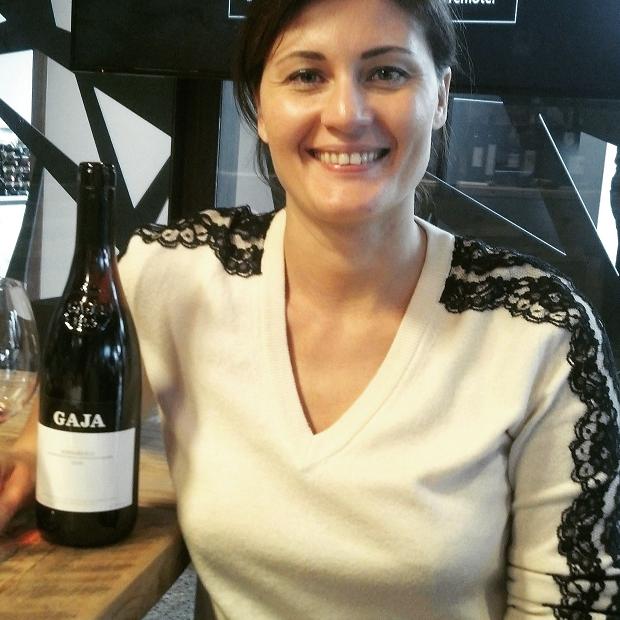
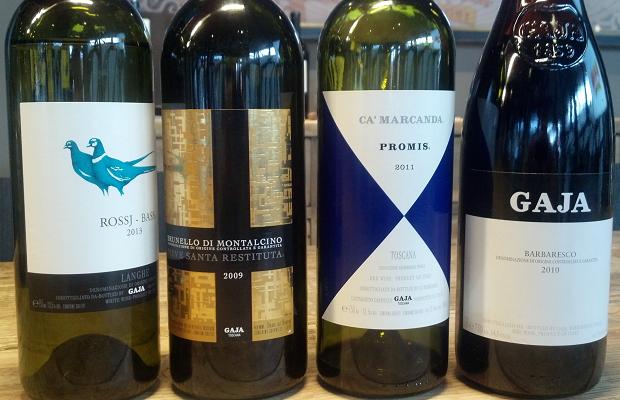
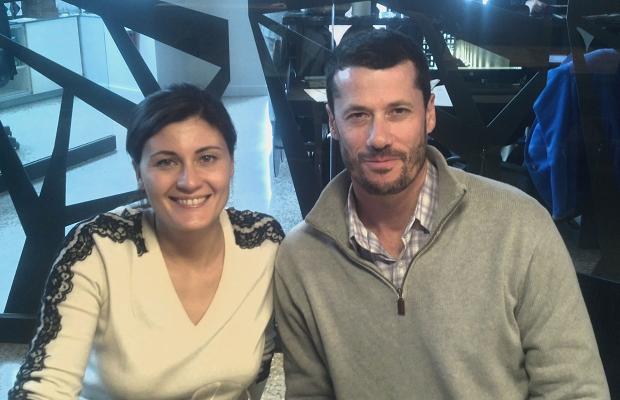
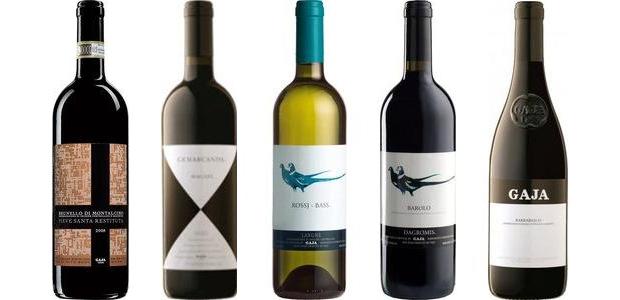
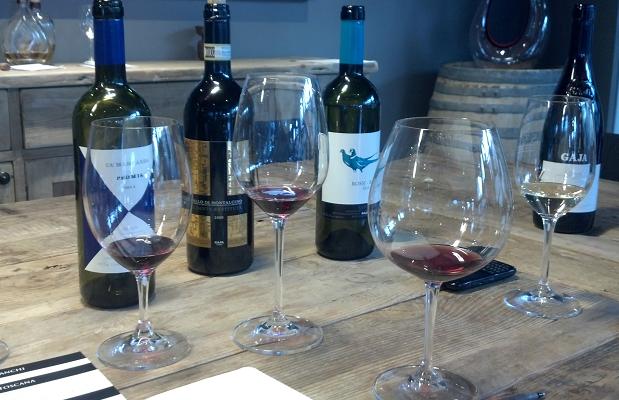

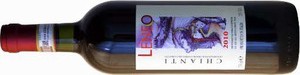
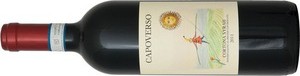
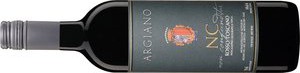
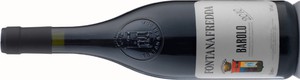
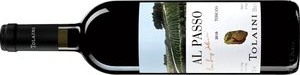
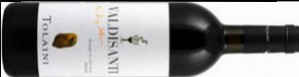
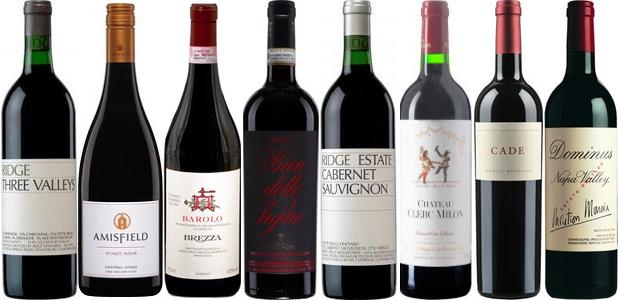
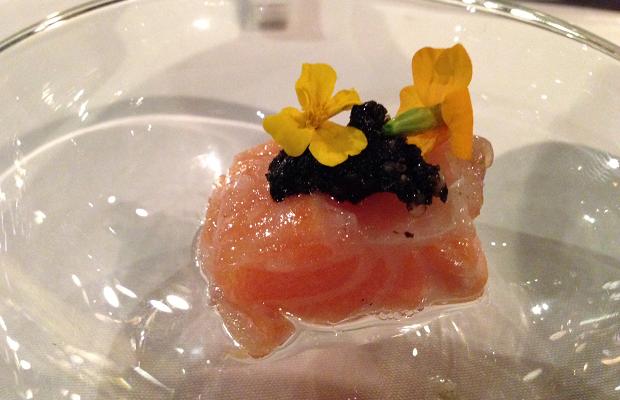


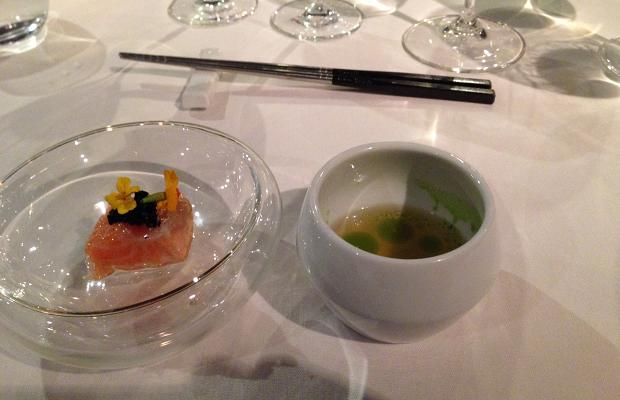
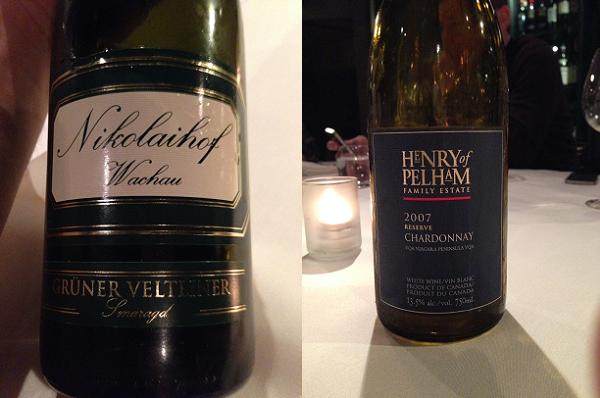
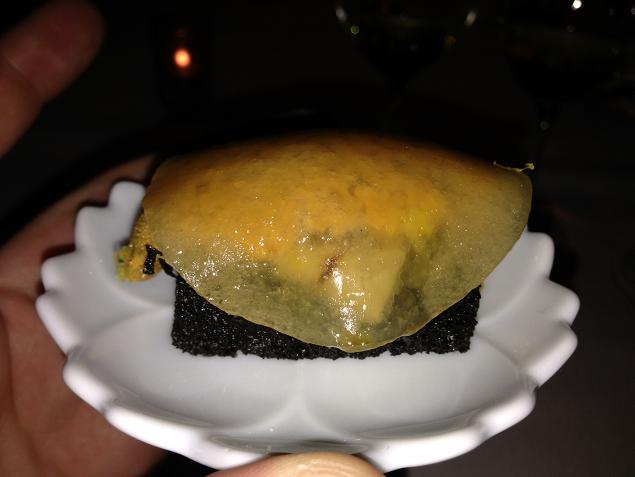


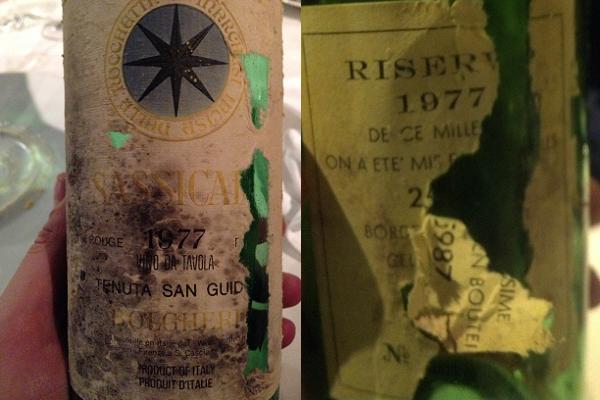
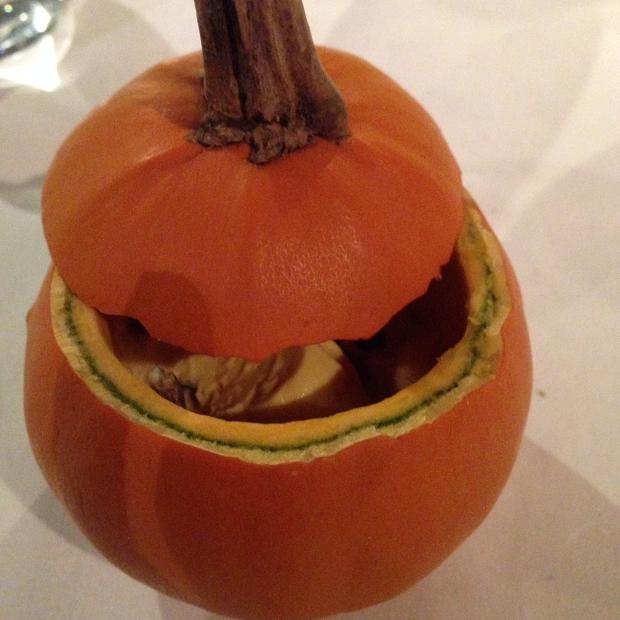

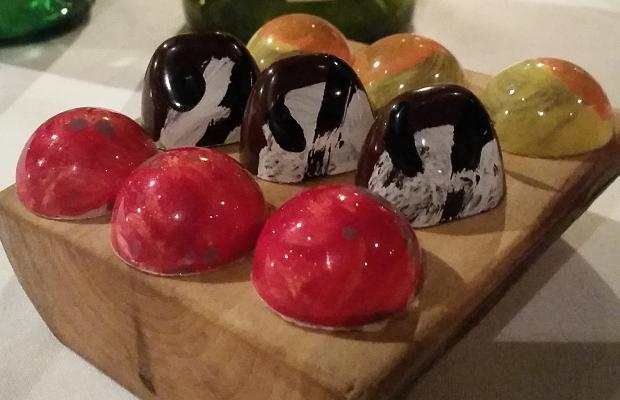
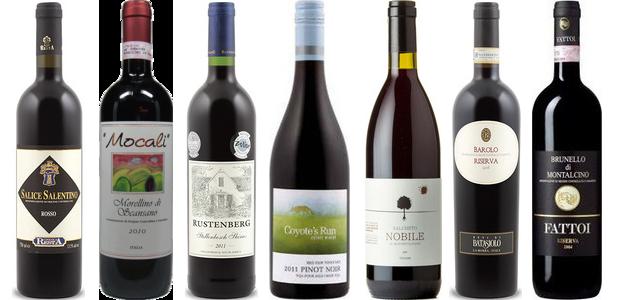
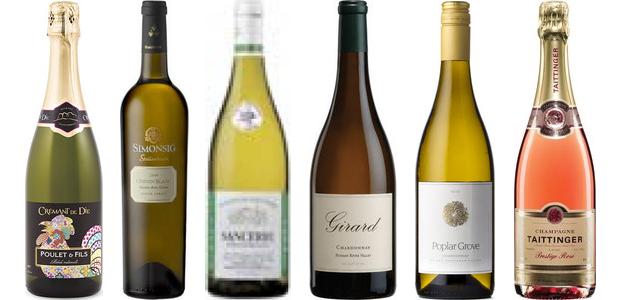


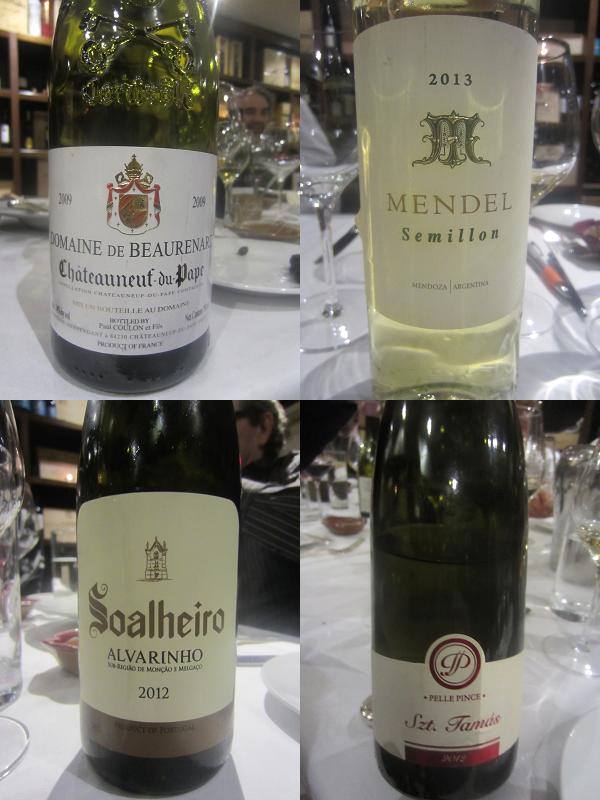
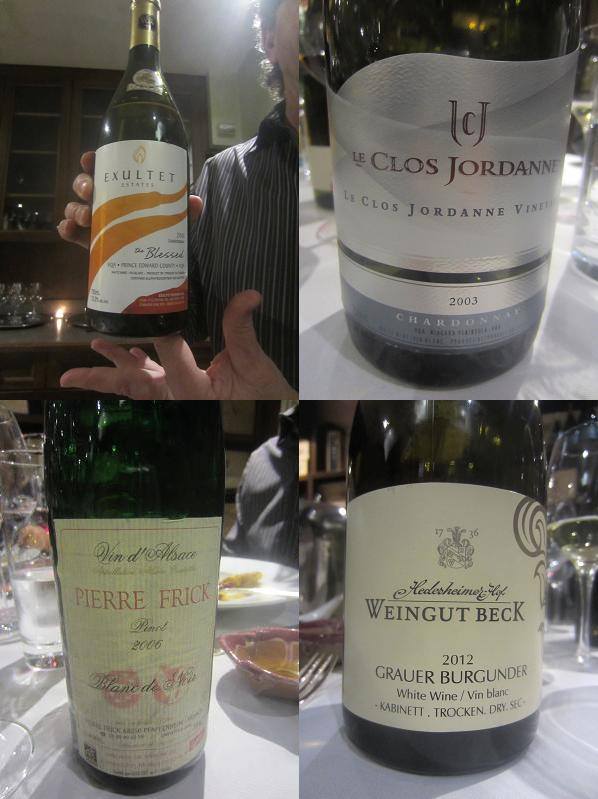
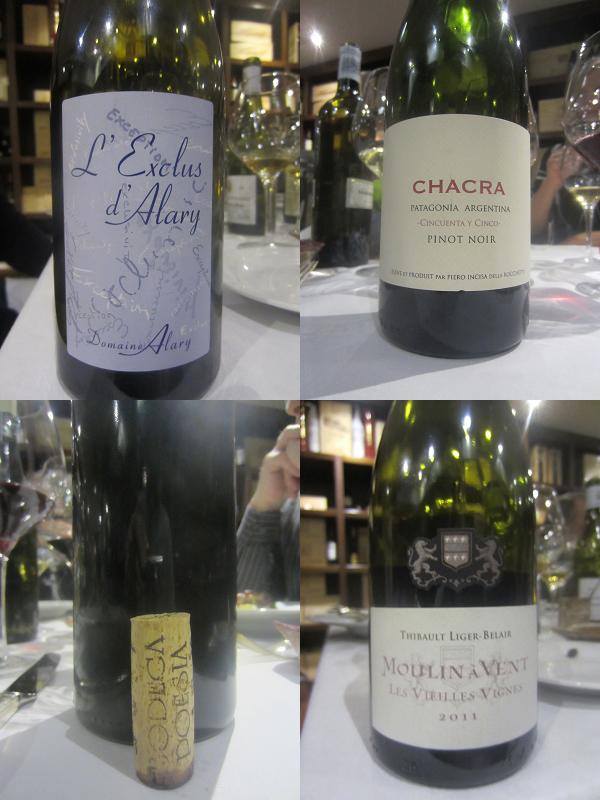

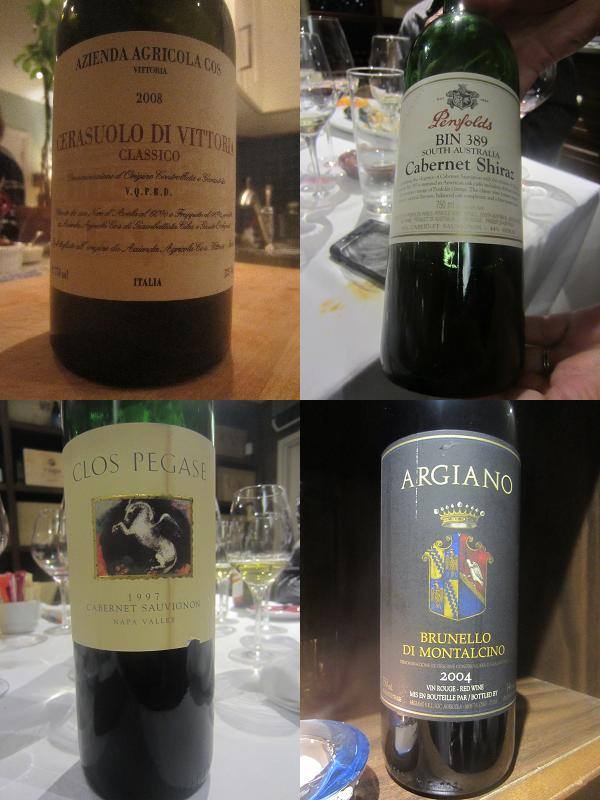
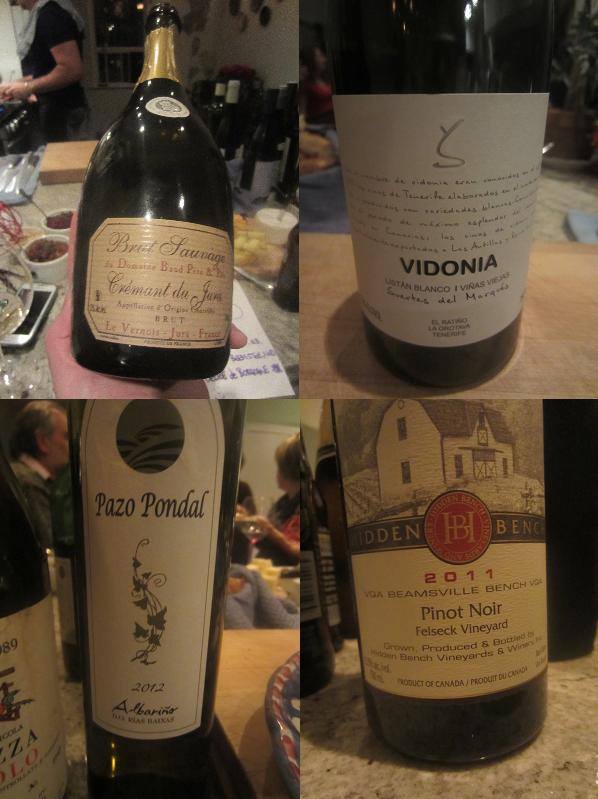

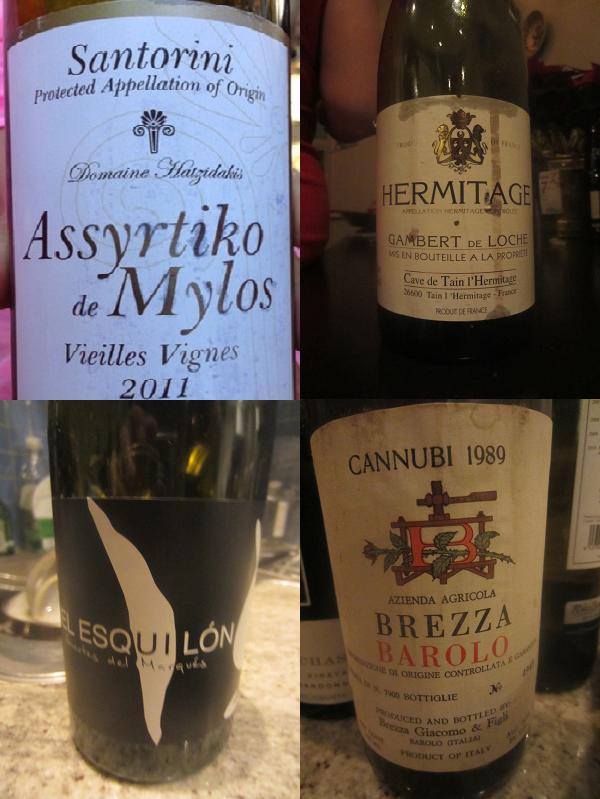


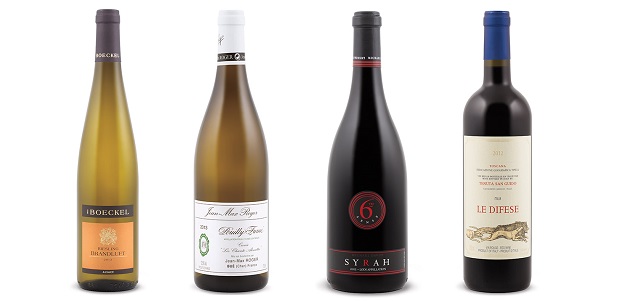
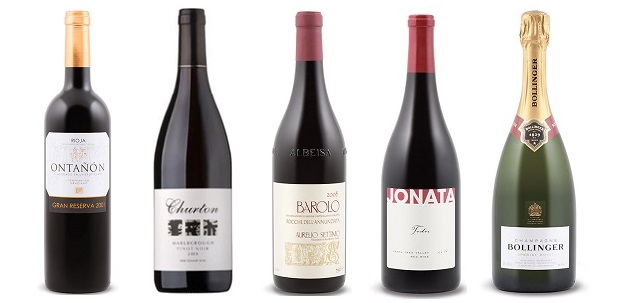

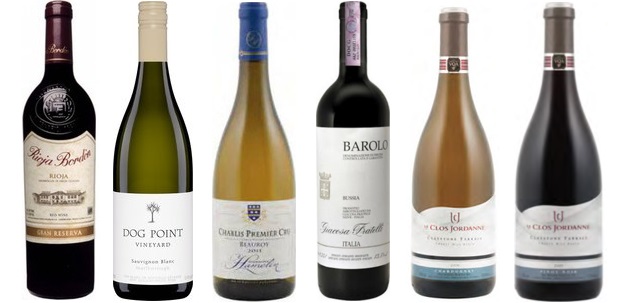
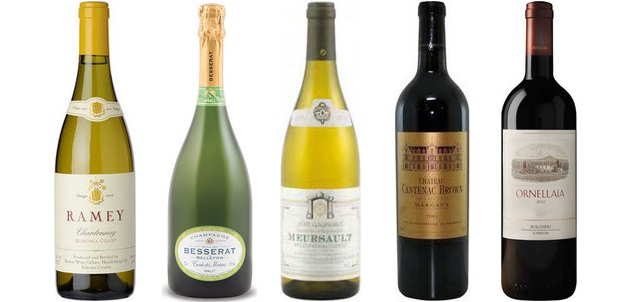
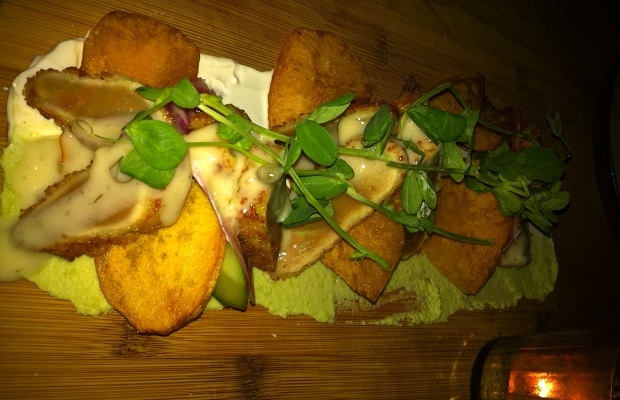
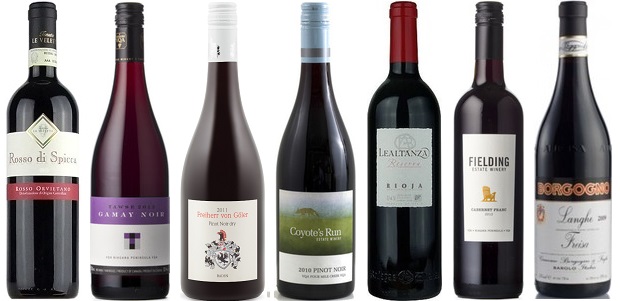
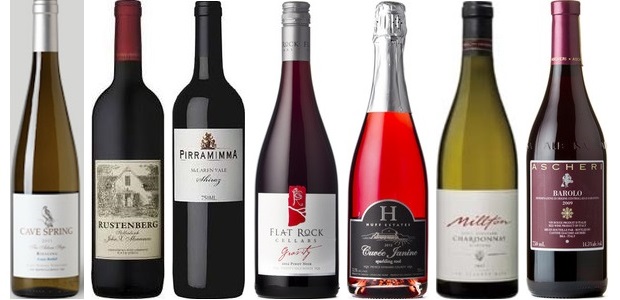
 Godello