Garnacha covered part four: Terra Alta

Terra Alta

Terra Alta

This is the fourth of five instalments concerning the wines of Garnacha from the regions of Aragón and Catalonia.

Related – For a comprehensive report by Sara d’Amato and I read WineAlignDiscover the Flavours: Wines of Garnacha

In October of 2015 WineAlign colleague Sara d’Amato and I travelled together with Christopher Waters of Vines Magazine.  The trip’s mission was to discover Spain’s Wines of Garnacha in their natural habitat, the five distinct and allied Denominación de Origen in the regions of Aragón and Catalonia.

Related – Garnacha covered part three: Somontano

Our host in Zaragoza was The Spanish Institute for Foreign Trade (Instituto Español de Comercio Exterior, ICEX), the Wines of Garnacha campaign and the office of Garnacha Origen. The trip was orchestrated with expertise by Aragón Exterior Managing Director Ignacio (Nacho) Martinez de Albornoz and Head of Wines from Spain (ICEX) Alfonso Janeiro. Our chaperones were Ignacio, Sofía González Martínez, Ivo André Alho Cabral and Roser Mestre, in Zaragoza and on expeditions to the five DO’s that comprise the wines of Garnacha.

Related – Garnacha covered part two: Cariñena

Related – We’ve Garnacha covered part one: Campo De Borja

Terra Alta

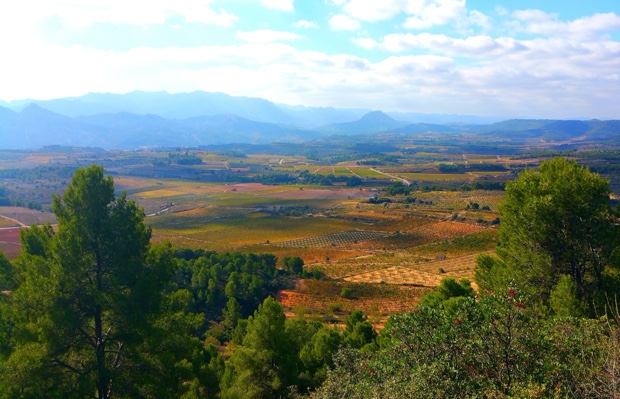
Crossed off the bucket list is a visit to the land of Garnatxa Blanca, Catalonian of the heart, in drive and from desire. The journey from Zaragoza to the furthest afield of Garnacha’s five D.O’s passes through vast stretches of landscapes in painted desserts and sculpted of mountain congeries. Soon the valleys begin to wind and snake their way between the limitless hills, tracing paths carved out in memory of long ago raging, ancient glacial rivers. The road slices through terraced panal, the spongy soils of Terra Alta, davenports to vines cultivated by the most prolific producers of white Grenache in the world. In Terra Alta, that number occupies 49 percent of the total Spanish production.

Terra Alta can be found in the southwest corner of the northeast corner of Spain. In a nutshell it may be incongruously defined as a large geographical area, “la más meridional de Cataluña,” with a small population of a mere 12,000 inhabitants. The prevailing winds, el Cierzo from the north and the summer Garbinades, “the Arab wind” from the southeast, add humidity, to protect from vine disease and to help finish a grape’s ripening process. Unlike its Aragonese brethren, the grape varieties grown in Terra Alta at times need a little help from their friends. To that end, five years ago an irrigation system was created, useable from May to September, to also help with the ripening process.

Interpid travellers in Terra Alta: WineAlign's Sara d'Amato and Godello

Interpid travellers in Terra Alta: WineAlign’s Sara d’Amato and Godello

It is fascinating to note that when Pablo Picasso was sick he came to Terra Alta for the air. He also came for the wine. He drank what was called vino brisat, skin macerated white wine, somewhere between orange and straw wine. After his health was restored, he returned three years later and apparently developed his cubist style in Terra Alta. Picasso, innovator and oenophile privy to 21st century thought, knowing that white wines produced with a maceration step contain significantly more health restoring and promoting polyphenols than those produced in a more traditional way. Records show that Garnacha has been grown in Terra Alta dating back to 1647.
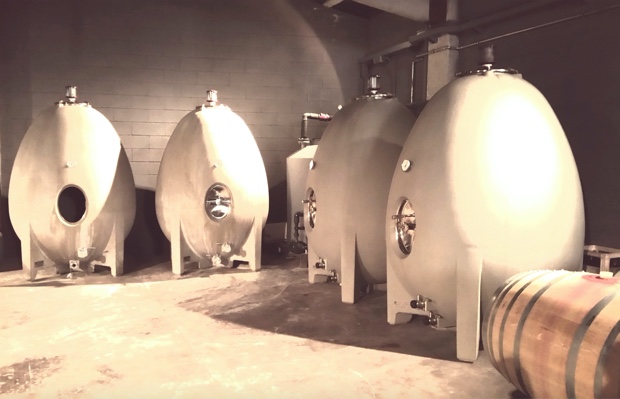
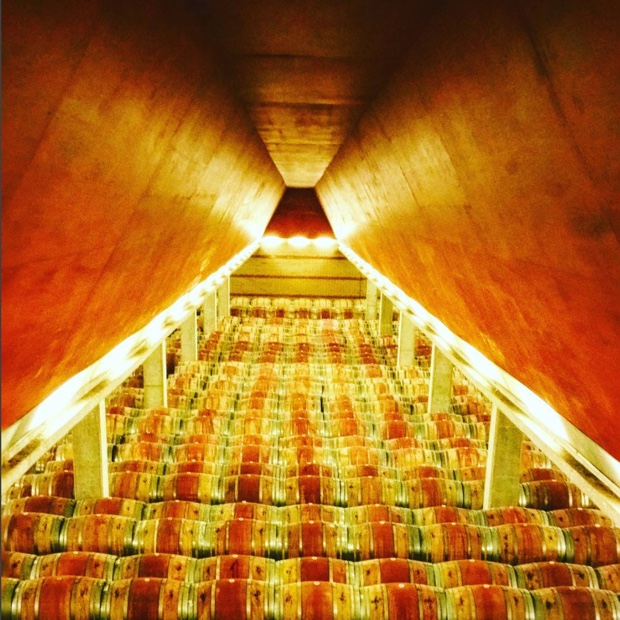
Cracking the wonders of #garnatxablanca @lafouceller #concreteegg @doterraalta

Cracking the wonders of #garnatxablanca @lafouceller #concreteegg @doterraalta

Terra Alta’s trump soil card is the panal, with its ability to retain moisture with nary rock or stone encumbrance. There are also soils imbued of limestone richness and a lack of organic material. The mediterranean climate combines abundant sunshine with little rainfall. Of the 6,000 total hectares planted, 1,400 is devoted to Garnatxa Blanca and the average annual production is seven million kg of grapes or, 50 hectolitres per hectare.

The DO “Terra Alta” (DOTA) was recognised provisionally in 1972. Together with Alella, Conca de Barberà, Empordà, Penedès, Priorat and Tarragona it is one of the seven historic denominations of origin of Catalonia. The first label noted as D.O. Terra Alta was 1984 and that wine was white. And so, today there are two symbols of guarantee, one for the D.O. as a whole and the other granted for whites. “SOM Terra Alta Garnatxa Blanca – 100×100.” More than simply a guarantee of 100 per cent Garnatxa Blanca composition, these wines must be deemed to score at least 85 out of 100 points in sensorial quality by the Consell Regulador. “Or you don’t get the sticker,” says proprietor of Altavins Viticultors de Batea Joan Arrufí, current president of the D.O. “Everyone is on board because it is necessary to put Terra Alta on the map.” The credo is “Cuerpo Y Alma,” or in Catalan, “Cos I Anima.” Body and soul.
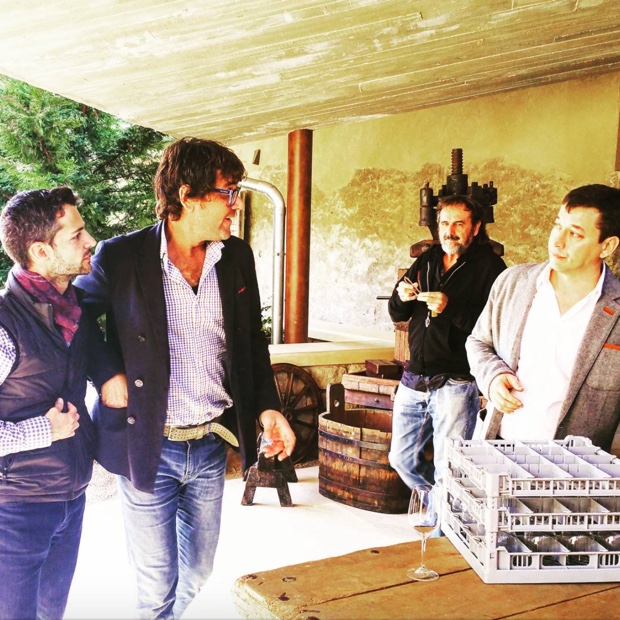
John, Paul, George and Ringo ready to play @doterraalta #garnatxablanca tunes for #loscanadienses

John, Paul, George and Ringo ready to play @doterraalta #garnatxablanca tunes for #loscanadienses

What is so curious about the White Grenache here is that more than any other Garnacha, red or white, produced in the five D.O’s of Aragon, the Blanca of Terra Alta has proven its ability to age. Arrufí tasted a 2001 the day before we arrived, saying “it’s perfect,” having changed from white fruits (banana, apple, apricot) to frutos secos (nuts), honey and almond flowers.

Winemakers presenting in today’s market are mostly young, the children of the older generation, adding freshness, elegance, new blood and a willingness to embrace technology. Unique to Terra Alta, the new generation is taking over the winemaking. Ask one how to prevent oxidation? Hand-pick, before the sun hits mid-sky, ferment at low temps and protect with lees. Good plan.
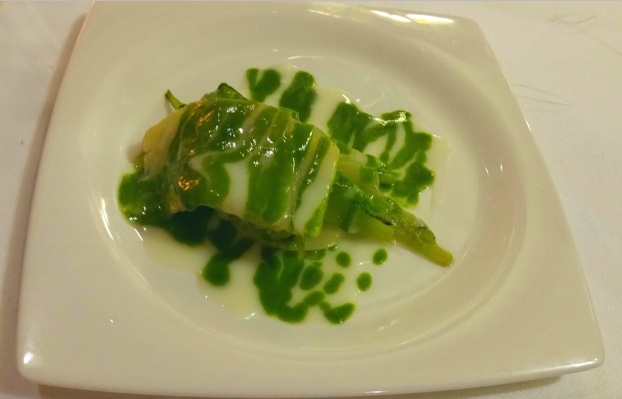
Borraja, potato, sauce of peas, Casa Lac, Zaragoza

Borraja, potato, sauce of peas, Casa Lac, Zaragoza

The night before heading out on the long trek to Terra Alta we pre-tasted some of the region’s wines at Ricardo Gil’s Casa Lac in Zaragoza. In Gandesa we met with Joan Arrufí at the offices of the D.O and then travelled to taste with the winemakers at Lafou Celler, followed by another tasting in the restored shell that once housed Corbera d’Ebre‘s destroyed church. It was at this meeting where the most poignant event of the Aragon trip took place.
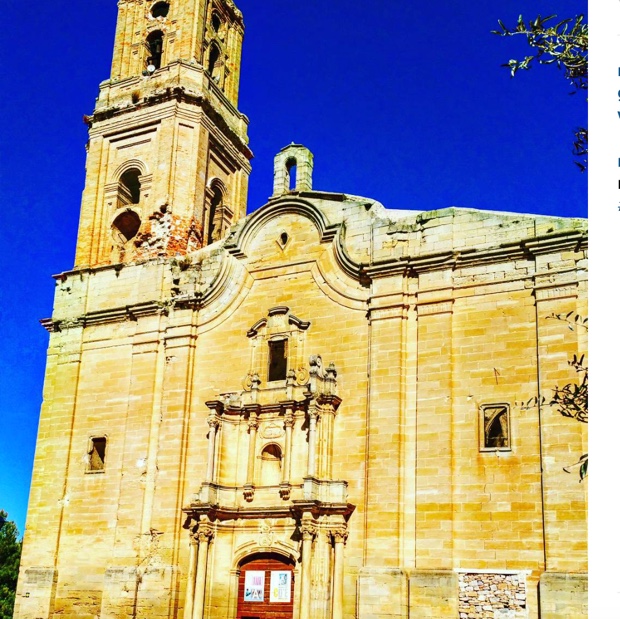
The art of survival and restoration #corberaderbe #spanishcivilwar #terraalta

The art of survival and restoration #corberaderbe #spanishcivilwar #terraalta

During the Spanish Civil War the Nazi warplanes dropped their bombs and Corbera d’Ebre was completely destroyed at the Battle of the Ebro (25 July–16 November 1938). The upper part, known as Poble Vell (Old Town), including the church were kept. One of the bombs landed in the river, killing a young girl and tossing her brother into the water.

A beautiful gift to #teamcanada @waters_wine @saradamato from #terraalta #manuelalvarez #corberadebre #spanishcivilwar #canadiansoldier #mackenziepapineau

A beautiful gift to #teamcanada @waters_wine @saradamato from #terraalta #manuelalvarez #corberadebre #spanishcivilwar #canadiansoldier #mackenziepapineau

A Canadian soldier from the Mackenzie-Papineau batallion fished him out. That boy, Manuel Álvarez, spent his life looking for the soldier. He finally found him 40 years later, in Vancouver. El Soldado Alto (The Tall Soldier) is the book Álvarez wrote to thank him and keep the story alive. Upon arrival in Corbera d’Ebre the story was recounted to us, Los Canadienses, along with a presentation from Ramón Gironés Julia, treasurer of Associació del Poble Vell, with a copy of the book. The Canadian soldier’s battalion was named after William Lyon Mackenzie and Louis-Joseph Papineau, leaders of the rebellions of 1837 in upper and lower Canada. They sought liberty, social justice and democracy, a spirit which the Canadian volunteers carried to Spain. Our job now, as the next Canadians to visit Corbera d’Ebre, is apparently to save the wines of Terra Alta. We’ll do our best.
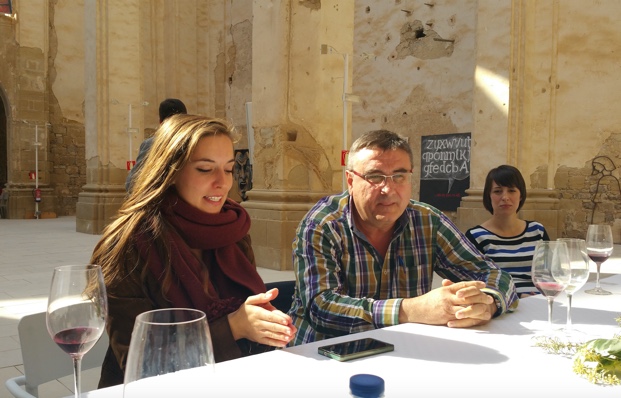
Sofía González, Wines of Garnacha and Señor Valiente, Vins de Mesies

Sofía González, Wines of Garnacha and Señor Valiente, Vins de Mesies

After the tasting in the historic village we went for lunch (ending at 6:15 pm) at Nou Moderno in Gandesa. The cooking and service by Rosa & Josep M. Vallespí is something every visitor to Catalunya need experience. We continued to taste the regional wines with Joan and the winemakers. The wines tasted were the following: Ilercavonia, by Altavins; Vallmajor Garnatxa Blanca and Tipicitat by Celler Batea; Edetària Selecció Blanc, by Celler Edetaria; Clos Dalián Crianza and Clos Dalián Crianza Blanco, by Cellers Unió; Mesies Garnatxa, by Ecovitres; Els Amelers, by LaFou; and Vila-Closa Garnatxa Blanca, by La Botera.
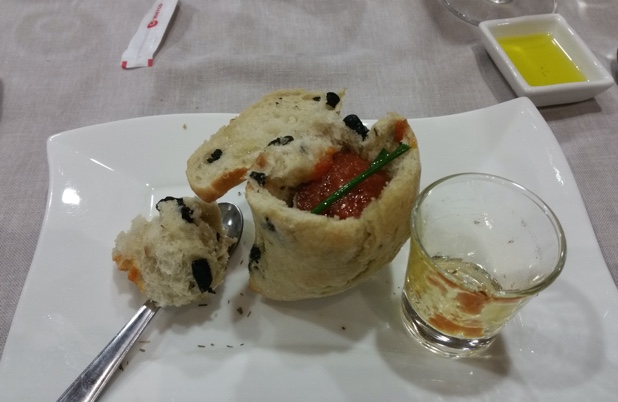
Nou Moderno Restaurant, Gandesa, Terra Alta

Nou Moderno Restaurant, Gandesa, Terra Alta

Celler Batea Vall Major Garnatxa Blanca 2014, DO Terra Alta, Spain (Winery, WineAlign)

With the intent to drink in the first year and quality to price ratio in mind, here the entry to Catalonian Garnacha Blanca. Sees 12 hours of skin contact, stainless steel housing after and with previous attention paid to low fermentation temperatures. Fresh as a brook running through a green spring glade. Pretty flowers, scintillant of acidity, young as a “back up the truck” kind of white. It’s chewy too. Has length of itself, from itself and for itself. Me, myself and I Garnatxa Blanca. From low yields in one of the higher production areas of Terra Alta. Tiny bitters arrive late, but still, that Terra Alta length. Drink 2015-2016.  Tasted October 2015  @CELLERBATEA1
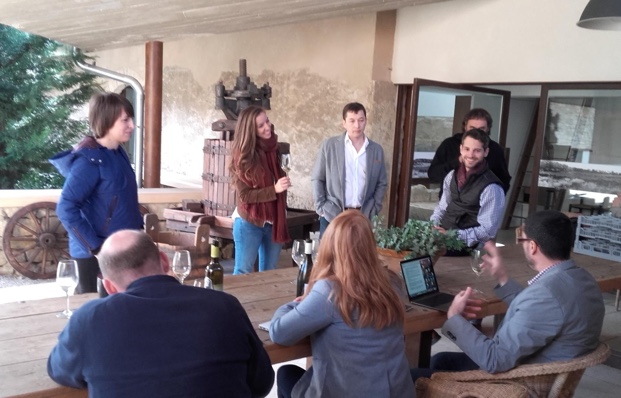
Los Canadienses taste and talk with the winemakers of Terra Alta at Celler Lafou photo (c) https://www.facebook.com/labotera.satlabotera/?fref=ts

Los Canadienses taste and talk with the winemakers of Terra Alta at Celler Lafou
photo (c) La Botera

Vins La Botera Vila-Closa Garnatxa Blanca 2014, DO Terra Alta, Spain (Winery, Agent, WineAlign)

“It’s also a young wine,” admits Laia, the winemaker. Built on crisp acidity from young vines and more structure from some older ones. Then blended together for a balanced White Garnatxa. The older vines come bound with an increase in altitude. “We play with the two, hand in hand.” This has a deeper, slightly medicinal or tonic inflection. Mostly from Panal soil – so there is richness and citrus, a preserved lemon. Such a different expression – strikes as more complex but at the inconsequential expense of freshness. Approximate price $15.95 CAN. Drink 2015-2017.  Tasted October 2015  @Bateabotera  @thatslifewines

Vins La Botera Vila-Closa Garnatxa Blanca 2013, DO Terra Alta, Spain (WineryAgentWineAlign)

Tasted in Toronto nearly a year ago. The handpicked Garnatxa Blanca from 35 year-old vines left to develop on the riper side of the equation blended with acidity elevating, younger fruit. Real cold soak plus three months of lees contact in stainless steel. So yes, this is a steely version, very much in the vein of straight-up Chablis. Bottled simplicity, limestone reckoning. Could drink this like water anytime the mercury rises. Approximate price $15.95 CAN. Drink 2014-2016.  Tasted November 2014
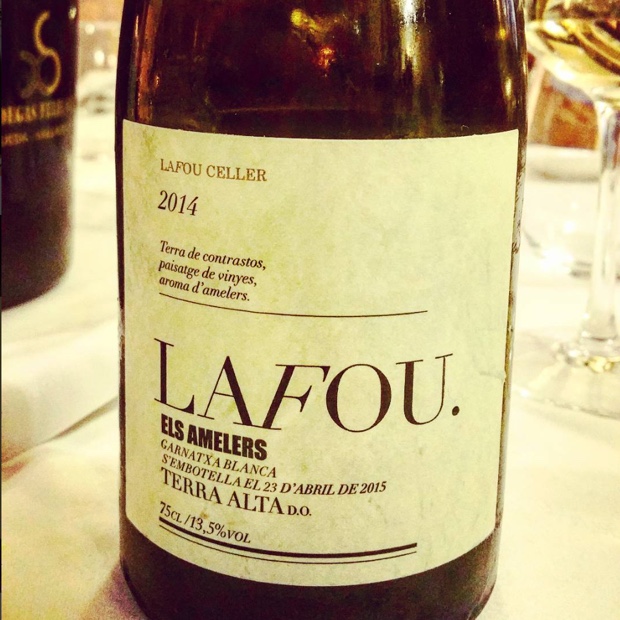
To taste again @lafouceller in @doterraalta is today's master plan @VINOS_ICEX #lovegarnacha #garnatxablanca #crdoterraalta

To taste again @lafouceller in @doterraalta is today’s master plan @VINOS_ICEX #lovegarnacha #garnatxablanca #crdoterraalta

Lafou Celler Garnatxa Blanca 2014, DO Terra Alta, Spain (Winery, Agent, WineAlign)

Ramon Roqueta Segalés, winemaker, soothsayer, visionary, seeker of the Garnatxa Blanca of today from “a narrow valley.” Ramon is very concerned with the valleys, the landscape, the geology, how the wind, the mediterranean climate and the ancient rivers that run through, having left their glacial deposits, all combine for this particular and most important expression of Garnatxa Blanca. Established in 2007, this wine was first released in 2011. Combines old and young fruit, some harvested fresher at a greener stage and others picked later, riper, brought together. Vinified separately, with some skin maceration, looking for fat to surround acidity. Ripe fruit (10 per cent) sees oak, the rest in egg shape concrete tanks with six to seven months of lees contact. Smells like a ripe peach, fresh and without sugar but instead a sprinkling of subterranean, ancient riverbed harvested salt. The tang is layered, variegated, mineral, mastered over and in corralling of oxidation, elaborated with gentle but forceful demand. “We learned that you can get a balance by harvesting and an early and a later stage, sometimes three times.” Finishes with lime, fresh squeezed, sweet tonic and distilled flowers. A wine that has succeeded in “mastering the oxidation process.” Plus the tannic (anti-oxidative) aspects offered in micro-oxygenation from the slightly toasted new oak. Approximate price $28.95 CAN. Drink 2015-2025.  Tasted October 2015  @lafouceller  @oenophilia1

Lafou Celler Garnatxa Blanca 2013, DO Terra Alta, Spain (WineryAgent, WineAlign)

Tasted in Toronto nearly a year ago, the mind’s eye and memory back remember a gorgeous wine, full of salient alkali in zest form, calcified sweet white flowers and the cleanest, most elegantly drawn lines. A prodigy of anti-terse White Grenache statements, so obviously cared for, from healthy vines the mild treatment by lees, wood or common concrete. In a nutshell, worth every penny of its $29 tag. Drink 2014-2023. Tasted November 2014
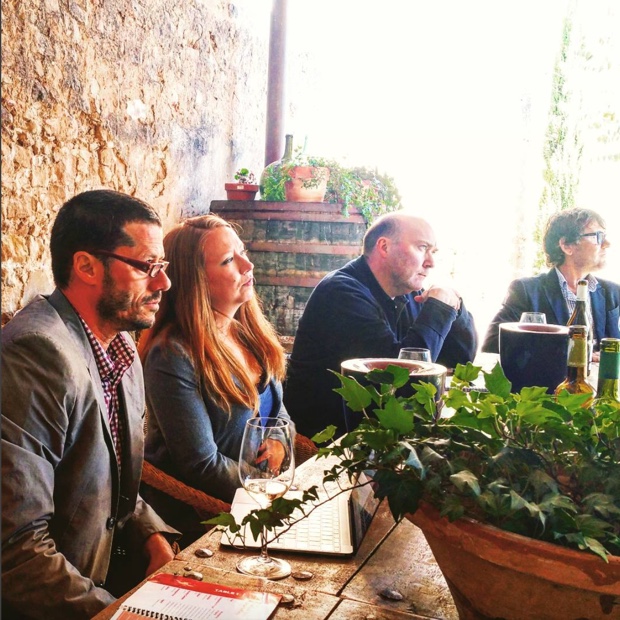
Los Canadienses @waters_wine @saradamato & @altavins getting serious with @doterraalta #garnatxablanca #joanbautistaarrufi #terraalta #lafou

Los Canadienses @waters_wine @saradamato & @altavins getting serious with @doterraalta #garnatxablanca #joanbautistaarrufi #terraalta #lafou

Altavins “IL” Ilercavònia Garnatxa Blanca 2014, DO Terra Alta, Spain (Winery)

Named for the people in the west of Catalonia, Iberians who lived in Terra Alta and the surrounding areas from the 6th to the 1st century BC. From old vines (up to 46 years) shown cold fermentation and three days of skin contact. Time in 400L oak barrels (five months) on the fine lees. Here the most bronzing of all the White Garncaha we’ve been shown, certainly on the oxidative side. Fine pretty flowers and equally fine bitters on the finish. Fine acidity as well. All of this speaks to the phenolics, all pieces of essential White Grenache, all aligned. Herbal and platinum, in hue forward to sensation. This is the adult expression and a wine that can and will age (2001 was the first and we are told it lives very much still). This is very grown up, another chapter all together. Already showing what it will be – very mineral and yet acidity not the same in any way, as compared to the others. Yet very long. slowly, evocatively, long. Drink 2015-2025.  Tasted October 2015  @altavins

Los Canadienses taste with the winemakers of Terra Alta at Codera d'Ebre<br /> photo (c) La Botera

Los Canadienses taste with the winemakers of Terra Alta at Codera d’Ebre
photo (c) La Botera

Edetaria Selecció White Vinyes Velles 2013, DO Terra Alta, Spain (Winery, Agent, WineAlign)

From a fourth generation family vineyard in Gandesa, a project that began in 2003. Fully, completely Garnatxa Blanca, from a group of old vineyards, cooled down a degree or two more than the norm for 24-48 hours, with skin maceration. Barrel fermented in small casks for eight months, this also leans oxidative but never gets there, even less than the IL. White flowers, imaginations of futures thickened by honey and glazed in apricot. Possessive of a Riesling-like nose, Sémillon lean and pinpoint accurate clarity. Such a proclivity to seek evolution this alternative custodian of the Garnatxa varietal necessity. Seeker and keeper of tradition and to let the world know what has always been possible. This has acidity. It really has it. Bridges so many philosophies, histories and realities; Alsace Riesling, South African Chenin Blanc, Greek Roditis. Approximate price $39.95 CAN. Drink 2015-2023  Tasted October 2015  @EdetariaCeller

Edetaria Selecció White Vinyes Velles 2012, DO Terra Alta, Spain (WineryAgent, WineAlign)

Tasted in Toronto nearly a year ago. From the famous panal soil, fossilized sand dunes low in organic material and even lower in yields. Managed in go it alone ways for Terra Alta, with grapes kept gelid at zero degrees during the process and individual plot vinification prepared in 300L oak barrels. Primary aromas are the launching point and the end game. Eight months later a most unique aroma subsists and emits potency, leading to layering. A portent for pure distillation in White Grenache. Approximate price $39.95 CAN. Drink 2014-2021.  Tasted November 2014

Edetaria Garnatxa Blanca 2013 and Mesies Garnatxa 2014

Edetaria Garnatxa Blanca 2013 and Mesies Garnatxa 2014

Ecovitres Vins de Mesies Garnatxa 2014, DO Terra Alta (Winery)

Founded in 2002, Ecovitres stands alone in philosophy meets execution. The organics are a no-brainer in  their minds, in a land where the winds blow and vine disease is less than a deterrent or an issue. Here the producer of the eco-Garnatxa, from lots of cropping and the moving of soils for humidity, Such a soil impart in this Tinto, brimming with cure, natural charcuteries derived from a range of protein and fresh, liquid chalky red fruit.”This is what Red Garnatxa should be,” insists winemaker Señor Valiente. A wine of light colour, of natural yeasts, of freshness and of minimal sulfites. Just a minor pump over to keep the cap wet, from drying out and from letting foreign agents to enter. Very brave for making wine this way, without pre-pioneers. The irony is not lost, on me or Señor Valiente. Drink 2015-2020.  Tasted October 2015  @VINSdeMESIES

One final wine, tasted at Nou Moderno Restaurant in Gandesa. The day was already 10 hours old, many courses had been consumed and we knew there were many more to come a mere three hours away. So I did not take notes here, but I can say this. Red Garnacha from Terra Alta has the ability to age.
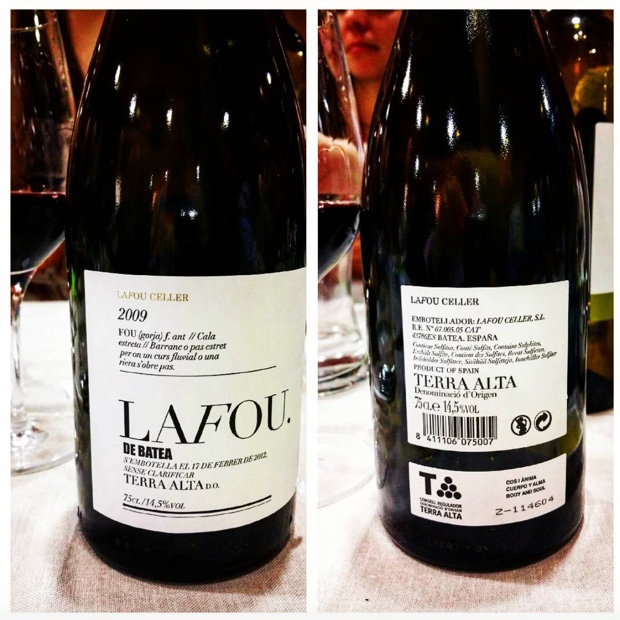
Talking 'bout aged red #garnacha @lafouceller 2009 #terraalta #batea #bodyandsoul #cosianima #cuerpoyalma

Good to go!

Twitter: @mgodello

Instagram: mgodello

WineAlign: Michael Godel
Facebook

Garnacha covered part three: Somontano

Breath taken away by Jose Antonio's Secastilla #garnacha with altitude @DOSomontano #aragon

Breath taken away by Jose Antonio’s Secastilla #garnacha with altitude @DOSomontano #aragon

This is the third of five instalments concerning the wines of Garnacha from the regions of Aragón and Catalonia.

Related – For a comprehensive report by Sara d’Amato and I read WineAlignDiscover the Flavours: Wines of Garnacha

In October of 2015 WineAlign colleague Sara d’Amato and I travelled together with Christopher Waters of Vines Magazine.  The trip’s mission was to discover Spain’s Wines of Garnacha in their natural habitat, the five distinct and allied Denominación de Origen in the regions of Aragón and Catalonia.

Related – Garnacha covered part two: Cariñena

Our host in Zaragoza was The Spanish Institute for Foreign Trade (Instituto Español de Comercio Exterior, ICEX), the Wines of Garnacha campaign and the office of Garnacha Origen. The trip was orchestrated with expertise by Aragón Exterior Managing Director Ignacio (Nacho) Martinez de Albornoz and Head of Wines from Spain (ICEX) Alfonso Janeiro. Our chaperones were Ignacio, Sofía González Martínez, Ivo André Alho Cabral and Roser Mestre, in Zaragoza and on expeditions to the five DO’s that comprise the wines of Garnacha.

Related – We’ve Garnacha covered part one: Campo De Borja

Somontano

The centuries have seen to winemaking in Somontano though it was not until April 30th, 1984 that the protected designation of origin was granted by the Spanish Ministry of Agriculture. What has transpired, transformed and transmogrified in 31 short years is astonishing.

Canadian journalists in the vineyards of Secastilla, Somontano. Photo (c) Ivo André Alho Cabral

Canadian journalists in the vineyards of Secastilla, Somontano. Photo (c) Ivo André Alho Cabral

The proof lies in a day of Somontano pudding. First a 130 km drive north out of Zaragoza, to the place they call “at the foot of the mountains” and a visit to the D.O office in the regional capital of Barbastro. A perfectly pressed early morning café and an overture of origen by local el presidente Mariano Beroz Bandrés sets the denominational stage. Second, a hike along with viticulturalist José Antonio through the highest bush vines vineyard belonging to Secastilla of Viñas del Vero.

Viñas del Vero's José Antonio in the Secastilla vineyard

Viñas del Vero’s José Antonio in the Secastilla vineyard

Next, a round table presentation, tasting and discussion at cellar door slash naturally lit, modernist Bodega Pirineos. Finally, remedying and restorative lunch at state of the art, colossal tanks and all, wine bottle art gallery installation, architecturally brilliant Vinos Enate.

The Barrel Cellar at @VinosEnate. Muchas gracias for the tour and the hospitality. Para todo @DOsomontano

The Barrel Cellar at @VinosEnate. Muchas gracias for the tour and the hospitality. Para todo @DOsomontano

The DO Somontano region is located at a height of between 350 and 1,000 metres above sea level and from Secastilla’s vineyard the six castles visible on peaks and throughout the Secastilla valley spread across the blue demure of a brilliant mid-autumn day. The view from Enate is nothing special, that is unless you are the kind of person that is moved by the awesome splendour of foothills and peaks fronting the drama of the Pyrenees.

Bodega Enate, Somontano

Bodega Enate, Somontano

After lunch a tour through Enate’s labyrinth of great halls and hallways concludes with a mind’s daydream into a Sean Connery Bond film imagined.

Big tanks of Bodega Enate, Somontano

Big tanks of Bodega Enate, Somontano

In the hills of Somontano low-fertility, brown limestone soil and its soft, permeable underbelly encourages roots to penetrate the earth, to extract just the right amount of limestone. The surrounding mountains protect the vines from the extreme cold and the rain.

Secastilla Valley, Somontano

Secastilla Valley, Somontano

Somontano is planted to 4200 hectares (of a total 205,000, 95,000 of it agricultural). There are 20,000 inhabitants, 43 villages, 424 growers, 31 wineries, 15 varietals, 200 wines and 15,000,000 bottles produced annually. Of that total, 70 per cent sold are domestically. The wide range of grape varieties cultivated are Cabernet Sauvignon, Merlot, Tempranillo, Syrah, Parraleta, Moristel, Pinot Noir, Chardonnay, Gewürztraminer, Macabeo (Alcañón), Sauvignon Blanc, Riesling, Red and White Garnacha. Six of these last varietal wines are involved in the Wines of Garnacha program. Mariano Beroz Bandrés talks about the collective approach for their wines. “Market niche, medium-high price, fresh, fruity, touch of oak, for young and innovative consumers.”

Somontano wines at Bodega Pirineos

Somontano wines at Bodega Pirineos

Our hosts from Wines of Garnacha and Garnacha Origen Sofía González Martínez and Ivo André Alho Cabral sat in with Sara D’Amato, Christopher Waters and I to taste the following Garnacha wines: La Miranda de Secastilla Garnacha BlancaLa Miranda de Secastilla and Secastilla, by Viñas del Vero; Pirineos Garnacha, by Bodegas Pirineos; Mascún, by Bodegas Osca; Batán de Salas Monovarietal Garnacha, by Batán de Salas.

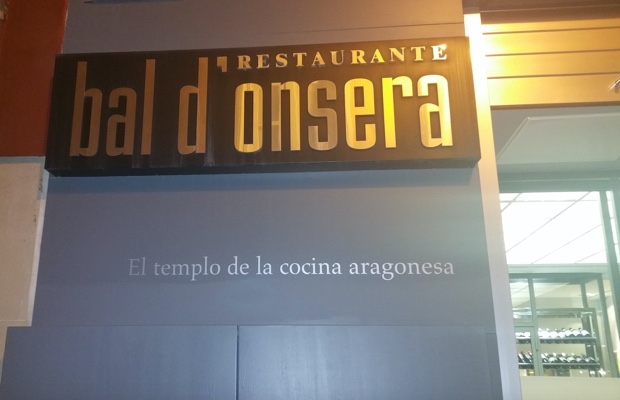
Restaurante Bal D'Onsera, Zaragoza

Restaurante Bal D’Onsera, Zaragoza

As we did each night previous to five D.O. visits around Aragon, we tasted the following day’s wines while at dinner in Zaragoza. Somontano accompanied Josechu Corella’s Michelen star Bal D’Onsera. Chef Corella’s cuisine is distinctly Aragonese adscititious of quality sea ingredients, to balance out any possible meat overkill on the heels of a Zaragoza week in celebration of the festival of the Pilar. Gastronomy harmonized, magnetized and gathered automatically for the people. Chef’s plates and bowls aligned, as if by invisible connections, to protein, from produce and by molecular touch, in textured attraction, together, without fail. Eleven courses of plentiful exigency chaperoned by the discreet and propitious staff. This amuse bouche was not one of the expected 10.

In the beginning: Oyster, seawater foam, sea algae, citrus teardrops #baldonsera #josechucorella #Zaragoza #amuse #estrellamichelin

In the beginning: Oyster, seawater foam, sea algae, citrus teardrops @baldonsera #josechucorella #Zaragoza #amuse #estrellamichelin

The Somontano wines were tasted at Restaurante Bal D’Onsera, at Bodega Pirineos and over lunch at Bodega Enate.

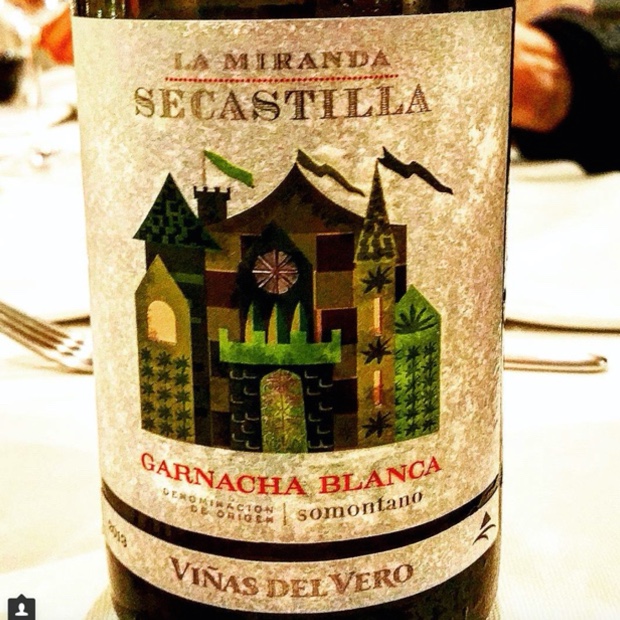
Viñas del Vero La Miranda Secastilla Garnacha Blanca 2013

Viñas del Vero La Miranda Secastilla Garnacha Blanca 2013

Viñas del Vero La Miranda Secastilla Garnacha Blanca 2013, DO Somontano, Spain (Winery, Agent, WineAlign)

The first vintage was 2002, from purchased pre-existing vineyards, going back 60 years. The vineyard source is “Pago La Miranda” in the Secastilla Valley. Four months in Allier Forest French Oak. Subdued specs design this white wine; ph of 3.1, even lower sugar at 1.5 g/l and moderate acidity in at 5.38 g/L. These are the specs of balance, restraint and impossible not to discover-achieve elegance. A re-discovery of the rarity here in Garnacha Blanca, replete with a mineral forest of fruit, rock and wood. That acidity rules and combines with texture for variegation. This has foothills brush, herb and citrus running through. It is as far from lean and miles from fat. It travels a river through the middle of a valley. Mediterranean temperament and a bite into olive, almond and caper. Sea brine and lemon that mines like teardrops that burst when bitten. Just as it hits the tongue it pops and releases a zesty, juicy, fresh citrus flavour. Though the clarity to age is yet unclear, at three years it will likely lean oxidative, though that development will appear as slow as an early autumn wind. Approximate retail price of $16 CAN. Drink 2015-2019.  Tasted October 2015  @VinasdelVero  @WoodmanWS

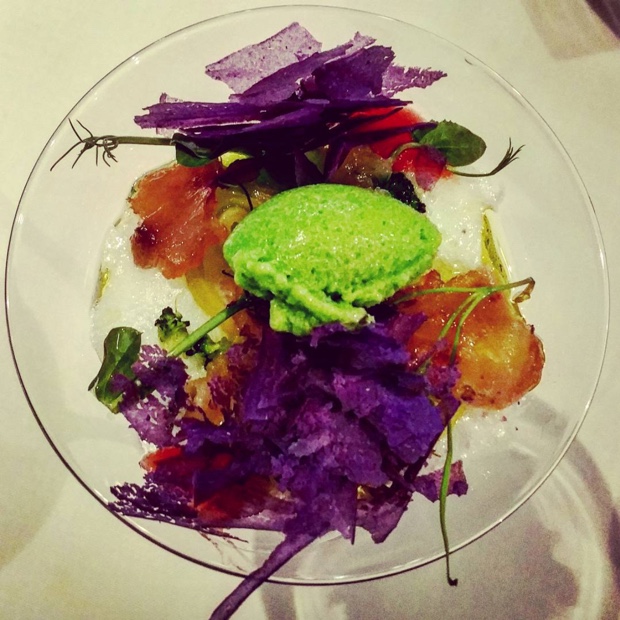
Ocean Martini Salad, green pea crème, eco-tomato foam, galician white tuna, cucumber sorbet, violet potato crunch #baldonsera

Ocean Martini Salad, green pea crème, eco-tomato foam, galician white tuna, cucumber sorbet, violet potato crunch #baldonsera

Viñas del Vero La Miranda Secastilla Garnacha 2013, DO Somontano, Spain (WineryAgent, WineAlign)

Based on vines planted in 1998, beyond youthful in many terroirs but just a baby by Somontano-Secastilla standards. Blended with a minor amount of Syrah (12) plus the native varietal addition of Parraleta (3). Similar specs to the whites with just slightly elevated pH and rS. Vineyards are La Miranda, Prudence, La Mata and La Primade. Eight months in oak. The intent is fruit over savour, freshness beyond herbiage. It lies somewhere in the middle – the middle road trodden, the density is less than laden, the liqueur below a spirited threshold. High quality fruit from a giving vintage with acidity to prop up protein, lactic preparations and La Miranda itself. This Garnacha is focused and fortuitous, coming from solid fruit out of vineyards clearly delineated for their purpose and their capability. Clarity of Garnacha Tinto, with Mediterranean influence, manifested in olive brine and balsam, void of volatility, char and roast. No game, but with game in the name of purity. Elegantly cool, silk threaded and good length. Approximate retail price of $16 CAN. Drink 2015-2019.  Tasted October 2015

Somontano winemakers at Bodega Pirineos

Somontano winemakers at Bodega Pirineos

Pirineos Garnacha 2013, DO Somontano, Spain (WineryAgent, WineAlign)

Presented by Jesús Astrain Losilla, Director Téconico – Enólogo. From 12 year-old vines, located in traditional vineyard areas/sites, mixed with continental largesse in purple Mediterranean flora and snacks, such as almonds, olives, etc. This brings diversity and in combination with dry farming, vineyard selection for Garnacha and vinification, this ’13 goes at it beautiful, modern funky. Has the soil rubber reduction (it’s under screw cap, keep in mind) and the quick vanilla meets lavender impart of French meets American wood. Combines a barrel’s envelope with clay soil’s natural corrective. A lactic, chalky and liquid smoke impart. Chalk and rock, much red citrus. Most north facing vines for Garnacha in all Spain – makes for freshness. Really crushes as tomato just picked as well, with acidity fully intact – so the thought of such a gastronomy pairing would work well. A red wine for the “I only drink white wine” crowd. Reminds me so much of Alsace Pinot Noir, thanks to the little rainfall. This grows on you with complexity, if you give it time. More ease than demand. Does fruit, Garnacha, Somontano as it should and will. A Somontano statement, manifesto, declaration. Structure, structure, structure. Approximate retail price of $14 CAN. Drink 2015-2019.  Tasted October 2015  @BodegaPirineos  @TheVine_RobGroh

Batán de Salas de Beroz Garnacha 2011

Batán de Salas de Beroz Garnacha 2011

Batán de Salas de Beroz Garnacha 2011, DO Somontano, Spain (Winery)

Nicolás Brun Aguerri makes the wines at this small bodega, in production of 300,000 kg’s of fruit annually. Pragmatically trying to make wines “for now and up to three to five years.” Here red Garnacha looking for something beyond freshness, working on aromatics, through a staggered harvest and six months in barrel, along with eight per cent Syrah mixed in. This has the deep sense of cure, like charcuterie, of meaty complexity. A solid second vintage and though there is tar, char, salinity, protein and grain, it has readily ranging though integrated acidity. Fresh is not the operative but alive and kicking butt is. Has reached this slight oxidative state and should linger there for two or three years more. A different style, not rebellious by any stretch and a great window in the Garnacha-Somontano potentiality. Drink 2015-2018.  Tasted October 2015  @Batandesalas

Bodegas Osca Mascun Garnacha 2010, DO Somontano, Spain (Winery)

Produced since 1998, Mascun is always on point with 100 per cent varietal wines. Vines grow at between 350-550m. Mascun comes from the Latin, “house of witches.” After malolactic is completed the cask work is shared for 12 months between French and American oak. The first bottle indicates another slightly oxidative and pretty if verging on potent Garnacha, with a hint of tea. The supernatural Grenache, the witches Garnacha. A second pour is different, with more verve, acidity and fruit that stands out with much more hustle and animation. Drink 2015-2017.  Tasted October 2015  @BodegasOsca

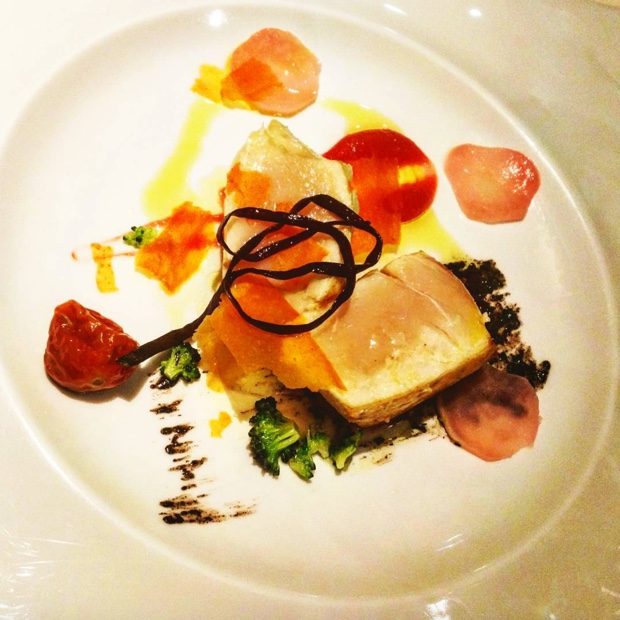
One of 10 paragons from chef's menu degustation @josechucorella Grilled Galician White Tuna, salted radish, sea algae, sun-dried cherry tomato, sweet onion sauce, smoked olive oil #baldonsera #estrellamichelin #Zaragoza

One of 10 paragons from chef’s menu degustation @josechucorella Grilled Galician White Tuna, salted radish, sea algae, sun-dried cherry tomato, sweet onion sauce, smoked olive oil #baldonsera #estrellamichelin #Zaragoza

Vinas del Vero Secastilla Garnacha 2010, DO Somontano, Spain (WineryAgent, WineAlign)

Based on vines planted as far back as the 1940’s, from the Guardia, Miranda and Botiguero vineyards. The lost valley, a discovered vineyard and not far from 100 year-old vines. Non-irrigated, poor stony soils, low yield, high concentration all work to fight what oxidative tendency that Garnacha might gravitate towards. Vines at 700m interspersed with almond and olive trees. Ten months in barrel, stabilized naturally. New barrels, for structure and age. Those barrels go to La Miranda after the first year. (Whites come from Chardonnay). Possessive of perfectly complimentary volatility. Very alive and fighting. The lush texture is driven like a stake through a beef heart with the acidity and a fine grain of tannin and line. Approximate retail price of $32 CAN. Drink 2015-2019.  Tasted October 2015

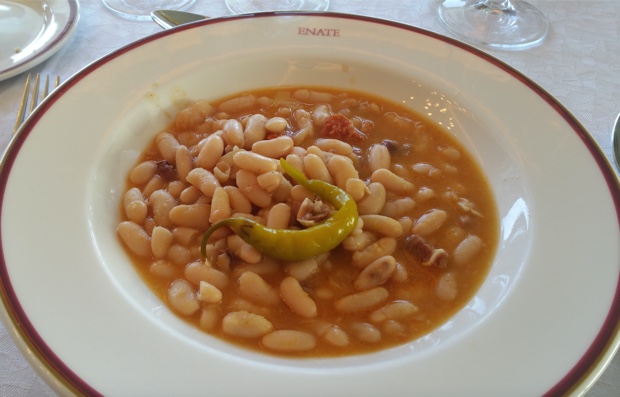
Alubias Estafadas and Guindilla, Bodega Enate, Somontano

Alubias Estafadas and Guindilla, Bodegas Enate, Somontano

Bodegas Enate Chardonnay 2011, DO Somontano, Spain (Winery)

An oaked Chardonnay welling in gemstones, butter and salinity. Acidity end energy are set to full throttle. Fruit fills the crooks to brimming. Oak is not shy but rendered in decisive integration. Its reductiveness coupled with some years in bottle make for a showy wine in recognition of its own amour-propre. That ability to flaunt its wares is backed up by a surprisingly most excellent structure from what is not the most well-known Chardonnay region on the planet. Drink 2015-2019.  Tasted October 2015  @VinosEnate

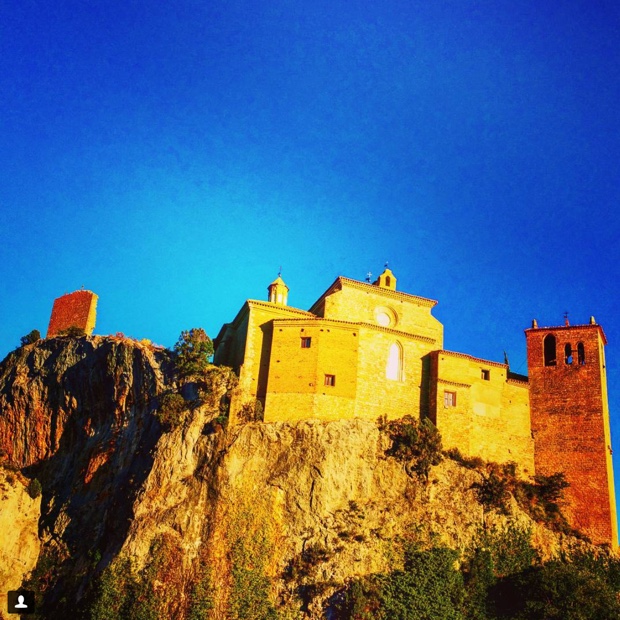
At the end of a Somontano day we drove further north to take in the medieval village of Alquezar. A bucolic, ancient place only needed be described in images.

"As we gaze out on, as we gaze out on," #alquezar #somontano #pyrenees

“As we gaze out on, as we gaze out on,” #alquezar #somontano #pyrenees

"Looking up, I noticed I was late." #alquezar #somontano #pyrenees

“Looking up, I noticed I was late.” #alquezar #somontano #pyrenees

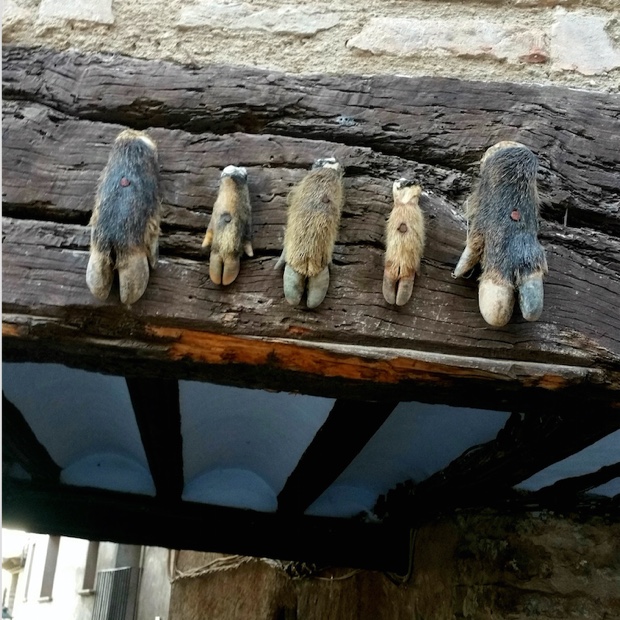
Good luck wild boar hooves of Alquezar

Good luck wild boar hooves of Alquezar

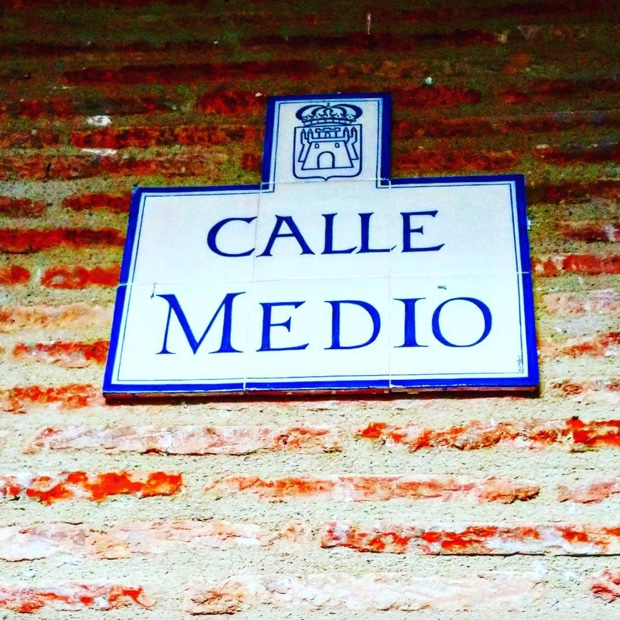
"In the middle of the road you see the darndest things" #alquezar #pyrenees #somontano

“In the middle of the road you see the darndest things” #alquezar #pyrenees #somontano

Good to go!

Twitter: @mgodello

Instagram: mgodello

WineAlign: Michael Godel

Facebook

Garnacha covered part two: Cariñena

Cariñena rocks! Autochthonous soils and their stones @DoCarinena @winesofgarnacha #bushvines #aragon #espana

Cariñena rocks! Autochthonous soils and their stones @DoCarinena @winesofgarnacha #bushvines #aragon #espana

This is the second of five instalments for a comprehensive study concerning the wines of Garnacha from the regions of Aragón and Catalonia.

In October of 2015 WineAlign colleague Sara d’Amato and I travelled together with Christopher Waters of Vines Magazine.  The trip’s mission was to discover Spain’s Wines of Garnacha in their natural habitat, the five distinct and allied Denominación de Origen in the regions of Aragón and Catalonia.

Related – For a comprehensive report by Sara d’Amato and I read WineAlignDiscover the Flavours: Wines of Garnacha

Our host in Zaragoza was The Spanish Institute for Foreign Trade (Instituto Español de Comercio Exterior, ICEX), the Wines of Garnacha campaign and the office of Garnacha Origen. The trip was orchestrated with expertise by Aragón Exterior Managing Director Ignacio (Nacho) Martinez de Albornoz and Head of Wines from Spain (ICEX) Alfonso Janeiro. Our chaperones were Ignacio, Sofía González Martínez, Ivo André Alho Cabral and Roser Mestre, in Zaragoza and on expeditions to the five DO’s that comprise the wines of Garnacha.

Related – We’ve Garnacha covered part one: Campo De Borja

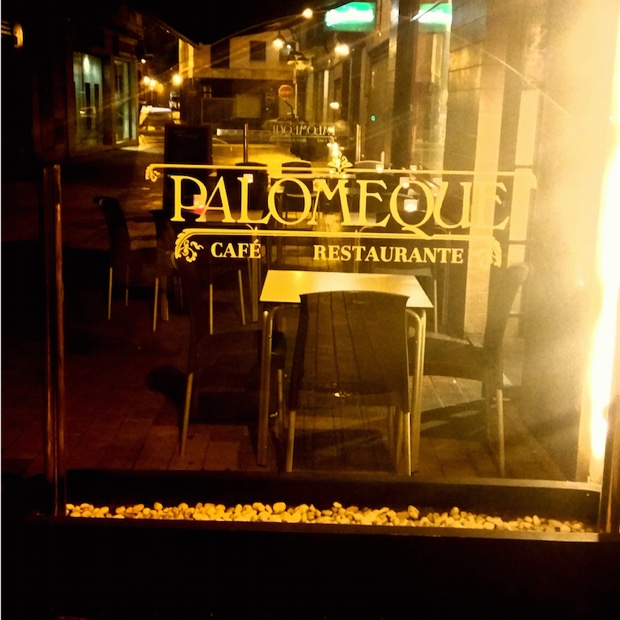
Restaurante Palomeque, Zaragoza

Restaurante Palomeque, Zaragoza

As we did each evening before heading out the following morning to a particular DO, Sofía, Ivo, Ignacio and Roser introduced the intrepid Los Canadienses travellers to the wines of that DO over dinner in  Zaragoza.  For the wines of Cariñena the matchmaking happened at Restaurante Palomeque, a Zaragozan institution that bridges exemplary regional cooking with 21st century acumen. The dishes at Palomeque were as much exciting as they were down to earth. The cast of Cariñena could not have chosen a more supporting role.

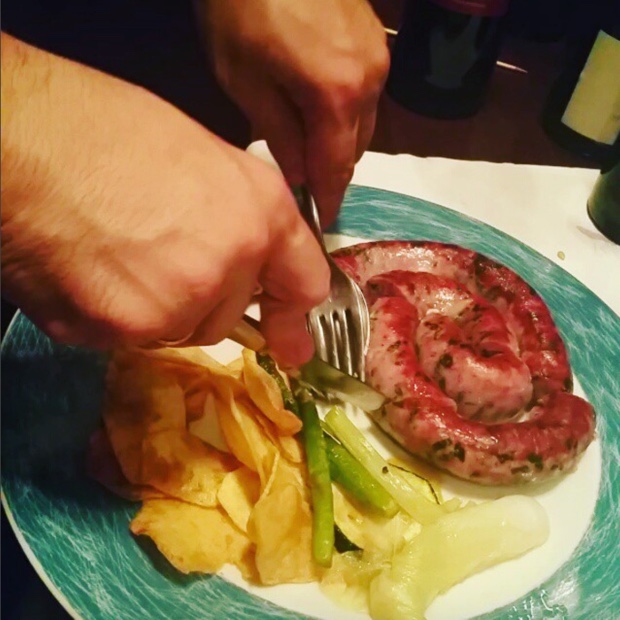
Loganiza de Graus con setas (trompetilla negra) #Palomeque #Zaragoza Somontano sausage filled with black trumpet mushrooms

Loganiza de Graus con setas (trompetilla negra) #Palomeque #Zaragoza Somontano sausage filled with black trumpet mushrooms

Cariñena

What is most glaring about Cariñena is the prevalence of a prairie geography and how it differs in stark contrast to the other DO’s in Aragon and Catalonia. Though mountains (including Moncayo) loom in the distance,  Cariñena’s obvious dissimilitude to other wine growing regions has as much to do with climate as it does with soils. The Cariñena terra is primarily composed of clay and limestone, with very little in the way of slate like you find in Campo de Borja. The ground’s constitution aggregates with a significant absence of altitude, relative to the hills of Somontano, Calatayud and Terra Alta. That said, the are’s best examples of Garnacha are culled from vines that grow at reasonably impressive heights. What all of this essentially translates to is the basic, hard fact that the harvest here is completed earlier. At the point of our visit (October 18-19), the reaping was 90-95 per cent done. The brusque and breviloquent conclusion sees to less acidity and tannin, more elegance and less ageing potential, as compared to (certainly) Calatayud.

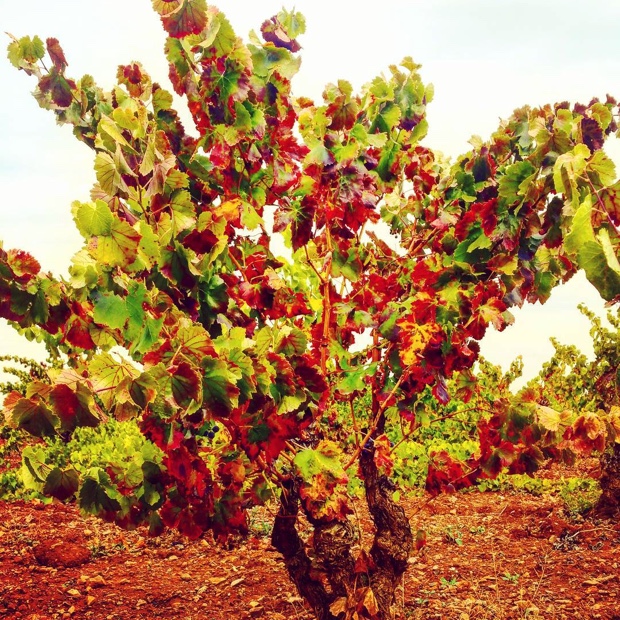
The autumn of old #Cariñena bush vines @DoCarinena #garnachaterroir

The autumn of old #Cariñena bush vines @DoCarinena #garnachaterroir

Calatayud is the DO to offer the best compare and contrast with Cariñena, just as a similar distinction can be ascertained with Somontano and Terra Alta. Campo de Borja is the outlier, unique, singular, the brother from another mother. Very important is the increased Mediterranean influence in Cariñena. Calatayud has more extreme seasons, particularly in spring and summer. In Cariñena, some striking, ancient Garnacha bush vines exist (and again, produce the region’s best bottles), but the age of the vines are generally younger. This aspect separates it from all of the other DO’s, especially when the discussion centers around the laying down of Garnacha.

The wine museum of Cariñena

The wine museum of Cariñena

After a brief tour through the wine museum housed in the offices of Cariñena’s DO, Christopher, Sara and I sat down for an extensive and brutally honest tasting with Care winemaker Jorge Navascues Haba.

Wines of Cariñena at Restaurante Palomeque

Wines of Cariñena at Restaurante Palomeque

Bodegas Solar de Urbezo Garnacha 2014, Cariñena, Spain (Winery, AgentWineAlign)

From old bush vines (40-66 yrs) with some altitude. A family winery Garnacha with a gravelly feel, not so much rustic as gritty, for Cariñena and with really fine and necessary acidity. Reaches black cherry near ripeness, though being struck by that acidity (from altitude therefore later ripening) but more so from recent changes in winemaking. Judging ripeness has become the catalyst and in 2014 this is a wine of terrific extract, restraint and pinpoint focus. Possessive off Motherwell like brushstrokes, thick swaths of fresh blue-green cool colour and shaded by naturalism, in cure without funk. A good example of “good ripeness.” A lean and direct example. Only three chippy months of oak was used. All in all this is just prime freshness with a minor amount of green tannin. Approximate price $18.95 CAN. Drink 2015-2017.  Tasted October 2015  @UrbezoWines  @bwwines

Bodegas Solar de Urbezo Garnacha 2013, Cariñena, Spain (WineryAgent, WineAlign)

Carries with it more attitude in 2013, from a vintage that seems to have delivered variable ripeness over the course of the picking weeks. Definitely and devilishly imbued with complexity, from floral, through medicinal by way of bitters and across many angles. Has real garnet, Garnacha tang levied out of vivid acidity, sweet limestone tartness and those ever-bearing fruity bitters. Perhaps more interesting if not as accessible as the follow-up ’14. Drink 2015-2016.  Tasted with the Wines of Garnacha, Toronto, November 2014

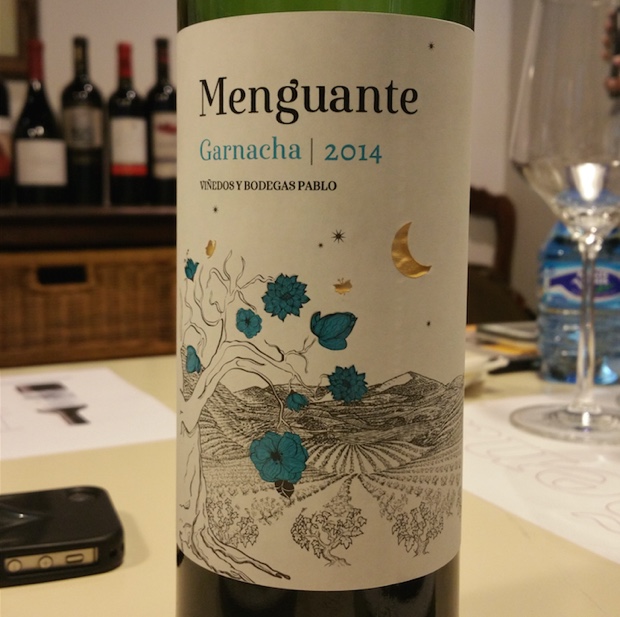
Menguante Garnacha 2014

Vinedos Y Bodegas Pablo Menguante Garnacha 2014, Cariñena, Spain (WineryAgentWineAlign)

From one of the more stated quality terroirs with elevation (between 500-650m) and stony-clay-chalk soils. In almost every and all respects it shies in a subdued, restrained and reserved quality. This quiet repetition and still the phenolics seem optimized, the acidity resolved and the tannins in relative, correct ripeness. Another family project, small and philosophically sound in practices. Working one of the highest and best quality vineyards in Cariñena. “The waning moon,” for a biodynamic outfit, not certified, the old vines in that altitude receiving the most benefits from the Cierzo wind. From this it is easier to cultivate organically and biodynamically because of nature’s pest control. Some 80-year old vines throw wisdom and culled subterranean culture into the mix. A bit of citrus and chalk bleeds on the very fresh finish. Drink 2015-2018.  Tasted October 2015  @GranViu  @VinexxWine

Vinedos Y Bodegas Pablo Menguante Garnacha Selección 2012, Cariñena, Spain (WineryAgentWineAlign)

Two years on and with more oak this is a very different animal than the subdued ’14, integrated but on the other side of the aromosphere. The oak is dominant, vanilla and cocoa are the great waft in what is ostensibly pitch perfect fruit, in bottle on the dark side of the moon. Coconut, vanilla extract and cinnamon. The wood brings layered and sheathed character. Very plush and notes Jorge, “if you come to Cariñena to experience Garnacha, this wine will allow you to discover the wonders of American oak.” The deep fruit and earth melded into and by the barrel makes for a very pleasurable drop. The ’08 released into the Ontario market in November 2014 lends credence to the ageability of this Garnacha. Drink 2015-2019.  Tasted October 2015

Vinedos Y Bodegas Pablo Menguante Garnacha Selección 2011, Cariñena, Spain (WineryAgentWineAlign)

A grand, beguiling, sensuous, perhaps even pushing the boundaries of voluptuous Garnacha, “a wine that describes THE Garnacha,” according to dining companions in Zaragoza. Velutinous in composure and texture, with an orange skin finish. Here the gap is bridged, from traditional to modish, by nature and into seductive polish. The peeled citrus finish is also one of great mouth-watering acidity, intrigued by l’air de panache and laced by spice. Very well done. Drink 2015-2018.  Tasted at Restaurante Palomeque, Zaragoza, October 2015

Vinedos Y Bodegas Pablo Menguante Garnacha Blanca 2014, Cariñena, Spain (WineryAgentWineAlign)

One of the very few white Garnacha from Cariñena and the only example sampled in Aragon, alongside dinner in Zaragoza at Restaurante Palomeque. The mineral skips like a stone across the palate, white Grenache walking on water like a bone of peach skin and the weightlessness of almond paste. So subtle, breathless, atomic and minute. Mineral in ways to mimic Alsace, of low pH and high grape tannin, “the waning moon” is poignant to anti-fruit extreme and yet so refreshing it will, with age, point to honey and petrol. Drink 2015-2022.  Tasted October 2015

Lechuza Garnacha 2014, Cariñena, Spain (Winery, WineAlign)

The Lechuza “owl” is a collaboration between Valkyrie Selections and local winemaker Ana Becoechea from old vines vineyards just outside the town of Cariñena. This Garnacha Tinto from 45 year-old vines is borne with nature’s funk and an earthy dusting in the way Merlot can be. A chalky grit in distilled, liquid form carries a river of grain marked by the milled smell of warm cereal. Persistent, lengthy and purposed. Smell’s like victory. An excellent pairing to Somontano pork sausage filled with little black trumpet mushrooms at Restaurante Palomeque. Approx. $15 CAN. Drink 2015-2019.  Tasted October 2015

Lechuza Garnacha 2012, Cariñena, Spain (WineryWineAlign)

Named for the prevalence of owls, here old vines Garnacha is uncovered out of clay and calcareous soils. You can really smell and taste the natural vineyard funk, thankful to no oak, fresh and unctuous in simultaneous fashion, yet full and yes, lifted. Highly perfumed, and incredible value at $10 US. Impossible actually. Old vines, likely 40-45 years. You can smell the violets for sure. Approx. $15 CAN. Drink 2015-2017.  Tasted October 2015

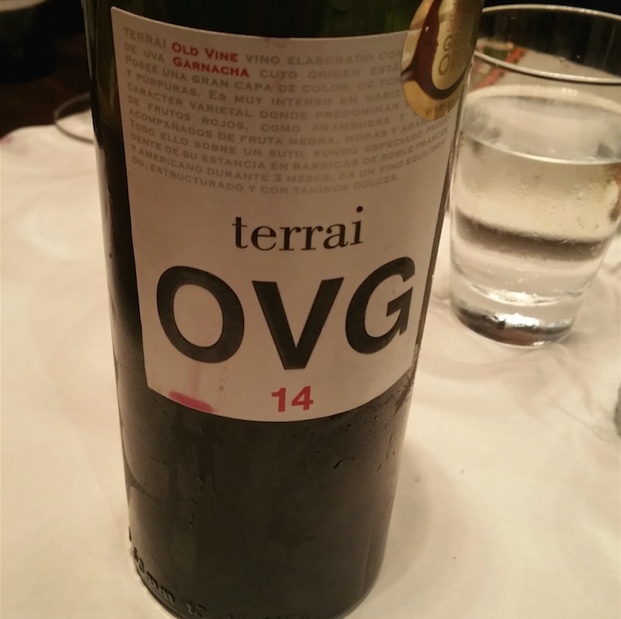
Covinca Terrai OVG 2013, Cariñena, Spain (Winery)

From a good-sized cooperative with almost 1.700 hectares of vineyards where native varieties like Garnacha, Mazuela or Cariñena are merged with others such as Tempranillo, Cabernet Sauvignon, Merlot, Macabeo, Syrah and Chardonnay. Fruit purity escalated, with just a quick dose of oak, both French and American, more than seemingly good sized barrel, because there is integration and balance. Not the longest Garnacha in the DO but certainly a pleasurable drop. A bit sour-edged and lactic on the backside though a diplomatic red effectively considered. Drink 2015-2017.  Tasted October 2015

Terrai OVG 2014

Terrai OVG 2014

Covinca Terrai TLG Torrelongares Old Vine Garnacha 2014, Cariñena, Spain (Winery)

The vines in here are old by Cariñena stain cards (45 years) and the rich, suave texture brushes the velvet reasoning. Antecedent the median regional perfume and with Mediterranean effect, seen by an increase of the savoury, through briny black olive and caper. The converse flip side slides softer tannin, riper fruit of gregarious behaviour and that savour is a step up from the tart OVG. Accumulation sports a meaty, protein laced sensation. Comparatively speaking, this has more guts and virility. The mix of satin and natural cure matches beautifully with Palomeque’s Foie Gras Migas. Drink 2015-2019.  Tasted October 2015

Bodegas Prinur Garnacha Vinas Viejas 2013, Cariñena, Spain (Winery)

A family winery with soils gravelly and with (not so common to Cariñena) slate and even more singular with some vines that are 100 years-old or more. Vines sit at altitudes of 600m (Cariñena) and 800m (Consuenda) above sea level. The old vines sports some raisin and prune ripeness with evolution void of the natural cure necessity, “a zombie wine,” notes Jorge. Here it is hard to recognize Garnacha, with age that could be 2009 or 2010, along with a showing of VA. This is a flawed but very curious wine. Sour and tightly tannic on the finish but not long. Very disjointed. Cooked fruit. From such a warm to scorching vintage.  Drink 2015-2016.  Tasted October 2015  @bodegasprinur

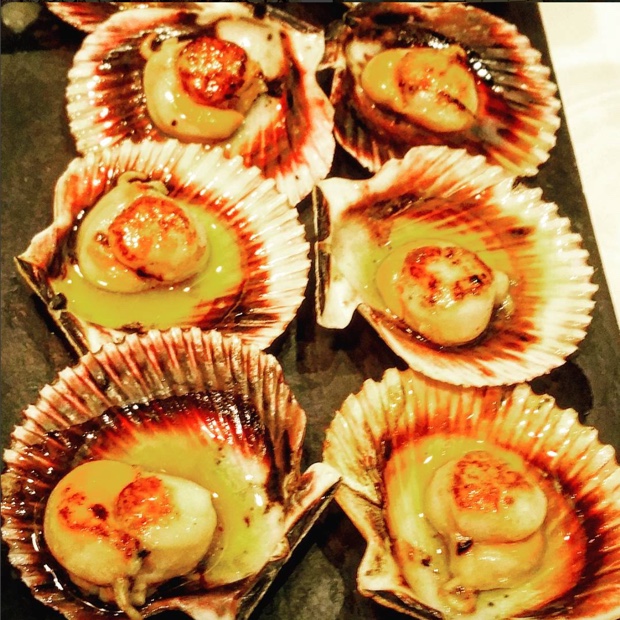
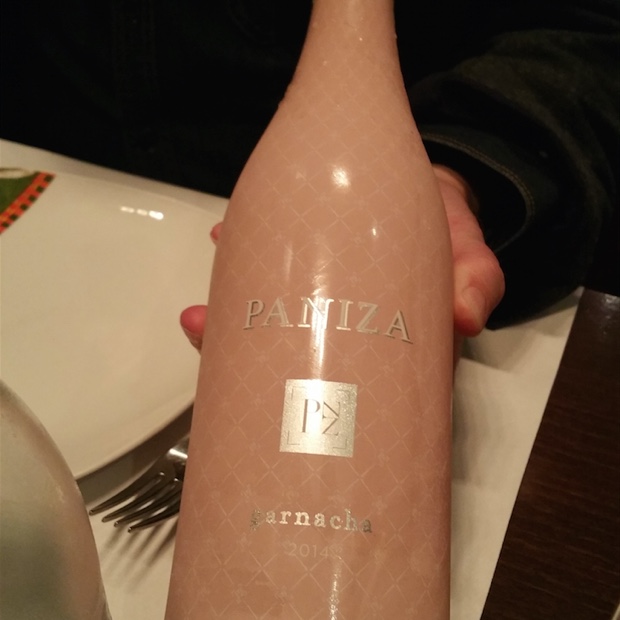
Gastranomia Zarogazana 101 at #Palomeque...Zamburiñas Gallegas with Paniza Rosé @winesofgarnacha #Zaragoza #aragon #espana #scallops

Gastranomia Zarogazana 101 at #Palomeque…Zamburiñas Gallegas with Paniza Rosé @winesofgarnacha #Zaragoza #aragon #espana #scallops

Paniza Garnacha Rosé 2014, Cariñena, Spain (WineryAgentWineAlign)

The rusty, saline savour stands to be counted in a firm and responsibly, if surprisingly tannic blush. Talc, funk and serious tang but certainly not antiquity. Don’t expect the fruit to jump out and bite you in the behind, nor has it jumped the shark. Quite the structure for $12, sapidity and ping. Wow Rosado. Slightly higher in RS than Provence. Drink 2015-2018.  Tasted October 2015

Paniza Garnacha Rose

Paniza Garnacha Rose

Paniza Agoston Grenache and Syrah 2014, Cariñena, Spain (Winery)

From a 50-50 split with elevated sugar and acidity. French and American oak with an absence of restraint, and the oxy modernity of plush and pitch. The Syrah is so dominant in every way. The olives, pepper and bovine syndication is blatant and bullish. “Not a fair fight,” chimes in Jorge, and “that’s the point.” Dark and not so mysterious. “A winemaking wine.” No idea of origin but “a good palate.” Drink 2015-2016.  Tasted October 2015

Paniza Garnacha Vinas Viejas de Paniza 2012, Cariñena, Spain (Winery)

From variegated (schist, clay, loam and chalk) soil at the base of the Iberia Mountains at 800m altitude. Has a multi-terroir funk and a level of unctuousness mixed with savour from altitude. Sour but rigid and tempered acidity. Chalky yet cool and with much character and personality. Two oaks give obvious and integrated flavours. Were it not quite so ripe this would be a wine to see what can be done with Garnacha from Cariñena and five plus years. A bit sweet. If it were three instead of six, this would age like it should, low and slow. Drink 2015-2018.  Tasted October 2015

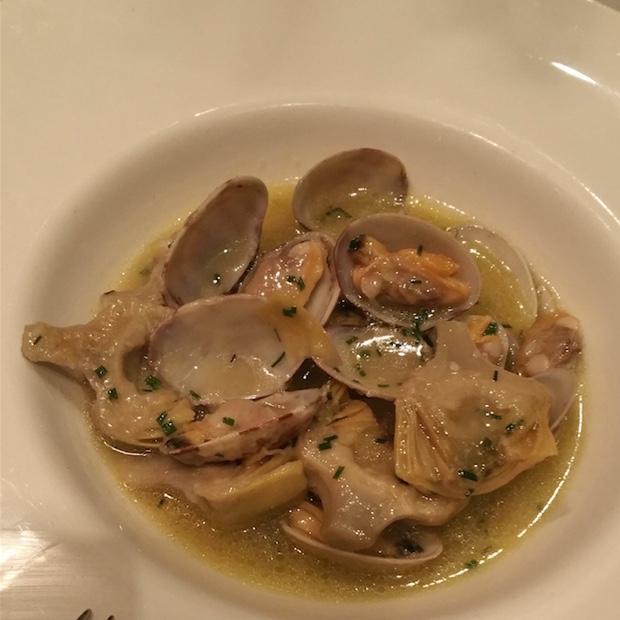
Artichokes and clams, Restraurante Palomeque, Zaragoza

Artichokes and clams, Restraurante Palomeque, Zaragoza

Grandes Vinos Beso de Vino Garnacha Rosé 2014, Cariñena, Spain (Winery, Agent, WineAlign)

Here Rosado advances into the glo but stops short of cool thanks to a retreat into warm aridity and salinity. Together they deliver, with strawberry and a bit of Co2. Refreshing, as if blush Vinho Verde. With a briny sea creature like clams or scallops (Zamburiñas Gallegas) it actually accentuates the crustaceous amplification, in both directions. Aprox. $9.99 CAN. Tasted October 2015  @BesodeVino  @GrandesVinos_CA  @Noble_Estates

Grandes Vinos Beso de Vino Garnacha Old Vine 2014, Cariñena, Spain (WineryAgentWineAlign)

The Beso de Vino is produced by the third largest cooperative in Spain. It is basic, straightforward, red fruit juicy Garnacha from low altitude, flat clay soils of Cariñena. Character comes in a modern, big box style, more international than regional. There is a dusty component mixed with a chew of Bubbilicious and no shortage of tangy fruit to match with wide ranging cuisine. Simple and effective Garnacha. Has travelled to where it needs to be. Drink 2015-2016.  Tasted October and November 2015

Grandes Vinos Corona de Aragón Garnacha Special Selection 2013, Cariñena, Spain (WineryAgent)

Another commercial wine with a North American market intent. Elevation gives cooler savour and yet it’s volatile and short. Boletus sensation, the sour a bit of a deterrent, but it has savoury interest. Drink 2015-2016.  Tasted October 2015

Grandes Vinos Anayon Garnacha 2013, Cariñena, Spain (Winery, 424424, Agent, $30.95, WineAlign)

A perched Garnacha, of a kind entrenched in the lush, the stylized, the worked and of smoothed edges. Extreme modernity, of a fast forward prepared cure, with similar fruit to the Corona but different winemaking. The fruit perhaps lags a bit behind the acumen. Possessive of an intriguing wild mountain herb. Drink 2015-2019.  Tasted October 2015

Bodegas San Valero Particular Garnacha 2014, Cariñena, Spain (Winery, Agent)

Musty, mushroom and an hour ago tobacco linger, cool modern savoury and pitchy sweet though aromatically, not in taste. High acidity and much cocoa/espresso. High yield Garnacha (50 hL/L). Commercial to be sure. Drink 2015-2016.  Tasted October 2015  @bodegasanvalero  @ImportWineMAFWM

Bodegas San Valero Particular Garnacha 2012, Cariñena, Spain (WineryAgent)

Combines Cariñena and Tosos fruit, of the same high yields, with a similar profile with some volatility. Cocoa, chocolate, coffee and liquorice.  Very firm and rigid wine. Not fresh and fruity that’s for sure. Resinous and the long direction taken with wood. Drink 2015-2017.  Tasted October 2015

Bodegas San Valero Particular Garnacha Vinas Centenarias 2014, Cariñena, Spain (WineryAgent)

From 80 plus year-old vines, this has the levels of kirsch and high toned fruit I would hope for in an old vine Garnacha. Still the espresso, the cocoa and the high levels of acidity, more aridity, firm and quite striking. This is a meaty, savoury and mountain herbal expression. Really impressive. Cariñena and Villanueva fruit. Pretty? Sure. Volatile? Yes. Polarizing? Certainly. This is where the style goes with time and this kind of winemaking. Drink 2015-2019.  Tasted October 2015

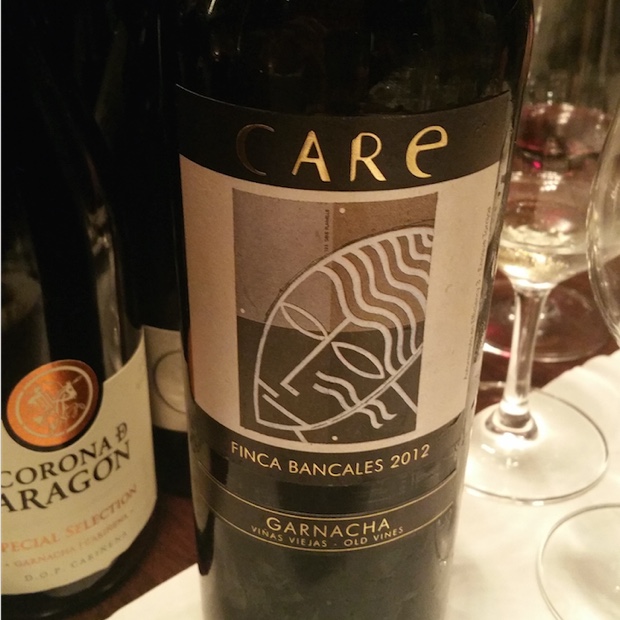
Care Finca Bancales 2012

Care Finca Bancales 2012

Care Finca Bancales Garnacha Reserva Vinas Viejas 2012, Cariñena, Spain (WineryWineAlign)

The most prized perfumed is found here, standing out among the extensive Cariñena line-up, of oaked violets arranged with aromatic presentation. One of the very few that truly preserve a heightened level of quality and identity for the region. From old (80 year-old vines) up at high altitude. Fashioned with carefully selected fruit and dealt a cool fermentation, followed by one month of maceration. Aged in bigger volume, old and new (300-500l barrels). “We are not pioneers, we are imitators,” admits winemaker Jorge Navascues Haba. What’s special is the size of the barrels and the mixture of oaks. Here Garnacha that should and will certainly live another six to eight years. Shows off enough fruit to match the tannin and the acidity pulsating in full rage. Grainy like few others yet with wooing, seductive, elegant, ripe red fruit. This is the benchmark for Garnacha from Cariñena with ego checked and left at the door. Drink 2015-2022.  Tasted October 2015

Bodegas Ignacio Marin Duque de Medina Garnacha 2014, Cariñena, Spain (Winery)

From a family winery (largest in Cariñena) and a wine unlike any other yet in Aragon. Mature, nearly caramelized, nutty and almost desert like. Very low in acidity and tannin. Oxidative. Quick work. Drink 2015.  Tasted October 2015

Bodegas Ignacio Marin Old Vines Garnacha 2010, Cariñena, Spain (Winery)

Touched, volatile, nutty to fruitcake, turntable vinyl and vaporizing. A flavour that recalls white cocoa and spun white wool. Once forbidden fruit playing hard to get. Old school, chiseled, locked in. Freshness no longer its number one asset. Drink 2015.  Tasted October 2015

Welcome to the Hotel #Cariñena

Welcome to the Hotel #Cariñena

Good to go!

Twitter: @mgodello

Instagram: mgodello

WineAlign: Michael Godel
Facebook


Twelve days of wine to get you through the holidays

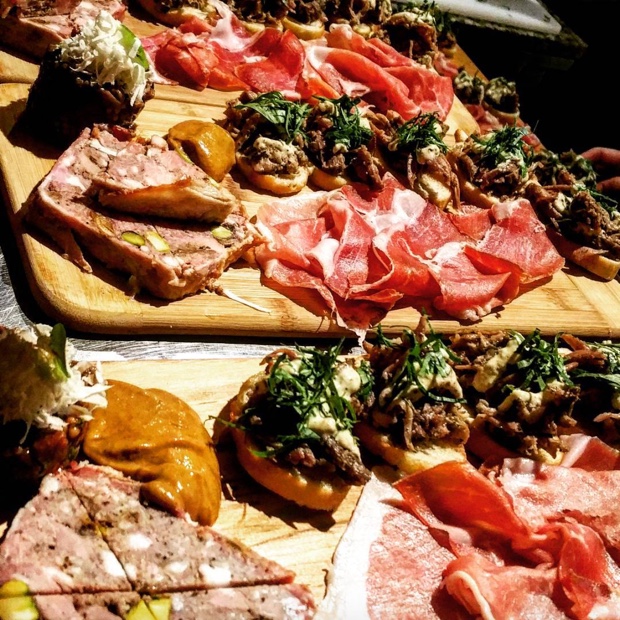
Charcuterie and Appetizers @barquebutchers by the GSF

Charcuterie and Appetizers @barquebutchers by the GSF

More reasons are requested, given, offered, presented and needed for purchasing and consuming wine during the month of December than at any other time of the year. And so, 12 more suggestions, falling this time within the realm of mortal affordability yet special enough to gift and to make you feel like you’ve done something nice for yourself. Go ahead, indulge. All from the November 28th VINTAGES release.

Casas Del Bosque Reserva Sauvignon Blanc 2014

Casas Del Bosque Reserva Sauvignon Blanc 2014, Casablanca Valley, Chile (974717, $13.95, WineAlign)

Could not be anything but Casablanca Sauvignon Blanc, movie quotes and all. Tossed like a cayenne dart at a yellow plum tree board. Sweet and salty, like white taffy and sprigs of rosemary on a bacon-wrapped scallop. Odd combo and why not. On the edge of tomatillo and nettle? Perhaps, but also composed with an acerbic wit, as time goes by. “It’s still the same old story. A fight for love and glory.” Drink 2015-2018.  Tasted November 2015  @CasasdelBosque  @azureau  @DrinkChile

https://www.youtube.com/watch?v=zaAqze81y4Y

Delheim Family Chenin Blanc 2014

Delheim Family Chenin Blanc 2014, Wo Stellenbosch, South Africa (429720, $17.95, WineAlign)

Flinty, smoky, reductive Chenin, certainly produced with quantity and accessibility in mind. Typically, succinctly Stellenbosch, with a level of sweetness available and in balance with the stony fruit that is marked by a mineral mine. Has good acidity and even better length. Drink 2015-2019. Tasted September and November 2015  @Delheim  @Noble_Estates  @WOSACanada  @WOSA_ZA

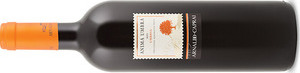
Arnaldo Caprai Anima Umbra Rosso 2012, Igt Umbria, Italy

Arnaldo Caprai Anima Umbra Rosso 2012, Igt Umbria, Italy (434266, $19.95, WineAlign)

So unexpectedly and remarkably fresh Umbrian of red fruit and ripe acids without any overkill from wood or tannin. This is a pure breath of fresh air in a world dominated by barrel, heat, over-extraction and covert winemaking operations. The fruit may not be Caprai’s most prized but it works a basic stratagem of interpretative and integrated, integral magic. It must be lauded for its honesty. Drink 2015-2018.  Tasted November 2015  @Arnaldocaprai  @StemWineGroup

Josef Chromy Pepik Sekt

Josef Chromy Pepik Sekt, Tasmania, Australia, (429704, $26.95, WineAlign)

A whole whorl of aromas kick up the dust from this pearl of a Tazzy with an arid and saline sense of destiny. Density and weight are surprising features, along with orchard fruit and wild machinations. Jams and swaggers with so much personality, from lime lining the velodramatic slopes of its groove to fish jumping out of its waters. Calling it alive would be an understatement. “Yeah, yeah, yeah, yeah.” Drink 2015-2020.  Tasted November 2015  @JosefChromy  @bwwines

Jean Max Roger Cuvée G.C. Sancerre 2014

Jean Max Roger Cuvée G.C. Sancerre 2014, Loire Valley, France (189126, $28.95, WineAlign)

Sweet scenting and spicy wafting Sauvignon Blanc, with white pepper and cool herbiage (mint, savoury, tarragon and basil). Good solid Sancerre, always, organically developed and of a verbiage that is modern, proper and articulate. Always spot on. Drink 2015-2020. Tasted November 2015 @oenophilia1  @LoireValleyWine

Spy Valley Envoy Sauvignon Blanc 2013

Spy Valley Envoy Sauvignon Blanc 2013, Waihopai Valley, Marlborough, South Island, New Zealand (429308, $29.95, WineAlign)

Elevated, reductive, flinty tones, noticeably crash course modern and reactive for New Zealand. Capsicum and juicy fruit gum, matchstick and tropical fruit, then citrus on the palate with opiate numbing. This is Sauvignon Blanc like Semillon, as if the winemaker at Spy Valley, with the best fruit possible from Waihopai Valley, had the intention of making the most serious SB on the planet. With a bit of barrel effect, though that may be a stretch I’m looking at a 10 year development here, into honey, rocks and a blast of propellent. Uncharted territory. Will have its share of naysaying anti-stylistic poo-pooers. Drink 2016-2026.  Tasted November 2015  @spyvalleywine  @SpyValleyUK  @nzwine  @TrialtoON

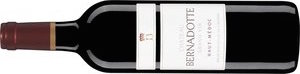
Château Bernadotte 2005

Château Bernadotte 2005, Ac Haut Médoc, Bordeaux, France (431775, $32.95, WineAlign)

A really nice drop of Bordeaux that has fully resolved from the semi-heat of 2005. This is good to go, with both acidity and tannin gracefully interconnected while the fruit remains. A good leathery hide and a slight ferric bleed fills the nooks. Lovely semi-old Bordeaux. Drink 2015-2017.  Tasted November 2015

Majella Coonawarra Cabernet Sauvignon 2012

Majella Coonawarra Cabernet Sauvignon 2012, Coonawarra, South Australia (301531, $33.95, WineAlign)

A massive combination of fruit, tannin and wood whorl in a ferric, tough, gritty and ready for nothing in any particular hurry Cabernet. That said, it is silky smooth, spicy and velvety too. A really big mouthful of so much goodness to last 20 years or more. Out it aside for all the major players to get in tune and it will be music to your ears. And pleasure to your lips. Drink 2017-2032.  Tasted November 2015  @aussiewineguy  @HalpernWine  @CoonawarraWine

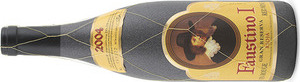
Faustino I Gran Reserva 2004

Faustino I Gran Reserva 2004, Doca Rioja, Spain (976662, $35.95, WineAlign)

Rioja of another era, of tradition, curated history and the famous rusty liqueur. Steeping cherries, elongated acidity, rifling ripples of leather, cedar, cypress and chestnut. The right kind of Rioja with just a hint of plum and plenty of naturally orchestrated enjoyment. Drink 2015-2024.  Tasted November 2015  @RiojaWine  @Select_Wines

Stags' Leap Winery Petite Sirah 2012

Stags’ Leap Winery Petite Sirah 2012, Napa Valley, California (590356, $39.95, WineAlign)

Dark, dusty and devilishly rich. Must be noted from the start that this is quite restrained for Petite Sirah, cautiously oaked and modest in alcohol. It’s no introvert mind you. A note of volatility keeps it on the edge and the flavours are steeped in tea, coffee and cocoa nib. The vintage agrees with the varietal transplantation and the burgeoning acidity makes for a relationship built on mutual respect. Good and plenty. The handshake is currently quite gripped so waiting another 18 months or so should and will soften the clasp. Drink 2016-2022.  Tasted November 2015  @stagsleapwines

Künstler Hochheimer Stielweg Old Vines Riesling Trocken 2013

Künstler Hochheimer Stielweg Old Vines Riesling Trocken 2013, Qualitätswein, Rheingau, Germany (425041, $42.95, WineAlign)

Along with Rudesheim and Johannisberg, Hochheim was anointed by Goethe as one of the magnates of the Rheingau. From a singular cone-shaped hill locale on the unshaded east-west aspect of the Rhine River. The mediterranean micro-climate makes for, simply stated, stupid good Riesling. Riesling of richness and minerality, strength and length, perfectly good bitters and even better health assisting tonics. Fruit density in the realm of peach and apricot lives in due part because of the Cyrena marl and its soil matrix of dark, alluvial loamy loess. Bounty buoyed by energy. Layers and layers of health, wealth and old vines wisdom. Drink 2018-2035.  Tasted May and November 2015  @Noble_Estates  @germanwineca  @WinesofGermany

Catena Alta Cabernet Sauvignon 2012

Catena Alta Cabernet Sauvignon 2012, Mendoza, Argentina (959965, $46.95, WineAlign)

A very pretty, floral and flirtatious Cabernet, supported by extremely ripe and ripping tannins currently caught in a veritable uproar. Elongating drivers are chalky but not grainy and while the sweetness of those conduits are astonishing, the immediate gratification tells me I won’t see this continuing to develop for the better after the ten year mark. Five to ten will be just right. Drink 2017-2022.  Tasted November 2015  @CatenaMalbec  @LauraCatena  @winesofarg  @ArgentinaWineCA  @TrialtoON

Good to go!

Twitter: @mgodello

Instagram: mgodello

WineAlign: Michael Godel
Facebook

We’ve Garnacha covered part one: Campo De Borja

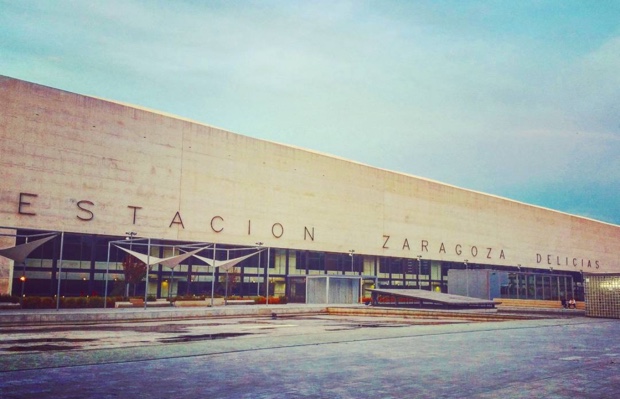
Estación de Delicias de Zaragoza at dusk #CarlosFerrater #aragon #espana

Estación de Delicias de Zaragoza at dusk #CarlosFerrater #aragon #espana

In October of 2015 WineAlign colleague Sara d’Amato and I travelled together with Christopher Waters of Vines Magazine.  The trip’s mission was to discover Spain’s Wines of Garnacha in their natural habitat, the five distinct and allied Denominación de Origen in the regions of Aragón and Catalonia.

Related – For a comprehensive report by Sara d’Amato and I read WineAlignDiscover the Flavours: Wines of Garnacha

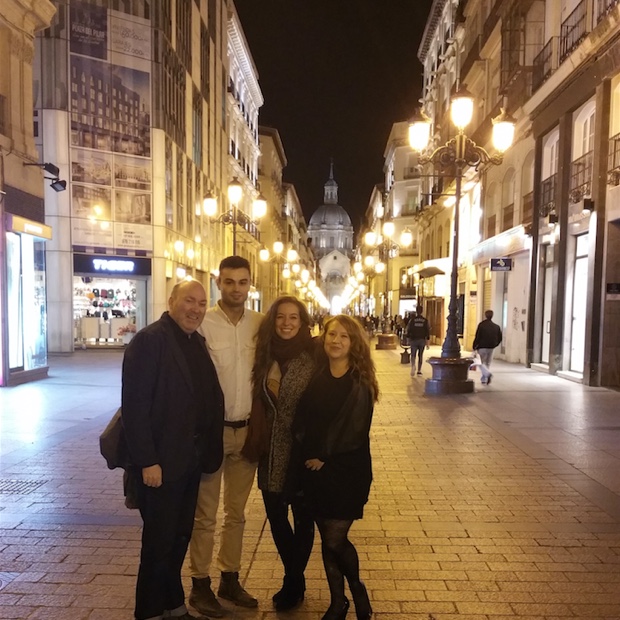
Christopher Waters, Ivo André Alho Cabral, Sofía González Martínez and Sara d'Amato in Zaragoza

Christopher Waters, Ivo André Alho Cabral, Sofía González Martínez and Sara d’Amato in Zaragoza

Our host in Zaragoza was The Spanish Institute for Foreign Trade (Instituto Español de Comercio Exterior, ICEX), the Wines of Garnacha campaign and the office of Garnacha Origen. The trip was orchestrated with expertise by Aragón Exterior Managing Director Ignacio (Nacho) Martinez de Albornoz and Head of Wines from Spain (ICEX) Alfonso Janeiro. Our chaperones Sofía González Martínez, Ivo André Alho Cabral, Roser Mestre and Ignacio left no Aragonese or Catalonian stone unturned during a week-long investigation, immersion and intercommunication with the vineyards, winemakers, mayors, restaurateurs, residents and cultures of Aragón and Catalonia.

Rare rain all day in Aragon did not deter Los Canadienses @waters_wine @saradamato #lovegarnacha

Rare rain all day in Aragon did not deter Los Canadienses @waters_wine @saradamato #lovegarnacha

As a rule, the provincial link between traditional varietal and felicitous region gathers together ancient history and existentialist wine culture in the most acute of ways. The racking path from endemic to modernist is trod for the purpose of explaining why this place is an essential source for affordable wines of exceptional quality. This is the crux of what the Aragón and Catalonian vignerons are after. For decades they have been farming century-aged bush-vines, harvesting fruit that sells for one euro per kilo (plant) and seeing their wine demand a paltry $12-15 CAN (often the equivalent of $9.99 US). The lack of congruent nature of the equation and let’s be serious, the undignified injustice of the flow through is something that needs to be addressed. The challenge is one of necessity and immediacy.

The five DO’s of Aragón and Catalonia are heavily populated by cooperatives and very few wine-producing countries or regions (save perhaps for Chablis or Barbaresco) achieve so many positives from that kind of wine-producing philosophy and execution. This weight of such a collaborative culture is not lost on anyone.

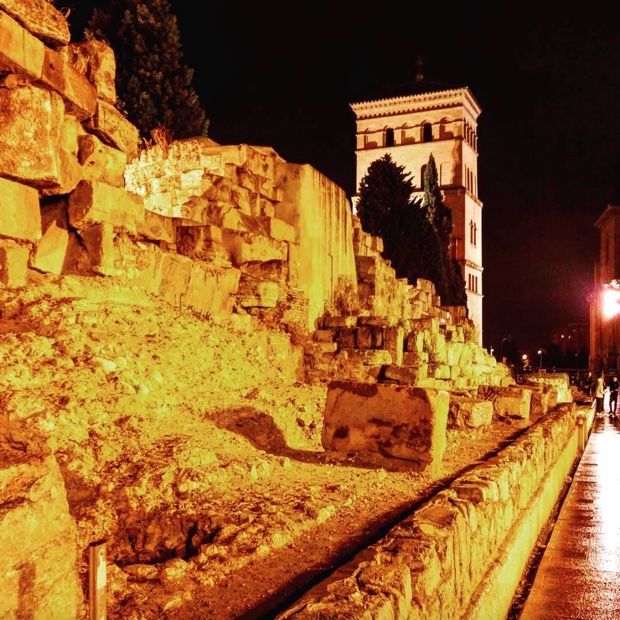
Where didn't the Romans build a wall? #citieswithruins #Zaragoza

Where didn’t the Romans build a wall? #citieswithruins #Zaragoza

The argument as to why the wines of Garnacha origin will not command justifiably higher prices defaults to geography and history. This northeastern quadrant of Spain (including Catalonia) has seen a lion’s  share of war, famine, poverty and neglect. The people have suffered and persevered, albeit in a state of relative isolation. Terra incognita within a stone’s throw of (less than two hours to either Madrid or Barcelona) civilization. It is ironic that the wines are perhaps too comfortable, likewise fruit juicy and easy to consume. Global perception would imagine the wines of Campo de Borja, Cariñena, Somontano, Terra Alta and Calatayud as inaccessible, austere and rustic. Nothing could be further from the truth.

I would contend that the problem is that the wines are not tough enough. Garnacha is supported by all the fight corner help it needs but it’s just too darned soft. The lack of rain, abundance of wind, embarrassment of altitude and slope riches allow for levels of diversity and complexity other wine regions would kill for. Very few pockets of wine growing acreage have any trouble ripening grapes. Day and night temperature fluctuations are constant and in some areas, extreme. Disease is nearly non-existent thanks to the prevailing winds that blow nearly two out of every three days year-round. Soils are chalk full of rocks, stones and vine-affirming mineral. Plants must work hard to penetrate the poor soils. Climate, geography and geology are not the problem.

Why complain about wines that are perfectly ripe? Isn’t that what every farmer wants from his children, for them to complete their phenolic journey and grow up fast? I would argue no, that the grapes need to be picked when the graphing of ripeness and acidity are protracted at the crossroads of their perfect vertices. I would also argue that pressing needs to be done at colder temperatures and for the younger grapes, in certain situations, with some carbonic maceration.

As far as the old vines are concerned, the primary concern is shelf life. Most of the Garnacha produced in this part of Spain carries with it a potential for aging of no more than five years. Many producers keep that maximum goal in mind. A week of tasting through red and white Garnacha reinforced the point but there were a handful of wines that begged to differ. Laying down Garnacha is possible. The winemakers must be willing to take some risks.

Think of this. A producer presents two bottles of Garnacha Tinto, one from younger vines and one from 50-plus year-old bush vines. The first sees only stainless steel fermentation or perhaps three to six months in older oak barrels. The second sees an extended élevage though only a frugal amount (less than 20 per cent) of new wood. They both come in at a maximum 14 per cent alcohol, carry residual sugar numbers of less than 3 g/L and yet both maintain a vibrant acidity number of at least 5-6 g/L. In some cases concrete egg fermenters and/or large foudres are part of the processes. Their pedigree is brimming with history, tradition and physiographic earth sciences. Their agriculture is essentially organic (though they require no formal certification), the fruit is picked early to preserve optimum natural acidity and their fermentations are as wild as the day yeast came to be on this earth.

The young wine if fresh, clean, crisp, pure and full of vitality. It will drink well from now and up to five years. The more serious Reserva-style bottle will have the potential to evolve and develop, though it carries with it that impossible feeling of having already aged right from the start. It will drink beautifully for up got 20 to 25 years. The wines retail in Canada for $18.95 and $34.95, respectively. Which one would you buy? Seeing as how they compliment each other so well, why not both?

Campo De Borja

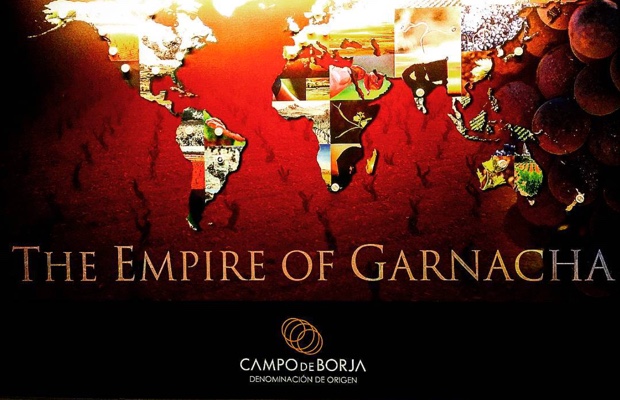
The Empire of Garnacha

The Empire of Garnacha

The Empire of Garnacha

Of the five DO’s (Denominación de Origen) that comprise the collective wine growing regions located in Aragon and Catalonia, none walk with a swagger like Campo de Borja. President Eduardo Ibañez Aranda and Secretary José Ignacio “Nacho” Gracia Lopez rule the Empire of Garnacha, a self-proclaimed stewardship for the grape and for Campo de Borja as the centre of its universe.

The Cistercian Monasterio de Veruela

The Cistercian Monasterio de Veruela

The two proud men have reason to state such territorial claim. Campo de Borja will play host to Grenaches du Monde. “The Weekend of Garnachas,” organized by the Roussillon Inter-professional Wine Council of France (CIVR). Grenaches of the World was held in France in its first three years. In 2016, Campo de Borja plays host to the competition.

Monasterio de Veruela

Monasterio de Veruela

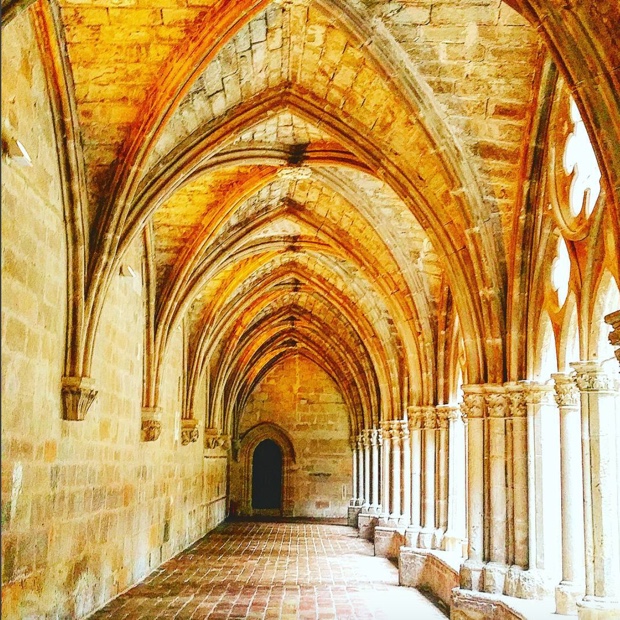
The oldest vineyards in Campo de Borja date back to 1145. A visit to the 12th century Cistercian Monasterio de Veruela, home to the offices occupied by the Denominación de Origen, wine shop and wine museum (Museo del Vino), answers the historical query. Marble columns in three-dimensionally sculpted relief show grape leaf craftsmanship dating back to the middle ages.

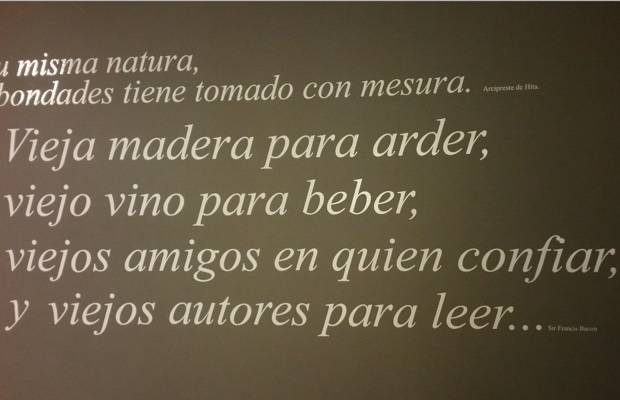
Veruela was the home of one of the most important Romantic Spanish poets: Gustavo Adolfo Bécquer, who lived in the abbey during 1863. He is the author of the following verses, maybe among the most famous pieces in the History of Spanish literature:

Qué es poesía?, dices mientras clavas en mi pupila tu pupila azul. Que es poesía? Y tú me lo preguntasPoesía… eres tú.

What is poetry?, you say. As you fix my eyes with yours of blue. What is poetry!… You ask me that? Poetry… It is you!

Rima XXI, Gustavo Adolfo Bécquer

In Aragón, diverse soils, altitude, slopes and prevailing winds all contribute to grape growing excellence. Campo de Borja’s trump card is a mountain. Other regions such as Cariñena find benefit from Moncayo, but nowhere does its 2,315m in altitude have an effect on vines as it happens in Campo de Borja.

“Cierzo que almuerza y cent, dura tuna quincena”

Museo del Vino Campo de Borja

Museo del Vino Campo de Borja

More than 2,000 hectares are 30+ yr-old vines. The climate receives an Atlantic influence and above all else there is the famous wind. El Cierzo blows 234 days a year, the “strong wind” blows after the rain, dries out the vines, eradicates disease and elicits increased probabilities for grape concentration. The saying goes “today is raining, tomorrow it will blow.” El Cierzo, as it has been called for 2,000 years, “has lunch and dinner lasts for a fortnight.” No one knows why. Maybe the Zaragozan Virgin of Pilar knows.

Campo de Borja is described as a “homogeneous physical space capable of producing wines with peculiarities.” Much of its viticulture, in kinship with the other four Aragonese DO’s, perpetuates the viñedo en vaso, “vines in a glass,” or bush vines, calculated at 2000 plants per hectare in density with three metres between rows.

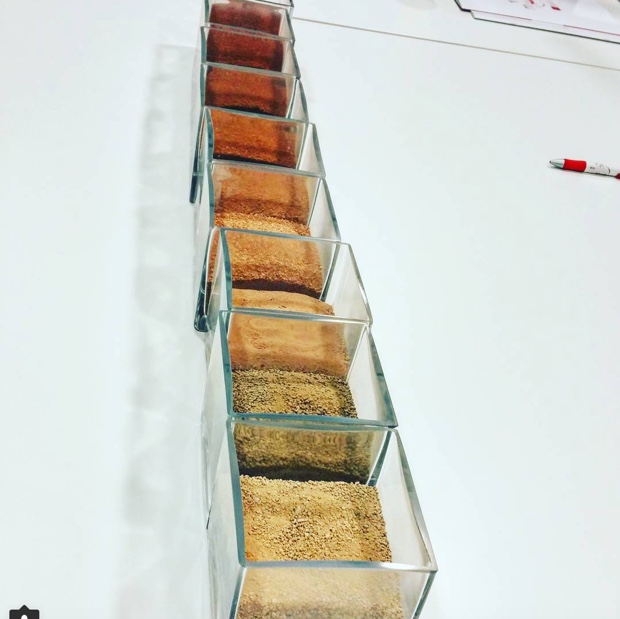
The soils of Campo de Borja

The soils of Campo de Borja

Great fluctuations happen in this D.O., located 30 miles west of Zaragoza, where the earliest maturing, lowest section habituates the Ribera del Ebro at 239m and yet other vines are planted up to 1000m. At low altitudes (200-300m) there are finer, lighter soils. In between the vineyards of Ainzon, Borja and Fuendejalon are situated between 450 and 550 metres above sea level, occupied by the terraces of  La Huecha river, a tributary of the Ebro with soils composed of stones and ferrous-clay. The D.O’s top plantations are in the upper reach, Moncayo foothills area of Alta de Ainzon and Fuendejalon, as well as the municipalities of Tabuena, El Buste and Vera. At these higher climes (up to 900-1000m) there is more limestone and iron, so darker soils with obvious increase of mineral.

Yields are quite low (30-35 hL/L), very vintage dependent and in some areas, in certain years it can be as low as 20-25. Yields are the key to understanding the value of wines from Campo de Borja, that and the iron-rich soil minerality.

Vines here see long cycles, with late maturing fruit of soft tannins and high glycerol concentration. Garnacha is a pro at climate and poor soil adaptation. It can be picked well into November and despite the lower tannins, treated properly it possesses the flexibility to develop complexity with short-term aging.

Every Grenache growing region of the world (The Rhone, Australia, South Africa) have their own special aromatic identity, whether it by garrigue, earthy reduction or soil-driven funk. A mountain herb called tomillo (thyme) grows everywhere around Moncayo. In Aragon there is an expression “when it is foggy in the morning there will be walking in the evening” and when it rains there is an all-encompassing scent in the air. That perfume is what gives these wines their special something. The amalgamation of mineral, earth and herb.

Meetings of the minds: Aragón Exterior Managing Director Ignacio Martinez de Albornoz, President Eduardo Ibañez Aranda Campo de Borja and Head of Wines from Spain (ICEX) Alfonso Janeiro

Meetings of the minds: Aragón Exterior Managing Director Ignacio Martinez de Albornoz, President Eduardo Ibañez Aranda Campo de Borja and Head of Wines from Spain (ICEX) Alfonso Janeiro

Christopher Waters, Sara D’amato and I sat down at the offices of the Campo de Borja for a presentation and a tasting of the D.O. wines with President Eduardo Ibañez Aranda, Secretary José Ignacio Gracia Lopez, Aragón Exterior Managing Director Ignacio Martinez de Albornoz and Head of Wines from Spain (ICEX) Alfonso Janeiro.

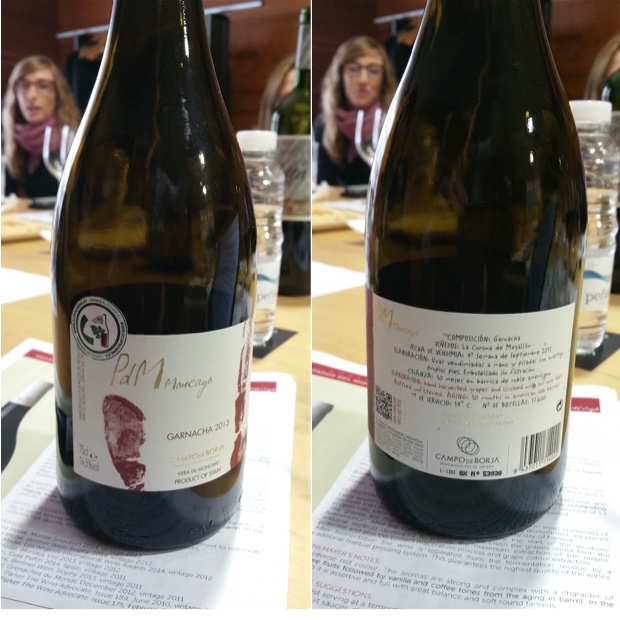
The wines tasted were Fagus, Coto de Hayas Garnacha Centenaria and Don Ramón Garnacha Imperial, by Bodegas Aragonesas; Ruberte Trésor, by Ruberte; Santo Cristo Garnacha Selección and Aletta, by Bodegas Santo Cristo; and Pdm, by Pagos del Moncayo.

Garnatxa of Campo de Borja

Garnatxa of Campo de Borja

Santo Cristo Seleccion Garnacha 2013, DO Campo de Borja, Spain (Quebec Agent Ontario Agent, WineAlign)

From a cooperative in the town of Ainzon, a 100 per cent Garnacha distributed by Eurovin (in Quebec) from 30-35 year-old bush vines at 500-600m altitude. Smoking of a deep black cherry, with violets and mild anise giving the feigned attitude of a candied sweetness. Though it’s warm and accented with quite the spice, aridity reigns and folds into the voluminous mouthfeel. This is extreme velvet, approachable and really put together, structurally speaking. Will benefit from two years further in bottle. There is plenty of fruit to support such patience balanced by a char and a density on the long finish. Would retail for approximately $14 CAN. Drink 2016-2019.  Tasted October 2015

Santo Cristo Seleccion Garnacha 2012, DO Campo de Borja, Spain (Quebec Agent Ontario AgentWineAlign)

The 2012 vintage of the Ainzon cooperative’s 100 per cent Garnacha is a blend of separately vinified stainless steel tanks. The clean compound works in appendices here and there of liquorice, graphite and pencil lead. The simple, red fruit compounds upon itself in oak-less layers for straightforward, easy pleasure. Would retail for approximately $13.50 CAN. Drink 2015-2017.  Tasted November 2014

Bodegas Aletta 2013, DO Campo de Borja, Spain (Agent, WineAlign)

From vineyards of 15-25 years old in Pozos de Mata and Aliagares at an altitude of 400-500m. A combination of soil types leads to a complexity of dichotomies, drawing from terraced stony, rich organic brown-calcaire and Moncayo mountain more stony, ferrous clay. Low yields (less than two Kg per vine) in this 100 per cent Garnacha seek an ever increasing perfume and aromatics from ripeness, urged on by a skill set of diverse fermentations.  The minerals incite and an increase of tannin is found in this darker, deeper, yet persistently straight-up juicy Garnacha. Pressed straight to tank this is simply all juice and nothing but the juice. Still a highly clean and modern expression that sees no wood. Good length again. Would retail for approximately $14 CAN. Drink 2015-2018.  Tasted October 2015

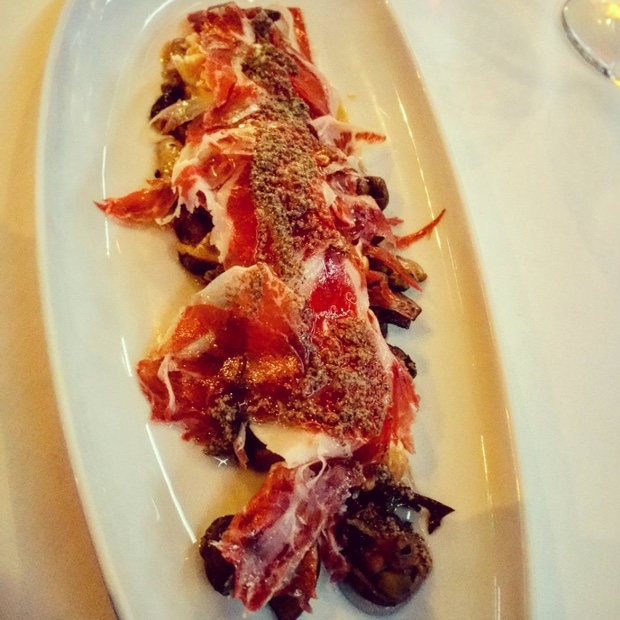
Blissful Zaragoza comfort food at <a href="https://twitter.com/AuraRestaurante" target="_blank">Aura Restaurante</a> local jamon, mushrooms, astir eggs

Blissful Zaragoza comfort food at Aura Restaurante local jamon, mushrooms, astir eggs

Bodegas Pagos del Moncayo Garnacha 2012, DO Campo de Borja, Spain (Agent, Winery, WineAlign)

Pedro Aibar was oenologist at Viñas del Vero and El Coto and now crafts wines from Grenache and Syrah plantings in the hills of Sierra del Moncayo. Produced with the Export company Axial, this 100 per cent old bush vines Garnacha from the eco-certified vineyard of La Marga saw 10 months in oak. At 14 per cent alcohol and deep as a cimmerian night it inhales and exhales in balanced Garnacha breaths. The barrel gives vanilla, chocolate and a bit of espresso. This is a nearly massive yet somehow laid back and accessible expression of Garnacha, foot-crushed, traditionally natural, with depth in its meaty cure. There were 70,000 bottles produced in the singular Campo de Borja that reaches for another layer, of earth and mediterranean funk.  Would retail for approximately $20 CAN. Drink 2015-2020.  Tasted October 2015  @louisgeirnaerdt

Bodegas Pagos del Moncayo 2012

Bodegas Pagos del Moncayo 2012

Bodegas Ruberte Tresor 2013, DO Campo de Borja, Spain (Winery)

Made by Susanna Ruberte from 100 per cent Garnacha off of 10+ year-old vines. The winery was founded in 1948. From lower altitude Campo de Borja (350-400m) stony vineyards and of low-production, here is a very perfumed Garnacha, expressing the violet nature of the grape and also a tonality impressed by a touch of SO2. Just a hint of barrel (one month) inflects vanilla and spices, unrelated to fruit surrounded by near-acrimonious acetone. Spiked by an aridity that climbs inside the cheeks. Greatest asset is concentration and depth. Will price in the range of $13-14 CAN. Drink 2015-2017.  Tasted October 2015  @BodegasRuberte

Solo Rosado Centofolia 2014

Solo Rosado Centofolia 2014

Bodegas Aragonesas Rosado Centifolia Solo 2014, DO Campo de Borja, Spain (WineryAgent, WineAlign)

Garnacha of different plots, “offering unique organoleptic qualities.” So very lithe and pretty, saline but not briny. The fruit is certainly strawberry though low-pitched, the hue a pale complexion from the most fleeting skin contact. A luminescent gemstone pink. Like a slice of strawberry angel short cake. Garnacha grounded by a “pretty pink ribbon” of Moncayo earth, without it would be blown by the Cierzo and “float down to the sea.” Drink 2015-2016.  Tasted October 2015   @B_Aragonesas

Bodegas Aragonesas Garnacha Don Ramón Imperial Roble 2012, DO Campo de Borja, Spain (Winery, Agent, WineAlign)

Aragonesas farms 55 per cent of the total production of the area, largest in Campo de Borja. This 100 per cent Garnacha is culled from various (450-800m) elevations. Another prime example of so much concentration, marked by a push-pull of bright-volatile, with dark fruits and liquorice. A date with American oak for six months brings vanilla and cocoa powder, chalk and grain, tar, char and a faint vinyl rub. Good solid held finish. This has power, presence and persistence. It successfully handles and owns its volatility. Quite the polish. Would price in Canada at $14-15. Drink 2015-2017.  Tasted October 2015

Bodegas Aragonesas Garnacha Centenaria Coto de Hayas 2014, DO Campo de Borja, Spain (Winery, 94805, $12.95, WineAlign)

Young wine, old vines. A different sort of 100 per cent Garnacha, this time from arid slate soils close to El Moncayo. The scent of jamon, seemingly impossible, but it’s there. Four months in French oak. Vines are between 80-100 year old with drastically low (10-15 hL/L) yields and from 750m altitude. At 14.5 per cent the brightness pounds the volatility into relative submission but it’s still present, there can be no disputing that. Very smooth and silky, coming on the heels of those always in prevail violet and spice aromas. A smoky dash of Aleppo pepper. French oak, used for the higher end wine, gives a candied wood flavour and roasted flesh of a protein push and some sweet salinity to mineral compenium. Possessive of quite the inner vision meets juicing sensation. Drink 2015-2017.  Tasted October 2015

Oh to be back in the truffle again. At Restaurante El Fogón, San Martín de la Virgen de Moncayo #verademoncayo

Oh to be back in the truffle again. At Restaurante Asador “El Molino de Berola” #verademoncayo

Bodegas Aragonesas Garnacha Fagus de Coto de Hayas Selección Especial 2012, DO Campo de Borja, Spain (WineryAgent, WineAlign)

Fagus is “beech tree” from the Latin and Coto de Hayas (small forest) from hillsides of the Cordillera Ibérica range. This ’12 is actually 85 per cent plus 7.5 per cent each from ’11 and ’13, all from 40-50 yr old vines. Yet another Garnacha of yields less than 1kg per vine and a slumber in French oak for 10 months. Fagus sweats the most prominent perfume though its level of volatility lies somewhere in the middle of the Coto de Hayas range. Here the OS is built on a foundation of earthy funk, sprites red citrus and is certainly the sweetest of the group. Like mixed berry play dough. A South African Rhone varietal style comes to mind, in earth meets vinyl. The special elaboration is of selected (toasted) barrels, with a hyperbole of vanilla, in waves, bean scrapes and baking elevation. Liquid chalk oozes on the finish, long and with bitters too. Would retail for between $22 and 25 CAN. Drink 2015-2020.  Tasted October 2015

Restaurante Asador "El Molino de Berola" #verademoncayo

Restaurante Asador “El Molino de Berola” #verademoncayo

Bodegas Aragonesas Garnacha Fagus de Coto de Hayas Selección Especial 2009, DO Campo de Borja, Spain (WineryAgent)

Fagus is “beech tree” from the Latin and Coto de Hayas (small forest) from hillsides of the Cordillera Ibérica range. The 2009 shows the most minor notes of evolution, still in command of fruit and well within the threshold of balance within its generous oak conditioning. A really good example struts forth here, to show what red Grenache can be at midel age for the DO, not too hard and not too soft. Not too cold and not too hot. Just about right.  Drink 2015-2020.  Tasted October 2015

They call it cheesecake at <a href="https://twitter.com/AuraRestaurante" target="_blank">Aura Restaurante</a> but this is something other, extraordinary, ethereal.

They call it cheesecake at Aura Restaurante but this is something other, extraordinary, ethereal.

Good to go!

Twitter: @mgodello

Instagram: mgodello

WineAlign: Michael Godel
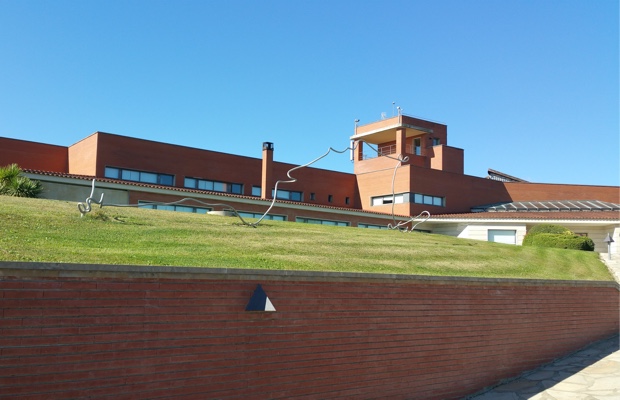
Facebook

Twelve stars align

Star shrouded downtown Toronto

Star shrouded downtown Toronto

Only on the rarest of occasions do I consider the Zodiac. Same goes for the constellations though if you slump my tired body into the comfort fitting contours of a Thermarest on a Killarney campsite I’ll happily, dreamily stare up into a near-northern sky. Or on a dock in cottage country if the Aurora Borealis happens to make a magical appearance.

In September I spent some time scanning a South African, southern hemisphere sky with Ken Forrester. Ever the romantic, Ken offered up a short dissertation on one of the special treats afforded a stay in Stellenbosch. I have seen the Southern Cross several times before and yet standing there at 10:30 pm with the South African vigneron-poet, taking in the twinkling balls of time travel, something struck me anew.

I like to line things up. Wine tasting notes with music; a lyric or an artist. You may have noticed. I also find ways to forge bonds, synaesthetic perceptions and Chaldean correlations, regardless of whether they are there for the connecting. Sometimes you just need to fulfill the urge to divide the ecliptic into 12 equal, 30 degree pieces of a pie. Perhaps it’s just the M.O.T. in me.

This coming weekend VINTAGES rolls out the first major release in preparation for the looming holiday addiction. The headlines of “stars of the season,” and “star-studded” can mean only one thing. Expensive and iconic wines will dominate LCBO shelves from now through Christmas. And most of these high ticket items will sell through. Why is that you ask? Mainly because many of them are really good wines. Mostly because desperate people will buy anything when faced with holiday gift-giving deadlines.

My job is to separate the exciting from the boring, the exceptional from the drab. I’ve chosen 12 bottles, each with their own horoscopic identity, wines that illustrate their own idiosyncratic hook-up with a sign of the zodiac. It’s a stretch to be sure but it’s my stretch, so deal with it. If you connect and agree with just one, it may change your perception too.

From left to right: J. Fritsch Riesling 2014, Closson Chase Chardonnay Closson Chase Vineyard 2013, Segura Viudas Brut Reserva Heredad Cava, La Chablisienne Montmains Chablis 1er Cru 2012, Hidden Bench Terroir Caché Meritage 2011 and Stratus White 2012

From left to right: J. Fritsch Riesling 2014, Closson Chase Chardonnay Closson Chase Vineyard 2013, Segura Viudas Brut Reserva Heredad Cava, La Chablisienne Montmains Chablis 1er Cru 2012, Hidden Bench Terroir Caché Meritage 2011 and Stratus White 2012

Capricorn (The Goat)

Sure-footed, hard worker, self-disciplined, over-achiever

J. Fritsch Riesling 2014, Ac Alsace, France (430520, $19.95, WineAlign)

Kientzheim Riesling, full, fleshy, opulent but not tropical in style, aromatically fleshy and full of orange rind, lemon zest and tonic. Has that necessary mineral bleed and rock tang. Schlossberg like but not as tannic and certainly ready for prime time at a much younger age. Hints at sweetness but acidity by way of early picked fruit is key. Granite feel. Drink 2015-2019.  Tasted October 2015  @VinsAlsace  @Alsace_info  @AlsaceWines  @drinkAlsace

Virgo (The Virgin)

Gentle, creative, generous and sympathetic

Closson Chase Chardonnay Closson Chase Vineyard 2013, VQA Prince Edward County, Ontario (Winery, $27.95, WineAlign)

This CCV Chardonnay is one of departed winemaker Deborah Paskus’ final acts at Closson Chase. It will forever be noted as a legacy-cementing, swan song of career excellence. Crafted by Paskus and bottled by the next one, current winemaker Keith Tyers, the 2013 CCV is simply a tour de force. No such combination of richness, tropicality and pure grape tannin has ever infiltrated this Chardonnay, from this vineyard. I’m not sure there is a comparison in Ontario, at this level of excellence and at this price. A wine of pure impression, with Montrachet-like structure and Folatières-like precision. Seemingly capacious, its facile legerity is hypnotizing, quantitatively escalating in assembly of aromas, flavours, through texture and finally to longevity. The wine spent 16 months in a mere (17.25 per cent new) oak. That it notes 12.5 per cent alcohol on the label is next to impossible. The substance is just too buttressed to be so tender and effete. Impeccable balance, refinement and mineral finish. This is Chardonnay to confuse the world’s fine white collectors, to wreak havoc at international tastings for five to 10 years. Only 712 cases are available and at $27.95, is down $2 in price from the 2012. Best ever, hands down. Drink 2017-2023.  Tasted March 2015  @ClossonChase

Cancer (The Crab)

Sideways, subtle, sensitive and protective

Segura Viudas Brut Reserva Heredad Cava, Méthode Traditionnelle, Do, Spain (558825, $29.95, WineAlign)

An intricate and elaborate Reserva elevation of Cava, even a bit skunky in the most endearing of ways, like a 55 day dry-aged steak cooked rare. A waft of yet blown sulphur is managed and tempered by smartly sweet yeast. At once clunky and disjointed, then heavy in citrus and the shells of molluscs. Citrus climbs all over the finish, from lime to lemon and into pomello. Complex Cava with the taste of acquired affection in requiem of a very open mind. Drink 2015-2019.  Tasted October 2015  @hseguraviudas  @imbibersreport  @cavaswine

Aquarius (The Water Carrier)

Friendly, generous, thoughtful and humanitarian

La Chablisienne Montmains Chablis 1er Cru 2012, Ac Burgundy, France (265090, $32.95, WineAlign)

In a word, yes. Beautiful girl this Montmains, layered of delicate aromas, from flowers through kimmeridgian soil and into fresh forest glade. A child of the cooler, Butteaux sub-climat in which the citrus melds into the soft wooden (228L barriques) notes and all is elevated by such pinpoint-posted acidity. The oak lends cream, the lees fine spun silky texture and the talc a grape tannic ingrained sense of fullness. Terrific wine. Drink 2015-2022.  Tasted October 2015  @VinexxCanada  @chablisienne  @BourgogneWines  @BIVBChablis

Aries (The Ram)

Energy, life, vitality and courage

Hidden Bench Terroir Caché Meritage 2011, VQA Beamsville Bench, Niagara Peninsula, Ontario (505610, $38.20, WineAlign)

There is so much floral presence in 2011, a showy perfume that parades the relative elegance of Niagara’s Bordeaux reds in the vintage. Structure is comparable to 2010, not in beast mode but rather with a delicacy derived from less burning, high-toned fruit. Still here lays a wine so young, of social encumbrance that might be passed off as a mark of impertinence. This faintly embarrassing condition can be suppressed in a dark cellar, in which the foundation can be laid for the beginning of a cure. The Terroir Caché 2011 will show its best between 2017 and 2020, then develop, slow down, suspend animation and age further, effortlessly and exceptionally. Drink 2017-2024.  Tasted April 2015  @HiddenBench  @BenchVigneron  @LeSommelierWine

Taurus (The Bull)

Plodding, peaceful and deliberate

Stratus White 2012, VQA Niagara Peninsula, Ontario (660704, $44.20, WineAlign)

In magnified aromatic persistence, on and over top of even two months earlier, in such a hyper-grapey way with terrific dry extract chained to tannin and humid minerality. The many months of leave in gentle oak is stating its technically procured, quote unquote de-classified case.

From my earlier note of April 2015:

In 2012 the blend is Chardonnay, Sauvignon Blanc and Riesling. Viognier was left out because according to winemaker J-L Groux “it did not work in blending trials.” The vintage has laid the foundation for the most density and unctuous fruit for the Stratus White in what must be, ever. At the high aromatic end there is peppery beeswax, reverberating and echoing in scales and arpeggios. Like an open string singing warmly, the vintage, extraction and residuum combine for texture in mottled unction. Sapid lemon, more beeswax and lanolin mark the palate and then the White drifts into spaces occupied by smoky back beats and bites. This has great pitch with a knowledge of the path to pleasure. Drink 2017-2025

Last tasted June 2015  @StratusWines

From left to right: Stratus Red 2012, Bachelder wines Niagara Chardonnay Saunders Vineyard 2012, Ca'marcanda Promis 2013, Versado Malbec Reserva 2011, Flowers Sonoma Coast Chardonnay 2013 and J. Christopher Bella Vida Vineyard Pinot Noir 2011

From left to right: Stratus Red 2012, Bachelder wines Niagara Chardonnay Saunders Vineyard 2012, Ca’marcanda Promis 2013, Versado Malbec Reserva 2011, Flowers Sonoma Coast Chardonnay 2013 and J. Christopher Bella Vida Vineyard Pinot Noir 2011

Libra (The Scales)

Indecisive, solicitous, harmonious and balanced

Stratus Red 2012, VQA Niagara On The Lake, Ontario (131037, $44.20, WineAlign)

The Stratus Red 2012 resides both in a virtuoso’s hollow and in a pantheon inhabited by some of Niagara’s great reds. The fact that such ripe phenology can anticipate and foretell to balance and freedom in the byplace of the blending process is nothing short of amazing. Sinuous and exact, of berries so indefatigable, layering raspberry over blackberry atop strawberry. Cedar and red citrus compound, without jamming the fluidity, but certainly accentuating the Fragaria vesca. Confident and fluid in movement, the ’12 neither shakes nor stirs and its acidity is flat out terrific. At this early point in its evolution it is showing as well as could be expected, or hoped for. Its core of fraises du bois will always be there. Time will be kind, gentle and patient. Drink 2015-2024.   Tasted April and June 2015

Gemeni (The Twins)

Curious, generous and communicative

Bachelder Wines Niagara Chardonnay Saunders Vineyard 2012, VQA Niagara Peninsula, Ontario (324103, $44.95, WineAlign)

From a site 2.5 km’s from the lake, right on the highway at 30 Bench. Derives its plushness from mere proximity so “serve it first,” pleads Thomas. So much lush, more richesse and yet today, Saunders is a bit closed, primary even. Will yet need some time to find its way. Drink 2015-2021.

From my earlier note of May 2014:

Though presently showing a bit inferential, no amount of Bachelder reduction can keep good fruit down nor can it dismantle the mastery of mineral impart. An arras of texture conceals the portal to both vineyard and barrel with streaks of salinity, charcoal and chalk. The 2012 rendition is a canvas laden with pure golden paint, concealing “hidden forms and shifting states.” Thomas has found a rhythm in Saunders through thick brush strokes, full and advancing. This warm vintage is not a receding one, its flavours and its texture do the opposite. They jump out at you in waves. For Thomas, the sublime is now.

Last tasted December 2014  @Bachelder_wines

Leo (The Lion)

Leader, lover, dignified, relaxed and proud

Ca’marcanda Promis 2013, Igt Toscana, Italy (745638, $55.95, WineAlign)

In the only vintage for which such a trial was performed (2003), the chance was had to taste this 2013 under cork side by side with that vintage under screw cap. The difference was vividly palpable, for good or bad, better or worse. Under cork the young wine is like a perfectly shone lump of cool, refulgent coal with so much spice and accent in permeate of an aromatic fruitcake wheel. Under Stelvin the 12 year-old Promis’s freshness is amplified, of early immortality, with the ripest of tannins. The acidity is markedly formidable and yet both wines display a cured nature in undercurrent. Two 10 years separated Promis of spine, spirit and grounded in earth. Leave this 2013 be for two more years, screw cap or not. Drink 2016-2024. Tasted October 2015  @StemWineGroup

Sagittarius (The Centaur)

Adventurous traveller, mythological and experiential

Versado Malbec Reserva 2011, Luján De Cuyo, Mendoza, Argentina (316984, $59.95, WineAlign)

Peter Gamble describes the ’11 Reserva as “integrated right out of the gate” and blessed with “a little more fruit component.” That is can show such freshness this early in its life span (especially in consideration of the beasts that are 2009 and 2010) is nothing short of a Malbec miracle. This is a wine that saw spontaneous fermentation, which made for very nervous times in the winemaking hands of Roberto de la Mota. Stems were used and their participation lends a Mediterranean feel, in the aromatic impart of sea salinity and kelp. The oak is scaled back a touch so the chalk push, while present, integrates in finer grain within the gritty, iron structure. This is the softest (hyper-relatively speaking) Reserva to date with a newly defined massive attack. The temperature fluctuations of the vineyard are integral in its structure and the question needs to be asked, “how can you have a day without a night?” In the Versado Reserva 2011 you have both. It is a Malbec of unfinished sympathy. Drink this sooner, starting in 2017 and for longer, to 2030.  Tasted September 2014 and October 2015  @VersadoWine  @winesofarg

Pisces (The Fishes)

Graceful, passionate, religious, daydreamer

Flowers Sonoma Coast Chardonnay 2013, Sonoma Coast, California (215210, $64.95, WineAlign)

If 2013 is turning out to be the first truly great Chardonnay vintage of the century out of Sonoma, the Flowers SC is categorically up front and centre in that discussion. The epic’s lead paragraph initializes here in a wine that is severely accurate, a blinding and gorgeous expression that brings the flowers in its game. A wield of pulchritude and balance by acidity spot on. Pure flavour extract expands and the components zing on the finish. Could there lurk a Meursault notion in its lace? You know what, forget that. Strike comparisons from the record. The Flowers is extraordinary of Chardonnay, by Chardonnay and for Chardonnay. Drink 2016-2025.  Tasted July 2015  @FlowersWinery  @rogcowines  @sonomavintners

Scorpio (The Scorpion)

Secretive, perceptive, intense, insightful, with a strength of will

J. Christopher Bella Vida Vineyard Pinot Noir 2011, Dundee Hills, Willamette Valley, Oregon  (432823, $64.95, WineAlign)

Lithe and extremely pretty Pinot Noir, reeking of that ancient underground, saline Willamette stream and above ground, Dundee Hills fresh summer berries. Has the best tense intentions, readily available sultry, soluble tannins and just pitch perfect, happy helping acidity. This has the svelte cure and the natural tug of positivity. Sanguine, hematic, volcanic. Great stuff. Drink 2016-2022.  Tasted October 2015  @BellaVidaWine  @Oregon_Wine  @Select_Wines

Good to go!

Twitter: @mgodello

Instagram: mgodello

WineAlign: Michael Godel
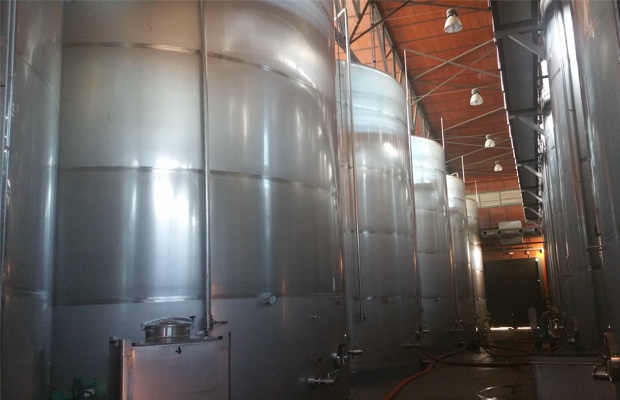
Facebook

Four times ten reasons to drink wine on Halloween

Smurfette does Halloween

Smurfette does Halloween

October 31st is a date empowered. Each year I fall victim to its commercial holiday, Soma-coma induced temptations. I eat candy on Halloween (I never eat candy) and I write about what to drink with in compliment and in conjunction with its tasting menu confection. It’s all so very wrong on so many levels and yet I’m drawn to it like a moth to a flame? Why? What is it about this impossibly sappy and gagged up day that sucks me into its vortex of plastic, vinyl, crinkle and excess?

Related – Yet another 10 reasons to pour a glass of wine on Halloween

I blame it on childhood, on a time when innocence, naiveté and gullibility ruled my universe. When running with friends and getting sick on candy was both joyous and  an exercise in self-flaggelent stupid. When two hours meant freedom, rebellion and independence. Halloween is a kids’ version of travelling through Europe with a back pack. It’s like quitting a job, like going to Vegas on a stag (I hate the idea of going to Vegas on a stag).

Related – Ten more reasons to pour a glass of wine on Halloween

Well, that explains it. As adults, we try to justify the ingenuousness, callousness and asinine holiday, to make sure our kids find happiness in its bent farcicality. We try to grin and bear it. We attempt to embrace its forced beauty and its urban chaos. And we drink wine.

Related – Top ten reasons to pour a glass of wine on Halloween

Looking back at those lists from 2012-2014 and the thirty reasons given for drinking wine on Halloween, the best ten can be culled and reformatted into the following quaternary list:

  1. Because sometimes adults need travelling sippy cups too
  2. The polyphenols in red wine can help offset the horrible effects of eating a pound of refined white sugar
  3. Who doesn’t drop their pants for a Ghostly White Wine Spritzer?
  4. Wine makes you forget Halloween ever happened
  5. A person with a candy bag full of vodka is an alcoholic. A person with a candy bag full of wine is classy
  6. To reduce the chances of having a heart attack or stroke at the sudden comeuppance of the neighbour’s $10,000 Halloween movie set
  7. Why should this night be different from any other?
  8. The doorbell rings every few seconds and beer takes much longer to pour
  9. It rhymes with Frankenstein

For the sake of keeping things new, I’ll add the final new reason to the list:

10.  A few glasses of Pinot Noir will make you smile as you remember how much money you saved by staying true to fun-sized candy

Be the life of the neighbourhood and fill those travellers with any of these 10 Halloween wines, subject to budget and chosen from the VINTAGES October 31st release. I promise not to suggest any candy pairings.

Fielding Estate Riesling 2014, VQA Beamsville Bench, Niagara Peninsula, Ontario (251439, $18.95, WineAlign)

The Richie Roberts take on Riesling brings Beamsville to the populace, combining the natural acidity of the variety with the micro-saddle-plot-climat ipseity that the sub-appellation provides. This early to market ’14 is quite tropical, offering an en primeur portal into what invariably will follow. Fresh, juicy, accessible and in near-perfect balance. Slate, calcareous bleed and fruit generosity make for one tidy, markedly gratifying Riesling.  Tasted March 2015  @FieldingWinery  @RichieWine

Fielding Estate Riesling 2014

Bodegas Muriel Reserva Vendimia Seleccionada 2008, Doca Rioja, Spain (276030, $18.95, WineAlign)

Carries with it the efforts and old barrel trials of generations in its classic aromas. Cedar, dried plum, bitumen, dried anise, wood soaking in natural sugar syrup. Really seamless, flourless and austere in a running wild kind of way. Possessive of length and deserving of that oddest of wine descriptions; supple. This will age for 10-12 years with ease. A great wine for the money, right up there with the Montecillo 1991, but cleaner, juicier and with more sex appeal. A red head, a ginger, Rita Hayworth, Julianne Moore, Emma Stone.  Tasted March 2015  @bodegasmuriel  @RiojaWine

Muriel Reserva Vendimia Seleccionada 2008

Creekside Estates Laura’s Red 2012, Queenston Road Vineyard, VQA St. David’s Bench, Niagara Peninsula, Ontario (117906, $19.95, WineAlign)

The richest, wealthiest and most lush Laura’s red to date. Constructed in high tones, big fruit and the most oak it has absorbed. Structurally speaking this climbs to play at the top of the Creekside regime game, with tannins formidable to demanding and a texture filled with spirited matter. Behind the scene and to a certain extent the veil there is Niagara, painted and dressed. Laura’s ’12 bites chocolate and picks at buds with impunity. This much plum and berry fruit will find a way to improve then strut in tastings years from now.  Drink 2016-2020. Tasted twice, June and July 2015  @CreeksideWine   @hobbsandco

Creekside Estate Laura's Red 2012

Château Pey La Tour Réserve Du Château 2010, Ac Bordeaux Supérieur, Bordeaux, France (349308, $19.95, WineAlign)

Here’s a well-organized, thought out and structured bit of tidy Merlot from the house of Dourthe. Bits of Cabernet Sauvignon, Cabernet Franc and Malbec reinforce the pretty, dusty, deep blue fruit from between Bordeaux and St. Emilion. I wouldn’t call it rustic or old-school but I would mention its wise charm and traditional handling. Just a bit of astringency in the tannic composition will take this five years down the road. Drink 2016-2020.  Tasted October 2015  @La_Cave_Dourthe  @Dandurandwines

Château Pey La Tour Réserve Du Château 2010

Wolf Blass Gold Label Cabernet Sauvignon 2013, Coonawarra, South Australia (606939, $23.95, WineAlign)

Prodigious Cabernet of and for protein. Melds flavours of salted caramel and real hot chocolate with melting berries like Churros filled with oozing centres, without sweetness. Has expansiveness and connectivity, with acids and direct displays of tannin. The real deal down in the depths of warm climate Cabernet Sauvignon. Drink 2016-2022. Tasted blind at WWAC15, August 2015  @WolfBlassWines

Wolf Blass Gold Label Cabernet Sauvignon 2013

Lavau Vacqueyras 2012, Ac Rhone, France (104927, $24.95, WineAlign)

Rich and very perfumed Vacqueyras composed of Grenache (50 per cent), Syrah (40) and Mourvedre (10). A wine with every intention to seek out a standing rib roast or duck confit to meet its every move. Charges that mix depth of fruit with grain of wood. Stratagem that marks violets moved to red berry fruit and reasonable acidity melded into a fine grain of tannin. There is just enough restraint in the process to consider this a finessed wine of gastronomy. It’s chewy but easy to digest, crusted and built of simple pleasures. Really well-made. No pretension, no attention drawn to itself and just plain affordable. Drink 2015-2019.  Tasted October 2015  @oenophilia1  @RhoneWine  @VINSRHONE

Lavau Vacqueyras 2012

Flat Rock Gravity Pinot Noir 2013, VQA Twenty Mile Bench, Niagara Peninsula, Ontario (1560, $29.95, WineAlign)

Flat Rock’s ever involving vines (on 33 hectares planted in 2001 and 2002) enter a new phase with indicators blinking and refreshing in this 2013 Gravity Pinot Noir. Youthful adolescence and gregarious fruit expression initiated in 2010 and carried through the 2012 vintage. Those years saw to a world of astringency and tension relegated to mites in the rear-view mirror. The wine is now in a nexus cross-roaded with exigency holding pattern. To understand its confusion and survey fast forward to its future is not easy. Gravity is a bit large right now, seemingly advanced, but to me the fight is between that fruit abundant state and the return of, though eased by meditative Jedi tension. Gravity just needs a parachute to bring it back down to earth. That lifeline may not materialize in this 2013 but that does not take anything away from its discriminating and diagnostic tones. Brightness, astatic inflection and succulence. This vintage may suffer from some level of snafu but it will age, evolve and breath. That much fruit has to have some level of expectation. The follow up ’14 and ’15 will win the hearts of horses and men. Drink 2016-2021.  Tasted October 2015  @Winemakersboots  @UnfilteredEd  @brightlighter1

Burrowing Owl Chardonnay 2012, BC VQA Okanagan Valley, British Columbia (208694, $34.95, WineAlign)

Showing reduction and barrel youth in its veins, pores, gutters and buffers. Smells just like a young Chardonnay after spending 12-18 months in a combination of toasts and forests should smell. A changeling constantly shifting, grooving, picking up steps and notes. Spice, prick and pierce with the gems of proper acidity. Of emeralds and pepper grinds. The piquant nature begs for time. A stab in the Chardonnay dark says Okanagan as distant cousin to Beamsville Bench or Vinemount Ridge. In the end winemaking steals the show. Drink 2017-2020.  Tasted blind at NWAC, June 2015  @BurrowingOwlBC  @LeSommelierWine

Burrowing Owl Chardonnay 2013

2027 Cellars Pinot Noir Queenston Road Vineyard 2012, St Davids Bench, Niagara Peninsula (421370, $35.00, WineAlign)

A highly perfumed Pinot Noir from winemaker Kevin Panagapka in 2012, complete with an exotic spice box of aromatics; potpourri, roses, cassia, clove and aamchur. The profile hydrates to a mulled simmer as the wine is once again warmed by the vineyard’s ability to ripen, exaggerated in ’12 but with more grace, bringing its personality in line with its modest (13 per cent) alcohol. The cherry flavour veers black with a paste of tar and charcoal, but again, the psyche is smooth and elongated. Long finish to this Queenston which should see it sing to 2018 and beyond. Drink 2015-2020.  Tasted August 2014  @2027cellars

Château Grand Barrail Lamarzelle Figeac 2008, Ac Saint Émilion Grand Cru, Bordeaux, France (425546, $39.95, WineAlign)

Showing a twinge of age at seven years, in rim and out of the natural whiffing forest aromas escaping with ease. The absolute right kind of earthy and barrel-influenced funk emanates, like experienced Bordeaux should, as would Rioja in similar approach to climacteric transition. A bit of leather, licquorice and aged beef join the gritty fray, mixed with aromatic citrus and grainy tannin to seal the destined way. This is ready to drink and yet two more years would not hurt its cause. Drink 2015-2019.  Tasted October 2015  @Dandurandwines

Château Grand Barrail Lamarzelle Figeac 2008

Good to go!

Twitter: @mgodello

Instagram: mgodello

WineAlign: Michael Godel
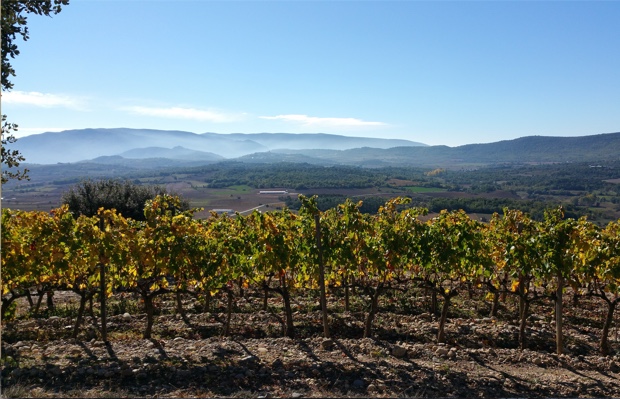
Facebook

$21.95 is the new $19.95

October fruit

October fruit

It has finally happened. It has come to this. Inflation has hit the LCBO. The old Mason-Dixon line for finer wine has left the building. We are finally rid of the oppressive bar of redundancy and free from the high water mark. First it was the penny, now it’s the $20 dollar bill. The over-under threshold of $21.95 is the new $19.95.

The wines I have chosen to recommend speak to the change, beginning with, going forth and prospering from the VINTAGES October 17th, 2015 release. One lonely bottle from the Okanagan Valley of British Columbia’s west coast stands to keep the frontier from moving north but the tide has risen and prices are no longer safe. Mark my words. Beginning in the fall of 2015, a twenty and a toonie in your pocket is the new requiem to make purchase for the common denominator in competent and felicitous dinner companions. On that note, everyone should be given a 20 per cent raise. Surely we don’t want any drinking of less than stellar LCBO issued wines.

Here are the picks.

From left to right: San Raffaele Monte Tabor Pinot Grigio 2014, Dirty Laundry Gewurztraminer Madames 2013, Palacios Remondo La Montesa 2012, Trimbach Riesling 2012, Southbrook Triomphe Cabernet Franc 2013, and Red Hill Estate Pinot Noir 2013 and Hinterland Borealis Method Charmat Rosé 2014

From left to right: San Raffaele Monte Tabor Pinot Grigio 2014, Dirty Laundry Gewurztraminer Madames 2013, Palacios Remondo La Montesa 2012, Trimbach Riesling 2012, Southbrook Triomphe Cabernet Franc 2013, and Red Hill Estate Pinot Noir 2013 and Hinterland Borealis Method Charmat Rosé 2014

San Raffaele Monte Tabor Pinot Grigio 2014, Igt Veronese, Italy (204768, $14.95, WineAlign)

Ripeness extended out of extraction leads to slight distraction in 2014, with mineral notes falling off the charts. The vintage is one of hyperbole for this particular Pinot Grigio abstraction, fruit compressed, stones crushed and dry extract seared by arid ice. Salinity and brine are magnified too though the overall impression in ’14 is one of weight, like the elements are being sent substrata, as opposed to the typically aerified course. Still there can be no denying the complexity such a $14 white affords, even if the line here is a bit right of centre. Drink now for hedonistic pleasure, with any savoury sea creature and alongside the next 60 days of increasingly cooler nights. Drink 2015-2016.  Tasted September 2015  @oenophilia1

Dirty Laundry Gewurztraminer Madames 2013, BC VQA Okanagan Valley (423228, $21.95, WineAlign)

Illustrated Gewürztraminer of appreciably pointed attributes, on the off-dry side of town but with enough acidity to float on. Les Madames offers up the most sweet and inviting set of vinous virtues for the triple-threat DL schematic. The Summerland vines and warmth make for a fully expected and dramatized aromatic wine with the most unctuous behaviour. Were the pH and the grape tannin of a higher combined force this would also be a wine to lay down, to wait and watch for the sugars to slowly develop into things tertiary. As it is, find some flavourful and spicy fare to seek succulence through osmosis. Drink 2015-2018.  Tasted October 2015  @DirtyLaundryVin  @winebcdotcom  @bottleneckdrive

Palacios Remondo La Montesa 2012, Doca Rioja, Spain (674572, $21.95, WineAlign)

This perennial confluence of the left and the right, of two oceans, grapes and barrels is the red wine portal into the Álvaro Palacios idiom. The modern polish and sanctity of Rioja conjoin for the most representative first pass at Tempranillo-Garnacha you will and should encounter. The vintage is not a rigid one, the wine a downy entry into the style and the equation. The fruit dominates calcareous longing and leaning but for the time being and the audience reached out to, there are no questions or complaints. Red plum and subtle liquorice meander into clay, get a sprinkle of white rock and distill into a seasoned, approachable liquid. Cracks are filled, bonds are cemented and dinner is properly accompanied. What won’t this work with and for? Drink 2015-2019.  Tasted October 2015  @WoodmanWS  @RiojaWine

Trimbach Riesling 2012, Ac Alsace, France (734517, $21.95, WineAlign)

“Six plus months will do wonders” is a statement of probability for well-made Riesling and for Trimbach, of the obvious. Coequality between fruit and mineral bobs on the surface of the vineyard and the rim of pale platinum beauty. Illustrative Alsace. Drink 2015-2022.

From my earlier note of March 2015:

To Jean and Anne Trimbach and most Alsatians, this Riesling from their ‘Classic’ range may represent the best that basic can be but when it travels oversees it gains a stature well beyond its humble roots. Here is another one of the those dictionary entry wines meant to depict and define. Quite simply emblematic Alsace. Built with acidity to envelop sweetness, marked by herbiage that is alive and fresh. Weight and density draw from Ribeauvillé rocks. Parity is realized in osmosis by fruit and mineral. As always, there is the tannic underlay, the length and the purposed bitter finish.

Last tasted October 2015  @trimbach  @WoodmanWS

Southbrook Triomphe Cabernet Franc 2013, VQA Niagara Peninsula, Ontario (275958, $21.95, WineAlign)

Six months have amplified the current, running in a direct aromatic-flavour line from strawberry to black currant. Such healthy up front fruit with nary a moment of humidity shines while the wine remains just grounded enough to call it Niagara.

From my earlier note of December 2014:

Still organic through and through, despite only a small portion of estate fruit contributing to the overall design of the Triomphe Cabernet Franc ’13. Contracted growers fuel and fulfill the Southbrook ideology, to seek purity in healthy berries. The red fruit here shines on with Daliesque impunity. Its agglomeration makes a juicy, gregarious offer to sip. The vanilla-lavender streak brings elegance, more so than in ’12, along with an elevated sense of savour and really compounded red, red fruit. A natural sweetness and long finish are easy on the gustatory senses. Will be available at VINTAGES in February 2015, when the ’12 runs dry.

Last tasted June and September 2015  @SouthbrookWine  @AnnSperling

Red Hill Estate Pinot Noir 2013, Mornington Peninsula, Victoria, Australia (58073, $21.95, WineAlign)

The Mornington perfume, distinct, ethereal, lifted, elevated, fresh with a bit sauvage, not of musk, but of a wild road less trodden. A step beyond fresh, into learned territory and also above crisp, into crunchy. Very interesting and complex Pinot Noir, so obvious as anything but, yet unique, tart, striking and long. This should have many consumer fans and expand horizons for broad appeal, but also be a friend to the discerning taster. Most impressive.  Tasted November 2014  @RedHillEstate  @Noble_Estates

Hinterland Borealis Method Charmat Rosé 2014, VQA Ontario (431817, $22.00, WineAlign)

The Ancestral cousin continues its arid ways in 2014, ostensibly a better vintage for the sparkling tank methodology. The fruit, acidity, volatility and tension all elevate and there is nothing surprising about that but where this sophomore succeeds is in the dry take on Gamay bubbles. So many winemakers would be tempted into higher dosage and the soft allure of enticing a younger audience with sweetness. Jonas Newman won’t go there. This is fun and simple but its aridity and dry extract keep it real. Like a September Algonquin campsite gaze upwards at the Aurora Borealis. “The icy sky at night.” Drink 2015-2018.  Tasted October 2015  @hinterlandwine

From left to right: Creekside Estate Reserve Viognier Queenston Road Vineyard 2013, Dominio De Tares Cepas Viejas Mencia 2011, Tenuta Rocca Barolo 2010, Cvne Imperial Reserva 2009, Prunotto Barolo 2010, Tawse Pinot Noir Lauritzen Vineyard 2012, Duckhorn Merlot 2012 and Banfi Poggio Alle Mura Brunello Di Montalcino 2010

From left to right: Creekside Estate Reserve Viognier Queenston Road Vineyard 2013, Dominio De Tares Cepas Viejas Mencia 2011, Tenuta Rocca Barolo 2010, Cvne Imperial Reserva 2009, Prunotto Barolo 2010, Tawse Pinot Noir Lauritzen Vineyard 2012, Duckhorn Merlot 2012 and Banfi Poggio Alle Mura Brunello Di Montalcino 2010

Creekside Estate Reserve Viognier Queenston Road Vineyard 2013, St. David’s Bench, Ontario (264168, $26.95, WineAlign)

Exceedingly mineral in 2013, decidedly varietal and power prepositioned for the purpose of small lot, attention to detail Creekside adjudication. Though Syrah and Cabernet Franc would seem to define the winery’s signature strokes, it is this small production Queenston Road Vineyard labour of love that crawls beneath the radar. The ’13 is outright juicy, unctuous, feathered in weight and warm-pitched to verdant greens. The vintage doles out more warmth than expected but acidity carries the weight, over the water and onto the dance floor. I’d wait a couple of years for some more floral and honeyed notes to develop. Drink 2017- 2022.  Tasted October 2015  @CreeksideWine  @hobbsandco

Dominio De Tares Cepas Viejas Mencia 2011, Bierzo, Spain (379891, $26.95, WineAlign)

This is rich and powerful Mencia, even for itself, sheathed and layered by the alternating variegation of French and American oak. From Alliers to Missouri there is comfort to be found in its warm blanket, alcohol (14.5 degrees) and depth of fruit. It might come across as figgy and raisined and indeed those aromas and flavours are imagined, but they are fresh, not dried. Acidity and tannin envelop fruit. Old vines offer substantial heft, concentration and brambly fruit like Zinfandel and Primitivo, but here there is a citrus lift to carry the weight. Emblematic Bierzo that has and will be more exciting with just that much more freshness and tension. Drink 2015-2019.  Tasted October 2015  @DominiodeTares  @oenophilia1  @dobierzo

Tenuta Rocca Barolo 2010, Docg Piedmont, Italy (395103, $36.95, WineAlign)

Modern speak and safely on the pleasurable side of volatile. A real deal for Nebbiolo, ready and willing in afford of whatever’s in your pocket. Framework is well-delineated, wood properly judged, the view clearly visible from multiple correct vantage points. Not earth shattering but at the price reaches more than appropriate goals. Drink 2016-2020.  Tasted September 2015  @regionepiemonte

Cvne Imperial Reserva 2009, Doca Rioja, Spain (424390, $38.95, WineAlign)

Another impressive, formidable and structured Tempranillo from the Cvne stable, from old vineyards and the comforts of both French and American oak. Such a rich and deep exhalant, as much fruit as tannin, mineral as acidity. There are many moving parts but one day they will align. Like a jigsaw falling into place, “the beat goes round and round,” swirling with tannic noise and plum fruit aromas, with earthy and botanical flavours. This begins with a murmur and ends with thunder. It rocks and wails in between. Rioja made only in the best vintages and the kind of $39 wine to lay down for 15 plus years. It will play on the radio and in your head for at least that long. Drink 2019-2029.  Tasted October 2015  @Cvne  @vonterrabev  @RiojaWine

https://www.youtube.com/watch?v=E-RllNyZt90

Prunotto Barolo 2010, Docg Piedmont, Italy (928721, $40.95, WineAlign)

The faintest hue. The rusty pilgrim. Such a pretty scent. Fresh roses and the beginnings of osseous imagination, to seek a classic pairing, with osso bucco. The real deal in normale Barolo. The righteous Nebbiolo beginning. The jumping off point with no sharks in the water. The effortless offering. Drink 2016-2021.  Tasted September 2015  @HalpernWine

Tawse Pinot Noir Lauritzen Vineyard 2012, Vinemount Ridge, Niagara Peninsula, Ontario (431601, $44.95, WineAlign)

Typically Tawse and exemplary of Lauritzen. The highest of the vineyard tones and a plot up on a ridge (now 11 years of age) growing up before our eyes. The fruit is not shy in any way. Possessive of earth alternating with min real neither Cherry nor Quarry nor Laidlaw can lay claim. This is a Pender Pinot that seethes, oozes and owns its vineyard’s fruit, rocks and clay, earth and elements. Upwards and drying, with tannins that shriek. Ripping and yet at once, a few years down the road to be, elegant Pinot Noir. Drink 2017-2020.  Tasted September 2015  @Tawse_Winery  @Paul_Pender  @DanielatTawse

Duckhorn Merlot 2012, Napa Valley, California (992529, $59.95, WineAlign)

Always rich and flavourful, the champion vintage here elicits a nearly massive Merlot in benchmark Napa ideal. This has strength in situation and there is something you can’t quite put a finger on, but it emanates from a special brand of umami. Strength, poise and sweetness that never cloys. There grades a balanced capability and pure, grainy, sweet, supple tannin. Alcohol travels a really grand yet gracious line. It’s not hot at all. This is a Merlot steal, with fruit to match a long, meandering road. Drink 2016-2025.  Tasted September 2015  @duckhornwine  @rogcowines  @NapaVintners

Banfi Poggio Alle Mura Brunello Di Montalcino 2010, Tuscany, Italy (372250, $69.95, WineAlign)

Arguably the most modern and stylishly put together Brunello on the market today yet without an overdoing of oak hinderance. Like the deliciously devilish 2007 this has a wealth of beauty and gregarious aromatics but unlike that precocious vintage there is weight and brooding behaviour as well. The depth of fruit and earth are not weighted down by excessive alcohol (a very good thing) though there is a bit of dried fruit and flowers mixed in to the cure. There is also a bitter almond pith note ties into the aggressive but starry-eyed tannins. This needs three to five years to come together. The hope is for that slight bit of green tannin to find its integrated way with the fruit. Drink 2018-2025.  Tasted October 2015  @CastelloBanfi  @AuthenticWineON

Good to go!

Twitter: @mgodello

Instagram: mgodello

WineAlign: Michael Godel
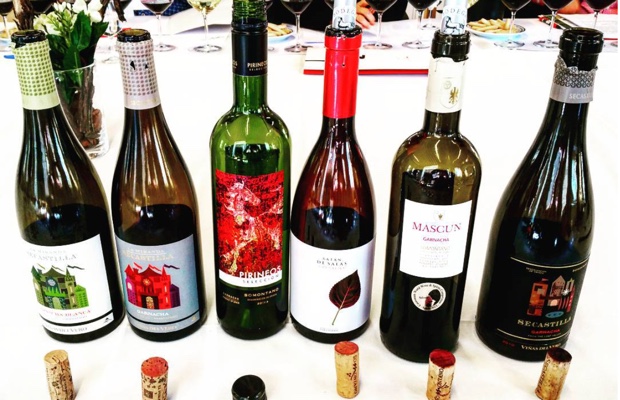
Facebook

October surprise

Beef shank, romano bean and lentil soup, tomato, basil, nasturtium

Beef shank, romano bean and lentil soup, tomato, basil, nasturtium

Just over two weeks separates us from another federal election, a national concern in address of criminal activity. Criminal because the choice, at least in the hazy, politically discharged context of my age of voting lifetime, has never been more difficult to make. This I can say. If any of the three leaders pulls out an October surprise from their proverbial political hat, I’m calling their bluff.

Political theory and editorial aside, the one organization that clearly invokes the OS trump card repeatedly and with outright conceit is the LCBO. The operating system is predicated on spin tactics to influence booze czars and to turn business reports inside out. Every month of the year can be aligned with surprise, to make certain the Province of Ontario and whichever elected (or keys to the castle given) Premier stays on the lee side.

Ontario beer, wine and spirit commentary aside, the VINTAGES release calendar continues to cycle on through with expert efficiency and en ever-increasing delightful, thoughtfully purchased and seemingly never-ending supply of quality wine. In 2015, the October surprise is one I can get behind, support and outright cheer for. Finding 10 wines I’d feel honoured to sip, pour and relegate to the mid-life crisis racks of the cellar is nothing short of shooting fish in a barrel. For October 3rd, here they are.

From left to right: Cave Spring Cabernet Franc 2013, Stephane Aviron Vieilles Vignes Morgon Côte Du Py 2012, Altos Las Hormigas Terroir Malbec 2012, Rosewood Origin Cabernet Franc 2013 and 2027 Cellars Wismer Vineyard Fox Croft Block Chardonnay 2012

From left to right: Cave Spring Cabernet Franc 2013, Stephane Aviron Vieilles Vignes Morgon Côte Du Py 2012, Altos Las Hormigas Terroir Malbec 2012, Rosewood Origin Cabernet Franc 2013 and 2027 Cellars Wismer Vineyard Fox Croft Block Chardonnay 2012

Cave Spring Cabernet Franc 2013, VQA Niagara Escarpment, Ontario (391995, $19.95, WineAlign)

Another notch on the Escarpment knows Cabernet Franc totem, with similar if deeper, earthy red fruit character in 2013 for the Cave Spring. The tonalities are further elevated in a vintage that should offer more balance. That it does in terms of handling ripeness in opposition to acidity but at a young age it is further from its intended truth than was the ’12. This may be a better, bigger and deeper CF of potentiality but it’s awkward right now. Give it a year plus to answer the bell. Drink 2016-2019. Tasted September 2015  @CaveSpring  @TheVine_RobGroh

Stephane Aviron Vieilles Vignes Morgon Côte Du Py 2012, Ac Beaujolais, France (424804, $19.95, WineAlign)

Like dark cherry for freshness, maceration for thickness. Entirely, satisfyingly and flat-out rung up in juicy Côte de Puy. Meaty and leaning to roasted, this consistent Morgon makes an honest bedfellow with the Cru. Drink 2015-2018.  Tasted September 2015  @Nicholaspearce_

Altos Las Hormigas Terroir Malbec 2012, Uco Valley, Mendoza, Argentina (366005, $22.95, WineAlign)

Tremendously different Malbec, within the context of largesse. Deep, natural funk, like Syrah of meaty, smoky, porcine intent, from the northern Rhone or Franschhoek. But as Malbec, to Cahors, or not, it is simply cimmerian, intense, of iodine and blood, of minerals not often sensed. Well scripted by a big box outfit with much on its plate. High commendation to be sure. Drink 2016-2020.  Tasted September 2015 @ALHmalbec  @winesofarg

Rosewood Origin Cabernet Franc 2013, VQA Beamsville Bench, Ontario (427534, $25.95, WineAlign)

Cabernet Franc moving with all the correct intentions. Plods a disciplined direction of self-harnessing variegated power out of the ripening challenges abetted by The Bench’s rolling hillside vineyards. Esteemed of low alcohol, on a knife’s edge verge of ripe, ripe fruit and with tannin to add necessary stuffing. Depth of Cab Franc terroir clay, simulating the beautiful rascal flats of the lakeshore, here up higher, crusted by the Escarpment, combining for depth and matter. This matter. This bottle matters, this varietal necessity, this excerpt. It has meaty, smoky, binging bent. It will age for a minimum five and likely, efficiently, for an excavating seven or eight. Drink 2015-2023.  Tasted September 2015  @Rosewoodwine

2027 Cellars Wismer Vineyard Fox Croft Block Chardonnay 2012, VQA Twenty Mile Bench, Ontario (421362, $30.00, WineAlign)

In the hands of winemaker Kevin Panagapka, Craig Wismer’s fruit retains un underlay of power not recognized in other Foxcroft Chardonnays. Neither Thomas Bachelder nor Ross Wise (Keint-He) make anything near spirited as this 2027 take. Chardonnay loves the sun in the Foxcroft Block and Panagapka loves to see that sun hook up with the inside of a barrel. This ’12 makes a nice date for a wood wedding. A product of the Dijon 96 clone, the reduction in this Chardonnay drives its fresh, spritely if mettlesome nature, with a bark and a barrel bellow, but longevity will not suffer as a result. This could take 30 years to oxidize, it’s that audacious and also courageous. Let it and its buttered popcorn rest a while. Drink 2017-2025. Tasted May 2015  @2027cellars

From left to right: Penfolds Bin 128 Shiraz 2013, Vina Real Gran Reserva 2008, Kenwood Jack London Vineyard Cabernet Sauvignon 2012, Burrowing Owl Cabernet Franc 2013 and Le Vieux Donjon Châteauneuf Du Pape 2013

From left to right: Penfolds Bin 128 Shiraz 2013, Vina Real Gran Reserva 2008, Kenwood Jack London Vineyard Cabernet Sauvignon 2012, Burrowing Owl Cabernet Franc 2013 and Le Vieux Donjon Châteauneuf Du Pape 2013

Penfolds Bin 128 Shiraz 2013, Coonawarra, South Australia (509919, $34.95, WineAlign)

One thing is certain, never judge a Penfolds by its cover, in its youth. Here Shiraz is meaty and pepper laces the brawny fruit. A purely bovine expression with enough ganache to ice a birthday cake for 50. But the level of structure, brick laying foundation and utter momentous occasion means this must be assessed with a waiting for the compression to emerge, from out beneath the cumbrous suppression. In time, that it will. Drink 2017-2022.  Tasted September 2015  @penfolds  @alyons_wine

Vina Real Gran Reserva 2008, Rioja, Spain (280545, $36.95, WineAlign)

Highly volatile at this stage and perhaps will be at further stages, but the fruit slinging to acidity bringing it to and from tannin is immense and beautiful. Big structure, stuffing and stage one temper. Has every right to fly its name up high because this represents firm 2008 Rioja with distinction and is as real as it gets. Needs three years to settle down and play a proper, righteous Rioja tune. Wow. Drink 2018-2023.  Tasted September 2015  @Cvne  @vonterrabev

Kenwood Jack London Vineyard Cabernet Sauvignon 2012, Sonoma Mountain, Sonoma County, California (944843, $39.95, WineAlign)

Always fruitful, full and necessary. No holes, plentiful in high quality chocolate and bountiful by way of stuffing. Deep and intense. Big tannins. Tells it from Sonoma Mountain in the way the author would have prescribed. In the proper function of Cabernet, “to live, not to exist. I shall not waste my days in trying to prolong them. I shall use my time.” Persists as a top under $40 California Cabernet, as it always has. A London for the 10-15 year haul. Drink 2017-2025.  Tasted September 2015  @KenwoodVineyard  @sonomavintners

Burrowing Owl Cabernet Franc 2013, BC VQA Okanagan Valley (349019, $44.95, WineAlign)

No combination of ripeness and desert derived concentration can be found in any Cabernet Franc, not just in this country but really anywhere. That the Owl can achieve such massive structure and red fruit containment is remarkable, unparalleled and in singular ownership of style. Extraction clearly matters, layering is key and quality must ride with ripeness. “You know what I’m saying baby,” this is a sky rocket of a Cabernet Franc. Full on, flat-out expression, without compromise.  Drink 2015-2020.  Tasted September 2015  @BurrowingOwlBC  @LeSommelierWine
Owl - Sky Rocket

Le Vieux Donjon Châteauneuf Du Pape 2013, Rhône, France (700922, $58.95, WineAlign)

A thankful. restful and wistful return to form, away from heat and into perfume. Cherry melting into garrigue, beautiful musty wood, the way things were, not so long ago, when the evening meal and the garden mattered. As things do and will again. This Donjon will be a part of future’s past. Drink 2017-2024.  Tasted September 2015  @VINSRHONE  @RhoneWine

Good to go!

http://www.winealign.com/profile/2058-mjg

Catch 22 wines

Godello's garden meets Greek Horaitiki

Godello’s garden meets Greek Horaitiki

Twenty two wines I tasted from the August 22nd release. Some are really good. So what’s the catch? Some not so much. As always, take a grain of salt and judge for yourself. Godello is not traditionally a site to explore the good, the bad and the ugly. The good news is that the worst of these 22 are actually quite well-made. The bad news is that each will only satisfy a certain kind of palate and a specific sort of temperament.

Something for everyone. LCBO 101. I hope you find something you like.

From left to right: Koncho and Co. Tsinandali 2012, Man Vintners Free Run Steen Chenin Blanc 2014, Featherstone Four Feathers 2014, Grace Lane Riesling 2013, Henri Bourgeois Petit Bourgeois Sauvignon Blanc 2014, Perrin Réserve Rosé 2014, Vineland Sauvignon Blanc 2013 and The Crusher Viognier 2013

From left to right: Koncho and Co. Tsinandali 2012, Man Vintners Free Run Steen Chenin Blanc 2014, Featherstone Four Feathers 2014, Grace Lane Riesling 2013, Henri Bourgeois Petit Bourgeois Sauvignon Blanc 2014, Perrin Réserve Rosé 2014, Vineland Sauvignon Blanc 2013 and The Crusher Viognier 2013

Koncho & Co. Tsinandali 2012, Kakheti, Georgia (412981, $12.95, WineAlign)

Boxy, foxy, contained, constrained, aromatics waiting to burst, in big timbre and quite spicy. A bit reductive and very juicy. Boisterous, wild-eyed expression. Drink 2015-2018.  Tasted August 2015  @GeorgianWineSoc

Man Vintners Free Run Steen Chenin Blanc 2014, Wo Coastal Region, South Africa (126847, $13.95, WineAlign)

Good texture and mouthfeel in this Chenin, dry but unctuous, direct and filling. Works coastal wonders in many ways. Drink 2015-2018.  Tasted August 2015  @MANVintners  @vonterrabev  @WOSACanada

Featherstone Four Feathers 2014, VQA Niagara Peninsula, Ontario (341586, $14.95, WineAlign)

Though Riesling dominant this is a shared experience, with cool climate Chardonnay and richly aromatic Gewurztraminer lifting spirits and exhaling breaths. The Sauvignon Blanc seems to add ripeness and juicy palate flow. A mouthful of ripe fruit to be certain and amenable beyond its pragmatic ways. One of the better value white blends and one to look at for Niagara Peninsula propensity within the context of designing an appellative blend. Drink 2015-2017.  Tasted August 2015  @featherstonewne

Grace Lane Riesling 2013, Yakima Valley, Washington (420737, $14.95, WineAlign)

Simple, straightforward, slightly spritzy Riesling with a full-blown lemon lime palate and a finishing set of bitter piths. Good length gives it life. Drink 2015-2018.  Tasted August 2015

Henri Bourgeois Petit Bourgeois Sauvignon Blanc 2014, Igp Vins De Pays Du Val De Loire, France (672345, $15.95, WineAlign)

A lithe and petite Sauvignon Blanc, balmy, touched by spice accents and a whisper of lemon/lime. Tart but not really striking or biting. Soft Sauvignon Blanc, quick and effortless. Drink 2015-2016. Tasted August 2015  @ChartonHobbs

Perrin Réserve Rosé 2014, Ac Côtes Du Rhone, France (719062, $15.95, WineAlign)

Pretty Rosé, arid enough though really juicy and presentable to a wide army of followers. Some tonic and even more brine. A late feeling of pickles and preserves. Better than many. Drink 2015-2018.  Tasted August 2015  @Beaucastel  @ChartonHobbs  @RhoneWine  @VINSRHONE

Vineland Sauvignon Blanc 2013, VQA Niagara Escarpment, Ontario (551168, $16.95, WineAlign)

Spicy vintage for the Escarpment, concentrated in many ways, for juicy fruit, capsicum and savoury herbs. A touch effervescent which does not detract, but rather adds a buoyant lifeline because the tart acidity is really something else. Fun with Sauvignon Blanc from up on the shelf. Drink 2015-2017. Tasted August 2015  @VinelandEstates  @benchwineguy

The Crusher Viognier 2013, Wilson Vineyard, Clarksburg, California (361964, $16.95, WineAlign)

Reductive Viognier, nice and fresh for a change, cool Clarksburg fruit thankfully kept shy and in absence of high alcohol, overly heated sunshine gluck. A bit of a mouth breather, tropical in a longan way and of enough though not striking acidity. Finishes overly bitter, in lime pith and a kind of nettle. Drink 2015-2018.  Tasted August 2015  @SebastianiWines  @Select_Wines

From left to right: Trivento Golden Reserve Malbec 2012, Pascal Jolivet Attitude Sauvignon Blanc 2014, Gérard Bertrand Côte Des Roses Rosé 2014, Paco & Lola Albariño 2013, Herdade Do Rocim Red 2011,S. Cristina Massoni Lugana 2014 and Gray Monk Pinot Blanc 2013

From left to right: Trivento Golden Reserve Malbec 2012, Pascal Jolivet Attitude Sauvignon Blanc 2014, Gérard Bertrand Côte Des Roses Rosé 2014, Paco & Lola Albariño 2013, Herdade Do Rocim Red 2011,S. Cristina Massoni Lugana 2014 and Gray Monk Pinot Blanc 2013

S. Cristina Massoni Lugana 2014, Doc Lombardy, Italy (200097, $17.95, WineAlign)

Tanky and metallic, coastal and postal for Trebbiano di Lugana. Quite herbal, reminiscent of Sancerre, with spice, nettle and linear length. Layered and structured white with a seriousness in its expression. Drink 2015-2020.  Tasted August 2015

Herdade Do Rocim Red 2011, Alentejo, Portugal (423574, $17.95, WineAlign)

A regional blend of Antao Vaz, Arinto and Roupeiro. Very cimmerian, rich and dense Alentejano, wildly berry delicious and yet fierce. Lots of oak, lots of optimism and plenty of swagger. Very spicy and toasty finish. Drink 2015-2019.  Tasted August 2015  @winesportugalCA

Paco & Lola Albariño 2013, Do Rías Baixas, Spain (350041, $18.95, WineAlign)

Concrete and tank Albarino, steely and mineral, cool and bristling. Turns to stone fruit on the palate, gets down to juicy and then ricochets off the walls, drawing salinity and pulverized limestone into the very linear finish. Such a calcareous, wound white wine, on a spindle, in a vacuous void of aggregate and steel. Drink 2015-2020.  Tasted August 2015  @pacolola  @azureau

Gérard Bertrand Côte Des Roses Rosé 2014, Ap Languedoc, Languedoc-Roussillon, France (373985, $18.95, WineAlign)

Dry, floral, medicinal, quite tight and angled, not angular Rosé. The sea salinity and briny strawberry confluence is quite striking. Doesn’t really linger so in the end it’s a bit of a simple quaffing Rosé but what of it? That’s right. Drink 2015-2016.  Tasted August 2015  @GBvins  @LanguedocWines  @FwmWine

Pascal Jolivet Attitude Sauvignon Blanc 2014, Loire, France (971887, $19.95, WineAlign)

A neat feat to stretch Sauvignon Blanc like this, in phyllo layers and like bitter greens braised to sweet tenderness. Savoury though the herbs are not the most recognizably cultivated, used or considered. Like winter savoury, or Spruce tip, edible seaweed even. All tossed lightly, gingerly in a citrus vinaigrette. Playful SB, at times tight and bracing and then generous, giving, forthcoming. Previous vintages have had more shine. Drink 2015-2020.  Tasted August 2015  @HalpernWine  @LoireValleyWine

Trivento Golden Reserve Malbec 2012, Luján De Cuyo, Mendoza, Argentina (588731, $19.95, WineAlign)

Heavy handed, much wood and chalky, full on bloody Malbec. Has Oz strength and gumption. Good lengthy finish. Drink 2015-2019.

From my earlier note of August 2014:

This Golden Reserve Malbec by Trivento is a juicy, dusty, fruit tree addition to the #WWAC14 flight and arrives just in the nick of time. Despite the dark fruit, it has no Drake spoken word conceit. It sings in classic Drake lullaby, with beefy meet pine forest aromas and so “you find that darkness can give the brightest light.” Tender refrains soften chalky, stalky wood and corresponding bitter chocolate. Big tannins on this balladeer. Has impressive stuffing.  @TriventoArg  @Select_Wines  @winesofarg

Last tasted August 2015

Gray Monk Pinot Blanc 2013, BC VQA Okanagan Valley, British Columbia (321612, $20.95, WineAlign)

Into another cool climate Pinot Blanc poster from Gray Monk, the standard bearer for the variety, in this price and stylistic niche, for anyone who cares or dares to join the bandwagon. Juicy stone fruit of a peach, yellow plum and nectarine fold, circular bites of acidity and mineral bleed and just a touch of tonic to tie it all together. Always great stuff. Length even better than in 2012. Drink 2015-2020. Tasted August 2015  @GrayMonkWinery

From left to right: Domaine De Rochebin Vieilles Vignes Bourgogne Pinot Noir 2013, Buena Vista Chardonnay 2013, Benjamin Bridge Nova 7 2013, Featherstone Onyx 2010, King Estate Signature Collection Pinot Noir 2013, Charles Baker Picone Vineyard Riesling 2012 and Cantina Del Pino Barbaresco 2010,

From left to right: Domaine De Rochebin Vieilles Vignes Bourgogne Pinot Noir 2013, Buena Vista Chardonnay 2013, Benjamin Bridge Nova 7 2013, Featherstone Onyx 2010, King Estate Signature Collection Pinot Noir 2013, Charles Baker Picone Vineyard Riesling 2012 and Cantina Del Pino Barbaresco 2010,

Domaine De Rochebin Vieilles Vignes Bourgogne Pinot Noir 2013, Ac Bourgogne, Burgundy, France (424275, $22.95, WineAlign)

Such a pretty red cherry, fine earth and cinnamon heart confluence on the aromatic front, with no palate or late tannin affront. The acidity seems particularly natural and fitting, the finish quick and efficient. Very good old world look at the world of Bourgogne. Drink 2015-2018.  Tasted August 2015  @BourgogneWines

Buena Vista Chardonnay 2013, Carneros, Sonoma County, California (67405, $23.95, WineAlign)

Cream in your coffee, sui generis housed and reductive Chardonnay with a chip on its shoulder. Aromatic rhythms are modulated by the barrel’s influence while flavours are pleasant though not wholly distinctive or full of character. Very directed Chardonnay and an exemplary regional example for the price. Will show better a year on. Drink 2016-2018. Tasted August 2015  @BuenaVistaWines  @TandemSelection

Benjamin Bridge Nova 7 2013, Gaspereau Valley, Nova Scotia (256289, $24.95, WineAlign)

Down $1 in price from this time last year.

From a bumper crop, there came to market 11,000 cases of this Nova Scotian feel good, faux-sparkling story. Winemaker Jean-Benoit Deslauriers’ Nova 7 dissimulation in bubbles is a true trick of the trade and though this white wine strikes as if it were a child of a warm vintage, there is a classic lightness of Rosé fizz being in its ever so slight effervescence. A singular wine in many hybrid incarnations, in Muscat ways, of pink Perle de Csaba, segmented and pressed for a sweet burst of grapefruit. It’s low (7 per cent) in alcohol, excellent in acidity, sweet and sour, citrus zesty, juicy and dry at the same time. Batch delineated and loyal to continence, though if the quantity creeps much higher that may come in to question. Grown up pink lemonade and so easy to consume.  Tasted June and July 2014, July 2015  @Benjamin_Bridge  @jbdeslauriers

Featherstone Onyx 2010, VQA Niagara Peninsula, Ontario (372433, $29.95, WineAlign)

Strikes as Cabernet Franc dominant and quite savoury so, slightly cured and richly layered. Merlot appeals and appears with its own distinct clarity, gift-wrapped with tidy flavours in refrain of Franc that acts like fruity Cabernet Sauvignon. The vintage is very in and though it’s warmer and coated with more wood than would best service its needs, this has settled into a really nice glass of red berry and plum red wine. Kudos to the blender and the patience afforded the result. Drink 2015-2018.  Tasted August 2015  @featherstonewne

King Estate Signature Collection Pinot Noir 2013, Oregon (984005, $34.95, WineAlign)

High quotient of ripeness, astringency below, earth above sprinkled and saturating. Quite an effusive design and rambunctious effort. All over the map. Big, bouncy and biting. Drink 2015-2018.  Tasted August 2015  @KingEstate

Charles Baker Picone Vineyard Riesling 2012, VQA Vinemount Ridge, Niagara Peninsula, Ontario (241182, $35.00, WineAlign)

This ripe Picone in 2012, not a surprise and ripping at the same time. The orchard stands out, the texture overlaid and the length outstanding. Picone in ’12 has presence of more immediate notice, standing firm and tall to be counted early and then, for years to come, often. Like juice bled from escarpment cragges, a speciality that is singularly Picone. Drink 2016-2022.

From my earlier note of June 2014:

A vintage that begged to be protected in the vineyard, meaning no leaf plucking and no thinning. A most excellent goal of (0.691895068 kg / m2), or 2.8 tons an acre was realized, as opposed to one in 2010. Heavy vigor slowed down the ripening (leaving that kind of tonnage on the vine), to an elongated balance. Comes from terroir Baker nods to as “a barren tundra,” which you don’t get down the hill. In 2012 there was no waste, no rot, no problems. Its residual climbs to 15 g/L but you’d never know it. There is a confit of citrus, a mellifluous sensation of preserved lemon. Total count is 600 cases.

From my earlier note of March 2014:

“Baker’s iconic child yet breathes in unsettled, spumous emission from out of a warm vintage. So primary and such a hard act to follow. Vanguard Vinemount Ridge, arid as the desert and citrus, carbonic tight. Treated with cool, cooler and colder methods to seek result and strike balance in an opulent, lees-appertained, tangy finish. A Picone that says I don’t live today, so it is told and canvassed, “uh, get experienced, are you experienced?”  Last tasted June 2014  @cbriesling

Cantina Del Pino Barbaresco 2010, Docg Piedmont, Italy (922880, $37.95, WineAlign)

Nebbiolo of intonation, modulation and stress, with a noticeable mid-life moment in volatility, in contrast to an enamoured aromatic loveliness in rose petal and candied flower. Dusty swirls and tight red fruit meets stark acidity. A Barbaresco such as this has historical advantage on its side but scares a bit in the present. A very fair price for a wine that has to be stashed away for at least three years for the angst to subside. Drink 2015-2018.  Tasted August 2015  @LeSommelierWine  @piemonte_italia

Good to g0!

http://www.winealign.com/profile/2058-mjg