No one gets us like we get ourselves. Not so long ago that statement still held more water than the combined towers in all of Canada’s small towns. Here’s another grandiloquent statement. Exceptional wine is made in British Columbia and in Ontario. The proverbial and parochial Canadian wine thinker is privy to that erudite credence, as are many global wine experts, but what of Nova Scotia? If you didn’t already know, Benjamin Bridge and more specifically, Peter Gamble have launched the revolution.
Just past the mid-point of my July 2014 east coast swing there happened a planned yet improvisational reconnaissance with Gamble, Canada’s flying winemaker and A-team consultant. Gamble’s work with Stratus, Southbrook and Ravine Vineyards in Niagara, his partnership with Ann Sperling in B.C. and at Versado in Argentina are well documented. His work with Benjamin Bridge Vineyards is already the stuff of Canadian wine lore. What he will touch in his new appointment at Lightfoot & Wolfville Vineyards will make Nova Scotia history.
Godello, Consulting Benjamin Bridge Winemaker Peter Gamble and Proprietor Gerry McConnell/Godello, Benjamin Bridge Winemaker Jean-Benoit Deslauriers and Proprietor Gerry McConnell
I noted that “it is there, in the heart of the Gaspereau Valley, that the essence of Nova Scotia’s wine industry walks out from beneath the fog to reveal itself in an elongated moment of clarity.” I tasted with Gamble, Benjamin Bridge winemaker Jean-Benoit Deslauriers and proprietor Gerry McConnell at the Gaspereau Valley winery. The next day I toured the vineyards of Lightfoot & Wolfville with Peter, along with owners Mike and Jocelyn Lightfoot, as well as winemaker Josh Horton. We also tasted through barrels. Other visits and tastings were done at Gaspereau and Luckett Vineyards. After the visit with Lightfoot, I was duly impressed.
I have seen & tasted the future of vinifera in Nova Scotia and its name is Lightfoot & Wolfville Vineyards. @lwwinespic.twitter.com/prLdloxyHb
Nova Scotia is home for Peter Gamble. When Gerry McConnell invited him to assess the potential for making wine in the Gaspereau Valley, Peter insisted, without equivocation, that the concepts of Vinifera and Sparkling be the driving equation. McConnell always wanted to make Sauvignon Blanc so the first idea was a given. But Sparkling wine? In Nova Scotia?
Peter Gamble had more than just a hunch. The Gaspereau’s cold, yet specific micro-climate was perfectly suited to ripening Chardonnay, Pinot Noir and Pinot Meunier, the classic varieties that make up traditional method, Champagne-styled Sparkling wine. The grapes in the Valley could be developed and harvested with the right level of brix (sugars) and acidity, as well as pH. Though still wines from Chardonnay, Pinot Noir, Riesling and Sauvignon Blanc were less obviously suited to the climate, setting their place in Nova Scotia’s wine future had begun.
Hans Christian Jost was the first to plant in the Gaspereau Valley, in 1992-1993. Gerry McConnell bought his (seventh generation Westcott family) farm land in 1999. “We know what we don’t know and we don’t pretend to know what we don’t know,” admits McConnell. It was Gamble (recommended to McConnell by Jost) who sparked the idea of bubbles in 2000.
“Our mission was sparkling wines, world class,” says McConnell. They hired the late, great Champenois expert, oenologist Raphaël Brisebois to consult after Peter went to England for some collaborative discussion with Tom Stevenson, the British writer who many regard as the world’s leading authority on Champagne. Then in 2008, Jean (Lebron) Benoit Deslauriers was drafted from California on Raphaël’s recommendation.
McConnell wanted to plant all 50 acres “but I talked him down,” jokes (not) Peter. It took nearly 10 years but in 2010 they began to release what they considered to be their first (2004) crop of world-class Sparkling, a Brut Reserve and Blanc de Noirs.
Benjamin Bridge Vineyard
So what makes Benjamin Bridge tick out of a region that resides in relative global obscurity? Number one, the river that runs through the valley doesn’t freeze; it’s a tidal flow. That water keeps the lower part of the vineyard safe, like a warm winter blanket. It conveys the moderating effect of the Bay of Fundy. Two, the soils are extreme in granulation, in rocks and stones under clay. Three, there is great air flow, between, in and out of slopes. Four, the vineyards are south-facing, almost direct and in full advantage of the westerly sun. Last and just as important, “there is always a factor of luck.” Words to make wine by, from the ever thankful and pragmatic Peter Gamble.
The Benjamin Bridge pansophy adheres to low-yielding productivity. The average yearly production (excluding winter effect) is one to one and a half tons per acre. “We consider the fruit from Pinot Noir and Chardonnay on this property to be Grand Cru,” insists Gamble. ” The climactic micro-reality is really important here,” adds Deslauriers, in reference to the BB style. “All great wines have the acidity to express a sense of their environment. We want to express the vineyard in the bottle.”
Related – Notes on previously tasted Benjamin Bridge Sparkling wines:
Benjamin Bridge Wines from left to right: Sauvignon Blanc 2013, Brut Rosé Sparkling 2010, Brut Methode Classique 2009, Brut Reserve Methode Classique 2008
Brut Methode Classique 2009, Gaspereau Valley, Nova Scotia (1018464, NSLC $44.99, 313106, B.C. $49.97, WineAlign)
Essentially, or at least philosophically a Blanc de Blancs, the blend is 57 per cent L’Acadie Blanc, 25 Chardonnay and 18 Seyval Blanc. The acidity is key and certainly elevated (12.8 g/L), keeping line tabs on the stone ground, clean fruit in gingered mousse. A defined elegance and accumulated synergy of site comes from a lower-slope perceived sweetness, down by the river. By no means piercing, there is a length here that lays down the foundation for the high-end, Vinifera-driven Sparkling wine program. The Brut ’09 conveys the growing environment, in freshness and in ripeness. A wine with such a refreshing upside. Tasted July 2014
Brut Rosé Sparkling 2010, Gaspereau Valley, Nova Scotia (1015073, NSLC $44.99 WineAlign)
A blend of Pinot Noir and Chardonnay, the 2010 Brut Rosé is possessive of intricate intensity and unparalleled elegance for the style and genre. It is the watershed bottle, anywhere in Canada. These bubbles are the confluence of early picked red berries, distinct platinum minerality and bitterless savoury edges. Whether or not the bitter principle is masked or eliminated by a feigned sweetness matters little. “You taste so bitter and so sweet, oh I could drink a case of you darling and I would still be on my feet.” This sets the new benchmark for Rosé sparkling out of Canadian soils. It’s so blush and melodic it’s blue. In fact, the treatment here is tender, slow and steady, sad even, also spare and beautiful. Tasted July 2014
Brut Reserve Methode Classique 2008, Gaspereau Valley, Nova Scotia (275396, $74.95, WineAlign)
The 2008 Brut Reserve is composed of 61 per cent Chardonnay and 39 Pinot Noir. If any wine in the Benjamin Bridge continuum defines the legacy left behind by Raphaël Brisebois and passes the sparkling torch to Jean-Benoit Deslauriers, this ’08 is it. Here is the vintage that begins to emulate the grower’s Champagne of the motherland, in deeper learning, understanding and connection to the estate’s vineyards. At present this is such an infant, reductive and with a blowzy palate that suggests a fidgety, elemental state. The attack is in burgeoning mousse. After spitting, the wine persists, as if there remains a mouthful, causing the cheeks to expand. The citrus is weighty in texture and this ’08 goes deeper than the previous Brut reserves. Three years will be required to allow for a settling and 20 years lay further ahead for secondary, tertiary and quaternary development. Tasted at the winery, July 2014
Sauvignon Blanc 2013, Gaspereau Valley, Nova Scotia (1019689, NSLC $27.79, WineAlign)
The 2013 marks the inaugural release for a wine that is “the by-product of an unconditional labour of love in commitment.” Gerry McConnell always wanted to make Sauvignon Blanc, Peter Gamble fostered the dream and Jean-Benoit Deslauriers made it a reality. A de facto Sauvignon force is behind the wine, 13 years in the making. Fashioned from drastically low yields, the ’13 SB is concentrated in literally handfuls of berries. It’s a style that could almost be considered eccentric. It feigns lees effect, slow fermentation, years of barrel age and late harvest. It’s a magnetic, beast of intensity, goes sweet up the middle (7 g/L residual sugar) and finishes extremely dry. There were 206 cases made. Tasted July 2014
Lightfoot and Wolfville
This apple farm turned organic and biodynamic winery will take everything anyone has ever thought about the Nova Scotia wine industry and turn it on its head. Hybrids and local varieties will continue to be a part of the stratagem. In the unpredictable climate of Nova Scotia’s wine growing regions that is a necessity but it’s what Chardonnay and Pinot Noir will do that will put the province on the map and the world’s stage.
Young vines in Lightfoot and Wolfville’s Oak Isle Knoll Vineyard
Up on a hill near Avonport with a view of and at the head of the Gaspereau Valley is “Le Corton,” the Oak Isle knoll. It is here that Lightfoot and Wolfville, with the expertise of Peter Gamble, are banking on the future success of Vinifera grapes. There is more vigor up here in these vines (as compared to Benjamin Bridge) and the varieties planted are dual in purpose. One hand can make a serious Chardonnay, the other a Sparkling. It’s a question of vintage and ripening. The plan is essential for making wine in Nova Scotia.
Owners Jocelyn and Mike Lightfoot in the cellar at Lightfoot and Wolfville Vineyards
The winery will manage Chardonnay, Pinot Noir, Riesling, Sauvignon Blanc, Gewürztraminer, Chenin Blanc, Chasselas and Scheurebe with New York Muscat and Vidal. I tasted through the 2013 Chardonnay and Pinot Noir resting in barrel, along with a most intriguing 2012 Late-Harvest Chasselas.
Lightfoot and Wolfville Winemaker Josh Horton with barrel samples of 2013 Chardonnay
Pinot Noir 2013
This will be L &W’s first Pinot Noir, from 15 year-old vines in Canning, near Blomidon Estates and aged in three year-old (Stratus-used) barrels. The fruit comes by way of a grower named Al McIntyre, who was convinced to reduce yields by dropping fruit, as he traditionally made Sparkling from more vigorous vines. The profile is both fresh fruity and gravelly, like Burgenland, or perhaps Baden. Bright, black cherry meets marly earth. The tannins are present and accounted for post-traditional two-year Burgundian élevage. This is Nova Scotia Pinot Noir and it is remarkably pure. Tasted July 2014
Chardonnay 2013
From a sample out of a neutral barrel transferred halfway through the process into two year-old barrel. The old world autolytics are textbook and this Chardonnay has already added much of its weight. The reduction at this stage is at a nearly indiscernible level. If this does not intimate Chablis, it would be tough to imagine what does. Beautifully clean Chablis, with a wild yeast accent and tropical accessories. The tannins head straight for the back of the cheeks. This is Chardonnay from Nova Scotia? Yes, it is. Tasted July 2014
Chardonnay 2013
From a sample out of a brand (medium toast) new barrel with Meursault the intended target. It certainly leans Côte de Beaune, with a lemon, honey and wet glade aromatic soup. The latter note comes across as something herbal without being earthy and sorry to use the M word but the minerality is definitely in here. Rich and glaring in grape, not wood tannins, the length is a testament to future endeavors. Tasted July 2014
Chardonnay 2013
A blend of the two samples brings the ghosts of the farm’s apples together in the glass. Overall the fruit came in (early November) at 21.5 to 22.8 brix. The pH falls in at 3.18-3.2 and the total acidity 9-10 g/L.
Chasselas Late Harvest 2012
A sweet wine with stinking acidity and a dry finish. At 100 g/L, this has both sugar and acidity through the roof. “It wanted to be this,” notes Josh Horton. “We didn’t plan to go this route, but we did.” Unleashed and wild LH.
Gaspereau Vineyards
After a morning spent with the Lightfoots, Peter Gamble brought me to taste at Gaspereau Vineyards with Rebecca Griffin, Associate Winemaker & Vineyard Manager at the winery’s parent entity, Devonian Coast Wineries. Gaspereau winemaker Gina Haverstock, who I tasted with at Brock University’s Technical Sparkling Wine Symposium in May, was away on holiday. After being guided through Haverstock’s Rieslings, I can safely say that I will look forward to tasting future (and hopefully library vintages) with her on my next visit east.
The Rieslings of Gaspereau Vineyards – Front Labels
Griffin led us through renditions of Nova Scotia’s signature white Tidal Bay, an Icewine and five exceedingly promising Rieslings. The tightly wound and magnanimous acidity of the lot impressed not just for their food versatility but also their kinship with some of the greater Riesling producing regions of the world. Both Clare Valley and the Beamsville Bench came to mind, as well as the Okanagan Valley and Alsace. Here are notes on the wines tasted.
The Rieslings of Gaspereau Vineyards – Back Labels
Riesling Black Dog 2010
The vintage gives rich fruit, tempered by a mineral and lime layering. Though very dry and somewhat angular with a clamp down bite, the warmth inherent and abundant flavours give it bounty. Tasted July 2014
Riesling Black Dog 2011
Tighter even, full-on snare driven Riesling. Less luxuriant than the ’10, with more pierce, a zigzagging beat in angles and relentless drive that’s “gonna make you sweat, gonna make you groove.” Gets the lead out with a juicy burst of orange zest. This Black Dog is a howler and goes on for minutes on end. Tasted July 2014
Riesling Warner’s Vineyard 2011
This single vineyard Riesling shows more brightness, in white fruit and an increase in mineral. Conversely it also displays a reductive funk. Wild, in ferment, with eyes that never lie and a timeless, earth-driven, low and slow layering. Tasted July 2014
Riesling Estate 2011
Bottled in a 500 mL format because of drastically low quantities. Only 125 cases in the half litres were made. At first it’s fresh, bright orchard fruit with a minor key in funk. Moves into ginger, lime and the white heat of lit limestone, or more specifically, gypsum. Smells a bit like machine gun powder, leading to a plugged in “ignited fever and I can’t put out the flame.” Hot Riesling in a band of gypsies, with a rat tat tat sound and a nose for excitement. Tasted July 2014
Riesling Tri0 2012
The Trio is assembled from Warner, Black Dog and Estate vineyards. Richer, warmer, rounder Riesling. The aromatics are more pronounced but also muddled together. Not as stark as compared to the others. Not so much sweeter as rounder, fuller and less piercing. Still, the Gaspereau Riesling funk persists. Tasted July 2014
This coming weekend’s VINTAGES release will parlay values from around the globe into the meeting place of Ontario stores. Many of the bargains tie directly into a PB and J campaign, a parochial bandwagon advertising juggernaut. The LCBO and Wine Country Ontario‘s #Tastelocal, #Lovelocal and #LCBOGolocal slogans are currently omnipresent, fast forwardly gaining both steam and traction with restos, critics and consumers.
The late, great VINTAGES wine facilitator David Churchill once told me that putting together Taste Ontario was one of the LCBO’s great endeavors. David said the work and time that VINTAGES allotted the event was extraordinary and great care was always afforded the exercise. Next week the chance to taste the most current, largest and impressive cross-section of Ontario wines in one setting will happen with the annual Taste Ontario gala event. When Wine Country Ontario comes to town and joins forces with VINTAGES, it is the writers, sommeliers and restaurant wine junkies who collectively jump trains, catch flames and do what they do. This in the name of getting to know Ontario wines.
On September 27th VINTAGES will release the following 17 wines, though most will already be on shelves before you skim through this tasting note report with all the brevity you can afford. This week’s recommendations come by way of one Sparkling, four Chardonnay, two Riesling, three Pinot Noir, a Sangiovese, a Malbec, a Veneto, a Zinfandel, one Rhône and two Bordeaux blends.
From left to right: Delmas Cuvée Tradition Brut Blanquette De Limoux, Château Des Charmes Paul Bosc Estate Chardonnay 2012, Kistler Chardonnay Les Noisetiers 2012, Burrowing Owl Chardonnay 2012, Errázuriz Wild Ferment Chardonnay 2012, Henry Of Pelham Estate Riesling 2012
Delmas Cuvée Tradition Brut Blanquette De Limoux, Ac, Languedoc-Roussillon, France (179978, $19.95, WineAlign)
Organic and Biodynamic sparkler with a personality all its own. Made primarily from the local grape variety Mauzac (with some Chardonnay and Chenin Blanc), Blanquette is the dry and sylvan style of Limoux. The “little white one” is a lovely little lemon curd Blanquette pulsating in spatially atomic subtlety. Aerified notes hint at sulfur but the breeze is so minor so as not to obstruct the citrus and crucible of candied ginger. Green apple flavour delights with really good gin and tonic (juniper), lime bitters and a muddle of basil. Pertinent and invigorating example. Tasted September 2014 @AOCLIMOUX@RareEarth_Wines
Château Des Charmes Paul Bosc Estate Chardonnay 2012, VQA Niagara On The Lake, Ontario (179978, $21.95, WineAlign)
Much oak and buttery crustaceans in this need to relax and settle into a self-induced state of Chardonnay. Quite lactic but that’s not a detractor; it’s a textural overlay that with time will turn lacy, organza even. I would imagine the wrong kind of attitude will not see the acidity for the forest and instead feel that malic is short for malicious behaviour. On the contrary. This is a very good vineyard giving fruit of the right St. David’s kind. With five years it will prove its merit and play matronly with that fresh catch on your plate. Too big and clunky you say? Put it down. Let it breathe. Take a good inhale/exhale yourself. From my earlier, August 2014 note: “It would be a shame to have missed the found ardor in this tractile, careening Chardonnay. Chances have been taken in 2012, from a vineyard near and dear to a proprietor’s heart and perhaps even his soul. Picked bright and early, vinified bone dry and sent to a Burgundian school, the Paul Bosc Vineyard Chardonnay suffers from ESS (early stricture syndrome) because it (and particularly its shaken lees) have yet to settle. The barrel is confusingly, hardly noticeable and so the ’12’s awkwardness must then be attributed to a milky, marmalade and blues-influenced free-form run. It’s as if the crowd is waiting for one (Garcia-Saunders) song to end and another to begin. The new “anyway you do” slang take on an old blues riff may be misconstrued but, when all is said and done, that’s alright mama, there’s jam and space for your kind too.” Last tasted September 2014 @Mbosc
Kistler Chardonnay Les Noisetiers 2012, Sonoma Coast, California (251223, $75.95, WineAlign)
Expansive, all over the coast display of Kistler ambition and conceit. Fully ripe and not shy to swim with splinters. Lemon meringue pie, baked Alaska and tarte au citron on one gorging dessert plate. Then the flavours kick in. A lemon Negroni (is there such an animal?) and lemon Hollandaise atop white aspagarus. Decadent, even for Kistler, without the poise and subtlety of the single-vineyard bottlings. A full on glass of California sunshine. From my earlier, (tasted three times), July 2014 note: “Long distance runner built for endurance, a cool customer able to withstand the heat from a season’s relentless, though moderate, gentle sun, from start to finish. No shortage of ripe fruit and certainly not wanting for the micro-oxygenated slow release of a prized barrel. This might be the two-bit Kistler bottling but it offers up exemplary Sonoma fruit with the temperament and conceit of high caste Burgundy. The style is culled from two poles and pulls in two directions. At once sharp and piquant, then golden and in mirth. All in all it’s exactly what should be wanted for the buyer who wants what it has to give.” Last tasted September 2014
Burrowing Owl Chardonnay 2012, BC VQA Okanagan Valley (208694, $33.95, WineAlign)
Intimates warm sunshine but can’t hide from its cool nights. An element of periodic surprise wafts straight up and grabs the little nose hairs by the tips, tugs and then let’s go. Hatchoo. Wisps green apple skin, daikon radish and a metal tang. Full on fruit-mineral-earthy expression. Big Chardonnay as ripe as its gets for the Okanagan but carries a hefty (though you might ponder an inordinate exorbitance of 14.5 per cent abv) with relative ease. Goes on at length, about what, I do not yet know, but I’m willing to hang in there for 5-7 years to find out. Tasted September 2014 @BurrowingOwlBC
The wild ferment Francisco Baettig oeuvre brings into focus a nicely balanced and intimately-integrated-aligned Chardonnay. There is wildness in the form of a toasted bread, rich enzymatic energy and a leather strapping, bullied brawn. The countrified personality is tempered by a roundness, thus limiting its ability to display like an alpha male. Though not delicate or elegant by any stretch, this is Chilean power unleashed and reigned in. It represents really good value. Tasted September 2014 @errazurizwines@Dandurandwines
Henry Of Pelham Estate Riesling 2012, VQA Short Hills Bench, Niagara Peninsula, Ontario (557165, $17.95, WineAlign)
Classic Short Hills Bench Riesling, magnified by and exemplified in the vintage. Soda enriched fresh juice, bursting berry nose, off-dry palate. Meets all expectations for the realms of juicy and savoury. One of the best yet from H of P at this price. Great value. Tasted September 2014 @HenryofPelham
From left to right: Wegeler Rüdesheimer Berg Schlossberg Riesling Kabinett 2012, Kim Crawford Small Parcels Rise & Shine Pinot Noir 2012, Hamilton Russell Pinot Noir 2012, omaine Marchand Grillot Morey Saint Denis 2012, Viticcio Chianti Classico 2011
From the steepest Rheingau vineyard named after the nearby castle (Schloss) ruin “Ehrenfels” which was built in 1211. The stony terroir for this definitive Riesling is quarzite from the Taunus region with layers of slate. Oh, this has the sultry charm of most excellent Kabinett. Aerified to the stratosphere, dry, toasty and buoyant. The soda blows away into the sky with just a vigorous swirl and the aromas turn to fruit and to stone. Rocking great intensity of many fruits, of trees and of natural grape sugar (in the 80-90 g/L residual range) that is everywhere and nowhere. Acidity is linear and impossibly round at the same time. Typically low in alcohol (around 8 per cent by volume), this rude boy is a crazy Kabinett. It’s like a Barbadian songstress rated “R.” You may ask it “is you big enough?” It will answer, I’m as good as it gets. Tasted September 2014
Kim Crawford Small Parcels Rise & Shine Pinot Noir 2012, Central Otago, New Zealand (35337, $29.95, WineAlign)
Rich, ripe black cherry and just a hint of earth. Some cola but of the cherry kind. Tart yet sweet, hot and roomy. Built of a scrupulous structure where tannin and astringency bend in many ways. Does its yoga poses with reluctance then hits the gym. Confounding for Central Otago with what may perhaps be a great future ahead but for now, really wonky. Where is this going? To the dark side, to return in five years and to offer good value in aged CO Pinot Noir. Tasted September 2014 @kimcrawfordwine@CBrandsCareers
Hamilton Russell Pinot Noir 2012, Wo Hemel En Aarde Valley, Walker Bay, South Africa (999516, $44.95, WineAlign)
he right and fantastic Pinot Noir stuff from the winemaker with the King Midas (or in this case the Queen Modjadji) touch. The Walker Bay Burgundian specialist fashions some most elegant Chardonnay and Pinot Noir. It seems that every vintage is turned to gold, or brings rain when there is drought. The 2012 is marked by bright cherries and really pungent, compressed earth. Fantastically ripe but just before the fall. Pleasure of the incarnate kind. The coat of South African red wine arms is animatedly there but it’s contained, restrained, elegant and yet still powerful. Long, fashionable flow with no visible finish line. This will age for a minimum 10 years and get that smoky glaze and glare. Tasted September 2014 @TrialtoON
Domaine Marchand Grillot Morey Saint Denis 2012, Ac, Burgundy, France (210906, $54.95, WineAlign)
Here the entry is musty, blows off considerably and leaves the leaf and sweet fruit from strawberry and raspberry. For the spell it’s clean, crisp, pure and inviting. Roses and red fruit, violets and violent rocks careening with a rushing spring river. Those musty notes do persist again, blanketing the dolce, disguising that red fruit. Sharpness stings like Kiwi. Packs a punch of tannin, a bitter, mineral rangy streak that elevates the middle hallows and sends this MSD into really lengthy elasticity. Creamy vanilla comes to the palate with herbal undertones, like Lavender ice cream. This is old school with a modern twist. A really fine example. Tasted twice, September 2014, including blind at the WWAC14 @AmethystWineInc
Big, bad and brooding. Black fruits are intense but surprisingly not overbearing or huge in demanded extract. Chalky, tannic, acidic, long. This is neither average nor to be ignored. It’s in the 13.5 per cent proper Chianti wheelhouse and marches in hipster stride without ever acting obnoxious. Some sanguine activity, along with iron and tension. The real deal. Not the brightest Chianti in the hills but one of a raw, unleashed power. Tasted September 2014 @chianticlassico@MajesticWineInc
From left to right: Versado Malbec 2013, Luigi Righetti Campolieti Ripasso Valpolicella Classico Superiore 2012, Seghesio Zinfandel 2012, Domaine Brusset Tradition Le Grand Montmirail Gigondas 2012, Creekside Laura’s Red 2011, Château Léoville Las Cases 2006
Versado Malbec 2013, Luján De Cuyo, Mendoza, Argentina (317008, $25.95, WineAlign)
The rocks beneath the earth precede the rich, dark fruit. After the berries and the candy beets and the spices subside the flowers grow and take over the room. The vintage brings more layers than before. Malbec of character and belief, even a touch of good VA, a coat that only the Southern Hemisphere can provide. It is not usually present in Mendozan Malbec so it’s really a breath of fresh paint here in the Versado. Great purity. Protracted length. Most expansive and intriguing vintage to date. The Reserva will be killer. Tasted September 2014 @VersadoWine
Classic really. Juicy must, musty juiciness. Earth and fruit. Fruity earth. Simple but so effective. Never gets beyond itself or out of its mind. Just the right amount of funk. Maybe the best yet. Great value. Tasted September 2014 @Smallwinemakers
Seghesio Zinfandel 2012, Sonoma County, California, USA (942151, $29.95, WineAlign)
Rich plum and spicy Zinfandel. Young and tightly wound on a spindle. Needs time to unravel and reveal its charms. In a varietal sense this vintage of the Seghesio has got everything Zin needs and more. More specifically, the definition is out of a cooler vintage, with clear, well-delineated fruit and acidity. Sharp,spicy, focused and full, without ever acting hot, or bothered. Tasted September 2014 @seghesio
Domaine Brusset Tradition Le Grand Montmirail Gigondas 2012, Ac, Rhône, France (960104, $29.95, WineAlign)
A thick, baking cake of a Gigondas, full of expected dark red Rhône fruitiness, but all in balance. Soapy sandalwood and chalky tannins. Quite grainy. Big, brawny and teeth staining, its “teeth ready, sharpened to bite.” It’s warm but not too hot. Cool centres, some spice and garrigue. Nothing to run away from. Though firm and loyal in the tradition of place, this has rolling stones in its blood so it will age gracefully in a well respected, cool, calm and collected manner. Will grow and grow on you as you work with it. This will age forever as there is just so much fruit. Hedging my bets on 25 years, safe to say. Tasted September 2014 @rogcowines
The most dead red Laura to date, juicy and earthy, like a licorice, plum and pomegranate demi-glace. Really expressive of earth and fruit. Traditional house blend of Cabernet Sauvignon, Merlot, Syrah, Malbec and Petit Verdot. A no coat unfastened Niagara, consumer-friendly but also swelling with stuffing. “The light is red. The camera’s on,” the strokes are rich in energy though the tannins dry out a touch. Drink now and for two more years. Tasted September 2014 @CreeksideWine
Château Léoville Las Cases 2006, Ac St Julien, 2e Cru, Bordeaux, France (566661, $299.00, WineAlign)
The LLC Grand Vin vineyard is very close to the Gironde river, creating a micro-climate that tempers the vines in climate control and matronly comfort. Cabernet Sauvignon and Franc develop here as well as anywhere in the world. Here is an interesting retrospective look at this formidable St. Julien, now having reached the tender and yet developed age of eight. Earthbound distance fruit by way of a chocolate (real dark) truffle and layers of soul stew. Still chalky and tannic, there is enough fruit to keep this going for a decade and a half, or more. Licorice, Cassis and graphite. Wow. Very broad across the late palate, indicating an integration that has begun to realize the potential of this wine. A very good vintage looking back, not one for the ages, but certainly expressive and rich. Tasted September 2014 @Noble_Estates
I arrived at Brock University for the Cool Chardonnay conference on Friday and we began tasting the first of 117 sometime around 11:00 am. On Friday night we convened under the stars st 13th Street Winery for the Barrels and Bonfires event. On Saturday I taxied up the Cave Spring Road runway for an afternoon in the Cave Spring vineyard with the Pennachettis and on Saturday bussed over to Vineland Research and Innovation Centre for the grand Cool Chardonnay dinner.
On Sunday we wrapped up at Ravine Vineyard. In between events, we tasted Chardonnay in the Media Room at White Oaks Resort and Spa. All of this not would not have been possible without the efforts of Wine Country Ontario. I posted 20 or so tasting notes in Monday’s column, scribbles apropos to the events associated with the presented wines.
Here are 50 more tasting notes in 5,000 Godello words, add or subtract a few hundred. If you follow doctor’s orders and take one Chardonnay every hour for 50 hours, this is the result.
I’ve fallen and I can’t get up. @mikedicaro channelling his inner MacGyver to save #i4c14
The long hanging fruit left to develop sugar and richness, the new oak, the eight months rest on the lees. These are all winemaker favourite things, stylistic choices that contribute to a viscous mess of a Chardonnay. A full take has been liberally advantaged from the hot vintage. The alcohol is listed at 13.5 per cent but the wine sweats higher, in a sun-caramelized toast, leaning to oxidative, even bruised and battered orchard fruit territory. As a consequence and in retreat, the acidity dot does follow. The new wood has melded well and good so in terms of texture, the old vines feel right. Tasted July 2014
The Mountainview, despite being a value offering as compared to the Old Vines just seems to be in better temper. There is more mineral on the palate, too. Angles here are less extreme, fruit not as languid or encumbered. The persistence in length seems greater, thanks in most part to freshness, even if the fruit is not quite as fleshy as the OV. Tasted July 2014
Has Wismer found a cruising altitude? Has this Grand Cru vineyard from a most perplexing 2011 vintage entered the telephone booth in civilian clothes, only to soon emerge as a super hero? Will it sing, “I am, I am Superman and I can do anything?” Wismer has rounded out a bit, at present in a grounded form, but we know it will fly to greater heights and at faster speeds. From my earlier, February 2014 note: “Got game tonight, in auxiliary moxie, magisterial atmosphere and long strides up and down the ice.” Earlier notes: “Increased richesse and oomph and though I continue to hesitate to admit it, Saunders is the (Jackson Browne) elegant bottling in ’11. Wismer the (Warren Zevon) gregarious, mineral character werewolf of Niagara, what with it’s touch of anxiety, fuller texture and “bite down…draw blood!” From my earlier November 2013 note: “From the Wingfield Block within the 20 Mile Bench grand cru vineyard, ’11 Wismer is greener, in apple and sapid behaviour. The tension is palpable, quarryful, querulous, more calciferous. Fruit here is picked at an altitude as high as the lowest part of Flat Rock’s vineyard. Can a spot be pinpointed, anywhere on the peninsula that produces more piercing Chardonnay in 2011 as this Wismer micro-block?” Last Tasted July 2014
Blue Mountain Chardonnay 2012, Okanagan Valley, British Columbia (350108, $23.95, WineAlign)
Juicy and immediately perceived as existing in unwavering balance. The juxtaposition of the stainless steel and (three year-old oak for seven months) barrel aging intertwines fresh and reductive aromas to a common meld. More orchard fruit than I remember, more linear acidity, more expression. Raises the bar and the score. From my earlier, April 2014 note: “Half barrel-aged, this Chardonnay has a silky mouth feel and as much nip as can be assimilated in a single mouthful. Green apple, blanched nuts and a metallic tickle give the sensation of chewing on crumbling stones. There is considerable girth and texture here, spicy folds and tangible tension. The alloy trumps the fruit so consider drinking up now and for another year or two.” Last tasted July 2014
Blue Mountain Chardonnay 2011, Okanagan Valley, British Columbia (350108, $23.95, WineAlign)
A thick, rich and medicated goo this ’11 Blue Mountain Chardonnay. “Mother Nature just brewed it and there’s nothing really to it I know.” A traffic of oak waves in not so much woody but more so simply tannic. The palate is clenched, those tannins angular and ever so slightly bitter, intense and want to be bigger than the fruit would be willing to allow. This is Chardonnay with personality and ability, if just a bit big for its own head. Tasted July 2014
Cave Spring wines
Cave Spring Blanc De Blancs Brut, VQA Niagara Escarpment, Ontario (213983, $29.95, WineAlign)
Today a fine misty Blancs, looking very much the coppery, crisp slice of apple it need be. Slate stone tone directive, grapefruit very much in play. A slice of tart key lime pie. From my earlier May 2014 note: “The freshest style of the #ONfizz B de B flight. Fruit, escarpment bench stone layering, richesse, biscuits and toast are all in. Acidity meets complexity.” From my earlier, December 2012 note: “Sees no malolactic fermentation and sits at the top end of dry (12-14 dosage). Most of the fruit is 2008, despite the NV designation. A soda fountain of argon and nitrogen bunsens forth through clean lines and carries an entire cider house orchard of Spartan apple. This one certainly hints at Champagne-like characteristics, of brioche and toast. The apples never relent.” Last tasted July 2014
The Dolomite is the eponymous CS Chardonnay via 86 per cent Beamsville Bench (Cave Spring Vineyard) and 14 per cent Lincoln Lakeshore . Driven to the licensee market, this is 25 years of winemaking in a nut (or limestone) shell. Made in a fresh, clean, juicy and oh so approachable style, the Dolomite finishes with a slight bitter pith, very obvious citrus zest slant. Remains clean and pure throughout, thanks in large part to the 26 percent more aromatic and very presentable portion of Chardonnay Musqué. Tasted July 2014
Never get out of the bus. On the road to @CaveSpring for Vistas and Vintages and, wait for it…Chardonnay. #i4c14
Cave Spring Estate Bottled Chardonnay Musqué 2011, Cave Spring Vineyard, VQA Beamsville Bench, Niagara Peninsula, Ontario (246579, $15.95, WineAlign)
Musqué is slowly creeping into the Niagara consciousness and into the hearts of winemakers across the peninsula. The aptitude with which it accedes to perfumed heights and respectable complexity without needing excessive coercion makes it both necessary and inviting, especially when a vigneron like Cave Spring is attempting to produce so many levels of quality juice. Chardonnay made easy and without compromise, exemplified here, though the CS take heads straight to the mandarin-clementine stage. Dry, direct, linear, fine and knowing Musqué, not unlike basic yet effective Gruner Veltliner. Tasted July 2014
Cave Spring Estate Chardonnay 2012, Cave Spring Vineyard, VQA Beamsville Bench, Niagara Peninsula, Ontario (256552, $18.95, WineAlign)
The vine age on the Estate runs between 18 and 35 years, a wisdom not to be ignored. Usage of older Hungarian oak lends spice to Chardonnay on-line and always climbing the right and proper varietal tower. From my earlier, May 2014 note: “Terrific balance to the warm and inviting fruit, certainly orchard driven and kissed by the Spring’s obvious mineral slate. Clean, open-knit, ready, willing and able.” Last tasted July 2014
Though currently subtle and reserved, if the Csv were once in a wonky phase, the doors to a new perception are now open. Soaked orchard fruit, the underlay of stone and a surround sound of chalky tenderness leads to length, for time is what this Chardonnay has got. From my earlier, May 2014 note: “Here is a vibrant and wild at heart expression of Bench Grand Cru terroir, the Cave Spring Vineyard. While the first impression may be a warm one it seems (for the vintage) that is because it’s big, boisterous and a bit clumsy in wood right now. The acidity seems buried at times and at others on top. It is also a touch reductive so this will need more years to settle and to play nice. The aromas indicate green apple meets metal pipe, the flavours orchard and salinity by way of limestone minerality. The length is more than admiral and admirable.” Last tasted July 2014
Clois du Bois Calcaire Chardonnay 2011, Russian River Valley, California, USA (421941, $28, WineAlign)
Inserting the calcaire nomenclature into your RRV label is to announce that your Chardonnay is influenced by calcium carbonate and the ancient, long ago decomposed bones of coral and foraminifera. A heady designation for sure and Clos Du Bois backs it up with its sedimentary and chalky textured ’11. There is a fine stone-ground spice and floral lilt, not to mention a demurred wave, like an under water coral and vegetative scene in slow motion. Clean, pure, lively fruit, picked just in time and left to develop low and slow. I can see this Calcaire gaining complexity for 10 plus years and always living up to its name. Tasted July 2014
Creation Chardonnay 2012, WO Walker Bay, South Africa (379297, $29, WineAlign)
A macadam drafts from the Creation drawn from what might provocatively be a pair of gravel pits at the base of the Hemel En Aarde Valley. A soul 2012 brother to the Sumaridge though grounded and layered by the lower slopes. That said it does the heavy lifting, offers up more green apple driven fruit and less tannic mineral activity. A bigger wine but by no means a serf to its wood liege. Another stellar ’12. Tasted July 2014
Creation Chardonnay 2013, WO Walker Bay, South Africa (378554, $32, WineAlign)
Creation brightens in 2013, lifts up to more intense rose flower and potpourri aromas. The intensity follows on the very viscous palate, bringing an increased ocean breeze salinity and scraped rock sensibility. There is a granitic feel that reminds of Rangen Riesling in its own tannic way. In the end the elegance factor takes over and the wine perseveres for a spell. Tasted July 2014
Decelle Villa Savigny Les Beaune Blanc 2012, Ac Burgundy, France (378208, $40.95, WineAlign)
From low-yielding (20 hL/l) vines, like all of Burgundy (wink, wink, nudge, nudge), as opposed to the 40-45 quotient that might be expected from much of ‘lighter’ Savigny Les Beaune, especially for Chardonnay. Aged for 12 months in two year-old, 500l barrels, there is an alluring and rich feel here, though the wine is fresh, inviting and immediately integrated. A more than approachable White Burgundy to relish now and for a quick tour of the village. Tasted July 2014
Decelle Saint Aubin 2012
Decelle Villa Saint Aubin 1er Cru Sur Gamay 2012, Saint Aubin, Burgundy, France (377713, $69, WineAlign)
From the partnership of Olivier Decelle, Pierre-Jean Villa and the confidence of winemaker Jean Lupatelli. The town is Gamay, the variety Chardonnay. Only five barrels (125 cases) were produced by a trio of men with zero interest in speculating over land, fruit or success. Barrel fermentation is key, natural yeast a must and a kinship with Puligny uncanny. Not surprising considering the famed locale is but three kilometres away. This cooler fruit spent 15 months in two year-old barrels and though only bottled five weeks prior to tasting there is nary a shocky note. Such a well-adjusted Gamay. Entrancing and engaging Chardonnay. Tasted July 2014
Domaine Dublère Savigny-Lès-Beaune Aux Vergelesses 1er Cru 2011, AC Burgundy, France (376095, $58.95, WineAlign)
Unusual nose that begins with white candy floss, transforms to gun powder and finishes into the toasty mystic. Unexpectedly warm, buttery and tingling on the tongue, though that is just a faint and fleeting notion. A taste brings out apple-butter terpenes, though once again, that’s just for an instant. While looking for richness their instead ticks intelligence but everything is in foreign tongue shorthand. Balance is key and that it has but ultimately there lacks a certain level of depth. Tasted July 2014
Domaine Dublère Les Terres Blanches Nuits-St.-Georges 1er Cru 2011, AC Burgundy, France (376079, $105, WineAlign)
Big, boisterous and highly terpenic, so steroidal in apples. MdC “Donut wines…a hole in the middle.” A tang as well that just doesn’t sit right, a dog that bites. Bitter, tight, bracing, non repentant for its sins. Don’t really get it. Tasted July 2014
Gérard Bertrand Domaine De L’Aigle Limoux Chardonnay 2012, AC Midi, France (377671, $33.00, WineAlign)
Rich, honeyed and seemingly sweet, not from sugar (3 g/L) but rather the pressing, squeezing and juicing of stones. That limestone tannin is a trick only grape must and its parent vines know, wondrous and inexplicable. Great body and mouthfeel come from this baby Aigle, a Chardonnay with locally incomparable structure, if not quite the elastic length and girth of the Bertrand Royal. Exceptional quality from the Midi. Tasted July 2014
Gérard Bertrand Aigle Royal Chardonnay 2012, AP Limoux, Midi, France (377689, $75.00)
Anxiety in high caste mineral, in ingot and in southern French platinum rock. Full textured beauty of attitude and high-slope altitude, with formidable weight, smouldering, perfumed toast and exceptional texture. Full in every way, taking every liberty in the name of equality, and quality. A who knew such bounds could be leaped by the warmth of the place. Tasted July 2014
Yet rigid in its youth, the wood is not yet settled. Bottled in September of 2012, the ’12 will need every day of its first year to be ready, willing and able to please upon release. From my earlier, May 2014 note: “Always aromatically embossed and texturally creamy, the Estate Chardonnay finds a way to elevate its game with each passing vintage. The uplifting elegance factor acquiesces the poise needed to battle the effects of ultra-ripe fruit out of a warm vintage. In ’12 the middle ground exchanges more pleasantries though the finale speaks in terse, toasted nut and piquant daikon terms. Not harshly or witchy, mind you, but effectively and within reason of the season. When you look in the window at Harald (proprietor Thiel) and Marlize’s (winemaker Beyers) Chardonnay, “you’ve got to pick up every stitch.” Last tasted July 2014
Bottled in March of 2014, the Felseck draws fruit from vines planted in 1988. Proprietor Harald Thiel notes a three-pronged picking regimen, early, mid and late, vinified separately and brought together to bring layering and tapestry out of this extraordinary vineyard and into the finished wine. The many folds and clay-silt soil provide a tannic structure dichotomously “champlant” in style, pastoral even, subdued and ethereal. The nerve in this Chardonnay comes by way of the active limestone, highest in Felseck as compared to any other HB block. This may be the most direct Chardonnay in all of Niagara, the house of permanent cards, the as of yet not witnessed balance achieved. This is the check that affirms a stand and a step towards a legacy. Tasted twice, July 2014
Godello and Jeremy Dineen of Josef Chromy Wines
Josef Chromy Chardonnay ‘Pepik’ 2012, Tasmania, Australia (378240, $22)
Chardonnay of stainless steel from Chromy’s estate vineyard at Relbia in northern Tasmania, cool, savoury green, spirited and grinding in tight, sharp angles. From what winemaker Jeremy Dineen describes as “a pungent must,” the Pepik is entry-level and anything but. There is a gentle, stable and clarified zesty personality in ‘er, fragrant, snappy and poignant. Versatile for a walkabout with many a pre-dinner flavour. Tasted July 2014
Josef Chromy Chardonnay 2013, Tasmania, Australia (378232, $32, WineAlign)
In a world where 30+ degrees celsius is a veritable anomaly and the maritime winds spray salt to and fro, there can be little argument against the celebration of (winemaker) Jeremy Dineen’s Chardonnay at a cool climate conference. Sulphured early and housed in one-third new French oak, his lees were stirred often and always. Highly textured, he is succinctly clean, cutting and crunchy with an underlying chalky rationale and smokey, tonic toast. The Chromy ’13 is a demanding croon that must creep up to get a hold of you. Though you tell him “you treat me badly, I love you madly,” there is a miracle in his non-malolactic ways. Tasted July 2014
Kistler Les Noisetiers 2012, Sonoma Coast, California (251223, $80, WineAlign)
Long distance runner built for endurance, a cool customer able to withstand the heat from a season’s relentless, though moderate, gentle sun, from start to finish. No shortage of ripe fruit and certainly not wanting for the micro-oxygenated slow release of a prized barrel. This might be the two-bit Kistler bottling but it offers up exemplary Sonoma fruit with the temperament and conceit of high caste Burgundy. The style is culled from two poles and pulls in two directions. At once sharp and piquant, then golden and in mirth. All in all it’s exactly what should be wanted for the buyer who wants what it has to give. Tasted three times, July 2014
Kistler Stone Flat Vineyard 2012, Carneros, California (agent, $80, WineAlign)
The Carneros vineyard of Tuscan clay is filled with giant river stones. It consequently offers up more of a stone groove, but also an everglade humidity, a lemony spray and a rub of savoury, evergreen. The palate brings a crisp, cool, mountain morning, a rushing stream of fresh water and the cool mountain air. There is a piercing bite on the mid-palate, a peppery spice that lingers than releases for a full wash, a cleanse in mineral. Amazing balance in tightrope tension and length to a horizon out of sight. Great wine. Finds its elegance and its cool without any effort, like the power lift of a ballet dancer. Tasted three times, July 2014
Kistler Vine Hill Vineyard 2011, Sonoma Coast, California (agent, $89.95, WineAlign)
This is from the vineyard in surround of Kistler’s home base and from soil anything but flattering to the host vines. Sandy, deficient in nutrients, “like beach sand,” says Geoff Labitzke, MW, that seemingly has no bottom. Irrigational tubing is employed and perhaps some nitrogen in mid-summer but as per the Kistler stratagem, the VH is dry-farmed. This has the most golden sunshine of the three Chardonnays tasted at #i4C14. It’s brighter, with linear acidity and a very toasty, nutty feel. Sitting with it a while is necessary to appreciate its charm and gathering power. Tasted July 2014
Derek Barnett, Lailey Vineyard at 13th Street Winery
From a vineyard planted in 2004 on the east end of the Lailey property, right next to the river. The red clay soil, the cooler nights and the longer growing season produced just 70 cases of this highly singular and stupidly inexpensive Niagara Chardonnay. This is a vineyard transformed over 10 years from a brickyard and cherry tree farm, now rich yet elegant in simultaneous motion, not to mention seamless in transition, within and without. Brother Derek Barnett is generously giving this rare, small lot Chardonnay away, all the while “talking, about the space between us all…and life flows on,” along the Niagara River. Tasted July 2014
Lailey Vineyard Chardonnay Old Vines 2012, VQA Niagara River, Niagara Peninsula (Winery, $40.20, WineAlign)
The old Vines were planted between 1974 and 1978, ancient by Niagara standards. Only gnarly old, gristle veteran dudes like these could handle the beastly burden of 16 months in 50 per cent new French oak, not to mention all the while sitting on top of the lees heap. It may ask you “am I hard enough, am I rough enough, am I rich enough?” You may tell it “you’re tropical, you’re subtle, you’re sweet yet cool in mouthfeel, you’re elegant and you’re “not too blind to see,” but you carry that oak with ease. Tasted July 2014
Essentially bone-dry, kissed by a minor peck of new oak and consistently established, here from fruit out of Estate, Moira and (10 per cent) Vinemount Ridge vineyards. The latter adds flinty complexity by way of an intangible, aeriform note, magnified by the warmth of the vintage. The humidity is very minor, thanks to prudent early (September 1 to 12) picking of Beamsville Bench grapes in ever-present rooted stability. Here is hospitable Chardonnay gaining traction and interest with each passing vintage, showcasing the work of winemaker Shiraz Mottiar and as a portal to the investigations of Small Lot, Moira, Mottiar and Cat on the Bench. Tasted July 2014
In admiral control this summer, rich in stone-churned butter and in residence of a right honourable place. From my earlier, April 2014 note: “Gamay may be winemaker Shiraz Mottiar’s decisive resource but Chardonnay is his thing. The Moira’s ranks as one of Niagara’s best, vintage in, vintage out and this Mottiar, from the winemaker’s home vineyard is the trump card. This Malivoire special agent is set in 2 – 5 year old 300 L French oak hogsheads and aged on the lees in barrel for 10 months. The result? Texture. With the use, or lack thereof in new oak, Mottiar’s Chardonnay becomes a study in compages, with strong abilities and the accents of green orchard fruit and a faint sensation of blanched nut. Nothing toasty mind you because it’s all about density and girth; a Shiraz thing. I find his Chardonnay is all about texture.” Last tasted July 2014
Manciat-Poncet Crémant de Bourgogne Brut NV, Burgundy, France (378653, $28)
A tragically gingered peach, a candied rhinestone, a ready to bake hip cake for the easy oven. Safe bubbles here, “pale as a light bulb hanging on a wire, sucking up to someone just to stoke the fire,” from a distance, with simplicity and caution. Like getting caught in New Orleans with a sinking feeling. Tasted July 2014
Marie-Pierre Manciat Les Morizottes Mâcon 2012, Burgundy, France (376137, $27, WineAlign)
There are some unhinged and unusual aromas in this Mâcon, of carbon copies, a stainless tank and Musa. Pears too, pinballing and ready for poaching. Faux or perhaps near-mineral texture, slightly saline, with flint and slate. The complexities are boundless and confounding. Highly expressive but the expressions are not all created equal. Tasted July 2014
Marie-Pierre Manciat Les Petites Bruyères Pouilly-Fuissé 2012, Burgundy, France (376129, $39, WineAlign)
There is a deep rust, faded jeans vine wisdom in the Pouilly-Fuissé. It steps out with more richness and tension than the Mâcon. Balanced energy and stretched length. Tasted July 2014
Marimar Estate La Masía Don Miguel Vineyard Chardonnay 2010, Russian River Valley, Sonoma, (331918, $49, WineAlign)
First notes are high in the hills of the tropics, in pineapple, mango and papaya. A veritable smoothie of very ripe, creamy fruit and though it carries a 14 per cent mark in alcohol there rests a jury of acceptable behaviour. Finesse has won the argument, leaving bits of white pepper, reduction and vineyard funk behind. There is a persistence that belies the price on this judiciously-oaked Chardonnay, complete with its avocation of high-powered notations in an expensive suit. Tasted July 2014
The Chardonnay of #i4c14
Maycas Del Limarì Sumaq Chardonnay 2013, Limari Valley, Chile (Agent, $15.00, WineAlign)
This unoaked Chilean is fresh yet herbal, though mildly so and lime-accented, but certainly not spiked in any Tequila or other southern hemisphere distilled spirit from a large seeping plant kind of way. Fine and subtle actually, so not overtly cool or lifted by altitude influenced climatic acidity. Peacefully, Pacifically tempered Chardonnay. Tasted July 2014
Maycas Del Limarí Reserva Especial Chardonnay 2010, Limarí Valley, Chile (162040, $20.00, WineAlign)
This unoaked Chilean is fresh yet herbal, though mildly so and lime-accented, but certainly not spiked in any Tequila or other southern hemisphere distilled spirit from a large seeping plant kind of way. Fine and subtle actually, so not overtly cool or lifted by altitude influenced climatic acidity. Peacefully, Pacifically tempered Chardonnay. Tasted July 2014
Maycas Del Limarì Quebrada Seca Chardonnay 2011, Limari Valley, Chile
Known as the “dry cliff” this is from a southern parcel (Pinot Noir comes from the north), a calcium carbonate plot that leads to this stone-driven Chardonnay. Nearly 200 metres above sea level, the altitude brings more cool to this bottling, more ventilated salinity, an almost wet-air, asthmatic sense of breathing. Really defined by oyster shell, this has more fruit than the value-based offerings, increased density, more citrus, both dried and condensed. A lot going on here, quite unique and worth a good look. Tasted July 2014
Niagara College Teaching Winery Balance Barrel Fermented Chardonnay Donald Ziraldo Vineyard 2011, VQA Niagara Peninsula, Ontario ($19.15, WineAlign)
From the St. David’s Bench, this avant-garde label saw 11 months in French and American barriques, along with regular lees stirring. Certainly hovering and circulating in wide-ranging textural graces. A whole lotta love and learning is in this bottle; it’s round and golden with a high-spirited tang. At once typical and contrived, it’s also reeking and soaking like a sponge. Many an orchard makes an aromatic class audit. A high-toned citrus exam demands attention and focus. The wood is obvious but it too will learn. All in all this is cool Chardonnay, well-made and ready for the world. Tasted July 2014
Winemaker Martin Werner’s 2012 may just be the hardest working Chardonnay in showbiz and in Niagara. Winnowed from Estate (St. David’s Bench) and (Niagara) river fruit, there lurks within, a 20-30 percent perfumed compression of Chardonnay Musqué. The additive is a tonic fanned from the wine’s olfactic communicative nerve centre, adding tree fruit notes no more serious than should be gathered. Werner picked real early, like five weeks ahead (first of September) and the resulting noisome perfume makes for some funk. “It’s these little things, they can pull you under,” but they blow away and settle into a rich, viscous Chardonnay for the palate to collect, contain and command. “Oh, oh, but sweetness follows.” This Ravine works automatically, of the people, for the people. Tasted July 2014
From 100 per cent hillside Estate fruit, a limestone and slate parcel in St. David’s on the Niagara Escarpment. This is fruit from low yields that spent 24 months of unabashed pleasure in French oak. Though highly concentrated and bent in an oxygenated stratosphere, the reduction is in elevated citrus aromas and piercing mineral flavours. Bigger than many, than your head, than a yottabyte. The complex notations are elevated in so many ways. Strung tighter than a leer kite, the heterocyclic aromatic organic compounds are years away from settling so put this Ravine away. Come back next decade to see where it’s at. Tasted July 2014
Rex Hill Dijon Clone Chardonnay 2011, Willamette Valley, Oregon (378455, $46.00, WineAlign)
Palate cleansing Chardonnay, an attribute that can’t be stressed or praised enough when tasting 117 renditions in a span of 50 hours. The Rex Hill is lithe, crisp and pure, a wine with a sense of wisdom. He is a subtle act of wine generosity. He smells like clove-scented, fine-casted ingot and is full of health increasing salinity and minerality. A wine of direct discovery, simple professionalism, restraint and impeccable balance. There is a green apple flavour, gently pressed and juiced. There is a texture from quarry rocks, the creamed kind, slightly piquant, merely dusted. The Rex is a very fine, calm representative with a sure sense of place. Tasted July 2014
Southbrook Vineyards Whimsy! “Richness” Chardonnay 2012, VQA Niagara On The Lake, Ontario (winery, $34.95, WineAlign)
This special, specific and idiosyncratic batch by winemaker Ann Sperling is a whirlwind of terpene, wood and lees, all in a whorl. Though all three demanding notions make a play to bully the fruit, this is no ordinary fruit and touched by no passive hands. Complex and textured like angelic cake, there is a distinct aroma coming from the righteous barrel, a high octane, tropical nuance, in smouldering pineapple, creamy mango and mangosteen. This Chardonnay spits the vintage heat out through the gap in its front teeth, goes all tense and nervous, does not relax. There is chalk and stone, like slate, like Calcaire Riesling, all in at 14.3 per cent abv. An all out intense effort, a wow bit of Niagara, but what exactly is this monster? The amazing thing is that there is just a ton of fruit so you can let this settle down for 10 years or more. As BMS notes, “it’s raw and unleashed.” Tasted July 2014
Has integrated nicely though certainly persists as a big, lush Chardonnay. If there were splinters or sinewy bits they have melted away. From my earlier, May 2014 note: “The Poetica underwhelms at the present time, or perhaps hides in her youth. She’s a calm, buttery, mildly toasted, supportive softie and more accessible than her Sperling west coast sistren. Like a cool Chardonnay soffit hiding beneath a warm bench, the Poetica speaks not for the vintage but more for the current vineyard, a warm and hip spot in the Four Mile Creek appellation. The site remains (at least to me) understood but the unctuous aspect in texture and gathering sweetness with time in the glass will realize a richesse yet unseen. Poetica’s refrain is like “wind on the weathervane,” her tragically subdued fruit quiet, but able to travel long. Time will be the reveal, so be patient.” Last tasted July 2014
Sumaridge Chardonnay 2012, Wo Upper Hemel En Aarde Valley, South Africa (378760, $35, WineAlign)
In direct antithesis to what was a more than commendable 2011, this follow-up takes the Sumaridge illustrious Cru torch and raises the Hemel En Arde bar to the most complex portion of the ridge. Proprietor Holly Bellingham notes the near perfect vintage, with rain falling gracefully and slowly throughout, unlike the heavy shelling just before the 2011 harvest. Here the seamless connections of ocean winds, granite give and beatific vines mean this ’12 is super bad. Sunshine intensity, cool godfather of soul moves and dancing nerve are all as one. This is like a mineral sponge, sopping up fresh fruit and the slightest notion of toasted nuts. “Gimme, gimme, gimme, gimme, gimme, gimme, gimme. Heeeeey, (scream). Uh, come on!” How will Sumaridge top this? Tasted July 2014
Sumaridge Chardonnay 2011, Wo Upper Hemel En Aarde Valley, South Africa (378760, $35, WineAlign)
Though it lacks the elegance of the astonishing 2012, there is a freshness and a vigor that still defines the Valley. The aromatics create an expectation despite the heavy rains at harvest, a deluge that had a thinning effect on the fruit. The kick or punch in the pith caused neither dilution nor disease and this ’11 rebounded to carry the fire. From my earlier, May 2014 note: “Though it would be naïve to think every Chardonnay produced out of the Hemel En Aarde Valley is the stuff of grand cru, recent examples have done nothing but impress. Sumaridge joins Hamilton Russell and Creation on the Walker Bay dream team. Ocean breeze-cooled slopes and deprived soils of decomposed granite loam with quartzite manage rich fruit with cool ease. In this 2011 a most excellent trifecta of dryness (1.7 g/L), acidity (6.9 g/L) and PH (3.45) brings together texture and tannin. Though seemingly sweet it is anything but a cloying example. Buttery but mild in toast, quite piercing yet tempered by an herbal quality, not warm or balmy, but inexorably herbal. Schematically waxy, splashed by lemon and piqued by zest.” Last tasted July 2014
Talley Vineyards Chardonnay 2012, Arroyo Grande Valley, California, USA (agent, $41.95, WineAlign)
Tasted with proprietor Brian Talley at Cave Spring Vineyard in a setting to do justice for a wine with an irrigated gully of heart. Barrel fermented, using wild yeasts and aged for 10 months in French oak, 20 per cent of it new. Pours thick, rich and viscous into the glass with a reality that is pure, light and elegant. This is so much cooler in direction than could be perceived or believed. “I want to make wine that tastes like our grapes and not someone else’s barrels,” insists Talley. That philosophy equates to a pansophy of orange citrus and the misty spray of its scored skin, so aromatic, so in blossom, so floral. Not sure there has been nosed such succulence in restraint from Arroyo, from California or from anywhere Chardonnay grows in warm climes. Tasted July 2014
Talley Vineyards Rincon Vineyard Chardonnay 2012, Arroyo Grande Valley, California, USA (winery, $61.95, WineAlign)
The Rincon Block was planted in 1984, the “home” vineyard next to the winery. Tight, bracing, savoury and bound by a tannic, mineral extraction. Only 17 barrels (just under 500 cases) were produced of this 100 per cent (14 months in 20 per cent new oak) barrel fermented Chardonnay marked by wow intensity. “Jump back, what’s that sound, here she comes, full blast and top down.” Wailin’ Halen Chardonnay trampled underfoot, what can you say, like chanting “Panama ah-oh-oh-oh-oh.” Talley’s Rincon ’12 never relents, stays on the throttle, puts the pedal to the metal and speeds the van towards a persistent, consistent finish. Bring on the Digby, Nova Scotia scallops, from coast to coast. Tasted July 2014
Tantalus Chardonnay 2012, VQA Okanagan Valley, British Columbia (VINTAGES 378821, $42, BC VQA, 114884, $29.90, WineAlign)
The immediacy of this Chardonnay is felt, in perfumed poise, in palate roundness, in a velvet wrap of texture. A finely balanced and over-achieving elegance from out of a single vineyard, specifically “block 6,” which sits above a gravel bed, on an eastern aspect in South East Kelowna. A mild toast, a blanch of nuts and creamy citrus coagulate to create a transcendent B.C. Chardonnay experience, one that seems like it could be eaten with a spoon. “It peels off and ties that bind me,” and after tasting I saw the light. Chardonnay with an unconscious redirection of feelings, a transference unique and welcome. Tasted July 2014
Thelema Mountain Blanc de Blancs 1994, WO Stellenbosch, South Africa (376111, $28)
Méthode Cap Classique fine bubbles still motivated and in blender motion that if fading can be excused with a thousand pardons. With no more than 2 g/L of residual sugar it’s an Extra Brut style that has survived two decades. Far eastern spices and orange melon that remain cool, juicy and unfermented give it youthful aromas. One of those hard to believe 20 year-old success stories that will continue to give to 25. Wild yeast and grated wasabi square off the peg in this Stellenbosch ringer for vintage Champagne. Buy one now at VINTAGES Shop Online, bring it to a party, be the coolest Chardonnay cat around. Tasted July 2014
A selection of international and Ontario sparkling wines on ice. Photo (c) Steven Elphick & Associates
Tinhorn Creek Chardonnay 2012, Okanagan Valley, British Columbia (20431, $23, WineAlign)
Fruit divides time and space from the (sandy, Black Sage) Diamondback Vineyard and the (sandy gravel, Golden Mile) Tinhorn Creek Vineyard. So what? So let’s dance to Andrew Moon and Sandra Oldfield’s fresh recognisance mission, to offer up a slight oak and stirred lees textural sui generis, but mostly the intent to keep things crisp and real. The sugar and PH are low, the acids medium to high. Overall there generates a cool orchard fruit blooming breeze and a south-west feeling of ease. Bring it on. Tasted July 2014
The School of Cool at #i4c14, Brock University: Studying Chardonnay with Zoltan Szabo, Mike di Caro and Godello, photo (c) Kaitlyn Little
Tell me, why Chardonnay? Who can explain the exultantly singular science behind the world’s most wontedly planted, easily recognizable and widely endorsed white grape variety? How can something that seems so commonplace consistently blow people’s minds and convince them to have a go, over the course of a weekend in venues scattered about the Niagara Peninsula, at more than 100 samples in 50 hours? Where else is it possible that the fruit of one vine can be the sole proprietor to lead such a fervent tailgate of amaurotic yearning? What is the meaning of this Chardonnay?
The quest begins in Burgundy, centre of the Chardonnay universe, home to the icons, built upon centuries of micro-plotting and the act of influencing patrons, friends and enemies. At this point in history, success out of French vineyards is a given, blatant and obvious. Chardonnay’s foray into the global diaspora and subsequent boon is yet another matter.
The most recent Cool Chardonnay conference is the parochial focus of attention so for the sake of local argumentation, lets connect a line direct from Burgundy to Niagara. Peninsula winemakers (along with those from Prince Edward County and British Columbia’s Okanagan Valley) draw inspiration and knowledge from the mother land. The fourth annual #i4c14 celebration in July is the stuff of Chardonnay dreams because of the cool visions of vignerons like Thomas Bachelder, Harald Thiel, Norman Hardie, Ann Sperling and Peter Gamble, Martin Malivoire, Ed Madronich, Bill Redelmeier, Doug and Karen Whitty and Moray Tawse. Not to mention the foresight of Niagara’s biggest players; Inniskillin Wines, Peller Estates (Trius), Stratus Vineyards, Chateau des Charmes, Vineland Estates and Cave Spring Cellars.
To give Chardonnay its due and to build a stage from which it can parade about, belting out its songs, there must first be assembled a team of passionate folks. In addition to the winemakers and winery proprietors there is an army of volunteers. Their contribution is immeasurable. This group is led by the #i4c14 concierge; Dorian Anderson, Trisha Molokach, Britnie Bazylewski, Elena Galey-Pride and Wine Country Ontario’s Magdalena Kaiser. Thanks must always be given to Barbara Tatarnic of Brock University, along with CCOVI director Debbie Inglis and Marketing and Communications Officer Kaitlyn Little. Event chair Del Rollo brings the A-game, as does Peter Bodnar-Rod, life giver to Everyman and every Chardonnay. The ambassadors of cool are lead by a team of sommeliers; Bruce Wallner M.S., Will Predhomme, Mark Coster, Serge Janjic, Emily Pearce, Sheila Flaherty, Lindsay Groves, Brett Fraser, Heather MacDougall, Bob Latham and Peter Lavoie.
The generosity of the event hosts come to praise Chardonnay. Wine Country Ontario, Brock University, The Grape Growers of Ontario, White Oaks Conference Resort & Spa, 13th Street Wines, Cave Spring Cellars, Tawse Winery, Flat Rock Cellars, Southbrook Vineyards, Henry of Pelham Estate Winery, Peller Estates Winery, Malivoire Wine Company, Reif Estate Winery, Vineland Research & Innovation Centre and Ravine Vineyard. The LCBO and VINTAGES join the party, setting aside time and space at the same time to sell some cool Chardonnay.
The School of Cool, Photo (c) Elena Galey-Pride — at Brock University.
The weekend begins on Friday, July 18th with #TheSchoolofCool at Brock University. Luminaries are flown in to speak on behalf of the great grape. Tim Atkin (MW), Christy Canterbury (MW), W. Blake Gray (wine journalist, cool climate advocate) along with eleven panelists (winemakers, growers and researchers) of cool climate viticulture and winemaking explore, debate, provoke and disseminate.
John Szabo opens the Chardonnay Camp 2014 at Brock Univeristy Photo: Michael Godel
Three interactive sessions feature this global panel of experts. Renowned Master Sommelier John Szabo is the chair and most in control moderator of the panels. Here at Chardonnay Camp he is talk show host, politically motivated comedian and all-knowing Yoda wrapped into one Renaissance man package. Szabo notes that “quality, at the top end has diversified, especially in Burgundy.” He then wants to know “who is an acid lover?” The answer to that question is the first clue towards an understanding of the meaning in (cool) Chardonnay. “Does anyone here regret planting any variety? No? Nobody? Everything works in Ontario.” The sportive tone succeeds in marking a first strike for the grape guest of honour. As does his notation that “the panel is chosen to speak on the zeitgeist topics of Chardonnay.” A walk-around tasting of all 117 bottles being poured at the 2014 event following the sessions helps to build early Friday momentum.
Cool Chardonnay Camp Photo: Michael Godel
Tim Atkin begins. “We are here to have fun.” The British journalist spends his time defending the oft maligned variety, insisting that “the target of Riesling lovers should not be Chardonnay. It should be Pinot Grigio.” Atkin reminds that Chardonnay is still the fastest growing white variety in the world but that “even worse things have befallen this noble grape variety. It’s a victim of its own ubiquity and adaptability.” What makes it so special then? “Chardonnay expresses place, as well as production, terroir as well as technique.”
Grower Matthias Oppenlaender: “I like growing Chardonnay. It adapts to the different soil conditions in the sites I own. But I like drinking it even more.” The panelists debate Techno vs. Tech-No. Atkin’s take? “Recreating balance is a bad practice. All these things (manipulations in the winery) are fine if they are done sensitively. Overripe plus water equals bad.” Jeremy Dineen of Josef Cromy Wines in Tasmania says “wine should taste from a place, but also from a time.” His idea of technology “is to try to make my life simple. It’s a hell of a lot easier to plant in the right spot.” On reverse osmosis: “Technically, yes. Ethically, no.”
The panel seems to think it interesting that consumers consider that wine should be a natural and non-manipulated product, but food can be handled and bastardized in unlimited ways and be called gastronomy. First of all…consumers…really? Wine geeks, more like it. Secondly, wines comes from one ingredient: Grapes. Well, three if you count yeast and sulphur. Food composition is contrived out of a plethora of ingredients. Manipulation and over-handling is the norm, not the exception. Wine should follow the exact opposite course.
Manipulations, according to former Henry of Pelham winemaker, now of Niagara College Ron Giesbrecht include sorting, spraying, osmosis, acidification, de-acidification, overripe diluting, wood chips, adding tannin…the list goes on. He admits that “some degree of finessing and correction is OK. Add sometimes, but not any time.” Shiraz Mottiar of Malivoire is a purist. “When it comes to techno, I like (the ideas) of Calvin Harris (anyone get that…?). Add as little as possible, that’s my position. It would be unjust to the consumer to create something awkward and unusual.”
Chardonnay is highly expressive but the expressions are not all created equal #i4c14
Giesbrecht brings out base wines with the addition of “winemaking tricks.” One is lactic, lean, mean and filled with cheap acidity. Another is terpenic, gum leesy and full of rounder acids. A third is volatile, medicinal, sacchariferous. A fourth is done very lightly, yet thin. Oak chips, micro-barrels, gum Arabic, these are all tricks of the trade and they all lead to faults.
Session two discusses Yield and Context. Mattias Oppenlaender discusses the Ontario opportunity of growing grapes for the high end, quality market. “If I grow Pinot Noir at (only) two tons per acre, it’s pretty difficult to make it economically viable.” Dr. Jim Willwerth, CCOVI Brock University adds, “in Ontario it’s important to have low yields from late ripening varieties. Vine balance is the key.” Willwerth cautions against stereotyping the vine vigor quotient. “Lower yields to highest quality is not a direct linear relationship. We know it’s not the case.”
Yet Dimitri Bazas of Maison Champy in Burgundy concedes that zero yields is not the best. “You can make good Premier Cru wine with yields of 40-45 L/hl. Szabo then asks, “and you can taste the quality difference based on these number?” Bazas replies, “yes, yes I can your honour.” Matthew Lane of Peter Lehmann in Australia adds a trump card. “There’s an old vine factor that has to be considered when talking about yields.” Lane believes you can extract quality from fruit at higher yields. Like Willwerth, he believes in the ‘Sesame Street’ word of the day. “If you’ve got a warm year and vine health, you can get great balance.”
Christy Canterbury reminds that crop yields are relative from variety to variety. Chardonnay in general is low (two to three tons per acre) as compared to Pinot Grigio and Riesling. “Perfect. An MW position there,” chides Szabo. Canterbury leads the room through four Chardonnays of various yields.
Maison Champy Corton Charlemagne Grand Cru 2011, Burgundy, France (377705, $215.00, WineAlign)
Opposites attract and this urges the fruit-wood compendium forward in a direct, unabashed way, followed by a sledgehammer clubbing of formidable acidity. The yield for this 12 barrel salute to upper echelon Burgundy is 30 hl/L. There are waves of richness that jab, poke and stamp their way into your Chardonnay heart. Pierces and injects by way of a hypodermic, splintered syringe filled with creamy, smoky oak. The balance is currently upended though there can be little doubt bottle age will calm the high extract and lead it to a calmer future. Tasted July 2014
Maison Champy Pernand Vergelesses En Caradeux Premier Cru 2011, Burgundy, France (344143, $49.95, WineAlign)
The technical specs (sugar, acidity, PH, natural alcohol) on this PV are very similar to Champy’s Corton Charlemagne. The yield out of marl and limestone soil was 50 per cent (45 hl/L) higher and the fruit was picked seven to 10 days ahead of the CC. There exudes plenty of peeling citrus perfume in sunshine and some essential oil release, in wood, though it is by no means excessive. Very much citrus stoked, also reeking in green apple, forest glade, even more sunshine. Holds a tight, angular texture. Needs time to flesh and convert those phenols into gold. Most attractive is its subtlety and balance, from shoot to bottle. A Chardonnay very cool for school. Tasted July 2014
Peter Lehmann H&V Eden Valley Chardonnay 2012, Eden Valley, Australia (agent, $20.00, WineAlign)
Surprisingly green, herbal and cool spirit driven Chardonnay. There’s a lime spark and texture woven by shavings of slate and chalk. Pure, ripe fruit, picked prudently early, means for a tang and a half, in all the right back of the mouth ways. The nervous energy component gives the wine a divine fit, “sends a permanent shiver down my spine.” Clean expression out of the Eden Valley and so well made. Tasted July 2014
Though the soil for this rare and tiny production Chardonnay is sandy-loam, the mineral component is both pronounced and uncanny. A difficult vintage for the variety, wet, not so warm, noted by winemaker Craig McDonald, “we didn’t really get a summer.” He concedes that the wine was an experiment, “mainly out of curiosity, as a collaboration with the grower.” Like so many Niagara ‘experiments’ this Trius will teach and pave roads to a tart, direct, firm tartaric future. A wine that will act as a beacon for forward thinking ideas on thinning, canopy management and how the viticulturist must “dial into the frequency of what the vineyard is saying.” Tasted July 2014
Chardonnay panel with Ann Sperling, Sébastien Jacquey, Miguel Torres Maczassek and W. Blake Gray Photo: Michael Godel
Session three, The Living Vine: The Viticultural Continuum begins with W. Blake Gray. “If I buy an Ontario Chardonnay that you say has protected the earth but it’s not (organically) certified, I don’t know what that means.” In the world according to Gray, talk is cheap. Harald Thiel believes organics and biodynamics are much more complicated, beyond certification. “What is the buffer between organic/biodynamic vineyards and conventional ones,” he asks. “In Burgundy the rows are one metre apart. One sprays next to another.” Livelihoods are affected, compromised and yet who is policing the offenses?
Miguel Torres Maczassek admits “my family is a bit divided on organic and biodynamic but I am a great defender of organic viticulture.” Torres agrees and expands on Thiel’s concerns. “Being organic today is not enough. Organic needs to make an evolution. The problems are not the same anymore.” Sébastien Jacquey of Le Clos Jordanne: “Organic, biodynamic, sustainable. It’s about making wine that expresses something. We all need to work together.” Then John introduces Ann Sperling of Southbrook and Sperling Vineyards. “Ann, let me guess where you stand.” It is no secret that Sperling is a Canadian leader in this hotly debated field. “Biodynamics is something that allows me to connect with the vineyards.” Enough said.
Christy Canterbury wants to know who pays for the cost of lab analysis for wines looking for an organic affidavit. “The producer,” insists Sperling. “The consumer,” think many in the room. Four more wines are poured.
Le Clos Jordanne Le Grand Clos Chardonnay 2011, VQA Niagara Peninsula, Twenty Mile Bench, Ontario (34561, $65.00, WineAlign)
From sandy loam and limestone soils, here is a Chardonnay that winemaker Sébastien Jacquey is looking to fashion with low PH and elevated tannin. A most commendable effort in the enigmatic ’11 vintage, clean, anything but lean and un-gassed by a jet engine’s aerified stream. Chardonnay running instead on the vineyard’s biofuel, a chalky lees and lime texture that turns green in a savoury way towards the back end. Full, rich, gaining in stature as it breathes, thinks and feels. Atop the green there is an ambrosial aroma and a honeyed sense of flesh. A wine of great respect and biodynamic energy. Tasted July 2014
Sperling Chardonnay 2012, VQA Okanagan Valley, British Columbia (378570, $31, WineAlign)
High altitude expression from a vineyard perched atop a gravel bed, a rocky pool of stone that seems to toss up pebbles at Sperling’s window to see if she would like to sneak away for a midnight drive. A crisp, clean and linear style, full of night-air freshness, white flowers and white fruit. This is undeniably picked early and ahead of any possible oxidative or overripe window, yet there is a rich quality about it that rages against the machine, calm like a bomb, “its narrative fearless.” Very mineral in its direct back and to the side of the mouth attack, full of salinity and lemon-lime acidity. Long, long Okanagan that will flesh with five years time. The slate bass line will soften, allowing the white fruit to further shine. Tasted July 2014
Has integrated nicely though certainly persists as a big, lush Chardonnay. If there were splinters or sinewy bits they have melted away. From my earlier, May 2014 note: “The Poetica underwhelms at the present time, or perhaps hides in her youth. She’s a calm, buttery, mildly toasted, supportive softie and more accessible than her Sperling west coast sistren. Like a cool Chardonnay soffit hiding beneath a warm bench, the Poetica speaks not for the vintage but more for the current vineyard, a warm and hip spot in the Four Mile Creek appellation. The site remains (at least to me) understood but the unctuous aspect in texture and gathering sweetness with time in the glass will realize a richesse yet unseen. Poetica’s refrain is like “wind on the weathervane,” her tragically subdued fruit quiet, but able to travel long. Time will be the reveal, so be patient. Lat tasted July 2014
Miguel Torres Milmanda Chardonnay 2011, Conca de Barbera, Spain
Milmanda was part of a route of medieval castles that gave shelter to Christians during the time of the Reconquest. This is the estate’s top varietal bottling, a warm honeybee of a Chardonnay. The toast is set on high, the malolactic pull in elastic heaven and the lemon/lime in curd form. From deep clay soil, this is the least cool of the lot and though harvested early (late August), the oak quotient steals the show. Tasted July 2014
Barrels and Bonfires at 13th Street Winery, Photo (c) Steven Elphick & Associates
On Friday night the host is 13th Street Winery for Barrels and Bonfires. The credo is this: “Join the twelve winemakers who congregated around that fated bonfire in 2009 as they celebrate their vision as its come to life five years later.” Many more than 12 pour their wines from barrel tops in the heat of a July evening while the band plays. Meanwhile in another part of 13th Street’s town, Peter Bodnar-Rod holds court with an impromptu blind tasting. I fail miserably. Thanks Peter.
Niagara’s own PigOut Roasters, Image (c) Sherry Galey Photography
13th Street’s B & B party is a resounding success, complete with a pig roast by Niagara’s PigOut Roasters and a setting to combine casual, pastoral and The Hamptons, all in one stunning piece of real estate.
Godello with Zoltan Szabo, Tony Aspler, Mike Di Caro, Ben Macphee-Sigurdson and Nicholas Pearce, Photo (c) Steven Elphick & Associates
Chef Therese deGrace of Good Earth Food and Wine, Photo (c) Steven Elphick & Associates
Dinner at 13th Street Wines, Photo: Michael Godel
On Saturday a group of winemakers convene at Camp Cave Spring for some Chardonnay and mobile Pizza oven fun. Kistler, Talley, Maycas Limari and Cave Spring also do the #i4c14 unthinkable. They pour something other than Chardonnay. Shocking! Pinot Noir and Riesling are on hand. What a refreshing, if fleeting change. Thanks is owed the Pennachetti families, winemaker Angelo Pavan, Rob Groh from The Vine and the culinary team at the Stratford Chef School.
Stratford Chefs Mobile Pizza Oven Photo: Michael Godel
Talley Vineyards Pinot Noir 2012, Arroyo Grande Valley, California, USA
The Estate Pinot is composed of fruit from three vineyards, Rincon (50 per cent), Rosemary’s (47) and Las Ventanas (3), then fermented for 13 months in 20 per cent new French oak barrels. Typically, even quintessentially California Pinot Noir with a developed, nearly candied palate made more complex by the earth of the Arroyo Grande Valley. Very ripe black cherry, some tar and plenty of warm spice. The alcohol reads 14 per cent but it manages to reflect a cool image in the mirror. Refined if expected Pinot Noir. Tasted July 2014
Talley Vineyards at Cave Spring Winery
Kistler Pinot Noir 2012, Russian River Valley, California (330274, $77.95, WineAlign)
In yet another outstanding vintage Kistler flaunts its Pinot acumen, leaving other RRV neighbours to mire in a sickly, sweet and dusty trail of cola, syrup and black ash. Kistler’s take is rooted in wisdom, in plenitude and also restraint. “We remove any berries that are overripe,” announces Geoff Labitzke. This ’12 is singing, pinging and binging in red cherry. Picked in the cool of the night with a big crew, the RRV Pinot is tart, tight, intense and pure. The finish leaves with a slightly tannic, chalky residue, yet one that will integrate with five plus years time. Tasted July 2014
According to Cave Spring’s website this newer Riesling from older (18 to 35 Year-old plantings) is from “a single block of vines in the shadows of a limestone outcrop near the crest of the Niagara Escarpment, known as ‘The Adam Steps’. Really apropos, for this Riesling is the cantilever, the one with the outstretched arm. At 10.5 per cent alcohol and with an unmistakably stony, sweet and sour whiff the wine speaks of its off-dryness. The juiciest of all the Cave Spring Rieslings, with rounder acidity and good persistence. This is the all-around good guy, the one with an open invitation, the bridge from Estate to Dolomite to Csv. The well-adjusted one steps up its game to help win one for the team, especially out of the convivial 2013 vintage. Tasted July 2014
Cave Spring Wines
On Saturday night the scene changes to the big show. Vineland Research and Innovation Centre is the host once again for the Cool Chardonnay World Tour Grand Tasting & Dinner. In civilized fashion, it launches with bubbles and oysters by Katrina Steeves and Mike Langley, Tide and Vine Oyster Company.
Katrina Steeves and Mike Langley, Tide and Vine Oyster Company Photo (c) Steven Elphick & Associates
Saturday dinner, Photo (c) Steven Elphick & Associates
Dick Snyder and Magdalena Kaiser at Vineland Research Station
On Sunday, the Cool Chardonnay weekend wrapped up at Ravine Vineyards, with one last chance to taste a Chardonnay or 117, if for some reason there remained an elusive bottle.
keep the cool i4c love!, Photo (c) Sherry Galey Photography — at Ravine Vineyard Estate Winery.
The quantity of Chardonnays made available to taste through the course of the weekend was officially announced at 117. A number of them were wines that I have previously tasted and reviewed. Some I felt compelled to re-taste and update. For the sake of those I did not redo, I am including them here as contributing members of the Cool Chardonnay weekend and the links to their corresponding tasting notes, published at WineAlign.
I have been in Alsace now just over 48 hours and already feel as though I have been introduced to a lifetime of wine. Yet with every taste of the Alsace pansophy I am reminded just how long the unfathomable road to the region’s enlightenment remains to be. The combination of nuance, complexity and acuity of the Alsatian wine spirit may have no equal. Some highlights of the first two days in Alsace with SOPEXA and CIVA.
Domaine Stentz-Buecher
What a way to be introduced to Alsace in 2014. Les diVINes d’Alsace, an organization of 70 industry women and Domaine Stentz-Buecher rolled forth a genealogical pedigree of Alsace past and present with food station matching in the winery’s garden and in the barrel rooms. First Crémant, then whites of many incarnations; Pinot Gris, blends, Gewürztraminer and many, many Rieslings. The final prize at the end of a long scroll of grand achievements were Grand Cru Riesling from the vintage 2000. The eight acted out a Grand Cru finale of generous spirit via @Stentz_Buecher and the women of @diVINesdAlsace
Louis Haller Brut Crémant D’Alsace / @diVINeSDaLSACE
Les vigneronnes Mélanie Pfister and Carolyn Sipp introduced the three year-old organization, the winemakers, winemaker’s wives and sommeliers that form the membership of l’Association des Femmes de la Vigne & du Vin d’Alsace. “We are feminine but not feminism,” quipped Sipp. The idea began in 2009, following in the footsteps of similar women in the Rhône, Bourgogne and the Southwest of France. Women who have banded together to promote their region’s wines.
Laurence Hauller showed the 100 per cent Chardonnay Louis Hauller Crémant d’Alsace, a fine, subtle, stylish, finessed and elegant interpretation of Chardonnay that is a different sort of Alsace discrimination. Eliane Ginglinger presented her bone dry, citrus in laser focus Ginglinger Riesling Vieilles Vignes 2012. Myriam Haag offered up Domaine Jean-Marie Haag’s Riesling Grand Cru Zinnkoepfle 2011, an enervating wine with richness bled from rocks and a finishing noble bitterness. Myriam Schmitt brought her Domaine François Schmitt Riesling Grand Cru Pfingstberg 2012 that though in sweet emotive intention remains buoyant in the persevering air of aridity. It defines the transformative trend towards Dry Alsatian Riesling. Josiane Griss of Domaine Maurice Griss’ Riesling Sonnenberg 2010 if asked the question, “how long have you been a Riesling” would surely answer simply, “from creation.”
Grand Cru Riesling 2000
The Riesling Grand Cru from 2000 were a varied and electric bunch. The Caves François Schmitt Riesling Grand Cru Pfingstberg 2000 is a baby still and in hallmark readiness of its necessary terroir. The Domaine Sipp-Mack Riesling Grand Cru Rosacker 2000, also young and primary teases and feigns late harvest but don’t be fooled by its sunshine. This chew of salted stones has a long, long finish. the show stealer was the Magnum of Riesling Grand Cru Kaefferkopf 2000 byVins Jean-Baptiste Adam. Incredibly atomic with a vineyard flinty stink that exhumes and exudes the benevolent bitterness of time. Wildness and purity.
Godello and Pierre Gassmann of Rolly Gassmann
The main event of Monday, June 16th was the Millésimes Alsace, the professional trade fair for Alsace, Wines. Nearly 90 exhibitors showed off their terroir, in Crémant d’Alsace, Riesling, Pinot Gris, Gewürztraminer, Pinot Blanc, Sylvaner, Auxerrois, Muscat and Pinot Noir. A morning Master Class seminar featured eight world-class Sommeliers leading the room through seven “typical” Alsace wines. Maison Rolly Gassmann’s Riesling Kappelweg de Rorschwihr Vendanges Tardives 2000 is late harvest mineral expression in bitterness unchained yet restrained.
The afternoon Master Class covered older vintages. Trimbach Riesling Cuvée Frédéric Emile 1990 lays in an evolution that has come to a balance in weightlessness. Domaine Weinbach Gewürztraminer Furstentum 1994has a tannic impression and smells like flowers from warmer France. Caroline Furstoss reminded everyone that it is “an expression of a daughter.” Impeccable balance.
Mélanie Pfister
The third of a most excellent Alsatian vintage trilogy was represented by Domaine Pfister’s Riesling Grand Cru Engelberg 1990. With a clotted cream note the wise Cru remains youthful and nearly primary.
The wines of Jean-Marie Haag
Domaine Jean-Marie Haag’s Riesling Cuvée Marion 1999 showed rich, viscous complexity with the sensation of star anise and menthol.
Kuentz-Bas Riesling 1983 and Domaines Schlumberger Riesling Grand Cru Kitterlé 1945
The high point of the day came with a rare and beautiful chance to taste the Domaines Schlumberger Riesling Grand Cru Kitterlé 1945. The heart and the hearth. Just the thought of producing this wine at that time is unfathomable. There are no superlatives to do it justice. This must end on that note. More on the Kuentz-Bas Riesling 1983 another day.
Ribs meet Turkey, rubs by Barque Smokehouse PHOTO: Michael Godel
The last four times the calendar’s folklorique confluence brought a Friday and the 13th of a month together occurred in December and September of 2013, July and April of 2012. On that April Friday the arbitrariness shared a birthday with the sinking of the titanic. That kind of anti-kismet “does not bode well for the superstitious kind.” So once again, if you are one of the many inflicted with paraskevidekatriaphobia then tomorrow may not be your favourite day. If you also suffer from oenophobia, I feel for you.
Here are thirteen things that make me think of the number thirteen.
Nice list. Of even greater importance is choosing some wine for the fitful 13th day of June and for Father’s Day on the weekend that follows. Thirteen wines ‘ere Friday the 13th, for and with dad.
From left to right: Château Des Charmes Gamay Noir 2012, Volcanes De Chile Pomerape Limited Edition Sauvignon Blanc 2011, Villa Ponciago Beaujolais Villages 2012, Château Des Charmes Chardonnay Musqué 2012, Chakana Maipe Reserve Bonarda 2011, Gruhier Extra Brut Crémant De Bourgogne 2010, Malivoire Pinot Gris 2012
Château Des Charmes Gamay Noir 2012, VQA Niagara On The Lake, Ontario (57349, $12.95, WineAlign) LCBO General List
Give this vibrant crush of boyish red fruit a slight chill and with this pinnacle ideal vintage, at this ridiculously right price, go hither and convince a world of Gamay naysayers to get on board. Never mind the many years of “uninspired, drenched and tired” Gamay beach songs and tired voyages. Never mind the bad rap and out of tune harmonies thrust upon the world by dull vintages and bulk fruit. This CdC Gamay continues to breach the value quotient. Here is fresh, pure, unadulterated adult’s juice. It cruises from harbour with a clove-studded orange spritz and sets out past a rocky jetty to open seas. “Sail on, sail on sailor.” Tasted June 2014 @MBosc
Volcanes De Chile Pomerape Limited Edition Sauvignon Blanc 2011, Leyda Valley, Chile (371138, $14.95, WineAlign) VINTAGES June 7, 2014 release
So very peppery and Ají Cristal notes come from this warm weathered Chilean Sauvignon Blanc, indicating a Leyda Valley specificity that can’t be denied. So much unctuous character swallows whole the herbiage and schmaltz, as does the rapid fire acidity. Powerful SB, not subtle, not understated. There is no shortage of fruit, with nettles and a volcano in current eruption. It’s as if it would plead, “spider got eight legs and I got two. This guitar got six strings, what about you, well, what do you got?” So much going on, with more palate tingling white pepper, bending notes and angles. Jacks from ballad to wailing guitar, from rhapsodic to metallic. A Sauvignon Blanc with fly farm blues. I think it has an appeal to a red wine drinker who wants to drink a big white and I think it will age quite well, something like five to seven more years. Tasted May 2014 @WoodmanWS
Villa Ponciago Beaujolais Villages 2012, Ac, Beaujolais, France (325134, $15.30, WineAlign) LCBO General List
When this Villages Millésime was mentioned for the purpose of offering a contrast to Ponciago’s La Réserve, it was honestly assessed as having “paint and tar notes.” When considered on its own merit it’s all about softness, perfume and poise. Pure red berry fruit just seems encased in a web of gossamer texture, it’s that pleasant to drink. Though it may lack the stuffing of La Réserve and Les Hauts Du Py, at $15 and change this is the real deal in Beaujolais. Even more impressive in consideration to the challenges of the vintage. Tasted June 2014 @WoodmanWS
Château Des Charmes Chardonnay Musqué 2012, VQA Niagara On The Lake, Ontario (640516, $16.95, WineAlign)
Clone 809 strikes again. The pioneering Bosc family tells the usual oak suspects to stay clear of their pure St. David’s Bench meets Seven and Seven Vineyard fruit so the intensity of flowers and blanketing minerality can speak with utmost clarity. Never mind all that, this ’12 is the most tropical Chardonnay Musqué yet made by CdC. Its heart is a drum, “free as a driving wheel, circling around your iron will.” OK, so that Seven and Seven soil makes for alloy heaven. Just ring this clone and she will be at your beck and call. Tasted May 2014 @MBosc
Chakana Maipe Reserve Bonarda 2011, Mendoza, Argentina (361212, $18.95, WineAlign) VINTAGES May 24, 2014 release
Bonarda is on the rise and threatening to challenge Malbec in Mendoza, especially when it poses with such an obvious, rich and cakey Andean attitude. This example is clearly culled from a state of the art production facility because despite the slightly funky, gritty, tense and nervous layering and radio fuzz, it shows such a polished quality. Picked & mixed by real humans, this is varietal desert euphoria paradise, full of plum drive and chocolate coating. Tasted May 2014 @Oenophilia1
Gruhier Extra Brut Crémant De Bourgogne 2010, Burgundy, France (375428, $18.95, WineAlign) VINTAGES June 21, 2014 release
The Grahier is an exhilarating, extremely arid, purposed blend of Pinot Noir (60 per cent) and Chardonnay (40). Though technically Extra Brut (less than 6 g/L residual sugar) this highly stylish Crémant teases with a perceived ripe orchard fruit sweetness. Versatility comes across in every spice and toast-driven bubble, for a cocktail pour, to blend into a cocktail or to match a wide range of dinner flavours. So useful and so smart. Offers up unparalleled value in Bourgogne sparkling. Tasted June 2014 @Oenophilia1
Malivoire presents a Pinot Gris in good temper, better balance and even greater controlled anxiety to add grit on top of the sweet, spicy pepper and lightly pickled palate. Really approachable, workable and elastic in extended length. Tasted May 2014 @MalivoireWine
From left to right: Creekside Estates Laura’s Red 2010, Nyarai Cellars Viognier 2012, William Fèvre Champs Royaux Chablis 2012, Thirty Bench Red 2011, Smith Madrone Chardonnay 2011, Brokenwood Maxwell Vineyard Semillon 2007
Creekside Estates Laura’s Red 2010, Queenston Road Vineyard, VQA St. David’s Bench, Niagara Peninsula, Ontario (117906, $19.95, WineAlign) VINTAGES June 7, 2014 release
Wonderfully balanced blend with a bit of wood spice, plenty of good character and tannin. Tense fruit, layered and tight. Tighter than I last tasted it. Must be the accumulation. From my earlier, February 2014 note: It’s funny, more than any other wine tasted, this Laura has that Niagara varnish other Creekside reds seem not to possess. “Stock up in the big years” suggests Matt Loney, and “consolidate in the tougher ones.” It could be argued that you can make more interesting wines in the lean years but this blend of Cabernet Sauvignon, Merlot, Syrah, Malbec and Petit Verdot lays a claim to seriousness, if needing at least three years to settle down. There is much cassis, sweet oak, iodine and a milk/dark chocolate swirl. Complexity for sure if just a bit huge within its own skin. Last tasted May 2014 @CreeksideWine
Nyarai Cellars Viognier 2012, VQA Niagara Peninsula, Ontario (Winery, $21.95, WineAlign) On the card at Barque Smokehouse @barquebbq
Look, I get it. Wine is made from grapes so why command a host of other fruits to offer context for aromas and tastes? Just have a moment with Steve Byfield’s “virtual” Viognier 2012. Virtual tree meets stone fruit. Smells just like a ripe peach. The flavour bears an uncanny resemblance to apricots. Virtual my Equus africanus asinus. The winery is virtual, the Viognier anything but. Speaks a Condrieu varietal truth by way of Niagara’s Redfoot vineyard. Carries a soil-driven, mineral-flecked, microscopically-oxidized metal tang so essential to invigorating Viognier. Blessed stuff from a Shona’s humble hands. Tasted twice, March and June 2014 @NyaraiCellars
William Fèvre Champs Royaux Chablis 2012, Burgundy, France (276436, $22.05, WineAlign) LCBO General List
The Champs Royaux from mainly purchased fruit may be the runt of the Fèvre litter but it’s no austere duck soup and this despite the challenging vintage. Chalk another win for organic viticulture, here again worked to great effect. The practice encourages acidity levels to consistent ends aligned with ripe fruit and year in, year out betterment of the wines. The ’12 Champs Royaux exudes the idea of classic unoaked and flinty Chablis, as well as seawater and the smell of a lit halogen bulb. Elemental without being metallic, it blinks from a citrus flash before finishing balmy and warm. Tasted June 2014 @BourgogneWines
The consistency and subtlety in red wine of the earth in this perennially approachable Bench wine can’t be overestimated. Really high quality red purity is ascertained from this blend, its spicy, tangy, moving parts coming together to unionize the fruit. Just enough tension to keep traffic moving, with Merlot really doing its yeoman’s work, Cabernet Franc as sweet and expressive as it can be without going over to the shaken, splintered and mocha chocolate dark side. This is always red and red-fruited. Ready, willing and will offer pleasure for five to seven years. Tasted May 2014 @ThirtyBench
Smith Madrone Chardonnay 2011, Spring Mountain District, Napa Valley, California, USA (363556, $39.95, WineAlign) VINTAGES June 7, 2014 release
Holy reductive toast Napa man. Aromas of buttered toast, glade, duck fat and pencil graphite, which I must say is one stellar note. Flavours of ripe Mutsu (specifically) apple and a resinous chew of late autumn sweet forest needles. Yes the toast is high but so is the quality. Don’t blame the barrel, he’s just the messenger. A great Chardonnay for shellfish and molluscs of the briny kind. Linger on in your golden yellow eyes. Tasted May 2014 @SmithMadrone
Brokenwood Maxwell Vineyard Semillon 2007, Hunter Valley, New South Wales, Australia (371484, $47.95, WineAlign) VINTAGES June 7, 2014 release
A lifelong search for great Sémillon is fraught with peaks and valleys. Finding greatness is so rare it’s blue. The Hunter Valley in New South Wales beckons for a rush to strike gold. Many roads lead nowhere and others, like the dusty lane up to Brokenwood’s Maxwell Vineyard, lead to OZ. This young one has barely broken bread, or even a sweat. Sémillon of primary concern, like a tank sample. Varietal beauty as a cryogenically frozen specimen inundated by the table, the whole periodic table and nothing but the table. Guided by a laser beam of focus, great intent and expectations. Bob’s your uncle this David to the world’s white wine Goliaths. Son of racing studs and mares. Wow Sémillon. Not a faint moment about or in it. Tasted May 2014 @Brokenwood
Nadine Poss from Windesheim in the Nahe region was elected 65th German Wine Queen back in September, 2013. That is a much bigger deal than you might think. Being chosen for the distinction is like winning the Miss America pageant and winemaker of the year at the same time, wrapped into one title. Ms. Poss travels the world to promote German wine. She represents 20,000 German wine growers nationally and internationally.
The 23 year-old Poss and Toronto Sommelier Will Predhomme presented Generation Riesling to a Toronto audience of writers, sommeliers, restaurant buyers and LCBO product consultants at Arcadian Court on May 20th, 2014. A walk around tasting followed with many a young face in the crowd. The concept and the intent is simple. Generation Riesling is all about bringing German wine to young people, to the millennial, to an “innovative, open-minded, well-educated, internationally oriented, and ambitious younger generation.”
With the queen in tow, the marketing and appeal is clear. Bring on the young people, teach them to drink dry (trocken, halbtrocken, classic or selection) wine. They will concentrate on what they like and they are not afraid to try new things. The new German wine label no longer feels the need to inform the consumer of every aspect contained within the wine’s birth certificate. While the wine name’s estate, the grape variety and the vintage are all likely to be there, arbitrary listings like style, quality level, the region, the town, grower or cooperative indication and quality control numbers may become label distinctions of the past.
According to Predhomme, Generation Riesling is about highlighting the dry wines coming to market. “The important thing is that people are having the conversation.” It had been difficult to sell German wines, but this has changed, in the appeal to and with thanks to the aforementioned millennials. Riesling also pairs with hard to figure foods. “For egg yolks, turn to Riesling,” insists Predhomme. He means it.
Generation Riesling Tasting
The 10 wines poured were anything but household names with each sample drier than the next. Not a single wine presented at the lunch seminar are available in VINTAGES or at the LCBO. These are wines that any progressive wine retailer must make available on their shelves. The choice of introducing new and under the radar producers to the Ontario market is brilliant as far as I am concerned. Now let’s see the style and vanguard approach gain market share. That ambiguity remains to achieve fruition and to be seen.
Tongue and cheek play on the Müller Thurgau grape, Prosecco style. On the fruity side, straightforward, compact and with good persistence. Aromas of pear, tarragon and a smooth, pale streak of concrete. @LeSommelierWine
G.H. von Mumm’sches Weingut Riesling 50 Degrees 2013, Rheingau ($14.95)
Dry to be sure though the aridity is not furthered by the breakdown of elemental particles and the peach intent never drifts into off-dry territory. Though this lacks the acidity necessary for lift there’s a clean slate and atomically, soil-driven bent. Later on there’s a note of Muscat-like grapey reduction. Simple and effective.
Weingut Prinz von Hessen Riesling Dachsfilet 2012, Rheingau (agent, $41.95)
A step up for sure, with a bag of mineral tricks, aromatic heights, some tropical notes but only in zest and rind. Like a hybrid of watermelon and papaya. There’s an intensity here in the dry-fresh continuum but also balm viscidity and textural tiling. Named one of Wines of Germany’s top 50 wines for 2014. @KylixWines
From a winery just south of Frankfurt blessed with a Mediterranean climate. Here this Riesling helped along with a cure of 20 per cent barrel ferment, “goes deep, it goes deeper still,” in golden, sun spot, citrus activity. Comes to it early, waxy, polishing, in a Semillon-like, dry, tight, mouth-watering well of deprivation. It’s not petrol but gas-driven. Something unnamed gives it air, this helium voiced, weightless, gravity defying Riesling. Could certainly drink this on a night like this, or any other.
This has a stable periodic table of balance and concrete interference of the stellar kind. Layered and textural must in grape spirits moving through black forests. Tight and imbued of great tang. More intensity from Pfalz. Lime finish. Great match to the soubise.
A touch of laundry stink in this Pinot Gris is neither off-putting nor should it be ignored. It is one of intelligent character and intriguing interest. PG also quivering on the fruity, peachy and approachable spectrum, low on spark and pepper, low on spice accent. A clean vernacular, a quiet approach. The palate is another story. Alive, kicking, the spark is there, as is the push to greater, future moments. @VonTeichman
From winery’s name that means “30 acre,” here gifts a sour patch note and because of the arid profile, the lack of residual sends it into sundry territory. With air it climbs out of the tart and into straight dry, pauses and finishes in the desert. To the sour note it simply says “we used to be friends.” There is something textured about it that speaks of a barrel but it’s too dandy and riveting to be like the Nett. It seems to say “it was a greeting I send to you, short and sweet to the soul I intend.” The winemaker is not worried about roundness and though this has fermentative smells, that’s just fine. @kswineimports
Burg Ravensburg Pinot Noir 2012, Baden (agent, $27.95)
Feminine and so very pretty for German Pinot Noir. A veritable potpourri of violets, orange skins and ripe cherries. The lack of paint is almost impossible. Just barely beyond 12 months of age on this wine. Not a lot of pop, but it’s softness is endearing. A palate that is expressive of strawberry. Not about power. Thoughts need not go there. @TheLivingVine
Bright and earthy cherry and a really great bit of vineyard funk. Reminds me of Niagara’s 13th Street in style. There’s a fuzzy berry feel to it but it’s clear and precise, like a Bruce Cockburn instrumental. Vanilla in pods and juice from the middle onwards. Fresh scraped vanilla in sugar syrup extract. So very vanilla. Paint and vanilla, repeat. It’s a bit of imbalance but it carries the notes for great and with conviction. This is the most cerebral of the three Pinot Noirs. Spätburgunder at the end of all rivers. @Matthias_Runkel
A much deeper, must and musky animal, earth-driven, black cherry Pinot Noir. More of a modern expression, higher in extract and seemingly longer hang time. The fruit has further development on it which will make for immediate gratification but not necessarily a longevity of gratitude. Strikes as coming from a hot vintage. SA citrus and persimmon vintage. Simply delicious, fleeting, now necessary Pinot. @TheLivingVine
The Ontario Sparkling Wine Technical Symposium. Like a Trekkie convention for oenophiles. To a wine geek it was eight hours spent searching for the meaning of life. To a consumer who just likes to drink it would have been time lost forever with no chance to get it back. The Brock University Cool Climate Oenology & Viticulture Institute’s Pond Inlet was the setting. The presentations were very technical, that is until Dr. Jamie Goode took the podium and breathed context into the room.
According to the LCBO, in 2013, sales in Vintages of VQA sparkling wine were up 59.2 per cent from 2012 sales data. In Canada there are 36 wineries producing sparkling wine and that number is growing. As it should.
The abstruse conditions of the #ONfizz event set the table as a vocational assurance draw for Ontario winemakers, viticulture and viniculture research specialists. Seated at my table were a butcher, a baker and a candlestick maker. That should be loosely translated as a scientist (Dr. Jim Willwerth), a product manager (LCBO’s Ontario expert Astrid Brummer) and two winemakers (Hinterland’s Jonas Newman and Gaspereau Vineyards’ Gina Haverstock).
Brock’s Dr. Debbie Inglis introduced Bertrand Robillard, Ph.d., Director of Research and Development at the Institut Oenologique de Champagne. Before getting to the subject at hand, on disgorging, gushing and foaming, he first laid an open attack on beer. “The form is always better in a crystal glass,” insisted Robillard. For Champagne. Not beer. “That’s just false. It’s just appearance. People in Champagne do not appreciate this kind of resolute,” comparing the pouring of Champagne to beer.
Then on to Sparkling wine’s integral and necessary marketing draw. Bubbles. “No dishwashing,” begged Robillard. “It’s a very efficient way to kill the foam.” By principle, to have foam you need bubbles. It’s all about stabilizing the foam. High ethanol (five per cent) in fizz is good content for foam stabilization. CO2 (protein concentration and polysaccharides) all contribute to stability.
So why do the bubbles collapse? Why do they not make it from the centre to the wall of the glass? Why is a hole in the middle created and the bubbles fall into the hole and disappear? The answer is gushing. A “shameful disease” that can be considered as a disequilibrium between foam formation and foam collapse. Bubbles cannot exist if their radius are less than 0.1 microns, or they will dissolve into the wine. Bubbles are detached when gravity forces are higher than capillary forces.
The conclusion? Surface area and CO2 are the driving force behind gushing. Contaminations inside the wall of the bottle must be eliminated. Oxygen heterogeneity is essential, even more so more than CO2 and sugar. The news that there is no relationship between wine composition and gushing means winemakers can make the Sparkling wine style of their choosing. The representative from Champagne said so.
Next up was Ed Carr, Sparkling winemaker, Accolade wines in Australia. Carr plies his trade in Tasmania. Not the Tasmania of The English Passengers full of exiled convicts, invading Brits, sinister men like Dr. Thomas Potter and his thesis about the races of men. No, Carr makes bubbles on an island quickly becoming a (vinous) garden of Eden, known to a heroic aboriginal and envisioned by Reverend Geoffrey Wilson. Carr explained the company’s choice of locale. “These (cold and mostly maritime influenced climate) numbers are a gross simplification of what the world is really like, but this is why we went to Tasmania, looking at that 1000 number for heat degree days.”
On spacing: “The guy growing your vines is likely using the same tractor to grow spuds.” On vineyard management: “Lots of leaf plucking done, bunch thinning…canopy management is key. Supplemental irrigation a must.” On Sparkling wine stylistic choices: “Oxidation is a big thing, a real style choice. Chilling picked fruit reduces phenolic extraction and oxidation but also reduces fruit.”
On flaws: “Brettanomyces I refer to the ‘black death of Europe’ for wine. The little buggers love sulphur dioxide conditions. Residual sugar left in the bottle on the way to second fermentation helps the yeasts on their way. Rapid ferment and as dry as possible is the way to go.”
On closures: “I don’t really think you apply screw cap closure trials from still wines to sparkling. It does not translate to the reductive character of sparkling. We primarily believe in the use of traditional cork, with some agglomerate closure usage.”
Third speaker was Larry Mawby of Michigan’s Leelanau Peninsula L. Mawby Vineyards. “The thing that I realized was negatively impacting on my ability to make good sparkling wine was the fact that I wasn’t just making sparkling wine.” The response from Hinterland’s (Prince Edward County Sparkling wine maker) Jonas Newman. “I like his style.” I can hear you thinking, Sparkling wine in Michigan? More than this. Mawby makes 21 different renditions, with the usual suspects, Chardonnay and Pinot Noir, in traditional ways. He also goes at it Charmat-style with Riesling, Pinot Gris and Vignoles. Not to mention Cayuga, Vidal, Regent, Marechal Foch and Muscat in the Cuve Close method.
Continued Mawby, “in this century we’ve made nothing but sparkling wines.” During the terrible winter of 2003 there were temperatures of 45 degrees (Fahrenheit) and below. “Killed any vine not beneath the snow. I panicked.” So Mawby added his ‘Cuve Closed’ a bulk production, Charmat-style sparkling wine. On the technicalities of making fizz: “I don’t believe the chemistry of fruit should be your guideline. What does the fruit taste like?” On varietal integrity: “Almost nobody on the planet buys Sparkling wine based on grape variety.”
Jamie Goode, Ph.D., London-based wine writer (www.wineanorak.com) and wine columnist, The Sunday Express talked on wine closures and purchaser perception of local, national and international sparkling wines. Mostly he spoke about incontestable truths.
On closures: “Traditional is best but the Mytik in an excellent alternative.” It now closes 192 million of 6 billion bottles. The Crown Cap? “Yes, why not? It’s recognizable, like beer and comfortable. With the right liner it’s OTR transmission is very acceptable.” Dr. Goode’s closure talk resulted in some wine writer comedy.
@BillZacharkiw@jamiegoode can you saber crown capped sparkling? Author Jamie Goode about to demonstrate @WineCouncilOnt
On the world’s most famous fizz: “Champagne can be wonderful, but there’s some ropey stuff coming to the UK. With Champagne, your expectation is everything.” On Cava, “People don’t really like it. It’s made in the traditional method and it should be a really good product but it’s trying to be something it’s not.”
On vintage dated bubbles, Goode spoke from an unequivocal marketing perspective. “People don’t really care about vintage.” On the emerging Canadian and British sparkling wine industries. “Do English or Canadian wines need a special name?” No.”
On the now-universal nomenclature: “Sparkling wine has become an accepted one, not a pejorative one.” Goode’s perspective is always fresh, nearly cynical and full of truth. On leaving the country he bade farewell with thanks.
Goodbye canada. You exceeded my already high expectations. See you again in June
Participants also had the opportunity to taste two sparkling wine research trials that are currently underway at local wineries as well as a comparative blind tasting. The blind tasting presented a selection of local and international Sparkling wines and Champagnes and was moderated by Jamie Goode. The three flights featured Blanc de Blancs, Cuvée/blends and alternative varieties. Thank you can never be said too many times to Barbara Tatarnic, Magdalena Kaiser-Smit and Trisha Molokach for their generosity in invitation and unwavering hospitality. I am always humbled to be included in their warm world of wine.
I will admit that I would have liked to see more Ontario representation in the flights, as well as at least one example from both British Columbia and especially Nova Scotia’s Gaspereau Valley. With that emerging region and vintners like Benjamin Bridge and Gaspereau Vineyards on the Sparkling stardom stage/horizon, including their wines would have upped the complexity factor tenfold. Not to mention something British. New York State’s Finger Lakes (Chateau Frank Célèbre) and North Fork of Long Island’s (Sparkling Pointe Brut Seduction) should definitely be players in the next #ONfizz symposium.
Brock University CCOVI Sparkling Wine Technical Symposium
Sparkling Wine Trial Tasting – Unfinished samples from Trius Wines
Trius Base on lees two years. Chardonnay (70 per cent), Pinot Noir (25), Pinot Meunier (5). Each (cane sugar) dosage was 20 mL towards an end of 8 g/L of residual sugar. Barrel fermentation and barrel aging leans this towards an oxidixed style. Arid, high in citrus and high-toned oak character.
Blanc de Noirs 2009. Left on the lees for four years. Use of cane sugar. Less giving and resolute in micro-wood spice. This sample is from the oldest (sparkling) wine in their cellar.
From the Trius Brut wine. Dosage again with cane sugar. Acts the most polished and finished, the most accomplished. This is the rock and the anchor.
Comparative Blind Tasting – Flight 1: Blanc de Blanc
Family Estate Cuvée No. 1Blanc De Blancs NV, Méthode Traditionelle, Marlborough, New Zealand (56358, $34.95, WineAlign)
The sample poured at the OSWTS was unfortunately corked but here was my previous review: “Aromatic rhetoric would argue this Marlborough bottle of bubbles is a ringer for classic Blanc de Blancs. Promises pleasure and class from the first whiff. Decidedly lemon citrus tight and stony until an herbal, splintered, stemmy tarragon balm takes over, rendering the wine more of its place than what it tries to emulate. Still, a really terrific effort.” Tasted November 2013 @oenophilia1
From left to right: L. Mawby Vineyards Blanc de Blanc Chardonnay NV, Cave Spring Blanc De Blancs Brut, Henry Of Pelham Cuvée Catharine Carte Blanche Blanc De Blanc 2008, Drappier Signature Blanc De Blancs Brut Champagne, House of Arras Blanc de Blancs 2004
L. Mawby Vineyards Blanc de Blanc Chardonnay NV, Michigan, USA (winery, US $23)
Like distilled white Swedish berries high on acidity. Herbal, tight, gainful simplicity. Pear ciderish and clear as a cool climate bell. @mibubbly
A not so dry (9.8 g/L residual sugar) stylistic choice leads this angel to sparkling late harvest territory with ripe orchard fruit that buzzes with terpenes, surface bruises and slight oxidized notes. The archangel rolls over a knife’s edge and sits too long in the sun but it’s neither cut nor cooked. There is beauty in its 90’s big hair, big sound and you might tell her that “tears drop like diamonds from your golden eyes.” There’s yet a spring in her step and a hay note from afield. Tasted May 2014 @angelsgatewines
House of Arras Blanc de Blancs 2004, Tasmania, Australia (winery, $80 AUS)
Big barrel oak influence leaves splinters in the mouth, albeit gentle and dissolvable ones. Creamy and chalky like ice cream made from tea. Not much yeast and biscuit activity as it’s all about fruit and barrel. @AccoladeWinesAU
Cave Spring Blanc De Blancs Brut, VQA Niagara Escarpment, Ontario (213983, $29.95, WineAlign)
The freshest style of the #ONfizz B de B flight. Fruit, escarpment bench stone layering, richesse, biscuits and toast are all in. Acidity meets complexity. From my earlier, December 2012 note: “Sees no malolactic fermentation and sits at the top end of dry (12-14 dosage). Most of the fruit is 2008, despite the NV designation. A soda fountain of argon and nitrogen bunsens forth through clean lines and carries an entire cider house orchard of Spartan apple. This one certainly hints at Champagne-like characteristics, of brioche and toast. The apples never relent.” Last tasted May 2014 @CaveSpring
Drappier Signature Blanc De Blancs Brut Champagne, Ac, Champagne, France (599860, $46.95, WineAlign)
Here showing a bruised apple note with the lees and PH on steroids. Fruit seems to be in from a less than stellar vintage and so the lack of consistency is disappointing. “It’s a style,” says Jonas Newman. “He’s a natural wine guy.” NV Champagne needs aggregate scoring so my 90 comes down. From my earlier, April 2013 note: “Continues a VINTAGES string of excellent value in Champagne releases. Made from 100% Chardonnay, this BdB is pronounced in , yeasty dough definition, hinting at agave and unwashed cheese rind. Where there’s bubbles there’s a way and I like where this one is going. The agave replays in sweet waves, as does the sour in faint yet discernible sloshes. Much to contemplate in this NV sparkler.” Last Tasted May 2014
Henry Of Pelham Cuvée Catharine Carte Blanche Blanc De Blanc 2008, VQA Short Hills Bench, Niagara Peninsula, Méthode Traditionnelle, Ontario (315200, $44.95, WineAlign)
Rocks the driest end of the free world Blanc de Blanc spectrum. Lets carte blanche reign in a taut style and reeks of a minimum four years of autolytic lees activity. In that sense it loses some of its sense of place, in Catherine’s case that Short Hills Bench clay-silt-loam-gravel agglomeration. The soil composition usually brings vigor and richness to Chardonnay but here as a sparkling wine the sensation is of citrus soaked concrete. Racy bubbles of intensity that do not quite match the weight and elegance of the 2007. @HenryofPelham
From left to right: Château Des Charmes Brut Méthode Traditionnelle, Fielding Estate Brut NV, Cattier Brut Premier Cru, Tarlant Brut Reserve Champagne, House of Arras Rosé 2005
An impressive debut for winemaker Richie Roberts and team. This is a classic Chardonnay (55 per cent) and Pinot Noir (45) cuvée from Fielding’s Tufford Road vineyard. A surprisingly rich example, toasty and with a sweet meets sweaty, minty-herbiage. A primer for even greater vintages (this is essentially 2009) to come, where the focus will be more on yeast fielding to citrus and less about yielding to a non-metallic elemental finish. @FieldingWinery
L. Mawby Vineyards Talismon NV, Michigan, USA (winery, US $37)
Tasted blind this strikes out as heteromorphic fizz from less than charted territory (like Michigan) with juicy, hybrid acting histrionics. Though it’s actually a blend of Pinot Noir, Pinot Gris and Chardonnay it lacks vinifera varietal complexity. The fruit is clear and fair but the méthode champenoise brings no enzymatic or citric display.
Tarlant Brut Reserve Champagne, France (325167, $43.95, WineAlign)
Here is a cuvée of égalité that combines one-third each Chardonnay, Pinot Noir and Pinot Meunier. Like the varietal make-up, these slightly reductive yet elegant bubbles offer up thirds of brioche, toast and demi-glacé. Fashioned from the 2006 harvest with reserve wine added and aged in oak. Chic and affordable but in no shape or form a knock off of the real deal. There’s a theoretical Champagne void within filled with citrus, sharp ginger and pungent spice. Blessed with unmatched length as compared to the others in the #ONfizz cuvée flight.
House of Arras Grand Vintage 2004, Tasmania, Australia (winery, $60 AUS)
“A polarizing wine,” notes winemaker Ed Carr. Full of savoury, herbal notes but also the unmistakable scent of that other white meat. The cure is indeed a porcine one, sweating in a hung game way, which gives this fizz such an old-world, old cellar quality. A slow (spring) malolactic evolution in barrel gives this (65.9 percent) Chardonnay and (34.1) Pinot Noir its silky, milky feel. Good to even better than good length.
Cattier Brut Premier Cru, Champagne, France (325720, $44.60, WineAlign)
This is really bitter, in a really good way. The nobility in brine is likely a result of whole (non-separated) bunch pressing, the Pinot Noir skins impart giving the fruity must its resident bitterness. A highly distinctive style of high caste and longevity, composed of Pinot Meunier (45 per cent), Pinot Noir (35) and Chardonnay (25). As deep as any tasted at #ONfizz 2014.
Château Des Charmes Brut Méthode Traditionnelle, VQA Niagara On The Lake, Ontario (224766, $22.95, WineAlign)
Chardonnay (75 per cent) and Pinot Noir (25) at an attractive price. Attacks with a gently cloying, weeping sweetness, string-bending terpenes and fades out with a savoury, bitter finish. Light, approachable and wide-reaching style. Bubbles with broad appeal. @MBosc
House of Arras Rosé 2005, Tasmania, Australia (winery, $60 AUS)
The composition here is Pinot Noir (62.5 per cent) and Chardonnay (37.5) from pickings in Lower Derwent, Upper Derwent and the Houn Valley. Emerges out of a year where warmer temperatures coaxed an increase of richer fruit from the rounder and fatter white grape. Good lees effect (seven years) in 2005 and also a balmy tarragon accent atop strawberry, verging to cherry fruit. Finishes with expert balancing acidity, this fizz trumps its Blanc de Blanc and Grand Vintage sistren at this tasting.
From left to right: Hungaria Grande Cuvée Brut, Girls’ Night Out Sparkling, Giusti Brut Prosecco Asolo, Brédif Brut Vouvray NV, Hinterland Ancestral 2013
Comparative Blind Tasting – Flight 3: Alternative Varieties
Spent 12 months ageing ‘sur lie’ in the estate’s underground sparkling caves. Winemaker Craig McDonald comments to the negative effect of light on bubbles. “Light strike causes a serious reaction on sparkling wine.” Here a mephitic aroma should likely be attributed to reduction or the beam of sunlight blanketing the room. There is a resinous salinity to this SB that does not want to blow off. Needs to be revisited from 2015 to 2018.
Green Extra-Sec by M. Lawrence, Michigan, USA (winery, $15)
The Green is part of Larry Mawby’s colourful, sexy and artfully named M. Lawrence investigation into the diversity of Sparkling wine. Absurdly dry, this put together Vidal and Cayuga concept is all about musky grape dehydration. Its cool climate constitution rescues the fruit to rehydrate and act like an orange picked straight from the greenhouse tree. There’s a malic medicinal tone that buries the sweet (17 g/L residual), resulting in a tart, low in alcohol, unwoven bottle of slim bubble.
Girls’ Night Out Sparkling, Ontario VQA, Ontario, Canada (215632, $14.95, WineAlign)
Here is a modest and useful 100% Riesling, Charmat Method, Cuve Close bottle of fizz from Lake Erie North Shore producer Colio Estates. With a residual remainder of nearly 20 g/L it falls into the off-dry category with aromatic notes that stroll directly through Ontario orchards. Tasty, easy to enjoy and smelling peculiarly like bubble gum. Well-made, good quality bubbles nouveau.
A 100 per cent Glera, from Veneto’s Montello and the Asolo hills. As per Giusti’s description, this definitive Prosecco is “appropriately evanescent, with fine and lingering perlage.” Though reserved on the nose, the palate is very lively. A case in point for any aridity-driven examples to follow.
Brédif Brut Vouvray NV, Loire, France (352179, $20.95, WineAlign)
A touch yeasty, with citrus and large bubbles. Good verve, complex palate with a Champagne bent, or at least a toasted sentiment. From my earlier, November 2013 note: “Arid, frothy and fitful, atomically speaking. White peach and preceding spring flowers. Charcoal rubbed, also clean and fine. Sparkling Chenin Blanc done right.” Last tasted May 2014
Hungaria Grande Cuvée Brut, Hungary (619288, $12.25, WineAlign)
A more than interesting set of aromatics define and drive this blend of Királyleányka Rizling (Rhine Riesling), Pinot Noir and Chardonnay. A stinky, reductive twang is joined by peach, rubber, pencil, duff and sandy sediment. Although the palate is a bit dullish with a taste of wet concrete there thickens a liqueur-like viscous texture to win sweet hearts. Would win even more were the residual (9 g/L) even higher.
Hinterland Ancestral 2013, Prince Edward County (winery, $25, WineAlign)
Released back in October of 2013, the Ancestral is what Hinterland’s Vicky Samaras refers to as the “unicorn” or the “babymaker.” This is Gamay Noir in postal service of the ancient process known as méthode ancestrale. Fermentation, which produces the carbon dioxide, occurs in the bottle and lees disgorgement is skipped. Hinterland’s Ancrestral brings sweet currant jelly, strawberry and mint notes (36 g/L residual sugar) to a wine low in alcohol (8 per cent) yet high in balancing (7.8 g/L) natural acidity. The components are all lifted to such great heights. A babymaker because the aromatics, palate, texture and finish “are mirror images and when we kiss they’re perfectly aligned.”
It has been quite some time since the provincial monopoly has assembled a set of Australian wines as impressive as what will hit shelves tomorrow and through the coming weekend. In fact, it has been years since any gathering from down under has wooed me in ways to make me wax with such vinous adoration.
Australia is blessed with so many wine growing regions and variances of style, far more than most give credit for or will admit to. If, hypothetically speaking, the country as a whole had temporarily lost its way and sense of purpose, if this release is any indication, the ship has been righted with precision and balance. With sound and vision.
Here are six wines to look out for over the next few days and in the VINTAGES stock dwindling weeks to come. Four awesome Aussies, a sparkling gem from the Loire and a piquant white from Austria.
From left to right: Haselgrove First Cut Shiraz 2010, Domaine Tournon Mathilda Shiraz 2011, Nugan King Valley Frasca’s Lane Chardonnay 2012, Langlois Château Brut Crémant De Loire, Winzer Krems Edition Chremisa Grüner Veltliner 2012, Wynns Coonawarra Estate Black Label Cabernet Sauvignon 2010
Haselgrove First Cut Shiraz 2010, Mclaren Vale, South Australia, Australia (367425, $18.95, WineAlign)
This has a great vineyard (four corners of McLaren Vale) funk to it, along with warm, highly-extracted fruit that is just beginning to raisin and caramelize. Friable from McLaren Flat’s sandy loam, chalky in gravel with pockets of Bay of Biscay, but also dense from Willunga’s heavy clay. This shares an affinity with the Queenston Road’s Creekside Estates Syrah, but here there is more grit, firm tannin and mineral. Formative and serious, it’s just about in its right place. Give it two more years but don’t hesitate after that. Some Rhôneish boy madness too. Tasted May 2014 @HaselgroveWines
Domaine Tournon Mathilda Shiraz 2011, Victoria, Australia (327395, $19.95, WineAlign)
Victoria Shiraz has an (Australian rules) 19th man element, a sense of umami that is unique to the region. I believe it is this ghost player that enables Victorian reds with an ability to age longer and with more grace than many opponents. The ’11 Mathilda is similar yet cooler as compared to the Malakoff, with a savoury toasted edge and less porky, both in weight and in mouth feel. A bit reductive and musty at present, with sweeter and more forgiving tannins, though still older in world outlook and should not be pigeonholed as a fruit bomb. Gotta appreciate the Chapoutier intent. Tasted May 2014 @Dandurandwines
Nugan King Valley Frasca’s Lane Chardonnay 2012, King Valley, Victoria, Australia (288191, $19.95, WineAlign)
The toast in this Victorian charmer comes across in a mild-mannered, spoken word way with a simmering, buttery bass line. The fruit is high but the rhythms are delicate and even-keeled. More white flowers than your average Australian Chardonnay, brighter, with more grace and more beauty. She’s a girl with a short skirt and a long jacket eating angel cake. Still firm towards the back-end with citrus zest and mouth-watering acidity, she’s “fast and thorough and sharp as a tack.” Finishes with a long and persistent held trumpeting line. “Na,na,na,na,na,na.” Tasted May 2014 @PMA_int
Langlois Château Brut Crémant De Loire, Ap, Loire, France (996272, $21.95, WineAlign)
Conventional yet anything but commonplace Crémant. Chenin (with help from friends Chardonnay and Cabernet Franc) to drive one athirst with mind-altering high acidity and a nasty temper. Mighty, mighty metallic aromas, bathed in concrete. The palate is coated by a lemon zest skittish and skittle-sweet coquettish play. If this fizz were a music style it would be Ska. The impression that I get is of “a strength most don’t possess,” this Langlois has so much lime and stone. Have a sip and imagine a bass drum’s accent on the 3rd beat of a four-triplet, boss tone phrase. Tasted May 2014 @LANGLOISCHATEAU
A textured and floral Grüner Veltliner, a child of more clay, less stone, more juicy fruit and less gas-driven angles. Really well-judged with a pinch of baby fat but certainly not oily. The concrete tang is endearing, as is the bitter pith tinged but welcoming fruit. Unique and not exactly a style addressed to every palate but it has a long, tingling and lingering finish. Tasted May 2014 @AustrianWine
Wynns Coonawarra Estate Black Label Cabernet Sauvignon 2010, Coonawarra, South Australia, Australia (84996, $27.95, WineAlign)
One of the most polished and finest examples of Cabernet Sauvignon tasted out of Australia in quite some time. I have made the statement before that Coonawarra is the top location for the variety anywhere on the vast continent. The 2010 is rich, lush and expressive of so much bright fruit to nose, so much so you might not need even require a taste for to feel her charms. The 56th vintage of this Coonicon, it is possessive of a solid, dusty structure throughout, consistent and on a fine floral line. Some firm tannins though they are sentimentally sweet. Really fine and at this price this is a case purchase, to open one every year or two for the next twenty. Tasted May 2014 @Wine_Ambassador#wynnsday
The génial wines of Jura are a peculiar bunch. Nothing else in France, or the world for that matter, resembles them. They are specific, unique, idiosyncratic, and rare. Specific because virtually every producer makes the same set of wines. Unique for their varietal distinction and the élevage methods that lead them to market. Idiosyncratic due to their oxidized versus non-oxidized styles. Rare because at any given moment in time only four are available in the LCBO. There are currently 58 available at the SAQ.
Jura is what Wink Lorch describes as a “bijou” wine region located in eastern France, east of Burgundy and within a stone’s throw over the Alps to Geneva in Switzerland. Mountains are everywhere, soils give vineyards a variegation of clay, marl, fossils and plenty of limestone. Napoleonic cold and harsh winters, serious frost issues and complex methodologies challenge vines and winemakers in ways empathetic vintners in Ontario have no problem understanding. Could Ontario be the kismet New World wine region to foster Jura, the strange and beautiful? Savagnin produced by Ontario South CoastBurning Kiln Winery is a remarkable rendition and the most interesting wine recently tasted in Norfolk County.
But I digress. Back to Jura. Bresse chickens are a most delicious and famous commodity. Saucisses morteau the pork sausage is a most righteous banger. Comté (serious) and La vache qui rit (not so much) are its most famous cheeses.
The seminar was presented by Jura expert Saviolidis with an overview of the region’s history, pertinent facts and winemaking styles. A select tasting of its wines followed, running the gamut from dry whites through to its most unusual and singular oxidized rarities.
Whites are made from Chardonnay, Savagnin and (most-planted) Poulsard, reds from Trousseau and Pinot Noir. Easy-drinking wines come from clay, Pinot Noir from limestone, the top examples from marl. The anti-tannic and low-pigmented Trousseau (Bastardo) prefers clay or marl. Savagnin (also called Melon D’arbois, Gamay Blanc and the rare variation Melon a Quere Rouge) demands rugged, steep slopes and grey marl soil.
The styles of ouille (topped up, “filled to the eye”) vs non-ouille, oxidative or not conundrum can confuse, even distort sensibilities and previous frames of reference. Some typical Jura whites (vins types) like Savagnin can make both near-oxidative, Fino Sherry-like wine and a highly oxidative vin jaune (yellow wine), most famously from Château-Chalon. The latter is aged in barrel for six years and three month with its air protective layer of yeast. It is only made in great vintages. No specific appellation is tied to its magic pixie yeast and volatile acidity.
The region is divided into four AOC, Arbois, Cote de Jura, L’Etoile, Chateau-Chalon. Jura is the only (AOP) wine region to make Macvin de Jura, a traditional blend of non-ouille Savagnin and Chardonnay. The wine is fortified with a neutral (pomace, or marc) spirit added. The vin de paille, (straw wine) is made from dried grapes then turned into wine. These are examples of the joys of Jurassic idiosyncrasy.
Crémant de Jura is produced all over the region and can use all five varieties. Arbois is the oldest and most prolific production. Cotes de Jura comes in red, white, and rosé. L’etoile whites are famed after fossils that look like stars, the wines made from Chardonnay, a blend of Chardonnay and Savagnin and Poulsard.
Hue is not necessarily a key to wine colour. The reds can look like Rosé, some oxidized whites like oranges or very light reds. Red and white grapes mix to make dessert wines. What’s on the label is the map to use as a guide to what’s inside. Saviolidis offered his insight and moderated the discussion on the following six wines poured at the seminar.
Passion Jura Seminar Wines
Domaine Désiré Petit Crémant du Jura NV (winery, 8,70 EUR)
A blend of Chardonnay (dominant) with Chambourcin and Pinot Noir from the Revermont in Jura, the sweetness is perceivable (8 g/L residual) and the texture palpable (15 months on lees). Acts like autolytic champagne, with noticeable terpenic pith in a low dosage, near-Brut style.
Domaine Rolet Père et Fils Arbois Poulsard Vieilles Vignes 2011, (SAQ 11537090, $22.45)
From vines that grow in native, red, rich and heavy marl soils. Here the minimum is 35 years for those vines, the fruit in requiem of big barrels, (foudres) for 15 months. Smells like a cave and its hanging cure, but also red currants, white berries and a sweaty red onion straight from the fridge. To taste it attacks in tart, dusty pepper tones. Akin to some Loire Cabernet Franc albeit much more interesting.
From red marl and gravel soils, the yield was 4L per hectare for this vintage only. Vinified in cement vats with 15 days of maceration and 18 months of aging in old foudres. A death-cab cute Trousseau that avoids intensity though it is marked by cracked pepper, blue fruit, cacao and reducing, wet, oxidized earth. Cherry and ash palate, long and very pure. A wonderful wine of soul meets body, “like a melody softly soaring through my atmosphere.” Trousseau is certainly indie, emo even but this example shows the talent of the winemaker.
Domaine André Et Mireille Tissot Chardonnay ‘En Barberon’ 2011 (Agent, $45)
From old vines 20 km south of Arbois, this is one of seven Chardonnays produced by Stéphane and Bénédicte Tissot. Organic and biodynamic since 2004, this argillaceous mineral-laced and calcareous-driven wholly unique Chardonnay has that atomic, soda-driven petrol usually reserved for Mosel Riesling. Climb the rock and cover it with tropically coated apple caramel and toasted nuts. An old school, baby of the barrel that will age slowly and surely for 20 years.
Of a very small appellation (4.5 hectares from an area totalling 40-45) this Vin Jaune is produced from the best parcels of land at Gaillardon (in the parish of Domblans), Beaumont (in the parish of Ménétru le Vignoble) and Sous-Roche (in the parish of Chateau-Chalon). Savagnin aged the necessary six years and three months in oak barrels with native yeasts. A non-fortified, non-ouille Jura, natural with oxidation and evaporation over time. Explicit in dried fruit and nuts and an underlying pink salinity, likening it to Sherry. Rich and both sweet/sour to taste. Like Fino, at five times the price. An eccentric wine to be sure, intended for rubber-necking and curiosity thrill seekers. Oxidized but not eclipsed by bruised fruit and dry as the desert. Is there any life in this strange and not so beautiful elixir? “There is no dark side of the moon really. Matter of fact its all dark.”
Domaine Baud Cote de Jura Vin de Paille 2009, (winery, Approx. $40-50)
Made from a third of each variety, Poulsard, Chardonnay and Savagnin. A dessert wine pressed in January from 100 kilos, resulting in 20 litres final product. Best served with chocolate, cake, foie gras and aged cheeses, this rendition holds of balanced (30 g/L residual ) sweetness. The aromatic balance comes from salinity, raisins and candied fruit, along with brown sugar and dried apricots to taste. There is nothing overly sweet about it save for a lingering hazelnut purée. Certainly drying but without an attack on the salivary glands.
After the seminar the 17 Jura producers poured their wines to a larger audience. Here are notes on five.
Domaine Jacques Tissot
Arbois Chardonnay 2010 – Unoaked, lemon-lime fresh and tangy.
Arbois Nature 2013 – Savagnin with a bounce in its step. Waxy with a citrus squeeze over just crushed grapes and approachably fruity.
Arbois Savagnin 2009 – From vines out of marnes grises du lias. At this stage it’s just developing a butterscotch and nut brown colour meets flavour sequence. The citrus here is in pith.
Arbois Trousseau 2010 – The soil for this is argiles à chailles (clay-with-flints). Earthy, lithe, ripe, dusted with dried cherry and white pepper.
Crémant Du Jura Blanc Brut NV – From 100 per cent Chardonnay this is like lime cream soda without the sugar. Perfectly dry expression.
Arbois Poulsard 2010 – Grown out of marnesirisees du trias the stone imparts a seafood character. So natural, uncultivated, sea salinity and fish funky.
Arbois Vin de Paille 2008 – The juice is kept four months and then aged four years. On the sweet side of the style, with less nuts and more marmalade, particularly apricot.
Arbois Vin Jaune 2006 – Down by law aged for six years and three months. As Sherry-like as it gest with added lemon, wax, piquancy and blanched nuts.
Macvin Du Jura Blanc NV – A sweety that finishes concrete dry. Like nut-crusted white flowers. Would last in the fridge for six months.
Arbois Chardonnay Les Corvees Sous Caron – Smooth, linear, calm, safe and easy-going.
Domaine Berthet-Bondet
Côtes du Jura Rubis 2012 – From vines 20-30 years of age, this is a pragmatic and necessary blend of Trousseau (45 per cent), Poulsard (45) and Pinot Noir (10). Currants, red bell pepper, charcuterie and potpourri aromas. Tart and delicious.
Côtes du Jura Chardonnay 2012 – Ouille from a wine aged in five to 10 per cent, one-year old oak. Fresh with lemon and grapefruit. Polished, zest and more zest.
Côtes du Jura Naturé 2012 – A year in stainless, this is modernized but not unnatural. Scents of lime and its pith and a cemented sense of concrete.
Côtes du Jura Tradition 2010 – A combination of Chardonnay (70 per cent) and Savagnin (30), each oxidized separately. Has a minty, cool piquancy and a thin to win attitude.
Château-Chalon 2007 – See above.
Vin de Paille Cotes du Jura 2009 – Such fine balance in this example. Parity for the nuts, dried fruit and never cloying marmalade. Top dessert example.
Domaine Rolet Père et Fils
Arbois Blanc Harmonie 2011 – Spent 12 months in small barrels. Well-judged blend that is waxy, high on lemonade and a piercing acidity. Reminds of young Sémillon.
Côtes Du Jura Expression Du Terroir 2008 – Though this spent three years in oak it’s impossibly fresh. A wine topped up by Savagnin, the minerality is of a largesse and the wax-tang quotient crazy in length like no other white in the room.
Arbois Rouge Trousseau 2009 – The palest red, still fresh for its age.
Arbois Rouge Tradition 2010 – Poulsard, Trousseau and Pinot Noir. Spent 15 months in Foudres. Flinty and sulphurous. Of the earth. Long finish.
Crémant Du Jura Blanc Brut 2008 – Vintage dated, striking, pulsating, lemon soda. Chardonnay (70 per cent) with Pinot Noir and Poulsard.
Arbois Rouge Poulsard 2011 – Red onion skin, concrete, earth, tar and ash.
Vin de Paille 2006 – From Chardonnay (40 per cent), Savagnin (40) and Poulsard (20). Dry, cheesey, leesy, yeasty nose. A sweet marmalade palate ensues, with a pith bite into orange peel.
Domaine André Et Mireille Tissot
Crémant Du Jura Blanc NV – Chardonnay (55 percent), Pinot Noir (35), Poulsard (5) and Trousseau (5). Quite elegant, very fresh, high-toned fruit.
Arbois Chardonnay Les Bruyères 2011 – From terroir argileux du Trias clay soils, there is density, less abstruse character than others and high citrus.
Arbois Trousseau Singulier 2012 – The smell of fresh concrete and a coat of varnish. Very peppery and distinctive.
Arbois Chardonnay Les Graviers 2011 – A more serious and brooding rendition from limestone this has an oxidative quality.
Arbois Vin Jaune Les Bruyères 2007 – From terroir argileux du Trias clay soils, there is density, less abstruse character than others and high citrus.
Château-Chalon 2007 – Unique to this genre, here there is less brawn, more citrus pith and oyster shell, Most of all there are crazy acids. This version shows the greatest potential for longevity.
Chardonnay ‘En Barberon’ 2011 – see above.
Domaine Jean-Louis Tissott
Arbois Savagnin 2009 – A three-year aged white that results in a dovetailing of dry, nutty and tart.
Arbois Poulsard 2010 – Spent 10 days in cement and six months in large foudres. Good freshness, some earth and straightforward painted flavours.
Arbois Trousseau 2010 – see above.
Chardonnay 2011 – Out of calcareous soil there is a soft, dreamy, mouth filling creamy character. Delicate until the angle of citrus, in pith and zest takes over. A viscous, or gras Chardonnay.
Arbois Vin Jaune 2006 – Slightly lower alcohol (14.5 per cent) makes for a brighter nose. Fresher than the other ’06’s, with lifted floral aromatics, less heavy in liqueur and more clarity.
Crémant Du Jura NV – From 100 per cent Chardonnay this is bright. fresh and lively.
Macvin Du Jura NV – From two thirds Savagnin and 1/3 Eau de Vivre de Marl this is all about sweet smeling white flowers.
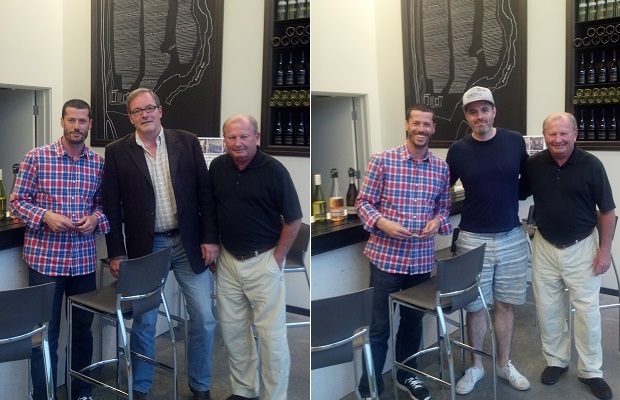

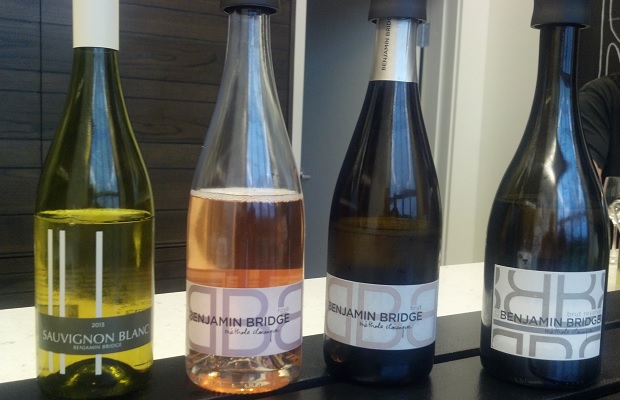
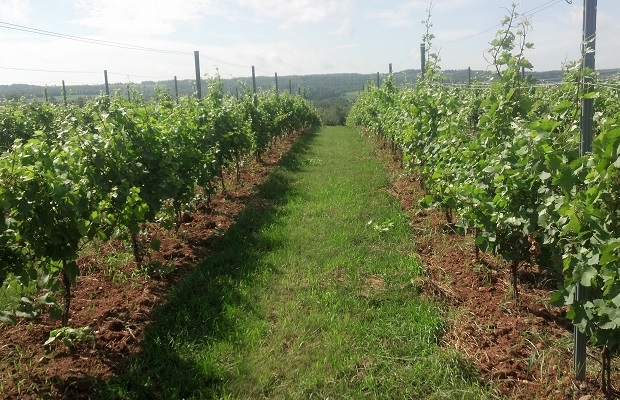
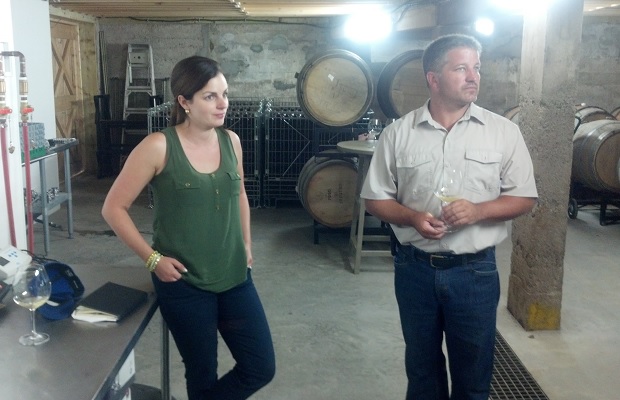
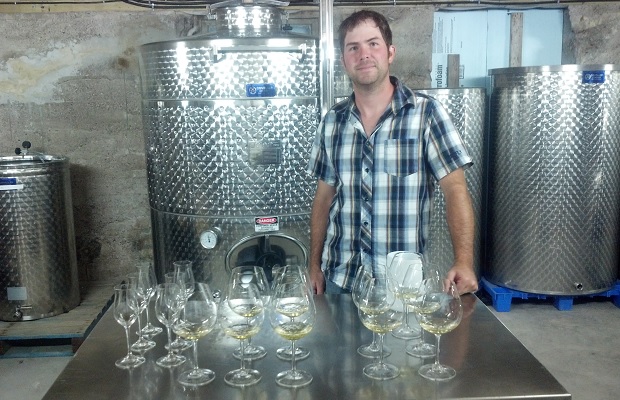
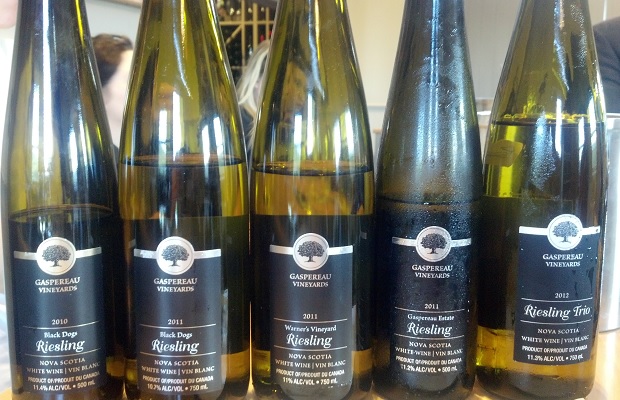
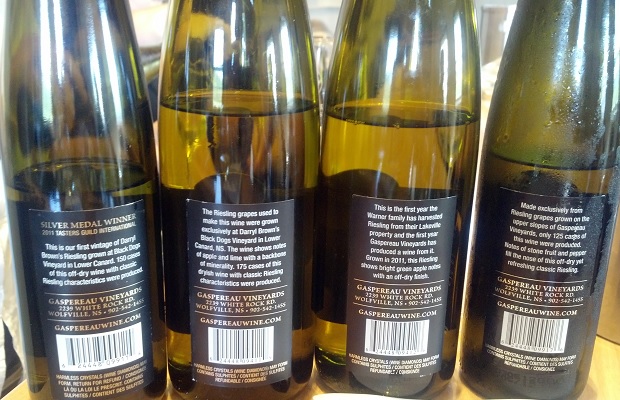
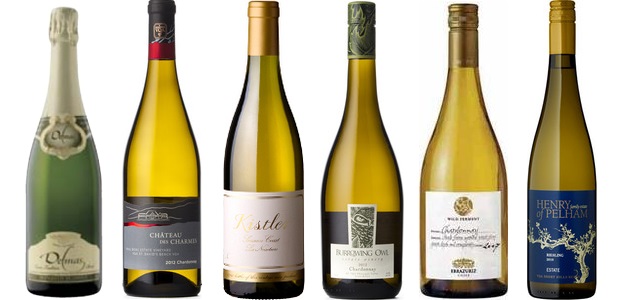
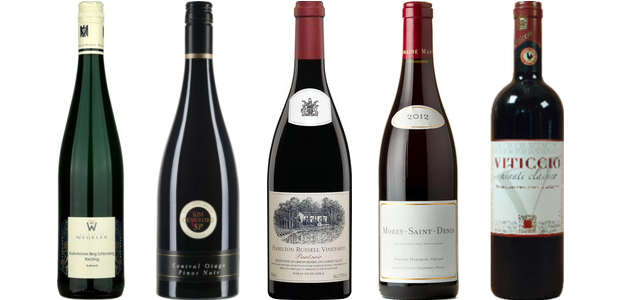
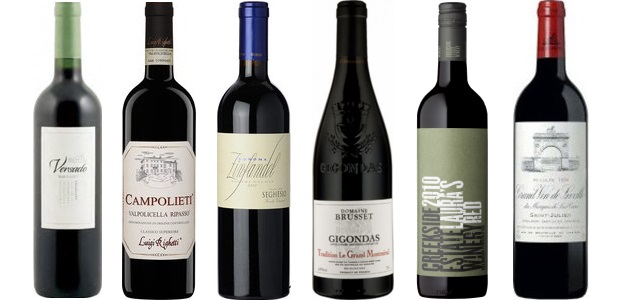


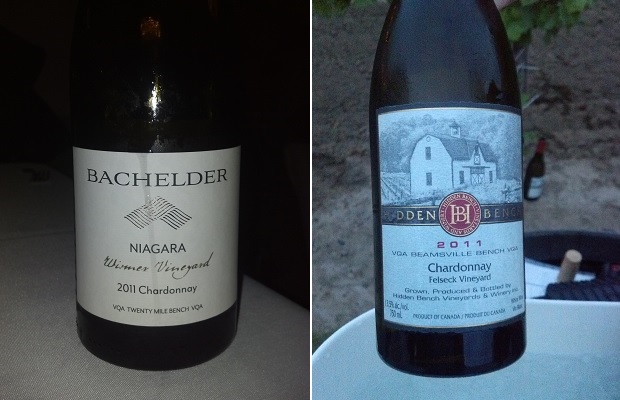


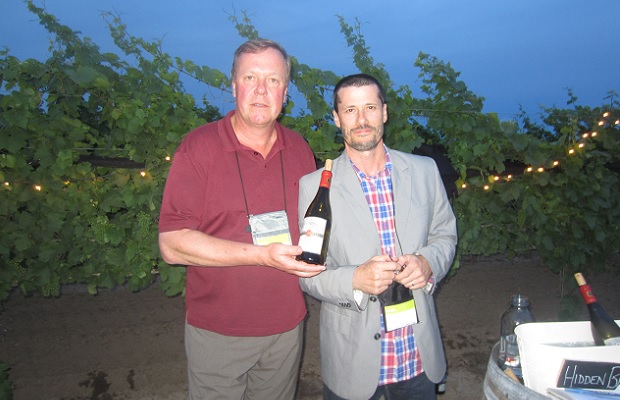
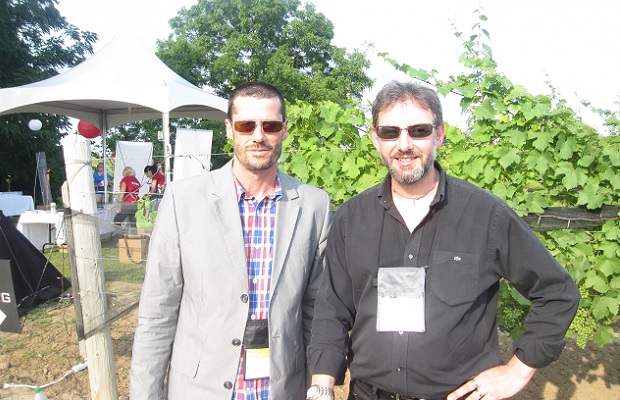
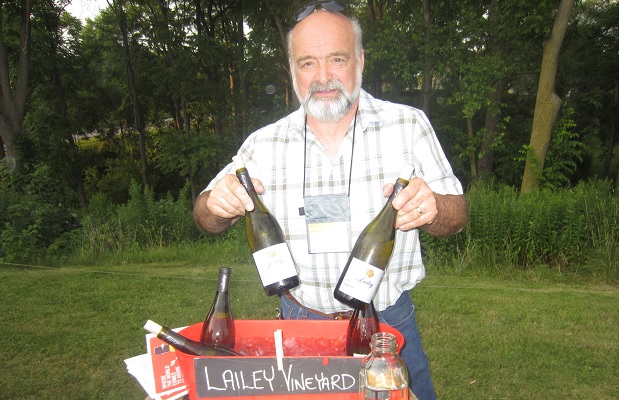

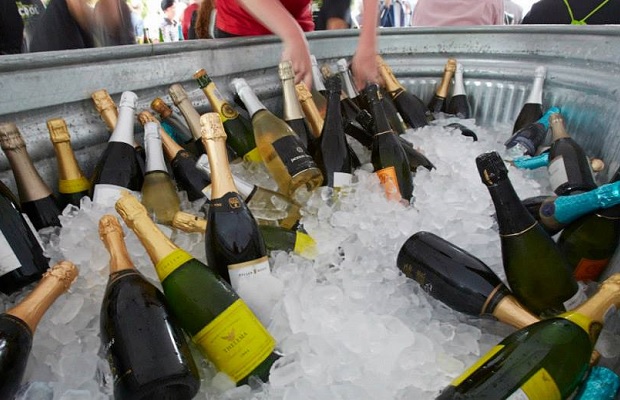
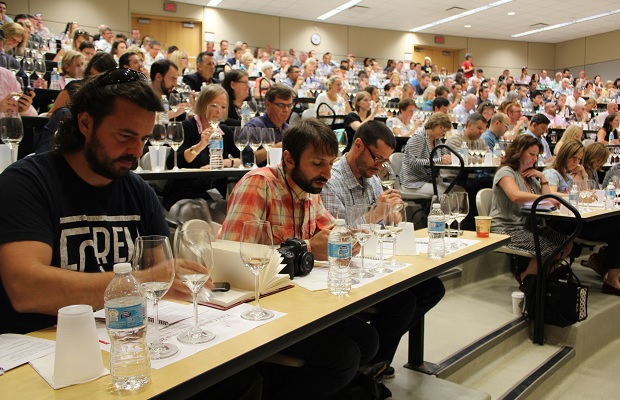
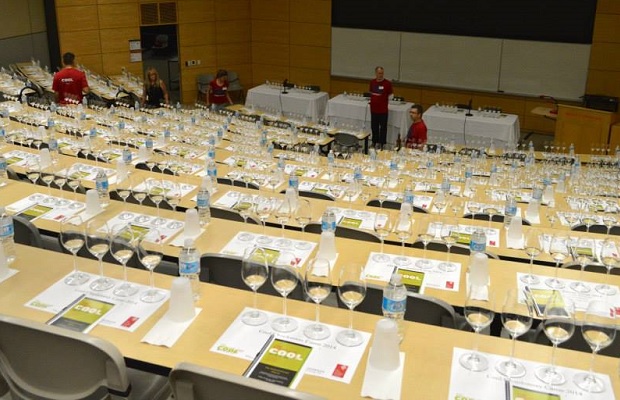
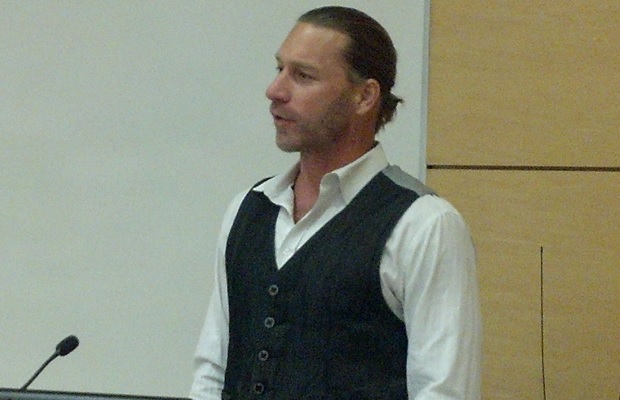
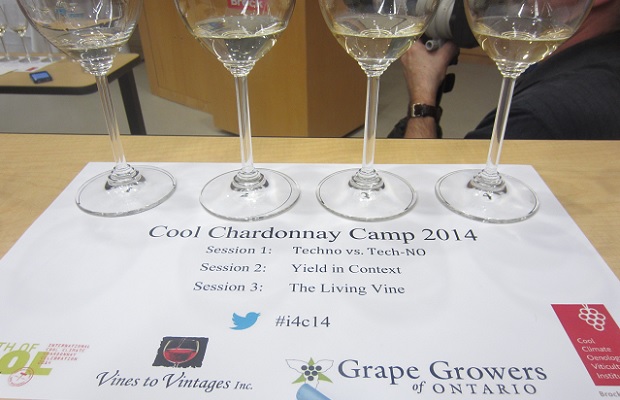
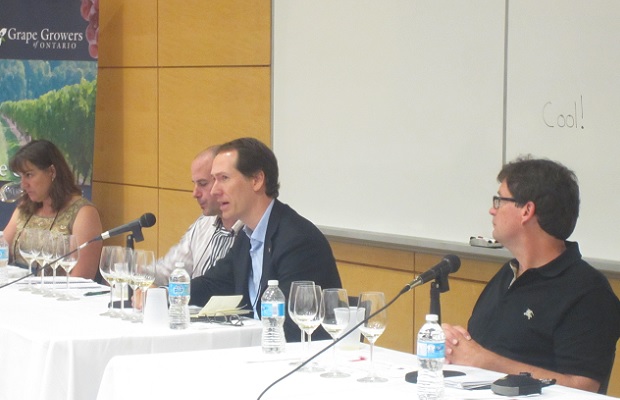
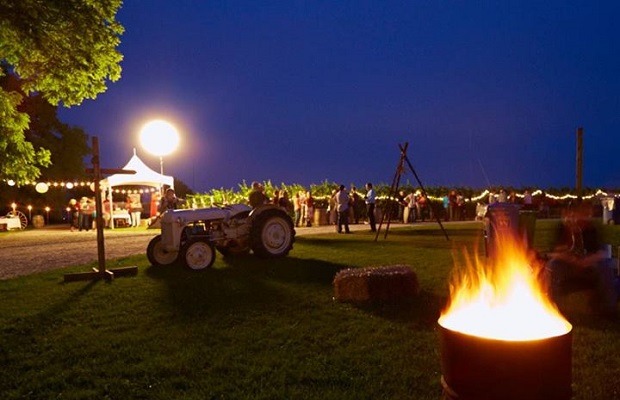
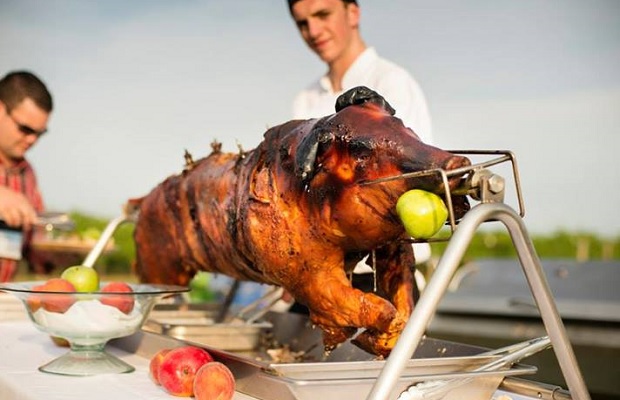
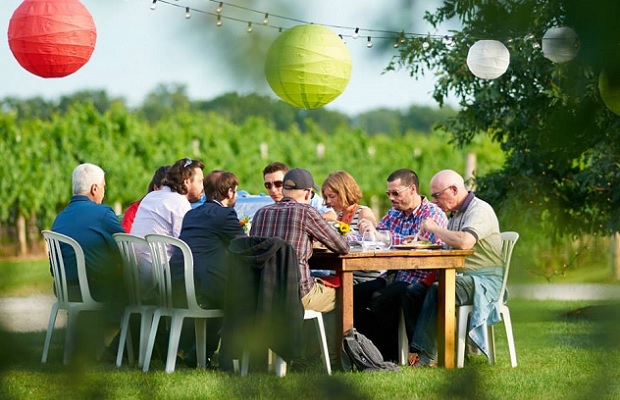
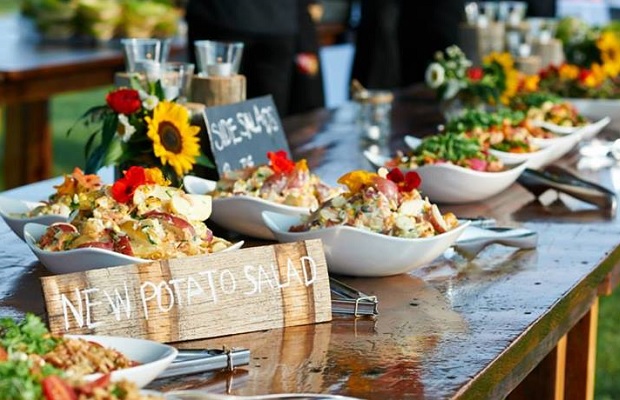
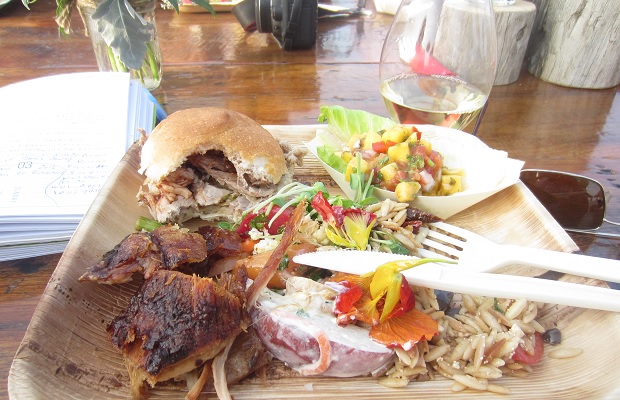
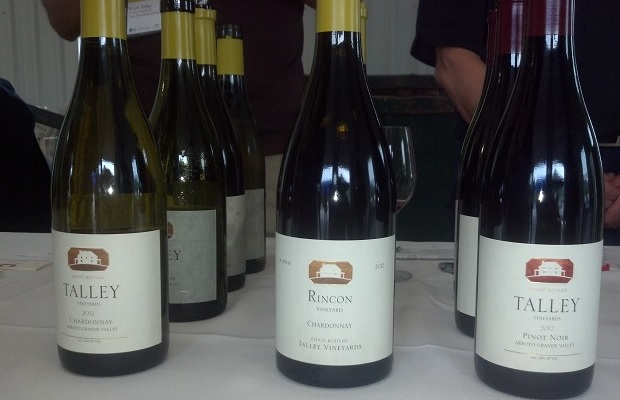
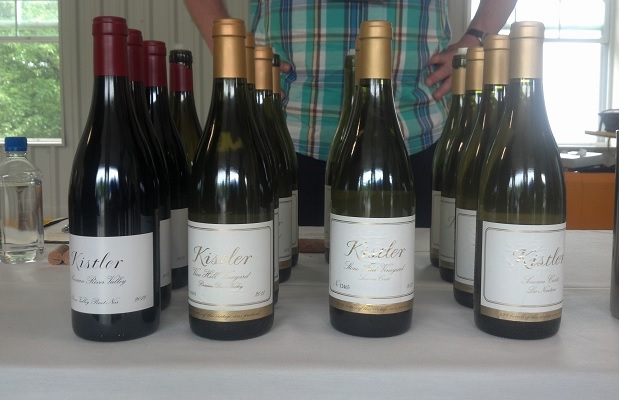
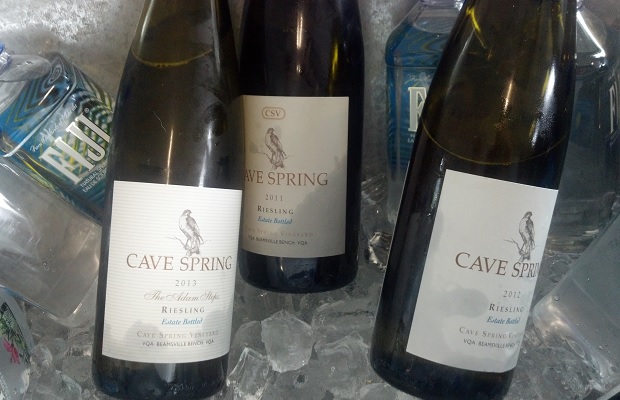
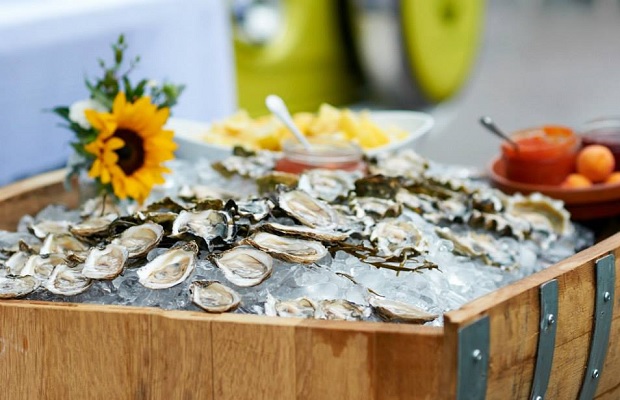
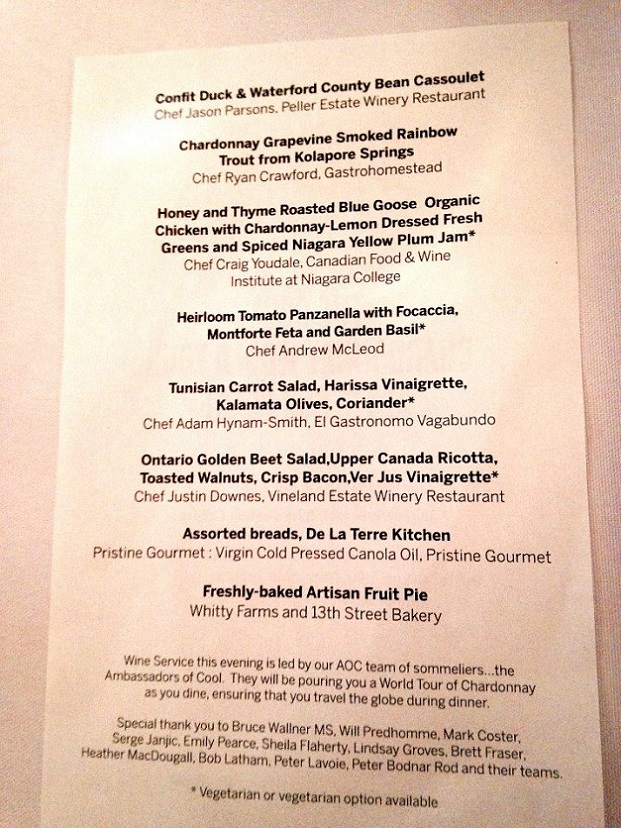
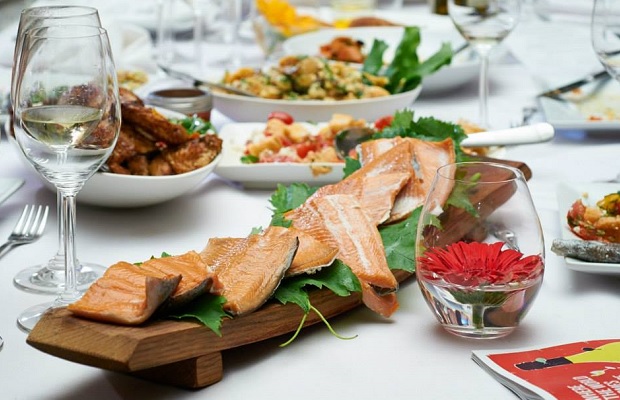



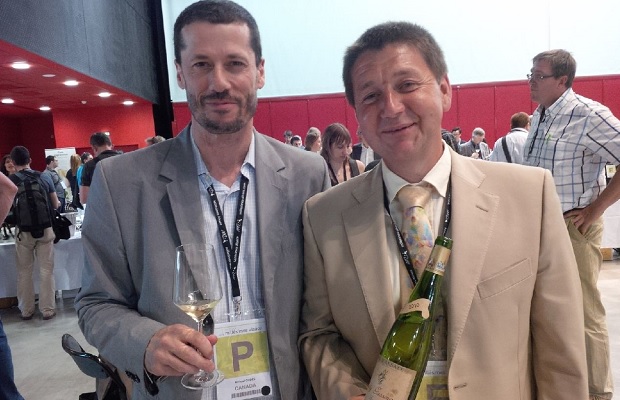
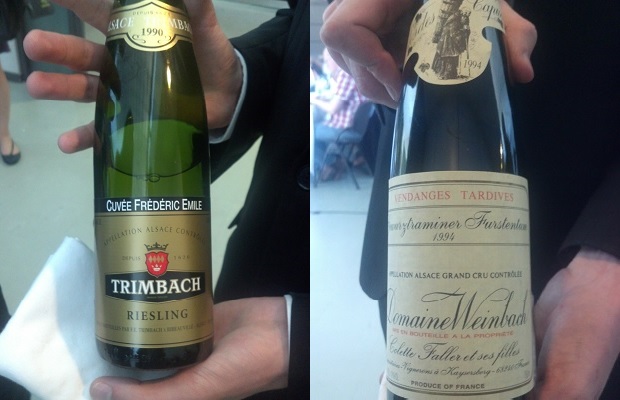
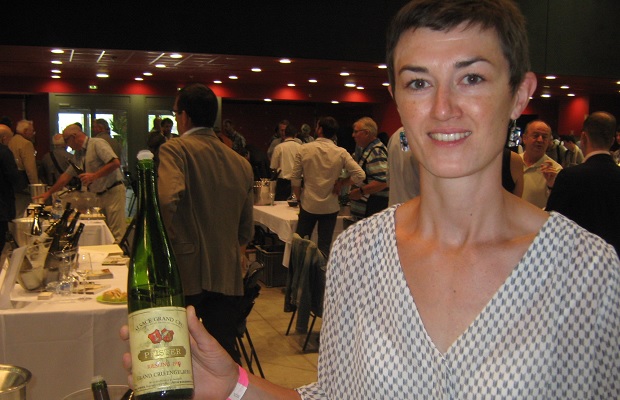
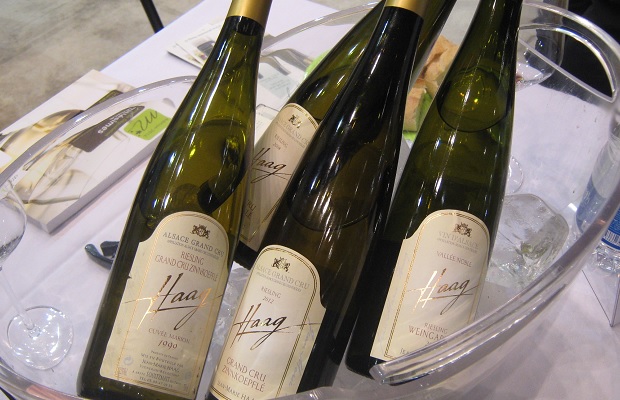

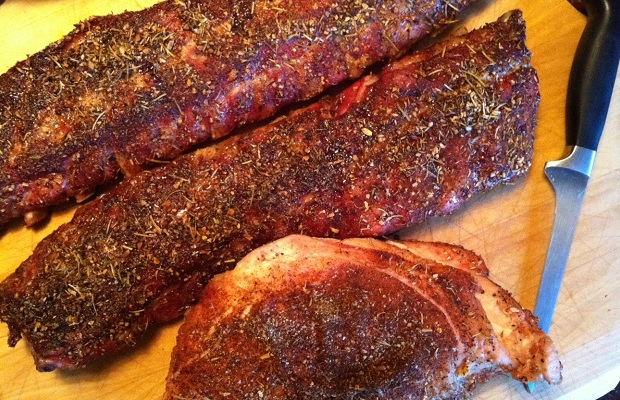
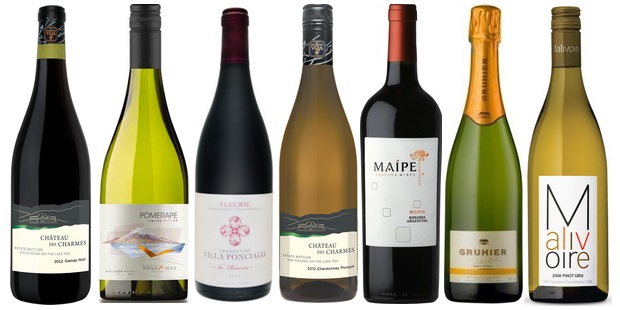

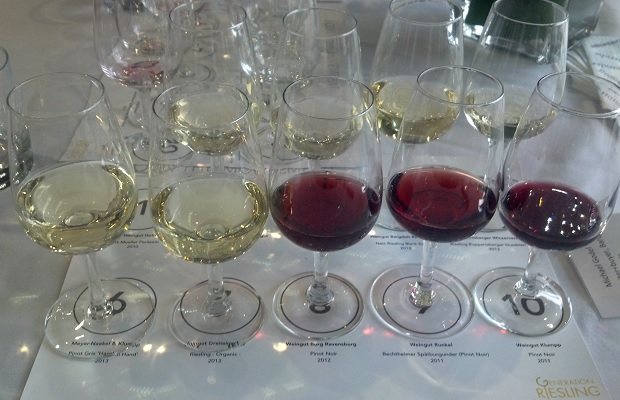
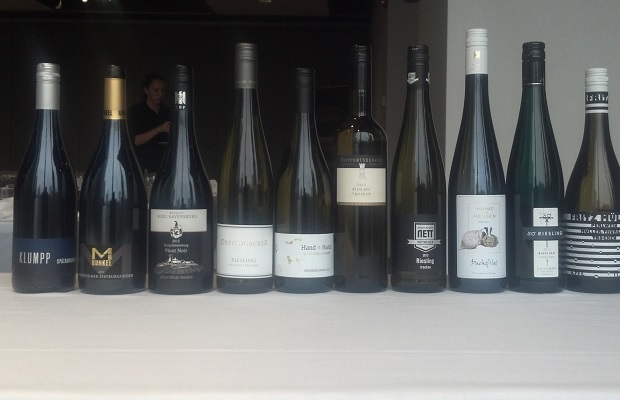

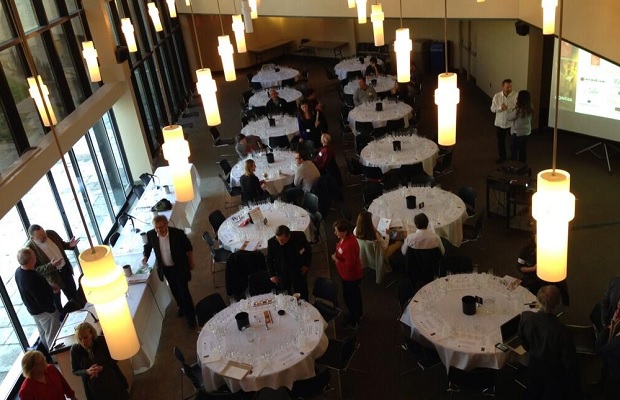
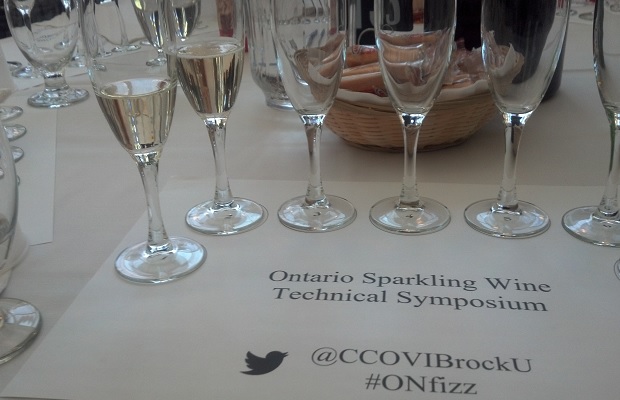

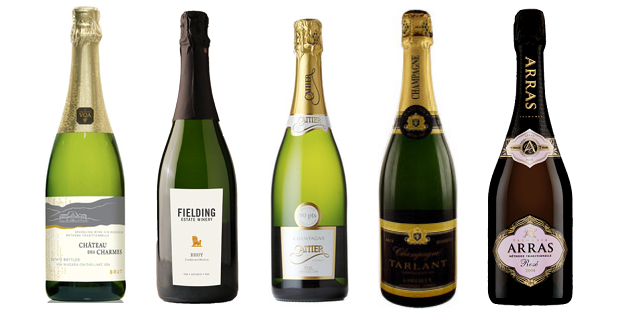
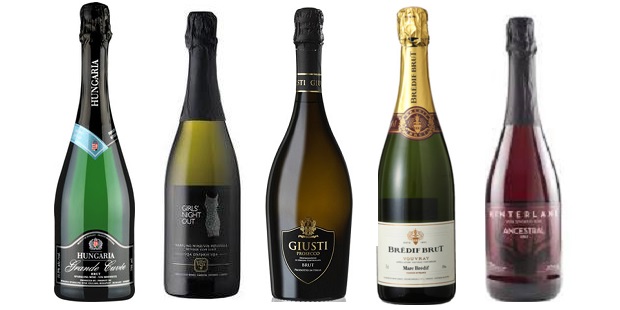


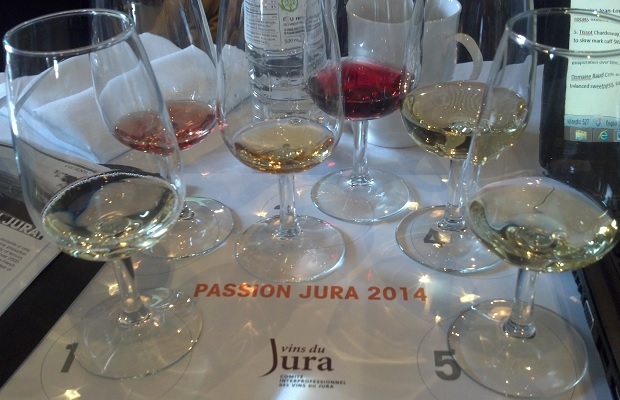
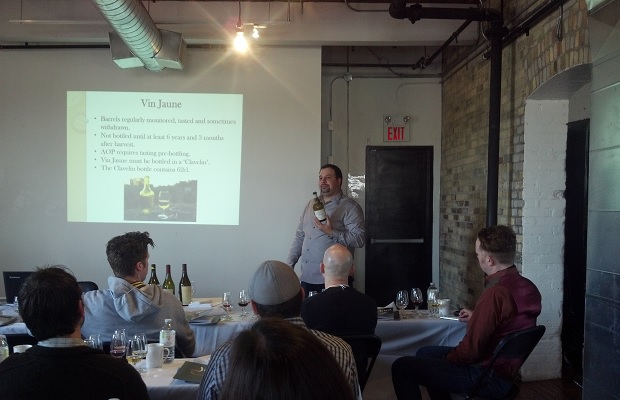

 Godello