We’re really just like moths, we seekers of wine, slaves to a fiery obsession, stopping occasionally to smell the adjectives, taking unnecessary financial risks and with any luck, happening into and finding enchantment. To remember generations. Is this why we drink wine?
We are looking for heroic entablature and architectural wonder in bottles of wine. We see them as DNA and in their liquids we can read their entire future. We sip them again and again until we taste them for the first time. We derive textures and flavours so solid, so tangible, it seems we can reach into the glass and grab handfuls of it. The glass itself has become the varietal, the engineering having expanded the notes and completed them, amplified and contained them. Is this why we drink that?
Not really. Sure we are looking for relevant encounters but what we really want is pleasure. Pleasure and escape. What we seek is value for our money. When we hit the stores and open or wallets we want honest juice at the lowest price. Bullshit aside, here are seven great values, in stores, by agents and down the road in our Niagara backyard.
From left to right: Stoney Ridge Pinot Noir 2011, Maipe Malbec 2013, Henry Of Pelham Family Tree Red 2012, Costa Mediana Valpolicella Ripasso 2011, Nai E Senora Albariño 2013, CedarCreek Merlot 2012, Markus Molitor Haus Klosterberg Riesling 2013
Classic Niagara Peninsula aromas, of tart berries, pomegranate, cherries and wet clay exude and display. Stoney Ridge is simply giving this Pinot Noir away. Vinified bone dry (1.9 g/L residual sugar), pricked with acidity (7.2 g/L) and kissed by (eight months) of oak, this acuminates, as opposed to dials, in. The honing is crystalline, in bright and vibrant tones. There is a refined sugar aspect to its ratio but it’s really quite clean and nervy. The length impresses and sweeps to seal the $14 deal. Tasted February 2015 @stoneyridgewine
Maipe Malbec 2013, Mendoza, Argentina (93823, $14.95, WineAlign)
Quite intense, juicy and peppery for a $15 Malbec. A mix of red and black berries is accented by liquorice. Some chalky overlay, which goes short on integration, would do well to play nicer were it an underlay. A bit musky with cool savoury reserve and a very effective use of high (3000m) altitude fruit. Tasted February 2015 @chakanawines@oenophilia1@Chakana and Maipe: wines with an andean spirit
Henry Of Pelham Family Tree Red 2012, VQA Niagara Peninsula, Ontario (247882, $15.75, WineAlign)
Only 945 cases were made of this Shiraz (48 per cent), Cabernet Franc (23), Cabernet Sauvignon (20) and Merlot (9) blend. And that’s a shame. Some further bottle time has brought out the best in show. There is as much clear class and enjoyable drinking as a Niagara red blend is likely to earn by wing. The concept is quite OZ, the coalescence very Niagara and the sensibility so sly, Speck family. The brightness, oak influence and acidity linger as one to stretch and bound about in elastic joyeuse. Crosses Charlemagne-like stone swords of accessibility and put me aside confidence with vintage gain and restraint. Keen winemaking decisions by outgoing winemaker Ron Giesbrecht have produced great results. Made for everyday people, were the Family Tree Red pouring from keg it would fill my glass on a daily basis.”And so on and so on and scooby dooby doo.” Tasted February 2015 @HenryofPelham@SpeckBros
Costa Mediana Valpolicella Ripasso 2011, Veneto, Italy (377648, $16.95, WineAlign)
Re-taste. Beautiful red fruit, in density. clarity and showy Valpolicella dress. Thinks good clean fun and thoughts, open-knit and its tannins mingle with multiplying acidity. Would benefit from two to three years more time in bottle. It will then drink as it was intended and as it should. From my earlier, September 2014 note: “Solid if newfangled Veneto that swivels from sulphur to sweetness. Has a Niagara Peninsula varnished quality, not so typical for the homeland. Also presses from both vineyard earthy and barrel stinky notes. Somewhat this and insipid but the late influx of fresh cherry brings it back and stretches its length.” Last tasted February 2015 @Select_Wines@C_Valpolicella@MGMMondodelVino
Nai E Senora Albariño 2013, Rias Baixas, Spain (Agent, $16.95, WineAlign)
A very mineral driven Albariño with little fruit expression to ascertain. Though the grapes give way to fine-grained chalky salinity, is that not coequality from and for the quarry? Soil and stone lead a path to cool and collected acidity, not one so linear but more extrapolated, as if from lime in pith, not zest. A very composed Rias Baixas but not overly accessible. Rich broth with small bits of fresh fish would pair delectably and foil perfectly; keep it from doing the “rise up, rise up,” into aerified, out of this world, parachute club territory. A nip of this and “spirits time has come.” Tasted February 2015 @LeSommelierWine@RiasBaixasWines
CedarCreek Merlot 2012, BC VQA Okanagan Valley, British Columbia (BCLDB and BCVQA 408666 $19.95, WineAlign)
Quite the glass of liqueur, with fully ripe, rich and dense fruit. Admittedly on the twiggy and good green side of the varietal, in the right ways, with Merlot bells of chalk, grain and tannin in whistling interplay. A correct correlation and in certain kinship with St. Emilion but with Okanagan footprints. Handles its 14.5 per cent alcohol quite easily and transfers its weight through a cool centre and into an even cooler finish. Along that route are notes of mint, eucalyptus and graphite, not unlike Coonawarra or Stellenbosch. Fun Merlot at an attractive price. Another gem from CedarCreek. Tasted February 2015
Markus Molitor Haus Klosterberg Riesling 2013, Mosel Valley, Germany (Agent, Approx. $25.00, WineAlign)
Architecturally precise, of cleanly drawn lines, like the Mosel Vinothek acquired and restored by Molitor in 1984 and winner of the “Architekturpreis Wein 2013.” The Riesling mimics the juxtaposition of historical and modern, seemingly steeped in the past and transposed to the present by state-of-the-art winemaking. This has slate, steep steppes rising from subterreanean acquired salinity and ingrained aridity. There is no way to hide from the scree of the past, avoid the incline towards the future, nor can it exist without the run-off of mineral left behind. Brilliant hue, matched density, matchstick wisp and wild tang. Honeyed and suckling porcine in an early roasting stage, with terrific texture. The beautiful arid length is purposed and linear, with much oomph in its gait. Will linger for five to 10 years easy. Tasted February 2015 @TrialtoON
Tawse Unoaked Chardonnay 2013 with Pho Cuu Long Mien Tay
Valentine’s Day came and went yet again. The 2015 edition of the polar vortex coincided with Cupid’s annual marketing juggernaut, bursting pipes, freezing the tails off brass monkeys everywhere and making life especially hell for those left out in the cold. Hearts were broken, mended and hopefully in more cases, joined as one.
Dundas Park Kitchen Valentine’s Cake
I was under the assumption you did not need my recommendations this year so I didn’t provide a pre-VD column to parade out a list of painfully obvious pink and sparkling wines. In the past I messed with the gratuitous holiday, first with just say no to pink wine for Valentine’s:
February 14th is so hyper-candied that ingredients like salinity, minerality, positive bitterness, animale and tannin are essential in the name of balance. Just don’t pair your dry red wine with chocolate.
Red Velvet Waffles
In early retrospect, my take on 2015 remains frozen like the crust of precipitation on my windows and my copper pipes. Nothing much to say but wait for the thaw. There were of course the proverbial dinners, chocolates, desserts and all you need is love; enough to go around for the whole family. And there was wine. The family day weekend offered ample opportunity to sample and take note of a dozen bottles, none earth shattering or iconic but most aimed to please. Here are some notes.
The wines of Grange-Barbastre
Château De La Grange Barbastre Muscadet Sur Lie 2013, Cotes De Grand Lieu, Loire, France (Agent, $14.00, WineAlign)
Little in the way of aromatics here. Were Honeydew Melon dried like mango, this Melon de Bourgogne might be its simple sweet candied flavour. That and a chalky, thin leesy residue. The texture improves as a by-product of the tangy finish on that palate that turns musky melon funky, like whiskey in the jar. Like an ole’ Irish ballad singing “musha ring dumb a do dumb a da,” this Muscadet is characterful if nothing else and good value at $14. Tasted February 2015 @LoireValleyWine
Domaine De La Grange Barbastre Sauvignon 2013, Igp Loire, France (Agent, $14.00, WineAlign)
Here is a very effective, oleaginous tank simple Sauvignon Blanc with a white flower and candied salt dominant nose. The candy replays on the palate though in a more medicinal and saccharine way. The sweetness is one that drowns, submerges, without a sound. More salinity and blanched nuts round out the smooth finish. Succulent if one dimensional Loire specimen. Tasted February 2015
Domaine De La Grange Barbastre Pinot Gris Sauvignon 2013, Igp Loire, France (Agent, $14.00, WineAlign)
This 50/50 split between Sauvignon Blanc and Pinot Gris is a rare sighting indeed from out of the Loire Valley. In this instance the Alsatian elevates the Loire game with its ability to draw mineral and salinity from the earth, not to mention extract and the achievement in balance. Here the fruit leaves the salty stones in the dirt and then reaches higher, into the branches of the orchard, for zest and flesh, of pear and lemon. A gradated layering and roundness prevails. Sweet without being sweet, salty without being salty, in the end, all about flesh and bone. Good length. Tasted February 2015
From left to right: Lanciola Chianti Colli Fiorentini 2012, Boutari Grande Reserve Naoussa 2008, Liberty School Chardonnay 2013, Eos Estate Petite Sirah 2012, Henri Ehrhart Gewürztraminer 2012, Dei Rosso Di Montepulciano 2013, Waterbrook Pinot Gris 2013
Entry level pricing rarely affords complexity and here, in this glycerin, shimmering Colli Fiorentini is an intoxicant of red fruit Sangiovese. Smells like warm celluloid and lamb. The “wool is soft and warm, gives off some kind of heat.” The plums within are charred, fleshy, clement and battered by a bretty funk. The carpet of texture is crawling with cellar micro-nutrients and gamey notes. There is nothing simple in the lamb’s coat and braised shank character. Wood splinters in the glass and the somewhat acquired flavours spread ambience through its broadway Florentine grooves. Another genesis Chianti Docg provides fodder for the further breaking down of appellations and designations of denominazione. Tasted February 2015 @Collifiorentini@LeSommelierWine
Boutari Grande Reserve Naoussa 2008, Naoussa, Greece (140111, $17.95, WineAlign) A VINTAGES March 21, 2015 release
In this Xinomavro there is beauty and bog consistence, like wild calla palustris. Imagine a wine thick as consonants, dense and defined by solid rock bubbling like stew, from out of a marsh. Wood adds intricate layers and a mothering of leather hiding and protecting dried cherries. Game, spice, liquorice, funk and things that heal flavour the wine’s liqueur. Silky smooth with a run of grain and the salinity of ancient longing. Racy acidity intrudes, puts in a charge and takes care to see six to eight years more life will be a guarantee. Easily and possibly 10 will pass before it sheds the chalky loops. Terrific vintage with impressive depth and range of flavour. Tasted February 2015 @boutari@KolonakiGroup@DrinkGreekWine@winesofnaoussa
Liberty School Chardonnay 2013, Central Coast, California (960120, $18.95, WineAlign)
A perfectly well-made, crowd-pleasing and sufficiently balanced Chardonnay with tree fruit notes in many shapes and sizes. The forward aromatics and restrained PG flavours are made for MOR, broad appeal. Though the texture and length are unexceptional, there is a spicy bite that slips more sips into the cards. A move along and return to again and again Chardonnay. Tasted February 2015 @TrialtoON@hopefamilywines
Eos Estate Petite Sirah 2012, Paso Robles, California (Agent, $19.95, WineAlign)
Petite Sirah is so often inelegant and black as night so the Eos take is refreshing and relatively tame in comparison. Here defined by a multitude of red fruits and a varietally timid 14.3 per cent alcohol declaration that is more than believable. Has a large stone flecking earth character that reminds of Vacqueyras, amplified by liquorice, bramble and pseudo-garrigue. Fine-grained acidity and tannin add depth and linear, progressive attitude. The inherent hunches of ferric and sanguine seem Tuscan, when considered by way of comparative mythologies. The sole glaring detractor is folksy oak that will not fully integrate before fruit decline. Leans sweet without veering to cloying and all tolled, adds up to complexity for value at under $20. Tasted February 2015 @EOSwinery@LeSommelierWine
Henri Ehrhart Gewürztraminer 2012, Alsace, France (392118, $19.95, WineAlign)
From Klevener de Heiligenstein, this is surely a step up in the Alsace Gewurz take. Some reserve in the nose, holding back the far east florals and the sugar. There’s an aerified feel to this, an ethereal complement, a savoury edge. Really interesting and surely more than versatile aromatic white. Good texture with creamy mangosteen and vanilla pod and then tight, even spicy, bracing acidity. Great deal here. Will live for a decade. Tasted November 2014 @AlsaceWines@drinkAlsace
Dei Rosso Di Montepulciano 2013, Tuscany, Italy (919430, $19.95, WineAlign)
Caterina Dei’s red fruit Rosso di Montepulciano is a noble seductress of necessity, younger and approachable, engaging for its purity and for its freshness. When compared to the Prugnolo Gentile that frames a Vino Nobile, it falls short, obviously, but its immediate appeal is what matters. Clean, clear and pristine juice is dropped with a tincture of beneficial medicine notes, for good sense, in place, measure and thought. A maquillage smear of sweet anise liqueure adds a dense streak in herbiage. The rehydrated fruit of tree pods is imagined, along with a vestige of Val D’Orcia garden shrub excretions. A malleable, permeating and nearly intoxicating Rosso. Drink now, now and again. Tasted February 2015 @LeSommelierWine
The Tawse take on Unoaked Chardonnay is definitive, exemplary, righteous stuff. It does not clock you over the back of the head, nor does it beg for attention. Its stainless steel raising causes a dichotomous sensation, merging fruit seemingly drawn directly from the apple and pear orchards to melt into a mineral bath. It’s like a collision of hot and cold, like lightning. One taste of this pale, pure Gegenschein elicits the idea of a relevant encounter and one willing to be experienced again and again. Tasted February 2015 @Tawse_Winery
Waterbrook Pinot Gris 2013, Columbia Valley, Washington (918242, $22.95, WineAlign)
Very Gris (as opposed to Grigio), pure as Walla Walla running spring water, with mineral salts on the nose, juicy stone fruit on the palate and some tonic on the surprisingly long finish. Sweetness spoons over and lingers, perhaps trying just a bit too hard but “she brings the sunshine to a rainy afternoon.” Waterbrook’s PG is a yes wine, with components that are all expressive, if a bit scattered and not always in synch. If Washington Pinot Gris were progressive art rock, this Columbia Valley specimen might sing its song, with length to last out an album side. Tasted February 2015 @WaterbrookWine@LeSommelierWine
Boxwood Estate Trellis 2012
Boxwood Estate Trellis 2012, Middleburg, Virginia (Agent, $39.00, WineAlign)
A blend of Merlot, Cabernet Sauvignon and Cabernet Franc produced at John Kent Cooke’s historic estate, the Trellis spent 12 months in one to three year-old French oak. Classic nor-eastern aromatics share a kinship with North Fork clarets, but here warmer, riper and fuller of flesh. The advance comes by way of the 2012 heat day quotient and the latitude. The swath is a fresh coat, not sublimated from dried fruit. The plumpness is in fig, prune and plum, hydrated, dense and twisted with ties of tannin and acidity. The unmistakeable feel of cool-climate, new world expatriate Bordeaux-styled reds is explicitly fresh and clean. If it were $20 instead of $40 it would be an absolute no-brainer. As it stands, it’s worth a look though at the price its audience will not be large. Tasted February 2015 @boxwoodwinery@TrialtoON
The seven reds from left to right: Resta Salice Salentino 2011, Mocali Morellino Di Scansano 2012, Rustenberg Shiraz 2011, Coyote’s Run Red Paw Vineyard Pinot Noir 2012, Salcheto Vino Nobile Di Montepulciano 2011, Beni Di Batasiolo Riserva Barolo 2006, Fattoi Brunello Di Montalcino 2009
Just as a child will willfully accept the naive and basic truth in a fairy tale, most of us will search for wines deeply buried within their simplicity. Then we have a sip. When we begin to think about that sip we delve deeper into the story and the mythology of the wine. This is where things begin to get complicated.
Maybe we invent comparative mythologies from tales and into wine just to play with the unconscious expressions of ourselves, or perhaps we just need to have some fun. Wine is not our yesteryear’s religion, nor is it something, once consumed, that can be held onto. It is fleeting and ever-changing. It is conceivable to think that wine drinkers of past eras were more childlike and held wine in more fairy-tale like hands. Today we act as though modern wines speak religiously, as if they each belong to one sect or another. Strange, but true.
On Saturday VINTAGES will roll out another lengthy tale of new releases, with a major focus on Italian reds. Like the analysis of the most famous of fairy tales, meaning is derived, not unlike an assessment of Italians and their wines, imagined as a desperate need to rule their own kingdom. The ferric, mineral and tannic nature of the group require that their rage be danced away with time, to re-gain control of their beauty and their lives.
For more recommendations from the VINTAGES February 7th, 2015 release:
Here are the winter snow whites and seven Italian reds to look for, in stores now.
The snow whites from left to right: Poulet Et Fils Brut Crémant De Die, Simonsig Chenin Avec Chêne Chenin Blanc 2012, Domaine De Saint Pierre Sancerre 2013, Girard Chardonnay 2012, Poplar Grove Chardonnay 2012, Taittinger Prestige Brut Rosé Champagne
Negroamaro (80 per cent) and Malvasia Nero combine for a mess of tar, composted earth, density in chewy dates, figs and ground funk drawn from dark, dank places. A Salice suspended, after the bruise of fermentation, like a charcoal tracing, like shadow with just an osculant of faint light. A cheesy note hangs, of a salinity out of cultures and wet vats. This may not be everyman’s cup of spume, peat and sedge, with its rough tannin too, but its value lies in complexity and value under $16. Tasted January 2015 @winesofpuglia@puglia
Morellino that is briery, earthy and with a soaked, cedar chip overlay on dark fruit. Brambly, purple pitchy and almost but not quite flamboyant. Slow as geology seeping, tile weeping, liqueur steeping then turning gritty with drying tannins. Good persistence and a bitter finish. Good value. Tasted January 2015 @InfoMorellino@liffordwine
Poulet Et Fils Brut Crémant De Die, Rhône, France (392555, $17.95, WineAlign)
The unique sparklers from the Die, made from (mostly) Clairette are somewhat of a rarity in Ontario waters. The bitter pith nose, ranging tangy palate and slightly oxidative style is a bit touchy but the length is nearly exceptional for the Euro. In the realm of Crémants, this Rhône dips pear slices past cracker nasturtium pods bobbing in a bowl of beneficial bitters. With a Mediterranean climate and altitude-influenced elemental aroma as if burnished pewter, the bird is anything but fowl. The case is made for these bubbles. Tasted January 2015 @VINSRHONE@WineandFood_RA@TheCaseForWine
Rustenberg Shiraz 2011, Wo Stellenbosch, South Africa (399246, $19.95, WineAlign)
As per the Stellenbosch Shiraz stratagem, this may lean to sweetness but it’s all about rich, ripe fruit running wild and free. Savoury support comes from green tea, smoking branches and fulminating esters. Neither heavy nor burning, the ’11 is warm, clean and highly accessible. Impressive density and at 14.5 degrees alcohol, really quite soft, unwavering in its ability to suppress the demands of the octane push. Drink in the near term. Tasted January 2015 @RustenbergWines@StellWineRoute
Coyote’s Run Red Paw Vineyard Pinot Noir 2012, VQA Four Mile Creek, Niagara Peninsula, Ontario (79228, $24.95, WineAlign)
This is an intense and vexing vintage for the Red Paw, a Pinot Noir of delicacy in constant search for the right dancing partner. In 2012 the soil seems to have been magnetized with a gravity of ferric density, causing juicy and spontaneous fits of revelry and a painting of the Paw red. Cherries, stones and figs are in, along with ether, earth and peat. The longevity quotient comes into question as the tenure already seems quite evolved but in its current state it is quite fun to drink. Tasted January 2015 @coyotesrun
Simonsig Chenin Avec Chêne Chenin Blanc 2012, Wo Stellenbosch, South Africa (282772, $25.95, WineAlign)
This barrel-aged Chenin Blanc is toasty, reductive and stratified, scaling heights few whites reach for, to seek other worldly atmospheres. I don’t find anything remotely tropical about it, on the contrary, it’s way out of the equatorial zone and into the upper reaches of the ozone. This has the Loire imprint of longing and distance. It will need time to come back down to earth, what with its hyper fruit meet mineral nuances. When it does it will walk through rain forests and dry flood plains with those extreme noisome notes in tow, to settle amongst the stones by the river. For some, this will be a rare find. Tasted January 2015 @Simonsig_Estate@WOSACanada@WoSA_USA@StellWineRoute
Domaine De Saint Pierre Sancerre 2013, Loire Valley, France (170258, $26.95, WineAlign)
A most promising and textured Sauvignon Blanc, full of chalky fruit and a lamina of minerality, like a strudel of stone fruit spread between layers of Phyllo pastry greased by pulverulant butter. Though this Sancerre does not and will not travel the longest route for the Loire, it is a seamless wine and one that is well-designed. Has a modernity about it while yet keeping a finger on and an ear to the radiocarbon chronometer. Tasted January 2015 @LoireValleyWine
Girard Chardonnay 2012, Russian River Valley, Sonoma County, California (338434, $26.95, WineAlign)
Quite a different sort of California Chardonnay, cooler and in avoidance of the sub-equatorial fruit of the tropics. With a wisp of woodsmoke and a toothpick poke or two of smokey spice, this RRV bottling puts foggy Sonoma first in line, ahead of warm Cali sunshine. The one warm aspect is a vanilla overlay on creamy mango, a texture that is present but not over the top. The ripeness gathers moss and little stones, gets going, gains steam and fleshes out across a length that steers forward towards a future of nice value. Tasted January 2015 @GirardWinery@imbibersrepotr@sonomavintners
Here a most modern Vino Nobile from Salcheto, through its forward and public fruit to its fine designed label. Retains a sensible and loyal texture, wearing its coat of arms in reverence of its past. Argumentative tannin and acidity speak loud, over the voices of tar, ferrous vernacular, black and blue bruises and rolling stones. Like rusty blood seeping into the cracked earth of a water-starved forest, this Sangiovese gets inside and under the skin. “Come si chiama, what’s your game?” She will answer, Vino Nobile, that’s my name. Tasted January 2015 @SalchetoWinery@AMH_hobbsandco
Poplar Grove Chardonnay 2012, VQA Okanagan Valley, British Columbia (276675, $29.95, WineAlign)
The vintage does not strike so much a new direction for the Poplar Grove Chardonnay as much as a blip on the cool climate radar. Before extrapolating on that comment it must be said that this is a well-made wine. It’s riper, with more gregarious character, an increase in topicality and into a nearly candied buttercup feel. Rich in glück and circumstance. Where in ’11 there were many notes in ripe coconut and green tones, they are a merely a suggestion in ’12, not a composition. A brûlée of lemon and ginger with a sprinkle of cinnamon finds the palate in think mode moving forwards in slurry strides towards a cemented and fixed positional finish. This is for the here and now. Tasted January 2015 @poplargrovewine
Time yet remains on the diminishing side of this Barolo of necessity, regaling and expressive of tea, tannin and flowers, dried and crumbled over fine earth. A modern and high-toned La Morra that is representative of very good value. The tannins persist in clenched chops and will need up to five years to resolve. The BdB Riserva ’06 may not be the Nebbiolo to mortgage the cellar on, but it does have the ability to be a wine to arouse the longing of one who waits. Tasted January 2015 @ChartonHobbs@MikeAikins1
Fattoi Brunello Di Montalcino 2009, Tuscany, Italy (33498, $39.95, WineAlign)
The porcine cure of a Fattoi Brunello is a thing of mesmerism, here alongside a gamey note of soft, braised heart of beef. In ’09 the aromatics are a bit closed at present, atypical for the vintage but likely more a product of the curated, house style. Leather and some judicious oak spice offer up characteristic Grosso sentiments, dug into sweet earth and a feign of candied fruits and flowers. Sumptuous and terrific stuff. Here Brunello that effects the blinding potency of vines screaming of their fruit. Tasted January 2015 @BrunelloImports@ConsBrunello
Taittinger Prestige Brut Rosé Champagne, Ac Champagne, France (993113, $67.95, WineAlign)
A sweeping scopic range of bitters, soft tonics and savoury Polygonaceae circulate in the vacuum of this point beleaguering Champagne. She plies a rough trade, with a flinty, smouldering gun effect that simulates a toasted barrel blowing smoke upwards a riotous Rosé’s crystal glass. With citrus acidity off the charts, a pampered and churned pamplemousse ever expanding, the Taittinger excites and jointly strikes the heart with elegance and beauty. Her style is both chic and confidential, “she’s a combination Anita Eckberg, Mamie van Doren.” A Champagne that avoids freud and “drives a candy pink Cadillac,” that will “make you want to give up high school.” For immediate pleasure and years of future memories. Tasted January 2015 @Taittinger_News@TaittingerUSA
From left to right: Porcupine Ridge Syrah 2013, Boschendal 1685 Chardonnay 2013, The Wolftrap Syrah Mourvedre Viognier 2013, Café Culture Coffee Mocha Pinotage 2014, Thelema Mountain Red 2012
I sat down a few weeks back to taste 20 South African wines, all value-based, consumer-friendly and market-driven. With WineAlign colleagues David Lawrason, John Szabo M.S., Margaret Swaine, Steve Thurlow and Sara d’Amato on hand, the general consensus at the tasting was positive and only worked to re-enforce how competitive South African wines can be in the sub-$15 market.
While certainly not immune to flaws, some South African reds and whites can sometimes get right in your face and yet others show remarkable elegance and complexity at entry-level prices. When I taste wines such as these I imagine the catastrophe of grace. They are wines that move through history with the fluency of a spirit. Some make a house cleaning of belief, others are solid senders. The South African tasting was more than just a group of cheap wines with something to say, more than a pleasant surprise, it was in fact, a pleasure.
Porcupine Ridge Syrah 2013, Swartland, South Africa (595280, $14.95, WineAlign)
Deep dish Syrah, with meaty and cured toppings and the mordant pitch of Swartland. Tarry, olivine rampant and filled with the late summer, sorrowful berries; blackberry and black raspberry. Naturally sweet, viscous, grainy and tannic mess of texture overlaying fruit. Tons of wine for the buck and a very promising vintage to lay down. Aridity takes over on the briery finish. Wow. Tasted January 2015 @PorcupineWines
Boschendal 1685 Chardonnay 2013, Western Cape, South Africa (367698, $14.85, WineAlign)
Here is a buttery and toasty Western Cape Chardonnay, slightly dirty and reductive. Confused, seemingly high residual avoirdupois restricts the opening notes, though they surely begin to play. The aromatics are heavy with the soaking skins of pear, apple and quince in crumbled amaretto cookie and flaky pastry boozy waters. Give this three plus years to shed its nerdy phase and integrate its tangy persistence. Tasted January 2015 @BoschendalWines@liffordwine
The Wolftrap Syrah Mourvedre Viognier 2013, Western Cape, South Africa (292557, $13.95, WineAlign)
Referring to Marc Kent’s blend as traditionally Rhône may seem at odds in consideration of the north-south, modish chaos, the price and the locale, but folky it is. The blend is unvarying Boekenhoutskloof, grounded by Syrah with support from Mourvèdre and Viognier. The latter, aromatic white grape variety lifts and brightens the brooding load. This is quite sweet and sour, of high-toned red and black fruits meeting a reduction of Champagne vinegar. A tannic and mineral streak divides, circles and conquers all. This will drink better in a year and for a few more after that. Tasted January 2015 @TandemSelection
Café Culture Coffee Mocha Pinotage 2014, Western Cape, South Africa (292466, $12.95, WineAlign)
From the KWV stable, the triad of outwardly and rhetorically spoken culture is right there on the label, in all its java glory. Café, Coffee, Mocha. The charm here is that perhaps in 2014 it has actually been scaled back a touch, the wood suffusion, to at least reveal a modicum of red fruits. Nonetheless it is the notes of smoke, tar, rubber and of course coffee that dominate. “Cause it’s the new Mother Nature takin’ over.” There are also at least two spoonfuls too many of sugar. Like the annoying Guess Who song, this can only be taken in very small doses. “Find a corner where I can hide.” Tasted January 2015 @TheCafeCult@Diageo_News
Thelema Mountain Red 2012, Western Cape, South Africa (222570, $12.95, WineAlign)
From fruit up on the slopes of the Simonsig Mountains, this has real, natural cherry brightness, not to mention a kitchen sink of varietal interplay. Shiraz (37 per cent), Petit Verdot (25), Cabernet Sauvignon (23), Merlot (10), Grenache (4) and Cabernet Franc (1) are coalesced by a lighter hand and the effect is less frightening than might be expected. Like similar California action (save for Zinfandel and/or Petite Sirah), this comes together nicely, even coherently, with just a few wrinkles. Represents very good value for a multitude of purposes; BBQ and barbecue being two of them. Tasted January 2015 @ThelemaWines@EpicW_S
From left to right: Cape Heritage Inception Deep Layered Red 2012, Cape Heights Cabernet Sauvignon 2013, Flat Roof Manor Pinot Grigio 2014, Flat Roof Manor Merlot 2013, Boschendal The Pavillion Chenin Blanc 2014
Cape Heritage Inception Deep Layered Red 2012, Western Cape, South Africa (369967, $12.95, WineAlign)
If 2011 was sweet, this next vintage is like Carabao mango, Luohan duo and Deglet noor dates all cooked down together into a mawkish, sappy jam. Or maybe it’s much simpler than that; just deeply layered refined sugar and red dye number 40. There is almost no aromatic discernment beyond the crystalline layers. No fruit, no soil, no acidity, no tannin. Just sweetness. Tasted January 2015
Cape Heights Cabernet Sauvignon 2013, Western Cape, South Africa (129874, $11.30, WineAlign)
The simple drawn label indicates honest design and intent. The alcohol (14.5 per cent) seems spot on and in sweetness, honestly declared. Stones of fruit, full on Cassis, vanilla and wood spice are in the glass and obviously so. Scales greater heights than most generic California counterparts and comes across as Cabernet Sauvignon, with savoury Western Cape scents closer to Sonoma than say, Central Coast. Some coal and tar come in play with a good, persistent finish. Tasted January 2015 @liffordretail
Flat Roof Manor Pinot Grigio 2014, Western Cape, South Africa (27128, $11.25, WineAlign)
With the simple aroma of vanilla drops on cut pears and refined sugar, this is clean, crystalline and simple Pinot Grigio. Inoffensive, for a large gathering it will not hurt any feelings. The production is mindlessly prepared and contrived, until a warm cookie dough nuance takes it to another level. Nothing shocking here. Tasted January 2015 @FlatRoofManor
Flat Roof Manor Merlot 2013, Stellenbosch, South Africa (27128, $11.25, WineAlign)
A taut and toned Merlot, varietally correct and though the label reads 13.5 per cent alcohol, shows considerable heat. Very Merlot, dusty, mulberry scented, syrupy and familiar as a Cape red. Fully garnished, varnished and a rubber stamp this side of tarnished, the thick smoke does distort the clarity. Somewhat seamless in its heavy charms and structured, if quick to finish. Tasted January 2015 @FlatRoofManor
Boschendal The Pavillion Chenin Blanc 2014, Western Cape, South Africa (365353, $10.95, WineAlign)
Though the label has forsaken the partnership with (15 per cent) Viognier, the aromatic floral lilt persists, lifts and buoys the stoic and stark Chenin to impossible heights in a sub-$11 wine. The Chenin’s sharp reserve is inwardly atomic and the relationship with the 15 percenter strictly platonic. Together they create honeyed matter, walk hand in hand and handsomely forward. The residual sugar drip may be a touch heavy-handed but laying a bottle or two down for a few years is entirely possible and save for the price, even longer than that. The acidity circulates to the end, framed by a fine tannic texture. Tasted January 2015 @BoschendalWines@liffordwine
From left to right: Goats Do Roam White 2013, Flagstone Poetry Cabernet Sauvignon 2012, Durbanville Hills Sauvignon Blanc 2014, Two Oceans Sauvignon Blanc Extra Dry Sparkling Wine 2013, Bellingham Big Oak Red 2013
Goats Do Roam White 2013, Coastal Region, South Africa (237313, $10.95, WineAlign)
The popular and successful Rhône-ish north-south blend in 2013 is Viognier (67 per cent), Roussane (19) and Grenache Blanc (14). In memory, mimic and polar fellowship of the mother land, the GdR is spic and span clean if slightly saccharine and sentimental. I find this to be a typically commercial and derivative South African white wine, with an aromatic and palate profile of sugary, viscous appliqué and rubber tree sap. Has that awkward, gummy resin sensation, along with tropical notes. It’s the pineapple expression that saves the day and makes it more fun to drink. Tasted January 2015 @DonGoatti@FairviewWine
Flagstone Poetry Cabernet Sauvignon 2012, Western Cape, South Africa (358754, $10.95, WineAlign)
Like flavoured, warmed to dripping chocolate, with splinters. Like overripe blackberries seeping in warm rainwater. There is some formidable tannin and acidity which could use some air time to resolve. Quite unique and fun for an inexpensive South African red with only a minute level of rubbery, volatile acidity. Some earth and plenty of spice, much of it from wood. Quite bright actually and well made. Tasted January 2015 @flagstonewines@CBrandsCareers
Durbanville Hills Sauvignon Blanc 2014, Durbanville, South Africa (22251, $10.95, WineAlign)
Extreme savour and notes for green vegetables are sprinkled with capsicum and dried caper dust in this piquant Sauvignon Blanc. Windswept tops of or cliff edges can be conjured at a sip, along with he dust of desert brush and spots of European gorse. Ocean mists join the notes of Ulex, contributing further green aromas and salty-based flavours. Acidity brings it all in focus. There is complexity in this SB’s drive. Tasted January 2015 @dhillswine
Two Oceans Sauvignon Blanc Extra Dry Sparkling Wine 2013, Western Cape, South Africa (281311, $10.95, WineAlign)
Quite oxidized and based on the saccharine sugar aspect, “Extra-Dry” must be a translation from the local winemaker’s dialect. While it has some fining aridity on the back end, the early palate is coated with not so unpleasant sweetness. The capsicum captures the effectualness of the varietal, as do green vegetables and grasses. Intensity comes through in lemon curd and the finish is quite bitter. Tasted January 2015
Bellingham Big Oak Red 2013, Western Cape, South Africa (350595, $10.80, WineAlign)
A Shiraz-Cabernet blend that’s all about the tree, the barrel and a winemaker’s loud and clear pronouncement of the way jammy Western Cape fruit should be treated. Tire tread and sappy tensor bandage smother along with all kinds of chocolate. Plenty of red fruit, grainy tannin and condensed acidity, straight out of the can. Big wine for so little. Tasted January 2015 @DionysusWines
From left to right: Nederburg Winemaster’s Reserve Shiraz 2013, Douglas Green Sauvignon Blanc 2014, K W V Contemporary Collection Chenin Blanc 2014, Obikwa Sauvignon Blanc 2014, Frisky Zebras Sensuous Sauvignon Blanc
Nederburg Winemaster’s Reserve Shiraz 2013, Western Cape, South Africa (527457, $9.95, WineAlign)
Have always had a soft spot for this hard-nosed, high-alcohol (pushing the 15 per cent limit, despite the declared 14.5 on the bottle) heavy lead and plush red berry Shiraz. Especially at under $10. Graphite and mephitic barks, ferrous bits and cool bites keep it dancing under ground. It’s sweet and sour, with soy and balsamic swirls. Covers a wide ranging set of Western Cape parameters. Runs the flavour gamut and represents more than solid value. It’s the style, love it or not. Tasted January 2015 @Nederburg@ImportWineMAFWM
Douglas Green Sauvignon Blanc 2014, Western Cape, South Africa (367821, $9.80, WineAlign)
Mr. Green Jr. has fashioned the goods, following in the footsteps of his father. This is a cheeky little Sauvignon Blanc. Slightly oxidized, certainly pumped up by a touch of effervescent CO2 and tempered by Western Cape sentiments. Has hallmark South African flaw-ish white wine tendencies but also plenty of back-end bite meets verve. Like Scatterlings in a bottle, “in their hearts a burning hunger, beneath the copper sun,” this SB has tons of tropical flavour. Also possesses a green apple crunch and a Cleggy, cool, minty middle. Most excellent and affordable juice. Tasted January 2015 @DionysusWines
K W V Contemporary Collection Chenin Blanc 2014, Western Cape, South Africa (18689, $9.45, WineAlign)
Despite the obvious base, elemental and flinty suggestions, it would take some yoga like stretching to pull a Chenin Blanc muscle out of the overall aromatics in a blind tasting. Yet somehow it screams Western Cape and South Africa. Reeks of gauze, sacchariferous density and homeopathic remedy. Saps moisture with anti-vivid aridity. Must overs are in vegetative tones. And, it’s all in. Tasted January 2015 @KWVwines@DiamondEstates
Obikwa Sauvignon Blanc 2014, Western Cape, South Africa (527465, $9.45, WineAlign)
Struts slowly out, the aromatic neck in craning position, the rotund body slightly awkward and stuck in one dimension. The sweet perfume is animal musky, in a medicinal way. The big bird is a perfectly planar white that is just and only that, hardly recognizable as Sauvignon Blanc, with no ties to any defined terroir. The ostrich abides for simple and ordinary quaffing. Tasted January 2015 @ObikwaWines@ImportWineMAFWM
Frisky Zebras Sensuous Sauvignon Blanc NV, Western Cape, South Africa (237685, $8.95, WineAlign)
From purchased fair-trade fruit, this non-vintage white wine is nondescript. Here brews honeydew in a bottle. Tinny, oxidized and briny, bronzing smells are also sunburnt. The mouth is the recipient of a greasy, reductive, effervescent and prickling salve. Non-Maleficence in Sauvignon Blanc. Tasted January 2015
Wine today is suffocated by an industrial and disproportionate number of writers, critics, reviewers and judges. There are so many voices vying for airtime, filling up virtual white pages with their comments, feelings and dissertations. There are homers and there are curmudgeons. When in balance, both keep the ship afloat, but more often than not the questions begs. Which ones are causing the wreck? The answer is both. The problem is not the intent but rather the execution.
You may have noticed that when I write about wine, which is pretty much all of the time, I use a whole lot of words. A mess of vocabulary. An inordinate amount of adjectives. A boundless number of references to music, song and pop culture. It’s how I roll. And it has got me thinking, again.
Tis’ about that time of year. A period for reflection and review, not on what was so great in the previous vintage but about the things that will be critical going forward in this new one. Please excuse the interlude while I hang suspended within the interval of hermeneutic, contemplation and debate. Reading books on anthropology, art world shenanigans and a post-holocaust personal journey are seeping into my thoughts like Sémillon into Sauvignon Blanc and the varietal blend is coming up complicated.
Old guard tasting notes are losing their relevance and not because they are wrong or inaccurate. They just don’t speak to wine in the 21st century. They don’t tell a story and they surely don’t have any fun. So what? Imagine taking a video of yourself working on your computer, browsing the internet, reading and interacting on social media. What would you see? A world of links and associations. A world where thoughts and comments bounce around like children in a jumpy castle. This is the realm of the new tasting note. This is what wine can do for you in the 21st century. It can lead you forward and take you back. Most of all it can really tie your life together.
Then the whining. The constant shrill voice of conceit mixed with complaint. The words minced to poison with a hunger to attack. Paragraphs penned to warn of apocalypse and to relegate decent writers to the scrap heap and back to the depressing nine to five. Writers reacting only to what others do without creating anything of their own. Comedians of the wine world lashing out, ranting, shouting “got ’em, need ’em, hate ’em.”
These attitudes and still the truth is not to be ignored. Reading a wine through a tasting note is like kissing a woman through a veil. “Translation is a kind of transubstantiation,” where one wine becomes another and another. You can choose your philosophy of critiquing just as you choose how to live. The freedom to personalize or substantiate thoughts on structure sacrifices the detail to meaning and meaning to preciseness. The winemaker is the writer or poet, moving from vines to vinous language. The critic moves in the opposite direction, or should, by attempting to read between the lines, to identify what can’t be seen, to interpret the mysterious implications of smell, taste and texture.
The lede firmly and flatly backs the headline, states, if asks, “is writing making a mess of wine?” Yes, that is a double entendre, a loaded gun of meaning and hypothesis, a million dollar question. While we want to know who’ll stop the rain, we also desperately need to understand the meaning of wine. So we put it down in words. We explain how wonderful life is with wine in the world. We also break it down, grape by grape, to a point where it often lies broken, disassembled, deconstructed, left for naked. What is it for? Are wine writers leaving behind a city of ruins?
Have they decided and determined that the winemaker’s works can be used to make a point? A point that belongs to the critic? Has the wine writer taken away the artist’s right to be, has the intent been obscured, or worse, the opposite and turned it into a curator’s right?
There are wines that claim you and wines that warn you away. Maybe the writers are just looking for wine that would teach them everything, like searching for one language, just as some would look for one woman’s face. The combined fugitive pieces of wine and its critics pose “questions without answers.” They must be asked very slowly.
To the beleaguered point five wines are here venerated and disfigured, assessed and cut to size. They are sniffed and sipped, thought of in song and regurgitated on the page. Do they lift or bury their maker’s plan? You be the judge.
From left to right: Susana Balbo Signature Barrel Fermented Torrontés 2014, Sterling Vineyards Pinot Noir 2012, Nyarai Cellars Cadence 2011, Wieninger Nußberg Alte Reben Gemischter Satz 2012, Tabarrini Colle Grimaldesco Montefalco Sagrantino 2009
Susana Balbo Signature Barrel Fermented Torrontés 2014, Uco Valley, Mendoza, Argentina (384339, $17.95, WineAlign)
Here, from Dominio del Plata, an experiment with clear merit. The attributes are so sizeable, with weight depth and no compromise. The dramatic effect works to ignore the “clouds of mystery pourin’ confusion on the ground.” The floral aromatic integrity of Torrontés is upheld within the leaden shackles of the wood, as is the savour. This is a honeyed white, suckling and mellifluous, like fully extracted ripe Sémillon, from and with the benefit of a warm vintage. Puts the fun back into varietal revival by way of a giant leap up from the thin, medicinal water clogging the arteries of South American white wines so often put to market. Here is a Torrontés to stop the rain. Tasted January 2015 @ddpwinery@ProfileWineGrp
Sterling Vineyards Pinot Noir 2012, Napa Valley, California (424179, $19.95, WineAlign)
There are so many reasons not to find a thrill in this regional blend of Pinot Noir fruit but none of them stick. Sweetness, simple syrup silky fruit, brown sugar, every red and purple berry in all varieties of fields (plus ripe plums) and warm to temperate alcohol (14.5 per cent declared) all combine for full California sunshine effect. All this and I just can’t turn away. With all the excess fruit, texture and multiplicity in good times, how can I? I ask this Pinot, “how come you, how come you dance so good?” The answer lies in the feel and the ability to turn a Noir trick or two. Not to mention a rolling of barrels and Napa Valley stones through its very core. Well done. Tasted January 2015 @sterlingwines@Diageo_News
Steve Byfield’s crimson blend of Cabernet Franc (42 per cent), Merlot (33), Cabernet Sauvignon (20) and Syrah (5) is at once so very Niagara while acting out anomalously in the 2011 vintage. Ripe, extracted fruit appears warm-vintage drawn, with its coated layers of primer, brushstroke and plummy stone fruit. The warmth is tempered by savour, oranges, figs and psalms. Its ability to find cadence and cascade keeps it “cool in the shade.” The varietal combining is delineated in balance, “sliding mystify, on the wine of the tide.” This effort, with its new name, could become one of the king’s amongst Ontario blends. Tasted January 2015 @NyaraiCellars
Wieninger Nußberg Alte Reben Gemischter Satz 2012, Vienna, Austria (Agent, $40.00, WineAlign)
Here, the intensity of multi-varietal wine defined. From next to the Danube, out of the Ulm Vineyard, on a very steep southern slope on the eastern part of the Nussberg. The composition is nine-fold; Weissburgunder, Neuburger, Welschriesling, Grüner Veltliner, Sylvaner, Zierfandler, Rotgipfler, Traminer and Riesling. The aridity (1.3 g/L RS) is visionary. Beneath the vineyard there is coral from the tertiary period and in this wine you can hear the Geiger counter amplifying the faint eupnea of fossilized shells, thousands of years ago. Its resinous, sappy and majestic floating flowers are like “potions in a traveling show.” The layering is heavy (14.5 per cent ABV) and variegated, like sands and snails in a bottle or a vessel filled with an alcohol made from nature’s natural and fermenting bounty; carboniferous forest cosmology and the unpronounceable names of exotic fruit. Then there is the wooden smoulder, the white rock solder, the pine and the scene where “I sat on the roof and kicked off the moss.” The Gemischter Satz is granular but in liquid form, marbled and with a lovely wisp of oxidation. It exudes lemon custard and tonic in a wild yet beautiful breath of sauvage. It is your song. Tasted January 2015
Here thickness is applied in every way imaginable. Sagrantino from the maw of the beast; raw, big-boned, musky, chewing sinew and spitting out teeth. Though fierce and ancient, eliciting vegetal scents as if Pliny’s natural history were scoured for every trace of pungent plants grown in iron rich earth, it is also the most modern expression of Umbria, or all of Italy even. In so many ways it’s pretty Gestanko, composted and of an incomparable spume. But it also desensitizes and endears in a soulful, ethereal way “like scattered leaves,” blowing in a stiff breeze. It folds back the skin of time, in waves of heat and at times is so very sweet. Bring this to the apocalyptic marshmallow roast. Leaves the red wine city in ruins and in the dust. Sagrantino at 16.5 %. Burn, baby burn. Tasted January 2015 @TrialtoON@TABARRINI
Today I will go out and taste another set of wines, graciously if institutionally laid out by our hosts at the LCBO. The challenge in assessment will be, as always, in the unearthing of the gems from within the larger group. There are always great wines to discover. That is the joy.
Two weeks ago I did the same. From that mass of juice I first published last week on the Spanish beauties that stood out to be counted. As far as a feature thematic goes, the Spanish armada was very impressive. Does that not say something about the state of quality in Spanish wine today? Like the wines presented below, those Spaniards are another group of wines whose future is being remembered with each passing sip.
In wine there exists minute atomic particles spinning and interacting in space, in the bottle and in the glass. Sure that’s really all there is. But we think, perhaps too much, yet still we think. The ritual relationship between vines and wines is based not only on rooted human connections to these vines and wines but also on a far more subtle intuition. It’s based on the idea that the vines and wines are breathed into actuality by civilized consciousness. Wine is compelling and begs to be entwined and transformed by the human imagination.
So, after that piece of grand advice, shopping list in hand, find a store nearby with any or all of these seven recommended bottles and have a great, wine-soaked January weekend.
From left to right: Aubert Visan Côtes Du Rhône Villages 2013, Rosehall Run Cuvée Hungry Point Unoaked Chardonnay 2013, Bibbiano Chianti Classico 2011, Vignobles De Balma Vénitia Cuvée Saint Roch Vacqueyras 2011, Domaines Schlumberger Saering Riesling 2011, William Fèvre Chablis Montmains Premier Cru 2012, Podere La Vigna Brunello Di Montalcino 2008
Aubert Visan Côtes Du Rhône Villages 2013, Ac Rhône, France (224915, $15.95, WineAlign)
Highly modern, evolved and warm weather friend. Red fruits dominate the aromas and on the palate a good angst lurks of something darker and ferric, though not over the top. Has a level of complexity that will see it to future days of coming together. Tannins and acidity are tough so give it three to five years. Well made and more than laudable value in Côtes Du Rhône. Tasted January 2015 @warren_walden@VINSRHONE
Rosehall Run Cuvée Hungry Point Unoaked Chardonnay 2013, VQA Prince Edward County (401208, $19.95, WineAlign)
With five months to solidify the intent, now the County fruit is revealed as a very upfront and happy place fitted, unbaked Chardonnay. “Like a river that don’t know where it’s flowing,” the wine is hungry in heart, riverine pointed and a touch effervescent. This is to be liked, in an Irish belt and Germanic sangfroid meets Moscato d’Asti melding way. Not as dry as some other Ontario unplugged but inflected of a similar floral and leesy profile. Very unique take. From my earlier, August 2014 note: “What is so striking about Dan Sullivan’s unoaked Chardonnay is the classic and unmistakeable County perfume that can only be his. No matter the grape, a Sullivan white is a cold play of pear and citrus, made most obvious when oak is not around to confuse. A Rosehall white is always the most glycerin-textured in the County and Sullivan’s light touch ensures this PEC Chard is made in the vineyard. There is a lightness in its being but it is one of the better unoaked wines made in the region.” Last tasted January 2015 @Rosehall_Run@sullywine
You have to swirl the stuffing out of this Chianti Classico, to aerify the concentrated must, soften the smithy metal and shake the dust out of the skeletal toys in the attic. In Chianti sometimes “nothing’s seen, real’s a dream.” After that it’s so very volatile, angry, biting, scathing and downright agitated. But it’s big and bruising, full of prune, fig and a real CC swagger. Very large for CC, in full conceit and with all those opposing forces in battle, I can see this aging for 10 plus years. Would like to see where it goes when it settles. In the later stages there is a funk, of the extra-terrestial Tuscan kind. Fun Sangiovese. Tasted January 2015 @chianticlassico
Vignobles De Balma Vénitia Cuvée Saint Roch Vacqueyras 2011, Ac Rhône, France (4003822, $24.95, WineAlign)
Delicious smelling Vacqueyras, of pure red fruit distillation, bursting berries and a smouldering of warm earth. Breath deeply and it doth not burn at all, a sign of great restraint and seamless forward thinking. Nice soft structure and carries itself with such poise. What’s not to love here? Tasted January 2015 @TheCaseForWine
Domaines Schlumberger Saering Riesling 2011, Ac Alsace Grand Cru, France (627950, $33.95, WineAlign)
To the north of Guebwiller, the vineyard is “the peninsula on the plain.” More often than not drier than the others, less weighty than Kitterlé and on par with Kessler, 2011 is the year of its kinship. Here alights the lemon drop, petrol, vintage given and vintage using searing Schlumberger. I have tasted the last five (in Saering, Kessler and Kitterlé) and here is the most intense of the group. Really wound tight, rolled into a fine Riesling cigar, with the stuffing to see that its “gonna go far, fly high…never gonna die.” Saering, those who wait patiently for you to become a star, “they’re gonna love you.” Tart and chalky, very calcareous, very serious. This needs 10 years to see heights elevated into another stratosphere. Tasted January 2015 @drinkAlsace
William Fèvre Chablis Montmains Premier Cru 2012, Burgundy, France (977587, $49.95, WineAlign)
A revisit (nine months after first tasting) confirms the ascertained earth, the gathered calcaire and the efficiency of mastering this plot. While neither as elegant as Les Lys or as intense as Mont Milieu, the Montmains is struck by stark, lees melding structure and mouthfeel. The sensation is like sucking on a slow-release tablet of concentrated Montmains. It’s pointed, rigid and saline, like a bone from the skin of the sea. Amazing tannin. The weight is gathered from dynamism that turns seas to rock, rock to liquid. Needs five more years. Last tasted January 2015 @WilliamFevre@WoodmanWS@BIVBChablis
Podere La Vigna Brunello Di Montalcino 2008, Tuscany, Italy (390807, $49.95, WineAlign)
If ever there was a glaring example of how a wine can polarize a room full of tasters, the Podere La Vigna Brunello is the dictionary entry. There is no doubt that it reeks of classic Sangiovese Grosso, of leather hides, centuries old liqueurs and hanging carcasses. Straight up, this is an animal, of Montalcino animale and animated beyond suspended belief. A combination of heavy syrup and evolution are well ahead of the curve. That in itself is not the issue, but rather the earthy, pruned fruit, overripe and heavily extracted. It’s a hematoma of a Brunello, with the swelling rising in the wine like bruises but, that said, it’s so very Brunello. Acidity is present but falls a bit short, while the length is just decent. I am not blown away by its ancient and pageant charms because it will not last. Were it a ’95 it would have huge appeal. but if consumed in 2033 it will most certainly provide for some muddy water. Tasted January 2015 @buonvini@ConsBrunello
Québec native and Niagara Peninsula resident Thomas Bachelder makes Pinot Noir and Chardonnay in three countries. He may not be the only gypsy winemaker on this planet but he certainly ranks as the most focused. Over the past few years I have had many opportunities to taste and be privy to the diversity, overlapping and incrassation of his portfolio. By now I know so much and understand so little.
There is one thing I do know for sure. Bachelder and partner Mary Delaney form a formidable wine-producing juggernaut. Together they are the vine and the fence. The question is which one is the vine and which one is the fence. If asked they and their guests would likely all produce different answers.
In Oregon Bachelder made wines at Ponzi and Lemelson Vineyards. In Niagara he was best known for creating a world-renowned portfolio of Pinot Noir and Chardonnay through an artfully applied science at Le Clos Jordanne. Beyond Bachelder there is now the Thomas effect at Domaine Queylus. He’s like the Chicken Man, “he’s everywhere, he’s everywhere.”
In Ontario his Pinot Noir fruit mainly comes from the St. David’s Bench vineyard owned by the Lowrey family. The Chardonnays are drawn from the Wismer Vineyard on the Twenty Mile Bench and the Saunders Vineyard closer to Lake Ontario. In Oregon, the sturdy contrariness of the vines show a marked preference for the sandstone and volcanic (Basaltic) strata, in Yamhill-Carlton and the Willamette, rhymes with dammit – thanks Mary … ;), Valley. In Burgundy the terroir in micro-plots diversify the stratagem even while some are considered lesser locales for growing great Burgundy. But one thing is clear. The lieu-dits that give of their fruit all qualify as appellative wonders of the Bachelder diaspora.
Thomas Bachelder loves his map of Bourgogne. He would crawl inside it if he could.
For a brief history on the Burgundy, Oregon and Niagara terroirist, check out my two previous posts on the Bachelder project.
Wine writers hard at work. Clockwise from bottom left. Godello, Rick VanSickle, Evan Saviolidis and Michael Pinkus Photo: (Elena Galey-Pride, http://www.winestains.ca)
Order is an extreme obsession for Thomas Bachelder, in an organized, chaotic way. For this reason, the wines were tasted in the following progression, to make sense of the complexity and variegation in each country from the three distinct yet wholly antithetic bon (Burgundy-Oregon-Niagara) terroirs.
From old vines in the commune of Puligny-Montrachet, Bachelder’s Aligoté is a flinty, indiscreetly pinching and itinerant example. More complex than it needs to be, it can be accused of being a risk taker. If Chardonnay is considered in terms of finding excellence out of cool climates, this Aligoté is downright gelid. The wine doth go both ways, at once reductive and then terpenic. Lime citrus concentrates aromas and flavours within a very platinum, mineral frame. Speaks several languages that can be related to but only if you can pry through the cracks in the hard protective shell. Confounding really, yet a fascinating study. Bachelder could do for varietal Burgundy Aligoté in ways similar to Sylvaner in Alsace. Tasted December 2014
Pinot Noir Oregon 2012, Willamette Valley, Oregon, USA (333278, $34.95, WineAlign)
Primarily constructed from the fruit of Yamhill-Carlton vines, a third of which is Lazy River, an apropos moniker because by harvest time it hardly moves. The warm vintage adds a calm dimension to a Pinot Noir more Burgundian than the Bachelder’s Niagara and also more table friendly. Pure perfume and like life in layered, rosy hues, a vie en rose, from the land and the river’s subtle flows. The terra mobilis. The underlying dream in Thomas Bachelder’s Oregon movement is mineral, like salinity, not limestone but something ambiguous from the river’s pull and under the river. Elegance lived and relived. Here is a wine from a very available warm vintage, with a mess of fleshy fruit, yet Thomas does not obfuscate the terroir. In 2012 and needfully so, it is served from a light hand. Currently available at the SAQ in Quebec and coming to VINTAGES in Ontario, Spring 2015. Tasted December 2014
The fruit for Bachelder’s local environ comes from Wismer Parke within the essential Niagara vineyard. By way of setting bearings straight, the Park is contiguous to the Foxcroft and Wingfield sections of the Lowrey Vineyard. A precocious and most positive net gain Pinot Noir most of which, as Thomas so adroitly points out, will be consumed before being allowed to hit its prime. Despite the generic labelling, this is not a mass-produced bottling by any stretch and was swallowed up by licences. It’s a hallmark expression of warmth, texture, vintage and the capability of Pinot Noir in this specific place. What Thomas has achieved, with effective persuasion, is a cloning from intimate belongings; earth, fruit, Lowrey. Tasted December 2014
Côtes De Nuits Villages Aux Montagnes 2012, Burgundy, France ($45, WineAlign)
Named for La Montagne, to recognize it for place because local rules forbid calling it what it really is, nudge, nudge, wink, wink. So what was ‘La’ is now ‘Aux’ and with the change, in this vintage, comes something formidable, eliciting a response of aux la la. Let’s talk about this, with no mocking tone, just real thoughts. Anything but regional, this Bachelder is so very Villages, specifically lieu-dit, with its depth of earth and release of perfume. A piercing sort of Pinot Noir from a which a sauce could be fashioned out of its sheer intensity, to bathe meats. The concentration has a citrus feign, bright, in the back, along with a giving and Burgundy forgiving mineral funk. In this Burgundy, the mountain lurks, in spirit torque. Will unwind for up to 10 years. Available at the SAQ in Quebec. Tasted December 2014
Pinot Noir Johnson Vineyard Oregon 2012 and Côtes De Nuits Villages Aux Montagnes 2012
Pinot Noir Johnson Vineyard Oregon 2012, Willamette Valley, Oregon (SAQ 12065338, $44.50, WineAlign)
A hard-working wine that reaches for fibres not available for weave in the Bachelder ‘basic’ Oregon Pinot, the Johnson digs into the salty waters beneath the earth. Draws up its hydration, the astonishing fidelity of minerals magnetized and then redacts the smokey, splintering spokes of wood. The juice in 2012 flows and follows the inconsistencies of the skin and the barrel like the river travels along the irregularities of the land. Rich, dusty, brooding and intuitive. The Johnson is bent on serious intent, like a sculptor’s dentil relief, with increased shadow, less mannerist in 2012, deeper, darker and of more solemnity. When the ’11 was at first hard to figure then soon after revealed its charms, this ’12 will take much longer to unravel. The brightness of Oregon Pinot Noir is perhaps its greatest attribute so here that light is not yet known. Wait three to five years to find out its truth. Tasted December 2014
A balanced and thoughtful wine, from five rows of mostly mysterious, and unknown clones. There simply is no other locale in Ontario that you can grow Pinot Noir any further away from lake and river and still unearth such depth. Though terroir-driven, this shares little with other geographical perimeter outliers, like Ravine and Coyote’s Run. Can only be Lowrey; folkish, demotic, St. David’s Bench vernacular. From my earlier, October 2014 note: “To those who wonder aloud about the annual love affair with this vineyard, suck it and see. This connectivity and this wine renew again. Same time, this year. Bursts of all that have come from it before, are here now and in temptation of what will be for years to come. Has “the type of kisses where teeth collide,” a Sam Cooke ages to Arctic Monkeys kind of reckless serenade. It’s also a balladeer, this scaled back Bachelder, if that can be said to be done. Here now soft, elegant, perfumed, demurred, sweet, downy, pretty, not yet fleshed, surprisingly void in tannin, anxiety and tension. Work with it for 10 minutes and it will then begin to bite back, show its teeth, pearly white as they are, grind it out. There will be 10 years of development in this Lowrey, if not less, but in ’12, that is more.” Last tasted December 2014
Nuits St Georges La Petite Charmotte 2012, Burgundy, France (357228, $49.95, WineAlign)
Here grinds a wine that could want for some decant, a pause for thought while the imbibers assess their ways through Oregon, Niagara, Johnson and Lowrey. A pent-up perfume, when allowed to breath in and then out, results in a concentration of aromatic certainty. Tight and bracing, with cedar and bitumen, cherry and rose, this single-vineyard NSG hugged up on a northern slope is both adamantine Nuits and the pretty dame of Beaune. Straddles the arrondissement’s Burgundian twain, the Neaune, from iron to sublime. The imprint of yearning and distance. Tasted December 2014
Les Bas Liards Savigny Lès Beaune 2012, Burgundy, France (SAQ 12089567, $38.25, WineAlign)
Only two barrels (one and two year-old, zero per cent new oak) were procured of this 100 per cent Pinot Blanc. “I’m a barrel fermenting maniac,” admits Bachelder. He might also say “I’ve got a job, I explore, I follow every little whiff and I want my life to smell like this.” Stone fruit is in resolution and integration, fully, completely. This quenches thirst, like chewing on raw fish. Why Pinot Blanc in Savigny Lès Beaune is the $64K question with an answer tragically not really known. Its taste is not just Pinot Blanc, it is the flavour of Savigny Lès Beaune. It is PB looking for a place to happen. The argument is logomachy, the reality is Savigny. What it delivers is a clean, hip Burgundian message and at the same time asks, “do you taste Chardonnay?” Yes? No, I taste Savigny Lès Beaune. Tasted December 2014
Bachelder Chardonnay Johnson Vineyard 2012, Willamette Valley, Oregon, USA ($44.95, WineAlign)
From the best four of twenty barrels (and 15 – 18 per cent new oak). The salinity drawn is deeper still, like a bone from the skin of the sea. Rich tones, components, tannic texture, filibuster Chardonnay. From my earlier, May 2014 note: “More specifically a product of its ocean meets sous terre soil than Bachelder’s basic (term used loosely) Chardonnay, the Johnson nicks more richesse, around and around fullness. Not to mention the cerebral wisdom of two Scots and a Charlemagne. Johnson’s progressive and forward thinking maker works with inconspicuous wood and the science of introducing oxygen into wine in a controlled manner. He might say “for it is wisdom that we have for sale.” Like a white-winged dove, the 2012 will trod lightly towards a long walk to a very long life. It can be imagined aging to the edge of seventeen. The earthy feel, the salinity, not from tannin but from soil, “the music there, well, it was hauntingly familiar.” This is iridescent Oregon in a Bachelder voice. No doubt.” Last tasted December 2014
Primarily fruit sourced from Wismer-Foxcroft and Wismer-Wingfield plots, the oak treatment is 15 per cent new. Shows so much more warmth than Oregon. More honey and tropical notes than many peers as well. And still limestone crusted apple is the major finishing key in a Chardonnay that sings a familiar Niagara hymn. From my earlier May 2014 note: “Bottled just one month ago, contrary to the monk’s assertion, there is nothing shocky about her. Her fruit is downy soft, round without being fat because as Bachelder maintains, real as always, you “can’t have the minerality of that perfect 2011, I’m not going to bullshit you.” The 2012 is a wine unconscious in its own obviousness, ready for anything. Gregarious, golden, fresh fruit that was ready to roll out of its barrel and into the waiting glass long before its maker was prepared to open the valve. And of course there is a mineral finish. It can’t help but be.” Last tasted December 2014
Bourgogne Chardonnay 2012 and Niagara Chardonnay 2012
From a site 2.5 km’s from the lake, right on the highway at 30 Bench. Derives its plushness from mere proximity so “serve it first,” pleads Thomas. So much lush, more richesse and yet today, Saunders is a bit closed, primary even. Will yet need some time to find its way. Coming to VINTAGES, Spring 2015. From my earlier, May 2014 note: “Though presently showing a bit inferential, no amount of Bachelder reduction can keep good fruit down nor can it dismantle the mastery of mineral impart. An arras of texture conceals the portal to both vineyard and barrel with streaks of salinity, charcoal and chalk. The 2012 rendition is a canvas laden with pure golden paint, concealing “hidden forms and shifting states.” Thomas has found a rhythm in Saunders through thick brush strokes, full and advancing. This warm vintage is not a receding one, its flavours and its texture do the opposite. They jump out at you in waves. For Thomas, the sublime is now.” Last tasted December 2014
An appraisal of Wismer, much further up on the Bench as compared to Saunders, is always fraught with side by each guilt. The two coax and dissuade each other in every respect, from vintage to vintage and in flip-book oscillation. Once again, the reversal is complete in 2012. Wismer gives not just power and warmth, but layering. Its voice is an astonishing fidelity of native rock magnetized. Wismer finds a way to make grace necessary and to make necessity graceful. While Saunders made yeoman’s work of 11’s crazies with precision and poise, Wismer takes the glow of ’12 and turns it into cool sunshine. This Chardonnay of wealthy fruit, controlled oak, olivine and feldspar tannin will slowly wash up like driftwood on the gravelly beach of life. Give it a year or two to assimilate the components and drink it for 10 more. Tasted December 2014
Bourgogne Chardonnay 2012, Burgundy, France (272005, $35.95, WineAlign)
From lower Puligny, this is rich, forward and expressive Chardonnay. While it may gangle out with a fierce, pierce of the tang, a change fills the air after much discussion about a barrel, how it is used and to what effect, both for its current and predictable future. Has that honeyed, lemon toasty unctuousness, a weave that is weighty and glazed. Some wood spice and a colourable, creamy curd of citrus. Oak compounds the sweetness and layering. Puligny runs through its wooden veins and pumps micro-oxygenated nutrients to the important, internal organs. The eventuality here is the alleviation of pressure and a retrofit of fruit to elegance. Strike another notch up and step forward for the Bachelder Burgundy sojourn. There is still so much to learn and even this will seem pedestrian compared to what will come but for now it’s just fine, thank you very much. Tasted December 2014
Savigny Lès Beaune Les Bas Liards 2012 and Marsannay Clos du Roy 2012
Marsannay Clos du Roy 2012, Burgundy, France ($39.25, WineAlign)
The ‘King’s Hill’ which is just half of the misnomer because how can a plot of such ability be considered so low on the Cru pole. Half of a new barrel went into the minuscule (two barrel) blend. Chardonnay like lace, from nothing less than an appellation prepared to offer up fine drink, in pastry and in textile. Tropical tree fruits hang in rows, connected by cream and the contending forces of smoke and bite. Always the end game of rock envelops the whole, like gabbroid nodules, permeating every fissure. And so, because a Bachelder Chardonnay must comply, as the earth invisibly prepares its vines for successes and failures, so history is the creeping intent. Tasted December 2014
In which camp do you take up permanent and loyal residence? Do you listen to, build your cellar around and taste exclusively of the singer-songwriter, the solo artist, the grape that goes it alone? Who are you? Varietal or blend?
Many a quarrel has landed on the subject of pitting meritage versus the single-varietal. The purist will argue that no combination of grapes can combine to make for the greatest of wines (save for Champagne). They will insist the skilled and important winemaker is one whose favourite medium is difficulty. That only the ones who are possessive of the cabalistic code can truly unlock the inner secrets of their art. That it can only done through the secret concentration and religious attention paid solely to one partner.
Pinot Noir and Chardonnay perpetuate in globally made, 100 per cent single solutions, not to mention the behemoths of Shiraz, Malbec, Tempranillo, Sauvignon Blanc and Riesling. To a lesser extent there are great vats composed of Cabernet Sauvignon, Sangiovese, Cabernet Franc, Merlot, Nebbiolo, Gamay, Chenin Blanc, Pinot Gris and Gewürztraminer.
The viticultural right of assemblage is one of the perks in modern winemaking, propped up by and standing on the shoulders of Bordeaux giants. The blending of grapes in summations to argue that the whole is the proper gross of fractions is a celebration of the 21st century avant garde.
Yet times evolve, change and tesselate. Old becomes new again. In November I travelled off the beaten Italian varietal path in an investigation of the B-sides, the ones that no one else knows about. I met the awakening of the Italian grape vernacular, engineered for companionless a cappella troubadours, from Albana to Ribolla Gialla, endemic (or indigenous, if the nomenclature suits you) and ancient varieties that have entered a time of new dawn. A similar renaissance is happening in Spain.
In October, at the invite of the downright honourable good Dr. Barry Brown of the Spanish Wine Society, I had the opportunity to taste through a wide selection of the wines of Navarra. The region lies between Pamplona in the north and the Ebro River plain to the south. Non-native varieties like Chardonnay, Cabernet Sauvignon and Merlot were introduced in the eighties, but it is the native Viura, Tempranillo and Garnacha that drive the Navarran machine.
The Rosado of Navarra were exceptional and the best examples were composed from 100 per cent Garnacha. The single-varietal compositions in Garnacha and Tempranillo by Bodegas Principe de Viana drove the companionless point. The exception to the rule was found in the wines of Bodegas Tandem. The small winery in Tierra Estella (Yerri Valley) is fashioning blends using Tempranillo with Cabernet Sauvignon and Merlot in a combination of concrete vats and French oak. The slow ripening, meticulous handling and extended aging in wines crafted by José María Fraile is nothing short of exceptional. After all, they are called grape varieties and variety is the spice of life. Why shouldn’t blends have more fun?
In November I continued my Spanish odyssey with the wines of Garnacha. It was there that the solo records, in red and white really began to play in my varietal head. Garnacha (also known as Grenache) is one of the world’s oldest and most widely planted grapes. Its ability to assimilate the double-pronged effect of a Mediterranean climate and an Atlantic suffusion make it ideal for the Iberian Peninsula.
From left to right: Bodegas Tandem Ars Nova 2011, Bodegas Principe de Viana Garnacha Vinas Viejas 2013, Viñas del Vero La Miranda de Secastilla 2012, Lafou Els Amelers 2013, Edetària Selecció Blanc 2012, Bodegas Pirineos Garnacha 2013 and Grandes Vinos y Viñedos El Anayón Selección Garnacha 2011
As the most notorious grape variety with the ability to go ying or yang, Ac or Dc, red or white, Garnacha makes for a fascinating study. Three examples expressive of Blanca’s western European white vinous supremacy opened my eyes to its capabilities. Viñas del Vero La Miranda de Secastilla 2012 (Agent, $16.00) from Somontano made use of four months in two year-old oak barrels to help develop texture in as good a value Garnacha Blanca as could hope to find. The Lafou Els Amelers 2013 (Agent, $28.95) from Terra Alta is a gorgeous wine of salinity, calcium, white flowers, fine lines and elegance. The Edetària Selecció Blanc 2012 (Agent, $39.95) also from Terra Alta is the pure distilled embodiment of Garnacha Blanca with its own unique and distinct aroma.
The Toronto Garnacha tasting ushered by Sopexa Canada brought into focus the grape’s diverse spectrum spread liberally around Spanish wine regions. When Garnacha goes it alone the results are extremely varied, from simple syrup, inexpensive drops to seriously structured compositions. As a varietal wine it is extremely accessible and offers exploratory song lines for all walks of wine consumer life.
From Somontano there is the Bodegas Pirineos Garnacha 2013 (Agent, $17.00), a prime starter’s example all about structure, with rock, chalk and lime-like citrus accents. This is a red Garnacha for the white wine drinker. Grandes Vinos y Viñedos El Anayón Selección Garnacha 2011 (Agent, $30.00) hails from Cariñena. Reeking ethereal and attenuated in American Oak, the high toast, citrus tone, vanilla and Rhône-esque garrigue is palpable. Crazy sweet tannins will carry this big fruit Garnacha to the next decade with pleasing clarity.
So with thanks to Macabeo, Prieto Picudo, Mazuelo, Graciano, Garnacha and the people who brought them to us, the individual is freed from the collective. In a twist of Descartian philosophy, of mind and mechanism, varietal wine is handled with the treatment of oxymoronic social sciences. The result is a triumph of secular materialism, the conceit of modernity and the reduction of the world to a single, simple mechanism. Varietal atom splitting is a resource to be exploited in blind interaction with the living planet.
In the end there is only one vine, one grape, concentrating, developing, existing one at a time. Here are six full tasting notes on varietal wines, each allowed to shine without intrusion and on their own line.
From left to right: Torre Oria Reserva Brut Cava, Dominio Dostares Estay Prieto Picudo 2011, Señorío De Sarría Viñedo No.8 Mazuelo Crianza 2009, Finca Los Alijares Graciano 2009, Baron De Ley Varietales Graciano 2010 and Viñas del Vero Secastilla 2009
Made from 100 per cent Macabeo, this is from a winery that is the first to produce Cava from outside of the Penedes DO. Here, from Valencia, up front there is dust, must and concrete, evidence of a lees-induced oxdative lean and wish upon a star aridity. There comes a time when dry fizz does not have to be the way to go, especially when trying to please many palates in too tight a space. So up steps this formidable Cava (with 9-10 g/L RS), in quality, with a crush of gala apple, a weight and a texture like a shag rug. Sure, it may be a bit disco but it’s also so very retro hip. Like Gorillaz and Clint Eastwood with “the essence, the basics,” and its “got sunshine, in a bag.” On the oxidative side? Yes and “the future is coming on.” Drink up. Tasted January 2015 @cavaswine@DO_Cava
Dominio Dostares Estay Prieto Picudo 2011, Vino De La Tierra De Castilla Y León, Spain (393140, $15.95, WineAlign)
A rare sighting of Prieto Picudo, one of the more idiosyncratic of grape varieties. This is the entry-level offering from Dominio Dostares (they make more precious best plot selection versions). Vines as ancient as 90 years old contribute briery cedar and leathery veins but this is quite modern, straightforward and aiming to please. Though a bit hot and heavy, the aridity (2 g/L RS) and the mineral streak keep it real. A harmonious if gangly red (from high acid soils), keeping warm and huddled within its hermetic, endemic environment. Short and simple, sweet and tart. Represents striking value in something other. Tasted January 2015 @oenophilia1@_Cast_y_Leon
Señorío De Sarría Viñedo No.8 Mazuelo Crianza 2009, Do Navarra, Spain (391656, $17.95, WineAlign)
The release of relief in the activity of opportunity to taste something other, like 100 per cent Mazuelo, is just excellent. Compounded with the breath of fresh Spanish DO brought to the table by the current wave of Navarran wines, the experience is made that much more enjoyable. The wine is neither modest nor is it a mouse. Its body travels “on a road shaped like a figure eight.” It builds more than nothing out of something. The traced aromas are filled with pots of fresh flowers and the space is occupied by plenty of stuffing. No. 8 has a seamless, put together structure from the start. Silky and so very juicy with a streak of reminiscing rusticity. Great proper acidity and very stretched length. A very pretty if grounded and ode to history made wine. Tasted January 2015 @navarrawine
Finca Los Alijares Graciano 2009, Vino De La Tierra De Castilla, DO La Mancha, Spain (392522, $17.95, WineAlign)
Not unlike Rioja, the wines of Tierra De Castilla in the heart of Spain are blessed with a Mediterranean climate augmented by an Atlantic influence. This organic winery is located beneath the Gredos Mountains in the Province of Toledo. The vineyards are protected from the northern winds by the mountain ranges. Though oft considered lower in quality, the Vino de la Tierra de Castilla designation is emerging from out of the Castilla-La Mancha shell. Tasting this 100 per cent Graciano just after a few months in oak and a bunch more in bottle before release would have shown more bright fruit and verve. Now four plus years later there is still much to admire in the high notes and brightness of the nose. Hard not to notice the strikingly and hauntingly beautiful aromatics. Also some dried fruit, like prune and turkish apricot. Akin to some Dão and some Rhône, without ever flirting with being baked or stewed flavours. Aridty juiced from rocks, acidity that follows suit and to nudge it forward in longer strides. Tasted January 2015
Such a unique and life reaffirming, giving back red Riojan. The singular, singled out Graciano comeback revolution is upon us and we are all the beneficiaries. Here there exhibits a different sort of profile. A veritable profiterole of anise, cured chorizo, dried flowers and some spices (violets and the wafting aromas of Patatas a la Riojana). Not to be left off the redolent list is a funk, one that is not merde, but rather an old school, skinned hide. At the price and best of all is that the Graciano is so very, very long, like the Camino Frances, from the Pyrenees, through Roncesvalles and to Rioja. Tasted January 2015 @RiojaWine
Viñas del Vero Secastilla 2009, DO Somontano, Spain (Agent, $32.00)
Took a sip and “the breeze blew back my hair.” Made from 100 per cent Garnacha, the elevated liqueur on the nose is invigorating and initially, somehow disturbing. The combined forces of macerated, steeping cherries, melting liquorice and bubbling tar is extraordinary. Enveloped by a tinging, pinging acidity, the wine is structured in chalk, grain and gravelly tannin. The barrel influence is ingrained and the wine is most certainly huge but the overall composition is fresh, red and viscid. What to do after being hit in the face with a wine such as this? “How can I measure up to anyone new, after such a love as this?” Who are you Secastilla? Be patient, let it ride for years, let it soften. The comeback tour will be fun. Tasted November 2014 @VinasdelVero@WoodmanWS
Boutari Naoussa 2010, Monasterio De Las Viñas Reserva 2006, Keint He Voyageur Chardonnay 2012, Quercecchio Rosso Di Montalcino 2012, Villa Mora Montefalco Rosso Riserva 2008, Vina Real Crianza 2010, Finca Del Marquesado Gran Reserva 2004, Driftwood The Collection Cabernet Merlot 2012
Is there another time of year that creeps under the skin like the coldest depths of winter? Does the craving to travel, the urge to visit distant places, the longing to slip silently and unnoticed away take over with such grip more so than when it so freakin’ cold outside? Is wanderlust tugging at your layers of sleeves? Is the fernweh calling, off in the distance, far away from home, urging you to escape from your everyday life?
Easier said then done and so turn instead to wine. Wine of a different sort of ilk. Wine that causes controversy, or at the least, differences of opinion. Wine to one disappointed taster that is seemingly, annoyingly tainted. To another it is full of wizened life. Wine that polarizes individuals, asks of others to choose sides and yet always remains content and confident within its weathered skin. Wine with age.
It strikes me as remarkable that the same wine opened to two tasters will elicit profoundly divergent opinions. Imagine if two wines popped and tasted side by side could be in dialogue with one another. Like paintings that hang adjacent or opposite one another in a gallery, if the critics had left the room, would they continue the conversation? If they did, what would they say to one another?
They might say have a go at me and transport yourself away, in the moment, to somewhere else. That longing can be satiated with wine but not just any old bottle will do. It’s going to take something that indicates ancient thoughts, bottles that intimate the expression of far away lands, wines that speak a different language. In some cases it may simply involve grapes with a wanderlust of their own, voyageurs born in one place and raised in another. Or a varietal bonding that emulates indigenous assemblage.
This coming Saturday will mark the first VINTAGES release of 2015. I tasted through the offer back in December and it was mostly the Old World that stood apart, speaking in simple vernaculars, tracing steps back to the European continent. These eight wines, all under $20, spoke loudest and with much clarity. Here are their notes.
Always the bebop beat and bomb of Greece for a song. Great earth, solid fruit, a monk’s tale in Naoussa pure adrenaline fidelity. What composure this $14 red speaks with and acts in silent, loyal, religious accord. Minerals in, acidity flies out. Excellence in simple thought and Xinomavro prayer. A Monk’s dream, with body and soul, sweet and lovely. Tasted December 2014 @boutari@KolonakiGroup@DrinkGreekWine
Monasterio De Las Viñas Reserva 2006, Do Cariñena, Spain (166579, $14.95, WineAlign)
Heavy thoughts and weight are stratified in this very affordable Reserva. Showing zero effects of eight years age so again, the DNA (as being 100 per cent forthright in vintage juice) gives pause for thought. Should the impossibility be questionable? Yes, but the elevated levels of funk and circumstance make a case for utmost integrity, not to mention the old-school thought and grit. This is beautifully funky juice, scented with purple flowers and pumped up by pomp. Tasted December 2014 @Noble_Estates@DoCarinena
Keint He hit the Niagara mark with the ’12. All the right moves are struck; ripe fruit, mild toast, full yet unobtrusive malo, texture without excessively seeking success. Really well made in finding balance. Ten months to another point. From my earlier, February 2014 note: “Grapes for this Prince Edward County bottling made the long trip (thus the moniker) and were blended from three Niagara vineyards; Queenston, Malivoire and Foxcroft. This 13 per cent abv peninsula gathering saw 12 months in oak and leans leesy Chablis in temperament. Doughy Jenekek smothered in honey butter and washed down by a sprinkle of cream of tartar in soda. Mildly tropical but not bathed in sunshine. Elegant wine, especially at the price, so in that sense it’s very good value. Last tasted December 2014 @KeintHeWinery
There is s deep perfume to this Rosso, a concentrated mess of flowers, dried citrus and a forest of evergreen. Good value. Not so tight, though the acidity has an advantage. Not so drying as some, as this has brightness and red cherry fruit. Nothing dank. Good value I say but certainly on the simple side of the Sangiovese Grosso tracks. Tasted December 2014
Villa Mora Montefalco Rosso Riserva 2008, Umbria, Italy (357079, $16.95, WineAlign)
Musty and yet so very expressive. Showing signs of wisdom in age and yet still bright and full of funky sunshine. Wood spice notes and lines stretched and moving. Definitely, maybe a touch of back beat funk. The drying tannins and dried fruit flavours might be interpreted as flaws so “they’re gonna throw it back to you,” but you have heard it all before, you much maligned Umbrian oasis blend of Sangiovese, Sagrantino, Merlot and Cabernet. “By now you should’ve somehow realized what you gotta do.” Be yourself. Embrace your modern take on ancient, wonderwall ideas. You have power and prowess. You are inexpensive as can be imagined and aged well, like a many days-in marbled steak. Well done. Tasted December 2014 @DionysusWines
Vina Real Crianza 2010, Doca Rioja, Spain (657411, $19.95, WineAlign)
Another fine value here from the Riojan stable of Cvne. At first a modern mercury rise but with classical lines and structures, sharp and so very real. A Crianza whose message is old, yeah this message is true.” Queen Tempranillo that speaks of the old life, drawing character from vine and earth. Struck with tight acidity, yet verbose, melodic and artesian. As if the wine rises under pressure from a permeable stratum overlaid by impermeable rock. Is it perhaps an acquired attraction? Does it matter when it offers so much value for so little? Tasted December 2014 @Cvne@vonterrabev
Finca Del Marquesado Gran Reserva 2004, Doca Rioja, Spain (384248, $19.95, WineAlign)
Not just funky, this is an ’04 Gran Reserva that couldn’t be anything but. Oxidized, paralysed, stupefied. Wow. Old school, highly evolved, has passed every ritualistic benchmark and here presents life in Rioja as it may have once been, albeit 100 years ago. Toffee, caramel, the old barrel, sinew, roasted game, you name it – here it is. Would venture to even say this has even evolved prematurely, quicker than it perhaps even should have. But it’s so very, archaically pretty in a myriad of dirty ways. Hanging on for dear Tempranillo life so try it now, with a great braise, a perfect pork chop, or Sichuan-style red braised beef ribs. Tasted December 2014
Driftwood The Collection Cabernet Merlot 2012, Margaret River, Western Australia, Australia (399857, $19.95, WineAlign)
Margaret River Bordeaux done with a heavy hand and lifted richesse. High toned, big-boned, going it alone. Sumptuous and jammy, savoury and savvy. Clearly Bordeaux-styled with utmost modernity. Tannic too. Need to want both Oz and Bordeaux to get into this bruiser. Will age gorgeously and provide great value appeal 10 years down the road. Tasted December 2014 @Grapexpctations@margaretrivers
Near the end of September, at the invite of two exceptionally grounded wine men, Rob Groh and Derek Kranenborg of The Vine Wine Agency, I attended a tasting at Cava Restaurant with Technical Director Jesús Madrazo of Rioja’s Bodega Viñedos del Contino. With former Cava Chef Chris McDonald providing the worthy and soulful snacks, Madrazo poured eight wines. Eight to leave lasting memories in impression. Edibles to boot, complex concentrations by Chef McDonald with his last Cava days coming near. Everything about the tasting, in both wine and food, was intense. I hope all were paying attention.
Two of chef’s hors d’oeuvre-style compositions were Foie gras and partridge Croquetas and Frogsicles with Pimento Alioli. Both unique, both instrumental in elevating the old and wise Riojas upwards atop a rightful pedestal. The wines of Contino are very classic Rioja, at times understated and at others overwhelming. Contino’s Rioja buzz with energy and verve. They are very alive. They ooze earth and soil.
Bodega Viñedos del Contino is a part of the Cvne (Compañía Vinícola del Norte de España) stable. Founded in 1879, Cvne today is three distinct wineries; Cune, Viña Real and Viñedos del Contino. Contino was born in 1974.
In 2006 Madrazo began producing the white wine experience. The challenge was in getting approval from the board of directors. After much experimentation, the first vintage came in 2010. Grown on calcium carbonate soils, the white Viura draws energy from stones, some larger than the solar collecting galets of Châteauneuf-du-Pape. The rocks are the heliacal conductors to the vines, creating a paradox, of water loss and energy giving life. This, accomplished through dry, organic farming. “That’s how we play the game,” notes Madrazo.
At the Cava tasting, the ageability of the Riojas was the concept under investigation, but it was the three others wines poured, the flotilla leaders Blanco, Graciano and Viña del Olivo that really drove the point across. Longevity is the key to the Rioja heart. The Rioja Reservas are the soul. “In Spain,” says Madrazo, “we (continue to) fix everything. We release our Rioja in the 5th year.” Here are notes on the eight wines tasted.
The line-up at Cava Restaurant: Bodega Viñedos del Contino
The third vintage of Contino’s crown jewel white is (80 per cent) Viura with Malvasia (five per cent) and Garnacha Blanca (15). The latter will bull its way into future vintage mix with incremental proportion as a result of increased plantings. “The Queen” gets right up into the face and nose, indicating success for its primary goal. To seek a capacity for aging. “Viura can age,” insists winemaker Jesús Madrazo. “Here I can see at least six years of life, maybe ten.” The Blanco has a meddling mid-palate metal and creamy sensibility. Big (90 per cent new oak) barrels housed the wine for six months to seek its second goal; fruit spiciness. This effect is magnified by the south-facing, down to the river slopes, one of the warmest areas in Rioja. The third objective is acidity but with the malic tendency well-managed, to seek equilibrium. The single block Garnacha and Malvasia elevate and balance out the estate’s omnipresent, all over the map Viura. The paradox lies in the terroir, where hot, solar conduit stones cause evaporation and yet give energy in simultaneous activity. Old vines (some as much as 70 years) draw and release, draw and release. The ebb and flow in ardor gives this Blanco verve and it is showing with style right now. It will live as Jesús said it would but it’s life will be hard and fast. Drink now and for three or four years. Tasted September 2014
From a late harvest (two to four weeks behind the norm), the ’08 is an example of the philosophy yet entrenched in the past, with a desire for pure quality, regardless of the picking time. The conditions meant no single-varietal Graciano bottling and only a small case load of the Viña del Olivo. Quality was essentially earmarked for the Reserva, scoured from 62 hectares of Estate Tempranillo. The vintage is defined by straight up red fruit with some spice and a warm-climate, tree bark/resin effect. The wine’s personality come from out of the nerve centre’s tangy inflection. Though it’s a touch warm and zealous of alcohol (14.5 per cent), it speaks in cants of the Contino chateau style. Tasted September 2014
“If it’s not broke, we fix it,” admits Jesús Madrazo of Contino. The estate’s ’04 says exactly what it should and it must. Old barrels (50-50 French and American) plus two years in bottle bring out the hard vine life heartbreak and hyperbole in fruit grown on calcium carbonate soils with stones bigger than Les Galets of Châteauneuf-du-Pape. Stones that heat up from the sun, acting as solar conductors to the vines. Acidity may have been compromised but not structure. There is Rioja Alvesa sweetness, set against a whiskey town backdrop. There are plums, prunes and Phở. Yes, this is a quixotic and exotic Contino, ripe, spicy, floral, meaty but not gamy. Roast pork, Vietnamese style. Immaculate of youth, of original energy and of garrigue. The 2004 Reserva tells the Contino story like Ryan Adams sings about a broken heart. “Some things are born too strong, have to learn how to fight.” So, the Tempranillo will say, “you’ll have to excuse me if I break my own heart.” Tasted September 2014
Bodega Viñedos del Contino Rioja Reserva 1998, Rioja, Spain (Agent)
Not unlike the book that wrote ’08, the vintage challenged with cold weather during harvest, this coming on the fits meets stops on heels and tiptoe starts that defined the overall growing season. A first flawed bottle aside, a second one opened is musty in its own ancient and charming way. With only 10 per cent Graciano in the blend, this here is essential, old-school Tempranillo. Beyond the dust is a round and smooth elixir with a ferric vein of animal funk. There is liquorice and there is chalk. The grain of this Contino is like liquified barley or bulgur, with an earthy faro aroma, a creamy texture and long on glutinous structure. Earth keeps fruit in subterranean submission, though there will always be hints of dried plums and flowers to sustain life. Tasted September 2014
Bodega Viñedos del Contino Rioja Reserva 1980, Rioja, Spain (Agent)
Here the Tempranillo has walked the sands, survived the winds of time and has arrived at the sultanate’s tent, exhausted, somewhat delirious yet basking in the accomplishment. The tapestry woven by 34 years of development has laid on a platter a veritable feast of dried fruits; prune, apricot and date, all chewy and densely concentrated. A diesel fume aroma indicates a modernity evolved and the oiled track shows the way out of Damascus (or in this case, Álava). The ’80 is a bit funkified too, with great acidity and length that lingers for a most amazing amount of mouth time. Dried flowers, namely violets define the perfumed finish. A Tempranillo possessive of exceptional survival skills. Tasted September 2014
Bodega Viñedos del Contino Rioja Reserva 1974, Rioja, Spain (Agent)
An impossibly youthful 40 year-old Tempranillo, even surpassing the more evolved ’80 in that regard, with aniseed, coconut and beeswax in its current aromatic state. Less gamy and animal funky, yet persistent in earthy beats. The vegetal scents act as conduit to the light bulb shining brightly of circuitous flavours and resolved textures. Lingers in mouth feel, its layers of time slowly peeling back, revealing in length, a slide show of the wine’s life. With many year’s still ahead, this is a Tempranillo revelation and from one going back this far that gained no support from Graciano (because it was planted in 1979). Its apostle following instead comes by way of the white Viura. Pair with Chef Chris McDonald’s Foie Gras and Partridge Croquetas. Tasted September 2014
Contino’s SV Graciano is the estate’s portent into the portal of ageability, beyond Tempranillo. Such formidable aromatics are on display, a result of low pH and high polyphenolic compounds. Has got something, but what it is, I can’t seem to place. It’s neither flora nor fauna, not rock, nor fruit. A combination of them all and a piercing streak of acidity leads to the expanse of a broad mouth texture. Sense perhaps black fruit, currants and berries. A toast, macerations, citrus even. This Graciano, the soul of Contino. Crème de cassis, eucalyptus, camphor, menthol and aniseed are all seemingly there, in colour, natural acidity, alive and dancing. Or are they? I looked at this Graciano, “from both sides now, from up and down, and still somehow,” it’s a challenge to see through the clouds. It’s so very large, exceeding the ministrations of other alterior SV examples, like that of Petit Verdot, Malbec or Cabernet Franc. In here it’s Graciano’s illusions I recall so I suppose I really don’t know Graciano at all. Imagine drinking this for 20 plus years. Tasted September 2014
Bodega Viñedos del Contino Viña del Olivo 2011, Rioja, Spain (Agent)
The flagship wine from Contino has an uncanny braised pork belly in spirited wines reduction nose, spiced with star anise. The aromas then go straight to the back of the brain, bypassing the frontal lobes and acute senses of nose and tongue. A wine that drives a stake directly into the nervous system, leaves one twitching and paralyzed. From arid, calcareous clay, the 34 year-old vines are just deadly, direct and make for some seriously demonstrative fruit. The mineral expression can’t be denied; this represents the most in the estate’s terroir driven directive. The blend is Tempranillo (80 per cent), Graciano (10) and Garnacha (10). New oak (100 per cent) is split between French (70), American (20) and various other European wood. A wine that will need a minimum five years to reach adulthood and perhaps 10 more to enlightenment. Though it is marked and baked by chalk and cake the mineral keeps it so ver real. Tasted September 2014.
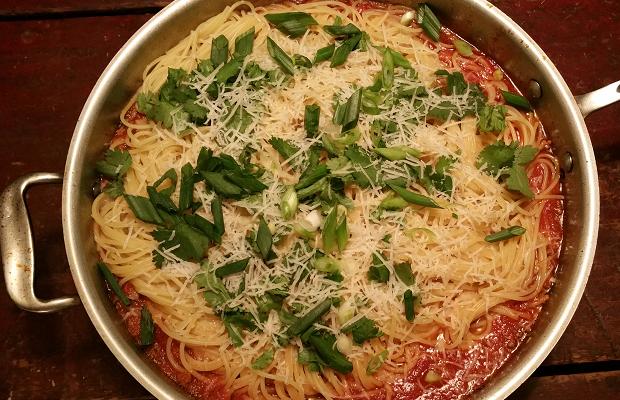
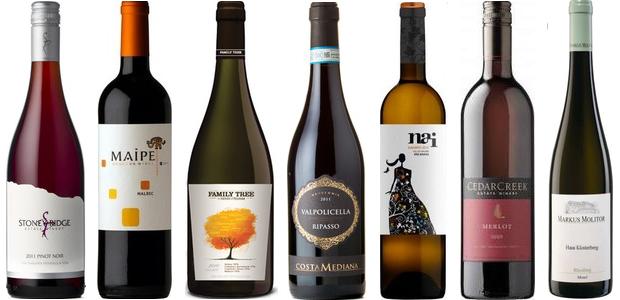
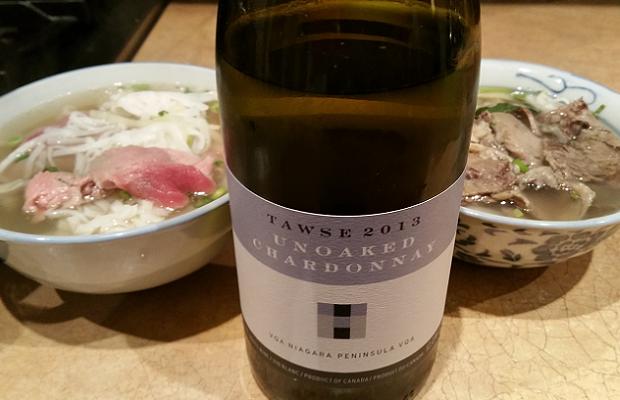
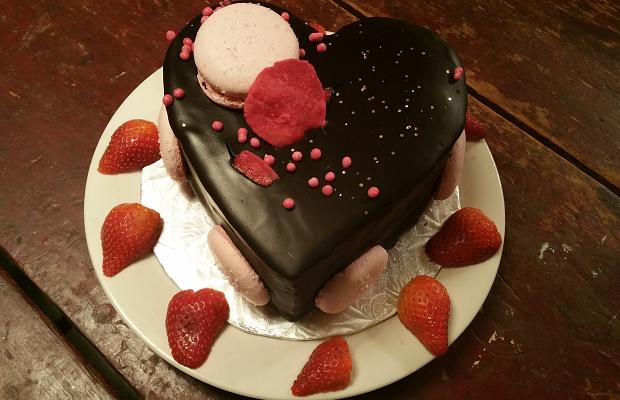
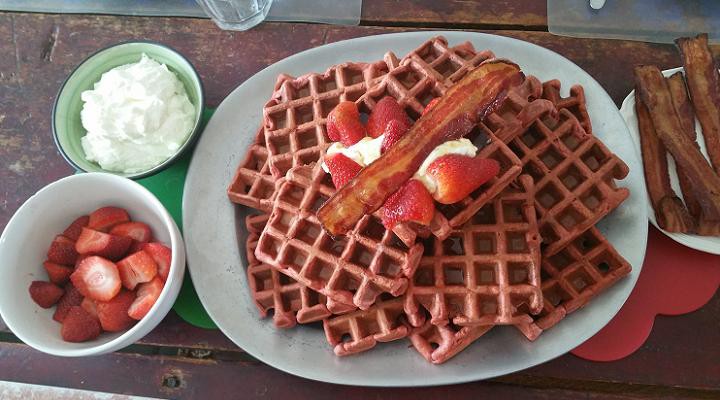
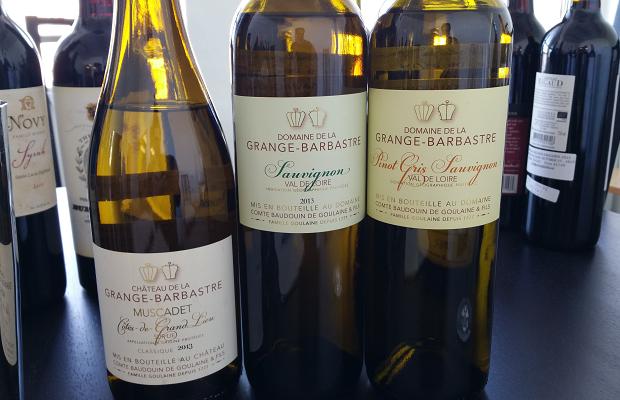
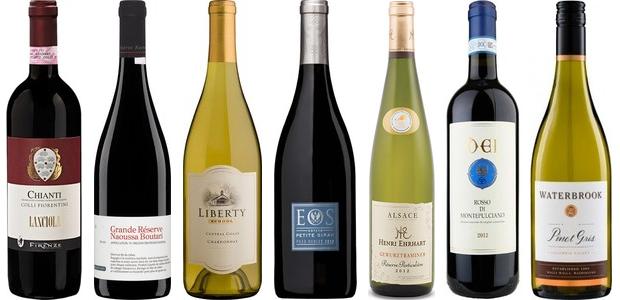

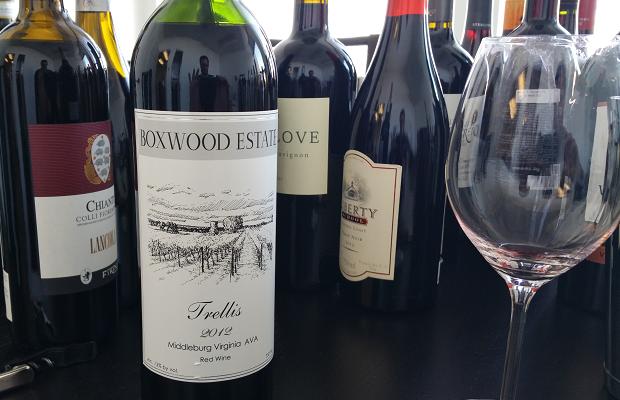
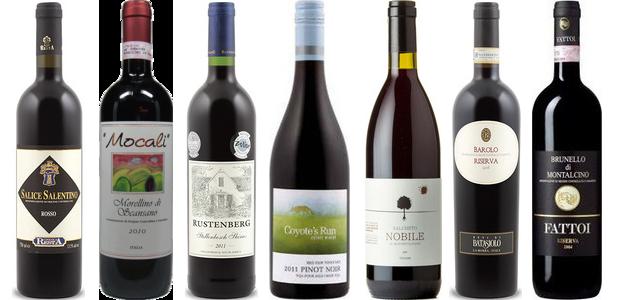
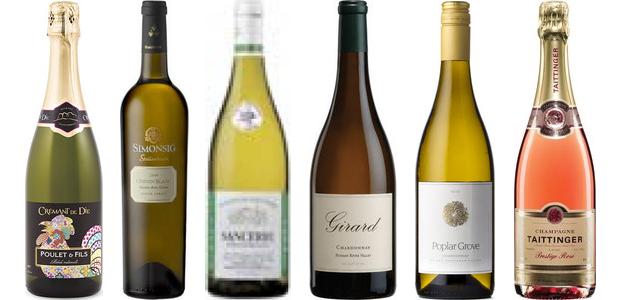
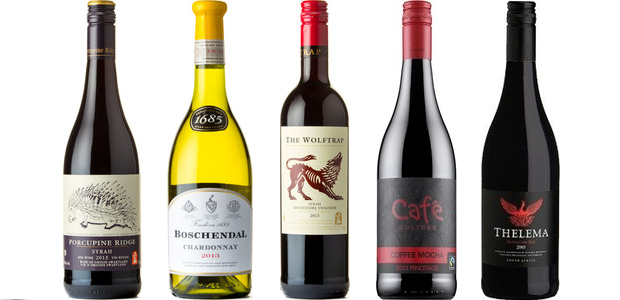

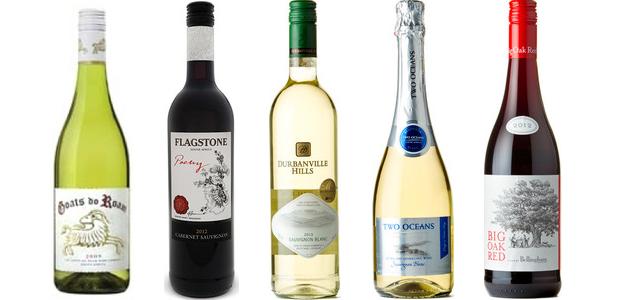


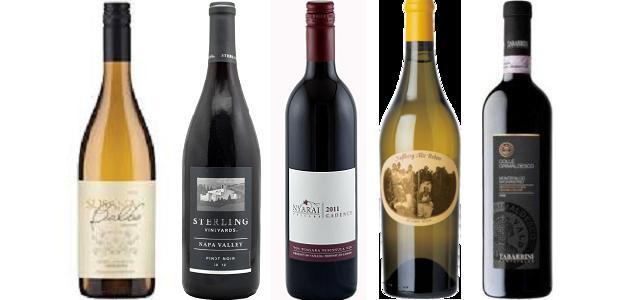
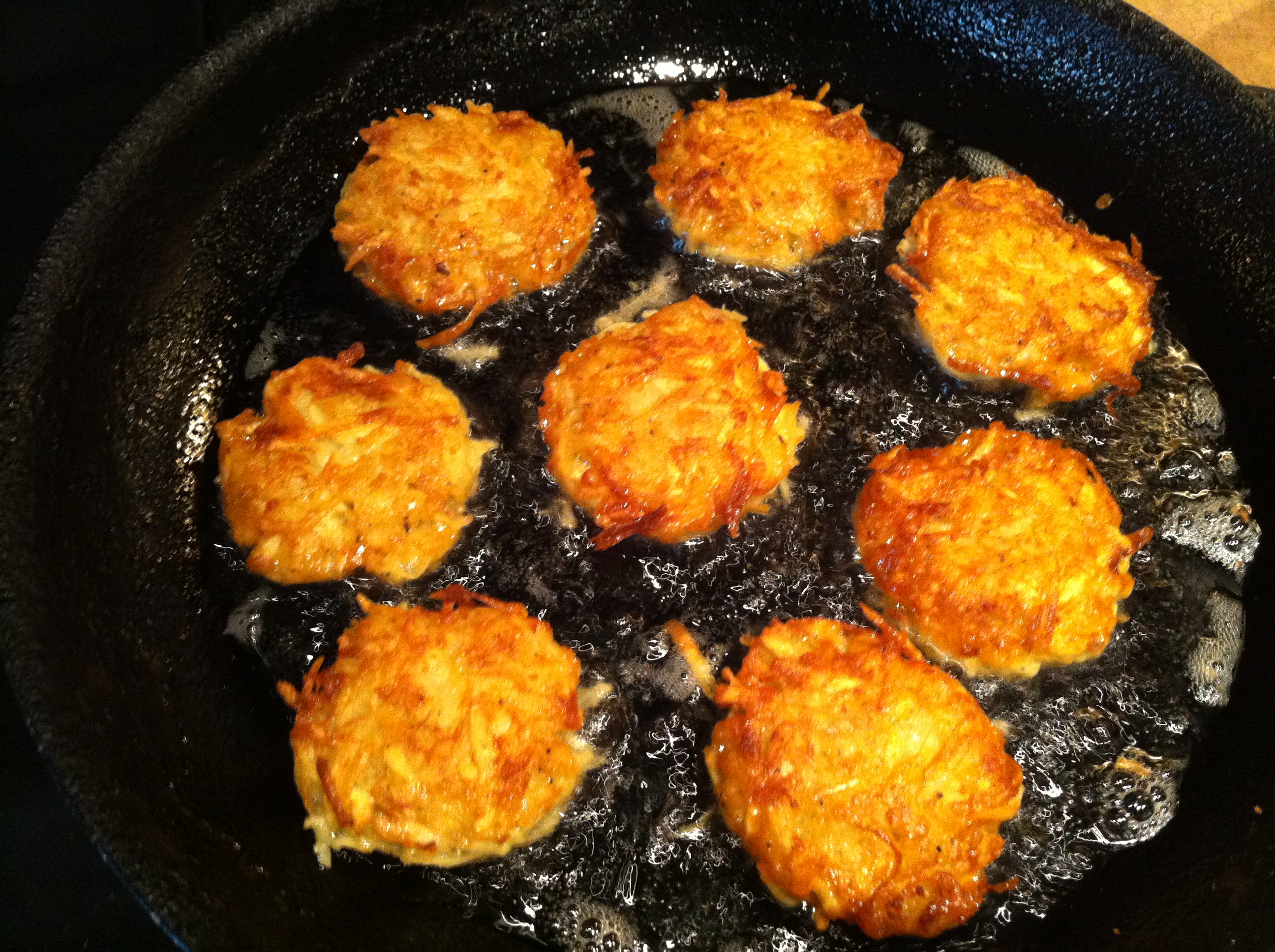
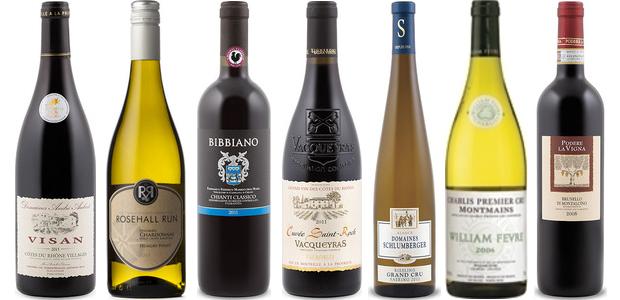
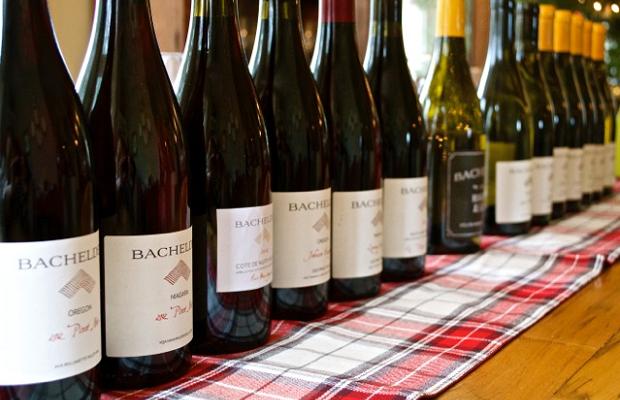
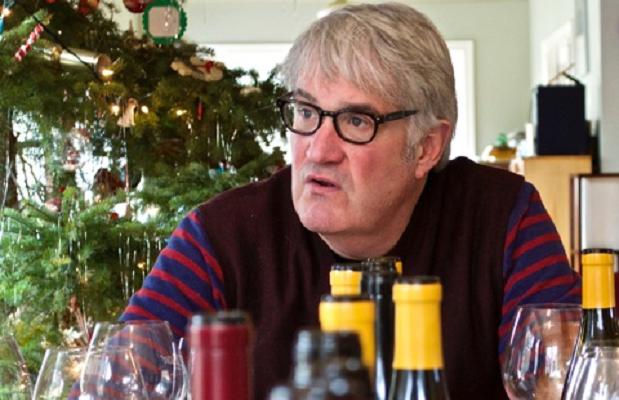
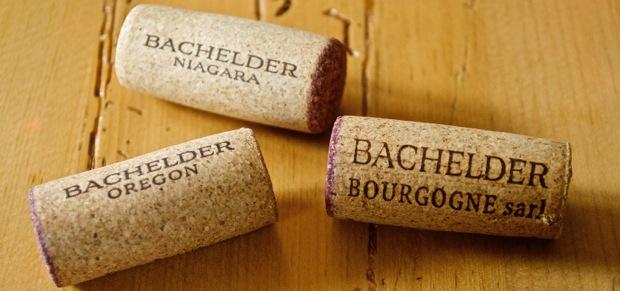
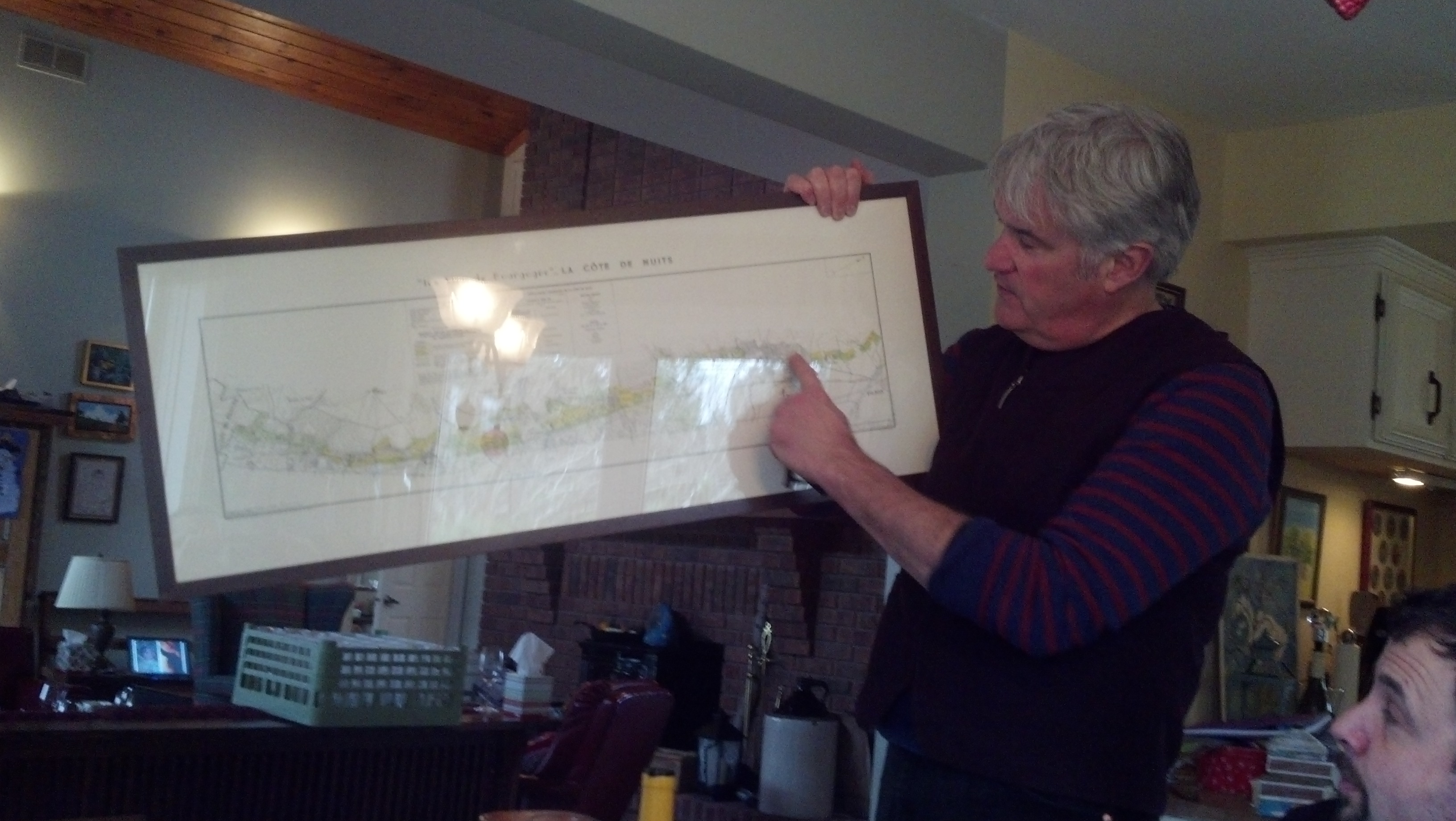
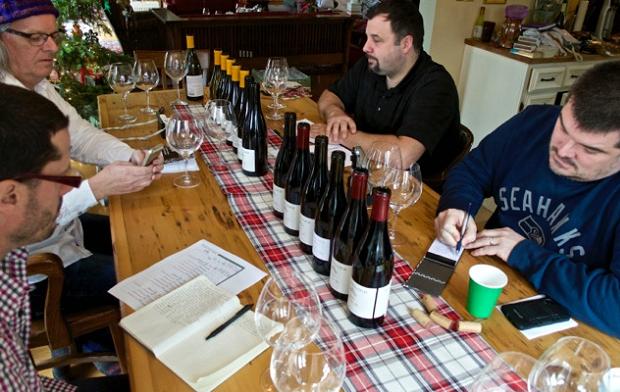
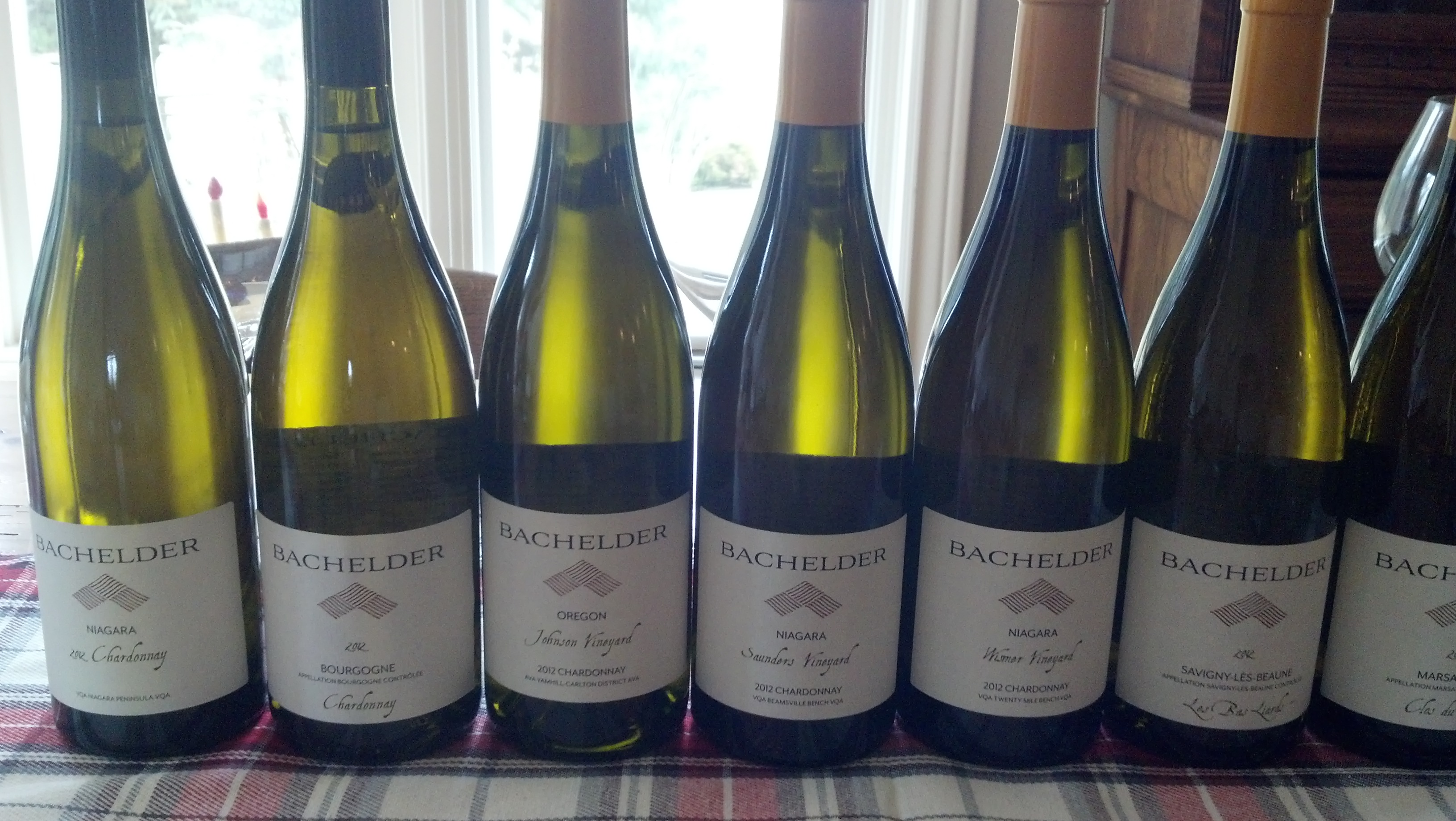
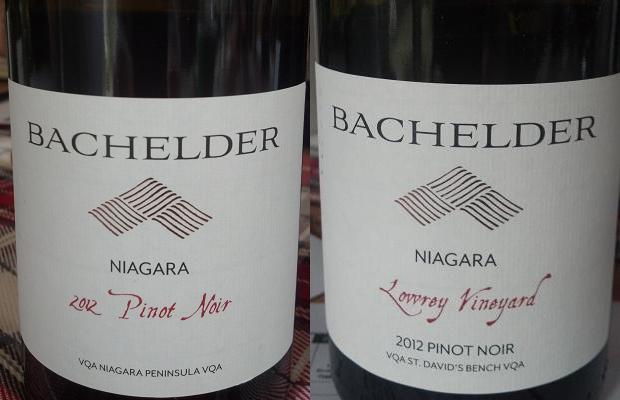
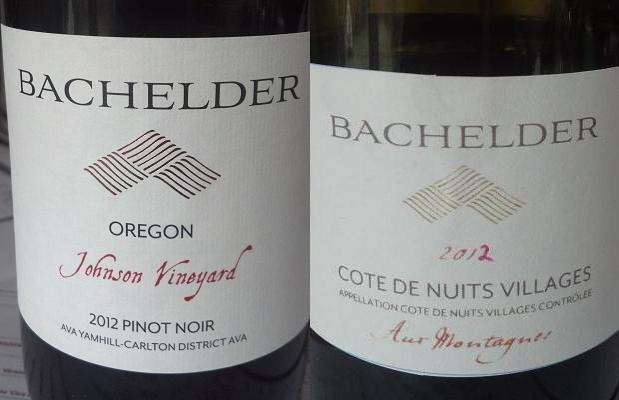
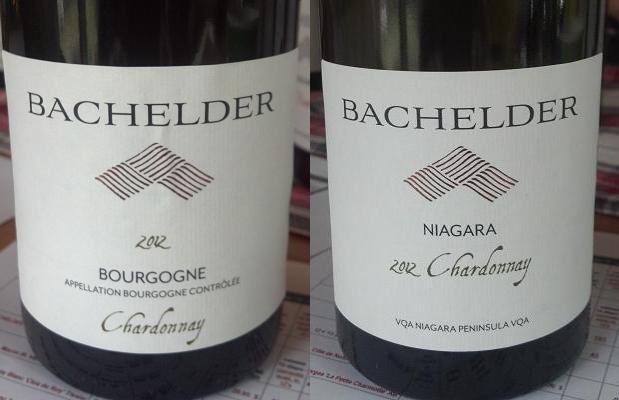
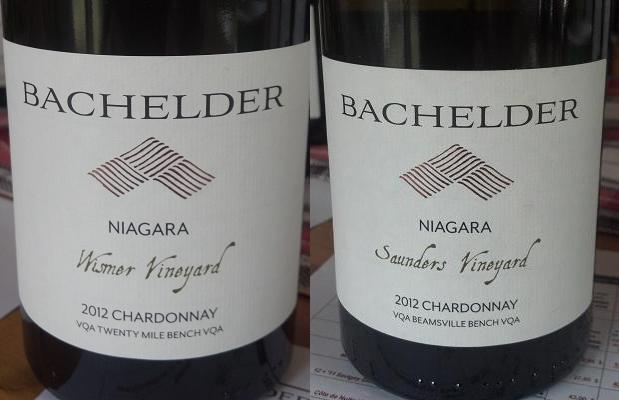



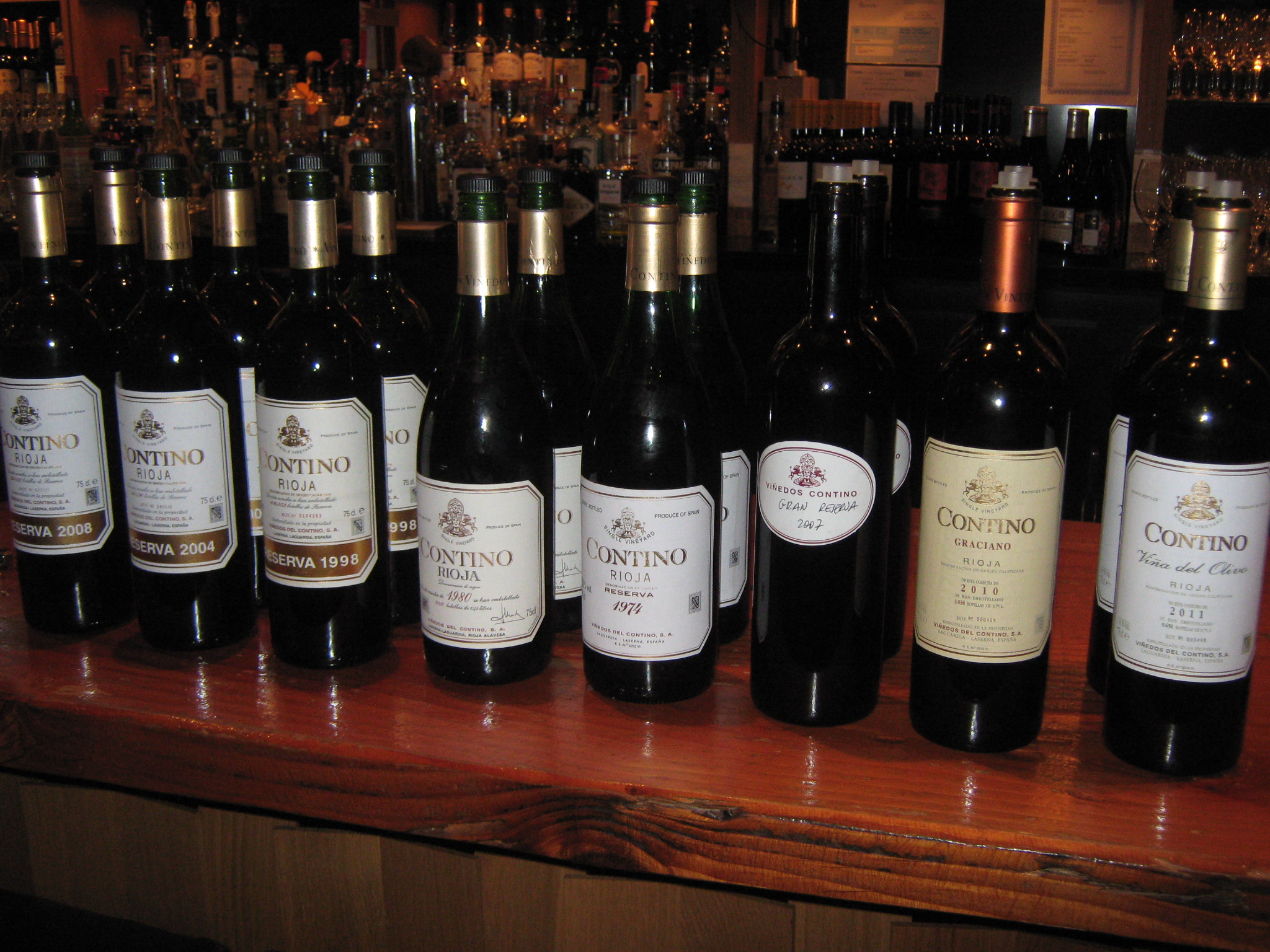
 Godello