Tasting Ontario Part Five: Varietal Whites and Appellative Blends

There were 33 medals handed out to White Blends at the 2018 WineAlign National Wine Awards of Canada; seven Golds, 17 Silvers and nine Bronze. Quietly, stealthily and without great fanfare the strength of the white blend category has taken NWAC18 by storm. The quality of the wines entered has never been higher, visibly and notably spread across the country. The time has come to establish party lines, to create truly parochial white appellative blends under appropriately chosen names. Nova Scotia has long been there with their apt-scripted Tidal Bay. Ontario and British Columbia should heed the economic and marketing success enjoyed by their maritime cousins and join the appellative party.

Related – Results of the 2018 WineAlign National Wine Awards of Canada (The Nationals): Best of Blends: Red, White and Tidal Bay

The French regions of Bordeaux and the Rhône Valley are clearly the benchmarks and the inspiration for Canadian-made emulative examples, first from a sauvignon blanc-sémillon connection and then with blends that make use of marsanne, roussanne and viognier. A testament to expatriate excellence is noted in the seven overall Gold Medals in this year’s judging and no less than six others finishing at high Silver status on the cusp of Gold. I for one awarded five 90-plus scores to wines I clearly deemed worthy of such accolade and esteem.

It is interesting to note that White Blends centred by sauvignon blanc in the Okanagan Valley rely on much higher percentages of sémillon than their counterparts in Ontario. The simplest explanation tells us that the grape variety has trouble surviving harsh Ontario winters, especially when we look back at 2015 and 2016 when much of the province’s vines were killed by sub-25 degree temperatures. But it’s more than that. In B.C. sauvignon blanc can get pretty ripe, tropical and zaftig so it is sémillon that helps to mitigate, temper, inject a flinty-smoky-mineral streak and ultimately bring balance to the relationship.

There was a time not too long ago when after the best juice was chosen for varietal wines producers then needed to find a way to use up the dregs of their white ferments. White blends came about out of economic necessity, but like Rosé production in this country so many are now produced with a purpose. As a farmer, if you know specific blocks of sauvignon blanc are destined to join with other plots of sémillon you’re going to prune, pluck, green harvest and ultimately pick in very specific ways. Appellative blends have become a year round occupation. That much is clear.

Related – Tasting Ontario Part Four: Gamay

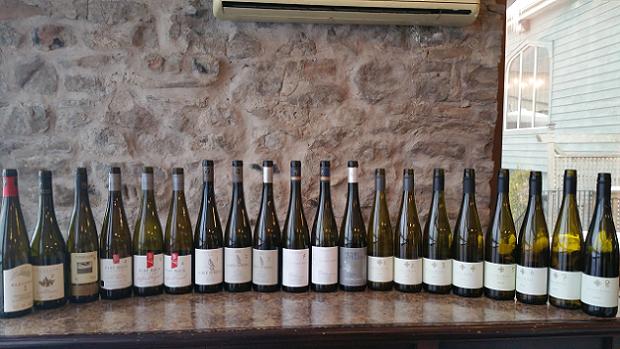
The top scorers at this year’s Nationals have been awarded to seriously and thoughtfully crafted wines. The winners are not entry-level, introductory products at the lower or lowest common denominational levels. They are not simple aromatic blends of vague fruit and sweet impression, in fact many are graced by beneficial and forward thinking structure. The future certainly looks white blend bright. Here are 36 recently tasted Ontario varietal whites and appellative white blends.

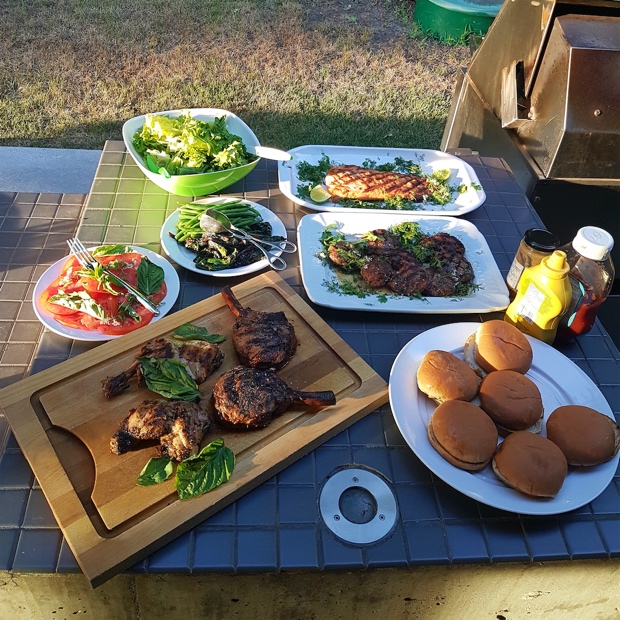
Summer spread

Sprucewood Shores Pinot Grigio 2017, VQA Lake Erie North Shore, Ontario (426577, $14.95, WineAlign)

Just a hint of contact it would seem, leading to a not so obvious result in platinum gold hue but more so into the floral nature of its aromatics. Some sweet melon and pear fruit with good concentration and equal if necessary acidity. Can certainly drink a glass of this. Drink 2018-2020.  Tasted blind at NWAC18, June 2018  sprucewoodshores  @SprucewoodWine  @SprucewoodShores

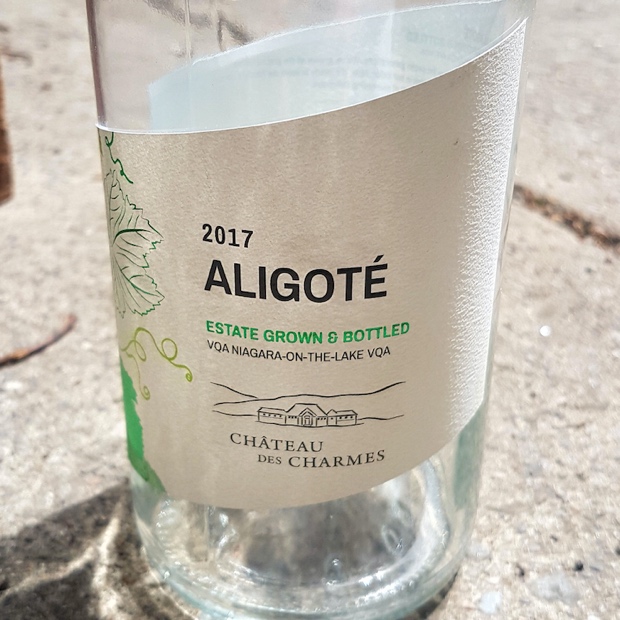
Château Des Charmes Aligoté 2017, VQA Niagara Peninsula, Ontario (296848, $15.95, WineAlign)

The Château des Charmes self-proclaimed “pinot grigio” alternative was never more truthfully written than in reference to this 2017 aligoté. Screwy wet summer merging into crazy hot autumn weather made for one of the latest harvest dates in the estate on the York Road in St. Davids storied history. The rare Niagara Peninsula varietal vines are planted primarily at St. David’s Bench and Paul Bosc Estate vineyards but more are going in, surely out of testimony to the sales of this more than apropos local grape. Surely no one knows aligoté like the Bosc family and yet even they could not have seen this peachy, melony, fleshy and ripe one coming. It’s like a hyperbole of Val do Salnés in Rias Baixas albariño, crisp, aromatic and marched along by natural acidity. It seems sweet but trust me it’s not. It’s the long-hung, fully phenolic fruit and higher pH talking. This is not your average Bourgogne aligoté, searing, taut and intense. It’s a departure for the house but if it could always be made this way I think they would gladly go for the style. Waxy finish too, bringing an added note of complexity. Very cool. Drink 2018-2020.  Tasted July 2018  chateaudescharmes  @MBosc  Château des Charmes

Nyarai Cellars Pinot Gris 2016, VQA Niagara Peninsula, Ontario (Winery, $20.95, WineAlign)

This is quite a striking, rich, creamy and yogurt-leesy, a.k.a. Loire chenin blanc, fixedly in the guise of pinot gris. More skin contact then some plus so much yeasty texture combine to make for the fullest of an Ontario gris expression. This is the sort of feeling that normally comes from multi-varietal, dry white appellative Niagara blends but in a solo pinot gris it’s nothing short of remarkable. Drink 2018-2020.  Tasted February 2018  #nyaraicellars  @NyaraiCellars  Nyarai Cellars

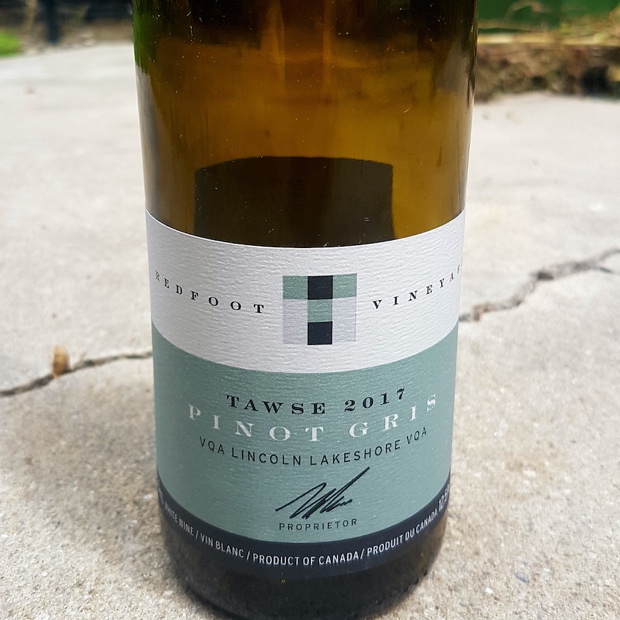
Tawse Winery Pinot Gris Redfoot Vineyard 2017, VQA Lincoln Lakeshore, Ontario (Winery, $24.95, WineAlign)

From out of the dense Lincoln Lakeshore clay comes this flush and luxurious pinot gris, literally rolling in it. It makes for a highly aromatic take on the grape, all in for gris and not to be confused with lighter, less meaningful grigio. The Redfoot Vineyard is clearly earmarked for such a purposed way of interpretation and though the clays of the double L sub-appellation are best with syrah and cabernet franc there can’t be any reason not to allot 10-15 per cent of acreage to white plantings. In the hands of Paul Pender it seems obvious that pinot gris is the one. This dry take is just about perfectly right, with citrus and wet stone hanging around the fruit. Leaner might be more suitable but ultimately it’s balance that is most important for this rich fruit raised by the pottery soil. Drink 2018-2020.  Tasted June 2018  tawsewinery  @Tawse_Winery  @tawsewines

G.Marquis Sauvignon Blanc The Red Line 2016, VQA Niagara Peninsula, Ontario (Winery, $13.95, WineAlign)

Big love, big fruit, all about texture and juicy fruit on the palate but with some fine, wound acidity. Excellent. Drink 2018-2021.  Tasted blind at NWAC18, June 2018   g.marquisvineyards  @GMarquisWines  @G.MarquisVineyards

North 42 Degrees Estate Winery Sauvignon Blanc North 43 2017, VQA Niagara Lakeshore, Ontario (547836, $14.95, WineAlign)

Quite the character this North 43/North 42 degrees sauvignon blanc, fruit amassed on the nose, from canteloupe to underripe passion fruit with a wet, coppery alloy build that translates across latitudinal lines onto the palate. The metallic flavours are undercut by an herbal tonic with a spoonful of tinned fruit cup. Drink 2018-2019.  Tasted April 2018  north42wines  @StratusWines  North 42 Degrees Estate Winery & Bistro 42  @north42degrees

Château Des Charmes Sauvignon Blanc 2017, VQA Niagara Peninsula, Ontario (296848, $15.95, WineAlign)

Interesting take, quite a mineral salt wiring through the green apple fruit, here some feel of barrel but not the malo-creamy effect created. Goes quite juicy and crunchy without resorting to tart. A bit more acid intensity would have sealed the deal. Drink 2018-2020. Tasted blind at NWAC18, June 2018    chateaudescharmes  @MBosc  Château des Charmes

Lakeview Cellars Sauvignon Blanc 2016, VQA Niagara Peninsula, Ontario (483958, $17.95, WineAlign)

An interesting sauvignon blanc for the Peninsula because the pungency is quite Marlborough but the relaxed state and relative weight is all Niagara. Very easy drinking as far as SB is concerned with notable extraction and a green streak, herbal mostly, running through. Drink 2018-2019.  Tasted April 2018  lakeviewwineco  @LakeviewWineCo  @LakeviewWineCo

Kacaba Susan’s Sauvignon Blanc 2017, VQA Niagara Peninsula, Ontario (Winery, $17.95, WineAlign)

Quietude in such a lovely way, mineral meets orange blossom, soft and amenable through the middle, quiet and mellow, fades off slowly, into the sauvignon blanc sunset. Drink 2018-2019.  Tasted blind at NWAC18, June 2018  kacabavineyards  @KacabaVineyards  Kacaba Vineyards and Winery

Stratus Wildass Sauvignon Blanc 2016, VQA Niagara Peninsula, Ontario (376814, $18.95, WineAlign)

t’s more Stratus than sauvignon blanc, even by regional varietal standards, whatever that is, due to the ripe flavours and long-developed phenolic ripeness. Ultimately it is the quotient of a cup of fruit cocktail and an energy level that serves to encourage a sitting back with a glass in meditative state more than a mind stimulated to invigorate. Drink 2018-2019.  Tasted April 2018  stratuswines  @StratusWines  @StratusWines

Organized Crime Sauvignon Blanc 2016, VQA Beamsville Bench, Niagara Peninsula, Ontario (396275, $18.95, WineAlign)

Sometimes sauvignon blanc goes tropical and green at the same time, or at least it is the two poles by picked grapes that combine for such a layering. Citrus and bitters mix into the two sides and all the components walk along, separate and alone together, without making any real contact. Maybe a year will tie the room but the acidity is low so waiting is a counterintuitive idea. Drink 2018.  Tasted April 2018  organizedcrimewinery  Organized Crime Winery

Henry Of Pelham Fumé Sauvignon Blanc 2016, VQA Short Hills Bench, Ontario (444268, $19.95, WineAlign)

With a wink and a nod to Mondavi this lays the lumber in smoulder upon sauvignon blanc with just a wisp, like cold smoking salmon so that it breathes cool and mentholated, without char and a real smoky feeling. The fruit is light and even a bit precious, the weight quite lithe and the overall notation one of gentle demure. You have to appreciate the deft, slight of winemaking hand approach. Drink 2018-2020.  Tasted February 2018  henryofpelham  @HenryofPelham  Henry of Pelham Family Estate Winery

Meldville Wines Sauvignon Blanc 2016, VQA Lincoln Lakeshore, Ontario (Winery, $20.20, WineAlign)

Derek Barnett’s sauvignon blanc may be the fleshiest of the Ontario lot, ripe, tropical and impressively coaxed from off the vine. The phenolic aggregate is a 2016 triumph even while it dances a funky step into botrytis-like rhythms. Notes here and there of herbs and tonics add to the mystique and the rapport. So bloody interesting, singular and meditative for the grape. Drink 2018-2021.  Tasted February 2018  meldvillewines  @meldvillewines  Meldville Wines

Peller Estates Private Reserve Sauvignon Blanc 2017, VQA Niagara Peninsula, Ontario (Winery, $20.20, WineAlign)

Massively fruit aromatic sauvignon blanc, all gathered in a tin cup found in the exotics isle. Juicy melon meets passion fruit and so much more in between, then with a side of metalloid. Raps so commercially viable and succesful it hurts my ears and my eyes. “Any awards show or party I’ll get fly for it, I know that it’s coming I just hope I’m alive for it…I just wanna be, I just wanna be.” Remarkable success for sauvignon blanc, in Ontario. Drink 2018-2020.  Tasted blind at NWAC18, June 2018   pellerwines  @PellerVQA  @PellerEstates

Redstone Sauvignon Blanc Limestone Vineyard 2016, VQA Twenty Mile Bench, Ontario (Winery, $23.15, WineAlign)

There isn’t a ton of sauvignon blanc grown up on the Limestone Ridge but as a top level Twenty Mile Bench riesling terroir it changes the varietal course with considerable concern. As far as it goes this is quite an alloy challenged, mineralized expression, not quite flinty but certainly feeling like a mouthful of richly compressed, calcareous stones. The fruit is so anti-tropical it’s almost reductive and most certainly draws its tang from the soil. Such a curious sauvignon blanc with almost no frame of reference, save for a moment to consider Sancerre, but yet another successful effort from winemaker Rene Van Ede. Drink 2018-2021.  Tasted February 2018  redstonewinery  @RedstoneWines  Redstone Winery

Traynor Sauvignon Blanc 2016, VQA Prince Edward County, Ontario (Winery, $25.00, WineAlign)

Reductive, not flinty or smoky, but reductive. This carries the gooseberry-passion fruit suitcase of fruit. I like the fruit-acid balance and the way it delivers semblances of tart and tangy. Really nicely judged wine. Drink 2018-2021.  Tasted blind at NWAC18, June 2018   traynorvineyard  @TraynorVineyard  @traynorfamilyvineyard

Hidden Bench Fumé Blanc Rosomel Vineyard 2016, Niagara Peninsula, Ontario (68825, $29.95, WineAlign)

The vineyard gains another year, the farming and winemaking too and so fumé blanc out of Rosomel gets better, as things often do with age and wisdom. ’Twas a great year for growing grapes on this amphitheatre of a vineyard block up on the Bench and no love lost for sauvignon blanc neither. There is tension, wound intensity and fierce competitiveness in the ’16, perhaps the most Sancerre and least Pouilly-Fumé it has ever been and so the declaration leans to saying it is “a mineral year.” Nothing against the fruit because the personality cult of lean, crisp and crunchy is in full order, though each sip after sip speaks in those Sancerre or Chablis by way of Saint Bris terms. Stellar, as always, in continuance, moving towards the best it can be. Drink 2019-2024.  Tasted May 2018  hidden bench  markanthonyon  @HiddenBench @MarkAnthonyWine  Hidden Bench Estate Winery  Mark Anthony Wine & Spirits

Trius Showcase Clean Slate Sauvignon Blanc Wild Ferment 2016, Niagara-on-the Lake, Ontario (Winery, $31.95, WineAlign)

Quite flinty, barrel-aged sauvignon blanc, buttery nearly, banana and cantaloupe. So much fruit along with the toasty-creamy barrel. Almost perfectly in balance but it’s wildness and sweet-yeasty lees cumulative turns to a bit of caramel and only accentuates the vanilla. A really cool take on the grape with exceptionally developed flavours. Drink 2018-2019.  Tasted blind at NWAC18, June 2018   triuswines  @TriusWines  @TriusWines

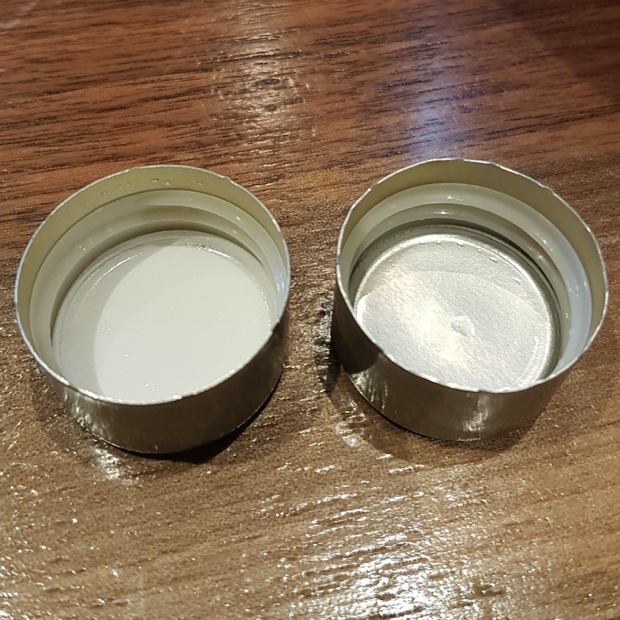
Not all screw cap closures are created equal

Two Sisters Sauvignon Blanc 2017, VQA Niagara Peninsula, Ontario (Winery, $34.00, WineAlign)

Excessive tightness of screw caps does not allow any kept reduction to blow off so winemaker Adam Pearce closed here with a screw cap threading just a bit less rigid. A fine detail but an important one and the only wine to receive this attention, so just a minute amount of oxygen transfer can occur. Just released 11 days ago. The big change is now a fruit vineyard blend that is 70 per cent Four Mile Creek and (30) Twenty Mile Bench. From a cool, wet and rainy season so really it’s all about the grower in a vintage where the varietal struggled with mould and mildew. Eight per cent barrel ferment was used to augment the leanness, for body and peace of mind. A bit reductive and tight with good acid structure to the peach-yellow-plum-kumquat fruit. Good linger. Delicious. Drink 2018-2021. Tasted July 2018    twosisters_vineyards  @TwoSisters_wine  Two Sisters Vineyards

Fielding Estate Gewürztraminer 2016, VQA Niagara Peninsula, Ontario (146753, $19.95, WineAlign)

Fielding’s pays respect to how gewürztraminer has to be made in Ontario with a fleshy, off-dry style though making sure to counterbalance with a fine dose of acidity. From dosage to dose it dances the do-si-so with high quality peach-litchi fruit and grapefruit acidity. If you’re in need of a white to compliment some high-octane, multi-seasoned and possibly spicy food, Fielding’s is textbook and will do the work. It’s a gewürztraminer you can trust. Drink 2018-2020.  Tasted January 2018  fielding winery  richiewine  @FieldingWinery  @RichieWine  Fielding Estate Winery

Redstone Gewürztraminer 2016, VQA Niagara Peninsula, Ontario (Winery, $21.95, WineAlign)

A sip sends a warm shiver through from a simple off-dry gewüztraminer attack more flat than round earth, trying hard to stay on the dry though the bitters and creamy fruit deliver more sweetness than what might have been intended. Some skin contact deals peach skin and those bitters while the acidity quietly abides. It’s nearly, almost and close to cloying by honey mixed in concentrate with a note of alkali. Everything lingers. Drink 2017-2019.  Tasted October 2017  redstonewinery  @RedstoneWines  Redstone Winery

@mackbrisbois brought the past, the present and the future @trailestatewine to taste. Thanks Mack! Indeed, to my pleasure and my education.

Trail Estate Gewürztraminer 2016, VQA Niagara Peninsula, Ontario (Winery, $30.00, WineAlign)

Few winemakers in Ontario are as curious, aloof and serious about making gewürztraminer like this,”looking through that window, into the delicate place.” The changing of mind is so important during the process because it shows an understanding of both mistake and possibility. Mackenzie Brisbois takes a spoon of Niagara Lakeview fruit (Glen Elgin/Wismer farmed), puts it through a whole cluster press, a fermentation in old oak and then wait a minute. An about face transfer to stainless steel tank (just after a few days) because it is too reductive, but then sends it back to old wood where it remains for about nine months. Bottles back in September of 2017. The result is a gewürz that finishes dry (under 3 g/L) so delicate for a customer’s palate, with lots of lemon and lime but never searing, perfect for cold smoked or tataki prepared salmon. Bitter pith note but it dissipates, as does the acidity so keep in mind this is floral and fine. “The delicate place. The questions it raise. The delicate place yeah.” Enjoy it now and gimme fiction. Drink 2018-2021.  Tasted April 2018  trailestatewine  mackbrisbois  @TrailEstateWine  @MackBrisbois  Trail Estate Winery  Mackenzie Brisbois

Trail Estate Skin Contact Gewürztraminer 2016, VQA Niagara Peninsula, Ontario (Winery, $40.00, WineAlign)

The 2016 gewürztraminer fruit is from the Werscht’s (Between the Lines) Niagara farm, super ripe at 24 brix and aromatics on steroids. It clocks in at a healthy 13.5 alcohol, after 13 days on skins and beyond. Close your eyes and the warm pungency will simulate a sensory experience, like standing inside the butterfly conservatory, with all the dessicating fruit, secretions and balmy, humid aromas wafting around. Or maybe even more exotic, like walking past stalls in a south asian market, with fruits cut open so you can see what they are, mangoseteen, marquesa, jackfruit and durian. There is great fun to be had in acidity and spice. Lush, floral and nicely funky. By now an understanding and a level of maturity to think on is as a classic Brisbois white. Drink 2018-2021.  Tasted April 2018  trailestatewine  mackbrisbois  @TrailEstateWine  @MackBrisbois  Trail Estate Winery  Mackenzie Brisbois

Malivoire Viognier Stouck Vineyard 2016, VQA Lincoln Lakeshore, Ontario (Agent, $24.25, WineAlign)

From vines planted in 2010 the magic of excitable youth with just a hint of maturity has brought this block of the terrific Lincoln Lakeshore vineyard to this vintage. Warmth and ultimately ripeness have released the aromatic blessedness of viognier, which along with an unpurposed number of residual sugar will allow this to gain some further complexity with age. May just be the most varietal viognier ever produced out of Niagara but it’s obviousness as a regional example can’t be denied. It exudes confidence without even trying, is naturally oily and grippy because its acidity matches the high notes. It’s a touch boozy at 13.5 alcohol, at times metallic and at others, tropical, because that’s what viognier wants to be. It’s just a terrific effort from winemakers Shiraz Mottiar and Dan Stouck. Drink 2018-2022. Tasted February 2018  malivoire  noble_estates  @MalivoireWine  @Noble_Estates  Malivoire Wine  Noble Estates Wine & Spirits

Lakeview Cellars Viognier 2015, VQA Niagara Peninsula, Ontario (Winery, $24.95, WineAlign)

Pretty tart stuff from the get go, full of tangerine and beautifully dry. Gently pressed and kept in spirit high through the use of stainless steel tanks. Quite floral, not potpourri mind you but a fresh blossoming breath of a bouquet. Simple viognier, effectively executed and perfectly correct. Drink 2018-2019.  Tasted February 2018  lakeviewwineco  @LakeviewWineCo  @LakeviewWineCo

Redstone Viognier Redfoot Vineyard 2016, VQA Lincoln Lakeshore, Ontario (Winery, $28.95, WineAlign)

The barrel is a big time influence here, offering a combination of creamy vanilla and yet some reduction. There must be some lush viognier fruit back there somewhere but the wood is really in control. Subtle hints of varietal florals, far eastern fruit and spice linger behind the veil. Tasted blind it is the creamy texture and vanilla that makes cause for it to be considered so much like California chardonnay. Good acidity however rescues and thinks about the future. Drink 2018-2021.  Tasted twice, June 2018 and then blind at NWAC18, June 2018  redstonewinery  @RedstoneWines  Redstone Winery

Calamus Estate Winery White Night 2014, VQA Ontario (484014, $13.95, WineAlign)

A very good use of vidal (85 per cent) gets an apple jolt from chardonnay in this very peach and grapefruit oriented white. It’s like fruit cocktail in a glass but drier than off-dry and quite savoury. Stage right spicy too, like clove and capsicum, in a way akin to Kiwi sauvignon blanc but in the end it’s white appellative blend in hybrid dominance, running all the way. Drink 2017-2018.  Tasted January 2017  #calamuswinery  @calamuswinery  Calamus Estate Winery

Featherstone Four Feathers 2017, VQA Niagara Peninsula, Ontario (341586, $14.95, WineAlign)

Varietal birds of four feathers (riesling, chardonnay, gewürztraminer and sauvignon blanc) flock together for a wild ride in aromatics, texture, tang and acidity. Here a notable waxiness from the gewürztraminer does oily, glück potpourri with outgoing nature and a sweet meets sour set of flavours. Runs from orchard fruit with bite into the tropical and then some bitters. Nothing simple and quite stirred. Drink 2018-2019.  Tasted April 2018  #featherstonewinery  @featherstonewne  Featherstone Estate Winery

13th Street White Palette 2016, VQA Niagara Peninsula, Ontario (207340, $15.95, WineAlign)

White Palette is at the top of its hyperbole game in 2016 with a light’s glare flooding a room of high aromatic and flavour intensity. Glade, polish, wax and major citrus all max factor the scents and smells. Lemon and caramel well through the palate and funky emissions deal in Peninsula clay with obvious earth. It’s a case of the curious and not fully expected in 2016. Worth a look nevertheless, with fresh seafood off the coals. Drink 2018-2019.  Tasted May 2018  13thstreetwinery  @13thStreetWines  13th Street Winery

Rockway Vineyards Chardonnay/Riesling 2015, VQA Twenty Mile Bench, Niagara Escarpment, Ontario (545905, $16.95, WineAlign)

The varietal get together is both convenient and seamless, in delivery of a cool climate nose and a ripeness to imagine a warmer climate palate. It’s layering is one stacked by alternating textures and walks straight ahead, simple and for the sake of nothing, but for to enjoy.  Drink 2018-2020. Tasted April 2018  rockwayvineyards  @RockwayVineyard  Rockway Vineyards

The Hare Wine Company Crown Land White 2016, VQA Niagara On The Lake, Ontario (Winery, $18.95, WineAlign)

The blend of 60 per cent gewürztraminer and (40) riesling is a lovely mix of lemon, apricot and mild barrel notes. It’s a pithy affair, mildly battered and of a soft demeanour. Fresh with fruit skin scents, a passion fruit tang and acidity that’s pretty darn close to spot on. Chewy texture, finishing strong and long. Drink 2018-2020.  Tasted February 2018  theharewineco  @TheHareWineCo  The Hare Wine Co.

Kew Vineyard Estate Marsanne 2016, VQA Beamsville Bench, Ontario (Winery, $18.95, WineAlign)

The dominant marsanne (90 per cent) is joined seamlessly by viognier in a white blend rich with barrel notes, nutty and toasty. Perhaps a touch less interesting on the palate but it’s welling with presence and persistence. Metallic and effective, with great finishing bitters. Drink 2018-2020. Tasted blind at NWAC18, June 2018  kewvineyards  @kewvineyards  @kewvineyard

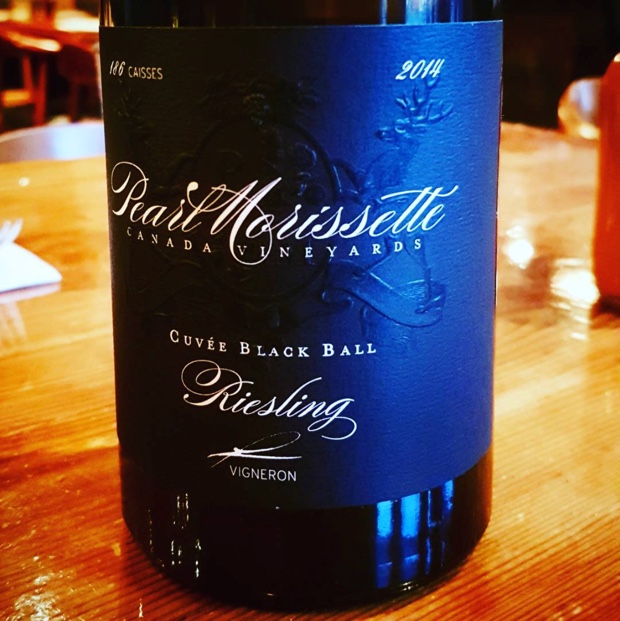
Tasting at Pearl Morissette, July 2017

Pearl Morissette Cuvée Blu 2016, VQA Niagara Peninsula, Ontario (Winery, $25.00, WineAlign)

Cuvée Blu is an appellative blend like no other, amphora fermented, 100 per cent whole cluster chardonnay, with pinot gris, riesling and sauvignon blanc. The group spent three and a half (no, not a typo) months on skins, pressed and aged in foudres. I taste this and self-reflected that I would need to taste this once a day for two weeks to wrap brain, heart and imagination around its mythology. I’d also need to understand how it pushed further then just about anything and to see what would happpen, over and over, again and again, each time anew. You can drink this immediately or anytime over the next six years. What’s the difference? How can you know what to do? Self-described by the PM team as “a chameleon charmer and a poem built from the taste of colours.” Memories of a 2017 summer recall the whimsy of hues. “Yellow, orange,” smiled Svetlana Atcheva, “it might as well be blue!” Drink 2018-2024. Tasted July 2017  pearlmorissette  @PearlMorissette  Pearl Morissette

Southbrook Vidal Skin Fermented White 2016, Small Lot Natural Wine, VQA Ontario (Winery, $29.95, WineAlign)

The first time I tasted this blind (at Terroir Symposium) I noted it to be “vidal-like,” a touch oxidative, of this elegant paste or salve, with notes of green plum and just a touch of grapefruit. The second pass confirms it to be a fine vidal orange wine, with more texture than should or would be expected. It delivers lemon and tannin, plus a calculated layering of ample and enough acidity to carry it along. A fine example. Really mouth coating and so tannic. Takes what was learned from 2014 and 2015 experiments and with VQA category approval in its back pocket, begins the true journey forward. Drink 2017-2020. Tasted blind at NWAC17, June 2017 and February 2018 southbrookvineyards  thelivingvine  @SouthbrookWine  @TheLivingVine  Southbrook Vineyards  The Living Vine inc.

Stratus Vineyards Stratus White 2014, VQA Niagara Lakeshore, Ontario (660704, $38.20, WineAlign)

White assemblage under the Stratus label is not like spinning a single record, it’s like Rock ‘n Roll radio. Opening a bottle brings great excitement and anticipation, with a sense of wonder. What songs am I going to hear or more to the point, which grape varieties am I going to taste, in which percentages and in what order? In 2014 it’s a medley of chardonnay, sauvignon blanc, viognier, sémillon and gewürztraminer. The blend spent 21 months in (15 per cent) new oak. The fruits are varied and each one (or mélange of several) represented a hit in their own right. Tutti frutti, orange blossom special, little green apples, the lemon song, kiwi, peach, tangerine and forbidden fruit. In the end I heard it through the grapevine, by way of a conduit provided by great and necessary acidity. A top quality Stratus White, worthy of repeat plays. Drink 2018-2025.  Tasted twice, May and June 2018    stratuswines  @StratusWines  @StratusWines

Hidden Bench Nuit Blanche Rosomel Vineyard 2016, VQA Beamsville Bench, Ontario (Winery, $40.00, WineAlign)

It’s primarily sauvignon blanc (94 per cent) but don’t discount the effect created by sémillon. This is a really lovely barrel fermented stroll through a fresh morning glade, with ripe fruit everywhere and a perfectly pointed and lifted flinty nose. A bit reductive and fresh, as it should and absolutely must be, with hints of vanilla and caramel. Quite ambitious and serious with a focus and a precision that speaks to the acumen of a specific cru that in the end, instructs for sauvignon blanc meets sémillon education. Drink 2019-2024. Tasted blind at NWAC18, June 2018    hiddenbench  markanthonyon  @HiddenBench @MarkAnthonyWine  Hidden Bench Estate Winery  Mark Anthony Wine & Spirits

Good to Go!

Godello

Twitter: @mgodello

Instagram: mgodello

WineAlign

Tasting Ontario Part Four: Gamay

g’day and welcome to #NWAC18 day four ~ #playoffs #playoffbeard #upthegame

#GoGamayGo is the cry, a hashtag extraordinaire created by the one, the only Janet Dorozynski, JDo to everyone at WineAlign. I could expound upon and extoll the virtues of Canada’s great bright red varietal light but what might I be able to say that hasn’t already been sung by Treve Ring? Head over to WineAlign for a look at Treve’s succinct and exacted Gamay dissertation and the results of the Gamay flights/Medal winners at this year’s National Wine Awards of Canada.

Related – Results of the 2018 WineAlign National Wine Awards of Canada (The Nationals): Gamay

In the spirit of the winners, competitors and Ontario growers who champion this most important and essential grape, here are 12 recently tasted local examples, including five tasted blind at NWAC18.

Adamo Gamay Noir Unoaked Huebel Grape Estates 2017, Niagara On The Lake, Ontario (Winery, $17.25, WineAlign)

A bit muted and sleepy-musty but opens up into a rich and tangy, deep-fruited wine with zip and zest on the palate. Would like to know the fruit source. Means so well… so perhaps in a few months time it will shed a layer of lift and become something approaching the gamay ethereal. Drink 2019-2022. Tasted blind at NWAC18, June 2018  adamoestatewinery  @AdamoEstateWine  @adamoestatewinery

Malivoire Gamay 2017, VQA Beamsville Bench, Ontario (591313, $17.95, WineAlign)

Straight up juicy gamay, of blessed red cherries, tart, crunchy and if nothing more, it really doesn’t matter. This is exactly what you want from the grape. Fresh and bright, so bloody drinkable. Drink 2018-2020. Tasted blind at NWAC18, June 2018  malivoire  noble_estates  @MalivoireWine  @Noble_Estates  Malivoire Wine  Noble Estates Wine & Spirits

Malivoire Gamay 2016, VQA Beamsville Bench, Ontario (591313, $17.95, WineAlign)

In every ostensible way the rule of gamay goings are perpetuated on and on from Malivoire’s entry level effort in 2016. The fruit is full to welling over the pressed edge, the acidity sharp and contrastive and the sense of place firmly etched in your face. This is Niagara gamay though I find it possessing a position one rung down on the bright and lifted ladder. It’s nothing if not a parochially produced, exemplary pleasure to drink. Drink 2018-2020.  Tasted February 2018  malivoire  noble_estates  @MalivoireWine  @Noble_Estates  Malivoire Wine  Noble Estates Wine & Spirits

Peller Estates Private Reserve Gamay Noir 2016, VQA Niagara Peninsula, Ontario (Winery, $18.95, WineAlign)

Savoury and reductive gamay, turns a varietal phrase as it should with fruit and brass in pocket. Juicy and Ontario intense. Delicious stuff, full of fruit in and out complexities, crunchy and beefy layering. Drink 2018-2022.  Tasted blind at NWAC18, June 2018  pellerwines  @PellerVQA  @PellerEstates

Château Des Charmes Gamay Noir Droit St. David’s Bench Vineyard 2016, VQA St. David’s Bench, Ontario (346742, $18.95, WineAlign)

Unusually reductive for the always charming CdC gamay a little bit of agitation will go along way to revealing that great gamay smile. Still it’s a game you need to play because this warm and layered 2016 is locked tight, ante-fresh and yet reeling from the air outside. The palate is deeply forged with ferric, hematic and Cru-Bojo meets nebbiolo tarry structure. The greatest of gamay tannins are sold into capture around this fruit like grains of chains surrounding un-popped plum and wild berry bubbles. While admittedly a bit heavy for gamay just wait for this to burst and give away what it’s got hidden away. Drink 2018-2022.  Tasted December 2017  chateaudescharmes  @MBosc  Château des Charmes

Malivoire Gamay Small Lot 2016, VQA Beamsville Bench, Ontario (Agent, $19.95, WineAlign)

Malivoire’s most important and benchmark Ontario Rosé is one of the first to the table from the 2017 vintage and why not because its quick soak and lightness of being takes no time at all to get ready. This is the antithetical beauty of Rosé and how it must be approached for best results. Malivoire does not take a step forward from the most perfect ’15 and ’16 wines but there is more fruit in this ’17. You can actually nose and taste strawberry plus a hint of tart raspberry. This will appeal to more of the general Rosé loving populace without any compromise for the provincial, provençal geeks everywhere else. It’s ostensibly a better wine in 2017 because it will attract that growing audience without having made any concessions or dis to authenticity. Drink 2018-2021.  Tasted February 2018  malivoire  noble_estates  @MalivoireWine  @Noble_Estates  Malivoire Wine  Noble Estates Wine & Spirits

13th Street Gamay Noir 2016, VQA Niagara Peninsula, Ontario (177824, $19.95, WineAlign)

Here is what 13th Street does best in bring it with honesty style from their wide ranging stable of wines. The essence of Peninsula gamay is captured and with dusty, arid help from the dehydrated vintage. The fruit is ripe, dark and tangy, amalgamating blueberry, mulberry and black purple currants in just the right amount of sapid ways. This is the clean and clear gamay from 13th Street and winemaker J.P. Colas. Drink 2017-2020. Tasted October 2017 and February 2018  13thstreetwinery  @13thStreetWines  13th Street Winery

Southbrook Gamay Triomphe Laundry Vineyard 2016, VQA Vinemount Ridge, Ontario (Winery, $21.75, WineAlign)

Southbrook’s take on Escarpment gamay is more floral than savoury, heightened in timbre and lifted with a bit of awe, like flipping a coin,”heads for her, tails for me.” Not that such a sweetly scented and easily understood wine should invoke Dickens or any other literary distraction but life does seem to slow down with this in hand. It celebrates what gamay can be in Ontario; lithe, fresh, crystalline and balanced. For a brief respite from “the great crises of our laborious human lives,” try a glass of this effortless and inspiring gamay, to be “settled by the idle inspiration of a moment.” Alluring juice from Heather Laundry’s organic Vinemount Ridge vineyard. Drink 2018-2021.  Tasted January 2018 southbrookvineyards  thelivingvine  @SouthbrookWine  @TheLivingVine  Southbrook Vineyards  The Living Vine inc.

13th Street Gamay Whitty Vineyard 2016, VQA Creek Shores, Ontario (Winery, $23.95, WineAlign)

Pressed, with roll-up dried and leathery deep cherry. Also savoury, indelibly caked by a clay funk and then at the finish just a bit of astringency. Cru-esque to be sure but right now a bit nervy and bitter. Let it settle, amalgamate, stretch its gamay legs and ultimately deliver some much solicited and due pleasure. Drink 2018-2020.  Tasted blind at NWAC18, June 2018   13thstreetwinery  @13thStreetWines  13th Street Winery

Leaning Post Gamay Wismer Armbrust Vineyard 2016, VQA Niagara Peninsula, Ontario (Agent, $28.95, WineAlign)

Something has really changed. Call it wisdom, call it experience, call it Wismer but gamay by Leaning Post has morphed and moved into a new place. Just as cured salumi meaty as before and reeking, part fresh flower bouquet and part bouquet garni. Still firm, grippy even, but now with structure, at cru level so to know that probability’s best is yet to come. Impossibly easy to drink however, with a subdue in near absence of the Bretty attitude and then the kicker, a feeling you could very well be drinking pinot noir. Not because of density, extraction or pressing but from the bones and the delicate flesh inextricably woven through the corporeal body. That this juice spent approximately 25 days on its skins and came out this lithe, fine-grained and so very focused is a Wismer-Senchuk reality. “We like our gamay to taste like gamay but act like pinot and this wine definitely delivers” is truth self-spoken. To date this is one of Ontario’s greatest gamays. Drink 2018-2021.  Tasted February 2018  leaningpostwine  nicholaspearcewines  @LeaningPostWine  @Nicholaspearce_  Leaning Post Wines  Nicholas Pearce

Tawse Gamay Noir Cherry Avenue Vineyard 2016, VQA Twenty Mile Bench, Ontario (Winery, $28.95, WineAlign)

Good gamay. Fruit and just a hint of cru tension. A bit of hue and hewed addendum. Real fruit. Proper fruit. Really tight. Drink 2018-2020.  Tasted blind at NWAC18, June 2018   tawsewinery  @Tawse_Winery  @tawsewines

Leaning Post Gamay The Natural Unfiltered 2016, VQA Twenty Mile Bench, Ontario (Agent, $35.00, WineAlign)

The Natural comes dancing in, with no obvious Ontario gamay precedence and in waves of WTF as part of the Leaning Post Antique Series. It’s neither Geek (riesling) nor Freak (pinot noir) but its exotic scents and wax-resist texture make me think of Javanese batik. In the habitual way of natural wines the cloudy demure and silky tannic salve are pretty much a given but it’s almost as if there is a shell or sour candied beet glaze that locks something in, a flavour profile undefined and in terms of texture, is quite waxy. Like patterned areas on a cloth protected so they won’t receive the colour that other parts will, this gamay hides away part of its charm and winemaker Ilya Senchuck’s self-professed idiom of “can’t quite put my finger on it” runs particularly true. Fresh and light gamay it is not, nor is it the deep cru suspect of Senchuk’s magnificent Wismer Armbrust Vineyard 2016. It’s an endangered animal, fascinating, almost prehistoric, vital to varietal knowledge and with respect to gamay, very crushable. Low in alcohol, high in acidity but thanks to the whole-cluster, incessant punchdown and gentle pressing/racking elévage it turned out smoky and dreamy instead of bright and volatile. It’s the new antediluvian gamay, confounding but true. Drink 2018-2021.  Tasted March 2018  leaningpostwine  nicholaspearcewines  @LeaningPostWine  @Nicholaspearce_  Leaning Post Wines  Nicholas Pearce

Good to Go!

Godello

Twitter: @mgodello

Instagram: mgodello

WineAlign

Chianti Classico: Nine communes deep

Radda in Chianti

In February I travelled to Tuscany for the 2018 Anteprime. In Florence I spent two days tasting sangiovese at the Chianti Classico Collection held at Stazione Leopolda. My WineAlign colleague John Szabo M.S. and I then paid visits over the next two and a half days at Poggio di Guardia, Castello di Volpaia, Rocca di Montegrossi, Rocca di Castagnoli, Castello di Ama, Isole E Olena, Podere Poggio Scalette, San Giusto A Rentennano and Valiano. Once again I am proud to be a messenger on a subject that continues to write itself. Chianti Classico. Where the slow pace is grounded in grace and nature slowly renders an intoxication of faith. Where the exceptionality of place, experience and innovation can’t be underestimated.

Related – All in with Chianti Classico

Chianti Classico and the Gallo Nero, a symbol not only designed and enshrined to classify the wines, but to ingrain something deeper, meaningful and soulful. The Gallo Nero stamps each bottle of sangiovese with a seal of approval, for a conceit of quality.

Godello and #gallonero ~ #chianticlassico

Two years ago the Gallo Nero celebrated its 300 year anniversary. At that time the appellation’s newest and noblest expression at the top of the quality pyramid was introduced in Toronto, the Gran Selezione. In 2017 the focus was on sangiovese, the grape at the heart and centre of the Chianti Classico universe. This year the greater whole is broken down, to give due to the nine pieces of the territory’s puzzle and the villages at their core.

Chianti Classico goes nine communes deep: Barberino Val d’Elsa, Castellina in Chianti, Castelnuovo Berardenga, Gaiole in Chianti, Greve in Chianti, Poggibonsi, Radda in Chianti, San Casciano Val di Pesa and Tavarnelle Val di Pesa. Digging into these sub-zones of the territory is done with thanks to the generous work and spirit of Chianti Classico’s producers and with unwavering guidance from the Consorzio Vino Chianti Classico: President Sergio Zingarelli, Vice-Presidents Sebastiano Capponi and Giovanni Manneti, Director Carlotta Gori, who I’d like to point out is the first woman to take the helm of the Consorzio Chianti Classico, PR & Communications Manager Silvia Fiorentini and Event Manager Christine Lechner.

Il Signore del Chianti Classico

Every wine region needs ambassadors to educate in the diaspora and as you can see in this picture, the first five were chosen this past February in Firenze. This was indeed one of the great honours of my life. I’m quite sure Jeffrey Porter, Michaela Morris, Massimo Castellani and Isao Miyajima felt the same.

Chianti Classico farmers and producers have spent three hundred organized years studying their soils to arrive at an understanding that this territory is better for growing sangiovese than all of the lands beyond its borders. This is very important. We break the territory down by commune. Chianti Classico will always come first but in all of Toscana only it is possessive of such distinct communes.

The first question to raise is why do we need to discuss Chianti Classico as composed of nine communes and why are many of them (along with smaller micro-territories or sub-sub zones) establishing associations to promote their wines? To communicate who they are and what kind of wine comes out of their section of the territory. These are things we need to recognize and talk about, not necessarily along lines of geology but rather in terms of community and especially styles and characteristics of the wines. Over the past two years I’ve made four visits to Chianti Classico and tasted more than six hundred wines. I truly believe that the sangiovese changes from commune to commune. While it may be far too difficult to say that each commune has a specific set of characteristics, the sangiovese made by each producer are in fact singular and surely related to the soil within the boundaries of their commune. We tried a very interesting exercise in Florence back in February, a blind tasting called La Prova dei Nove, or “The Proof of the Nine,” to see if 100-plus journalists and sommeliers could taste the commune through the sangiovese. I was 3 for 9 and quite pleased with myself. I sat with two prominent winemakers and one of them was 1 for 9.  The conclusion? It’s really hard to taste the commune. But I’ll tell you why it’s still very important to discuss Chianti Classico as a sum of these essential parts.

ine wines, nine communes, this will be easy…not so much #blindtasting @chianticlassico #laprovadeinove so thanks @drinkeatlove now I’ll have to think about and pen another 100,000 word

Let’s create a hypothetical situation. Imagine you are the average wine consumer in Ontario. You come into the LCBO looking for an Italian red wine, a Tuscan red. You see nine bottles of Chianti Classico. Five just say that on the bottle, two add the word Riserva and two Gran Selezione. These additional label notations and the prices tell you about the difference in probable quality but the bottles are still all the same, from the same place. How do you choose? Well, if each were labeled with the nine different communes you might be curious and pick one, let’s say from Gaiole. Then after tasting it you might think to yourself, I really like the Chianti Classico from Gaiole. Now you’ve entered a whole new world of discovery, of comparisons. Some of you might say “but the consumer doesn’t even know the difference between Chianti and Chianti Classico. This just makes it harder.” The devil’s advocate would say, on the contrary, adding the commune to the label does not add confusion, it adds intrigue and raises the profile of all the communes and the wines. Like Volnay, like Pommard, like Marsannay. But Bourgogne has 84 AOCs. Chianti Classico are only nine and surely their names all refer to quality. All of them. Chianti Classico means quality. It means sangiovese. Discussing the wines in new terms like communes does not say that one is better than another or that the wines from any one are of higher quality. It simply updates the profile and raises the bar for all. Hypothetically speaking.

A coupla @chianticlassico ambassadors enjoying the moment. With Jeffrey Porter, a.k.a. @drinkeatlove

Many wine regions are defined by their soils and the fine lines that separate greatness from mediocrity. The two soil epochs of Barolo are divided by a diagonal line that runs from the northeast down to the southwest. On one side Tortonian and the other, Serravallian, both formed millions of years ago and each capable for producing different styles of nebbiolo. In Bordeaux one bank celebrates cabernet sauvignon while the other merlot and cabernet franc. In Chablis the Grand Cru and Premier Cru vineyards are specifically drawn while in greater Bourgogne the composition of the soil gradates from north to south and so that we know where pinot noir and chardonnay must be planted and for best probable results. In Montalcino we understand the differences between northern and southern vineyards but also know where you are relative to the hill of Montalcino and from which micro-climate will have a great effect on the wines.

So what about Chianti Classico? Comparing or thinking about Chianti Classico as needing to be understood like Bourgogne, Piemonte or Montalcino is not the answer. It’s not the same and never will be. Considering the communes as adding up to the whole is a step in the right direction.

The cartologist Alessandro Masnaghetti has concentrated on the parameters of each commune and drawn precise topographical maps. They are great resources for understanding where but still they don’t tell us why. Why do wines typically turn out the way they do? Remember that the crus of Chianti Classico are not farmed by multiple producers. So consider that the approach might best begin with the producer so that we don’t say this Chianti Classico from Castellina made by Rocca delle Macie tastes like this but rather, this Rocca delle Macie tastes this way and it is from Castellina, in Chianti Classico. It’s a subtle rearrangement but it must always begin with the producer.

Before we move on to the wines, one commune at a time, it should be noted that the 2017 vintage presented one of the greater challenges in recent Chianti Classico times. After the intense heat of the driest of summers it was essential that growers waited out the early September rains, followed by the beautiful and phenolic ripeness ensuring warmth of the next three weeks. “I noticed that most producers had already, inconceivably, finished harvesting by the 15th of September!!! A haste that can’t be positive.” These are the wisest of words from Rocca di Montegrossi’s Marco Ricasoli. It remains to be seen but we’ll see if Marco’s prophecy will ring true and be confirmed at Anteprime’s Chianti Classico Collection in February 2019.

These 112 reviews cover the wines I tasted at the February Chianti Classico Collection 2018 in Firenze and three subsequent days of touring through Chianti Classico.

Castellina in Chianti

Related – Castellina in golden light

Bibbiano Chianti Classico DOCG 2016, Tuscany, Italy (168286, $23.95, WineAlign)

Ripeness is the deeper virtu and virtue in Bibbiano’s ’16 and as always there is this push-pull of two terroirs. One is of fruit the other rock but both layer intersectional and complimentary. This is a breakthrough, if it may be said, an aha moment for a Bibbiano Annata, educational and exemplary. More reward will come from subsequent vintages. The block here is some firm Castellina tannin but even more so one specific to the Bibbiano plateau and angles. It’s important to wait at least a year for the pressed intensity to subside. Drink 2019-2024.  Tasted February 2018  bibbianowines  lesommelierwine  @bibbianowines  @LeSommelierWine  Bibbiano Chianti Classico  Le Sommelier, Wine Agency

Bibbiano Chianti Classico Gran Selezione Vigna del Montornello DOCG 2015, Tuscany, Italy (Agent, WineAlign)

Yet another Gran Selezione that tells us how the producers intuit the difference between the category and Riserva even while the consumer is still not quite in the know. GS is deeper and represents a place or a gathering of the best fruit, not a step up in aging only, but all things gathered and put into place. This from the northern side of the estate, opposite Capannino. Montornello is the sweet and savoury, even salty of the Bibbiano GS but also the one of great strength. But it too takes the vintage and gives a little bit more, not quite a hug (sic) but certainly some earlier pleasure. All things are relative. Drink 2020-2027.  Tasted February 2018  bibbianowines  lesommelierwine  @bibbianowines  @LeSommelierWine  Bibbiano Chianti Classico  Le Sommelier, Wine Agency

Bibbiano Chianti Classico Gran Selezione DOCG Vigna del Capannino 2015, Tuscany, Italy (Agent, WineAlign)

It should be expected that out of 2015 the Bibbiano Gran Selezione would show more fruit, less brood and for sure not near the abstruse consternation that young, more demanding vintages have shown. At least from Capannino. This is the truth in 2015 though the nature of this slope demands at least a few raises of the eyebrow and tension rising of the shoulders. Thinking about Capannino can’t happen without remembering that the fruit comes from ’58 and ’62 sangiovese grosso vines put in by Giulio Gambelli, then grafts from that material for masale propogation in 1999 and the 2000s. Tommaso Marrocchesi Marzi will figure out the nuances of these tracts of specific Castellina terroir before too long and this flat out chewy mouthful of sangiovese is the next step there. Needs three years though. Didn’t you know that already? Drink 2020-2028.  Tasted February 2018  bibbianowines  lesommelierwine  @bibbianowines  @LeSommelierWine  Bibbiano Chianti Classico  Le Sommelier, Wine Agency

Buondonno Chianti Classico DOCG 2016, Tuscany, Italy (WineryWineAlign)

Gabriele Buondonno and Valeria Sodano bought the Castellina in Chianti farm known as Casavecchia alla Piazza in 1988, a plot that clearly appeared on the maps of the Capitani di Parte Guelfa in 1549 and is marked as the “place of Lionardo Buonarroti,” nephew to Michelangelo. Their Chianti Classico is 90 per cent sangiovese, plus merlot and syrah from a place Michelangelo once wrote to his uncle “I would rather have two barrels of Trebbiano than eight shirts.” Clearly pulled of of a special terroir, Buondonno’s organic Annata is pretty and purposed, with fresh tart strawberry and an intensity of acidity. It’s very long, unrelenting, showing some focus above and beyond. Drink 2019-2023.  Tasted February 2018  #buondonno  #buondonno

Castellare Di Castellina Chianti Classico DOCG 2016, Tuscany, Italy (970095, $24.95, WineAlign)

The Castellina ideal is furthered by Castelllare’s ’16, the one concerning purity and honesty from sangiovese. There is a beauty to this one, mildly mineral, tangy and tart but silky smooth without any unnecessary welling of syrupy liqueur. Lovely Annnata. Drink 2019-2023.  Tasted February 2018  #castellaredicastellina  dionysuswines  @CastellareWines  @DionysusWines  @CastellarediCastellina   @DionysusWinesTO  

Gagliole Chianti Classico DOCG Rubiolo 2015, Tuscany, Italy (WineryWineAlign)

As the name might suggest, it seems this Rubiolo is a redhead and means some serious sangiovese business, with pressed, rolled and laid out red fruit, mostly berry but with an accent of (merlot dished) plum and pomegranate. The limestone here strikes as Galestro though there too is this cakey weight that only Castellina in Chianti argilo would deal. The architecture for Rubiolo is one of houses built to last. Drink 2019-2024.  Tasted February 2018  anticopoderegagliole  @Gagliolewines  @Gagliole

Lornano Chianti Classico DOCG 2015, Tuscany, Italy (211599, $17.95, WineAlign)

Lornano comes out of Castellina in Chianti with such prominent perfume, grit and surprising intensity. It’s a much bigger wine than many 15s but perhaps not surprising from a Chianti Classico crafted by the agronomist and oenologist hands of Silvio Campatelli, Franco and Matteo Bernabei. Also when Nicolò Pozzoli tells you “sangiovese needs the bottle” you listen and make a note to self saying “he is correct.” This is a very early point in time to taste such a youthful and walled in Lornano. Will begin to soften in the later months of this year. Drink 2019-2024.  Tasted February 2018  @LornanoWines  Frontier Wine Merchants  lornano  @lornanochianticlassico

Gallo Nero

Lornano Chianti Classico Riserva DOCG Le Bandite 2013, Tuscany, Italy (230672, $19.95, WineAlign)

Le Bandite just recently went to bottle at the same time as the Annata Classico 2015 and so the window is open just a crack. Once again it is this team of vitculturalist Silvio Campatelli with oenologists Franco and Matteo Bernabei that deliver true sangiovese value to our Ontario market. The field and cellar work offer generosity above and beyond, not to mention the patience to hold back a wine such as this for at least an extra year so that it is ready upon release. That said the structure of Lornano is sneaky firm, grippy and long, so another year (plus) in bottle will add to the gift. By now we know about the exceptionality of 2013, especially at the (extra time in wood) Riserva level, here from Castellina with spice, frutta di bosco and terra selvaggia. The wood is very much in, from a 50-50 split between barriques and botti grandi that brings layering, balance and again, so much spice. Don’t be in a rush to drink this. Savour it next decade. Drink 2020-2026.  Tasted February 2018  lornano  @LornanoWines  @lornanochianticlassico

Mazzei Chianti Classico Riserva DOCG Ser Lapo 2015, Tuscany, Italy (288530, $22.95, WineAlign)

Ser Lapo is a generous, gregarious and wealthy fruit spilling Riserva full of ripe and ropey 2015 fruit. It’s quite the chewy mouthful of sangiovese and merlot that takes no overly traditional or rustic chances. Modern, plush and international. Methinks Signore Lapo would approve. Drink 2018-2022.  Tasted February 2018  marchesimazzei  profilewinegroup  @MarchesiMazzei  @ProfileWineGrp  Marchesi Mazzei – Castello di Fonterutoli  Profile Wine Group

Rocca Delle Macie Chianti Classico Riserva DOCG Famiglia Zingarelli 2015, Tuscany, Italy (930966, $23.95, WineAlign)

Takes the warmth of the vintage and turns its Famiglia Zingarelli beauty into power. Vineyards delivering higher quality fruit then ever before bring the gold out of Castellina and provide great presence and firm disposition. There is a savoury note under the liquor but all in all this is most pleasing sangiovese. Drink 2018-2022. Tasted February 2018  @roccadellemacie  @roccadellemacie  @ProfileWineGrp  Profile Wine Group  roccadellemacie

Villa Trasqua Chianti Classico DOCG 2015, Tuscany, Italy (Agent, $17.95, WineAlign)

It would not be a stretch to assume and acknowledge how the powers that be at Villa Trasqua are almost certainly and perfectly happy and proud of this effort from 2015. Fruit from Nerento and surrounding rolling Castellina in Chianti hills came out as ripe, crisp and clean as it ever has. The level of quality runs high and while the stylistic is certainly a come and get me one, the sneaky level of structure will get you in the end. A coup of an Annata here from the brothers Hulsbergen. Drink 2019-2023. Tasted February 2018     @tenutavillatrasqua  @HULSI_II  Frontier Wine Merchants  villatrasqua

Cena @chianticlassico #ccc2018 @stazione_leopolda

Castelnuovo Berardenga

Related – Into the Castelnuovo Berardenga great wide open

Cantine Bonacchi Chianti Classico DOCG 2016, Tuscany, Italy (AgentWineAlign)

Deeply pressed full fruit, dark black cherry sangiovese with high level acidity and plenty of minty savour. A many and all things going on Annata from Castelnuovo Berardenga with a heat streak running in early and lingering. Might settle in a year. Drink 2019-2021.  Tasted February 2018   #cantinebonacchi  @TheCaseForWine  Cantine Bonacchi

Borgo Scopeto Chianti Classico DOCG 2015, Tuscany, Italy (23325, $16.95, WineAlign)

The early and often persistence of pressed ripe and ready fruit sits floating at the fore of this glass. Value is acquiesced with great immediacy so look to see this on the market as soon as any from Castelnuovo Berardenga and indeed in the entire territory. No time is wasted nor fruit held back with quick to chime acidity and a dusty, slightly chalky finish. Drink 2018-2019.  Tasted February 2018  borgoscopetorelais  @BorgoScopeto  @rubenelmer  Borgo Scopeto  Ruben Elmer

Castell’in Villa Chianti Classico DOCG 2013, Tuscany, Italy (SAQ, 908228, $21.80, WineAlign)

Castell’In Villa’s is a beautifully rendered and now beginning to evolve Castelnuovo Berardenga sangiovese from the vintage that increasingly generates an opinion that 2013 is indeed a highly enjoyable vintage. Sweet developed fruit and spice, a bit of smoulder and a long, elastic, stretched like fior di latte finish. Drink 2018-2023.  Tasted February 2018  Castell In Villa  Les Importations Olea inc.  marino_castellinvillarestauran

Castello Di Bossi C. Berardenga Chianti Classico DOCG 2015, Tuscany, Italy (994608, $22.95, WineAlign)

Once again the concept of the single-monlithic sangiovese sensation is squashed and trashed by yet another twisting turn and dart into something completely other. Bossi’s carries an aroma new and exotic, of incense and peppermint, cola and coffee bean. Its texture is quite exquisite, the flavours into a purée, spiked by laurel and its bay. As smooth on its exit as it was on the way in. Drink 2018-2021.  Tasted February 2018  #castellodibossi  oeno2  #CastellodiBossi  @oenophilia1  @CastellodiBossi  Connexion Oenophilia

Dievole Chianti Classico DOCG 2016, Tuscany, Italy (283101, $23.95, WineAlign)

The Dievole Annata stands out for 2016 with the sweetest noted fruit, bright, ripe and pulsating. Wow and oh my has this got a bounce in its step. While certainly tart and intense it’s possessive of more pure joy than many, easily avoiding the trappings of over-extraction and over-pressing. Some may find this too electric but what reason could there be not to get excited by such an abundance of sangiovese energy? Drink 2019-2024.  Tasted February 2018  @dievole  profilewinegroup  @Dievole  @ProfileWineGrp  dievole  Profile Wine Group

Fèlsina Berardenga Chianti Classico DOCG 2016, Tuscany, Italy (730788, $36.99, WineAlign)

From the great wide Berardenga open Fèlsina’s is just the Annata to tell us how these snowflakes are all just a bit different from one another, each with a new vintage, redefined temper, starting from singular points of soil interest. The greatest purity and unbridled joy in Chianti Classico sangiovese is found in the young Annata and it is Fèlsina’s that tells a full story. The curative wisdom and variegated stratum as told by thick as thieves though stretched and elastic fruit is just amazing. Drink 2019-2026.  Tasted February 2018  felsina_wines  liffordgram  @felsinawines  @LiffordON  Felsina  Lifford Wine and Spirits

Losi Querciavalle Chianti Classico DOCG 2013, Tuscany, Italy (Agent, $19.95, WineAlign)

Though Querciavalle holds their Annata back longer than almost any this ’13 remains or should say persists so taut and coiled reductive, though it is so close to opening up. The earth runs through, now composted and integrated with juicy fruit. There is a special liquidity vis a vis this gathering of fruit, soil and acidity though now the tannins have melted and joined the mix. It may as well be Riserva, not technically, but certainly in spirit. Concentrate on the texture and you will feel the generational pull, thread and wisdom in the Losi sangiovese. Drink 2018-2022.  Tasted February 2018  valerialosi  @Valerialosi  @NaturalVines  @marzia_gallo   @famiglialosi  Valeria Losi  Marzia Gallo

Losi Querciavalle Chianti Classico Riserva DOCG 2012, Tuscany, Italy (Agent, $24.95, WineAlign)

Were you to Google traditional + Chianti Classico + Castelnuovo Berardenga you would likely land on a Losi Querciavalle page. Family values and the sharing forward of generational knowledge happens at this estate with the greatest of innate and intuitive possibility. In a world of climate change and extremes it becomes increasingly difficult to fashion consistency from sangiovese. The winter of 2012 was followed by the dry heat of summer oft times leading to dehydrated and concentrated fruit. And yet Losi’s strong and firm Riserva has found the beauty in this well of sangiovese liquor, first with “benevolenza” and then by “graziosità.” The fruit is sweet against the wall of acidity and tannin so with thanks to the family’s patience is now in synch together. Drink 2018-2023.  Tasted February 2018  valerialosi  @Valerialosi  @NaturalVines  @marzia_gallo   @famiglialosi  Valeria Losi  Marzia Gallo

Fattoria Di Petroio Chianti Classico DOCG 2015, Tuscany, Italy (WineryWineAlign)

From Quercegrossa, carries some baggage, weighted down in reductive tendency so that structure can develop for longer than other sangiovese Annata. Dark raven-streaked fruit commits to the density and the corporeal purpose. A microbe or three of volatile acidity props and distributes tension so balance has its parts if just a hair or two in asymmetrical stride. Not the most definitive Chianti Classico for Castelnuovo Berardenga. Drink 2019-2021.  Tasted February 2018  fattoriapetroio  @diana_petroio  Fattoria di Petroio

San Felice Chianti Classico DOCG 2016, Tuscany, Italy (282996, $19.95, WineAlign)

Particularly standard and middle road taken sangiovese, expressive of ripe annata 2016 fruit, tart and pressed to weight. Filled in and ready for the earliest enjoyment is clearly the intent, from fruit taken full advantage and tannin kept to a minimum. Just a touch of verdant berry intertwine is noted. Drink 2018-2020.  Tasted February 2018  borgosanfelice  #BorgoSanFelice  Borgo San Felice

San Felice Chianti Classico Gran Selezione DOCG Il Grigio 2015, Tuscany, Italy (403477, $48.95, WineAlign)

Il Grigio di San Felice shows terrific red and black fruit marking the aromatic entry in a Gran Selezione of power and beauty. Very distinguished vintage with chalky tannins though not the acidity of some, it works the balance of this particular Castelnuovo Berardenga room. Drink 2019-2027.  Tasted February 2018  borgosanfelice  #BorgoSanFelice  Borgo San Felice

Tolaini Chianti Classico DOCG Vallenuova 2016, Tuscany, Italy (AgentWineAlign)

Vallenuova is crunchy sangiovese, closed and airtight. Dusty wild cherry nose but not much else save for a brush past a rosemary bush. Drink 2018-2020.  Tasted February 2018  tolainiwine  breakthrubevcanada  @TolainiWines  @BreakthruBevCAN  Tolaini Wine  Breakthru Beverage: Canada

My beloved Sommelier and me #CCC2018

Valiano Chianti Classico DOCG 2015, Tuscany, Italy (354019, $19.95, WineAlign)

From the Piccini family this Valiano Chianti Classico is give or take 90 per cent sangiovese and 10 per cent merlot, from rolling Castelnuovo Berardenga terroir, in the spot just west of the Gaiole peinsula and just below Radda. The soils are argilo, calcareous clay with 70 hectares in over 30 plots of (now organic) total production. An aromatic profile that is perfumed, not exactly floral but more an extract of eau de vivre and then a seriously polished texture and flavour. The wood is very much involved, in spicy notes up front and deep set in the back. A really solid and in its finest moments, sexy Annata. Drink 2018-2021.  Tasted February 2018  picciniwines  @PicciniWinesUK  PICCINI WINES

Valiano Chianti Classico DOCG Poggio Teo 2013, Tuscany, Italy (354019, $19.95, WineAlign)

Poggio Teo is a Castelnouvo Berardenga cru up on the hill and a selection of grapes are made for this separate Annata wine. A very similar profile, especially in perfume, with an essential oiliness adding to the eau di vive, pretty, pulchritudinous and concentrated. Another rich rendition, as modern and forthright as it gets, with tart and spicy acidity and easy going tannins. Chewy and longer finish, deep, dark and handsome for 2013. Much more Tuscan, territorial and parochial. Drink 2018-2021.  Tasted February 2018  picciniwines  @PicciniWinesUK  PICCINI WINES

Valiano Chianti Classico Gran Selezione DOCG 6.38 2013, Tuscany, Italy (WineryWineAlign)

Valiano’s is a single-vineyard Gran Selezione with 6.38 a reference to the coordinates of that vineyard, not the hour the workers wake up to prune, pluck and pick in the vineyards. An extension in hyperbole from and connected to the lineage of the Annata, but more like a 2013 than the Teo, with salumi and ropey, red citrus edging on the dark fruit. Smoky and it is the merlot always bringing the fat round curves but also spice and cake, especially when small barriques are involved. Would not refer to this as elegant in terms of Gran Selezione but the fruit carries more than a full amount of purpose. Drink 2019-2024.  Tasted February 2018  picciniwines  @PicciniWinesUK  PICCINI WINES

Villa Di Geggiano Chianti Classico DOCG 2015, Tuscany, Italy (Agent, $35.95, WineAlign)

Geggiano’s particular corner of Castelnuovo Berardenga delivers the gift of calm and collected, deeply fruity and sneaky, streaky, stony sangiovese. It gets neither more subtle nor more appreciable than these wines and in 2015 there is warmth indeed but also a cool sliver of mineral truth. This Chianti Classico does not guess at its ways and intentions, it commits to them with implicit and intuitive, life affirming strength. Great length, really great length. Drink 2019-2024.  Tasted February 2018  villa_di_geggiano  andreaboscu  barrelselect  @VilladiGeggiano  @BarrelSelect  @VilladiGeggiano  @barrelselectinc

Monti in Chianti

Gaiole in Chianti

Related – Because the night in Gaiole

Barone Ricasoli Chianti Classico Docg Brolio Bettino 2015, Tuscany, Italy (Agent, $32.95, WineAlign)

This second CC Brolio label carries the name of Bettino Ricasoli, inventor of the Chianti formula in 1872. The 2015 edition of the Iron Baron’s Chianti Classico is indubitably vintage driven with far softer feelings and expressions than we last saw in the grippy 2013. After tasting through a pile of such fresh, firm and intense ‘16s this first nose of ’15 is almost an apposite shock. So bloody different in fact the first thought is hematic as opposed to the ferric nature of the ’16s. The 2015 sangiovese are the blood of the decade, the lifeline, life-affirming and life giving Chianti Classico. Brolio’s Bettino is a pure and exemplary one to talk of such things. It delivers fruit and the defined nature of acidity that is a multi-purposed Annata drawn from a gathering off of multiple and variegated types of aisle in Chianti soils. Perfectly ready and in the zone. Drink 2018-2021.  Tasted February 2018  francescoricasoli  churchillcellars  @barone_ricasoli  @imbibersreport   Ricasoli 1141  Churchill Cellars Ltd.

Barone Ricasoli Chianti Classico Riserva Docg Rocca Guicciarda 2015, Tuscany, Italy (943613, $24.95, WineAlign)

Not that recent vintages were not appealing for the Rocca Guicciarda Riserva but why would 2015 not be the bomb for this ready to go edition? The fruit is at its selected best, with no shortage of phenolic ripeness and flavour compounds. It’s a multitude of berries that make this drink with such early pleasure so make use of this Gaiole in Chianti sangiovese while the more curious and challenging ’13s and ‘14s take their time in getting where they need to go. Drink 2018-2021. Tasted May 2018  francescoricasoli  churchillcellars  @barone_ricasoli  @imbibersreport   Ricasoli 1141  Churchill Cellars Ltd.

Cantalici Chianti Classico DOCG Baruffo 2015, Tuscany, Italy (Agent, $24.95, WineAlign)

Here comes the sort of Chianti Classico of swagger and charming, parochial Gaiole in Chianti character. It’s tacky, meaning it zigs and zags with travels from aromas through flavours. It’s also extremely bright like being blinded by too much sun on a beach day. There is great fruit in this Barrufo 2015, perhaps a shade too deep into adornment but who can deny the utter deliciousness? Really chewy and gastronomic sangiovese at the end of the day. Drink 2018-2020.  Tasted February 2018  __cantalici_winery__  @wineCantalici  Cantalici  Carlo Cantalici  Angela Butini  

Castello di Ama Chianti Classico DOCG 2016, Tuscany, Italy (Agent, $34.95, WineAlign)

In this new era where modern parlance includes Gran Selezione this next stop on the road for Ama continues with the seventh vintage of the Château-expressionist bottling. Ama is, as it is known, like Prince or Bono, a really rich and full ’16, a brick house of sangiovese, liquid clay streaked by chalky liquidity. It’s might is mighty borne and bred, taking the season’s gifts and letting it all hang out. Quite substantial for 2016 and for Annata CC as a category. Impressive for its concentration and the balance managed considering the collected ambition. Acumen is to be lauded. Tells us that these Gaiole vineyards are some of the finest in the territory. Drink 2018-2022.  Tasted February 2018  castellodiama  halpernwine  @CastellodiAma  @HalpernWine  @castellodiama  @halpernwine

Castello di Ama Chianti Classico Gran Selezione DOCG San Lorenzo 2015, Tuscany, Italy (418897, $48.95, WineAlign)

Though not technically a single-vineyard wine the fruit source depends highly on this portion of the Gaiole in Chianti estate. As a blend of all the best plots of the property from a vintage with both La Casuccia or Bellavista having been produced it is truly fortunate that nature gifted so much promising fruit so that the right stuff could find its way into San Lorenzo. It is Gran Selezione of great history and no vintage has been as generous as this ’15. It’s accessibility above and beyond the category is astounding, probably because it shares the finest and sweetest acidities plus tannins. The plural is employed because the complexities are varied and variegated. Wonderful red fruit and seamless integration. Drink 2020-2027.  Tasted February 2018  castellodiama  halpernwine  @CastellodiAma  @HalpernWine  @castellodiama  @halpernwine

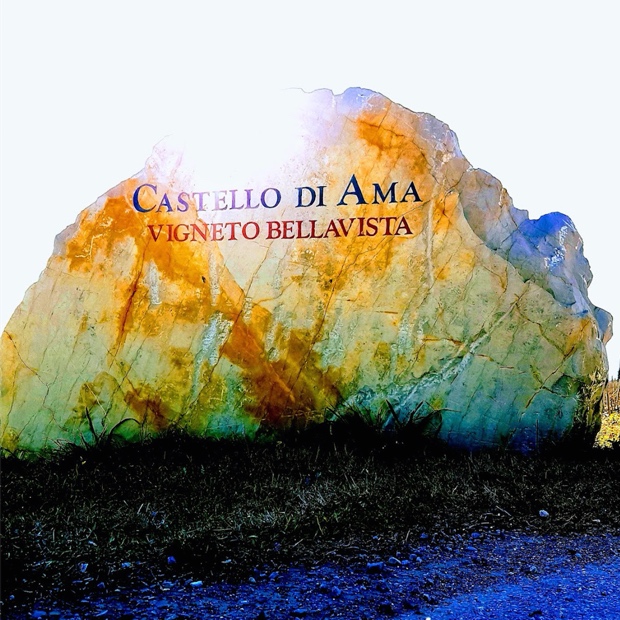
Castello di Ama Chianti Classico Gran Selezione DOCG Vigneto Bellavista 2015, Tuscany, Italy (Agent, $242.59, WineAlign)

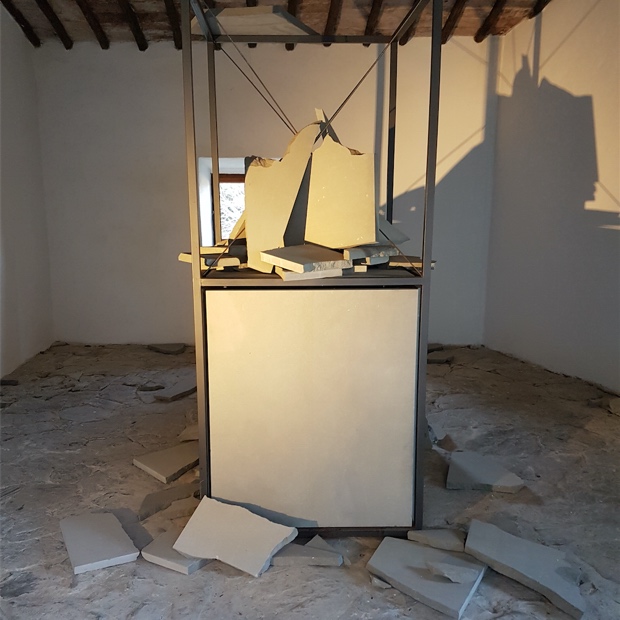
There was no Vigneto Bellavista produced in 2014 and while the über-specific Bellavista Vineyard Gran Selezione is polar-antithetical to San Lorenzo you can’t help but feel the tiro di famiglia and shared connection to the past. What is contrapositive is the Bellavista modern twist, I suppose, less about acidities and tannin, more about fruit and barrel. Spices, baking scents and bricks combine with black fruit for a hematic and ferric take on Gran Selezione. It’s a big wine with firm grip to be sure and it feels like we don’t yet belong in its space. At this stage we are like The Observer, with a telescopic lens into the vineyard as per the Ilya & Emilia Kabakov installation at Ama. We and Bellavista will need five years to get comfortable and to incorporate the integration of weight and charm. Drink 2022-2031. Tasted February 2018  castellodiama  halpernwine  @CastellodiAma  @HalpernWine  @castellodiama  @halpernwine

I Sodi Chianti Classico DOCG 2015, Tuscany, Italy (Agent, 435123, WineAlign)

I Sodi is dusty, high-toned, bright acid covered and tart red fruit sangiovese, more house-styled than either Gaiole or vintage, or so it would seem. Drink 2019-2022.  Tasted February 2018  Agriturismo Le Trappoline – Azienda Agricola I Sodi

Rocca Di Castagnoli Chianti Classico Riserva Docg Poggio A Frati 2013, Tuscany, Italy (23358, $32.95, WineAlign)

Poggio A Frati ’13 is 95 per cent sangiovese plus canaiolo, “just to keep the traditional blend, but without any true impact,” says Angelo Dalbello. The Riserva comes from schisty Alberese soil at Poggio Fratti, the hills of the friars. A 12-hectare plot that shines in 2013, a Riserva vintage through and through, in how you may think it rustic though it’s clearly more complex than the Annata in every way and ultimately spinning the Gaiole sapidity. Aged for one year in tonneaux plus an extra year in bottle. No barriques. I repeat, no barriques. The aroma dominance is wild strawberry and then it gives woods, wind and air. The spice is red citrus piqued and the tart edging like a fence around the fruit. A pure and honest, ode to all that led to this moment Riserva for Gaiole. Truly a sangiovese expression of terroir. Drink 2019-2025.  Tasted February 2018  roccadicastagnoli  profilewinegroup  @Roccacastagnoli  @ProfileWineGrp  Rocca di Castagnoli  Profile Wine Group

Tomorrow I’ll be presenting @chianticlassico to trade and media in Toronto so naturally I went to Barrie and bought the last two @roccadicastagnoli Stielle left in the province ~ #gaiole

Rocca Di Castagnoli Chianti Classico Gran Selezione Stielle 2013, Docg Tuscany, Italy (459529, $45.95, WineAlign)

From a vineyard that records indicate was planted as far back as 970, Stielle is built upon a foundation of more Galestro soil. Why? As a factor of that soil and probably because it could ripen. This ’13 was fermented by 100 per cent whole bunch, not common for sangiovese, but the high acidity, from high elevation and this soil, led to making such a decision. Not as rich and smooth (or perhaps firm and brooding) in youth as compared to let’s say Chianti Classico in Castellina or Castelnuovo Berardenga but the acidity and sapidity will deliver the velvet with the passage of time, in a way, more like Radda.  Last tasted February 2018

Le Stielle in 2013 and its just faint hint of high acidity mixed and boxed with volatility is just on the most correct side of ripe meets structured life. When Gran Selzione gains such a cherry and fine salty mineral meeting of the structured minds it’s a special thing indeed. This is a fine GS with precision and understated, refined and capable power. Really fine, even just firm enough to deliver 10-15 years of slow developed 100 per cent sangiovese expression. Drink 2019-2028.  Tasted September 2017  roccadicastagnoli  profilewinegroup  @Roccacastagnoli  @ProfileWineGrp  Rocca di Castagnoli  Profile Wine Group

San Marcellino texture and acidity in the #roccadimontegrossi clay and Galestro of Monti in Chianti.

Rocca di Montegrossi Chianti Classico DOCG 2016, Tuscany Italy (Agent, $29.99, WineAlign)

The Chianti Classico 2016 was bottled just three months ago (in November) and is quite consistent to 2015 though at this stage not as gentle and in a way, deeper hued and fruit compressed. The structure follows the thread, always carrying the colour and depth of these Gaiole vineyards, from great thick clay and fantastic, friable Galestro. It’s a very specific grain of texture and tannin, chalky but chewy. This has just a great kick, swagger and confidence, mainly due to the exceptional fineness of acidity. It challenges, tempers and is quicker to integrate that grainy tannin so that more elegance is derived. Such a cool, sapid and structured mouthful. Fantastic Chianti Classico. Drink 2018-2024.  Tasted February 2018  #roccadimontegrossi  vinoallegrobc  devonmasciangelo  #roccadimontegrossi  @VinoAllegro @VinoAllegroBC  @RoccadiMontegrossi  Vino Allegro BC  Devon Masciangelo

Rocca Di Montegrossi Chianti Classico Gran Selezione DOCG Vigneto San Marcellino 2013, Tuscany, Italy (Agent, $63.49, WineAlign)

The first vintage as a Gran Selezione was 2010, before having been labeled as Chianti Classico Vigneto San Marcellino. It was never referred to as a Riserva and so the switch to GS was a matter of celebrating vineyard and especially a pronouncement of aging (minimum 50 months barrel plus bottle). Even now six more months in bottle has altered the texture, integrated the grain and added to the cool sapidity. Great acidity from the vintage in my opinion that makes the greatest strides with the longer aging period.  Last tasted February 2018

Marco Ricasoli-Firidolfi’s Gran Selezione boasts more than its share of Chianti Classico history and epochal location in its DNA. Legend dates back to 1039 for Azzi di Geremia Ricasoli and just as far back for the 1000 year-old Pieve San Marcellino. The vineyard gains more archetypal status with each turn of the calendar and the use of just a little bit of endemic pugnitello is awarded the singular varietal assist for Gaiole. With the 2013 vintage well tucked into the back pocket of this iconic Gran Selezione there is this sense of calm and refined, controlled intensity that just begs to get out, but the tannin and rigid structure have it well sealed in. This is what happens when the best fruit and a near perfect vintage come together. It’s fineness of tannin takes on great responsibility and it can do nothing but be a match to the task. Rocca di Montegrossi’s single entity Vigneto San Marcellino is sangiovese of density, intensity and power. It is assuredly one of the finest examples of the vintage. Drink 2020-2030.  Tasted September 2017  #roccadimontegrossi  vinoallegrobc  devonmasciangelo  #roccadimontegrossi  @VinoAllegro @VinoAllegroBC  @RoccadiMontegrossi  Vino Allegro BC  Devon Masciangelo

John Szabo and Luca Martini di Cigala

San Giusto A Rentennano Chianti Classico DOCG 2005, Tuscany, Italy (WineryWineAlign)

Age is apparent on the nose of Luca Martini di Cigala’s Chianti Classico 2005, if hardly whatsoever in the comparative hues of a showing side by side with 2015. This Annata wisps with a smoulder while fruit remains fresh and alive, as if released only yesterday, not 13 years ago. Was a warm year 2005 so this is even more remarkable. A suggestion of truffle and balsamic may be there but you have to concentrate hard to notice so it’s more conceptual than a verified reality. Liquid chalk from what should have been a perfect vintage though rains at harvest diminished the hope and yet how great is this? Seems more Alberese affected than the 2015, that and the hanging tree fruit flavours of dried carob and bokser. Drink 2018-2021.  Tasted February 2018  #sangiustoarentennano    #sangiustoarentennano

San Giusto A Rentennano Chianti Classico Riserva Le Baròncole 2004, DOCG Tuscany, Italy (WineryWineAlign)

Luca Martini di Cigala pours ’04 side by side with the next grossly undervalued vintage. First a re-taste of the very perfumed La Baròncole 2014, from the underestimated vintage that should not be so. With a texture that is San Giusto, if possibly also Gaiole meets a border with Castelnuovo. Then onto Chianti Classico Riserva 2004, from a late harvest, finishing the pick on the 15th or 16th of October, really late for the area. Great acidity is so persistent even if there seems to be some more complex progression as compared to the ’05 Annata, but that is the nature of Riserva, with more dried fruit and savoury-liquorice secondary notes. More spice too, both baking and tobacco and so it is a deeply hematic and plush hyperbole of the younger versions of itself. I imagine this to be in the waning years of its life and soon, perhaps two years from now will mellow and soften into the downy moments it will seek and find. In the meantime, just like its ten years forward sibling, tart never had it this good and linger it does for a decade in your mouth. Do you have to let it linger? The cranberry acidity won’t give you a choice and even if you feel used, it may just hang around there forever. Drink 2018-2026.  Tasted May 2018  #sangiustoarentennano    #sangiustoarentennano

Greve in Chianti

Related – A river runs through Greve

Carpineto Chianti Classico DOCG 2016, Tuscany, Italy (356048, $19.95, WineAlign)

Much further along the road to expression is the way I’d have to announce the immediacy from Carpineto’s quick to gratify Annata ’16. The fruit aches to be pounced upon and used as quickly as you can make this happen. And yet there is a moment of microbial grounding to keep it honest and traditional. In the end it’s a really full and gregarious expression for sangiovese with true red limestone liquidity. Drink 2018-2021.  Tasted February 2018  carpinetowines  univinscanada  @CarpinetoWines  @UNIVINS  Carpineto Wines  @agence.UNIVINS  

Castello di Querceto Chianti Classico DOCG 2016, Tuscany, Italy (680496, $24.95, WineAlign)

Castello di Querceto’s Greve in Chianti 2016 is perfumed by just a lovely fresh fruit nose, a mixed bowl of berries, juices yet running, plump, swelling, dusty and sanguine. Certainly on the riper end of the spectrum and with a finishing moment of bitters. Drink 2018-2021.  Tasted February 2018  castellodiquerceto  profilewinegroup  @CastQuerceto  @ProfileWineGrp  Castello di Querceto  Profile Wine Group

Castello di Querceto Chianti Classico Riserva DOCG 2014, Tuscany, Italy (650754, $28.95, WineAlign)

Still reluctant at this three-plus year mark it is the challenging vintage that really speaks and tells us that patience is needed for longevity and understanding. A depth of dark, liquorice-black cherry meets Cassis gathering suggests cabernet sauvignon adds strength in fruit to savoury 2014 sangiovese dominance. Time will tell just what will come from this formidable Riserva. Drink 2019-2024.  Tasted February 2018  castellodiquerceto  profilewinegroup  @CastQuerceto  @ProfileWineGrp  Castello di Querceto  Profile Wine Group

Tenuta di Nozzole Chianti Classico DOCG Nozzole 2016, Tuscany, Italy (WineryWineAlign)

From the Greve in Chianti project of Ambrogio Folonari and son Giovanni, Nozzole’s Chianti Classico is immediately wild strawberry noted, a pretty, pretty wine, ripe and balanced. Such a persistent sangiovese with nice focus, knows what it needs and wants to be. Drink 2019-2023.  Tasted February 2018  folonaritenute  @FolonariTenute  Ambrogio e Giovanni Folonari Tenute

Vicchiomaggio Chianti Classico DOCG San Jacopo 2016, Tuscany, Italy (710194, $19.95, WineAlign)

A syrup quells and wells on the nose in Vicchiomaggio’s Greve drawn San Jacopo, like an anaesthetic offering temporary numbing before the scents of fennel and baking spices shake you clear. Here the vintage is spoken early and with weight, density and deep impression. Everything fires on quick cylinders; fruit, wood spice, smoulder and verdant savour. It’s all in and immediate. Drink 2018-2021. Tasted February 2018  castellovicchiomaggio  @vicchiomaggio  @SignatureWS1  Castello Vicchiomaggio

Vicchiomaggio Chianti Classico Riserva DOCG Agostino Petri 2015, Tuscany, Italy (993360, $29.95, WineAlign)

Agostino Peri is an expressly and explicitly written Riserva from Vicchiomaggio, dusty, high in acidity and ultimately, ostensibly wholly, traditional. Sits on a perch above Greve in Chianti lands to tell the world. Drink 2019-2024.  Tasted February 2018  castellovicchiomaggio  @vicchiomaggio  @SignatureWS1  Castello Vicchiomaggio

Vignamaggio Chianti Classico DOCG Terre di Prenzano 2016, Tuscany, Italy (AgentWineAlign)

The single block Terre di Prenzano out of Greve is a particularly expressive aromatic ocean, with a tidal flow of dusty, edgy florals and fruit replete with waves of sweet acidity and candied tannin. This is a departure, welcome and exciting. Few Chianti Classico pulse with such activity and locomotion this early, especially for the vintage. So much promise avows and abounds. Really like the direction Vignamaggio is heading. Drink 2019-2024.  Tasted February 2018  vignamaggio  #hhdimports  @vignamaggio  @HHDImports_Wine  Vignamaggio  vignamaggio

Vignamaggio Chianti Classico Riserva DOCG Gherardino 2016, Tuscany, Italy (AgentWineAlign)

Gherardino is Greve in Chianti old school, in a way, with dried fruit, potpourri and a wealth of fennel-liquorice savour. Spice notes are very prevalent, as is the idea that in three years or so this will turn over into balsamico, porcini and tartufo. Wise and traditional Riserva. Drink 2018-2023.  Tasted February 2018  vignamaggio  #hhdimports  @vignamaggio  @HHDImports_Wine  Vignamaggio  vignamaggio

Chianti Classico Collection 2018

Lamole

Fontodi Chianti Classico DOCG Filetta di Lamole 2015, Tuscany, Italy (Agent, $36.95, WineAlign)

Lamole, though still wild west and yet underdeveloped is clearly the next important Chianti Classico sub-sub-zone terroir. With so much untapped potential it is Giovanni Manetti’s of Fontodi that speaks the earliest, clearest truth about such capabilities. Not that we want to see too quick an exploit of this unique micro-climate and geological wonder but the insatiable thirst of curiosity begs to know. What earth gets into, inside and beneath this sub-strata is dramatic and so bloody personal. It’s a thing of forest floor, rock interface, space and sky, all encompassing, with the filtered, dappled light of sangiovese all pervasive and ethereal. Great chalk and dust particles visible to the naked eye in those streaks of lightning acidity and fine tannin swirl to lightness of being. Though 2014 is a sangiovese of great brood, flavour and commercial appeal, now there is greater potential. This ’15 is perhaps the first Fontodi of Lamole that has crossed into the true reality of the territory. Drink 2019-2025.  Tasted February 2018  #Fontodi  rogersandcompanywines    @rogcowines  Az. Agr. Fontodi  #fontodi

I Fabbri Chianti Classico DOCG Terra di Lamole 2016, Tuscany, Italy (WineryWineAlign)

Lamole in Greve is the source for this high toned, stone-tined and savoury aromatic young Annata, traditional, mildly volatile in its wise rusticity and surprisingly tannic. This is the sort of pressed sangiovese you’d find over the decades, from information and technique passed down and upheld by the current generation. Continues the thread with more microbes and real live tart notes to taste. Builds and builds upon its old-school foundation. Drink 2018-2021.  Tasted February 2018  ifabbriclassico  @IFabbriLamole  I Fabbri

I Fabbri Chianti Classico DOCG Terra di Lamole 2015, Tuscany, Italy (WineryWineAlign)

Into the Lamole lair we delve from I Fabbri with 90 per cent sangiovese (grosso) plus canaiolo nero of great potential and it should also be said, probability, if not right now then soon, very soon. This terroir is different and if we are not quite sure exactly how or why then perhaps the producers are not quite sure either. The fruit is 98 per cent ripe but I can’t help but wonder how greatness could have been were the number perfect. That may be asking too much but something is amiss, even while the dusty excesses and fine acidity support of wild red fruit is there to see, sense, feel and enjoy. That is the end game after all. Drink 2018-2022.  Tasted February 2018  ifabbriclassico  @IFabbriLamole  I Fabbri

Lamole Di Lamole Chianti Classico DOCG Blue Label 2015, Tuscany, Italy, (476317, $23.95, WineAlign)

From the Lamole sub-section of Greve in Chianti this is 80 per cent sangiovese plus 10 each cabernet and merlot, the latter raised in barriques. A minimum of 22 months is total, this is found to be quite the jammy Annata, surely vintage driven from out of the higher altitude diurnal temperature swings in Lamole. A wine of typicality for the territory and certainly pressed and expressed for immediate gratification. Really plum-fruit fleshy with notable wood spice, especially on the international varieties. Moves into and finishes with dark and stormy tannins in a controlled weather pattern. Drink 2018-2021.  Tasted February 2018  lamoledilamole  philippedandurandwines  @LamoleDiLamole  @lamolewines  @Dandurandwines  Lamole di Lamole  Vins Philippe Dandurand Wines

Lamole Di Lamole Chianti Classico DOCG Etichetta Bianco 2015, Tuscany, Italy, (Agent, $23.95, WineAlign)

The second of two Chianti Classico Annata is the Etichetta Bianca, which unlike the Blue Label bottle spends six months in steel, followed by six in big oak casks. Once again offers the Lamole perspective with a glimpse into the limestone, schist and altitude potential of the zone. The absence of barrique aging means the (80 per cent) sangiovese stands out and works with the earth, though here in more ochre, lower hanging, warmer tones. There would seem to be a high percentage of clay from lower hill sites on this fruit because the acidity is subdued and the fruit darker in flavour, though not because of wood. It is a delicious glass of sangiovese regardless and presents yet another moment to talk about sub-sub-zone potential. Drink 2018-2020.  Tasted February 2018  lamoledilamole  philippedandurandwines  @LamoleDiLamole  @lamolewines  @Dandurandwines  Lamole di Lamole  Vins Philippe Dandurand

Lamole Di Lamole Chianti Classico Riserva DOCG Etichetta Grigia 2014, Tuscany, Italy, (280651, $28.95, WineAlign)

Winemaker Andrea Daldin is very proud of his work in 2014, the challenge as great as ever, but he’s sure he’s done great work. A vendemmia ultra-selezionale. Andrea came back from holiday in late August and removed all the foliage to open up the bunches to whatever sun might come and in September it did. Three passages were performed to seek out stages of phenolic ripeness and the sorting table really came in handy on this work. It’s 85 per cent sangiovese and 15 per cent canaiolo, “to bring more typicity for the area.” Here is a deep and rich, generous and extremely carefully curated (grey label) Riserva, OCD style, with no albarese, galestro or macigno stone left unturned. It’s a very pretty nose, elevation and all angles curved, holes filled and everything made whole in Riserva style. Quite ferric and serious, there is some tart astringency at the finish, a sign of vintage and youth but this too shall pass. Drink 2019-2024.  Tasted February 2018  lamoledilamole  philippedandurandwines  @LamoleDiLamole  @lamolewines  @Dandurandwines  Lamole di Lamole  Vins Philippe Dandurand

Lamole Di Lamole Chianti Classico Gran Selezione DOCG Vignetto di Campolungo 2014, Tuscany, Italy, (231241, $37.95, WineAlign)

The Vigneto di Campolungo 2014 spent an extra few years in bottle after élevage for what directs this Gran Selezione to market, developing its flavours, integrated into a fine chain of tannin command. This reminds more of let’s say Bibianno’s Montornello than Lamole though it does have that Lamole acidity. Very composed, very directed, very serious. Full barrel advantage, phenolic ripeness, glycerin and tannin. In the big time. Drink 2020-2026.  Tasted February 2018  lamoledilamole  philippedandurandwines  @LamoleDiLamole  @lamolewines  @Dandurandwines  Lamole di Lamole  Vins Philippe Dandurand

Lamole Di Lamole Chianti Classico DOCG 1993, Tuscany, Italy, (WineryWineAlign)

In quite good standing, this ’93 has held up beautifully and was Andrea Daldin’s first vintage. The wild strawberry and balasmico are now combining in fine secondary character. The Lamole acidity is fading but hanging in while tannins are long gone. Changes to fade in dappled light tones after minutes in the glass while always remaining a brilliant claret. Still a solid salumi wine, in mimic and support. A pleasure to taste from a terrific, storied and meticulously sheltered, worked and kept Lamole terroir. Shades of stone are everywhere; from Macigno to Alberese, Albarese with Calcium Carbonate and Galestro. Returns for a little bite of toffee and sip of coffee, before riding off into the sunset Drink 2018.  Tasted February 2018  lamoledilamole  philippedandurandwines  @LamoleDiLamole  @lamolewines  @Dandurandwines  Lamole di Lamole  Vins Philippe Dandurand

Podere Poggio Scalette Chianti Classico DOCG Lamole Nonloso 2015, Tuscany, Italy (AgentWineAlign)

Nonloso is a new label for Jurji Fiore with his daughter from a one point eight hectare vineyard across the valley on the Lamole hill, from 25-year old terraced sangiovese (mostly) and this may just be the most elegant sangiovese you are ever likely to taste. If the comparison is even possible it might be said that this sangiovese is made in a Côtes de Nuits style, in one 500L old and one new 228L barrel. The fruit comes from altitude up at 500m, same sandy soil as Ruffoli but less Arenaria stone in Lamole. The biggest difference is the water, in Lamole you drive up through forest while in Ruffoli you climb through rock up to the moon. Perfumed like Volnay and with distinct bright acids but unmistakable as Lamole, perhaps just a hill, valley or river bend away from so many other Greve terroirs but so singular. Very special parochial piece of the territory right here for a Chianti Classico that along with Fontodi begins to tell a sub-zone within a commune story. I don’t know. Seems pretty clear to me. Drink 2019-2029.  Tasted February 2018  Podere Poggio Scalette  profilewinegroup     @ProfileWineGrp  Podere Poggio Scalette  Profile Wine Group

Montefioralle

Montefioralle Chianti Classico DOCG 2015, Tuscany, Italy (Winery, WineAlign)

Perhaps this vintage is necessary to gain an understanding of Montefioralle or perhaps it was always there and a connection just needed to be found. The inhalant of elemental abstraction is remarkable and singular so let us open the discussion about the interest and in fact the necessity for Montefioralle. Just gorgeous from a fruit perspective, dusty and rising in tone with breaches considered and levels touched but never crossed. The risks are many with the rewards justified, palpable and great potential comes as a result. Check out Montefioralle. This tells you why. Drink 2019-2025.  Tasted February 2018  montefioralle  Castello Di Montefioralle    Montefioralle Winery

Montefioralle Chianti Classico Riserva DOCG 2014, Tuscany, Italy (Winery, WineAlign)

Montefioralle is a deeply felt sensation of sangiovese preservation bringing everything that is Montefioralle within Greve with power and grace. Such fruit wealth is remarkable for 2014, distinct from its geological birthing and powerful to the end. Oh how this celebrates a zone within a zone. Drink 2019-2025.  Tasted February 2018  montefioralle  Castello Di Montefioralle    Montefioralle Winery

Castello Di Verrazzano Chianti Classico DOCG 2015, Tuscany, Italy (Agent, $30.25, WineAlign)

From the sub-zone of Montefioralle this very ready and welling fruit is willing to please, if not at this very moment then just around the corner, where spring lies in wait. Here is yet another quick and painless example of that ’15 acidity, ripe and burgeoning. This will develop its charm by late 2018 and deliver copacetic Greve in Chianti sangiovese for a good two to three year run. Drink 2018-2021.  Tasted February 2018  verrazzanopeople   @StaffVerrazzano  @Smallwinemakers  Castello di Verrazzano  The Small Winemakers Collection

Villa Calcinaia Chianti Classico Riserva DOCG 2015, Tuscany, Italy (Agent, $43.95, WineAlign)

Calcinaia’s is firm and direct, drawn from the Greve rise above and west of the river to mark a Montefioralle concern off of its southeastern quadrant. If ever a Greve Riserva continues the stylistic and prevalent hematic ooze of its Annata predecessor this would be the one. Torbido and seminal stuff from Sebastiani Capponi. Drink 2020-2027.  Tasted February 2018  @villacalcinaia  @Nicholaspearce_  villacalcinaia  nicholaspearcewines  @calcinaia  Nicholas Pearce

Villa Calcinaia Chianti Classico Gran Selezione Vigna Contessa Luisa and Monty Waldin

Villa Calcinaia Chianti Classico Gran Selezione DOCG Vigna Contessa Luisa 2014, Tuscany, Italy (AgentWineAlign)

Vigna Contessa Luisa was planted by Ferrante Capponi in 1959, dedicated to his mother Luisa Vonwiller and it is the oldest vineyard still in production at Villa Calcinaia. It’s also responsible for Sebastiano Capponi’s newest Calcinaia Gran Selezione and it is not surprisingly the most elegant of the three (along with La Fornace and Bastignano). The most poignant and concentrated liqueur but also because it comes to market a year after the other two, so it has had a chance to settle and shed its cracked outer earthy layer. Now spicy and taut still it’s got so much wonderful fruit, dark, stormy, spicy and long. It’s almost ghostly. Will live in infamy. Drink 2021-2031.  Tasted February 2018  @villacalcinaia  @Nicholaspearce_  villacalcinaia  nicholaspearcewines  @calcinaia  Nicholas Pearce

Viticcio Chianti Classico DOCG 2015, Tuscany, Italy (283580, $19.25, WineAlign)

A high-toned Monetfioralle affair in 2015 from Viticcio brings very bright red Greve in Chianti fruit and a zing of zesty acidity. This may not be as warm as some ‘15s, which in its singular way is a good thing but there is no compromise to classicism and intensity. You must appreciate the waves of rusticity and tradition but also the high acid style in the face of a vintage that wants to talk about other things. Stands out for this but also for its use of barrel, at least in this early woody stage. Drink 2019-2024.  Tasted February 2018  viticciowinery  majesticwinesinc  @viticciowinery  @MajesticWineInc  Viticcio Winery  Majestic Wine Cellars

JSz in the February #concadoro

Panzano

Related – The ins and outs of Panzano in Chianti

Fontodi Chianti Classico DOCG 2015, Tuscany, Italy (933317, $36.95, WineAlign)

If balance were the ultimate end to all sangiovese means then one nose into this Annata 2015 tells us most of what we need to know. When Giovanni Manetti talks of 2015’s great acidity we may not have been able to inuit or ultimately know what he meant, at least as far as the peer into the collective lens of other wines. Through Manetti’s Panzano focus we now understand. The integration, inclusion and open-armed grande abbraccio of Fontodi’s 2015 talks of fineness, precision, elegance and soft-spoken power. There is the finest of sangiovese dust and the circling of tannic wagons enveloping optimized fruit and bringing the entire family in this wine together. It’s a great vintage for Fontodi. Drink 2019-2025.  Tasted February 2018  #Fontodi  rogersandcompanywines    @rogcowines  Az. Agr. Fontodi  #fontodi

Il Molino Di Grace Chianti Classico DOCG 2015 SoloSangiovese, Tuscany, Italy (Agent, $19.95, WineAlign)

It’s a statement to be sure, adding the moniker of “SoloSangiovese” to the label of a Chianti Classico. It’s not just a matter of making comment with regards to varietal purity but the way in which Il Molino di Grace skirts party lines with an explicit display of the grape variety, just a shade smaller then the territory on the bottle. We may be expected to know what comprises (or should be inside) a Chianti Classico but how many really do? So here we are, where we’ve never been before, but have always been. Same deep and intense cimmerian Molino hue, big barrel spice and pure sangiovese grace. There is a connected energy that pulses, to the rest of the portfolio, with or without merlot and found here in a cleanest of Annatas, through clarity and with focus. Solo and proud, wrapped in the varietal flag. Drink 2019-2023.  Tasted February 2018  ilmolinodigrace  @Ilmolinodigrace  Il Molino di Grace

Il Molino Di Grace Chianti Classico Riserva DOCG 2015, Tuscany, Italy (Agent, $24.95, WineAlign)

You should know that the Chianti Classico of Il Molino di Grace are always deep, dark as night sangiovese but they begin as juice so beautifully opaque red that the transformations are always a thing of great wizardry. It’s more than the barrels, the Slavonian slumbers and the effect of wood. It’s the Galestro soil, parochial Panzano and it is, as mentioned, pure magic. This 2015 Riserva is huge, a wine to launch a thousand ships and faces. I am afraid of and mesmerized by the power. Fortunately this vintage gifts more fruit than many and so the ambition is tempered with juicy restraint and integration. This is ultimately where balance is found despite such high acidity and pitchy macchiò, buio offuscato or oscurità. We’ll see where this lands in a few years time. The plan is to wake up, nose the Galestro and go on with the day. Drink 2020-2028.  Tasted February 2018  ilmolinodigrace  @Ilmolinodigrace  Il Molino di Grace

Il Palagio di Panzano Chianti Classico DOCG 2015, Tuscany, Italy (WineryWineAlign)

Very ripe, rich and deeply felt Annata, pressed for the here, now and yet not forever. Very rich and to be enjoyed in the present tense. Consumers can get a sense of vintage but more to the point, drink this with a steak today. Drink 2018-2019.  Tasted February 2018  @palagiodipanzano  palagiopanzano

Le Fonti di Panzano Chianti Classico DOCG 2015, Tuscany, Italy (282848, $31.95, WineAlign)

Le Fonti is the life work of Vicky Schmitt-Vitali, organic, sustainable and Europe’s first Bio-Distretto di Viticultura, leading their Panzano-Greve community in the charge of “attractive territories for a sustainable world.” Her 2015 Chianti Classico was bottled in September of 2017 so it has had time to settle in. This is where sangiovese captures the warmth and relative ease of a vintage, like bottling sun, gravel, schist, limestone, sand and clay for better days ahead. Sangiovese may be young and restless but here in its unadulterated state it renders spice and extends a hand with a firm shake for mutual accord. At some point next year it will bloom with perfume and then prepare to smell the Galestro, along with the flowers, for several more after that. Drink 2019-2023.  Tasted February 2018  poderelefonti  thevineagency  @LeFontiPanzano  @TheVine_RobGroh  Fattoria Le Fonti – Panzano   @thevineto

Le Fonti di Panzano Chianti Classico Riserva DOCG 2014, Tuscany, Italy (282921, $44.95, WineAlign)

From the village of Panzano set in an amphitheatre in a southern nook of Greve, this 2014 is lithe, whimsical and understated for Riserva. Cinnamon spice and roses just picked, fresh and fragrant emit an elegant perfume for sangiovese, challenged by a vintage that asked alot from these producers. It’s a bit closed down, more than the average vintage and according to Vicky Schmitt-Vitali this is to be expected. It’s also sangiovese which plays hard to get at the best of times so be prepared to aerate and act with the same light-hearted patience. Drink 2018-2022.  Tasted February 2018  poderelefonti  thevineagency  @LeFontiPanzano  @TheVine_RobGroh  Fattoria Le Fonti – Panzano   @thevineto

Le Fonti di Panzano Chianti Classico Riserva DOCG 2012, Tuscany, Italy (282921, WineAlign)

Time has had an impact on the development of texture and this Panzano Riserva is now a rich, viscous and dense liqueur. It’s just amazing when you consider how it’s a child from the freeze-dried soil out of the vintage where winter saw so much wind and snow. Then came a dry heat like no other so as with all vintages there could really be no idea what might happen and like every other one, the challenge was new again. There is more than the usual spice in 2012 to augment the richness and the intensity of the fruit. Perhaps it’s atypical but at five and a half years of age this sangiovese is coming around very nice. Drink 2018-2020.  Tasted February 2018  poderelefonti  thevineagency  @LeFontiPanzano  @TheVine_RobGroh  Fattoria Le Fonti – Panzano   @thevineto

Panzanello Chianti Classico DOCG 2015, Tuscany, Italy (WineryWineAlign)

Panzanello’s sangiovese is augmented with a small amount of merlot. Lots of pressing, bringing out oozing fruit, plenty of early acidity and dusty tannin all combining for a quick entry into the 2015 vintage. It’s all here, right here, right now, in an already fully committed Panzano CC, with drying fruit and an herbal, arid finish. Drink 2018-2019.  Tasted February 2018  panzanello_1427  @Panzanello  @Panzanello1427

Jurji Fiore of #PoggioScalette on the top of the #rufoli hill in #greveinchianti one of the great cru of #chianticlassico

Ruffoli

Podere Poggio Scalette Chianti Classico DOCG 2015, Tuscany, Italy (AgentWineAlign)

Alta Valle delle Greve is one of Chianti Classico’s highest vineyard sites in Greve on a perch at the top of the Ruffoli hill. Poggio Scalette’s is fermented in concrete, in part because all the sangiovese comes in together and the decision for what to use for Il Carbonaione is not made until later on. Then the Chianti Classico is separated and works further with the concrete, maintaining the highest level of fresh fruit character. Pure sangiovese from younger vineyards, this is so direct, of pure acidity that alights the fruit and delivers honest, unadulterated delight.  Last tasted February 2018

The seventh vintage for the cement-aged Annata is a firm one, especially for 2015, of quick aromatic demand, already thinking ahead, not necessarily for the here and now. Like the other sangiovese (di Lamole) from decent Greve in Chianti altitude (450m) also delivers some hillside (mountain-ish) herbs and fennel, with chicory too. To the palate comes a char on cinghiale roasting over the fire. Top quality acidity rounds out this traditional, fiery red sangiovese with grip and persistence. Drink 2019-2024.  Tasted February 2017  Podere Poggio Scalette  profilewinegroup     @ProfileWineGrp  Podere Poggio Scalette  Profile Wine Group

Chianti Classico Collection 2018

Querciabella Chianti Classico DOCG 2015, Tuscany, Italy (728816, $30.25, WineAlign)

Digging deeper, or in this case higher as fruit from this eastern section of Greve comes in part from vineyards up on the Ruffoli hill. For 2014 winemaker Manfred Ing pointed out how they used a lot less Radda fruit in the mix due to pest problems and so much of that fruit was dropped. This 2015 is a different story, of Ruffoli meets Radda for a regional Annata, a true territorial Chianti Classico. The hill’s spice and high tonality weaves into Radda’s depth and richness is the quotient, even for a ’15 but not unusual for a Querciabella. It’s a fourth in a row (100 per cent) varietal wine, a sangiovese gelée if you will and really pure. The most purity, with back bite spice but rendered and creatively displaced. Impeccable farming, meticulous sorting and precise winemaking add up to the cleanest of Chianti Classico. I’ll have my sangiovese neat, thank you very much. Drink 2019-2024. Tasted February 2018  querciabella  grape_brands  @Querciabella  @querciabella

Querciabella Chianti Classico Riserva DOCG 2014, Tuscany, Italy (Winery, WineAlign)

This young and impressionable Riserva has been a year in bottle and with more (to mostly) Ruffoli fruit than normal it can’t help but speak a very specific language. Ad with the Annata from the same vintage there were problems with the Radda fruit and so the near-solo journey means less rounded edges and higher tones. The best fruit came from Greve, followed by Radda and then Gaiole. What you notice from this ’14 is its depth of beautiful cherry liqueur with earth tones and musky leather. The acidity is the constant, so very Ruffoli and the tannins are surprisingly sweet. Should all come together in another year or so. Drink 2019-2024.  Tasted February 2018  querciabella  grape_brands  @Querciabella  @querciabella

Poggibonsi

Tenuta Cinciano Chianti Classico DOCG 2016, Tuscany, Italy (WineryWineAlign)

Cinciano is 100 sangiovese from chalky Poggibonsi vineyards at 250-350m of elevation. Youthfully speaking this ’16 sits en retard, reductive and only seems to want to breathe as a deep inhalant of argilo sangiovese. This CC is an even bigger than the average, broader and scope encompassing expression to taste with an impressive ferric intensity. The potential is great. Drink 2019-2021.  Tasted February 2018  fattoriacinciano  @InfoCinciano  @fattoriadicinciano

San Fabiano Calcinaia Chianti Classico DOCG 2015, Tuscany, Italy (Agent, $23.95, WineAlign)

If you are looking for a flat-out juicy, chewy and full-flavoured example of Chianti Classico with unbridled 2015 warmth then look no further. SFC’s Poggibonsi annata delivers drinkable fantasy in sangiovese and that is all there is to that. Drink 2018-2020.  Tasted February 2018 sanfabianocalcinaiasrl  gsoleil123  @SanFabiano  @GroupeSoleilTO  Società Agricola “San Fabiano Calcinaia”  Groupe Soleil Fine Wines

Isole E Olena Chianti Classico DOCG 2016, Tuscany, Italy (704346, $29.95, WineAlign)

Chianti Classico 2016 is composed of 80 per cent sangiovese, (15) canaiolo and (5) syrah, which since the 1980s has always held a spot, in fact it may have been as much as 10 two plus decades ago. Paolo de Marchi explains.”Syrah in my opinion, was really about thinking, about blending in an earlier ripening variety.” It also added colour, not for quality necessarily, but for pleasure. “If I were a consultant I don’t think I would recommend to plant it anymore.” But Paolo loves it, its bright acidity and lower pH, and loves the warmth. You can feel the liquid peppery hug from the combination of canaiolo and syrah in the constitution of this CC and now a new texture evolved from a traditional one, clearly passed on through generations. It is spoken in the clarity of this 2016, but it has taken decades to arrive here. Finessed, soft tannins and an effulgent acidity wrap fruit chewy and yet very crisp. Singular again and alone but quicker to please, at least for now. Perhaps it too will shut down in 2019. Perhaps not. Drink 2019-2024. Tasted February 2018.

Isole E Olena Chianti Classico DOCG 2015, Tuscany, Italy (704346, $29.95, WineAlign)

Paolo de Marchi’s Annata is not exactly the most typical ’15 because of its unabashed sapidity, still a bit reductive out of origins in freshness incarnate, with acids burgeoning and expanding in the mouth. Liquorice and carob flavours climb on top of the lingering smell of balsam wood. Full and expansive, intense and bigger than many though a right-proper texture it most certainly delivers. “This is only one-third of the potential of the vintage,” says Demarchi about how it is showing a year and a half in, now imploding and beginning to shut down. This seems to be the trend in Paolo’s wines, fresh and vibrant just when and after being bottled, then protective of themselves before turning into something beautiful once again. This will develop into a decades long lived Chianti Classico. Drink 2020-2033.  Tasted February 2018  #isoleeolena  @HalpernWine    halpernwine  Isole e Olena  @halpernwine

Isole E Olena Chianti Classico Gran Selezione DOCG 2015, Tuscany, Italy (Agent, WineAlign)

“Chianti is not a territory that gives minerality in wines. The low pH and high acidity are the factors that matter most. Here the back palate has bite, but it’s not salinity.” So says Paolo de Marchi as he introduces a series of Gran Selezione. In 2015 the difference between this GS and the Cepparello is not an enigmatic one, nor is it a mystery that de Marchi was not in favour of creating a new category. Still he foresaw and excepted the outcome, so  decided to make something special. “In time, after me, it will be a single-vineyard.” Barrel selected from the Cepparello selection, this is not a 100 per cent sangiovese but rather something still in transit, even moving. So tight and tannic, fine-grained, with a new fineness of acidity, but just missing something. Like cabernet franc it is quipped, but no, it wouldn’t have worked anyway. So what then? Time, that is all. Drink 2020-2029.  Tasted February 2018

Isole E Olena Chianti Classico Gran Selezione DOCG 2013, Tuscany, Italy (Agent, WineAlign)

When the Gran Selezione 2013 was in the conception stage there was “the search to integrate the experience of Super-Tuscan into the research of sangiovese.” The acidity is even higher in this ’13 than the same vintage Cepparello, because of 90 per cent sangiovese. Something textural is ganache oozing, connected to an espresso-noted and tobacco waft, followed by such spice. This is a moist intense expression of GS, likely needing 10 years to settle in. Long and exciting, plugged in and pulsating. Drink 2022-2032.  Tasted February 2018

Isole E Olena Chianti Classico Gran Selezione DOCG 2010, Tuscany, Italy (Agent, WineAlign)

Isole E Olena Gran Selezione 2010 graces a factor in which “the blend lifts up the quality,” a noble venture or undertaking that balances the angles and trips into light. The reductive one is, as per the firm and grippy vintage, tannic and taut, wound still in the present, with the carob and the savour. The minty one, in a way, and with graphite and creosote. Very sapid, tight and intense. The most brooding of the four (’15, ’13 this and ’06). Drink 2021-2030.  Tasted February 2018

Isole E Olena Chianti Classico Gran Selezione DOCG 2006, Tuscany, Italy (Agent, WineAlign)

Gran Selezione 2006 is the very first. “It is a wine I decided to make for the family, on the 50th anniversarry of my father buying the estate,” tells Paolo de Marchi. “Before Gran Selezione it was already a wine that was in my head. A wine that is the experience of a Super Tuscan with the experience and character of Chianti Classico.” It’s 80 per cent sangiovese with syrah and cabernet franc, plus a touch of merlot. Worked, re-adjusted, working for complexity. This was the first year of GS and even though it had already been bottled, it qualified because Paolo has made a special selection of barrels for a specific wine.  It may just be the biggest of them all, a ground breaker, and it made great use of cabernet franc. Nothing if not big and bright, effulgent, massive and balanced. It’s still so fresh and alive. Drink 2018-2030.  Tasted February 2018

Serious #sangiovese showing @chianticlassico Masterclass @agotoronto ~ #castellodigabbiano #castellodimonsanto #castellodialbola #carobbio #vallepicciola #querciabella #roccadicastagnoli

Radda in Chianti

Related – Get Radda for Chianti Classico

Borgo La Stella Chianti Classico DOCG 2015, Tuscany, Italy (AgentWineAlign)

A variegation of soils prepositioned by slopes higher than many make the sangiovese from Radda in Chianti both unique and fascinating. Borgo La Stella invokes the dramatic use of Alberese and Macigno rock, sand and stone to rise up and tell a story of purposed cool climate Chianti Classico curiosity. The ’15 is amenable sangiovese with classic high scope, tonality, soil tang and acidity. The apex at which fruit and drama connect is both exciting and new. This house and its young vines are just getting started and 2015 is the meeting point to join the journey. Drink 2018-2022.  Tasted February 2018  borgolastella  devonmasciangelo  #BorgoLaStella  Borgo la Stella  Devon Masciangelo

Brancaia Chianti Classico DOCG 2016, Tuscany, Italy (519173, $24.95, WineAlign)

Brancaia’s tone is dialled high in these earliest of days, bright, effusive and expressive. Tart cherry fruit prescribed and duly described exactly as this is doted on by equal and uplifting acidity. You just feel like chewing on this glass of effulgent fruit, in rumination and for an easy route through the complacency of sangiovese digestion. That acidity is notable though it too is easy to assimilate and so upon return the fruit feels the same. Drink 2018-2022.  Tasted February 2018  brancaia_com  noble_estates  @CasaBrancaia  @Noble_Estates  @Brancaia  @NobleEstates

Brancaia Chianti Classico Riserva DOCG 2015, Tuscany, Italy (260802, $36.95, WineAlign)

The vintage is the succulent one for Brancaia’s Riserva, an (80 per cent) sangiovese, (20) merlot Radda in Chianti beauty that saw 16 months in a combination of barriques and tonneaux. Here we feel the point where 2013 and 2014 intercede, propagate and deliver a child that is observed to grow up so fast. While so tart, it’s primary concern is to deliver pleasure with a substantive and toothsome payoff. The wood is still a bit heavy but necessary to carry the ecumenical fruit forward three to five years. Drink 2019-2023.  Tasted February 2018  brancaia_com  noble_estates  @CasaBrancaia  @Noble_Estates  @Brancaia  @NobleEstates

Time travel through the generoso @volpaia back pages with Giovannella Stianti and Federica Mascheroni #coltassala #chianticlassico #1987 #1988 #1993 #1999 #castellodivolpaia

Castello di Volpaia Chianti Classico Riserva DOCG 2015, Tuscany, Italy (705335, $41.95, WineAlign)

The Riserva is now sourced from a different vineyard than the Annata, with the single vineyard now in delivery of the fruit for the Gran Selezione from 2015 moving forward. The nose here is firmly demanding, savoury, mentholated, with metal magic, creosote and graphite. Now 100 per cent sangiovese, this silky Riserva is frankly silly-stupid young and yet you just know it is a wine that has adjusted to a climate that was once something other and in fact the evolutionary adjustment in time won’t begin to happen for this ’15 until another two or three years. That will be followed by two or three more to ready the open window and offer an aromatic sense of the decomposing sandstone and lime in earth underfoot. Then two or three more for some real change to happen. Drink 2021-2027.  Tasted February 2018  castellodivolpaia  rogersandcompanywines  @volpaia  @rogcowines  @volpaia  Rogers & Company

Castello di Volpaia Chianti Classico Riserva DOCG 1987, Tuscany, Italy (WineryWineAlign)

Chianti Classico Riserva 1987 is habituated and living life to the fullest in a state of complete and utter sound body and mind. It is sangiovese made at a time when it could it not have been known how impressive it would show 30 years later. Volpaia ’87 is from way back in the cold, pre-climate change days, the acid-washed, roaring 80s, now umami-earthy, cherry-plum fruit with some celery and a real salty-sandstone vein. Still blessed by a healthy, rhythmic pulse of acidity and finally, pure pleasure. Chalk it to bottle luck or a vintage that just had an inkling of greatness that would surely come but this is truly a special and memorable moment to taste. It needs saying with a thank you in words to Giovannella Stianti for sharing, but that will never be enough. Grazie infinite. Drink 2018-2021.  Tasted February 2018  castellodivolpaia  rogersandcompanywines  @volpaia  @rogcowines  @volpaia  Rogers & Company

Castello di Volpaia Chianti Classico Gran Selezione DOCG Coltasalla 2015, Tuscany, Italy (WineryWineAlign)

Welcome to the new age for Chianti Classico Gran Selezione aging, meaning this is one to go longer, deeper, well into the Radda in Chianti night. In answer to the question of category content, Coltassala was a Riserva (labeled as IGT) until the ’14 vintage (and there is no ’14 GS), always with five per cent mammolo, from the plot co-planted at the end of the 1960s. Then the vineyard was grafted in the late 70s (before Coltassala was created) in the early 80s. “Coltasalla is a question of what was in this vineyard” notes Giovannella Stianti Mascheroni. Most interesting is how this Chianti Classico carries 10 times the acidity of the Annata and the Riserva, in great tension and demand, dominating and to be honest, is quite distracting. It’s nearly an impossible proposition of structure but from a night when a 1987 Riserva showed zero signs of decline, anything is to be believed. Coltasalla is truly a body of work to represent this 500m vineyard and Volpaia with the highest nobility. Drink 2022-2032.  Tasted February 2018  castellodivolpaia  rogersandcompanywines  @volpaia  @rogcowines  @volpaia  Rogers & Company

Colle Bereto Chianti Classico DOCG Gran Selezione 2014, Tuscany, Italy (Agent, $67.50, WineAlign)

Colle Bereto’s is a Radda in Chianti single-vineyard expression from La Vigna del Convento which lies at the foot of the former Il Convento di Radda, now Casa Chianti Classico. The Galestro soil is surely the catalyst for this 23 year-old block. There is no substitute for the acumen and the hard work that develops such a wise and mature Gran Selezione. Firm, no shortage of virility, fine acidity, finer tannin and exceptional length. Drink 2020-2030.  Tasted February 2018  colleberetowinery   @NokhrinWines  Azienda Agricola Colle Bereto  Azienda Agricola Colle Bereto

Castello Monterinaldi Chianti Classico DOCG 2015, Tuscany, Italy (383604, $19.95, WineAlign)

No other sangiovese yet and perhaps won’t again brings the smell of anise like Monterinaldi’s. Though this ’15 Annata is not the single-vineyard Boscone it truly is a Radda in Chianti terroir based wine. After the fennochio love-in the flavours turn to tart cherry and chalky soil. This is real savoury sangiovese, like chewing on soil, leaves and frutta di bosco. Traditional but not necessarily rustic, this is simply a matter of the earth. Drink 2019-2022. Tasted February 2018  #monterinaldi  @monterinaldi  C & E Worldfinds  @monterinaldi  

Castello Monterinaldi Chianti Classico DOCG Vigneto Boscone 2015, Tuscany, Italy (WineryWineAlign)

The single-block expression from Vigneto Boscone is really quite different from the fennel uncanny purposed Monterinaldi Annata, here with sweeter scented and less savoury, brushy and bushy fruit. This is a much broader brushstroke of sangiovese, or rather a swath of fruit, rich, layered and developed. The herbal, amaro component is there but clearly secondary to the fruit. This is very composed, clearly arranged and doted upon Chianti Classico with a lot of purpose. The palate is chewy and persistent. Drink 2019-2025.  Tasted February 2018  #monterinaldi  @monterinaldi  C & E Worldfinds  @monterinaldi 


Istine Chianti Classico Docg Vigna Cavarchione 2015, Tuscany, Italy (WineryWineAlign)

Angela Fronti produces three single-vineyard Chianti Classico, this being the one from Vertine in Gaiole. She began vinifying her three parcels separately in 2012 but also makes a general Annata and a Riserva that combines the three. The real passion comes through in these single expressions and Cavarchione might just be the the most impressive, at least in this vintage, even if it happens to be the outlier so far from the Istine estate. Precocious wisdom born of age-old dispensation is what drives this sangiovese, just as it does in the Vigna Istine (between Radda and Castellina) and the Vigna Casanova dell’Aia (near Radda). Cavarchione shows deep wisdom, perfect impression and with an eye looking forward for a terroir reveal. It’s an intensely calm sangiovese and while this is not as immediately drinkable as the Annata ‘normale’ it is not far from warming up and bringing the heat. Drink 2019-2024.  Tasted February 2018  istine_raddainchianti  angela_fronti    @angelafronti  Istine  Angela Fronti

Poggerino Chianti Classico DOCG 2015, Tuscany, Italy (SAQ 878777, $25.95, WineAlign)

This next Annata from Radda in Chianti is impressive for its delivered impression of simulated Riserva quality and with a bit of reserve on the nose. Poggerino’s stands apart in this respect. There are many layers in the variegated red fruit, at times really dusty and often liquified of a chalky strength. It is this presence that says all the best fruit is right here. It will be very interesting to taste the Riserva Bugialla to compare, contrast and quite likely re-think. Drink 2019-2024.  Tasted February 2018  fattoriapoggerino  vins.balthazard   @vinsbalthazard  @poggerino  @VinsBalthazard

Poggerino Chianti Classico Riserva DOCG Bugialla 2015, Tuscany, Italy (Agent, $45.00, WineAlign)

Now the interest in the Poggerino house and the quest for Bugialla gains momentum in a Riserva that picks up right where the Annata left off and somehow manages to raise the essence of sweet perfume and beautiful liqueur. The elevation is in a hyperbole of fineness, from fruit, by acidity and in developing notable structure. Bugialla out of Radda in Chianti is just a velvety, sumptuous, viscous and elegant Riserva. Amazing nobility, gentle touch and restrained power. Drink 2019-2026.  Tasted February 2018    fattoriapoggerino  vins.balthazard   @vinsbalthazard  @poggerino  @VinsBalthazard

Vignavecchia Chianti Classico DOCG 2015, Tuscany, Italy (AgentWineAlign)

Sometimes there comes along a sangiovese of seriousness and classic nature to explain some things, particularly about the commune and the ground underfoot. Vignavecchia’s is such a Radda in Chianti animal, rooted in mineral traced earth, fruit seeping in its own bled liqueur and the chains of acidity and tannin strung together with inexplicable seamlessness. The fine exquisite character of this sangiovese is a testament to honesty, purity and clarity. This house just travels from strength to strength, with no break in the accord. Drink 2019-2025.  Tasted February 2018  vignavecchiafattoria    @VignaVecchia

Vignavecchia Chianti Classico Gran Selezione DOCG Odoardo Beccari 2014, Tuscany, Italy (AgentWineAlign)

Vignavecchia’s Odoardo Beccari is the obstinate one showing the first major number of reduction or at least it acts this way relative to nine other examples. Perhaps an opinion is skewed by having been in awe of recent examples or maybe its just a hunch or a feeling but this is stylistically found to be closer to Riserva and further from Gran Selezione. That is said in the most positive way. Still the soil is everything and the fruit abides. Crazy tannin here overtop serious acidity. Remains six years away, at least, from opening to charm and enjoyment. The structure is founded in deep classicism. Just remarkable sangiovese. Drink 2022-2030.  Tasted February 2018  vignavecchiafattoria    @VignaVecchia

San Casciano in Val di Pesa

Related – If you’re going to San Casciano

Mercatale Val di Pesa

Marchese Antinori Chianti Classico Riserva DOCG 2015, Tuscany, Italy (512384, $42.95, WineAlign)

Antinori’s is a deep and satisfying Riserva with dark fruit taken from Mercatale Val di Pesa vineyards at the estate’s Tenuta Tignanello. It’s very juicy and forthright, readier than many though the acidity is quite strong. This is heavily influenced by wood spice and there is no turning away from its spikes and charms. Quite dark and intense, no doubt due to the vineyard location between the Greve and Pesa river valleys and between the two villages of Montefiridolfi and Santa Maria a Macerata. Drink 2019-2023.  Tasted February 2018  marchesiantinori  halpernwine  @AntinoriFamily  @HalpernWine  @MarchesiAntinori  @halpernwine

Castello di Gabbiano Chianti Classico DOCG 2016, Tuscany, Italy (219808, $19.10, WineAlign)

Castello di Gabbiano’s Chianti Clsssico may repeat itself and act the obvious one, but once again in 2016 it is full and ripe, filled in at every turn, deep, dark and handsome. The ability to deal in pleasure is immense from gathered quality fruit and as always this Annata finds the quickest line for us to appreciate the unwavering sense of equilibrium. Simply put it is Gabbiano and winemaker Federico Cerelli who offer a quality guarantee at the most attractive price. Leaves no reason to doubt. Drink 2018-2021.  Tasted February 2018  castellodigabbiano  markanthonyon  @castgabbiano  @MarkAnthonyWine  @castellogabbiano  Ivano Reali (Castello Di Gabbiano)  Mark Anthony Wine & Spirits

Carus Vini Chianti Classico DOCG Baldéro 2015, Tuscany, Italy (WineryWineAlign)

Baldéro the name might be a character reference from the 1858 Firenze published “Le Poesi Originali di Ippolito Pindemonte,” enemy to Arminio. As a wine this is sangiovese and a small addition of merlot from a plot of land straddling San Casciano and Mercatale in Val di Pesa. Technically belonging to the former, the appellative personality is ingrained, first as quite reductive sangiovese, especially for 2015. Baldéro is still locked tight, shut, door closed. Mountain tea and brushy herbs, rosemary and fennel are the most notable aromas so if not altitude it is the locality of smooth hills and moderate clay that must be the key players. The fruit behind the curtain seems dark and black cherry stormy but it’s not yet at the surface. Structure is the thing, time the factor. This may turn into one exceptional Chianti Classico. “Io tuo nemico?” Not this Baldéro. Drink 2019-2024.  Tasted February 2018  carusvini  @carus_vini  @Carusvini

Cigliano Chianti Classico DOCG 2015, Tuscany, Italy (Agent, 189803, $19.95, WineAlign)

Cigliano’s is high-toned and potentially so lovely, with fruit that speaks as if to say “we the berries were picked at exactly the correct time, each and every one of us.” These berries have co-conspired, commingle and have coagulated into a terrific mess of multiplicity within one young and impressionable Chianti Classico through the specific geological lens of San Casciano in Val di Pesa. Great work here via the hands of Niccolò Montecchi. Drink 2019-2024.  Tasted February 2018  Villa del Cigliano  dbwineandspirits    @VilladelCigliano  @dbwineandspirits

La Querce Seconda Chianti Classico DOCG 2015, Tuscany, Italy (Winery, WineAlign)

Just a stone’s throw from Florence is where La Querce Seconda produces this 100 per cent organic sangiovese from San Casciano in Val di Pesa. There is something about the affinity between the commune and the 2015 vintage, connecting cooler sites with a beautifully warm and engaging season so that fruit moves from firm to fruity. This is of course a relative and generalized ideal but in the case of the LQS Annata it speaks clearly to the point. Talk about the passion, this is implosive, intense and structured Chianti Classico of sweet fruit meeting at chalky intercession. It’s amorous, modern and spicy. So open and ready with plenty of life ahead. Drink 2019-2025.  Tasted February 2018  laquerceseconda  #laquerceseconda  La Querce Seconda

La Sala Chianti Classico DOCG 2015, Tuscany, Italy (Winery, WineAlign)

La Sala’s Annata 2015 is a bambino, a San Casciano in Val di Pesa sangiovese with 10 per cent merlot to speak for sites at 300m, seemingly more instructed by Galestro from out of the Argilla Rossa in 2015. It was raised in grande (45 hL) botti and has now only been in bottle for five months. It’s tart and firm, strong with doppio shots of espresso and very structured for the vintage. Tells a tale about the sort of sangiovese that comes from San Casciano. Drink 2019-2024.  Tasted February 2018  cantinalasala  @LaSalaVini  @toohotrightnow  La Sala  Stefano Pirondi

La Sala Chianti Classico Riserva DOCG 2015, Tuscany, Italy (Winery, WineAlign)

Much like the Annata the use of grande (45 hL) botti is key to structure but the Riserva also sees some time in third and fourth passage barriques, if only for a few months. This just smooths, cultures and adds some grace to some of the firmer sangiovese in not just San Casciano, but in all of Chianti Classico. Galestro makes a greater case in the Riserva so that the sapid-savoury streak will begin to come into emanation earlier but also because of the 10 per cent cabernet sauvignon picked from 45 year-old vines on Galestro soil. There is incredible purity in this CCR but also richness and presence. The perfume suggests Cassis, black cherry and black currant leaf but that youthful modernity will submit to the limestone before you can say Val di Pesa. Very polished and impressive wine. Drink 2018-2023.  Tasted February 2018  cantinalasala  @LaSalaVini  @toohotrightnow  La Sala  Stefano Pirondi

Luiano Chianti Classico DOCG 2016, Tuscany, Italy (Agent, $24.50, WineAlign)

While 2014 showed a winemaker’s ability to survive and ultimately thrive in spite of a great challenge and 2015 proved a different sort of sangiovese mettle, 2016 is more accented and accentuated. The tobacco mid-point on a crunchy mid-palate moves away from gelée and into gravelly pronouncements. Though only in bottle a few days you can’t help but feel the power, grit and structure from this youthful 2016. It’s so very primary and needs to be heard but I’ve asked for a rain-check, looking forward to a re-visit in late ’18 or early ’19. Drink 2019-2023.  Tasted February 2018  luianowine ale_luiano  tre.amici.imports  @LuiLuiano  @treamiciwines  Luiano®  Alessandro Palombo  Tre Amici Wines

Luiano Chianti Classico DOCG 2015, Tuscany, Italy (Agent, $24.50, WineAlign)

As if a-ha moment notable as a San Casciano Val di Pesa reality, it’s hard to fathom such qualitative smooth consistency and parochial existence from sangiovese. That is what might be referred to as a 2015 epiphany in the soil, hands and mind of Alessandro Palombo. The place lifts his benevolent Chianti Classico into a form almost gelée in savoury consistency, insistent with resolve to please and evolve. It’s sangiovese candy without sweetness but is a matter of just desserts. It might be compared to a fresh picked tomato at optimum ripeness and flavour, leafy, herbal and rife with acidity. San Casciano acidity. Have you ever been faced with such a thing? It’s like the sun. Drink 2018-2022.  Tasted February 2018  luianowine ale_luiano  tre.amici.imports  @LuiLuiano  @treamiciwines  Luiano®  Alessandro Palombo  Tre Amici Wines

Poggiopiano Chianti Classico DOCG 2015, Tuscany, Italy (WineryWineAlign)

Poggiopiano is the work of Stefano Bartoli out of San Casciano in Val di Pesa. Here a highly likeable, sweet scenting black raspberry hug of fruit with mild acidity and even milder tannin. Drink now, early and often sangiovese while the ones with the greater 2015 acidity take their time. Drink 2018-2019.  Tasted February 2018  poggiopiano.galardi  @PoggiopianoFI  @FattoriadiPoggiopiano

Poggiopiano Chianti Classico DOCG Terre di Cresci 2015, Tuscany, Italy (WineryWineAlign)

Terre di Cresci’s more specific San Casciano in Val di Pesa terroir brings a broad waft of the same upfront dark fruit but with a more muted delivery and notable increase in acidity. Really full, savoury and satisfying Chianti Classico. Drink 2019-2023.  Tasted February 2018  poggiopiano.galardi  @PoggiopianoFI  @FattoriadiPoggiopiano

Principe Corsini Chianti Classico DOCG Le Corti 2015, Tuscany, Italy (400861, $29.95, WineAlign)

Duccio Corsini’s sangiovese is the amenable one in the name of Villa Le Corti 2015, rich and fully developed, chalky and chewy as only San Casciano can be, There is extraction with a purpose towards a rendering of the most modern expression leading to great appeal. The fine-grain in the structure will help to lead this down an even and timely developing path. Drink 2018-2022.  Tasted February 2018  principecorsini  artisanal_wine_imports  @PrincipeCorsini  @ArtWineGuru  Principe Corsini  Artisanal Wine Imports

Tavarnelle Val di Pesa

Il Poggiolino Chianti Classico DOCG Il Classico 2015, Tuscany, Italy (WineryWineAlign)

Il Classico some with lovely floral, spiced and released to sell character. Sometimes sangiovese just gets bright-eyed for the present Annata, here acting out ’15 with clarity and purity. Just a bit of earthy funk tempers the beauty, or doubles down on it, depending on your perspective. Nice touch from Tavarnelle Val di Pesa. Drink 2018-2020.  Tasted February 2018  @IlPoggiolino 

Stay-tuned for the amphora and half-magnum story of @FattMontecchio with Francesca Semplici and Stefano di Blasi

Montecchio Chianti Classico DOCG 2015, Tuscany, Italy (WineryWineAlign)

Montecchio’s new look is a curved Bordolese bottle that brings to mind a half magnum. Proprietor Riccardo Nuti’s ’15 is 90 per cent sangiovese with small additions of merlot, cabernet sauvignon and a touch of alicante. It’s soft and spicy, charming in texture and of a new sort of Annata tannin with thanks to amphora aging. The fruit is wrapped taut in a spinning wheel of acidity, round and blanketing. It does not so much rage against as circles around the machine and certainly gains our full attention. Good Chianti Classico will do that. Drink 2019-2025.  Tasted February 2018  fattoriamontecchio  @FattMontecchio  Fattoria Montecchio

Montecchio Chianti Classico Riserva DOCG 2013, Tuscany, Italy (WineryWineAlign)

The 2013 vintage just gets better and better and I am a fan of estates showing off their Riservas at this four and a half year stage. The Montecchio half magnum, stubby bottle 2013 is 90 per cent sangiovese with cabernet sauvignon and alicante that spent 26 months in Grandi Botti of 25 hL. It may be a product of Tavernelle Val di Pesa but it’s savour is pure San Donato in Poggio. It is no wonder that owner Riccardo Nuti is the first President of the just recently formed L’Associazione di Viticoltori San Donato in Poggio. There is more richness and spice than your average Annata and with a Gran Selezione on the horizon this Riserva really works the room. It’s time is soon, perhaps even now. Drink 2019-2025. Tasted February 2018  fattoriamontecchio  @FattMontecchio  Fattoria Montecchio

Podere La Cappella Chianti Classico DOCG 2016, Tuscany, Italy (Agent, $28.95, WineAlign)

Only San Poggio in Donato delves into this kind of specific calcaire, the Colombino in lieu of most other’s Galestro. The coolest of notes are broken down and fragmented in mimic of the soil and run like a river of savoury stone through stratified fruit. There is a perception of sweetness, imagined as perfectly ripe, low-lying fruit in early summer. But the sweetness is just a dream because with such a level of mineral, not salty but sapid, it is impression that supersedes expression. The young vines are growing up before our noses and eyes, lending impeccable balance in the here and now, with appreciable development laid out ahead. Drink 2019-2025.  Tasted February 2018  #poderelacappella  #poderelacappella  Natascia Rossini

The view at 630m from Poggio di Guardia where Federico Cerelli and Stefano di Blasi tend their vines in #raddainchianti

Good to go!

Godello

Twitter: @mgodello

Instagram: mgodello

WineAlign
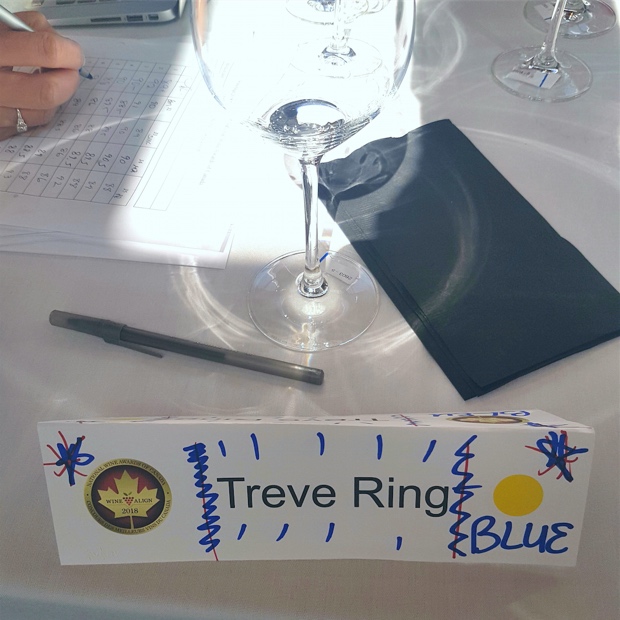
Planeta’s Sicily

Missed flight fifth order of business @planetawinery 2008 #santacecilia #docnoto

On a most recent trip to Sicily I tasted no less than 20 wines from Planeta’s five estates, most with winemaker Patricia Tóth and some all by my lonesome. I will be tasting more with the ethereally-worldy Tóth in just over an hour from now so what better time to share these notes than right now. There was a Chardonnay 2002, Eruzione Riesling and Santa Cecilia Noto 2008 as well but those notes need time, music and deeper thought.

Degustazione e bei tempi with the @planetawinery gang ~ #lookup #siciliaenprimeur #siciliaep18 #siciliaep2018

Planeta Grillo Terebinto Sicilia Menfi DOC 2017, Sicliy, Italy (Winery, WineAlign)

Planeta’s varietal grillo is raised at Cantina Ulmo in Menfi, a western Sicilian outpost where pebbly-inlaid deep soils are found around Lake Arancio. The terebinth is a Sicilian shrub with glossy fronds. a.k.a. Pistacia Terebinthus or white pistachio, used as rootstock for pistachio production. The Menfi grillo is pulled from a low lying clay vineyard at 50m. Aromatics and texture are equally rich at maximum ripeness as bottled sunshine, pomelo sago unctuous and so consumable. Mango trees are actually in the same family as pistachio but of more interest is the fact that the female trees produce the nuts while the male produces the pollen. Sounds familiar, not to mention that male and female pistachio trees are often grafted together to bring about pollination. Drink 2018-2019.  Tasted May 2018  planetawinery  plant dependent  noble_estates   @PlanetaWinery  @Noble_Estates  @planetawinery  Tóth Patricia  @NobleEstates

Planeta Alastro Sicilia Menfi DOC 2017, Sicliy, Italy (Winery, SAQ 11034361, $22.00, WineAlign)

Alastro amalgamates 70 per cent grecanico with 15 each grillo and sauvignon blanc for one tart, intense, highly aromatic, mineral and striking western Sicilian white blend. It’s certainly got a tropical feel but not in any creamy or humid sense. Also known as the bush La Segreta, meaning “broom,” the horny plant was used for natural fences and as a general intruder deterrent. Take note of the locked in neoteric and floral aromatics from this early September harvested blend, wild as its name suggests and best when youthfully fresh. Grecanico can age but this blend screams immediate gratification. Drink 2018-2019.  Tasted May 2018

Carnage for two please

Planeta Etna Bianco 2017, Etna DOC, Sicliy, Italy (Agent, $33.99, WineAlign)

The Etna is 100 per cent carricante produced at the Feudo di Mezzo winery in the Contrada Taccione, in Montelaguardia. Now labeled simply as Etna, not as the artist formerly known as Bianco and apparently for no reason at all. Seventeen was a really warm year here in the 690-720m vineyard and so the quickest maceration was performed due to so much sun-developed colour on hand. Stayed on lees until February, also less than usual but again the hot season saw quick development. The quotient distilled is a plentiful one, a brocade like golden silk, full and full of everything it can be. Not the sapid, mineral and volcanic salty carricante of let’s say 2014 but sometimes “luxury is the opposite of vulgarity…and complication, a necessity that begins where necessity ends.” Drink 2018-2022.  Tasted May 2018

Planeta Eruzione 1614 Carricante 2016, Doc Sicily, Italy (Agent, $42.99, WineAlign)

Passion projects are not for the faint of heart but they are perhaps reserved for winemakers too smart and too worthy for their own good. Eruzione is such an animal for Planeta’s winemaker Patricia Tóth, a varietal carricante ode (with 10 per cent riesling) to the great and tragic 1614 Etna eruption. If boys don’t cry I still shed a tear or two for history and for my love of this wine. It comes from the black volcanic soil of the Contrada Sciaranuova vineyard, next up the mountain from Contrada Santo Spirito. In ’16 it’s not measured by a low ’14-like pH, not quite as sharp, so therefore fuller and with more unction. It’s still an Etna-bled eruptive white, still beating raw by laser focus out of inspirational terroir. Readier too because it’s been held back a few more months for release. This wine will let you arrive at where you want to be. So many whites are mired in repeatable refrains. “Plastic passion is a Hyacinthe heart. Plastic passion is a transparent tart…Plastic passion is a gold guarantee. The plastic passion is murdering me.” Eruzione is life affirming and though other wines may pay the bills, this cariccante is the cure. Fill your prescription and drink up its passion. It’s the winemaker’s too. Drink 2018-2024.  Tasted May 2018

Planeta Rosé Sicilia DOC 2017, Sicily, Italy (Agent, $16.95, WineAlign)

Planeta’s Rosé is half nero d’avola and half syrah, the nero coming from higher elevations. “We want something that we like to drink,” is the matter of fact explanation from winemaker Patricia Tóth. The first vintage was 2007 and it has evolved into this lithe and yet lush blush, the syrah bringing crisp verve and nerve. It is perhaps not as aromatic as some high level Planeta but that’s the life where odd bedfellows compliment one another in a modern world. Salty and sexy equals good combination. Drink 2018-2019.  Tasted May 2018

Planeta Cerasuolo Di Vittoria DOCG 2016, Sicily, Italy (Agent, $29.37, WineAlign)

The only Sicilian DOCG in Planeta’s hands is noticeable, contractable and notable for quality consistency, both for the denomination and the estate style. Rich but tangy with so much soil voce, it flows effortlessly across the palate with malleable texture. Like Bourgogne Villages it starts at fruity and two years forward will begin to morph, into tobacco, funghi and salts of the earth.  Last tasted May 2018

Planeta’s Cerasuolo di Vittoria brings together nero d’avola and endemic frappato with only a stainless steel ferment in an anti-oxidative and naturally anti-oxidant way. This is nothing but freshness in a bottle with its ubiquitous red berry verve. You can just feel the breaths in this radiant Planeta, of winemakers and coveters of Sicilian treasures. You just have to taste Cerasuolo to understand how generous and graceful it is, earthy but of lovely clarity and spice all over the finish. Drink 2017-2021. Tasted November 2017

Planeta Cerasuolo Di Vittoria Classico DOCG Dorilli 2016, Sicily, Italy (Agent, $38.95, WineAlign)

Cerasuolo di Vittoria Classico is one thing, Dorilli 2016 is another matter altogether. The name of the estate marks the iconography of this Planeta blend, from a chosen vineyard carrying the dialectical tome of the river passing by. The old maps say Dirillo but through time this has changed, just like this Burgundian wine will draft through wake and evolve. There is a minor reduction here so it’s not as open as the normale though it’s offset by an extra year of aging for release 18 months after harvest. Blooming should happen some time in 2019 after the 70 per cent nero d’avola and (30) frappato begin to unfold out of itself for a full and layered Vittoria. Still there is the Cerasuolo fragrance from a guarantee by vintage and for texture. Drink 2019-2027.  Tasted May 2018

Planeta Nocera Sicilia DOC 2016, Sicily, Italy (Winery, WineAlign)

This is just the second vintage of Nocera, from the province of Messina and one of the most dramatic vineyard landscapes on the planet. La Baronia on Capo Milazzo is a long strip of a peninsula that looks out to the Aeolian islands. Nocera is by accounts an unusual variety made by approximately 15 producers, also in Faro and the total wines produced are from 28 hectares in total. The expectation is a marine wine of macchia, myrtle and garrigue. “It’s a beast,” says Patricia Tóth, especially in marine areas with huge clusters. It’s notable for its thickness and tannin, smelling of white pepper, maybe a note of geranium and it just might become a superstar. It’s like a child of cabernet franc and primitivo but with gamay plus pinot structure. Or like Bandol, with fleshy tannin and with time it will beocme a velvety version of its thick self. Don’t forget the salinity. Drink 2019-2025.  Tasted May 2018

Planeta Eruzione 1614 Pinot Nero 2016, IGT Terre Siciliane, Sicily, Italy (Winery, $42.99, WineAlign)

Even within the erudite and super-investigative Eruzione 1614 series there is no internet or Planeta mention of the newest member Pinot Nero IGT Terre Siciliane 2016. It’s high volcanic mountain landscape time we talk about Etna and pinot noir. The symbiosis is a reality meeting necessity at a crossroads of potential. Not just any potential mind you but a Burgundian one. “We don’t want to talk about Bourgogne but Etna is the only Sicilian terroir where it can build a house,” says winemaker Patricia Tóth. The perfume, texture and tannic structure is all pinot noir, picked on a Saturday afternoon which was the moment of truth from green to spirit, the aha before moment the sun-dried plum is placed into the cognac. This is all heard in Sicily but it’s all true. There are now two terraces of fruit, so the current production of 1472 bottles may become 4000! Drink 2019-2027.  Tasted May 2018

Planeta Eruzione 1614 Nerello Mascalese Sicilia DOC 2016, Sicily, Italy (Winery, $42.99, WineAlign)

Like the yellow lorry carricante thriller it is Etna Rosso incarnate that is portrayed in this Eruzione red lorry nerello mascalese (with nine per cent nerello cappuccio) from up the mountain’s 890m vineyards of (Contrada) Sciaranuova, but with some fruit from lower altitude at 600m. The vine age is part 2008 and part 20 year-old vines and a small section going back 90 years but just a small spot. The higher you climb for nerello macalese the more finesse you acquire. This Eruzione is swimming through lava with it, smoothed by plenty of silky texture, raspberry and chalky liquid tannin. Nerello, “you ain’t nothing but a true embrace. You ain’t nothing but a hidden face.” Your Planeta edition gets neither more refined, elegant nor focused. You’ve been descried as the “alternative classic” or the new light pinot noir. Maybe frappato, but not you, nerello mascalese. Let’s leave you out of the discussion. Leave you alone. Talk about the weather. Drink 2019-2025. Tasted May 2018

Planeta Santa Cecilia Doc Noto 2015, Sicily, Italy (Winery, $54.99, WineAlign)

The first vintage was in the late 90s and the appellation eventually became DOC Noto, with the initial vintage of 2003 having been where it was fully done in Noto, but 2008 is the official DOC recognition. This is when both Noto and Sicilia are on the label for the DOC to be recognized as 100 per cent nero d’Avola. Comes by way of the white chalky soils of Noto and is deceptively rich, deeply rendered, of an incredible acidity, dark and viscous fruit. There is so much happening in violet florals and light. Did I mention the acidity, amazingly linear but waiting to circle and become ringing. Drink 2019-2025.  Tasted May 2018

Allemanda Sicilia Noto DOC 2017, Sicily, Italy (Winery, WineAlign)

Allemanda is made from 100 per cent moscato bianco and if you have not tried to sit on a beach in the shade with a bottle of this gently but forcefully aromatic farfalle of a Noto in Sicilia white then you have yet lived. The self-professed Baroque dance is truly an exotic reminder of jasmime blooms and tropical citrus. It’s actually a bit tannic and also extremely refreshing. Two hands in the air for Noto’s soils and sea-proximity to do what’s necessary and beautiful for moscato. Dangerously consumable. Drink 2018-2021. Tasted May 2018

Cometa Fiano Sicilia Menfi DOC 2017, Sicily, Italy (Winery, $49.99, WineAlign)

Cometa from Menfi is the other fiano, the somewhat rare and effusive fiano from Sicily. The elusive one is a Planeta speciality and one of winemaker Patricia Tòth’s great secret varietal weapons, a Mediterranean that pleases quickly, compliments all that is drawn from the sea and is capable of developing complexity with age. This is both floral and juicy, combining for this lychee meets honeysuckle into tropical territory. Streaks like a comet indeed, right across the palate and into your psyche. Not to mention your bleeding heart. Drink 2019-2024.  Tasted May 2018

Burdese Sicilia Menfi DOC 2014, Sicily, Italy (Winery, WineAlign)

Burdese is cabernet sauvignon (70 per cent) and cabernet franc as the playful Bordelais blend, dialectical in nomenclature and in style. It’s an adaptation from “Bordolese” and into the land. The trilogy of sun-ripened phenolics, rich texture and silky tannins make this quite easy to drink, especially with four years past and medium rare protein on the plate. All aspects of sun-reasoned votes play notes, of tomato, dusty plum and dark currants. Flavour abounds with no sign of impending decline. Drink 2018-2022.  Tasted May 2018

Maroccoli Syrah Sicilia Menfi DOC 2014, Sicily, Italy (Winery, WineAlign)

The name Maroccoli is local for “ideally situated vineyard” and syrah must find its spots to shine. An elevated hill between lake and sea is this Maroccoli’s place in the sun and the syrah it delivers is spicy, high tonal and indelibly stamped with firm grip. It’s both meaty and exotic, wildly berry filled and sharp as a tack. It seems syrah could use an extra year or two beyond the Bordolese out of Menfi. Drink 2019-2023.  Tasted May 2018

Sito Dell’umo Merlot Sicilia Menfi DOC 2014, Sicily, Italy (Winery, WineAlign)

Here the biggest of the three Menfi reds and the varietal home from where the estate’s story really begins. No wood holds barred or lack of ripeness can keep this Bordolese down, not with such a firm grip by way of tannin derived off of sun-worshipping vines and generous barrels. On its own the merlot is more demanding than the Burdese and just as grippy-peppery as the syrah. It’s a wine best enjoyed when it reaches the balsamico-ganache-medicinal herbs stage. That has yet to happen. Drink 2019-2025.  Tasted May 2018

Missed flight fifth order of business @planetawinery 2008 #santacecilia #docnoto

Good to go!

Godello

Twitter: @mgodello

Instagram: mgodello

WineAlign
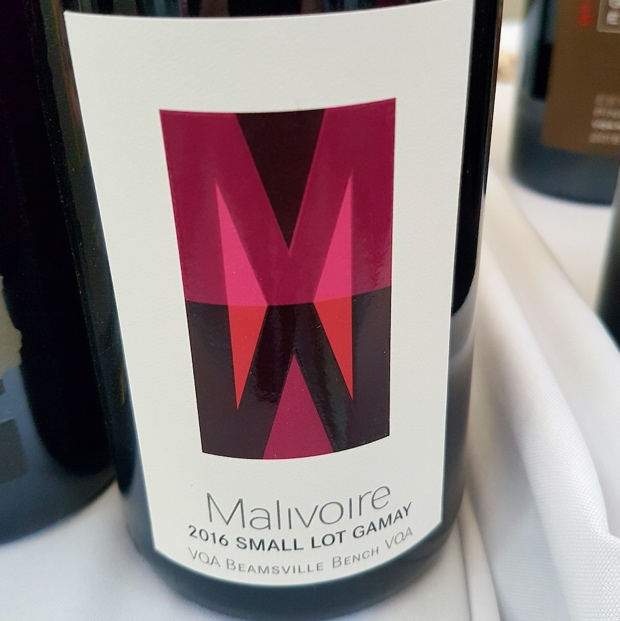
Tasting Ontario Part Two: Chardonnay

Chardonnay, Wismer Vineyard, Twenty Mile Bench

Just over two months from now the world will reconvene in Niagara for the eighth i4c summit and that’s got me thinking again. Thinking about chardonnay. Contemplating the axiom of chardonnay continuing to make its own new set of rules, putting its best foot forward, not being influenced by fools. After the seventh installation of the International Cool Climate Chardonnay Celebration I wrote “there is no secret that Ontario winemakers have worked tirelessly to develop the ability and the acumen to make world-class white wines. There may be no better example of this then what was again on display at i4c.” Always reinventing itself and potential fulfilled, chardonnay, the slow train coming.

I’ve asked many questions and posed, ego notwithstanding by waxing some pretty bold transcribed statements on behalf of our beloved chardonnay. The phrasing has included Chardonnay is cool‘I4C’ a future filled with ChardonnayCan chardonnay get any cooler? and You’ve gotta be cool to be kind. It’s all purposed to give a glimpse into the portal of how far Ontario has come and to where it may be heading. As we continue to taste, assess and take note of wines poured out of the 2015, 2016 and now 2017 vintages we feel the progression dovetailing towards the cool and the ethereal. The deeper understanding walks among us.

Related – Tasting Ontario Part One: Riesling

The winter of 2018 brought us from Tastes Untamed in Toronto to Cuvée in Niagara Falls and back to Taste the (Prince Edward) County downtown. Spring dovetailing moved across the Terroir Symposium, the Wine Council of Ontario’s first annual Ontario Craft Wine Conference and most recently Somewhereness continued to show examples of Ontario chardonnay. The saturated and intensive start to 2018 is a pronouncement of the Ontario wine industry’s unwavering commitment to march forward, with swagger, collective identity and unabashed promotion. In just 67 days we’ll take in viticultural and winemaking sessions at the School of Cool, Kick the Dirt with local growers and taste through flights of chardonnay.

Meanwhile, later this week Ontario vintners and winemakers will be pouring at Canada House in London, England at the Trade and Media Table Top Tasting hosted by The High Commission of Canada to the UK in London and Janet Dorozynski, Trade Commissioner, Wine, Beer, Spirits and Tourism, Global Affairs Canada. The May 17th, 2018 Taste Canada UK event is an opportunity for Canadian producers to meet with trade, educators, and media contacts. The high-level London show will build on the success of the previous tastings in London including most recently the Taste Canada UK 2017. All interested producers from across Canada are invited to participate.

Related – How can i4c the future through cool chardonnay?

I’ve said it before. In Ontario, raising chardonnay is “about growing grapes and making wines in places we all previously discounted…few ideals or notions are hotter these days than those relating to cool climate viticulture and the selvage regions from where such wines are produced.” These were my words after the seventh i4c, Niagara’s International Cool Chardonnay Celebration. I’ll be back in July for number eight. Will you?

Chardonnay is the second exposée, following on the heels of riesling and ahead of sparkling wines, other white varieties and appellative blends, gamay, pinot noir, cabernet franc, plus other reds and red blends. This 21 chardonnay salute covers what I’ve recently tasted, plus a select few from 2017 I have not opened up godello.ca white space to fill. Today I give you Ontario chardonnay.

VQA Ontario wine selections at Farmhouse Tavern

Fielding Estate Unoaked Chardonnay 2016, VQA Niagara Peninsula, Ontario (164491, $14.95, WineAlign)

Fielding’s unplugged 2016 is a richer affair than before, with fruit fully vintage realized and into the humid zone. The balm is a lemon herbal one and the fruit an apple in the Cortland variety. There is an underlying salty aromatic note and a sweet chardnonnay-ness that speaks to really ripe phenolics and some mid-palate texture. A reluctant spokesperson for what is definitely an unoaked vintage for Ontario. Drink 2017-2019.  Tasted November 2017 and February 2018  fielding winery  richiewine  @FieldingWinery  @RichieWine  Fielding Estate Winery 

Château Des Charmes Chardonnay Barrel Fermented 2016, VQA Niagara On The Lake, Ontario (81653, $14.95, WineAlign)

When I wrote about the Château des Charmes ’15 I was amazed at the high-toned aromatics and sheer warmth of that wine. What strikes so very real is how reserved this follow up ’16 seems to be. It marks a subtle, focused return, less of a reintroduction than a reimmersion into CdC’s chardonnay Niagara. Much of the wine is tenuous, either faintly whispered or located just beyond our grasp but it puts us in mind into thinking about a place. It’s ambient, fuzzed out and mild. The nine months in older barrel with the vintage fruit brings about a sense of calm, mild vanilla and no overpowering of that fruit. All chardonnay aged in oak can cross the line. “There’s a darkness over there, but we ain’t going.” This ’16 stays right there. Drink 2017-2019. Tasted October 2017 and February 2018  chateaudescharmes  @MBosc  Château des Charmes

Rosewood Estates Locked & Loaded White 2016, VQA Niagara Peninsula, Ontario (552570, $16.95, WineAlign)

Locked and Loaded the curious moniker is labled “white” though it is in fact 100 per cent chardonnay. It’s mild, creamy and just slightly affected by a splinter or two of wood. It’s a curious thing to tease appellative blend but fill a bottle with only chardonnay but all that stands to reason is drinkability and balance, two tenets of matter that this “white” surely has. Almost too easy in fact. Drink 2018-2019.  Tasted March 2018  rosewoodwine  @Rosewoodwine  @rosewoodwine

Flat Rock Cellars Chardonnay Unplugged 2016, VQA Twenty Mile Bench, Niagara Escarpment, Ontario (68015, $17.95, WineAlign)

The Rock’s Twenty Mile Bench unoaked chardonnay is surprisingly aromatic, fleshy and creamy in 2016. It punches the proverbial with texture above its weight class and though just a click to the right on the oxidative line it offers up great context and chardonnay clarity at this exact stage of life. Don’t wait for any energy to wane and drink this happily for the rest of 2018. Drink 2018.  Tasted May 2018  flatrockcellars  @Winemakersboots  @FlatRockCellars

The Tragically Hip Chardonnay Ahead By A Century 2016, VQA Niagara Peninsula, Ontario (483875, $19.95, WineAlign)

The Hip chardonnay takes 2016 to heart in this very drinkable hit with a hint of smoky complexity. It does what it should and is needed for the sake of balance and finishes with a gin and tonic bitterness, a sigh and a sense of having been refreshed. Then it fades to side two. Drink 2017-2019.  Tasted April 2018  stoneyridgewinery  epic_wines_spirits  @stoneyridgewine  @EpicW_S  Stoney Ridge Estate Winery  Epic Wines & Spirits

Flat Rock Cellars Chardonnay 2016, VQA Twenty Mile Bench, Niagara Escarpment, Ontario (286278, $19.95, WineAlign)

A Flat Rock chardonnay is more Mâconnais than Chablis in its Villages stylistic but truth be told it’s a vintage in and vintage out child of the single-corkscrew twist of this part of the Twenty Mile Bench. Here the sumptuous, creamy and generous Bench is provided by the winemakers who’s boots walk the vineyard and talk the talk. It’s dreamy to a degree and once again, as always on point. Drink 2018-2021. Tasted April 2018   flatrockcellars  @Winemakersboots  @FlatRockCellars

Meldville Wines Chardonnay 2016, VQA Lincoln Lakeshore, Ontario (Winery, $20.20, WineAlign)

The 2016 chardonnay is quite reductive in its impossible youth, a flint struck, barrel-taut, implosive chardonnay that shows great potential while it teases with less than obvious fruit. This is so very Derek Barnett, resembling many Lailey-bred chardonnay that have come before but here with Lincoln Lakeshore fruit the probabilities are multifarious and complex. A thrown Beaune of texture confirms the suspicion of ambition and time must pass before any of you, us or them can really say what will be. Guesses as good as anyone’s should plan for balance and impression. The fruit will be revealed. Drink 2019-2023.  Tasted February 2018  meldvillewines  @meldvillewines  Meldville Wines

Erik Peacock’s Smoked Wild Boar Tourtière with parsnip purée, The Restaurant at Bench Brewery

13th Street Chardonnay June’s Vineyard 2016, VQA Creek Shores, Ontario (236745, $21.95, WineAlign)

From 2016 this June is quite tight, lean, green apple bitten and so transparent as a cool-climate chardonnay. Perhaps the youthful reduction casts a curtain over the fruit and the charm so I’d suggest waiting a year for the true June character to emerge. It may not be the most affected or regaling June but it’s salty-gritty extract and tannin truly run the show. Drink 2019-2022.  Tasted April 2018  13thstreetwinery  @13thStreetWines  13th Street Winery

Southbrook Chardonnay Triomphe 2016, VQA Niagara Peninsula, Ontario (Winery, $24.75, WineAlign)

Fruit for Ann Sperling’s Triomphe is a Saunders (Beamsville Bench) and Laundry (Lincoln Lakeshore) joint, dealt a wild ferment and usually large format neutral oak. This is more reductive than previously noted in 2015, i.e. it has maintained its extreme freshness and youthful gaze. It’s also effusive and built with more flesh and caramel barrel addendum so it would seem that bigger and riper fruit meant the necessity of extra sheathing. Keep in mind that every Niagara vintage is ostensibly a chardonnay vintage so it’s not easy to separate, knock or elevate one above the others. It’s really early to decide how this driven chardonnay will turn, into purity like snow or pungent as the earth. I’d say a bit of both, in the name of complexity and variegation. After all, why should any two be exactly the same. Drink 2019-2022.  Tasted January 2018  southbrookvineyards  @SouthbrookWine  Southbrook Vineyards

Lighthall Vineyards Chardonnay Ramirez Family Vineyard 2016, VQA Prince Edward County (Winery, $25.00, WineAlign)

The Ramirez Family fruit is from Hillier and for it Glenn Symons chose a concrete ferment followed by barrel aging, separating it from others and it shows. This is one of the more nutty and halavah nougat creamy chardonnays in the County. It’s ripe and generous, squeezing out cool climate sparks and doling out length. A departure from previous Lighthall chardonnays and so smart for the sideshow. Drink 2019-2022. Tasted April 2018  lighthallvineyards  @lighthallvyard  Lighthall Vineyards

Pingue Prosciutto

Redstone Chardonnay Select Vineyard 2013, VQA Niagara Peninsula, Ontario (511428, $25.70, WineAlign)

With an extra year or so of time in bottle the Redstone chardonnay has entered the zone. With its snappy orchard fruit and sizzling acidity working in cohorts it doles out a feeling of real compression. The layering is stratifying in alternating fruit and stone embedded into a clay impression. This is most pleasing and instructive chardonnay with lake effect attitude and acts the part of Mr. sheer and brilliant stroke of luck by way of effort. Drink 2018-2019.  Tasted February 2018  redstonewinery  @RedstoneWines  Redstone Winery

The Foreign Affair Chardonnay 2015, VQA Niagara Peninsula, Ontario (149211, $26.95, WineAlign)

Partial appassimento and oak barrel aging does to chardonnay what nothing else in the world can or will so expect an acquired taste in this Foreign Affair dream. Unique and alternative don’t begin to explain but the level of caramel, butterscotch and poppycock notations are nothing short of hedonistic. Forget that you get all these drawn butter, coconut and candy store flavours because they are what they are and it is texture that should be the focus. The texture is lovely. Drink 2018-2019.  Tasted May 2018  foreignaffairwine  @wineaffair  The Foreign Affair Winery

Hidden Bench Chardonnay Estate 2016, VQA Beamsville Bench, Niagara Escarpment, Ontario (68817, $29.95, WineAlign)

If you’ve never had the pleasure of a moment alone with a Hidden Bench chardonnay it is here where you’ve come to the right place, vintage and bottle for which to begin the relationship. As full, flavourful and generous of cool-climate chardonnay spirit as it has ever shown, the 2016 Estate work is pure, unbridled and effortless genius. What it exudes in energy is only eclipsed by a hidden grace and it serves as the exacting launch point for more specific and eccentric Hidden Bench offerings. The triangle composed of points defined by creamy fruit, fine acidity and finer-spun texture are drawn as if on a circle. Spend $10 more on Bench chardonnay like this and you’ll be drinking properly every time out. Drink 2018-2024.  Tasted February 2018  hidden bench  markanthonyon  @HiddenBench @MarkAnthonyWine  Hidden Bench Estate Winery  Mark Anthony Wine & Spirits

Late July chardonnay, Wismer Vineyard

Malivoire Chardonnay Mottiar 2013, VQA Beamsville Bench, Ontario (Agent, $29.95, WineAlign)

There is something about this land, hard to really put a finger on it but the wines made by Shiraz from his namesake vineyard stand out, even in a line-up of Malivoire chardonnay. Here the balance and connection is forged with a couple of settling years accumulated to elasticize the once reductive composition. All has come together; cool-vintage, once cloudy and now clarified fruit. Generosity of wood, now eased and withdrawn. Acidity tempered, stretched and supportive. It’s like perfectly in season and expertly poached lobster in drawn with deft ability, clarified butter. Or just drink it with such a thing. Drink 2019-2023.  Tasted February 2018  malivoire  noble_estates  @MalivoireWine  @Noble_Estates  Malivoire Wine  Noble Estates Wine & Spirits

Henry Of Pelham Chardonnay Speck Family Reserve 2016, VQA Short Hills Bench, Ontario (616466, $29.95, WineAlign)

First I’m immediately struck by the open arms of this barrel hugging chardonnay and second, by the textured quality of the fruit. You can never discard the notion or forget the ideal of cool climate but the anti-reductive, clear and focused composition from 2016 is markedly fresh, inviting and creamy. This is an H of P SFR to enjoy earlier than most and quite frankly, the price announces the same. Drink 2019-2022.  Tasted April 2018  henryofpelham  @HenryofPelham  Henry of Pelham Family Estate Winery

Cave Spring Chardonnay CSV 2016, VQA Beamsville Bench, Niagara Escarpment, Ontario (529941, $29.95, WineAlign)

There is little surprise that CSV and its 42 year-old vine baggage show off this early in life, in part thanks to a gregarious and generous vintage but also because few Ontario terroir cru can gift such a combination of ripeness and mineral virtue. What lays beneath the calcareous clay and what is drawn by mature, dug down deep roots comes into this orchard juice with layers of heaven and tang. Escarpment earth is a beautiful thing, even in chardonnay of such texture and feel. The acidity is a step down in 2016 but don’t let that detract from the pleasure this brings. Drink 2018-2021.  Tasted February 2018  cavespringcellars  thevineagency  @CaveSpring  @TheVine_RobGroh  Cave Spring Cellars  The Vine

Karlo Estates Chardonnay Estate Grown Wild Ferment 2016, VQA Prince Edward County, Ontario (Winery, $35.00, WineAlign)

The block planted in 2010 was destined to see its first in bottle fruition last year but because 2015 was the crop that never was, here is the debut of the wild ferment, estate grown chardonnay. Under the auspices of a Derek Barnett varietal creed the home vineyard fruit shows the mantic signs of what will come when these vines mature into Prince Edward County adults. Barrel fermented and aged for 10 months was a conservative and frugal approach to coax just enough precocious success from the awkward child of naive and excitable fruit. That and the coolest of fermentative temperatures in house to balance some heat from a season’s outdoor months. What really drives this tenderfoot chardonnay is the lovely combinative movements in funky and leesy aromatics and texture. Convivial beginnings often lead to later gregarious gatherings, something I can see this County chardonnay getting into just a couple of vintages looking forward. Drink 2018-2021.  Tasted February 2018  karloestateswinery  @KarloEstates  Karlo Estates

Leaning Post Chardonnay Wismer Foxcroft Vineyard 2015, VQA Twenty Mile Bench, Ontario (Agent, $35.00, WineAlign)

It takes little motivation these days to find your groove in the mûrir of battened and cultivated chardonnay vines growing with confidence in Wismer’s cru vineyard. Leaning Post’s Ilya Senchuk continues to dig deep for mineral extraction provided by the maturity of the Foxcroft Block and if you’ve ever stood in one spot, turned 360 degrees and felt the connectivity of slant, angle, relief, position and exposure, then you’d understand. These lines in the Twenty Mile Bench sub-appellation in Vineland are some of the most architectural in all of Niagara. You can imagine the intricate workings beneath the soil and then extrapolate what that means for the chardonnay grown above. Senchuk grabbed a late September pick at the apex of an autumn heat wave to maximize fruit speaking the language of three orchards; apple, peach and lime. His winemaking process stretches, elongates and elasticizes the savvy ’15 fruit, by multi-purposed fermentations both primary and malolactic, followed by a no-stir, three-tiered barrel cantilever. The stones put a reductive flint back in the word mineral and the non-lazy reliance on stirring up texture means the balance supplied through mouthfeel is by a naturally occurring accumulate whipped up in support by high acidity centrifuge. In the end it’s just great juice, to sip, sit back, sigh and smile. Drink 2018-2023. Tasted March 2018  leaningpostwine  nicholaspearcewines  @LeaningPostWine  @Nicholaspearce_  Leaning Post Wines  Nicholas Pearce

Southbrook Chardonnay Estate Grown Small Lot Wild Ferment 2016, VQA Four Mile Creek, Ontario (Winery, $39.95, WineAlign)

The organic and biodynamic small lot “Wild Ferment” chardonnay is unique to itself and seems to have garnered a great deal of Ann Speling’s 2016 chardonnay attention. Find more beautifully scented Four Mile Creek fruit than this and I’ll ask you to make the finest chardonnay ever produced down on the flats of the peninsula. A wee bit of sémillon blended in has done wonders for this wine, like the Niagara white appellative version of Côte-Rôtie. It is here where sémillon transforms texture and this amazing thematically-charged chemical reaction so that grape tannin and extract rise to an exceptional occasion. There is so much on the aromatic front and the prescribed “baby fat” is expressed by a delicious flinty note. Chewy is part of the palate opera and tart Niagara orchard fruit is juiced into the piqued and ambrosial flavours. Can you tell this wine excites? That will only increase as the fat renders into the salsa. Imagine the Poetica possibilities. Drink 2019-2023.  Tasted January 2018  southbrookvineyards  @SouthbrookWine  Southbrook Vineyards

Closson Chase Chardonnay South Clos 2016, VQA Prince Edward County, Ontario (Winery, $39.95, WineAlign)

South Clos from the archetypal estate vineyard block with vines up to 18 years-old on the south side of the Closson Road is one of Ontario’s premium chardonnays. Barrel fermented and aged for 16 months in French oak, 20 per cent new, “Le Clos” ’16 is perhaps the richest, creamiest and most mouth filling of all, from the hottest of seasons. It’s in a state of youthful bliss, finding a soft spot now, though a closed moment is coming, before it speaks of a true South Clos personality. Baking apples, preserved lemon and a whispered feeling of honey that is not quite there. I’d suggest enjoying one before the summer and then waiting on the rest to see what will be. Will be released during the Closson Chase 20th-anniversary party June 23rd. Drink 2018-2025.  Tasted April 2018  clossonchasevineyards  @ClossonChase  @ClossonChase

Bachelder Chardonnay Wismer Vineyard #2 “Foxcroft Block” 2015, VQA Twenty Mile Bench, Ontario (547299, $44.95, WineAlign)

Wismer-Foxcroft delivers a simpatico and workable growing season for Thomas Bachelder to craft a sensible, unpresumptuous, repeatable and perfectly balanced chardonnay in 2015. The togetherness of another classic Bachelder fresh glade and generous barrel note front is equally centred but I don’t envision much movement or morphisms any time soon. The palate is all about the liquefaction of the kept solids having settled into textural precipitate so that pleasure is derived more by sips than smells. That’s a fine thing from chardonnay, especially from one as much Beauned as it is Niagarafied. The happenstance of fine spicy bytes mark the last moments with the ad hoc and scrupulous WFN2. Drink 2018-2023.  Tasted April 2018  bachelder_wines  @Bachelder_wines  Bachelder Wines

Good to go!

Godello

Twitter: @mgodello

Instagram: mgodello

WineAlign
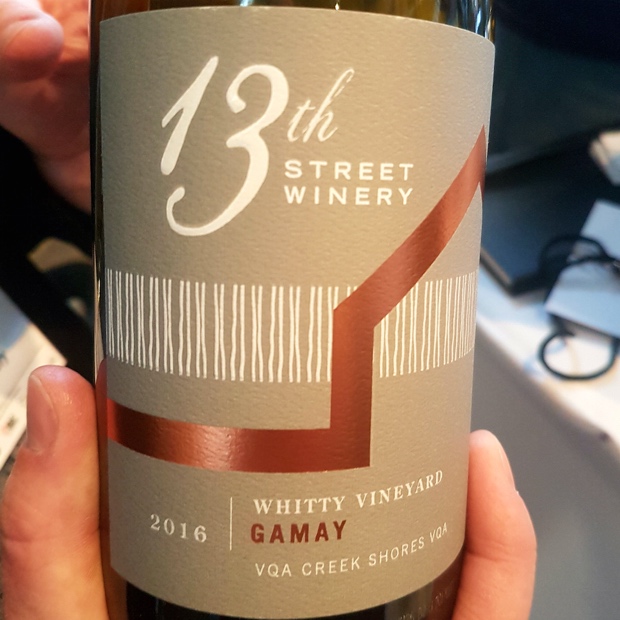
Diversity in Brunello di Montalcino

Montalcino
(c) Consorzio Vino Brunello di Montalcino

Benvenuto Brunello is the highlight of many people’s calendar, for good reason, because there are few wines that can match its depth, class, character and structure. No one of sound mind passes up the opportunity to taste a pile of Brunello from Montalcino. And those who know understand the remarkable fact that it is indeed quite special to find such a level of consistency across a spectrum of very high end wines.

For a look at our reports published over at WineAlign where John Szabo and I offer opinions on the 2013 Brunello, please click on these links.

Coming Home With Brunello di Montalcino

Feature Report: Brunello di Montalcino 2013 Vintage and Buyer’s Guide

The travelling Brunello experience is taking place in the Consorzio’s 52nd year, now in the hands of Patrizio Cencioni, Chairman and President of The Consorzio Vino Brunello di Montalcino and Vice Presidents Tommaso Cortonesi, Andrea Machetti and Riccardo Talenti. On March 5th, 2018 the 27th road show came to the Carlu in Toronto and I had the ambassadorial pleasure of presenting the wines alongside Brunello Consorzio Director Giacomo Pondini. The session was just the third international presentation of the new vintage of Brunello, the first having taken place in New York and Chicago in late January and the second just over two weeks ago in the Chiostro Museo Montalcino. That the Consorzio continues to view Canada as such an important market and partner speaks volumes about our longstanding relationship with Italia, Toscana and Montalcino.

Benvenuto Brunello

Related – Benvenuto Brunello 2017 report: Rethinking Rosso and disciplined Brunello

We all remember our first love. We may hide the memory away and rarely speak of it but it’s always there. For me, Brunello di Montalcino was my first. In the spring and summer of 1987 I was a naive young McGill University student living in Siena. Bad hair, bad clothes, not a care in the world. My professor from the University of Toronto knew quite a lot about the wines of Toscana so when we made a class pilgrimage to Montalcino he asked if anyone would like to join him for wine tasting at the Enoteca di Fortezza during the afternoon break. All of my classmates opted for a siesta in the July shade and this at a time when there were no cell phones, computers or tablets to distract us from actually learning something. I was the only one who chose to accompany Professor Wollesen to the fortress.

In retrospect, what happened over those next few hours changed my life. It might have done the same for my classmates were they to taste, guided by a man of sangiovese experience, though 30 samples of Brunello di Montalcino 1982. If only I knew then even a fraction of what I have learned since, what value that would be for me now. No matter, for I have Professor Wollesen to thank for introducing me to the world of Brunello. And here we are.

A #benvenutobrunello2018 discussion with @marcora85 on all things #montalcino means there is lots of thinking to do ~ #benvenutobrunello #brunellodimontalcino

Last month I came to Montalcino for the second straight year to assess the presentation of the current Annata and along with tasting more than a hundred of those architectural 13s I went out into the field to visit important vineyards. Because two ears are better than one mouth I also spent time listening in with other journalists and with producers to get a consensus on the vintage. In 2018 there isn’t one and in my view, that is a very good thing.

The mixed messaging coming from talk about the 2013 Brunello may seem confounding but as Mark Twain wrote, “it were not best that we should all think alike; it is difference of opinion that makes horse races.” Thinking about a year like 2013 makes for a terrifically exasperating enigma because it presents a very particular kind of challenge. To some it was a case of extreme or at least unusual and unsettling weather patterns and the many shifts made harvest and winemaking decisions crucial, but also far from universally obvious. The vintage is to me a head scratcher because of how many opinions I’ve heard expressed as to its overall quality. I like to refer to the wines as ones of structural expressionism but however you choose to qualify them, the Annata wines are perhaps the most diverse that Montalcino has produced in a very long time.

The hill that is Montalcino. The look that is Godello. The argilo of the northern vineyards #tuttoèpossibile

The 2013 vintage began with a rainy and snowy winter. The spring was cold and the rain played havoc on bud break and development. Veraison was very slow. The harvest for many took place in late September through the first week of October. A common play for journalists or anyone trying to assess a vintage like 2013 is to lay blame on and conversely congratulations to producers who choose to pick their fruit at one junction or another. In this case, either before or after the September rains. If we have learned anything from Montalcino, where your estate vineyard or vineyard holdings are located will determine when, how and why you make your decisions. Every cru, block, plot and row carries a specific picking window and in 2013 even further under the microscope. It would be fruitless to try and generalize and to say that the greatest wines were made because they were picked before or after one pinpointed day during harvest.

So, are the 2013s much better than the 2012s?  Do they exhibit more character, structure and depth? I would say better is the wrong word, especially because we are discussing sangiovese, all of which, as I’ve said many times before, are snowflakes. As for character, structure and depth? Many wines speak of all three and many more will, in time, even if many of you are not yet convinced that this will happen. I am confident that history will be kind, even apologetic, to the 2013 Brunelli and in turn, the wines and their producers will look forward to reconciling with the early naysayers. Diplomacy, kindness and patience will reward us all.

#montalcino

Brunello di Montalcino is referred to as “a very modern and ingenious intuition,” a phrase that so aptly depicts how it has separated itself from other sangiovese producing neighbours, namely Chianti Classico and Vino Nobile di Montepulciano. Only the Brunelli are possessive of a very certain and special sort of sangiovese aromatic liqueur, an amalgamation of deep, dark cherry, fresh leather, earth and flowers that differs from the others. Brunello also carries its own unique type of acidity and a fineness of tannin that speaks to how the grapes develop on the slopes and in the valleys below.

What about the long-employed term sangiovese grosso? The word we know as Brunello translates loosely to “little dark one”, in reference to the local vernacular name for sangiovese grosso, “fat sangiovese,” the large-berried form of sangiovese which grows in the area. While Brunello di Montalcino and the clonal sangiovese grosso have been symbiotically synonymous for decades, with clonal selection so varied, in today’s modern Brunello lexicon it is simply sangiovese that speaks to the grape of the famous wines.

As with anywhere grapes are grown, your vineyard passes must act on phenolic ripeness and when it hits, the qualities that come along for the ride in that package are the ones you must work with. The best wines are the ones that speak this truth so if your site achieves optimum ripeness with dark fruit and generous alcohol, make that wine. If its ripe centre includes transparent, lithe and verdant fruit, make and own that elegant style of sangiovese. Be true to variety and location. In Montalcino this is the greatest compliment you can pay to your vines and your fruit.

#Repost @michaelawine・・・Because I just can_t get enough of Brunello di Montalcino – and @mgodello @brunellodimontalcino #brunello #benvenutobrunello #bbcanada2018 #tuscany #tosc

To gain a keen understanding of what separates one bottle of Brunello di Montalcino from another, especially when trying to compare and contrast from a specific Annata, I would suggest you concentrate on the location of the vineyards that produce the fruit. In some cases it’s a cru or a single estate set of blocks and in others a gathering of sangiovese from several locations. The advantage of the latter is the ability of multiple fruit sources to mitigate the deficiencies of one through support by the others. It also helps to create a house or estate style.

You have to know where you are relative to the hill of Montalcino; south, north, northeast, northwest, far south and even more specifically, from which block and micro-climate you farm within that zone. You have to consider the zones; running clockwise from the centre of the region, first on the hill of Montalcino (together with La Croce and Canalicchio), next to the north we have Montosoli, then to Torrenieri in the northeast, to the east – Pianelli, the southeast – Castelnuovo dell’Abate, extreme south-southwest – Sant’Angelo in Colle, southwest – Tavernelle and Camigliano, to the west Casanuovo and finally Bosco, to the northwest. While some zones are more widely recognized than others it is important to associate each with the style of wines they are prone to produce. Our goal here is not to dwell too much on sub-zones and it often requires great generalizations to try and do so, but it is still a very useful tool to align your palate and to gain an understanding of Montalcino’s diversity through multiple places of origin.

(c) Consorzio Vino Brunello di Montalcino

In the 1970s the number of Brunello di Montalcino producers increased to 25 vintners producing approximately 70,000 cases. According to the Consorzio del Vino Brunello di Montalcino, 120 producers made 300,000 cases of wine in 1995. Today, there are well over 200 producers in the Consorzio producing more than 500,000 cases of Brunello.

Before I get to the 83 Rosso and Brunello tasted and reviewed in Montalcino, at the Toronto seminar we poured, compared and contrasted 10 Brunello di Montalcino, eight from the current Annata, including one Cru, plus a 2011 Vigna and 2012 Riserva. Here are my tasting notes, replete with background information on those 10 wines.

Tasted through all 60, you know, for your safety #brunellodimontalcino

Altesino Brunello Di Montalcino DOCG Montosoli 2013, Tuscany, Italy (Agent, $129.00, WineAlign)

From the northern hillside vineyard of five hectares facing south next to Caparzo’s La Casa and one of the most historical vineyards in all of Montalcino. Montosoli is blessed of an ancient limestone soil and an exceptional 360 degree exposure. It combines 380m of elevation and great quality Galestro in clay, was first produced in 1975 and only in years deemed worthy of its abilities. It is traditionally aged for four years prior to release; at least two years in Slavonian oak barrels, three to four months in medium-toast Allier barriques, and four months in bottle. If the normale is rich and elegant this is fuller, bigger, uncanny of that omniscient blueberry fruit and unlike any other Brunello in all of Montalcino. Is it the clone, the rocks, the place? What is it? Is is a different grape? No, it’s the terroir. But how? The Montosoli clone, mixed with the land and farmed by the people. True-blue, more than just climat-esque in Montalcino? Yes. How else to explain it. Drink 2021-2035. Tasted February and March 2018  altesino_winery  rogersandcompanywines    @rogcowines  Altesino Srl  Rogers & Company

Cupano Brunello di Montalcino DOCG 2013, Tuscany, Italy (Winery, WineAlign)

In Montalcino you can find Cupano on 34 hectares of land in Tavernelle on the stony hill of a rolling plain above the Ombrone River. Their seven hectares of vines (three of which are new) grow at an average altitude of 200 metres on terroir with good drainage and high mineral content at the far edges of the territory. Their organic and biodynamic estate is a cultural marriage between Ornella Tondini, an Italian, and her husband Lionello Cousin, a Frenchman. They credit great mentors; Henri Jayer from Bourgogne who is a firm believer that wine is made in the vineyard, no chemical fertilizers or pesticides, low yields, native yeasts, malolactic on the lees and aging in French barriques over Botti. Carlo Ferrini selected the land for the vines and the vine-stocks, the growth system and the height of the vines. François Bouchet introduced the idea of biodynamics and finally, approval from the great sangiovese enologist Giulio Gambelli. From “a regular Tuscan summer which led to a good ripeness and structure,” Lionello Cousin feels “pretty confident of 2013’s potential.” If the early presence of even-tempered and richly endowed fruit showing its flesh through well-aligned teeth is any indication than longevity will be a real asset to this Brunello. Everything points forward and there is zero doubt as to the passion, attention and provenance paid to the method, the gurus and the teachers. This is sangiovese worked by the hands of agriculturalists and winemakers on the ball, present at all times. It does not speak of consulting oenology popping in and out of view. Very special and singular in kind. Drink 2020-2030.  Tasted March 2018  cupanomontalcino  @Cupano_Brunello  @CupanoMontalcino

Donatella Cinelli Colombini Brunello Di Montalcino DOCG 2013, Tuscany, Italy (113357, $64.95, WineAlign)

In 1998 when she went out on her own to create a new project and in reaction to the fact that wineries in Montalcino did not trust a female cellar master, Donatella created the first all-female run winery in Italy. It is now an estate run by a team of no fewer than eight passionate women. The restored Casato Prime Donne is on the northern side of Montalcino, with sandy clay soils and has been in Donatella Cinelli Colombini’s family since the end of the 16th century. Of the total surface of 40 hectares, 16.5 are planted to sangiovese and are cultivated organically. Aging for the first year was in (5-7 hL) tonneaux and then continued in (15-40 hL) Allier wood and Slavonian oak casks. The wine comes from six small vineyards in a 10 hectare area surrounding Casato Prime Donne. Donatella describes 2013 as “an old style vintage, a Brunello that is elegant, complex, deep and harmonious, that will last decades. The scarce vintages are nearly always the higher quality ones.” There have been exceptional wines from Donatella in the recent past but the most impressive thing she can do is make a great wine in a challenging vintage. This 2013 does what needs; it’s delicately passed fruit avoids the intensity and drying angst of others, keeping the bright faith, binding it to tannin through the coursing dialectical collection of acidities and then making a valid request for patience. All 2013 Brunello need time, some will never come into their marriages and others, like the ’13 from Casato Prime Donne are already there. It will go further than many. Drink 2020-2029.  Tasted February and March 2018    donatellacinellicolombini  lesommelierwine @news_donatella  @LeSommelierWine  Donatella Cinelli Colombini  @LeSommelierWine

Fanti Brunello di Montalcino DOCG 2013, Tuscany, Italy (112607, $72.00, WineAlign)

Fanti’s 10 hectares of 20-30 year old vines have been developed in the amphitheatre of the south facing hills of Castelnuovo dell’Abate, at 350-430m, a part of which are quite proximate to the Roman Basilica of Sant’Antimo. This seems to be the optimum age for vines in Montalcino and for the production of a classic, estate or house style. Also a matter of manual harvest and the use of the sorting tables. Their Brunello is a classic expression of a gathered terroir. Ageing is done in part French oak barriques and partly in medium capacity (3,000L) casks for a minimum of 24 months (usually 28). Before release the wine is bottle-aged for a minimum of four (but usually up to 12) further months. Fanti’s 2013 is a deeply swelling affair of cherry liqueur and fresh leather, rich, decisive and quite intense. The liquid gelée is fully and completely welling in fruit and earth with more tonic and fine bitters in linger than most. This is a very specific sangiovese with a composed and singular style, chalky, variegated and gregarious. It will have many fans on restaurant lists all over the greater diaspora for Brunello. Drink 2019-2024.  Tasted February and March 2018  tenuta_fanti  lesommelierwine  @tenutafanti  @LeSommelierWine  Elisa Fanti  @LeSommelierWine

Il Grappolo Brunello di Montalcino DOCG Sassocheto 2013, Tuscany, Italy (Agent, $58.00, WineAlign)

On 25 hectares with 16 planted south of Montalcino around Camigliano, in an area dense with Mediterranean scrub lying between the Tyrrhenian Sea and the Val d’Orcia. The vines look south towards Monte Amiata and west towards the valleys of the Maremma. Sassocheto is Il Grappolo’s iconic Brunello made from 20 year-old vines in the south-facing Piano Nero vineyard, planted at 300 metres of elevation in deep, pebble-rich schist soils with decomposed rocks of galestro, alberese, and sandstone.  The wine ferments in temperature-controlled open vats and is given a lengthy maceration; it then matures at least 24 months in French and Slavonian oak barrels and a further 6/12 months in the bottle. Without equivocation and to keep us comfortably seated in the plush authenticity of traditional Brunello it is Sassocheto that confirms our notion of a sangiovese-Montalcino world. Should Il Grappolo’s be considered as more traditional than most? Yes, but just as this 2013 tells us with utmost clarity, the vernacular is spoken through an ever evolving and forward thinking lens. No pretence and all in for the right reasons. Drink 2020-2029.  Tasted March 2018  #ilgrappolo  @GrappoloFortius  @IlGrappoloFortiusMontalcino

La Colombina Brunello Di Montalcino DOCG 2013, Tuscany, Italy (445650, $69.95, WineAlign)

La Colombina di Caselli Anna Maria is the full name, a small three hectare estate in Castelnuovo dell’Abate, bordering on both the Ciacci and Uccelliera estates. The vineyards have been in the Caselli family for generations. Though they had always chosen to sell the grapes rather than bottle their own wines it was in 1997 when they converted to specialist wine growing with the planting of the three hectares and released their first wines in 2001. The Brunello is aged in a combination of barriques and tonneaux plus Bottle aging for eight to 10 months. Castelnuovo dell’Abate is one of Montalcino’s hottest sub-zones, protected from cold easterly winds by the extinct Amiata volcano and open to briny hot Mediterranean winds on from the west. The speciality of this zone and micro-climate bring great structure to La Colombina’s sangiovese though in 2013 a concentrated effort to emit amenable and enjoyable fruit puts this in an earlier frame of mind. That said it will outlast the ’12, a wine of fine liqueur. This is surely a consistent follow-up to that wine. Drink 2019-2023.  Tasted March 2018  #lacolombina  wineonline_ca    @wineonline_ca  WineOnline.ca

Tenute Loacker Corte Pavone Brunello Di Montalcino DOCG 2013, Tuscany, Italy (237263, $59.00, WineAlign)

Since 1996 Corte Pavone has been owned by Rainer Loacker and his sons, Hayo and Franz. Hayo is the winemaker. It is located in the Casanuova area to the west of Montalcino with hillside clay soils upwards of 450-500m, certainly one of the higher elevations in the territory. Much of the 90 hectares of the estate is covered with meadows and forests. Only four hectares are dedicated to vineyards with vine age 30-35 years old and with a plan of converting another four also blessed with the best exposures. The organic wines are aged in Slavonian casks, French Barrique and Austrian oak barrels. Rainer Loacker is from the family that owns Biscotti Loacker and Remedia Loacker which produces and markets enzymes and other natural nutrients. He also owns Tenuta Schwarthof near Bolzano in Alto-Adige and Valdifalco in the Maremma. We often think about Brunello as coming from either northern or southern vineyards. In Casanuova and what separates it from other zones is the consideration of its western position and how the vineyards are affected by a closer proximity to the sea. More than this is the great altitude so that a cooler prevalence and diurnal temperature swing means Brunello of higher acidity. Though quite approachable for Montalcino sangiovese this ’13 is also reductive, fresh, energetic and its tones are set to high. Great food Brunello. Drink 2018-2026. Tasted March 2018  #cortepavone  

Villa Poggio Salvi Brunello Di Montalcino DOCG 2013, Tuscany, Italy (363028, $49.95, WineAlign)

Pierluigi Tagliabue purchased the “healthy hill” Villa Poggio Salvi in 1979, now 21 hectares of vineyards owing its name to its historical location on the south side of Montalcino, overlooking the Tyrrhenian Sea. The altitude is between 300 and 500 meters, with a rich weave of clay soils and a beneficial breeze. Pierluigi Tagliabue’s grandson Luca Belingardi is the winemaker. The Brunello spends 30 months in oak casks plus a minimum 6 months in bottle. The 2013 is an agriculturally clean, sound and precise wine meeting a viniculture on the same, extended plain for sangiovese of substance, passion and flare. This is quite tart and angular though only because the structure is meant for a launch forward, beyond the turn of the decade and forward to the next. Drink 2021-2028.  Tasted February and March 2018  #villapoggiosalvi  halpernwine      @HalpernWine  Winery/Vineyard  @halpernwine

Barbi Brunello Di Montalcino DOCG Vigna del Fiore 2011, Tuscany, Italy (Agent, $79.95, WineAlign)

Having tasted the follow-up 2012 a year earlier in Montalcino made for more than a curious moment to look at this 2011 one year later and in Toronto. Nothing against the rock solid ’12 but this vintage is simply glorious. Waiting 12 months was not just worth it but clearly essential. The walls have come down, the sea departed, volcano stepped aside and all that is right in a Castelnuovo dell’Abate Brunello world is also righteous and beautiful. Some of Montalcino’s most famous and iconic wines have come from Stefano Cinelli Colombini and Fattoria Barbi, the oldest of which date back to 1870. There are two centuries of history with thanks to Francesca Colombini. The Vigna del Fiore “vineyard of the flower” or maybe “flower garden vineyard” is unique to Castelnuovo dell’Abate, one of the oldest (and furthest south) in Montalcino. The block is just under six hectares from an area where vines have been cultivated since the XVI century. It sits on the top of a hill that descends toward the Asso and Orcia rivers and faces Mt. Amiata. The hill is a natural corridor between Montalcino and Mt. Amiata and it connects the Crete Senesi in the Val d’Orcia and the basin of the Ombrone valley as you head to the sea. The production varies a lot; in some years it is not produced and at a maximum it reaches the 13,000 bottles range. The first vintage was 1981, chosen to celebrate the 50th anniversary of Francesca Colombini Cinelli. Aged in small to medium size (that is 5-20 hL) oak barrels for the first months, it completes the aging in larger oak barrels for a total period of two years and then is bottled at least four months before it’s released. The oenologist is Paolo Salvi. This represents what matters in terms of Vigna-designate Brunello and what it means compared to broader expressions drawn from and combining several vineyards. So close to drinking perfectly but to tell you the truth, you don’t have to wait. Drink 2019-2033.  Tasted March 2018  fattoriadeibarbi  noble_estates  @FattoriaBarbi  @Noble_Estates  @FattoriadeiBarbi  @NobleEstates

Castiglion Del Bosco Brunello Di Montalcino DOCG Riserva 2012, Tuscany, Italy (Agent, $222.00, WineAlign)

Massimo Ferragamo purchased the 2,000 hectare estate in 2003. With close to 60 hectares planted at 350-450 metres to sangiovese, Castiglion del Bosco produces three wines: Brunello di Montalcino, the single-vineyard Campo del Drago and this Millicento Riserva. Located in the northwestern part of the zone, an isolated tract of wild forest surrounds the vineyards, all part of the Val d’Orcia Artistic, Natural and Cultural Park. The organically farmed vines were planted in 1998 and some new planting took place after the purchase in 2003. There are two distinct growing sections, the 20-hectare Gauggiole vineyard, just beneath the borgo and Capanna, with 40 hectares. As for soils, it was five million years ago that sea levels dropped leaving sand and clay deposits across the Val d’Orcia. The Radicofani and Amiata volcano eruptions also spread a dark magma known as trachite, resulting in a soil mixture perfect for growing sangiovese. Marl and Galestro predominate. Since the debut vintages, winemaker Cecilia Leoneschi has decreased both the predominance of barriques and the amount of new oak. Since the 2012 harvest the Millicento Riserva has only been aged in 33 hectoliter casks, but sees an additional year in bottle. This is just the third vintage of this bottling and the first to set the record straight because the vintage is a true barometer of what it is to benefit from an extra year of aging. The effect of altitude and a surround sound of forest solicits the gelid savour and cool, elemental, semimetal, crystalline coal streak that runs through the luxuriance of mahogany fruit. Brunello has the ability to layer density and weightlessness in a way that is impossible yet understood. Like here, in the Castiglion del Bosco Millicento 2012. Drink 2019-2030.  Tasted March 2018  castigliondelbosco     @LiffordON  liffordgram  @castigliondelbosco  @liffordwineandspirits

(c) Consorzio Vino Brunello di Montalcino

The future so sub-zone we’ve got to draw maps

“Montalcino is too small for micro-zones,” explains La Mannella’s Tommaso Cortonesi. “We have to communicate about winery crus or zones, this will be beneficial for the territory, but 95 per cent of consumers have no idea where Montalcino is, so why do we need to divide it up into micro-zones? Cru, but nut sub-zones.” It’s true, each producer knows the soil, the vines, the specifics of their cru and what needs to be done to make the best wine possible from that cru.”You have to exult the main characteristic of your single-vineyard. You can talk about freshness in the north, but not in the warmer parts of the south. And you have to work in the right way to exult the freshness or conversely the big body possibility of that area. Work woith what the zone gives you.” Generally speaking, the northern side has much more vigour, on more clay and more water, where green harvest at least once or twice must be performed. On the southern side the yields are lower.

My friend and colleague Monty Waldin wrote “there’s no better way to understand this intriguing wine than to seek out the single-vineyard expressions.” Identifiable single-vineyard Brunello will more than likely be completely different from one other, “proof, if it were needed, that differences between Brunello terroirs are something that can unite rather than divide the region.” But there is also the concept of single vineyards versus single terroirs. The latter is also a good way to divide and make sense of the region.

Many have raised the question “to zone or not to zone,” a debate hotly contested for years but still with no clear answer. Is Montalcino ready for sub-zones or is it still far too early, decades early even, to be expecting this shift? Does zoning runs the risk of giving imprecise and misleading evaluations? Are many more years of experience required to figure out where (as in Bourgogne) are the locations of the best soils and cru? Is it not generally agreed already which ones these are? Remember that sangiovese is the only grape allowed in Brunello, is notoriously site-sensitive and performs differently depending on its environment. Do the producers know with certainty where it consistently works the best?

Annata 2013 #benvenutobrunello2018 highlights from a confounding vintage with some inspired upside. Wait for it. #benvenutobrunello #brunellodimontalcino #poggiodisotto #salvioni #sanpol

One way to look at Montalcino is as an inverted cone with its peak just south of the town of Montalcino (think of dividing the square into four isosceles triangles as shown on the map, with the center forming the apex of the cone). From the center, the slopes generally descend out- ward across the region. It thus becomes apparent that one of the most influential variables in the character of these wines is altitude. This wine zone enjoys a Mediterranean climate as well as high altitudes that provide a cooling effect that is beneficial to the grapes and prevents disease. The differences in altitude and exposition throughout the zone play a substantial role in the vegetal cycle of the vines. Due to high altitudes, cooling conditions from winds and evening temperature drops sustain a slower cycle in vineyards. It is important to note that all variables are not constant and generalizations can oversimplify a complex subject. Individual site soil, exposure, viticulture and vinification technique, producer style, and vintage conditions can change these characteristics.

Here are the notes on the wines tasted in Montalcino; 62 Brunello and 21 Rosso.

Brunello di Montalcino

Altesino Brunello Di Montalcino DOCG 2013, Tuscany, Italy (994095, $63.00, WineAlign)

Lovely exotic spice on the nose of the Altesino Brunello ’13, something the ’12 did not at first and continues not to show, but this is not too dissimilar to some other 13s. This northern song of multi-vineyard, micro-climate and terroir fruit carries itself admirably, with admiration for its variegated origins and for what you do with such a complex and volatile subset of territory. The dark fruit meeting rich and warm texture quotient trips off the tongue like E Più Ti Penso in what is surely of the more beautiful classica annata 13s. “Non ha l’acqua per nuotare.” Drink 2020-2028.  Tasted February 2018  altesino_winery  rogersandcompanywines    @rogcowines  Altesino Srl  Rogers & Company

Altesino Brunello Di Montalcino DOCG Montosoli 2012, Tuscany, Italy (Agent, $126.00, WineAlign)

A year makes an incredible difference. No dissipation of the richness and deep liqueur though now the emergence of marked elegance and of course, the Montosoli blueberry. Still a calcareous pietraforte vein runs through in chalky liquidity but a year makes such a difference and now the breathing is calm, undisturbed, lovely. Last tasted February 2018.

In its present state Montosoli is a beast. There, I’ve said it. Shut tight, chains securely in place, reduction the retaining wall to keep predators out and so good luck on unearthing any early secrets. You know there is classic and earthy red fruit hiding but you can’t quite feel it. The palate is chewy, crunchy, propitiously and indubitibly enriched. This is a massive Brunello with underlying elegance and charm but ultimately all-powerful. Drink 2021-2037. Tasted February 2017  altesino_winery  rogersandcompanywines    @rogcowines  Altesino Srl  Rogers & Company

Emotional tasting through #altesino & @caparzowines with #elisabettagnudiangelini #brunellodimontalcino #montosoli #vignalacasa

Altesino Brunello Di Montalcino Riserva DOCG 2012, Tuscany, Italy (Agent, $126.95, WineAlign)

Let’s talk about what changes in a year, with the settling of tannin and acidity still working its magic, munching away on the wood and the fruit, combining and alone united front getting all together. Unlike Montosoli however, Altesino’s Riserva ’12 exhibits a high level of spice that is still biting, like a Riserva does. Though I prefer to drink the Vigna, usually, but especially with Motosoli, there is no doubting the layering and age forward ability of a Riserva like 2012. Drink 2021-2030.  Tasted February 2018  altesino_winery  rogersandcompanywines    @rogcowines  Altesino Srl  Rogers & Company

Antinori Pian Delle Vigne Brunello Di Montalcino DOCG 2013, Tuscany, Italy (65114, $64.95, WineAlign)

More wisdom is readily apparent from Pian Delle Vigne through the art of estate blending to amalgamate, mitigate and ultimately realize the best for the vintage. Deep cherry, smoky to smoldering fruit solder but with a sense of calm beneath the warm. A swarm of red fruit and then this marly mineral streak running deep into the drupe. Absolutely defining, no matter how few or many you will taste from 2013, this is how it happened and will continue to do so for a decade more. Drink 2020-2030.  Tasted February 2018  marchesiantinori  halpernwine  @AntinoriFamily  @HalpernWine  @MarchesiAntinori  @halpernwine

Argiano Brunello Di Montalcino DOCG 2013, Tuscany, Italy (154609, $55.00, WineAlign)

With five centuries in place and 130 years of Brunello making history on side Argiano is the model of Montalcino consistency. The estate vineyards benefit from a micro-climate situated between Poggio alla Mura and Sant Angelo in Colle on a plateau at 300m. In 2013 a stolen vintage warmth is readily apparent on the nose, with a fine elemental streak through thick air willing and able to carry this sangiovese through its formative years. The palate and texture are next to brilliant with the great feeling of plush, silken tapestry, woven for complexity and thinking about the future. Drink 2020-2029.  Tasted February 2018  @Argianowinery  @Noble_Estates  cantina_argiano  noble_estates  @argiano  @NobleEstates

Fattoria Dei Barbi Brunello Di Montalcino DOCG 2013, Tuscany, Italy (928028, $49.95, WineAlign)

If there is another estate in Montalcino with more ode in pocket to tradition and history while always moving and thinking forward then I’d like to meet it. Barbi’s ’13 takes an express leap ahead, away from where it came but with notes and stories that recall its past. This fruit is serious, wise, salumi-frutta di bosco meets fragola based, chewy, ropey and exact. The tannins are drying over round and bounding acidity while the age potential never wavers. It’s a baby, like so many, but in a Brunello as here, as always, there is no speculation, only certainty. Drink 2020-2027.  Tasted February 2018  @FattoriaBarbi  @Noble_Estates  fattoriadeibarbi  noble_estates  @FattoriadeiBarbi  @NobleEstates

Podere Brizio Brunello Di Montalcino DOCG 2013, Tuscany, Italy (WineryWineAlign)

Though not yet convinced that 2013 will be a the vintage of the century it is always a pleasure and indeed an honour to taste a house moving from strength to strength. You can feel the give and take of the grippy framework, certainly before all else but behind a textured weave of a curtain there is the fruit lying in patient wait. The whole package brings about a well-thought out design, from that calm and collected fruit through very fine acidity and into the masonry of supporting structure. Drink 2021-2031. Tasted February 2018  @PodereBrizio  poderebrizio  @poderebrizio

Camigliano Brunello Di Montalcino DOCG 2013, Tuscany, Italy (WineryWineAlign)

This is bright, cheery, wild cherry and fresh leather sangiovese with a medium body meets semi-plush texture, medium acidity and some drying, grippy tannins. It’s extremely correct for its take on 2013 and ostensibly tells the story of the vintage. You can use a Brunello like Camigliano’s to benchmark wines in either or all directions. It offers a vantage point at the centre of a four-corner intersection with traverses in right angles and on diagonals in all directions. Drink 2019-2025.  Tasted February 2018  commercialecamigliano    @camiglianomontalcino

Canneta Brunello Di Montalcino DOCG 2013, Tuscany, Italy (Agent, $59.95, WineAlign)

From a most challenging 2013 vintage, this can only be Brunello di Montalcino, with ripe, intense, dusty and edgy fruit wrapped up in grippy tannin. There is a verdant streak running through the tannin, not surprising considering the vintage and there too is the black cherry, leather and cypress savoury liqueur. The acidity is well-managed, the typicity bang on and in the end, a perfectly correct example of vintage and place. Drink 2018-2020.  Tasted February 2018  #canneta    Società Agricola Canneta Srl

Capanna Brunello Di Montalcino DOCG 2013, Tuscany, Italy (Agent, 378513, $47.00, WineAlign)

It is here where so much collision occurs, terroir, weather, climate and agriculture are all involved, without recourse, to machinate a sangiovese of deep warmth and wealth by fruit and earth. This is the deep liqueur of Brunello di Montalcino, extreme of vintage and skilled as only this place can be. The fruit ability is equally matched by ministrative acidity, maneuvering the moving parts and delivering them into the grippiest of tannin. What a formidable mouthful this is, at present lacking a bit of charm but hopefully, in time, will all balance out. Drink 2020-2027.  Tasted February 2018  #capanna    @capannamontalcino

Caparzo Brunello Di Montalcino DOCG 2013, Tuscany, Italy (579094, $49.95, WineAlign)

The Caparzo Brunello 2013 is the label with the signature of Elisabetta Gnudi, a celebratory anniversary wine that spent three years in botti grandi. Caparzo’s Classic sangiovese gathers fruit from several sources, including the northern vineyard where La Casa is borne. This deep inhalant and liqueur also delves into earthly sand, Galestro and clay microbes in which earth and fruit challenge the notion of complexity and to which direction it pulls the senses. The earthy funk sifted though black cherry rich and always fresh and elegant fruit assumptions tells us this is part of the vintage package. High acidity into slightly volatile air confirms and eventually carries the visa to conform. Drying tannins are not a huge surprise considering the pressing matters of this wine. The low alcohol, easy to access, fresh and fleshy sangiovese carries a feeling, final and calm. Lovely wine. Drink 2020-2026.  Tasted twice, February 2018  caparzo_winery  @CaparzoWines   @TheCaseForWine  Caparzo

La Casa, Montalcino

Caparzo Brunello Di Montalcino DOCG Vigna La Casa 2013, Tuscany, Italy (Agent, $114.95, WineAlign)

Tasting Caparzo’s home block Vigna La Casa 2013 this young may be even more difficult an assessment than looking at 2012 this time last year. But if noting what a year further in bottle did for that 2012 than some plenitude must be afforded the more confounding 2013. From the south-facing vineyard on the north quadrant of Montalcino, La Casa sits next to sister Montosoli (Altesino) and its pure fruit doles out high-level Montalcino elegance and in more ways than the normale Caparzo. It also behaves with more calm and collected demeanour. Though reduced with early bite and taut finings this is clearly a very refined Caparzo for the people. Drink 2019-2026.  Tasted February 2018  caparzo_winery  @CaparzoWines   @TheCaseForWine  Caparzo

Caparzo Brunello Di Montalcino DOCG Vigna La Casa 2012, Tuscany, Italy (Agent, $114.95, WineAlign)

From the south-facing vineyard on the north quadrant of Montalcino, quicker to amalgamate and settle than many in the region, the ’12 single-vineyard La Casa is a true ambasciatore of Caparzo terroir, rich and regaling but lithe and elegant. If you are trying to gain an understanding of the Caparzo way this is the place to start, in 2012, from a living, breathing Vigna, out of the storied vineyard. Perfume and finesse are special and this is how it’s done, without pretension and with class. So much to learn from an extra year in bottle. Drink 2019-2026.  Last tasted February 2018

Caparzo’s Vigna La Casa is quite rich and more approachable than many at such an early stage with the home vineyard ready to provide both the beauty and the stuffing almost before you realize you can sit down with a bottle to enjoy. It is refreshing to take a Vigna-designate bottle and be offered the immediacy of fruit though La Casa is more than capable with structure to take it through a five year primary stage. Some interest will develop after that but these early years will be the best. Drink 2017-2022.  Tasted February 2017  caparzo_winery  @CaparzoWines   @TheCaseForWine  Caparzo

Caparzo Brunello Di Montalcino Riserva DOCG 2012, Tuscany, Italy (Agent, $112.95, WineAlign)

Caparzo Brunello di Montalcino Riserva 2012 is from a producer with parcels all over Montalcino, even though the estate is located in the northern sector. This seems today like a very smart forward-thinking decision. The bringing together of multi-geographical and climatic fruit helps to mitigate variability and vintage variation and towards keeping away from the heat, jam and heavy concentration to raisining of the southern vineyards. This is particularly poignant in an age of climate change or more important, weather extremes, but it is Elizabetta Gnudi’s holdings all over Montalcino that put together the balanced blends that Caparzo can do. Case in point this noble Riserva from which the very idea of freshness and light wines are always the result. The ideal is furthered with a set of wines, even at Riserva level that relatively speaking are always affordable. Drink 2020-2028.  Tasted February 2018  caparzo_winery  @CaparzoWines   @TheCaseForWine  Caparzo

Castiglion Del Bosco Brunello Di Montalcino DOCG 2013, Tuscany, Italy (956391, $54.95, WineAlign)

Warmth to nose and a deep inhalant of sangiovese liqueur are a calling card of the northwest regional house in a Brunello of proper wealth and massive appeal. Yet another wine to define vintage it is the house style that truly takes centre stage, from grippy tradition through exfoliated structure and down the deep well of varietal elixir. Castiglion del Bosco carries baggage with purpose and extends an outstretched tannic hand forward as we and they are making plans for the future. Drink 2020-2028. Tasted February 2018  castigliondelbosco     @LiffordON  liffordgram  @castigliondelbosco  @liffordwineandspirits

Castiglion Del Bosco Brunello Di Montalcino DOCG Campo del Drago 2013, Tuscany, Italy (SAQ 10708424, $63.25, WineAlign)

Campo del Drago is Castiglion del Bosco’s cru from the finest vineyard in the Capanna area, a hectare and a half at 450m, marking the highest elevation. Structure, refinement and pure sangiovese expression are the intent through content and goal by execution. The dragon keeps it old-school, travelling loyal to tenets of experiences learned and known. A bigger oak presence is felt in the tannic architecture so that the wine is still in chains, but also in love. The clay-shale and gravel-pebble terroir decides what this Brunello can do. It speaks to you, “all these changes everywhere, just go ahead and take my hand…we can try to learn to make it through, cover the other side.” Density and high acidity determine the plan so looking ahead, the feeling and deeper understanding will come, in three years time. Drink 2020-2027.  Tasted March 2018  castigliondelbosco     @LiffordON  liffordgram  @castigliondelbosco  @liffordwineandspirits


Col D’orcia Brunello Di Montalcino DOCG 2013, Italy (306852, $49.95, WineAlign)

Classic is the operative for Col D’Orcia and in this vintage, a deeper understanding of Brunello di Montalcino and how feeling determines expectation, that no matter the pain we may or may not want to feel this early, the eventuality will be a positive affair. The structure in here is nothing short of pyramids strong and so know this. You will drink this is 15 years and have nothing but positive, wistful things to say. As for right now, perhaps not so much. So grippy. Wow. Drink 2021-2030.  Tasted February 2018  @Coldorcia  @DionysusWines  coldorcia  dionysuswines  @coldorcia.brunello  Dionysus Wines & Spirits Ltd

Collemattoni Brunello Di Montalcino DOCG 2013, Tuscany, Italy (Agent, $61.99, WineAlign)

Take a trip away from all you have noted, felt and perceived in the first 25 Brunello tasted from this 2013 vintage and begin anew. Imagine you know nothing of sangiovese nor how it translates from the Montalcino terroir. Take in this Collemattoni with open eyes, nose and mouth. It’s traditional, you would have to say and the most layered and variegated sangiovese imaginable. It transcends ubiquity and suggests a very personal affair. This is a religious, personal imposition from which there is no escape. The fruit is characteristic of vintage and specific to Sant Angelo in Colle but it comes replete first as a swell from the western sea and then a squall in the eastern wind. The fruit wave is massive, the stiff breeze of acidity equal to task and the tannins building, aboard ships whose masts flutter upon these seas. But it’s both a comfort and a charm, under a spell that you will not be able to avoid, not for a decade or more. Drink 2021-2033.  Tasted February 2018  @collemattoni  @StemWineGroup  collemattoni  stemwinegroup  Collemattoni Brunello  @stemwine

Cortonesi La Mannella Brunello Di Montalcino DOCG 2013, Tuscany, Italy (279083, $70.95, WineAlign)

The vintage posed more than one problem but success has been won by the Montalcino producer who after the heat waited out the rain, followed by a few weeks of settling and thus allowed their grapes to complete the phenolic journey. Case in point Tommaso Cortonesi’s 2013, a modern, many steps forward taken Brunello with little to no fear of a world hard to figure. It remains calm and focused in light of the challenging vintage. The fruit is intensely driven, the acidity equally so and the finale a continuance of linger in the face of great tension and demand. A northern location and an expertly farmed estate block (as opposed to single-vineyard) is the catalyst to this ’13’s success. The composure and details of minutiae acquiesced add up to a fine effort, not presently a matter of delicasse but certainly a result that is sure and exacting. This will be one of those fortunate Brunelli built to outlast a bigger group conjoined by jammy fruit, green tannin and astringency. Drink 2019-2027.  Tasted February 2018  @LaMannella  @Nicholaspearce_  marcora85  nicholaspearcewines  Tommaso Cortonesi  Nicholas Pearce

With @nicholaspearce_ the #brunellodimontalcino man himself @marcora85 poured his exceptional #sangiovese so we fed him the archetypal @barquebbq wings. And it was good #poggiarelli #lam

Cortonesi La Mannella Brunello Di Montalcino DOCG I Poggiarelli 2013, Tuscany, Italy (Agent, $95.95, WineAlign)

Tommaso Cortonesi’s 420m high, single-vineyard Brunello hails from the southeast section of Montalcino. Warmth is not the only advantage/alternative to growing conditions but also soil which is rocky and rich in marl, as opposed to the clay-sandstone earth of the northern vineyards. The expectation persists for richer, deeper and darker, at least in terms of fruit. There is in fact this aphasic maroon sensation felt at the heart of the Poggiarelli matter. The rocks are so important to the southern vines, notably Galestro because it streaks through the tenebrous dimension with a clarity of cool savour. Power is kept in tow so that notes in mind of things like svelte and grace are given due consideration. This southern slice shows Tommaso’s specific mentality, as will the other, but here it’s one of care and precision. Poggiarelli as a cru is not La Mannella, but they are inextricably tied together by their one maker. Drink 2020-2027.  Tasted March 2018  @LaMannella  @Nicholaspearce_  marcora85  nicholaspearcewines  Tommaso Cortonesi  Nicholas Pearce

#Repost @nicholaspearcewines (@get_repost) ・・・ Serious Brunello talk going down #therealmontalcino #cortonesimontalcino @mgodello @marcora85 @barquebbq @brunellodimontalcino

Cortonesi La Mannella Brunello Di Montalcino Riserva DOCG 2012, Tuscany, Italy (Agent, $202.95, WineAlign)

La Mannella Riserva ’12 is composed of grapes taken from the oldest vines though by a predetermined decision communicated to the consorzio one year before release, whether it turns out to be a vintage from which a Riserva is made or not. This is an essential rule that prohibits producers from not giving a wine an identity. Riserva is a completely different wine than the Annata, as always with more mature notes though here in salumi hyperbole, long aging oak spice and fruit elongation. Cortonesi’s spent four years in large Slavonian oak barrels and at this five point five year mark it turns to wild strawberry, chocolate and cocoa. It’s both elegant and taut while just now beginning to stretch its legs. Even if you can’t quite imagine or envision what will be, there has to be some level of blind-spotting or just plain denial to not see this is as pure magic. Drink 2022-2034.  Tasted March 2018  @LaMannella  @Nicholaspearce_  marcora85  nicholaspearcewines  Tommaso Cortonesi  Nicholas Pearce

Fanti Brunello di Montalcino DOCG Vallocchio 2013, Tuscany, Italy (Agent, $89.95, WineAlign)

Vallocchio is Fanti’s single (Vigna) expression from Castelnuovo dell’Abate fruit gained off of vines up to 35 years old from what the estate refers to as their mosaic of uniquely gifted plots; Vigna Bellavista, Vigna Sassone, Vigna Casabandi and Vigna Macchiarelle Nuova. The two hectares produce only 10,000 bottles (in many but not all vintages) in what can only be translated as “the valley of the eye,” or it is these highly perceptive vines that see the forest for the trees. Always a rather grand and impressive expression of Brunello with big bones, fruit and alcohol, Vallocchio is remarkable for how it smells and even more so tastes like limestone, with thanks to the presence of Galestro in sand. The focused and precise 2012 is aged mostly in large casks with just a few barriques, an elévage stylistic that will only continue to trend in the direction of older wood restraint as time goes by. Drink 2020-2031.  Tasted March 2018  tenuta_fanti  lesommelierwine  @tenutafanti  @LeSommelierWine  Elisa Fanti  @LeSommelierWine

Fanti Brunello di Montalcino Riserva DOCG Le Macchiarelle 2012, Tuscany, Italy (Agent, $139.95, WineAlign)

Two and half hectares of old vines (averaging 35 and some as old as 40 years) at 250m is Fanti’s cuore di sangiovese vineyard called Le Macchiarelle, or shall we say “the little thicket.” The soil is critical to this sangiovese, sandy with scattered Galestro rock in the marl. Like the Vallocchio the terroir is very much the same but the wine so very different. Structure rich, layered and extrapolated is the understatement but “raffinato” is exactly what this Riserva should be called. That it speaks to refinement or “sottile” is amazing considering how much its size, wildness and density attempt to obscure or blemish (macchia) the beauty of its red fruit. A broad expression it surely is but one that will stretch, extend and unwind over a decade or more of time. Drink 2021-2031.  Tasted March 2018  tenuta_fanti  lesommelierwine  @tenutafanti  @LeSommelierWine  Elisa Fanti  @LeSommelierWine

Fattoi Brunello Di Montalcino DOCG 2013, Tuscany, Italy (33498, $39.95, WineAlign)

It gets neither more modern nor accessible than this fruit-centric Fattoi, a sangiovese of primary charm and acidity to manage that precocious, boyish charm. Expect early returns from this succulent sangiovese but less structure for longevity. This needs to be expressed and turned into a positive because some Brunelli need to offer immediate gratification. Perhaps not too many but this is the one to take one for the team. Drink 2018-2021.  Tasted February 2018    @BrunelloImports  #fattoi  brunelloimports  Lucia Fattoi  Brunello Imports Inc.

Fuligni Brunello Di Montalcino DOCG 2013, Tuscany, Italy (245225, $92.00, WineAlign)

Fuligni’s is classic Brunello, as expected, because it really celebrates its acidity more than it presses for tannin to lead it into a long future. Though the tannins could not be accused of not drying a bit and the fruit may not live for two decades it is the fine acidity that will keep it very much alive. I for one will look forward to seeing how this particular Fuligni keeps the energy alive. Drink 2020-2027.  Tasted February 2018    @HalpernWine  Fuligni  halpernwine  @halpernwine

Gianni Brunelli Brunello Di Montalcino DOCG Le Chiuse Di Sotto 2013, Tuscany, Italy (Agent, $89.00, WineAlign)

The push-pull, ying-yang workability of density and elegance move to and frow in Gianni Brunelli’s 2013, a wine of substance and finesse. The Le Chiuse Di Sotto estate fruit from an area south of La Croce and north of Castelnuovo dell’Abate has a lovely freshness about it, fully expressed in chalky cherry liquidity and a side addendum of smoulder and wood spice. Good to very good structure will deliver a long run into the next decade and beyond. Drink 2019-2030.  Tasted February 2018  giannibrunelli  brixandmortarwineco  @brixandmortar  Laura Brunelli (Le Chiuse Di Sotto)  @brixandmortarwineco

Il Palazzone Brunello Di Montalcino DOCG 2013, Tuscany, Italy (Winery, WineAlign)

If you wish to be quick to point out a sangiovese as acting as a classic poster child for the vintage almost before it has even lived, this from Il Palazzone could very well be the one. It’s as fresh as a 2013 can be though also compresses deep down into the syrupy Brunello well. Once again it is a vintage related affair that speaks quite clearly through the opaque lens of 2013 eyes. Young by territorial standards with the first vintage having been produced in 1990, the estate’s (just southwest in direction) close proximity to the village of Montalcino links it to the centre of the regional psyche. I would not hesitate to make use of Il Palazzone as a yardstick from which to measure the 2013 Annata in every and all directions. Drink 2019-2027.  Tasted February 2018  ilpalazzone  @ilpalazzone  Il Palazzone

Il Poggione Brunello Di Montalcino DOCG 2013, Tuscany, Italy (Agent, $62.50, WineAlign)

This is found to be a dense, compressed and intense sangiovese and as a result the tannins are quite formidable at this youthful early stage of its evolution. Nothing says strutura like this angular and impressive Brunello but anything less than five years of patience will do little to offer an immediate or near-term reward. Plus the necessity for fruit longevity is part of the package of hope. Drink 2021-2029.  Tasted February 2018  @IlPoggioneWines  @LiffordON  ilpoggione  liffordgram  @villailpoggione  @liffordwineandspirits

Vini Lazzaretti Brunello Di Montalcino DOCG 2013, Tuscany, Italy (318352, $53.95, WineAlign)

The deeply hematic, ferric and brooding nature of Lazzretti’s 2013 demands attention and time though there is hardly that much available at this early stage. This is one of the grippiest and firm of the lot, a wine of intensity, full throttle activity and ambitious-driven functionality. Everything here is grand; fruit flesh, strong bones and heavy footprint. Drink 2020-2027.  Tasted February 2018  @ViniLazzeretti  @ViniLazzeretti

La Màgia Brunello Di Montalcino DOCG 2013, Tuscany, Italy (Agent, $59.95, WineAlign)

Modernity for 21st century Brunello is truly forged from sweetly ripe, perfectly phenolic fruit. Just as noted in the estate’s ’12 Cilegio I once again imagine the winemaker walking the vineyards at harvest, chewing on seeds, waiting for that optimum combination of tannin resolution and crunch. Sweet spot found once again. In 2013 there is also a new found spice, so much it bites but the precision, finesse and elegance remains. The fruit is of a deep red clarity, at times downy soft but then the pique moments strike, again and again. So much fun. Drink 2019-2031.  Tasted March 2018  lamagiamontalcino  @fattorialamagia  @lamagiamontalcino

La Màgia Brunello Di Montalcino DOCG 2012, Tuscany, Italy (Agent, $59.95, WineAlign)

Brunello di Montalcino La Màgia is aged for three years mainly in 500 litre French oak tonneaux with an eye towards grip and a construct to age, all the while staying true to the ripe and the elegant. This 2012 tasted side by side with 2013 is quite similar and the consistency is bred from great phenolics. It is admittedly firmer here in ’12 but the red berry fruit and spice are both hushed in quieter tones. Tangy tart edging mixes with grippy, chalky tannin. The two wines will age in similar fashion. Drink 2018-2029.   Tasted March 2018  lamagiamontalcino  @fattorialamagia  @lamagiamontalcino

La Màgia Brunello Di Montalcino Riserva DOCG 2012, Tuscany, Italy (AgentWineAlign)

La Màgia the name is likely from “magione” a Tuscan rendition of the French “maison.” The house produces exceptional south-central Montalcino Brunello and this Riserva from vineyards at an altitude of 400-450m is only produced in exceptional years, from the very best old vines (35-40 years) grapes. It’s aged in new (500 litre French oak) casks for a period of three and a half to four years. The profile from Annata through Riserva and into the estate’s Cilegio is consistently uncanny and with subtle variegation, also magical. The Riserva highlights and perhaps even hyperbolizes the liquid chalky and talcy feel of the others, along with an elevated tonality and acidity. It’s age proposition is boundless. Drink 2020-2033.  Tasted March 2018  lamagiamontalcino  @fattorialamagia  @lamagiamontalcino

La Palazzetta Brunello Di Montalcino DOCG 2013, Tuscany, Italy (Winery, WineAlign)

From Luca and Flavio Fanti’s 20 hectares of vineyards on the hill overlooking the Badia valley of Sant’Antimo, southeast from Montalcino in Castelnuovo dell’Abate. La Palazzetta’s is the rare and elusive Brunello at once full-throttle yet still elegant enough to remind that it can only be a factor of sangiovese. Even with a full-pressed compliment of fruit and acidity it’s actually quite pretty and certainly full of flesh and charm. The acidity is in fact quite striking, as are the grippy and hydration stripping tannins. Some time will be required to bring it all together. Drink 2020-2026.  Tasted February 2018  lapalazzetta  pillitteriwines    @Pillitteriwines  La Palazzetta  Pillitteri Estates Winery

Le Ragnaie Brunello Di Montalcino DOCG 2013, Tuscany, Italy (Agent, $114.00, WineAlign)

Le Ragnaie farms four vineyards in the central zone of Montalcino; Vigna del Lago, Vigna Fonte, Vigna Cappuccini, Vigna Vecchia but also plots in Castelnuovo dell’Abate and Petroso close to the village. It is the gathering of contrastive and complimentary fruit that deals in defining an estate stylistic for the Classica Brunello. Le Ragnaie’s emits the most exotic perfume of almost any of the oft-stingy ‘13s, in fact this brings a level of fragranza that’s almost impossible for the vintage. I will admit to having waited the entire morning to come across such a floral sangiovese from a vintage that seems reluctant to give such aromatics away. The palate follows along, with smoky smoulder and spice, then turning wonderfully savoury, sapid, salty and herbal. This is the complexity we’ve come to covet from Montalcino, along with a fineness of acidity and lightness of touch. Drink 2019-2027.  Tasted February 2018  #laragnaie  lesommelierwine    @LeSommelierWine  @leragnaie    @LeSommelierWine

Le Ragnaie Brunello Di Montalcino DOCG Fornace 2012, Tuscany, Italy (Agent, $171.95, WineAlign)

Tasted one year later the special selection, 2,000 bottle lot from the Castel Nuovo Vigna Loreto vineyard has come to teach us a thing or two about Montalcino patience. If only the Benvenuto could skip a year to allow vintages like 2012 to gather themselves in bottle then the unresolved angst of fruit heft, wood and structure might never be noted. Fornace is now a matter of layering, stratified by mille-feuille intersectionality of earth, acidity and dark fruit. The pieces fit snugly together and move as one, without the sort of tension that makes you hold your shoulders high. The relaxed state is such a better way to go. Imagine the weightlessness two years from now.  Last tasted March 2018

Le Ragnaie’s Fornace (the furnace) is riper than the old vines but lower in warmth, and I suspect, alcohol. Also prevalent on the nose is some reduction, along with more obvious wood than many. The intent here is clearly for size so more than a few years will be needed to settle the heavy door on its hinges and nearly immoveable parts. The reduction will dissipate in a few and the tannins should begin to relent in two more. Drink 2021-2028.  Tasted February 2017  #laragnaie  lesommelierwine    @LeSommelierWine  @leragnaie    @LeSommelierWine

Le Ragnaie Brunello Di Montalcino DOCG V.V. 2012, Tuscany, Italy (Agent, $171.95, WineAlign)

The 60-70-year-old vines (Vigne Vecchie) Brunello planted at 620m in Ragnaie’s Vigna Vecchia make it the highest altitude vineyard in Montalcino. The more you discuss with winemakers what makes for and separates great sangiovese from its peers, the more altitude comes up in such discussions. Winds from the Maremma, vineyard situation with respect to Monte Amiata, soil composition (with or without Galestro marl) are all matters of importance as well but it is the winds and temperature fluctuations at heights that producers are so keen to impress. Ragnaie’s trump card is this vineyard and that is exactly why this wine, especially from a vintage like 2012 (and 2013 won’t change this attitude all that much), why this wine needs time. I did not understand or see the clarity through the clouds when I tasted it last year. The skies have cleared, the polish and the beauty have emerged and the heat by day has turned over to a great sapidity and cool savour of the night. Traditional and old-school ideals are still the order of the day with the old vines digging deep into the dirt and keeping a compression of the faith. The window will not open for a while yet but when it does the air will be fresh, sweet, pure and honest. Last tasted March 2018

I sense an increase in alcohol from the old vines and perhaps this is completely necessary because of what they do in terms of compression and density. As a rule I am not finding high alcohol in 2012 even as I do find richness and ripeness that is not always easy to manage. These old vines are not a problem for the latter but the heat on the nose mutes the fruit and is ill prepared to set up the palate for acidity and tannin management. A bit rustic and old-school and certainly right for fans of the style. Drink 2019-2026. Tasted February 2017  #laragnaie  lesommelierwine    @LeSommelierWine  @leragnaie    @LeSommelierWine

Mastrojanni Brunello Di Montalcino DOCG 2013, Tuscany, Italy (Agent, $69.95, WineAlign)

This is thicker, deeper and well-pressed Brunello, now typically vintage-driven, with sharp acidity and drying tannin. The fruit is generous and up front so though some time will be needed to fully realize the potential, that fruit will fade and morph into an artful, earthy, truffled and leathery mix before it travels too long. Enjoy this in the mid-term. Drink 2020-2024.  Tasted February 2018  @MastrojanniWine  @MajesticWineInc  #mastrojanni  radalinke  majesticwinesinc  @MastrojanniWine  @majesticwinecellars

Mocali Brunello Di Montalcino DOCG 2013, Tuscany, Italy (64956, $44.95, WineAlign)

Mocali’s 2013 is a warm, rusty and dried fruit roll-up compressed sangiovese, with grippy tannins and a fleshed-up corporeal feel. Seems to be most typical of ’13, with some time needed to feel its way through to the amenable side. Drink 2020-2026.  Tasted February 2018  #mocaliwine  liffordgram    @LiffordON  Mocali Azienda Mocali  @liffordwineandspirits

Piccini Villa al Cortile Brunello Di Montalcino DOCG 2013, Docg Tuscany, Italy (434696, $37.00, WineAlign)

A fruit first, copacetic and highly floral sangiovese from the Villa al Cortile estate southwest from Montalcino in the Tavernelle zone. Winemaker Santo Gozzo accesses varietal purity through sincere concentration on place, altitude (350m), climate (breezes that blow in from the Maremma coast) and soil (limestone with schist and clay). Red fruit honesty and exquisite texture lubricated by wood build this Brunello home with solid intent. Villa al Cortile is a true, honest and lithe expression, using the vintage with exact and correct complication. Drink 2019-2023.  Tasted at the estate February 2018  picciniwines  picciniwine  wineloversca  @PicciniWinesUK  @WineLoversCA  PICCINI WINES  Piccini Wines UK  Wine Lovers Canada

Piccini Villa al Cortile Brunello Di Montalcino Riserva DOCG 2012, Docg Tuscany, Italy (Agent, 205724, WineAlign)

When you consider how firm and grippy the 2012 Riservas can be this Villa al Cortile is just beautiful. Winemaker Santo Gozzo comments “we don’t need café or vanilla. These things are not about the identity of the sangiovese or the place.” And so wood is not used to flavour but rather to slowly oxidize, develop flavours and exchange information with the outside world. The fruit swells forward accompanied by gentle and mild developing spice. Still just a baby and not yet morphed into its true character but the assurance for longevity is assumed by a taut structural quotient understood. It’s layered yet elastic and will be easily adjustable to and the ups and downs laid out by the adversities of time. Is it an example of a five-star Brunello vintage? “Stars are for meteorologists,” notes Santo, “not for rating vintages.” Then quips Mario Piccini “I have wine, women and music. Which one do I give up first? I give up music. Next? Depends on the vintage.” Drink 2020-2029.  Tasted at the estate February 2018  picciniwines  picciniwine  wineloversca  @PicciniWinesUK  @WineLoversCA  PICCINI WINES  Piccini Wines UK  Wine Lovers Canada

Podere Le Ripi Brunello Di Montalcino DOCG Cielo d’Ulisse 2013, Tuscany, Italy (Winery, WineAlign)

Impressive debut for a new Ripi Brunello, from schist and limestone just northeast of Castelnuovo dell’Abate. Quite a closed and reserved for 2013, built on promises and ideas, with a chalky vein, salty even, and a temptation for a sensuous future. Le Ripi is in no hurry to give anything away for free, choosing structure over all else though the complete absence of astringency says so much about the strength of the agriculture and the winemaking. This promises to be beautiful. Drink 2022-2033.  Tasted February 2018  podereleripi  @PodereLeRIpi   Podere Le Ripi

Poggio Antico Brunello Di Montalcino DOCG 2013, Tuscany, Italy (Agent, $70.00, WineAlign)

Really forward, beauty before beast ’13 Brunello that speaks to the fineness of sangiovese. This strikes as coming from an estate that chose to do less is more from the dangerously confounding and mistake tempting vintage, with a celebration of fine fruit balanced by equal and supportive acidity. Would have really climbed to a next level elegance by restraint away from the modernity of sweet oak, but still there is much to learn from this early enjoyment style and approach. Drink 2019-2025. Tasted February 2018  tenutadelpoggioantico  halpernwine  @poggioantico  @HalpernWine  @tenutadelpoggioantico  @halpernwine

Poggio Antico Brunello Di Montalcino DOCG Altero 2013, Tuscany, Italy (AgentWineAlign)

First made in 1983, the Vigna-designate Altero spent two years in French Oak, so at the time it couldn’t be labeled Brunello. Then in 1995 the regulations were brought down from three years to two, so it left IGT and became labeled as a second Brunello. Altero is the one of the two Annata gifted greater structure, deeper notes that think of the wood and how it spices the fruit and finally, what happens down the road. The smoulder and spice are much greater, the shoulders broader and the musculature ready for bigger fights. The composure is quite something, the confidence great and the results striking. Drink 2021-2029.  Tasted February 2018  tenutadelpoggioantico  halpernwine  @poggioantico  @HalpernWine  @tenutadelpoggioantico  @halpernwine

Poggio Antico Brunello Di Montalcino Riserva DOCG 2012, Tuscany, Italy (AgentWineAlign)

In terms of the structured and the formidable it is this Poggio Antico Riserva that sits in the upper reaches of such a stratified realm. If the Altero is broad shouldered (in either or both 2012 and 2013) than it is this ’12 Riserva that walks with fierce confidence. With an extra year to show for its troubles Poggio Antico’s Riserva 2012 has accumulated more body, what seems like greater acidity and certainly a wild side. Here the reminder that more is sometimes more comes out in Riserva level impression. The oak is massive and intense, fully in charge, in a how do you say, a Silver Oak Napa Valley way. This is a massive expression of top quality selected fruit and its youthfulness is only exceeded by its over the moon acidity. Just a massive construct that will take 10 more years to begin to break down. Why anyone would touch this before 2022 would fail to teach me anything. Drink 2022-2034.  Tasted twice, February 2018  tenutadelpoggioantico  halpernwine  @poggioantico  @HalpernWine  @tenutadelpoggioantico  @halpernwine

Poggio Antico Brunello Di Montalcino Riserva DOCG 2007, Tuscany, Italy (AgentWineAlign)

With six more years in the rear-view mirror the wood has integrated substantially and so the beauty and the charm is beginning to be revealed though the barrel will always be a part of the equation. There is this sense of savour and sapidity now that would not have been in the mix before. Even still the cask strength quality dominates and so the largesse and impressive concentration can not be denied, though the finish is all sweet digestif and demerera sugar. Big oaky Brunello, very international in style, in adherence to time and more specifically, vintage. Drink 2018-2025.  Tasted February 2018  tenutadelpoggioantico  halpernwine  @poggioantico  @HalpernWine  @tenutadelpoggioantico  @halpernwine

Poggio Di Sotto Brunello Di Montalcino DOCG 2013, Docg Tuscany, Italy (337774, $180.00, WineAlign)

A highly serious, concentrated, richly endowed and full-fruit acquiesced sangiovese with extremely fine tannins overtop just as fine acidity. The style is by now well-known and persistent though it would not be a stretch to note that it’s also something almost impossible to repeat with fruit from anywhere else. The confidence and quiet ego of this wine is owned by Poggio di Sotto and Poggio di Sotto alone. Drink 2019-2026.  Tasted February 2018  #poggiodisotto    Poggio di Sotto

Poggio Di Sotto Brunello Di Montalcino Riserva DOCG 2012, Docg Tuscany, Italy (WineryWineAlign)

There is no shortage of grandiosity in Poggio di Sotto’s Riserva though it does not reach for too much hedonism or flamboyance. Fruit is a wealthy player while acidity ranges from wild to extreme. There is a feeling of tonic embrace and plumped up stone fruit bitters though fleshy and spirited is really the operative. There is this juicy orange note on the back end of the acidity with a long, stretched and syrupy finish. Really big Riserva. Drink 2021-2033.  Tasted February 2018  #poggiodisotto    Poggio di Sotto

Salvioni Brunello Di Montalcino DOCG La Cerbaiolo 2013, Docg Tuscany, Italy (WineryWineAlign)

The utter freshness of sangiovese is the ideal and the rasion d’être in Giulio Salvioni’s most important work, with little to no encumbrance. This is a Brunello that eschews bright, clear and deeply honest work from out of the shadows cast by years of adulteration. Salvioni is the never wavering producer, continues to dream lightly and without panic, in the most calm and collected manner. The vineyards southeast of Montalcino at 420 meters are a collection of exceptionally rocky, friable marly soils and from 2013 they open the window into fruit, structure and longevity. It’s cool and soothing sangiovese for the beautiful in everything that is Montalcino. Drink 2021-2034.  Tasted February 2018

San Polino Brunello Di Montalcino DOCG 2013, Tuscany, Italy (Agent, $89.95, WineAlign)

Certainly one of the more aromatic sangiovese from 2013, with exotic scents, floral and spice, far from feral and dangerous. There is warmth to be sure but not out of a compressed or angry place. There is also a bit of brettanomyces, well beneath the threshold and serves to develop character within the fine-grained chalky network. This needs several years to integrate and ultimately come into balance. Drink 2021-2028.  Tasted February 2018  #sanpolino  thelivingvine  @SanPolinoVino  @TheLivingVine  #SanPolinoBrunello  The Living Vine inc.

San Polino Brunello Di Montalcino Riserva DOCG 2012, Tuscany, Italy (Agent, $169.95, WineAlign)

San Polino. This is just beautiful. Though the richness of juicy, fleshy and tangy fruit is so important to the core, it is this sweet earthy compost that really brings the character and the charm. The acidity is rounder than some though its integration is seamless. How this will evolve into a wise and curative secondary sangiovese will come about because of the turning to nuts and dried fruit stone. Finally it will fade into a truffle and tea sunset. Drink 2020-2038.  Tasted February 2018  #sanpolino  thelivingvine  @SanPolinoVino  @TheLivingVine  #SanPolinoBrunello  The Living Vine inc.

Scopetone Brunello Di Montalcino DOCG 2013, Tuscany, Italy (WineryWineAlign)

In certain Montalcino vintages a house will craft a sangiovese that pulls no punches nor pushes the river. Scopetone’s is really big, warm and clearing of the throat speaking sangiovese, with smoulder by tobacco and deep black cherry fruit, pressed to deliver quicker access and hopefully, success. So we can get down to the real tang and the real soul. Drink 2019-2024.  Tasted February 2018  #scopetone    Scopetone

Fattoria Scopone Brunello Di Montalcino DOCG 2013, Tuscany, Italy (WineryWineAlign)

Another deep and pressed 2013 with a very drying impression so there is no question about the tannic quality and age potential. The fruit too is a bit dried, with a currant-salumi-pomegranate mix that takes quick, sharp turns as if along angles of geometry. This needs time to gather its thoughts and to take fuller advantage of its greater cool abilities, of herbology and savour. Drink 2020-2026.  Tasted February 2018  

Sesti Brunello Di Montalcino DOCG 2013, Tuscany, Italy (Agent, $89.00, WineAlign)

From Giuseppe Sesti who planted his vines at Castello di Argiano in 1991, a 13th century property with Etruscan origins just west of Sant Angelo in Colle. Now in the hands of Elisa Sesti the élevage is territorially appropriate and necessary thirty-nine months in 30 hL botti. The result is quite a gregarious one this Sesti, with really bright acids circling the sangiovese wagons and tying the fruit up in ropes and casings. You can sense the alcohol though it’s not really a heavy, pulling or dragging feeling. It persists as airy and free in spite of the early heat spikes. Should float on, through the skies for a decade or more. Classic finish of deep red cherry liqueur. Drink 2020-2031. Tasted February 2018  #sesti  lesommelierwine    @LeSommelierWine  Le Sommelier, Wine Agency

Talenti Brunello Di Montalcino DOCG 2013, Tuscany, Italy (Agent, $76.00, WineAlign)

Talenti’s Annata comes from vineyards in the area of Castelnuovo dell’Abate and like the Rosso but 10 times more concentrated and focused this is sangiovese of a most intense aromatic, flavourful and textured liqueur. Cherries never came swelling and macerating so succinctly pure and fascinating as they do here, taking every advantage of vintage and how it works in conjunction with place. This is what happens when vines spend long hours in an arid yet humid place to develop grapes for the purpose of variegation and structure. The layers will take two years to peel away and expose the true character, followed by five more for a classic transparency of expression. Talent’s 2013 builds like a jet engine preparing the craft for take-off. The two years will pass and you’ll then feel the angle skywards while you press back in your seat. This is the effect created by truly tactile Brunello. Drink 2020-2028.  Tasted March 2018  talentiriccardo  brixandmortarwineco    @brixandmortar  Talenti Montalcino  @brixandmortarwineco

Talenti Brunello Di Montalcino Riserva DOCG Pian di Conte 2012, Tuscany, Italy (Agent, $120.00, WineAlign)

Two of the 20 estate hectares in Castelnuovo dell’Abate are dedicated to the the vineyard Paretaio, planted to a sangiovese clone selected by Pierluigi Talenti. Pian di Conte is only made in years deemed worthy of carefully selected grapes from 20-plus year-old vines out of this highly specific, 400m of altitude micro-climate block. It’s a wow Riserva from 2012, perfumed with classic extra time in barrel that Annata Brunello only seems to reach. Notes like dark berries, pipe smoulder and rich ganache, the 2012 is already showing some maturity signs of integration. It’s a fineness of tart dark citrus styled-sangiovese wrapped so tightly around the structure’s finger, indelibly inked, modern and with all parts fine-tuned in synchronicity. Riservas will often sting until they pass at least a ten-year mark but Talenti’s croons romantically with stand-up base note ease. For Montalcino it’s a hit of the vintage and to it I can safely say “I can see the destiny you sold turned into a shining band of gold.” Drink 2020-2030.  Tasted March 2018  talentiriccardo  brixandmortarwineco    @brixandmortar  Talenti Montalcino  @brixandmortarwineco


Tenuta Buon Tempo Brunello Di Montalcino DOCG 2013, Tuscany, Italy (WineryWineAlign)

This is a most beautiful, composed and seamlessly constructed southern Brunello di Montalcino 2013, with exceptional blending of vineyard fruit for balance and pure pleasure. What is so special here is the realized Castelnuovo dell’Abate area phenolic ripeness and the way in which great Galestro marl and sandstone terroir, exceptional micro-climate and hands free viniculture conspire for such elegance. Tenuta Buon Tempo delivers the vintage warmth with grace and the deeper understanding. It is precise and focused for what needs to be accomplished, in a modern world with so much temptation but ultimately it is restraint and doing things the right way that matters most. Drink 2020-2033.  Tasted February 2018  tenutabuontempo    @TenutaBuonTempo  Carpe Vinum

Tenuta Crocedimezzo Brunello Di Montalcino DOCG 2013, Tuscany, Italy (WineryWineAlign)

A lovely freshness in the wild berry fruit of Crocedimezzo’s ’13 brings fine definition, that and bright acids with chalky, grippy tannins. The purity and honesty in this focused sangiovese is a breath of fresh, not connected with before air. The relationship should continue for a decade, then on to subsequent anticipatory vintages. Drink 2020-2028.  Tasted February 2018  tenutacrocedimezzo  @crocedimezzo  Tenuta Crocedimezzo

Tenute Silvio Nardi Brunello Di Montalcino DOCG 2013, Docg Tuscany, Italy (922054, $44.95, WineAlign)

Extreme unction and sultry personality separate Nardi’s ’13, in definition and construct away from so many peers. Oenologist Emanuele Nardi draws his classic Brunello from the fluvial Cerralti parcel, a mix of jasper which is a type of opaque, granular quartz, along with shale and clay. There is no sense of drying fruit and tough tannin in this luxurious sangiovese, no, rather its bright, effulgent and outwardly sexy. Classic liqueur and modern texture give way to grippy acidity and more than necessary structure. This is one of those Brunello that speak with fruit early but with a knowing nod to longevity. Drink 2019-2028.  Tasted February 2018  tenutenardi  majesticwinesinc  @TenuteNardi  @MajesticWineInc  @tenutenardi  @majesticwinecellars

Tommasi Brunello Di Montalcino DOCG 2013, Tuscany, Italy (483800, $49.95, WineAlign)

The Casisano Estate is found eight kilometres south of the town in Sant’Angelo in Colle, incidentally of population 204, as noted by a 2011 census. At 500m the vineyards benefit from temperature swings and the necessity of prevailing cool winds from the sea to the west. The Brunello developed here (like Ragnaie) turns out classic red clay and stone derived deep cherry liqueur but of a constitution and flavour unlike any other sangiovese on earth. It’s almost brambly and even a bit scorched. It’s rich, proper and righteous. Best of all, the best years still lay ahead. Drink 2019-2024.  Tasted March 2018  tommasiwine  univinscanada  @Tommasiwine  @UNIVINS  @tommasiwines  Univins et Spiritueux / Univins & Spirits

Tommasi Brunello Di Montalcino DOCG 2012, Tuscany, Italy (483800, $49.95, WineAlign)

From Casisano in Sant’Angelo in Colle, to the south of the village. Tomassi’s Montalcino situation is another one of altitude and therefore a great choice of location from which to develop a strong and structured Brunello ideal. This ’12 is not unlike the ’13 but perhaps with a bit more hyperbole, at times of warmth and at others, elegance. It’s not completely sure of its position, but that is both a matter of vintage and still getting to know the lay of this land. The follow-up 2013 will continue to cement the altitude influence and the understanding of these exceptional vineyards. This ’12 is a great building block for the future of what will be one of the more storied cru in Brunello di Montalcino. Drink 2018-2022.  Tasted March 2018  tommasiwine  univinscanada  @Tommasiwine  @UNIVINS  @tommasiwines  Univins et Spiritueux / Univins & Spirits

Tommasi Brunello Di Montalcino DOCG Colombaiolo 2011, Tuscany, Italy (WineryWineAlign)

Tommasi’s Colombaiolo Brunello is the pinnacle of their tier from grapes sourced out of the 1991 planted, hectare and a half single vineyard on the Sant’Angelo in Colle Casisano estate. This 2011 is Tomassi’s first vintage though a wine has been made from Colombaiolo fruit since 1996. Fermented in wood vats and then aged ion Slavonian casks. No French wood is used, as per the direction of oenologist Emiliano Falsini. The ’11 dovetails as only Riserva can so “dream, if you can, a courtyard, an ocean of violets in bloom.” This is an ethereal prince of Brunello di Montalcino thieves, thick as black cherry liqueur, sumptuous, chalky, coming down like purple rain. It’s the juice of a revolution, now integrated, evolved but as music that stands the test of time. It’s also hard to get in its very structured way so you may find it too demanding or that you’re yelling at each other. More time and reconciliation will bring you and it together. “This is what it sounds like, when doves cry.” The finish is just on point, between balance and perfect. Drink 2019-2027.  Tasted March 2018  tommasiwine  univinscanada  @Tommasiwine  @UNIVINS  @tommasiwines  Univins et Spiritueux / Univins & Spirit


Ventolaio Brunello Di Montalcino DOCG 2013, Doc Tuscany, Italy (WineryWineAlign)

Ventolaio’s leads with a new age earth wealth of grippy charm and accentuated perfume right from the word smell though the rock layers are many and the well runs severely deep. This is an ambient sangiovese of seriously condensed and compressed liqueur, hematic and poignant, dense and yet somehow the eventuality of the ashra electrical meets the minimalist ethereal will be found. In the deep distance. Drink 2021-2030.  Tasted February 2018    #ventolaio  @Ventolaio

Rosso di Montalcino

Altesino Rosso Di Montalcino DOC 2015, Tuscany, Italy (Winery, WineAlign)

Certainly richer and deeper than cousin Caparzo but really just a different child for Elisabetta Gnudi and just as important in its own right. This Altesino Rosso exhibits the ’15 freshness but with a year further under wing it has settled and added some weight, albeit in liquidity, sweet, viscous liquidity. So much joy here. Drink 2018-2021.  Tasted February 2018  altesino_winery  rogersandcompanywines    @rogcowines  Altesino Srl  Rogers & Company

Antinori Pian Delle Vigne Rosso Di Montalcino DOC 2016, Tuscany, Italy (467787, $31.95, WineAlign)

Pian delle Vigne is quite a perfumed affair in 2016, raspberry to plum fruity and then a courtyard of exotic flowers in early bloom. The fruit is very primary, almost fresh from the tank and so early in its evolution. This will smell and taste so completely different in six months but looking past this should act and play out as an ideal indicator for the fleshiness and grippy nature of the vintage. Drink 2019-2025.  Tasted February 2018    marchesiantinori  halpernwine  @AntinoriFamily  @HalpernWine  @MarchesiAntinori  @halpernwine

Argiano Rosso Di Montalcino DOC 2016, Tuscany, Italy (Agent, $29.95, WineAlign)

With new winemaking ideals in place since 2013 Argiano is now coming into its new own, into a place and position of deep confidence and mature mastery. Though tighter and grippier than many this persists as a joyous bit of Rosso, albeit more in a young Brunello vein than many. Should live with its tart fruit and grippy acidity for five years minimum. Drink 2019-2024. Tasted February 2018  @Argianowinery  @Noble_Estates  cantina_argiano  noble_estates  @argiano  @NobleEstates

Podere Brizio Rosso Di Montalcino DOC 2016, Tuscany, Italy (WineryWineAlign)

Brizio’s is a strong candidate for one of the firmest 2016 Rosso that delivers a distinct and serious impression. It too seems so recently drawn from the barrel with piqued notes that bite and sting overtop not yet developed fruit. This is a serious Rosso, ambitious, woody and wise. Drink 2019-2025.  Tasted February 2018  poderebrizio  @PodereBrizio  @poderebrizio

Caparzo Rosso Di Montalcino DOC 2015, Tuscany, Italy (333575, $20.95, WineAlign)

Caparzo’s 2015 is a red fruit forward, ropey, rosy and wild citrus Rosso di Montalcino done up in botti grandi for one year. In replay of that aromatic intensity it follows with a vivid and bright red acidity and a flavour run in the pomegranate-currant-sweet basil vein, pretty and fresh and all in all, just a lovely rendering. Drink 2018-2019.  Tasted February 2018  caparzo_winery  @CaparzoWines   @TheCaseForWine  Caparzo

Caparzo Rosso Di Montalcino DOC La Caduta 2013, Tuscany, Italy (SAQ 857987, $34.95, WineAlign)

Caparzo Rosso di Montalcino 2013 is from fruit in La Caduta vineyard, the name the place used to have, on the west side of Montalcino, where vines take advantage of the winds from the sea. The Rosso is aged in tonneaux and then after in bottle. It’s quite a fresh and fragrant Rosso, not taking itself too seriously but certainly with more power and for certain intents and purposes, may as well be Brunello. A terrific expression that would just make grilled and roasted meets rock and sing. Drink 2019-2026.  Tasted February 2018  caparzo_winery  @CaparzoWines   @TheCaseForWine  Caparzo

Castello Romitorio Rosso Di Montalcino DOC 2016, Tuscany, Italy (Agent, $28.99, WineAlign)

The finest of fruit-acidity-tannin continuums comes through in Romitorio’s Rosso ’16, a wine of more structure than most. This is a Rosso from whose lens will really help to imagine where the Brunello will come from and to where they will go. Firm, strong, grippy and intense, not only for Rosso but Romitorio has crafted a sangiovese to stand as a beacon for the greater Montalcino good, whole and exemplary of the vintage. Drink 2020-2028.  Tasted February 2018    @WineLoversAgncy  castelloromitorio  wineloversagency   Castello Romitorio  @wineloversagency

Cortonesi La Mannella Rosso Di Montalcino DOC 2016, Tuscany, Italy (Agent, $31.78, WineAlign)

Lovely effulgent fruit in this Cortonesi family Rosso radiates to extrapolate for a 2016 Brunello future, in many ways. First it is this Rosso that benefits from the particular handling, showing in an immediately gratifying plus available sangiovese that drinks with fast-forward Rosso promise and does so on its own terms, for the right Montalcino reasons. Second, even though the producer’s approach to Brunello is another matter in which generally speaking it deals only with older vines, it is this youthful exuberance and wealth of amenability meeting attack that bodes well for the impending grandi vini. It is here that we see the present and the future of Rosso di Montalcino and the respect it is both given and deserved. Drink 2019-2025.  Tasted February 2018  @LaMannella  @Nicholaspearce_  marcora85  nicholaspearcewines  Tommaso Cortonesi  Nicholas Pearce

Donatella Cinelli Colombini Rosso Di Montalcino DOC 2016, Tuscany, Italy (Agent, $29.95, WineAlign)

Of the first couple of dozen Rosso tasted this is the one with some true, purposed reduction, if only as an early veil of protection, to lock in freshness and deliver this forward. Some pretty firm and fleshy fruit directs the body politic so that the first two years will seem hushed and suppressed. It will open like a flower and reveal some charm, soon after that. Another clear winner of purpose and focus from Donatella Cinelli Colombini. Drink 2020-2026.  Tasted February 2018  donatellacinellicolombini  lesommelierwine @news_donatella  @LeSommelierWine  Donatella Cinelli Colombini  @LeSommelierWine

Gianni Brunelli Rosso Di Montalcino DOC Le Chiuse Di Sotto 2016, Tuscany, Italy (Agent, $44.00, WineAlign)

Le Chiuse di Sotto ’16 is blessed of lots of firm flesh and full fruit extraction to mark a territory of style, a wine as much in common with Brunello as any Rosso from the vintage. This runs deep, into macerating cherry and a real feeling of wet argilo filling in as mortar in the crevices of brix. Not exactly formidable but this is certainly one of the bigger and more structured wines of the Annata. Drink 2019-2025.  Tasted February 2018  giannibrunelli  brixandmortarwineco  @brixandmortar  Laura Brunelli (Le Chiuse Di Sotto)  @brixandmortarwineco

Mocali Rosso Di Montalcino DOC 2016, Tuscany, Italy (286260, $19.95 WineAlign)

Quite fresh and reeling Rosso from Mocali in 2016 brings the energy of 2015 and adds another stratified layer to the appellative compendium. If this is any indication then it would suggest more structure, grippy and drying tannin will come from the 16s. Drink 2019-2022.  Tasted February 2018    #mocaliwine  liffordgram    @LiffordON  Mocali Azienda Mocali  @liffordwineandspirits

Piccini Villa al Cortile Rosso Di Montalcino DOC 2016, Docg Tuscany, Italy (460295, $20.00, WineAlign)

It is here that we see Rosso having been produced in the right way with honest intentions and correct handling. It just has to be fresh like this, rich but responsible, ripe and just a bit firm. This is exactly how a three to four year Rosso should and can act. Excellent work from Villa al Cortile with a deep respect for the vintage. Drink 2019-2022.  Tasted February 2018  picciniwines  picciniwine  wineloversca  @PicciniWinesUK  @WineLoversCA  PICCINI WINES  Piccini Wines UK  Wine Lovers Canada

Poggio Antico Rosso Di Montalcino DOC 2016, Tuscany, Italy (AgentWineAlign)

As with all wines, Poggio Antico’s Rosso, like everything is vinified separately, along with Annata, Riserva and Altero. A sharp and fleshy Rosso from a longer fermentation after a longer ripening period, with clearly more structure than 2015 and this cool, almost minty savoury streak. It’s darker and surely carries a deeper intensity and in the end, a nice Rosso is made. Drink 2019-2025.  Tasted February 2018  tenutadelpoggioantico  halpernwine  @poggioantico  @HalpernWine  @tenutadelpoggioantico  @halpernwine

San Polino Rosso Di Montalcino DOC 2016, Tuscany, Italy (Agent, $48.95, WineAlign)

San Polino’s is a beautifully earthy, funky and natural Rosso with a fleshy red fruit upside and fine, liquid chalky grains of acidity meeting tannin. There are some Rosso that really need to be considered and assessed as Brunello and it is only where such structured sangiovese fit relative to the estate’s other Brunello that need qualify it as Rosso. In today’s Montalcino one’s Rosso is another’s Brunello. It’s now more than ever a matter of location, soil and altitude. This San Polino is quite a tart affair that needs two years to soften and ultimately please. Drink 2020-2026.  Tasted February 2018  #sanpolino  thelivingvine  @SanPolinoVino  @TheLivingVine  #SanPolinoBrunello  The Living Vine inc.

Talenti Rosso Di Montalcino DOC 2016, Tuscany, Italy (Agent, $30.00, WineAlign)

Riccardo Talenti’s is Rosso for Rosso addicts, a pure, unaffected, grippy cherry liqueur welling sangiovese of ultra-precise focus and deliciousness. That it manages to acquiesce the holy trinity of Rosso di Montalcino ideals of flavour, texture and structure means that it can accomplish the two most important aspects of sangioveseness. Drink and enjoy now or wait five years for it to begin breathing anew. Drink 2019-2023.  Tasted March 2018  talentiriccardo  brixandmortarwineco    @brixandmortar  Talenti Montalcino  @brixandmortarwineco

Tenuta Buon Tempo Rosso Di Montalcino DOC 2016, Tuscany, Italy (WineryWineAlign)

Tenuta Buon Tempo offers up just a lovely aromatic profile in delivery of what 2016 should and could, with exotic florals, red citrus starlight and a sense of airy breaths. The best of 2016 acidity is brought out, alongside and of hands intertwined and interlaced with the fruit. The slightly firm finish indicates a few years of low and slow development. Drink 2020-2027.  Tasted February 2018   tenutabuontempo    @TenutaBuonTempo  Carpe Vinum

Tenuta Crocedimezzo Rosso Di Montalcino DOC 2016, Tuscany, Italy (WineryWineAlign)

There is a nice bright freshness in this 2016 Rosso by Crocedimezzo, a sangiovese of great presence radiating in its effulgent nature. You really have to appreciate the round acidity circulating to encompass the red fruit and then the earthy quell that helps to soften the firm composure. A really correct, clean and pure Rosso. Drink 2019-2025.  Tasted February 2018  tenutacrocedimezzo  @crocedimezzo  Tenuta Crocedimezzo

Tenute Silvio Nardi Rosso Di Montalcino DOC 2016, Docg Tuscany, Italy (AgentWineAlign)

Radiant, fresh and effulgent Rosso is a wonderful thing and although this has yet to shed its barrel fat it offers a great glimpse into its fruit-filled, long-lasting and expressive future. There is much to admire in how this puts the fruit at the forefront and then welcomes both fine acidity and some fineness that incorporates structure. Solid Rosso from a range of vineyards by winemaker Emanuele Nardi. Drink 2019-2026.  Tasted February 2018  tenutenardi  majesticwinesinc  @TenuteNardi  @MajesticWineInc  @tenutenardi  @majesticwinecellars

Tommasi Rosso Di Montalcino DOC 2014, Tuscany, Italy (WineryWineAlign)

Pierangelo Tommasi notes that they began making Brunello but decided mid-gear to declassify and only make a Rosso instead. With best available fruit in hand Tomassi went ahead with this firm, grippy, saucy, sassy and forest-scented verdant sangiovese. It’s oh so drinkable but with more structure than many of the fresh, spirited and tart red fruit specimens that populate the Rosso spectrum. The ’14 is like Brunello but with the vintage savour and who knows how long this can go. Just might fool us all. Drink 2018-2021.  Tasted March 2018  tommasiwine  univinscanada  @Tommasiwine  @UNIVINS  @tommasiwines  Univins et Spiritueux / Univins & Spirits

Val di Suga Rosso Di Montalcino DOC 2016, Docg Tuscany, Italy (455683, $24.95, WineAlign)

Val di Suga offers a lovely turn for the 2016 vintage and for the house, clearly making a statement of fruit first and all else second. There is an airy freshness about this Rosso and still the sensible firmness of backbone to carry it forward. A shot of juniper tonic marks the final stages of its youth. Should develop into next stage character with a lovely secondary impression. Drink 2019-2025.  Tasted February 2018  #valdisuga  churchillcellars    @imbibersreport  Val di Suga  Churchill Cellars Ltd.

Ventolaio Rosso Di Montalcino DOCG 2016, Doc Tuscany, Italy (WineryWineAlign)

Ventolaio tries neither too hard nor does it try to be exaggerate in the direction of either too lithe or too strong. It’s this candid and focused confidence that shows the strength of resistance to speak in a Brunello voice. The precision and clarity make this sangiovese certainly act Brunello-like but this always remains grounded in the Rosso culture. Just terrific as the previous vintage was, so consistency from Ventolaio persists in the guarantee. Drink 2019-2026.  Tasted February 2018    #ventolaio  @Ventolaio

Montalcino
(c) Consorzio Vino Brunello di Montalcino

Good to go!

Godello

Twitter: @mgodello

Instagram: mgodello

WineAlign

Tasting Ontario Part One: Riesling

Riesling at Vineland Estates, 161 days on skins

Riesling is again on the rise and the reasons why are as varied as the artistry it’s equipped to display. It has been 40 years since the Pennachetti family of Cave Spring Vineyard and German vintner Herman Weis planted riesling in St. Urban Vineyard on what is now Vineland Estates. My how things have changed. The trending line ascends as the general public comes around and warms to the versatile grape so popularity is not just in the hands of geeks, oenophiles and connoisseurs. Ask your favourite sommelier, product consultant or wine writer. Riesling’s neighbourhood is beginning to gentrify in a big way but it’s also expanding experimental and ancestral horizons. It will always be just riesling but today’s varietal vernacular goes beyond dry, off-dry, semi-sweet, Süssreserve, late harvest and Icewine to now include skin-contact, barrel fermented, unfiltered, wild ferment, Blackball and The Geek.

A few weeks back I attended my 7th Cuvée in Niagara Falls to celebrate the next chapter with and for our wine industry, fresh on the heels of the 2018 Tasted Untamed edition of Taste Ontario in Toronto. Just a month before I rambled through the Niagara Icewine Festival in Jordan and the Icewine Gala in Niagara Falls. It was at the Icewine Gala where we watched and listened in on a great tribute to Ontario’s iconic pioneer, Karl Kaiser. We owe so much to Mr. Kaiser with respect to everything Icewine but also to how far we have come in terms of riesling.

A lovely tribute to #karlkaiser tonight at #icewinefestival gala

Just two weeks ago in Toronto we tasted the current offering of Prince Edward County wines at Taste of the County. Today we will immerse ourselves into the culture of global food and local wine at the Terroir Symposium and on Tuesday the Wine Council of Ontario will hold its first annual Ontario Craft Wine Conference. It has been a very saturated and intensive start to 2018, something that must be attributed to the maturity, confidence, preparedness and excitement of and towards Ontario wine.

My personal opportunities to taste wines from the Niagara Peninsula, Prince Edward County, Lake Erie North Shore and Ontario’s South Coast have been many. Before too long there will be greater access to the wines of emerging regions like the Oak Ridges Moraine, Georgian Bay the Northumberland Hills. Prior to 2017 I used this wine processing platform of godello.ca as a vehicle to review and discuss Ontario wines with much greater frequency but circumstances have changed. My work with Italian and French wine regions, most notably Chianti Classico, Brunello di Montalcino and Bourgogne have occupied a great deal of my time. So has tasting and reviewing many potential submissions for the WineAlign exchange and acting as a consistent contributor to the WineAlign Buyers’ Guides to the VINTAGES releases.  I 2017 I ceased publishing my bi-weekly tasting notes because it’s important that readers check them out on WineAlign. All this as added up to less constant coverage of Ontario wines on the site.

And a few of my favourite wine writers. Thx for coming to #cuvee2018 #vqawinesofontario

That is why I’ve decided to post a series of articles over the next few weeks solely dedicated to Ontario wine and I’m going to split them up by grape varieties, beginning today with Ontario’s great white hope, riesling. I’ve written about the grape many times before and my belief in its varietal power, finesse and omniscient existentialism for a signature and singular Ontario purpose is perpetual and unwavering. This work is possible because of the organizations and the people behind them who make it all possible. The Wine Marketing Association of Ontario, The Wine Council of Ontario and VQA Ontario are a triple-edged force that keep our wines flowing. Thank you to Richard Linley, President of WCO, Magdalena Kaiser, Head of Marketing and Public Relations for WMAO, Brian Schmidt and Laurie Macdonald, President and Executive Director respectively of VQA. The Icewine Festival Gala and Cuvée are not possible without the work of Fallsview Casino, Scotiabank Convention Centre and of course Brock University. Gala and Experts’ Tasting coordination is possible because of The Cool Climate Oenology and Viticulture Institute’s Barb Tatarnic, Manager, Wine and Sprit Education Trust and Kaitlyn Little, Marketing and Communications Officer.

Inaugural Winemaker of Excellence Award winner and riesling maker extraordinaire, Angelo Pavan of Cave Spring Cellars, with Donald Ziraldo

At Cuvée, the inaugural Winemaker of Excellence Award winner was Angelo Pavanchosen in a unanimous decision for his major contributions to the industry, his commitment to excellence and his mentorship to winemakers across Canada. Pavan, Vice-President, Winemaker and Founding Partner at Cave Spring Cellars, is known for his encyclopedic understanding of viticulture in Niagara. He was among the first in the province to work with numerous grape varieties and was a pioneer in the quest to improve wine quality and sustainability in vinifera varieties.

“It is humbling to be the first recipient of this great award,” said Pavan. “It validates the passion, time, effort and commitment of over 30 years dedicated to this great wine growing region and having participated in its evolution to international recognition.”

Pavan is also a founding member and Chair of the Vintners Quality Alliance (VQA) Standards Development Committee and has played a key role in determining the most suitable winemaking practices applicable in Ontario. As the founding Chair of the International Riesling Experience, held in conjunction with CCOVI, Pavan has also been instrumental in solidifying Niagara’s place as one of the world’s pre-eminent Riesling producing regions.

Related – Three Rieslings to believe

One of my first bold statements about Ontario riesling was this. “There are many reasons to believe in riesling, that versatile and brutally honest grape. Riesling holds no punches, speaks its mind, tells it like it is. Grown worldwide and vinified in so many varying styles, riesling is not so much a chameleon but rather a mutant. It takes root in every vineyard, marking its terroir, expressing itself singularly and without apology. Over the past two-four months I have exonerated and upheld with the highest riesling belief that (Ontario) does the variety justice above and beyond the pale, in the vineyard and in the glass. More reviews have been written, designed and pushed down your throats on (local) riesling than on any other grape. What’s up with that? Quality, that’s what.”

Related – 100 kilometre wine for spring

And this. “Riesling. Can there be a more versatile white grape? From natural, mineral spring, bone-dry to concentrated, candied sweet, this grape runs the diversity gamut like no other. ‘The Bench’ is home to a mineral wealth of local riesling, singular in composition not only by way of a global comparison, but also from plot to plot, soil to soil and vineyard to vineyard.”

Riesling Vine

Related – Are you wine experienced?

We held a symposium at Brock University a few years back and the technical, chemical side was addressed by Cornell University Sensory Researcher Terry Acree. For riesling, Acree focuses on chemicals that correspond to the strongest identified smells, the most important and prevalent of which is TDN (Trimethyldihydronaphthalene). TDN the chemical or diesel/petrol the sensation as an “odour strength (Damascenone) as related to by human subjects.” In order for the wine taster to “experience” these sensations, two things have to be there. “Memories of different kinds of features and features themselves.” That said, Acree believes you can only smell three things at once, a notion he borrows from M.F.K. Fisher.

Acree sees odour as “an evolutionary human response to history.” If you have never come into contact with a banana, you will never smell banana in Chardonnay. TDN is the dominant aroma and where riesling grows, more sunlight means more fruit and more TDN. TDN is a precursor but its prevalence does not necessarily increase as a wine ages. A very common theme when nosing an aged Riesling is to comment on the secondary aromatic emergence of a gas or petrol note. Acree believes that identifying increased petrol notes in aged Riesling is a bit of a misnomer. It had to already be there. “I’m just inventing a new, confusing way to discuss minerality,” he concludes.

At that time Toronto wine writer Mike Di Caro and I talked about Ontario riesling and we agreed that sugar levels are both arbitrary and unpredictable so Niagara’s best is and should be of the dry variety. I don’t think that way anymore. My friend and colleague Bill Zacharkiw of the Montreal Gazette wrote this last year.”Rieslings, especially from cool climates like the Mosel in Germany and Niagara tend to have residual sugar. Don’t be scared. You know what? I love them. The sugar makes the aromatics go “boom,” while the acidity keeps the wine tasting dry.” Bill is correct and it is also those sugars that allow the wine to stay alive, age and develop those aforementioned petrol notes.

Related – I shall be Riesling

Here is how VQA chooses to define typical Ontario riesling. “Classically exhibits refreshing citrus, peach or floral aromas with a light “petrol” element and racy acidity on the palate. Made in a range of dry, off-dry and sweet styles, including Icewine. Typically not oaked but good examples will age well with the petrol nose evolving.” Many would agree but there is so much more to think about. You don’t know anything about riesling and aging until you begin tasting them at five years only know then can you begin to understand. Some examples will stay the course of pure lemon, so taut and tight, perhaps shouldn’t even be released until they are ready. The acidity might be the most unwound, with pent-up aggression, a fighter in search of balance. Not typical perhaps but very much a part of the Ontario mix.

The curious thing about Ontario riesling is how it has pushed me to wax with unlimited hyperbole, as in “to purchase in increments any less than a case may be considered a crime against Riesling” and “one of the finest rieslings ever made from Ontario grapes.” For Treve Ring’s take on the great grape, head over to WineAlign for what she had to say after the 2017 WineAlign National Wine Awards of Canada (The Nationals). Treve writes,  “as our palates progress, we often shy away from these simpler, fruity styles for more structured, savoury and minerally wines, which again, brings us full circle (close the ring) back to serious and ageworthy riesling.”

Related – Moved by Riesling

I have been moved by riesling many times. In Alsace it happens every day and it has happened in Ontario, most notably after having comes across (any one of four or five) Charles Baker Picones and Emma Garner Thirty Bench Small Lots. Or in particular, Jay Johnston’s Nadja’s from Flat Rock and most notably Brian Schmidt’s Vineland Estates St. Urban. With Cave Spring it happened after tastes of Cave Spring CSV. It has happened again and again. It will continue this way.

As I mentioned, this is merely the first part in a long series of articles to come, including exposées on sparkling wines, chardonnay, other white varieties and appellative blends, gamay, pinot noir, cabernet franc, plus other reds and red blends. To begin this Ontario varietal march through spring here are 26 recently tasted riesling, plus a handful visited in 2017 yet to make it to godello print, all to give a glimpse into the portal of how far Ontario has come and to where it may be heading.

Riesling at the Carriage House, Vineland Estates Winery – March 7, 2015

Redstone Riesling 2014, VQA Niagara Peninsula, Ontario (Winery, $14.95, WineAlign)

So much lime, in flesh and zest, all over the lime map. Really juicy riesling for the cost of a song. Cool climate stamp right here; glade, citrus, wax and air up above. The palate follows, albeit thin and tinny. Ideal for current consumption though not likely made with the stuffing to evolve. Regardless it’s good value. Drink 2017-2018.  Tasted blind at NWAC July 2017 and October 2017  redstonewinery  @RedstoneWines  Redstone Winery

Featherstone Riesling Black Sheep 2017, VQA Niagara Peninsula, Ontario (80234, $16.95, WineAlign)

The Black Sheep strikes again, same price, same typicity and balance. This is the riesling we’ve come to expect and relish, with elevated sugar and acidity levels walking hand in hand. Plenty of lime spirit is more Bench styled than ubiquitous Niagara Peninsula so you can guess what fruit lurks to lead such a suspicion. Always high quality and quick to market, sip, rinse and repeat. You’ll see this wine in release cycles four or five times over, available at all times. Drink 2018-2020.  Tasted April 2018  #featherstonewinery  @featherstonewne  Featherstone Estate Winery

Flat Rock Cellars Riesling 2016, VQA Twenty Mile Bench, Niagara Escarpment, Ontario (43281, $17.95, WineAlign)

There are two types of traditional riesling made up on the Escarpment’s benches, both equally accessible and correct but so very different. There is the other way; dry, stoic and intense. And there is the Flat Rock way, slightly further adrift off-dry, weightier and to be honest, less serious and happier. Not that one style is more important than the other but if I’m a consumer expecting sweet riesling but hoping to learn how the other half lives and breathes it would be this Flat Rock that would help educate and ultimately help me grow into the new riesling lover I’d want to be. The sugar (while nothing extraordinary here) is balanced by equal acidity and athletic chic. Drink 2018-2021.  Tasted February 2018  flatrockcellars  @Winemakersboots  @FlatRockCellars

2027 Cellars Riesling Wismer Vineyard Foxcroft Block 2016, Twenty Mile Bench, Ontario (225490, $18.75, WineAlign)

The wind is so tight and the expressive fruit bound up in a ball of fire and acidity but aching to break free. The pent up energy here is palpably felt, like a needle in the side, leaving you seized up, protective and tense. There is so much juicy citrus and fineness of acidity it’s hard not to see this riesling taking five years to unwind and five more towards developing characterful secondary personality. This is perhaps Kevin Panagapka’s best. Drink 2019-2026. Tasted July 2017 and March 2018  2027cellars  @2027cellars  2027 Cellars

Konzelmann Estate Winery Riesling Reserve Old Vines 2016, VQA Niagara Peninsula, Ontario (Winery, $18.95, WineAlign)

The by now classic house style of using late harvest fruit off of old vines on the estate’s lakefront property and barrel fermentation are the things that delve into the Konzelmann glück, density and complexity. Preserved lemon, grapefruit sorbet and mineral-mandarin cream define this riesling of zero trepidation, utmost confidence and old world charm. Who’s to say you aren’t sipping this in some Rhineland-Palatinate village instead of Niagara on the Lake. There will always be a place in hearts for riesling made this way. Drink 2018-2022.  Tasted March 2018  konzelmannwines  @Konzelmann  @konzelmannwines

Megalomaniac Riesling Narcissist 2017, VQA Niagara Peninsula, Ontario (67587, $18.95, WineAlign)

Narcissist takes a turn to the flint with great citrus intent in 2017, simulating great German riesling that have been coming for generations and eons before. There is a youthful funky reductive yeastiness that tests the aromatics but in looking for balance we find tart fruit, fine acidity and a leanness that strikes like a laser through the microbial fog. Wow is this interesting and in a show of great potential. Drink 2019-2023.  Tasted March 2018  megalomaniacjhc  sobmegalo  @MegalomaniacJHC  @seb_jacquey  Megalomaniac Wine

Fielding Estate Bottled Riesling 2016, VQA Beamsville Bench, Niagara Escarpment, Ontario (251439, $19.95, WineAlign)

Though neither single-vineyard nor block specific make no mistake. This estate riesling from Fielding is a carefully selected and curated one with not a single wasted note in the varietal tune it plays. The chords are pure citrus, the arpeggio rising from stone fruit skin meets flesh and the overall score ambient in its keyboard hold. It’s so bloody juicy, mouth watering and intense, riesling in which there’s a torrent that rises gently. There’s a wind, like a drug, in new material from a great year to make a new record. Worth listening to and drinking in, on repeat, with a deeper understanding. Should develop a layered feel, of honey and petrol, with time. Drink 2017-2022.  Tasted October 2017 and March 2018  fielding winery  richiewine  @FieldingWinery  @RichieWine  Fielding Estate Winery  

Vineland Estates Riesling Elevation St. Urban Vineyard 2016, VQA Niagara Escarpment, Ontario (38117, $19.95, WineAlign)

By now the St. Urban Vineyards vines are as old as 37 years, a fact in longevity and experience never lost on this archetypal Niagara Escarpment riesling. There is a certain kind of interest here, first from track record and then because of the deferential vintage for the flagship variety. The nose is quite waxy, lemon-scented and vaguely sweet-fruity. There is even a bit of Niagara Gold cheese mixed with fresh florals, of white roses and then persimmon. So now the mind travels to the tropics, for flavours imagined of mango, marquesa and mangosteen. Warm days and nights will do that to riesling and while this may not live into its twenties it will go complex and curiously fascinating into the petrol and honey with more early unction, like 2012 but even more, akin to 2010. Drink 2018-2028.  Tasted December 2017  vinelandestates  benchwineguy  @VinelandEstates  @benchwineguy  Vineland Estates Winery  Brian Schmidt

Hidden Bench Riesling Bistro 2016, VQA Beamsville Bench, Ontario (Winery, $20.00, WineAlign)

If Ontario riesling can be referred to as classic it would be something as traditional and acumen-factored as this ’16 by Hidden Bench. This is due to the middle road meets the fine, direct and essential line taken, where along the way balance is struck with notable fruit, just shy of off-dry styling and a fashion of natural acidity. Correct is, as correct does. Drink 2018-2021.  Tasted March 2018  hiddenbench  @HiddenBench  Hidden Bench Estate Winery  

Creekside Estates Riesling Marianne Hill 2016, VQA Beamsville Bench, Niagara Escarpment, Ontario (Winery, $21.95, WineAlign)

The next Marianne is a conundrum, low in alcohol and yet quite lean, avoiding both high strains of citrus and flesh. The nose is both inviting and very mineral but the palate is a bit staid, understated and seemingly dry. The skins of pears and peaches are touched but it’s just a bit too quiet right now. We’ll see what the future holds. Drink 2019-2022.  Tasted April 2018  creeksidewine  @CreeksideWine  Creekside Estate Winery

Southbrook Vineyards Riesling Triomphe 2016, VQA Niagara Peninsula, Ontario (Winery, $22.95, WineAlign)

With all of her other varietal talents I wouldn’t normally pontificate winemaker Ann Sperling as exemplifying the riesling whisperer (at least in Niagara) though a pass at this warm and inviting 2016 may change that and with haste. At the risk of sounding a bit too establishment this is classic and typical Niagara but it accedes into such a category with impeccable sugar, acid and texture balance. Treating the fruit with respect, avoiding any unhinged decisions and delivering the three-pronged effects of sweet, tart and bitter with seamless intertwine is the work of a total pro. Gotta have the lime and the essential possibility of honey. Triomphe 2016 does just that. It’s what you want and need. Drink 2018-2021. Tasted January and March 2018  southbrookvineyards  @SouthbrookWine  Southbrook Vineyards

Mulled riesling anyone? Hidden Bench at Icewine Fest

Hidden Bench Riesling Estate 2016, VQA Beamsville Bench, Ontario (183491, $23.95, WineAlign)

Just a lovely bit of spring sun and dew picks up the stimulus, pace and attitude right from go in the Hidden Bench ’16. This is not only definitive for riesling by house, for estate and to regional necessity but also to all varietal wines done up right in this pinpointed place. The orbiting acidity is twisted like ties around wires along a circle drawn to lock in freshness, by fruit more lemon and lime citrus than stone or up the stairs. It’s a near perfect vintage for the omniscient one and sets the table for Roman and Felseck Vineyard rieslings to come. Drink 2019-2023.  Tasted April 2018  hidden bench  markanthonyon  @HiddenBench @MarkAnthonyWine  Hidden Bench Estate Winery  Mark Anthony Wine & Spirits

Hidden Bench Riesling Felseck Vineyard 2014, VQA Beamsville Bench, Ontario (Agent, $23.95, WineAlign)

Felseck delivers a concentrated, compact and direct riesling, very focused along linear Locust Lane lines, truly Beamsville stony, precise and even a bit demanding. Few Ontario rieslings can distill lemon, lime, green apple and stone like this without jumping around. That Felseck can stand firm in one place with such stoic and unwavering calm is a testament to a winemaker’s attention to detail. It begins in the storied vineyard and finishes with the same fineness of finesse. Drink 2017-2023.  Tasted October 2017  hidden bench  markanthonyon  @HiddenBench @MarkAnthonyWine  Hidden Bench Estate Winery  Mark Anthony Wine & Spirits

Perfect match to riesling? Some might say

Cave Spring Riesling Adam’s Steps 2016, VQA Beamsville Bench, Ontario (901211, $24.95, WineAlign)

Adam’s Steps is Cave Spring’s riesling with a bit more of everything, more depth, body, sweetness and texture. It really is the outlier in their varietal bunching, closer to the Estate than the CSV in style and yet firmly positioned in its own category. There is a true sense of spirit and energy, especially on the lively palate, with a waxy, almost peach coulis and lemon-lime pastille note that lingers like sucking on a riesling candy. Clearly dolomite in origin but fleshy and full. Holds the age ability card for a five-plus year run. Drink 2017-2022.  Tasted October 2017 and March 2018  cavespringcellars  thevineagency  @CaveSpring  @TheVine_RobGroh  Cave Spring Cellars  The Vine

Lundy Manor Riesling 2016, VQA Niagara Peninsula, Ontario (Winery, $24.95, WineAlign)

The fruit source is Wismer Vineyard for winemaker and Niagara College graduate Adam Kern’s ’16 riesling. Kern also makes the wines with Chris Fornasier and Bench Trial Wines. His straightforward varietal wine for Lundy’s Manor speaks of peach and tart citrus with a surprisingly tannic thrush. The equanimity between fruit and acidity keeps it in the airy space above the pull by extracted weight and will serve it well for two or three years time. Drink 2018-2020.  Tasted March 2018  lundymanorwinecellars  @LundyManorWine  @lundymanorwinecellars

Stanners Vineyard Riesling 2015, VQA Lincoln Lakeshore, Ontario (Winery, $25.00, WineAlign)

The Stanners Riesling evolution is upon us, happening and ready to blow. In replay of 2014 this is Niagara meets PEC fruit, two days of skin contact, six months on the lees, dry is as dry does and yeasty funky. In my mind it’s pretty much a repeat of that just about leesy enough and pear textured 2014 without anything new added or realized. But, for Colin Stanners it must be the vintage that wakes him up to what he needs to do next so this ’15 is therefore the first next step towards and set up man for what’s to come in 2016. This is a must step to taste on that ladder of evolutionary understanding so make sure to take it. Drink 2018-2020.  Tasted April 2018  stannerswines  @StannersWines  Stanners Vineyard

Keint-He Riesling 2016, VQA Niagara Peninsula, Ontario (Winery, $25.00, WineAlign)

It’s quite amazing how the texture, sugars and acidities all rise up as one, together for the common good, layered and in-synch. Labeled Niagara Peninsula but really noses and tastes like Twenty Mile Bench riesling. Lime sherbet and mandarin orange gelée. Nothing but pleasure from winemaker Lee Baker’s first start to finish wine at Keint-He. Drink 2018-2021.  Tasted April 2018  keinthewinery  @KeintheWinery  Keint-he Winery & Vineyards

@mackbrisbois brought the past, the present and the future @trailestatewine to taste. Thanks Mack! Indeed, to my pleasure and my education. Delete Comment

Trail Estate Wild Ferment Riesling 2016, VQA Ontario (Winery, $28.00, WineAlign)

In 2016 the WFR is a blend of Foxcroft and BTL fruit, respectfully and respectively farmed by Craig Wismer and Greg Wertsch. This is tannic and textural, the sweetest of all the Trail rieslings, through some skin (or stem) whole cluster contact. The notes are not mind-blowing or expanding ones, of apple, pear and peach skin, again very textural and from a ferment stopped on taste. It’s loaded with 28 g/L of RS but good winemaking makes it seem drier than it is. “Everything else is dry so I guess when I go sweet, I go big” admits Mack Brisbois. So yes this is light, lean, not as fleshy and seemingly drier than it obviously is. Carries forward with a nice candied flower, citrus finish. It’s pretty middle of the road, perfectly correct and enjoyable, especially for a winemaker with an off the beaten track sensibility, antithetical modus vivendi and go beyond the pale ability. Drink 2018-2021.  Tasted April 2018  trailestatewine  mackbrisbois  @TrailEstateWine  @MackBrisbois  Trail Estate Winery  Mackenzie Brisbois

Stanners Vineyard Riesling 2016, VQA Ontario (Winery, $28.00, WineAlign)

I find it curious that this Stanners Riesling is 95 per cent Lincoln Lakeshore fruit but now labeled as VQA Ontario, whereas previous vintages called VQA LL had less Niagara and more PEC fruit. No matter really because again this is Niagara meeting PEC with two days of skin contact, but elevated by 12 months on the lees. That time spent can’t be discounted, nor can the dry as a bone, mad as a hatter summer, not tom mention another year of understanding for Colin Stanners. In the end the acidity out of a chart topping pH and fruit accumulation (not in quantity but in phenolic brilliance) leads this riesling to great heights. Malolactic fermentation was allowed to occur naturally, helping to bring the acidity (and everything else) into balance. Lime, toast, flint and energy, boundless and invigorating. What a riesling, what a story. Drink 2019-2024.  Tasted April 2018  stannerswines  @StannersWines  Stanners Vineyard

Cave Spring Riesling CSV 2016, Cave Spring Vineyard, VQA Beamsville Bench, Niagara Escarpment, Ontario (566026, $29.95, WineAlign)

The CSV from a warm 2016 really expresses the vintage on the nose with a heavy dose of wet stone and every part of a ripe peach. You have to get past the early sulphur but once you do you take a good bite into the flesh of this riesling and the juices will run with accents and angles fit by tonic, pith, tangy, nervy acidity and a hidden sweetness. The sugars are surely more elevated than realized or will ever be felt because the combination of acidity and pith are covers that will never peel back. Size matters and this CSV is built with great Escarpment architecture, stepping out of the paradigmatic 2015 shadow and into another age. This 2016 begins an epoch of structural expressionism and should easily carry its construct through to the next decade. That consequently, is when this CSV will really be ready to rock and roll for a full decade more. Drink 2020-2030.  Tasted March 2018  cavespringcellars  thevineagency  @CaveSpring  @TheVine_RobGroh  Cave Spring Cellars  The Vine

Trail Estate Skin Contact Riesling Hughes Vineyard 2016, Ontario (Winery, $30.00, WineAlign)

Times changes, as do winemakers, their hunches, hopes and dreams. Mackenzie Brisbois takes a sidestepping approach to this trailblazing riesling from the vineyard tended by Ed Hughes. It’s now all wild ferment elongated to 19 days on skins. Takes its time this little big one, moving no less than 25 per cent slower than ’15, in part because of the vintage but also because its wild pressed. More a dry matter of when over how or why, still in its aromatic infancy, suffocated by its nature. Also a case of a young wine caught in the 9 g/L total acidity crossfire of a sci-fi battle scene. Will most certainly take another 18 months to change. It does exhale this curious note of garrigue, like Peloponnese mountain tea and Alto Adige sweet fennel frond in broth, with apple and onion skin doused by shots of lime juice. There is even a chewy feel in the leafy texture, quite herbal with a mild pique in a green tea finish. Trust me, this will become something both fascinating and delicious at some point in 2020. There are approximately 76 cases made. Drink 2019-2023. Tasted April 2018  trailestatewine  mackbrisbois  @TrailEstateWine  @MackBrisbois  Trail Estate Winery  Mackenzie Brisbois

Leaning Post Riesling The Geek 2015, VQA Twenty Mile Bench, Ontario (Agent, $35.00, WineAlign)

The second instalment of the Geek takes Ontario riesling experimentation not just to another level but to a specific methodology that no one else has really attempted thus far. The geeking out goes further and edgier into territory both new and misunderstood. If it seems unconvincing it’s a case of both searcher and searched not yet on the same page but that’s what research and development are all about. All the 2015 lees from Leaning Post’s classic riesling and chardonnay were added to the Geek. As if that wasn’t enough solid, texture-variegating matter, the 2014 riesling lees were also employed. Two years later the Solera ideal was put to bottle. The complex equation comes out to the most autolytic riesling ever made in Ontario, distinctive in that it’s like drinking traditional-method sparkling wine, 36 months on the lees but without any fizz. It’s unusual and fascinating, full of baking apples, biscuits and citrus. It does not meet the expected and the normal, not just because it’s dry as the desert but because it’s enzymatic behaviour is self-cannabalistic. It writes a riesling idiom, having a meaning not deducible from the individual parts. It’s a neo-impressionist idiosyncrasy, a reaction to the empirical realism of “typical,” VQA-cornered and pigeon-holed riesling, accomplished by relying on scientific theory to achieve predetermined textural effects. While The Geek undergoes an oxidative process it’s not exactly Solera-styled because young wine does not replace a percentage of removed older wine. It’s a positive accumulation of solids and therefore a strict and formalized composition. The argot R & D will go on and winemaker Ilya Senchuk asks, “how much lees is too much lees? Only The Geek knows.” Drink 2018-2021. Tasted March 2018  leaningpostwine  nicholaspearcewines  @LeaningPostWine  @Nicholaspearce_  Leaning Post Wines  Nicholas Pearce

Trail Estate Skin Contact Riesling Hughes Vineyard 2015, Ontario (Winery, $35.00, WineAlign)

At the time of making this wine and then putting a label on a bottle there was no Ontario defined category and in fact this pioneering effort is one of the unheralded forerunners. From fruit sourced out of Ed Hughes’ vineyard it’s a shaggy yet ambitious riesling made mellifluent by 14 days skin contact, inoculated to keep the lees strain constant with with other 15s, meaning the Lakeview and Foxcroft brethren. Now smells just like riesling, unlike in its early “orange” wine days. No longer demanding and tannic, the high acidity too has mellowed and a petrol note has emerged, plus a pepper flake meets peach skin aromatic sedge. Still with the liquid salve texture, coming into its destined balance, dry and persistent in pulse by acidity but calm enough and settled. A great flesh of lime and raining complexity, with a final note of orange skin too. Drink 2018-2020.  Tasted April 2018  trailestatewine  mackbrisbois  @TrailEstateWine  @MackBrisbois  Trail Estate Winery  Mackenzie Brisbois

Trail Estate Barrel Ferment Riesling Foxcroft Vineyard 2016, VQA Twenty Mile Bench, Ontario (Winery, $35.00, WineAlign)

In 2016 the next wrinkle is a wild ferment (as opposed to the inoculated ’15), unfined and unfiltered, because as time progressed “I liked it more and more,” says winemaker Mackenzie Brisbois. No coarse filtration means some minor sediment will settle in the bottle. Smashed layers of tote-filled grapes are brought to the crushpad, in lieu of the crusher, to extract from the skins and stems, making use of the punchdown tool, while waiting before pressing. Recently bottled in December 2017 the BFR is something completely other and if 2015 was considered not, this follow-up is markedly fruity now, because it always was, all the way through during just more than a year in really old barrels. It’s a blonde riesling as per M. Gustave, if you will. “Why blonde? Because they all were.” This is the wisest of Mack Brisbois’ rieslings, calm, confident, collected and shining brightly from the word go. You don’t have to wait on this one, it’s riper, it’s unfiltered, made with a lot less sulphur than the skin contacts and those “dirty” 15s. “I like to see how little (sulphur) I can get away with,” notes Brisbois. The most accomplished riesling that she has made to date, the 16’s balance is spot on now and you will not have to wait for it to come into its cinematic stage. Drink it now and keep it longer. Drink 2018-2024.  Tasted April 2018  trailestatewine  mackbrisbois  @TrailEstateWine  @MackBrisbois  Trail Estate Winery  Mackenzie Brisbois

Charles Baker Riesling Picone Vineyard 2014, VQA Vinemount Ridge, Niagara Peninsula, Ontario (241182, $35.20, WineAlign)

Can it be helped if the first 30 seconds with Charles Baker’s 2014 riesling seem like the opening of a film noir classic. Hushed tones, chiaroscuro shadows, off-screen characters and dramatic foreshadowing all solicit the need or the necessity to make use of a wild imagination. There have been older Baker vintages that acted with similar, almost hard to crack quietude. Perhaps it’s with ’13 etched in persistent memory but as a vintage it was (moderately) cooler and in the end, quite average. This ’14 works the benefits and the notes here are quite omnisciently lemon; curd, preserve, citrus tablet and then smeared by a bees-waxy salve. It’s really quite atypical for Baker and for the windswept Vinemount Ridge but misunderstood youth is a bitch. I’d like to revisit in 2019 and beyond to unearth and relish in the hidden meanings. Drink 2019-2027.  Tasted November 2017 and March 2018  cbriesling  stratuswines  cruwinemerchants  @cbriesling  @StratusWines  @CRUOntario  Stratus Vineyards  

Pearl Morissette Riesling Cuvée Black Ball 2015, Ontario (416073, $36.20, WineAlign)

The new age 2015 was tasted as part of a retrospective that included 2014, 2013, 2012 and 2011. Anyone who is interested in gaining a deeper understanding of what might be construed as idiosyncratic or antithetical riesling should be so fortunate to be involved in such a demonstration. The Pearl Morissette riesling endeavour was pretty much bone dry from day one. The Mosel style really never spoke to François Morissette. “We have 220 hang time days so we started fermenting riesling chardonnay style, then in 2012 and 2013 in foudres, which tightened them too much. So in ’14 we moved into concrete egg for aromatics but it was too intense.” So here in ’15 the joint between foudres and cement marks the new beginning. The juice is then transferred to become clear while the lees are kept and recycled for future vintages. This had just been bottled days before with almost no free sulphur “because they can take it.” Such low pH (2.97ish) and the up front skin contact brings tannin and then this silk road texture is followed by more tannin on the back palate. It’s a vintage Blackball and a vintage-driven riesling. A phenolically ripe one. The exercise proves that we really don’t know a thing about riesling, Cuvée Blackball and aging until we begin tasting at five years on. In order, 2011 is “a confirmation that we are on the right road,” ’12 may never be ready, ’13 messes with the riesling paradigm and ’14 is more like riesling of expectation. So what does that make 2015? Nothing yet, really. Have you not been paying attention? Drink 2019-2024.  Tasted July 2017  pearlmorissette  @PearlMorissette  Pearl Morissette

Riesling at Vineland Estates, 161 days on skins

Good to Go!

Godello

Twitter: @mgodello

Instagram: mgodello

WineAlign

Castello di Ama’s state of the art

Two months ago yet another Toscana adventure came to a close. The tastes and sights indelibly stamped are etched forever in memory. Before moving on down the SR2 from Siena to Montalcino we paid the most profound and contemplative Chianti Classico visit of all, sulle colline di Gaiole. To a place where wine, art and landscape interact, variegate and intertwine. A place where the slow pace of play is grounded in grace and nature slowly renders an intoxication of faith. Where the exceptionality of place, experience and innovation can’t be underestimated, not at Castello di Ama.

La Cappella di Villa Pianigiani (18th century)

It was mid-August 1995 and my wife and I were on honeymoon, holed up in a little nook of Castelnuovo Berardenga near Ponte e Bozzone, just outside of Siena. We used this idyllic spot as our base camp from which to explore Chianti Classico for two full weeks that summer, which incidentally was cool, often rainy and now, none to my decades of studiously learning about sangiovese surprise later, proved to have resulted in turning out some elegant and structured wines.

One day we drove up into the Gaiole in Chianti hills, up a long drive past what I now know as Vigneto Bellavista and parked on a crest of gravel straddling the picturesque vineyard on one side and on the other, Vigneto San Lorenzo of Castello di Ama. Just as it was on February 15th of this year, the scene was one of stillness and tranquility, frozen in time, albeit memory delivers the picture in black and white. We wandered aimlessly, taking in the vines and the quietude when a small voice came rising from a dwelling in the tiny hamlet. An old woman motioned for us to come down the steps and into a small room. We tasted a few sangiovese, purchased a few bottles and were on our way.

La Cappella di Villa Ricucci (18th century)

The woman was likely Lorenza Sebasti’s grandmother and five years ago I recounted the story for her when Lorenza was pouring Ama’s wines at their Ontario agent Halpern’s annual grand tasting. Her name was Ermellina, Lorenza’s nana that she called Mami. She could perhaps have been the fattoressa, or agente fondinario, land agent to the hamlet of Ama which takes its name from a small borgo, or agricultural village, nestled in the Gaiole hills at an altitude of almost 500 metres. Five centuries ago, it was the hub of a florid farming and winemaking business overseen by a group of local families. “The road from Radda leads to Amma, three miles away on a hill and home to the Pianigiani, Ricucci and Montigiani – the most prominent families in Chianti,” wrote Grand Duke Peter Leopold of Habsburg-Lorraine in his 18th-century Report on the government of Tuscany.

The winery was founded in the 1970s by a group of Roman families; Tradico, Carini, Cavanna and Sebasti and in the 1980s Lorenza’s husband Marco Pallanti, a Tuscan, took over the winemaking duties. Pallanti is a former President of the Consorzio Vino Chianti Classico and the pioneer who undertook one of the most ambitious vineyard transformations in the region’s history during a five-year period in the 1980s when he chose to re-trellis 50,000 vines (planted to 2,800 vines per hectare) to an open lyre system. Much of the vineyards were also grafted to new sangiovese clones and other beneficial varieties (like merlot) to take advantage of Ama’s specific topography and singular geology.

Carlos Garaicoa, Yo no quiero ver mas a mis vecinos

Castello di Ama’s 80 hectares of vineyards surround the hamlet of Ama by an extended radius of three kilometres at altitudes ranging from 450 to 550 metres above sea level. The four valleys are marked by harvested Galestro rock at the top of each vineyard; Bellavista, San Lorenzo, Casuccia and Montebuoni. Bellavista stands apart because set atop that hill at an altitude of 490m is the block that is used to make L’Apparita, Tuscany’s first pure varietal merlot. In 1975 this portion was planted with canaiolo and malvasia bianca, then grafted over with merlot clone 342 between 1982 and 1985.

Kendell Geers, Revolution/Love

The village of Ama is made up of aggregate buildings of medieval origin, along the axis of a main street and essentially protected by two villas on either end; Ricucci and Pianigiani. There are three small chapels, one dedicated to the Blessed Virgin of Carmine, at the Villa Pianigiani. The second, along the main street, is dedicated to San Lorenzo and the third, dedicated to San Venazio, in the garden of Villa Riccucci.

Michelangelo Pistoletto, L’albero di Ama

Marco Pallanti is proud of the more than 35 years of work and adventure he has poured heart, mind and soul into the purity of these Gaiole hills. “It is important for wines to maintain a link to their place of origin” he writes. “The fundamental idea of tasting a wine and displaying the vines from which it comes. Wine has to spring from the rocks of the vineyard and reflect the sun, the season, the heavens of that hill, in that moment.” Pallanti’s notion of connecting the past, in viticulture, viniculture and architecture with the future is manifested through 15 art installations on or abutting vineyards, set into landscapes and occupying cellar spaces. “To give the illusion of being able to perfect perfection,” he expounds from grape and through the intangible gift, to “make seen what cannot be seen.”

Ilya & Emilia Kabakov, The Observer

The 15 site-specific installations are a collection of explicitly contemporary works still in progress, all created to marry place and idea. The artists commissioned and represented are Michelangelo Pistoletto, Daniel Buren, Giulio Paolini, Kendell Geers, Anish Kapoors, Chen Zhen, Carlos Garaicoa, Louise Bourgeois, Cristina Iglesias, Nedko Solakov, Ilya and Emilia Kabakov, Pascal-Martine Tayou, Hiroshi Sugimoto, Lee Ufan and Roni Horn.

Hiroshi Sugimoto, Confession of Zero

Once inside the tasting room at Castello di Ama Marco led John Szabo M.S. and I through the estate wines, focusing as we should on the four vineyards, Bellavista, San Lorenzo, Casuccia and Montebuoni. Here are my reviews on the six wines tasted.

Marco Pallanti, Godello and John Szabo M.S.

Castello di Ama Purple Rosé 2017, IGT Toscana, Italy (Agent, $20.85, WineAlign)

Bottled recently, going to market on March 1st, this is sangiovese with a minor amount of merlot, a new Rosato for Ama, really fruity, of an amazing colour, viscous, spicy, tart and so bloody delicious. Savoury and herbal moments but always that return to fruit. A touch of citrus pith and tonic mark the finish. Very fresh and spirited Rosé and I can’t imagine anyone not wanting to drink two glasses. Drink 2018-2019.  Tasted February 2018

Roni Horn, Untitled

Castello di Ama Chianti Classico DOCG 2015, Tuscany, Italy (Agent, $34.95, WineAlign)

The artist now known simply as “Ama” is a highly touted, self-reflective sangiovese with fruit to end all fruit, every iota of sensory and sensual fibre filled in and a deeply inward, charted impression. The first vintage was 2010, when Gran Selezione began its newly classified journey, so this is the sixth instalment in the Ama new age. The Chianti Classico equivalent of a Bordeaux Château’s estate wine, the one to explain the house style and philosophy. Needs three more years to develop all its charms and move to the next stage of its life. There are 90,000-100,000 bottles produced.  Last tasted February 2018.

“The road from Radda leads to Amma,” where some of Chianti Classico’s most fertile land treats sangiovese vines as if they were planted in a garden. Hard not to experience this Gaiole Chianti Classico as a sangiovese of extreme youth for a quick to bottle Ama, so floral and what just has to be so as a result of some whole cluster, feigning carbonic and hyperbole of managed freshness. Some exotic spice in perfume and real, certain, credible clarity. Not that this will entertain notions of Ama longevity but the purity clarifies the 2015 vintage position of consumer and critical mass quality. Drink 2018-2024.  Tasted February 2017  @CastellodiAma  @castellodiama  @HalpernWine  castellodiama  halpernwine  @halpernwine

Questa non è una finestra, @castellodiama an instrument through which something is represented. #danielburen #chianticlassico #landscapepainting … Daniel Buren, Sulle vine punti di vista

Castello di Ama Chianti Classico Gran Selezione DOCG San Lorenzo 2014, Tuscany, Italy (418897, $48.95, WineAlign)

San Lorenzo is not actually a single-vineyard wine though the fruit source depends highly on this side of the estate. It is in fact a blend of all the best places of the property and from a vintage out of which no La Casuccia or Bellavista were made all the best fruit (including some merlot) ended up in San Lorenzo. The quality of the acidity and the tannin separate this from Ama but that wine’s pedigree should not be in question for it remains the broadest, most appropriate brushstroke for Ama. San Lorenzo delivers a domino structure, stacked and yet imagined as fallen, a set of roads and walls to walk and climb along, to eventually arrive at a pre-destined destination. This is the white meets grey meets sandy brown limestone of the broad amalgamation of the mineral estate, salty and rich, with depth into a grotto.  Last tasted February 2018.

Even with the benevolent San Lorenzo as the sample size, going at 2014 Gran Selezione is like trying to crack a walnut shell with your teeth, the husk so tough you might break two or more trying. What is noted in the single-vineyard San Lorenzo is a hyperbole of 2014’s general characteristics; firm grip, savour, herbology and liqueur. There is extreme Gran Selezione personality humming in San Lorenzo and help me if two years are needed simply for assessment and five for the drinking window to open. The attention to soil and Ama’s prized Gaiole in Chianti Climat is duly noted, as is the careful selection from the vintage. I will say this. No amount of selection, barrel or time can allow Gran Selezione to escape from 2014. In the short term it will be a downfall, in the long, long, long run a blessing. Drink 2021-2031.  Tasted February 2017

Castello di Ama Chianti Classico Gran Selezione DOCG Vigneto Bellavista 2013, Tuscany, Italy (Agent, $242.59, WineAlign)

You just have to stand and gaze out over said vineyard to feel the awe and then to understand its connection, for Castello di Ama, to the Gran Selezione category. The rise up to and astride the estate is a collina rocciosa so singular to Gaiole in Chianti. If it is not correct to intuit, self-convince and deduce that Bellavista just tastes like the salty, calcareous and deeply stony white rocks of that blinding light vineyard then so be it. The wine is saturated beyond imagination and without any possibility of feeling chalky on the palate. If this isn’t Grand Cru Chambertin or Montrachet in red, Chianti Classico form, then no wine in Toscana can be considered as such. That it also carries in pocket the great ripeness of sangiovese fruit, streamlined acidity and mille-feuille tannin is a variegation of thought to consider at every smell, taste and turn. Just amazing for the vintage with non-aggressive though confident tenets of structure. A Gran Selezione generally in production of four to six thousand bottles. Drink 2021-2031.  Tasted February 2018

Giulio Paolini, Pardigma

Castello di Ama Chianti Classico Gran Selezione DOCG Vigneto La Casuccia 2013, Tuscany, Italy (Agent, $242.59, WineAlign)

Vigneto La Casuccia is a vineyard with different qualities in the stones of the soil and with malvasia nera accumulating another level of spice, even spicy when you taste. The sangiovese nose is deeper in fruit, bricks baked in and in emission of a graphite sensation, with more and differing effects brought on by limestone, though in apposite effect by the Galestro of Bellavista. The acidity is even more striking than what is derived from the adjacent block and the tannin stronger, broader, more obvious though never over-demanding. If apprised in the poetic terms of a haiku, this may deal in the facile of a read while mired in the inability to ascertain ultimate meaning. We’re only in the first incomplete five words at this stage and it will be five more years before we can say the next seven will even enter the discussion. So be patient. As with the Gran Selezione Bellavista the production is generally in the range of four to six thousand bottles. Drink 2022-2034.  Tasted February 2018

Anish Kapoor, aima

Castello di Ama L’Apparita 2013, IGT Toscana, Italy (Agent, $242.59, WineAlign)

Castello di Ama L’Apparita IGT Toscana is merlot from atop the Bellavista hill and you just might see an apparition if you wander the rows in the dead of night. In reality, on a clear day when happening upon the vineyard, this is the spot from which the towers of Siena will appear. The first L’Apparita was 1985 so it is this 27th from 2013, with only 2002 and 2012 having been avoided. Merlot ripens earlier than sangiovese so it can be made more often. You recognize it as merlot, not Pomerol, not St. Emilion, not Maremma, but purely from this territory. The quality of acidity is vineyard-terroir driven and the tannins are sweet, plush and broad, different from Casuccia but sill set upon wide-developed shoulders. There is that ubiquitous Ama spice and in L’Apparita, a sense that tar is a factor and roses a quotient down the road. Drink 2020-2030.  Tasted February 2018

Good to Go!

Godello

Twitter: @mgodello

Instagram: mgodello

WineAlign

Garda’s Chiaretto success

Lago di Garda, Torri del Benaco

In northern Italy travel east from Milan towards and beyond Brescia or west from Venice through Verona and you will reach the southern shore of Italy’s largest lake. Lago di Garda is famous for many things, including an open invitation to pass through its gates to reach the Dolomite mountains. On either side of the lake two grand edifices gaze at one another across the crystal clear water. At the southeast end Castello Scaligero di Sirmione and fortress guards the harbour below Monte Baldo and across to the western shore Villa Galnica rises above the lake in Puegnago del Garda. It is on the hills and plateaus behind these great structures where something pink is happening.

Two wine regions on these opposing shores are disparate bedfellows but together sluice the Rosé key to collective success. Bardolino Chiaretto and Chiaretto Valtènesi are the most recent and important Rosato designations in Italy and their hopes, plans and dreams rest on the shoulders of two leading grape varieties, corvina and groppello.

Simply put, Chiaretto (key-are-et-oh) is the Rosé version of Bardolino. It’s made from those same grapes (corvina, rondinella and molinara) and the colour varies from rosy pink to coral-red. “Chiaretto Pink” is the battle cry of the Italian dry Rosato, “a lighter shade of pale,” hence the name “Chiaretto”, which derives from the Italian “chiaro,” meaning light or pale. The grapes are vinified using white winemaking practices, wholly apposite and antithetical to its other usages, namely in Bardolino, Valpolicella, and Amarone.

@chiarettopink @ilbardolino e tutte cose #corvina @villacordevigo #vignetivillabella with Il Presidente Franco Cristoforetti and Tiziano Delibori

As with Garda-west neighbour Valtènesi, Chiaretto from Bardolino’s roots go back to 1896 when Pompeo Molmenti learned of the Rosé vinification technique in France. In 1968 Bardolino Chiaretto was among the first Italian wines to receive DOC (Denominazione di Origine Controllata) status. Since the 2014 harvest, Chiaretto’s winemakers have collectively pursued a “Rosé Revolution,” choosing a pale pink colour and more floral-aromatic notes. Consorzio di Tutela Vino Bardolino President Franco Cristoforetti invokes the Rosé revolution in his introduction of the Chiaretto, confirming the region’s commitment to a very specific style and the key to its success. “Together, the Chiaretto of Bardolino and the Valtènesi Chiaretto,”  explains Franco Cristoforetti, “produce 12 million bottles, placing Lake Garda in the role of absolute leader in the Italian production of Rosé designation of origin.” The region’s greatest ambassadorial asset is Angelo Peretti, an economist and writer who fully understands that by gaining a true sense of community and having a common goal the two regions can be highly successful in their pursuit of Rosé. Chiaretto for the win.

Extending from south to west between the towns of Desenzano and Salò, in the heart of the morainic amphitheater on the Brescia side of Garda, Valtènesi includes the territory of the following municipalities in the province of Brescia, characterized by the microclimate of Lake Garda: Salò, Roè Volciano, Villanuova sul Clisi, Gavardo, S.Felice del Benaco, Puegnago del Garda, Muscoline, Manerba del Garda, Polpenazze del Garda, Moniga del Garda, Soiano del Lago, Calvagese della Riviera, Padenghe sul Garda, Bedizzole. It also includes part of the territories of the municipalities of Lonato del Garda and Desenzano del Garda.

Angelo Peretti

In Valtènesi the first and most commonly employed method makes use of a white vinification with red grapes and a short maceration to obtain colour, by direct pressing of the destemmed and crushed grapes. The second makes it possible to obtain more hue and structure in Rosato by means of a short maceration of the must and grape seeds in order to increase the extraction of anthocyanin and tannin. The first process is specifically used to vinify Rosé wines only. The second, not so widespread method has the primary purpose of enriching and improving the remaining red wines, which remain in the tank, after the subtraction, for salasso. The regulatory board instructs that the release for consumption of Valtènesi Chiaretto may take place from the 14th of February following the harvest, while the release for consumption of Valtènesi can take place from the 1st of September after harvest. The Denomination of Controlled Origin (DOC) was recognized in 1967.

Alessandro Luzzago is the President of the Chiaretto Valtènesi consorzio and tells us that over the last four years the Valtènesi have been working with the association of Provençe, sending their wines over to see where they are in relation to the region that produces the type of Rosé they want to imitate. The communication is leading to making better wines. “A change of philosophy is taking place and perspective,” notes Luzzago, “you start the work in the vineyard, thinking of Rosé.”

Anton Potvin, Bill Zacharkiw, Pascal Arsenault and Paola Giagulli on the shore of Lago di Garda

Back in October of 2017 I joined a group of intrepid sommeliers for a week long investigation into the wines of Bardolino, Valtènesi and Custoza. A report of the red, whites and sparkling from these regions will follow but this is strictly a Chiaretto exposé. I tasted these wines with thanks to the producers, John Szabo M.S., Bill Zacharkiw, Anton Potvin, Nadia Fournier, Maja Baltus, Brad Royale, Al Drinkle, Véronique Dalle, Pascal Arsenault, kidnapped American turned adopted Canadian Nicolas “Nicky Ray Beaune” Capron-Manieux, our chaperones and educators, Angelo Peretti and Paola Giagulli. Here are 30 reviews of Bardolino Chiaretto and Chiaretto Valtènesi.

Welcome to the new @chiarettopink on the #Bardolino shores of #lagodigarda #rosato #discoverchiaretto #lefraghe #villacalicantus #leginestre #poggiodellegazie #albinopiona #gentili

Bardolino Chiaretto DOC

Bergamini Bardolino Chiaretto DOC 2016, Veneto, Italy (Winery, WineAlign)

Bergamini is located in Lasize with 13 hectares of vineyards farmed organically but not certified. The Bardolino Chiaretto is corvina of the minimum 70 per cent plus rondinella and molinara. Subjected to a 24 hours soak and it is the combination of location and the full maceration that drifts a bit darker than some, yet with plenty of salty sapidity. The molinara brings the salt. Drink 2017-2019.  Tasted October 2017  bergaminiaziendaagricola  Bergamini Azienda Agricola

#chiaretto @chiarettopink #rosato #bardolino #discoverchiaretto

Cantina Di Custoza Bardolino Chiaretto DOC Biologico Terre in Fiore 2016, Veneto, Italy (Winery, WineAlign)

A gathering of corvina, molinara and rondinella in the simplest Rosato, so similar in profile to the cantina’s whites. Metallic and balmy at the sam time, like citrus salve on a copper pipe. Drink 2017.  Tasted October 2017

Cantina Di Custoza Bardolino Chiaretto Classico DOC 2016, Veneto, Italy (Winery, WineAlign)

Customer’s Chiaretto Classico is the conventional one, also like the cantina’s whites but with more mid-palate weight and overall intensity. This carries some acidity, real, natural or otherwise. Drink 2017-2018. Tasted October 2017

From tbe #bardolino shores of #lagodigarda to Toronto, benvenuti @chiarettopink Rosati to @pizzalibretto … @winerypoggiodellegrazie @tenutalapresa #villabella #lefraghe #gentili #caveg

Cantina Di Negrar Bardolino Chiaretto DOC 2016, Veneto, Italy (Winery, WineAlign)

The cooperative’s Rosato is a full and fleshy one, with a healthy 7.8 g/L of residual sugar after two hours of skin-contact and a compressed version of gentle pressing. This is Rosé from an outfit that makes 1.2 million bottles of Amarone, one tenth of the total production in the area, out of a cooperative made up from 230 members. They produce 300,000 bottles annually (inclusive of the two different Chiaretto), this being the tart one, somewhat saline but more so tangy with the sugar so it’s ultimately sweet and sour Rosé. Would love to have had a bottle or two of this around with Cantonese food in 1975. Drink 2017-2018.  Tasted October 2017  cantina_valpolicella_negrar  @CantinaNegrar  @CantinaValpolicellaNegrar

Cantina Castelnuovo Del Garda Bardolino Chiaretto Classico DOC Ca’ Vegar 2016, Veneto, Italy (Winery, WineAlign)

From vines with some established street cred (10-25 years old) the Ca’ Vegar is Rosato raised on promises and morainic, calcareous-cay soils. It’s a traditional Lago di Garda blend of corvina veronese (80 per cent) with rondinella (15) and molinara. So similar in vein to the Spumante and the Custoza in that it’s faintly herbal, with mild acidity and a rustic, sweet coppery sensation. This is just one of those really inexpensive far from petty wines that taste just fine for the less discerning but who also won’t drink fake and dishonest wine. You could sell the farm to promote and get temporarily rich off of pushing this Chiaretto. She was, a Veneto girl. Drink 2017-2018.  Tasted October 2017  cantinacastelnuovo  @BoscodelGal  Cantina Castelnuovo del Garda

Casaretti Bardolino Chiaretto Classico DOC Rosa Dei Casaretti 2016, Veneto, Italy (Winery, WineAlign)

Classic Rosato from the eastern shore of Lake Garda, composed of corvina (70 per cent), rondinella (20) and molinara. Both colour and impression suggest a somewhat longer bleed though its maintains freshness, lightness and a reserve of attitude. It has some but also more fruit than many other examples, of red berries but not in any over the top way or tangy hyperbole. Pays ode to its reductive side of the Chiaretto tracks. Drink 2017-2018. Tasted October 2017  stefano_rossi  Azienda Agricola Casaretti

Le Fraghe Bardolino Chiaretto DOC Rodòn 2016, Veneto, Italy (Winery, WineAlign)

Chiaretto Rõdon is 80 per cent corvina and 20 rondinella picked at red wine phenolic ripeness and subjected to six hours skin contact, i.e. a quick (50 saignée) and 50 pressed (no maceration) soak. Rõdon means pink (or Rosé in Greek) and Le Fraghe the “wild strawberry” which this so closely resembles. This is a prime example of how screwcap helps to keep freshness because it’s an easy wine (and varietal) to oxidize. This is really sapid, dry, sharp but so beautifully finessed Rosato. If you need to know the present and immediate future of Chiaretto Pink, look no further than this perfectly pure and honest effort from Matilde Poggi. Drink 2017-2019.  Tasted twice, October 2017 and January 2018  #lefraghe  #matildepoggi      Le Fraghe  Matilde Poggi

Matilde Poggi and John Szabo

Le Fraghe Bardolino Chiaretto DOC Rodòn 2017, Veneto, Italy (Winery, WineAlign)

In a stroke of pure Rosé genius and unwavering consistency Le Fraghe’s Matilde Poggi writes the next Chiaretto Pink chapter with this piu salé 2017 Rōdon. It’s both charming in its rusty rusticity and yet also crisp, clean and perfectly tangy. The wild strawberry is faint this early on and still beneath the sweet aromatic compost but by the time late spring comes this will bring all that fragola pleasure and unbridled joy. Rōdon is as good as Rosato gets in all of northern Italy. Drink 2018-2020.  Tasted February 2018  #lefraghe  #matildepoggi      Le Fraghe  Matilde Poggi

Gentili Bardolino Chiaretto DOC 2016, Veneto, Italy (Winery, WineAlign)

Gentili sits above Costermano in the northern part of Lago di Garda, with high altitude vineyards, high sand soils with stone and light clay. The second generation winemaker follows in the footsteps of his father who started in the late 1970’s. “My dream was to select the best vines from the best vineyards.” Bardolino Chiaretto 2016 comes from the same vineyards as the red but not the same grapes. There is a selection here, from corvina, rondinella and molinara (60/30/10). This has the faux sugary, South African chenin blanc styled extract, tannin and personality. Apple and peach skin, somewhat tropical, fresh, vital and then a bite into red apple. A tart, somewhat sweet and crisp apple. Different than some Chiaretto but there is no residual sugar here. In its completely dry state there too is no flint, sulphite or struck notes. Very interesting. Drink 2017-2019. Tasted twice, October 2017 and January 2018  Azienda agricola Gentili

Le Ginestre Bardolino Chiaretto DOC 2016, Veneto, Italy (Winery, WineAlign)

From oenologist Marco Ruffato, here Chiaretto comes from a vintage of low sugars and quiet phenols, but high acidity so expect a specific style that is lean, direct and prompt. A 24-hour soak in tank with no enzymes and then sulphites after fermentation. Mainly (80 per cent) corvina with rondinella and corvinone, all together leaving this at a great pale Rosato. Also with thanks to the Pergola training. So direct, really quite beautiful, on the right side of acidity. Drink 2017-2020.  Tasted October 2017  leginestrewine    Marco Ruffato

The genesis of #tortellini perfect #loveknots so proud to have tasted the care of 58 years from Alceste and Nadia Pasquali #jewellcaskets #borsavallegio

Le Morette Bardolino Chiaretto Classico DOC 2016, Veneto, Italy (Winery, WineAlign)

A typical blend of corvina (55 per cent), rondinella (35) and molinara picked in the production area of Bardolino hence the label “Classico.” You really get the peach skin and ubiquity of strawberry, also with a fresh squeezed lemon, juiced and tart. So very tangy and a sour candy flavour takes to a dry finish. Truly a “made” Rosato in a compressed and reserved style, lean and near-searing. Drink 2017-2018.  Tasted October 2017  lemorettelugana  @Le_Morette  @lemorette.lugana

Il Pignetto Bardolino Chiaretto DOC 2016, Veneto, Italy (Winery, WineAlign)

From a southeastern location on the outer morainic range of Lake Garda, the Morando famiy’s Bardolino Chiaretto is composed of 60 percent corvina, (20) rondinella, (15) molinara and (five) sangiovese. A gentle 12-15 hour soak on the skins promises classic Chiaretto texture and flavour, broad in the mouth, with tons of lemon mixed into red fruit and a decided leesy texture, from some bâttonage. Really easy drinking with good acidity. Drink 2017-2018.  Tasted October 2017  ilpignetto  Cantina Il Pignetto

Silvio Piona

Albino Piona Bardolino Chiaretto DOC 2016, Veneto, Italy (Winery, WineAlign)

Silvio Piona’s Chiaretto is from Custoza, in the south of Lago di Garda, between the lake and the city of Verona, the furthest village south in Bardolino. Albino Piona goes back to 1899 and here 118 years later we find a fine and elegant Rosato, void of power because frankly it never needs it. Fruit and spice, but certainly light, a prodigy by glacial till, some argileux clay and alluvial deposit. A different soil than up where they make Chiaretto on the steps of Monte Baldo. The climate is still the same and heavily influenced by the lake. Piona’s may or not be 100 per cent corvina, which would technically be illegal, so if you read this don’t write about something Albino may or may not have got a way with, the quasi legal Chiaretto. Light and fruity, sapid and fresh, just openly aromatic enough, knock it back Rosato. Drink 2017-2019.  Tasted October 2017  Silvio Piona    Azienda Agricola Albino Piona  Monica Piona

Tenuta La Presa Bardolino Chiaretto DOC Baldovino 2016, Veneto, Italy (Winery, WineAlign)

Baldovino the brand is corvina (70 per cent) with rondinella (20) plus molinara and the Bardolino outlier, sangiovese. Sourced from a twofold terroir, the Caprino Veronese and Località La Presa. Baldovino’s is the palest of the coppery-hued Chiaretto, with more sugar than is perhaps warranted and as so suppresses the inherent saltiness of the parochial appellative spirit. That said the salinity insists on paying heed to some necessary balance and proper personality so in the end this technically sound Rosato points the compass’ arrow straight up the DOC ruler’s median line. Drink 2017-2018.  Tasted October 2017  tenutalapresa    Tenuta La Presa

Poggio Delle Grazie Bardolino Chiaretto DOC 2016, Veneto, Italy (Winery, WineAlign)

Out of Castelnuovo del Garda, Poggio delle Grazie’s is exactly what any doctor would and should order for a Chiaretto prescription. This a very fruity, ripe and balanced Rosato, from the predominant corvina (80 per cent) and rondinella. Raised only in stainless, 12 hours on skins, with the first vintage having been 2014. A very lithe and pretty strawberry blush, with rounder acidity than most, but light and perfectly pleasant. An 8,000 bottle export possibility steal at 4.0 euro ex-cellar. Drink 2017-2019.  Tasted October 2017  poggiodellegrazie  winerypoggiodellegrazie  Poggio delle Grazie – ufficial page  Elisabetta Panetto  Massimo Brutti

Vini Rizzi Bardolino Chiaretto DOC Marco Polo 2016, Veneto, Italy (Winery, WineAlign)

Highly typical Garda blend of corvina, rondinella and molinara from Cantina Seiterre, a group with holdings in Piemonte, Toscana, Valpolicella and here, in Bardolino. Big box Rosato yet full of weight and secondary thoughts. On the darker side of Chiaretto hue but in retention of the light and the salty, at least in terms of citrus and floral aromas, mild berry flavour and approved texture. Drink 2017-2018.  Tasted October 2017  cantina_seiterre    Cantina Seiterre Verona

Cantine Tinazzi Bardolino Chiaretto Doc 2016, Veneto, Italy (Winery, WineAlign)

Tinazzi makes wines in the Veneto and Puglia and the Chiaretto is drawn off of the Valleselle Estate in Bardolino. The blend is 70 per cent corvina, with molinara and rondinella for a straight-ahead fruity and vinous Rosato, tart, the red fruits felt coated by a lactic, yoghurt shell. There’s a semblance to something akin a later harvest Rosé, something that could only happen in the Veneto. Drink 2017-2018.  Tasted October 2017  cantine.tinazzi  @CantineTinazzi  Cantine Tinazzi

Valetti Bardolino Chiaretto Classico DOC 2016, Veneto, Italy (Winery, WineAlign)

Valetti’s Rosato is composed from 70 per cent corvina, 20 rondinella plus the outlier, 10 sangiovese. The faux sugary Rosé sniffed blind could very well be value Cape South African chenin albeit with a rhubarb savoury edge. Yet it has reached a phenolic ripeness which only the Bardolino area can achieve, unlike in Valpolicella where corvina can’t get there from here. It’s the Mediterranean climate and you feel it here. It gets neither more straightforward nor more small village, family tight commercial than this. Textbook Chiaretto. Drink 2017-2018.  Tasted October 2017  valetticantina  @CantinaValetti  Azienda vinicola Valetti Luigi srl

#vignetivillabella #villacordevigo #discoverchiaretto #bardolino #corvina

Villabella Villa Cordevigo Bardolino Chiaretto Classico DOC Biologico 2016, Veneto, Italy (Winery, WineAlign)

Organic Chiaretto from 75 per cent corvina and 25 rondinella, for what Franco Cristoforetti refers to as “the Rosé revolution that started in 2014.” A short maceration/time on skins does the right thing for hue and in extracting citrus and orange from the corvina skins. Here it’s very much more like a white wine produced from red grapes, the only imagination of colour being red fruits, and so the method and the style deliver as much palate replay as any Rosé on the planet. So very not vinous and so far from the oxidized style that was still so very prevalent in the recent past. The difficult 2014 vintage marked the turning point. Picking was accomplished between September 10 and 20. Drink 2017-2018.  Tasted October 2017  vignetivillabella  villacordevigo  @VillaCordevigo  @VignetiVillabella

Villabella Villa Cordevigo Bardolino Chiaretto Classico DOC Heaven Scent 2016, Veneto, Italy (Winery, WineAlign)

Heaven Scent in the words of Franco Cristoforetti offers “the feeling like here was to be in heaven,” speaking of his vineyards and this “place in the sun at Cordevigo. The style is similar to the Bio VillaBella but it thinks more in terms of an international customer, with less acidity and further roundness on the palate. More lemon but a preserved, compressed one and less orange. Still produced from the dominant corvina and the picking times are the same, albeit now in a less structured, milder acidity result. Drink 2017-2018.  Tasted October 2017

Villa Calicantus Bardolino Chiaretto Classico DOC 2015, Veneto, Italy (Agent, $31.95, WineAlign)

Villa Calicantus is the organic, biodynamic, terroir defending, smallest of Bardolino estates passion project of winemaker Daniele Delaini and his natural, vin de garde wines on the moranic hill above Bardolino and Lazise. Higher up than Cavaion, in Calmasino. Delaini also produces a bigger and deeper Rosato called Chiar’Otto but this Classico ’15, though very different than most still adheres to the paler, lighter and cleaner DOC example. Mostly. It’s certainly less of a geek out Rosé but again, like the Otto its methodology is essentially descried to that of a red wine. Young vines of corvina, rondinella, molinara and sangiovese of extremely low Chiaretto yields, native yeasts, five months of ageing in small still wood vats and zero clarification dole out a base, forward and natural blush. This just feels like trouble melting away and like a child comfortable in its alternative skin. A child encouraged and allowed mutual respect and friendship with its parents. For Daniele, sometimes you make the wine and sometimes the wine makes you. Drink 2017-2021.  Tasted October 2017  villacalicantus  thelivingvine    @TheLivingVine  @VillaCalicantus  The Living Vine inc.

Villa Calicantus Chiar’Otto Vino Rosato ADXVI 2016, Veneto, Italy (WineryWineAlign)

Chiar’Otto is Daniele Delaini’s Vino Rosato from a natural fermentation, the name meaning “Big Rosé” as opposed to the smaller, lighter and saline examples directed by the Bardolino Chiaretto DOC. The deferential and apposite qualities in Delaini’s are at the far end of the morainic Garda spectrum, far and away from any other winery in the entire region. It’s oxidative, the natural wine that isn’t, but it spills over in ubiquitary must while acting Garda-funk specific. This is a red wine spoken in a gamay cru way, almost Jura, like trousseau, but it really smells of oranges, red fruit and also the calcareous soil from which it comes. It’s certainly possessive and expressive of these affinities but also a matter of open barrel, overnight fermentation. Otto is the outlier and the pioneer for what the future holds in Rosato off of Bardolino lands. As a red wine of light composition and soil-loyal admonition it’s very good. As a Rosé it requires further understanding and evolution to elevate its game. Drink 2017-2020.  Tasted October 2017  villacalicantus  thelivingvine    @TheLivingVine  @VillaCalicantus  The Living Vine inc.

Daniele Domenico Delaini #villacalicantus welcoming I Canadesi to #levignedeibardolino at #fortedegenfeld

Zeni Bardolino Chiaretto Classico DOC 2016, Veneto, Italy (Winery, WineAlign)

Substantial vine vigour and generous yields of corvina 50 (per cent), rondinella (40) and molinara deliver substance in perfume. It begins with fennel and lemon thyme urged forward by a feeling of sulphur and Saccharomyces. Lean and tart on the palate, simple and easy in dimension. Drink 2017-2018.  Tasted October 2017  zeni1870  @Zeni1870  @zeni1870

Chiaretto Valtènesi

Valtènesi Chiaretto DOC

Cantina la Pergola Valtènesi Chiaretto Classico DOC Riviera Del Garda 2016, Italy (Winery, WineAlign)

The blend is groppello (60 per cent), marzemino (20), barbera (10) and sangiovese (10) in a well extracted and bled, highly flavourful Rosato expressly Chiaretto and decidedly Valtènesi. Even the name suggests something haute in class and couture, for relaxation time, on a shore, in the sun. Ever-bearing strawberry and cherry meet a clay richness smack in the middle where salt and air collide. Drink 2017-2019.  Tasted October 2017  @cantinelapergola

Costaripa Valtènesi Chiaretto DOC Rosamara 2016, Italy (SAQ 11415121 $20.90, WineAlign)

Costaripa’s Valtènesi Chiaretto is the perfect opener to gain a contrastive and apposite feeling from across the lake on this western side of Garda. It is here that Rosato takes on a decidedly Provençal feel. Nicole Vezzola explains. “I feel as much French as I do Lombardian.” Groppello is such a delicate grape and here the percentage is set around 60, with marzemino, plus 10-15 sangiovese and barbera. Costaripa is the only winery fermenting 30 per cent in old barrels before making the blend. “My father (Mattia Vezzola) believes that to make a good Rosé you have to make a blend, of varieties and parcels.” As a grape groppello carries more spice than let’s say, pinot noir, but this is a Rosé matter so the reference point need be cinsault, grenache and mourvèdre, but it’s just a matter of idea that starts and ends there. “The aim we have as Valtènesi is to shift the idea of colour to a structured wine.” It alights with lightness and freshness, then moves to salinity and finesse. Structure is more ideal than reality, or perhaps in Rosamara, just a different state of mind. Drink 2017-2019.  Tasted three times, October 2017  costaripa  nicolevezzola  lenotecadimorenodemarchi  @costaripa  Costaripa

Godello with Nicole Vezzola

Costaripa Valtènesi Chiaretto DOC Molmenti 2013, Italy (Winery, WineAlign)

The Molmenti Chiaretto spent two years in tonneaux and two years in bottle. This is something completely different for Rosé, treated with red wine poise and attention. Same blend as the Rosamara, with the intention to create more structure and ultimately, longevity. The saltiness persists and there is weight, even metallurgy but very little wood-addendum. The lightness of Rosé just doesn’t really attract too much barrel sheathing, perhaps in mild spice and texture, but not in bitters, tannin or any sort of salve. This too because even with two years of barrel time there is no achievement of malolactic, thanks to temperature control but also by virtue of being a low acidity, Mediterranean climate wine. Molmenti is likely a whereabouts that you have never been to before, in so many ways. There are a mere 4,000 bottles for a Rosato in command of 13 euros, cellar price. Drink 2017-2022.  Tasted October 2017  costaripa  nicolevezzola  lenotecadimorenodemarchi  @costaripa  Costaripa

La Guarda Chiaretto Valtènesi DOC 2016, Italy (Winery, WineAlign)

Here Chiaretto exemplifies its position as a most characteristic and typical wine of the west coast of Lake Garda. A few hours of pressing leads to the desired pale, salmon and peach skin colour, replayed in stone fruit aromas mixed with citrus and dried clay. Stainless steel is used to lock in freshness and preserve aromatics. Guarda makes use of the characteristic processing method called “levata di cappello,” litterally to “take of the hat” with their classic blend of groppello, marzemino, barbera and sangiovese from the morainic hills of the Valtènesi. This is one of the more sapid tasting Chiaretto though with a mild mannered acidity. Drink 2017-2019.  Tasted October 2017  @LaGuardadiNegri

Pasini San Giovanni Il Chiaretto Valtènesi DOC 2016, Italy (Winery, WineAlign)

From Raffa di Puegnano (a fraction of the Brescia municipality on Lago di Garda), in contest for a perfect introduction and overview of the area of Valtènesi. Pasini’s is a blend of all four grapes, including sangiovese at less than 10 per cent (but for strength), whereas the groppello is 65 per cent, with the barbera (for acidity) and mazemino (sugar) delivering the overall balance. This organic Rosato is what Paolo Pasini refers to as the “overnight wine,” a child of only a slight vinfication and brief contact with the grape skins at the midnight hour of the first night. Carries the western Garda personality in pocket but with more sulphite-struck rock and iodine saltiness, even a note of hematic plasma. The palate delivers some sugar (4-5 g/L), just up from the bone dry style, not obtrusive but acting with the metallurgy on the nose to tun out more compression and down weighting. Price is 6.65 euro, ex-cellar. Drink 2017-2019.  Tasted October 2017  pasinisangiovanni  @polpasen  @pasinisangiovanni

Pasini San Giovanni Chiaretto Valtènesi DOC Rosagreen 2016, Italy (Winery, WineAlign)

Unlike the classico Chiaretto, the skin-contact is elevated from eight to 24 hours in the Rosagreen. It’s also a switch to varietal, single-vineyard (Soiano) groppello. The groppello can handle the triple contact time without darkening and compressing, remaining in its necessary state, vital and energetic. Not so much the sapid style but plenty of verve plus the elegance and easily achieved balanced by the singular and solo groppello. Conversely dried too, with less than 2 g/L of RS. Just a touch more expensive at 7.10, ex-cellar. Drink 2017-2020.  Tasted October 2017  pasinisangiovanni  @polpasen  @pasinisangiovanni

Scolari Chiaretto Valtènesi DOC 2016, Italy (Winery, WineAlign)

Scolari’s is the thoughtful, intuitive and even philosophical Chiaretto, a matter so gentle, pale and in their words, to “know how to grasp the fleeting moment.” The first and most pristine clusters of groppello, marzemino, barbera and sangiovese are chosen for the production of Chiaretto, into contact brief and subtle then moving to separate the must from the skins. What is fundamental is the sensitivity of the maker, who “must apply technology as art.” Scolari’s begins with salinity and a silky texture, passes by wild berries and then ends with a bitter almond note. It’s textbook and yes, everything is accomplished with a whisper, all things mild, even acidity and then the moment is gone. Drink 2017-2019.  Tasted October 2017   #cantinescolari  Cantine Scolari

Lago di Garda, Torri del Benaco

Good to Go!

Godello

Twitter: @mgodello

Instagram: mgodello

WineAlign

The great Gabbiano

@castgabbiano in light of expression and meaning

A return visit at Castello di Gabbiano

Federico Cerelli is Chianti Classico’s new renaissance ranger, a man on a mission to not only seek out great terroirs but also to reinvent what can be induced, coaxed, persuaded and realized from his denizens of field and plantation. Though Castello di Gabbiano’s portfolio is a massive project with scopic reach, Cerelli never rests on complacency, laurels or sales figures. There is no settling for average at Gabbiano or the blasé delivery of unexciting wines just because you’ve already earned the trust of your buyers. If a Gabbiano owned or managed vineyard in Mercatale Val di Pesa requires the cash to improve the health of the vines or to rip out and replant, than it is done. Can there be a finer example of commercial scope meeting artigianale than the quixotic and obsessive Castello di Gabbiano?

About his masterpiece novel F. Scott Fitzgerald wrote “I want to write something new, something extraordinary and beautiful, simple and intricately patterned.” Like the vineyards of Gabbiano but also a project in Radda in Chianti that is Federico’s new baby, that being the remarkable IGT Toscana work at Poggio di Guardia with Stefano di Blasi. It is there on a storied plot and historical estate where they are producing sangiovese with cabernet, merlot and amphora raised rebo. Cerelli can thank the work he’s put in at Gabbiano and the team who support his endeavours for this springboard to something exciting and new.

Gabbiano’s hills in Mercatale Val di Pesa

Related – Three days, eight estates, Chianti Classico

A return visit to the 12th century Castello di Gabbiano touches an estate and a castle that remained in the possession of the Florentine banking family Bardi until the early part of the 15th century. After it passed to the Soderini family, one of the most politically influential families in Florence, it was converted of the turreted manor house of Gabbiano in Fattoria, already completed by the late 15th century.

Today the 147 hectare estate is divided up into DOCG Chianti Classico (109 hectares), IGT (35) and Vin Santo. I have had the pleasure to taste with winemaker Federico Cerelli, Managing Director Ivano Reali and Marketing Director Silvia Bottelli on several occasions and this most recent sit-down focused on vertical looks at Riserva and Gran Selezione. Ivano is responsible for directing the complete renewal of all estate vineyards including new plantings and managed improvements to the estate’s winemaking facilities and practices. At the start of our visit Federico drove us to the ridge opposite and to the east of the castle and winery to gain a clearer ante-understanding of Gabbiano’s soil types, slopes, aspects and exposures. Looking at the blocks you can intuit how the two men work side by side with meticulous attention, verging on obsessive, to focus on agriculture and how it connects to winemaking. Federico and Ivano are in constant analytic contact with the vineyards and corresponding production methods. There is no rest for these two. Later on our discussion on Gabbiano and Chianti Classico carried over to dinner at the estate’s restaurant, Il Cavaliere. These are my notes on the seven wines poured.

Triumvirate #chianticlassico Riserva and Gran Selezione verticals at @castgabbiano with Federico Cerelli 2011-2013

Castello Di Gabbiano Chianti Classico Riserva 2015, DOCG Tuscany, Italy (216309, $22.95, WineAlign)

The consistency of the Gabbiano Chianti Classico Riserva continues in 2015 and it is becoming increasingly impossible to find matchable quality at this price level. The 2015 is a Riserva of extreme youth, really grippy, full, extracted and liquid chalky rich. Don’t misunderstand or be duped because this ’15 isn’t brighter than the more than surprising ’14. It is not a question of stepping back from success and time will be a factor for both longevity and the preservation of freshness. So it is a matter of vintage. This carries an early and spicy sangiovese wisdom and this will serve it well. It’s frankly a bit hot right now but that too will relax. With each passing year another rung is ascended up the CCR ladder forged by the Federico Cerelli and Ivano Reali Gabbiano union. Drink 2019-2028.  Tasted September 2017  castellodigabbiano  markanthonyon  @castgabbiano  @MarkAnthonyWine  @castellogabbiano  Ivano Reali (Castello Di Gabbiano)  Mark Anthony Wine & Spirits

Castello Di Gabbiano Chianti Classico Riserva 2014, DOCG Tuscany, Italy (216309, $22.95, WineAlign)

Now tasting with winemaker Federico Cerelli he says he wasn’t even sure he would make Riserva out of 2014 but with more skin contact and longer maceration he was able to add some structure. The depth is the thing. This will age much longer than most would choose to give it credit for.  Last tasted September 2017

The difficulties presented by the vintage were determinate in excluding the Gran Selezione Bellezza from production so it is that bottle’s loss that became the Riserva’s gain. The single vineyard’s 2014 yield may not have been stellar but its significance is not lost on the overall Riserva gathering, down 40 per cent in quantity. It is here that we see the expertise of a winemaker like Federico Cerelli, to work with new parameters literally thrown at him by chaos and uncertainty. Less than 18,000 bottles came out of 2014 and the wine saw its expected time in barriques and botti, none of which were new. This is CCR of sangiovese brightness meets firm ’14 grip. The varietal freshness is preserved in ways previous vintages were not. Once again this incumbent year is put on vivid display, befallen to knowing hands and forward thinking minds. The aging potential here is excellent. Drink 2018-2029. Tasted February 2017

Castello Di Gabbiano Chianti Classico Riserva 2013, DOCG Tuscany, Italy (216309, $22.95, WineAlign)

The advanced character is minor but poignant, as expected and predicted. A touch of balsamic, softness and richness.  Last tasted September 2017

First and foremost it is the wood, or the lack of wood that stands out in the CCR 2013. It may be observed as a different kind of wood, less polished and more natural but what really wins out is the fruit. The cherries are surfeited by impressed tannin and linger with good tonic for a good length of time. Great restraint shown by winemaker Federico Cerelli. Drink 2018-2024.  Tasted June 2016

Burrata e pomodoro at IL Cavaliere del Castello di Gabbiano

Castello Di Gabbiano Chianti Classico Gran Selezione Bellezza 2013, DOCG Tuscany, Italy (652438, $39.95, WineAlign)

Bright, structured, vibrant, just in a great state, with tons of fruit and yet it will continue to improve, over the next two or three years.  Last tasted September 2017

Tasted with winemaker Federico Cerelli alongside the new era ushering 2012, a wine with six months further resolve, which is really just a moment in life. Looking at this 2013 it clings to that ’12’s ideal, still firm and in need of down time, stirring still, wasting some time. Here a gear switch, alteration and adjustment. A reduction of new oak, an increase of the mineral cogitation specific to the Albarese soil, with tannins great like in 2012 but finer, more elegant. This is more classic in the sangiovese thought because what also is allowed is the level of dry extract, “over 30 for sure” notes Cerelli. This Bellezza is pure sangiovese, the best Bellezza in years, classic to remind of many years ago but a very modern wine. It is the Gabbiano predicament and the predilection to announce what Gran Selezione means so in a word, bravo. You could actually drink this now and then over 25 years. “What is Bellezza? This is the best block of the estate” is the answer as told by Federico. Great tannins, simply great tannins. Drink 2019-2032.  Tasted May 2016 and February 2017

Castello Di Gabbiano Chianti Classico Gran Selezione Bellezza 2012, DOCG Tuscany, Italy (652438, $39.95, WineAlign)

Quite antithetical to the bookends of 2011 and 2013 this feels a bit cooked and raisined at this stage though it’s certainly a different sort of vintage and forged from a deferential set of structure parameters. Enjoy earlier while the others work their slower evolutions.  Last tasted September 2017

Sangiovese all in, 100 per cent pure-blood and nothing but new barrels to round off every divergence, angle and edge. Expectations demand secondary characteristics from such a bella Chianti and this piccolo Gran Selezione delivers. In 2012 it over-delivers, already hinting at tertiary aromas and flavours, leathery, cedary and potent. Due to its advancing ways it’s a bit of a double-edged sword, albeit carried by a knight on a beautiful horse. It’s a joust we should all be willing to wage in the near to medium term, especially if a Florentine steak or double cut-veal chop are part of the battle. Drink 2017-2020.  Tasted February 2016

Castello Di Gabbiano Chianti Classico Gran Selezione Bellezza 2011, DOCG Tuscany, Italy (652438, $39.95, WineAlign)

Tasting Gabbiano’s Gran Selezione Bellezza 2011 in 2017 is a treat of timing and perhaps the advantage is unfair, also for having already tasted 2012 and 2013 on two occasions each. The slings, arrows and raptures of experience offer perspective for having waited out this Chianti Classico borne of a hottish and dry season. Now having gained another two years in bottle it has benefited from the integration and the settling. I really get true sangiovese character, savoury, tart, energetic but certainly sheathed in more new barrel than the more recent and scaled back vibrant 2013. Really chewy, this ’11 has come together in such an amenable and fortuitous way. Drink 2017-2024.  Tasted September 2017

Ristorante Il Cavaliere at Castello di Gabbiano

Gabbiano Dark Knight 2016, IGT Toscana (Agent, $17.99, WineAlign)

Dark Knight is cabernet sauvignon and merlot from the Tuscan coast with some estate sangiovese, It’s lush, dark, silky with a little bit of residual sugar (7 g/L). Fruity, simple, faintly sweet and for so many commercial purposes, it’s a slam dunk. Drink 2017-2019.  Tasted September 2017

@castgabbiano in light of expression and meaning

Good to go!

Godello

Twitter: @mgodello

Instagram: mgodello

WineAlign