The Barque Smokehouse Restaurant Relief Case is a mixed 12-pack of wines curated by Chef/Owner David Neinstein and Wine Director Michael Godel. The wines are representative of local and international producers that have been a part of the Barque family of wines during the restaurant’s nine years in existence. The choices for the mixed case are thanks to four outstanding Ontario wine agents who have consistently been some of the restaurant’s most loyal and supportive partners.
The collective challenge during the COVID-19 pandemic has forced many hard choices and put great demands on both the physical and mental health and well-being of so many in the hospitality industry. The Barque team is not immune to such adversity and that is why there is great need plus the will to pitch in and help. Part of the proceeds from the sales of these cases will go towards helping The Restaurant Relief Fund as well as much needed financial support for Smokehouse staff currently isolating at home.
Three wines each from Noble Estates Wines and Spirits, Nicholas Pearce Wines, Brand New Day Wines and Spirits and Le Sommelier Wine Agency make up the case. You will receive one sparkling wine, one Rosé, three whites and seven reds, along with a complimentary signature Barque rub.
The final case price will be $275/case plus delivery. Delivery fees are estimated at $17 in Ontario (shipping locations, fees & COVID-19 update). Delivery is expected in late May 2020. The $275 price includes all taxes and our $20 procurement, admin, storage & handling fee.
Love year-end lists? Stick around. Hate ’em? See ya. It is always a matter of great difficulty to contain the retrospective excitement in thinking about what happened over the previous 12 months with respect to Canadian wine. This while enjoying holiday down time, with December winding down. The exercise began on Godello in 2013 and this seventh instalment naturally not only includes six more than the first, it also happens to act as segue, transition and salvo to usher in a new decade.
Unity opinions aside this nineteen as a number is but a fraction of what could, should or would be celebrated in this coast to coast entity we call Canadian wine. Allow a quote to be used again, in unabashed redundancy of repetition. This curated list is “biased, exclusive and decisive but it is meant to celebrate a select few with a mandate to elevate and exult the rest. It’s also a proclamation read to many who remain ignorant to an ideal of great wine being made in Canada, to tell the insolent they are not welcome here anyway. The winemakers in this country are in full command of their acumen, craft and future. They own it.”
Fearless #ontariowineawards leaders @tony.aspler and Deborah Benoit running a tight #owa2919 ship @gbcchca ~ best quality work coming out of Ontario folks
In 2019 the opportunities for tasting Canadian wine upped the ante and increased the possibilities hundreds fold. This despite doubling international travel over a year further afield and abroad which made it twice as difficult to keep up the Canadian pace of assessment. That said there were more than 1000 tasted once again. The WineAlign team never wavers in the relentless pursuit, often at the WineAlign headquarters and in 2019 in convene at the June WineAlign National Wine Awards of Canada in Prince Edward County, Ontario. Ontario wines were judged as well thanks to Tony Aspler and also with David Lawrason at The Great Canadian Kitchen Party, the artist formerly known as Gold Medal Plates.
Aldé blending session day @ravinevineyard ~ Rosé 2018 looking stellar
Over the past 12 months the little négoce project known as Interloper Wines with Scott Zebarth, Marty Werner and Ravine Vineyard Estate Winery continued the pursuit of Niagara Lakeshore and Niagara-on-the-Lake excellence with Aldé Rosé 2018, a 100 per cent cabernet franc. The third vintage of Interloper Cabernet Franc appeared with the 2018 release, as did the second incarnation of the As Is Field Blend 2018.
Oh hey @nicholaspearce_ thanks for making us look so good!
In 2017 there were 17 and in 2016 there were 16 noted. In 2015 that meant 15 and 14 for 2014, just as in 2013 the filtered list showed 13 as the number chosen to cant, recant and decant excellence in Canadian wine. Last year? You would be correct if you guessed 18. Roll out the 2019 red carpet. Whence comes the sense of wonder we perceive when we encounter certain bottles of art? Here are the 19 most exciting Canadian wines of 2019.
Leon Millet like you’ve never experienced with red currants folded into tomatillo salsa from a traditional method upbringing and a recent disgorgement. Energy, excitement and then boom, black currants and a whoosh tidal wave of Fundy exhilaration. An entirely new look at bubbles and from a Nova Scotia class where the sky is the limit. Drink 2019-2020. Tasted September 2019
The 2014 vintage, labelled as Balance Blanc de Blanc Brut, marks the Teaching Winery’s first venture into the style of Sparkling made exclusively from Chardonnay grapes. It also marks the first product made 100 per cent from grapes grown on the College’s Niagara-on-the-Lake Campus vineyards. “It celebrates the balance of knowledge, passion and creativity of the winemakers, professors and students who all pursue excellence in the field of winemaking.”
Gingered entry for blanc de blanc of stoic beauty, marbled bust focus. Lemon and a dustiness indicative first of low yields, but then, the obviousness of do not disturb winemaking. Toasty and preserved lemon richesse, elegant and cumulative. So good. Drink 2019-2026. Tasted blind at NWAC19, June 2019
From a crown cap versus cork closure tasting with Flat Rock’s owner Ed Madronich and current winemaker David Sheppard. The two wines count as one for the purpose of this list.
Wines were all under crown for 36 months, disgorged in January 2010, three quarters pinot noir plus chardonnay and then re-sealed under crown, Six cases were sealed under cork but otherwise both wines are exactly the same, same cellar conditions, same dosage, same everything. Less hue in this number two (crown), same but different, less oxidation, less caramelization and yet on par or near in terms of that ginger-miso tone. Lemon adds to the milder orange crème brûlee and the energy, spirit and lift is more pronounced. Greater vision in acidity and even some lingering reduction. Like the first it is in fact full of sensibility, reason, plenty of seasoning. Likewise and differently so much fun to behold and to drink. Certainly more heightened sensation created by mousse and carbonation that actually affect the mouthfeel and texture. Made by Marelise Beyers. Drink 2019-2024. Tasted September 2019
Wines were all under crown for 36 months, disgorged in January 2010, three quarters pinot noir plus chardonnay and then re-sealed under crown, “However,” explains Ed Madronich and the big raison d’etre for this tasting is that six cases were sealed under cork, complicit with or perhaps explicitly for Ed’s Mom. Both wines are exactly the same, same cellar conditions, same dosage, same everything. Just the seal on 72 bottles changes the nature of the game. The colour is deeper in this number one (cork), more oxidation, more caramelization and more deep ginger-miso tone. Quite orange crème brûlee as well. Acidity persists, wealthy, rising, more than intact. In fact it’s well-reasoned, seasoned and in tact. So much fun to behold and to drink. Made by Marelise Beyers. Drink 2019-2020. Tasted September 2019
Baker’s ’16 is the child of a great vintage’s phenolics and so without needing to concern oneself in wondering about ripeness or fruit quality it allows for a beeline straight to the tannic structure. That’s the crux of 2016, built upon a core that may as well be centred in the very heart of Colmar. Sugar may as well be nowhere and nothing because balance induces dreams utterly grounded in aridity. So reminded of Bernard Schoffit and The Rangen, austere yet entangled, lean, direct, sure, focused and precise. In the zone and will be for 12 blessedly slow developing years. Drink 2021-2030. Tasted October 2019
Looking at this 2011 Chardonnay now and with learned imagination back through time this screams the vintage. Great Scott, cracker jack Chablis dressing up into Premier Cru status cloaked candidly in Ravine clothing. This eight year-old chardonnay shows off as one of then winemaker Shauna White’s great early moments, an achievement of planning through execution and clearly a success from a cool, austere and so very varietal vintage. Maybe even a legacy defining moment for what was and can continue to be. A purveyor of land, a youthful precociousness and all the local possibilities on offer. This is so pure and purposeful for the grape and for Ravine. Just great right now. Drink 2019-2021. Tasted September 2019
Welcome back, to that grand vineyard place that we’ve talked about. Down on the farm near the water where chardonnay was purposed grown and put in the hands of a young Thomas Bachelder. The results were dramatic and now that unparalleled fruit is back in the monk’s world, he wiser and more experienced than ever. The transition is spooky seamless and the awe in hand providing breathtaking posits in moments more than fleeting. Behold the presence of orchards and their just ripened glow of fruit with sheen so fine. Let your glass allow the ease of the aromas and flavours to fall in and emit with conscious movement, without conscience or effort. That’s the 2017 Grand Clos. Chardonnay that is. Drink 2019-2026. Tasted November 2019
Platinum hue and reserved aromatics indicate a reductive tendency so give it some air. Comes out and away clean and more expressive, with periodic mineral notes, not exactly saline but certainly from the table. Lovely fruit in the melon to orchard way and elevated by acidity plus fine grape tannin. Lovely and composed wine right here. Last tasted blind at NWAC19, June 2019
Truth be submitted, discussed and told the 2017 Closson Chase Vineyard is a lovely, accessible, County for all chardonnay but this, this is something other. This Churchside ’17 from a block of vines at the prettiest little chapel around delivers the fullest fruit compliment of the times, in headline, lede and body of work. It does so with a posit tug of tension and spot on, pinpointed and precise attention to balance. States a case with best butter, better toast and even greater purpose. The ’17 Churchside undulates and circles, coming to rest in the moment where it all melts down, like a ball in place on the roulette wheel, always having known what number it would be. Drink 2019-2026. Tasted June 2019
The Old Main Road is a Naramata Bench growing site of silt over clay loams at 350m. The northerly aspect links fruit to indirect sun for higher acid-driven chardonnay. This specialized plot-block-pick-separation of origin intensifies the citrus and the savoury strike of scintillant. It’s reductive and not redacted in that it’s protected by a shell of tannin but bursts with rumbles and shakes. This is singular and unique in ways most Okanagan chardonnay does not begin to touch. Great potential and possibility exist so expect so much from this wine now and for a half decade minimum more. Drink 2020-2028. Tasted April 2019
The latest incarnation of Stratus White is a gem-like one, part reductive and part honeyed. The dual attack is duly noted and doubly paid great attention. Warmth and this remarkable phenolic multiplicity add up to the most strikingly reserved White in quite some time. It will develop more secondary personality and less fade into lean, smoky, shadowy and unfruitful feelings than many that have come before. By many stretches of imagination this is a deeply curious blend and ultimately a beautiful one. So bloody didactic and interesting. A ten years forward retrospective will regard White 2015 as a benchmark for the locomotive Ontario appellative white locution. Drink 2020-2028. Tasted February 2019
Congrats to Cliff and Colin @stannerswines for their The Narrow Rows Pinot Noir 2017 Gold Medal performance @judgement.of.kingston 2019. We the judges deliberated long and with great care to come to this well-deserved conclusion.
A super-saturated, honed and zeroed in upon place in a vineyard ripeness with a touch foxiness. Reality from limestone bled into fruit wavering on a spectrum where berry fruit sits on one end and earthy beetroot all the way over on the other. Touches both and then properly meets in the middle. Cherries are red, herbs are green and tension stretches a wire between two poles. Tomato water and tomato leaf with fresh basil. That’s just matter of fact and a good struck balance in combination. You almost feel it’s at once too ripe and then a bit green but those moments are fleeting and so the summation in accumulation is the thing; must, seeds, stems and the work of kind, nurturing and gentle hands add up to great delicacy. It’s local and it’s so bloody good. Delicious even. Unlike any pinot noir ever made previously in Ontario. Drink 2019-2023. Tasted blind at the Judgement of Kingston, November 2019
Locust Lane is the one of greater tension and posit tug, holding court and keeping fruit on a short leash. The aromatics are not as sweetly floral but what you will note, if you wait for the fleshing is this glycerin texture and seamless weave of structure. This is the savoury, almost minty and surely cantilevering pinot noir, from the field and out over the length of the wine’s attention. Will linger, prosper and live long. Drink 2020-2027. Tasted March 2019
Wow. Now we’ve come into pinot of some curious, unusual and stand up to be noticed excitement. The aromatics are circling, rising, elemental, exaggerated and complex. There’s umami here that few others seem to find or are capable of seeking out. Fine if slightly tonic tannins and structure, texture, architecture and blessed complexity. This will morph into many things by way of many stages. Drink 2020-2027. Tasted blind at NWAC19, June 2019
In many respects this is the flagship of all the Thirty Bench wines, a varietal exploration like no other, of direction, microcosm and intention. It’s an extracted and concentrated cabernet franc but stays free of encumbrance, hinderance or adulteration. It’s dramatically plush and yet shows nary a note of green or gritty, nor astringency neither. It’s a showpiece to be sure and even of an ambition not typical of its maker but as for structure, well that’s as impressive as the concentration. We’ll be tasting this at an Expert’s Tasting in the mid 20s. Drink 2021-2028. Tasted August 2019
Inky, ferric, serious, structured, regaling and ripping syrah. Full throttle, absolute ripeness, carefully extracted and utterly purposed. The acidity, tannin and overall structure seal all the deals and put this in a category of its own. Drink 2021-2026. Tasted blind at NWAC19, June 2019
Never before have we encountered syrah this way in Ontario. A wild ferment and use of concrete vats is one thing but the Brettanomyces off the charts is intonate of something wholly other. The exclamation is emotion both Andrzej and Jakub Lipiniski acknowledge and embrace. The thought and the recognition lights up their faces. It expresses itself in peppery jolts, with sultry, hematic, ferric and magical notation. It’s like liquorice on steroids, melting into a feral liqueur. “Wow that syrah is crazy,” tasters are heard to exclaim and yet you can see how much they relish the experience. As I do, without knowing why, except for the fact that in its big headedness this is a very balanced wine. Some way, somehow. Drink 2020-2026. Tasted March and April 2019
Nk’mip Cellars, 51 percent owner by the Osoyoos Indian Band Cellars, part of the Arterra Wine Group, as per Anthony Gismondi is “ably guided by winemakers Randy Picton and Justin Hall. Nk’Mip Cellars took home one platinum, two gold, three silver and five bronze medals, adding to its legacy of consistent performances at the nationals. The unique, First Nations winery is well worth a visit, as is lunch on the patio.”
Really juicy shiraz based blend (44 per cent with cabernet sauvignon, merlot, malbec, cabernet franc and pinot noir) with rich, ropey, red berry and savoury tones. Big fruit and if oaked with generosity it’s a construct that seems more than capable of the handling. Big effort, personality and acidity to carry it high. Boozy to a degree and again capable of finding balance. Isn’t this what cool climate blends should strive to achieve? Forget the formulas. Look to great agriculture and a master blender to realize goals. This reaches a milestone and likely at a ridiculously affordable price. Drink 2020-2026. Tasted blind at NWAC19, June 2019
That aromatic combination of dark plummy fruit and tangy blood orange is a straight give away for many more impending complexities to come. A three-pronged Bordeaux varietal mix of merlot (45 percent), cabernet sauvignon (28) and cabernet franc (27) with so much going on you might not understand what it’s trying to say. It’s like Glossolalia, a “fluid vocalizing of speech-like syllables that lack any readily comprehended meaning,” a.k.a. in tongues. Never mind the distractions and the madness but instead head straight to the intersection of structure and balance because that’s what matters. The fruit is bold, the woodwork finely chiseled and precise and the end result is the work of masters; agriculturalists, oenologists and winemaking hands. This will live on through epochs of Canadian Meritage notability and infamy. Drink 2021-2031. Tasted blind at NWAC19, June 2019
Some of the estate’s finest cabernet sauvignon makes its way into the flagship red, also made up of the other four Bordeaux red grapes. There is a sweetness that comes through from layering so much quality fruit in a way that neither the Becker blend nor the varietal cabernet sauvignon seem capable to manage. There’s also a deep sense of tannin and an almost dark brooding character, but also a smoky, savouriness that adds to the mystery and the dimension. So stylish and composed, amalgamated of the finest fruit bred from great attention to agricultural detail. Incredible length too. One of the most professional wines in Canada. Drink 2021-2030. Tasted February 2019
The most unusually brick red-orange hue makes this vidal Icewine a one-of-a-kind wonder and the best news of all is how complex the wine is to follow suit. Yes the curiosity factor runs high but so do the gamut of aromatics and flavours. Coffee, toffee, crème brûlée, apricot, guava and strangely enough the spongey filling of a Crunchie Bar. What a childhood memory that digs up. Acids are strong, relevant and still humming so the sugars are carried along with great companionship. Benchmark vidal usage and to no surprise. Ann Sperling’s work with varietal orange wine combined with her knowledge of Icewine make for a union divine. Drink 2019-2025. Tasted December 2019
Congrats to the winners at Canada’s @greatkitchenparty in Toronto last night. Repeat for @cbriesling and couldn’t happen to a nicer guy. Quality at an all time high for all the wines in the competition.
The artist formerly known as Gold Medal Plates is deep into its second tour under the auspices of the new and improved moniker Canada’s Great Kitchen Party. Four weeks ago the launching port for the magical travelling culinary, wine and musical tour was Toronto’s Metro Convention Centre and 12 cities later the cross-cultural palooza will culminate at the Canadian Culinary Championships in Ottawa, January 31st and February 1st, 2020.
The plates at Canada’s @greatkitchenparty are always some of the year’s best. Three from last night.
On October 3rd, 2019 over 550 guests enjoyed an evening of celebration and elevation of Canadian culture in food, sport and music. The chefs came both to compete for their chance to be on the podium and to share their creative talent with the guests. Over 45 athletes from amateur, para and pro sports shared their stories and guests were on the dance floor enjoying the performance of some of Canada’s greatest musicians! It was an inspiring and impactful experience as the city united to provide Canadian youth the opportunity to be extraordinary in food, music and sport. We are proud to support Community Food Centres Canada, MusiCounts and B2ten.
— Canada's Great Kitchen Party (@GKitchenParty) October 4, 2019
My WineAlign colleague David Lawrason requested that I join his merry band of judges for the sixth straight year to assess, deliberate and conclude on the three podium wines of the competition. That we did are these were the results.
Riddled ’17 is so bloody young and fresh it’s hard to let it into your life but you should and you must. Bright, startling nearly, greatly aromatic, crispy and yet perspiring with the most humidity and sunshine from a Riddled to date. Tense and nervous, can’t relax. Toasty and just plain fun. Drink 2021-2028. Tasted October 2019
Very gris, lush and fulsome, dripping with orchard fruit juices and so well integrated. A balanced and tangy mess of fruit and ease into acidity. Last tasted October 2019
Always puts some time, effort and pleasure in reserve so the moniker continues to hold true to Mission Hill form. The pulse of energy persists and it is that tongue-tying freshness that stands still though will be moving forward soon, in time. Seemingly a bit less skin-contact but so heady in apple, pear and white peach, yet always returning to that green mango-apple bite. Better gris goes deeper and beats before, so kudos to the Hill for the work. Drink 2020-2023. Tasted April 2019
Baker’s ’16 is the child of a great vintage’s phenolics and so without needing to concern oneself in wondering about ripeness or fruit quality it allows for a beeline straight to the tannic structure. That’s the crux of 2016, built upon a core that may as well be centred in the very heart of Colmar. Sugar may as well be nowhere and nothing because balance induces dreams utterly grounded in aridity. So reminded of Bernard Schoffit and The Rangen, austere yet entangled, lean and direct of sure, focused and precise. In the zone and will be for 12 blessedly slow developing years. Drink 2021-2030. Tasted October 2019
Warmth from Nadja in 2017, not humidity mind you but certainly juiciness, citrus squeeze and real tart behaviour. Not the acidity of some vintages but enough action to counteract the flat out rocking expressiveness of the fruit. Now you can drink this early while other more tightly constructed and yet uncoiled Nadjas move through their paces. Lasted October 2019
Nadja has taken the anomaly of an inverted vintage and founded a striking riesling with laser quick reflexes. It’s a lean, lightning flinty and lime-powered one, stark in its intensity and drier than I can ever remember it being. The levels of grape tannin and extract are amazing and it really needs time to settle in. Let’s look at it again in 2019. Drink 2019-2022. Tasted October 2018
All about the lime, beneath the surface and above board. Juiced, filling up the flavours matched against the sugar. Well-balanced, tightly wound and grippy as you know what. Last tasted October 2019
From the sizeable Limsetone Vineyard’s south portion, the 2017 does what good Bench riesling should. It delivers a gamut of citrus and orchard fruit, from apple to peach stone and yet communicates through a conduit of fine riesling acidity. This example cuts like a knife through creamy custard, in other words it drinks straightforward and with full calm at ease. Drink 2019-2021. Tasted March 2019
Just four months has done the trick,. No simply fruitful with an ease of oak, little to less encumbrance from spice and very much having arrived, pitched and settled in the lovely to elegant camp. No longer overtly demanding in engagement or complexity and in this case all the better for it. Last tasted October 2019
A mix of apple terpene and green pesto marks the nose before turning leesy, creamy and corn. Quite extracted, oaked and tannic so expect a chardonnay of ambition in request for settling time. That or some heady food to stand up and count together. Drink 2020-2023. Tasted blind at NWAC19, June 2019
The Reserve is an impressive and bloody delicious chardonnay with all of its parts moving together and speaking straight from the Peninsula heart. Crunchy and luxe at once then the other, then synched, together. Ripe and developed but also green apple fresh, smart, in good humour and beautiful. This Queylus just has a glow about ‘er. Drink 2020-2025. Tasted October 2019
The toastiest and most reductive of the Tawse chardonnays, above Quarry Road and well beyond Robyn’s. It may have once been the smooth one but not any more. Expect sharp, pointed and angular juts and struts. A sharp varietal Tawse that speaks a more pointed Bench vernacular than the Peninsula labelling would say. No matter for time has done little to crack the safe. Last tasted October 2019
The rock of the compos mentis Tawse chardonnay is the Estate, as consistently composed as any in the high end Ontario tier. The simple plan leads to something ultimately complex, first by charitable dispensation by a vintage like 2013 and then from fruit synchronically pulled off of four iconically developing vineyards; David’s Block (39 per cent), Quarry Road (35), Hillside (14) and Robyn’s Block (11). The balance of fruit, mineral and barrel is impeccable with many thanks due to Paul Pender’s recondite investigative barrel program. The Estate chardonnay owes a great deal to French forests and variegated toasts, all of which show tongue and teeth in this wine. The layering here (and really fine lees) brings creamy tropical as well as crisp Ontario fruit. This is the most soothing of Tawse’s chardonnays with a developing sense of tart candied flowers melting into caramel. In other words, delicious. Drink 2017-2020. Tasted April 2017
What you want and need from Rosé out of Ontario or anywhere you might dream light, salty, richly fruitful and generously hued pink stuff. Dry and saline with a full gamut of rootsy and ripe fruit; strawberry, cranberry and pomegranate. So good. Last tasted October 2019
Locust Lane is certainly one of Ontario’s top cru sites for Rosé and while that may sound like a wine style misnomer to some you’d better taste this before making any statements you’ll then want to retract. Winemaker Jay J. must thank his lucky Beamsville Bench stars to have the fortune to make Rosé with this fruit. He would also know not to screw it up so behold this saline, sapid, linear, natural, balanced and just bloody delicious wine. Along with Moira just a stone’s throw over a hill away there are some that just rise above and do so with great ease, like fruit fallen into the hand just before it had been plucked from the stem. That’s when you know Rosé had been grown, run and fermented just right. Drink 2019-2021. Tasted June 2019
Quite heady red here from Thirty Bench, full on dark red fruit in the raspberry merlot vein and just the right verdancy. It’s also sharp and spiced by botanicals that perk up your favourite amaro. Fun stuff from Emma Garner. Last tasted October 2019
A plethora of mixed red fruits marks not just the entry but the entirety of the Red Blend. It’s a Bordeaux fashion in Beamsville clothing, of berries, plums and even a bit of fennel like addendum. Quite fruity, integrated and balanced, all in the name of amenability and drinkability. Drink 2019-2021. Tasted August 2019
Rich and heady to no surprise and plenty of instigating spice. Dives down and into the depths of dark fruit in the shroud of barrel where all sing along together. A bit of balsamic and the notion of impending umami. Drink 2020-2025. Tasted October 2019
The Red Icon is everything Niagara can be in affordable red wine, magnified and hyperbolized to the nth degree. A huge icon if from a vintage in reverse and so the strawberry jam is right there, set up in the fruitiest way above the acids and the structure. Tannins won’t lie however and neither will 10 years of great drinking. Drink 2021-20230. Tasted October 2019
Stratus Red 2015, VQA Niagara Lakeshore, Ontario (131037, $48.20)
Quite high-toned from a Stratus Red, fruit elevated and lifted by 2015 acids, trying to settle but not able to let gravity do its work. Crunchy and certainly grippy, firm and far from open. Last tasted October 2019.
Harvested over a week’s time in mid to late November from a warm if unremarkable vintage that followed a polar vortex winter, the just released 2015 Red is the five-headed Bordelais made from cabernet sauvignon, merlot, cabernet franc, petit verdot and malbec. If indeed perception is conceived to occur through five senses then all are needed to feel the fingers and toes of this assemblage. It’s also a matter of mathematical relevance, especially if you’ve tasted a few vintages of this most consistent appellative blend. And so standard deviation is relevant in assessment. From one Stratus Red to another we are looking at two sets of five different numbers that have the same mean but different standard deviations and it can be argued (because of the methodology), the same standard deviation but different means. If only J-L Groux knows the answer to the mean and standard of each Red set we can still look at this ’15 and note how it’s quite dusty and high-toned in its youth, with a richness that will eventually bring it all down to earth. It’s a chewy Red with some dried, leathery fruit, as per the mean, equal and opposing to the fresh and friendly, as per the standard deviation. As a matter of assemblage it’s as classic and recognizable as any in the accumulative history and also reminiscent of the past, like ’07, ’10 and ’12, to name just a few. With cabernet sauvignon at the head it tells us that ripeness is the virtue and comfort the result. By the way, the varietal breakdown of 40, 24, 23, 11 and 2 equates to a mean of 20 and a standard deviation of 14.40. For what it’s worth. Drink 2019-2026. Tasted October 2018
The catchall collection funnelled into flights titled “White Blend” continue their ascent upwards into the essential echelon of categories at the National Wine Awards of Canada. These compound varietal meet and greets do so with increasing calm, cool and collected demeanour, a.k.a balance to offer up some of this country’s most pleasing and in very special cases, most age-worthy white wines. Another year later the judges are finding the quality of the wines to be at their best yet, perceptible and discernible beyond reproach from coast to coast.
The 52 strong medal count from the 2019 awards is a testament to the masters of assemblage known as winemakers in British Columbia, Ontario, Quebec and Nova Scotia. In fact five of the medals were awarded to Tidal Bay, the maritime appellative blend creation so apt-scripted and terroir specific to vineyards and estates in Nova Scotia. Tidal Bay is a model of consistency, progress and marketing genius. It hasn’t happened yet but the day will come when Ontario and British Columbia will become woke to the economic success of the great East Coast appellative party.
Dinner at Rosehall Run
Where do Canadian winemakers look for inspiration when it comes to designing their white blends? The obvious pioneers are unequivocally Bordeaux and the Rhône Valley, the former being a matter of a sauvignon blanc-sémillon coupling and the latter a relationship between grape varieties that include grenache blanc, marsanne, roussanne and viognier. Other and lesser varieties employed are ugni blanc, clairette, bourboulenc, picpoul and rolle (vermentino). Many are grown and matched up in Canada but in 2019 it is Nk’mip Cellars White Meritage Merriym 2017 that we find standing alone at the peak of white blend success. The Bordeaux inspiration is an antithetical one at that with a two to one ratio of sémillon to sauvignon blanc and what one judge sees as a blend of “power and accuracy.”
Last year we noted that the white blends made with sauvignon blanc from out of the Okanagan Valley relied on higher percentages of sémillon than their sistren and brethren in Ontario. B.C.’s vineyards are not subjugated to the same winter kill that Ontario’s winters are often wont to inflict and so the vulnerable sémillon is planted and used to much greater quantity and effect out west. Ripeness and style are also great reasons why B.C.’s über rich and fat sauvignon blanc loves for sémillon to help out. The varietal mitigation and third party injection from barrel aging often leads to examples of flinty-smoky-mineral white blends of freshness, pizzazz, texture and style.
The Mission Hill Terroir Collection Sauvignon Blanc Sémillon 2018 is such an animal, taken from Jagged Rock Vineyard nearing 400m in elevation and the sém portion is 40 percent. Tightrope Sauvignon Blanc Semillon 2018 is another though it may just be one of closest Bordeaux ringers made anywhere in Canada. The Pentâge Roussanne Marsanne Viognier 2013 is the most singular Gold Medal winner in 2019, first because it does the Rhône varietal two-step and second because of its age. That it caught the palates of so many judges is a testament to its balance and also its structure.
The 2018 Tidal Bays from Lightfoot & Wolfville, Jost Vineyards, Planters Ridge and Gaspereau Vineyards were Nova Scotia’s one Silver plus three Bronze category medallists. These Bay of Fundy/Minas Basin east coast wonders are true Canadian wines of quality and efficiency. Tidal Bay pioneers Peter Gamble and Benjamin Bridge Vineyards tell us that In 2010 Nova Scotia launched this wine appellation with a purpose “to showcase a vibrant and refreshing white wine compatible with our coastal terroir along the Bay of Fundy, a vast expanse of seawater that is home to the highest tides in the world. An independent technical committee ensures that only the wines displaying the region’s distinct characteristics and meeting a rigorous set of standards are approved to wear the appellation seal.” The blends are most often filled with the likes of l’acadie, geisenheim, chardonnay, riesling and vidal.
Two Ontario white blends joined the 11 B.C. Silver winners. In terms of Bronze, six from Ontario and one each out of Nova Scotia and Quebec were winners alongside 23 from B.C. Yes it is increasingly true that appellative blends are more than a going concern, in fact they have become some of our Canadian winemaker’s greatest preoccupations. At this rate we can certainly imagine a future filled with bright white lights and structured blends to rival some of the world’s best.
Some producers may be riding red blends all the way to the bank while others, including many winemakers simply love making them. Hearing about or looking at the broad term “red blends” causes many of us to think about wines that are big in every respect. Broad shouldered, big-bodied, long-legged, tannic and age-worthy. As for how these wines are made we imagine a barrel room of oak casks filled with deep, rich and dark liquids made by winemakers and their science flasks layered by endless combinations of samples in varying percentages. This is in fact how most red blends are made. Barrel and tank samples of different grape varieties are pulled and with a conditional maximum amount of each kept in mind, the constituent samples are mixed and matched until the blend just feels to come out right. Add in a bit of chemistry for scientific balance and Red’s your uncle.
Red blends is employed as that highly scientific wine-speak term used to define one of the largest, broadest and most undefined categories in wine. There are blends established in the Old World emulated and mimicked from Argentina to South Africa, Australia, New Zealand, Canada and everywhere vinifera is grown. Bordeaux’s Left and Right Bank are most commonly copied but so too is the Southern Rhône. The triumvirate of cabernet sauvignon, cabernet franc and merlot lead the way while grenache, syrah and mourvèdre are the source of much imitation. Blending does not stop at such multi-varietal exactitude because the Australians (namely) decided that syrah/shiraz goes with everything and why not. The concept of admixture or fusion is becoming increasingly relevant and the norm for red blends made in Canada, especially in British Columbia and to a lesser extent in Ontario too.
Chef Albert Ponzo’s Gnocchi with Morels
Basically anything made with two or more grape varieties qualifies and in some cases a kitchen sink is amalgamated from literally dozens of locally planted options. To be honest the methodology categorically removes said wines from every other varietal class or division, in competition or otherwise. So the question begs. How do judges at the National Wine Awards of Canada assess, rate and ultimately dole out medals when the comparisons are all apples to oranges? How do we as a team decide which blends are most deserving in a sea of peers comprised of wholly different, antithetical and multifarious combinations?
The answer is complex but in the end not exactly rocket science. Truth be told the necessity of knowing the percentages in the blend is the mother of invention. This is because each wine is a sum of its combinative parts while success is predicated on the communal effort and seamlessness of the gathering. But more than anything and it’s certainly cliché to say, wines as blends must achieve balance and those that do will reap the most reward. News flash to corroborate that theory. Most varietal wines are blends too, made up of vineyard slash vessel percentages picked, mixed and matched by the winemaker. What really is the great difference?
Is there any wonder why Canadian winemakers love the category of Red Blends? At this year’s Nationals there are 105 medals awarded to a group of wines that in their collective make-up include just about every red (plus a white or two) grape varieties grown in Canada. Read that number again: 105! Three out of four Platinum winners are from British Columbia and 12 of 14 Silvers as well. As for Bronze, 60 are from B.C., 24 from Ontario and three are from Nova Scotia.
While it would be a joyous exercise to break down all the medal winning wines it would also be one that just might put you to sleep. So for the purposes of analytical brevity and for the fact that we have an unprecedented four Platinum winners in 2019, let’s stick to these exceptional wines. The Hatch Dynasty Red 2016 is syrah and malbec from the Hans Estate Vineyard in Osoyoos raised in all new French oak for 18 months. Yes, ALL new French oak. Noble Ridge Reserve Meritage 2016 from Okanagan Falls is essentially classic Left Bank Bordeaux led by merlot with cabernet sauvignon with minor amounts of cabernet franc plus malbec. Hester Creek Syrah Viognier 2017 from the Okanagan Valley is a stunner and steal for the price though truth be told could have very easily been awarded a similar accolade in the straight varietal category. Niagara’s Tawse Meritage 2015 is a three-pronged Bordeaux varietal mix of merlot, cabernet sauvignon and cabernet franc “with so much going on you might not understand what it’s trying to say.” It’s like Glossolalia but will surely live on through epochs of Canadian Meritage notability and infamy.
OK I lied. Some mentions and some love for the Golds as well. Out of Niagara the judges jumped for the merlot, cabernet franc and cabernet sauvignon in Marynissen Heritage Collection Red 2015 and the kitchen sink blend only Stratus Red 2016 can gift; cabernet franc, merlot, cabernet sauvignon, syrah, malbec, tannat and petit verdot. The hits keep on coming from B.C., especially strong in this category demarcated by grip, grit and strength. The following 12 began their journeys with a plethora of varietal combinations, spoke with great ability to reach the judges palates and all ended up Gold.
If you don’t see a clear and obvious pattern in these Red Blends be neither confused nor discouraged because this is how things function and in turn offer up so much possibility in fresher frontiers. In today’s garden of climate change affected vineyards it is Canadian winemakers who are the beneficiaries of a wild west, anything goes environment where mates can be made across varietal lines both renewed and re-invented. Embrace the diversity and let it ride.
We finish we a special red blend tasted with Maggie Granger in Prince Edward County.
Grange Of Prince Edward Bunny Wine 2016, VQA Prince Edward County ($65.00, 1500ml, WineAlign)
Bunny Wine is nothing if not playful, a field blend that tugs on conceptual heartstrings and has been doing so for 18 months. It has come into kairos, whether unexpectedly, by chance or by the intuition of the moment, it matters little. Bunny is an extension of three plus years of furry flirtations, in cuvées that have come before, of gamay and pinot noir, of passe-tout-grains. I’ve tasted barrel samples and now here we are at the real thing, “the milk of the gamay bunny, drinkers of spillage by tipsy monks. Even if you know little or care less about bunnies and monks it’s the truth even if it didn’t happen, based on memories and perception, just as a look back at that taste and this note will be. Seamless weaving here, between Bourgogne cousins, north and south, grippy and supple. Hard to tell one from the other and isn’t that the point? From the Victoria Block, four rows of pinot next to four of gamay, picked, fermented and crushed together. All thanks to fruit of exemplary patience. Drink 2019-2023. Tasted June 2019
What is sauvignon blanc? More importantly why does it solicit so much winemaking interest, continue to be planted at increasing rates and produced with so much great heart? The Grape Growers of Ontario see it as “an extremely precocious and vigorous cultivar in Ontario, even on sites of low vigor potential.” Though it is very sensitive to extreme cold it is attractive “for its vegetal or herbaceous flavours.” In British Columbia sauvignon blanc experienced an explosion in the 1990s” and is made in a “style (that) benefits from the natural high acidity and fruit ripeness. Both the crisp, zingy, green bean, grass and asparagus style, as well as a riper, tropical fruit, richer version can be found. Some of the most successful wines are oak fermented and blended with sémillon to make wines in a white Bordeaux style.”
In Canada’s cool climate viticultural regions there just seems to be this persistent thirst for grassy, herbal and gooseberry gifting white wines embraced as sauvignon blanc but also those that are flinty, smoky, nutty, creamy and rich. This tells us that sauvignon blanc makes full use of its wiles to attain its ends. Whether or not you see its origins as Loire Valley (Sancerre, Touraine, Pouilly Fumé and Cheverny) or Bordeaux (Pessac-Léognan, Graves, Côtes de Bordeaux Blayes et Franc and Entre-Deux-Mers), Canada’s sauvignon blanc finds a way to please all camps.
There were 25 medals awarded to Canadian sauvignon blanc at the 2019 Nationals, one platinum, three Gold, four Silver and 16 Bronze. The split between Ontario and British Columbia was almost exact with the nod to the east by only one over the west. Trius Showcase Clean Slate Sauvignon Blanc Wild Ferment 2017 from Niagara-on-the-Lake took home top honours, yet another varietal wine in the ever-increasingly impressive Showcase line-up fostered by winemaker Craig McDonald. This is a wine that won Silver in 2017, Gold in 2018 and now Platinum in 2019. I’d say that’s called moving in the right direction. Nearby to Trius out of Niagara vineyards is the Peller Estates Private Reserve Sauvignon Blanc 2018, a consistently high quality example that continues to show remarkable success for sauvignon blanc in Ontario with its second straight NWAC Gold.
The other two Gold winners are from British Columbia, first for the Howling Bluff Sauvignon Blanc Three Mile Creek 2018 noted by one judge as “exuberant…zesty acidity and a textural, multi-layered core.” The Hillside Reserve Sauvignon Blanc 2018 from the Naramata Bench impressed as well as a “very ripe style of sauvignon blanc…crisp and refreshing with a smooth, medium-bodied profile and a subtly sweet, fruity finish.” The Silver winners are split two and two from both provinces, as are the Bronze winners in equal numbers, eight to eight. It’s just so bloody obvious that sauvignon blanc offers consumers what they want; equality, diplomacy and something for everyone.
Here are more sauvignon blanc tasted in recent weeks.
G.Marquis Sauvignon Blanc The Red Line 2017, VQA Niagara Peninsula, Ontario (556894, $13.95, WineAlign)
Yes. Barrel fermented and flinty, reductive, smoky and with full fruit compliment. Crunchy, juicy, in metal motion and full of varietal excitement. So Fumé Blanc in character, rich, layered, variegated and fine. Plenty of acidity, herbal pesto, savour lemon square and length. Really accomplished wine. Drink 2019-2025. Tasted blind at NWAC19, June 2019
Steely, juicy, melons of yellow, orange and green, full fruit straight ahead. Just fruit and stainless steel acquiescing sauvignon blanc. Nothing off track here. Drink 2019-2021. Tasted blind at NWAC19, June 2019
Mission Hill Reserve Sauvignon Blanc 2018, BC VQA Okanagan Valley, British Columbia (57430, $22.95, WineAlign)
The hyper-spirited layers of fruit intensity are noted above and beyond the previous vintage of Mission Hill’s Reserve sauvignon blanc. A similar grapefruit to guava to mango to gooseberry accumulation gathers albeit on a drier and more focused frame. The result is a douse of lime and a sprinkle of herbal salt for more complexity and ultimately opening the door to greater and further far reaching food pairings. Great joy in Mission Hill-ville with a nod to Sancerre-land. Drink 2019-2021. Tasted June 2019
Leafy, savoury, verdant and grassy sauvignon blanc. Metallic, orange juiced and then, more metallics. Not a matter of excitement but definitely a thing of botany, chemistry and integrated science. Drink 2019-2020. Tasted blind at NWAC19, June 2019
CedarCreek Platinum Sauvignon Blanc Border Vista 2018, BC VQA Okanagan Valley, British Columbia ($33.70, WineAlign)
Aromatic whites are integral to the CedarCreek project and so sauvignon blanc is a natural for joining the ranks and carrying a torch. The wild ferment, 1500L oak foudres and concrete egg all contribute towards this three-pronged effect; musky berry skin scents, creamy and nutty flavours and then the kicker in how texture swells and fills the mouth. You’ve likely never experienced sauvignon blanc this way, not in the Loire, not in the New World and not even in British Columbia. This vintage presents a magnanimous beginning for what will become a benchmark varietal wine when the wild, wooly and moving parts learn how to co-exist in a world of balance. Can’t wait to see how ’18, 19 and ’20 turn out. Drink 2019-2021. Tasted June 2019
Le Vieux Pin Sauvignon Blanc 2018, BC VQA Okanagan Valley, British Columbia ($34.59, WineAlign)
Wholly engrossing sauvignon blanc of great pungency and perhaps a kiss of barrel here. Grassy and in a sense a crossing of Casablanca with Marlborough though just for a fleeting cerebral moment. Some mango to pear fruit sweetness through texture. Ambitious and reminiscently woolly style but B.C. knows how to make this happen and considering the expressiveness, why not? Dry extract and tannin come across on the finish. Drink 2020-2024. Tasted blind at NWAC19, June 2019
Every stop is neatly planned for a poet and a one man band, but #i4c Sunday @ravinevineyard is always #homewardbound
A week out and ahead of the greatest Rock ‘n Roll chardonnay weekend around it seems apropos to preview i4c, the Niagara Peninsula’s International Cool Climate Chardonnay Celebration. Imagine Coachella, Collisioni and Glastonbury rolled into one big weekend of tasting chardonnay. Sort of. Equating chardonnay to infinity also seems relatively appropriate because the great white, genetically superior grape is in fact the world’s most planted white variety somewhere in the vicinity of 500,000 acres and counting.
Are you going to i4c? The ninth edition of the International Cool Climate Chardonnay Celebration is taking place in Ontario’s Niagara region from July 19-21. There are events already sold out but there are tickets still available for some of the weekend’s best venues and 51 wineries will be featured this year, split between locals and those from nine countries around the world. Food is varied and outstanding at the cumulative events and you can sample more 100 versions of chardonnay, plus some other specialities. For all the detailed information you could want about events, seminars and ticket purchases, go to http://www.coolchardonnay.org/. And of course this all would not be possible without the unwavering support of the Wine Marketing Association of Ontario (WMAO). Visit their website for everything wine in Ontario at https://winecountryontario.ca/.
I have made some pretty heady statements about this event. Lines like “The Cool Chardonnay weekend-long event is the stuff of dreams” and so to get you prepped for i4c here are 10 recently tasted examples from Ontario that you really must try.
Took all night but it was so worth it. Welcome to #i4c17 @coolchardonnay #ilivechardonnay
Quiet and demurred chardonnay with salty-metallic feels and real oak intent. Lovely to nose, taste and drink. What more could you want? So long and extensive, if soft and just easy. Drink 2019-2020. Tasted blind at NWAC19, June 2019
Unmarked as in a combination of earmarked and unoaked, I would think. This Neudorf family raised chardonnay is sharp, leesy and so clean on a line its in Petit Chablis to Chablis mimic, from fruit near Jordan though not of exact or pinpointed, i.e. unmarked origin. It’s (Twenty Mile) Benchland fruit one way or another, lovely, so drinkable, expertly tart and equipped with a smile. Drink 2019-2021. Tasted June 2019
Closson Chase Vineyard Chardonnay 2017, VQA Prince Edward County, Ontario ($29.95, WineAlign)
The posit tug between fruit and tension is so strong it extends straight through the great lengths travelled all the way into the finish. This CCV has rarely if almost never moved with such circulative pace, in fact there’s a lurching and a wraparound effect, of acidity and structure encapsulating the fruit. Safe, bound and secure as it can be in the present so that the unwind will bring more and more pleasure. When texture arrives on the scene this will have come full circle, back to and in completion of fine union. It’s penitent and courteous, a function of winemaker Keith Tyers’ understanding of vineyard and vine. Drink 2020-2027. Tasted June 2019
Rosehall Run Chardonnay JCR Rosehall Vineyard 2017, VQA Prince Edward County, Ontario ($29.95, WineAlign)
As a follow-up to the warmth and phenolic heights of 2016 you’ll have to imagine a meandering through zig-zagging directions for ’17. Despite the ups, downs and ups again this chardonnay has indeed found its way, charming us with insights and how richness ensues. The surety of this fruit and this composure ensures and enriches the great sleeper County chardonnay that continues to explain the concept of cool climate viticulture done right. It’s not really all that reductive but it is protective and crafted with indefatigable structure in surround of high quality ingredients. Another winner from Dan Sullivan. Drink 2019-2023. Tasted June 2019
Cool Chardonnay at Ridley College
Château Des Charmes Blanc De Blancs 2015, Traditional Method, VQA Niagara On The Lake, Ontario (423111, $34.95, WineAlign)
Not unlike the previous ’14 with an almost almond-nougat creaminess, sweetness balanced by equal and opposing acidity, not to mention real richness. Winemaker Amélie Boury likes to pick later than many in Niagara and so that accumulation of style, chic and textural components really drive this chardonnay machine. That said you can never leave home too far behind and so place is the thing. Cool-climate sparkling wine that is, in Blanc de Blancs form. Drink 2019-2022. Tasted June 2019
Trail Estate Chardonnay Vintage Two Unfiltered 2017, VQA Prince Edward County, Ontario ($35.00, WineAlign)
Three acres of planted chardonnay (a bit more than a hectare) and 2017 was harvested on October 8th, set to natural ferment and put to 22 per cent new plus (22) 2nd use barrels half way through in for 11 months. Bottled unfined and unfiltered there is more flesh and complexity in number two. This is the first new, true leg of what will be a long relationship, the first that is crafted “as opposed to just seeing what we’ve got.” In many ways Mackenzie Brisbois’ first truly personal chardonnay. There’s a creamy apple custard vitalized by pulse and energy with good bite and it feels very seasoned, on it’s own, religiously made, slowly developed and with purpose. The acids are spot on. Bottled in November, wisdom already contained, herein. Drink 2019-2023. Tasted December 2018
So very inscribed in the drawn buttery realm with oak notation from and centre, incumbent on melting sooner rather than later. For now it’s a richly textured chardonnay set in substantial oleaginous ooze though minus its original spice so full integration is coming soon. Curvy, creamy and pure, cresting at tender with an lovely white salted caramel vein, Stylish chardonnay with just enough cool. Drink 2019-2021. Tasted June 2019
Nice advancement here, moving past original fruit and now with mixed into creamed corn, certainly vintage related, of cold and cloud cover plus some wetness. Good representation of the vintage once reductive, now mineral and flinty chardonnay of intensity and structure. Drink 2019-2021. Tasted May 2019
Exceptional chardonnay right here. Expressive, of both orchard and stone fruit in the same basket, beads of humidity forming on the aromatic skins. Not sweet but ripe as must be, tight, tart and structured along right proper angles. The real deal in chardonnay, with integrated wood, balance, precision and focus. Noted last there is length. Great length! Drink 2020-2025. Tasted May 2019
Hidden Bench Blanc De Blanc Zero Dosage 2013, VQA Beamsville Bench, Ontario ($48.00, WineAlign)
Every pop of a Hidden Bench Blanc de Blanc sets off fireworks at zero hour. Every moment marks the beginning of a great event, profound and set in the autolysis of fine design. Chardonnay such as it is like this is perfectly dry and raised on the promises of Bench life, the frosting on a cake made of pure driven varietal snow. If any sparkling wine made in Ontario is of “grower style” this is the one, purposed, born in the vineyard, bred in the fields. It is fed by chardonnay raised with a sparkling consciousness, intended to illuminate the chemistry of traditional methodology, to indicate a metal complex acting as a single unit, a polyatomic ion, a blanc de blanc molecular scintillant. The linger is complex and as a travelling companion you would be hard pressed to do better. Makes you feel just right. Drink 2019-2024. Tasted June 2019
Good to go!
godello
Every stop is neatly planned for a poet and a one man band, but #i4c Sunday @ravinevineyard is always #homewardbound
The inaugural year-end summary of Canadian wine excitement posted to godello.ca was in 2013 and this sixth instalment naturally includes five more than the first. The necessity begs of the process to expand because five years later even the paltry number 18 is but a fraction of what could or should be noted, publicized and celebrated. This exercise is one of the most arduous writing assignments of the calendar year, difficult to pin down, even harder to leave wonder out in omission. As I’ve said before “it’s biased, exclusive and decisive but it is meant to celebrate a select few with a mandate to elevate and exult the rest. It’s also a proclamation read to many who remain ignorant to an ideal of great wine being made in Canada, to tell the insolent they are not welcome here anyway. The winemakers in this country are in full command of their acumen, craft and future. They own it.”
Another year of tasting Canadian wine, another year of thousands of examples shared my way. Even more international travel made it difficult to keep up the pace but I’m sure I tasted more than 1000 wines once again. We are relentless in our attention paid to Canadian wines at the WineAlign office. The WineAlign National Wine Awards of Canada convened in June at the convention centre in Penticton B.C. and judging Ontario wines happened with David Lawrason at The Great Canadian Kitchen Party, the artist formerly known as Gold Medal Plates.
Over the past 12 months my partner Scott Zebarth and I have upped our little négoce game with the fine folks at Ravine Vineyard Estate Winery. With the help of Marty Werner, Ben Minaker and Eden Garry we managed to crush, ferment, blend and bottle three new wines. In April there were 594 magnums of Aldé Rosé 2017, a 100 per cent VQA Niagara-on-the-Lake cabernet franc. Then in September we released the second vintage of Interloper Cabernet Franc 2017, VQA Niagara-on-the-Lake and our newest wine, As Is Field Blend 2017, VQA Niagara Lakeshore.
As Is Field Blend 2017, VQA Niagara Lakeshore, Ontario ($19.95)
In 2016 there were 16 wines noted. In 2015 I counted 15 on the filtered list. In 2014 the highlights numbered 14, just as in 2013 the number chosen to cant, recant and decant excellence in Canadian wine was 13. Last year you are correct, the list held 17 spots. Roll out the 2018 red carpet. Here are the 18 most exciting Canadian wines of 2018.
Back up the truck, glug glug Gamay Rosé Flipping the Bird by @hatchwines and where’s J-do?
The Hatch Wines Gobsmacked Flipping The Bird Pink 2017, Okanagan Valley, British Columbia (Winery, $21.99, WineAlign)
We pulled this Rosé from the ice and were utterly astonished and astounded at this particular bird. It was Jason Parkes, “he named you the bird. It’s how you were generally referred. We never really understood, never really thought about much.” So we tasted again and we raised a brow, got excited and then were utterly gobsmacked. Sometimes, there’s a wine. And I’m talkin’ about the Bird here. Sometimes, there’s a wine, well, he’s the Rosé for his time and place. Mostly go gamay go with some cabernet sauvignon, utterly fresh at the peak of perfect natural volatility, red berries and grapefruit. No salve texture nor trans fat feeling left in mouth behind neither. Crushable by any amount desired. A portion of the profits from the sale of this wine are donated to Parrot Island, a non-profit sanctuary for abandoned and abused exotic birds in Peachland BC. “With time, it only made more sense, As time went by, it just made more sense. You are the bird. You are the bird.” Thank you Jason, thank you Dude. Thank you Gord. Drink 2018-2019. Tasted June 2018 hatchwines@HatchWines@hatchwines
Two years in a row. Well-deserved and just because.
Malivoire’s most important and benchmark Ontario Rosé is one of the first to the table from the 2017 vintage and why not because its quick soak and lightness of being takes no time at all to get ready. This is the antithetical beauty of Rosé and how it must be approached for best results. Malivoire does not take a step forward from the most perfect ’15 and ’16 wines but there is more fruit in this ’17. You can actually nose and taste strawberry plus a hint of tart raspberry. This will appeal to more of the general Rosé loving populace without any compromise for the provincial, provençal geeks everywhere else. It’s ostensibly a better wine in 2017 because it will attract that growing audience without having made any concessions or dis to authenticity. Drink 2018-2021. Tasted February 2018 malivoirenoble_estates@MalivoireWine@Noble_Estates Malivoire Wine Noble Estates Wine & Spirits
Fitzpatrick Fitz Rosé 2014, Okanagan Valley, British Columbia (Winery, $48.98, WineAlign)
Long lasting flavours of impression. Candied ginger, dried strawberry, every fruit shade of red, for redheads everywhere. Last tasted December 2018 fitzwine@FitzWine@FitzWine
This pinot noir is lovely, quiet and mild, a lemon-strawberry aromatic blush of the faintest noir. Fine spun, wild yeasty, truly wound tight, so focused and persistent. Drink 2018-2022. Tasted blind at NWAC18, June 2018
In 2016 the next wrinkle is a wild ferment (as opposed to the inoculated ’15), unfined and unfiltered, because as time progressed “I liked it more and more,” says winemaker Mackenzie Brisbois. No coarse filtration means some minor sediment will settle in the bottle. Smashed layers of tote-filled grapes are brought to the crushpad, in lieu of the crusher, to extract from the skins and stems, making use of the punchdown tool, while waiting before pressing. Recently bottled in December 2017 the BFR is something completely other and if 2015 was considered not, this follow-up is markedly fruity now, because it always was, all the way through during just more than a year in really old barrels. It’s a blonde riesling as per M. Gustave, if you will. “Why blonde? Because they all were.” This is the wisest of Mack Brisbois’ rieslings, calm, confident, collected and shining brightly from the word go. You don’t have to wait on this one, it’s riper, it’s unfiltered, made with a lot less sulphur than the skin contacts and those “dirty” 15s. “I like to see how little (sulphur) I can get away with,” notes Brisbois. The most accomplished riesling that she has made to date, the 16’s balance is spot on now and you will not have to wait for it to come into its cinematic stage. Drink it now and keep it longer. Drink 2018-2024. Tasted April 2018 trailestatewinemackbrisbois@TrailEstateWine@MackBrisboisTrail Estate WineryMackenzie Brisbois
Hard not to put the 1991 Cave Spring on the list but is there any good reason to not place the CSV on the list every single year?
Cave Spring CSV Riesling 2016, Cave Spring Vineyard, VQA Beamsville Bench, Niagara Escarpment, Ontario (566026, $29.95, WineAlign)
The CSV from a warm 2016 really expresses the vintage on the nose with a heavy dose of wet stone and every part of a ripe peach. You have to get past the early sulphur but once you do you take a good bite into the flesh of this riesling and the juices will run with accents and angles fit by tonic, pith, tangy, nervy acidity and a hidden sweetness. The sugars are surely more elevated than realized or will ever be felt because the combination of acidity and pith are covers that will never peel back. Size matters and this CSV is built with great Escarpment architecture, stepping out of the paradigmatic 2015 shadow and into another age. This 2016 begins an epoch of structural expressionism and should easily carry its construct through to the next decade. That consequently, is when this CSV will really be ready to rock and roll for a full decade more. Drink 2020-2030. Tasted March 2018 cavespringcellarsthevineagency@CaveSpring@TheVine_RobGrohCave Spring CellarsThe Vine
Godello and Paul Pender of Tawse PHOTO: Steven Elphick & Associates
Tawse South Bay Vineyard Chardonnay 2015, VQA Prince Edward County, Ontario (Winery, $35.15, WineAlign)
The South Bay Prince Edward County fruit from Huff Estates lands is simply exceptional produce, from where winds blow-dry leaning vines perched aboard a passel of solid limestone sliding into Lake Ontario. Tawse has always coveted this fruit and when Paul Pender is allowed to play with it he does so with great mindfulness in search of greater apogee. Methinks Pender both picked a few days to a week earlier and also worked the most mineral meets Ceres toast his barrels can afford. There is a deep, sonorous and resounding regard about this chardonnay. It’s both sumptuous and serious, with a flinty-mineral meets toasted hazelnut interplay. It is perhaps an Ontario nod to Les Caillerets, or just a far away coincidence, but regardless you just have to know that it’s a very special wine. Drink 2019-2026. Tasted December 2018 tawsewinery@Tawse_Winery@tawsewines
Still in the vein of the Queylus chardonnay tradition where a winemaker is always on the watch, meaning you never take your eyes off the child or the prize. The Réserve is a matter gathered from the best barrel selections but says Kelly Mason “the treatment and the worry are the same.” Slides easily away from the tropical and sidles up the the rocky places from whence it came. Chardonnay is often round and liked that way but Queylus is direct, linear, angled and also far from angular. When the Escarpment rule is followed and traced along the lines of a malolactic ruler marked by clones (in this case 76 as opposed to 95) then structure is assured. The ambition is real, the intention serious and there is no roaming far to the west or the east. All that and richness is found through every bright sip. Drink 2018-2024. Tasted July 2018 queylus@QueylusDomaine Queylus Winery
Hidden Bench Chardonnay Tête De Cuvée 2011, VQA Beamsville Bench, Ontario (278812, $45.20, WineAlign)
Tête De Cuvée by Hidden Bench, like a Champagne best of the best abstraction, makes an appeal to self-esteem and esteem for others, to consumers who have come to recognize Niagara and even more specifically, the Beamsville Bench for head of the class, cool climate Chardonnay. That mouthful congregates and works in congruence with the quality in the Tête’s composition; full-on freshness, density, weeping cerate texture, toasted and popping kernel, fine-grained localization, utterly integrated barrel. There was scant quantity (32.5 hL/h) from some very old and wise vines, pronounced like others but louder than most, from the bullhorn of a stentorian vintage. What is felt and spoken about the quality inherent from out of the finest parcels in the Locust Lane and Rosomel Vineyards Chardonnay fruit is more than a patent observation. The ability to take on toast cuts to the nougat and the synoptic rises to the ethereal ozone. Not to mention gross minerality. On the shortlist for best Niagara Chardonnay to date. Drink now and beyond 2025. Tasted twice, September and October 2014
Roche Wines Pinot Noir 2016, Okanagan Valley, British Columbia (Winery, $24.90, WineAlign)
The 2016 is purchased pinot noir fruit by Dylan and Pénélope Roche from Kozier organic vineyard on the Naramata Bench. Hand harvested and fermented in stainless steel tanks with regular pumping over and pressed after three weeks on skins. The press wine was separated from the free run and aged for 10 months in stainless steel and neutral French oak. Knowing what I know after the first blind assessment it now turns this love of love into inspiration, away from the soulless, blind pinot noir love and to something real. If there is a more honest and crushable one I’d be shocked. So exciting and new. Also tasted at Bench 1775, June 2018 rochewines@RocheWines@rochewines
Really ripe, I mean really ripe, a hematic liqueur that few others in the flight can match. From a warm site to be sure, full and thick as pinot nor thieves. Not as structured but so very, bloody and reasonably drinkable. Drink 2018-2021. Tasted blind at NWAC18, June 2018
Rosehall Run Pinot Noir JCR Rosehall Vineyard 2016, VQA Prince Edward County, Ontario (Winery, $39.00, WineAlign)
Though statements of monadical hyperbole should very much be avoided, a taste of Dan Sullivan’s ’16 JCR makes one think it has all come to this. The glycerin fruit endowed with so much natural sweetness and magnificently low alcohol feels like an impossibility. In a way it is but it’s also a County reality. This may just be the least astringent PEC pinot noir ever produced and at the same time seems entirely void of tension. Yet there is structure and cohesion, two functors so very necessary to see it drink well for 10 years, with great charm and further curiosity for five more after that. Drink 2018-2028. Last tasted July 2018 rosehall_runsullywineprofilewinegroup@Rosehall_Run@sullywine@ProfileWineGrp@RosehallRunDan Sullivan@ProfileWineGroup
Bright, red raspberry, light and effusive with a simple, liquid chalky feel. Really drinkable. The tart is part of a delight in composition. A good chew. Tasted blind at NWAC18, June 2018
Driest year on record with nary a moment of disease pressure. Spent 18 months in older French oak, less one barrel. This is the richest Ancienne and Nova Scotian pinot noir to date, with firm grip, structure and outright intensity. Welcome to the pinnacle of the first L & W pinot wave, the culmination of the first epoch, after which nothing will be the same and so much learning will have been achieved. Begs the question of what happens next? The vines get better is what, in fact I walked the 2018 pinot noir vines today. Their maturity and contiguous consistency will be the answer to future questions and debate. They will speak for and on behalf of themselves. Drink 2019-2026. Tasted October 2018 lwwinesrachhlightfootjhortonnskorilightfoot@rachel_hope@lwwines@lightfootandwolfvillewinesRachel Lightfoot
Two Sisters Cabernet Franc 2014, VQA Niagara River, Ontario (Winery, $54.80, WineAlign)
Released on Monday July 16th and now a Platinum Award winner at NWAC18. “This has everything that ’13 had but just a bit more weight, structure and complexity, plus volume, those last three meaning on the palate,” explains winemaker Adam Pearce. Down in volumes (30 per cent), beautifully aromatic, low-cropped, (1.25 tonnes per acre), 15 per cent new wood, 32 months in barrel, in bottle for an additional 10 months. The focus, presence and confidence of this wine stand apart, all worked specific to place and the uniqueness of the appellation. Benefits from a double-lake effect and different soils. Chalk and river stone liquidity running as a river of its own right through. Drives the point of patience, to allow a vineyard the chance to speak of its singular phraseology. The 2014 Niagara River cabernet franc may still be a ways from reaching its full potential but it has certainly hit its stride. Drink 2019-2027. Tasted July 2018 twosisters_vineyardsapearcevino@TwoSisters_wine@apearcevinoTwo Sisters VineyardsAdam Pearce
Benjamin Bridge Cabernet Franc Small Lot 2016, Nova Scotia, Canada (Winery, $57.95, WineAlign)
Still from the Kingsport farm fruit, a whole cluster ferment, no messing with stems, fully oxygenated, no carbonic maceration, 30-40 per cent whole bunch. Total output is “a barrel and a bit.” An infused aromatic ferment, green spice and a char of tobacco, utter intensity, compelling and a phenolic reality. “A myth buster incarnate,” says Jean-Benoit Deslauriers, ripened beyond the sensory borders, miles away from other territories, with generosity and juicy ripe legs. From a warm vintage, nine months in neutral oak plus nine in the bottle. Then a decant and oh how the florals open up, furthered, blooming and intoxicating. More than just a fun little experiment so please wake up and smell the Gaspereau Valley. So lively, a wee salty and all energy. Drink 2018-2024. Tasted October 2018 benjaminbridgecaveman__jonesscott.savoy@Benjamin_Bridge@benjaminbridgevineyardsJean-Benoit DeslauriersScott Savoy
Winemaker Brian Schmidt’s investigations into cabernet franc border on obsession but truth be told it’s not rocket science that makes so many fine varietal tiers. There are the six growers combed from six Niagara sub-appellations that add up to one entry-level, over-delivering cabernet franc. Then there is Bo Teek, the large estate vineyard planted in 1996 to clone 327 in the south and in 2006, to clone 214 in the north. Not to be forgotten in the cabernet franc make-up is the limestone substratum, highly significant for the trace mineral, elemental push up into these vines ensuring that no over-the top make up is required for varietal elevation, explanation and consummation. Vineland’s Reserve spends 16 months in barrel, none of which are any newer than from 2009. Fermentation, barrel, bottle, repeat. That’s it. No racking. This Reserve is the marriage of north and south, 60 and 40 per cent respectively, a combinative attack both phenolic and aromatic. The northern fruit sings some blues with crooning volatility whilst in delivery of sweet blackberry fruit. The south is all about stretched, nimble and elastic tones, elegant, more fragrance, black to red berries and less brooding. As one it’s a deeper and more intense wine than Bo Teek or Elevation, bottled in November, with higher acidity. The corollary variegation expands above what Bo Teek seems capable of executing solo. The structure here tells us it will not switch gears as early and live longer. Look for some secondary notes in the vein of black truffle, sweet balsam and dried lavender to show up after the turn of the decade. Drink 2020-2027. Tasted April 2018 vinelanestatesbenchwineguy@VinelandEstates@benchwineguy@winery.vinelandestatesBrian Schmidt
Mission Hill Terroir Series Vista’s Edge Cabernet Franc 2015, Okanagan Valley, British Columbia (Winery, $50,00, WineAlign)
You have to wonder why Mission Hill had not kicked at the can before because the Vista’s Edge is one of British Columbia’s brightest cabernet francs. It’s an important and exciting first effort from East Osoyoos fruit pulled from one of the Okanagan Valley’s farthest southern plantings. It’s a top three per cent single-vineyard, special terroir series edition that smells, tastes, feels and acts like cabernet franc. Nothing about this, not by barrel nor like varietal reminds of cabernet sauvignon. There are currant and peppery reductive meets pyrazine notes as red, bright and fresh as you’d hope they would be. The pitchy darkness of structure and hue falls because night must always follow the day and that’s what happens when cabernet franc is made this way. A long life ahead is conformed by the diphthong finish. Drink 2019-2026. Tasted June 2018 missionhillwinery@MissionHillWine@MissionHillWine
Leaning Post Syrah Keczan Vineyard 2016, VQA Lincoln Lakeshore, Ontario (Agent, $45.00, WineAlign)
The eureka moment for syrah, Lincoln Lakeshore, Keczan and Leaning Post came years ago, for it, that, they, them and I. Not together mind you but passion knows no limits and opens doors to transcend time and space. This pinpointed farm on that flat expanse so perfectly proximate to the lake is where syrah can express itself without hindrance or opposition. Here the lake is like the Mediterranean and the river like the Rhône. Together they address the clay, create a moisture gathering effect, ship out the cold fronts and usher in the warm. They make syrah like this, rich in humus, hummus and hubris, olive tapenade and sweet brine. Fruit is fruit, also sweet, but savoury, acidulated and fine. Acidity is perfect in this vintage. Length is exceptional. A new benchmark, bred from passion with the intendment to inspire commitment. One of Ontario’s best red wines. Drink 2020-2032. Tasted September 2018 leaningpostwinenicholaspearcewines@LeaningPostWine@Nicholaspearce_Leaning Post WinesNicholas Pearce
It’s about time we get something straight. Kacaba knows Syrah, in fact they should receive serious consideration for the title of Ontario’s top Syrah specialist. Two vineyards (with plantings that date back to 1997) provide fruit for several tiers, including the syrah from Terrace and Silver Bridge Vineyards and the highest quality chosen, hand-harvested fruit for this Signature Series Reserve. An escarpment’s dolomite limestone effect plays into these hands from fruit that arrives into glass through the body of arguably Ontario’s finest current syrah. The aromatic waft of a warm pastry crust is laden with red and blue berries that also fill the cool flavour centre of a pastille. The savoury candy gives way to a peppery kick before featuring a cure of salumi and a return full circle to that serious fruit. The apposite and complimentary smells and tastes are only intensified with a bottle’s decant so just imagine the possibilities that age will bestow. This is special work from Michael Kacaba with winemakers John Tummon and Vadim Chelekhov. Last tasted February 2018 kacabavineyardsvadimwineguy@KacabaVineyardsKacaba Vineyards and WineryVadim Chelekhov
Oh what a beautiful peppery syrah, ripe and floral, all of its aspects, angles and components agreed upon, all in. When Canadian (and in this case, somewhere in Ontario) syrah gets down to business, gets straight to the meaty and smoky point it does so tart, tight and coiled around your tongue and finger. This, right here just nails it. It is the best of times. This is the man. Drink 2019-2027. Tasted blind at #NWAC17, June 2017
Stratus Vineyards Sémillon Botrytis Affected 2016, VQA Niagara On The Lake, Ontario (Winery, $38.00, WineAlign)
One of the most unique dessert wines in Ontario this is neither late-harvest nor Icewine in origin. Only the third time it has been made, the 2016 sémillon launches with a smoky beginning, as expected and yet, is always appreciated. Some of the fruit is harvested early, but other bunches in the same vineyard are some of the last to be harvested. This low alcohol anti-sticky is from the warm vintage and from the same spot in the vineyard, vintage in vintage out. Most interesting is how these pristine botrytis affected grapes are picked ahead of the rest of the clean fruit used for the dry sémillon. It’s a very vinous sém with distinct apricot and longan notes. Great acids in 2016. Has still retained some waxiness and found some tropical fruit despite the early pick. All of the counterintuitive ideals tell us that the warm vintages can make for top quality dessert wine. This is the masquerade party wine made by the Way Outs band. “That’s where the fun is, way out, WAY OUT!” Drink 2019-2028. Tasted October 2018 stratuswines@StratusWines@StratusWines
It was planned as a big chill weekend, set aside months before because if you don’t dot the calendar you will never find the time. It was a meeting of old friends who rarely see one another, coming from different cities and countries to gather in Niagara for reasons unknown. It was more than an important impromptu tasting at Stratus Vineyards on a blustery October Sunday. Thanks so much Ben, for the hospitality and new revelations.
I pack my case, I check my face I look a little bit older I look a little bit colder With one deep breath, and one big step I move a little bit closer, I move a little bit closer For reasons unknown
I’ve written about Stratus Vineyards before, about Yoda of assemblage and varietal maître winemakerJ-L Groux. Ben Nicks is the winery’s hospitality master, mentor and guiding light. It’s no coincidence that Ben set us up with six current releases in the tasting board room with a tease of three local cheeses and a morsel of Mario Pingue’s salumi. A subtle arrangement this micro-pairing, seemingly inconsequential but oh so very poignant and perfect.
Ben leads us through the inner workings of Stratus and you should know that this behind-the scenes tour is no ordinary junket nor is what goes on back there any accident. Sustainability is key, planned to a T, in particular with respect to water use. We pass by the hydrosieve, a simple stainless box used to aerate wines during fermentation and Ben explains the great ozonator, to clean and preserve sterility in the winery. When ozone gas is introduced to an environment with bacteria, mold or any other organic material, it readily donates one of the oxygen atoms to oxidize or destroy that material. The ozonator is highly effective in controlling Brettanomyces populations.
More than an important impromptu tasting @stratuswines on a blustery October Sunday. Thanks so much Ben, for the hospitality and new revelations.
In the boardroom we set about tasting with the saturated vineyards as our backdrop. Grapes continue to hang though there is no surprise in that. Stratus is known to wait out the rest of the Peninsula in search of more phenolic ripeness and infinite aromatic possibilities. Here are the seven wines tasted on Sunday, October 28th.
So what is White ’14’s status in late October 2018? Still pronouncing struck flinty with a capital F and elevated into the air on a pillow of fine smoulder. What is duly noted at this stage is the pause, at calm, unaffected by gravity and then, the length. In other words, a perfectly drinkable state. Last tasted October 2018
White assemblage under the Stratus label is not like spinning a single record, it’s like Rock ‘n Roll radio. Opening a bottle brings great excitement and anticipation, with a sense of wonder. What songs am I going to hear or more to the point, which grape varieties am I going to taste, in which percentages and in what order? In 2014 it’s a medley of chardonnay, sauvignon blanc, viognier, sémillon and gewürztraminer. The blend spent 21 months in (15 per cent) new oak. The fruits are varied and each one (or mélange of several) represented a hit in their own right. Tutti frutti, orange blossom special, little green apples, the lemon song, kiwi, peach, tangerine and forbidden fruit. In the end I heard it through the grapevine, by way of a conduit provided by great and necessary acidity. A top quality Stratus White, worthy of repeat plays. Drink 2018-2025. Tasted twice, May and June 2018
This Stratus is the year of the utmost natural chardonnay, the one where knuckling down and waiting with great patience leads to the most ambient of varietal wines. Not that the indigenous yeast plan is new (it dates back to ’09) but it is unfiltered and the aromatics are wonderfully nostalgic. This too (like the White) has that uncanny and unmistakeable flinty smokiness but in the realm of chardonnay it’s surprisingly delicate and finessed. ’Twas a warm vintage and so there must be an initialization of richness and the lush contextual accession will continue to develop but for now its tighter and sitting in a pool of quietude. Revisits in two and three years will tell the wine’s story. Drink 2019-2026. Tasted October 2018
The plantings are Clone 47, one of two from Alsace (along with 48) that are often used in Ontario. There are few regional equals like this one of subtle floral expression in lemon waxy spray, yellow rose fragrance and citrus oil incumbency. The acidity is buoyant, unaggressive and supportive and so the residual sugar number is probably higher than expected, perhaps in the mid to upper teens. Works the derivative volatile aroma compounds drawn from flowers, fruits, leaves, and stems to great aromatic effect. In any case it’s a health affirming gewürztraminer by essential oil and through the act of sumptuous behaviour. Drink 2018-2022. Tasted October 2018
Stratus Vineyards Red 2015, VQA Niagara-on-the-Lake, Ontario (131037, $48.00, WineAlign)
Harvested over a week’s time in mid to late November from a warm if unremarkable vintage that followed a polar vortex winter, the just released 2015 Red is the five-headed Bordelais made from cabernet sauvignon, merlot, cabernet franc, petit verdot and malbec. If indeed perception is conceived to occur through five senses then all are needed to feel the fingers and toes of this assemblage. It’s also a matter of mathematical relevance, especially if you’ve tasted a few vintages of this most consistent appellative blend. And so standard deviation is relevant in assessment. From one Stratus Red to another we are looking at two sets of five different numbers that have the same mean but different standard deviations and it can be argued (because of the methodology), the same standard deviation but different means. If only J-L Groux knows the answer to the mean and standard of each Red set we can still look at this ’15 and note how it’s quite dusty and high-toned in its youth, with a richness that will eventually bring it all down to earth. It’s a chewy Red with some dried, leathery fruit, as per the mean, equal and opposing to the fresh and friendly, as per the standard deviation. As a matter of assemblage it’s as classic and recognizable as any in the accumulative history and also reminiscent of the past, like ’07, ’10 and ’12, to name just a few. With cabernet sauvignon at the head it tells us that ripeness is the virtue and comfort the result. By the way, the varietal breakdown of 40, 24, 23, 11 and 2 equates to a mean of 20 and a standard deviation of 14.40. For what it’s worth. Drink 2019-2026. Tasted October 2018
The 2015 cabernet franc of warmth and layering is wise in the ways of fruit. It’s an overt and resolute varietal wine picked at intervals and in succession with on the fly intent. The endeavour is worthy of the ideal and in turn, every moment of our consideration. Here is where you can begin any one of your carefully thought on handful of cabernet franc explorations, not just any mind you but from those that start at the top of the pyramid, from the top down. What is striking about 2015 is the sweet herbal quality, with a bushy tisane in place of hard to ascertain, high-toned pyrazine. What you will find is actually quite simple; cabernet franc grown, raised and fashioned by winemaker J-L Groux at Stratus. I just love this fruit. These chips have fallen where they may. Drink 2020-2038. Tasted October 2018
Stratus turns back time and into varietal subtleties so that sniffs and sips of this ’14 are met with pauses. This iambic syrah is indeed something other, with dusty peppery notes and an unforced extraction that does little (at first) to challenge or demand that you work for your sips. The floral aromas form the crux of the unstressed syllables and are followed by strong flavours, a.k.a. the stressed syllables. The poetic feel is one of clause, pause and punctuation, with acidity strong but also fine and the even ripening from the grapes is a matter of obvious clarity. I suggest that the winemaking is more hands off than before and the wine needed little to no clutter to reach this goal. The richness is subdued and the balance as bountiful as it is beautiful. The drinker must read-render this syrah stanza so that it is both comprehended and appreciated. There may be some potential tension in doing so because you need to know how to seek out the stressors but also where to find the metrical pauses. Unearthing all the elements will help to pair with food that reads the same, like a seared duck breast, rare and sliced, or a lean piece of beef, carved tagliata style. Drink 2019-2025. Tasted October 2018
Stratus Vineyards Sémillon Botrytis Affected 2016, VQA Niagara On The Lake (Winery, $38.00, WineAlign)
One of the most unique dessert wines in Ontario this is neither late-harvest nor Icewine in origin. Only the third time it has been made, the 2016 sémillon launches with a smoky beginning, as expected and yet, is always appreciated. Some of the fruit is harvested early, but other bunches in the same vineyard are some of the last to be harvested. This low alcohol anti-sticky is from the warm vintage and from the same spot in the vineyard, vintage in vintage out. Most interesting is how these pristine botrytis affected grapes are picked ahead of the rest of the clean fruit used for the dry sémillon. It’s a very vinous sém with distinct apricot and longan notes. Great acids in 2016. Has still retained some waxiness and found some tropical fruit despite the early pick. All of the counterintuitive ideals tell us that the warm vintages can make for top quality dessert wine. This is the masquerade party wine made by the Way Outs band. “That’s where the fun is, way out, WAY OUT!” Drink 2019-2028. Tasted October 2018
There were 33 medals handed out to White Blends at the 2018 WineAlign National Wine Awards of Canada; seven Golds, 17 Silvers and nine Bronze. Quietly, stealthily and without great fanfare the strength of the white blend category has taken NWAC18 by storm. The quality of the wines entered has never been higher, visibly and notably spread across the country. The time has come to establish party lines, to create truly parochial white appellative blends under appropriately chosen names. Nova Scotia has long been there with their apt-scripted Tidal Bay. Ontario and British Columbia should heed the economic and marketing success enjoyed by their maritime cousins and join the appellative party.
The French regions of Bordeaux and the Rhône Valley are clearly the benchmarks and the inspiration for Canadian-made emulative examples, first from a sauvignon blanc-sémillon connection and then with blends that make use of marsanne, roussanne and viognier. A testament to expatriate excellence is noted in the seven overall Gold Medals in this year’s judging and no less than six others finishing at high Silver status on the cusp of Gold. I for one awarded five 90-plus scores to wines I clearly deemed worthy of such accolade and esteem.
It is interesting to note that White Blends centred by sauvignon blanc in the Okanagan Valley rely on much higher percentages of sémillon than their counterparts in Ontario. The simplest explanation tells us that the grape variety has trouble surviving harsh Ontario winters, especially when we look back at 2015 and 2016 when much of the province’s vines were killed by sub-25 degree temperatures. But it’s more than that. In B.C. sauvignon blanc can get pretty ripe, tropical and zaftig so it is sémillon that helps to mitigate, temper, inject a flinty-smoky-mineral streak and ultimately bring balance to the relationship.
There was a time not too long ago when after the best juice was chosen for varietal wines producers then needed to find a way to use up the dregs of their white ferments. White blends came about out of economic necessity, but like Rosé production in this country so many are now produced with a purpose. As a farmer, if you know specific blocks of sauvignon blanc are destined to join with other plots of sémillon you’re going to prune, pluck, green harvest and ultimately pick in very specific ways. Appellative blends have become a year round occupation. That much is clear.
The top scorers at this year’s Nationals have been awarded to seriously and thoughtfully crafted wines. The winners are not entry-level, introductory products at the lower or lowest common denominational levels. They are not simple aromatic blends of vague fruit and sweet impression, in fact many are graced by beneficial and forward thinking structure. The future certainly looks white blend bright. Here are 36 recently tasted Ontario varietal whites and appellative white blends.
Summer spread
Sprucewood Shores Pinot Grigio 2017, VQA Lake Erie North Shore, Ontario (426577, $14.95, WineAlign)
Just a hint of contact it would seem, leading to a not so obvious result in platinum gold hue but more so into the floral nature of its aromatics. Some sweet melon and pear fruit with good concentration and equal if necessary acidity. Can certainly drink a glass of this. Drink 2018-2020. Tasted blind at NWAC18, June 2018 sprucewoodshores@SprucewoodWine@SprucewoodShores
Château Des Charmes Aligoté 2017, VQA Niagara Peninsula, Ontario (296848, $15.95, WineAlign)
The Château des Charmes self-proclaimed “pinot grigio” alternative was never more truthfully written than in reference to this 2017 aligoté. Screwy wet summer merging into crazy hot autumn weather made for one of the latest harvest dates in the estate on the York Road in St. Davids storied history. The rare Niagara Peninsula varietal vines are planted primarily at St. David’s Bench and Paul Bosc Estate vineyards but more are going in, surely out of testimony to the sales of this more than apropos local grape. Surely no one knows aligoté like the Bosc family and yet even they could not have seen this peachy, melony, fleshy and ripe one coming. It’s like a hyperbole of Val do Salnés in Rias Baixas albariño, crisp, aromatic and marched along by natural acidity. It seems sweet but trust me it’s not. It’s the long-hung, fully phenolic fruit and higher pH talking. This is not your average Bourgogne aligoté, searing, taut and intense. It’s a departure for the house but if it could always be made this way I think they would gladly go for the style. Waxy finish too, bringing an added note of complexity. Very cool. Drink 2018-2020. Tasted July 2018 chateaudescharmes@MBoscChâteau des Charmes
This is quite a striking, rich, creamy and yogurt-leesy, a.k.a. Loire chenin blanc, fixedly in the guise of pinot gris. More skin contact then some plus so much yeasty texture combine to make for the fullest of an Ontario gris expression. This is the sort of feeling that normally comes from multi-varietal, dry white appellative Niagara blends but in a solo pinot gris it’s nothing short of remarkable. Drink 2018-2020. Tasted February 2018 #nyaraicellars@NyaraiCellarsNyarai Cellars
From out of the dense Lincoln Lakeshore clay comes this flush and luxurious pinot gris, literally rolling in it. It makes for a highly aromatic take on the grape, all in for gris and not to be confused with lighter, less meaningful grigio. The Redfoot Vineyard is clearly earmarked for such a purposed way of interpretation and though the clays of the double L sub-appellation are best with syrah and cabernet franc there can’t be any reason not to allot 10-15 per cent of acreage to white plantings. In the hands of Paul Pender it seems obvious that pinot gris is the one. This dry take is just about perfectly right, with citrus and wet stone hanging around the fruit. Leaner might be more suitable but ultimately it’s balance that is most important for this rich fruit raised by the pottery soil. Drink 2018-2020. Tasted June 2018 tawsewinery@Tawse_Winery@tawsewines
G.Marquis Sauvignon Blanc The Red Line 2016, VQA Niagara Peninsula, Ontario (Winery, $13.95, WineAlign)
Big love, big fruit, all about texture and juicy fruit on the palate but with some fine, wound acidity. Excellent. Drink 2018-2021. Tasted blind at NWAC18, June 2018 g.marquisvineyards@GMarquisWines@G.MarquisVineyards
North 42 Degrees Estate Winery Sauvignon Blanc North 43 2017, VQA Niagara Lakeshore, Ontario (547836, $14.95, WineAlign)
Quite the character this North 43/North 42 degrees sauvignon blanc, fruit amassed on the nose, from canteloupe to underripe passion fruit with a wet, coppery alloy build that translates across latitudinal lines onto the palate. The metallic flavours are undercut by an herbal tonic with a spoonful of tinned fruit cup. Drink 2018-2019. Tasted April 2018 north42wines@StratusWinesNorth 42 Degrees Estate Winery & Bistro 42@north42degrees
Château Des Charmes Sauvignon Blanc 2017, VQA Niagara Peninsula, Ontario (296848, $15.95, WineAlign)
Interesting take, quite a mineral salt wiring through the green apple fruit, here some feel of barrel but not the malo-creamy effect created. Goes quite juicy and crunchy without resorting to tart. A bit more acid intensity would have sealed the deal. Drink 2018-2020. Tasted blind at NWAC18, June 2018 chateaudescharmes@MBoscChâteau des Charmes
An interesting sauvignon blanc for the Peninsula because the pungency is quite Marlborough but the relaxed state and relative weight is all Niagara. Very easy drinking as far as SB is concerned with notable extraction and a green streak, herbal mostly, running through. Drink 2018-2019. Tasted April 2018 lakeviewwineco@LakeviewWineCo@LakeviewWineCo
Quietude in such a lovely way, mineral meets orange blossom, soft and amenable through the middle, quiet and mellow, fades off slowly, into the sauvignon blanc sunset. Drink 2018-2019. Tasted blind at NWAC18, June 2018 kacabavineyards@KacabaVineyardsKacaba Vineyards and Winery
t’s more Stratus than sauvignon blanc, even by regional varietal standards, whatever that is, due to the ripe flavours and long-developed phenolic ripeness. Ultimately it is the quotient of a cup of fruit cocktail and an energy level that serves to encourage a sitting back with a glass in meditative state more than a mind stimulated to invigorate. Drink 2018-2019. Tasted April 2018 stratuswines@StratusWines@StratusWines
Sometimes sauvignon blanc goes tropical and green at the same time, or at least it is the two poles by picked grapes that combine for such a layering. Citrus and bitters mix into the two sides and all the components walk along, separate and alone together, without making any real contact. Maybe a year will tie the room but the acidity is low so waiting is a counterintuitive idea. Drink 2018. Tasted April 2018 organizedcrimewineryOrganized Crime Winery
Henry Of Pelham Fumé Sauvignon Blanc 2016, VQA Short Hills Bench, Ontario (444268, $19.95, WineAlign)
With a wink and a nod to Mondavi this lays the lumber in smoulder upon sauvignon blanc with just a wisp, like cold smoking salmon so that it breathes cool and mentholated, without char and a real smoky feeling. The fruit is light and even a bit precious, the weight quite lithe and the overall notation one of gentle demure. You have to appreciate the deft, slight of winemaking hand approach. Drink 2018-2020. Tasted February 2018 henryofpelham@HenryofPelhamHenry of Pelham Family Estate Winery
Derek Barnett’s sauvignon blanc may be the fleshiest of the Ontario lot, ripe, tropical and impressively coaxed from off the vine. The phenolic aggregate is a 2016 triumph even while it dances a funky step into botrytis-like rhythms. Notes here and there of herbs and tonics add to the mystique and the rapport. So bloody interesting, singular and meditative for the grape. Drink 2018-2021. Tasted February 2018 meldvillewines@meldvillewinesMeldville Wines
Massively fruit aromatic sauvignon blanc, all gathered in a tin cup found in the exotics isle. Juicy melon meets passion fruit and so much more in between, then with a side of metalloid. Raps so commercially viable and succesful it hurts my ears and my eyes. “Any awards show or party I’ll get fly for it, I know that it’s coming I just hope I’m alive for it…I just wanna be, I just wanna be.” Remarkable success for sauvignon blanc, in Ontario. Drink 2018-2020. Tasted blind at NWAC18, June 2018 pellerwines@PellerVQA@PellerEstates
There isn’t a ton of sauvignon blanc grown up on the Limestone Ridge but as a top level Twenty Mile Bench riesling terroir it changes the varietal course with considerable concern. As far as it goes this is quite an alloy challenged, mineralized expression, not quite flinty but certainly feeling like a mouthful of richly compressed, calcareous stones. The fruit is so anti-tropical it’s almost reductive and most certainly draws its tang from the soil. Such a curious sauvignon blanc with almost no frame of reference, save for a moment to consider Sancerre, but yet anothersuccessful effort from winemaker Rene Van Ede. Drink 2018-2021. Tasted February 2018 redstonewinery@RedstoneWinesRedstone Winery
Traynor Sauvignon Blanc 2016, VQA Prince Edward County, Ontario (Winery, $25.00, WineAlign)
Reductive, not flinty or smoky, but reductive. This carries the gooseberry-passion fruit suitcase of fruit. I like the fruit-acid balance and the way it delivers semblances of tart and tangy. Really nicely judged wine. Drink 2018-2021. Tasted blind at NWAC18, June 2018 traynorvineyard@TraynorVineyard@traynorfamilyvineyard
The vineyard gains another year, the farming and winemaking too and so fumé blanc out of Rosomel gets better, as things often do with age and wisdom. ’Twas a great year for growing grapes on this amphitheatre of a vineyard block up on the Bench and no love lost for sauvignon blanc neither. There is tension, wound intensity and fierce competitiveness in the ’16, perhaps the most Sancerre and least Pouilly-Fumé it has ever been and so the declaration leans to saying it is “a mineral year.” Nothing against the fruit because the personality cult of lean, crisp and crunchy is in full order, though each sip after sip speaks in those Sancerre or Chablis by way of Saint Bris terms. Stellar, as always, in continuance, moving towards the best it can be. Drink 2019-2024. Tasted May 2018 hidden benchmarkanthonyon@HiddenBench@MarkAnthonyWineHidden Bench Estate WineryMark Anthony Wine & Spirits
Quite flinty, barrel-aged sauvignon blanc, buttery nearly, banana and cantaloupe. So much fruit along with the toasty-creamy barrel. Almost perfectly in balance but it’s wildness and sweet-yeasty lees cumulative turns to a bit of caramel and only accentuates the vanilla. A really cool take on the grape with exceptionally developed flavours. Drink 2018-2019. Tasted blind at NWAC18, June 2018 triuswines@TriusWines@TriusWines
Excessive tightness of screw caps does not allow any kept reduction to blow off so winemaker Adam Pearce closed here with a screw cap threading just a bit less rigid. A fine detail but an important one and the only wine to receive this attention, so just a minute amount of oxygen transfer can occur. Just released 11 days ago. The big change is now a fruit vineyard blend that is 70 per cent Four Mile Creek and (30) Twenty Mile Bench. From a cool, wet and rainy season so really it’s all about the grower in a vintage where the varietal struggled with mould and mildew. Eight per cent barrel ferment was used to augment the leanness, for body and peace of mind. A bit reductive and tight with good acid structure to the peach-yellow-plum-kumquat fruit. Good linger. Delicious. Drink 2018-2021. Tasted July 2018 twosisters_vineyards@TwoSisters_wineTwo Sisters Vineyards
Fielding’s pays respect to how gewürztraminer has to be made in Ontario with a fleshy, off-dry style though making sure to counterbalance with a fine dose of acidity. From dosage to dose it dances the do-si-so with high quality peach-litchi fruit and grapefruit acidity. If you’re in need of a white to compliment some high-octane, multi-seasoned and possibly spicy food, Fielding’s is textbook and will do the work. It’s a gewürztraminer you can trust. Drink 2018-2020. Tasted January 2018 fielding wineryrichiewine@FieldingWinery@RichieWineFielding Estate Winery
A sip sends a warm shiver through from a simple off-dry gewüztraminer attack more flat than round earth, trying hard to stay on the dry though the bitters and creamy fruit deliver more sweetness than what might have been intended. Some skin contact deals peach skin and those bitters while the acidity quietly abides. It’s nearly, almost and close to cloying by honey mixed in concentrate with a note of alkali. Everything lingers. Drink 2017-2019. Tasted October 2017 redstonewinery@RedstoneWinesRedstone Winery
@mackbrisbois brought the past, the present and the future @trailestatewine to taste. Thanks Mack! Indeed, to my pleasure and my education.
Few winemakers in Ontario are as curious, aloof and serious about making gewürztraminer like this,”looking through that window, into the delicate place.” The changing of mind is so important during the process because it shows an understanding of both mistake and possibility. Mackenzie Brisbois takes a spoon of Niagara Lakeview fruit (Glen Elgin/Wismer farmed), puts it through a whole cluster press, a fermentation in old oak and then wait a minute. An about face transfer to stainless steel tank (just after a few days) because it is too reductive, but then sends it back to old wood where it remains for about nine months. Bottles back in September of 2017. The result is a gewürz that finishes dry (under 3 g/L) so delicate for a customer’s palate, with lots of lemon and lime but never searing, perfect for cold smoked or tataki prepared salmon. Bitter pith note but it dissipates, as does the acidity so keep in mind this is floral and fine. “The delicate place. The questions it raise. The delicate place yeah.” Enjoy it now and gimme fiction. Drink 2018-2021. Tasted April 2018 trailestatewinemackbrisbois@TrailEstateWine@MackBrisboisTrail Estate WineryMackenzie Brisbois
The 2016 gewürztraminer fruit is from the Werscht’s (Between the Lines) Niagara farm, super ripe at 24 brix and aromatics on steroids. It clocks in at a healthy 13.5 alcohol, after 13 days on skins and beyond. Close your eyes and the warm pungency will simulate a sensory experience, like standing inside the butterfly conservatory, with all the dessicating fruit, secretions and balmy, humid aromas wafting around. Or maybe even more exotic, like walking past stalls in a south asian market, with fruits cut open so you can see what they are, mangoseteen, marquesa, jackfruit and durian. There is great fun to be had in acidity and spice. Lush, floral and nicely funky. By now an understanding and a level of maturity to think on is as a classic Brisbois white. Drink 2018-2021. Tasted April 2018 trailestatewinemackbrisbois@TrailEstateWine@MackBrisboisTrail Estate WineryMackenzie Brisbois
From vines planted in 2010 the magic of excitable youth with just a hint of maturity has brought this block of the terrific Lincoln Lakeshore vineyard to this vintage. Warmth and ultimately ripeness have released the aromatic blessedness of viognier, which along with an unpurposed number of residual sugar will allow this to gain some further complexity with age. May just be the most varietal viognier ever produced out of Niagara but it’s obviousness as a regional example can’t be denied. It exudes confidence without even trying, is naturally oily and grippy because its acidity matches the high notes. It’s a touch boozy at 13.5 alcohol, at times metallic and at others, tropical, because that’s what viognier wants to be. It’s just a terrific effort from winemakers Shiraz Mottiar and Dan Stouck. Drink 2018-2022. Tasted February 2018 malivoirenoble_estates@MalivoireWine@Noble_Estates Malivoire Wine Noble Estates Wine & Spirits
Pretty tart stuff from the get go, full of tangerine and beautifully dry. Gently pressed and kept in spirit high through the use of stainless steel tanks. Quite floral, not potpourri mind you but a fresh blossoming breath of a bouquet. Simple viognier, effectively executed and perfectly correct. Drink 2018-2019. Tasted February 2018 lakeviewwineco@LakeviewWineCo@LakeviewWineCo
The barrel is a big time influence here, offering a combination of creamy vanilla and yet some reduction. There must be some lush viognier fruit back there somewhere but the wood is really in control. Subtle hints of varietal florals, far eastern fruit and spice linger behind the veil. Tasted blind it is the creamy texture and vanilla that makes cause for it to be considered so much like California chardonnay. Good acidity however rescues and thinks about the future. Drink 2018-2021. Tasted twice, June 2018 and then blind at NWAC18, June 2018 redstonewinery@RedstoneWinesRedstone Winery
Calamus Estate Winery White Night 2014, VQA Ontario (484014, $13.95, WineAlign)
A very good use of vidal (85 per cent) gets an apple jolt from chardonnay in this very peach and grapefruit oriented white. It’s like fruit cocktail in a glass but drier than off-dry and quite savoury. Stage right spicy too, like clove and capsicum, in a way akin to Kiwi sauvignon blanc but in the end it’s white appellative blend in hybrid dominance, running all the way. Drink 2017-2018. Tasted January 2017 #calamuswinery@calamuswineryCalamus Estate Winery
Varietal birds of four feathers (riesling, chardonnay, gewürztraminer and sauvignon blanc) flock together for a wild ride in aromatics, texture, tang and acidity. Here a notable waxiness from the gewürztraminer does oily, glück potpourri with outgoing nature and a sweet meets sour set of flavours. Runs from orchard fruit with bite into the tropical and then some bitters. Nothing simple and quite stirred. Drink 2018-2019. Tasted April 2018 #featherstonewinery@featherstonewneFeatherstone Estate Winery
13th Street White Palette 2016, VQA Niagara Peninsula, Ontario (207340, $15.95, WineAlign)
White Palette is at the top of its hyperbole game in 2016 with a light’s glare flooding a room of high aromatic and flavour intensity. Glade, polish, wax and major citrus all max factor the scents and smells. Lemon and caramel well through the palate and funky emissions deal in Peninsula clay with obvious earth. It’s a case of the curious and not fully expected in 2016. Worth a look nevertheless, with fresh seafood off the coals. Drink 2018-2019. Tasted May 2018 13thstreetwinery@13thStreetWines13th Street Winery
The varietal get together is both convenient and seamless, in delivery of a cool climate nose and a ripeness to imagine a warmer climate palate. It’s layering is one stacked by alternating textures and walks straight ahead, simple and for the sake of nothing, but for to enjoy. Drink 2018-2020. Tasted April 2018 rockwayvineyards@RockwayVineyardRockway Vineyards
The Hare Wine Company Crown Land White 2016, VQA Niagara On The Lake, Ontario (Winery, $18.95, WineAlign)
The blend of 60 per cent gewürztraminer and (40) riesling is a lovely mix of lemon, apricot and mild barrel notes. It’s a pithy affair, mildly battered and of a soft demeanour. Fresh with fruit skin scents, a passion fruit tang and acidity that’s pretty darn close to spot on. Chewy texture, finishing strong and long. Drink 2018-2020. Tasted February 2018 theharewineco@TheHareWineCoThe Hare Wine Co.
The dominant marsanne (90 per cent) is joined seamlessly by viognier in a white blend rich with barrel notes, nutty and toasty. Perhaps a touch less interesting on the palate but it’s welling with presence and persistence. Metallic and effective, with great finishing bitters. Drink 2018-2020. Tasted blind at NWAC18, June 2018 kewvineyards @kewvineyards@kewvineyard
Cuvée Blu is an appellative blend like no other, amphora fermented, 100 per cent whole cluster chardonnay, with pinot gris, riesling and sauvignon blanc. The group spent three and a half (no, not a typo) months on skins, pressed and aged in foudres. I taste this and self-reflected that I would need to taste this once a day for two weeks to wrap brain, heart and imagination around its mythology. I’d also need to understand how it pushed further then just about anything and to see what would happpen, over and over, again and again, each time anew. You can drink this immediately or anytime over the next six years. What’s the difference? How can you know what to do? Self-described by the PM team as “a chameleon charmer and a poem built from the taste of colours.” Memories of a 2017 summer recall the whimsy of hues. “Yellow, orange,” smiled Svetlana Atcheva, “it might as well be blue!” Drink 2018-2024. Tasted July 2017 pearlmorissette@PearlMorissettePearl Morissette
Southbrook Vidal Skin Fermented White 2016, Small Lot Natural Wine, VQA Ontario (Winery, $29.95, WineAlign)
The first time I tasted this blind (at Terroir Symposium) I noted it to be “vidal-like,” a touch oxidative, of this elegant paste or salve, with notes of green plum and just a touch of grapefruit. The second pass confirms it to be a fine vidal orange wine, with more texture than should or would be expected. It delivers lemon and tannin, plus a calculated layering of ample and enough acidity to carry it along. A fine example. Really mouth coating and so tannic. Takes what was learned from 2014 and 2015 experiments and with VQA category approval in its back pocket, begins the true journey forward. Drink 2017-2020. Tasted blind at NWAC17, June 2017 and February 2018 southbrookvineyardsthelivingvine @SouthbrookWine@TheLivingVineSouthbrook VineyardsThe Living Vine inc.
White assemblage under the Stratus label is not like spinning a single record, it’s like Rock ‘n Roll radio. Opening a bottle brings great excitement and anticipation, with a sense of wonder. What songs am I going to hear or more to the point, which grape varieties am I going to taste, in which percentages and in what order? In 2014 it’s a medley of chardonnay, sauvignon blanc, viognier, sémillon and gewürztraminer. The blend spent 21 months in (15 per cent) new oak. The fruits are varied and each one (or mélange of several) represented a hit in their own right. Tutti frutti, orange blossom special, little green apples, the lemon song, kiwi, peach, tangerine and forbidden fruit. In the end I heard it through the grapevine, by way of a conduit provided by great and necessary acidity. A top quality Stratus White, worthy of repeat plays. Drink 2018-2025. Tasted twice, May and June 2018 stratuswines@StratusWines@StratusWines
It’s primarily sauvignon blanc (94 per cent) but don’t discount the effect created by sémillon. This is a really lovely barrel fermented stroll through a fresh morning glade, with ripe fruit everywhere and a perfectly pointed and lifted flinty nose. A bit reductive and fresh, as it should and absolutely must be, with hints of vanilla and caramel. Quite ambitious and serious with a focus and a precision that speaks to the acumen of a specific cru that in the end, instructs for sauvignon blanc meets sémillon education. Drink 2019-2024. Tasted blind at NWAC18, June 2018 hiddenbenchmarkanthonyon@HiddenBench@MarkAnthonyWineHidden Bench Estate WineryMark Anthony Wine & Spirits


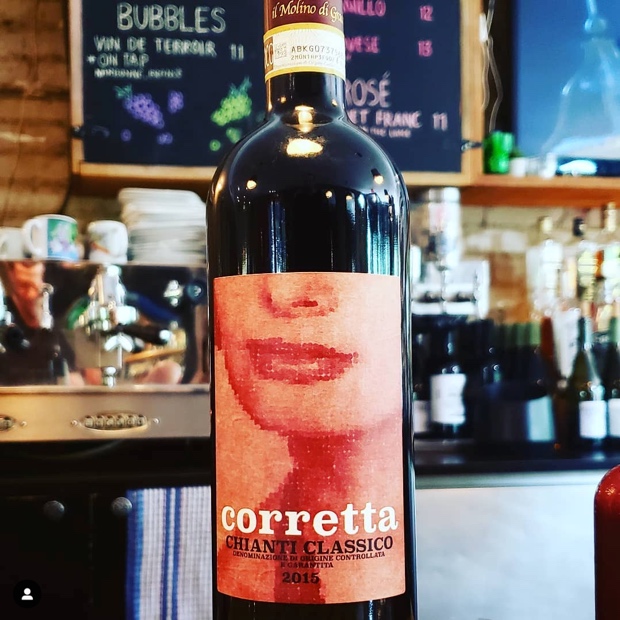


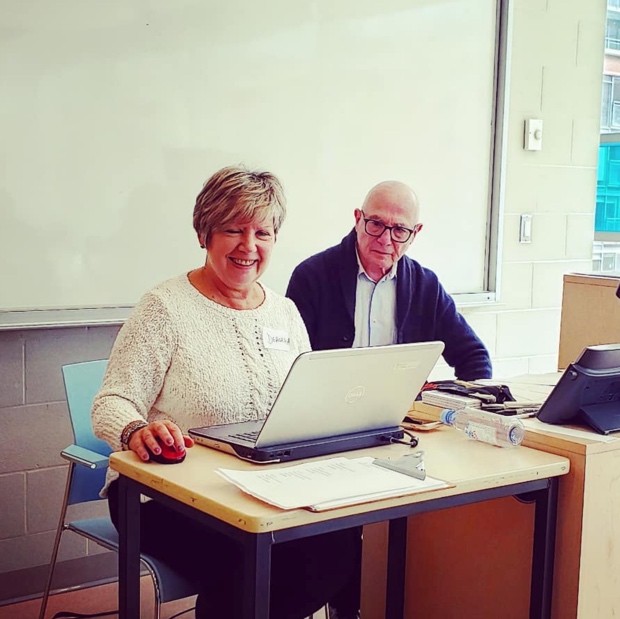
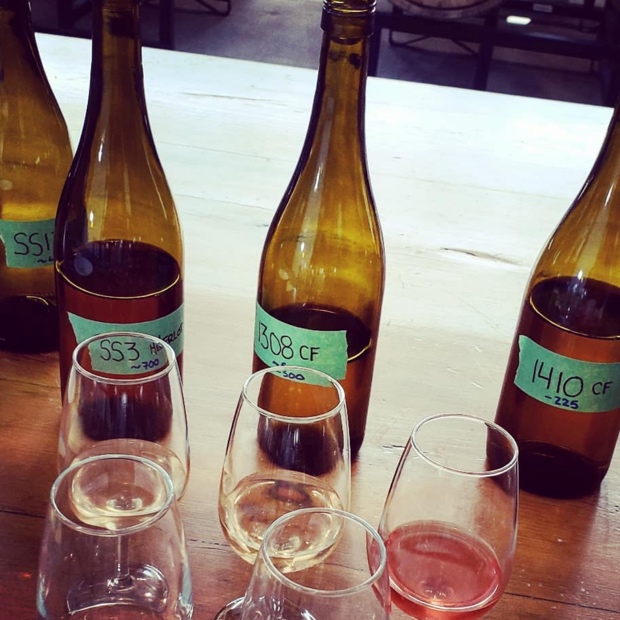


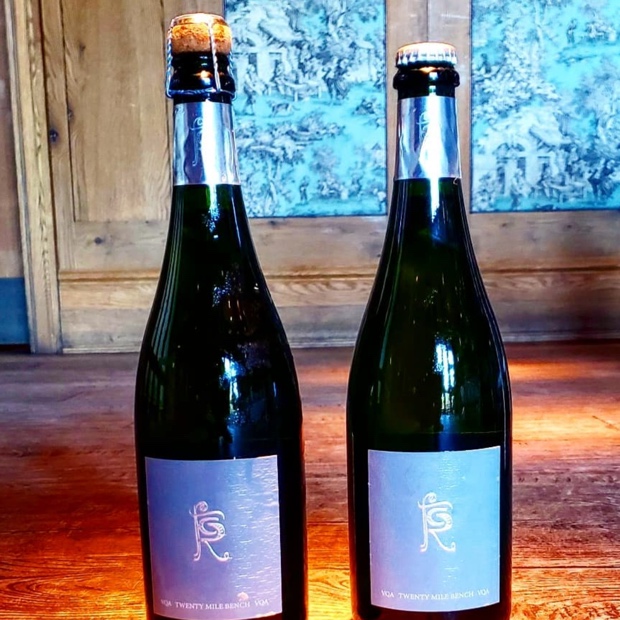

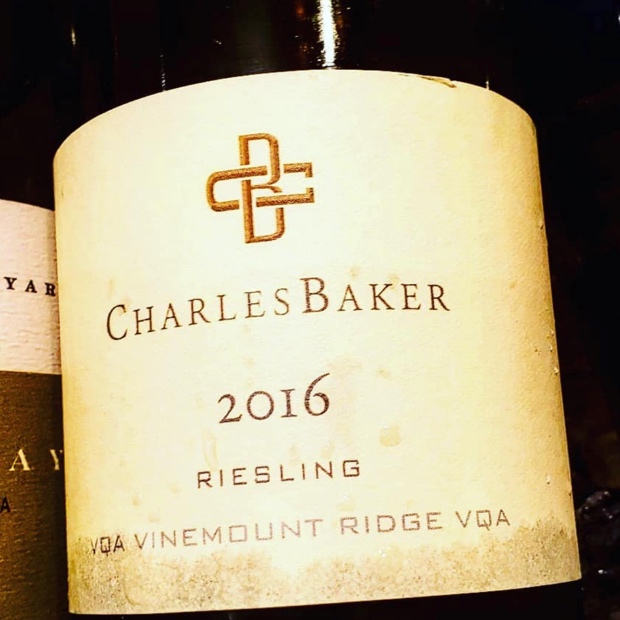


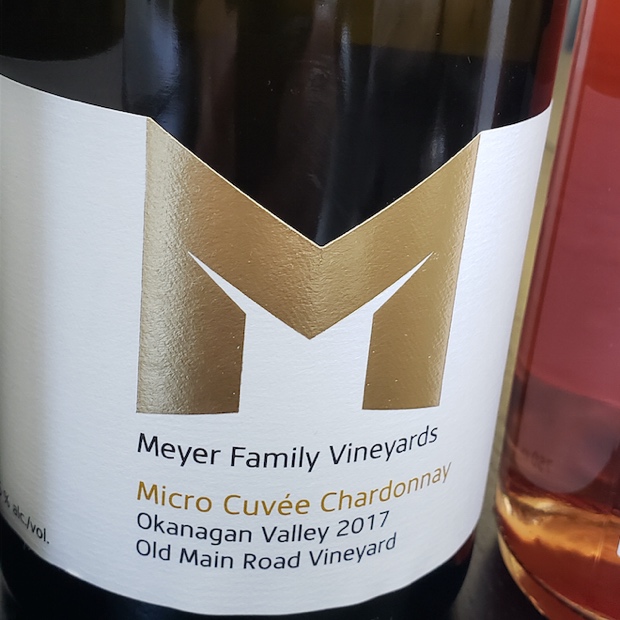
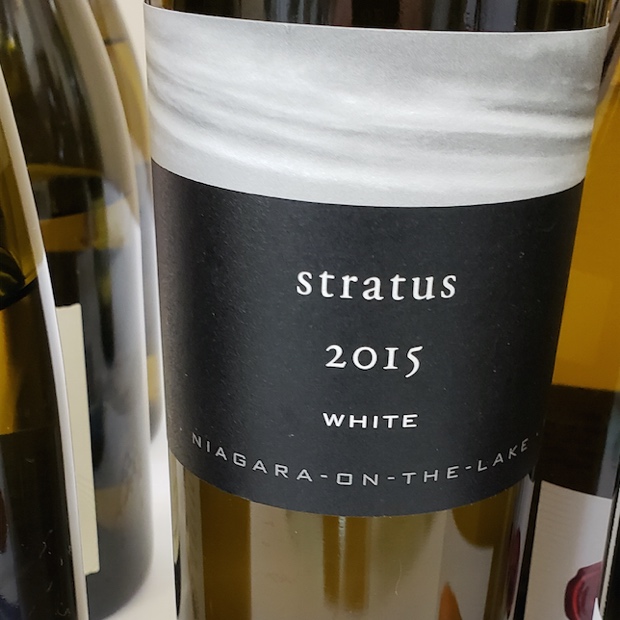

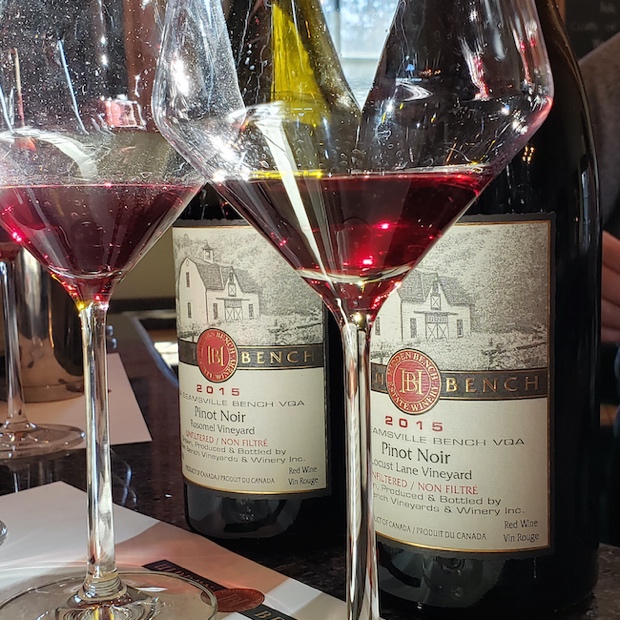
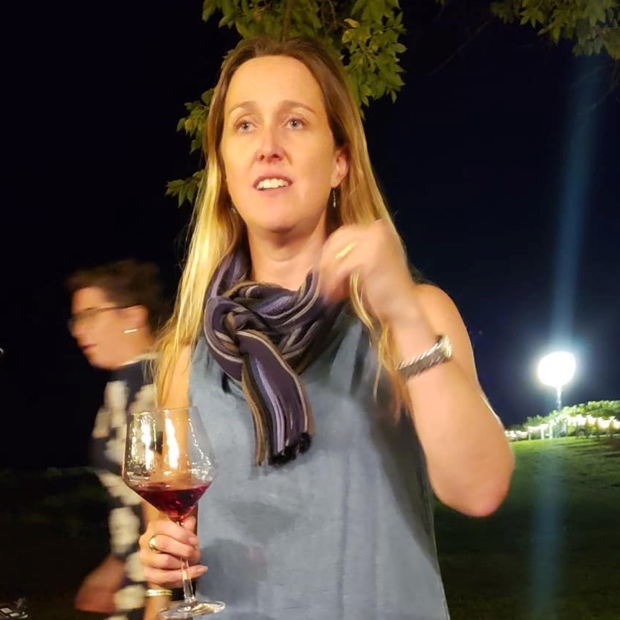
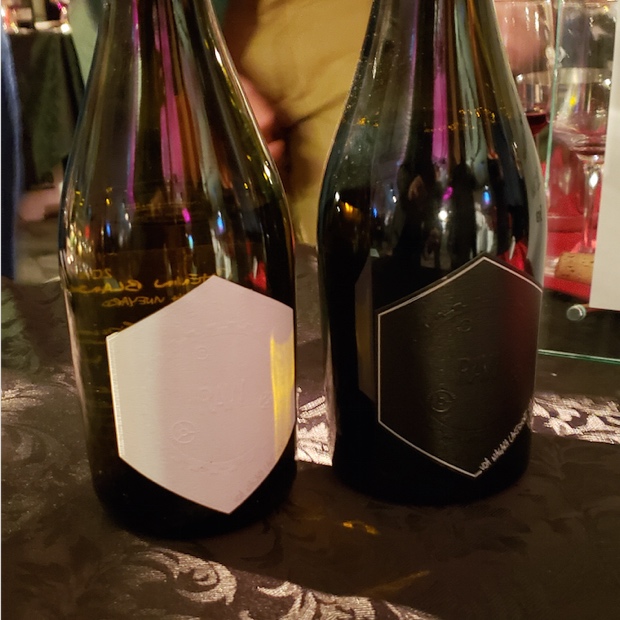
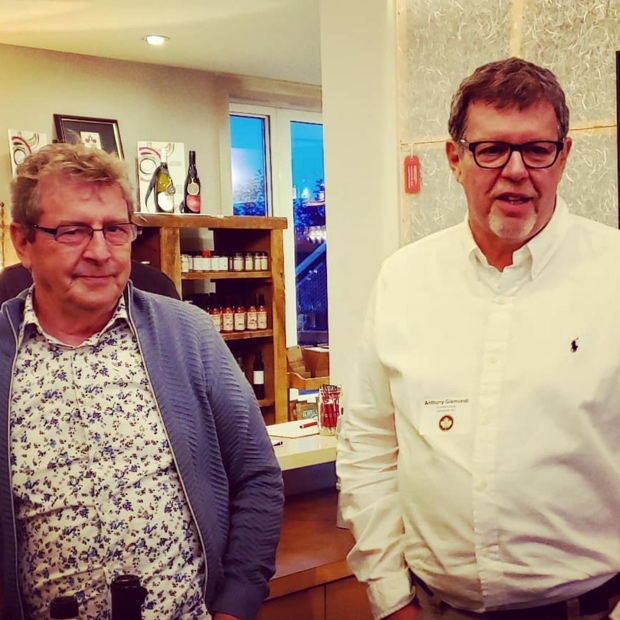

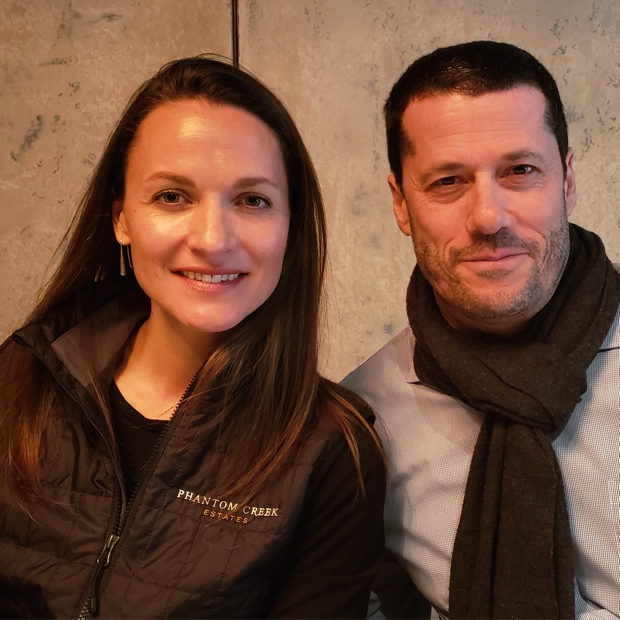
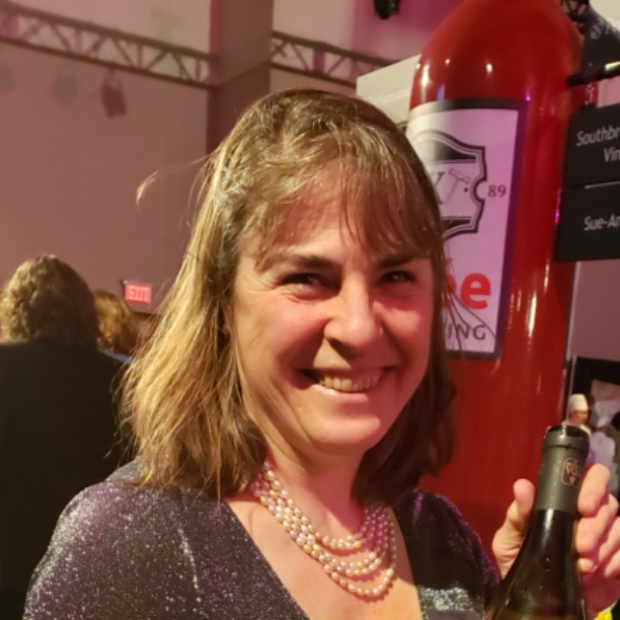
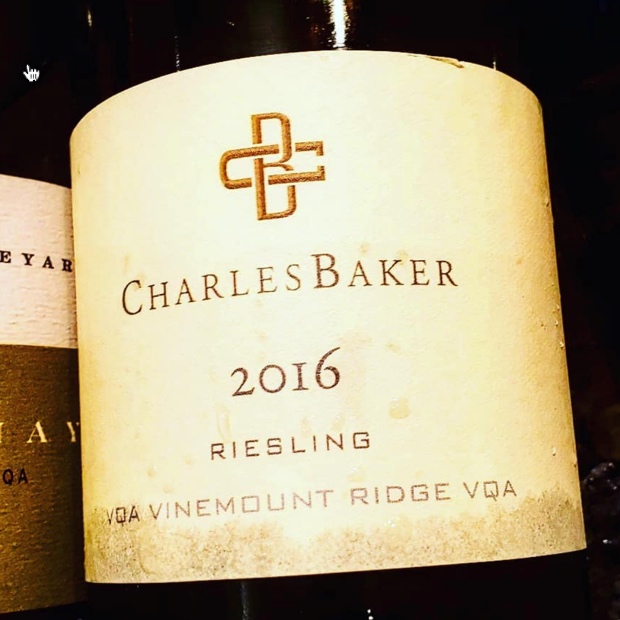

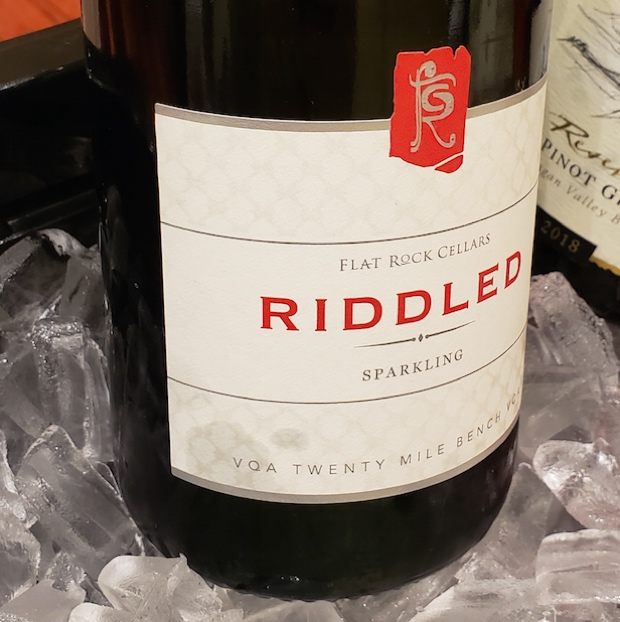
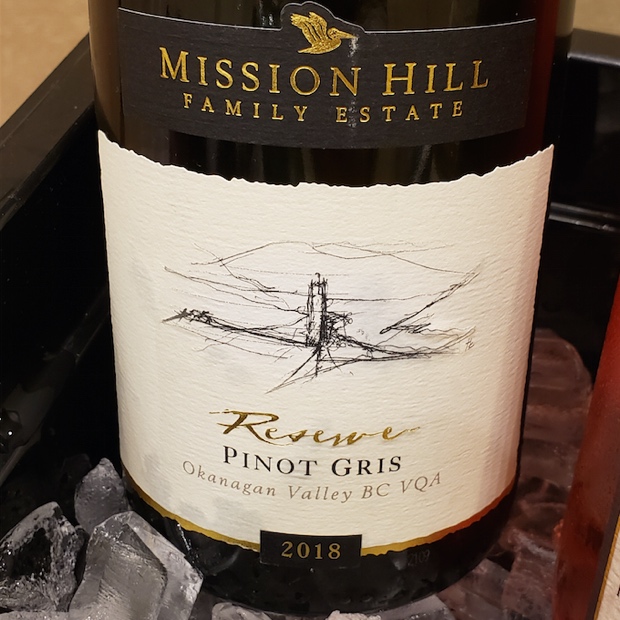
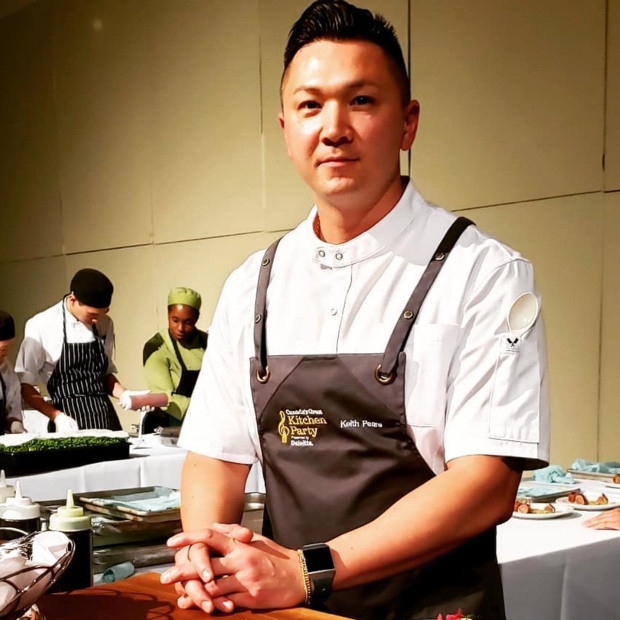

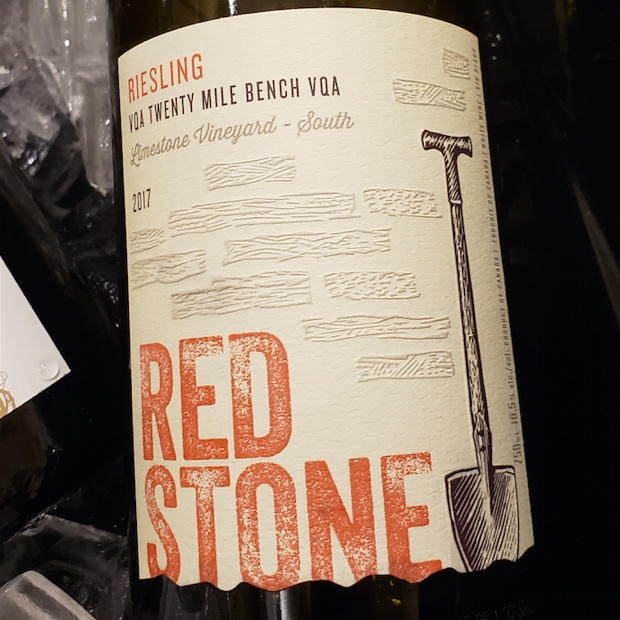
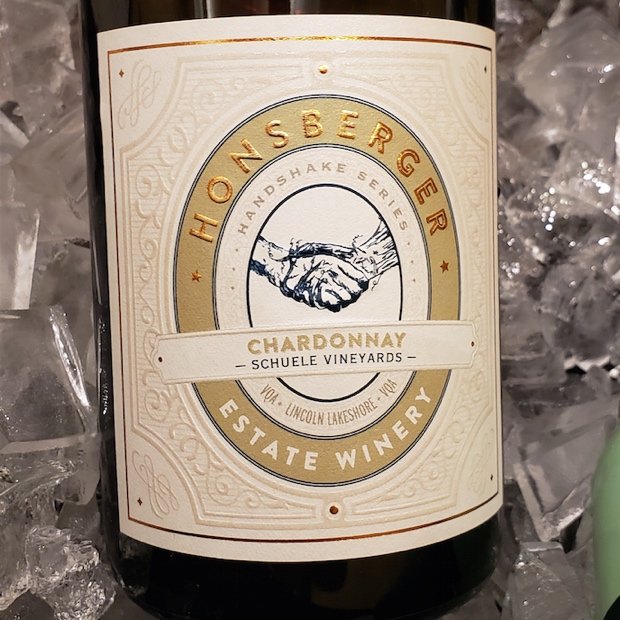
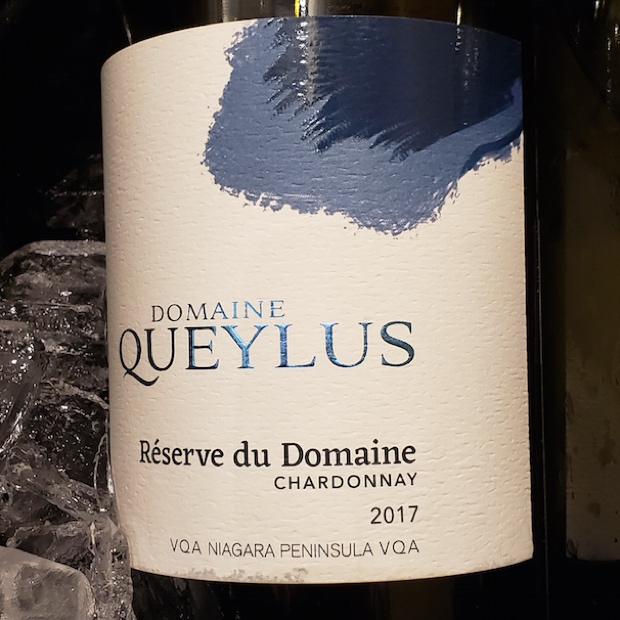


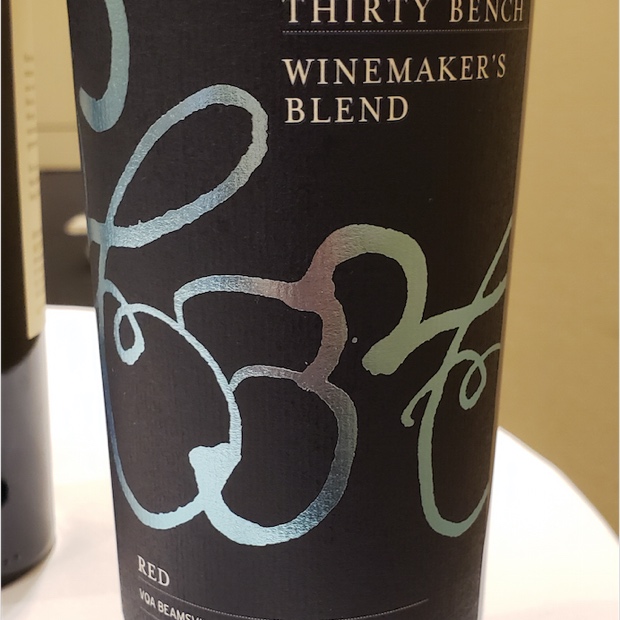
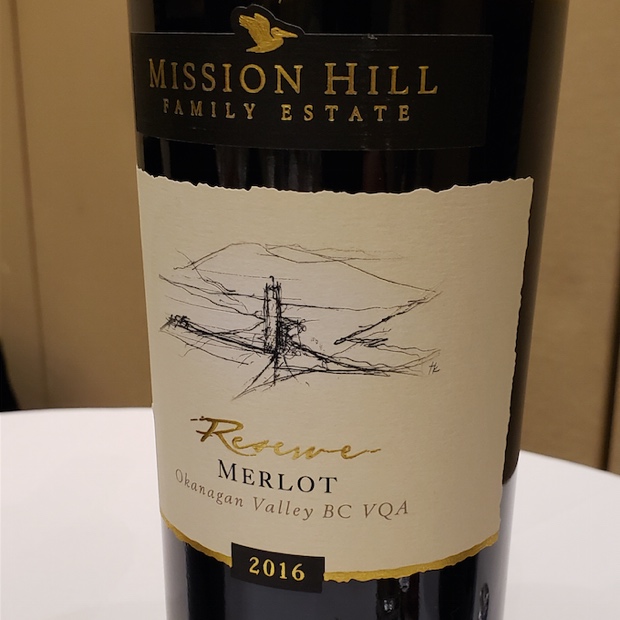
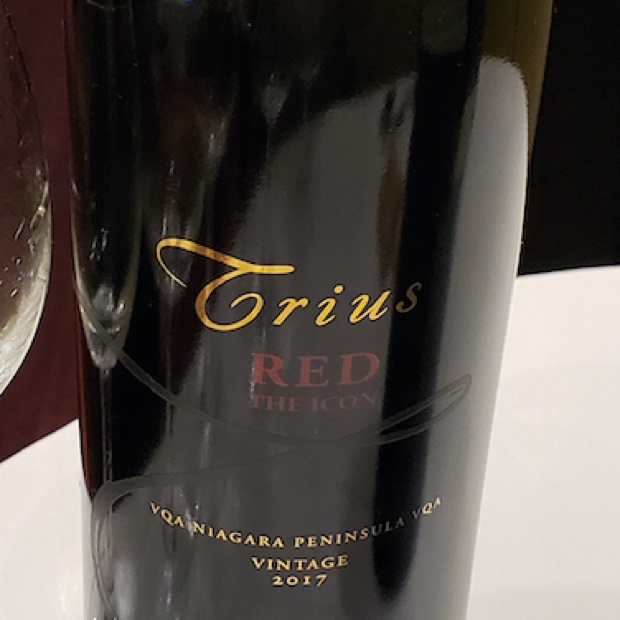
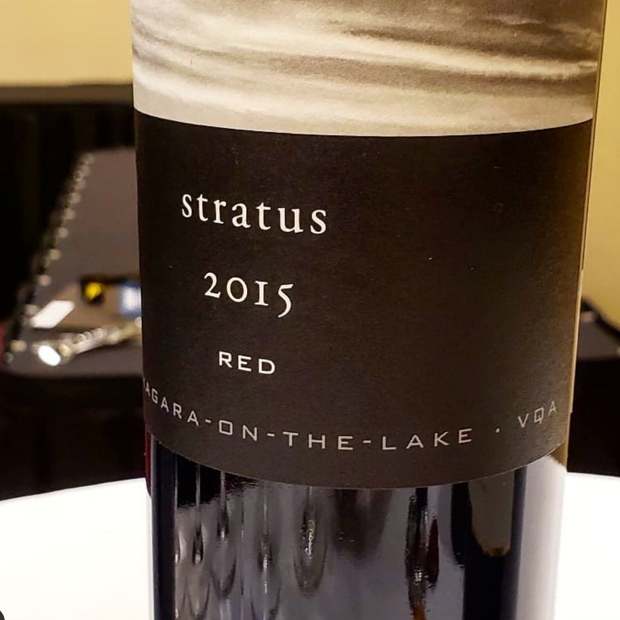
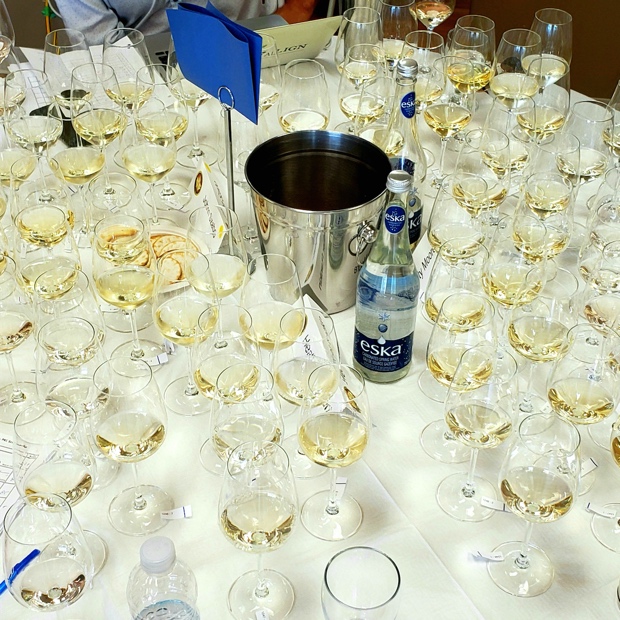

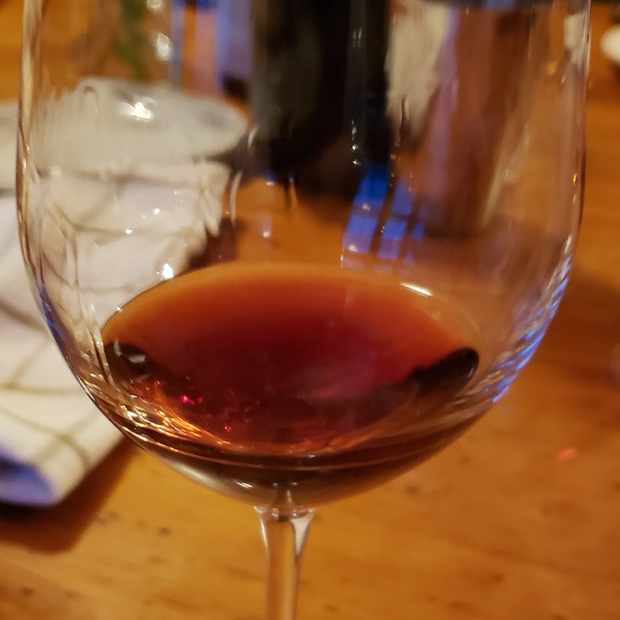

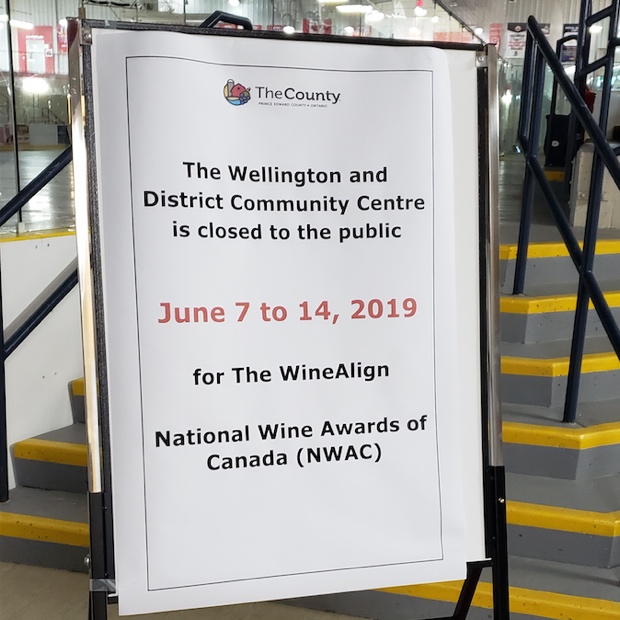
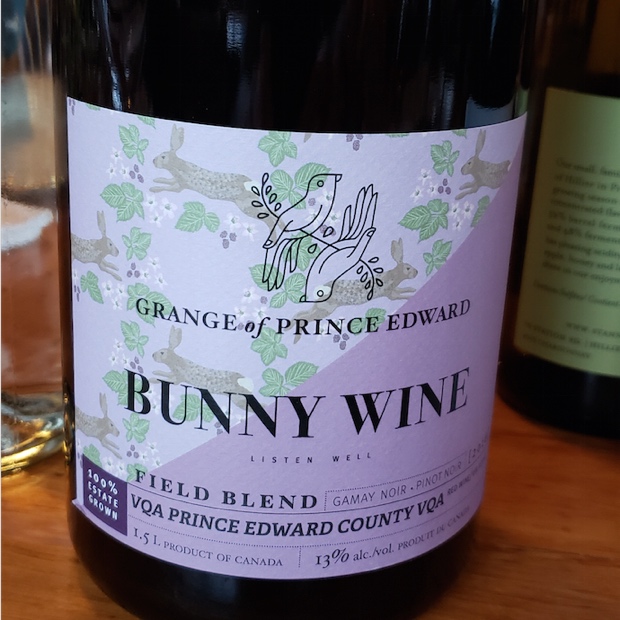

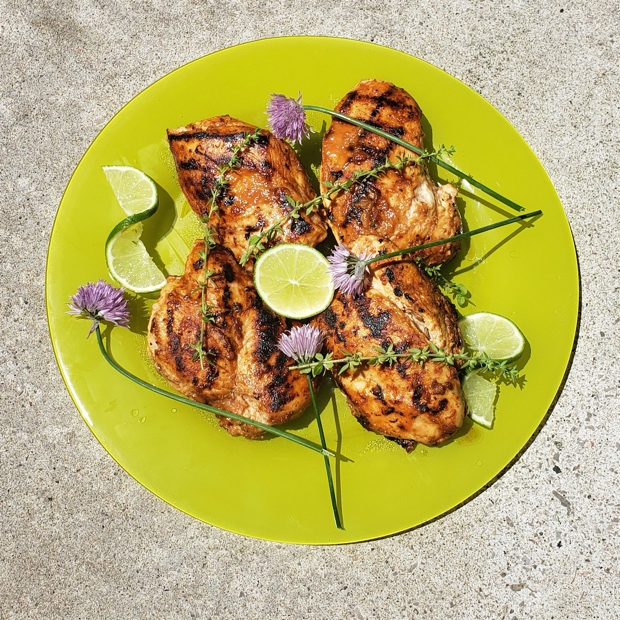
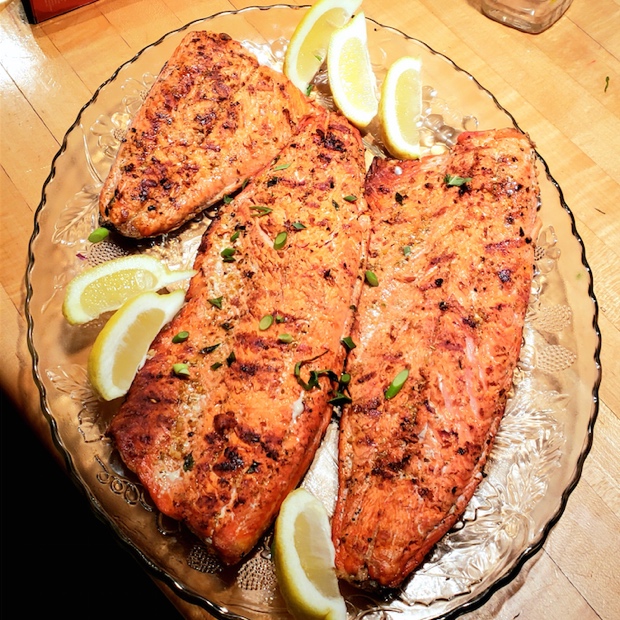


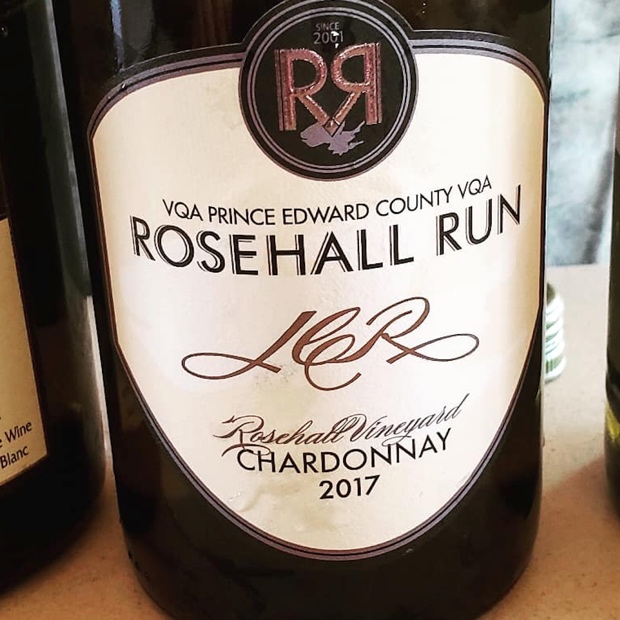
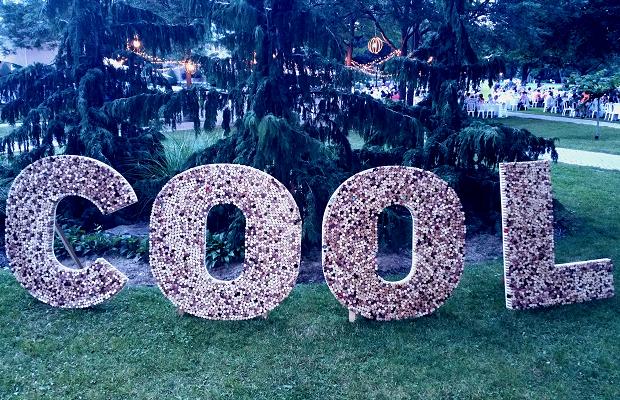


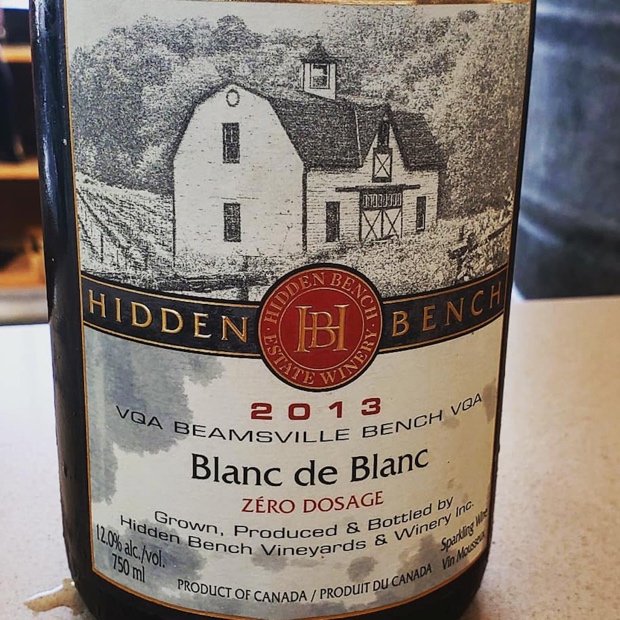


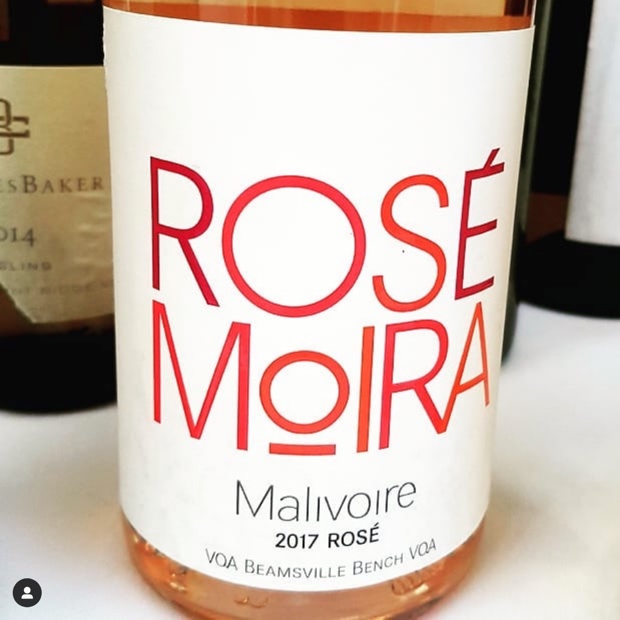

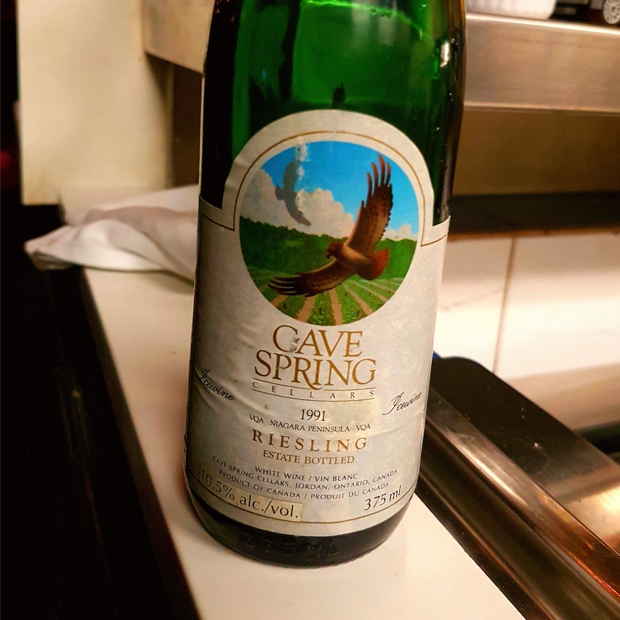


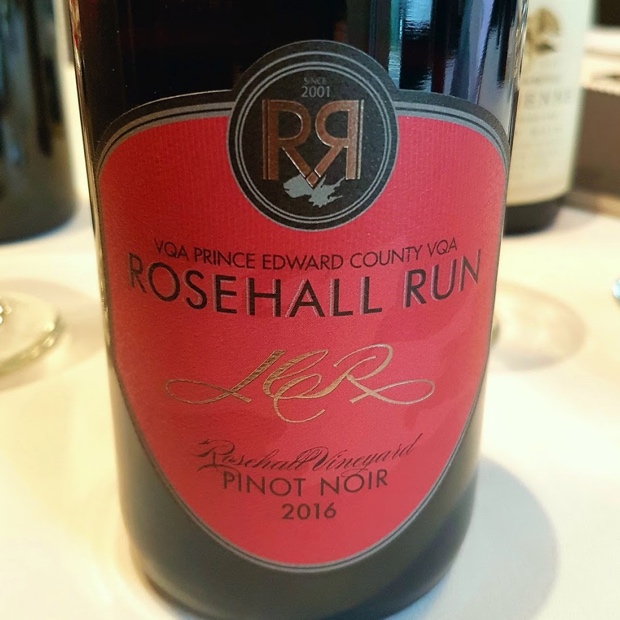
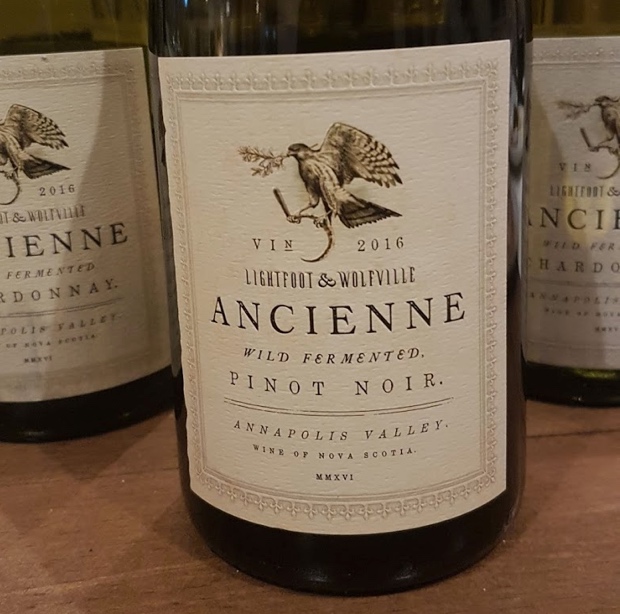

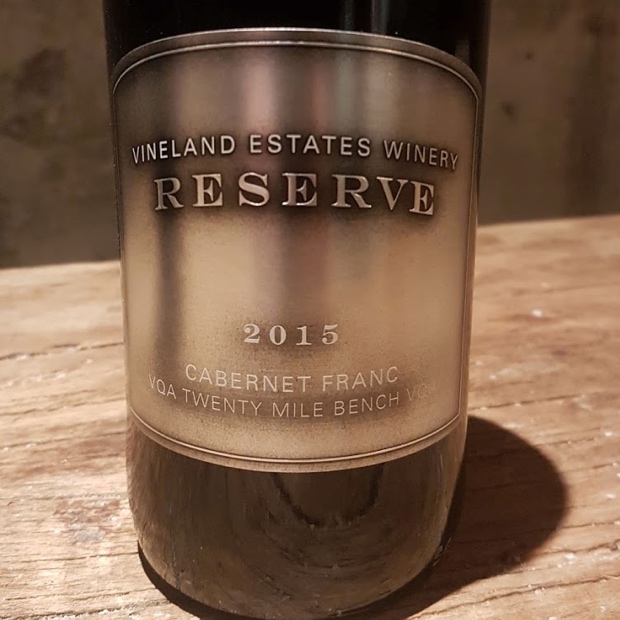
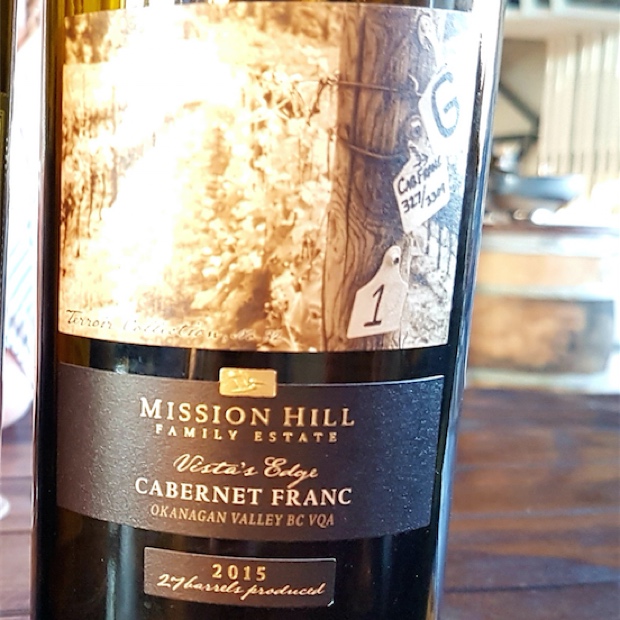


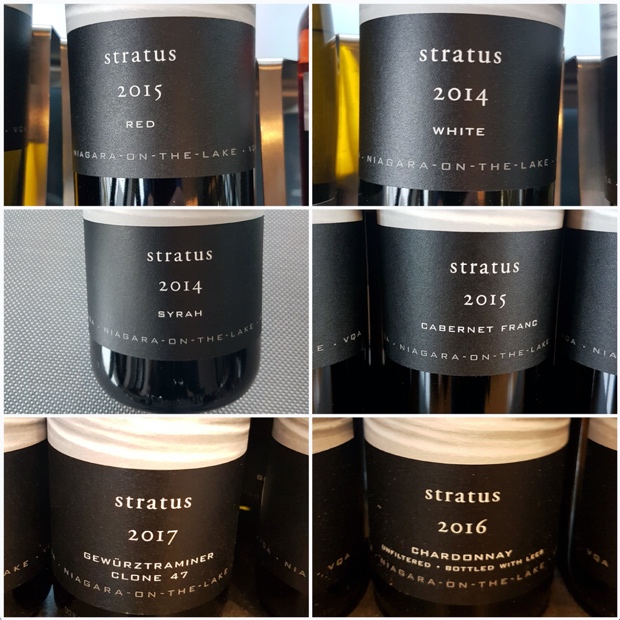
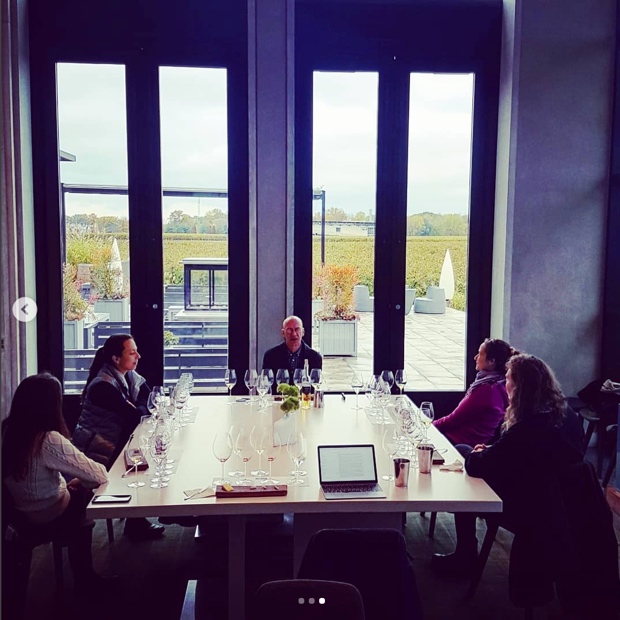
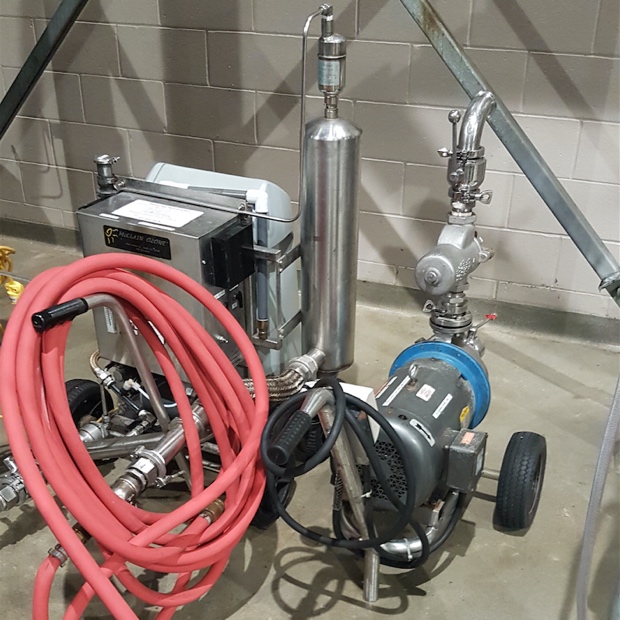


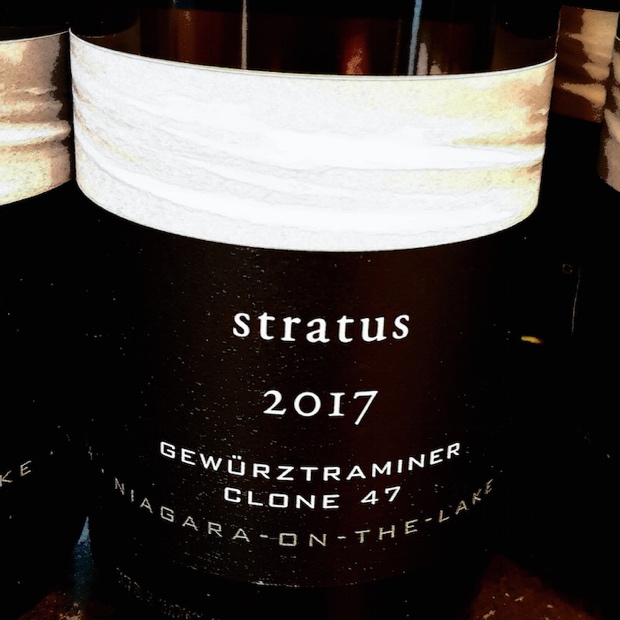
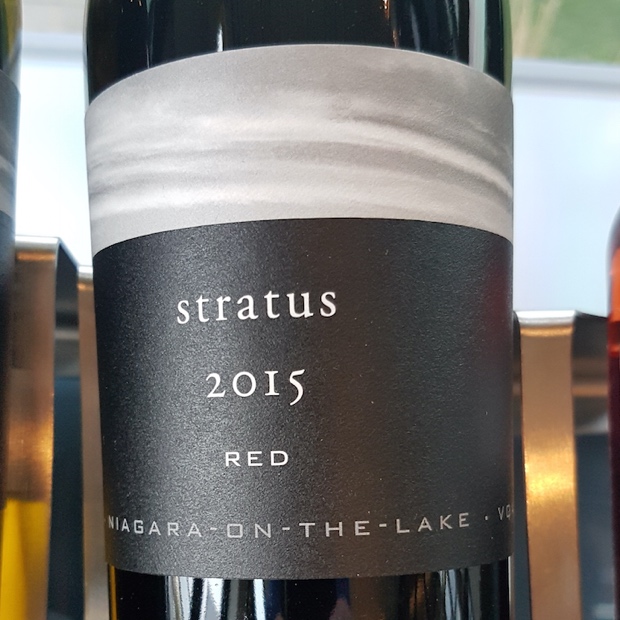
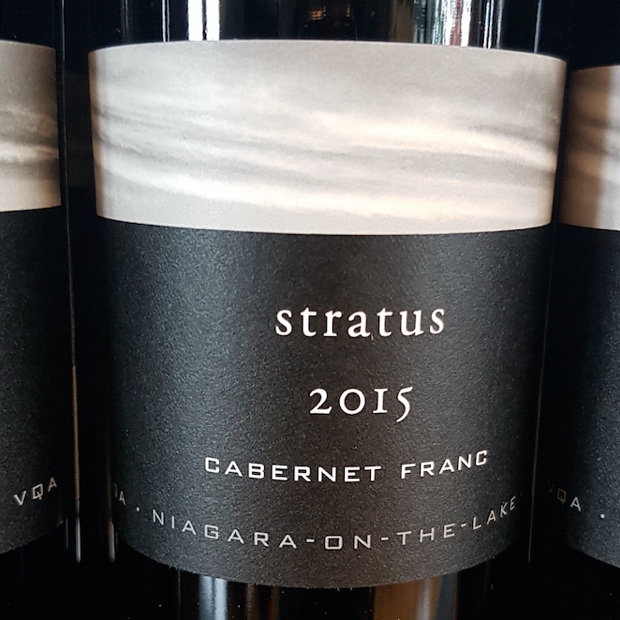
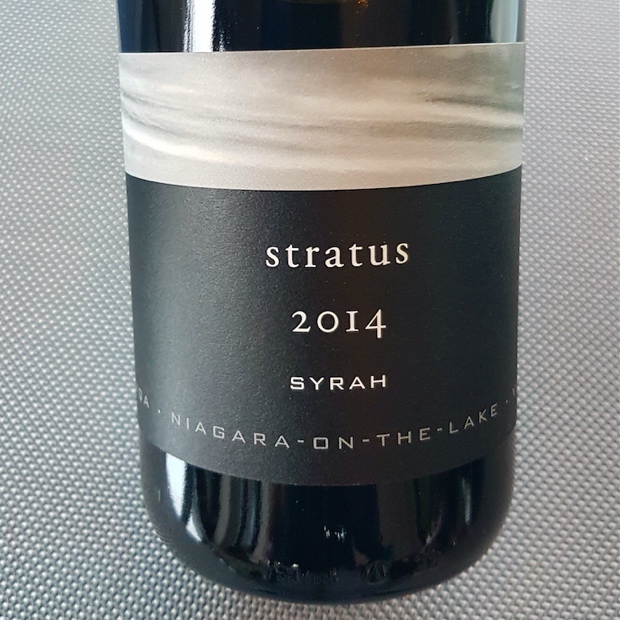

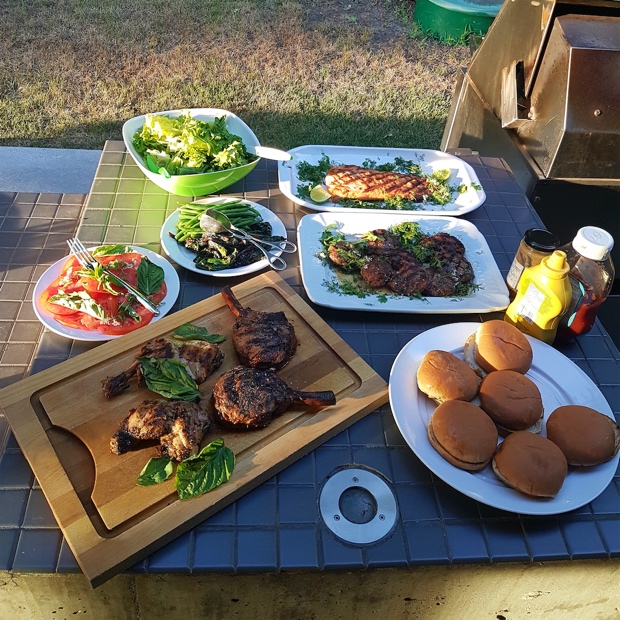
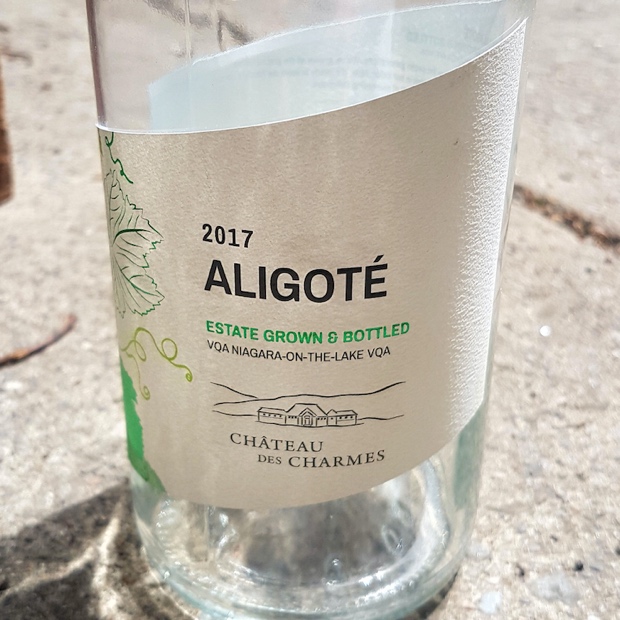
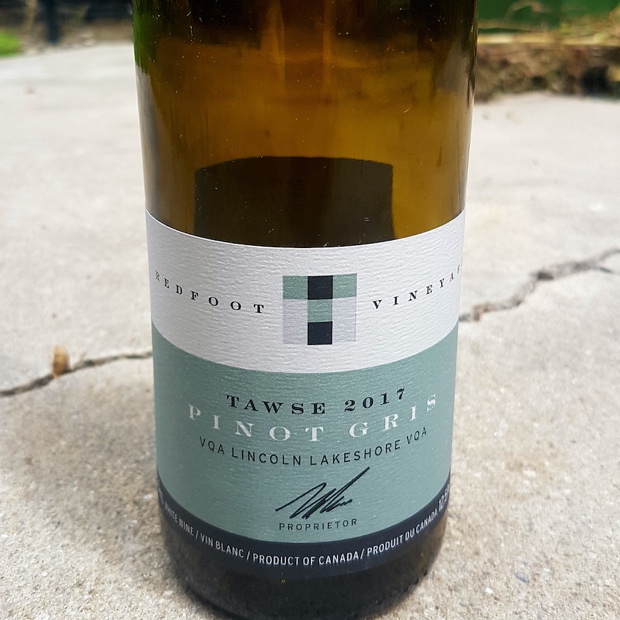


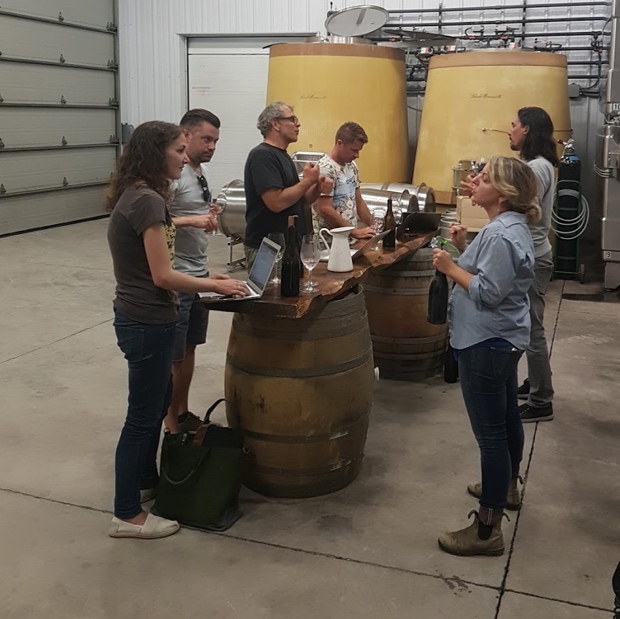
 Godello