A confession. Herein these pages there might seem to be the appearance of astonishing disorder. With music as a muse and a foil to wine, I prefer to look at it as an enjambment, or, as James Woods might explain it, as “the desire to get more in, to challenge metrical closure.” No form, structure or cohesion you think, you mutter, you say? Oh, well.
Over at WineAlign I share my February 20th VINTAGES release picks in the Buyer’s Guide, along with colleagues John Szabo, Sara d’Amato and a travelling David Lawrason. Here at Godello the list expands. First here, with seven whites for snow days and well, just snow. Look for the reds on Saturday.
The white wines of VINTAGES February 20th, 2016
Hugel Gentil 2014, Ac Alsace, France (367284, $16.95, WineAlign)
A bottle blend soft and inviting, teasing tropical fruit but grounded in the continental orchard. Warmth on the nose and cool effervescence on the tongue add up to a waxy, airy finish. This opens up, rises and elevates on the back end. Terrific aperitif out of 2014 with some legs to last through the night. Drink 2016-2019. Tasted February 2016 @FamilleHugel@HalpernWine@AlsaceWines@drinkAlsace@VinsAlsace
Like a gypsy boy, the idea of Riesling, winemaker Rob Power and Creekside Estates do not occupy overtly obvious territory so here, “come over to the window, my little darling. I’d like to try to read your palm.” In it the perfected Cohen lines of classic Bench Riesling, of stalwarts Thirty and Hidden Bench. Same stoic, non-gentrified possibilities unfollowed and new concepts surreptitiously proposed. Terrifically tart, dangerously darting and tasked for mouth watering righteousness. Such succinct lemon-lime continuous balance. Winemaker Rob Power may not have a storied history with Riesling but now that he has gone Marianne Hill he can’t go back. Drink 2016-2021. Tasted February 2016 @CreeksideWine@hobbsandco
Such potential from Croatia found, packaged and articulated in this bottle. Classic Furmint in Grasevina clothing, right along the wire where Pinot Gris looks over towards Chenin Blanc and says “let’s spend the night together.” Honeyed, unctuous, spicy and floral to the stones and back. For days when “I’m going red and my tongue’s gettin’ tied,” turning to white never tasted so good. You gotta try this. Drink 2016-2019. Tasted February 2016 @WinesofCroatia@RolandRussell
From the town of bedrock, Kevin Judd’s Greywacke is a modern, stone-age Sauvignon Blanc. Grown out of vineyards in the Central Wairau and Southern Valleys in Marlborough, Judd’s exploratory to trailblazing SB announces its aromatic arrival like a pick struck on granite. Tannic from the get go and forged with precise angles and friezes, always tied by an indenture with texture. The vintage is a fruit first forward, neighbourly one and it takes a winemaker to keep things etched in stone. This one strikes me as one that could have got away but the reigning was accomplished in lope, guiding the fruit through a precise pattern of circles, spins, and stops. The success lies in the canter of acidity to extend the effect towards a turning and returning, again and again. Drink 2016-2022. Tasted February 2016 @greywacker@Greywacke@oenophilia1
Trimbach Réserve Pinot Gris 2012, Ac Alsace, France (971762, $29.95, WineAlign)
Immediately reminds of 2008 and will go down a similar, slowly turning and evolving path. So purposed and direct though there is a slight elevation in residual sugar as compared to the four four beat four years ago. Pinot Gris of pears and operas, with some spice on the finish. This will aria into something lovely at the age of seven and beyond. Drink 2018-2022. Tasted February 2016 @trimbach@WoodmanWS@AlsaceWines@drinkAlsace@VinsAlsace
Béjot Les Bouchots Montagny 1er Cru 2013, Ac Burgundy, France (438002, $27.95, WineAlign)
Tidy, tide and vine Chardonnay the way with oak it needs to be. Unobtrusive and just a sheet between fruit and acidity, enough for warmth and not too much to bring on the sweats. Snug, spruced, agitated, resplendent even. Drink 2016-2022. Tasted February 2016 @HannaNealWines@BeauneTourisme@BourgogneWines
Josef Chromy Sparkling 2010, Tasmania, Australia (393629, $29.95, WineAlign)
If 2008 has just recently settled into its low heat unit skin then the consideration here can’t yet touch the thought. So much lees and so much time, so little evolution and so little mind. Jeremy Dineen must be grinning from ear to ear with the thought of where this fizz will go, carrying so much wisdom in its autolysis and Tazzy vernacular in its mousse. Great citrus benchmark OZ outpost where the bubbles work hard for their money and offer up nothing but charm. Drink 2016-2023. Tasted February 2016 @JosefChromy@bwwines@Wine_Australia
On Saturday, February 6th, VINTAGES is running a feature on South African wines. Laid out in varietal by varietal terms, South Africa is deconstructed to articulate and accentuate what’s happening in today’s Western Cape and how it translates to markets around the world. I spent some time back in September with VINTAGES product manager Ann Patel in the Cape. Her picks have much to do with what she found, in excitement from “breaking boundaries and forging new ground with winemaking.” As consumers we should look forward to more chances taken in LCBO purchasing decisions, in varietals and from a more eclectic mix of wineries.
The landscape of South African wine is demarcated by ancient geology and by the geographical diversity of its regions, sub-regions and micro-plots. Varietal placement is the key to success. As I mentioned in previous articles, South African winemakers can grow anything they want, to both their discretion and their whimsy. The choice of what grows best and where will determine the successes of the future.
As the understanding of cool-climate locales dotting the landscape continues to develop, so too does the Sparkling wine oeuvre. The association that determines the authenticity of Méthode Cap Classique is more than just a marketing strategy and a copy of Méthode Champenoise. It is a distinctly South African program, established in 1992. Rules dictate a minimum of 12 months on the lees and post disgorgement, further maturation under cork. Winemakers are free to play with beyond those simple parameters. That is the South African way. Stand together and act alone.
In addition to these February 6th South African releases I have reviewed many added highlights. Next week I will publish 50 more tasting notes on important wines tasting in the Cape last September. Some are available through their Ontario wine agents while others are not. At least not yet. There are many undiscovered South African wines that will soon be finding their way into our market. Here are the eight wines coming to VINTAGES on February 6th.
Avondale Wines Jonty’s Ducks Pekin White 2014, Wo Paarl, South Africa (439554, $14,95, WineAlign)
The house white with the Avondale ducks always in mind. “How does mother nature do it? For each problem there is a natural predator available to do the job.” The holistic approach applies to the winemaking of Johnathan Grieve as well. In 2014 there is an easier and more naturalistic feel. With less oak and lees, some rest and the result is increased freshness, especially for the dominant Chenin Blanc. Ready to go as we speak. Drink 2015-2018. Tasted September 2015 and January 2016 @Avondalewine@RareEarth_Wines
Ken Forrester Chenin Blanc Old Vine Reserve 2015, Wo Stellenbosch, South Africa (231282, $17,95, WineAlign)
The signature purpose with respect to Chenin Blanc by Ken Forrester skips zero beats and misses no opportunity to varietal boldly go for what Stellenbosch just needs. Draw fruit from old vines, let it work its grape tannic magic then spin away, a rising child of centrifuge into constellatory divination. Ken Forrester says he’s always afraid of stretching too far. “If the eastern and western fronts are too far apart, you lose the war.” From 1965 plantings in Piekenierskloof, two weeks of skin contact was followed by time in 300L, 8-10 year old barrels, “neutral as hell.” When tasted in September 2015, the wine was reductive, with a bit of aromatic grit and VA. It was a raw and unfiltered wallower. Now? Chenin Blanc of heft, poise and tenderness. It’s all in the preparations. Such juice at such an absence of cost should be illegal. Drink 2016-2020. Tasted January 2016 @KFwines@Noble_Estates
Graham Beck Brut Rosé Méthode Cap Classique, Wo Western Cape, South Africa (175588, $19.95, WineAlign)
An ode and an adherence to the magic of Cap Classique style, always with that sage feeling of evolution in age. Made pretty with its skin pink depth though I must admit to nosing and tasting the inimitable South African soil. Still, it is clearly and decisively Pinot Noir that floats the boat and rights the ship. This has noirs in its psyche and the Western Cape in its soul. Drink 2016-2020. Tasted January 2016 @GrahamBeckWines@Vinexxperts
Nederburg Manor House Shiraz 2013, Wo Coastal Region, South Africa (68775, $16.95, WineAlign)
Meaty, dark fruit and soil pure Shiraz. At this point in South Africa’s red wine production I would go to lengths to call this old school. It’s a blast from the recent and forward thinking past. Stew recommended, marbled protein required. Drink 2016-2020. Tasted January 2016 @Nederburg@MarkAnthonyWine@ImportWineMAFWM
Cathedral Cellar Pinotage 2013, Wo Coastal Region, South Africa (99267, $16.95, WineAlign)
A twain marker, bridge gapper, two worlds colliding Pinotage. Full of spice and soil chalky spirit. There may well yet be one foot half-depressed into the clay of the last two decades of Pinotage but the other is pointed north, into the bright future. Some weighty density keeps the Western Cape fruit brutally honest and yet the cathedral is bright, filled with light and carefully slight. This will please camps on either end of the field. I would suspect that future vintages will pull the other foot from the muck and see this Pinotage walk off into the proverbial Pinotage sunset. Drink 2016-2019. Tasted January 2016 @KWVwines@Dandurandwines
Graham Beck The Game Reserve Cabernet Sauvignon 2013, Western Cape, South Africa (2519, $18.95, WineAlign)
Beck’s GM is spot on Cabernet Sauvignon of place; rich, ferric, tightly spun and wait for it…gamy. Not funky mind you but meaty in a fresh kill, flesh charred, grilled and juices settled way. If red protein and something South African are on the mind, this cracker of a Graham Beck signature varietal dutifully fulfills the dream. And it will age to change. Drink 2016-2020. Tasted January 2016 @GrahamBeckWines@Vinexxperts
Rustenberg R.M. Nicholson 2013, Wo Stellenbosch, South Africa (278390, $19.95, WineAlign)
A Shiraz, Merlot and Cabernet Sauvignon blend of chaste class and haute style, if decidedly warm and ripe. The aromatics are berry directed, with a floral lilt and a volatile note well within an acceptable and supporting role. Carries its alcohol with confidence in ease, to develop the flavours and lengthen the pleasure. Wait a year for it to show best. Drink 2017-2020. Tasted January 2016 @RustenbergWines@WoodmanWS
Rupert & Rothschild Classique 2012, Wo Western Cape, South Africa (434787, $22.95, WineAlign)
This stellar value stalwart Cabernet Sauvignon (60 per cent) and Merlot (40) of Left Bank leanings brings together the brains and braun of Anthonij Rupert Wyne Estate and Benjamin de Rothschild. The vintage picks up where 2011 left off, built on a pillar of protein, soluble fruit and salt. A Franschhoek Valley gibbous and velutinous red with sweet plasma running through adolescent testosterone veins. The barrel treatment (18 months in 225L French) is the fabric softener. The balance encompassing ripe fruit, savoury salinity and spindled acidity makes for a formidable if quiescent package. Will take its sweet time developing secondary and tertiary characteristics. Great value. Drink 2016-2020. Tasted January 2016 @RupertRoths@Dandurandwines
First I thatched the nest and then I fed the birds
Why did I choose this image to introduce a Valentine’s Day post on wine? What pairs perfectly with Christmas, Mother’s Day, Father’s Day, long weekends and Valentine’s day? When restaurants are either swelling with humanity or closed on major holidays and I want to eat out, where do I turn? Chinese. Happy Chinese New Year this coming Monday, February 8th. Welcome to the Year of the Monkey.
This coming Saturday the VINTAGES February 6th release does not coincide with the pink as floyd February 14th holiday so while you wait for next Sunday to arrive, enjoy a mild bite of Chile Peppers. “See what’s in store. Stay all day.” This song merges beautifully into the Love of Your Life. How does YouTube know?
Quite a mixed bag defines the February grouping. The south of France makes hay but I’ve also got Greece, Spain, Barossa, Piedmont and Burgundy in the regional to country mix. Enjoy.
First the pink stuff.
The Rosés of February
Gérard Bertrand Côte Des Roses Rosé 2014, Ap Languedoc, France (373985, $16.95, WineAlign)
The occasions may be rare, but sometimes Rosé needs a half a year to simmer and to show its true colour. What once seemed to be red meets Rosé is now classic, typical, essential blush from Provence. Terrific amalgamation of the holy varietal trinity, with Cinsault the anchor, rock and catalyst to prop up Grenache and Syrah just as they need to be. From soft fruit to a grind of pepper, with aridity and salinity always on stage. Drink 2016-2018. Tasted January 2016 @GBvins@FwmWine@AOCLanguedoc@LanguedocWines
From my earlier note:
Dry, floral, medicinal, quite tight and angled, not angular Rosé. The sea salinity and briny strawberry confluence is quite striking. Doesn’t really linger so in the end it’s a bit of a simple quaffing Rosé but what of it? That’s right. Drink 2015-2016. Tasted August 2015
Pierre Sparr Brut Rosé Crémant D’alsace, Méthode Traditionnelle, Ac Alsace, France (39016, $18.95, WineAlign)
Graceful and pink lithe, like cold smoked salmon, delightful Pinot Noir Rosé fizz. Nothing earth shattering, breath taking or barrier breaking, just well made blush bubbles. The structure and balance are really spot on. Finishes strong and with confidence. Helps to define this genre of Crémant’s creamy texture, matched in contrast by its stony, flinty and mineral style. Drink 2016-2018. Tasted November 2014 and January 2016 @AlsaceWines@VinsAlsace@drinkAlsace@ProfileWineGrp
Lallier Grand Cru Rosé Champagne, Ac Champagne, France (385179, $56.95, WineAlign)
Stoic, startling and nearly, dare I say, revelatory Rosé. Righteously rustic and demandingly devilish. A craftily concocted cool-custard cupid. The talc and the drift are exceptional, wafting aromatics and waving me in, to curl up and be embraced by its charms. This has Valentine’s Champagne scripted with pitch perfect elegance. A Grand Cru effort to be sure. Drink 2016-2019. Tasted January 2016 @LallierAy@azureau
A most consistent Xinomavro untouchable at the price, with the hallmark Syrah-like pepper notes pricking and popping from base and necessary red fruit. This sample is a bit muted aromatically but the palate is alive, kicking and very sound. Think of pomegranates, fresh figs and kalamata olives, a mountain view and the warming afternoon sun. All for $14. Though many Xinos can age for seven to 10 years, this Naoussa is meant for the here, now and tomorrow afternoon. Drink 2016-2019. Tasted January 2016 @boutari@KolonakiGroup@DrinkGreekWine
Clean, direct, massaging Spanish expression of the here and now. A winemaker’s message from an outpost with an endemic grape variety known as Bobal, 100 per cent employed to speak of that place. It does so ripely with cagey dramatics and an acidity seemingly so specific to varietal. This will pave roads for a geek’s obsession and should lay tracks for a consumer’s diversion. It’s worth the detour. Like Aragonese or Catalan Garnacha. Drink 2017-2019. Tasted January 2016 @BSierraNorte@DOUtielRequena@ProfileWineGrp
Sister’s Run Calvary Hill Shiraz 2013, Barossa Valley, South Australia, Australia (222018, $16.95, WineAlign)
On this hill ripe, pure, Barossa fruit fills the glass, “handing out bread and jam just like any picnic.” Don’t be looking for a battle of acidity and tannin on the edge of a savoury, mythical Epping forest. Seek fruit, find fruit. A genesis of material for straightforward Shiraz. If you’ve $16 in your pocket and a deep, rich, red fruit Shiraz is what you’re looking to find, this is the place to stop. “Here come the Cavalry.” Drink 2016-2020. Tasted January 2016 @Gr8TanninWines
Cave De Roquebrun La Grange Des Combes Saint Chinian Roquebrun 2013, Ac Languedoc-Roussillon, France (155804, $18.95, WineAlign)
From Schistous hillsides of Roquebrun, this firm and friendly SGM is the bomb of Beziers. Meaty and wise, its heart beats out of sheer size and from beauty. The opposite of a ferric beast, the valley of the barns wields a weapon but one of glistening, polished stone. The accomplished battle ready fruit knows no limits. Tannins though fierce do nothing to hurt the cause. Syrah (50 per cent), Grenache (30) and Mourvedre (20) adds up to really good Schist. Do you trust a gorgeous wine? Drink 2016-2022. Tasted January 2016 @AOCLanguedoc@LanguedocWines@Eurovintage
Finca Del Marquesado Gran Reserva 2008, Doca Rioja, Spain (384248, $21.95, WineAlign)
A 2008 Rioja that looks, smells and acts like 2008, a plus and a positive rolled into one determinate, fruit roll-up, old-school package. Dried red berries once fervently ripe, now concentrated and dehydrated performing as classic regional flavours would. The acidity persists and the tannins have a leg or two to stand on. This will not improve or go any long distance but for now and two or three years more it’s about as delicious a Rioja red as you are want to taste. Drink 2016-2018. Tasted January 2016 @RiojaWine_ES
Pierre Sparr Schoenenbourg Riesling 2011, Ac Alsace Grand Cru, France (664995, $22.95, WineAlign)
Sparr’s little piece of the Schoenenbourg is a fine one, exemplified in this tidy, gritty and shiny happy Riesling. The tones are not tiny, perhaps tinny and certainly tropical. Mango and pineapple make heady way but the acidity and the tannin are up to the task. This is quite Germanic in my opinion, not new world Alsace. And it’s tasty as need be, with longevity on its side. Drink 2016-2022. Tasted January 2016 @AlsaceWines@VinsAlsace@drinkAlsace@ProfileWineGrp
Joel Gott 815 Cabernet Sauvignon 2013, California (444059, $35.95, WineAlign)
Molten comes to mind from this California Cabernet, as in lava and chocolate. A load of pepper marks its territory and fruit wades through the spicy mocha. Under the sheath there can be no mistaking the grape (with help from Cabernet Franc and Petit Verdot) or the place and yet something ionic speaks, leaving me to wonder where this will go. The chemistry is procured by a hint of carbonic, whole bunch pressing and lees stirring for texture. At present they are not in synchronized rhythm. I would say that instant gratification and crowd pleasing was the intent but the opposite happened and that may turn out to be a blessing in disguise. A year from now this could be a true pleasure in value to drink. I think I wanted to hate it but I can’t. It is possessive of terrific, classic character. I will love it instead. Drink 2017-2020. Tasted January 2016
Domaine De Bellene Les Charmes Dessus Santenay 2013, Ac Burgundy, France (435032, $35.95, WineAlign)
From the flats between hills of the lieu-dit Charmes Dessus, a calcaire pebble’s throw away from the 1er Cru Clos Rousseaux. Adolescent acting fruit comes off of young, 10 year-old vines in Santenay, the most southerly wine-producing commune of the Cote de Beaune. Tight, flinty, developing beneficial bitters of a Burgundy that needs a bit of time to accrue a touch of honey to help the medicine go down. Quite rich and reductive. Very good value. Really good value. Drink 2018-2022. Tasted January 2016 @RochedeBellene@Nicholaspearce_
Domaine Laroche Vieilles Vignes Les Vaillons Chablis 1er Cru 2012, Ac Burgundy, France (991893, $36.95, WineAlign)
Gorgeous and wealthy Chablis of all that makes this unparalleled style of Chardonnay tick. Flinty, struck stone entry, vineyard hyperbole of mineral and the geology of ancients. Lithe, lifted, lightness of being but always brought back down by the minerality. Some flavour density by way of old vines wisdom and persistence that just won’t stop going. Superb quality. Drink 2017-2022. Tasted January 2016 @DomaineLaroche@Select_Wines@BIVBChablis
Secret De Schistes 2011, Igp Côtes Catalanes, Languedoc-Roussillon, France (440669, $41.95, WineAlign)
IGP in which schist happens. Such a bruiser this Château de l’Ou Côtes Catalans, an example the likes this market rarely sees. These Schistes bleed hematic into fruit warmed excessively by the sun. Languedoc-Roussillon that runs with the Rhône terribilta to purpose largesse and rocking good times. This is a very demanding wine, loaded with peppery spice and rabid energy. It needs years to settle. Hopefully its secrets will then be revealed. Drink 2019-2024. Tasted January 2016 @ChateaudeLou@AOCLanguedoc@LanguedocWines
Poderi Colla Dardi Le Rose Bussia Barolo 2010, Docg Piedmont, Italy (596890, $51.95, WineAlign)
The Dardi Le Rose ranks as one of the most consistent performers, mired in tradition and crafted without compromise. The 2010 is a spot on example of balance in Nebbiolo, gritty, floral, tannic and ethereal. The weight is an ambient one, the aromatics resourceful and respectful to varietal and to nature. Dried roses and fresh tar, drier cherries and strolls through verdant gardens. Not the beast of Bussia but certainly bussing its weight in age. This will go quite long. Drink 2018-2025. Tasted January 2016 @glencairnwines@regionepiemonte
Plus one, just because it’s Valentine’s Day.
Domaine Bouchard Père & Fils Meursault Les Clous 2013, Burgundy, France (Agent, $64.00, WineAlign)
Essentially 1er Cru pearl of a vineyard in origin, on marly ground, “walking tightrope high over moral ground.” Such a pretty Chardonnay of faith and of love, subtle, slightly smoky, linear and purposed towards the divine. A lemon drop jam without sweetness and a tart edge that is miles from sour. There are no holes, stops or delays, with acidity that drives forward and length stretching to further length. Grace in gossamer layers. A marker in the Meursault sand. Drink 2017-2024. Tasted January 2016 @WoodmanWS@BourgogneWines@bourgognespress
I call it the Godello. Caesar @barquebbq with smoked chicken, brisket and pulled pork.
Next Saturday the VINTAGES widget scrolls out the February 6th release with yet another consistently same as two weeks before element of interaction. The familiarity breeds calm and contentedness with the comforting thought of “you know what to expect and you know what you’re going to get.”
What you will be gifted are six right proper Canadian releases, two from British Columbia and four from here in Ontario. Here they be.
A good vintage for the unwooded, floral Musqué with a bit more lit wax than previous incantations. Lots of lemon here and good texture. Always trust Cave Spring to make hay from the singular and singled out Musqué. Good, spicy finish. Drink 2016-2018. Tasted January 2016 @CaveSpring@TheVine_RobGroh
Sue Ann Staff Loved By Lu Riesling 2014, VQA Niagara Peninsula, Ontario (322636, $16.95, WineAlign)
Classic, genre verbalizing and focused Niagara Peninsula Riesling that, despite and with purposefully fun kitsch in nomenclature, will love you. Know this. You will love it too. Just the slightest spritz and moscato-like florality is nothing but fun and light, in tenuity of being and in temperament. It stands to say if this lover does not make you sing “hit me with your (Riesling) stick, hit me, hit me,” I’m not sure what would. Drink 2016-2019. Tasted January 2016 @SueAnnStaff
Past attempts out of Edra’s Vineyard have not struck a found balance between arid, tropical and bitter behaviour. In 2014 something changed. First, waves of delicacy and pierce. Second, aridity and copious, blessed, halcyon bitters. Third, a grant of grape tannin and gifts recalling the fruit of trees, their seeds and pits in full on ripe drupe. Would like to say “where did this come from,” what happened in 2014, but we know. Edra (Thompson’s) Vineyard and the finishing skills of new winemaker Sébastien Jacquey in his first blending work at Megalomaniac. The 2014 shows that this vineyard block at the back of the property is a haven, a bastion, a plot of regard to make such a complex Riesling specimen. Future releases may see it dropped from the label. Drink 2016-2019. Tasted January 2016 @MegalomaniacJHC
Tinhorn Creek Gewürztraminer 2014, BC VQA Okanagan Valley, British Columbia (904185, $18.95, WineAlign)
Repeat ripe Okanagan Gewürztraminer from the Tinhorn Creek gang but in 2014 with a dirigible spotlight of consciousness elevated to heights where the air grows thin. Blessed by its own unparalleled funk 49 reflexology, with a twang like a bend on a good old fashioned 59 Esquire. Turns weighty and beautifully pungent when reflected upon by taste. The solo plays in semibreve, as does the long, slow, fading peace out. Gewürztraminer “out all night, sleep all day…what you try’n to hand me?” Drink 2016-2021. Tasted January 2016 @TinhornCreek@SandraOldfield
Quite seamless for the amalgamation. A bid red machine if you will, not the shortstop alone but the whole squad. The varietal grand schematic is well integrated in ’12 and will be appreciated by those with wishes for equality between fruit, acidity and tannin. It’s that simple, isn’t it? Drink 2016-2018. Tasted January 2016 @FieldingWinery@RichieWine
Burrowing Owl Merlot 2012, BC VQA Okanagan Valley, British Columbia (585737, $39.95, WineAlign)
Though I can’t say for certain that this ’12 Merlot smells and exudes the Sonoran, northern, sage-brushed desert more than just about any B.C. wine to date, I’ll say it anyway and again, even if I have said it before. A dry heat and a whip-crack of pepper that just kills it for Merlot brings game and creates an air of excitement. There is fruit, copious fruit, glorious fruit. Some kind of dense sweetness permeates the palate and the finish goes all herbal on the backside. Full on west coast affair. A top B.C. Merlot. Drink 2017-2022. Tasted January 2016 @BurrowingOwlBC@LeSommelierWine
Tell me you’re not looking for a January cure. A cure for what ails, a respite from depressing news, a way to get through winter’s second and third trimesters. I know you are upset at losing some of your favourite rocks stars or wholly annoyed with those who are. Regardless of which camp you’re in, look me in the eye and tell me a good, honest, proper and satisfying bottle of wine won’t help.
The simplicity of wine is a beautiful thing. A vine grows and produces grapes. That fruit is picked and ferments itself with help from yeast it just happens to carry in its luggage. Time passes and wine is made. No one had to invent it. The most basic example of shit happens.
With a little help from a farmer and a winemaker wine can become something very special. Choosing which examples pass the test is less than automatic and takes many years of trial and error, but eventually the equation reaches a tipping point. This is where probability begins to win over doubtfulness.
VINTAGES spins the wheel again this coming weekend with a list one hundred strong. I have chosen fifteen to win the hearts of the cold, the depressed, the sad, the first responder, the liberal, the conservative, the left, right and all points in between, the cultural injustice fighter, the social media troll and the curmudgeon. Whoever you are or imagine yourself to be, one of these wines may just make you feel a whole lot better. It’s alcohol, after all.
Morality for the masses from parts unknown. Macedonian Merlot plush in carpeted ease. A touch of vinicultural funk bleeds into the drupe for good constancy. Wood is a factor but only for texture. Roast pork would work. Drink 2016-2019. Tasted January 2016 @bozvenimports@WineofMacedonia
La Ferme Du Mont Première Côte Côtes Du Rhône 2013, Ap Rhône, France (251645, $15.95, WineAlign)
The berries are the lead, the middle act and the finish. Extreme in fruit, fully ripened and punching well into classes. Acidity walks along with what heals and together the impression is regionally spot on. No need to look elsewhere for CdR style. Fashioned to induce consumer approaches that occur early, often and with heavy repetition. Drink 2015-2018. Tasted January 2016 @Eurovintage@VINSRHONE@RhoneWine
Rabl Langenlois Grüner Veltliner 2013, Kamptal, Austria (377457, $16.95, WineAlign)
A rouser this Rabl, highly aromatic and filled with creamy green dressing. Langenlois mineral by quatenary rocky red outcrop chip and scrape through the herbs and the citrus. Though a touch lean at present this has the legs and the foresight to age, like Semillon, like Riesling, like good Grüner Veltliner. Really persistent wine. Drink 2017-2023. Tasted January 2016 @BirgittaSamavar@austria_in_ca@AustrianWine
Château Des Demoiselles 2010, Ac Castillon Côtes De Bordeaux, France (348755, $17.95, WineAlign)
A bit of a brooder this Castillon, dusty and all in with Merlot speaking as it should. Typically ripe, not wood shy and instantly gratifying as per the vintage so considering the cost this offers good reason to drink, but not cellar Bordeaux. The flavours add in dark chocolate with tangy angles opening windows and doors. Two to three years of simple pleasure. Drink 2015-2017. Tasted January 2016 @BordeauxWines@HalpernWine
Domaine Chatelain Les Vignes De Saint Laurent L’abbaye Pouilly Fumé 2014, Ac Loire, France (958801, $19.95, WineAlign)
Slight hyperbole of Sauvignon Blanc with epitomizing smoky flint and vegetation healthy to overgrowing. Fresh and spicy, thematic and screaming out loud. The abbeys always make the most authentic wines. This one is no exception. Classic serial killer. Drink 2016-2020. Tasted January 2016 @WoodmanWS@LoireValleyWine
Laurent Gauthier Grand Cras Vieilles Vignes Morgon 2013, Ac Beaujolais, France (279059, $19.95, WineAlign)
Lovely floral entry and good close encounter with the Morgon kind. Certainly on the ripe black cherry trellis but not over, no, by no means over. Firm, charred tight and charcoal lit with the acidity to propel and excite. Gamay as it should be with a red lactic finale. Well done. Cras, cras, not cray, cray. Drink 2016-2019. Tasted January 2016 @DiscoverBojo
Señorío De P. Peciña Crianza 2011, Doca Rioja, Spain (313726, $22.95, WineAlign)
Old school alert. Fruiting body notes of telomorph yeast and room temperature evaporations. High tones and waves of liqueurs. Big old wood barriques and a slow evolutions over decades, with knowledge ingrained and methodology followed with religious zeal. Cherries and cedar, leathers and all sorts of gamy hides. Attack one and put two away and see the past in the distant future. Drink 2016-2026. Tasted January 2016 @BodegasPecina01@LeSommelierWine@RiojaWine_ES
Blue Mountain Chardonnay 2013, Okanagan Valley, British Columbia (350108, $23.95, WineAlign)
The confident, well-delineated structure of a Blue Mountain wine furthered here, with Chardonnay you are simply and unequivocally happy to drink. Mild, mild wood. Minor, minor but present reduction. Flavours overtop flavours, like green apple dipped in mellifluous agave. Salinity, a touch of flint and just general copacetic effectualizing behaviour. Another winner. Drink 2016-2020. Tasted January 2016 @BlueMtnWinery@winebcdotcom
Eric Louis Sancerre Rouge 2013, Ap Loire, France (66613, $24.95, WineAlign)
Red Sancerre plumb, plum too and cerise. Iron strength and a cumbersome ratification to be certain, for longevity and plenty that comes before. From flavour favour savour to acidity tannin in continuum. Rolls through the numbers and the highlights. Alcohol subtlety is a friend at 12.5 per cent and playing bigger than others twice the size. You can use this terrific example from Eric Louis for just about anything your experience desires. Sip, grill fish, finish post meal. Anything really. Drink 2016-2021. Tasted January 2016 @EricLouisWinery@LoireValleyWine
Martin Ray Chardonnay 2013, Russian River Valley, Sonoma County, California (57067, $28.95, WineAlign)
A really nice, relatively inexpensive example from the RRV. The aromatics are balanced with notes ranging from melted duck fat on golden roasted potatoes to a garden with vegetables ripening under a warm morning sun. The attitude towards the barrel is well adjusted and integrated, the flavours built of viscosity and generosity. Quite impressive and persistent with a spice accent on the finish. Drink 2016-2020. Tasted January 2016 @martinraywinery@rogcowines@sonomavintners
Marchand Tawse Saint Romain 2011, Ac Burgundy, France (440206, $31.95, WineAlign)
The genesis of reduction is the man, even four plus years into its time in bottle, here on earth. What to make of this showing at this juncture? From Saint Roman, The Melodist, “Pindar of rhythmic poetry” and very restrained in wood. Who would dare to make Chardonnay this way from this place, to wait for so long. “And all this time has passed me by? It doesn’t seem to matter now.” The fixed expression, the weight gain, the lean, flinty, bony structure in change. Not yet, not yet a musical box of flesh but it will be. Patience for another year. Great acidity. Drink 2017-2022. Tasted January 2016 @MARCHANDTAWSE@Burgundy_Direct
Marchand Tawse Côtes De Nuits Villages 2011, Ac Burgundy, France (440263, $31.95, WineAlign)
Conspicuously and distinctly Pascal Marchand perfumed village Burgundy to showcase regional distinction in the vicinity of affordability. Smells like roses and the aromal water imparted by fresh petals. Tastes like ropey strawberries, a squeeze of cranberry and a crush of pomegranate. Transports to walks up and down slopes in the morning mist. Will wait for fairer weather to come and a harvest table set al fresco. Pinot Noir off grace to invite friends and co-workers to the table. Drink 2017-2020. Tasted January 2016 @MARCHANDTAWSE@Burgundy_Direct
Vincent Girardin Vieilles Vignes Santenay 2013, Ac Burgundy, France (435552, $37.95, WineAlign)
An old vines Santenay from Girardin that demarcates a line back to the way things used to be. Modernity cast aside this is a firmer and cooler Santenay and it is very young. Not yet shed its carbon fat, stemmy tannin and barrel weight. This will need three years to settle, find its strokes and to allow the fruit to be extracted from its tannic and wooden house. “Oh the heart beats in its cage.” Drink 2018-2023. Tasted January 2016
Fattoria Dei Barbi Brunello Di Montalcino 2010, Docg Tuscany, Italy (928028, $49.95, WineAlign)
Quite approachable for the normally firm and hands off in its youth Barbi. Always with a foot firmly rooted in the past and yet the house seems to be slowly waltzing into the modernity of the future. This has hallmark roses and cherries under leathery hides but also a beautifully bright and dynamic luminescence. It also carries a silky texture that should have it pause less than the habitual five years to fully shine. So, a newer and earlier gifting Sangiovese and that’s quite alright. Drink 2017-2023. Tasted January 2016 @FattoriaBarbi@ConsBrunello@Noble_Estates
Peter Franus Cabernet Sauvignon 2012, Napa Valley, California (907477, $66.95, WineAlign)
The floral aspects of this mountain Cabernet are a delight to behold. The ripeness and concentration are optimum to be sure and are mitigated by a cool, altitude-salubrious repairing factor. Cassis and a hint of what smells like juniper are noted. It’s quite botanical actually, in distillate, not fresh or dried. The Franus angles are direct and retractable. Traces steps up and down, in switch backs and with a creamy, acidity backed rise, fall and repeat. Peter elicits notes heightened “in the firmament above and in the deep.” This 2012 is a sustainer, a Parvadigar, a prayer set to music. Very musical Cabernet, scaling, of arpeggios et al. Drink 2016-2022. Tasted January 2016 @ProfileWineGrp
Next Saturday, January 23rd, VINTAGES is set to roll out its cover superheroes in a South American feature dubbed the ‘dynamic duo.” Within the parameters of that pop culture reference, between Chile and Argentina, who is Batman and who is Robin?
Chileans and Argentines would each lay claim to elite crime fighter status and perhaps choose to consider the other a trusty sidekick. To pick one over the other is an existential impossibility. To say that one wine-producing nation has been exceedingly more successful than the other would be a skewing of data and facts. To postulate either as a more deserving micro-manager would create a disturbance and delve out a disservice to the one theorized as junior or inferior.
Separated by the long, rugged, dramatic peaks of the Andes Mountains, the two South American superpowers are anything but mirror images or parallel siblings. Argentinian vineyards climb slopes to the greatest grape growing heights possible to find cool climate balance. Their existence is predicated on verticality. Chileans are a horizontal viticultural group, looking to spread north and south across the vast plains, slopes and foothills on the Pacific side of the Andes.
Malbec has put Argentina on the map but the diversity of its varietal abilities goes well beyond. Like South Africa, ripening is the least of a grower’s problems and is used to great effect. When just about anything can complete a phenolic journey, the possibilities are endless. Multeity is the name of the game.
Chile has made Carmenère its poster child and to great effect but there is so much more happening, in obscure places and lunar landscapes. Original root stocks are key to heterogeneity on ocean coastlines and across slopes. Grapes grown on the edges and creeping into deserts give dry farming a whole new meaning.
Both Chile and Argentina are huge vinous success stories. They are legitimately proficient in creating some of the world’s best value wines and are equally adept at crafting both off the beaten path gems and high-end masterpieces. I will not choose sides. I will recommend the best buys from the upcoming release. Seven top my list.
Trapiche Broquel Bonarda 2013, Mendoza, Argentina (55558, $14.95, WineAlign)
Big-boned Bonarda with just a mess of dark fruit and a brooding, badass bent in its behaviour. Ripe plums, rich liqueur and oozing tar. Drips with sweat and bittersweet chocolate. So much here for $15. Must like your Bonarda big and ready to brawl. Drink 2016-2022. Tasted January 2016 @TrapicheWines@winesofarg@ArgentinaWineCA@Dandurandwines
Undurraga Sibaris Gran Reserva Pinot Noir 2013, Leyda Valley, Chile (439414, $15.95, WineAlign)
Lovely little Leyda,”you got the love I need. Maybe more than enough?” The flowers, the elegance, the lifted spice, the love, yes, the love. So much so to forgive the elevated (14 per cent declared), over the hills and far away alcoholic warmth. So let’s get this straight. Gran Reserva, $16 and this much fruit? Get the lead out. Drink 2016-2019. Tasted January 2016 @UndurragaWines@DionysusWines@DrinkChile@WinesofChile
Santa Carolina Specialties Dry Farming Carignan 2011, Cauquenes Valley, Chile (213520, $15.95, WineAlign)
Breaches the summit of warm, cozy, fuzzy and furry I must say but I’ll cuddle up into its up and up blanket any cold winter day and well beyond. The five-year wait has done this dry-farmed and wholly extracted Carignan a proud and elongated duty. Has that cure, that endemic pride and the return to the past. Rich, brooding and spicy with a very bearable brightness of being. Drink 2016-2022. Tasted January 2016 @carolinawines@ChartonHobbs@DrinkChile@WinesofChile
Toneles Tonel 22 Malbec 2012, Mendoza, Argentina (415018, $17.95, WineAlign)
Here an interesting nose on a Malbec with new intentions, sensations and bell ringing announcements. Very pretty, violet floral, blue fruit specimen that reminds me so much of the old Leasingham Clare Valley Malbec and Cabernet Sauvignon. A stretch of kinship proportions. Great balance of meaty, cured, black olive continental and sweetly tannic. This is fun. Drink 2016-2020. Tasted January 2016 @ElTonelWinery@hobbsandco@winesofarg@ArgentinaWineCA
Concha Y Toro Marques De Casa Concha Carmenère 2013, Peumo Vineyard, Cachapoal Valley, Chile (169862, $18.95, WineAlign)
The dark Carménère, knight in purple armour, rich and distinctive for its clean layers, void in sour currant and light on the tobacco. Surely rich and full of classic Carménère fruit. Sweet too but more tang than sour. Proper if so very modern. Drink 2016-2019. Tasted January 2016 @conchaytoro@DrinkChile@WinesofChile
Cono Sur Single Vineyard El Recurso Block 18 Cabernet Sauvignon 2014, Maipo Valley, Chile (439364, $18.95, WineAlign)
Quite the reductive emanation from a varietally correct Cabernet indoor with the obvious intention to send this further down the agreeable cellaring road to freedom. Rich, cakey and red lactic fruit with plenty of sour acidity and some astringent tannin. Tar and char. Quite kindred with volcanic Sicily actually. Spicy wood endings. Might turn into something flowing with lava grace from all this power. Drink 2017-2021. Tasted January 2016 @ConoSurWines@AuthenticWineON@DrinkChile@WinesofChile
Viña Cobos Felino Chardonnay 2014, Mendoza, Argentina (119099, $19.95, WineAlign)
Very woody Chardonnay with intentions from full extraction, maximum ripeness and optimum flavour. Goes to those lengths with the wood in full control. There is a whole lot of wine here for $20, if you can handle it. One large tumbler is enough for me, gladly, happily. Drink 2016-2019. Tasted January 2016 @VinaCobos@AuthenticWineON@winesofarg@ArgentinaWineCA
Take this, #quinoa – With today’s post, “New year, 16 new Vintages releases” #beefshortribs
Inter alia, the winter holiday break is behind us and it is time to get down to business. Time to resume the empirical and experiential search for honest wine. Wines that satisfy at some necessary atomic level, avoid oaky embarrassment and hopefully fulfill basic human needs.
What we seek are bottles fashioned from grapes that are lucky to have been handed a benevolent evolutionary line, miraculously fortuitous in their ancestry, through categorical mutation and genetic modification. Varietal luck, pop and circumstance. That’s what we’re after.
The first VINTAGES release of 2016 makes an adjustment to previous editions with no less than a dozen really solid efforts below the $21.95 line to make Messrs. Charles Mason and Jeremiah Dixon proud. You too can save on quality wine this January. Read on to avoid getting lost in aught where unwanted wines are cast into a dull, scattered void.
A return to entry-level glory out of a great vintage for this basic QbA with the acidity to thrive and the tannin to jive. Love the fruit mingling with mineral and the weight even when aridity is the key. A tropical note hits both the nose and the palate. What complexity for $15. Really. Best in many years with a beautifully bitter finish. Drink 2015-2018. Tasted December 2015 @RobLingenfelder@HHDImports_Wine@germanwineca
Mulderbosch Chenin Blanc 2015, Wo Western Cape, South Africa (675421, $14.95, WineAlign)
Properly, distinctly, effortlessly Stellenbosch Chenin Blanc. Of tang and here in 2015, more heft than many though in retention of aridity and super salinity. Has real verve and presence. Drink 2015-2017. Tasted December 2015 @MulderboschV@WOSACanada@WOSA_ZA@AbconWine
Wakefield Estate Chardonnay 2014, Clare Valley/Adelaide Hills, South Australia (711556, $14.95, WineAlign)
Rich and reductive with some Co2 and piercing acidity. Solid Chardonnay that needs a year or two to settle. Last tasted December 2015 @Taylors_Wines@ProfileWineGrp
Rich and dense, temperate in accessibility, splitting the Chardonnay mile. Works barrels with threadbare, throwback constituency and takes a comfortable trip down varietal, memory lane like predecessors in old world California. All in the name of proper and restraint. The palate is rich yet delicate. Good work. Drink 2015-2018. Tasted blind at WWAC15, August 2015
Nice tidy little Valpolicella here. Enough richness marked by tension to make it a real drop. A bit flushed with thickness though the tang in food-gifting acidity and arid tannin is again, very real. Solid stuff. Drink 2015-2018. Tasted December 2015 @Cant_Valpantena@MajesticWineInc@RegioneVeneto
Honoro Vera Garnacha 2013, Calatayud, Spain (432997, $15.95, WineAlign)
Though playing a key of dusty and volatile minor, here Calatayud Garnacha from Bodega Atteca’s 60 year-old vines does its traditional duty in forthright varietal and regional honesty. Reinvents no wheels or identity with ripe fruit, early enough picked for preserving acidity and palate tension. The aridity and tang on the finish perform yeoman’s work in lieu of tannin. Drink now and for another year or two, preferably with cocina tradicional Aragonesa. Drink 2015-2017. Tasted December 2015 @docalatayud@ProfileWineGrp
Sister’s Run Bethlehem Block Cabernet Sauvignon 2012, Barossa Valley, South Australia, Australia (360636, $15.95, WineAlign)
Very ripe, nearly, dangerously young and volatile, yet so very sweet smelling. Plums, cherries, Cassis, a hint of graphite and the wood from American stars ‘n bars. Good acidity burgeoning about with minor, kneeling, equitable tannin. Has a salty caramel taste that will require similar fare; a mole sauce would work. Good length on this varietal wonder. “All you have is memories of happiness, lingering on.” A shining light in the Sister’s Run stable. “Maybe the star of Bethlehem, wasn’t a star at all.” Drink 2015-2019. Tasted December 2015
Here the no lo so of Italian white grape varieties, this Coda di Volpe, the fox vine “Alopecis,” a.ka. “tail of the fox,” with natural history recording creds to Pliny the Elder. A Campania concert of grape tannin and sea mineral melded together as one. A varietal happenstance where land meets the sea in a beautiful bond. This low-cost specimen is a friendship gift from Italy, with ripe fruit and even stronger feelings of subterranean impart, from fringe stone through the ambient abstraction of Roman mythology. Like a river Styx running through carrying the bravery of Herculean salinity. Drink 2015-2018. Tasted December 2015 @DonnaChiara@Reg_Campania@TheCaseForWine
Coda di Volpe and Moscato
Penthouse Pinot Noir 2013, Adelaide Hills, South Australia, Australia (432864, $16.95, WineAlign)
The berries, cherries and plums are a vivid smelling bunch with a cumulative tone occupying airspace at the border of mercurial. A silent request asked of this undomesticated (with 10 per cent whole cluster bunches in the wild ferment) Pinot Noir is “when are you gonna come down, when are you going to land.” With time, the extreme brightness turns to density, of rustic earth and silky encrustation. Its answer sings to the tune of “you can’t plant me in your penthouse, I’m going back to my plough.” Walks well beyond the yellow brick road of the Adelaide Hills and the varietal, to a place in OZ occupied by the curious and the songline follower. There is a lot of Pinosity is this $17 wine. The mid-glass transformation is a true plus. A heel click finish would have really sealed the deal. Drink 2015-2017. Tasted November 2015 @Nicholaspearce_@AHWineRegion
Terra D’uro Finca La Rana Toro 2011, Do Toro, Spain (424135, $17.00, WineAlign)
Terminable Toro, firm to juicy, earthy to mulled plum and liquorice fruity. Acidity rips in the short term and whatever tannin was gifted is quite resolved. Early 2016, in the dead of a northern hemisphere winter is the right time to settle in with a braise and Toro at five years of age. Very solid. Drink 2015-2017. Tasted December 2015 @VinodeToro
Gustave Lorentz Réserve Riesling 2014, Ac Alsace, France (641639, $18.95, WineAlign)
Bergheim terroir in a nutshell to the result marked by the essential, distilled down to this very base and necessary example of what dry Riesling just has to be. Along with Trimbach and in this price range brought to this market, the act is exemplary and export defining as citizens of the genre. From flint to citrus and back by way of ripe fruit. With weight and such a dry, to the point finish “and a crackling in the air.” What it is. Drink 2015-2021. Tasted December 2015 @GustaveLorentz@AmethystWineInc@AlsaceWines@VinsAlsace@drinkAlsace
Pupillo Cyane Moscato 2010, Igt Sicilia, Italy (156430, $18.95, WineAlign)
Wholly Sicilian metallurgy of a character absorption in ode to Alsatian Muscat. That and the weight of the sun bearing down on sugaring fruit. With eyes closed picture this heading into a 20-year honeyed and mineral territory, with ground nuts and fresh cracked pepper foil. Oxidative but just on that dangerous edge so that it can continue to develop for years without losing sight of the prize. Drink 2015-2025. Tasted December 2015 @loyalimportsltd@WinesOfSicily
Familia Zuccardi Cuvée Especial Blanc De Blancs, Tupungato, Mendoza, Argentina (435438, $19.95, WineAlign)
Bready, heady and lees elegant from years of yeasty rest towards an end marked by lactic sour mixed into lemon citrus. The tightest wire-wind of Chardonnay tonic with bitters running here and there. The nearly five years on the lees has made the texture thick and the mousse replete with bubbles popping left, right and centre. Much in the way of complexity for Blanc de Blancs from Argentina blessed with lots of altitude. You’ve not not likely been blown away by South American bubbles as you will be by this Mendozan, from Tupungato to Llullaillaco. Drink 2015-2020. Tasted December 2015 @FamiliaZuccardi@SebaZuccardi@ZuccardiWines@DionysusWines
Gundlach Bundschu Mountain Cuvée 2012, Sonoma County, California, USA (397521, $19.95, WineAlign)
The fruit is ripe, there can be no argument there and the treatment is careful, calculated, restrained even. Exit stage left blend, running all the way. Sneaky, deft, stealthy, cat-like in behaviour. Always landing on all fours. Like a pink anthropomorphic mountain lion sporting an upturned collar, shirt cuffs and a string tie. Red blend with a great desire to be a stage actor, available to please all kinds of folks. “Heavens to Murgatroyd!” Sweet finish. Drink 2015-2019. Tasted December 2015 @gunbunwine@LeSommelierWine@sonomavintners
Domaine Saint Roch Vacqueyras 2014, Ac Rhône, France (437194, $21.95, WineAlign)
Some heat in the nose and even more spice with balance achieved by a lively to energetic, creeping up on frenetic palate. Earth crusts play in to the fray as much as the fruit, the posit tug working with one another in equal and opposing directions. The wine lingers on with grace in magical persistence. A pinch of dusty espresso and wishful fennel marks the back end. The reality check to imagine and realize a real Vacqueyras. Great value. Drink 2016-2021. Tasted December 2015 @VacqueyrasWines@VINSRHONE@RhoneWine
Foris Pinot Noir 2012, Rogue Valley, Oregon, USA (937128, $24.95, WineAlign)
A deft and reeling charmer, easy to drink and well-priced. Dark red fruit of the black cherry realm occupied by the ripe and fashionable Pinot Noir. That it so successfully woos with that kind of Oregon fruit to this kind of advantage in the absence of available underground salinity and tension is a Rogue Valley win. At 13.9 per cent it creeps comfortably under the hot radar gun and many will enjoy the uncomplicated style. Recommended for those who like it fun and unencumbered. Drink 2015-2017. Tasted December 2015 @Foriswine@SouthernORWine@Oregon_Wine
A satisfying and handsomely rustic biodynamic Sangiovese-led IGT blend with lead, graphite, dusty cherry and plenty of hide to leather antiquity. The firm vintage has evolved to this copacetic point, the expatriate meets endemic union no longer obtuse or extreme. This has settled really nicely, thanks to what was and lingers as solid acidity and once grippy tannin. Life from energy persists and though I would imagine there will be some who think it common or non-descript, there can be no denying the solid winemaking and balance struck. The older oak barrels have done their job, even if the fruit was a bit on the riper side of the rows. Drink 2015-2018. Tasted December 2015 @Caiarossa@3050imports
In October of 2015 WineAlign colleague Sara d’Amato and I travelled together with Christopher Waters of Vines Magazine. The trip’s mission was to discover Spain’s Wines of Garnacha in their natural habitat, the five distinct and allied Denominación de Origen in the regions of Aragón and Catalonia.
The journey has already established a forever Garnacha embed into our hearts and minds. The adage of “keeps on giving” was spinning forth from the gift of five erudite nights in Zaragoza and four synoptic days of Garnacha immersion through the DO’s of Campo de Borja, Cariñena, Somontano and Terra Alta. On the fifth morning it was high time to get out of Zaragoza city and head southwest, to the fertility fields of Calatayud. The feeling immediately impressed, of calm and wonderment created by gently rolling hills through wide open spaces.
Before continuing with this fifth and final installement on Garnacha, thanks again must be afforded to our hosts; The Spanish Institute for Foreign Trade (Instituto Español de Comercio Exterior, ICEX), the Wines of Garnacha campaign and the office of Garnacha Origen. First to Aragón Exterior Managing Director Ignacio (Nacho) Martinez de Albornoz and Head of Wines from Spain (ICEX) Alfonso Janeiro. To Sofía González Martínez, Ivo André Alho Cabral and Roser Mestre for their guidance and companionship.
Sofía González Martínez and Los Canadienses with our host Javier lázaro Guajardo, Secretary of the Calatayud PDO
Garnacha rules in this Denominación de Origen. It is here where winemakers hang on with clenched grips to ropes made of hope and the idea of “keeping the secret alive.” The master plan is to perpetuate the passion, the centuries of accumulated knowledge and the drive for a prosperous future. The task currently resides under the tutelage of Presidente de la DO José Félix Lajusticia.
Calatayud is one of the latest harvesting DO’s, in fact the vintage was still in motion during our visit on October 23rd and would not finish until late October or early November. Cooperatives play a major role, like Bodegas Virgen de la Sierra which farms 650 hectares of vineyards. Older Garncaha vines are 80 – 100 years old. One bush vine produces one kilo of fruit for one bottle of wine and the market supports the flow through with one euro paid to the grower. That needs to change.
We walked the boundless and endless vineyards with Javier lázaro Guajardo, Secretary of the Calatayud PDO. We also came upon abandoned Macabeo (Viura) vineyards, sitting in silence, waiting to be ripped out for almonds, apricots and olives. The equation is simple. Wake up the world and open eyes to such travesties and to the sentient upright varietal that is Garnacha with the indisputable quality it can deliver. Find two euros per kilo and turn $9.99 wines in North America into ones that fetch $19.99.
Garancha vines, Calatayud
“Calatayud is like a bicycle wheel,” with the river Jalón running through the centre. Remains of winemaking date back as far as 153 BC. Marcus Valerius Martialis from the Roman town of Bibilis documented winemaking in the first century made by Cistercian monks who founded the Monasterio de Piedra, now the museum for the PDO. The region works the effects of an extreme continental climate, with hot summers and cold winters that combine for upwards of 50-60 degrees of variance.
Hey…Macabeo #calatayud
The night before we paid a visit to another Zaragoza resto to feast on local specialities and to get a glimpse of Garnacha from Calatayud. At Borago Cantina we tasted Cruz de Piedra, Altovinum Evodia, Altos Las Pizarras, Las Rocas Viñas Viejas de San Alejandro and Clos de Baltazar El Heroe Garnacha Viñas Viejas.
Clos de Baltazar El Heroe Garnacha Vinas Viejas 2013
Tempura is a many splendored and endemic Spanish thing, Borago Cantina, Zaragoza
At the offices of the DO in Calatayud we were presented the following wines.
Thou shalt not blink should these @docalatayud #garnatxa command higher prices. And they should.
Cruz de Piedra
Bodega Virgen de la Sierra Cruz de Piedra Garnacha Tinto Selección Especial 2013, DO Calatayud, Spain (Winery, Agent, WineAlign)
From 50-100 year old vines out of the largest cooperative and the stable of Axial Vinos, special selection, the “cross of stone,” to guide the pilgrims. Magnified, elevated acidity and tones, lashing the red berry fruit, offering exhilaration and consternation. Six months in oak for a shine and with faith to seek happiness. A demanding wine, rich, clay-limestone cakey, citrus expansive, blessed by bitters, tinged in tar and crackling with char. Fierce tannin, actually, for Garnacha. Drink 2015-2018. Tasted October 2015 @louisgeirnaerdt
Bodega Virgen de le Sierra Albada Garnacha Vinas Viejas 2013, DO Calatayud, Spain (Winery, Agent, WineAlign)
Song of the ancient vine growers, or dawn, or both, in meaning. Curious, musty, reserved, muted, of perception in tobacco and spices. So very rustic, leathery and reeking cedar, the aromas coming out with aeration though the tannin are tough and demanding, Still, this does not give away much, especially considering the longer ferment and the fact of American Oak. No vanilla or white nut, not necessarily a bad thing, but again, curious. Not nearly as expressive as the second of two bottles tasted in Zaragoza the previous night. That second bottle was much more expressive, integrated and rich, with acidity piquing. Would like to see this with some further integrated age. Drink 2015-2019. Tasted October 2015
Altovinum Evodia 2014, DO Calatayud, Spain (Winery)
A custom cuvée for Eric Solomon from 800-900m vineyards and 60-80 year old vines. The name means “perfume,” a person’s scent passing by. No oak, great acidity, rock, slate and aridity. This is a very pure expression, unencumbered, unadulterated, liquorice red and black. The freshness and the soil aspect so front and centre is just perfect. Terrific wine that lets the basic purpose of Garnacha to speak and to shine. Must agree with the “place over process” notation on the bottle. Tannin is certain of itself and willing to keep this grooving alongside acidity for three to four years. Drink 2015-2019. Tasted October 2015 @EuropeanCellars
Las Rocas de San Alejandro Garnacha 2011, Do Calatayud, Spain (Winery, Agent, WineAlign)
From vines 70 years of age in vineyards at 900m of altitude. A very warm, soothing, inching up the heat scale Garnacha with each passing breath. Quite the fruit to rock perfume, very concentrated, jammy, nosing red currants, plums and strawberries. So much fruit. All in. Drink 2015-2017. Tasted October 2015 @BSanAlejandro@TrialtoON
Bodegas y Viñedos del Jalón Las Pizarras 2011, Calatayud, Spain (Winery)
The winery dates back to 1960’s and the fruit from vines 60 plus years of age. Just one month in French oak gives barrel kisses in vanilla and leather, despite the short stay. As a 2011 it is offering delicate balance and small notations from that wood. Silky, in threads through the nose, in linen on the palate and in glide on the finish. Cool, slightly savoury, elegant, so interesting to taste a Garnacha with just a kiss of oak and post four years in bottle. Says so much about the quality of the grapes, the winemaker’s confidence to let is rest before releasing. This program is unlike any other that I tasted, not just in Calatayud, but in all of Aragon and Catalonia. Valiant, brave, sure. Drink 2015-2019. Tasted October 2015 @bodegasjalon
Bodegas y Vinedos del Jalon Altos Laz Pizzaras 2011, Calatayud, Spain (Winery, WineAlign)
The same fruit but this time 11 months in oak. Richer certainly, a hyperbole of expression as compared to the unplugged, with more tannic structure and extraction from the barrel. Bound by a cure, a natural weighty funk, liquid chalk and the acidity preserved. Stronger, by the wood and the tannin. This feels like a wine that has yet to alter its initial course, that it will take three more years before change is going to come and five to seven before its slides back down the other side of the Moncayo. Drink this between 2017-2022. The fruit aromas will stand, alongside the tannin and will begin to peel away in 2019-2020. Tasted October 2015
Casa Escartin, Calatayud
Mushrooms, Casa Escartin, Calatayud
After our visit into the hills and vineyards of Calatayud our final Aragon feast took place at Casa Escartín, a local joint with a sense of the parochial as much as any we visited the entire week. The Garnacha from the region and the winemakers sent us packing aboard a rush hour train back to Madrid.
Good bye #calatayud
A Francis Bacon #madrid moment, were I in the frame #figurewithmeat #jamon
When in Madrid #churros
Los Canadienses with Wines of Garnacha’s Sofía González Martínez, Plaza Mayor, Madrid
“You can choose your philosophy of critiquing just as you choose how to live. The freedom to personalize or substantiate thoughts on structure sacrifices the detail to meaning and meaning to preciseness.” I wrote that nearly a year ago. It holds true, as before, near, dear and clear to me today.
Extreme cold ushered in January of 2015 and the obvious lede was Coming wine from the cold. Halfway through the month an epiphany of sorts knocked upside the cerebral cortex, elaborated upon in Varietal Spanish wine. That smithy precursor would lead to revelations in October.
As January wound down and I prepared to hit the Niagara Icewine Festival, (revealed in We the Icewine) I first asked a matter of fat cat factual question, Is writing making a mess of wine? “The combined fugitive pieces of wine and its critics pose questions without answers. They must be asked very slowly.”
The weeks of suffering through frozen days and night breeds reflection and thought. While the temperatures remained cursedly south of 20 I begged the question, Why drink that?, “looking for heroic entablature and architectural wonder in bottles of wine. We see them as DNA and in their liquids we can read their entire future. We sip them again and again until we taste them for the first time. To remember generations.” Have wine forget winter.
Good bye and thank you for your hospitality South Africa @WOSA_ZA @WOSACanada @CapeWine2015
In March I explained Why it matters to taste wines again, urged sharing through the practice of Take a bottle, leave a bottle and waxed parenthetical in yet another meaningful soul-searching moment. Why hate wine? was waged with a comment on “the wine geek who hates certain wines. The wine aficionado who picks on specific bottles, bullies them to the point of hatred. Slags them beyond reproach. Rants to the world about the injustice of their existence.” Bugger off.
The Old Third, Pinot Noir 2008
Then April. “The Ontario wine industry is the best kept secret in the world. It has grown, accelerated and advanced with more success than might have been imagined as recently as five years ago. Ontario winemakers have figured it out. The “world-class” comparative humanities of aging and longevity aside, the comprehensive and widespread phenomenon of excellence, regardless of vintage, is now an Ontario reality.” Now you know the answer to Why taste Ontario?
With Pablo Alvarez (#vegasicilia) and Laurent Drouhin (#josephdrouhin) at #fourseasonstoronto for #primumfamiliaevini…Can there be a more visceral wine experience than tasting some of the world’s greatest wine estates and all the while their principals just seem to only talk about history and family? Makes me think about parents, grandparents and children. About accomplishments, passing torches and smelling roses. Or something like that.
Pulled from four vineyards at 650-850m of altitude and from vines 19-42 years old. No skin contact though it shows a light, slight tinge of colour. Nearly platinum in its yellow hue, perhaps attributed to organics says Papagiannopoulos, Eighty per cent was achieved through natural ferment (with zero malolactic) plus “one tank for security.” Roditis can go clean or develop anti-austerity, texture, viscosity in the direction of a dirty projector. The Tetramythos glides “forward through the clover and the bergamot.” I can see what she’s seeing. Tasting like a leesy ripe peach, this is the best “basic” Roditis tasted in Achaia. Serious match of Aleria Restaurant‘s Sea Bass Tartare. Drink 2015-2020. Tasted July 2015
To taste again @lafouceller in @doterraalta is today’s master plan @VINOS_ICEX #lovegarnacha #garnatxablanca #crdoterraalta
Lafou Celler Garnatxa Blanca 2014, DO Terra Alta, Spain (Winery, Agent, WineAlign)
Ramon Roqueta Segalés, winemaker, soothsayer, visionary, seeker of the Garnatxa Blanca of today from “a narrow valley.” Ramon is very concerned with the valleys, the landscape, the geology, how the wind, the mediterranean climate and the ancient rivers that run through, having left their glacial deposits, all combine for this particular and most important expression of Garnatxa Blanca. Established in 2007, this wine was first released in 2011. Combines old and young fruit, some harvested fresher at a greener stage and others picked later, riper, brought together. Vinified separately, with some skin maceration, looking for fat to surround acidity. Ripe fruit (10 per cent) sees oak, the rest in egg shape concrete tanks with six to seven months of lees contact. Smells like a ripe peach, fresh and without sugar but instead a sprinkling of subterranean, ancient riverbed harvested salt. The tang is layered, variegated, mineral, mastered over and in corralling of oxidation, elaborated with gentle but forceful demand. “We learned that you can get a balance by harvesting and an early and a later stage, sometimes three times.” Finishes with lime, fresh squeezed, sweet tonic and distilled flowers. A wine that has succeeded in “mastering the oxidation process.” Plus the tannic (anti-oxidative) aspects offered in micro-oxygenation from the slightly toasted new oak. Approximate price $28.95 CAN. Drink 2015-2025. Tasted October 2015 @lafouceller@oenophilia1
Maps & Legends, from Cartology to Flotsam & Jetsam @ChrisAlheit @ZooBiscuitsWine #alheitvineyards #hermanus #capewine2015
Alheit Vineyards Flotsam & Jetsam Days of Yore 2014 (Winery)
Chris Alheit’s brand might allude to a chapter in J. R. R. Tolkien’s The Two Towers but Days of Yore must pay some homage to the 80’s thrash metal band and with great irony. This Cabernet Sauvignon and Cinsault blend is no Doomsday for the Receiver and certainly No Place for Disgrace. What it is instead is pure liquid brilliance. Old 1960 Cabernet Sauvignon bush vines are (even if unintentionally) farmed the way they used to be, back in the days of yore. Now cropped, tended and produced in pitch perfect cure, the resulting wine (when Cabernet is blended with Albeit’s dry-farmed, stomped and tonic-singular Cinsault) shows smoky depth and musicality. Sour-edged or tart can’t begin to describe the tang. It’s something other, unnameable, sapid, fluid and beautiful. It brings South Africa from out of the heart of its wayfinding darkness. Drink 2015-2025. Tasted September 2015 @ChrisAlheit@ZooBiscuitsWine
“If you can see the differences of terroir in Gewürz, then you won’t see it in Riesling” @AlsaceWines #olivierhumbrecht
Domaine Zind-Humbrecht Gewürztraminer Clos Windsbuhl 2011, Ac Alsace, France (Agent, $64.00, WineAlign)
This is the most northerly Zind-Humbrecht vineyard, in Hunawihr. Like oil and water from this to 2012. So much more richness, unctuousness, classic western European riverbank gluck and heavy weighted metal. Layers upon layers of texture though not nearly as dramatically sweet as it might appear to be. Hides it so well, thanks to those remarkable Windsbuhl gifting phenols and intense grape tannin. This has presence so very rare in Gewürztraminer. In the end its a glass full of liquid gems, polished, elegant and refined. Allow the sugars several more years to fully realize its potential relationship with the acidity. Drink 2018-2033. Tasted November 2015 @olivier_dzh@TrialtoON@AlsaceWines@VinsAlsace@drinkAlsace
Concha Y Toro Don Melchor Cabernet Sauvignon 2010, Maipo Valley, Chile (403980, $70.00, WineAlign)
The 2010 Don Melchor harkens backwards, to years like 2001 and 2003, rephrasing and rewriting the paradigmatic book. From seven contiguous, sub-divided blocks of Cabernet, the ’10 speaks most highly of Lot Two, emphasized by chocolate, menthol and mineral, in cohorts with Lot Four, in elegance and depth. Extended glom and time-lapse picking between April 22 and May 27 was the casualty turned blessing of a cooler growing season in the semi-arid Mediterranean-like scrub desert of Puente Alto. The alluvial motion hauteur of slow-ripened fruit can’t be overestimated. The frame by frame capture has resulted in aromatics wafting off the charts; violet, anise, roasting cocoa bean, garrigue, ferric filings, mortar on wet stone, Cassis and eucalyptus. There is no heat, rendering the 14.6 declared alcoholic irrelevant. Best of all, it smells like Chile as much as it does Cabernet. There is no need to discuss the (97 per cent) CS in terms of Bordeaux, that is until you taste. Then the tobacco angst and silky texture elicit Margaux. Black currants and fine chocolate melt on the finish, still with a mouthful of stones. For winemaker Enrique Tirado, this may be his “El opus.” It will age effortlessly for 12-15 years. For anyone who purchased this wine more than 10 vintages ago, comparing current cost can be a byproduct in natural preoccupation. Who would not want a return to the sub-$50 Don Melchor going back a decade or more? Yet while tasting the present decimus, $100 crosses the fiscal mind and seems completely apropos. At $70 the clarity and sonority of its value is the blazon of an epistle. Few Cabernet Sauvignon dominant wines from Bordeaux or Napa Valley can compare. Drink 2016-2025. Tasted April 2015 @conchaytoro@MikeAikins1@DrinkChile
Mullineux & Leeu Syrah Iron 2013, Wo Swartland, South Africa (Winery, Agent, WineAlign)
If such cure, grip, ferric grab and intense tannin has ever infiltrated South African Syrah it has not yet found its way over to me. In a side by side comparative tasting with the Schist Syrah this one wrestles to win. The Schist is all perfume and soft elegance. The Iron draws power to strength from strength. It is an unrelenting conduit of energy, from soil clearly designed to outlive humanity. The Syrah is a product of geological wonder and winemaking that steps aside to let the terroir speak its mind. Demanding and filled with tension now, time will soften the stranglehold and loosen the wires. Lots of time. Drink 2019-2028. Tasted September 2015 @MullineuxWines@MullineuxChris@Nicholaspearce_
Fleury Père et Fils Cépages Blancs Extra Brut Champagne 1990, Champagne, France (Winery, Agent, WineAlign)
The expediency of weighted oxidation in flight flies effortlessly as a traveller propelled with verve and intrepid behaviour. Dried tangerine and so many tannic aspects are exaggeratedly exceptional for Champagne, fast forward thrusted and draughted with effortless urge. Derived as if from concrete shaped in purest form, of and before life. The dried fruits and a pith so calming are gathered for a level of citrus almost never before encountered. A very, very special 25 year-old bottle of bubbles from a pioneering organic and biodynamic producer in Courteron. Drink 2015-2020. Tasted February 2015 @ChampagneFleury
Most exciting wines tasted in a long time @winesorarg #carasur #bonarda #criolla #argentina #valledecalingasta
Cara Sur Bonarda 2014, Barreal, San Juan, Agrentina (Approx. $140)
Dry farmed, mordant and agile varietal red, a garagiste of a dirt road, in minuscule production, from natural run-off water and wild yeast. Only 500-600 bottles are produced, from north of Mendoza, in the Valle de Callingasta and Zuccardi funded. The natural cure is off the charts, the Emidio Pepe of Argentina, in which winemaking is really just perfect. Smells like the scrape of the amphora, already imbued of the aromatics of years, the answers of age, the design of ancients. You could keep this in the glass for a week and it will hardly evolve. Imagined as a 40 year wine for sure. Purity incarnate. Drink 2015-2040. Tasted August 2015 @winesofarg
As I get on the 707 @penfolds 1999 #cabernetsauvignon carries me far away #treasurywineestates #southaustralia #bookofdreams
Jonata La Sangre De Jonata Syrah 2008, Santa Ynez Valley, Santa Barbara County, California (220517, $150.00, WineAlign)
A tremendously ripe, rich and layered Syrah that has few equals or rivals in California so in that sense the price is benevolently justified. Winemaker Matt Dees is no flash in the pan. His wines are cerebrated and cogitated with no stone left unturned. They are showy, chiselled wrestlers, boxers and ultimate fighters but they are the real deal. This ’08 is a veritable protein potpourri, of wafts from the finest boucherie, all hung limbs and wrapped sheep’s cheeses, in caves, on counters and under glass. The expression is also very Côte Rôtie meets côte de bœuf rôtie, with added luxe perfume, chalk and lacy grain. The fruit boundaries are endless, the chew meaty, cured and smoky. Ultra Syrah of never wavering red fruit in a packed vessel with alcohol declared at a meagre 14.9 per cent. Even if it is really more like 15.5, the wealth of fruit, acidity, tannin and structure can handle the heat. With so much happening, this wine will age like the prized hind quarters and mother’s milk solids it smells of. Jonata La Sangre De Jonata Syrah 2008 says something and I’d love to hear what that is 15 years down the road. Drink 2018-2028. Tasted May 2015 @WoodmanWS@CalifWines_CA
As I get on the 707 @penfolds 1999 #cabernetsauvignon carries me far away #treasurywineestates #southaustralia #bookofdreams
Penfolds Bin 707 Cabernet Sauvignon 1999, South Australia, Australia (Agent, $175.00, WineAlign)
The Bin 707 was first produced in 1964 though passed over from 1970 to 1975 and then in 1981, 1995, 2000, 2003 and 2011. With Grange in mind, were it to look in the mirror, it would see its reflection as Cabernet Sauvignon. A true South Australian Claret, multi-regional blend from Barossa Valley, Coonawarra, Padthaway, Robe and Wrattonbully. The ’99 was the 28th and as I get on board in 2015 and taste the 707, it carries me so far away. Today, in this world and how we play it, this is as fresh as Cabernet Sauvignon can be. It reads like a book of dreams. It is a miller of fruit, in secondary ester of refinement. It is a jet airliner, leaving behind a voluminous, velutinous trail of exhaust. “I feel like it’s all been done,” but not like this, aged for 18 months in 100 per cent new 300 litre American oak hogsheads. Not with this precision from veraciously selected fruit. Not like this. Look to 2025 for the tertiary period to begin. Drink 2015-2024. Tasted August 2015 @penfolds#treasurywineestates
Fino, Don P.X. ’86 and ’62 w: @sorgatoBTA @toroalbala @LeSommelierWine Magical, impossible, unchanging. Bucket list to revisit in 150 years #pedroximenez #bodegastoroalbala #montillamoriles #spain
Bodegas Toro Albalá Don P.X. Reserva Especial 1962, Do Montilla Moriles (424085, $205.00, WineAlign)
Unlike the 1986 which under recent European law (because it is not a red wine) must not be named Gran Reserva, this grandfather of a Pedro Ximenez is free to be what it’s supposed to be. A wine that was housed in a home somewhere in the village 10 years before the winery was created. A wine harvested in 1962, then took two months to ferment (to 7 or 8 per cent alcohol). Estate distillate was added to fortify and raise it to 17 per cent, followed by a slumber for two years in concrete vats. The final resting place was in American wood where it slumbered peacefully for 49 years until it was bottled in 2011. In a show of future forward thinking and in retrospect, of historical allegiance, the signature on the bottle belongs to its original maker. Egresses from such delicate aromas, from citrus to coffee and stands in remarkable freshness belying its 50 years. The nuts are smoked with a zesting by citrus and a dusting in nutmeg. Chestnut and hazelnut curiously form a crasis of sensation, airy and creamy like mousse, sabayon or Caudreau. If you allow it, the finish will not let go. The sugar (300 g/L RS) and acidity (5.73 g/L TA) are the tangible aspects of its futuristic longevity. Like the ’86 this is another dessert wine secured of natural preservatives; undefined, magical, impossible. These wines opened could last for 20 plus years, unchanged. Unopened that number could surpass 100, without question, no problem. Like honey, this is an earthly substance that can last, seemingly forever. So, one glass of P.X. every day, going forward, for self-preservation. Drink 2015-2060. Tasted October 2015 @LeSommelierWine
Give Emidio Pepe’s reds thirty odd years to develop and the impossible happens. To postulate in a moment’s assessment without remembering the pious tradition with which this was made would be a crime against Pepe, Abruzzo, the natural world and the wonders of the universe. With this much passage the spice cupboard that emits is wow times a thousand. Clove, cinnamon, cardamon, orange peel, galangal and like golden raisins that pass through quarries to become rubies. This wine is perfect. It has not broken down an iota. It requires no decanting. It defies logic, perception and time. There is no sediment, only energy. Speaks from the glass as if it were a child of destiny and mythology. The 1983 Emidio Pepe Montepulciano d’Abruzzo Riserva arrives from along the same road taken but its transmogrification proves that the result, with thanks again to the endemic froth, is different every time. Drink 2015-2029. Tasted March 2015
Gaia Gaja and 1978 Barbaresco #veryproud #nebbiolo @StemWineGroup
Tasted with Gaia Gaja as an added, as good a bonus as there ever was to an already exceptional line-up of Gaja wines, the 1978 Barbaresco is untangled, untwisted and liberated. Nebbiolo spoken with the utmost clarity. Cherries falling from the tree the moment the tips of fingers come within a hair of the touch. Spring is indeed in the air (despite it being early fall), a trick of the Gaja Genesis tale, “fields of incentive covered with green.” A mesmerizing Barbaresco, pure as driven snow, clear as a pool of fallen rain, quiet as an undisturbed slumber. Ancient longings of leather and dusty cocoa are but pipe stuffing, not yet lit. This Nebbiolo is pretty, feminine, beautiful and forcefully elegant. “When you’re asleep they may show you, aerial views of the ground, Freudian slumber empty of sound.” Only available from Nebbioli of the highest caste and order. Drink 2015-2028. Tasted September 2015
Five little ducks all in a row @BellaVistaVino #anothersongaboutthefizz #franciacorta #largeformats #1987 #1989
Bellavista Winery Brut Sparkling 1987, Franciacorta, Italy (From a Six litre bottle, Agent, Winery)
Tasted alongside a 750 mL, Magnum, Jeroboam and nine litre 1989. The Methuselah is the first wine to show similarly to any of the others so the comfort level rises and yet this rocks out flinty and reductive most like the 3L. The energy is consistent, but here the spice is magnified and the nutty sense that showed in the Magnum has come forth. This seems to combine the pique aspects of both the Magnum and the Jeroboam. A best of all worlds bottle plus what it brings that neither had. Absolute freshness. Does not evolve in the glass in its first few minutes like the others that came before. It evens glistens unlike the others, as if it knows how complex, special and alive it is. This is the bomb for sure. Dart straight through the heart. Crazy exceptional Sparkling wine. It should be interesting to try and assess, which is a major act of liberty in assumption, to gauge with accuracy how format affects age. To close one’s eyes tight and place a number on each wine, to where it has evolved and why. Here, Jeroboam still three to five years away from even that beginning. Truly. Drink 2018-2037. Tasted November 2015 @BellavistaVino@Noble_Estates
When you taste barrels @QueylusVin with Thomas the direction is west to east @bachelder_wines #pinotnoir #neudorfvineyards #ontwine #niagarawine
It’s a tale of two vineyards really, the Grand Cru of Neudorf and the upstart Queylus. Two inexorable blocks, where careers were forged and fortunes, cerebral or cash otherwise await. Diagrammatic Niagara lieu-dits inhabited both by the minds and plied hands of families, winemakers and vested interested Québécois investors in search of the finest terroir from which to extract memorable wine.
One thing I’m getting used to is the unconventional order at a Thomas Bachelder tasting. It’s almost Joycean, a sort of syllogistic stream of consciousness systematization and yet please, do not for a moment think there is a complete absence of premeditated cumulative ratiocination. There most certainly is a method to Bachelder‘s madness. The decision on what to open or thief from next is not so much an implementation of sequence as much as a reaction to how the previous decant tasted and of what concordance it shaped.
Domaine Queylus is a melting pot in Niagara from and for wine business royalty. The Neudorf family has long raised vines on their farm and now bottles an eponymous Pinot Noir called Big Farm. The French Canadian investors, les deux Gilles and partners have put their dollars into a Wine Country Ontario trust. Thomas Bachelder, the vigneron and poet who crosses and bridges the twain of provinces and wine, is the glue and the catalyst for the project.
In mid-June, Dr. Jamie Goode and I were poised to judge at the 2015 WineAlign World Wine Awards of Canada and so conspired to corner Thomas at the newly minted domaine. What happened next could not have been imagined. Thomas and winemaker Kelly Mason opened and thieved just about everything on site, out of bottle and from barrels in the cellar. It was a comprehensive visit for the ages and is the reason why it took me so long to commit it to these pages. Here it is.
Delicato of culatello comes to mind and curiously so for Pinot Noir, though truth be told, somewhere in the median between hind and first sight the Bachelder take for Queylus carves new territory for the Peninisula. The feel is both au naturel and cheer meets chic. In depths the full fruit may have cumbered, by strawberry crusted in dry clay and noticeable in pepper, grit and tannin. Equitable forces alight, from acidity that straightens the fruit in wisdom angling to the gustatory rear. Dance to this Pinot and heed its request, “if you don’t mind, would you please, get up off of your seat and repeat.” Drink 2016-2020. Tasted June 2015
The next grand level attained by painstaking blending into Pinot Noir promiscuity kindles in the flagship 2011 Pinot Noir. This despite its reservations to strut its stuff. This wine is like looking into a mirror of denial. The reflection will not give you what you want. It insists that you must wait and yet intuitively, in the air of aromatic and the blocks of structural extrapolation you just know that grand life hides behind the glass. The mirror will shatter, maybe not soon but eventually and the affirmation of quality will be written in the chards. This 2011 carries a distinct Neudorf smell, one only that particular vineyard breathes. Twenty Mile Bench elegance as a three syllabic word. Drink 2017-2023. Last tasted June 2015
From my earlier note of March 2014:
The Thomas Bachelder mentored, two-vineyard assemblage Grande Reserve Pinot Noir grinds more cracked pepper than any predecessor. Every barrel from the Lincoln Lakeshore (formerly Le Clos Jordanne’s, Neudorf Family La Petite Colline Vineyard) and the Twenty Mile Bench (Mountainview) appellations were scrutinized to determine the final blend. Bachelder sees black fruit in the early life yet despite the ebullient seasoning, the LGR’s genes are intrinsically feminine. Red cherry, tellus fertility and a mother’s strength hold the family of barrel children together. This is an ambitious and hard to read Pinot Noir. Judgement reserved for five years before the word classic will be used.
Richer and fuller to no one’s surprise, considering the vintage, with darkness clouding the fruit. This vintage seems to dig in deeper, to where crust, chalk, grain and density lay. A very earnest Pinot Noir in which elegance is investigated within the catchment of a hot year. Drink 2015-2018. Tasted June 2015
The depths are plumbed to mine savour, a stratum of flavour and a purity of Pinot Noir fruit concentration. A mineral streaks through, twenty miles long, smouldering by charcoal, magnesium and yet is so pretty. That and a stecatta sweetness to bely what is and has been done so many times in the same paint by numbers way in Niagara. Finds its own accord and voice from both beauty and beast terroirs. Drink 2016-2021. Tasted June 2015
A remarkable congruence finds peace in which juicy hydration wraps and sloshes around a core of deeply resonant dry extract. Here the highest level of exceptionality is made possible by the thermohygrostatic control of both temperature and humidity. The achievement is not lost to find belief in Pinot Noir’s capability to unearth a sense of age in its youth. This ’12 has that impossibility factor from the outset. The waves of delicacy are like the gears of perfect machinery from somewhere in the early industrial age past. The red fruit aromas and flavours of strawberry will pass through the engine and slowly turn into compote, developing beauty with time and without any intrusions or additions. I wouldn’t call this Pinot Noir overly complex but it is so amazingly pure and will live long. Drink 2016-2024. Tasted June 2015
“These have been patiently aged in bottle for three weeks,” notes Thomas Bachelder as he pours the ’13 Pinots. The closed nose is not surprising, nor is the young adolescent anxiety, but the strawberry crush and brilliant acidity steals hearts. This is Pinot Noir of controlled tension, cool and just a bit sharp at the end. It will settle, gain control and perform with utter consistency. Drink 2016-2020. Tasted June 2015
Oh yes the vineyard speaks, like previous vintages but with clenched teeth and a hyperbole of natural yeast and soil funk. The most charcuterie salts and dehydrates from the middle sibling in 2013, with wisdom and a tale of future memories created in the here and now. Then you will return, to this time that will be its past, when things were so different and the assessment a figment of later imagination. At least three years (and possibly five) will pass before things are set straight for this past to be revealed. The level of smarts and savvy riches are amplified in the Réserve 2013. It is the strongest reminder that reconciliation takes time. Drink 2016-2022. Tasted June 2015
The top-tier Pinot Noir is quite fruit intense, but also sappy and uttered in soft, indecipherable if almost resolved words. That said the length traipses to somewhere distant, to a boundary no other Queylus Pinot Noir has yet made. As it is thought on, this wine climbs to that far away peak that can’t really be imagined. The wine lingers longer than the pen and like the sword, pierces with svelte pinpoint accuracy. The flavour profile is indescribable, neither fruit nor mineral dominant and not exactly earthbound either. The abstruse profile persists but can’t be named so like language, must go on and on. Time heeds no dissipation. The wine lingers forever. Drink 2017-2025. Tasted June 2015
“Now it’s a matter of a young vineyard in a young industry.”
The wines of Domaine Queylus
In the Barrel Cellar
We begin in Pinot Noir Queylus west, “the less elegant side of the vineyard,” says Thomas. All fruit and grit and some tense innocence. In the centre aisle there are plans for the Reserve though if they are funky barrels they just might find their way into the Tradition. As we move from west to east through centre the dry extract and energy of Gardes Françaises increases, mated, duplicated and equivocated with that awesome, necessary and mobile Pinot Noir tension.
We are working across wooden houses, moving through the geographical slices of young vineyards, inoculated with wild yeasts and punched only out of dutiful exigency. In the east there are discernible differences, built by layers of fitness and a push-pull only finesse can exact. Tannic structure firms up and a deeper, richer sentimental grit performs on a stage of subterranean chalk and wooden grain.
The modern monk from the middle earth, Thomas Bachelder
Bachelder examines and determines with the intention to name each child as the tonnage in quantity, plot by plot, block by block and row by row increases, but also stabilizes. “We’ll know what we have then. Now it’s a matter of a young vineyard in a young industry.” In the far Queylus east (best) the hue persists and tension runs highest. Thoughts of consumption are most difficult here, most ambitious to wrap a brain around. These barrels are closed tight. Mise en masse, putting thoughts back into black.
Kelly Mason, assistant winemaker
In Neudorf West the light, free run juice is a sappy red flow pierced by limestone begat of a chalky bleed. “Most people punch down to get colour and weight,” shrugs Bachelder. “But where is the vineyard?” He goes on, “if we shorten our ferments we might be able to avoid malolactic for longer and do its own thing.”
In Neudorf centre the delicacy is emphasized while at the same time a fullness of flavour and also, mineral. Here there is mention of vineyard without the need to call it out. The representation is of a bigger picture, of a Niagara in venn circling around and of distant thoughts, to homelands, mentors and giants. The length in a taste here says Grand Reserve 2014. Good times.
In the barrel cellar, Domaine Queylus
Over to Neudorf est we go, drawing samples from two-year old Sirugue barrels, all dry extract and dehydrated cherry. Tar and an almost minor key of anise is the pique. Now add Queylus est to this and it loses some Neudorf nuance. What the…? Then add 10 per cent Neudorf new oak and boom! It becomes oxygenated. Pinot Noir is site. Don’t ever forget that. Merlot is blending and site.
The Bordeaux investigation
Domaine Queylus Cabernet Franc Merlot Reserve Du Domaine 2011, VQA Niagara Peninsula, Ontario (Agent, $39.95, WineAlign)
Queylus and not Neudorf fruit brings these bedfellows together, merging gravel and pepper with richness born of soil, not cake. The Alain Sutre varietal site selection in challenged and met, in the vintage. There are moments of cocoa and chocolate so the oak plays into the fray but petty and over the top are not on the agenda. The barrel fills in holes, never smacking upside the head. This early in the continuum the ’11 may not succeed like warmer ’10 and ’12 but with time the vintage variation pendulum will flip. Young, fine fruit builds from blocks and the future looks wide open. Subsequent cool vintages will impress to be sure, even be heartbreakers, “under them skies of blue.” Drink 2016-2022. Tasted June 2015
Domaine Queylus Cabernet Franc Merlot Reserve Du Domaine 2012, VQA Niagara Peninsula, Ontario (Agent, $39.95, WineAlign)
A darker, warmer reduction, like fine, silky demi-glace rising and cascading as in a fountain of flavour. Possesses the drama of Lincoln Lakeshore Cabernet Franc excellence with an increase in pure cocoa butter, bike powered, stone ground chocolate and pure, decadent richness. The 2012 may lack a certain level of elegance that 2011 offered but wine must be made according to vintage. Thomas Bachelder and Kelly Mason have listened to the Queylus winds and followed ear worm orders. Drink 2016-2024. Tasted June 2015
Merlot and Cabernet Franc
Domaine Queylus Merlot Cabernet Franc Grand Reserve 2012, VQA Niagara Peninsula, Ontario (Agent, $65.00, WineAlign)
In 2012 the varietal relationship is magnified, pursued with prejudice and made blatantly obvious. The Cabernet Franc does the heavy lifting, bringing out the lovely dust, fine aggregate and mulled berry aspects of the Merlot. Richness is Merlot deep. Length, depth and a serious zest for blended life emits from energy. This vitality begins in the clay soil and the pioneering vision of Mr. Alain Sutre. Thomas and Kelly have transmitted his identification for the Queylus site to be one of the great essential locales in the development of harmony and power for the Bordeaux in Niagara varietal treatise. This is the starting point for the plan. It’s also a wine that is a product of Pinot Noir winemakers and doubting Thomases. Because it goes ripe. Drink 2017-2027. Tasted June 2015
Domaine Queylus Merlot Grand Reserve 2013, VQA Niagara Peninsula, Ontario
The wine had just been bottled so acted shocky, reductive and so massive it was nearly impossible to assess. Will reserve reviewing until another tasting.
From vines planted by soil guru Alain Sutre, two km’s from the lake, close to Green Lane. If you make a comparison to Bench sites, this is an understated, hyper elegant version of a Chardonnay. It’s an underdog, plain and simple. Sixteen months of élevage has raised a beautiful, bitter green dignity, pith nicety and polite terpenes. A child in many ways who’s offspring will only serve to honour the family name. Drink 2015-2018. Tasted June and July 2015
Winemaker Thomas Bachelder combed the blocks of the lowland “villages” sites and in slow-forward cohorts with the most subtle barrels, came up with the cuvée for the Reserve ’13. The same percentage of new oak fed the fruit with love, time, juncture and encouragement. A creamy lustre careens into honey, giving retrospective cue to suckle and accumulating richness. What fortune to work with 2013 for the purpose of announcing a Queylus take on tiers of Chardonnay to the world. Drink 2016-2021. Tasted June and July 2015

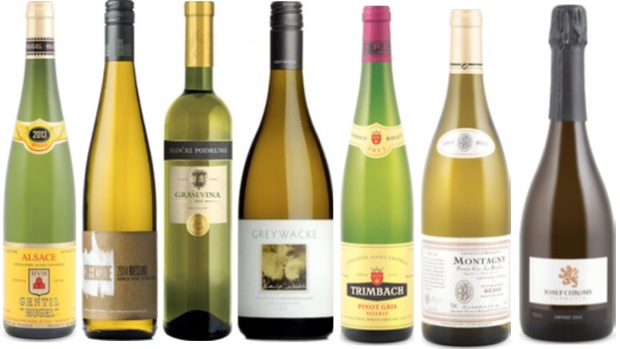

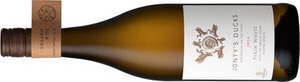
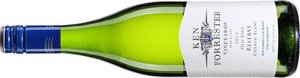
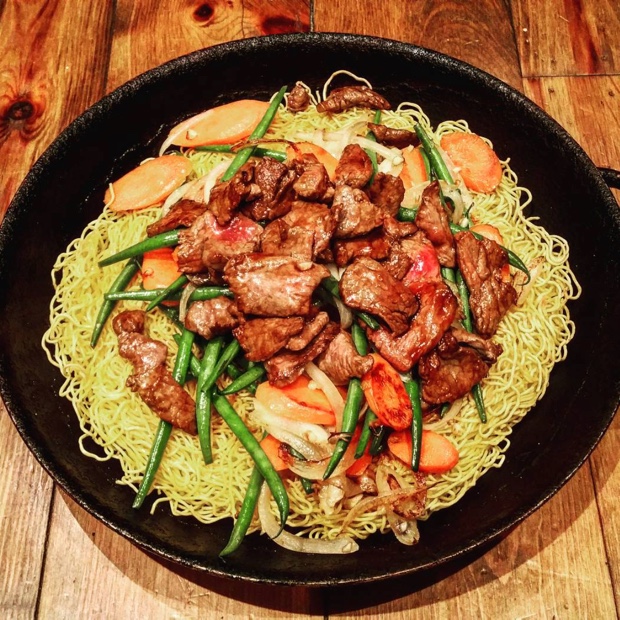
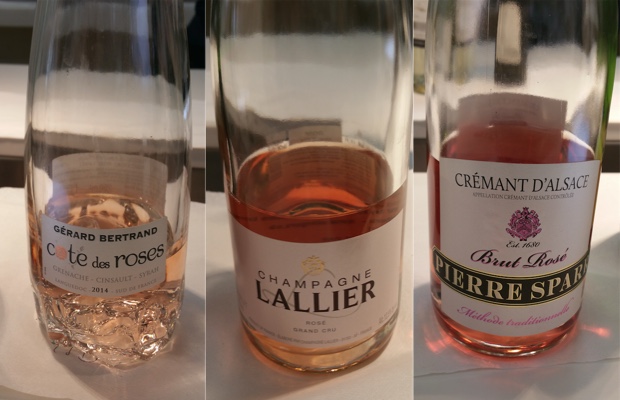

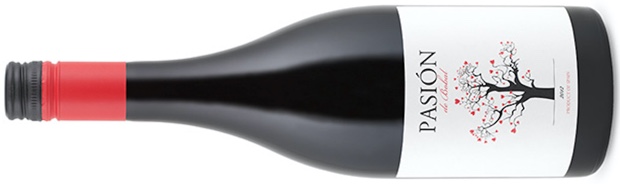

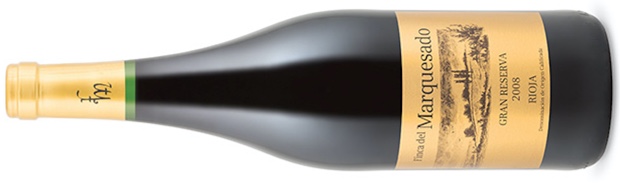

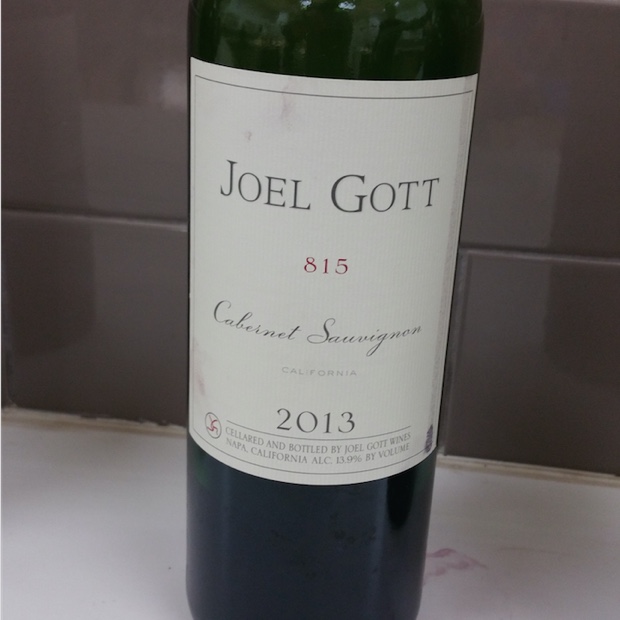
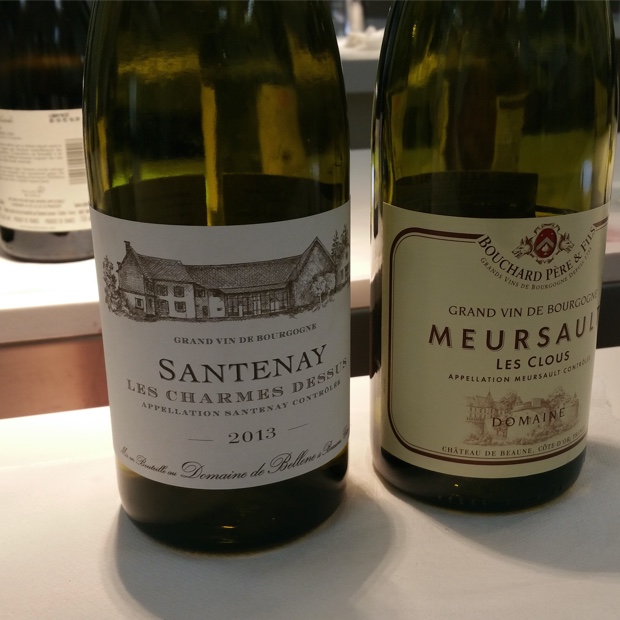
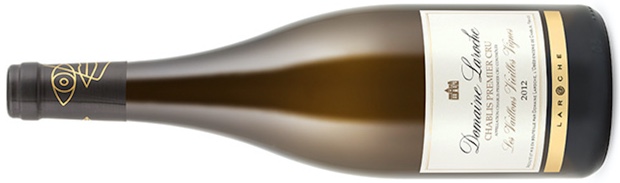

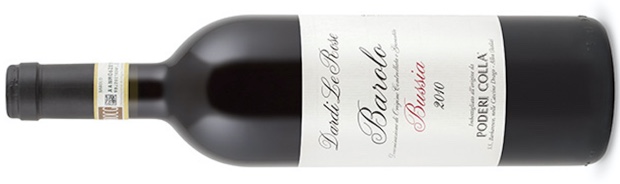
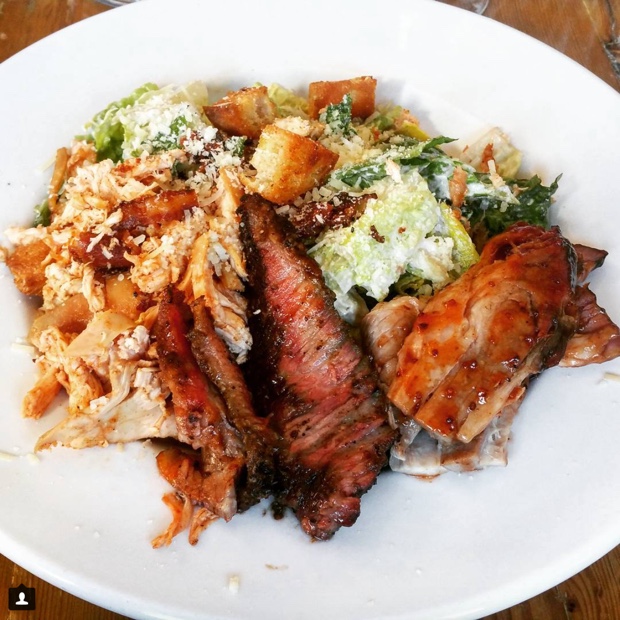
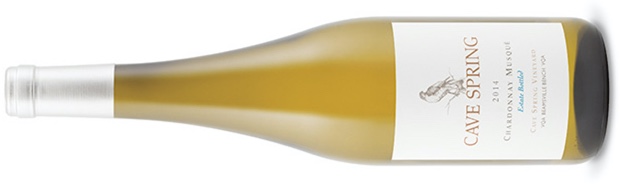

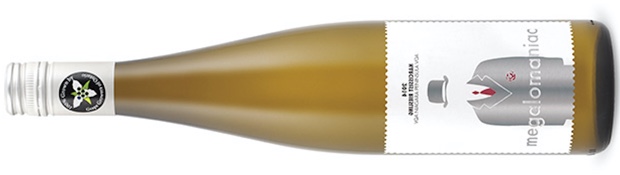

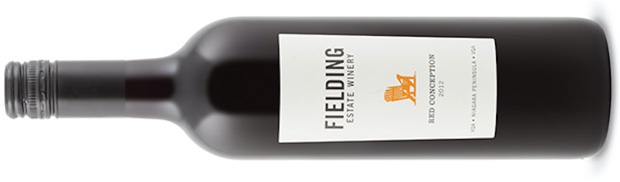
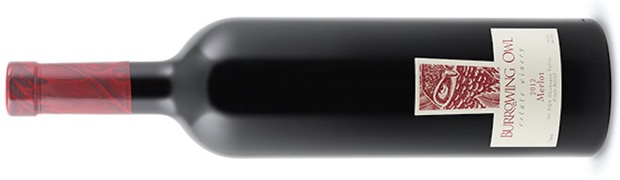

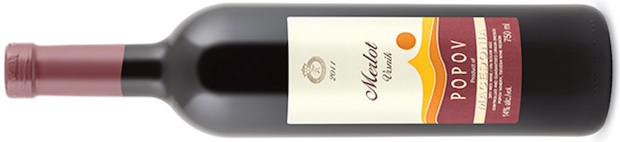
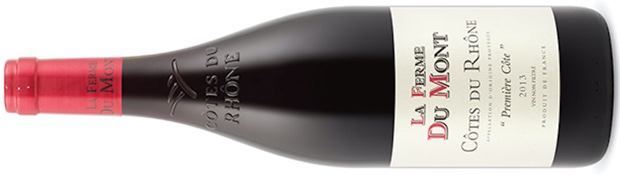

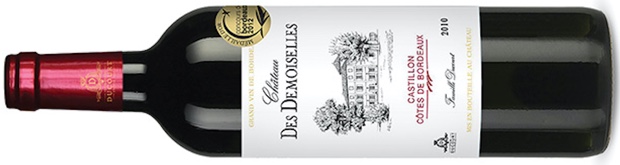
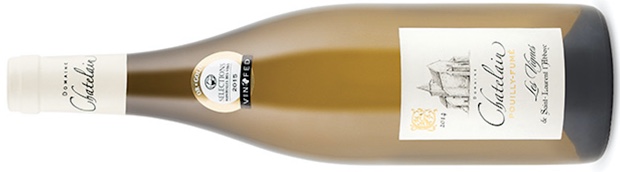
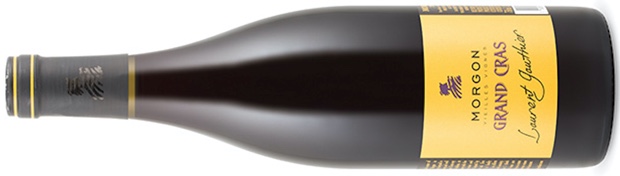
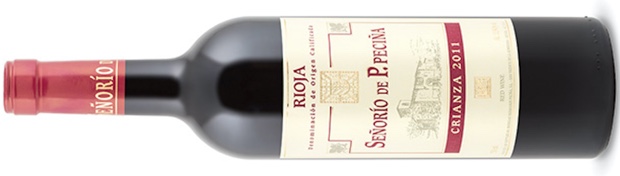
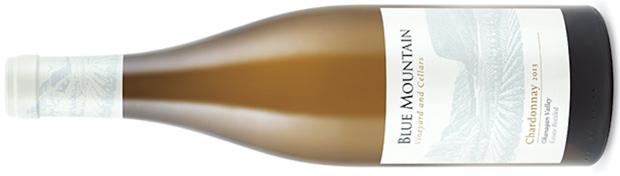
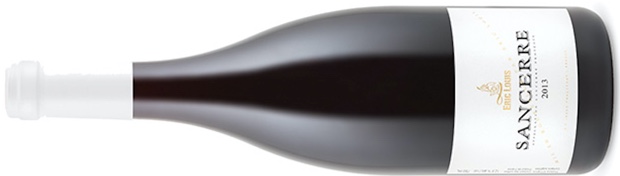

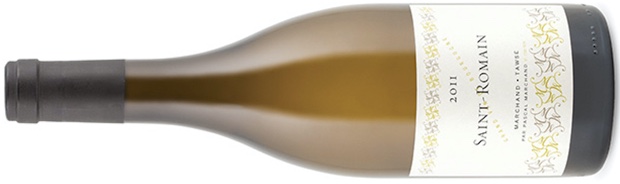
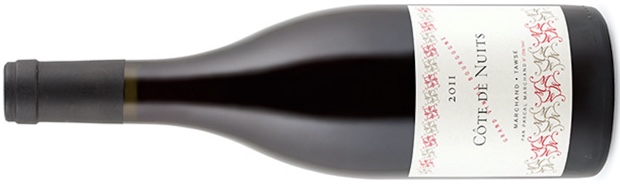

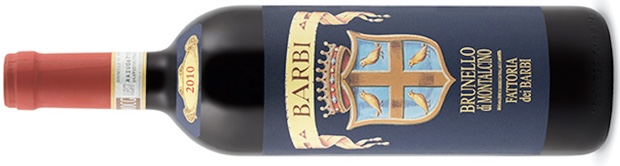
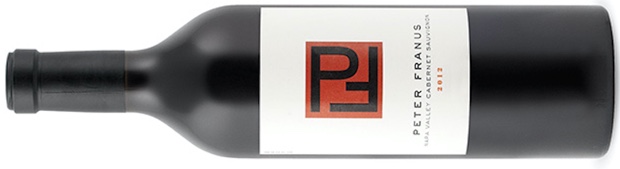
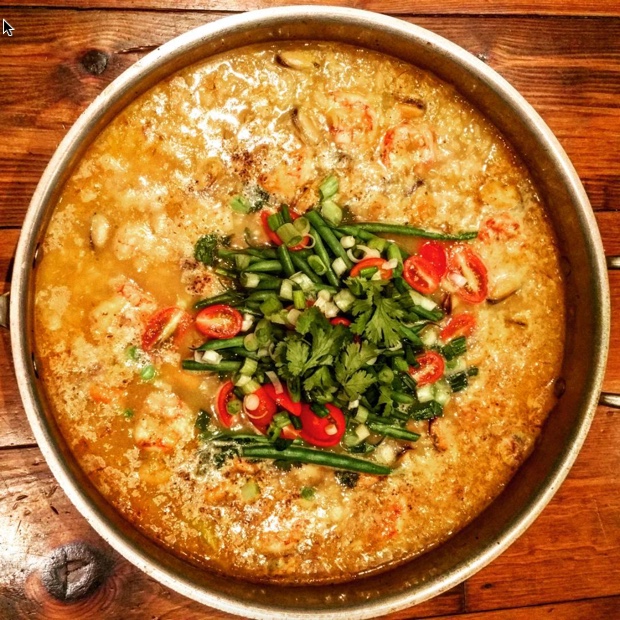


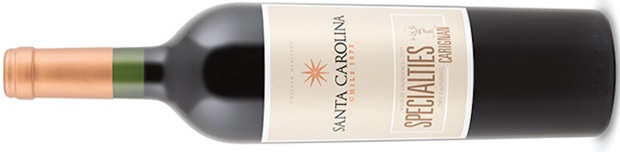
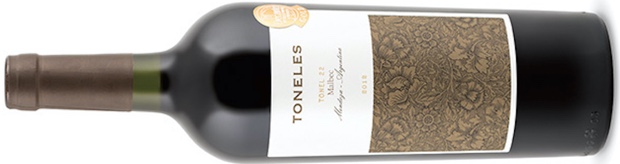
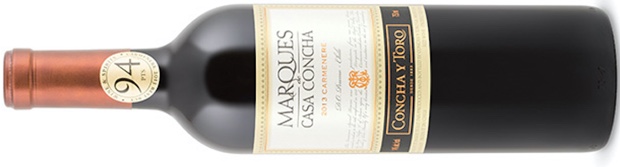


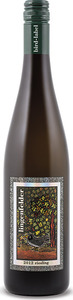
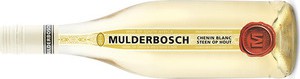
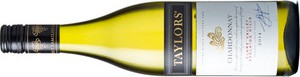
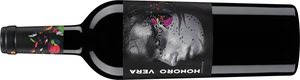
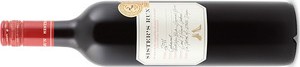
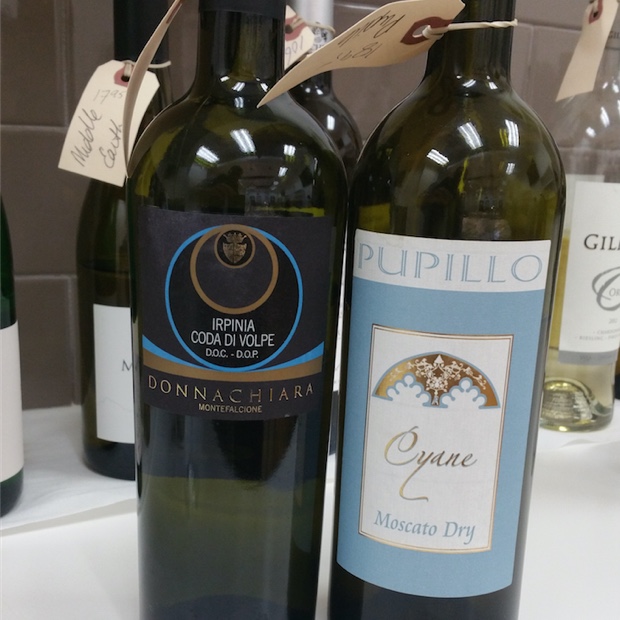
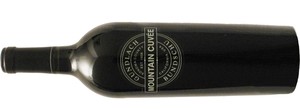
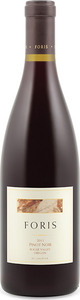
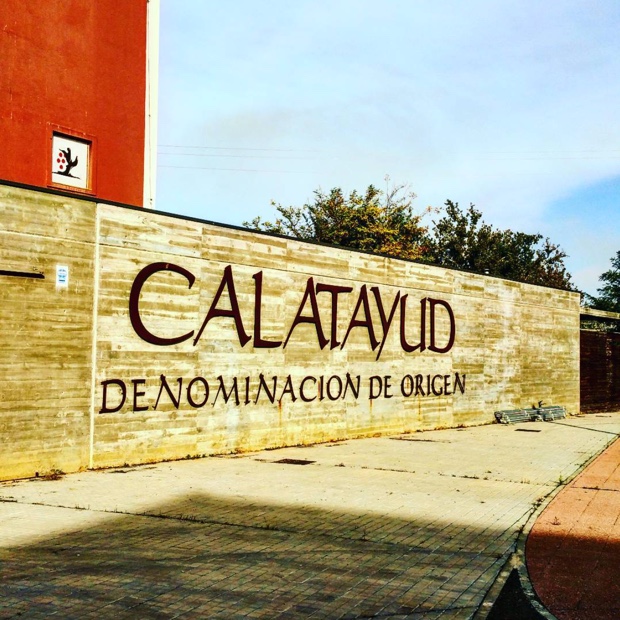
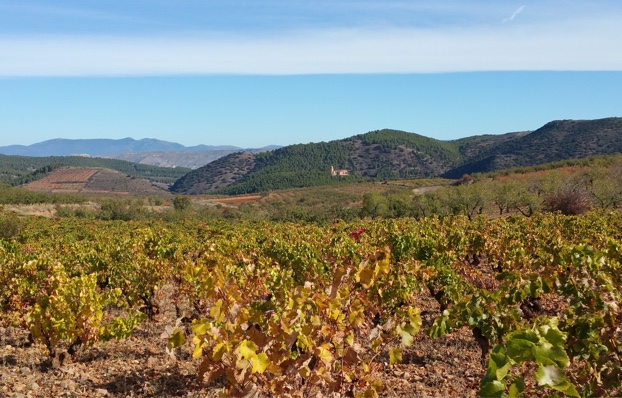

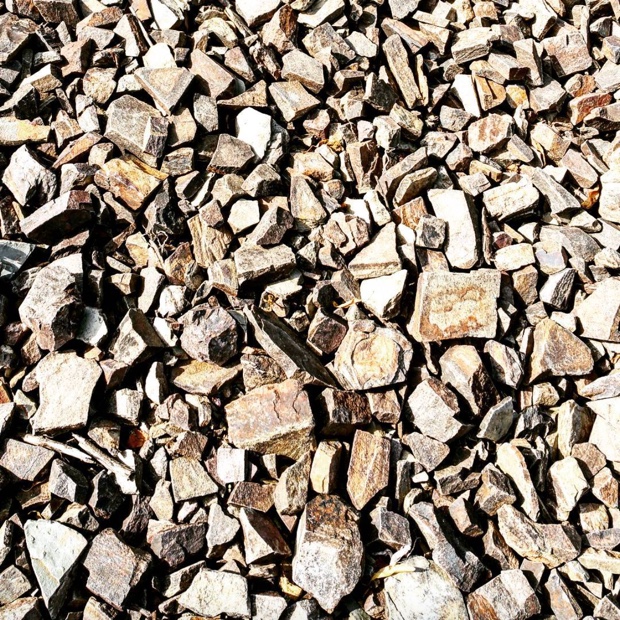
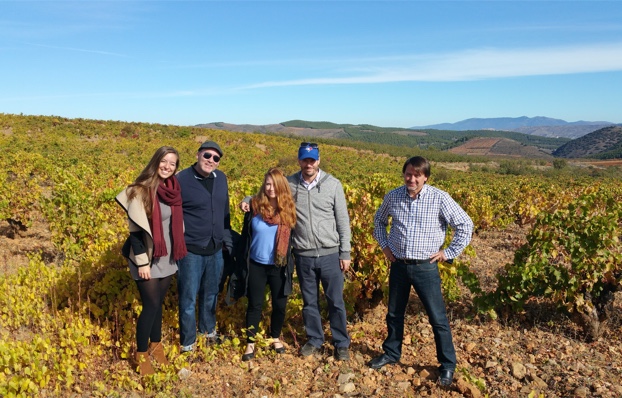
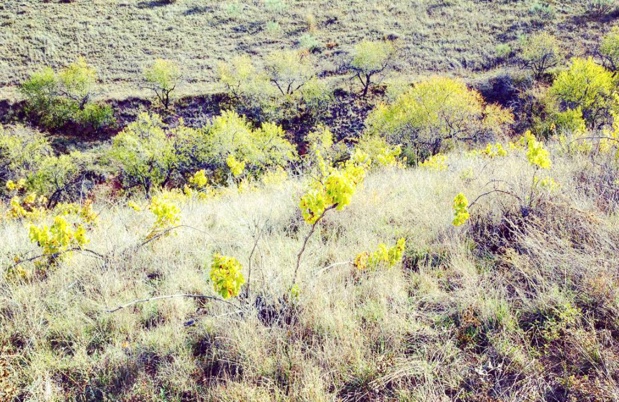
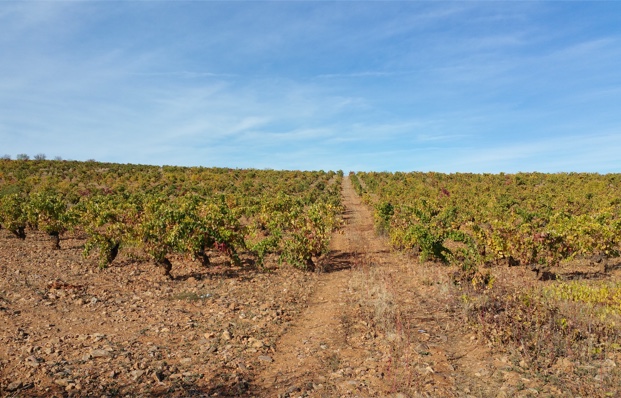
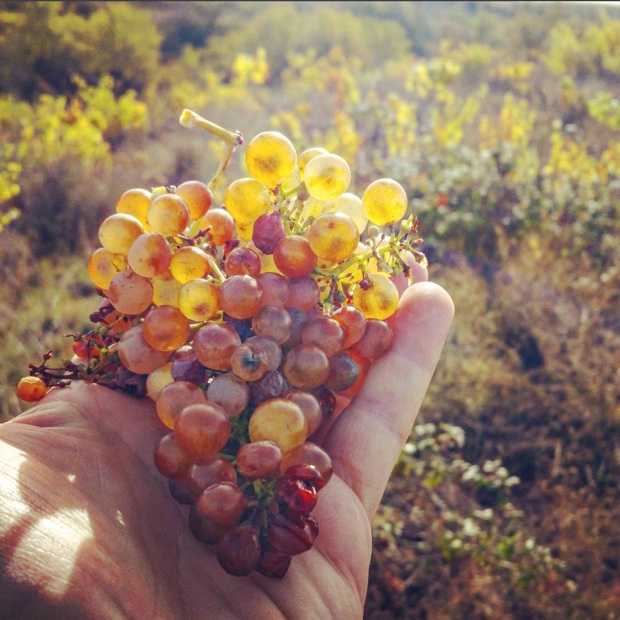
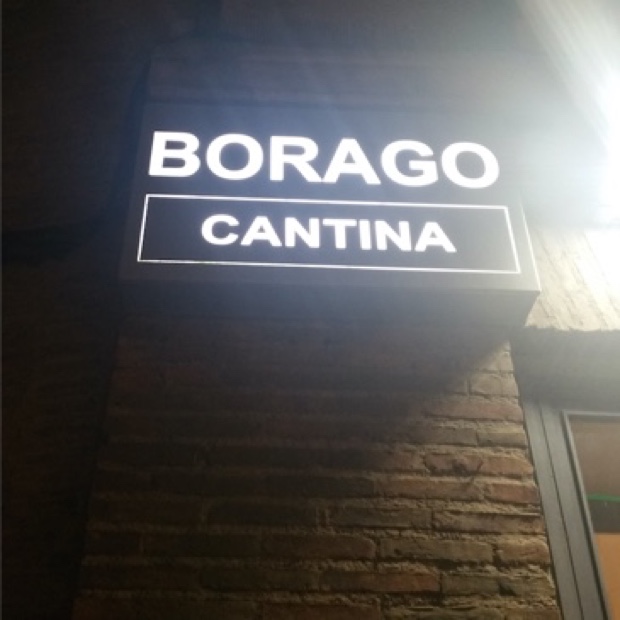
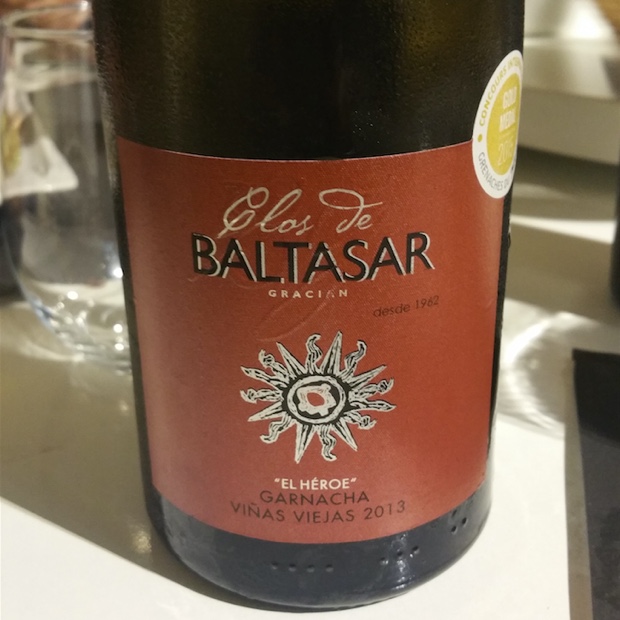
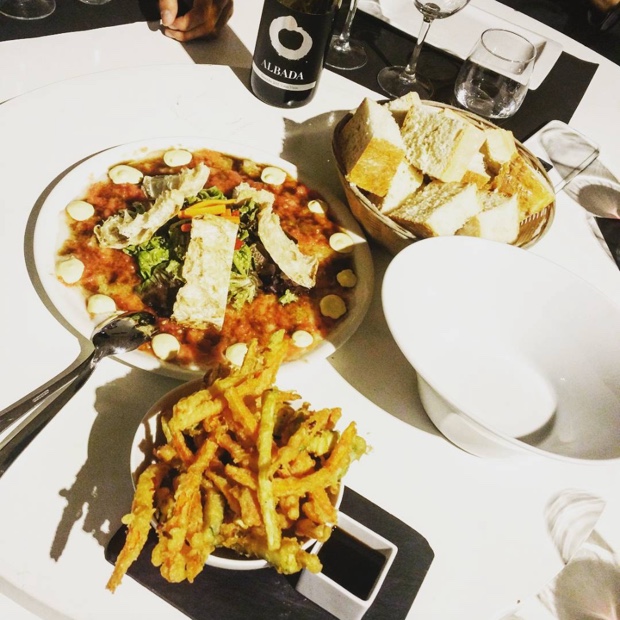
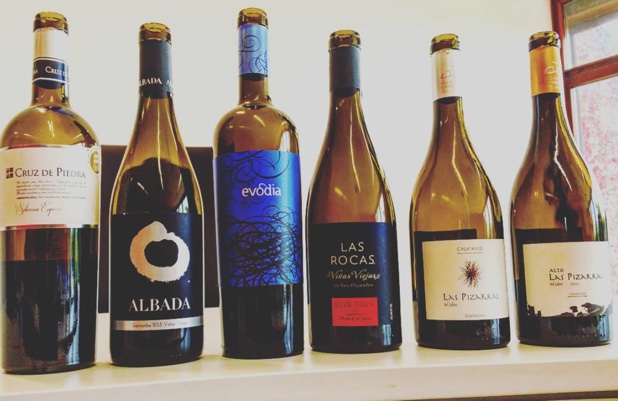
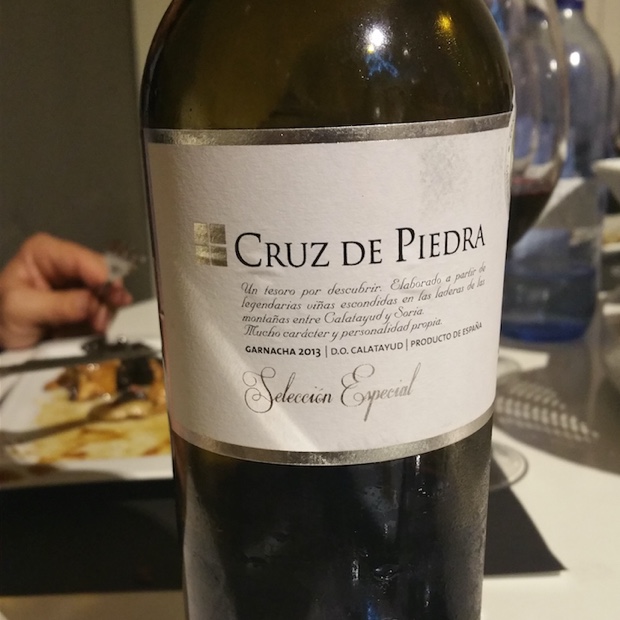
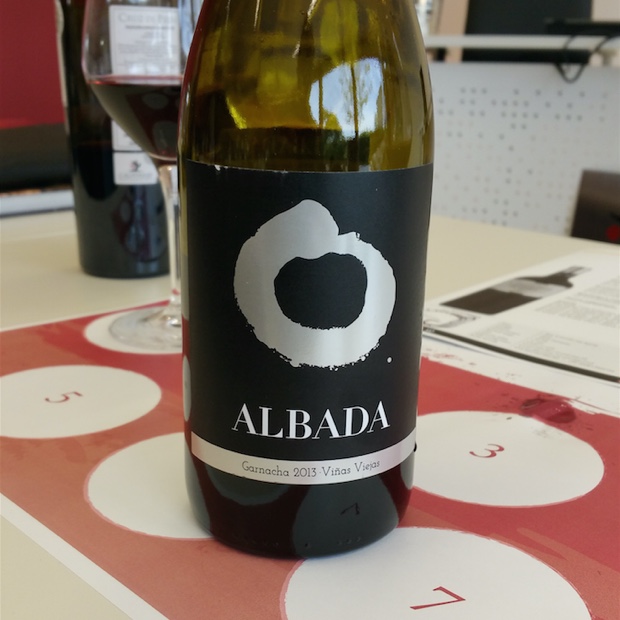
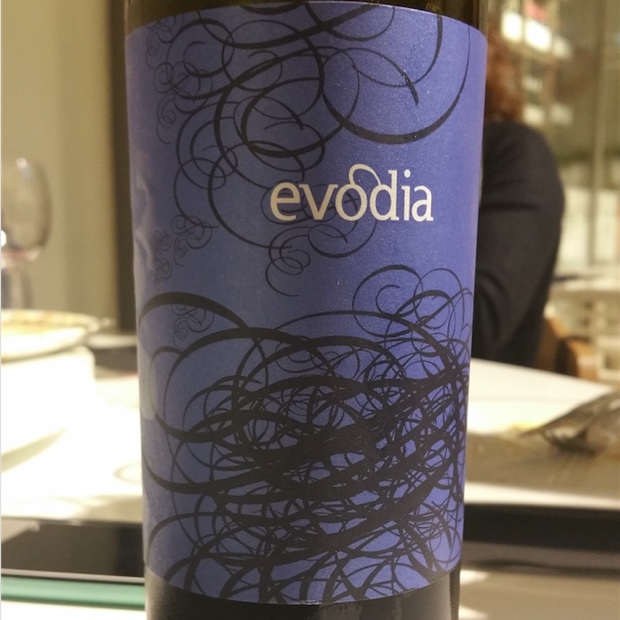


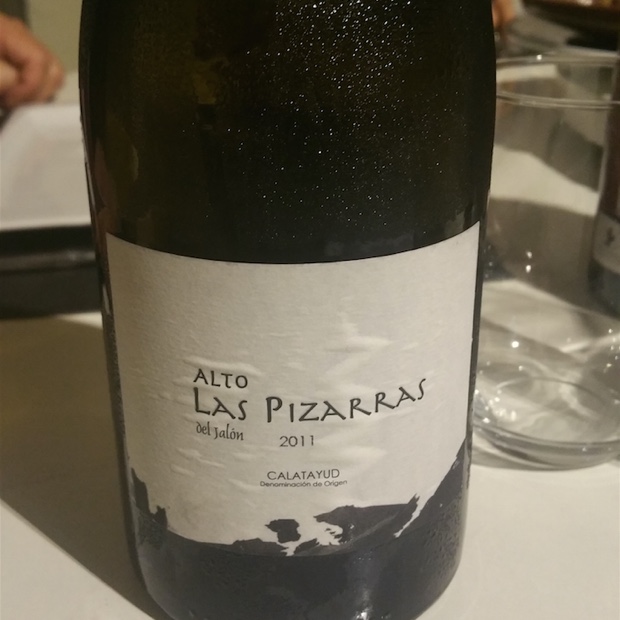
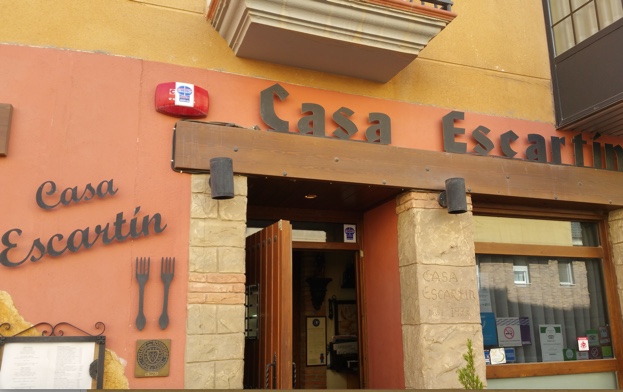
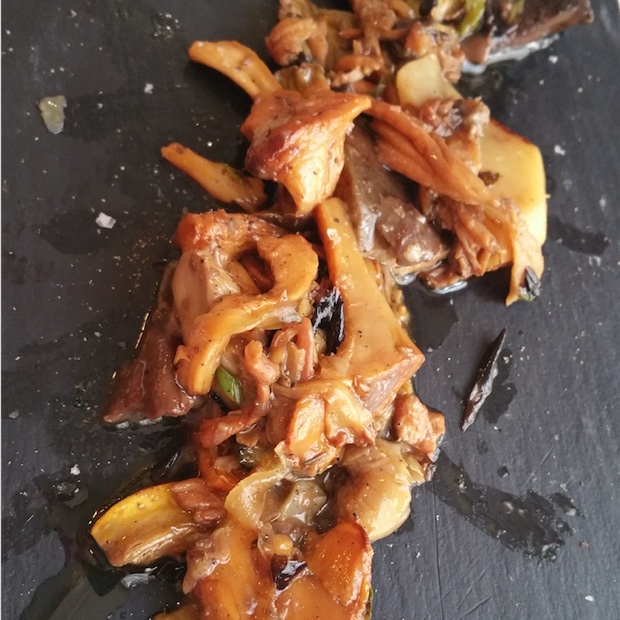
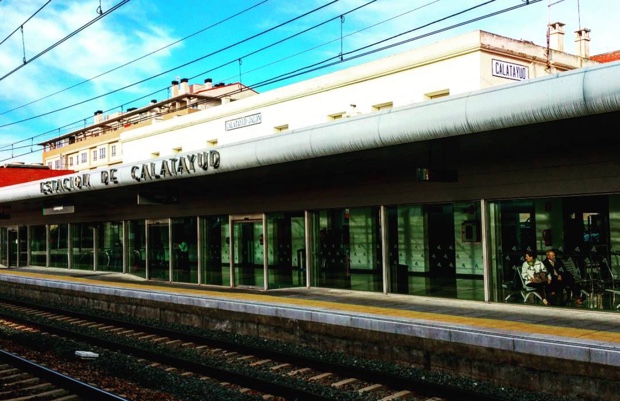

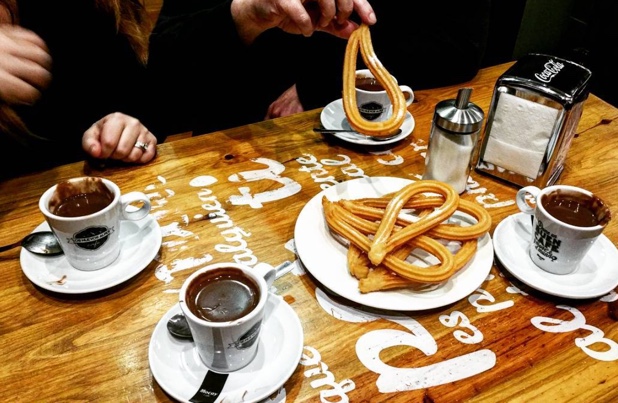


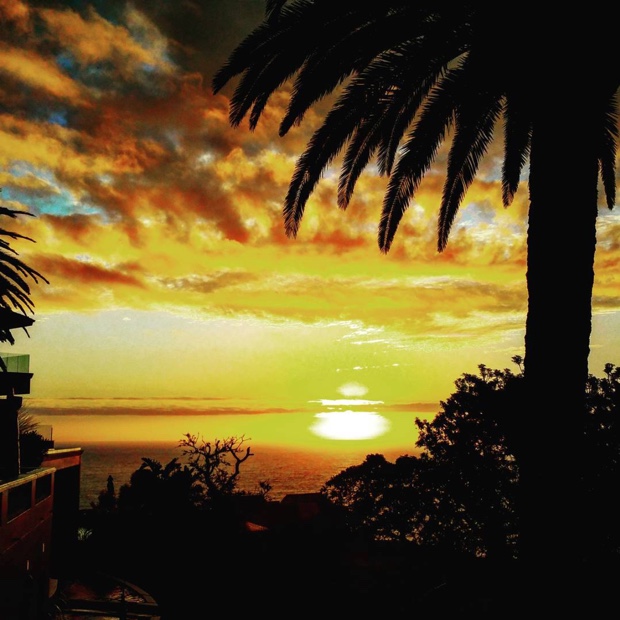
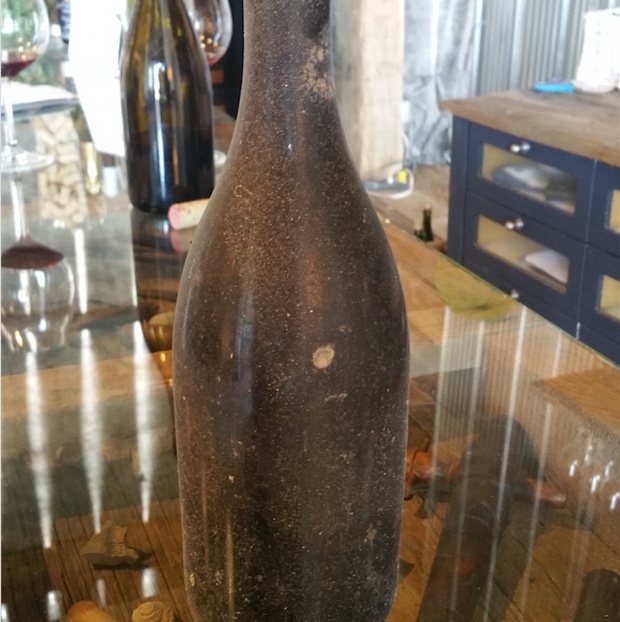
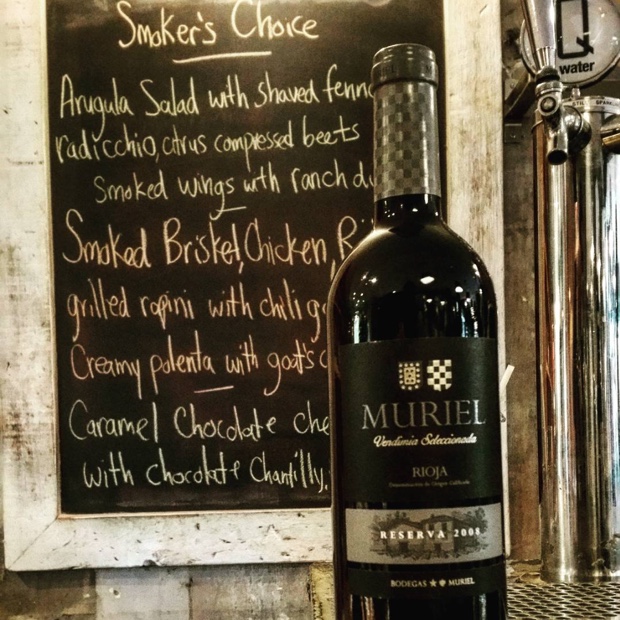

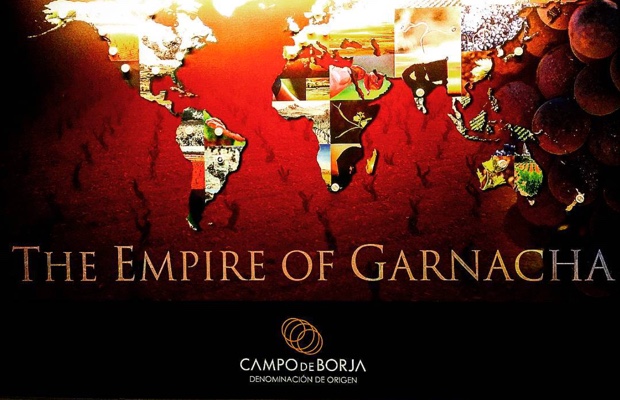
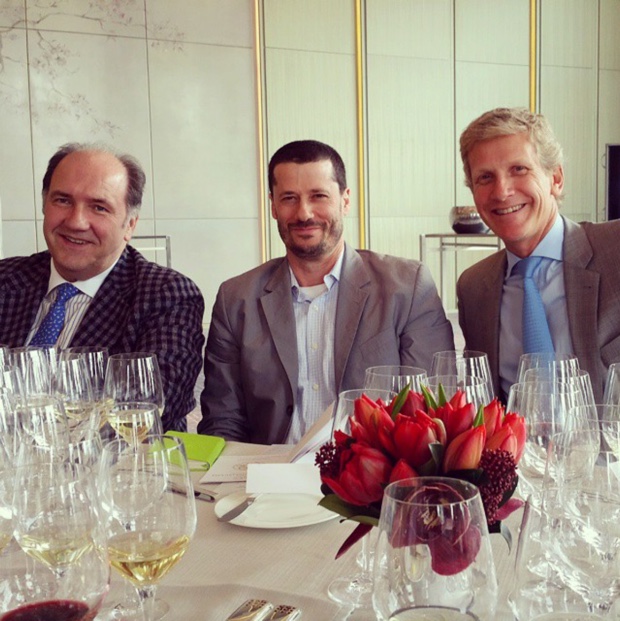

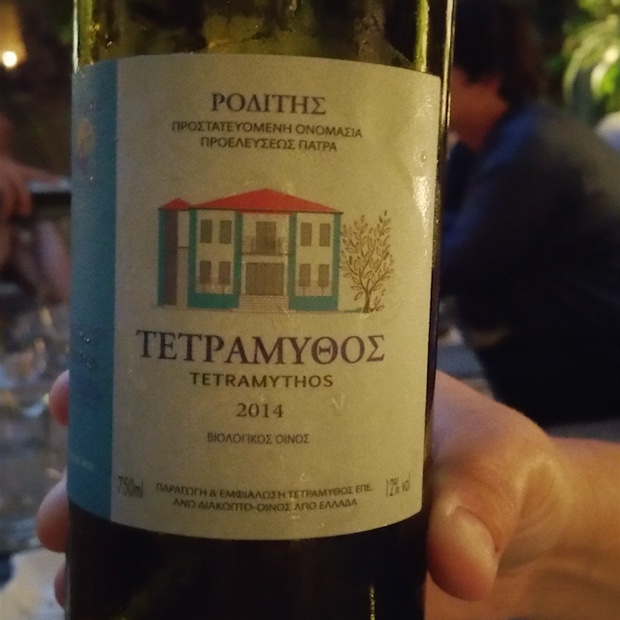
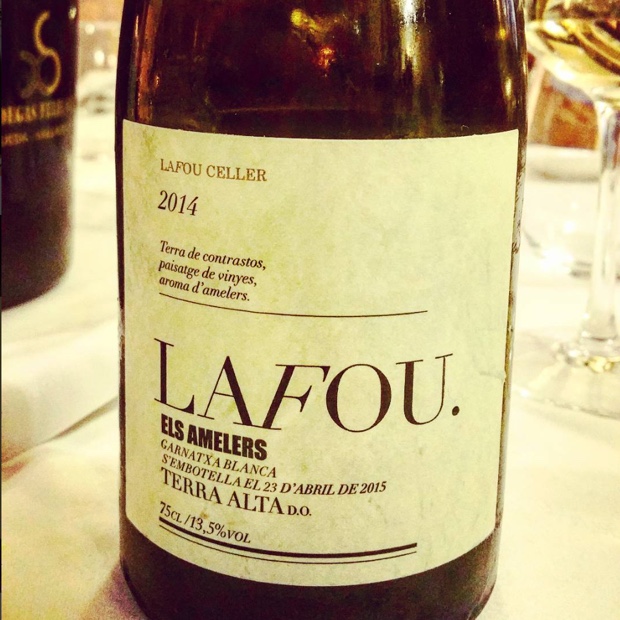

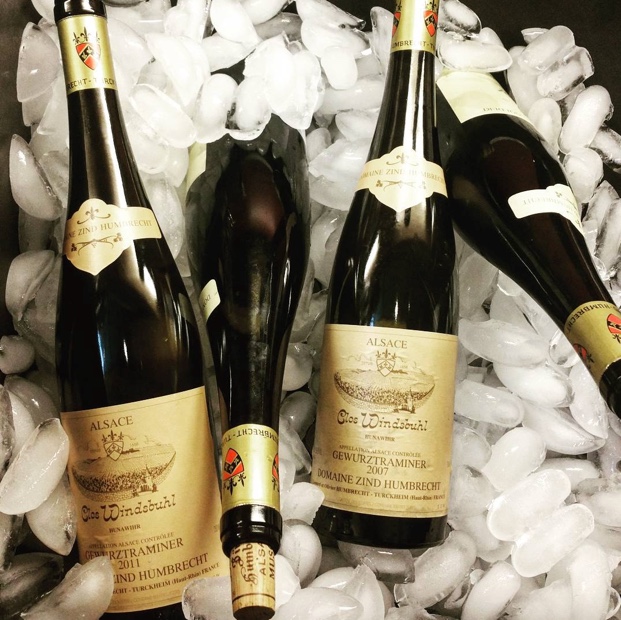

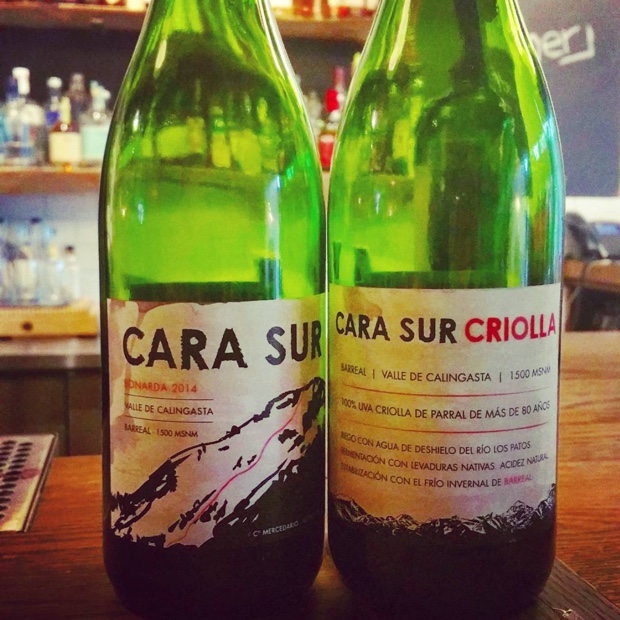
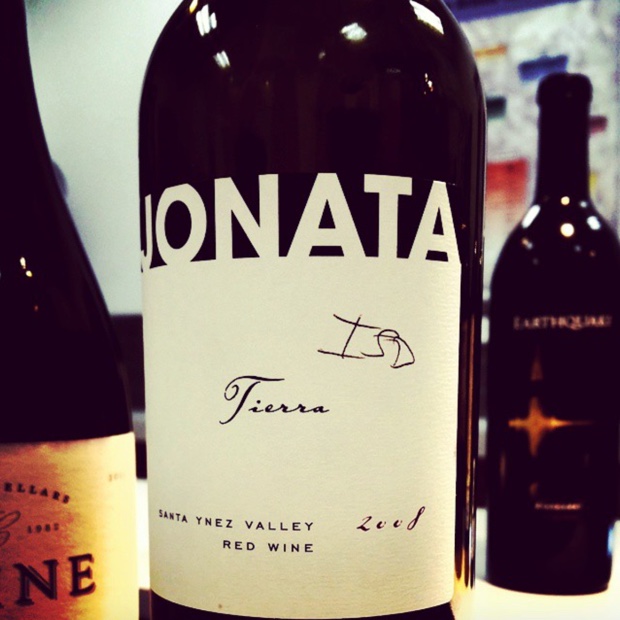


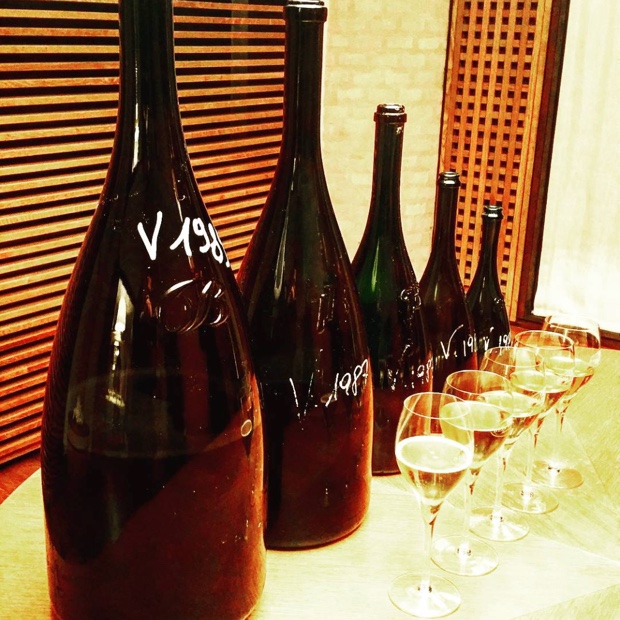

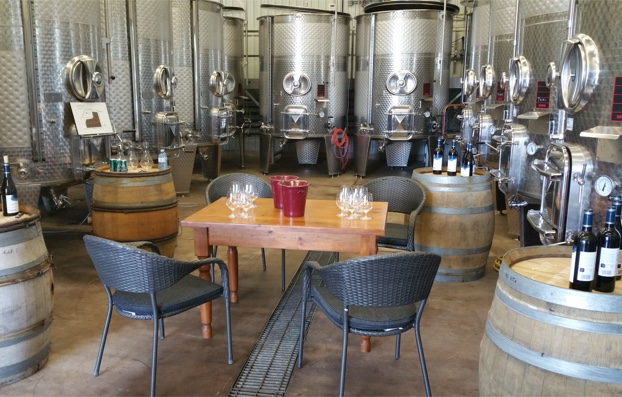
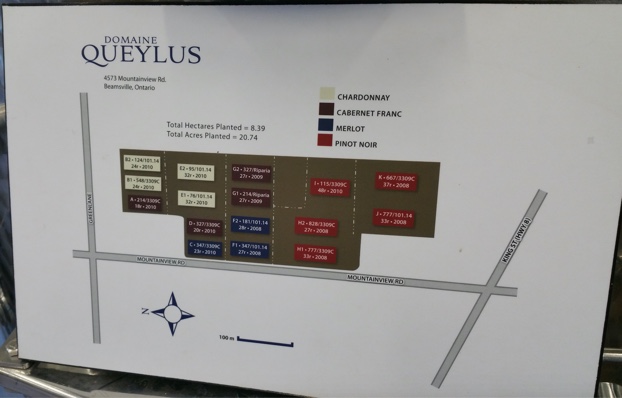
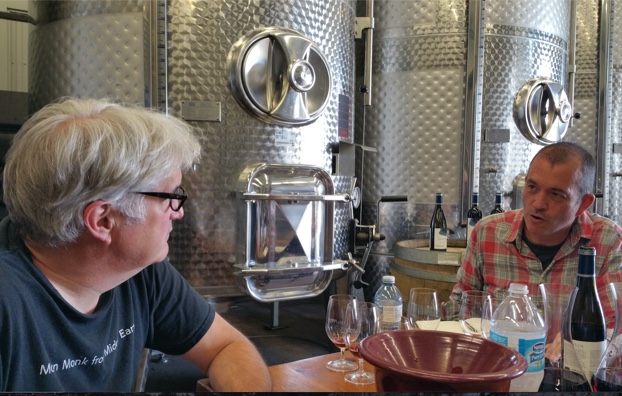

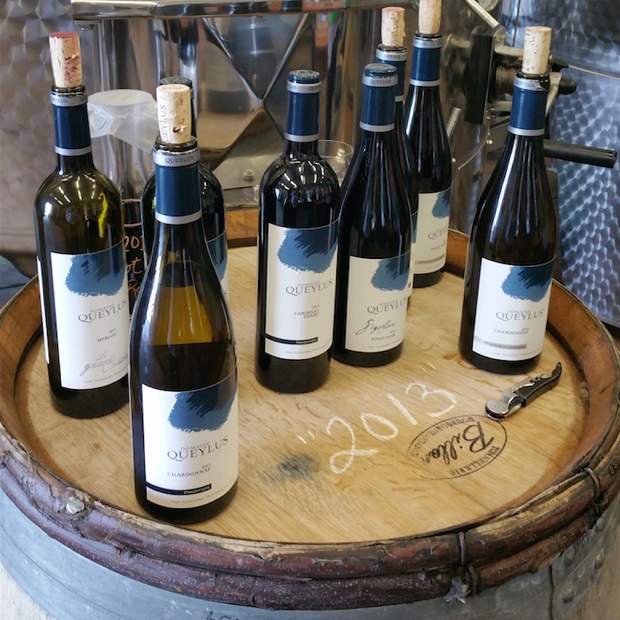


 Godello