Ending another epiphanic tasting day with Megan McLune of @domainejessiaume Beaune @vinsdebourgogne specialist at the gates of Santenay ~ #closduclosgenet #lacomme #lescentvignes
Back in February I ended another epiphanic tasting day, on this occasion with Directrice Megan McLune of Domaine Jessiaume, Beaune Vins de Bourgogne specialist located at the gates of Santenay. David Beauroy of DBINO Selections brought Megan to taste through Clos du Clos Genet (Villages), Premier Cru La Comme and Premier Cru Les Cent Vignes. Though this session was six months ago, there are still a few dozen bottles available in VINTAGES of these exceptional Santenay pinot noir. Here are my notes.
Domaine Jessiaume Santenay Clos Du Genet 2013, AOC Bourgogne, France (290394, $47.80, WineAlign)
Clos du Clos Genet is ostensibly a Villages wine, from a half hectare of vines in downtown Santenay. It’s a walled off parcel from the rest, a clos within the clos, a micro-terroir within a terroir. Here the slightly warmer, less exposed spot deals Bourgogne very much in a white limestone tone, a sweet and sparked white lightning. Red citrus is beautifully tart, elegant but firm and so structured. Clarities are so much better defined because of purity and specificity. Drink 2018-2023. Tasted February 2018
Domaine Jessiaume Santenay Premier Cru La Comme 2013, AOC Bourgogne, France (414978, $59.00, WineAlign)
La Comme sits above Gravières, up on what is essentially a plateau above the ridge, tiny even by Bourgogne standards, a 0.18ha plot of limestone, oolite and marl. La Comme is Santenay of more elegance and yet more structure, less punch and conversely a peppery finish that exceeds Gravières. There is a mountain tea aroma, layers that peel and the sweetness of candied roses. Length is outstanding, tethered by a cherry granite ribbon and lasting like a savoury Lola (Ontario childhood reference). So much variegation noted just by tasting a wine such as this, so close by to Gravières and yet Commes is so different. In fact you might wonder is it even the same grape? Drink 2019-2025. Tasted February 2018
Domaine Jessiaume Beaune Premier Cru Les Cent Vignes 2014, AOC Bourgogne, France (468884, $62.00, WineAlign)
Les Cent Vignes is one hectare from the bottom of the triangle in Beaune, of a history noted off of a 1251 Notre Dame de Beaune list. “It’s our biggest wine,” notes Directrice Megan McLune. Always comes out rich and dark, verging to a much darker cherry. There will be some whole cluster work starting in 2015 but ’14 didn’t need it because the fruit-acid balance was naturally spot on. From what were perfect vintage grapes, surely not a closed wine, there is a connection with La Comme in the salumi cure and hematic run. It’s a Jessiuame-ness, always with a slight peppery kick on the finish. Certain step up in quality from only six or seven barrels in ’14. Drink 2019-2026. Tasted February 2018
Ending another epiphanic tasting day with Megan McLune of @domainejessiaume Beaune @vinsdebourgogne specialist at the gates of Santenay ~ #closduclosgenet #lacomme #lescentvignes
Olive and Anthony Hamilton Russell at Ridley College
Anthony and Olive Hamilton Russell are tireless wanderers of this earth. When you consider the amount of time they spend travelling in support of one, their eponymous winery, two, their Hermanus friends and colleagues and three, Wines of South Africa, it’s amazing that they are able to find time to produce high quality wines. That they do with great consistency and though they are responsible for interpreting the Hemel-en-Aarde in three ways, in each case they do one or two things and they do it really well.
Hamilton Russell Vineyards works three appellations. The WO of Hemel-en-Aarde Valley is a geological wonder akin to Burgundian soils of 35-50 per cent top soil clay layered with exposed shale, closest to Walker Bay. It is here that Anthony and Olive pioneered the raising of chardonnay and pinot noir. Ashbourne red and white blends are fashioned in the Upper Hemel en Aarde Valley, on the eastern border of Hamilton Russell Vineyards, built of decomposed granite, with freer draining soils and more diurnal temperature fluctuations then the Hemel en Aarde Ridge. The property is named after Anthony’s great, great-grandfather Lord Ashbourne who was Lord Chancellor of Ireland in the late 1800’s. Southern Right is the line of pinotage and sauvignon blanc raised on the western border of Hamilton Russell Vineyards, on a 448 hectare property just behind the old fishing village of Hermanus.
In 1991 Hamilton Russell was the only one producing wines. Now there are 22 in the valley. They began running in 1991 and made full purchase in 1994. A cold current rises up from Antartica into the tip of South Africa’s (Western Cape) “making quality winemaking possible,” explains Anthony. “Our soils have been on the surface for more than 300,000,000 years. I like that you can taste ancient soils in every glass.” Hamilton Russell is what he refers to as their “immediate family.” Southern Right and Ashbourne are close relatives.”
As for varietal choices, there is little doubt that pinotage is (once again) booming while others are dropping. The plantings are very much on the rise. “What people thought was pinotage was badly made pinotage. It’s not a bad grape,” insists Hamilton Russell. We like to control what’s happening on both borders of Hamilton Russell.” So Southern Right (1994) and Ashbourne (1996) are more than just passion projects. “We also want to change people’s perception of pinotage,” he adds. There were no releases between 2011 and 2014, instead it was used as a re-thinking period and a chance to reflect on vineyard/agricultural culture, followed by the new age. “I don’t have a beard, I’m in my 50’s (plus) and I’m doing some pretty hipster stuff. We just don’t look the part.”
I have had numerous opportunities to taste, track, re-taste and follow the chardonnay and pinot noir over the past five years. I often add to my notes because theirs are highly organized, Burgundian powered structures that demand re-visits and respect. The Ashbourne and especially the Southern Right varietals and blends have seen less exposure but the notions of longevity (Ashbourne) and drink-ability (Southern Right) are fast gaining attention.
A few weeks back and post i4C Cool Chardonnay conference I sat down with Wines of South Africa’s Laurel Keenan, Angela Aiello and the South African Wine Society to listen in on Anthony Hamilton Russell’s dissertation and a tasting of eight wines. Here are the notes, plus two for their recently released ’17 chardonnay and pinot noir.
Southern Right Sauvignon Blanc 2016, WO Walker Bay, South Africa (512277, $21.95, WineAlign)
The Southern Right whale is a frequent visitor to Walker Bay and this sauvignon blanc should be a frequent visitor to your glass. It’s a white wine that acts as a messenger to its proximate location to a cold body of water. It’s a pure Western Cape fresh, flinty and smouldering sauvignon blanc so akin to a Bordeaux White. You could close your eyes and imagine Pessac-Leognan (perhaps even hoping for Sancerre or Chavignol) but there really isn’t any need. Six clones and six yeasts, multiple ripeness levels and some clay-grown vines deliver fat fruit to meet the linearity and tension of other shale grown fruit. In the end it’s a complex and rare chance to taste this kind of value. Drink 2018-2020. Last tasted July 2018
Southern Right Pinotage 2015, WO Hemel-en-Aarde Valley, South Africa (486167, $26.95, WineAlign)
Tasting ’15 while ’17 is already sold out back home. From an opulent and wide open vintage, the wine offers just those expressive attributes. Smokiness meets curative meaty notes and an umami sort of South African garrigue. From a vintage where phenolic ripeness occurred at a higher level of alcohol so it carries a 15 per cent volume, but does so with marked ease. Drink 2018-2021. Tasted July 2018
Hamilton Russell Ashbourne 2009, WO Hemel-en-Aarde Valley, South Africa (486167, $25.95, WineAlign)
The Ashbourne ’09 includes cabernet sauvignon, cabernet franc, malbec, petit verdot and syrah blended in, “which brings nothing really to the party,” says Anthony Hamilton Russell, “but at least it doesn’t compete with Southern Right.” It’s deeply savoury and smoky, continues to smell like chocolate and will always show its wood. The single-vineyard heavy clay block was always in delivery of fruit ripe but never over that edge, all the while telling its shepherds when to pick so that balance and structure can be had. The linger and length are exceptional. “The variety doesn’t suck.” Truth that. Drink 2018-2024. Last tasted July 2018
Ashbourne is a 25 barrel cuvée and the outlier in the Hamilton Russell pinot noir-chardonnay stable. With more than enough time behind at eight years on it is essentially evolved and resolved, now a downy blanket of Bordeaux fibres woven, seamless and soft. The fruit dries a bit but like all great aging South African reds the candidly curated acidity is years from relinquishing its grip. Ashbourne is not a matter to blow one’s mind but it teaches some vinous life lessons about Hemel-en-Aarde and the greater good of aged South African reds. It can be enjoyed right now and left for another decade. Like Meerlust’s Rubicon it’s an easy on the pocketbook gift in kind to Ontario from proprietors Anthony and Olive Hamilton Russell. Drink 2017-2024. Tasted October 2017
Hamilton Russell Ashbourne Pinotage 2015, WO Hemel-en-Aarde Valley, South Africa (486167, $25.95, WineAlign)
It could be expected that this 2015 pinotage blend would already act somewhat to quite advanced when in fact the evolution is virtually non-existent. A side-by-side revisit with 2009 is all that is needed to drive the point. The ’15 is still quite demurred, tightly wound, not in a fresh to reductive way but more in terms of its finely-crafted pyramids of Giza architecture. The acidity and the spice are up there on the crests of the upper steps, very near to the pinnacle. Again it is the way the wine stays with you like a slowly rendered demi-glacé made from the lightest roast of bones that keeps the karst of stone sublime in your mind and mouth. Drink 2018-2028. Tasted July 2018
Hamilton Russell Ashbourne Pinotage/Cinsault 2018, WO Swartland, South Africa (486167, $25.95, WineAlign)
“We wanted to work with an unoaked pinotage, to mix with a lighter and brighter cinsault.” In fact the cinsault really shines with (by now) classic Western Cape lithe ability because the pinotage allows it to. Add to that a verdant, pyrazine and currant streak and in the end you get perfume but no impenetrability that an overly green and wooded forest would demand. Beautiful (1972 planted) Paardeberg on decomposed granite gifts a chic and classy, perfectly correct blend of these two made for each other varietals. Will settle into one another so effortlessly and with sleepy grace in another year or so. Drink 2019-2024. Tasted July 2018
Hamilton Russell Ashbourne Sauvignon Blanc/Chardonnay 2018, WO Walker Bay, South Africa (Agent, $25.95, WineAlign)
There can be no more fruit in a white blend than what bursts from this sauvignon blanc-chardonnay scene. Just released in South Africa and carried by Anthony and Olive (Hamilton Russell) on the plane. Chavignol is the reference point, with lightly structured sandstone soils bringing lightness, airiness and delicate fruit. Or think Jim Clendenen’s Au Bon Climat out of Santa Barbara. It’s democratically priced (a Hamilton Russell first) without gratuitous sugar and still dry, tart and direct. Also the first screw-cap for the company. Bottled just three weeks ago. Drink 2018-2020. Tasted July 2018
Hamilton Russel Vineyard Chardonnay 2017, WO Hemel-en-Aarde Valley, South Africa (931006, $44.95, WineAlign)
A Hamilton Russell chardonnay must have its nuts, butter and über direct acidity. It just may remind of Bâtard perhaps because depth, richness and a ridges-straddling connection to the valley it comes from all work in this way. But what else brings that connection? In 2017 it’s elegance for sure, but also intensity. This 36th vintage is “a reflection, always of the same piece of ground, even if we are always insecure and trying to improve, it’s a far bigger thing than we are. We feel justice to serve it. We feel we have a duty to this.” This is what Anthony Hamilton Russell told me last year and it perfectly applies to this 2017. Back then he noted that “god made the 15s and winemakers watched. In ’16 winemakers made the wine.” So what about ’17? With heady attention paid to its eccentricities and idiosyncrasies, it’s really a matter of both. Drink 2019-2026. Tasted twice, July 2018
Hamilton Russel Vineyard Chardonnay 2016, WO Hemel-en-Aarde Valley, South Africa (931006, $44.95, WineAlign)
Says Anthony Hamilton Russell. “It took the French to teach me not to care about the colour of chardonnay, but to only worry about flavour and texture.” Fermented with a healthy amount of solids and introduced to oxidation in its youth. This helps and results in a chardonnay well-adjusted to adult life and to adults. “You cannot measure an aesthetic with a number,” meaning you can’t learn from a measured response. Literally speaking. The balance is as good as this archetype of an HR white has ever been. It is after all, the HR white. Last tasted July 2018
No stone is left unturned in the Hamilton Russell 2016 chardonnay because it speaks with utmost Hemel-en-Aarde Valley clarity. There is less make-up in 2016 so the fruit, acidity and subtle salty quality all must have begun to speak from the word go. The first pressed, non-clarified must would have done nothing but made the maker’s smile, mimicking a foggy morning over Walker Bay and so they have allowed the wine to speak for itself. This is a beautifully restrained and go it alone rendered to be measured chardonnay, with beauty and grace. Drink 2017-2022. Tasted September 2017
Hamilton Russel Vineyard Pinot Noir 2017, WO Hemel-en-Aarde Valley, South Africa (999516, $58.95, WineAlign)
’m not sure it can be stated often enough that when you continually do one thing well, without compromise or mutation, than you’re more likely to do it very well. This is the case with a Hamilton Russell pinot noir, the only one that is produced. From the best fruit available and swinging in the direction of the vintage, either into or away from the winds of vineyard or winemaking. The 2017 is like the chardonnay in that it’s a best of both worlds seasonal and acumen-focused display, neither one or the other dominant and in the end, so balanced. The fruit depth is exceptional, the acidity deeper still and the intensity wound around it all. It’s so precise and layered, like a pinot noir prism, like staring far inside the intricate and symmetrically patterned angles in a diamond. Drink 2019-2028. Tasted July 2018
Hamilton Russel Vineyard Pinot Noir 2016, WO Hemel-en-Aarde Valley, South Africa (999516, $58.95, WineAlign)
“We believe in wines of consequence.” How pinot noir is capable of performing in South Africa can be defined right here, with a wink and a nod to Gevrey-Chambertin. Pure unbridled Hamilton Russell cerebral joy, nothing taken for granted and all possibilities celebrated. Last tasted July 2018
This welcome ethereal return of Hamilton Russell’s Hermanus benchmark pinot noir follows on the heels of the early-picked, dense, muscular and compressed 2015. Comfortable alcohol meets optimum phenolic ripeness so lets think on it in terms of ’08 burgundy, though perhaps not as tight and classic. This is the second fully organic vintage, not certified but with no systemic use of chemicals. Young (just last year turned 30) winemaker Emul Ross from Chamonix and viticulturist Johan Montgomery have reverted to gentler pressing and travelled further away from hyper-reduction. Open fermenters handle the entire pinot noir harvest at once so there is nary a posit tug of war or movement at shock times. Thus the elegance and as mentioned, the ethereal. It should always be noted that all the HR grapes go into these wines, with no tactical moves and philosophical aberrations (any more), no reserve wines, no single-vineyard, no divergence from monopole, always staying the broad expression course. “We committed to this in 1981 and other than experiments, we’ve stayed this way,” says Anthony Hamilton-Russell. There is simply no plot, block, aspect, top, middle or bottom slope separation. It’s pinot all in for one purpose, fully conjoined and conspiring to make the Hamilton Russell expression. This expression, of pure fruit, no drudgery, clarity and exceptional length. Drink 2017-2029. Tasted October 2017
Olive and Anthony Hamilton Russell at Ridley College
Gather your thoughts about pinot noir. Begin with Bourgogne and it’s really quite easy to articulate an opinion. Smells like cherries, shows earth and mineral notes of/from clay and limestone. Texture is specific to the village where it is grown. New Zealand? There’s a recognition regardless, save for a special and singular red fruit that is specific to Central Otago. What about California and Oregon? Any wine geek who knows who they think they are could surely pick them out of a blind tasting with great certainty? Now what about Canadian pinot noir? That’s a totally different story.
If it were just a simple matter of Ontario versus British Columbia that would be one thing but there is Nova Scotia to consider and within the provinces so many sites of origin and stylistic variegation making it really difficult to identify the source. It may be a challenging and oft-times heartbreaking grape but in Canada it increasingly finds a way to ripen from coast to coast. Even if that were less true just five years ago the tenets of experience, acumen and passion have taken pinot noir to heights few believed it was capable of going. That winemakers can now produce so many varied examples tells us it’s here to stay.
Bourgogne uses the word Climat to define vineyards or rather the DNA of the vineyards and the official term is specific to wine while the reference lieux-dits is an administrative one. Many would argue that while dirt makes an impact it is climate that inflicts the most drama on a wine but even more important than climate and soil, it’s the people who give the terroir its cultural identity. In Canada these notions of accumulate knowledge that can be transmuted from generation to generation are developing so that each appellation or sub-appellation is managing to produce a specific style of wine from vintage to vintage.
In Ontario there are pinot noir crus few would ague against the probability that in most vintages quality will be a guarantee. Crus like Lowrey Vineyard on the St. David’s Bench, top blocks in Prince Edward County, several vineyards up on the Beamsville Bench, Wismer-Foxcroft and many plots on the Twenty Mile Bench. In the Okanagan Valley there are many premier growing sites; East Kelowna, Naramata Bench, Okanagan Falls, Summerland, Lake Country, the Similkameen Valley and increasingly on Vancouver Island.
Producers in British Columbia may have more merlot planted than they can or want to have to deal with but in red grape terms, pinot noir is it. There are more single-vineyard, name-assigned, block-designate, terroir collection, (x) series and (Y) cuvées attributed to the grape than any other. Granted some passion projects are giving some love to gamay and cabernet franc but the attention doted upon pinot noir is unequaled and unprecedented. Proof is in the tabulated pudding, so to speak, with the final results at NWAC2018 showing what’s what.
There were 73 medals awarded to pinot noir, a staggering number that represents just less than half of the wines submitted and four per cent of all wines entered into the competition. Only red blends (93) and chardonnay (79) received more total medals but most impressive were the 28 Gold Medals in this category, plus 18 Silver and 27 Bronze. The naysayers who continue to doubt whether pinot noir is a viable signature grape in this country are not paying close enough attention to the signs, portents and in conclusion, results. Here are 30 tasting notes for pinot noir made in Ontario.
Vieni’s pinot noir shows off some pretty impressive fruit, certainly veering towards the sweet and dried fruit spectrum but hanging around with some good acidity, firm grip and proper 2015 structure. It’s more than a pleasant surprise and it’s only $16.95. Good fruit meets equally good acumen in a must try Vinemount Ridge buy. Drink 2018-2021. Tasted March 2018 vieniestates@VieniEstatesIncVieni Estates Wine and Spirits
Château Des Charmes Pinot Noir 2016, VQA Niagara On-The-Lake, Ontario (454967, $16.95, WineAlign)
The warm sites can’t help but develop dark fruit and vintage variation seems to be in a current state of suspension. The string is alive with the ’16 pinot noir, always a matter of value for Ontario. Still just as ripe as 2015, perhaps not quite as charming but certainly generous. It holds back from cooking at a level of stovetop heat unnecessary to the execution of the dish. Gentle, resilient and restrained, far from a pressed or pressing matter and just ideal for weekdays and weekends alike. Pair this wine with everything but I recently discovered that long pasta noodles with prawns in a spicy garlic, chile and tomato sauce worked quite well, thank you very much. Drink 2018-2019. Tasted April 2018 chateaudescharmes@MBoscChâteau des Charmes
Château Des Charmes Pinot Noir 2015, VQA Niagara On-The-Lake, Ontario (454967, $16.95, WineAlign)
This remains one of the better values for pinot noir out of Ontario with generous thanks to some of the warmest growing sites in the province. It’s also worthy for what it does not try to do, which is too much. The Château des Charmes pinot noir is just what it needs to be from 2015; ripe, charming and generous. It shows lovely restraint and balance, finishing with some gentle spice after the reign of fruit. It’s also really easy to crush so cook up at least three courses to make it last. It will pair with just about everything. Drink 2017-2019. Tasted November 2017 and February 2018 chateaudescharmes@MBoscChâteau des Charmes
Two blocks, two soil types and two proximate meets apposite pieces of the Niagara Peninsula raise a pinot noir in get together fashion for a consistent estate style. The tonality is elevated like few other and the fruit on the nether side of fresh. It’s energy and vitality is a combination of acidity and dried or even scorched earth-derived savour. Tang and sapidity are not the result but smoulder and spice surely are. Drink 2018-2019. Tasted March 2018 coyotes run @coyotesrunCoyote’s Run Estate Winery
In true essential Flat Rock style this 2016 pinot noir deals in rusty, ropey, ripe and flattering red fruit with its always balancing note of tension. The vintage is certainly prettier, easier and friendlier than most so the fans should pile up and add to the overall success of Flat Rock representing Ontario pinot noir on the map. This is nothing but fine and enjoyable work from a true varietal leader. Drink 2018-2020. Tasted February 2018 flatrockcellars@Winemakersboots@FlatRockCellars
More high tines, dialled back a touch, lithe, again some effusive character, tart, so very tart, a whack of wound tight intent, dry tannins, so much tea. Cranberry, earthy, lots of tone and structure. Drink 2019-2023. Tasted blind at NWAC18, June 2018 @kewvineyards@kewvineyard
Edgerock is Twenty Mile Bench fruit with expected 2016 ripeness and just an edgy twitch like quick lightning strikes on that fruit. There is some chewiness to the fruit laced by acidity and some drying tannin that is a bit deferential for the vintage and for Peninsula pinot noir. Not sure that pinot noir can get much riper than this in Ontario and so the perfect storm of vineyard, vintage and execution is met. The nose is so very ripe to almost advanced, with strawberries macerating and flavours so well to far developed. Not as fleshy as some as a result but will soon begin to develop some nice secondary character. Good summer wine, for this summer and hopefully an indigenous one for the fall. Drink 2018-2019. Tasted February 2018 2027cellars@2027cellars2027 Cellars
Derek Barnett’s is a sweetly perfumed pinot noir, fully expressive of ripe 2016 fruit and with a tannic drying edge. It’s a bit lactic to be sure, seemingly argilo-calcareous in nature and really reminds me of some far away sangiovese or corvina grown on white limestone soils. Really unique, lithe and elegant for Barnett if also tangy, sweet and sour. Not sugar sweet but aromatically so. Drink 2018-2020. Tasted February 2018 meldvillewines@meldvillewinesMeldville Wines
Thirty Bench Small Lot Pinot Noir 2015, VQA Beamsville Bench, Ontario (Winery, $28.95, WineAlign)
Bright and effusive, eye and olfactory opening, citrus, steeped herbal tea, with fruity accents. “All around the blooming heather,” purple fruit flavours, fiddle background and thoughts of rolling thyme hills. Good bass line, baritone underneath, full of structure, real structure. Time has had an effect. Drink 2019-2023. Tasted blind at NWAC18, June 2018
The tones are elevated and the fruit is really ripe though the acidity is quite calm in this extreme small lot pinot noir. You can get a true sense of the culture and the micro-managed terroir that separates this from some less expensive and certainly more rustic Niagara cousins so the cost is quite understandable. The fruit is the thing, given all the attention and the credit. Drink 2018-2020. Tasted February 2018 thirtybenchpellerwines@ThirtyBench@PellerVQA@ThirtyBenchAndrew Peller(Andrew Peller Import) Emma Garner
Ilya Senchuk’s small lot (220 case) 2015 pinot noir is actually a new wine set to be released this spring. It’s a blend of fruit drawn from both McNally and Lowrey vineyards, two exceptional cru that have been the focus of previous Leaning Post single-vineyard pinot noir. The most notable difference here is how all the tension and vaporous tones melt away to create this fluid, fleecy and ductile wine. The fruit selection seems clearly developed to gain easier access with downsized structure or perhaps it just happened this way. It is here that the house style reads as a lithe Peninsula pinot noir manifesto with clarity and transparency to set up and introduce the estate’s next vintage, recently planted young vine pinot noir. Drink 2018-2021. Tasted February 2018 leaningpostwinenicholaspearcewines@LeaningPostWine@Nicholaspearce_Leaning Post WinesNicholas Pearce
The Redstone Vineyard pinot noir comes off of the ridge that is all Redstone estate fruit expect for the 40 acres riesling block (of 60 in total). There is a ferric gaminess to this pinot with its tension and dusty, tart rusticity. Intense in its litheness, like light and bright strawberry on steroids. Really lingers. Drink 2017-2019. Tasted November 2017 redstonewinery@RedstoneWinesRedstone Winery
From 2015 comes a fully ripened, full advantage press taken and fleshy warm pinot noir on the dark cherry end of the fruit spectrum. The wood is fully supportive of that wealth of fruit and tension is really nowhere to be found. The tannins are sweet and also do little to distract from the fruit. What it manages to elevate in terms of energy and vitality is this lovely elegant tang from both soil and wood, short of spicy and in gentle drift. The pleasure is all now do enjoy this before the decade strikes midnight. Drink 2018-2019. Tasted February 2018 queylus@QueylusDomaine Queylus Winery
The Peninsula ’16 pinot noir is a joint Wertsch and Wismer blend, six barrels Between the Lines and two Foxcroft. The goal is not fully in focus, even if it’s just too early to call. Niagara pinot noir from these parts is want to be rusty, red fruit volatile and so bright you gotta wear shades and this ’16’s profile reads from such a script. It’s so very different from the lemon-citronella note that County pinot often surveys. So what does Trail Estate have, at least in here? Lightness for one thing, ease of drinkability and sweet tannin. Wild ferment and no new oak got this here, plus some neutral, second and third fill. It’s got candied floral and cinnamon heart, is quite tangy but honestly quite delicate. Simple yes, quite OK and at times, volatile too. Drink 2018-2020. Tasted April 2018 trailestatewinemackbrisbois@TrailEstateWine@MackBrisboisTrail Estate WineryMackenzie Brisbois
Pork Tenderloin and Flat-Iron Steak marinated in black raspberry lees grilled with black raspberry sauce.
The Westcotts have to be so very pleased with the result of their 2015 estate pinot noir, a wine of great farming in loyal custodial work across an exceptional rolling terroir. This Vinemount Ridge locale is the perfect love-hate relationship builder but when sacrifices are met and zero corners are cut it will produce some very fine, albeit fortune abetting fruit. This ’15 interprets ripeness with an edge of tension by way of a gentle rusticity and mild barrel spice. A second taste weeks later also gives salumi, natural funk, cèpes, dusty balsamic earth and the angled torture or the ridge. It’s all there, wonderfully integrated and already hinting at a truffled secondary stage. Not yet mind you, but not so far away. Would it perhaps benefit from one less day or two of phenolic ripeness in exchange for half a point higher acidity? Perhaps but ultimately the vintage decides, as do the handlers who listen to the wind. A greater pinot noir vintage likely lies ahead and for this wine, further understanding. Drink 2018-2021. Tasted February and March 2018 westcottvineyards@WestcottWines@westcottwines
The Peninsula ’16 pinot noir is a joint Wertsch and Wismer blend, six barrels Between the Lines and two Foxcroft. The goal is not fully in focus, even if it’s just too early to call. Niagara pinot noir from these parts is want to be rusty, red fruit volatile and so bright you gotta wear shades and this ’16’s profile reads from such a script. It’s so very different from the lemon-citronella note that County pinot often surveys. So what does Trail Estate have, at least in here? Lightness for one thing, ease of drinkability and sweet tannin. Wild ferment and no new oak got this here, plus some neutral, second and third fill. It’s got candied floral and cinnamon heart, is quite tangy but honestly quite delicate. Simple yes, quite OK and at times, volatile too. Drink 2018-2020. Tasted April 2018 trailestatewinemackbrisbois@TrailEstateWine@MackBrisboisTrail Estate WineryMackenzie Brisbois
Really high-toned in which volatility may be in charge if checked by ballads of bright, currant-berry fruit. Cranberry, pomegranate, has got it all, but also a lovely earthy grounding. Rays of light on the mountain, “such a simple thing.” Has to be an example of a concentrated house style by a great pinot noir maker from great pinot noir terroir. Like a bench somewhere special where pinot can get through chains, “some how, some how.” Really tannic so all should be good and structure laid out cool. Drink 2019-2024. Tasted blind at NWAC18, June 2018 hiddenbenchmarkanthonyon@HiddenBench@MarkAnthonyWineHidden Bench Estate WineryMark Anthony Wine & Spirits
Big and verging into oxidative, a raisin and fig note, almost appassimento. Could very well be or at least made in a ripe, concentrated and mimicking style. Glycerin, strawberry, leafy savour, jammy and quick to reveal itself. Immediate gratification in a really big pinot noir. Drink 2018-2021. Tasted blind at NWAC18, June 2018 cornerstonewine@cornerstonevino@cornerstonewinery
Gravity is the focus of Flat Rock’s pinot noir exploration and with a whole bunch addendum it changes gears in 2014. This is a very important vintage for Gravity, to leave behind and move forward into a new world. That it does with more ripeness, structure and less intimidating consternation than past vintages have shown and with a freshness also not before seen or tasted. The balance between ripe black cherry, linear and focused acidity, neo-classical structure, followed by an intense drive to please delivers the whole package. Well done on the first of two Gravity swan songs from outgoing winemaker Jay Johnstone. Drink 2019-2023. Tasted February 2018 flatrockcellars@Winemakersboots@FlatRockCellars
From Kevin Watson’s Niagara River vineyard, a place that warms quickly and leads to very early harvests, in this case September 15th. Deals a pinot noir of whole clusters that when they come in smell like blueberry and clove but take little time to move out of that realm and into one occupied by cedar, mushroom and artificial strawberry candy. It’s a complex situation that requires opening several bottles over a few year period to really gain an evolutionary understanding of regional pinot noir, this particular Niagara fruit and Closson Chase winemaking in the hands of Keith Tyers. Drink 2019-2023. Tasted April 2018 clossonchasevineyardsClosson Chase@ClossonChaseClosson Chase Vineyards
Unfiltered elevates and lifts Quarry Road fruit up to a forthright plateau where it generously gifts at its purest and most impulsive best. This is seriously juicy, sexy, fleshy and ripe pinot noir from the Vinemount Ridge, a windswept variegated set of rolling hills that plays hosts to the larger Quarry Road set of blocks. It is this gathering of fruit from here and there that allows winemaker Paul Pender to have a better representation of the appellation and ultimately a better balance. And so this ’16 is a wonderful example of the beautiful relationship between producer, appellation and vineyard. Drink 2017-2020. Tasted December 2017 tawsewinery@Tawse_Winery@tawsewines
Stanners Vineyard Pinot Noir 2016, VQA Prince Edward County, Ontario (Winery, $35.00, WineAlign)
From County fruit, again in 2016 not so much a great quantity thing but for the median kind of vintage, not bad either. The fruit is exceptional, bright cherry effulgent and County radiant. Just a hint of meaty cure, salmagundi and analogously speaking, quite layered. Such a wine is poignant, with energy and drive, holding on to the past, but with a deeper understanding and thinking about the future. “When you talk about the past, what are we talking of?” In a family Stanners pinot noir we’re talking about moving from strength to strength and really the sky is the limit for what this wine can become. It’s a more complete and better structured song than before. If I feed Colin Stanners a War on Drugs lyric he’d sing “and I’m moving on a cast, shadows on my seam, I keep moving to changes, yeah, ooh.” His ’16 pinot noir is just a child right now and like the song, it will gain flesh in a year’s time, be timeless, then last a very long time. Drink 2019-2024. Tasted April 2018 stannerswines@StannersWinesStanners Vineyard
Thirty Bench Pinot Noir Small Lot 2015, VQA Beamsville Bench, Ontario (461566, $35.20, WineAlign)
The tones are elevated and the fruit is really ripe though the acidity is quite calm in this extreme small lot pinot noir. You can get a true sense of the culture and the micro-managed terroir that separates this from some less expensive and certainly more rustic Niagara cousins so the cost is quite understandable. The fruit is the thing, given all the attention and the credit. Drink 2018-2020. Tasted February 2018 thirty benchpellerwines@ThirtyBench@PellerVQAThirty Bench Wine MakersPeller Estates Winery & Restaurant
It would not be a Paul Pender raised pinot noir without the triple threat of dustiness, meatiness and tension all working in a circle of Niagara Bench lands love. In Quarry Road’s case it is a very specific Vinemount Ridge condition, from a place of wind, rolling hills and variegated clay and limestone soils that deal directly with and into these vines. They are at seven years of age by this point, just long enough to speak the truth and turn this pinot noir into a wiser and more experienced wine. The fruit is remarkably delicate when you consider the grip and purpose exercised by the tannin and yet it’s all coming together nicely. I for one am really looking forward to what eight and nine years of age will mean for 2015 and 2016. Drink 2018-2022. Tasted November 2017 tawsewinery@Tawse_Winery@tawsewines
Rosehall Run Pinot Noir JCR Rosehall Vineyard 2016, VQA Prince Edward County, Ontario (Agent, $39.00, WineAlign)
Though statements of monadical hyperbole should very much be avoided, a taste of Dan Sullivan’s ’16 JCR makes one think it has all come to this. The glycerin fruit endowed with so much natural sweetness and magnificently low alcohol feels like an impossibility. In a way it is but it’s also a County reality. This may just be the least astringent PEC pinot noir ever produced and at the same time seems entirely void of tension. Yet there is structure and cohesion, two functors so very necessary to see it drink well for 10 years, with great charm and further curiosity for five more after that. Drink 2018-2028. Last tasted July 2018
Meritorious match alert @leaningpostwine #lowreyvineyard pinot noir with #goulash and #spaetzle
Leaning Post Pinot Noir Lowrey Vineyard 2014, St. David’s Bench, Ontario (Agent, $42.00, WineAlign)
It was a very good pinot noir vintage across the peninsula board and so not necessarily one to separate with megaphone announcement the Grand-ish Cru St. David’s Bench Lowrey Vineyard from the lower flats and the upper benches. Even though many a winemaker were opting for some percentage of whole cluster fermentation the vintage combined with this block was not such an animal. What Lowrey, Leaning Post and the vintage were meant for was a module that included grapes hand-picked, hand-sorted, de-stemmed, partially crushed and soaked on skins prior to fermentation. Three days later a spontaneous fermentation in small open-top fermenters would be followed by a transfer to French oak barrels (35 percent new, 30 one-year-old and 35 older) for 15 months. The result is another exemplar of pinot noir lithe excellence in this, the final chapter ahead of Ilya Senchuk’s newly planted pinot noir story ready to unfold out of the home (Winona) vineyard. The 2014 Lowrey is a wine that elevates a goulash game (which I can attest to because of an out of mind and body experience), but it’s also magically understated and subtly complex. It’s almost unmovable, resistant to early development all the while a joy to drink. Open it, store it, age it, wait on it. It’s all good. Drink 2018-2025. Tasted March 2018 leaningpostwinenicholaspearcewines@LeaningPostWine@Nicholaspearce_Leaning Post WinesNicholas Pearce
Juicy straight up, red cherries in their ripest state, a bit dusty and lifted. Tart, dry, herbal, savoury, so interesting. Really tannic and remains to be seen if this structure will deem that fruit to drift into some elegance. Drink 2019-2022. Tasted blind at NWAC18, June 2018 tawsewinery@Tawse_Winery@tawsewines
The Farm White Label (Mason Vineyard) Pinot Noir 2015, VQA Twenty Mile Bench, Ontario (Winery, $50.00, WineAlign)
A high-toned, effusively bright and perhaps edging into volatile pinot noir. Flavours are rusty deep, quite orange-zest scraped and scented, like Irancy. If it’s really that simple then there may not be much tension later on, so think about pairing its coolness now. Lean and verdant with shading into crimson is a very specific beneath bench Niagara speciality, replete with firm if tender emotions. This example is for the here and now. Drink 2018-2020. Tasted blind at NWAC18, June 2018 thefarmwines
The Tawse Cherry Avenue ’13 is hotter than July, classic soul Twenty Mile Bench pinot noir that has hit its stride because of solid winemaking, varietal-musicianship and über professional production. Five years forward is the right time to take in the firm and founded cherry fruit, aged in oak for 18 months in 40 per cent new French oak. Filled with feeling and wonder, Cherry avoids the temptations of disco and new wave to stay focused on the old world prize and can’t help but “put me in the right direction, with tender love and affection.” It’s a wine from an estate holding the Midas touch and from a time when it could be argued it was pausing at the crossroads of an illustrious career, looking in all four directions. The pinot noir exploration has fortunately continued, justified and vindicated by such a retrospective look. Drink 2018-2023. Tasted May 2018 tawsewinery@Tawse_Winery@tawsewines
Karlo Estates Pinot Noir Estate Grown Wild Ferment 2016, VQA Prince Edward County, Ontario (Winery, $65.00, WineAlign)
As with the Estate chardonnay the elévage from winemaker Derek Barnett for the second Karlo home-front pinot noir is wild ferment, barrel ferment and barrel aging. Oh if this isn’t so Prince Edward County; wild, wooly, bright and engaging, reeking of red cherry and plum. It’s also quite cedar savoury but also salumi-cured, naturally and necessarily so. The accrual is complex and driven by a devoted purpose to make something small really effin’ matters. This is fine-grained pinot noir with a sense of condiment, a relish that supports the fruit to make it tangy, juicy and real. And it’s been done without any excessive intervention or wasted notes played. Terrific origins, sense of place and quality. Drink 2018-2022. Tasted February 2018 karloestateswinery@KarloEstatesKarlo Estates
There were 33 medals handed out to White Blends at the 2018 WineAlign National Wine Awards of Canada; seven Golds, 17 Silvers and nine Bronze. Quietly, stealthily and without great fanfare the strength of the white blend category has taken NWAC18 by storm. The quality of the wines entered has never been higher, visibly and notably spread across the country. The time has come to establish party lines, to create truly parochial white appellative blends under appropriately chosen names. Nova Scotia has long been there with their apt-scripted Tidal Bay. Ontario and British Columbia should heed the economic and marketing success enjoyed by their maritime cousins and join the appellative party.
The French regions of Bordeaux and the Rhône Valley are clearly the benchmarks and the inspiration for Canadian-made emulative examples, first from a sauvignon blanc-sémillon connection and then with blends that make use of marsanne, roussanne and viognier. A testament to expatriate excellence is noted in the seven overall Gold Medals in this year’s judging and no less than six others finishing at high Silver status on the cusp of Gold. I for one awarded five 90-plus scores to wines I clearly deemed worthy of such accolade and esteem.
It is interesting to note that White Blends centred by sauvignon blanc in the Okanagan Valley rely on much higher percentages of sémillon than their counterparts in Ontario. The simplest explanation tells us that the grape variety has trouble surviving harsh Ontario winters, especially when we look back at 2015 and 2016 when much of the province’s vines were killed by sub-25 degree temperatures. But it’s more than that. In B.C. sauvignon blanc can get pretty ripe, tropical and zaftig so it is sémillon that helps to mitigate, temper, inject a flinty-smoky-mineral streak and ultimately bring balance to the relationship.
There was a time not too long ago when after the best juice was chosen for varietal wines producers then needed to find a way to use up the dregs of their white ferments. White blends came about out of economic necessity, but like Rosé production in this country so many are now produced with a purpose. As a farmer, if you know specific blocks of sauvignon blanc are destined to join with other plots of sémillon you’re going to prune, pluck, green harvest and ultimately pick in very specific ways. Appellative blends have become a year round occupation. That much is clear.
The top scorers at this year’s Nationals have been awarded to seriously and thoughtfully crafted wines. The winners are not entry-level, introductory products at the lower or lowest common denominational levels. They are not simple aromatic blends of vague fruit and sweet impression, in fact many are graced by beneficial and forward thinking structure. The future certainly looks white blend bright. Here are 36 recently tasted Ontario varietal whites and appellative white blends.
Summer spread
Sprucewood Shores Pinot Grigio 2017, VQA Lake Erie North Shore, Ontario (426577, $14.95, WineAlign)
Just a hint of contact it would seem, leading to a not so obvious result in platinum gold hue but more so into the floral nature of its aromatics. Some sweet melon and pear fruit with good concentration and equal if necessary acidity. Can certainly drink a glass of this. Drink 2018-2020. Tasted blind at NWAC18, June 2018 sprucewoodshores@SprucewoodWine@SprucewoodShores
Château Des Charmes Aligoté 2017, VQA Niagara Peninsula, Ontario (296848, $15.95, WineAlign)
The Château des Charmes self-proclaimed “pinot grigio” alternative was never more truthfully written than in reference to this 2017 aligoté. Screwy wet summer merging into crazy hot autumn weather made for one of the latest harvest dates in the estate on the York Road in St. Davids storied history. The rare Niagara Peninsula varietal vines are planted primarily at St. David’s Bench and Paul Bosc Estate vineyards but more are going in, surely out of testimony to the sales of this more than apropos local grape. Surely no one knows aligoté like the Bosc family and yet even they could not have seen this peachy, melony, fleshy and ripe one coming. It’s like a hyperbole of Val do Salnés in Rias Baixas albariño, crisp, aromatic and marched along by natural acidity. It seems sweet but trust me it’s not. It’s the long-hung, fully phenolic fruit and higher pH talking. This is not your average Bourgogne aligoté, searing, taut and intense. It’s a departure for the house but if it could always be made this way I think they would gladly go for the style. Waxy finish too, bringing an added note of complexity. Very cool. Drink 2018-2020. Tasted July 2018 chateaudescharmes@MBoscChâteau des Charmes
This is quite a striking, rich, creamy and yogurt-leesy, a.k.a. Loire chenin blanc, fixedly in the guise of pinot gris. More skin contact then some plus so much yeasty texture combine to make for the fullest of an Ontario gris expression. This is the sort of feeling that normally comes from multi-varietal, dry white appellative Niagara blends but in a solo pinot gris it’s nothing short of remarkable. Drink 2018-2020. Tasted February 2018 #nyaraicellars@NyaraiCellarsNyarai Cellars
From out of the dense Lincoln Lakeshore clay comes this flush and luxurious pinot gris, literally rolling in it. It makes for a highly aromatic take on the grape, all in for gris and not to be confused with lighter, less meaningful grigio. The Redfoot Vineyard is clearly earmarked for such a purposed way of interpretation and though the clays of the double L sub-appellation are best with syrah and cabernet franc there can’t be any reason not to allot 10-15 per cent of acreage to white plantings. In the hands of Paul Pender it seems obvious that pinot gris is the one. This dry take is just about perfectly right, with citrus and wet stone hanging around the fruit. Leaner might be more suitable but ultimately it’s balance that is most important for this rich fruit raised by the pottery soil. Drink 2018-2020. Tasted June 2018 tawsewinery@Tawse_Winery@tawsewines
G.Marquis Sauvignon Blanc The Red Line 2016, VQA Niagara Peninsula, Ontario (Winery, $13.95, WineAlign)
Big love, big fruit, all about texture and juicy fruit on the palate but with some fine, wound acidity. Excellent. Drink 2018-2021. Tasted blind at NWAC18, June 2018 g.marquisvineyards@GMarquisWines@G.MarquisVineyards
North 42 Degrees Estate Winery Sauvignon Blanc North 43 2017, VQA Niagara Lakeshore, Ontario (547836, $14.95, WineAlign)
Quite the character this North 43/North 42 degrees sauvignon blanc, fruit amassed on the nose, from canteloupe to underripe passion fruit with a wet, coppery alloy build that translates across latitudinal lines onto the palate. The metallic flavours are undercut by an herbal tonic with a spoonful of tinned fruit cup. Drink 2018-2019. Tasted April 2018 north42wines@StratusWinesNorth 42 Degrees Estate Winery & Bistro 42@north42degrees
Château Des Charmes Sauvignon Blanc 2017, VQA Niagara Peninsula, Ontario (296848, $15.95, WineAlign)
Interesting take, quite a mineral salt wiring through the green apple fruit, here some feel of barrel but not the malo-creamy effect created. Goes quite juicy and crunchy without resorting to tart. A bit more acid intensity would have sealed the deal. Drink 2018-2020. Tasted blind at NWAC18, June 2018 chateaudescharmes@MBoscChâteau des Charmes
An interesting sauvignon blanc for the Peninsula because the pungency is quite Marlborough but the relaxed state and relative weight is all Niagara. Very easy drinking as far as SB is concerned with notable extraction and a green streak, herbal mostly, running through. Drink 2018-2019. Tasted April 2018 lakeviewwineco@LakeviewWineCo@LakeviewWineCo
Quietude in such a lovely way, mineral meets orange blossom, soft and amenable through the middle, quiet and mellow, fades off slowly, into the sauvignon blanc sunset. Drink 2018-2019. Tasted blind at NWAC18, June 2018 kacabavineyards@KacabaVineyardsKacaba Vineyards and Winery
t’s more Stratus than sauvignon blanc, even by regional varietal standards, whatever that is, due to the ripe flavours and long-developed phenolic ripeness. Ultimately it is the quotient of a cup of fruit cocktail and an energy level that serves to encourage a sitting back with a glass in meditative state more than a mind stimulated to invigorate. Drink 2018-2019. Tasted April 2018 stratuswines@StratusWines@StratusWines
Sometimes sauvignon blanc goes tropical and green at the same time, or at least it is the two poles by picked grapes that combine for such a layering. Citrus and bitters mix into the two sides and all the components walk along, separate and alone together, without making any real contact. Maybe a year will tie the room but the acidity is low so waiting is a counterintuitive idea. Drink 2018. Tasted April 2018 organizedcrimewineryOrganized Crime Winery
Henry Of Pelham Fumé Sauvignon Blanc 2016, VQA Short Hills Bench, Ontario (444268, $19.95, WineAlign)
With a wink and a nod to Mondavi this lays the lumber in smoulder upon sauvignon blanc with just a wisp, like cold smoking salmon so that it breathes cool and mentholated, without char and a real smoky feeling. The fruit is light and even a bit precious, the weight quite lithe and the overall notation one of gentle demure. You have to appreciate the deft, slight of winemaking hand approach. Drink 2018-2020. Tasted February 2018 henryofpelham@HenryofPelhamHenry of Pelham Family Estate Winery
Derek Barnett’s sauvignon blanc may be the fleshiest of the Ontario lot, ripe, tropical and impressively coaxed from off the vine. The phenolic aggregate is a 2016 triumph even while it dances a funky step into botrytis-like rhythms. Notes here and there of herbs and tonics add to the mystique and the rapport. So bloody interesting, singular and meditative for the grape. Drink 2018-2021. Tasted February 2018 meldvillewines@meldvillewinesMeldville Wines
Massively fruit aromatic sauvignon blanc, all gathered in a tin cup found in the exotics isle. Juicy melon meets passion fruit and so much more in between, then with a side of metalloid. Raps so commercially viable and succesful it hurts my ears and my eyes. “Any awards show or party I’ll get fly for it, I know that it’s coming I just hope I’m alive for it…I just wanna be, I just wanna be.” Remarkable success for sauvignon blanc, in Ontario. Drink 2018-2020. Tasted blind at NWAC18, June 2018 pellerwines@PellerVQA@PellerEstates
There isn’t a ton of sauvignon blanc grown up on the Limestone Ridge but as a top level Twenty Mile Bench riesling terroir it changes the varietal course with considerable concern. As far as it goes this is quite an alloy challenged, mineralized expression, not quite flinty but certainly feeling like a mouthful of richly compressed, calcareous stones. The fruit is so anti-tropical it’s almost reductive and most certainly draws its tang from the soil. Such a curious sauvignon blanc with almost no frame of reference, save for a moment to consider Sancerre, but yet anothersuccessful effort from winemaker Rene Van Ede. Drink 2018-2021. Tasted February 2018 redstonewinery@RedstoneWinesRedstone Winery
Traynor Sauvignon Blanc 2016, VQA Prince Edward County, Ontario (Winery, $25.00, WineAlign)
Reductive, not flinty or smoky, but reductive. This carries the gooseberry-passion fruit suitcase of fruit. I like the fruit-acid balance and the way it delivers semblances of tart and tangy. Really nicely judged wine. Drink 2018-2021. Tasted blind at NWAC18, June 2018 traynorvineyard@TraynorVineyard@traynorfamilyvineyard
The vineyard gains another year, the farming and winemaking too and so fumé blanc out of Rosomel gets better, as things often do with age and wisdom. ’Twas a great year for growing grapes on this amphitheatre of a vineyard block up on the Bench and no love lost for sauvignon blanc neither. There is tension, wound intensity and fierce competitiveness in the ’16, perhaps the most Sancerre and least Pouilly-Fumé it has ever been and so the declaration leans to saying it is “a mineral year.” Nothing against the fruit because the personality cult of lean, crisp and crunchy is in full order, though each sip after sip speaks in those Sancerre or Chablis by way of Saint Bris terms. Stellar, as always, in continuance, moving towards the best it can be. Drink 2019-2024. Tasted May 2018 hidden benchmarkanthonyon@HiddenBench@MarkAnthonyWineHidden Bench Estate WineryMark Anthony Wine & Spirits
Quite flinty, barrel-aged sauvignon blanc, buttery nearly, banana and cantaloupe. So much fruit along with the toasty-creamy barrel. Almost perfectly in balance but it’s wildness and sweet-yeasty lees cumulative turns to a bit of caramel and only accentuates the vanilla. A really cool take on the grape with exceptionally developed flavours. Drink 2018-2019. Tasted blind at NWAC18, June 2018 triuswines@TriusWines@TriusWines
Excessive tightness of screw caps does not allow any kept reduction to blow off so winemaker Adam Pearce closed here with a screw cap threading just a bit less rigid. A fine detail but an important one and the only wine to receive this attention, so just a minute amount of oxygen transfer can occur. Just released 11 days ago. The big change is now a fruit vineyard blend that is 70 per cent Four Mile Creek and (30) Twenty Mile Bench. From a cool, wet and rainy season so really it’s all about the grower in a vintage where the varietal struggled with mould and mildew. Eight per cent barrel ferment was used to augment the leanness, for body and peace of mind. A bit reductive and tight with good acid structure to the peach-yellow-plum-kumquat fruit. Good linger. Delicious. Drink 2018-2021. Tasted July 2018 twosisters_vineyards@TwoSisters_wineTwo Sisters Vineyards
Fielding’s pays respect to how gewürztraminer has to be made in Ontario with a fleshy, off-dry style though making sure to counterbalance with a fine dose of acidity. From dosage to dose it dances the do-si-so with high quality peach-litchi fruit and grapefruit acidity. If you’re in need of a white to compliment some high-octane, multi-seasoned and possibly spicy food, Fielding’s is textbook and will do the work. It’s a gewürztraminer you can trust. Drink 2018-2020. Tasted January 2018 fielding wineryrichiewine@FieldingWinery@RichieWineFielding Estate Winery
A sip sends a warm shiver through from a simple off-dry gewüztraminer attack more flat than round earth, trying hard to stay on the dry though the bitters and creamy fruit deliver more sweetness than what might have been intended. Some skin contact deals peach skin and those bitters while the acidity quietly abides. It’s nearly, almost and close to cloying by honey mixed in concentrate with a note of alkali. Everything lingers. Drink 2017-2019. Tasted October 2017 redstonewinery@RedstoneWinesRedstone Winery
@mackbrisbois brought the past, the present and the future @trailestatewine to taste. Thanks Mack! Indeed, to my pleasure and my education.
Few winemakers in Ontario are as curious, aloof and serious about making gewürztraminer like this,”looking through that window, into the delicate place.” The changing of mind is so important during the process because it shows an understanding of both mistake and possibility. Mackenzie Brisbois takes a spoon of Niagara Lakeview fruit (Glen Elgin/Wismer farmed), puts it through a whole cluster press, a fermentation in old oak and then wait a minute. An about face transfer to stainless steel tank (just after a few days) because it is too reductive, but then sends it back to old wood where it remains for about nine months. Bottles back in September of 2017. The result is a gewürz that finishes dry (under 3 g/L) so delicate for a customer’s palate, with lots of lemon and lime but never searing, perfect for cold smoked or tataki prepared salmon. Bitter pith note but it dissipates, as does the acidity so keep in mind this is floral and fine. “The delicate place. The questions it raise. The delicate place yeah.” Enjoy it now and gimme fiction. Drink 2018-2021. Tasted April 2018 trailestatewinemackbrisbois@TrailEstateWine@MackBrisboisTrail Estate WineryMackenzie Brisbois
The 2016 gewürztraminer fruit is from the Werscht’s (Between the Lines) Niagara farm, super ripe at 24 brix and aromatics on steroids. It clocks in at a healthy 13.5 alcohol, after 13 days on skins and beyond. Close your eyes and the warm pungency will simulate a sensory experience, like standing inside the butterfly conservatory, with all the dessicating fruit, secretions and balmy, humid aromas wafting around. Or maybe even more exotic, like walking past stalls in a south asian market, with fruits cut open so you can see what they are, mangoseteen, marquesa, jackfruit and durian. There is great fun to be had in acidity and spice. Lush, floral and nicely funky. By now an understanding and a level of maturity to think on is as a classic Brisbois white. Drink 2018-2021. Tasted April 2018 trailestatewinemackbrisbois@TrailEstateWine@MackBrisboisTrail Estate WineryMackenzie Brisbois
From vines planted in 2010 the magic of excitable youth with just a hint of maturity has brought this block of the terrific Lincoln Lakeshore vineyard to this vintage. Warmth and ultimately ripeness have released the aromatic blessedness of viognier, which along with an unpurposed number of residual sugar will allow this to gain some further complexity with age. May just be the most varietal viognier ever produced out of Niagara but it’s obviousness as a regional example can’t be denied. It exudes confidence without even trying, is naturally oily and grippy because its acidity matches the high notes. It’s a touch boozy at 13.5 alcohol, at times metallic and at others, tropical, because that’s what viognier wants to be. It’s just a terrific effort from winemakers Shiraz Mottiar and Dan Stouck. Drink 2018-2022. Tasted February 2018 malivoirenoble_estates@MalivoireWine@Noble_Estates Malivoire Wine Noble Estates Wine & Spirits
Pretty tart stuff from the get go, full of tangerine and beautifully dry. Gently pressed and kept in spirit high through the use of stainless steel tanks. Quite floral, not potpourri mind you but a fresh blossoming breath of a bouquet. Simple viognier, effectively executed and perfectly correct. Drink 2018-2019. Tasted February 2018 lakeviewwineco@LakeviewWineCo@LakeviewWineCo
The barrel is a big time influence here, offering a combination of creamy vanilla and yet some reduction. There must be some lush viognier fruit back there somewhere but the wood is really in control. Subtle hints of varietal florals, far eastern fruit and spice linger behind the veil. Tasted blind it is the creamy texture and vanilla that makes cause for it to be considered so much like California chardonnay. Good acidity however rescues and thinks about the future. Drink 2018-2021. Tasted twice, June 2018 and then blind at NWAC18, June 2018 redstonewinery@RedstoneWinesRedstone Winery
Calamus Estate Winery White Night 2014, VQA Ontario (484014, $13.95, WineAlign)
A very good use of vidal (85 per cent) gets an apple jolt from chardonnay in this very peach and grapefruit oriented white. It’s like fruit cocktail in a glass but drier than off-dry and quite savoury. Stage right spicy too, like clove and capsicum, in a way akin to Kiwi sauvignon blanc but in the end it’s white appellative blend in hybrid dominance, running all the way. Drink 2017-2018. Tasted January 2017 #calamuswinery@calamuswineryCalamus Estate Winery
Varietal birds of four feathers (riesling, chardonnay, gewürztraminer and sauvignon blanc) flock together for a wild ride in aromatics, texture, tang and acidity. Here a notable waxiness from the gewürztraminer does oily, glück potpourri with outgoing nature and a sweet meets sour set of flavours. Runs from orchard fruit with bite into the tropical and then some bitters. Nothing simple and quite stirred. Drink 2018-2019. Tasted April 2018 #featherstonewinery@featherstonewneFeatherstone Estate Winery
13th Street White Palette 2016, VQA Niagara Peninsula, Ontario (207340, $15.95, WineAlign)
White Palette is at the top of its hyperbole game in 2016 with a light’s glare flooding a room of high aromatic and flavour intensity. Glade, polish, wax and major citrus all max factor the scents and smells. Lemon and caramel well through the palate and funky emissions deal in Peninsula clay with obvious earth. It’s a case of the curious and not fully expected in 2016. Worth a look nevertheless, with fresh seafood off the coals. Drink 2018-2019. Tasted May 2018 13thstreetwinery@13thStreetWines13th Street Winery
The varietal get together is both convenient and seamless, in delivery of a cool climate nose and a ripeness to imagine a warmer climate palate. It’s layering is one stacked by alternating textures and walks straight ahead, simple and for the sake of nothing, but for to enjoy. Drink 2018-2020. Tasted April 2018 rockwayvineyards@RockwayVineyardRockway Vineyards
The Hare Wine Company Crown Land White 2016, VQA Niagara On The Lake, Ontario (Winery, $18.95, WineAlign)
The blend of 60 per cent gewürztraminer and (40) riesling is a lovely mix of lemon, apricot and mild barrel notes. It’s a pithy affair, mildly battered and of a soft demeanour. Fresh with fruit skin scents, a passion fruit tang and acidity that’s pretty darn close to spot on. Chewy texture, finishing strong and long. Drink 2018-2020. Tasted February 2018 theharewineco@TheHareWineCoThe Hare Wine Co.
The dominant marsanne (90 per cent) is joined seamlessly by viognier in a white blend rich with barrel notes, nutty and toasty. Perhaps a touch less interesting on the palate but it’s welling with presence and persistence. Metallic and effective, with great finishing bitters. Drink 2018-2020. Tasted blind at NWAC18, June 2018 kewvineyards @kewvineyards@kewvineyard
Cuvée Blu is an appellative blend like no other, amphora fermented, 100 per cent whole cluster chardonnay, with pinot gris, riesling and sauvignon blanc. The group spent three and a half (no, not a typo) months on skins, pressed and aged in foudres. I taste this and self-reflected that I would need to taste this once a day for two weeks to wrap brain, heart and imagination around its mythology. I’d also need to understand how it pushed further then just about anything and to see what would happpen, over and over, again and again, each time anew. You can drink this immediately or anytime over the next six years. What’s the difference? How can you know what to do? Self-described by the PM team as “a chameleon charmer and a poem built from the taste of colours.” Memories of a 2017 summer recall the whimsy of hues. “Yellow, orange,” smiled Svetlana Atcheva, “it might as well be blue!” Drink 2018-2024. Tasted July 2017 pearlmorissette@PearlMorissettePearl Morissette
Southbrook Vidal Skin Fermented White 2016, Small Lot Natural Wine, VQA Ontario (Winery, $29.95, WineAlign)
The first time I tasted this blind (at Terroir Symposium) I noted it to be “vidal-like,” a touch oxidative, of this elegant paste or salve, with notes of green plum and just a touch of grapefruit. The second pass confirms it to be a fine vidal orange wine, with more texture than should or would be expected. It delivers lemon and tannin, plus a calculated layering of ample and enough acidity to carry it along. A fine example. Really mouth coating and so tannic. Takes what was learned from 2014 and 2015 experiments and with VQA category approval in its back pocket, begins the true journey forward. Drink 2017-2020. Tasted blind at NWAC17, June 2017 and February 2018 southbrookvineyardsthelivingvine @SouthbrookWine@TheLivingVineSouthbrook VineyardsThe Living Vine inc.
White assemblage under the Stratus label is not like spinning a single record, it’s like Rock ‘n Roll radio. Opening a bottle brings great excitement and anticipation, with a sense of wonder. What songs am I going to hear or more to the point, which grape varieties am I going to taste, in which percentages and in what order? In 2014 it’s a medley of chardonnay, sauvignon blanc, viognier, sémillon and gewürztraminer. The blend spent 21 months in (15 per cent) new oak. The fruits are varied and each one (or mélange of several) represented a hit in their own right. Tutti frutti, orange blossom special, little green apples, the lemon song, kiwi, peach, tangerine and forbidden fruit. In the end I heard it through the grapevine, by way of a conduit provided by great and necessary acidity. A top quality Stratus White, worthy of repeat plays. Drink 2018-2025. Tasted twice, May and June 2018 stratuswines@StratusWines@StratusWines
It’s primarily sauvignon blanc (94 per cent) but don’t discount the effect created by sémillon. This is a really lovely barrel fermented stroll through a fresh morning glade, with ripe fruit everywhere and a perfectly pointed and lifted flinty nose. A bit reductive and fresh, as it should and absolutely must be, with hints of vanilla and caramel. Quite ambitious and serious with a focus and a precision that speaks to the acumen of a specific cru that in the end, instructs for sauvignon blanc meets sémillon education. Drink 2019-2024. Tasted blind at NWAC18, June 2018 hiddenbenchmarkanthonyon@HiddenBench@MarkAnthonyWineHidden Bench Estate WineryMark Anthony Wine & Spirits
g’day and welcome to #NWAC18 day four ~ #playoffs #playoffbeard #upthegame
#GoGamayGo is the cry, a hashtag extraordinaire created by the one, the only Janet Dorozynski, JDo to everyone at WineAlign. I could expound upon and extoll the virtues of Canada’s great bright red varietal light but what might I be able to say that hasn’t already been sung by Treve Ring? Head over to WineAlign for a look at Treve’s succinct and exacted Gamay dissertation and the results of the Gamay flights/Medal winners at this year’s National Wine Awards of Canada.
In the spirit of the winners, competitors and Ontario growers who champion this most important and essential grape, here are 12 recently tasted local examples, including five tasted blind at NWAC18.
Adamo Gamay Noir Unoaked Huebel Grape Estates 2017, Niagara On The Lake, Ontario (Winery, $17.25, WineAlign)
A bit muted and sleepy-musty but opens up into a rich and tangy, deep-fruited wine with zip and zest on the palate. Would like to know the fruit source. Means so well… so perhaps in a few months time it will shed a layer of lift and become something approaching the gamay ethereal. Drink 2019-2022. Tasted blind at NWAC18, June 2018 adamoestatewinery@AdamoEstateWine@adamoestatewinery
In every ostensible way the rule of gamay goings are perpetuated on and on from Malivoire’s entry level effort in 2016. The fruit is full to welling over the pressed edge, the acidity sharp and contrastive and the sense of place firmly etched in your face. This is Niagara gamay though I find it possessing a position one rung down on the bright and lifted ladder. It’s nothing if not a parochially produced, exemplary pleasure to drink. Drink 2018-2020. Tasted February 2018 malivoirenoble_estates@MalivoireWine@Noble_Estates Malivoire Wine Noble Estates Wine & Spirits
Savoury and reductive gamay, turns a varietal phrase as it should with fruit and brass in pocket. Juicy and Ontario intense. Delicious stuff, full of fruit in and out complexities, crunchy and beefy layering. Drink 2018-2022. Tasted blind at NWAC18, June 2018 pellerwines@PellerVQA@PellerEstates
Château Des Charmes Gamay Noir Droit St. David’s Bench Vineyard 2016, VQA St. David’s Bench, Ontario (346742, $18.95, WineAlign)
Unusually reductive for the always charming CdC gamay a little bit of agitation will go along way to revealing that great gamay smile. Still it’s a game you need to play because this warm and layered 2016 is locked tight, ante-fresh and yet reeling from the air outside. The palate is deeply forged with ferric, hematic and Cru-Bojo meets nebbiolo tarry structure. The greatest of gamay tannins are sold into capture around this fruit like grains of chains surrounding un-popped plum and wild berry bubbles. While admittedly a bit heavy for gamay just wait for this to burst and give away what it’s got hidden away. Drink 2018-2022. Tasted December 2017 chateaudescharmes@MBoscChâteau des Charmes
Malivoire Gamay Small Lot 2016, VQA Beamsville Bench, Ontario (Agent, $19.95, WineAlign)
Malivoire’s most important and benchmark Ontario Rosé is one of the first to the table from the 2017 vintage and why not because its quick soak and lightness of being takes no time at all to get ready. This is the antithetical beauty of Rosé and how it must be approached for best results. Malivoire does not take a step forward from the most perfect ’15 and ’16 wines but there is more fruit in this ’17. You can actually nose and taste strawberry plus a hint of tart raspberry. This will appeal to more of the general Rosé loving populace without any compromise for the provincial, provençal geeks everywhere else. It’s ostensibly a better wine in 2017 because it will attract that growing audience without having made any concessions or dis to authenticity. Drink 2018-2021. Tasted February 2018 malivoirenoble_estates@MalivoireWine@Noble_Estates Malivoire Wine Noble Estates Wine & Spirits
Here is what 13th Street does best in bring it with honesty style from their wide ranging stable of wines. The essence of Peninsula gamay is captured and with dusty, arid help from the dehydrated vintage. The fruit is ripe, dark and tangy, amalgamating blueberry, mulberry and black purple currants in just the right amount of sapid ways. This is the clean and clear gamay from 13th Street and winemaker J.P. Colas. Drink 2017-2020. Tasted October 2017 and February 2018 13thstreetwinery@13thStreetWines13th Street Winery
Southbrook’s take on Escarpment gamay is more floral than savoury, heightened in timbre and lifted with a bit of awe, like flipping a coin,”heads for her, tails for me.” Not that such a sweetly scented and easily understood wine should invoke Dickens or any other literary distraction but life does seem to slow down with this in hand. It celebrates what gamay can be in Ontario; lithe, fresh, crystalline and balanced. For a brief respite from “the great crises of our laborious human lives,” try a glass of this effortless and inspiring gamay, to be “settled by the idle inspiration of a moment.” Alluring juice from Heather Laundry’s organic Vinemount Ridge vineyard. Drink 2018-2021. Tasted January 2018 southbrookvineyardsthelivingvine @SouthbrookWine@TheLivingVineSouthbrook VineyardsThe Living Vine inc.
13th Street Gamay Whitty Vineyard 2016, VQA Creek Shores, Ontario (Winery, $23.95, WineAlign)
Pressed, with roll-up dried and leathery deep cherry. Also savoury, indelibly caked by a clay funk and then at the finish just a bit of astringency. Cru-esque to be sure but right now a bit nervy and bitter. Let it settle, amalgamate, stretch its gamay legs and ultimately deliver some much solicited and due pleasure. Drink 2018-2020. Tasted blind at NWAC18, June 2018 13thstreetwinery@13thStreetWines13th Street Winery
Something has really changed. Call it wisdom, call it experience, call it Wismer but gamay by Leaning Post has morphed and moved into a new place. Just as cured salumi meaty as before and reeking, part fresh flower bouquet and part bouquet garni. Still firm, grippy even, but now with structure, at cru level so to know that probability’s best is yet to come. Impossibly easy to drink however, with a subdue in near absence of the Bretty attitude and then the kicker, a feeling you could very well be drinking pinot noir. Not because of density, extraction or pressing but from the bones and the delicate flesh inextricably woven through the corporeal body. That this juice spent approximately 25 days on its skins and came out this lithe, fine-grained and so very focused is a Wismer-Senchuk reality. “We like our gamay to taste like gamay but act like pinot and this wine definitely delivers” is truth self-spoken. To date this is one of Ontario’s greatest gamays. Drink 2018-2021. Tasted February 2018 leaningpostwinenicholaspearcewines@LeaningPostWine@Nicholaspearce_Leaning Post WinesNicholas Pearce
Good gamay. Fruit and just a hint of cru tension. A bit of hue and hewed addendum. Real fruit. Proper fruit. Really tight. Drink 2018-2020. Tasted blind at NWAC18, June 2018 tawsewinery@Tawse_Winery@tawsewines
Leaning Post Gamay The Natural Unfiltered 2016, VQA Twenty Mile Bench, Ontario (Agent, $35.00, WineAlign)
The Natural comes dancing in, with no obvious Ontario gamay precedence and in waves of WTF as part of the Leaning Post Antique Series. It’s neither Geek (riesling) nor Freak (pinot noir) but its exotic scents and wax-resist texture make me think of Javanese batik. In the habitual way of natural wines the cloudy demure and silky tannic salve are pretty much a given but it’s almost as if there is a shell or sour candied beet glaze that locks something in, a flavour profile undefined and in terms of texture, is quite waxy. Like patterned areas on a cloth protected so they won’t receive the colour that other parts will, this gamay hides away part of its charm and winemaker Ilya Senchuck’s self-professed idiom of “can’t quite put my finger on it” runs particularly true. Fresh and light gamay it is not, nor is it the deep cru suspect of Senchuk’s magnificent Wismer Armbrust Vineyard 2016. It’s an endangered animal, fascinating, almost prehistoric, vital to varietal knowledge and with respect to gamay, very crushable. Low in alcohol, high in acidity but thanks to the whole-cluster, incessant punchdown and gentle pressing/racking elévage it turned out smoky and dreamy instead of bright and volatile. It’s the new antediluvian gamay, confounding but true. Drink 2018-2021. Tasted March 2018 leaningpostwinenicholaspearcewines@LeaningPostWine@Nicholaspearce_Leaning Post WinesNicholas Pearce
Do not adjust your set. Magnums of Rosé by @scottzebarth and godello ~ #aldé #cabernetfranc @ravinevineyard #vqa #niagaraonthelake
The first of the 2018 WineAlign National Wine Awards of Canada results are now live on site with the announcement of winners in the Rosé category. The global blush explosion has not passed Canada by as witnessed through the record number of entries at this year’s Nationals held in June at the Penticton Trade & Convention Centre.
The Rosé romance is still in the honeymoon phase as sales have seemingly been rapidly rising every year for at least the last three and show no signs of slowing down. In the early part of 2018 my partner Scott Zebarth and I made 599 (sold out) magnums of 100 per cent cabernet franc with Marty Werner and Ben Minaker at Ravine Vineyard. We are officially part of the problem, I mean program.
As part of an ongoing series in which I am publishing my most recent tasting notes of Ontario wines in any and all categories, here are 20 Rosés of local origin, including a half dozen tasted blind at NWAC18 last month.
Day 3 #nwac18 shades with Rosé nails by @heatherriley29 and a 50 for the judge from Nova Scotia.
Fielding’s latest Rosé is not only unlike the others but also unrecognizable from itself and the curiosity level is set real high. The sweetness is different, almost late harvest so perhaps Richie Roberts has taken a turn by adding a twist into experimentation and it really works. No compromise to sapidity or energy is noted and in the context of rich and ripe there is great pleasure. Nice departure here. Drink 2018-2020. Tasted May 2018 fielding wineryrichiewine@FieldingWinery@RichieWineFielding Estate Winery
Pink palette is exactly as the nomenclature suggests, a painter’s tray with colours blending and layering in and out of one another. All the pink, red and orange fruits are represented here in aromas and flavours. It’s a bit of an abstract mess but it finds a way to work. Goes every way and returns to the starting point, then sets out again. Drink 2018-2019. Tasted May 2018 13thstreetwinery@13thStreetWines13th Street Winery
The blend is cabernet franc (65 per cent), pinot noir (24) and gamay (11) for the most Malivoire forward, all fruit all the time, simply rosy Rosé. Name those red fruits in their collected bunches but don’t plan to come looking for citrus. As I said, it’s all about the red fruit. Drink 2018-2019. Tasted twice, blind at NWAC18 and July 2018 malivoirenoble_estates@MalivoireWine@Noble_Estates Malivoire Wine Noble Estates Wine & Spirits
Now that Tawse is making a 100 per cent pinot noir Rosé from the Quarry Road Vineyard it puts the Sketches into clearer perspective as a provident and judicious bet for easy and easier drinking. I’d say there is a good amount of gamay in this Rosé because it delivers softer, less rusty and coppery, more wild berry-scented and leafy savoury-accented fruit. It nicely straddles the line between fruity-candied and sapid-dry for maximum amenability. You can’t go wrong here with a warm day and a big chill. Drink 2018-2019. Tasted June 2018 tawsewinery@Tawse_Winery@tawsewines
Delphine does not shy away from expressiveness, with a high level of Rosé complexity by Vinemount Ridge pinot noir. Sugar, tang and washed rind cheese get together with high tonality and quite the fleshy tang. Good food Rosé, especially with a vegetables accented by a smoky edge. Drink 2018-2019. Tasted May 2018 westcottvineyards@WestcottWines@westcottwines
From gamay and an immediate response of that’s more like it. Smells just like gamay with a salt lick running through cranberry and raspberry fruit. Just enough pressing, good acidity and great persistence. Drink 2018-2020. Tasted blind at NWAC18, June 2018 kacabavineyards@KacabaVineyardsKacaba Vineyards and Winery
As per the plan Stratus will change direction and for the first time chooses the saignée method for varietal cabernet franc. As for Wildass it is a blend of sauvignon blanc, riesling, tempranillo and cabernet franc. It hints at the present and the future of Niagara Peninsula Rosé in a nutshell albeit with full-bled coverage, high level fruit phenolics and a little bump up in residual sugar. If the ’16 Wildass hovered in the five to six range this seems to be upwards of nine or ten. The fruit here is fantastic and the warmth of the vintage can be thanked, especially from the extended fall and the later picking hands of a Stratus managed wine. Drink 2018-2019. Tasted May 2018 stratuswines@StratusWines@StratusWines
From pinot noir, rich, very pressed and quite tannic. Fleshy, full and a bit funky. Rhubarb leads the fruit in a two-dimensional, flat-patterned, if unusual texture. Drink 2018-2020. Tasted blind at NWAC18, June 2018 theroostwineco@TheRoostWineCo@theroostwineco
A blend of pinot noir (88 per cent) with gamay and pinot meunier. Lovely in litheness, light, bright and briny blush, saline all the way through. Does the trick with fineness, tart and tight inner-vision Really lovely. Drink 2018-2020. Tasted blind at NWAC18, June 2018
From cabernet franc, some florals, with agitative acidity and a good tartness in composure. Fruit meets salinity and a touch of currants in brine. Drink 2018-2020. Tasted blind at NWAC18, June 2018 huffestateswine@HuffEstatesWine@HuffEstates
80x Wine Company When Pigs Fly Pinot Noir Rosé Ridgepoint Vineyard 2017, VQA Twenty Mile Bench, Ontario (Winery, $19.95, WineAlign)
It’s a comedy moment reminder and also a temptation to invoke the Smithers question “will you be donating that million dollars now, sir?” The cheeky name “When Pigs Fly” is actually Rosé by pinot noir from André Proulx and (Kacaba winemaker) Vadim Chelekhov made with the help of David Stasiuk at Rockway Winery. It ain’t no big thing, nor adynaton, idiom of improbability, impractical nor rhetorical device as extreme exaggeration. And so When Pigs Fly is summer in September, harbinger of spring and varietal Twenty Mile Bench, single Ridgepoint Vineyard hyperbole captured with healthy, fresh, brackish and earthy estuary goodness. As promised, its verdant, crisp, delicate, sweet rose petal floral and rusty fruit gone down easy, on a deck, in the sun. Drink 2018-2019. Tasted March 2018 andrewinereviewvadimwineguy@andrewinereview@Vadim_ChelekhovAndré J ProulxVadim Chelekhov
Henry Of Pelham Rosé Three of Hearts 2017, VQA Ontario (552562, $19.95, WineAlign)
It’s a good card the three of hearts, played out in Rosé form though admittedly in sweet and sour ways. A salty cheese rind note filters in to the ubiquity of Rosé strawberry and grapefruit, that and some blanched, sweet herbs. This is a snazzy meets chic new label from the Speck brothers at Henry of Pelham and there is little doubt that the lithe and lean style is the right one to choose. From this particular bottle an overly aggressive mix of sugar and sulphur detracts from the overall impression and pleasure. Drink 2018-2019. Tasted April 2018 henryofpelham@HenryofPelhamHenry of Pelham Family Estate Winery
C’est bon this Maliviore, from what is just the most perfect, antithetical, apposite Rosé vintage Niagara has perhaps ever seen. After the coolest of summers the great resurgent warmth of September delivered great ripeness into this Beamsville Bench fruit, even when picking for Rosé is completed before the full monty is reached. The result is nothing short of bring it on. Salt, brine, stone fruit, citrus and sonic, tonic injections had never gathered so collectively in synch at this price, from this place. This is brilliant Ontario blush and all should be so lucky to emulate and live as cohabitant with the Vivant. Drink 2018-2020. Tasted April 2018 malivoirenoble_estates@MalivoireWine@Noble_Estates Malivoire Wine Noble Estates Wine & Spirits
Southbrook Syrah Rosé 2017, VQA Four Mile Creek, Ontario (Winery, $22.25, WineAlign)
Ann Sperling’s small lot, organic and biodynamic syrah shows what the vintage is for Rosé, that being stellar and why did Ann make such a varietal Rosé? “It seemed like a good idea at the time.” It’s still a good idea. Great acidity, faint white peppery red fruit, namely raspberry and then that blush catalyst called texture. Salty, fruity, energetic and well-commanded. Proper. Drink 2018-2019. Tasted April 2018 southbrookvineyardsthelivingvine @SouthbrookWine@TheLivingVineSouthbrook VineyardsThe Living Vine inc.
Malivoire’s most important and benchmark Ontario Rosé is one of the first to the table from the 2017 vintage and why not because its quick soak and lightness of being takes no time at all to get ready. This is the antithetical beauty of Rosé and how it must be approached for best results. Malivoire does not take a step forward from the most perfect ’15 and ’16 wines but there is more fruit in this ’17. You can actually nose and taste strawberry plus a hint of tart raspberry. This will appeal to more of the general Rosé loving populace without any compromise for the provincial, provençal geeks everywhere else. It’s ostensibly a better wine in 2017 because it will attract that growing audience without having made any concessions or dis to authenticity. Drink 2018-2021. Tasted February 2018 malivoirenoble_estates@MalivoireWine@Noble_Estates Malivoire Wine Noble Estates Wine & Spirits
Locust Lane is always in the echelon of premier Ontario Rosé and from a prized piece of real estate on the Beamsville Bench. This takes autumn warmth and bottles it as blush sunshine with zippy fraise cocktail essence and ever-berry flavour that goes on forever with an added good shake or two of maldon salt. Great quality right here and well worth the price of admission. Drink 2018-2020. Tasted May 2018 hidden benchmarkanthonyon@HiddenBench@MarkAnthonyWineHidden Bench Estate WineryMark Anthony Wine & Spirits
The inaugural Tawse single-vineyard Rosé launches with a whisper, as Rosé should, from a saignée methodology in search of layering and structure. The way this pinot noir of Vinemount Ridge Quarry Road grapes lightly treads into this world means that it can build, layer and ultimately capture our attention. It’s decidedly dry and brings many fruit thoughts to the bowl but more than anything it’s lime-doused cherries, a shot of ginger bitters and the ever-proper feign of sweetness that really isn’t there. This is terrific varietal pinot noir in blush clothing, properly sour and briny to keep pace with similar renderings by cabernet franc. Drink 2018-2020. Tasted June 2018 tawsewinery@Tawse_WineryTawse Winery
Thirty Bench Small Lot Rosé 2017, VQA Beamsville Bench, Niagara Peninsula, Ontario (414227, $29.95, WineAlign)
“I am not in love, but I’m open to persuasion.” So tell me what a $30 Ontario Rosé can be. Here presents a next level of expectation from the Thirty Bench Small Lot and yes it obliges with a profile that begins in flavour bursts to supersedes its regional and price category. With open armed, elevated and trading hands this Small Lot at first offers pressed juicy fruit, then fresh picked strawberry and finally packets of fruity umami. The triumvirate workings of saignée cabernet sauvignon, cold-soaked pinot noir/pinot meunier and direct-pressed cabernet franc mean business. Rosé is meant to gift wrap an equation executed through chill, quaff and relax, which you can do with this example but it requires a little bit more attention. Give it that love if you’ve got the mind and the meditation, “but this time with a little dedication.” Sing it, sing it. Drink 2018-2020. Tasted May 2018 hirtybenchpellerwines@ThirtyBench@PellerVQA@ThirtyBenchAndrew Peller(Andrew Peller Import) Emma Garner
Pearl Morissette’s Svetlana Atcheva with Cuvée Roselana
Pearl Morissette Rosé Cuvée Roselana 2016, Ontario (Winery, $30.00, WineAlign)
Roselana is a gamay-pinot noir saignée blend that pulls no pleasure punches. “We like Rosé of colour, like Tavel,” notes Svetlana Atcheva, “but in a more accessible style.” Her name folds into a Rosé that was sold out as it was bottled, a blush of so much gifting flavour and unlimited pleasure. The specifics of aromatics, berry, citrus or otherwise defined tastes is not important. Just drink it. Next vintage. Drink 2018-2020. Tasted July 2017 pearlmorissette@PearlMorissettePearl Morissette
Elaine Chukan Brown came to town and if you’ve never heard her speak on the subject of California wines then you have yet lived. The California Wine Fair has been rolling through Canada for coming upon forty years running and this past April she and the show stopped in Toronto. It has continued to exist as the largest Canadian gathering of that state’s wines under one roof you are ever going to find. The American specialist at JancisRobinson.com, contributing writer with Wine & Spirits Magazine and eloquent meets erudite penner of Hawk Wakawaka Wine Reviews was the keynote speaker at the trade luncheon but it was her morning presentation of California’s unexpected white varietals that got me thinking. Thinking about California wine.
Elaine Chukan Brown
Unexpected might also mean alternative though when talking about grape varieties grown in a place where nothing is truly endemic and everything is expatriate, is there truly such an animal? I could digress into commentary about immigration policies but I’ll stay the course and stick to wine. Brown’s seminar was appropriately referenced with more than one headline because it wasn’t just about varietals. The lecture indeed touched upon malvasia bianca, vermentino and chenin blanc but it also spoke of sparkling, Rosé and iconic blends made by archetypal producers. Not a singular notion by any means of conferral and so ultimately necessary to be expressed in diversified terms. Alternative and unexpected but not without a hit of developed orthodoxy and a whack of doctrinal emigration.
The cross-Canada celebration of California’s wine community began as a single-city event in Ottawa in 1980 and is now the largest annual wine tour across Canada. The California Wine Fair is is the hands of Praxis PR’s Paula Oreskovich and I would be shocked if there is a more successful regional tour, especially at this scale. The 2018 edition was no exception and adding Elaine Chukan Brown to the bill was both a coup and a stroke of brilliant thinking.
There were 10 wines involved in the determinate and evaluative discourse. I could kudize the selections and the seamless flow from reception wine Rosé through epiphanic Brut and across a swath of right proper showing white wines. I could but I’d rather concentrate on Brown’s photographic mind and ability to convey California wine growing region geography, topography and climatic influences. To present these things to a Toronto wine body politic eager for information. This presentation was science incarnate, pure and motivating. It dispatched the essence of the California dialectic and if you understand varietals, growing conditions and economics, what you soak in may actually allow you to write down what will happen in the future, much like you might write down the history of the past. A California history that speaks of cabernet sauvignon, chardonnay and pinot noir. A California future that is alternative, unexpected and wide open.
Folded Hills Lilly Rosé 2017, Santa Inez Valley, California (Winery, WineAlign)
From the Bush family, Rhône varietals are the impetus with this second fruit from a Rosé vineyard set situated in proximation of Ballard Canyon, where things ripen quite formidably. It’s a top location for pinot noir but here an even better place for grenache and syrah. The wine spent 24 hours on skins, was fermented and aged in neutral oak. Crisp acidity speaks to the area’s growing conditions and in its way acts as grenache vin gris, of tart pink to red currants in a glass. Drink 2018-2020. Tasted April 2018 folded hills@foldedhillsFolded Hills
Caraccioli Brut Cuvée 2010, Santa Lucia Highlands, California (Winery, WineAlign)
Caraccioli Brut Cuvée 2010 is a pinot noir speciality transferred to sparkling for flinty, smoky, salty and briny sea fresh character from out of a cold Alaskan bred Pacific current. Top, absolute upper end of Brut with 12 g/L sugar and high natural acidity, which is essential. Four years on lees, but that burgeoning acidity works more magic than the yeasts do for texture. As tart as sparkling wine gets and it’s from California. A journey that began in 2010 for only 96 cases made. Price is $52 at the winery. Drink 2018-2022. Tasted April 2018 caracciolicellars@caraccioliwinesCaraccioli Cellars
Palmina Malvasia Bianca 2016, Santa Ynez Valley, California (Agent, WineAlign)
East of centre in the valley, just crossing into Ballard Canyon, from sand over chalk. These are soils that warm up fast, ripening a variety that wants to be bitterly phenolic but finds a way to make use of fog from coastal influences in a nook where the mountains run west to east. The limestone in turn acts as the conduit in delivery of great acidity. From green apple to south asian tropical fruit but I can’t say I’ve ever tasted anything like it before. Yes, the acidity is grand and yes, there is a bitter phenolic note though it’s like great gin. A wildly aromatic wine. There are 62 cases made. Drink 2018-2021. Tasted April 2018 palminawinesbarrelselect@palminawines@BarrelSelectPalmina Winery@barrelselect
Ryme Cellars Hers Vermentino 2016, Carneros, Sonoma County, California (Winery, WineAlign)
From just over on the Sonoma side of Carneros, the last vineyard before you hit marshlands in San Pablo Bay. Alto, musky and floral notes on the nose, a deep sax, A Love Supreme. What’s curious and high level is the texture, which speaks to place, soil and I suppose, winemaking. It’s part malolactic from neutral oak to further explain, with a mix of stainless steel to keep it Trane chord change airy, elevated, ante-flat earth society vermentino. Approximately $25-29 US. Drink 2018-2020. Tasted April 2018 ryme_cellars@RymeCellarsRyme Cellars
Matthiasson White Blend 2015, Napa Valley, California (Winery, WineAlign)
Ostensibly an example of a ribolla gialla led, Friuli styled blend by Steve Matthiasson. It’s a grouping of sauvignon blanc, sémillon, ribolla gialia and tokai friuli (friulano) as the components, turning the Friuli a bit on its head but its more about fruit than pyrazine with a ribolla lick off the ground. There is a nutty note, namely almond from tokai and a flinty strike by sémillon. Unilaterally fermented in neutral barrels and then eventually transferred back in. Great balance, complex and long as the coastal range. Come back to it and it has a wonderful savoury, candied childhood memory feeling. Drink 2018-2021. Tasted April 2018 matthiasson_wine@matthiassonwineMatthiasson Wines
J Vineyards And Winery Pinot Gris 2016, Russian River Valley, California (Agent, WineAlign)
Introduced by Elaine Brown as “a testament to the notion that pinot gris is a noble grape, that expresses its place and adaptation from place to place.” A wine as child of western Sonoma County daily fog incursion, absorbed by the clay, a gift of natural refrigeration, non-pushed sugar development, working for gris, not just noir. Semi-mouth watering freshness, unctuousness and notable sweetness.”Round and hovering,” full and tart, mid-range in the mouth. Minor barrel fermented plus 15 per cent new, as kisses for a nutty depth and orange marmalade flavour. Quite delicious, full of texture and flavour. Drink 2018-2020. Tasted April 2018 #jvineyardsandwinerygallocareers@JWinery@gallocareersJ Vineyards & WineryGallo Family VineyardsE. & J. Gallo Winery
Birichino Chenin Blanc Jurassic Park Old Vines 2016, Santa Ynez Valley, California (Winery, WineAlign)
From a site protected from wind, a diurnal temperature shift with more of a breeze effect, above the fog line at a high (1100 ft.) elevation. All this to say that you’ll end up with increased aromatics, from own-rooted vines planted in the 70s on sandy soils. Chèvre funky, tangy on the acid notes, with layers of ripeness, but with no developed botrytis and then some fruit picked in December mixed right in. It’s green, white, pink and yellow. It’s all in, not overly punchy but very expressive. From apple to brine and back again. This may be the vintage that has it all. Drink 2018-2020. Tasted April 2018 birichino_official#birichinoBirichino
Chateau Montelena Riesling Potter Valley 2016, Mendocino, California (Agent, $36.95, WineAlign)
The first wine Montelena ever released was in fact riesling, a Bo Barrett obsession, slightly inland in the far north on Mendocino. It’s a high elevation at 900 ft., on highly oxygenated, well-draining, gravelly-loam soils with a touch of clay. Made in a combination of stainless steel and neutral oak. The lullaby phenolic and dreamy glycerin fruit content is high, with help from minor (4 g/L) of RS and what is essentially an arrested acidity. A very underdeveloped riesling, youthful and rich, just bloody delicious. Lime, snappy green apple and gravel stone bleed. Riesling as good as it gets in California, from Mendocino all the way down. Perfect for this desert life. “If dreams are like movies, then memories are films about ghosts. You can never escape, you can only move south down the coast…Hey Mrs. Potter won’t you talk to me.” Drink 2019-2022. Tasted April 2018 chmontelenarogersandcompanywines@ChMontelena@rogcowinesChateau Montelena WineryRogers & Company
Robert Mondavi Fumé Blanc To Kalon Reserve 2014, Oakville, Napa Valley, California (Agent, $44.95, WineAlign)
The Reserve is the top level for fumé blanc (aside from the I-Block) and a wine made since 1966. There must be more sémillon in 2014 because it’s as smoky and flinty as it ever has been. A portion of the 1945 I-Block vines generously add sauvignon blanc in this wine. This is the original, the history of California wine, the alternate varietal spoken ahead of all the others. Reduced vigour vines from volcanic, well-draining soils for purity and decades long honesty. Always absurdly fresh, integrated, with an ability to age low and slow. Drink 2019-2028. Tasted April 2018 robertmondavi#constellationbrands@RobertMondavi@cbrandsRobert Mondavi WineryConstellation Brands
Tablas Creek Vineyard Esprit De Tablas Blanc 2015, Paso Robles, California (Agent, 735506, $44.95, WineAlign)
From the far western side’s folded, undulated hills on the western range that bring in cold air through its streams. A place of cold night and even some persistent cool air during the day. It’s roussanne based, but this ulterior vintage means an elongated ripening so the roussanne was low in acidity, therefore more picpoul was employed for acid. It’s fleshy, creamy toffee, candied floral and candied citrus plus orchard fruit and mango. Should turn waxy and seem more mineral as the alloys emerge and the fruit dissolves. Drink 2018-2021. Tasted April 2018 tablascreek@TablasCreek@ChartonHobbsTablas Creek VineyardCHARTON-HOBBS QUEBEC
Pop goes @california.wines unexpected whites with phenomenal insight by @hawk_wakawaka ~ Thank you Elaine, Paula @CalifWines_CA
Last week my first report from Sicilia en Primeur appeared over at WineAlign. I discussed the island’s amazing diversity of geography and how its producers have developed an uncanny ability in understanding of how to match their island’s multifarious and idiosyncratic varietal necessities to the über-specific demands of micro-climates and terroir. In that report 30 defining examples were explored and reviewed. In this Godello follow-up I offer up an expanded snapshot, with 45 additional tasting notes and dozens of images to highlight my eight days spent touring and tasting across bella Sicilia.
As seen on WineAlign … Have you ever felt so at home or been so comfortable travelling as you have been in Sicily? If you’ve not been then you might not understand what I mean. Sicily is Casa quantu stai e tirrinu quantu viri, “home for as long as you need to be and land as far as the eye can see.” I always assumed it would be the water to captivate me, but from endless seas of wheat to grapevines covering plains, hills and terraces, it would always be about the land.
You might also think this island in the southern Mediterranean would ripen grapes with the sort of ease akin to some of the world’s warmest climates, like South Australia or the Western Cape of South Africa. Oh that it were so simple. In Sicily they say, Austu e riustu capu i mmennu, “after August, winter starts.” Growing grapes is truly a matter of place. You need to be specific with your grape varieties and match them to your micro-climate, but also your soils. This is a Sicilian necessity.
“Inside the doorway there’s me, endlessly thinking and working.” ~ The author at Tenuta Regaleali
A trip to Italy’s southern most wine region of a mere eight days is enough to be struck by the number of specificities Sicilian winemakers and producers have already figured out in order to make generational decisions. The success of any wine region depends on knowing where to denote qualitative probability so that it is possible to achieve the greatest results. This is the Burgundian model and yet Sicily’s vineyards are defined within a land of mono-estates, much like Tuscany in that its crus are single-owner farmed. This means that in order to qualify their best blocks and single-vineyards they must do so with ambition and ego. Unlike Tuscany the complication is much greater because they are not going at the exercise with just one grape. This might be looked at as a most difficult undertaking but if you own your problems and your decisions you can make it happen. In micro terms there are 23 DOCs and one DOCG. Go smaller and look at the hundreds upon hundreds of contrade, crus or small geographic areas defined in terms of soil types, including many layered volcanic lands. In macro terms this is also why the island has chosen to create an all encompassing category: Sicilia DOC. It is in fact the only DOC unanimously chosen to represent the region as a whole. In terms of size Sicily is equal to South Africa, Germany and three of New Zealand. Yes, it’s bigger than you would have thought.
Godello, Jessica Bordoni and Sharon van Minden
At Castellare di Castellina’s Niscemi outpost of Feudo di Pisciotto on the plain of Gela it is oenologist Marco Parisi who talks of their location six kilometres from the sea but even more about the specific micro-climate. He tells of a project called reliquendo, an investigative and experimental vineyard where they study 13 indigenous varieties nicknamed “relics” because they are cultivars that are no longer used. They continue to study these varieties just to check if some of them have the potential to become or return to be a variety good for wine production. The mixed plantings of red and white are then treated with micro-vinificatons. Parisi is also focused on nero d’avola. When he waxes about the island’s most important grape variety he refers to it as having a typical smell of straccio bagnato, the “air of wet cloth.”
Capo Milazzo, Sicily
Sicily is occupied by a variability of viticulture, rainfall, elevation and and soils. The diversity applies to nero d’avola as well, with so much variation in cluster and berry size, biotypes and clones. it’s just not the same grape everywhere it’s planted and grown; Menfi, Noto, Capo Milazzo, Vittoria and Etna. Noto has calcareous soils like Jerez and Champagne, not really comparable to anywhere else. Capo Milazzo is alluvial, deep soils, friables, out of rivers that came from the northern mountains. Menfi and the whole western side has energy and colour, violets, plum, chcolate and mint. Vittoria is red fruit in style, with bottle aging capacity, generally turning fruity to leafy and tobacco plus/minus chocolate. Noto is close by but it’s a mobile texture, silk and velvety tannins. Capo Milazzo’s proximity to the sea leads to salt, algae, black cherry and cypress. All this from Patricia Tóth of Planeta.
Feudo Principi Di Butera winemaker Antonio Paolo Froio
At Feudo Principi Di Butera winemaker Antonio Paolo Froio points out the mix of conditions just within the estate’s lands, eight kilometres from the sea and even greater, the importance of mountain influences. The variability of the calcareous soil provides very different results in (especially) nero d’avola. Three distinct parcels, Trapani in the west, the estate’s central plain and the “eastern theatre” are all planted to different clones. The west deals in fatter wines of lower acidities, the east in smaller, compact bunches and in the central plain, less compact bunches, bigger berries, high acidity and tannin. These revelations lead to correlations and being able to make desired blends in varietal wines. As a result Antonio’s wines are pre-emptive, planned with great foresight and always with a caution strike. They are focused, precise, clean, sophisticated, subtle and balanced.
Castello Falconara
At Baglio Del Cristo Di Campobello proprietor Carmello Bonetta delves deep into the highly specific and territorial chalky soils and a micro-climate of high day for night diurnal temperature fluctuations. The limestone/gypsum in this portion of Campobello di Licata is quartz-like though very fragmented and fragile and it is here where grillo, the child of zibibbo and cattarrato was born. Masseria del Feudo’s Carolina Cucurullo is a fourth generation farmer with two distinct vineyards in Caltasinetta and of the first producers to plant chardonnay, in 1991/1992.
Agronomist Davide Bacchiega, Tenuta Regaleali
You would have to search the island many times over to find an estate project with more research and experimentation behind it than that from Alberto Tasca of Tenuta Regaleali. There is no sea influence at Regaleali so higher diurnal temperature swings mean picking times are generally late September to late October. In Siciliy! Tasca tells us “you learn from the bees, to know if you are doing well.” And so the approach is sustainability, to measure impact, to grow regal varieties, use herbs and to create biodiversity in the vineyards. “Organic is too static,” says Tasca. “I prefer biodynamic. It’s more in touch with the land and the practices that associate with the land. Sustainability speaks the greatest to impact.” So he and agronomist Davide Bacchiega work with universities, learn about soil health, raise cover crops and sheep for ricotta.
Alberto Tasca, holding court at Tenuta Regaleali
The focus on syrah takes place at Moreale because it’s too cool and wet around the estate at Regaleali. There is experimentation with perricone, alberello bush vines for nero d’avola and cattarrato. Rain is collected in man made lakes, for use in arid vintages and for cleaning tanks. Rosemary and bay laurel grow everywhere. Inzolia is grown in the Barbabietole Vineyard and heritage vines are propagated by burying canes, waiting for budding, tying it down with an iron ring and then cutting a spur into the vines. This methodology and preservation helps to keeps the true nature and spirit of a wine like Rosso del Conte alive.
Melissa Muller and Fabio Sireci, Feudo Montoni
Which brings us to Feudo Montoni. Fabio Sireci’s secret world is found in the Contrada L’Homo Morto. This is the heart of Sicily, where provinces collide and in terms of elevation his estate is one of the highest (at 700m) and sits at the confluence of the winds, including the Sirocco that blows from North Africa. There is also 350 days of sunlight, something the surrounding wheat fields quite enjoy. But in Sireci’s vineyards there is no search for heat and alcohol, only freshness, high acidity, low pH and long life. Fabio says “we do not have a marketing plan, we have only what the grapes give to us.” His pre-phylloxera nero d’avola Vrucara vineyard houses 100-plus year-old alberello bush vines. Just as they do at Regaleali, at Feudi Montoni they make use of propagine, the method of replacing spaces where century vines have passed on, by burying an arm, allowing it to take root and then splitting it to become it’s own ungrafted plant. It’s quite simple. You can’t graft onto vines so old. “Everything here is stopped in time.”
Feudi Montoni, L’Homo Morto, Siclia
Feudo Montoni’s history goes back 1500 years with Roman records indicating that in the sixth century there was a notation of this field as being a place where specific biotypes of vines thrived. If Fabio could ever get past his inferiority complex perhaps he’d celebrate such knowledge. His vineyard is that special, 30 of 80 hectares planted are all his, il nanismo, “the dwarf estate.” Fabio and his partner Melissa Muller make 25 vinifications of the same grape, every year. Talk about experimentation and dedication to varietal understanding. “I love my land and we choose the best areas to bring my wines to the world,” he says with no complex whatsoever. Whites (grillo, cattarrato and inzolia) are planted at the highest elevations, where the iron and the magnesium rule. The lower parts are sandy, from erosion, with the presence of fossils and shells from an ancient sea. There is also black soil, with humus, layered, stratified, above the argilo, clay and sand. This is where you find Vrucara. “It’s easy to make good wine, more or less” says Fabio, “but we need to transfer the soul of the vineyard into the wine. Please don’t take me for a crazy person.” No chance of that Fabio. What about nero d’avola? “It’s like a crazy horse,” he insists, “wild and crazy young, then slowly refines. It needs micro-oxygenation and producers shouldn’t look at it with the market in mind.” He finishes by asking “What is nero d’avola? Look at a map of Sicily,” is the answer.
Palermo
After visits to Feudi di Pisciotto, Feudo Principi Di Butera, Baglio Del Cristo Di Campobello, Masseria del Feudo, Tenuta Regaleali and Feudo Montoni I travelled to take part in the Sicilia En Primeur events. In Palermo I took part in a walking tour of the city. The original one day stroll through the city of Palermo concentrated on baroque and contemporary art. The tour highlighted the urban changes of the seventeenth century Palermo and the originality of Giacomo Serpotta’s sculptures together with contemporary works of art from both public and private collections: Palazzo Belmonte Riso – Regional Museum of Contemporary Art; Galleria Francesco Pantaleone at the Quattro Canti; Palazzo Butera – Massimo and Francesca Valsecchi Collection (a building site due to open on June 15th for Manifesta 12, the European biennial of contemporary art, opening in the city in mid June); Palazzo Torremuzza with the Bevilacqua collection of contemporary art (to be confirmed as it is a private house, normally not open to the public). Starting from the Quattro Canti, the baroque heart of the city, continuing to Piazza Bologni with Palazzo Belmonte Riso and ending at Palazzo Butera on the waterfront, art historian and contemporary art curator, Valentina Bruschi illustrated the most interesting antique and contemporary works of art.
In Palermo we listened intently to a panel discussing the current state of Sicily’s wine industry and its connection to the city. The presentations by Maurizio Gily, Mattia Filippi (Assovini Sicilia), Antonio Rallo (Sicila DOC), Planeta’s Alessio Planeta and Palermo Mayor Leoluca Orlando all looked to connect the island by the phrase stato stazione delle una perfetta, meaning the union is currently situated in a perfect state, working together for the common good.
Fountain of Shame, Palermo
More than 100 journalists representing a total of 22 countries took part in the recently concluded edition of Sicilia en Primeur, a preview of Sicilian wines organized by Assovini Sicilia. As Palermo is the Capital of Culture for 2018, the city’s Palazzo Riso, Museo d’Arte Contemporanea della Sicilia was chosen as the backdrop for the tastings, masterclasses and meetings with wine producers, confirming once again the increasing amount of attention that the island’s wine industry is attracting from all over the world. By the numbers 53 wineries participated in the event, 450 wines were presented for tasting in the wine producer halls (50 of which were en primeur tastings), 360 wines were presented in the tasting hall, 144 wines were on the wine list, 103 Magnums and five standing room only masterclasses.
Sicilia en Primeur Press Conference, Museo Riso, Palermo
Potential was also stressed by the mayor Orlando. In his speech he explained “this city, like the island’s wine industry, has managed to overcome its challenges and now, thanks to the commitment of many, it has become the Capital of Culture. In Palermo, we have witnessed a cultural change and the same applies to the world of wine: we know how to work together to use our Mediterranean origins to our best advantage. To draw an analogy between the experiences of Palermo and Sicilian wine, it is fair to say that we have managed to reconcile the roots and the wings of our existence. A metaphor indicating our respect for the past and commitment to the future.” The mayor summarized his message with three words about his city of Palermo. “Exciting, safe and inexpensive.”
Palazzo Butera Palermo
The decision to allow producers and bottlers across the island to bottle under the appellative umbrella code of Sicilia DOC has led to a 124 per cent increase in the number of bottles produced compared to the first two months of 2017. “Just reward for quality and control,” says Antonio Rallo, Chairman of the Sicilia DOC consortium, also known as Consorzio di Tutela Vini Doc Sicilia. “This growth data is no surprise to us and confirms the level of interest companies are showing in the Sicilia DOC designation. An important element is that all of the Sicilian DOCs showed a pattern of growth in the first two months of 2018, confirming, as in the rest of Italy, that our aim is increasingly focused on a designation system capable of guaranteeing greater quality and controls throughout the entire supply chain, both in Italy and abroad.”
Missed flight first order of business #espresso
Take nero d’avola and now grillo as great examples of how Sicily has wrapped their arms around native grape varieties to create market share. Both grillo and nero d’avola can only be sold under the Sicilia DOC label. Grillo’s achievement as a top 10 selling Italian white wine confirms the legitimacy of this decision and above all that consumers have greater confidence in a product that is protected and guaranteed. “We are very proud of the results obtained for our Sicilian Grillo wines, which further confirms the growth trend of the Sicilia DOC label,” remarked Rallo, “but in particular it highlights how safeguarding autochthonous vines can bring excellent results in terms of sales and induce greater confidence in a market that is increasingly aware of the importance of purchasing a traceable product. The adoption of monitoring and control activities highlights the value of our vine varieties and acknowledges the importance of a controlled and guaranteed supply chain.”
Sicila en Primeur, May 2018
My tastings across the island engaged no less than nine important grape varieties, plus the region’s most celebrated blend and only DOCG, Cerasuolo di Vittoria. The opportunities to taste happened during visits to the six aforementioned properties and the three-day intensive gathering in Palermo for Sicilia en Primeur. The four-part opportunity was split between Sommelier service, Masterclasses, walk around producer one-on-ones and a private morning hotel tasting from bottles generously offered by several producers and graciously collected by the JustSicily and Sopexa staff. The week’s wines included the whites; grillo, inzolia, carricante and cattarrato, plus the reds; nero d’avola, nerello mascalese, syrah, frappato and perricone. Most of the island’s table wines fall directly under the all-encompassing and smartly organized denomination of DOC Sicilia, with notable exceptions labeled as IGT Terre Siciliane. Deeper investigations took in the volcanic specialities of DOC Etna Bianco, Rosso and Rosato. Then there were wines from characteristic locations (and communes) such as Sclafani Bagni, Noto, Campbello di Licata, Milazzo, Niscemi, Cammarata, Mozia, Caltanissetta, Menfi, Butera, Acate and Vittoria. Here are my reviews of 75 wines tasted in Sicily.
Tasting through the range of Planeta Winery with winemaker Patricia Tóth ~ Image (c) Pasquale Buffa
Inzolia, Grillo and Catarratto
Masseria del Feudo Inzolia Sicilia DOC 2017, Sicily, Italy (Winery, WineAlign)
From vineyards in Caltasinetta at 450m, organic, picked in the third week of September. Wild ferment and done up in stainless steel. The inzolia with the most amount of lemon and orange peel to nose, it’s a very fruity and ripe rendition with the classic metallic tang and pith bitter finish. But it’s soft, amenable and gracious. Solid, non-agreesive inzolia. Drink 2018-2019. Tasted May 2018 masseria.del.feudo@fcucurulloMasseria del Feudo
The lacquer of #polpo @ Baglio Cristo di Campobello
Feudo Principi Di Butera Insolia Sicilia DOC 2017, Sicily, Italy (Winery,WineAlign)
Seró is 100 per cent insolia, a selection of finest limestone parcels subjected to a very cold and extended maceration. Table sorting selection eliminates the smallest and least effective berries and then, a soft crush. Certainly an increase in texture and ripeness with both phenolic and sugar/alcohol but still comes across as the leaner, less tangy and oxidative style typical of winemaker Antonio Paolo Froio’s directive. Also an increase in tropical fruit aromatics. The aim is for a certain amount of longevity and this should extend three to four years though more than five would be a stretch. It’s a trial and the curiosity factor is one full of intrigue. Drink 2018-2020. Tasted May 2018 feudobuteraZoninfrancescozoninSebastien Ouelletzonin1821FeudoButeraAntonio Paolo FroioZoninFrancesco Zonin
Feudo Montoni Inzolia Dei Fornelli Sicilia DOC 2017, Sicily, Italy (539932, $22.95, WineAlign)
“Inzolia sometimes is afraid of Inzolia,” says Fabio Sireci, “so it is so often mixed with chardonnay, because it’s considered too neutral.” In Montoni’s hands it has been a varietal wine for a few years now, learning from micro-vinifications, practicing, seeing what it needs. Here it comes with a combination of peach and citrus, saline without tasting at all of salt and so, what is this? It’s the sedimentary rock and the varietal soul. How else to explain the magic? Come un lama, like a blade, cutting through fruit that came bled from stone. Implosive impressionistic tang, thriving in the mouth. Terrific texture, like a laser. Drink 2018-2022. Tasted May 2018 feudo_montoni@FABIOSIRECIFabio Sireci Feudo Montoni (Fabio Sireci)@feudomontoni
Masseria del Feudo Grillo Sicilia DOC 2017, Sicily, Italy (Winery, WineAlign)
Also from the vineyards in Caltasinetta, similar to the inzolia but an earlier pick (third week of August), wild ferment, same altitude, a rich and even creamy grillo but with a clarity defined by the trace elemental-mineral push of the vineyard. Orange segmented and a touch of grapefruit, peach skin, a slight pith, no barrel but characterized by lees. Might develop a honeyed note in a year which can only elevate the sense of balance. Drink 2018-2020. Tasted May 2018 masseria.del.feudo@fcucurulloMasseria del Feudo
Love me a little lean and focused #grillo in the morning
Feudo Principi Di Butera Grillo DOC Sicilia 2017, Sicily, Italy (Winery,WineAlign)
The estate’s vineyards for grillo are upwards at 500m above sea level and the treatment is considered in many ways like what would be done for sauvignon blanc. A minor reduction means locked in freshness and grillo takes a turn towards snappy green apple fruit. It’s also terpenic, with white and yellow flowers, good persistence and the veering to the verdant side of the spectrum with a classic Butera lean strike. Drink 2018-2020. Tasted May 2018 feudobuteraZoninfrancescozoninSebastien Ouelletzonin1821FeudoButeraAntonio Paolo FroioZoninFrancesco Zonin
Grillo here is warmer, fuller and more intense than 2016. This zibbibo and catarratto cross can’t help but see, feel, hear and sense all that it comes from, with a catarratto lucido heritage, more laser-like, with layered citrus, honest, clear and transparent but more aromatic and a minor note of akin to certain southern aromatic varieties. Orange zest and fennel broth mix with real fruit and the omnipresent stoniness. Drink 2018-2023. Tasted May 2018 feudo_montoni@FABIOSIRECIFabio Sireci Feudo Montoni (Fabio Sireci)@feudomontoni
Fabio Sireci’s 2016 grillo carries the aromatics of sugary fruit with exceptional ripeness with thanks to long, slow and perfectly developed phenolics and of course, altitude in Sicily. The mouthfeel is magic with tropical lychee, mangosteen and green mango flavours. These are not aromas but actual flavours. From a member of “schizophrenic grapes that include it and vermentino,” personalities that split and divide depending on harvest time. This is picked early enough to avoid a terpene and gooseberry-figgy wine. Lemon, mint and musk all come in to play but it is the tropical fruit and pure acidity that take the reigns. The absolute level of elegant tart incarnate. So good. Drink 2017-2020. Tasted July 2017. feudo_montoni@FABIOSIRECIFabio Sireci Feudo Montoni (Fabio Sireci)@feudomontoni
Carnage for two please, By Bye Blues @ Mondello Beach
Planeta Grillo Terebinto Menfi DOC 2017, Sicliy, Italy (Winery, WineAlign)
Planeta’s varietal grillo is raised at Cantina Ulmo in Menfi, a western Sicilian outpost where pebbly-inlaid deep soils are found around Lake Arancio. The terebinth is a Sicilian shrub with glossy fronds. a.k.a. Pistacia Terebinthus or white pistachio, used as rootstock for pistachio production. The Menfi grillo is pulled from a low lying clay vineyard at 50m. Aromatics and texture are equally rich at maximum ripeness as bottled sunshine, pomelo sago unctuous and so consumable. Mango trees are actually in the same family as pistachio but of more interest is the fact that the female trees produce the nuts while the male produces the pollen. Sounds familiar, not to mention that male and female pistachio trees are often grafted together to bring about pollination. Drink 2018-2019. Tasted May 2018 planetawineryplant dependentnoble_estates@PlanetaWinery@Noble_Estates@planetawineryTóth Patricia@NobleEstates
Baglio Del Cristo Di Campobello Grillo Sicilia DOC Lalùci 2017, Sicily, Italy (Winery, WineAlign)
Lalùci in Sicilian dialect means “the lights” or in terms of financial crisis, carry on, stay the course, “keep the lights on.” As a solo artist (100 per cent) grillo carries a lemony freshness that gets lost in bianco (blends) and along with this citrus there too is a pith bitterness. Herbs are also in play, mainly thyme and a faint but deliciously subtle rosemary. What trumps the bianco is the seamless transition to palate weight, with a move to more tropical flavours, almost mango but certainly peach. A taste of 2009 shows can girl can age so stash one or two away for some early twenties fun. Drink 2018-2022. Tasted May 2018 cristodicampobellocampobello_winecristodicampobello
Baglio Del Cristo Di Campobello Grillo Sicilia DOC Lalùci 2009, Sicily, Italy (Winery, WineAlign)
The nine year-old grillo’s lemon is intensified, preserved, reduced to a curd’s flavour and consistency, now the light at the end of a dark tunnel. it’s a symbolic, if almost mythical bottle, only five Lalùci (now four) left in this world and certainly a romantic ideal. The lights are still on, the project still in operation and the family fully entrenched, exaggeratedly excited and carrying the torch from papa Bonetta. This is a lovely older wine, really well-aged, still alive, impressive in its longevity. Drink 2018-2020. Tasted May 2018 cristodicampobellocampobello_winecristodicampobello
This grape grows in particular among the salt flats of the Marsala Pond on the small island of Mozia, an environmental and archeological gem where the Phoenicians once passed through. There are 17 hectares of grillo di Mozia, with oenologist Giacomo Ansaldi at the fore, bush system (Alberello) planted vines on sandy soils and a pruning system with 10 buds on the cane to guarantee production but also to protect from wind, sun and heat. The grapes are sent over by boat to Regaleali for production. The grillo sees four months on the lees and while it was a challenging vintage with no rain from April to September, nature and the sea always bring temperature fluctuations. Excellent grillo here, sapid, rich and very mineral from vines deeply in search of trace elements. The marine influence in notable so this is like no other with a sémillon character but still with grillo fruit. Might develop some honey. Drink 2018-2022. Tasted May 2018 tascadalmerita@TascaWineAlberto TascaTenuta RegalealiTasca d’Almerita
Antisa is planted in the highest part of the estate, is harvested late, after nero d’avola, as well as perricone. It’s a vine that deals with heat and aridity stress better than grillo. This from Tasca is deeply rendered catarratto, of metallics and orange blossom, sapid again but with a candied floral that transfers to the palate and with more persistence. Pure lemon all over the finish. Drink 2018-2022. Tasted May 2018 tascadalmerita@TascaWineAlberto TascaTenuta RegalealiTasca d’Almerita
Catarratto by Fabio Sireci is salty and sapid of course, carrying the name of the vineyard in the Contrada L’Homo Morto, Masso meaning “hill of rock.” It is point of fact catarratto that is cultivated at the highest point on the estate. Brings a clean and bright clarity, clarified through inox and then into cement tank. Few catarratto will deliver this balance between fruit and stone, with a calm warmth that settles on your palate. Drink 2018-2021. Tasted May 2018 feudo_montoni@FABIOSIRECIFabio Sireci Feudo Montoni (Fabio Sireci)@feudomontoni
Mazzei Zisola Asiza Sicilia DOC 2017, Sicily, Italy (Winery, WineAlign)
Missed flight fourth order of business @byebyebluesPA #mondello
Nero d’Avola
Feudo Principi Di Butera Spumante Brut Sicilia DOC Neroluce, Sicily, Italy (Winery,WineAlign)
This Charmat method sparkler is made from the dark-skinned nero d’avola and its impossibly pale hue makes the oxymoron that much more incredible. Picked mid August it smells like deep and dark red fruit and because it carries a naturally high number of natural sugar there is in no real need for dosage. Smooth, balanced, calm and fit with just the right amount of buoyant acidity. Drink 2018-2019. Tasted May 2018 feudobuteraZoninfrancescozoninSebastien Ouelletzonin1821FeudoButeraAntonio Paolo FroioZoninFrancesco Zonin
Mazzei Zisola Noto Rosso Sicilia DOC 2016, Sicily, Italy (303925, $19.95, WineAlign)
Tasted with Filippo Mazzei in Palermo, Noto Rosso is nero d’avola from the Cantina in Sicily owned and operated by the Castellina in Chianti estate that produces Fonterutoli. A stainless ferment is followed by 50 per cent aging in stainless and 50 in 2nd and 3rd passage oak barrels, It’s a perfectly rich and plummy nero with great red liquorice tang and a distinction to celebrate pure, honest commerce. Very nero, very Noto. Drink 2018-2021. Tasted May 2018 marchesimazzeiprofilewinegroup@MarchesiMazzei@ProfileWineGrpMarchesi Mazzei – Castello di FonterutoliProfile Wine Group
Feudo Principi Di Butera Nero D’avola Sicilia DOC 2016, Sicily, Italy (Winery, $18.95, WineAlign)
Really complex perfume, jumping from the glass, fresh, vital, from large plantings that make up more than 50 per cent of the agriculture. It’s both dark red fruit expressive and also herbal, of fennel and then a territorial limestone impression running through the fruit. Quite chewy and expansive in the mouth, all a result of stainless fermentations followed by older, larger barrels, 30 and 50 hL. Gives a broad, soft, elasticized and stretched palate texture with no departure from varietal and place. Very focused, clean, modern interpretation with no excesses, attitude or conceit, nor ambition neither. Drink 2018-2021. Tasted May 2018 feudobuteraZoninfrancescozoninSebastien Ouelletzonin1821FeudoButeraAntonio Paolo FroioZoninFrancesco Zonin
Terre Di Giurfo Nero d’Avola Sicilia DOC Kuntari 2014, Sicily, Italy (Winery, $19.50, WineAlign)
Kuntari is where the classicism of soil meets barrel-driven nero d’avola is fixed at the twain so that high tonality raises the awareness of sun-worshipped fruit. While that is happening there is no love lost at the vortex of that union because it is blessed by tannin. Plum dusty and full of medicinal herbs this brings back the past and a most recent account of how nero d’avola arrived at this place and time. It’s a big nero, warm, grippy and powerful. Drink 2019-2024. Tasted May 2018 terredigiurfocavinonawine@terredigiurfoIT @CavinonaTerre di GiurfoCavinona – Italian Wine Delivered
Lagnusa is a nickname though Fabio Sireci doesn’t clarify if its him, or perhaps his father, or a farmer on the property. These nero d’avola vines come from grafts taken off of the ancient Vrucara. Fabio’s “entry-level” nero is one of a younger, youthful maturity and a prune-cinnamon-salumi trilogy, with only a hint of wood, micro-oxidation by cement vats and ultimately fruit-earth-black sandy stone earth balance. Always the Cammarata comune in the Province of Agrigento Montoni sapidity, of grit, grip, strength and understanding. A double rainbow might just appear after a sip of this regional nero d’avola from the Montoni property. Drink 2019-2024. Tasted May 2018 feudo_montoni@FABIOSIRECIFabio Sireci Feudo Montoni (Fabio Sireci)@feudomontoni
Planeta Nero d’Avola Sicilia DOC Plumbago 2016, Sicily, Italy (Agent, $24.99, WineAlign)
Plumbago the nero d’avola from Menfi and the purple wildflower that grows in the woods and around the farmhouse at Planeta’s Ulmo estate. Lake Arancio is the vineyard location for the downiest nero in town. Soft in terms of fruit but high acidity full of pulse and energy, a tart intensity and a brushed swath of current, in every colour, crack-scented, tang-sapid and liquid chalky textured. The homes are 3rd and 4th passage barriques and tonneaux plus a year in bottle to market. Lovely balance on the high beams caught in the frame of the headlights. Drink 2018-2021. Tasted May 2018 planetawineryplant dependentnoble_estates@PlanetaWinery@Noble_Estates@planetawineryTóth Patricia@NobleEstates
Baglio Del Cristo Di Campobello Nero d’Avola DOC Sicilia Lu Patri 2015, Sicily, Italy (Winery, WineAlign)
In Sicilian dialect Lu Patri means “the father,” explains Carmello Bonetta, “which is really my father but also every father” and the variety is the father of them all. At Cristo Di Campobello nero d’avola plays the part of everyone’s father, including the evocation of the religious one, the most representative. Here the specific chalky limestone works with grape variety and peeks through despite the make up, bringing a zinging, ripping, tart and tangy nd’a with energy and that classic acidity. Also the classic amaro bitters, part burnt orange, part liquorice and part fennochio. This should age with stony ease. Drink 2020-2027. Tasted May 2018 cristodicampobellocampobello_winecristodicampobello
Baglio Del Cristo Di Campobello Nero d’Avola Sicilia DOC Lu Patri 2009, Sicily, Italy (Winery, WineAlign)
We tasted two bottles of Lu Patri 2009, the first being a bit muted, not very evolved, a character that could be described as one of slow micro-oxygenation. In the second a minute advancement and I agree with Carmelo that this is preferable, because by now it is clear that all of his wines get better with age. They are not that much fun when stuck inertia-like in their undeveloped youth. The evolution at this stage has brought wild cherry, part fresh (Yes!) and part dried. The acidity is linear up and down the sides of the mouth and the length exceptional. First wine with true chocolate and espresso ahead of the balsamico. The last supper nero d’avola. Truly. Drink 2018-2022. Tasted May 2018 cristodicampobellocampobello_winecristodicampobello
Lamùri is 100 per cent nero d’avola from a 2002 initiated project where it was decided to do research and bring some quality love to the grape. “L’amour” (l’amore) in Sicilian, this selection is from two high altitude (450m) vineyards with time spent in some oak barriques of 2nd and 3rd use, to savour, flavour and spice, which it does, without make-up or cake baking. It’s all red fruit, some dried, with a fennel, bay laurel herb-crust. Florala, sapid as all these wines are, ropey and with fine acidity. Drink 2019-2023. Tasted May 2018 tascadalmerita@TascaWineAlberto TascaTenuta RegalealiTasca d’Almerita
A missed flight due to strike opens the door to more #degustazione now with the archetypes of @vdawinery ~ #cerasuolodivittoria
Valle dell’Acate Nero d’Avola Sicilia DOC Il Moro Limited Edition 2015, Sicily, Italy (Agent, $34.95, WineAlign)
This speciality of nero d’avola is labeled vendemmia da uva ultramatura, an understatement for the rich, black earth and steady Mediterranean sun that forms a crust and injects a voluminous, mineral liquid intensity to capture earth and sky. Il Moro could be the Moor, of Arabic identity, dark-haired or dark-skinned, certainly apropos for the grape and for the cimmerian yet transparent action of this wine. Let it breathe, settle and exhale. This will ready itself at just about the same time as the ’14 which makes it just a touch more amenable and in turn, beautiful. Drink 2021-2028. Tasted May 2018 vdawineryValle dell’Acatehalpernwine@VdaWinery@HalpernWineValle dell’AcateHalpern Wine
Valle dell’Acate Nero d’Avola Sicilia DOC Il Moro Limited Edition 2014, Sicily, Italy (Agent, $34.95, WineAlign)
Il Moro is a child of a wholly antithetical vintage and this particular brooding Moor of a nero d’avola is actually the reductive one as compared to 2015. The vintage will clearly deliver more age ability as the fruit is locked in tight behind an iron, black soil curtain. Sun is a factor but there is more understated wealth and probably balance here, though it’s not nearly as gregarious and open as ’15, which is saying alot. The fruit seems richer and the violets are everywhere. Drink 2021-2029. Tasted May 2018 vdawineryValle dell’Acatehalpernwine@VdaWinery@HalpernWineValle dell’AcateHalpern Wine
Azienda Agricola Cos Nero Di Lupo IGT Terre Siciliane 2016, Sicily, Italy (Agent, $36.95, WineAlign)
Nero di Lupo is the “black wolf,” a would be reference to the nero d’avola grape variety and specific to how it grows in this southern Sicilian clime. Perhaps a sheep in wolf’s clothing, pecore in abiti da lupo, there is this docile, domicile quality but with teeth and bite behind. Don’t poke this bear and don’t expect it to lay down, soften and play dead any time soon. It’s a tightly knit nero d’avola, spun with fine natural acidity and even finer tannin. The dark rooted, soil driven fruit is earthy but in a wholly sapid and structured way. Are there any other nero d’avola that taste like this? Methinks not. Drink 2019-2028. Tasted May 2018 giustoocchipintithelivingvine#COSwinery@TheLivingVineAZIENDA AGRICOLA COSThe Living Vine inc.
Valle dell’Acate Nero d’Avola Vittoria DOC Tané 2013, Sicily, Italy (Agent,WineAlign)
Tané is from the eastern part of the island in Bidini Contrada. Now falling under the auspices of the Vittoria DOC this 100 per cent nero d’Avola used to be labeled as IGT Sicilia Rosso (through 2011 and there was no production in 2012). Extremely low, not totally commercially viable yields deliver this intense, extracted, concentrated and grippy nero in the way of let’s say, Ruché but with deeply layered and furthered phenolics. A big wine with solid architecture and a wild, floral intensity needs time and a carefully selected Sicilian arrosto. The tanned one is certainly kissed by the Mediterranean sun and rendered deeply hematic by the dark red soil of Bidini. Drink 2021-2029. Tasted May 2018 vdawineryValle dell’Acatehalpernwine@VdaWinery@HalpernWineValle dell’AcateHalpern Wine
Mazzei Zisola Noto Rosso Sicilia DOC Doppiozeta 2015, Sicily, Italy (SAQ 11792138, $39.75, WineAlign)
Doppiozetta is from two single estate parcels in vineyards and a then selection of top grapes from there, while the name seems to denote double the Latin numeral septem, meaning seven. Not sure if this should be two sevens of two times seven or maybe even two (or twice) the decimal unit prefix in the metric system denoting a factor of 10 to the 21st power. Regardless, the mathematical concentration of this Sicilian iconic original and most important wine of the estate is impressive. It is made with a selection of endemic nero d’avola, rigorously bush trained, a self-professed “super nero,” and the real usage of Doppiozeta highlights the ZZ-top core of the Mazzei name. This nero d’avola is fresher and higher toned, more floral with a ferric push, mineral though as if by shells of the sea, full and Mazzei structured, needing some time. Drink 2019-2024. Tasted May 2018 marchesimazzeiprofilewinegroup@MarchesiMazzei@ProfileWineGrpMarchesi Mazzei – Castello di FonterutoliProfile Wine Group
Planeta Noto DOC Santa Cecilia 2015, Sicily, Italy (Agent, $54.99, WineAlign)
The first vintage was in the late 90s and the appellation eventually became DOC Noto, with the initial vintage of 2003 having been where it was fully done in Noto, but 2008 is the official DOC recognition. This is when both Noto and Sicilia are on the label for the DOC to be recognized as 100 per cent nero d’Avola. Comes by way of the white chalky soils of Noto and is deceptively rich, deeply rendered, of an incredible acidity, dark and viscous fruit. There is so much happening in violet florals and light. Did I mention the acidity, amazingly linear but waiting to circle and become ringing. Drink 2019-2025. Tasted May 2018 planetawineryplant dependentnoble_estates@PlanetaWinery@Noble_Estates@planetawineryTóth Patricia@NobleEstates
Planeta Noto DOC Santa Cecilia 2014, Sicily, Italy (Agent, $54.99, WineAlign)
Didn’t think it would be the case but 2014 has just begun to accept a peak behind the curtain into the world of where it may be going. Just a minor Noto note of development, a first peeled layer, one strip of wood and veneer shed. So very strawberry, rolled up and compressed, from the wet vintage that followed a dry winter. It’s still a bit tight, with linear acids and a great concern of purpose and strength. Not the most structured Santa Cecila of all time but certainly built for a 10 year run. Drink 2018-2024. Tasted May 2018 planetawineryplant dependentnoble_estates@PlanetaWinery@Noble_Estates@planetawineryTóth Patricia@NobleEstates
Planeta Noto DOC Santa Cecilia 2011, Sicily, Italy (Agent, $54.99, WineAlign)
Santa Cecilia from 2011 is a special nero d’avola, balanced in silent but sweetly deadly acquiescence of Noto’s white chalky soils. Her tannins are abundant and smooth, running in one direction and so it’s a wonder how un-evolved and yet so involved this nero d’avola is equipped to believe about and with great kindred spirit with itself. That it presents this youthful and yet to advance is a thing magical and sincere. Inner strength is one thing but outward beauty is the real deal. Or is it the other way around? Either way they combine for one of Cecilia’s greatest acuity and remainder of structure. Drink 2018-2026. Tasted May 2018 planetawineryplant dependentnoble_estates@PlanetaWinery@Noble_Estates@planetawineryTóth Patricia@NobleEstates
Planeta Noto DOC Santa Cecilia 2007, Sicily, Italy (Agent, $54.99, WineAlign)
Time has been kind to Santa Cecilia Noto 2007, sidled along and preparing a path laid out with dried fruit, tobacco and black currant-Cassis development. There is this cool eucalyptus, menthol, chinese herbal medicine, cola and chocolate combing and combining that lingers for longer than the road to Noto. In just a two week span I was blessed to taste vintages ’07, ’08, ’11, ’14 and ’15 and I’ve come to a conclusion. No two Noto nero d’avola by Patricia Tóth are alike and the theories of relativity need not apply. They are snowflakes and children of singular personalities. But they all speak one of Sicily’s clearest and most transparent brands of nero d’avola vernacular. The language of 2007 is savoury, mild mannered Mediterranean and structured, but never grippy or too firm. It’s just right. Drink 2018-2021. Tasted May 2018 planetawineryplant dependentnoble_estates@PlanetaWinery@Noble_Estates@planetawineryTóth Patricia@NobleEstates
Feudo Principi Di Butera Nero D’avola Sicilia DOC Deliella 2015, Sicily, Italy (Winery, $55.00, WineAlign)
Deliella is a selection in the vineyard, from edgy, prurient and analytical investigations in special vineyard blocks with maximum of five bunches per vine to find more concentration from each vine. It’s actually quite a taut and reserved nero d’avola with a slow release of aromatics and charm, dark liquid fruit chalky, structured and quite calm. Takes its time but the acidity carefully climbs up and down the sides of the mouth to stress its position in the overall architecture. Aged in 30 hL casks (and larger tonneaux) for 14 months. There will be some extended longevity here, not forever but likely five to seven years. Drink 2019-2024. Tasted May 2018 feudobuteraZoninfrancescozoninSebastien Ouelletzonin1821FeudoButeraAntonio Paolo FroioZoninFrancesco Zonin
Feudo Principi Di Butera Nero D’avola Sicilia DOC Deliella 2014, Sicily, Italy (Winery, WineAlign)
Deliella for nero d’avola ’14 is clearly a different vintage but a year in bottle has helped to release the early aromatics, even if it’s a more savoury and herbal than fruit matter at this stage. The red berries and plums are studded by sprigs of rosemary, the calcari runs through chalky and flashes its committed comet-commute trail of fine tannin. Close your eyes and try to really enjoy the fruit that fills the mid-palate you don’t yet see from 2015 and will no longer come from vintages as old as 2005. Ultimately it is the integration and fineness of the moving parts recognized for greater harmony from this vintage. Drink 2018-2023. Tasted May 2018 feudobuteraZoninfrancescozoninSebastien Ouelletzonin1821FeudoButeraAntonio Paolo FroioZoninFrancesco Zonin
Feudo Principi Di Butera Nero D’avola Sicilia DOC Deliella 2005, Sicily, Italy (Winery, WineAlign)
At 13 years you can see how the time that has passed goes beyond what the grape is really capable of, though these tertiary aromas are more than curious and in fact they are charming to the point of fascinating. Figs and caramel-balsamico reduction but also dried red fruits, like a cross between plum and liquorice with accent by fennel, rosemary and mint. It’s interesting that the acidity is still a part of the Deliella effort, saying something real about this territory, the three-part vineyard harmony, these chosen clones and how age develops along with balancing nero d’avola energies. Finishes saline and you need to linger with it to see what will happen. Not quite time to close the book. Drink 2018-2019. Tasted May 2018 feudobuteraZoninfrancescozoninSebastien Ouelletzonin1821FeudoButeraAntonio Paolo FroioZoninFrancesco Zonin
Vrucara is labeled by cru on the front label and only as varietal on the back because the place is the most important ingredient, so that the grape can be separated from not only the rest of the estate but also from the rest of Sicilia. Only this cru does this for nero d’Avola. Only Vrucara and its ungrafted pre-phylloxera, European 100 plus year-old wisdom knows the soul of place to transfer into wine. It is a wine that has already developed the acumen it will carry through life. Freshness and acidity are a right from birth and need six or seven years to not move into secondary life but to begin at all. Acidity is upward of 8.2 g/L of tA and it lifts not just fruit but soul. Vrucara is wild grass that lives under the vine, in the words of Fabio Sireci “not a wine to make but a wine to protect.” A wine that carries the torch, flag, signature and emblem of estate, varietal and island. There are 4500 bottles produced Drink 2019-2031. Tasted May 2018 feudo_montoni@FABIOSIRECIFabio Sireci Feudo Montoni (Fabio Sireci)@feudomontoni
The answers are so simple and yet unanswered because magic is involved. You can understand the old vines and the way their fruit turns into wines that begin with ancient wisdom but move so little in the first seven years. What happens at 10 is the turning outward, to express the place and speak the dialect of the cru. The acidity is still high but is now in lift, with fruit at the height and en anergy that flows, really flows, moving across your palate with grace, grab and attention. A contiguous wine from start to finish, with intensity, impression and precision. The structure is come cavallo domato, like a trained horse. Dramatic nd’A but with no drama at all. Tamed and in respect of ancient vine, where it grows and what it wants to give. “Ma zitto,” a wine to keep you silent. Drink 2018-2029. Tasted May 2018 feudo_montoni@FABIOSIRECIFabio Sireci Feudo Montoni (Fabio Sireci)@feudomontoni
Cerasuolo di Vittoria
Feudi Del Pisciotto Cerasuolo Di Vittoria DOCG Giambattista Valli 2016, Sicily, Italy (Agent, $36.95, WineAlign)
Giambattista Valli Cerasuolo di Vittoria is 60 per cent nero d’Avola and 40 frappato, in attest of 14 per cent alcohol, a terrific vintage and 10 months in barrique. Exceptionally aromatic, this is a perfume of great ambition as it almost smells like American oak but it’s only French, with creosote, vanilla, lavender and tarragon. Rich in mixed soil impart, from sand and clay. It’s a very deep impression, tasting like pomegranate concentrate, with plenty of acidity and fine, mild tannins. It’s so very purple, as in its phenolic fruit content and consistent, slow maturation. There was no speeding up of the polyphenolics from overly hot summer months. Made for whole cuts of beef, cooked rare and sliced, running bloody. Drink 2018-2021. Tasted May 2018 feudidelpisciottowinerelaiscastellarewinedionysuswines@CastellareWine@DionysusWinesFeudi del Pisciotto Wine RelaisCastellare di CastellinaDionysus Wines & Spirits Ltd.
Terre Di Giurfo Cerasuolo Di Vittoria DOCG Maskarìa 2014, Sicily, Italy (Winery, WineAlign)
Maskarìa is a top quality vintage for the only Sicilian DOCG in a red that captures the union between nero d’avola and frappato. This dark soil driven Cerasuolo di Vittoria suggests more nero dominance but with fruit forward assistance from the lighter soil raised frappato. Really hits both the high tones and low baritone notes, one and then the other, for maximum effect. Once again it is high acidity, not unlike some Aragonese garnacha or Monferrato barbera that sings the loudest in the chorus. Big wine indeed. Drink 2019-2025. Tasted May 2018 terredigiurfocavinonawine@terredigiurfoIT @CavinonaTerre di GiurfoCavinona – Italian Wine Delivered
A missed flight due to strike opens the door to more #degustazione now with the archetypes of @vdawinery ~ #cerasuolodivittoria
Valle dell’Acate Cerasuolo di Vittoria DOCG 2014, Sicily, Italy (Agent, WineAlign)
The iconic blend is 60 per cent nero d’Avola and (40) frappato from vineyards located on the Bidini Soprano plateau. The frappato vines are planted in clear red soil while the dark red soil produces nero d’Avola. The Classico comes to market a year and a half (in this case 21 months) after the previous September harvest, a key ingredient to integration, harmony and ultimately success. This is part of the estate’s project known as seven terroirs for seven wines. The age ability here is strong, with high-toned acidity and the notable presence of firm, grippy tannin. Words like benchmark and traditional are two ways to look at it. Drink 2020-2027. Tasted May 2018 vdawineryhalpernwine@VdaWinery@HalpernWineValle dell’AcateHalpern Wine
Planeta Cerasuolo Di Vittoria Classico DOCG Dorilli 2016, Sicily, Italy (Agent, $38.95, WineAlign)
Cerasuolo di Vittoria Classico is one thing, Dorilli 2016 is another matter altogether. The name of the estate marks the iconography of this Planeta blend, from a chosen vineyard carrying the dialectical tome of the river passing by. The old maps say Dirillo but through time this has changed, just like this Burgundian wine will draft through wake and evolve. There is a minor reduction here so it’s not as open as the normale though it’s offset by an extra year of aging for release 18 months after harvest. Blooming should happen some time in 2019 after the 70 per cent nero d’avola and (30) frappato begin to unfold out of itself for a full and layered Vittoria. Still there is the Cerasuolo fragrance from a guarantee by vintage and for texture. Drink 2019-2027. Tasted May 2018 planetawineryplant dependentnoble_estates@PlanetaWinery@Noble_Estates@planetawineryTóth Patricia@NobleEstates
Rosso del Conte comes out of the DOC Monreale and the first vintage of this Sicilia original was 1970. It was the first single-vineyard wine in Sicily, was (back then) usually 65 per cent perricone and (35) nero d’avola done in 500L chestnut barrels but too much tannin meant a need to switch. Chestnut was abandoned and so experimentation led to change. The 2007 is really brought from soil, in this case the San Lucio Vineyard, with stony red fruit and wood spice. The ’07 blend is nero d’avola (54 per cent), perricone (26) and other red varieties (20). Drink 2018-2020. Tasted May 2018 tascadalmerita@TascaWineAlberto TascaTenuta RegalealiTasca d’Almerita
The 2000 “red wine of the count” is age apparent and so much more so than the 2007, so secondary character is really a matter of at least 12, if not 15 years plus with the supermarca Rosso di Conte. Now blessed by an aromatic potpourri of balsamico, tar and roses, like a sapid and warm mix of nebbiolo and sangiovese, with carob, bokser, rosemary, and bay laurel. All the important herbs of the Mediterranean world. Very territorial, impressive, constructive and intense. All about what grows in and out, the savoury pods known and unknown, almonds, metallics and trace elements. A terrific legacy wine once created through trial and error, of grape varieties (now perricone and nero d’avola) matched to terroir (S. Lucio Vineyard) by Conte Giuseppe Tasca d’Almerita. Drink 2018-2021. Tasted May 2018 tascadalmerita@TascaWineAlberto TascaTenuta RegalealiTasca d’Almerita
eady for anything after having stormed that castle first thing in the morning ~ #siciliaenprimeur #siciliaep18
Perricone, also called pignatello, from the land of clay soils, where they make clay pots called pignatelli, here called guarnaccio, perhaps related to grenache. Deeper and darker though not necessarily richer with fruit that thinks in terms of red and black currants. The grape is transparent despite its hue and there is a kinship with cabernet franc but again a reminder of grenache. Strong skin, big grape, with green seeds and 10 per cent green skin. Disease resistant but when it ferments the greenness can give bitter tannin. So Fabio Sireci was the first to mitigate this by waiting for the seeds to turn brown. It’s picked in November when the seeds taste like hazelnuts. It actually reminds of Kekfrankos in a way, with this depth and savoury smoulder. Kept in the cellar for a few days to brown in vintages of too much rain. These techniques are essential to deliver it as the soft, round wine it is. Will turn to chocolate and liquorice even though there was only cement involved in its elévage. The drying of stems before fermentation is almost appassimento in a way, albeit for just a few days or so. So interesting. A wine of very low (3.15) pH and high (7) tA. This and the rest of Montoni’s wines are two of Sicily’s greatest kept secrets. Drink 2018-2022. Tasted May 2018 feudo_montoni@FABIOSIRECIFabio Sireci Feudo Montoni (Fabio Sireci)@feudomontoni
Terre Di Giurfo Frappato Vittoria DOC Belsito 2016, Sicily, Italy (Winery, $19.50, WineAlign)
Belsito from Terre di Grufo’s is one of the more extracted and full-bodied frappatos out of Vittoria, leaning in the direction of dark, dusty plum and black cherry fruit. The ripeness has been pushed to the limit with high acidity to match and balance in the headlights of moderate alcohol. This is both ready to drink and also in dire search of a ragu of sorts, in stew, on pasta or in a bowl accompanied by sharp cheese. With this ripe ripper you could go west, southeast or far east to multi-faceted and spiced cuisine. Drink 2018-2020. Tasted May 2018 terredigiurfocavinonawine@terredigiurfoIT @CavinonaTerre di GiurfoCavinona – Italian Wine Delivered
Valle dell’Acate Frappato Sicilia DOC Il Frappato 2017, Sicily, Italy (Agent, $32.95, WineAlign)
I was first introduced to Valle dell’Acate’s frappato a few years back by Francesco Ferreri and at the time noted its off the beaten path uniqueness. The roots from this 100 per cent frappato go back at least six generations to pre-Phylloxera times. All organic and replanted using massal selection, the Vittoria is one of only five in the region. It hails from the Contrada of Bidini and just a kiss of barrel time (up to three months) determines a fresh and spirited frappato that smells like roses in early morning bloom. There is a quick to the point peppery kick to pique interest and to prepare the palate for a traditional and classic Sicilian meal. Drink 2018-2020. Tasted May 2018 vdawineryhalpernwine@VdaWinery@HalpernWine@ValleDellAcateHalpern Wine
Anchovy on strawberry at Feudi del Pisciotto Wine Relais
Feudi Del Pisciotto Frappato IGT Terre di Siciliane Carolina Marengo 2015, Sicily, Italy (Agent, WineAlign)
Clocks in at 13.5 per cent alcohol and while frappato is generally considered to be a one or two winter wine, it is made here with structure and age ability in mind. A better year for frappato but still challenging because it starts budding early and hangs the longest so it is subjected to everything that happens in a vintage. But frappato is not as sensitive to disease like nero d’avola. Sees 10 months in first and second passage barriques. The natural freshness and energy is a bit blurred at this youthful stage, but frappato cannot run or hide. It will always be floral and yet here the wood brings out a volatility and a reductive tendency you wouldn’t normally associate with the grape variety. One of the most ambitious frappato just about ever, high in fruit quality and given plenty of attention, as if it were sangiovese or nebbiolo. Takes on tobacco and plenty of spice, mostly from the barrels but also out of some pretty string extraction satisfaction. Drink 2019-2023. Tasted May 2018 feudidelpisciottowinerelaiscastellarewinedionysuswines@CastellareWine@DionysusWinesFeudi del Pisciotto Wine RelaisCastellare di CastellinaDionysus Wines & Spirits Ltd
The Cos Frappato is in many ways the poster child, the entry point and portal into the singular oeuvre created by Giambattista Cilia e Giusto Occhipinti. Perhaps it’s because it parlays as the one wine straddling two worlds, the natural (sic) and the conventional, but also because it’s unadorned beauty is something everyone can appreciate. You may not need Chopin, Gaugin or Rodin for this frappato but you do need calm, time and no distraction. This open-minded and wide-eyed red is full of fruit both scraped of skin and sliced open in an outdoor market. It’s not so defined as to what those fruits may be so make some up, if you will. The purity of varietal from vineyards in Vittoria is delivered, without complaint or denial, just an expression of the extreme southern point of Sicily in north African violet aromatics and light. Lovely finesse yet quite magnified and concentrated. Drink 2018-2022. Tasted May 2018 #aziendaagricolacosthelivingvine#aziendaagricolacos@TheLivingVineAZIENDA AGRICOLA COSThe Living Vine inc.
Varietal revelations in #sicilia at #tenutaregaleali @TascaWine ~ #perricone #guarnaccio #tascadalmerita
Endemic perricone is the grape that has always existed at Regaleali, since 1954, in the historical San Lucio vineyard. The massal selection allowed for extending the vineyard, because believing in perricone (always known as Guarnaccio at the Estate) means respecting the winemaking past of western Sicily, which was rich in this grape. Because brother Rosso del Conte was always offering an age able wine, it was decided to bottle this varietal wine for freshness and possibility. It sees 12 months in 2nd and 3rd use barrique. The first vintage was 2012 and there is a sweet nuttiness about this grape made in this way, like marzipan or nougat, with currant red fruit and in a way, like cabernet franc but without any pyrazine intrusion. A note of carob or bokser joins in, advantageous acidity for buoyancy and a calmness without any real demand by tannin. So much pleasure and confidence. Too early in its tenure to know about aging solo but how can confidence not speak to an avowal of yes? Drink 2019-2026. Tasted May 2018 tascadalmerita@TascaWineAlberto TascaTenuta RegalealiTasca d’Almerita
Panelle chick pea fritters from Fud Off Catania ~ Sicilian street food
Syrah
Feudo Principi Di Butera Syrah Sicilia DOC 2016, Sicily, Italy (SAQ 10960161, $19.55, WineAlign)
An international variety perhaps and/or as old as Sicilian grape growing in Syracusa. Either way it’s well adapted to Sicilian soils, particularly here with plenty of calcari, maturing early at the end of August or latest early September. It must be managed for acidity, so expositions are very important. This is very rich but it has maintained its energy with a pulse that moves with the bigger bodied fruit. The freshness comes form east and west vineyard positions, balancing the north-south densities. There is a slightly dusty plum note but spice bookends the fruit, with some bitter amara notes at the end. Drink 2018-2020. Tasted May 201 feudobuteraZoninfrancescozoninSebastien Ouelletzonin1821FeudoButeraAntonio Paolo FroioZoninFrancesco Zonin
Masseria del Feudo Syrah Sicilia DOC 2017, Sicily, Italy (Winery, WineAlign)
From estate vineyards in Caltasinetta picked early in the third week of August. Raised by a wild ferment and the use of concrete vats. More freshness and bright fruit as compared to the nero d’avola and so as a result, less bitters. There is sweetness in the mid-palate and a silky consistency. The bitters do come forth at the finish. The most expressive and floral wine in the portfolio, though still those bitters and pressed personality but in the form of syrah, it’s both characterful and meaty. Drink 2018-2021. Tasted May 2018 masseria.del.feudo@fcucurulloMasseria del Feudo
This is Mazzei’s first bottling of syrah and before it was added to the Noto (Doppiozetta). Like the nero d’avola the syrah vines were also planted in 2004 and 2005 (though some additional nero was planted in 2007). Syrah was put in to experiment and for blending, even though they knew it was nero d’avola territory, but the syrah has impressed the most. This is big, meaty, structured syrah with classic Mazzei bones and acidity but simply Sicilan tannin. Kind of the sort to take your breath away, tangy, high in deep red citrus and chewy. Really chewy. For all the talk of syrah across the island this is one to say “you’re on it something” but with an undertone of “we’ve always known this unspoken truth.” Drink 2020-2026. Tasted May 2018 marchesimazzeiprofilewinegroup@MarchesiMazzei@ProfileWineGrpMarchesi Mazzei – Castello di FonterutoliProfile Wine Group
Maroccoli Syrah Sicilia Menfi DOC 2014, Sicily, Italy (Winery, WineAlign)
The name Maroccoli is local for “ideally situated vineyard” and syrah must find its spots to shine. An elevated hill between lake and sea is this Maroccoli’s place in the sun and the syrah it delivers is spicy, high tonal and indelibly stamped with firm grip. It’s both meaty and exotic, wildly berry filled and sharp as a tack. It seems syrah could use an extra year or two beyond the Bordolese out of Menfi. Drink 2019-2023. Tasted May 2018 planetawineryplant dependentnoble_estates@PlanetaWinery@Noble_Estates@planetawineryTóth Patricia@NobleEstates
Puro e modesto @tornatorewines #degustazione with Domenico d’Antoni at #siciliaenprimeur #siciliaep18 ~ @nicholaspearce_ ~ #etnadoc #etna #etnawine
Tasted with the estate’s Domenico D’Antoni, the Bianco is 100 per cent carricante, on very little soil above the volcano’s basalt at 500-6500m. There are 25 hectares of bianco, 24 of which is carricante that shivers with this fresh, salty nasal inhalation, still so youthful and needs a little time away. The most important thing is that you respect and understand the simplicity of this noble but basic grape. No malo, high potassium and volcanic soil so the acidity is naturally preserved. Young vines with great room for improvement at 5-5.5 g/L acidity. Find a better value in Etna Bianco, I dare you. Drink 2018-2021. Tasted May 2018 tornatorewinesgiuseppetornatorenicholaspearcewines#tornatore@Nicholaspearce_@tornatorewinesNicholas Pearce
Planeta Etna Bianco DOC 2017, Sicliy, Italy (Agent, $33.99, WineAlign)
The Etna is 100 per cent carricante produced at the Feudo di Mezzo winery in the Contrada Taccione, in Montelaguardia. Now labeled simply as Etna, not as the artist formerly known as Bianco and apparently for no reason at all. Seventeen was a really warm year here in the 690-720m vineyard and so the quickest maceration was performed due to so much sun-developed colour on hand. Stayed on lees until February, also less than usual but again the hot season saw quick development. The quotient distilled is a plentiful one, a brocade like golden silk, full and full of everything it can be. Not the sapid, mineral and volcanic salty carricante of let’s say 2014 but sometimes “luxury is the opposite of vulgarity…and complication, a necessity that begins where necessity ends.” Drink 2018-2022. Tasted May 2018 planetawineryplant dependentnoble_estates@PlanetaWinery@Noble_Estates@planetawineryTóth Patricia@NobleEstates
Torre Mora Etna Bianco DOC Scalunera 2017, Sicily, Italy (Agent,WineAlign)
orre Mora is the Etna outpost of Tuscany’s Piccini, owners of Villa al Cortile in Montalcino and Valiano in Chianti Classico. Scalunera is the Contrada on the northeastern edge of the volcano and the Torre Mora (and Benanti) vineyard sites at 650-670m are the first just off the lava flow, planted to Albarello bush vines. Salty, of course, but quite ripe, full of fleshy fruit. It’s a body phenolic unexpected and quite the mouthful of Etna Bianco. A broad expression that gives it all. Drink 2018-2021. Tasted February 2018 picciniwines@PicciniWinesUKPICCINI WINES
Terra Costantino’s is from Contrada Blandano in the Comune Viagrande, on soils sabbie di matrice vulcanica, a blend of carricante and catrarratto, three to one, at 500m, part bush vine and part spurred cordon. Intense aromatics for the two-varietal blend, with great concentration, so much sunlight and while lower in altitude, the palate softness is matched by great presence and high tonality to balance the opulence. Only 1900 bottles produced and though anything but a laser-focused Etna Bianco it speaks of place and opens awareness to the world. Perhaps acts a bit older than you would expect but it’s a terrific entry without too much linearity. Drink 2018-2021. Tasted May 2018 terracostantino@TerraCostantinoTerraCostantino
A’Puddara is from Silvia Maestrelli out of Contrada Manzudda a Biancavilla, on scisto sabbioso e fine, presenza di pomice e lapilli, i.e. sandy and fine schist, pumice and lava. This 100 per cent carricante is farmed on Alberello (bush vines) at 900m. Starts an Etna tasting with a schisty fullness, tart and a minor oxidative accent, with plenty of acidity. It’s properly salty and mineral pushed. Very correct for varietal and place with lemon all over the place. Drink 2018-2021. Tasted May 2018 tenutadifessina@tenutadifessinaTENUTA DI FESSINA
Here on the northern slopes near Randazzo it is Cottanera and its contiguous vineyard in blocks of Solicchiatta, Sotto Cantina, Sopra Cantina, Iannazzo, Fiume and Aurore. This is carricante of flint and citrus, from struck basalt to grapefruit and a remarkable absence of pith. It’s also fleshy and filling, with a minor blanched vegetal note but also with high quality, fine, laser-like acidity. So poised, composed and focused. Just an excellent bianco from adjoining contiguo lands, concentrato e completo. Drink 2018-2022. Tasted May 2018 cottanera@CottaneraCottanera
The upwardly mobile Tornatore Etna Bianco is from a single-vineyard at 600m, in the Contrada Pietrarizzo. Aging is different, now carricante grapes and just a few percentage points of catarratto five months in big (grandi botti) of 5000L It’s somewhat of a field blend style, albeit with more stature standing taut and firm of a confident structure and texture. It’s found to be almost a bit creamy, with beautiful flavours and prolongated elasticty. Drink 2019-2025. Tasted May 2018 tornatorewinesgiuseppetornatorenicholaspearcewines#tornatore@Nicholaspearce_@tornatorewinesNicholas Pearce
Planeta Eruzione 1614 Carricante Sicilia DOC 2016, Sicliy, Italy (Agent, $42.99, WineAlign)
Passion projects are not for the faint of heart but they are perhaps reserved for winemakers too smart and too worthy for their own good. Eruzione is such an animal for Planeta’s winemaker Patricia Tóth, a varietal carricante ode (with 10 per cent riesling) to the great and tragic 1614 Etna eruption. If boys don’t cry I still shed a tear or two for history and for my love of this wine. It comes from the black volcanic soil of the Contrada Sciaranuova vineyard, next up the mountain from Contrada Santo Spirito. In ’16 it’s not measured by a low ’14-like pH, not quite as sharp, so therefore fuller and with more unction. It’s still an Etna-bled eruptive white, still beating raw by laser focus out of inspirational terroir. Readier too because it’s been held back a few more months for release. This wine will let you arrive at where you want to be. So many whites are mired in repeatable refrains. “Plastic passion is a Hyacinthe heart. Plastic passion is a transparent tart…Plastic passion is a gold guarantee. The plastic passion is murdering me.” Eruzione is life affirming and though other wines may pay the bills, this cariccante is the cure. Fill your prescription and drink up its passion. It’s the winemaker’s too. Drink 2018-2024. Tasted May 2018 planetawineryplant dependentnoble_estates@PlanetaWinery@Noble_Estates@planetawineryTóth Patricia@NobleEstates
Adele is roast of a 10 minute press, literally, then into inox tanks. Carries the name of the finest cru of life, not vineyard, but mama. Rosato of the most lithe possibility, remarkable in its varietal nerello mascalese obviousness, singularly fruity but certo to be more sapid than anything else. Where Rosé must go, into the air, from out of the land and the womb. Pure immediacy from the volcanic grape realized and enjoyed. Drink 2018-2020. Tasted May 2018 feudo_montoni@FABIOSIRECIFabio Sireci Feudo Montoni (Fabio Sireci)@feudomontoni
Just a small portion of nerello cappuccio joins the masacalese in Tornatore’s Etna Rosso and it’s not quite as warm as the ’15 tasted in Toronto a month later. Spent one year in 3000 and 5000L botti after a 10 day cement maceration, to ward of reduction. Domenico d’Antino also talks about trying to avoid malolactic, “but the wine will tell you,” and they use the same yeast strain in all the wines. This was just bottled in December and it’s already so clean, transparent and honest, not green but young. It is the epitome of modern, useful and works with a yeoman’s ability to be the teachable one, for consumers and restaurant drinkers, about what is Etna today. Drink 2018-2022. Tasted May 2018 tornatorewinesgiuseppetornatorenicholaspearcewines#tornatore@Nicholaspearce_@tornatorewinesNicholas Pearce
A different northern Etna expression is a factor of chestnut barrels, lending a distinct nutty and ulterior earthy notation to nerello mascalese. As a result the fruit is emphasized but the umami is tenured, or at least relegated to another parallel universe. There is a wealth of flavour but also a deep sense of tradition and a world that once was. It’s a bit chalky albeit liquid and viscous with some gariga, leafy, evergreen savour and mountain tea tannin. Drink 2019-2024. Tasted May 2018 baronedivillagrandekatherine_mellin_@Villagrandewine@apparitionwinesBarone di VillagrandeKatherine Mellin Apparition Wines
The self-effacing Contrada is at 700m with a southeast exposure, warmer and mildly humid. This is Etna in purport of what it really is, a Rosso derived off of a volcano, with wild flowers, sweet balsamico drizzled red fruit and this blanched almond or chestnut nuttiness from you guessed it, chestnut barrels. This is using your terroir and what grows, coming from estate trees to mesh naturally with the nerello mascalese (including 20 per cent cappuccio and mantellato) grown here. The aging renders the baby fat and leads this through a portal into dried wild strawberry, white caramel and a slightly smoky beat. There is real texture here to celebrate the singularity of a contrada Rosso. Drink 2020-2027. Tasted May 2018 baronedivillagrandekatherine_mellin_@Villagrandewine@apparitionwinesBarone di VillagrandeKatherine Mellin Apparition Wines
The Etna “normale” is one of the DOCs great umami entries into the mountain’s northern portal slope, taken from vines growing at 600m in Solicchiata, Bush (alberello) and espalier training on stony, light sandy loam soils produce this lithe version of the estate style. It’s slightly piqued and spicy, unencumbered and unadulterated. The dry, dusty, sun-soaked and rainless season is to me perfect for this entry-level Pietradolce, even if it turns out to be a challenge for the crus of certain Contrade. This wine does not always give away this much concentration and red berry fruit as it does in 2017. It’s warm but also lined by a cool, stony streak. Not sure the structure from 2017 is as strong as ’16 and I’d rather drink this in 2018 and 2019. This sample is labeled “Campione di Vasca,” not yet bottled but it is a finished wine. Drink 2018-2021. Tasted May 2018 pietradolcewoodmanws#Pietradolce@WoodmanWSPietradolce Vigneti in Solicchiata, EtnaWoodman Wines & Spirits
The Contrada Trimarchisa 2015 is fresher than 2014 and more complicated, simply vulcanica, of mainly nerello mascalese with some nerello cappuccio at 600m. The vineyard is close to the river and there was some vintage some rain with uneven ripening. More florals here, with layering and variegation, done up in 2nd passage barrels. The acidity and tannin are intertwined and the violets come out but true red fruit also wrapped in and with the structural components. This vintage is cooler and fresher, with age ability potential confirmed. Drink 2020-2027. Tasted May 2018 tornatorewinesgiuseppetornatorenicholaspearcewines#tornatore@Nicholaspearce_@tornatorewinesNicholas Pearce
Benanti’s Rovittello is nerello mascalese (90-95 per cent) with nerello cappuccio grown at 750m from the Contrada of Dafara Galluzo in the area of “Vidalba,” in the Comune Castiglione di Sicilia. Soils are vulcanico, piuttosto sciotto con sabbie laviche e giusta presenza di pietre, or lava with sand and stones. It’s a Rosso of history, welled up into this studious and wise wine, almost perfectly aged, with wood, terroir and fruit in complex combinations. Small sites, older vines and a variegation of soil make this serious and intense. It’s fine and akin to the spoken realm of nebbiolo and sangiovese though also torched by tobacco, earth and ferric necessity. Has entered the early stages of secondary life. Drink 2018-2025. Tasted May 2018 benantiwinerylenotecadimorenodemarchi@BenantiWines@MorenoEnotecaBenanti ViticoltoriL’Enoteca di Moreno De Marchi
Vivera’s Martinella is mostly nerello mascalese (90 per cent) with nerello cappuccio from vineyards at 550-600m. Contrada Martinella’s soil is volcanic, ricco di scheletro a reazione subcaida, profondità 250 metri. Deep, brooding red fruit and still a touch reductive despite its age, from Irene Vaccaro, hers is a really structured wine with liquorice and tobacco, plums and a chocolate note, as by wood still working its way through the fruit and the vulcanico. Firm, complex and grippy. Very territorial Etna Rosso with spicy bite. Drink 2019-2024. Tasted May 2018 viverawinery@viverawineryVivera Winery
Planeta Eruzione 1614 Nerello Mascalese Sicilia DOC 2016, Sicily, Italy (Agent, $42.99, WineAlign)
Like the yellow lorry carricante thriller it is Etna Rosso incarnate that is portrayed in this Eruzione red lorry nerello mascalese (with nine per cent nerello cappuccio) from up the mountain’s 890m vineyards of (Contrada) Sciaranuova, but with some fruit from lower altitude at 600m. The vine age is part 2008 and part 20 year-old vines and a small section going back 90 years but just a small spot. The higher you climb for nerello macalese the more finesse you acquire. This Eruzione is swimming through lava with it, smoothed by plenty of silky texture, raspberry and chalky liquid tannin. Nerello, “you ain’t nothing but a true embrace. You ain’t nothing but a hidden face.” Your Planeta edition gets neither more refined, elegant nor focused. You’ve been descried as the “alternative classic” or the new light pinot noir. Maybe frappato, but not you, nerello mascalese. Let’s leave you out of the discussion. Leave you alone. Talk about the weather. Drink 2019-2025. Tasted May 2018 planetawineryplant dependentnoble_estates@PlanetaWinery@Noble_Estates@planetawineryTóth Patricia@NobleEstates
All in, all out Contrade comparative @pietradolce #etna degustazione from #michelefaro e #mariofaro
Archineri is a trifecta Etna Rosso from the Contradas of Zottorinoto, Rampante and Solicchiata on Mt. Etna’s northen slopes, same soil as the ER DOC and at various altitudes, between 600-900m. The ideal here is aimed at layering and variegation, to take three blocks of similar topography and geology for what is a broad but focused northern expression. Archineri might mean “black bows” or better yet “black arches” and the label offers a whimsical, Beatles’ Yellow Submarine like iconography. This is nerello mascalese that flows like long raven hair, trailing behind beautiful fruit and the classic sweet stone umami of these subtle northern expressions. From a great vintage no doubt and ready to enjoy if need be but will morph and utter more mythologies as time goes by. This sample is Campione di Vasca, not yet bottled, but it is a finished wine. Drink 2020-2028. Tasted May 2018 pietradolcewoodmanws#Pietradolce@WoodmanWSPietradolce Vigneti in Solicchiata, EtnaWoodman Wines & Spirits
Contrada Santo Spirito Etna Rosso is also on the northern slopes at approximately 850-900m. The Santo Spirito is less subversive than Rampante, more likely to please early but with higher tone and acidities. This really hits the high notes in opposition to the soprano of Rampante. A more mineral for sure if still umami based nerello mascalese with similar aging potential, albeit along a parallel graphing line. This sample is Campione di Vasca, not yet bottled, but it is a finished wine. Drink 2020-2028. Tasted May 2018 2-3 pietradolcewoodmanws#Pietradolce@WoodmanWSPietradolce Vigneti in Solicchiata, EtnaWoodman Wines & Spirits
Rampante is from Michele Faro’s nerello mascalese way up at 850m, off of prephylloxera alberello bush vines 80-90 years-old. Rampante is in Solcchiata, Comune Castiglione di Sicilia. The soil is franco sabbioso con abbondante presenza di scheletro, sandy loam with skeletal stone fragments. It’s a matter of rusticity and liquid chalk with a young curative meets medicinal perfume. Tannins are quite chalky, as is the acidity without a true integration (in its youth) for structure but it wants to take you there, so you’ll have to exercise extreme patience. Old vines and inherent wisdom are everything here in its purest and most honest form. Few other wines will develop any wilder and earthy secondary aromas than this. Not a wine for the uninitiated. Drink 2020-2028. Tasted May 2018 pietradolcewoodmanws#Pietradolce@WoodmanWSPietradolce Vigneti in Solicchiata, EtnaWoodman Wines & Spirits
The estate flagship Etna Rosso Barbagalli is taken from Contrada Rampante in the area that is known as “Barbagalli” in Solicchiata. This northern Etna 80 to 100 year-old pre-phylloxera vineyard delivers the most naturally earth-crusted, umami-laden expression in hyperbole, concentration and peak spiciness. There is a buzz about this nerello mascalese that the rest of the portfolio does not pulse with, neither outward through expressionistic energy nor inward, retracted and self-effacing by implosive feeling. The texture separates itself with multi-faceted tenor and a tremor of explosive potential that might strike at any time, anywhere, any place. This will turn into something ethereal, of that there can be little doubt. Drink 2022-2032. Tasted May 2018 pietradolcewoodmanws#Pietradolce@WoodmanWSPietradolce Vigneti in Solicchiata, EtnaWoodman Wines & Spirits
Serious, call me in 20 years @etnadoc Rosso from @cottanera
Dicittassetesalme could be translated as “seventeen corpses” but in this case it’s an ancient way of measuring a Sicilian vineyard. One “salme” essentially equals just over 17,000 square metres, or one and a half hectares, more or less. The Dicittassetesalme is nererello mascalese on lavico-argiloso soils, a mix of basalt, limestone and clay. It is structured for the long haul and filled to overflowing with intensities to distract, occupy and take over your senses. It’s a brooding affair while this young, standing firm and strong, raising the hairs on the back of the neck and in demand of full command attention. The future is wide open. Drink 2021-2030. Tasted May 2018 cottanera@CottaneraCottanera
Missed flight fifth order of business @planetawinery 2008 #santacecilia #docnoto
On a most recent trip to Sicily I tasted no less than 20 wines from Planeta’s five estates, most with winemaker Patricia Tóth and some all by my lonesome. I will be tasting more with the ethereally-worldy Tóth in just over an hour from now so what better time to share these notes than right now. There was a Chardonnay 2002, Eruzione Riesling and Santa Cecilia Noto 2008 as well but those notes need time, music and deeper thought.
Degustazione e bei tempi with the @planetawinery gang ~ #lookup #siciliaenprimeur #siciliaep18 #siciliaep2018
Planeta Grillo Terebinto Sicilia Menfi DOC 2017, Sicliy, Italy (Winery, WineAlign)
Planeta’s varietal grillo is raised at Cantina Ulmo in Menfi, a western Sicilian outpost where pebbly-inlaid deep soils are found around Lake Arancio. The terebinth is a Sicilian shrub with glossy fronds. a.k.a. Pistacia Terebinthus or white pistachio, used as rootstock for pistachio production. The Menfi grillo is pulled from a low lying clay vineyard at 50m. Aromatics and texture are equally rich at maximum ripeness as bottled sunshine, pomelo sago unctuous and so consumable. Mango trees are actually in the same family as pistachio but of more interest is the fact that the female trees produce the nuts while the male produces the pollen. Sounds familiar, not to mention that male and female pistachio trees are often grafted together to bring about pollination. Drink 2018-2019. Tasted May 2018 planetawineryplant dependentnoble_estates@PlanetaWinery@Noble_Estates@planetawineryTóth Patricia@NobleEstates
Planeta Alastro Sicilia Menfi DOC 2017, Sicliy, Italy (Winery, SAQ 11034361, $22.00, WineAlign)
Alastro amalgamates 70 per cent grecanico with 15 each grillo and sauvignon blanc for one tart, intense, highly aromatic, mineral and striking western Sicilian white blend. It’s certainly got a tropical feel but not in any creamy or humid sense. Also known as the bush La Segreta, meaning “broom,” the horny plant was used for natural fences and as a general intruder deterrent. Take note of the locked in neoteric and floral aromatics from this early September harvested blend, wild as its name suggests and best when youthfully fresh. Grecanico can age but this blend screams immediate gratification. Drink 2018-2019. Tasted May 2018
The Etna is 100 per cent carricante produced at the Feudo di Mezzo winery in the Contrada Taccione, in Montelaguardia. Now labeled simply as Etna, not as the artist formerly known as Bianco and apparently for no reason at all. Seventeen was a really warm year here in the 690-720m vineyard and so the quickest maceration was performed due to so much sun-developed colour on hand. Stayed on lees until February, also less than usual but again the hot season saw quick development. The quotient distilled is a plentiful one, a brocade like golden silk, full and full of everything it can be. Not the sapid, mineral and volcanic salty carricante of let’s say 2014 but sometimes “luxury is the opposite of vulgarity…and complication, a necessity that begins where necessity ends.” Drink 2018-2022. Tasted May 2018
Passion projects are not for the faint of heart but they are perhaps reserved for winemakers too smart and too worthy for their own good. Eruzione is such an animal for Planeta’s winemaker Patricia Tóth, a varietal carricante ode (with 10 per cent riesling) to the great and tragic 1614 Etna eruption. If boys don’t cry I still shed a tear or two for history and for my love of this wine. It comes from the black volcanic soil of the Contrada Sciaranuova vineyard, next up the mountain from Contrada Santo Spirito. In ’16 it’s not measured by a low ’14-like pH, not quite as sharp, so therefore fuller and with more unction. It’s still an Etna-bled eruptive white, still beating raw by laser focus out of inspirational terroir. Readier too because it’s been held back a few more months for release. This wine will let you arrive at where you want to be. So many whites are mired in repeatable refrains. “Plastic passion is a Hyacinthe heart. Plastic passion is a transparent tart…Plastic passion is a gold guarantee. The plastic passion is murdering me.” Eruzione is life affirming and though other wines may pay the bills, this cariccante is the cure. Fill your prescription and drink up its passion. It’s the winemaker’s too. Drink 2018-2024. Tasted May 2018
Planeta Rosé Sicilia DOC 2017, Sicily, Italy (Agent, $16.95, WineAlign)
Planeta’s Rosé is half nero d’avola and half syrah, the nero coming from higher elevations. “We want something that we like to drink,” is the matter of fact explanation from winemaker Patricia Tóth. The first vintage was 2007 and it has evolved into this lithe and yet lush blush, the syrah bringing crisp verve and nerve. It is perhaps not as aromatic as some high level Planeta but that’s the life where odd bedfellows compliment one another in a modern world. Salty and sexy equals good combination. Drink 2018-2019. Tasted May 2018
Planeta Cerasuolo Di Vittoria DOCG 2016, Sicily, Italy (Agent, $29.37, WineAlign)
The only Sicilian DOCG in Planeta’s hands is noticeable, contractable and notable for quality consistency, both for the denomination and the estate style. Rich but tangy with so much soil voce, it flows effortlessly across the palate with malleable texture. Like Bourgogne Villages it starts at fruity and two years forward will begin to morph, into tobacco, funghi and salts of the earth. Last tasted May 2018
Planeta’s Cerasuolo di Vittoria brings together nero d’avola and endemic frappato with only a stainless steel ferment in an anti-oxidative and naturally anti-oxidant way. This is nothing but freshness in a bottle with its ubiquitous red berry verve. You can just feel the breaths in this radiant Planeta, of winemakers and coveters of Sicilian treasures. You just have to taste Cerasuolo to understand how generous and graceful it is, earthy but of lovely clarity and spice all over the finish. Drink 2017-2021. Tasted November 2017
Planeta Cerasuolo Di Vittoria Classico DOCG Dorilli 2016, Sicily, Italy (Agent, $38.95, WineAlign)
Cerasuolo di Vittoria Classico is one thing, Dorilli 2016 is another matter altogether. The name of the estate marks the iconography of this Planeta blend, from a chosen vineyard carrying the dialectical tome of the river passing by. The old maps say Dirillo but through time this has changed, just like this Burgundian wine will draft through wake and evolve. There is a minor reduction here so it’s not as open as the normale though it’s offset by an extra year of aging for release 18 months after harvest. Blooming should happen some time in 2019 after the 70 per cent nero d’avola and (30) frappato begin to unfold out of itself for a full and layered Vittoria. Still there is the Cerasuolo fragrance from a guarantee by vintage and for texture. Drink 2019-2027. Tasted May 2018
Planeta Nocera Sicilia DOC 2016, Sicily, Italy (Winery, WineAlign)
This is just the second vintage of Nocera, from the province of Messina and one of the most dramatic vineyard landscapes on the planet. La Baronia on Capo Milazzo is a long strip of a peninsula that looks out to the Aeolian islands. Nocera is by accounts an unusual variety made by approximately 15 producers, also in Faro and the total wines produced are from 28 hectares in total. The expectation is a marine wine of macchia, myrtle and garrigue. “It’s a beast,” says Patricia Tóth, especially in marine areas with huge clusters. It’s notable for its thickness and tannin, smelling of white pepper, maybe a note of geranium and it just might become a superstar. It’s like a child of cabernet franc and primitivo but with gamay plus pinot structure. Or like Bandol, with fleshy tannin and with time it will beocme a velvety version of its thick self. Don’t forget the salinity. Drink 2019-2025. Tasted May 2018
Even within the erudite and super-investigative Eruzione 1614 series there is no internet or Planeta mention of the newest member Pinot Nero IGT Terre Siciliane 2016. It’s high volcanic mountain landscape time we talk about Etna and pinot noir. The symbiosis is a reality meeting necessity at a crossroads of potential. Not just any potential mind you but a Burgundian one. “We don’t want to talk about Bourgogne but Etna is the only Sicilian terroir where it can build a house,” says winemaker Patricia Tóth. The perfume, texture and tannic structure is all pinot noir, picked on a Saturday afternoon which was the moment of truth from green to spirit, the aha before moment the sun-dried plum is placed into the cognac. This is all heard in Sicily but it’s all true. There are now two terraces of fruit, so the current production of 1472 bottles may become 4000! Drink 2019-2027. Tasted May 2018
Planeta Eruzione 1614 Nerello Mascalese Sicilia DOC 2016, Sicily, Italy (Winery, $42.99, WineAlign)
Like the yellow lorry carricante thriller it is Etna Rosso incarnate that is portrayed in this Eruzione red lorry nerello mascalese (with nine per cent nerello cappuccio) from up the mountain’s 890m vineyards of (Contrada) Sciaranuova, but with some fruit from lower altitude at 600m. The vine age is part 2008 and part 20 year-old vines and a small section going back 90 years but just a small spot. The higher you climb for nerello macalese the more finesse you acquire. This Eruzione is swimming through lava with it, smoothed by plenty of silky texture, raspberry and chalky liquid tannin. Nerello, “you ain’t nothing but a true embrace. You ain’t nothing but a hidden face.” Your Planeta edition gets neither more refined, elegant nor focused. You’ve been descried as the “alternative classic” or the new light pinot noir. Maybe frappato, but not you, nerello mascalese. Let’s leave you out of the discussion. Leave you alone. Talk about the weather. Drink 2019-2025. Tasted May 2018
Planeta Santa Cecilia Doc Noto 2015, Sicily, Italy (Winery, $54.99, WineAlign)
The first vintage was in the late 90s and the appellation eventually became DOC Noto, with the initial vintage of 2003 having been where it was fully done in Noto, but 2008 is the official DOC recognition. This is when both Noto and Sicilia are on the label for the DOC to be recognized as 100 per cent nero d’Avola. Comes by way of the white chalky soils of Noto and is deceptively rich, deeply rendered, of an incredible acidity, dark and viscous fruit. There is so much happening in violet florals and light. Did I mention the acidity, amazingly linear but waiting to circle and become ringing. Drink 2019-2025. Tasted May 2018
Allemanda Sicilia Noto DOC 2017, Sicily, Italy (Winery, WineAlign)
Allemanda is made from 100 per cent moscato bianco and if you have not tried to sit on a beach in the shade with a bottle of this gently but forcefully aromatic farfalle of a Noto in Sicilia white then you have yet lived. The self-professed Baroque dance is truly an exotic reminder of jasmime blooms and tropical citrus. It’s actually a bit tannic and also extremely refreshing. Two hands in the air for Noto’s soils and sea-proximity to do what’s necessary and beautiful for moscato. Dangerously consumable. Drink 2018-2021. Tasted May 2018
Cometa from Menfi is the other fiano, the somewhat rare and effusive fiano from Sicily. The elusive one is a Planeta speciality and one of winemaker Patricia Tòth’s great secret varietal weapons, a Mediterranean that pleases quickly, compliments all that is drawn from the sea and is capable of developing complexity with age. This is both floral and juicy, combining for this lychee meets honeysuckle into tropical territory. Streaks like a comet indeed, right across the palate and into your psyche. Not to mention your bleeding heart. Drink 2019-2024. Tasted May 2018
Burdese Sicilia Menfi DOC 2014, Sicily, Italy (Winery, WineAlign)
Burdese is cabernet sauvignon (70 per cent) and cabernet franc as the playful Bordelais blend, dialectical in nomenclature and in style. It’s an adaptation from “Bordolese” and into the land. The trilogy of sun-ripened phenolics, rich texture and silky tannins make this quite easy to drink, especially with four years past and medium rare protein on the plate. All aspects of sun-reasoned votes play notes, of tomato, dusty plum and dark currants. Flavour abounds with no sign of impending decline. Drink 2018-2022. Tasted May 2018
Maroccoli Syrah Sicilia Menfi DOC 2014, Sicily, Italy (Winery, WineAlign)
The name Maroccoli is local for “ideally situated vineyard” and syrah must find its spots to shine. An elevated hill between lake and sea is this Maroccoli’s place in the sun and the syrah it delivers is spicy, high tonal and indelibly stamped with firm grip. It’s both meaty and exotic, wildly berry filled and sharp as a tack. It seems syrah could use an extra year or two beyond the Bordolese out of Menfi. Drink 2019-2023. Tasted May 2018
Here the biggest of the three Menfi reds and the varietal home from where the estate’s story really begins. No wood holds barred or lack of ripeness can keep this Bordolese down, not with such a firm grip by way of tannin derived off of sun-worshipping vines and generous barrels. On its own the merlot is more demanding than the Burdese and just as grippy-peppery as the syrah. It’s a wine best enjoyed when it reaches the balsamico-ganache-medicinal herbs stage. That has yet to happen. Drink 2019-2025. Tasted May 2018
Missed flight fifth order of business @planetawinery 2008 #santacecilia #docnoto
Montalcino (c) Consorzio Vino Brunello di Montalcino
Benvenuto Brunello is the highlight of many people’s calendar, for good reason, because there are few wines that can match its depth, class, character and structure. No one of sound mind passes up the opportunity to taste a pile of Brunello from Montalcino. And those who know understand the remarkable fact that it is indeed quite special to find such a level of consistency across a spectrum of very high end wines.
For a look at our reports published over at WineAlign where John Szabo and I offer opinions on the 2013 Brunello, please click on these links.
The travelling Brunello experience is taking place in the Consorzio’s 52nd year, now in the hands of Patrizio Cencioni, Chairman and President of The Consorzio Vino Brunello di Montalcino and Vice Presidents Tommaso Cortonesi, Andrea Machetti and Riccardo Talenti. On March 5th, 2018 the 27th road show came to the Carlu in Toronto and I had the ambassadorial pleasure of presenting the wines alongside Brunello Consorzio Director Giacomo Pondini. The session was just the third international presentation of the new vintage of Brunello, the first having taken place in New York and Chicago in late January and the second just over two weeks ago in the Chiostro Museo Montalcino. That the Consorzio continues to view Canada as such an important market and partner speaks volumes about our longstanding relationship with Italia, Toscana and Montalcino.
We all remember our first love. We may hide the memory away and rarely speak of it but it’s always there. For me, Brunello di Montalcino was my first. In the spring and summer of 1987 I was a naive young McGill University student living in Siena. Bad hair, bad clothes, not a care in the world. My professor from the University of Toronto knew quite a lot about the wines of Toscana so when we made a class pilgrimage to Montalcino he asked if anyone would like to join him for wine tasting at the Enoteca di Fortezza during the afternoon break. All of my classmates opted for a siesta in the July shade and this at a time when there were no cell phones, computers or tablets to distract us from actually learning something. I was the only one who chose to accompany Professor Wollesen to the fortress.
In retrospect, what happened over those next few hours changed my life. It might have done the same for my classmates were they to taste, guided by a man of sangiovese experience, though 30 samples of Brunello di Montalcino 1982. If only I knew then even a fraction of what I have learned since, what value that would be for me now. No matter, for I have Professor Wollesen to thank for introducing me to the world of Brunello. And here we are.
A #benvenutobrunello2018 discussion with @marcora85 on all things #montalcino means there is lots of thinking to do ~ #benvenutobrunello #brunellodimontalcino
Last month I came to Montalcino for the second straight year to assess the presentation of the current Annata and along with tasting more than a hundred of those architectural 13s I went out into the field to visit important vineyards. Because two ears are better than one mouth I also spent time listening in with other journalists and with producers to get a consensus on the vintage. In 2018 there isn’t one and in my view, that is a very good thing.
The mixed messaging coming from talk about the 2013 Brunello may seem confounding but as Mark Twain wrote, “it were not best that we should all think alike; it is difference of opinion that makes horse races.” Thinking about a year like 2013 makes for a terrifically exasperating enigma because it presents a very particular kind of challenge. To some it was a case of extreme or at least unusual and unsettling weather patterns and the many shifts made harvest and winemaking decisions crucial, but also far from universally obvious. The vintage is to me a head scratcher because of how many opinions I’ve heard expressed as to its overall quality. I like to refer to the wines as ones of structural expressionism but however you choose to qualify them, the Annata wines are perhaps the most diverse that Montalcino has produced in a very long time.
The hill that is Montalcino. The look that is Godello. The argilo of the northern vineyards #tuttoèpossibile
The 2013 vintage began with a rainy and snowy winter. The spring was cold and the rain played havoc on bud break and development. Veraison was very slow. The harvest for many took place in late September through the first week of October. A common play for journalists or anyone trying to assess a vintage like 2013 is to lay blame on and conversely congratulations to producers who choose to pick their fruit at one junction or another. In this case, either before or after the September rains. If we have learned anything from Montalcino, where your estate vineyard or vineyard holdings are located will determine when, how and why you make your decisions. Every cru, block, plot and row carries a specific picking window and in 2013 even further under the microscope. It would be fruitless to try and generalize and to say that the greatest wines were made because they were picked before or after one pinpointed day during harvest.
So, are the 2013s much better than the 2012s? Do they exhibit more character, structure and depth? I would say better is the wrong word, especially because we are discussing sangiovese, all of which, as I’ve said many times before, are snowflakes. As for character, structure and depth? Many wines speak of all three and many more will, in time, even if many of you are not yet convinced that this will happen. I am confident that history will be kind, even apologetic, to the 2013 Brunelli and in turn, the wines and their producers will look forward to reconciling with the early naysayers. Diplomacy, kindness and patience will reward us all.
#montalcino
Brunello di Montalcino is referred to as “a very modern and ingenious intuition,” a phrase that so aptly depicts how it has separated itself from other sangiovese producing neighbours, namely Chianti Classico and Vino Nobile di Montepulciano. Only the Brunelli are possessive of a very certain and special sort of sangiovese aromatic liqueur, an amalgamation of deep, dark cherry, fresh leather, earth and flowers that differs from the others. Brunello also carries its own unique type of acidity and a fineness of tannin that speaks to how the grapes develop on the slopes and in the valleys below.
What about the long-employed term sangiovese grosso? The word we know as Brunello translates loosely to “little dark one”, in reference to the local vernacular name for sangiovese grosso, “fat sangiovese,” the large-berried form of sangiovese which grows in the area. While Brunello di Montalcino and the clonal sangiovese grosso have been symbiotically synonymous for decades, with clonal selection so varied, in today’s modern Brunello lexicon it is simply sangiovese that speaks to the grape of the famous wines.
As with anywhere grapes are grown, your vineyard passes must act on phenolic ripeness and when it hits, the qualities that come along for the ride in that package are the ones you must work with. The best wines are the ones that speak this truth so if your site achieves optimum ripeness with dark fruit and generous alcohol, make that wine. If its ripe centre includes transparent, lithe and verdant fruit, make and own that elegant style of sangiovese. Be true to variety and location. In Montalcino this is the greatest compliment you can pay to your vines and your fruit.
#Repost @michaelawine・・・Because I just can_t get enough of Brunello di Montalcino – and @mgodello @brunellodimontalcino #brunello #benvenutobrunello #bbcanada2018 #tuscany #tosc
To gain a keen understanding of what separates one bottle of Brunello di Montalcino from another, especially when trying to compare and contrast from a specific Annata, I would suggest you concentrate on the location of the vineyards that produce the fruit. In some cases it’s a cru or a single estate set of blocks and in others a gathering of sangiovese from several locations. The advantage of the latter is the ability of multiple fruit sources to mitigate the deficiencies of one through support by the others. It also helps to create a house or estate style.
You have to know where you are relative to the hill of Montalcino; south, north, northeast, northwest, far south and even more specifically, from which block and micro-climate you farm within that zone. You have to consider the zones; running clockwise from the centre of the region, first on the hill of Montalcino (together with La Croce and Canalicchio), next to the north we have Montosoli, then to Torrenieri in the northeast, to the east – Pianelli, the southeast – Castelnuovo dell’Abate, extreme south-southwest – Sant’Angelo in Colle, southwest – Tavernelle and Camigliano, to the west Casanuovo and finally Bosco, to the northwest. While some zones are more widely recognized than others it is important to associate each with the style of wines they are prone to produce. Our goal here is not to dwell too much on sub-zones and it often requires great generalizations to try and do so, but it is still a very useful tool to align your palate and to gain an understanding of Montalcino’s diversity through multiple places of origin.
(c) Consorzio Vino Brunello di Montalcino
In the 1970s the number of Brunello di Montalcino producers increased to 25 vintners producing approximately 70,000 cases. According to the Consorzio del Vino Brunello di Montalcino, 120 producers made 300,000 cases of wine in 1995. Today, there are well over 200 producers in the Consorzio producing more than 500,000 cases of Brunello.
Before I get to the 83 Rosso and Brunello tasted and reviewed in Montalcino, at the Toronto seminar we poured, compared and contrasted 10 Brunello di Montalcino, eight from the current Annata, including one Cru, plus a 2011 Vigna and 2012 Riserva. Here are my tasting notes, replete with background information on those 10 wines.
Tasted through all 60, you know, for your safety #brunellodimontalcino
From the northern hillside vineyard of five hectares facing south next to Caparzo’s La Casa and one of the most historical vineyards in all of Montalcino. Montosoli is blessed of an ancient limestone soil and an exceptional 360 degree exposure. It combines 380m of elevation and great quality Galestro in clay, was first produced in 1975 and only in years deemed worthy of its abilities. It is traditionally aged for four years prior to release; at least two years in Slavonian oak barrels, three to four months in medium-toast Allier barriques, and four months in bottle. If the normale is rich and elegant this is fuller, bigger, uncanny of that omniscient blueberry fruit and unlike any other Brunello in all of Montalcino. Is it the clone, the rocks, the place? What is it? Is is a different grape? No, it’s the terroir. But how? The Montosoli clone, mixed with the land and farmed by the people. True-blue, more than just climat-esque in Montalcino? Yes. How else to explain it. Drink 2021-2035. Tasted February and March 2018 altesino_wineryrogersandcompanywines#altesino@rogcowinesAltesino SrlRogers & Company
Cupano Brunello di Montalcino DOCG 2013, Tuscany, Italy (Winery, WineAlign)
In Montalcino you can find Cupano on 34 hectares of land in Tavernelle on the stony hill of a rolling plain above the Ombrone River. Their seven hectares of vines (three of which are new) grow at an average altitude of 200 metres on terroir with good drainage and high mineral content at the far edges of the territory. Their organic and biodynamic estate is a cultural marriage between Ornella Tondini, an Italian, and her husband Lionello Cousin, a Frenchman. They credit great mentors; Henri Jayer from Bourgogne who is a firm believer that wine is made in the vineyard, no chemical fertilizers or pesticides, low yields, native yeasts, malolactic on the lees and aging in French barriques over Botti. Carlo Ferrini selected the land for the vines and the vine-stocks, the growth system and the height of the vines. François Bouchet introduced the idea of biodynamics and finally, approval from the great sangiovese enologist Giulio Gambelli. From “a regular Tuscan summer which led to a good ripeness and structure,” Lionello Cousin feels “pretty confident of 2013’s potential.” If the early presence of even-tempered and richly endowed fruit showing its flesh through well-aligned teeth is any indication than longevity will be a real asset to this Brunello. Everything points forward and there is zero doubt as to the passion, attention and provenance paid to the method, the gurus and the teachers. This is sangiovese worked by the hands of agriculturalists and winemakers on the ball, present at all times. It does not speak of consulting oenology popping in and out of view. Very special and singular in kind. Drink 2020-2030. Tasted March 2018 cupanomontalcino@Cupano_Brunello@CupanoMontalcino
In 1998 when she went out on her own to create a new project and in reaction to the fact that wineries in Montalcino did not trust a female cellar master, Donatella created the first all-female run winery in Italy. It is now an estate run by a team of no fewer than eight passionate women. The restored Casato Prime Donne is on the northern side of Montalcino, with sandy clay soils and has been in Donatella Cinelli Colombini’s family since the end of the 16th century. Of the total surface of 40 hectares, 16.5 are planted to sangiovese and are cultivated organically. Aging for the first year was in (5-7 hL) tonneaux and then continued in (15-40 hL) Allier wood and Slavonian oak casks. The wine comes from six small vineyards in a 10 hectare area surrounding Casato Prime Donne. Donatella describes 2013 as “an old style vintage, a Brunello that is elegant, complex, deep and harmonious, that will last decades. The scarce vintages are nearly always the higher quality ones.” There have been exceptional wines from Donatella in the recent past but the most impressive thing she can do is make a great wine in a challenging vintage. This 2013 does what needs; it’s delicately passed fruit avoids the intensity and drying angst of others, keeping the bright faith, binding it to tannin through the coursing dialectical collection of acidities and then making a valid request for patience. All 2013 Brunello need time, some will never come into their marriages and others, like the ’13 from Casato Prime Donne are already there. It will go further than many. Drink 2020-2029. Tasted February and March 2018 donatellacinellicolombinilesommelierwine@news_donatella@LeSommelierWineDonatella Cinelli Colombini@LeSommelierWine
Fanti’s 10 hectares of 20-30 year old vines have been developed in the amphitheatre of the south facing hills of Castelnuovo dell’Abate, at 350-430m, a part of which are quite proximate to the Roman Basilica of Sant’Antimo. This seems to be the optimum age for vines in Montalcino and for the production of a classic, estate or house style. Also a matter of manual harvest and the use of the sorting tables. Their Brunello is a classic expression of a gathered terroir. Ageing is done in part French oak barriques and partly in medium capacity (3,000L) casks for a minimum of 24 months (usually 28). Before release the wine is bottle-aged for a minimum of four (but usually up to 12) further months. Fanti’s 2013 is a deeply swelling affair of cherry liqueur and fresh leather, rich, decisive and quite intense. The liquid gelée is fully and completely welling in fruit and earth with more tonic and fine bitters in linger than most. This is a very specific sangiovese with a composed and singular style, chalky, variegated and gregarious. It will have many fans on restaurant lists all over the greater diaspora for Brunello. Drink 2019-2024. Tasted February and March 2018tenuta_fantilesommelierwine@tenutafanti@LeSommelierWineElisa Fanti@LeSommelierWine
Il Grappolo Brunello di Montalcino DOCG Sassocheto 2013, Tuscany, Italy (Agent, $58.00, WineAlign)
On 25 hectares with 16 planted south of Montalcino around Camigliano, in an area dense with Mediterranean scrub lying between the Tyrrhenian Sea and the Val d’Orcia. The vines look south towards Monte Amiata and west towards the valleys of the Maremma. Sassocheto is Il Grappolo’s iconic Brunello made from 20 year-old vines in the south-facing Piano Nero vineyard, planted at 300 metres of elevation in deep, pebble-rich schist soils with decomposed rocks of galestro, alberese, and sandstone. The wine ferments in temperature-controlled open vats and is given a lengthy maceration; it then matures at least 24 months in French and Slavonian oak barrels and a further 6/12 months in the bottle. Without equivocation and to keep us comfortably seated in the plush authenticity of traditional Brunello it is Sassocheto that confirms our notion of a sangiovese-Montalcino world. Should Il Grappolo’s be considered as more traditional than most? Yes, but just as this 2013 tells us with utmost clarity, the vernacular is spoken through an ever evolving and forward thinking lens. No pretence and all in for the right reasons. Drink 2020-2029. Tasted March 2018 #ilgrappolo@GrappoloFortius@IlGrappoloFortiusMontalcino
La Colombina Brunello Di Montalcino DOCG 2013, Tuscany, Italy (445650, $69.95, WineAlign)
La Colombina di Caselli Anna Maria is the full name, a small three hectare estate in Castelnuovo dell’Abate, bordering on both the Ciacci and Uccelliera estates. The vineyards have been in the Caselli family for generations. Though they had always chosen to sell the grapes rather than bottle their own wines it was in 1997 when they converted to specialist wine growing with the planting of the three hectares and released their first wines in 2001. The Brunello is aged in a combination of barriques and tonneaux plus Bottle aging for eight to 10 months. Castelnuovo dell’Abate is one of Montalcino’s hottest sub-zones, protected from cold easterly winds by the extinct Amiata volcano and open to briny hot Mediterranean winds on from the west. The speciality of this zone and micro-climate bring great structure to La Colombina’s sangiovese though in 2013 a concentrated effort to emit amenable and enjoyable fruit puts this in an earlier frame of mind. That said it will outlast the ’12, a wine of fine liqueur. This is surely a consistent follow-up to that wine. Drink 2019-2023. Tasted March 2018 #lacolombinawineonline_ca#lacolombina@wineonline_caWineOnline.ca
Since 1996 Corte Pavone has been owned by Rainer Loacker and his sons, Hayo and Franz. Hayo is the winemaker. It is located in the Casanuova area to the west of Montalcino with hillside clay soils upwards of 450-500m, certainly one of the higher elevations in the territory. Much of the 90 hectares of the estate is covered with meadows and forests. Only four hectares are dedicated to vineyards with vine age 30-35 years old and with a plan of converting another four also blessed with the best exposures. The organic wines are aged in Slavonian casks, French Barrique and Austrian oak barrels. Rainer Loacker is from the family that owns Biscotti Loacker and Remedia Loacker which produces and markets enzymes and other natural nutrients. He also owns Tenuta Schwarthof near Bolzano in Alto-Adige and Valdifalco in the Maremma. We often think about Brunello as coming from either northern or southern vineyards. In Casanuova and what separates it from other zones is the consideration of its western position and how the vineyards are affected by a closer proximity to the sea. More than this is the great altitude so that a cooler prevalence and diurnal temperature swing means Brunello of higher acidity. Though quite approachable for Montalcino sangiovese this ’13 is also reductive, fresh, energetic and its tones are set to high. Great food Brunello. Drink 2018-2026. Tasted March 2018 #cortepavone#CortePavone
Villa Poggio Salvi Brunello Di Montalcino DOCG 2013, Tuscany, Italy (363028, $49.95, WineAlign)
Pierluigi Tagliabue purchased the “healthy hill” Villa Poggio Salvi in 1979, now 21 hectares of vineyards owing its name to its historical location on the south side of Montalcino, overlooking the Tyrrhenian Sea. The altitude is between 300 and 500 meters, with a rich weave of clay soils and a beneficial breeze. Pierluigi Tagliabue’s grandson Luca Belingardi is the winemaker. The Brunello spends 30 months in oak casks plus a minimum 6 months in bottle. The 2013 is an agriculturally clean, sound and precise wine meeting a viniculture on the same, extended plain for sangiovese of substance, passion and flare. This is quite tart and angular though only because the structure is meant for a launch forward, beyond the turn of the decade and forward to the next. Drink 2021-2028. Tasted February and March 2018 #villapoggiosalvihalpernwine#VillaPoggioSalvi@HalpernWineWinery/Vineyard@halpernwine
Barbi Brunello Di Montalcino DOCG Vigna del Fiore 2011, Tuscany, Italy (Agent, $79.95, WineAlign)
Having tasted the follow-up 2012 a year earlier in Montalcino made for more than a curious moment to look at this 2011 one year later and in Toronto. Nothing against the rock solid ’12 but this vintage is simply glorious. Waiting 12 months was not just worth it but clearly essential. The walls have come down, the sea departed, volcano stepped aside and all that is right in a Castelnuovo dell’Abate Brunello world is also righteous and beautiful. Some of Montalcino’s most famous and iconic wines have come from Stefano Cinelli Colombini and Fattoria Barbi, the oldest of which date back to 1870. There are two centuries of history with thanks to Francesca Colombini. The Vigna del Fiore “vineyard of the flower” or maybe “flower garden vineyard” is unique to Castelnuovo dell’Abate, one of the oldest (and furthest south) in Montalcino. The block is just under six hectares from an area where vines have been cultivated since the XVI century. It sits on the top of a hill that descends toward the Asso and Orcia rivers and faces Mt. Amiata. The hill is a natural corridor between Montalcino and Mt. Amiata and it connects the Crete Senesi in the Val d’Orcia and the basin of the Ombrone valley as you head to the sea. The production varies a lot; in some years it is not produced and at a maximum it reaches the 13,000 bottles range. The first vintage was 1981, chosen to celebrate the 50th anniversary of Francesca Colombini Cinelli. Aged in small to medium size (that is 5-20 hL) oak barrels for the first months, it completes the aging in larger oak barrels for a total period of two years and then is bottled at least four months before it’s released. The oenologist is Paolo Salvi. This represents what matters in terms of Vigna-designate Brunello and what it means compared to broader expressions drawn from and combining several vineyards. So close to drinking perfectly but to tell you the truth, you don’t have to wait. Drink 2019-2033. Tasted March 2018 fattoriadeibarbinoble_estates@FattoriaBarbi@Noble_Estates@FattoriadeiBarbi@NobleEstates
Castiglion Del Bosco Brunello Di Montalcino DOCG Riserva 2012, Tuscany, Italy (Agent, $222.00, WineAlign)
Massimo Ferragamo purchased the 2,000 hectare estate in 2003. With close to 60 hectares planted at 350-450 metres to sangiovese, Castiglion del Bosco produces three wines: Brunello di Montalcino, the single-vineyard Campo del Drago and this Millicento Riserva. Located in the northwestern part of the zone, an isolated tract of wild forest surrounds the vineyards, all part of the Val d’Orcia Artistic, Natural and Cultural Park. The organically farmed vines were planted in 1998 and some new planting took place after the purchase in 2003. There are two distinct growing sections, the 20-hectare Gauggiole vineyard, just beneath the borgo and Capanna, with 40 hectares. As for soils, it was five million years ago that sea levels dropped leaving sand and clay deposits across the Val d’Orcia. The Radicofani and Amiata volcano eruptions also spread a dark magma known as trachite, resulting in a soil mixture perfect for growing sangiovese. Marl and Galestro predominate. Since the debut vintages, winemaker Cecilia Leoneschi has decreased both the predominance of barriques and the amount of new oak. Since the 2012 harvest the Millicento Riserva has only been aged in 33 hectoliter casks, but sees an additional year in bottle. This is just the third vintage of this bottling and the first to set the record straight because the vintage is a true barometer of what it is to benefit from an extra year of aging. The effect of altitude and a surround sound of forest solicits the gelid savour and cool, elemental, semimetal, crystalline coal streak that runs through the luxuriance of mahogany fruit. Brunello has the ability to layer density and weightlessness in a way that is impossible yet understood. Like here, in the Castiglion del Bosco Millicento 2012. Drink 2019-2030. Tasted March 2018castigliondelbosco#castigliondelbosco@LiffordONliffordgram@castigliondelbosco@liffordwineandspirits
(c) Consorzio Vino Brunello di Montalcino
The future so sub-zone we’ve got to draw maps
“Montalcino is too small for micro-zones,” explains La Mannella’s Tommaso Cortonesi. “We have to communicate about winery crus or zones, this will be beneficial for the territory, but 95 per cent of consumers have no idea where Montalcino is, so why do we need to divide it up into micro-zones? Cru, but nut sub-zones.” It’s true, each producer knows the soil, the vines, the specifics of their cru and what needs to be done to make the best wine possible from that cru.”You have to exult the main characteristic of your single-vineyard. You can talk about freshness in the north, but not in the warmer parts of the south. And you have to work in the right way to exult the freshness or conversely the big body possibility of that area. Work woith what the zone gives you.” Generally speaking, the northern side has much more vigour, on more clay and more water, where green harvest at least once or twice must be performed. On the southern side the yields are lower.
My friend and colleague Monty Waldin wrote “there’s no better way to understand this intriguing wine than to seek out the single-vineyard expressions.” Identifiable single-vineyard Brunello will more than likely be completely different from one other, “proof, if it were needed, that differences between Brunello terroirs are something that can unite rather than divide the region.” But there is also the concept of single vineyards versus single terroirs. The latter is also a good way to divide and make sense of the region.
Many have raised the question “to zone or not to zone,” a debate hotly contested for years but still with no clear answer. Is Montalcino ready for sub-zones or is it still far too early, decades early even, to be expecting this shift? Does zoning runs the risk of giving imprecise and misleading evaluations? Are many more years of experience required to figure out where (as in Bourgogne) are the locations of the best soils and cru? Is it not generally agreed already which ones these are? Remember that sangiovese is the only grape allowed in Brunello, is notoriously site-sensitive and performs differently depending on its environment. Do the producers know with certainty where it consistently works the best?
Annata 2013 #benvenutobrunello2018 highlights from a confounding vintage with some inspired upside. Wait for it. #benvenutobrunello #brunellodimontalcino #poggiodisotto #salvioni #sanpol
One way to look at Montalcino is as an inverted cone with its peak just south of the town of Montalcino (think of dividing the square into four isosceles triangles as shown on the map, with the center forming the apex of the cone). From the center, the slopes generally descend out- ward across the region. It thus becomes apparent that one of the most influential variables in the character of these wines is altitude. This wine zone enjoys a Mediterranean climate as well as high altitudes that provide a cooling effect that is beneficial to the grapes and prevents disease. The differences in altitude and exposition throughout the zone play a substantial role in the vegetal cycle of the vines. Due to high altitudes, cooling conditions from winds and evening temperature drops sustain a slower cycle in vineyards. It is important to note that all variables are not constant and generalizations can oversimplify a complex subject. Individual site soil, exposure, viticulture and vinification technique, producer style, and vintage conditions can change these characteristics.
Here are the notes on the wines tasted in Montalcino; 62 Brunello and 21 Rosso.
Lovely exotic spice on the nose of the Altesino Brunello ’13, something the ’12 did not at first and continues not to show, but this is not too dissimilar to some other 13s. This northern song of multi-vineyard, micro-climate and terroir fruit carries itself admirably, with admiration for its variegated origins and for what you do with such a complex and volatile subset of territory. The dark fruit meeting rich and warm texture quotient trips off the tongue like E Più Ti Penso in what is surely of the more beautiful classica annata 13s. “Non ha l’acqua per nuotare.” Drink 2020-2028. Tasted February 2018 altesino_wineryrogersandcompanywines#altesino@rogcowinesAltesino SrlRogers & Company
A year makes an incredible difference. No dissipation of the richness and deep liqueur though now the emergence of marked elegance and of course, the Montosoli blueberry. Still a calcareous pietraforte vein runs through in chalky liquidity but a year makes such a difference and now the breathing is calm, undisturbed, lovely. Last tasted February 2018.
In its present state Montosoli is a beast. There, I’ve said it. Shut tight, chains securely in place, reduction the retaining wall to keep predators out and so good luck on unearthing any early secrets. You know there is classic and earthy red fruit hiding but you can’t quite feel it. The palate is chewy, crunchy, propitiously and indubitibly enriched. This is a massive Brunello with underlying elegance and charm but ultimately all-powerful. Drink 2021-2037. Tasted February 2017 altesino_wineryrogersandcompanywines#altesino@rogcowinesAltesino SrlRogers & Company
Emotional tasting through #altesino & @caparzowines with #elisabettagnudiangelini #brunellodimontalcino #montosoli #vignalacasa
Let’s talk about what changes in a year, with the settling of tannin and acidity still working its magic, munching away on the wood and the fruit, combining and alone united front getting all together. Unlike Montosoli however, Altesino’s Riserva ’12 exhibits a high level of spice that is still biting, like a Riserva does. Though I prefer to drink the Vigna, usually, but especially with Motosoli, there is no doubting the layering and age forward ability of a Riserva like 2012. Drink 2021-2030. Tasted February 2018 altesino_wineryrogersandcompanywines#altesino@rogcowinesAltesino SrlRogers & Company
Antinori Pian Delle Vigne Brunello Di Montalcino DOCG 2013, Tuscany, Italy (65114, $64.95, WineAlign)
More wisdom is readily apparent from Pian Delle Vigne through the art of estate blending to amalgamate, mitigate and ultimately realize the best for the vintage. Deep cherry, smoky to smoldering fruit solder but with a sense of calm beneath the warm. A swarm of red fruit and then this marly mineral streak running deep into the drupe. Absolutely defining, no matter how few or many you will taste from 2013, this is how it happened and will continue to do so for a decade more. Drink 2020-2030. Tasted February 2018 marchesiantinorihalpernwine@AntinoriFamily@HalpernWine@MarchesiAntinori@halpernwine
With five centuries in place and 130 years of Brunello making history on side Argiano is the model of Montalcino consistency. The estate vineyards benefit from a micro-climate situated between Poggio alla Mura and Sant Angelo in Colle on a plateau at 300m. In 2013 a stolen vintage warmth is readily apparent on the nose, with a fine elemental streak through thick air willing and able to carry this sangiovese through its formative years. The palate and texture are next to brilliant with the great feeling of plush, silken tapestry, woven for complexity and thinking about the future. Drink 2020-2029. Tasted February 2018 @Argianowinery@Noble_Estatescantina_argianonoble_estates@argiano@NobleEstates
Fattoria Dei Barbi Brunello Di Montalcino DOCG 2013, Tuscany, Italy (928028, $49.95, WineAlign)
If there is another estate in Montalcino with more ode in pocket to tradition and history while always moving and thinking forward then I’d like to meet it. Barbi’s ’13 takes an express leap ahead, away from where it came but with notes and stories that recall its past. This fruit is serious, wise, salumi-frutta di bosco meets fragola based, chewy, ropey and exact. The tannins are drying over round and bounding acidity while the age potential never wavers. It’s a baby, like so many, but in a Brunello as here, as always, there is no speculation, only certainty. Drink 2020-2027. Tasted February 2018 @FattoriaBarbi@Noble_Estatesfattoriadeibarbinoble_estates@FattoriadeiBarbi@NobleEstates
Though not yet convinced that 2013 will be a the vintage of the century it is always a pleasure and indeed an honour to taste a house moving from strength to strength. You can feel the give and take of the grippy framework, certainly before all else but behind a textured weave of a curtain there is the fruit lying in patient wait. The whole package brings about a well-thought out design, from that calm and collected fruit through very fine acidity and into the masonry of supporting structure. Drink 2021-2031. Tasted February 2018 @PodereBriziopoderebrizio@poderebrizio
Camigliano Brunello Di Montalcino DOCG 2013, Tuscany, Italy (Winery, WineAlign)
This is bright, cheery, wild cherry and fresh leather sangiovese with a medium body meets semi-plush texture, medium acidity and some drying, grippy tannins. It’s extremely correct for its take on 2013 and ostensibly tells the story of the vintage. You can use a Brunello like Camigliano’s to benchmark wines in either or all directions. It offers a vantage point at the centre of a four-corner intersection with traverses in right angles and on diagonals in all directions. Drink 2019-2025. Tasted February 2018 commercialecamigliano#Camigliano@camiglianomontalcino
From a most challenging 2013 vintage, this can only be Brunello di Montalcino, with ripe, intense, dusty and edgy fruit wrapped up in grippy tannin. There is a verdant streak running through the tannin, not surprising considering the vintage and there too is the black cherry, leather and cypress savoury liqueur. The acidity is well-managed, the typicity bang on and in the end, a perfectly correct example of vintage and place. Drink 2018-2020. Tasted February 2018 #canneta#cannetaSocietà Agricola Canneta Srl
It is here where so much collision occurs, terroir, weather, climate and agriculture are all involved, without recourse, to machinate a sangiovese of deep warmth and wealth by fruit and earth. This is the deep liqueur of Brunello di Montalcino, extreme of vintage and skilled as only this place can be. The fruit ability is equally matched by ministrative acidity, maneuvering the moving parts and delivering them into the grippiest of tannin. What a formidable mouthful this is, at present lacking a bit of charm but hopefully, in time, will all balance out. Drink 2020-2027. Tasted February 2018 #capanna#Capanna@capannamontalcino
The Caparzo Brunello 2013 is the label with the signature of Elisabetta Gnudi, a celebratory anniversary wine that spent three years in botti grandi. Caparzo’s Classic sangiovese gathers fruit from several sources, including the northern vineyard where La Casa is borne. This deep inhalant and liqueur also delves into earthly sand, Galestro and clay microbes in which earth and fruit challenge the notion of complexity and to which direction it pulls the senses. The earthy funk sifted though black cherry rich and always fresh and elegant fruit assumptions tells us this is part of the vintage package. High acidity into slightly volatile air confirms and eventually carries the visa to conform. Drying tannins are not a huge surprise considering the pressing matters of this wine. The low alcohol, easy to access, fresh and fleshy sangiovese carries a feeling, final and calm. Lovely wine. Drink 2020-2026. Tasted twice, February 2018 caparzo_winery@CaparzoWines@TheCaseForWineCaparzo
La Casa, Montalcino
Caparzo Brunello Di Montalcino DOCG Vigna La Casa 2013, Tuscany, Italy (Agent, $114.95, WineAlign)
Tasting Caparzo’s home block Vigna La Casa 2013 this young may be even more difficult an assessment than looking at 2012 this time last year. But if noting what a year further in bottle did for that 2012 than some plenitude must be afforded the more confounding 2013. From the south-facing vineyard on the north quadrant of Montalcino, La Casa sits next to sister Montosoli (Altesino) and its pure fruit doles out high-level Montalcino elegance and in more ways than the normale Caparzo. It also behaves with more calm and collected demeanour. Though reduced with early bite and taut finings this is clearly a very refined Caparzo for the people. Drink 2019-2026. Tasted February 2018 caparzo_winery@CaparzoWines@TheCaseForWineCaparzo
Caparzo Brunello Di Montalcino DOCG Vigna La Casa 2012, Tuscany, Italy (Agent, $114.95, WineAlign)
From the south-facing vineyard on the north quadrant of Montalcino, quicker to amalgamate and settle than many in the region, the ’12 single-vineyard La Casa is a true ambasciatore of Caparzo terroir, rich and regaling but lithe and elegant. If you are trying to gain an understanding of the Caparzo way this is the place to start, in 2012, from a living, breathing Vigna, out of the storied vineyard. Perfume and finesse are special and this is how it’s done, without pretension and with class. So much to learn from an extra year in bottle. Drink 2019-2026. Last tasted February 2018
Caparzo’s Vigna La Casa is quite rich and more approachable than many at such an early stage with the home vineyard ready to provide both the beauty and the stuffing almost before you realize you can sit down with a bottle to enjoy. It is refreshing to take a Vigna-designate bottle and be offered the immediacy of fruit though La Casa is more than capable with structure to take it through a five year primary stage. Some interest will develop after that but these early years will be the best. Drink 2017-2022. Tasted February 2017 caparzo_winery@CaparzoWines@TheCaseForWineCaparzo
Caparzo Brunello di Montalcino Riserva 2012 is from a producer with parcels all over Montalcino, even though the estate is located in the northern sector. This seems today like a very smart forward-thinking decision. The bringing together of multi-geographical and climatic fruit helps to mitigate variability and vintage variation and towards keeping away from the heat, jam and heavy concentration to raisining of the southern vineyards. This is particularly poignant in an age of climate change or more important, weather extremes, but it is Elizabetta Gnudi’s holdings all over Montalcino that put together the balanced blends that Caparzo can do. Case in point this noble Riserva from which the very idea of freshness and light wines are always the result. The ideal is furthered with a set of wines, even at Riserva level that relatively speaking are always affordable. Drink 2020-2028. Tasted February 2018 caparzo_winery@CaparzoWines@TheCaseForWineCaparzo
Castiglion Del Bosco Brunello Di Montalcino DOCG 2013, Tuscany, Italy (956391, $54.95, WineAlign)
Warmth to nose and a deep inhalant of sangiovese liqueur are a calling card of the northwest regional house in a Brunello of proper wealth and massive appeal. Yet another wine to define vintage it is the house style that truly takes centre stage, from grippy tradition through exfoliated structure and down the deep well of varietal elixir. Castiglion del Bosco carries baggage with purpose and extends an outstretched tannic hand forward as we and they are making plans for the future. Drink 2020-2028. Tasted February 2018 castigliondelbosco#castigliondelbosco@LiffordONliffordgram@castigliondelbosco@liffordwineandspirits
Castiglion Del Bosco Brunello Di Montalcino DOCG Campo del Drago 2013, Tuscany, Italy (SAQ 10708424, $63.25, WineAlign)
Campo del Drago is Castiglion del Bosco’s cru from the finest vineyard in the Capanna area, a hectare and a half at 450m, marking the highest elevation. Structure, refinement and pure sangiovese expression are the intent through content and goal by execution. The dragon keeps it old-school, travelling loyal to tenets of experiences learned and known. A bigger oak presence is felt in the tannic architecture so that the wine is still in chains, but also in love. The clay-shale and gravel-pebble terroir decides what this Brunello can do. It speaks to you, “all these changes everywhere, just go ahead and take my hand…we can try to learn to make it through, cover the other side.” Density and high acidity determine the plan so looking ahead, the feeling and deeper understanding will come, in three years time. Drink 2020-2027. Tasted March 2018 castigliondelbosco#castigliondelbosco@LiffordONliffordgram@castigliondelbosco@liffordwineandspirits
Col D’orcia Brunello Di Montalcino DOCG 2013, Italy (306852, $49.95, WineAlign)
Classic is the operative for Col D’Orcia and in this vintage, a deeper understanding of Brunello di Montalcino and how feeling determines expectation, that no matter the pain we may or may not want to feel this early, the eventuality will be a positive affair. The structure in here is nothing short of pyramids strong and so know this. You will drink this is 15 years and have nothing but positive, wistful things to say. As for right now, perhaps not so much. So grippy. Wow. Drink 2021-2030. Tasted February 2018 @Coldorcia@DionysusWinescoldorciadionysuswines@coldorcia.brunelloDionysus Wines & Spirits Ltd
Take a trip away from all you have noted, felt and perceived in the first 25 Brunello tasted from this 2013 vintage and begin anew. Imagine you know nothing of sangiovese nor how it translates from the Montalcino terroir. Take in this Collemattoni with open eyes, nose and mouth. It’s traditional, you would have to say and the most layered and variegated sangiovese imaginable. It transcends ubiquity and suggests a very personal affair. This is a religious, personal imposition from which there is no escape. The fruit is characteristic of vintage and specific to Sant Angelo in Colle but it comes replete first as a swell from the western sea and then a squall in the eastern wind. The fruit wave is massive, the stiff breeze of acidity equal to task and the tannins building, aboard ships whose masts flutter upon these seas. But it’s both a comfort and a charm, under a spell that you will not be able to avoid, not for a decade or more. Drink 2021-2033. Tasted February 2018 @collemattoni@StemWineGroupcollemattonistemwinegroupCollemattoni Brunello@stemwine
Cortonesi La Mannella Brunello Di Montalcino DOCG 2013, Tuscany, Italy (279083, $70.95, WineAlign)
The vintage posed more than one problem but success has been won by the Montalcino producer who after the heat waited out the rain, followed by a few weeks of settling and thus allowed their grapes to complete the phenolic journey. Case in point Tommaso Cortonesi’s 2013, a modern, many steps forward taken Brunello with little to no fear of a world hard to figure. It remains calm and focused in light of the challenging vintage. The fruit is intensely driven, the acidity equally so and the finale a continuance of linger in the face of great tension and demand. A northern location and an expertly farmed estate block (as opposed to single-vineyard) is the catalyst to this ’13’s success. The composure and details of minutiae acquiesced add up to a fine effort, not presently a matter of delicasse but certainly a result that is sure and exacting. This will be one of those fortunate Brunelli built to outlast a bigger group conjoined by jammy fruit, green tannin and astringency. Drink 2019-2027. Tasted February 2018 @LaMannella@Nicholaspearce_marcora85nicholaspearcewinesTommaso CortonesiNicholas Pearce
With @nicholaspearce_ the #brunellodimontalcino man himself @marcora85 poured his exceptional #sangiovese so we fed him the archetypal @barquebbq wings. And it was good #poggiarelli #lam
Cortonesi La Mannella Brunello Di Montalcino DOCG I Poggiarelli 2013, Tuscany, Italy (Agent, $95.95, WineAlign)
Tommaso Cortonesi’s 420m high, single-vineyard Brunello hails from the southeast section of Montalcino. Warmth is not the only advantage/alternative to growing conditions but also soil which is rocky and rich in marl, as opposed to the clay-sandstone earth of the northern vineyards. The expectation persists for richer, deeper and darker, at least in terms of fruit. There is in fact this aphasic maroon sensation felt at the heart of the Poggiarelli matter. The rocks are so important to the southern vines, notably Galestro because it streaks through the tenebrous dimension with a clarity of cool savour. Power is kept in tow so that notes in mind of things like svelte and grace are given due consideration. This southern slice shows Tommaso’s specific mentality, as will the other, but here it’s one of care and precision. Poggiarelli as a cru is not La Mannella, but they are inextricably tied together by their one maker. Drink 2020-2027. Tasted March 2018 @LaMannella@Nicholaspearce_marcora85nicholaspearcewinesTommaso CortonesiNicholas Pearce
Cortonesi La Mannella Brunello Di Montalcino Riserva DOCG 2012, Tuscany, Italy (Agent, $202.95, WineAlign)
La Mannella Riserva ’12 is composed of grapes taken from the oldest vines though by a predetermined decision communicated to the consorzio one year before release, whether it turns out to be a vintage from which a Riserva is made or not. This is an essential rule that prohibits producers from not giving a wine an identity. Riserva is a completely different wine than the Annata, as always with more mature notes though here in salumi hyperbole, long aging oak spice and fruit elongation. Cortonesi’s spent four years in large Slavonian oak barrels and at this five point five year mark it turns to wild strawberry, chocolate and cocoa. It’s both elegant and taut while just now beginning to stretch its legs. Even if you can’t quite imagine or envision what will be, there has to be some level of blind-spotting or just plain denial to not see this is as pure magic. Drink 2022-2034. Tasted March 2018 @LaMannella@Nicholaspearce_marcora85nicholaspearcewinesTommaso CortonesiNicholas Pearce
Vallocchio is Fanti’s single (Vigna) expression from Castelnuovo dell’Abate fruit gained off of vines up to 35 years old from what the estate refers to as their mosaic of uniquely gifted plots; Vigna Bellavista, Vigna Sassone, Vigna Casabandi and Vigna Macchiarelle Nuova. The two hectares produce only 10,000 bottles (in many but not all vintages) in what can only be translated as “the valley of the eye,” or it is these highly perceptive vines that see the forest for the trees. Always a rather grand and impressive expression of Brunello with big bones, fruit and alcohol, Vallocchio is remarkable for how it smells and even more so tastes like limestone, with thanks to the presence of Galestro in sand. The focused and precise 2012 is aged mostly in large casks with just a few barriques, an elévage stylistic that will only continue to trend in the direction of older wood restraint as time goes by. Drink 2020-2031. Tasted March 2018 tenuta_fantilesommelierwine@tenutafanti@LeSommelierWineElisa Fanti@LeSommelierWine
Fanti Brunello di Montalcino Riserva DOCG Le Macchiarelle 2012, Tuscany, Italy (Agent, $139.95, WineAlign)
Two and half hectares of old vines (averaging 35 and some as old as 40 years) at 250m is Fanti’s cuore di sangiovese vineyard called Le Macchiarelle, or shall we say “the little thicket.” The soil is critical to this sangiovese, sandy with scattered Galestro rock in the marl. Like the Vallocchio the terroir is very much the same but the wine so very different. Structure rich, layered and extrapolated is the understatement but “raffinato” is exactly what this Riserva should be called. That it speaks to refinement or “sottile” is amazing considering how much its size, wildness and density attempt to obscure or blemish (macchia) the beauty of its red fruit. A broad expression it surely is but one that will stretch, extend and unwind over a decade or more of time. Drink 2021-2031. Tasted March 2018tenuta_fantilesommelierwine@tenutafanti@LeSommelierWineElisa Fanti@LeSommelierWine
FattoiBrunello Di Montalcino DOCG 2013, Tuscany, Italy (33498, $39.95, WineAlign)
It gets neither more modern nor accessible than this fruit-centric Fattoi, a sangiovese of primary charm and acidity to manage that precocious, boyish charm. Expect early returns from this succulent sangiovese but less structure for longevity. This needs to be expressed and turned into a positive because some Brunelli need to offer immediate gratification. Perhaps not too many but this is the one to take one for the team. Drink 2018-2021. Tasted February 2018 #Fattoi@BrunelloImports#fattoibrunelloimportsLucia FattoiBrunello Imports Inc.
FuligniBrunello Di Montalcino DOCG 2013, Tuscany, Italy (245225, $92.00, WineAlign)
Fuligni’s is classic Brunello, as expected, because it really celebrates its acidity more than it presses for tannin to lead it into a long future. Though the tannins could not be accused of not drying a bit and the fruit may not live for two decades it is the fine acidity that will keep it very much alive. I for one will look forward to seeing how this particular Fuligni keeps the energy alive. Drink 2020-2027. Tasted February 2018 #eredifuligni@HalpernWineFulignihalpernwine@halpernwine
Gianni Brunelli Brunello Di Montalcino DOCG Le Chiuse Di Sotto 2013, Tuscany, Italy (Agent, $89.00, WineAlign)
The push-pull, ying-yang workability of density and elegance move to and frow in Gianni Brunelli’s 2013, a wine of substance and finesse. The Le Chiuse Di Sotto estate fruit from an area south of La Croce and north of Castelnuovo dell’Abate has a lovely freshness about it, fully expressed in chalky cherry liquidity and a side addendum of smoulder and wood spice. Good to very good structure will deliver a long run into the next decade and beyond. Drink 2019-2030. Tasted February 2018 giannibrunellibrixandmortarwineco@brixandmortarLaura Brunelli (Le Chiuse Di Sotto)@brixandmortarwineco
Il Palazzone Brunello Di Montalcino DOCG 2013, Tuscany, Italy (Winery, WineAlign)
If you wish to be quick to point out a sangiovese as acting as a classic poster child for the vintage almost before it has even lived, this from Il Palazzone could very well be the one. It’s as fresh as a 2013 can be though also compresses deep down into the syrupy Brunello well. Once again it is a vintage related affair that speaks quite clearly through the opaque lens of 2013 eyes. Young by territorial standards with the first vintage having been produced in 1990, the estate’s (just southwest in direction) close proximity to the village of Montalcino links it to the centre of the regional psyche. I would not hesitate to make use of Il Palazzone as a yardstick from which to measure the 2013 Annata in every and all directions. Drink 2019-2027. Tasted February 2018 ilpalazzone@ilpalazzoneIl Palazzone
Il Poggione Brunello Di Montalcino DOCG 2013, Tuscany, Italy (Agent, $62.50, WineAlign)
This is found to be a dense, compressed and intense sangiovese and as a result the tannins are quite formidable at this youthful early stage of its evolution. Nothing says strutura like this angular and impressive Brunello but anything less than five years of patience will do little to offer an immediate or near-term reward. Plus the necessity for fruit longevity is part of the package of hope. Drink 2021-2029. Tasted February 2018 @IlPoggioneWines@LiffordONilpoggioneliffordgram@villailpoggione@liffordwineandspirits
The deeply hematic, ferric and brooding nature of Lazzretti’s 2013 demands attention and time though there is hardly that much available at this early stage. This is one of the grippiest and firm of the lot, a wine of intensity, full throttle activity and ambitious-driven functionality. Everything here is grand; fruit flesh, strong bones and heavy footprint. Drink 2020-2027. Tasted February 2018 @ViniLazzeretti@ViniLazzeretti
La Màgia Brunello Di Montalcino DOCG 2013, Tuscany, Italy (Agent, $59.95, WineAlign)
Modernity for 21st century Brunello is truly forged from sweetly ripe, perfectly phenolic fruit. Just as noted in the estate’s ’12 Cilegio I once again imagine the winemaker walking the vineyards at harvest, chewing on seeds, waiting for that optimum combination of tannin resolution and crunch. Sweet spot found once again. In 2013 there is also a new found spice, so much it bites but the precision, finesse and elegance remains. The fruit is of a deep red clarity, at times downy soft but then the pique moments strike, again and again. So much fun. Drink 2019-2031. Tasted March 2018 lamagiamontalcino@fattorialamagia@lamagiamontalcino
La Màgia Brunello Di Montalcino DOCG 2012, Tuscany, Italy (Agent, $59.95, WineAlign)
Brunello di Montalcino La Màgia is aged for three years mainly in 500 litre French oak tonneaux with an eye towards grip and a construct to age, all the while staying true to the ripe and the elegant. This 2012 tasted side by side with 2013 is quite similar and the consistency is bred from great phenolics. It is admittedly firmer here in ’12 but the red berry fruit and spice are both hushed in quieter tones. Tangy tart edging mixes with grippy, chalky tannin. The two wines will age in similar fashion. Drink 2018-2029. Tasted March 2018 lamagiamontalcino@fattorialamagia@lamagiamontalcino
La Màgia Brunello Di Montalcino Riserva DOCG 2012, Tuscany, Italy (Agent, WineAlign)
La Màgia the name is likely from “magione” a Tuscan rendition of the French “maison.” The house produces exceptional south-central Montalcino Brunello and this Riserva from vineyards at an altitude of 400-450m is only produced in exceptional years, from the very best old vines (35-40 years) grapes. It’s aged in new (500 litre French oak) casks for a period of three and a half to four years. The profile from Annata through Riserva and into the estate’s Cilegio is consistently uncanny and with subtle variegation, also magical. The Riserva highlights and perhaps even hyperbolizes the liquid chalky and talcy feel of the others, along with an elevated tonality and acidity. It’s age proposition is boundless. Drink 2020-2033. Tasted March 2018 lamagiamontalcino@fattorialamagia@lamagiamontalcino
La Palazzetta Brunello Di Montalcino DOCG 2013, Tuscany, Italy (Winery, WineAlign)
From Luca and Flavio Fanti’s 20 hectares of vineyards on the hill overlooking the Badia valley of Sant’Antimo, southeast from Montalcino in Castelnuovo dell’Abate. La Palazzetta’s is the rare and elusive Brunello at once full-throttle yet still elegant enough to remind that it can only be a factor of sangiovese. Even with a full-pressed compliment of fruit and acidity it’s actually quite pretty and certainly full of flesh and charm. The acidity is in fact quite striking, as are the grippy and hydration stripping tannins. Some time will be required to bring it all together. Drink 2020-2026. Tasted February 2018 lapalazzettapillitteriwines#lapalazzetta@PillitteriwinesLa PalazzettaPillitteri Estates Winery
Le Ragnaie Brunello Di Montalcino DOCG 2013, Tuscany, Italy (Agent, $114.00, WineAlign)
Le Ragnaie farms four vineyards in the central zone of Montalcino; Vigna del Lago, Vigna Fonte, Vigna Cappuccini, Vigna Vecchia but also plots in Castelnuovo dell’Abate and Petroso close to the village. It is the gathering of contrastive and complimentary fruit that deals in defining an estate stylistic for the Classica Brunello. Le Ragnaie’s emits the most exotic perfume of almost any of the oft-stingy ‘13s, in fact this brings a level of fragranza that’s almost impossible for the vintage. I will admit to having waited the entire morning to come across such a floral sangiovese from a vintage that seems reluctant to give such aromatics away. The palate follows along, with smoky smoulder and spice, then turning wonderfully savoury, sapid, salty and herbal. This is the complexity we’ve come to covet from Montalcino, along with a fineness of acidity and lightness of touch. Drink 2019-2027. Tasted February 2018 #laragnaielesommelierwine#LeRagnaie@LeSommelierWine@leragnaie @LeSommelierWine
Le Ragnaie Brunello Di Montalcino DOCG Fornace 2012, Tuscany, Italy (Agent, $171.95, WineAlign)
Tasted one year later the special selection, 2,000 bottle lot from the Castel Nuovo Vigna Loreto vineyard has come to teach us a thing or two about Montalcino patience. If only the Benvenuto could skip a year to allow vintages like 2012 to gather themselves in bottle then the unresolved angst of fruit heft, wood and structure might never be noted. Fornace is now a matter of layering, stratified by mille-feuille intersectionality of earth, acidity and dark fruit. The pieces fit snugly together and move as one, without the sort of tension that makes you hold your shoulders high. The relaxed state is such a better way to go. Imagine the weightlessness two years from now. Last tasted March 2018
Le Ragnaie’s Fornace (the furnace) is riper than the old vines but lower in warmth, and I suspect, alcohol. Also prevalent on the nose is some reduction, along with more obvious wood than many. The intent here is clearly for size so more than a few years will be needed to settle the heavy door on its hinges and nearly immoveable parts. The reduction will dissipate in a few and the tannins should begin to relent in two more. Drink 2021-2028. Tasted February 2017 #laragnaielesommelierwine#LeRagnaie@LeSommelierWine@leragnaie @LeSommelierWine
Le Ragnaie Brunello Di Montalcino DOCG V.V. 2012, Tuscany, Italy (Agent, $171.95, WineAlign)
The 60-70-year-old vines (Vigne Vecchie) Brunello planted at 620m in Ragnaie’s Vigna Vecchia make it the highest altitude vineyard in Montalcino. The more you discuss with winemakers what makes for and separates great sangiovese from its peers, the more altitude comes up in such discussions. Winds from the Maremma, vineyard situation with respect to Monte Amiata, soil composition (with or without Galestro marl) are all matters of importance as well but it is the winds and temperature fluctuations at heights that producers are so keen to impress. Ragnaie’s trump card is this vineyard and that is exactly why this wine, especially from a vintage like 2012 (and 2013 won’t change this attitude all that much), why this wine needs time. I did not understand or see the clarity through the clouds when I tasted it last year. The skies have cleared, the polish and the beauty have emerged and the heat by day has turned over to a great sapidity and cool savour of the night. Traditional and old-school ideals are still the order of the day with the old vines digging deep into the dirt and keeping a compression of the faith. The window will not open for a while yet but when it does the air will be fresh, sweet, pure and honest. Last tasted March 2018
I sense an increase in alcohol from the old vines and perhaps this is completely necessary because of what they do in terms of compression and density. As a rule I am not finding high alcohol in 2012 even as I do find richness and ripeness that is not always easy to manage. These old vines are not a problem for the latter but the heat on the nose mutes the fruit and is ill prepared to set up the palate for acidity and tannin management. A bit rustic and old-school and certainly right for fans of the style. Drink 2019-2026. Tasted February 2017 #laragnaielesommelierwine#LeRagnaie@LeSommelierWine@leragnaie @LeSommelierWine
This is thicker, deeper and well-pressed Brunello, now typically vintage-driven, with sharp acidity and drying tannin. The fruit is generous and up front so though some time will be needed to fully realize the potential, that fruit will fade and morph into an artful, earthy, truffled and leathery mix before it travels too long. Enjoy this in the mid-term. Drink 2020-2024. Tasted February 2018 @MastrojanniWine@MajesticWineInc#mastrojanniradalinkemajesticwinesinc@MastrojanniWine@majesticwinecellars
Mocali’s 2013 is a warm, rusty and dried fruit roll-up compressed sangiovese, with grippy tannins and a fleshed-up corporeal feel. Seems to be most typical of ’13, with some time needed to feel its way through to the amenable side. Drink 2020-2026. Tasted February 2018 #mocaliwineliffordgram#mocali@LiffordONMocali Azienda Mocali@liffordwineandspirits
Piccini Villa al Cortile Brunello Di Montalcino DOCG 2013, Docg Tuscany, Italy (434696, $37.00, WineAlign)
A fruit first, copacetic and highly floral sangiovese from the Villa al Cortile estate southwest from Montalcino in the Tavernelle zone. Winemaker Santo Gozzo accesses varietal purity through sincere concentration on place, altitude (350m), climate (breezes that blow in from the Maremma coast) and soil (limestone with schist and clay). Red fruit honesty and exquisite texture lubricated by wood build this Brunello home with solid intent. Villa al Cortile is a true, honest and lithe expression, using the vintage with exact and correct complication. Drink 2019-2023. Tasted at the estate February 2018 picciniwinespicciniwinewineloversca@PicciniWinesUK@WineLoversCAPICCINI WINESPiccini Wines UKWine Lovers Canada
Piccini Villa al Cortile Brunello Di Montalcino Riserva DOCG 2012, Docg Tuscany, Italy (Agent, 205724, WineAlign)
When you consider how firm and grippy the 2012 Riservas can be this Villa al Cortile is just beautiful. Winemaker Santo Gozzo comments “we don’t need café or vanilla. These things are not about the identity of the sangiovese or the place.” And so wood is not used to flavour but rather to slowly oxidize, develop flavours and exchange information with the outside world. The fruit swells forward accompanied by gentle and mild developing spice. Still just a baby and not yet morphed into its true character but the assurance for longevity is assumed by a taut structural quotient understood. It’s layered yet elastic and will be easily adjustable to and the ups and downs laid out by the adversities of time. Is it an example of a five-star Brunello vintage? “Stars are for meteorologists,” notes Santo, “not for rating vintages.” Then quips Mario Piccini “I have wine, women and music. Which one do I give up first? I give up music. Next? Depends on the vintage.” Drink 2020-2029. Tasted at the estate February 2018 picciniwinespicciniwinewineloversca@PicciniWinesUK@WineLoversCAPICCINI WINESPiccini Wines UKWine Lovers Canada
Podere Le Ripi Brunello Di Montalcino DOCG Cielo d’Ulisse 2013, Tuscany, Italy (Winery, WineAlign)
Impressive debut for a new Ripi Brunello, from schist and limestone just northeast of Castelnuovo dell’Abate. Quite a closed and reserved for 2013, built on promises and ideas, with a chalky vein, salty even, and a temptation for a sensuous future. Le Ripi is in no hurry to give anything away for free, choosing structure over all else though the complete absence of astringency says so much about the strength of the agriculture and the winemaking. This promises to be beautiful. Drink 2022-2033. Tasted February 2018 podereleripi@PodereLeRIpiPodere Le Ripi
Really forward, beauty before beast ’13 Brunello that speaks to the fineness of sangiovese. This strikes as coming from an estate that chose to do less is more from the dangerously confounding and mistake tempting vintage, with a celebration of fine fruit balanced by equal and supportive acidity. Would have really climbed to a next level elegance by restraint away from the modernity of sweet oak, but still there is much to learn from this early enjoyment style and approach. Drink 2019-2025. Tasted February 2018 tenutadelpoggioanticohalpernwine@poggioantico@HalpernWine@tenutadelpoggioantico@halpernwine
First made in 1983, the Vigna-designate Altero spent two years in French Oak, so at the time it couldn’t be labeled Brunello. Then in 1995 the regulations were brought down from three years to two, so it left IGT and became labeled as a second Brunello. Altero is the one of the two Annata gifted greater structure, deeper notes that think of the wood and how it spices the fruit and finally, what happens down the road. The smoulder and spice are much greater, the shoulders broader and the musculature ready for bigger fights. The composure is quite something, the confidence great and the results striking. Drink 2021-2029. Tasted February 2018 tenutadelpoggioanticohalpernwine@poggioantico@HalpernWine@tenutadelpoggioantico@halpernwine
In terms of the structured and the formidable it is this Poggio Antico Riserva that sits in the upper reaches of such a stratified realm. If the Altero is broad shouldered (in either or both 2012 and 2013) than it is this ’12 Riserva that walks with fierce confidence. With an extra year to show for its troubles Poggio Antico’s Riserva 2012 has accumulated more body, what seems like greater acidity and certainly a wild side. Here the reminder that more is sometimes more comes out in Riserva level impression. The oak is massive and intense, fully in charge, in a how do you say, a Silver Oak Napa Valley way. This is a massive expression of top quality selected fruit and its youthfulness is only exceeded by its over the moon acidity. Just a massive construct that will take 10 more years to begin to break down. Why anyone would touch this before 2022 would fail to teach me anything. Drink 2022-2034. Tasted twice, February 2018 tenutadelpoggioanticohalpernwine@poggioantico@HalpernWine@tenutadelpoggioantico@halpernwine
With six more years in the rear-view mirror the wood has integrated substantially and so the beauty and the charm is beginning to be revealed though the barrel will always be a part of the equation. There is this sense of savour and sapidity now that would not have been in the mix before. Even still the cask strength quality dominates and so the largesse and impressive concentration can not be denied, though the finish is all sweet digestif and demerera sugar. Big oaky Brunello, very international in style, in adherence to time and more specifically, vintage. Drink 2018-2025. Tasted February 2018 tenutadelpoggioanticohalpernwine@poggioantico@HalpernWine@tenutadelpoggioantico@halpernwine
Poggio Di Sotto Brunello Di Montalcino DOCG 2013, Docg Tuscany, Italy (337774, $180.00, WineAlign)
A highly serious, concentrated, richly endowed and full-fruit acquiesced sangiovese with extremely fine tannins overtop just as fine acidity. The style is by now well-known and persistent though it would not be a stretch to note that it’s also something almost impossible to repeat with fruit from anywhere else. The confidence and quiet ego of this wine is owned by Poggio di Sotto and Poggio di Sotto alone. Drink 2019-2026. Tasted February 2018 #poggiodisotto#poggiodisottoPoggio di Sotto
Poggio Di Sotto Brunello Di Montalcino Riserva DOCG 2012, Docg Tuscany, Italy (Winery, WineAlign)
There is no shortage of grandiosity in Poggio di Sotto’s Riserva though it does not reach for too much hedonism or flamboyance. Fruit is a wealthy player while acidity ranges from wild to extreme. There is a feeling of tonic embrace and plumped up stone fruit bitters though fleshy and spirited is really the operative. There is this juicy orange note on the back end of the acidity with a long, stretched and syrupy finish. Really big Riserva. Drink 2021-2033. Tasted February 2018 #poggiodisotto#poggiodisottoPoggio di Sotto
Salvioni Brunello Di Montalcino DOCG La Cerbaiolo 2013, Docg Tuscany, Italy (Winery, WineAlign)
The utter freshness of sangiovese is the ideal and the rasion d’être in Giulio Salvioni’s most important work, with little to no encumbrance. This is a Brunello that eschews bright, clear and deeply honest work from out of the shadows cast by years of adulteration. Salvioni is the never wavering producer, continues to dream lightly and without panic, in the most calm and collected manner. The vineyards southeast of Montalcino at 420 meters are a collection of exceptionally rocky, friable marly soils and from 2013 they open the window into fruit, structure and longevity. It’s cool and soothing sangiovese for the beautiful in everything that is Montalcino. Drink 2021-2034. Tasted February 2018
San Polino Brunello Di Montalcino DOCG 2013, Tuscany, Italy (Agent, $89.95, WineAlign)
Certainly one of the more aromatic sangiovese from 2013, with exotic scents, floral and spice, far from feral and dangerous. There is warmth to be sure but not out of a compressed or angry place. There is also a bit of brettanomyces, well beneath the threshold and serves to develop character within the fine-grained chalky network. This needs several years to integrate and ultimately come into balance. Drink 2021-2028. Tasted February 2018 #sanpolino thelivingvine@SanPolinoVino@TheLivingVine#SanPolinoBrunelloThe Living Vine inc.
San Polino Brunello Di Montalcino Riserva DOCG 2012, Tuscany, Italy (Agent, $169.95, WineAlign)
San Polino. This is just beautiful. Though the richness of juicy, fleshy and tangy fruit is so important to the core, it is this sweet earthy compost that really brings the character and the charm. The acidity is rounder than some though its integration is seamless. How this will evolve into a wise and curative secondary sangiovese will come about because of the turning to nuts and dried fruit stone. Finally it will fade into a truffle and tea sunset. Drink 2020-2038. Tasted February 2018 #sanpolino thelivingvine@SanPolinoVino@TheLivingVine#SanPolinoBrunelloThe Living Vine inc.
Scopetone Brunello Di Montalcino DOCG 2013, Tuscany, Italy (Winery, WineAlign)
In certain Montalcino vintages a house will craft a sangiovese that pulls no punches nor pushes the river. Scopetone’s is really big, warm and clearing of the throat speaking sangiovese, with smoulder by tobacco and deep black cherry fruit, pressed to deliver quicker access and hopefully, success. So we can get down to the real tang and the real soul. Drink 2019-2024. Tasted February 2018 #scopetone#scopetoneScopetone
Another deep and pressed 2013 with a very drying impression so there is no question about the tannic quality and age potential. The fruit too is a bit dried, with a currant-salumi-pomegranate mix that takes quick, sharp turns as if along angles of geometry. This needs time to gather its thoughts and to take fuller advantage of its greater cool abilities, of herbology and savour. Drink 2020-2026. Tasted February 2018 #Scopone
From Giuseppe Sesti who planted his vines at Castello di Argiano in 1991, a 13th century property with Etruscan origins just west of Sant Angelo in Colle. Now in the hands of Elisa Sesti the élevage is territorially appropriate and necessary thirty-nine months in 30 hL botti. The result is quite a gregarious one this Sesti, with really bright acids circling the sangiovese wagons and tying the fruit up in ropes and casings. You can sense the alcohol though it’s not really a heavy, pulling or dragging feeling. It persists as airy and free in spite of the early heat spikes. Should float on, through the skies for a decade or more. Classic finish of deep red cherry liqueur. Drink 2020-2031. Tasted February 2018 #sestilesommelierwine#Sesti@LeSommelierWineLe Sommelier, Wine Agency
Talenti’s Annata comes from vineyards in the area of Castelnuovo dell’Abate and like the Rosso but 10 times more concentrated and focused this is sangiovese of a most intense aromatic, flavourful and textured liqueur. Cherries never came swelling and macerating so succinctly pure and fascinating as they do here, taking every advantage of vintage and how it works in conjunction with place. This is what happens when vines spend long hours in an arid yet humid place to develop grapes for the purpose of variegation and structure. The layers will take two years to peel away and expose the true character, followed by five more for a classic transparency of expression. Talent’s 2013 builds like a jet engine preparing the craft for take-off. The two years will pass and you’ll then feel the angle skywards while you press back in your seat. This is the effect created by truly tactile Brunello. Drink 2020-2028. Tasted March 2018 talentiriccardobrixandmortarwineco#Talenti@brixandmortarTalenti Montalcino@brixandmortarwineco
Talenti Brunello Di Montalcino Riserva DOCG Pian di Conte 2012, Tuscany, Italy (Agent, $120.00, WineAlign)
Two of the 20 estate hectares in Castelnuovo dell’Abate are dedicated to the the vineyard Paretaio, planted to a sangiovese clone selected by Pierluigi Talenti. Pian di Conte is only made in years deemed worthy of carefully selected grapes from 20-plus year-old vines out of this highly specific, 400m of altitude micro-climate block. It’s a wow Riserva from 2012, perfumed with classic extra time in barrel that Annata Brunello only seems to reach. Notes like dark berries, pipe smoulder and rich ganache, the 2012 is already showing some maturity signs of integration. It’s a fineness of tart dark citrus styled-sangiovese wrapped so tightly around the structure’s finger, indelibly inked, modern and with all parts fine-tuned in synchronicity. Riservas will often sting until they pass at least a ten-year mark but Talenti’s croons romantically with stand-up base note ease. For Montalcino it’s a hit of the vintage and to it I can safely say “I can see the destiny you sold turned into a shining band of gold.” Drink 2020-2030. Tasted March 2018 talentiriccardobrixandmortarwineco#Talenti@brixandmortarTalenti Montalcino@brixandmortarwineco
Tenuta Buon Tempo Brunello Di Montalcino DOCG 2013, Tuscany, Italy (Winery, WineAlign)
This is a most beautiful, composed and seamlessly constructed southern Brunello di Montalcino 2013, with exceptional blending of vineyard fruit for balance and pure pleasure. What is so special here is the realized Castelnuovo dell’Abate area phenolic ripeness and the way in which great Galestro marl and sandstone terroir, exceptional micro-climate and hands free viniculture conspire for such elegance. Tenuta Buon Tempo delivers the vintage warmth with grace and the deeper understanding. It is precise and focused for what needs to be accomplished, in a modern world with so much temptation but ultimately it is restraint and doing things the right way that matters most. Drink 2020-2033. Tasted February 2018 tenutabuontempo#TenutaBuonTempo@TenutaBuonTempoCarpe Vinum
A lovely freshness in the wild berry fruit of Crocedimezzo’s ’13 brings fine definition, that and bright acids with chalky, grippy tannins. The purity and honesty in this focused sangiovese is a breath of fresh, not connected with before air. The relationship should continue for a decade, then on to subsequent anticipatory vintages. Drink 2020-2028. Tasted February 2018 tenutacrocedimezzo@crocedimezzoTenuta Crocedimezzo
Extreme unction and sultry personality separate Nardi’s ’13, in definition and construct away from so many peers. Oenologist Emanuele Nardi draws his classic Brunello from the fluvial Cerralti parcel, a mix of jasper which is a type of opaque, granular quartz, along with shale and clay. There is no sense of drying fruit and tough tannin in this luxurious sangiovese, no, rather its bright, effulgent and outwardly sexy. Classic liqueur and modern texture give way to grippy acidity and more than necessary structure. This is one of those Brunello that speak with fruit early but with a knowing nod to longevity. Drink 2019-2028. Tasted February 2018 tenutenardimajesticwinesinc@TenuteNardi@MajesticWineInc@tenutenardi@majesticwinecellars
The Casisano Estate is found eight kilometres south of the town in Sant’Angelo in Colle, incidentally of population 204, as noted by a 2011 census. At 500m the vineyards benefit from temperature swings and the necessity of prevailing cool winds from the sea to the west. The Brunello developed here (like Ragnaie) turns out classic red clay and stone derived deep cherry liqueur but of a constitution and flavour unlike any other sangiovese on earth. It’s almost brambly and even a bit scorched. It’s rich, proper and righteous. Best of all, the best years still lay ahead. Drink 2019-2024. Tasted March 2018 tommasiwineunivinscanada@Tommasiwine@UNIVINS@tommasiwinesUnivins et Spiritueux / Univins & Spirits
From Casisano in Sant’Angelo in Colle, to the south of the village. Tomassi’s Montalcino situation is another one of altitude and therefore a great choice of location from which to develop a strong and structured Brunello ideal. This ’12 is not unlike the ’13 but perhaps with a bit more hyperbole, at times of warmth and at others, elegance. It’s not completely sure of its position, but that is both a matter of vintage and still getting to know the lay of this land. The follow-up 2013 will continue to cement the altitude influence and the understanding of these exceptional vineyards. This ’12 is a great building block for the future of what will be one of the more storied cru in Brunello di Montalcino. Drink 2018-2022. Tasted March 2018 tommasiwineunivinscanada@Tommasiwine@UNIVINS@tommasiwinesUnivins et Spiritueux / Univins & Spirits
Tommasi’s Colombaiolo Brunello is the pinnacle of their tier from grapes sourced out of the 1991 planted, hectare and a half single vineyard on the Sant’Angelo in Colle Casisano estate. This 2011 is Tomassi’s first vintage though a wine has been made from Colombaiolo fruit since 1996. Fermented in wood vats and then aged ion Slavonian casks. No French wood is used, as per the direction of oenologist Emiliano Falsini. The ’11 dovetails as only Riserva can so “dream, if you can, a courtyard, an ocean of violets in bloom.” This is an ethereal prince of Brunello di Montalcino thieves, thick as black cherry liqueur, sumptuous, chalky, coming down like purple rain. It’s the juice of a revolution, now integrated, evolved but as music that stands the test of time. It’s also hard to get in its very structured way so you may find it too demanding or that you’re yelling at each other. More time and reconciliation will bring you and it together. “This is what it sounds like, when doves cry.” The finish is just on point, between balance and perfect. Drink 2019-2027. Tasted March 2018 tommasiwineunivinscanada@Tommasiwine@UNIVINS@tommasiwinesUnivins et Spiritueux / Univins & Spirit
Ventolaio’s leads with a new age earth wealth of grippy charm and accentuated perfume right from the word smell though the rock layers are many and the well runs severely deep. This is an ambient sangiovese of seriously condensed and compressed liqueur, hematic and poignant, dense and yet somehow the eventuality of the ashra electrical meets the minimalist ethereal will be found. In the deep distance. Drink 2021-2030. Tasted February 2018 #ventolaio#ventolaio@Ventolaio
Rosso di Montalcino
Altesino Rosso Di Montalcino DOC 2015, Tuscany, Italy (Winery, WineAlign)
Certainly richer and deeper than cousin Caparzo but really just a different child for Elisabetta Gnudi and just as important in its own right. This Altesino Rosso exhibits the ’15 freshness but with a year further under wing it has settled and added some weight, albeit in liquidity, sweet, viscous liquidity. So much joy here. Drink 2018-2021. Tasted February 2018 altesino_wineryrogersandcompanywines#altesino@rogcowinesAltesino SrlRogers & Company
Antinori Pian Delle Vigne Rosso Di Montalcino DOC 2016, Tuscany, Italy (467787, $31.95, WineAlign)
Pian delle Vigne is quite a perfumed affair in 2016, raspberry to plum fruity and then a courtyard of exotic flowers in early bloom. The fruit is very primary, almost fresh from the tank and so early in its evolution. This will smell and taste so completely different in six months but looking past this should act and play out as an ideal indicator for the fleshiness and grippy nature of the vintage. Drink 2019-2025. Tasted February 2018 marchesiantinorihalpernwine@AntinoriFamily@HalpernWine@MarchesiAntinori@halpernwine
With new winemaking ideals in place since 2013 Argiano is now coming into its new own, into a place and position of deep confidence and mature mastery. Though tighter and grippier than many this persists as a joyous bit of Rosso, albeit more in a young Brunello vein than many. Should live with its tart fruit and grippy acidity for five years minimum. Drink 2019-2024. Tasted February 2018 @Argianowinery@Noble_Estatescantina_argianonoble_estates@argiano@NobleEstates
Brizio’s is a strong candidate for one of the firmest 2016 Rosso that delivers a distinct and serious impression. It too seems so recently drawn from the barrel with piqued notes that bite and sting overtop not yet developed fruit. This is a serious Rosso, ambitious, woody and wise. Drink 2019-2025. Tasted February 2018 poderebrizio@PodereBrizio@poderebrizio
Caparzo’s 2015 is a red fruit forward, ropey, rosy and wild citrus Rosso di Montalcino done up in botti grandi for one year. In replay of that aromatic intensity it follows with a vivid and bright red acidity and a flavour run in the pomegranate-currant-sweet basil vein, pretty and fresh and all in all, just a lovely rendering. Drink 2018-2019. Tasted February 2018 caparzo_winery@CaparzoWines@TheCaseForWineCaparzo
Caparzo Rosso Di Montalcino DOC La Caduta 2013, Tuscany, Italy (SAQ 857987, $34.95, WineAlign)
Caparzo Rosso di Montalcino 2013 is from fruit in La Caduta vineyard, the name the place used to have, on the west side of Montalcino, where vines take advantage of the winds from the sea. The Rosso is aged in tonneaux and then after in bottle. It’s quite a fresh and fragrant Rosso, not taking itself too seriously but certainly with more power and for certain intents and purposes, may as well be Brunello. A terrific expression that would just make grilled and roasted meets rock and sing. Drink 2019-2026. Tasted February 2018 caparzo_winery@CaparzoWines@TheCaseForWineCaparzo
The finest of fruit-acidity-tannin continuums comes through in Romitorio’s Rosso ’16, a wine of more structure than most. This is a Rosso from whose lens will really help to imagine where the Brunello will come from and to where they will go. Firm, strong, grippy and intense, not only for Rosso but Romitorio has crafted a sangiovese to stand as a beacon for the greater Montalcino good, whole and exemplary of the vintage. Drink 2020-2028. Tasted February 2018 #CastelloRomitorio@WineLoversAgncycastelloromitoriowineloversagencyCastello Romitorio@wineloversagency
Cortonesi La Mannella Rosso Di Montalcino DOC 2016, Tuscany, Italy (Agent, $31.78, WineAlign)
Lovely effulgent fruit in this Cortonesi family Rosso radiates to extrapolate for a 2016 Brunello future, in many ways. First it is this Rosso that benefits from the particular handling, showing in an immediately gratifying plus available sangiovese that drinks with fast-forward Rosso promise and does so on its own terms, for the right Montalcino reasons. Second, even though the producer’s approach to Brunello is another matter in which generally speaking it deals only with older vines, it is this youthful exuberance and wealth of amenability meeting attack that bodes well for the impending grandi vini. It is here that we see the present and the future of Rosso di Montalcino and the respect it is both given and deserved. Drink 2019-2025. Tasted February 2018 @LaMannella@Nicholaspearce_marcora85nicholaspearcewinesTommaso CortonesiNicholas Pearce
Of the first couple of dozen Rosso tasted this is the one with some true, purposed reduction, if only as an early veil of protection, to lock in freshness and deliver this forward. Some pretty firm and fleshy fruit directs the body politic so that the first two years will seem hushed and suppressed. It will open like a flower and reveal some charm, soon after that. Another clear winner of purpose and focus from Donatella Cinelli Colombini. Drink 2020-2026. Tasted February 2018donatellacinellicolombinilesommelierwine@news_donatella@LeSommelierWineDonatella Cinelli Colombini@LeSommelierWine
Gianni Brunelli Rosso Di Montalcino DOC Le Chiuse Di Sotto 2016, Tuscany, Italy (Agent, $44.00, WineAlign)
Le Chiuse di Sotto ’16 is blessed of lots of firm flesh and full fruit extraction to mark a territory of style, a wine as much in common with Brunello as any Rosso from the vintage. This runs deep, into macerating cherry and a real feeling of wet argilo filling in as mortar in the crevices of brix. Not exactly formidable but this is certainly one of the bigger and more structured wines of the Annata. Drink 2019-2025. Tasted February 2018 giannibrunellibrixandmortarwineco@brixandmortarLaura Brunelli (Le Chiuse Di Sotto)@brixandmortarwineco
Quite fresh and reeling Rosso from Mocali in 2016 brings the energy of 2015 and adds another stratified layer to the appellative compendium. If this is any indication then it would suggest more structure, grippy and drying tannin will come from the 16s. Drink 2019-2022. Tasted February 2018 #mocaliwineliffordgram#mocali@LiffordONMocali Azienda Mocali@liffordwineandspirits
Piccini Villa al Cortile Rosso Di Montalcino DOC 2016, Docg Tuscany, Italy (460295, $20.00, WineAlign)
It is here that we see Rosso having been produced in the right way with honest intentions and correct handling. It just has to be fresh like this, rich but responsible, ripe and just a bit firm. This is exactly how a three to four year Rosso should and can act. Excellent work from Villa al Cortile with a deep respect for the vintage. Drink 2019-2022. Tasted February 2018 picciniwinespicciniwinewineloversca@PicciniWinesUK@WineLoversCAPICCINI WINESPiccini Wines UKWine Lovers Canada
As with all wines, Poggio Antico’s Rosso, like everything is vinified separately, along with Annata, Riserva and Altero. A sharp and fleshy Rosso from a longer fermentation after a longer ripening period, with clearly more structure than 2015 and this cool, almost minty savoury streak. It’s darker and surely carries a deeper intensity and in the end, a nice Rosso is made. Drink 2019-2025. Tasted February 2018 tenutadelpoggioanticohalpernwine@poggioantico@HalpernWine@tenutadelpoggioantico@halpernwine
San Polino Rosso Di Montalcino DOC 2016, Tuscany, Italy (Agent, $48.95, WineAlign)
San Polino’s is a beautifully earthy, funky and natural Rosso with a fleshy red fruit upside and fine, liquid chalky grains of acidity meeting tannin. There are some Rosso that really need to be considered and assessed as Brunello and it is only where such structured sangiovese fit relative to the estate’s other Brunello that need qualify it as Rosso. In today’s Montalcino one’s Rosso is another’s Brunello. It’s now more than ever a matter of location, soil and altitude. This San Polino is quite a tart affair that needs two years to soften and ultimately please. Drink 2020-2026. Tasted February 2018 #sanpolino thelivingvine@SanPolinoVino@TheLivingVine#SanPolinoBrunelloThe Living Vine inc.
Riccardo Talenti’s is Rosso for Rosso addicts, a pure, unaffected, grippy cherry liqueur welling sangiovese of ultra-precise focus and deliciousness. That it manages to acquiesce the holy trinity of Rosso di Montalcino ideals of flavour, texture and structure means that it can accomplish the two most important aspects of sangioveseness. Drink and enjoy now or wait five years for it to begin breathing anew. Drink 2019-2023. Tasted March 2018 talentiriccardobrixandmortarwineco#Talenti@brixandmortarTalenti Montalcino@brixandmortarwineco
Tenuta Buon Tempo Rosso Di Montalcino DOC 2016, Tuscany, Italy (Winery, WineAlign)
Tenuta Buon Tempo offers up just a lovely aromatic profile in delivery of what 2016 should and could, with exotic florals, red citrus starlight and a sense of airy breaths. The best of 2016 acidity is brought out, alongside and of hands intertwined and interlaced with the fruit. The slightly firm finish indicates a few years of low and slow development. Drink 2020-2027. Tasted February 2018 tenutabuontempo#TenutaBuonTempo@TenutaBuonTempoCarpe Vinum
There is a nice bright freshness in this 2016 Rosso by Crocedimezzo, a sangiovese of great presence radiating in its effulgent nature. You really have to appreciate the round acidity circulating to encompass the red fruit and then the earthy quell that helps to soften the firm composure. A really correct, clean and pure Rosso. Drink 2019-2025. Tasted February 2018 tenutacrocedimezzo@crocedimezzoTenuta Crocedimezzo
Radiant, fresh and effulgent Rosso is a wonderful thing and although this has yet to shed its barrel fat it offers a great glimpse into its fruit-filled, long-lasting and expressive future. There is much to admire in how this puts the fruit at the forefront and then welcomes both fine acidity and some fineness that incorporates structure. Solid Rosso from a range of vineyards by winemaker Emanuele Nardi. Drink 2019-2026. Tasted February 2018 tenutenardimajesticwinesinc@TenuteNardi@MajesticWineInc@tenutenardi@majesticwinecellars
Tommasi Rosso Di Montalcino DOC 2014, Tuscany, Italy (Winery, WineAlign)
Pierangelo Tommasi notes that they began making Brunello but decided mid-gear to declassify and only make a Rosso instead. With best available fruit in hand Tomassi went ahead with this firm, grippy, saucy, sassy and forest-scented verdant sangiovese. It’s oh so drinkable but with more structure than many of the fresh, spirited and tart red fruit specimens that populate the Rosso spectrum. The ’14 is like Brunello but with the vintage savour and who knows how long this can go. Just might fool us all. Drink 2018-2021. Tasted March 2018 tommasiwineunivinscanada@Tommasiwine@UNIVINS@tommasiwinesUnivins et Spiritueux / Univins & Spirits
Val di Suga Rosso Di Montalcino DOC 2016, Docg Tuscany, Italy (455683, $24.95, WineAlign)
Val di Suga offers a lovely turn for the 2016 vintage and for the house, clearly making a statement of fruit first and all else second. There is an airy freshness about this Rosso and still the sensible firmness of backbone to carry it forward. A shot of juniper tonic marks the final stages of its youth. Should develop into next stage character with a lovely secondary impression. Drink 2019-2025. Tasted February 2018 #valdisugachurchillcellars#ValDiSuga@imbibersreportVal di SugaChurchill Cellars Ltd.
Ventolaio tries neither too hard nor does it try to be exaggerate in the direction of either too lithe or too strong. It’s this candid and focused confidence that shows the strength of resistance to speak in a Brunello voice. The precision and clarity make this sangiovese certainly act Brunello-like but this always remains grounded in the Rosso culture. Just terrific as the previous vintage was, so consistency from Ventolaio persists in the guarantee. Drink 2019-2026. Tasted February 2018 #ventolaio#ventolaio@Ventolaio
Montalcino (c) Consorzio Vino Brunello di Montalcino
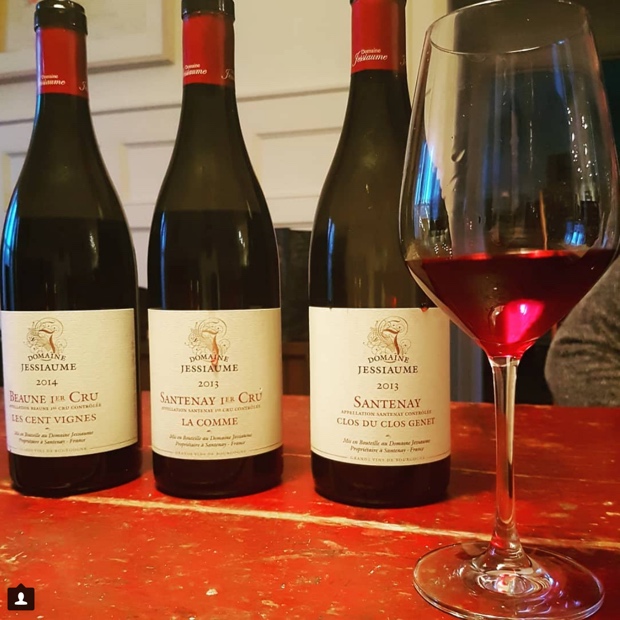


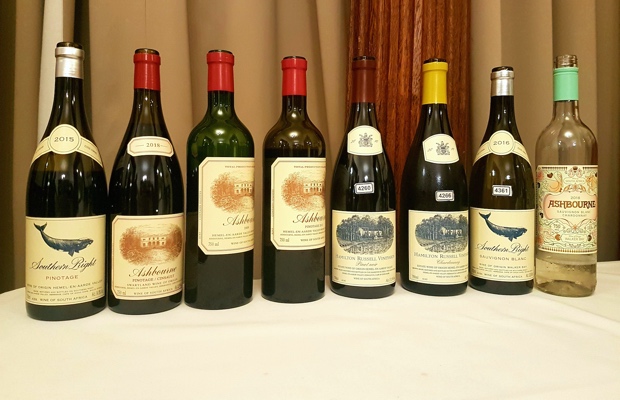

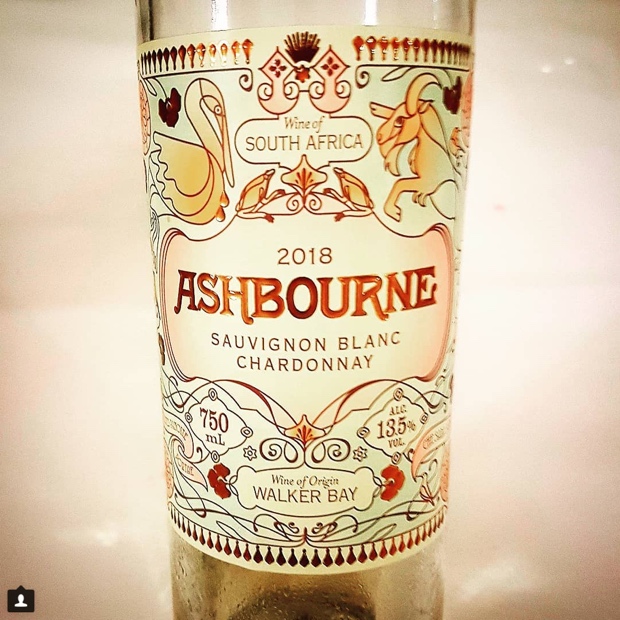
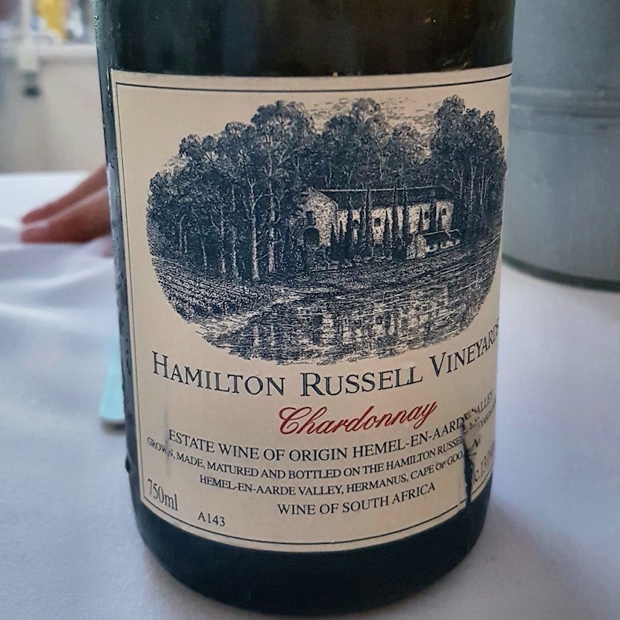
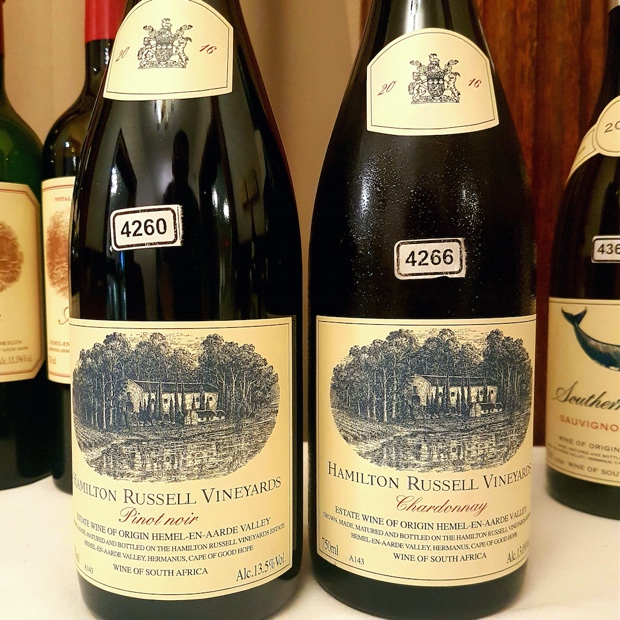

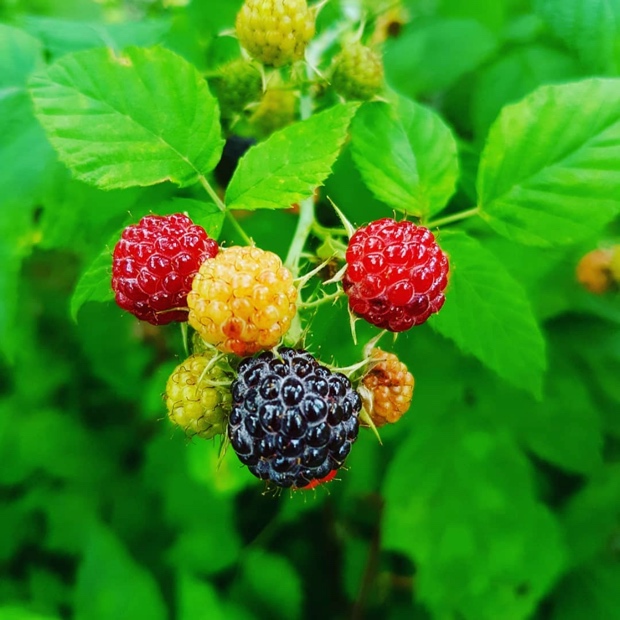
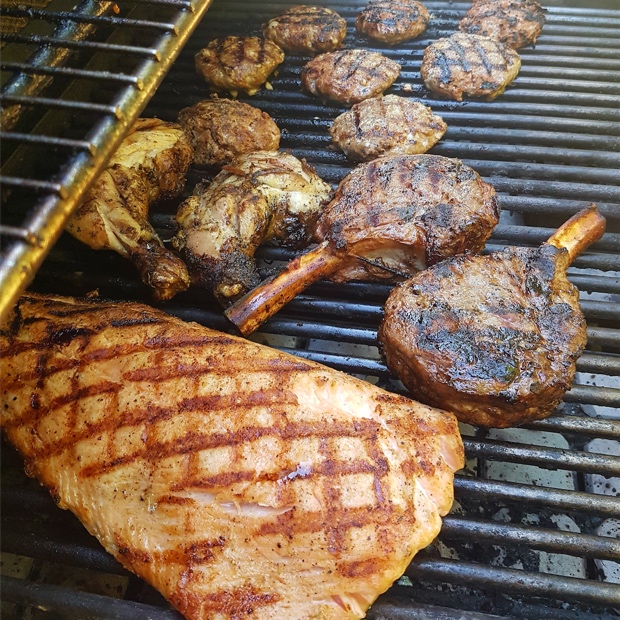
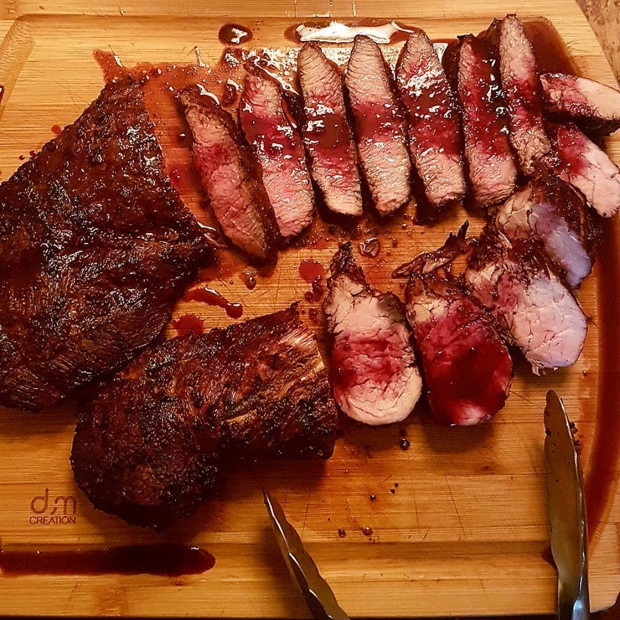


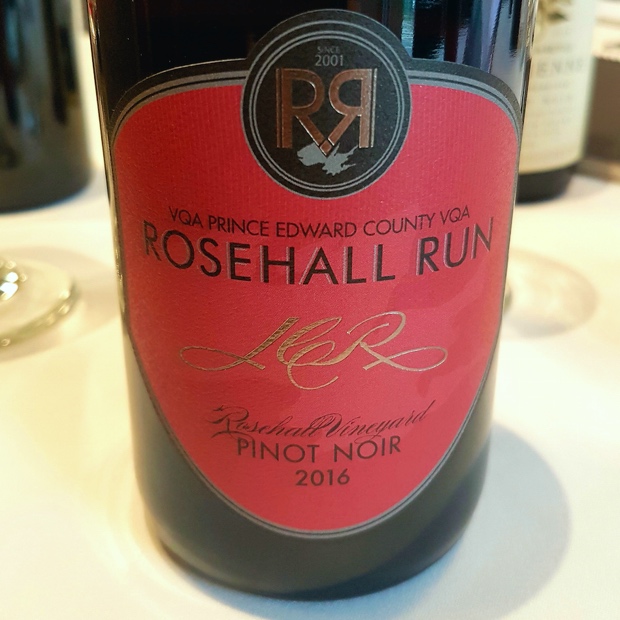
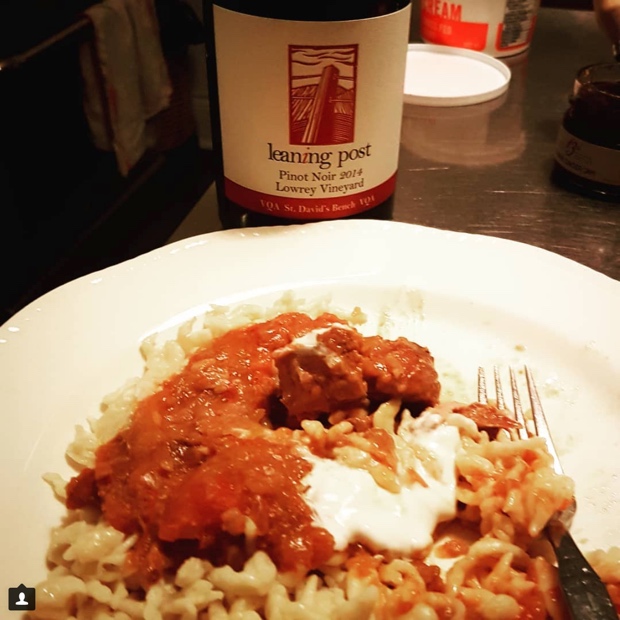

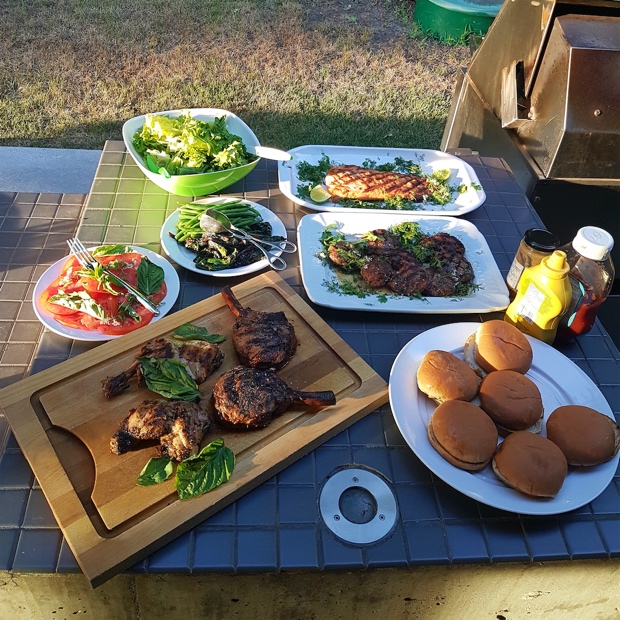
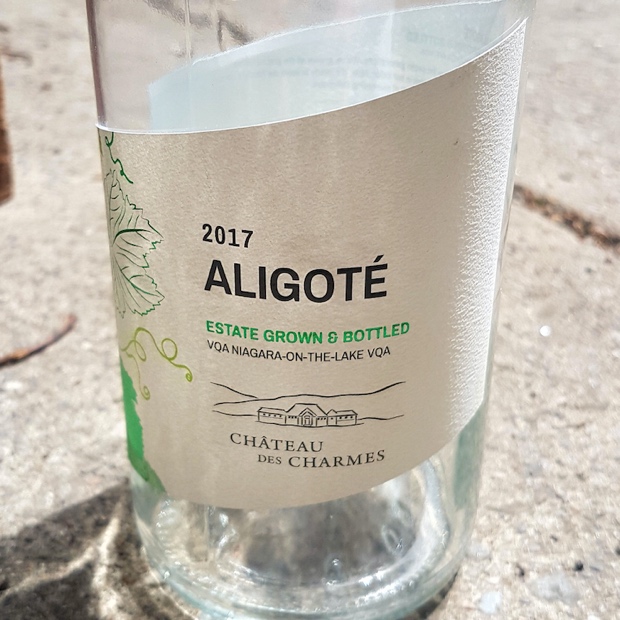
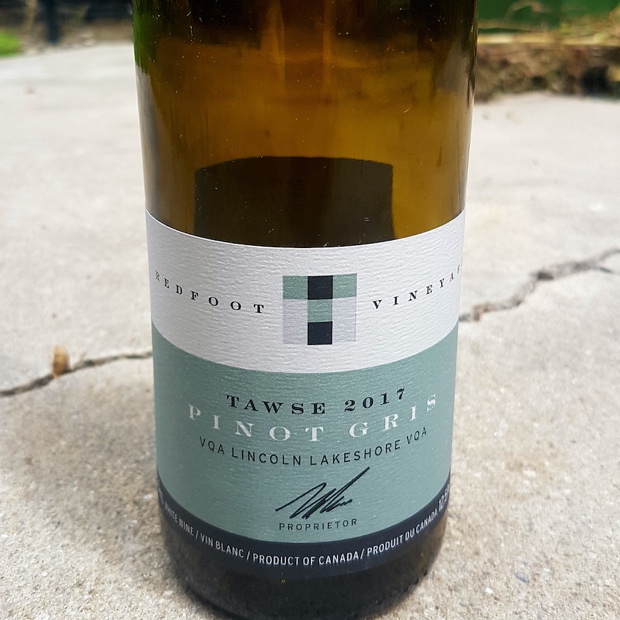


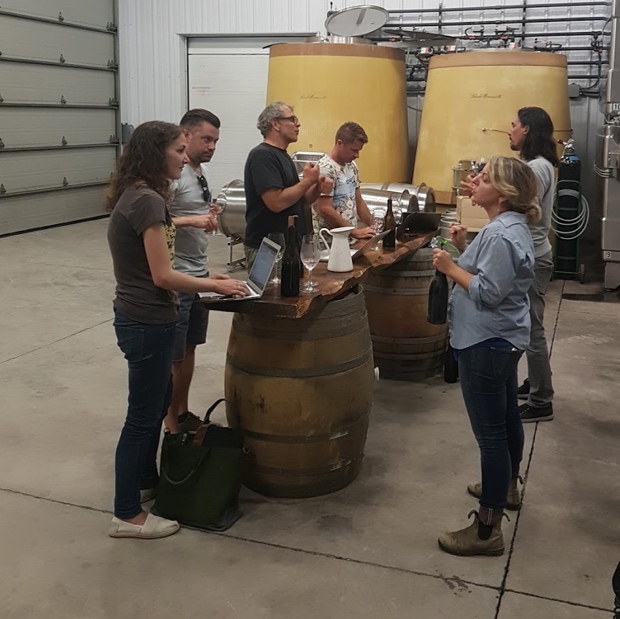
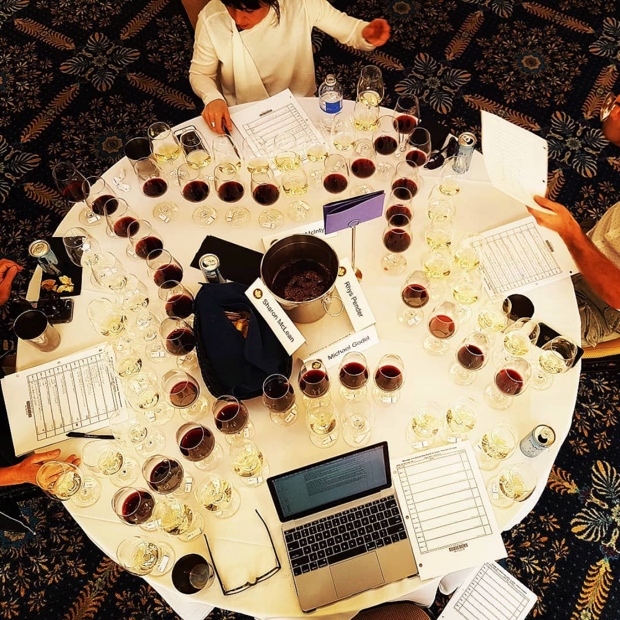
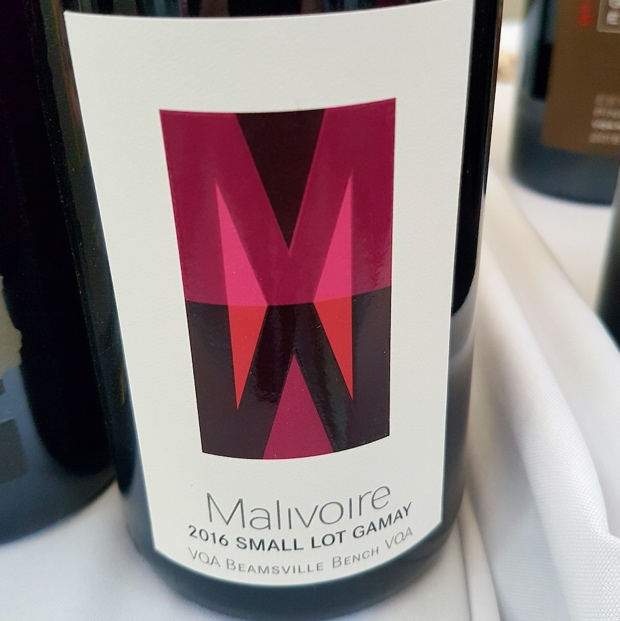
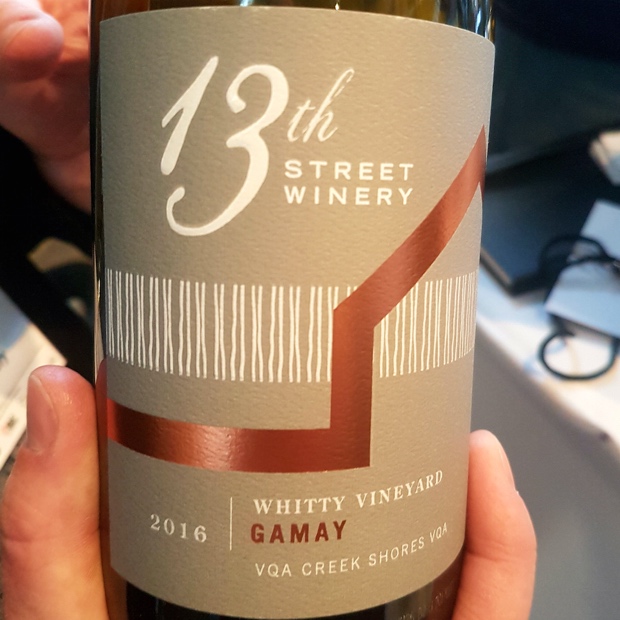
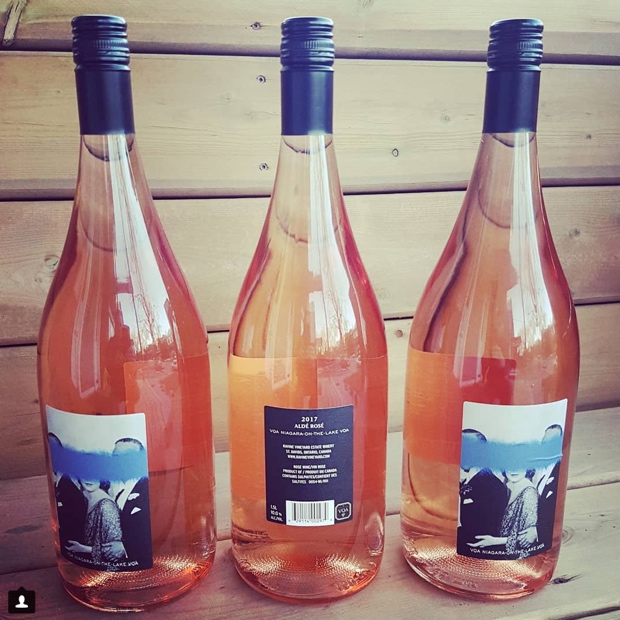
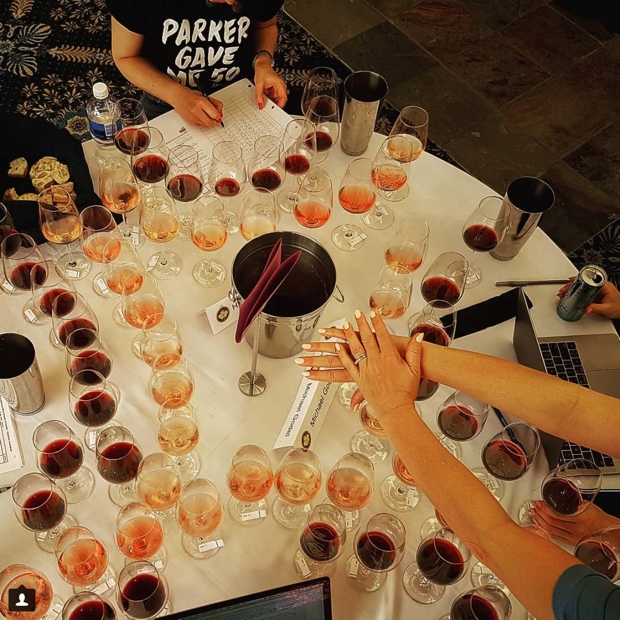
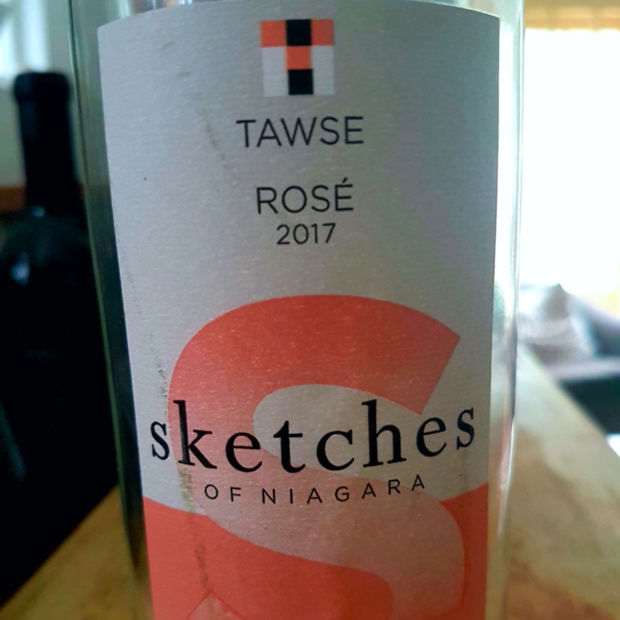

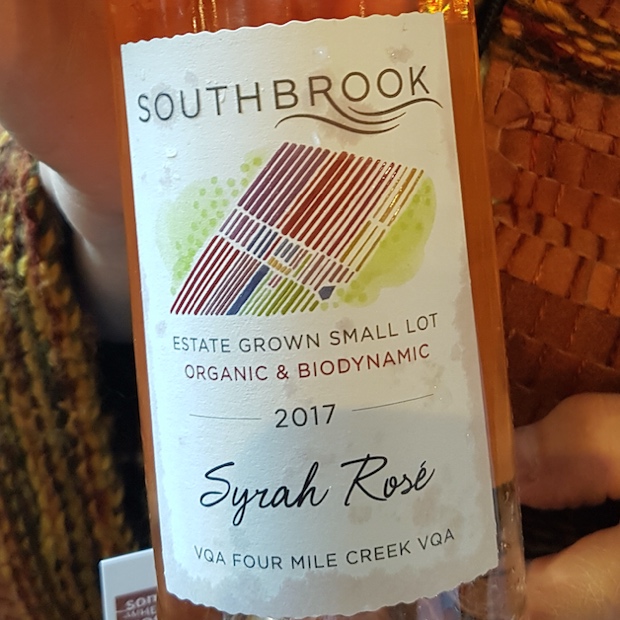
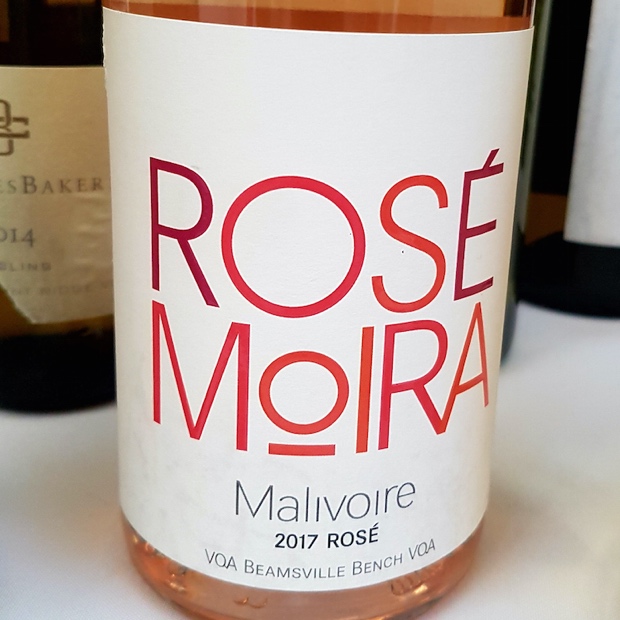
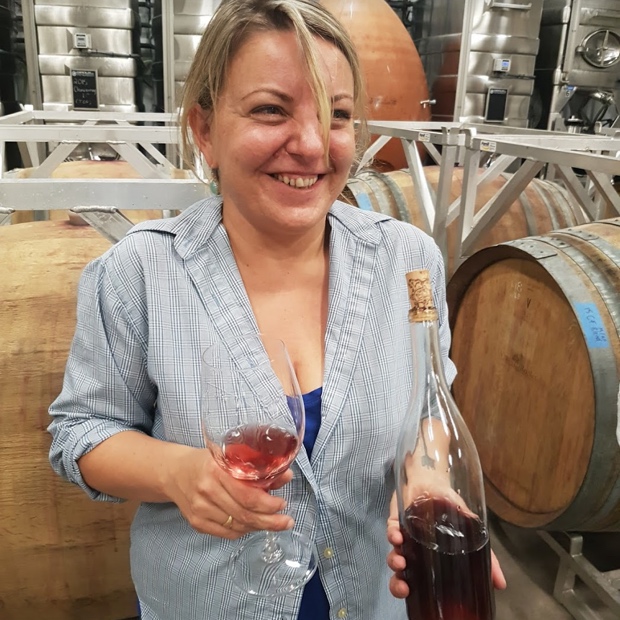
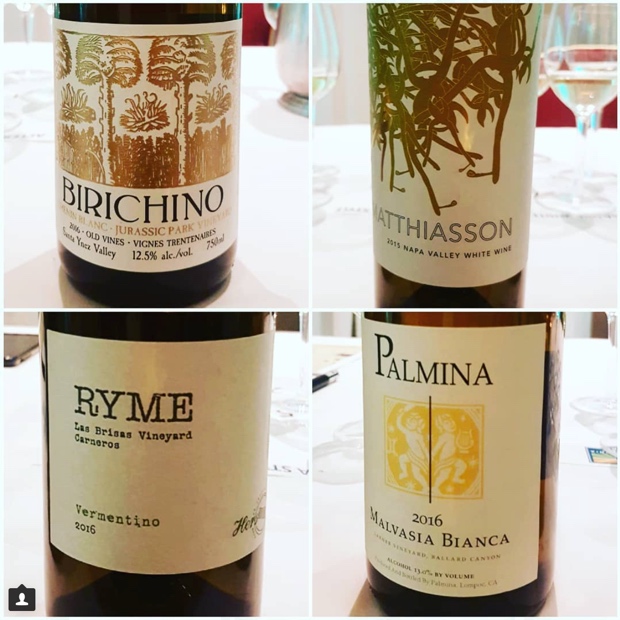
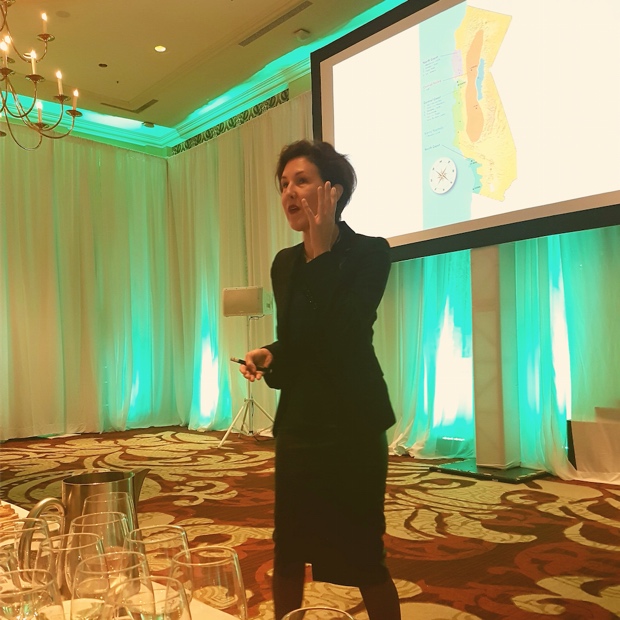
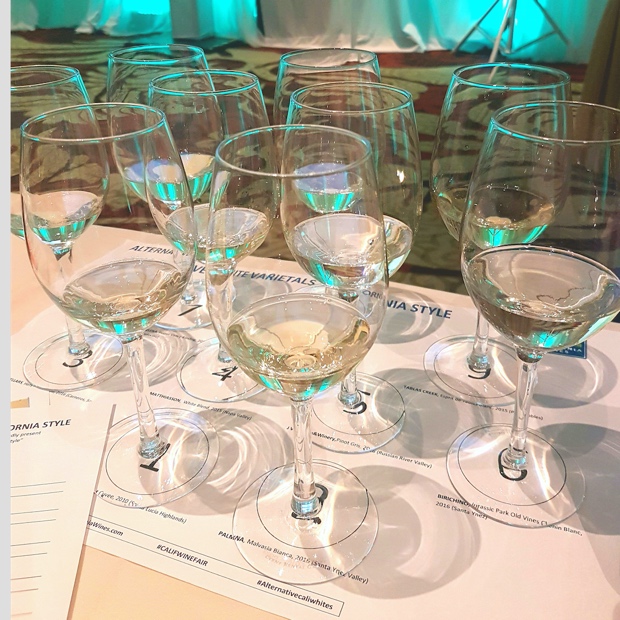
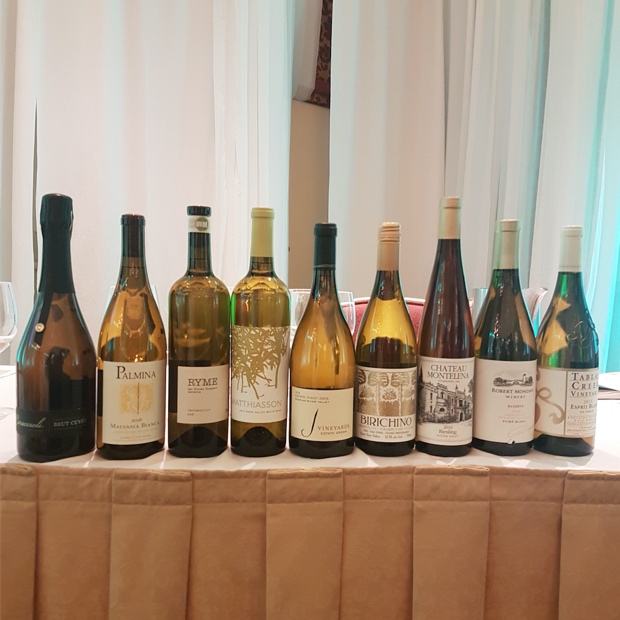

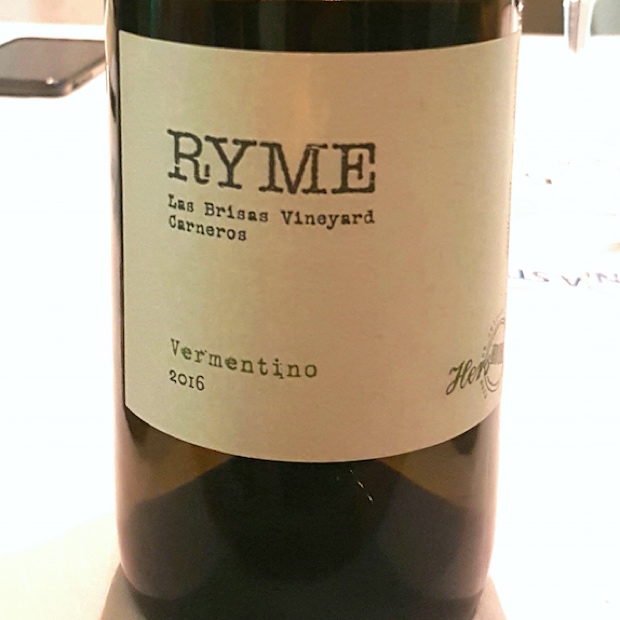
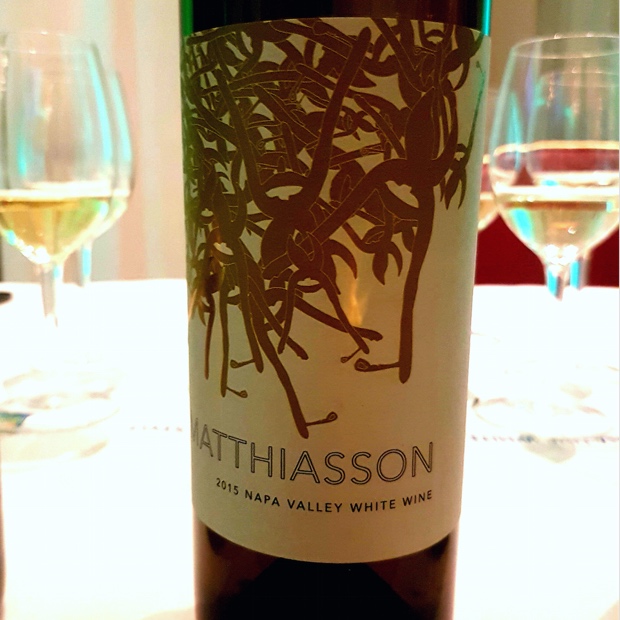
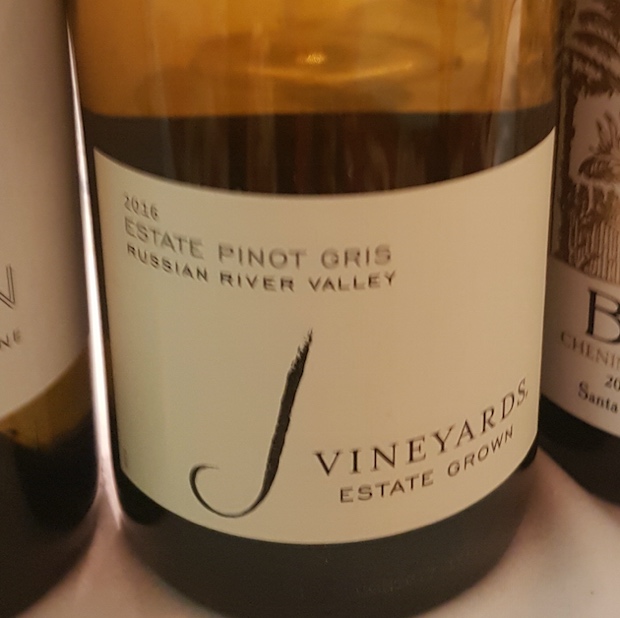
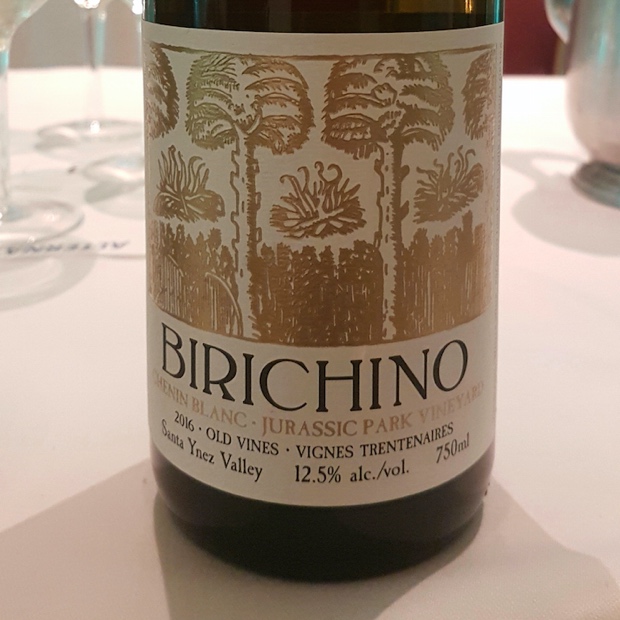
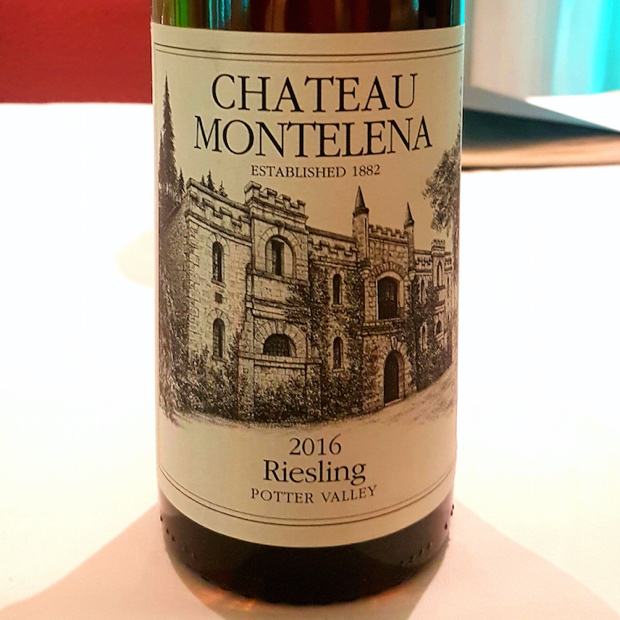
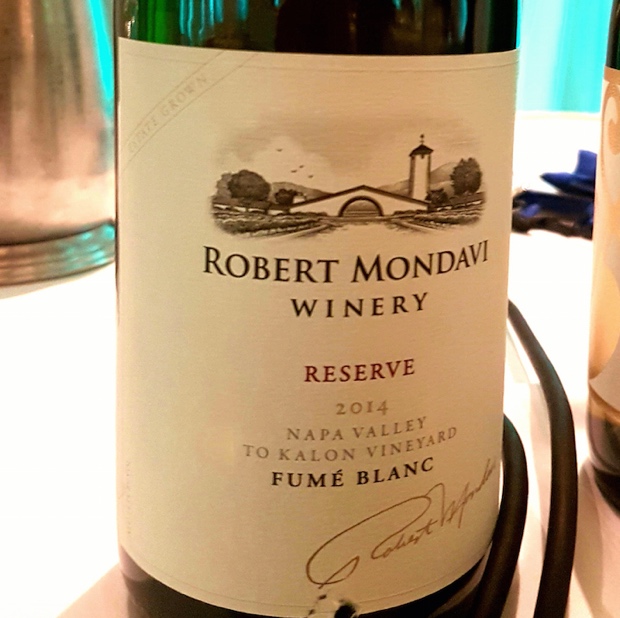

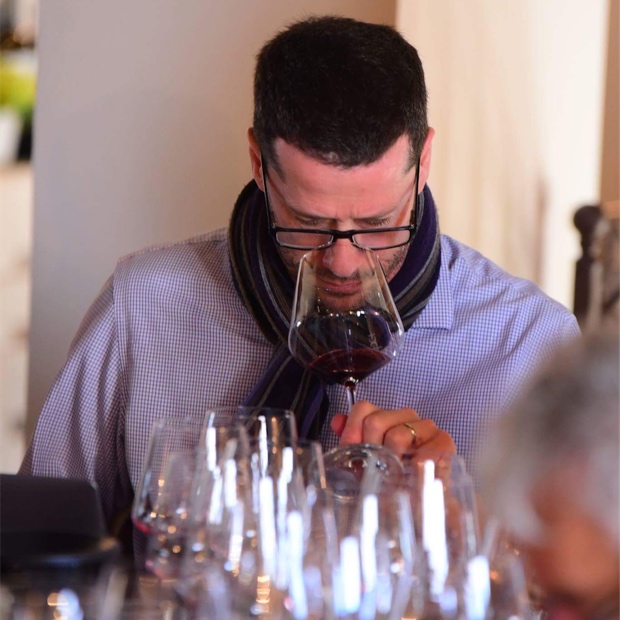




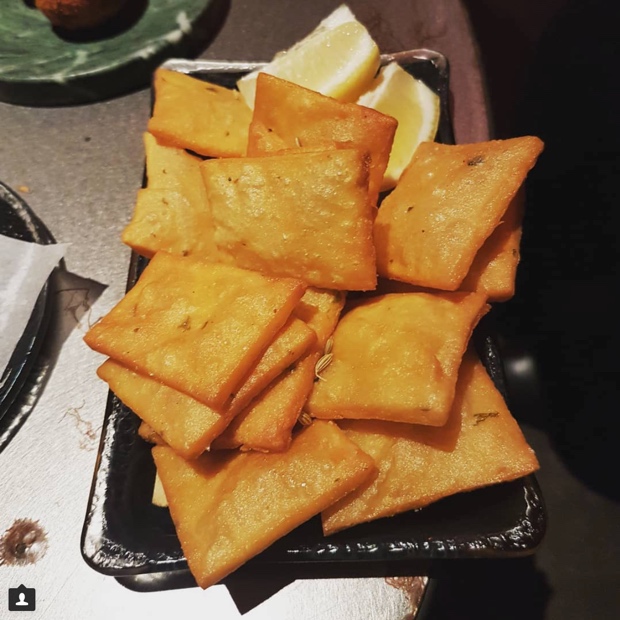


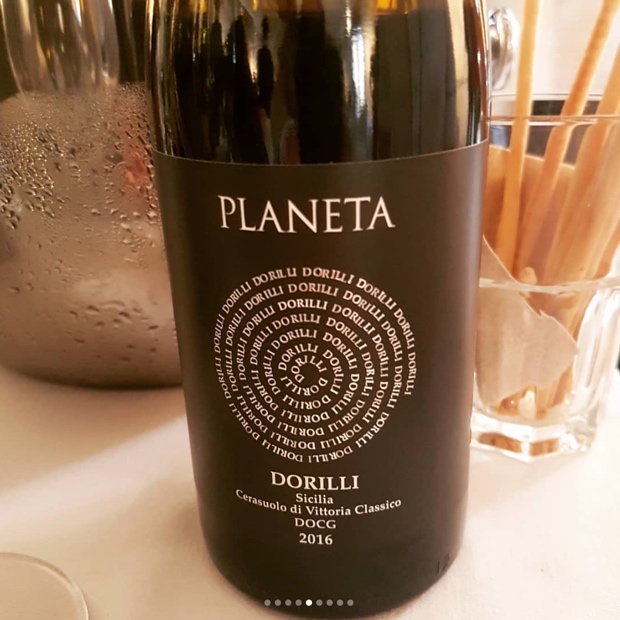

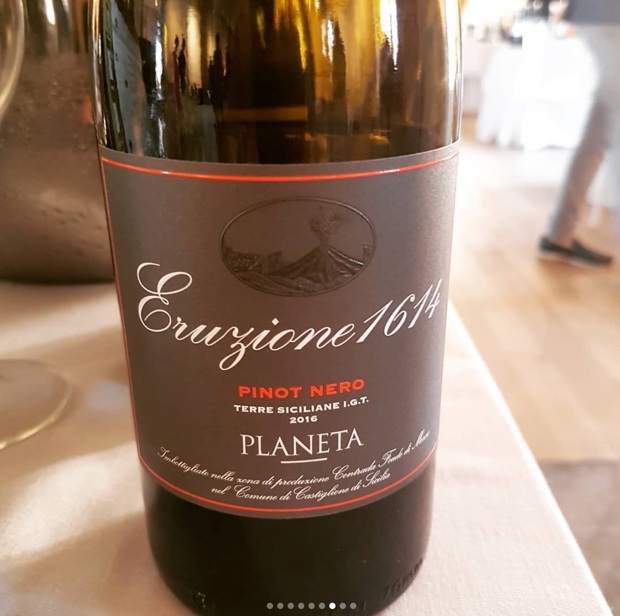

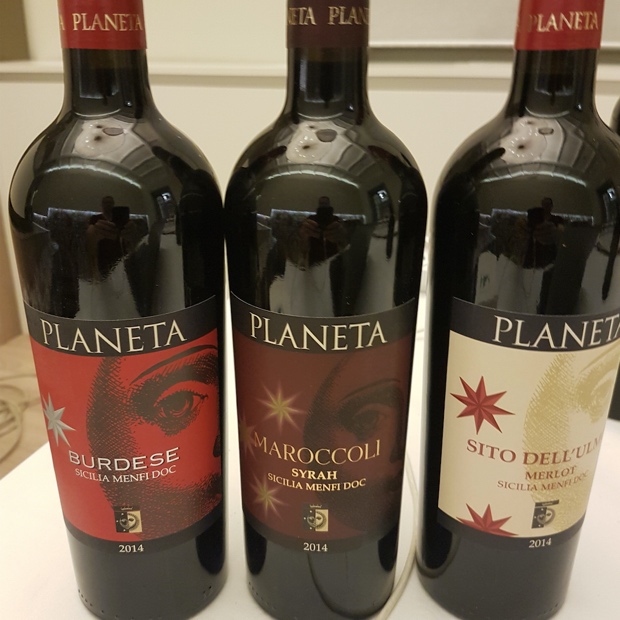

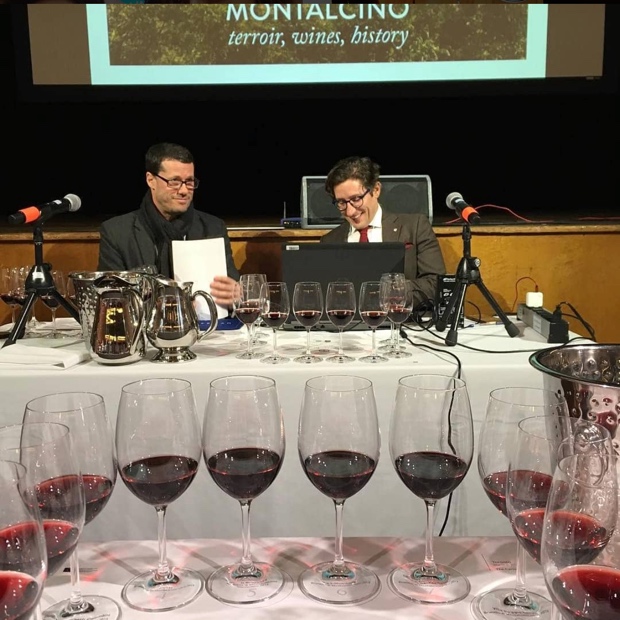
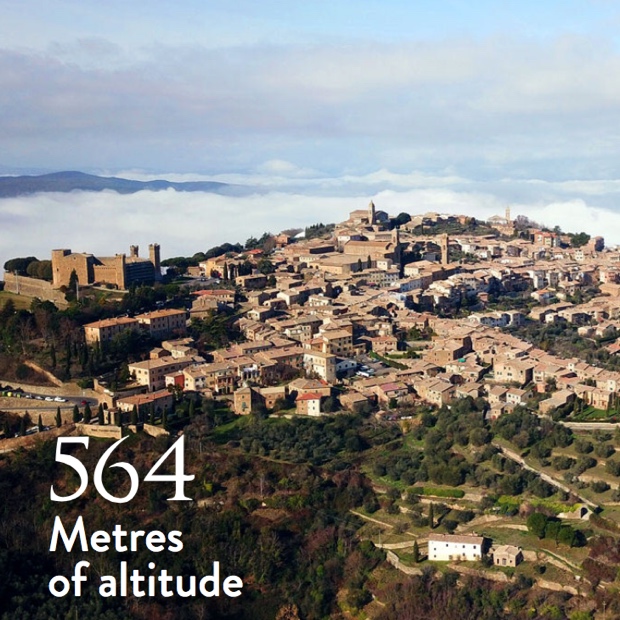

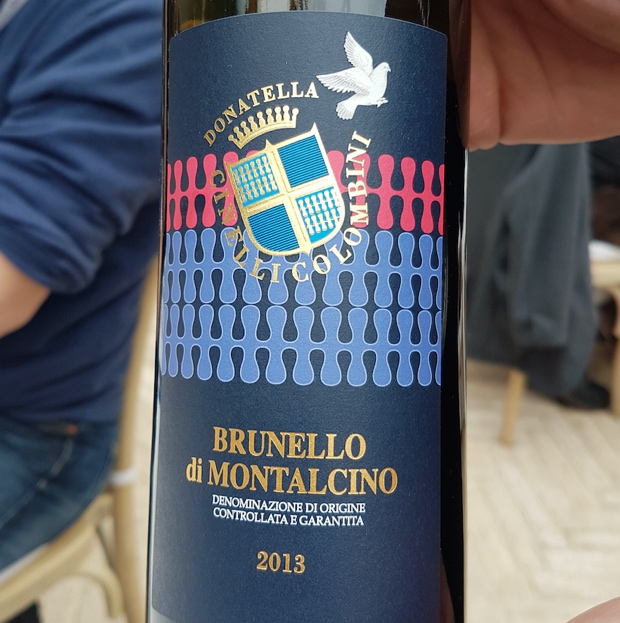
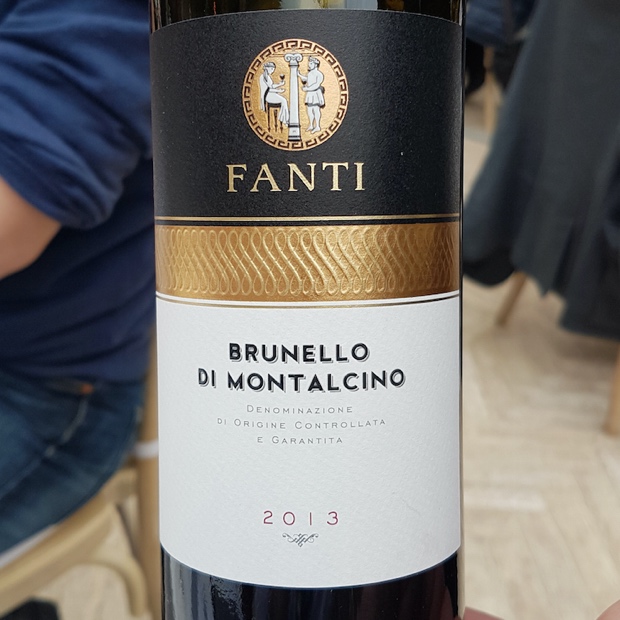
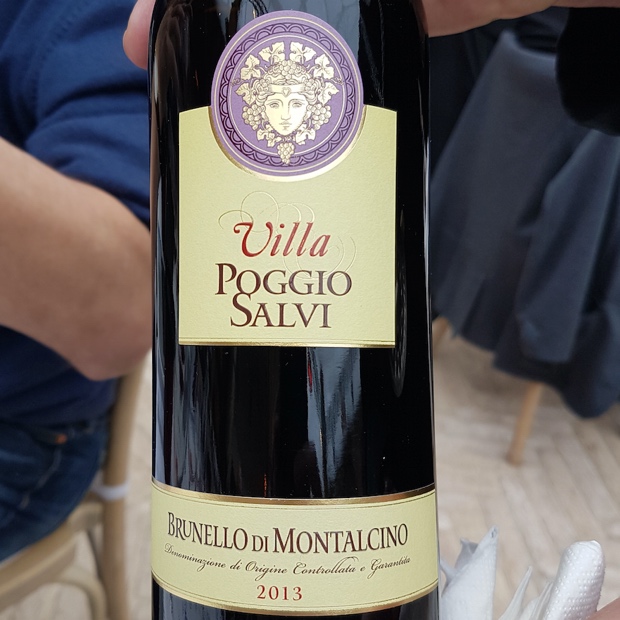
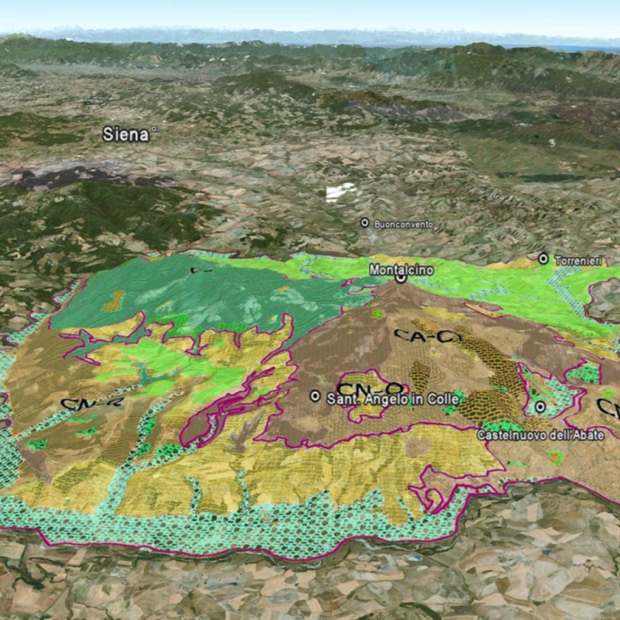


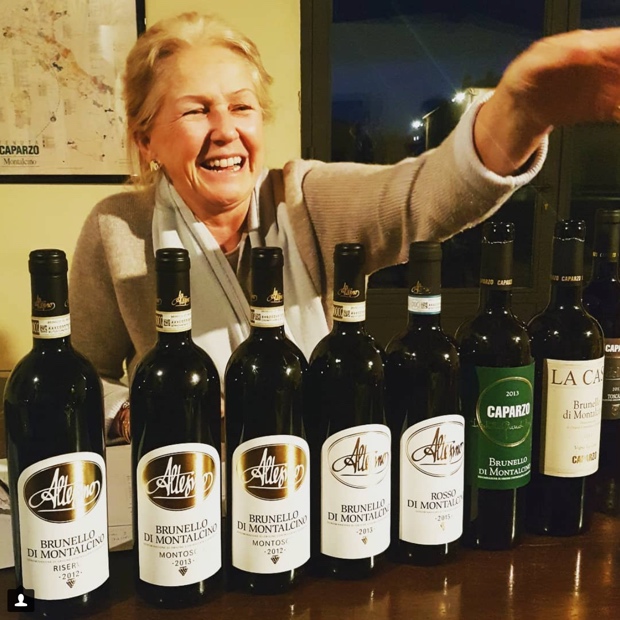



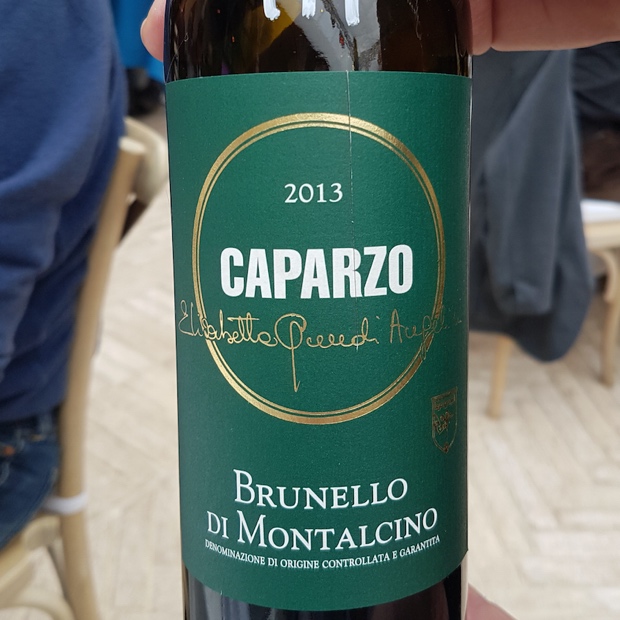


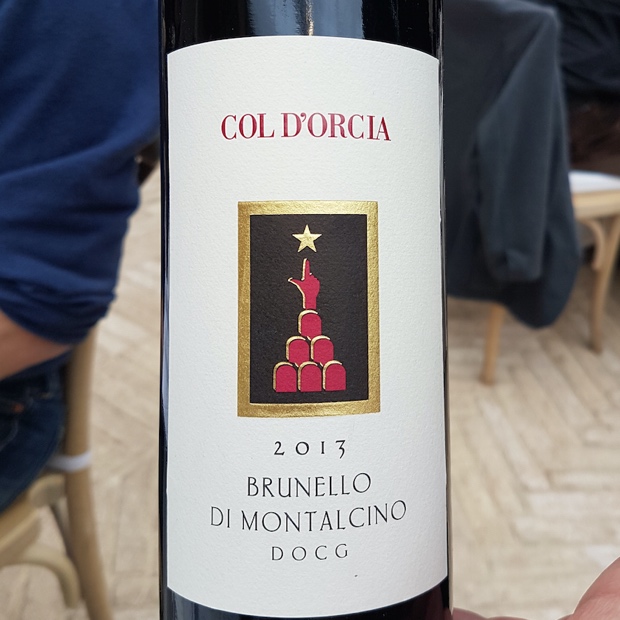
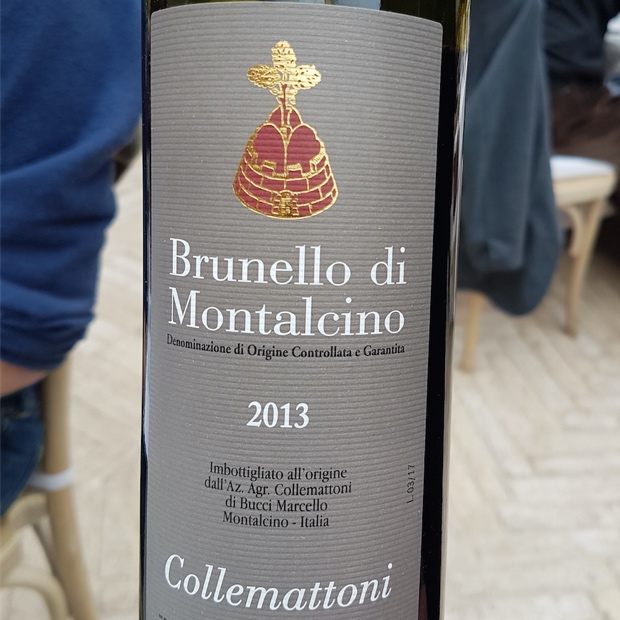


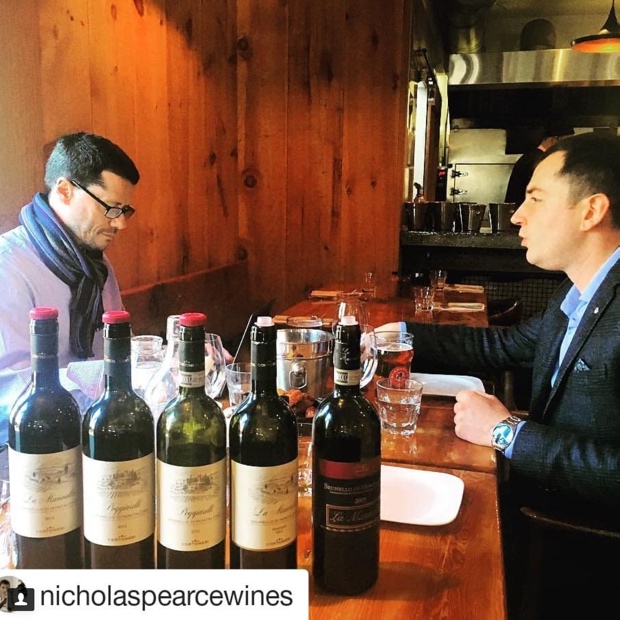


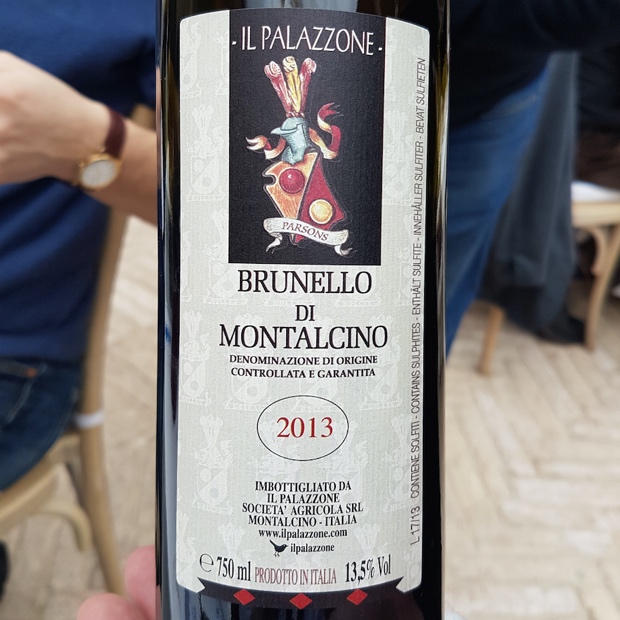
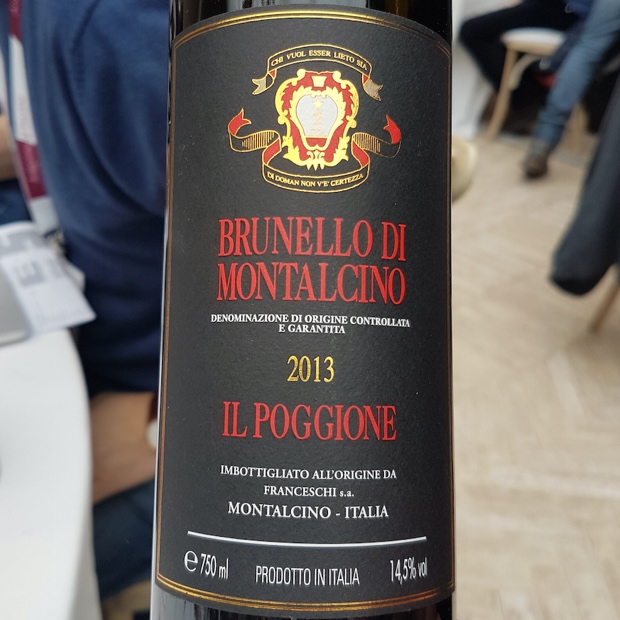
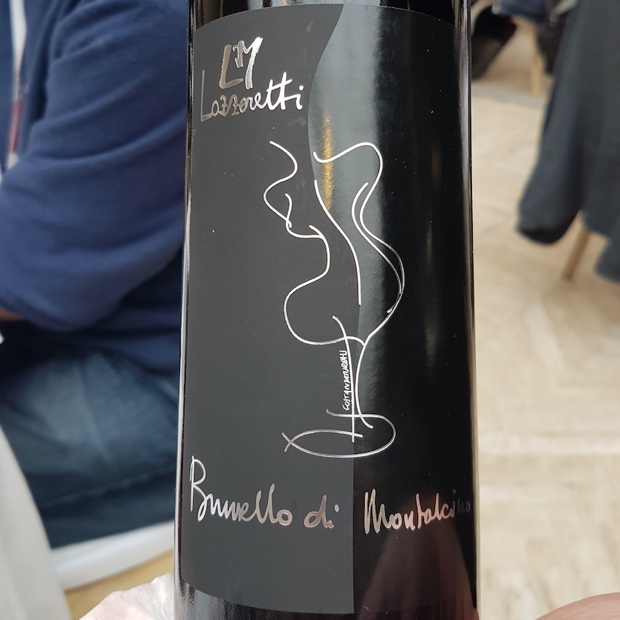
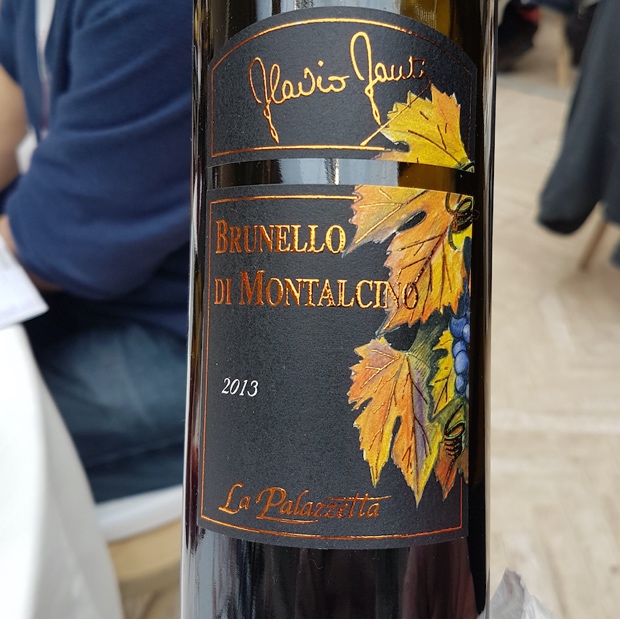


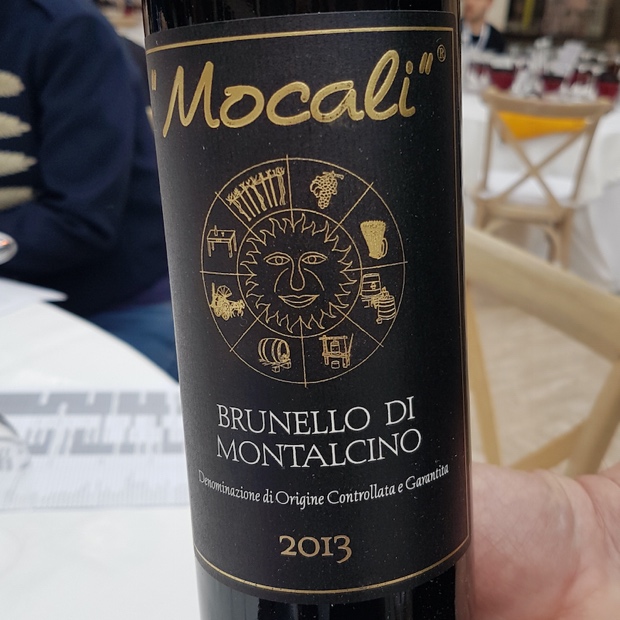


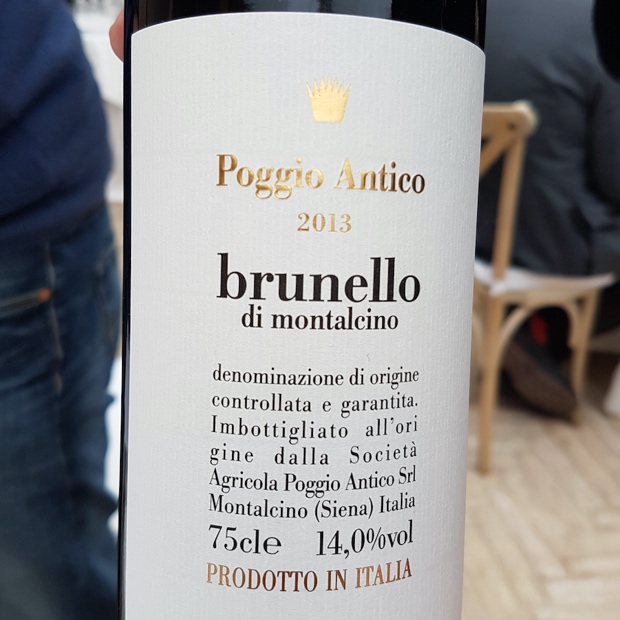

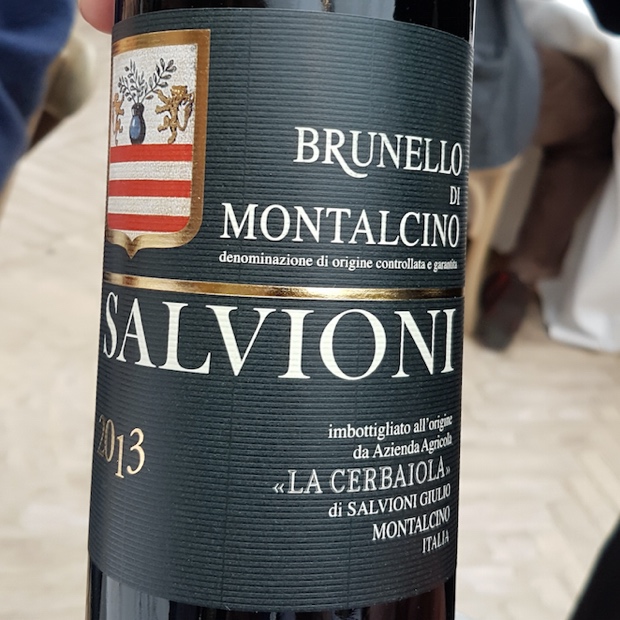








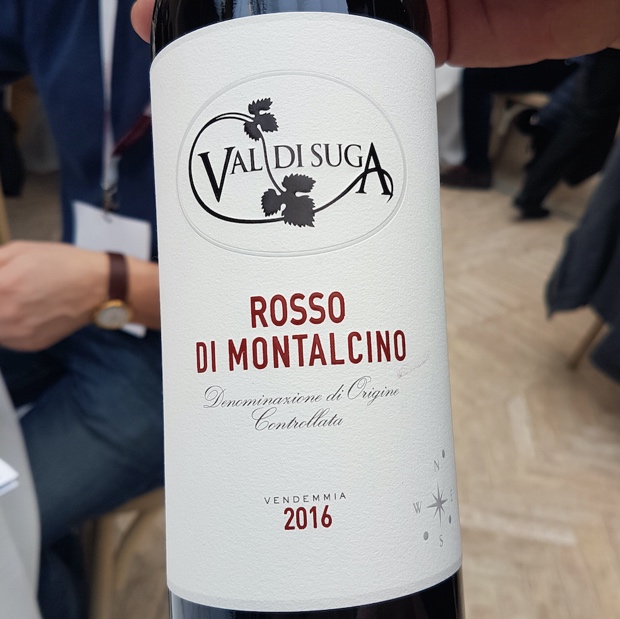
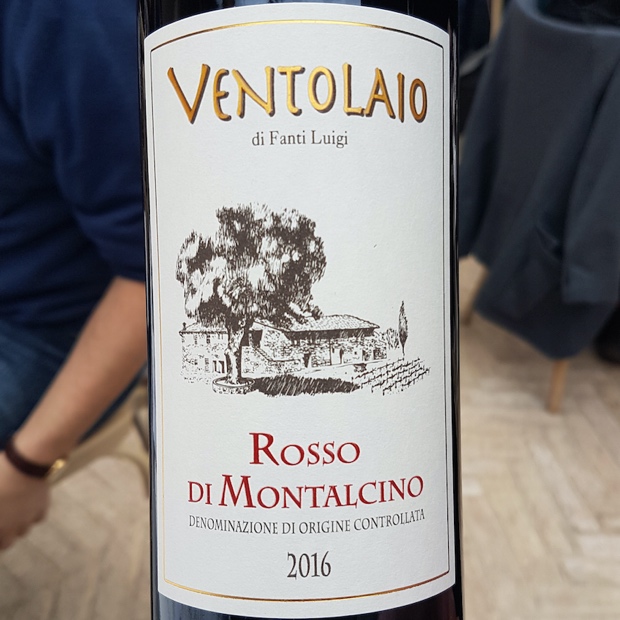
 Godello