Every stop is neatly planned for a poet and a one man band, but #i4c Sunday @ravinevineyard is always #homewardbound
A week out and ahead of the greatest Rock ‘n Roll chardonnay weekend around it seems apropos to preview i4c, the Niagara Peninsula’s International Cool Climate Chardonnay Celebration. Imagine Coachella, Collisioni and Glastonbury rolled into one big weekend of tasting chardonnay. Sort of. Equating chardonnay to infinity also seems relatively appropriate because the great white, genetically superior grape is in fact the world’s most planted white variety somewhere in the vicinity of 500,000 acres and counting.
Are you going to i4c? The ninth edition of the International Cool Climate Chardonnay Celebration is taking place in Ontario’s Niagara region from July 19-21. There are events already sold out but there are tickets still available for some of the weekend’s best venues and 51 wineries will be featured this year, split between locals and those from nine countries around the world. Food is varied and outstanding at the cumulative events and you can sample more 100 versions of chardonnay, plus some other specialities. For all the detailed information you could want about events, seminars and ticket purchases, go to http://www.coolchardonnay.org/. And of course this all would not be possible without the unwavering support of the Wine Marketing Association of Ontario (WMAO). Visit their website for everything wine in Ontario at https://winecountryontario.ca/.
I have made some pretty heady statements about this event. Lines like “The Cool Chardonnay weekend-long event is the stuff of dreams” and so to get you prepped for i4c here are 10 recently tasted examples from Ontario that you really must try.
Took all night but it was so worth it. Welcome to #i4c17 @coolchardonnay #ilivechardonnay
Quiet and demurred chardonnay with salty-metallic feels and real oak intent. Lovely to nose, taste and drink. What more could you want? So long and extensive, if soft and just easy. Drink 2019-2020. Tasted blind at NWAC19, June 2019
Unmarked as in a combination of earmarked and unoaked, I would think. This Neudorf family raised chardonnay is sharp, leesy and so clean on a line its in Petit Chablis to Chablis mimic, from fruit near Jordan though not of exact or pinpointed, i.e. unmarked origin. It’s (Twenty Mile) Benchland fruit one way or another, lovely, so drinkable, expertly tart and equipped with a smile. Drink 2019-2021. Tasted June 2019
Closson Chase Vineyard Chardonnay 2017, VQA Prince Edward County, Ontario ($29.95, WineAlign)
The posit tug between fruit and tension is so strong it extends straight through the great lengths travelled all the way into the finish. This CCV has rarely if almost never moved with such circulative pace, in fact there’s a lurching and a wraparound effect, of acidity and structure encapsulating the fruit. Safe, bound and secure as it can be in the present so that the unwind will bring more and more pleasure. When texture arrives on the scene this will have come full circle, back to and in completion of fine union. It’s penitent and courteous, a function of winemaker Keith Tyers’ understanding of vineyard and vine. Drink 2020-2027. Tasted June 2019
Rosehall Run Chardonnay JCR Rosehall Vineyard 2017, VQA Prince Edward County, Ontario ($29.95, WineAlign)
As a follow-up to the warmth and phenolic heights of 2016 you’ll have to imagine a meandering through zig-zagging directions for ’17. Despite the ups, downs and ups again this chardonnay has indeed found its way, charming us with insights and how richness ensues. The surety of this fruit and this composure ensures and enriches the great sleeper County chardonnay that continues to explain the concept of cool climate viticulture done right. It’s not really all that reductive but it is protective and crafted with indefatigable structure in surround of high quality ingredients. Another winner from Dan Sullivan. Drink 2019-2023. Tasted June 2019
Cool Chardonnay at Ridley College
Château Des Charmes Blanc De Blancs 2015, Traditional Method, VQA Niagara On The Lake, Ontario (423111, $34.95, WineAlign)
Not unlike the previous ’14 with an almost almond-nougat creaminess, sweetness balanced by equal and opposing acidity, not to mention real richness. Winemaker Amélie Boury likes to pick later than many in Niagara and so that accumulation of style, chic and textural components really drive this chardonnay machine. That said you can never leave home too far behind and so place is the thing. Cool-climate sparkling wine that is, in Blanc de Blancs form. Drink 2019-2022. Tasted June 2019
Trail Estate Chardonnay Vintage Two Unfiltered 2017, VQA Prince Edward County, Ontario ($35.00, WineAlign)
Three acres of planted chardonnay (a bit more than a hectare) and 2017 was harvested on October 8th, set to natural ferment and put to 22 per cent new plus (22) 2nd use barrels half way through in for 11 months. Bottled unfined and unfiltered there is more flesh and complexity in number two. This is the first new, true leg of what will be a long relationship, the first that is crafted “as opposed to just seeing what we’ve got.” In many ways Mackenzie Brisbois’ first truly personal chardonnay. There’s a creamy apple custard vitalized by pulse and energy with good bite and it feels very seasoned, on it’s own, religiously made, slowly developed and with purpose. The acids are spot on. Bottled in November, wisdom already contained, herein. Drink 2019-2023. Tasted December 2018
So very inscribed in the drawn buttery realm with oak notation from and centre, incumbent on melting sooner rather than later. For now it’s a richly textured chardonnay set in substantial oleaginous ooze though minus its original spice so full integration is coming soon. Curvy, creamy and pure, cresting at tender with an lovely white salted caramel vein, Stylish chardonnay with just enough cool. Drink 2019-2021. Tasted June 2019
Nice advancement here, moving past original fruit and now with mixed into creamed corn, certainly vintage related, of cold and cloud cover plus some wetness. Good representation of the vintage once reductive, now mineral and flinty chardonnay of intensity and structure. Drink 2019-2021. Tasted May 2019
Exceptional chardonnay right here. Expressive, of both orchard and stone fruit in the same basket, beads of humidity forming on the aromatic skins. Not sweet but ripe as must be, tight, tart and structured along right proper angles. The real deal in chardonnay, with integrated wood, balance, precision and focus. Noted last there is length. Great length! Drink 2020-2025. Tasted May 2019
Hidden Bench Blanc De Blanc Zero Dosage 2013, VQA Beamsville Bench, Ontario ($48.00, WineAlign)
Every pop of a Hidden Bench Blanc de Blanc sets off fireworks at zero hour. Every moment marks the beginning of a great event, profound and set in the autolysis of fine design. Chardonnay such as it is like this is perfectly dry and raised on the promises of Bench life, the frosting on a cake made of pure driven varietal snow. If any sparkling wine made in Ontario is of “grower style” this is the one, purposed, born in the vineyard, bred in the fields. It is fed by chardonnay raised with a sparkling consciousness, intended to illuminate the chemistry of traditional methodology, to indicate a metal complex acting as a single unit, a polyatomic ion, a blanc de blanc molecular scintillant. The linger is complex and as a travelling companion you would be hard pressed to do better. Makes you feel just right. Drink 2019-2024. Tasted June 2019
Good to go!
godello
Every stop is neatly planned for a poet and a one man band, but #i4c Sunday @ravinevineyard is always #homewardbound
The inaugural year-end summary of Canadian wine excitement posted to godello.ca was in 2013 and this sixth instalment naturally includes five more than the first. The necessity begs of the process to expand because five years later even the paltry number 18 is but a fraction of what could or should be noted, publicized and celebrated. This exercise is one of the most arduous writing assignments of the calendar year, difficult to pin down, even harder to leave wonder out in omission. As I’ve said before “it’s biased, exclusive and decisive but it is meant to celebrate a select few with a mandate to elevate and exult the rest. It’s also a proclamation read to many who remain ignorant to an ideal of great wine being made in Canada, to tell the insolent they are not welcome here anyway. The winemakers in this country are in full command of their acumen, craft and future. They own it.”
Another year of tasting Canadian wine, another year of thousands of examples shared my way. Even more international travel made it difficult to keep up the pace but I’m sure I tasted more than 1000 wines once again. We are relentless in our attention paid to Canadian wines at the WineAlign office. The WineAlign National Wine Awards of Canada convened in June at the convention centre in Penticton B.C. and judging Ontario wines happened with David Lawrason at The Great Canadian Kitchen Party, the artist formerly known as Gold Medal Plates.
Over the past 12 months my partner Scott Zebarth and I have upped our little négoce game with the fine folks at Ravine Vineyard Estate Winery. With the help of Marty Werner, Ben Minaker and Eden Garry we managed to crush, ferment, blend and bottle three new wines. In April there were 594 magnums of Aldé Rosé 2017, a 100 per cent VQA Niagara-on-the-Lake cabernet franc. Then in September we released the second vintage of Interloper Cabernet Franc 2017, VQA Niagara-on-the-Lake and our newest wine, As Is Field Blend 2017, VQA Niagara Lakeshore.
As Is Field Blend 2017, VQA Niagara Lakeshore, Ontario ($19.95)
In 2016 there were 16 wines noted. In 2015 I counted 15 on the filtered list. In 2014 the highlights numbered 14, just as in 2013 the number chosen to cant, recant and decant excellence in Canadian wine was 13. Last year you are correct, the list held 17 spots. Roll out the 2018 red carpet. Here are the 18 most exciting Canadian wines of 2018.
Back up the truck, glug glug Gamay Rosé Flipping the Bird by @hatchwines and where’s J-do?
The Hatch Wines Gobsmacked Flipping The Bird Pink 2017, Okanagan Valley, British Columbia (Winery, $21.99, WineAlign)
We pulled this Rosé from the ice and were utterly astonished and astounded at this particular bird. It was Jason Parkes, “he named you the bird. It’s how you were generally referred. We never really understood, never really thought about much.” So we tasted again and we raised a brow, got excited and then were utterly gobsmacked. Sometimes, there’s a wine. And I’m talkin’ about the Bird here. Sometimes, there’s a wine, well, he’s the Rosé for his time and place. Mostly go gamay go with some cabernet sauvignon, utterly fresh at the peak of perfect natural volatility, red berries and grapefruit. No salve texture nor trans fat feeling left in mouth behind neither. Crushable by any amount desired. A portion of the profits from the sale of this wine are donated to Parrot Island, a non-profit sanctuary for abandoned and abused exotic birds in Peachland BC. “With time, it only made more sense, As time went by, it just made more sense. You are the bird. You are the bird.” Thank you Jason, thank you Dude. Thank you Gord. Drink 2018-2019. Tasted June 2018 hatchwines@HatchWines@hatchwines
Two years in a row. Well-deserved and just because.
Malivoire’s most important and benchmark Ontario Rosé is one of the first to the table from the 2017 vintage and why not because its quick soak and lightness of being takes no time at all to get ready. This is the antithetical beauty of Rosé and how it must be approached for best results. Malivoire does not take a step forward from the most perfect ’15 and ’16 wines but there is more fruit in this ’17. You can actually nose and taste strawberry plus a hint of tart raspberry. This will appeal to more of the general Rosé loving populace without any compromise for the provincial, provençal geeks everywhere else. It’s ostensibly a better wine in 2017 because it will attract that growing audience without having made any concessions or dis to authenticity. Drink 2018-2021. Tasted February 2018 malivoirenoble_estates@MalivoireWine@Noble_Estates Malivoire Wine Noble Estates Wine & Spirits
Fitzpatrick Fitz Rosé 2014, Okanagan Valley, British Columbia (Winery, $48.98, WineAlign)
Long lasting flavours of impression. Candied ginger, dried strawberry, every fruit shade of red, for redheads everywhere. Last tasted December 2018 fitzwine@FitzWine@FitzWine
This pinot noir is lovely, quiet and mild, a lemon-strawberry aromatic blush of the faintest noir. Fine spun, wild yeasty, truly wound tight, so focused and persistent. Drink 2018-2022. Tasted blind at NWAC18, June 2018
In 2016 the next wrinkle is a wild ferment (as opposed to the inoculated ’15), unfined and unfiltered, because as time progressed “I liked it more and more,” says winemaker Mackenzie Brisbois. No coarse filtration means some minor sediment will settle in the bottle. Smashed layers of tote-filled grapes are brought to the crushpad, in lieu of the crusher, to extract from the skins and stems, making use of the punchdown tool, while waiting before pressing. Recently bottled in December 2017 the BFR is something completely other and if 2015 was considered not, this follow-up is markedly fruity now, because it always was, all the way through during just more than a year in really old barrels. It’s a blonde riesling as per M. Gustave, if you will. “Why blonde? Because they all were.” This is the wisest of Mack Brisbois’ rieslings, calm, confident, collected and shining brightly from the word go. You don’t have to wait on this one, it’s riper, it’s unfiltered, made with a lot less sulphur than the skin contacts and those “dirty” 15s. “I like to see how little (sulphur) I can get away with,” notes Brisbois. The most accomplished riesling that she has made to date, the 16’s balance is spot on now and you will not have to wait for it to come into its cinematic stage. Drink it now and keep it longer. Drink 2018-2024. Tasted April 2018 trailestatewinemackbrisbois@TrailEstateWine@MackBrisboisTrail Estate WineryMackenzie Brisbois
Hard not to put the 1991 Cave Spring on the list but is there any good reason to not place the CSV on the list every single year?
Cave Spring CSV Riesling 2016, Cave Spring Vineyard, VQA Beamsville Bench, Niagara Escarpment, Ontario (566026, $29.95, WineAlign)
The CSV from a warm 2016 really expresses the vintage on the nose with a heavy dose of wet stone and every part of a ripe peach. You have to get past the early sulphur but once you do you take a good bite into the flesh of this riesling and the juices will run with accents and angles fit by tonic, pith, tangy, nervy acidity and a hidden sweetness. The sugars are surely more elevated than realized or will ever be felt because the combination of acidity and pith are covers that will never peel back. Size matters and this CSV is built with great Escarpment architecture, stepping out of the paradigmatic 2015 shadow and into another age. This 2016 begins an epoch of structural expressionism and should easily carry its construct through to the next decade. That consequently, is when this CSV will really be ready to rock and roll for a full decade more. Drink 2020-2030. Tasted March 2018 cavespringcellarsthevineagency@CaveSpring@TheVine_RobGrohCave Spring CellarsThe Vine
Godello and Paul Pender of Tawse PHOTO: Steven Elphick & Associates
Tawse South Bay Vineyard Chardonnay 2015, VQA Prince Edward County, Ontario (Winery, $35.15, WineAlign)
The South Bay Prince Edward County fruit from Huff Estates lands is simply exceptional produce, from where winds blow-dry leaning vines perched aboard a passel of solid limestone sliding into Lake Ontario. Tawse has always coveted this fruit and when Paul Pender is allowed to play with it he does so with great mindfulness in search of greater apogee. Methinks Pender both picked a few days to a week earlier and also worked the most mineral meets Ceres toast his barrels can afford. There is a deep, sonorous and resounding regard about this chardonnay. It’s both sumptuous and serious, with a flinty-mineral meets toasted hazelnut interplay. It is perhaps an Ontario nod to Les Caillerets, or just a far away coincidence, but regardless you just have to know that it’s a very special wine. Drink 2019-2026. Tasted December 2018 tawsewinery@Tawse_Winery@tawsewines
Still in the vein of the Queylus chardonnay tradition where a winemaker is always on the watch, meaning you never take your eyes off the child or the prize. The Réserve is a matter gathered from the best barrel selections but says Kelly Mason “the treatment and the worry are the same.” Slides easily away from the tropical and sidles up the the rocky places from whence it came. Chardonnay is often round and liked that way but Queylus is direct, linear, angled and also far from angular. When the Escarpment rule is followed and traced along the lines of a malolactic ruler marked by clones (in this case 76 as opposed to 95) then structure is assured. The ambition is real, the intention serious and there is no roaming far to the west or the east. All that and richness is found through every bright sip. Drink 2018-2024. Tasted July 2018 queylus@QueylusDomaine Queylus Winery
Hidden Bench Chardonnay Tête De Cuvée 2011, VQA Beamsville Bench, Ontario (278812, $45.20, WineAlign)
Tête De Cuvée by Hidden Bench, like a Champagne best of the best abstraction, makes an appeal to self-esteem and esteem for others, to consumers who have come to recognize Niagara and even more specifically, the Beamsville Bench for head of the class, cool climate Chardonnay. That mouthful congregates and works in congruence with the quality in the Tête’s composition; full-on freshness, density, weeping cerate texture, toasted and popping kernel, fine-grained localization, utterly integrated barrel. There was scant quantity (32.5 hL/h) from some very old and wise vines, pronounced like others but louder than most, from the bullhorn of a stentorian vintage. What is felt and spoken about the quality inherent from out of the finest parcels in the Locust Lane and Rosomel Vineyards Chardonnay fruit is more than a patent observation. The ability to take on toast cuts to the nougat and the synoptic rises to the ethereal ozone. Not to mention gross minerality. On the shortlist for best Niagara Chardonnay to date. Drink now and beyond 2025. Tasted twice, September and October 2014
Roche Wines Pinot Noir 2016, Okanagan Valley, British Columbia (Winery, $24.90, WineAlign)
The 2016 is purchased pinot noir fruit by Dylan and Pénélope Roche from Kozier organic vineyard on the Naramata Bench. Hand harvested and fermented in stainless steel tanks with regular pumping over and pressed after three weeks on skins. The press wine was separated from the free run and aged for 10 months in stainless steel and neutral French oak. Knowing what I know after the first blind assessment it now turns this love of love into inspiration, away from the soulless, blind pinot noir love and to something real. If there is a more honest and crushable one I’d be shocked. So exciting and new. Also tasted at Bench 1775, June 2018 rochewines@RocheWines@rochewines
Really ripe, I mean really ripe, a hematic liqueur that few others in the flight can match. From a warm site to be sure, full and thick as pinot nor thieves. Not as structured but so very, bloody and reasonably drinkable. Drink 2018-2021. Tasted blind at NWAC18, June 2018
Rosehall Run Pinot Noir JCR Rosehall Vineyard 2016, VQA Prince Edward County, Ontario (Winery, $39.00, WineAlign)
Though statements of monadical hyperbole should very much be avoided, a taste of Dan Sullivan’s ’16 JCR makes one think it has all come to this. The glycerin fruit endowed with so much natural sweetness and magnificently low alcohol feels like an impossibility. In a way it is but it’s also a County reality. This may just be the least astringent PEC pinot noir ever produced and at the same time seems entirely void of tension. Yet there is structure and cohesion, two functors so very necessary to see it drink well for 10 years, with great charm and further curiosity for five more after that. Drink 2018-2028. Last tasted July 2018 rosehall_runsullywineprofilewinegroup@Rosehall_Run@sullywine@ProfileWineGrp@RosehallRunDan Sullivan@ProfileWineGroup
Bright, red raspberry, light and effusive with a simple, liquid chalky feel. Really drinkable. The tart is part of a delight in composition. A good chew. Tasted blind at NWAC18, June 2018
Driest year on record with nary a moment of disease pressure. Spent 18 months in older French oak, less one barrel. This is the richest Ancienne and Nova Scotian pinot noir to date, with firm grip, structure and outright intensity. Welcome to the pinnacle of the first L & W pinot wave, the culmination of the first epoch, after which nothing will be the same and so much learning will have been achieved. Begs the question of what happens next? The vines get better is what, in fact I walked the 2018 pinot noir vines today. Their maturity and contiguous consistency will be the answer to future questions and debate. They will speak for and on behalf of themselves. Drink 2019-2026. Tasted October 2018 lwwinesrachhlightfootjhortonnskorilightfoot@rachel_hope@lwwines@lightfootandwolfvillewinesRachel Lightfoot
Two Sisters Cabernet Franc 2014, VQA Niagara River, Ontario (Winery, $54.80, WineAlign)
Released on Monday July 16th and now a Platinum Award winner at NWAC18. “This has everything that ’13 had but just a bit more weight, structure and complexity, plus volume, those last three meaning on the palate,” explains winemaker Adam Pearce. Down in volumes (30 per cent), beautifully aromatic, low-cropped, (1.25 tonnes per acre), 15 per cent new wood, 32 months in barrel, in bottle for an additional 10 months. The focus, presence and confidence of this wine stand apart, all worked specific to place and the uniqueness of the appellation. Benefits from a double-lake effect and different soils. Chalk and river stone liquidity running as a river of its own right through. Drives the point of patience, to allow a vineyard the chance to speak of its singular phraseology. The 2014 Niagara River cabernet franc may still be a ways from reaching its full potential but it has certainly hit its stride. Drink 2019-2027. Tasted July 2018 twosisters_vineyardsapearcevino@TwoSisters_wine@apearcevinoTwo Sisters VineyardsAdam Pearce
Benjamin Bridge Cabernet Franc Small Lot 2016, Nova Scotia, Canada (Winery, $57.95, WineAlign)
Still from the Kingsport farm fruit, a whole cluster ferment, no messing with stems, fully oxygenated, no carbonic maceration, 30-40 per cent whole bunch. Total output is “a barrel and a bit.” An infused aromatic ferment, green spice and a char of tobacco, utter intensity, compelling and a phenolic reality. “A myth buster incarnate,” says Jean-Benoit Deslauriers, ripened beyond the sensory borders, miles away from other territories, with generosity and juicy ripe legs. From a warm vintage, nine months in neutral oak plus nine in the bottle. Then a decant and oh how the florals open up, furthered, blooming and intoxicating. More than just a fun little experiment so please wake up and smell the Gaspereau Valley. So lively, a wee salty and all energy. Drink 2018-2024. Tasted October 2018 benjaminbridgecaveman__jonesscott.savoy@Benjamin_Bridge@benjaminbridgevineyardsJean-Benoit DeslauriersScott Savoy
Winemaker Brian Schmidt’s investigations into cabernet franc border on obsession but truth be told it’s not rocket science that makes so many fine varietal tiers. There are the six growers combed from six Niagara sub-appellations that add up to one entry-level, over-delivering cabernet franc. Then there is Bo Teek, the large estate vineyard planted in 1996 to clone 327 in the south and in 2006, to clone 214 in the north. Not to be forgotten in the cabernet franc make-up is the limestone substratum, highly significant for the trace mineral, elemental push up into these vines ensuring that no over-the top make up is required for varietal elevation, explanation and consummation. Vineland’s Reserve spends 16 months in barrel, none of which are any newer than from 2009. Fermentation, barrel, bottle, repeat. That’s it. No racking. This Reserve is the marriage of north and south, 60 and 40 per cent respectively, a combinative attack both phenolic and aromatic. The northern fruit sings some blues with crooning volatility whilst in delivery of sweet blackberry fruit. The south is all about stretched, nimble and elastic tones, elegant, more fragrance, black to red berries and less brooding. As one it’s a deeper and more intense wine than Bo Teek or Elevation, bottled in November, with higher acidity. The corollary variegation expands above what Bo Teek seems capable of executing solo. The structure here tells us it will not switch gears as early and live longer. Look for some secondary notes in the vein of black truffle, sweet balsam and dried lavender to show up after the turn of the decade. Drink 2020-2027. Tasted April 2018 vinelanestatesbenchwineguy@VinelandEstates@benchwineguy@winery.vinelandestatesBrian Schmidt
Mission Hill Terroir Series Vista’s Edge Cabernet Franc 2015, Okanagan Valley, British Columbia (Winery, $50,00, WineAlign)
You have to wonder why Mission Hill had not kicked at the can before because the Vista’s Edge is one of British Columbia’s brightest cabernet francs. It’s an important and exciting first effort from East Osoyoos fruit pulled from one of the Okanagan Valley’s farthest southern plantings. It’s a top three per cent single-vineyard, special terroir series edition that smells, tastes, feels and acts like cabernet franc. Nothing about this, not by barrel nor like varietal reminds of cabernet sauvignon. There are currant and peppery reductive meets pyrazine notes as red, bright and fresh as you’d hope they would be. The pitchy darkness of structure and hue falls because night must always follow the day and that’s what happens when cabernet franc is made this way. A long life ahead is conformed by the diphthong finish. Drink 2019-2026. Tasted June 2018 missionhillwinery@MissionHillWine@MissionHillWine
Leaning Post Syrah Keczan Vineyard 2016, VQA Lincoln Lakeshore, Ontario (Agent, $45.00, WineAlign)
The eureka moment for syrah, Lincoln Lakeshore, Keczan and Leaning Post came years ago, for it, that, they, them and I. Not together mind you but passion knows no limits and opens doors to transcend time and space. This pinpointed farm on that flat expanse so perfectly proximate to the lake is where syrah can express itself without hindrance or opposition. Here the lake is like the Mediterranean and the river like the Rhône. Together they address the clay, create a moisture gathering effect, ship out the cold fronts and usher in the warm. They make syrah like this, rich in humus, hummus and hubris, olive tapenade and sweet brine. Fruit is fruit, also sweet, but savoury, acidulated and fine. Acidity is perfect in this vintage. Length is exceptional. A new benchmark, bred from passion with the intendment to inspire commitment. One of Ontario’s best red wines. Drink 2020-2032. Tasted September 2018 leaningpostwinenicholaspearcewines@LeaningPostWine@Nicholaspearce_Leaning Post WinesNicholas Pearce
It’s about time we get something straight. Kacaba knows Syrah, in fact they should receive serious consideration for the title of Ontario’s top Syrah specialist. Two vineyards (with plantings that date back to 1997) provide fruit for several tiers, including the syrah from Terrace and Silver Bridge Vineyards and the highest quality chosen, hand-harvested fruit for this Signature Series Reserve. An escarpment’s dolomite limestone effect plays into these hands from fruit that arrives into glass through the body of arguably Ontario’s finest current syrah. The aromatic waft of a warm pastry crust is laden with red and blue berries that also fill the cool flavour centre of a pastille. The savoury candy gives way to a peppery kick before featuring a cure of salumi and a return full circle to that serious fruit. The apposite and complimentary smells and tastes are only intensified with a bottle’s decant so just imagine the possibilities that age will bestow. This is special work from Michael Kacaba with winemakers John Tummon and Vadim Chelekhov. Last tasted February 2018 kacabavineyardsvadimwineguy@KacabaVineyardsKacaba Vineyards and WineryVadim Chelekhov
Oh what a beautiful peppery syrah, ripe and floral, all of its aspects, angles and components agreed upon, all in. When Canadian (and in this case, somewhere in Ontario) syrah gets down to business, gets straight to the meaty and smoky point it does so tart, tight and coiled around your tongue and finger. This, right here just nails it. It is the best of times. This is the man. Drink 2019-2027. Tasted blind at #NWAC17, June 2017
Stratus Vineyards Sémillon Botrytis Affected 2016, VQA Niagara On The Lake, Ontario (Winery, $38.00, WineAlign)
One of the most unique dessert wines in Ontario this is neither late-harvest nor Icewine in origin. Only the third time it has been made, the 2016 sémillon launches with a smoky beginning, as expected and yet, is always appreciated. Some of the fruit is harvested early, but other bunches in the same vineyard are some of the last to be harvested. This low alcohol anti-sticky is from the warm vintage and from the same spot in the vineyard, vintage in vintage out. Most interesting is how these pristine botrytis affected grapes are picked ahead of the rest of the clean fruit used for the dry sémillon. It’s a very vinous sém with distinct apricot and longan notes. Great acids in 2016. Has still retained some waxiness and found some tropical fruit despite the early pick. All of the counterintuitive ideals tell us that the warm vintages can make for top quality dessert wine. This is the masquerade party wine made by the Way Outs band. “That’s where the fun is, way out, WAY OUT!” Drink 2019-2028. Tasted October 2018 stratuswines@StratusWines@StratusWines
Gather your thoughts about pinot noir. Begin with Bourgogne and it’s really quite easy to articulate an opinion. Smells like cherries, shows earth and mineral notes of/from clay and limestone. Texture is specific to the village where it is grown. New Zealand? There’s a recognition regardless, save for a special and singular red fruit that is specific to Central Otago. What about California and Oregon? Any wine geek who knows who they think they are could surely pick them out of a blind tasting with great certainty? Now what about Canadian pinot noir? That’s a totally different story.
If it were just a simple matter of Ontario versus British Columbia that would be one thing but there is Nova Scotia to consider and within the provinces so many sites of origin and stylistic variegation making it really difficult to identify the source. It may be a challenging and oft-times heartbreaking grape but in Canada it increasingly finds a way to ripen from coast to coast. Even if that were less true just five years ago the tenets of experience, acumen and passion have taken pinot noir to heights few believed it was capable of going. That winemakers can now produce so many varied examples tells us it’s here to stay.
Bourgogne uses the word Climat to define vineyards or rather the DNA of the vineyards and the official term is specific to wine while the reference lieux-dits is an administrative one. Many would argue that while dirt makes an impact it is climate that inflicts the most drama on a wine but even more important than climate and soil, it’s the people who give the terroir its cultural identity. In Canada these notions of accumulate knowledge that can be transmuted from generation to generation are developing so that each appellation or sub-appellation is managing to produce a specific style of wine from vintage to vintage.
In Ontario there are pinot noir crus few would ague against the probability that in most vintages quality will be a guarantee. Crus like Lowrey Vineyard on the St. David’s Bench, top blocks in Prince Edward County, several vineyards up on the Beamsville Bench, Wismer-Foxcroft and many plots on the Twenty Mile Bench. In the Okanagan Valley there are many premier growing sites; East Kelowna, Naramata Bench, Okanagan Falls, Summerland, Lake Country, the Similkameen Valley and increasingly on Vancouver Island.
Producers in British Columbia may have more merlot planted than they can or want to have to deal with but in red grape terms, pinot noir is it. There are more single-vineyard, name-assigned, block-designate, terroir collection, (x) series and (Y) cuvées attributed to the grape than any other. Granted some passion projects are giving some love to gamay and cabernet franc but the attention doted upon pinot noir is unequaled and unprecedented. Proof is in the tabulated pudding, so to speak, with the final results at NWAC2018 showing what’s what.
There were 73 medals awarded to pinot noir, a staggering number that represents just less than half of the wines submitted and four per cent of all wines entered into the competition. Only red blends (93) and chardonnay (79) received more total medals but most impressive were the 28 Gold Medals in this category, plus 18 Silver and 27 Bronze. The naysayers who continue to doubt whether pinot noir is a viable signature grape in this country are not paying close enough attention to the signs, portents and in conclusion, results. Here are 30 tasting notes for pinot noir made in Ontario.
Vieni’s pinot noir shows off some pretty impressive fruit, certainly veering towards the sweet and dried fruit spectrum but hanging around with some good acidity, firm grip and proper 2015 structure. It’s more than a pleasant surprise and it’s only $16.95. Good fruit meets equally good acumen in a must try Vinemount Ridge buy. Drink 2018-2021. Tasted March 2018 vieniestates@VieniEstatesIncVieni Estates Wine and Spirits
Château Des Charmes Pinot Noir 2016, VQA Niagara On-The-Lake, Ontario (454967, $16.95, WineAlign)
The warm sites can’t help but develop dark fruit and vintage variation seems to be in a current state of suspension. The string is alive with the ’16 pinot noir, always a matter of value for Ontario. Still just as ripe as 2015, perhaps not quite as charming but certainly generous. It holds back from cooking at a level of stovetop heat unnecessary to the execution of the dish. Gentle, resilient and restrained, far from a pressed or pressing matter and just ideal for weekdays and weekends alike. Pair this wine with everything but I recently discovered that long pasta noodles with prawns in a spicy garlic, chile and tomato sauce worked quite well, thank you very much. Drink 2018-2019. Tasted April 2018 chateaudescharmes@MBoscChâteau des Charmes
Château Des Charmes Pinot Noir 2015, VQA Niagara On-The-Lake, Ontario (454967, $16.95, WineAlign)
This remains one of the better values for pinot noir out of Ontario with generous thanks to some of the warmest growing sites in the province. It’s also worthy for what it does not try to do, which is too much. The Château des Charmes pinot noir is just what it needs to be from 2015; ripe, charming and generous. It shows lovely restraint and balance, finishing with some gentle spice after the reign of fruit. It’s also really easy to crush so cook up at least three courses to make it last. It will pair with just about everything. Drink 2017-2019. Tasted November 2017 and February 2018 chateaudescharmes@MBoscChâteau des Charmes
Two blocks, two soil types and two proximate meets apposite pieces of the Niagara Peninsula raise a pinot noir in get together fashion for a consistent estate style. The tonality is elevated like few other and the fruit on the nether side of fresh. It’s energy and vitality is a combination of acidity and dried or even scorched earth-derived savour. Tang and sapidity are not the result but smoulder and spice surely are. Drink 2018-2019. Tasted March 2018 coyotes run @coyotesrunCoyote’s Run Estate Winery
In true essential Flat Rock style this 2016 pinot noir deals in rusty, ropey, ripe and flattering red fruit with its always balancing note of tension. The vintage is certainly prettier, easier and friendlier than most so the fans should pile up and add to the overall success of Flat Rock representing Ontario pinot noir on the map. This is nothing but fine and enjoyable work from a true varietal leader. Drink 2018-2020. Tasted February 2018 flatrockcellars@Winemakersboots@FlatRockCellars
More high tines, dialled back a touch, lithe, again some effusive character, tart, so very tart, a whack of wound tight intent, dry tannins, so much tea. Cranberry, earthy, lots of tone and structure. Drink 2019-2023. Tasted blind at NWAC18, June 2018 @kewvineyards@kewvineyard
Edgerock is Twenty Mile Bench fruit with expected 2016 ripeness and just an edgy twitch like quick lightning strikes on that fruit. There is some chewiness to the fruit laced by acidity and some drying tannin that is a bit deferential for the vintage and for Peninsula pinot noir. Not sure that pinot noir can get much riper than this in Ontario and so the perfect storm of vineyard, vintage and execution is met. The nose is so very ripe to almost advanced, with strawberries macerating and flavours so well to far developed. Not as fleshy as some as a result but will soon begin to develop some nice secondary character. Good summer wine, for this summer and hopefully an indigenous one for the fall. Drink 2018-2019. Tasted February 2018 2027cellars@2027cellars2027 Cellars
Derek Barnett’s is a sweetly perfumed pinot noir, fully expressive of ripe 2016 fruit and with a tannic drying edge. It’s a bit lactic to be sure, seemingly argilo-calcareous in nature and really reminds me of some far away sangiovese or corvina grown on white limestone soils. Really unique, lithe and elegant for Barnett if also tangy, sweet and sour. Not sugar sweet but aromatically so. Drink 2018-2020. Tasted February 2018 meldvillewines@meldvillewinesMeldville Wines
Thirty Bench Small Lot Pinot Noir 2015, VQA Beamsville Bench, Ontario (Winery, $28.95, WineAlign)
Bright and effusive, eye and olfactory opening, citrus, steeped herbal tea, with fruity accents. “All around the blooming heather,” purple fruit flavours, fiddle background and thoughts of rolling thyme hills. Good bass line, baritone underneath, full of structure, real structure. Time has had an effect. Drink 2019-2023. Tasted blind at NWAC18, June 2018
The tones are elevated and the fruit is really ripe though the acidity is quite calm in this extreme small lot pinot noir. You can get a true sense of the culture and the micro-managed terroir that separates this from some less expensive and certainly more rustic Niagara cousins so the cost is quite understandable. The fruit is the thing, given all the attention and the credit. Drink 2018-2020. Tasted February 2018 thirtybenchpellerwines@ThirtyBench@PellerVQA@ThirtyBenchAndrew Peller(Andrew Peller Import) Emma Garner
Ilya Senchuk’s small lot (220 case) 2015 pinot noir is actually a new wine set to be released this spring. It’s a blend of fruit drawn from both McNally and Lowrey vineyards, two exceptional cru that have been the focus of previous Leaning Post single-vineyard pinot noir. The most notable difference here is how all the tension and vaporous tones melt away to create this fluid, fleecy and ductile wine. The fruit selection seems clearly developed to gain easier access with downsized structure or perhaps it just happened this way. It is here that the house style reads as a lithe Peninsula pinot noir manifesto with clarity and transparency to set up and introduce the estate’s next vintage, recently planted young vine pinot noir. Drink 2018-2021. Tasted February 2018 leaningpostwinenicholaspearcewines@LeaningPostWine@Nicholaspearce_Leaning Post WinesNicholas Pearce
The Redstone Vineyard pinot noir comes off of the ridge that is all Redstone estate fruit expect for the 40 acres riesling block (of 60 in total). There is a ferric gaminess to this pinot with its tension and dusty, tart rusticity. Intense in its litheness, like light and bright strawberry on steroids. Really lingers. Drink 2017-2019. Tasted November 2017 redstonewinery@RedstoneWinesRedstone Winery
From 2015 comes a fully ripened, full advantage press taken and fleshy warm pinot noir on the dark cherry end of the fruit spectrum. The wood is fully supportive of that wealth of fruit and tension is really nowhere to be found. The tannins are sweet and also do little to distract from the fruit. What it manages to elevate in terms of energy and vitality is this lovely elegant tang from both soil and wood, short of spicy and in gentle drift. The pleasure is all now do enjoy this before the decade strikes midnight. Drink 2018-2019. Tasted February 2018 queylus@QueylusDomaine Queylus Winery
The Peninsula ’16 pinot noir is a joint Wertsch and Wismer blend, six barrels Between the Lines and two Foxcroft. The goal is not fully in focus, even if it’s just too early to call. Niagara pinot noir from these parts is want to be rusty, red fruit volatile and so bright you gotta wear shades and this ’16’s profile reads from such a script. It’s so very different from the lemon-citronella note that County pinot often surveys. So what does Trail Estate have, at least in here? Lightness for one thing, ease of drinkability and sweet tannin. Wild ferment and no new oak got this here, plus some neutral, second and third fill. It’s got candied floral and cinnamon heart, is quite tangy but honestly quite delicate. Simple yes, quite OK and at times, volatile too. Drink 2018-2020. Tasted April 2018 trailestatewinemackbrisbois@TrailEstateWine@MackBrisboisTrail Estate WineryMackenzie Brisbois
Pork Tenderloin and Flat-Iron Steak marinated in black raspberry lees grilled with black raspberry sauce.
The Westcotts have to be so very pleased with the result of their 2015 estate pinot noir, a wine of great farming in loyal custodial work across an exceptional rolling terroir. This Vinemount Ridge locale is the perfect love-hate relationship builder but when sacrifices are met and zero corners are cut it will produce some very fine, albeit fortune abetting fruit. This ’15 interprets ripeness with an edge of tension by way of a gentle rusticity and mild barrel spice. A second taste weeks later also gives salumi, natural funk, cèpes, dusty balsamic earth and the angled torture or the ridge. It’s all there, wonderfully integrated and already hinting at a truffled secondary stage. Not yet mind you, but not so far away. Would it perhaps benefit from one less day or two of phenolic ripeness in exchange for half a point higher acidity? Perhaps but ultimately the vintage decides, as do the handlers who listen to the wind. A greater pinot noir vintage likely lies ahead and for this wine, further understanding. Drink 2018-2021. Tasted February and March 2018 westcottvineyards@WestcottWines@westcottwines
The Peninsula ’16 pinot noir is a joint Wertsch and Wismer blend, six barrels Between the Lines and two Foxcroft. The goal is not fully in focus, even if it’s just too early to call. Niagara pinot noir from these parts is want to be rusty, red fruit volatile and so bright you gotta wear shades and this ’16’s profile reads from such a script. It’s so very different from the lemon-citronella note that County pinot often surveys. So what does Trail Estate have, at least in here? Lightness for one thing, ease of drinkability and sweet tannin. Wild ferment and no new oak got this here, plus some neutral, second and third fill. It’s got candied floral and cinnamon heart, is quite tangy but honestly quite delicate. Simple yes, quite OK and at times, volatile too. Drink 2018-2020. Tasted April 2018 trailestatewinemackbrisbois@TrailEstateWine@MackBrisboisTrail Estate WineryMackenzie Brisbois
Really high-toned in which volatility may be in charge if checked by ballads of bright, currant-berry fruit. Cranberry, pomegranate, has got it all, but also a lovely earthy grounding. Rays of light on the mountain, “such a simple thing.” Has to be an example of a concentrated house style by a great pinot noir maker from great pinot noir terroir. Like a bench somewhere special where pinot can get through chains, “some how, some how.” Really tannic so all should be good and structure laid out cool. Drink 2019-2024. Tasted blind at NWAC18, June 2018 hiddenbenchmarkanthonyon@HiddenBench@MarkAnthonyWineHidden Bench Estate WineryMark Anthony Wine & Spirits
Big and verging into oxidative, a raisin and fig note, almost appassimento. Could very well be or at least made in a ripe, concentrated and mimicking style. Glycerin, strawberry, leafy savour, jammy and quick to reveal itself. Immediate gratification in a really big pinot noir. Drink 2018-2021. Tasted blind at NWAC18, June 2018 cornerstonewine@cornerstonevino@cornerstonewinery
Gravity is the focus of Flat Rock’s pinot noir exploration and with a whole bunch addendum it changes gears in 2014. This is a very important vintage for Gravity, to leave behind and move forward into a new world. That it does with more ripeness, structure and less intimidating consternation than past vintages have shown and with a freshness also not before seen or tasted. The balance between ripe black cherry, linear and focused acidity, neo-classical structure, followed by an intense drive to please delivers the whole package. Well done on the first of two Gravity swan songs from outgoing winemaker Jay Johnstone. Drink 2019-2023. Tasted February 2018 flatrockcellars@Winemakersboots@FlatRockCellars
From Kevin Watson’s Niagara River vineyard, a place that warms quickly and leads to very early harvests, in this case September 15th. Deals a pinot noir of whole clusters that when they come in smell like blueberry and clove but take little time to move out of that realm and into one occupied by cedar, mushroom and artificial strawberry candy. It’s a complex situation that requires opening several bottles over a few year period to really gain an evolutionary understanding of regional pinot noir, this particular Niagara fruit and Closson Chase winemaking in the hands of Keith Tyers. Drink 2019-2023. Tasted April 2018 clossonchasevineyardsClosson Chase@ClossonChaseClosson Chase Vineyards
Unfiltered elevates and lifts Quarry Road fruit up to a forthright plateau where it generously gifts at its purest and most impulsive best. This is seriously juicy, sexy, fleshy and ripe pinot noir from the Vinemount Ridge, a windswept variegated set of rolling hills that plays hosts to the larger Quarry Road set of blocks. It is this gathering of fruit from here and there that allows winemaker Paul Pender to have a better representation of the appellation and ultimately a better balance. And so this ’16 is a wonderful example of the beautiful relationship between producer, appellation and vineyard. Drink 2017-2020. Tasted December 2017 tawsewinery@Tawse_Winery@tawsewines
Stanners Vineyard Pinot Noir 2016, VQA Prince Edward County, Ontario (Winery, $35.00, WineAlign)
From County fruit, again in 2016 not so much a great quantity thing but for the median kind of vintage, not bad either. The fruit is exceptional, bright cherry effulgent and County radiant. Just a hint of meaty cure, salmagundi and analogously speaking, quite layered. Such a wine is poignant, with energy and drive, holding on to the past, but with a deeper understanding and thinking about the future. “When you talk about the past, what are we talking of?” In a family Stanners pinot noir we’re talking about moving from strength to strength and really the sky is the limit for what this wine can become. It’s a more complete and better structured song than before. If I feed Colin Stanners a War on Drugs lyric he’d sing “and I’m moving on a cast, shadows on my seam, I keep moving to changes, yeah, ooh.” His ’16 pinot noir is just a child right now and like the song, it will gain flesh in a year’s time, be timeless, then last a very long time. Drink 2019-2024. Tasted April 2018 stannerswines@StannersWinesStanners Vineyard
Thirty Bench Pinot Noir Small Lot 2015, VQA Beamsville Bench, Ontario (461566, $35.20, WineAlign)
The tones are elevated and the fruit is really ripe though the acidity is quite calm in this extreme small lot pinot noir. You can get a true sense of the culture and the micro-managed terroir that separates this from some less expensive and certainly more rustic Niagara cousins so the cost is quite understandable. The fruit is the thing, given all the attention and the credit. Drink 2018-2020. Tasted February 2018 thirty benchpellerwines@ThirtyBench@PellerVQAThirty Bench Wine MakersPeller Estates Winery & Restaurant
It would not be a Paul Pender raised pinot noir without the triple threat of dustiness, meatiness and tension all working in a circle of Niagara Bench lands love. In Quarry Road’s case it is a very specific Vinemount Ridge condition, from a place of wind, rolling hills and variegated clay and limestone soils that deal directly with and into these vines. They are at seven years of age by this point, just long enough to speak the truth and turn this pinot noir into a wiser and more experienced wine. The fruit is remarkably delicate when you consider the grip and purpose exercised by the tannin and yet it’s all coming together nicely. I for one am really looking forward to what eight and nine years of age will mean for 2015 and 2016. Drink 2018-2022. Tasted November 2017 tawsewinery@Tawse_Winery@tawsewines
Rosehall Run Pinot Noir JCR Rosehall Vineyard 2016, VQA Prince Edward County, Ontario (Agent, $39.00, WineAlign)
Though statements of monadical hyperbole should very much be avoided, a taste of Dan Sullivan’s ’16 JCR makes one think it has all come to this. The glycerin fruit endowed with so much natural sweetness and magnificently low alcohol feels like an impossibility. In a way it is but it’s also a County reality. This may just be the least astringent PEC pinot noir ever produced and at the same time seems entirely void of tension. Yet there is structure and cohesion, two functors so very necessary to see it drink well for 10 years, with great charm and further curiosity for five more after that. Drink 2018-2028. Last tasted July 2018
Meritorious match alert @leaningpostwine #lowreyvineyard pinot noir with #goulash and #spaetzle
Leaning Post Pinot Noir Lowrey Vineyard 2014, St. David’s Bench, Ontario (Agent, $42.00, WineAlign)
It was a very good pinot noir vintage across the peninsula board and so not necessarily one to separate with megaphone announcement the Grand-ish Cru St. David’s Bench Lowrey Vineyard from the lower flats and the upper benches. Even though many a winemaker were opting for some percentage of whole cluster fermentation the vintage combined with this block was not such an animal. What Lowrey, Leaning Post and the vintage were meant for was a module that included grapes hand-picked, hand-sorted, de-stemmed, partially crushed and soaked on skins prior to fermentation. Three days later a spontaneous fermentation in small open-top fermenters would be followed by a transfer to French oak barrels (35 percent new, 30 one-year-old and 35 older) for 15 months. The result is another exemplar of pinot noir lithe excellence in this, the final chapter ahead of Ilya Senchuk’s newly planted pinot noir story ready to unfold out of the home (Winona) vineyard. The 2014 Lowrey is a wine that elevates a goulash game (which I can attest to because of an out of mind and body experience), but it’s also magically understated and subtly complex. It’s almost unmovable, resistant to early development all the while a joy to drink. Open it, store it, age it, wait on it. It’s all good. Drink 2018-2025. Tasted March 2018 leaningpostwinenicholaspearcewines@LeaningPostWine@Nicholaspearce_Leaning Post WinesNicholas Pearce
Juicy straight up, red cherries in their ripest state, a bit dusty and lifted. Tart, dry, herbal, savoury, so interesting. Really tannic and remains to be seen if this structure will deem that fruit to drift into some elegance. Drink 2019-2022. Tasted blind at NWAC18, June 2018 tawsewinery@Tawse_Winery@tawsewines
The Farm White Label (Mason Vineyard) Pinot Noir 2015, VQA Twenty Mile Bench, Ontario (Winery, $50.00, WineAlign)
A high-toned, effusively bright and perhaps edging into volatile pinot noir. Flavours are rusty deep, quite orange-zest scraped and scented, like Irancy. If it’s really that simple then there may not be much tension later on, so think about pairing its coolness now. Lean and verdant with shading into crimson is a very specific beneath bench Niagara speciality, replete with firm if tender emotions. This example is for the here and now. Drink 2018-2020. Tasted blind at NWAC18, June 2018 thefarmwines
The Tawse Cherry Avenue ’13 is hotter than July, classic soul Twenty Mile Bench pinot noir that has hit its stride because of solid winemaking, varietal-musicianship and über professional production. Five years forward is the right time to take in the firm and founded cherry fruit, aged in oak for 18 months in 40 per cent new French oak. Filled with feeling and wonder, Cherry avoids the temptations of disco and new wave to stay focused on the old world prize and can’t help but “put me in the right direction, with tender love and affection.” It’s a wine from an estate holding the Midas touch and from a time when it could be argued it was pausing at the crossroads of an illustrious career, looking in all four directions. The pinot noir exploration has fortunately continued, justified and vindicated by such a retrospective look. Drink 2018-2023. Tasted May 2018 tawsewinery@Tawse_Winery@tawsewines
Karlo Estates Pinot Noir Estate Grown Wild Ferment 2016, VQA Prince Edward County, Ontario (Winery, $65.00, WineAlign)
As with the Estate chardonnay the elévage from winemaker Derek Barnett for the second Karlo home-front pinot noir is wild ferment, barrel ferment and barrel aging. Oh if this isn’t so Prince Edward County; wild, wooly, bright and engaging, reeking of red cherry and plum. It’s also quite cedar savoury but also salumi-cured, naturally and necessarily so. The accrual is complex and driven by a devoted purpose to make something small really effin’ matters. This is fine-grained pinot noir with a sense of condiment, a relish that supports the fruit to make it tangy, juicy and real. And it’s been done without any excessive intervention or wasted notes played. Terrific origins, sense of place and quality. Drink 2018-2022. Tasted February 2018 karloestateswinery@KarloEstatesKarlo Estates
There were 33 medals handed out to White Blends at the 2018 WineAlign National Wine Awards of Canada; seven Golds, 17 Silvers and nine Bronze. Quietly, stealthily and without great fanfare the strength of the white blend category has taken NWAC18 by storm. The quality of the wines entered has never been higher, visibly and notably spread across the country. The time has come to establish party lines, to create truly parochial white appellative blends under appropriately chosen names. Nova Scotia has long been there with their apt-scripted Tidal Bay. Ontario and British Columbia should heed the economic and marketing success enjoyed by their maritime cousins and join the appellative party.
The French regions of Bordeaux and the Rhône Valley are clearly the benchmarks and the inspiration for Canadian-made emulative examples, first from a sauvignon blanc-sémillon connection and then with blends that make use of marsanne, roussanne and viognier. A testament to expatriate excellence is noted in the seven overall Gold Medals in this year’s judging and no less than six others finishing at high Silver status on the cusp of Gold. I for one awarded five 90-plus scores to wines I clearly deemed worthy of such accolade and esteem.
It is interesting to note that White Blends centred by sauvignon blanc in the Okanagan Valley rely on much higher percentages of sémillon than their counterparts in Ontario. The simplest explanation tells us that the grape variety has trouble surviving harsh Ontario winters, especially when we look back at 2015 and 2016 when much of the province’s vines were killed by sub-25 degree temperatures. But it’s more than that. In B.C. sauvignon blanc can get pretty ripe, tropical and zaftig so it is sémillon that helps to mitigate, temper, inject a flinty-smoky-mineral streak and ultimately bring balance to the relationship.
There was a time not too long ago when after the best juice was chosen for varietal wines producers then needed to find a way to use up the dregs of their white ferments. White blends came about out of economic necessity, but like Rosé production in this country so many are now produced with a purpose. As a farmer, if you know specific blocks of sauvignon blanc are destined to join with other plots of sémillon you’re going to prune, pluck, green harvest and ultimately pick in very specific ways. Appellative blends have become a year round occupation. That much is clear.
The top scorers at this year’s Nationals have been awarded to seriously and thoughtfully crafted wines. The winners are not entry-level, introductory products at the lower or lowest common denominational levels. They are not simple aromatic blends of vague fruit and sweet impression, in fact many are graced by beneficial and forward thinking structure. The future certainly looks white blend bright. Here are 36 recently tasted Ontario varietal whites and appellative white blends.
Summer spread
Sprucewood Shores Pinot Grigio 2017, VQA Lake Erie North Shore, Ontario (426577, $14.95, WineAlign)
Just a hint of contact it would seem, leading to a not so obvious result in platinum gold hue but more so into the floral nature of its aromatics. Some sweet melon and pear fruit with good concentration and equal if necessary acidity. Can certainly drink a glass of this. Drink 2018-2020. Tasted blind at NWAC18, June 2018 sprucewoodshores@SprucewoodWine@SprucewoodShores
Château Des Charmes Aligoté 2017, VQA Niagara Peninsula, Ontario (296848, $15.95, WineAlign)
The Château des Charmes self-proclaimed “pinot grigio” alternative was never more truthfully written than in reference to this 2017 aligoté. Screwy wet summer merging into crazy hot autumn weather made for one of the latest harvest dates in the estate on the York Road in St. Davids storied history. The rare Niagara Peninsula varietal vines are planted primarily at St. David’s Bench and Paul Bosc Estate vineyards but more are going in, surely out of testimony to the sales of this more than apropos local grape. Surely no one knows aligoté like the Bosc family and yet even they could not have seen this peachy, melony, fleshy and ripe one coming. It’s like a hyperbole of Val do Salnés in Rias Baixas albariño, crisp, aromatic and marched along by natural acidity. It seems sweet but trust me it’s not. It’s the long-hung, fully phenolic fruit and higher pH talking. This is not your average Bourgogne aligoté, searing, taut and intense. It’s a departure for the house but if it could always be made this way I think they would gladly go for the style. Waxy finish too, bringing an added note of complexity. Very cool. Drink 2018-2020. Tasted July 2018 chateaudescharmes@MBoscChâteau des Charmes
This is quite a striking, rich, creamy and yogurt-leesy, a.k.a. Loire chenin blanc, fixedly in the guise of pinot gris. More skin contact then some plus so much yeasty texture combine to make for the fullest of an Ontario gris expression. This is the sort of feeling that normally comes from multi-varietal, dry white appellative Niagara blends but in a solo pinot gris it’s nothing short of remarkable. Drink 2018-2020. Tasted February 2018 #nyaraicellars@NyaraiCellarsNyarai Cellars
From out of the dense Lincoln Lakeshore clay comes this flush and luxurious pinot gris, literally rolling in it. It makes for a highly aromatic take on the grape, all in for gris and not to be confused with lighter, less meaningful grigio. The Redfoot Vineyard is clearly earmarked for such a purposed way of interpretation and though the clays of the double L sub-appellation are best with syrah and cabernet franc there can’t be any reason not to allot 10-15 per cent of acreage to white plantings. In the hands of Paul Pender it seems obvious that pinot gris is the one. This dry take is just about perfectly right, with citrus and wet stone hanging around the fruit. Leaner might be more suitable but ultimately it’s balance that is most important for this rich fruit raised by the pottery soil. Drink 2018-2020. Tasted June 2018 tawsewinery@Tawse_Winery@tawsewines
G.Marquis Sauvignon Blanc The Red Line 2016, VQA Niagara Peninsula, Ontario (Winery, $13.95, WineAlign)
Big love, big fruit, all about texture and juicy fruit on the palate but with some fine, wound acidity. Excellent. Drink 2018-2021. Tasted blind at NWAC18, June 2018 g.marquisvineyards@GMarquisWines@G.MarquisVineyards
North 42 Degrees Estate Winery Sauvignon Blanc North 43 2017, VQA Niagara Lakeshore, Ontario (547836, $14.95, WineAlign)
Quite the character this North 43/North 42 degrees sauvignon blanc, fruit amassed on the nose, from canteloupe to underripe passion fruit with a wet, coppery alloy build that translates across latitudinal lines onto the palate. The metallic flavours are undercut by an herbal tonic with a spoonful of tinned fruit cup. Drink 2018-2019. Tasted April 2018 north42wines@StratusWinesNorth 42 Degrees Estate Winery & Bistro 42@north42degrees
Château Des Charmes Sauvignon Blanc 2017, VQA Niagara Peninsula, Ontario (296848, $15.95, WineAlign)
Interesting take, quite a mineral salt wiring through the green apple fruit, here some feel of barrel but not the malo-creamy effect created. Goes quite juicy and crunchy without resorting to tart. A bit more acid intensity would have sealed the deal. Drink 2018-2020. Tasted blind at NWAC18, June 2018 chateaudescharmes@MBoscChâteau des Charmes
An interesting sauvignon blanc for the Peninsula because the pungency is quite Marlborough but the relaxed state and relative weight is all Niagara. Very easy drinking as far as SB is concerned with notable extraction and a green streak, herbal mostly, running through. Drink 2018-2019. Tasted April 2018 lakeviewwineco@LakeviewWineCo@LakeviewWineCo
Quietude in such a lovely way, mineral meets orange blossom, soft and amenable through the middle, quiet and mellow, fades off slowly, into the sauvignon blanc sunset. Drink 2018-2019. Tasted blind at NWAC18, June 2018 kacabavineyards@KacabaVineyardsKacaba Vineyards and Winery
t’s more Stratus than sauvignon blanc, even by regional varietal standards, whatever that is, due to the ripe flavours and long-developed phenolic ripeness. Ultimately it is the quotient of a cup of fruit cocktail and an energy level that serves to encourage a sitting back with a glass in meditative state more than a mind stimulated to invigorate. Drink 2018-2019. Tasted April 2018 stratuswines@StratusWines@StratusWines
Sometimes sauvignon blanc goes tropical and green at the same time, or at least it is the two poles by picked grapes that combine for such a layering. Citrus and bitters mix into the two sides and all the components walk along, separate and alone together, without making any real contact. Maybe a year will tie the room but the acidity is low so waiting is a counterintuitive idea. Drink 2018. Tasted April 2018 organizedcrimewineryOrganized Crime Winery
Henry Of Pelham Fumé Sauvignon Blanc 2016, VQA Short Hills Bench, Ontario (444268, $19.95, WineAlign)
With a wink and a nod to Mondavi this lays the lumber in smoulder upon sauvignon blanc with just a wisp, like cold smoking salmon so that it breathes cool and mentholated, without char and a real smoky feeling. The fruit is light and even a bit precious, the weight quite lithe and the overall notation one of gentle demure. You have to appreciate the deft, slight of winemaking hand approach. Drink 2018-2020. Tasted February 2018 henryofpelham@HenryofPelhamHenry of Pelham Family Estate Winery
Derek Barnett’s sauvignon blanc may be the fleshiest of the Ontario lot, ripe, tropical and impressively coaxed from off the vine. The phenolic aggregate is a 2016 triumph even while it dances a funky step into botrytis-like rhythms. Notes here and there of herbs and tonics add to the mystique and the rapport. So bloody interesting, singular and meditative for the grape. Drink 2018-2021. Tasted February 2018 meldvillewines@meldvillewinesMeldville Wines
Massively fruit aromatic sauvignon blanc, all gathered in a tin cup found in the exotics isle. Juicy melon meets passion fruit and so much more in between, then with a side of metalloid. Raps so commercially viable and succesful it hurts my ears and my eyes. “Any awards show or party I’ll get fly for it, I know that it’s coming I just hope I’m alive for it…I just wanna be, I just wanna be.” Remarkable success for sauvignon blanc, in Ontario. Drink 2018-2020. Tasted blind at NWAC18, June 2018 pellerwines@PellerVQA@PellerEstates
There isn’t a ton of sauvignon blanc grown up on the Limestone Ridge but as a top level Twenty Mile Bench riesling terroir it changes the varietal course with considerable concern. As far as it goes this is quite an alloy challenged, mineralized expression, not quite flinty but certainly feeling like a mouthful of richly compressed, calcareous stones. The fruit is so anti-tropical it’s almost reductive and most certainly draws its tang from the soil. Such a curious sauvignon blanc with almost no frame of reference, save for a moment to consider Sancerre, but yet anothersuccessful effort from winemaker Rene Van Ede. Drink 2018-2021. Tasted February 2018 redstonewinery@RedstoneWinesRedstone Winery
Traynor Sauvignon Blanc 2016, VQA Prince Edward County, Ontario (Winery, $25.00, WineAlign)
Reductive, not flinty or smoky, but reductive. This carries the gooseberry-passion fruit suitcase of fruit. I like the fruit-acid balance and the way it delivers semblances of tart and tangy. Really nicely judged wine. Drink 2018-2021. Tasted blind at NWAC18, June 2018 traynorvineyard@TraynorVineyard@traynorfamilyvineyard
The vineyard gains another year, the farming and winemaking too and so fumé blanc out of Rosomel gets better, as things often do with age and wisdom. ’Twas a great year for growing grapes on this amphitheatre of a vineyard block up on the Bench and no love lost for sauvignon blanc neither. There is tension, wound intensity and fierce competitiveness in the ’16, perhaps the most Sancerre and least Pouilly-Fumé it has ever been and so the declaration leans to saying it is “a mineral year.” Nothing against the fruit because the personality cult of lean, crisp and crunchy is in full order, though each sip after sip speaks in those Sancerre or Chablis by way of Saint Bris terms. Stellar, as always, in continuance, moving towards the best it can be. Drink 2019-2024. Tasted May 2018 hidden benchmarkanthonyon@HiddenBench@MarkAnthonyWineHidden Bench Estate WineryMark Anthony Wine & Spirits
Quite flinty, barrel-aged sauvignon blanc, buttery nearly, banana and cantaloupe. So much fruit along with the toasty-creamy barrel. Almost perfectly in balance but it’s wildness and sweet-yeasty lees cumulative turns to a bit of caramel and only accentuates the vanilla. A really cool take on the grape with exceptionally developed flavours. Drink 2018-2019. Tasted blind at NWAC18, June 2018 triuswines@TriusWines@TriusWines
Excessive tightness of screw caps does not allow any kept reduction to blow off so winemaker Adam Pearce closed here with a screw cap threading just a bit less rigid. A fine detail but an important one and the only wine to receive this attention, so just a minute amount of oxygen transfer can occur. Just released 11 days ago. The big change is now a fruit vineyard blend that is 70 per cent Four Mile Creek and (30) Twenty Mile Bench. From a cool, wet and rainy season so really it’s all about the grower in a vintage where the varietal struggled with mould and mildew. Eight per cent barrel ferment was used to augment the leanness, for body and peace of mind. A bit reductive and tight with good acid structure to the peach-yellow-plum-kumquat fruit. Good linger. Delicious. Drink 2018-2021. Tasted July 2018 twosisters_vineyards@TwoSisters_wineTwo Sisters Vineyards
Fielding’s pays respect to how gewürztraminer has to be made in Ontario with a fleshy, off-dry style though making sure to counterbalance with a fine dose of acidity. From dosage to dose it dances the do-si-so with high quality peach-litchi fruit and grapefruit acidity. If you’re in need of a white to compliment some high-octane, multi-seasoned and possibly spicy food, Fielding’s is textbook and will do the work. It’s a gewürztraminer you can trust. Drink 2018-2020. Tasted January 2018 fielding wineryrichiewine@FieldingWinery@RichieWineFielding Estate Winery
A sip sends a warm shiver through from a simple off-dry gewüztraminer attack more flat than round earth, trying hard to stay on the dry though the bitters and creamy fruit deliver more sweetness than what might have been intended. Some skin contact deals peach skin and those bitters while the acidity quietly abides. It’s nearly, almost and close to cloying by honey mixed in concentrate with a note of alkali. Everything lingers. Drink 2017-2019. Tasted October 2017 redstonewinery@RedstoneWinesRedstone Winery
@mackbrisbois brought the past, the present and the future @trailestatewine to taste. Thanks Mack! Indeed, to my pleasure and my education.
Few winemakers in Ontario are as curious, aloof and serious about making gewürztraminer like this,”looking through that window, into the delicate place.” The changing of mind is so important during the process because it shows an understanding of both mistake and possibility. Mackenzie Brisbois takes a spoon of Niagara Lakeview fruit (Glen Elgin/Wismer farmed), puts it through a whole cluster press, a fermentation in old oak and then wait a minute. An about face transfer to stainless steel tank (just after a few days) because it is too reductive, but then sends it back to old wood where it remains for about nine months. Bottles back in September of 2017. The result is a gewürz that finishes dry (under 3 g/L) so delicate for a customer’s palate, with lots of lemon and lime but never searing, perfect for cold smoked or tataki prepared salmon. Bitter pith note but it dissipates, as does the acidity so keep in mind this is floral and fine. “The delicate place. The questions it raise. The delicate place yeah.” Enjoy it now and gimme fiction. Drink 2018-2021. Tasted April 2018 trailestatewinemackbrisbois@TrailEstateWine@MackBrisboisTrail Estate WineryMackenzie Brisbois
The 2016 gewürztraminer fruit is from the Werscht’s (Between the Lines) Niagara farm, super ripe at 24 brix and aromatics on steroids. It clocks in at a healthy 13.5 alcohol, after 13 days on skins and beyond. Close your eyes and the warm pungency will simulate a sensory experience, like standing inside the butterfly conservatory, with all the dessicating fruit, secretions and balmy, humid aromas wafting around. Or maybe even more exotic, like walking past stalls in a south asian market, with fruits cut open so you can see what they are, mangoseteen, marquesa, jackfruit and durian. There is great fun to be had in acidity and spice. Lush, floral and nicely funky. By now an understanding and a level of maturity to think on is as a classic Brisbois white. Drink 2018-2021. Tasted April 2018 trailestatewinemackbrisbois@TrailEstateWine@MackBrisboisTrail Estate WineryMackenzie Brisbois
From vines planted in 2010 the magic of excitable youth with just a hint of maturity has brought this block of the terrific Lincoln Lakeshore vineyard to this vintage. Warmth and ultimately ripeness have released the aromatic blessedness of viognier, which along with an unpurposed number of residual sugar will allow this to gain some further complexity with age. May just be the most varietal viognier ever produced out of Niagara but it’s obviousness as a regional example can’t be denied. It exudes confidence without even trying, is naturally oily and grippy because its acidity matches the high notes. It’s a touch boozy at 13.5 alcohol, at times metallic and at others, tropical, because that’s what viognier wants to be. It’s just a terrific effort from winemakers Shiraz Mottiar and Dan Stouck. Drink 2018-2022. Tasted February 2018 malivoirenoble_estates@MalivoireWine@Noble_Estates Malivoire Wine Noble Estates Wine & Spirits
Pretty tart stuff from the get go, full of tangerine and beautifully dry. Gently pressed and kept in spirit high through the use of stainless steel tanks. Quite floral, not potpourri mind you but a fresh blossoming breath of a bouquet. Simple viognier, effectively executed and perfectly correct. Drink 2018-2019. Tasted February 2018 lakeviewwineco@LakeviewWineCo@LakeviewWineCo
The barrel is a big time influence here, offering a combination of creamy vanilla and yet some reduction. There must be some lush viognier fruit back there somewhere but the wood is really in control. Subtle hints of varietal florals, far eastern fruit and spice linger behind the veil. Tasted blind it is the creamy texture and vanilla that makes cause for it to be considered so much like California chardonnay. Good acidity however rescues and thinks about the future. Drink 2018-2021. Tasted twice, June 2018 and then blind at NWAC18, June 2018 redstonewinery@RedstoneWinesRedstone Winery
Calamus Estate Winery White Night 2014, VQA Ontario (484014, $13.95, WineAlign)
A very good use of vidal (85 per cent) gets an apple jolt from chardonnay in this very peach and grapefruit oriented white. It’s like fruit cocktail in a glass but drier than off-dry and quite savoury. Stage right spicy too, like clove and capsicum, in a way akin to Kiwi sauvignon blanc but in the end it’s white appellative blend in hybrid dominance, running all the way. Drink 2017-2018. Tasted January 2017 #calamuswinery@calamuswineryCalamus Estate Winery
Varietal birds of four feathers (riesling, chardonnay, gewürztraminer and sauvignon blanc) flock together for a wild ride in aromatics, texture, tang and acidity. Here a notable waxiness from the gewürztraminer does oily, glück potpourri with outgoing nature and a sweet meets sour set of flavours. Runs from orchard fruit with bite into the tropical and then some bitters. Nothing simple and quite stirred. Drink 2018-2019. Tasted April 2018 #featherstonewinery@featherstonewneFeatherstone Estate Winery
13th Street White Palette 2016, VQA Niagara Peninsula, Ontario (207340, $15.95, WineAlign)
White Palette is at the top of its hyperbole game in 2016 with a light’s glare flooding a room of high aromatic and flavour intensity. Glade, polish, wax and major citrus all max factor the scents and smells. Lemon and caramel well through the palate and funky emissions deal in Peninsula clay with obvious earth. It’s a case of the curious and not fully expected in 2016. Worth a look nevertheless, with fresh seafood off the coals. Drink 2018-2019. Tasted May 2018 13thstreetwinery@13thStreetWines13th Street Winery
The varietal get together is both convenient and seamless, in delivery of a cool climate nose and a ripeness to imagine a warmer climate palate. It’s layering is one stacked by alternating textures and walks straight ahead, simple and for the sake of nothing, but for to enjoy. Drink 2018-2020. Tasted April 2018 rockwayvineyards@RockwayVineyardRockway Vineyards
The Hare Wine Company Crown Land White 2016, VQA Niagara On The Lake, Ontario (Winery, $18.95, WineAlign)
The blend of 60 per cent gewürztraminer and (40) riesling is a lovely mix of lemon, apricot and mild barrel notes. It’s a pithy affair, mildly battered and of a soft demeanour. Fresh with fruit skin scents, a passion fruit tang and acidity that’s pretty darn close to spot on. Chewy texture, finishing strong and long. Drink 2018-2020. Tasted February 2018 theharewineco@TheHareWineCoThe Hare Wine Co.
The dominant marsanne (90 per cent) is joined seamlessly by viognier in a white blend rich with barrel notes, nutty and toasty. Perhaps a touch less interesting on the palate but it’s welling with presence and persistence. Metallic and effective, with great finishing bitters. Drink 2018-2020. Tasted blind at NWAC18, June 2018 kewvineyards @kewvineyards@kewvineyard
Cuvée Blu is an appellative blend like no other, amphora fermented, 100 per cent whole cluster chardonnay, with pinot gris, riesling and sauvignon blanc. The group spent three and a half (no, not a typo) months on skins, pressed and aged in foudres. I taste this and self-reflected that I would need to taste this once a day for two weeks to wrap brain, heart and imagination around its mythology. I’d also need to understand how it pushed further then just about anything and to see what would happpen, over and over, again and again, each time anew. You can drink this immediately or anytime over the next six years. What’s the difference? How can you know what to do? Self-described by the PM team as “a chameleon charmer and a poem built from the taste of colours.” Memories of a 2017 summer recall the whimsy of hues. “Yellow, orange,” smiled Svetlana Atcheva, “it might as well be blue!” Drink 2018-2024. Tasted July 2017 pearlmorissette@PearlMorissettePearl Morissette
Southbrook Vidal Skin Fermented White 2016, Small Lot Natural Wine, VQA Ontario (Winery, $29.95, WineAlign)
The first time I tasted this blind (at Terroir Symposium) I noted it to be “vidal-like,” a touch oxidative, of this elegant paste or salve, with notes of green plum and just a touch of grapefruit. The second pass confirms it to be a fine vidal orange wine, with more texture than should or would be expected. It delivers lemon and tannin, plus a calculated layering of ample and enough acidity to carry it along. A fine example. Really mouth coating and so tannic. Takes what was learned from 2014 and 2015 experiments and with VQA category approval in its back pocket, begins the true journey forward. Drink 2017-2020. Tasted blind at NWAC17, June 2017 and February 2018 southbrookvineyardsthelivingvine @SouthbrookWine@TheLivingVineSouthbrook VineyardsThe Living Vine inc.
White assemblage under the Stratus label is not like spinning a single record, it’s like Rock ‘n Roll radio. Opening a bottle brings great excitement and anticipation, with a sense of wonder. What songs am I going to hear or more to the point, which grape varieties am I going to taste, in which percentages and in what order? In 2014 it’s a medley of chardonnay, sauvignon blanc, viognier, sémillon and gewürztraminer. The blend spent 21 months in (15 per cent) new oak. The fruits are varied and each one (or mélange of several) represented a hit in their own right. Tutti frutti, orange blossom special, little green apples, the lemon song, kiwi, peach, tangerine and forbidden fruit. In the end I heard it through the grapevine, by way of a conduit provided by great and necessary acidity. A top quality Stratus White, worthy of repeat plays. Drink 2018-2025. Tasted twice, May and June 2018 stratuswines@StratusWines@StratusWines
It’s primarily sauvignon blanc (94 per cent) but don’t discount the effect created by sémillon. This is a really lovely barrel fermented stroll through a fresh morning glade, with ripe fruit everywhere and a perfectly pointed and lifted flinty nose. A bit reductive and fresh, as it should and absolutely must be, with hints of vanilla and caramel. Quite ambitious and serious with a focus and a precision that speaks to the acumen of a specific cru that in the end, instructs for sauvignon blanc meets sémillon education. Drink 2019-2024. Tasted blind at NWAC18, June 2018 hiddenbenchmarkanthonyon@HiddenBench@MarkAnthonyWineHidden Bench Estate WineryMark Anthony Wine & Spirits
Do not adjust your set. Magnums of Rosé by @scottzebarth and godello ~ #aldé #cabernetfranc @ravinevineyard #vqa #niagaraonthelake
The first of the 2018 WineAlign National Wine Awards of Canada results are now live on site with the announcement of winners in the Rosé category. The global blush explosion has not passed Canada by as witnessed through the record number of entries at this year’s Nationals held in June at the Penticton Trade & Convention Centre.
The Rosé romance is still in the honeymoon phase as sales have seemingly been rapidly rising every year for at least the last three and show no signs of slowing down. In the early part of 2018 my partner Scott Zebarth and I made 599 (sold out) magnums of 100 per cent cabernet franc with Marty Werner and Ben Minaker at Ravine Vineyard. We are officially part of the problem, I mean program.
As part of an ongoing series in which I am publishing my most recent tasting notes of Ontario wines in any and all categories, here are 20 Rosés of local origin, including a half dozen tasted blind at NWAC18 last month.
Day 3 #nwac18 shades with Rosé nails by @heatherriley29 and a 50 for the judge from Nova Scotia.
Fielding’s latest Rosé is not only unlike the others but also unrecognizable from itself and the curiosity level is set real high. The sweetness is different, almost late harvest so perhaps Richie Roberts has taken a turn by adding a twist into experimentation and it really works. No compromise to sapidity or energy is noted and in the context of rich and ripe there is great pleasure. Nice departure here. Drink 2018-2020. Tasted May 2018 fielding wineryrichiewine@FieldingWinery@RichieWineFielding Estate Winery
Pink palette is exactly as the nomenclature suggests, a painter’s tray with colours blending and layering in and out of one another. All the pink, red and orange fruits are represented here in aromas and flavours. It’s a bit of an abstract mess but it finds a way to work. Goes every way and returns to the starting point, then sets out again. Drink 2018-2019. Tasted May 2018 13thstreetwinery@13thStreetWines13th Street Winery
The blend is cabernet franc (65 per cent), pinot noir (24) and gamay (11) for the most Malivoire forward, all fruit all the time, simply rosy Rosé. Name those red fruits in their collected bunches but don’t plan to come looking for citrus. As I said, it’s all about the red fruit. Drink 2018-2019. Tasted twice, blind at NWAC18 and July 2018 malivoirenoble_estates@MalivoireWine@Noble_Estates Malivoire Wine Noble Estates Wine & Spirits
Now that Tawse is making a 100 per cent pinot noir Rosé from the Quarry Road Vineyard it puts the Sketches into clearer perspective as a provident and judicious bet for easy and easier drinking. I’d say there is a good amount of gamay in this Rosé because it delivers softer, less rusty and coppery, more wild berry-scented and leafy savoury-accented fruit. It nicely straddles the line between fruity-candied and sapid-dry for maximum amenability. You can’t go wrong here with a warm day and a big chill. Drink 2018-2019. Tasted June 2018 tawsewinery@Tawse_Winery@tawsewines
Delphine does not shy away from expressiveness, with a high level of Rosé complexity by Vinemount Ridge pinot noir. Sugar, tang and washed rind cheese get together with high tonality and quite the fleshy tang. Good food Rosé, especially with a vegetables accented by a smoky edge. Drink 2018-2019. Tasted May 2018 westcottvineyards@WestcottWines@westcottwines
From gamay and an immediate response of that’s more like it. Smells just like gamay with a salt lick running through cranberry and raspberry fruit. Just enough pressing, good acidity and great persistence. Drink 2018-2020. Tasted blind at NWAC18, June 2018 kacabavineyards@KacabaVineyardsKacaba Vineyards and Winery
As per the plan Stratus will change direction and for the first time chooses the saignée method for varietal cabernet franc. As for Wildass it is a blend of sauvignon blanc, riesling, tempranillo and cabernet franc. It hints at the present and the future of Niagara Peninsula Rosé in a nutshell albeit with full-bled coverage, high level fruit phenolics and a little bump up in residual sugar. If the ’16 Wildass hovered in the five to six range this seems to be upwards of nine or ten. The fruit here is fantastic and the warmth of the vintage can be thanked, especially from the extended fall and the later picking hands of a Stratus managed wine. Drink 2018-2019. Tasted May 2018 stratuswines@StratusWines@StratusWines
From pinot noir, rich, very pressed and quite tannic. Fleshy, full and a bit funky. Rhubarb leads the fruit in a two-dimensional, flat-patterned, if unusual texture. Drink 2018-2020. Tasted blind at NWAC18, June 2018 theroostwineco@TheRoostWineCo@theroostwineco
A blend of pinot noir (88 per cent) with gamay and pinot meunier. Lovely in litheness, light, bright and briny blush, saline all the way through. Does the trick with fineness, tart and tight inner-vision Really lovely. Drink 2018-2020. Tasted blind at NWAC18, June 2018
From cabernet franc, some florals, with agitative acidity and a good tartness in composure. Fruit meets salinity and a touch of currants in brine. Drink 2018-2020. Tasted blind at NWAC18, June 2018 huffestateswine@HuffEstatesWine@HuffEstates
80x Wine Company When Pigs Fly Pinot Noir Rosé Ridgepoint Vineyard 2017, VQA Twenty Mile Bench, Ontario (Winery, $19.95, WineAlign)
It’s a comedy moment reminder and also a temptation to invoke the Smithers question “will you be donating that million dollars now, sir?” The cheeky name “When Pigs Fly” is actually Rosé by pinot noir from André Proulx and (Kacaba winemaker) Vadim Chelekhov made with the help of David Stasiuk at Rockway Winery. It ain’t no big thing, nor adynaton, idiom of improbability, impractical nor rhetorical device as extreme exaggeration. And so When Pigs Fly is summer in September, harbinger of spring and varietal Twenty Mile Bench, single Ridgepoint Vineyard hyperbole captured with healthy, fresh, brackish and earthy estuary goodness. As promised, its verdant, crisp, delicate, sweet rose petal floral and rusty fruit gone down easy, on a deck, in the sun. Drink 2018-2019. Tasted March 2018 andrewinereviewvadimwineguy@andrewinereview@Vadim_ChelekhovAndré J ProulxVadim Chelekhov
Henry Of Pelham Rosé Three of Hearts 2017, VQA Ontario (552562, $19.95, WineAlign)
It’s a good card the three of hearts, played out in Rosé form though admittedly in sweet and sour ways. A salty cheese rind note filters in to the ubiquity of Rosé strawberry and grapefruit, that and some blanched, sweet herbs. This is a snazzy meets chic new label from the Speck brothers at Henry of Pelham and there is little doubt that the lithe and lean style is the right one to choose. From this particular bottle an overly aggressive mix of sugar and sulphur detracts from the overall impression and pleasure. Drink 2018-2019. Tasted April 2018 henryofpelham@HenryofPelhamHenry of Pelham Family Estate Winery
C’est bon this Maliviore, from what is just the most perfect, antithetical, apposite Rosé vintage Niagara has perhaps ever seen. After the coolest of summers the great resurgent warmth of September delivered great ripeness into this Beamsville Bench fruit, even when picking for Rosé is completed before the full monty is reached. The result is nothing short of bring it on. Salt, brine, stone fruit, citrus and sonic, tonic injections had never gathered so collectively in synch at this price, from this place. This is brilliant Ontario blush and all should be so lucky to emulate and live as cohabitant with the Vivant. Drink 2018-2020. Tasted April 2018 malivoirenoble_estates@MalivoireWine@Noble_Estates Malivoire Wine Noble Estates Wine & Spirits
Southbrook Syrah Rosé 2017, VQA Four Mile Creek, Ontario (Winery, $22.25, WineAlign)
Ann Sperling’s small lot, organic and biodynamic syrah shows what the vintage is for Rosé, that being stellar and why did Ann make such a varietal Rosé? “It seemed like a good idea at the time.” It’s still a good idea. Great acidity, faint white peppery red fruit, namely raspberry and then that blush catalyst called texture. Salty, fruity, energetic and well-commanded. Proper. Drink 2018-2019. Tasted April 2018 southbrookvineyardsthelivingvine @SouthbrookWine@TheLivingVineSouthbrook VineyardsThe Living Vine inc.
Malivoire’s most important and benchmark Ontario Rosé is one of the first to the table from the 2017 vintage and why not because its quick soak and lightness of being takes no time at all to get ready. This is the antithetical beauty of Rosé and how it must be approached for best results. Malivoire does not take a step forward from the most perfect ’15 and ’16 wines but there is more fruit in this ’17. You can actually nose and taste strawberry plus a hint of tart raspberry. This will appeal to more of the general Rosé loving populace without any compromise for the provincial, provençal geeks everywhere else. It’s ostensibly a better wine in 2017 because it will attract that growing audience without having made any concessions or dis to authenticity. Drink 2018-2021. Tasted February 2018 malivoirenoble_estates@MalivoireWine@Noble_Estates Malivoire Wine Noble Estates Wine & Spirits
Locust Lane is always in the echelon of premier Ontario Rosé and from a prized piece of real estate on the Beamsville Bench. This takes autumn warmth and bottles it as blush sunshine with zippy fraise cocktail essence and ever-berry flavour that goes on forever with an added good shake or two of maldon salt. Great quality right here and well worth the price of admission. Drink 2018-2020. Tasted May 2018 hidden benchmarkanthonyon@HiddenBench@MarkAnthonyWineHidden Bench Estate WineryMark Anthony Wine & Spirits
The inaugural Tawse single-vineyard Rosé launches with a whisper, as Rosé should, from a saignée methodology in search of layering and structure. The way this pinot noir of Vinemount Ridge Quarry Road grapes lightly treads into this world means that it can build, layer and ultimately capture our attention. It’s decidedly dry and brings many fruit thoughts to the bowl but more than anything it’s lime-doused cherries, a shot of ginger bitters and the ever-proper feign of sweetness that really isn’t there. This is terrific varietal pinot noir in blush clothing, properly sour and briny to keep pace with similar renderings by cabernet franc. Drink 2018-2020. Tasted June 2018 tawsewinery@Tawse_WineryTawse Winery
Thirty Bench Small Lot Rosé 2017, VQA Beamsville Bench, Niagara Peninsula, Ontario (414227, $29.95, WineAlign)
“I am not in love, but I’m open to persuasion.” So tell me what a $30 Ontario Rosé can be. Here presents a next level of expectation from the Thirty Bench Small Lot and yes it obliges with a profile that begins in flavour bursts to supersedes its regional and price category. With open armed, elevated and trading hands this Small Lot at first offers pressed juicy fruit, then fresh picked strawberry and finally packets of fruity umami. The triumvirate workings of saignée cabernet sauvignon, cold-soaked pinot noir/pinot meunier and direct-pressed cabernet franc mean business. Rosé is meant to gift wrap an equation executed through chill, quaff and relax, which you can do with this example but it requires a little bit more attention. Give it that love if you’ve got the mind and the meditation, “but this time with a little dedication.” Sing it, sing it. Drink 2018-2020. Tasted May 2018 hirtybenchpellerwines@ThirtyBench@PellerVQA@ThirtyBenchAndrew Peller(Andrew Peller Import) Emma Garner
Pearl Morissette’s Svetlana Atcheva with Cuvée Roselana
Pearl Morissette Rosé Cuvée Roselana 2016, Ontario (Winery, $30.00, WineAlign)
Roselana is a gamay-pinot noir saignée blend that pulls no pleasure punches. “We like Rosé of colour, like Tavel,” notes Svetlana Atcheva, “but in a more accessible style.” Her name folds into a Rosé that was sold out as it was bottled, a blush of so much gifting flavour and unlimited pleasure. The specifics of aromatics, berry, citrus or otherwise defined tastes is not important. Just drink it. Next vintage. Drink 2018-2020. Tasted July 2017 pearlmorissette@PearlMorissettePearl Morissette
Riesling is again on the rise and the reasons why are as varied as the artistry it’s equipped to display. It has been 40 years since the Pennachetti family of Cave Spring Vineyard and German vintner Herman Weis planted riesling in St. Urban Vineyard on what is now Vineland Estates. My how things have changed. The trending line ascends as the general public comes around and warms to the versatile grape so popularity is not just in the hands of geeks, oenophiles and connoisseurs. Ask your favourite sommelier, product consultant or wine writer. Riesling’s neighbourhood is beginning to gentrify in a big way but it’s also expanding experimental and ancestral horizons. It will always be just riesling but today’s varietal vernacular goes beyond dry, off-dry, semi-sweet, Süssreserve, late harvest and Icewine to now include skin-contact, barrel fermented, unfiltered, wild ferment, Blackball and The Geek.
A few weeks back I attended my 7th Cuvée in Niagara Falls to celebrate the next chapter with and for our wine industry, fresh on the heels of the 2018 Tasted Untamed edition of Taste Ontario in Toronto. Just a month before I rambled through the Niagara Icewine Festival in Jordan and the Icewine Gala in Niagara Falls. It was at the Icewine Gala where we watched and listened in on a great tribute to Ontario’s iconic pioneer, Karl Kaiser. We owe so much to Mr. Kaiser with respect to everything Icewine but also to how far we have come in terms of riesling.
A lovely tribute to #karlkaiser tonight at #icewinefestival gala
Just two weeks ago in Toronto we tasted the current offering of Prince Edward County wines at Taste of the County. Today we will immerse ourselves into the culture of global food and local wine at the Terroir Symposium and on Tuesday the Wine Council of Ontario will hold its first annual Ontario Craft Wine Conference. It has been a very saturated and intensive start to 2018, something that must be attributed to the maturity, confidence, preparedness and excitement of and towards Ontario wine.
My personal opportunities to taste wines from the Niagara Peninsula, Prince Edward County, Lake Erie North Shore and Ontario’s South Coast have been many. Before too long there will be greater access to the wines of emerging regions like the Oak Ridges Moraine, Georgian Bay the Northumberland Hills. Prior to 2017 I used this wine processing platform of godello.ca as a vehicle to review and discuss Ontario wines with much greater frequency but circumstances have changed. My work with Italian and French wine regions, most notably Chianti Classico, Brunello di Montalcino and Bourgogne have occupied a great deal of my time. So has tasting and reviewing many potential submissions for the WineAlign exchange and acting as a consistent contributor to the WineAlign Buyers’ Guides to the VINTAGES releases. I 2017 I ceased publishing my bi-weekly tasting notes because it’s important that readers check them out on WineAlign. All this as added up to less constant coverage of Ontario wines on the site.
And a few of my favourite wine writers. Thx for coming to #cuvee2018 #vqawinesofontario
That is why I’ve decided to post a series of articles over the next few weeks solely dedicated to Ontario wine and I’m going to split them up by grape varieties, beginning today with Ontario’s great white hope, riesling. I’ve written about the grape many times before and my belief in its varietal power, finesse and omniscient existentialism for a signature and singular Ontario purpose is perpetual and unwavering. This work is possible because of the organizations and the people behind them who make it all possible. The Wine Marketing Association of Ontario, The Wine Council of Ontario and VQA Ontario are a triple-edged force that keep our wines flowing. Thank you to Richard Linley, President of WCO, Magdalena Kaiser, Head of Marketing and Public Relations for WMAO, Brian Schmidt and Laurie Macdonald, President and Executive Director respectively of VQA. The Icewine Festival Gala and Cuvée are not possible without the work of Fallsview Casino, Scotiabank Convention Centre and of course Brock University. Gala and Experts’ Tasting coordination is possible because of The Cool Climate Oenology and Viticulture Institute’s Barb Tatarnic, Manager, Wine and Sprit Education Trust and Kaitlyn Little, Marketing and Communications Officer.
Inaugural Winemaker of Excellence Award winner and riesling maker extraordinaire, Angelo Pavan of Cave Spring Cellars, with Donald Ziraldo
At Cuvée, the inauguralWinemaker of Excellence Award winnerwas Angelo Pavan, chosen in a unanimous decision for his major contributions to the industry, his commitment to excellence and his mentorship to winemakers across Canada. Pavan, Vice-President, Winemaker and Founding Partner at Cave Spring Cellars, is known for his encyclopedic understanding of viticulture in Niagara. He was among the first in the province to work with numerous grape varieties and was a pioneer in the quest to improve wine quality and sustainability in vinifera varieties.
“It is humbling to be the first recipient of this great award,” said Pavan. “It validates the passion, time, effort and commitment of over 30 years dedicated to this great wine growing region and having participated in its evolution to international recognition.”
Pavan is also a founding member and Chair of the Vintners Quality Alliance (VQA) Standards Development Committee and has played a key role in determining the most suitable winemaking practices applicable in Ontario. As the founding Chair of the International Riesling Experience, held in conjunction with CCOVI, Pavan has also been instrumental in solidifying Niagara’s place as one of the world’s pre-eminent Riesling producing regions.
One of my first bold statements about Ontario riesling was this. “There are many reasons to believe in riesling, that versatile and brutally honest grape. Riesling holds no punches, speaks its mind, tells it like it is. Grown worldwide and vinified in so many varying styles, riesling is not so much a chameleon but rather a mutant. It takes root in every vineyard, marking its terroir, expressing itself singularly and without apology. Over the past two-four months I have exonerated and upheld with the highest riesling belief that (Ontario) does the variety justice above and beyond the pale, in the vineyard and in the glass. More reviews have been written, designed and pushed down your throats on (local) riesling than on any other grape. What’s up with that? Quality, that’s what.”
And this. “Riesling. Can there be a more versatile white grape? From natural, mineral spring, bone-dry to concentrated, candied sweet, this grape runs the diversity gamut like no other. ‘The Bench’ is home to a mineral wealth of local riesling, singular in composition not only by way of a global comparison, but also from plot to plot, soil to soil and vineyard to vineyard.”
We held a symposium at Brock University a few years back and the technical, chemical side was addressed by Cornell University Sensory Researcher Terry Acree. For riesling, Acree focuses on chemicals that correspond to the strongest identified smells, the most important and prevalent of which is TDN (Trimethyldihydronaphthalene). TDN the chemical or diesel/petrol the sensation as an “odour strength (Damascenone) as related to by human subjects.” In order for the wine taster to “experience” these sensations, two things have to be there. “Memories of different kinds of features and features themselves.” That said, Acree believes you can only smell three things at once, a notion he borrows from M.F.K. Fisher.
Acree sees odour as “an evolutionary human response to history.” If you have never come into contact with a banana, you will never smell banana in Chardonnay. TDN is the dominant aroma and where riesling grows, more sunlight means more fruit and more TDN. TDN is a precursor but its prevalence does not necessarily increase as a wine ages. A very common theme when nosing an aged Riesling is to comment on the secondary aromatic emergence of a gas or petrol note. Acree believes that identifying increased petrol notes in aged Riesling is a bit of a misnomer. It had to already be there. “I’m just inventing a new, confusing way to discuss minerality,” he concludes.
At that time Toronto wine writer Mike Di Caro and I talked about Ontario riesling and we agreed that sugar levels are both arbitrary and unpredictable so Niagara’s best is and should be of the dry variety. I don’t think that way anymore. My friend and colleague Bill Zacharkiw of the Montreal Gazette wrote this last year.”Rieslings, especially from cool climates like the Mosel in Germany and Niagara tend to have residual sugar. Don’t be scared. You know what? I love them. The sugar makes the aromatics go “boom,” while the acidity keeps the wine tasting dry.” Bill is correct and it is also those sugars that allow the wine to stay alive, age and develop those aforementioned petrol notes.
Here is how VQA chooses to define typical Ontario riesling. “Classically exhibits refreshing citrus, peach or floral aromas with a light “petrol” element and racy acidity on the palate. Made in a range of dry, off-dry and sweet styles, including Icewine. Typically not oaked but good examples will age well with the petrol nose evolving.” Many would agree but there is so much more to think about. You don’t know anything about riesling and aging until you begin tasting them at five years only know then can you begin to understand. Some examples will stay the course of pure lemon, so taut and tight, perhaps shouldn’t even be released until they are ready. The acidity might be the most unwound, with pent-up aggression, a fighter in search of balance. Not typical perhaps but very much a part of the Ontario mix.
The curious thing about Ontario riesling is how it has pushed me to wax with unlimited hyperbole, as in “to purchase in increments any less than a case may be considered a crime against Riesling” and “one of the finest rieslings ever made from Ontario grapes.” For Treve Ring’s take on the great grape, head over to WineAlign for what she had to say after the 2017 WineAlign National Wine Awards of Canada (The Nationals). Treve writes, “as our palates progress, we often shy away from these simpler, fruity styles for more structured, savoury and minerally wines, which again, brings us full circle (close the ring) back to serious and ageworthy riesling.”
I have been moved by riesling many times. In Alsace it happens every day and it has happened in Ontario, most notably after having comes across (any one of four or five) Charles Baker Picones and Emma Garner Thirty Bench Small Lots. Or in particular, Jay Johnston’s Nadja’s from Flat Rock and most notably Brian Schmidt’s Vineland Estates St. Urban. With Cave Spring it happened after tastes of Cave Spring CSV. It has happened again and again. It will continue this way.
As I mentioned, this is merely the first part in a long series of articles to come, including exposées on sparkling wines, chardonnay, other white varieties and appellative blends, gamay, pinot noir, cabernet franc, plus other reds and red blends. To begin this Ontario varietal march through spring here are 26 recently tasted riesling, plus a handful visited in 2017 yet to make it to godello print, all to give a glimpse into the portal of how far Ontario has come and to where it may be heading.
Riesling at the Carriage House, Vineland Estates Winery – March 7, 2015
So much lime, in flesh and zest, all over the lime map. Really juicy riesling for the cost of a song. Cool climate stamp right here; glade, citrus, wax and air up above. The palate follows, albeit thin and tinny. Ideal for current consumption though not likely made with the stuffing to evolve. Regardless it’s good value. Drink 2017-2018. Tasted blind at NWAC July 2017 and October 2017 redstonewinery@RedstoneWinesRedstone Winery
The Black Sheep strikes again, same price, same typicity and balance. This is the riesling we’ve come to expect and relish, with elevated sugar and acidity levels walking hand in hand. Plenty of lime spirit is more Bench styled than ubiquitous Niagara Peninsula so you can guess what fruit lurks to lead such a suspicion. Always high quality and quick to market, sip, rinse and repeat. You’ll see this wine in release cycles four or five times over, available at all times. Drink 2018-2020. Tasted April 2018 #featherstonewinery@featherstonewneFeatherstone Estate Winery
There are two types of traditional riesling made up on the Escarpment’s benches, both equally accessible and correct but so very different. There is the other way; dry, stoic and intense. And there is the Flat Rock way, slightly further adrift off-dry, weightier and to be honest, less serious and happier. Not that one style is more important than the other but if I’m a consumer expecting sweet riesling but hoping to learn how the other half lives and breathes it would be this Flat Rock that would help educate and ultimately help me grow into the new riesling lover I’d want to be. The sugar (while nothing extraordinary here) is balanced by equal acidity and athletic chic. Drink 2018-2021. Tasted February 2018 flatrockcellars@Winemakersboots@FlatRockCellars
The wind is so tight and the expressive fruit bound up in a ball of fire and acidity but aching to break free. The pent up energy here is palpably felt, like a needle in the side, leaving you seized up, protective and tense. There is so much juicy citrus and fineness of acidity it’s hard not to see this riesling taking five years to unwind and five more towards developing characterful secondary personality. This is perhaps Kevin Panagapka’s best. Drink 2019-2026. Tasted July 2017 and March 2018 2027cellars@2027cellars2027 Cellars
The by now classic house style of using late harvest fruit off of old vines on the estate’s lakefront property and barrel fermentation are the things that delve into the Konzelmann glück, density and complexity. Preserved lemon, grapefruit sorbet and mineral-mandarin cream define this riesling of zero trepidation, utmost confidence and old world charm. Who’s to say you aren’t sipping this in some Rhineland-Palatinate village instead of Niagara on the Lake. There will always be a place in hearts for riesling made this way. Drink 2018-2022. Tasted March 2018 konzelmannwines@Konzelmann@konzelmannwines
Narcissist takes a turn to the flint with great citrus intent in 2017, simulating great German riesling that have been coming for generations and eons before. There is a youthful funky reductive yeastiness that tests the aromatics but in looking for balance we find tart fruit, fine acidity and a leanness that strikes like a laser through the microbial fog. Wow is this interesting and in a show of great potential. Drink 2019-2023. Tasted March 2018 megalomaniacjhcsobmegalo@MegalomaniacJHC@seb_jacquey Megalomaniac Wine
Though neither single-vineyard nor block specific make no mistake. This estate riesling from Fielding is a carefully selected and curated one with not a single wasted note in the varietal tune it plays. The chords are pure citrus, the arpeggio rising from stone fruit skin meets flesh and the overall score ambient in its keyboard hold. It’s so bloody juicy, mouth watering and intense, riesling in which there’s a torrent that rises gently. There’s a wind, like a drug, in new material from a great year to make a new record. Worth listening to and drinking in, on repeat, with a deeper understanding. Should develop a layered feel, of honey and petrol, with time. Drink 2017-2022. Tasted October 2017 and March 2018 fielding wineryrichiewine@FieldingWinery@RichieWineFielding Estate Winery
By now the St. Urban Vineyards vines are as old as 37 years, a fact in longevity and experience never lost on this archetypal Niagara Escarpment riesling. There is a certain kind of interest here, first from track record and then because of the deferential vintage for the flagship variety. The nose is quite waxy, lemon-scented and vaguely sweet-fruity. There is even a bit of Niagara Gold cheese mixed with fresh florals, of white roses and then persimmon. So now the mind travels to the tropics, for flavours imagined of mango, marquesa and mangosteen. Warm days and nights will do that to riesling and while this may not live into its twenties it will go complex and curiously fascinating into the petrol and honey with more early unction, like 2012 but even more, akin to 2010. Drink 2018-2028. Tasted December 2017 vinelandestatesbenchwineguy@VinelandEstates@benchwineguyVineland Estates WineryBrian Schmidt
If Ontario riesling can be referred to as classic it would be something as traditional and acumen-factored as this ’16 by Hidden Bench. This is due to the middle road meets the fine, direct and essential line taken, where along the way balance is struck with notable fruit, just shy of off-dry styling and a fashion of natural acidity. Correct is, as correct does. Drink 2018-2021. Tasted March 2018 hiddenbench@HiddenBenchHidden Bench Estate Winery
The next Marianne is a conundrum, low in alcohol and yet quite lean, avoiding both high strains of citrus and flesh. The nose is both inviting and very mineral but the palate is a bit staid, understated and seemingly dry. The skins of pears and peaches are touched but it’s just a bit too quiet right now. We’ll see what the future holds. Drink 2019-2022. Tasted April 2018 creeksidewine@CreeksideWineCreekside Estate Winery
With all of her other varietal talents I wouldn’t normally pontificate winemaker Ann Sperling as exemplifying the riesling whisperer (at least in Niagara) though a pass at this warm and inviting 2016 may change that and with haste. At the risk of sounding a bit too establishment this is classic and typical Niagara but it accedes into such a category with impeccable sugar, acid and texture balance. Treating the fruit with respect, avoiding any unhinged decisions and delivering the three-pronged effects of sweet, tart and bitter with seamless intertwine is the work of a total pro. Gotta have the lime and the essential possibility of honey. Triomphe 2016 does just that. It’s what you want and need. Drink 2018-2021. Tasted January and March 2018 southbrookvineyards@SouthbrookWineSouthbrook Vineyards
Mulled riesling anyone? Hidden Bench at Icewine Fest
Just a lovely bit of spring sun and dew picks up the stimulus, pace and attitude right from go in the Hidden Bench ’16. This is not only definitive for riesling by house, for estate and to regional necessity but also to all varietal wines done up right in this pinpointed place. The orbiting acidity is twisted like ties around wires along a circle drawn to lock in freshness, by fruit more lemon and lime citrus than stone or up the stairs. It’s a near perfect vintage for the omniscient one and sets the table for Roman and Felseck Vineyard rieslings to come. Drink 2019-2023. Tasted April 2018 hidden benchmarkanthonyon@HiddenBench@MarkAnthonyWineHidden Bench Estate WineryMark Anthony Wine & Spirits
Felseck delivers a concentrated, compact and direct riesling, very focused along linear Locust Lane lines, truly Beamsville stony, precise and even a bit demanding. Few Ontario rieslings can distill lemon, lime, green apple and stone like this without jumping around. That Felseck can stand firm in one place with such stoic and unwavering calm is a testament to a winemaker’s attention to detail. It begins in the storied vineyard and finishes with the same fineness of finesse. Drink 2017-2023. Tasted October 2017 hidden benchmarkanthonyon@HiddenBench@MarkAnthonyWineHidden Bench Estate WineryMark Anthony Wine & Spirits
Adam’s Steps is Cave Spring’s riesling with a bit more of everything, more depth, body, sweetness and texture. It really is the outlier in their varietal bunching, closer to the Estate than the CSV in style and yet firmly positioned in its own category. There is a true sense of spirit and energy, especially on the lively palate, with a waxy, almost peach coulis and lemon-lime pastille note that lingers like sucking on a riesling candy. Clearly dolomite in origin but fleshy and full. Holds the age ability card for a five-plus year run. Drink 2017-2022. Tasted October 2017 and March 2018 cavespringcellarsthevineagency@CaveSpring@TheVine_RobGrohCave Spring CellarsThe Vine
The fruit source is Wismer Vineyard for winemaker and Niagara College graduate Adam Kern’s ’16 riesling. Kern also makes the wines with Chris Fornasier and Bench Trial Wines. His straightforward varietal wine for Lundy’s Manor speaks of peach and tart citrus with a surprisingly tannic thrush. The equanimity between fruit and acidity keeps it in the airy space above the pull by extracted weight and will serve it well for two or three years time. Drink 2018-2020. Tasted March 2018 lundymanorwinecellars@LundyManorWine@lundymanorwinecellars
The Stanners Riesling evolution is upon us, happening and ready to blow. In replay of 2014 this is Niagara meets PEC fruit, two days of skin contact, six months on the lees, dry is as dry does and yeasty funky. In my mind it’s pretty much a repeat of that just about leesy enough and pear textured 2014 without anything new added or realized. But, for Colin Stanners it must be the vintage that wakes him up to what he needs to do next so this ’15 is therefore the first next step towards and set up man for what’s to come in 2016. This is a must step to taste on that ladder of evolutionary understanding so make sure to take it. Drink 2018-2020. Tasted April 2018 stannerswines@StannersWinesStanners Vineyard
It’s quite amazing how the texture, sugars and acidities all rise up as one, together for the common good, layered and in-synch. Labeled Niagara Peninsula but really noses and tastes like Twenty Mile Bench riesling. Lime sherbet and mandarin orange gelée. Nothing but pleasure from winemaker Lee Baker’s first start to finish wine at Keint-He. Drink 2018-2021. Tasted April 2018 keinthewinery@KeintheWineryKeint-he Winery & Vineyards
@mackbrisbois brought the past, the present and the future @trailestatewine to taste. Thanks Mack! Indeed, to my pleasure and my education. Delete Comment
In 2016 the WFR is a blend of Foxcroft and BTL fruit, respectfully and respectively farmed by Craig Wismer and Greg Wertsch. This is tannic and textural, the sweetest of all the Trail rieslings, through some skin (or stem) whole cluster contact. The notes are not mind-blowing or expanding ones, of apple, pear and peach skin, again very textural and from a ferment stopped on taste. It’s loaded with 28 g/L of RS but good winemaking makes it seem drier than it is. “Everything else is dry so I guess when I go sweet, I go big” admits Mack Brisbois. So yes this is light, lean, not as fleshy and seemingly drier than it obviously is. Carries forward with a nice candied flower, citrus finish. It’s pretty middle of the road, perfectly correct and enjoyable, especially for a winemaker with an off the beaten track sensibility, antithetical modus vivendi and go beyond the pale ability. Drink 2018-2021. Tasted April 2018 trailestatewinemackbrisbois@TrailEstateWine@MackBrisboisTrail Estate WineryMackenzie Brisbois
I find it curious that this Stanners Riesling is 95 per cent Lincoln Lakeshore fruit but now labeled as VQA Ontario, whereas previous vintages called VQA LL had less Niagara and more PEC fruit. No matter really because again this is Niagara meeting PEC with two days of skin contact, but elevated by 12 months on the lees. That time spent can’t be discounted, nor can the dry as a bone, mad as a hatter summer, not tom mention another year of understanding for Colin Stanners. In the end the acidity out of a chart topping pH and fruit accumulation (not in quantity but in phenolic brilliance) leads this riesling to great heights. Malolactic fermentation was allowed to occur naturally, helping to bring the acidity (and everything else) into balance. Lime, toast, flint and energy, boundless and invigorating. What a riesling, what a story. Drink 2019-2024. Tasted April 2018 stannerswines@StannersWinesStanners Vineyard
Cave Spring Riesling CSV 2016, Cave Spring Vineyard, VQA Beamsville Bench, Niagara Escarpment, Ontario (566026, $29.95, WineAlign)
The CSV from a warm 2016 really expresses the vintage on the nose with a heavy dose of wet stone and every part of a ripe peach. You have to get past the early sulphur but once you do you take a good bite into the flesh of this riesling and the juices will run with accents and angles fit by tonic, pith, tangy, nervy acidity and a hidden sweetness. The sugars are surely more elevated than realized or will ever be felt because the combination of acidity and pith are covers that will never peel back. Size matters and this CSV is built with great Escarpment architecture, stepping out of the paradigmatic 2015 shadow and into another age. This 2016 begins an epoch of structural expressionism and should easily carry its construct through to the next decade. That consequently, is when this CSV will really be ready to rock and roll for a full decade more. Drink 2020-2030. Tasted March 2018 cavespringcellarsthevineagency@CaveSpring@TheVine_RobGrohCave Spring CellarsThe Vine
Times changes, as do winemakers, their hunches, hopes and dreams. Mackenzie Brisbois takes a sidestepping approach to this trailblazing riesling from the vineyard tended by Ed Hughes. It’s now all wild ferment elongated to 19 days on skins. Takes its time this little big one, moving no less than 25 per cent slower than ’15, in part because of the vintage but also because its wild pressed. More a dry matter of when over how or why, still in its aromatic infancy, suffocated by its nature. Also a case of a young wine caught in the 9 g/L total acidity crossfire of a sci-fi battle scene. Will most certainly take another 18 months to change. It does exhale this curious note of garrigue, like Peloponnese mountain tea and Alto Adige sweet fennel frond in broth, with apple and onion skin doused by shots of lime juice. There is even a chewy feel in the leafy texture, quite herbal with a mild pique in a green tea finish. Trust me, this will become something both fascinating and delicious at some point in 2020. There are approximately 76 cases made. Drink 2019-2023. Tasted April 2018 trailestatewinemackbrisbois@TrailEstateWine@MackBrisboisTrail Estate WineryMackenzie Brisbois
Leaning Post Riesling The Geek 2015, VQA Twenty Mile Bench, Ontario (Agent, $35.00, WineAlign)
The second instalment of the Geek takes Ontario riesling experimentation not just to another level but to a specific methodology that no one else has really attempted thus far. The geeking out goes further and edgier into territory both new and misunderstood. If it seems unconvincing it’s a case of both searcher and searched not yet on the same page but that’s what research and development are all about. All the 2015 lees from Leaning Post’s classic riesling and chardonnay were added to the Geek. As if that wasn’t enough solid, texture-variegating matter, the 2014 riesling lees were also employed. Two years later the Solera ideal was put to bottle. The complex equation comes out to the most autolytic riesling ever made in Ontario, distinctive in that it’s like drinking traditional-method sparkling wine, 36 months on the lees but without any fizz. It’s unusual and fascinating, full of baking apples, biscuits and citrus. It does not meet the expected and the normal, not just because it’s dry as the desert but because it’s enzymatic behaviour is self-cannabalistic. It writes a riesling idiom, having a meaning not deducible from the individual parts. It’s a neo-impressionist idiosyncrasy, a reaction to the empirical realism of “typical,” VQA-cornered and pigeon-holed riesling, accomplished by relying on scientific theory to achieve predetermined textural effects. While The Geek undergoes an oxidative process it’s not exactly Solera-styled because young wine does not replace a percentage of removed older wine. It’s a positive accumulation of solids and therefore a strict and formalized composition. The argot R & D will go on and winemaker Ilya Senchuk asks, “how much lees is too much lees? Only The Geek knows.” Drink 2018-2021. Tasted March 2018 leaningpostwinenicholaspearcewines@LeaningPostWine@Nicholaspearce_Leaning Post WinesNicholas Pearce
At the time of making this wine and then putting a label on a bottle there was no Ontario defined category and in fact this pioneering effort is one of the unheralded forerunners. From fruit sourced out of Ed Hughes’ vineyard it’s a shaggy yet ambitious riesling made mellifluent by 14 days skin contact, inoculated to keep the lees strain constant with with other 15s, meaning the Lakeview and Foxcroft brethren. Now smells just like riesling, unlike in its early “orange” wine days. No longer demanding and tannic, the high acidity too has mellowed and a petrol note has emerged, plus a pepper flake meets peach skin aromatic sedge. Still with the liquid salve texture, coming into its destined balance, dry and persistent in pulse by acidity but calm enough and settled. A great flesh of lime and raining complexity, with a final note of orange skin too. Drink 2018-2020. Tasted April 2018 trailestatewinemackbrisbois@TrailEstateWine@MackBrisboisTrail Estate WineryMackenzie Brisbois
In 2016 the next wrinkle is a wild ferment (as opposed to the inoculated ’15), unfined and unfiltered, because as time progressed “I liked it more and more,” says winemaker Mackenzie Brisbois. No coarse filtration means some minor sediment will settle in the bottle. Smashed layers of tote-filled grapes are brought to the crushpad, in lieu of the crusher, to extract from the skins and stems, making use of the punchdown tool, while waiting before pressing. Recently bottled in December 2017 the BFR is something completely other and if 2015 was considered not, this follow-up is markedly fruity now, because it always was, all the way through during just more than a year in really old barrels. It’s a blonde riesling as per M. Gustave, if you will. “Why blonde? Because they all were.” This is the wisest of Mack Brisbois’ rieslings, calm, confident, collected and shining brightly from the word go. You don’t have to wait on this one, it’s riper, it’s unfiltered, made with a lot less sulphur than the skin contacts and those “dirty” 15s. “I like to see how little (sulphur) I can get away with,” notes Brisbois. The most accomplished riesling that she has made to date, the 16’s balance is spot on now and you will not have to wait for it to come into its cinematic stage. Drink it now and keep it longer. Drink 2018-2024. Tasted April 2018 trailestatewinemackbrisbois@TrailEstateWine@MackBrisboisTrail Estate WineryMackenzie Brisbois
Can it be helped if the first 30 seconds with Charles Baker’s 2014 riesling seem like the opening of a film noir classic. Hushed tones, chiaroscuro shadows, off-screen characters and dramatic foreshadowing all solicit the need or the necessity to make use of a wild imagination. There have been older Baker vintages that acted with similar, almost hard to crack quietude. Perhaps it’s with ’13 etched in persistent memory but as a vintage it was (moderately) cooler and in the end, quite average. This ’14 works the benefits and the notes here are quite omnisciently lemon; curd, preserve, citrus tablet and then smeared by a bees-waxy salve. It’s really quite atypical for Baker and for the windswept Vinemount Ridge but misunderstood youth is a bitch. I’d like to revisit in 2019 and beyond to unearth and relish in the hidden meanings. Drink 2019-2027. Tasted November 2017 and March 2018 cbrieslingstratuswinescruwinemerchants@cbriesling@StratusWines@CRUOntarioStratus Vineyards
Pearl Morissette Riesling Cuvée Black Ball 2015, Ontario (416073, $36.20, WineAlign)
The new age 2015 was tasted as part of a retrospective that included 2014, 2013, 2012 and 2011. Anyone who is interested in gaining a deeper understanding of what might be construed as idiosyncratic or antithetical riesling should be so fortunate to be involved in such a demonstration. The Pearl Morissette riesling endeavour was pretty much bone dry from day one. The Mosel style really never spoke to François Morissette. “We have 220 hang time days so we started fermenting riesling chardonnay style, then in 2012 and 2013 in foudres, which tightened them too much. So in ’14 we moved into concrete egg for aromatics but it was too intense.” So here in ’15 the joint between foudres and cement marks the new beginning. The juice is then transferred to become clear while the lees are kept and recycled for future vintages. This had just been bottled days before with almost no free sulphur “because they can take it.” Such low pH (2.97ish) and the up front skin contact brings tannin and then this silk road texture is followed by more tannin on the back palate. It’s a vintage Blackball and a vintage-driven riesling. A phenolically ripe one. The exercise proves that we really don’t know a thing about riesling, Cuvée Blackball and aging until we begin tasting at five years on. In order, 2011 is “a confirmation that we are on the right road,” ’12 may never be ready, ’13 messes with the riesling paradigm and ’14 is more like riesling of expectation. So what does that make 2015? Nothing yet, really. Have you not been paying attention? Drink 2019-2024. Tasted July 2017 pearlmorissette@PearlMorissettePearl Morissette
He has always distracted me so that I thought of nothing else while listening to the words. And the sound of his voice.
Compiling a best of wine list is never easy. Not when the subject matter is the most fleeting of consumables, a drink ever-changing, almost never tasting the same twice and destined for eventual failure. We know by instinct that wines cast the shadow of their own destruction before them and are designed from the first with an eye to their later existence as ruins. Wine critics can only regard what is in the glass by what sensory enjoyment or displeasure is activated at that exact time. In most cases there are no second chances.
I do my best to taste wines twice before passing judgement. Too often I can’t fulfill this prophecy, especially when plodding through 100-plus on a VINTAGES release. In 2016 I made a great effort to visit these 16 wines three times before penning a review. It was not always possible but I tried. When it comes to Canadian wines and even more so with wines from Ontario, there are often second and third chances. And so I feel very confident in sharing this definitive list with you.
Hallelujah
It must be said that 2016 was a most difficult year. Too many special people were taken from us far too early. I lost two friends this fall as I’m sure some of you did as well. Many of us dwell on favourite celebrity deaths and especially the loss of musicians, some of us more than others. If you are one who takes to social media to mock the romantic who shares grief with others at the loss of a musical icon, well just skip past this and go straight to the wines. Or please refrain from comment and respectfully remain quiet.
David Bowie. Prince. Leonard Cohen. Sir George Martin. Glenn Frey. Paul Kantner. Leon Russell. Keith Emerson. Greg Lake. Alan Vega. Mose Allison. Bernie Worrell. Muhammad Ali. Gene Wilder. Arnold Palmer. Craig Sager. David Huddleston. Ken Howard. George Kennedy. Abe Vigoda. Ron Glass. Florence Henderson. Fuck 2016. And this tree fell on my house.
How’s your Sunday going so far?
On a much brighter note 2016 was a banner year for tasting Canadian wines. It also provided a vintage of quantity meets quality and one that was desperately needed, especially here in Ontario. My tasting regimen saw no quit or slow down in 2016. I’m not sure how many Canadian wines I tasted but if it was less than a thousand I’d be shocked. I tasted more at home, assessed a greater number in the LCBO’s sensory lab, delved deeper at the WineAlign office and spread the web wider at events in Ontario. I judged with Tony Aspler at the Ontario Wine Awards, in Penticton at the WineAlign National Wine Awards of Canada and with David Lawrason at Gold Medal Plates.
In 2015 I counted 15 on the filtered list. In 2014 the highlights numbered 14, just as in 2013 the number chosen to cant, recant and decant excellence in Canadian wine was 13. And so forth will lead to 17 in 2017.
Welcome @muller_brent to team RED! with nazlanmak captain @treve_ring #nwac16 @winealign
And again, I quote. “Picking a top anything list is both a chore and a labour of loyalty. The opportunities to learn more about Canadian-made wine, especially the processes and the efforts, were numerous in 2014. Canadian winemakers opened their doors and when people came, they taught. They walked the vineyards, showed off their prized barrels and walked through the processes of making wine. Tasting and barrel rooms make for the greatest classrooms. Get out there in 2015. The experience is priceless.” In 2017, trust in Canadian wine.
Return Syrah engagement @CreeksideWine pouring on tap @barquebbq and @barquebutchers #freshtap #wineontap
My wine on tap program at Barque Smokehouse and Barque Butcher Bar added some new wines in 2016 to follow those poured from Tawse, Lailey, Norm Hardie, Creekside, Between the Lines, Kew Vineyards, Redstone, Stratus and Leaning Post. Between the Lines, Coyote’s Run, Vineland Estates and new offerings from Creekside continue to fill your glasses.
The year began with great excitement at Niagara’s Icewine Festival in January. In February I returned for Cuvée Weekend. In June we convened the WineAlign Canadian Wine Awards in the Okanagan Valley and a confession I need to make is that I wanted to publish with the title “Why you don’t know shit about B.C. wine” but chickened out at the last second and instead came out with Why you don’t know jack about B.C. wine. Before judging we paid a visit with The Wines of British Columbia for the Judgement of B.C. The second annual cage match was hosted by the B.C. Wine Institute and took place on Tuesday, June 21, pitting 12 B.C. Wines against 12 acknowledged global benchmarks. Riesling and Pinot Noir squared off, curated by DJ Kearney and judged by a who’s who of Canadian wine writers, critics and educators, along with international WineAlign Awards judges Dr. Jamie Goode and Elaine Chukan Brown.
How lucky we all were to have her back in the captain’s chair. Happy Canada Day @djwines #nwac16
As the week progressed, the WineAlign judges paid visits to Okanagan Crush Pad Winery in Summerland, Culmina Family Estate Winery in Oliver, Tantalus Vineyards in Kelowna, Rustic Roots Winery with the Similkameen Wineries Association and Deep Roots Winery on the Naramata Bench. I tasted more than 100 wines over the course of the five days from the appellations of Okanagan Valley, Okanagan Falls, Oliver-Osoyoos, Golden Mile, Similkameen Valley and Naramata Bench. At the awards I tasted more than 500 Canadian wines.
Of greatest importance was my return to the International Chardonnay Cool Climate conference that took place between July 22nd and July 24th in Niagara. Before attending for a fourth straight year I penned The democracy of Cool Chardonnay. It was there I wrote that “plus has joined the i4c, an ideogram of addendum, a character of diversity for the fluently persuasive and forceful congress. This gathering will open its arms for colour and to allow its constituents to regale with what they do best. For an event-driven pure as single-varietal snow and formerly known exclusively as chardonnay, is this really a shocker? This is the reality of democracy.”
People bitched and moaned. How can a chardonnay conference include other grape varieties? Sacrilege and foul play they (secretly and not so secretly) complained. In the end the inclusion of red varietals confused nothing and no one. Chardonnay remained the focus and the star. No chardonnay were harmed.
We broke cool climate bread and spread chardonnay gospel with Ian D’Agata (Decanter, Vinous.com), John Szabo M.S. (Volcanic Wines: Salt, Grit and Power), Jean-François Bordet and Françoise Roure from Wines of Chablis. We tasted with sixty winemakers at the School of Cool, “Flights of Chardonnay” at Niagara District Airport and the Cool Chardonnay World Tour Tasting & Dinner at Ridley College in St. Catharines, Ontario. Red wines were poured after dinner!
Only American presidential candidates carry babies at #i4c @coolchardonnay
We welcomed writer Kurtis Kolt from Vancouver, sommeliers Carl Villeneuve-Lepage and Elyse Lambert from Quebec. Four Seasons Hotels and Resorts and Tex-Somm Director James Tidwell made the long trip north and a second Canadian courting immersion in as many months was performed by visionary wine raconteur Elaine Brown.
So what did Godello learn from Cool Chardonnay in 2016? Well, he found out that we have to look at organoleptics and ask a very important question. Is your expectation of a Chablis going to be the same as chardonnay made from anywhere else? More important, who are we putting this wine in front of? Ian D’agata’s take struck a Canadian chord. He talked of “a welcome astringency characterized by piercing flavours. These are cool-climate wines. Cool climate chardonnay is not about a long litany of fruit descriptors. If you have a cool-climate viticultural area it behooves you to give the people what they are looking for.”
Potential is the past @Somewhereness
After i4c16 I took part in an Impromptu tasting at Ravine. Four months later the intrepid sophist Scott Zebarth and I tasted with winemaker Marty Werner for a second time. That same day we visited with J-L Groux at Stratus and with Paul Pender at Tawse. Our focus was cabernet franc. That report is coming soon and I can promise this. The 17 in 2017 and 18 in 2018 will be graced by cabernet franc. Fall events were led by the constitutive Somewhereness, as fundamental and essential as any agminate Ontario tasting can and will ever be. Then there was the Great Canadian Oysters and Wine Experience at Rodney’s Oyster House. The event was hosted by Wine Country Ontario and paired a curated who’s who of Ontario VQA wines with the local iconic fare. Exceptional all around.
“I’ll do what I can so you can be what you do.” @rodneystoronto #coasttocoast #oysters #winecountryontario #dukes #peioysters #bcoysters #elliotsmith #greatcanadianoystersandwineexperience
Where are we now?
Despite all the talk of rules, regulations and governing boards that restrict movement, labelling and profits, the Canadian landscape is evolving in a beneficent direction. Though the move to loosen monopoly control and increase competition has backfired in the short term, corrections to British Columbia’s wine trade will happen, sort itself out and right the ship. Decades of bureaucracy don’t dismantle and do right by the consumer overnight. Things always get worse before they get better. The move to supermarkets in Ontario is indeed one of smoke and mirrors but it opens the door to gaining advantage through loopholes and creative minds kickstarting new business ventures. The wave to privatization can no longer be averted or snuffed out. Momentum will gain traction and open the flood gates to wine trade nirvana.
The man, the chardonnay @normhardie #princeedwardcounty ’14 #vqa #winecountryontario “As sure as fire will burn There’s one thing you will learn Is things you have cherished Are things that you have earned.” #tomwaits #littleman
Canadian wines run more or less of their own accord, not so much thanks to the winemakers or the condition of the current culture, as in spite of them. And certainly not by virtue of any particular ethos through customs and traditions going back over many generations of wines. No, success and cumulative proficiency exists by dint of these wines without any forced supervision. They are governed by themselves and indeed across the entire industry. Done are the blanketing days of spare and often powerful Canadian wines that were often too spare, so that the ribs of tannin showed through in painful obviousness. The embracing of cool climate idiosyncrasy and unique-somewhereness make Canada the envy of the developing wine world.
Controversy
Now this. VQA is expected to pass regulatory approval and introduce a new category of wines called “skin contact whites.” While Orange wines are the most notable example of skin contact whites, who’s to say the ambiguity of the designation could not impel the inclusion of other cabalistic and achromatic specimens? Let’s look at Riesling as a perfect example.
Skin contact #Riesling from @MackBrisbois @TrailEstateWine Invisibly stitched and tart-pan curl. #burgunder less than 50 cases #hughes #lakeview #foxcroft
Leaning Post’s The Geek, Trail Estate’s Skin Contact Foxcroft and Pearl Morissette’s Blackball are all atypical, mad scientist outtakes. Will the new category allow these wines to pass easily through the borders of VQA? Will the wall regarding place of origin on labelling be the next to crumble? Let’s hope reason in the name of progress born out of trust for altruistic and dedicated producers will carry through to a new frontier. Right Bruno and Jens?
New Kid in Town
You might notice that all 16 wines I have chosen are from very established producers. The next wave of young winemakers and wineries is taking shape in Ontario, British Columbia, Quebec and especially in Nova Scotia. I would expect new kids on the list in the coming years. I want you all to know that I traveled through great pains, algorithmic calculations and much unavoidable emotion to arrive at this rocking list. For every wine that made the grade there were three more that narrowly missed. They are all important but these 16 combine lyricism with melody. They write the songs.
Flat Rock Vineyard, Twenty Mile Bench, Niagara Peninsula Photo: Brian Barton – Guelph, Ontario
Flat Rock The Rusty Shed Chardonnay 2013, VQA Twenty Mile Bench, Niagara Peninsula, Ontario (1552, $24.95, WineAlign)
It’s as if this label had bided all this time to be the benefactor of 2013 fruit. This Rusty Shed, this 20 miler with the track record to age, a wine that sheds baby fat over a 10 year mineral through echelon stratum, in ways few other peninsula to bench chardonnay can do. This Jay Johnston handled surfer of a wine, buoyant and balanced, centred and able to withstand turbulence, oscillation and tidal sway. Here with sumptuous and spiralled fruit gaged in lode intervals and a tartness held in lope and line by a membrane of extract and tannin. Best ever. Showing well, repeatedly and to forecasted repute. Impressing critics and consumers alike. Bravo. Drink 2016-2025. Tasted June 2016 @Winemakersboots@UnfilteredEd@brightlighter1
Sometimes there comes a wine, of the impossible, at the frontier. This by @SynchromeshWine #riesling #stormhavenvineyard #okanaganfalls #8.9%
Synchromesh Riesling Storm Haven Vineyard 2015, BC VQA Okanagan Valley, British Columbia (Winery, $31.90, WineAlign)
If this riesling is sweet I couldn’t say. That is the first thought that comes to mind. From Alan Dickinson’s home property, this is his baby, an Okanagan Falls derived riesling that lives an entirely holistic existence. No spraying, none, nada, niente. Not ever. The wine could not get any cleaner. Purity is its cognomen. The vineyard is subject to the highest diurnal temperature swing than just about anywhere in the valley. That might explain the risk-reward probability factor. The technical specs are a triumvirate of implausibility; 46 g/L RS, 11.5 g/L TA and pH below three. What? This is the most impossible wine made in B.C. In its concentrated velocity it wheezes like something ancient. We could almost be drinking Greek debina or 20 year-old Alsatian auxerrois. Dickinson makes three passes over each of the two blocks so even if the hands are off, the meticulous picking breeds asepsis. Citrus such as found in the Storm Haven fruit does not happen very often, if rarely. It’s like citrus soma. Citrus unknowable out of determination unthinkable. Direct misunderstanding by indirect whimsy. And so the vintage offers good fun but not greatness. Imagine the possibilities. Drink 2018-2027. Tasted June 2015 @SynchromeshWine
Leaning Post Riesling “The Geek” 2014, VQA Niagara Peninsula, Ontario (Winery, $32.00, WineAlign)
Senchuk and swot-out cohort Ryan de Witte pulled 350 litres of riesling aside, accoutred with all readily available lees and shacked the whole gross mess in tank together, Vinification was completed at nine grams (RS) nearly-dry, in what can only be described as a reductive, cloudy, super-geeky riesling. Acquires an increased resonance from its designation stowed at a way station on what really is a longer, personal journey. The 2015 will be bone dry and like this ’14 will sit for 18 months in encouragement of a truly experimental, waiting for something to happen riesling. Time will act to fill in the gaps and increase its already developed texture. If you have ever had the pleasure you will see this as Jean-Pierre Frick-ish to be sure. When asked the question, he ‘The Geek’ will repeatedly reply, “I am not ready.” Drink 2018-2022. Tasted March 2016 @LeaningPostWine@Witte_Wine
If the establishment wants what you got give it to them. Blackball ’14 #riesling by @PearlMorissette
Pearl Morissette Cuvée Black Ball Riesling 2014, Twenty Mile Bench, Ontario (416073, $32.20, WineAlign)
One whiff and you are hep to what can only be Pearl Morissette, but with a neoteric twist. Riesling that flaunts full-frontal, of furthered acidity, vitality and multi-tined nuance. Farther too of age advanced but without any quirky or funky naturalist intrusion. Already chill, relaxed and with thanks to the vintage, almost round. The precise weave is tapestry fine and deceptively simple, what François Morissette likes to call a “crystallized cream of texture.” The oversized 2012 still digests itself, ’13 is organoleptically structured, long and cool. But ’14? A ‘no foudres’ vintage, from 100 per cent concrete fermentation, wild through malolactic and with zero grams of residual sugar. Bone dry. Concrete was chosen for must intricacy, palate texture, flavour and necessary balance. Riesling borne of crunchy, concrete desire, bright, with preserved lemon across the palate, gentle, feminine and beautiful. This is the focused consistency in loyalty to ’12 and ’13. Try and stereotype this Black Ball to Vin Nature funk. I dare you. Pour it in an expansive Ontario riesling flight and it will stand out like a solar flare in a fulmination of fireworks. There will be no mid-life, black hole of disappearance crisis. It will always be fine and pristine, drink well, like an impossibly dry version of a Coulée de Serrant. Only 186 cases were made so yes, the Blackball is a wine of very small production. Establishes yet another reference point and just wait for ’15. That vintage will deliver the greatest of bones. The new age will really launch then. Drink 2016-2022. Tasted November 2016 @PearlMorissette@lassvet
Sincerity @CulminaWinery from Elaine & Don Triggs and a superfluity of @WineBCdotcom pours #ohwhatanight #hospitality #nwac16
Maverick Syrah 2013, BC VQA Okanagan Valley, British Columbia (Winery, $35.00, WineAlign)
Winemaker Bertus Albertyn bottled a meagre 200 cases of this Golden Mile Bench sourced syrah after 18 months in three to four year-old French Oak. If you are a fan of fresh, well-spoken, confident and blessedly transparent syrah then look for the next vintage of this sold out beauty. So gauzy gossamer textured, peppery but of scant bite and driven by a northern, smoky beat. The cure and depth in its make-up nearly adds up to beefy but its form of athleticism is built upon the quiet politesse of its maker’s execution. The comparison must be made to septentrional Rhône and the lack of new oak is so appreciated. This is a wine to watch for. Drink 2016-2020. Tasted June 2016 @MaverickWinery
There was this intuitive moment with Picone 2013 as if it was waiting on me. Not doting or soliciting, but waiting. I will admit to have been wondering, reeling and speculating. To peer or peek into what Mark Picone’s Vinemount Ridge vineyard would adjudge and then bestow Charles Baker’s riesling in 2013? Would it be a case of weight, hyperbole, a hang in the balance out of misjudged necessity? Nah. Picone is no longer a mature 20 year-old vineyard but now a wise old thirty year-old one. Picone 2013 is in fact a fun park mirrored image of itself, with haughty, aerified aromas and variegated, leaning to tropical fruit flavours, taut like a flock in line with the vintage. The riesling berries just seem to have imploded and the results that have followed are nothing if not intense. Imagine a Yogyakarta market and a two-wheeled, glass-cased push cart stacked with a pyramid of tart mangoes. The fruit had been picked just as the sugars had begun to run like sap and bleed sticky on the cracking skin. A mango is sliced and doused with the intensity of Java lime juice and then sprinkled with Laut Jawa salt. The flavours are searing, sweetly saline and quenching. Only this tart is this, where tart and acidity meet, intertwine and connect on an emotional level. Picone 2013. The first non-inoculated riesling at first and then touched up near the end. “The best vintage you could ask for in riesling,” notes Baker, “cloud-covered, a meeting of the minds, vibrant.” The arid, cranky one will live without fret for 15 years. Drink 2018-2028. First tasted in March of 2015, then twice, October 2016 @cbriesling@StratusWines
Cave Spring Cellars
Cave Spring Csv Blanc De Blancs Brut 2008, Beamsville Bench, Ontario (Winery, $39.95, WineAlign)
As expected the Cave Spring 2008 Chardonnay Sparkling solicits thoughts and ideas centred around age. It elicits a complexity response and one taste means a succumbing to the contagion of its vitality. With its autolytic character shining bright, Cave Spring’s BdeB acts out a fantasy up on a silver screen. Another seven year itch is realized in guaranteed Ontario age ability. Has acted way past simple citrus and yet remains a little closed, just now entering the window of showmanship. Another year or two and this will vie for an Oscar. The bubble program production is unparalleled at Cave Spring, perhaps more than any studio in Ontario. Tasted February 2016 @CaveSpring@TheVine_RobGroh
Nuit Blanche is one of Canada’s most unique commodities, a White Meritage (of sauvignon blanc and sémillon) blended from exceptional and aromatically delicate Rosomel Vineyard fruit. As part of Hidden Bench’s “Terroir Series” it righteously expresses white Bordeaux varietal purity from the southern blocks of the Beamsville Bench vineyard. Expectation runs high because 2014 seems a perfect Fumé Blanc vintage if ever there will be one for (40 year-old) vineyards tucked snugly in abutment to the Niagara Escarpment. A struck flint nosing entry is followed by taut strung acidity and palate tension eased by a fictionalized adult cotton candy, wisps of smoke, honey and lanolin. The grace of it all is hidden beneath a filigree of molecular green apple caviar gastronomy. In 2014 Nuit Blanche reflects propriety, elegance and genteel balance, caressed from the hands of winemaker Marlize Beyers. It is as if Beyers let this ferment slip away as a parent would encourage a child who is ready to leave the home. After tasting it at Gold Medal Plates in Toronto I spent a sleepless night, not from restlessness or over-indulgent behaviour but because I wished to pull an all-nighter with the best ever sauvignon blanc bled and led Ontario white. I would suggest leaving this be for two years for the subtle though generous barrel to melt into fruit but time will gather for up to two decades before the sun sets on the 2014 Nuit Blanche. Drink 2018-2029. Tasted November 2016 @HiddenBench@BenchVigneron@ImportWineMAFWM@MarkAnthonyWine
Mini #lonnasblock @RavineVineyard Cabernet Franc vertical. Loaded with the S-word…structure @marty_werner #i4c16
Ravine Vineyard Cabernet Franc Lonna’s Block 2014, VQA St. David’s Bench, Ontario (Winery, $40.00, WineAlign)
Lonna’a Block alights straight out from the retail shop to the west side of the driveway (and is named for Ravine owner Norma Jean Harber’s sister). The site was planted in 2004 and here, 10 years on, its warm St. Davids’ Bench fruit is simply welling, hermetically sealed and antithetically intense. The block has come to this, in production of cabernet franc with side-splitting, tongue tripping acidity to work lightning crack geometry into the wood-derived chocolate and the ferric-tannic tension. The fissures are filled but there is the right kind of cabernet franc fragmentation. The liquid metal mineral and deep blackberry ooze is smooth and polished. The fruit was “picked early,” or if you will, in Grouxian, Gambleized and risk, Werner reward exercised terms, mid-November. Drink 2017-2024. Tasted July 2016 @RavineVineyard@marty_werner
The wines of Creekside Estates at Barque Smokehouse, March 2015
Creekside’s website waxes about the vintage, noting “the 2012 growing season felt like it had been imported up from California.” This is a type of pragmatic truth (as opposed to correspondent or coherent) because it is useful in applying winemaker Rob Powers’ gathering of phenolic ripeness in lieu of extraneous matter to make this Broken Press. When perfect provisos give you perfect fruit you listen to the winds of the vintage and just go with it. Viognier conditions the mess of richness with more pragmatism in 2012, lifting the aromatics and hooking the rug, up and away from drought conditioning. This BP dips into the earth of the northern Rhône to recover its fearless tactility. And so you feel the autumn’s moderate, crucial rainfall in this wine, its warm days and cool nights. The harvest on October 2nd from the St. David’s Bench Queenston Road Vineyard amounted to nine barrels, eight older French and one new Hungarian, leading to 210 cases. This is the best Syrah from QRV made to date. It will live long because of that aforementioned pragmatic truth. Drink 2016-2024. Tasted March 2016 @CreeksideWine@AMH_hobbsandco@hobbsandco
J.L. Groux, Winemaker, Stratus Vineyards Photo: Michael Godel
Stratus Red 2012, VQA Niagara On The Lake, Ontario (131037, $44.20, WineAlign)
The Stratus Red 2012 resides both in a virtuoso’s hollow and in a pantheon inhabited by some of Niagara’s great reds. The fact that such ripe phenology can anticipate and foretell to balance and freedom in the byplace of the blending process is nothing short of amazing. Sinuous and exact, of berries so indefatigable, layering raspberry over blackberry atop strawberry. Cedar and red citrus compound, without jamming the fluidity, but certainly accentuating the Fragaria vesca. Confident and fluid in movement, the ’12 neither shakes nor stirs and its acidity is flat out terrific. At this early point in its evolution it is showing as well as could be expected, or hoped for. Its core of fraises du bois will always be there. Time will be kind, gentle and patient. Drink 2015-2024. Tasted April and June 2015 @StratusWines
Thomas Bachelder has never had a problem with timing. His first pinot noir from the specific Wismer Parke Vineyard (labeled as such) comes from a veritable cracking jackpot of a great varietal vintage. If you need some geographical placement here, The Parke is contiguous to the Foxcroft and Wingfield sections of Wismer in the eight farm-strong holdings on and around the Twenty Mile Bench. It is here that Bachelder concentrates the microscope on a sectional-cordoned off Wismer micro-terroir and its precision-apportioned mineralogy mined for sidetracked and step out of the box focus. What The Parke delivers in 2014 is a sweeter extract than Wismer proper and one that is stationary, static and accessible. The overall grasp is a mouthful easy on the spice or rather subtle in attack after it has climbed in and out of its barrels. Most polls would place Lowrey at the pinnacle of Ontario’s pinot noir vineyards but Thomas Bachelder’s 2014 work with Wismer Parke establishes a new player on the shortlist. This is an exciting entry point and the future will be bright. Drink 2018-2024. Tasted October 2016 @Bachelder_wines@LiffordON
Humility only exceeded by impossibility @normhardie #pec #countyinthecity Pinot Noir 2014
Norman Hardie Pinot Noir 2014, VQA Prince Edward County, Ontario (125310, $45.20, WineAlign)
A second taste four months later confirms the impossibility from Hardie in 2014, a vintage that just begs for Norm’s magic handling, from exemplary, slow-developed fruit off of a vintage’s hyperbole of low-yielding vines. The low alcohol continuum persists, the freshness and richness of County berries magnifies and the development of flavour is beyond and above. The tart is a membrane and the sweetness a virtue, feigned and delicate. Tremendous work made easy by Norm and a pinot noir that will live longer than any he has produced before. Drink 2017-2027. Last tasted August 2016
In Prince Edward County and for pinot noir there is no substitute and no comparison. Quixotically sweet pinot noir fruit, from the lowest of the low yields, scrupulously heeded and handled with care and yet also, somehow without a care to the world. As self-effacingly pretty and impossible as ever though in 2014 the tensity is lower, the anxiety bereft and not so crucially or dearly developed. There is almost no crisis from out of this first of the near-crisis vintages. This is an early to love Norm pinot noir, brought to life and with red citrus that only a Hardie low alcohol pinot can bring. Humility only exceeded by impossibility. Ready to enjoy younger than most. Tasted April 2016 @normhardie
A back pages #cabernetfranc moment with Paul Pender @Tawse_Winery @wismervineyards #everythingfranc #2007 #vanbers
Tawse Cabernet Franc Van Bers Vineyard 2007, VQA Creek Shores, Niagara Peninsula, Ontario (Winery, $49.95, WineAlign)
The state of freshness is static, a sameness that is mostly impossible but the perfume is settled and obvious, of violets and blackberries, closer to ’12 than ’10. Hot and dry but still, balanced. Tasted blind there would be no way of knowing where or from when this was. Sure Bordeaux could be imagined but Niagara, Beamsville Bench, Lincoln Lakeshore, Creek Shoes, or the confluence of the three? How could you know. Two years ago this opening began and now the invitation reads with utter clarity, the door widely agape. There seemingly is not a single moment of aromatic evolution and the acidity rages with great vibrancy. The longevity factor is in my friends. Paul Pender knew then what he knows now, at least with respect to cabernet franc. It’s like this. Just like this. Drink 2016-2019. Tasted October 2016 @Tawse_Winery@DanielatTawse@Paul_Pender
Benjamin Bridge Wines
Benjamin Bridge Brut 2011, Gaspereau Valley, Nova Scotia (381533, $49.00, WineAlign)
First sips were blind at #i4c16 with ripeness and yeasty lees so apparent early and smouldering, flinty and then turned to citrus, freshness and acidity. Burgundian-Champagne dichotomous directional pull, certainly, though with eyes shut tight imagination travels and falls on a far east Canadian clime, though likely from an early ripening site. As in October. The reveal presents the first Blanc de Blancs in Benjamin Bridge Brut form, taking the cue from an exemplary vintage for chardonnay to go it alone, leaving seyval blanc and l’acadie behind as Nova Scotian relics of a bygone era. Winemaker Jean-Benoit Deslauriers cants with insightful eloquence. “It’s in our collective consciousness to say that white wines will rely on acidity while reds are determined by phenolics. (The science of) pH will help to locate electrons between reduction and oxidation. It’s a very eccentric proposition, being on the edge of the Bay of Fundy in Nova Scotia. Lodi harvested pinot noir yesterday. We are harvesting in November. The beauty of moderation is that it’s a step away from the model of extremes. Our ability to ripen fruit and preserve the Titratable Acidity at unspoiled levels is going to translate into tension and ageability.” This Brut 2011 is far too young, extremely bright and blessed with so much citrus. The level of lemon is extraordinary. Just as recent past tastes of the Brut Reserve 2004 spoke of its remarkable youth, this ’11 is full of orchard fruit but it’s hard to fathom the extreme level of tightly wound strength that yet persists. Drink 2016-2020. Tasted July 2016 @Benjamin_Bridge@jbdeslauriers
CedarCreek Amphora Wine Project Desert Ridge Meritage 2014, Okanagan Valley, British Columbia (Winery, $60.00, WineAlign)
Winemaker Alexis Moore inherited the (Chianti sourced) clay amphora from former winemaker Daryl Brooker and this (second vintage) meritage is her first kick at the urn. The co-fermented, all natural, don’t even think about peeking and sneaking a taste blend is cabernet sauvignon (54 per cent), cabernet franc (35) and malbec (11). The hallmark desert notes of rich, caky and dusty are necessarily present but it is the preservation of red earth savour that gives this formidable flagon of magic juice its inimitable personality. Mature rows of fruit are to blame and thank for the just desert reward. Transferred to amphora the fruit is preserved in such a way no B.C. reds have ever really seen and the new territory is not so simple for making quick, on the spot judgements. I have thought about this wine for quite some time and the conclusion is positive for two important reasons. Spice and tannin. Together they combine for an infinite finish. Here is the crux of the vessel’s power, to preserve fruit and slowly release its charms within the structure provided. Drink 2018-2024. Tasted June 2016 @CedarCreekWine
Can somebody get the pin? The ninth green at Summit Golf & Country Club
This will be the last weekend of play for most southern Ontario golf courses, or at least the ones who are smart enough to lock down and protect their precious 7,000 yards of turf from irreparable 2017 damage. For many players there are two seasons, golf and wine buying. Now that the exceptional 2016 year of 50-plus, sunshine-blessed rounds of 18 are done, the time has flipped over to loading up for the holidays and stocking the cellar.
My outward and inward nine recommendations from the VINTAGES November 12th release cover one and then the other. The front is marked by balance relative to par; wines of value, amiability, varietal purity and regional respectability. Just have a look at some of these iconic names: Delas, Catena, Trimbach, Gabbiano, Hedges and Cave Spring. The back takes swings into under and over par territory. Some are choices that polarize with buyers, critics and geeks. Are they worth the cash? Only you can be the judge. Along with some of Niagara’s greats are selections that include Chablis, Gran Selezione, Veneto and Napa Valley.
So put away the sticks and hit the stores. Here are my top 18 recommendations coming to VINTAGES this weekend.
Front Nine
Delas Viognier 2015, Vins De Pays D’oc Rhone, France (462465, $13.95, WineAlign)
Pretty darn textbook viognier in the broadest sense of the varietal word, aromatically waxy, tropical and medicinal. The low alcohol, high flavour and commercially managed acidity is balanced by cream and citrus. No more, no less, precise and managed with utmost professionalism. Drink 2016-2019. Tasted October 2016 #Delas@VINSRHONE@UNIVINS
Karavitakis Winery The Little Prince White 2015, Crete, Greece (465930, $14.95, WineAlign)
Here an interesting bit of local vernacular, Cretan style, with vilana (65 per cent) and vidiano (35) dishing up a distinctly and singularly endemic mineral impression by way of subtle hints from tropical fruit. The palate is rich, broad and marzipan creamy. The acidity is round and rambling, tying the whole kit and Crete kaboodle together. A worthy side venture into the Greek Aegean hinterland. Drink 2016-2018. Tasted October 2016 @karavitakiswine@VictoryWine@winesofcrete@DrinkGreekWine
The Young Vines is an orange to the Earth and Sky’s apple, of a change of fruit and a pace that is hot off the press. Yet it is not without some ancient wisdom. In some new world sites vines up to 15 years of age would be considered old growth adults. In a Greek vineyard like that of a Naoussan like Thymiopoulos, they are babies of the sun. The Xinomavro here is fresh, momentarily acts strikingly brazen, bracing and ultimately, blatantly beatific. With a glass of the young vines in hand to it I say, “it’s not the pale moon that excites me, that thrills and delights me. Oh no, it’s just the nearness of you.” Like Norah Jones in a glass, sultry, contemporary, lightly smoky, of a jazz aesthetic and a pop sensibility. And wild berries. So fresh, so good. Drink 2015-2019. Tasted May 2015
Parker Coonawarra Series Cabernet Sauvignon 2013, Coonawarra, Limestone Coast, South Australia, Australia (467571, $19.95, WineAlign)
The Coonawarra Series cabernet sauvignon is predominantly sourced from the Williams family vineyard (like that of the chardonnay) in Southern Coonawarra. There can be no separating Terra Rossa soil from what happens with (especially) cabernet sauvignon anywhere in the Coonawarra. Very cool and savoury cabernet with tart cranberry, currant and black raspberry aromas. Really crunchy, chewy and gritty wine with focus and grip. Drink 2017-2020. Tasted October 2016 @parkerwine@CoonawarraWine@Select_Wines@Wine_Australia
Catena Malbec 2014, Mendoza, Argentina (468066, 1500ml – $39.95, WineAlign)
High mountain vines bring more than altitude to Catena’s most commercially visible and successful malbec. In magnum format it accentuates the herbs and the dry, dusty qualities. In here there is sweetness but from tannin and extract. Acidity is the catalyst to make this sing a mountain hymn. Such proper winemaking brings rain. Love the format. Drink 2017-2020. Tasted October 2016 @LauraCatena@CatenaWines@ArgentinaWineCA@winesofarg@Noble_Estates
First and foremost it is the wood, or the lack of wood that stands out in the CCR 2013. It may be observed as a different kind of wood, less polished and more natural but what really wins out is the fruit. The cherries are surfeited by impressed tannin and linger with good tonic for a good length of time. Great restraint shown by winemaker Federico Cerelli. Drink 2018-2024. Tasted June 2016 @castgabbiano@chianticlassico#TreasuryWineEstates
Trimbach Riesling 2013, Ac Alsace, France (734517, $23.95, WineAlign)
What pray tell might you ask more than this from Alsace riesling? Could you, would you demand more immediate gratification? Might you request more purity and clarity of soil, rock and regional understanding? Is there a need to better define citrus and dry extract in any finer way? Trimbach has it down and few can pinpoint with fewer words and more direct impression. How things ought to be. A tight vintage though, so wait 18 months before embarking on chapter one. Imagine the Cuvée Frédéric Emile possibilities. Drink 2018-2023. Tasted October 2016 @trimbach@annetrimbach@WoodmanWS@AlsaceWines@ACT_Alsace@VinsAlsace @drinkAlsace
Hedges C.M.S. Cabernet Sauvignon / Merlot / Syrah 2014, Columbia Valley, Washington (948992, $23.95, WineAlign)
Copacetic and well-amalgamated vintage here for the Hedges CMS, a wine of deep singer-songwriter meets jazzy flavour and sensible grip. Though there are bitters and a display of fine if sweet tannic structure, this CMS hits not over the head or below the belt. Just a few jabs and a loving embrace. A blackstar Columbia Valley blend that flies past, like “seven tracks in 40 minutes and it’s musically distinct.” In this way it reminds me of Ben Greenman’s New Yorker piece, “The Beautiful Meaninglessness of David Bowie.” Or it makes me think of Bowie as so many Hedges wines do. It’s not that this wine offers no clear meaning but it dishes ambiguity in ways only it can do. Like the late glam star, it “can’t give everything. Away.” Or, as Greenman concludes, “unless, of course, that isn’t what it means at all.” Drink 2017-2020. Tasted October 2016 @hedgeswine@Noble_Estates@WINESofWA
Cave Spring CSV Riesling 2014, Cave Spring Vineyard, VQA Beamsville Bench, Niagara Escarpment, Ontario (566026, $29.95, WineAlign)
The vintage brings a concentration and a compression and the most fruit imaginable for the Beamsville bench and the CSV. How this iconic riesling solicits immediate attention and fruit-juicy love is really something and hasn’t been seen in a few years. The citrus is all flesh and juice, the mineral aspect full of tang. Unction and viscosity define the texture and the palate. Drink early and enjoy the hell out of this forward CSV riesling. Drink 2016-2021. Tasted October 2016 @CaveSpring@TheVine_RobGroh
There was this intuitive moment with Picone 2013 as if it was waiting on me. Not doting or soliciting, but waiting. I will admit to have been wondering, reeling and speculating. To peer or peek into what Mark Picone’s Vinemount Ridge vineyard would adjudge and then bestow Charles Baker’s riesling in 2013? Would it be a case of weight, hyperbole, a hang in the balance out of misjudged necessity? Nah. Picone is no longer a mature 20 year-old vineyard but now a wise old thirty year-old one. Picone 2013 is in fact a fun park mirrored image of itself, with haughty, aerified aromas and variegated, leaning to tropical fruit flavours, taut like a flock in line with the vintage. The riesling berries just seem to have imploded and the results that have followed are nothing if not intense. Imagine a Yogyakarta market and a two-wheeled, glass-cased push cart stacked with a pyramid of tart mangoes. The fruit had been picked just as the sugars had begun to run like sap and bleed sticky on the cracking skin. A mango is sliced and doused with the intensity of Java lime juice and then sprinkled with Laut Jawa salt. The flavours are searing, sweetly saline and quenching. Only this tart is this, where tart and acidity meet, intertwine and connect on an emotional level. Picone 2013. The first non-inoculated riesling at first and then touched up near the end. “The best vintage you could ask for in riesling,” notes Baker, “cloud-covered, a meeting of the minds, vibrant.” The arid, cranky one will live without fret for 15 years. Drink 2018-2028. Tasted twice, October 2016 @cbriesling@StratusWines
Louis Moreau Chablis Vaulignot Premier Cru 2014, Burgundy, France (525386, $36.95, WineAlign)
Vaulignot was created in 1976, one of the last Premier Crus to gain such status within the association. Note that Moreau’s nomenclature is Vaulignot instead of Vau Ligneau, but the meaning is exactly the same. Really round and rich Chablis with a relative and realistic purity specific to place. This alights as a sun-drenched and lemon waxy chardonnay with enough (thank you very much 2014) tension to keep it rolling right along. What Vaulignot brings to the Chablis table is stick to your tongue, mouth and ribs persistence and vitamin water mineral enhancement. In a way it is caught in the Chablis netherland between up front gregariously fruity and strikingly mineral/acidity piercing. Great length in this vintage. Drink 2016-2020. Tasted October 2016 @MoreauLouis1@vinsdechablis@purechablis@BourgogneWines@vinsdebourgogne
I would not have thought it possible but the ’12 TC Meritage is open for business. The fruit is near-perfect for what these parts of the Beamsville Bench can offer and the normal gnashing is frozen as if suspended, which it likely is. In its current state it is all berries and dusty tannins, ripe, ripe acidity and plenty of outright happiness. A wisely structured Terroir Caché from Marlize Byers as only she could coax and extend. Drink now (not) or wait five years. Points in between may be confounding. Drink 2020-2030. Tasted October 2016 @HiddenBench@BenchVigneron@MarkAnthonyON
Coyote’s Run Rare Vintage Pinot Noir 2013, VQA Four Mile Creek, Niagara Peninsula, Ontario (296863, $39.95, WineAlign)
A tart and robust vintage for the rare pinot noir, deeply ingrained into earth, sun and savour. This is distinctly varietal to Four Mile Creek with haute sapidity and exceptional length. The rusty accents inject piercing citric life into strawberry rhubarb pie. The tannins gnash their terrible teeth and the fruit hides for dear life. I’m not sure any Rare Vintage David Sheppard-ed pinot noir has ever delivered such mean structure. The next Niagara growing season should contribute to an ever more impressive showing because the fruit will almost certainly be up to the tyrannical task. Not to mention the coincidental crossroads 30th Sheppard vintage of making wines in Ontario. Meanwhile, from the cloudy, windy 2013 vintage his pinot noir will live long and prosper. Drink 2018-2025. Tasted October 2016 @coyotesrun
Henry Of Pelham Cuvée Catharine Carte Blanche Blanc De Blanc 2011, Méthode Traditionelle, VQA Short Hills Bench, Niagara Escarpment, Ontario (315200, $44.95, WineAlign)
t’s always a highly anticipated taste when a vintage dated Cuvée Catherine is on the table sidled and promoted with the bar raised to epic heights from a striking chardonnay vintage like 2011. With acidity a given as the elephant in the room the formidably elegant Blanc de Blanc glides ethereally to press upon the olfactory nerve major and then grace the palate with fine mousse, citrus and biscuits. This is a benchmark for Ontario and Canada with only Benjamin Bridge’s B de B styled Gaspereau Valley gemstone sparkler in the same elite league. Enjoy this now and for 15-20 blissful, fizz-friendly years. Drink 2016-2032. Tasted October 2016 @HenryofPelham@SpeckBros
Barone Ricasoli Castello Di Brolio Chianti Classico Gran Selezione 2012, Docg Tuscany, Italy (942607, $59.95, WineAlign)
A Chianti Classcio first borne in 1997 with the plan to create a maximum quality blend as an expression of the estate’s diverse terroir. A meticulous selection is combed from the estate’s vineyards, spread over 230 hectares of land. Though early on the fruit may have emerged out of good but not yet exceptional vineyards, nearly 20 years later the sangiovese (90 per cent) with cabernet Sauvignon and merlot (or perhaps petit verdot) adheres to grand vin excellence. The wood regimen is 18 months in tonneau followed by 18 in bottle. Perhaps you will not find a more accomplished, perfectly judged, matter of factly expressed Gran Selezione. Sangiovese in equality of spicing with fruit, acidity and tannin, perfectly integrated toast, wood impact and textural drive. Stefano Capurso admits this about the transition from Chianti Classico to Gran Selezione.”It’s a matter of compromise between what is needed for the small producers and the need to express through crus for the large ones.” Drink 2018-2025. Tasted May 2016 @barone_ricasoli@imbibersreport@chianticlassico
Only and distinctly Quintarelli, of that Negrar perfume and the kind of salumi cure no other producer can seem to procure. Though an infant and a baby to more mature vineyard selection Quintarelli adult bottlings, the Primofiore is full of exotics, of clove, cardamom, liquorice and meaty char. There is a sweetness to Quintarelli fruit and a remarkable resistance to astringency. This particular 2012 IGT is smooth and soothing. It is dangerously easy to consume. Drink 2017-2027. Tasted October 2016 #quintarelli@LiffordON
Stags’ Leap The Leap Cabernet Sauvignon 2012, Napa Valley, California (142844, $89.95, WineAlign)
Signature cabernet sauvignon from Stag’s Leap from the first of the dry Napa vintages is dusty and high-toned to a high degree. Pure berry distillate and a savoury linger lead off and yet the closemindedness is still a youthful issue. There is a beautiful sense of florality behind the veil of aridity and big room tannin and yet the fruit is so very ethereal when it comes to tasting. Yes the dinging acidity and dastardly tannin will be a constant reminder of structure but without over compensation from the barrel the DJ Kylo driving beat will always be helpful. Gorgeous wine from Christophe Paubert. Put it in the time machine. I’ll take that leap in the dark. Drink 2019-2027. Tasted October 2016 @stagsleapwines@SLDistrict#TreasuryWineEstates
Forman Cabernet Sauvignon 2012, Napa Valley, California (143925, $160.00, WineAlign)
Forman’s 2012 is a big, vibrant, robust and dusty expression, full of fruit, more fruit and nothing but fruit. Though the price is exceptional, the combined stylistic and level of honesty is formidably forman-ible. It is a rare opportunity and execution indeed when sweetness is culled from extract without the necessities of manipulated winemaking, oak usage included. The naked purity of this wine from an exceptionally dry, ripe and efficiently evolved vintage leads this cabernet sauvignon down a long, purposed and grandiloquent road. Drink 2018-2030. Tasted October 2016 @rogcowines@NapaVintners#formanwines
Welcome @muller_brent to team RED! with nazlanmak captain @treve_ring #nwac16 @winealign
The WineAlign National Wine Awards of Canada are a complex, multifarious and many-splendored thing. The Nationals bring unity, cross-provincial comity and international variety to the Canadian wine scene. That’s more than can be said about the commerce side of things. It requires a whole lot more than good will to make this most important Canadian competition happen. It takes 1,500+ unique wines, algorithms, logistics, space, time and people.
My fourth Nationals in the books and the apogee of perquisite function is reached. That’s how it feels, in retrospect. The overture of function and the apex of wine journalism culminates at the vertices of colleague and responsibility. To find the profound wrapped up in the membrane of gifted opportunity allows a wine writer to make a valid and justifiable contribution. It affords a conclusion written in vouchsafe doling, where medals are heaped upon the best wines produced in Canada. It’s an avail of satisfaction, a community distraction and a labour of love.
How lucky we all were to have her back in the captain’s chair. Happy Canada Day @djwines #nwac16
Congratulations to Tawse Winery. In his WineAlign report David writes, “winery owner Moray Tawse and winemaker Paul Pender have harvested Winery of the Year honours at Canada’s largest wine competition again this year, the fourth time since 2010. Tawse Winery is on a roll, with five gold medals in this year’s showdown, plus eight silver and eight bronze medals.”
The people at the forefront are the judges, women and men from across the country (representing seven provinces) as well as international guests, from the U.K. and America. Not just any America, mind you, but native America, from California (by way of Alaska). The judges rule but they are not the most integral cog in the NWAC machine. It is the wine fairies that run the engine and they need naming. Head wineaux Bryan McCaw. Logistics and administrative gurus Sarah Goddard and Carol-Ann Jessiman. Statistics bordering on actuarial science sabermetrics specialist Earl Paxton. Photographer Jason Dziver. Head judges Anthony Gismondi and David Lawrason. Volunteers. Lifters, carriers, movers, pourers and judge-doting servers. These are the heroes.
The 2016 WineAlign National Wine Awards of Canada judges photo (c) Jason Dziver and WineAlign
In his WineAlign report, Anthony Gismondi writes “this year’s National Wine Awards was the most inclusive yet, with 230 wineries entering over 1,500 wines from across the country. The numbers only make the achievement of Lake Breeze as Canada’s 2016 Best Performing Small Winery of Year all that more impressive.”
I would like to make it clear that I write all of my tasting notes for The Nationals solely based on the notes scribbled during the competition. Though I am fully aware of the wines in question when composing the final copy, the transcribing process remains 100 per cent pure and loyal to the original notes. Nothing is added. No acidification, chaptalization, fining or filtering.
Dispatch @winealign note to Canada- You are making awesome @coolchardonnay …next stop #i4c #nwac16
“There was a dazzling array of top quality Canadian wines at this year’s 16th WineAlign National Wine Awards of Canada with over 1,500 entries from 230 wineries in six provinces. There were 16 coveted Platinum medals spread over 14 wineries, and seven different wine categories.”
My top 40 are not necessarily the best I tasted but rather the best of a cross-section that insists on being inclusive for as many categories across the compendium. Chardonnay, Pinot Noir, Gamay and Riesling are disproportionately represented and for good reason, but there are thirds, fourths and fifths exceptional examples that are not celebrated on this versatile and ubiquitous list.
Treve Ring made it clear that “no matter what shade, it’s pretty obvious that more folks are thinking pink. And with fresh results from the 2016 National Wine Awards of Canada held in Penticton, BC last month, Canadian winemakers are stepping up with terrific offerings.”
The notable exception and varietal inconsequence comes at the hands of Cabernet Franc, a grape that I’ve come to herald over the past two years, especially from out of the auspices of Niagara gatherings and master classes, along with other Canadian competitions I’ve judged at. Franc has shown well at the Ontario Wine Awards, at Gold Medal Plates and at comparative varietal get togethers. When we convened at Peller Estates in the spring of 2015 during a CAPS Best Canadian Sommelier competition, the Cabernet Franc flights were revelatory. At the 2015 and 2016 Ontario Wine Awards the varietal shone in Icewine meanderings. At NWAC 2016 its promise stagnated and receded into wooden shadows.
Why is this? The simple answer could be examined as too many quality CFs made by many good vignerons were not entered. Another view sees a rapid return tho excess barrel aging in less than stellar vintages, namely 2013 and 2014. The last concern is a heavily weighted Okanagan participation. The sage and dry desert impart mixed with wood clouds many B.C. renditions. It’s not that they are poor wines by any stretch, but they tend to blend in as one, especially when eight or more are tasted side by side by each.
Pronto! Largest assembly of Canadian wines in one place- 1,525 @WineAlign National Wine Awards #nwac16
Speaking on behalf of the entire WineAlign/Chacun son Vin crew might be a slight over-reaching opinionated bit of creative license but judging these awards ranks amongst the most important things we do as wine journalists. These wines are in our hands and we pay attention to every detail, on a playing field set as level as there can be in the pantheon of wine competitions. Nothing is taken for granted and the collective palate works towards the most just conclusions possible. These Top 40 wines are what I spent the most energy on. All deserving of their accolades.
Quebec
Les Pervenches Seyval Chardonnay 2015, Quebec (Winery, $20.00, WineAlign)
A two-varietal conjoin of chardonnay (80 per cent) and seyval blanc (20) opined with the sort of high level of acidity that stakes territorial claim out of what is surely the coolest climate in the competition. The sharp drift leans to shale and flint. Great glade energy and piercing phenolics are superb. Oak is not even a twinkle in its eye, nor negative reduction neither. Directly solid phenolics, tart and angling to greenery. Lemons all over and lime too. Such zing. Drink 2016-2018. Tasted blind at #NWAC16, June 2016 @LaRoutedesVins@VinsduQuebec
Domaine Acer Charles Aimé Robert, Quebec (Winery, $30.00, WineAlign)
Maple syrup as maple syrup, reduced, syrupy, caramelized, rich, buttery (brown) and with direct acidity. Mostly in balance. Roasted nuts and even some fig. Roasted chestnuts off the Portuguese cart. Marmite and umami. The return of the sherry semblance that speaks an Oloroso vernacular, the nutty Solera professor, dried apricot beauty. The maple is so in, so reduced and perfectly realized. Tasted blind at #NWAC16, June 2016
Desrochers D Cuvée De La Diable Vin De Miel, Quebec (Winery, 375ml, $20.00, WineAlign)
Just amazing honey wine, all beeswax but here without as much funk and so stressed in lemon citrus with savour, not balm. Like sweet sherry, envisaged in the vein of say Montilla-Moriles Pedro Ximenez, from 100 per cent honey. Really haute-fashion acidity. Pine resin and forest floor. Quite complex and irrefragable into its long finish. Honey buttered toast, sour and so good. Really well made, balanced and ethereal. Tasted blind at #NWAC16, June 2016
New Brunswick
Happy Knight Black Mead 2015, New Brunswick (Winery, $13.29, WineAlign)
From honey (87 per cent) and black currant (13) together for a wonderfully lactic, chalky, saccharine mess. There are moments of simple sour and insipid tartness but the up and downs bring about structure. And then the lifted florals. Drink 2016-2017. Tasted blind at #NWAC16, June 2016 @happyknightwine
Nova Scotia
Blomidon Estate Winery Tidal Bay 2015, Tidal Bay, Nova Scotia (Winery, $19.99, WineAlign)
Simply the simplest white blend in the flight, for good reason and measure. Languid and salty, bittersweet. Not much fruit of texture but the acidity is zesty and orange juicy. A bit funky and prickling. Leaves behind a green mango paste in the mouth made piquant by lime. Ça marche. Tasted blind at #NWAC16, June 2016 @BlomidonEstate
Ontario – Niagara Peninsula
Chateau Des Charmes Sauvignon Blanc 2015, VQA St. David’s Bench, Niagara Peninsula, Ontario (Winery, $14.95, WineAlign)
Much ripeness in style, juicy mango and a note of Kenyan pineapple. Palate offers balance returning back west into stone fruit and a shot of metal moonshine. It comes so easy. This is cracker soul. “Come and party with your spirit guide.” The winemaker and the vigneron walk their walk and talk their talk. Drink 2016-2018. Tasted blind at #NWAC16, June 2016
Chateau Des Charmes Gamay Noir “Droit” St. David’s Bench Vineyard 2014, VQA St. David’s Bench, Niagara Peninsula, Ontario (Winery, $17.95, WineAlign)
An adroit poster child for the battle cry of #gogamaygo, this is deliciously and devilishly dark fruit crusted with rusticity. It is also bright, volatile within every threshold of the ideal and tart with cru proportions. Possessive of the relentless ongoingness of gamay syntax, from sour black cherry to ascendant and structurally lean. Well done. Drink 2016-2020. Tasted blind at NWAC16, June 2016 @MBosc
Beautiful variegation is noticed on the leesy, creamy and somewhat reductive nose. Certainly already into the beeswax, this is weighted but lifted chardonnay. Flinty, smoky too. All this before a taste. Good harmony into the texture where palate and tannin meet at the proverbial chardonnay crossroads. No semantic crimps, lexical distresses or syntactical trials. Big and beautiful. Full to the long finish. Drink 2016-2020. Tasted blind at NWAC16, June 2016 @LegendsWinery
Who would fail to comply with the memo for giving it up and appreciating the mineral sauvignon blanc, down along the cove where “I spied my little bundle of joy.” Platinum pear and white peach, sprinkled with maldon, bobbing for rocks, “walking hand in hand.” Direct, white tannic, dry extracted, low pH SB, direct, with purpose and just a wee bit of harmonica. Drink 2016-2020. Tasted blind at #NWAC16, June 2016
Here the complete deal is limestone-mineral, old vines, relative altitude and low tonnage. Variegated layering on the palate. The Germanic one, all in, slope driven and dry with citrus compression. This is most excellent, mouth-watering riesling. “This is really, warden in my back, goose all in my gut.” A wine that stretches and turns back on itself. Under the Pressure. Drink 2016-2025. Tasted blind at NWAC16, June 2016 @HiddenBench@BenchVigneron
Compression and a slight bend to oxidation are hallmarks of the 2014 Niagara Riesling season and yet the QRV manages to buck the trend. The oscillations of tannin, extract and off-dry flavours are all wrapped up in greater acidity than some previous vintages have seen. This is one of the more striking 2014 Niagara Rieslings with some credit surely do to the cool Vinemount Ridge site. The rest of can be credited to winemaking and good luck. The sour in this Quarry Road is of a sumptuous kind, laying August stone fruit over layers of fractured limestone. Drink 2016-2020. Tasted April 2016 @Tawse_Winery@DanielatTawse
Really effective actuality, from barrel for couverture and bite, through texture by lees and with inhalant because of the mineral play. This has it all going on. The middle palate is so beautifully filled in, the spice and smokiness just a mild, intoxicating smoulder. Lovely stuff and terrific length. Drink 2016-2021. Tasted blind at #NWAC16, June 2016 @AdamoEstateWine@hinterlandwine
Two Sisters Eleventh Post 2012, Niagara River, Ontario (Winery, $39.00, WineAlign)
Red raspberry and a posy of green quintessence filled by oak in a merlot (50 per cent) with equal addendum from two cabernets. There are moments that are somewhat downy soft and mocha-creamy but the brain gladly socializes with the cappuccino bordeaux blend. What ultimately matters is how this soft serve is the least astringent and most silky wine in the flight. Just as your guard lets down the tannins storm the castle. Intriguing blend with cellaring structure. Drink 2017-2022. Tasted blind at #NWAC16, June 2016 @2SistersVine@apearcevino
Hidden Bench Chardonnay Tête De Cuvée 2013, VQA Beamsville Bench, Ontario (Winery, $45.20, WineAlign)
Intensely reductive and so very fresh chardonnay with serious cool-climate excitability. A minor dishy aroma might detract for some but its the phenolics talking, not yet rendering the porcine baby fat, looking for integration, speaking in tart, chalky (liquid) tones. Like fresh pasta dough in a warm kitchen. Complex wine not yet understood. Drink 2017-2022. Tasted blind at #NWAC16, June 2016 @HiddenBench@BenchVigneron
Love the cool feel, the apricot aspic glaze and the herbs underneath the sweet surface. Really tangy fruits and great acidity. This has balance and vitality. Actually causes a bit of mouth watering with clean, clear, crisp and precise riesling character. Drink 2016-2025. Tasted blind at #NWAC16, June 2016 @Jackson_Triggs@CBrandsCareers
Domaine Queylus Pinot Noir Le Grande Reserve 2013, VQA Niagara Peninsula, Ontario (Winery, $60.00, WineAlign)
The top-tier Pinot Noir is quite fruit intense, but also sappy and uttered in soft, indecipherable if almost resolved words. That said the length traipses to somewhere distant, to a boundary no other Queylus Pinot Noir has yet made. As it is thought on, this wine climbs to that far away peak that can’t really be imagined. The wine lingers longer than the pen and like the sword, pierces with svelte pinpoint accuracy. The flavour profile is indescribable, neither fruit nor mineral dominant and not exactly earthbound either. The abstruse profile persists but can’t be named so like language, must go on and on. Time heeds no dissipation. The wine lingers forever. Drink 2017-2025. Tasted June 2015 @QueylusVin
Ontario – Prince Edward County
Waupoos Cabernet Franc Reserve 2013, Ontario (Winery, $29.95, WineAlign)
Rich cabernet franc, extracted and with some big, but beneficial wood. Quite aromatic stuff here of black cherry with vanilla and lavender accents. Savoury and leathery palate with juicy, sumptuous elevations. Really lively stuff with nary a chocolate or a mocha moment and no bitters. None. Brilliant. Drink 2016-2020. Tasted blind at #NWAC16, June 2016 @waupooswine
Huff Estates Cuvee Peter F Huff 2011, Méthode Traditionnelle, VQA Prince Edward County, Ontario (Winery, $40.00, WineAlign)
Nothing can be so considered as leaning to an oxidative style until you imagine this in a flight of nine and take in its old-school on par with Method Cap Classique like charm. Or Jura. Great acidity circulates and like tribunates protects the sparkling rights from arbitrary acts of reduction. With flavours recalling mandarin, lemon and then an aromatic return to exotic, in lemongrass and galangal. Length is excellent. Drink 2016-2022. Tasted blind at NWAC16, June 2016 @HuffEstatesWine
Ontario – Lake Erie North Shore
Pelee Island Vinedressers Cabernet Sauvignon 2013, Lake Erie North Shore, Ontario (Winery, $19.95, WineAlign)
Dark, muted and tannic, of bitter chocolate, this unforgiving cabernet sauvignon is blessed with high savour and underlying brine. This is an oak monster but not creamy. It’s all bitter chocolate but not astringent. Not mean. Gotta see past the demanding attitude because it’s really quite balanced within the conceit of it’s largesse. Ultimately elegant, floral and complex. Drink 2017-2022. Tasted blind at NWAC16, June 2016 @Peleewinery
British Columbia – Okanagan Valley
Synchromesh Riesling 2015, Okanagan Valley, British Columbia (Winery, $19.00, WineAlign)
Beautifully microbial, beeswax-scenting, wild ferment riesling. Needs agitation to shed its bacterial baby fat. Quite viscous and grippy mouthfeel. Transports the fundamental factors from vine, fruit and fermentation in a suitcase of natural love. The acidity is texturally palpable, essential, extended gainfully from low pH. There is some residual but so much sink your teeth into it stuffing to carry it forward. Most excellent less than off-dry palate and with the drive to finish with impression over the next 10 years. Drink 2016-2026. Tasted blind at NWAC16, June 2016 @SynchromeshWine
The View Ehrenfelser 2015, Okanagan Valley, British Columbia (Winery, $19.95, WineAlign)
So floral, with orange peel, white rose potpourri, a bit of funky humidity, cool and viscous. Great mouthfeel, tart, frozen-gelid acidity. Sweetness never causes any suffering. Great finish. Miles ahead of the field in off the beaten path varietal gambolling. Tasted blind at #NWAC16, June 2016 @TheViewWinery
Wild Goose Stoney Slope Riesling 2014, VQA Okanagan Valley, British Columbia (Winery, $20.00, WineAlign)
Beautiful atmosphere with hopes and dreams to climb high into the stratosphere. The terpene that lurks is just a prop, a step-ladder for the more purposed realities to use and get up there with the airs and the stones and to thank the terpenes for their unselfish ways. Very concentrated and purposed riesling with compressed bitters. Princess in high tops. Drink 2016-2022. Tasted blind at NWAC16, June 2016 @wildgoosewines
Finals of 24 #pinotnoir in three flights. Mountain tea for all #nwac16 @winealign National Wine Awards of Canada
Volcanic Hills Pinot Noir 2011, BC VQA Okanagan Valley, British Columbia (Winery, $20.00, WineAlign)
Oranges, peaches and apricots. In pinot noir. Strawberries, cherries and raspberries. So much fruit. Turns earthy and spicy on the palate. It’s a very good characterful expression that walks straight down a line. So much character and then tannic, sharp and acerbic on the finale. The tannins hang around the fruit like a clever. Drink 2017-2021. Tasted blind at NWAC16, June 2016 @volcanichillswi
Ciao Bella Pinot Rosé 2014, Okanagan Valley, British Columbia (Winery, $20.75, WineAlign)
Love the early note of minor volatility to check and balance for soft and downy, simple and into pleasure. Smells like unripe pickled strawberry. Though some decent salinity and brine offer up a rosé reality there lacks a bit of ingratiating 100 per cent pinot noir charm. Improves and brings out some pinosity by good bitters, gin and tonic, orange zest and some spice. In the end it’s actually more than quite good. Drink 2016-2018. Tasted blind at #NWAC16, June 2016 @ciaobellawinery
Spierhead Pinot Gris Golden Retreat Vineyard 2015, BC VQA Okanagan Valley, British Columbia (Winery, $21.85, WineAlign)
Just a moment of skin contact renders to immediate complexity. Great rust, scraped stone and wild citrus. Lots of white grapefruit on the palate and pith, but not too much. Very persistent. Tasted blind at #NWAC16, June 2016 @spierheadwinery
Haywire Secrest Mountain Vineyard Gamay Noir Rosé 2015, Okanagan Valley, British Columbia (Winery, $22.90, WineAlign)
Really earthy 100 per cent gamay Rosé. Good mineral in here. This was made with a purpose. “Now everybody’s gonna tell you it’s not worth it. Everybody’s gotta show you their own thing.” There is balance and ballad ease. This is just so drinkable. “Is this the past or the future that is calling.” Gamay, I love the times you’ve come. Drink 2016-2018. Tasted blind at #NWAC16, June 2016 @Haywirewine@OKCrushPad
Joie Farm Gamay 2014, Okanagan Valley, British Columbia (Winery, $23.90, WineAlign)
A gamay with global explorations that is so inimitable it founds it’s own, toute de suite, self-dissolving genre. This really sweats and wicks away the umami of gamay. It has the notion, sumptuous spice, tight, circular winds and biggest stage presence. Such a mineral palate, density and the gumption to pour with unwavering varietal swagger. Best in show. Drink 2016-2021. Tasted blind at NWAC16, June 2016 @JoieFarm@LiffordON
Bordertown Cabernet Franc 2014, Okanagan Valley, British Columbia (Winery, $24.00, WineAlign)
Beautifully fragrant cabernet franc, unhindered and unencumbered by obnoxious, noxious barrel plenitude. Red currants, liquorice and plenty of summer savour. Pencil lead to graphite and cool climate attitude. Rustic in all the right ways, like Rioja Gran Reserva meets the Loire. So natural and charcuterie cured. Spicy all over the finish. Just a bit bitter perhaps. Tasted blind at #NWAC16, June 2016 @BordertownWine
Moon Curser Syrah 2013, BC VQA Okanagan Valley, British Columbia (Winery, $27.00, WineAlign)
Cooler and more Mediterranean savoury. Tart and direct, taut and full of miles away imaginings. There seems to be some elegance to temper the gambling and cajoling in the big chamber. Like a self-correcting shake-up, as if something were veritably being worked out. Give it some time and some love. Drink 2018-2023. Tasted blind at NWAC16, June 2016 @mooncurser
Stag’s Hollow Grenache 2015, BC VQA Okanagan Valley, British Columbia (Winery, $29.99, WineAlign)
An effete, in effect style of grenache, pretty, pure and elegant. She resists the trappings of overripeness, over-extraction and over-pressing. She is conceived with great purpose and with pelucid substance. Her palate is silken, with fresh berries and then the sort of grand structure that rolls into ambient endings. One of Canada’s great grenache triumphs. Drink 2016-2020. Tasted June 2016 @Stagshollow
Sperling Natural Amber Pinot Gris 2015, Okanagan Valley, British Columbia (Winery, $30.00, WineAlign)
So much beeswax and honey wine attribution. Porcine, delicate and quite elegant for the statement. Plenty of acidity and even more relish. Why not give a little Grauburgunder love to the winemaker for giving the style a shot, and succeeding. Tasted blind at #NWAC16, June 2016.
From my earlier note of January 2016:
Ann Sperling is not merely fussing about with natural ferments, skin-contact macerations and non-sulphured, self-preservations. She is learning about winemaking, opening doors to perception and interested in doing things in different ways. Her second go ’round with a natural Amber Pinot Gris furthers the non-plussed discussion and the understanding. While pouring the inaugural 2014 from keg on tap last year at Vancouver’s Belgard Kitchen, it was Sommelier David Stansfield who so succinctly noted “this wine is a raw expression of vineyard, grape, and time.” This gets right to the heart and the crux of the Orange matter, especially within the context of a North American account. Sperling has many supporters in her corner, including husband-winemaker-consultant Peter Gamble, the folks at the Casorso-Sperling Kelowna Farm and Bill Redelmeier at Southbrook Vineyards in Niagara. This 2015 is a veritable pink cloud, anti-orange, still so very musty, funky, tanky, with great Sperling acidity and pierce. There is so much exuviation to evanescence and back again flavour. There is feigned sweetness that purposes towards and with gearing second wind into length. How much pleasure is this from and for Pinot Gris? Drink 2016-2017
Sperling Vin Gris Of Pinot Noir 2014, Okanagan Valley, British Columbia (Winery, $30.00, WineAlign)
Anti-Rosé Vin Gris pinot noir, light of blush and leaning to terpene. While lost in a nether land between the categories of hue, the appeal is wrought by the wine’s refusal to be unclassified. And it need not be. I think I get what the attempt was here; lithe, light, easy free-run with nearly no hue inducing skin contact and it travels the path akin a fruit wine realm; ever so slightly sweet and very tangy, like currant pureé. Prejudices and preconceptions are cast aside. Such a rare occasion affords a taster assessing blind to know so little and enjoy so much. Drink 2016-2018. Tasted blind at #NWAC16, June 2016 @SperlingVyds@AnnSperling
Coolshanagh Chardonnay 2014, Okanagan Valley, British Columbia (Winery, $36.95, WineAlign)
Really beautifully reductive, ranging to all chardonnay fronts, from expectation and into results. Terrific integration, multiplicity and circulation. Chardonnay flush with fabric and forged by framework. Enjoy it now and over five more glowing years. Drink 2016-2020. Tasted blind at #NWAC16, June 2016 @OKCrushPad
Burrowing Owl Cabernet Sauvignon 2013, BC VQA Okanagan Valley, British Columbia (73098, $44.95, WineAlign)
Rich, dried fruit and a welling tension inflates and rehydrates this cabernet sauvignon with cool, savoury, bluff sage and piquant nettle garrigue notions. It has an intelligent and characteristic taste. Tending to write the cabernet sauvignon personality book, this desert play is full of varietal notion and somehow typical. Drink 2018-2024. Tasted blind at NWAC16, June 2016 @BurrowingOwlBC@LeSommelierWine
Moon Curser Dead Of The Night 2013, BC VQA Okanagan Valley, British Columbia (Winery, $54.95, WineAlign)
Serious syrah and tannat split. Deep cimmerian demi-glacé, rich and chocolatey, somewhat sweet but full of fruit and mineral. Syrah getting together with tannat of augmentation, opulence, concentration, of getting more in. Long and lingering. Drink 2016-2021. Tasted blind at NWAC16, June 2016 @mooncurser
Meyer Pinot Noir Micro Cuvee Mclean Creek Road Vineyard 2012, Okanagan Valley, British Columbia (Winery, $65.00, WineAlign)
A very amenable and mostly, fully, completely copacetic pinot noir with tonic and beneficial bitters managing the fruit. Fruit that is directly up front and neither garrigue nor barrel spice makes cause for any distraction. No mental gymnastics are required to understand this wine. Great leave it be pinot noir. Drink 2016-2020. Tasted blind at NWAC16, June 2016 @MFVwines
British Columbia – Naramata Bench
Deep Roots Pinot Gris 2015, Naramata Bench, British Columbia (Winery, $19.00, WineAlign)
A bit stinky and reductive but on the precipice and so purposeful. Pear, platinum pipe and graphite. Good viscosity and slightly off-dry to the point where savour and spice take over. Better balance here. The reduction blew away with ease. Spicy finish. Drink 2016-2019. Tasted blind at NWAC16, June 2016 @DeepRootsWine
Terravista Albarino 2015, Okanagan Valley, British Columbia (Winery, $25.00, WineAlign)
Quite a dense albarino with plenty of metal in its back pocket and salinity “singing to an ocean.” Gobs of fruit play along with the sea air. I like the acidity and the zeppelin zest, the citrus led with a full twist. Tart and close to sour with some sulphur but “it’s a real fine way to start,” even if it doesn’t quite blow my mind. Drink 2016-2019. Tasted blind at #NWAC16, June 2016 @Terravistawines
La Frenz Syrah Rockyfeller Vineyard 2014, Naramata Bench, British Columbia (Winery, $28.00, WineAlign)
Here syrah plays a floral song while doused in perfume of roses in the tar sands. Less oak driven and fresher than the compatriots in its flight. Give credit where it’s due. Syrah buoyed, lifted and blessed by five per cent viognier. Tasted blind at #NWAC16, June 2016 @LAFRENZWINERY
British Columbia – Similkameen Valley
Twisted Hills Paradise Pear Organic Cider 2015, Similkameen Valley, British Columbia (Winery, $18.00, WineAlign)
Bruised pear leads this spot on cider with a cool whiff of concrete tank and a minor pear puree, of sauce spiked by cinnamon. Quite dry and saline within terrific acidity. Umami makes the salivator glands work overtime. Drink 2016-2018. Tasted blind at NWAC16, June 2016 @twistedhills
Eau Vivre Malbec 2013, BC VQA Similkameen Valley, British Columbia (Winery, $23.00, WineAlign)
A rich juicy malbec of all in red fruit, tom foolery fun things and life affirming positives. Just the malbec with creamy american vanilla anglaise. “Sidewalk sundae strawberry surprise.” A bit of a malbec ice cream cone but that’s more than OK because the ice cream man, one man band will be “good to you yeah, good to you, I’ll be good to you, I’ll be good to you.” No need to hold off because malbec so inviting waits for no one. Drink 2016-2019. Tasted blind at NWAC16, June 2016 @EauVivre
The Okanagan has my full, immediate attention, that and 1,525 wines from across Canada at the great show. We call them the WineAlign National Wine Awards of Canada, a.k.a. The Nationals and I will be judging all week from this glorious set of benches and hills in the golden west. Until next week, here are 10 picks from the June 25th VINTAGES release…Godello.
Jardin Inspector Péringuey Chenin Blanc 2014, Wo Stellenbosch, South Africa (443473, $15.95, WineAlign)
A reductive chenin blanc with a distinctive struck stone aroma. With two minutes air the chenin begins to assert itself and from its Stellenbosch origins. Grest preserved and compressed citrus, lively acidity, soul from soil tang and terrific intensity. Length extrapolated from price of a better than good equation. Drink 2016-2019. Tasted June 2016 @Jordan_Wines@AbconWine@WOSACanada@WOSA_ZA
Domaine Les Yeuses Les Épices Syrah 2013, Igp Pays D’oc, Languedoc-Roussillon, France (177584, $15.95, WineAlign)
Consistently one of the greatest Syrah values on the planet, Les Yeuses smells like the Northern Rhône with familial ties in the Swartland. Smoky and meaty, spiced with all hues of peppercorn, deep and variegated. A remarkably complex syrah for a pittance. Like cassoulet, “it’s a little bit of this and a little bit of that.” Even better with a whole roast; duck, chicken or hip of beef. Drink 2016-2019. Tasted June 2016 @les_yeuses@cartowines@LanguedocWines
El Gordo Del Circo Verdejo 2014, Do Rueda, Spain (441220, $17.95, WineAlign)
The ballad of El Gordo is a soft and fuzzy peach big star. Yes this tastes just alot like the candy but with sweetness replaced by savour. This carries a country riff and electric tang of commercial, albeit alternative broadcast feel. El Gordo is El Goodo, verdejo to sip when “it gets so hard in times like now to hold on.” Rueda for the people, like a #1 record that stands the test of time even if it never really sold all that well. Drink 2016-2018. Tasted June 2016 @RutaVinodeRueda@WineLoversAgncy
A terrific off-dry riesling with intense tart flavours and omnipresent circulating acidity. A range or stone fruit invades the aromatics; peach, apricot and nectarine. Tropical yes but grounded, struck flinty and so full of energy. One sip and feel the energy buzz, the lightning strike, the rush of adrenaline. Amazing. Drink 2018-2025. Tasted June 2016 #domdechantwerner@HHDImports_Wine@germanwineca
Château Eugénie Cuvée Réservée De L’aïeul Cahors 2013, Ac Southwest, France (295949, $22.95, WineAlign)
This is a striking malbec with bursting aromas, mostly floral but also of an inhalant that elicits modern sangiovese, from grosso to Gran Selezione. It is rare for malbec and also Cahors to be imagined as born in an ancient cellar yet having come to fruition in a modern vineyard. This cuvée is a major step up from the house’s basic malbec, with deep, profound fruit and restraint found. Barrels and soil funk are certainly part of the mix, but so is traditional acumen. Beautifully crafted and structured red that will benefit from two years settling. Drink 2018-2025. Tasted June 2016 #ChâteauEugenie#cahors
The thing about a Hidden Bench riesling is its ability to mark a bench twain. Neither dry and stark nor sweet and unctuous, the balance struck is a factor of the house. This 2014 carries the strong torch of energy and vitality but it seems a bit more arid and direct than before. The lemon condense is at an all time high, the major zest and minor pith as important as the juice. Would like to see this find some age. Drink 2016-2021. Tasted June 2016 @HiddenBench@BenchVigneron
Tawse Laundry Vineyard Cabernet Franc 2012, VQA Lincoln Lakeshore, Ontario (130997, $31.95, WineAlign)
The richest and deeply phenolic Laundry Vineyard cabernet franc, likely to date, from fruits of labour expressed with plum, red currant, Ontario strawberry and raspberry compote, so much so that it warms the heart. Wood is but a blanket to keep the draught out, nothing more and it will slowly peel away as the years roll on. The spice in here is so beautifully baking with home kitchen delight. The sweetness is pure extraction, dry and rehydrated. Paul Pender’s management in Laundry ’12 is one of his finest works to date. You could absolutely drink this now and also watch it slowly turn over 10 years time. Might it have been the last? Drink 2016-2022. Tasted June 2016 @Tawse_Winery@DanielatTawse@Paul_Pender
Cuvée Du Vatican Châteauneuf Du Pape 2012, Ac Rhône, France (719120, $38.95, WineAlign)
Though you know it’s going to be a big Rhône red it hits you anyway, with waves over the head by ripeness and mineral intensity. While balance is a four letter word in wines like this, you have to grow up and mature a bit to appreciate the nuance hidden in the brawn. There is nothing shy about Châteauneuf-du-Pape these days and especially in bottles like this, of unabashed hedonism and enthusiasm. This Sixtine will drink as it precociously does like this for a decade because the structure and the burly bones will take long to break. Drink 2017-2024. Tasted June 2016 @VINSRHONE@RhoneWine
Domaine Michel Juillot Mercurey Les Champs Martin 1er Cru 2012, Ac Burgundy, France (455089, $45.95, WineAlign)
This is a most beautifully volatile pinot noir that represents more than virility and exceptional quality for the village. Mercurey can be tough as nails and while the undercurrent here is firm, rigid and unbreakable, the roses are nothing short of flattering, hypnotizing and intoxicating. What this Mercurey lacks in preciousness it more than makes up for in talent, strength of character and trailing length. Drink 2018-20225. Tasted June 2016 @TheCaseForWine@BourgogneWines@bourgognespress#DomaineMichelJuillot
Domaine Bott Geyl Schoenenbourg Grand Cru Riesling 2012, Ac Alsace, France (456970, $50.95, WineAlign)
Incredible richness seeps from Christophe Bott-Geyl’s Schoenenbourg riesling, with alternating layers of aridity and tannic sweetness. So different from Bott-Geyl’s Mandelberg, in which early morning sun and hastily picked fruit resolves a more unctuous, nearly tropical expression. Here out of marl-gypsum you note the scratched and scraped stone, the liquid left behind as whitewash residue, the sugar playing upon that rock, devouring the mineral, defining the wine. It’s all quite remarkable. The Schoenenbourg lingers forever. Drink 2016-2022. Tasted June 2016 @bott_geyl@VinsAlsace@AlsaceWines@drinkAlsace@VinsAlsaceQc
Why wouldn’t you grill #asparagus and why wouldn’t you use @barquebbq rubs?


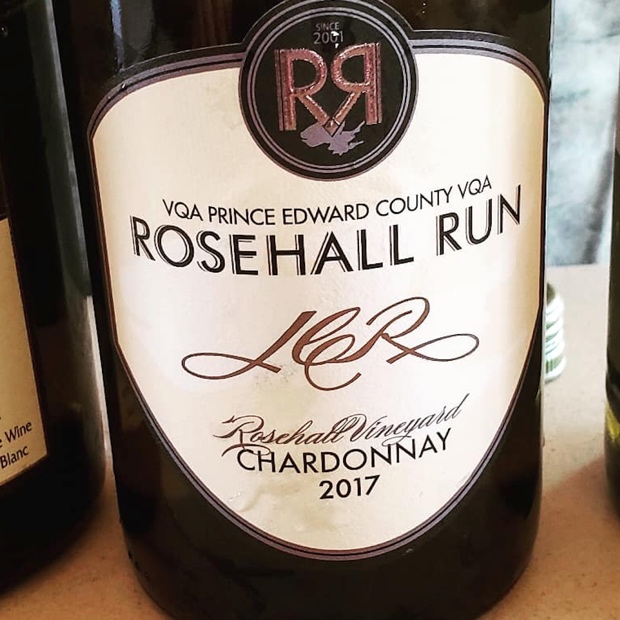
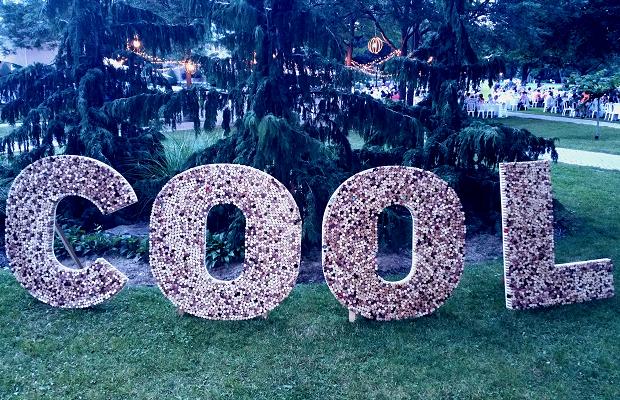


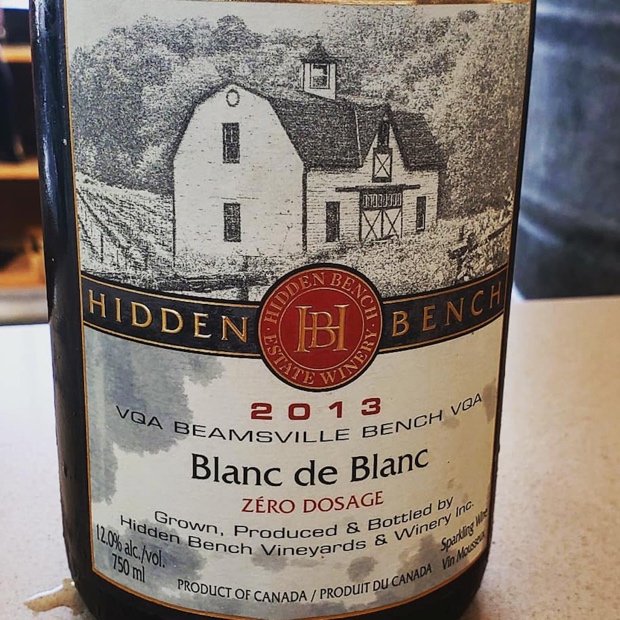


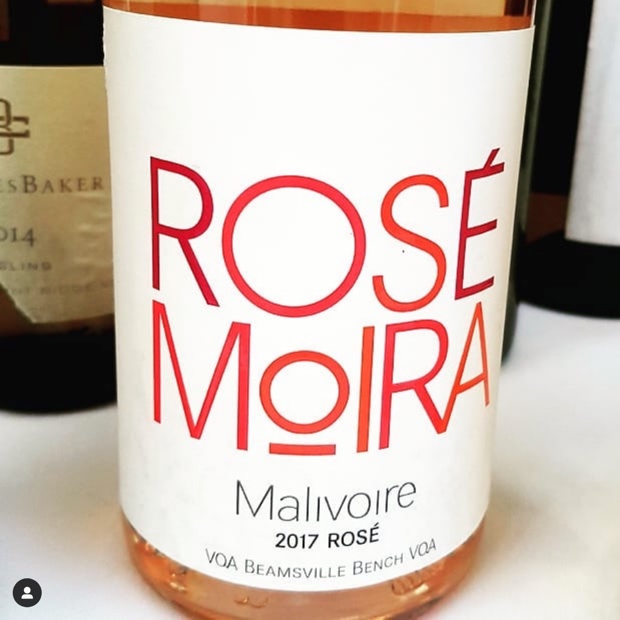

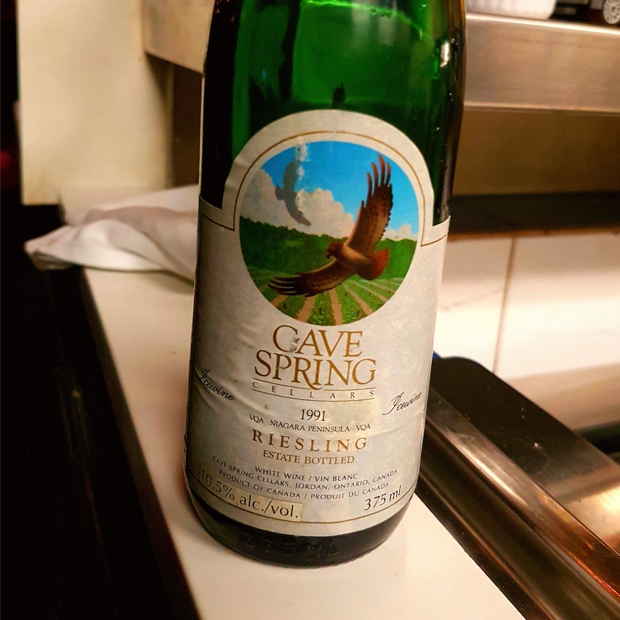


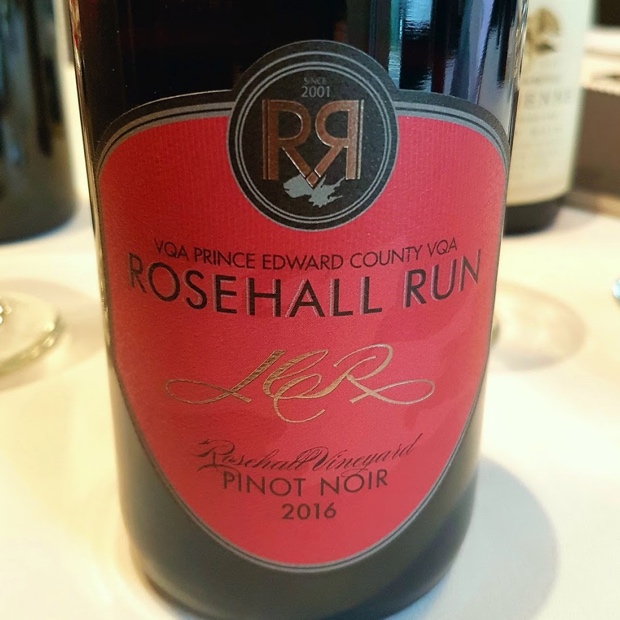
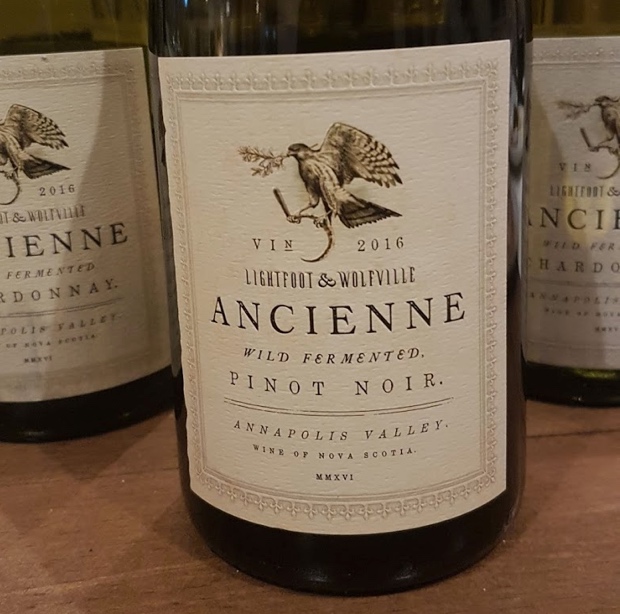
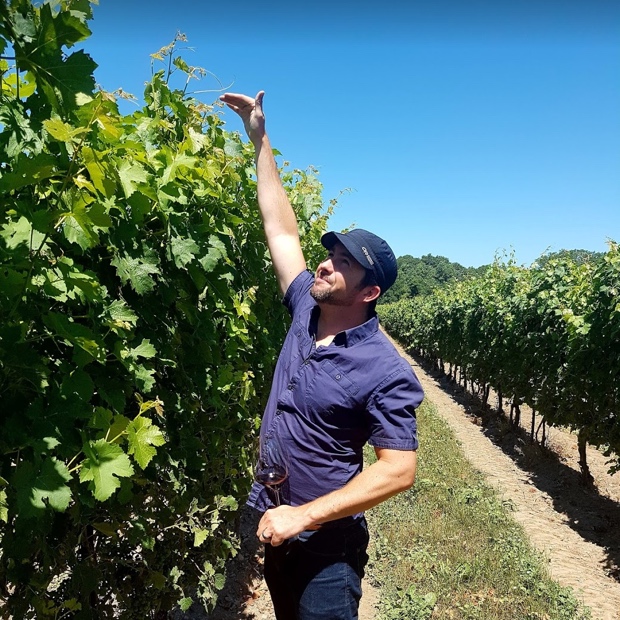

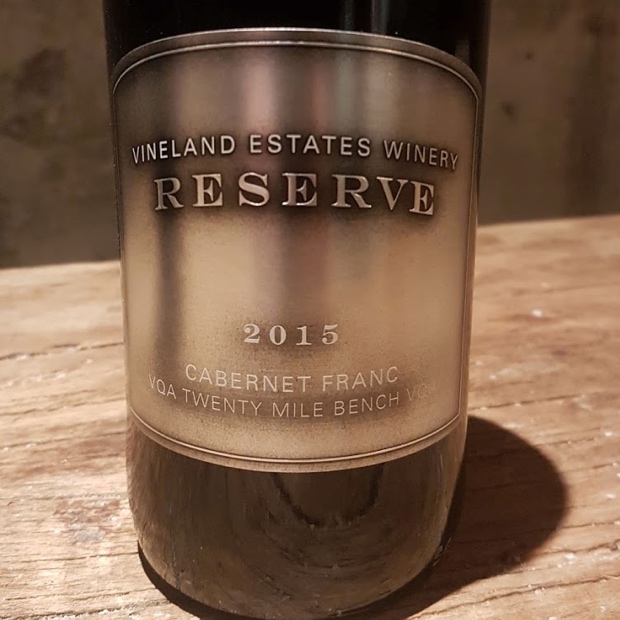
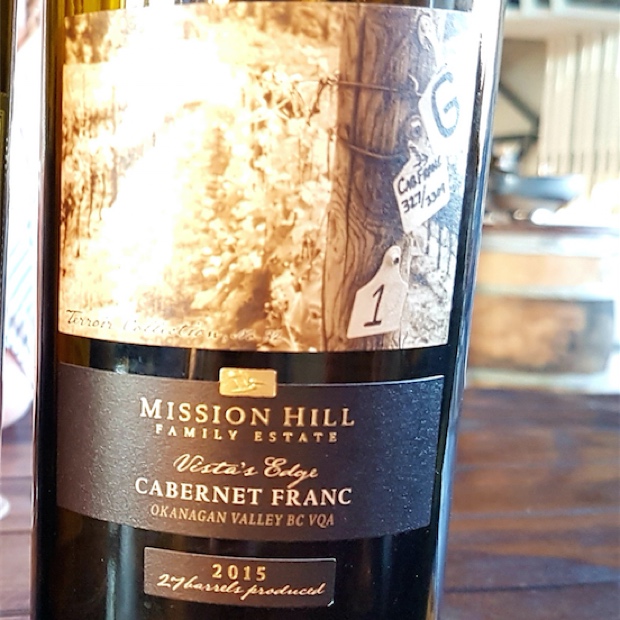



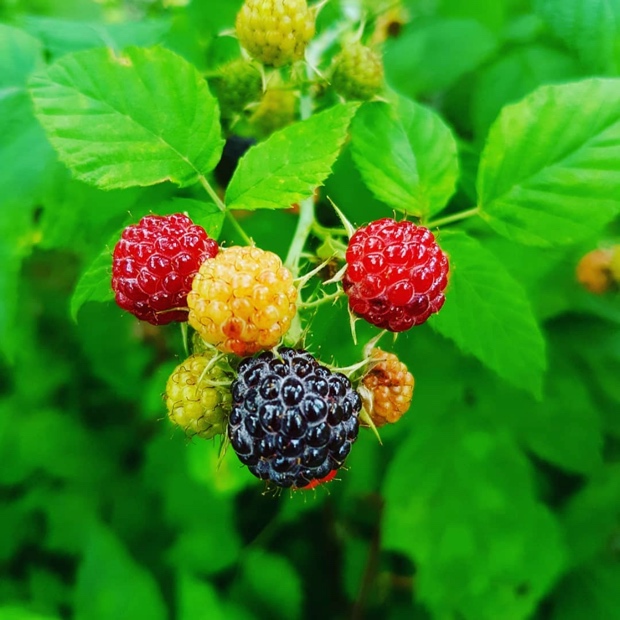
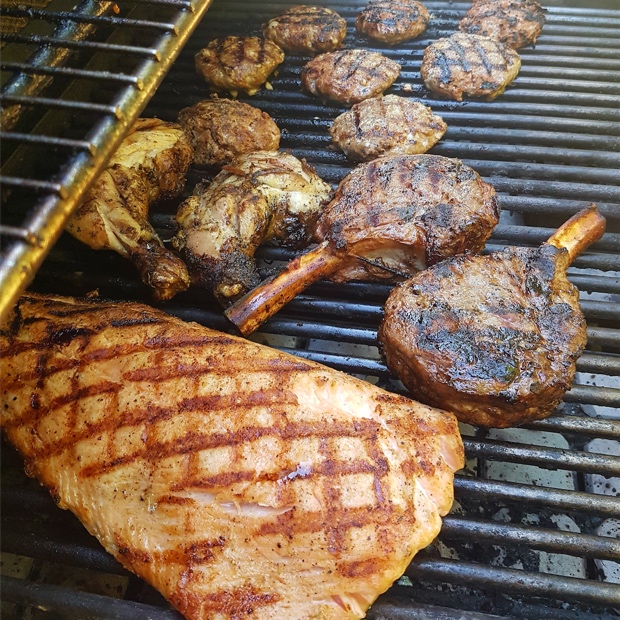
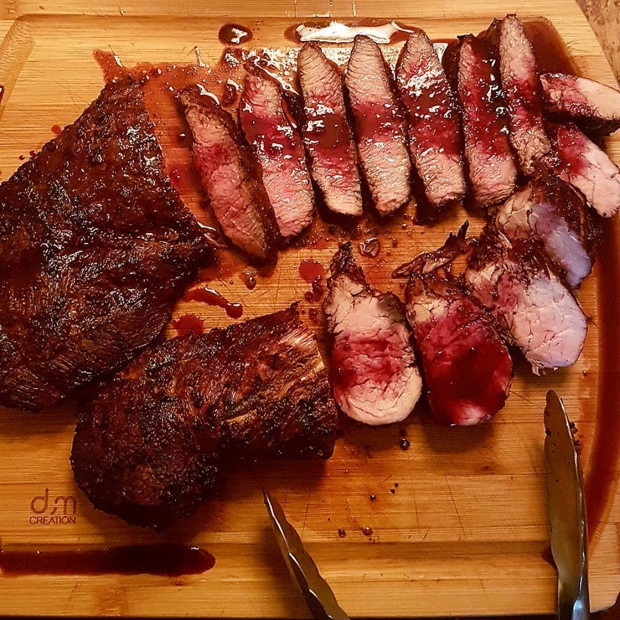


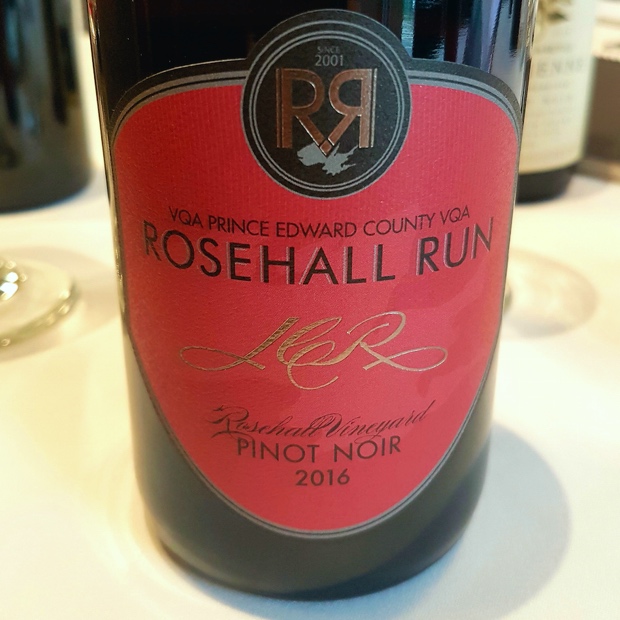
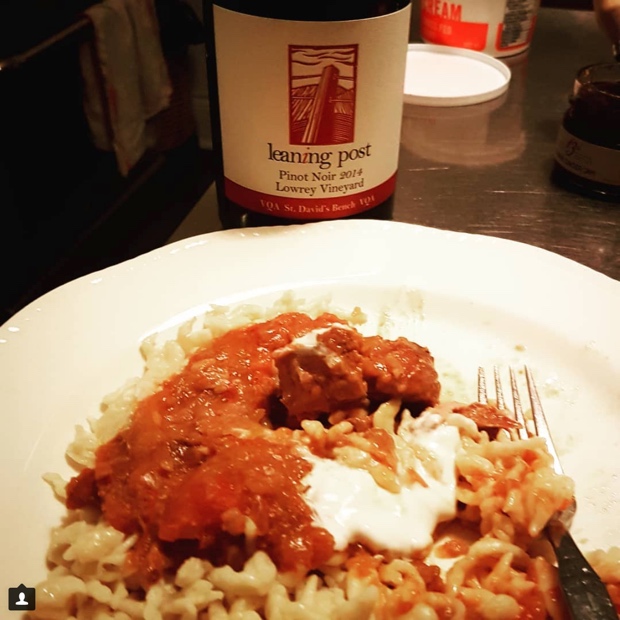
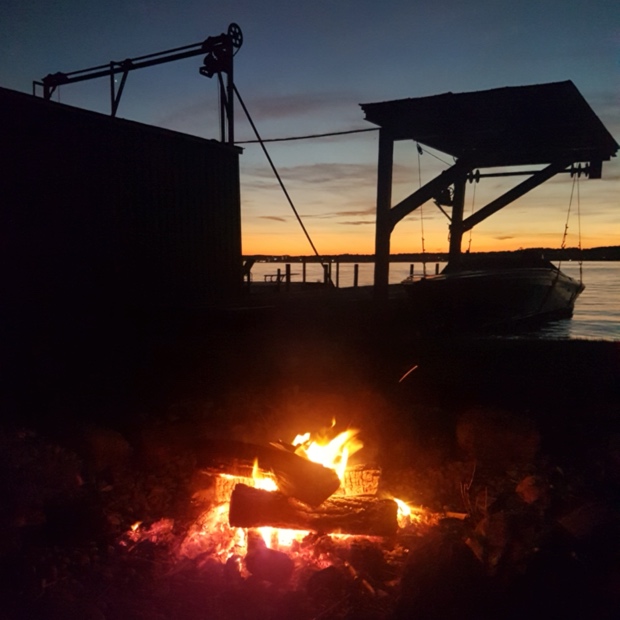

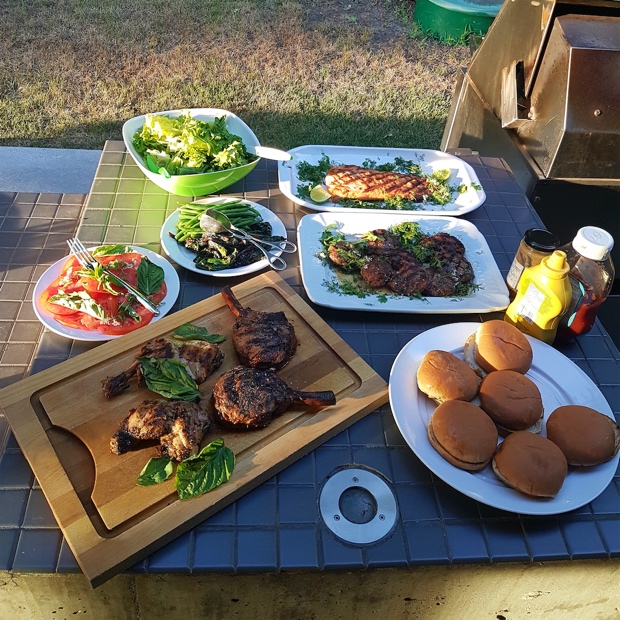
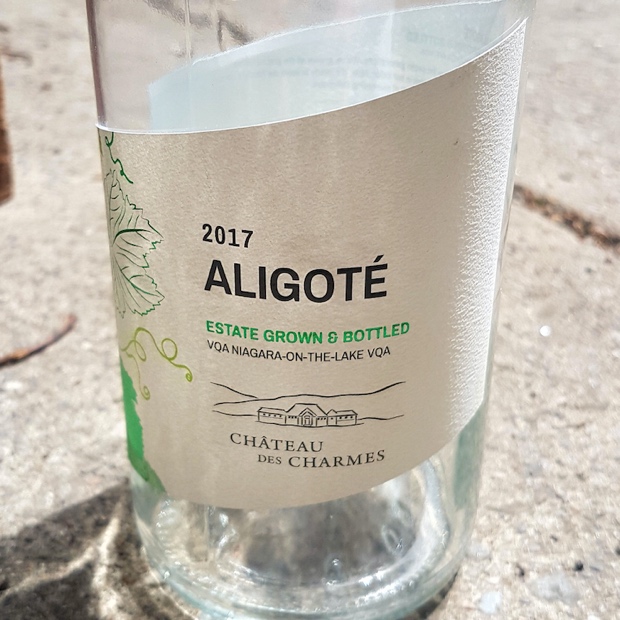
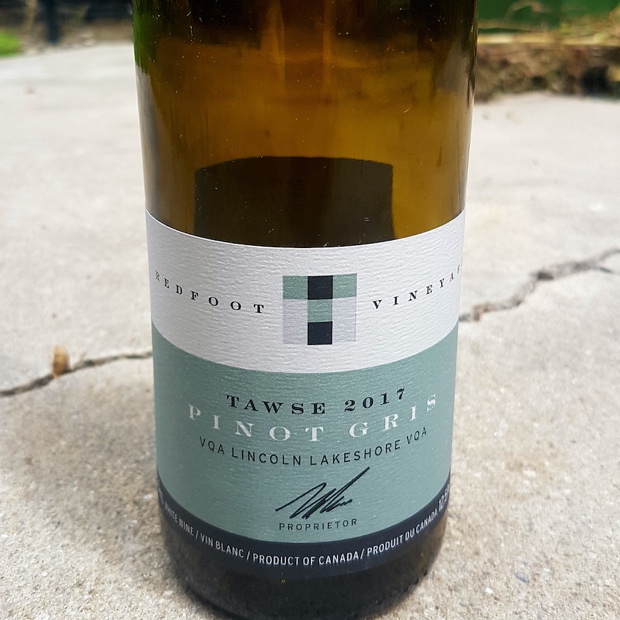


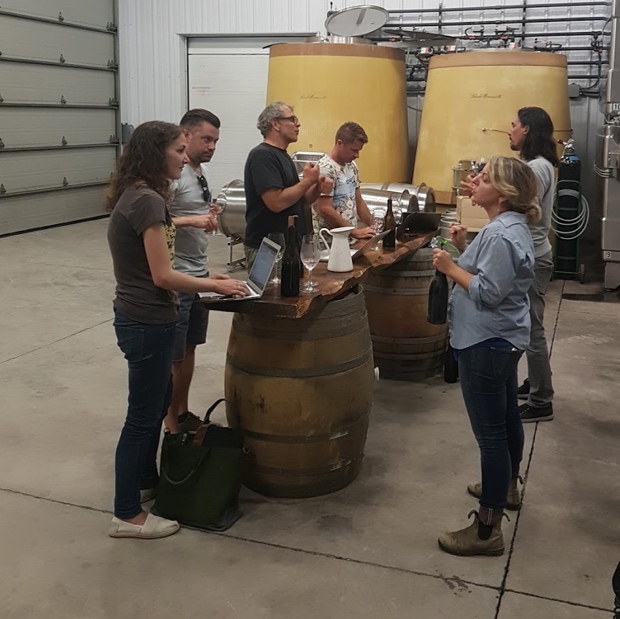
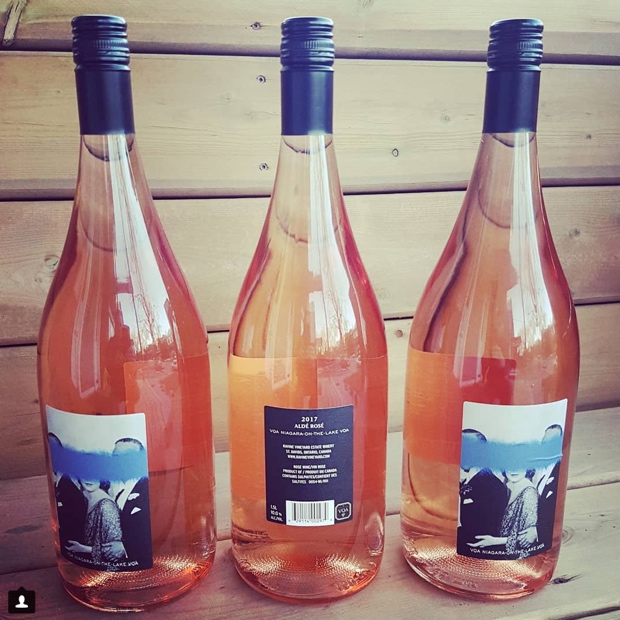
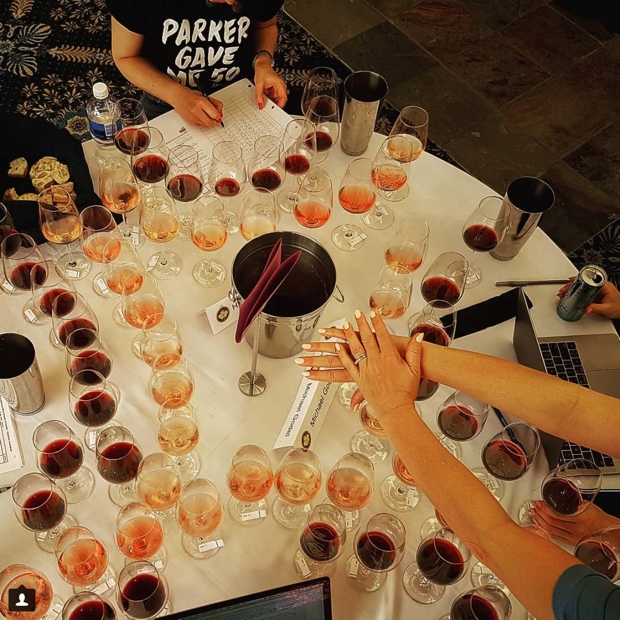
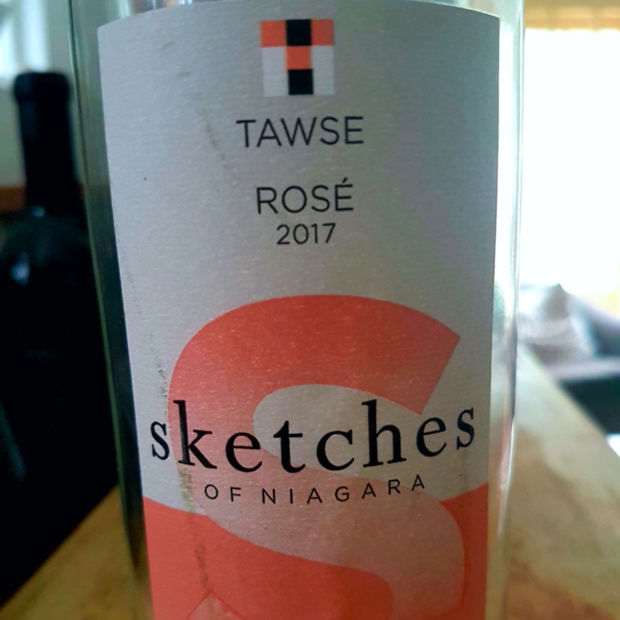

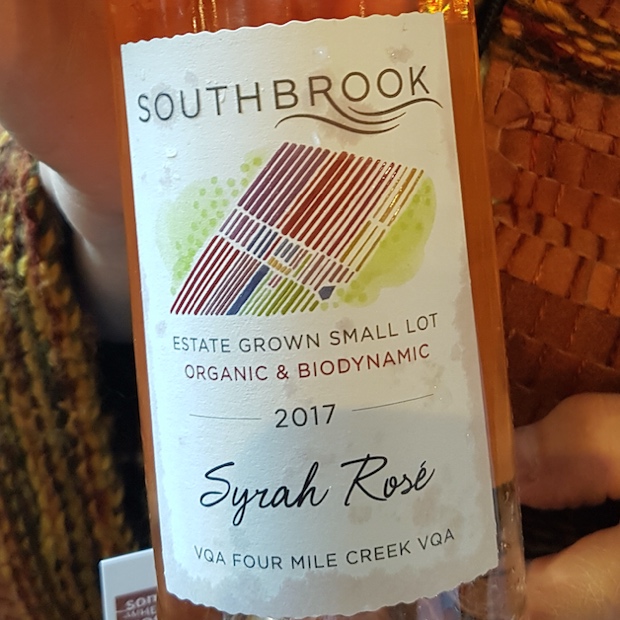
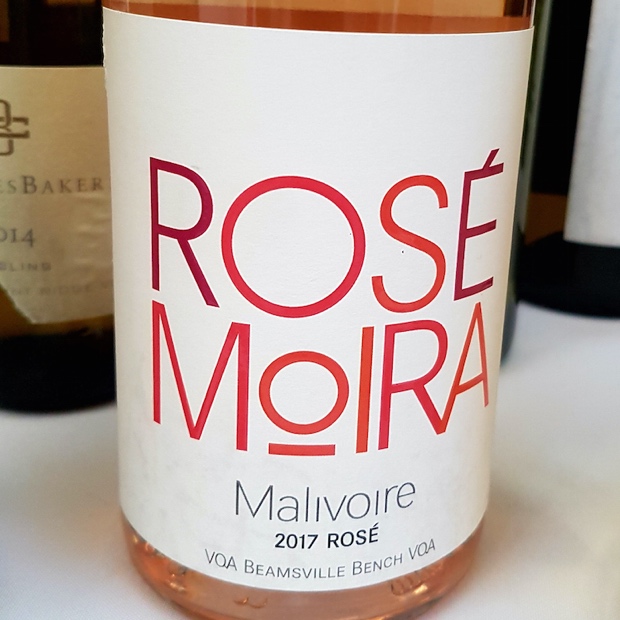
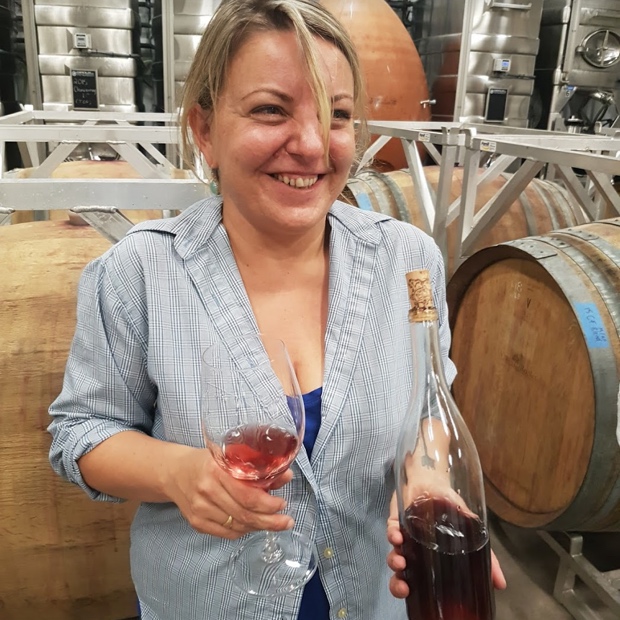
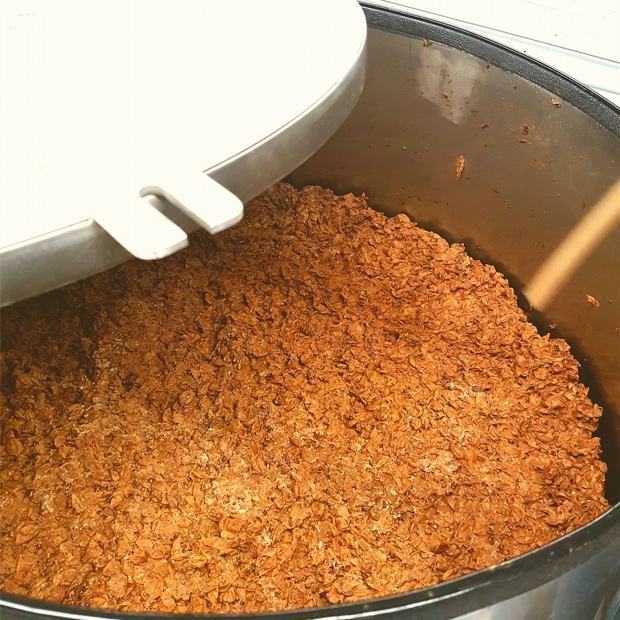



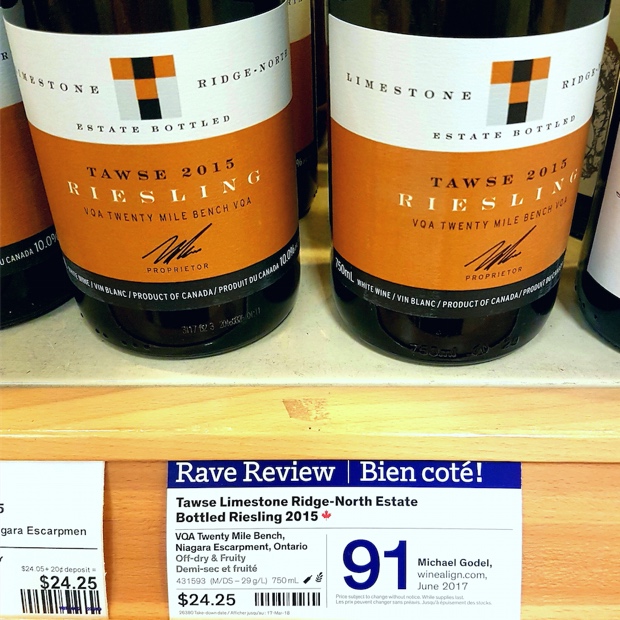
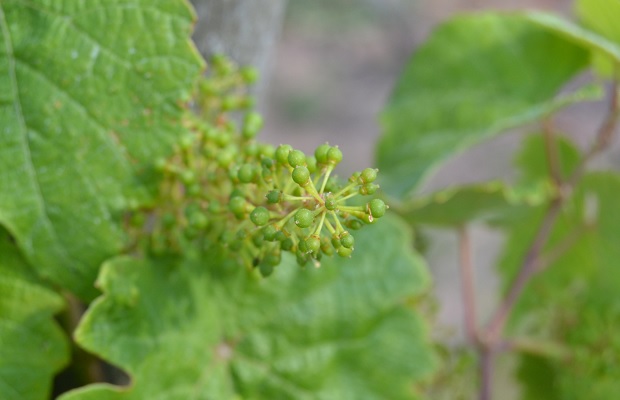
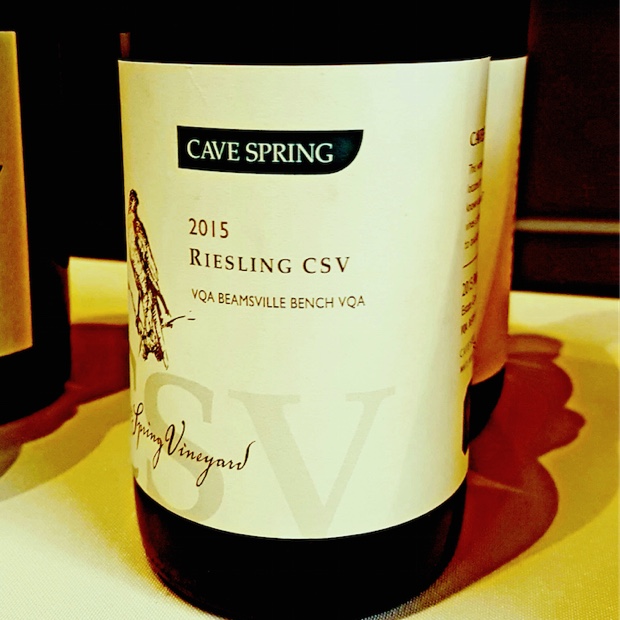
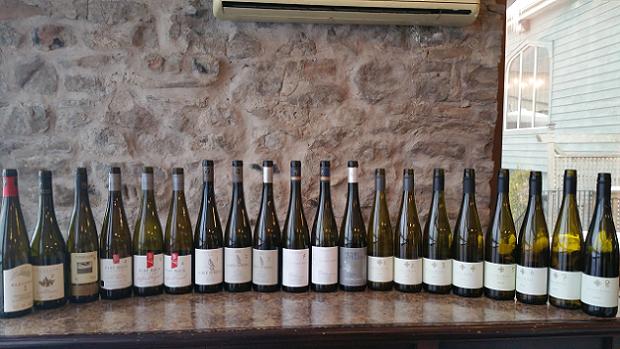

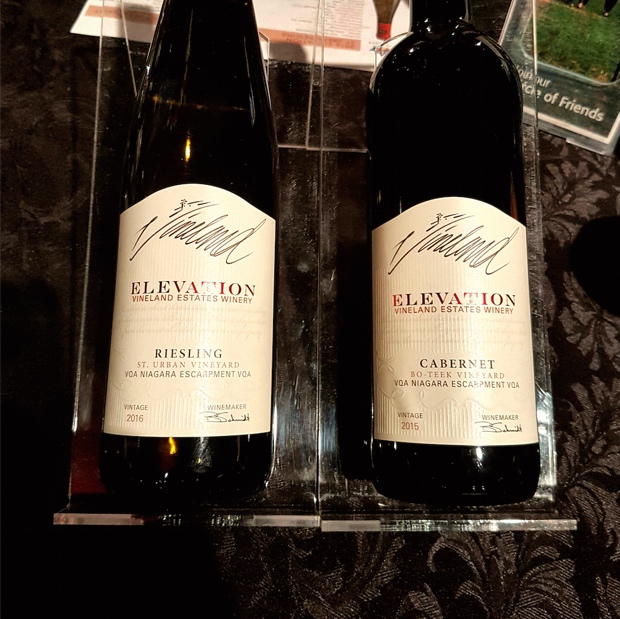


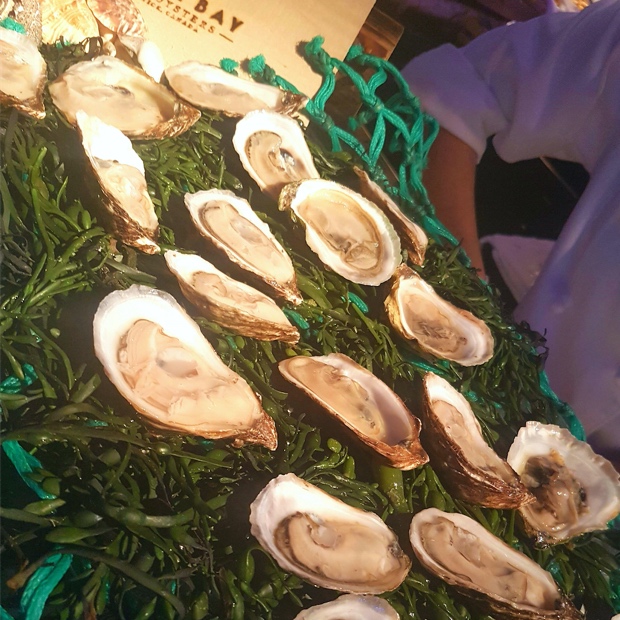

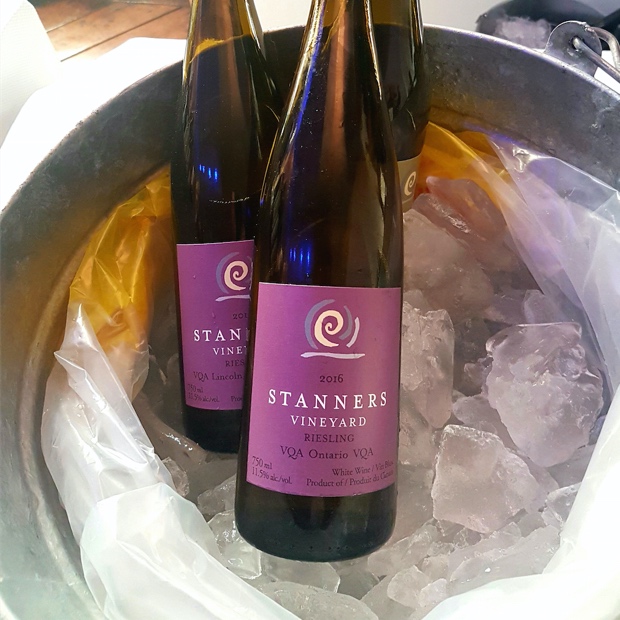


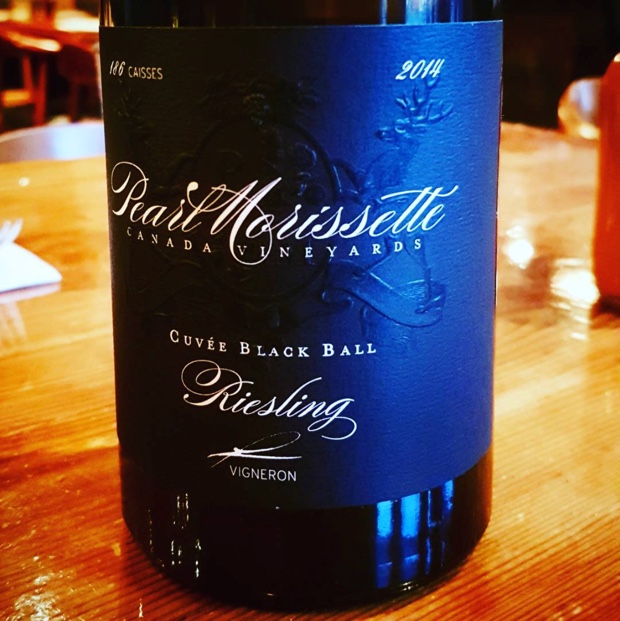


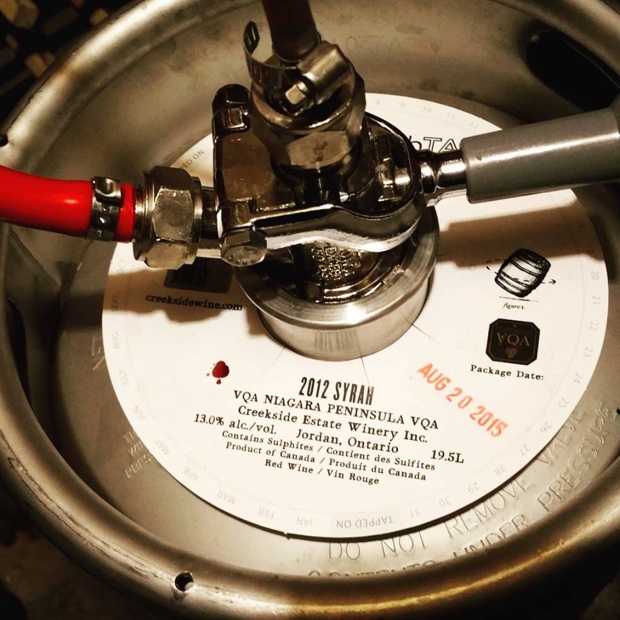
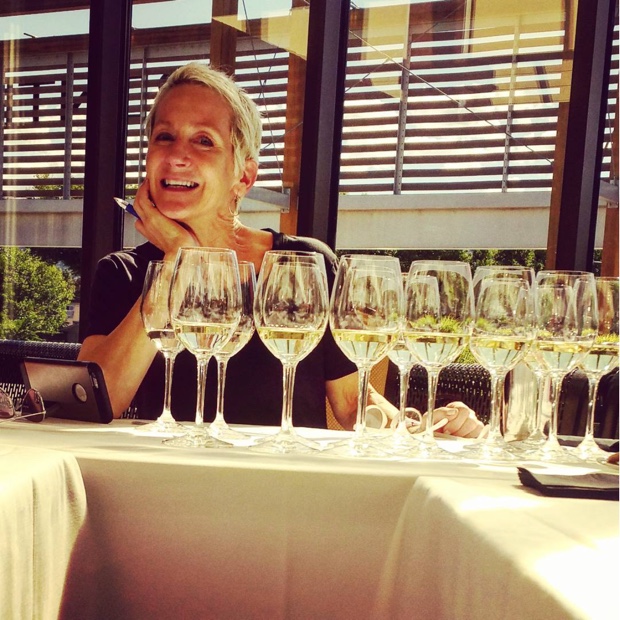

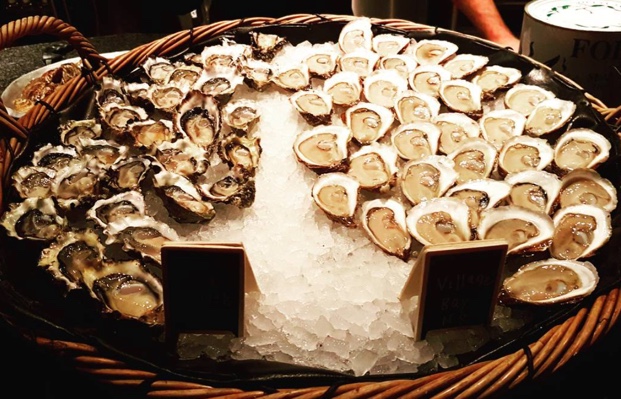




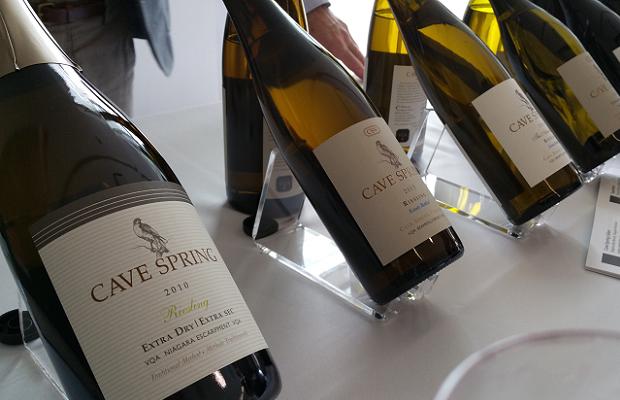
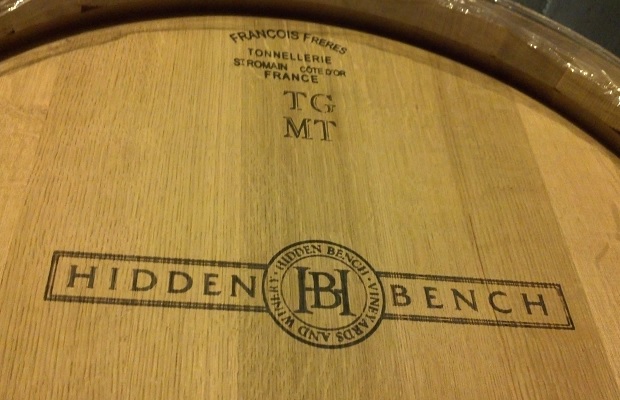
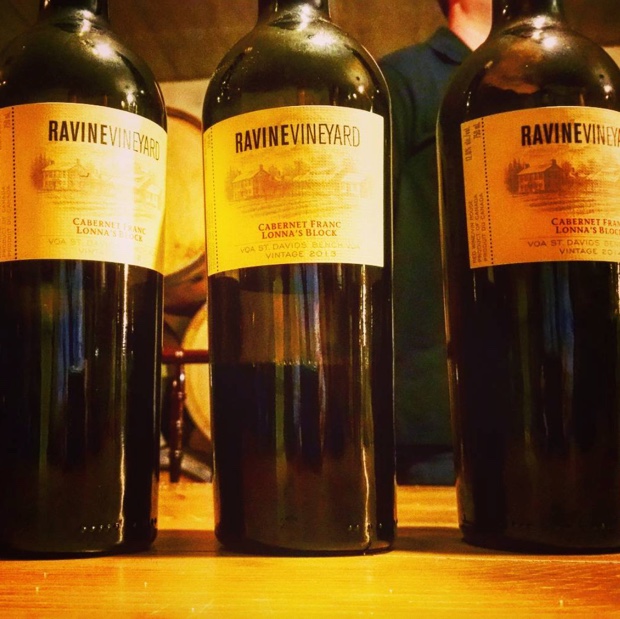

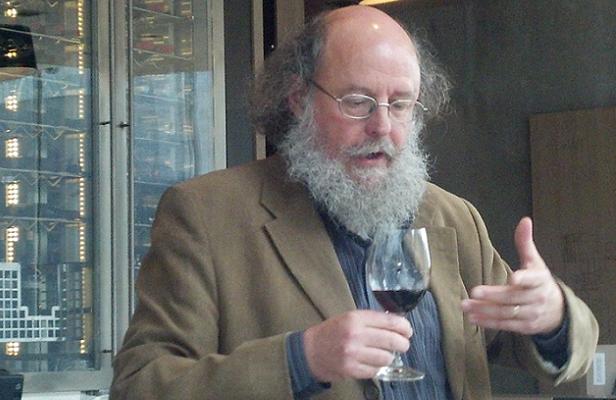

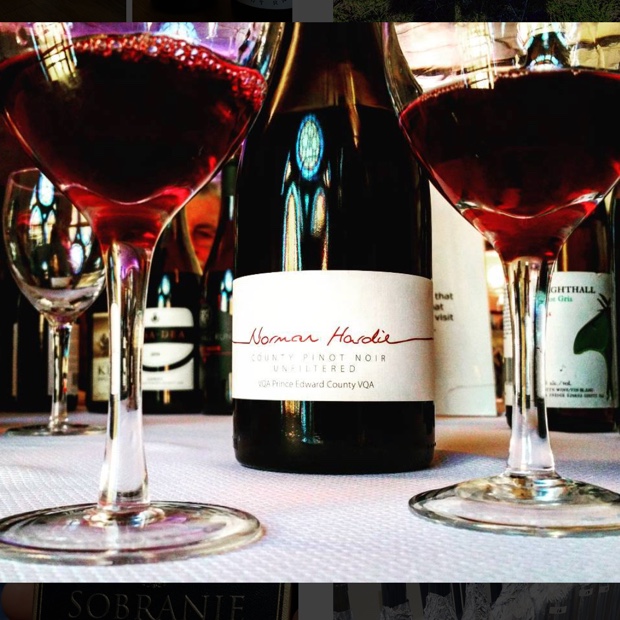

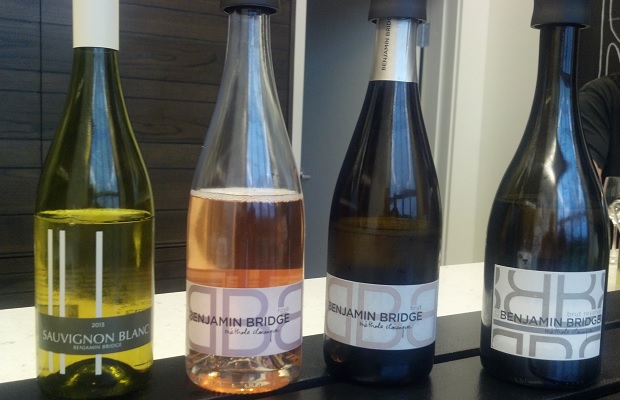
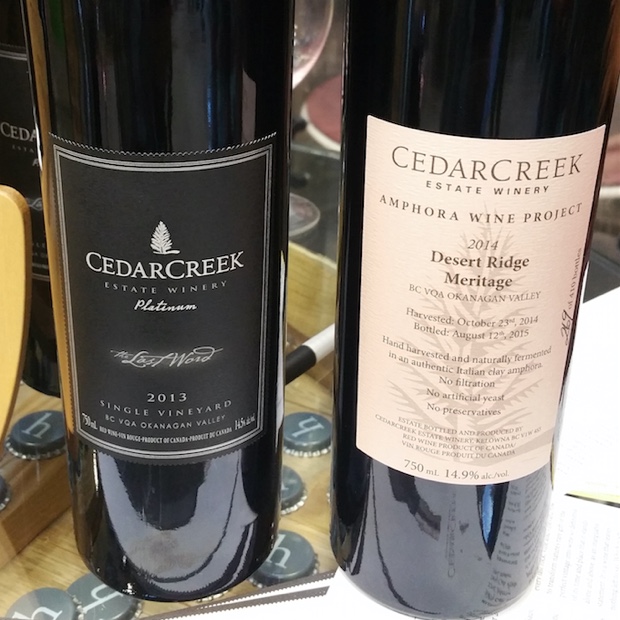
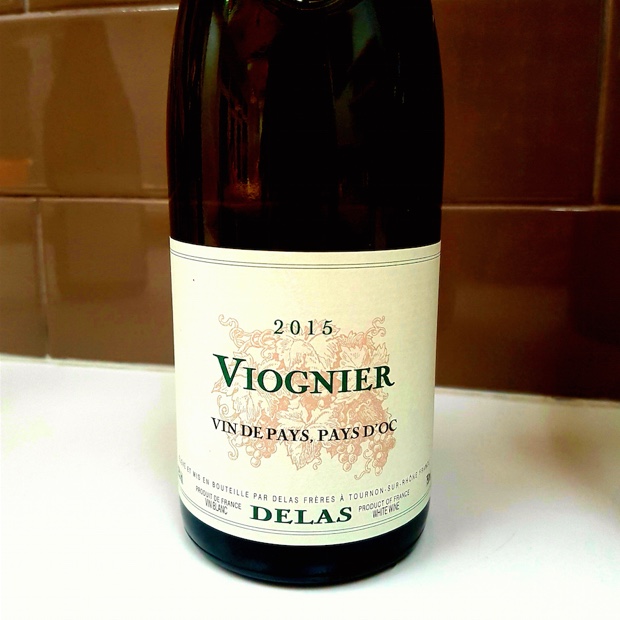
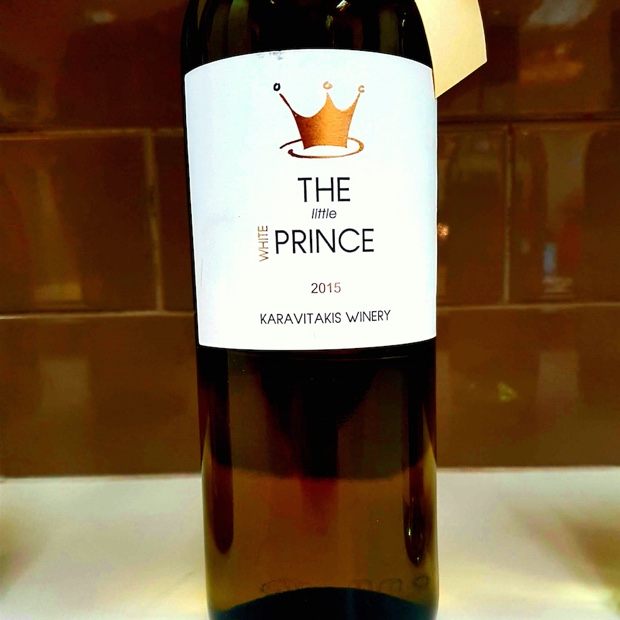
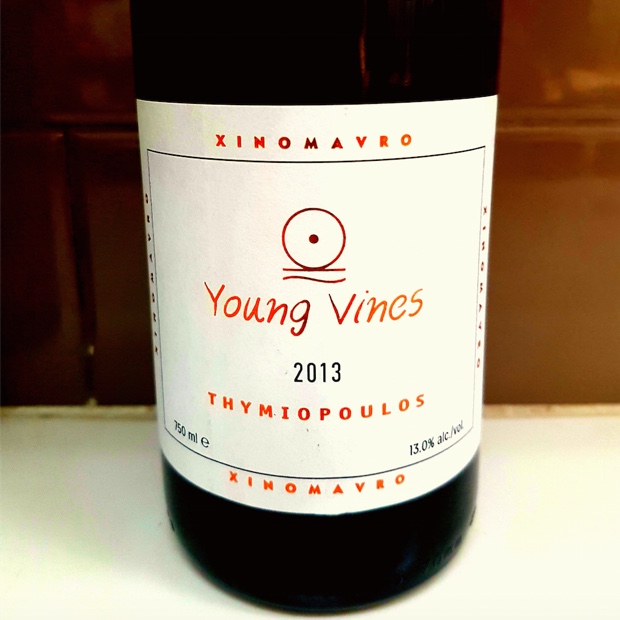
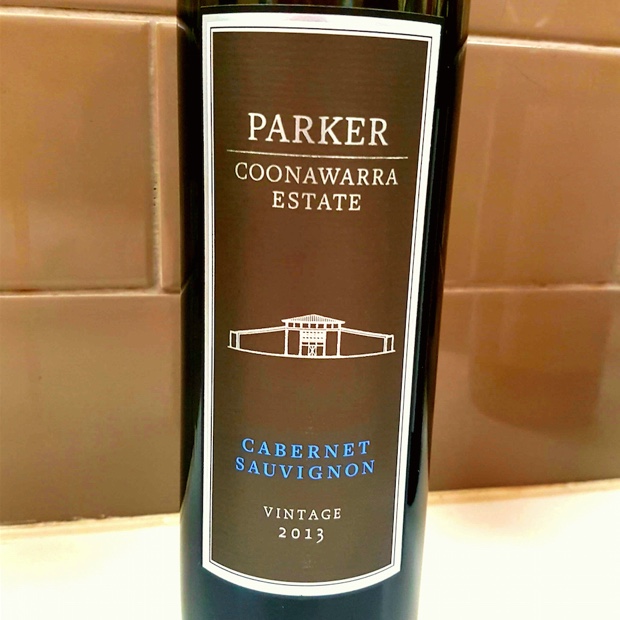
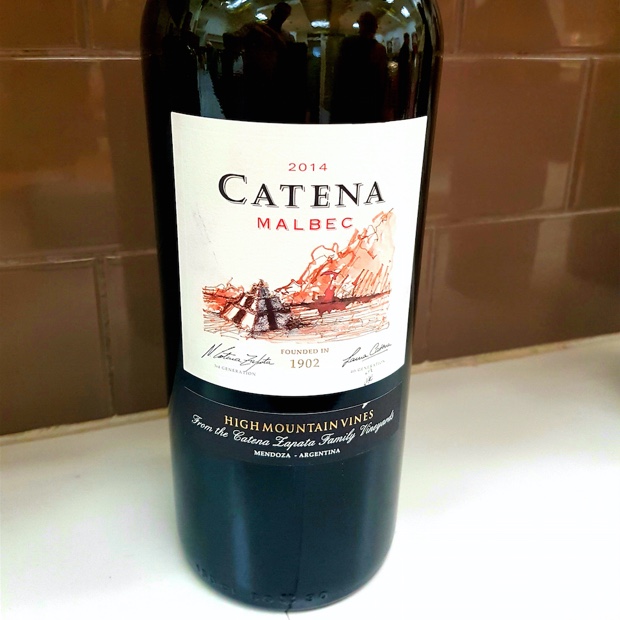

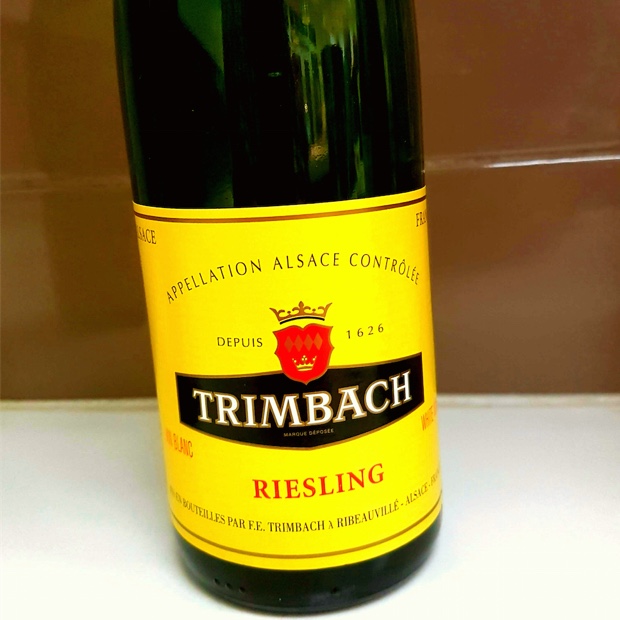
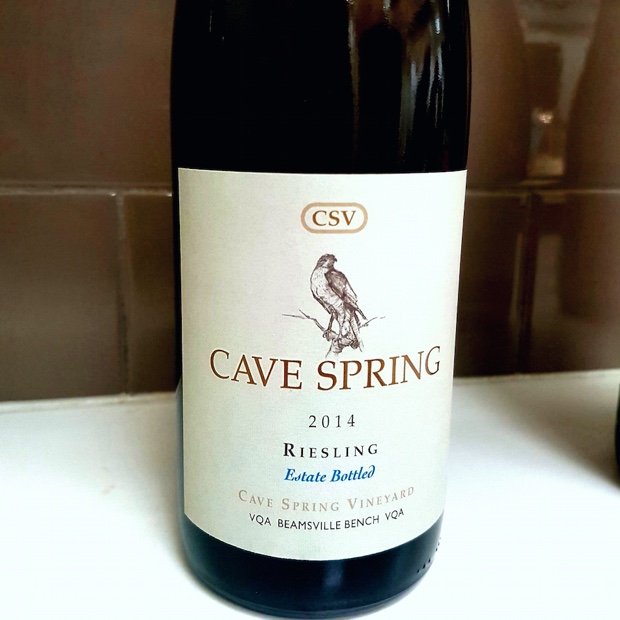

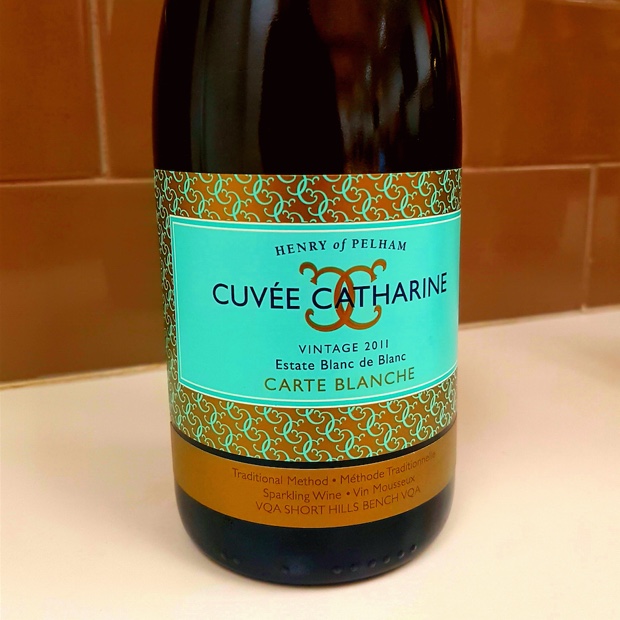


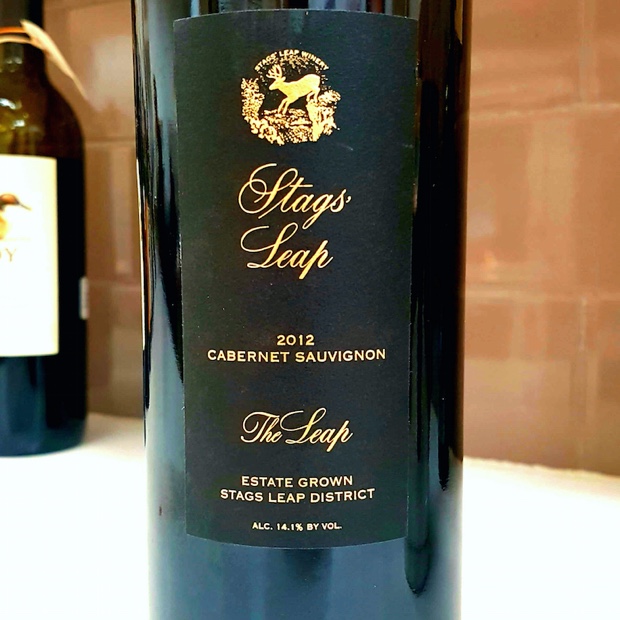
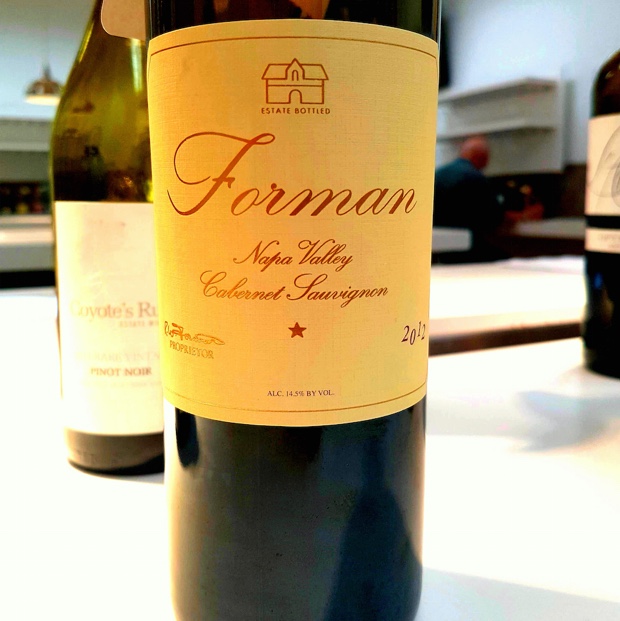
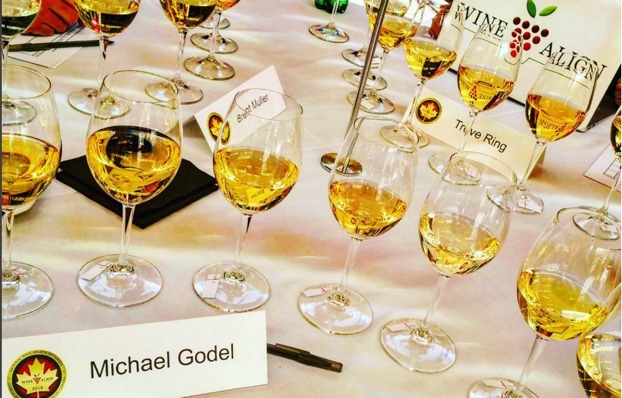


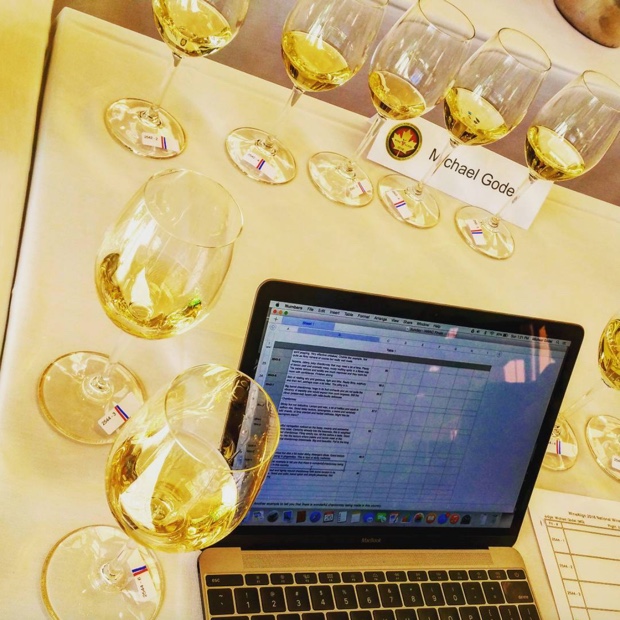



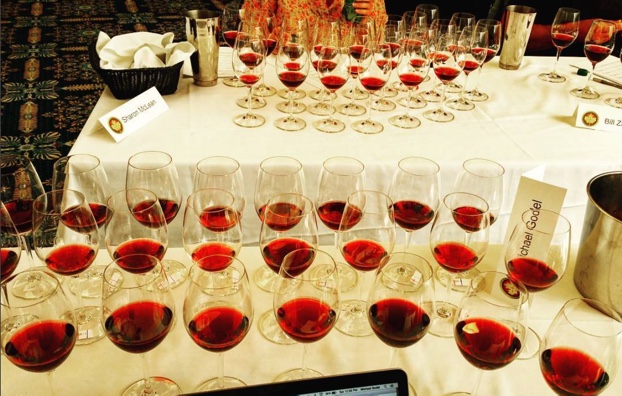
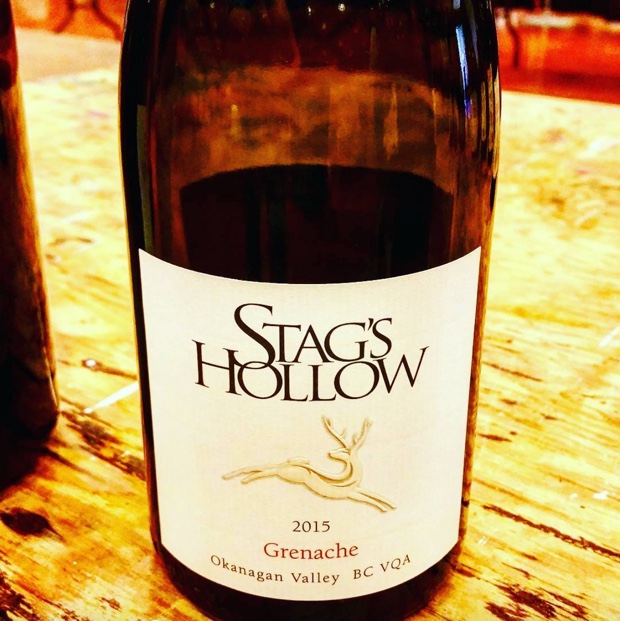
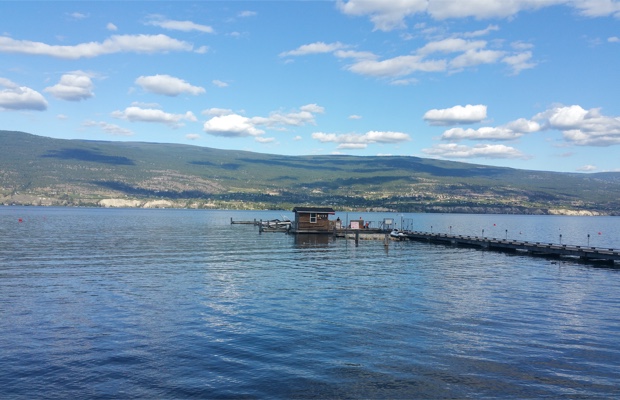

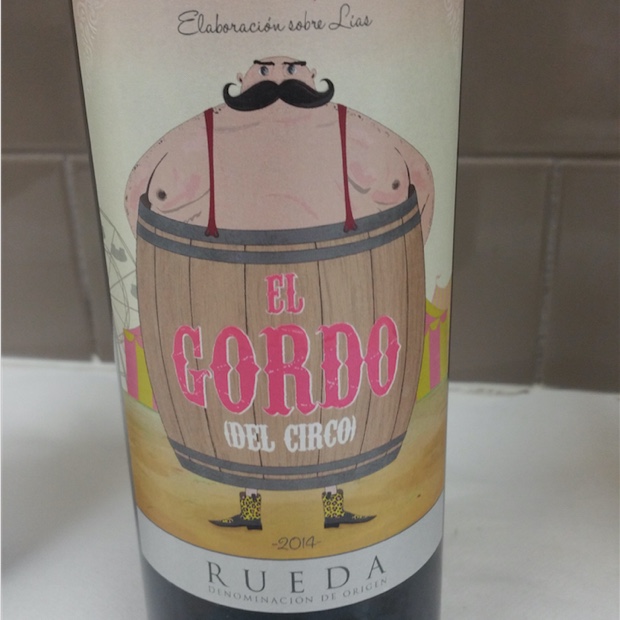
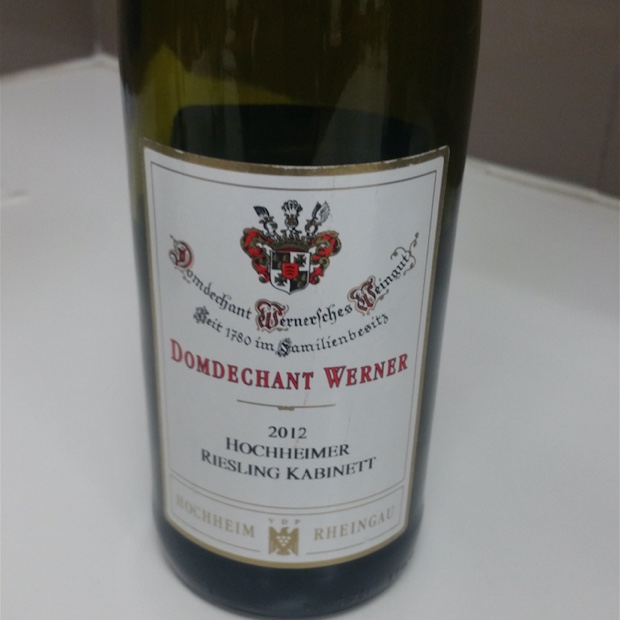


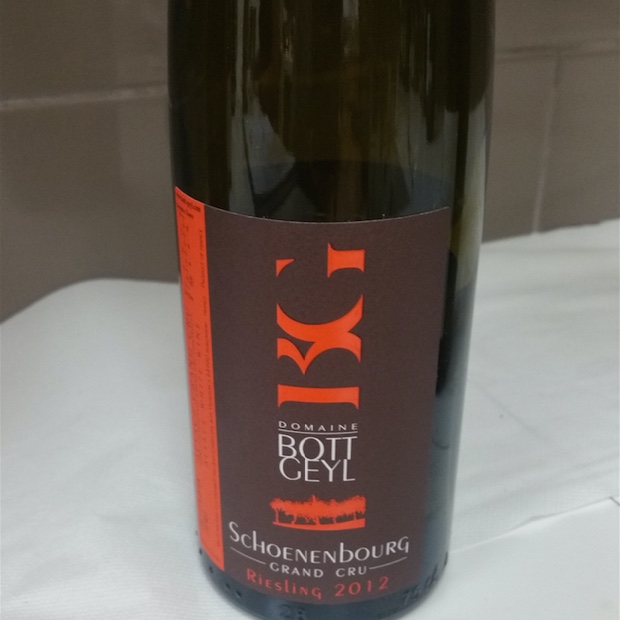
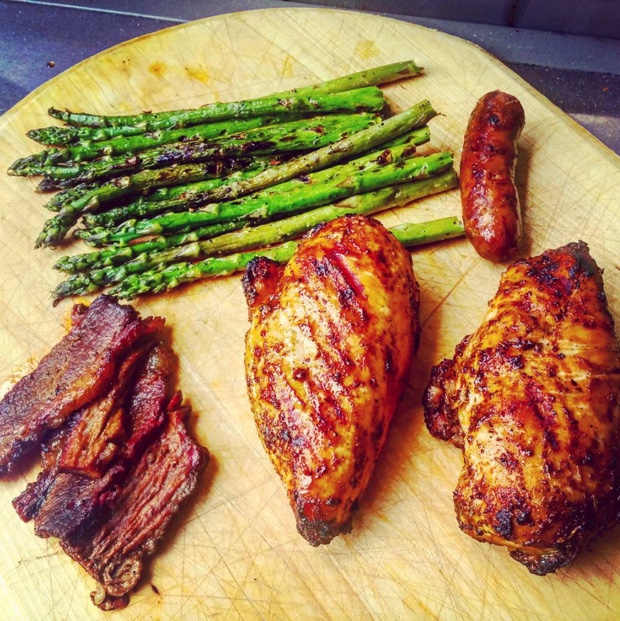
 Godello