Can somebody get the pin? The ninth green at Summit Golf & Country Club
This will be the last weekend of play for most southern Ontario golf courses, or at least the ones who are smart enough to lock down and protect their precious 7,000 yards of turf from irreparable 2017 damage. For many players there are two seasons, golf and wine buying. Now that the exceptional 2016 year of 50-plus, sunshine-blessed rounds of 18 are done, the time has flipped over to loading up for the holidays and stocking the cellar.
My outward and inward nine recommendations from the VINTAGES November 12th release cover one and then the other. The front is marked by balance relative to par; wines of value, amiability, varietal purity and regional respectability. Just have a look at some of these iconic names: Delas, Catena, Trimbach, Gabbiano, Hedges and Cave Spring. The back takes swings into under and over par territory. Some are choices that polarize with buyers, critics and geeks. Are they worth the cash? Only you can be the judge. Along with some of Niagara’s greats are selections that include Chablis, Gran Selezione, Veneto and Napa Valley.
So put away the sticks and hit the stores. Here are my top 18 recommendations coming to VINTAGES this weekend.
Front Nine
Delas Viognier 2015, Vins De Pays D’oc Rhone, France (462465, $13.95, WineAlign)
Pretty darn textbook viognier in the broadest sense of the varietal word, aromatically waxy, tropical and medicinal. The low alcohol, high flavour and commercially managed acidity is balanced by cream and citrus. No more, no less, precise and managed with utmost professionalism. Drink 2016-2019. Tasted October 2016 #Delas@VINSRHONE@UNIVINS
Karavitakis Winery The Little Prince White 2015, Crete, Greece (465930, $14.95, WineAlign)
Here an interesting bit of local vernacular, Cretan style, with vilana (65 per cent) and vidiano (35) dishing up a distinctly and singularly endemic mineral impression by way of subtle hints from tropical fruit. The palate is rich, broad and marzipan creamy. The acidity is round and rambling, tying the whole kit and Crete kaboodle together. A worthy side venture into the Greek Aegean hinterland. Drink 2016-2018. Tasted October 2016 @karavitakiswine@VictoryWine@winesofcrete@DrinkGreekWine
The Young Vines is an orange to the Earth and Sky’s apple, of a change of fruit and a pace that is hot off the press. Yet it is not without some ancient wisdom. In some new world sites vines up to 15 years of age would be considered old growth adults. In a Greek vineyard like that of a Naoussan like Thymiopoulos, they are babies of the sun. The Xinomavro here is fresh, momentarily acts strikingly brazen, bracing and ultimately, blatantly beatific. With a glass of the young vines in hand to it I say, “it’s not the pale moon that excites me, that thrills and delights me. Oh no, it’s just the nearness of you.” Like Norah Jones in a glass, sultry, contemporary, lightly smoky, of a jazz aesthetic and a pop sensibility. And wild berries. So fresh, so good. Drink 2015-2019. Tasted May 2015
Parker Coonawarra Series Cabernet Sauvignon 2013, Coonawarra, Limestone Coast, South Australia, Australia (467571, $19.95, WineAlign)
The Coonawarra Series cabernet sauvignon is predominantly sourced from the Williams family vineyard (like that of the chardonnay) in Southern Coonawarra. There can be no separating Terra Rossa soil from what happens with (especially) cabernet sauvignon anywhere in the Coonawarra. Very cool and savoury cabernet with tart cranberry, currant and black raspberry aromas. Really crunchy, chewy and gritty wine with focus and grip. Drink 2017-2020. Tasted October 2016 @parkerwine@CoonawarraWine@Select_Wines@Wine_Australia
Catena Malbec 2014, Mendoza, Argentina (468066, 1500ml – $39.95, WineAlign)
High mountain vines bring more than altitude to Catena’s most commercially visible and successful malbec. In magnum format it accentuates the herbs and the dry, dusty qualities. In here there is sweetness but from tannin and extract. Acidity is the catalyst to make this sing a mountain hymn. Such proper winemaking brings rain. Love the format. Drink 2017-2020. Tasted October 2016 @LauraCatena@CatenaWines@ArgentinaWineCA@winesofarg@Noble_Estates
First and foremost it is the wood, or the lack of wood that stands out in the CCR 2013. It may be observed as a different kind of wood, less polished and more natural but what really wins out is the fruit. The cherries are surfeited by impressed tannin and linger with good tonic for a good length of time. Great restraint shown by winemaker Federico Cerelli. Drink 2018-2024. Tasted June 2016 @castgabbiano@chianticlassico#TreasuryWineEstates
Trimbach Riesling 2013, Ac Alsace, France (734517, $23.95, WineAlign)
What pray tell might you ask more than this from Alsace riesling? Could you, would you demand more immediate gratification? Might you request more purity and clarity of soil, rock and regional understanding? Is there a need to better define citrus and dry extract in any finer way? Trimbach has it down and few can pinpoint with fewer words and more direct impression. How things ought to be. A tight vintage though, so wait 18 months before embarking on chapter one. Imagine the Cuvée Frédéric Emile possibilities. Drink 2018-2023. Tasted October 2016 @trimbach@annetrimbach@WoodmanWS@AlsaceWines@ACT_Alsace@VinsAlsace @drinkAlsace
Hedges C.M.S. Cabernet Sauvignon / Merlot / Syrah 2014, Columbia Valley, Washington (948992, $23.95, WineAlign)
Copacetic and well-amalgamated vintage here for the Hedges CMS, a wine of deep singer-songwriter meets jazzy flavour and sensible grip. Though there are bitters and a display of fine if sweet tannic structure, this CMS hits not over the head or below the belt. Just a few jabs and a loving embrace. A blackstar Columbia Valley blend that flies past, like “seven tracks in 40 minutes and it’s musically distinct.” In this way it reminds me of Ben Greenman’s New Yorker piece, “The Beautiful Meaninglessness of David Bowie.” Or it makes me think of Bowie as so many Hedges wines do. It’s not that this wine offers no clear meaning but it dishes ambiguity in ways only it can do. Like the late glam star, it “can’t give everything. Away.” Or, as Greenman concludes, “unless, of course, that isn’t what it means at all.” Drink 2017-2020. Tasted October 2016 @hedgeswine@Noble_Estates@WINESofWA
Cave Spring CSV Riesling 2014, Cave Spring Vineyard, VQA Beamsville Bench, Niagara Escarpment, Ontario (566026, $29.95, WineAlign)
The vintage brings a concentration and a compression and the most fruit imaginable for the Beamsville bench and the CSV. How this iconic riesling solicits immediate attention and fruit-juicy love is really something and hasn’t been seen in a few years. The citrus is all flesh and juice, the mineral aspect full of tang. Unction and viscosity define the texture and the palate. Drink early and enjoy the hell out of this forward CSV riesling. Drink 2016-2021. Tasted October 2016 @CaveSpring@TheVine_RobGroh
There was this intuitive moment with Picone 2013 as if it was waiting on me. Not doting or soliciting, but waiting. I will admit to have been wondering, reeling and speculating. To peer or peek into what Mark Picone’s Vinemount Ridge vineyard would adjudge and then bestow Charles Baker’s riesling in 2013? Would it be a case of weight, hyperbole, a hang in the balance out of misjudged necessity? Nah. Picone is no longer a mature 20 year-old vineyard but now a wise old thirty year-old one. Picone 2013 is in fact a fun park mirrored image of itself, with haughty, aerified aromas and variegated, leaning to tropical fruit flavours, taut like a flock in line with the vintage. The riesling berries just seem to have imploded and the results that have followed are nothing if not intense. Imagine a Yogyakarta market and a two-wheeled, glass-cased push cart stacked with a pyramid of tart mangoes. The fruit had been picked just as the sugars had begun to run like sap and bleed sticky on the cracking skin. A mango is sliced and doused with the intensity of Java lime juice and then sprinkled with Laut Jawa salt. The flavours are searing, sweetly saline and quenching. Only this tart is this, where tart and acidity meet, intertwine and connect on an emotional level. Picone 2013. The first non-inoculated riesling at first and then touched up near the end. “The best vintage you could ask for in riesling,” notes Baker, “cloud-covered, a meeting of the minds, vibrant.” The arid, cranky one will live without fret for 15 years. Drink 2018-2028. Tasted twice, October 2016 @cbriesling@StratusWines
Louis Moreau Chablis Vaulignot Premier Cru 2014, Burgundy, France (525386, $36.95, WineAlign)
Vaulignot was created in 1976, one of the last Premier Crus to gain such status within the association. Note that Moreau’s nomenclature is Vaulignot instead of Vau Ligneau, but the meaning is exactly the same. Really round and rich Chablis with a relative and realistic purity specific to place. This alights as a sun-drenched and lemon waxy chardonnay with enough (thank you very much 2014) tension to keep it rolling right along. What Vaulignot brings to the Chablis table is stick to your tongue, mouth and ribs persistence and vitamin water mineral enhancement. In a way it is caught in the Chablis netherland between up front gregariously fruity and strikingly mineral/acidity piercing. Great length in this vintage. Drink 2016-2020. Tasted October 2016 @MoreauLouis1@vinsdechablis@purechablis@BourgogneWines@vinsdebourgogne
I would not have thought it possible but the ’12 TC Meritage is open for business. The fruit is near-perfect for what these parts of the Beamsville Bench can offer and the normal gnashing is frozen as if suspended, which it likely is. In its current state it is all berries and dusty tannins, ripe, ripe acidity and plenty of outright happiness. A wisely structured Terroir Caché from Marlize Byers as only she could coax and extend. Drink now (not) or wait five years. Points in between may be confounding. Drink 2020-2030. Tasted October 2016 @HiddenBench@BenchVigneron@MarkAnthonyON
Coyote’s Run Rare Vintage Pinot Noir 2013, VQA Four Mile Creek, Niagara Peninsula, Ontario (296863, $39.95, WineAlign)
A tart and robust vintage for the rare pinot noir, deeply ingrained into earth, sun and savour. This is distinctly varietal to Four Mile Creek with haute sapidity and exceptional length. The rusty accents inject piercing citric life into strawberry rhubarb pie. The tannins gnash their terrible teeth and the fruit hides for dear life. I’m not sure any Rare Vintage David Sheppard-ed pinot noir has ever delivered such mean structure. The next Niagara growing season should contribute to an ever more impressive showing because the fruit will almost certainly be up to the tyrannical task. Not to mention the coincidental crossroads 30th Sheppard vintage of making wines in Ontario. Meanwhile, from the cloudy, windy 2013 vintage his pinot noir will live long and prosper. Drink 2018-2025. Tasted October 2016 @coyotesrun
Henry Of Pelham Cuvée Catharine Carte Blanche Blanc De Blanc 2011, Méthode Traditionelle, VQA Short Hills Bench, Niagara Escarpment, Ontario (315200, $44.95, WineAlign)
t’s always a highly anticipated taste when a vintage dated Cuvée Catherine is on the table sidled and promoted with the bar raised to epic heights from a striking chardonnay vintage like 2011. With acidity a given as the elephant in the room the formidably elegant Blanc de Blanc glides ethereally to press upon the olfactory nerve major and then grace the palate with fine mousse, citrus and biscuits. This is a benchmark for Ontario and Canada with only Benjamin Bridge’s B de B styled Gaspereau Valley gemstone sparkler in the same elite league. Enjoy this now and for 15-20 blissful, fizz-friendly years. Drink 2016-2032. Tasted October 2016 @HenryofPelham@SpeckBros
Barone Ricasoli Castello Di Brolio Chianti Classico Gran Selezione 2012, Docg Tuscany, Italy (942607, $59.95, WineAlign)
A Chianti Classcio first borne in 1997 with the plan to create a maximum quality blend as an expression of the estate’s diverse terroir. A meticulous selection is combed from the estate’s vineyards, spread over 230 hectares of land. Though early on the fruit may have emerged out of good but not yet exceptional vineyards, nearly 20 years later the sangiovese (90 per cent) with cabernet Sauvignon and merlot (or perhaps petit verdot) adheres to grand vin excellence. The wood regimen is 18 months in tonneau followed by 18 in bottle. Perhaps you will not find a more accomplished, perfectly judged, matter of factly expressed Gran Selezione. Sangiovese in equality of spicing with fruit, acidity and tannin, perfectly integrated toast, wood impact and textural drive. Stefano Capurso admits this about the transition from Chianti Classico to Gran Selezione.”It’s a matter of compromise between what is needed for the small producers and the need to express through crus for the large ones.” Drink 2018-2025. Tasted May 2016 @barone_ricasoli@imbibersreport@chianticlassico
Only and distinctly Quintarelli, of that Negrar perfume and the kind of salumi cure no other producer can seem to procure. Though an infant and a baby to more mature vineyard selection Quintarelli adult bottlings, the Primofiore is full of exotics, of clove, cardamom, liquorice and meaty char. There is a sweetness to Quintarelli fruit and a remarkable resistance to astringency. This particular 2012 IGT is smooth and soothing. It is dangerously easy to consume. Drink 2017-2027. Tasted October 2016 #quintarelli@LiffordON
Stags’ Leap The Leap Cabernet Sauvignon 2012, Napa Valley, California (142844, $89.95, WineAlign)
Signature cabernet sauvignon from Stag’s Leap from the first of the dry Napa vintages is dusty and high-toned to a high degree. Pure berry distillate and a savoury linger lead off and yet the closemindedness is still a youthful issue. There is a beautiful sense of florality behind the veil of aridity and big room tannin and yet the fruit is so very ethereal when it comes to tasting. Yes the dinging acidity and dastardly tannin will be a constant reminder of structure but without over compensation from the barrel the DJ Kylo driving beat will always be helpful. Gorgeous wine from Christophe Paubert. Put it in the time machine. I’ll take that leap in the dark. Drink 2019-2027. Tasted October 2016 @stagsleapwines@SLDistrict#TreasuryWineEstates
Forman Cabernet Sauvignon 2012, Napa Valley, California (143925, $160.00, WineAlign)
Forman’s 2012 is a big, vibrant, robust and dusty expression, full of fruit, more fruit and nothing but fruit. Though the price is exceptional, the combined stylistic and level of honesty is formidably forman-ible. It is a rare opportunity and execution indeed when sweetness is culled from extract without the necessities of manipulated winemaking, oak usage included. The naked purity of this wine from an exceptionally dry, ripe and efficiently evolved vintage leads this cabernet sauvignon down a long, purposed and grandiloquent road. Drink 2018-2030. Tasted October 2016 @rogcowines@NapaVintners#formanwines
Fear not dear Ontario wine consumer. Neither advertisement nor earworm jingle will be implanted inside your head, nor a benediction to invoke the virtues of Solaia or Sassicaia neither. There will be no mention of the X-word but like it or not, it has begun. The VINTAGES machine got going this past Saturday with its first big buying time of year roll-out on October 29th. For 11 months a year the $30-$3,000 category appeals to one per cent of the wine buying population but increases to perhaps five when the bells begin to ring. By my count there are 15 (or so) October 29th release big guns now on shelves, half of which are reviewed right here.
Domaine De Pignan Châteauneuf Du Pape 2013, Ac Rhône, France (473678, $36.95, WineAlign)
In 1989 Frédéric Charvin began to work his family’s vineyard, like Louis and René Pécoul, Pécoul François and Pécoul Antoine before him. His Domain goes back 160 years and the average age of Pignan’s vines are 60 years, three of them are a hundred years old. Subtle for Châteauneuf Du Pape (if that can even be such a thing) with mineral mourvedre and soild syrah funk streaking through the grenache. The other varieties add up to 11 per cent and we should not discount their blending capabilities, for structure and for balance. Equanimity is the name of the game in this esteemed section of the southern Rhône Valley and kudos to Pignan for bringing reason and reserve to the table. The potential here is 10 plus years and yet plenty of value and pleasure will be afforded along the way. Drink 2018-2025. Tasted October 2016 #domainedepignan@terroirtoronto@VINSRHONE
Zuccardi Zeta 2012, Uco Valley, Mendoza, Argentina (163725, $39.95, WineAlign)
Zeta is a vital and conspicuous malbec-dominated bottling from careful fruit selection for Jose and Sebastian Zuccardi. The fruit is chosen from specific lots out of La Consulta and triggered by catalyst cabernet sauvignon grown in the Gualtallary Vineyards. These two locales rank with Mendoza’s best and the effects of such ripe extracted fruit in combinative if combative cohorts is one of depth, layering and extreme warmth. The alcohol and acidity on top of massive fruit extraction is beholden to nothing. This one stands firm, confident, tall and with great conceit. It is a force to be reckoned with. Drink 2016-2019. Tasted October 2016 @SebaZuccardi@ZuccardiWines@FamiliaZuccardi@winesofarg@ArgentinaWineCA
Beringer Private Reserve Chardonnay 2014, Napa Valley, California (26682, $47.95, WineAlign)
Though richly aromatic and textured this is the first Private Reserve in many years to act with this kind of beautiful reserve. The barrel aging is less engaging than the previous, lets say, 17 years and so fruit is smartly in play. A bite of crisp apple while whiffing the early baking scents of pie is the conjuring in revelrous demure. Here a minor hypnosis from a delicious Beringer that will only improve with a year or two in bottle. Drink 2018-2022. Tasted October 2016 @beringervyds@NapaVintners@CalifWines_CA
Gallo Signature Series Cabernet Sauvignon 2013, Napa Valley, California (394197, $50.95, WineAlign)
The three-R guarantee of ripe, rich and robust from winemaker Gina Gallo accompanies the Signature Series cabernet sauvignon. Hue and structure addendum are provided by a combined five per cent petit verdot and petite sirah. William Hill is the primary source of fruit from Vaca foothills, rocky, thin and nutrient-deprived Silverado benchland soils. Monte Rosso and a few bucket loads of petite sirah from the Louis Martini Thomann Station Vineyard round out the accumulation. The parched vintage is responsible for this parged cabernet, juicy by Cassis and stereotypical blackberry but managed to further warmth with dried black fig and a barque char on brisket straight from the smoker. The naturally-flavoured bovine-bresaola charcuterie crust is so very Napa Valley hillside issue so ageability is yet another Gallo guarantee. Drink 2018-2025. Tasted October 2016 @GalloFamily@Winegirl23@NapaVintners@CalifWines_CA
Fattoria Dei Barbi Brunello Di Montalcino 2010, Tuscany, Italy (928028, $53.95, WineAlign)
Quite approachable for the normally firm and hands off in its youth Barbi. Always with a foot firmly rooted in the past and yet the house seems to be slowly waltzing into the modernity of the future. This has hallmark roses and cherries under leathery hides but also a beautifully bright and dynamic luminescence. It also carries a silky texture that should have it pause less than the habitual five years to fully shine. So, a newer and earlier gifting Sangiovese and that’s quite alright. Drink 2017-2023. Tasted January 2016 @FattoriaBarbi@ConsBrunello@Noble_Estates
Though it may long ago have been considered the quintessential one, there may be no other Alsatian gewürztraminer more important than Weinbach’s Cuvée Laurence. The reasons are manyfold but begin and end with memory and legacy. This was daughter and sister Laurence Faller’s prized wine, the wine she put her name to, that defined her gracious winemaking in echo of the estate she worked. Her family has carried the torch and yet her touch is all over this wine. Calm, composed, balanced and ethereal. Laurence is a clear expression of the marly limestone soil beneath the lieu-dit of Altenbourg, located at the base of the great Grand Cru Furstentum vineyard. Where else do you find gewürztraminer of such delicasse, from which classic aromas (rose petal, creamy to boozy-syrupy tropical fruit) and impossible unction combine without ukase? Nowhere. The acidity does not act with impulse. No, it rings, supports and lingers. The extract is intense but out of mind. Exceptional vintage. Drink 2018-2033. Tasted October 2016 #domaineweinbach@AlsaceWines@drinkAlsace@ACT_Alsace@VinsAlsace
Stony Hill Chardonnay 2010, Napa Valley, California (444471, $71.00, WineAlign)
Time has been kind to this Napa Valley chardonnay, with the score drawn up in fruit and wood fully settled and into calm denoument. The hard bite into green apple crossed with butterscotch candy is no sugary afterthought and the elastic viscocity perfectly in tune with the waning acidity. If middle age is a thing for Napa Valley chardonnay then here you have it. The length has yet to find the door. Drink 2016-2019. Tasted October 2016 @StonyHillWine@NapaVintners@CalifWines_CA
The firmness of the vintage uncouples and engages the eyes open wide with a Quintarelli presented so taut and so tense. Just the thought of how long it will take for this Valpolicella to not only open up but develop into secondary life is frightening. There are aromas here I can’t or don’t presently recall. Currants, fennel, tobacco, cedar, tar, roses. Or maybe I do. The figs and dried plums are there but either so faint or conjured up from memory of how things ought to be. This Quinterelli is designed as it needs to be. Young, unapproachable, deferential and miles away from nowhere. It may become one of the longer lived. Drink 2020-2035. Tasted September 2016 #Quintarelli@LiffordON
Some folks in Ontario know quite a lot about the B.C. wine industry but they are few and far between. Wine professionals with decades of experience and those who have travelled extensively to the Okanagan Valley and Vancouver Island have their fingers pointed in the right western direction. But most of us living and imbibing here in Ontario are clueless as to the breadth of B.C.’s wine culture. It’s not our fault. Our government is keeping us in the dark.
Ontario still refuses to agree that it should not be illegal to carry or ship wine for personal use across provincial borders. That issue is at the forefront of what keeps Canada’s wine regions isolated from one another. The Canadian Vintners Association (CVA) recently met for their annual AGM in Kelowna, B.C. The CVA is the industry’s governing board that deals with national regulatory issues, standards and policies. The idea of direct to consumer interprovincial shipping was again tabled and discussed with five MP’s from Ontario and B.C. in attendance. WineAlign’s David Lawrason was there.
“The politicians and CVA members were most vocal about getting Canadian wine moving freely and directly across all provincial boundaries in Canada. Alas, there was no breakthrough to announce in terms of more provinces dropping their opposition, but I was surprised by how loud, frequent and public the CVA and its members, as well as the politicians, have become – insisting that action be taken sooner rather than later. There was a mood in the room.” Still Ontario consumers continue to be ignorant about the wines of British Columbia. It remains to be seen if the recent CVA meeting will help constitute a step forward.
Back in June we took the WineAlign National Wine Awards of Canada on the road and hunkered down in Penticton, British Columbia to assess and pick winners from over 1,500 Canadian produced wines. And we did so much more. First we paid a visit with The Wines of British Columbia for the Judgement of B.C. The second annual cage match was hosted by the B.C. Wine Institute and took place on Tuesday, June 21, pitting 12 B.C. Wines against 12 acknowledged global benchmarks. Riesling and Pinot Noir squared off, curated by DJ Kearney and judged by a who’s who of Canadian wine writers, critics and educators, along with international WineAlign Awards judges Dr. Jamie Goode and Elaine Chukan Brown.
Max Ferd. Richter Graacher Himmelreich Riesling Kabinett 2013 from the Mosel Valley, Germany placed first in the Riesling category, followed by two B.C. entries, CedarCreek Platinum Block 3 Riesling 2014 BC VQA,Okanagan Valley, B.C. and Wild Goose Stoney Slope Riesling 2013 BC VQA,Okanagan Falls, B.C. Three international Pinot Noirs medalled, Bouchard Père Premier Cru Beaune Clos de la Mousse Monopole 2012, Burgundy, France, Bachelder Oregon Pinot Noir 2012,Willamette Valley AVA Oregon, USA and Felton Road Bannockburn Pinot Noir 2014, Central Otago, New Zealand. B.C. Pinot Noir took the fourth, fifth, sixth, seventh and (tied for) eighth spots. “What was really interesting when I tasted through those 12 wines blind, I couldn’t pick out the BC Wines which tells me they belong in their peer group which is a ringing endorsement for BC Wine that we’re on the right track,” noted Dr. Jamie Goode.
Faultless evening @OKCrushPad above reproach and the wines beyond #nwac16
As the week progressed, the WineAlign judges paid visits to Okanagan Crush Pad Winery in Summerland, Culmina Family Estate Winery in Oliver, Tantalus Vineyards in Kelowna, Rustic Roots Winery with the Similkameen Wineries Association and Deep Roots Winery on the Naramata Bench. I tasted more than 100 wines over the course of the five days from the appellations of Okanagan Valley, Okanagan Falls, Oliver-Osoyoos, Golden Mile, Similkameen Valley and Naramata Bench. Whatever I thought I knew and understood about wines coming from B.C.’s diverse and variegated landscapes has been tossed out the window and diapason replaced with an entirely renewed subset of thought. It is even clearer to me now, from an Ontario perspective with limited access to B.C. wines and an even smaller vocabulary that here in this province we really don’t know shit about B.C. wines.
Exceptional eats @CulminaWinery in adroit by @Quintoquorto and @hooydonk_van
In talking and reflecting recently with Elaine Brown she told me how “Canada’s Provincial restrictions around wine have created what are essentially isolated sovereignties of wine. There is a lot of good wine made throughout Canada but speaking with wine lovers across the country I am impressed with how little access they have to wines from other provinces.” Brown hits the proverbial screwcap right on the head. In a country where distance makes community so difficult, the only way to seek unity is to tear down trade barriers and that is something our provincial government has outright refused to docket. As a result, the consumer in Ontario has little access to the diversity that the B.C. wine industry has to offer.
So much @WineBCdotcom amour in the @tantaluswine cellar last night #nwac16
One of the great B.C. revelations on the June trip was all about riesling. In his recent WineAlign column, Rhys Pender wrote the following. “It feels to me that the last few years have seen a really strong focus towards quality in BC. Not that good wines weren’t made, but most of the riesling seemed to be aimed at being a low price, broad crowd pleaser. More and more wines are a little pricier but a lot more intense and quality focused. This was evident in the recent judging of the National Wine Awards of Canada. To be honest, Ontario riesling has pretty much always been superior to BC in these competitions and while there were still many great Ontario wines, this year things were different and many of the best rieslings I personally tasted in my flights were from BC. Less simple, fruity wines and more serious, intense and concentrated examples. Seven of the top ten riesling overall were from BC this year including the Gray Monk 2013 Riesling which won a Platinum medal. An impressive showing.”
Another adumbrate scoop came outlined in out-of-the-box white varietals, with very interesting results by albariño, grüner veltliner, muscat ottonel and trebbiano. The same quality of wines made from these grape varieties can’t be found in Ontario, nor can the success of red blends from the Similkameen Valley and from single varietal reds in the Okanagan Valley as a whole. When B.C. winemakers begin to dial back the oak and take full advantage of ripe, fresh fruit, the world won’t know what hit them. In his National Wine Awards of Canada report, David Lawrason noted that “two B.C. wineries, Moon Cursor and Stag’s Hollow, are worth watching for their medal winning experiments with grapes like tempranillo, grenache and petit verdot.” Another nod to experimentation.
I liken the Okanagan to South Africa, a varietal playground where just about anything can achieve phenolic ripeness in almost any given vintage. B.C. has one distinct advantage and that is a cooler climate. It should be exploited to the fullest, in the name of balance and quality. Though I tasted many more, in the name of 5,000 words or (slightly more) brevity, here are notes on 40 wines tasted and reviewed in June.
Bartier Bros. Cabernet Franc Cerqueira Vineyard 2013, Okanagan Valley, British Columbia (Winery, $30.00, WineAlign)
A rich, savoury mess of red fruits comes clean if surreptitiously divided by barrel on the nose on this gently intended cabernet franc from the gentle Cerqueira slope. More than a modicum of concentration of dusty raspberry and some new leather jacket. Silky smooth mouthfeel and the condensed tangy extraction really pops up on the finish. Another crunchy, chewy, smoky, serious cabernet franc turning bitter and tough with alcohol and bramble on the finish. More freshness would be ideal so let it rest for two years instead. Drink 2018-2022. Tasted June 2016 @bartierbros
Bench 1775 Semillon 2015, BC VQA Okanagan Valley, British Columbia (Winery, $19.90, WineAlign)
A virtually bone-dry, stainless steel raised semillon that is quintessentially fresh and varietally correct though even more attentive to the Okanagan Valley. There is an abundance of fruit in the green mango/citrus realm and a je ne sais quoi spirit. All in all quite amenable and no reason to seek a future dripping with honey. The sense of anti-austerity, fruit over mineral reaction means drink it young. Drink 2016-2019. Tasted June 2016 @bench1775
Black Hills Viognier 2014, BC VQA, British Columbia (Winery, $25.00, WineAlign)
A very impressive viognier from a mother nature conspired vintage to make it shine. This is so very viognier as much as it is B.C. which is a great thing. White floral, viscous and split between honey suckle and white pepper-edged, green apple bite. Against all odds in a way and certainly a top example for the region. Drink 2016-2019. Tasted June 2016 @BlackHillsWine
Black Hills Nota Bene 2014, BC VQA, British Columbia (Winery, $52.09, WineAlign)
This Nota Bene can be espied as of the Okanagan Valley’s most ambitious reds filled with good notes, in winemaking conditioned real tones, as opposed to pure, simple acoustic ones. The Black Sage Bench blend of cabernet sauvignon (52 per cent), merlot (33) and cabernet franc (15) is pulled from two vineyards, Double Black and Sharp Rock. The proprietary junction is criss-crossed where rich chocolate takes up address at a certain genre of Napa ideology. Black Hills’ premium wine is big and full of brawn, backbone and guts. The three real tones played together express pronounced dissonances between many of their harmonics. Dissonance is related to (barrel developed) spice so I would think that a minimum of five years will be needed to connect and make seamless the overlapping harmonics. Drink 2019-2025. Tasted June 2016
Bordertown Living Desert Red 2013, Okanagan Valley, British Columbia (Winery, $25.00, WineAlign)
The first vintage of Mohan Gill’s 600 case merlot and cabernet franc blend is one of the more curious and engaging Osoyoos reds that is really worth some study. The 18 months spent in all new French wood should ring the alarms but instead it seems a combination of vaguely engaged and greatly spectatorial. Reduction and volatility strike an accord with the wood and the result is a rich, meaty, full on expression from which fruit emerges virtually unscathed. “It’s the first vintage,” shrugs Gill, “what else could I do?” More of the same Mohan. Drink 2017-2020. Tasted June 2016 @BordertownWine
CedarCreek Amphora Wine Project Desert Ridge Meritage 2014, Okanagan Valley, British Columbia (Winery, $60.00, WineAlign)
Winemaker Alexis Moore inherited the (Chianti sourced) clay amphora from former winemaker Daryl Brooker and this (second vintage) meritage is her first kick at the urn. The co-fermented, all natural, don’t even think about peeking and sneaking a taste blend is cabernet sauvignon (54 per cent), cabernet franc (35) and malbec (11). The hallmark desert notes of rich, caky and dusty are necessarily present but it is the preservation of red earth savour that gives this formidable flagon of magic juice its inimitable personality. Mature rows of fruit are to blame and thank for the just desert reward. Transferred to amphora the fruit is preserved in such a way no B.C. reds have ever really seen and the new territory is not so simple for making quick, on the spot judgements. I have thought about this wine for quite some time and the conclusion is positive for two important reasons. Spice and tannin. Together they combine for an infinite finish. Here is the crux of the vessel’s power, to preserve fruit and slowly release its charms within the structure provided. Drink 2018-2024. Tasted June 2016 @CedarCreekWine
CedarCreek Platinum Series “The Last Word” 2013, Okanagan Valley, British Columbia (Winery, $77.99, WineAlign)
The “Last Word” is at the pinnacle of CedarCreek’s Platinum Series, single-vineyard wines and only made in “nature conspired,” exceptional vintages. The biggest and baddest red is a “wine that leaves nothing left to say,” thus the moniker. The blend is cabernet sauvignon (34 per cent), merlot (32), cabernet franc (24) and malbec (10) in true Meritage style. Talk about big reds, talk about the passion. Plan on getting extra hours of REM sleep after a glass, after the punch, the ripest fruit, tempered chocolate, grip and after the heavy hitting acidity. Every crevice is filled in with a jangle of notes and few winemakers can find balance with such a wealth of material. There is simply no way not to make a bold, tannic statement. “Not everyone can carry the weight of the world” but CedarCreek has managed to grin and bear it. Drink 2018-2026. Tasted June 2016
Church & State Coyote Bowl Series Syrah 2013, BC VQA Okanagan Valley, British Columbia (Winery, $35.00, WineAlign)
Reductive, dark, stormy raging and off the charts spicy syrah but there is terrific ripe fruit and cool, cool savour. Edgy but tannic within range. After the violets come sweet purple palate fruit but it’s a feigning sweetness. Long drifts of acidity and tannin but again, like so many Okanagan peers the finish dusts with espresso and not the mocha. The spice lingers well after all else has resolved. Drink 2016-2020. Tasted June 2016 @ChurchStateWine
Clos Du Soleil Estate Reserve Red 2012, Similkameen Valley, British Columbia (Winery, $58.90, WineAlign)
The apropos named winery, the “Vineyard of the Sun,” describes British Columbia-Okanagan-Similkameen so well. That and what can happen when Bordeaux varietals are the recipients of proper sun-worshipping phenolic journeys is the crux to understanding and enjoying such a proper and righteous red. Tasting this Michael Clark characteristic fruit handling facture with Spencer Massie sheds enlightened light on the Clos du Soleil passion project and the red ability of the Similkameen Valley. Taken from the Estate Vineyard on the Upper Bench of the Similkameen Valley, the prettiest and most inviting nose pops up here, led by cabernet sauvignon and in usage of all five Bordeaux varietals. The best red fruit, the hint of mineral and sage, the aridity of the land, the restraint from wood. It’s all correct and truth be told. Solid red blend. Drink 2016-2022. Tasted June 2016 @ClosduSoleil@spencemassie
Corcelettes Menhir 2014, Similkameen Valley, British Columbia (Winery, $31.90, WineAlign)
It’s hard not be endeared into the red blend culture of the Similkemeen Valley and the variegation various positions occupy on the slopes of its benches. This ode in OZ style of cabernet Sauvignon (62 per cent) and syrah (38) is pulled from vines set on the rocky soils of the Corcelletes Middle Bench Vineyard. Though the herbal, savoury, currant and tobacco laced cabernet should dominate it does not with witness thanks to a more than peppery edge and black fruit ooze of the syrah. Only the Similkameen can bring such shared duality and find common ground like this in the overall B.C. genre. Like Beamsville in Ontario and with grace in wood usage, here the two varieties co-exist with copacetic simpatico. The ancient monolith believed to date back 2741-2488 BC on the Baessler family farm off the shores of Lac de Neuchatel, Switzerland gives this blend its name. This wine is no monolith, nor does it strike as ancient or antediluvian, but it does stand out as singular for the Similkameen and for B.C. Drink 2016-2021. Tasted June 2016 @corcelettes
Culmina Dilemma 2014, VQA Okanagan Valley, British Columbia (Winery, $35.65, WineAlign)
The road taken for this chardonnay should have led to rich, buttery and fat because the approach mimics a throwback west coast style. Alcohol, pH, new barrel usage are all generous but so is acidity. So this could have emerged huge but it’s impossibly restrained. The cool-climate metal factor sings with austerity and the gemstone crunch folds with richness. The Margaret’s Bench land speaks and gives so all tolled Culmina’s signature chardonnay is a study in heutagogical learning because it teaches knowledge sharing. This is chardonnay and in many ways, this is Burgundy. Chances taken have landed reward, if a bit unexpected, but certainly appreciated. Drink 2016-2019. Tasted June 2016 @CulminaWinery@CulminaSara
Culmina Merlot 2013, VQA Okanagan Valley, British Columbia (Winery, $31.00, WineAlign)
Red over green merlot to substantiate a vintage called better on the Golden Mile (Arise) Bench. Here is bone-dry, full malolactic, high acidity merlot, so very vacuous, inward, implosive and wild. The wood blankets with purpose in lieu of reckless abandon and because the fruit is just ripe enough to defend itself the return is an effusive one. Would love to taste this merlot in a best vintage with 20-25 per cent less new oak and a number close to this healthy 6.4 g/L of acidity. Now we’re talking, in tones red over green. Drink 2017-2021. Tasted June 2016
Culmina Unicus 2014, VQA Okanagan Valley, British Columbia (Winery, $31.05, WineAlign)
B.C. is a playground for experimentation, a place not unlike South Africa where phenolic ripeness is almost always accomplished yet it has a distinct advantage. Cooler sites and the availability, if embraced, of equally ripe acidity. So grüner veltliner, along with trebbiano, muscat ottonel, auxerrois, sylvaner and others should be investigated. Culmina’s work with grüner is fought properly, in a combination of concrete amphora, egg and steel, allowing varietal to share equal ground with terroir. A sense of some white-ish rhubarb here is noted in the most complimentary vegetal sense, along with white flowers and a dash or two of white pepper. This is a gustatory and gastronomic grüner with intensity and vitality that good slope Marlborough sauvignon blanc will similarly give. The difference here is the absence of searing citrus which is a good thing, all things considered. Drink 2016-2018. Tasted June 2016
Deep Roots Syrah 2014, Naramata, British Columbia (Winery, $34.00, WineAlign)
Tasted twice, first blind at #NWAC16 and then at the winery, this is syrah with a dual northern intent, more Naramata than Rhone though the bent is a soulful repent in the church of St. Joseph. Beautifully savoury and smoky, like a big meat and smoulder sandwich with great fruit and a silken texture. The peppery bite is a sure tell sign of well-made syrah. Drink 2016-2020. Tasted June 2016 @DeepRootsWine
Gehringer Auxerrois 2015, BC VQA Okanagan Valley, British Columbia (Winery, $13.29, WineAlign)
Despite the off-dry (11 g/L RS) directive because that is what auxerrois always wants to do and though the vintage brings much warmth, this persists as a delicate and fresh wine. Auxerrois as a grape variety is set in an imprecise past, shaded by myth, carried forward and planted decades ago in B.C. These old vines could tell stories but today its fruit expresses itself simply, with richness and with plenitude. I wouldn’t tie a cellophane bag around one and leave it in the cellar to revisit in 30 years. I’d rather hook some trout, pan roast it and work in some acidity. The auxerrois will compliment such a move just fine. Drink 2016-2018. Tasted June 2016 @GB_Wines
Haywire Chardonnay Canyonview Vineyard 2013, BC VQA Okanagan Valley, British Columbia (Winery, $22.90, WineAlign)
From the Summerland vineyard, raised in concrete and emerged with a semi-unoaked feel. There is a certain sort of sweet condense as if a tank and a barrel had merged. Clearly managed in the slow, micro-oxygenated way, with notes of curd, cream and whey. A chardonnay smoothie with many beneficial enzymes running wild, the yeasts working and munching away. Still retains a cool-climate feel regardless of the vat influence with top notch acidity and tannin to lengthen the chain. Drink 2016-2019. Tasted June 2016 @Haywirewine@OKCrushPad@brixandmortar
Haywire Pinot Noir 2014, BC VQA Okanagan Valley, British Columbia (Winery, $27.00, WineAlign)
From the steep limestone and granite Waters & Banks Vineyard, this is a limber, lissome and rusty pinot noir, gently pressed, caressed and left to find its own singular way. Reminds me of the salinity graced Willamette Valley, set upright and alert on the bright side of life. Their is a musky lime aroma and a lithe tartness that belies its mineral gifting. Well done. Don’t envision this losing its charm any time soon. Drink 2016-2020. Tasted June 2016
Hester Creek Trebbiano Old Vines Block 16 2015, BC VQA Okanagan Valley, British Columbia (Winery, $22.95, WineAlign)
From vines planted in 1968 which in itself is a wild and mind-blowing proposition. Trebbiano has well-adapted to the Okanagan Valley, or at least these two acres have and only fools would not try to get their hands on one of the 1100 cases produced. No it’s not Emidio Pepe nor is it your nonno’s trebbiano but it is a singular expression for B.C. Terrific acidity layers over rich and viscous stone-orchard fruit. Something creamy evolves, not like similar styled Okanagan viognier but in another realm. It’s a derivative sensation, like the way children look like their mothers, so the connection to Abruzzo is really there. This is a special proprietary moment and good on Hester Creek for brokering the proviso. I will agree to abide. Drink 2016-2020. Tasted June 2016 @HesterCreek
Hillside Muscat Ottonel 2015, BC VQA Okanagan Valley, British Columbia (Winery, $24.99, WineAlign)
Floral, as expected, but in contrast to the globally spoken style, this does orange blossom and mineral mining with equal and opposing ease. Acidity rings round, not overtly meaningful but nonetheless wild. From 30-plus year-old vines (circa 1982), to not find fun, joy and pleasure would be to miss every pertinent point. Hillside presents a provincial comic flick of a muscat phrase and does so with lighthearted resourcefulness and ingenuity. Drink 2016-2018. Tasted June 2016 @hillsidewines
La Stella Fortissimo 2014, BC VQA Okanagan Valley, British Columbia (Winery, $35.00, WineAlign)
In 2014 Fortissimo is mostly merlot with sangiovese playing a vital role along with a splash of cabernet sauvignon. This is found to be softer, more amenable and structured with bungalow sprawl. Bright, maximum juiced red berry fruit resemblance is anti-savoury, friendly, and ready to roll but still with some smoky spice. The 21 per cent sangiovese is significant (up seven points from 2013) so the Classico factor runs high. This is the alternative world case of Fortissimo where in some years you make Chianti Classico and in others, Gran Selezione. Though she may not consider 2014 to be her most accomplished Fortissimo, winemaker Severine Pinte will have to accept that she has procured a very elegant red blend. A Classico. Drink 2016-2020. Tasted June 2016 @LaStellaWinery
Laughing Stock Portfolio 2007, Naramata Bench, British Columbia (Winery, $52.95, WineAlign)
Poured from Magnum the LSV ’07 has resolved from cool vintage and micro-oxidation into cool-climate meets right bank stylistic personality. Soy, Chinese five-spice, cassia, balsamic, fig and a caramelization that lists to part vegetal and part demerara sugar. The palate is expressly vital still, carrying a torch that for a cabernet-merlot Okanagan blend is fun to reason with. Magnum is obviously a major plus for this nine-year advancement. Sweet with no noticeable heat finish. Drink 2016-2018. Tasted June 2016 @lfngwine
Maverick Syrah 2013, BC VQA Okanagan Valley, British Columbia (Winery, $35.00, WineAlign)
Winemaker Bertus Albertyn bottled a meagre 200 cases of this Golden Mile Bench sourced syrah after 18 months in three to four year-old French Oak. If you are a fan of fresh, well-spoken, confident and blessedly transparent syrah then look for the next vintage of this sold out beauty. So gauzy gossamer textured, peppery but of scant bite and driven by a northern, smoky beat. The cure and depth in its make-up nearly adds up to beefy but its form of athleticism is built upon the quiet politesse of its maker’s execution. The comparison must be made to septentrional Rhône and the lack of new oak is so appreciated. This is a wine to watch for. Drink 2016-2020. Tasted June 2016 @MaverickWinery
Moraine Gewürztraminer 2015, Okanagan Valley, British Columbia (Winery, $17.90, WineAlign)
Classic Okanagan Valley gewürztraminer with a touch of mute reserve relative to more forward peers. The aromatics pause at traditional exoticism then veer to pear and apricot. The palate concentrates the off-dry varietal tendency with a furthered spin out of the seed orchard and into the pit. Not necessarily a gewürztraminer with extended play acidity but highly pleasurable nonetheless. Drink 2016-2018. Tasted June 2016 @MoraineWinery
Moraine Riesling 2015, Okanagan Valley, British Columbia (Winery, $19.90, WineAlign)
Slightly airy and hyper-opiated riesling up to here, of burgeoning talent, suggesting what is yet to come from Moraine with respect to the great varietal Okanagan potential. On the off-dry scale this falls somewhere in the middle, going at it with heavy Mosel fuel. Quite intense with acidity to match. Hip riesling, “addicted to approval, addicted to the air. It was see if you like it or see you up there.” Drink 2016-2020. Tasted June 2016
Moraine Pinot Noir 2013, Okanagan Valley, British Columbia (Winery, $25.95, WineAlign)
Moraine’s Okanagan Falls pinot noir is lambent with great rust and conversely vapid in desert dust. The entire red fruit spectrum is seemingly sung and stung with range and breadth; cranberry-cherry-pomegranate-strawberry-raspberry, from tart all the way to sweet. Taut, tight and bracing. This will work with pairing pride for short to mid-term enjoyment. Drink 2016-2020. Tasted June 2016
Quails’ Gate Chenin Blanc 2015, BC VQA Okanagan Valley (Winery, $18.95, WineAlign)
The fruit hails from both Quails’ Gate Estate and Osoyoos vineyards. Tasted just three months after bottling, the sweet (whole bunch pressed) serenity of chenin blanc has already settled in with equal and opposing acidity in tact. An angle of bitters works the lush fruit (thickened by a small percentage of older wood) and weaves the two as one in this eager and enthusiastic young (albeit early sulphur persistent) white. A splash or two of sauvignon blanc helps in the ushering. Drink 2016-2020. Tasted June 2016 @Quails_Gate@@hobbsandco
Quails’ Gate Connemara 2014, BC VQA Okanagan Valley (Winery, $64.00, WineAlign)
The inaugural vintage and first ever Quails’ Gate Bordeaux-style blend is winemaker Nikki Callaway’s ode to her stage/cellar hand/winemaking time spent in Bordeaux. The cumulative of merlot (55 per cent), cabernet sauvignon (30) and cabernet franc (15) is formidable in its perplexing youth, taut, rigid and so very tannic. The minor’s current approach is virtually unapproachable but look for something to grab for, like perfectly ripe fruit or structure. The beatitude is easily found in these two essential components. You’ll then think “if you were another pretender, oh I’d pass you by,” but in the case of the Connemara, put in the effort and the time. The reward will come later. Drink 2018-2028. Tasted August 2016
Quails’ Gate The Boswell Syrah 2014, Okanagan Valley, British Columbia (Winery, $61.05, WineAlign)
Named in ode to grandparents, The Boswell is a deep, brooding and extreme-bodied syrah that is actually quite floral. Smoky, meaty, chewy fruit mixes with tar and roses in a heightened, variegated state. Rich and piqued by peppery spice and then the chocolate warmth settles in on the finish. Sip again and note that every pass circles back to the beginning. Though it nods to the northern Rhône and wells up like Barossa, you can’t take the Okanagan out of the Boswell. It wins every time. Would prefer to see this again in three years. Drink 2019-2025. Tasted June 2016
Stoneboat Vineyards Pinot Noir 2013, VQA Okanagan Valley, British Columbia (429332, $29.95, WineAlign)
I tasted this blind at #NWAC16 and with Larry Martiniuk that same week and both times was struck by the electric pinosity, density and beneficial volatility. The pre-integration period is apparent so I’d hazard a guess that 18 months more are needed to assimilate the 18 months spent in (20 per cent new) French oak. To whiff it’s like peat moss mixed with a cassia-cassis cocktail. Black cherry sweetish on the palate and quite spicy. This neon pinot is quite volatile and yet closed, but it carries a downy pilosity texture. Very west coast. Though I return to thinking it out of whack, still feeling the alcohol and wondering why it has to be so loud, the texture and the complexity always bring me back. The raindrops are alive. Drink 2018-2022. Tasted June 2016 @stoneboat@Noble_Estates
Synchromesh Riesling Storm Haven Vineyard 2015, BC VQA Okanagan Valley, British Columbia (Winery, $31.90, WineAlign)
If this riesling is sweet I couldn’t say. That is the first thought that comes to mind. From Alan Dickinson’s home property, this is his baby, an Okanagan Falls derived riesling that lives an entirely holistic existence. No spraying, none, nada, niente. Not ever. The wine could not get any cleaner. Purity is its cognomen. The vineyard is subject to the highest diurnal temperature swing than just about anywhere in the valley. That might explain the risk-reward probability factor. The technical specs are a triumvirate of implausibility; 46 g/L RS, 11.5 g/L TA and pH below three. What? This is the most impossible wine made in B.C. In its concentrated velocity it wheezes like something ancient. We could almost be drinking Greek debina or 20 year-old Alsatian auxerrois. Dickinson makes three passes over each of the two blocks so even if the hands are off, the meticulous picking breeds asepsis. Citrus such as found in the Storm Haven fruit does not happen very often, if rarely. It’s like citrus soma. Citrus unknowable out of determination unthinkable. Direct misunderstanding by indirect whimsy. And so the vintage offers good fun but not greatness. Imagine the possibilities. Drink 2018-2027. Tasted June 2015 @SynchromeshWine
Synchromesh Riesling For Shadows Vineyard 2015, BC VQA Naramata Bench , British Columbia (Winery, $23.00, WineAlign)
Like its brethren Storm Haven Vineyard, this Synchromesh draws blood from stone in holistic ways that few Canadian riesling seem to do. The Four Shadows is different in that it chooses wisdom over risk. A clear, clean and precise nose reveals lemon drop and a honey drip. Though the sugar is more noticeable than the SHV, the older world (Germanic) impression is filled with a sense of tradition. The vineyard is in fact of very high elevation on an extremely steep slope (think Mosel) of gravel and clay layered over fractured bedrock and granite. The sugar is also elevated (50.93 g/L) and the acidity lower (8.4 g/L) so what you get may seem to lower the impossibility factor. Don’t be fooled into thinking this a riesling of privilege and lassitude. It does not drip with sleep but rather rages with life. The stones seem to speak. And the riesling listens. Drink 2016-2022. Like its brethren Storm Haven Vineyard, this Synchromesh draws blood from stone in holistic ways that few Canadian riesling seem to do. The Four Shadows is different in that it chooses wisdom over risk. A clear, clean and precise nose reveals lemon drop and a honey drip. Though the sugar is more noticeable than the SHV, the older world (Germanic) impression is filled with a sense of tradition. The vineyard is in fact of very high elevation on an extremely steep slope (think Mosel) of gravel and clay layered over fractured bedrock and granite. The sugar is also elevated (50.93 g/L) and the acidity lower (8.4 g/L) so what you get may seem to lower the impossibility factor. Don’t be fooled into thinking this a riesling of privilege and lassitude. It does not drip with sleep but rather rages with life. The stones seem to speak. And the riesling listens. Drink 2016-2022. Tasted June 2016.Tasted June 2016
Tantalus Blanc De Noir 2013, Okanagan Valley, British Columbia (Winery, $31.90, WineAlign)
Winemaker David Paterson “squeezes it like Champagne” and lets it rest for six months in chardonnay barrels. Two years of triage and boom! Freaking elegant Blanc de Noir. Rusty, rosy, the absolute spot on ripe vernacular spoken, the right tart exposed. It’s curious and foreshadowed thinking to know that 100 cases have been set aside for a five to seven year disgorgement. D’ya think Paterson is high on the vintage? Tasted June 2016 @tantaluswine
A single block of Clone 93 pinot noir planted in 1985 is responsible for this breath of fresh Okanagan Valley Blanc de Noir. Fashioned with the omnipresent Tantalus acidity, this rages out with aridity, salinity and palpable tension. Only pinot noir can act like this, with layers of sous bois and fraises du bois. The age of the vines, the early-picked necessity and the allowance for needful and natural expression has resulted in a wine simply stressed as terroir and boîte. Carries the acidity and the tension across and through the palate. Finishes as dry as it started. Drink 2016-2020. Tasted April 2016
Tantalus Pinot Noir 2013, Okanagan Valley, British Columbia (Winery, $29.90, WineAlign)
The vintage was not shy to gift dark, optimum-achievement in phenolic fruit and along with that ripeness comes even deeper tonal intent. Red hyperbole is elevated by striking acidity, setting this Pinot Noir up for really high expectations. The palate does not disappoint. Flavours range from black cherry to charred meat making for a highly gustatory experience. Chewy and enjoyable describes the time spent with this wine. It will offer great pleasure in the short term. Drink 2016-2018. Tasted April and June 2016
Tantalus Riesling 2015, Okanagan Valley, British Columbia (Winery, $23.00, WineAlign)
Two months later things have changed and yet not at all. There are more tricks and inducements (as compared to 2010) but don’t be fooled because with a difficult (sweltering) vintage the wine makes you think you can get close. But you can’t. You are further away than you think mostly due to incredible citrus and wild rhythms swimming through raging riesling waters. Change of plans. Drink 2018-2024. Tasted June 2016
Well with the arena of aridity, salinity and sheer marketability, here is a showy Tantalus with super searing lemon flavours emerging out of great atmosphere and aromatic intensity. Some Riesling taketh away and some are mouth watering, like this. The stone fruit goodness attacks and sticks to the tongue like sap, then glides effortlessly down. Tantalus might make me think of things that are out of reach, “standing in water, but dying of thirst, this is my thanks and this is my curse.” Yet this early to market 2015 Riesling offers an antithetical view, ready, willing and able to please. Drink 2016-2019. Tasted April 2016
Tantalus Riesling 2010, Okanagan Valley, British Columbia (Winery, $22.90, WineAlign)
I’m thinking that no other B.C. riesling tries, trips and tricks with intense tribulation like the Tantalus, especially with a look back at this 2010 ripper. Though just now emerging from out of its saline crusted shell, the liquid stone injection will always render this a tantalizing wine so while it seems to open a door a part of it will always remain just out of reach. This 2010 can retrospectively be looked at as a genre defining riesling at the hands of an engaging young winemaker to be. Tasted June 2016
Tinhorn Creek Oldfield Series 2bench Red 2012, BC VQA Okanagan Valley, British Columbia (Winery, $29.99, WineAlign)
Naturally south Okanagan crunchy, chewy, spicy and taut red blend. From two benches, the Golden Mile (Tinhorn Creek Vineyard) and the Black Sage Bench (Diamondback Vineyard). This is quite a ripper in that magical $30 middle ground with power to impress as much as many peers two times the price. That said it certainly retains its tangy, two-step, red fruit freshness, with cool savour, like two mints in one. Kind of reminds me of Coonawarra, especially the Penfolds Bin 169, so perhaps when brought together there is a Bench similarity with the Terra Rosso soil. Or perhaps just a stab at clouds. Either way this 2012 takes over from the vital 2011 and runs with the baton. Drink 2016-2021. Tasted June 2016 @TinhornCreek@Andrew_Tinhorn@SandraOldfield
Upper Bench Zweigelt 2014, BC VQA Okanagan Valley, British Columbia (Winery, $25.00, WineAlign)
I’ve not had the opportunity to taste the go between 2013 but progression and evolution are found in the bright red fruit of this 2014 zweigelt from Upper Bench. The aromatics travel east and west, as if coast to coast and on a global trek. I get the foraged berries, baking scents and the felled evergreen mixed with fresh cocoa. I also sense garrigue, as well as jasmine in the early evening. Though the sugar is elevated (an insignificant 0.6 g/L up to 2.9) the wine was picked at lower brix (23.5 as opposed to 24.2) and so the acidity is given the chance to feign higher. The alcohol is hefty (14.4 per cent) but the overall balance is improved. Dialled back a bit but another notch or two would really do justice to the grape. Early consumption is still the order and fresher remains the promise. We’ll see what the warm 2015 vintage will bring. Drink 2016-2018. Tasted June 2016 @upperbench
Wild Goose Pinot Blanc Mystic River 2015, Okanagan Valley, British Columbia (Winery, $19.00, WineAlign)
A few clicks north of Oliver comes this maximum juice master of a pinot blanc, like a tart gooseberry cake with a warm, yeasty crust. It’s like autolytic sparkling wine without the bubble, foiled by a sauvignon blanc faux botrytis thing going on. The acidity is well suited to match the exuberant fruit. Roland Kruger points a finger to the vineyard (right along the south Okanagan River) to explain the aromatics. The addendum of 20 per cent barrel fermentation is the key that turns the textural screws. As far as pinot blanc goes, “it’s open mike, punk rock, (it’s natural), red, white and blue.” This Wild Goose. Drink 2016-2019. Tasted June 2016 @wildgoosewines
Wild Goose Gewürztraminer Mystic River 2015, Okanagan Valley, British Columbia (Winery, $19.00, WineAlign)
Wild Goose is proving to be a gewürztraminer leader in the Okanagan Valley not just for its adherence to rose petal and lychee varietal correctness but also for aromatic elegance. Terrific texture marks the ’15’s territory (a trademark of Wild Goose whites) and here you get drying wax still pliable and malleable. The aura is distinct and the wine so very amenable. Really well made Mystic River output. Drink 2016-2020. Tasted June 2016
Good night and many thanks @tantaluswine #kelowna #nwac16
The Okanagan has my full, immediate attention, that and 1,525 wines from across Canada at the great show. We call them the WineAlign National Wine Awards of Canada, a.k.a. The Nationals and I will be judging all week from this glorious set of benches and hills in the golden west. Until next week, here are 10 picks from the June 25th VINTAGES release…Godello.
Jardin Inspector Péringuey Chenin Blanc 2014, Wo Stellenbosch, South Africa (443473, $15.95, WineAlign)
A reductive chenin blanc with a distinctive struck stone aroma. With two minutes air the chenin begins to assert itself and from its Stellenbosch origins. Grest preserved and compressed citrus, lively acidity, soul from soil tang and terrific intensity. Length extrapolated from price of a better than good equation. Drink 2016-2019. Tasted June 2016 @Jordan_Wines@AbconWine@WOSACanada@WOSA_ZA
Domaine Les Yeuses Les Épices Syrah 2013, Igp Pays D’oc, Languedoc-Roussillon, France (177584, $15.95, WineAlign)
Consistently one of the greatest Syrah values on the planet, Les Yeuses smells like the Northern Rhône with familial ties in the Swartland. Smoky and meaty, spiced with all hues of peppercorn, deep and variegated. A remarkably complex syrah for a pittance. Like cassoulet, “it’s a little bit of this and a little bit of that.” Even better with a whole roast; duck, chicken or hip of beef. Drink 2016-2019. Tasted June 2016 @les_yeuses@cartowines@LanguedocWines
El Gordo Del Circo Verdejo 2014, Do Rueda, Spain (441220, $17.95, WineAlign)
The ballad of El Gordo is a soft and fuzzy peach big star. Yes this tastes just alot like the candy but with sweetness replaced by savour. This carries a country riff and electric tang of commercial, albeit alternative broadcast feel. El Gordo is El Goodo, verdejo to sip when “it gets so hard in times like now to hold on.” Rueda for the people, like a #1 record that stands the test of time even if it never really sold all that well. Drink 2016-2018. Tasted June 2016 @RutaVinodeRueda@WineLoversAgncy
A terrific off-dry riesling with intense tart flavours and omnipresent circulating acidity. A range or stone fruit invades the aromatics; peach, apricot and nectarine. Tropical yes but grounded, struck flinty and so full of energy. One sip and feel the energy buzz, the lightning strike, the rush of adrenaline. Amazing. Drink 2018-2025. Tasted June 2016 #domdechantwerner@HHDImports_Wine@germanwineca
Château Eugénie Cuvée Réservée De L’aïeul Cahors 2013, Ac Southwest, France (295949, $22.95, WineAlign)
This is a striking malbec with bursting aromas, mostly floral but also of an inhalant that elicits modern sangiovese, from grosso to Gran Selezione. It is rare for malbec and also Cahors to be imagined as born in an ancient cellar yet having come to fruition in a modern vineyard. This cuvée is a major step up from the house’s basic malbec, with deep, profound fruit and restraint found. Barrels and soil funk are certainly part of the mix, but so is traditional acumen. Beautifully crafted and structured red that will benefit from two years settling. Drink 2018-2025. Tasted June 2016 #ChâteauEugenie#cahors
The thing about a Hidden Bench riesling is its ability to mark a bench twain. Neither dry and stark nor sweet and unctuous, the balance struck is a factor of the house. This 2014 carries the strong torch of energy and vitality but it seems a bit more arid and direct than before. The lemon condense is at an all time high, the major zest and minor pith as important as the juice. Would like to see this find some age. Drink 2016-2021. Tasted June 2016 @HiddenBench@BenchVigneron
Tawse Laundry Vineyard Cabernet Franc 2012, VQA Lincoln Lakeshore, Ontario (130997, $31.95, WineAlign)
The richest and deeply phenolic Laundry Vineyard cabernet franc, likely to date, from fruits of labour expressed with plum, red currant, Ontario strawberry and raspberry compote, so much so that it warms the heart. Wood is but a blanket to keep the draught out, nothing more and it will slowly peel away as the years roll on. The spice in here is so beautifully baking with home kitchen delight. The sweetness is pure extraction, dry and rehydrated. Paul Pender’s management in Laundry ’12 is one of his finest works to date. You could absolutely drink this now and also watch it slowly turn over 10 years time. Might it have been the last? Drink 2016-2022. Tasted June 2016 @Tawse_Winery@DanielatTawse@Paul_Pender
Cuvée Du Vatican Châteauneuf Du Pape 2012, Ac Rhône, France (719120, $38.95, WineAlign)
Though you know it’s going to be a big Rhône red it hits you anyway, with waves over the head by ripeness and mineral intensity. While balance is a four letter word in wines like this, you have to grow up and mature a bit to appreciate the nuance hidden in the brawn. There is nothing shy about Châteauneuf-du-Pape these days and especially in bottles like this, of unabashed hedonism and enthusiasm. This Sixtine will drink as it precociously does like this for a decade because the structure and the burly bones will take long to break. Drink 2017-2024. Tasted June 2016 @VINSRHONE@RhoneWine
Domaine Michel Juillot Mercurey Les Champs Martin 1er Cru 2012, Ac Burgundy, France (455089, $45.95, WineAlign)
This is a most beautifully volatile pinot noir that represents more than virility and exceptional quality for the village. Mercurey can be tough as nails and while the undercurrent here is firm, rigid and unbreakable, the roses are nothing short of flattering, hypnotizing and intoxicating. What this Mercurey lacks in preciousness it more than makes up for in talent, strength of character and trailing length. Drink 2018-20225. Tasted June 2016 @TheCaseForWine@BourgogneWines@bourgognespress#DomaineMichelJuillot
Domaine Bott Geyl Schoenenbourg Grand Cru Riesling 2012, Ac Alsace, France (456970, $50.95, WineAlign)
Incredible richness seeps from Christophe Bott-Geyl’s Schoenenbourg riesling, with alternating layers of aridity and tannic sweetness. So different from Bott-Geyl’s Mandelberg, in which early morning sun and hastily picked fruit resolves a more unctuous, nearly tropical expression. Here out of marl-gypsum you note the scratched and scraped stone, the liquid left behind as whitewash residue, the sugar playing upon that rock, devouring the mineral, defining the wine. It’s all quite remarkable. The Schoenenbourg lingers forever. Drink 2016-2022. Tasted June 2016 @bott_geyl@VinsAlsace@AlsaceWines@drinkAlsace@VinsAlsaceQc
Why wouldn’t you grill #asparagus and why wouldn’t you use @barquebbq rubs?
“The knowledge of yourself will preserve you from vanity.” (Miguel de Cervantes)
“Vanity is the healthiest thing in life.” (Karl Lagerfeld)
“How long shall your vain thoughts lodge within you?” (Jeremiah 4:14)
“When you have a lot of success you don’t need vanity any more.” (Amelie Nothomb)
The headline reads as a current VINTAGES vanity plate. Nothing shouts VANITY like the bi-weekly VINTAGES releases, that is unless you can read between the lines, seek out anti-narcissistic wines made with honesty, from and for success. The LCBO is full of itself, as it should be, because billions of dollars of revenue for the monopoly and the province is a favourite sin. The consumer can protect themselves by knowing themselves, their personal tastes and which wines will see to personal success.
The Judgement of Paris happened 40 years ago. VINTAGES celebrates seven players that not only participated but were granted instant celebrity. Now 40 years later, VINTAGES puts the legends back in the spotlight. I tasted all seven wines. Were I afforded sackfuls of cash I would gladly indulge in their collective vanity.
For full reviews on all the Judgement of Paris wines, please visit me at WineAlign
It is indeed healthy to be a winemaker, distributor, agent or retailer of self-assurance, to believe in a body of work or portfolio, to know that it represents quality and to flaunt it for the world to relish in its revelry. It is equally healthy to know humility, to create with impunity in knowing the confidence of fashion has resulted in the singularity of accomplishment. All the better when verecundity is found in a wine made by a big house.
Eight current releases speak to success, beyond vanity. My notes.
Casal De Ventozela Loureiro Vinho Verde 2014, Portugal (445098, $14.95, WineAlign)
Loureiro from Villa Verde, grippy and mineral as it should be, marked by citrus, herbs and the slightest spark of CO2. This must have been prime, perfect in fact, in the wheelhouse even…six months ago. Still refreshing and yet savoury, nearly, though one step away from complex for the grape and a sense of place, from point A to B. Drink 2016. Tasted May 2016 #casaldeventozela@LeSommelierWine@vinhosverdes@VinhoVerdeCA@wines_portugal@winesportugalCA
The Rafael is an honest, purposed product culled from what such endemic grapes together with wood will combine for perfectly typical effect. Here the package is respectfully lithe and speaks of what Valpolicella may once have righteously been, should still and can eminently be. Fresh, wound tart, amenable and easy to love. Yes, please. Drink 2016-2019. Tasted May 2016 @Tommasiwine@UNIVINS@C_Valpolicella
Benmarco Malbec 2013, Unfined And Unfiltered, Uco Valley, Argentina (657601, $17.95, WineAlign)
Clearly ripe and ripping like so many malbec brethren and sistren but at 3,000 feet of Vistaflores altitude the Benmarco delivers an extra level of ratcheted intensity, especially at $18. Extreme aromatics, of black, blue and boysenberry fruit are bigger than the oak, the soil and the malbec genre. This is the best Benmarco since the formidable 2002, a wine that still drinks well today. Drink 2016-2028. Tasted May 2016 @sbalbowines@ProfileWineGrp@winesofarg@ArgentinaWineCA
Most righteous Rioja, dusty and leathery but fresh, vibrant and alive. Terrifically rich palate, full of strawberry, liquorice and pastis. Acidity is all over the fruit, enveloping and then a short pause ensues, followed by the caressing tannins. There is more than a Crianza mouthful of wine in here. Wait one or two and then watch this turn over and over for the next 10 years. Drink 2017-2026. Tasted May 2016 #Tobia@_La_Rioja@RiojaWine_ES
A Chianti Classico with a foot in two worlds, the traditional (Greve) and the modern. The tart red berries are sour to nose and to taste but it’s the kind of sour that reels you in and gets you too beg for more. The level of clean, fresh lees is very 2013, something that Chianti Classico needs more of. Dry extract and tannin are spot on for the overall intent. Drink 2016-2020. Tasted May 2016 #Viticcio@chianticlassico@MajesticWineInc
Big mouth strikes again, with phenolic ripeness set against stinging nettle greens from out of the warmth in 2012 Niagara. “Sweetness, sweetness I was only joking.” Plums turning into prunes and back again, of fruit not sure if its coming in or heading out the door. Hanging in like Morrissey at a Smiths reunion concert. Drink 2016-2018. Tasted May 2016 @MegalomaniacJHC
Heitz Chardonnay 2014, Napa Valley, California (205500, $49.95, WineAlign)
When the Napa Valley name Heitz is mentioned it is Cabernet Sauvignon that comes to most minds, 99 per cent of the time. Chardonnay is a Heitz thing, dating back to 1961. The 2014 rendition is the iron fist-velvet glove version of classic Napa Valley (usually reserved for Cabernet Sauvignon allusion). This is quite a rich and variegated Chardonnay full of typically warm Napa sunshine but it’s also a study in barrel restraint and judgement. The flavours are loaded with citrus, compressed and taut. Wound tighter than a wire around a boat winch, this just needs some time to settle in. Drink 2018-2021. Tasted May 2016 #Heitz@NapaVintners@CalifWines_CA
Judgement of Paris Chardonnay
Ridge Vineyards Monte Bello 2013, Santa Cruz Mountains, California (405332, $191.95, WineAlign)
From a serious drought vintage, dry, warm and demanding, the 2013 Montebello’s Draper perfume is as heady as ever, to such effect that after one whiff this is where daydreaming takes over consciousness. Montebello gets inside the head, with allegory, radio frequency waves and platonic thought, as if inside a cave. An 80 per cent Cabernet Sauvignon, Petit Verdot (8), Cabernet Franc (7) and Merlot (5) classic, lithe and restrained blend of sheer, utter exceptionality. The balance in 2013 is impeccable but dont be fooled into thinking this is not a big wine. The acidity is dramatic, the tannins fine and demanding and the amount of pure extract whorled and revelling. All in dark red fruit and a coolness through the mid-palate that threads like silk through fine stainless steel fibre. “This goes beyond me, beyond you.” Drink 2018-2030. Tasted May 2016 @RidgeVineyards@rogcowines@CalifWines_CA
“Every time I look at you I go blind.” #timetotaste @WineAlign
Saturday will bring forth yet another LCBO Ontario VINTAGES release. Every other Friday (and most Tuesdays) I taste through them, along with my colleagues at WineAlign (David Lawrason, John Szabo M.S. and Sara d’Amato), as well as a dozen or more multifarious and multi-motley wine writers. The wines and spirits are laid out with Warsaw Pact jibing intendment and we plod through, free as birds, privy with full disclosure for what we are assembled to inspect.
At WineAlign David, John, Sara, Steve Thurlow and I spend quality time with LCBO and/or VINTAGES destined products but we do so with wine-apprisement obliquity. When we arrive at the office and sit down to taste we are met with bottles covered with aluminum foil. We taste blind. Not completely mind you. A spreadsheet tells us the varietal(s) and region/country of origin. I too wonder if this can be truly be considered tasting blind.
The debate chases down critics and systems of evaluation with dogged persistence. Should wine be judged without any prior knowledge or preconceived notion about what’s in the glass? Must a tasting be conducted blind for a critic to objectively dispense an unbiased, unswayed and uninfluenced assessment of a wine?
The short answer is yes. Wine competitions are conducted blind, with only the varietal and perhaps place of origin as the sole bits of information with which to go on. The understanding is that if there are medals to be doled out, picking winners must be done with prejudice and favouritism set deliberately aside. But the wringer runs deeper. By definition, should any information be available at all?
To blind or not to blind, that is the question
As for grapes, a Gamay should be judged against other Gamays and so a critic may as well know that the flight is filled with nothing but Gamay. Mixing varietals within a flight distorts the playing field and skews the results. Place of origin is more complicated. While it is helpful to know where a wine hails from so that it may get a fair shake against competitors or peers composed of the same grape, that seemingly insignificant bit of information adds bias to the process. At the WineAlign Wine Awards of Canada the region is not pre-disclosed, except that the judges know that all the wines come from Canada. In competitions involving wines from around the world the regions are also excluded. Only the grape and price range is mentioned. Shouldn’t we do the same for all blind tastings? In fact, the bias of price might also be avoided.
The tougher question is whether we as critics should be tasting all wines blind, all the time, or at least whenever possible. That is to say, whenever investigations are being processed for the purpose of publishing tasting notes and perhaps more importantly, assigning scores or ratings. Who does not believe that wine must be tasted without any assistance from marketing, pedigree and prior experience? The devil’s advocate approach would declare it unfair to so many honest wines to not be given credit for many years of hard work and success. Why should a wine with a longstanding reputation for excellence have to begin again in every vintage just to prove itself? The rub I feel, is there.
The following 11 recommendations from the VINTAGES April 30th release were not tasted blind. They succeed because they are honest, well-made and accurate representations of varietal and place. I am confident they would all fare just as well had they been assessed without knowing what they were. Good wine has a habit of finding its way into a taster’s heart, blind, or not.
Mcguigan Bin 9000 Semillon 2015, Hunter Valley, New South Wales, Australia (444554, $14.95, WineAlign)
Distinguishes itself for the Hunter Valley oeuvre with impossibly pale yet rich and stark-dressed fruit. More fruity than most and so nearly, just on the cusp of getable at such a young age. A terrific example to gain entry into the valley’s great white varietal hope while waiting for the serious crew to open the doors to their longevity-accrued perceptions. Takes one for the team with bells ringing and whistles blowing. It will drink well for five years and just develop a bit of that aged Semillon character near the end of the fruit line. Drink 2016-2020. Tasted April 2016 @mcguiganwines@Wine_Australia@ChartonHobbs
Impressively expressive early to market 2015 Riesling, off-dry, partially pungent and markedly concentrated. The Black Sheep always smells and tastes like this; fifty-fifty fruit to mineral, concentrated and sweet from ripe extract and tannin. Whether you are an expert or a newbie to Niagara Peninsula Riesling, the Black Sheep is guaranteed. Drink 2016-2020. Tasted April 2016 @featherstonewne
El Maestro Sierra Pedro Ximénez Sherry, Do Jerez, Spain (451468, $17.95, WineAlign)
Now. We. Are. Talking. Vino dulce natural of quite reasonably low alcohol and extreme elevated unction. Nutty and full of dried apricots, sweeter than some but really well balanced. Dessert all by itself with just enough acidity. Tart and tight, nuts again, spice and marzipan. Really tricks the tongue and pricks the senses. Sweet. Drink 2016-2018. Tasted April 2016 @MaestroSierra@TFBrands
Montes Outer Limits Sauvignon Blanc Zapallar Vineyard 2015, Aconcagua Valley, Chile (389643, $19.95, WineAlign)
This is an exciting hyperbole of Chile, a Sauvignon Blanc from the coast with wild flavours and singing aromatics. An inwardly deliciousness SB filled from within by a lactic streak and an exceptionally reserved tartness. Great length. So different, so new, so exciting. If it’s a bit warm and perhaps higher than alcohol than it notes, so be it. It has real vitality. Job well done with this newly directed Montes. Drink 2016-2020. Tasted April 2016 @MontesWines@WinesofChile@DrinkChile@ProfileWineGrp
Stratus Vineyards Wildass Red 2012, VQA Niagara On The Lake, Ontario (86363, $19.95, WineAlign)
It would be hard to figure any sub-$20 red Ontario blend showing a deeper sense of ripeness, wood intent, sinew, cure, triturate resin and dry barbecue rub – than this Stratus ’12. It’s a bit of a head scratching, game-changing meritage, altering the course for $20 red blends forever. At the risk of forming comparisons, it puts me in mind of other places, like Roussillon, Campania and Navarra. It has coal running through its arteries and tonic spewing out of its fountains. Wild my ass? Yes. Drink 2015-2019. Tasted September 2015 @StratusWines
Four months has upped the funk for ’13, with tar and bitters still and thick as summer air. Rich and ripe, notable for its black cherry aroma and that J.P. Colas natural truncation. Unique, as always and very Gamay. Drink 2015-2019.
From my earlier note of December 2014:
Fruit was sourced from both the Sandstone and Whitty Vineyards for 13th Street’s Gamay Noir, a focused and gritty adjunct in ode to the Cru Beaujolais approach. This ’13 raises the aromatic and texture bar and just may be the most striking from a 13th Street estate mix. All the important berries are there, as are the mineral quandaries. In a Gamay moment this will lead you to gulp and giggle with #GoGamayGo delight.
Extreme freshness, ripe red fruit and ripping acidity in such a young Chianti Classico. Possessive of an underlying mineral and dry tannic structure with such correct use of older oak and kept clean under the threshold of over-modernising alcohol. This reeks of some whole cluster work and tastes of the soil though never in any funky way. It’s extreme purity and cleanliness is second to none. This will last for longer than imagined. Drink 2016-2023. Tasted April 2016 #TenutaDiCapraia@chianticlassico@ProfileWineGrp
Jeremy Dineen of Josef Chromy Wines, Tasmania
Josef Chromy Chardonnay ‘Pepik’ 2014, Tasmania, Australia (378240, $22.95, WineAlign)
Combines beauty and bitters for a streak of natural selection through a field of texture. Heads for the cream risen to the top of rich, pulls over and steps aside to allow for a crunch of green apple. The bite is real, lit by match and cut with spice. Great length. Drink 2015-2020. Tasted July 2015 @JosefChromy@bwwines
De Grendel Shiraz 2013, Wo Coastal Region, Durbanville, Coastal Region, South Africa (174557, $24.95, WineAlign)
Strapping, youthful, dark as night Cape of Good Hope Shiraz, full of rich beginnings, soil reduction and barrel imaging. Vivid off the charts, rich red fruit, mineral undercurrent, wreaths of floral tethering and a rip tide riding rolling waves of cape intensity. Quite wow. Crazy good value. Drink 2018-2025. Tasted April 2016 @degrendelwines@WOSA_ZA@WOSACanada@imbibersreport
Vincent Mothe Chablis 2014, Ac Burgundy, France (390468, $26.95, WineAlign)
Perfectly pretty little village Chablis, flinty, lemon piercing and pouring like crystal clear, tiny drops of rain. Chardonnay on needles and pins, a white scintillant with tart berries, tannin and extra layers of dry extract. Terrific for so many reasons and with every reason to pair and to believe. While others moan “I been meek and hard like an oak,” with a glass of the Mothe I am blessed with “buckets of moonbeams in my hand.” If this were $20 it would be right up there with best ever. Close enough. This is a perfect example of why everyone should drink Chablis. Drink 2016-2019. Tasted April 2016 #VincentMothe@BIVBChablis@bourgognespress@BourgogneWines
Kim Crawford Small Parcels Corner 50 Vineyard Merlot/Cabernet 2013, Hawkes Bay, North Island, Marlborough, New Zealand (447433, $29.95, WineAlign)
Made from fruit grown in the Corner 50 vineyard located in the Bridge Pa Triangle wine district on the western side of the Heretaunga Plains of Hawke’s Bay. Diverse soils of Ngatarawa Gravels, Takapau Silty-loam (free draining red metal of mixed alluvial and volcanic origin) work towards a Bordeaux kind of varietal character and charm. Red recreational fruit and ripe, ropey acidity interact together in this very spirited North Island red. A Hawke’s Bay beauty with vivid and spirited energy. The oak is still very much in play but in no way on top. The cake factor is very low, the lushness happening in texture though not on the level of plush. Really good effort. Drink 2016-2018. Tasted April 2016 @kimcrawfordwine@CBrandsCareers@nzwine@NZwineCanada
It’s hard not to compare Norman Hardie’s Niagara Chardonnay side by side with his County-grown and produced estate counterpart but also with other top end Niagara bottles. The fruit he sources from Duarte Oliveira’s Beamsville Bench farm offers the first leg up. The reductive and minimalist handling style is the second piece of the impossibility puzzle. Though not as closed as some in the past, freshness has never been so bright. The slow Hardie Chard evolution and painstaking road to malolactic could result in perdition but miraculously never does. The cumulative culled from out of patience leads to a reward in near perfect textural deference and defiance. The 12.2 per cent declaration of alcohol is exemplary though it could hardly cross the 11.5 threshold if it wanted to or tried. Chardonnay left alone, to find its way, fend for itself, unstirred, unassailed and deft above or beyond reproach. Enjoy a Hardie Niagara Chardonnay in its early youth. They are not meant to be stashed away forever. Drink 2017-2021. Tasted April 2016 @normhardie
Trapiche Terroir Series Malbec Finca Ambrosia 2010, Single Vineyard, Mendoza, Argentina (402941, $39.95, WineAlign)
The pitchiest Malbec of dark black fruit, weight and substance. Really ambrosial, a thick swath of berry, wood and tannin. This Malbec can run with the players any day of the week. Structurally sound and massive, fully, completely accomplished and offering much reward. There is a resinous, cedar and briar note of amalgamation and complexity. It will take three or more years to bring all the exceptional components together. Drink 2019-2024. Tasted April 2016 @TrapicheWines@winesofarg@ArgentinaWineCA
On a Friday in mid-April a group of veteran wine tasters come upon a table of Oregon Pinot Noir laid out beneath the white neon wash of light in the LCBO sensory lab. Most are more than duly impressed. One extreme professional refers to the line-up as the greatest grouping ever assembled for a VINTAGES release. Roger that straight from the shoulder VINTAGES assessment.
The quaternary Oregon Pinot Noir contingent stands out like a fantastic four in a justice league of second tier super heroes. The rest of the Pacific thematic from Oregon and Washington is filled with average to good examples, the best of which are the A to Z Wineworks Chardonnay and the Unbroken Bordeaux Blend from Horse Heaven Hills in Washington. The act of trying to assay these wines invites California thoughts, especially with Sonoma County Pinot Noir so latterly fixated upon by personal hermeneutic. Those who sell you on the idea that Oregon is becoming like California have never truly immersed themselves into the underground Willamette salinity and ancient riverbed imparting minerality. Nor do they intuit that no two wines from Sonoma County are the same. “The multeity of style and the illimitable viticultural approach illustrates how Sonoma’s 16 AVA’s (American Viticultural Areas) are a study in variegation and variance.”
California dreaming aside, let’s shift our thoughts back to Oregon. More than anywhere else in the diaspora where the Burgundy expatriate is re-produced, the Pinot Noir from out of the Willamette Valley transmogrifies the parataxis of French narration. It understands that to repeat a note can be an enrichment, not an exhaustion. Oregon doesn’t merely resemble Burgundy, it actually exceeds it.
In Ontario we consider specific Niagara sub-appellations as capable of narrating a Beaune fictive, including those from the Benches of Beamsville and St. David’s. Prince Edward County’s limestone viaduct of geology and Burgundian geography is always part of the wine country Ontario Pinot Noir discussion. Central Otago and other New Zealand regions can be given due genetic consideration, as can very isolated parcels in Alsace, the Western Cape, the Mornington Peninsula and the Ahr. In the case of Oregon vs. Burgundy, ask Norman Hardie, Thomas Bachelder, Will Predhomme or Nicholas Pearce. They will tell you that it is most certainly not Niagara and while neither are Burgundy, it is the former where the closest comparisons can be made.
I reviewed the four Pinot Noir coming through VINTAGES on April 30th. They are all worth the investigation and two are exceptional. To the purpose of expanding on the west coast leitmotif I have added a white from Oregon, a sumptuous red blend from Washington and two big reds from California and B.C. Next weekend, head out for the west coast.
West coast offence Pinot, essentially Willamette Valley though labeled as Oregon. Rich and just a bit soil funky, with a slight rubber reductive quality in its still beating youth. The glass is very full when Pinot such as this is poured, the dial turned up and the sun seemingly always high in the sky. Will use of most of its energy in the next few years. Drink 2016-2020. Tasted April 2016 @RareEarth_Wines
Gorgeously perfumed Pinot Noir from Domaine Danielle Laurent, crossing femininity with a lithe scorching and torching of earth. Ripeness is a virtue, the road is full of bloody tension, “beauty walks a razor’s edge” and the partnership between fruit and tannin is rife with love. Big within correct and structured means. There have been others but this YC-WV is currently on my mind, to put aside and then “someday I’ll make it mine.” Perfect companion with which to take shelter from the storm. Drink 2017-2024. Tasted April 2016 @solenaestate@Oregon_Wine@Nicholaspearce_
So pretty and so very restrained, near tart and sweet but never going too close to either edge. Drinking this on a daily basis would be so easy to abide, with its ripe and slightly spicy berries, plums and mild citrus. Would expect it to turn tart or sour but it leans to mild tannin instead. Not necessarily a wine for 10 years but exceptional for five. Drink 2016-2020. Tasted April 2016 @willakenziewine@MalcolmCocks1
Maison L’envoyé Two Messengers Pinot Noir 2013, Willamette Valley, Oregon (453357, $41.95, WineAlign)
The two messengers are winemakers Louis-Michel Liger-Belair and Max Marriott and somehow they have crafted a most amazing Pinot Noir from out of the potentially disastrous tale of three harvests: fruit picked before, during and then after the typhoon. The fruit comes from four AVA’s and eight vineyards: Eola Amity – Eagle Crest, Eola Springs, Popcorn; McMinnville – Hyland; Willamette Valley – Croft; Yamhill Carlton – Fairsing, Gran Moraine, Stardance. A Côte de Nuits ringer in Willamette clothing, multi-terroir dependent and singing the amalgamated praises of its serious sense of place. Whatever combination of hill, nook and petite colline this was culled from has fed the Burgundy machine. The sweetness is palpable but created by soil and tannin. Quite seamless, not to mention travelling along underfoot with the Willamette salinity rolling along in the ancient river below. Terrific Pinot Noir with stuffing and age ahead ability. Does it succeed in “pursuing transcendent Pinot Noir through gilded terroir?” I’d say yes. Drink 2017-2024. Tasted April 2016 @MaisonLEnvoye
A To Z Wineworks Chardonnay 2014, Oregon (269258, $24.95, WineAlign)
Plenty of grape extract feigning sweetness, more exuberant on the palate then in the aromatics. A composed and highly concentrated Chardonnay with accents, spice and extra flavour provided by the barrel plans. Crafty and well-executed in craft. Drink 2016-2019. Tasted April 2016 @AtoZWineworks@Gr8TanninWines@Nicholaspearce_
McKinley Springs Unbroken Blended Red 2012, Horse Heaven Hills, Washington (444729, $26.95, WineAlign)
Cabernet Sauvignon (43 per cent), Merlot (37), Malbec (19) and Cabernet Franc (11) fill in the baritone blend, unbroken, as in spirit, as opposed to thinking in terms of single-varietal. Though the warmth and wood are gainful and very much a part of the chain, the fruit and the grain are interwoven, fully integrated, spice regaled and determinate. Great red fruit, graphite and grip. So very impressed with the spirit of this Horse Heaven Hills red. Drink 2016-2021. Tasted April 2016 @mckinleysprings@WINESofWA@HHDImports_Wine
Laughing Stock Portfolio 2013, BC VQA Okanagan Valley, Ontario (71464, $54.95, WineAlign)
The five-varietal classic Bordeaux blend in 2013 is Merlot (41 per cent), Cabernet Sauvignon (30), Cabernet Franc (18), Malbec (8) and Petit Verdot (3). Together they seamlessly amalgamate in 36 per cent new barrel and (64) second fill for 19 months. All tolled the group is characterized as not shy. There is a squaring of deep, deep intent, dark, dark pitchy hue and full, full body. Phenolically ripe and properly volatile on the edge of the precipice with bringing it acidity. Tastes of berries and brine, rare venison and caramelized plantain. The more abstract flavour profile is described as a ferric welling with hematic humour. For now take one deep breath of the beauty and wait two years with the rest for full enjoyment. Drink 2018-2024. Tasted April 2016 @lfngwine@winebcdotcom
Ferrari Carano Reserve Cabernet Sauvignon 2010, Mountain Vineyards, Alexander Valley, California (450429, $74.95, WineAlign)
Hefty, rich and spicy Cabernet with yet raging, formidable tannins. Caky, savoury, currant, graphite and cassis laden fruit. Some liquorice, peace stone and dipped chocolate berries. All of everything, the above, earth and sky. The fountains and the cup runneth over. Hedonistic, oak behemoth of exceptional mountain vineyard fruit overlooking the Alexander Valley. Drink 2018-2025. Tasted April 2016 @FerrariCarano@HalpernWine
Olá, a partir de Vinho Verde. At the moment I am whirling about in a scalene triangle of grapes up here in the cool, rainy, verdant north west region of Portugal. Alvarinho, Trajadura and Loureiro are on my mind, not to mention what red revelations lurk in Vinhao. I will return before you can shoot “look, there’s the Super New Moon.” No waxing prosaic preamble today folks while I scour the hills and cellars of Vinho Verde for the next great white epiphany. Next weekend’s April 2nd VINTAGES release is full of spills and chills, along with some fine values for spring sun and for 10 degree rainy days.
I will return next week with a report on what’s available for Passover taken from the March 19th release. For now here are seven sub-$20 values for April 2nd.
Château Haut Philippon 2014, Ac Entre Deux Mers, Bordeaux, France (445171, $14.95, WineAlign)
More and more the wines of Entre-Deux-Mers creep into the positive vibrations of Sauvignon Blanc pleasure. This highly expressive beauty makes great work of the ideal with 20 per cent Semillon and 10 Muscadelle lending balancing left and right hands. The herbiage is a cool savour and on the ripe mineral edge of flinty. The value quotient runs high between the seas. Drink 2016-2019. Tasted March 2016 @FWMCan
Dr. Hermann From The Slate Riesling 2013, Qualitätswein, Mosel, Germany (446617, $17.95, WineAlign)
Lovely mineral weight compresses the sugars in this mildly flinty and even more so, slight and lithe by citrus Riesling. Doctor, my eyes now see the light into this Qualitätswein from the house that Hermann built. “Cause I have wandered through this world and as each moment has unfurled,” because of acidity, in which there mingles tropical and beneficial bitters. The action makes for a great little drop from soils fractured with slate. Exemplary Mosel, especially at the gifted price. Drink 2016-2020. Tasted March 2016 @germanwineca@WinesofGermany
Fabre Montmayou Reserva Malbec 2012, Mendoza, Argentina (261867, $18.95, WineAlign)
Made up in the direct, in your face, ripe and firm Mendoza style, from full on sunshine-fleshy Malbec with a decidedly ferric undertone. This has attitude and gumption. It needs a few years to settle into its leathery hide. Always one of the better value propositions although spiked in price for 2013 to where it should rightfully be. Drink 2018-2022. Tasted March 2016 @FabreMontmayou@ArgentinaWineCA@winesofarg
Exemplary Barbera, firm and with tart red fruit, spikes of spice and nicely drying tannin. The sour lactic flavours are full of bright red berries and an edge of astringency while the length is more than merely exceptional. Bricco to win. Drink 2016-2019. Tasted March 2016 @LiffordON
Marques De Gelida Exlusive Brut Gran Reserva Cava 2010, Do Penedès, Spain (441956, $19.95, WineAlign)
The aromas are painted at dusk, misty, musty and compressed. The palate shows much more vitality and even a shot of exuberance. By the time the two ends of the sparkling spectrum come to an accord the baking spices of ginger, cardamom and turmeric have taken charge. Painted bottles and an oxidative Cava. Packaged to sell. “Painted ladies and a bottle of wine mama…They took my money like I knew they would.” Drink 2016-2019. Tasted March 2016
Deu La Deu Alvarinho 2014, Monção E Melgaço, Doc Vinho Verde, Portugal (40642, $19.95, WineAlign)
Rich and unctuous Vinho Verde, full in with lemon and custard, like a Pasteis de Nata swimming in a pool of Moscatel liqueur. High in tang and even more so with spirit. Nothing really lithe about it though it expresses Vinho Verde life with clear and concise language. A far cry from the commercial Vinho Verde found on most LCBO shelves. Drink 2016-2019. Tasted March 2016 @terroirimports
Ravenswood Old Vine Zinfandel 2014, Lodi, California (942599, $19.95, WineAlign)
The old vines advantage is exercised with altruistic gifting in Joel Peterson’s 2014 through a stealth advent in savoury, smoky red fruit, a smouldering olive branch and off the Zinfandel chart, blooming roses. This has a fine streak running through, not mean, but assuredly firm, mildly tannic and very, very mineral. It reminds at times of schist Syrah and alluvial flats Grenache. There’s something about Zinfandel old vines that educes such a pipe dream. The metal backbone is neither copper nor rust but something umami ore other. Terrific complexity from OV Lodi. Let it rest a bit just to be sure you can handle its orthodoxy. Drink 2017-2021. Tasted March 2016 @CBrandsCareers
You need only spend a few days in Napa Valley to gain a basic understanding of what drives the machine. Immerse yourself into three or four structured tastings and hear the mantra repeated. Listen to the winemaker and the viticulturist talk about the growing seasons and intuit the very basic premise, the essential doctrine and the constitutive aspect on everyone’s mind. Ripeness.
The 2011 vintage was an unmitigated disaster. Cold, rain and low brix levels made for less than stellar Napa Valley reds and whites. At the time it wasn’t so much swept under the rug as much as shrugged off. Still some very good wines were made. Even today critical proponents of cool-climate and understated wines will champion the elegance and proportion of 2011 Napa reds, especially the Cabernets. Talk to or listen to a local winemaker speak and know they will (mostly) all agree to disagree with those ideas. There was little to no phenolic journey fully completed in 2011. Relativity is the general, special and principle quizlet to compare and contrast Napa Valley wines. The next vintage afforded the opportunity to put 2011 behind them. The proximate three relegated 2011 to the footnotes of history.
What followed 2011 was drought, extended drought, difficult times drought. Grapevines do quite will when they struggle, provided their keepers have equipped them with the organic and self-preserving tools to survive without water. While the rest of the state suffered, Napa Valley grapevines produced exceptional fruit. From 2012 to 2015 the pilgrimage to maturity happened with ease. Quality over quantity? Sometimes both. In 2012 there was a huge crop from an incredible growing vintage. Along with 2013 they are being heralded as two of the best vintages in the last 30 years.
If a tutored Napa Valley tasting is centred around Cabernet Sauvignon and parent grape variety Sauvignon Blanc then the mind may wander into comparative territories with Bordeaux clearly on the analogous radar. Cabernet defines Napa Valley, hook, line and sinker. Nearly everyone grows it, bottles it and employs it to define who and what they are. The numbers corroborate the abstraction. Cabernet is still the king. The interesting diversion is Sauvignon Blanc. In the context of Bordeaux it is not a diversion at all but Napa growers and producers are infatuated with it. It makes for good but rarely great wines. Chardonnay has proven its Napa Valley pedigree. So why Sauvignon Blanc?
If Bordeaux epitomizes a mono-worshipping culture then deconstructing Napa Valley reflects the effort of extricating monotheism out of a polytheistic context. But Napa is not Bordeaux and also avoids the affectation and mannerisms of monotheistic worship, something that is very specific to Bordeaux and even more so to other ancient wine-producing regions. In Napa there is great interest and time set aside for Chardonnay but also some love Pinot Noir and Zinfandel. Cabernet Sauvignon leads with authoritarianism on a chilling scale and Sauvignon Blanc exists in a polar opposite vacuum. Nothing is inexpensive to grow and most markets expect to pay a premium for quality. Demand will perpetually support Cabernet, Merlot, Chardonnay, Pinot Noir and Zinfandel. Sauvignon Blanc above $20 and not from Bordeaux is different. It is Napa’s greatest curiosity, made with great care and thrown caution to the marketplace wind. And it sells. Looked at from both sides clarity is noted in the adage that Napa Valley is not Bordeaux.
Berry to bottle
On February 9th, 2016 nine Canadians sat down to taste with the principals of three Napa wineries, Joseph Phelps, St. Supery and host Silverado Vineyards. Karen MacNeil is a wine author, journalist, educator and consultant. MacNeil moderated a two-varietal tasting with Bill Phelps (President of Joseph Phelps Vineyards), Emma Swain (CEO at St. Supery), Russ Weis and John Emmerich (GM and winemaker at Silverado). From berry to bottle was organized by the California Wine Institute and Napa Vintners.
“Dirt is once again the sexy part of the business,” began MacNeil’s presentation. “Place is the core construct and inescapable construct.” The hills, slopes, ridges and valleys of the Valley are indeed intricate and the soil sets as diverse as you are want to find anywhere. Napa Valley contains 33 soil series with more than 100 soil variations and half of the soil orders that exist within the world can be found in the Napa Valley. At the end of the day ripeness follows. At all other times it leads. We tasted six wines that day. Here are the notes.
Cabernet Sauvignon and Sauvignon Blanc
Joseph Phelps Sauvignon Blanc 2014, St. Helena, Napa Valley, California (Agent, $59.95, WineAlign)
Graced by and driven for texture, with lees, out of second fill barrels and finished struck across a scraped mineral tang. Highly refreshing compression of density and weight. Long linger of stone fruit, primary peach and secondary apricot. Non-discernible citrus. Phelps has been producing this wine since 1975 from the home ranch vineyard, typically in increments of 2500 cases. If Sauvignon Blanc were made in Alsace, this is what it would be like. Unpronounced acidity and a floral note pay thanks to integrated Musque clones Bill Phelps says are integral to the mix. Drink 2016-2019. Tasted February 2016 @josephphelps@LiffordON
Joseph Phelps Insignia 2012, Napa Valley, California (710400, Agent, $299.95, WineAlign)
The 2012 Insignia had me at first whiff. At first sip I could not be reached. Massive aromatics blast from this formidable Insignia, clearly noted with immediate clarity as a proprietary blend for the ages. The current torrent is so plugged in and highly climatic, like a visibly sparking conduit, storm and fire all wrapped into one electric happening. The peaks, valleys, waves and intonations are bred of perfectly ripe fruit sets traveling as one in perfect syncopation. The ripe, chain-link tannins will take this very, very far. This is as fine a California wine as I have ever tasted. The first vintage was 1974. All five bordeaux varietals are represented which is not often the equation. In 2012 the blend is 75 per cent Cabernet Sauvignon, 10 Merlot, 10 Petit Verdot with bits of Malbec and Cabernet Franc. Drink 2018-2045. Tasted November 2015 and February 2016
St. Supery Estate Vineyards and Winery Sauvignon Blanc Dollarhide Estate 2014, Napa Valley, California (Agent, Winery, $35 US)
An altitude effected, single-vineyard, warm days, cool nights Sauvignon Blanc so much more in residence of varietal hyperbole, from grass to gooseberry, apple terpenes and finishing spice. Highly emotional SB of San Pablo Bay cooling and antithetical drought thanks to Sierra Nevada snowpack, or lack thereof. Stainless on lees stirred weekly bolstered in texture by 18 per cent barrel fermentation. Aussie expat winemaker Michael Schultz controls this big, vivid and vital style. Drink 2016-2019. Tasted February 2016 @StSupery@vonterrabev
St. Supery Estate Vineyards and Winery Cabernet Sauvignon Dollarhide Estate 2012, Napa Valley, California (Agent, Winery, $100 US)
Dollarhide was a cattle farm, a 1530 acre enormity of a ranch, now one of the more impressive Napa vineyards of altitude, micro-climate and heterogeneous soil series. The 2012 is a 100 per cent Cabernet Sauvignon cornered from the finest (number eight) 30 year-old vines parcel, planted in 1982. It is youthful and even a bit reductive, with dark red fruit and cooler savoury curation. Possessive of some black olive and mint-like coolness. Sweet tannins and espresso, specified and agreed from all French oak, left to decide a hillside expression. A fine chocolate finish is far from bitter with paid homage to that parcel which is a combination of volcanic and ancient sea sediment. Large shells have been found in the vineyard at 1200 feet. Tres cool. Drink 2018-2027. Tasted February 2016
Silverado Vineyards Sauvignon Blanc Miller Ranch 2014, Napa Valley, California (Agent, Winery, $35 US, WineAlign)
Fruit from vines burrowed into seep soil on a Yountville site between Hopper Creek and the Napa River (though 5 per cent is from Soda Creek Vineyard). A small elbow (four per cent) of Sémillon injects a shot of vitality into the arm of Sauvignon Blanc. For winemaker Jon Emmerich Miller Ranch in a climate sweet spot, a go between in which cool evening and morning temperatures mitigate the sweat of warm sunshine. Its home soils are blessed with terrific water capacity. No de-stemming is performed and the wine sees a long, cold (up to two months) fermentation. All in the name of aromatics. And so the Silverado home ranch Sauvignon Blanc lies somewhere in between the excitable and the elegant. Quite Bordelais but also grapefruit refreshing, with a slight spritzy tingle. Drink 2016-2018. Tasted February 2016 @SilveradoSOLO@KylixWines
Silverado Vineyards Cabernet Sauvignon Solo 2012, Napa Valley, California (Agent $119.00, Winery, WineAlign)
From heritage Cabernet Sauvignon vines recognized by the University of California, Davis, in other words, a clone unto itself. The home ranch estate vineyard was planted in 1968 and over two decades the vines adapted to Silverado’s steep, shale soils and mutated. Through meticulous field selections an entirely new clone of Cabernet Sauvignon emerged. Here is one of only three Cabernet Sauvignons to attain this status and the only one from Stags Leap District. Who knew such magic lurked in the Napa hills? The stuff of Roald Dahl imagination. This is a dusty and grounded red, of chaparral in arid, arenose, hillside forest floor character. Higher tones (there is a bit of VA) leaps with this SOLO’s Cabernet metamorphosed self, in a semblance of the clone it used to be. It honours a perfect growing season. From General Manager Russ Weis: “In Stag’s Leap we are not looking for something mouth-filling as much as mouth coating.” Drink 2019-2028. Tasted February 2016
Next Saturday, January 23rd, VINTAGES is set to roll out its cover superheroes in a South American feature dubbed the ‘dynamic duo.” Within the parameters of that pop culture reference, between Chile and Argentina, who is Batman and who is Robin?
Chileans and Argentines would each lay claim to elite crime fighter status and perhaps choose to consider the other a trusty sidekick. To pick one over the other is an existential impossibility. To say that one wine-producing nation has been exceedingly more successful than the other would be a skewing of data and facts. To postulate either as a more deserving micro-manager would create a disturbance and delve out a disservice to the one theorized as junior or inferior.
Separated by the long, rugged, dramatic peaks of the Andes Mountains, the two South American superpowers are anything but mirror images or parallel siblings. Argentinian vineyards climb slopes to the greatest grape growing heights possible to find cool climate balance. Their existence is predicated on verticality. Chileans are a horizontal viticultural group, looking to spread north and south across the vast plains, slopes and foothills on the Pacific side of the Andes.
Malbec has put Argentina on the map but the diversity of its varietal abilities goes well beyond. Like South Africa, ripening is the least of a grower’s problems and is used to great effect. When just about anything can complete a phenolic journey, the possibilities are endless. Multeity is the name of the game.
Chile has made Carmenère its poster child and to great effect but there is so much more happening, in obscure places and lunar landscapes. Original root stocks are key to heterogeneity on ocean coastlines and across slopes. Grapes grown on the edges and creeping into deserts give dry farming a whole new meaning.
Both Chile and Argentina are huge vinous success stories. They are legitimately proficient in creating some of the world’s best value wines and are equally adept at crafting both off the beaten path gems and high-end masterpieces. I will not choose sides. I will recommend the best buys from the upcoming release. Seven top my list.
Trapiche Broquel Bonarda 2013, Mendoza, Argentina (55558, $14.95, WineAlign)
Big-boned Bonarda with just a mess of dark fruit and a brooding, badass bent in its behaviour. Ripe plums, rich liqueur and oozing tar. Drips with sweat and bittersweet chocolate. So much here for $15. Must like your Bonarda big and ready to brawl. Drink 2016-2022. Tasted January 2016 @TrapicheWines@winesofarg@ArgentinaWineCA@Dandurandwines
Undurraga Sibaris Gran Reserva Pinot Noir 2013, Leyda Valley, Chile (439414, $15.95, WineAlign)
Lovely little Leyda,”you got the love I need. Maybe more than enough?” The flowers, the elegance, the lifted spice, the love, yes, the love. So much so to forgive the elevated (14 per cent declared), over the hills and far away alcoholic warmth. So let’s get this straight. Gran Reserva, $16 and this much fruit? Get the lead out. Drink 2016-2019. Tasted January 2016 @UndurragaWines@DionysusWines@DrinkChile@WinesofChile
Santa Carolina Specialties Dry Farming Carignan 2011, Cauquenes Valley, Chile (213520, $15.95, WineAlign)
Breaches the summit of warm, cozy, fuzzy and furry I must say but I’ll cuddle up into its up and up blanket any cold winter day and well beyond. The five-year wait has done this dry-farmed and wholly extracted Carignan a proud and elongated duty. Has that cure, that endemic pride and the return to the past. Rich, brooding and spicy with a very bearable brightness of being. Drink 2016-2022. Tasted January 2016 @carolinawines@ChartonHobbs@DrinkChile@WinesofChile
Toneles Tonel 22 Malbec 2012, Mendoza, Argentina (415018, $17.95, WineAlign)
Here an interesting nose on a Malbec with new intentions, sensations and bell ringing announcements. Very pretty, violet floral, blue fruit specimen that reminds me so much of the old Leasingham Clare Valley Malbec and Cabernet Sauvignon. A stretch of kinship proportions. Great balance of meaty, cured, black olive continental and sweetly tannic. This is fun. Drink 2016-2020. Tasted January 2016 @ElTonelWinery@hobbsandco@winesofarg@ArgentinaWineCA
Concha Y Toro Marques De Casa Concha Carmenère 2013, Peumo Vineyard, Cachapoal Valley, Chile (169862, $18.95, WineAlign)
The dark Carménère, knight in purple armour, rich and distinctive for its clean layers, void in sour currant and light on the tobacco. Surely rich and full of classic Carménère fruit. Sweet too but more tang than sour. Proper if so very modern. Drink 2016-2019. Tasted January 2016 @conchaytoro@DrinkChile@WinesofChile
Cono Sur Single Vineyard El Recurso Block 18 Cabernet Sauvignon 2014, Maipo Valley, Chile (439364, $18.95, WineAlign)
Quite the reductive emanation from a varietally correct Cabernet indoor with the obvious intention to send this further down the agreeable cellaring road to freedom. Rich, cakey and red lactic fruit with plenty of sour acidity and some astringent tannin. Tar and char. Quite kindred with volcanic Sicily actually. Spicy wood endings. Might turn into something flowing with lava grace from all this power. Drink 2017-2021. Tasted January 2016 @ConoSurWines@AuthenticWineON@DrinkChile@WinesofChile
Viña Cobos Felino Chardonnay 2014, Mendoza, Argentina (119099, $19.95, WineAlign)
Very woody Chardonnay with intentions from full extraction, maximum ripeness and optimum flavour. Goes to those lengths with the wood in full control. There is a whole lot of wine here for $20, if you can handle it. One large tumbler is enough for me, gladly, happily. Drink 2016-2019. Tasted January 2016 @VinaCobos@AuthenticWineON@winesofarg@ArgentinaWineCA
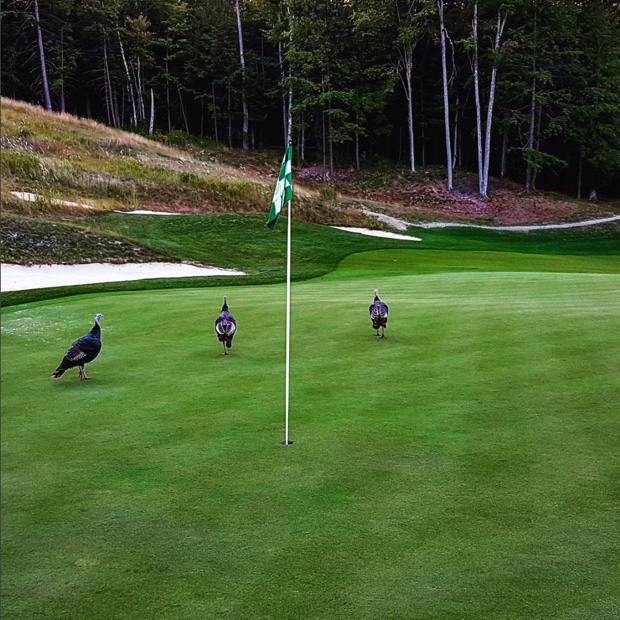
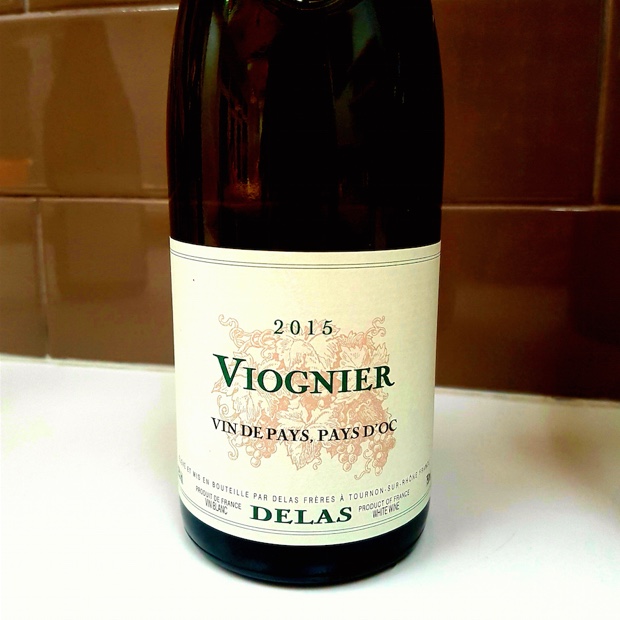
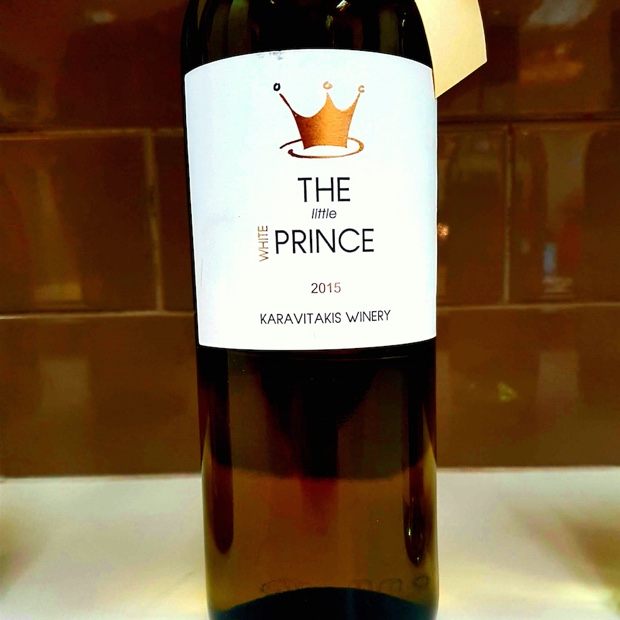
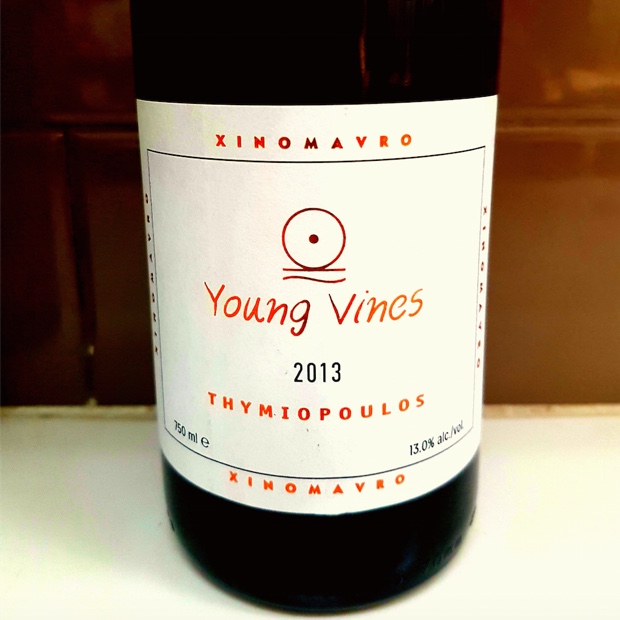
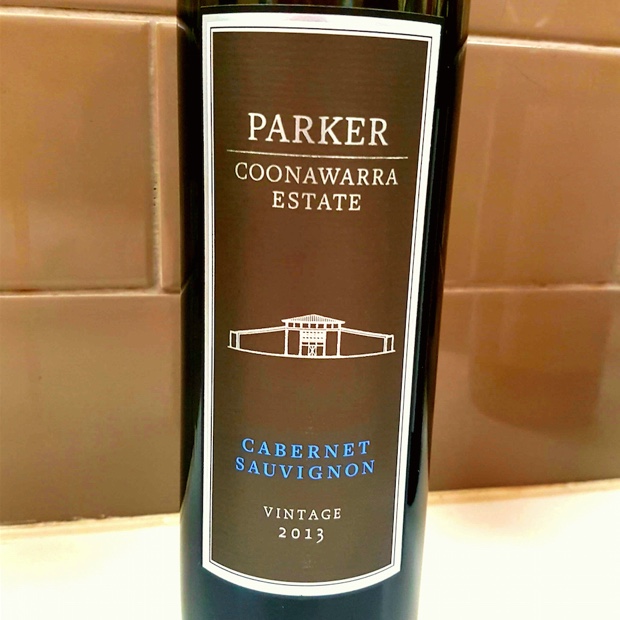
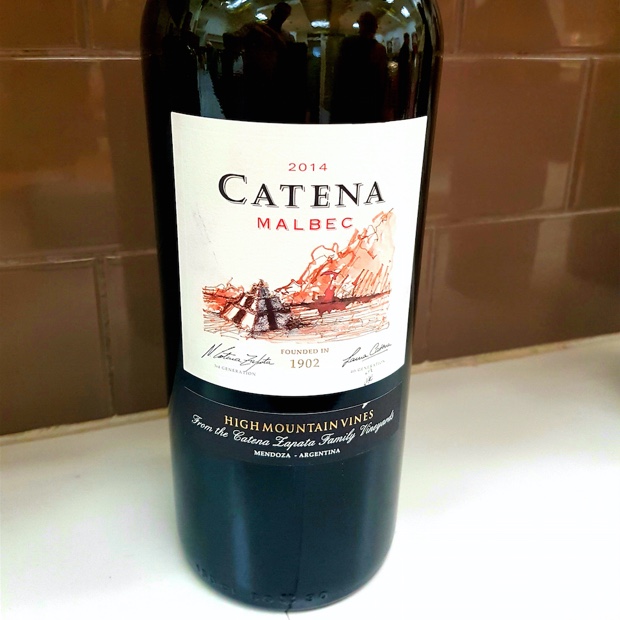

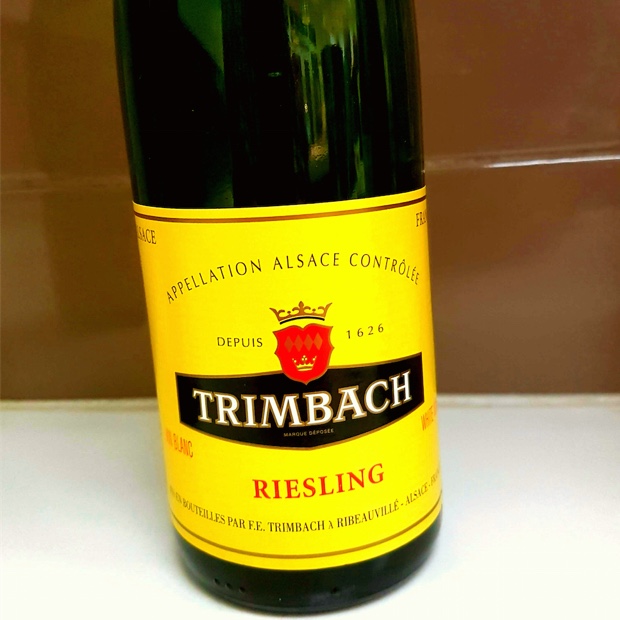
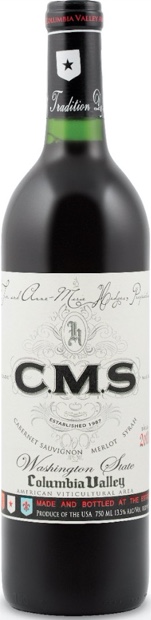
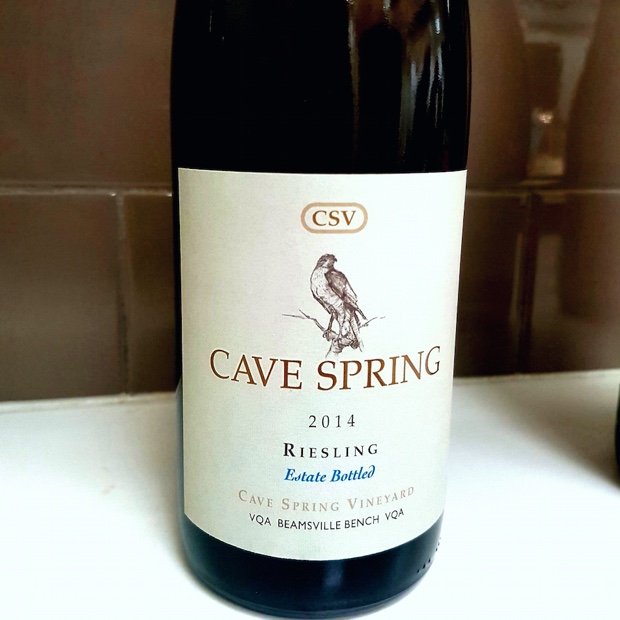
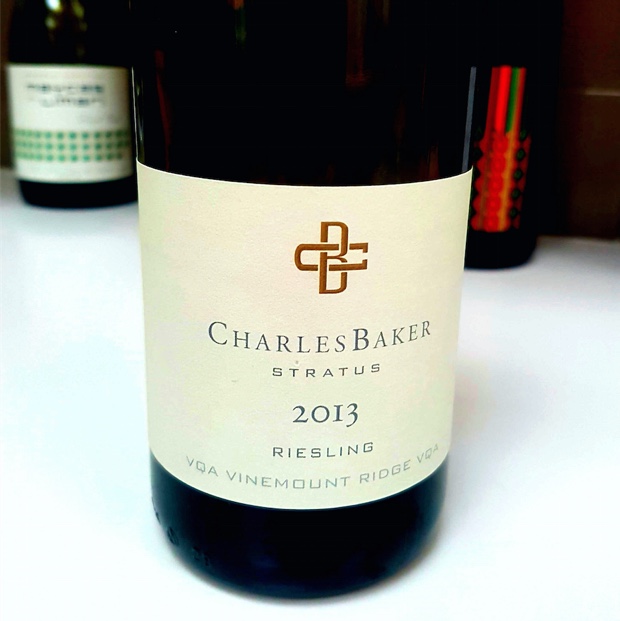

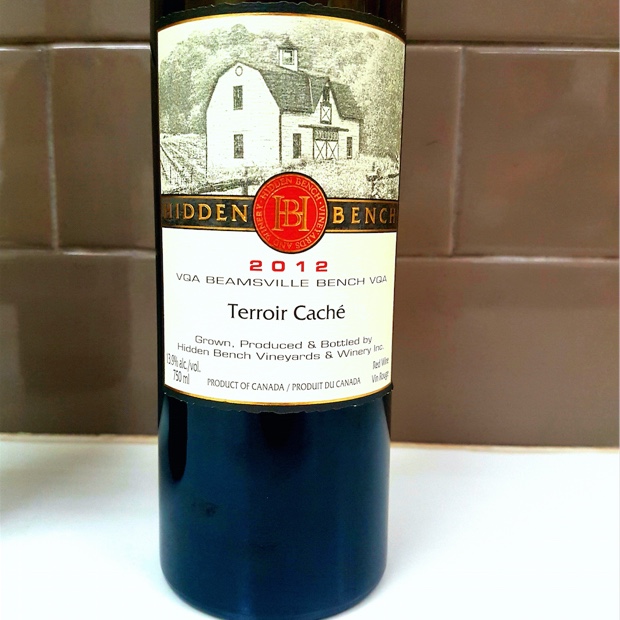
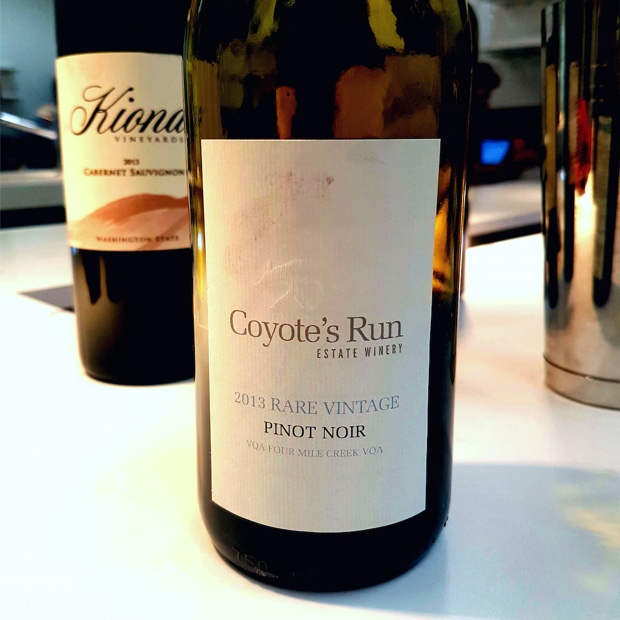
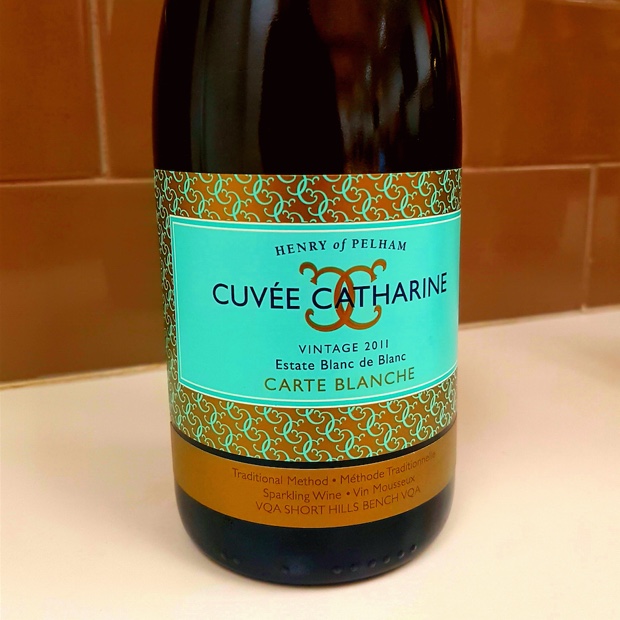


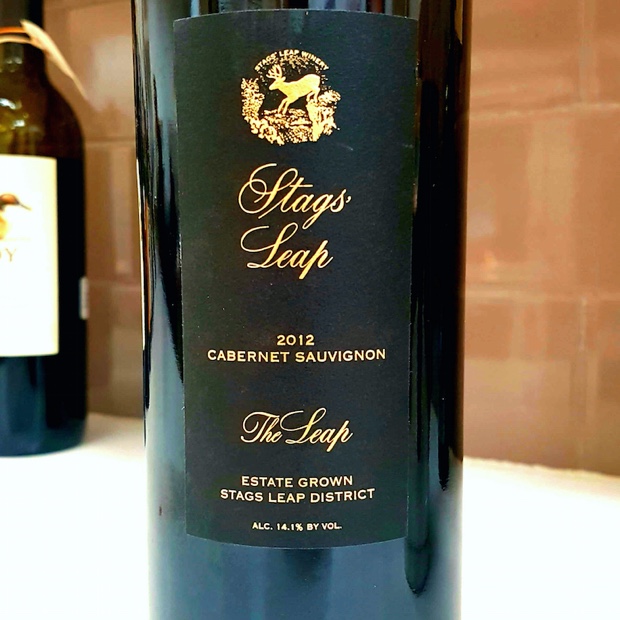
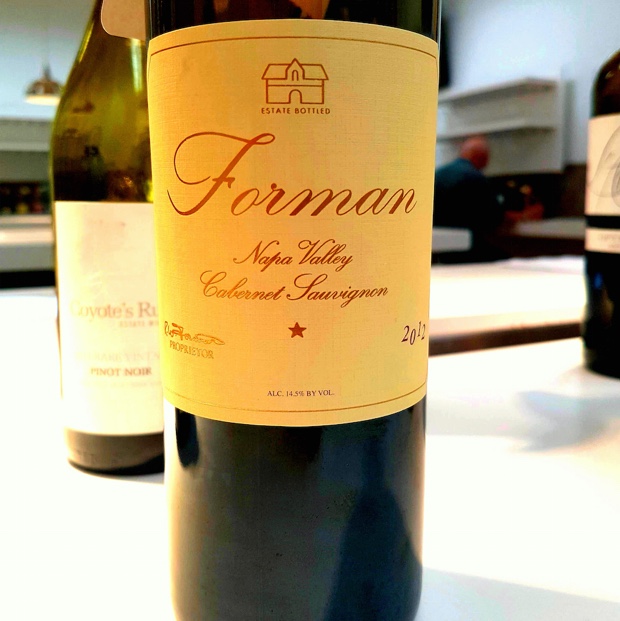


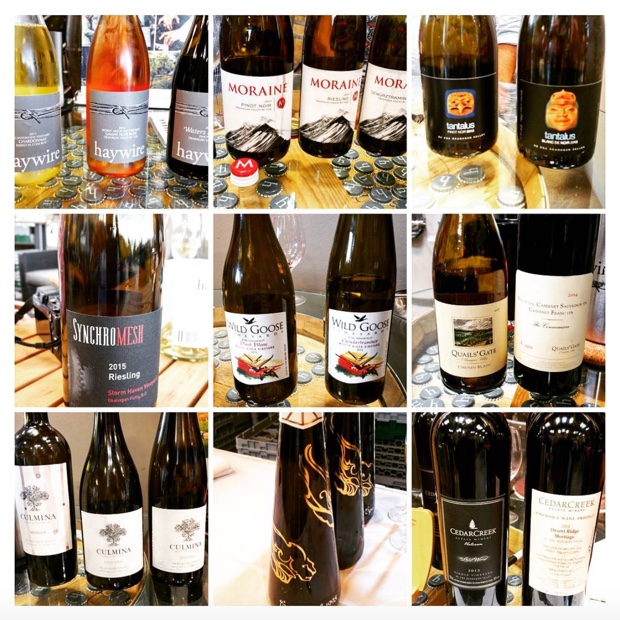


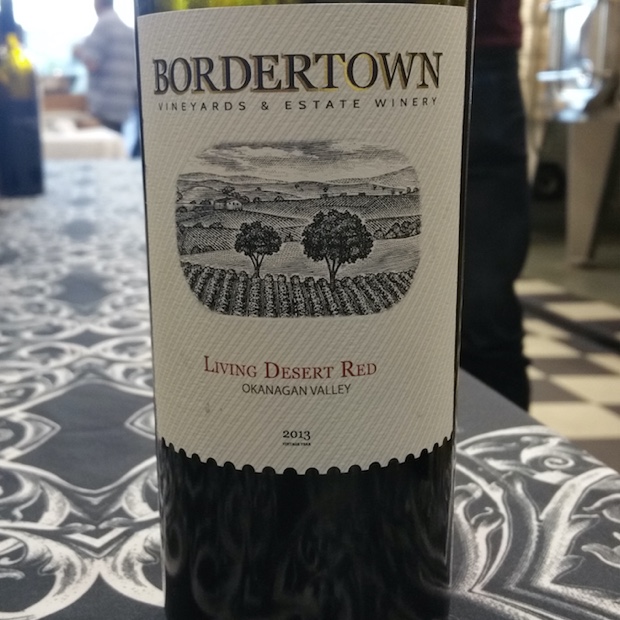
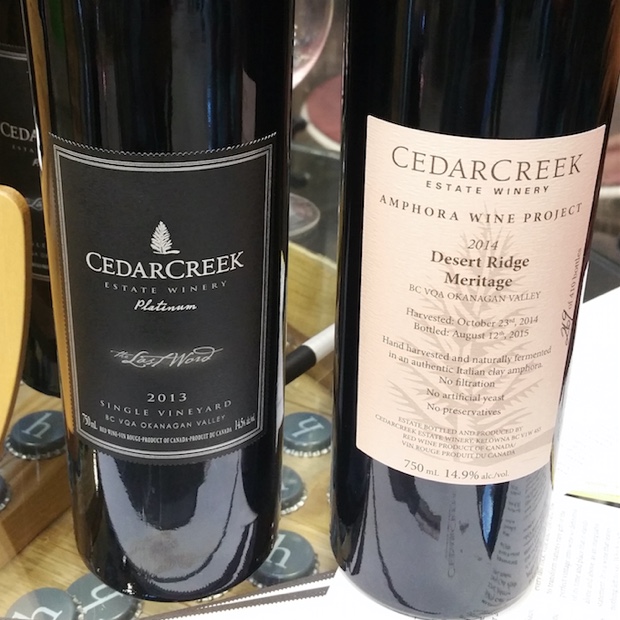
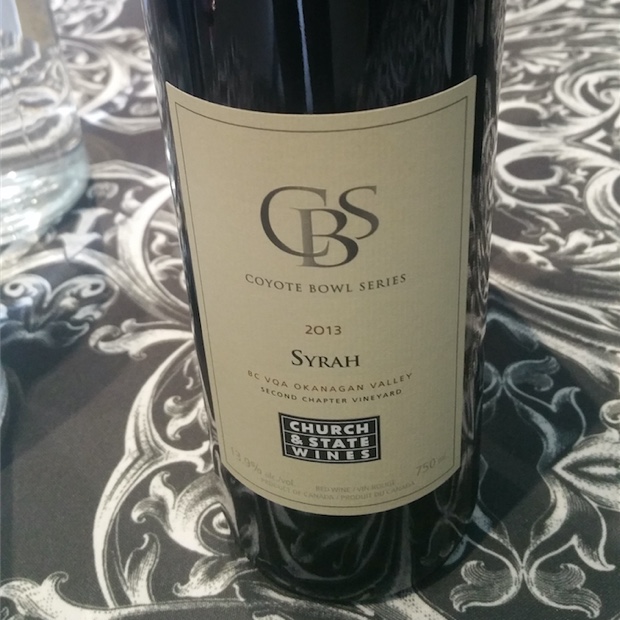


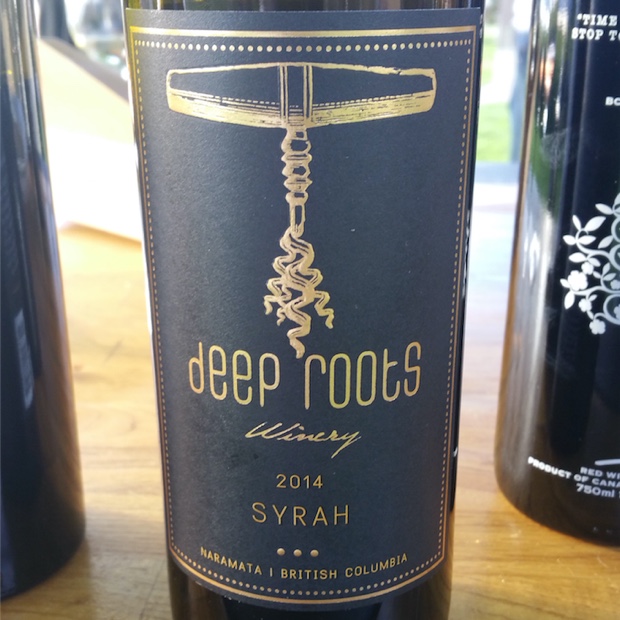
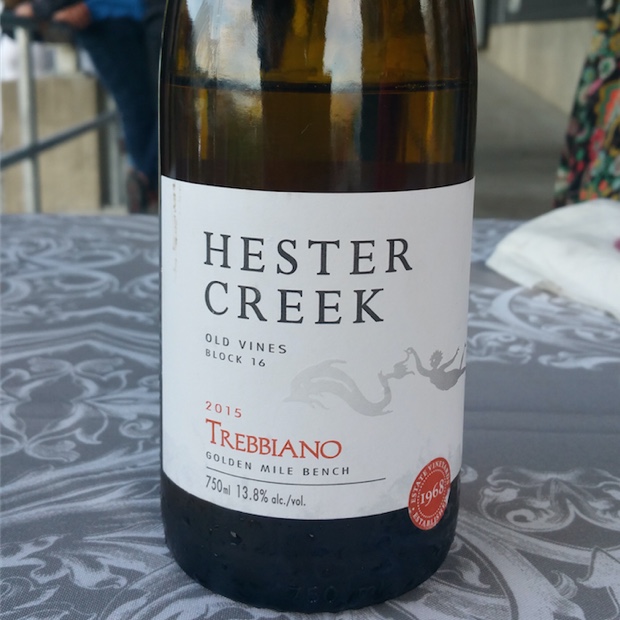


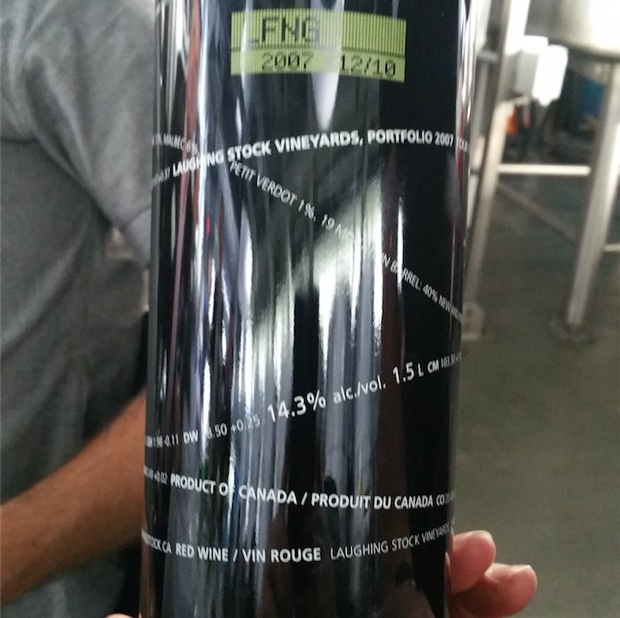


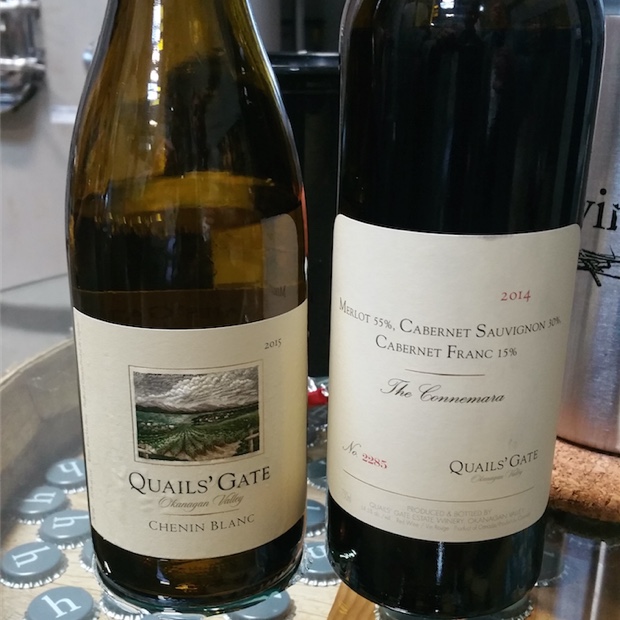
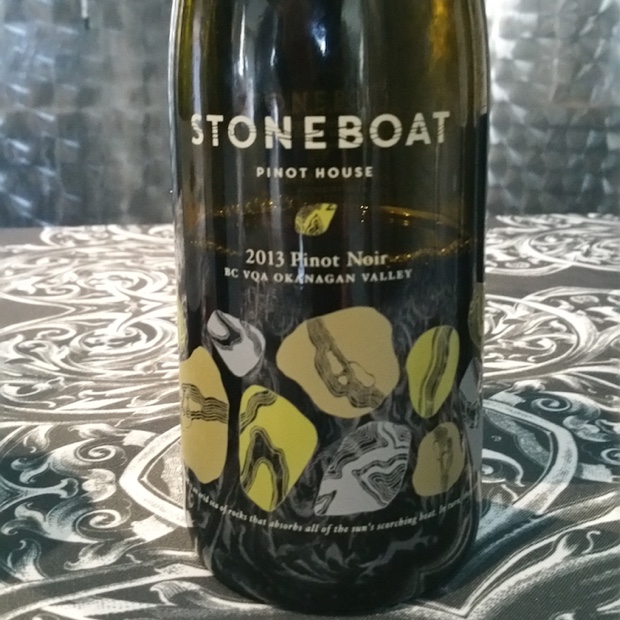


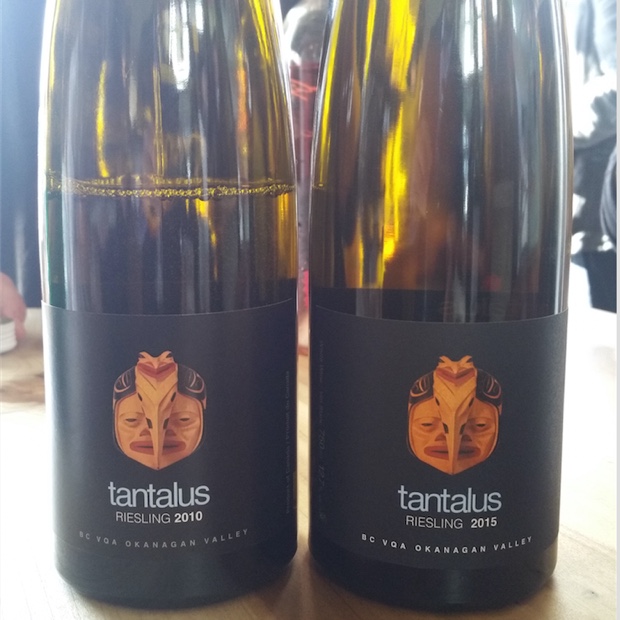

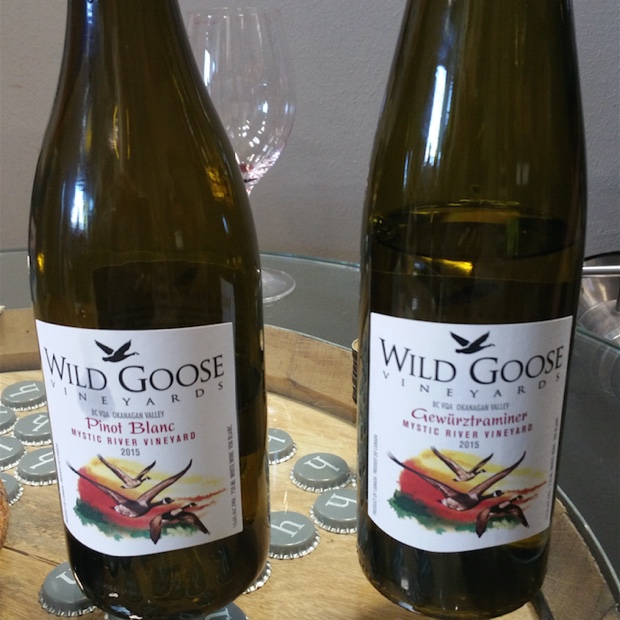
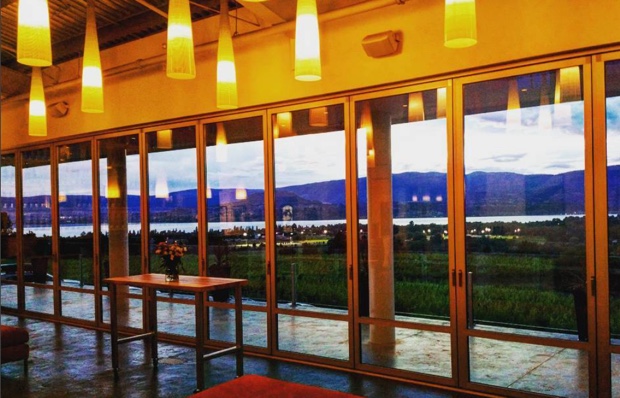
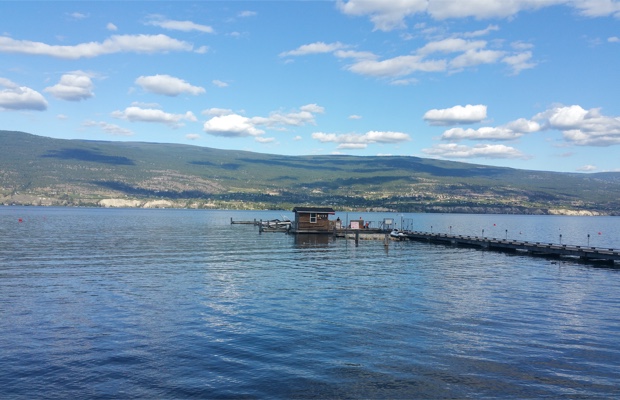

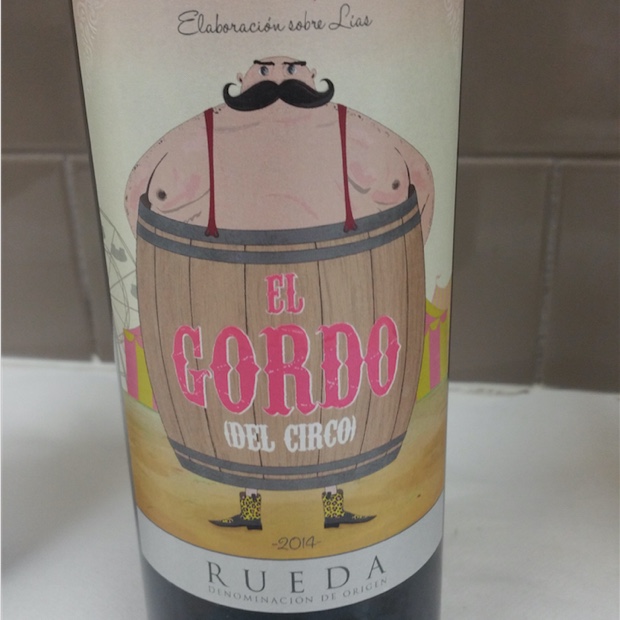
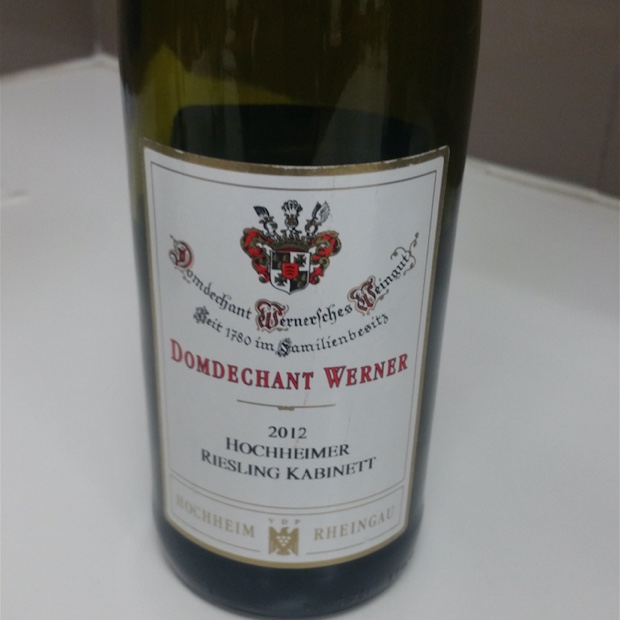


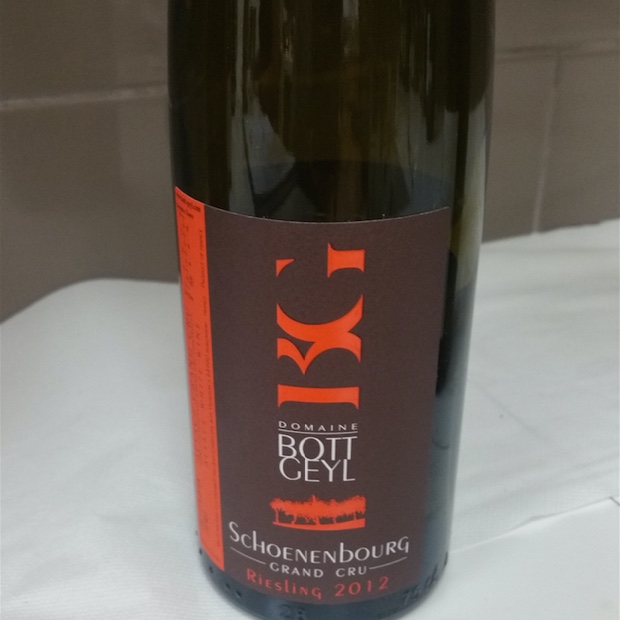
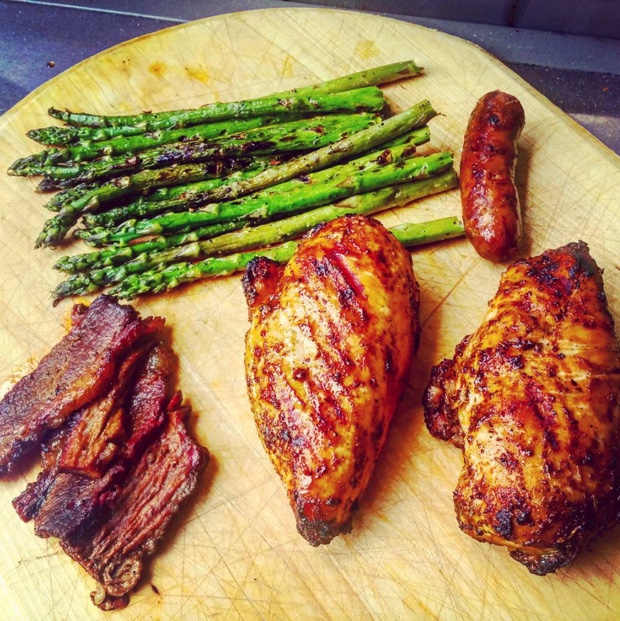


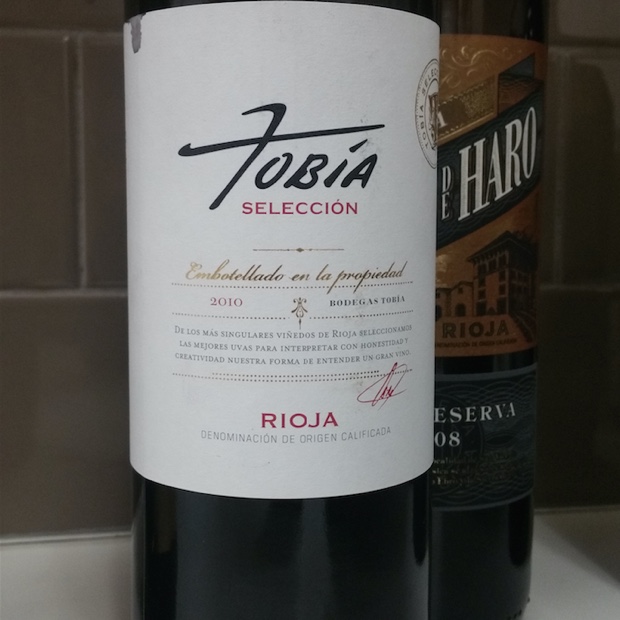
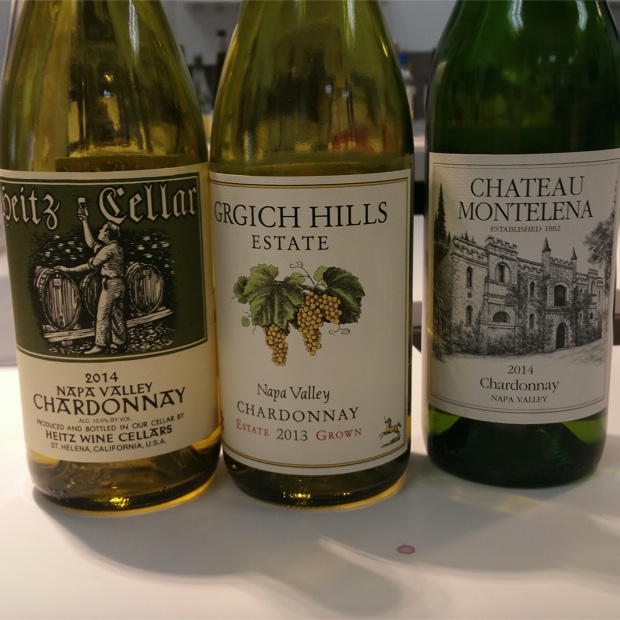


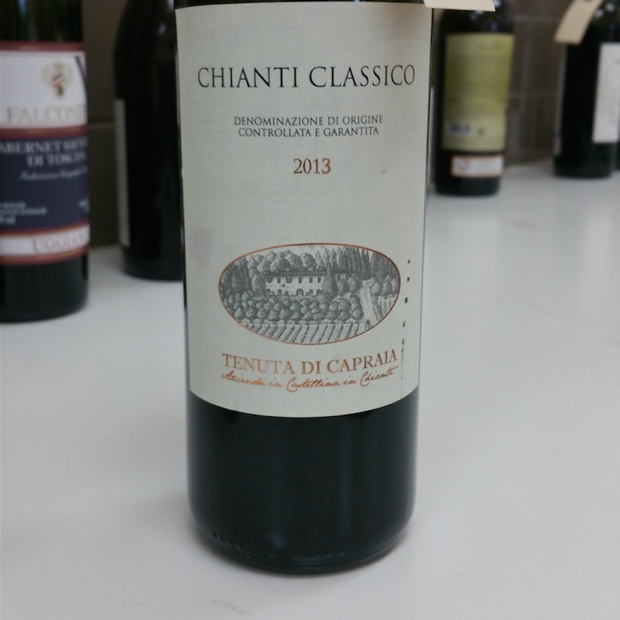
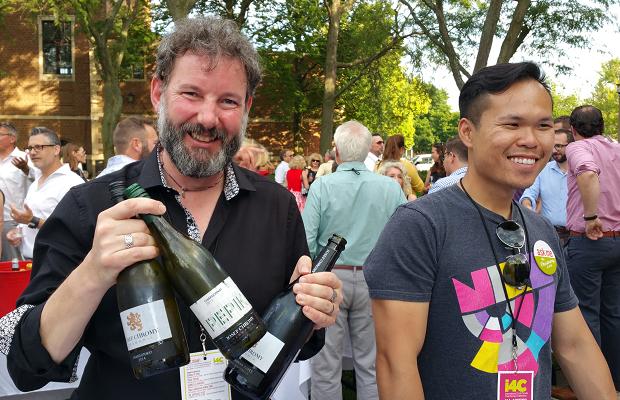

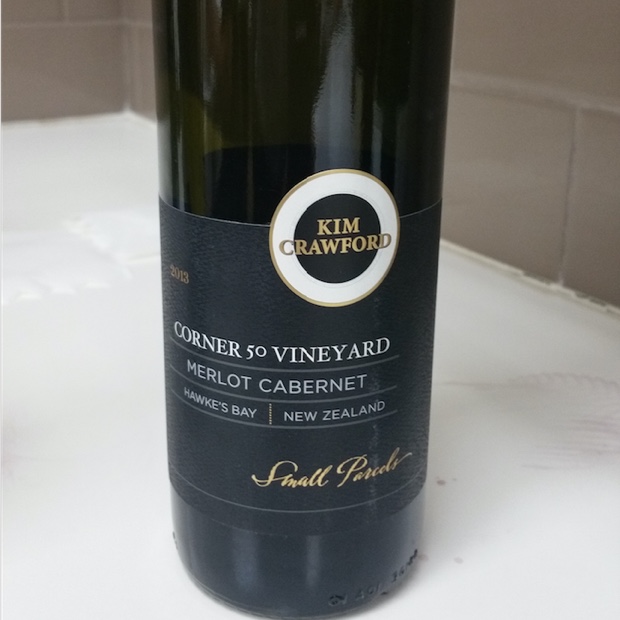


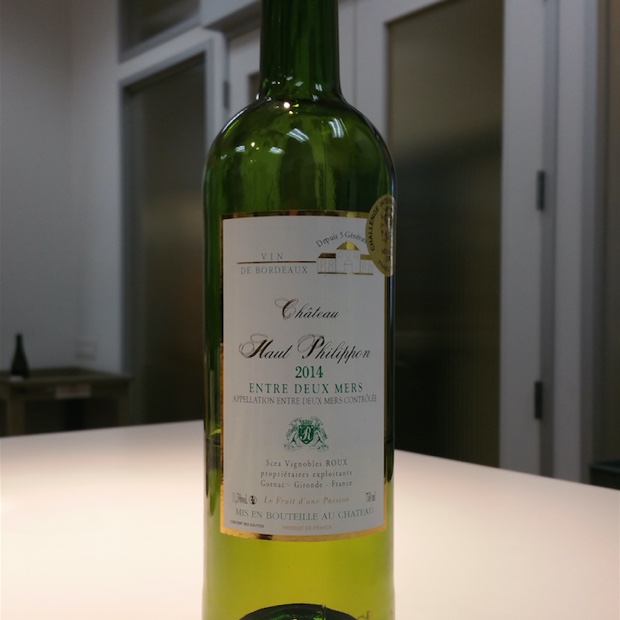

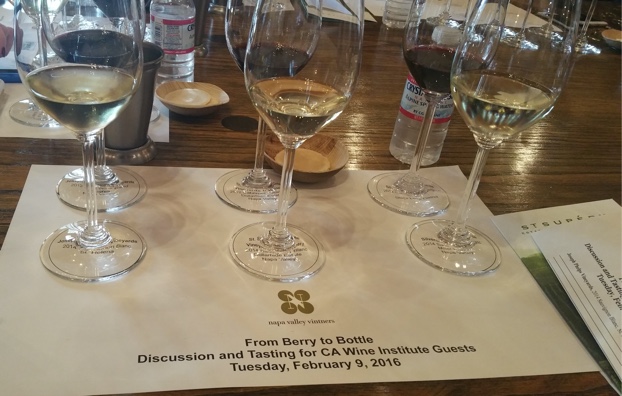

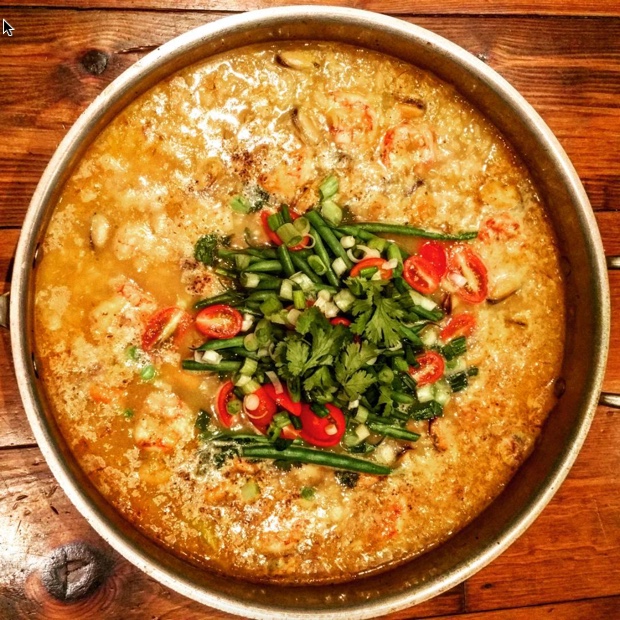


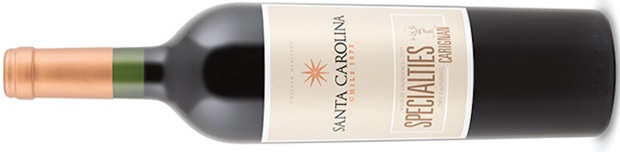
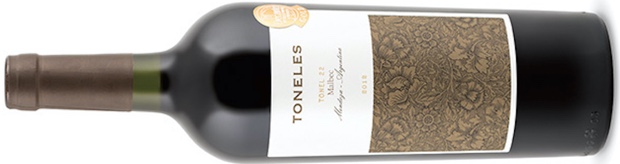


 Godello