Here are some essential facts about the grape variety. The year was 1925 when Dr. Abraham Penold of Stellenbosch University exorcized a Shelleyan right to marry cinsault with pinot noir in a successful attempt at creating a new varietal for the ages. Pinotage was born at the hands of a grafter with exceptional foresight. We’re not so far away from the 100th birthday and if you ask any one of the producers profiled here I’d wager most would agree. Pinotage is South Africa’s heritage meets signature red grape.
We don’t get fooled again Don’t get fooled again, no no
To be clear there is a great chasm and worlds apart difference between most important and most famous. Research be denied or not, the distinction we are trying to establish concerns the latter, at least for the time being. Pinotage is indeed famous for being bad, insidious and effluent. It’s much maligned reputation and status is a concern borne from bad farming practices, misappropriated oak make-up and hands-on winemaking gone out of control. The mistakes are no longer rampant and there is a new game being played in Western Cape towns, in many ways same as the old ones established well before a generation of fools and horses took over the scene. Today and going forward the next generation of Pinotage young guns (and some older ones) are simply saying “meet the new boss, same as the old boss.”
Pino Pistols – The next generation of Pinotage young guns
Heritage in South Africa is not just reserved for chenin blanc. “You know what old vines can give you,” says L’Avenir’s winemaker Dirk Coetzee. “We’re here to discuss a pinotage revolution. We’re here to discuss the next generation of pinotage.” Stellenbosch is host to the greatest concentration of Western Cape plantings and over the last ten years it has grown by 52 per cent. “Once we start making authentic product people will start thinking and the product will speak for itself.” In fact it has moved from being the sixth to the third most planted grape varieties. Beyerskloof winemaker Ani Truter adds, “what I tasted in the 80s was not pinotage, it was sabotage. It took 2,000 years for Burgundy to be successful. Don’t worry, it won’t take that long in South Africa.” Only a Châteauneuf-du-Pâpe winemaker could pay a compliment with such direct proposition.
Pinotage winemakers at L’Avenir
David Sadie continued the analysis with his take on soil and cellar as being the reasons for making good and bad pinotage. “If you look at a bad pinotage today you can look at the cellar and not at the cultivar.” This in explanation for how pinotage has improved and is moving on from rubbery, toasted and burnt flavour profiles. “It’s about site selection, planting in the right areas.” It’s also about pH levels. “Your attention to hygiene is really important, it’s pH driven.” And finally, Jacques de Klerk of Radford Dale.” They used to be made at high alcohol levels and the margin for error was very precarious. It comes down to over extraction and over use of oak.” The times they are a-changin’.
L’Avenir Wine Estate and Country Lodge
I tasted 23 examples of pinotage this past September and was impressed by the right, proper and forward thinking presence of them all. The future is already cemented in quality but more than that, in a culture that feels this direction of clarity and transparency is the right one to follow. The followers are coming, now quicker than ever, to get a glimpse and a taste of these dry-farmed, terroir-driven pinotage.
L’Avenir Glen Rosé 2017, WO Stellenbosch, South Africa (Winery, WineAlign)
This dry Rosé is made from pinotage and it carries an amber, skin-contact styled notable tannin and orange skin scrape. Also enough fruit to call it a julep on the aromatic front. Not a major proboscis mind you but one that is classically herbal, never pointed and sweetness is just a faint idea. It’s a bit dangerous in how there is great ease in the knock it back department. Drink 2018-2019. Tasted September 2018 lavenir_wine_estateselectwinemoments@LAvenirWines@SelectWinesTO@LAvenirEstate@SelectWinesCanada
L’Avenir Pinotage 2016, WO Stellenbosch, South Africa (Agent, $14.95, WineAlign)
When it comes to pinotage there are few producers capable of delivering the triumvirate of quality, honesty and ignoring of sickly trends. There is no mocha in L’Avenir’s take on the mistaken identity grape. In this case it’s like you’d expect pinotage to be but also completely unexpected because it takes classic relief, alters the perspective and turns the architectural rendering on its head. Pinotage needs to keep you on your toes, confuse with trompe l’oeuil drawn trickery and offer up great surprise. That’s what makes it special. Here richness is met head on by tannin, dusty fruit by bold acidity and spice mix at the gate of intensity. Just imagine the possibilities in the estate’s single block. Drink 2019-2022. Tasted September 2018
L’Avenir Pinotage Single Block 2016, WO Stellenbosch, South Africa (Agent, WineAlign)
Taken from dry-farmed vineyards and put to fourth/fifth passage barrels. Only 4,000L make up this single focused lot out of which both the depth and volume have been turned up. Extract talks in fruit density tannic decibel counts but even higher by acidity so all falls into place. Or will. Eventually. Drink 2019-2022. Tasted September 2018
Beaumont Family Wines Pinotage 2009, WO Bot Rivier, South Africa (Agent, WineAlign)
The vines would have been just past their 30th birthday and Sebastian remembers the vintage with fond memory, as he would considering he chose to pour this nine years later at a large pinotage tasting. Wood as it was and still is now wholly integrated though both acidity and length are still thriving so structure is the constant and the given. The tang afforded the fruit is spot on with legs stretching, the whole outfit breathing and now with a salty note to ties it all together. Much time remains for pure pinotage pleasure. Drink 2018-2024. Tasted September 2018 beaumontwines@Beauwine@Smallwinemakers@beaumontfamilywine@smallwinemakerscollection
Beaumont Family Wines Pinotage Sixty Barrels 2015, WO Bot Rivier, South Africa (Agent, WineAlign)
So interesting to taste this seminal pinotage by Sebastian Beaumont side by each with his 2009 “normale.” The same 1970s planted vineyard is employed, here from two blocks, one 44 years of age and the other being a spritely 21. The salty note on the aromatic top is faint, hidden beneath massive fruit ability, but it depends (of course it depends), on vintage. This one is full of wealthy possibilities and stealth opportunity, especially when the salt rises to the surface in thew clay. That clay effect is a fulsome one, really notable from 2015 to claim fruit, stash it away in reserve and wait for structure to build, crest and relent. Many years will pass as a result of this pinotage process. This is how you build varietal wealth and worth. One of South Africa’s finest. Drink 2019-2027. Tasted September 2018
Kaapzicht Pinotage 2016, WO Stellenbosch, South Africa (Agent, WineAlign)
Winemaker Danie Steytler says “we think pinotage is like grenache, or cinsault” and he would be correct in that if you allow it to speaks its own very specific language it will be readily identifiable. And enjoyable. As here, with perhaps the highest level of glycerin content found anywhere in Stellenbosch. Intensely viscous, not as syrup but certainly living the silky dream. From a warm vintage the alcohol is noted and the youth as well, from 19 year-old bush vines planted in weathered granite soil. It may be counter intuitive but the wood is also stronger than the Steytler, having seen 33 per cent new French oak barrels for 18 months. The vintage is even stronger and so the combination makes for a pretty powerful wine. Drink 2018-2021. Tasted September 2018 kaapzichtwines@KaapzichtWinesKaapzicht Wine Estate
Kaapzicht Pinotage Steytler 2015, WO Stellenbosch, South Africa (Agent, WineAlign)
This is a pure pinotage, a generational wine that carries the family name and the current varietal centrepiece for winemaker Danie Steytler. Low yielding vines are planted in weathered granite topsoil on a layer of gravel, above a crumbly clay sub-soil. The terroir plus a warm fermentation make for pinotage of high glycerin, ethereal texture, generous alcohol ann general warmth in abound all around. Plenty of fresh red fruit and a dry constitution in a structured pinotage pays great homage to George Steytler who farmed Kaapzicht for 33 years. Drink 2019-2022. Tasted September 2018
Beyerskloof Pinotage Reserve 2016, WO Stellenbosch, South Africa (Winery, WineAlign)
Tasted with winemaker Anri Truter, the Reserve is aged in 20 per cent new barrels with the remainder second through fourth passage wood. Quite rich and full in terms of pinotage fruit without any mocha make-up though there is quite a level of smoulder. Both the acidity and the tannin are set quite high so overall this presents a structured gambit worthy of the designation. Long and lasting seals the deal. Drink 2018-2021. Tasted September 2018 beyerskloofchurchillcellars@Beyerskloof_@imbibersreport@Beyerskloof@imbibersreport
Beyerskloof Pinotage Diesel 2015, WO Stellenbosch, South Africa (Winery, WineAlign)
The bush vines are in the 20 year range on gravelly Oakleaf and Klapmuts soil for this highly credible example of what is possible with pinotage, especially in Stellenbosch. This is nothing but a structured red, housed in 100 per cent new French oak barrels for 20 months. After maturation, only 20 barrels were selected out of a possible 300. The fruit is richer, the texture denser and the extraction at the top end of the ideal. There is more of everything here, including savour and it’s anything but reductive or ball bouncy. Big, roasting, boasting and blasting with an exceptional level of quality. Drink 2019-2023. Tasted September 2018
B. Vintners Pinotage Liberté 2017, WO Stellenbosch, South Africa (Agent, $41.99, WineAlign)
Two oceans facing granitic soils at 250m are the impetus to raise this Cape dialectical, Atlantic meets Indian pinotage. It’s also a whole bunch matter, something that in increasingly important in the varietal lexicon. The plantings are east-west in orientation to avoid overbearing sun exposure, which is really a thing in pinotage and often the culprit for its unwanted “thickening.” Baking spice is all over the notes and fruit purity is duly counted. A very characterful red, spicy, smoky and just plain pleasurable, if on the confident side of all things being equal. Nice work between cousins Gavin Bruwer and Bruwer Raats. Drink 2019-2024. Tasted September 2018 raatsfamilywinesliffordgram@RaatsWines@LiffordONRaats Family Wines@liffordwineandspirits
B. Vintners Pinotage Liberté 2016, WO Stellenbosch, South Africa (Agent, $41.99, WineAlign)
From the cousins Raats and an ode to Cape of Good Hope heritage for pinotage. There is some (20 per cent) modernizing whole bunch maceration giving more lift and chalky texture. Quite a variegation from ’16, with grit and grip, not exactly powerful but there is some tannic structure to be sure. Very floral and so it sure seems like the intention and the goal was centred around and expressly focused on lifted aromatics. Drink 2019-2022. Tasted September 2018
Radford Dale Pinotage Frankenstein 2015, WO Stellenbosch, South Africa (Agent, WineAlign)
It took a few decades for someone to give Shelleyan props to Dr. Abraham Penold of Stellenbosch University, 1925 grafter of cinsault and pinot noir to create pinotage. It’s a literary sidestep of a stretch to compare the science to Mary Shelley’s creature created by mismatched donors, but more than that it’s a cheeky shout out for a varietal often mistaken for a monster. Winemaker Jacques de Klerk grabs fruit from the white marl at the foot of the Helderberg Mountain for a pinotage troika of intention, ability and expectation. Three properties born of terroir, house and winemaker. All are on the same page written by an unspoken agreement to not abuse or confuse this grape. Frankenstein is smoky, curative, red raspberry ripe, right proper and built to last. Drink 2019-2026. Tasted September 2018 radford_dalereveriecheninnoble_estates@Radforddale@deklerkjacques@Noble_Estates@RadfordDaleWine@NobleEstates
Kanonkop Pinotage Kadette 2015, WO Stellenbosch, South Africa (630756, $19.95, WineAlign)
Before penning this review of 2015 there was a taste of the next level ’16 four months later. The two way-street perspective is more than educational because when pinotage is made with this sort of clarity you can really see the glaring differences in vintages. In 2015 the replay of old-school, earthy and chalky is readily recognizable, unavoidable and properly exulted. This send label spends time in second and third fill barrels, for red fruit charm, mildly tannic structure and proper finality. Spice, spirit and warmth define the Kadette in salute to pinotage and Stellenbosch. Drink 2018-2020. Tasted September 2018 kanonkopwineestatenoble_estates@KanonkopEstate@Noble_Estates@Kanonkop@NobleEstates
Kanonkop Pinotage 2015, WO Simonsberg-Stellenbosch, South Africa (Agent, $44.95, WineAlign)
Vines are between 30 and 60 years of age for this prototypical ode to how things were and going forward can almost certainly be in the world of pinotage. Wrinkled, gnarled, grizzled old veteran vines, the Gordie Howe of the genre, Mr. pinotage if you will. Trees of a vinous sort, able to shake of draughts and new wave mochafied drafts, with a hat trick of checks, balances and grit. These vines are the past but more importantly are the future, typified and exemplified in this kind of pinotage, a modern classic made from a place by a maker who knows what’s what. Smoky red fruit with this uncanny variegation of hue, cloudy transparency and complexity of character. Drink 2019-2025. Tasted September 2018
Diemersdal Pinotage 2017, WO Durbanville, South Africa (Winery, WineAlign)
Diemersdal is a sauvignon blanc specialist (don’t miss their eight rows) making pinotage. Sixth generation winemaker Thys Louw has coaxed as much site specific terroir into pinotage as any in the Western Cape. True their is one of exoticism in the aromatics, like the smell of Javanese Mubarak banana pancake drizzled with chocolate condensed milk but there is also the magical and unbelievable nose of spearmint. It’s the local fynbos and dry-farmed agriculture talking, inconceivably coherent and followed by so much far-eastern spice. This is fun stuff, wildly aromatic , with great pulse and intensity. Drink 2019-2024. Tasted September 2018 diemersdalwines@diemersdalwinesDiemersdal Wine Estate
David And Nadia Pinotage 2017, WO Swartland, South Africa (Winery, WineAlign)
David and Nadia Sadie’s pinotage is quite possibly and purposefully the lightest there is, clocking in at an impossibly low 12 per cent. It is both the next and other tier for the varietal reconnaissance with vanguard clarity and an honesty to speak of wine made under serious drought conditions. Bright red fruit and that low alcohol make it at once crushable but then sneaky structured. A maturity of vine, maker and grape conspire for such a dichotomy of bemusement though to be fair you could blindly be convinced that you were tasting lithe and ethereal northern Rhône syrah. The mixed magical condition certainly makes you take a step back and a seat to think. It’s a good conundrum and an excellent way to be drinking pinotage. Drink 2019-2027. Tasted September 2018 davidandnadia@DavidandNadia@DavidandNadia
David And Nadia Pinotage 2015, WO Swartland, South Africa (Winery, WineAlign)
Siebritskloof is the origin for David and Nadia’s ’15 pinotage, a wine from the early stage of drought conditions taken off of dry land bush vines planted in the early 1990’s in the granite mountains of the Paardeberg on the Paardebosch farm. This is layered and symbolic pinotage as aged salumi or pâté en croûte. The spice variegate runs high while the acumen of working with fruit to craft something so regionally specific treads a gastronomic line so fine. You and I could try to make this wine and fail miserably while David and Nadia just have the touch. Their’s discusses the days and the times with great precision and persistence. The tannins are so accomplished and resurrecting, leading to believe that this will drink at peak 10 years from vintage. That speaks to all of the above. Drink 2019-2025. Tasted September 2018
Stellenbosch Vineyards Credo Pinotage Reserve 2016, WO Stellenbosch, South Africa (Winery, WineAlign)
Vineyard source is 23-year-old bushvines in the Helderberg basin on decomposed granite, seven kms from and facing False Bay. From winemakers Bernard Claassen and Petri de Beer who deliver a pinotage that straddles the line between the old days and the new generation. From richness comes a meeting with salty oceanic influence towards a cleaner look at a brighter, not so tangy and tight future. The window is opening, the light is streaming in and the credo is on a correct path. Drink 2018-2021. Tasted September 2018 stellenboschvineyards@StbVineyardsStellenbosch Vineyards
Stellenbosch Vineyards Pinotage Bushvine 2015, WO Stellenbosch, South Africa (Winery, WineAlign)
The Bushvine is also a Heldeberg basin pinotage though it’s more forward, modern and also weightier, carrying 20 per cent new oak plus six to eight months further aging. It’s a Bordeaux sentiment in a pinotage bottle, still with an eye and a nod to the past and yet despite the wood it expresses a real purity of red fruit. Tobacco smoulder shrouds that fruit with the resulting complexity standing to be noticed. Drink 2019-2024. Tasted September 2018
Elmie Pinotage Rosé 2018, WO Stellenbosch, South Africa (Winery, WineAlign)
This is really upscale, chic and perhaps even transformative Rosé, of a collaboration between ex-Delheim winemaker Reg Holder and viticulturalist Etienne Terblanche. The level of dry extract is exulted by fine tannin in a grape must meets pure strawberry distillate pinotage that feeds the imagination with place, varietal, execution and friendship. It’s a whole bunch, free-run, four month on lees exceptionality for Rosé, pinotage and Stellenbosch. So good straight out of a bottle just filled the week before. Drink 2018-2020. Tasted September 2018 terblanche.etienneEtienne Terblanche
Pinotage Dorper 2017, WO Stellenbosch, South Africa (Winery, WineAlign)
The name refers to a black sheep in the family and a South African breed of domestic sheep developed by crossing Dorset Horn and the Blackhead Persian. The wink-wink connective tissue is because pinotage, as we all know is a crossing of pinot noir and cinsault and this Dorpman’s Afrikaans collaboration is between winemaker Reg Holder and viticulturalist Etienne Terblanche. This inaugural release from the virtual Stellenbosch winery is a truly satisfying pinotage, of red raspberry and other sundry red fruits. Blocks of 53 year-old and other 50-plus aged vines adds up to smoky and with just a bit of beneficial reduction. Important tracks put down and a solid future lays ahead. Drink 2018-2021. Tasted September 2018
Southern Right Pinotage 2017, WO Hemel-en-Aarde Valley, South Africa (486167, $27.95, WineAlign)
As for pinotage, Anthony Hamilton Russell is dead serious about thinking about the varietal future and never furthermore to dwell on its past. So is winemaker Emul Ross who pours this ’17 like he means business. It should be remembered that in 1996, Anthony made a bet with Jancis Robinson saying, “one day South Africa’s most famous wine will be a pinotage or a pinotage-based wine.” It may be argued that in 2018 that prophecy came true and we have yet to see the highest potential from the grape and certainly not yet from the HR bookend properties that make Ashbourne and Southern Right. This comes from the western border of Hamilton Russell Vineyards behind Hermanus and it benefits from cold currents rising up from Antartica. The alcohol is handled with best yet ease and the fruit oozes from every pore. There is a tonic gelling with spice, faintly bitter cocoa and acidity to remind us of everything it is. In the end it opens up quickly with minimal tannin and wood in terms of overall structure. Drink 2019-2024. Tasted September 2018 olive_hamilton_russellnoble_estates@OliveHR@Noble_EstatesOlive Hamilton Russell@NobleEstates
Hamilton Russell Ashbourne Pinotage 2015, WO Hemel-en-Aarde Valley, South Africa (486167, $25.95, WineAlign)
It could be expected that this 2015 pinotage blend would already act somewhat to quite advanced when in fact the evolution is virtually non-existent. A side-by-side revisit with 2009 is all that is needed to drive the point. The ’15 is still quite demurred, tightly wound, not in a fresh to reductive way but more in terms of its finely-crafted pyramids of Giza architecture. The acidity and the spice are up there on the crests of the upper steps, very near to the pinnacle. Again it is the way the wine stays with you like a slowly rendered demi-glacé made from the lightest roast of bones that keeps the karst of stone sublime in your mind and mouth. Drink 2018-2028. Tasted July and September 2018
Good to go!
godello
With Olive and Anthony Hamilton Russell at L’Avenir Wine Estate
Takeaways from Cape Wine 2018: Bot Rivier, new generation pinotage, regional spotlight on Robertson, Méthode Cap Classique, heritage vines, post revolution Swartland, wot varietal? Hannuwa and kuier
The last time I travelled across the Atlantic and down to the southern tip of Africa was in the warm days of September when I took in the three days of Cape Wine 2015. Beyond the Cape Town commotion of the triennial wine fair there was the added bonus of an expansive, wayfaring wine-lands itinerary. A deep understanding of the Western Cape’s wine landscape came to light, though at the time it seemed like being caught up in some kind of cultural and constitutional revolution. A return engagement with South Africa this past September changes but also cements the notions considered and the lessons learned. South Africa’s scene has now found itself comfortably cast in a post-revolution, full on republic state of wine. Allow me to expand.
I’m searching for the spirit of the great heart Under African sky
A deeper understanding
After my return three years ago I suggested that “what separates South African vignerons from the rest of the world is a playground mentality and their confident executions in consummation of those ideals. The soils and the weather are nothing short of perfect…the place is a veritable garden of viticulture eden…a certain kind of comparison presents South Africa as the wine equivalent of the wild west. In the Western Cape, anything goes. The landscape of South African wine is demarcated by ancient geology and by the geographical diversity of its regions, sub-regions and micro-plots. Varietal placement is the key to success. As I mentioned, South African winemakers can grow anything they want, to both their discretion and their whimsy. The choice of what grows best and where will determine the successes of the future.”
It’s satisfying to note that three years later the adages, analytics and perspectives remain constant with that initial intuition and yet the changes in mentality meeting execution are far greater than such a short passage of time could normally afford. Winemakers in South Africa are learning everything there is to know about making wine and from every corner of the world. Some are travelling to the sources for the knowledge while others are simply experimenting at home every day to get there. There is no style of wine that isn’t being attempted. I’ll say it again. “Natural fermentation, skin contact and carbonic maceration have infiltrated the winemaker’s psyche. Fresh, natural, orange, amber, caliginous and tenebrous have established Cape footholds with enzymatic force.”
The year 2018 will be remembered for many things but at the top of that list are resilience and tradition. After months and months on end of near catastrophic drought the country and in turn the wine producers have found a way to survive and to thrive. Thanks must be afforded the pioneers and those with the most experience, in other words, the people who have been through and seen it all. As a result it is the icons and archetypes of South African wine that stole much of this year’s spotlight. Though they are the antithesis of the young and free-spirited, the lines have begun to blur, or at least overlap in terms of who is who in the winemaking mise en scene. Three years ago these pirates with pirate eyes and pirate smiles made some good wines but a good deal of them were dirty, funky and flawed. Wine geeks gushed because of the cool, natural and revolutionary factor. It was a time of protest and free spirit. Once upon a time in the wild Western Cape. As the boomers have grown older their winemaking has matured and become wiser. There is no abandoning the call for uprising, subversion and experimentation but there is a concerted effort to fashion wines that are a pleasure to drink. Isn’t that the point? In 2018 it seems that everyone has it figured out. South African wines are cleaner by ‘n landmyl, with more purity, transparency and honesty than ever before. Their epiphany is now ours as together we synchronically enter this new world of deeper understanding.
It began at the Spier Hotel in Stellenbosch, home to Spier Wine Farm and Vineyards. It was unseasonably cold with the kind of crisp night air that just makes you think about acidity. The vines were infants at this time in the southern hemisphere vineyards but I could not help but imagine the 2019 harvest possibilities as having forged their beginnings with these early spring conditions. Next stop was Bot Rivier, first with a farm to table experience at Wildekrans Wine Estate. A quick stop to hang with the baboons at Sir Lowry’s Pass and a move to Kalmandi Township.
Performers at Amazink Live
This was a truly South African experience of ‘Ubunti’ at Amazink Live‘s township braai with the local entertainment troupe and a big bottle format of Smiley, Silvervis and Terracura with Ryan Mostert and Samantha Suddons. The fifth season of performance took place in what is called “a place of unity,” a safe space for all guests and groups. Amazink’s manager Zinthle explained that this club offers “a change in the perception of townships, the name alone means “it’s a nice home.” Kunandi Umalaba indeed. “It’s nice to be here.”
On to Roberston for three quick visits with Graham Beck Wines, Springfield Estate and De Wetshof Estate Wines. Then a night under the African sky, a 24-hour out-of-body experience at Sanbona Game Reserve and over to L’Avenir Farm for Pino Pistols – the next generation of pinotage young guns. The next morning at the Cape Town International Convention Centre for the start of three jam-packed days of Cape Wine 2018. An evening that can never be forgotten covered the classics – a regional four-decade vertical tasting with eight iconic producers. The trip culminated with lawn bowls in Malmesbury with the Swartland Swingers, artists formerly known as The Swartland Revolution.
Sundowners, Sanbona Game Reserve
Three years after that 2015 Cape Wine experience it’s duly noted how both flow and focus mean that the game is changing. The notion of planting whatever you feel like wherever you feel it just because it will ripen is evolving. Specialization, especially with respect to varietals like chenin blanc, cinsault, grenache and pinotage is the wave of the future and with this furthered isolation of micro-plots and terroir for these very specific grape varieties. Narrowing the focus, figuring out what works best and why. It’s the Burgundian way and indeed the way all great wine regions make their mark. The heritage seekers and protectors know what’s what. Old vines, especially dry, bush-farmed vineyards are the backbone of South Africa’s diversity and possibility.
Were South Africa not so far away from the rest of the wine-consuming world I truly believe it would blow every other wine region out of the proverbial water of supply and demand. South Africa’s wines represent the finest quality to price ratios in the world and there is plenty of product to go around. Lying a continent (and an ocean) away from both Europe and North America is an obstacle that will always be too distant to overcome but the global economy’s ability to coalesce and encourage trading of goods from the furthest of poles is only going to increase. If this upwards and positive trend is to continue the current wave of nationalist political tendencies must be curtailed, if only so that we as consumers can continue to enjoy the wealth of extraordinary wines that need to be exported out of South Africa.
Chef Gregory Henderson, Wildekrans Wilde Forage, Bot Rivier
New age of diversity: Bot Rivier
Bot Rivier is south-east from Cape Town, sandwiched from south to north between Hermanus and Stellenbosch. “From the top of the Houw Hoek Pass, one gets the first glimpse of the vast, rolling hills and big sky of the Bot River area, where real people make real wine.” This is the credo of the family of wineries that farm and produce in the area. There are 12 members of the wine-growing association, all within a 10km radius of one another. At Wildekrans we participated in a ground foraging experience alongside Chef Gregory Henderson. Beaumont Wines, Gabriëlskloof, Paardenkloof, Villion and Luddite Wines led us through a blending process to make a wine from samples supplied by all six. Four groups attempted the exercise to mixed reviews. Said Luddite’s Niels Verburg. “We gave you six beautiful wines and you gave us four bad ones back.” Their wines were significantly better.
Beaumont Family Wines Hope Marguerite 2017, WO Bot Rivier-Walker Bay, South Africa (Agent, $35.00, WineAlign)
The vintage clarity speaks to an unbelievable old vines imperative and in this case a stage presence imperative to scrape, zest and juice all the lemons, tangerines and peaches in the world. The fruit quality and integrity conjures a continuum where distant memory fast forwards to present day reality. ‘Tis an extraordinary time to taste chenin blanc in its modern vernacular, of so many styles with Sebastian Beaumont’s so high on the pyramid. The The 2017 accomplishment includes further complex compliments, dried pineapple, lemon peel and an herbal wonder powder. This is the sauce. “This is the day, your life will surely change. This is the day, when things fall into place.” Soul mining for chenin blanc. Drink 2019-2026. Tasted September 2018
Villion Family Wines Syrah 2017, WO Western Cape, South Africa (Winery, WineAlign)
A moment’s pause to consider the aromatics is unavoidable because the mid-palate complex notions swirl dramatically out of glass, through the mouth and straight into the mind. This with thanks in kind to more than half of the juice having matured for eight months in (36 per cent new) 300 and 400L French barrels. The fruit was not lost in fact it’s uncanny how mandarin orange it is, plus this old vine (30 years and older) mineral-flint strike to round out the third and most expected aspect of the total oeuvre. Rich, unctuous and structured is a great way for chenin blanc to go through life. Drink 2018-2021. Tasted September 2018 villionwines@VillionWines@VillionWines
Wildekrans Wine Estate Chenin Blanc Barrel Select Reserve 2017, WO Bot Rivier, South Africa (Winery, WineAlign)
From winemaker Braam Gerricke his chenin blanc layers and variegates richness and spice. There is nothing simple about the designation or the result, very much in the vein of old vines and barrel licked chenin with great expectation. The ceiling climbs high for this type of execution and with some age for this, followed by some adjustments for the rest the future looks very bright. These are wines poised to climb into another Cape echelon. Drink 2018-2022. Tasted September 2018 wildekrans@WildekransWines@Wildekrans
Gabriëlskloof Syrah The Landscape Series on Shale 2016, WO Bot Rivier, South Africa (Winery, WineAlign)
On Shale is forged of a single-vineyard, Bokkeveld site on the Gabriëlskloof property that makes for a stand apart syrah without comparison. A wild ferment encourages idiosyncratic, ferric and hematic tendencies of what can happen on this section of Western Cape geology. The theoretical possibilities from such shale do for syrah what Cape granite and Malmesbury shale won’t, making abstract connections liquid chalk bled through mudstone in the form of herbal amaro syrup. You notice it in the consistency too, so pure, so sappy oozing and in its very intuitive way, extroverted fine. Drink 2018-2021. Tasted September 2018 gabrielskloof_@Gabrielskloof@donniewine@Gabrielskloof
Luddite Shiraz 2014, WO Bot Rivier, South Africa (Winery, WineAlign)
Just a few years offers up so many more clues as to what is going on in Niels Verburg’s shiraz world. First of all the 24 months in barrel and the 24 months in bottle are structure building and basically tell us to stay away for an equally further amount of time. Not that you wouldn’t want to taste one or two along the way but time is the necessity. This is shiraz held back to “gain a balanced potential.” Meanwhile, no other Cape shiraz smells like this. Niels talks about the mattress of curry the khoi bushmen used to lie upon to raise them up above the ground and away from the insects. The plants known as “kerrie” have a very particular herbal-savoury scent, certainly present in Luddite’s shiraz and even more pronounced with a few years of time gone by. It’s exotic, an herbal-spice line trod with floral undertone and in part certainly a cause to that vineyard presence of the curry bush. Texture is fine spun silk, integrated and then comes exquisite acidity to complete the picture. Drink 2019-2027. Tasted September 2018 luddite_wines@LudditeWines@ludditewines
Paardenkloof Estate Cabernet Sauvignon 2017, WO Bot Rivier, South Africa (Winery, WineAlign)
Planted in 2002, it was 2006 that proprietor Mohseen Moosa first produced this cabernet sauvignon on the mountain that separates Bot Rivier from the Hemel-en-Aarde, three to four kms from the sea, as the crow flies. The cooling breezes help to coax, coddle and accentuate the varietal tendencies, “to promote the primary fruit of the vineyard,” tells Moosa. Beneficial balance and restrained intensity define this wine, from pockets of spice through ultra-violet floral rays. Pleasing fruit meets designate structure for the most solid of South African cabernets. Fine chalky tannins and all in all, really accomplished. Drink 2020-2027. Tasted September 2018 paardenkloof@PaardenKloof@PaardenKloofEstate
Chardonnay vineyard in Robertson
Regional spotlight: Robertson
The Robertson Valley is a singular and vast South African landscape, a place of wide open spaces and skies. It’s the ideal location for many things, including growing chardonnay and pinot noir for Méthode Cap Classique sparkling wines. It’s also possessive of the finest limestone soils in the Capelands which means chardonnay thrives and the ceiling for pinot noir can only raise higher. Pockets of sand and clay are also ideal for Bordeaux varietals; cabernet sauvignon and sauvignon blanc. The history, meticulousness and confidence of Robertson’s winemakers is more than evident. Springfield’s Abrie Bruwer was quick to remind us all “we’ve revolutionized (winemaking) three times over already and nobody’s noticed.” Robertson remains under the radar but know this. Old world defines the collective oeuvre.
Springfield Estate Sauvignon Blanc Life From Stone 2018, WO Robertson, South Africa (Winery,WineAlign)
What a jolt in how there’s a quick flash of Sancerre and then bam, straight back into a Robertson reality from the rockiest of parcels. The juice is kept at negative three degrees celsius to preserve the sheer freshness of the fruit. It’s not so radical but it’s also not done. What is does is prevent the flavours from disappearing into the enzymatic wind. They’ve been at this process for 11-12 years, seven of them with the entire crop. It’s about keeping the entirety of the lees suspended to buoy and ready the fruit for fermentation, at 13-16 degrees. The fruit is so variegated, at first mostly stone and the towards tropical tendencies, on the back of acidity wise and mature. Drink 2018-2023. Tasted September 2018 springfieldestate@springfieldwine@springfieldestate
De Wetshof Estate Unwooded Chardonnay Bon Vallon 2018, WO Robertson, South Africa (403675, $22.95, WineAlign)
The unwooded chardonnay from de Wetshof is a fascinating wine because it’s one of the very few in the style that needs some time to settle down and in. From the good valley at the lowest point between slopes there is more searing orchard and citrus fruit meeting pure, unaffected by wood nuttiness than a list that includes all of Robertson and perhaps the entire Western Cape. What is pulled from this limestone terroir and without any barrel time is almost impossible but wholly remarkable. It’s also consistently constructed vintage after vintage by the commitment to craft by the family de Wet. Drink 20189-2022. Tasted September 2018 dewetshofwines@DeWetshofWines@dewetshofwines
Graham Beck Prestige Collection Cuvée Clive 2012, Méthode Cap Classique, Robertson, South Africa (Agent,WineAlign)
Clive is Graham Beck’s most prestigious and important cuvée, what méthode cap classique cellarmaster Pieter Ferreira calls “a respect to Champagne. While previous incarnations were wines of “best selection” the 2012 chardonnay and pinot noir are drawn from a single-vineyard for the first time. Stand in the tasting room and there it spreads out below, on soil riddled with limestone to equip this crisp and arid sparkling wine with all the necessary attributes. Bronze-parched apple and dried quince are noted. Sentiment and data from a 10 year study project of varietal, lees and aging are collected and come to this; a toast demure, a love divine, a wild control. Brilliant sparkling wine and undoubtedly a South African gem. Drink 20189-2027. Tasted September 2018 grahambeckbubblyvinexxperts@GrahamBeckSA@Vinexxpert@grahambeckmcc@Vinexx
L’Avenir Wine Estate and Country Lodge
Pino Pistols – The next generation of Pinotage young guns
Heritage in South Africa is not just reserved for chenin blanc. “You know what old vines can give you,” says L’Avenir’s winemaker Dirk Coetzee. “We’re here to discuss a pinotage revolution. We’re here to discuss the next generation of pinotage.” Stellenbosch is host to the greatest concentration of Western Cape plantings and over the last ten years it has grown by 52 per cent. “Once we start making authentic product people will start thinking and the product will speak for itself.” In fact it has moved from being the sixth to the third most planted grape varieties. Beyerskloof winemaker Ani Truter adds, “what I tasted in the 80s was not pinotage, it was sabotage. It took 2,000 years for Burgundy to be successful. Don’t worry, it won’t take that long in South Africa.” Only a Châteauneuf-du-Pâpe winemaker could pay a compliment with such direct proposition.
David Sadie continued the analysis with his take on soil and cellar as being the reasons for making good and bad pinotage. “If you look at a bad pinotage today you can look at the cellar and not at the cultivar.” This in explanation for how pinotage has improved and is moving on from rubbery, toasted and burnt flavour profiles. “It’s about site selection, planting in the right areas.” It’s also about pH levels. “Your attention to hygiene is really important, it’s pH driven.” And finally, Jacques de Klerk of Radford Dale.” They used to be made at high alcohol levels and the margin for error was very precarious. It comes down to over extraction and over use of oak.” The times they are a-changin’.
Beaumont Family Wines Pinotage Sixty Barrels 2015, WO Bot Rivier, South Africa (Agent, WineAlign)
So interesting to taste this seminal pinotage by Sebastian Beaumont side by each with his 2009 “normale.” The same 1970s planted vineyard is employed, here from two blocks, one 44 years of age and the other being a spritely 21. The salty note on the aromatic top is faint, hidden beneath massive fruit ability, but it depends (of course it depends), on vintage. This one is full of wealthy possibilities and stealth opportunity, especially when the salt rises to the surface in thew clay. That clay effect is a fulsome one, really notable from 2015 to claim fruit, stash it away in reserve and wait for structure to build, crest and relent. Many years will pass as a result of this pinotage process. This is how you build varietal wealth and worth. One of South Africa’s finest. Drink 2019-2027. Tasted September 2018 beaumontwines@Beauwine@Smallwinemakers@beaumontfamilywine@smallwinemakerscollection
L’Avenir Pinotage 2016, WO Stellenbosch, South Africa (Agent, $14.95, WineAlign)
When it comes to pinotage there are few producers capable of delivering the triumvirate of quality, honesty and ignoring of sickly trends. There is no mocha in L’Avenir’s take on the mistaken identity grape. In this case it’s like you’d expect pinotage to be but also completely unexpected because it takes classic relief, alters the perspective and turns the architectural rendering on its head. Pinotage needs to keep you on your toes, confuse with trompe l’oeuil drawn trickery and offer up great surprise. That’s what makes it special. Here richness is met head on by tannin, dusty fruit by bold acidity and spice mix at the gate of intensity. Just imagine the possibilities in the estate’s single block. Drink 2019-2022. Tasted September 2018 lavenir_wine_estateselectwinemoments@LAvenirWines@SelectWinesTO@LAvenirEstate@SelectWinesCanada
Beyerskloof Pinotage Diesel 2015, WO Stellenbosch, South Africa (Winery, WineAlign)
The bush vines are in the 20 year range on gravelly Oakleaf and Klapmuts soil for this highly credible example of what is possible with pinotage, especially in Stellenbosch. This is nothing but a structured red, housed in 100 per cent new French oak barrels for 20 months. After maturation, only 20 barrels were selected out of a possible 300. The fruit is richer, the texture denser and the extraction at the top end of the ideal. There is more of everything here, including savour and it’s anything but reductive or ball bouncy. Big, roasting, boasting and blasting with an exceptional level of quality. Drink 2019-2023. Tasted September 2018 beyerskloofchurchillcellars@Beyerskloof_@imbibersreport@Beyerskloof@imbibersreport
B. Vintners Pinotage Liberté 2017, WO Stellenbosch, South Africa (Agent, $41.99, WineAlign)
Two oceans facing granitic soils at 250m are the impetus to raise this Cape dialectical, Atlantic meets Indian pinotage. It’s also a whole bunch matter, something that in increasingly important in the varietal lexicon. The plantings are east-west in orientation to avoid overbearing sun exposure, which is really a thing in pinotage and often the culprit for its unwanted “thickening.” Baking spice is all over the notes and fruit purity is duly counted. A very characterful red, spicy, smoky and just plain pleasurable, if on the confident side of all things being equal. Nice work between cousins Gavin Bruwer and Bruwer Raats. Drink 2019-2024. Tasted September 2018 raatsfamilywinesliffordgram@RaatsWines@LiffordONRaats Family Wines@liffordwineandspirits
Radford Dale Pinotage Frankenstein 2015, WO Stellenbosch, South Africa (Agent, WineAlign)
It took a few decades for someone to give Shelleyan props to Dr. Abraham Penold of Stellenbosch University,1925 grafter of cinsault and pinot noir to create pinotage. It’s a literary sidestep of a stretch to compare the science to Mary Shelley’s creature created by mismatched donors, but more than that it’s a cheeky shout out for a varietal often mistaken for a monster. Winemaker Jacques de Klerk grabs fruit from the white marl at the foot of the Helderberg Mountain for a pinotage troika of intention, ability and expectation. Three properties born of terroir, house and winemaker. All are on the same page written by an unspoken agreement to not abuse or confuse this grape. Frankenstein is smoky, curative, red raspberry ripe, right proper and built to last. Drink 2019-2026. Tasted September 2018 radford_dalereveriecheninnoble_estates@Radforddale@deklerkjacques@Noble_Estates@RadfordDaleWine@NobleEstates
Pinotage winemakers at L’Avenir
Kanonkop Pinotage 2015, WO Simonsberg-Stellenbosch, South Africa (Agent, $44.95, WineAlign)
Vines are between 30 and 60 years of age for this prototypical ode to how things were and going forward can almost certainly be in the world of pinotage. Wrinkled, gnarled, grizzled old veteran vines, the Gordie Howe of the genre, Mr. pinotage if you will. Trees of a vinous sort, able to shake of draughts and new wave mochafied drafts, with a hat trick of checks, balances and grit. These vines are the past but more importantly are the future, typified and exemplified in this kind of pinotage, a modern classic made from a place by a maker who knows what’s what. Smoky red fruit with this uncanny variegation of hue, cloudy transparency and complexity of character. Drink 2019-2025. Tasted September 2018 kanonkopwineestatenoble_estates@KanonkopEstate@Noble_Estates@Kanonkop@NobleEstates
David And Nadia Pinotage 2017, WO Swartland, South Africa (Winery, WineAlign)
David and Nadia Sadie’s pinotage is quite possibly and purposefully the lightest there is, clocking in at an impossibly low 12 per cent. It is both the next and other tier for the varietal reconnaissance with vanguard clarity and an honesty to speak of wine made under serious drought conditions. Bright red fruit and that low alcohol make it at once crushable but then sneaky structured. A maturity of vine, maker and grape conspire for such a dichotomy of bemusement though to be fair you could blindly be convinced that you were tasting lithe and ethereal northern Rhône syrah. The mixed magical condition certainly makes you take a step back and a seat to think. It’s a good conundrum and an excellent way to be drinking pinotage. Drink 2019-2027. Tasted September 2018 davidandnadia@DavidandNadia@DavidandNadia
Wildekrans Wine Estate
Wildekrans Wine Estate Pinotage 2017, WO Bot Rivier, South Africa (Winery, WineAlign)
A cooler, herbal and uniquely floral pinotage from Braam Gerricke. Bush vines grow on a shady site of small acreage and at altitude for the valley. Pinotage of chalky liquidity from you which you feel the oak and a real sour-sorrel tang. Was in barrel for 15 months and it will need a year or two to fully integrate, than drink well for four or five more years after that. Terrific persistence and length. Drink 2019-2023. Tasted September 2018 wildekrans@WildekransWines@Wildekrans
Graham Beck Winery, Robertson
Méthode Cap Classique
Plain and simple, Méthode Cap Classique (MCC) is a South African term indicating a sparkling wine made in the traditional method (the same way Champagne is made), by which a secondary fermentation takes place inside the bottle. That said, there is nothing simple about MCC and who would argue that as a category it produces some of the finest, most complex and diverse sparkling wines in the world. It’s also very much a wine about terroir. As it stands, MCC has to age on the lees for a minimum nine months to be labelled as such. “We’re making wines that develop too quickly,” insists Paul Gerber of Le Lude. Gerber believes the minimum should be raised to 15. “Sparkling wine is not a terroir wine? Please. This is completely untrue.” As for sugar dosage he’s like a cook in the kitchen. “Dosage is like seasoning. If you do it properly you don’t taste it.” It is Graham Beck’s Pieter Ferreira that has put in the time and the research over 20-plus years to really understand the category but more importantly the potential. “You are always looking to express terroir,” he says. “For Brut we have to extend (the less aging time) to 60 months. So there is no lipstick or eye shadow.”
Le Lude Vintage Cuvée Méthode Cap Classique 2012, WO Franschhoek, South Africa (Winery, WineAlign)
Le Lude’s winemaker Paul Gerber assembles two non-vintage Bruts, blended each vintage for a house style. The fruit is primarily Robertson with some addendum out of Franschhoek. The first vintage was indeed 2012 and this chardonnay (80 per cent) plus pinot noir comes sweet herbal straight out of the riddle with a sultry, piqued spiciness. Already showing a hint of secondary notation by way of a honeyed nougat melted into the soft and delicate mousse. Still plenty of intensity and drive with citrus in whole represent by lime, fresh and juicy. Less red fruit (much, much less) and more white flower with the idea of yellow and green fruit. Stylish, persevering and precise. At 2.6 g/L it’s perfectly albeit sparsely seasoned and mature with Champagne confidence. Drink 2019-2027. Tasted September 2018 leludemcc@LeLudeMCC@LeLudeMCC
L’Avenir Brut Méthode Cap Classique 2017, WO Stellenbosch, South Africa (Winery, WineAlign)
L’Avenir Estate’s Méthode Cap Classique is mainly pinotage with some chardonnay and arrives in the glass as a light and nearly delicate bubble. It’s a succulent, sweet rusty, lively enzymatic sparkling wine with an opinion and a plan of action. Pleasurable to sip from a definite MCC teachable moment. Drink 2018-2020. Tasted September 2018 lavenir_wine_estateselectwinemoments@LAvenirWines@SelectWinesTO@LAvenirEstate@SelectWinesCanada
Genevieve Brut Blanc De Blancs Méthode Cap Classique 2014, WO Bot Rivier, South Africa (Winery, WineAlign)
Genevieve is Cap Classique made by Melissa Nelsen and was first made in 2008, released in 2010. Now with 2014 the lees aging time is 48 months with total output in the 12,00-13,000 bottle range, up from the 5,000 of that first vintage. The goal is 20,000 in the very near future. It’s essentially blanc de blancs, 100 per cent chardonnay as a wise, calm, mature and elegant traditional method sparkling. Just lovely. Drink 2018-2021. Tasted September 2018 #melissagenevievenelsen@Genevieve_mcc
Graham Beck Brut Zero 2012, Méthode Cap Classique,Robertson, South Africa (435453, $23.95,WineAlign)
Slanghoek pinot noir (77 per cent) meets limestone-Robertson chardonnay for a driest of the dry sparkling wine that spent 60 months on the lees. Beck’s attack for the Brut Zero “is based on the philosophy of grower’s Champagne,” notes Pieter Ferreira and as such it surely ranks as one of the more mineral-toasty bubbles in the entire Cap Classique category. No sugar added during dosage allows the land to speak. There is a deeper intuition beyond flint-struck, something categorically chalky while delicate and flavour wise it’s simply limon-delicieux. The fineness is noted and the vintage too, from which the team saw enough to make use of the highest quality juice for a tête de cuvée wine. High ceiling for aging here. Drink 2018-2024. Tasted September 2018
Wildehurst Méthode Cap Classique NV, WO Swartland, South Africa (Winery, WineAlign)
Sheree Nothangel’s sparkling Cap Classique is composed of chenin blanc and chardonnay (56/44), at 4 g/L dosage after 24 months on the lees. This is the third year of the program and the first stage speaks to a style that acts in delicasse incarnate. Just lovely and creamy in which lemon billows with elastic solids as curd and there is a real feel of fine lees. Though downy it too is lifted but not explosive by acidity. Drink 2018-2021. Tasted September 2018 wildehurst@WildehurstW@wildehurst
Avondale Wines Armilla Blanc De Blanc 2011, Méthode Cap Classique, WO Paarl, South Africa (451930, $34.95, WineAlign)
The first vintage was 2003 for the Armilla blanc de blanc, now out of 2011 and having spent six years lees post whole bunch pressing. It’s a naturally fermented chardonnay of which two per cent saw some older barrel. After two years of coarse lees aging there began this formidable bringing of citrus and sharp apple bite. The following four on fine lees delivered the integration of acidity ahead of the gainful accumulation of toasted brioche. Richness at its best for this Méthode Cap Classique, of preserved lemon, fine aridity (under 5 g/L RS) and high acidulation (over 9 TA). Terrific MCC. Drink 2018-2024. Tasted September 2018 avondalewinesa@Avondalewine@RareEarth_Wines@AvondaleWinesRare Earth Wines & Spirits
It may be argued that South Africa’s most important work is being done through the Old Vines Project. “Old vines make wines with a unique character. Wines that reflect the vastness of our South African landscape – our harsh climate, our old and sometimes fragile soils, and our complex culture. They reflect the decades of growing in one place, in the unyielding sun, the cold winter rain, the storms and winds, on a mountain, on a plain somewhere and then producing these delicate but powerful wines.
The Old Vine Project wants to preserve vines older than 35 years by creating an awareness of the heritage of old vines. Winemakers can certify their wines as ‘Old Vine’ and the public will knowingly buy wines that are made from the many ancient and sometimes forgotten patches of vineyards. Through membership the wine drinker will be able to follow the history of these wines and see where they come from – the exact slope or site, the winemaker, the soils and the stories of each.”
It begins with Rosa Kruger, viticulturalist and long time champion of the Cape’s oldest plantings. Using funding from businessman and winery proprietor Johann Rupert, Kruger founded the project in 2016, cementing formal something that had been in the works since 2002. In 2018, the OVP launched its plaques, held tastings and developed certification seals. Kruger has tirelessly promoted the qualities of the Cape’s 2618 hA of old vines. Today the larger than life André Morgenthal instructs, educates and directs on behalf of the Old Vines Project.
Chris Alheit makes an archetypal wine from the poster child vineyard for this intense old block by block pre-occupation, called La Colline in Franschhoek. So what do heritage vines mean to the makers of wines that carry this luggage? “For a clear South African identity you must use old vineyards to call it Cape heritage wine,” insists Alheit. He and more than 40 producers are making wines from a dozen regions housing further dozens of heritage blocks. These are the history and lifeline of South African varietals. It’s not just about keeping old things alive. The Western (and Northern) Cape is one of the few places in the world where old vines continue to produce extraordinary fruit to make beautiful wines. It’s not just about where you come from, it’s also about where you are going. These are just a few of these examples.
Alheit Vineyards Sémillon La Colline Vineyard 2017, Franschhoek, Western Cape, South Africa (Winery, WineAlign)
“Qu’est-ce que c’est?” From a vineyard housing both light and dark-skinned sémillon and if there are others in this world I am not privy to the information. The resulting wine is 85-90 per cent blanc and 10-15 gris. La Colline was planted in 1936 on the southern slope of Dassenberg and is now farmed by grandson Anton Roux, a direct descendant of the Huguenot refugee Paul Roux who arrived in Franschhoek in 1688. The vines stretch up the hill from 310-350m and it is the fruit from the middle slope that is best to leave for picking long after the chenin blanc. This is the indispensable fruit used in Alheit’s Cartology. Thick skins elevate the natural talking tendencies, from a super healthy pH for drupe of apposite attack and confusing like great whites you would not or should not compare it to. Chris Alheit’s invades your head’s consciousness with this amazing depth for sémillon, with no definable context, pretence or precedent. The impossibility is totally unique in the world and yet utterly South African. It’s both tense and nervous but somehow I can still relax. Psycho Killer sémillon. Drink 2020-2028. Tasted September 2018 chrisalheitgsoleil123@ChrisAlheit@GroupeSoleilTOChris AlheitGroupe Soleil Fine Wines
gentle humans, givers, terroiristes, magical wine purveyors ~ suzaan and @chrisalheit ~ thank you for the enlightenment ~ #capewine2018 #zoocrew
Alheit Vineyards Chenin Blanc Magnetic North 2017, WO Citrusdal Mountains, South Africa (Winery, WineAlign)
Also from the Citrusdal Mountains SAVA, a.k.a the viticultural area also known as the Skurfberg, a 10 minute drive away at 550m, again red sand and clay. The vines are ungrafted chenin blanc on its own roots but the soil here is an even deeper red, more so than Huilkrans and so now that white hematic thing is happening. Like red blood cells carrying elements, nutrients, ferrous unction and a pulse of power as opposed to the calm in the white of Huilkrans. This is the tenor to the baritone, rich in its crazy depth of fruit and always seared, marked and injected with trace elements. Does it all on its own. There is no winemaking going on here, only a moving target, of intensity and mystery. The vineyard lies a few degrees off true north from the Alheit cellar, poetically licensed as their “Magnetic North.” Drink 2019-2028. Tasted September 2018
Mullineux Old Vines White 2017, Unfiltered & Unfined, WO Swartland, South Africa (556597, $37.95, WineAlign)
Predominately chenin blanc with grenache blanc, sémillon gris, clairette and viognier, ushered by natural yeasts and encouraged through malolactic fermentation. The new age textured acidity is accessed without a stir and a highly textured affair it is. The composure rests in seamless mille-feuille layering while vested in slow-developed, all you could dream about in a cape effect white wine. Welcome to the cumulative in Andrea Mullineux’s Old Vines bottling. While Granite and Quartz make pinpointed investigations this is the one to educate us all on what Western Cape and more specifically Swartland chenin blanc blends are capable of discerning. The weight is powerful and weightless, the effort strong and effortless. Amazing really. Drink 2019-2025. Tasted September 2018 and January 2019 mullineuxwinesnicholaspearcewines@MullineuxWines@Nicholaspearce_@MullineuxWinesAndrea MullineuxChris MullineuxNicholas Pearce
Huis Van Chevallerie Filia Brut Nature Kap Klaissque NV, WO Swartland, South Africa (Winery, WineAlign)
Filia is the daughter of the Paardeberg, a self-described and cheeky Swartland Kap Klassique chenin blanc made by Christa Von La Chevallerie, dogter to Juergen and the Nuwedam Farm just off the R45 outside Malmesbury. Not just any sparkling wine mind you. Although the early stages of this old vines project from the (mainly) 2015 vintage only gives 18 months on the lees it also provides 1974 planted chenin blanc, for shits, giggles and shut the front door attitude. For Christa it’s a matter of “how far I can go with (the combination of) chenin and lees.” Clearly just the entry point here, with an announced mix of richness and tension, not yet knowing what can and will happen. The coast is clear, the chenin blanc is ready, willing, able and the winemaker will stop at nothing to make this bubble in her own image and way. Look out sparkling world. Drink 2018-2022. Tasted September 2018 christalachevallerie@HuisChevallerie@ChevallerieZAChrista Von La Chevallerie
Natte Valleij Cinsault 2017, WO Darling, South Africa (Winery, WineAlign)
Malmesbury formation is the ground beneath the feet of these 1978ish planted bush vines. Milner calls them “the most isolated block in our collective…on a lonely hill surrounded by wheat fields and too many gates to remember.” The élevage is back into concrete egg here because the Darling fruit asks or even demands it. Alex is wanting the florality of violets to be celebrated and “put into a time capsule,” from one amazing environment to another. The egg is asked to capture that. It also brings texture and salve in the form of orange pastille, warmed and lingering. Of the four single investigative cinsault this is the most accomplished, with tannin and structure. Die koppie. Drink 2019-2022. Tasted September 2018 nattevalleij@nattevalleij@nattevalleij
Savage Wines Red 2015, WO Western Cape, South Africa (Agent, $54.99, WineAlign)
The kitchen sink is nearly full with syrah, grenache, cinsault and touriga nacional in a back to the farthing future beginning that was the first and now reminds of the regional ideal. While all of Duncan Savage’s other wines will already have evolved, in ’17 this will become a 100 per cent varietal syrah, in the name of fine tuning and a furthering of regional identity. The Red is the most perfumed, also elegant and delicate with a sneaky beauty in its phantom power. Really clocks in and knocks you upside like powerful. Like modern nebbiolo though you’d never really know it unless you were unafraid to ask. Who are you? Drink 2019-2025. Tasted September 2018 #savagewines#SavageWines#savagewines
The Heldeberg from Stellenbosch
Post revolution Swartland
They are no longer the Swartland Revolution but now the Swartland Swingers, a free and easy collective of South African winemakers who have this winemaking thing figured out. There is a swagger about these women and men who make wine from dry-farmed bush vines set into some of this planet’s craziest antediluvian soils. Their wines collectively have a very purposed focus but what they have more than anything else is flow.
Badenhorst Secateurs Chenin Blanc 2018, WO Swartland, South Africa (Agent, $23.00, WineAlign)
While Adi Badenhorst also produces some über fascinating and ultra-expensive chenin blanc (Klip Klop, Golden Slopes and Piet Bok se) the Secateurs, also known as pruning shears or “snoeiskêr” is the glue and the rock in his entire portfolio. It’s one of the original upscale chenin blanc to crack the North American market and open the portal to the rest of South Africa’s bush vine world. Some great old vines help usher this into its echelon and while it strikes with leaner and more direct lines than (especially) the textured Golden Slopes, it still exhibits its own palate wealth. A little bit of this, a little bit of vat, skin-contact, stainless and concrete ushers along the variegation so that feeling balances the fresh spirit of this steen. Salty rock and sweet basil come through at the finish. Drink 2018-2022. Tasted September 2018 aabadenhorsthannekebothawynbefoknoble_estates@AABadenhorst@Noble_EstatesAdi Badenhorst@aabadenhorst@NobleEstates
David And Nadia Grenache 2017, WO Swartland, South Africa (Winery, WineAlign)
For grenache the focus David and Nadia exert is on the red-brown schistous soils of the Kasteelberg, masculine terroir if you like (or will) as a brother to the Paardeberg where they make chenin blanc the order. About half the ferment is whole bunch, plenty enough for grenache and also six amazing weeks on skins. I can only imagine what the room began to smell like with this triumvirate of soil, varietal and execution happening. No other grenache anywhere in the world shows this type of terroir purity, or at least with such unequivocal and parochial relevance. The raspberry notes are uncanny and the transparency of transference is both light and in total control. Who knew so much character and structure could be coaxed from something desperately delicate. It’s like a spider’s web with bonds unbroken, capable of snaring the physical and the emotional while always remaining inherently meta. Aragon nor Rhône this is not, ethereal it is. Drink 2018-2027. Tasted September 2018 davidandnadia@DavidandNadia@DavidandNadia
Porseleinberg Syrah 2012, WO Swartland, South Africa (Winery, WineAlign)
If you would like to explore the pinnacle of richest restraint where South African syrah goes out to concrete then look to this off of Porcelain Mountain made by the phantom himself Callie Louw. A Riebeek Kasteel phenomenon was born out of a Boekenhoutskloof drive and it is the magical glycerin texture that behooves us to think, feel and linger with this top quality example. It’s also reticent, of great humility, needing no attention or introduction. It may be syrah of a certain aloof quality and yet the intensity unparalleled deserves all the accolades it may and will receive. Remembered, remarkable, stoic, unchanged and unchained. Drink 2019-2033. Tasted September 2018 #porseleinberg#callielouw#porseleinberg
Terracura Wines Red 2016, WO Swartland, South Africa (Winery, WineAlign)
Contributions are solicited, paid for and received from five different vineyards on three different terroirs in the Swartland; two on Riebeek schist, two on Paardeberg granite and one on Malmesbury ferrous clay. What does is all mean or add least add up to? It’s not Jamet dammit though it may be the most Cornas like because of the deep liqueur in this fruit. Also due in part to the Rhônish funk which gets into the mind of assessment in ahead of Western Cape terroir. It’s a combination of absolute perfection and downright absurdity. The olive brine and meaty cure are there, as is the tannin, like deep, dark sunken eyes. Ryan and Samantha don gothic costumes and zombie make-up, “with white lipstick and one thing on their minds.” Full moon syrah fever. Make a wine like this and you are no longer innocent winemakers. Nothing petty about that. Drink 2019-2023. Tasted September 2018 terracuraryanthewinegeekvinevenom@RyanTheWineGeek@SammelierSamantha SuddonsRyan Mostert@terracurawines
Mullineux Syrah Granite 2016, WO Swartland, South Africa (Agent, $152.95, WineAlign)
Moving in a muy from the seven vineyard syrah and into a Swartland side site committed to granite this is one of three Mullineux syrah specificities, the other being Schist and Iron. Granite is drawn of a single parcel of 19 year-old dry land, bush vines grown in the decomposed granite of the Paardeberg. Andrea Mullineux makes use of a 100 per cent whole cluster ferment and moves into larger (500L) barrels, all aimed at freshness and aromatics. Granite provides a flavour profile that is juicier, fuller, spicier and more provocative than the others but oh to be smitten by tannins so exceptional. There is a taste of blackberry incarnate, a fluidity of seamless transitions and length for Paardeberg days. Brilliant vintage for one of South Africa’s most important red wines. Drink 2021-2033. Tasted September 2018 mullineuxwinesnicholaspearcewineswosa_ca@MullineuxWines@Nicholaspearce_@MullineuxWines@WOSACanadaAndrea MullineuxChris MullineuxNicholas Pearce@WOSACA
Donovan Rall
Rall Wines AVA 2017, Swartland, South Africa (Winery, WineAlign)
The red blend carrying his daughter’s name is Donovan Rall’s 2.5 hectares sourcing from the schistose section of 18 year-old planted vines. This is consistent with many of the vineyards he works with, from dry land conditions, cause he’s the Schist Man. It’s varietal syrah of 1000 bottles, a true cimmerian beast, from struggling vines, between 50-60 whole bunch (as opposed to 100 in the RED). Pure ferric initiative, real hematic following. The glycerin, candied flower and aged balsamico is almost IGT, of Cortona but really more so in a mind’s eye memory of Cornas. Freshness is preserved and structure is infinite. Great, great acidity. One of the Cape’s greatest achievements in syrah. Drink 2020-2032. Tasted September 2018
Verticals
Anyone who chose not to attend Cape Wine’s eight wineries, four decades retrospective missed out on a tasting of a lifetime. Time was tight and so the ability to taste all eight and take proper notes in a walk-around format was challenging so here are five of the eight represented. Regrets to Vilafonté, Kanonkop and Warwick for the miss and here’s to hoping another opportunity will be afforded again someday.
How to have an epiphany. Taste 25-30 year-old #southafrican white wines. Case in point @kleinconstantia sauvignon blanc
Klein Constantia Blanc De Blanc 1987, Constantia, Western Cape, South Africa (Winery, WineAlign)
Poured by Managing Director Hans Astrom in Cape Town alongside 1994 and 2009. Planted in 1979, the inaugural vintage and the first South African sauvignon blanc was 1986. The 1987 was not labelled as sauvignon blanc but rather as B de B because of the botrytis-affected vintage. Honeyed but not in the way you might expect, not pushed by a petrol-fuelled sweetness but instead as the action of an old world inspired mash-up. Like Loire Jolivet Sancerre meeting Huet Demi-Sec chenin blanc head on. The collision explodes into a smoky smoulder with textural consequences. It’s a bees-waxy ethereal treading of chaotic spaces between worlds. The astral travel must have twisted through three decades of nether to arrive at this place, with the low pH vineyard soils to thank. And the magic, despite or perhaps in ode to the ’87 botrytis. In the end aridity wins and the wine drinks so proper, perfect and fine. Drink 2018-2020. Tasted September 2018 kleinconstantiahalpernwinewosa_za@KleinConstantia@HalpernWine@hansverbier@WOSA_ZA@KleinConstantia@halpernwine
Hamilton Russell Vineyard Pinot Noir 1986, WO Walker Bay, South Africa (999516, Agent, WineAlign)
Anthony and Olive Hamilton Russell went above and beyond in their interpretation of what is means to pour at a varietal tasting by including not only this first HR vintage but also sharing one of only three remaining bottles left in this world. Were the 1997 and 2000 perhaps better structured wines? Likely and even probably yes, but there’s something magical about a first effort. The innocence, hopes and dreams are all in there, along with the honesty and the sincerity. Believe it or not the acidity is still in full flight even if the fruit has vacated the premises and turned to duff. If you’ve ever reached your hands into the Hermanus earth, inhaled in the sense of place and perhaps a lick of stone then you might imagine what this ’86 is like. A combination of plant oils, geosmin and petrichor preserved just long enough before it’s too late. Anthony and Olive timed the opening of the bottles produced to last just long enough. Drink 2018. Tasted September 2018 olive_hamilton_russellnoble_estates@OliveHR@Noble_EstatesOlive Hamilton Russell@NobleEstates
Paul Cluver Pinot Noir Seven Flags 2008, WO Elgin, South Africa (Agent, WineAlign)
In a word meraviglioso, or as they say in Afrikaans, wonderlike. Paul Cluver’s 10 year-old Elgin whispering pinot noir is one to prove something very important. The get together of place, varietal and producer reaches a tri-point of agreement, all vintages being equal, at the 10 year mark. Here from this 2008 we intuit the apex, of tessellate beat and three points where two lines meet. We’ll allow for a give or take of one to two years, duly noted in this vertical that includes 2009, 2013 and 2015 but for 2008 the number 10 finds itself at a pinnacle of evolution. If you appreciate aged reds, developed pinot noir and wise South African wine than here you are. A glass of plum pudding elastic, textured and exemplary in entanglement; notable fruit, fine acidity and tannin of “streel.” An earthy intensity sprinkles over the finale. Drink 2018-2022. Tasted September 2018 paulcluverpaulcluverwines@paulcluver@paulcluverwinesPaul Cluver
Meerlust Rubicon 1991, WO Stellenbosch, South Africa (Agent, 64329, WineAlign)
Some vintage are surely more special than others and while Meerlust has blessed many of them with a speciality of Bordeaux inspired wine dissertation it is this 1991 that stands erect in a critical test of time. This was tasted during the second of two estate verticals afforded in one calendar year, the first having being drawn from 2010-2003, 1996 and 1984, with this second string consisting of 2015, 2009, 2001, 1991 and 1984. The fruit is both in original form and yet also dehydrated; rusty raspberry, bokser and orange peel. Still a tightness and a faint ramification of tannin but plenty of staying power. A top quality vintage no doubt. Drink 2018-2022. Tasted September 2018 meerlustwineliffordgram@meerlustwine@LiffordONMEERLUST ESTATE@liffordwineandspirits
Sadie Family Palladius 2011, WO Swartland, South Africa (SAQ 13098449, $88.00, WineAlign)
Though the upstart 2016 may well go on to become the best of the lot in a vertical that includes 2005, 2009 and 2014 there is no denying the way this 2011 draws you into its lair of fineness. “An incredible year,” says Eben Sadie and one during which the move was made to aging in foudres. Made for an instant alteration into the new texture and what Sadie notes as “starting to dial in.” This is by now one of the Western Cape’s most accomplished and paradigmatic appellative white blends and while certainly dogmatic it has earned the right to be so. A blend of 33 per cent chenin blanc, (16) roussanne, (11 each) grenache blanc and sémillon blanc plus sémillion gris and palomino, (6 each) viognier, clairette blanche and verdellho. What’s it all add up to? Layers and layers of stratified South African geology, history and potential. The ’05 and the ’09 show what was possible and this 2011 shows what is. Drink 2018-2027. Tasted September 2018 sadiefamilywines@SadieFamilyWineThe Sadie Family Wines
The 1980s called. They want their culture back.
Wot varietal?
“We’re no longer trying to make chenin taste like sauvignon blanc or chardonnay, or Huet for that matter,” noted Chris Mullineux. “The grape variety has been in the country for more the 350 years, since the 1650s and it can withstand warm and dry conditions and perform really well.” No discourse on new versus old in South Africa can be addressed without first looking at the modish dialectal of chenin blanc. The combination of bush and old vines, coupled with indigenous ferments and skin contact addresses has elevated the stalwart, signature grape to its current reality. That said the wines now being made in South Africa do not solely rely on the current chenin fashion and instead offers up a diverse lot of varietal, region and style.
Alheit Vineyards Cartology Bush Vines 2017, WO Western Cape, South Africa (Agent, $49.95, WineAlign)
Cartology exists in a vacuum without peers, in part because it charted and mapped a course ahead of the curve. The 2017 refuses to rest on laurels and pushes the destination even further away so that the journey still remains the thing. Chris and Suzaan Alheit employ 11 dryland bush (30-80) year-old parcels and the whole addition proposes an adage of place and not idea. This is Cartology, a snapshot of time and place. The smaller amount of eighty year-old sémillon is from La Colline in Franschhoek, while the 30+ year old chenin blanc is grown in Skurfberg, Perdeberg, Bottelary Hills and Kasteelberg. If Cartology was this rich before I cannot say and only Chris, Suzaan and the Cape can make this wine. Only them and in these places. Best to date. Drink 2019-2027. Tasted September 2018 chrisalheitgsoleil123@ChrisAlheit@GroupeSoleilTOChris AlheitGroupe Soleil Fine Wines
Rall Wines Cinsault Blanc 2017, Wellington, Western Cape, South Africa (Winery, WineAlign)
The fruit comes from a 32 year-old, tiny 0.2 hectares of certified vines and the only remaining vineyard planted to the varietal. Like red cinsault this thing drops acid as fast as anything else. What you will taste is only the grape, on the skins three days for phenolic pulling and then straight into the clay. Seven months only, not too far and so freshness is preserved. Not just spirit but mouthfeel with the lightest frame and 10.5 per cent alcohol, with nice dry tannins. It’s like a shout out louds very loud matter of “nothing is hard cause something always comes out.” Lemon like you’ve never experienced before, leaning lime, like clairette and grenache blanc, but then again no. It’s just this. Donovan Rall managed 1005 bottles. Drink 2018-2022. Tasted September 2018 #Rallwines#RallWines@RallWines
Smiley Chenin Blanc NV, WO Swartland, South Africa (Winery, WineAlign)
Poured from magnum as one does with a non-vintage, Swartland chenin blanc inspired by the white Rioja of Tondonia and the idiosyncratic whites of the Jura. Although these originals are most obvious as Ryan Mostert’s first loves of oxidative sensitivity and specificity his Smiley stylistic has surely changed him so that the point in space is in constant flux. And so his is now the precedent because the revolutionary pioneering (along with several of his peers) has established South Africa, which includes Smiley at the forefront as the new reference point. We qualify this by saying that its own way Smiley is a fixed point that stays still and does not move. Drawing on four or five vintages the chenin blanc is blended on the flor, of skin-contact and it’s really all about layers of texture, not to mention “no holds barred.” It’s not nearly as far out there as you’d expect in fact it used to be and is now so much closer to centre. Some might argue against such a compromise but it’s not one at all. It’s made clean, with focus and determination to vinify something bloody great to drink. It’s a Champagne supernova cuvée. Drink 2018-2023. Tasted September 2018 ryanthewinegeekvinevenom@Silwervis@RyanTheWineGeek@SammelierSamantha SuddonsRyan Mostert
Blackwater Wines Palomino Pleasure Garden 2017, WO Swartland, South Africa (Winery, WineAlign)
Francois Haasbroek goes retro with his first try at varietal palomino, turning it out ambient and atmospheric, tasted here like listening to the Big Thing exactly thirty years on. The Duran Duran of chenin blanc for Swartland is also known as fransdruif or vaalblaar, meaning “White French.” Haasbroek sources his fruit by way of vines grown on shale with Table Mountain sandstone. Clocks in at a light radio’s just over 12 per cent alcohol and there was no fining. It’s a micro-terroir 0.85 hectare block and this 2016 as mentioned is the first kick at the can. Textured, natural, talc silky, with notes of orange zest, kelp, algae and sea spray. Gets creamy with lovely lemon preserve. Palomino is not chenin blanc but it can be coaxed into charm and “if there’s secrets, she has to be party, to every one of them.” We too are listening in. Drink 2018-2022. Tasted September 2018 shot_of_time@Blackwaterwine@BlackwaterWine
Lowerland Colombard Vaalkameel 2017, WO Prieska Noord Kaap, South Africa (Winery, WineAlign)
Lowerland is the small northern exposure from Alette de Beer and Bertie Coetzee. Forget just about everything you think you know about wines from South Africa and settle in for something completely other. Drive 1000 kms north to a place 1000m above sea level, where the summers are hot and winters see temperatures of -10 celsius. Vaalkameel, the “pale camel” is not a reference to the wine’s hue but a note to mimic the local flora. Comes through in the most unique herbal way and so the thickets of horny bushes must have their garrigue say. Some natural grasses (no cover crops) line the rows of this arid and wild viticultural frontier where late summer rainfall and the Orange River supply all that is required. Lime citrus and moments of pith are coaxed into the cool, almost gelid but certainly textured fruit by whole bunch master winemaker Lukas van Loggerenberg. Only 1,000 bottles were made of this trés cool white. Drink 2018-2021. Tasted September 2018 bioboertievanloggerenbergwinesalette.waterboerlowerland_wines@CoetzeeBertie@AletteWaterboerBertie Coetzee@LowerlandFarmAlette De Beer
Avondale Wines Cyclus 2014, WO Paarl, South Africa (295220, $29.95, WineAlign)
The blend is one-third roussanne with smaller parts of chenin blanc, chardonnay, viognier and sémillon. Barrel fermented in bigger barrels plus 20 per cent in amphora with the whole bunch component. Toasty, first from the roussanne and then what the sémillon brings. Texture is quite silky and the acidity primps, prompts then lifts the richness of fruit. Such a smart mastering of the South African art of Cape assemblage. Drink 2019-2025. Tasted September 2018 avondalewinesa@Avondalewine@RareEarth_Wines@AvondaleWinesRare Earth Wines & Spirits
De Wetshof Estate Pinot Noir Nature in Concert 2017, WO Robertson, South Africa (Winery, WineAlign)
For a chardonnay focused estate the question posed to Johannes de Wet is why pinot noir? “Because my father loves pinot,” is the straight answer. The brothers grow it on the rockiest soils up the slope seven kms from the winery above and beyond the limestone blocks where the whites thrive. It’s truly uncharted territory, away from the clay and into the hard Robertson granite. “Quite ideal for a variety that is so hard to get right,” muses de Wet. This is beautiful purity of fruit taken from vines that really only see the morning sun. A direct wind and afternoon shadows supply the acidity from what may be the coolest spot and also the steepest. “It’s one of the best/worst decisions we’ve ever made,” continues de Wet. “We don’t make any money but we love doing it.” Clean, linear, striking and in the end, just because. Drink 2018-2022. Tasted September 2018 dewetshofwines@DeWetshofWines@dewetshofwines
Momento Wines Tinta Barocca 2017, WO Western Cape, South Africa (Winery, WineAlign)
In 2017 there are three equal sources for Momento’s tinto barocca; one-third each Swartland, Stellenbosch and Bot Rivier, all old, dry-farmed bush vineyards. The vintage saw 26 barrels made with 20 per cent whole bunch in the mix. “A tribute to old vines in South Africa explains Marelise Niemann.” Surely not the only one, but certainly the unique gatherer of the grape variety off of three distinct soils. Like making an estate Brunello or highest quality Bourgogne AOC, drawing from three apposite yet complimentary micro-terroirs to provide fruit, acidity and structure. The tannin accumulation submits to the possibilities of that structure and in turn, age ability. Brilliant. Drink 2020-2028. Tasted September 2018 momento_wines@momentowinesMarelise Niemann
Savage Wines Cinsault Follow The Line 2017, WO Western Cape, South Africa (Agent, $50.99, WineAlign)
Follow the Line investigates, celebrates and extrapolates the unbridled intensity of cinsualt defined, vital, incarnate. A small, seven points of Darling syrah is blended in for pure, spicy and red ropey fruit forward freedom. The full on fruit front is a pulsing current of currants and dried herbs but it’s also sneaky tannic. A creeping, seemingly idle ne’er-do-well this one but do not be fooled. Picked early and ready to explode. Wait for it, follow the line to the blood red shoes, “dancing with the lights on.” Wait for the fire like this cinsault of total excitement. Drink 2019-2026. Tasted September 2018 #savagewines#SavageWines#savagewines
Craven Wines Syrah The Faure Vineyard 2017, WO Stellenbosch, South Africa (Winery, WineAlign)
Like the sister Firs this Faure Vineyard site is also 21 years of age, east facing towards the Heldeberg, with rocks in the soils. The name is more than familiar to Jeanine Craven, who was a Faure before she merged with Mick. What really separates this place is the marine air, three kilometres from the sea, as far as the African Black Oystercatcher flies. Again the planning involves whole cluster pressing and on skins seven days, to make pure syrah. Separated by 15 kms the Faure is antithetical to the Firs, salted by the sea and of a furthered intensity in a different form. It’s near searing, linear, grippy and with acidity lifting everything. Really juicy, pushed by a wow factor, clean, no funk and so much spice. Drink 2019-2027. Tasted September 2018 cravenwines@cravenwinesJeanine CravenMick Craven
Lismore Syrah Estate Reserve 2017, WO Greyton, South Africa (Winery, WineAlign)
Samatha O’Keefe’s excellent work with sauvignon blanc, chardonnay, viognier and pinot noir using Elgin, Walker Bay and 2003 planted estate fruit is one thing but this first go it alone syrah from the home vineyard takes a breath, blows a mind and melts a heart away. The Cape’s south coast at Greyton is the new frontier and as O’Keefe admits, “I drove down a dusty road and the rest is history.” While the ’16 syrah made use of half Elgin fruit it is this next wonder of cool-climate South Africa where you need to simply open your eyes and do the math. Steep slopes, prevalent shale and diurnal temperature fluctuations egress to varietal necessity and bring the proverbial Hermitage house down. A wine where together winemaker and taster share a moment of epiphany, for her one of many, for me my first. “All I did was learned to let the terroir speak for itself and to stop making South African shiraz.” Purity, transparency, honesty and paradigm shift all wrapped into one enigmatic yet emblematic syrah. Pay great attention to Greyton. This is South African syrah. Drink 2019-2029. Tasted September 2018 lismorewinegreytontourism@lismorewine@LoveGreyton@LismoreWineSamantha O’Keefe@GreytonTourism
Van Loggerenberg Wines Graft 2017, WO Stellenbosch, South Africa (Winery, WineAlign)
Lukas van Loggerenberg remembers his oupa with this tongue in cheek reference for a red blend of cinsault and syrah (55/45) sourced from granitic soils on in the Polkadraai Hills. Grafting, whether it be vines or winemakers is what keeps tradition, hard work ethic and biological diversity alive. Lukas is a larger than life pragmatist methinks and he’s all about putting things together, in place, with the best fit possible. Not so much a master of assemblage as much as one of oversized zen. The two varietal vineyards are 800m apart and separated by 200m of elevation. They are Lenny and George, two parcels joined at the whole bunch hip and for 11 months in French oak. They only add up to 660 bottles. The Mediterranean styling is evident, in black olive, garrigue (or fynbos), pepperoncino and cimmerian darkness. Richness is met by an earthbound ropiness though it’s ripeness is belied by pique, punch and peppery klip. A big and wow tannic finish, but it’s a sweet one. Drink 2019-2027. Tasted September 2018 vanloggerenbergwines@LukasvLoggLukas van Loggerenberg
Ken Forrester Grenache-Syrah 1999, WO Stellelenbosch, South Africa (Winery, WineAlign)
There ain’t a whole helluva lot of precedence from which to go on in deciding what’s going on here save for sitting next to Ken himself and taking in that devilish smile. What an honour to have him pour a spot of this 19 year-old tea into your glass. I suppose it could be considered the older sibling to the Gypsy and elder to Renegade but really it’s just a Rhône blend from another era and mother. Smoke, pepper, spice and mild meanderings remind us of innocent but also difficult times for making wine in the Western Cape. This just feels like sundown in Stellenbosch, of a demurred and soft glowing light, a breeze that picks up and falls away, a stillness in the air. No man made light, at night very bright. A good feeling this wine doth give. Drink 2018-2019. Tasted September 2018 kenforrestervineyardsfmcwinenoble_estates@KFwines@Noble_Estates @KFwines@NobleEstates
The inaugural year-end summary of Canadian wine excitement posted to godello.ca was in 2013 and this sixth instalment naturally includes five more than the first. The necessity begs of the process to expand because five years later even the paltry number 18 is but a fraction of what could or should be noted, publicized and celebrated. This exercise is one of the most arduous writing assignments of the calendar year, difficult to pin down, even harder to leave wonder out in omission. As I’ve said before “it’s biased, exclusive and decisive but it is meant to celebrate a select few with a mandate to elevate and exult the rest. It’s also a proclamation read to many who remain ignorant to an ideal of great wine being made in Canada, to tell the insolent they are not welcome here anyway. The winemakers in this country are in full command of their acumen, craft and future. They own it.”
Another year of tasting Canadian wine, another year of thousands of examples shared my way. Even more international travel made it difficult to keep up the pace but I’m sure I tasted more than 1000 wines once again. We are relentless in our attention paid to Canadian wines at the WineAlign office. The WineAlign National Wine Awards of Canada convened in June at the convention centre in Penticton B.C. and judging Ontario wines happened with David Lawrason at The Great Canadian Kitchen Party, the artist formerly known as Gold Medal Plates.
Over the past 12 months my partner Scott Zebarth and I have upped our little négoce game with the fine folks at Ravine Vineyard Estate Winery. With the help of Marty Werner, Ben Minaker and Eden Garry we managed to crush, ferment, blend and bottle three new wines. In April there were 594 magnums of Aldé Rosé 2017, a 100 per cent VQA Niagara-on-the-Lake cabernet franc. Then in September we released the second vintage of Interloper Cabernet Franc 2017, VQA Niagara-on-the-Lake and our newest wine, As Is Field Blend 2017, VQA Niagara Lakeshore.
As Is Field Blend 2017, VQA Niagara Lakeshore, Ontario ($19.95)
In 2016 there were 16 wines noted. In 2015 I counted 15 on the filtered list. In 2014 the highlights numbered 14, just as in 2013 the number chosen to cant, recant and decant excellence in Canadian wine was 13. Last year you are correct, the list held 17 spots. Roll out the 2018 red carpet. Here are the 18 most exciting Canadian wines of 2018.
Back up the truck, glug glug Gamay Rosé Flipping the Bird by @hatchwines and where’s J-do?
The Hatch Wines Gobsmacked Flipping The Bird Pink 2017, Okanagan Valley, British Columbia (Winery, $21.99, WineAlign)
We pulled this Rosé from the ice and were utterly astonished and astounded at this particular bird. It was Jason Parkes, “he named you the bird. It’s how you were generally referred. We never really understood, never really thought about much.” So we tasted again and we raised a brow, got excited and then were utterly gobsmacked. Sometimes, there’s a wine. And I’m talkin’ about the Bird here. Sometimes, there’s a wine, well, he’s the Rosé for his time and place. Mostly go gamay go with some cabernet sauvignon, utterly fresh at the peak of perfect natural volatility, red berries and grapefruit. No salve texture nor trans fat feeling left in mouth behind neither. Crushable by any amount desired. A portion of the profits from the sale of this wine are donated to Parrot Island, a non-profit sanctuary for abandoned and abused exotic birds in Peachland BC. “With time, it only made more sense, As time went by, it just made more sense. You are the bird. You are the bird.” Thank you Jason, thank you Dude. Thank you Gord. Drink 2018-2019. Tasted June 2018 hatchwines@HatchWines@hatchwines
Two years in a row. Well-deserved and just because.
Malivoire’s most important and benchmark Ontario Rosé is one of the first to the table from the 2017 vintage and why not because its quick soak and lightness of being takes no time at all to get ready. This is the antithetical beauty of Rosé and how it must be approached for best results. Malivoire does not take a step forward from the most perfect ’15 and ’16 wines but there is more fruit in this ’17. You can actually nose and taste strawberry plus a hint of tart raspberry. This will appeal to more of the general Rosé loving populace without any compromise for the provincial, provençal geeks everywhere else. It’s ostensibly a better wine in 2017 because it will attract that growing audience without having made any concessions or dis to authenticity. Drink 2018-2021. Tasted February 2018 malivoirenoble_estates@MalivoireWine@Noble_Estates Malivoire Wine Noble Estates Wine & Spirits
Fitzpatrick Fitz Rosé 2014, Okanagan Valley, British Columbia (Winery, $48.98, WineAlign)
Long lasting flavours of impression. Candied ginger, dried strawberry, every fruit shade of red, for redheads everywhere. Last tasted December 2018 fitzwine@FitzWine@FitzWine
This pinot noir is lovely, quiet and mild, a lemon-strawberry aromatic blush of the faintest noir. Fine spun, wild yeasty, truly wound tight, so focused and persistent. Drink 2018-2022. Tasted blind at NWAC18, June 2018
In 2016 the next wrinkle is a wild ferment (as opposed to the inoculated ’15), unfined and unfiltered, because as time progressed “I liked it more and more,” says winemaker Mackenzie Brisbois. No coarse filtration means some minor sediment will settle in the bottle. Smashed layers of tote-filled grapes are brought to the crushpad, in lieu of the crusher, to extract from the skins and stems, making use of the punchdown tool, while waiting before pressing. Recently bottled in December 2017 the BFR is something completely other and if 2015 was considered not, this follow-up is markedly fruity now, because it always was, all the way through during just more than a year in really old barrels. It’s a blonde riesling as per M. Gustave, if you will. “Why blonde? Because they all were.” This is the wisest of Mack Brisbois’ rieslings, calm, confident, collected and shining brightly from the word go. You don’t have to wait on this one, it’s riper, it’s unfiltered, made with a lot less sulphur than the skin contacts and those “dirty” 15s. “I like to see how little (sulphur) I can get away with,” notes Brisbois. The most accomplished riesling that she has made to date, the 16’s balance is spot on now and you will not have to wait for it to come into its cinematic stage. Drink it now and keep it longer. Drink 2018-2024. Tasted April 2018 trailestatewinemackbrisbois@TrailEstateWine@MackBrisboisTrail Estate WineryMackenzie Brisbois
Hard not to put the 1991 Cave Spring on the list but is there any good reason to not place the CSV on the list every single year?
Cave Spring CSV Riesling 2016, Cave Spring Vineyard, VQA Beamsville Bench, Niagara Escarpment, Ontario (566026, $29.95, WineAlign)
The CSV from a warm 2016 really expresses the vintage on the nose with a heavy dose of wet stone and every part of a ripe peach. You have to get past the early sulphur but once you do you take a good bite into the flesh of this riesling and the juices will run with accents and angles fit by tonic, pith, tangy, nervy acidity and a hidden sweetness. The sugars are surely more elevated than realized or will ever be felt because the combination of acidity and pith are covers that will never peel back. Size matters and this CSV is built with great Escarpment architecture, stepping out of the paradigmatic 2015 shadow and into another age. This 2016 begins an epoch of structural expressionism and should easily carry its construct through to the next decade. That consequently, is when this CSV will really be ready to rock and roll for a full decade more. Drink 2020-2030. Tasted March 2018 cavespringcellarsthevineagency@CaveSpring@TheVine_RobGrohCave Spring CellarsThe Vine
Godello and Paul Pender of Tawse PHOTO: Steven Elphick & Associates
Tawse South Bay Vineyard Chardonnay 2015, VQA Prince Edward County, Ontario (Winery, $35.15, WineAlign)
The South Bay Prince Edward County fruit from Huff Estates lands is simply exceptional produce, from where winds blow-dry leaning vines perched aboard a passel of solid limestone sliding into Lake Ontario. Tawse has always coveted this fruit and when Paul Pender is allowed to play with it he does so with great mindfulness in search of greater apogee. Methinks Pender both picked a few days to a week earlier and also worked the most mineral meets Ceres toast his barrels can afford. There is a deep, sonorous and resounding regard about this chardonnay. It’s both sumptuous and serious, with a flinty-mineral meets toasted hazelnut interplay. It is perhaps an Ontario nod to Les Caillerets, or just a far away coincidence, but regardless you just have to know that it’s a very special wine. Drink 2019-2026. Tasted December 2018 tawsewinery@Tawse_Winery@tawsewines
Still in the vein of the Queylus chardonnay tradition where a winemaker is always on the watch, meaning you never take your eyes off the child or the prize. The Réserve is a matter gathered from the best barrel selections but says Kelly Mason “the treatment and the worry are the same.” Slides easily away from the tropical and sidles up the the rocky places from whence it came. Chardonnay is often round and liked that way but Queylus is direct, linear, angled and also far from angular. When the Escarpment rule is followed and traced along the lines of a malolactic ruler marked by clones (in this case 76 as opposed to 95) then structure is assured. The ambition is real, the intention serious and there is no roaming far to the west or the east. All that and richness is found through every bright sip. Drink 2018-2024. Tasted July 2018 queylus@QueylusDomaine Queylus Winery
Hidden Bench Chardonnay Tête De Cuvée 2011, VQA Beamsville Bench, Ontario (278812, $45.20, WineAlign)
Tête De Cuvée by Hidden Bench, like a Champagne best of the best abstraction, makes an appeal to self-esteem and esteem for others, to consumers who have come to recognize Niagara and even more specifically, the Beamsville Bench for head of the class, cool climate Chardonnay. That mouthful congregates and works in congruence with the quality in the Tête’s composition; full-on freshness, density, weeping cerate texture, toasted and popping kernel, fine-grained localization, utterly integrated barrel. There was scant quantity (32.5 hL/h) from some very old and wise vines, pronounced like others but louder than most, from the bullhorn of a stentorian vintage. What is felt and spoken about the quality inherent from out of the finest parcels in the Locust Lane and Rosomel Vineyards Chardonnay fruit is more than a patent observation. The ability to take on toast cuts to the nougat and the synoptic rises to the ethereal ozone. Not to mention gross minerality. On the shortlist for best Niagara Chardonnay to date. Drink now and beyond 2025. Tasted twice, September and October 2014
Roche Wines Pinot Noir 2016, Okanagan Valley, British Columbia (Winery, $24.90, WineAlign)
The 2016 is purchased pinot noir fruit by Dylan and Pénélope Roche from Kozier organic vineyard on the Naramata Bench. Hand harvested and fermented in stainless steel tanks with regular pumping over and pressed after three weeks on skins. The press wine was separated from the free run and aged for 10 months in stainless steel and neutral French oak. Knowing what I know after the first blind assessment it now turns this love of love into inspiration, away from the soulless, blind pinot noir love and to something real. If there is a more honest and crushable one I’d be shocked. So exciting and new. Also tasted at Bench 1775, June 2018 rochewines@RocheWines@rochewines
Really ripe, I mean really ripe, a hematic liqueur that few others in the flight can match. From a warm site to be sure, full and thick as pinot nor thieves. Not as structured but so very, bloody and reasonably drinkable. Drink 2018-2021. Tasted blind at NWAC18, June 2018
Rosehall Run Pinot Noir JCR Rosehall Vineyard 2016, VQA Prince Edward County, Ontario (Winery, $39.00, WineAlign)
Though statements of monadical hyperbole should very much be avoided, a taste of Dan Sullivan’s ’16 JCR makes one think it has all come to this. The glycerin fruit endowed with so much natural sweetness and magnificently low alcohol feels like an impossibility. In a way it is but it’s also a County reality. This may just be the least astringent PEC pinot noir ever produced and at the same time seems entirely void of tension. Yet there is structure and cohesion, two functors so very necessary to see it drink well for 10 years, with great charm and further curiosity for five more after that. Drink 2018-2028. Last tasted July 2018 rosehall_runsullywineprofilewinegroup@Rosehall_Run@sullywine@ProfileWineGrp@RosehallRunDan Sullivan@ProfileWineGroup
Bright, red raspberry, light and effusive with a simple, liquid chalky feel. Really drinkable. The tart is part of a delight in composition. A good chew. Tasted blind at NWAC18, June 2018
Driest year on record with nary a moment of disease pressure. Spent 18 months in older French oak, less one barrel. This is the richest Ancienne and Nova Scotian pinot noir to date, with firm grip, structure and outright intensity. Welcome to the pinnacle of the first L & W pinot wave, the culmination of the first epoch, after which nothing will be the same and so much learning will have been achieved. Begs the question of what happens next? The vines get better is what, in fact I walked the 2018 pinot noir vines today. Their maturity and contiguous consistency will be the answer to future questions and debate. They will speak for and on behalf of themselves. Drink 2019-2026. Tasted October 2018 lwwinesrachhlightfootjhortonnskorilightfoot@rachel_hope@lwwines@lightfootandwolfvillewinesRachel Lightfoot
Two Sisters Cabernet Franc 2014, VQA Niagara River, Ontario (Winery, $54.80, WineAlign)
Released on Monday July 16th and now a Platinum Award winner at NWAC18. “This has everything that ’13 had but just a bit more weight, structure and complexity, plus volume, those last three meaning on the palate,” explains winemaker Adam Pearce. Down in volumes (30 per cent), beautifully aromatic, low-cropped, (1.25 tonnes per acre), 15 per cent new wood, 32 months in barrel, in bottle for an additional 10 months. The focus, presence and confidence of this wine stand apart, all worked specific to place and the uniqueness of the appellation. Benefits from a double-lake effect and different soils. Chalk and river stone liquidity running as a river of its own right through. Drives the point of patience, to allow a vineyard the chance to speak of its singular phraseology. The 2014 Niagara River cabernet franc may still be a ways from reaching its full potential but it has certainly hit its stride. Drink 2019-2027. Tasted July 2018 twosisters_vineyardsapearcevino@TwoSisters_wine@apearcevinoTwo Sisters VineyardsAdam Pearce
Benjamin Bridge Cabernet Franc Small Lot 2016, Nova Scotia, Canada (Winery, $57.95, WineAlign)
Still from the Kingsport farm fruit, a whole cluster ferment, no messing with stems, fully oxygenated, no carbonic maceration, 30-40 per cent whole bunch. Total output is “a barrel and a bit.” An infused aromatic ferment, green spice and a char of tobacco, utter intensity, compelling and a phenolic reality. “A myth buster incarnate,” says Jean-Benoit Deslauriers, ripened beyond the sensory borders, miles away from other territories, with generosity and juicy ripe legs. From a warm vintage, nine months in neutral oak plus nine in the bottle. Then a decant and oh how the florals open up, furthered, blooming and intoxicating. More than just a fun little experiment so please wake up and smell the Gaspereau Valley. So lively, a wee salty and all energy. Drink 2018-2024. Tasted October 2018 benjaminbridgecaveman__jonesscott.savoy@Benjamin_Bridge@benjaminbridgevineyardsJean-Benoit DeslauriersScott Savoy
Winemaker Brian Schmidt’s investigations into cabernet franc border on obsession but truth be told it’s not rocket science that makes so many fine varietal tiers. There are the six growers combed from six Niagara sub-appellations that add up to one entry-level, over-delivering cabernet franc. Then there is Bo Teek, the large estate vineyard planted in 1996 to clone 327 in the south and in 2006, to clone 214 in the north. Not to be forgotten in the cabernet franc make-up is the limestone substratum, highly significant for the trace mineral, elemental push up into these vines ensuring that no over-the top make up is required for varietal elevation, explanation and consummation. Vineland’s Reserve spends 16 months in barrel, none of which are any newer than from 2009. Fermentation, barrel, bottle, repeat. That’s it. No racking. This Reserve is the marriage of north and south, 60 and 40 per cent respectively, a combinative attack both phenolic and aromatic. The northern fruit sings some blues with crooning volatility whilst in delivery of sweet blackberry fruit. The south is all about stretched, nimble and elastic tones, elegant, more fragrance, black to red berries and less brooding. As one it’s a deeper and more intense wine than Bo Teek or Elevation, bottled in November, with higher acidity. The corollary variegation expands above what Bo Teek seems capable of executing solo. The structure here tells us it will not switch gears as early and live longer. Look for some secondary notes in the vein of black truffle, sweet balsam and dried lavender to show up after the turn of the decade. Drink 2020-2027. Tasted April 2018 vinelanestatesbenchwineguy@VinelandEstates@benchwineguy@winery.vinelandestatesBrian Schmidt
Mission Hill Terroir Series Vista’s Edge Cabernet Franc 2015, Okanagan Valley, British Columbia (Winery, $50,00, WineAlign)
You have to wonder why Mission Hill had not kicked at the can before because the Vista’s Edge is one of British Columbia’s brightest cabernet francs. It’s an important and exciting first effort from East Osoyoos fruit pulled from one of the Okanagan Valley’s farthest southern plantings. It’s a top three per cent single-vineyard, special terroir series edition that smells, tastes, feels and acts like cabernet franc. Nothing about this, not by barrel nor like varietal reminds of cabernet sauvignon. There are currant and peppery reductive meets pyrazine notes as red, bright and fresh as you’d hope they would be. The pitchy darkness of structure and hue falls because night must always follow the day and that’s what happens when cabernet franc is made this way. A long life ahead is conformed by the diphthong finish. Drink 2019-2026. Tasted June 2018 missionhillwinery@MissionHillWine@MissionHillWine
Leaning Post Syrah Keczan Vineyard 2016, VQA Lincoln Lakeshore, Ontario (Agent, $45.00, WineAlign)
The eureka moment for syrah, Lincoln Lakeshore, Keczan and Leaning Post came years ago, for it, that, they, them and I. Not together mind you but passion knows no limits and opens doors to transcend time and space. This pinpointed farm on that flat expanse so perfectly proximate to the lake is where syrah can express itself without hindrance or opposition. Here the lake is like the Mediterranean and the river like the Rhône. Together they address the clay, create a moisture gathering effect, ship out the cold fronts and usher in the warm. They make syrah like this, rich in humus, hummus and hubris, olive tapenade and sweet brine. Fruit is fruit, also sweet, but savoury, acidulated and fine. Acidity is perfect in this vintage. Length is exceptional. A new benchmark, bred from passion with the intendment to inspire commitment. One of Ontario’s best red wines. Drink 2020-2032. Tasted September 2018 leaningpostwinenicholaspearcewines@LeaningPostWine@Nicholaspearce_Leaning Post WinesNicholas Pearce
It’s about time we get something straight. Kacaba knows Syrah, in fact they should receive serious consideration for the title of Ontario’s top Syrah specialist. Two vineyards (with plantings that date back to 1997) provide fruit for several tiers, including the syrah from Terrace and Silver Bridge Vineyards and the highest quality chosen, hand-harvested fruit for this Signature Series Reserve. An escarpment’s dolomite limestone effect plays into these hands from fruit that arrives into glass through the body of arguably Ontario’s finest current syrah. The aromatic waft of a warm pastry crust is laden with red and blue berries that also fill the cool flavour centre of a pastille. The savoury candy gives way to a peppery kick before featuring a cure of salumi and a return full circle to that serious fruit. The apposite and complimentary smells and tastes are only intensified with a bottle’s decant so just imagine the possibilities that age will bestow. This is special work from Michael Kacaba with winemakers John Tummon and Vadim Chelekhov. Last tasted February 2018 kacabavineyardsvadimwineguy@KacabaVineyardsKacaba Vineyards and WineryVadim Chelekhov
Oh what a beautiful peppery syrah, ripe and floral, all of its aspects, angles and components agreed upon, all in. When Canadian (and in this case, somewhere in Ontario) syrah gets down to business, gets straight to the meaty and smoky point it does so tart, tight and coiled around your tongue and finger. This, right here just nails it. It is the best of times. This is the man. Drink 2019-2027. Tasted blind at #NWAC17, June 2017
Stratus Vineyards Sémillon Botrytis Affected 2016, VQA Niagara On The Lake, Ontario (Winery, $38.00, WineAlign)
One of the most unique dessert wines in Ontario this is neither late-harvest nor Icewine in origin. Only the third time it has been made, the 2016 sémillon launches with a smoky beginning, as expected and yet, is always appreciated. Some of the fruit is harvested early, but other bunches in the same vineyard are some of the last to be harvested. This low alcohol anti-sticky is from the warm vintage and from the same spot in the vineyard, vintage in vintage out. Most interesting is how these pristine botrytis affected grapes are picked ahead of the rest of the clean fruit used for the dry sémillon. It’s a very vinous sém with distinct apricot and longan notes. Great acids in 2016. Has still retained some waxiness and found some tropical fruit despite the early pick. All of the counterintuitive ideals tell us that the warm vintages can make for top quality dessert wine. This is the masquerade party wine made by the Way Outs band. “That’s where the fun is, way out, WAY OUT!” Drink 2019-2028. Tasted October 2018 stratuswines@StratusWines@StratusWines
Godello, Museo civico e diocesano d’arte sacra di Montalcino
Welcome to Godello’s annual list of the most memorable, game-changing and mind-altering moments, also known as his 18 mind-blowing wines of 2018. Godello started this year-end assessment first in 2012 though first blessed the list with the moniker for the 14 mind-blowing wines of 2014. Whether it’s the fifth or the seventh incarnation matters little to negligible because in the end it’s all about the who, what and where.
With thanks to the winemakers, friends, colleagues and pirates I welcome you to read on. Godello’s 18 mind-blowing wines of 2018.
Taittinger Comtes De Champagne Blanc De Blancs Vintage Brut Champagne 2006, Champagne, France (55277, $205.95,WineAlign)
Rarities are special for many reasons but in the case of the Comtes de Champagne Blanc de Blancs it’s a matter of chardonnay incarnate. Some details must be kept in the pocket of assessment. Only exceptional vintages lead to its production, fruit is drawn from the finest Côte des Blancs parcels of chardonnay and only the first press juice is used. So what? So the gathering might lead one to think of words like purity, elegance, refinement, finesse and delicasse. In actuality there is the finest wisp of smoke and smoulder, a bite from a perfectly ripe apple and the zen golden taste of honeyed Japanese toast. Who could not be overjoyed to zen out with the Comtes B de B, anytime, anywhere. Drink 2018-2030. Tasted January 2018 champagnetaittingerfwmcanchampagne_officiel@TaittingerUK@FWMCan@Champagne_UKChampagne Taittinger@FWMCan
Dr. H. Thanisch Brauneberger Juffer Sonnenuhr Riesling Spätlese 2014, Prädikatswein, Mosel, Germany (298182, $40.95,WineAlign)
In a word, thank you, well two, to say how important, generous, fortuitous, philanthropic and poignant it is to taste Spätlese from this combination of producer, vineyard and alcohol. At 7.5 per cent proper and out of arrested necessity the frame on which the ultra-clean fruit and fineness of acidity hang is kevlar light and built to last. The poise and integrity in exhibition toasts lithely from stones warmed and earth cooled by night through excitable seasonal fluctuations. If this does not soothe the savage while wooing the unaware then few German rieslings will. This can’t be missed nor will it pass lips without eliciting a response set passionately in the ethereal and the sublime. Amazing. Drink 2021-2035. Tasted April 2018 #braunebergerjufferawsmwestgermanwine_ca#braunebergerjuffer@AuthenticWineON@germanwineca#braunebergerjuffer@awsmon@germanwinecanada
Into the South African mystic ~ A formidable line-up led by @mullineuxwines with thanks to Chris, LK @WOSACanada JG @lbstoronto @wosa_za @NicholasPearce_
Mullineux Schist Chenin Blanc 2014, Swartland, South Africa (Agent, $89.95, WineAlign)
Mullineux’s Schist is a 100-120 case production (though only 72 in 2014), from schist, of course, not granite, which adds mid-palate weight and texture. Also from older (36 and 40 years) vines based from soils of the Kasteelberg. It’s a heartfelt message and cerebral pulling string from the 2014 density gifting vintage. Older barrels wrap like a blanket for fruit richer than you’d ever imagine, full-bodied, beautiful and robed in petticoat unction. It’s also dry as the farmland desert. Truly one of the finest chenin blancs from South Africa and beyond. Drink 2018-2027. Tasted May 2018 mullineuxwinesnicholaspearcewineswosa_ca@MullineuxWines@Nicholaspearce_@MullineuxWines@WOSACanadaAndrea MullineuxChris MullineuxNicholas Pearce@WOSACA
How to have an epiphany. Taste 25-30 year-old #southafrican white wines. Case in point @kleinconstantia sauvignon blanc
Klein Constantia Blanc De Blanc 1987, Constantia, Western Cape, South Africa (Winery, WineAlign)
Poured by Managing Director Hans Astrom in Cape Town alongside 1994 and 2009. Planted in 1979, the inaugural vintage and the first South African sauvignon blanc was 1986. The 1987 was not labelled as sauvignon blanc but rather as B de B because of the botrytis-affected vintage. Honeyed but not in the way you might expect, not pushed by a petrol-fuelled sweetness but instead as the action of an old world inspired mash up. Like Loire Jolivet Sancerre meeting Huet Demi-Sec chenin blanc head on. The collision explodes into a smoky smoulder with textural consequences. It’s a bees-waxy ethereal treading of chaotic spaces between worlds. The astral travel must have twisted through three decades of nether to arrive at this place, with the low pH vineyard soils to thank. And the magic, despite or perhaps in ode to the ’87 botrytis. In the end aridity wins and the wine drinks so proper, perfect and fine. Drink 2018-2020. Tasted September 2018 kleinconstantiahalpernwinewosa_za@KleinConstantia@HalpernWine@hansverbier@WOSA_ZA@KleinConstantia@halpernwine
Alheit Vineyards Sémillon La Colline Vineyard 2017, Franschhoek, Western Cape, South Africa (Winery, WineAlign)
“Qu’est-ce que c’est?” From a vineyard housing both light and dark skinned sémillon and if there are others in this world I am not privy to the information. The resulting wine is 85-90 per cent blanc and 10-15 gris. La Colline was planted in 1936 on the southern slope of Dassenberg and is now farmed by grandson Anton Roux, a direct descendant of the Huguenot refugee Paul Roux who arrived in Franschhoek in 1688. The vines stretch up the hill from 310-350m and it is the fruit from the middle slope that is best to leave for picking long after the chenin blanc. This is the indispensable fruit used in Alheit’s Cartology. Thick skins elevate the natural talking tendencies, from a super healthy pH for drupe of apposite attack and confusing like great whites you would not or should not compare it to. Chris Alheit’s invades your head’s consciousness with this amazing depth for sémillon, with no definable context, pretence or precedent. The impossibility is totally unique in the world and yet utterly South African. It’s both tense and nervous but somehow I can still relax. Psycho Killer sémillon. Drink 2020-2028. Tasted September 2018 chrisalheitgsoleil123@ChrisAlheit@GroupeSoleilTOChris AlheitGroupe Soleil Fine Wines
Chablis Grand Cru can be found in the commune of Chablis on the right bank of the Serein River and the appellation comprises seven climats; Blanchot, Bougros, Les Clos, Grenouilles, Preuses, Valmur, and Vaudésir. “The terroirs, formed in the Upper Jurassic era, 150 million years ago, are composed of limestone and marl with Exogyra virgula, tiny oyster fossils. Chablis Grand Cru is one of the rare French AOC wines to make reference to its geology, notably the Kimmeridgean age.”
Christian Moreau Chablis Grand Cru AOC Les Clos 2015, Bourgogne, France (Agent, $82.00, WineAlign)
Who has not waited for the sovereign Grand Cru to get together with the 2015 vintage? I’m quite sure Christian Moreau was one of those who looked at the alliance with all his acumen and experience to craft a high point of Chablis benevolence. Christian’s ’15 is beautifully fruity, ultra fresh, richly endowed and reductive perforce. So young and precocious but begging for our patience, his is a model of Les Clos richesse. Resides on the cocotte or chouette side of Chablis with notes of white flowers and fresh herbs. Also layered of fruit over stone upon fruit, of peach, persimmon, citrus and wet stone. Implosive intensity reminds of Chablis Grand Cru structure though Moreau’s is more elastic than many, of a subtle and sultry liquidity. Great potential here. Drink 2021-2031. Tasted May 2018 @christian_moreau_pere_et_filsrogersandcompanywinesvinsdechablisvinsdebourgogne@ChristianMoreau@rogcowines @vinsdechablis@GrandCruChablis@purechablis@VinsdeBourgogne@BourgogneWinesChristian Moreau@rogcowines
Makers’ cool pinot noir warmth from regional @wineaustralia as explained by the man, @vintagemarkdavo
The Bindi Dixon Pinot Noir is based upon declassified grapes from the Original Vineyard planted in 1988 and grapes from the new Block K, planted in 2001. Crazy horse nose in the way that other varieties of the world will do, or at least try and simulate when they want to be pinot noir. Especially Italian varieties, like nerello mascalese, dolcetto, perricone and montepulciano. This is a natural leader for grape wishes like those of the lesser known. Very wise from the start, from birth, from creation with more savour and salumi then so many wannabe realists. There is a beautiful raw pasta dough note and then an exotica by fruit that isn’t really nameable. If this is the de-class from Michael Dhillon I’d like to meet the classified. Drink 2020-2028. Tasted June 2018 bindiwineswineaustralia@Bindiwines@wine_australia@WineAustralia
50 years ago this #chianticlassico entered the world. Suffices to say 1968 was a pretty good year ~ @castellomonsanto
Castello Di Monsanto Chianti Classico Riserva DOCG Il Poggio 1968, Tuscany, Italy (Agent, WineAlign)
“A good, not an outstanding vintage, with some vines affected by botrytis,” explains Laura Bianchi, though truth be told she’s relating the information from stories and legends. You can taste it, in a sweetness that reminds of quince and apricot. Plums are dusted with white pepper, sherry drizzles over sugar plums and in the end, acidity continues to shine. It’s still a dramatic drop of sangiovese, with longevity preservation going back to the era (1962-1969) when the wines were aged in chestnut barrels. This at 50 years of age is so alive, time encapsulated, dew sweetened, ethereal. Drink 2018. Tasted September 2018 castellomonsanto@castelmonsanto@castello.dimonsantoLaura BianchiCarpe Vinum
Chianti Classico Riserva 1987 is habituated and living life to the fullest in a state of complete and utter sound body and mind. It is sangiovese made at a time when it could it not have been known how impressive it would show 30 years later. Volpaia ’87 is from way back in the cold, pre-climate change days, the acid-washed, roaring 80s, now umami-earthy, cherry-plum fruit with some celery and a real salty-sandstone vein. Still blessed by a healthy, rhythmic pulse of acidity and finally, pure pleasure. Chalk it to bottle luck or a vintage that just had an inkling of greatness that would surely come but this is truly a special and memorable moment to taste. It needs saying with a thank you in words to Giovannella Stianti for sharing, but that will never be enough. Grazie infinite. Drink 2018-2021. Tasted February 2018 castellodivolpaiarogersandcompanywineschianticlassico@volpaia@rogcowines @chianticlassico@volpaia@rogcowines@ChiantiClassicoUSA
At the pinnacle of Elisabetta and Emilio Foradori’s mysterio teroldego pyramid is this Granato, theoretically or perhaps spiritually interchangeable with the world’s most fascinating and complex fruit, the pomegranate. There are many theories on separating the edible seeds from the pith and skin but those who know do it the right way. Foradori knows teroldego and raises this singular expression the right way. The roots dig deep into the Campo Rotaliano and Mezzolombardo stony alluvial soils with pebbles and gravel for an alternative-indie northern Italian red wine. Raised in large 20 and 30hL casks it’s still reductive, seriously internal and yet to shed layers, open up and externalize. The red fruit is alone and incredible, sweet and tonic-amended at the same time. It’s both retro and timeless. “And the world fell down, when the moon was blue, and you wore a crown and the word was true.” Like a pomegranate. Drink 2019-2024. Tasted May 2018 eforadorithelivingvine@AzAgrForadori@TheLivingVine@elisabettaforadori@thelivingvineinc
Benvenuto Brunello
Talenti Brunello Di Montalcino Riserva DOCG Pian Di Conte 2012, Tuscany, Italy (Agent, $120.00, WineAlign)
Two of the 20 estate hectares in Castelnuovo dell’Abate are dedicated to the the vineyard Paretaio, planted to a sangiovese clone selected by Pierluigi Talenti. Pian di Conte is only made in years deemed worthy of carefully selected grapes from 20-plus year-old vines out of this highly specific, 400m of altitude micro-climate block. It’s a wow Riserva from 2012, perfumed with classic extra time in barrel that Annata Brunello only seems to reach. Notes like dark berries, pipe smoulder and rich ganache, the 2012 is already showing some maturity signs of integration. It’s a fineness of tart dark citrus styled-sangiovese wrapped so tightly around the structure’s finger, indelibly inked, modern and with all parts fine-tuned in synchronicity. Riservas will often sting until they pass at least a ten-year mark but Talenti’s croons romantically with stand-up base note ease. For Montalcino it’s a hit of the vintage and to it I can safely say “I can see the destiny you sold turned into a shining band of gold.” Drink 2020-2030. Tasted March 2018 talentiriccardobrixandmortarwinecobrunellodimontalcino@brixandmortar@ConsBrunelloRiccardo Talenti@brixandmortarwinecoBRUNELLO DI MONTALCINO
The answers are so simple and yet unanswered because magic is involved. You can understand the old vines and the way their fruit turns into wines that begin with ancient wisdom but move so little in the first seven years. What happens at 10 is the turning outward, to express the place and speak the dialect of the cru. The acidity is still high but is now in lift, with fruit at the height and en anergy that flows, really flows, moving across your palate with grace, grab and attention. A contiguous wine from start to finish, with intensity, impression and precision. The structure is come cavallo domato, like a trained horse. Dramatic nd’A but with no drama at all. Tamed and in respect of ancient vine, where it grows and what it wants to give. Ma zitto, a wine to keep you silent. Drink 2018-2029. Tasted May 2018 feudo_montoniwineofsiciliadocwinesofsicily@FABIOSIRECI @WinesOfSicilyFabio Sireci Feudo Montoni (Fabio Sireci)@feudomontoni@WinesOfSicily
Cottá Azienda Agricola Sottimano cru spoiled by Elena Sottimano and Le Sommelier, Wine Agency ~ going vertical with Barbaresco and John Szabo — at Taverna Mercatto.
While tasting through Pajoré, Fausoni, Currá and a mini-vertical of Cottá with Elena Sottimano it is here for the first time that some development appears in a wine. This glimpse into what might happen with their Barbaresco may only be a minor crack in the oasis but it begins to fall away from the curative, tannic intensity into something stretching its limbs towards the ethereal. I can ruminate with this nebbiolo swirling around in my mouth while I wonder how far along we are or have come. But it comes with knowing that no matter how much distance we walk there is still a marathon to run. There is this perfect wonderwall of wild cherry spinning like vinyl liqueur over the cheeks, tongue and gums, refreshing and working its magical fruit dance up to the edges of my nerves. “I said maybe, you’re gonna be the one that saves me. And after all,” you’re Sottimano. Drink 2019-2035. Tasted April 2018 az.agr.sottimanoElenaSottimano@AzAgrSottimano@LeSommelierWine@AziendaAgricolaSottimanoElena Sottimano@LeSommelierWine<
La Rioja Alta Gran Reserva 904 2001, Rioja, Spain (Agent, $65.00, WineAlign)
I am convinced the Reserva 904 is just one of those wines that must be held for 15 years before any deep understanding can be resolved. It beats down the adage that says if the fruit is not gorgeous from the beginning it will never be. At 17 years of age this Rioja of 90 per cent tempranillo and graciano remembers with a hyper-sensitive vividness the 40 year-old vines and the four year-old American oak barrels. The memories are crystal clear and it remembers the comfort, protection, protraction and the possibilities. The power is edifying, stabilizing and eventually but without great haste, emollient. La Rioja Alta has produced the 21st century purpose for what it is to mean Rioja. Drink 2018-2025. Tasted June 2018 lariojaaltasariojawine_es@LaRiojaAltaSA@RiojaWineLa Rioja Alta
And @winealign we tasted the greatest of #madiran terroir with the Man himself, #alainbrumont of @montusbouscasse
Château Montus La Tyre 2009, Madiran, Southwest, France (Agent, $135.27, WineAlign)
La Tyre, literally “the tire” is the pinnacle of Alain Brumont’s tannat from Madiran. It’s a wine that needs a decade to even begin to relent and open up for viewing, nosing and tasting. Pitchy to the nth cimmerian degree it would be hard not to see this wine as THE Madiran, the epitome of a red wine from Gascogne. The nose is über-umami and in fact in character it reminds so much more of Brunello Riserva meets sagrantino from Montefalco combined with Taurasi aglianico than it does Bordeaux. Not that Toscana, Umbria or Campania are the reference points but old school meets micro-oxidative winemaking surely is. The formidable acidity and the way in which the expense of barriques inject major influence is similar to what happens when sangiovese is subjected to said same sort of winemaking. The underbrush, garrigue and intensely concentrated argileux all combine, along with toasted wood to make this one of the most intense and structured red wines on the planet. Should seek and realize its best at some point in its late teens or early twenties. Drink 2025-2039. Tasted October 2018 vinsdemadiranmontusbouscassemarkanthonyon@MontusBouscasse@MarkAnthonyWineMarine Madiran@MontusBouscasse@MarkAnthonyWine
Catena Zapata Adrianna Vineyard Malbec River Stones 2015, Gualtallary, Tupungato, Uco Valley, Mendoza, Argentina (132340, $95.59, WineAlign)
In a line up that includes malbec from all walks of Mendoza life as well as some extreme altitude northern examples this is the first wine with a somewhat reductive quality, locked in freshness and very high acidity. It’s a wine of exceptional qualities. There is a highly intellectual and sensory balance executed through perfectly ripe fruit, that fine acidity and even more fineness in tannins. A beautifully linear wine that can come full circle if need be. This is a malbec that creates moisture in your mouth, never drying or taking anything away. A wine that is changing the way we are dealing with the idea of different terroirs in Argentina. Drink 2020-2027. Tasted November 2018 lauracatenamdcatenawineswinesofargnoble_estates@LauraCatena@CatenaMalbec@ArgentinaWineCA@Noble_Estates@winesofarg@bodegacatenazapataNoble Estates Wine & Spirits@winesofargentina
Roche De Bellene Clos De La Roche Grand Cru “Collection Bellenum” 2006, AC Bourgogne, France (Agent, $279.95, WineAlign)
The great Cru and the magnificent vintage conspiracy is a tour de force, even by the standards of Grand Bourgogne. I’m a bit surprised by the ascension to secondary life but it is Clos de la Roche that goes there early because of wisdom, curative indiscretion and life as it always was, right from the word character. Only this Cru delivers such soulful funk, perfectly classified and ethereal volatility and fully gathered expressions. It’s like a face that flashes a thousand looks in the span of a few seconds, there is that much going on. I am blown away by this. Still needs another year to settle, gather and explain itself. Drink 2019-2032. Tasted May 2018 domaine_de_bellenedomaine_de_bellenevinsdebourgogne@Nicholaspearce_@VinsdeBourgogne@BourgogneWines@BourgogneWines@VinsdeBourgogneofficiel
Château Margaux 1989, AC Margaux, Bordeaux, France (176057,$1,645.00, WineAlign)
You never want to say that a vintage was perfect but in this case, the vintage was perfect. It seems impossible but the tannins are both present and even a bit drying so at least for this bottle there will be so much residual fruit at the end of the tunnel. Only those tannins seem altered from four years ago because the fruit and the flowers are exactly the same. What rises above, around and in darts between is the fineness and intensity of implosive acidity. Structure in this 1989 is forged by bars of steel as reinforced spikes in the concrete. It may never truly break down. Drink 2018-2044. Last tasted March 2018 chateaumargauxnoble_estates#ChateauxMargaux@Noble_Estates@NobleEstates
The 1989 Château Margaux wears the response to a mondo Bordeaux axiom on its sleeve. Are First Growth wines made for people who want darts of instant pleasure?” Twenty years earlier and now like the 2009, here is a quintessential and exemplary vintage, from day one of bud break to the last day of harvest. Its appraisal as anything but incredible is to assassinate it as if it were the Franz Ferdinand of Bordeaux. The examination 25 years later sees a mellow funk meet a peerless and sublime perfume. A wine cast in utmost density, complexity and length. It noses strength, warmth verging on heat but only for a fleeting moment, to gain attention. The iconic wine has reached the first major peak, up a ways from base camp. In this second phase of young adulthood it looks with conceit to the top of the mountain, seeing 25 to 50 more years on the climb. Mr. Pontallier regrets he won’t be around to taste this wine at full maturity. Moi aussi. The fruit lingers in its full, original state, from the moment it passes lips and for minutes onward. Violets trump roses. Château Margaux 1989 is from a vintage that offers the blessing of ethereal balance. Hear her sing, “Ich heisse Superfantastisch!” Tasted April 2014
Good to go!
godello
Godello, Museo civico e diocesano d’arte sacra di Montalcino
When I returned from South Africa two months ago people immediately began to ask. What’s it like? What’s new, what’s changed, what’s hot? I asked myself the same questions and the most obvious answers forthcoming were charged with the notions of quality and especially confidence. Case in point, fact and controlled emotion regarding the man, the winemaker and the wines of Donovan Rall.
Three years ago I had the opportunity to taste two of Rall’s wines at Cape Wine 2015. I was impressed with the quiet swagger of the Rall White and Rall Red. The former was from old Swartland (Paardeberg) and Stellenbosch (Bottelary and Helderberg) fruit I noted as “pure white stone groove.” The latter of Swartland schist to cure what troubles and saps. This sourcing, grabbing and snapping up grapes from vineyards, blocks and plots spread across the Western Cape is the humanistic phenomena of an independent South African winemaker’s condition. It’s what they do and yet Donovan Rall has taken the art form to a whole new level.
For one thing he has found the last Mohican of Wellington cinsault blanc and kept it alive for a very small portion of the world to enjoy. He’s mainly a Swartland guy but he also climbs high into the Piekenierskloof and dips into the depths of Darling cinsault. Mostly Donovan Rall is a Schistosier, a man of the Schist, El Schistorino, the Schister. He likes vines grown in the coarse-grained metamorphic rock, especially syrah and it is his latest varietal effort that blew my mind. It is truly one of South Africa’s most impressive varietal syrah.
Rall wines was established in 2008 after Donovan graduated with a Viticulture and Oenology degree from Stellenbosch University in 2005. He set out to travel and then returned to South Africa in 2007 for a Swartland vintage. Mediterranean varietals under his own label from scattered old Cape vineyards was the natural next step. Cape Wine 2018 marked the release of his 10th and 11th vintages in bottle, quite significant to mark the inaugural culmination of his early life’s work.
Donovan and I made eye contact at this most recent Cape Wine and I was flattered that he remembered tasting with me three years before. And so he went out of his way to pull seven bottles, disappear behind a partition and away from the mayhem of the Swartland booth and taste these seven South African beauties with me. The quantities are small but the hearts so very big. Here are my notes.
Rall Wines Cinsault Blanc 2017, Wellington, Western Cape, South Africa (Winery, WineAlign)
The fruit comes from a 32 year-old, tiny 0.2 hectares of certified vines and the only remaining vineyard planted to the varietal. Like red cinsault this thing drops acid as fast as anything else. What you will taste is only the grape, on the skins three days for phenolic pulling and then straight into the clay. Seven months only, not too far and so freshness is preserved. Not just spirit but mouthfeel with the lightest frame and 10.5 per cent alcohol, with nice dry tannins. It’s like a shout out louds very loud matter of “nothing is hard cause something always comes out.” Lemon like you’ve never experienced before, leaning lime, like clairette and grenache blanc, but then again no. It’s just this. Donovan Rall managed 1005 bottles. Drink 2018-2022. Tasted September 2018 #Rallwines#RallWines@RallWines
Rall Wines Grenache Blanc 2017, Piekenierskloof, Western Cape, South Africa (Winery, WineAlign)
It would be hard to argue with Donovan Rall that in the Western Cape grenache blanc needs to be made in the freshest, anti-oxidative, anti-leesy way. Zippy, salty, driven by minerals and acidity. In the Piekenierskloof, at 650m plus, done in concrete egg after early-picked fruit, but some skin-contact (like red wine, done in open top vessels constantly punched down) for texture because it’s approached with early-picked acidity preservation. Has the texture but no melon flavours. Love the unique epsom saltiness, low pH and generous spicing. Drink 2018-2021. Tasted September 2018
Rall Wines White 2015, Swartland, South Africa (Winery, WineAlign)
Leaving out the chardonnay component, the signature Rall White is now chenin blanc (60ish per cent), verdelho (30ish) and viognier. Mostly old oak, five years being the youngest, with various sizes. Other than the chard omission it’s the earlier picking that makes the difference to…lets say three years ago. That and the increase of the verdelho, which brings acidity. Whatever Donovan thought he might have been looking for and doing then, well he’s really doing it now. This shows how proper wine is being made out of necessity, not from a recipe, but most importantly out of adaptation. Great saltiness, bite, drive and instruction. Drink 2018-2024. Tasted September 2018
Rall Wines Chenin Blanc AVA 2017, Swartland, South Africa (Winery, WineAlign)
AVA is named after Donovan’s daughter. From an adjuvant site close to Riebeek-Kasteel off of 20 year-old vines that deliver great concentration by the impetus of decomposed shale, schist and quartz. There are two unique vineyards with rocks galore in the soil. Richly textured and so layered. The concentration delivered is ridiculous. It’s somehow stretched elastic and makes for this viscous, saline, briny and beautiful wine. Malo was done in a week, the pH low and then, nine months of beautiful fluidity and suppleness. While not exactly dry, the minor tough of sugar will help it go petrol, glück and oily over time. Drink 2019-2028. Tasted September 2018
Rall Wines Cinsault 2017, WO Coastal Region, South Africa (Winery, WineAlign)
From two vineyards, one in Swartland and one in Darling. A direct, lithe and purposed red looking for freshness and the Darling light transparency this varietal storm has created. Really pure berry fruit. Delightful, chalky, traversing the new South African ethos into a realm occupied by the ethereal. Drink 2019-2024. Tasted September 2018
Rall Wines Red 2016, Swartland, South Africa (Winery, WineAlign)
Four poster blend, Rhône-related, deeply rendered with great transparency but also major tannins. The syrah is 18 months in barrels, the cinsault and carignan are 15 per cent 2017 vintage, allowed under Swartland regulations. They bring back freshness and nervousness into the wine. It helps to manage that tannin and injects some life and spirit into their grainy weight. The red fruit also balances the purple profile of the syrah. Good glycerin and length. Drink 2019-2025. Tasted September 2018
Rall Wines AVA 2016, Swartland, South Africa (Winery, WineAlign)
The red blend carrying his daughter’s name is Donovan Rall’s 2.5 hectares sourcing from the schistose section of 18 year-old planted vines. This is consistent with with many of the vineyards he works with, from dry land conditions, cause he’s the Schist Man. It’s varietal syrah of 1000 bottles, a true cimmerian beast, from struggling vines, between 50-60 whole bunch (as opposed to 100 in the RED). Pure ferric initiative, real hematic following. The glycerin, candied flower and aged balsamico is almost IGT, of Cortona but really more so in a mind’s eye memory of Cornas. Freshness is preserved and structure is infinite. Great, great acidity. One of the Cape’s greatest achievements in syrah. Drink 2020-2032. Tasted September 2018
In the southwest corner of France less than 100 kilometres east and inland from the Atlantic Ocean lay the wine lands of the Côtes de Gascogne, of Pacherenc Du Vic Bilh and of Madiran. It is here where the soils of argileux, galets stones and calcaire are of course found in a climate where it can get very warm, but there is this influence from the Pyrenees Mountains that bring drying winds, keeping temperatures down at night and making for dry conditions in the fall. There is also that Atlantic oceanic influence for the greater region of Gascogne, even if the sea lies 96 kilometres away, The waters are responsible for bringing fresh air and freshness into the wines of Madiran and are perhaps the greatest single key to the phenolic ripeness factor. All together the mitigating and micro-climate agglomerate conditions allow for longer grape hanging time deep into the season.
Tasting at WineAlign with Laurence Brumont, Alain Brumont and John Szabo M.S.
THE man of Madiran is a man known not just to his peers and colleagues nearby but to winemakers all over the world. Vineland Estate’s Brian Schmidt wrote, “this man has had a profound impact on wine all around the world.” Decanter’s Andrew Jefford has referred to them as “France’s most undervalued fine wines.” Indeed it is Alain Brumont’s pioneering work, with noble oak and barrels for making wine. “Elegance, freshness and apogée for a wine come with time, patience no acceleration of elements with an artifice like micro oxygénation,” says Laurence Brumont. “It’s the philosophy of Alain to give the time and the respect of environment, respect of grapes, respect of terroir.” Brumont is the dominant producer in his region and that he has found the way to teach and to tame the deepest and darkest of grapes is the stuff of legend. Monsieur Brumont and his wife Laurence brought their Château Montus and Château Bouscassé wines to the WineAlign offices just two weeks ago. They sat down with John Szabo and I to taste through a magnificent Pacherenc and a few examples of their exemplary Madiran. Here are the notes.
And @winealign we tasted the greatest of #madiran terroir with the Man himself, #alainbrumont of @montusbouscasse
Château Montus Pacherenc Du Vic Bilh 2013, Pacherenc Du Vic Bilh, Southwest, France (Agent, $30.99, WineAlign)
Pacherenc du Vic-Bilh, from the regional-dialectal word “paisheradas,” translated roughly as “vineyard rows” and Vic-Bilh, meaning “old country.” The small appellation is adjacent to and roughly the same size as Madiran, as part of Gascogne in far southwestern France. The appellation specializes in sweet whites, can be and often is a 100 per cent varietal wine and in Alain Brumont’s case it’s truly Vin de Garde, made solely from petit courbu, aged in a variety of barrel shapes and sizes. The varietal gathering can include petit courbu, petit manseng, gros manseng, courbu blanc and arrufiac but Brumont uses essentially only the first, with just a few points of petit manseng. It’s a subtle smokiness and a seriously honeyed late harvest white with the most exceptional golden hue. Apricots come from the nose, with candied lemon peel and then this acidity that preps your buds before you’ve even taking a sip. From a vintage in France that may have confounded but it only works to develop and accentuate complexities. Caramelizations inclusive of a sentimental awareness of burnt orange come through and the length is dramatic, variegate and extended. It’s never sweet or cloying in fact it almost makes you think that’s it’s vinified nearly dry. This makes it most fascinating and only aids in abetting the dialectic. Has been made since 1991/1992. Drink 2018-2026. Tasted October 2018 vinsdemadiranmontusbouscassemarkanthonyon@MontusBouscasse@MarkAnthonyWineMarine Madiran@MontusBouscasse@MarkAnthonyWine
Brumont Tour Bouscassé Madiran 2012, Southwest, France (414615, $17.95, WineAlign)
From a terroir with much variegation in the argileux; white, red, grey and black. Mostly tannat with some cabernet sauvignon. You do in fact need to taste this wine on repeat because at times it will surprise you with great freshness. Like now, at this moment, with bright (dark) black cherry fruit and striking acidity. There is still this brooding and structure with side snaps of brewed umami. Can’t help but be, what with tannat and wood. And yet, get your nose deep into this glass and the multifarious argileux will get right up into you. Drink 2018-2022. Last tasted October 2018
There is always some pleasure to be derived from pre-aged Madiran at such a price, regardless of how polarizing a bottle can be. Brumont’s ’12 is lean, mean and more than touched by wood. There is chocolate and balsamic, soy and tar. Pre micro-oxidative work now sits comfortably at six years on and with many more to go. Good interest at $18. Drink 2018-2022. Tasted August 2018
Château Montus Madiran 2013, AC Madiran, Southwest, France (Agent, $33.76, WineAlign)
From the man Alain Brumont and at the lead for and with his neighbours who basically invented the by now highly strategized and in many cases essential practice of micro-oxidation. This is how and why Brumont’s tannat from southwestern France is able to move ever so slowly in bottle through the slow-developing evolutionary stages of life. The Montus is clearly structured to keep its character intact, through the hard shell of tannin and the pyramid built by barrels that teased oxygen early and now keep all important aspects locked up safe and tight. It’s a boozy feeling and yet high-toned, with the darkest of fruits and the sharpest of tacky edging. You can imagine this resting as is for a decade and then slowly revealing what secondary personality can only be coaxed when the tenets of tannin have begun to melt away. That said, the chocolate never will. Drink 2020-2029. Tasted October 2018
Château Montus La Tyre 2009, AC Madiran, Southwest, France (Agent, $135.27, WineAlign)
La Tyre, literally “the tire” is the pinnacle of Alain Brumont’s tannat from Madiran. It’s a wine that needs a decade to even begin to relent and open up for viewing, nosing and tasting. Pitchy to the nth cimmerian degree it would be hard not to see this wine as THE Madiran, the epitome of a red wine from Gascogne. The nose is über-umami and in fact in character it reminds so much more of Brunello Riserva meets sagrantino from Montefalco combined with Taurasi aglianico than it does Bordeaux. Not that Toscana, Umbria or Campania are the reference points but old school meets micro-oxidative winemaking surely is. The formidable acidity and the way in which the expense of barriques inject major influence is similar to what happens when sangiovese is subjected to said same sort of winemaking. The underbrush, garrigue and intensely concentrated argileux all combine, along with toasted wood to make this one of the most intense and structured red wines on the planet. Should seek and realize its best at some point in its late teens or early twenties. Drink 2025-2039. Tasted October 2018
It was planned as a big chill weekend, set aside months before because if you don’t dot the calendar you will never find the time. It was a meeting of old friends who rarely see one another, coming from different cities and countries to gather in Niagara for reasons unknown. It was more than an important impromptu tasting at Stratus Vineyards on a blustery October Sunday. Thanks so much Ben, for the hospitality and new revelations.
I pack my case, I check my face I look a little bit older I look a little bit colder With one deep breath, and one big step I move a little bit closer, I move a little bit closer For reasons unknown
I’ve written about Stratus Vineyards before, about Yoda of assemblage and varietal maître winemakerJ-L Groux. Ben Nicks is the winery’s hospitality master, mentor and guiding light. It’s no coincidence that Ben set us up with six current releases in the tasting board room with a tease of three local cheeses and a morsel of Mario Pingue’s salumi. A subtle arrangement this micro-pairing, seemingly inconsequential but oh so very poignant and perfect.
Ben leads us through the inner workings of Stratus and you should know that this behind-the scenes tour is no ordinary junket nor is what goes on back there any accident. Sustainability is key, planned to a T, in particular with respect to water use. We pass by the hydrosieve, a simple stainless box used to aerate wines during fermentation and Ben explains the great ozonator, to clean and preserve sterility in the winery. When ozone gas is introduced to an environment with bacteria, mold or any other organic material, it readily donates one of the oxygen atoms to oxidize or destroy that material. The ozonator is highly effective in controlling Brettanomyces populations.
More than an important impromptu tasting @stratuswines on a blustery October Sunday. Thanks so much Ben, for the hospitality and new revelations.
In the boardroom we set about tasting with the saturated vineyards as our backdrop. Grapes continue to hang though there is no surprise in that. Stratus is known to wait out the rest of the Peninsula in search of more phenolic ripeness and infinite aromatic possibilities. Here are the seven wines tasted on Sunday, October 28th.
So what is White ’14’s status in late October 2018? Still pronouncing struck flinty with a capital F and elevated into the air on a pillow of fine smoulder. What is duly noted at this stage is the pause, at calm, unaffected by gravity and then, the length. In other words, a perfectly drinkable state. Last tasted October 2018
White assemblage under the Stratus label is not like spinning a single record, it’s like Rock ‘n Roll radio. Opening a bottle brings great excitement and anticipation, with a sense of wonder. What songs am I going to hear or more to the point, which grape varieties am I going to taste, in which percentages and in what order? In 2014 it’s a medley of chardonnay, sauvignon blanc, viognier, sémillon and gewürztraminer. The blend spent 21 months in (15 per cent) new oak. The fruits are varied and each one (or mélange of several) represented a hit in their own right. Tutti frutti, orange blossom special, little green apples, the lemon song, kiwi, peach, tangerine and forbidden fruit. In the end I heard it through the grapevine, by way of a conduit provided by great and necessary acidity. A top quality Stratus White, worthy of repeat plays. Drink 2018-2025. Tasted twice, May and June 2018
This Stratus is the year of the utmost natural chardonnay, the one where knuckling down and waiting with great patience leads to the most ambient of varietal wines. Not that the indigenous yeast plan is new (it dates back to ’09) but it is unfiltered and the aromatics are wonderfully nostalgic. This too (like the White) has that uncanny and unmistakeable flinty smokiness but in the realm of chardonnay it’s surprisingly delicate and finessed. ’Twas a warm vintage and so there must be an initialization of richness and the lush contextual accession will continue to develop but for now its tighter and sitting in a pool of quietude. Revisits in two and three years will tell the wine’s story. Drink 2019-2026. Tasted October 2018
The plantings are Clone 47, one of two from Alsace (along with 48) that are often used in Ontario. There are few regional equals like this one of subtle floral expression in lemon waxy spray, yellow rose fragrance and citrus oil incumbency. The acidity is buoyant, unaggressive and supportive and so the residual sugar number is probably higher than expected, perhaps in the mid to upper teens. Works the derivative volatile aroma compounds drawn from flowers, fruits, leaves, and stems to great aromatic effect. In any case it’s a health affirming gewürztraminer by essential oil and through the act of sumptuous behaviour. Drink 2018-2022. Tasted October 2018
Stratus Vineyards Red 2015, VQA Niagara-on-the-Lake, Ontario (131037, $48.00, WineAlign)
Harvested over a week’s time in mid to late November from a warm if unremarkable vintage that followed a polar vortex winter, the just released 2015 Red is the five-headed Bordelais made from cabernet sauvignon, merlot, cabernet franc, petit verdot and malbec. If indeed perception is conceived to occur through five senses then all are needed to feel the fingers and toes of this assemblage. It’s also a matter of mathematical relevance, especially if you’ve tasted a few vintages of this most consistent appellative blend. And so standard deviation is relevant in assessment. From one Stratus Red to another we are looking at two sets of five different numbers that have the same mean but different standard deviations and it can be argued (because of the methodology), the same standard deviation but different means. If only J-L Groux knows the answer to the mean and standard of each Red set we can still look at this ’15 and note how it’s quite dusty and high-toned in its youth, with a richness that will eventually bring it all down to earth. It’s a chewy Red with some dried, leathery fruit, as per the mean, equal and opposing to the fresh and friendly, as per the standard deviation. As a matter of assemblage it’s as classic and recognizable as any in the accumulative history and also reminiscent of the past, like ’07, ’10 and ’12, to name just a few. With cabernet sauvignon at the head it tells us that ripeness is the virtue and comfort the result. By the way, the varietal breakdown of 40, 24, 23, 11 and 2 equates to a mean of 20 and a standard deviation of 14.40. For what it’s worth. Drink 2019-2026. Tasted October 2018
The 2015 cabernet franc of warmth and layering is wise in the ways of fruit. It’s an overt and resolute varietal wine picked at intervals and in succession with on the fly intent. The endeavour is worthy of the ideal and in turn, every moment of our consideration. Here is where you can begin any one of your carefully thought on handful of cabernet franc explorations, not just any mind you but from those that start at the top of the pyramid, from the top down. What is striking about 2015 is the sweet herbal quality, with a bushy tisane in place of hard to ascertain, high-toned pyrazine. What you will find is actually quite simple; cabernet franc grown, raised and fashioned by winemaker J-L Groux at Stratus. I just love this fruit. These chips have fallen where they may. Drink 2020-2038. Tasted October 2018
Stratus turns back time and into varietal subtleties so that sniffs and sips of this ’14 are met with pauses. This iambic syrah is indeed something other, with dusty peppery notes and an unforced extraction that does little (at first) to challenge or demand that you work for your sips. The floral aromas form the crux of the unstressed syllables and are followed by strong flavours, a.k.a. the stressed syllables. The poetic feel is one of clause, pause and punctuation, with acidity strong but also fine and the even ripening from the grapes is a matter of obvious clarity. I suggest that the winemaking is more hands off than before and the wine needed little to no clutter to reach this goal. The richness is subdued and the balance as bountiful as it is beautiful. The drinker must read-render this syrah stanza so that it is both comprehended and appreciated. There may be some potential tension in doing so because you need to know how to seek out the stressors but also where to find the metrical pauses. Unearthing all the elements will help to pair with food that reads the same, like a seared duck breast, rare and sliced, or a lean piece of beef, carved tagliata style. Drink 2019-2025. Tasted October 2018
Stratus Vineyards Sémillon Botrytis Affected 2016, VQA Niagara On The Lake (Winery, $38.00, WineAlign)
One of the most unique dessert wines in Ontario this is neither late-harvest nor Icewine in origin. Only the third time it has been made, the 2016 sémillon launches with a smoky beginning, as expected and yet, is always appreciated. Some of the fruit is harvested early, but other bunches in the same vineyard are some of the last to be harvested. This low alcohol anti-sticky is from the warm vintage and from the same spot in the vineyard, vintage in vintage out. Most interesting is how these pristine botrytis affected grapes are picked ahead of the rest of the clean fruit used for the dry sémillon. It’s a very vinous sém with distinct apricot and longan notes. Great acids in 2016. Has still retained some waxiness and found some tropical fruit despite the early pick. All of the counterintuitive ideals tell us that the warm vintages can make for top quality dessert wine. This is the masquerade party wine made by the Way Outs band. “That’s where the fun is, way out, WAY OUT!” Drink 2019-2028. Tasted October 2018
In last week’s preview covering the October 27th release it was John who wrote about the “Premium Parade.” John has reminded us all, as did David in his previous report for October 13th that VINTAGES likes to roll out the big guns in the two months leading up to the holiday season. What a shocker. I’m pleased to follow-up on the theme with more than a few overflowing handfuls of high-end wines that settle with great weight and density into a more than similar ilk.
It’s more than just a late October release that delivers gifts of such hedonistic and full character flavour. The Sonoma County Vintners came through town just last week with armfuls of the good stuff. There was a trade and media walk-around tasting in the afternoon of the 16th followed by a VINTAGES supported consumer affair in the evening. Thirty-three producers showcased 75 wines and it is safe to say that Sonoma knows how to put on a show. What piqued my interest the most was a Masterclass/Tutored Tasting titled “Diverse by Nature” and hosted by none other than WineAlign’s John Szabo. My notes on the wines poured are featured just below. All of the 75 wines continue to be available for purchase on the VINTAGES Shop Online site.
The VINTAGES opinion is one that states “Sonoma County is predominantly family farmers who produce some of the world’s best grapes and wine and have done so for generations. It’s also the first wine region in the US to commit to becoming 100% sustainable by 2019.” They noted that the event features “a bounty of stellar Pinot Noirs, full-bodied Cabernets, stylish Chardonnays and spicy Zinfandels – most with 90+ scores.” This is nothing but truth. I scored all 10 wines I tasted at the Sonoma seminar at 90-plus.
Greg MacDonald, VINTAGES Category Manager, New World Wines, North America (excluding Ontario) & South Africa, explains where Sonoma stands in the current pantheon of California wines. “I would agree that many top wines from Sonoma can stand toe-to-toe with their Napa counterparts on quality and while many offer relative value, there are now iconic wines from Sonoma that can and do command similar top-tier price points. What Sonoma can still offer that Napa can’t anymore (for the most part), is wines at more approachable price points for everyday consumers – the sheer size of Sonoma County makes this possible. This means it’s a win for both collectors and consumers. I don’t consider Sonoma an emerging region for California as a buyer – it’s arrived.”
John Szabo M.S.
So what is so special about Sonoma County? First look at its size. With approximately 75,000 planted acres only Bordeaux is bigger (much bigger) and Sonoma easily outgrows Napa Valley, New Zealand, Bourgogne and the Okanagan Valley. Nearly 500 wineries grow a multitude of varieties but there is some definitive concentration and specialization. In terms of hectares chardonnay is king, at 6,500 while pinot noir and cabernet sauvignon follow closely at roughly 5,400 each. The next four most planted grape varieties are zinfandel, merlot, sauvignon blanc and syrah.
Five distinct soils make up the multifarious terroir of Sonoma; Francisco Complex covers nearly half of the west and northern territories. Then we find Salinia, Glen Ellen Formation, Sonoma Volcanics and Wilson Grove Formation. The coolest spots and perfect for chardonnay are Green Valley and Carneros while it is the pinot noir appellations of Fort Ross-Seaview, Sonoma Coast and Russian River Valley that bridge the gap to a moderate climate. In that mid-temperature category we see the merlot high ground of Chalk Hill and Bennet Valley.
Both chardonnay and cabernet sauvignon work well in the moderate to quite warm spots of Sonoma Mountain and Sonoma Valley. Slightly warmer are the zinfandel hot spots of Rockpile and Dry Creek Valley. The warmest areas that are best suited to cabernet sauvignon are Alexander Valley, Fountaingrove, Knights Valley and Pine Mountain-Cloverdale Park. Let us not forget the rest of the Sonoma County AVAs, Moon Mountain, Northern Sonoma and Petaluma Gap.
Most important these days is what’s found inside and within these distinct regional territories. In Sonoma they like to call them “neighbourhoods,” micro-climates like Middle Ranch and Laguna Ridge in the Russian River Valley. These are akin to the Villages of Bourgogne so consumers can now begin to seek out varietal specificities with which to align from these hoods.
These fantastic humans helped to bring the excellence of @sonomacountyvintners to Toronto today. And it was great ~ @california.wines #sonomacounty #sonoma #sonomavalley #alexandervalley
Don’t look for a singular regional-varietal character, but rather look at the towns, a.k.a in that Bourgogne sense of the ideal, the Villages. Look back to 1857, to the story of the Buena Vista Count, collector of European grapevines (mainly in Vienna) brought back to California. This got everything started, including the Croatian variety zinfandel which at the time was being cultivated as part of the Austro-Hungarian empire. Look at the transfer from bulk to premium wine in the 1970s and the infamous moment at the Judgement of Paris when Chateau Montelena was the shocking victorious wine.
John mentioned last week that the main VINTAGES theme for October 27th is in fact Italy and not California and so David and I offer up some critics’ love for the great wines of that vast producing country. We take you to Umbria, Veneto, Toscana (including Chianti Classico) and Piemonte for some stellar choices. We wrap up the selections with some miscellaneous wines from around the globe, including some homegrown picks just a jog down the QEW and onto the Niagara Peninsula.
Sonoma Chardonnay
Sonoma Picks
Three Sticks Durell Vineyard Chardonnay 2016, Sonoma Coast, California (VINTAGES, $79.95, WineAlign)
From the confluence of three appellations, coast, valley and mountain, not to mention a combination of rock and soil in ratios that as assets determine influence. Buttery and if aromas were textured this would be viscous, licked up from the thickness of fog filling in the mid-palate. Notable is that here the change in Sonoma styles over the past decade is arriving at this gate of transparency. Sharper now and gummed by less glück is the simplest way to sum it all up. Expressive in the ways of varietal and place is the bigger picture summarized. Drink 2018-2022. Tasted October 2018 threestickswineshalpernwine@ThreeSticksWine@HalpernWine@threestickswines@halpernwine
Patz & Hall Chardonnay 2016, Sonoma Coast, California (VINTAGES, $65.00, WineAlign)
Much more direct, sharp, pinpointed and poignant for modern day chardonnay, with ripe orchard park flavours, high acidity and great internalized impression. Five vineyards get together in this perfectly tidy house conglomerate and added up the stylistic is expressly P & H. From many famous Sonoma vineyards sometimes, often but not always inclusive of Sanchietti, Parmalee Hill, Pleasant Hill, Gap’s Crown, Dutton Ranch and Durell. A necessary parts when integrated are counted as contributors to the whole. Drink 2019-2022. Tasted October 2018 patzhall philippedandurandwines@PatzHall@Dandurandwines@PatzHall@VinsPhilippeDandurand
Wild ferment and thrown in to bottle, literally. From Goldridge, those parochial, sought after soils, composed by 70 per cent Martinelli Charles Ranch and (30) Platt Vineyard. Rich without weight, texture without acting overly creamy. A beautifully balanced wine. Drink 2018-2021. Tasted October 2018 rameywinecellarsliffordgram@RameyWineCellar@LiffordON@RameyWineCellars@liffordwineandspirits
Siduri Pinot Noir Parsons Vineyard 2015, Russian River Valley, California (VINTAGES, $70.00, WineAlign)
Just west of the winery is the flat topography characterized by compact clay soils of Parsons’ Vineyard on the Santa Rosa Plain. The 2015 pinot noir is one of high energy ripe fruit but also beautiful acids. This is the ripe pinot noir we’ve come to know from the last 20 years and occupying a chair at the hyperbole of thought and execution. Such a guarantee of what to expect from the Russian River Valley. Strawberry jam, cola and the artfully managed barrel dodger. Broad and velvety. Drink 2018-2022. Tasted October 2018 siduriwineshalpernwine@SiduriWines@HalpernWine@halpernwine@Siduriwines@halpernwine
Chalk Hill Estate Pinot Noir 2015, Russian River Valley, California (VINTAGES, $80.00, WineAlign)
Broad, even riper, of real lush texture and a bit ferric. Tart, tight, intense with at the edge evolution, development and ripeness. This is the trimmer set to the finest setting, allowing some room for growth but also leaving behind a stylish, nearly clean to the skin style. Drink 2018-2022. Tasted October 2018 chalkhillestateliffordgram@ChalkHillEstate@LiffordON@chalkhillestate@liffordwineandspirits
Deloach Vineyards Pinot Noir Estate 2014, Russian River Valley, California (VINTAGES, $70.00, WineAlign)
The organically and biodynamically farmed Olivet Ranch Vineyard estate block has been owned by Boisset Family Estates since 2003. In 2014 this is bigger, fuller, taller, riper and certainly imbued with more wood influence. This from the J.C. Boisset stable is almost a throwback to innocent and precocious times. While the acidity in this vintage carries the dark fruit to terrific heights, it really is impressive how this works the glass and the room. Drink 2018-2021. Tasted October 2018 deloachvineyardsjc_boissetjcb_collectionliffordgram@DeLoachVineyard@JC_Boisset @LiffordON@deloachvineyards@BoissetCollection@liffordwineandspirits
Dry Creek Vineyard Old Vine Zinfandel 2015, Dry Creek Valley, Sonoma County, California (VINTAGES, $55.00, WineAlign)
Shows an extreme ripeness of being reaching to the breach and teetering on the edge while so successfully camping there. Dark fruit, nearly dusty and so filled in. Ripe, figgy and raisined with managed acidity to keep things in swimming balance. Berries of varying ripeness on old vines make for the great multi-juxtaposed connections. The 22 per cent petite sirah increases the curiosity, that plus three types of oak. So much going on and a good vintage for this OV zin. Drink 2018-2021. Tasted October 2018 drycreekvineyardwineloversca@DryCreekVnyd@WineLoversCA@drycreekvineyard@WineLoversCA
Seghesio Cortina Zinfandel 2014, Dry Creek Valley, Sonoma County, California (VINTAGES, $55.00, WineAlign)
From 1972 planted vines on Cortina soil and yet curiously not referred to as old vines. The high-toned dark fruit does in fact present a curious juxtaposition, ripe and hematic but also savoury, dusty and mineral. This is just around the corner from entering into the perfect window of its life, integrated and in delivery of its gravelly-loam origins. Only identifiable as Seghesio and always on point. Drink 2019-2024. Tasted October 2018 seghesiopellerwines@seghesio@APImportAgency@seghesioAndrew Peller Import Agency
Silver Oak Alexander Valley Cabernet Sauvignon 2014, Alexander Valley, Sonoma County, California (VINTAGES, $118.95, WineAlign)
Take some time to allow Silver Oak’s cabernet to settle in and you might just smile a bit more. Here we are at that point, certainly glued to a house style, big in barrel with American influence and set up with Daniel Baron’s signature passed on through Nate Weis, most recent accomplice as Director of Winemaking. Pencil shavings and early harvested balance plus some wood waiting out of that wood means you are given some Alexander Valley grace at this stage of fine tannin development. Drink 2019-2024. Tasted October 2018 silveroakcellarshalpernwine@SilverOak@HalpernWine@SilverOakCellars@halpernwine
Rodney Strong Vineyards Cabernet Sauvignon Rockaway Single Vineyard 2013, Alexander Valley, Sonoma County, California (VINTAGES, $100.00, WineAlign)
This is the “lay down in the third bed and it was just right” Rodney Strong cabernet sauvignon from half new French barrel and nicely integrated at this point. Here the darkness of fruit and tighter if rounder structure comes from mountain fruit. Dusty dark black with briny Mediterranean accents leads this down a spice route road. In a delicious spot right now with a finishing bite of very dark, high cocoa content chocolate. Drink 2018-2022. Tasted October 2018 rsvineyardsmarkanthonyon@rsvineyards@MarkAnthonyWine@Rodney.Strong.Vineyards@MarkAnthonyWine
I’ve been in fervent travel mode, scrambling voraciously around the globe gathering as much knowledge as my brain can handle. I’m also on the constant tasting and discovering lookout for gems to add into the WineAlign Exchange. Recent trips have taken me to Chianti Classico, Nova Scotia and Niagara. I’ve also recently judged with David Lawrason at the Great Kitchen Party (formerly Gold Medal Plates) in Toronto. I’m off to Argentina, followed by Chianti Classico and Piemonte. There will be no rest when there are so many wines to discover! Until later,
In just a few more sleeps I’ll be back in South Africa. Since attending Cape Wine in 2015 I have had the great fortune to spend many mornings, evenings and excursions with several groups of South African producers here in Ontario. In the past year we entertained visits from the Premium Independent Winemakers (PIWOSA) and most recently this May Chris Mullineux led a masterclass on mostly Chenin Blanc at lbs. Restaurant. Chabrol Restaurant also held a tasting and lunch with representatives from seven outstanding South African wineries.
On my way to one of those events I was in the car and listening to the CBC. The DJ began talking about Handel as being the composer who could have become a hip hop artist. I’ll explain what he meant in a minute. When I think about South African wines it’s almost impossible to put your finger down to think of it as one thing, one style, or one type of music. You can apply this just about anywhere but in the Capelands there is so much diversity; there are rock n’ roll stars in the Swartland, R & B, soul & Motown in Stellenbosch, Jazz in Elgin, Classical music wherever you want to hear it. But what there is everywhere is flow. Reggae flow, soulful Stevie Wonder flow, hip-hop flow.What the DJ was trying to say is that a composer who writes with this ease of ability, with an unconscious penning of notes coming from a place that was always there from the beginning, with a creativity that comes out of effortless ease, it just flows. South African wines, collectively, have flow.
Great soils, weather and a Mediterranean climate
When I returned from that 2015 Cape Wine congress I said that South African wine is not what we thought it was. This mantra can’t be repeated often enough. Introduce me to a winemaker who is not in tune with his or her terroir and I’ll show you a winemaker who is either faking it or blindly towing a company line. That breed is few and far between. In South Africa I met exactly none of that ilk.
LK @wosa_ca introducing Chris @mullineuxwines for what will be a wild ride through the Western Cape ~ #winesofsouthafrica
I don’t feel the same way, not quite exactly the same way, three years later. Now I see the necessity of not planting whatever you feel like wherever you feel like, but specializing, picking out micro-plots of terroir for very specific grape varieties. Narrowing the focus, figuring out what works best and why. It’s the Burgundian way and indeed the way all great wine regions make their mark. I am also inclined to agree with the heritage seekers and protectors. Old vines, especially dry, bush-farmed vineyards are the backbone of South Africa’s diversity and possibility.
At the lbs gathering Chris Mullineux noted there was a time when chenin blanc tasted like sauvignon blanc, green and sharp, or creamy like chardonnay and sweet. There have been so many styles. Mullineux explained. “We’re no longer trying to make chenin taste like sauvignon blanc or chardonnay, or Huet for that matter.” The grape variety has been in the country for more the 350 years, since the 1650s and it can withstand warm and dry conditions and perform really well. No discourse on new versus old in South Africa can be addressed without first looking at the modish dialectal of Chenin Blanc. The combination of bush and old vines, coupled with indigenous ferments and skin contact addresses has elevated the stalwart, signature grape to its current reality. Sixteen wines were presented that morning, including eight by Andrea and Chris Mullineux.
Into the South African mystic ~ A formidable line-up led by @mullineuxwines with thanks to Chris, LK @WOSACanada JG @lbstoronto @wosa_za @NicholasPearce_
Simonsig Chenin Blanc 2017, WO Stellenbosch, South Africa (981167, $13.95, WineAlign)
From Stellenbosch, the pride and joy, the rainmaker, hay-maker, large volume wine. Decomposed shale provides perfume to chenin, picked over three passes, early acidity, middle palate savour and later harvest tropical fruit, namely guava. There is texture, something firm in its structure and a clear-cut ripeness of acidity. Drink 2018-2019. Tasted twice, May 2018 simonsigwinesazureau@SimonsigWines@azureau@SimonsigWines@azureauwinesandspirits
MAN Family Wines Chenin Blanc Essay 2017, WO Western Cape, South Africa (Agent, $14.95, WineAlign)
Deetlefs Chenin Blanc 2016, WO Breedekloof, Western Cape, South Africa (465443, $16.95, WineAlign)
The youngest wine route in South Africa and just 90 km outside of Cape Town, the Breedekloof wine route lies in the Breede River Valley, which stretches from Gouda in the west, McGregor in the south, Montagu in the east and the Tankwa-Karoo National Park in the north. “We call it over the mountains,” explains Chris Mullineux, “around that bend from Cape Town.” It’s an area with a long history of chenin by the river bed. A place of fertile soils, where young vines have great vigour and then when they reach 35 years plus, deliver great concentration. Some green pepper and pyrazine here, a throwback to the sauvignon blanc ringer days and also more weight and laced up tightness. It’s a savoury but quite cool expression. Gets crunchy and chewy, one and then the other, like Napolitano pizza dough, in a way. Drink 2018-2020. Tasted May 2018 deetlefswineestatenicholaspearcewines@Deetlefs_Wine@Nicholaspearce_ @DeetlefsWineEstateNicholas Pearce
May 23rd, 2018 #lobsterroll by @lbstoronto ~ #lostinamoment ~ pairs beautifully with South African #cheninblanc
Pearce Predhomme Chenin Blanc Old Vine/Wild Ferment 2017, Clear Mountain, Stellenbosch, South Africa (Agent, $22.99, WineAlign)
The next chapter in the Nicholas Pearce-Will Predhomme chenin blanc joint is the richest to date, as a matter of unction without presumption. The great blended barrel and tank amalgamation dishes an orchard tone citrus smoothie with rigour, tension and then perhaps, yes, a posit tug of confident Stellenbosch belief. Presumption even, knowing that you will adore it. And you will. Drink 2018-2022. Tasted May 2018 pearcepredhommenicholaspearcewineswillpredhomme@PearcePredhomme@Nicholaspearce_@WillPredhommeNicholas Pearcewillpredhomme
Ken Forrester Old Vine Reserve Chenin Blanc 2016, WO Stellenbosch, South Africa (Agent, $17.95, WineAlign)
Texture from old plants can never be underestimated and this number two of four tiers in the Forrester stable digs so much deeper. It’s more passionately meets seriously defined out of a labour of love so you have to pause and stay with it. Last tasted May 2018
Reserve is a funny term for wines like this because it speaks to the idea that it should be put aside for further use. I don’t think that is Ken Forrester’s plan and here he once again raises his old vines game with the 2016 chenin blanc. Fruit and mineral are entrenched in this great posit tug of war, each shredding the twain and meeting at the trenchant median. Stellenbosch continues to dole out some of the planet’s most striking and finest whites with chenin blanc at the centre of it’s value universe. With major thanks to Ken Forrester. Drink 2017-2020. Tasted March 2017 fmcwinenoble_estates@KFwines@Noble_EstatesKen ForresterKen Forrester@NobleEstates
I want to eat the dishes chef wants to cook ~ @jwillcook killed it last night @lbstoronto with the wines of South Africa
Survivor Chenin Blanc 2017, WO Swartland, South Africa (Agent, $17.95, WineAlign)
Mullineux Kloof Street Chenin Blanc Old Vines 2017, Western Cape, South Africa (Agent, $27.26, WineAlign)
Still in the middle of drought, the 100 per cent chenin is so youthful right at this stage. Part Paardeberg, ancient granite decomposed into sand, plus rocky, shallow slate, better in the blend out of cooler years. Still a flint strike but also something verdant, smouldering too, like white tobacco, if there is such a thing. Last tasted May 2018
You would think this came straight from the vines and into the glass because fresh was never this new, exciting and getable. In fact when thinking about tasting 2015, 2016 and now this 2017 there is no doubt this is the most immediate and gratification guaranteeing Kloof Street yet. It’s already in delivery of ripe citrus, orchard and tropical fruit, all three, fleshy, unctuous and divine. So juicy, unconsciously so and as drinkable as any chenin blanc on the planet. Drink 2018-2020. Tasted January 2018 mullineuxwinesnicholaspearcewines@MullineuxWines@Nicholaspearce_@MullineuxWines@MullineuxWines@MullineuxWines@MullineuxWines
Mullineux Kloof Street Chenin Blanc Old Vines 2016, WO Western Cape, South Africa (Agent, $22.95, WineAlign)
From the very dry year this 100 per cent chenin is from 36 and 38 year old vines in two vineyards, so considered old vines because its certified (above 35, a labelling law that came into place this year). Natural ferment, freshness meets a terrific sense of place, with downy texture by one third barrel. Aging nicely. Last tasted May 2018
Some older vines (in the 40 year range) combed off of variegated soil types from several Swartland vineyards combine for definitive Western Cape effect. Kloof Street is the poster child for the way in which Chris and Andrea Mullineux’s are taking South African by storm. Though they spend so much effort concentrating on specific soils with über specific wines, this chenin blanc is the multi-purpose white to teach a thing or two about the rest of their work. It’s exemplary of ripe and perfectly extracted, multi-sensory fruit and personality. Though this 2016 is a bit warmer and deeper than previous vintages (and the portion of barrel ferment is further felt), it continues the thread of honesty, decency and consumer educational necessity for the Cape wine oeuvre. It will also develop some peaches, herbs and honey with time. Drink 2017-2021. Tasted March 2017
Mullineux Old Vines White 2016, Unfiltered & Unfined, WO Swartland, South Africa (Agent, $36.95, WineAlign)
The old vines are between 36 and 65 years old and the 60-65 per cent chenin blanc is blended with grenache blanc, clairette blanc and viognier. There is also a smidgen of sémillon gris, unique to sémillon, then mutated after 45-50 years, becoming like gewürztraminer. Really flinty, lightning across the sky moving with strikes through the glass, but somehow rich and grippy, then elastic, slippery, moving like an glacial ooze. Extraordinary really. Cryptic white blend, in the end. Tasted again, May 2018
From French water mill to Swartland bread basket the Old Vines White continues to woo and sooth savages with its exceptional quality. From winemaker Andrea Mullineux this is equation building by chenin blanc (62 per cent) plus grenache blanc (15), viognier (11), clairette blanc (8) and sémillon. It may as well be Meursault Premier Cru Genevrières or Châteauneuf-du-Pape blanc transposed into the body of chenin-plus in South Africa. The combination of flinty strike and sun-fleshy body is perfectly tugged with posit force, stretching, flexing and relaxing with each effortless sway. The tease of lemon curd, sweet herbal pesto and creamy warm climate fruit never submit to the realities of ambition or extension. All remains calm, purposed and transfixed. As am I. Drink 2020-2028. Tasted May 2018
Mullineux Old Vines White 2015, Unfiltered & Unfined, WO Swartland, South Africa (Agent, $36.95, WineAlign)
The Old Vine White 2015 is a revelation, built by 36-65 year-old vines, of 60ish per cent chenin blanc mixed with grenache blanch, clairette blanc, viognier and the mutated sémillon gris. A year adds almost nothing to the development save for a minor magnification of the flinty feeling but the linger, oh the linger. This is length unparalleled for South African white wine and how it is left to breathe in its broad expression is there forever. You can walk around the block and these old vines will be with you, by your side, in mind, body, spirit and never-ending flavour. Drink 2019-2028. Tasted May 2018
Ken Forrester Chenin Blanc The FMC 2016, Stellenbosch, South Africa (37291, $64.95, WineAlign)
The straight-lined FMC is chenin blanc on a path of the shortest distance between two points from straight-shooting Ken Forrester. It’s ambitious and righteously so, a statement wine, no longer (if ever) Loire but now indelibly Stellenbosch stamped,. Not an off-dry, botrytis copying style but now from larger barrel and so minor oak and lack of noble rot addendum. It’s simply older vines from the same old vineyard and so comfortable in its own skin. Yes it has a honeyed note but it’s from the bees replete with a sexy, waxy feeling. The aging possibilities are long to endless. Drink 2019-2029. Tasted May 2018
Varietal and single-vineyard wines are great but #cartology is forever ~ so pleased to get a chance at this today ~ another laser from @chrisalheit
Alheit Vineyards Cartology Bushvine Chenin Blanc Sémillon 2016, Western Cape, South Africa (Agent, $46.95, WineAlign)
Chris and SuzaanGroupe Soleil Fine WinesAlheit’s Cartology ’16 exhibits a citrus layering that separates it from other Western Cape white blends and an implosive intensity that is simply stunning, but also frightening. As a reminder the blend is a smaller amount of eighty year-old La Colline sémillon from Franschhoek running ambagious with 30-40 year old chenin blanc grown in Skurfberg, Perdeberg, Bottelary Hills and Kasteelberg. Few white wines anywhere in the world are even remotely positioned in this field where energy and light spin with infinite speed in the centrifuge of life. That doesn’t even speak to texture for a wine that is the topographical depiction of these nooks of the Western Cape. Needs two years to flesh out, evolve just a hair and bring another level of interest to the glass. Drink 2020-2028. Tasted May 2018 chrisalheitgsoleil123@ChrisAlheit@GroupeSoleilTOSuzaan AlheitGroupe Soleil Fine Wines
Mullineux Schist Chenin Blanc 2014, Swartland, South Africa (Agent, $89.95, WineAlign)
Mullineux’s Schist is a 100-120 case production (though only 72 in 2014), from schist, of course, not granite, which adds mid-palate weight and texture. Also from older (36 and 40 years) vines based from soils of the Kasteelberg. It’s a heartfelt message and cerebral pulling string from the 2014 density gifting vintage. Older barrels wrap like a blanket for fruit richer than you’d ever imagine, full-bodied, beautiful and robed in petticoat unction. It’s also dry as the farmland desert. Truly one of the finest chenin blancs from South Africa and beyond. Drink 2018-2027. Tasted May 2018
Mullinuex Olerasay Straw Wine NV, WO Swartland, South Africa (Agent, $59.95, WineAlign)
Mullineux’s non-vintage Straw Wine is fashioned from grapes hung in trees for three weeks. The key is to concentrate the acidity which doubles from the pressing number, plus sweetness that is off the charts. No rain in the picking season means no fear of rot. The use is of chenin blanc from the same vineyard as Kloof Street and it’s amazing how the same grapes can deliver such a different expression from the same place but with the simplest adjustment of winemaking methodology. An amazing look from a healthy 14 barrels made, so distinct as a dessert wine, with pineapple, lemon preserve and apple purée. Bold and delicious. Drink 2019-2031. Tasted May 2018
A little bit of this, a little bit of that. A little bit of schist, a little bit of granite. Amazing vintage variation, from ethereal to powerful. Singular @mullineuxwines
Mullineux Syrah 2016, Swartland, South Africa (Agent, $42.95, WineAlign)
The first drought vintage for the Swartland syrah and so the extract, concentration and density are all in compression mode. The change is felt with palpable impression, meatier, more char, even tar, and a little bit of dogma was necessary to bring in more granite-raised syrah to keep things swimmingly cool and savoury along. It’s a hematic one in 2016. To some this would be the bomb, the massive reason to believe and to others it might seem an impossible wall to scale. With a combination of love and patience the ’16 will please them all. Drink 2020-2028. Tasted May 2018
Mullineux Syrah 2015, Swartland, South Africa (Agent, $42.95, WineAlign)
Mullineux’s Syrah is sourced from several different vineyards around the Swartland, from granite, schisty slate (structure and tannin), plus the mid-palate giver, from lighter, porous soil suited to arenicolous vines. Here is a complex weave of geology, barrel usage and ultimately textures. There is a meaty char but also a floral, violet potpourri. A wine with a lot of integrity and generosity. From a vintage widely considered fantastic everywhere, moderate in every respect; cool, rain, sun, wide picking window. Easy. Drink 2018-2024. Tasted May 2018
Paul Cluver with Ken Forrester’s Chenin Blanc
A few wines from the PIWOSA visit, June 2017
Paul Cluver Riesling Close Encounter 2015, Elgin Valley, South Africa (Agent, $23.99, WineAlign)
Paul Cluver’s Close Encounter is a matter of remarkable contrast elevated by texture so that sugar and acidity are seamlessly meshed, gathering both apple orchard and mango grove into one sweet and sour package. Channels its inner Rheinhessen like no other southern hemisphere riesling but does so with pure Elgin elegance and individuality. Most excellent riesling. Last Tasted June 2017
A more serious effort than the sibling ‘Dry Encounter’ because this riesling knows what it wants to be. On its left may be Alsace and on its right the Mosel but in truth this speaks to a Kabinett reasoning, with Elgin layering. At nine per cent alcohol, 36 g/L RS and 8.2 g/L TA it knows the difference and speaks the truth about off-dry riesling, with elevated and yet balancing acidity. It pretends to be nothing but what is of and for itself. Flint and an attainable stratosphere (between 300-500m above sea level) accept the airy drifts of oceans and the gathering returns to earth with the weight of wax and glade. If you think South African riesling is “a real nowhere man, sitting in his nowhere land,” taste Elgin and think again. The skeptical Nowhere man is ignorant to the new frontier for riesling and to him I say “please listen, you don’t know what you’re missing.” Drink 2015-2020. Tasted September 2015 paulcluverwineshobbsandcompany@paulcluverwines@amargarethobbs@paulcluver@HobbsandCo
De Grendel Op Die Berg Pinot Noir 2014, Elgin Valley, South Africa (Agent, WineAlign)
“The Latch” in Dutch it means, where once settlers used the hill as a beacon for navigation. A crunchy, chewy and soil driven pinot noir, so bloody terroir driven, as if the bleed of the earth wells in the bottle and glass. There is fineness to the tannin but more than this acidity that defines the structure, or drives it and leaves you sipping on repeat. Cool summer nights do the savoury, spicy accents. Clearly this piece of Elgin was meant to raise pinot noir. Drink 2017-2020. Tasted June 2017 degrendelwineschurchillcellars@degrendelwines@imbibersreport @degrendelwines@imbibersreport
Exceptional lads of South African wine take Toronto @chabrolto led by fearless leader Will ~ @WOSACanada @WOSA_Za
Seven producers, seven varietal wines
This tasting was led by master South African messenger Will Predhomme at Chabrol, Toronto’s smallest space and largest kept secret in the hands of Niall McCotter and Chef Doug Penfold.
First up was Sean Griffiths introducing Mulderbosch, based in Stellenbosch, “the centre of the universe,” He spoke of how South Africa has a long history of winemaking and Mulderbosch started in 1659. Looking forward to 2019 that is 360 years, a perfectly symmetrical number, of degrees, coming around full circle.
Mulderbosch Sauvignon Blanc 2017, WO Western Cape, South Africa (933424, $17.95, WineAlign)
The 2017 is the 25th vintage and “we’re always looking for cool-climate fruit.” notes Sean Griffiths. Fermented with its lees in the search for a fuller, richer style. It is surely round, rich and finish-able. A wine of great heritage, for itself and South Africa as a bigger entity but it’s not a replica of anything, least of all “old world.” Hints at a subtlety of weight, pungency, citrus, thiols, vegetation and flint. It’s 100 per cent sauvignon blanc, more passion than pamplemousse, more fruit than mousse. Touched but not bound by tradition. Maritime salinity finishes the spirit. Everything is under control. Drink 2018-2020. Tasted May 2018 mulderboschvineyardsabconwine@MulderboschV@AbconWine@MulderboschAbcon Wine
Next up, Johannes De Wet from pioneering chardonnay specialist De Wetshof in Roberston, an area of limestone presence and the context of that rock is important. All estate work; farming, winemaking and bottling. First regional planting of chardonnay was in the late 1970s and then in the early 1980s. Johannes’ dad was a chardonnay smuggler.
De Wetshof Limestone Hill Unwooded Chardonnay 2017, WO Robertson, South Africa (419622, $16.95, WineAlign)
From four vineyards on clay with high limestone content, and high pH soils. Citrus abounds, all around, first lemon peel, and then grapefruit. Lots of lees (110 days) but unoaked with the end result being a desired weight. The source is 80 kms from the sea, a place of wind and cold nights, not surprisingly a great area for bubbly. Limestone Hill is a ridge, a step up to the mountain. This chardonnay is striking, sharp, full of energy and then calm, so drinkable. Crunchy and pure, honest, transparent and in its way, just perfect. Drink 2018-2020. Tasted May 2018 dewetshofwinesglencairnwines#dewetshofwine@glencairnwines@dewetshofwines@GCwines
Marthinus van der Vyver is Country Manager, North America, Ken Forrester Wines. Ken began with five restaurants in Stellenbosch and one day he saw an auction sign and three hours later, boom he walked away with a winery. If you have met or just heard of Ken Forrester, you know he is a force not just in wine, but a figure larger than life and hugely responsible for putting South African wines on the world’s stage. Partly because of his work to establish a premium level Chenin Blanc but also because of a tireless ethic, an entrepreneurial spirit and certainly his ambassadorial work. Forrester is a team player in the way a Football or Rugby captain rallies his teammates, his club and his country. I’ve had the pleasure of a four-hour tasting session with Ken in Stellenbosch and that interaction is indelibly stamped in my memory forever. Great guy whom Marthinus has the pleasure of calling Dad. He is Ken’s son-in-law and is responsible for taking care of the most important treasures in his life.
Ken Forrester Roussanne 2016, WO Stellenbosch, South Africa (Agent, WineAlign)
The 2016 is the third vintage of this wine, from 39 year-old vines. ‘Tis a risk-reward white held at bay, away from the safety of blending, of barref fermentation, and time spent in 80 per cent used 400L barrels. The vineyard is on the second last farm before you reach the Heldeberg, where hot days give way to late afternoon sea breezes. These are 15 of 60 roussanne hectares in Stellenbosch. Striking aromatics, a flinty, saline and pulsating white with presence and a stand up demand to be noticed. Drink 2018-2022. Tasted May 2018 fmcwinenoble_estates@KFwines@Noble_EstatesKen ForresterKen Forrester@NobleEstates
Stephen Joubert is viticulturalist at DGB. “My passion is to understand South African terroir and to figure out what grows best and where.” Ocean is the thing, heavy soils, cold winters, dry summers, sea breeze influence, to keep acidity and freshness. We happened to have been in Sicily at the same time back in May. I’m curious to see what grape varieties gave him ideas for what to do back home in The Cape.
Bellingham The Bernard Series Old Vine Chenin Blanc 2016, WO Stellenbosch, South Africa (12724, $29.95, WineAlign)
This Bellingham Estate chenin blanc from old vines watched over by viticulturist Stephen Joubert carries an indelible stamp of richness, from that vine age and the leesy style. From granite and weathered shales, a minor note of reduction climbs over top of the rich, chic, stylish and full fruit and while it seems like the wood is very much in play it’s really more lees than anything that terms the texture and renders the weight. Old vines provide the density and structure to allow wood to take part in an ambitious attempt to create longevity. The locked in spirit will go a long way to seeing some developed fruition but there may be a bit too much extraction so an oxidative quality might creep in before the wood has fully settled and integrated. Should work out well in the mid-term. Drink 2019-2022. Tasted May 2018 bellingham_winesdionysuswines@Bellinghamwines@DionysusWines@bellinghamwines@DionysusWinesTO
Danie de Kock presents Spier from Stellenbosch, going strong since 1692, always family owned, most recently purchased in 1993 and since 1996 Johannes Smith is the viticulturalist. Using the word “Signature” on their labels infers or might be what the chef wants to be known for. You should recognize varietal and get what you expect from that name on the bottle. In Spier’s case merlot should be a grape that gives you a great big hug.
Spier Signature Merlot 2016, WO Stellenbosch, South Africa (454827, $15.95, WineAlign)
Spier’s Signature Merlot 2016 is raised on alluvial soils, some estate, some purchased. “We’re trying to show a good solid wine.” Receives seven to eight months of dance floor wood for the fruit to express its moves, of 3rd and 4th passage. The best selling South African merlot in the LCBO happens to be the only one. Acidity and tartness at good height and level while reduction is lower than low. Breadth is a matter that is chalky, in chocolate guise and far from reduced, cooked out, even with just a touch of honest pyrazine. Drink 2018-2019. Tasted May 2018 spierwinefarm@SpierWineFarm@SylvestreWSON@spierwinefarmStephen Marentette
Francois Bezuidenhout from MAN family wines explains how the estate’s seven varietal wines are each equipped with an Afrikaans name. The vintner started out with three friends looking to make everyday varietal wines in 2001, as an anagram after their wives, Marie, Annette and Nicky. MAN. Chenin is the signature white.
Man Vintners Shiraz Skaapveld 2016, WO Coastal Region, South Africa (71332, $14.95, WineAlign)
Named Skaapveld, meaning “sheep’s field” this shiraz is a spicy, deep plum and raspberry red fruit red, a touch reductive and rusty-firm-grippy-transparent. Fruit is essentially from Paarl (with also some out of Stellenbosch), on decomposed granite and clay, dry-farmed and not the usual irrigation because of water retentive soils. Liquid chalky, talcy, oozing of chocolate and a shot of espresso but always returns to the red fruit. Mediterranean, black olive mixed with the chocolate. Peppery rotundo and lovely really. Drink 2018-2020. Tasted May 2018 manfamilywinesvonterra@MANVintners@vonterrabev@MANFamilyWines@vonterra
Murray Barlow manages the winemaking at the 880 hectare property, larger than Pomerol, from an estate who’s first wine was made in 1692. In the early 1800s it was split in two, one purchased by John X Merriman. Rustenberg was one of the first to re-plant vineyards after phylloxera. The pioneer owned it until 1926 and was also the last Prime Minister previous to modern day South Africa. In 1941 Peter and Pamela Barlow bought the estate. Their son Simon took over the running of the farm in 1987. Winemaker Barlow represents the third generation of his family to make wine at Rustenberg wines on the foot of the Simonsberg Mountain in Stellenbosch, South Africa. Murray is the vini, father Simon is the viti. The Barlows have been at Rustenberg for 77 years: the longest period any one family has owned the farm during its well over 300 years old term. It’s a new world estate and like many others is much older than the Boredelaise.”
Rustenberg John X Merriman 2014, WO Simonsberg-Stellenbosch, South Africa (707323, $24.95, WineAlign)
This is from altitudes between 250-500m, of deep rich red granite, high iron soils at the foot of the Simonsberg Mountains. Always 100 per cent estate fruit, merlot on south facing slopes which are cooler spots and then cabernet from those leading west (for afternoon sun). Fruit that thrives on cooling influences but no frost or hail and including beneficial breezes. A wet season preceding three successive drought vintages. Wow in that it’s so very Bordeaux and that’s saying alot because so many varietal or regional ode South African blends are not like their old world ancestors. Here all five Bordelais varieties work together, see plenty of barrel (20 months) and bottle time (one year) for it all to come together. Tobacco, olive, chocolate, classic Bordeaux stylistically and in the hands of a true South African pioneer, right along with the Meerlust Rubicon. Best at 10-15 years but can go 30. Drink 2020-2030. Tasted May 2018 rustenbergwineswoodmanws@RustenbergWines @WoodmanWSRustenberg Wine Estate@WoodmanWS
It was back in April when Bernard asked John and I to meet for a quick tasting because Elena Sottimano was in town. Several decades ago her father Rino Sottimano began his nebbiolo journey with just a few hectares but those precious blocks were in the Cottá Cru. It suffices to say that it was more than luck but also the Piemontese version of land meeting human intervention that have brought these wines to the pinnacle they are found to be at today.
Sottimano is the 18 hectare, Neive in Barbaresco project of Rino Sottimano, his wife Anna and children, Andrea and Elena. These are some of the most human, understood, necessary, gratifying and satisfying Piemontese wines you are ever going to taste. They make you think, smile, wink, cry and sigh. They speak of the vineyard and how properly they are treated. The nebbioli get under your skin, teach you what you need to know and tell you that everything is alright. They are good friends, therapists and if need be, they can be festaioli.
Elena led us through delightful dolcetto, ante-brooding barbera, worth twice the price Langhe and then six Barbaresco from four outstanding Cru; Pajoré, Fausoni, Cottà and Currá. Thanks to Le Sommelier, Sottimano’s Ontario agent and Taverna Mercatto, for hosting. Here are my notes on the nine wines.
From a vintage certified as classical for a modern and grounded dolcetto style in the vein of 2004 and 2010. This from the first vineyard planted by Elena’s father in 1975 and 41 years later turns out a purity of fruit for one of the most important modern vintages in Piemonte. Warm days, cold nights, easy and simple work in the winery, so overall just perfect conditions. Simply put this is found to be rich, salty, fresh and bright. Bric del Salto is a fantasy name, the “jump or peak of the hill,” made up for this combing of three vineyards. It’s curative, made ideal with hard crumbly cheese and a bowl of red sauce pasta plus a slice of pizza. And this bottle. Rendered only in stainless steel, fresh and perfect. Drink 2018-2020. Tasted April 2018 az.agr.sottimanoElenaSottimano@AzAgrSottimano@LeSommelierWine@AziendaAgricolaSottimanoElena Sottimano@LeSommelierWine</
Barbera’s is a similar vinification, 25 days like Barbareso, a long maceration, bringing the magical, natural cure and understated barbera skin affection. Sees a small (10) per cent of new French wood plus second, third and fourth passage barrels, eight to 10 months sur lie and natural malolactic. There is nothing so wound, tart, tang and gently sour like this, in fact it’s perfect for barbera. Red fruit perfect, no darkness and no brooding. Vines are in San Cristoforo and Basarin, on sandy clay soil, keeping it mineral, salty, long and ultimately classic. Drink 2018-2022. Tasted April 2018
Langhe Nebbiolo is from the Basarin Vineyard, not used for single-vineyard Barbaresco because the vines are only 15-20 years old, planted in 2000. It is aged for one year in oak, eight to 10 months sur lie. Elena Sottimano admits that perhaps their fruit will be committed to Basarin as they age, but for now they are separated or if you will, de-classified. There is a cool, mentholated streak running through, with a particular spice and though it used to be 25 per cent new barrel, starting in 2015, it’s a mere 10 per cent new. The lees is so apparent, in texture but also in the way the wine knows itself from birth and doesn’t need time to announce who and what it is. Chalky and tannic in a greater ionic way, prosodic of two short followed by two long syllables, architectural in the way nebbiolo must be. At this price and labeled Langhe this from Sottimano slings more pleasure and as much structure as at least half af all Barbaresco twice its cost. Drink 2019-2022. Tasted April 2018
John Szabo M.S. and Elena Sottimano at Tavrena Mercatto
Pajoré materializes off pure limestone soil at a hovering 380m of altitude. It’s really just a name this Cru, dialectical, as is its nebbiolo. Sees two years in 220L barrels made by François Frères, La Tonnellerie who receive a sample of your wines before deciding what barrels to send, if any. Time on lees is 20 months and there is no racking. This is pure nebbiolo in requiem of zero to next to no sulphur. It gets neither more natural nor more understated and exacting as this. The wine knows itself like a great human perfectly comfortable in its own skin and it might live to 2040 without experiencing one single moment of stress. It is truly a remarkable condition of the human meeting vine equating to wine spirit. Pajoré is a Cru worthy of a word to describe what you would get by combining ambiente with intervento umano. As in Climat, but Italian. Tannins are as formidable and elegant as there can dialectically be. Drink 2021-2035. Tasted April 2018
Fausoni is a small one point five hectare plot of sand and clay only six kilometres away from Pajoré. The vines range in age from 50 to 70 years old and there is certainly more depth and richness though contrastively speaking, more freshness and open aromatic perfume. There is also a verdant note and then this taut fixture of body and architecture in structure through the overall feeling. Deeper and more pressing, an antithetical nebbiolo, intense and perhaps not what you would expect. Likely a matter of sub-strata, of mystery and enigma. Pajoré just seems to intuit its character while Fausoni will need to feel, shift and oscillate its way through life. As with Pajoré the wood is retrofitted by La Tonnellerie François Frères, surfeiting Fausoni for a life more passionate and hard-lived if not quite as calm and relaxing as the one enjoyed by Pajoré. Top quality nebbiolo irregardless of style or fashion. Drink 2019-2032. Tasted April 2018
Cottá Azienda Agricola Sottimano cru spoiled by Elena Sottimano and Le Sommelier, Wine Agency ~ going vertical with Barbaresco and John Szabo — at Taverna Mercatto.
From the two point eight hectare vineyard with 45 year-old vines, Cottà receives the same élévage as Pajoré and Fausoni, on skins for 25 days and in Tonnellerie François Frères for 24 months. Fifteen per cent are new and the remainder of the barrels have been used up to four times. It’s like a combination of the other Cru, their best of both worlds in symbiosis, deep and exacting, comfortable and with a structure that never quits or breaks down. It’s unrelenting, with aromatic exoticism, power, precision, more fragrance and balance. The tannic building blocks are exceptional, verging into unparalleled. Drink 2022-2045. Tasted April 2018
A confounding vintage for thinking about drinking in 2018 because it is simply too young but there can be no discounting the acumen of restraint and the wisdom imparted. This from a Cru that knows full well what it will give. The 1970s planted vines add up to a shade under three hectares, southwest facing, in delivery of energetic red fruit, sweet herbs and that always present Sottimano cure. Cottà is the estate’s great constant, with the most layers needing to be husked for its kernels of wisdom and pearls of pulchritude to be revealed. Patience will be your virtue if you can just wait for the reward. Drink 2021-2033. Tasted April 2018
While tasting through Pajoré, Fausoni, Currá and a mini-vertical of Cottá with Elena Sottimano it is here for the first time that some development appears in a wine. This glimpse into what might happen with their Barbaresco may only be a minor crack in the oasis but it begins to fall away from the curative, tannic intensity into something stretching its limbs towards the ethereal. I can ruminate with this nebbiolo swirling around in my mouth while I wonder how far along we are or have come. But it comes with knowing that no matter how much distance we walk there is still a marathon to run. There is this perfect wonderwall of wild cherry spinning like vinyl liqueur over the cheeks, tongue and gums, refreshing and working its magical fruit dance up to the edges of my nerves. “I said maybe, you’re gonna be the one that saves me. And after all,” you’re Sottimano. Drink 2019-2035. Tasted April 2018
Only 200 bottles produced from this single hectare Cru of vines edging beyond 55 years-old. The vinification process mimics that of Pajoré, Fausoni and Cottà but Currá remains in bottle for an additional six months because it is special and asks for this. There is humour in that minor extension because opening this Cru from such a recent vintage any earlier than seven or eight years into its life will deprive you of its magic and potential charms. The smell of the sea is in Currá, fossil shells briny and salty, certainly mineral. It’s measurable, quantifiable and verifiable. It’s there in the taste. The reaction is more than one of epiphany, it’s a revelation. No, in fact it’s more than that. If for a moment it is explainable it then moves on and flees, remaining out of grasp. Damn you Currá. Drink 2021-2045. Tasted April 2018

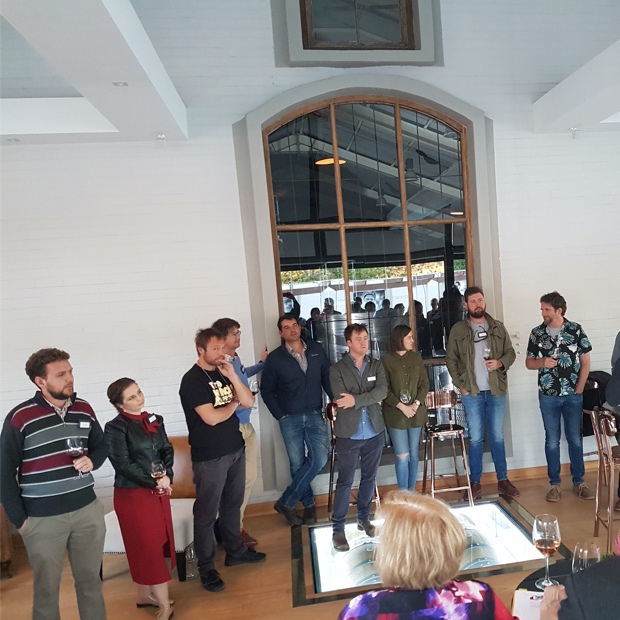


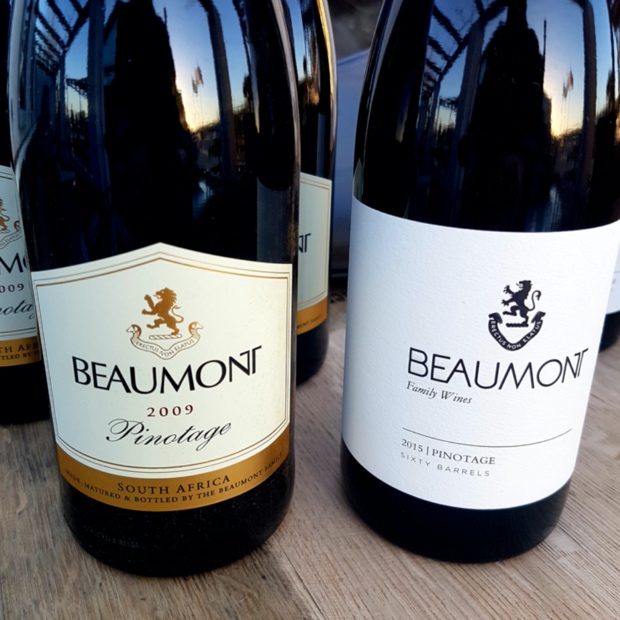

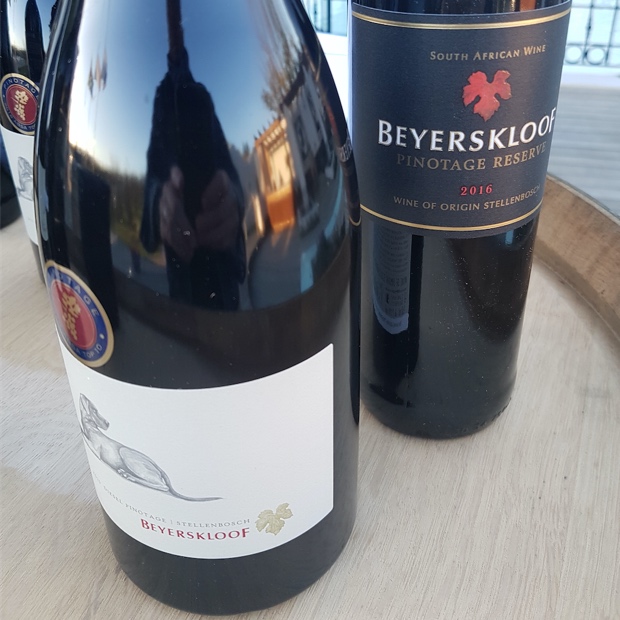


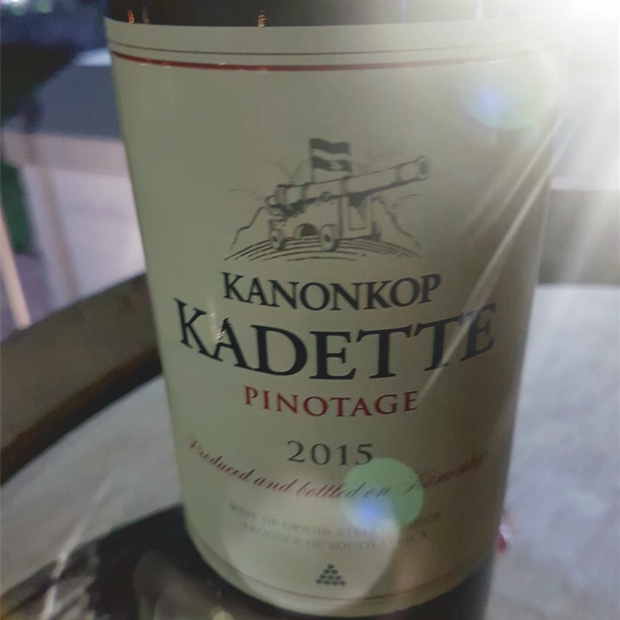

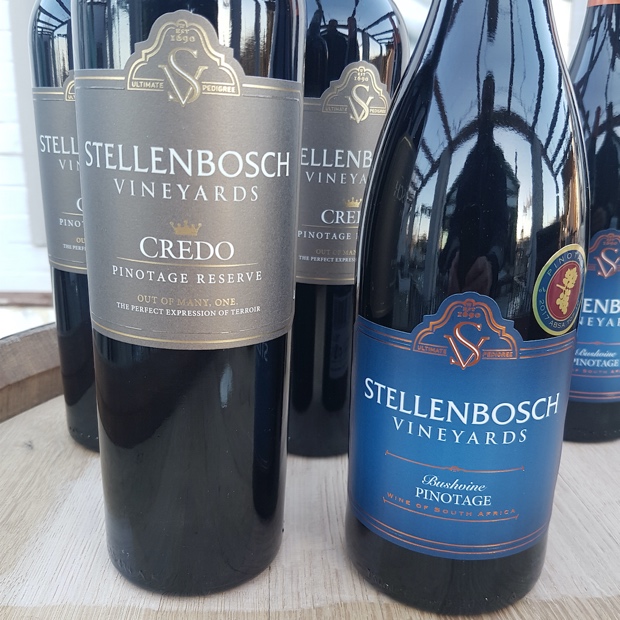

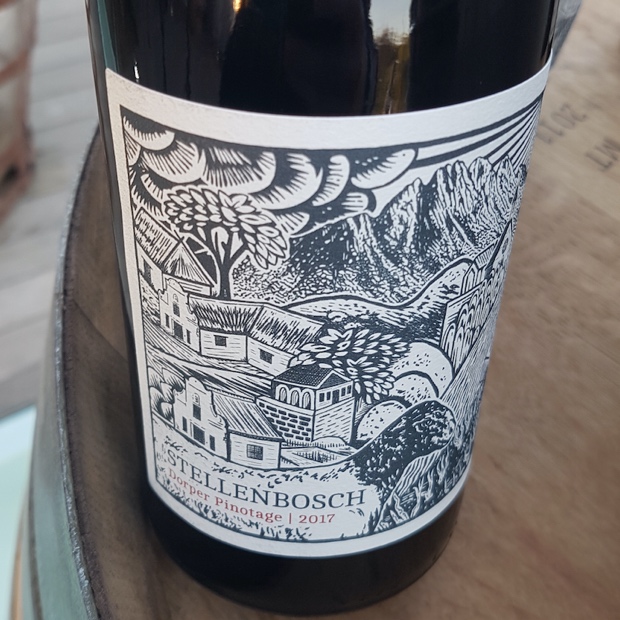

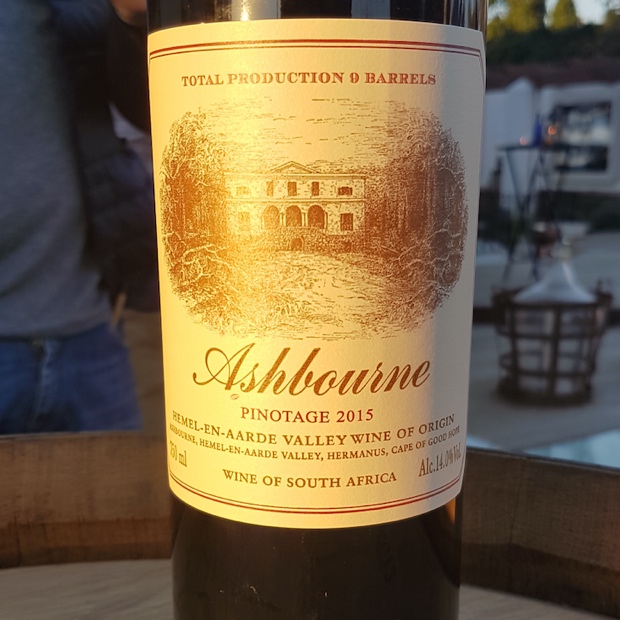
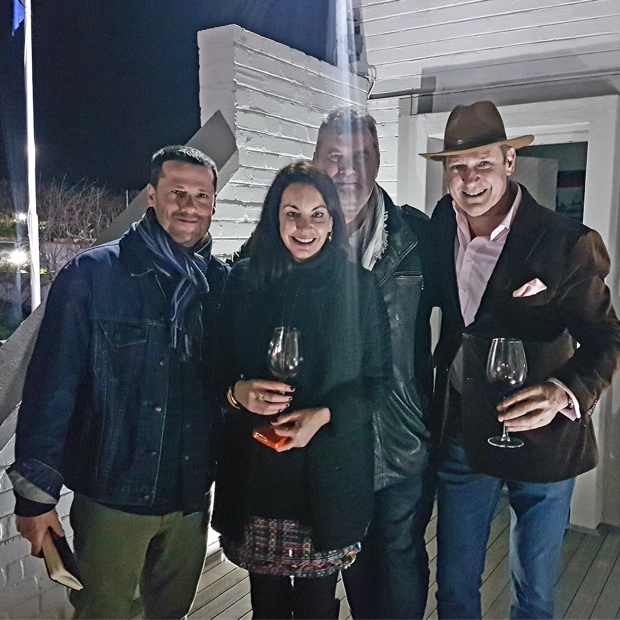

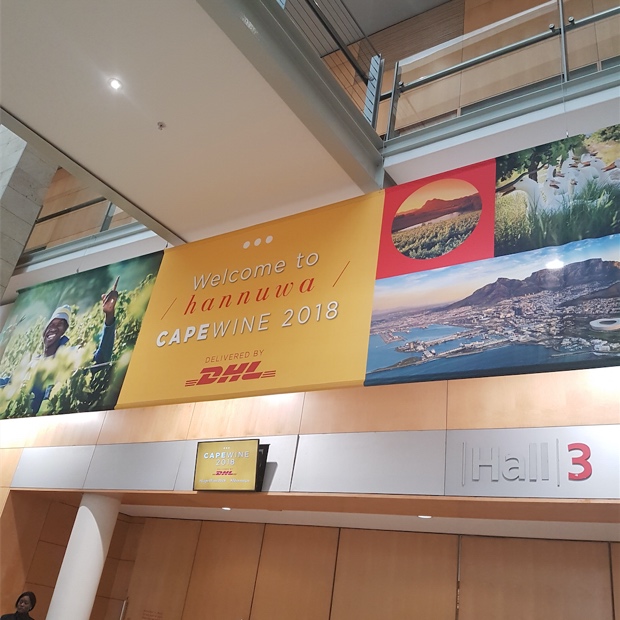
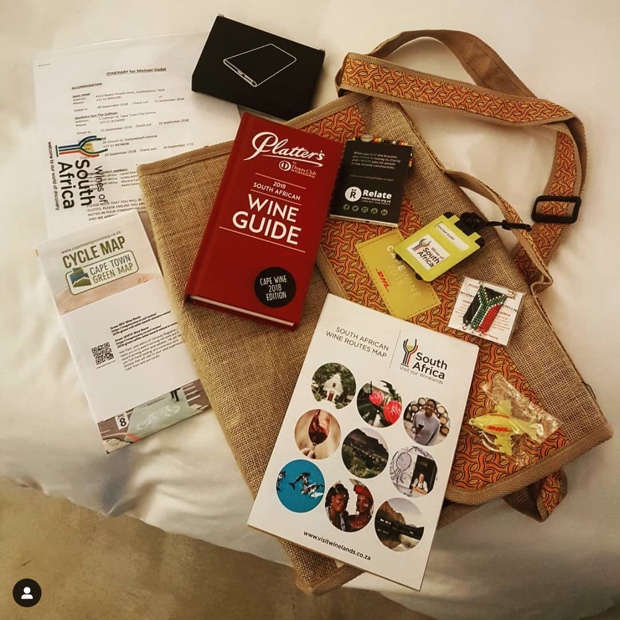


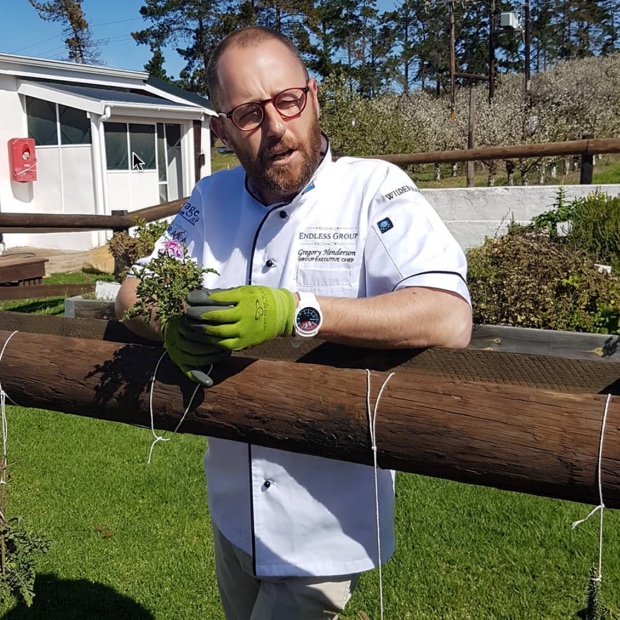


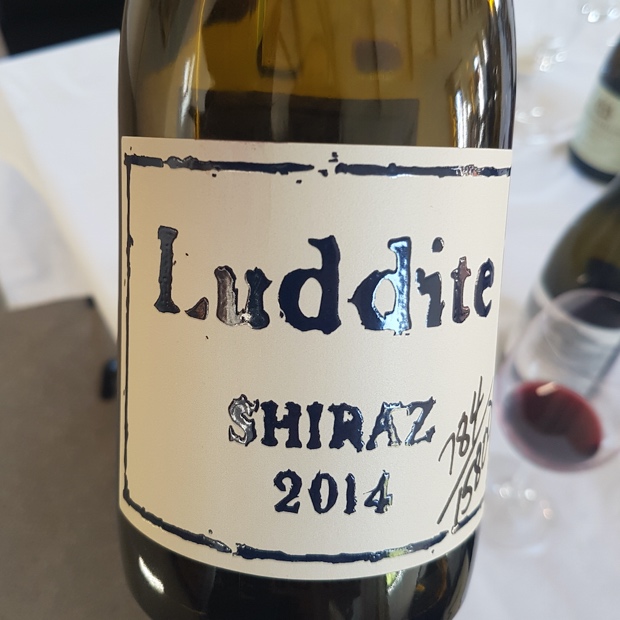


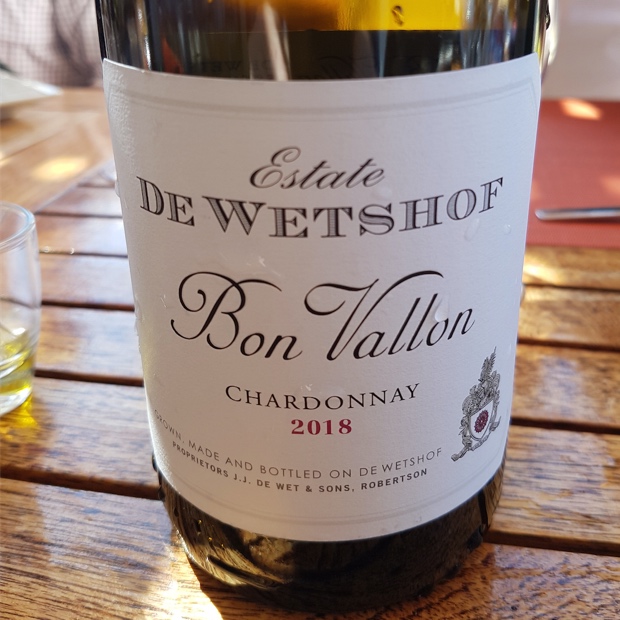


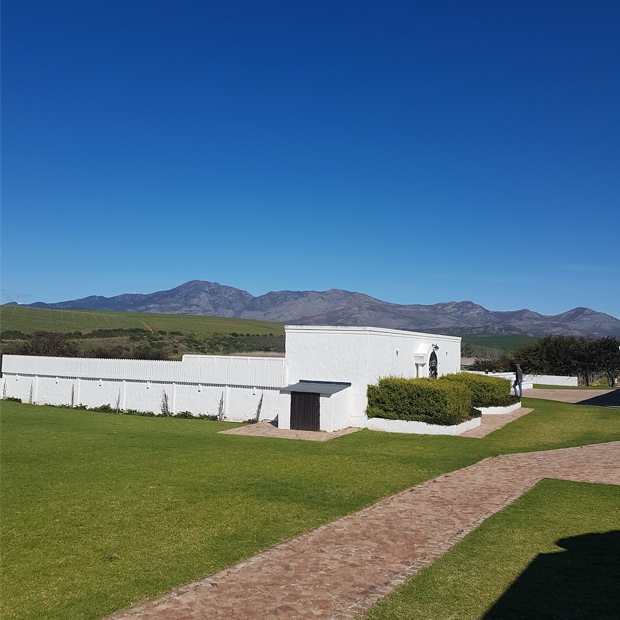
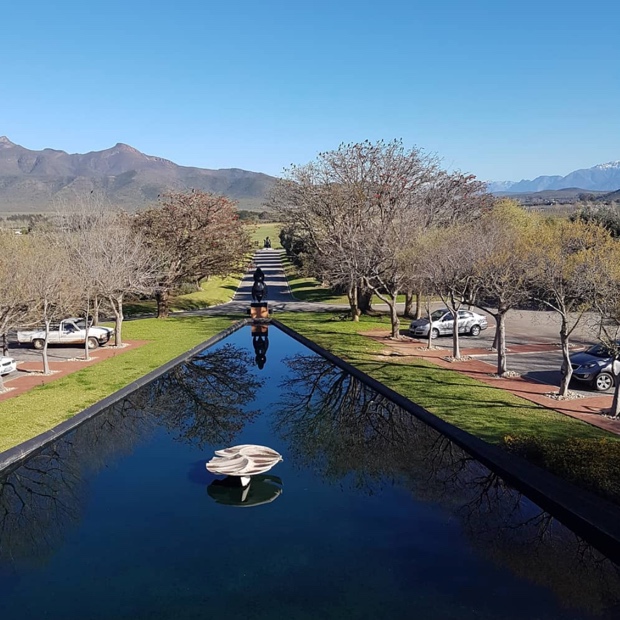
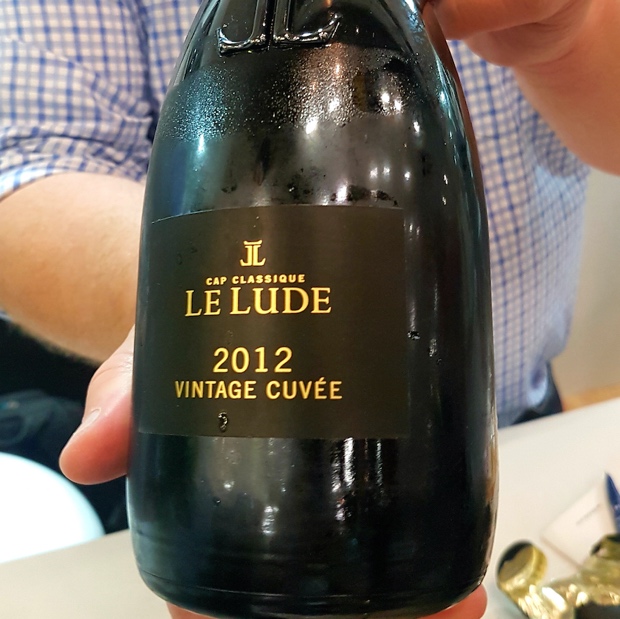

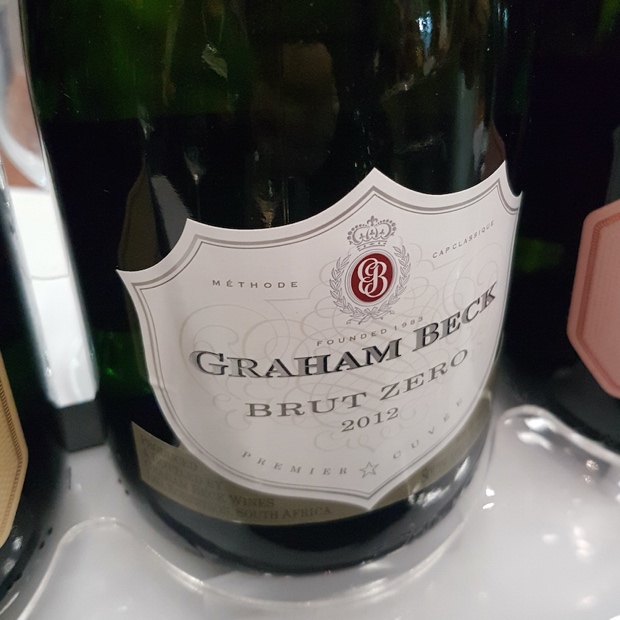
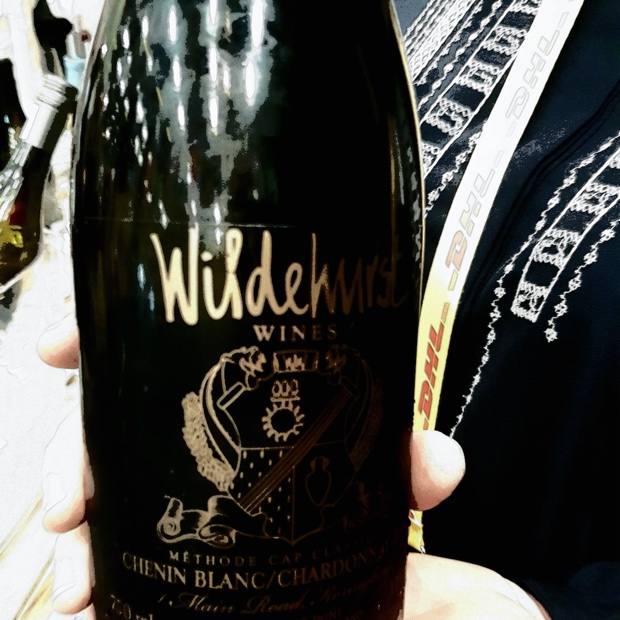
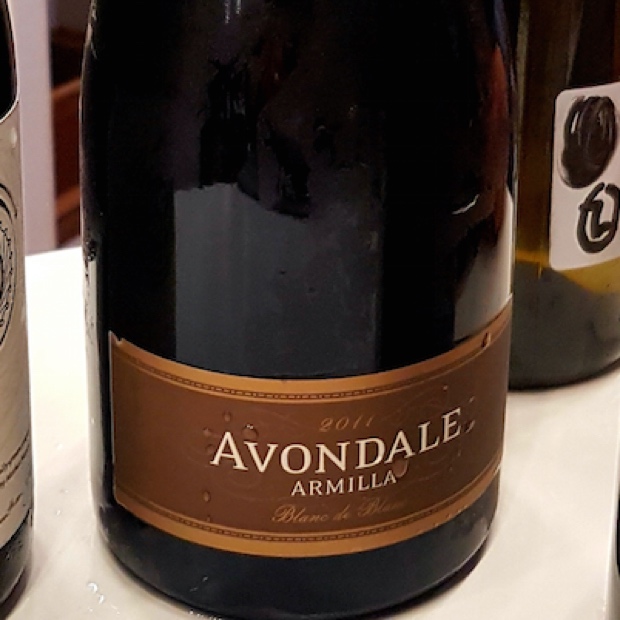


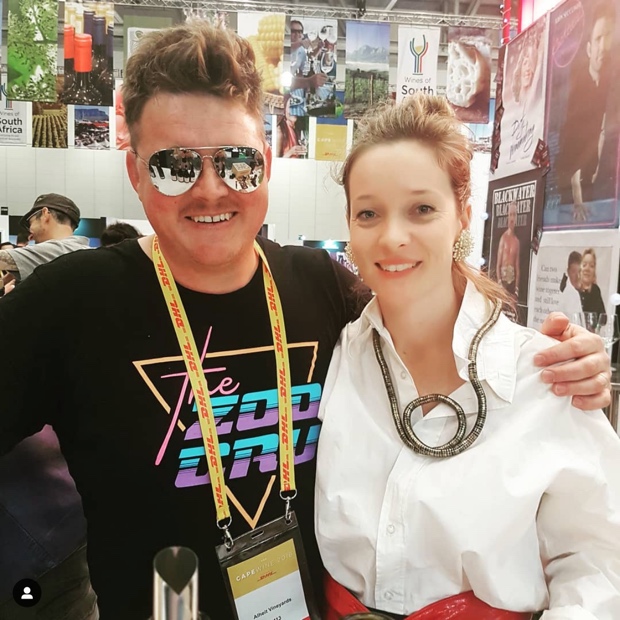

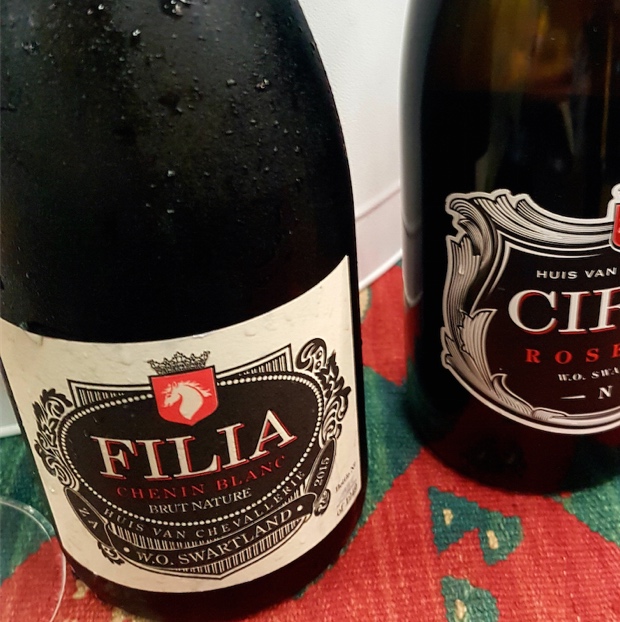
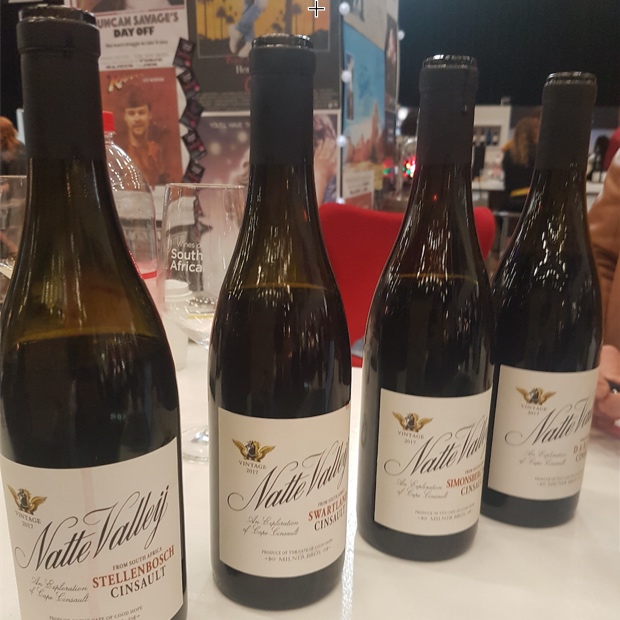


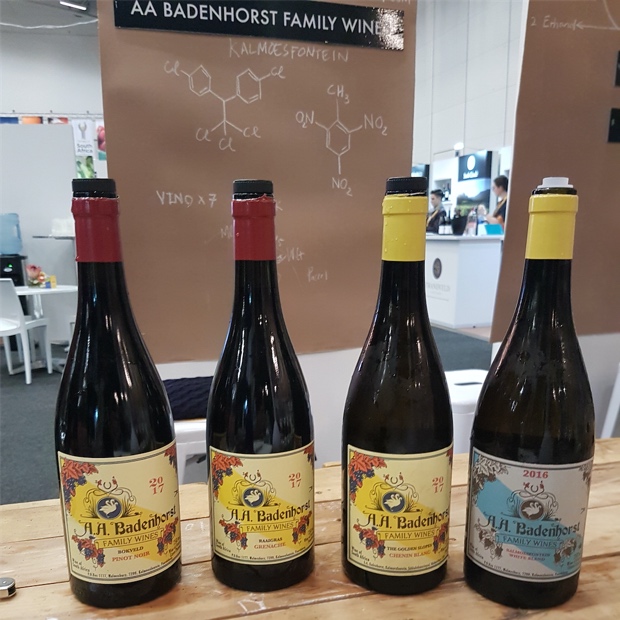
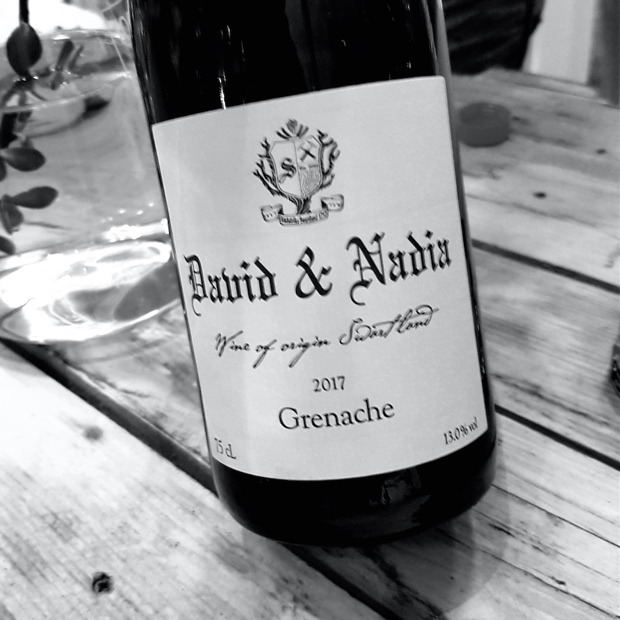

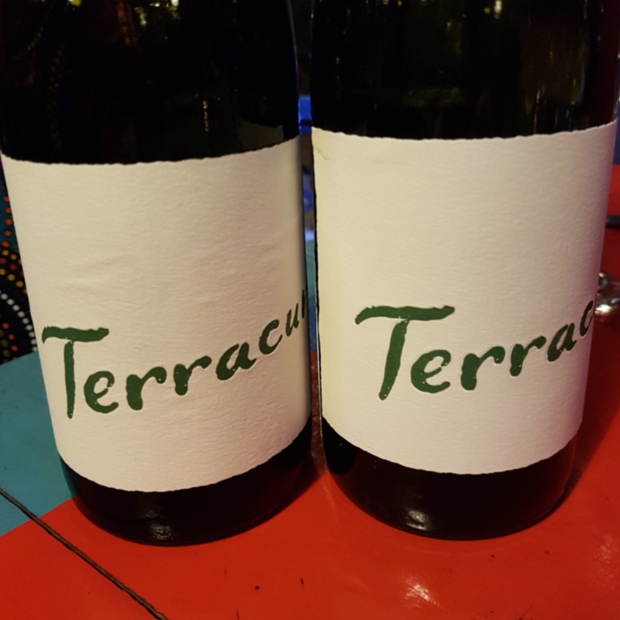


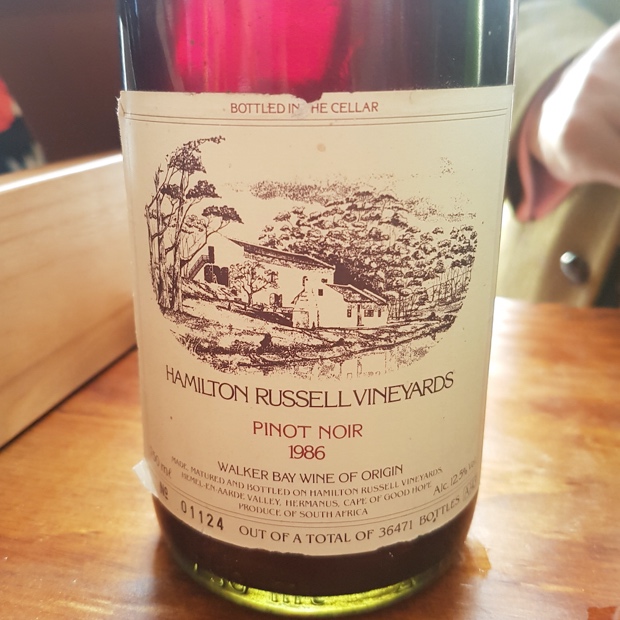
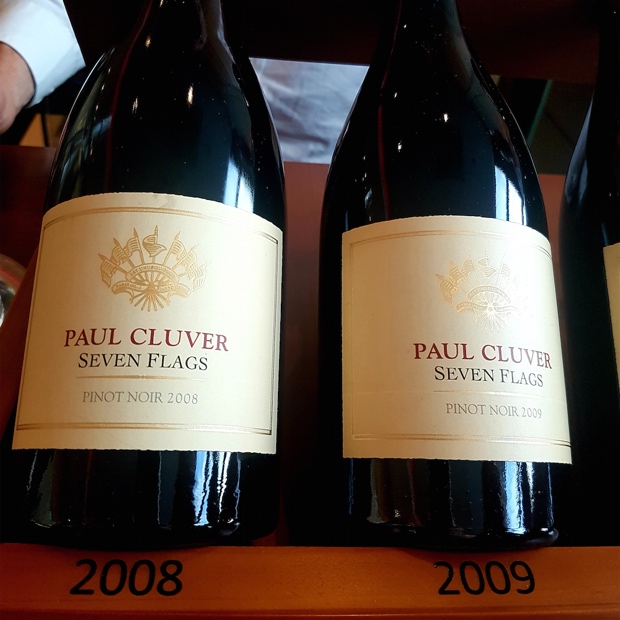

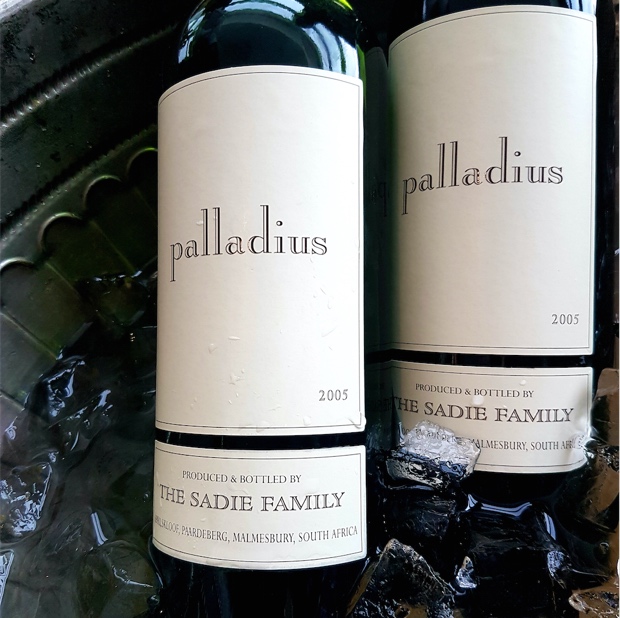
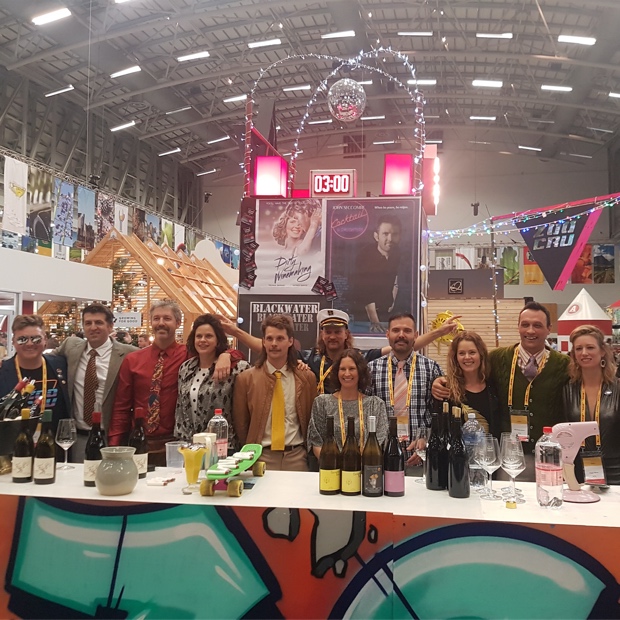
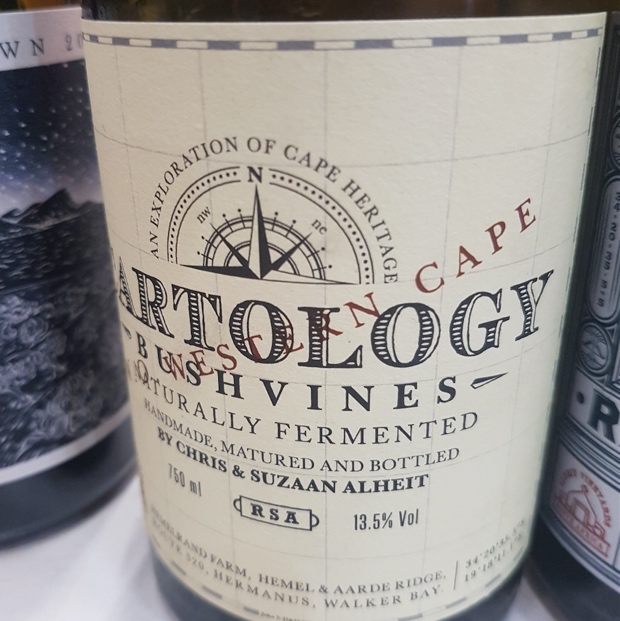
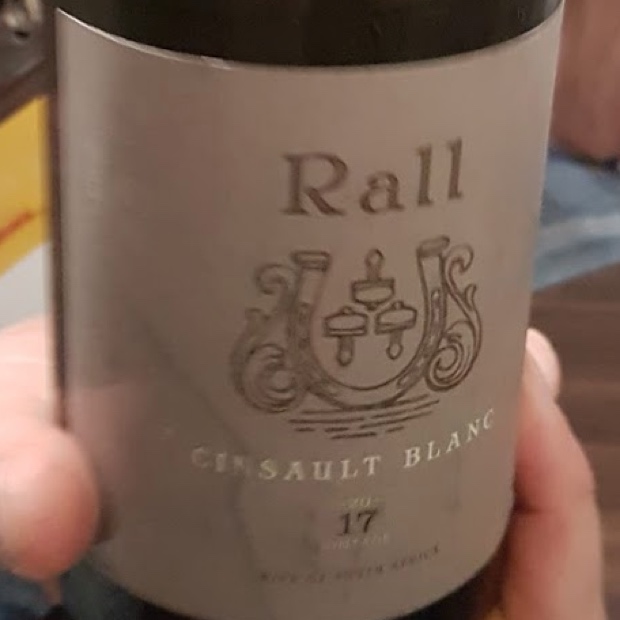

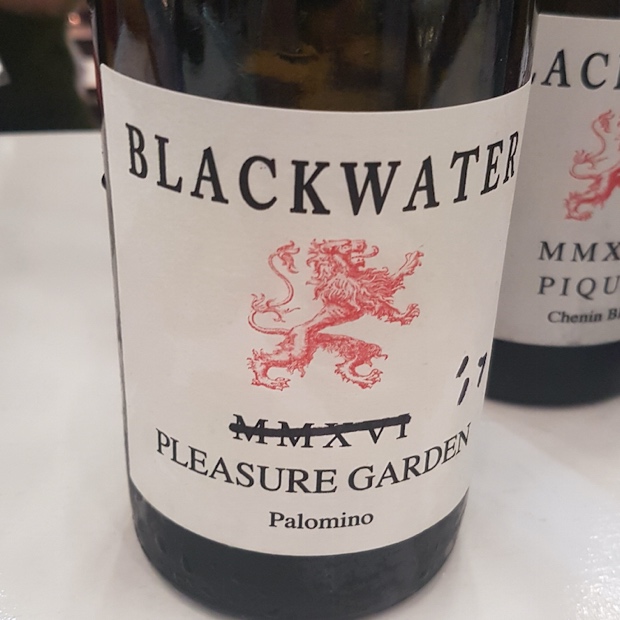
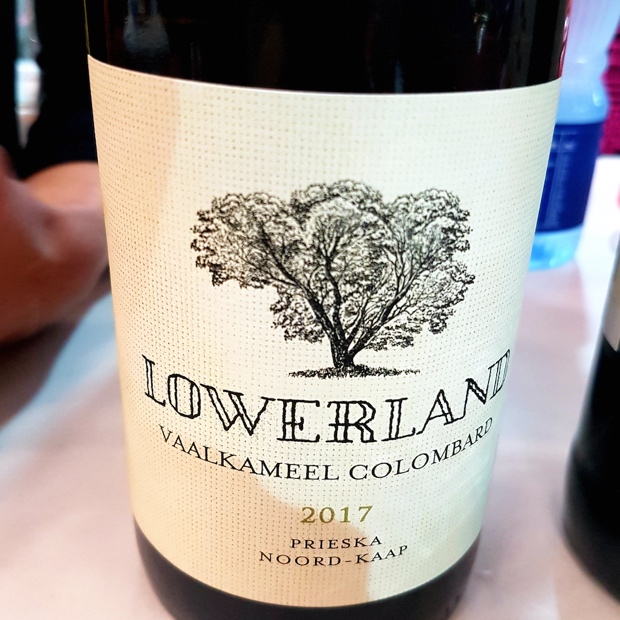


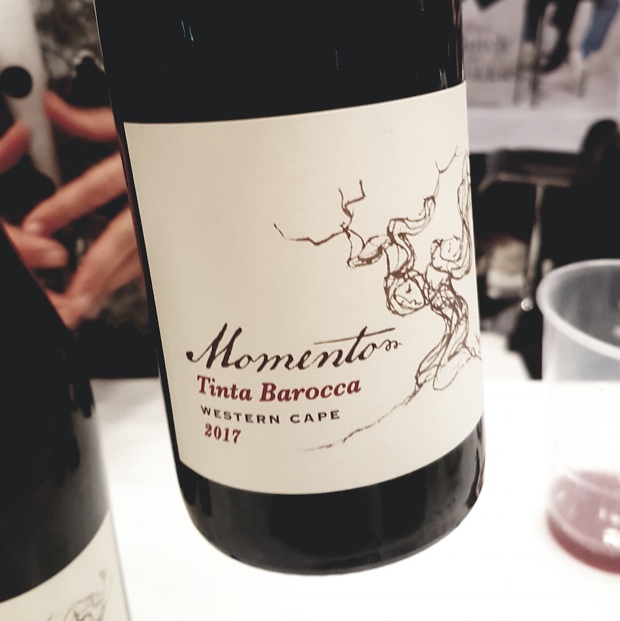


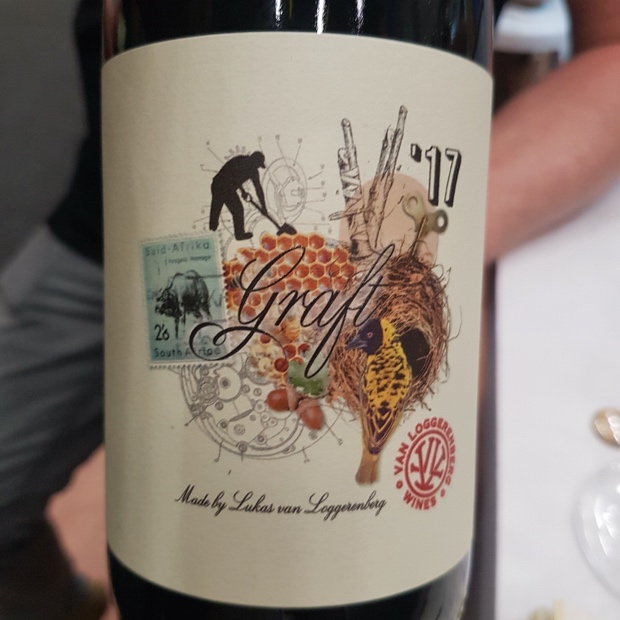
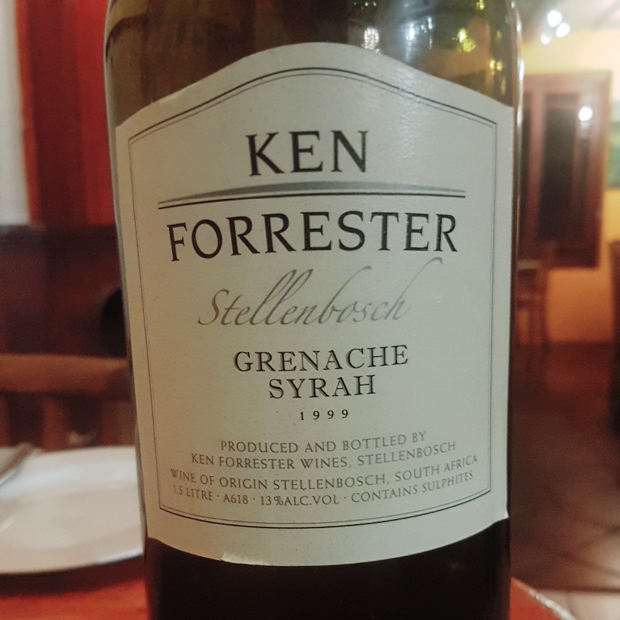


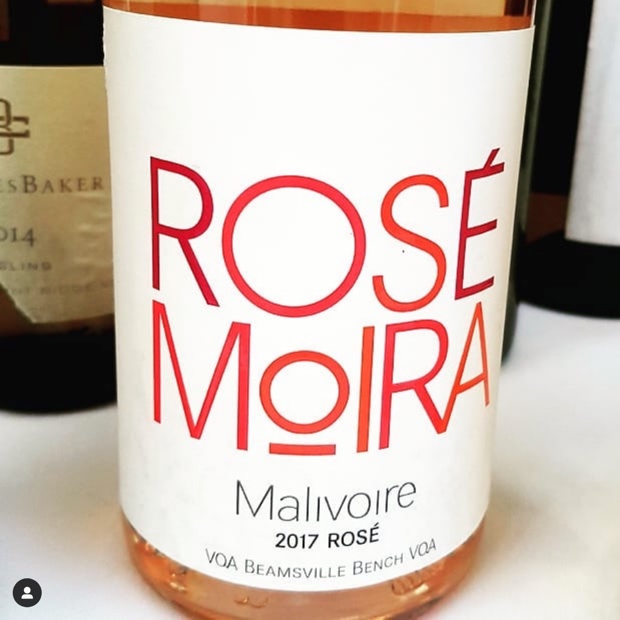


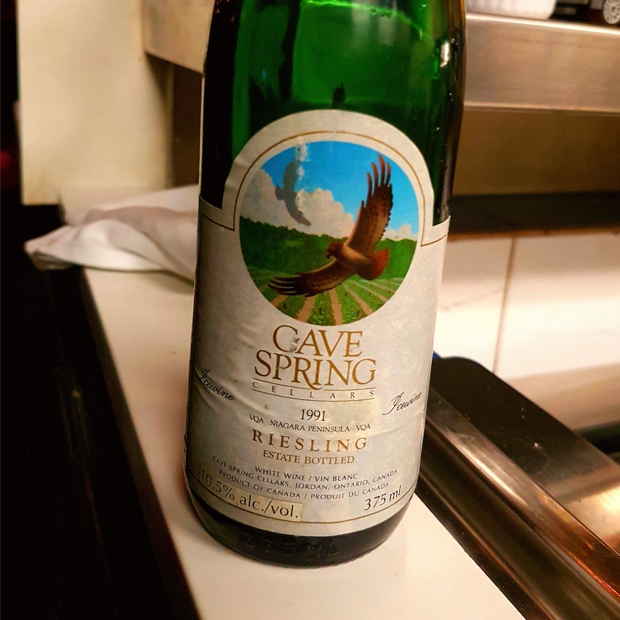


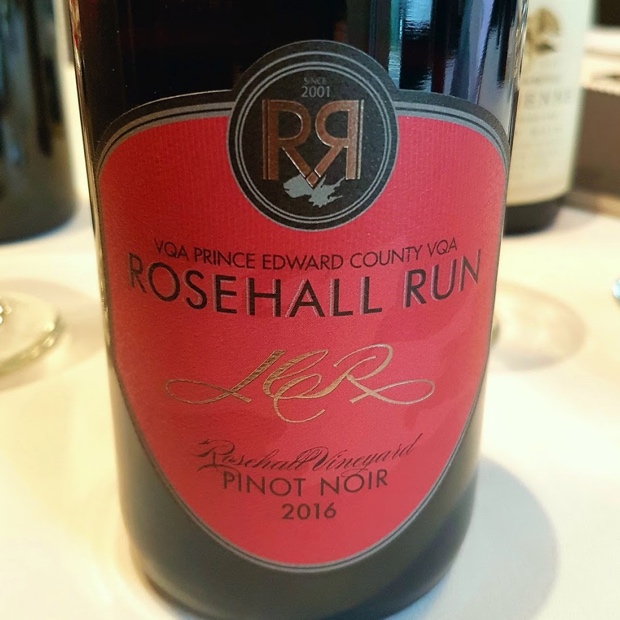
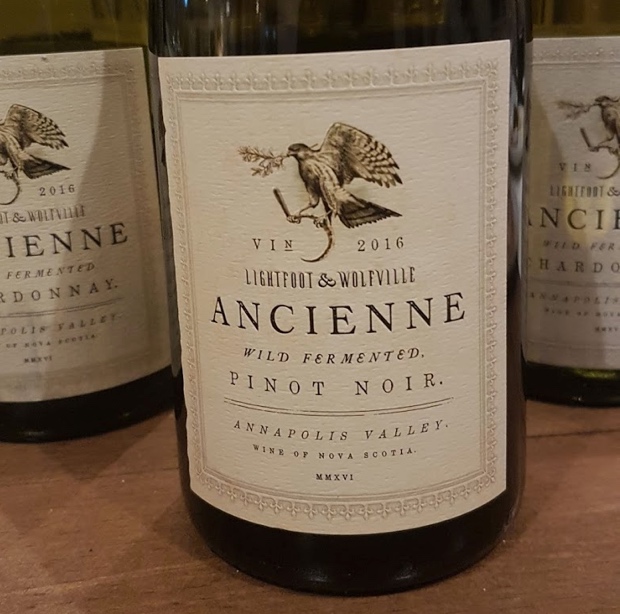
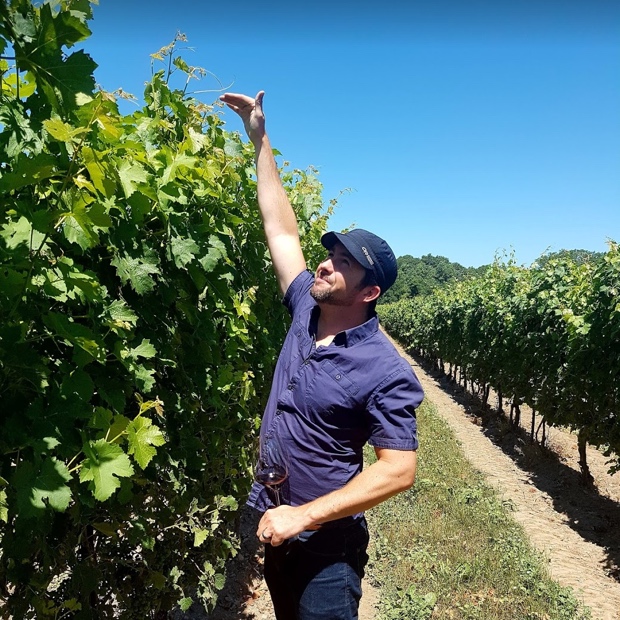









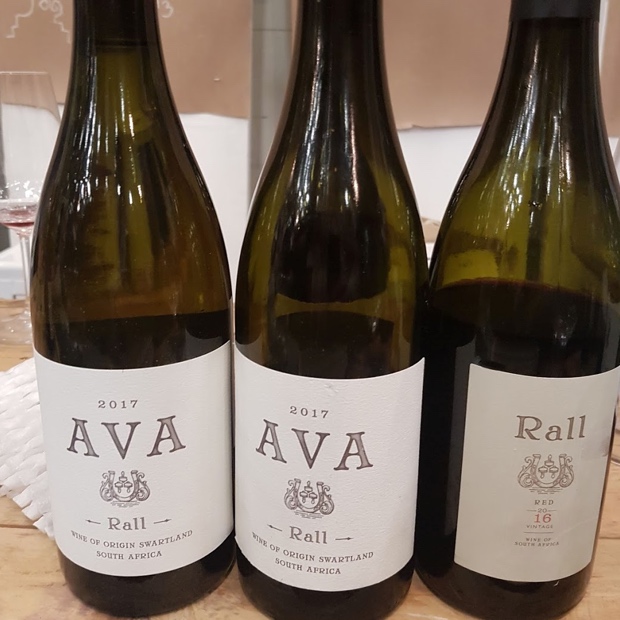
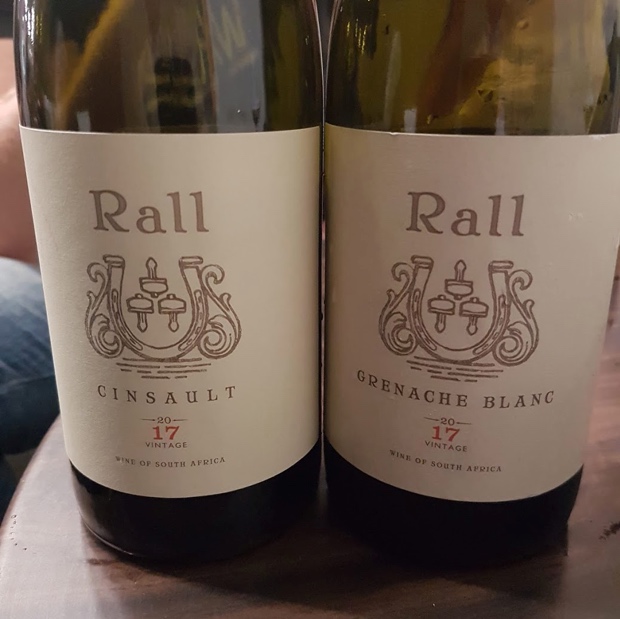
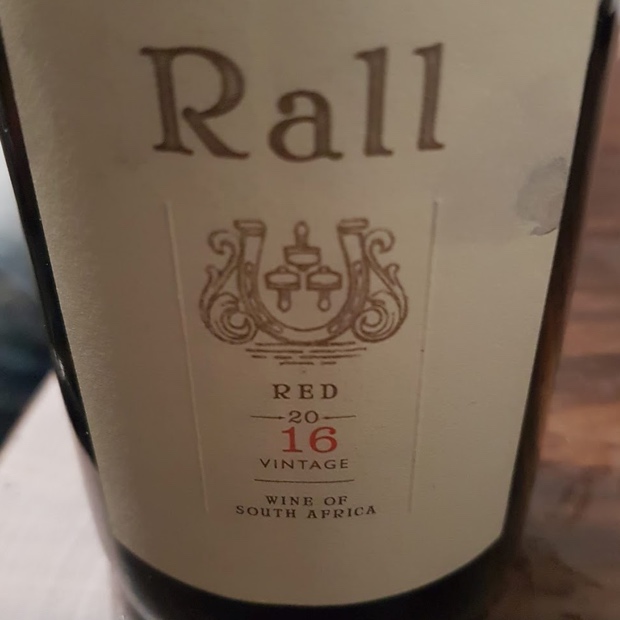
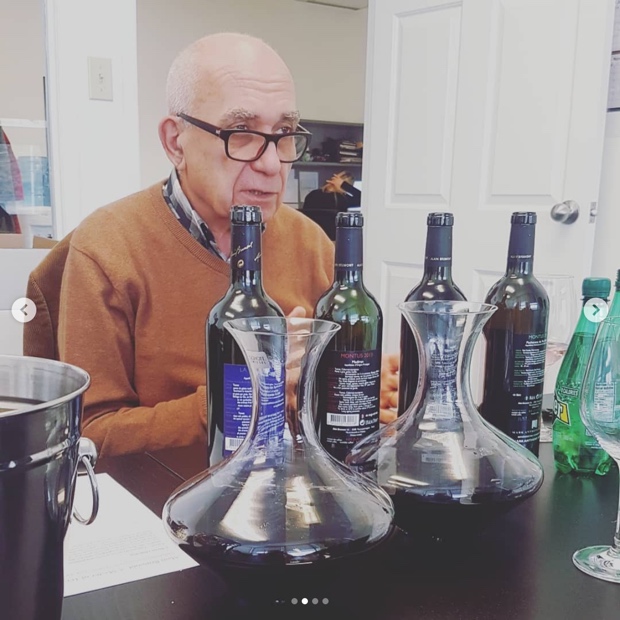
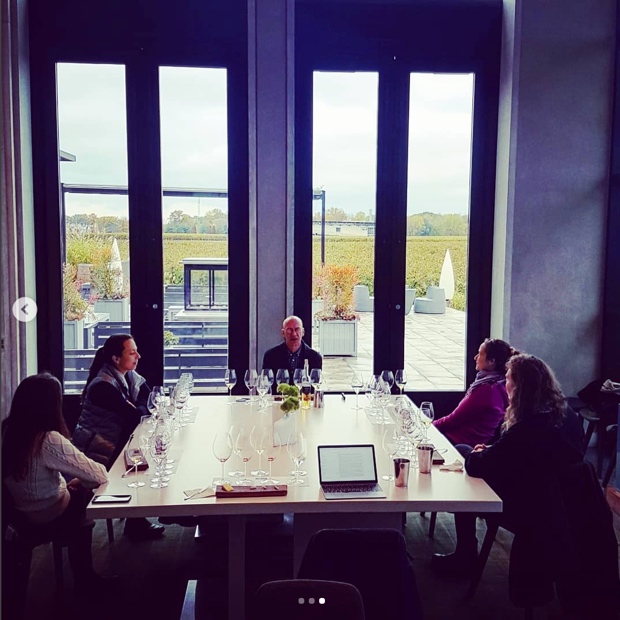




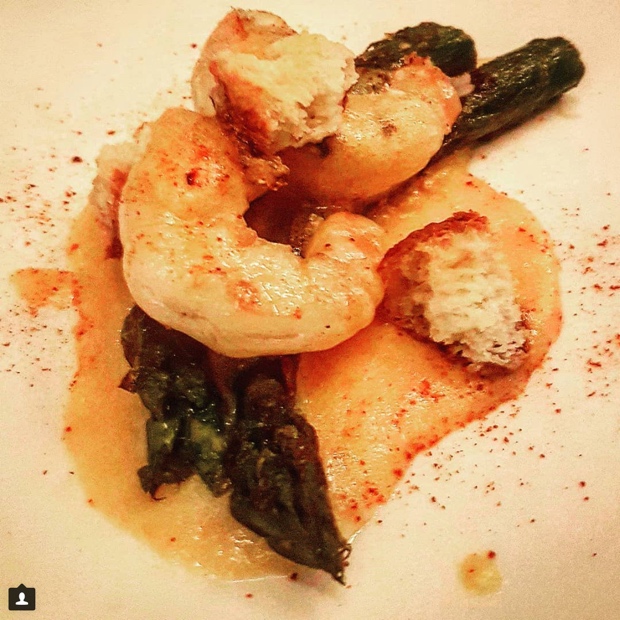

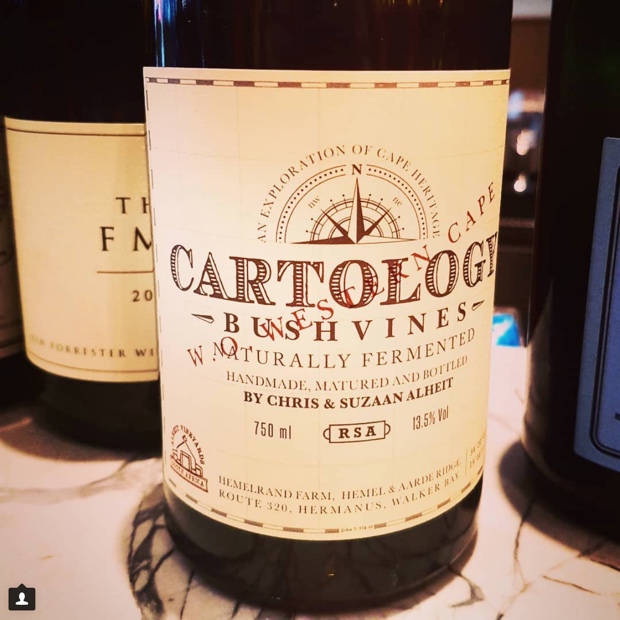
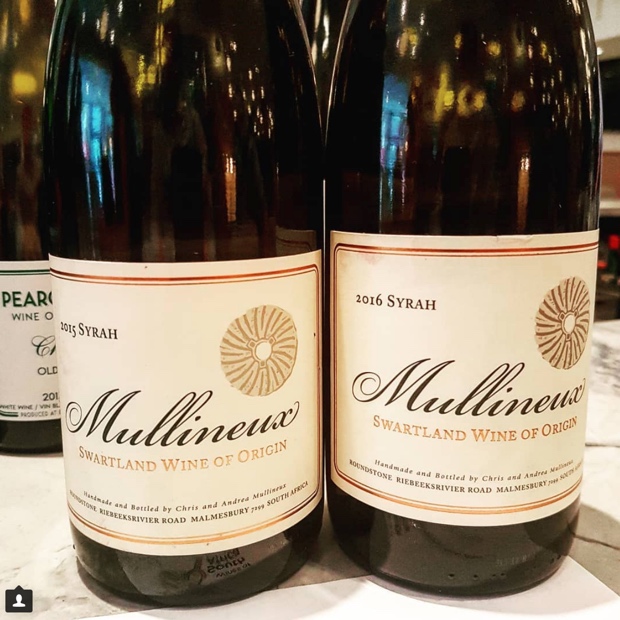

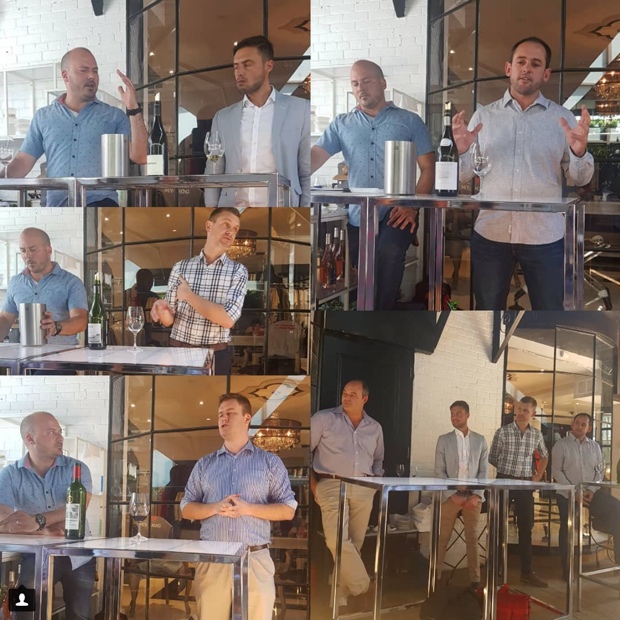
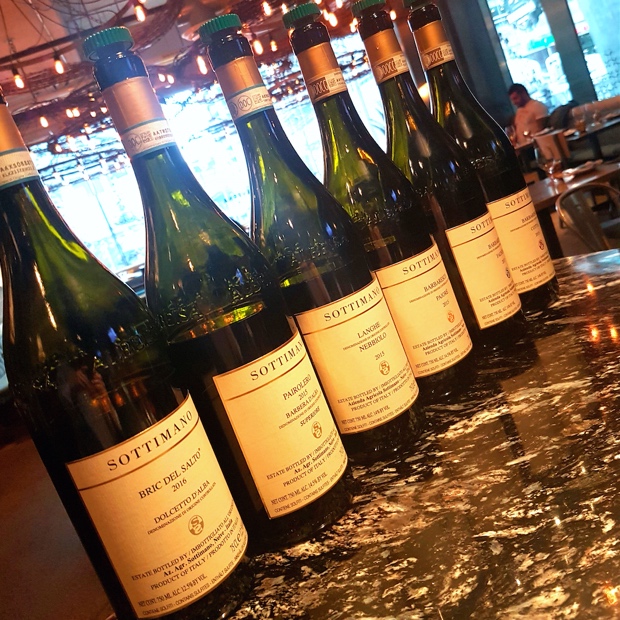
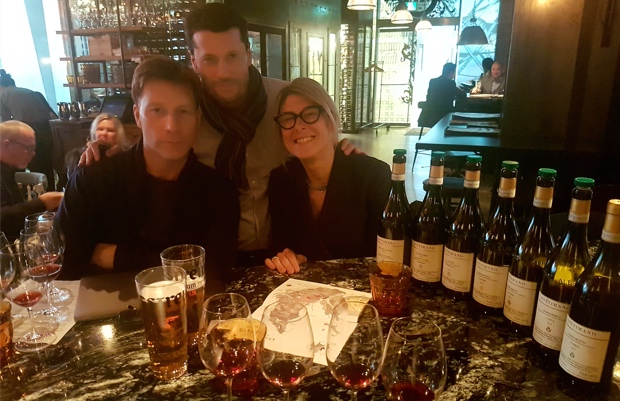

 Godello