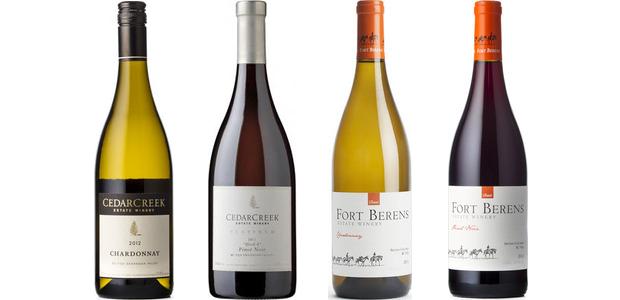
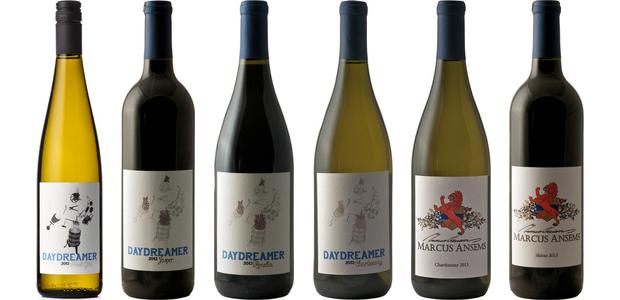
Chardonnay is never too cool for school

Flight #1 at the 2024 School of Cool
(c) i4C

Will fully admit to having seriously considered not using the word “cool” in the title for this latest exposé on i4C, Niagara’s annual International Cool Climate Chardonnay Conference. Then good conscience and reality set in because the original dub for Canada’s most important and successful wine congress will always be too good to dismiss. They coined it, built it and people have most certainly come. To foresee and then to consummate this collective pursuit of excellence inscribes Cool Chardonnay into the lexicon of wine forever. Hard to predict just how many more of these joyous to potentially annual profound (four-day) weekends there will be, but were this the last then hundreds upon hundreds of producers, winemakers, media, influencers and consumers over the years will have walked away happy, better for it and with memories to last a lifetime. The extraordinary 2024 edition of i4C went deeper still, to deliver the coolest quality and finest balance between information, socialization, revelry, society and of course, chardonnay. Cool as ever, gotta be cool, relax and never too cool for school.

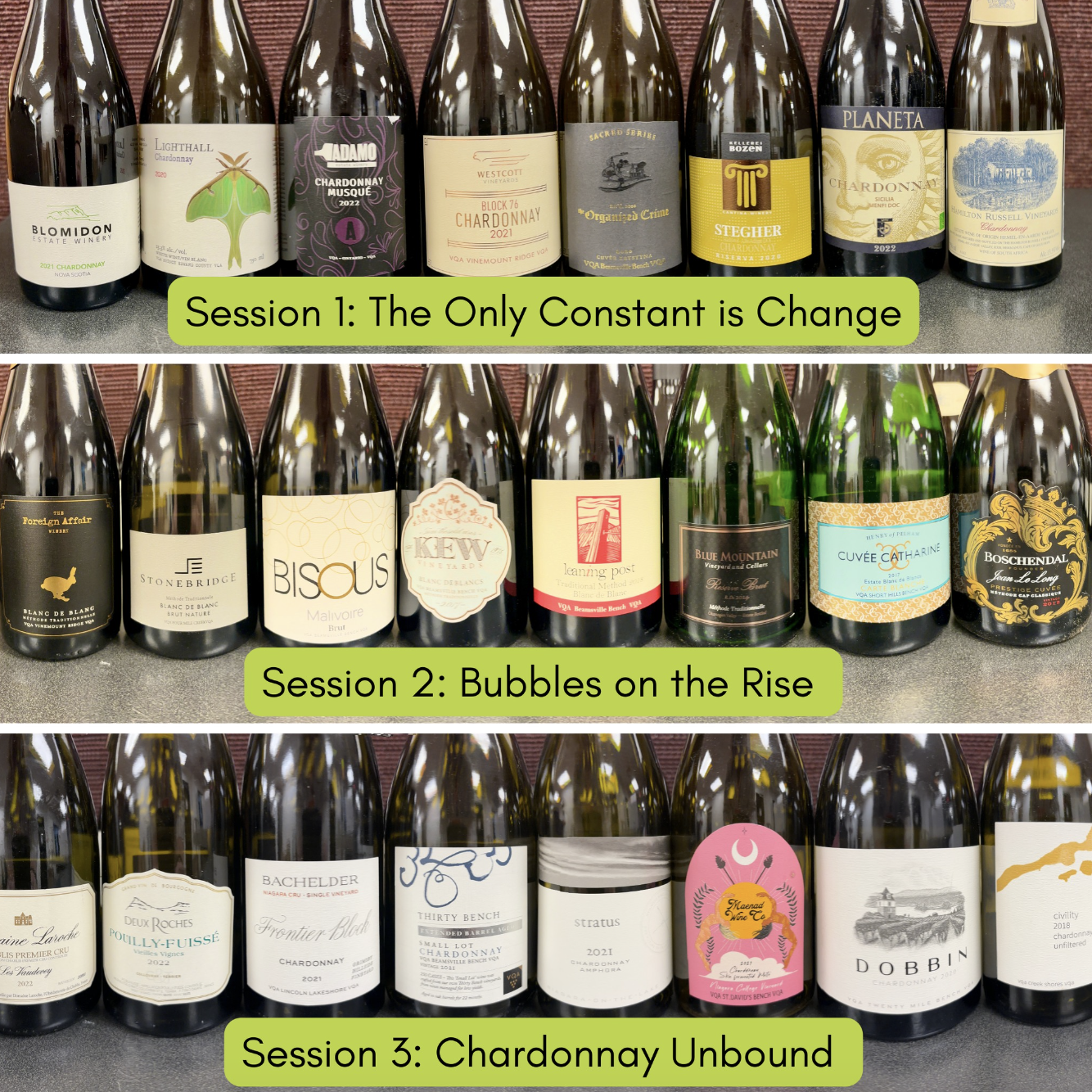
Three panels of i4C School of Cool 2024

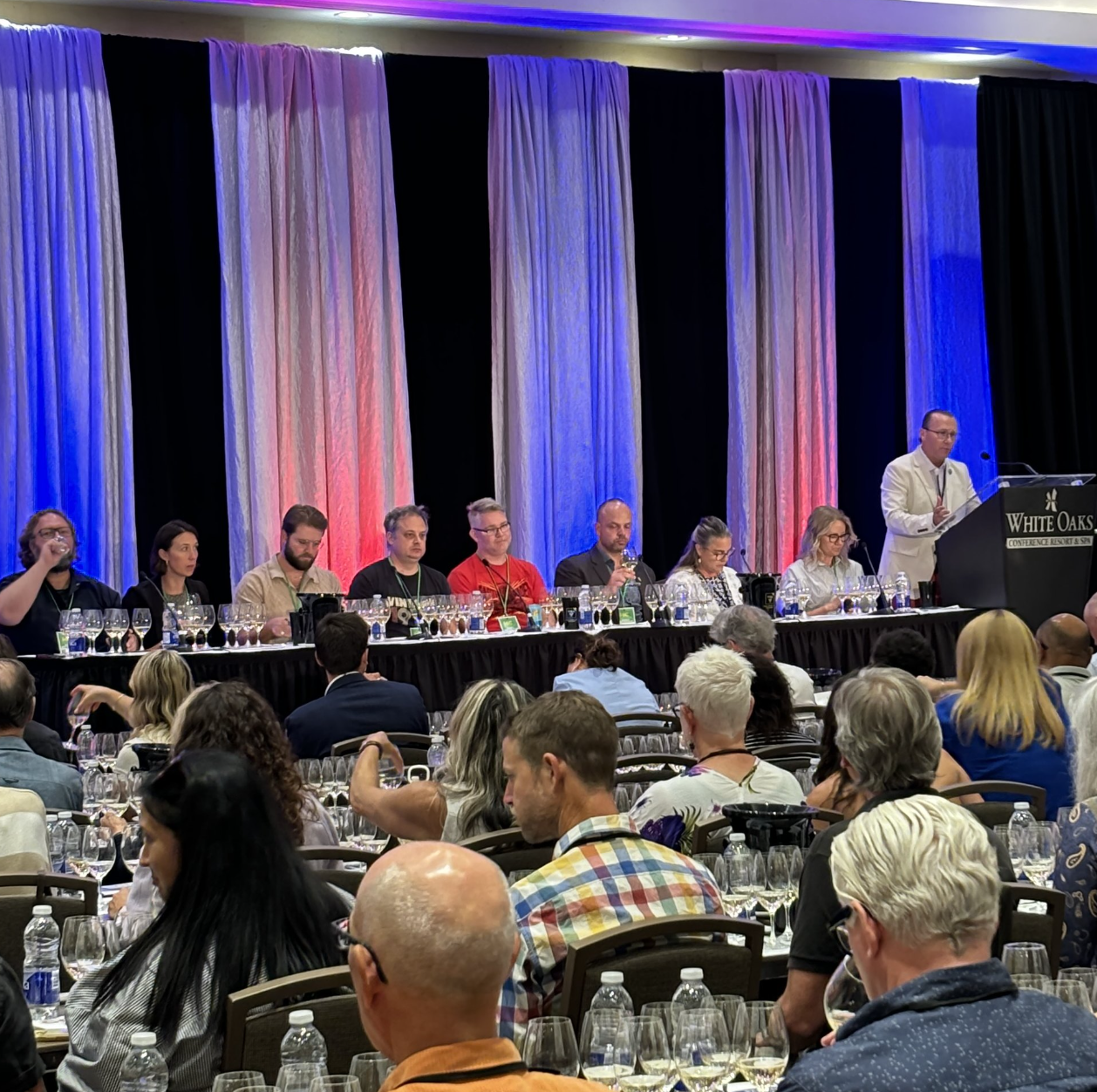
The School of Cool gets into sessions with wise and wily words from Past Chair Suzanne Janke, a lifer for the cool climate cause, public face of Stratus Vineyards and light of the room. Janke’s input, along with the i4C Board, Concierge Kim Auty and Event Director Trisha Molokach shows a highest level of intuition for what can only be judged as a cracker choice for keynote speaker at the 2024 School of Cool. That would be the affable character, next level intelligence and dry as the desert humour of Austrian-born, London-living Master of Wine Stefan Neumann. Mr. Neumann peeks out from behind his little boy grin to invoke the legend that is Laura Catena, to introduce his intentions as it pertains to cool climate chardonnay. “She slapped me on the brain and said there is no such thing as good warm climate chardonnay.” The wheels are turning, theories circulate and then from his own powers of reasoning Stefan announces, “I really think the world needs to know more about Canada and cool climate chardonnay, because it’s really important.” Not that he is late to the party, but the choir nods silently and knowingly, all smiling wryly. You can hear the collective internal dialogue working. “We like this guy.” Then he speaks to they who are not in the room. “Every cool chardonnay has a cool admirer out there,” he insists, “just as every pot has a lid.” The analogy might have got lost in translation from within the history of some ironic Viennese dialect. Note to self: Send Ernst Molden a note to ask for clarification. In any case Neumann comes from a place of hospitality. “As a guest you need someone who can help you,” he explains. “As a sommelier, if I’m going to explain cool climate chardonnay to a guest I’m not going to start with the Winkler classification.” Truer words never spoken.
School of Cool
(c) i4C

South Africa’s Anthony Hamilton Russell leads the first session where things turn immediately laugh out loud funny, if simply because Hamilton Russell is an Afrikaans lekker of off-the-charts intellect, dry wit and a brand of self-deprecating meets sweet roasting and toasting humour that is by all accounts infectious. “The only constant is change,” he begins with an address that may or may not attempt to tackle climate change. “All the hard rains and frosts are just noise in the background and it’s about how we are going to deal with it.” Anthony wisely chooses to order the chardonnay tasting from north to south. His first notation is to explain “how important it is to precipitate proper dormancy in chardonnay.” Then he poses the question, “what is the worst climate problem?“ He is answered by (Nova Scotia’s) Blomidon Estate winemaker Simon Rafuse. “Depending on when you ask me, the answer will be about what just happened.” For Adamo’s Vanessa McKean “it’s a big catch up in the spring to get ahead of things, remove the (geo-thermal) blankets as late as possible before the weeds get out of hand and also late frosts compounded by the textiles still in surround of the vines.” Westcott’s Casey Kulczyk notes that bud break occurs earlier, growing seasons are warmer and ripening is quicker, while also more uneven. Are you sensing a (lack of) discernible Canadian patterning? Even in winemaking, from west to east Canada is comprised of many different vine-growing countries.
Sparkling Flight led by Peter Rod
(c) i4C

Session two is led by Peter Rod, he of chivalrous and consortable character, a prodigy and mentor for Niagara educator royalty and if the audience thinks Neumann’s humour is dry, they are then treated to Rod’s mix of dead-pan, amusement and bemusement. Fine decision to put Peter at the fore for the Sparkling wine flight because nowhere does that category receive more attention, research and investigation than that at his seat of higher learning. Peter Rod is surrounded by bubbles at Brock University’s CCOVI where fizz is considered on a daily basis. An effervescent panel delves deep into discourse for what Peter dubs as “Bubbles on the Rise.” Then the third set of eight pours, this time returning to still waters, holds title for “Chardonnay Unbound,” a varietal discovery with different faces, from different countries. Stefan Neumann returns and keeps the room engaged. Then Suzanne Janke is back at the podium and tells the audience her outfit blends seamlessly into the drapes, as if no one had noticed. Janke’s words are sing-song, showing the skills of a melodist with a sweeping sense of purpose. All she says focuses on the patrons, panelists and chardonnay, but never the I. Piano-woman, “quick with a joke or to light up your smoke….Oh, la, la-la, di-dee-da. La-la, di-dee-da, da-dum.”
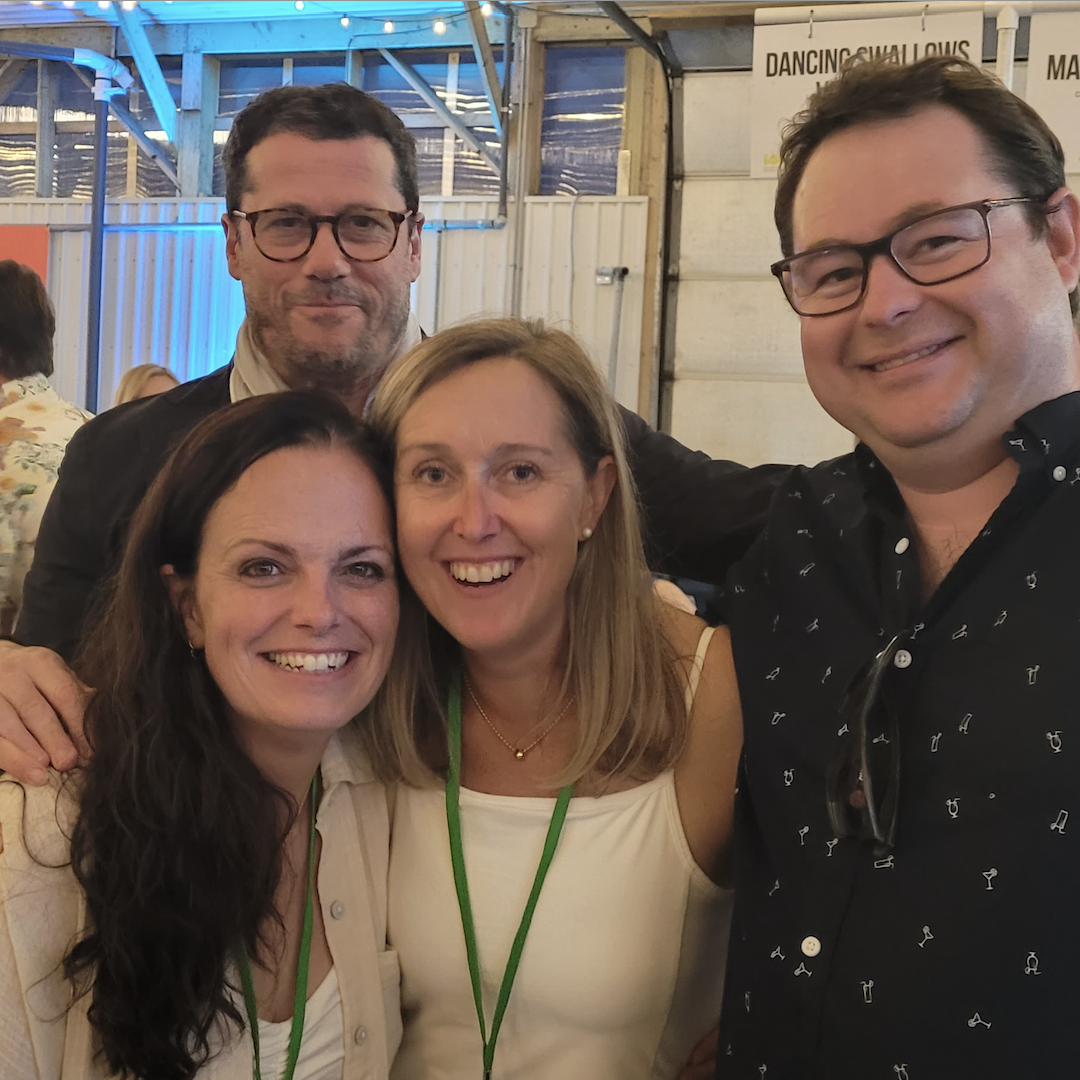
With Katie Dickieson, Emma Garner and Ben Minaker – Andrew Peller Ltd.

In the end these are three memorable panel experiences at the 2024 i4C Cool Chardonnay School of Cool. Three expertly moderated sessions by Anthony Hamilton Russell, Peter Rod and keynote speaker Stefan Neumann MS. Intel of the highest order from 21 Chardonnay winemakers. In 12 years of attending this conference there has never been a better organized, finer seamless set of transitions or more to learn. Bravo to Concierge Kim Auty, Event Director Trisha Molokach, Past Chair Suzanne Janke, the producers and entire team of volunteers. Friday night we tasted Friday Night Flights with the producers at Cherry Lane Farms in Vineland. On Saturday night we returned for Chardonnay in the Vineyard World Tour Tasting and Dinner at The Riverbend Inn, Niagara-on-the-Lake. And there were visits orchestrated by the Wine Marketing Association of Ontario’s Andrea Peters. To Chef Ryan Crawford’s Bar Ruffino with J-L Groux, Dean Stokya and Suzanne Janke of Stratus Vineyards. To Dobbin Estate with Wade Dobbin, Peter Gamble and Ann Sperling. To Flat Rock Cellars with Ed Madronich. To Le Clos Jordanne with Thomas Bachelder, Phillip Brown, Kerri Crawford and tasty treats from Chef Crawford. Finally, an i4C lunch at Westcott Vineyards’ Butlers’ Grant Vineyard with Grant Westcott, Carolyn Hurst, Casey Kulczyk and magnificence from Chef Tim Mackiddie. Alas, here are 83 tasting notes, 63 for chardonnay and 20 others. 

Three panel blinds

Blomidon Estate Winery Chardonnay 2021, Nova Scotia

“We have been growing chardonnay since the 1990s,” tells winemaker Simon Rafuse. “We can definitely ripen and picking is weeks ahead of the past, but we have experienced more extreme climate events in the last decade, whether it be frost, flash flooding, polar vortexes, hurricanes and disease pressure.” His ’21 is made in a clean style, whole cluster pressed, on lees for 12 months. Sharp yet rich, intense while full, apropos, meaningful and direct. Top vintage without a shadow of a doubt. Drink 2024-2027. Tasted at i4C, July 2024

Adamo Estate Chardonnay Musqué 2022, VQA Ontario

From an emerging Ontario region – Hockley Valley. Does not quite feel like 100 percent chardonnay musqué but more like an interplanting or layering with some linear, vertical and incisive Burgundian chardonnay. Less fruit from this bottle replaced by mineral salts yet with no compromise to the flowers by musqué. Producers and consumers of fleshy to buttery chardonnay will find holes but the rest will relish in this outcome all the same. “We farm in an area not great for growing grapes” says winemaker Vanessa McKean. ”We don’t have a large body of water to mitigate extreme temperatures so we cover out our entire 18 acres with geo-textile blankets.” Air flow through the vineyard is essential and being at the top of the hill is helpful. Barrel fermented in neutral wood with the musqué portion delivering more floral notes than most Ontario chardonnay. There is a tinned orchard fruit character that invites more than it distracts and the sharpness of this palate journeying acidity is really quite special. Drink 2024-2026.  Tasted twice at i4C, July 2024
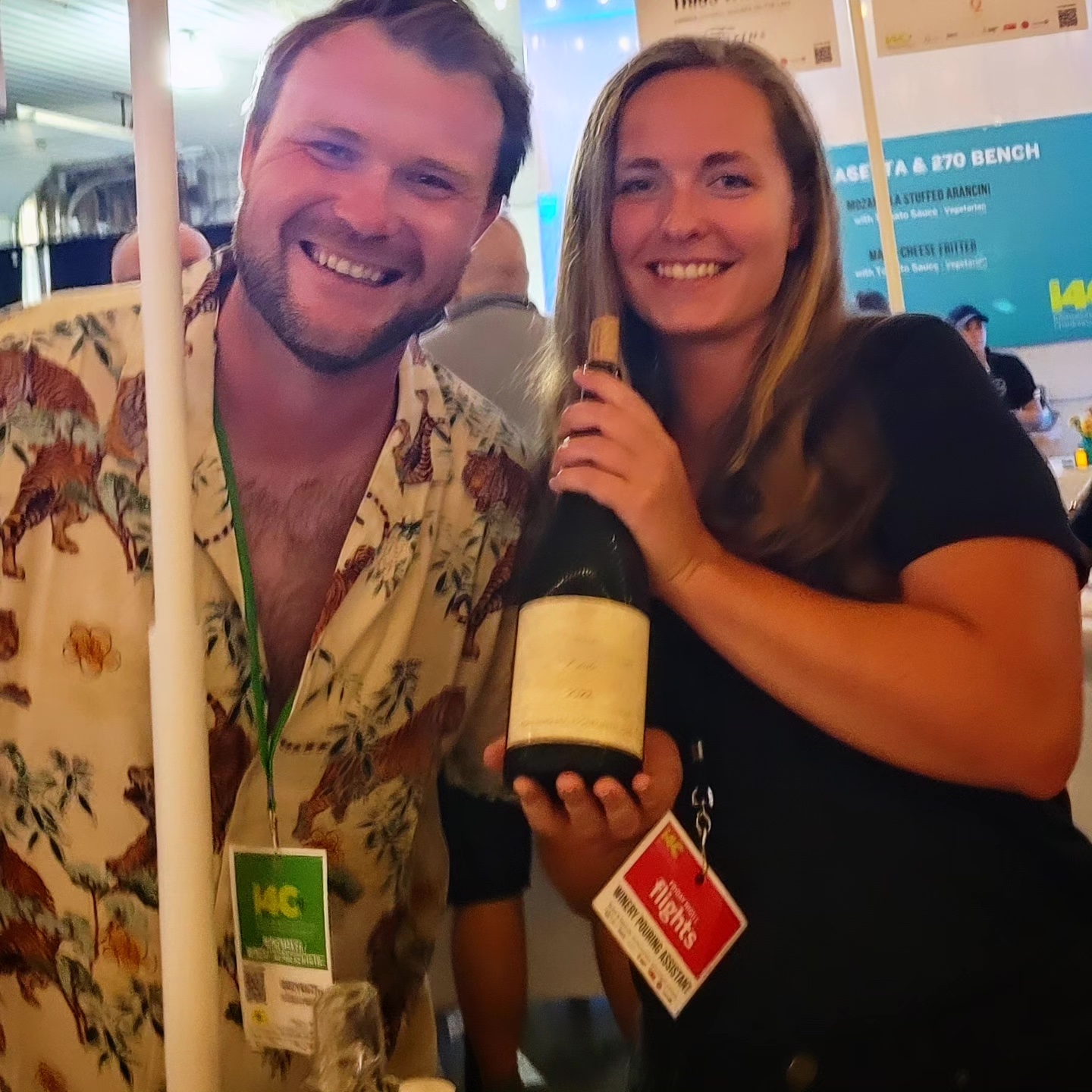
The winemakers are alright – Westcott Vineyards

Westcott Vineyards Chardonnay Block 76 2021, VQA Vinemount Ridge

From the home farm of 26 acres and the lowest elevation, teardrop block on shales and gravels, facing east. Earlier ripening, acid retentive and sees 10 months in barriques, followed by six months in puncheon filled with the previous vintages’ clean lees. Like connective tissue that links the past to the present to prepare the chardonnay for a longer future. Texture is mineral, set below tannin, in command of the palate from a chardonnay built to celebrate and also abide by it’s double-barrelled shotgun approach. Fires, attacks and conquers the palate from above and below so that there is no escape. Spirit of ’76 all the way with more vibrancy than ever. Impressive like few others. Will age really well. Made for seafood dishes poached, bathed and sautéed in butter. Drink 2024-2028.  Tasted at i4C, July 2024

Greg Yemen – The Organized Crime

The Organized Crime Winery Inc. Chardonnay Sacred Series Cuvée Krystyna 2020, VQA Beamsville Bench

As implosive and protected as any Niagara chardonnay to speak of a year older example that acts and feels as young as any on recent record. Terrific sweetness of fruit and a testament to a full and in this case also long ripening season. Crisp and biting, orchard fruit crunch and no sign of breaking down. Gambles with nature, shows off precision winemaking and confidence exudes from a chardonnay constantly reopening and one you can do so much with. There are savoury elements that suggest food pairing with be a most fun and rewarding exercise.  Last tasted twice at i4C, July 2024

Powerful, reductive and in charge chardonnay, assuming the risk and in delivery of the reward. Platinum gold hue and attitude, serious, grippy and über conscious of its abilities. Top notch with vanilla and cereals that swirl into the full fruit complement of a chardonnay you just bloody want to drink. Consume away, with abandon because it asks this of you. Abide and oblige. Drink 2022-2026.  Tasted blind at NWAC2022, June 2022

Kellerei Bozen Chardonnay Riserva Stegher 2020, Alto Adige, Italy

From a vineyard at 650m with picking happening at least a week earlier than just 10 years ago and a dolomitic mountain air that breathes great life into this special sort of cool climate chardonnay. A yellow apple just short of ripe, with acidity sweeter than the drupe itself and a classic northerly sharpness that speaks to place as well as any European chardonnay. Drink 2024-2026.  Tasted at i4C, July 2024

Planeta Chardonnay 2022, Sicilia DOC 

Production began in 1995 while the vines are now nearly 45 years of age. In the southwest part of Sicily, in the Ulmo area around the village of Menfi where a corridor of wind, “our favourite friend,” tells Santi Planeta, blowing through between the lake and the sea. Through vines growing between 100 and 450m, breathing cool life, especially in the summer. The 2022 vintage saw plenty of rain though not concentrated at any particular time and so the constant events of moderation were something remarkable considering how often extreme climate events are increasingly more prevalent. The coming vintage of 2023 and 2024 will be affected by them, mostly because there was no rain. This chardonnay is impeccably balanced between fruit and acidity, acidity and texture, texture and tannin. The progression is seamless, the result precise and anyone who does not the recognize the experience and continued work put in may not be paying close attention. That’s fine but know just how special a (relatively) large production, semi-cool climate chardonnay this truly is. Planeta’s year-to-year consistency is truly impressive. Drink 2024-2028.  Tasted at i4C, July 2024

Hamilton Russell Vineyards Chardonnay 2023, WO Hemel En Aarde Valley, South Africa

The spirited intensity is unrelenting and speaks to how the HRV chardonnay tastes more profoundly serious than any other of its ilk. “Young and primary,” insists Anthony Hamilton Russell. “I like the complexity that our chardonnay develops with time in the bottle.” Well said but truth be told the wine already exhibits an electric variegate character and so what’s to come may just blow the mind.  Last tasted at i4C, July 2024

Freshness and abundance incarnate for Hemel-en-Aarde Valley chardonnay from the HR team that simply gets this grape from this place. A citrus vintage, less reductive than some whilst bursting with energy. Delight in lemon custard, all the zest, crunchy, mellifluously honeyed and never over-arching above and beyond the target. A scintillant of fruit through variety, to ache with love and to please, simply and unequivocally by design. Peak performance, summarily in the best of ways.  Drink 2024-2029. Tasted July 2024

The Foreign Affair Blanc de Blancs 2021, Methode Traditionelle VQA Vinemount Ridge

Light toast, easy goes, no long lees but a good signed lease to hang around for a few years time. True as chardonnay blanc de blanc, apples part terpene and part mashed. Smells like baked and cooled apple pie. Palate spirit yet agin those apples are all over, all consuming and all in. Some wood aging, Brut in style, somewhere between six and 10 g/L of dosage laid over 24 months leased lees aging. The second iteration of this sparkling wine.  Last tasted blind at i4C, July 2024

The bottle lists Vinemount Ridge as the fruit source though the website writes Lincoln Lakeshore so lets go with the bottle! Regardless we are looking at 100 percent chardonnay crafted in the dry, intense, citric, high energy style. This shows real energy and a couple of sips nearly take your breath away. The elucidations are green apple, piques of white pepper and the flavour profile slash texture much like sabayon extended by a few shots of limoncello. So much interest here. Drink 2023-2026.  Tasted November 2023

Stonebridge Blanc De Blanc Brut Nature 2020, VQA Four Mile Creek

More autolytic than some and even more than that, mellow, malolactified and softening quickly. Botanical flavours and fine bitters, creamy style, easy and ready. From chardonnay first made off of the estate in 2017 and looking forward to seeing what can be learned from the idylls of experience towards trying this first sparkling wine made at Stonebridge. Old puncheons and stainless steel combine for a punchiness that come out of several cuvées to try and abide by site, structure and ultimately consumer appeal. Richness of the site begets texture and in turn that appeal. The flavours persist though this is ready to drink sooner than many. Drink 2024-2025.  Tasted blind at i4C, July 2024

Kew Vineyards Blanc de Blanc 2017, VQA Beamsville Bench

Golden toast, truly brioche style, equipped with fruit a plenty marked by a note that reminds of good and plenty. Stage presence, persistence and length. A dosage of 5.9 g/L of residual sugar which may be the highest in a flight of eight but still very low for sparkling that is essentially dry. Made by Phillip Dowell with chardonnay that would have been planted on the property back in 1980. As concentrated as it gets for chardonnay sparkling wine but the vintage was acid driven and so the sugar extends the flesh.  Last tasted blind at i4C, July 2024

High energy, raging acidity, captivating and intense Blanc de Noirs right here. Eye-opening, olfactory shocking and palate enervating in every which way but loose. Taut, tight and demanding. Party wine. Drink 2020-2023.  Tasted October 2020

Leaning Post Traditional Method Sparkling Blanc de Blancs 2018, VQA Beamsville Bench

From Hemeris Vineyard on the Beamsville Bench, primary fermentation for six months in barrel, another six with lees and then the full lees aging of 36 months. An emotive sparkling wine that elicits and solicits emotion. Could this be a unicorn wine in its own special way? Evocative of what it makes you feel and what you would like a bubble to taste like? The long lees aging is clearly appropriate and leads the autolysis to a place of warmth, beauty and comfort. Oxidative and yet searing, a blanc be blancs no doubter that mans serious chardonnay business. Complex and curious, crafty and creative.The acidity here is special and in charge. An ideal mix of 9.2 g/L of total acidity and 3 g/L of residual sugar. “The vineyard was asking to become this kind of wine” explains Ilya Senchuk. “The purpose is a single vineyard expression.” Here’s to hoping the 2019 will add a few more months on lees to take that next step upwards.  Last tasted blind at i4C, July 2024

Single vineyard block called Hemeris (an old term for garden, or “something like that,” from the Greek). Of chardonnay, location between (Hidden Bench’s) Rosomel Vineyard and Cave Spring, picked late September and sometimes early October, for sparkling. Base wine is barrel fermented and aged in oak for six months. Spent 36 months on lees in bottle, finished at 2 g/L dosage (so essentially bone dry) and is now about to be released. This was the wine Nadia Senchuk pushed her husband for and this is the chardonnay tract that was needed to create it. Listen to the vineyard says Ilya, “because it’s basically growing bubbles.” Rich and exciting in the same breath, essential through autolytic response elicited and the breath stolen, literally taken away, every move made for the connection between I and it. An auspicious debut and were it not for the prophetic mind and ravishing palate of the winemaker’s better half, well then access to supply might not be so limited. Drink 2022-2026.  Tasted June 2022

Blue Mountain Vineyard and Cellars Brut Reserve R.D. 2014, VQA Okanagan Valley

Aromatic complexity, a chardonnay and pinot noir (55-45) sear of raging citrus but never lean because there is flesh all over the palate. The lemon segments are ripe and delicious, the red fruit character compliments with added spice, the persistence endless and the winemaking clearly coming from a place of experience and respect to place.  Last tasted blind at i4C, July 2024

Always pleased to welcome the BR R.D. into a glass and here is an old but a proverbial goody, that being 2014 and consumers must be reminded just how special this research and development is to determine the excellence of Blue Moutnain’s indagative sparkling wine. A blend of chardonnay and pinot noir, the first 10 percent more than the last with some of the most restrained, reserved and demure aromatics in the Okanagan Valley. All ways to say this is lovely, quietly generous and so settled to gift pleasure above all else. A most complex game of citrus and orchard fruit, distillate by nature, expertly seasoned with fine sea salt, white pepper and lemongrass powder. Such a gift nine years after vintage at a ridiculously reasonable price. Drink 2023-2027.  Tasted November 2023

Henry Of Pelham Cuvée Catharine Carte Blanche Estate Blanc De Blancs 2017, Traditional Method, VQA Short Hills Bench, Niagara Escarpment

Stoic, reserved, full scenting, flavoured and expressive. Tons of fruit here in what could only be 100 percent chardonnay. From a vineyard planted in the 1990s to Clone 95 chardonnay and a place of incredible consistency, “one of the most I’ve ever worked with,” tells winemaker Lawrence Buhler. Sees 54 months on its lees and while it may be difficult four to five years ahead to know what will happen – this is Ontario’s benchmark sparkling wine that always comes through. Not merely a matter of replication but more like intuition conjoined with persistence.  Last tasted blind at i4C, July 2024

Consistently crafted as a Blanc de Blancs that sees 60 months on the lees from estate grown chardonnay. From a varietal growing season so ideally destined for sparkling wine because a cool and wet spring plus summer emerged in late August to hot days and cool nights through October. In the middle of that spell is the chardonnay pick for sparkling and as good, complex and riveting as this arch-classic Ontario bubble may have been before – well bring on 2017 for next level complexities. Tasty, piquant and toothsome, of toasty brioche like never before and this swirl of creamy fruits and exotic seasonings. Feels like aged Growers’ Champagne and the fact that it is from Niagara makes it all that much more satisfying. Plenty of crunch, succulence and acid-driven energy from a meticulous bubble. The benchmark for local. Drink 2023-2027.  Tasted November 2023
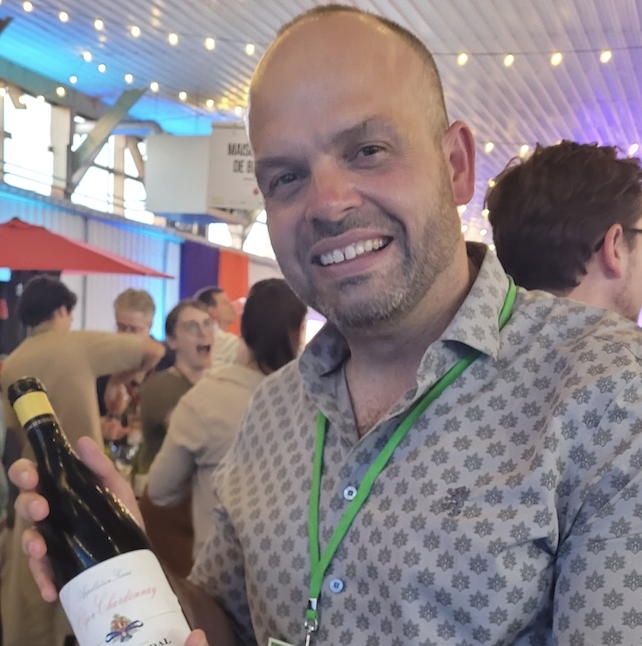
Jacques Viljoen – Boschendal

Boschendal Cap Classique Jean Le Long Prestige Cuvée Blanc De Blancs 2012, WO Elgin

Presented by cellar master Jacques Viljoen for a sparkling wine coming from one of South Africa’s coolest climate area. The first vintage was 2007 and these are vines planted south-facing (i.e. cooler in the southern hemisphere) and facing the sea. A place where grapes can hang long and develop phenolic ripeness even while coming in at a brix number just above 19. Lower dosage now and so the autolytic notes (if not globally classic in their expression) and also excitement are increased. As much toast, autolytic and oxidative notes as any in a blind flight of eight. Pushes the envelope to see what can be done with sparkling wine, malolactic fermentation, wood aging, near dry dosage and lees aging. Not so much the classic brioche or baked bread representation but there are complex notions perceived from that aforementioned style clearly chosen, conceived, attempted and for the greater part, succeeded. Drink 2024-2027. Tasted blind at i4C, July 2024

Kyle Loney and Whitney Collins – Advini and Domaine Laroche

Domaine Laroche Chablis Les Vaudevey Premier Cru 2022, Bourgogne AOC, France

The word precise is often used to describe Chablis and many other global chardonnays, sometimes gratuitously but here perfectly applies to the Laroche Vaudeyey. Les VdV ’22 is focused to a virtue with its equality, equanimity and equilibrium from start to finish. A lexical entry to figure out the crux and relationship between cru and village.  Tasted a second time, July 2024

The immediate feeling perceived would be of a chardonnay bottled with lees, of a certain level of autolysis though neither by brioche or with respect to the sparkling kind. More like washed cheese rind, preserved lemon and that kind of texture that skin contact whites also deliver. The sort that settles on the tongue like a dissolving salve but here the subtlety suggest lees in the bottle more than light “orange.” In fact this is essential Chablis and does it not just feel like Ontario winemakers (in particular) are trying to emulate such a style by keeping lees in their bottles? Drink 2024-2028.  Tasted blind i4C, July 2024

Deux Roches Pouilly-Fuissé Vieilles Vignes Deux Roches 2022, Bourgogne AOC, France

Also a bottled with lees style of chardonnay with a level of richness so rightly and righteously older/traditional schooled, but so bloody clean and expertly made. Express and expert tang, layers of citrus, more grapefruit than many, fine tonics and also sweet bitters. There is some fat here but also acidity and verticality, in other words tension, more so than many of the appellation. Recommended by Export Manager Romain Bourgeois and also Stefan Neumann M.S. to pair with The Little Sparrow, a.k.a. La Vie En Rose, the one and only Édith Piaf. Drink 2024-2027.  Tasted blind at i4C, July 2024

Bachelder Chardonnay Grimsby Hillside Vineyard Frontier Block 2021, VQA Lincoln Lakeshore

So much to digest, first with knowledge of chardonnay in the hands of one monkified human that shall be named Bachelder and second of so much to take in and absorb from the label on the bottle. Niagara Cru (there are many), Single Vineyard (there are more), Grimsby Hillside Vineyard (current status Grand Cru, in progress) and Frontier Block (one of two within the great new frontier, inclusive of Red Clay Barn). Two-toned, of bites and textural chew, sexy chardonnay, clean and focused. Highest level aromatics at the peak of what is possible out of Ontario, positively spicy, white peppery even. Cleanest lees usage for a chardonnay of clarity and relatively speaking, also substance.  Last tasted blind at i4C, July 2024

Vintage number three from Grimsby Hillside Vineyard and now more specific by way of a split, with the Frontier Block as the plot within the larger plot, along with that of Red Clay Barn. Drilling down into this historical vineyard that has risen as fast as any New World terroir, just about anywhere these sorts of things are measured. Here named for the final frontier, that being the “last terroir” in Niagara and who knows, maybe it will soon be the first rolling off of everyone’s lips. GHV-FB 2021 is a force, that much is clear from the first look. Or nose, for what matters. Cool and stony style from a wide open space where limestone, shale and gravels conspire to create something new and with absolute potential. It’s already arrived thank you very much and while words like luxe and opulent do not come to the tip, others like succulent and scintillating do. Just something so real and right at your doorstep, vivid beyond chardonnay compare, a stealth fish swimming in clear waters. Truly complex for chardonnay and it must be noted, unlike any other in the world though at the same time feeling like something you’ve known your whole life. Make an exception to delve into this exception because when it comes to chardonnay, this is what we need. Remarkable clarity and distinction, precision extraordinaire and a wine to cast nets far and wide to secure as many bottles that could be found. Drink 2024-2032.  Tasted December 2023

Thirty Bench Chardonnay Small Lot Extended Lees Aging 2021, VQA Beamsville Bench

Spent 22 months in barrel, in other words space was not needed for new juice after 10, nor did Emma Garner feel the need to remove this lot and so 22 months it was. For good reason, great measure and bonafide success. You know the extra wood melt is there and integration is so complete. No compromise to fruit from a vintage aboard the Beamsville Bench that gave of itself selflessly to mingle in cahoots with the cohorts of those barrels and nuances at every turn. Acumen begets probability which in turn generates prospect. Conclusions drawn are expressed with silent nods, a twinkle and smile. This will age gracefully for 10 years.  Tasted a second time, July 2024

Maximum ripeness, warm vintage no doubt, captured and locked into what feels like a reserve style of chardonnay. Full and fine, fleshy and yet sturdy, chiseled musculature, riveting and attention so locked in. As is ours because we simply can’t turn away. Not an easy vintage tells Emma Garner because there was some rot, botrytis and less than desirable grapes. But there was also plenty of great fruit once the chaff was culled, the wheat came in and in turn a terrific chardonnay was made. The length is outstanding.   Tasted blind at i4C, July 2024

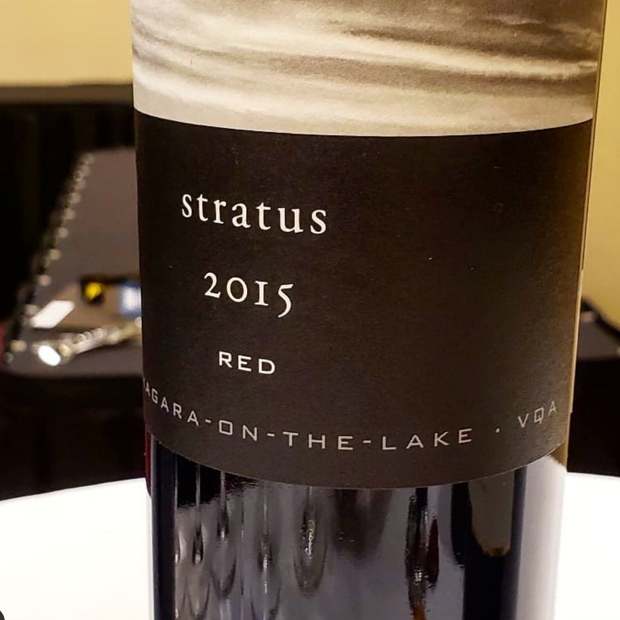
Stratus Vineyards Chardonnay Amphora 2021, VQA Niagara-on-the-Lake

Several factors are here at play, namely lees but also vessel so that the mineral aspect exhumed and manifested as texture makes us think about place. Spices run amok and that housing continues to occupy the impression that is distinctly Ontario chardonnay. Bottled with lees would be the reason behind the feeling and also the fact that it has been aged in amphora. First edition, fermented and aged in the clay vessels, influenced by Rene Barbier Jr. says winemaker Dean Stoyka. “It really respects the fruit and causes some restraint in the wine,” he explains. “Giving some salinity and richness on the mid palate.” A unique way to make chardonnay indeed.  Last tasted blind at i4C, July 2024

Along with cabernet franc this chardonnay was also tucked into and raised in amphora, no surprise because these have been two varieties suited up for experimental tests. Very late harvested (November 4th) from the 2021 vintage and specs are not very elevated for this wine. Moderate across the board and yet it is the clay that defines what we nose, taste and feel. Wet clay, a preserve with notable vegetal and savoury elements, banana esters, soft wool and ultimately a new set of varietal parameters imagined. One assumes this is bottled with a similar amount of lees as the R & D Stratus OG chardonnay but the clarity and transparency of the AC suggests something other, or wise. All in all a conundrum frankly, jury still out, much left to figure, pilot, trial, error and decide. Drink 2023-2025.  Tasted September 2023
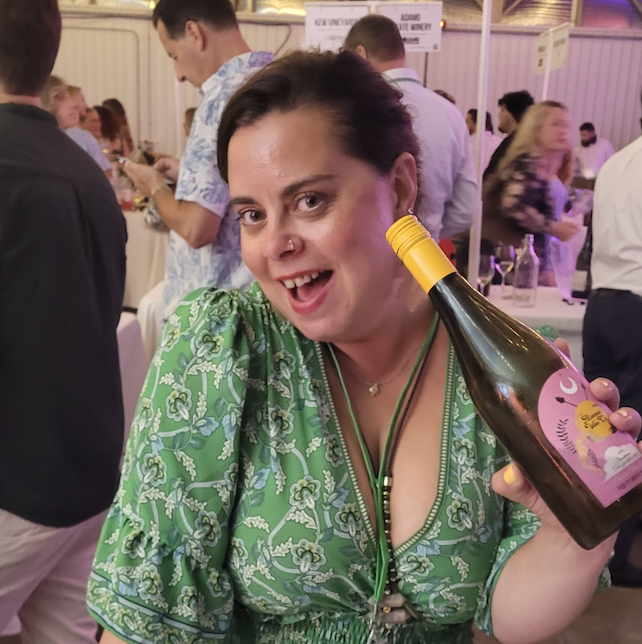
Maenad Wine Company’s Yvonne Irvine

Maenad Wine Co. Chardonnay Skin Contact 2021, VQA St. David’s Bench

Orange chardonnay is a thing and this leads by example. Cloudy, hazy and yet much cleaner than the visuals might suggest. From Yvonne Irvine’s virtual wine project, made at Creekside and sold through the retail license at Marynissen Estates. Breaks down regular conventions like busy beavers taking apart wood and making their dens. To be honest skin contact wines don’t get much more delicious than this, especially from chardonnay, fruit having been “borrowed” from the vineyard owned and farmed at Niagara College. Full malolactic, lees stirring, older French wood for seven months. The richness, roundness and cozy-fuzzy feeling on the palate shows just how well this turned out. Should be so interesting to see how this ages – can’t hep but think it will go through the process with ease. Drink 2024-2027.  Tasted blind at i4C, July 2024
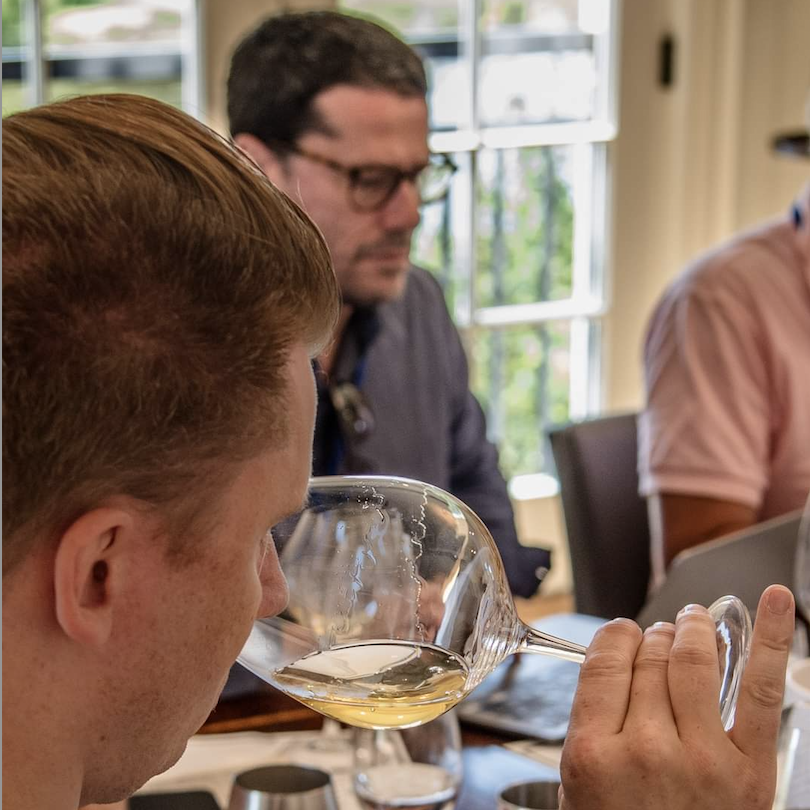
Stefan Neumann MS

Dobbin Estate Vineyard & Winery Chardonnay 2020, VQA Twenty Mile Bench

As full, rich and riveting a style of Niagara chardonnay as there has ever been. Ripeness at peak, wood in full glory, generously yet judiciously used and the overall effect is something usually reserved for what many will think of as a story written over centuries by Beaune chardonnay. There is delicacy here and if this chardonnay were a book it would be a page turner, which says this vintage in particular should likely appeal to a great and wide audience. Make no mistake though because a wine like this is comfortably affordable to the haves. That it turns out to be a Peter Gamble and Ann Sperling made chardonnay from a top warmth vintage comes as little surprise. Drink 2024-2027.  Tasted blind at i4C, July 2024
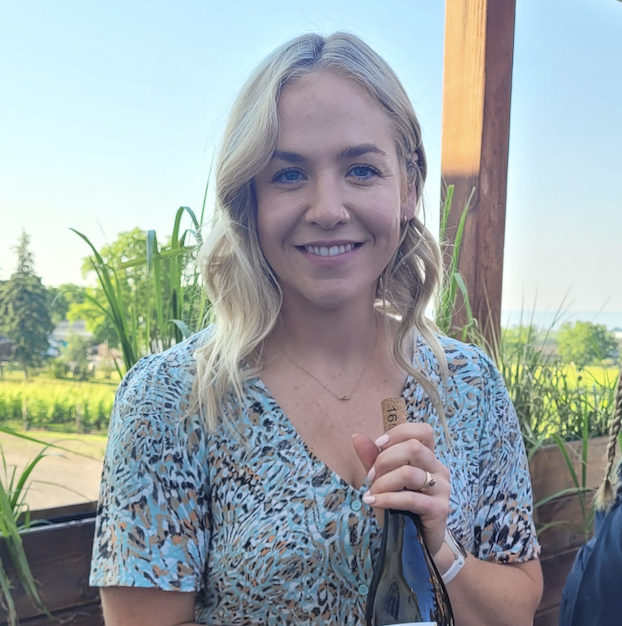
Morgan Juniper – 16 Mile Cellar

16 Mile Vineyard Chardonnay Civility 2018, VQA Beamsville Bench

Just carries and emits the feel of classic chardonnay winemaking, without hesitation or equivocation to result in something so knowably Niagara. The wood is on the weighty side and maturity has begun to see this wine acting its age. “I really think it’s important to honour the process of patience in winemaking,” says winemaker Morgan Juniper. The opportunity is not always available to do that but the ripeness here presented the proposition on a platter. “This wine is like waiting for a child to actualize their full potential,” she adds. “I wanted to push the boundaries to see this actualize at a later date.” As it has and the window is fully open with another year or two of enjoying this light lees-affected, barrel-aged and now of a chardonnay at this all in butterscotch stage. Drink 2024-2026.  Tasted blind at i4C, July 2024

Not labeled as such but essentially a Reserve wine taken from a single barrel housing all estate fruit. High level of concentration and richness in the face of a vintage considered cool and challenging, but when you take a smallest of small lot wines like this that just does not apply. Everything about this is classic, basket pressed, natural ferment, full natural malolactic, 22 months maximum for oak aging, Burgundian obviously and medium of toast. “We come to barrel turbid – we like density,” notes Peter Gamble. (Peter) and Ann Sperling really liked this one particular barrel and decided to put it to magnums only. From late September and early October picks, finished at 14.5 percent alcohol and ultimately mouthfeel that rivals some pretty warm wine growing regions. A chardonnay that moves beyond Bourgogne to offer up its very own definition of Niagara’s Twenty Mile Bench.  Last tasted July 2024

Friday, Saturday and Media room tastings

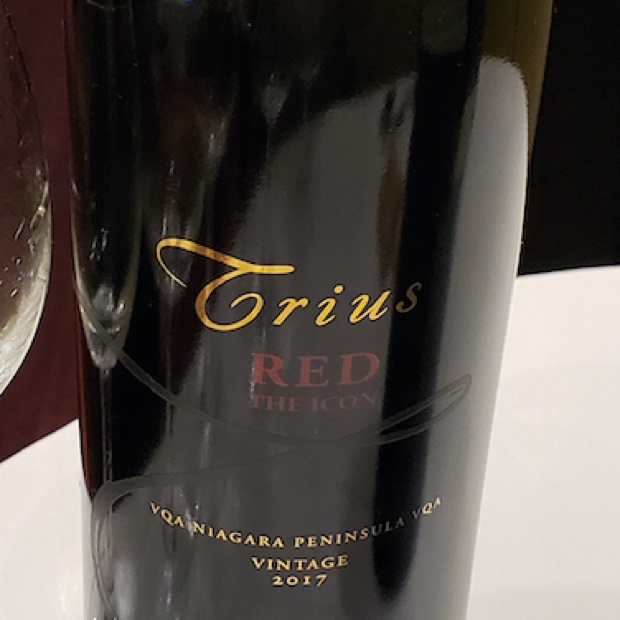
Trius Chardonnay Showcase Wild Ferment 2021, VQA Lincoln Lakeshore

A matter of factor decided by two essential aspects, the first being this chardonnay’s wild ferment and the second surely vintage. Turbidity endured and yeasty ebullition understood are how Wild Ferment ’21 co-opt and conjoin for aromas dedicated and unique to the Trius distinction. Scents of tropical fruit bathing in opaque waters cleansed by energy and movement to result in seriously complex chardonnay. Some spice tipping the tongue and tripping the palate fantastic for machinations of dreams and fantasy. Curious 2021, wild and woolly of texture with the confusion in delivery of a great part of the fun. The back label reminds that the fruit source continues to be Watching Tree Vineyard. Drink 2024-2027.  Tasted July 2024

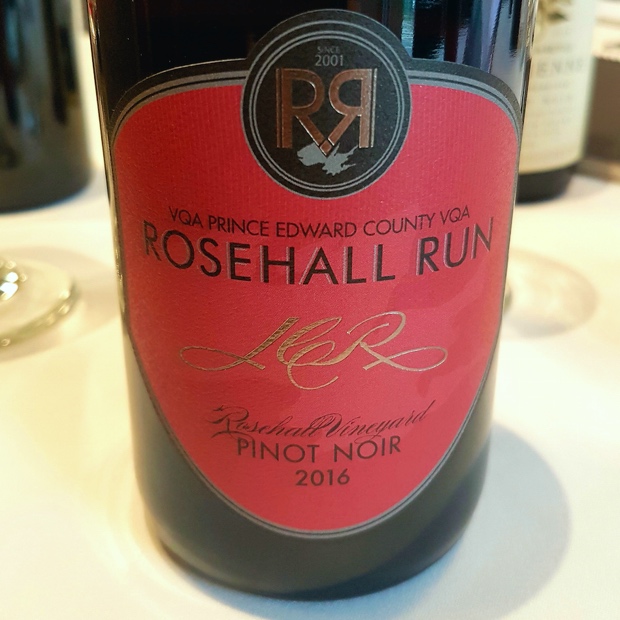
Rosehall Run Chardonnay JCR Rosehall Vineyard 2021, VQA Prince Edward County

More of a restrained, stoic and while not reductive as chardonnay per se there is a wall erected between aromatics and early joy. A JCR dictated by its extract and structure, a compound butter in hard shell, surely not one in delivery of early returns. The crispiest, crunchiest, saltiest and most savoury of all the Dan Sullivan draws from the oh so important PEC Rosehall Vineyard. Try not to blink for many chardonnay that change straight away but with Rosehall that is far from the case. Twenty minutes in a glass and plus ça change, as they say. Immovably youthful chardonnay, stark and as a contrast, so sown, sworn, authoritative and stone cold of its own accord. There are 2021s from Ontario what will last comfortably in states of fickle freshness for 15-plus years. This could very well be one of them. Drink 2025-2031.  Tasted July 2024

Domaine Queylus Chardonnay Tradition 2022, VQA Niagara Peninsula

Warm and inviting, textural like silk, some glycerol and running soothingly smooth from start to finish shows a different look and separates itself from other vintages. Kelly Mason’s ability to change it up while still maintaining an always high level is a chardonnay testament to a team that ranks with the hardest working makers in Niagara Peninsula show business. There are clean yeasty notes, like sourdough in the proofing stage and subtle baking spice with texture truly divining the directive for high quality “classico” Niagara chardonnay. Never gives up or in, never too hot or cold, a great vintage in Mason’s estimation, but then again, “anything was better than ’21.” Drink 2024-2027.  Tasted July 2024

Taylor Emerson and Jonathan McLean – Black Bank Hill

Black Bank Hill Chardonnay Runway 2023, VQA Lincoln Lakeshore

Gotta be the first chardonnay out of the gates from the 2023 vintage and if this cracker example is any indication of what’s coming then hold on to your senses. Recently bottled and even with an early (September) pick this saw less than 10 months of aging, but the mix of indelible lees and high voltage (8.5 g/L) total acidity put this in scintillant, dare it be said Blanc de Blancs styled territory. So very different to the Runway White (blend) because of its intensity but also warmth at 13.8 alcohol, not quite torridity, but a white peppery scorch nonetheless. Wild and exciting shift from vintner Taylor Emerson and winemaker Jonathan McLean. Will be hard to wait and anticipate what the next level chardonnay turns out to be. Drink 2024-2026.  Tasted at i4C, July 2024

Alex Baines – Hidden Bench

Hidden Bench Chardonnay Unfiltered 2022, VQA Beamsville Bench

Say 10 months in French barrel, a warm vintage to coax out full concentration though “bunch weight and tonnage were actually lower than 2021,” tells winemaker Alex Baines. “More on the average” and yet this Estate level is all that 2022 could be and more, of fruit so silkily rendered, starred gastronomy plated and proffered as if by sous vide and reverse seared white meat, asparagus, salsify and yucca for one of HB’s most sweetly vegetal and succulently situated chardonnays. Gentle spice, firm grasp of the Beamsville Bench, extract accumulated at the peak of the proverbial chart and elastic tannin. All fine, refined and stylish.  Last tasted blind at i4C, July 2024

Full and wholly substantial chardonnay wth fruit juiciness, acidity and intensity. Never relents, takes a break or falls away. Keeps a straight line and follows the progression to a vanishing point. The perspective here is focused and linear. Top “Villages” example. Drink 2024-2027.  Tasted blind at NWACs24, June 2024

Dancing Swallows Chardonnay “Composite Number” Unfiltered 2019, VQA Ontario

Maturing, acetic and yet quite complex aromatics offer more than curious intrigue. Über cool climate, variegate ripenesses in the fruit and the acetone incites the proverbial shower curtain comment. All that said there is promise and even pleasure to be had.  Tasted July 2024

Hidden Bench Estate Winery Chardonnay Felseck Vineyard 2021, VQA Beamsville Bench

My goodness this is special chardonnay, coming as no surprise and if your thoughts and emotions for 2021 Niagara chardonnay need buoying than begin the bob right here. Precise aromas, immediate and echoing, more fruit than frankly necessity should expect as the mother of invention because mineral and saltness demand our utmost attention. Yet the fruit stands firm and even pulpy in the face of the crushed stone infiltrate from a vineyard stop on the grandest of Niagara cru tours. Exemplary to speak on behalf of a vintage that separates wheat from chaff, pinpointed location from just anywhere and adults from the gambling trials of youth. Drink 2024-2028.  Tasted July 2024
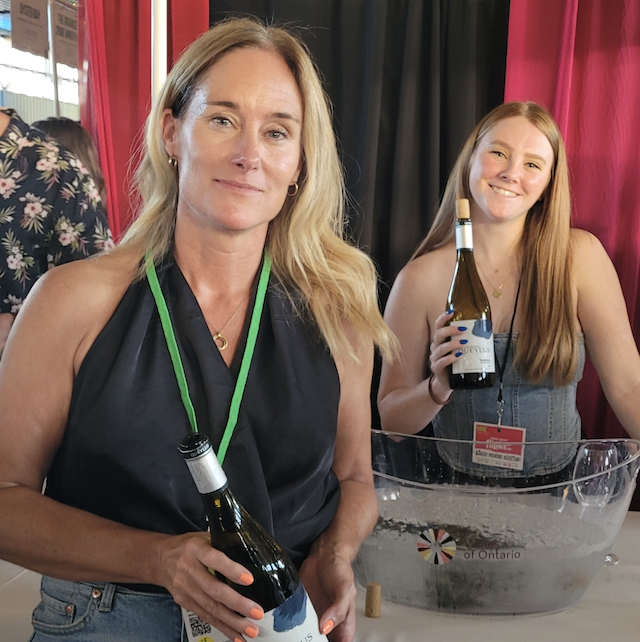
Kelly Mason and Brooke Husband – Domaine Queylus

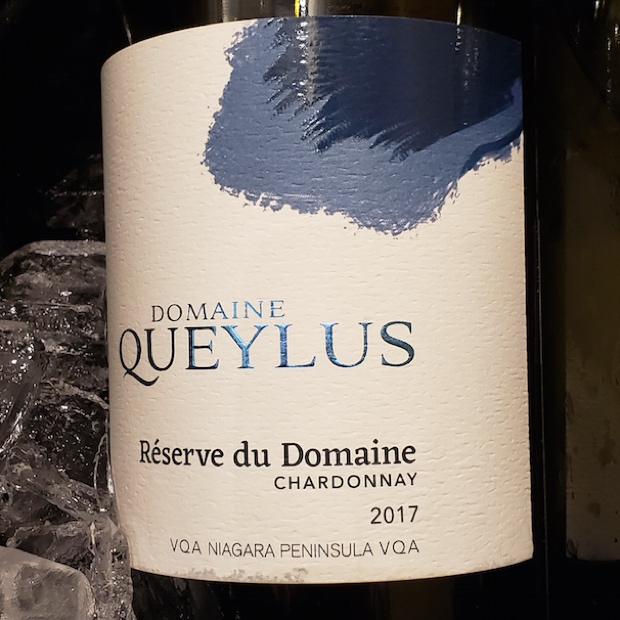
Domaine Queylus Chardonnay Réserve du Domaine 2022, VQA Niagara Peninsula

Kelly Mason has hit the proverbial nail on the chardonnay head with her focused and balanced work with 2022 fruit to create what will forever exists as a quintessential Réserve du Domaine. The sort that will linger for years and be compared with when subsequent vintages are produced over the next 10-15 years. Remember the 2022 they will say. Ideal posit tug and a correct split between ripe fruit and stony goodness, also considered as mineral wealth to equip the wine with structure and subsequently longevity. All this despite a slight miss on acidity, which really turns out to be a thing of vintage. Brava team Mason. Sometimes there are misses when we taste blind.  Tasted July 2024

Oak all over, toasty notes in the orchard fruit aromas, mid-palate texture and no glissade but instead a settling on the palate. A bit heavy though just a year’s time will integrate the cloud. Lacks the right kind of acidity to really make it sing. Drink 2024-2026.  Tasted blind at #NWACS24, June 2024
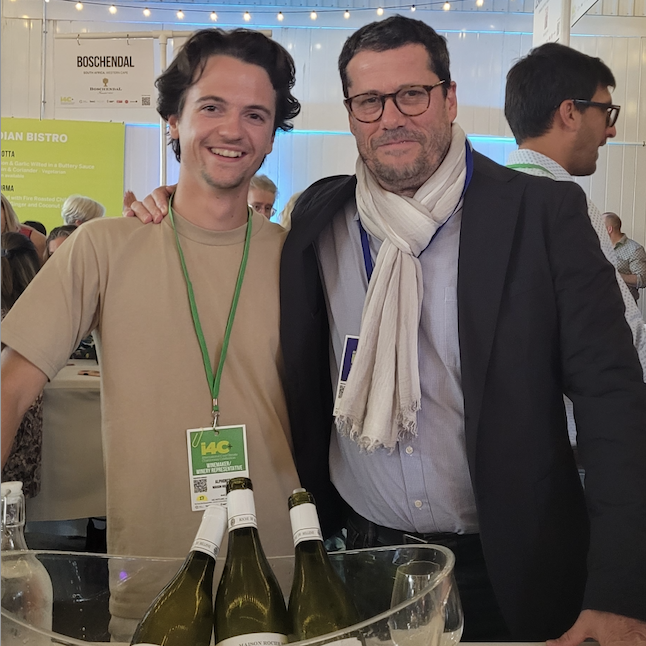
With Alphonse Potel – Domaine de Bellene

Maison Roche De Bellene Vieilles Vignes Bourgogne Chardonnay 2022, AC Bourgogne

A vieilles vignes at Bourgogne AOC level that proves the ’22 point just how universal these wines should be admired and can be your friend. Bellene’s is luxe, focused and balanced.  Last tasted at i4C, July 2024

Sharp chardonnay from Nicolas Potel’s Maison Roche de Bellene out of 2022, lightly reductive, tightly wound and beaming with energetic light. Got a buzz and a vitality about it, with old vines concentration keeping pace and developing texture as we speak. This has been a good sku in the past but Potel has hit the proverbial varietal nail on the head this time around. Drink 2024-2026.  Tasted July 2024

Nadia and Ilya Senchuk – Leaning Post

Leaning Post The Fifty Chardonnay 2022, VQA Niagara Peninsula

What was once a true matter of 50-50 barrel to steel raising has morphed and is now another matter. A concrete matter for today’s 50, full of fruit and fuller after its cementing, a posit tug still, even though wood and steel no longer play the push-pull game. More about fruit versus lees, tension so tight the rope never seems to budge, but it sways and slings within inches of itself. A bloody poignant vintage in spite of warmth, contiguous from its wild ferment and winemaking truth. Drink 2024-2026.  Tasted at i4C, July 2024

Matthias Messner – Kellerei Bolzen

Kellerei Bozen Chardonnay Bolzano 2022, Südtirol Alto Adige DOC

Really hot year tells Matthias Messner for a steel only raised chardonnay on lees from vines at 550-600m of elevation. Close to the south of Balzano, “a windy area” with cooling temperatures at nigt. Straight as a marksman’s arrow, cracker sharp and the sort of chardonnay to pierce your heart. Quenching, satisfying and Südtirol perfumed. So drinkable.  Last tasted at i4C, July 2024

Has been three vintages since getting back to tasting this archetypal Südtirol-Alto Adige chardonnay from top quality and quantity cooperative producer Bolzano. Can’t go wrong with the style or the effect, of no oaks given and the most lemony sunshine one could arrive hoping to find. This is a terrific vintage for a chardonnay we could all afford to drink a boatload of. Drink 2024-2026.  Tasted July 2024

Boschendal Chardonnay Appellation Series 2021, WO Elgin

“It’s easy to make quality chardonnay,” says cellar master Jacques Viljoen, “but hard to make sellable quality. Also scaleable but Boschendal seems to have accomplished all three with their high level tiered Appellation Series Chardonnay. What could be called a 2021 of dramatic restraint, of tension but never nervous, of grip but no abuse of power. Brilliant chardonnay and Ontario consumers should be happy to know it will become available in the upcoming VINTAGES September Classics. Drink 2025-2028.  Tasted at i4C, July 2024

Lydia Tomek – Ravine Vineyard

Ravine Vineyard Chardonnay 2021, VQA Niagara-on-the Lake

All Niagara-on-the-Lake fruit, from three vineyards and with just a wee bit of musqué inclusion to give Ravine’s chardonnay that gentle spirit and floral lift. Just that subtle hint of jasmine flower, oxalic acid lemony scent of purslane and faint anise of chervil. Spends 18 months in a majority of old wood which does develop texture to find this somewhere comfortably between pillowy and elastic tension. You may not always have you’re best stuff but you can still contribute admirably to the team. Though 2021 is not the recent vintage to set Niagara chardonnay up for its greatest balance, “you take everything you’re given and make the best of it,” reassures winemaker Lydia Tomek. Which she clearly does to deliver a chardonnay to keep the dream alive and the streak unbroken. Drink 2024-2026.  Tasted at i4C, July 2024

Thirty Bench Small Lot Chardonnay 2021, VQA Beamsville Bench

True to Bench chardonnay sprit and energy, standing upright, demanding to be noticed and in turn we are paying attention. A harvest of demand forces the team to focus and pay extra attention, to do everything possible for greater returns. Picking and sorting strategies finds the best available fruit to create something cool, gelid, succulent and shockingly Chablis like. Should age longer than first anticipated.  Last tasted at i4C, July 2024

Small Lot just has to be the ownver of the lowest of low alcohol number as it pertains to the Beamsville Bench and at 12.6 percent the conversion rate falls under the categorical auspices of magic. This is not a light chardonnay but it is a lithe, elastic and effusive one. Aromatically demure yet soft and almost caressing, without peppery (and sharp apple) bites or jolting in any way. The palate runs a similar course, gracing with soft and round flavours that are easy and stretched. Lovely and amenable 2021 here from Emma Garner and one to savour slowly, in a calm and tranquil setting. Drink 2023-2025.  Tasted July 2023

Katie Dickieson – Peller Estates

Peller Estates Private Reserve Chardonnay 2022, VQA Niagara Peninsula

A factor of chardonnay and also musqué interplanting, unique for Niagara and smartly put to a 50-50 ferment between steel and oak. What follows is 12 months in barrel and mostly no malolactic fermentation though says Katie Dickieson, “some might happen.” Clear, clean, precise, pristine and from an ideal vintage to make this style of direct, ready to rock chardonnay. Beautiful. Drink 2024-2025.  Tasted at i4C, July 2024

Westcott Chardonnay Estate 2022, VQA Niagara Escarpment

Wild ferment and malolactic happenstance, “and if it occurs simultaneously,” says winemaker Casey Kulczyk, “it’s fine, I want this.” Barrel fermented, super turbid going in and also desired. Welcome to 2022, a vintage for which its maker forgets and leaves everything behind because adversity and challenges always puts one on their toes. Cold snap in winter, vine damage and a 60-plus percent loss of buds (on chardonnay). Great quality nonetheless, a new or different estate mix to result in a more linear, tight, bright and for Westcott, extreme iteration. Yet this arrives brilliantly, very young, not itinerantly fruity, but sharp and hyper real. Drink 2025-2029.  Tasted at i4C, July 2024

Tawse Chardonnay Quarry Road Vineyard 2021, VQA Vinemount Ridge

No shock or surprise that Quarry Road ’21 is a mineral bomb, coming away on that rocky side of the 50-50 fruit to stone compendium. Forget everything you’ve heard or read about this arch-cool Vinemount Ridge chardonnay, but also ignore all the noise about unmitigated disaster by vintage. Niagara winemakers should always make quality cool chardonnay these days and Tawse holds more water and responsibility than most. Jessica Otting is ten times equal to the task with a Quarry so precise and focused it may just make a tooth or two feel the mineral pain. A chardonnay chillingly representative of its vineyard yet, rewriting the jazz because of the shall not be named vintage. The naysayers can run away and hide in their holes because history will be kind to these wines, especially when they shine on in tastings ten years forward. No crutch or apology, sorry not sorry. Remember 2011 and 2013. Now forget them and only speak of 2021. Just great chardonnay. Drink 2025-2030.  Tasted at i4C, July 2024

Cave Spring Estate Blanc De Blancs, VQA Beamsville Bench

Classic, sharp, intense and ideal. A ripper, “and I love that” says Stephen Gash. Dry as the desert in such a plainfully proverbial way. Scintillant extraordinaire.  Last tasted at i4C, July 2024

For the first time in quite some time the next look at the Cave Spring Estate Blanc De Blancs is bang on one year later and so yes, freshness is the thing. Crisp and crunchy, stylistically so consistent and really set up to act as the dictionary entry for chardonnay as sparkling wine out of Niagara. It’s just so spot on, high in energy and exacting for style, place and estate.  Tasted November 2023

Domaine Des Deux Roches Saint Veran Vieilles Vignes 2022, Bourgogne AC

From the estate’s flagship old vines holdings in the village of Saint-Véran on the slopes set below the famous two rock faces (Deux Roches). They happen to be the largest holder of hectarage and as such this is one of six cuvées in the Véran. As crunchy as any in the Bourgogne Mâconnais, or will ever be, with crisp bites and never dissipating tension. Sharp, representative of great value with several Premier Cru coming to mind and a vintage quality to solidify and formalize the overall trenchant intention, consolidation and voice. Drink 2024-2028.  Tasted at i4C, July 2024
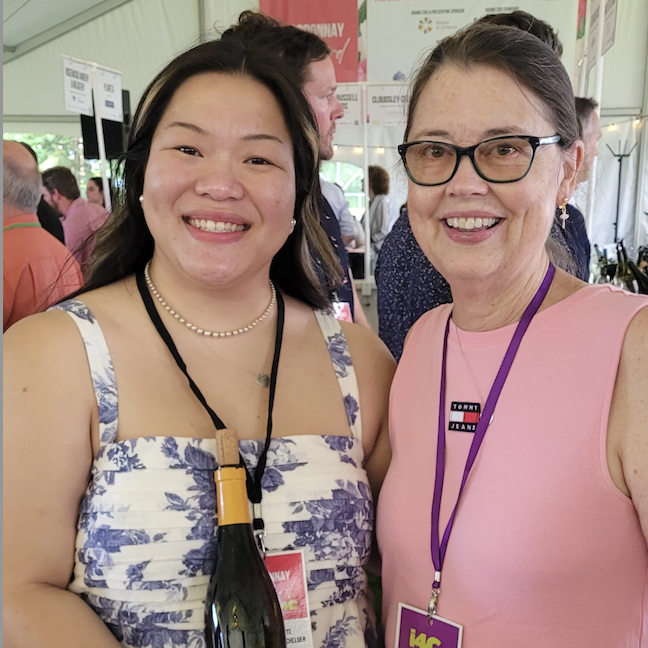
Violette Bachelder and Mary Delaney – Bachelder Vineyards

Bachelder Wismer Wingfield Chardonnay 2021, VQA Twenty Mile Bench

By this time Wismer-Wingfield is the standard Bachelder chardonnay, the one of great acumen and knowledge accrued, the most middle of the road of the Toussaint releases. This is said with greatest of compliment because there is no substitute for experience and Thomas has long since figured out how to make this most high level and consistent chardonnay. No lack for all this and more from 2021, of a wine where fruit and wood share equal space but both exist on the same footing. As always the presence of waxy, aerosol and resinous notes that chardonnay for Wismer-Wingfiled always displays. There is something to be said for the same old. Drink 2023-2026.  Tasted December 2023 and at i4C July 2024

Leaning Post Chardonnay Senchuk Vineyard 2021, VQA Lincoln Lakeshore

“I fought the grapes…and the grapes almost won,” quips Ilya Senchuk. We should note that the the temps are/were five to six degrees cooler in Grimsby/Senchuk Vineyard and so he and Nadia feel quite strong about their success for cool climate chardonnay out of the adversarial vintage. A “war of attrition” perhaps and some losses but in the end more wins, but you have to buy and taste these wines to find out. Ilya agrees that sometimes “you have to get out of the fruit zone,” and not just with respect to pinot noir. The mineral aptitude and stony goodness of this cracker ’21 Senchuk chardonnay will not be denied. Not to mention at 12.5 percent alcohol we need to look past lean and consider magical conversion rates. See for yourself. Drink 2025-2029.  Tasted July 2024

Cloudsley Chardonnay Twenty Mile Bench 2022, VQA Twenty Mile Bench

Always a mix of Wismer fruit, of Wingfield and Foxcroft, same bat fermentation and same bat channel. Wild ferment that is, followed by 18 months in French wood with one-quarter or so being new barrels. Balance of the old and new, the buttery and the grippy, the soft and the profound. A recurring fruit theme for 2022 with less tension and tightening as compared to say ’19 and ’21. Getable as chardonnay though persistent in its inherent cool climate origins. Still it will attract more and more consumers who hold preconceived notions about the idea of chardonnay. Drink 2024-2027.  Tasted July 2024
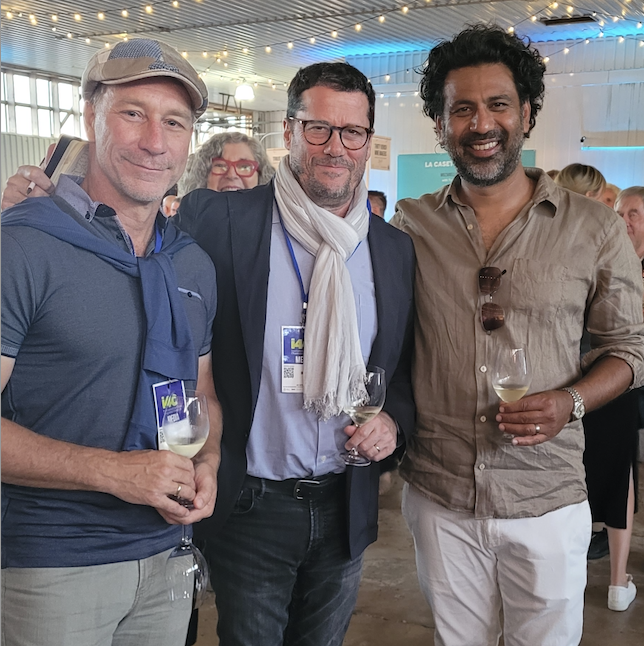
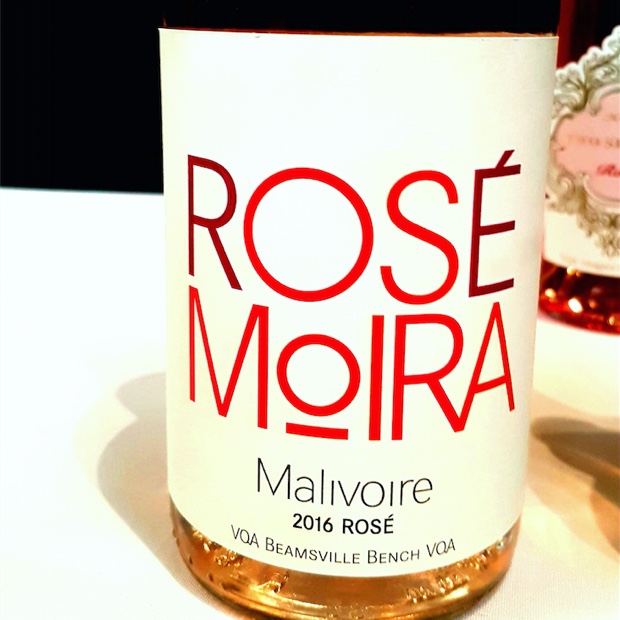
John Szabo M.S., Godello and Malivoire’s Shiraz Mottiar

Malivoire Chardonnay Mottiar 2020, VQA Beamsville Bench

In a state of grace resolve on course to deliver its best at every step of development. In the heart of the matter now, primary yet moving forward with finespun caramel right ahead. So well conceived and made to honour its origins.  Last tasted at i4C, July 2024

Sure there is a full and subtly opulent quality to the Mottiar 2020 but from the beginning there is confidence and balance. Always this way but ’20 is special in that regard, comfortable in its skin and so sure of what it brings to the chardonnay table. Beamsville Bench beauty and bounty, acidity so sweet and developed it feels like it has not yet acted just like this before. A hint of paraffin and beeswax, a lilt and a rise in beats here and there but most of all freshness and that aforementioned surety of conviction. Drink 2023-2027.  Tasted July 2023

Blomidon Brut Réserve NV, Annapolis Valley, Nova Scotia

Put to bottle in 2019 and so five years on lees ain’t nothing to develop complexities, eccentricities and potential variability. This pour comes out of sound and vision, disgorged in March of 2024, set to be released in the early Fall. Makes great use of 2016 and 2017 fruit, plus a small amount of the frost vintage 2018. Youthful, appropriately Blomidon Peninsula/Annapolis Valley tightly wound and in a way very chardonnay, though not glaringly so. “For us this is the future for non-vintage,” explains Simon Rafuse, “and to save the cooler vintages for Blanc de Blancs.” It’s a reverse engineering kind of approach. Simply put, in cooler vintages you can’t push wines through malolactic and so chardonnay is best purposed for sparkling when acids are high and pH levels are low.” Like 2011, but not 2010 and Rafuse adds that “the problem is you have to wait many years to see the results. But it’s worth it because they are really good.” True that. Drink 2024-2028.  Tasted at i4C, July 2024
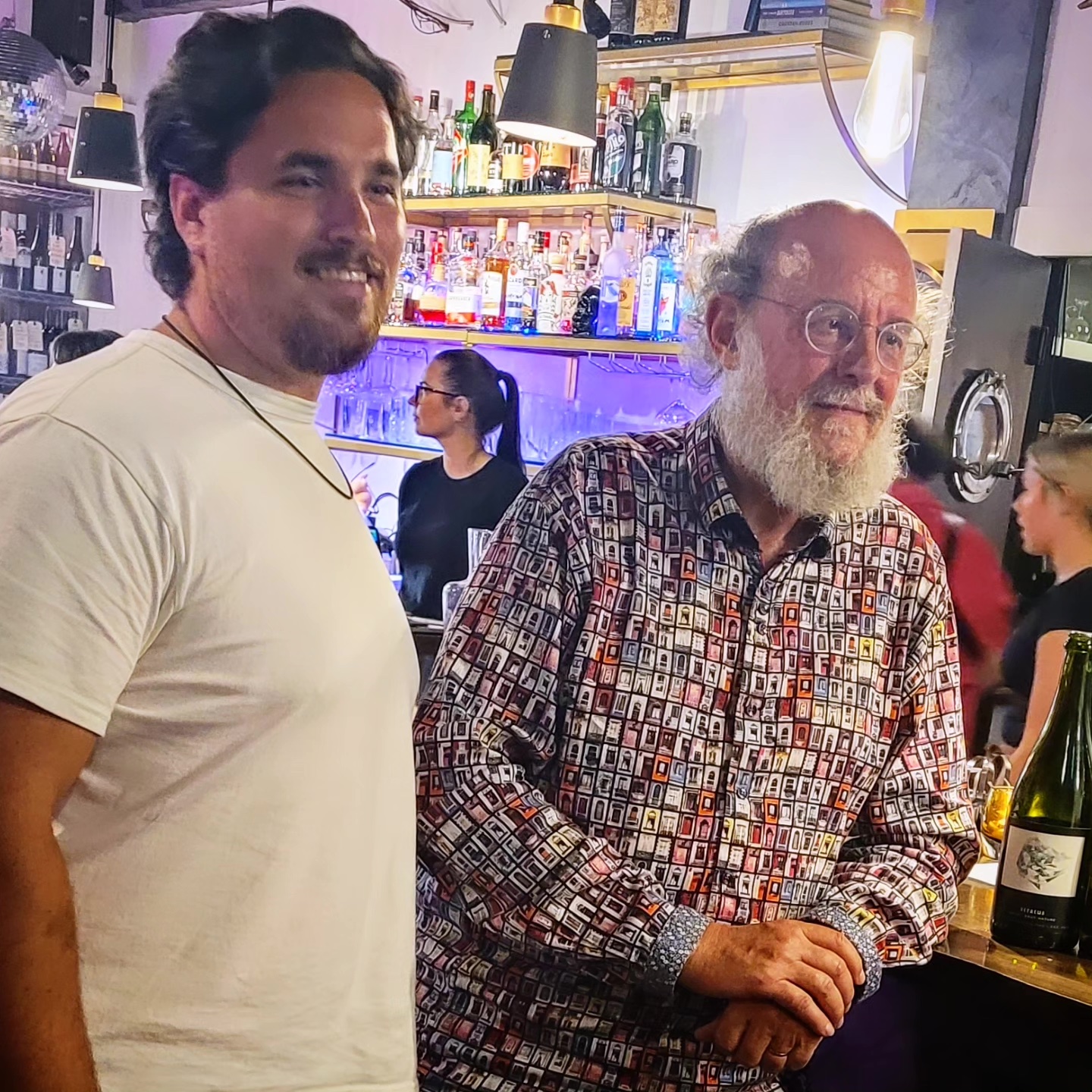
Dean Stoyka and J-L Groux – Stratus Vineyards

And there were visits

Stratus Vineyards at Bar Ruffino

Stratus Brut Nature Zero Dosage 2013, VQA Niagara-on-the-Lake

J-L Groux explains that the main factor for making this kind of sparkling wine is PH, “because the aromatics will be built upon six to seven years of lees aging time.” J-L feels this ’13 is going to be the winner now, and for 20 years. Not far off it would seem because of the “partial disgorgement” method, well within VQA rules and thus you arrive at a toasty smoulder unlike any other sparkling wine. The lees are the thing, in fact they are everything. They prevent the aromas and the wine from oxidizing. Amazing.  Last tasted July 2024

Comes across a bit cloudy, at least as compared to the B de B with thanks to the natural, lees left intact style. The citrus component is so pronounced, as is the taut, direct, lean and intense manifold destiny of what is truly a singular Sparkling wine. That being a living, breathing, inhaling and exhaling wine, slowly releasing proteins, acids and realizing its B de B Nature dream. Just amazing what lees can do for sparkling wine.  Tasted July 2021

Released side by each with the Stratus Blanc de Blanc 2013 and while vintage and grape are the same, the similarities almost seemingly, ostensibly and allegedly end there. Yes in fact this 100 per cent chardonnay is a child of the most excellent varietal vintage and like the B de B spent six years on the lees. Comparisons cast aside it is the very fact that because much of the lees were transferred to bottle by a minimalist’s disgorging that this cloudy bubble with a Canadian artist’s series set of labels can’t help but elicit another memory. The Lilies of Monet and their clouds represent neither the horizon, nor the top or the bottom. Nor does a bottle of this Zéro Dosage Brut. The elements of water, air, sky and earth become intertwined in a composition without perspective, or so it goes in this hazy, opaque and dry as the desert sparkling wine. So many layers of lemon can be peeled, juiced and scraped away. If a Stratus wine could be a a riddle, wrapped in a mystery, inside an enigma then here it is. The texture here is palpable and the intrigue factor surely high, so it should be imagined that longevity will be this wine’s calling card. It’s more austere than the Blanc de Blanc but I think in fact it will. Drink 2022-2029.  Tasted November 2020

Stratus Chardonnay Reserve 2002, VQA Niagara-on-the-Lake

Harvested between October 4th and 6th which for J-L Groux was early, akin to harvesting in early September in the Stratus world of today. Barrel fermented for 350 days in a mix of new, second and third fill French wood. Low(ish) acid and high pH vintage from the vineyard purchased just two years prior. The team went about immediately reducing yields from eight to two tonnes per hectare, “direct to concentration,” says J-L, who at the time partnered with Peter Gamble to make this rare iteration labeled as a Reserve wine. They selected barrels for this premium chardonnay and truth can feel counterintuitive because many years after having tasted the (Non-Reserve) 2002 it is this ultra varietal bottle that shows impossible freshness. Persistent in reserve, laden with grapefruit and as much texture as wood is want to impart. Well, actually a bit less than expected but as a chardonnay expression with the same fruit the special barrels chosen have come about with such a different result. Less preserved lemon, wax, late bitters and oxidation. Therefore sharper and fruitier while in the end likely just what Peter and Jean-Laurent were looking for. Drink 2024-2026.  Tasted July 2024
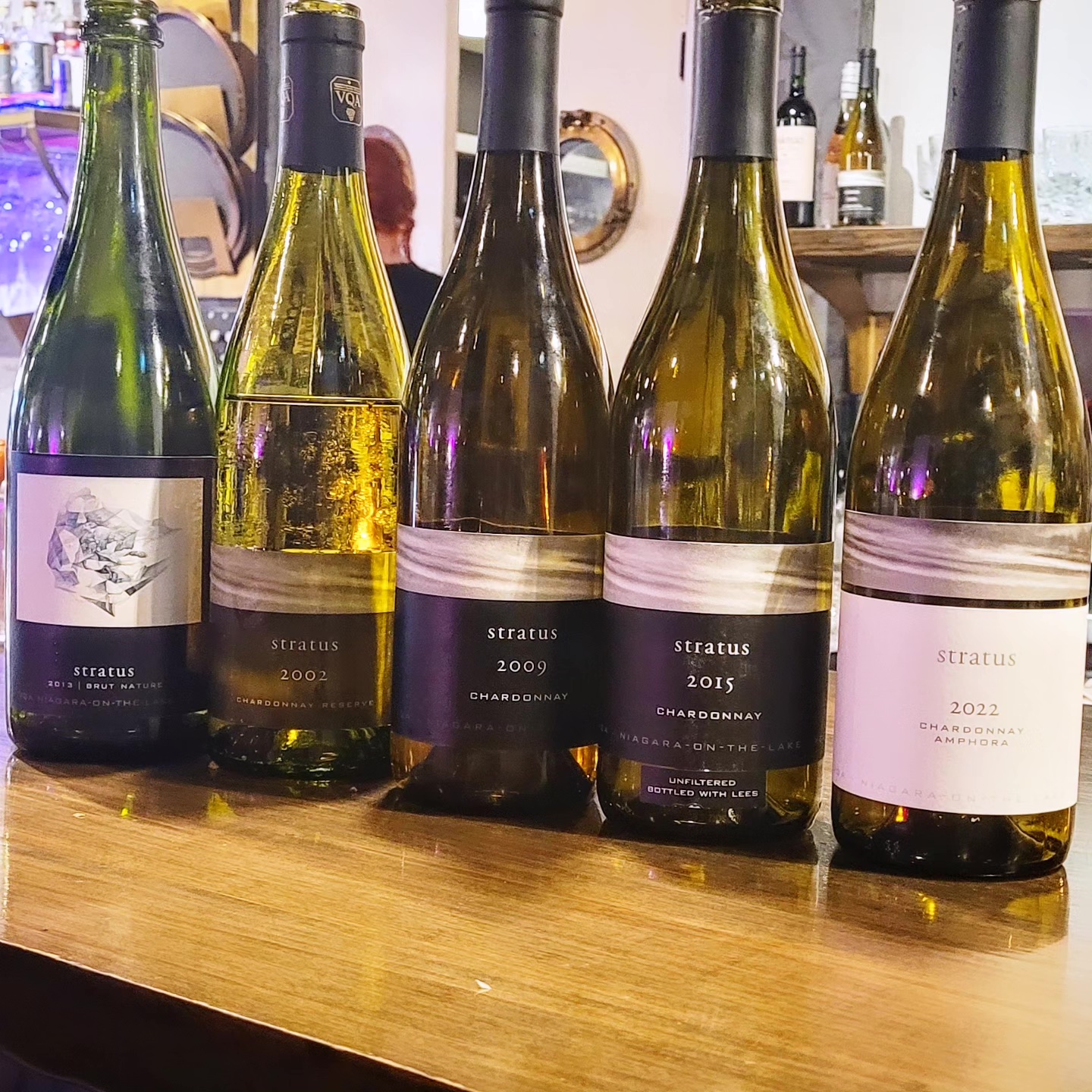
Stratus Vineyards Retrospective at Bar Ruffino

Stratus Chardonnay 2009, VQA Niagara-on-the-Lake

Late pick (November 10th), high acid, smoky and smouldering chardonnay, connecting it to a course of action for those that are made today. A precursor and one that the winemakers surely look back at and draw upon for current preoccupations. Especially Dean Stoyka who stirred some lees and learned how to get his chardonnay through malo during his Niagara College educational days. Looking at 2009 helps to consider the sparkling wine program because the specs and style of this wine are clearly inspirational towards that end.  Last tasted July 2024

Comes off like a white blend, aka Stratus White but this is the outright, unchaste vintage talking. Winemaker J-L Groux crafted three wines with viticulturist Paul Hobbs. Here they split the project 50/50 with Hobbs including wild yeast fermentation and whole bunch pressing and J-L adding short skin contact, controlled yeasts and no whole bunch pressing. From extreme low yields, this one puts on a show after only 10 months in barrel. High on aroma, brazen in texture, ambient in flavour bites. Very Niagara if inexactly Chardonnay.  Tasted March 2014

Stratus Chardonnay Bottled with Lees 2015, VQA Niagara-on-the-Lake

Medium acid and low pH year, picked across September which is early (and necessary because acids would have waned) but what matters most are the lees kept in bottle. To develop aromas over time and ward off oxidation. So unlike the 2009 tasted side by each, here from a “winter damage year” tells Dean Stoyka. Small crop, somewhere between 88 and 91 tonnes (the number changes form time to time), average heat and precipitation. Serious chardonnay concentration, fruit persistent, in great shape and a better wine today than it showed as seven years ago.  Last tasted July 2024

The 2014 vintage was essentially the first year when barrel lees would be left in the bottle and my how conservative this ’15 really was as compared to an evolution that culminates (currently) with the full on lees filled chardonnay vintage. Quite the opulent vintage mixed with aromatics still morphing, developing lees, brash and blushing by 40 per cent new oak, complimented by generous acidity. Showing with controlled drama and though the yields were low (only 88 tonnes) there is something quite special about this emotionally charged, vivid, scarce and remarkable chardonnay.  Last tasted July 2021

Stratus Amphora Chardonnay 2022, VQA Niagara-on-the-Lake

“Slightly, maybe three times more oxidative than a barrel,” explains Dean Stoyka as it pertains to amphorae. Kind of surprising but then again there needs to be a good reason for choosing these tight-grained Tava Amphora baked at higher temperatures, especially as compared to Georgian Qvevri. More oxidation means more lees and more lees means kept freshness plus the ability for aromas to develop into complexities over time. As for a a second kick at the chardonnay in amphora can by Stratus well then assessment out of expectation also triples and the learning curve realized by Stoyka becomes three times the fun. Where is the reference point? Who cares because the nurturing of this fruit and palate caress conspire to create a feeling, as if you have known this wine your whole life. A matter of great positivity and understanding. Dios mio, man. Longevity should never be questioned and reasons why never argued. Keep at it, keep on keeping on. Drink 2024-2030.  Tasted July 2024
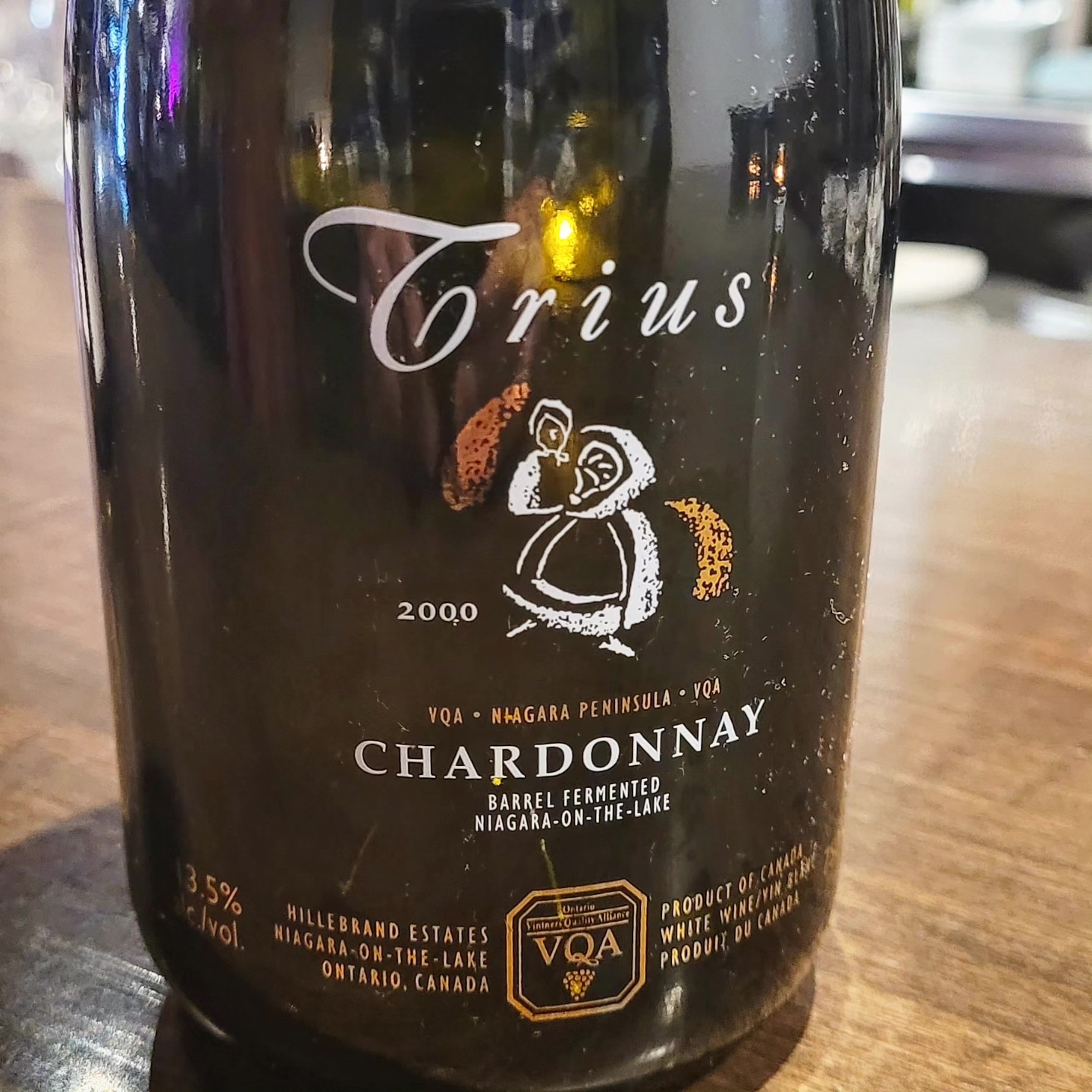
Hillebrand Trius Barrel Fermented Chardonnay 2000, VQA Niagara Peninsula

Nutty, flor oxidative and 24 years of age. From a very cool year and J-L Groux’s roots as a Niagara winemaker. Reluctantly fresh and honestly a good showing at this ripe old age easily into a time when the ideas and thoughts of mortality and finality can’t help but creep in. Though the wine would not shine to the dispassionate it does cause a stir of interest to a group of writers, influencers and sommeliers, all happy to drink one glass. Kudos to the Stratus team for offering up this cool piece of chardonnay history.  Tasted July 2024
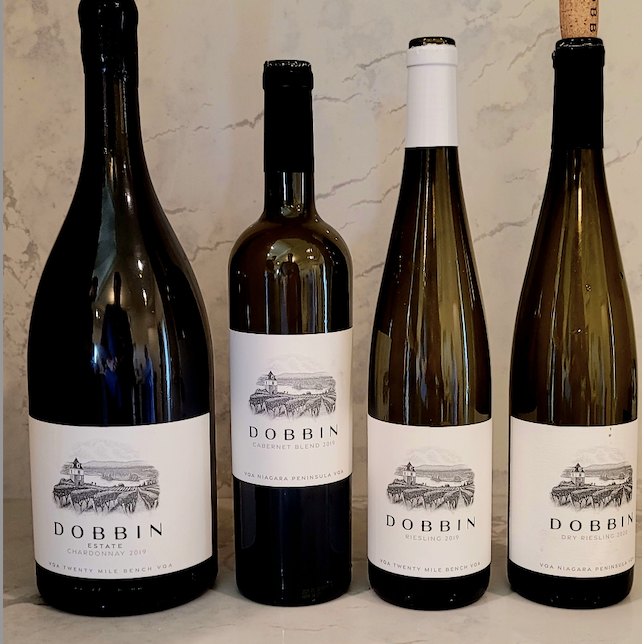
Dobbin Estate Vineyard & Winery

Dobbin Estate Vineyard & Winery Chardonnay 2019, VQA Twenty Mile Bench

This may be just the first stages of Dobbin’s tenure making high end wines from the Twenty Mile Bench but auspicious does not begin to describe the level of sophistication marking these beginnings. The erudite oenological consulting team of Ann Sperling and Peter Gamble have taken chardonnay into territory they are quite familiar with but always keep in mind that top terroir, vineyard conditioning and uncompromising preparation are what collectively set this up for success. This 2019 is from a cool climate vintage out of a cool climate place and recent history tells us that these are chardonnay that live good, long and healthy varietal lives. Luxe yet still crunchy, high quality wood used generously if judiciously and in the end this kind of rocks the world. In a chardonnay way. Drink 2024-2028.  Tasted April 2024

The Tower at Dobbin Estate

Dobbin Estate Vineyard & Winery Cabernet Blend 2019, VQA Twenty Mile Bench

From a cool vintage, long one though and cabernets cropped at the lowest of the low – less than one tonne per acre. ”A drinkable style,” says Peter Gamble and “I like the ‘19s from Niagara for that reason.” Pretty much a 50-50 final blend, almost too easy if by design and immensely popular with those who know, but also those who do not necessarily know the how or why. This is not a Caymus drinker’s red but it will inform and in turn impress they who should do better than their muscle memory habits of consuming over ripened, elevated alcohol, sugary reds. The ’19 is not particularly structured as a cabernet squared though the modelo drinking window is a good one.  Last tasted July 2024

First release for the new, high-end estate found on the Twenty Mile Bench with this stylish, Right Bank in make-up cabernet franc (inclusive of 15 percent merlot) having been sourced from a mix of the Homefront along with Creek Shores and Four Mile Creek. Oenologists Ann Sperling and Peter Gamble have consulted from the beginning and this is what would be considered a “Peninsula” wine because the fruit is drawn from three very different micro-climates. Sure seems like single site iterations are the future once each have been trialled and understood but for now the mix makes for a treat of layering and integration. Chic, full, substantial and generously oaky in the classic Sperling-Gamble style for full-bodied but never over the top Bordeaux reds for Niagara. The wood lends sweetness, fine chocolate ganache and a smoothness that is a hallmark of their wines. They did not go for structured broke in this inaugural bottle but the result is dreamy and leaves an impression, without seemingly trying to be impressive. No doubt a Napa Valley feel here which is always a compliment as it pertains to Niagara reds. The only qualm is the lack of franc-ness but that feels somewhat intentional. Drink 2024-2026.  Tasted April 2024
Tasting at Dobbin Estate

Dobbin Estate Vineyard & Winery Riesling 2019, VQA Twenty Mile Bench

Classic and balanced, concentration meeting at the intersection where a righteous mix of sugars and acidities form layers from. Vineyard blocks are what define the intention and i turn the results of this riesling. Nothing overt, neither by salinity or sapidity, though their are hints, shadows and subtleties indicated by both. And so the requiem for this riesling’s success lies in its ability to please without speaking loud or acting with any sort of impunity or demand. This is why people who know nothing about riesling will gravitate to enjoying this as a glass of a special white wine. And those who get it will be hard pressed to label or pigeon-hole it as Ontario. The inclusion of some botrytized grapes has something to do with this. Drink 2024-2028.  Tasted July 2024

Dobbin Estate Vineyard & Winery Riesling 2020, VQA Twenty Mile Bench

A much warmer vintage for all of Niagara and with riesling the difference between 2019 and 2020 is truly the proverbial might and day. Almost an about face style with the ripest and juiciest ripe fruit, lower sugar and (less botrytis) but truth be told there is more richness and flesh in 2020. Intensity by implosion and higher sugar number (15-16 g/L) as compared top 10.5 fro 2019. Unrelenting flavours and a profile more Germanic than that more chiseled and muscular ’19. Drink 2024-2028.  Tasted July 2024
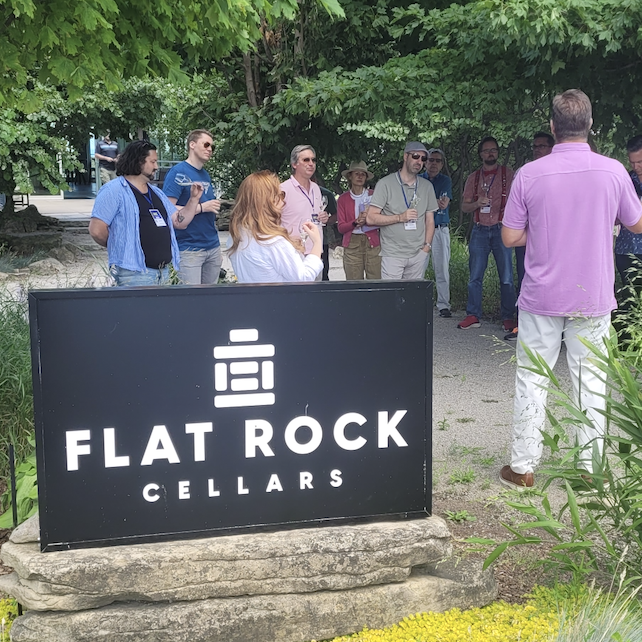
Ed Madronich holding court at Flat Rock Cellars

Flat Rock Cellars

Flat Rock Cellars Pinot Noir Foundation Series 2022, VQA Niagara Peninsula

The separation between Foundation and Gravity is essentially barrel selection with the winemaking being the same. So specific to this place, rusty and busy tart fruit, a mix of plum and cranberry, always curious, always complete. Gently and fluidly volatile, crunchy at its peaks and low rumbles in the valleys. A 5,000 case production (on average) as compared to 1,000 of Gravity. Never a question that this is and represents Flat Rock.  Last tasted at i4C, July 2024

No questioning the ripeness on all fronts, to the edge and precariously so with maturity and also a glycerol meets acetic set of circumstances. As such there is a raw cookie dough note, also potpourri and natural medicinals. A very specific tang carries the flavours and the sensation of style is duly noted. Gets chalky and the acidity takes over on the backside of this distinguishable pinot noir. Drink 2024-2025.  Tasted July 2024

Flat Rock Cellars Pinot Noir Gravity 2020, Twenty Mile Bench VQA

Warm vintage and about as high-toned that Gravity as pinot noir will ever be. A tight and to be frank also austere iteration that still remains and persists in this state of the unforgiven. If a Gravity has ever needed for time than this 2020 is certainly up for debate. Muscular, concentrated, broad shouldered, full of texture and buzz in its extremities. There is plenty of substance and so when the wine settles in it will do what intention asked it to do.  Last tasted July 2024

Jury’s still out on the season’s relationship between pinot noir, Niagara and especially the tattooed effect painted by the Escarpment’s benches. Gravity ’20 is still showing some early earthy, fermentative aromatic volatility by way of bread dough, tar, strawberry red fruit and coniferous-evergreen energy. Some stem inclusion surely, an early pick on acidity in a warm year, strength in maceration and equally pressed so that the Ontario greens also come through on the flexed rope of tannins. Like hastily hand-stretched pizza dough popping holes, or pulling liquorice too fast and causing cracks. Gravity is meant to fall softly downwards, gracefully and gently. The sour accents speak another language, a bit unfamiliar and yet the track record of this wine deserves respect and time. Jury will be hung and a new one will come back in two years for next assessment. Drink 2024-2027.  Tasted October 2022

Flat Rock Cellars Pinot Noir Gravity 2010, VQA Twenty Mile Bench

Really warm vintage, one of those in that time that ripened fruit to the max and so pinot noir went where it so boldly wished to go. One of those substantial examples that has surprisingly lasted deeper into its tenure than assessment of that vintage would have predicted. Good showing today and some duck prosciutto would work really well alongside.  Last tasted July 2024

Reels in Twenty Mile Bench fruit in a warm vintage as well if not better than any of its peers. Founder Ed Madronich is clearly slope and soil obsessed and this Pinot Noir is a study in topography and geology. To paraphrase Madronich, it’s ”more Pommard than Volnay, in a deeper and more masculine way than the Estate bottling.” Pinot barrels most representative of the Gravity style were chosen for the final blend, in this case noted by woodsy black cherry and spiced root vegetable. “Get a little savagery in your life.”  Tasted twice, April and December 2013
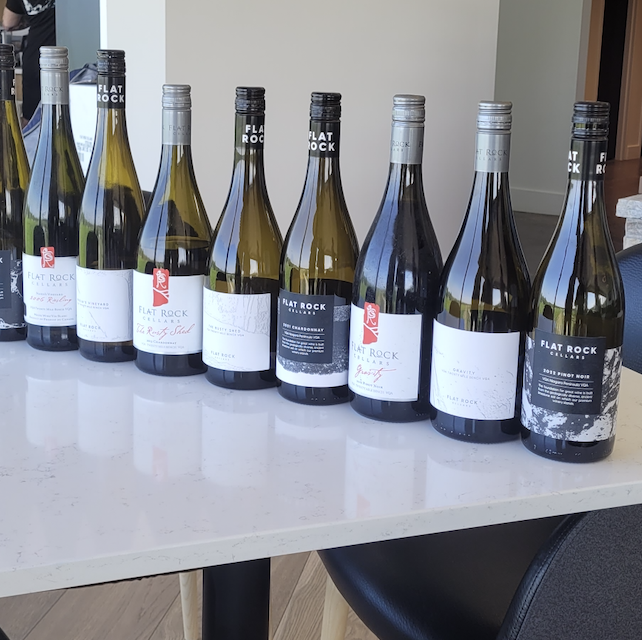
Flat Rock Cellars Chardonnay Foundation 2021, VQA Twenty Mile Bench

Middle road traveled, taken and projected for chardonnay definitive of a 25-year study by Flat Rock makers to arrive at this time. Lovely, juicy, prolific and in its Flat Rock way also a quintessential Twenty Mile Bench example of chardonnay What more needs to be said?  Last tasted July 2024

Foundation Series: Our Classics redefines the Flat Rock entry to market and gateway for their chardonnay. If you’ve been tasting these wines for a decade or more you’ll recognize these aromas from a 2021 that resonates of the house style. Inviting, somewhere between vanilla crème frâiche and lemon crème brûlée, soft and demure. Creamy palate texture, a swirl of butterscotch ripple curd and easy drinking all the way through. Many will find this soft but it’s best considered as a comfort food kind of chardonnay. Drink 2023-2024.  Tasted October 2023

Flat Rock Cellars Chardonnay The Rusty Shed 2021, VQA Twenty Mile Bench

If the Foundation delivers a quintessential Flat Rock chardonnay experience than The Rusty Shed takes it further. More substantial fruit and aromatic muskiness if less immediate joy and juiciness. No shock because RS is a wine that can and will age with this being one of those vintages that fit the bill. Reminds of 2011 or 2013, or maybe a combination of the two with the modern world of love and varietal development taking chardonnay from FR to new heights. Will hit the zone sometime later this year or early next. Drink 2024-2027.  Tasted July 2024

Flat Rock Cellars Chardonnay The Rusty Shed 2013, VQA Twenty Mile Bench

A more than appropriate vintage to pour side by each with 2021 because they share that Flat Rock Rusty Shed affinity of chardonnay needing some time to open up before delivering the juicy, gelid and fleshy character they will almost always eventually do. The ’21 will get to this place and few Niagara or Bench chards can go light years ahead into such a place of beauty. Just knew 2013 would get there and what a joy to be here with it.  Last tasted July 2024

It’s as if this label had bided all this time to be the benefactor of 2013 fruit. This Rusty Shed, this 20 miler with the track record to age, a wine that sheds baby fat over a 10 year mineral through echelon stratum, in ways few other peninsula to bench chardonnay can do. This Jay Johnston handled surfer of a wine, buoyant and balanced, centred and able to withstand turbulence, oscillation and tidal sway. Here with sumptuous and spiralled fruit gaged in lode intervals and a tartness held in lope and line by a membrane of extract and tannin. Best ever. Showing well, repeatedly and to forecasted repute. Impressing critics and consumers alike. Bravo. Drink 2016-2025.  Tasted June 2016
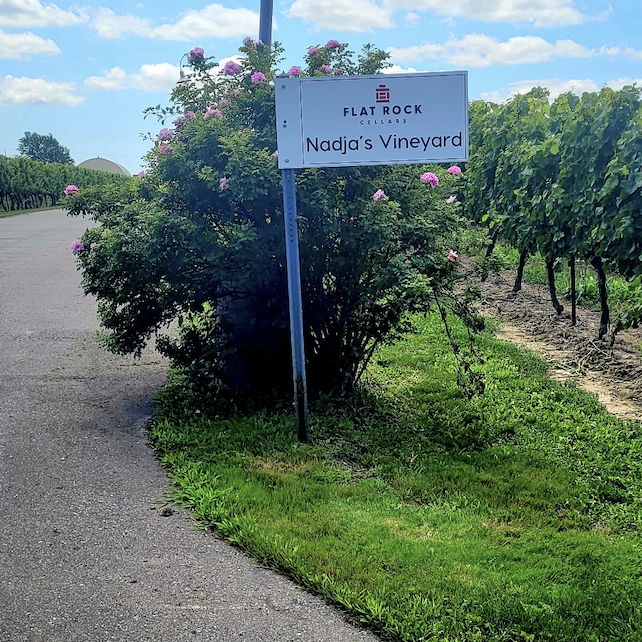
Flat Rock Cellars Riesling Nadja’s Vineyard 2021, VQA Twenty Mile Bench

A savoury, mineral and waxy Nadja as riesling, citrus as high and spritzed with energy as it will ever be. Not a vintage of concentration but rather one that is structured and so bloody specific to the vineyard higher up upon the estate’s step of the Niagara Escarpment. Flat Rock is perhaps the only estate with this level of elevation change, as much as a 10 story building from the this top vineyard to the (pinot noir) bottom. A place of air flow, equidistant to the lake and to the top of the Escarpment. Crisp, crunchy, tart and high level intensity, even for Najda. Need to wait a few years to see what next steps it will take. Drink 2025-2029.  Tasted July 2024

Flat Rock Cellars Riesling Nadja’s Vineyard 2006, VQA Twenty Mile Bench

Tough vintage but are they not the ones that find the magic of aging to deliver a wine like this? Phenolic and mineral as the saltiest of Nadja rieslings, ultra aromatic and a bit yeasty but the vintage had much to do with this. The rest is soil and location, up on the Twenty Mile bench on a second step up towards the crest of the Niagara Escarpment. Crunchy in every way, citrus as always but accentuated here (as it will repeat 15 years forward with 2021) and as Nadja, so very recognizable. Drink 2024-2026.  Tasted July 2024
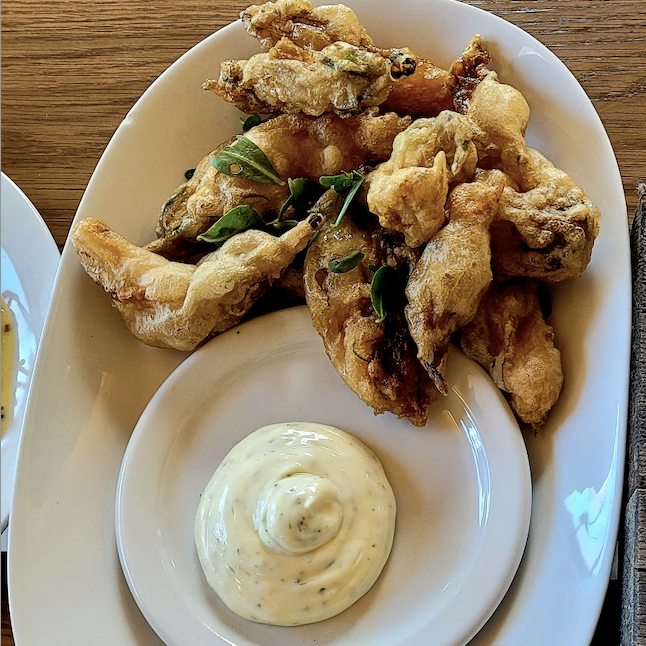
Chey Ryan Crawford’s Fried Zucchini Blossoms

Le Clos Jordanne

Le Clos Jordanne Pinot Noir Villages 2021, VQA Niagara Peninsula

A few more red fleshed drops of fruit after only three months further in bottle. Fine impression gained from these Jordan Bench blocks acceding a seamless layering and all is right in this Villages world.  Last tasted July 2024

Off the top a more structured pinot noir vintage for Le Clos Jordanne and the aromatics are not shy to announce their swaggered arrival. Bigger bones and flesh hanging tightly, tannins very much apart of the mix, holding firm, lightly chalky in constitution and a notable wine meant for aging, surely be design. Very different to the 2019 and 2020 LCJ pinots which is both curious and effective. Drink 2025-2028.  Tasted April 2024
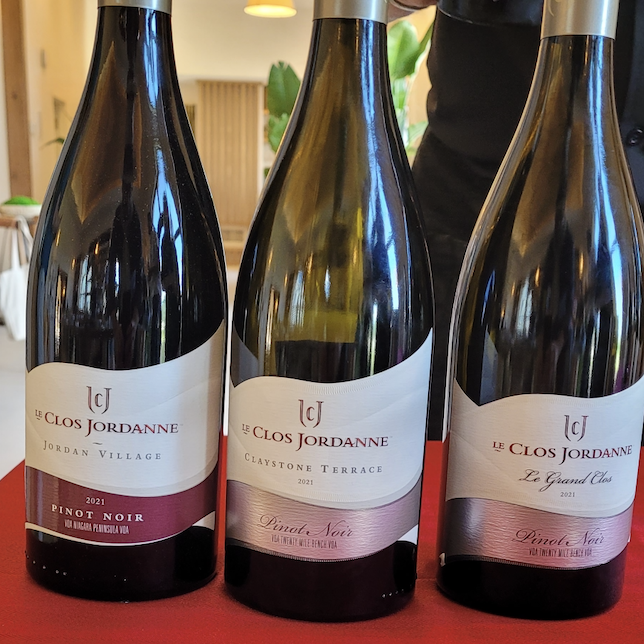
Le Clos Jordanne Pinot Noir Claystone Terrace 2021, VQA Twenty Mile Bench

This is a first kiss with and assessment of Claystone Terrace aboard the Twenty Mile Bench which Thomas Bachelder sets the record straight for how it is a contiguous tract connected with the terroir of the Jordan Bench. What it shares with Le Grand Clos Vineyard is a west to east gradation that moves from the structured to the blowsy. In other words every block acts differently but also incrementally and when their individual barrels are assembled they are done so to make the best and most balanced wine with nuts, bits, bolts and pieces drawn out of each gradation. From 2021 the softer aspects shine on because austerity and tension just don’t hold court as strong as they might in some cooler and also much warmer vintages. More middle road (for Claystone specifically) and the beneficiaries of such a pinot noir are all of us. Still another year will soften the last of the tannins and gripping tension. Drink 2025-2029.  Tasted July 2024

Le Clos Jordanne Pinot Noir Le Grand Clos 2021, VQA Twenty Mile Bench

As with Claystone Terrace the Grand Clos Vineyard blocks running from west to east move through this fruit gradation from structured and austere through to soft and amenable. For 2021 the middle ground is duly noted with a signature and arch classic Jordan/Twenty Mile Bench pinot noir that sings in youthful life as early as it ever has. The team (Thomas Bachelder, Kerri Crawford and Phillip Brown) have coaxed out the sweetest natural fruit. While it flows with ease it’s also equipped to slow down, reflect, and then re-emerge a few years thereafter, post pause and not atypical varietal dumb phase. Th3 2021 is found to be chic, suave and stylish as ever, fruit in a dark red cherry state and acidity meeting texture for mouthfeel of a most finessed kind. Drink 2025-2031.  Tasted July 2024

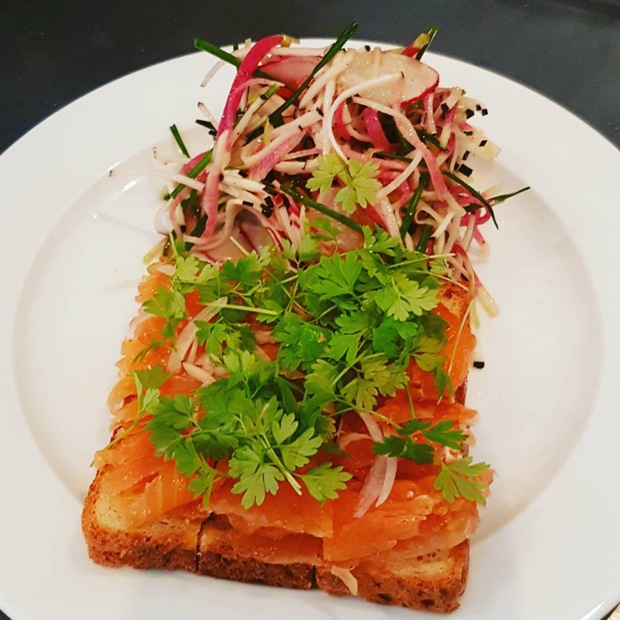
Chey Ryan Crawford’s Salmon Sack

Le Clos Jordanne Chardonnay Villages 2021, VQA Niagara Peninsula

Something about the Goldilocks vintage for chardonnay brings the three LCJ wines closer together. Villages may lack the complexities of Claystone Terrace and Le Grand Clos but its juiciness, open aromas, flavours and texture are all there. When you consider price there is no debate in how much value this offers and the gentle spice masala on all parts of the palate are really special. The attack of CT and le roi cru block LGC are there, albeit here less grippy and weighty, but Villages gives all that you want and need. Drink 2024-2026.  Tasted July 2024
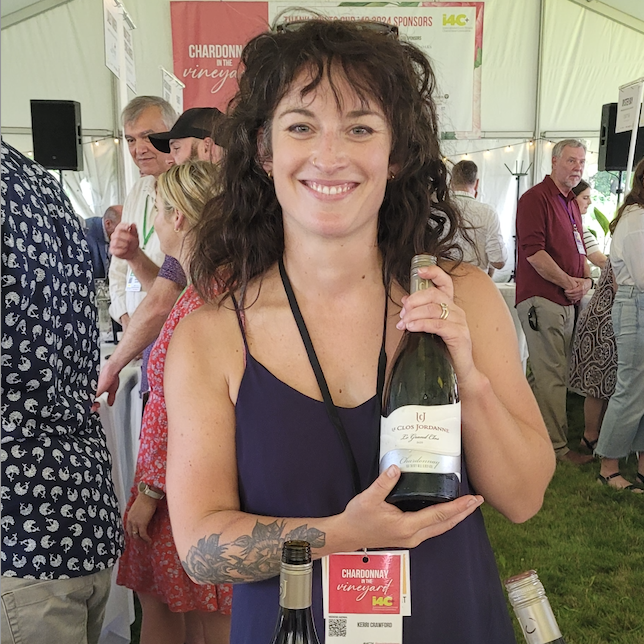
Kerri Crawford – Le Clos Jordanne

Le Clos Jordanne Chardonnay Claystone Terrace 2021, VQA Niagara Peninsula

The Claystone Terrace attacks direct into vision, up the olfactory and drilling into the cerebral cortex, no holds barred, nor does it wait to express anything it needs to say. Like a blast of sunlight straight out of the west on a late July afternoon, not blinding but warm and inviting, though not what would be considered subtle. This speaks from the vineyard in a more substantial way than Villages and also Le Grand Clos, if not quite at the level of aromatic and textural complexity of the highest tier, signature chardonnay. CT scans your senses and takes hold of them. It is anything but tripping the light but it is quite fantastic. Captain Claystone fantastic. The bomb for 2021 as a Le Clos Jordanne chardonnay. Drink 2024-2027.  Tasted July 2024

Le Clos Jordanne Chardonnay Le Grand Clos 2021, VQA Niagara Peninsula

Feels like a bit more easterly block fruit from barrels chosen for the 2021 Le Grand Clos because there is a softness (though far from blowsiness) about the mouthfeel and mellow flavours. The Claystone exhibits more drama and while complexities are on par it is this LCJ that should actually be consumed sooner rather than later. Thinking however that more folks would love and appreciate this style from this vintage.  Last tasted July 2024.

A bit sweet it needs saying straight away from wood aging that mixes with fruit quite ripe though not seductively so. Surely cool climate and well judged but the barrels do lend some oily texture and weight to this otherwise fine chardonnay. Solid mid-weight example. Drink 2024-2026.  Tasted blind at #NWACS24, June 2024

Westcott Vineyards

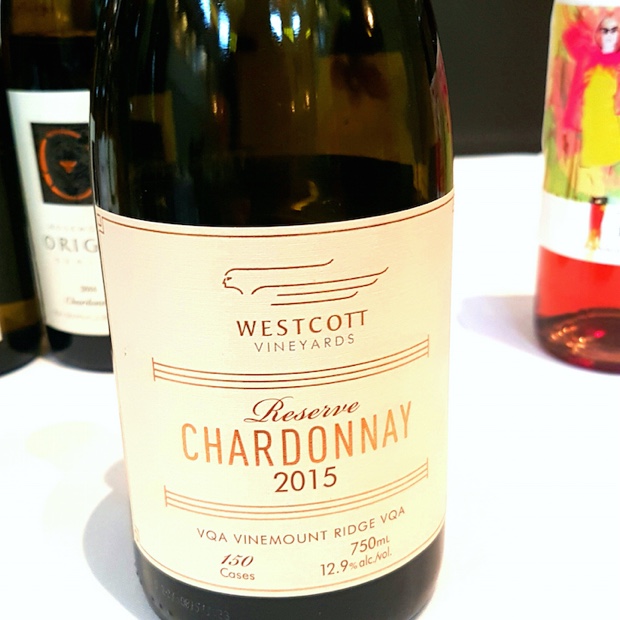
Westcott Vineyards Chardonnay Reserve 2022, VQA Vinemount Ridge

Like Block 76, also from the home farm of 26 acres on the Vinemount Ridge. Warmer parameters for richer and well-developed chardonnay cut through with fine chiseling because of the limestone bedrock beneath the slim soils for what can be best described as Westcott salinity. Reverberations and consequences are a mix of quantifiable component and marbling, also with thanks to the mix of 95 and 96 clones. Reserve always comes from the same rows of two blocks and while it may have once been a barrel selection, over time it has come to abide by the strictest regimen of only those rows. A retro Reserve if you will with a return to fully celebrating specific fruit no matter the vintage or circumstances. What separates this chardonnay is more than concentration, but rather the underlying salinity that is more pronounced that that of the Block 76.  Drink 2024-2027. Tasted July 2024

Westcott Vineyards Chardonnay Estate 2016, VQA Vinemount Ridge

Amazing how age can be a graceful and beautiful thing and the ideal truly applies to Westcott’s Estate chardonnay. The ’16 was made by then winemaker Arthur Harder and subsequently blended and bottled by Casey Kulzyck. Now in a pretty good place, fine and refined, Still some linger of primary fruit.  Last tasted July 2024

This is one of the first near-premium chardonnays to hit the market from 2016 and so a decision needs to be quickly made if the style is more vintage or house in origin. There really isn’t any estate precedence for this superabundance of fruit on the “normale,” like Christmas coming early or Niagara peaches appearing in June. The ripeness goes beyond freestone fruit and into the tropical realms occupied by mango and pineapple. There is no denying the nectarous and appetizing nature so I’d like to think it’s really a seasonal somewhereness that drives the druthers. Drink this young and with some poached seafood. It will satisfy the pairing. Drink 2017-2019.  Tasted July 2017
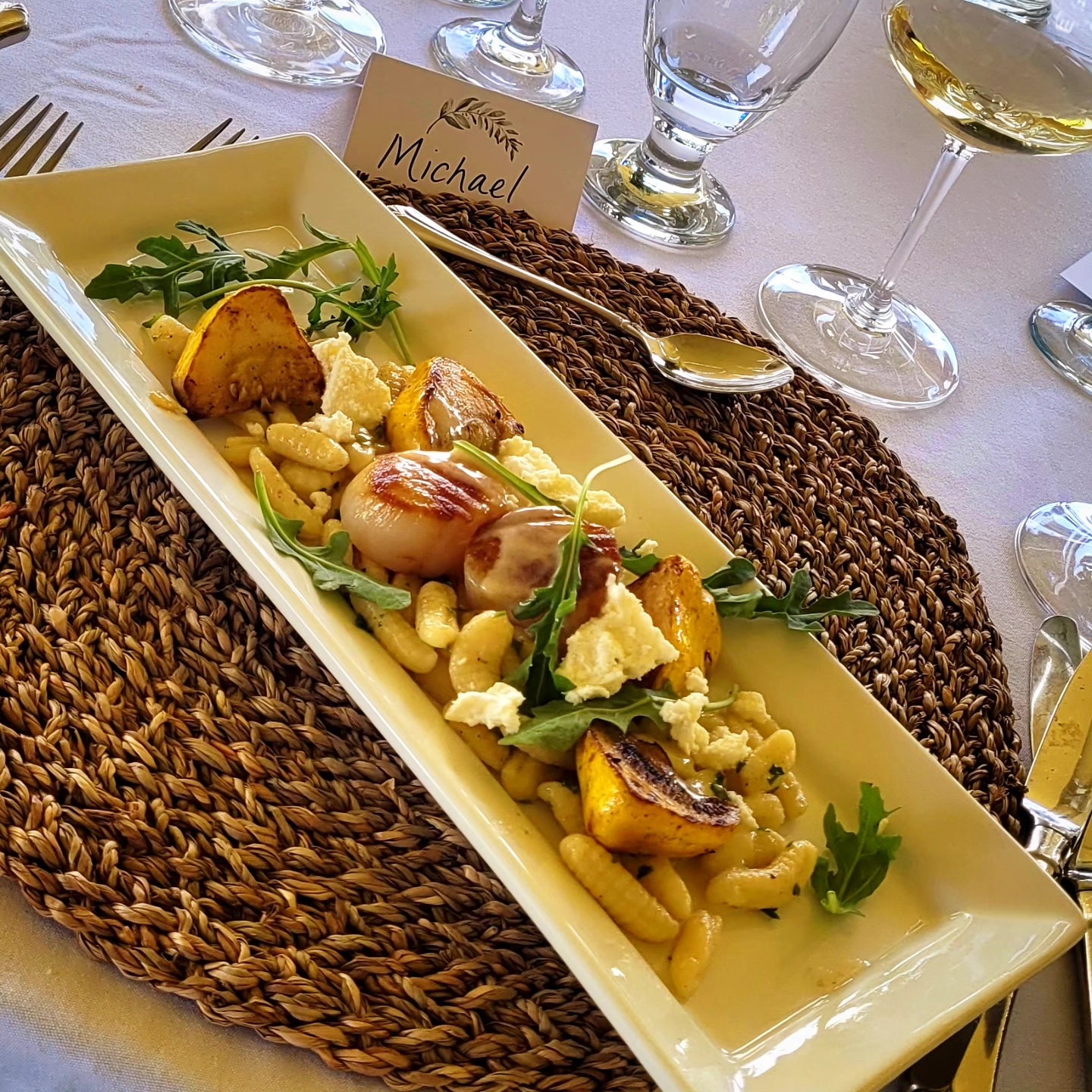
Chef Tim Mackiddie’s Scallops, Cavatelli and Chardonnay – At Butlers’ Grant, Wetscott Vineyards

Westcott Vineyards Chardonnay Butlers’ Grant Old Vines 2022, VQA Twenty Mile Bench

Old Vines refers to the 1989 planting of Clone 76 on a 5.08 acre block on the northwest side of the 43 acre Vineland Bench property. The long and rectangular chardonnay block culminates on the southeastern side at Butlers’ Workshops and is paramount for a site that was a grower’s vineyard up until the Westcotts purchased the land that immediately abuts the Bruce Trail. So many c’s are apt descriptors for this chardonnay; copacetic, coalescing, conditioned and commendable. From a recalcitrant vintage in some ways, adversarial and short of crop but the chosen fruit seemed eager to please and access feels easy. Concentration is impressive and immediate gratification is on offer. Extract and tannin take this to another level and so the probabilities are positive for a chardonnay you may choose to age. Drink 2024-2028.  Tasted July 2024

Westcott Vineyards Pinot Noir Butler’s Grant Carolyn’s Block 2020, VQA Twenty Mile Bench

From the block closest to the house planted to the 667 clone. Youth still the understatement, vintage accessibility be recognized and quickly cast aside. A mix of flintiness and delicacy when rich and fat could have been this pinot noir’s everything. Not in this case.  Last tasted July 2024

From riesling to chardonnay and now pinot noir, all planted in 1988 under the name of Butler’s Grant and here the pinot is dedicated to Westcott proprietor Carolyn Hurst. A clone first iteration, or at least one owning as much as site itself because vinous, resinous and intense is what oozes from this Twenty Mile Bench wine. Hard to find this much varietal expression so reminiscent of some Beaune counterparts because austerity, intensity and implosive behaviour are all compounded with tough love, seriousness and respect. The vintage gives and is in turn captured for a wine that will command your undivided attention, in part because some suspected whole bunch fermentation just seemed like recssecity is the mother of invention. Need is the primary driving force behind Carolyn’s strong-willed pinot noir. Drink 2024-2028.  Tasted August 2023

Westcott Vineyards Pinot Noir Butler’s Grant Carolyn’s Block 2019, VQA Twenty Mile Bench

The 2020 Carolyn’s Block is something joyous but get a scent of (a now well-aged) 2019 and the aromatic world changes dramatically. A vintage advantage and clearly a pinot noir in need of time to set it aromas straight. From eccentricity to complexity, wildly spiced and now entrancing. An affinity with Cuesta the the south and Hanck to the north yet perfectly idiosyncratic in between. Some sweet seduction, ripe acidity and organza texture.  Tasted July 2024

Westcott Vineyards Pinot Noir Butlers’ Grant Old Vines 2019, Twenty Mile Bench

The 2020 Carolyn’s Block is something joyous but get a scent of (a now well-aged) 2019 and the aromatic world changes dramatically. A vintage advantage and clearly a pinot noir in need of time to set it aromas straight. From eccentricity to complexity, wildly spiced and now entrancing. An affinity with Cuesta the the south and Hanck to the north yet perfectly idiosyncratic in between. Some sweet seduction, ripe acidity and organza texture.  Last tasted July 2024

Funny aroma to begin, paint or something metallic but also tomato purée. Verdant as well, chalky and chewy, ready to rock and roll. Something amiss or at least distracting but there is this great palate presence and structural appeal. Silkiness and wood define the finish. Drink 2022-2025.  Tasted blind at NWAC2021, October 2021

Westcott Vineyards Pinot Noir Butlers’ Grant Old Vines 2020, VQA Twenty Mile Bench

Elevated concentration, of course, but an immediate burst of energy and immediacy really command attention. Spice and potpourri, full and up front, unabashed, without hesitation, standing vertical to be noticed. Clone is 828 planted in 1988 on the southwest corner of the Vineland Bench property. Explicit varietal assemblage curving to the substantial to decide the outcome for pinot noir designed to please. The gratification is underscored by a mineral underlay to say that tine is on side. Two more great years and two to for more with positive secondary characteristics.  Last tasted July 2024

Dark fruit, ambitious and tannic. Bold and structured pinot noir from a hot summer clime. Drink 2024-2026.  Tasted blind at #NWACS24, June 2024.

Westcott Vineyards Pinot Noir Butlers’ Grant Old Vines 2019, VQA Twenty Mile Bench

The second harvest of this block foreshadows what will be concluded as a dramatic difference between the ’20 and this ’19 residing in the arena of the vivid. A level of chalkiness and therefore structure now explain why tasting this early would have been confusing to deduce how clone and place will conspire for great pronouncement. This Twenty Mile (or Vineland) Bench geology directs the show and old vines concentration does the rest. Who knows, maybe Carolyn’s Block will act like this 28 years from now. For now Butlers’ Grant Old Vines is the one in command.  Last tasted July 2024

Funny aroma to begin, paint or something metallic but also tomato purée. Verdant as well, chalky and chewy, ready to rock and roll. Something amiss or at least distracting but there is this great palate presence and structural appeal. Silkiness and wood define the finish. Drink 2022-2025.  Tasted blind at NWAC2021, October 2021

Westcott Vineyards Brilliant Traditional Method Blanc De Blancs, VQA Vinemount Ridge

Winemaker Casey Kulczyk explains how chardonnay is always picked at a minimum 19 brix which not only influences but extends flavours and also exaggerates texture. Plenty of acidity mind you though the complex profile wins over all else. Sees 30 months on lees and makes every iota of their use to accentuate and autolyze for increased extensibility, plasticity and the aforementioned flavour. Yes this shows smoother texture and strengthened chains of mousse. Westcott’s sparkling processes are at the head of the game. Drink 2024-2027.  Tasted July 2024

Westcott Vineyards Brilliant Traditional Method Blanc De Noirs, VQA Vinemount Ridge

As with the Blanc de Blancs the pick is done at a minimum 19 brix and lees aging time is 30 months. The mix of chardonnay, pinot noir and meunier shows off ample freshness and sharp acidity, leading to boundless energy tethered with creamy flavours. Red fruit prominent but the truth lies in mellifluous textures ruling the day. Drink 2024-2026.  Tasted July 2024

Good to go!

godello

Flight #1 at the 2024 School of Cool
(c) i4C

Twitter: @mgodello

Instagram: mgodello
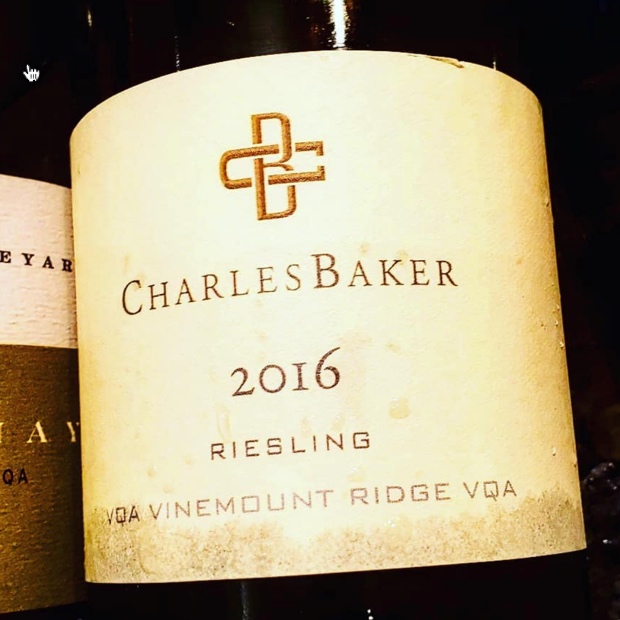
WineAlign

Tasting Ontario at Canada’s Great Kitchen Party

Congrats to the winners at Canada’s @greatkitchenparty in Toronto last night. Repeat for @cbriesling and couldn’t happen to a nicer guy. Quality at an all time high for all the wines in the competition.

Related – Gold Medal Plates Toronto 2017

The artist formerly known as Gold Medal Plates is deep into its second tour under the auspices of the new and improved moniker Canada’s Great Kitchen Party. Four weeks ago the launching port for the magical travelling culinary, wine and musical tour was Toronto’s Metro Convention Centre and 12 cities later the cross-cultural palooza will culminate at the Canadian Culinary Championships in Ottawa, January 31st and February 1st, 2020.

The plates at Canada’s @greatkitchenparty are always some of the year’s best. Three from last night.

Related – Eighteen Canadian wines that rocked in 2018

On October 3rd, 2019 over 550 guests enjoyed an evening of celebration and elevation of Canadian culture in food, sport and music. The chefs came both to compete for their chance to be on the podium and to share their creative talent with the guests. Over 45 athletes from amateur, para and pro sports shared their stories and guests were on the dance floor enjoying the performance of some of Canada’s greatest musicians! It was an inspiring and impactful experience as the city united to provide Canadian youth the opportunity to be extraordinary in food, music and sport. We are proud to support Community Food Centres Canada, MusiCounts and B2ten.

Gold – Chef Keith Pears, Executive Chef at Delta by Marriott Toronto

Silver – Chef Frank Parhizgar, FK Restaurant

Bronze – Chef Renée Bellefeuille, Art Gallery on Ontario

My WineAlign colleague David Lawrason requested that I join his merry band of judges for the sixth straight year to assess, deliberate and conclude on the three podium wines of the competition. That we did are these were the results.

Here are my notes on all the wines tasted that evening.

Flat Rock Riddled Sparkling 2017, Traditional Method, VQA Twenty Mile Bench, Niagara Escarpment, Ontario (383315, $34.95)

Riddled ’17 is so bloody young and fresh it’s hard to let it into your life but you should and you must. Bright, startling nearly, greatly aromatic, crispy and yet perspiring with the most humidity and sunshine from a Riddled to date. Tense and nervous, can’t relax. Toasty and just plain fun. Drink 2021-2028.  Tasted October 2019

Mission Hill Reserve Pinot Gris 2017, BC VQA Okanagan Valley, British Columbia (537076, $22.95)

Very gris, lush and fulsome, dripping with orchard fruit juices and so well integrated. A balanced and tangy mess of fruit and ease into acidity.  Last tasted October 2019

Always puts some time, effort and pleasure in reserve so the moniker continues to hold true to Mission Hill form. The pulse of energy persists and it is that tongue-tying freshness that stands still though will be moving forward soon, in time. Seemingly a bit less skin-contact but so heady in apple, pear and white peach, yet always returning to that green mango-apple bite. Better gris goes deeper and beats before, so kudos to the Hill for the work. Drink 2020-2023.  Tasted April 2019

Chef Keith Pears

Charles Baker Picone Vineyard Riesling 2016, VQA Vinemount Ridge, Niagara Escarpment, Ontario (241182, $37.20)

Baker’s ’16 is the child of a great vintage’s phenolics and so without needing to concern oneself in wondering about ripeness or fruit quality it allows for a beeline straight to the tannic structure. That’s the crux of 2016, built upon a core that may as well be centred in the very heart of Colmar. Sugar may as well be nowhere and nothing because balance induces dreams utterly grounded in aridity. So reminded of Bernard Schoffit and The Rangen, austere yet entangled, lean and direct of sure, focused and precise. In the zone and will be for 12 blessedly slow developing years. Drink 2021-2030.  Tasted October 2019

Flat Rock Nadja’s Vineyard Riesling 2017, VQA Twenty Mile Bench, Niagara Escarpment, Ontario (381251, $19.95)

Warmth from Nadja in 2017, not humidity mind you but certainly juiciness, citrus squeeze and real tart behaviour. Not the acidity of some vintages but enough action to counteract the flat out rocking expressiveness of the fruit. Now you can drink this early while other more tightly constructed and yet uncoiled Nadjas move through their paces.  Lasted October 2019

Nadja has taken the anomaly of an inverted vintage and founded a striking riesling with laser quick reflexes. It’s a lean, lightning flinty and lime-powered one, stark in its intensity and drier than I can ever remember it being. The levels of grape tannin and extract are amazing and it really needs time to settle in. Let’s look at it again in 2019. Drink 2019-2022.  Tasted October 2018

Redstone Riesling Limestone Ridge South 2017, VQA Twenty Mile Bench, Ontario (381251, $19.95)

All about the lime, beneath the surface and above board. Juiced, filling up the flavours matched against the sugar. Well-balanced, tightly wound and grippy as you know what.  Last tasted October 2019

From the sizeable Limsetone Vineyard’s south portion, the 2017 does what good Bench riesling should. It delivers a gamut of citrus and orchard fruit, from apple to peach stone and yet communicates through a conduit of fine riesling acidity. This example cuts like a knife through creamy custard, in other words it drinks straightforward and with full calm at ease. Drink 2019-2021.  Tasted March 2019

Honsberger Chardonnay Schuele Vineyards 2017, VQA Lincoln Lakeshore, Ontario ($35.00)

Just four months has done the trick,. No simply fruitful with an ease of oak, little to less encumbrance from spice and very much having arrived, pitched and settled in the lovely to elegant camp. No longer overtly demanding in engagement or complexity and in this case all the better for it.  Last tasted October 2019

A mix of apple terpene and green pesto marks the nose before turning leesy, creamy and corn. Quite extracted, oaked and tannic so expect a chardonnay of ambition in request for settling time. That or some heady food to stand up and count together. Drink 2020-2023.  Tasted blind at NWAC19, June 2019

Domaine Queylus Chardonnay Reserve Du Domaine 2017, VQA Niagara Escarpment, Ontario ($34.95)

The Reserve is an impressive and bloody delicious chardonnay with all of its parts moving together and speaking straight from the Peninsula heart. Crunchy and luxe at once then the other, then synched, together. Ripe and developed but also green apple fresh, smart, in good humour and beautiful. This Queylus just has a glow about ‘er. Drink 2020-2025.  Tasted October 2019

Tawse Estate Vineyards Chardonnay 2013, VQA Niagara Peninsula, Ontario ($38.15)

The toastiest and most reductive of the Tawse chardonnays, above Quarry Road and well beyond Robyn’s. It may have once been the smooth one but not any more. Expect sharp, pointed and angular juts and struts. A sharp varietal Tawse that speaks a more pointed Bench vernacular than the Peninsula labelling would say. No matter for time has done little to crack the safe.  Last tasted October 2019

The rock of the compos mentis Tawse chardonnay is the Estate, as consistently composed as any in the high end Ontario tier. The simple plan leads to something ultimately complex, first by charitable dispensation by a vintage like 2013 and then from fruit synchronically pulled off of four iconically developing vineyards; David’s Block (39 per cent), Quarry Road (35), Hillside (14) and Robyn’s Block (11). The balance of fruit, mineral and barrel is impeccable with many thanks due to Paul Pender’s recondite investigative barrel program. The Estate chardonnay owes a great deal to French forests and variegated toasts, all of which show tongue and teeth in this wine. The layering here (and really fine lees) brings creamy tropical as well as crisp Ontario fruit. This is the most soothing of Tawse’s chardonnays with a developing sense of tart candied flowers melting into caramel. In other words, delicious. Drink 2017-2020.  Tasted April 2017

Hidden Bench Locust Lane Rosé 2018, VQA Beamsville Bench, Niagara Escarpment, Ontario (68833, $23.95)

What you want and need from Rosé out of Ontario or anywhere you might dream light, salty, richly fruitful and generously hued pink stuff. Dry and saline with a full gamut of rootsy and ripe fruit; strawberry, cranberry and pomegranate. So good.  Last tasted October 2019

Locust Lane is certainly one of Ontario’s top cru sites for Rosé and while that may sound like a wine style misnomer to some you’d better taste this before making any statements you’ll then want to retract. Winemaker Jay J. must thank his lucky Beamsville Bench stars to have the fortune to make Rosé with this fruit. He would also know not to screw it up so behold this saline, sapid, linear, natural, balanced and just bloody delicious wine. Along with Moira just a stone’s throw over a hill away there are some that just rise above and do so with great ease, like fruit fallen into the hand just before it had been plucked from the stem. That’s when you know Rosé had been grown, run and fermented just right. Drink 2019-2021.  Tasted June 2019

Thirty Bench Winemaker’s Blend Red 2017, VQA Beamsville Bench, Niagara Escarpment, Ontario (320986, $24.95)

Quite heady red here from Thirty Bench, full on dark red fruit in the raspberry merlot vein and just the right verdancy. It’s also sharp and spiced by botanicals that perk up your favourite amaro. Fun stuff from Emma Garner.  Last tasted October 2019

A plethora of mixed red fruits marks not just the entry but the entirety of the Red Blend. It’s a Bordeaux fashion in Beamsville clothing, of berries, plums and even a bit of fennel like addendum. Quite fruity, integrated and balanced, all in the name of amenability and drinkability. Drink 2019-2021.  Tasted August 2019

Mission Hill Reserve Merlot 2017, BC VQA Okanagan Valley, British Columbia (553313, $29.95)

Rich and heady to no surprise and plenty of instigating spice. Dives down and into the depths of dark fruit in the shroud of barrel where all sing along together. A bit of balsamic and the notion of impending umami. Drink 2020-2025.  Tasted October 2019

Trius Red (The Icon) 2017, VQA Niagara Peninsula, Ontario (303800, $24.95)

The Red Icon is everything Niagara can be in affordable red wine, magnified and hyperbolized to the nth degree. A huge icon if from a vintage in reverse and so the strawberry jam is right there, set up in the fruitiest way above the acids and the structure. Tannins won’t lie however and neither will 10 years of great drinking. Drink 2021-20230.  Tasted October 2019

Stratus Red 2015, VQA Niagara Lakeshore, Ontario (131037, $48.20)

Quite high-toned from a Stratus Red, fruit elevated and lifted by 2015 acids, trying to settle but not able to let gravity do its work. Crunchy and certainly grippy, firm and far from open. Last tasted October 2019.

Harvested over a week’s time in mid to late November from a warm if unremarkable vintage that followed a polar vortex winter, the just released 2015 Red is the five-headed Bordelais made from cabernet sauvignon, merlot, cabernet franc, petit verdot and malbec. If indeed perception is conceived to occur through five senses then all are needed to feel the fingers and toes of this assemblage. It’s also a matter of mathematical relevance, especially if you’ve tasted a few vintages of this most consistent appellative blend. And so standard deviation is relevant in assessment. From one Stratus Red to another we are looking at two sets of five different numbers that have the same mean but different standard deviations and it can be argued (because of the methodology), the same standard deviation but different means. If only J-L Groux knows the answer to the mean and standard of each Red set we can still look at this ’15 and note how it’s quite dusty and high-toned in its youth, with a richness that will eventually bring it all down to earth. It’s a chewy Red with some dried, leathery fruit, as per the mean, equal and opposing to the fresh and friendly, as per the standard deviation. As a matter of assemblage it’s as classic and recognizable as any in the accumulative history and also reminiscent of the past, like ’07, ’10 and ’12, to name just a few. With cabernet sauvignon at the head it tells us that ripeness is the virtue and comfort the result. By the way, the varietal breakdown of 40, 24, 23, 11 and 2 equates to a mean of 20 and a standard deviation of 14.40. For what it’s worth.  Drink 2019-2026. Tasted October 2018

Good to go!

godello

Twitter: @mgodello

Instagram: mgodello

WineAlign

Tasting Ontario Part Six: Pinot Noir

Gather your thoughts about pinot noir. Begin with Bourgogne and it’s really quite easy to articulate an opinion. Smells like cherries, shows earth and mineral notes of/from clay and limestone. Texture is specific to the village where it is grown. New Zealand? There’s a recognition regardless, save for a special and singular red fruit that is specific to Central Otago. What about California and Oregon? Any wine geek who knows who they think they are could surely pick them out of a blind tasting with great certainty? Now what about Canadian pinot noir? That’s a totally different story.

Related – Results of the 2018 WineAlign National Wine Awards of Canada (The Nationals): Pinot NoirNational Wine Awards of Canada 2018

If it were just a simple matter of Ontario versus British Columbia that would be one thing but there is Nova Scotia to consider and within the provinces so many sites of origin and stylistic variegation making it really difficult to identify the source. It may be a challenging and oft-times heartbreaking grape but in Canada it increasingly finds a way to ripen from coast to coast. Even if that were less true just five years ago the tenets of experience, acumen and passion have taken pinot noir to heights few believed it was capable of going. That winemakers can now produce so many varied examples tells us it’s here to stay.

Bourgogne uses the word Climat to define vineyards or rather the DNA of the vineyards and the official term is specific to wine while the reference lieux-dits is an administrative one. Many would argue that while dirt makes an impact it is climate that inflicts the most drama on a wine but even more important than climate and soil, it’s the people who give the terroir its cultural identity. In Canada these notions of accumulate knowledge that can be transmuted from generation to generation are developing so that each appellation or sub-appellation is managing to produce a specific style of wine from vintage to vintage.

Related – Tasting Ontario Part Five: Varietal Whites and Appellative Blends

In Ontario there are pinot noir crus few would ague against the probability that in most vintages quality will be a guarantee. Crus like Lowrey Vineyard on the St. David’s Bench, top blocks in Prince Edward County, several vineyards up on the Beamsville Bench, Wismer-Foxcroft and many plots on the Twenty Mile Bench. In the Okanagan Valley there are many premier growing sites; East Kelowna, Naramata Bench, Okanagan Falls, Summerland, Lake Country, the Similkameen Valley and increasingly on Vancouver Island.

Producers in British Columbia may have more merlot planted than they can or want to have to deal with but in red grape terms, pinot noir is it. There are more single-vineyard, name-assigned, block-designate, terroir collection, (x) series and (Y) cuvées attributed to the grape than any other. Granted some passion projects are giving some love to gamay and cabernet franc but the attention doted upon pinot noir is unequaled and unprecedented. Proof is in the tabulated pudding, so to speak, with the final results at NWAC2018 showing what’s what.

There were 73 medals awarded to pinot noir, a staggering number that represents just less than half of the wines submitted and four per cent of all wines entered into the competition. Only red blends (93) and chardonnay (79) received more total medals but most impressive were the 28 Gold Medals in this category, plus 18 Silver and 27 Bronze. The naysayers who continue to doubt whether pinot noir is a viable signature grape in this country are not paying close enough attention to the signs, portents and in conclusion, results. Here are 30 tasting notes for pinot noir made in Ontario.

Vieni Estates Pinot Noir 2015, VQA Vinemount Ridge, Ontario (550608, $16.95, WineAlign)

Vieni’s pinot noir shows off some pretty impressive fruit, certainly veering towards the sweet and dried fruit spectrum but hanging around with some good acidity, firm grip and proper 2015 structure. It’s more than a pleasant surprise and it’s only $16.95. Good fruit meets equally good acumen in a must try Vinemount Ridge buy. Drink 2018-2021.  Tasted March 2018  vieniestates  @VieniEstatesInc  Vieni Estates Wine and Spirits

Château Des Charmes Pinot Noir 2016, VQA Niagara On-The-Lake, Ontario (454967, $16.95, WineAlign)

The warm sites can’t help but develop dark fruit and vintage variation seems to be in a current state of suspension. The string is alive with the ’16 pinot noir, always a matter of value for Ontario. Still just as ripe as 2015, perhaps not quite as charming but certainly generous. It holds back from cooking at a level of stovetop heat unnecessary to the execution of the dish. Gentle, resilient and restrained, far from a pressed or pressing matter and just ideal for weekdays and weekends alike. Pair this wine with everything but I recently discovered that long pasta noodles with prawns in a spicy garlic, chile and tomato sauce worked quite well, thank you very much. Drink 2018-2019.  Tasted April 2018  chateaudescharmes  @MBosc  Château des Charmes

Château Des Charmes Pinot Noir 2015, VQA Niagara On-The-Lake, Ontario (454967, $16.95, WineAlign)

This remains one of the better values for pinot noir out of Ontario with generous thanks to some of the warmest growing sites in the province. It’s also worthy for what it does not try to do, which is too much. The Château des Charmes pinot noir is just what it needs to be from 2015; ripe, charming and generous. It shows lovely restraint and balance, finishing with some gentle spice after the reign of fruit. It’s also really easy to crush so cook up at least three courses to make it last. It will pair with just about everything. Drink 2017-2019. Tasted November 2017 and February 2018  chateaudescharmes  @MBosc  Château des Charmes

Coyote’s Run Pinot Noir 2016, VQA Niagara Peninsula, Ontario (53090, $19.95, WineAlign)

Two blocks, two soil types and two proximate meets apposite pieces of the Niagara Peninsula raise a pinot noir in get together fashion for a consistent estate style. The tonality is elevated like few other and the fruit on the nether side of fresh. It’s energy and vitality is a combination of acidity and dried or even scorched earth-derived savour. Tang and sapidity are not the result but smoulder and spice surely are. Drink 2018-2019.  Tasted March 2018  coyotes run  @coyotesrun  Coyote’s Run Estate Winery

Flat Rock Cellars Pinot Noir 2016, VQA Twenty Mile Bench, Ontario (1545, $20.95, WineAlign)

In true essential Flat Rock style this 2016 pinot noir deals in rusty, ropey, ripe and flattering red fruit with its always balancing note of tension. The vintage is certainly prettier, easier and friendlier than most so the fans should pile up and add to the overall success of Flat Rock representing Ontario pinot noir on the map. This is nothing but fine and enjoyable work from a true varietal leader. Drink 2018-2020.  Tasted February 2018  flatrockcellars  @Winemakersboots  @FlatRockCellars

Kew Vineyards Pinot Noir 2014, VQA Niagara Peninsula, Ontario (Winery, $23.95, WineAlign)

More high tines, dialled back a touch, lithe, again some effusive character, tart, so very tart, a whack of wound tight intent, dry tannins, so much tea. Cranberry, earthy, lots of tone and structure. Drink 2019-2023.  Tasted blind at NWAC18, June 2018  @kewvineyards  @kewvineyard

2027 Cellars Pinot Noir Edgerock Vineyard 2016, Twenty Mile Bench, Ontario (Winery, $24.95, WineAlign)

Edgerock is Twenty Mile Bench fruit with expected 2016 ripeness and just an edgy twitch like quick lightning strikes on that fruit. There is some chewiness to the fruit laced by acidity and some drying tannin that is a bit deferential for the vintage and for Peninsula pinot noir. Not sure that pinot noir can get much riper than this in Ontario and so the perfect storm of vineyard, vintage and execution is met. The nose is so very ripe to almost advanced, with strawberries macerating and flavours so well to far developed. Not as fleshy as some as a result but will soon begin to develop some nice secondary character. Good summer wine, for this summer and hopefully an indigenous one for the fall. Drink 2018-2019.  Tasted February 2018  2027cellars  @2027cellars  2027 Cellars

Meldville Wines Pinot Noir 2016, VQA Niagara Peninsula, Ontario (Winery, $27.20, WineAlign)

Derek Barnett’s is a sweetly perfumed pinot noir, fully expressive of ripe 2016 fruit and with a tannic drying edge. It’s a bit lactic to be sure, seemingly argilo-calcareous in nature and really reminds me of some far away sangiovese or corvina grown on white limestone soils. Really unique, lithe and elegant for Barnett if also tangy, sweet and sour. Not sugar sweet but aromatically so. Drink 2018-2020. Tasted February 2018  meldvillewines  @meldvillewines  Meldville Wines

Thirty Bench Small Lot Pinot Noir 2015, VQA Beamsville Bench, Ontario (Winery, $28.95, WineAlign)

Bright and effusive, eye and olfactory opening, citrus, steeped herbal tea, with fruity accents. “All around the blooming heather,” purple fruit flavours, fiddle background and thoughts of rolling thyme hills. Good bass line, baritone underneath, full of structure, real structure. Time has had an effect. Drink 2019-2023.  Tasted blind at NWAC18, June 2018

The tones are elevated and the fruit is really ripe though the acidity is quite calm in this extreme small lot pinot noir. You can get a true sense of the culture and the micro-managed terroir that separates this from some less expensive and certainly more rustic Niagara cousins so the cost is quite understandable. The fruit is the thing, given all the attention and the credit. Drink 2018-2020. Tasted February 2018  thirtybench  pellerwines  @ThirtyBench  @PellerVQA  @ThirtyBench  Andrew Peller(Andrew Peller Import)  Emma Garner

Leaning Post Pinot Noir 2016, VQA Niagara Peninsula, Ontario (Agent, $28.95, WineAlign)

Ilya Senchuk’s small lot (220 case) 2015 pinot noir is actually a new wine set to be released this spring. It’s a blend of fruit drawn from both McNally and Lowrey vineyards, two exceptional cru that have been the focus of previous Leaning Post single-vineyard pinot noir. The most notable difference here is how all the tension and vaporous tones melt away to create this fluid, fleecy and ductile wine. The fruit selection seems clearly developed to gain easier access with downsized structure or perhaps it just happened this way. It is here that the house style reads as a lithe Peninsula pinot noir manifesto with clarity and transparency to set up and introduce the estate’s next vintage, recently planted young vine pinot noir. Drink 2018-2021. Tasted February 2018  leaningpostwine  nicholaspearcewines  @LeaningPostWine  @Nicholaspearce_  Leaning Post Wines  Nicholas Pearce

Redstone Pinot Noir Limestone Vineyard 2013, VQA Lincoln Lakeshore, Ontario (Winery, $29.95, WineAlign)

The Redstone Vineyard pinot noir comes off of the ridge that is all Redstone estate fruit expect for the 40 acres riesling block (of 60 in total). There is a ferric gaminess to this pinot with its tension and dusty, tart rusticity. Intense in its litheness, like light and bright strawberry on steroids. Really lingers. Drink 2017-2019.  Tasted November 2017  redstonewinery  @RedstoneWines  Redstone Winery

Domaine Queylus Pinot Noir Tradition 2015, VQA Niagara Peninsula, Ontario (392738, $29.95, WineAlign)

From 2015 comes a fully ripened, full advantage press taken and fleshy warm pinot noir on the dark cherry end of the fruit spectrum. The wood is fully supportive of that wealth of fruit and tension is really nowhere to be found. The tannins are sweet and also do little to distract from the fruit. What it manages to elevate in terms of energy and vitality is this lovely elegant tang from both soil and wood, short of spicy and in gentle drift. The pleasure is all now do enjoy this before the decade strikes midnight. Drink 2018-2019.  Tasted February 2018  queylus  @Queylus  Domaine Queylus Winery

Trail Estate Pinot Noir 2016, VQA Niagara Peninsula (Winery, $30.00, WineAlign)

The Peninsula ’16 pinot noir is a joint Wertsch and Wismer blend, six barrels Between the Lines and two Foxcroft. The goal is not fully in focus, even if it’s just too early to call. Niagara pinot noir from these parts is want to be rusty, red fruit volatile and so bright you gotta wear shades and this ’16’s profile reads from such a script. It’s so very different from the lemon-citronella note that County pinot often surveys. So what does Trail Estate have, at least in here? Lightness for one thing, ease of drinkability and sweet tannin. Wild ferment and no new oak got this here, plus some neutral, second and third fill. It’s got candied floral and cinnamon heart, is quite tangy but honestly quite delicate. Simple yes, quite OK and at times, volatile too. Drink 2018-2020.  Tasted April 2018  trailestatewine  mackbrisbois  @TrailEstateWine  @MackBrisbois  Trail Estate Winery  Mackenzie Brisbois

Pork Tenderloin and Flat-Iron Steak marinated in black raspberry lees grilled with black raspberry sauce.

Westcott Vineyards Pinot Noir Estate 2016, VQA Vinemount Ridge, Ontario (Winery, $30.00, WineAlign)

The Westcotts have to be so very pleased with the result of their 2015 estate pinot noir, a wine of great farming in loyal custodial work across an exceptional rolling terroir. This Vinemount Ridge locale is the perfect love-hate relationship builder but when sacrifices are met and zero corners are cut it will produce some very fine, albeit fortune abetting fruit. This ’15 interprets ripeness with an edge of tension by way of a gentle rusticity and mild barrel spice. A second taste weeks later also gives salumi, natural funk, cèpes, dusty balsamic earth and the angled torture or the ridge. It’s all there, wonderfully integrated and already hinting at a truffled secondary stage. Not yet mind you, but not so far away. Would it perhaps benefit from one less day or two of phenolic ripeness in exchange for half a point higher acidity? Perhaps but ultimately the vintage decides, as do the handlers who listen to the wind. A greater pinot noir vintage likely lies ahead and for this wine, further understanding. Drink 2018-2021. Tasted February and March 2018  westcottvineyards  @WestcottWines  @westcottwines

Trail Estate Pinot Noir 2016, VQA Niagara Peninsula (Winery, $30.00, WineAlign)

The Peninsula ’16 pinot noir is a joint Wertsch and Wismer blend, six barrels Between the Lines and two Foxcroft. The goal is not fully in focus, even if it’s just too early to call. Niagara pinot noir from these parts is want to be rusty, red fruit volatile and so bright you gotta wear shades and this ’16’s profile reads from such a script. It’s so very different from the lemon-citronella note that County pinot often surveys. So what does Trail Estate have, at least in here? Lightness for one thing, ease of drinkability and sweet tannin. Wild ferment and no new oak got this here, plus some neutral, second and third fill. It’s got candied floral and cinnamon heart, is quite tangy but honestly quite delicate. Simple yes, quite OK and at times, volatile too. Drink 2018-2020.  Tasted April 2018  trailestatewine  mackbrisbois  @TrailEstateWine  @MackBrisbois  Trail Estate Winery  Mackenzie Brisbois

Hidden Bench Estate Pinot Noir 2016, VQA Beamsville Bench, Ontario (Winery, $31.95, WineAlign)

Really high-toned in which volatility may be in charge if checked by ballads of bright, currant-berry fruit. Cranberry, pomegranate, has got it all, but also a lovely earthy grounding. Rays of light on the mountain, “such a simple thing.” Has to be an example of a concentrated house style by a great pinot noir maker from great pinot noir terroir. Like a bench somewhere special where pinot can get through chains, “some how, some how.” Really tannic so all should be good and structure laid out cool. Drink 2019-2024.  Tasted blind at NWAC18, June 2018   hiddenbench  markanthonyon  @HiddenBench @MarkAnthonyWine  Hidden Bench Estate Winery  Mark Anthony Wine & Spirits

Cornerstone Pinot Noir 2016, VQA Niagara Peninsula, Ontario (Winery, $32.00, WineAlign)

Big and verging into oxidative, a raisin and fig note, almost appassimento. Could very well be or at least made in a ripe, concentrated and mimicking style. Glycerin, strawberry, leafy savour, jammy and quick to reveal itself. Immediate gratification in a really big pinot noir. Drink 2018-2021.  Tasted blind at NWAC18, June 2018  cornerstonewine  @cornerstonevino  @cornerstonewinery

Flat Rock Cellars Pinot Noir Gravity 2014, VQA Twenty Mile Bench, Ontario (1560, $34.95, WineAlign)

Gravity is the focus of Flat Rock’s pinot noir exploration and with a whole bunch addendum it changes gears in 2014. This is a very important vintage for Gravity, to leave behind and move forward into a new world. That it does with more ripeness, structure and less intimidating consternation than past vintages have shown and with a freshness also not before seen or tasted. The balance between ripe black cherry, linear and focused acidity, neo-classical structure, followed by an intense drive to please delivers the whole package. Well done on the first of two Gravity swan songs from outgoing winemaker Jay Johnstone. Drink 2019-2023.  Tasted February 2018  flatrockcellars  @Winemakersboots  @FlatRockCellars

Closson Chase Pinot Noir K.J. Watson Vineyard 2015, VQA Niagara River, Ontario (Winery, $34.95, WineAlign)

From Kevin Watson’s Niagara River vineyard, a place that warms quickly and leads to very early harvests, in this case September 15th. Deals a pinot noir of whole clusters that when they come in smell like blueberry and clove but take little time to move out of that realm and into one occupied by cedar, mushroom and artificial strawberry candy. It’s a complex situation that requires opening several bottles over a few year period to really gain an evolutionary understanding of regional pinot noir, this particular Niagara fruit and Closson Chase winemaking in the hands of Keith Tyers. Drink 2019-2023.  Tasted April 2018  clossonchasevineyardsClosson Chase  @ClossonChase  Closson Chase Vineyards

Tawse Pinot Noir Unfiltered Quarry Road Vineyard 2016, VQA Niagara Peninsula, Ontario (Winery, $34.95, WineAlign)

Unfiltered elevates and lifts Quarry Road fruit up to a forthright plateau where it generously gifts at its purest and most impulsive best. This is seriously juicy, sexy, fleshy and ripe pinot noir from the Vinemount Ridge, a windswept variegated set of rolling hills that plays hosts to the larger Quarry Road set of blocks. It is this gathering of fruit from here and there that allows winemaker Paul Pender to have a better representation of the appellation and ultimately a better balance. And so this ’16 is a wonderful example of the beautiful relationship between producer, appellation and vineyard. Drink 2017-2020.  Tasted December 2017  tawsewinery  @Tawse_Winery  @tawsewines

Stanners Vineyard Pinot Noir 2016, VQA Prince Edward County, Ontario (Winery, $35.00, WineAlign)

From County fruit, again in 2016 not so much a great quantity thing but for the median kind of vintage, not bad either. The fruit is exceptional, bright cherry effulgent and County radiant. Just a hint of meaty cure, salmagundi and analogously speaking, quite layered. Such a wine is poignant, with energy and drive, holding on to the past, but with a deeper understanding and thinking about the future. “When you talk about the past, what are we talking of?” In a family Stanners pinot noir we’re talking about moving from strength to strength and really the sky is the limit for what this wine can become. It’s a more complete and better structured song than before. If I feed Colin Stanners a War on Drugs lyric he’d sing “and I’m moving on a cast, shadows on my seam, I keep moving to changes, yeah, ooh.” His ’16 pinot noir is just a child right now and like the song, it will gain flesh in a year’s time, be timeless, then last a very long time. Drink 2019-2024.  Tasted April 2018  stannerswines  @StannersWines  Stanners Vineyard

Thirty Bench Pinot Noir Small Lot 2015, VQA Beamsville Bench, Ontario (461566, $35.20, WineAlign)

The tones are elevated and the fruit is really ripe though the acidity is quite calm in this extreme small lot pinot noir. You can get a true sense of the culture and the micro-managed terroir that separates this from some less expensive and certainly more rustic Niagara cousins so the cost is quite understandable. The fruit is the thing, given all the attention and the credit. Drink 2018-2020.  Tasted February 2018  thirty bench  pellerwines  @ThirtyBench  @PellerVQA  Thirty Bench Wine Makers  Peller Estates Winery & Restaurant

Tawse Pinot Noir Quarry Road Vineyard 2016, VQA Vinemount Ridge, Ontario (Winery, $35.95, WineAlign)

It would not be a Paul Pender raised pinot noir without the triple threat of dustiness, meatiness and tension all working in a circle of Niagara Bench lands love. In Quarry Road’s case it is a very specific Vinemount Ridge condition, from a place of wind, rolling hills and variegated clay and limestone soils that deal directly with and into these vines. They are at seven years of age by this point, just long enough to speak the truth and turn this pinot noir into a wiser and more experienced wine. The fruit is remarkably delicate when you consider the grip and purpose exercised by the tannin and yet it’s all coming together nicely. I for one am really looking forward to what eight and nine years of age will mean for 2015 and 2016. Drink 2018-2022.  Tasted November 2017  tawsewinery  @Tawse_Winery  @tawsewines

Rosehall Run Pinot Noir JCR Rosehall Vineyard 2016, VQA Prince Edward County, Ontario (Agent, $39.00, WineAlign)

Though statements of monadical hyperbole should very much be avoided, a taste of Dan Sullivan’s ’16 JCR makes one think it has all come to this. The glycerin fruit endowed with so much natural sweetness and magnificently low alcohol feels like an impossibility. In a way it is but it’s also a County reality. This may just be the least astringent PEC pinot noir ever produced and at the same time seems entirely void of tension. Yet there is structure and cohesion, two functors so very necessary to see it drink well for 10 years, with great charm and further curiosity for five more after that. Drink 2018-2028.  Last tasted July 2018

Bright, red raspberry, light and effusive with a simple, liquid chalky feel. Really drinkable. The tart is part of a delight in composition. A good chew.  Tasted blind at NWAC18, June 2018   Rosehall_run profilewinegroup  @Rosehall_Run  @ProfileWineGrp  Rosehall Run Vineyards  Profile Wine Group

Meritorious match alert @leaningpostwine #lowreyvineyard pinot noir with #goulash and #spaetzle

Leaning Post Pinot Noir Lowrey Vineyard 2014, St. David’s Bench, Ontario (Agent, $42.00, WineAlign)

It was a very good pinot noir vintage across the peninsula board and so not necessarily one to separate with megaphone announcement the Grand-ish Cru St. David’s Bench Lowrey Vineyard from the lower flats and the upper benches. Even though many a winemaker were opting for some percentage of whole cluster fermentation the vintage combined with this block was not such an animal. What Lowrey, Leaning Post and the vintage were meant for was a module that included grapes hand-picked, hand-sorted, de-stemmed, partially crushed and soaked on skins prior to fermentation. Three days later a spontaneous fermentation in small open-top fermenters would be followed by a transfer to French oak barrels (35 percent new, 30 one-year-old and 35 older) for 15 months. The result is another exemplar of pinot noir lithe excellence in this, the final chapter ahead of Ilya Senchuk’s newly planted pinot noir story ready to unfold out of the home (Winona) vineyard. The 2014 Lowrey is a wine that elevates a goulash game (which I can attest to because of an out of mind and body experience), but it’s also magically understated and subtly complex. It’s almost unmovable, resistant to early development all the while a joy to drink. Open it, store it, age it, wait on it. It’s all good. Drink 2018-2025. Tasted March 2018  leaningpostwine  nicholaspearcewines  @LeaningPostWine  @Nicholaspearce_  Leaning Post Wines  Nicholas Pearce

Tawse Pinot Noir Laidlaw Vineyard 2012, VQA Vinemount Ridge, Ontario (Winery, $44.95, WineAlign)

Juicy straight up, red cherries in their ripest state, a bit dusty and lifted. Tart, dry, herbal, savoury, so interesting. Really tannic and remains to be seen if this structure will deem that fruit to drift into some elegance. Drink 2019-2022.  Tasted blind at NWAC18, June 2018 tawsewinery  @Tawse_Winery  @tawsewines

The Farm White Label (Mason Vineyard) Pinot Noir 2015, VQA Twenty Mile Bench, Ontario (Winery, $50.00, WineAlign)

A high-toned, effusively bright and perhaps edging into volatile pinot noir. Flavours are rusty deep, quite orange-zest scraped and scented, like Irancy. If it’s really that simple then there may not be much tension later on, so think about pairing its coolness now. Lean and verdant with shading into crimson is a very specific beneath bench Niagara speciality, replete with firm if tender emotions. This example is for the here and now. Drink 2018-2020.  Tasted blind at NWAC18, June 2018  thefarmwines

Tawse Pinot Noir Cherry Avenue 2013, VQA Twenty Mile Bench, Ontario (Winery, $59.95, WineAlign)

The Tawse Cherry Avenue ’13 is hotter than July, classic soul Twenty Mile Bench pinot noir that has hit its stride because of solid winemaking, varietal-musicianship and über professional production. Five years forward is the right time to take in the firm and founded cherry fruit, aged in oak for 18 months in 40 per cent new French oak. Filled with feeling and wonder, Cherry avoids the temptations of disco and new wave to stay focused on the old world prize and can’t help but “put me in the right direction, with tender love and affection.” It’s a wine from an estate holding the Midas touch and from a time when it could be argued it was pausing at the crossroads of an illustrious career, looking in all four directions. The pinot noir exploration has fortunately continued, justified and vindicated by such a retrospective look. Drink 2018-2023.  Tasted May 2018  tawsewinery  @Tawse_Winery  @tawsewines

Karlo Estates Pinot Noir Estate Grown Wild Ferment 2016, VQA Prince Edward County, Ontario (Winery, $65.00, WineAlign)

As with the Estate chardonnay the elévage from winemaker Derek Barnett for the second Karlo home-front pinot noir is wild ferment, barrel ferment and barrel aging. Oh if this isn’t so Prince Edward County; wild, wooly, bright and engaging, reeking of red cherry and plum. It’s also quite cedar savoury but also salumi-cured, naturally and necessarily so. The accrual is complex and driven by a devoted purpose to make something small really effin’ matters. This is fine-grained pinot noir with a sense of condiment, a relish that supports the fruit to make it tangy, juicy and real. And it’s been done without any excessive intervention or wasted notes played. Terrific origins, sense of place and quality. Drink 2018-2022. Tasted February 2018  karloestateswinery  @KarloEstates  Karlo Estates

Good to Go!

Godello

Twitter: @mgodello

Instagram: mgodello
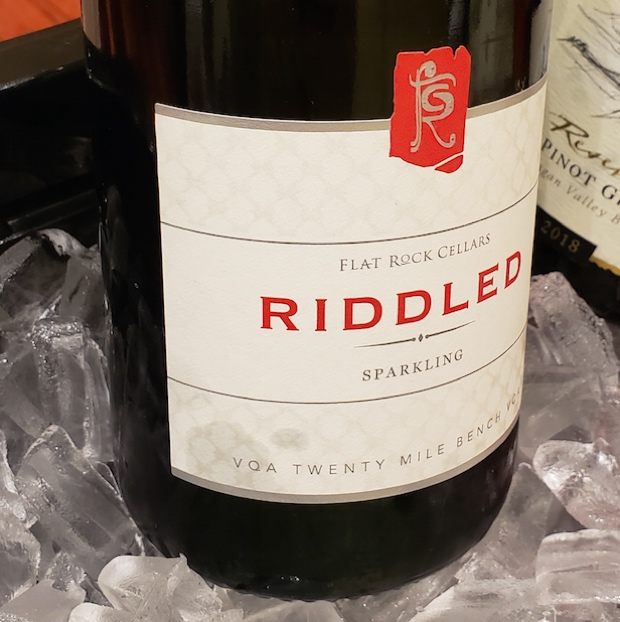
WineAlign

Tasting Ontario Part Two: Chardonnay

Chardonnay, Wismer Vineyard, Twenty Mile Bench

Just over two months from now the world will reconvene in Niagara for the eighth i4c summit and that’s got me thinking again. Thinking about chardonnay. Contemplating the axiom of chardonnay continuing to make its own new set of rules, putting its best foot forward, not being influenced by fools. After the seventh installation of the International Cool Climate Chardonnay Celebration I wrote “there is no secret that Ontario winemakers have worked tirelessly to develop the ability and the acumen to make world-class white wines. There may be no better example of this then what was again on display at i4c.” Always reinventing itself and potential fulfilled, chardonnay, the slow train coming.

I’ve asked many questions and posed, ego notwithstanding by waxing some pretty bold transcribed statements on behalf of our beloved chardonnay. The phrasing has included Chardonnay is cool‘I4C’ a future filled with ChardonnayCan chardonnay get any cooler? and You’ve gotta be cool to be kind. It’s all purposed to give a glimpse into the portal of how far Ontario has come and to where it may be heading. As we continue to taste, assess and take note of wines poured out of the 2015, 2016 and now 2017 vintages we feel the progression dovetailing towards the cool and the ethereal. The deeper understanding walks among us.

Related – Tasting Ontario Part One: Riesling

The winter of 2018 brought us from Tastes Untamed in Toronto to Cuvée in Niagara Falls and back to Taste the (Prince Edward) County downtown. Spring dovetailing moved across the Terroir Symposium, the Wine Council of Ontario’s first annual Ontario Craft Wine Conference and most recently Somewhereness continued to show examples of Ontario chardonnay. The saturated and intensive start to 2018 is a pronouncement of the Ontario wine industry’s unwavering commitment to march forward, with swagger, collective identity and unabashed promotion. In just 67 days we’ll take in viticultural and winemaking sessions at the School of Cool, Kick the Dirt with local growers and taste through flights of chardonnay.

Meanwhile, later this week Ontario vintners and winemakers will be pouring at Canada House in London, England at the Trade and Media Table Top Tasting hosted by The High Commission of Canada to the UK in London and Janet Dorozynski, Trade Commissioner, Wine, Beer, Spirits and Tourism, Global Affairs Canada. The May 17th, 2018 Taste Canada UK event is an opportunity for Canadian producers to meet with trade, educators, and media contacts. The high-level London show will build on the success of the previous tastings in London including most recently the Taste Canada UK 2017. All interested producers from across Canada are invited to participate.

Related – How can i4c the future through cool chardonnay?

I’ve said it before. In Ontario, raising chardonnay is “about growing grapes and making wines in places we all previously discounted…few ideals or notions are hotter these days than those relating to cool climate viticulture and the selvage regions from where such wines are produced.” These were my words after the seventh i4c, Niagara’s International Cool Chardonnay Celebration. I’ll be back in July for number eight. Will you?

Chardonnay is the second exposée, following on the heels of riesling and ahead of sparkling wines, other white varieties and appellative blends, gamay, pinot noir, cabernet franc, plus other reds and red blends. This 21 chardonnay salute covers what I’ve recently tasted, plus a select few from 2017 I have not opened up godello.ca white space to fill. Today I give you Ontario chardonnay.

VQA Ontario wine selections at Farmhouse Tavern

Fielding Estate Unoaked Chardonnay 2016, VQA Niagara Peninsula, Ontario (164491, $14.95, WineAlign)

Fielding’s unplugged 2016 is a richer affair than before, with fruit fully vintage realized and into the humid zone. The balm is a lemon herbal one and the fruit an apple in the Cortland variety. There is an underlying salty aromatic note and a sweet chardnonnay-ness that speaks to really ripe phenolics and some mid-palate texture. A reluctant spokesperson for what is definitely an unoaked vintage for Ontario. Drink 2017-2019.  Tasted November 2017 and February 2018  fielding winery  richiewine  @FieldingWinery  @RichieWine  Fielding Estate Winery 

Château Des Charmes Chardonnay Barrel Fermented 2016, VQA Niagara On The Lake, Ontario (81653, $14.95, WineAlign)

When I wrote about the Château des Charmes ’15 I was amazed at the high-toned aromatics and sheer warmth of that wine. What strikes so very real is how reserved this follow up ’16 seems to be. It marks a subtle, focused return, less of a reintroduction than a reimmersion into CdC’s chardonnay Niagara. Much of the wine is tenuous, either faintly whispered or located just beyond our grasp but it puts us in mind into thinking about a place. It’s ambient, fuzzed out and mild. The nine months in older barrel with the vintage fruit brings about a sense of calm, mild vanilla and no overpowering of that fruit. All chardonnay aged in oak can cross the line. “There’s a darkness over there, but we ain’t going.” This ’16 stays right there. Drink 2017-2019. Tasted October 2017 and February 2018  chateaudescharmes  @MBosc  Château des Charmes

Rosewood Estates Locked & Loaded White 2016, VQA Niagara Peninsula, Ontario (552570, $16.95, WineAlign)

Locked and Loaded the curious moniker is labled “white” though it is in fact 100 per cent chardonnay. It’s mild, creamy and just slightly affected by a splinter or two of wood. It’s a curious thing to tease appellative blend but fill a bottle with only chardonnay but all that stands to reason is drinkability and balance, two tenets of matter that this “white” surely has. Almost too easy in fact. Drink 2018-2019.  Tasted March 2018  rosewoodwine  @Rosewoodwine  @rosewoodwine

Flat Rock Cellars Chardonnay Unplugged 2016, VQA Twenty Mile Bench, Niagara Escarpment, Ontario (68015, $17.95, WineAlign)

The Rock’s Twenty Mile Bench unoaked chardonnay is surprisingly aromatic, fleshy and creamy in 2016. It punches the proverbial with texture above its weight class and though just a click to the right on the oxidative line it offers up great context and chardonnay clarity at this exact stage of life. Don’t wait for any energy to wane and drink this happily for the rest of 2018. Drink 2018.  Tasted May 2018  flatrockcellars  @Winemakersboots  @FlatRockCellars

The Tragically Hip Chardonnay Ahead By A Century 2016, VQA Niagara Peninsula, Ontario (483875, $19.95, WineAlign)

The Hip chardonnay takes 2016 to heart in this very drinkable hit with a hint of smoky complexity. It does what it should and is needed for the sake of balance and finishes with a gin and tonic bitterness, a sigh and a sense of having been refreshed. Then it fades to side two. Drink 2017-2019.  Tasted April 2018  stoneyridgewinery  epic_wines_spirits  @stoneyridgewine  @EpicW_S  Stoney Ridge Estate Winery  Epic Wines & Spirits

Flat Rock Cellars Chardonnay 2016, VQA Twenty Mile Bench, Niagara Escarpment, Ontario (286278, $19.95, WineAlign)

A Flat Rock chardonnay is more Mâconnais than Chablis in its Villages stylistic but truth be told it’s a vintage in and vintage out child of the single-corkscrew twist of this part of the Twenty Mile Bench. Here the sumptuous, creamy and generous Bench is provided by the winemakers who’s boots walk the vineyard and talk the talk. It’s dreamy to a degree and once again, as always on point. Drink 2018-2021. Tasted April 2018   flatrockcellars  @Winemakersboots  @FlatRockCellars

Meldville Wines Chardonnay 2016, VQA Lincoln Lakeshore, Ontario (Winery, $20.20, WineAlign)

The 2016 chardonnay is quite reductive in its impossible youth, a flint struck, barrel-taut, implosive chardonnay that shows great potential while it teases with less than obvious fruit. This is so very Derek Barnett, resembling many Lailey-bred chardonnay that have come before but here with Lincoln Lakeshore fruit the probabilities are multifarious and complex. A thrown Beaune of texture confirms the suspicion of ambition and time must pass before any of you, us or them can really say what will be. Guesses as good as anyone’s should plan for balance and impression. The fruit will be revealed. Drink 2019-2023.  Tasted February 2018  meldvillewines  @meldvillewines  Meldville Wines

Erik Peacock’s Smoked Wild Boar Tourtière with parsnip purée, The Restaurant at Bench Brewery

13th Street Chardonnay June’s Vineyard 2016, VQA Creek Shores, Ontario (236745, $21.95, WineAlign)

From 2016 this June is quite tight, lean, green apple bitten and so transparent as a cool-climate chardonnay. Perhaps the youthful reduction casts a curtain over the fruit and the charm so I’d suggest waiting a year for the true June character to emerge. It may not be the most affected or regaling June but it’s salty-gritty extract and tannin truly run the show. Drink 2019-2022.  Tasted April 2018  13thstreetwinery  @13thStreetWines  13th Street Winery

Southbrook Chardonnay Triomphe 2016, VQA Niagara Peninsula, Ontario (Winery, $24.75, WineAlign)

Fruit for Ann Sperling’s Triomphe is a Saunders (Beamsville Bench) and Laundry (Lincoln Lakeshore) joint, dealt a wild ferment and usually large format neutral oak. This is more reductive than previously noted in 2015, i.e. it has maintained its extreme freshness and youthful gaze. It’s also effusive and built with more flesh and caramel barrel addendum so it would seem that bigger and riper fruit meant the necessity of extra sheathing. Keep in mind that every Niagara vintage is ostensibly a chardonnay vintage so it’s not easy to separate, knock or elevate one above the others. It’s really early to decide how this driven chardonnay will turn, into purity like snow or pungent as the earth. I’d say a bit of both, in the name of complexity and variegation. After all, why should any two be exactly the same. Drink 2019-2022.  Tasted January 2018  southbrookvineyards  @SouthbrookWine  Southbrook Vineyards

Lighthall Vineyards Chardonnay Ramirez Family Vineyard 2016, VQA Prince Edward County (Winery, $25.00, WineAlign)

The Ramirez Family fruit is from Hillier and for it Glenn Symons chose a concrete ferment followed by barrel aging, separating it from others and it shows. This is one of the more nutty and halavah nougat creamy chardonnays in the County. It’s ripe and generous, squeezing out cool climate sparks and doling out length. A departure from previous Lighthall chardonnays and so smart for the sideshow. Drink 2019-2022. Tasted April 2018  lighthallvineyards  @lighthallvyard  Lighthall Vineyards

Pingue Prosciutto

Redstone Chardonnay Select Vineyard 2013, VQA Niagara Peninsula, Ontario (511428, $25.70, WineAlign)

With an extra year or so of time in bottle the Redstone chardonnay has entered the zone. With its snappy orchard fruit and sizzling acidity working in cohorts it doles out a feeling of real compression. The layering is stratifying in alternating fruit and stone embedded into a clay impression. This is most pleasing and instructive chardonnay with lake effect attitude and acts the part of Mr. sheer and brilliant stroke of luck by way of effort. Drink 2018-2019.  Tasted February 2018  redstonewinery  @RedstoneWines  Redstone Winery

The Foreign Affair Chardonnay 2015, VQA Niagara Peninsula, Ontario (149211, $26.95, WineAlign)

Partial appassimento and oak barrel aging does to chardonnay what nothing else in the world can or will so expect an acquired taste in this Foreign Affair dream. Unique and alternative don’t begin to explain but the level of caramel, butterscotch and poppycock notations are nothing short of hedonistic. Forget that you get all these drawn butter, coconut and candy store flavours because they are what they are and it is texture that should be the focus. The texture is lovely. Drink 2018-2019.  Tasted May 2018  foreignaffairwine  @wineaffair  The Foreign Affair Winery

Hidden Bench Chardonnay Estate 2016, VQA Beamsville Bench, Niagara Escarpment, Ontario (68817, $29.95, WineAlign)

If you’ve never had the pleasure of a moment alone with a Hidden Bench chardonnay it is here where you’ve come to the right place, vintage and bottle for which to begin the relationship. As full, flavourful and generous of cool-climate chardonnay spirit as it has ever shown, the 2016 Estate work is pure, unbridled and effortless genius. What it exudes in energy is only eclipsed by a hidden grace and it serves as the exacting launch point for more specific and eccentric Hidden Bench offerings. The triangle composed of points defined by creamy fruit, fine acidity and finer-spun texture are drawn as if on a circle. Spend $10 more on Bench chardonnay like this and you’ll be drinking properly every time out. Drink 2018-2024.  Tasted February 2018  hidden bench  markanthonyon  @HiddenBench @MarkAnthonyWine  Hidden Bench Estate Winery  Mark Anthony Wine & Spirits

Late July chardonnay, Wismer Vineyard

Malivoire Chardonnay Mottiar 2013, VQA Beamsville Bench, Ontario (Agent, $29.95, WineAlign)

There is something about this land, hard to really put a finger on it but the wines made by Shiraz from his namesake vineyard stand out, even in a line-up of Malivoire chardonnay. Here the balance and connection is forged with a couple of settling years accumulated to elasticize the once reductive composition. All has come together; cool-vintage, once cloudy and now clarified fruit. Generosity of wood, now eased and withdrawn. Acidity tempered, stretched and supportive. It’s like perfectly in season and expertly poached lobster in drawn with deft ability, clarified butter. Or just drink it with such a thing. Drink 2019-2023.  Tasted February 2018  malivoire  noble_estates  @MalivoireWine  @Noble_Estates  Malivoire Wine  Noble Estates Wine & Spirits

Henry Of Pelham Chardonnay Speck Family Reserve 2016, VQA Short Hills Bench, Ontario (616466, $29.95, WineAlign)

First I’m immediately struck by the open arms of this barrel hugging chardonnay and second, by the textured quality of the fruit. You can never discard the notion or forget the ideal of cool climate but the anti-reductive, clear and focused composition from 2016 is markedly fresh, inviting and creamy. This is an H of P SFR to enjoy earlier than most and quite frankly, the price announces the same. Drink 2019-2022.  Tasted April 2018  henryofpelham  @HenryofPelham  Henry of Pelham Family Estate Winery

Cave Spring Chardonnay CSV 2016, VQA Beamsville Bench, Niagara Escarpment, Ontario (529941, $29.95, WineAlign)

There is little surprise that CSV and its 42 year-old vine baggage show off this early in life, in part thanks to a gregarious and generous vintage but also because few Ontario terroir cru can gift such a combination of ripeness and mineral virtue. What lays beneath the calcareous clay and what is drawn by mature, dug down deep roots comes into this orchard juice with layers of heaven and tang. Escarpment earth is a beautiful thing, even in chardonnay of such texture and feel. The acidity is a step down in 2016 but don’t let that detract from the pleasure this brings. Drink 2018-2021.  Tasted February 2018  cavespringcellars  thevineagency  @CaveSpring  @TheVine_RobGroh  Cave Spring Cellars  The Vine

Karlo Estates Chardonnay Estate Grown Wild Ferment 2016, VQA Prince Edward County, Ontario (Winery, $35.00, WineAlign)

The block planted in 2010 was destined to see its first in bottle fruition last year but because 2015 was the crop that never was, here is the debut of the wild ferment, estate grown chardonnay. Under the auspices of a Derek Barnett varietal creed the home vineyard fruit shows the mantic signs of what will come when these vines mature into Prince Edward County adults. Barrel fermented and aged for 10 months was a conservative and frugal approach to coax just enough precocious success from the awkward child of naive and excitable fruit. That and the coolest of fermentative temperatures in house to balance some heat from a season’s outdoor months. What really drives this tenderfoot chardonnay is the lovely combinative movements in funky and leesy aromatics and texture. Convivial beginnings often lead to later gregarious gatherings, something I can see this County chardonnay getting into just a couple of vintages looking forward. Drink 2018-2021.  Tasted February 2018  karloestateswinery  @KarloEstates  Karlo Estates

Leaning Post Chardonnay Wismer Foxcroft Vineyard 2015, VQA Twenty Mile Bench, Ontario (Agent, $35.00, WineAlign)

It takes little motivation these days to find your groove in the mûrir of battened and cultivated chardonnay vines growing with confidence in Wismer’s cru vineyard. Leaning Post’s Ilya Senchuk continues to dig deep for mineral extraction provided by the maturity of the Foxcroft Block and if you’ve ever stood in one spot, turned 360 degrees and felt the connectivity of slant, angle, relief, position and exposure, then you’d understand. These lines in the Twenty Mile Bench sub-appellation in Vineland are some of the most architectural in all of Niagara. You can imagine the intricate workings beneath the soil and then extrapolate what that means for the chardonnay grown above. Senchuk grabbed a late September pick at the apex of an autumn heat wave to maximize fruit speaking the language of three orchards; apple, peach and lime. His winemaking process stretches, elongates and elasticizes the savvy ’15 fruit, by multi-purposed fermentations both primary and malolactic, followed by a no-stir, three-tiered barrel cantilever. The stones put a reductive flint back in the word mineral and the non-lazy reliance on stirring up texture means the balance supplied through mouthfeel is by a naturally occurring accumulate whipped up in support by high acidity centrifuge. In the end it’s just great juice, to sip, sit back, sigh and smile. Drink 2018-2023. Tasted March 2018  leaningpostwine  nicholaspearcewines  @LeaningPostWine  @Nicholaspearce_  Leaning Post Wines  Nicholas Pearce

Southbrook Chardonnay Estate Grown Small Lot Wild Ferment 2016, VQA Four Mile Creek, Ontario (Winery, $39.95, WineAlign)

The organic and biodynamic small lot “Wild Ferment” chardonnay is unique to itself and seems to have garnered a great deal of Ann Speling’s 2016 chardonnay attention. Find more beautifully scented Four Mile Creek fruit than this and I’ll ask you to make the finest chardonnay ever produced down on the flats of the peninsula. A wee bit of sémillon blended in has done wonders for this wine, like the Niagara white appellative version of Côte-Rôtie. It is here where sémillon transforms texture and this amazing thematically-charged chemical reaction so that grape tannin and extract rise to an exceptional occasion. There is so much on the aromatic front and the prescribed “baby fat” is expressed by a delicious flinty note. Chewy is part of the palate opera and tart Niagara orchard fruit is juiced into the piqued and ambrosial flavours. Can you tell this wine excites? That will only increase as the fat renders into the salsa. Imagine the Poetica possibilities. Drink 2019-2023.  Tasted January 2018  southbrookvineyards  @SouthbrookWine  Southbrook Vineyards

Closson Chase Chardonnay South Clos 2016, VQA Prince Edward County, Ontario (Winery, $39.95, WineAlign)

South Clos from the archetypal estate vineyard block with vines up to 18 years-old on the south side of the Closson Road is one of Ontario’s premium chardonnays. Barrel fermented and aged for 16 months in French oak, 20 per cent new, “Le Clos” ’16 is perhaps the richest, creamiest and most mouth filling of all, from the hottest of seasons. It’s in a state of youthful bliss, finding a soft spot now, though a closed moment is coming, before it speaks of a true South Clos personality. Baking apples, preserved lemon and a whispered feeling of honey that is not quite there. I’d suggest enjoying one before the summer and then waiting on the rest to see what will be. Will be released during the Closson Chase 20th-anniversary party June 23rd. Drink 2018-2025.  Tasted April 2018  clossonchasevineyards  @ClossonChase  @ClossonChase

Bachelder Chardonnay Wismer Vineyard #2 “Foxcroft Block” 2015, VQA Twenty Mile Bench, Ontario (547299, $44.95, WineAlign)

Wismer-Foxcroft delivers a simpatico and workable growing season for Thomas Bachelder to craft a sensible, unpresumptuous, repeatable and perfectly balanced chardonnay in 2015. The togetherness of another classic Bachelder fresh glade and generous barrel note front is equally centred but I don’t envision much movement or morphisms any time soon. The palate is all about the liquefaction of the kept solids having settled into textural precipitate so that pleasure is derived more by sips than smells. That’s a fine thing from chardonnay, especially from one as much Beauned as it is Niagarafied. The happenstance of fine spicy bytes mark the last moments with the ad hoc and scrupulous WFN2. Drink 2018-2023.  Tasted April 2018  bachelder_wines  @Bachelder_wines  Bachelder Wines

Good to go!

Godello

Twitter: @mgodello

Instagram: mgodello
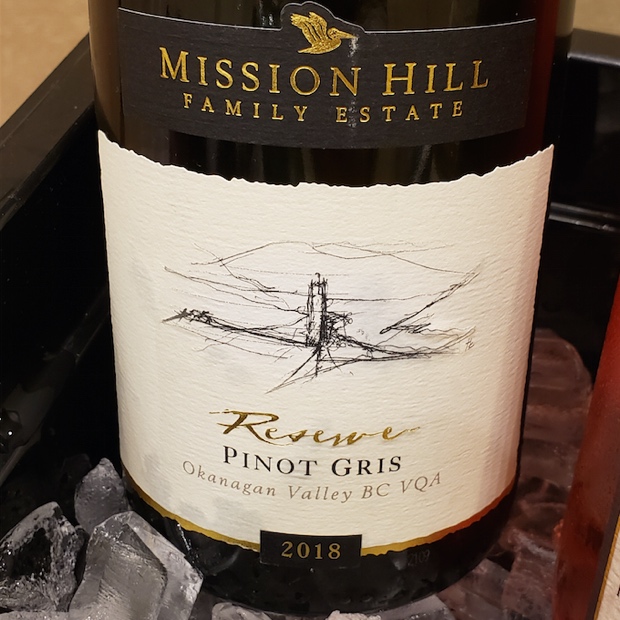
WineAlign

Tasting Ontario Part One: Riesling

Riesling at Vineland Estates, 161 days on skins

Riesling is again on the rise and the reasons why are as varied as the artistry it’s equipped to display. It has been 40 years since the Pennachetti family of Cave Spring Vineyard and German vintner Herman Weis planted riesling in St. Urban Vineyard on what is now Vineland Estates. My how things have changed. The trending line ascends as the general public comes around and warms to the versatile grape so popularity is not just in the hands of geeks, oenophiles and connoisseurs. Ask your favourite sommelier, product consultant or wine writer. Riesling’s neighbourhood is beginning to gentrify in a big way but it’s also expanding experimental and ancestral horizons. It will always be just riesling but today’s varietal vernacular goes beyond dry, off-dry, semi-sweet, Süssreserve, late harvest and Icewine to now include skin-contact, barrel fermented, unfiltered, wild ferment, Blackball and The Geek.

A few weeks back I attended my 7th Cuvée in Niagara Falls to celebrate the next chapter with and for our wine industry, fresh on the heels of the 2018 Tasted Untamed edition of Taste Ontario in Toronto. Just a month before I rambled through the Niagara Icewine Festival in Jordan and the Icewine Gala in Niagara Falls. It was at the Icewine Gala where we watched and listened in on a great tribute to Ontario’s iconic pioneer, Karl Kaiser. We owe so much to Mr. Kaiser with respect to everything Icewine but also to how far we have come in terms of riesling.

A lovely tribute to #karlkaiser tonight at #icewinefestival gala

Just two weeks ago in Toronto we tasted the current offering of Prince Edward County wines at Taste of the County. Today we will immerse ourselves into the culture of global food and local wine at the Terroir Symposium and on Tuesday the Wine Council of Ontario will hold its first annual Ontario Craft Wine Conference. It has been a very saturated and intensive start to 2018, something that must be attributed to the maturity, confidence, preparedness and excitement of and towards Ontario wine.

My personal opportunities to taste wines from the Niagara Peninsula, Prince Edward County, Lake Erie North Shore and Ontario’s South Coast have been many. Before too long there will be greater access to the wines of emerging regions like the Oak Ridges Moraine, Georgian Bay the Northumberland Hills. Prior to 2017 I used this wine processing platform of godello.ca as a vehicle to review and discuss Ontario wines with much greater frequency but circumstances have changed. My work with Italian and French wine regions, most notably Chianti Classico, Brunello di Montalcino and Bourgogne have occupied a great deal of my time. So has tasting and reviewing many potential submissions for the WineAlign exchange and acting as a consistent contributor to the WineAlign Buyers’ Guides to the VINTAGES releases.  I 2017 I ceased publishing my bi-weekly tasting notes because it’s important that readers check them out on WineAlign. All this as added up to less constant coverage of Ontario wines on the site.

And a few of my favourite wine writers. Thx for coming to #cuvee2018 #vqawinesofontario

That is why I’ve decided to post a series of articles over the next few weeks solely dedicated to Ontario wine and I’m going to split them up by grape varieties, beginning today with Ontario’s great white hope, riesling. I’ve written about the grape many times before and my belief in its varietal power, finesse and omniscient existentialism for a signature and singular Ontario purpose is perpetual and unwavering. This work is possible because of the organizations and the people behind them who make it all possible. The Wine Marketing Association of Ontario, The Wine Council of Ontario and VQA Ontario are a triple-edged force that keep our wines flowing. Thank you to Richard Linley, President of WCO, Magdalena Kaiser, Head of Marketing and Public Relations for WMAO, Brian Schmidt and Laurie Macdonald, President and Executive Director respectively of VQA. The Icewine Festival Gala and Cuvée are not possible without the work of Fallsview Casino, Scotiabank Convention Centre and of course Brock University. Gala and Experts’ Tasting coordination is possible because of The Cool Climate Oenology and Viticulture Institute’s Barb Tatarnic, Manager, Wine and Sprit Education Trust and Kaitlyn Little, Marketing and Communications Officer.

Inaugural Winemaker of Excellence Award winner and riesling maker extraordinaire, Angelo Pavan of Cave Spring Cellars, with Donald Ziraldo

At Cuvée, the inaugural Winemaker of Excellence Award winner was Angelo Pavanchosen in a unanimous decision for his major contributions to the industry, his commitment to excellence and his mentorship to winemakers across Canada. Pavan, Vice-President, Winemaker and Founding Partner at Cave Spring Cellars, is known for his encyclopedic understanding of viticulture in Niagara. He was among the first in the province to work with numerous grape varieties and was a pioneer in the quest to improve wine quality and sustainability in vinifera varieties.

“It is humbling to be the first recipient of this great award,” said Pavan. “It validates the passion, time, effort and commitment of over 30 years dedicated to this great wine growing region and having participated in its evolution to international recognition.”

Pavan is also a founding member and Chair of the Vintners Quality Alliance (VQA) Standards Development Committee and has played a key role in determining the most suitable winemaking practices applicable in Ontario. As the founding Chair of the International Riesling Experience, held in conjunction with CCOVI, Pavan has also been instrumental in solidifying Niagara’s place as one of the world’s pre-eminent Riesling producing regions.

Related – Three Rieslings to believe

One of my first bold statements about Ontario riesling was this. “There are many reasons to believe in riesling, that versatile and brutally honest grape. Riesling holds no punches, speaks its mind, tells it like it is. Grown worldwide and vinified in so many varying styles, riesling is not so much a chameleon but rather a mutant. It takes root in every vineyard, marking its terroir, expressing itself singularly and without apology. Over the past two-four months I have exonerated and upheld with the highest riesling belief that (Ontario) does the variety justice above and beyond the pale, in the vineyard and in the glass. More reviews have been written, designed and pushed down your throats on (local) riesling than on any other grape. What’s up with that? Quality, that’s what.”

Related – 100 kilometre wine for spring

And this. “Riesling. Can there be a more versatile white grape? From natural, mineral spring, bone-dry to concentrated, candied sweet, this grape runs the diversity gamut like no other. ‘The Bench’ is home to a mineral wealth of local riesling, singular in composition not only by way of a global comparison, but also from plot to plot, soil to soil and vineyard to vineyard.”

Riesling Vine

Related – Are you wine experienced?

We held a symposium at Brock University a few years back and the technical, chemical side was addressed by Cornell University Sensory Researcher Terry Acree. For riesling, Acree focuses on chemicals that correspond to the strongest identified smells, the most important and prevalent of which is TDN (Trimethyldihydronaphthalene). TDN the chemical or diesel/petrol the sensation as an “odour strength (Damascenone) as related to by human subjects.” In order for the wine taster to “experience” these sensations, two things have to be there. “Memories of different kinds of features and features themselves.” That said, Acree believes you can only smell three things at once, a notion he borrows from M.F.K. Fisher.

Acree sees odour as “an evolutionary human response to history.” If you have never come into contact with a banana, you will never smell banana in Chardonnay. TDN is the dominant aroma and where riesling grows, more sunlight means more fruit and more TDN. TDN is a precursor but its prevalence does not necessarily increase as a wine ages. A very common theme when nosing an aged Riesling is to comment on the secondary aromatic emergence of a gas or petrol note. Acree believes that identifying increased petrol notes in aged Riesling is a bit of a misnomer. It had to already be there. “I’m just inventing a new, confusing way to discuss minerality,” he concludes.

At that time Toronto wine writer Mike Di Caro and I talked about Ontario riesling and we agreed that sugar levels are both arbitrary and unpredictable so Niagara’s best is and should be of the dry variety. I don’t think that way anymore. My friend and colleague Bill Zacharkiw of the Montreal Gazette wrote this last year.”Rieslings, especially from cool climates like the Mosel in Germany and Niagara tend to have residual sugar. Don’t be scared. You know what? I love them. The sugar makes the aromatics go “boom,” while the acidity keeps the wine tasting dry.” Bill is correct and it is also those sugars that allow the wine to stay alive, age and develop those aforementioned petrol notes.

Related – I shall be Riesling

Here is how VQA chooses to define typical Ontario riesling. “Classically exhibits refreshing citrus, peach or floral aromas with a light “petrol” element and racy acidity on the palate. Made in a range of dry, off-dry and sweet styles, including Icewine. Typically not oaked but good examples will age well with the petrol nose evolving.” Many would agree but there is so much more to think about. You don’t know anything about riesling and aging until you begin tasting them at five years only know then can you begin to understand. Some examples will stay the course of pure lemon, so taut and tight, perhaps shouldn’t even be released until they are ready. The acidity might be the most unwound, with pent-up aggression, a fighter in search of balance. Not typical perhaps but very much a part of the Ontario mix.

The curious thing about Ontario riesling is how it has pushed me to wax with unlimited hyperbole, as in “to purchase in increments any less than a case may be considered a crime against Riesling” and “one of the finest rieslings ever made from Ontario grapes.” For Treve Ring’s take on the great grape, head over to WineAlign for what she had to say after the 2017 WineAlign National Wine Awards of Canada (The Nationals). Treve writes,  “as our palates progress, we often shy away from these simpler, fruity styles for more structured, savoury and minerally wines, which again, brings us full circle (close the ring) back to serious and ageworthy riesling.”

Related – Moved by Riesling

I have been moved by riesling many times. In Alsace it happens every day and it has happened in Ontario, most notably after having comes across (any one of four or five) Charles Baker Picones and Emma Garner Thirty Bench Small Lots. Or in particular, Jay Johnston’s Nadja’s from Flat Rock and most notably Brian Schmidt’s Vineland Estates St. Urban. With Cave Spring it happened after tastes of Cave Spring CSV. It has happened again and again. It will continue this way.

As I mentioned, this is merely the first part in a long series of articles to come, including exposées on sparkling wines, chardonnay, other white varieties and appellative blends, gamay, pinot noir, cabernet franc, plus other reds and red blends. To begin this Ontario varietal march through spring here are 26 recently tasted riesling, plus a handful visited in 2017 yet to make it to godello print, all to give a glimpse into the portal of how far Ontario has come and to where it may be heading.

Riesling at the Carriage House, Vineland Estates Winery – March 7, 2015

Redstone Riesling 2014, VQA Niagara Peninsula, Ontario (Winery, $14.95, WineAlign)

So much lime, in flesh and zest, all over the lime map. Really juicy riesling for the cost of a song. Cool climate stamp right here; glade, citrus, wax and air up above. The palate follows, albeit thin and tinny. Ideal for current consumption though not likely made with the stuffing to evolve. Regardless it’s good value. Drink 2017-2018.  Tasted blind at NWAC July 2017 and October 2017  redstonewinery  @RedstoneWines  Redstone Winery

Featherstone Riesling Black Sheep 2017, VQA Niagara Peninsula, Ontario (80234, $16.95, WineAlign)

The Black Sheep strikes again, same price, same typicity and balance. This is the riesling we’ve come to expect and relish, with elevated sugar and acidity levels walking hand in hand. Plenty of lime spirit is more Bench styled than ubiquitous Niagara Peninsula so you can guess what fruit lurks to lead such a suspicion. Always high quality and quick to market, sip, rinse and repeat. You’ll see this wine in release cycles four or five times over, available at all times. Drink 2018-2020.  Tasted April 2018  #featherstonewinery  @featherstonewne  Featherstone Estate Winery

Flat Rock Cellars Riesling 2016, VQA Twenty Mile Bench, Niagara Escarpment, Ontario (43281, $17.95, WineAlign)

There are two types of traditional riesling made up on the Escarpment’s benches, both equally accessible and correct but so very different. There is the other way; dry, stoic and intense. And there is the Flat Rock way, slightly further adrift off-dry, weightier and to be honest, less serious and happier. Not that one style is more important than the other but if I’m a consumer expecting sweet riesling but hoping to learn how the other half lives and breathes it would be this Flat Rock that would help educate and ultimately help me grow into the new riesling lover I’d want to be. The sugar (while nothing extraordinary here) is balanced by equal acidity and athletic chic. Drink 2018-2021.  Tasted February 2018  flatrockcellars  @Winemakersboots  @FlatRockCellars

2027 Cellars Riesling Wismer Vineyard Foxcroft Block 2016, Twenty Mile Bench, Ontario (225490, $18.75, WineAlign)

The wind is so tight and the expressive fruit bound up in a ball of fire and acidity but aching to break free. The pent up energy here is palpably felt, like a needle in the side, leaving you seized up, protective and tense. There is so much juicy citrus and fineness of acidity it’s hard not to see this riesling taking five years to unwind and five more towards developing characterful secondary personality. This is perhaps Kevin Panagapka’s best. Drink 2019-2026. Tasted July 2017 and March 2018  2027cellars  @2027cellars  2027 Cellars

Konzelmann Estate Winery Riesling Reserve Old Vines 2016, VQA Niagara Peninsula, Ontario (Winery, $18.95, WineAlign)

The by now classic house style of using late harvest fruit off of old vines on the estate’s lakefront property and barrel fermentation are the things that delve into the Konzelmann glück, density and complexity. Preserved lemon, grapefruit sorbet and mineral-mandarin cream define this riesling of zero trepidation, utmost confidence and old world charm. Who’s to say you aren’t sipping this in some Rhineland-Palatinate village instead of Niagara on the Lake. There will always be a place in hearts for riesling made this way. Drink 2018-2022.  Tasted March 2018  konzelmannwines  @Konzelmann  @konzelmannwines

Megalomaniac Riesling Narcissist 2017, VQA Niagara Peninsula, Ontario (67587, $18.95, WineAlign)

Narcissist takes a turn to the flint with great citrus intent in 2017, simulating great German riesling that have been coming for generations and eons before. There is a youthful funky reductive yeastiness that tests the aromatics but in looking for balance we find tart fruit, fine acidity and a leanness that strikes like a laser through the microbial fog. Wow is this interesting and in a show of great potential. Drink 2019-2023.  Tasted March 2018  megalomaniacjhc  sobmegalo  @MegalomaniacJHC  @seb_jacquey  Megalomaniac Wine

Fielding Estate Bottled Riesling 2016, VQA Beamsville Bench, Niagara Escarpment, Ontario (251439, $19.95, WineAlign)

Though neither single-vineyard nor block specific make no mistake. This estate riesling from Fielding is a carefully selected and curated one with not a single wasted note in the varietal tune it plays. The chords are pure citrus, the arpeggio rising from stone fruit skin meets flesh and the overall score ambient in its keyboard hold. It’s so bloody juicy, mouth watering and intense, riesling in which there’s a torrent that rises gently. There’s a wind, like a drug, in new material from a great year to make a new record. Worth listening to and drinking in, on repeat, with a deeper understanding. Should develop a layered feel, of honey and petrol, with time. Drink 2017-2022.  Tasted October 2017 and March 2018  fielding winery  richiewine  @FieldingWinery  @RichieWine  Fielding Estate Winery  

Vineland Estates Riesling Elevation St. Urban Vineyard 2016, VQA Niagara Escarpment, Ontario (38117, $19.95, WineAlign)

By now the St. Urban Vineyards vines are as old as 37 years, a fact in longevity and experience never lost on this archetypal Niagara Escarpment riesling. There is a certain kind of interest here, first from track record and then because of the deferential vintage for the flagship variety. The nose is quite waxy, lemon-scented and vaguely sweet-fruity. There is even a bit of Niagara Gold cheese mixed with fresh florals, of white roses and then persimmon. So now the mind travels to the tropics, for flavours imagined of mango, marquesa and mangosteen. Warm days and nights will do that to riesling and while this may not live into its twenties it will go complex and curiously fascinating into the petrol and honey with more early unction, like 2012 but even more, akin to 2010. Drink 2018-2028.  Tasted December 2017  vinelandestates  benchwineguy  @VinelandEstates  @benchwineguy  Vineland Estates Winery  Brian Schmidt

Hidden Bench Riesling Bistro 2016, VQA Beamsville Bench, Ontario (Winery, $20.00, WineAlign)

If Ontario riesling can be referred to as classic it would be something as traditional and acumen-factored as this ’16 by Hidden Bench. This is due to the middle road meets the fine, direct and essential line taken, where along the way balance is struck with notable fruit, just shy of off-dry styling and a fashion of natural acidity. Correct is, as correct does. Drink 2018-2021.  Tasted March 2018  hiddenbench  @HiddenBench  Hidden Bench Estate Winery  

Creekside Estates Riesling Marianne Hill 2016, VQA Beamsville Bench, Niagara Escarpment, Ontario (Winery, $21.95, WineAlign)

The next Marianne is a conundrum, low in alcohol and yet quite lean, avoiding both high strains of citrus and flesh. The nose is both inviting and very mineral but the palate is a bit staid, understated and seemingly dry. The skins of pears and peaches are touched but it’s just a bit too quiet right now. We’ll see what the future holds. Drink 2019-2022.  Tasted April 2018  creeksidewine  @CreeksideWine  Creekside Estate Winery

Southbrook Vineyards Riesling Triomphe 2016, VQA Niagara Peninsula, Ontario (Winery, $22.95, WineAlign)

With all of her other varietal talents I wouldn’t normally pontificate winemaker Ann Sperling as exemplifying the riesling whisperer (at least in Niagara) though a pass at this warm and inviting 2016 may change that and with haste. At the risk of sounding a bit too establishment this is classic and typical Niagara but it accedes into such a category with impeccable sugar, acid and texture balance. Treating the fruit with respect, avoiding any unhinged decisions and delivering the three-pronged effects of sweet, tart and bitter with seamless intertwine is the work of a total pro. Gotta have the lime and the essential possibility of honey. Triomphe 2016 does just that. It’s what you want and need. Drink 2018-2021. Tasted January and March 2018  southbrookvineyards  @SouthbrookWine  Southbrook Vineyards

Mulled riesling anyone? Hidden Bench at Icewine Fest

Hidden Bench Riesling Estate 2016, VQA Beamsville Bench, Ontario (183491, $23.95, WineAlign)

Just a lovely bit of spring sun and dew picks up the stimulus, pace and attitude right from go in the Hidden Bench ’16. This is not only definitive for riesling by house, for estate and to regional necessity but also to all varietal wines done up right in this pinpointed place. The orbiting acidity is twisted like ties around wires along a circle drawn to lock in freshness, by fruit more lemon and lime citrus than stone or up the stairs. It’s a near perfect vintage for the omniscient one and sets the table for Roman and Felseck Vineyard rieslings to come. Drink 2019-2023.  Tasted April 2018  hidden bench  markanthonyon  @HiddenBench @MarkAnthonyWine  Hidden Bench Estate Winery  Mark Anthony Wine & Spirits

Hidden Bench Riesling Felseck Vineyard 2014, VQA Beamsville Bench, Ontario (Agent, $23.95, WineAlign)

Felseck delivers a concentrated, compact and direct riesling, very focused along linear Locust Lane lines, truly Beamsville stony, precise and even a bit demanding. Few Ontario rieslings can distill lemon, lime, green apple and stone like this without jumping around. That Felseck can stand firm in one place with such stoic and unwavering calm is a testament to a winemaker’s attention to detail. It begins in the storied vineyard and finishes with the same fineness of finesse. Drink 2017-2023.  Tasted October 2017  hidden bench  markanthonyon  @HiddenBench @MarkAnthonyWine  Hidden Bench Estate Winery  Mark Anthony Wine & Spirits

Perfect match to riesling? Some might say

Cave Spring Riesling Adam’s Steps 2016, VQA Beamsville Bench, Ontario (901211, $24.95, WineAlign)

Adam’s Steps is Cave Spring’s riesling with a bit more of everything, more depth, body, sweetness and texture. It really is the outlier in their varietal bunching, closer to the Estate than the CSV in style and yet firmly positioned in its own category. There is a true sense of spirit and energy, especially on the lively palate, with a waxy, almost peach coulis and lemon-lime pastille note that lingers like sucking on a riesling candy. Clearly dolomite in origin but fleshy and full. Holds the age ability card for a five-plus year run. Drink 2017-2022.  Tasted October 2017 and March 2018  cavespringcellars  thevineagency  @CaveSpring  @TheVine_RobGroh  Cave Spring Cellars  The Vine

Lundy Manor Riesling 2016, VQA Niagara Peninsula, Ontario (Winery, $24.95, WineAlign)

The fruit source is Wismer Vineyard for winemaker and Niagara College graduate Adam Kern’s ’16 riesling. Kern also makes the wines with Chris Fornasier and Bench Trial Wines. His straightforward varietal wine for Lundy’s Manor speaks of peach and tart citrus with a surprisingly tannic thrush. The equanimity between fruit and acidity keeps it in the airy space above the pull by extracted weight and will serve it well for two or three years time. Drink 2018-2020.  Tasted March 2018  lundymanorwinecellars  @LundyManorWine  @lundymanorwinecellars

Stanners Vineyard Riesling 2015, VQA Lincoln Lakeshore, Ontario (Winery, $25.00, WineAlign)

The Stanners Riesling evolution is upon us, happening and ready to blow. In replay of 2014 this is Niagara meets PEC fruit, two days of skin contact, six months on the lees, dry is as dry does and yeasty funky. In my mind it’s pretty much a repeat of that just about leesy enough and pear textured 2014 without anything new added or realized. But, for Colin Stanners it must be the vintage that wakes him up to what he needs to do next so this ’15 is therefore the first next step towards and set up man for what’s to come in 2016. This is a must step to taste on that ladder of evolutionary understanding so make sure to take it. Drink 2018-2020.  Tasted April 2018  stannerswines  @StannersWines  Stanners Vineyard

Keint-He Riesling 2016, VQA Niagara Peninsula, Ontario (Winery, $25.00, WineAlign)

It’s quite amazing how the texture, sugars and acidities all rise up as one, together for the common good, layered and in-synch. Labeled Niagara Peninsula but really noses and tastes like Twenty Mile Bench riesling. Lime sherbet and mandarin orange gelée. Nothing but pleasure from winemaker Lee Baker’s first start to finish wine at Keint-He. Drink 2018-2021.  Tasted April 2018  keinthewinery  @KeintheWinery  Keint-he Winery & Vineyards

@mackbrisbois brought the past, the present and the future @trailestatewine to taste. Thanks Mack! Indeed, to my pleasure and my education. Delete Comment

Trail Estate Wild Ferment Riesling 2016, VQA Ontario (Winery, $28.00, WineAlign)

In 2016 the WFR is a blend of Foxcroft and BTL fruit, respectfully and respectively farmed by Craig Wismer and Greg Wertsch. This is tannic and textural, the sweetest of all the Trail rieslings, through some skin (or stem) whole cluster contact. The notes are not mind-blowing or expanding ones, of apple, pear and peach skin, again very textural and from a ferment stopped on taste. It’s loaded with 28 g/L of RS but good winemaking makes it seem drier than it is. “Everything else is dry so I guess when I go sweet, I go big” admits Mack Brisbois. So yes this is light, lean, not as fleshy and seemingly drier than it obviously is. Carries forward with a nice candied flower, citrus finish. It’s pretty middle of the road, perfectly correct and enjoyable, especially for a winemaker with an off the beaten track sensibility, antithetical modus vivendi and go beyond the pale ability. Drink 2018-2021.  Tasted April 2018  trailestatewine  mackbrisbois  @TrailEstateWine  @MackBrisbois  Trail Estate Winery  Mackenzie Brisbois

Stanners Vineyard Riesling 2016, VQA Ontario (Winery, $28.00, WineAlign)

I find it curious that this Stanners Riesling is 95 per cent Lincoln Lakeshore fruit but now labeled as VQA Ontario, whereas previous vintages called VQA LL had less Niagara and more PEC fruit. No matter really because again this is Niagara meeting PEC with two days of skin contact, but elevated by 12 months on the lees. That time spent can’t be discounted, nor can the dry as a bone, mad as a hatter summer, not tom mention another year of understanding for Colin Stanners. In the end the acidity out of a chart topping pH and fruit accumulation (not in quantity but in phenolic brilliance) leads this riesling to great heights. Malolactic fermentation was allowed to occur naturally, helping to bring the acidity (and everything else) into balance. Lime, toast, flint and energy, boundless and invigorating. What a riesling, what a story. Drink 2019-2024.  Tasted April 2018  stannerswines  @StannersWines  Stanners Vineyard

Cave Spring Riesling CSV 2016, Cave Spring Vineyard, VQA Beamsville Bench, Niagara Escarpment, Ontario (566026, $29.95, WineAlign)

The CSV from a warm 2016 really expresses the vintage on the nose with a heavy dose of wet stone and every part of a ripe peach. You have to get past the early sulphur but once you do you take a good bite into the flesh of this riesling and the juices will run with accents and angles fit by tonic, pith, tangy, nervy acidity and a hidden sweetness. The sugars are surely more elevated than realized or will ever be felt because the combination of acidity and pith are covers that will never peel back. Size matters and this CSV is built with great Escarpment architecture, stepping out of the paradigmatic 2015 shadow and into another age. This 2016 begins an epoch of structural expressionism and should easily carry its construct through to the next decade. That consequently, is when this CSV will really be ready to rock and roll for a full decade more. Drink 2020-2030.  Tasted March 2018  cavespringcellars  thevineagency  @CaveSpring  @TheVine_RobGroh  Cave Spring Cellars  The Vine

Trail Estate Skin Contact Riesling Hughes Vineyard 2016, Ontario (Winery, $30.00, WineAlign)

Times changes, as do winemakers, their hunches, hopes and dreams. Mackenzie Brisbois takes a sidestepping approach to this trailblazing riesling from the vineyard tended by Ed Hughes. It’s now all wild ferment elongated to 19 days on skins. Takes its time this little big one, moving no less than 25 per cent slower than ’15, in part because of the vintage but also because its wild pressed. More a dry matter of when over how or why, still in its aromatic infancy, suffocated by its nature. Also a case of a young wine caught in the 9 g/L total acidity crossfire of a sci-fi battle scene. Will most certainly take another 18 months to change. It does exhale this curious note of garrigue, like Peloponnese mountain tea and Alto Adige sweet fennel frond in broth, with apple and onion skin doused by shots of lime juice. There is even a chewy feel in the leafy texture, quite herbal with a mild pique in a green tea finish. Trust me, this will become something both fascinating and delicious at some point in 2020. There are approximately 76 cases made. Drink 2019-2023. Tasted April 2018  trailestatewine  mackbrisbois  @TrailEstateWine  @MackBrisbois  Trail Estate Winery  Mackenzie Brisbois

Leaning Post Riesling The Geek 2015, VQA Twenty Mile Bench, Ontario (Agent, $35.00, WineAlign)

The second instalment of the Geek takes Ontario riesling experimentation not just to another level but to a specific methodology that no one else has really attempted thus far. The geeking out goes further and edgier into territory both new and misunderstood. If it seems unconvincing it’s a case of both searcher and searched not yet on the same page but that’s what research and development are all about. All the 2015 lees from Leaning Post’s classic riesling and chardonnay were added to the Geek. As if that wasn’t enough solid, texture-variegating matter, the 2014 riesling lees were also employed. Two years later the Solera ideal was put to bottle. The complex equation comes out to the most autolytic riesling ever made in Ontario, distinctive in that it’s like drinking traditional-method sparkling wine, 36 months on the lees but without any fizz. It’s unusual and fascinating, full of baking apples, biscuits and citrus. It does not meet the expected and the normal, not just because it’s dry as the desert but because it’s enzymatic behaviour is self-cannabalistic. It writes a riesling idiom, having a meaning not deducible from the individual parts. It’s a neo-impressionist idiosyncrasy, a reaction to the empirical realism of “typical,” VQA-cornered and pigeon-holed riesling, accomplished by relying on scientific theory to achieve predetermined textural effects. While The Geek undergoes an oxidative process it’s not exactly Solera-styled because young wine does not replace a percentage of removed older wine. It’s a positive accumulation of solids and therefore a strict and formalized composition. The argot R & D will go on and winemaker Ilya Senchuk asks, “how much lees is too much lees? Only The Geek knows.” Drink 2018-2021. Tasted March 2018  leaningpostwine  nicholaspearcewines  @LeaningPostWine  @Nicholaspearce_  Leaning Post Wines  Nicholas Pearce

Trail Estate Skin Contact Riesling Hughes Vineyard 2015, Ontario (Winery, $35.00, WineAlign)

At the time of making this wine and then putting a label on a bottle there was no Ontario defined category and in fact this pioneering effort is one of the unheralded forerunners. From fruit sourced out of Ed Hughes’ vineyard it’s a shaggy yet ambitious riesling made mellifluent by 14 days skin contact, inoculated to keep the lees strain constant with with other 15s, meaning the Lakeview and Foxcroft brethren. Now smells just like riesling, unlike in its early “orange” wine days. No longer demanding and tannic, the high acidity too has mellowed and a petrol note has emerged, plus a pepper flake meets peach skin aromatic sedge. Still with the liquid salve texture, coming into its destined balance, dry and persistent in pulse by acidity but calm enough and settled. A great flesh of lime and raining complexity, with a final note of orange skin too. Drink 2018-2020.  Tasted April 2018  trailestatewine  mackbrisbois  @TrailEstateWine  @MackBrisbois  Trail Estate Winery  Mackenzie Brisbois

Trail Estate Barrel Ferment Riesling Foxcroft Vineyard 2016, VQA Twenty Mile Bench, Ontario (Winery, $35.00, WineAlign)

In 2016 the next wrinkle is a wild ferment (as opposed to the inoculated ’15), unfined and unfiltered, because as time progressed “I liked it more and more,” says winemaker Mackenzie Brisbois. No coarse filtration means some minor sediment will settle in the bottle. Smashed layers of tote-filled grapes are brought to the crushpad, in lieu of the crusher, to extract from the skins and stems, making use of the punchdown tool, while waiting before pressing. Recently bottled in December 2017 the BFR is something completely other and if 2015 was considered not, this follow-up is markedly fruity now, because it always was, all the way through during just more than a year in really old barrels. It’s a blonde riesling as per M. Gustave, if you will. “Why blonde? Because they all were.” This is the wisest of Mack Brisbois’ rieslings, calm, confident, collected and shining brightly from the word go. You don’t have to wait on this one, it’s riper, it’s unfiltered, made with a lot less sulphur than the skin contacts and those “dirty” 15s. “I like to see how little (sulphur) I can get away with,” notes Brisbois. The most accomplished riesling that she has made to date, the 16’s balance is spot on now and you will not have to wait for it to come into its cinematic stage. Drink it now and keep it longer. Drink 2018-2024.  Tasted April 2018  trailestatewine  mackbrisbois  @TrailEstateWine  @MackBrisbois  Trail Estate Winery  Mackenzie Brisbois

Charles Baker Riesling Picone Vineyard 2014, VQA Vinemount Ridge, Niagara Peninsula, Ontario (241182, $35.20, WineAlign)

Can it be helped if the first 30 seconds with Charles Baker’s 2014 riesling seem like the opening of a film noir classic. Hushed tones, chiaroscuro shadows, off-screen characters and dramatic foreshadowing all solicit the need or the necessity to make use of a wild imagination. There have been older Baker vintages that acted with similar, almost hard to crack quietude. Perhaps it’s with ’13 etched in persistent memory but as a vintage it was (moderately) cooler and in the end, quite average. This ’14 works the benefits and the notes here are quite omnisciently lemon; curd, preserve, citrus tablet and then smeared by a bees-waxy salve. It’s really quite atypical for Baker and for the windswept Vinemount Ridge but misunderstood youth is a bitch. I’d like to revisit in 2019 and beyond to unearth and relish in the hidden meanings. Drink 2019-2027.  Tasted November 2017 and March 2018  cbriesling  stratuswines  cruwinemerchants  @cbriesling  @StratusWines  @CRUOntario  Stratus Vineyards  

Pearl Morissette Riesling Cuvée Black Ball 2015, Ontario (416073, $36.20, WineAlign)

The new age 2015 was tasted as part of a retrospective that included 2014, 2013, 2012 and 2011. Anyone who is interested in gaining a deeper understanding of what might be construed as idiosyncratic or antithetical riesling should be so fortunate to be involved in such a demonstration. The Pearl Morissette riesling endeavour was pretty much bone dry from day one. The Mosel style really never spoke to François Morissette. “We have 220 hang time days so we started fermenting riesling chardonnay style, then in 2012 and 2013 in foudres, which tightened them too much. So in ’14 we moved into concrete egg for aromatics but it was too intense.” So here in ’15 the joint between foudres and cement marks the new beginning. The juice is then transferred to become clear while the lees are kept and recycled for future vintages. This had just been bottled days before with almost no free sulphur “because they can take it.” Such low pH (2.97ish) and the up front skin contact brings tannin and then this silk road texture is followed by more tannin on the back palate. It’s a vintage Blackball and a vintage-driven riesling. A phenolically ripe one. The exercise proves that we really don’t know a thing about riesling, Cuvée Blackball and aging until we begin tasting at five years on. In order, 2011 is “a confirmation that we are on the right road,” ’12 may never be ready, ’13 messes with the riesling paradigm and ’14 is more like riesling of expectation. So what does that make 2015? Nothing yet, really. Have you not been paying attention? Drink 2019-2024.  Tasted July 2017  pearlmorissette  @PearlMorissette  Pearl Morissette

Riesling at Vineland Estates, 161 days on skins

Good to Go!

Godello

Twitter: @mgodello

Instagram: mgodello
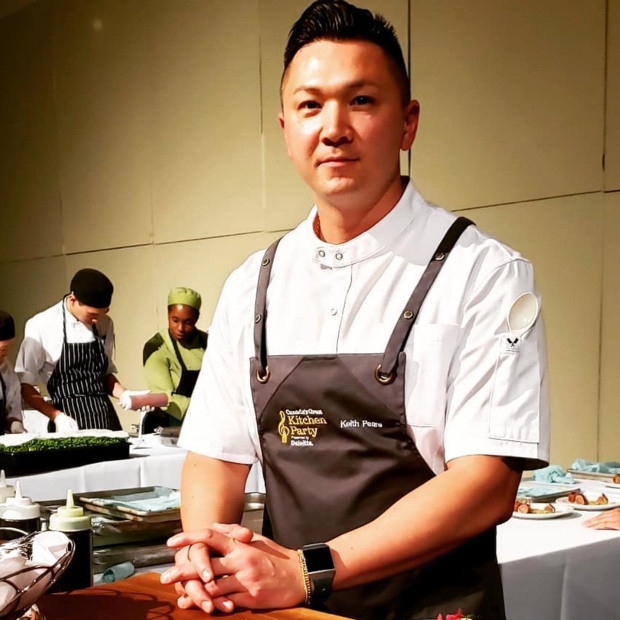
WineAlign

Fifty ways to Taste Ontario

The Ontario wine industry is the best kept secret in the world. That much I’ve said before and this. “Ontario winemakers have figured it out. The “world-class” comparative humanities of aging and longevity aside, the comprehensive and widespread phenomenon of excellence, regardless of vintage, is now an Ontario reality.”

Related – Where does the taste of Ontario go from here?

Though it’s not always obvious at what time of year the event will happen, the annual get to know Ontario wines gathering’s 2017 parlay affectionately known as Taste Ontario Toronto was held a week ago today, on Monday, March. 6, 2017 at the Royal Ontario Museum. The number of Ontario vintners who have participated in Taste Ontario over the past five years seems as random as it is consistent. We’ve seen as few as 30, as many as 55 and 42 participants in 2017. I’ve been tracking varietal representation and this year considered a cease and desist order for placing a trending finger on the pulse of any given grape.

Related – Why taste Ontario?

Chardonnay rules, plain and simple and call it risk aversion if you must but why should Ontario shy away from developing the coolest climate designation on the planet? Chardonnay works and if you’ve spent any quality immersion time in Chablis you’ll drop the fight and join the team. Gamay remains an important and viable alternative to big bad reds but please, enough with trying to dress this sheep in wolf’s clothing. Cabernet Franc is getting better all the time. With thanks to venn diagram circles drawn in and out of the Lincoln Lakeshore but also magically deep into the Prince Edward County limestone, the great Ontario hope is developing into what we thought it might be. Getable and structured red wine.

Related – Taste Ontario’s polarity of personality

I don’t always taste Ontario but when I do I like to do it with Mike Di Caro. Mike grounds me and tasting by his side helps to keep my pulse at a healthy, wine tasting athletic rate of 40 – 60 beats per minute. Mike knows Ontario wine and never gets too high or too low. Tasting with him as Michael to his Mike I get to hang out inside the kind of discourse that delves into the ground, the makers and the market. Mike knows.

Related – Top wines shine at Taste Ontario 2013

With so many other opportunities to taste Ontario wines throughout the year, last week’s staging afforded the chance to re-taste a great number. These new assessments are so important to understanding and gaining new perspective on not just how our wines age but also how they are affected by early reductive environment shock and their ability to change (for the better) after a mere six to 12 months in bottle. The first snapshots are not always the clearest. Taste Ontario also brings new wineries to the table. It’s now my job to pay them visits. Here are 50 ways to Taste Ontario.

Sparkling

Flat Rock Cellars Riddled Traditional Method Sparkling 2010, Twenty Mile Bench, Ontario (383315, $29.95, WineAlign)

Time makes a difference so here the extended lees age (six months further, to 60) takes Riddled to another level. Considering the cost and attention to time, in the broad realm of traditional method sparkling wine there are some that are given away. Riddled. A whole lot of biscuit warmth, sody saleratus, gingersnap, tart Ida Red apple, breadth and a smile-inducing creamy palate. There is more wisdom and calm from 2010 so do not come around demanding tension and over-exciteability. Think Grower’s Champagne with Ontario heart and soul, dedication and purpose. The extended arm of Madronich-Johnston love is here, this year. It won’t get much better than this. Great length. Drink 2016-2025.  Tasted October 2016 and March 2017  @Winemakersboots  @UnfilteredEd  @brightlighter1  @wine_gems

The Grange Of Prince Edward Vineyards & Estate Winery Traditional Method Brut Rosé 2012, VQA Prince Edward County, Ontario (Winery, $35.00, WineAlign)

Caroline and Maggie Granger have reset the compass and brought to market this original sparkling wine with a whimsical outré bounce in its step. It was a fortifying and henna-russet collecting 40 months time spent on the lees that to me has magnified and clarified the varietal expression. This is so pinot noir it gazes at itself in a mirror and vaporizes a telluric perfume replete with strawberry, dried cherry, peach and almond. Estate fruit shed of such lithe and delicate, near zero dosage animation tempts fate, digs into danger and elicits a nervy period of risk-reward. Reflection time is now and the oxidative Grange Brut Rosé walks a fine volatile edge and succeeds. Few sparkling wines can go gossamer this way and survive but like the finest spun web by a leggy creature cunning and wise, strength comes out of the most delicate weave. Science can be pretty cool.  There were 150 cases made. Drink 2017-2021.  Tasted March 2017  @grangewinery

Riesling

Château Des Charmes Riesling Old Vines, Estate Bottled 2014, Niagara On The Lake, Ontario (277228, $17.95, WineAlign)

The language in ’14 is cordial and effete, with ripe sweetness trumping the pulse of energy. The old vines deliver distinct impression, compression and phenolic bitterness. There is no mistaking this distinct wine and in the vintage its clarity is only eclipsed by its easy drinking compatibility. Enjoy early. Drink 2017-2019.  Tasted March 2017  @MBosc

2027 Cellars Riesling Falls Vineyard 2016, VQA Vinemount Ridge, Niagara Peninsula, Ontario (Winery, $18.95, WineAlign)

Virtual winery producer Kevin Panagapka continues his obsession with single-vineyard wines with this riesling grown just above and south of the brow of the Niagara Escarpment. Clay loam till soils with silt and shale face south along the long, one km wide, hummocky ridge and as per the vintage, a bit of simplicity is narrowed from good biodiversity. It all works towards simple pleasure, with sun-warmed fruit; pears, apples and such. Falls Vineyard grants top notch acidity and a bit of lime bitters for what is always a solid Vinemount Ridge expression. Drink 2017-2020.  Tasted March 2017  @2027cellars

Rosewood Origin Riesling Mima’s Block 2014, Niagara Peninsula, Ontario (Winery, $22.95, WineAlign)

Smells like Bench riesling spirit. The energy comes from the über vineyard’s way of emission, gasseous and vital, linear, introspective and direct. This may just be the most aridity and brine ever teased from a Mima’s riesling, acidity coveting sugar notwithstanding, startling from beginning to end, with spirited shots of lime. Underrated and honest, the consistency of this riesling is possessive of great triggers and so beautifully defines the mineral Bench. Early suffocations blow off with ease and in the denoument there are crunchy stones, forever and always something to like. Mima’s never really needed an abundance of sugar for balance and kudos to that. Drink 2017-2022.  Tasted March 2017  @Rosewoodwine

Cave Spring Cellars Riesling CSV 2015, Beamsville Bench, Ontario (Winery, $29.95, WineAlign)

In a word, balance. Well two, balance and brilliance. CSV in 2015 takes the reigns from itself and stands firm. The fruit is in charge, the mineral a support system unparalleled and the minor celebratory sweetness a mere afterthought when it comes to rounding out the complexity. CSV is pretty darn back in ancient dolomite time travel and escarpments high great in 2015, uplifting, serious but yet not so. The numbers trip the light fantastic, fooling like gold and bones dry are seemingly preserved in karst but impossibly not. The sensoria apprised reel from the finest acidity it can possibly carry in its veritable truth. Deep lemon intent and a new wax vernacular speak the clarity of a wine that listens to its own expert advice. Might as well have made itself. CSV 2015 is one of the finest rieslings ever made from Ontario grapes. Drink 2019-2031.  Tasted March 2017  @CaveSpring  @TheVine_RobGroh

Chardonnay

Redstone Vineyard Chardonnay 2013, VQA Niagara Peninsula, Ontario (Winery, $19.95, WineAlign)

It would be hard not to make a most drinkable and full-fleshy chardonnay from the stellar vintage, especially with the omnipresent cool tempering from Beamsville bench fruit. Redstone does not disappoint though at first it may seem both reluctant and extremely taut. The flavours stretch out more than the aromatics which are flinty, woody and tart. They will relent and meld into the palate with some further bottle time. This is classic for the house braintrust and reminiscent of sketches drawn in some earlier vintages, like 2009. Drink 2017-2020.  Tasted September 2016 and March 2017  @RedstoneWines

Henry Of Pelham Family Estate Winery Chardonnay Estate 2015, VQA Short Hills Bench, Niagara Peninsula, Ontario (268342, $19.95, WineAlign)

Perhaps by virtue of the language spoken by the 2015 vintage this chardonnay is hard to crack and touched with a minor, vitality-preserving note of reduction. It will yield to swirl and air, opening up many floral blossoms, notably apple and peach. Intensity is consistent for the Short Hills Blench vineyards stalwart, both for its locked in freshness and aromatic heavy breathing with thanks to dense clay soils and their “tossed up limestone.” Think cool-climate chardonnay with added layers of compression, fervent soil tang and as of yet unresolved (one-third) new French and North Ameriacn oak. Two to three years in process from two to three bottles per vine naturally translates and extrapolates to needing two or three more years in bottle to make it all come swimmingly integrated together. Drink 2019-2023.  Tasted February and March 2017  @HenryofPelham  @SpeckBros

Meldville Chardonnay First Edition 2015, VQA Lincoln Lakeshore, Ontario (Winery, $20.20, WineAlign)

Foremost a Derek Barnett perfume, rational from a generous barrel and irrational from the ripest fruit at a twain where each meet, both matter and neither dominate. Classic Barnett chardonnay viscosity, deep tang and the sweetest of dry extract. If this isn’t the most ambitious effort early in a re-invented career it would be hard to say what is but wisdom and experience count for more than a bottom dollar. Real length in real time will develop the vanilla, honey and liqueur well into this chardonnay’s tithe year. If singular isn’t the current descriptor now, it surely will be then. A new stylistic benchmark for Lincoln Lakeshore is born. Drink 2017-2023.  Tasted March 2017  @meldvillewines

Fielding Estate Winery Chardonnay Estate 2015, Niagara Peninsula, Ontario (355842, $21.95, WineAlign)

The vintage offered up a whole set of challenges, especially for chardonnay on the Lincoln Lakeshore. Right off the aromatic bat I sense a little extra wood on the nose but low-yielding, ripe and healthy fruit can handle that sort of vintage-related truth. The coolness of a preceeding winter’s anti-glaze is contravened by the barrel up front and personal on the nose. The palate is all about cool-climate relegation, resignation and the overall picture is painted in balance; advance, recede, attack and retreat. Finishes with love interest, commercial appeal. Pretty complex chardonnay. Drink 2017-2020.  Tasted October 2016 and March 2017  @FieldingWinery  @RichieWine  @Heidi_Fielding

Bachelder Chardonnay Mineralité 2014, VQA Niagara Peninsula, Ontario (Agent, $22.20, WineAlign)

Mineralité is clearly nose-marked and cleverly marketed to celebrate rocks and soil, not barrel. The fruit seems plucked straight from the apple tree, crisp, tart and crunchy. Everything about this exacting Thomas Bachelder chardonnay screams foil to most else, from his wide reaching chardonnay domain and from the rest of the province. Other mettalurgical label referenced chardonnays still reek of oak and are too shy to distance themselves from the heart of the rocky matter. Thomas is serious about the moniker and goes at it with great intent. The vintage nearly, fully completely complies. Drink 2017-2021.  Tasted March 2017  @Bachelder_wines  @LiffordON

Southbrook Vineyards Chardonnay Triomphe 2015, VQA Niagara Peninsula, Ontario (172338, $22.95, WineAlign)

The fruit for Ann Sperling’s chardonnay Triomphe ’15 is sourced primarily from Saunders (Beamsville Bench) with auxiliary support out of Heather Laundry’s old vine Lincoln Lakeshore vineyard. There are older, non-clonal blocks with perhaps some Musqué mixed in so the aromatics fly, with no restraint applied by the wild ferment and (mostly 300L) neutral oak. This Triomphe is anything but reductive, a no stress chardonnay from such a far from sluggish, clean ferment. The simplicity and complicity explain how beauty is curated, from a vintage where reduction did not happen or beg to happen so why try to force it. The copacetic re-quiescence bears witness to classic Ann Sperling in such a vintage. Chardonnay of mellow smoulder, of old barrel spice and one to define a certain kind on a line of disparate and unique, cool climate, i4c selections. There are 800 cases made. Drink 2017-2020.  Tasted January and March 2017  @SouthbrookWine  @AnnSperling  @PaulDeCampo  @thesirengroup

@wismervineyards royalty, Craig, Thomas @Bachelder_wines & @normhardie (and delegate Peter @BouchardFinlayson ) talking north and south #vinelandbench

2027 Cellars Chardonnay Wismer Vineyard Foxcroft Block 2014, VQA Twenty Mile Bench, Ontario (421362, $22.95, WineAlign)

The ability of Craig Wismer’s Foxcroft Block to gift fruit, regardless it seems of vintage, is one of Niagara’s great stories. Even more special is how it allows each producer to own it and create value from differentiation. Kevin Panagapka works a decidedly reductive room with bees-waxy fruit from 2014 and of a wood creativity that deals more in spice than anything else. I really think this takes more risk than other Foxcroft efforts and they are numerous. The reward here is in the pudding, literally, in proofed fruit set up for unbreakable structure. The Sonoma glade and fog rings true in Bench-driven chardonnay speak while wood only creates a leesy stir. A very good vintage, as good as the previous two I would say and creates even more buzz for what will come next. Drink 2017-2021. Tasted March 2017  @2027cellars

Creekside Estates Chardonnay Queenston Road Vineyard 2014, VQA Niagara Peninsula, Ontario (Winery, $24.95, WineAlign)

If classic Queenston Road Vineyard might be explained in one drop, try using the Creekside ’14 to do so. Riper than most Niagara fruit and easy as Sunday morning barrel influence come together for everything to gain. Here the chardonnay equivalent of reading a good book falls into lunch, followed by a mid-afternoon slumber. Mild notes of caramel and sandlawood come through on the lightly buttered rye toast palate. The only thing missing is a good slice of bacon. Drink 2017-2019.  Tasted March 2017  @CreeksideWine

Domaine Queylus Tradition Chardonnay 2014, VQA Niagara Peninsula, Ontario (Agent489591, $24.95, WineAlign)

The vintage brings an excess of riches and richesse to the Queylus chardonnay entry point, a place you would be wise to begin your foray into high-level, carefully crafted, cool-climate wine. This 2014 offers up its tour-guide expertise as a representational bridge into what Thomas Bachelder, Kelly Mason, the Queylus team and lake-proximate, lower Bench chardonnay is all about. The vintage takes an ambitious departure for the house and yet it carries enough (short history of) tradition in its DNA to resemble past issues of itself. Such a balanced wine for you here, of ripe and tart fruit, elasticity, stretch, rebound and finally, great length. Drink 2017-2020.  Tasted January and March 2017  @QueylusVin  @Dandurandwines

13th Street Chardonnay Sandstone Vineyard Reserve 2013, VQA Four Mile Creek, Niagara Peninsula, Ontario (Winery, $29.95, WineAlign)

No surprise the vintage is a major plus for the Sandstone and the natural funk it owns. And I mean owns. Only Sandstone has such geological drive, not unlike chardonnay from South Africa’s Hemel-En-Aarde Valley. In 2013 there is a sweetness to the fruit mixed with a misty humidity and finally that falling over backwards with feet stuck in the clay and the calcaire. Wildness from J. P. Colas here and with attentiveness to place and time. Drink 2016-2021.  Tasted at #i4c16, July 2016  @13thStreetWines

Adamo Estate Chardonnay Oaked Willms Vineyard 2014, Niagara On The Lake, Ontario (Winery, $31.00, WineAlign)

Adamo sources from the same vineyard that provides fruit for 13th Street’s Sandstone Reserve in the Four Mile Creek sub-appellation of Niagara-on-the-Lake. Planted in 1983, it is owned and farmed by Erv, Esther and Eric Willms. In its early stages the fruit acted and reacted as a lean, taut and tension fuelled chardonnay with party a sign of letting up. Eight months later the juicy flesh of orchard fruit pushes past the vintage’s grip and lets tis wine breath a sigh of relief. Chalk one up to yet another cool-climate, calcareous clay stuck moment in time. Drink 2017-2019.  Tasted twice, at #i4c16, July 2016 and Taste Ontario, March 2017  @AdamoEstateWine

Westcott Vineyards Reserve Chardonnay 2015, VQA Vinemount Ridge, Ontario (Winery, $31.20, WineAlign)

I don’t mean to skip forward and get ahead of Westcott’s aromatic propriety but knowing how a winemaker likes to celebrate texture and flavour sends me direct to a sip. That first taste reveals the sumptuousness of 2015 Vinemount Ridge fruit, ripe, savoury and fleshy peach-organized. Accomplishment number one for Arthur Harder and crew. An aromatic retrospective notices tradition and cool-climate reserve, as the name would suggest and then a full-on conversion moving forward, back to the present and into the variegated luxe of flavour gifted to mouthfeel. I love how this wine lingers with an almost analgesic sensation on the gums and up the sides of the mouth. If at moments it may seem too warm or right of balancing centre it is only because it has the gumption to test and heighten the senses. If any Peninsula chardonnay were a drug that could lead to addiction, Westcott’s ’15 is the one. Drink 2018-2023.  Tasted March 2017  @WestcottWines

Icellars Chardonnay 2014, VQA Niagara-on-the-Lake, Ontario (Winery, $35.00, WineAlign)

The aromatic hard to get personality is intriguing, not because of absence but due to a gentle wisdom and beautiful demure lurking behind the veil. I get the extract and the mineral quality inherent but need more. The palate gives more and more, especially a calcareous sensation and the lean qualities throughout are neither deficient nor bothersome. This is ambitiously market-introduced chardonnay created without getting ahead of itself and though the best the fruit has to offer is not quite coaxed, nothing has been added to distract or suppress what orchard fruit is there. Great appreciation is afforded the winemaker for keeping it simple, unadulterated and real. Drink 2017-2010.  Tasted March 2017  @FoolAnd60Acres

Closson Chase South Clos Chardonnay 2014, VQA Prince Edward County, Ontario (Winery, $39.95, WineAlign)

Sometimes time matters. A year later the South Clos in 2014 has separated itself as the true Closson star, away from the CCV in ways it did not do in 2013, or before. The range of motion, aromas and flavours are dramatic and in beautiful flux, beginning with top notch orchard and stone fruit. The southern hill’s intense stony quality infiltrates before this opens up to reveal flavours as broad as the varietal spectrum will alow. If fruit slightly dehydrated, leather chewy and mille-feuille layered with fine, limestone wire interlocking are something of great appeal then chew on this South Clos for the next seven years. The texture and the length are wholly encouraging of the exercise. The score must change and the window be expanded. Drink 2018-2025.  Last tasted March 2017  @ClossonChase

The 2014 CCV South Clos Chardonnay is imbued with less tension, more elegance and fully-aclimatized cool-climate bent. It’s a linear, calm and directed soul raised from Prince Edward County soil royalty. The vintage offers up low-crop, scrupulously cropped stable if unexceptional fruit. This from a portion of the vineyard with the ability to plateau what can otherwise get season’s growth-mired in the proverbial middle of the road. Though not so tart, nor tense neither, there is a sense of tannic zest. Cool and precise, this represents concrete work from incumbent winemaker Keith Tyers. Drink 2016-2021. Tasted February 2016

The man, the chardonnay @normhardie #princeedwardcounty ’14 #vqa #winecountryontario As sure as fire will burn There’s one thing you will learn Is things you have cherished Are things

Norman Hardie County Chardonnay Unfiltered 2014, VQA Prince Edward County, Ontario (Winery, $45.20, WineAlign)

So much locked in tight obscures the coaxing of a distinct and clear impression of Norman Hardie’s ’14 County chardonnay so I search for a reference point. There is danger in drawing comparisons between two single-vineyards and even more so Niagara to Prince Edward County, but I have to go there. Norman Hardie’s 2014 Niagara chardonnay is the rich and reductive, bullet-proof one. His extreme, hard as nails ’14 PEC counterpart may be the most mineral-focused ever produced off of County soils. The ferment spent 10 months in barrel plus 10 more in stainless steel and never fully completed malolactic. Chablis never had it so good. I can’t ever before recall this flirtatious and furtive combination conjoined by preserved lemon and ginger but also the smell of the apple orchard grinding through metal gears in the cider press. The magnitude of this ’14 chardonnay is felt even before the flavours begin their reveal because the layers of texture and tang are nothing short of remarkable. Hardie has gone for structure broke from this vintage reeling with impression, soliciting oyster, lobster and grand gustatory associations. There is so much going on, eliciting a response that imagines a change in direction and at least an unconscious metaphrasing of terroir. With this formidable chardonnay the idea of better or worse for Niagara versus PEC is finally laid to rest. Vintage rules. Drink 2018-2023.  Tasted March 2017  @normhardie

Southbrook Vineyards Chardonnay Poetica 2013, VQA Niagara Peninsula, Ontario (Winery, $49.95, WineAlign)

Always Ontario’s outlier, eccentric and non-conformist chardonnay and I say this with complimentary, best of intention flattery. The 2013 vintage is simply chivalrous to chardonnay and in Poetica’s corner, a perfect calm case of preux meets elegante. Here is a chardonnay of inherent oxidative wisdom, from cloud cover, cool, long breaths of Niagara air well into the elongated autumn and the address for what I refer to as “the age apparent one.” The iconoclast Poetica ideal conforms because it is matched with equal breadth by richness of fruit and confirms the way Ann Sperling makes her signature wine. Tasted blind my first guess would put this at five years old because of the exuding warmth so 2010 might just be the order. A 2012 Bench chardonnay might have also been the answer. But with Poetica the promise is like Meursault with uptown fruit, honey, vanilla, caramel, a Niagara vapour and ethanol. Such a telling display that only Poetica can play. Drink 2016-2024. Tasted October 2016, January and March 2017  @SouthbrookWine  @AnnSperling  @PaulDeCampo  @thesirengroup

CHABROL. That is all. #snacks @chabrolto

Other Whites and Blends

Malivoire Pinot Gris 2015, VQA Beamsville Bench, Ontario (Winery, $19.95, WineAlign)

With a string of no less than five well-executed and received pinot gris vintages tucked comfortably like brass in pocket, Malivoire’s pinot gris 2015 goes one step deeper. No pretender or pretension but yes with compression in ’15, noting melon and lime, white stone fruit, not dense but layered. More Alsace than before and poured blind would always and only be pinot gris. In the hands of Shiaz Mottiar the ’15 knows and says it. “Intention, I feel inventive. Gonna make you, make you, make you notice.” Drink 2017-2020.  Tasted January and March 2017  @MalivoireWine  @ShirazMottiar  @GroupeSoleilTO

Meldville Sauvignon Blanc First Edition 2015, VQA Lincoln Lakeshore, Ontario (Winery, $20.20, WineAlign)

Not so much an aromatic sucess for sauvignon blanc though some faux botrytis in the guise of white peach and even mango is nosed. It is the palate that defines Derek Barnett’s First Edition and offers up description. Quite creamy in texture, tangy again from mango and then sharp and linear with the type of acidity that folds over itself to increase the notion and the effect that leesy textures creates. This lingers on the palate like a tropical pastille and sapidity is very real. It’s classic antithetical Niagara Peninsula sauvignon blanc and could not be confused with Marlborough, Elgin, Sancerre or any other varietal play in the great diaspora. Derek Barnett takes less risk here (as compared to his chardonnay) but at the same time perpetuates the marked differences in expression of NP sauvignon blanc. Drink 2017-2020.  Tasted March 2017  @meldvillewines

Nyarai Cellars Viognier 2015, VQA Niagara Peninsula, Ontario (Winery, $20.20, WineAlign)

Does not get much fresher in Viognier, anywhere. The tank has yet to leave the bottle which does not so much stand transfixed in shock as much as it buzzes like a fridge. Heady, radioactive, reductive and policed tight which I very much like. The expected flavours of peach and the pits are in while the texture thrushes inward and the linear, distillate character lashes out. Solid as a rock in a Niagara quarry. Drink 2016-2018.  Tasted February 2016 and March 2017  @NyaraiCellars  @TerroirLover

The Grange Of Prince Edward Vineyards & Estate Winery Pinot Gris Select 2015, VQA Prince Edward County, Ontario (Winery, $24.95, WineAlign)

If you are going to go for something you may as well go all in. Maggie Granger tells me the ’15 pinot gris saw 36 hours of skin contact. My math tells me that’s a 240 per cent increase over 2013 and 2014. As I said, all in. Now we have something that raises the stakes and despite some energy flatlining the sweet extract quality has never been finer. The Grange’s ’15 and its oxidative meets lactic and red berry-currant leafy personality is remarkably pure, clean, saline and yes, unusual. Add it should be because halfway there is nowhere. This succeeds because it crosses an imaginary line and fear is ignored. I can really imagine sipping this with pork liver mousse or cured Ontario fish, like rainbow or salmon trout. Drink 2017-2019.  Tasted March 2017  @grangewinery

The Good Earth Viognier 2015, VQA Lincoln Lakeshore, Ontario (Winery, $24.95, WineAlign)

Some of Ontario’s best viognier fruit comes from these picturesque vineyards, fruit that shines with tangy delight and also takes on the weight of compression from the great clay below. I do feel the 2013 vintage was better suited to both the varietal but also the way winemaker Ross Wise procured viognier in the purest form with glassy clarity. It will be most interesting to see what incumbent consulting winemaker Ilya Senchuk does with 2016 fruit going forward. Here, from what could only have been the lowest of low yields, this aromatic and treacly textured viognier is seamless and full of peach flavour. It lingers with its phenolic ripenss well into the next minute. Highly recommended especially for its lack of waxy or bitter edges. Drink 2017-2020.  Tasted March 2017  @goodearthtweets  @goodearthNico

Stratus White 2013, VQA Niagara On The Lake, Ontario (660704, $38.20, WineAlign)

In 2013 viognier is back in the varietal mix, in reprise of its earlier role in support of chardonnay, sauvignon blanc and riesling. A different sort of vintage here for the White, seemingly led by a circular turning of chardonnay and viognier, like a cat chasing its tail. This really goes round and round with no obvious signs of where it will stop. Quite fleshy and lime juicy with stone fruit flavours in righteous abound. Really amalgamated and seamless even for itself. It is here that I think of it as The White. Niagara’s White. Lake Effect™. Drink 2017-2022. Tasted November 2016 and March 2017  @StratusWines

Gamay

Malivoire Gamay Small Lot 2015, VQA Beamsville Bench, Ontario (Winery, $19.95, WineAlign)

A change of pace is noted for gamay in 2015 and perhaps it takes itself to a place beyond. Seriously dark fruit (with more tannin showing up after some time in bottle than might have originally thought possible) is noted from just a nose on Malivoire’s 2015. The pressed extraction may turn out to be a process leading to greatly improved structure. This is not the gamay rising from riding on the go-go train but one more akin to Cru doctrine and demagogy. Flavours of black cherry and tart citrus lead to plenty of leafy and earthy savour. Look out Juliénas, here comes Small Lot. Drink 2017-2020.  Tasted March 2017  @MalivoireWine  @ShirazMottiar  @GroupeSoleilTO

Tawse Winery Gamay Noir Unfiltered Redfoot Vineyard 2015, Niagara Peninsula, Ontario (Winery, $28.95, WineAlign)

The fruit for this deeply coloured gamay is drawn from Tom Koscis’ vineyard, big batch fermented but with a minimalist sulphured approach. Gamay that went through full malolactic in barrel out of sheer necessity. Winemaker Paul Pender is a big fan of this great site, a place that gifts perfect colour and a soil’s funk that is spot on. This is gamay of a noticeable velvety texture. Something strikes as deja nosed and sure enough, this was Pearl Morissette’s fruit in 2013 and 2014. Wisely natural and so bright, gulpable, back up the truck gamay. So beautifully and perfectly dry and even a wee bite of tannin. Drink 2016-2018.  Tasted April 2016 and March 2017  @Tawse_Winery  @DanielatTawse  @Paul_Pender

The Grange Of Prince Edward Vineyards & Estate Winery Gamay-Pinot Noir Select 2014, VQA Prince Edward County, Ontario (Winery, $24.95, WineAlign)

The ’14 is the first Grange gamay-pinot where the grapes were simultaneously picked and co-fermented. It’s a really ripe co-mingling and so much brighter than you’d think. “This is the vintage I was waiting for with this wine,” tells Maggie Granger. Clean, pure essence of raspberry dances on the nose and texture liquid chalky, lactic and taut. This wine also proves that this more than obvious bedfellow varietal combination makes more sense in the County than Bourgogne meetings of the kind. It remains to be seen if the Grange’s irreligious pagan pairing idea will catch on but if any vintage can spur the revolution, 2014 is the one. Drink 2017-2020.  Tasted March 2017  @grangewinery

Pinot Noir

Flat Rock Cellars Pinot Noir 2014, Twenty Mile Bench, Ontario (1545, $20.20, WineAlign)

The Flat Rock has been a VINTAGES essential for several seasons and like any maturing pinot noir vineyard, four or five years are needed before quality is ensured. This wine has always provided quality but it is in 2014 where the stakes are raised. For the Twenty Mile Bench (and others Benches too) this vintage provides sweet extract, steadfast fruit, polished tannins and exceptional structure. Jay Jonhston did not mess with the cards, blended with acumen and has subsequently ran the table for his basic, normale, bring it to the (relative) masses pinot noir. It’s all you need to understand Flat Rock, The Twenty Mile Bench and the Niagara Peninsula. It’s essential. Drink 2016-2022.  Tasted October 2016 and March 2017  @Winemakersboots  @UnfilteredEd  @brightlighter1  @wine_gems

Bachelder Pinot Noir Parfum 2014, VQA Niagara Peninsula, Ontario (Agent, $22.20, WineAlign)

Parfum doles out the Bachelder perfume with great Beaune intent and whole bunch hints from this most celebrated 2014 Niagara pinot noir vintage. With potpourri so bright and wildly tonal there needs to be some firmness for balance and this is present with tonic injection and finishing grip. The overall impression is a broad brushstoke and wells with its tea-seeping pot of mild but effective tannin. With thanks to “de-classified” Lowrey and Wismer-Parke vineyard fruit an ideal launching point progresses for the Bachelder way and encourages Le Parfum to set the stage for further investigative play. Drink 2017-2020.  Tasted March 2017  @Bachelder_wines  @LiffordON

Malivoire Rosé Moira 2016, VQA Beamsville Bench, Ontario (Winery, $24.95, WineAlign)

Hard to believe what I see, a hue not blush nor pink, but gris. That “if my eyes don’t deceive me there’s something going wrong around here.” Forget about Provençe, don’t think too hard about Vin Gris but concentrate only on what Shiraz Mottiar has acceded with Rosé for Moira in ’16. Light and lithe do not begin to explain the rub. Rocks and stones are what come through the good earth on the nose. Is this the blush equivalent of mineralité, away from chardonnay and into pinot noir? “Is she really going out with him?” But the pinot noir component is almost non-existent so what is the phenolic advantage here? Has this gone too far or not far enough? Don’t mistake the things I say. This is delicious, understated and fully underestimated Rosé. It will have great appeal to a specific cognoscenti population and who could not think to drink it any day of the week? Commercially considered however, it may not speak a universal language. Drink 2017-2021.  Tasted March 2017  @MalivoireWine  @ShirazMottiar  @GroupeSoleilTO

The Good Earth Pinot Noir 2015, VQA Niagara Escarpment, Ontario (Winery, $24.95, WineAlign)

Moving away from the Lincoln Lakeshore and up on to the ledges of the Niagara Escarpment we find pinot noir taking on a decidly firm and stony aromatic profile. Fruit in 2015 is graced with phenolic ripeness though certainly submissive to the elevated mineral tones. The strawberry-cranberry spectrum is acquiesced and the winemaking has rendered this clean as a pinot noir popsicle whistle. Great simplicity and consumer complicity is gained. Drink 2017-2019.  Tasted March 2017  @goodearthtweets  @goodearthNico

You’re gonna want to make room for a whole cluster of these @SouthbrookWine #pinotnoir #triomphe #annsperling #laundryvineyard #organic #niagarapeninsula #vqa #beamsvillebench

Southbrook Vineyards Pinot Noir Triomphe 2015, VQA Niagara Peninsula, Ontario (Winery, $29.95, WineAlign)

Ann Sperling’s inaugural pinot noir for Southbrook makes swift, acumen accomplished first time work with Heather Laundry’s vineyard fruit. While her peers of the current generation begin to play and progressively experiment, Sperling helps to usher in the whole cluster brigade with her own 40 per cent packed, tiny berry ferment. This sterling effort takes Lincoln Lakeshore pinot noir to another dimension and Ann is confident the 115 clone is so perfectly suited to the ideal. This whole cluster thing with pinot expresses the floral lift and in turn a gift into elegance and purity. Ripeness and richness take turns without drifting into black cherry darkness. There is some chalky, earthy reduction that needs to mellow and it’s still a bit gritty, palpable of textural and even a bit mean. It won’t take long for this just recently released Triomphe to pirouette, assimilate and dutifully represent an unmitigated success for Sperling, in this her 11th vintage at Southbrook. Drink 2017-2019.  Tasted January and March 2017  @SouthbrookWine  @AnnSperling  @PaulDeCampo  @thesirengroup

2027 Cellars Pinot Noir Queenston Road Vineyard 2013, St. David’s Bench, Ontario (421370, $35.00, WineAlign)

Bright, high-toned Pinot Noir with rambling warm, St. David’s Bench red fruit aromas, out of the raspberry patch (thorns and thistles in) and off of the ripening pomegranate tree. Some rusticity and quarried character refracts within a mild tannic frame. Very floral and high on acidity. Blissfully and blessedly not over pressed and in fact rather well made. Yet another success employed by winemaker Kevin Panagapka with stylistic firm talon grip from out of the Queenston Road Vineyard. Drink 2016-2020.  Tasted February 2016 and March 2017  @2027cellars

Bachelder Pinot Noir Wismer Parke Vineyard 2014, VQA Twenty Mile Bench, Ontario (Agent, $39.95, WineAlign)

Thomas Bachelder has never had a problem with timing. His first pinot noir from the specific Wismer Parke Vineyard (labeled as such) comes from a veritable cracking jackpot of a great varietal vintage. If you need some geographical placement here, The Parke is contiguous to the Foxcroft and Wingfield sections of Wismer in the eight farm-strong holdings on and around the Twenty Mile Bench. It is here that Bachelder concentrates the microscope on a sectional-cordoned off Wismer micro-terroir and its precision-apportioned mineralogy mined for sidetracked and step out of the box focus. What The Parke delivers in 2014 is a sweeter extract than Wismer proper and one that is stationary, static and accessible. The overall grasp is a mouthful easy on the spice or rather subtle in attack after it has climbed in and out of its barrels. Most polls would place Lowrey at the pinnacle of Ontario’s pinot noir vineyards but Thomas Bachelder’s 2014 work with Wismer Parke establishes a new player on the shortlist. This is an exciting entry point and the future will be bright. Drink 2018-2024.  Tasted October 2016 and March 2017  @Bachelder_wines  @LiffordON

Icellars Pinot Noir 2015, VQA Niagara-on-the-Lake, Ontario (Winery, $45.00, WineAlign)

The pinot noir condition is really challenged with Icellars ’15, a wine that acts as ambitious as its sister chardonnay but the results filtered through just the opposite. The aromas are dusty, rusty, coppery and full of dried fruit, but also weathered leather and savour. The palate goes deep south, humid and balmy with red citrus, plenty of tonic and a finish left by bitter citrus pith. Incredibly firm and old-world schooled, way back to Burgundy from another era. Drink 2017-2019.  Tasted March 2017  @FoolAnd60Acres

Norman Hardie Winery & Vineyard Pinot Noir 2015, VQA Niagara Peninsula, Ontario (208702, $45.20, WineAlign)

Great purity of Twenty Mile Bench fruit lightens the load, re-focuses, revives, prolongs and re-lives the magic. Sweet, salty and bitter combinative phenols in cohorts distinguish the layering effect of a Norm Hardie pinot noir, no matter the source but here distinct as the s-shaped micro-cilmate curves of 20 Mile blocks. Quite the cake creamy texture and silky mouthfeel for a Hardie pinot noir would indicate that alcohol has crept above the norm but the magic is never abandoned and always prolonged. Heat and alcohol “never there. You’re never there. You’re never ever ever ever there.” Under 12 per cent, every time. Drink 2017-2021.  Tasted March 2017   @normhardie

Cabernet and Red Blends

Redstone Cabernet 2013, VQA Niagara Peninsula, Ontario (415885, $19.95, WineAlign)

A cabernet blend more franc than sauvignon because of the savour and the plugged in currant fruit. Though the aromatic tones are elevated and venturing into menthol territory, the structure provided by palate and finish ground this two cab blend into solid clay. Will drink well for up to five BBQ seasons. Drink 2016-2020.  Tasted September 2016 and March 2017  @RedstoneWines

The Good Earth Cabernet Franc 2015, VQA Lincoln Lakeshore, Ontario (Winery, $21.95, WineAlign)

Just as cabernet franc is inherently wont to be this Good Earth celebrates a grape’s verdant habitual greenness of warming spring and fresh vegetal in waves that bring more advantage than not. Nicely tart and expressive of varietal ways, this is neither overly ambitious nor does it use wood to excessive advantage. With understated the great operative we are faces with cabernet franc allowed to go about its business, for under appreciated grace and the sort of electric and elastic length that goes on for days. Some will say too much of a good thing but if you know cabernet franc, it’s just right. Drink 2017-2019.  Tasted March 2017  @goodearthtweets  @goodearthNico

Can I be #cabernetfranc for a minute? @meldvillewines @grangewinery

The Grange Of Prince Edward Vineyards & Estate Winery Cabernet Franc 2013 Select, VQA Prince Edward County, Ontario (Winery, $24.95, WineAlign)

An extra year has paid great compliment to Caroline Granger’s ’13 cabernet franc, a wine of deeply aromatic and summer savoury dark fruit. Comparisons politically correct or not, this kind of County cabernet franc is so much more closely connected to Chinon than most from Niagara and it really combines cool-climate with limestone geology. What wood there was has melted and blended in with copacetic liquid chalky ooze, leaving this in a pure and pleasurable state of cabernet franc grace. A near perfect place. Drink 2017-2020.  Tasted March 2017  @grangewinery

Henry Of Pelham Family Estate Winery Cabernet/Merlot Estate 2012, VQA Short Hills Bench, Niagara Peninsula, Ontario (395855, $24.95, WineAlign)

Exceeds elegant expectations with poise and presence, a Bordeaux blend so refined it pleases. Effectively restrained and remedies with tonic. Circulating acidity ranges while chocolate whips, but wholly within reason. Spice accents assist in the celebration (why not?) to effectuate this red’s firm grip and grasp of Claret reality. Drink 2015-2020. Tasted blind at WWAC15, August 2015, January and March 2017  @HenryofPelham  @SpeckBros

Fielding Estate Winery Cabernet Syrah 2014, Niagara Peninsula, Ontario (258657, $25.15, WineAlign)

The rare and elusive Ontario cabernet-syrah returns with Fielding’s 2014, from mostly Lowrey Vineyard fruit set in 20-25 per cent new barrel for 16 months. Neither a 2009 or a 2013 was produced because “it’s a priority, not an afterthought,” insists winemaker Richie Roberts. The ’14 is a (50 per cent) cabernet sauvignon, (30) syrah and (20) cabernet franc compendium, treated like a top tier Bordeaux-esque blend with a French-Niagara twist. This is sultry-smoky, curative and red fruit, earthy-dried salumi-salmagundi, holy gastronomy in a glass blend. The Fielding-Roberts wisdom and acumen are all over in a wine that will prepare you for every eventuality. Would undoubtedly pair famously with the rare and elusive king of game birds, le bécasse, with bacon and fleur de sel. Drink 2018-2024.  Tasted January and March 2017  @FieldingWinery  @RichieWine  @Heidi_Fielding

Norman Hardie County Cabernet Franc 2015, VQA Prince Edward County, Ontario (Winery, $25.00, WineAlign)

Only 100 cases were made of Hardie’s 2015 County cabernet franc with thanks to a late spring frost. The impossible one is a destemmed, small basket press wonder that spent 11 months (one more than usual) in 30 per cent new (plus 70 neutral) 228L French barrels. The tartful dodger is slick, smart and spirited. Impossible because of its wood-smothered and smouldered upbringing and how it stays so lean, clean, stealth and low in alcohol. Some things are best left unexplained. Just take in the raspberry, cranberry and cool limestone, followed by the star anise and cassia red braised pork belly imagined, even if that’s just what dish would be so right alongside. Drink 2017-2021.  Tasted March 2017   @normhardie

Meldville Cabernet Franc 2015, VQA Lincoln Lakeshore, Ontario (Winery, $27.00, WineAlign)

A beautifully sweet, savoury aromatic cabernet franc of verdant bright tones and such commissioned, defined red fruit. Character is at the forefront, both for attitude and complexity, gently pressed and in varietal synch. This is precisely why Lincoln Lakeshore is the right place to be with the cabernet franc you love. This has great tension without being too firm, gritty or tannic. Though this celebrates the bright and the fruity it is not without enough structure to carry it forward five plus years. Pyrazine or green notes are curiously absent and there nothing suffers as a result of their omission. Drink 2017-2022.  Tasted March 2017  @meldvillewines

Southbrook Vineyards Cabernet Franc Small Lot “101” 2013, VQA Niagara Peninsula, Ontario (Winery, $34.95, WineAlign)

Gone is the Whimsy! idiom and preserved is the varietal freshman year class denotation. The “101” actually refers to the vineyard, a block in purport of aromatic restraint in a confident Cabernet Franc with more richness and tannin, not to mention raging acidity and acceptable volatility. There is lightness and brightness within the rigid tannic frame. The “101” vineyard shines while it broods. Dichotomous Cabernet Franc with an as yet undecided future. Drink 2017-2020. Tasted at Gold Medal Plates, November 2016, February and March 2017  @SouthbrookWine  @AnnSperling  @PaulDeCampo  @thesirengroup

Icellars Arinna 2014, VQA Niagara-on-the-Lake, Ontario (Winery, $39.00, WineAlign)

Without knowing much about the blend, the nose tells me cabernet sauvignon leads the way. Merlot and cabernet franc trail behind the tart, purple citrus and tobacco-verdant personality. The accumulation is quite chalky, wood-inflected and with the middle palate transparency this emits as another example of a big effort (like the pinot noir) with a shortfall because it gets ahead of itself. Would likely better be served with less pressing, structural dreaming and more easy going impression. I suppose the style has to justify the price but for value and enjoyment a prudent decision would choose instead to follow the lead set out with the estate’s chardonnay. Drink 2017-2019.  Tasted March 2017  @FoolAnd60Acres

Creekside Estates Cabernet Sauvignon Queenston Road Vineyard 2012, VQA Niagara Peninsula, Ontario (Winery, $39.95, WineAlign)

The time in bottle has eased up the tannic throttle, leaving Creekside’s ’12 in a pleasurable if not quite fuly accessible state. The great fruit vintage was deftly pressed, that much is clear, because as the wood subsides it is not astringncy and bitters sliding into its place. Cassis, cassia and black cherry are the aromas of ilk, in delivery at this time and followed up with cabernet sauvignon silk. This is rightfully and righteously chewy cabernet sauvignon and without a doubt just about as good as it gets for Ontario. Though the limbo bar starts low, Rob Power’s 2012 climbs under with great agility and raises the stakes for everyone else. Still, I’d hedge bets and wait two more years for further integration and a little bit of truffling to begin. Drink 2019-2025.  Tasted March 2017  @CreeksideWine

Icellars Cabernet Sauvignon 2015, VQA Niagara-on-the-Lake, Ontario (Winery, $50.00, WineAlign)

Good quality fruit and equanimity from generous barrels define this ambitious effort. There is this underlying green streak that can’t be missed nor denied though it’s neither unexpected nor unusual. The texture runs quite complex, chewy and at times even crunchy, with enough structure to work towards a promising future. Wood and stemmy savour are certainly part of the mix but with time should integrate without much trouble. Drink 2019-2023.  Tasted March 2017  @FoolAnd60Acres

Good to go!

Godello

Twitter: @mgodello

Instagram: mgodello

WineAlign

Fifteen in VINTAGES July 23rd

#toast

#toast

While life is a blur there is always wine. In the past month the WineAlign National Wine Awards of Canada, Chablis and three VINTAGES releases have seen me taste through more than 800 glasses of wine. This is something I do often in a four-week stretch but this, this was something other. It was intense.

During the same stretch I completed my tasting notes on 50 Chianti Classico (including 18 Gran Selezione) and those ruminating thoughts will be published in the coming weeks. Tomorrow I head down to Niagara for the sixth annual International Cool Climate Chardonnay Celebration, or as it is affectionately hash-tagged, #i4c16. Just in case I didn’t have enough tasting notes to transcribe, edify, pop-culture aggrandize, indoctrinate and embellish, well, get ready for 100 more.

For now there is the upcoming July 23rd VINTAGES release and 15 wines I recommend with Godello certainty. Now if I could just get off this grid.

Sutherland Sauvignon Blanc 2014, Wo Elgin, South Africa (203877, $14.95, WineAlign)

A pungent, insistently perfumed cooler clime sauvignon blanc from a big, need to be picked quick crop. Spice, grapefruit, agave and yellow flowers and with more texture than its Thelema ’14 cousin. Fleshy, tropical, juicy, ripe and spirited. Classic Elgin cool savour running linear like a beam through the joist of structure. High quality fruit ready for all comers. Drink 2016-2018.  Tasted September 2015 and July 2016  @ThelemaWines  @WOSA_ZA  @WOSACanada

almansa

Castillo De Almansa Old Vines Selection 2010, Almansa, Spain (586719, $16.95, WineAlign)

Rich and concentrated, nicely balanced between roping fruit and ripping acidity. Has real firepower but enough sense to remain calm at the right moments. Plenty of verve, concentration and development from old vines and the stuffing to stand up to blessed char off the grill. Terrific summer BBQ red. Will also work for winter stew. Drink 2016-2020.  Tasted July 2016  @BodegasPiqueras  @almansaturismo  @DionysusWines

Vinedos Y Bodegas Pablo Menguante Garnacha Selección 2012, Cariñena, Spain (313833, $16.95, WineAlign)

Two years on and with more oak this is a very different animal than the subdued ’14, integrated but on the other side of the aromosphere. The oak is dominant, vanilla and cocoa are the great waft in what is ostensibly pitch perfect fruit, in bottle on the dark side of the moon. Coconut, vanilla extract and cinnamon. The wood brings layered and sheathed character. Very plush and notes Jorge, “if you come to Cariñena to experience Garnacha, this wine will allow you to discover the wonders of American oak.” The deep fruit and earth melded into and by the barrel makes for a very pleasurable drop. The ’08 released into the Ontario market in November 2014 lends credence to the ageability of this Garnacha. Drink 2015-2019.  Tasted October 2015 and July 2016  @GranViu  @VinosCarinena  @DoCarinena  @Vinexxperts

Quails’ Gate Gewürztraminer 2014, BC VQA Okanagan Valley, British Columbia (354480, $17.95, WineAlign)

The ripest Quail’s Gate gewürztraminer ever may be some kind of anomic desert hyperbole but wow is this fleshy, extracted and beautiful. Spicy too, with a minor citrus pith and almost into slight effervescence. Fun with gewürztraminer. Drink 2016-2018.  Tasted July 2016  @Quails_Gate  @hobbsandco  @AMH_hobbsandco

santa rita

Santa Rita Medalla Real Syrah 2012, Limarí Valley, Chile (443523, $17.95, WineAlign)

From the northerly clime of the Limari this is seductively floral syrah with an edge of peppery spice. It just feels balanced on the nose and silky sweet in mouthfeel. Pushes characterization towards incomplex tautology. Linger with it long enough and the fine tannins will rear and bring everything back to earth. Cue the value jingle. Drink 2016-2020.  Tasted July 2016  @SantaRitaEst  @WinesofChile  @DrinkChile  @ImportWineMAFWM  @MarkAnthonyWine

redstone

Redstone Limestone Vineyard South Riesling 2012, VQA Twenty Mile Bench, Ontario (381251, $19.20, WineAlign)

The lower bowl of this Tawse-Redstone plot is the shiny one, as in happy scintillant of riesling proportions. A year on the attitude persists, in lime and honey, acacia and beeswax. Terrific tartness and direct enjoyable deposit. Enough mineral to satisfy a calcaire lover’s soul.  @RedstoneWines  @Tawse_Winery  @DanielatTawse

From my earlier note of May 2015:

So much lime and liquid chalk make for desired and dreamy texture. The lime slides like a slick of oil into the full flavours, spiked by peach and white plum liqueur. Terrific 20 Mile value. Drink 2015-2019.

From my earlier note of May 2014:

This inaugural Riesling foray from atop the Twenty Mile Bench out of the Limestone Vineyard is a sister to the Tawse exploration from same. The comparisons end right there. Paul Pender’s take is kinetic, frenetic and electric. Redstone winemaker Rene Van Ede tends to and lends from a reconnaissance that heralds Mosel. His first, fixed take is off-dry (in obvious ubiquity) with circular acidity. The co-agitation is early picked at low brix, with realized high residual sugar (36.4 g/L) and low alcohol (10 per cent). Toothsome, with a ying/yang, lemon/lime, push/pull. The case load is formidable for a first go ’round (1000 plus) yet paddled through limestone acreage with effortless strokes.

Last tasted July 2016

allegrini

Corte Giara Ripasso Valpolicella 2013, Doc Veneto, Italy  (83964, $19.95, WineAlign)

Lovely Ripasso liqueur with pretty red fruit and compressed earthy accents. Resides on the correct side of tart and the exemplary aspect of sweet, fine-grained tannin. Accomplishes Ripasso intimacy by doing so at a mimetic remove. Lingers like a perfect pastille. Drink 2016-2019.  Tasted July 2016  @AllegriniWine  @C_Valpolicella  @RegioneVeneto

William Fèvre Champs Royaux Chablis 2014, Ac Burgundy, France (461640, $24.95, WineAlign)

The Champs Royaux is Chablis drawn from a selection of Fèvre’s better grower contracts and five to 10 per cent is aged in old oak, the rest in stainless steel. It is a generalized but oh too important expression from kimmeridgian soil, hedged and qualified from all over Chablis. Takes all the hills, valleys, les clos and slope/aspect dimensions into account. It is textbook Chablis, a guarantee of quality, especially out of the cracker 2014 vintage. The fruit is ripe and the acidity a study in Chablis exactitude. The balance may be the best this cuvée has ever shown. Drink 2016-2020.  Tasted July 2016      @BIVBChablis  @purechablis

sancerre

Roger & Didier Raimbault Sancerre 2014, Ac Loire Valley, France (82255, $26.95, WineAlign)

This white scintillant by Raimbault from Sancerre is laid out with clear instruction, like Rimbaud through Van Morrison, in precisely what sauvignon blanc needs to impress from the Loire. The beseeching immanent, insulated implosion of fruit, searing mineral and tannin multiplying within a bubble. This is tres fort fricative stuff, tart without any excess tang, notes all important and leading to a grand result. Pungency does not enter the vocabulary but the mouthful of stones is palpable and sonant. Raimbault’s 2014 offered up a sense of wonder, “showed me ways and means and motions. showed me what it’s like to be. Gave me days of deep devotions, showed me things I cannot see.” Essential sauvignon blanc with poise, precision and mandatory feel. Sincere Sancerre tore down a la Rimbaud. Drink 2016-2022.  Tasted July 2016

charmes

Château Des Charmes St. David’s Bench Vineyard Cabernet Franc 2012, VQA St. David’s Bench, Niagara On The Lake, Ontario (453415, $27.95, WineAlign)

I’d put my money down on a French woman to work magic from cabernet franc grown on the warm, generous and giving St. David’s Bench. Lo and behold here is Amélie Boury with such fruit of spot on varietal countenance, magnified by the exhort of 2012. The gifts of that vintage could have been clouded with oak smothers but that case is not presented nor was it predicted. Boury certainly makes use of the barrel but its presence is textural, with mellow spice and for la longeur. This will develop efficiently and with grace, from this current anglaise stage into something modern Loire Valley en croute. It will accrue its culture and its character over seven to 10 years. Drink 2018-2022.  Tasted July 2016  @MBosc

bachelder

Bachelder Hautes Côtes De Beaune 2013, Ac Burgundy, France (445247, $27.95, WineAlign)

My sweet Beaune from Thomas Bachelder, as in sweet on the spontaneous haute ideal, not the cloying of residual imbalance. From a winemaker who lets his wines narrate themselves. Exemplary by George (well, Thomas) of a Beaune perfume with an underlay of acidity and tannin. No bitters here, nor astringent behaviour, nor harassment, which is nice. My sweet Beaune. Hm, my Beaune. Hm, my Beaune. Though a touch firm at present, a year ahead will see it come closer to hallelujah harmony. Drink 2017-2020.  Tasted July 2016  @Bachelder_wines  @BourgogneWines @vinsdebourgogne  @LiffordON

https://youtu.be/0kNGnIKUdMI


querciabella

Querciabella Chianti Classico 2013, Docg Tuscany, Italy (728816, $37.95, WineAlign)

Remarkable sangiovese so fleshy and forthright, modern and of an extreme brightness of being. There is an underlying Greve truth be told in moderation, tradition and historical meets varietal significance but it’s a new oration. This means that the structure is both sound and hermetically sealed. The lightness of volatility is a reminder of the past but it treads so delicately you just know this is a shining star pointing the way to the future. A brilliant “normale” without the the new slang of Gran Selezione but in many respects it may as well be. Drink 2018-2025.  Tasted July 2016  @Querciabella  @chianticlassico  @rogcowines

Fisticuffs Cabernet Sauvignon 2012, Napa Valley, California (457507, $49.95, WineAlign)

From Pavi Wines comes this study in hedonistic Napa Valley balance from out of a top-notch vintage. Ripe fruit and oak spice dance a simple cabernet sauvignon language with rope-a-dope drupe, right-handed acidity and a solid tannic left. A peremptory wine but its message is an assertion rather than a persuasion. Not a heavyweight by any means but behold the high-strung, svelte and agile middleweight. Possessive of the stuffing and the stamina to go a full fifteen rounds. Drink 2018-2022.  Tasted July 2016

flowers

Flowers Sonoma Coast Chardonnay 2014, Sonoma Coast, California (215210, $68.95, WineAlign)

A near perfect vintage after a mild winter was presented to shape this ripe gathering of increased extraction. Though the previous years pale in comparison, there can be no mistaking the load of impression. The causation supplied by extreme coastal vineyards with dramatic altitude stretches and elongates the fruit and so it is hard to get to know the oak. The bite is toothsome into great green apple, perfectly ripened grapefruit and a far eastern note of Indonesian sasak (snake) fruit. The materials and the handling are as one, from purchased coastal fruit to winemaker Dave Keatley’s acquiescent dispensation. Delicate fortitude from Sonoma. Where else before but here can chardonnay sire and develop such a family? Drink 2016-2022. Tasted July 2016  @FlowersWinery  @rogcowines  @sonomavintners

Two Hands Samantha’s Garden Shiraz 2013, Clare Valley, South Australia, Australia (67355, $71.95, WineAlign)

This is simply gorgeous shiraz from the Clare Valley. A wine of balance, precision and focus. It seems the wood regimen has been relaxed in welcoming retreat. On a rare occasion when a garden of flowers can bloom through despite so much fruit and an equal tempering by wood, well that is a joyous thing. The texture is woven from pure silk and the quality of the ganache painted with the finest brush. This never over soaks, runs roughshod or lays down the hammer. It is a fine-tuned shiraz of the highest esteem. Drink 2018-2030.  Tasted July 2016  @twohandswine  @bwwines  @Wine_Australia

Good to go!

Twitter: @mgodello

Instagram: mgodello
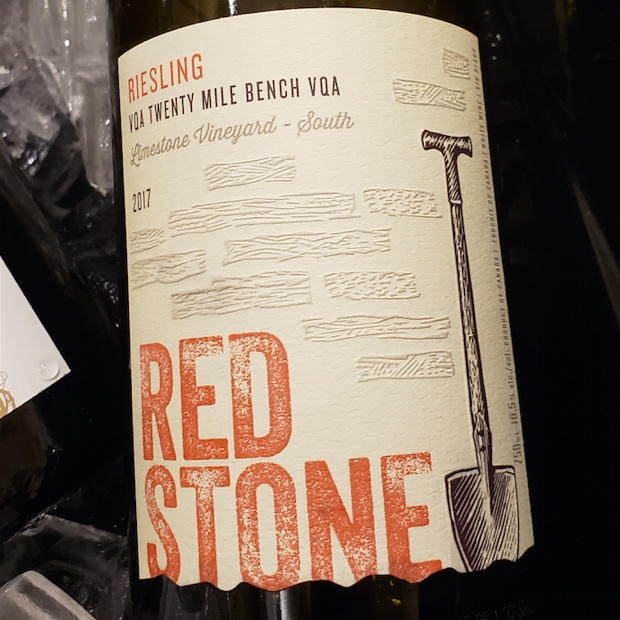
WineAlign

Whites after Labour Day

September salad

September salad

What is the only way to tell the difference between a wine geek and a wine snob? A geek will not drink just anything but will taste everything. In the name of science, of course.

Silly high society rules, like not drinking whites after Labour Day are the wine equivalent of late 19th century fashion precepts and as ridiculous as they may seem, you just can’t make this shit up. Just ask Google.

The first VINTAGES release of the new year (on the Hebrew calendar) or depending on your angle, the last of the summer (preceding Labour Day), is rich with excellent whites. There are 15 choices from September 5th that I highly recommend. Get them while they and it, are hot.

From left to right: Old Vines In Young Hands White 201, Dr. L Dry Riesling 2014, Domaine La Haute Févrie Sur Lie Muscadet Sèvre & Maine 2014, Thelema Sutherland Sauvignon Blanc 2013, Cave Spring Estate Bottled Chardonnay Musqué 2013, Flat Rock Riesling 2014, Boutari Santorini Assyrtiko 2014 and Bailly Lapierre Saint Bris Sauvignon Blanc 2014

From left to right: Old Vines In Young Hands White 201, Dr. L Dry Riesling 2014, Domaine La Haute Févrie Sur Lie Muscadet Sèvre & Maine 2014, Thelema Sutherland Sauvignon Blanc 2013, Cave Spring Estate Bottled Chardonnay Musqué 2013, Flat Rock Riesling 2014, Boutari Santorini Assyrtiko 2014 and Bailly Lapierre Saint Bris Sauvignon Blanc 2014

Old Vines In Young Hands White 2013, Doc Douro, Portugal (424374, $12.95, WineAlign)

Young winemakers, a country’s support, a new vernacular, simplicity and imaging in ode to old ways. The packaging and the intent is spot on. The wine follows suit. Arid, saline, savoury and elemental, like QBA Riesling or Peloponnese Kidonitsa. I’m digging and buying the style, both in clean winemaking and in appeal to a whole new world. Drink 2015-2017.  Tasted August 2015  @MichaelAndBrand  @winesportugalCA

Dr. L Dry Riesling 2014, Qualitätswein, Mosel, Germany (409680, $13.95, WineAlign)

Another sock it to me Dr. L, straight up, spot on, exactly what it purports to be. General index of Riesling expression. Read it, use it as a reference, calibrate your palate to where you want to go. Drink 2015-2016. Tasted August 2015  @drloosenwines  @Select_Wines  

Domaine La Haute Févrie Sur Lie Muscadet Sèvre & Maine 2014, Ac Loire, France (390625, $13.95, WineAlign)

Perfectly, typically, ostensibly and decidedly Melon for what it’s worth. The sea, its salt, a briny shell and crisp acidity for what ails. Simple, slightly spritzy, a touch balmy and ultimately refined, when cooled, with a mess of sea creatures. Odelay, “of elevator bones and your whip-flash tones.” Where it’s at. At your beck and call Muscadet. Drink 2015-2018.  Tasted August 2015  @LoireValleyWine  @oenophilia1

Thelema Sutherland Sauvignon Blanc 2013, Wo Elgin, South Africa (203877, $14.95, WineAlign)

Striking Sauvignon Blanc, minted by a flinty beginning, with perhaps the highest discernible level of sweet gooseberry on the nose that has ever been measured by the olfactometer. Hard to imagine such an inexpensive Elgin white to be so dramatically forthright in smile and open arms. Grapefruit of the pinkest, ripest most juicy crunch burst into flame flavours well-defined, not overbearing, properly bitter and in reprise, like a bite into juicy citrus with just perfectly ripe acidity. A new benchmark for value Sauvignon Blanc in South Africa. Raises the bar folks. Look to Elgin. Ask the producers to plant more. Impossibly long SB finish. Drink 2015-2018.  Tasted August 2015  @ThelemaWines  @WOSACanada  @WOSA_ZA  @EpicW_S

Cave Spring Estate Bottled Chardonnay Musqué 2013, VQA Beamsville Bench, Niagara Peninsula, Ontario (246579, $15.95, WineAlign)

As good as 2013 is a vintage for Niagara Chardonnay, relatively speaking it may be an even bigger quality boon for the aromatic Musqué. The level of depth, breadth and weight in this Cave Spring is new and improved. The florals are heightened, as if bottled in eau de. The parfum is an intoxicant and the flavours compressed, like roll up, like a Musqué napolean, of peach, plum and pear. Who knew? A fall necessity. Better than before. Drink 2015-2017.  @CaveSpring  @TheVine_RobGroh

From my earlier note of May 2o15:

Produced from the 77 clone, the vintage has heightened the high herbal and feigned sweetness aromatic pastis. The palate is extraordinarily viscous, with Yellow Muscat and Gewürztraminer attributes, not so out of the ordinary considering Cave Spring’s older world execution. Drives from lemon to mandarin, through almond pit and into peach. Always solid Musqué.
Last tasted May 2015

Flat Rock Riesling 2014, VQA Twenty Mile Bench, Niagara Peninsula, Ontario (43281, $16.95, WineAlign)

Talk about bottled up compression. Twist the screwcap and thwop! The cap nearly popped like a Champagne cork. This baby has energy and drive. The vintage is compressed and pile-driven as nosed by the density opposed by reticulated 9.5 per cent alcohol. This has Mosel tattooed on its being, from neck to bottom. A dead ringer for fine Kabinett, the tropical fruit in apricot and dragon reaching back to join Ontario, in apple and pear. A good flinty stone and raging acidity combine forces to exaggerate a Riesling reticulum in what is not the missive’s greatest ever vintage. Will live five to seven easy and just go for soda. Go ahead and quaff the hell out of this one, from 2015-2020, from bottles one through twelve. Tasted March 2015  @Winemakersboots  @UnfilteredEd  @brightlighter1

Boutari Santorini Assyrtiko 2014, Pdo Santorini, Greece (47985, $18.95, WineAlign)

A weighty Assyrtiko of breadth and gumption. The varietal salinity found virtually nowhere else is omnipresent and yet different of fruit in the hands of Boutari. Opulence beyond the Santorini norm and yet held back as if to say, “not yet, not yet.” There is a cool, wet patina as if by ruins slowly grown over at the bottom of the sea. A white swath of scraped rock paints the middle palate and is not removable. Can’t go wrong with a chilled bottle and a gaggle of calamari on the grill. Drink 2015-2017.  Tasted August 2015  @boutari  @KolonakiGroup  @Santoriniwines

Bailly Lapierre Saint Bris Sauvignon Blanc 2014, Burgundy, France (424655, $19.95, WineAlign)

Flint meets reduction in a Saint Bris plugged in both ways, AC/DC. Sauvignon Blanc of dirty deeds done dirt cheap. Quite savoury, spicy and cool up the nose like mint and eucalyptus ointment. Serious and strong, like Aligoté but with more verve and natural musculature. No shrinker here and very long, juicy and crazy for acidity. Such expression is rare for the hallowed if needfully paid further attention appellation. Show up anytime at my place with a bottle of Saint Bris, “We’ll have ourselves a ball.” Drink 2015-2018. Tasted August 2015  @BourgogneWines  @VinexxCanada

From left to right: Henry Of Pelham Estate Chardonnay 2013, Studert Prüm Graacher Himmelreich Spätlese Riesling 2009, Redstone Limestone Vineyard Sauvignon Blanc 2013, Pierre Sparr Mambourg Pinot Gris 2011, Hidden Bench Chardonnay 2013, Domaine Laroche Les Vaudevey Chablis 1er Cru 2012 and Dom Pérignon Brut Vintage Champagne 2005

From left to right: Henry Of Pelham Estate Chardonnay 2013, Studert Prüm Graacher Himmelreich Spätlese Riesling 2009, Redstone Limestone Vineyard Sauvignon Blanc 2013, Pierre Sparr Mambourg Pinot Gris 2011, Hidden Bench Chardonnay 2013, Domaine Laroche Les Vaudevey Chablis 1er Cru 2012 and Dom Pérignon Brut Vintage Champagne 2005

Henry Of Pelham Estate Chardonnay 2013, VQA Short Hills Bench, Ontario (268342, $19.95, WineAlign)

Sunlight is the key to this ripe Chardonnay, snatched from vines that grow on the most easterly of the Niagara Escarpment’s sub-appellation. Here Henry of Pelham calmly puts its hegemony over Short Hills Bench Chardonnay on display. The fruit layering is very impressive, compressed even, with just a spiced spirit injection from the barrel. The Estate Chardonnay is in a mid-range class of its own, this gatherer of heat days, hoarder in spring water retention, cleanser in sand and gravel drainage. The vintage just seems perfect for this niche bottling, balanced, primed to finespun texture, stretched for length and good to age at least five years.  Last tasted March 2015  @HenryofPelham  @SpeckBros

Studert Prüm Graacher Himmelreich Spätlese Riesling 2009, Prädikatswein, Mosel, Germany (409680, $21.95, WineAlign)

Blue slate in deep soil and steep, southwest-facing slopes elucidate the Graacher Himmelreich enterprise, quite possibly the most personal vineyard in the Mosel. Autonomy, astronomy, autocratic assuage and elemental tyranny are not for the Riesling faint of benevolence. The Studert Prüm Spätlese from the GH vineyard in 2009 is so very stubborn, stark and austere like matches struck on rocks, rocketing flares as if in a sci-fi action scene. It is possessive of a full, sweet and medicinal palate and enough energy if not the most balancing of acidities ever paired with the flint and the petrol. Good bitters and exceptional length will lead to many years of marbling evolution. Drink 2016-2024.  Tasted August 2015  @StudertPruem  

Redstone Limestone Vineyard Sauvignon Blanc 2013, VQA Twenty Mile Bench, Ontario (424648, $22.95, WineAlign)

If a Niagara Sauvignon Blanc could be endeared with the term ‘calcaire,’ Rene Van Ede’s Limestone Vineyard would lead the shortlist, not only because of the eponymous vineyard but because it oozes of the rock’s chalky chafe. Plenty of orchard fruit belies the lime, in an unoaked Chardonnay way and the wine makes full use of limestone’s hematic shed. This is one of the most stylish Sauvignon Blancs made in Canada, even if the average consumer were not able to recognize it as such. A winemaker from Sancerre would know it immediately and intuitively. Here a crushed reef of limestone memory permeates the wine from beginning to end. One of the more outstanding Sauvignon Blancs made in Ontario to date.  Tasted January 2015   @RedstoneWines

Pierre Sparr Mambourg Pinot Gris 2011, Ac Alsace Grand Cru, France (686451, $24.95, WineAlign)

Arid and direct, quite an ascending Pinot Gris, with almost unfindable residual and yet not the most distinct Grand Cru you are ever going to ponder. Has more weight and sweetness on the palate which tends to lychee, pineapple, apricot and lemon pith. Proper old school Mambourg. Drink 2015-2020.  Tasted August 2015  @AlsaceWines  @VinsAlsace  @ProfileWineGrp

Hidden Bench Chardonnay 2013, VQA Beamsville Bench, Niagara Peninsula, Ontario (68817, $28.95, WineAlign)

A best of both worlds Chardonnay; indicative of the giving vintage (in quality, not quantity, prestige, not prosper) and an Estate, house style with some cosmetics to enhance the consequence. Really typifies and explains what a Marlize Beyers Chardonnay is. Elegant, stylish, with perfect skin, tones, understated beauty and the soft vernacular of few yet precise words. The texture and feel of this Chardonnay is downy, lacey and so very understated. You simply can’t take your eyes off its charms and your palate away from its soft feel. A wine of character and poise. Drink 2015-2020.  Tasted August 2015  @HiddenBench  @BenchVigneron  @LeSommelierWine

Domaine Laroche Les Vaudevey Chablis 1er Cru 2012, Ac Burgundy, France (416057, $38.95, WineAlign)

Prudently flinty Vau de Vey, full of rocks, stones, cragges, broken pieces and slices of pure limestone. Such struck sensation could go too far but here it rises and lingers, tickles, fancies and plays, never bothering or acting with distraction. Quite remarkable and gentle of handling. Softer on the palate but still the limestone beats, with bitters. Just not enough circulating acidity in the end. Drink 2015-2020. Tasted August 2015  @DomaineLaroche  @BIVBChablis  @Select_Wines

Dom Pérignon Brut Vintage Champagne 2005, With Gift Box, Ac Champagne, France (280461, $219.95, WineAlign)

Surprisingly waxing en route to the oxidative side yet suspended in crystal animation. Apperceive the level of concentration, finesse and poise, a trinity of DPVBC not to be tested. These are serious, brooding, executively organized and effected bubbles. They are the real deal and they are not for everyman, either by price or for pleasure. They do not effect change or progress but they do speak of what has been, has worked and will not soon see any arresting waver. Another what it is moment in iconic Champagne. Drink 2015-2025.  Tasted August 2015  @MoetUSA  @ChartonHobbs  @Champagne  @ChampagneBureau

Good to go!

http://www.winealign.com/profile/2058-mjg

Eight Ontarians to be released on May 30th

Innisfil Black Morels

Innisfil Black Morels

For those keeping score at home, that’s tomorrow, the next stop on the perpetual and seemingly infinite VINTAGES release calendar. The usual varietal suspects dominate the scene; Chardonnay, Pinot Noir and Riesling, along with one well-made and even better priced Cabernet duo.

The eight wines available are of the mortar in bricks variety, further examples of the cement that binds and fortifies the overall depth and ubiquitous quality of Ontario wine. Forget about bad winters, spring frosts and storm clouds raging from LENS, through Niagara and east to PEC. The industry accepts the challenge for a constant and progressive study, from synoptic, to panoptic and into omnoptic surveillance.

The future’s so bright I’ve got to wear shades. This weekend I’ll start the rest of my Ontario wine journey with these eight VINTAGES releases. My notes are here and as always, with scores in tow, published over at WineAlign.

From left to right: Lailey Unoaked Chardonnay 2013, Peninsula Ridge Beal Vineyards Inox Reserve Chardonnay 2013, Redstone Limestone Vineyard South Riesling 2012 and Redstone Cabernet 2012

From left to right: Lailey Unoaked Chardonnay 2013, Peninsula Ridge Beal Vineyards Inox Reserve Chardonnay 2013, Redstone Limestone Vineyard South Riesling 2012 and Redstone Cabernet 2012

Lailey Unoaked Chardonnay 2013, VQA Niagara Peninsula, Ontario (299776, $14.95, WineAlign)

Derek Barnett’s 2013 unplugged delivers wattage and punch, from freshness and fruit. Epitomizes what oak-less Chardonnay must be, exemplifying the entire side by each association, orchard fruit claim, from apples to white peach. This is fashioned from the highest, cleanest quality fruit, that much is obvious. A river runs rushing through it, pumping even more energy, carrying mineral silt and at the tail, a soluble nori finish. Drink 2015-2017.  Tasted May 2015  @laileywinemakr

Peninsula Ridge Beal Vineyards Inox Reserve Chardonnay 2013, VQA Beamsville Bench, Niagara Peninsula, Ontario (7328, $18.95, WineAlign)

The Beal Vineyard and Peninsula Ridge team up to offer Ontario yet another stellar oak-less, acier inoxydable, stainless steel INOX Chardonnay. The vintage and the treatment conjoin in a symbiotic palooza to judiciously and generously woo the unoaked Chardonnay convert. For the warm weather, butter happy friend in search of fresh Bench fruit, look no further, deeper or inside the toasty staves of the barrel. This delivers on the promise of fresh, crisp white wine, as a stand in for what used to be and is no more. The consistency of quality and the life affirming energy of the vineyard are wrapped up in a no cover blanket. This just reeks of pure, unadulterated Chardonnay. Of peaches and their flesh, the pit and Ontario pears to boot. It’s a veritable, layered fruit Napolean. Drink 2015-2016.  Tasted May 2015  @PeninsulaRidge

Redstone Limestone Vineyard South Riesling 2012, VQA Twenty Mile Bench, Niagara Peninsula, VQA Twenty Mile Bench, Ontario (381251, $18.95, WineAlign)

So much lime and liquid chalk make for desired and dreamy texture. The lime slides like a slick of oil into the full flavours, spiked by peach and white plum liqueur. Terrific 20 Mile value. Drink 2015-2019.  @Tawse_Winery  @DanielatTawse

From my earlier note of May 2014:

This inaugural Riesling foray from atop the Twenty Mile Bench out of the Limestone Vineyard is a sister to the Tawse exploration from same. The comparisons end right there. Paul Pender’s take is kinetic, frenetic and electric. Redstone winemaker Rene Van Ede tends to and lends from a reconnaissance that heralds Mosel. His first, fixed take is off-dry (in obvious ubiquity) with circular acidity. The co-agitation is early picked at low brix, with realized high residual sugar (36.4 g/L) and low alcohol (10 per cent). Toothsome, with a ying/yang, lemon/lime, push/pull. The case load is formidable for a first go ’round (1000 plus) yet paddled through limestone acreage with effortless strokes.

Last tasted May 2015

Redstone Cabernet 2012, VQA Niagara Peninsula, Ontario (Winery, $19.95, WineAlign)

Part Cabernet Franc and parcel Cabernet Sauvingon, this Redstone spent 16 months in French oak. Having melded wood into savour, the plum fruit is more than up front ample, with a pepper over and a chocolate under. A fair shake of spice and insistent tannin makes for quite a bracing red mouthful, indicating needed air and age time. Like the Tawse Bordeaux-styled reds that have come before, here is yet another slice of red fruit meets the iron life.  Tasted January 2015  @RedstoneWines

From left to right: Raven's Roost Pinot Noir 2013, Creekside Estate Winery Pinot Noir Queenston Road Vineyard 2013, Hidden Bench Estate Riesling 2013 and Rosehall Run Hungry Point Pinot Noir 2013

From left to right: Raven’s Roost Pinot Noir 2013, Creekside Estate Winery Pinot Noir Queenston Road Vineyard 2013, Hidden Bench Estate Riesling 2013 and Rosehall Run Hungry Point Pinot Noir 2013

Raven’s Roost Pinot Noir 2013, VQA Niagara Peninsula, Ontario (415828, $22.95, WineAlign)

Intrinsically Coyote’s Run as per the winemaking style from vineyards tabling edgy, twitching, spirited fruit. What the house refers to as a little side-project wine, the double R is anything but wee. It seems to express just beyond the pale of ripe and hung to soak up the humidity of a wood closet. Holds high aspirations, breathing heavily, in moisture deprivation, paratrophic and then waiting, patiently, calm and with bated breath. A striking and vivid Pinot Noir, demanding, with good bitters and rusty, red astride black earth. The middle offers mint and the length is more than good. A wholly unique style like a Niagara counterpoint to Keint-He’s Portage in Prince Edward County. Drink 2015-2018.  Tasted April 2015  @coyotesrun

Creekside Estate Winery Pinot Noir Queenston Road Vineyard 2013, VQA Niagara Peninsula, Ontario (415877, $18.95, WineAlign)

Presence, gentility, perfume. Come on, this is so correct, sterling and laudable. Drink 2015-2019.  @CreeksideWine  @CellarMonkey  @Matt_Loney

From my earlier note of March 2015:

Still the Kama Sutra Pinot Noir of inviting behaviour. Positions in aroma, taste and texture are all elastic and of an aphorism held together in intimacy. Virtuous and gracious Pinot Noir for the purpose of interaction and pleasure.

From my earlier note of January 2015:

The first made since the 2008 because of a new directional decision to hold onto and no longer forsake these exceptional Queenston Road Vineyard grapes. A wine that folds back the skyline skin of time and reveals a cloning from intimate belongings. Pinot blessed of a Dylan-esque drawl, from a comfortable and crooning time in its life. Penetrates into the QRV earth and draws out subtleties, slow food assuagement and makes no BS about its ease. Though posolutely whiffing and tasting of black cherry, it balances itself with an acerbic wit. This is what winemaker Rob Power refers to as a lay lady lay style. Partners in crime Yvonne Irving and Matt Loney concur. One sip and your partner may just lay across your “big brass bed.” You can always go back to Nashville.

Last tasted May 2015

Hidden Bench Estate Riesling 2013, VQA Beamsville Bench, Niagara Peninsula, Ontario (183491, $23.95, WineAlign)

Hidden Bench’s ’13 Riesling is a pure, soft-spoken and balanced reflection of her maker, winemaker Marlize Beyers. Only a month or two of lees and no stirring has brought her Riesling into this current corporeal state. Crunchy Mutsu apple, its acidity vacuuming moisture. The citrus is all flesh, void of pith and with energy that has already incorporated, disguised and covered the zest. If any Hidden Bench Riesling suggest tropical fruit, here it is and yet again, not. Can imagine it fleshing to petrol and honey in five to seven years. Drink 2015-2020.  @HiddenBench

From my earlier note of September 2014:

The Estate Riesling is as vigneron-defining as any wine on the Niagara Escarpment. Hidden Bench is a 100 per cent estate-fruit operation so this Riesling is spokesperson, prolocutor, mouthpiece, champion, campaigner and advocate for the concept. The estate ’13 reaches deeper for nutrient pot sweetening, into shale and in conceit of its varied, positively cultivated terroirs. Compact and jelled, this is several steps up from most other entry-level Niagara Riesling and in fact, is really anything but. The transparency here is patent. This is Riesling that simply knows what it is; pure Bench, unequivocally real and forthright. Knows what it wants to be.

Last tasted twice in April 2015

Rosehall Run Hungry Point Pinot Noir 2013, VQA Prince Edward County, Ontario (422519, $24.95, WineAlign)

A whole lot of scenting going on in this PEC Pinot Noir, from espresso and paint to lavender, chalk and stone. The feathery shed of volatility is a welcome whiff for those who like a touch of VA. The Hungry, hungry Pinot is clear, pure and precise. It tosses a dart into the Pinot heart. More like a beef heart within its potency and virility. Only PEC makes Pinot like this and Dan Sullivan has captured the style without voracious or rapacious compromise. Nothing greedy about the treatment, just a minor covet of high-toned excellence. Drink 2016-2019.  Tasted May 2015  @Rosehall_Run  @sullywine

Good to go!

http://www.winealign.com/profile/2058-mjg

A biography of Ontario and B.C. wines

Two Sisters Grapevines Photo © http://www.twosistersvineyards.com/

Two Sisters Grapevines
Photo © http://www.twosistersvineyards.com/

Like a weather map, when you take account of a wine, you are leafing through time. One could chart a wine through location, soils, geology and climatic influences. The biographical footprint is also measured after the vine has been stripped and in the winemaker’s hands.

The reconstruction of biography is about as arbitrary as predicting the future. It’s just as puzzling, untraceable and like running through a maze, is fraught with wrong turns and dead-ends. It’s about hunch work, gauging probabilities, accounting for what has come before and extrapolating towards what might be. It involves using  unsubstantiated and even unrecorded information to try proving a current state of affairs.

The conjuring of a wine to define the present and the future deals not with what is extant but what may never have been. It relies on tastes, sensations and feelings that have done the big vamoose and left no trace. Wines are reticent subjects, unable to defend themselves, posthumously fudged together. We gorge on the lives of famous wines and those culled from beneath overturned rocks, impressible with the fixations of our own.

We are lovers of wine; eager and desperate to be one with their psyche, to imagine it synched in sycophant fixation with our own. Yet all the salient facts and aspects of a wine’s journey, in viticulture, pH, residual sugar, total acidity, élevage and in tasting, are really nothing if we are unable to find the theory the wine and by extension, the winemaker live by.

In Ontario, wine writers spend an inordinate amount of time tasting new releases, generally the most current vintage of wines we have made acquaintance many times before. The bright lights of revelation dim increasingly out of sight due to the nature of that redundant beast. Yet on a Thursday in January at WineAlign the kid in a candy store factor presented through bottles yet discovered from wineries lined up and waiting to be counted.

A few weeks ago David Lawrason, Sara d’Amato and I assembled to have a go at four new (or not nationally recognized) Canadian wineries. Redstone Wines is the newest venture from Moray Tawse, with director of winemaking Paul Pender as headmaster to the rising, structured elegance of winemaker Rene Van Ede‘s compositions. Two Sisters in Niagara has pounced on the scene with precocious nerve, having released a few vintages in a short time. Some older wines were crafted in virtual virtuosity by current Ravine winemaker Marty Werner. The Sisters (Angela Marotta & Melissa Marotta-Paolicelli) have come to the present with Adam Pearce at the helm and his affinity for aromatic whites is the newest Niagara revelation. I will look forward to seeing him push some envelopes, with barrels, hang time, micro-plots and fermentative experimentation.

Redstone Wines Rosé from KeyKeg at Campagnolo Restaurant Photo © Michael Godel

Redstone Wines Rosé from KeyKeg at Campagnolo Restaurant
Photo © Michael Godel

Though I’ve not tasted more than a handful from the Okanagan Valley’s CedarCreek Vineyards, all thus far have touched gold. Winemaker Daryl Brooker‘s varietal wines are pure, precise and affordable. This may just be one of the most exciting wineries to watch out for in British Columbia. Fort Berens does Burgundy in the shadow of Fraser Canyon’s Mountains. A taste of Rolf de Bruin‘s Chardonnay and Pinot Noir offers terrific insight into DNA and in them you can read B.C.’s varietal future. Daydreamer Wines is winemaker Marcus Ansems‘ collective energy of intention, wines to sip again and again until you taste them for the first time.

Here are the notes on 23 Ontario and B.C. wines tasted on January 22, 2015.

Redstone Winery Viognier 2013, Limestone Vineyard Sauvignon Blanc 2013, Riesling 2013, Cabernet Sauvignon 2011 and Chardonnay 2012

Redstone Winery Viognier 2013, Limestone Vineyard Sauvignon Blanc 2013, Riesling 2013, Cabernet Sauvignon 2011 and Chardonnay 2012

Redstone Viognier 2013, VQA Lincoln Lakeshore, Ontario (Winery, $18.00, WineAlign)

Where there’s Lincoln Lakeshore there is red clay and with it winemaker Rene Van Ede goes it old school. Staid and static, Viognier is the star, in as much as it can be in the solid soil by the lake. On the leesy side, a sprite of lime and a dusting of chalk give texture, augmenting an already noticeable, package deal Redstone white wine portfolio. A yeast strain trend seems to be the uniting force. This is weighty but not dense, solid for the varietal and indicative of the winemaker’s style.  Tasted January 2015  @RedstoneWines

Redstone Cabernet 2012, VQA Niagara Peninsula, Ontario (Winery, $19.95, WineAlign)

Part Cabernet Franc and parcel Cabernet Sauvingon, this Redstone spent 16 months in French oak. Having melded wood into savour, the plum fruit is more than up front ample, with a pepper over and a chocolate under. A fair shake of spice and insistent tannin makes for quite a bracing red mouthful, indicating needed air and age time. Like the Tawse Bordeaux-styled reds that have come before, here is yet another slice of red fruit meets the iron life.  Tasted January 2015

Redstone Limestone Vineyard Sauvignon Blanc 2013, VQA Twenty Mile Bench, Ontario (Winery, $22.95, WineAlign)

If a Niagara Sauvignon Blanc could be endeared with the term ‘calcaire,’ Rene Van Ede’s Limestone Vineyard would lead the shortlist, not only because of the eponymous vineyard but because it oozes of the rock’s chalky chafe. Plenty of orchard fruit belies the lime, in an unoaked Chardonnay way and the wine makes full use of limestone’s hematic shed. This is one of the most stylish Sauvignon Blancs made in Canada, even if the average consumer were not able to recognize it as such. A winemaker from Sancerre would know it immediately and intuitively. Here a crushed reef of limestone memory permeates the wine from beginning to end. One of the more outstanding Sauvignon Blancs made in Ontario to date.  Tasted January 2015  @DanielatTawse

Redstone Winery Riesling 2013, Niagara Peninsula, Ontario (Winery, $18.00, WineAlign)

Such a stoic, atomic, inwardly myopic, microscopic Riesling. Dry and drier on the not yet quite ripe pear side of the tree fruit diapason. A juicy, tangy palate follows, with viscous treasures tasting of lime curd kicked up by spice accents. A kinship here with the Tawse Limestone Ridge Vineyard, with minerals that have not forgotten what it’s like to think about magma. So much lime continues to kick in and the stone it acidulates. Narrow, focused, long and rising Riesling.  Tasted January 2015

Redstone Pinot Noir 2012, VQA Twenty Mile Bench, Ontario (Winery, $29.95, WineAlign)

Fruit for Redstone’s Pinot Noir is sourced from a 15 year-old block and it saw 16 months in French oak. A wine defined by up front spice, oak obviousness and a candescence in extraction. This the vintage gives, to clamber along with the barrel, in addition to red fruit tones that trump earth. The glass is filled with a waft of raspberry pie and a drizzle of macerated cherries. A ferric streak, as would absolutely be expected, line the red fruit basket and keeps the Redstone savour animated. Know this about Twenty Mile Pinot Noir. It is alive.  Tasted January 2015  @RedstoneWines

Redstone Cabernet Sauvignon 2011, VQA Lincoln Lakeshore, Ontario (Winery, $29.95, WineAlign)

The Redstone Vineyard is a plot of red clay and large stones, set within the 38-acre estate. This red beauty saw an extended stay (18 months) in French oak, a relevant encounter to see it come out with remarkable purity, not to mention sensuality. This from out of the 2011 vintage, one that did not flatter many Niagara reds though on the Lincoln Lakeshore much success has been found. Plum and strawberry scents emerge from a wine warmer than would be thought, sanded by chalky and grainy parts in synch. A well-delineated progressive and fine-tuned machine should age for a minimum five years.  Tasted January 2015

Redstone Winery Chardonnay 2012, VQA Niagara Peninsula, Ontario (Winery, $31.95, WineAlign)

A very buttery Chardonnay, warm, tropical, steeped from rich soil, seeping orchard fruit and yet soaking from the generous amount of French oak. Handled with poise and ease, the fruit just seems to inuit its amalgamated Peninsula place and understand its place in the Niagara Chardonnay spectrum. This grows and grows, like a vine, upwards yet inwards, with instrumental interplay and no excess notes. Just the bare Chard essentials; no waste, all focus, trim and elegant.  Tasted January 2015  @Tawse_Winery

Two Sisters Vineyards  Merlot 2010

Two Sisters Vineyards Riesling 2013, Unoaked Chardonnay 2013, Sauvignon Blanc 2013, Chardonnay 2013, Eleventh Post 2011 and Merlot 2010

Two Sisters Riesling 2013, VQA Twenty Mile Bench, Ontario (Winery, $24.00, WineAlign)

An auspicious coming out vintage from winemaker Adam Pearce with fruit sourced from the Foxcroft block of the Wismer Vineyard. So very Twenty Mile Bench, with fleshy, near to bursting exotic aromatics in the vein of other Foxcroft Rieslings, like those made by Paul Pender, Ilya Senchuk and Kevin Panagapka. The classic stone fruit, their stones and the soil’s stones trampled underfoot. The kinship goes deeper, with Jay Johnston’s Nadja and Pender’s Limestone Ridge. Pearce’s take endears with notes of clementine and creamy mango pudding. Though the residual inflates more expansively than all the others, there is an aridity in the end, one that intimates modern Alsace. A pleasure to taste, with good (though not great) acidity and low (10.6 per cent) alcohol. The finish improves with each pass of the lips.  Tasted January 2015

Two Sisters Unoaked Chardonnay 2013, VQA Creek Shores, Ontario (Winery, $24.00, WineAlign)

From the Creek Shores appellation, a precinct of the Peninsula with a habit of firing citrus shots into Riesling and Chardonnay. The injections are at their hyper best from June’s Vineyard and here, in this Adam Pearce crafted, barrel-broaching bottle of white stone immaculate. Tons of character graces this Chardonnay, with a salinity drawn from the heavy Creek Shores soil overtop solid rock that permeates the wine’s earth. Lees affected, this may well be Petite Chablis, what with its texture and sugary smells. There is a perceived effervescence, a lively streak that gives it life and a swelling of its heart. The acidity is rampant and despite the inkling of SO2, the wine is quite expressive and a step-up from many cut of the same genre.  Tasted January 2015

Two Sisters Sauvignon Blanc 2013, VQA Niagara Peninsula, Ontario (Winery, $29.00, WineAlign)

Here is a veritable, potable example of Niagara SB 101, breath freshening, varietal refresher. Crafted with the lightest Sauvignon Blanc touch, with hints of grass and goose feathers, hold the berries. Soft, slight and slightly herbal with a thin veiled membrane of circular acidity. Amiably done.  Tasted January 2015

Two Sisters Chardonnay 2013, VQA Creek Shores, Ontario (Winery, $32.00, WineAlign)

Not unexpectedly, the Two Sisters oaked Chardonnay is a dramatically opposing force to the unplugged abbess. If not for the pierce afforded a Creek Shores drawn Chardonnay, winemaker Adam Pearce might have found himself stuck with a big, buttery bag of popcorn on its way to becoming a can a of creamed corn. The wooden ship is thankfully mitigated by citrus and sails calmly across buttery seas in search of herbal lands. The handling is not one fumbled by heavy mitts and the cool climate intent is managed bravely. There is admiral balance with just enough wood incantation to see it stretch across a few years time.  Tasted January 2015

Two Sisters Eleventh Post 2011, VQA Niagara River, Ontario (Winery, $39.00, WineAlign)

A Bordeaux blend of Cabernet Franc, Cabernet Sauvignon and Merlot that is very savoury, with a dry and dusty white/red pepper component. This has good verve from out of the challenging 2011 vintage. It forges ’10 louder, amps the dial up to ’11, in tempo and sapidity. A very persistent and intense heritage, with chalky tannin and grains running crosswise. Though the final wish would be for more length, it is a dogged specimen with a few years left ahead.  Tasted January 2015

Two Sisters Merlot 2010, VQA Niagara River, Ontario (Winery, $48.00, WineAlign)

This was a “virtually” made wine at the time by current Ravine Vineyard winemaker Martin Werner. From the warm and high ripening 2010 vintage, with additional blanketing and layering from the Niagara River appellation. Oak provides a creamy flannel swaddle. Certainly soft, dreamy and downy, void of tension and so easy to consume. Though by now it has fully evolved and is rapidly descending into the river’s sunset, its flavour temperament is more than Merlot palatable. Were the price considerably lower it would please on more levels.  Tasted January 2015  @2SistersVine

CedarCreek Chardonnay 2013 and Platinum Block 4 Pinot Noir 2012, Fort Berens Chardonnay 2013 and Pinot Noir 2012

CedarCreek Chardonnay 2013 and Platinum Block 4 Pinot Noir 2012, Fort Berens Chardonnay 2013 and Pinot Noir 2012

CedarCreek Chardonnay 2013, VQA Okanagan Valley, British Columbia (Winery, $17.95, WineAlign)

With a component of this wine having been housed in mammoth, old-school (2250 litre) oak barrels, the wood is spread like citrus honey butter, evenly and judiciously, through every sip. Chardonnay of tang and by lees, with apples everywhere, along with a streaky flint mien. Fine Chardonnay.  Tasted January 2015  @CedarCreekWine

CedarCreek Platinum Block 4 Pinot Noir 2012, VQA Okanagan Valley, British Columbia (Winery, $39.95, WineAlign)

From a vineyard planted in 1995, this wild yeast inoculated Pinot Noir is tough, sinewy, rigid and masculine. Dark red fruits are surrounded by racing, bracing, running on the spot acidity. Here is a west coast wine that needs enough time, somewhere in the area of five years, to soften and bring flowers. When it does, they will be roses.  Tasted January 2015

Fort Berens Chardonnay 2013, VQA British Columbia (BC VQA, 559492, $19.99, WineAlign)

With Fraser Canyon’s mountains as the backdrop, the sandy soil and sage brush make for a cool yet herbal Chardonnay. The foothills earth gives Lillooet mineral, not unlike Chablis but in B.C., with a tropical twist. This has plenty of leesy, Chablis character. Quite spirited, chalky and with a hint of soft metals, as if the cold world melts, “the noise a song.” Any way you look at it or listen to its electronica grooves, this is another cool-climate beauty. With good oscillating texture and length, it could easily be imagined to be drinking a tankful on a hot summer’s day.  Tasted January 2015  @FortBerens

Fort Berens Pinot Noir 2012, VQA British Columbia (Winery, $25.99, WineAlign)

This wine of many clones came together from Lilloet soils and was housed in barrels from many coopers. It’s bright, funky, meaty and fecundated with a clafouti of red fruits. Though jammy it’s neither hot nor over-extracted. The jam is a compote, teased by citrus rind and rubbed herb stems. In the end the sweetness prevails so find some salty charcuterie to match and drink up.  Tasted January 2015

Marcus Ansems Shiraz 2013

Daydreamer Wines Pinot Gris 2013, Jasper 2013, Amelia 2013 and Chardonnay 2013, Marcus Ansems Chardonnay 2013 and Shiraz 2013

Daydreamer Wines Pinot Gris 2013, VQA Okanagan Valley, British Columbia (Winery, $22.00, WineAlign)

Here a small batch Pinot Gris from winemaker Marcus Ansems out of an organic (Naramata Bench) vineyard. Dry and inhabiting atmospheric space, tightly wound, aerified and vacuous. Smells of fruit and blasted bits housed in concrete; pits, stones and blocks of rock. Flavours come from tree fruit, citrus and crushed seeds. Clean like Alsatian Pinot Gris (Schoffit comes to mind) and really balanced, with a soft crooning lilt. It’s quite elemental and elementary dear Watson, approachable and comforting. “When my head is heavy on my shoulders, daydreamer gonna make it over.” Linear acidity gives further meaning, in planar and stretched grooves. Deserving of the generic comment “really good food wine.”  Tasted January 2015  @Daydreamerwines

Daydreamer Wines Jasper 2013, VQA Okanagan Valley, British Columbia (Winery, $25.90, WineAlign)

This blend of Merlot (83 per cent) and Cabernet Franc is a dry, dusty pepper, mace and plum red with a silky texture and some advanced character. In retention of necessary acidity it manages to stay on the wire, with a citrus ability and a lees meets cheese rind cure. The flavours carry this forward with a chew of dried jerky, only to return to the aromatic takeover of dried flowers and cracked nasturtium pods. The great appeal here is on the nose, nothing to sneeze at or take for granted. The lasting appeal is a smell of salt pulling lilacs into the sea, or like a garden of flowers of trance inducing aromas that have absorbed many daydreams.  Tasted January 2015

Daydreamer Wines Amelia 2013, VQA Okanagan Valley, British Columbia (Winery, $25.90, WineAlign)

The organic B.C. winery presents a northern Rhône dreamer singing like a bird on its very personal Okanagan hejira. Composed of (90 per cent) Syrah and more than a dash (10 per cent) of Viognier, it also hits you like a linebacker, with waves of pepper and steeping cherries, or perhaps plums. Silky smooth and haunting up the middle, but the cure is in, the meats drying and the flavours massive. The fruits dehydrate in a way to question, have you got a date? Dates this Syrah has, in clusters, made saline by capers and sage. Leaves “vapor trails across the bleak terrain,” with streaks of octane fruit and tannin in refrain. This should be left to rest for a few years, to play out the song, to avoid “dreams, Amelia, dreams and false alarms.”  Tasted January 2015

Daydreamer Wines Chardonnay 2013, VQA Okanagan Valley, British Columbia (BC VQA, 410076, $29.90, WineAlign)

A weighty example in excess of the chameleon Chardonnay’s necessities, skittering with jerking movements and changing rapidly within the assessment in minutiae. Plenty of scorched earth and toasted barrel putter about and the aromatics remind of an old Eastern European home. Braising biennial Brassica, Pot au Feu and a wood smoker linger into a leesy and citrus tang. The sapidity takes charge and warms to the glass and the senses. A more than serviceable if scattered Chardonnay here brings much character to the table.  Tasted January 2015

Marcus Ansems Chardonnay 2013, VQA Okanagan Valley, British Columbia (BC VQA, 410076, $29.90, WineAlign)

The winemaker’s personal label is derived from more finesse and delves into upstanding seriousness than what is shown by his Daydreamer counterpart. Very cool-climate, acidity on top, with the suite of buttered toast, green apples and spice notes harmoniously intertwined. Pining notes opine to imagine pine forests and natural twine. Intense tang and verve stretch to protected length. Cooler in many ways, like a trio of established artists coming together for a first record, to offer their collective sound, on a “Friday evening, Sunday in the afternoon, what have you got to lose?” Nothing at all, from a glass of this blue-eyed Chardonnay.  Tasted January 2015  @HemispheresWine

Marcus Ansems Shiraz 2013, VQA Okanagan Valley, British Columbia (Winery, $34.90, WineAlign)

This Golden Mile Bench, west coast red leans northern Rhône with pronounced cured pork belly and smoked meat aromas. The savoury edge is like capers growing from cracks in limestone, the olives and other pickled berries coming by way of warmer, more southerly climes. Modern, violaceous and a touch oxidative, with some southern hemisphere gauze and rubber mercurial style points. There is a smell like that of baked potato, baked underground, after lightning has struck. A big wine from a little known pocket for Shiraz lore, the Ansems Shiraz will appeal to a masculine palate.  Tasted January 2015

God to go!

http://www.winealign.com/profile/2058-mjg