A hip of wine from Hidden Bench

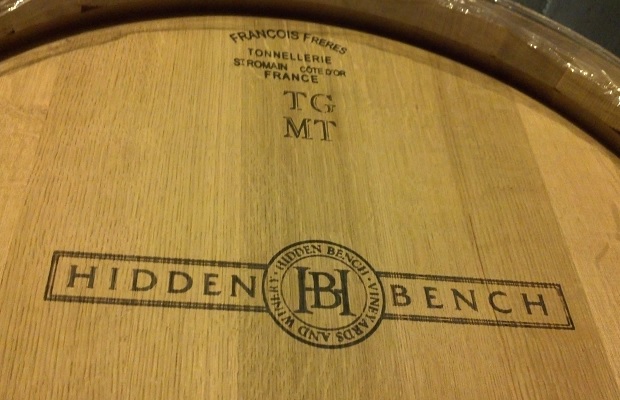
French cask in the Hidden Bench cellar

French cask in the Hidden Bench cellar

A visit to the Beamsville Bench on a warm September morning is a beautiful thing. Facilitated by their sagacious Ontario agent Bernard Stramwasser of Le Sommelier, the royal welcome was presented at Hidden Bench Vineyards and Winery. Proprietor Harald Thiel and winemaker Marlize Beyers left no barrel, vine, wine or helping left to the imagination. What a terrific day.

Marlize Beyers is as close to artisanal perfectionism as it gets on the Niagara Peninsula. The texture and grace of the wines reflect their maker. Beyers showed off the underbelly of Hidden Bench, including the 600L concrete egg fermenter (which actually holds 700L of juice). The concrete must be primed with tartaric acid before use or the egg will de-acidify the wine. What will emerge from within the thick chitinous walls of that oospore is on my future tasting agenda.

Out in the vineyard, vigneron Harald Thiel tells the story of Fel-seck, the “corner of a cliff,” in the angled nook of the Niagara Escarpment. The soil is filled with glacial till left from ancient Lake Iroquois pulled up from four retreating glaciers. “The glacial till deposit IS the Bench,” says Thiel. His winery operates on more than a quarter of the Beamsville Bench, in high density plantings. All wines are made from estate fruit. The control centre manages that fruit 24/7. The crux of the operation. And leaves.

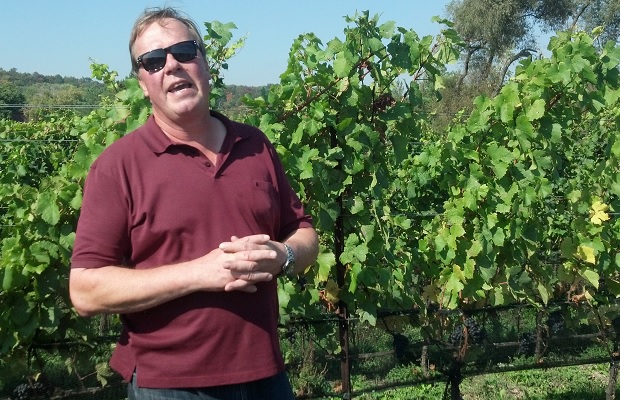
Harald Thiel in front of Pinot Noir vines in the Felseck Vineyard

Harald Thiel in front of Pinot Noir vines in the Felseck Vineyard

Leaves are a huge preoccupation at Hidden Bench. “Rule of thumb is you need 14 leaves to ripen one bunch,” confirms Harald. Canopy leaf management is a rigorous exercise, to compensate for wrong orientation. The inherited Felseck was planted east-west, but the south gets the sun, the north not so much. The spur pruning system (as opposed to double-Guyot) works to benefit in Felseck. To compensate for the winter of ’14 and to stop the “middle-age spread,” the leaves (shoots) are kept between wires. Other benefits include less disease stress and no fruit shadowing.

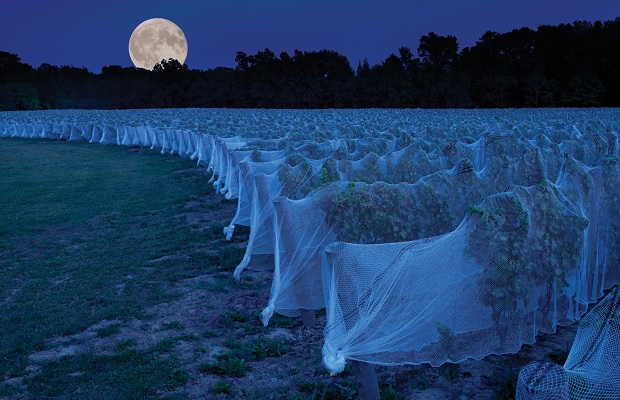
Sun on the fruit in the morning is key and to avoid sunburn, the leaf orientation is managed accordingly. “Manage the umbrella leaves,” notes Thiel. What about birds? “We use 32 km’s of nets,” and no bird bangers. “Pinot Noir is the favourite varietal of birds,” because they turn colour first. Anti-aviary veraison. Insects? “We use sexual confusion to ward off (insects).” There are 7500 pheremone ties (of the Paralobesia Viteana or female Grape Berry Moth) in the vineyards. Confuses the hell out the males. Translation: No insecticides.

Harald is proud to say this about Marlize. “Winemaking is an artfully applied science.” This was Beyers’ answer to the age-old question,”art or science?” So it goes without saying that grapes are picked on flavour, not sugar levels determined in the laboratory. You take what the vintage gives and make the appropriate, corresponding wine. Ideally Chardonnay is picked at 21-22 degrees brix, but regardless, at Hidden Bench it is always picked on flavour.

Pinot Noir comes from high density planting, with one cane and a single Guyot system. Yields are Grand Cru in quantity (1.6 – 1.9 tonnes per acre or 26-28 hL/L) but not at proportionate pricing. To many a consumer and outspoken wine trade professional they are exceedingly high. Spend some time with Harald and Marlize and you may just figure out why.

The two have developed a “Bistro” line bottled for the restaurant licensee industry. The Pinot Noir, Chardonnay, Riesling, Red Blend and Rosé are essentially the sum total of the collected and filtered run-off from the rich and select HB vineyard pool. The Riesling ’13 slings sugar and salinity in a push-pull, posit tug. It serves up typicity with bias and honesty. The Chardonnay ’13 is a perfectly round sipper, coagulating all of Marlize’s varietal plans; canopy management, earlier picking, gentle pressing, pumpover, the management of new wood barrels – all in the name of affordable structure. The Red ’11 is composed of Cabernet Franc (68 per cent), Malbec and Merlot. The CF smothers and smoulders above the M & M’s with all its currant, tobacco and black pepper power.

Here are notes on the 16 other wines tasted at Hidden Bench that day. Not to mention a sumptuous Coq au Vin.

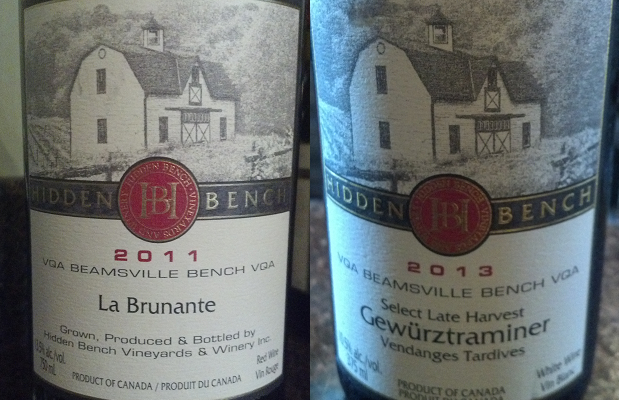
Hidden Bench La Brunante 2011 and Select Late Harvest Gewürztraminer Vendanges Tardives 2013

Hidden Bench La Brunante 2011 and Select Late Harvest Gewürztraminer Vendanges Tardives 2013

Hidden Bench Estate Riesling 2013, VQA Beamsville Bench, Niagara Peninsula, Ontario (183491, $23.95, WineAlign)

The Estate Riesling is as vigneron-defining as any wine on the Niagara Escarpment. Hidden Bench is a 100 per cent estate-fruit operation so this Riesling is spokesperson, prolocutor, mouthpiece, champion, campaigner and advocate for the concept. The estate ’13 reaches deeper for nutrient pot sweetening, into shale and in conceit of its varied, positively cultivated terroirs. Compact and jelled, this is several steps up from most other entry-level Niagara Riesling and in fact, is really anything but. The transparency here is patent. This is Riesling that simply knows what it is; pure Bench, unequivocally real and forthright. Knows what it wants to be.  Tasted September 2014

Hidden Bench Felseck Vineyard Riesling 2013, VQA Beamsville Bench, Niagara Peninsula, Ontario (28312, $28.00, WineAlign)

Felseck, “the corner of the cliff,” creates twisted Riesling, as per the directive in this angled, mineral nook of the Niagara Escarpment. Choose your planting politics if you will, left of centre Chardonnay or right of the compass Riesling, to determine which one speaks in the amphitheater’s clearest varietal vernacular. If sugar is a determinant or a catalyst in this ’13, it would take a zafrero to suss out that truth because sweetness succumbs to noble bitterness. The Felseck Riesling mixes ginger in tonic in a hyper-linear solution. It’s tightly wound, like a spooled reel rid of memory and twisting. A soldier marching in patriotic allegiance, to the soil and to the maker. There is no hurry to drink this ’13. Its pot will sweeten after the fighting’s done.  Tasted September 2014

Hidden Bench Roman’s Block Riesling 2012, VQA Beamsville Bench, Niagara Peninsula, Ontario (Winery, $32.00, WineAlign)

Of the estate’s Rosomel Vineyard from vines exceeding 35 years in age. This is the belletristic Riesling in the Hidden Bench stable, handled with mathematical precision and utmost care; specific sun exposure, green harvesting, low yields (29.4 L/hL) and a free run juice cap at (500 L). The density and distinct crux of the Bench nook character circulates aromatics in through the out-door. Lime melds to lemon and returns. The wine is plentiful, nearly generous but not all is sweet and amenable. Roman is policed by wild sage in dusty herbal efficacy unleashed. Honey is a fleeting tease but the numeral knowledge indicates mellifluous viscosity down the road. This is Riesling of finesse to realize power and sting. “It’s murder by numbers, one, two, three. It’s as easy to learn as your ABC’s.” Wait five years and settle with Roman’s synchronicity for five years more.  Tasted September 2014

Hidden Bench Nuit Blanche Rosomel Vineyard 2012, Beamsville Bench, Niagara Peninsula, Ontario (278812, $40.00, WineAlign)

Taking what the vintage gives, Rosomel’s Sauvignon Blanc was king in 2012, dominating at a 95 per cent share of the Bordeaux-styled blend with Sémillon. Barrels were stirred weekly during fermentation and the creamy texture thanks that regimen, as does the tannic fullness of the round back-end. It rocks out bracing, formidable and nobly bitter, in pear and its pith, in lemon, of rind and in curd. The SB lounges in tall grasses but avoids goose feathers and blanching veg. So very savoury, in gorse tension, thistle and nettle. These notes all cut through the roundness and are finally tied together by the flinty rock of Rosomel.  Tasted September 2014

Hidden Bench Nuit Blanche Rosomel Vineyard 2007, Beamsville Bench, Niagara Peninsula, Ontario (278812, $40.00, WineAlign)

The varietal components of the 2007 NB were not blended until August 2008 and then filtered to bottle. That barrel time and prior weekly stirring provided the pelage texture and now developed, tepefying character. Rumour has it I’d tasted this ’07 once before when it fact it was the ’08 in March of 2012. Must be the “marzipan, musky and risky, on the edge of a roasted, toasted Nutella thing.” The Niagara white Bordeaux idiom and its use of prime vineyard space has yet to prove itself so to this Nuit Blanche I would say, “you made my heart melt, yet I’m cold to the core.” Perhaps by ‘21 that attitude will have changed.  Tasted September 2014

Hidden Bench Gewürztraminer Felseck Vineyard 2012, Beamsville Bench, Niagara Peninsula, Ontario (Winery, $28.00)

The key to ripeness is sunlight, something both 2012 and the practice of leaf removal on the East sides of the canopy gave this Felseck stunner. Oh so full with a hint of that typical glycerin and bitter pith so necessary for definition. This reminds me of an off-dry Zind-Humbrecht take, with its late feel of residual sugar and planing finish. There is a wonderfully humid condensation of south Asian drupe and fruit moisture droplet, never in syrup, but rather on the glistening, post-rain skin. Top Bench example.  Tasted September 2014

East sides of the canopy to encourage fruit ripening

Hidden Bench Chardonnay 2012, VQA Beamsville Bench, Niagara Peninsula, Ontario (68817, $28.95, WineAlign)

Yet rigid in its youth, the wood is not yet settled. Bottled in September of 2012, the ’12 will need every day of its first year to be ready, willing and able to please upon release. From my earlier, May 2014 note: “Always aromatically embossed and texturally creamy, the Estate Chardonnay finds a way to elevate its game with each passing vintage. The uplifting elegance factor acquiesces the poise needed to battle the effects of ultra-ripe fruit out of a warm vintage. In ’12 the middle ground exchanges more pleasantries though the finale speaks in terse, toasted nut and piquant daikon terms. Not harshly or witchy, mind you, but effectively and within reason of the season. When you look in the window at Harald (proprietor Thiel) and Marlize’s (winemaker Beyers) Chardonnay, “you’ve got to pick up every stitch.”  Last tasted July 2014

Hidden Bench Felseck Vineyard Chardonnay 2010, VQA Beamsville Bench, Niagara Peninsula, Ontario (Winery, $38.00, WineAlign)

The richness has yet to melt away, nor will it likely do so any time soon. Must give credit where due; ’10 managed to seek out tempering acidity where it was not necessarily in sui generis mind, nor did it want to be found. From my earlier March 2013 note: “Akin to Russian River Valley, allowing the comparison, in platinum, edging to gold and in stony, mineral rigidity. Tends to the orchard in a fell swoop of swelling fruit. Nobody does it better on the Bench. The sec who loves me, “makes me feel sad for the rest.”  Last tasted September 2014

Hidden Bench Tête De Cuvée Chardonnay 2011, VQA Beamsville Bench, Niagara Peninsula, Ontario (20906, $45.00, WineAlign)

Tête De Cuvée by Hidden Bench, like a Champagne best of the best abstraction, makes an appeal to self-esteem and esteem for others, to consumers who have come to recognize Niagara and even more specifically, the Beamsville Bench for head of the class, cool climate Chardonnay. That mouthful congregates and works in congruence with the quality in the Tête’s composition; full-on freshness, density, weeping cerate texture, toasted and popping kernel, fine-grained localization, utterly integrated barrel. There was scant quantity (32.5 hL/h) from some very old and wise vines, pronounced like others but louder than most, from the bullhorn of a stentorian vintage. What is felt and spoken about the quality inherent from out of the finest parcels in the Locust Lane and Rosomel Vineyards Chardonnay fruit is more than a patent observation. The ability to take on toast cuts to the nougat and the synoptic rises to the ethereal ozone. Not to mention gross minerality. On the shortlist for best Niagara Chardonnay to date. Drink now and beyond 2025.  Tasted twice, September  and October 2014

Hidden Bench Estate Pinot Noir 2011, VQA Beamsville Bench, Niagara Peninsula, Ontario (274753, $29.95, WineAlign)

Now into the mid-point of its six to seven year life, this essential Bench Pinot brings worlds together. A toffee, taffy, salted (not caramelized) caramel mulch comes from pinpoint smoke oak. Has a palpable sende of chew and density. From my earlier, February 2014 note: “Five months more in bottle has come to this, a Bench perfumed state of mind. On a red raspberry road to absolution. The international coat has now begun to surrender to the maturity and wisdom of the local vine’s intellect, its maker and overseer acting as artificers in planned execution.” From my earlier, October 2013 note: “Deeper, earthier, decreased propriety and more pelage than the previous two vintages. I sense longer hang time, more redress and slower slumber. In Hidden Bench I thought I knew and would always associate with a specific Pinot Noir feel but this ’11 confounds. In a way, that is a large compliment. Fruit reminiscent of a top Central Otago in that it grips my Pinot interest if not my Ontario heart.”  Last tasted September 2014

Hidden Bench Estate Pinot Noir 2007, VQA Beamsville Bench, Niagara Peninsula, Ontario (274753, $29.95, WineAlign)

The summer swelter of the 2007 vintage was not lost on this Pinot Noir and although the black fruit spectrum was picked clean from all available plum, fig and cherries, they and their tannins have evolved in clemency and snug harmony. That and a whipped beet shake of hide, vanilla and lavender.  This would be a diverting and polarizing ringer to toss into a blind tasting.  Tasted September 2014

Hidden Bench Felseck Vineyard Pinot Noir 2011, VQA Beamsville Bench, Niagara Peninsula, Ontario (Winery, $38.00, WineAlign)

Transplants Nuits-Saint-Georges into the coliseum of Felseck with frisky and fine-grained tannin. The aromatic aggregate of flowers, orange grove and red cherry is akin to Les Perrières. This is micro-managed, micro-plot Niagara at its very core, the diminutive, wee berries singing the nook’s furtive, foxy and salient song. The late bitter note is both beautiful and honed in on the vineyard’s frequency. Graphite trails with back-end nerve. This Felseck has entered the zone. Drink over the next three years.  Tasted September 2014

Hidden Bench Locust Lane Vineyard Pinot Noir 2010, VQA Beamsville Bench, Niagara Peninsula, Ontario (Winery, $48.00, WineAlign)

On benches all along the Niagara Escarpment, each single-vineyard grown, vinified and bottled Pinot Noir has an affinity for a particular vintage. The Locust Lane and 2010 share a commonality that exceeds the level of companionship seen in the more rigid, bookend vintages of ’09 and ’11. Here is the richest density, though still teasing and leaning against the black cherry tree. There is a limestone, Alsatian, Albert Mann thing going on, rolling like thunder, bobbing like drinking birds. Still formidable, the stuffing yet burst from its cloud. A sniff and a sip of the ’10 “and the locusts sang, yeah, it give me a chill. Yeah, the locusts sang such a sweet melody.” The vineyard takes heat and gives Pinot Noir its energy. The ardor will slowly release over the next eight to 10 years.  Tasted September 2014

http://rd3.videos.sapo.pt/playhtml?file=http://rd3.videos.sapo.pt/2GntSr2rbWHU3Gg0DLdK/mov/1

Hidden Bench Terroir Caché Meritage 2010, VQA Beamsville Bench, Niagara Peninsula, Ontario (505610, $38.00, WineAlign)

With another summer beneath its brooding belt, the aromatics are now in full flight. From my earlier, June 2014 note: “The richest Terroir Caché to date, making use of its barrel in judicious but never obnoxious ways. Huge Bench wine, needs 10 years for sure. From my earlier, April 2014 note: “No other Niagara red and for sure no alternative Peninsula Bordeaux blend exists in such a vacuum of dichotomous behaviour. Act one is an out-and-out boastful, opulent show of Rococo. Act two a gnawing and gnashing by beasts. The pitch and pull of the Terroir Caché 2010 optates and culls the extraordinary through the practice of extended délestage, what Hidden Bench notes as “a traditional method of gently draining the wine and returning it to tank with its skins during fermentation.” The ’10 is about as huge as it gets, highly ferric and tannic. Still chemically reactive, you can almost imagine its once small molecules fitfully growing into long chains. Berries of the darkest night and he who should not be named black fruit are confounded by minerals forcing the juice into a cold sweat. Will require a minimum of 10 years to soften its all-powerful grip. From my earlier March 2013 note: “Has rich, voluptuous Napa Valley written all over it. Sister Merlot dominant, Beamsville Bench sledge monster. Plumbago, mineral, blackberry and coffee in a wine that will be the ringer in a blind tasting 10 years on. Harald may be saying “this is our family jewel.” Mr. Thiel, you make good wine.”  Last tasted September 2014

Hidden Bench La Brunante 2011, VQA Beamsville Bench, Niagara Peninsula, Ontario (Winery, $75.00, WineAlign)

Welcome to the world ’11 LB, the flotilla leader in the Hidden Bench brigade. This fierce Bordeaux-styled blend of exemplary fruit out of the three Estate parcels is composed from Merlot, Cabernet Sauvignon, Malbec and Cabernet Franc. Not home from a hot climate, and not the most likely candidate to be made in the 2011 vintage, La Brunante is “like a mudship becalmed in a rusty bay cracking with an emboldened abandon.” Bottled in a strong compression but without aggression, it lies in wait, creaking, twitching, smoldering and aching with desire. When it should be released, somewhere up to 10 years down the road, it will sail, cutting through waves of tannin, with multiple berries, dust, diesel and into a show that never ends.  Tasted September 2014

Hidden Bench Late Harvest Gewürztraminer Vendanges Tardives 2013, VQA Beamsville Bench, Niagara Peninsula, Ontario (Winery, $30.00, WineAlign)

The benchmark for such a rare Niagara animal is of course Alsace and more specifically the iconic and consumer-recognizable brands such as Zind-Humbrecht and Domaine Weinbach from the Hengst and Furstentum Grand Crus. This HB is decidedly not that. Even the kings of Alsace late harvest only go to bofttle in the finest vintages, when a level upwards of 50 percent botrytis is achieved. After a few freeze/thaw cycles the fruit was picked on the 28th of November. The ’13 Vendanges Tardives has the subtlety and attributes to call itself VT, with residual sugar (119 g/L) and alcohol (10.5 per cent) numbers in line. Near-needed acidity, PH and exceptional phenolic character mix to balance and so the reduction in sweetness is nicely tempered. Pears meet apricots in hinted whispers. As per the Alsatian requiem, this never enters the arena of the cloyingly sweet and absurd. Utilitarian to a fundamental degree, in the end I would have liked more acidity in this very pretty wine.  Tasted September 2014

Good to go!
A cultivated tale of two Okanagan wineries

Blue Mountain Vineyards Photo: (c) www.bluemountainwinery.com

Blue Mountain Vineyards
Photo: (c) http://www.bluemountainwinery.com

Some wine is made all in the family. These days I am particularly intrigued by the ancestral homestead turned grape-growing entity. This past summer I paid a visit to Lightfoot & Wolfville Vineyards in Nova Scotia’s Gaspereau Valley. Mike Lightfoot‘s apple farm has transformed into a 21st century outpost for Vinifera and local, indigenous viticulture.

Related – Consider the Gaspereau Valley

Blue Mountain Vineyards has been a family business since 1971. For twenty years Jane and Ian Mavety grew and sold grapes to the commercial wine industry. In 1991 they began bottling under the Blue Mountain name. Next generation winemaker Matt Mavety came to Niagara in July for the annual 14C Cool Chardonnay event and I had the pleasure of tasting with him. His wines have been arriving in Ontario with record B.C. import speed. They have become a darling of the LCBO, the WineAlign crew and consumers for good reason. The purity of the all-estate grown wines are a study in South Okanagan clarity. The persistence in consistency across the board is increasingly apparent.

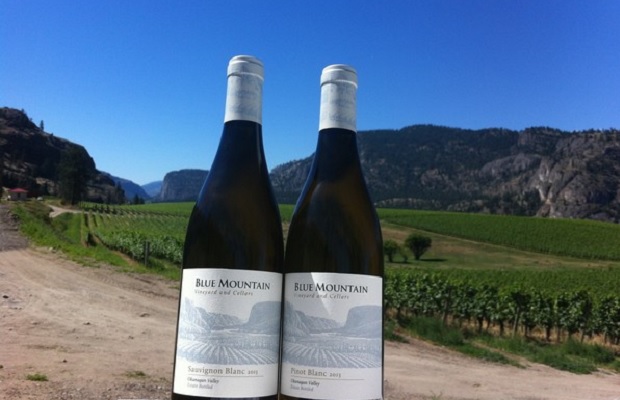
Blue Mountain Sauvignon Blanc and Pinot Blanc Phoo: (c) www.bluemountainwinery.com

Blue Mountain Sauvignon Blanc and Pinot Blanc
Phoo: (c) http://www.bluemountainwinery.com

Blue Mountain’s tale of cultivation is one of  intensive labour. It’s a hands-on approach in the vineyard; suckering, shoot thinning, shoot positioning, fruit thinning and harvesting are all done this way. The winery focuses on varietals;  Pinot Blanc, Pinot Gris, Sauvignon Blanc, Chardonnay, Gamay Noir, and Pinot Noir. In addition to the single-varietal bottles, no less than five different Sparkling variations are made in the traditional method. It’s a toss-up between the two styles to decide what the Okanagan farm does best. Neither analect should be missed.

Sperling Vineyards Photo: (c) Stephen Elphick and www.sperlingvineyards.com

Sperling Vineyards
Photo: (c) Stephen Elphick and http://www.sperlingvineyards.com

Sperling Vineyards comes from along history near Kelowna, B.C. Giovanni and Lorenzo Casorso began the farm in 1884, going on to become the largest grower of fruits and vegetables in the area. Giovanni’s sons all planted vineyards in the Okanagan beginning in 1925. Pioneer Ranch, home to Sperling Vineyards, is one of those sites. Since 2008, Sperling has been harvesting and building the 21st century legacy of that famous Kelowna property.

Ann Sperling is one of Canada’s superstar winemakers. Alone and along with partner Peter Gamble, Sperling has elevated the efficacious fortunes of Southbrook Vineyards in Niagara and Versado in Argentina. Her categorical work on the home front has raised the bar for the Okanagan and for Sperling Vineyards.

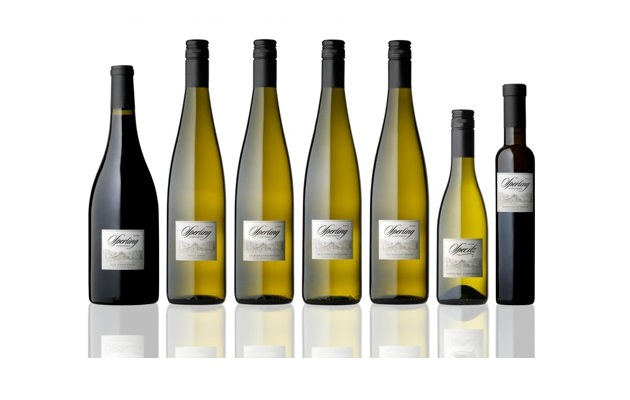
The Kelowna winery concentrates on a Sparkling wine program, along with Pinot Noir, Chardonnay, Riesling, Gewürztraminer, Pinot Gris and Marechal Foch from some very old (1960’s planted) vines. Chances to taste the Sperling output have been more frequent of late, from i4C to VINTAGES releases and with Ann at a special LCBO tasting.

Here are notes on 17 wines tasted over the past few months from Sperling and Blue Mountain.

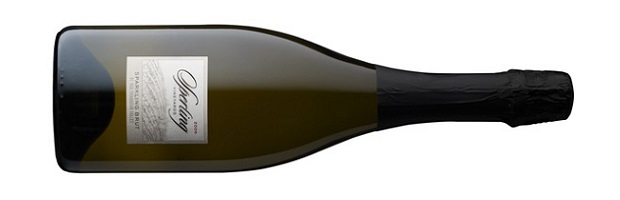
Sperling Vineyards Sparkling Brut 2009

Sperling Vineyards Sparkling Brut 2009

Sperling Vineyards Sparkling Brut 2009, Traditional Method, VQA Okanagan Valley, British Columbia (361436, $40.00, B.C. winery, $40.00, WineAlign)

From winemaker Ann Sperling’s Kelowna family vineyard (dating back to the 1880’s) this is fashioned from 100 per cent (Estate only) Pinot Blanc. The vineyard sits adjacent the Old Vines Riesling of Tantalus Vineyards, another quintessential B.C. example of vines that lambaste and biff out racy, tension filled grapes. Though the ’09 is more round than linear and an invitation to a more prescient pleasure or vatic gratification, the concept is base and relative to an assessment of the ’08. The Sperling citrus, the undefined citrus, is an amalgamation or vagary of lemon, lime, grapefruit, pomello and orchard fruit that acts like citrus in nature. This ’09 is initially warm but then builds with intensity, unlike the ’08 which was (and still is) that way from the outset. In a year this should join the accessibility shelf in parallel to its one year older sibling.  Tasted September 2014  @SperlingVyds

Sperling Vineyards Sparkling Brut 2008, Traditional Method, VQA Okanagan Valley, British Columbia (361436, $40.00, B.C. winery, $40.00, WineAlign)

The Sperling citrus layering is nowhere near locating the entrance to an unraveling descent. From an early vintage with an early frost, there is little wonder why it possesses so much pent-up aggression. Note to self: Wait another year, find Ann Sperling and must re-try. From my earlier, November 2013 notes: “Fasten the seatbelt for these Okanagan bubbles of tension nonpareil, acids beyond compare, fruit screaming to be heard. Estate-grown Pinot Blanc picked and aged at classic Champagne numbers, 18 brix, 2.95 PH and 36 months on the lees. Low in alcohol (11.3 per cent) and supportive in reverse balancing residual sugar (6 gr/l). Of note were green seeds, “so we’re not fighting green character,” says Sperling’s partner Peter Gamble. Non varietally-driven fizz that concentrates on mouthfeel, place and method. Does this Brut have the most tension ever from a B.C. Sparkling wine? Travels electrically from pole to pole, wired tight, inside a smart machine. A tale of a northern soul, “too busy staying alive.”  Last tasted September 2014

Sperling Vineyards Sparkling Brut Reserve 2010, Traditional Method, VQA Okanagan Valley, British Columbia (B.C. winery, $79.95, WineAlign)

This blend of Pinot Noir (70 per cent) and Chardonnay (30) was just recently riddled and disgorged so it comes across stonking and stomping on the freshness and fervor scale. After a few months in, the diminished low-dosage and Reserve style will settle and merge into an ever so slightly oxidized, Champagne stage, the platinum eyes will shine, the ginger spice will bite and the expansive mousse will blow. This is a very mature and wise bottle of Okanagan bubbles with a wistful look on its many faces, imagining what might have been, with today’s ability, in that lane of unmade Okanagan Sparkling wine. Ooh la la, Ann Sperling might say, ” I wish that I knew what I know now, when I was younger.”  Tasted September 2014

Sperling Vineyards Sparkling Brut Rosé 2012, Traditional Method, VQA Okanagan Valley, British Columbia (B.C. winery, $50.00, WineAlign)

Ann Sperling’s Rosé fizz is 100 per cent Pinot Noir of a style in high contrast to the Brut bottlings. Higher brix (19) and sugar dosage, shorter lees time, really low (though classic Champagne number – 2.95) pH and high-ranging acidity (10 g/L) all combine for a consistent yet very different airy apprehension. There is a sweet lavender soap aroma, a savoury edge and the classic Sperling citrus, here in lemon-lime pull. There is really nothing strawberry-rhubarb or berry-centric about it. This is Sparkling Rosé with hold the ball old school feel and modern era scoring ability.  Tasted September 2014

Sperling Vineyards Old Vines Riesling 2011, VQA Okanagan Valley, British Columbia (361204, $34.95, WineAlign)

From a 1978 planting, this teases late harvest-like with a sweet-sliding aromatic entry that glides effortlessly on the changeover to the palate and then bam! A red-letter sharp and acidulated takeover. The roots dug deep for the wise and wizened vines overtop a full limestone overlay “naturally stretch the nutrients in the bunches,” notes Sperling’s partner Peter Gamble. Low, old and slow, “all about circulation and flow.” Finishes with pith and citrus intensity. Yikes Riesling.  Tasted November 2013

Sperling Vineyards Chardonnay 2012, VQA Okanagan Valley, British Columbia (winery, $26.00, WineAlign)

High altitude expression from a vineyard perched atop a gravel bed, a rocky pool of stone that seems to toss-up pebbles at Sperling’s window to see if she would like to sneak away for a midnight drive. A crisp, clean and linear style, full of night-air freshness, white flowers and white fruit. This is undeniably picked early and ahead of any possible oxidative or overripe window, yet there is a rich quality about it that rages against the machine, calm like a bomb, “its narrative fearless.” Very mineral in its direct back and to the side of the mouth attack, full of salinity and lemon-lime acidity. Long, long Okanagan that will flesh with five years time. The slate bass line will soften, allowing the white fruit to further shine.  Tasted twice, May and July 2014

Sperling Vineyards Pinot Noir

Sperling Vineyards Pinot Noir

Sperling Vineyards Pinot Noir 2012, BC VQA Okanagan Valley, British Columbia (382283, $27.95, WineAlign)

Winemaker Ann Sperling stresses clonal selection for the success of this Okanagan Pinot Noir. The structured clone 144 inhabits a south-facing block, while 777 (higher degree of sugar, weaker acidity) and 828 are planted on the north facing side. Sperling’s goal is minerality, to seek a fine streak, drawn up from soil through vine, transmitted direct to berry, cutting a multi-dimensional line crossing and interpolating the finished wine. That success is here carved from hillsides, burrowed into must and released simultaneously into wine. Ministrations are gathered from small bunch pressings, indigenous yeasts and small puncheon aging to minimize wood impact. This ’12 is a buckaroo bright, light silt and gravel textured Pinot Noir of cherries fruity and pit-tinged. As for the mineral streak, call it metaphor hyperbole if you must, but how else to explain the subtle tickle in polytypic sensation? Like a banzai effect, “a simultaneous plane of existence with our own.” Minerality.  Tasted September 2014

Blue Mountain Brut, Méthode Traditionnelle, Okanagan Valley, British Columbia (206326, $27.95, WineAlign)

Blue Mountain is the poster child for B.C. bubbles and this forth-righteous, tight to expansive, quintessential cool-climate Okanagan is the stalwart for the genre. The unabashed intensity in citrus acidity, zero dosage style is exactly what it should be. If you have never experienced west coast bubbles, this is the pace to start.  Tasted December 2013

Blue Mountain Brut Rose R.D. 2010, VQA Okanagan Valley, British Columbia (Winery, B.C. $32.90, WineAlign)

A blend of primarily Pinot Noir with approximately 15 per cent Chardonnay, the Rosé bubbles by Blue Mountain rest 36 months on lees. Perpetuates the clear and concise house style, shared in common excellence with the Reserve Dry bottle. The smells of strawberries are key, the texture so important to character and aridity the driving force behind its level of elegance. So faintly pink, rusty really, this is blush fizz of the domicile kind; loyal, agreeable and persistent. It pleases from the first sip and lingers with consistent tones to the last drop. What beach sit, couch lag or special event stand wouldn’t be improved with a glass of these Okanagan bubbles?  Tasted October 2014

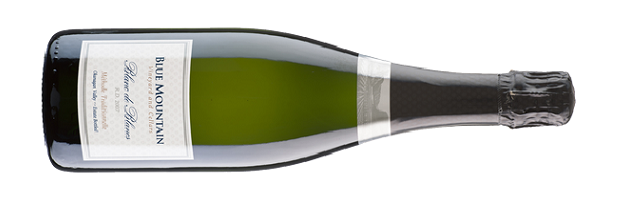
Blue Mountain Blanc de Blancs

Blue Mountain Blanc de Blancs

Blue Mountain Blanc De Blancs R.D. 2007, VQA Okanagan Valley, British Columbia (Winery, B.C. $39.90, WineAlign)

Blue Mountain’s B de B is all in Chardonnay, a 100 per cent estate fruit, cuvée first press, finished dry (6 g/L RS) and left on the lees sparkler for six years. This is quite an olfactory clot of yeast, yogurt and yellow fruit. Full and widening in the mouth, the flavours expand and contract, then expand again like fizz on life support. It’s hard to tell where this will go; the So2 is noticeable and though it blows to the mistral, beyond the element there are more elements. Magnetic to be sure and all over the mountain, these bubbles are confounding and exciting, but confounding nonetheless.  Tasted October 2014

Blue Mountain Reserve Brut R.D. 2006, VQA Okanagan Valley, British Columbia (Winery, B.C. $39.95, WineAlign)

The RD from estate fruit is Pinot Noir based, with approximately one-third support from Chardonnay and a pittance of Pinot Gris. The extended lees sit is seven years and if that is not the texture kicker than nothing is. Strawberries persist throughout this very dry sparkler, from leaves on the nose to bled fruit on the palate. This carries more arid character than the Blanc de Blancs, more texture and less atomic airiness. Finishes dusty and gingered, with a hint of mineral though the subtlety is sketched. The poise here is to be commended, the grace embraced. Calming fizz for any occasion. Tasted October 2014

Blue Mountain Chardonnay 2012, Okanagan Valley, British Columbia (350108, $23.95, WineAlign)

Juicy and immediately perceived as existing in unwavering balance. The juxtaposition of the stainless steel and (three year-old oak for seven months) barrel aging intertwines fresh and reductive aromas to a common meld. More orchard fruit than I remember, more linear acidity, more expression. Raises the bar and the score. From my earlier, April 2014 note: “Half barrel-aged, this Chardonnay has a silky mouth feel and as much nip as can be assimilated in a single mouthful. Green apple, blanched nuts and a metallic tickle give the sensation of chewing on crumbling stones. There is considerable girth and texture here, spicy folds and tangible tension. The alloy trumps the fruit so consider drinking up now and for another year or two.”  Last tasted July 2014

Blue Mountain Chardonnay 2011, Okanagan Valley, British Columbia (350108, $23.95, WineAlign)

A thick, rich and medicated goo this ’11 Blue Mountain Chardonnay. “Mother Nature just brewed it and there’s nothing really to it I know.” A traffic of oak waves in not so much woody but more so simply tannic. The palate is clenched, those tannins angular and ever so slightly bitter, intense and want to be bigger than the fruit would be willing to allow. This is Chardonnay with personality and ability, if just a bit big for its own head.  Tasted July 2014

Blue Mountain Sauvignon Blanc 2013, Okanagan Valley, British Columbia (Winery, $18.90, WineAlign)

Upfront, come and get me, juicy expression of Sauvignon Blanc, free of encumbrances. Avoids grass and spice, reaching instead for tree fruits, both stone and orchard. A bit ambiguous for that reason, acting less varietal and more Okanagan, but that is a very good thing. Has terrific sapidity and more than admirable length. A touch of distracting, caustic herbal intensity on the finish.  Tasted August 2014

Blue Mountain Pinot Gris 2013, Okanagan Valley, British Columbia (Agent, $21.00, WineAlign)

The astucity is palpable, the innuendo more than just a suggestion. This silent but deadly Pinot Gris is quietly explosive, fruit shuddering beneath a wall of texture and grain. Aromatically speaking it gives very little of itself but in the mouth the feel is so broad and coating. This is one of those very special wines that must be tasted with prejudice to appreciate just how dramatic and evidenced it can be. The acidity is stony laminous, the juice squeezed of many an orange variety, from Mandarin to Moros Blood. The finish gets an accent in Pomello. Blue-chip value in B.C. PG.  Tasted October 2014

Blue Mountain Reserve Pinot Noir 2011, Okanagan Valley, British Columbia (Winery, B.C. $36.00, WineAlign)

The Reserve Pinot is intoxicating to say the list. Some whole clusters in the fermentation process add mouth feel, cure and needed grit but how this can not be viewed overall in the shiniest west coast light would be confounding. The reserve ’11 is both “sky as I kite, sticky as lips” and “as licky as trips.” If there was ever an Okanagan Pinot Noir to get you high, this would be the one. What a boisterous effort out of a less than scorching vintage and considering the modest to riches price, no shame in visiting with flavourful fare, imbued with spice, any day of the week.  Tasted April 2014

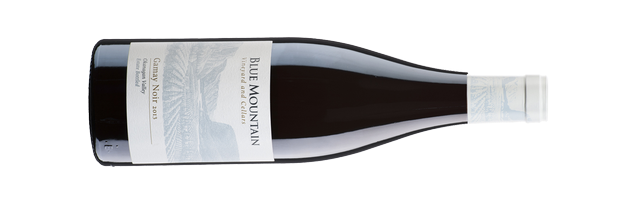
Blue Mountain Gamay

Blue Mountain Gamay

Blue Mountain Gamay Noir 2013, Okanagan Valley, British Columbia (Winery, B.C. $20.90, WineAlign)

The purity of fruit in Blue Mountain’s Gamay is without question in a distinct class of the few and far between. Older barrels (four year-old, fifth fill) were used and the impart should not be dismissed. While quintessentially Okanagan Gamay, the fruit is elevated, lifted, ripe like warmer Cabernet (dare it be said) with more berry and Cassis-like aromas. The palate tension and round acidity bring Morgon to mind. Just a bit gamy on the back end, which is nice. Planning to drink this through the end of the decade would not be a mistake.  Tasted October 2014

Good to go!
From VINTAGES for Thanksgiving, in wine and with song

Le Clos Jordanne Vineyard Photo: (www.leclosjordanne.com)

Le Clos Jordanne Vineyard
Photo: (www.leclosjordanne.com)

Whatever your plans are for Canadian Thanksgiving weekend, I highly recommend they include wine and music. Last year my picks to meet the bird emanated from a Loire state of mind. A new Sancerre makes this year’s shortlist because “you can always use a good Sancerre.”

Related – A Sancerre Thanksgiving

The consistency with which wine picks jive from one year to the next is self-consciously and self-prophecy predicting, to be sure, with Chile and California making repeat appearances. New and bold in choice for 2014 is the idea that “now you say Morocco and that makes me smile. I haven’t seen Morocco in a long, long while.” A promising wine region lurks in the North African dessert and for $15, find out for yourself.

Two years ago I also offered up a brief history lesson on the origins of Thanksgiving when I said “Canada, let me pour your Thanksgiving wines.” At the time I was not suggesting we all go out and fill a curved goat’s horn with fruit, grain and Pinot Noir.

There are better ways to get your cornucopia or horn of plenty on.

In 2013 the message was simple.  Thanksgiving is a weekend to celebrate the harvest, all that was once and will again be good. When I took a good look ahead at Canadian wines for Thanksgiving I meant what I said and I said what I meant. Canadian wine will impress you, 100 per cent.

Related – Good look ahead at Canadian wines for Thanksgiving

This Thanksgiving the great indulgence that should grace your meditative and purposed consciousness is a local one. When should it not be? At a time when Thomas Bachelder was making wine at Le Clos Jordanne out of the vineyards on the Jordan Escarpment, greatness emanated and worship followed. Though it may have seemed so at the time, the Chardonnay and Pinot Noir at LCJ were not the ideal terroir for Bachelder. His work there, albeit progressive, standard setting and earth shattering, was only a precursor for his true calling; to Wismer, Saunders, Willamette and Beaune. Granted his total touches seek and mine gold but the LCJ soils were meant for a different pair of mits.

Those hands belong to winemaker Sébastien Jacquey, Burgundian, naturist, environmentalist, terroirist.  Jacquey’s résumé reads like a laureate’s; university diploma in Technology and Biology in 2002. National Diploma in Oenology and Professional Agricultural Aptitude certificate in 2004 and Master of Earth and Environment studies, specializing in Vine Management and Terroir in 2005 at l’Institut Jules Guyot. Engineer of Oenology and Viticulture in 2007 at l’Institut Supérieur d’Agriculture, Rhones-Alpes.

It has taken Sébastien Jacquey a few vintages under belt (three as assistant and now two as chief winemaker) to feel the groove of his vineyards. To me, 2011 marks the turning point and the launch pad for the exceptional career that will define the winemaker. To a wine, every 2011 Chardonnay and Pinot Noir I have tasted has the finesse, restrained richness and markedly pure clarity of great Burgundy. More important is that the wines are clearly Niagara and even more so, distinctly Le Clos Jordanne. One step further even. All Sébastien Jacquey.

All of Ontario must rejoice, applaud and give credit to the effortless grace with which he is bringing evolution to the LCJ continuum. I urge you to try his wines. On this October 11th, 2014 VINTAGES release and in stores this coming Thanksgiving weekend the two eponymous vineyard bottlings hit the shelves. Try a Le Clos Jordanne Vineyard with friends and family. Then put another two away for future consideration. You will be glad you did. Here are 10 wines to seek out for the October long weekend and some tunes to spin alongside.

From left to right: San Pedro 1865 Single Vineyard Carmenère 2011

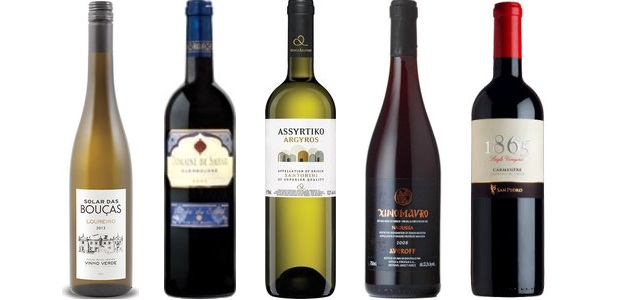
From left to right: Solar Das Bouças Loureiro 2013, Domaine De Sahari 2012, Argyros Assyrtiko 2013, Katogi & Strofilia Averoff Xinomavro 2008, San Pedro 1865 Single Vineyard Carmenère 2011

Solar Das Bouças Loureiro 2013, Doc Vinho Verde, Portugal (221036, $13.95, WineAlign)

Initially this opens slower than snail’s snot so “mute it to a whisper and spin your solar sister.” Petillance hidden, this is rich, greasy, fat and sumptuous Vinho Verde, not your avô’s take, that’s for certain. Can’t say I’ve yet nosed these kind of tropical aromas in VV before, so in that sense it’s a Posies breath of alternative, equatorial air. Comes back to pears and herbs, citrus on the palate and wraps up with wild acidity. Like frosting on the beater. Quite a bang for $14 bucks. Good, long finish. The minor spritz comes after the buzzer.  Tasted October 2014  @VinhoVerdeCA

Domaine De Sahari 2012, Guerrouane A.O.G., Morocco (92825, $14.95, WineAlign)

Considering the geography and the utter aridity of the climate, more than just latitude should be afforded this Vin Rouge de Maroc. That’s because it’s a well-made, properly judged, toothsome Bordeaux-styled blend. Think Australian claret, say from Margaret River or even Coonawarra. If “that’s much too old a story to believe,” have a taste and note the fine balance betwixt Cabernet and Merlot, between earth and sky. Slightly rustic and funky, there is real, leathery fruit and a wood-chalky texture. The acidity is wound tight and the residual sugar slightly elevated but if “you say Morocco and that makes me smile,” I’ll know I’ve just had a taste of something fine.  Tasted August 2014  @TandemSelection

Argyros Assyrtiko 2013, Santorini, Greece (387365, $19.95, WineAlign)

This Assyrtiko has a small bass note, down below, beneath the snare and the jump back. It causes quite a Rufus rumpus. Its got sax notes that drive a wild personality. While not blessed with the usual fruit to meet its acid intensity, the consistency persists. Santorini’s sun-drenched rocks break it down and the indigenous sapidity of Greek garrigue can’t help but stamp the authenticity. This needs to develop a year or two to get beyond its awkward, acetic adolescence. “If one should bite before I wake, jump back baby jump back.” It will serve purposed grilled meats when it does.  Tasted October 2014  @Santoriniwines  @KolonakiGroup

Katogi & Strofilia Averoff Xinomavro 2008, Pdo Naoussa, Greece (249615, $19.95, WineAlign)

It’s not that every Xinomavro is infallible but every Xinomavro is worth exploring. The Averoff is classic; smoky, rich plum meets cherry intensity, tannic and textured, layered, like old school Pinot Noir. Liqueur of Naoussa terra firma, rocks and sweet beets. Balance of earth, wind and fire, fun funky and moving. Shares the spice of life so “let this groove, light up your fuse, alright. Let this groove, set in your shoes.” Parts unknown gather to subvert the uninitiated and make them move to Greece.  Tasted October 2014  @katogistrofilia

San Pedro 1865 Single Vineyard Carmenère 2011, Maule Valley, Chile (249201, $19.95, WineAlign)

Nose of notable Carmenère character checked and in restraint. Certainly modern, somewhat fortified, but acceptably precipitous, delectable and fun. The whiffer is sweet pepper, currants and rings of defined tobacco. The give way goes to flavours silky in roasted pepper and a shot of espresso. If, “in the winter of ’65, we were hungry, just barely alive,” this Carmenère would have kept us warm. No cake, no jam, no overwrought excessive behaviour. Though like any good band, it does drive Dixie down. Well made.  Tasted October 2014  @Dandurandwines

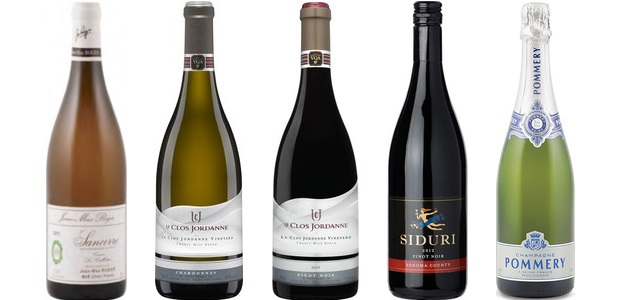
From left to right: Jean Max Roger Cuvée Les Caillottes Sancerre 2012, Le Clos Jordanne Chardonnay Le Clos Jordanne Vineyard 2011,  Le Clos Jordanne Pinot Noir Le Clos Jordanne Vineyard 2011, Siduri Sonoma Coast Pinot Noir 2012, Pommery Brut Silver Champagne

From left to right: Jean Max Roger Cuvée Les Caillottes Sancerre 2012, Le Clos Jordanne Chardonnay Le Clos Jordanne Vineyard 2011, Le Clos Jordanne Pinot Noir Le Clos Jordanne Vineyard 2011, Siduri Sonoma Coast Pinot Noir 2012, Pommery Brut Silver Champagne

Jean Max Roger Cuvée Les Caillottes Sancerre 2012, Ac, Loire, France (65573, $26.95, WineAlign)

The most chalky, medicinal and intensely forward of the Jean Max Roger stable. Also the most floral and aromatic, like Viognier, Gewürztraminer, Muscat even. It is anything but, of course, and one taste quells thoughts of Rhône-ish or Alsatian aromatic whites and allows Sauvignon Blanc to give of its green grass and wet hay. There is a coarse, hoarse voice in Les Caillottes, the small pebble, stony, flinty Sancerre. It’s a striking, swashbuckling, swordplay but “clear the thistles and brambles” because time waits for Sancerre. Not years mind you, so drink this Cuvée out of the clay-limestone soils in the village of Bué and in the hamlet of Amigny between 2015 and 2017 for maximum pleasure.  Tasted October 2014  @oenophilia1

Le Clos Jordanne Chardonnay Le Clos Jordanne Vineyard 2011, VQA Twenty Mile Bench, Niagara Peninsula, Ontario (33910, $40.00, WineAlign)

A 2011 assessment of the winery’s Chardonnay quartet shows this vineyard from the eastern section of the Le Clos Jordanne estate as divulging the most amplified soundgarden of floral proclivity. The cool vintage made demands for a choate winemaking process, all in the name of freshness. Vosges forests provided the bulk of the wood (15 per cent or less new oak), barrel ageing was ceased at 13 months and limited stirring in older barrels were all performed in the name of carrying the freshness name. Leaving them to age in bottle for up to six months prior to release confirmed the commitment to completing a prime time wine. The LCJ vineyard also expressed itself by way of candied marigold and nasturtium. This is Chardonnay with a full sunshine aspect, southerly and rich in ways not previously observed. It also shares an affinity with other 2011 Niagara whites, in citrus and fresh tendrils of burgeoning acidity, like simliar takes in Semillon and Riesling, in honeyed, stony layers. Balance is brought together by tannic texture, giving the wine grip and glide through a glade carpeted in ground cover, like lemon thyme and creeping sweet moss. For winemaker Sébastien Jacquey, this level of excellence may have been a “long time coming,” but it’s just the beginning.  Tasted October 2014  @LeClosJordanne

Le Clos Jordanne Pinot Noir Le Clos Jordanne Vineyard 2011, VQA Niagara Peninsula, Twenty Mile Bench (33902, $45.00, WineAlign)

The most cherry meets earth LCJ to date, in the vein of a Cherry Road Pinot Noir, regardless the vintner. So much attention to clean fruit detail, this has lines and streaks of rock, chalk and variegated soil, piercings, tattoos and fine art running through its veins. Sébastien has coaxed maximum freshness and given it supporting balance. From my earlier February 2014 note: “Extremely good showing for this stalwart in what is becoming a classic Twenty Mile Bench vintage. Cran/Raspberry earthy-straw scents layered in a cake of overlapping, alternating flavours in raspberry (again) and quality chocolate. More intensity than the other ’11 LCJ’s at this early stage, simultaneously concentrated and light, like a ball-distributing point guard with 20-20 vision. Increased oak in dribble drive motion really ties the spiced flavours together, without sacrificing freshness. This will improve for five years, if not more. Winemaker Sébastien Jacquey must have called on his muse for this LCJ because “some kind of madness has started to evolve,” and from here on in this Pinot will solicit a “need to love.”  Last tasted October 2014  @LeClosJordanne

Siduri Sonoma Coast Pinot Noir 2012, Sonoma Coast, California, USA (253369, $49.95, WineAlign)

The nonexclusive Sonoma Coast from Siduri comes by way of an even keeled vintage. It marries plush with lissomeness. Aptly concentrated while simultaneously acting out of pure Coast decorum, this is exemplary of place, mind and space. Pinot Noir that is “always looking for the sun to shine.” Raspberries romp through its fibers, reel, allow a minor savoury slant, then return, replay and remain the dominant fruit characteristic. Heading to the finish it’s momentarily ripping but the ripe and supple character ride on gentle waves, then bring it back to class. Can’t imagine it falling from grace anytime soon so enjoy to the end of the decade.  Tasted August 2014  @SiduriWines

Pommery Brut Silver Champagne, Ac, France (385161, $58.95, WineAlign)

The Silver is a gorgeous, grand green patina, stoic and manifest dry, classic glass of Champagne. Aromas are in exaction, in compliance and in direct connectivity to a grower’s condition. Just a sliver of earthy, sweet oxidative sumptuousness streaks up the middle palate, lingers, turns away from the sun and lets the mist fall in late. Fine, linear acidity takes over and tangs the tame beginning, which proceeds to relinquish submissively, relegating it as just a faint memory. “What a swell party this is! What Pommery!” Exceptional class, chaste and chasmic-bridging Champagne. Well, did you evah?  Tasted October 2014  @LeSommelierWine

Good to go!

Taste Ontario’s polarity of personality

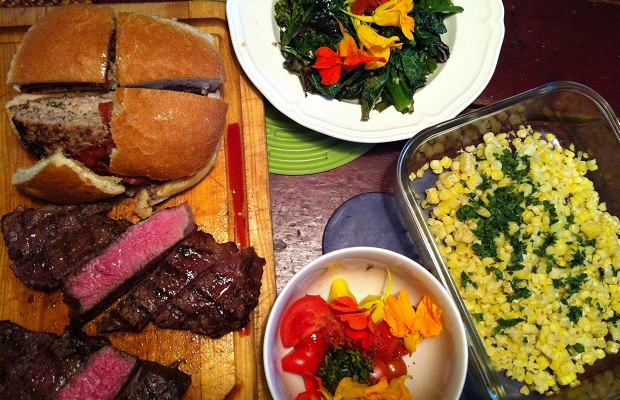
Ontario home cooking Photo: (www.godello.ca)

Ontario home cooking
Photo: (www.godello.ca)

Wine Country came to town last week betwixt what has seemed like the most expansive sectarian LCBO campaign in recent memory, or possibly ever. Hashed out, tagged and promoted by such catch slogans as #LCBOtastelocal, #LCBOGoLocal and #LoveLocal, Ontario’s wine superstars have been dancing on the monopoly’s main stage and in stores, since September 15th and through to October 11th. As part of the phrontifugic campaign, the LCBO has quaintly persisted in matching local wine with pie.

https://twitter.com/LCBO/status/519554566119899136

It has not just been a talking affair, this love for the wine regions of Niagara, Prince Edward County and Lake Erie North Shore. VINTAGES walked the walk by welcoming 55 Ontario wineries last Thursday, October 2, 2014 to Toronto’s Bronfman Hall at the Royal Ontario Museum.

Related – Top wines shine at Taste Ontario 2013

Taste Ontario is a curated and correlated gathering and the sixth annual did something the first five failed to accomplish. The agglomeration left no book of wines behind on the varietal bus. This year the offering sought a cogent cross-section of everything Ontario works its vinicultural tail off at, from stalwart signatures Chardonnay and Riesling through to the global gamut of expatriate Vinifera. Pinot Noir and Cabernet Franc continued their most righteous and requisite climb to prominence. The increasingly genuflected niches occupied by Pinot Gris, Sauvignon Blanc and Red Meritage Blends upped the ante and their game. Finally and with much market grab ado, Sparkling, Gamay and Syrah crossed the bridge to be more than gratuitously represented.

This is what happens when Wine Country Ontario, the LCBO and the winemakers do whatever it takes to get on the same page. The miserable and disenfranchised put their gripes aside. There was no talk of private wine stores, organics, biodynamics and wishes to reformulate the VQA certification process. No, all of the important issues facing the Ontario wine industry were swept under the rug to focus on one thing. Current and recent releases.

Ontario’s expansion in diversity and prosperity has not climbed aboard the gravy train without challenges. Growing, nurturing and manufacturing (despicable term, I know) the varieties of the European shtetl is a labour of New World love. The results have polarized the region, dividing its critics into glass half full or empty rural planners, into partisans and dissidents. The wines themselves can be brutally honest takes, but also classic, arguably heroic examples of despair refusing to take itself seriously.

The critic will tell the Ontario winemaker who strays from the comfortable cool home confines for Chardonnay, Pinot Noir, Riesling and Cabernet Franc that all else is a complete waste of viticultural time. They will insist that you can’t have doppeltes Glück, that your bread cannot be buttered on both sides. Cake is not to have and eat it too. The winemaker will respectfully disagree.

Never before, in the presence of so many Ontario wines at a single tasting, have the poles been blurred, bent and bemused. Martin Werner’s 2013 Riesling challenges the laws of typicity, even while it expands on the boundaries of what can be achieved. VQA found no fault. Francois Morissette did the same (and more) and yet his Cuvée met with the ball’s black curtain. Ravine’s Riesling barely caused a batting of the VQA lash. Gordon Robert’s Gamay 2013 has a sense of Cru with a tension that belies Beaujolais. Others found it thin and volatile, yet it breaks new ground and carries a #GoGamayGo torch. Marynissen Estates has re-invented itself (with Pinot Gris and Chardonnay in tow) and still the paradigmatic radar gun is silent, its registry empty and reading zero in the wrist slap department. Is everyone paying attention?

Taste Ontario has bore the ancient marvelous into the modern everyday. The gathering has developed as a show of VQA magic realism, a look at the mundane through a hyper-realistic lens. While there are many consumers who would still not drink these wines at a Leamington tomato auction, the number of converts increases exponentially with each passing congress. With yet another Taste Ontario in the books, the conversation has been furthered, the level of fitness elevated and the report card in. Ontario wine is worthy of cerebral ramparts. Discussion to ensue.

I tasted more than 50 wines through the course of the provincial day and with time, space and brevity as my leader, I have thus far reviewed but a lagniappe, beginning with those that spoke with the clearest voice and tender personality. Polarized or not, here are 10 new releases assessed, in a wide range of categories, tasted at Ontario’s signature event.

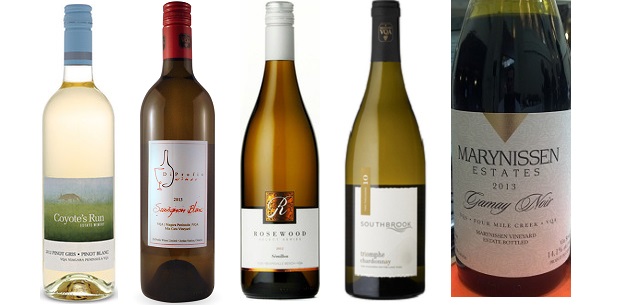
From left to right: Marynissen Estates Gamay Noir 2013

From left to right: Coyote’s Run Pinot Gris/Pinot Blanc 2013, Rosewood Select Sémillon 2013, Di Profio Wines Limited Sauvignon Blanc 2013, Southbrook Vineyards Triomphe Chardonnay 2013, Marynissen Estates Gamay Noir 2013

Coyote’s Run Pinot Gris/Pinot Blanc 2013, Niagara Peninsula (112144, $15.95, WineAlign)

A most pleasant symbiosis of Pinots in this rhyming wine. Juicy equal parts align and run together in fresh time. Extraction is bang on, with gentle lime pressings layered in line. Scents of orange rind and lemon thyme. Reminiscent of another land and another time, gathering up old knowledge and I me mine. “No one’s frightened of playing it, everyone’s saying it” and this white blend is “flowing more freely than wine.” Very functional, with just enough Loire meets Alsace, which is fine, working in unison to keep a welcoming consumer feel the sun shine.  Tasted October 2014  @coyotesrun

Rosewood Select Sémillon 2013, VQA Beamsville Bench, Ontario (winery, $18.00, WineAlign)

After tasting Rosewood’s ’12, I urged the region’s cultivation of the great white wolf variety. Then the winter of 2014 happened. Rosewood’s vines were wiped clean off the map, erased like a child of parents who never met. The ’13 Sem is the last Mohican and its 12.5 per cent alcohol (down two from ’12) is a fitting, subdued and graceful epitaph to an amazing Beamsville run. This final cut is lean, stark, raving mad. So very savoury, tannic and built to linger for longer than most. The Rosewood honey is in hiding,”far from flying high in clear blue skies,” but like all memorable vintages of this wine, it will emerge in time. This Sémillon asks, “and if I show you my dark side, will you still hold me tonight?” Yes is the answer, and not just because she is the last one. Terrific curtain call.  Tasted October 2014  @Rosewoodwine

Di Profio Wines Limited Sauvignon Blanc 2013, VQA Niagara Peninsula, Ontario (winery, $18.00)

From estate fruit out of the Mia Cara Vineyard in Jordan Station. Not sure any Ontario SB has ever hit the nail on the proverbial head like Fred Di Prfio’s ’13. Subtle touches of wet hay, mowed grass, capsicum, juiced berries, goose feathers and passing through the rising steam of just about to be blanched green vegetables. Acidity brings the party to another level but it’s not an all night affair. The verve is quick, dancing on tongues, layered on the floor, spread on a raft of herbs, ready for smoking beneath the fish just out of the river. Great, late balm, like after the rain in an equatorial zone. Yes to this beauty.  Tasted October 2014  @diprofiowines

Southbrook Vineyards Triomphe Chardonnay 2013, VQA Niagara On The Lake, Ontario (172338, $22.95, WineAlign)

The immediate impression is the increased richness as compared to 2012, as if the “Richness” fruit were here in the Triomphe. What this will mean in terms of the Whimsy’s potential should be cause for anticipation. This is the most triumphant essential Southbrook Chardonnay to date and much thanks must be awarded the Saunders Vineyard for helping to bolster the mix. The gentle Beamsville Bench of old-vine Chardonnay impart is ephemeral, in mineral and lushness. The layered result atop Niagara flatland fruit in Triomphe ’13 is texture. This is the key and the king component. In that sense what you have here is a wine of social heredity. It is drinking well now and will do so for five plus years.  Tasted October 2014  @SouthbrookWine

Marynissen Estates Gamay Noir 2013, VQA Four Mile Creek, Ontario (winery, $25.00, WineAlign)

Really clean Gamay, ripe but entangled nowhere in the vicinity of over extraction. Ambrosial entry, nectarous middle and sweet finish. Has a sense of Cru with a tension that belies Beaujolais. Cherries in fleshy drupe simulating veraison to black cherries, anise in legume gumming to licorice. What’s not to like? Its vapours, tranquilized and centred by meditation are the furthest thing from volatile. A new genesis of anesthetizing Gamay, like a “Freudian slumber empty of sound.” This does the #GoGamyGo train proud.  Tasted October 2014  @Marynissen

From left to right: Bachelder Lowrey Vineyard Pinot Noir 2012

From left to right: reekside Estates The Trad Reserve 2011, Tawse Meritage Grower’s Blend 2011, Ravine Vineyard Riesling 2013, Creekside Estates Broken Press Syrah Queenston Road Vineyard 2011, Bachelder Lowrey Vineyard Pinot Noir 2012

Creekside Estates The Trad Reserve 2011, VQA St. David’s Bench, Niagara Peninsula, Ontario (winery, $28.95, WineAlign)

The Trad ’11 has a classic toast and yeast aromatic waft and so it goes that everything that follows is embraced with curiosity and an open mind. Ginger, citrus, bronze and the sweet scents of the inside of a candy machine, its candy long gone. Creekside’s winemaker Rob Power will never be accused of dialing this sparkler in. Tasting trials help determine the necessary, final blend. The single, Queenston Road Vineyard puts 56 per cent Pinot Noir and (44) Chardonnay, aged 2 years in bottle, together for a highly effective, expansive but not explosive fizz. At 8.7 g/L of residual its dry but not quite falling off the bone. The sweetness is tempered by elevated (9.98 g/L) acidity and tension. Spent 24 months on the lees and was bottled back in February. There is balance and pleasure and a good, stretchy finish. No band-aid. Clean, precise, fizz of the day.  Tasted October 2014

Tawse Meritage Grower’s Blend 2011, VQA Niagara Peninsula, Ontario (winery, $29.95, WineAlign)

Having tasted through single-varietal Bordeaux barrels with Paul Pender last January, I was amazed to be informed at Taste Ontario that much of that juice was declassified into this inaugural Grower’s Blend. At that time the richness and poise of the varieties seemed destined for the winemaker’s top of the heap Meritage. That loss is this blend’s gain. Composed of Cabernet Sauvignon (42 per cent), Merlot (40) and Cabernet Franc (18), the GB brings together the hallways of always high quality David’s Block Merlot, Cabernet Sauvignon and Redstone Cabernet Franc. So very juicy, the fruit is mastered by a tannic anxiety so in its current state, the wine is haunted by its own house. This Tawse 2011 is a haunting idle, “an instrumental that serves as a breath-catcher,” If the finish of minutes riding the quark is any indication, sometime between five and 10 years from now this union will speak with wonderful clarity.  Tasted October 2014  @Tawse_Winery

Ravine Vineyard Riesling 2013, VQA St. Davids Bench, Niagara Peninsula, Ontario (winery, $30.00, WineAlign)

Martin Werner’s botrytis-affected 2013 accesses virgin territory, embraces a unique if puzzling style and challenges Niagara Riesling scholarship. Something in this St. David’s Bench yield reminds me of Rolly Gassman’s (Alsace) Pflaenzerreben but also the eccentric and magnetic Benjamin Bridge (Gaspereau Valley) Sauvignon Blanc. The winemaker lineage from Werner, through Peter Gamble to Jean-Benoit Deslauriers is cause for fellowship-fraternity thought. The methodology here makes use of 40 per cent noble rot impaired (organically and biodynamically raised) grapes that were arrested in fermentation at a residual sugar number in the 35-40 g/L range. The intent may have been Germanic (or more specifically, a Mosel one) but the vernacular spoken in yogurty tones and the abrupt dry finish confound thoughts at seeking direct comparisons. Its hydrated puffballs of bacterial fuzz give intensity and yet this is a Riesling that defies known laws of atomic weight. So interesting, so unique. Requires a re-visit in five years time.  Tasted October 2014

Creekside Estates Broken Press Syrah Queenston Road Vineyard 2011, VQA St. David’s Bench, Niagara Peninsula (202127, $39.00, WineAlign)

Only Creekside Syrah smells like this, like bending down to smell black raspberries on the shores of a briny capsicum lake in the middle of a pine forest. The 2011 Syrah has fruit residing on the edge of impossibly ripe, factored inside a pipeline, while piping lavender and plum pastry cream float atop rare duck breasts. If Syrah were to ooze or drip without sticking to surfaces along the way, this would be it. If Syrah came forth from the maw of the beast it would speak in these demanding tones. Creekside’s BP talks the tense, nervous and twitching talk. It’s smeared with a coat of epoxy spread over fine grain in wood. It sweats an air of metallic cordiality. If given five years to come together it will vape and realize togetherness.  Tasted October 2014  @CreeksideWine

Bachelder Wines Lowrey Vineyard Pinot Noir 2012, VQA St. David’s Bench, Niagara Peninsula, Ontario (361816, $44.95, WineAlign)

To those who wonder aloud about the annual love affair with this vineyard, suck it and see. This connectivity and this wine renew again. Same time, this year. Bursts of all that have come from it before, are here now and in temptation of what will be for years to come. Has “the type of kisses where teeth collide,” a Sam Cooke ages to Arctic Monkeys kind of reckless serenade. It’s also a balladeer, this scaled back Bachelder, if that can be said to be done. Here now soft, elegant, perfumed, demurred, sweet, downy, pretty, not yet fleshed, surprisingly void in tannin, anxiety and tension. Work with it for 10 minutes and it will then begin to bite back, show its teeth, pearly white as they are, grind it out. There will be 10 years of development in this Lowrey, if not less, but in ’12, that is more.  Tasted October 2014  @Bachelder_wines

Good to go!

The artfully applied science of Versado Malbec

Versado Vineyard Manager Sergio Rinaldi reviews the plan for the harvest with winemakers Ann Sperling and Peter Gamble Photo: (Elene Galey-Pride, www.winestains.ca)

Versado Vineyard Manager Sergio Rinaldi reviews the plan for the harvest with winemakers Ann Sperling and Peter Gamble
Photo: (Elena Galey-Pride, http://www.winestains.ca)

A popular but unconfirmed theory claims that Malbec is a mathematical acronym, “Math, Algorithms, Learning, Brains, Engineering, Computing.” The inky and tannic grape variety no doubt connects growers and winemakers in scientific ways but that hardly separates the expatriate, signature Argentinian from other varietal relationships. The learning, perception, and behaviour of the people who produce the dark wine is the crux and the rub.

Malbec’s spread may be the work of a Hungarian peasant, it was surely introduced to Argentina by French agronomist and botanist, Miguel Aimé Pouget and the natural lines differentiating modern renditions of Cahors and Argentina blur like the Clarets of Napa and Bordeaux. The homogeneity in style, mainly due to elevated quantities in production, has begun to deplete the star power of the Mendozan idol. The computative cipher jives because Malbec requires an analytically brilliant dream team to coax humanity from the quotidian grape. The wine making axiom, “is it science or art” applies to Malbec as much as any other. Making exceptional Malbec requires artfully applied science.

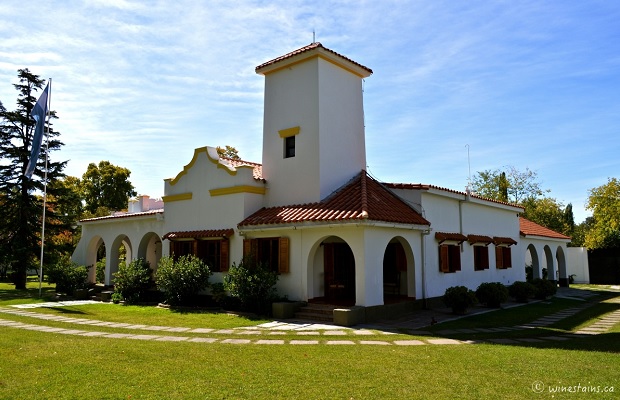
Villa Viamonte in Chacras di Coria Photo: (Elena Galey-Pride, www.winestains.ca)

Villa Viamonte in Chacras di Coria
Photo: (Elena Galey-Pride, http://www.winestains.ca)

In 2007, Peter Gamble and Ann Sperling, winemakers who may as well be endowed with the title “First Canadian Couple of Wine,” went to Argentina to seek their cerebral Malbec fortune. With the aid of investors Moray Tawse and Gerry McConnell, the two found their varietal calling in Mendoza. They settled at the estate of Villa Viamonte in the old town of Chacras de Coria, now a neighbourhood of Mendoza.

With the aid of the experienced and professional Roberto de la Mota they purchased an ancient vineyard on the legendary Cobos Road. Altitude, meso-climates, topography and ‘micro-terroirs’ became their linguistic vernacular, a royal, ancient and new Malbec their opera omnia. Vineyard Manager Sergio Rinaldi directs all the daily viticulture activities.

Versado means ‘well-versed’ and the phrase describes the Gamble-Sperling output as well as any that can be equivocated.  The Canadian dream team travels circuitously from British Columbia, to Ontario, Nova Scotia and through Argentina in mimic of the seasons for a vine’s life cycle. Through the stages of weeping, flowering, fruit set, veraison and harvesting, Peter Gamble and Ann Sperling are in constant motion, checking in at all their properties to make essential decisions. I am exhausted by the prospect.

Harvest starts early - the Versado vineyard before sunrise Photo: (Elena Galey-Pride, www.winestains.ca)

Harvest starts early – the Versado vineyard before sunrise
Photo: (Elena Galey-Pride, http://www.winestains.ca)

Versado is a unique Malbec outpost, a place of river, road and air. The ancient bed of the Rio Mendoza, the Calle Cobos and the cool air corridor of that river combine for a micro-climate to challenge all micro-climate comers in the region. Increased thermal amplitude (up to 15 to 16°C difference between day and night-time temperatures) means low pH numbers for their Malbec. The results should translate to elegance and balance. As the Versado team begins to scale back their oak program, the wines will increasingly reflect their specialized and cooler terroir.

Peter Gamble told me “we’re making them with classic tannin structures.” That statement intimates French and even Italian but with Mendoza’s already rich history, it also endorses a notion of Argentina. Versado’s Malbecs are both serious and epicurean. They are gorgeous and alone. They come from a very specific parcel of land, though Peter Gamble admits that “borders are sort of Alice in Wonderland in Argentina.” The Versado Malbec origins may participate in a Mendozan Venn Diagram but their character is utterly unique. Here are six tasted over the past 12 months.

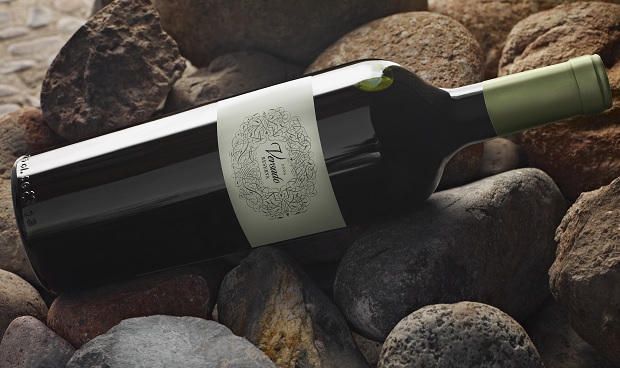
Versado Malbec 2013, Luján De Cuyo, Mendoza, Argentina (317008, $25.95, WineAlign)

The rocks beneath the earth precede the rich, dark fruit. After the berries and the candy beets and the spices subside the flowers grow and take over the room. The vintage brings more layers than before. Malbec of character and belief, even a touch of good VA, a coat that only the Southern Hemisphere can provide. It is not usually present in Mendozan Malbec so it’s really a breath of fresh paint here in the Versado. Great purity. Protracted length. Most expansive and intriguing vintage to date. The Reserva will be killer.  Tasted September 2014

Versado Malbec 2012, Luján De Cuyo, Mendoza, Argentina (317008, $25.95, WineAlign)

Having been defined early in its development by the Mistral-esque drying eastern lee slopes Andean wind known as viento zonda, the low-yielding 2012 Malbec is berry intense and highly concentrated. The foehn or, rain shadow wind had a major effect on flowering and so 2012 may be considered a Malbec example of what happens when vines are subjected to the first law in thermodynamics. The vintage gaveth depth and structure, even as it taketh away moisture, quantity and profits. In this Malbec, earth in terroir stands firm and while the fruit is full, it must fight for early investigative attention. Though presently rigid, a time will come when that fruit will fully receive its due. Sanguine and ferric, the adiabatic Versado 2012 is a heat transfer work in progress. Its system will integrate into its surroundings after a minimum three years have passed. Drink from 2015-2022.  Tasted September 2014

Versado Malbec 2010, Luján De Cuyo, Mendoza, Argentina (317008, $25.95, WineAlign)

The sub-terra tectonic shift and uprising to firma awakening is just beginning to give after four integrated years. That said, this Malbec continues to play a ragtime roll in shades of cumulative bandwidth. When the ’10 entered bottle it may have insisted “I don’t care what mama don’t allow I’ll play my guitar anyhow.” Now settled, somewhat, it persists in saying “I don’t care what mama don’t allow, we’re all gonna play all at the same time anyhow.” The dusty fruit, the resolving tannins, the revolving door of driving blues, of crossover terroirs. “Borders are sort of Alice in Wonderland in Argentina,” notes Peter Gamble. The Venn circles include piano, rare earth, bass, big fruit and guitar.  Tasted September 2014

Versado Malbec Reserva 2009 Photo: (www.versado.com)

Versado Malbec Reserva 2009
Photo: (www.versado.com and http://www.stevenelphick.com/)

Versado Malbec Reserva 2011, Luján De Cuyo, Mendoza, Argentina (316984, $59.95, WineAlign)

Peter Gamble describes the ’11 Reserva as “integrated right out of the gate” and blessed with “a little more fruit component.” That is can show such freshness this early in its life span (especially in consideration of the beasts that are 2009 and 2010) is nothing short of a Malbec miracle. This is a wine that saw spontaneous fermentation, which made for very nervous times in the winemaking hands of Roberto de la Mota. Stems were used and their participation lends a Mediterranean feel, in the aromatic impart of sea salinity and kelp. The oak is scaled back a touch so the chalk push, while present, integrates in finer grain within the gritty, iron structure. This is the softest (hyper-relatively speaking) Reserva to date with a newly defined massive attack. The temperature fluctuations of the vineyard are integral in its structure and the question needs to be asked, “how can you have a day without a night?” In the Versado Reserva 2011 you have both. It is a Malbec of unfinished sympathy. Drink this sooner, starting in 2017 and for longer, to 2030.  Tasted September 2014

Versado Malbec Reserva 2010, Luján De Cuyo, Mendoza, Argentina (316984, $59.95, WineAlign)

The floral emergence is a lodestar as periscope just now peering up from the seamless cake layering in Versado’s most liberally applied oak-imbued Malbec. The 2010 adheres in sticky savour though it remains two to three years away from finding its true gliding form. From my earlier notes through tastings on Oct. 25 and Nov. 14, 2013. “This ultra-premium Mendozan from the Canadian winemaking team of Peter Gamble and Ann Sperling boasts fruit from “the finest barrels from the finest blocks.” While certainly riding a splintered and jammy horse (what fully extracted Mendozan does not), this reserve Malbec has so much else happening, I owe it my time and focus. Dances to a triple jump height in oozing berry, compacted, brick wall infrastructure and overlapping delineation. Really like the consistency here, with no hollow middle, no umlaut, no pregnant pause. Very well made.” Last tasted September 2014

Versado Malbec Reserva 2009, Luján De Cuyo, Mendoza, Argentina (316984, $59.95, WineAlign)

From a vintage the seasoned Mendozan pro knew to rank with the best, the 2009 Reserva persists as a concentrated, wild beast. On a rare occasion, such as tasting this Reserva, Malbec leans in an Italianate direction, no doubt a result from the combining forces of aridity, concentration and micro-heteroclitic terroir. The dry, slow ripening conditions sealed a vineyard funk into the shriveled, dehydrated berries. Though the wine is just now beginning to come around, that funk will take years more to play nice with the huge flavours, striking structure and resounding tannins. Fast forward to 2017 and imagine the crest over which a plateauing initiative will trigger. It may very well be 2025 before the slow decline begins.  Tasted September 2014

Good to Go!

https://twitter.com/mgodello


Consider the Gaspereau Valley

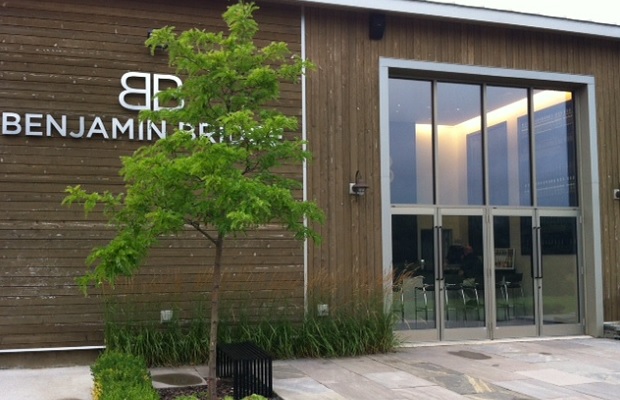
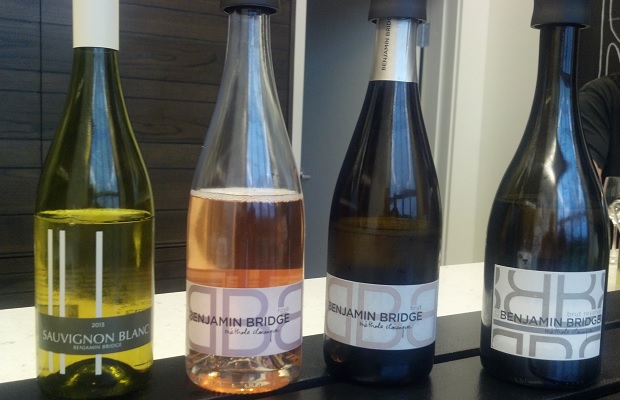
Benjamin Bridge, Gaspereau Valley, Nova Scotia

Benjamin Bridge, Gaspereau Valley, Nova Scotia

No one gets us like we get ourselves. Not so long ago that statement still held more water than the combined towers in all of Canada’s small towns. Here’s another grandiloquent statement. Exceptional wine is made in British Columbia and in Ontario. The proverbial and parochial Canadian wine thinker is privy to that erudite credence, as are many global wine experts, but what of Nova Scotia? If you didn’t already know, Benjamin Bridge and more specifically, Peter Gamble have launched the revolution.

Related: The tides that bind: East Coast swing

Just past the mid-point of my July 2014 east coast swing there happened a planned yet improvisational reconnaissance with Gamble, Canada’s flying winemaker and A-team consultant. Gamble’s work with Stratus, Southbrook and Ravine Vineyards in Niagara, his partnership with Ann Sperling in B.C. and at Versado in Argentina are well documented. His work with Benjamin Bridge Vineyards is already the stuff of Canadian wine lore. What he will touch in his new appointment at Lightfoot & Wolfville Vineyards will make Nova Scotia history.

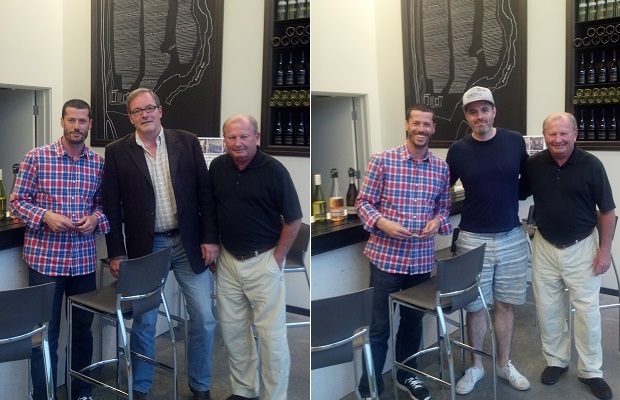
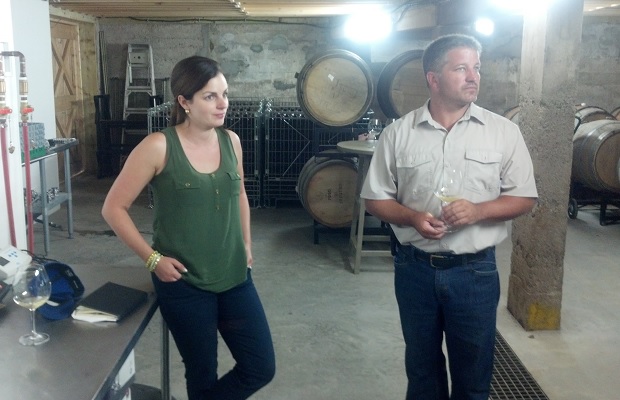
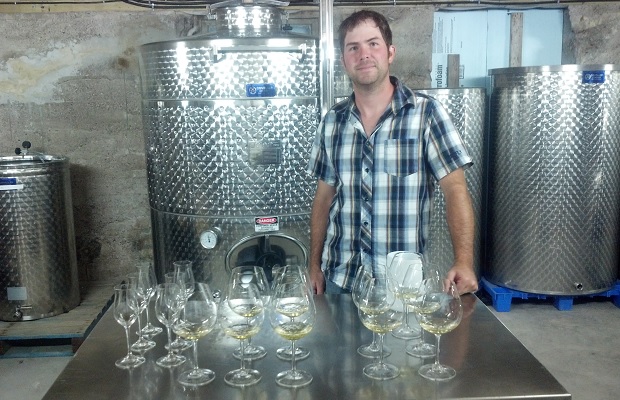
Godello, Winemaker Jean-Benoit Deslauriers and Proprietor Gerry McConnell

Godello, Consulting Benjamin Bridge Winemaker Peter Gamble and Proprietor Gerry McConnell/Godello, Benjamin Bridge Winemaker Jean-Benoit Deslauriers and Proprietor Gerry McConnell

I noted that “it is there, in the heart of the Gaspereau Valley, that the essence of Nova Scotia’s wine industry walks out from beneath the fog to reveal itself in an elongated moment of clarity.” I tasted with Gamble, Benjamin Bridge winemaker Jean-Benoit Deslauriers and proprietor Gerry McConnell at the Gaspereau Valley winery. The next day I toured the vineyards of Lightfoot & Wolfville with Peter, along with owners Mike and Jocelyn Lightfoot, as well as winemaker Josh Horton. We also tasted through barrels. Other visits and tastings were done at Gaspereau and Luckett Vineyards. After the visit with Lightfoot, I was duly impressed.

Nova Scotia is home for Peter Gamble. When Gerry McConnell invited him to assess the potential for making wine in the Gaspereau Valley, Peter insisted, without equivocation, that the concepts of Vinifera and Sparkling be the driving equation. McConnell always wanted to make Sauvignon Blanc so the first idea was a given. But Sparkling wine? In Nova Scotia?

Peter Gamble had more than just a hunch. The Gaspereau’s cold, yet specific micro-climate was perfectly suited to ripening Chardonnay, Pinot Noir and Pinot Meunier, the classic varieties that make up traditional method, Champagne-styled Sparkling wine. The grapes in the Valley could be developed and harvested with the right level of brix (sugars) and acidity, as well as pH. Though still wines from Chardonnay, Pinot Noir, Riesling and Sauvignon Blanc were less obviously suited to the climate, setting their place in Nova Scotia’s wine future had begun.

Hans Christian Jost was the first to plant in the Gaspereau Valley, in 1992-1993. Gerry McConnell bought his (seventh generation Westcott family) farm land in 1999. “We know what we don’t know and we don’t pretend to know what we don’t know,” admits McConnell. It was Gamble (recommended to McConnell by Jost) who sparked the idea of bubbles in 2000.

“Our mission was sparkling wines, world class,” says McConnell. They hired the late, great Champenois expert, oenologist Raphaël Brisebois to consult after Peter went to England for some collaborative discussion with Tom Stevenson, the British writer who many regard as the world’s leading authority on Champagne. Then in 2008, Jean (Lebron) Benoit Deslauriers was drafted from California on Raphaël’s recommendation.

McConnell wanted to plant all 50 acres “but I talked him down,” jokes (not) Peter. It took nearly 10 years but in 2010 they began to release what they considered to be their first (2004) crop of world-class Sparkling, a Brut Reserve and Blanc de Noirs.

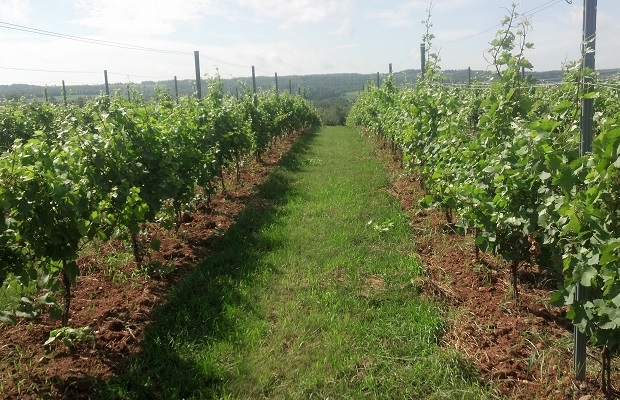
Benjamin Bridge Vineyard

Benjamin Bridge Vineyard

So what makes Benjamin Bridge tick out of a region that resides in relative global obscurity? Number one, the river that runs through the valley doesn’t freeze; it’s a tidal flow. That water keeps the lower part of the vineyard safe, like a warm winter blanket. It conveys the moderating effect of the Bay of Fundy. Two, the soils are extreme in granulation, in rocks and stones under clay. Three, there is great air flow, between, in and out of slopes. Four, the vineyards are south-facing, almost direct and in full advantage of the westerly sun. Last and just as important, “there is always a factor of luck.” Words to make wine by, from the ever thankful and pragmatic Peter Gamble.

The Benjamin Bridge pansophy adheres to low-yielding productivity. The average yearly production (excluding winter effect) is one to one and a half tons per acre. “We consider the fruit from Pinot Noir and Chardonnay on this property to be Grand Cru,” insists Gamble. ” The climactic micro-reality is really important here,” adds Deslauriers, in reference to the BB style. “All great wines have the acidity to express a sense of their environment. We want to express the vineyard in the bottle.”

Related – Notes on previously tasted Benjamin Bridge Sparkling wines:

Nova 7 2013, Gaspereau Valley, Nova Scotia (256289, $25.95, WineAlign)

Nova 7 2012, Gaspereau Valley, Nova Scotia (256289, $25.95, Nova Scotia $24.99, WineAlign)

Nova 7 2011, Gaspereau Valley, Nova Scotia (256289, $25.95, Nova Scotia $24.99, WineAlign)

Brut Reserve Méthode Classique 2007, Gaspereau Valley, Nova Scotia (275396, $74.95, NSLC 1012526, $74.79, WineAlign)

Brut Reserve Méthode Classique 2005, Gaspereau Valley, Nova Scotia (275396, $74.95, NSLC 1012526, $74.79, WineAlign)

Benjamin Bridge

Here are notes on four new wines tasted.

Benjamin Bridge Wines from left to right: Sauvignon Blanc 2013, Brut Rosé Sparkling 2010, Brut Methode Classique 2009, Brut Reserve Methode Classique 2008

Benjamin Bridge Wines from left to right: Sauvignon Blanc 2013, Brut Rosé Sparkling 2010, Brut Methode Classique 2009, Brut Reserve Methode Classique 2008

Brut Methode Classique 2009, Gaspereau Valley, Nova Scotia (1018464, NSLC $44.99, 313106, B.C. $49.97, WineAlign)

Essentially, or at least philosophically a Blanc de Blancs, the blend is 57 per cent L’Acadie Blanc, 25 Chardonnay and 18 Seyval Blanc. The acidity is key and certainly elevated (12.8 g/L), keeping line tabs on the stone ground, clean fruit in gingered mousse. A defined elegance and accumulated synergy of site comes from a lower-slope perceived sweetness, down by the river. By no means piercing, there is a length here that lays down the foundation for the high-end, Vinifera-driven Sparkling wine program. The Brut ’09 conveys the growing environment, in freshness and in ripeness. A wine with such a refreshing upside.  Tasted July 2014

Brut Rosé Sparkling 2010, Gaspereau Valley, Nova Scotia (1015073, NSLC $44.99 WineAlign)

A blend of Pinot Noir and Chardonnay, the 2010 Brut Rosé is possessive of intricate intensity and unparalleled elegance for the style and genre. It is the watershed bottle, anywhere in Canada. These bubbles are the confluence of early picked red berries, distinct platinum minerality and bitterless savoury edges. Whether or not the bitter principle is masked or eliminated by a feigned sweetness matters little. “You taste so bitter and so sweet, oh I could drink a case of you darling and I would still be on my feet.” This sets the new benchmark for Rosé sparkling out of Canadian soils. It’s so blush and melodic it’s blue. In fact, the treatment here is tender, slow and steady, sad even, also spare and beautiful.  Tasted July 2014

Brut Reserve Methode Classique 2008, Gaspereau Valley, Nova Scotia (275396, $74.95, WineAlign)

The 2008 Brut Reserve is composed of 61 per cent Chardonnay and 39 Pinot Noir. If any wine in the Benjamin Bridge continuum defines the legacy left behind by Raphaël Brisebois and passes the sparkling torch to Jean-Benoit Deslauriers, this ’08 is it. Here is the vintage that begins to emulate the grower’s Champagne of the motherland, in deeper learning, understanding and connection to the estate’s vineyards. At present this is such an infant, reductive and with a blowzy palate that suggests a fidgety, elemental state. The attack is in burgeoning mousse. After spitting, the wine persists, as if there remains a mouthful, causing the cheeks to expand. The citrus is weighty in texture and this ’08 goes deeper than the previous Brut reserves. Three years will be required to allow for a settling and 20 years lay further ahead for secondary, tertiary and quaternary development.  Tasted at the winery, July 2014

Sauvignon Blanc 2013, Gaspereau Valley, Nova Scotia (1019689, NSLC $27.79,  WineAlign)

The 2013 marks the inaugural release for a wine that is “the by-product of an unconditional labour of love in commitment.” Gerry McConnell always wanted to make Sauvignon Blanc, Peter Gamble fostered the dream and Jean-Benoit Deslauriers made it a reality. A de facto Sauvignon force is behind the wine, 13 years in the making. Fashioned from drastically low yields, the ’13 SB is concentrated in literally handfuls of berries. It’s a style that could almost be considered eccentric. It feigns lees effect, slow fermentation, years of barrel age and late harvest. It’s a magnetic, beast of intensity, goes sweet up the middle (7 g/L residual sugar) and finishes extremely dry. There were 206 cases made.  Tasted July 2014

Lightfoot and Wolfville

This apple farm turned organic and biodynamic winery will take everything anyone has ever thought about the Nova Scotia wine industry and turn it on its head. Hybrids and local varieties will continue to be a part of the stratagem. In the unpredictable climate of Nova Scotia’s wine growing regions that is a necessity but it’s what Chardonnay and Pinot Noir will do that will put the province on the map and the world’s stage.

Young Vines in Lightfoot and Wolfville's Oak Knoll Vineyard

Young vines in Lightfoot and Wolfville’s Oak Isle Knoll Vineyard

Up on a hill near Avonport with a view of and at the head of the Gaspereau Valley is “Le Corton,” the Oak Isle knoll. It is here that Lightfoot and Wolfville, with the expertise of Peter Gamble, are banking on the future success of Vinifera grapes. There is more vigor up here in these vines (as compared to Benjamin Bridge) and the varieties planted are dual in purpose. One hand can make a serious Chardonnay, the other a Sparkling. It’s a question of vintage and ripening. The plan is essential for making wine in Nova Scotia.

Owners Jocelyn and Mike Lightfoot in the cellar at Lightfoot and Wolfville Vineyards

Owners Jocelyn and Mike Lightfoot in the cellar at Lightfoot and Wolfville Vineyards

The winery will manage Chardonnay, Pinot Noir, Riesling, Sauvignon Blanc, Gewürztraminer, Chenin Blanc, Chasselas and Scheurebe with New York Muscat and Vidal. I tasted through the 2013 Chardonnay and Pinot Noir resting in barrel, along with a most intriguing 2012 Late-Harvest Chasselas.

Lightfoot and Wolfville Winemaker Josh Horton with barrel samples of 2013 Chardonnay

Lightfoot and Wolfville Winemaker Josh Horton with barrel samples of 2013 Chardonnay

Pinot Noir 2013

This will be L &W’s first Pinot Noir, from 15 year-old vines in Canning, near Blomidon Estates and aged in three year-old (Stratus-used) barrels.  The fruit comes by way of a grower named Al McIntyre, who was convinced to reduce yields by dropping fruit, as he traditionally made Sparkling from more vigorous vines. The profile is both fresh fruity and gravelly, like Burgenland, or perhaps Baden. Bright, black cherry meets marly earth. The tannins are present and accounted for post-traditional two-year Burgundian élevage. This is Nova Scotia Pinot Noir and it is remarkably pure.  Tasted July 2014

Chardonnay 2013

From a sample out of a neutral barrel transferred halfway through the process into two year-old barrel. The old world autolytics are textbook and this Chardonnay has already added much of its weight. The reduction at this stage is at a nearly indiscernible level. If this does not intimate Chablis, it would be tough to imagine what does. Beautifully clean Chablis, with a wild yeast accent and tropical accessories. The tannins head straight for the back of the cheeks. This is Chardonnay from Nova Scotia? Yes, it is.  Tasted July 2014

Chardonnay 2013

From a sample out of a brand (medium toast) new barrel with Meursault the intended target. It certainly leans Côte de Beaune, with a lemon, honey and wet glade aromatic soup. The latter note comes across as something herbal without being earthy and sorry to use the M word but the minerality is definitely in here. Rich and glaring in grape, not wood tannins, the length is a testament to future endeavors.  Tasted July 2014

Chardonnay 2013

A blend of the two samples brings the ghosts of the farm’s apples together in the glass. Overall the fruit came in (early November) at 21.5 to 22.8 brix. The pH falls in at 3.18-3.2 and the total acidity 9-10 g/L.

Chasselas Late Harvest 2012

A sweet wine with stinking acidity and a dry finish. At 100 g/L, this has both sugar and acidity through the roof. “It wanted to be this,” notes Josh Horton. “We didn’t plan to go this route, but we did.” Unleashed and wild LH.

Gaspereau Vineyards

After a morning spent with the Lightfoots, Peter Gamble brought me to taste at Gaspereau Vineyards with Rebecca Griffin, Associate Winemaker & Vineyard Manager at the winery’s parent entity, Devonian Coast Wineries. Gaspereau winemaker Gina Haverstock, who I tasted with at Brock University’s Technical Sparkling Wine Symposium in May, was away on holiday. After being guided through Haverstock’s Rieslings, I can safely say that I will look forward to tasting future (and hopefully library vintages) with her on my next visit east.

The Rieslings of Gaspereau Vineyards - Front Label

The Rieslings of Gaspereau Vineyards – Front Labels

Griffin led us through renditions of Nova Scotia’s signature white Tidal Bay, an Icewine and five exceedingly promising Rieslings. The tightly wound and magnanimous acidity of the lot impressed not just for their food versatility but also their kinship with some of the greater Riesling producing regions of the world. Both Clare Valley and the Beamsville Bench came to mind, as well as the Okanagan Valley and Alsace. Here are notes on the wines tasted.

The Rieslings of Gaspereau Vineyards - Back Labels

The Rieslings of Gaspereau Vineyards – Back Labels

Riesling Black Dog 2010

The vintage gives rich fruit, tempered by a mineral and lime layering. Though very dry and somewhat angular with a clamp down bite, the warmth inherent and abundant flavours give it bounty.  Tasted July 2014

Riesling Black Dog 2011

Tighter even, full-on snare driven Riesling. Less luxuriant than the ’10, with more pierce, a zigzagging beat in angles and relentless drive that’s “gonna make you sweat, gonna make you groove.” Gets the lead out with a juicy burst of orange zest. This Black Dog is a howler and goes on for minutes on end.  Tasted July 2014

Riesling Warner’s Vineyard 2011

This single vineyard Riesling shows more brightness, in white fruit and an increase in mineral. Conversely it also displays a reductive funk. Wild, in ferment, with eyes that never lie and a timeless, earth-driven, low and slow layering.  Tasted July 2014

Riesling Estate 2011

Bottled in a 500 mL format because of drastically low quantities. Only 125 cases in the half litres were made. At first it’s fresh, bright orchard fruit with a minor key in funk. Moves into ginger, lime and the white heat of lit limestone, or more specifically, gypsum. Smells a bit like machine gun powder, leading to a plugged in “ignited fever and I can’t put out the flame.” Hot Riesling in a band of gypsies, with a rat tat tat sound and a nose for excitement.  Tasted July 2014

Riesling Tri0 2012

The Trio is assembled from Warner, Black Dog and Estate vineyards. Richer, warmer, rounder Riesling. The aromatics are more pronounced but also muddled together. Not as stark as compared to the others. Not so much sweeter as rounder, fuller and less piercing. Still, the Gaspereau Riesling funk persists.  Tasted July 2014

Good to go!


A Bordeaux family of wines

Château Léoville Las Cases of Domaines Delon http://www.domaines-delon.com/en/accueil.html

Château Léoville Las Cases of Domaines Delon
http://www.domaines-delon.com/en/accueil.html

Finding recherché in the classicism of a family run wine business is obscured by today’s speculative boardroom market of classified growths, futures and the wheeling of the négociant. When Bordeaux comes to town the connection is by and large a sterile one. How refreshing it is when the introduction is made in terms of kith, kin and tradition. The Delon family has been in the Bordeaux game since the middle ages. The estate of Château Potensac has been in Jean-Hubert Delon’s bloodline “since time immemorial.” The Delon holdings include Château Nenin (Pomerol), Potensac (Médoc) and Château Léoville-Las Cases (Saint-Julien).

Château Léoville-Las Cases 1995

Château Léoville-Las Cases 1995

Léoville-Las Cases or “LLC,” as it is affectionately known, is one of the oldest Médoc properties and though it has always played 2nd Growth fiddle to its elite Classified Growth neighbours, Las Cases is anything but second class. The terroir, micro-climate, vines, ripening potential, history, track record and wine acumen of Léoville-Las Cases is equal to those of Lafite Rothschild, Latour, Margaux, Haut-Brion and Mouton. It might be considered the fifth major (or, in wine, the sixth), like the PGA’s Player’s Championship. Of the players, for the players. In fact, the estate is like an island green of itself, unique, accessible, of the people and for the people. LLC attracts an elite field but its success is shared and enjoyed by a level of consumer who may never afford or even come to taste a bottle of First Growth wine.

Pierre Graffeuille, Commercial Export Director, Domaines Delon

Pierre Graffeuille, Commercial Export Director, Domaines Delon

Pierre Graffeuille (Commercial Export Director) came to Toronto’s National Club on Wednesday, September 24, 2014 to present and to pour a cross-section of the Delon group of wines. Mr. Graffeuille was quick to point out “we do not want to make blockbusters.” The wines of Potensac, Clos de Marquis, Nenin and Léoville-Las Cases are meant for “lunches and dinners, not for tastings.  We focus on elegance, not concentration.”

The Delon philosophy is based on “a continual and incontestable search for excellence.” The ontology is shared and spread throughout the 550 acres of production between the three properties. VINTAGES is sharing the Delon belief with an extensive offering from the properties, including a long vertical of LLC.

Château Potensac is situated in the north Médoc, close to Saint-Estèphe and is possessed of a similar terroir. Set on 200 acres, the vines average at 40 years-old, with some plots exceeding 80. The plantings are Merlot (50 per cent),Cabernet Sauvignon (35) and Cabernet Franc (15). Soils are clay limestone/small gravel and the density of 8000 vines/ha is congruent with classified growths. Traditional Médoc élevage is 1/3 new French oak for 12-14 months.

Château Nenin is 0ne of the largest estates in the appellation of Pomerol. It comprises 80 acres on the Pomerol plateau, land of clay with gravel and more clay underneath in sub-soil. Nenin’s neighbours include Château Trotanoy and Le Pin. The vines are now at 25 years in average, young by Pomerol standards but with huge potential. The acreage was originally planted to Merlot (78 per cent) and Cabernet Franc (22), though little by little the Franc is increasing with each passing vintage. “For freshness,” notes Pierre. The Nenin élevage is generally 30 per cent new French oak for 14-18 months.

Château Léoville-Las Cases has been in the Delon family since the 19th century and represents the heart and more than 60 per cent of the former (17th century) estate. The famous walled enclosure houses the most prestigious plot just below the (Gironde) river that separates it from Château Latour in Paulliac. This geographical allusion is key to understanding the LLC oeuvre. The wines are the amalgamated embodiment of and yet are neither Saint Julien nor Paulliac. The vines grow within a plot that brings the Venn diagram circles of both appellations into play. Once again, Las Cases is the island of Bordeaux, in fact, it is the archipelago of wine estates. It draws detail, deed and qualification from without, then internalizes all within. Even the Clos de Marquis, from vines grown on soils of more sand and less clay gathers and concentrates its holdings. The Clos combines “2nd wine” conceptualization with affordability in unparalleled ways. It is a benchmark for the intellection in Bordeaux.

With thanks to the markedly too legit to quit Mark Coster and Noble Estates, the pleasure was had to taste four wines from the Domaines Delon. Here are the notes.

Domaines Delon: Château Nenin 1999, Château Potensac 2003, Château Léoville Las Cases 1995, Clos Du Marquis 2004

Domaines Delon: Château Nenin 1999, Château Potensac 2003, Château Léoville Las Cases 1995, Clos Du Marquis 2004

Château Potensac 2003, Ac Médoc, Bordeaux, Left Bank, France (394866, $61.00, WineAlign)

What with its congruence to Saint-Estèphe terroir amplified by the humidity of the 2003 vintage, Potensac mines the gene pool for pure, unadulterated Médoc. The breakdown in ’03 is equal parts 41 per cent Cabernet Sauvignon and Merlot with Cabernet Franc rounding out the holy Bordeaux trinity. Certainly atypically warm in vintage, it has marinated and maintained its push vs. pull of freshness and warmth. Smells of black fruit, licorice, scrub brush and is no doubt really ripe with the heat still in control. Chalk, grain and mineral layers dominate the piquant palate. Finishes with capers and olives on top of small stones. The limestone is really prominent. Has hit its cruising speed and will stay there for a projection of three more years.

Clos Du Marquis 2004, Ac St Julien, 2nd Wine Of Château Léoville Las Cases, Bordeaux, Left Bank, France (402487, $115.00, WineAlign)

Ten years have got behind this baby Château Léoville Las Cases from the estate’s vineyard silted of more sand and less clay than that of the 2nd Growth’s esteemed enclosure. Composed of Cabernet Sauvignon (57 per cent), Merlot (38) and small rounding out amounts of Cabernet Franc and Petit Verdot, the Marquis enters with quite a bass note and plucky twang. It lives on the dark side of the fruit spectrum, with notable Cassis, black currants and a funk progression in the tonic minor. A savoury spike which has Mediterranean pique, richness and wood spice ticks in rhythmic metronome and lingering cool notes. Prickly in woody funk. Cool, herbal funk. There is a late great push to stretched length. Clos de Marquis “you are young and life is long and there is time to kill today.” Drinking well at 10 and will live for 10 more.

Château Nenin 1999, Ac Pomerol, Bordeaux, Right Bank, France (402495, $177.00, WineAlign)

From one of the largest estates in the appellation, the Nenin’s terroir is clay with gravel and more clay underneath in the sub-soil. The layered richness is apparent as far back as this ’99, an early vintage fashioned from Merlot (88 per cent) and Cabernet Franc (12). These are numbers that would gradually invert in future vintages. As per the LLC practicum, this spent 14-18 months in 30 per cent new French oak. This 15 year-old Nenin is earlier generation softer in style, lush and mellow. There are plums mixed with a Right Bank truffle, which, with time and shelled terroir, has come out to play. Now that the wine is a teenager, it wears the vineyard funk as its make up. A shadow of soft red fruit and a shave of fungi are accented by some wood relish. Age is this Merlot’s best friend. The fruit has dissipated but certainly remains in the audience, just not quite at centre stage.

Château Léoville Las Cases 1995, Ac St Julien, Bordeaux, Left Bank, France (402529, $599.00, WineAlign)

This 2nd Growth, Grand Vin is a product of nurturing and environment, a study in 12 superb soil subsets, from sand to clay to stone. From mature, edified vines split between Cabernet Sauvignon (70 per cent), Cabernet Franc (16) and Merlot (14). The LLC ’95 is grounded and centered on its highly confident axis while swirling within a centrifuge of inwardly concentrated, ripe but not ripest fruit. Merlot here is the anchor, Cabernet Sauvignon the mast. This is a relationship of pure linear fruit meets acidity. The full and fresh attack is refined with soft-pedaled tannins. It’s neither St. Julien nor Paulliac. It is Las Cases. No other Bordeaux is such an island, a distinctly personal expression, an event of its own. This is a window to the greatest vintages, a portal to extend to the benchmarks of 1996, 2000, 2005 and 2009, but also to step into the history of physiological cortex, to gain insight into previous legendary vintages, like 90, 89 and 82. The ’95 is silky, caressing, rapturous enveloping in a reverse osmosis of fruit and acidity, acidity and tannin. Another sip notices the layering, the grain left in tannin, the lingering richness of the fruit. The absolute sweet caress.

Good to go!
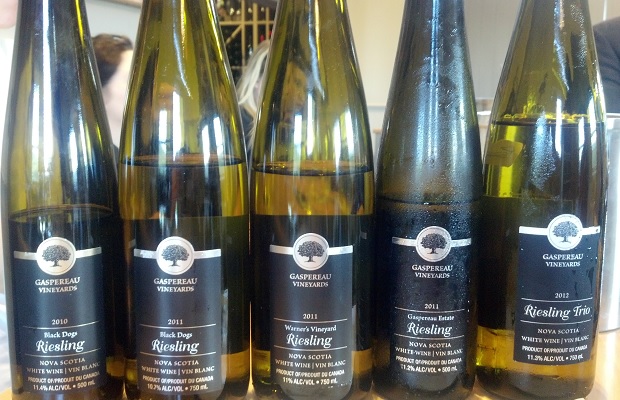
September 27th at VINTAGES rolls into October 2nd with Taste Ontario

Taste Local, Love Local Photo (www.lcbo.com)

Taste Local, Love Local
Photo (www.lcbo.com)

This coming weekend’s VINTAGES release will parlay values from around the globe into the meeting place of Ontario stores. Many of the bargains tie directly into a PB and J campaign, a parochial bandwagon advertising juggernaut. The LCBO and Wine Country Ontario‘s #Tastelocal, #Lovelocal and #LCBOGolocal slogans are currently omnipresent, fast forwardly gaining both steam and traction with restos, critics and consumers.

The late, great VINTAGES wine facilitator David Churchill once told me that putting together Taste Ontario was one of the LCBO’s great endeavors. David said the work and time that VINTAGES allotted the event was extraordinary and great care was always afforded the exercise. Next week the chance to taste the most current, largest and impressive cross-section of Ontario wines in one setting will happen with the annual Taste Ontario gala event. When Wine Country Ontario comes to town and joins forces with VINTAGES, it is the writers, sommeliers and restaurant wine junkies who collectively jump trains, catch flames and do what they do. This in the name of getting to know Ontario wines.

On September 27th VINTAGES will release the following 17 wines, though most will already be on shelves before you skim through this tasting note report with all the brevity you can afford. This week’s recommendations come by way of one Sparkling, four Chardonnay, two Riesling, three Pinot Noir, a Sangiovese, a Malbec, a Veneto, a Zinfandel, one Rhône and two Bordeaux blends.

From left to right: Delmas Cuvée Tradition Brut Blanquette De Limoux, Château Des Charmes Paul Bosc Estate Chardonnay 2012, Kistler Chardonnay Les Noisetiers 2012, Burrowing Owl Chardonnay 2012, Errázuriz Wild Ferment Chardonnay 2012, Henry Of Pelham Estate Riesling 2012

From left to right: Delmas Cuvée Tradition Brut Blanquette De Limoux, Château Des Charmes Paul Bosc Estate Chardonnay 2012, Kistler Chardonnay Les Noisetiers 2012, Burrowing Owl Chardonnay 2012, Errázuriz Wild Ferment Chardonnay 2012, Henry Of Pelham Estate Riesling 2012

Delmas Cuvée Tradition Brut Blanquette De Limoux, Ac, Languedoc-Roussillon, France (179978, $19.95, WineAlign)

Organic and Biodynamic sparkler with a personality all its own. Made primarily from the local grape variety Mauzac (with some Chardonnay and Chenin Blanc), Blanquette is the dry and sylvan style of Limoux. The “little white one” is a lovely little lemon curd Blanquette pulsating in spatially atomic subtlety. Aerified notes hint at sulfur but the breeze is so minor so as not to obstruct the citrus and crucible of candied ginger.  Green apple flavour delights with really good gin and tonic (juniper), lime bitters and a muddle of basil. Pertinent and invigorating example.  Tasted September 2014  @AOCLIMOUX  @RareEarth_Wines

Château Des Charmes Paul Bosc Estate Chardonnay 2012, VQA Niagara On The Lake, Ontario (179978, $21.95, WineAlign)

Much oak and buttery crustaceans in this need to relax and settle into a self-induced state of Chardonnay. Quite lactic but that’s not a detractor; it’s a textural overlay that with time will turn lacy, organza even. I would imagine the wrong kind of attitude will not see the acidity for the forest and instead feel that malic is short for malicious behaviour. On the contrary. This is a very good vineyard giving fruit of the right St. David’s kind. With five years it will prove its merit and play matronly with that fresh catch on your plate.  Too big and clunky you say? Put it down. Let it breathe. Take a good inhale/exhale yourself. From my earlier, August 2014 note: “It would be a shame to have missed the found ardor in this tractile, careening Chardonnay. Chances have been taken in 2012, from a vineyard near and dear to a proprietor’s heart and perhaps even his soul. Picked bright and early, vinified bone dry and sent to a Burgundian school, the Paul Bosc Vineyard Chardonnay suffers from ESS (early stricture syndrome) because it (and particularly its shaken lees) have yet to settle. The barrel is confusingly, hardly noticeable and so the ’12’s awkwardness must then be attributed to a milky, marmalade and blues-influenced free-form run. It’s as if the crowd is waiting for one (Garcia-Saunders) song to end and another to begin. The new “anyway you do” slang take on an old blues riff may be misconstrued but, when all is said and done, that’s alright mama, there’s jam and space for your kind too.”  Last tasted September 2014  @Mbosc

Kistler Chardonnay Les Noisetiers 2012, Sonoma Coast, California (251223, $75.95, WineAlign)

Expansive, all over the coast display of Kistler ambition and conceit. Fully ripe and not shy to swim with splinters. Lemon meringue pie, baked Alaska and tarte au citron on one gorging dessert plate. Then the flavours kick in. A lemon Negroni (is there such an animal?) and lemon Hollandaise atop white aspagarus. Decadent, even for Kistler, without the poise and subtlety of the single-vineyard bottlings.  A full on glass of California sunshine. From my earlier, (tasted three times), July 2014 note: “Long distance runner built for endurance, a cool customer able to withstand the heat from a season’s relentless, though moderate, gentle sun, from start to finish. No shortage of ripe fruit and certainly not wanting for the micro-oxygenated slow release of a prized barrel. This might be the two-bit Kistler bottling but it offers up exemplary Sonoma fruit with the temperament and conceit of high caste Burgundy. The style is culled from two poles and pulls in two directions.  At once sharp and piquant, then golden and in mirth. All in all it’s exactly what should be wanted for the buyer who wants what it has to give.”  Last tasted September 2014

Burrowing Owl Chardonnay 2012, BC VQA Okanagan Valley (208694, $33.95, WineAlign)

Intimates warm sunshine but can’t hide from its cool nights. An element of periodic surprise wafts straight up and grabs the little nose hairs by the tips, tugs and then let’s go. Hatchoo. Wisps green apple skin, daikon radish and a metal tang. Full on fruit-mineral-earthy expression. Big Chardonnay as ripe as its gets for the Okanagan but carries a hefty (though you might ponder an inordinate exorbitance of 14.5 per cent abv) with relative ease. Goes on at length, about what, I do not yet know, but I’m willing to hang in there for 5-7 years to find out.  Tasted September 2014  @BurrowingOwlBC

Errázuriz Wild Ferment Chardonnay 2012, Casablanca Valley, Chile (738393, $22.95, WineAlign)

The wild ferment Francisco Baettig oeuvre brings into focus a nicely balanced and intimately-integrated-aligned Chardonnay. There is wildness in the form of a toasted bread, rich enzymatic energy and a leather strapping, bullied brawn. The countrified personality is tempered by a roundness, thus limiting its ability to display like an alpha male. Though not delicate or elegant by any stretch, this is Chilean power unleashed and reigned in. It represents really good value.  Tasted September 2014  @errazurizwines  @Dandurandwines

Henry Of Pelham Estate Riesling 2012, VQA Short Hills Bench, Niagara Peninsula, Ontario (557165, $17.95, WineAlign)

Classic Short Hills Bench Riesling, magnified by and exemplified in the vintage. Soda enriched fresh juice, bursting berry nose, off-dry palate. Meets all expectations for the realms of juicy and savoury. One of the best yet from H of P at this price. Great value.  Tasted September 2014  @HenryofPelham

From left to right: Wegeler Rüdesheimer Berg Schlossberg Riesling Kabinett 2012, Kim Crawford Small Parcels Rise & Shine Pinot Noir 2012, Hamilton Russell Pinot Noir 2012, omaine Marchand Grillot Morey Saint Denis 2012, Viticcio Chianti Classico 2011

From left to right: Wegeler Rüdesheimer Berg Schlossberg Riesling Kabinett 2012, Kim Crawford Small Parcels Rise & Shine Pinot Noir 2012, Hamilton Russell Pinot Noir 2012, omaine Marchand Grillot Morey Saint Denis 2012, Viticcio Chianti Classico 2011

Wegeler Rüdesheimer Berg Schlossberg Riesling Kabinett 2012, Prädikatswein, Rheingau, Germany (378083, $24.95, WineAlign)

From the steepest Rheingau vineyard named after the nearby castle (Schloss) ruin “Ehrenfels” which was built in 1211. The stony terroir for this definitive Riesling is quarzite from the Taunus region with layers of slate. Oh, this has the sultry charm of most excellent Kabinett. Aerified to the stratosphere, dry, toasty and buoyant. The soda blows away into the sky with just a vigorous swirl and the aromas turn to fruit and to stone. Rocking great intensity of many fruits, of trees and of natural grape sugar (in the 80-90 g/L residual range) that is everywhere and nowhere. Acidity is linear and impossibly round at the same time. Typically low in alcohol (around 8 per cent by volume), this rude boy is a crazy Kabinett. It’s like a Barbadian songstress rated “R.” You may ask it “is you big enough?” It will answer, I’m as good as it gets.  Tasted September 2014

Kim Crawford Small Parcels Rise & Shine Pinot Noir 2012, Central Otago, New Zealand (35337, $29.95, WineAlign)

Rich, ripe black cherry and just a hint of earth. Some cola but of the cherry kind. Tart yet sweet, hot and roomy. Built of a scrupulous structure where tannin and astringency bend in many ways.  Does its yoga poses with reluctance then hits the gym. Confounding for Central Otago with what may perhaps be a great future ahead but for now, really wonky. Where is this going? To the dark side, to return in five years and to offer good value in aged CO Pinot Noir.   Tasted September 2014  @kimcrawfordwine  @CBrandsCareers

Hamilton Russell Pinot Noir 2012, Wo Hemel En Aarde Valley, Walker Bay, South Africa (999516, $44.95, WineAlign)

he right and fantastic Pinot Noir stuff from the winemaker with the King Midas (or in this case the Queen Modjadji) touch. The Walker Bay Burgundian specialist fashions some most elegant Chardonnay and Pinot Noir. It seems that every vintage is turned to gold, or brings rain when there is drought. The 2012 is marked by bright cherries and really pungent, compressed earth. Fantastically ripe but just before the fall. Pleasure of the incarnate kind. The coat of South African red wine arms is animatedly there but it’s contained, restrained, elegant and yet still powerful. Long, fashionable flow with no visible finish line. This will age for a minimum 10 years and get that smoky glaze and glare.  Tasted September 2014  @TrialtoON

Domaine Marchand Grillot Morey Saint Denis 2012, Ac, Burgundy, France (210906, $54.95, WineAlign)

Here the entry is musty, blows off considerably and leaves the leaf and sweet fruit from strawberry and raspberry. For the spell it’s clean, crisp, pure and inviting. Roses and red fruit, violets and violent rocks careening with a rushing spring river. Those musty notes do persist again, blanketing the dolce, disguising that red fruit. Sharpness stings like Kiwi. Packs a punch of tannin, a bitter, mineral rangy streak that elevates the middle hallows and sends this MSD into really lengthy elasticity. Creamy vanilla comes to the palate with herbal undertones, like Lavender ice cream. This is old school with a modern twist. A really fine example. Tasted twice, September 2014, including blind at the WWAC14  @AmethystWineInc

Viticcio Chianti Classico 2011, Docg, Tuscany, Italy (283580, $24.00, WineAlign)

Big, bad and brooding. Black fruits are intense but surprisingly not overbearing or huge in demanded extract. Chalky, tannic, acidic, long. This is neither average nor to be ignored. It’s in the 13.5 per cent proper Chianti wheelhouse and marches in hipster stride without ever acting obnoxious. Some sanguine activity, along with iron and tension. The real deal. Not the brightest Chianti in the hills but one of a raw, unleashed power.  Tasted September 2014  @chianticlassico   @MajesticWineInc

From left to right: Versado Malbec 2013, Luigi Righetti Campolieti Ripasso Valpolicella Classico Superiore 2012, Seghesio Zinfandel 2012, Domaine Brusset Tradition Le Grand Montmirail Gigondas 2012, Creekside Laura’s Red 2011, Château Léoville Las Cases 2006

From left to right: Versado Malbec 2013, Luigi Righetti Campolieti Ripasso Valpolicella Classico Superiore 2012, Seghesio Zinfandel 2012, Domaine Brusset Tradition Le Grand Montmirail Gigondas 2012, Creekside Laura’s Red 2011, Château Léoville Las Cases 2006

Versado Malbec 2013, Luján De Cuyo, Mendoza, Argentina (317008, $25.95, WineAlign)

The rocks beneath the earth precede the rich, dark fruit. After the berries and the candy beets and the spices subside the flowers grow and take over the room. The vintage brings more layers than before. Malbec of character and belief, even a touch of good VA, a coat that only the Southern Hemisphere can provide. It is not usually present in Mendozan Malbec so it’s really a breath of fresh paint here in the Versado. Great purity. Protracted length. Most expansive and intriguing vintage to date. The Reserva will be killer. Tasted September 2014  @VersadoWine

Luigi Righetti Campolieti Ripasso Valpolicella Classico Superiore 2012, Doc, Veneto, Italy (695890, $18.95, WineAlign)

Classic really. Juicy must, musty juiciness. Earth and fruit. Fruity earth. Simple but so effective. Never gets beyond itself or out of its mind. Just the right amount of funk. Maybe the best yet. Great value.  Tasted September 2014  @Smallwinemakers

Seghesio Zinfandel 2012, Sonoma County, California, USA (942151, $29.95, WineAlign)

Rich plum and spicy Zinfandel. Young and tightly wound on a spindle. Needs time to unravel and reveal its charms. In a varietal sense this vintage of the Seghesio has got everything Zin needs and more. More specifically, the definition is out of a cooler vintage, with clear, well-delineated fruit and acidity. Sharp,spicy, focused and full, without ever acting hot, or bothered.  Tasted September 2014  @seghesio

Domaine Brusset Tradition Le Grand Montmirail Gigondas 2012, Ac, Rhône, France (960104, $29.95, WineAlign)

A thick, baking cake of a Gigondas, full of expected dark red Rhône fruitiness, but all in balance. Soapy sandalwood and chalky tannins. Quite grainy. Big, brawny and teeth staining, its “teeth ready, sharpened to bite.” It’s warm but not too hot. Cool centres, some spice and garrigue. Nothing to run away from. Though firm and loyal in the tradition of place, this has rolling stones in its blood so it will age gracefully in a well respected, cool, calm and collected manner. Will grow and grow on you as you work with it. This will age forever as there is just so much fruit. Hedging my bets on 25 years, safe to say.  Tasted September 2014  @rogcowines

Creekside Laura’s Red 2011, VQA Niagara Peninsula, Ontario (117960, $19.95, WineAlign)

The most dead red Laura to date, juicy and earthy, like a licorice, plum and pomegranate demi-glace. Really expressive of earth and fruit.  Traditional house blend of Cabernet Sauvignon, Merlot, Syrah, Malbec and Petit Verdot. A no coat unfastened Niagara, consumer-friendly but also swelling with stuffing. “The light is red. The camera’s on,” the strokes are rich in energy though the tannins dry out a touch. Drink now and for two more years.  Tasted September 2014  @CreeksideWine

Château Léoville Las Cases 2006, Ac St Julien, 2e Cru, Bordeaux, France (566661, $299.00, WineAlign)

The LLC Grand Vin vineyard is very close to the Gironde river, creating a micro-climate that tempers the vines in climate control and matronly comfort. Cabernet Sauvignon and Franc develop here as well as anywhere in the world. Here is an interesting retrospective look at this formidable St. Julien, now having reached the tender and yet developed age of eight. Earthbound distance fruit by way of a chocolate (real dark) truffle and layers of soul stew. Still chalky and tannic, there is enough fruit to keep this going for a decade and a half, or more. Licorice, Cassis and graphite. Wow. Very broad across the late palate, indicating an integration that has begun to realize the potential of this wine. A very good vintage looking back, not one for the ages, but certainly expressive and rich.  Tasted September 2014  @Noble_Estates

Good to go!
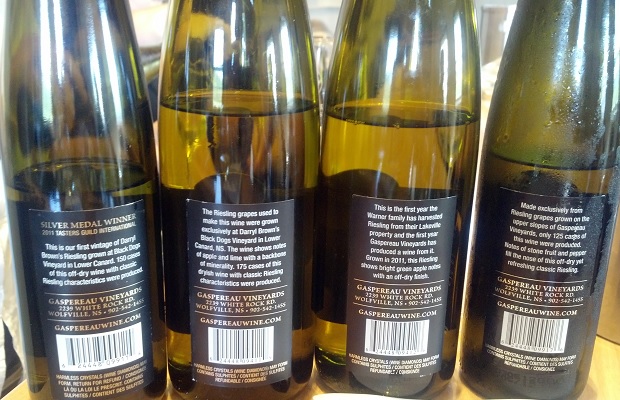
https://twitter.com/mgodello


A traditional afternoon with the wines of Carpineto

Carpineto Molin Vecchio 2004

Carpineto Molin Vecchio 2004

Carpineto brings “la Toscana e i suoi vini magliori” to the world. The producer near Greve in Chianti fashions wines from most of the better, best, requisite and constituent locales of Tuscany. The Carpineto library has been laid down from foundations in the DOC and DOCGs of Montereggio, Chianti Classico, Vino Nobile di Montepulciano and Brunello di Montalcino. Were the Bolgheri on the Maremma coast a part of their portfolio their reputation would surely be further cemented amongst the elite agricole of the region.

What dials Carpineto’s wines in to the natural and honest zone, especially when compared to so many modern peers, is their attention to simple detail. The wines across the board are restrained in alcohol, low in residual sugar and unencumbered by an excess of new oak. The wines are pure Tuscany distilled with seamless though mitigated texture. To a bottle they are a pleasure to taste.

Last Thursday Antonio Michael Zaccheo Jr. of Carpineto came to the WineAlign offices, along with eight of his wines. Together with Tandem Selections, WineAlign principals David Lawrason and Steve Thurlow we tasted through this noteworthy cross section of the Carpineto registry.

From left to right: Rosato 2013, Dogajolo Rosso 2012, Chianti Classico 2012, Chianti Classico Riserva 2008, Vino Nobile Di Montepulciano Riserva 2007, Farnito Cabernet Sauvignon 2009, Molin Vechio 2004

From left to right: Rosato 2013, Dogajolo Rosso 2012, Chianti Classico 2012, Chianti Classico Riserva 2008, Vino Nobile Di Montepulciano Riserva 2007, Farnito Cabernet Sauvignon 2009, Molin Vechio 2004 Photos: Jason Dziver, Photographer (http://www.jasondziver.com/)

Rosato 2013, Tuscany, Italy (699934, $15.95, WineAlign)

The Dogajolo Rosato is a right proper and serviceable Rosé, made from 90 per cent Sangiovese and 10 Canaiolo from holdings in both Chianti Classico and Vino Nobile. Sells quite well at the LCBO and even better at the SAQ where there is a different “attitude towards Rosé.” A gaseous medicine with exceptional salinity. Very dry saigneé, savoury and approachable. The freshly pickled strawberry is a nice touch.

Farnito White 2012, Tuscany, Italy ($24.95, WineAlign)

The Carpineto “White” is made from 100 per cent Chardonnay. Though the intent may be Burgundy, the Tuscan take here is very Italian; tight and forthright in flexure and focus. It is quite amazing how very primary it shows, with its whisper of a kiss by just a chip off the old barrel. Fresh, bone dry and bestowed the angle of Tuscan herbiage. So young that it offers the sensation of just having left the tanks and the wood. Like a leaner and cleaner version of the Cervaro della Sella. Can you say Linguine con le Vongole?

Dogajolo Rosso 2012, Igt Toscana, Tuscany, Italy (361501, $14.95, WineAlign)

Maybe it’s just a marketing term but Carpineto’s Antonio Michael Zaccheo Jr. refers to this as a “baby Super Tuscan,” because that is what it is. To pay $15 for a quarter century of winemaking acumen is anything but a hardship. Lithesome of fruit as opposed to sweet, it’s actually bone-dry (one g/L residual sugar), and artfully crafted for both the primi and secondi piatti. “Now we are in the Sangiovese camp, so good to go.” Well said, Antonio.

Chianti Classico 2012, Tuscany, Italy (356048, $21.95, WineAlign)

For Chianti Classico, 2012 was a good year, not too warm yet ripening occurred early, with the quality set to high, but the quantities were low. A winemaker’s vintage. Carpineto’s CC comes from the northern aspect of the appellation, from a conca (amphitheater) seven km’s east of Greve, by the piccolo hamlet of Dudda. It’s cooler in this part of Chianti, with more rock imparting flavour and textured sensations into the reds. The ’12 is essentially 90 percent Sangiovese and 10 per cent Canaiolo, give or take 10 per cent. Aromas of roses and wet rocks, fresh ripe plums mashed into tomatoes, herbs and a spicy side note. Old school and precisely what CC should be, minus the funk (which it does not have or need). Ultimate pasta wine right here. Traditional style in an up to date way with temperature control and all the tools of a modern facility. No VA, no barnyard, but really natural. This explains the axiom of maintaining tradition. With so many story lines already spoken for in sectarian Chianti, maybe that is the only thing Carpineto has left to hang their Zuccotto on. David Lawrason hits the nail head on. A Chianti that “resets the compass.”  Coming to VINTAGES April 18, 2015

Chianti Classico Riserva 2008, Tuscany, Italy (47118, $29.95, WineAlign)

A wine that is “already performing at purchase time,” like the Chianti Classico but turned up to 11. This has a more than a touch of funk, not exactly barnyard, but surely an earthy forest carpeting. Attribute this to the extra concentration and the élevage – time spent soaking up the barrel. The added marinade works to opposite effect as compared to the CC normale and in my opinion it’s an adverse one. Lost is the freshness and spirit. Still a wine of great Tuscan antiquity, in maintenance of its acidity and full of dark, iron and sanguine pulsing fruit.

Carpineto line-up at www.winealign.com

Carpineto line-up at http://www.winealign.com

Vino Nobile Di Montepulciano Riserva 2007, Tuscany, Italy (368910, $29.95, WineAlign)

Carpineto’s Vino Nobile hails from further inland, where the climate is more continental and the dry-farmed clay soils help carry the grapes through warm summers like 2007. Has an intense grapey, raisin and resin character. Really big fruit yet still old school enough to remind us all of the Carpineto oeuvre. This has stuffing, with nary an advancing moment towards a premature future. Blessed with a seamless nose to palate to tannins structure. This is really fine Vino Nobile, “scelto,” a chosen mocker. It’s thick and full but not from oak in any shaken or splintered way. This Prugnolo Gentile comes by its substance naturally, with minimal effort or need of applause.

Farnito Cabernet Sauvignon 2009, Igt Toscana, Tuscany, Italy (996553, $29.95 WineAlign)

Cabernet planted as 8,000 vines per hectare in Montepulciano resulting in the production of one bottle per vine. Love that equation. Eight tons per hectare is low but not an economically impossible yield. Antonio Michael Zaccheo Jr. insists the single vineyard plot is the largest contiguous vineyard in all of Italy. The vineyard was 15 years old at the time this wine was made, so we’re talking prime time for making world class wine. Spent one year in one third new French and American oak and then a few years in bottle. Not quite as ready to pop and pour like the CCR, this has beast mode written all over its expatriate face. Juicy, chalky and dusty which puts it in contrast to the Sangiovese. This is much more internationally styled and “needs cholesterol of any kind, “ says Antonio Michael. It’s more floral than the Chiantis and the Vino Nobile. Ripe but not overripe, international but unmistakably Tuscany.

Molin Vechio 2004, I.G.T. Toscana, Tuscany, Italy (995308, $59.00, WineAlign)

This vintage is from a single, five hectare vineyard (the wine moves around through vineyards, depending on an assessment of which shows best from year to year). Spent one year in new oak and was bottled in spring 2006. The “Old Mill” is a Tuscan-Bordeaux-Rhône gathering of Sangiovese (70 per cent), Cabernet Sauvignon (20) and Syrah (10). This has a Boschetto al Tartufo (shaved white truffles in cheese) note that is intoxicating. From sandy clay soils, southerly facing with marine sediments planted in the early nineties so the marine impart is just starting to show. Recent vintages should give increased salinity and minerality. Has the aroma of roasting game and savoury, Mediterranean bushes – this is akin to some southern Rhône big wines but the texture is stretched and seamless, not cake-baked and chalky. Great acidity and length. Still quite edgy. Needs at least five more years to come around. Released as part of the VINTAGES September Classics.

Good to go!
 

A common weal of September VINTAGES best buys

Innisfiil Sunflowers

Innisfiil Sunflowers

September has its share of excellence being revealed, particularly this coming weekend with the VINTAGES September 13, 2014 release. This is a perfect time to investigate the wares from this province. The weekend also marks the launch of the  initiative, in conjunction with Wine Country Ontario. Then on October 2nd, Wine Country is coming to the Royal Ontario Museum. There will be 255 wines poured by 55 producers at Taste Ontario.

Related – The LCBO and WineAlign go local

For years now the fine wine and premium spirits division of the LCBO, known benevolently to Wineontarians as VINTAGES, has been rolling out releases every two weeks. There are always somewhere between five and ten wines on each listing that, were I independently wealthy and helplessly wine obsessed in reckless abandon, would always buy. There are also upwards of 100 or more that I would not. Were I presented a glass half full, to most of them I would offer my thanks and sip away. There are also five to ten not worth the price of admission. As a member of the wine writer’s commonwealth of Ontario it is my trusted duty to help make sense of the bi-weekly barrage and to separate the wheat from the chaff.

Wine critics can be fussy people, tough mudders with palates sheathed by caparison. They can go from saying things like “not as good as the last shipment” to “I’m tired of tasting shit.” Even the most curmudgeonly of critics must play his part to promote the happiness, health, and wine safety of all of the people of a community. It is an honour to be trusted with a duty to taste, consider and then discard what is simply not right. The expectation and the responsibility is to find the most natural and honest wines made available, however fleeting and rare the opportunities may be.

Here are four from across the pond and 10 Ontario wines being unpacked onto LCBO shelves as we speak. Get out there and #LCBOGoLocal.

From left to right: Flat Rock Riesling 2013, Château Saint Estève Corbières 2011, Palazzo Maffei Ripasso Valpolicella Superiore 2011, Rosehall Run Cuvée County Chardonnay 2011, Peller Estates Private Reserve Cabernet Franc 2011, Southbrook Triomphe Cabernet Franc 2012, Thirty Bench Red 2012                                      Photos: Jason Dziver

From left to right: Flat Rock Riesling 2013, Château Saint Estève Corbières 2011, Palazzo Maffei Ripasso Valpolicella Superiore 2011, Rosehall Run Cuvée County Chardonnay 2011, Peller Estates Private Reserve Cabernet Franc 2011, Southbrook Triomphe Cabernet Franc 2012, Thirty Bench Red 2012 Photos: Jason Dziver, Photographer (http://www.jasondziver.com/)

Flat Rock Riesling 2013, VQA Twenty Mile Bench, Ontario (43281, $16.95, WineAlign)

The FR Riesling cover girl gets a swift kick in the backside by gas blanketed, dehydrated pear and a sprinkle of rock sugar. Citrus peel, candied again, with medicinal silt. Rocky Riesling spread liberally across a horizontal canvas. From my earlier April 2014 note: “Just bottled a few weeks ago so the note to self is to expect a subtraction of preoccupation. Anything but. Though not as frantic as the Nadja’s sampled from tank back in February, the preview to the ’13 Estate is in show of so much zest, premature acidity and an overly enthusiastic outpouring of juicy emotion. The scraped zest is present in every respect, along with green mango, Himalayan salt and a squeeze of lime. There is attitude and altitude from this precocious Riesling and there’s no doubt it and the ’13 Nadja will be better than anticipated out of tank. Forget the infancy, wow is it showing well.”  Last tasted August 2014  @Winemakersboots  @brightlighter1  @UnfilteredEd

Château Saint Estève Corbières 2011, Ap, Languedoc-Roussillon, France (377218, $17.95, WineAlign)

Corbieres excellence. Nothing funky going on here. A minor amount sees the inside of the fûts but how great it is to find such a clean, fruit forward, straight from the tank example. Made from (40 per cent) Grenache, (30) Syrah, (20) Carignan and (10) Mourvèdre. Certainly showing modern fruit but the low yield (35hl/ha) altruism and cleanliness is next to Midi-ness. A touch of chalk and milky chocolate with some vanilla and lavender too. Simple, effective (if a touch soapy) French red.  Tasted August 2014

Palazzo Maffei Ripasso Valpolicella Superiore 2011, Doc (338913, $17.95, WineAlign)

This is a massive Valpolicella, fully enriched by chocolate in countless ways, on many levels and in dry ice dreams. It’s a baby Amarone incarnate and if you are going that route, try this on instead for a mere pittance at $18. Huge wine, with exaggerated mannerisms in oak and high alcohol, though not volatile, even if the structure is value-driven pedestrian. Will work for a welcoming, big-hair crowd.  Tasted August 2014  @HHDImports_Wine

Rosehall Run Cuvée County Chardonnay 2011, VQA Prince Edward County (132928, $21.95, WineAlign)

Today Dan Sullivan’s Chardonnay concentrates on its excellence while compressing in reduction. Beyond the encapsulating abstraction there are the rocks beneath the earth and by extension, the vines of hard-working fruit. Fruit surrounded by the spice of barrel. Tasted extensively over a 24 hour period I found this walks the line, takes on all comers, hovers over and has the guts to merely sigh at the distractions. Give this Chardonnay years, more than most, perhaps even 10 plus. In 2011, Chablis trumps barrel.  Tasted August 2014  @Rosehall_Run  @sullywine

Peller Estates Private Reserve Cabernet Franc 2011, VQA Four Mile Creek, Ontario (598078, $21.95, WineAlign)

A touch of reduction but the thought goes straight to serious wine and attentive winemaking. The barrel is not king, the fruit big and boisterous. It’s a bit hyper-fruity, steroidal even but it is anything but thin and certainly not encumbered by process or wood. A hint of soap is a detractor admittedly, but the acumen and level of higher learning is evident and commendable. This will be a wine to look at for years to come.  Tasted August 2014  @PellerVQA

Southbrook Triomphe Cabernet Franc 2012, VQA Niagara On The Lake, Ontario (275958, $21.95, WineAlign)

The 2012 Triomphe Cabernet Franc receives a meld of mellow, blending support from 12.4 per cent Merlot and the marriage is quietly non-contentious. That blending decision by winemaker Ann Sperling, along with the praiseworthy choice to forego obtrusive oak is as good as a golpe on the Niagara Cab Franc oeuvre. The use of large format (80 hectolitre), no splinters allowed oak vats over wood spice and milkshake imparting barrels is an easy swallow for sore palates. The ’12 Triomphe is an elongated and elastic Cab Franc, with nary a foray into the tobacco, bell pepper and cloying currant currency of so many predecessors. The co-fermenting of disparate, north and south, estate blocks in those vats has done wonders on the preservation of a warm vintage’s, judiciously picked (21.8 per cent brix at harvest) fresh fruit. Terrific decisions all in for a highly accessible, brand and varietal ambassador for Niagara.  Tasted August 2014  @SouthbrookWine

Thirty Bench Red 2012, VQA Beamsville Bench, Ontario (320986, $24.00, WineAlign)

Big red machine, really ahead of the class, especially in this price range, with this much stuffing. A full complement of fruit, bushy and falling just as it’s picked from the trees, not to mention quality, quality, sweet earth. This is jazzy, boozy and sparked, from ‘round midnight, smoky, exotic and global. Has the discipline of a monk to groove low and low, the stuffing and Thelonious tannin to boot. Wait for it, let the band play then give way. The solo will be fantastic.  Tasted August 2014  @ThirtyBench

Norman Hardie Unfiltered Niagara Pinot Noir 2011, VQA Niagara Peninsula

From left to right: Tawse Pinot Noir Growers Blend 2010, Tenuta dell’Ornellaia Le Volte Dell’ornellaia 2012, Dominio De Tares Cepas Viejas Mencia 2009, Château Des Charmes Merlot St. David’s Bench Vineyard 2012, Domaine Queylus Tradition Pinot Noir 2011, Charles Baker Wines Riesling ‘Picone Vineyard’ 2011, Norman Hardie Unfiltered Niagara Pinot Noir 2011 Photos: Jason Dziver, Photographer (http://www.jasondziver.com/)

Tawse Pinot Noir Growers Blend 2010, VQA Niagara Peninsula, Ontario (284570, $26.95, WineAlign)

Where at one time the GB Pinot Noir fought among its moving parts it now sits in permanent cease-fire mode. A position that realizes warm fruit, settled wood spice and linear acidity. Needs no more scaling or ropy ascension. It has reached the planing platform and going forward will glide effortlessly back down to ground. Where it began. From my earlier October 2013, April and May 2014 notes. “Though it’s a blend of several sites, this Tawse Pinot stands alone and of itself as a grower; it grows on you after multiple tastings. The first go ’round seems simple, vintage warm and tight. Taste again and the sappy wood seeps mineral, the phenolic red cherry ripeness turns black and the tempering is led by a sweet earth kind. Earth that smoulders in a rising Zeppelin kept afloat by tobacco and the swirling spores of pungent mushroom. Pinot Noir truth and value from a Niagara house of the holy kind. “You know-whoa, that’s right.” The univocal Pender perfume permeates the Tawse stable of Pinot Noir and seems only magnified in the multiple site Grower‘s Blend. Vintage related warmth and inferable incrassation of fruit. Delves into a deep connection to disparate lands possessive of a common goal.  As if making wine is “your taste combined with all the years of wasting time.” Graceful Pinot Noir with moments touched by hot rocks, toasted red rice, a gentle smoulder and delicate grains of sand.”  Last Tasted August 2014  @Tawse_Winery  @Paul_Pender

Tenuta dell’Ornellaia Le Volte Dell’ornellaia 2012, Igt Toscana (964221, $26.95,WineAlign)

What can you say about Le Volte? Is she the most immediately rewarding, fruit forward and accessible Super Tuscan ever put on offer? Does this cuvée  of Merlot (50 per cent), Sangiovese (30) and Cabernet Sauvignon (20) offer a portal through which to peer into the future of the Ornellaia grande? From a warm but not excessively hot season, the fruit teases, like a kiss that leaves a lipstick stain on the cheek, a taste that makes you crazy and dreaming of more. Time spent in barrels once used by the matron first wine equates to a morning of chocolate, Nutella and cappuccino in the piazza. Full on, with much more texture than ever before. She is beautiful, but is her beauty fleeting? Drink over the next two to four years.  Tasted August 2014  @Ornellaia  @AuthenticWineON

Dominio De Tares Cepas Viejas Mencia 2009, Bierzo, Spain (379891, $26.95, WineAlign)

Fruit for this Bierzo is from old vines and is aged in a combination of French and American oak. An industrious rolling stone and two steps up example above and beyond for what usually passes as basic and simple Mencia. The Dominio de Tares is exactly the reason to ante up. Bierzo as a region produces exceptional quality wines at this price point but suffers a stenosis in the lower ranges. Here the intoxicating and delicious fumes are resonant of just caramelizing brown sugared fruits, formidable though sweet tannins and an enveloping that’s “all right now, in fact, it’s a gas” Displays and prances about with an incredible amount of energy and jumping jack flash. “It’s a gas, gas, gas.”  Tasted August 2014  @oenophilia1

Château Des Charmes Merlot St. David’s Bench Vineyard 2012, VQA St. David’s Bench, Ontario (453431, $29.95, WineAlign)

The vintage does Merlot a wondrous gifting and coupled with what strikes as an unusual salinity, this is a most unique take on the Merlot perspective. In the middle vacuum what is expected takes a turn; shaken, crushed berries with chocolate shavings and brushstrokes made by a weighty utensil but in the end it returns to the vintage specific layering. Well made with caveat to and from Merlot.  Tasted August 2014  @MBosc

Domaine Queylus Tradition Pinot Noir 2011, VQA Niagara Peninsula, Ontario (392738, $29.95, WineAlign)

The passion from the Thomas Bachelder Niagara project has shifted into Domaine Queylus. With no disrespect to Thomas’ eponymous bottling from vineyards so nearby, the quality time has now been granted the Tradition. Here lies Mountainview and Le Petite Colline earth, here crushes Niagara cherries in hand, juice running down a clay caked forearm. Fresh and bright yet streaked by chalk and enveloping brush stroke. Sour? For a flash but in neither malic nor astringent form. This is a must buy. From my earlier June 2014 note: “Reverberates with the unmistakable calling card character of the storied Neudorf family La Petite vineyard with equal and opposite amounts of attraction and new life breathed in by the Lincoln Lakeshore fruit. Ethereally sifted earth of old meets cherries of new. Enriching Pinot Noir, a bit gangling like a primitive young giraffe but near to finding its legs. Hard working red, insistent, confident and having already paid some dirty fingernail dues. Excellent length.”  Last tasted August 2014  @QueylusVin

Charles Baker Wines Riesling ‘Picone Vineyard’ 2011, VQA Vinemount Ridge, Ontario (241182, $35.20, WineAlign)

You can take Riesling from out of the Vinemount Ridge but you can’t take Vinemount Ridge out from a Charles Baker Picone. The layers of tectonic shale and the slowly espressed fruit that swim within the waves of those layers make for the total oscillating package. Has moved nowhere, not sideways even, since last tasted, though today, from this bottle, there’s an awkward, shy adolescence. From my earlier May 2014 note: “Some sweetness now, but not in a flirting way. This will be a September VINTAGES release (with pink on the label as part of an LCBO/Princess Margaret fundraiser). Has not so much evolved but rather “come groovin’ up slowly,” since last tasted. Still got “joo joo eyeballs,” still tough in tension. Years left before it will come together, yeah.” From my earlier, October 2013 note: “does not so much pick up where cracking ’09 left off (with no offence meant to the soothing and tuneful ’10) but rather re-writes the Baker book. From the almost famous windswept vineyard atop the Vinemount Ridge, this Picone, from older Riesling plantings is crazy lively. That ’10 is now imbued with rich, oily glück. The ’11 will realize such a future, but much further along and in combination with its inborn tension. Right up there with Baker’s “perfect vintage” 2006.  Last tasted August 2014  @cbriesling  @StratusWines

Norman Hardie Unfiltered Niagara Pinot Noir 2012, VQA Niagara Peninsula, Ontario (125310, $39.00, WineAlign)

This County ’12 by Norman Hardie needs fresh air, County air and time. Leave the wine alone in bottle counted out in five years time. There is pure intensity in aerified flight. Shows length, persistence, purity, phenolic ripeness and in time will show its ability to wade across raging rivers. From my earlier April 2014 note: “Hardie’s 2012 County Pinot Noir is a beacon, a flashing light on the shore, an invitation to copycats because this is what making red wine from limestone foundations is all about. To taste this ’12 is to experience Hardie’s purest berry maceration and distillation to date. It’s as if there was no alcohol present and in fact, at 11.5 per cent it is a modest and transparent pronouncement. Longevity may not bless the ’12 as in other vintages but this is certainly the most groomed and coiffed County Pinot Noir.” From my earlier October 2013 note: “Cuts a rug with immense, stepping out juicy behaviour. It’s both turntable old-school, astatic in smooth groove rotation, but also digitally forward thinking towards a perdurable future. The nose is Norm’s most intense floral burst to date, with incredible brightness and sparkling acidity in the key of fresh plum. This brings to mind indelible Burgundy, enveloped in PEC’s warm ’12 blanket. Hardie’s measure of consistency abides in a Pinot of parity and undemanding polish.”  Last tasted August 2014  @normhardie

Good to go!