Aren’t we all? In the wake of recent frosts, a compounding ass-kicking at the hands of Mother Nature in the wake of two harsh winters, the farmers of Prince Edward County now have to work that much harder to make viable an already arduous road to growing Vinifera. I’m not so much the type to report on bad news so I leave it to my revered colleague Rick VanSickle to hand you the news. Rick does it with empathy, grace, subtlety and truth. Here is what he is telling us about vine damage in PEC.
If I was not before, with thoughts constantly streaming east to the north shores of Lake Ontario, where precarious soils sit like Buddha astride one very massive and far-stretching bed of limestone rock, at present I am a little bit County. Therefore today is the day to put some notes out on the Prince Edward County wines I tasted last month at Airship 37 in the Distillery district. The County came to town for their annual fair.
County in the City at Airship 37
WineAlignprimo scrittoreDavid Lawrason presented his PEC state of the union address via the company website last week. David touched on some integral points for growers and winemakers in the County, including the rise of Riesling and a case for increasing plantings of varieties like Chenin Blanc. The story mentions new wineries and untrodden varietal production yet when all is said and done, the best wines on his recommended list are almost exclusively produced from Chardonnay and Pinot Noir. Those Burgundian soils don’t really lie, do they?
What strikes me most in this retrospective look at the 40 or so wines that I tasted last month is how varieties perform once the vines have matured and their profiles becoming increasingly County in character. Maturity, wisdom and acumen are developing a condensing of Prince Edward County hyperbole. The wines are serially developing a house style and regional disposition. With each successive vintage the wines of Norman Hardie, Dan Sullivan, Jonas Newman, Frédéric Picard, Glen Symons, Bryan Rogers, Paul Battilana, Gerry Spinosa, Colin Stanners, Caroline Granger, Bruno Francois, Bill Turnbull, Dan Tweyman, Deborah Paskus (to Keith Tyers) and the late Richard Karlo (with torch passed to Milan Vujnic) leave the Burgundy comparison behind to speak a strictly PEC vernacular.
Maggie Granger with The Grange of Prince Edward County Gamay Select 2009
The voice and the news is a very good thing. The clarity of the County is glaring and vivid, leading to what David Lawrason calls “great highs to significant lows,” but yes, Lawrason is correct in saying “overall the playing field is evening out.” Prince Edward County is coming into its own, growing comfortably into its cool skin and if mother nature has any balancing to offer, the future will be bright.
A quiet, somewhat demurred aromatic hone succeeds in drawing rather than distancing curiosity. Deeper inhalation gets to the toasty, nutty crux of the cool fruit and the conclusion is valour, chivalry and generosity. Picks right up where ’12 left off if just a bit more gelid by nature. Niagara fruit (Foxcroft, Queenston and Malivoire) provide ample combined cream and lactic limestone tack with palate driving citrus bent. Takes up several lanes of breadth on the texture trek to become a distinct PEC composed Chardonnay. Drink 2015-2018. Tasted April 2015
Keint He Chardonnay Portage 2013, VQA Prince Edward County, Ontario (Winery, $25.00, WineAlign)
The PEC derived Portage Chardonnay goes deeper than the Niagara Voyageur, no doubt in part to roots from maturing vines that work and dig for limestone. That raison d’être is the constant yet in ’13 the expression is rounder, fleshier, enigmatic, akin or at least prompts the idea of June’s Vineyard in Niagara. Shows its oak with increased weight, fuller favour and more beneficial bitters. The minor decrease in acidity stalls the Prince Edward County mechanism and solicits earlier term consumption. Drink 2015-2017. Tasted April 2015
A year on the wilder times have settled for the early aromatics. The progression pauses at the juste milieu and gracefully glides across the palate to a similar nimble finish. Has reached the optimum condition of cool climate Chardonnay to remain in that state of pliancy for another year or two. Drink 2015-2017.
From my earlier note of February 2014:
Fruit sourced from a single Niagara block. Despite having made the yeomans voyageur trek out to the County for vinification, integrity of the Foxcroft vibe has been maintained. Freshly cored Kenyan pineapple juice poured atop oat grain in a limestone molcajete. Bottled on Sept. 15th, like all the ‘12’s. Fullish, bullish extraction and at 13.5 percent abv, this Foxcroft has been handled with Wise acumen, with more rich texture than the others. A chew of nutty, non-acidic hard pineapple comes later and this finishes with a mild-mannered, even keel feel to it, like the winemaker and the estate’s keeper.
Last tasted April 2015
Keint He Gamay Noir Voyageur 2013, VQA Beamsville Bench, Ontario (Winery, $25.00, WineAlign)
From fruit sourced at Malivoire on the Beamsville Bench and from a vineyard that was lost to the ice storm of 2014. Really too bad considering the outright fresh and bright Gamay that has come forth out of this ’13. Black raspberry, at just the optimum brix fills in this shining though simple example. It has just the correct balance of tart and twinge of carbonic meets late spice. Its simplicity lies in the structure where one component concedes to the next, as opposed to layering upon one another. Very linear and immediate Gamay. Drink 2015-2016. Tasted April 2015
Quite a pretty vintage for the PEC Pinot traveller by way of Malivoire and Queenston Road in Niagara. With a spray of cola and an inside edge of liquorice root in its gait, the Peninsula Pinot has already ignited its development. The 18 months in bottle have finished designing the invitation to solicit partake in reward for prompt gratification. The world is a charming one, replete with interchangeable aromatics and flavours, replayed, rewound and woven within the fabrics. Very efficient and studious Pinot Noir. Very Pinot Noir. Drink 2015-20178. Tasted April 2015
Keint He Pinot Noir Portage 2013, VQA Prince Edward County, Ontario (Winery, $20.00, WineAlign)
Depth of character despite the light hue and frame, a dichotomy expressed in Pinot Noir, in this vintage most akin to entry-level Bourgogne and less like its County self. Goes directly subterranean, away from fruit, if only for a spell, to a bound and binding rock cavern. Returns later, is showered by peppers and bitters, ground by tannin and grinds back down to earth. Missing are the cherries and the chocolate, replaced by wacke and substrata. Perhaps give it a year or two to settle, refine and make another call for that hermetical fruit. Drink 2017-2020. Tasted April 2015
Keint He’s take on a single-structured Pinot Noir from the Queenston Road is highly aromatic, warmer than (by comparison, Creekside Estate’s) and yet not obscured or veiled by any discernible layer of veneer. The cool, savoury centre is the oasis offering respite from the full environmental gamut on display at the hands of sweet, sour, salty and lardy. Quite characterful, bold and cool-climate kitschy with a kinesthetic, corporeal feel. When Bryan Rogers and Ross Wise gain another level of Queenston understanding, it will not be hard to imagine a churning of something special in 2013. I’d put my money on it. Drink 2016-2020. Tasted April 2015
The Grange of Prince Edward County Gamay Select 2009, VQA Prince Edward County, Ontario (Winery, $15.95, WineAlign)
Daughter (Maggie) convinced mother (Caroline) to let her hold back 15 cases of this County Gamay, a variety that has some difficulty sharing the sandbox with limestone. The additional five years in bottle has brought the downy fruit back from acidity’s precarious cliff edge, from the brink of piercing danger and disaster. The current state is one of conciliation and quiescence. There remains a major key of funk mind you, parliamentary even, but sniff past and the plot thickens, as does the texture. Chalky, gritty and persistently grainy, this ’09 Gamay is very much alive, like a scaling bass line supported by a rising horn section. A real fun look at the past with an eye to drive the future. Drink 2015-2018. Tasted April 2015
The wines of Norman Hardie
Norman Hardie County Unfiltered Pinot Noir 2013, VQA Prince Edward County, Ontario (125310, $39.00, WineAlign)
Procuring depth in County Pinot Noir is a tough task within the constraints of resisting a temptation to reach for sugars, alcohol and dark berry fruit. Norm Hardie’s 2013 unfiltered (at 10.9 per cent) and lambent exegesis succeeds because it offers the best of all available worlds. Roots for vines that burrow to limestone develop a structure that while may have at one time been inconsistent, have crossed the threshold in ’13 to establish a guarantee. A Hardie PEC Pinot Noir can be bright and accessible. It can also be tough, tart and tannic, as it is here, again, but not without its foil. The work is now innate, the transitions seamless, the crossroads left in the dust. This wine will please two camps; those who can afford and demand immediate gratification and those who are willing to wait for secondary (two to three years) and tertiary (four to seven) character development. Drink 2017-2022. Tasted April 2015
Norman Hardie County Unfiltered Pinot Noir 2011, VQA Prince Edward County, Ontario (125310, $39.00, WineAlign)
The anxiety of the vintage has not left the bottle while the raging fruit and acidity battle for supremacy. The space-time-chaos continuum will perdure in this Pinot Noir of unpaired anatomical structure. Wait a further three years minimum for the azygous to drain. The heft will subside. Drink 2018-2022.
From my earlier note of March 2013:
Norman Hardie needs little introduction. He is the reason Prince Edward County Pinot will secure a place on that grape’s world stage. The 2011 vintage will go down as a classic for PEC. The tens have mass appeal, the nines turned out to be stellar but it is the elevens that gather the best of both worlds; ripeness and acidity. Stock up. Paints the County red in layered and structured brushstrokes. Ripe, bright cherry tonality in super-heightened, mesmeric sensuality. Accented by weeping rock, black earth and that cherry. Would not figure this to be Norm’s most rugged or gregarious and yet it holds more heft than it looks. Currently in a great place and will live longer than any other.
The ’12 Niagara has swapped spontaneity for coherence, licentiousness for logic. Has entered the stage of non-reductive peel, where skin is discarded, flesh is exposed and juices run free. If you like your Chardonnay settled and yet vitally fresh, now is the time to enjoy the Hardie 2012 Niagara Chardonnay. Drink 2015-2022.
From my earlier more of May 2014:
Norm’s Niagara is such a different animal to the County 2012. The warm summer and dry fall means more humidity and even more reduction. Currently cothurnal so less like Burgundy but only because there elevates the high-tones and percipience from Niagara. Texture is key but this Hardie needs time. It’s not angular but it is steroidal, injected, like a wild thing, as if the yeast were still in control, munching away even though there is no more sugar to be had. Undomesticated ’12, at heart, in spirit, out of mind. Hard to imagine there could be this much anxiety from the even-tempered vintage, but when you pick real early and keep the oak to a bare minimum, Hardie happens. Norm picked ripe fruit between September 7 and 10, six weeks ahead as compared to some years. He said the fruit had a “golden tan, ready to go.” The use of smallish 500L barrels works wonders for texture and though 40 per cent was new wood, you would never know it. Malolactic fermentation didn’t happen until late August, nearly a full year on so no sulphuring was required until that time. This is Hardie’s freshest Niagara fruit ever, from Duarte Oliveira’s farm between Victoria and Ontario Street, the same spot as Hillebrand’s Chardonnay Reserve. Terrific Beamsville Bench Chardonnay.
Last tasted April 2015
Casa Dea Gamay 2013, Huff Estates Chardonnay South Bay Vineyards 2012 and Karlo Estates Pinot Grigio 2013
Karlo Estates Pinot Grigio 2013, VQA Prince Edward County, Ontario (Winery, $21.00, WineAlign)
The adage is so very true; a good Pinot Grigio is hard to find, just like a man. The take here is decidedly and strikingly Pinot Grigio, a flash of Friuli and a Bessie to be reckoned with. This just has that positive, smithy oxidative side, the kind that rocks and stones mixed with winemaking cause an exchange of electrons between reactants. The fruit is big, lucidly piqued by pear, but also leaning mango and jack. Quite fleshy, with schematic, scenic, natural acidity and panoramic minerality. This is about as mnemonic as it gets for Gris, or in this case Grigio, in Prince Edward County, especially considering who the buyers will be. One can only hope they intuit the condition and here’s to planning for that consumer base to expand. “Lord, a good (Pinot Grigio) is hard to find, you always get another kind.” Drink 2015-2020. Tasted April 2015
This is Glen Symon’s first Sparkling Rosé, a 100 per cent Pinot Noir from estate vineyards, refermented using the Charmat method. Intensely fizzy, in toto fruity and actually gives off a Pinot Noir vibe. Something racy, spicy and wild runs rampant, rendering this blush bubble in an Ontario class of its own. It’s like 1980’s alt-dance fizz, with a New Order or B-52 thing going on. It just seems to do the “she-ga-loo, shy tuna, camel walk, hip-o-crit, coo-ca-choo, aqua velva, dirty dog and escalator.” Has the direct beat, retro and futuristic at the same time. Dance this mess around, in sweet and savoury tones, warm, day-glo, slow and gyrating. Drink 2015-2016. Tasted April 2015
Lighthall Pinot Noir 2013, VQA Prince Edward County, Ontario (Winery, $30.00, WineAlign)
This may not be the first Pinot Noir made by Glen Symons but it marks a categorical paradigm shift for the Lighthall oeuvre. Elicits a “well, well, what have we here” response. Unfiltered, reflexive and flexing, not so much in weight as in protein. This is an entirely different sort of Prince Edward County Pinot Noir, neither dark as black cherry nor bright as sour cherry. It’s aromas and flavours recall both. I can’t say for sure that any Ontario Pinot has crossed into such territory. Offers a shade of calignosity for those who believe that genuine Pinot Noir only thrives in the dark. Yet the clarity is conversely illuminating. It’s pure, crisp and forking over real gastronomic delicacy. Intimates aspects of Sonoma and Otago with PEC intimacy. Really well-defined and culminating with a positive bitter finish. Drink 2015-2019. Tasted April 2015
Huff Estates Chardonnay South Bay Vineyards 2012, Lighthall Pinot Noir 2013 and Sparkling Rosé ‘The Fence’ 2014
Huff Estates Chardonnay South Bay Vineyards 2012, VQA Prince Edward County, Ontario (Winery, $29.95, WineAlign)
Reductive but not to excess. If you can appreciate a Norm Hardie Chardonnay then Huff’s style is a walk in the park. A few swirls brings the rest of the players to the fore stage and the party. This is big band Chardonnay, with a feminine and demonstrative lead vocalist. Richly textured, from PEC plots at South Bay that are the Niagara equivalent of Wismer Vineyards, lending warmth, soil fixation and unconscious aid. There is a level of supposition that leads to breeding a sensation of succulence that is not found anywhere else in the County. Barrel is important, mostly unobtrusive and so this gathers up layers, separates, divides and then meshes. The wood is employed towards a west coast groove but it works with the best, best fruit. The corpulence is not built on butter but rather demi-glace, or perhaps perfect beurre-blanc. A very long and driven Chardonnay. Drink 2016-2022. Tasted April 2015
Rosehall Run Riesling The Righteous Dude 2014
Rosehall Run Riesling The Righteous Dude 2014, VQA Twenty Mile Bench, Niagara Peninsula, Ontario (Winery, $19.95, WineAlign)
Thank you Dan Sullivan for the fodder, to go on more tangents than should be allowed in a tasting note. And thank you for fixing a righteous Riesling, exemplary to Twenty Mile Bench and in a vein that represents the Double R. Has Mosel meets 20 Mile in verse. Feigned sweetness is managed by thriving acidity, much as others have similarly done in the area; Jay Johnston with Nadja and Paul Pender with Limestone Vineyard. Here lies Niagara Riesling you can really sink your teeth into, made by PEC-minded folk, really tying the Ontario room together. A hooked rug of Niagara and PEC in the hands of Sullivan, with really fine lines and good length. Drink 2015-2020. Tasted April 2015
Casa Dea Gamay 2013, Prince Edward County, Ontario (Winery, $15.95, WineAlign)
Fine work in 2013, for Gamay, by winemaker Paul Batillana. Gamay is so very welcome when the fruity matter matters most, as witnessed by this Casa Dea. Some depth from soil and an ever so slight scorch of earth add complexity to hang a #GoGamayGo hat upon. Has the bends in a way, going just a bit too deep but rescues itself with a fresh radio frequency and a changeling face to red orchard fruit. This has real cru class, good funky bass and a driving sound to regeneration. Will evolve nicely for five years. Drink 2015-2019. Tasted April 2015
Somewhereness is not really a word. It’s hokum. Gibberish. Nonsense. Look it up in Merriam-Webster or Oxford. Not there. Its conceived convenience is recorded in Wiktionary, Your Dictionary and other online glossaries though, because there is always an online presence ready and willing to immortalize anything and everything.
The definition of Somewhereness, according to the online “dictionaries.”
The state or quality of being in, occurring in, or belonging to a specific place.
The state or quality of existing in a place that is unknown or cannot be pinpointed.
The unique characteristics imparted on a wine by the conditions of the place in which it was grown.
Somewhereness is not a state of mind, of being, of knowing something is intrinsically right within the parameters or context of here, there, anywhere or everywhere. Somewhereness is not merely a function of good decision-making, of exercising the ideal to expand on terroir, to create something to talk about. Yet that third so-called definition is on the right track. Belief says terroir is what happens in the vineyard, through environment, by geology, geography and topology, from naturally occurring elements and microbes in the soil, by air and of climate. Terroir is the great one. The impossible creator of perfect storms, from out of riddle and enigma. Somewhereness, by extension, is the next one.
Somewhereness exists, albeit with just as much abstruse behaviour and paradox, inside the finished bottle. That’s all you really need to know. Terroir happens before. Somewhereness happens after. The line is drawn when wine enters its final resting place. It evolves, develops and finds its somewhereness inside the bottle. In the case of Champagne (and the wines of Emidio Pepe), the first bottling is merely a temporary shelter and somewhereness knows to wait for the final call. In those cases there are the stages of terroir, disgorgement and finally, somewhereness.
In Ontario, somewhereness has been found (as opposed to “was founded”) by Norman Hardie, Jonas Newman, Vicky Samaras, Bill Redelmeier, Ann Sperling, J-L Groux, Charles Baker, Doug Witty, J.P. Colas, Ed Madronich, Jay Johnston, Tom and Len Pennachetti, Angelo Pavan, Moray Tawse, Paul Pender, Harald Thiel, Marlize Beyers, Mary Bachelder-Delaney, Thomas Bachelder, Martin Malivoire and Shiraz Mottiar.
Somewhereness may have been born to these Ontario parents but it has and will not remain exclusive to the 12 who discovered it. Somewhereness belongs to all wine with true and truthful origins in terroir. The great wines of the world share in the expression and the mystery, even if the gold inside their bottles has never been affixed with such a label. Somewhereness is found inside a bottle of Dujac Bonnes Mares. You will taste it in an Egon Müller Scharzhofberg. It can’t be missed from out of a Margaux pour by the hands of Paul Pontallier. Wines of manic manipulation will never find it. They either do or they don’t, will or they won’t. Somewhereness just happens. Don’t ask me to explain. I’m just the messenger.
Over the past few years, much godello.ca white space has been set aside for glossing in written word and the ever-evolving rumination on the spiritual effect of somewhereness.
Konrad Ejbich holding court in front of De La Terre’s breads
“For a comprehensive look at our province, make sure you read A Pocket Guide to Ontario Wines, Wineries, Vineyards, & Vines by Konrad Ejbich. The discourse concerning somewhereness in Ontario is in full swing. In October of 2012 I wrote, “character and quality has never been better. Riesling continues to impress and let us not ignore the high level of ever-evolving Chardonnay vines. Reds have made great strides, especially Pinot Noir, Gamay and Cabernet Franc. The future looks very bright for Ontario [wines].”
“Abeyance be gone, these next few years have the potential to cement an industry’s power. Only a minority has even the slightest clue that liquid gold is mined out of the peninsula’s glacial clay and limestone. The time is ripe to tell the world the story of somewhereness. The embryo is about to grow in a major way. Financial reward is within reach. So how to alert the world?”
“History may one day remember them as the group of twelve, or perhaps, “The Ontario School.” They are the 12 wineries who have banded together to ensconce a strange but beautiful word on the tongue, in the dictionary and out in the world. Somewhereness. They are purveyors of the land from which their grapes grow and ferment into wine. Facilitators of terroir, working a canvas forged by millions of years of geological and climatic evolution. Their assembly is based on both exigency and on Moira; destiny, share, fate. Like that other famous group, “collectively they agree.” Ontario’s cool-climate wine regions need to qualify and certify a distinctive winemaking style. In juxtaposition to old world, European tradition, the intensity of somewhereness needs to reflect an increasingly Ontario-centric partiality.”
“The Ontario wine industry is the best kept secret in the world. It has grown, accelerated and advanced with more success than might have been imagined as recently as five years ago. In November I wrote, “Ontario winemakers have figured it out. The “world-class” comparative humanities of aging and longevity aside, the comprehensive and widespread phenomenon of excellence, regardless of vintage, is now an Ontario reality.”
Wine Country Ontario’s Magdalena Kaiser
All wonderful hyperbole, to be sure. But for years I missed the point. Somewhereness is not about agreeing, in principle, on how to make wine from a particular place so that it can collectively result in a thing. It is something other. It’s in the bottle. It has always been there but the key lies in Ontario’s industry having matured to a point where we can now taste it, again and again, inside the bottle. The work made it happen. It is well-deserved.
Thomas Bachelder and Mary Delaney-Bachelder
So with the assistance of Trisha Molokach, Dorian Anderson and the vintners who came to realize what happens when terroir is used to bottle divine pleasure, another Somewhereness (the event) happened, at St. James Cathedral in Toronto, on April 20, 2015. Food partners completed the stellar event; Best Baa Dairy, Monforte Dairy, Upper Canada Chees Company, Fat Chance Hand Sliced Cold Smoked Salmon Co., Chef Ryan Crawford & Beverly Hotchkiss of Backhouse, De La Terre Kitchen and Bakery and Schott Zwiesel. Hinterland was not present in 2015 and I skipped two tables, due to quite recent full portfolio tastings, at Bachelder and at Southbrook. Here are some other notes.
Norman Hardie Riesling 2013, VQA Ontario (Winery, $21.00, WineAlign)
With less residual sugar than in 2012 and slightly higher alcohol (the bottle says 10.1 per cent but it’s actually 9.8), the house style persists, if only as a refrain that adjusts and adheres to the vintage. A hint of oyster shell is more than significant, in working alongside Hardie’s Calcaire, effected out of lees fermentation. The minute loss of high-toned aromatics is pitched in favour of fruit, if only from one exploited tank, within the context of producing 1000 cases. The ’13 (70 Niagara/30 PEC) is like very modern Alsace, akin to Schoffit, what with its texture fitted through a tiny hole. Drink 2015-2018. Tasted April 2015
Norman Hardie Calcaire 2013, VQA Ontario (Winery, $23.00, WineAlign)
The field blend of Marcel Deiss is the starting point. Lees imparts texture and the proverbial minerality is rounder than the Riesling, though the acidity just as linear. The breakdown is Chardonnay (40 per cent), Riesling (40), Melon de Bourgogne (10) and Pinot Gris (10). It should be noted that the mid-palate is caressed by a silky cheese curd, sour milk atonement. Drink 2015-2019.
From my earlier note of August 2014:
If any wine growing and producing region not called Alsace has the right to label a wine Calcaire, Prince Edward County is that place. The irony squared of Norman Hardie’s choice of nomenclature is not lost. Olivier Humbrecht makes use of the term because some of his single-varietal wines can no longer (under the local AOC rules) be labeled with the name of the wine-growing village. Marcel Deiss produces ‘field blends’ composed of several varieties grown on Grand Cru soil but he can’t (under other regional rules) label them Grand Cru. Hardie takes Niagara and PEC Grand Cru grapes, fashions an Ontario white blend, not unlike J-L Groux and calls it Calcaire, in ode to the limestone underlay of the County. Are you following me here? This may be new, innovative, yet understood and an early impression, but this cuvée initiates the PEC march to white blend supremacy, much like Stratus White has done over the course of 10 vintages in Niagara. Norm’s Calcaire is a Chardonnay, Pinot Gris, Riesling and Melon de Bourgogne mélange, co-fermented on the lees, striking, all in limestone, full out mineral consequence. There is purified pear and white melon fruit in distillation. There is a house in Wellington, “they call the Rising Sun.” That this animal succeeds so early in its tenure shows the Norm conceit and the swagger. That it will define white blends for a millennium is an arrogance of traditional song and of scripture. So be it.
The ’12 Niagara has swapped spontaneity for coherence, licentiousness for logic. Has entered the stage of non-reductive peel, where skin is discarded, flesh is exposed and juices run free. If you like your Chardonnay settled and yet vitally fresh, now is the time to enjoy the Hardie 2012 Niagara Chardonnay. Drink 2015-2022.
From my earlier more of May 2014:
Norm’s Niagara is such a different animal to the County 2012. The warm summer and dry fall means more humidity and even more reduction. Currently cothurnal so less like Burgundy but only because there elevates the high-tones and percipience from Niagara. Texture is key but this Hardie needs time. It’s not angular but it is steroidal, injected, like a wild thing, as if the yeast were still in control, munching away even though there is no more sugar to be had. Undomesticated ’12, at heart, in spirit, out of mind. Hard to imagine there could be this much anxiety from the even-tempered vintage, but when you pick real early and keep the oak to a bare minimum, Hardie happens. Norm picked ripe fruit between September 7 and 10, six weeks ahead as compared to some years. He said the fruit had a “golden tan, ready to go.” The use of smallish 500L barrels works wonders for texture and though 40 per cent was new wood, you would never know it. Malolactic fermentation didn’t happen until late August, nearly a full year on so no sulphuring was required until that time. This is Hardie’s freshest Niagara fruit ever, from Duarte Oliveira’s farm between Victoria and Ontario Street, the same spot as Hillebrand’s Chardonnay Reserve. Terrific Beamsville Bench Chardonnay.
Hidden Bench’s ’13 Riesling is a pure, soft-spoken and balanced reflection of her maker, winemaker Marlize Beyers. Only a month or two of lees and no stirring has brought her Riesling into this current corporeal state. The citrus is all flesh, void of pith and with acidity that has already incorporated, disguised and covered the zest. If any Hidden Bench Riesling suggest tropical fruit, here it is and yet again, not. Drink 2015-2020.
From my earlier note of September 2014:
The Estate Riesling is as vigneron-defining as any wine on the Niagara Escarpment. Hidden Bench is a 100 per cent estate-fruit operation so this Riesling is spokesperson, prolocutor, mouthpiece, champion, campaigner and advocate for the concept. The estate ’13 reaches deeper for nutrient pot sweetening, into shale and in conceit of its varied, positively cultivated terroirs. Compact and jelled, this is several steps up from most other entry-level Niagara Riesling and in fact, is really anything but. The transparency here is patent. This is Riesling that simply knows what it is; pure Bench, unequivocally real and forthright. Knows what it wants to be.
Produced exclusively for licensee, the Bistro follows a very similar profile to the Estate Riesling, with exactitude in weight and alcohol 911 per cent). The flesh is less, the zest increased and overall you can sense more youth. The Bistro juice comes from Roman Block cuttings planted in Felseck Vineyard in 2008. The simmer here is a simpler, more straightforward pot of sustenance, entirely capable of acting as spokes-Riesling for the Hidden Bench house druthers. The vines will grow up and the juice will move on but other, newer, youthful cuttings will take up residence and the Bistro line will endure. Drink 2015-2017. Tasted April 2015
The (five to) six percent Sémillon speaks at present, in a waxy, bitter gourd winter melon and smoky flint tightness. In this wound moment, it is perceived that another year will be needed for the next unwind. Now vacuous, spinning and whirling as if in a processor’s bowl, an amphitheatre of expression. Drink 2016-2022.
From my earlier notes of September and (at Gold Medal Plates Toronto) November 2014:
Less than six weeks after my first introduction to the NB ’12 complexity shines anew. Such a delicate and elegant take on the Bordeaux white axiom. Void of all the gangly G’s; grasses, gooseberry and green vegetable. Leans to custards and curds with a savoury accent and a limestone tang. Willing to be paired with a multitude of gastronomy. Long finish. From my earlier, September 2014 note: “Taking what the vintage gives, Rosomel’s Sauvignon Blanc was king in 2012, dominating at a 95 per cent share of the Bordeaux-styled blend with Sémillon. Barrels were stirred weekly during fermentation and the creamy texture thanks that regimen, as does the tannic fullness of the round back-end. It rocks out bracing, formidable and nobly bitter, in pear and its pith, in lemon, of rind and in curd. The SB lounges in tall grasses but avoids goose feathers and blanching veg. So very savoury, in gorse tension, thistle and nettle. These notes all cut through the roundness and are finally tied together by the flinty rock of Rosomel.”
A meandering young blend of Pinot Noir, Malbec and Viognier that is super dry (3.2 g/L of residual sugar), “hey, hey, my, my.” The aromas suggest a succession from strawberry to green and red onion but “there’s more to the picture, than meets the eye.” The medley, interrupted by ballads and road stories is like a subtle, sweet, sour and savoury gastronomical pickle, ramps in brine, scopes in sweet alkali. Can there be a drier, more windswept crag, neal to a southern French style made anywhere on the Peninsula than from the Escarpment coliseum up on Locust Lane? Drink 2015-2018. Tasted April 2015
While persistent in aridity as a disciple to the Locust Lane, this Bordeaux blend Rosé packs a fruitier punch. Elevated residual sugar (as compared to the Double L) mans a higher rate of variability and accessibility, not to mention more chance of Ontario patio success. This licensee bottling will work for summer, across the province. Drink 2015-2016. Tasted May 2015
Meg McGrath and and Marlize Beyers of Hidden bench
Still tightly wound with the tannic grain criss-crossing at interstices of fruit (pomegranate/cranberry/strawberry) and acidity (sharp/pointed/direct). A fine, pointillist’s rendering; Locust as Seurat, nobly bitter, to the end. Drink 2016-2022.
From my earlier note of April 2014:
The Locust Lane Vineyard, originally planted in 1998, was Hidden Bench’s first acquisition, in 2003. It has a unique perpendicular cross-slope effect, undulating in all four directions, gathering sun hours in its own special way. The vineyard produces the richest and warmest Pinot Noir with fruit flavours more akin to ripe plum and black cherry than almost anywhere on the Beamsville Bench, certainly as any from the Hidden Bench stable. While the ’11 is not the biggest beast nor the Bordeaux bully of the Terroir Caché, it is surprisingly tannic and strong. It’s anything but hot, though it attacks with fervor. Big berry fruit, macerated strawberry, rich pie notes and spice. A great Locust vintage.
There is so much floral presence in 2011, a showy perfume that parades the relative elegance of Niagara’s Bordeaux reds in the vintage. Structure is comparable to 2010, not in beast mode but rather with a delicacy derived from less burning, high-toned fruit. Still here lays a wine so young, of social encumbrance that might be passed off as a mark of impertinence. This faintly embarrassing condition can be suppressed in a dark cellar, in which the foundation can be laid for the beginning of a cure. The Terroir Caché 2011 will show its best between 2017 and 2020, then develop, slow down, suspend animation and age further, effortlessly and exceptionally. Drink 2017-2024. Tasted April 2015
Oh, the accessibility of Quarry Road in 2012. Still totes the emerald shine, the gemstone tannic scrape and yet the flesh is rendered rich, ripe, ratcheted and riled up. This has tonality like never before, layered and strudel buttery. At this point the vines for Quarry are 17 years of age, sophic and erudite, compounded by the organic, biodynamic and prudent pruning practices that have cemented its vigour. The clay-limestone, fresh-mineral, push-pull is a veritable careening of expression. Though its longevity may not pile towards a compressed future like that of ’09 or ’11, the earlier and often response will act both as Chardonnay charming and Quarry Road magnetizing. For the next five years it will be very hard to turn away. Drink 2017-2020. Tasted April 2015
Tawse Laundry Vineyard Cabernet Franc 2011, VQA Lincoln Lakeshore, Niagara Peninsula, Ontario (130997, $34.95, WineAlign)
A year had added rich note to this ’11, furthering the inflammatory vibrations and purposefulness of Bordeaux (as opposed to Loire) red makings from the vintage. The depth of cherry merging to smoked currants is cool, collected and shaded by brushy, briny strokes. Hints at brambly, even. This is so very Cabernet Franc and even more so, Lincoln Lakeshore. Drink 2015-2019.
From my earlier note of April 2014:
A lean Laundry with as much finesse as winemaker Paul Pender has ever shown in his poignant Cabernet Franc realm. When a vintage deals you calm and scale you sit back and relax. The Lincoln Lakeshore advancing in years vines bring yet unseen front end red berry, licorice and red currant softness in 2011. There is elegance but also a refusal to yield its back end bite. A level of enveloping grain and chalk is unique to this bottle and should be seen as a very good effort with the possibility ahead
Last tasted April 2015
Cave Spring Cellars
Cave Spring Extra Dry Sparkling Riesling 2010, VQA Niagara Escarpment, Niagara Peninsula, Ontario (Winery, $24.95, WineAlign)
From the clay-limestone bench lands abutting the Escarpment, specifically one block of 11 year-old vines at the Beamsville Bench Cave Spring Vineyard. Traditional method fizz accessed of low brix (early picked, 19.3 degrees) and mortar (2.97 pH) numbers, then elevated under microscope magnified sugar (15.5 RS g/L) and acidity (8.4 g/L). So what? So this is a pure CS expression of Riesling, cured and curated in the house style, led to textile weave from 14 months on the lees and finalized just that side of Brut. Functions like a Blanc de Blancs suitably this side of acidity rage and with corresponding remarkable, if close to impossible aridity. Less fat than might be expected and with a swath of sauvage. There sweats ginger and the cuttings of foraged wild things. The extension on the finish is protracted even after the liquid has left the building. Finishes with dry stones, nuts and a rightful oxidative thrust. Drink 2015-2020. Tasted April 2015
Cave Spring Csv Riesling 2013, Cave Spring Vineyard, VQA Beamsville Bench, Niagara Peninsula, Ontario (566026, $29.95, WineAlign)
That flesh, that Kabinett flesh, fills the CSV in every crevice. In 2013 the residual sugar number lies between 15 and 16 g/L, and though the crop was bigger, it was still picked later than in 2012. The result is formidable corporeal concentration, consistency of house style and perhaps the only ’13 Niagara Riesling to imitate, perpetuate and extrapolate on the vintage that came before. This Cave Spring concentrates fruit and Escarpment into a powerful Riesling, streaming like charged particles through changing expressions. A lingering ascension hovers as it rises, until it slowly fades into the welkin, like a balloon that languidly gets lost into the blinding blue of a midday sky. Drink 2017-2025. Tasted April 2015
At present there are sweets, bitters and rich Adam fruit. Only the shadows of a limestone outcrop near the crest of the Niagara Escarpment know why the Adam is so juicy. A chew like no other. Drink 2015-2020.
From my earlier note of October 2014:
A classic Adam, amplified in 2013, riper and not as piercing as previously noted vintages. Still the layering is omnipresent but there is more juicy fruit and texture then ever before. This is a consumer friendly Adam, gregarious, outgoing, off-dry as never before. New slang for the bottling.
From my earlier note of July 2014:
According to Cave Spring’s website this newer Riesling from older (18 to 35 year-old plantings) is from “a single block of vines in the shadows of a limestone outcrop near the crest of the Niagara Escarpment, known as ‘The Adam Steps’. Really apropos, for this Riesling is the cantilever, the one with the outstretched arm. At 10.5 per cent alcohol and with an unmistakably stony, sweet and sour whiff the wine speaks of its off-dryness. The juiciest of all the Cave Spring Rieslings, with rounder acidity and good persistence. This is the all-around good guy, the one with an open invitation, the bridge from Estate to Dolomite to Csv. The well-adjusted one steps up its game to help win one for the team, especially out of the convivial 2013 vintage.
Last tasted April 2015
Cave Spring Cabernet Franc 2012, VQA Beamsville Bench, Niagara Peninsula, Ontario (391995, $19.95, WineAlign)
The 2012 Cabernet Franc needed six further months for the high-toned fruit to settle just enough for the spiced richness to shine. Though Dolomite-designated, this sheds Beamsville light purity, along with a grain variegated by (pomegranate) citrus and chalk. The cool centre is elongated and expansive though it seems to inuit the correct time for retraction. The aerial fruit stresses condense and accept the angles prepared by coriander and eucalyptus. Drink 2015-2018. Tasted April 2015
The Twenty Mile Bench in Jay Johnston’s hands flat out rocks. The Chardonnays “they dig a funky spiel, they’ll make some spiel.” The ’12 Estate has crossed into pretty territory, not shy to wear its thin lamina of oak make-up and not too proud to say drink me now. Drink me here, there and everywhere. Drink 2015-2017.
From my earlier note of March 2014:
Has spent some quality time and knows its way around a barrel but its attitude is young, fresh and alive. From 12 and 13 year-old estate vines and kissed by only 15 per cent new oak. “But here’s a funky fact that I know is real.” Flat Rock’s Chardonnays are red hot and this fresh-faced ’12 has “baby appeal.” Blatant, colorable value on the Twenty.
Always expressive of such manifest certitude, the 2014 can’t be anything but Nadja though there adds a fleshy dimension that pins it to the broader spectrum of Twenty Mile Bench, in as much as what the vineyard culls from its capacious diagrammatic. That broader outlook provides understanding into Nadja’s decrease of stentorian language in the fractionally stagnant vintage. There is a variegation within the sweetness lining the tunnel of aridity. Fourteen is nothing overly special and Nadja suffers as a result. It’s still a very, very good Riesling, just not one for the ages. Drink 2015-2019. Tasted April 2015
The vintage acts as a launch point for Flat Rock Pinot Noir and prepares a palate for the 20 Mile Bench by coating it with utmost approachability. Violets and Nebbiolo-like roses are raised in warmth, albeit beneath the safety net of cloud cover. You’ll find no burn, rust spots and yet you will acquire comfort, in and out of sips. Drink 2015-2018.
From my earlier note of April 2014:
As with Flat Rock’s Chardonnays, here is a vintage and an evolutionary coming of age that becomes a matter of scaling back oak. The quotient here is less than 40 per cent new, leaving the wizened vines and maker’s acumen to coax maximum character, brilliant sheen and recognizable aroma. The 2012 Pinot teases black cherry but never really goes there.
From my earlier note of February 2014:
Nearly 4000 cases will be available of this nearly-unfiltered, very established and always well-thought out Pinot Noir. A consideration of the plots and barrels micro-management that determine the crasis of this Estate wine demands an extrapolation in full-on assessment. The medium-coarse Chinois filtering lends to a tannic chain of texture thick in grain and chalk. A heavier Estate because when the weather gives you heat you make a climate appropriate wine. This monkey is not a product of arctic air and it “got too deep, but how deep is too deep?” Thermal vintage melt, ritzy ripe cherry stuff in 2012. From the Ritz to the Rubble, if you like, or the Flat Rock.
Last tasted April 2015
13th Street Pinot Gris 2012, VQA Creek Shores, Niagara Peninsula, Ontario (Winery, $19.95, WineAlign)
From two blocks on one farm in the centre of Creek Shores, one picked earlier to avoid botrytis. No malo, stainless steel tank fermentation leads to pure, crisp and clean Pinot Gris. The soil-driven funk meets faux-sulphur is typically J.P. Colas, a specificity in undertone that culminates in a dry, variegated finish. Drink 2015-2017.
From my earlier note of April 2014.
Here you have an honest, 100 per cent stainless steel treated Pinot Gris from an estate vineyard located adjacent the market on Fourth Avenue in the Creek Shores appellation. So very dry and really fine fruit, crisp, neoteric, rising and falling in waves of tempered acidity. Made in a comfortable, country-twanged, folk-rock style, like a Cowboy Junkie. Juicy, mouth watering work and very easy to fall for. An angel mine, this 13th Street, “and I know that your skin is as warm and as real as that smile in your eyes.” This effort by Jean-Pierre Colas is as good as it gets, a tally for Creek Shores and its kinship with the variety.
Four months has upped the funk in for ’13, with tar and bitters still and thick as summer air. Rich and ripe, notable for its black cherry aroma and that J.P. Colas natural truncation. Unique, as always and very Gamay. Drink 2015-2019.
From my earlier note of December 2014:
Fruit was sourced from both the Sandstone and Whitty Vineyards for 13th Street’s Gamay Noir, a focused and gritty adjunct in ode to the Cru Beaujolais approach. This ’13 raises the aromatic and texture bar and just may be the most striking from a 13th Street estate mix. All the important berries are there, as are the mineral quandaries. In a Gamay moment this will lead you to gulp and giggle with #GoGamayGo delight.
Fruit was sourced mainly from Wismer Vineyard (Vineland) and a smaller proportion from AJ Lepp (Niagara-on-the-Lake) for this dry as the desert Syrah of deep extract, warmth and density of fruit. All set upon a highly tannic frame, with every indication that longevity will be its best friend, as much as any red has ever been produced in Ontario. A formidable vulcanization marks the entry, a not so inappropriate entreaty to beg for time and lots of it. The current pavane of fruit is exhibitive of excruciating physical reticence though behind the wall there is more than enough indicators to stand the test of time. No new oak (though the Essence saw an extended slumber in three to four year old barrels) has allowed the tapestry of intertwined layers to set up shop and dig in for the long haul. If big-boned Syrah and Niagara are in your cellar plans, this 13th Street 2012 has to have a prominent place. Drink 2020-2027. Tasted April 2015
A dual block blush, from two clones in the Moira Vineyard. Made from 100 per cent Pinot Noir, this second vintage is pale as can be, dry, saline and reeking of fresh peaches and strawberries. The level of purity and intensity is nothing short of amazing. This will rise quickly into the ranks of the Peninsula’s finest Rosés. Drink 2015-2017. Tasted April 2015
The purity and fine-lines of Pinot Gris are defined, delineated and deftly prepared by Shiraz Mottiar and team in 2014. This is a calm rendition, void of tremors, certainly not taking any risks but also not a white of unfulfilled promises. Herbs, lemon, mint and fine PG tannin draws salt from stone. A perfectly dry finish is in play, as with all malivoire whites, to cement the deal. Drink 2015-2018. Tasted April 2015.
It’s hard to recall memories of so much syrup, liqueur and high tonality as coming from Stouck, from any Meritage for that matter and yet the 2011 Bordeaux varietal wines out of Niagara continue to astound. If excess or vivid character is a negative, just look away. The combination of rich extraction and explicit oak generosity dope out fruit from a dry September into wonders of dried timbre and inflection. The drupe is enriched, as is the tannin and a Beamsville buttressing that warps and wraps like never before. At this four-year juncture, the Niagara ’11 varietal compendium is officially a thing, witnessed in example through this Stouck. More than just dramatic Shiraz Mottiar foreshadowing here, but further into thoughts of what vintages co do for red wine as a Peninsula whole. The ’11 Stouck Meritage stands upright at the mirror and its reflection looks right back. Drink 2017-2021. Tasted April 2015
Malivoire M2 Small Lot Gamay 2013, VQA Niagara Escarpment, Niagara Peninsula, Ontario (Winery, $19.95, WineAlign)
The profundity of tart, keen, briny berries dilates in its own very useful layers of citrus, tannin and concentration, beyond even what was observed in 2012. The zesty, spritely argot resonates from the unfurling of floral essentia out of a Gamay in desperate need of time. The flavours and overlay are somewhat impenetrable and yet leave quite an impression. While patience might be the virtue and the reward, if #gogamaygo is the modus operandi, a swig from the bottle like gentlemen of the road is certainly not out of the question. Drink 2016-2021. Tasted April 2015
Charles Baker Riesling Ivan Vineyard 2014, VQA Niagara Escarpment, Niagara Peninsula, Ontario (Winery, $27.00, WineAlign)
From the rich limestone and sandstone beneath the clay, 1.1 acre Misek vineyard, a southerly ledge up from Highway 8 and an easterly hill down from Cherry Avenue. A very linear Ivan combs the catacombs of the Escarpment’s underpinning. A retaining wall of vintage attenuated rocks and stones, a vineyard’s low yields and the voices in Charles’ head have produced a striking Riesling. In 2014 adolescence has entered adulthood. Now before us is a grown up Ivan, mature Ivan, maybe even wise Ivan. Texture is in manifest control in this loyal, stay at home Baker, not yet running wild like free-spirited Picone. Ivan has presence, sometimes a great notion and is Baker’s longest bit of prose to date. The next great Riesling vintage will make it iconic. Drink 2016-2020. Tasted April 2015
The petrol and mighty bee’s sting have taken over, with the honey again not far behind. A lemon prepares to spill its juices as it warms above a bunsen flame. At present it is almost too elemental to define. Will change course again when midnight strikes in 2016. Then it will come into its own. Drink 2016-2020.
From my earlier note of April 2014:
Tasted at Somewhereness 2014 as part of a vertical retrospective going back to 2007. The Vinemount Ridge’s now famous Picone Vineyard is set within a 10-acre estate on the Niagara Escarpment. Planted to the Weis 21 clone, the Riesling grown here digs in for complexity from sectional moieties of clay and sandy soil atop a unique base of limestone bedrock. Charles Baker began working with these grapes in 2005 and it is this 2008 where the learning curve took a turn for the Riesling stratosphere. The ’06 found luck in the stars but this vintage lays the framework and foundation for a master plan. At this stage in the ’08 evolution there is a prodigious and viscous honeyed textured. Ripening tree fruit juices run like maple sap in spring and the run off is beginning to think syrup. A cutting ridge of acidity arrests the sugaring, allowing citrus and flinty rock to recall the wine’s first, fresh steps. Baker’s Riesling time travels in circles with no real beginning and no real end. From my earlier, September 2012 note: ““Whoo-ahhh” Mojito, green apple skin scent of a Riesling. Seductive to sip, a bodacious body of influence, then back-end bite. A wolf pack in sheep’s clothing.”
A blend of Cabernet Franc and Merlot with some Sauvignon Blanc and Riesling added for lift and what J-L Groux admits is rendered “for the consumer.” This essentially marks the twain between sweet and dry, if not quite halfway then pretty darn close. Plenty of herbs and citrus nail the aromas on the proverbial head with more than a grapefruit or two on the half circle. A highly approachable, end-user friendly blush. Drink 2015-2016. Tasted April 2015
Stratus White 2012, VQA Niagara On The Lake, Ontario (660704, $44.20, WineAlign)
In 2012 the blend is Chardonnay, Sauvignon Blanc and Riesling. Viognier was left out because according to winemaker J-L Groux “it did not work in blending trials.” The vintage has laid the foundation for the most density, and unctuous fruit for the Stratus White in what must be, ever. At the high aromatic end there is peppery beeswax, reverberating and echoing in scales and arpeggios. Like an open string singing warmly, the vintage, extraction and residuum combine for texture in mottled unction. Sapid lemon, more beeswax and lanolin mark the palate and then the White drifts into spaces occupied by smoky, back beats and bites. This has great pitch with a knowledge of the path to pleasure. Drink 2017-2025. Tasted April 2015
Stratus Gamay 2012, VQA Niagara On The Lake, Ontario (Winery, $29.00, WineAlign)
t may not be the most idiosyncratic Gamay in Niagara but the Stratus 2012 is without a doubt the most advanced and complex. Gamay fusion is on display, at once a bottle of Niagara’s finest pulchritudinous veneer and then a charcuterie board laid ample with cured bovine parts and sun-dried grapes. Maximum ripeness and then even later picking, to no one’s surprise, have led to this. Two years of ageing in neutral oak barrels has brought about a humid roundness and yet the centre is controlled by Oz-like mint and eucalyptus notes. The jam is gelid, as opposed to temperate. Rarely does Gamay go to such depths, of blackberry, chalk and grain, with an overlord of tannin. Quite serious stuff. Drink 2017-2020. Tasted April 2015
Stratus Red 2012, VQA Niagara On The Lake, Ontario (131037, $44.20, WineAlign)
The Stratus Red 2012 resides both in a virtuoso’s hollow and in a pantheon inhabited by some of Niagara’s great reds. The fact that such ripe phenology can anticipate and foretell to balance and freedom in the byplace of the blending process is nothing short of amazing. Sinuous and exact, of berries so indefatigable, layering raspberry over blackberry atop strawberry. Cedar and red citrus compound, without jamming the fluidity, but certainly accentuating the Fragaria vesca. Confident and fluid in movement, the ’12 neither shakes nor stirs and its acidity is flat out terrific. At this early point in its evolution it is showing as well as could be expected, or hoped for. Its core of fraises du bois will always be there. Time will be kind, gentle and patient. Drink 2015-2024. Tasted April 2015
We get this sort of query all the time. “Why does Ontario wine cost so much?” Actually, it’s often more a complaint then a question. We get upset. Granted, many international wines are cheaper….but do you know why? My colleague and Man Friday Gerardo Diaz has this to say “Don’t complain. Do some research and come back.”
As many of you know, I play every day in the fortuitous role of Wine Director at Barque Smokehouse. As we speak I am in the throes of an auspicious new plan, setting the wine program with Diaz for Barque’s next venture. Coming soon. Two years ago, just after Brian Schmidt of Vineland Estates was able to initiate the keg wine revolution by overhauling VQA regulations, we convinced Jonas Newman of Hinterland Wine Company in Prince Edward County to partner with us. Wine on Tap at Barque was born. Since then we have worked with a dozen Ontario wineries.
It’s more than accessibility that drives our decision to work with and pour exclusively of Ontario wines. We had always been supporters of the local industry but the keg program allowed us to expand the portfolio and the sales. Ontario wines account for nearly 50 per cent of all wine sold at Barque.
So when guests (and I get the same questions and complaints from family and friends) wonder aloud about the necessity for Ontario to be so present, I have much to say. The Ontario wine industry is the best kept secret in the world. It has grown, accelerated and advanced with more success than might have been imagined as recently as five years ago. In November I wrote, “Ontario winemakers have figured it out. The “world-class” comparative humanities of aging and longevity aside, the comprehensive and widespread phenomenon of excellence, regardless of vintage, is now an Ontario reality.”
I also wrote this, quite some time ago. “That is producing unique, cutting edge and brilliant takes on cool climate grapes. They also match beautifully with the songs referenced in their tasting notes. When the wines are assessed and considered in part or as a whole, who would dare to say there are no great wines being produced?”
As a cool-climate viticultural entity, there are few rivals around the world. The geology and micro-climate are ideal for growing specifically chosen vinifera. The winemakers in Niagara, Prince Edward County and Lake Erie North Shore are highly educated, state-of-the-art savvy and maniacally progressive professionals. In the categories of Riesling, Chardonnay, Pinot Noir, Cabernet Franc, Gamay and Sparkling wine, Ontario crafts excellence at all price points. After the two brutal winters of 2014 and 2015, no other set of vintners could have succeeded with unfailing ability more than the women and men of Ontario’s industry.
Proof of Ontario’s acumen and price-worthiness need not be found any further away than at your local LCBO. Private VQA wine shops and independent retailers would only advance the cause. Spend a few hours at an Ontario gathering and you will be changed forever. Shawn’s Ontario Wine Chat discusses and promotes the ideal every Wednesday night. The Ontario Wine Society holds tastings and events year ’round. The Ontario Wine Awards asks many of those top scribes to sniff, taste, sip and pick the best of the best. Wine Country Ontario is out there all the time, spreading the gospel. This is one religion you need to get behind.
The Ontario wine tasting season is now in full swing. Taste Ontario just recently passed through Montreal and Ottawa. WineAlign is bringing Prince Edward County to Toronto on April 16th with County in the City. Somewhereness also arrives in Toronto on April 20th. In July the 5th annual Chardonnay i4C conference will descend upon Niagara. The best way to experience Ontario wine is to get out and visit. I can recommend plenty.
Why do I taste Ontario wine every day? I do it in the LCBO lab, in Ontario’s tasting rooms and cellars, at Barque, when I order wine in other restaurants and at home. I do not need convincing but I do have decades more learning to do. Here are the recent Ontario wines that have passed my desk and my lips. Five are coming to VINTAGES next week as part of the April 18th release. Others are available at the winery. Seek them out. You will then count yourself among the converted. I guarantee it.
Flat Rock Riesling 2014, 13th Street Merlot 2013, Burning Kiln Chardonnay Cureman’s Chard 2011, Fielding Cabernet/Syrah 2012, Flat Rock Chardonnay The Rusty Shed 2012, Closson Chase Chardonnay Closson Chase Vineyard 2013, Cave Spring Csv Riesling 2012, Norman Hardie Niagara Unfiltered Chardonnay 2013
Talk about bottled up compression. Twist the screwcap and thwop! The cap nearly popped like a Champagne cork. This baby has energy and drive. The vintage is compressed and pile-driven as nosed by the density opposed by reticulated 9.5 per cent alcohol. This has Mosel tattooed on its being, from neck to bottom. A dead ringer for fine Kabinett, the tropical fruit in apricot and dragon reaching back to join Ontario, in apple and pear. A good flinty stone and raging acidity combine forces to exaggerate a Riesling reticulum in what is not the missive’s greatest ever vintage. Will live five to seven easy and just go for soda. Go ahead and quaff the hell out of this one, from 2015-2020, from bottles one through twelve. Tasted March 2015 @Winemakersboots@UnfilteredEd@brightlighter1
13th Street Merlot 2013, VQA Creek Shores, Niagara Peninsula, Ontario (270504, $17.95, WineAlign) From the VINTAGES April 18th release
Yet another Niagara red that could only have been crafted at the hands of winemaker Jean-Pierre Colas, a wild and dubiously natural Creek Shores Merlot. In 2013 the vineyard funk reeks of an instinctive, undomesticated slur in seldom seen Merlot speak. The variety normally avoids, scatters and runs away to the hills, but not this time. The flow is a movement of dried, caked, saline silt and pine needle paint. There is woodsmoke too but the suffusive Creek Shores cespitose encompasses all and runs wild. A settling will happen, so then it’s really a matter of fruit, a thing which in ’13 is not observed as overtly generous. Drink 2017-2019. Tasted March 2015 @13thStreetWines
Burning Kiln Chardonnay Cureman’s Chard 2011, VQA Ontario (310243, $19.95, WineAlign) From the VINTAGES April 18th release
In this BK variant, Chardonnay is procured by fruit not put through any drying and so very fresh it remains. The barrel helps and yet also distracts but not in any unusual or detrimental way. Just another solid Chardonnay with nothing to set it apart from the sea. Drink 2015-2017. Tasted March 2015 @BurningKilnWine
Fielding Cabernet/Syrah 2012, VQA Niagara Peninsula, Ontario (258657, $24.95, WineAlign) From the VINTAGES April 18th release
I have always been skeptical of the Peninsula take on the OZ-styled blending of a Bordeaux and a Rhône but if there is one Niagara winemaker to trust, Richie Roberts gets the nod. High-toned, crikey warm and struth oozing. Still, the balance is struck by Mediterranean-like savoury aromatics (black olive and brine), along with beautifully integrated wood. The VA is less than minimal, the fruit rosy, plum-filled and strawberry flavoured. Either variety can play second or short and both can make the turn. Will have a long life. Drink 2016-2022. Tasted March 2015 @FieldingWinery@RichieWine
Flat Rock Chardonnay The Rusty Shed 2012, VQA Twenty Mile Bench, Ontario (Winery, $24.95, WineAlign)
Accumulated cognizance exudes from the laid back Shed, here as relaxed and user-friendly as it has ever been. If the texture is not vintage induced and made of low yield than I’ll sell my LP’s and switch outright to Songza and Neil’s PonoMusic. The herbs are basil and chervil sweet, the verbena and lemon balm redolent, the flavours beaming, bolstered by preserved lemon and candied ginger. The stuffing must be questioned, but not the elegance. This Chardonnay is porous, blessed, void of rust and of an interior with plenty of space in the shed. Let it fill.
From my earlier note of February 2014: “There will be 660 cases of this barrel cherry-picked, now iconic Bench Chardonnay. The warm vintage called for a combo-malo approach, part batch all in, part arrested development. Gravity influenced top down blending also work to seek a svelte elegance and this ’12 really straddles the humid line. Thinks to be ribald but remains chaste, only allowing a kiss from the barrel and a caress from the rocks beneath the soil. Accept immediate but know that deferred gratification is the hallmark of this bottling.
Last tasted March 2015
Closson Chase Chardonnay Closson Chase Vineyard 2013, VQA Prince Edward County, Ontario (Winery, $27.95, WineAlign)
This CCV Chardonnay is one of departed winemaker Deborah Paskus’ final acts at Closson Chase. It will forever be noted as a legacy-cementing, swan song of career excellence. Crafted by Paskus and bottled by the next one, current winemaker Keith Tyers, the 2013 CCV is simply a tour de force. No such combination of richness, tropicality and pure grape tannin has ever infiltrated this Chardonnay, from this vineyard. I’m not sure there is a comparison in Ontario, at this level of excellence and at this price. A wine of pure impression, with Montrachet-like structure and Folatières-like precision. Seemingly capacious, its facile legerity is hypnotizing, quantitatively escalating in assembly of aromas, flavours, through texture and finally to longevity. The wine spent 16 months in a mere (17.25 per cent new) oak. That it notes 12.5 per cent alcohol on the label is next to impossible. The substance is just too buttressed to be so tender and effete. Impeccable balance, refinement and mineral finish. This is Chardonnay to confuse the world’s fine white collectors, to wreak havoc at international tastings for five to 10 years. Only 712 cases are available and at $27.95, is down $2 in price from the 2012. Best ever, hands down. Drink 2017-2023. Tasted March 2015 @ClossonChase
Cave Spring Csv Riesling 2012, Cave Spring Vineyard, VQA Beamsville Bench, Niagara Peninsula, Ontario (566026, $29.95, WineAlign) From the VINTAGES April 18th release
In the pantheon of 2012 Bench-Ridge-Escarpment Riesling, the CSV is bound for glory. As expected it unfailingly draws innate wisdom from vines that understand their soil with deep intent. It can be said that every vintage rocks a Cave Spring Riesling but this one brings fruit out of a willingness to give and give. Winemaking connects with this vineyard and this specific Riesling, like mother and child. The depth of fruit lies under a shale of uncompromising, petrous funk and acidity. All tolled, this is a top CSV that begins on edge and then walks along, pointed towards a fruitful direction. It stays the furcate course, captivates and lingers, with no immediate end in sight. Drink 2017-2027. Tasted March 2015 @CaveSpring
Tasted from a sample, in bottle, not yet labeled. It’s one thing to make a natural wine in Ontario and a world away to do so with Chardonnay. The concept is simply off the charts with respect to fruit sourced out of arguably Tawse’s most important mineral site, the Quarry Road Vineyard. So, with that plot and winemaker Paul Pender’s inner vision, the progression to this point in Ontario winemaking is fascinating. “The law was never passed, but somehow all men feel they’re truly free at last. Have we really gone this far through space and time?” Pender must have shut his eyes tight, imagined the wonder and whiffed his ways through those barrels. Based on a taste through all the Quarry barrels with Pender in April 2014 (carrying 2013 fruit) I would think the Mercurey (Large barrel, CLL toast) would best suit the natural, oxidative bent of this Quarry. This plays the hallmark bass note in natural odour; funk, wondrous gentility, wood and rhythm and blues stone, as opposed to wood and rock. Something other, preposterous and gorgeous permeates the mess. Something melodic. The wine is perfectly in tact, piercing and exact. Direct, vibrant, positively wistful and wishful. Filled in by a strings mid-palate, with acidulated apple slices from a potent cocktail. The finish goes deeper, so the sum of the parts gains on the intricacies, teeing it up for much success. That said, don’t wait for it to fall apart. Drink 2015-2016. Tasted March 2015 @Tawse_Winery@Paul_Pender
Norman Hardie Chardonnay Niagara Unfiltered 2013, VQA Niagara Peninsula, Ontario (184432, $39.00, WineAlign) From the VINTAGES April 18th release
Hardie’s Niagara Chardonnay will not be recessed into the Peninsula’s everyday lexicon, nor does it draw any direct comparisons. How can this be? I will say that the 2013 exhibits less reduction, less elemental fever and a dramatic decrease in tension, so in that sense it has comes back to the norm. Yet it dances dramatically, like a blind bee in a ripe melon, in free spirited, holistic and counter-cultured ways. A wine of gold wiring, wrung out in splashes and swaths of lamé sheets. Shows a commitment to soil, full malolactic conditioning and punched down musts in its every breath. What is obvious is that 2013 is no putty in the hand. It’s moulded clay, shaped by the mitts of its maker, immortalized by the barrel’s oven and just about ready to begin being beautified by ornamentation. Time will effect its tribal markings and ultimate finish. Give it three to five so that it may add surge to its restrained power. Drink 2017-2022. Tasted March 2015 @normhardie
13th Street June’s Vineyard Riesling 2013 – VINTAGES March 21, 2015 release
Last weekend, in a packed Carriage House at Vineland Estates Winery I tasted through 19 Rieslings from the Escarpment, Vinemount Ridge and Twenty Mile Bench sub-appellations of the Niagara Peninsula. It got me thinking, again. Thinking about Riesling. Thinking about drinking more Riesling. Thinking about how my life is not complete, without Riesling.
Riesling at the Carriage House, Vineland Estates Winery – March 7, 2015
More about that #CAPSCAN15 and Wine Country Ontario tasting at a later date. For now the delve need be into the history of Riesling and how it has had a profound effect on the world of fine wine. I have written about Riesling as much or more than on any other grape variety. In March of 2013 my column, 100 kilometre wine for spring stated firmly “can there be a more versatile white grape? From natural, mineral spring, bone-dry to concentrated, candied sweet, this grape runs the diversity gamut like no other.” In Niagara, “‘The Bench’ is home to a mineral wealth of local Riesling, singular in composition not only by way of a global comparison, but also from plot to plot, soil to soil and vineyard to vineyard.”
In June of 2014 I wrote about Germany in Talkin’ ’bout my Generation Riesling. The theme of the show was the ever elusive Trocken Riesling and how “the new German wine label no longer feels the need to inform the consumer of every aspect contained within the wine’s birth certificate.” In August of that same year I penned Walking an Alsace mile in their Riesling shoes, a full-on summary of a June visit to Alsace with 31 tasting notes on, wait for it, Riesling.
So, with the VINTAGES March 21st, 2015 release just over a week away, I shall be Riesling.
From left to right: Dr. Hermann Erdener Treppchen Riesling Kabinett 2010, Fielding Estate Riesling 2014, Flat Rock Cellars Nadja’s Vineyard Riesling 2013, 13th Street June’s Vineyard Riesling 2013, Vineland Estates Elevation St. Urban Vineyard Riesling 2012 and Trimbach Riesling 2012
Dr. Hermann Erdener Treppchen Riesling Kabinett 2010, Pradikätswein, Mosel, Germany (402420, $17.95, WineAlign)
Here the wild, out there, cosmic side of Mosel Riesling is on display, amplifying peach and lemon notes through aromatic grunge filters, like a medicative tonic. The palate is sweet and spritzy, even oxidative and this is textured with heavy, monumental levels of pure Riesling noise. The acidity is marked by citrus in every incantation. Though this may be the kind of Mosel you’ve “just never tried, it’s still the place.” Not so much a dinosaur but a junior, a wild Kabinett for very little cost and from an increasingly endearing vintage. Tasted March 2015 @WinesofGermany
The Richie Roberts take on Riesling brings Beamsville to the populace, combining the natural acidity of the variety with the micro-saddle-plot-climat ipseity that the sub-appellation provides. This early to market ’14 is quite tropical, offering an en primeur portal into what invariably will follow. Fresh, juicy, accessible and in near-perfect balance. Slate, calcareous bleed and fruit generosity make for one tidy, markedly gratifying Riesling. Tasted March 2015 @FieldingWinery@RichieWine
Niagara Riesling Royalty at the LCBO Lab – March 6, 2015
A year has turned a once frantic Nadja into a yet excited but in control Twenty Mile bencher. Acidity has circled the flock of juices; the sweet and the stony, to graze together. While ’12 expressed a texture to see it grace ages, here the up front verve makes for a more direct impression. There is no immediate hurry but the ginger on the lime indicates can earlier finality.
From my earlier note of February 2014: From a sample just pulled from the tank. Jay Johnston’s concept for Nadja is to create many fermentations together, using 2000L tanks and some barrels. The ferments are arrested when they achieve balance and then blended. Nadja still has her young fizz on and she’s exaggerated in Metallica meets a wondrous kind of sour. Already showing an unfurling of (mostly citrus) fruit but also spice and hurried depth. Frantic Riesling, will she “stop to warm at karmas burning, or look ahead, but keep on turning?”
13th Street June’s Vineyard Riesling 2013, VQA Creek Shores, Niagara Peninsula, Ontario (147512, $19.95, WineAlign)
Continues to throw its weight about and has now engaged a phase of typical J-P Colas redolence and pungency. Strict adherence to Creek Shores citrus minerality injects the June for future time-lapse release, an internal ooze that will take years to push its way upwards to the surface.
From my earlier note of December 2014: 2013 was a perfect follow-up for Niagara Riesling, after a vintage where so many exceptional wines were made. The ’12 June’s by Jean-Pierre Colas was his best and with this repeat performance in ’13, the consistency of June’s vineyard is further cemented. Once again, the citrus injection is a Creek Shores thing, a vehemence not matched by other sub appellations. Where ’13 differs is its weight. There is a textural density improved upon and at the same time dragging on the freshness of the fruit. The trade-off will mean less immediate gratification in lieu of more flesh and bone for a longer period of aging. Given at least five years rest, the 2013 June’s Riesling will discover a Ribeauvillé like future. @13thStreetWines
The layering is nothing short of remarkable, like the rings that tell the history of a tree. In its youth the upper vertex where effluvium and concentration meet is painfully obvious but when it comes to Riesling, breath is meant to be taken away. The prose is already written, running on adrenaline, unparalleled, if not yet understood.
From my earlier note of November 2014: Who has not waited for Elevation to hit out of the 2012 vintage? Straight up it must be noted that this will rank over and above the best from the St. Urban Vineyard. The ’12 Elevation will not only find long-term success among the great values in Bench Riesling, it will go down as one of the best ever, at any price. The vintage impart is a natural for this wine. At the moment it is the most primary of all because of the layers that texture bring. The Elevation will go thirty years and climb higher and higher into the stratosphere, gaining flesh and personality. The already seamless gathering of fruit and mineral is palpable. And still a reminder, the price is $20. This is a Schmidt gift to Ontario, for anyone and everyone to be one of the lucky ones. To purchase in increments any less than a case may be considered a crime against Riesling. @VinelandEstates@benchwineguy
Last tasted March 2015
Trimbach Riesling 2012, Ac Alsace, France (734517, $21.95, WineAlign)
To Jean and Anne Trimbach and most Alsatians, this Riesling from their ‘Classic’ range may represent the best that basic can be but when it travels oversees it gains a stature well beyond its humble roots. Here is another one of the those dictionary entry wines meant to depict and define. Quite simply emblematic Alsace. Built with acidity to envelop sweetness, marked by herbiage that is alive and fresh. Weight and density draw from Ribeauvillé rocks. Parity is realized in osmosis by fruit and mineral. As always, there is the tannic underlay, the length and the purposed bitter finish. Tasted March 2015 @trimbach@WoodmanWS
Fear not good reader, this is only a list of seven, a set lucky wines and songs to play as you sip. On February 21st VINTAGES will roll a mid-winter classic release and though my recommendations will think globally next week, here the choices come out of Ontario, from parts Niagara and Lake Erie North Shore.
My picks are varied and the wines of a coagulated character best described as sui generis. Grapes come from old vines, are dried in kilns, fashioned in the Venetian Ripasso method and left on the vine to be stricken by the noble rot known as botrytis.
The brilliant leap of modern winemaking science allows the ancient to be realized in the present. Wines that pour themselves. Just as the earth has invisibly predisposed the vines, from cataclysms and through its evolution, so history is the unhurried intent. Winemakers are the messenger.
Speaking of WCO, if you happen to be heading to Ottawa for Winterlude this coming weekend, the VQA Wine Truck will be there, in Confederation Park.
Meanwhile back in Toronto, my seven wine and song salute begins here.
From left to right: Château Des Charmes Old Vines Riesling 2012, Ridgepoint Merlot 2010, Bricklayer’s Reward Block 7 Cabernet Sauvignon 2012, Burning Kiln Stick Shaker Savagnin 2013, Thirty Bench Small Lot Chardonnay 2012, Andrew Peller Signature Series Sauvignon Blanc 2012, Inniskillin Discovery Series Botrytis Affected Viognier 2013
Château Des Charmes Old Vines Riesling 2012, VQA Niagara On The Lake, Ontario (277228, $16.95, WineAlign)
Showy and yet so balanced and pristine. The cleanest fruit representing classic Niagara Peninsula Riesling from the ’12 vintage yet with an open mind to be walking far from home. Though void of agitation, there is plenty of verve and life. It comes by way of a mineral meets saline intensity, of iron and life, in wine. Like “sour building high as heaven,” and the components all kiss each other clean. Full of fine pastry layering, glycerine textured but not oily fruit, full and yet somehow so lacy. A really special Riesling from down by the lake. Tasted January 2015 @MBosc
Ridgepoint’s Ripasso style Merlot takes the varietal, stands it on its head and shakes the rust from out of its bones. It wears “a coat of feelings and they are loud,” with drying and painted flavours over top porcine, cocoa, wild and tight aromas. Merlot in a purple bottle, an animal collective, peppery, interesting, very Niagara, very Ripasso. Good length. Tasted January 2015 @Ridgepointwines
Bricklayer’s Reward Block 7 Cabernet Sauvignon 2012, VQA Lake Erie North Shore, Ontario (406124, $19.95, WineAlign)
In Colio’s Cabernet Sauvignon there is dark chocolate everywhere, at every turn, in every crevice. Black pepper, fleur de del, currants and tobacco accent that chocolate ubiquity, with warmth and oak spice. Cherries seeped in astringent tannin offer a silky sweet sadness and “under this skin, there lies a heart of stone.” Counting for value, the Bricklayer’s reward is mercy, by way of character, texture and that wholesome chocolate. It may not be everyone’s cup of cocoa but it will age as long as the crow flies, into the next decade. Tasted January 2015 @ColioWinery
Burning Kiln’s latest rendition of Vin de Curé, the “Parish Priest’s,” and the Jura’s Vin de Paille (Straw Wine) is that much more exceptional than what came before. The peaceful, heavy yet easy feeling continues, in alcohol weight and aromatic lift, ’cause it’s “already standin’ on the ground.” Like an eagle soaring, the Savagnin is a wild creature and yet solid, of a gamey, textural density. Imagine dried grasses and fruits, baked bricks, steamed crabs and honey. A wine so unique, mouth filling, viscous and tangy, from a wine region (province) with a maximum 10 planted acres. A white elixir in search of roast pork, braised belly and cured bacon. Not to be missed. Tasted January 2015 @BurningKilnWine
Thirty Bench Small Lot Chardonnay 2012, VQA Beamsville Bench, Ontario (203703, $30.00, WineAlign)
Thirty Bench’s vintage-affected Chardonnay is rounded, full of warm, ripe fruit and noticeable oak. No darts are tossed, neither by woodsmoke nor spice and it ventures quite outward bound. This adventurous, appealing wine takes some chances, looks beyond its borders, reaching for notes both gravelly and scented; like cumin, coriander and a beautifully bittersweet Tom Collins. The rocks are certainly in, as are the sticks and stones, though they do not break bones. The price is another matter, affordable to some, prohibitive to “the little boys who never comb their hair.” For a Chardonnay such as this, of layers and riches, “they’re lined up all around the block, on the nickel over there.” It time waits for this, value will increase and it will become a wine for tomorrow. Tasted January 2015 @ThirtyBench
Andrew Peller Signature Series Sauvignon Blanc 2012, VQA Niagara On The Lake, Ontario (405043, $30.20, WineAlign)
Here Sauvignon Blanc is wild and free, bares then sells its soul and is runnin’ with the devil. The expression is a free dance of varietal character, flinty and extremely juicy in simultaneous movements. Though the SO2 level is high (it cleans the passages), the compote is peachy, at times canned and soaking in syrup, but the accents are laden with capsicum, lactic white plums and wet grasses. Slightly bruised and/or oxidative, the mineral tang is pushy and formative. This is serious Niagara-on-the-Lake SB, crazy and compressed stuff. It lives its “life like there’s no tomorrow, finding “the simple life ain’t so simple.” Like vintage Van Halen. Tasted January 2015 @PellerVQA
Inscribed into the Inniskillin ‘Discovery Series” for good reason, the BA Viognier is a product of luck and circumstance, a small parcel of grapes blessed with the not oft success of climate leading to ripening and noble rot. Grapes left to hang into late harvest (as opposed to freezing on the vine for the production of Icewine) is not a common Viognier practice. While the frank and masculine aromatic presence may be compromised here (the nose is quite reserved), the overall ubiquity is omnipresent and enveloping. Such a clean and young botrytis offers soft chords and a lifting voice. You can smell the fruits east and west; green and yellow plantain, peaches and plums. Flavours of lemon curd and pineapple arrive at a point where the tannin finds a way to “fuse it in the sun.” It can be imagined this Vendanges Tardives simulation will go long so “dream up, dream up, let me fill your cup, with the promise of a man.” Tasted January 2015 @InniskillinWine
The year-end list. Why? To “free the individual from the collective.” To ponder, speculate and formulate a narrative. To create the sociological, world of wine equivalent of splitting the atom. To celebrate the triumph of laic heterodoxy and the arrogance of modernity. To seek purity from beneath the massacre caused by an avalanche of contrived wines. In anthropological terms, “to make a housecleaning of belief.”
For the great majority, $25 is the threshold rarely exceeded when shopping for a bottle of wine. If a solid, honest to good bottle can’t be had for less, grape dismissal rears its ugly head and the switch turns to beer, or worse, rail booze mixed with sugar and/or chemical bitters. Oh, the drab humanity of it all.
But a great wine can be had for less than $25 and once found should be exalted and purchased by the case. The category of reds and in less instances whites, need company. This is where Sparkling, Sherry and even Dessert wines seek the embrace of an open mind and a willing palate. Spread the wealth, into glasses filled, from methods and styles unknown.
You will note that this list is filled with such rare animals and not just from the calculations in ferment, but from places unexpected, far off, of gestalt, historical significance and of the ancients. Places like Naoussa and Santorini in Greece, Montilla Moriles from Spain and Alsace, France.
These 15 wines are (almost all) culled from VINTAGES releases. I tasted countless other terrific under-$25 examples in 2014; local, parochial, from beyond Ontario’s borders and abroad. For the purposes of what the Ontario consumer needs to know and for what serves them best, restricting the bulk of the list to what is available in LCBO stores (or in many cases, what was and will again, as a newer vintage, be released), these 15 wines are not hard to find.
So yes, this is an ode, a nod, shout out and props to our faithful and loyal provider, the LCBO and truer to the point, VINTAGES, the fine wine and spirits division of the Ontario monopoly. The supply chain for great wine is alive and well, despite the efforts required to sift through the chaff, to separate it from the proverbial wheat. The gems, though oft-times hidden, can be unearthed. The diamonds will time and again be scooped from the rough and the cream will also rise to the top. Cliché is a by-product of wine life in Ontario.
What stands out and above is the contribution made and presented by the winemakers and vintners in this province. Six out of my 15 choices are from Ontario. The attitude that Ontario wines are too expensive and do not offer good value as compared to similar wines from Chile, Argentina, Spain, Italy, France, Portugal, Germany, South Africa, Australia and New Zealand is rubbish. My decision to include six such beasts drives the point. Many excellent wines are available at the u-$25 price point.
Here are my wines of the year that came in under $25. Some are sold out, many are not. Find them before the year is out.
The winery was founded in 1844 and in 1970 Toro Albalá became the first commercial Montilla producer in the classic Solera method, from (estate-grown) Pedro Ximénez vines. This is unfortified Fino, at a naturally achieved alcohol of 15 per cent, from an average age of 10 years. It’s so dry, like a desert you could walk for astral weeks, as if it should be measured in negative residual sugar. Like pure almond extract paste, bones in the sand and the essence of pulverized, powdered nuts, void of moisture. The chalky-white Albariza soils of the Moriles Alto subzone are hardwired into its Akashic, astral Electrico plane. This Fino ventures in the slipstream, between viaducts of dreams, “where immobile steel rims crack.” Impossibly long finish. Tasted November 2014 @toroalbala@MontillaMoriles@LeSommelierWine
Ken Forrester Reserve Chenin Blanc 2012, Stellenbosch, South Africa (231282, $17.95, WineAlign) From the VINTAGES June 21, 2014 Release
Always a diamond cut above its like-minded and similarly priced peers. Ken Forrester’s Chenin Blanc has the most wonderful smell of bleeding, oozing metal and the bitten into stones of many tree fruits, in bittering nobility. Not to mention the pith of citrus and the pits of tree nuts. Though currently in a sulphurous, reductive state, with age this will seek and find an earthen, honey bronzed gorgeousness, in say five to seven years and live in sweet CB infamy until 2025. For a wine that crosses oceans to arrive in your tasting glass, at $18 it represents the finest value in Chenin just about anywhere on the planet. Terrific length. Chenin meets Montrachet. Tasted May 2014 @KFwines@WOSACanada
From a northern part of Alsace, southwest of Strasbourg comes this epitome of Dry Alsace Riesling, stone cold stoic and bereft. The impossibility of this style is what Alsace does with impunity and propriety; gaseous and aerified without petrol or vitriol. But it will condense and go there after five years time. The quality is excellent for the price, from a limestone and silica lieu-dit just this side short of Grand Cru. Citrus would be the wrong descriptor but it does act like an exuding of citric acid. So stark and beautiful. Such a mineral expression in every fighting sense of the argument. Like chewing on rock salts and dehydrated limestone, the second tablet then dropped into the glass. A famous wine merchant in London sells this for $25 CAN. In Ontario, this is a must purchase by the case. Tasted October 2014 @HHDImports_Wine@drinkAlsace
After tasting Rosewood’s ’12, I urged the region’s cultivation of the great white wolf variety. Then the winter of 2014 happened. Rosewood’s vines were wiped clean off the map, erased like a child of parents who never met. The ’13 Sem is the last Mohican and its 12.5 per cent alcohol (down two from ’12) is a fitting, subdued and graceful epitaph to an amazing Beamsville run. This final cut is lean, stark, raving mad. So very savoury, tannic and built to linger for longer than most. The Rosewood honey is in hiding,”far from flying high in clear blue skies,” but like all memorable vintages of this wine, it will emerge in time. This Sémillon asks, “and if I show you my dark side, will you still hold me tonight?” Yes is the answer, and not just because she is the last one. Terrific curtain call. Tasted October 2014 @Rosewoodwine
Rockway Small Lot Block 12 150 Riesling 2012, VQA Twenty Mile Bench, Niagara Peninsula, Ontario, Canada (372441, $18.95, WineAlign) From the VINTAGES July 19, 2014 Release, Release the summer wine, July 17, 2014
Noticeably dry but also earthy/funky. Struck match and plowed earth. As it settles into its skin and your consciousness it develops body, depth and acidity. Grows and expands, reaches heights you thought it would not. The vintage works wonders for the Twenty Mile Bench and this block has expansive stuffing to take it long, not to mention the earthy complexity to see it change and evolve. It may go through a disturbing, unusual phase but be patient and set one aside for 15 years from now. You will be amazed what honey and deep geology it discovers and uncovers. Tasted June 2014 @RockwayVineyard
Vineland Estates Elevation St. Urban Vineyard Riesling 2012, VQA Niagara Peninsula, Ontario (38117, $19.95, WineAlign) From the VINTAGES December 6, 2014 Release, The final 14 bargains of 2014, December 5, 2014
Who has not waited for Elevation to hit out of the 2012 vintage? Straight up it must be noted that this will rank over and above the best from the St. Urban Vineyard. The ’12 Elevation will not only find long-term success among the great values in Bench Riesling, it will go down as one of the best ever, at any price. The vintage impart is a natural for this wine. At the moment it is the most primary of all because of the layers that texture bring. The Elevation will go thirty years and climb higher and higher into the stratosphere, gaining flesh and personality. The already seamless gathering of fruit and mineral is palpable. And still a reminder, the price is $20. This is a Schmidt gift to Ontario, for anyone and everyone to be one of the lucky ones. To purchase in increments any less than a case may be considered a crime against Riesling. Tasted November 2014 @VinelandEstates@benchwineguy
The toast in this Victorian charmer comes across in a mild-mannered, spoken word way with a simmering, buttery bass line. The fruit is high but the rhythms are delicate and even-keeled. More white flowers than your average Australian Chardonnay, brighter, with more grace and more beauty. She’s a girl with a short skirt and a long jacket eating angel cake. Still firm towards the back-end with citrus zest and mouth-watering acidity, she’s “fast and thorough and sharp as a tack.” Finishes with a long and persistent held trumpeting line. “Na,na,na,na,na,na.” Tasted May 2014 @PMA_int
It’s not that every Xinomavro is infallible but every Xinomavro is worth exploring. The Averoff is classic; smoky, rich plum meets cherry intensity, tannic and textured, layered, like old school Pinot Noir. Liqueur of Naoussa terra firma, rocks and sweet beets. Balance of earth, wind and fire, fun funky and moving. Shares the spice of life so “let this groove, light up your fuse, alright. Let this groove, set in your shoes.” Parts unknown gather to subvert the uninitiated and make them move to Greece. Tasted October 2014 @katogistrofilia
Magnificent Macedonian, built upon the unheralded yet stalwart variety Xinomavro. Pure, sweet-smelling gardenia and the refuse of ancient rolling stones express every bit of sun and wind-swept, low bush vines goodness. Purposefully and thankfully unfiltered, so that all the delicious sweet and sour cherry and great biting but sweet tannin are left in. Purity, good sugar/alcohol heights without oak corruption. Earth possessive of mythic undercurrent, sage, wealth of knowledge, sweet anise and hyssop. Scents of game on the grill. Amazing complexity and length. While tasting this Xinomavro it made me “feel so hypnotized, can’t describe the scene.” Get your rocks offto the Greek. Tasted January 2014 @thymiopoulosvin
The Huff Chardonnay bent has seen a shift as strong as South Bay’s prevailing winds, away from the weight of barrel ferment to a clean, Chablis-like style. The ’10 might just have been the turning point and though they now make two versions, this ’12 is the cementing of the attitude. What is most amazing is that the texture, aromas and feel remain those of an oak-influenced wine. Huff manages the linear consistency without the need to encumber, toast or char the purity of its glade, glycerin and citrus fruit. Only Prince Edward County’s limestone soil can effect this kind of nine inch nails drive into Chardonnay without oak and only Huff can do it with this kind of elegance. A wine “less concerned about fitting into the world.” Do not miss this singular effort. @HuffEstatesWine
A 100 per cent Assyrtiko from a 150 year-old, Cycladic Phylloxera sanctuary vineyard. Separates itself from other Santorini adelphoi by ageing 20 per cent of the inoxydable, ancient-minded grapes in French barrels. An Assyrtiko that can’t help be anything but stony, atomic driven goodness. Volcano flow and spew, with more texture than most, its elevated price a necessary reflection of a tertiary expertise. Elevated aromatics, locked in tight by the barrel and matched by extreme flavours, so primary, raw, powerful, relentless and grippy. A remarkable white wine that impresses with a sensation of mouth rope burn full of complex, seafaring knots, this Assytiko will age for 15 years in the cellar and develop into something ethereal. Will melt away in dreamy waves when it settles together. Myth will beget legend, legend will beget truth. Tasted March 2014 @KolonakiGroup
Roast Chicken, Potatoes, Swiss Chard Photo: Michael Godel
If it were so because of cryogenic preserved must or an accidental tipping and topping up into an unused barrel by recent vintage juice I would not be left hanging with mouth fully agape. Considering the amount of time this flat out delicious Gran Reserva saw in barrel, the mystery must somehow be explained, how it came to be so surprisingly modern and bright (for its age), especially at $23. But it has been seen many times before, with no greater example than the Montecillo 1991 GR that drank fortuitously well into the last years of the previous decade. This is the magic of Rioja. That said, there is some sinew and some raw character here as well – that’s the old school treatment and style talking. Red cherry fruit. Ripe fruit roasted, rested and now sliced, showing its perfectly cooked rare cut. Juicy and with sanguine notes still running through its grain. Wonderful old school yet bright Rioja. Riotous red wine with a calming aura of quietude. Tasted October 2014 @RiojaBordon @Eurovintage@RiojaWine
An ’06 Chianti Classico Riserva you say, pre-aged, delivered to the Ontario market and presented here in 2014, all in for $24? You can’t fool us. We’ve been duped too many times before. This must fall into the “too good to be true” category. The answer depends on which style of Chianti you prefer. This walks all the halls, plies the trades and hits the marks of the CCR ancients. Comes from a remarkable vintage, holding on but in true advanced, oxidizing and fruit diminishing character. Mushrooms and truffles abound, as does game in the early roasting stage. A note of Brett is here too, not over the top but its presence can’t be denied. Acidity speaks, as does bitter chocolate. This is not for all but all should have a go. Tasted November 2014 @Ilmolinodigrace@chianticlassico
When tasted in July of 2013 the ’12 Barrique had only been in bottle for three days so the musk was quite front and centre. Aged in foudres (neutral, old wood casks) it held much latitude at such a young age with notes of herbiage (mint, tarragon), nary a drop of residual sugar and a wholly unique type of dry acidity. “It will not always show this way,” commented Morissette. Tasted 10 months later I can say this. The ’12 Riesling Barrique avoids excessive malic and tartaric acid, not to mention any amount of volatile acidity. It is viable, vital and technically sound. “This is a wine that will take time,” pleads François . “I care about texture, not about varietal character.” Though perplexing and untamed, the wine has undeniable body and that noble bitterness in its unsung tang. It is the anti-Riesling hero, full of experiential conceit and needs to be revisited often, to see where it will go. Tasted July 2013 and May 2014 @PearlMorissette
Just released today, the anterior sniff and first sip procure a sense of immediacy in declaration: This is Jonas Newman’s finest Ancestral to date. Amethyst methustos bled from Prince Edward County Gamay. If a continuing study on such sparkling wine were to be conducted in the méthode ancestrale diaspora, the anthropologist would lose time in the County. Say what you must about the method and the New World place, this elevates an old game, in fact it creates a new one. Strawberry is again at the helm with the sugar number high and balanced by three necessary portents of chemistry; low alcohol, savor and acidity. The finish is conspicuously dry, conditioning the palate to activate the phenotypic sensors. Hits all the right bells, traits, whistles and behaviour. Careful, it will make you want to go out and make babies. Tasted November 2014 @hinterlandwine on the card at @barquebbq
Gold Medal Plates Toronto 2014 silent auction guitar signed by Canadian musicians
In 2013 the number chosen to highlight excellence in Canadian wine was 13. Symmetry and permutations with repetition are one thing, quality in winemaking is yet another. The expectation is fully understood that next year there will be 15 wines on the list. And so on and so forth.
What force has thus far driven and will continue to drive the wines of Canada? By sifting through leads in geography, in the orientation of escarpments, mountains, rivers and valleys, in the gestalt of the archaeology of tomorrow, in the vineyard landscape of today, we can perchance unlock the riddle of the what and the why for varietal planting. The end game is to unlock the mystery within the puzzle of terroir, to figure out what grapes will thrive and where they can be given the best shot at success. It is not just about what happens beneath the soil, but also what happens above, around, beyond and in the minds of women and men.
Picking a top anything list is both a chore and a labour of loyalty. The opportunities to learn more about Canadian-made wine, especially the processes and the efforts, were numerous in 2014. Canadian winemakers opened their doors and when people came, they taught. They walked the vineyards, showed off their prized barrels and walked through the processes of making wine. Tasting and barrel rooms make for the greatest classrooms. Get out there in 2015. The experience is priceless.
Winery visits were numerous in 2014. Thanks must be dispatched to all who opened their doors, to those with established roots and to risk takers who through their new planting, began burrowing their own. Like Ilya and Nadia Senchuk at Leaning Post Wines in Winona, Ontario. Like Mike and Jocelyn Lightfoot in Wolfville, Nova Scotia. Tastings that go beyond the pale shed new élevage and barrel light. The light shed by such practices was no more in evidence than at Tawse with Paul Pender and Norman Hardie, but also at Flat Rock Cellars with Jay Johnston and Ed Madronich.
There were a few wines that should have, would have and could have made the cut were there time, space and a better headline to write. Gray Monk Riesling 2012, Okanagan Valley at ($15.00, WineAlign) is the best value for the niche in B.C. This is old-school, west coast Riesling with attributes to reflect and look back on generations of acumen. Tawse Carly’s Block Riesling 2012, VQA Twenty Mile Bench ($31.95, WineAlign) forms a bridge and meets the twain, from atomic to tropic and was a NWAC14 Platinum Medal Winner.
La Face Cachée de la Pomme 2011 Neige Première Ice Pink Cider, Quebec ($22.95, WineAlign) speaks to me in waves of demonstrative, Floydian verse. There is Icewine on the bright side and then there is Iced Cider on la face cachée. Leaning Post Lowrey Pinot Noir 2010, VQA St. David’s Bench ($38.00, WineAlign) though just recently re-tasted, was actually first assessed in November of 2013.
This list certainly concentrates on new releases, save for a few exceptions where older wines left a modern impression. Wines that found a way to break new ground also factored into the decisions. Here are the 14 Canadian wines tasted in 2014 that simply did it for me. Wines that are extensions of their maker’s personality, philosophy and temperament. Wines that are indicative of their terroir.
From left to right: Vineland Estates Elevation St. Urban Vineyard Riesling 2012, Flat Rock Nadja’s Vineyard Riesling 2012, Blue Mountain Gamay Noir 2013 , Norman Hardie County Cabernet Franc 2012, Sperling Vineyards Chardonnay 2012, Charles Baker Picone Vineyard Riesling 2012, Pillitteri Estates Family Reserve Merlot 2002
Who has not waited for Elevation to hit out of the 2012 vintage? Straight up it must be noted that this will rank over and above the best from the St. Urban Vineyard. The ’12 Elevation will not only find long-term success among the great values in Bench Riesling, it will go down as one of the best ever, at any price. The vintage impart is a natural for this wine. At the moment it is the most primary of all because of the layers that texture bring. The Elevation will go thirty years and climb higher and higher into the stratosphere, gaining flesh and personality. The already seamless gathering of fruit and mineral is palpable. And still a reminder, the price is $20. This is a Schmidt gift to Ontario, for anyone and everyone to be one of the lucky ones. To purchase in increments any less than a case may be considered a crime against Riesling. Tasted November 2014 @VinelandEstates@benchwineguy
Flat Rock Nadja’s Vineyard Riesling 2012, VQA Twenty Mile Bench, Niagara Peninsula, Ontario (578625, $19.95, WineAlign) From The Group of twelve, April 28, 2014
Just add three months and witness a new evolution, a density, from a honeyed thing. Entering a pre-adolescence with a new bounce in its step. From my earlier, January 2014 note: “A champion cyclone of forces combined to elevate the already incumbent position of this Twenty Mile Bench Riesling. An ideal growing season magnified transmission upon a paradigmatic two and a half-acre block. This southern-most and highest altitude section of Flat Rock’s vineyard rests aboard a solid bed of limestone and wake me up if that rock was not drawn up into the vines in this stellar Riesling vintage. Sure its warm and nearly off-dry but such an effortless squeeze of lemon hydrates and elevates orchard fruit and honey out of the year of the lemon. After each sip its “every time you kiss me, lemon crush.” Love this prince of a Twenty Mile white in 2012, the dynamism smiling on the tart, succulent fruit. The length is one of outright bravado. This will develop for 20 years, of that I am convinced. There is just so much fruit. A Nadja for the ages.” Tasted April 2014 @Winemakersboots@UnfilteredEd@brightlighter1
The purity of fruit in Blue Mountain’s Gamay is without question in a distinct class of the few and far between. Older barrels (four year-old, fifth fill) were used and the impart should not be dismissed. While quintessentially Okanagan Gamay, the fruit is elevated, lifted, ripe like warmer Cabernet (dare it be said) with more berry and Cassis-like aromas. The palate tension and round acidity bring Morgon to mind. Just a bit gamy on the back end, which is nice. Planning to drink this through the end of the decade would not be a mistake. Tasted October 2014 @BlueMtnWinery
Norman Hardie County Cabernet Franc 2012, VQA Prince Edward County, Ontario (Winery, $25.00, WineAlign)
Hardie’s 2012 Cabernet Franc comes of age out of a preternatural and ontological perfect storm. Casts odds into the river of ideal weather, procures phenolic grape ripeness out of the vineyard, avoids the green and embraces the brown stems. Ferments under the natural eye of indigenous yeasts and settles into its silky skin at a low, low 10.8 per cent (give or take a lab sample) alcohol. Cabernet Franc of impossible soul, its “burden is the weight of a feather.” Pepper and currants are noted, tobacco and tomato are not. Comes “bearing a sword” but seduces with primal proclamations. Radical County red. Tasted April 2014 @normhardie
High altitude expression from a vineyard perched atop a gravel bed, a rocky pool of stone that seems to toss-up pebbles at Sperling’s window to see if she would like to sneak away for a midnight drive. A crisp, clean and linear style, full of night-air freshness, white flowers and white fruit. This is undeniably picked early and ahead of any possible oxidative or overripe window, yet there is a rich quality about it that rages against the machine, calm like a bomb, “its narrative fearless.” Very mineral in its direct back and to the side of the mouth attack, full of salinity and lemon-lime acidity. Long, long Okanagan that will flesh with five years time. The slate bass line will soften, allowing the white fruit to further shine. Tasted twice, May and July 2014 @SperlingVyds
A vintage that begged to be protected in the vineyard, meaning no leaf plucking and no thinning. A most excellent goal of (0.691895068 kg / m2), or 2.8 tons an acre was realized, as opposed to one in 2010. Heavy vigor slowed down the ripening (leaving that kind of tonnage on the vine), to an elongated balance. Comes from terroir Baker nods to as “a barren tundra,” which you don’t get down the hill. In 2012 there was no waste, no rot, no problems. Its residual climbs to 15 g/L but you’d never know it. There is a confit of citrus, a mellifluous sensation of preserved lemon. Total count is 600 cases. From my earlier, March 2014 note: “Baker’s iconic child yet breathes in unsettled, spumous emission from out of a warm vintage. So primary and such a hard act to follow. Vanguard Vinemount Ridge, arid as the desert and citrus, carbonic tight. Treated with cool, cooler and colder methods to seek result and strike balance in an opulent, lees-appertained, tangy finish. A Picone that says I don’t live today, so it is told and canvassed, “uh, get experienced, are you experienced?” Last tasted June 2014 @cbriesling
Served from Jeroboam, one of 23 produced and a testament to the precocious, facile touch of then winemaker Sue-Ann Staff. The extreme five litre format has certainly been kind to the hermetic 11-year slumber of this Merlot, as has the above average red Niagara growing season. Charlie pulled out this rare behemoth “for the special occasion” and despite and with thanks to the perfect vintage meets size storm, it has held up with dramatic fortitude. Unmistakably predicated Pillitteri chocolate perfume, brushed violet, mulberry and oven-warmed baking spice. Holding in sustained concentration, the toffee, caramel and umami of wizened, oxidized fruit not yet a twinkle in its soapy sandalwood eye. How could Sun-Ann have known what time-cheating lengths her Merlot would see to? Tasted January 2014 @Pillitteriwines
From left to right: Bachelder Saunders Vineyard Chardonnay 2012, Hidden Bench Tête De Cuvée Chardonnay 2011, Cave Spring Cellars Riesling CSV 2003, Stratus Cabernet Sauvignon 2010, Le Clos Jordanne Le Grand Clos Chardonnay 2011, Creekside Estates Lost Barrel Red 2007, Benjamin Bridge Brut Reserve 2008
Bachelder Saunders Vineyard Chardonnay 2012, VQA Beamsville Bench, Niagara Peninsula, Ontario (324103, $44.95, WineAlign) From Chardonnay is cool, July 9, 2014
Though presently showing a bit inferential, no amount of Bachelder reduction can keep good fruit down nor can it dismantle the mastery of mineral impart. An arras of texture conceals the portal to both vineyard and barrel with streaks of salinity, charcoal and chalk. The 2012 rendition is a canvas laden with pure golden paint, concealing “hidden forms and shifting states.” Thomas has found a rhythm in Saunders through thick brush strokes, full and advancing. This warm vintage is not a receding one, its flavours and its texture do the opposite. They jump out at you in waves. For Thomas, the sublime is now. Tasted May 2014 @Bachelder_wines
Tête De Cuvée by Hidden Bench, like a Champagne best of the best abstraction, makes an appeal to self-esteem and esteem for others, to consumers who have come to recognize Niagara and even more specifically, the Beamsville Bench for head of the class, cool climate Chardonnay. That mouthful congregates and works in congruence with the quality in the Tête’s composition; full-on freshness, density, weeping cerate texture, toasted and popping kernel, fine-grained localization, utterly integrated barrel. There was scant quantity (32.5 hL/h) from some very old and wise vines, pronounced like others but louder than most, from the bullhorn of a stentorian vintage. What is felt and spoken about the quality inherent from out of the finest parcels in the Locust Lane and Rosomel Vineyards Chardonnay fruit is more than a patent observation. The ability to take on toast cuts to the nougat and the synoptic rises to the ethereal ozone. Not to mention gross minerality. On the shortlist for best Niagara Chardonnay to date. Drink now and beyond 2025. Tasted twice, September and October 2014 @HiddenBench@BenchVigneron
Mind bending to taste a piece of recent history, a Riesling rooted in the rocks, blues and pop of the limestone, sandstone and shale Bench, but a wine also futuristic, distorted and soulful. From 25 plus year-old vines, this foxy lady has entered into true, secondary territory. She’s softened and her perfume is cast in vanilla butterscotch so much so she might mess with tasters’ minds in a flight of oaked Chardonnay. She’s “a cute little heartbreaker.”Tasted March 2014@CaveSpring
The declared alcohol on this is 14.6 per cent but to all of me, that is really hard to believe. Really elegant, 100 per cent Cabernet Sauvignon, perfectly unabridged in phenolic ripeness but in such fine rhythm and blues. Were it a score it would be euphonious without encumbrance and void of splinters. The most subtle and gentle J-L Groux crafted red wine I’ve yet to encounter, with a back palate combination of mushroom and citrus to follow pure red fruit. Resoundingly circular with curves, no hard edges and “perfect imperfections.” This Cabernet goes at it with Graves character and poise. It will be a Niagara legend. @StratusWines
Certainly plays the most hard to get of the ’11 Chardonnays of fruit so fine and pure. Layered like Phyllo or Puff pastry, gathered and set back upon itself. Gains traction and intensity through developed flavours and overlays of texture, both solid like shale and lacy like organza. From my earlier, July 2014 note: “From sandy loam and limestone soils, here is a Chardonnay that winemaker Sébastien Jacquey is looking to fashion with low PH and elevated tannin. A most commendable effort in the enigmatic ’11 vintage, clean, anything but lean and un-gassed by a jet engine’s aerified stream. Chardonnay running instead on the vineyard’s biofuel, a chalky lees and lime texture that turns green in a savoury way towards the back end. Full, rich, gaining in stature as it breathes, thinks and feels. Atop the green there is an ambrosial aroma and a honeyed sense of flesh. A wine of great respect and biodynamic energy.” Last tasted October 2014 @LeClosJordanne
Just 60-80 cases are made from the tips of the best barrels through a process that takes 56 months to complete. The secret ingredient is Sangiovese and bless the band‘s soul if the ferric, iron and animal musk is not attributed to the addition. This is a different kind of wine, with lees in the bottle, not unlike some big, bad Spanish wines. It’s ’07 and still reductive which makes it seem peculiarly modern (note, Spanish) but it’s really not. Despite the monster tannins, it “just gave my heart a throb to the bottom of my feet and I swore as I took another pull,” the Lost Barrel can’t be beat. Up on Creekside Estates. Tasted March 2014 @CreeksideWine
The 2008 Brut Reserve is composed of 61 per cent Chardonnay and 39 Pinot Noir. If any wine in the Benjamin Bridge continuum defines the legacy left behind by Raphaël Brisebois and passes the sparkling torch to Jean-Benoit Deslauriers, this ’08 is it. Here is the vintage that begins to emulate the grower’s Champagne of the motherland, in deeper learning, understanding and connection to the estate’s vineyards. At present this is such an infant, reductive and with a blowzy palate that suggests a fidgety, elemental state. The attack is in burgeoning mousse. After spitting, the wine persists, as if there remains a mouthful, causing the cheeks to expand. The citrus is weighty in texture and this ’08 goes deeper than the previous Brut reserves. Three years will be required to allow for a settling and 20 years lay further ahead for secondary, tertiary and quaternary development. Tasted at the winery, July 2014 @Benjamin_Bridge
Gold Medal winning plate, Gold Medal Plates, Toronto 2014: Canoe’s Chef John Horne’s Grandview Short Ribs Glazed with Tree Syrups (c) Ronald Ng Photography
When head judge David Lawrason asked me to join him and fellow WineAlign colleague Sara d’Amato to preside over the wines at Gold Medal Plates Toronto, I paused for a brief moment. I knew right away the answer was an emphatic yes but I had to breathe in the possibilities. One: Sample 10 wondrous culinary creations by 10 sacrosanct chefs. Two: Spend an evening with Canadian Olympic medallists and recording artists. Three: Taste and judge the sagacious efforts by some of Ontario’s most venerated winemakers.
Gold Medal Plates was founded in 2003 and is so much more than an organization. It is a Canadian institution. The primary goal of the coast to coast galas are to “celebrate Canadian excellence in food, wine, athletic achievement and entertainment.” The tour makes stops in 11 Canadian cities and raises funds for the Canadian Olympic Foundation to support Olympic athletes. Net proceeds are donated to support high performance programs such as Own The Podium. To date over $8.2 million has been raised. (Update: Gold Medal Plates tweeted on December 10th that the number is now $9.5 million).
Gold Medal Plates Toronto 2014 bronze, gold and silver medal winning chefs Damon Campbell, John Horne and Jason Bangerter (c) Ronald Ng Photography
In each city the invited chefs prepare a regional dish and in Toronto, more than 700 people tasted through a complex variety of creations. The gold medal chef in each city goes on to compete at the Gold Medal Plates Finale at the Canadian Culinary Championships. In 2015 the host will be Kelowna, British Columbia on February 6 and 7. The term “career changer” is used to describe the chef who is crowned tops in Canada.
With unprecedented support from the event’s title sponsor Deloitte, the Toronto event was held at the Metro Toronto Convention Centre on Wednesday, November 12, 2014. The culinary judging was headed up by former Toronto Life Magazine food critic James Chatto. Joining Mr. Chatto were chef/author Sasha Chapman, chef/TV personality Christine Cushing, author/CBC radio host Anita Stewart, George Brown chef school’s John Higgins and the 2013 Canadian Culinary Champion Lorenzo Loseto of George Restaurant.
Candian musicians and atheletes sing O Canada at Gold Medal Plates Toronto 2014 (c) Ronald Ng Photography
The plates in Toronto were really quite incredible. Canoe’s Chef John Horne was the gold medal winner. His Grandview Farms Short Ribs glazed with tree syrups was a ground breaker, an original composition of intrigue, a wild sequestered spot of gastronomy. The other plates were exceptional, each in their own right, but chef Horne travelled to a zone alone. Congratulations Chef.
Gold Medal Plates wines (c) Ronald Ng Photography
In David Lawrason’s recap to the audience, he noted how close the wine judging really was. “It was the highest quality level from bottle to bottle I have seen in the country this year, making the judging of the Best of Show Award rather tough. But when each judged ranked their top five, the same five wines showed up. It was then the ordering that became difficult, and only two points separated first and second place.” In the end we chose Norman Hardie‘s Niagara Unfiltered Pinot Noir 2011 as the Gold Medal winning wine. Hardie’s take on Twenty Mile Bench Pinot Noir is pure, complex and made with a deft, hands-off approach.
The wines ware all impressive, each and every one. The Hidden Bench approach on a Bordeaux-styled white is as impressive as any that have come before it, which is why the Nuit Blanche Rosomel Vineyard 2012 finished a very close second, taking home the Silver Medal. Syrah in the hands of winemaker Rob Power is a beautiful thing indeed. Creekside Estate‘s Iconoclast Syrah 2012 was the Bronze Medal winner. Pinot Noir by Leaning Post and Cabernet Franc by Rosewood Estates were fractional points behind.
David, Sara and I tasted and judged 12 wines, 10 of which were paired to the 10 chef’s plates. Here are the tasting notes and pairings.
Gold Medal Plates Toronto 2014 dishes and paired wines
High acidity, negligible tannin and no surprise, the black burn of charcoal crushed, tarry fruit. A wallop of pepper for accented measure stings as per the effect of a Rhône, so like Syrah this is a good example of Baco. An airplane taxiing down a tobacco road. “But it’s home, the only life (its) ever known.” Definitely Baco. Tasted at Gold Medal Plates Toronto, November 2014 @PellerVQA
Like bottled pastry, sweet, soft apples baking. Warm wafting aromatics, mild toast and caramelizing butter, effectively creamy and palate coating. Evolved to the point of full integration and absolute oak resolution. Drink now. Tasted at Gold Medal Plates Toronto, November 2014 @PellerVQA
Creekside Estates Syrah Iconoclast 2012, VQA Niagara Peninsula, Ontario (Winery, $18.05) Paired with Canoe’s Chef John Horne’s Grandview Farms Short Ribs Glazed with Tree Syrups
Winemaker Rob Power is on the fast track (if he is not there already) at becoming the King of Syrah in Ontario. The Queenston Road vineyard helps. Years of acumen development is key. Passion for the Rhône and Niagara’s climatic and stylistic kinship wraps the package. A ton of effort goes into the production of this $19 wine. The methodology here differs greatly from the co-fermented two-clone meets Viognier (and twice the price) Brokenpress Syrah. Here the fruit from three vineyards (including the Queenston Road) were fermented separately in stainless steel tanks and 1 tonne fruit bins. Malolactic fermentation took place in barrel where the wine aged for 12 months. The (30 percent new) barrel mix is (53 per cent) American, (42) French and (five) Hungarian. The result? In Rob Power’s hands, you can take Syrah out of the Rhône and Australia but you can’t take the cool climate out of the Syrah. Meat, pepper and smoke pique, pinch and pop. Pow! A totem in proclivity for the variety. The water is at times dishy but the fruit swells and fills in every gap. Tasted at Gold Medal Plates Toronto, November 2014 @CreeksideWine
13th Street Gamay Noir 2012, VQA Niagara Peninsula, Ontario (177824, $19.95, WineAlign) Paired with Bestellen’s Chef Rob Rossi’s 60 Day Dry-Aged Beef Crudo, B.C. Pine Mushrooms, Concord Grape Mustard and Truffle Sauce
Spice and rich fruit head straight to Gamay welkin derived direct from the soil’s core, of Sandstone, Schwenker and the winery’s home vineyard at Fourth Avenue. Swirl away the gathered must and moss to reveal more Cru fruit than you can shake a stirring rod at. Such verve, said grit, such persistence. The thing about Gamay is, “if you want inside of her, well boy you better make her a raspberry swirl.” 13th Street has certainly made the raspberry sing in the ’12 Gamay so “raspberry swirl, mmm let’s go.” Tasted at Gold Medal Plates Toronto, November 2014 @13thStreetWines
Hidden Bench Nuit Blanche Rosomel Vineyard 2012, VQA Beamsville Bench, Ontario (Winery, $20.00, WineAlign) Paired with Splendido’s Chef Victor Barry’s Smoked Rocky Point Oyster, Yukon Gold Potato and Chive
Less than six weeks after my first introduction to the NB ’12 complexity shines anew. Such a delicate and elegant take on the Bordeaux white axiom. Void of all the gangly G’s; grasses, gooseberry and green vegetable. Leans to custards and curds with a savoury accent and a limestone tang. Willing to be paired with a multitude of gastronomy. Long finish. From my earlier, September 2014 note: “Taking what the vintage gives, Rosomel’s Sauvignon Blanc was king in 2012, dominating at a 95 per cent share of the Bordeaux-styled blend with Sémillon. Barrels were stirred weekly during fermentation and the creamy texture thanks that regimen, as does the tannic fullness of the round back-end. It rocks out bracing, formidable and nobly bitter, in pear and its pith, in lemon, of rind and in curd. The SB lounges in tall grasses but avoids goose feathers and blanching veg. So very savoury, in gorse tension, thistle and nettle. These notes all cut through the roundness and are finally tied together by the flinty rock of Rosomel.” Last tasted at Gold Medal Plates Toronto November 2014 @HiddenBench
Marben Restaurant’s Chef Rob Bragagnolo’s Canadian Paella, Crab, Lobster & Mussel Suquet, Crispy Wild Rice, Red Pepper-Saffron Aioli and Almond (c) Michael Godel
Rosewood Estates Cabernet Franc Origin Series 2012, VQA Beamsville Bench, Ontario (Winery, $26.20, WineAlign) Paired with Marben Restaurant’s Chef Rob Bragagnolo’s Canadian Paella, Crab, Lobster & Mussel Suquet, Crispy Wild Rice, Red Pepper-Saffron Aioli and Almond
From fruit grown on the Estate’s Beamsville Bench (Renaceau) vineyard. As per the house directive, this is not oak shy. So as the house finds collective varietal success from inside a barrel, the Origin Cabernet Franc 2012 falls into line. Fruit is bright and sour-edged, softened, filled in and tempered by wood. Lush berries and plums, herbs and did I mention oak? A roasted kind of sweetness comes wafting and pan-dripping in, with currants, mint and eucalyptus with a far away look. Intensely modish CF, with a swath of chocolate, springy and extensible length. Tasted at Gold Medal Plates Toronto, November 2014 @Rosewoodwine
Rosewood Estates Chardonnay Origin Series 2012, VQA Beamsville Bench, Ontario (Winery, $28.20) Paired with Buca’s Chef Rob Gentile’s Ravioli alla Tonnara, Tuna Blood Pasta, Tuna N’duja and Stracciatella Cheese
The Chardonnay formerly known as Renaceau Estate Vineyard, followed by Reserve and now Origin continues to hail from the Beamsville locale and persists as one of the most viscous and rich of its ilk. The glaring mismatch in sugar (20.8 g/L) and acidity (1.8 g/L) could spell disaster but to the contrary, this finds its tongue. Quite drawn, in a southern sort of lobster dipped in butter drawl. Unrequited malo fermentative linguistics suppress any tension that might distract from the bounty of warm vintage, perfectly ripe fruit smothered in a creamy lather of French oak (nine months in 50% new and 50% seasoned). Tasted at Gold Medal Plates Toronto, November 2014 @Rosewoodwine
The Farm Pinot Noir 2012, VQA Twenty Mile Bench, Ontario (Winery) Paired withCafé Boulud’s Chef Tyler Shedden’s Haida Gwaii Pink Salmon, Preserved Porcini Mushroom, Nasturtium and Smoked Sabayon
Those familiar with the Neudorf farm fruit know it well because of the single vineyard Pinot Noir “La Petite Colline” made by then Le Clos Jordanne winemaker Thomas Bachelder and carried forth by Sébastien Jacquey. Most of the harvest was then scooped up by Bachelder’s newest Niagara venture with some Quebec buddies at Domaine Queylus. In 2012 the Neudorf family decided to allocate a small commercial gifting of their own minuscule production of Estate Pinot Noir. Eleven restaurants in Southern Ontario carry this luxurious and humid red. The aromatics are pure Neudorf; a blackberry-rapt silt and clay-earth mingle with a sideshow of coated limestone primer. Just a smidgen past ripe, this blood pedigree redaction has plenty of charm if less earnest finesse than the Bachelder siphoned bottles. Tasted at Gold Medal Plates Toronto, November 2014
Langdon Hall’s Chef Jason Bangerter’s Wild Flower & Herb Smoked Game Fowl, Fermented Berry & Celery Root (c) Ronald Ng Photography
Leaning Post Pinot Noir Lowrey Vineyard 2010, VQA St. David’s Bench, Niagara Peninsula, Ontario (Winery, $38.20, WineAlign) Paired with Langdon Hall’s Chef Jason Bangerter’s Wild Flower & Herb Smoked Game Fowl, Fermented Berry & Celery Root
One year later and in conjunction with stopping to think about them (other vintages and other reds at #GMP2014), the most terroir and aromatic focus comes from Ilya Senchuk’s ’10. Cherry, pomegranate and earth. Only Lowrey goes deep like this. Such a palate refresher. From my earlier, November 2013 note: “Can’t say I’m all that surprised but this is so much more approachable, pretty and glamorous. From an unrelenting hot vintage (picked Sept. 11th), a full six weeks earlier than ’09 and from the same vineyard. This was necessary as a means to preserve freshness. More sunshine, less earth but still there’s a cure and metal tendency that really defines Lowrey. Could of course be considered more of a crowd pleaser but it’s not as simple as that. That I can taste these two mano a mano, in my life is a rubber soul stamp. “All these places have their moments.” 125 cases.” Last tasted at Gold Medal Plates Toronto, November 2014 @LeaningPostWine
Norman Hardie Unfiltered Niagara Pinot Noir 2011, VQA Niagara Peninsula, Ontario (208702, $39.20, WineAlign) Paired with The Drake Hotel’s Chef Alexandra Feswick’s Beef Tongue, Plums and Almonds
The tension in the ’11 Niagara Pinot is palpable, ongoing and yet, as noted previously, not like it used to be. Expertly judged in a major key of complexity. Like candied nuts strung along a chain of tannin. Layers of depth and active ingredients. From my earlier, August 2014 note: “Hardie’s 2011 Pinot Noir comes out of deep clay, 20 Mile Bench soil, an impart not lost in the rich though dusty character of the wine. The flesh is both corporeal and marbled and a chalky grain runs through, with thanks to what feels like smithereens of limestone blasted through. “It was long ago, seems like yesterday,” that Norm’s Niagara Pinot carried an unwieldy level of anxiety but here the tannins have settled, the volatility has relented and there is a curious combination now, of blood and roses. Though meaty, the ’11 Pinot’s juices are concentrated, contained, not running out. The aromas are floral, heightened and intoxicating. Once again, classic comes by way of low alcohol and minimalist intervention. Last tasted at Gold Medal Plates Toronto, November 2014 @normhardie
The Chase’s Chef Michael Steh’s Tuna Toro, Foie Gras, Ginger Pork Dumpling and Damsum Plum Sauce (c) Michael Godel
Stratus White 2010, VQA Niagara On The Lake, Ontario (660704, $44.20, WineAlign) Paired with The Chase’s Chef Michael Steh’s Tuna Toro, Foie Gras, Ginger Pork Dumpling and Damsum Plum Sauce
Tropical notes are currently blanketing the radar on the long flight to future decades. From my earlier, October 2013 note: “Quite possibly the most textured yet. A casted mass, like ingot or sélection de grains nobles, where viscosity meets candied fruit, apricot, quince and acacia flowers. A white moon with a medicinal and peaty tang that shows so much verve, earth floor even. This cracker jack ’10 will continue to add heft and flesh to earn its white stripes. Could be a classic for 20 years plus.” From my earlier, September 2013 note: “Sends me immediately towards Bordeaux, in neo-marmalade, but also buoyed in perfume and body by 25 percent Viognier. “This variety worked so well in the vineyard in 2010,” notes Groux. Niagara honey and near-botrytis via Semillon and Sauvignon Blanc void of grass, full of vigor. A sharp note, neither metallic nor mineral, but a combination of the two is present in this so very concentrated ’10. Of a warm vintage (self-explanatory) fully picked by October 23. Though loaded with early Spring maple sap, foie gras and appley terpines, its sharp and framed by “tannic” tang and protracted length.” Last tasted at Gold Medal Plates Toronto, November 2014
The Shangri-La Hotel’s Damon Campbell Nova Scotia Lobster, Potato Gnocchi, Forest Mushroom, Black Truffle and Lobster Emulsion (c) Ronald Ng Photography
Southbrook Poetica Chardonnay 2011, VQA Niagara Peninsula, Ontario (366500, $50.20, WineAlign) Paired with The Shangri-La Hotel’s Chef Damon Campbell’s Nova Scotia Lobster, Potato Gnocchi, Forest Mushroom, Black Truffle and Lobster Emulsion
There is still a tough outer layer to crack. A poem of many stanzas has only just begun. Mute yet delicate, the stratified vineyard is the Poetica’s poetry; tight, yet forwardly futuristic towards the ephemeral and the aerified. From my earlier July 2014 note: “Has integrated nicely though certainly persists as a big, lush Chardonnay. If there were splinters or sinewy bits they have melted away.” From my earlier, May 2014 note: “The Poetica underwhelms at the present time, or perhaps hides in her youth. She’s a calm, buttery, mildly toasted, supportive softie and more accessible than her Sperling west coast sistren. Like a cool Chardonnay soffit hiding beneath a warm bench, the Poetica speaks not for the vintage but more for the current vineyard, a warm and hip spot in the Four Mile Creek appellation. The site remains (at least to me) understood but the unctuous aspect in texture and gathering sweetness with time in the glass will realize a richesse yet unseen. Poetica’s refrain is like “wind on the weathervane,” her tragically subdued fruit quiet, but able to travel long. Time will be the reveal, so be patient.” Last tasted at Gold Medal Plates Toronto, November 2014 @SouthbrookWine@thesirengroup
Today I tasted through the VINTAGES January 10, 2015 release. Thinking about that for a moment I find it hard to believe that yet another year has passed, with thousands of wines having passed my lips and into many levels of my consciousness. What a year it has been. More on that to come.
For now the task at hand is to find some wine to get us through the weeks leading to Christmas and into the new year. Bargains and values come in many colours, shapes and sizes. Earlier this week I gave up a dozen Sparkling wines to look for. Today it’s all about the red and white table wines, from cocktail sippers to serious main course friends. Here are the last 14 recommended values coming to VINTAGES December 6th, which happens to be tomorrow.
From left to right: Domaine Les Yeuses Les Épice Syrah 2012, Tselepos Classic Moschofilero 2013, Kew Vineyards Old Vine Riesling 2012, Vineland Estates Elevation St. Urban Vineyard Riesling 2012, Henri Ehrhart Gewürztraminer 2012, Mountadam Estate Chardonnay 2009, Red Hill Estate Pinot Noir 2013
Domaine Les Yeuses Les Épices Syrah 2012, Midi, France (177584, $15.95, WineAlign)
That, at $16, a Midi Syrah can throw this much smoked meat, bacon and genuine roasted porcine goodness into a bottle, kudos must be thrown straight back. The braise is accented by allspice, winter savoury, black olives and licorice root. It’s a veritable pot au feu, filled to brimming with meat, mire poix and herbs de provence. Wow. All, in. Tasted November 2014 @VinsPaysdOcIGP
A textured, minutely oxidative and bronzing Moschofilero with a confident sense of itself. The orchard has ripened and spilled into this bottle with peaches, apricots and citrus Portokalia Lakonias. Great metal tang, world turning acidity and length as long as the Nestani’s walk to Demeter’s Temple. Tasted November 2014 @Tseleposwines
Classic and I mean classic Bench Riesling entry. The richness of Bench soil, the elevation enriching the texture, the off-dry aromas impossible to avoid. There is a creamy, medicinal, tannic feel, so apropos and a scant, succulent scent of roses. The acidity at present is not quite in the groove and will be needed to travel the long, bright road ahead. If this ’12 is not the one, future vintages will surely one day realize the dream. Nevertheless this Kew is typical to ’12 and to the Bench and has begun a new chapter for the genre. Tasted November 2014 @kewvineyards
Who has not waited for Elevation to hit out of the 2012 vintage? Straight up it must be noted that this will rank over and above the best from the St. Urban Vineyard. The ’12 Elevation will not only find long-term success among the great values in Bench Riesling, it will go down as one of the best ever, at any price. The vintage impart is a natural for this wine. At the moment it is the most primary of all because of the layers that texture bring. The Elevation will go thirty years and climb higher and higher into the stratosphere, gaining flesh and personality. The already seamless gathering of fruit and mineral is palpable. And still a reminder, the price is $20. This is a Schmidt gift to Ontario, for anyone and everyone to be one of the lucky ones. To purchase in increments any less than a case may be considered a crime against Riesling. Tasted November 2014 @VinelandEstates@benchwineguy
Henri Ehrhart Gewürztraminer 2012, Alsace, France (392118, $19.95, WineAlign)
A step up in the Alsace Gewurz take. Some reserve in the nose, holding back the far east florals and the sugar. There’s an aerified feel to this, an ethereal complement, a savoury edge. Really interesting and surely more than versatile aromatic white. Good texture with creamy mangosteen and vanilla pod and then tight, even spicy, bracing acidity. Great deal here. Will live for a decade. Tasted November 2014 @drinkAlsace
Mountadam Estate Chardonnay 2009, South Australia, Australia (333211, $21.95, WineAlign)
There’s a sugary high to this Chardonnay and some sulphur though it blows away with ease. The texture is brilliant, flavours round and glazing. So much citrus to go around, with so little time to appreciate the varieties, levels and nuances. Oak, while anything but an after thought toasts in nuts and bolts. This will do no harm and ingratiate itself to all sorts of white palates for five years or more. Tasted November 2014
Red Hill Estate Pinot Noir 2013, Mornington Peninsula, Victoria, Australia (58073, $21.95, WineAlign)
The Mornington perfume, distinct, ethereal, lifted, elevated, fresh with a bit sauvage, not of musk, but of a wild road less trodden. A step beyond fresh, into learned territory and also above crisp, into crunchy. Very interesting and complex Pinot Noir, so obvious as anything but, yet unique, tart, striking and long. This should have many consumer fans and expand horizons for broad appeal, but also be a friend to the discerning taster. Most impressive. Tasted November 2014 @RedHillEstate@Noble_Estates
From left to right: Clos De Los Siete 2011, Il Molino Di Grace Chianti Classico Riserva 2006, Château Cambon Le Pelouse 2010, 13th Street Sandstone Old Vines Gamay Noir 2011, Paitin Sori’ Paitin Barbaresco 2010, Corte Pavone Brunello Di Montalcino 2008, Heitz Cellar Trailside Vineyard Cabernet Sauvignon 2006
Clos De Los Siete 2011, Mendoza, Argentina (622571, $23.95, WineAlign)
If the triumvirate of extraction, Argentine beefiness and intermingled layers of wood and cake are the thing you crave, come to Mendoza for all that and more. If that ternion comes in a package of $22 and is drawn from seven altitudinous agricultural entities, Clos de los Siete the perennial success story is a go to for the genre. From out of the Uco Valley, at the district of Vista Flores, Tunuyán. The ’11 misses no beats, brings chocolate, licorice and macerated plums to the barbecue. This Malbec blend (with Merlot, Syrah and Cabernet Sauvignon) intimates, attracts and culls a hunk of steak from off the coals and settles in for a long, healthy, belly fulling pairing. Tasted November 2014 @closdelossiete@closdelos7@Dandurandwines
Il Molino Di Grace Chianti Classico Riserva 2006, Docg, Tuscany, Italy (382945, $23.95, WineAlign)
An ’06 Chianti Classico Riserva you say, pre-aged, delivered to the Ontario market and presented here in 2014, all in for $24? You can’t fool us. We’ve been duped too many times before. This must fall into the “too good to be true” category. The answer depends on which style of Chianti you prefer. This walks all the halls, plies the trades and hits the marks of the CCR ancients. Comes from a remarkable vintage, holding on but in true advanced, oxidizing and fruit diminishing character. Mushrooms and truffles abound, as does game in the early roasting stage. A note of Brett is here too, not over the top but its presence can’t be denied. Acidity speaks, as does bitter chocolate. This is not for all but all should have a go. Tasted November 2014 @Ilmolinodigrace@chianticlassico
Château Cambon Le Pelouse 2010, Haut-Médoc, Bordeaux, France (256016, $29.95, WineAlign)
Always a solid, full-bodied for little compensation Bordeaux, this time in full cake and grain throttle. Though it lacks the fullness up the middle of more accomplished ’10 houses, the fruit is grounded, the acidity on top and the tannins daring, yet working to towards future gains. Tasted November 2014 @CambonLaPelouse
13th Street Sandstone Old Vines Gamay Noir 2011, VQA Niagara Peninsula, Ontario (130195, $29.95, WineAlign)
A return to the Sandstone 2011 sees the high-toned aromatics and blessedly funky earth coming together, if in ever so timorous tone, to form some kind of Gamay union. There is something lurking now, coming out, intimating roses and tea, eastern spices and potpourri. Something Nebbiolo like, or possibly, more specifically Pelaverga. This is Sandstone. Nothing else in Ontario smells like Gamay from this place. Nothing. The complexity of its aromatic life is now beginning, though due to the burdensome barrel the palate lags behind. Give it two more years to take a turn at expression. Tasted November 2014 @13thStreetWines@Noble_Estates
Classic, quintessential, “entry-level” Barbaresco, so much more than utilitarian Nebbiolo from as quality and consistent a producer as can be found. The 2010 has all the right attributes and hits all the correct marks. Regal, matronly, sharp, focused and so attached. Gorgeous perfume, marked by candied flowers, with noble, astringent tannins but there is more than good and plentiful fruit. This will age for 20 years, as long as any Paitin from recent times. Tasted November 2014 @GroupeSoleilTO
Rustic, stark, intense and tense from a vintage that separates the bold from those that can’t handle the climatic truth. Corte Pavone spoons it in stride, chews it up, spits it out. True blue Brunello feel here; bracing, aromatically buffed and bouffant, of sweet plum flavours, tobacco, smoky and make-up smeared all over its face. A wild herb and gritty tannic finish. This is trouble come running, magical, wild, exceptionally out there and with 5-10 years it should reel in the reigns, slow down, relax and smile with “clean, clean thoughts.” Tasted November 2014 @ConsBrunello
Heitz Cellar Trailside Vineyard Cabernet Sauvignon 2006, Napa Valley, California (992438, $119.95, WineAlign)
Showing a smidgen of age at this eight year mark. The warm touch of caramel on plum flavours are wrapped up in an aromatic potpurri in many flowers, dried and also blooming. Violets for sure, but also a rose and citrus blossom. Trailside is in a relaxed state of wine. Has moments of dark, dusty chocolate and a tonic to tie the flavours together. It’s expensive but it’s a classic Napa drop and worth every dollar. Tasted November 2014 @liffordretail
During my week-long visit to Alsace in June I tasted more than 300 different wines. Over the course of the four months that followed that most amazing journey to the heart of a great wine region, I published more than 50 tasting notes. I also told stories about the winemakers, the Grand Crus and lieu-dits. I will continue to write and publish equal or more amounts about Alsace.
The British wine writer Jamie Goode recently published two articles on the subject of wine criticism versus wine journalism. His first, Whatever happened to wine journalism, appeared on the website run by Tim Atkin MW. The second, Wine critics and wine writers on his own blog, Wine Anorak. Goode is a man on the pulse of what it real and what needs to be said. He is correct in telling us that the most engaging wine writing comes from scribes who visit vineyards and tell their stories. There can be no disputing this to be true.
Jamie hopes that the future of wine writing is not fraught with short reviews and inflated scores. He sees the Utopian model in experiential travel, in meeting hard-working people, wandering over variegated soils and terroir, tasting at the source. Jamie fears that his wine writer self will go the way of the wine critic, tapping away on a computer while tasting wine in an air-conditioned office. His version of wine hell. Riesling specialist Stuart Martin Piggot agrees.
@jamiegoode Totally agree about future of wine writer. We are story tellers and if the only story possible is a tasting note then NO FUTURE!
But Jamie is not entirely right either. At least in the context of the Ontario model (and those of other Canadian provinces), along with I would imagine, many wine markets in other countries. Much of what wine writers taste on globetrotting journeys is not to be found on shelves back home. While that may be pathetic and certainly a pity worthy of some kind of wine crime, it is the brass tacks of the global wine industry. I agree with Goode that we should do everything in our power to change it and we should publish stories, not just tasting notes and scores.
The problem for the reader is that most, if not 95-plus percent of the wines that are reviewed from a region like Alsace are not available for purchase in Ontario. While that is just a crying shame, it is a reality. If you purchase wine in Ontario and look for critical voices to help you separate the wheat from the chaff, you require notes on available wines. That is why writers must spend so much time tasting samples in the sterile LCBO laboratory, at our dining room tables, in restaurants and with the hard-working for not enough reward Ontario wine agents. And we must write-up the tasting notes and publish them on websites like WineAlign. This is the fact of Ontario wine importing, purchasing and consumer life. Would it be any different if there was no provincial monopoly? Yes, but it wouldn’t help in the telling of better vineyard stories.
I taste wines here, there and everywhere. Here are 16 recent samples that gave me cause to raise an eyebrow, pause, ruminate and formulate a response to the spoken sentiments of the ferment. All 16 are available for purchase in Ontario.
From left to right: Domaine Chiroulet Les Terres Blanches 2013, Toro Albalá Fino Del Lagar Electrico, Château des Charmes Sauvignon Blanc 2013, Ogier Héritages Côtes Du Rhône 2012, Bodegas Mengoba Brezo Grégory Pérez 2012
Domaine Chiroulet Les Terres Blanches 2013, Vins De Pays Côtes De Gascogne, France (Agent 223222, $13.95, WineAlign)
This is a Gros Manseng and Sauvignon Blanc that whistles boldly like a howling wind. While the nose is high-toned and full of herbal complexities, it’s also indiscreetly alarming. The aromas are quite massive; pine needles decomposing on a wet forest floor. Kefir, cloudy and enzymatic, curdling and churning into itself. Petrol spills on asphalt, baking in the midday sun. To taste it is tangy and juicy, but also very mineral, intensified by the outcroppings of retzine in the vineyard’s limestone. The overall composition punches way above its weight but the heightened sense of reality is also a bit hard to take. Terrific effort but comes with a warning sign. Tasted November 2014 @CotesdeGascogne@TrialtoON
Toro Albalá Fino Del Lagar Electrico, Do Montilla Moriles, Spain (Agent, $14.95, 500ml, WineAlign)
The winery was founded in 1844 and in 1970 Toro Albalá became the first commercial Montilla producer in the classic Solera method, from (estate-grown) Pedro Ximénez vines. This is unfortified Fino, at a naturally achieved alcohol of 15 per cent, from an average age of 10 years. It’s so dry, like a desert you could walk for astral weeks, as if it should be measured in negative residual sugar. Like pure almond extract paste, bones in the sand and the essence of pulverized, powdered nuts, void of moisture. The chalky-white Albariza soils of the Moriles Alto subzone are hardwired into its Akashic, astral Electrico plane. This Fino ventures in the slipstream, between viaducts of dreams, “where immobile steel rims crack.” Impossibly long finish. Tasted November 2014 @toroalbala@MontillaMoriles@LeSommelierWine
Château des Charmes Sauvignon Blanc 2013, VQA St. David’s Bench, Niagara Peninsula, Ontario (391300, $14.95, WineAlign)
Sets a (St. David’s) benchmark for how to reign in and then release the charmes of Sauvignon Blanc from the Niagara Peninsula. Done in a decidedly fresh and lively style, this gathers up a bunches and conservative yield-managed vineyard’s warmest, ripe fruit for the purpose of bonhomie potation. Smells of vitality, of fresh herbs and citrus just cut, of a salt spring, of things zoetic. Cream elevates the texture, albeit pellucid and unobtrusive. The triad coming together of Sauvignon Blanc, St. David’s Bench and 2013 is the new CdC yardstick. The price only cements the offer. Tasted November 2014 @MBosc
Ogier Héritages Côtes Du Rhône 2012, Rhône, France (535849, $15.95, WineAlign)
The Ogier self-professed traits of patience, savoir-faire, observation and intuition are on tidy display in this piquant, spiced-note, olive branch and indigo traditional Rhône blend. So very Mediterranean, warm and herbal by day, cool and minty by night. One stage short of lush, one notch comfortably above thin, this slots into all right moves; pleasant, value-driven and so effective for so many purposes. Stand alone or with classically prepared fare, this is all you need. Bring on the roast chicken. Tasted November 2014 @MaisonOgier@Select_Wines
Mencia as it once must have demanded of itself, iron clad, funky and gamey. This Bierzo is no antiseptic perfumed bottle of modern, manufactured violet Febreeze, though it’s so very vanilla and rich as a Porchetta sandwich with the porcine cure and fat driven right in to every nook and cranny. Or a taste sensation like bacon wrapped cherries. High toned with formidable tannins. A chew of sinew both in faux-wood and as the conceptual result of a roasted animal’s tension. Value gained vicariously through complexity. Tasted April 2014 @TheLivingVine
Fita Preta 2013
Fita Preta White Reserve Alentejano 2013, Alentejo, Portugal (Agent, $16.95)
An endemic blend of Antão Vaz (40 per cent), Roupeiro (40) and Arinto (20) from infertile rocky schist soils in southern Portugal’s Alentejo region. Ostensibly a field blend, like the Alsace cépage a terroir of Marcel Deiss, the Fita Preta or “black tape” comes from an extreme and arid land. Portuguese winemaker António Maçanita and resident English viticulturist consultant David Booth usher out flint and mineral to capture a host of synapses from a wine region that had failed to fire in years. The landscape described as “Portugal’s Australia” gives a white like a cross between simple, flinty Chablis and aged Hunter Valley Sémillon. The acidity is in abject anti-congruence to the region’s usual heavy-leaded output, mimicking cool-climate Chardonnay in tight and bracing stonker fashion. Tasted November 2014 @fitapretavinhos@Alentejowines@LeSommelierWine
From left to right: E. Guigal Côtes Du Rhône 2011, Giacomo Mori Chianti 2011, Red Tractor Cabernet Franc 2012, Nigl Gartling Grüner Veltliner 2013, Dog Point Vineyard Sauvignon Blanc 2014
E. Guigal Côtes Du Rhône 2011, Southern Rhône, France 2011 (259721, $18.95, WineAlign)
In a world where anything is possible, the Guigal Côtes Du Rhône effect is predictable, trenchant and essential. The vintage specific focus in alacrity drives the savoury, rich black fruit to domesticated compliance, easy on the eyes, nose and palate. This just smells like a good meal; as if a game bird were roasting in the oven, surrounded by a rough and large kerf of mirepoix, of caramelizing root vegetables baptized by dried herbs and spices. Do not be fooled. This is a warm CdR with generous alcohol (14 per cent disclosed) and an even warmer, though not uncomfortably tannic or acidity riddled finish. It is a whack of Rhône grapes within grasp of a mere mortal’s budget. Drink now and for two years forward. Tasted November 2014 @DOMAINEGUIGAL@VinexxWine
A modern take on Sangiovese to be certain with a penchant for the authenticity extracted from the best parts of history. Siena red dirt dredged, cherry macerated, fined, filtered and spiked with a crush of Brandy soaked Amaretti cookies. Clean and with Spring plum blossom in the air. Il Palio dirt for appetizer, Fiore di Zucca pie for dinner and sweet, nutty Panforte for dessert. So modern but so proper. Makes no bones about its made-up face but has plenty of solid ossein in its body. Good piquancy and a rush of verve on the back palate. Oaky but not creamy, bitter yes, but not woody. Tasted November 2014 @oenophilia1
Red Tractor Cabernet Franc 2012, VQA Creek Shores, Ontario (Winery, $19.99, WineAlign)
The savoury aspect of this Cabernet Franc steals the show out of what is just an ideal vintage. The fruit was sourced from the Dim Vineyard in the Creek Shores appellation, a piece of the Peninsula ideally suited to the sharp and earthy aspects of Cabernet Franc. Despite 20 months of seasoning in barrel, the Tractor has maintained its red fruit character, accented by currants, spice and a deep-rooted sense of licorice. There is enough grain in its texture to carry it for three or four more years but it will never be bigger than it is now, nor will its length grow any longer. Tasted November 2014 @SideroadTwenty
Nigl Gartling Grüner Veltliner 2013, Kremstal, Austria (453281, $21.95, WineAlign)
The ever-present, front loaded, laser sharp attack may feign spritz amid hushed whispers of CO2, but not from any chemical alteration. It’s actually a post fermentation, double negative breath of residual covalent bonding. The fast action bottling captures pressure to act as catalyst for freshness, especially in such a lean, high acidity vintage. A sway of tall grasses and that gas smothers whatever residual sugar might try to weigh down this low (11.5 per cent) alcohol stunner. Very much alive though the depth is challenged by all that forward thinking expression. Still a very good showing for this classic Grüner. Tasted November 2014 @AustrianWine@LeSommelierWine
Dog Point Vineyard Sauvignon Blanc 2014, Marlborough, South Island, New Zealand (677450, $21.95, WineAlign) From the VINTAGES October 25, 2014 release
The prototypical Marlborough Sauvignon Blanc hitting all the classic numbers is right here in the Dog Point 2014. Low pH, high acidity, minuscule residual sugar and elevated aromatics. It’s ripe but ripped by citrus juice and zest. Like cubes of honeydew, bitter winter melon and dried lemongrass soaking in and flavouring a dish of briny scallop carpaccio with coarse sea salt and capers. The sapidity is palpable, the excesses vivid. I would avoid too much variegated gastronomy when sipping this wine. Opt for simpler fare because its talents would otherwise be mimicked and suppressed. Tasted November 2014 @DogPointWines@TrialtoON
From left to right: Rupert & Rothschild Classique 2011, Domaine De Bila Haut Occultum Lapidem 2012, Marcel Deiss Pinot d’Alsace 2012, Westcott Vineyards Pinot Noir Estate 2012, Closson Chase S. Kocsis Vineyard Chardonnay 2011
Rupert & Rothschild Classique 2011, Wo Coastal Region, Western Cape, South Africa (Agent, $23.95, WineAlign)
Iconic Bordeaux partners with South Africa for a red that is a surprising saunter into fair Cabernet-Merlot territory. Ripeness, extraction and alcohol are all exercised with restraint. The South African gauze is wound but of a thin wrapping, thanks to the allowance for fruit to shine in bright, red cherry tones. Western Cape is a terrific place to express Bordeaux-styled reds, especially when done with such hands off ability. A bit sapid and even sour edged, this would be a fine example to share when partaking in a little R & R. Wait a year and drink up to 2018. Tasted November 2014 @Dandurandwines@WOSACanada
Domaine De Bila Haut Occultum Lapidem 2012, Ac Côtes De Roussillon Villages Latour De France (643239, $24.95, WineAlign)
From vineyards composed of Devonian Period gneiss and schist soils and Kimmeridgian period limestone. A blend of Syrah, Grenache and Carignan. The heft of this craggy, cultured terroir in a Côtes De Roussillon’s bottle is never in question, nor is the puritanical excellence of its harvested fruit. Some years just heat up to a point of no return, like this 2012. Chapoutier is fully cognizant of the warmth and savagery from the soils and the climate. Finding even temperament and balance is the challenge. This vintage comes across as over the scabrous edge, cooked by the sun and dredged in the particulate. Classic Mediterranean notes of brine, brush and lavender keep it grounded, not to mention graphite and grilled meat, but for the sappy and life-sapping heat, this would be a candidate for 10 years in the cellar. As it is, drink this with quality warm-blooded protein over the next year or two. Tasted November 2014 @M_Chapoutier@Dandurandwines
Marcel Deiss Pinot d’Alsace 2012, Alsace, France (Agent, $24.95, WineAlign)
This Pinot d’Alsace is what Jean-Michel Deiss refers to as “du cépage a terroir” or “tous les cépages.” Though there can be as many as 13 grape varieties in the field blend, most of the content comes from the Pinot family. Though likely in Blanc, Gris and Auxerrois predominance, this is a co-planted field blend so if Jean-Michel were to change his tune from talking terroir to varietal percentages, even he would not know the true make-up. Regardless, this is a (vintage) rich and balanced white blend, an avatar for the Alsace idiom. A wanderer in angles, an adventurer into corners and a wearer of many aromatic costumes; sweet, sour, citrus, flint and spice. Indicates orange, lemon and grapefruit but it’s never that straightforward. More like Jincheng, Lemongrass and Pomello. An exemplary introduction to Deiss, Alsace and the dry summation of many white parts. Tasted twice, June and November 2014 @marceldeiss@AlsaceWines
Carries and buffets an unmistakable aromatic conveyance that comes from a grouping to include Le Clos Jordanne, Bachelder, Queylus and The Farm. Where the cherry tree digs its roots into the earth, where the fruit rolls in the clay dust, where the tension in fruit meets tannin, intersecting at acidity. Just a touch of funk in a non-reductive, vineyard sense and the fruit does flirt with right of centre cherry, inching towards the black side. Chalk and tangy dust, and finally, tannin that holds court. This is quite big for Niagara Pinot Noir and it will age righteously for three to five years. Though it is not yet ready to lay claim to greatness, Westcott is a vineyard to keep a wide and watchful eye. Tasted October 2014 @WestcottWines
The real deal in Bench gain from out of the most enigmatic and occult vintage, the primitive vineyard giving life and lesson to Chardonnay. Austerity in second and third fill barrels sends butter in search of toast, imagined through pendular churning. A reckoning follows, connecting round fruit to linear acidity in character, oomph and excellence. Aromas indicate spirited confiture choices at the breakfast table to garnish flaky pastry. Biting and demanding yet sweet as a cool summer’s night. Tasted October 2014 @ClossonChase
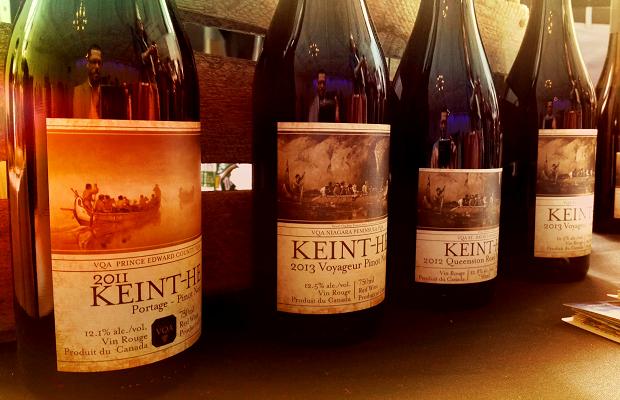


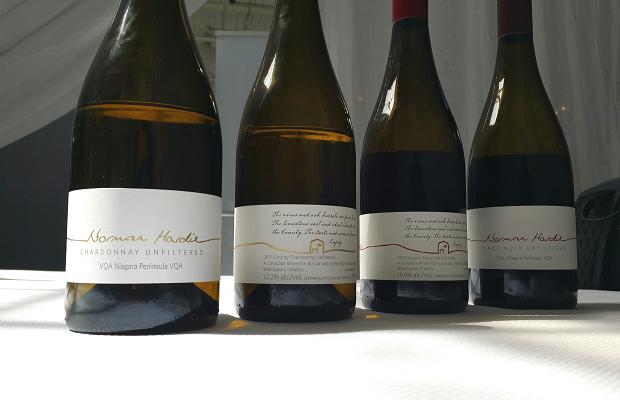

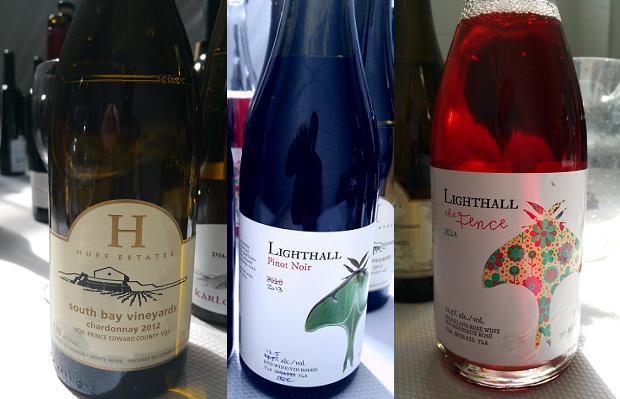
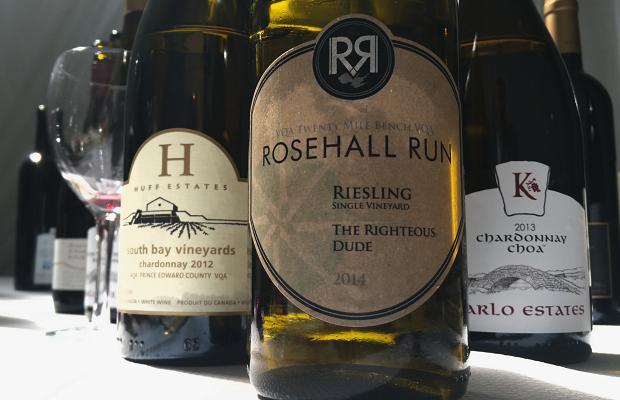


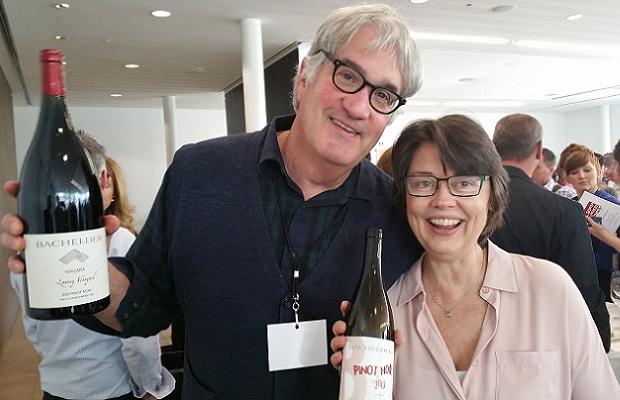

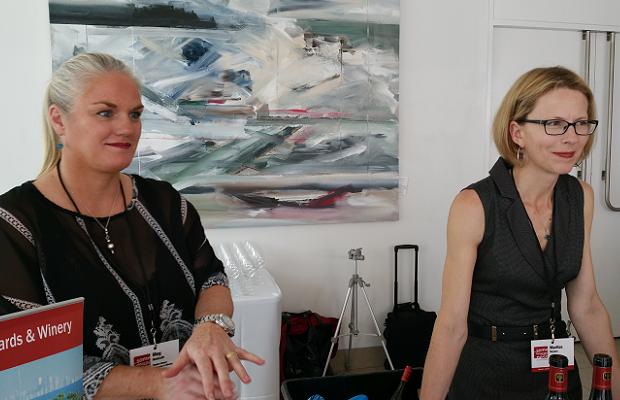
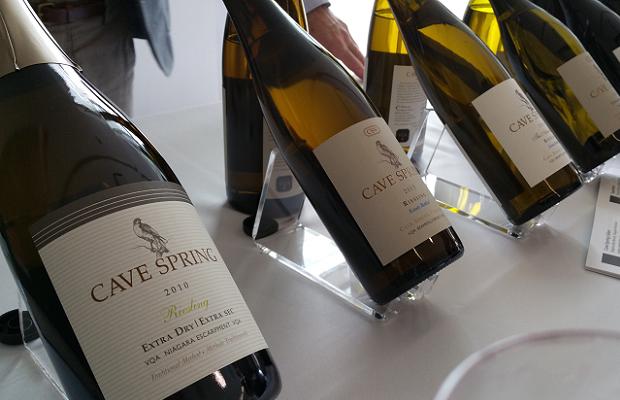
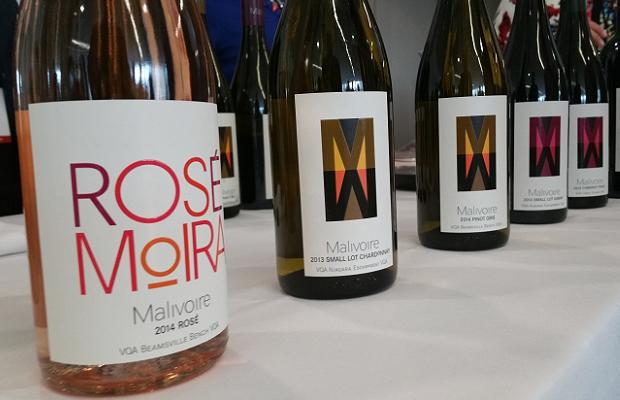
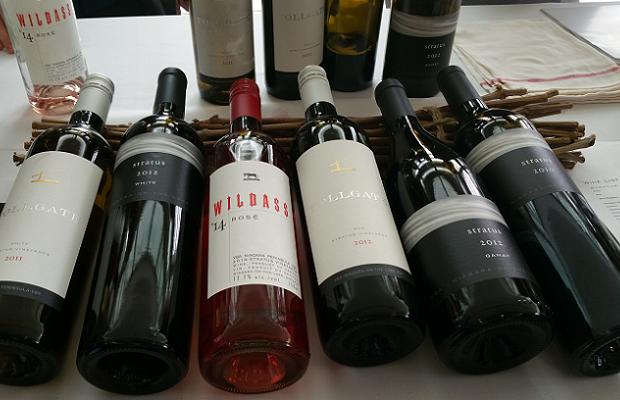

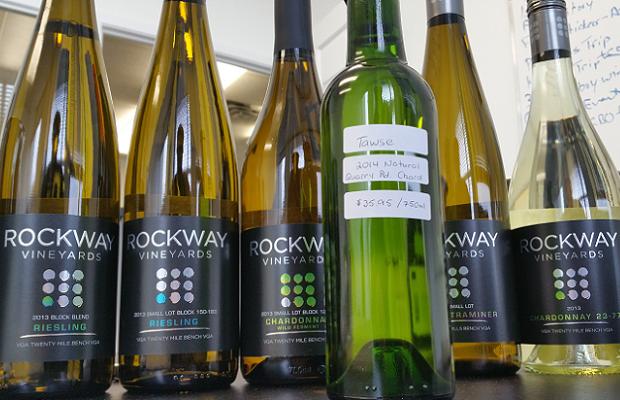
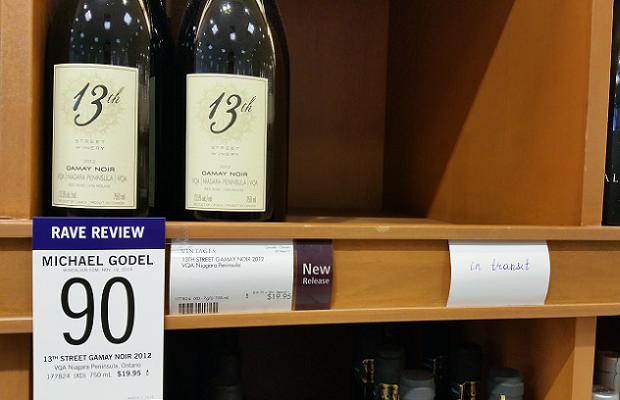
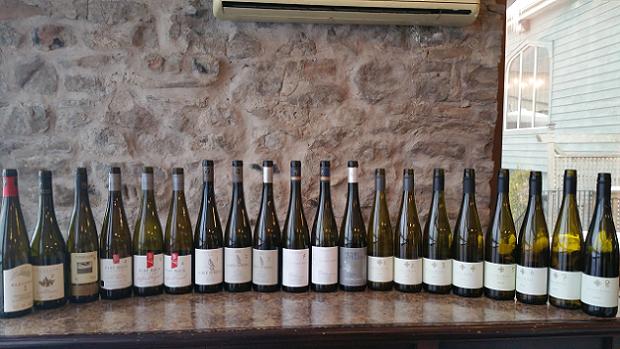
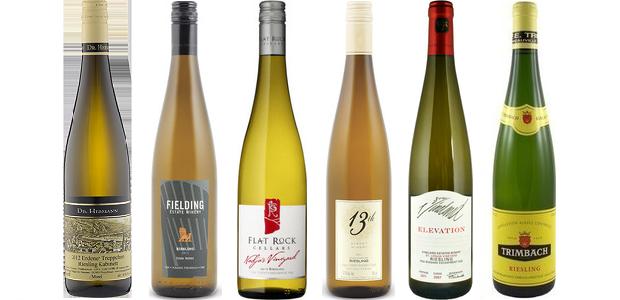
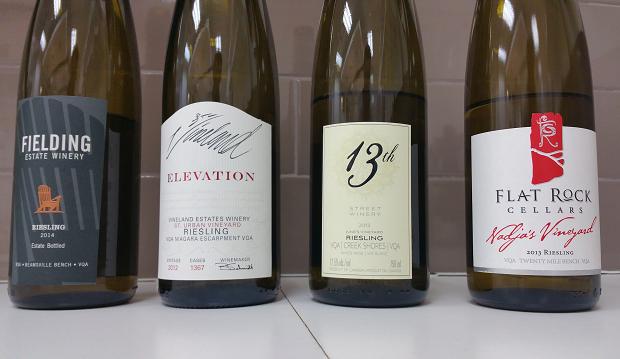

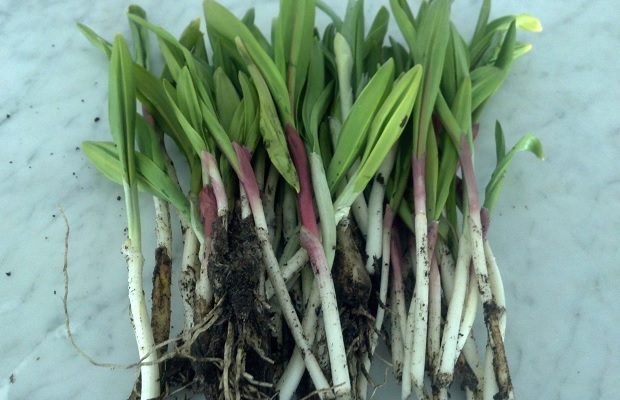




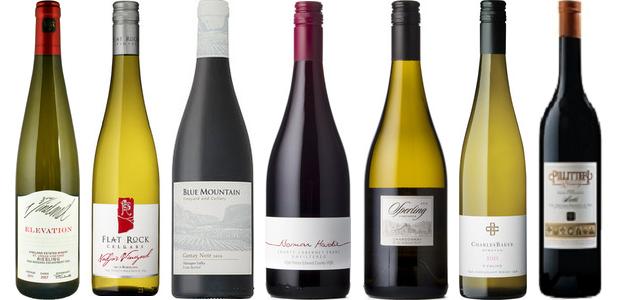
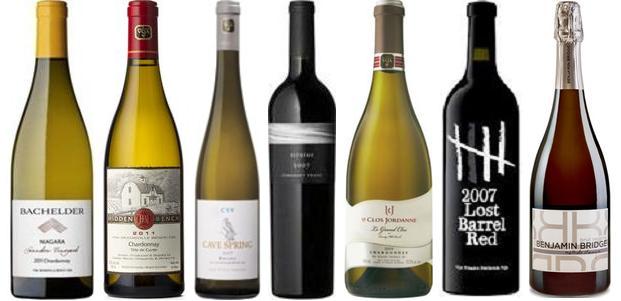

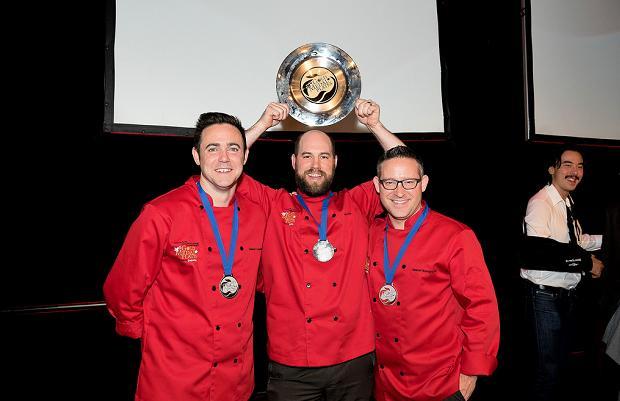
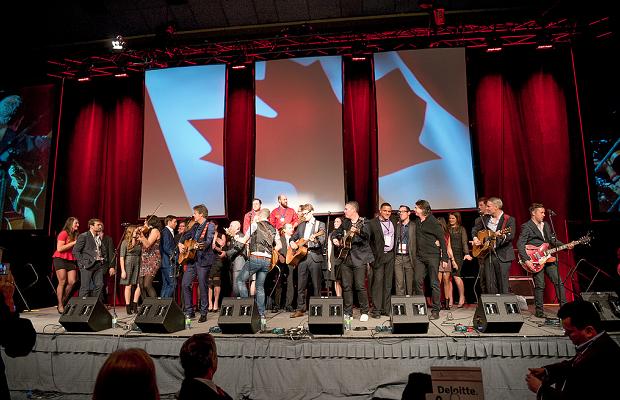
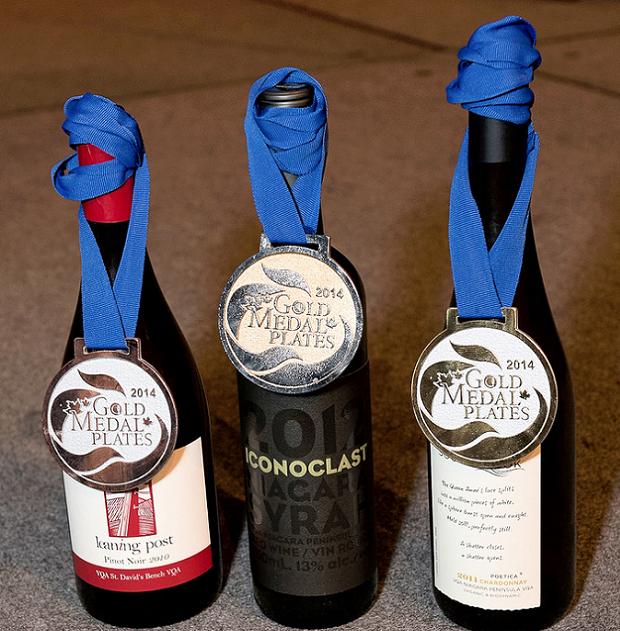
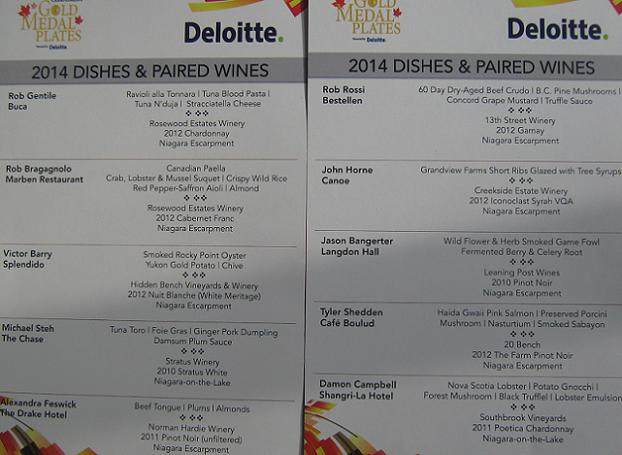
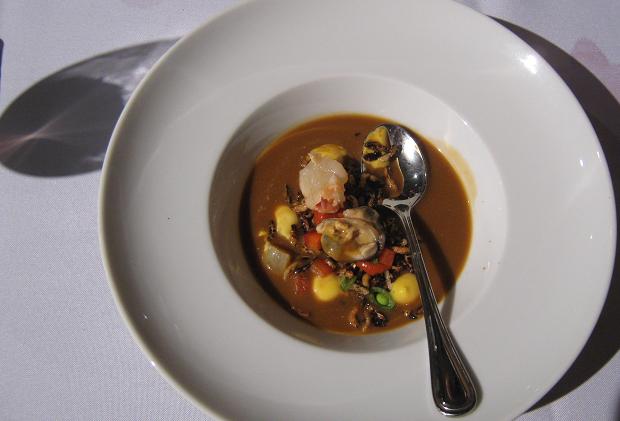
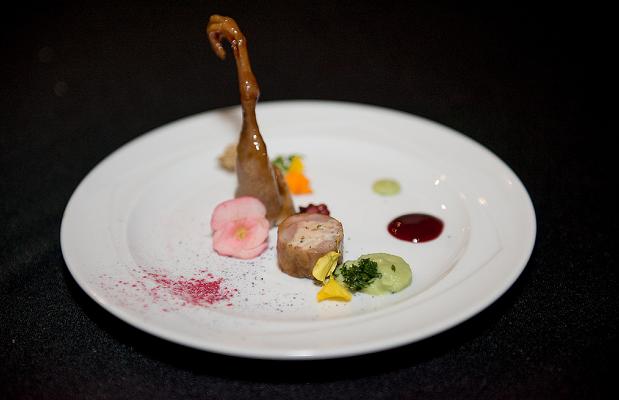

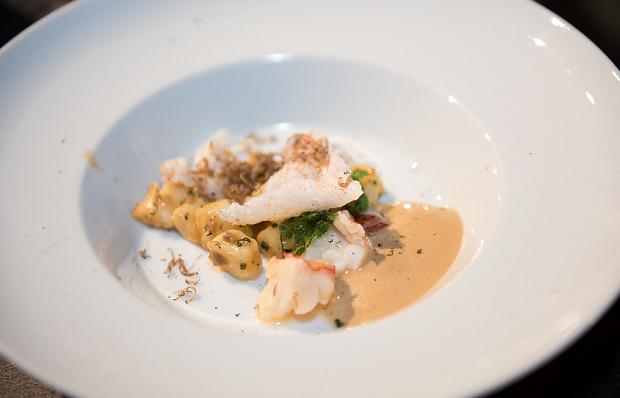
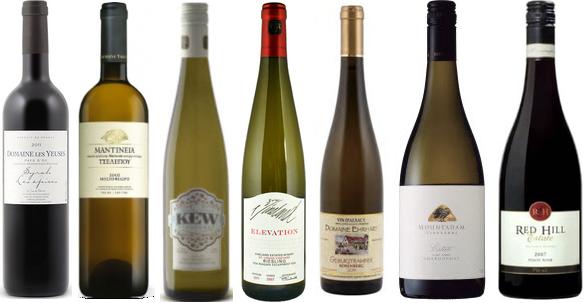
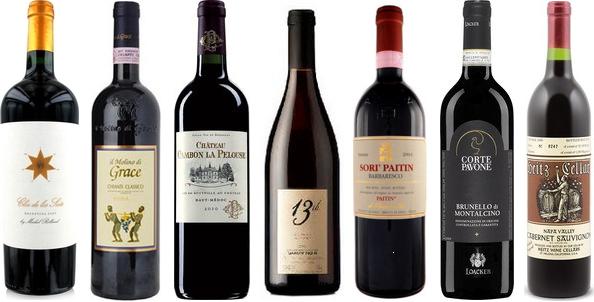

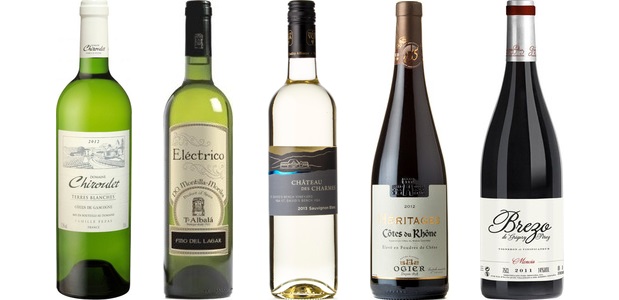
 Godello