
Hot red August sun in the Walla Walla Valley
In August of 2023 a small group of intrepid Canadians traipsed through the wilds of Washington’s wine country in search of the new but found so much more. A fine fettle of wine producers and estates fill up the eastern landscape, fully encapsulating the industry with the experienced, quaint, artful, zealous, time-tested, animated and cerebral. The trip was a hunt in persistence, finding it all, revelling in its mottled and striped splendour, sitting back to admire the people and the scenery. Smoke taint was on everyone’s mind but clear skies dominated imagination. The journey was winding, snaking contiguously like the Columbia, Yakima and Walla-Walla Rivers, working an itinerary through the Tri-Cities, Yakima Valley, Red Mountain, Walla Walla, Woodinville and finally to finish in Seattle. The weather ranged from 90 to 115 degrees Fahrenheit (32-46 Celsius for the rest of the metric world), fires burned far off in the distances near Spokane and widespread in British Columbia. The air was thick as pea soup though there was no fog and spirits remained high. Unwavering you might say, always ready for road-tripping, to reach further, for action and of course tasting.

The group convened in Richland, one of three city-siblings conjoined at the aggregate network of urban communities that include Pasco and Kennewick. On day one we took in the Yakima Valley and Red Mountain AVAs with J. Bookwalter Winery, Palencia Winery, Goose Ridge Estate Vineyard & Winery, Col Solare and Hedges. Day two down to the Walla Walla Valley AVA with SMAK Wines, Gramercy Cellars, Valdemar Estates, L’Ecole N° 41 and Woodward Canyon Winery. Morning of day three still about town in Walla Walla, at Seven Hills Winery, House of Smith and Vital Wines. Further south to The Rocks District of Milton-Freewater with Rotie Cellars and in the haze of the evening an oasis harvest party at Spring Valley Vineyard. Day four and onwards to the Yakima Valley AVA with Tirriddis, Sonder Wines, JB Neufeld and 14 Hands Winery. Day five more of the Yakima Valley AVA and then on to Woodinville, first with a blending experience and tasting at Chateau Ste Michelle, culminating at Airfield Estates. A long finale of a drive over the Cascade Mountains, a change in scenery and more profoundly weather ,with clear blue skies and sunshine in Seattle.

Lunar landscape in the Walla Walla Valley, akin to a Wes Anderson set of “parched gulch and arid plains.”
Grape cultivation in hostile climates
Cultivating wines in much of Washington is not a native exercise. Most of the southern part of the state is desert and nothing comes easy. There are many vistas akin akin to a Wes Anderson set of “parched gulch and arid plains.” This reminder comes by way of Christophe Hedges. “To plant a vineyard we just have to thin out a few sage bushes. Vine-growing is not a natural practice.” Yet Hedges also reminds that practicing biodynamics is not commonplace, but it is natural and so the Vineyard Manager reigns have fallen to 26 year-old Kayla Braich. Christophe insists she is the most knowledgable biodynamic expert in the Columbia Valley. “Hiring an old white guy to do biodynamics would not have worked.” At Hedges, Sarah Hedges Goedhart tells how Portuguese varieties are a focus, especially touriga nacional (but also tinta cáo and sezão) for their heat and drought resistant, terroir-driven qualities. They are late flowering and developing but also deal with the stress of extreme climate events better than the Bordeaux varieties. “Red Mountain is a small-knit community,” says Christophe. “We hope the way we are farming will be the direction of the future.”

Justin Neufeld talking Yakima, Rattlesname Hills and Red Mountain
“We’ve made wine in Spain for the past five generations, and we plan to make wine in Walla Walla for five generations to come.” — CEO Jesús Martínez Bujanda, 5th Generation at Valdemar Estates
Justin Neufeld finds the cabernet sauvignon from Red Mountain more granular and austere. Vibrant yet one-dimensional as compared to the (relatively) cooler climate sites of the Yakima Valley. There are different wind patterns here and the tannic profile becomes softer, chalkier and ultimately more elegant, with a true red fruit personality. Yakima lends to more “blended” cabernets, in particular as it pertains to structure, also more aromatic complexity and classic varietal style. Herbal, red fruits, herbaceous and vegetal character. More acid driven. Much of Yakima’s style is because of landscape orientation. Here the ridges run east to west where the cataclysmic glacial lake outburst Missoula Floods peaked at 1,200 feet. There is also the Stuart Range in the Enchantment Basin which hosts a granite soil profile while wrinkles in the central crust resulted in basaltic, south facing slopes. Meanhwile Neufeld is one of a few producers to discuss the fires and potential for smoke taint. He comments that 2023 reminds him of 2007 when there really was no issue on the grapes.

“My sisters and I grew up with the understanding you don’t farm for this generation, you farm for the next one” – Bill Monson, President, Goose Ridge Vineyards
Heritage Vineyards
Old vines are key to the tenets of quality and success for growing regions worldwide. There are parts of Europe and also grape varieties that suffer from increased disease pressure and low fruit vigour but there are also locations, especially in warmer and more southern climates that host century vines still in positive rotation. South America, Australia and South Africa especially celebrate the heritage and age of old vines that keep on giving. While there are some vines and wineries populating the wet, mild climate of western Washington, it is the greater fields of Washington State’s warm and predominately desert climate playing host to many special blocks, many of them planted in the 1970s and 1980s where the finest expressions of the region’s terroirs are produced. Still dozens of others are coming on strong and on their way to joining the heritage account. Not to be forgotten is the high quantity and profound importance of own (as opposed to grafted upon) rootstock in Washington’s vineyards.
- Airfield, Arnaut Boushey, Canoe Ridge Estate, Cold Creek, Dubrul, Moxee, Olsen, Phil Church, Rainmaker, Red Willow, Rosa Hills, Rothrock, Two Blondes and Upland vineyards in the Yakima Valley
- Hyatt, Outlook, Portteus, Morrison, Stonemark and Whisky Canyon in the Rattlesnake Hills
- Bacchus, Dionysus, Double D, Evergreen, Galitzine, Klein, Lawrence, Lewis Estate, Phinny Hill, Sagemoor, Stoneridge, Sundance, Tapteil and Wallula Gap of the Columbia Valley
- Andrews, Champoux, Discovery, Lake Wallula, Mach One, Palengat, Sorella and Zephyr Ridge in Horse Heaven Hills
- Clifton Bluff, Desert Wind, Fox Estate, North Ridge, Riverbend, Rosebud, StoneTree and Weinbau in the Wahluke Slope
- Beautiful Powerline, En Chamberlin, Ferguson, Forgotten Hills, Heather Hill, Hidden Northridge, Leonetti, Loess, Pepper Bridge, Powerline, Serra Pedace, Seven Hills, Spring Valley, Sur Echalas, Woodward Canyon and Yellow Bird in the Walla Walla Valley
- Mill Creek and Upland in the “North Fork” (of the Walla Walla River)
- Bel’Villa, Cara Mia, Ciel du Cheval, Grand Ciel, Hedges, Jolet, Kiona, Kingpin, Klipsun, Les Gosses, Magdalena, Quintessence, Shaw, Upchurch, Terra Blanca and Weather Eye on Red Mountain
- Ancient Stones, Holy Roller, Lafore, (Freewater, River and Rotie) Rocks, SJR in The Rocks District of (of Milton-Freewater)
These are but a shortlist with many more qualified and soon to qualify vineyards coming into their own. Heritage means more than grapevines, succinctly iterated by Bill Monson, President of Goose Ridge Vineyards. “My sisters and I grew up with the understanding you don’t farm for this generation, you farm for the next one.” CEO Jesús Martínez Bujanda of Valdemar Estates may be newer to the Washington wine scene but he echoes the sentiment. “We’ve made wine in Spain for the past five generations, and we plan to make wine in Walla Walla for five generations to come.”

Canadians and Kate at Spring Valley Vineyard
Syrah and Rhône varieties rising
Washinton State’s reputation has above all else been built on Bordeaux varieties but the present and the future see syrah and other Rhône grape varieties taking up more airspace, vineyard acreage and mind. The reds in syrah, grenache, mourvèdre, cinsault, carignan and counoise; The whites in marsanne, roussane, viognier, grenache blanc, clairette blanche and picpoul. On this last trip the Rhônes and varietal syrah were poured, discussed at length, waxed rhapsodic upon and just plain celebrated at Airfield Estates, Hedges, Gramercy Cellars, Rôtie Cellars, SMAK, Sonder, Spring Valley Vineyards, Valdemar Estates and Vital Wines. The Rhônes are taking hold and growing exponentially in the Yakima Valley, on Red Mountain, upon the Royal Slope and throughout the Walla Walla Valley, especially at the Oregon border in the Rocks District of Milton-Freewater. Plantings began in the mid-1908s in the Red Willow Vineyard of Yakima Valley.

Team Canada at House of Smith
WAugust in Washington
This WAugust trip to Washington wine country was made possible by the erudite folks at the Washington State Wine Commission, both in that spectacular state and also here in Canada. Just two months earlier a full-on participatory Pacific Northwest Wine event took place in Toronto and some added notes can be found at the end of this lengthy report. Three great humans work tirelessly (amongst many others behind the scenes) on behalf of the state’s more than 1,000 wineries, large and small. Keep in mind that Washington is the second-largest wine producing state in the United States, with over 1,050 wineries making over 17 million cases of wine, contributing more than $8 billion in annual in-state economic impact. That is a profound breadth of ground to cover for the small WSWC team. Chris Stone is Deputy Director and Kate Salisbury is International Marketing Manager. Chaperones Salisbury and Claudie Lamoureux of Washington State Wine for Canada were charged with the on point, on time task for five fulfilling and over-achieving days. Hard to say which of their characters or abilities were tops – driving prowess or durability, kindness, patience or grace. All of the above and it is imagined that Godello’s fellow travellers would wholeheartedly agree; Alana Lapierre, Angela Aiello and Mandi Roberston. In any case there was everything to experience, much along the lines of the varied and diverse wineries, AVAs and personalities encountered. Of conglomerates and boutiques, generational families and new blood, the established and the start-ups, pedagogues and rock stars, boffins and balladeers. There was much wine poured and these are the 135 tasting notes.

J. Bookwalter
Columbia Valley AVA
J. Bookwalter
John Bookwalter was a graduate of UC Davis Vineyard Management program and farmed some of Washington’s most famous tracts, Sagemoor, Bacchus and Dionysus. In 1982 he started J. Bookwalter, making approximately 2,000 cases of white wines. In the 90s he started the reds program and 2023 marked the 40th harvest. Chance Cruzen is winemaker and happens to be a big fan of Iggy Pop.

With the boys of J. Bookwalter
J. Bookwalter 3rd Edition 2019, Columbia Valley AVA
Flagship white, Bordeaux idiom, based on sémillon (63 percent) with sauvignon blanc (20) and muscadelle (19). The sém is both anchor and driver, dominating the aromatics and that speaks to how well this has been managed and blended. They keep the faith, act as catalyst for integration of both the varietal trilogy and the wood. John Bookwalter was known to say “choose your wood like you would choose a picture frame.” Equally important is the creation of consequence between flowing grace and bracing tension. Good strong mid-palate, tight and focused, length is outstanding. Proper flagship appellative white blend. Drink 2023-2027. Tasted August 2023
J. Bookwalter Merlot Readers 2020, Columbia Valley AVA
Mainly merlot but not exclusively, with small amounts of cabernet sauvignon, malbec and cabernet franc for good support, measure and spice. The oak is noticed, the tannins powdery yet silky enough to make this über sippable. Still a bit gangly to be honest with some white peppery piques on the aromatics and so another year will surely send this merlot to be in a place it was intended to be. A few grams of residual sugar plump it up and then chocolate, a next effect by barrel aging which only serves to make this a truly silken, creamy and yet acid retentive red wine. Produces up to 1,500 cases. Drink 2024-2027. Tasted August 2023

J. Bookwalter Conflict 2020, Columbia Valley AVA
Conflict, aged on lees, bottled 18 months after harvest. A great vintage save for some smoke that drifted in from fires all over the west, though really less dramatic here in the Columbia Valley than many other places. Pretty taut red that has not yet released its true aromatic charm, in fact it could be another 18 months before that really begins. The Readers Merlot is a much earlier proposition and the more diverse varietal meets barrel make-up with style intendment to make this a more structured and powerfully restrained merlot-dominant proprietary blend. Good yields though and a juiciness here that says the type of acidity in Conflict is quite different to that of Readers. This shows real potential, luxe as it is and all parts are prepared thoughtfully, with blood sweat and tears, yet neither by pretence nor blind ambition. Drink 2025-2029. Tasted August 2023
J. Bookwalter Cabernet Sauvignon Readers 2020, Columbia Valley AVA
Rounded out by five percent syrah and petit verdot, with thanks to a most important grower/vineyard, that being Dionysus. A richer, thicker and more unctuous red (as compared to merlot) but fruit concentration is on par. That said the warmer Dionysus site can’t help but deliver this kind of glycerin viscosity and so the blackberry-Cassis dominance will not be denied. Can’t miss the silky syrah and petit verdot depth that put this in the kind of red best defined as full and substantial. Refined and finessed enough, never overarching or reaching, best now and for a few to five years forward. Drink 2023-2027. Tasted August 2023
J. Bookwalter Cabernet Sauvignon Protagonist 2020, Columbia Valley AVA
Change of pace, in a way, from Conflict to Protagonist because for the first time there is an Italian (think Bolgheri) like stylistic coming through. Dusty, chalky and powdery tannins are evident, even in the face of fulsome and concentrated fruit. Juicy to the nth degree, ridiculously delicious and then a chocolate plus espresso crema all over the back end. The cumulative effect by fruit, terroir, climate and barrel aging make this climb to a rich and creamy finale pretty much unavoidable. Some sweetness follows and after some REM sleep there will be a long, melodic and jangling future for this Columbia Valley red. Drink 2024-2028. Tasted August 2023

Vic Palencia
Palencia
Victor (Vic) Palencia’s grandfather was a first generation immigrant from Spain (to Mexico) and he is first gen. American, so the symmetry, from Valencia to Palencia, is something to hang a northwest hat on. Vic started in Walla Walla in 2012 after taking a flyer and to realize a dream. As a first generation immigrant it cements the legally forming “sueno” even deeper. Thus the “Monarcha” brand, “earning my wings,” says Vic. “If you drink two bottles, cabernet and merlot side by side, you can fly.” A symbol for lifestyle, easy drinking wines and then the Palencia label, more serious, exulting Washington State’s diversity of grape varieties grown. The label depicts his father holding a shovel, “always working the land.” Palencia is located in Kennewick.

Godello foreground, background Vic Palencia
Charmat method, sweet and salty, like nuts and caramel corn but leaner and tighter as per the grace by variety. Simple stuff with good energy. Tasted August 2023
Palencia Albariño 2022, Columbia Valley AVA
Says Columbia Valley but really should be called Ancient Lakes located in northwest Washington. But Columbia is more recognizable and so here we are. If it smells like albariño and tastes like albariño well, you know the rest but truthfully this is a less herbaceous and more mineral example. And so Ancient Lakes it is. The terroir is hardpan calcareous limestone, good for drainage and reduction of hydric stress with sandy loam of up to 19 inches above. Pretty good albariño for dessert lands so far from a coast – but the place is definitely the reason. Nice little CO2 buzz about it as well which is so varietally correct. Drink 2023-2025. Tasted August 2023
Palencia Malbec Monarcha 2019, Columbia Valley AVA
From Vic Palencia and family in Kennewick with Columbia Valley fruit, 14 months in wood. Nice little char and smoulder on sweetly salty and sour-edged fruit. Higher acidity than many malbecs and also valley wines so this wants and needs food. Mojo bowl anyone? Drink 2023-2025. Tasted August 2023
Palencia Cabernet Sauvignon Monarcha 2019, Columbia Valley AVA
From the Richland Hills in the Columbia Valley where thicker skins and high quality fruit translate to unction and developed tannin. Cassis and Ribena mix, tart and candy hearts sour, in a good place right here and right now. Some powder in those tannins but resolution is just about complete. Drink 2023-2025. Tasted August 2023

Palencia Petit Verdot 2017, Wahluke Slope AVA
Part of the El Viñador line which is essentially Reserve style but the name is more specific and indicative of what it means to grow and make these kinds of varietal wines. From fruit grown on the Wahluke Slope AVA. Structure and mouthfeel justify the reasoning and the result, especially the tannic intensity and power at the yet to relent finish. Wood thickens, spices and sweetens the last third of this petit verdot which is really unlike any other, grown anywhere and produced as a solo artist. Drink 2024-2027. Tasted August 2023
Palencia Syrah El Viñador 2019, Red Mountain AVA
Red Mountain fruit and signature varietal effort but also style that Palencia seems most comfortable with. This is because the balance, restraint and finesse are at their collective finest in this kind of handsome and sturdy wine. Still some chalky and powdery tannin but overall the harmony and seamlessness are pretty spot on. Ready to go and please. Drink 2023-2026. Tasted August 2023

Top notch Paella at Palencia
Palencia Carmenère 2019, Red Mountain AVA
Sourced from the hottest region in Washington, that being Red Mountain and picked quite late. Nothing green about this carmenère, in fact it’s fruit and wood are thick as thieves, the tannins silken and the capsicum or jalapeño non-existent. Chewy like chocolate liquorice and very much a wine made for those who like it rich, luxe and thick. Drink 2023-2024. Tasted August 2023
Palencia Albariño El Viñador 2022, Columbia Valley AVA
The founding vineyard for albariño at Palencia’s reserve line is as advertised more concentrated, focused and finessed. From various harvests each fermented separately for 30 days in Hungarian oak puncheons then blended together before bottling. Aiming for a Galician style though truth be told you can take the albariño out of Galicia but you can’t take the Columbia Valley out of this albariño. Warm, rich and unctuous, in the end. Drink 2023-2024. Tasted August 2023

The Tirriddis Boys – Matthew Doutney, Gabriel Crowell and Andrew Gerow
Tirriddis
Tirage … Riddle … Disgorge. Tirriddis, acronym of sorts for three sparkling wine producing friends (Andrew Gerow, Gabriel Crowell, and Matthew Doutney) who celebrated the end of school with Gimonnet and Janz Champagne, fried chicken and chips. All attended Washington State University for viticulture and oenology. Their collective motto is “if we fail, we can always move back in with our parents. “Wine is a super architectural art form,” explains Gerow. “We’re really just trying to define Washington – defining typicality that really doesn’t exist yet.” First base wine were made in the Fall of 2020.

Tirriddis House Gris, Columbia Valley AVA
House tier is all about distribution, for restaurants and export in a fun and recognizable style. Here 100 per cent pinot gris, creamy aromatics, mousse as well, the sweetest of all the Tirridis wines at 11 g/L. Looks at reeling in a Prosecco crowd that can’t afford $50 sparkling wines. Sees 12 months on the lees and it is traditional method so expect some autolysis, mild oxidation and ultimately great energy. Drink 2023-2024. Tasted August 2023
Tirriddis House Brut, Columbia Valley AVA
More than 50 percent of the base wine is original (from the fall of 2020) and is essentially chardonnay with a few percentage points of albariño. Tirridis for tirage-riddle-disgorge (clever) and the sugars are hidden behind the acidity. Raises a bar for the vital scintillant nature of grapes farmed for wines that transfer energy like sparks jumping from hydro pole to hydro pole. Similar creaminess and mousse to the pinot gris but the orchard fruit here is different than that peachy stone. Who would dare not pour this as a warm home welcome or by the licensee glass? Tastes like unbaked Washington with tight bubbles. Drink 2023-2024. Tasted August 2023
Tirriddis House Rosé, Columbia Valley AVA
One-quarter each cabernet sauvignon, syrah, merlot and chardonnay, not unusual for Washington per se though no real frame of reference from the sparkling diaspora neither. Celebrates red fruit, from currants through plums and this surely comes across drier than it is, not quite the 12 g/L of pinot gris but this is pretty taut and wound for Rosé bubbles. Drink 2023-2025. Tasted August 2023
Tirriddis Brut Rosé, Columbia Valley AVA
The second rendition of the Brut Rosé, three parts, in triage two years, of cabernet sauvignon, syrah and chardonnay. One-third each means less red fruit so more of a currant current and the yeasty feels step up sooner and for longer. Still a scintillant intensity of vitality and energy plus some bitters this time around. Anything but a soft, upturned Brut style and saying this is a tasting room profile is pretty much spot on. Just feels like the teaching moment and in turn signature for the boys’ intonement of style. Drink 2023-2026. Tasted August 2023
Tirriddis Washington Blend, Columbia Valley AVA
Everything but the kitchen sink though in actuality it is anything but because it’s not the last lot to be put together each season. A blank slate concept that intends to represents the region in an unapologetic way. Fruity first, of merlot, riesling, pinot gris, cabernet sauvignon, chardonnay, viognier and syrah. Neither Blanc nor Rosé but a rainbow of multifariousness and truth be told this is seamless fizz, a Venn diagram of varietal and geography, of potential, diversity and exceptionality. Drink 2023-2025. Tasted August 2023
Tirriddis Blanc De Gris, Columbia Valley AVA
Third rendition looking for pure honeycomb and the guys feel they nailed it on number three, or at least set themselves upon a path to get it right there when number four comes to fruition. Why more sparkling producers do not refer to a varietal sparkling pinot gris in these terms is beyond me. It just fits. Creamy yes, with botanicals and bitters but the pear coulis flavour is uncanny. This goes a bit to herbal and preserved lemon foamy (and acidity is a bit subdued) but it’s close, oh so close. Can’t wait for rendition number four. Drink 2023-2024. Tasted August 2023

Tirriddis Blanc De Blanc Stonemark Single Vineyard 2020, Rattlesnake Hills AVA
First single vineyard sparkling wine, all chardonnay, small plantings in the Rattlesnake Hills AVA, 1,600 feet of elevation, of brushy savour and direct hits of more than one kind of citrus. The concept is a growers’ one – with obvious connotations. Elevation is clearly the driver because this is about acidity and high intensity, all pervasive and above all else in what this site wishes to give. Poured from Magnum, extended triage. Lemony, tight, zesty and just about zero dosage. Can see this living six or seven years. Drink 2023-2028. Tasted August 2023

Riley Miller, Sonder
Sonder
Established in 2016 by Riley Miller. Low-Fi, non-intervention, but not natural wines. Inspired by his time in the McLaren Vale. The initial production in 2016 was 100 cases – today about 3,000 cases. A thinker, but not too hard, yet still a man of wonder. Likes to consult the Dictionary of Obscure Sorrows, from which the realization is concluded that everyone around you has a complex life, as much as your own – but we can’t comprehend half of it. “We are like monkeys flying on a rock through space.” Observe Miller conduct a wine tasting for visiting journalists and you can imagine the inner workings of a modern day winemaking production. Riley’s bottles are anything but some kind of toad swindle. They are made for all of us, including those who don’t know it yet.

Sonder Rosé Cinsault 2022, Columbia Valley AVA
Trying to capture a Provençal style, 24 hours of skin contact, gently extracted and truly crushable. Lightly tart, basic, simple, unadorned. Native ferment. Truly cinsault to be honest. Drink 2023-2024. Tasted August 2023
Sonder Grenache Blanc 2022, Columbia Valley AVA
Big chunk of the fruit comes from Boucher Vineyards and a smaller portion out of the Rattlesnake Hills. Warm and mature though high elevations keep it fresh and again the naked nature of a Riley Miller wine make this immediately crushable. Unadulterated, no make up and local. Drink 2023-2024. Tasted August 2023
Sonder Roussanne 2022, Columbia Valley AVA
True expression of grape, not necessarily “perfect” wines, nor is there any reason to want them to be but they are representative of site and Washington. Neutral oak, tropical notes, fresh papaya and pineapple syrup, tart and textural with thanks to some stirring. Drink 2023-2024. Tasted August 2023
Sonder Field Blend 2022, Columbia Valley AVA
Orange, mostly viognier with some marsanne and roussanne, six weeks on skins, six months in neutral oak. Grapes that don’t really bring the orange but instead the partly cloudy pineapple juice hue. A wine that challenges why orange is the ubiquitous term because funk and melting salve are not the thing. Spice yes and litchi, also grapefruit and the most mild of bitters. Has that anesthetic feel on the palate. Third iteration of this wine. Drink 2023-2024. Tasted August 2023
Sonder Co-Ferment 2022, Columbia Valley AVA
A co-ferment of grenache and picpoul, first time trying, served chilled, “a patio pounder.” Watermelon Jolly Rancher insists Riley Miller, 11.5 percent and as crushable as wine can possibly get. Juice. Water, pink, alcohol. Drink 2023-2024. Tasted August 2023
Sonder Red Field Blend 2022, Columbia Valley AVA
Mostly counoise and grenache with some cinsault, viognier and roussanne. A couple of weeks on skins, co-fermented with some whole cluster and carbonic maceration. Simple, drinkable, low alcohol, currants and red berries, sweet acidity, a moment of balsamic and charred herbs. The grapes almost combine for a cabernet franc or even lightly smoky cannonau meets carmenère effect. Nothing else like it and better for that. Drink 2023-2024. Tasted August 2023
Sonder Grenache 2022, Yakima Valley AVA
Rarely made grenache by method and style “as close to pinot as is humanly possible” says Riley Miller. Picked early, 20 percent whole cluster, Western Cape stylistic, light, low alcohol, fresh and shadowy, suggestively if sneaky tannic. Drink 2023-2024. Tasted August 2023
The Orcas Project Nebbiolo Andrews Vineyard 2022, Horse Heaven Hills AVA
“The Orcas Project is a collaboration between some of the most talented winemakers in the Northwest and a collection of Orcas Island artists. The idea to combine these two groups of people was born on the island and continues to expand throughout the Northwest. Each winemaker that is part of The Orcas Project is paired with an artist and represented by a different label.” Riley Miller’s is pseudo carbonic for which 50 per cent whole cluster is added back on top – makes for a grippy if light and effusive style. Cherry, candy apple and onion skin. Picked early as if for Rosé and frankly reminds of Cerasuolo. Fine bitters, good balance and a bit of roasted nightshade char. Cinnamon heart finish. Drink 2023-2024. Tasted August 2023

Kinnikinick Red
Chateau Ste Michelle
Chateau Ste. Michelle is Washington State’s oldest winery, and many of Washington’s most famed winemakers got their start with the Estate. Ste Michelle is also the largest producer of Riesling in the world, and has winemaking partnerships with two international vintners: Col Solare is an alliance with Tuscany’s Piero Antinori and Eroica Riesling is a partnership with the Mosel’s Ernst Loosen. As part of the visit, the Canadian team was treated to a Blending Experience.

Chateau Ste. Michelle & Dr. Loosen Riesling Eroica 2022, Columbia Valley
More than a hint of residual sugar yet the driest style for CSM and though the relationship is with Ernie Loosen this is not Mosel style. Fruit is sourced primarily from the Evergreen Vineyard to bring Eroica into its proverbial and ironic sweet spot. The “hero” is in ode to the winery’s varietal roots and a Beethoven reference. Bit of residual CO2, high acid and truly tart. Balanced vintage, vital and energy elevating. Will be one of Eroica’s better agers. Drink 2023-2027. Tasted August 2023
Chateau Ste. Michelle Riesling Indian Wells 2022, Yakima Valley AVA
Much like Eroica there is a residual CO2 buzz and at least twice if not three times the number (here eat 30 g/L) of residual sugar. Quite rich, luxe and opulent with just a few sites left to create this round and sweet style. High Kabinett or low Spätlese in a sense but without the supporting acid. More Mosel here and yet also quite a lot more phenolics and tonic. For a consumer that likes sweet wines but can be drawn into riesling, followed by some less sweet varietal examples. Some wine producing and drinking habits never die. Drink 2023-2025. Tasted August 2023
Chateau Ste. Michelle Chardonnay Canoe Ridge Estate 2019, Horse Heaven Hills AVA
Relatively rich and luxe chardonnay style, sweetly buttery, soft and creamy. No real bite but just easy, amenable and though considered a cooler spot with better acidity than some it’s still as round as chardonnay gets. Softens more and more as it slides down and feeds away. Drink 2023-2024. Tasted August 2023
Chateau Ste. Michelle Cabernet Sauvignon Indian Wells 2020, Columbia Valley AVA
Reds are the main focus at Indian Wells and while the style is opulence, this cabernet sauvignon is surely designed to be consumed ASAP. Tannins are present yet sweetly soft and wood soaks up everything, then returns it with semi-sweet chocolate. A quarter is new American oak and 20 percent is French. Soft with some sweetness, macerated plums and that ever pervasive chocolate. Hugely consumer friendly. Drink 2023-2025. Tasted August 2023
Chateau Ste. Michelle Merlot Canoe Ridge Estate 2018, Horse Heaven Hills AVA
A third new French and seven percent American wood truly sheathes, thickness and wraps merlot up in a nurturing flannel blanket for merlot that has softened into an almost ideal drinking state. The 2016 was much more tannic and though some omnipresent balsamic shows here it’s more reduced, sweeter and less high-toned. Lower acid here, at 4.8. Warm and caressing vintage for the palate and our emotions. Drink 2023-2025. Tasted August 2023
Chateau Ste. Michelle Cabernet Sauvignon Cold Creek Vineyard 2019, Columbia Valley AVA
Cold Creek Vineyard is a very successful vintage for cabernet sauvignon, more finely tannic and higher in acid than 2016. The energy is special, the harmony between fruit, acid, tannin and wood far superior to other seasons and also other growing sites. Yes there is luxe fruit, concentrated and substantial but the combination of harvest and winemaking makes for an exceptional combination out of 2019. Drink 2024-2028. Tasted August 2023
Chateau Ste Michelle Syrah Limited Release Organic 2020, Horse Heaven Hills AVA
Deep purple, fruit sweetness from über ripeness and a clarity or cleansing feeling for naturally curated and orchestrated syrah. So profoundly bright new world in style and effect, delicious to the nth degree and openly gratifying. Drink up. Tasted June 2023

14 Hands Winery
14 Hands
Chateau Ste Michelle property located in Prosser.
14 Hands Pinot Gris 2022, Columbia Valley AVA
Clean, fresh, soda feel that puts the style in gris though there’s not much separating it from grigio, either from the Columbia Valley or across the pond delle Venezie. Vague melon and honeyed flower blossoms but when all is said and done this easiest to get at pinot gris from the grand Columbia Valley is a simple glass of white ubiquity. Drink 2023-2024. Tasted August 2023
14 Hands Roussanne Marsanne The Reserve 2022, Rattlesnake Hills AVA
Crisp Rhône white blend with a small percentage of wood to give it a wisp of smoulder that combines with some lees stirring for a creamy mid-palate. Higher in pH than some of this sort of Yakima ilk to result in elevated sapidity, a toothsome quality and finally piquant bite. Quite a bit of sulphur to work through but no worry because being structurally sound and very “reserve” in style the fruit and the composure will rise and win in the end. Give this some air, a swirl and agitation to coax out the charm. Just a 350 case production. Drink 20224-2027. Tasted August 2023

14 Hands Stampede 2018, Columbia Valley AVA
Stampede is 14 Hands’ self-declared “bold red wine” and while the marketing sounds like something in the realm of BBQ sauce this is really impressive for the price. Essentially syrah with some petit verdot “to give it some shoulders” tells winemaker Keith Kenison who has been with the winery since its inception. French oak dominant translating as lavender, jasmine and vanilla, the latter a tincture that permeates much of the aromas and flavours. Yes it’s confected but also rich and unctuous for $15 (US). Drink 2023-2025. Tasted August 2023
14 Hands Cabernet Sauvignon The Reserve 2019, Horse Heaven Hills AVA
Led by cabernet sauvignon and labeled as such though there are supports from both cabernet franc and merlot. A protein cabernet, meaning it drinks with strength and pairing it alongside entrée portion meats, preferably red will do it best justice. Carries that full barrel feeling in surround of a swell (mainly black) fruit and incredible richness, feeling like sweetness, but the wine is bone dry. Wood resin, syrups, up and into a whole other level of concentration. The most refined and luxurious of the 14 Hands reds (or whites) that competes with top Washington and also some heavier priced California examples. Drink 2024-2028. Tasted August 2023

Goose Cap AVA at Goose Ridge Vineyards
Goose Gap AVA
Goose Ridge Vineyards
Goose Ridge in Richland and adjacent to Red Mountain is unique in that it is the owner of its own (Goose Gap) AVA, approved three years ago. The first planting of cabernet sauvignon was 25 years ago in 1998 and today there are a total of 2,500 acres of vines. The Monson family dates back to the early 1900s when M.L. Monson brought his family to the Yakima Valley. Taylor is the fourth generation, dad and two sisters (Bill, Molly and Valerie) are the third. The family is equally famous for cultivating Cosmic Crisp Apples (that don’t brown), developed with Washington State University and the first to grow them. The visit in the vines and through the facility culminated in a quick tasting of four wines though the setting was not conducive to formulating proper tasting notes.

Red Mountain
Col Solare
Located on Antinori Road in Benton City is the Château Ste Michelle Red Mountain partnership with Tuscany’s most famous family. A tour with Col Solare’s hospitality team reveals the bond with the mothership. “Antinori dictates what we do and the style of wines they want us to make.” There are no problems, only solutions and fixing issues like re-planting problematic cabernet sauvignon blocks is in the process of a three-year plan. “The only wine we make here that the Antinoris care about is cabernet sauvignon – so it has to be great.” The new winemaker is Stephanie Cohen, a Michigan graduate in Chemical Engineering. Cohen worked in New Zealand, Margaret River and Napa Valley, where she met Marcus Notaro, first winemaker at Col Solare. Stephanie went to Oregon, then Columbia Crest, then arrived at Col Solare three years ago. She was appointed head winemaker on July 1st, taking over from Darel Allwine. “Do we love what Stephanie is doing? Short answer is yes.”

The vintage brings about three major changes; label, style and price. The Col Solare had been in the $75-85 range going on 10 years but now it’s about Antinori wanting something “better.” In every respect ’19 is certainly darker and richer, of an impenetrable hue and structure. An Italian cabernet sauvignon, as close to Bolgheri Guado Al Tasso as Col Solare has ever been, but this holding pattern will almost surely be temporary. A Red Mountain interpretation from small (blueberry-sized) berries, raised with low vigour off of soils of sand and silt. Aged 22 months, not quite but pretty close to 100 percent new oak. Racked every three or four months, to eliminate slag and to refine, refine, refine. Aids in tannin transformation and eliminates the need for fining. A cabernet of great depth, of Cassis, mint and graphite. Luxe character, finesse, if not the level of fantasy wished for – but this new is the first of the new. By 2020 invention should meet vision for the next level of Col Solare quality. Drink 2025-2030. Tasted August 2023
Col Solare Cabernet Sauvignon 2018, Red Mountain AVA
Essentially cabernet sauvignon with five percent franc while only 2015 and 2020 have been 100 percent. From the hottest wine-growing AVA in Washington state, with basalt below the soil surface, irrigated six to eight inches per year. Early picked and in 2023 this will likely start on or around the 20th of August, to finish off what has been “a really weird year.” There are 4,040 total acres in an AVA considered one of seriously high quality. Col Solare has been growing here since 2011 but not enough to meet production numbers and so six Red Mountain contract growers are involved. The average case number is 5,000 for a cabernet sauvignon as suave as it is rich though 2018 is the last of an era, because 2019 will mark changes to concentration, detail and price. Meanwhile the ’18 is equipped with the finest powdery tannins. Truth is there can be no denying the quality levels of fruit, wood and tannin. All relatable to uncompromising labour, time put in and attention to detail. It’s all too perfect. Drink 2024-2029. Tasted August 2023
Col Solare Merlot 2019, Red Mountain AVA
Though 2019 was marked by an unusual Spring in a cooler and by extension leaner year it’s a relative thing and so Col Solare has still made a very substantial wine. This label falls under the auspices of the Component Collection, a “Tenuta” expression mainly intended for the Wine Club. All estate fruit, built on the premise of perfume ostensibly if allegedly a Washington state desert opportunity exaggerated on Red Mountain. Intense violets with blue fruits that merlot will express at these magnified levels when allowed to. Still tight as far as structure is concerned but thankfully three-plus years have allowed for some wood integration and tannic settling. A fruit emergence is underway and frankly encouraged, more so than the cabernet, if here in merlot not quite as polished as a wine. The finish shows the rusticity and austerity of the tannins while the quality of the chocolate is nothing if not impressive. Drink 2024-2029. Tasted August 2023

With Sarah Hedges Goedhart and Christophe Hedges
Hedges
“Our driving force is for our wines to have a Red Mountain quality,” is basically the first sentence uttered by proprietor Christophe Hedges. “I don’t know if we’re trying to be authentic but we are following our mother’s lead, that if you are going to do something, do it correctly.” Anne-Marie Liégeois grew up in Ossey-les-Trois-Maisons, in Champagne, France. She married Tom Hedges from Richland, Washington in 1976. Their first wines were sold to Sweden in 1997. The first vineyards on Red Mountain in the Yakima Valley were planted in 1989 and 1990 and the winery-Chateau was built in 1995. Christophe returned in 2012 and is National Sales Director while sister Sarah Hedges Goedhart took over full-time winemaking in 2015. This coincides with the first certified label under the biodynamic program which began back in 2008. Goedhart says there’s no formula ever. “We’re just trying to be guided by what the grape’s want to be. Blending is the hardest part.”

Sarah Hedges Goedhart and Christope Hedges
Hedges Le Blanc Déscendants Liégeois Dupont 2021, Red Mountain AVA
A program that began in 2014, use of older barrels, some lees contact and bâttonage. A niche wine from Rhône grapes (namely marsanne with viognier), because whites at this level just don’t sell all that much. Even as brix levels rise the pH on this wine remains quite static and so as an aromatic white this remains pungently salty and avoids the starchy. Richer than expected and dutifully harmonious, clearly a wine of class, beauty and understatement. Lemon and orange peel, really nutty and slightly toasty, with only 400-500 cases made from just one hectare. It will change a lot and get brinier and brinier, becoming even better with stronger aged cheeses and many things cured. Drink 2023-2028. Tasted August 2023
Hedges Family Wines CMS Made With Organic Grapes 2022, Columbia Valley AVA
The “American” version label, minimally sulphured and just bottled a week ago. A “farm” style wine, crunchy and sitting right there with a local sense of terroir, northwest, Columbia Valley, very different than what comes from Red Mountain. That said it has more Red Mountain fruit than Columbia Valley. The blend is 48 percent cabernet sauvignon, (44) merlot and (8) syrah, subjected to very, very little new wood. Fresh and clean with an iodine and wet concrete note, almost Western Cape in style. Spice and intensity speak about house style with a broad stroke on a painted picture. Drink 2023-2025. Tasted August 2023

Hedges Family Estate Red Wine 2021, Red Mountain AVA
A blend off all the vineyards on Red Mountain (Hedges, Jolet, Bel’Villa, Magdalena and Les Gosses), berries about half the size of what comes from Columbia Valley. A higher pH place with less water conversion and more evaporation. Yields are smaller by half and extraction levels the opposite with thicker skins and when ripe, also crunchier seeds. The ’21 blend is 55 percent cabernet sauvignon, (26) merlot, (9) syrah, (6) cabernet franc, (3) malbec and (1) petit verdot. Aged in 62 percent American and (38) French wood. Rich, luxe, concentrated and fixated on its home, that being these five blocks on the Red and frankly the palate feels intoxicated or anesthetized by the command of attention and purpose dictated by place. A top vintage, without a doubt. Drink 2024-2032. Tasted August 2023
Hedges Family Estate Le Haute Cuvée 2018, Red Mountain AVA
This is 99.77 percent cabernet sauvignon and the rest, well does it matter? A cuvée that goes back to 1987 and here a Hedges professed, native ferment instructed great vintage. Lots of different cabernet sauvignon components make up this prominent and confident biodynamic wine. Red to black fruit, a noted brininess, higher acidity, seemingly lower pH, saltiness and dusty Christmas spice. The potential here runs long and deep, without weight and still some iodine, balsamic and minty freshness. Shot of espresso conclusion that speaks to another level of tannic dust and combust. Drink 2024-2032. Tasted August 2023
Hedges Family Estate Touriga Nacional 2018, Red Mountain AVA
Quite possibly the future of Red Mountain, at least for Hedges, having planted three Portuguese grapes some time ago. Their heat resistance and ability to adapt preps them for next level climate extreme to come. Aged in 100 percent neutral American barrels and coming away liquid chalky, dark and feigning vague sweetness. Drips and oozes with Red Mountain iron, iodine and though truly opaque, there is this transparency of pace and place that cannot be hidden. Drink 2023-2027. Tasted August 2023
Déscendents Liégois Dupont Syrah Les Gosses Vineyard 2020, Red Mountain AVA
No mention of Hedges on the front label but instead Anne-Marie’s family name because you have to respect your history. And the vineyard is hers, planted in 2006 then certified biodynamic in 2019. A block that winemaker Sarah Goedhart runs through with several different picks, some falling on one side and some on the stylistic other, than blended back in together. Its richness is anything but gratuitous, the depth descendent and built upon the idea or concept of gravitas. Full, complete and a most satisfying mouthful. Drink 2025-2033. Tasted August 2023
Déscendents Liégois Dupont Syrah Les Gosses Vineyard 2019, Red Mountain AVA
Rich, thick and finely layered syrah from the distinct entity that is Red Mountain with its not to be missed meaty, mineral, sanguine, ferric rich, red earth character. There is an underlying chalkiness here and one that will surely determine a long life ahead, as witnessed by the linger and hang around ability of of a syrah on a clear and present mission. Drink 2024-2029. Tasted June 2023
Déscendents Liégois Dupont Le Rosé Les Gosses Vineyard 2022, Red Mountain AVA
A kitchen sink Rosé blend led by syrah (42 percent) with (21) mourvèdre, (18) cunoise and (14) grenache. Aromatic as much as syrah is want to go, for us and so the Rhône gang’s get together works so bloody well. There is a sanguine character with thanks to the mountain’s soil and the movement here is classical, strings reverberating, flowing, rising and falling, no real cresencedo but a softening and fade. Just lovely stuff. Drink 2023-2025. Tasted August 2023

Hedges Family Estate Red Mountain Reserve 1999, Red Mountain AVA
The artist formerly known as Red Mountain Reserve became Le Haute Cuvée with the 2012 vintage. Hedges was both ahead of their time (because the word Reserve was already losing its wine world lustre) and respectful of family history by labelling in a Champagne or at least a French vernacular. Here is a nearly 24 year-old red blend that has aged remarkably well and though thinking miraculously was a momentary thought – there is no miracle but something more profound at play. The Mountain for one thing and a family at least a decade ahead of the curve. Early Washington organics, no reverse osmosis, no mechanical filtration and no lobotomizing a bottle of red wine. Yes the secondary notes are present and they are settled in a state of absolute proprietary grace. Very little trace of tannin, nor any barrel that is but a superfine mountain induction that makes for a silky feeling in the mouth. There is a chance this will live another 24 years but the fruit is already leaving and so 12 should be the maximum with half that the truest and most honest recommendation. Drink 2023-2027. Tasted August 2023
Hedges Family Estate Syrah Bell Villa Vineyard 2012, Red Mountain AVA
Tasted from magnum (bottle 110 of 200 to be exact) and shocked (in a redacted moment) by how fresh and non-advanced this wine persists to be. This syrah is from a vineyard that was the second one planted on Red Mountain and what we are faced with is a 15 year-old block that was so far ahead of its time. Tasting this 10-plus years after vintage feels like fiercely re-reading an old Tom Robbins novel, celebrating the proper work of the past and predicting what will be essential in the future. The search back then begets syrah in hot climates now. Getting the sage brush but now, now the fungi have come about, though not the kind that grow in a western rainforest. More like that which emerges from a burn site. In any case the impression is syrah from a beautifully stark place. La belle de campagne. Drink 2023-2026. Tasted August 2023

Walla Walla
SMAK Wines
SMAK Wines is the first Asian woman owned and operated winery in Walla Walla producing exclusively Rosé. “Rosé to me is more than just a beverage, it is a lifestyle. I wanted to bring this lifestyle here and so SMAK was born.”- Fiona Mak, Owner & Winemaker.

SMAK Sangiovese Spring 2022, Walla Walla Valley AVA
SMAK Wines is the work of Fiona (Sui Wah) Mak and sangiovese is made just like the pinot gris, save for how it exults the high acid and sharp nature of sangiovese. Still so light and rainwater clean, not quite petrichor but yes, a Rosé that drinks like water. Back up the truck for this glug-glug, glou-glou, grape witches fantasy of Rosé. Salty. Drink 2023-2025. Tasted August 2023
SMAK Pinot Gris Summer 2022, Walla Walla Valley AVA
I mean not all that different than the sangiovese if lighter, lower in acid and well, summery. Light, bright, tender, carefree, unadorned and even saltier, to be honest. Just what you need, whether you know it or not and well before you even know your needs are needed. Salty magic as koan. Koan of Rosé. Drink 2023-2025. Tasted August 2023

SMAK Syrah Autumn 2022, Walla Walla Valley AVA
Made with syrah and its autumnal personality, barrel fermented in neutral wood, some malolactic and so not the usual but rather a Rosé with some extra nuance, spice, texture and fantasy. No lewd or ambitious stylistic departure from Spring and Summer, just a bit more grounded, of blush gravitas, creaminess and something needed to be explained. Rosé smackdown without any undesired anxiety or tension. Drink 2023-2025. Tasted August 2023
SMAK Syrah Bubbly Blend Winter 2022, Walla Walla Valley AVA
Fizz Rosé by syrah with some addendum by grenache and a few extra grams of residual sugar to keep the harmony and faith alive. Nice little bit of naturalization in the way the wine sits on the palate and melts like a caramel and lemongrass salve. Red currants and again, coming across dry and just tannic enough to keep things moving forward. Would like another half gram of acid for best energy and more length. Drink 2023-2024. Tasted August 2023

SMAK Cabernet Franc Rosé Abstract #1 2022, Walla Walla Valley AVA
There is just something about cabernet franc that when it’s made into Rosé (and made well) the grape variety is more recognizable than almost any other. Fiona Mak has captured grape and what just has to be place with a level of calm and hypnotism that Rosé rarely sees. Drink a glass, get your Rosé buzz on, feel OK for the rest of the day. Drink 2023-2025. Tasted August 2023
SMAK Pinot Noir Rosé Abstract #2 2022, Walla Walla Valley AVA
Gotta say this might be the best use of pinot noir in Washington, light, salty and without distraction to cause any overthinking. Closer to the sangiovese than any of the others and with an extra layer of volatility, sharpness and tang. Drink 2023-2025. Tasted August 2023

With Brandon Moss, Production Winemaker – Gramercy Cellars
Gramercy Cellars
The story of Gramercy Cellars began with a Manhattan-based sommelier tasting and becoming inspired by Washington State wines. He sells everything to move across the country to make his own. Master Sommelier Greg Harrington and production winemaker Brandon Moss are the mad scientists, experimental music makers, open-minded and forward thinking team. They are intuitive and paying attention to the extremities of climate events. Fully aware that 2020 was a brutal smoke year and so 25 percent was balked out after remediation. “Mourvèdre can handle it” tells Moss, but “cabernet franc and pinot noir simply can’t.” Elizabeth Tommasino at Oregon State is researching “columns” that neutralize smoke taint without stripping varietal from wines.

Gramercy Cellars Picpoul Pét Nat
Sparkling picpoul, low pH, high acidity, aromatically neutral and boom, Pét-Nat. Left on its lees for something like 10 months before being disgorged and so yeasty is the understatement. Graffiti labeled, an element of Gramercy Park, NYC ode. Smells like chèvre and preserved lemon, minutely funky and well, extremely French. Weirdly so and the yeasty-bready ready quality is more sourdough than anything else but also this dry-aged beef note that purists will really love. This is how you make wine without excess sulphur, cultured yeasts and for the purpose of re-fermentative ideals. Drink 2023-2025. Tasted August 2023
Gramercy Cellars Picpoul 2022, Walla Walla Valley AVA
Not a whole helluva lot of picpoul made in the United States and especially in hot climates but it ripens late and the acidity can be maintained – that said you need a lot of heat to get it ripe. This may not be the Languedoc and the lean, salty, low pH style without lees weight or drive puts this in a league of its own. Vines were planted in 2013, clusters are loose and massive, the wine it makes is acid-driven, fresh and simple. Pencil lead, cinnamon heart and fennel pollen. More complex than you might think. All lemon and lime on the finish. Drink 2023-2025. Tasted August 2023
Gramercy Cellars Viognier 2022, Columbia Valley AVA
Sourced from Lake Chelan for a cooler climate base and then the Gramercy vineyard called Forgotten Hills in the Walla Walla Valley. The WW fruit is all barrel fermented while the Lake fruit is only treated to forty percent. The complete opposite of the typically recent warm vintages and so don’t come looking for tropical fruit and fresh roses. Think orchards, of pear and then that douse of lime with a salty finish. Summertime temperatures in later September brought weight and closure to this ’22 viognier. Might still be a tad lean but phenolics are solid and balance is not to be questioned. This is viognier for those who don’t always love viognier. Thank you warm October. Drink 2023-2026. Tasted August 2023

Gramercy Cellars Mourvèdre “L’Idiot Du Village” 2020, Columbia Valley AVA
Varietal, from Olson Vineyard west of Red Mountain up on the north ridge, back hill of Benton City. Hot for ripeness though not quite Red Mountain hot. Fermentation and aging in concrete with more barriques involved and then a racking back to concrete. Nearly 60 percent whole cluster because the vintage said so and biting into the stems directed such a decision. First vintage was 2009 and along with 2010 it was a GSM-C blend but over time (and as a result of a trip to Bandol) the weird blend was dropped in favour of making mourvèdre, a.k.a. the true Washington rock star. Peppery but no char, herbal though never herbaceous, red fruit strong without any unnecessary tension or power. Kind, soft and nurturing for the grape. Terrific use of whole bunch, proper and grape related. No bitterness, no smoke taint. Clean as it gets. Pretty much ready to pop and pour. Drink 2023-2026. Tasted August 2023
Gramercy Cellars Syrah Forgotten Hills 2019, Walla Walla Valley AVA
On the Blue Mountain side of Walla Walla, picked early in most parts of the state but not until October in Forgotten Hills, set down below in an ancient riverbed in the valley. De-stemmed in 2019 because of some mild issues and very much a red fruit juicy, lighter character of syrah with peppery liquidity and little to no sharp bites of tang. Crunchy stuff, relatively low in Rotundun and made to respect the vintage which did not want the makers to keep the bunches whole. Nothing aggressive here, fruit always winning. A fifth of the tannic austerity that the (whole cluster component) brought to the 2017. Drink 2023-2026. Tasted August 2023

Gramercy Cellars Syrah Forgotten Hills 2017, Walla Walla Valley AVA
Nothing wrong with a little bit of age on a syrah that has come into its own with thanks to the powers that be so that we can enjoy the fruits and the result of great labour. The present matters and yet there is a tension and even tannic austerity that asks for even moie time. Such a well crafted syrah, as meaty and coursing as it is fruity or getable, in fact there are few that can match the wound intensity, focus and restrained power as this by Gramercy denotes. Drink 2024-2032. Tasted June 2023
Gramercy Cellars Syrah Lagniappe 2019, Yakima Valley AVA
From Red Willow Vineyard in the Yakima Valley near the town of Wapino. The first Washington syrah vineyard planted in the 1980s by David Lake, a Master of Wine, with Mike Sauer, in 1987. The old block is called Chapel Hill and this is 100 percent whole cluster syrah, completely apposite to Forgotten Hills even though it’s the same vintage. Aromatic concentration, full bodied nature and a naturally sweet meets savoury personality that is quite frankly intoxicating. Lagniappe as Frangipane, something wild and free, a crushed rock and berry entanglement and something profound. Really tight and precise. “Wait, did you hear that?” What’s the music playing? Somewhere down the Crazy River? Drink 2025-2032. Tasted August 2023

Valdemar Estates
In 1889, Joaquin Martínez Bujanda began the family winemaking tradition in Oyón, a small town in Northern Spain. His son, Marcelino, and his grandson, Jesús, followed in his footsteps. Jesús’ son, Don Jesús Martínez Bujanda, created Bodegas Valdemar in the 1980s. His son, Jesús Martínez Bujanda (5th generation), is the current CEO of the family’s winemaking business, and his sister, Ana Martínez Bujanda, is the Cheif Operations Officer for Bodegas Valdemar. Jesús fell in love with the Walla Walla Valley while he was a student at the University of Washington. His passion for winemaking and for the valley led him to create Valdemar Estates.

Valdemar Estates Chardonnay 2021, Columbia Valley AVA
Clearly a top chardonnay site and the luxe character is evident, as is the acid, freshness and piqued intensity. The look here is texture, playful movements and interactions between parts so think down south but back to the motherland and south from there. Valdemar paired this with beets, mango and pistachio – my that does work. The finale on this chardonnay is warm and spiced, a harmony of seasoning after fruit and wood subside. Drink 2023-2026. Tasted August 2023
Valdemar Estates Cabernet Sauvignon Entre Nosotros 2020, Columbia Valley AVA
“This is our entry level cabernet sauvignon (at $44),” tells Jesús Martínez Bujanda, “but it is the most important wine that we make at the winery. It has to over deliver.” And so the introduction (with some merlot and petit verdot) is the wine that acts as the entry drug and bridge to the top end wines that a Rioja producer thinks creates exceptional wines out of not only the Walla Walla Valley, but also the greater Columbia Valley. You can immediately feel and tell that a Rioja mentality infiltrates the place but how could it not? The chalkiness of the tannins are remarkably fine and the spicy character actually pricks and piques the palate. Purple fruit, creosote, graphite and wood that will take a few years to melt in. The fruit is equipped to handle it. Drink 2024-2028. Tasted August 2023
Valdemar Estates Cabernet Sauvignon Klipsun Vineyard 2020, Red Mountain AVA
Immediately noticeable as a cabernet sauvignon from a warmer site, fruit rich and concentrated, doubly substantial and even further developed as richly tannic. Fully, completely substantial and laden with finest grains of tannins in chains every finer, braided as tight as is seemingly possible. Dusty but a thick, duff like matter, coating every minute part of the palate. There are no holes or moments of lag but only heavy set fruit, supportive acids and those massive tannins. Terrific work from winemaker Marie-Eve Gilla and not sure there is a better cabernet sauvignon made anywhere in Spain. Drink 2023-2029. Tasted August 2023
Valdemar Estates Syrah 2020, Walla Walla Valley AVA
Here Syrah comes from the hottest districts in North America, known as The Rocks, an ancient riverbed on the Washington-Oregon border filled with basaltic cobbles. Valdemar owns a portion and this is arguably THE PLACE to grow syrah in the west. Floral with high level black pepper for classic syrah-Rotundun style. Meaty, with iodine and charcuterie but with no compromise to fruit concentration. A substantial wine in all respects, tannic and well extracted, again across all parts of regard. It can be imagined that the style will change over the next few years as finesses continues to hone in on just what the Rocks wants to give out of vintages ever diverse. Last tasted August 2023
Full on pitchy dark fruit swells from Valdemar, layered, chewy and ropey, like liquorice of many splendored flavours. Full on ripeness and natural sweetness by way of expression without any compromise or conceit of structure. An earlier drinking example though also one that will do well for up to five years because the fruit is just that deep. Drink 2024-2027. Tasted June 2023

L’Ecole No. 41
The old Frenchtown school operated until 1974 and was bought in 1977 with the idea of turning it into a winery. First harvest and official founding was in 1983. Marty Clubb is celebrating his 40th Anniversary. Jean and Baker Ferguson founded the winery in 1983, well before there was a wine industry in Washington. Third in Walla Walla, 20th in the state. Marty was winemaker from 1989 and today its Mark Trafanelli, since 2018. Now 50,000 cases, increasing by 1,000-1,500 every year since 1989. Cabernet is into its 50th leaf, merlot close, chenin blanc next and first sémillon was on Sagamore, also the Wahluke Slope. Not a lot off new plantings and so the overall amount is declining. They make upwards of 30 percent in the state and even more than that in chenin blanc. The school at 500 ft is in a cold frost belt so the older vineyards are planted at 800-900 ft and the new Ferguson Vineyard on basalt is at 1,500. Climate change has improved winter weather ability while diurnal temperature changes can add up to 40 degrees Fahrenheit.

With Marty Clubb, L’École 41
L’École No 41 Chenin Blanc 2022, Walla Walla Valley AVA
Older than 35 years of age and so like the Western Cape OVP the labelling is old vines. Akin to old bones but with experience, resistance to weather issues and creating high level concentration. Some of the fruit comes from the Newhouse family’s vineyard with century vines, sour rot dirty laundry and all. Clones probably came up from Dry Creek Valley in California and my if this does not strike a balanced accord between dry and sour, concentrated and tart. Just woollen enough to mimic the Loire and act nothing like California. Length is more than impressive. Drink 2023-2026. Tasted August 2023
L’École No. 41 Sémillon 2022, Columbia Valley AVA
Comes across as having some sweetness but be fooled once because it’s glycerol that gives the impression, so truth be told the sensory give is astral and incidentally Van Morrison’s seminal track from the eponymous record is playing in the tasting room as the wine is poured. The 2022 shows some early flint and petrol, balanced by the texture developed as a result of extra lees time. Another push-pull example of a L’École No. 41 white off of vines with experience. Just the right amount of tonic and bitters pop at the finish.
“To be born again
In another world
In another world
In another time.”
Drink 2023-2028. Tasted August 2023

L’École No. 41 Chardonnay 2022, Columbia Valley AVA
A good chunk of this fruit comes from the original block on a crested hill of the larger Evergreen Vineyard. Dear Mr. Fantasy, pour me some chardonnay, from ice age silt and sand, stones and minerals that when respected, treats a consumer to this kind of salty-sapid harmonic chardonnay. All barrel fermented, all French and 20 percent new. I mean it’s an amount and style truly Burgundian with some tropical fruit because it is 2022 and yet acidity is crisp with green apple bites to balance what is also creamy texture. Middle road compared to the chenin and sémillon but also so perfectly professional. Drink 2023-2026. Tasted August 2023
L’École No. 41 Merlot Black Label 2020, Walla Walla Valley AVA
The original estate red, the only one made in the 1980s and still the one that delivers earthy and herbal tones. The 18 percent cabernet franc (plus drips of malbec and petit verdot) creates the verdant and forest floor notes. Good red to red-black fruit from 2020 with highest level phenols and a sweet, pretty persuasion. A couple of glasses and then the melatonin sets in, followed by a near guarantee of REM sleep. “It’s what I want, hurry and buy.” Drink 2023-2027. Tasted August 2023

L’École No. 41 Cabernet Sauvignon Black Label 2020, Walla Walla Valley AVA
“We have a lot of old vine cab,” says Marty Clubb, which indeed drives the machine, but there no real reason to name that on the label. Minimum age is 30 with many over 50 for a 100 percent cabernet sauvignon, all picked in October. Rich, viscous, unctuous and most important – experienced. Chalky and the barrel brings both good dark chocolate and dusty espresso to the finish. Age this five years. Drink 2024-2027. Tasted August 2023
L’École No. 41 Merlot White Label 2020, Walla Walla Valley AVA
The highest level for merlot has Bordeaux Right Bank in mind and here the mix of windblown loess topsoil and basalt takes the grape up to where great minds and ambition want to meet. Huge fruit vintage, thick as thieves with structure twice pointed and the overall result is a big and cellaring potential merlot. Drink 2025-2030. Tasted August 2023

With La Leggenda, Ange Aiello
L’École No. 41 Cabernet Sauvignon White Label 2020, Walla Walla Valley AVA
L’Ecole No. 41 Apogee Pepper Bridge Vineyard Proprietary Red 2020, Walla Walla Valley AVA
The 31st vintage of Apogee. From the central part of the valley where cool air seems to be blowing through at all times. Heat accumulation is lower, hang time longer and the site is picked in late October, just ahead of the first frost. Planted in what would a millennium ago have been wher there were ice age flows. This is 56 percent cabernet sauvignon, (28) merlot, (12) malbec and (4) cabernet franc. The site tends – to more leather-tobacco and here it is also horse saddle noted which is Bordeaux in mimicry. The soil derived from ice age flows is what we extend in belief as being the reason. Why not? Serious character and complexity, finest tannins of the estate’s Bordeaux reds and from 2020 likely a 15 year run to come. Maybe longer. Drink 2025-2035. Tasted August 2023

L’École No. 41 Perigee Seven Hills Vineyard 2020, Walla Walla Valley AVA
A proprietary name imagined by Martin Clubb’s father-in-law to explain site which is at high elevation on the south side of the valley planted in 1980. The soil is 15 feet of wind-blown loess sitting atop another 15 feet of ice age flow. Extended maceration is the treatment for this proprietary blend which is composed of the free run portion of the juice because both the cabernet sauvignon and petit verdot showed hints of smoke taint. Perigee incidentally is the closest spot in the moon relative to the earth. A super moon in lay-person’s terms. The blend is 54 percent cabernet sauvignon, (24) merlot, (12) cabernet franc, (6) malbec and (4) petit verdot. Rich and smouldering, thick black currant almost syrupy but so high in glycerol and what impresses but also harmonizes this red is its sweet and bracing acidity. Makes the smoulder unimportant though it will always be there in the shadows. Drink 2025-2032. Tasted August 2023
L’École No. 41 Ferguson Vineyard 2020, Walla Walla Valley AVA
The basalt vineyard with hardened-fractured, three-dimensional cube of rock that breaks or fragments to the touch. Also iron rich clay and this is the only place in Washington State with soil like this. The third of three estate proprietary reds that buds early and are picked late. Grapes are thick-skinned and the conversion rates mean rich fruit, high acidity and length. Blend here is 59 percent cabernet sauvignon, (24) merlot, (7) cabernet franc, (6) malbec and (4) petit verdot. Picks at an acidity level off the charts and then settles so that pH is low, but not crazy low. First vintage was 2011 and believe it or not Phylloxera was found in the vineyard. New plantings are helping to keep things moving swimmingly along. Rich berries of three colours, dusty meets chalky tannins and all the dark chocolate and espresso of great and fine ilk. Huge wine and that’s exactly what it wants and is surely touted to be. Drink 2025-2034. Tasted August 2023
L’École No. 41 Syrah 2020, Walla Walla Valley AVA
“What’s the sense of changing horses in midstream” and so syrah is poured last, with 1+2 percent grenache and mourvèdre. Some stem addition (20 percent at the bottom of the totes) to make sure a bit of Mediterranean black olive and caper note slide on in. Black pepper necessity and more barrel than some but well integrated and no doubt also seasoning to add more of what skins and stems have already given to the fruit. A sanguine note, hematic streaks, blood on the tracks. Spicy and fulsome, a very substantial syrah that like the Bordeaux reds will also age quite well. Acumen and top vineyards ensure this will be. Syrah, you’re a big girl now. Drink 2024-2029. Tasted August 2023

The Cellar at Woodward Canyon
Woodward Canyon Estate Vineyard
Family owned, by Rick and Darcey Small. Selena Kritsonis runs hospitality and husband Sager Small is vineyard manager. Kevin Mott is the winemaker. 8,000 cases in total

Woodward Canyon Estate Vineyard Chardonnay 2022, Washington State
First planted in 1978, barrel effect dialled back over the years, now 20 percent new wood and no malolactic whatsoever. All estate fruit with the newer (north facing, refreshening) block planted back in 2011. Pretty spot on classic ode to the motherland style that sees ripest fruit without freshness limitations meeting just enough wood for softness, creamy texture and overall Washington State high caste ubiquity. Truly proper and correct for sense of place and intendment. Vague impression of sweetness says quite a bit about fruit quality and style. The length is impressive. Drink 2023-2026. Tasted August 2023
Woodward Canyon Estate Vineyard Merlot 2020, Walla Walla Valley AVA
Estate fruit at the western edge of the Walla Wally Valley, two blocks used, 25 year-old Clone 3 old vine and also the younger Clone 181. The most western vineyard in the AVA, drier and warmer, a climate as much akin to red Mountain as it is to the Blue Mountains area of the WWV. Warm and dry vintage, lower than average yields and nearly 50 percent new wood, French and Hungarian. Pushing 15 percent alcohol yet holding both that and the wood with esteem. Aromatically spicy, dusty fennel pollen, tannins as well. Fine acids and chalky like so many, especially from vineyards west of this valley. Two-toned in all these respects, cooler herbal Amaro notes meeting warm and developed richness. Lots of ganache on the back end of this wine. Drink 2024-2029. Tasted August 2023
Woodward Canyon Estate Vineyard Cabernet Sauvignon Artist Series #29 2020, Washington State
Flagship wine from vines averaging 35 years with each label painted by a different West Coast artist. The vineyards are four-fold; Woodward Canyon Estate, Sagemoor, Weinbau and Wallula Gap. Nearly 40 per cent new wood, French and American, actually cab-dominant (76 percent) with other Bordeaux grapes involved. The rest are (12) petit verdot, (5) cabernet franc, (4) merlot and (3) syrah. Shows less wood than the merlot and more variegate red fruit. Also more espresso and less chocolate because the red berries really stand apart. Something candied comes late, like cinnamon hearts meeting reduced balsamic. Would match well with flank steak and chimichurri with slow roasted aubergines. Drink 2024-2028. Tasted August 2023
Woodward Canyon Estate Vineyard Cabernet Sauvignon Old Vines 2020, Washington State
Originally called “Dedication Series” and first made in 1981. Oldest cabernet blocks are chosen from three vineyards; Woodward Canyon Estate, Sagemoor and Weinbau. This sees 100 percent new French wood and just three percent each petit verdot and malbec bring grip and spice to the cabernet. So much wood to integrate, melt and assimilate before a wine of this luxe nature and fullest concentration can pour with any real charm and grace. Huge fruit and creaminess, The 1972 Sagemoor fruit (equivalent to Bacchus for other producers) is the experienced anchor and overall the wine does act out as a heritage passion play with age-worthiness at the highest level for the estate. It’s unctuous and thick, again in delivery of that vague impression of sweetness though that number is not listed on the technical sheets. Those who love the fullest of full cabernet sauvignon should keep this in their hearts along with any number off much higher prices iterations from Napa Valley. Drink 2025-2033. Tasted August 2023

Seven Hills Winery
Casey McClelland is the founder, of Celtic roots (thus the logo). 1980 planted founding vineyard, established winery in 1988, was originally setup in Milton-Freewater (in Oregon). Moved into the Whitehouse Crawford Building in Walla Walla in 2000. #5 winery in WWV. Yvonne Davis is the tasting room manager. Purchased in 2016 by Crimson Wine Company. Winemaker Bobby Richards is the Washington Organization Winemaker (WOW), overseeing both Seven Hills and Double Canyon.

Yvonne Davis, Seven Hills Winery
Seven Hills Winery Sauvignon Blanc 2022, Walla Walla Valley AVA
A little bit of everything adds up to a complete and straightforward package of sauvignon blanc that’s as crisp and sapid as it is predicated on fruit. Clean and tidy, ideal as correct would be from and for a desert climate. Chill well is the operative phrase to make this stand out and satisfy. Drink 2023-2025. Tasted August 2023
Seven Hills Winery Rosé 2022, Walla Walla Valley AVA
A Rosé of cabernet franc splashed by malbec and petit verdot for what is about as much clean flavour to come from the combined grapes and this valley as you are ever going to find. Currants and tart cherries, sweet Genovese basil and just a perfect crabapple. This is spot on Rosé with red citrus running through even vein and artery of a wine of pulchritude and toothsome bite. Drink 2023-2026. Tasted August 2023
Seven Hills Winery Merlot 2020, Walla Walla Valley AVA
The word on merlot perpetuates because you know the mention in “that movie” and while many characters in Walla Walla make mention of it, well frankly merlot is terrific in this AVA. Especially when it’s made with the fruit-centric, spice cupboard and graceful restraint as it is by Seven Hills. Do you even notice the wood? Not nearly or so much and everything about the grape, including its smooth state of being and gracious personality are captured, in fact doubly so from the warm and dry vintage. Don’t drink f-in merlot you say? Drink this you ignorant perpetuator of stereotypes. Drink 2024-2028. Tasted August 2023

Seven Hills Winery Merlot Seven Hills Founding Vineyard 2018, Walla Walla Valley AVA
Rock star vintage. Someone up above or below gave you great grapes and said don’t mess it up. Gotta say that the pedigree established by Casey McLelland down through all the winemakers and team at Seven Hills have figured out how to do much more than not screw up. Forget about the name of the variety for a while, close you eyes and taste this wine. Plush and ripe, all those dusty and chalky elements shaken, not stirred and emulsified like few other. Now concentrate and exult the name, say it aloud and tell the world. Seven Hills knows and does merlot. Really darn well. Bloody ‘ell this is delicious. Drink 2023-2027. Tasted August 2023
Double Canyon Cabernet Sauvignon 2021, Columbia Valley AVA
Owned by the Crimson Wine Company, along with Seven Hills Winery, winemaking overseen by Bobby Richards. Blends fruit from two appellations, Red Mountain and Horse Heaven Hills for a truly two-toned cabernet sauvignon as fruity as it is sweetly herbal. Cassis and Amaro, balsamic and caramelized fennel, flavour compounds running amok, hither and thither. Nothing black fruit thickness and wood make-up about it here – just fruit, great acid, haute grip and medium bodied goodness. Drink 2024-2028. Tasted August 2023
Double Canyon Cabernet Sauvignon 2018, Horse Heaven Hills AVA
Back in 2018 just two years after this brand became part of the Seven Hills world there was only HHH fruit from the hills where wild horses did once upon a time run free, including through the vineyards. Important and quintessential vintage for this part of the Columbia Valley’s reds, well pretty much anywhere in eastern Washington. Cassis still persists, as do sweet herbals and savoury elements, less brushy than Walla Walla, now silkened and smooth. Grip has dissipated and the cabernet might still show a bit of chalky tannin but it is drinking right in the heart of its window. Drink 2023-2026. Tasted August 2023
Seven Hills Winery Pentad 2020, Walla Walla Valley AVA
For Seven Hills all rules and roads lead to Pentade, “the sum of five,” narrowed down from six, carmenère included in 2020, not cabernet franc. Always cabernet sauvignon dominant, label designed by Ian Boyden, paint made holistically from minerals, alloys and metals. Grace under pressure, richness without rush, no hesitation and confidence throughout. Important and audited acids, fruit auditioning for tannin that controls but like a parent for all the nurturing reasons. Noteworthy for its stage presence and deft abilities to impress without ego. Drink 2023-2032. Tasted August 2023
Seven Hills Winery Cabernet Sauvignon Seven Hills Founding Vineyard 2020, Walla Walla Valley AVA
Signature varietal wine, for all it’s meant to be and for reasons that matter in every profound way. Not quite as rich and fortified as Pentad but equally grippy and of fine karst to bone structure, both by bright acids and trenchant tannins. Cassis reduced and herbs sweetened like no other wine in the portfolio. Top vintage for this wine. Truly. Drink 2024-2029. Tasted August 2023
Seven Hills Winery Cabernet Sauvignon 2021, Walla Walla Valley AVA
The “distribution” cabernet sauvignon, as opposed to the high-end signature Seven Hills Founding Vineyard iteration, here a year younger and from a more challenging vineyard. Makes for high caste aromatics if neither the concentration, acumen or confidence of the SHFV. Teaching varietal wine, epitomizing vineyard fruit, health and estate style. Everything that cabernet sauvignon should and shall be for SHW and why decisions have been made for these positive consequences to follow. Proper and satisfying. Drink 2023-2026. Tasted August 2023

House of Smith
Charles Smith grew up in Sacramento, one of 6 children. Went to Copenhagen with his girlfriend, booked and managed bands, most notably The Breeders of Denmark. Moved to Bainbridge Island, opened a bottle shop. Came to Walla Walla and he met the OG winemakers, borrowed equipment and was gifted some grapes. K Vintners K Syrah was born in 1999, 230 cases, was given a 250,000 loan form the bank, House wine with Costco was created and sold two years later to Precept wines. Then the came Charles Smith wines, five labels including Kung Fu Girl, 10 years went past, sold to Constellation Brands for 124 million dollars, name was changed to House of Smith and the rest is history.

Substance Sauvignon Blanc Sb 2021, Columbia Valley AVA
Just 10 per cent barrel fermented seems insignificant when you consider the amount of tropical fruit ripeness on this sauvignon blanc. Fresh and clean, zesty and though that fruit is healthy and luxe, the wine is also linear. The right stuff people. Drink 2023-2025. Tasted August 2023
Substance Chardonnay Ch 2020, Columbia Valley AVA
Minor yet significant barrel addendum for what is again seriously ripe Columbia Valley fruit making for almost indiscriminately edible chardonnay you can’t help but ruminate and chew. Fulsome, light butterscotch and an unexpected salve dissolve upon then palate. Natural feel. What’s happening here? Drink 2023-2024. Tasted August 2023

Sixto Chardonnay Moxee 2019, Washington State
Moxee is the name of the vineyard, a high elevation site in the Columbia, near to the Yakima Valley. the Charles Smith team is looking for acids and mineral, less butter and essentially a Burgundian feel. Nine months in concrete and nine more in 20 percent new wood. Barrel reduction as flint but also minor sulphide yet to integrate or blow off, some butterscotch but the elements and minerals do well to harmonize acids sweet enough to mimic and carry the fruit. Good intentions but 18 months of elévage can’t help but hide site more than it should. Drink 2023-2025. Tasted August 2023
Sixto Chardonnay Frenchman Hills 2019, Washington State
Right next to Stoneridge Vineyard at 1,650 feet of elevation, cooler, frost free, nine months in concrete and a further nine months in 21 percent wood. Yes Sixto is a reference to Sixto Rodriguez who was lost to the world on August 8th. A story of renewal, second chances and regeneration, a.k.a. vines planted back in the 1970s by Château Ste. Michelle, abandoned and resurrected by Charles Smith. More than technically old vines, much higher acid than the Moxee, still rich of vintage fruit but this one bites, piques and attacks with white peppery jolts. This is an exciting wine to drink while watching Searching for Sugarman. Serious quality in old vines chardonnay. Drink 2023-2026. Tasted August 2023
Sixto Chardonnay Rosa Hills 2019, Washington State
Sees the most French wood after nine months in concrete and so expect more butterscotch and golden pineapple, compounded as a result of lower elevation in the Yakima Valley. No doubt the most complete and developed of the three single site chards, no apologies and in Rosa’s case none necessary because varietal nirvana in the style is acceded. “In the sun, in the sun, Mary.” Driving chardonnay, rising slowly, incrementally, resinous and substantial. Weightier, bass drum and line, droning in the end. Drink 2023-2025. Tasted August 2023

Substance Pinot Noir Pn 2021, Washington State
Of 200 acres planted nine years ago the intention was to make a single block pinot. Syrah makers were in charge and so the learning curve was heavy and long. Seven years later this entry level pinot noir brings ripeness, that much is clear but also vanilla-lavender ubiquity. The use of Evergreen Vineyard fruit does bring extra pop and oomph because syrupy savour and vinous character needs some infiltrate lift. Works fine if with noted make-up and overworking involved. Drink 2023-2024. Tasted August 2023

CasaSmith Sangiovese Cinghiale 2021, Wahluke Slope AVA
In 2013 Charles Smith began working with North Ridge Vineyard in the Wahluke Slope AVA where barbera and primitivo are also planted and they too came with the contract. Rosebud Vineyard (88 percent), and (12) Wahluke Slope. Eight months of neutral oak, Vino de Tavola style and concept, fresh, crunchy, “scorreviole,” as it must be. Fine work, representative of northern exposure, glug-glug, really respectful and well made. Shocked that it comes away away at 15 percent alcohol. No heat, so bravo to the team. Drink 2023-2025. Tasted August 2023
Substance Cabernet Sauvignon Cs 2021, Columbia Valley AVA
Pulled from nine different vineyards and this is House of Smith’s wine that keeps the light on. Hums and grooves like a 1970s vibe, Marc Boland’s T-Rex to be exact. Some sweetness and also volatility but both are the kind that make a consumer feel like they are tasting something complex and upscale when really what’s in the bottle is a $14 Costco wine. No matter because it’s Neo-varietal cabernet sauvignon that the masses should choose above critters and California reds with 24 grams of residual sugar. Drink 2023-2024. Tasted August 2023
K Vintners The Creator 2019, Walla Walla Valley AVA
A three pound bottle. Why? “Charles wanted to make a statement.” He also wanted to make something new from the state of Washington, not that cabernet-syrah has never been done, “but not to the extent that this team set out to do. From Powerline Vineyard in the Walla Walla, cabernet sauvignon at 73 percent with (27) syrah and the fine thing about this blend of moderate (13.5 percent) alcohol is finesse and powerful restraint, a Killers wine that “doesn’t look a thing like Jesus.” There’s only one creator and Charles Smith is not they, but this wine so reminds of classic Western Cape Blends where the most ancient geology gifts this earthy, reductive and savoury character. This is a very good red blend in spite of the sustainably egregious heavy bottle. Drink 2024-2027. Tasted August 2023

Vital Wines
Non-profit offering financial support for vineyard workers. Everything is donated, including the grapes. Ashley Trout is the founder, winemaker at Brook and Bull. All tasting room staff are volunteers so thank you to Renée and Thomas for donating their time and knowledge.
Vital Wines Rosé Valdemar Estate Seven Hills Vineyard 2022, Walla Walla Valley AVA
Made with grapes grown and also winemaking donated by Valdemar Estate, of 80 percent mourvèdre and (20) syrah. Lots of spice here, candied aromatics too, not a shock considering the dominant grape and the tart fruit gains your immediate and keeps attention. Tastes like Rioja Rosado, oddly enough. Drink 2023-2024. Tasted August 2023
Vital Wines The Given 2019, Columbia Valley AVA
Four-part Rhône-ish blend, based on 60 percent syrah with (25) grenache, (13) mourvèdre and (2) cinsault. The blend changes every year and so the donations are also in flux. Major spice, a cupboard full dominates the aromas, namely cinnamon, clove, nutmeg, all dusty and soaking in balsamic. Sensing American oak as if Rioja in style though the grapes all harken the Rhône. Chock full of flavour and relatively easy drinking with fruit both dark and floral. Whatever tannins were involved have fallen away. Drink 2023-2025. Tasted August 2023
Vital Wines Syrah 2020, Walla Walla Valley AVA
Fruit is donated from The Rocks District in the southern Walla Walla AVA, basaltic cobbles that do syrah like no other terroir on earth. It’s really true that only The Rocks scents syrah like this, meaty and Rotundun peppery but also a speciality of flowers that simply do not come from anywhere else. A varietal-place sensation like sangiovese from Lamole in Chianti Classico, a perfume that is the place. “What can I get you?” Syrah on the Rocks, please.” Drink 2024-2028. Tasted August 2023
Vital Wines Cabernet Sauvignon 2019, Red Mountain AVA
Made with fruit donated out of the Red Mountain AVA and there is no real shock to feel the warmth, thickened stew consistency and shaken texture. Full, oaky and designed for those who like it big and unctuous with just a bit of sweetness in their cabernet sauvignon. Very much southern Washington in style, chock full of flavour if not the most finessed iteration off of Red Mountain. Drink 2023-2025. Tasted August 2023
Vital Wines The Visionary 2019, Walla Walla Valley AVA
Bordeaux blend from grapes donated out of the Ciel du Cheval Vineyard farmed by Seven Hills Winery, among others. Led by 60 percent merlot, with (27) cabernet franc, (12) petit verdot and a splash of cabernet sauvignon. First vintage with the proceeds going toward eye exams and glasses for vineyard workers who are unable to afford them. Quite the aromatic and also classic Walla Walla blend, thick, viscous and buoyed by pretty impressive acidity. Coffee, dark berries, lavender, graphite, dustiness, balsamic and a merlot-ness that is truly AVA dictated. Well made considering the grapes donated are always in flux and most of the wines are a first kick at the can kind of experience. Drink 2024-2027. Tasted August 2023

Rotie Rocks Vineyard
Rôtie Cellars
Sean Boyd moved here in 2003, started the Rotie Rocks Estate winery in 2007, with no distribution. Only selling from the cellar door and in Seattle. Originally a geologist working in oil and gas, from Tacoma. Was the winemaker at Waters, fell in love with the Rocks District in Milton-Freewater at the confluence of Washington and Oregon. Property had been devoted to red delicious apples which were subsequently ripped up and planted to Rhône varieties, modelled after Beaucastel. Six square (5.9) mile sub-AVA and essentially the only American AVA with just one soil type. Each year a new vintage of the Northern and Southern red and white blends are released, one a “rounded trifecta” of grenache, syrah, and mourvèdre, the other a play on that other threesome, viognier, marsanne and roussane.

The Rocks (District) at Milton-Freewater
Rôtie Cellars Southern White 2022, Walla Walla Valley AVA
Half viognier with (30) roussanne and (20) marsanne, more than estate vineyards with some Blue Mountain foothill area viognier and roussanne coming in form that cooler clime. Partially barrel-fermented, minty cool, green eggs and ham fantasy, essentially dry so if there is a gram, that sweetness does little to effect the blend. Sapid white, neither tropical nor searing but somewhere comfortably in between. The barrel ferment on the viognier does induce longan fruit with a douse of marsanne lime that extends the flavours over a good length of time. Drink 2023-2026. Tasted August 2023
Rôtie Cellars Southern Blend 2022, Washington State
A take on southern Rhône G-S-M with acid addendum and zest from cinsault. Somewhere in the vicinity of 60 percent Rocks District fruit with the remainder coming from the gorge that separates Washington from Oregon. The vineyard is literally on the river’s edge. A good portion is put into concrete (large cube) fermentation for 25 days, followed by neutral wood. That grip just has to be The Rocks but also a rush or whoosh of flavour that seems so very Gorge relatable. Curious metal motion mineral country twang, somewhat of a Chris Stapleton meets Lucinda Williams punchy anxiety that can’t help but grip the palate. Meaty, charred nightshade finish. Drink 2024-2028. Tasted August 2023
Rôtie Cellars Northern Blend Rotie Rocks Estate Vineyard 2022, The Rocks District of Milton-Freewater, Oregon
The Côte Rotie mimic with five percent Viognier co-fermented with two different clones of syrah. Sees 15 percent French oak and is really the only Rôtie wine that sees some new wood. Agriculturally speaking it is the method of goblet head-training that makes for more efficient use of sap flow while fruit at 24 inches above the ground concentrates power. Also with winter help by “stoning up” from the basalt is The Rocks’ version of burying canes. Here a cobblestone cause and effect, of iodine, potassium and uranium, three pillars of these rocks that deliver wet stone, struck flint and balsatic tapenade. That crusty black olive sensation doubles down on aromatics and then the palate with shocks to the system like jumping across power lines in fits of sparking light. Impressive work here. Drink 2024-2029. Tasted August 2023
Rôtie Cellars Rosé 2022, Washington State
Namely syrah with (15 percent) mourvèdre but the free run can’t come from more than an hour of skin contact because this is pale as it gets Rosé for syrah. Nearly vin gris, salty as F and purposed grown but also that acidity with the mourvèdre coming from The Gorge. Another sku is made with grenache called Stonewall Rosé that supports LGBTQ programs. Whistle as you sip this back because it delivers a one-two coordinated cool savour-grip punch. You can age this. Drink 2023-2026. Tasted August 2023

Rôtie Cellars Northern White 2022, Walla Walla Valley AVA
Apposite to the Rhône with 60 percent roussanne and (40) marsanne, all about yellow flowers and texture, lemongrass sabayon and basaltic saltiness. This speaks as much about Etna Bianco in terms of volcanic saltiness as it does Rhône varieties so c’mon – this is all about The Rocks, right? This is the launching point for the whites of this place, even while syrah, grenache and mourvèdre are the true signatures. Drink 2023-2027. Tasted August 2023
Rôtie Cellars Big G Rotie Rocks Estate Vineyard 2020, The Rocks District of Milton-Freewater, Oregon
Just the second vintage of the grenache from the Olives Vineyard back away from the Rocks district, just recently planted in 2015 now coming into play, likely real soon to be what will be talked about as “into it’s own.” Concrete ferment and used puncheons, unadorned, red fruit high caste and naked as the day a grape is born. Crystal clear transparency, and while many would wonder what drives this crystalline wine, the fact is concentration and power, not to mention depth are all in play. Don’t be fooled, this is indeed a glass of raw meat and red flowers. Drink 2024-2028. Tasted August 2023
Rôtie Cellars Dre 2020, Columbia Valley AVA
From the benches or “cliffs” of Wallula Vineyard, depending on who you talk to, of naturally formed terraces with elevation changes along and above the river’s gorge. The Boomerang Block produces mourvèdre and it is a seriously dramatic place. Doctor my eyes this Dre is somewhere between America’s premier (male) singer songwriter and the OG Hip Hop man, from both of which there are no artists not influenced by one or the other. Exaggerations are key to making sure people understand the uniqueness and potential of future iterations of a varietal wine that one day may just blow your mind. Drink 2024-2028. Tasted August 2023
Rôtie Cellars Bubbly Rosé 2021, Washington State
Not from any particular AVA, “just for fun, don’t overthink it.” Traditional method has been done here but this is forced carbonation (as in Charmat) method, all about the peaches and herb. Peach iced tea and just bloody delicious juice. That’s all folks. Drink 2023-2024. Tasted August 2023
Rôtie Cellars Grenache Blanc 2021, Washington State
From the Olson Vineyard owned by Prosser in the Yakima Valley, also pulled by Gramercy. Made in a sharp, high acid, zesty lemon and lime style. Fresh, extremely refreshing that turns a bit tropical with weight at the finish. Apricots and nectarines after that zesty citrus. Drink 2023-2025. Tasted August 2023

Winemaker Kate Derby, Spring Valley Vineyard
Spring Valley Vineyard
Washington State is rife with winerys and locations as unique to one another as anywhere in the world but Springfield Valley Vineyard is a universe unto itself. It may be Walla Walla Valley but the drive in and out is akin to riding shotgun in the Rover tumbling over and through a lunar landscape. The winery and vineyards are an oasis on the bright side of the moon and a harvest party setting next to the massive weeping willow is something to experience. Winemaker Kate “Crushinit” Derby is the granddaughter of Spring Valley Vineyard owners Dean and Shari Corkrum Derby and great-great-granddaughter of Spring Valley founder Uriah Corkrum. In 1993, Shari and Dean Derby planted the first grapes at Spring Valley and their first vintage was 1999. Derby works closely with Serge Laville and Carlos, longtime ranch manager. In the summer of 2007, 66 acres of new vineyards were planted. Today, Spring Valley Vineyard consists of 111 acres of grapevines including merlot, cabernet sauvignon, syrah, cabernet franc, petit verdot, and malbec.

With Carlos and Kate at Spring Valley
Spring Valley Vineyard Viognier 2022, Walla Walla Valley AVA
A short stay in barrel lends a lees creaminess to what is ostensibly true mineral stage presence for a viognier essentially borne out of a veritable oasis in the midst of a grand desert. Healthy alcohol just under 14 percent that integrates and balances within the overall master plan filled with fruit, salinity, fresh flowers, sapidity, botanical tonic and gentle bitters. A subtly exotic beauty, understated and if viognier could be expressive of humility then this by Kate Derby and team is just that. A joy to be around. Drink 2023-2026. Tasted August 2023
Spring Valley Vineyard Frederick Red Wine 2017, Walla Walla Valley AVA
Ode to Frederick Corkrum born in Spring Valley in 1900 to Katherine and Uriah. Classic Bordeaux blend and traditional (SVV) styling based on cabernet sauvignon with merlot and cabernet franc, aged for up to 30 months in barriques, stainless steel and neutral 500L puncheons. Notably warm growing season results in a mature, gently oxidative, well-seasoned and fully reasoned red as nurturing and easy to sip as it is polished, calming, non-plussed and refined. Always the tobacco and dry-brushy native plants mixed with dark fruit and a local savoir-faire that is unmistakable. Gentle giant of a red blend clearly made by this undulating corner of the Walla Walla Valley. Drink 2023-2025. Tasted August 2023

Spring Valley Vineyard Katherine Corkrum 2017, Walla Walla Valley AVA
Varietal cabernet franc, 100 percent, named in honour of Katherine Corkrum, wife to Uriah, a native of Wales who immigrated to Walla Walla Territory in 1897. She and Uriah had four sons, including Frederick Corkrum. Current winemaker Kate Derby is current generation Katherine and there’s just this feeling that KD and CF share an affinity for one another. The silken quality of both the fruit and tannins align to keep this 2017 living, breathing and gifting no matter the maturity or advanced nature of its present state. Acidity was and still persists as a catalyst to lift and carry the notions of Walla Walla, but more importantly the varietal Spring Valley Vineyard site. This is cabernet franc that tells you to slow down, smell the roses and sip without any rush at all. Make this glass and that bottle last. Drink 2023-2025. Tasted August 2023

Brooke and Justin Neufeld
Yakima Valley
JB Neufeld
J and B, Justin and Brooke, partners who produced their first vintage in 2008. The Yakima Valley is the state’s oldest AVA and says Justin, “in my opinion the most diverse terroir.” Especially for cabernet sauvignon and “by focusing on one variety is forces me to concentrate on the nuances of sites.” For Neufeld this means the Rattlesnake Hills and the upper valley.

JB Neufeld Sauvignon Blanc 2022, Horse Heaven Hills AVA
Straight away and without any doubt Justin Neufeld’s is bloody delicious sauvignon blanc. Aromatic enough, hopping on the palate, creamy mouthfeel yet sharp and clearly optimum of ripeness. Harmonic and long, fresh, clean and a finale with a lovely sweet herbal push. Impressive for grape and state. The 2020 was the first (at 250 cases) and 2022 is the third vintage, of 600 cases. Drink 2023-2026. Tasted August 2023
JB Neufeld Cabernet Sauvignon 2021, Yakima Valley AVA
“I want the Yakima Valley cabernet sauvignon to be a gateway wine,” explains Justin Neufeld. “A solid introduction to our style and friendly to many palates.” Here he makes use of lots of upper valley fruit for a variegated aromatic representation of the entirety of the Yakima. Some merlot here to help soften the overall expression and temper cabernet’s inherent austerity. Getting roasted nightshades in eggplant and red pepper, a lighter or subtle Cassis aspect, richness without thickening and luxury though never density. Truly proper Yakima Valley and by extrapolate extension, Washington State cabernet. Drink 2024-2028. Tasted August 2023
JB Neufeld Cabernet Sauvignon Ciel du Cheval 2020, Red Mountain AVA
JB Neufeld Cabernet Sauvignon Two Blondes Vineyard 2021, Yakima Valley AVA
From Justin and Brooke Neufeld who first bottled their cabernet sauvignon in 2008. “In my opinion the Yakima is the state’s most diverse terroir,” explains Justin. “By focusing on one variety it forces me to concentrate on the nuances of the sites here in Rattlesnake Hills and the Upper Valley.” A cooler clime for a less granular if also reduced austerity as compared to what comes from Red Mountain. Here the ridges run east to west and Two Blondes is as cool a site as there is the Upper Valley where the cataclysmic glacial lake outburst Missoula Floods peaked at 1,200 feet. Early concrete raising for a cabernet of place above all else, conspicuously aromatic with a whole helluva lot of things (and love) going on. Famously and indelibly connected to the winemakers who created it. A cerebral cab that makes you perk up, ponader and pay attention. The wood factor is quite present, the wine is so young and this feeling of delicasse, grace and repose are on the indigo horizon. Should take about three years time to get to a point of heartsease and another three to gain serenity. Drink 2025-2033. Tasted August 2023
JB Neufeld The Old Goat 2021, Yakima Valley AVA

Airfield Estates
Fourth generation, all in the Yakima Valley, now with 130 acres of grapes, 20 different varieties grown, the agriculture dating back to 1907. In 1968 the family began growing grapes, one of the first pioneer commercial wineries and the first vintage was 1971. Was purchased back for $1by Lloyd Miller who was an aviator in WWII. Marcus Miller is current generation and winemaker (with Travis since 2017).

Airfield Estates Lone Birch Pinot Gris Estate Grown 2022, Yakima Valley AVA
Fresh and clean, baking soda nose, easy, herbal, pear and direct. Palate brings the stone fruit, yellow-green aromatics and pretty much essential Yakima Valley pinot gris. Drink 2023-2024. Tasted August 2023
Airfield Estates Sauvignon Blanc 2022, Yakima Valley AVA
Really warm days with thankfully cool nights maintains freshness and knowable Washington acidity of a side palate up and down attack. Green herbs, gooseberry and a cut grass moment or two. Handsome, muscular yet not too taut and all in all very proper. A varietal workhorse exemplary for Yakima and Washington. Drink 2023-2026. Tasted August 2023
Airfield Estates Rosé of Sangiovese 2022, Yakima Valley AVA
More than interesting use of sangiovese for a place where not too much Rosé is produced and quite aromatic at that. Red citrus, high acid cherry and pink grapefruit, some RS and plenty of fruit that indicates a full’s day run and a grape relationship with great red potential. Almost Cerasuolo in style – from elevation, cool nights and high level interest. Drink 2023-2025. Tasted August 2023
Airfield Estates Merlot 2021, Yakima Valley
“A super interesting vintage and not in a good way,” tells Alexandra Lafontaine, “because it was cool in eastern Washington. But the grapes hung longer and escaped smoke-taint free.” True and yet there’s just that back palate char showing up, though the rest of the soft, nurtured and silky parts are highly credible and important to distinguish merlot for the Yakima Valley. Drink 2023-2025. Tasted August 2023
Airfield Estates Lone Birch Syrah 2021, Yakima Valley AVA
Great meaty, iodine and crusted earth nose for a syrah cold soaked for 17 hours, on skins 13 days. Dual inoculation, 15 percent new wood, aged 11 months in assorted French vessels. Truly syrah with a minor amount of palate sweetness while the acids are solid and the balance well struck. Smoked meat finish with extinguished tobacco and roasted nightshade char. Drink 2023-2025. Tasted August 2023
Airfield Estates Syrah 2020, Yakima Valley AVA
Clearly a step up from the Lone Birch on all fronts though not as noticeably meaty and earthy on the nose. Still a smokehouse smoulder but this falls into demure character without needing to be recognized as immediately one thing or the other. Fruit is deeper and feels more macerated though this is anything but a luxe and connected vintage. Wood also more in charge and yet not far away, meeting well with vineyard fruit (next to the famous Boucher block) and sometime next winter this will begin to drink at its best. Last tasted August 2023
Extreme ripeness of syrah being, some meatiness and that kind of iodine meets sanguine quality but mostly fruit, more fruit and then that aforementioned notion, like rare roast beef. Delicious wine with a mineral streak, not overly complex but enough to bely a creeping towards and into jammy flavours. Drink 2024-2026. Tasted June 2023
Airfield Estates Runway 2020, Yakima Valley AVA
Aviator ode red blend by way of a marketing perspective in 55 percent cabernet franc and (45) merlot though the blend will change from year to year with cabernet sauvignon often in the mix. Full on new wood at 85 percent but also a month of concrete to just elevate the freshness, if ever so slightly. Holds its wood quite well which is pleasantly surprising but it’s big, luxe and bold no doubt. Good buy – true Yakima Valley. Real discovery. Will be in November Classics, though only ten cases. Drink 2024-2027. Tasted August 2023
Airfield Estates J. Lloyd Miller 2020, Yakima Valley AVA
Ode to the company’s founder in a blend of 60 percent cabernet sauvignon with (22) merlot, (16) cabernet franc and (2) petit verdot. Signature, small production wine of 250 cases. Despite the warm vintage and obvious luxe styling there is grace, charm and lovely harmony in this wine. Sees 22 months in all new French wood, integrated beautifully and just about ready to go. Some 1968 planted vines are party of the fruit source. Silky smooth and there is absolutely no austerity or heat. No ego. It deserves to be well-rated and will surely be seriously pleasing to a discerning Bordeaux blend loving consumer. The quality is high and the winemaking prowess impressive. Coming out in a Classics release in March 2024, though only five cases. Drink 2024-2028. Tasted August 2023
Other wines tasted in Toronto, June 2023
Hilltop Wines Ltd. Terra Blanca Syrah Arch Terrace 2019, Red Mountain AVA
Estate Vineyard in syrah that leans mineral and ferric like few others – in fact the elemental surge from Red Mountain soil is felt in the most thorough of palpable ways. The intensity keeps a palate mindful of place and though fruit is no slouch or second fiddle played, one can’t help but feel the earth move beneath this syrah’s feet. So bloody and a mouthful of powdery rocks. Just wow. Drink 2023-2030. Tasted June 2023
Hilltop Wines Ltd. Terra Blanca Syrah Signature Series Block 8 2018, Red Mountain AVA
Going back another season and into Block 8 for syrah with an ulterior example that delivers a blood orange and plum fruit combination, much more so than the Estate. Acids are sharp, tang is a major factor and this really hits the high notes. Great length as well though without the hematic and ferric swirls. Drink 2023-2027. Tasted June 2023
Hilltop Wines Ltd. Va Piano Syrah 2019, Walla Walla Valley AVA
Serious syrah business, thick, ripe and liquid chalky. Some tart edging and also mineral intensity but fruit is explosive and seemingly unrelenting. Big-boned and structured for what should be a long life ahead with a fleshiness that will not be denied. Intensity is off the proverbial charts for a wine of this kind of stature and price. Quite impressive and nearly ready to boot. Drink 2024-2029. Tasted June 2023
Good to go!
godello
Hot red August sun in the Walla Walla Valley
Twitter: @mgodello
Instagram: mgodello


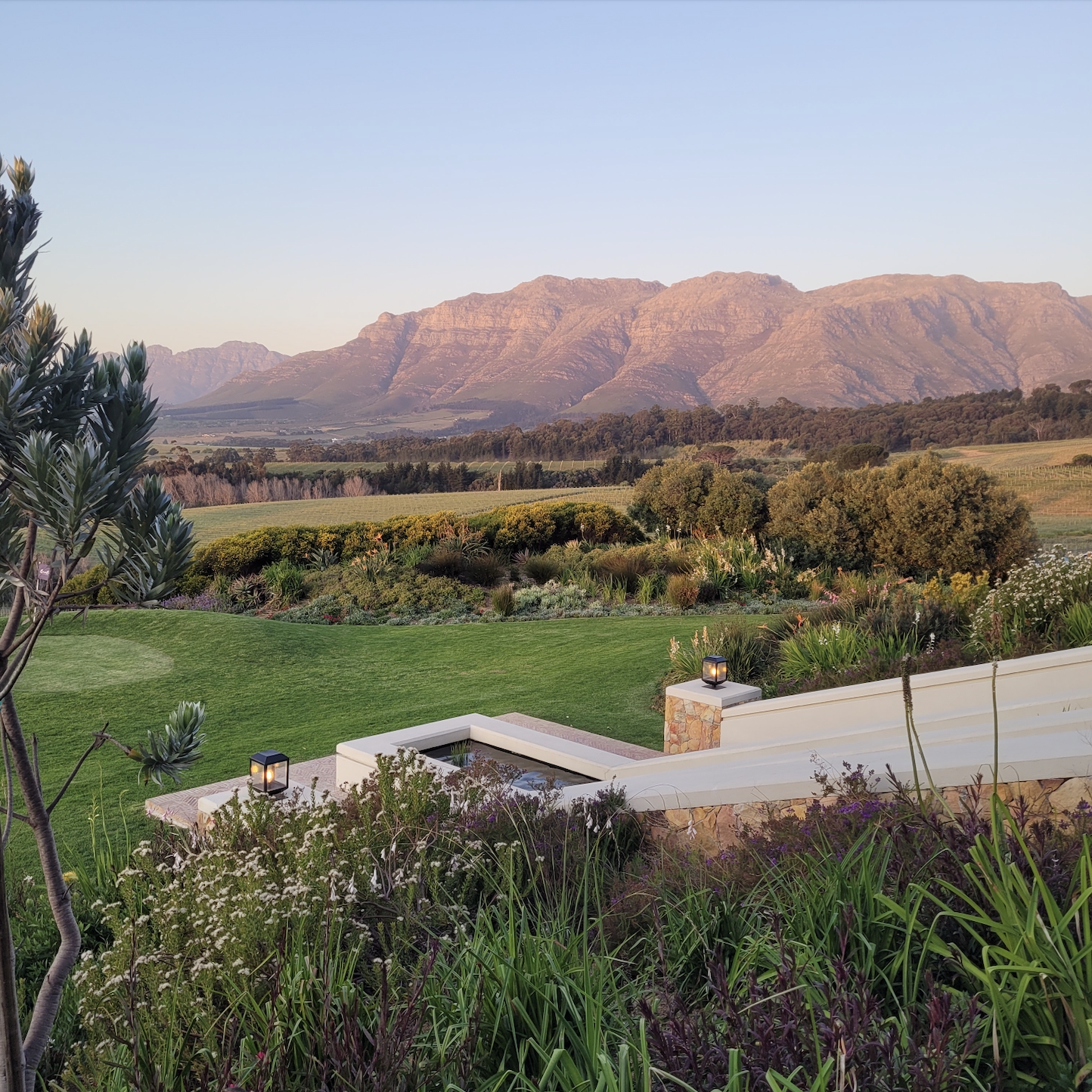


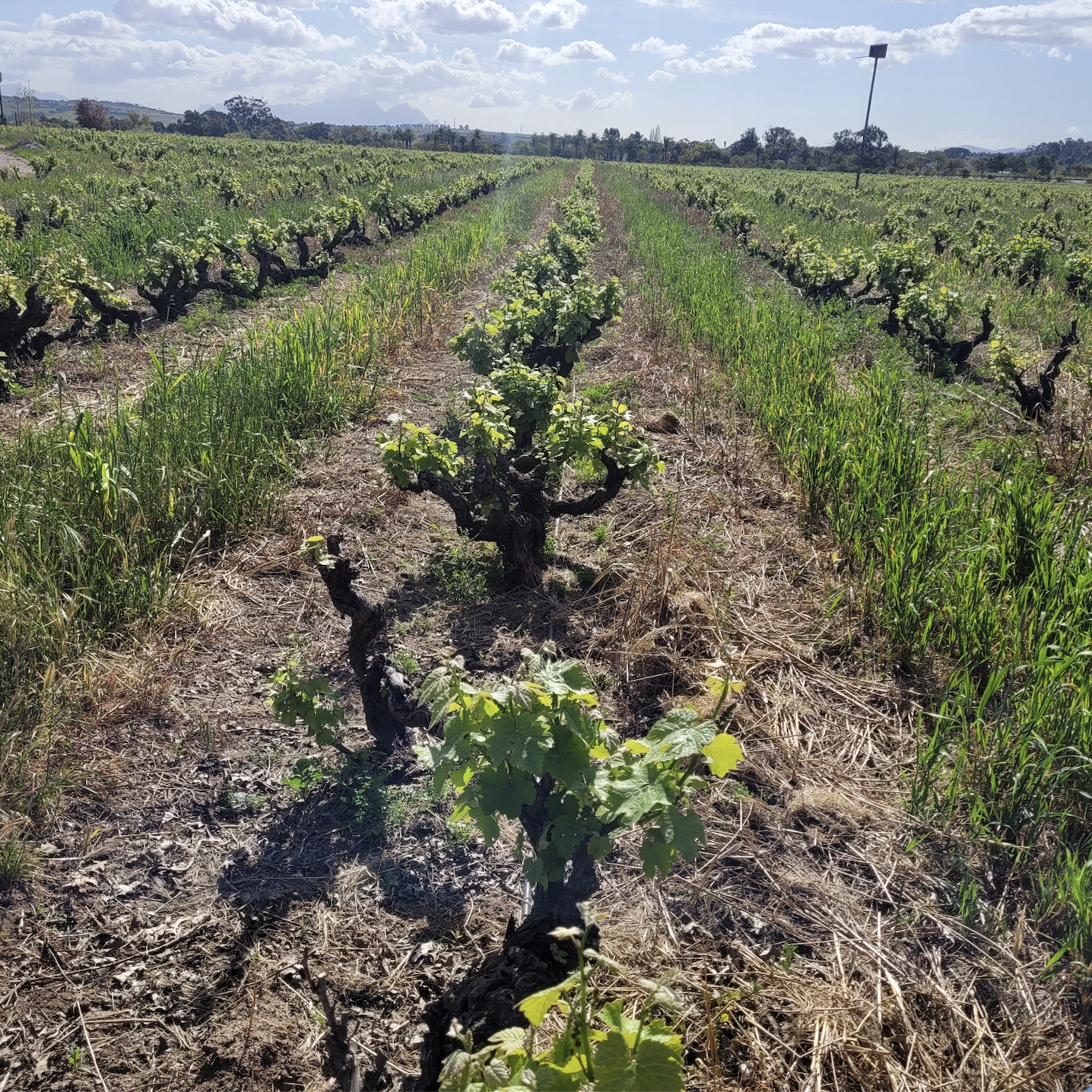



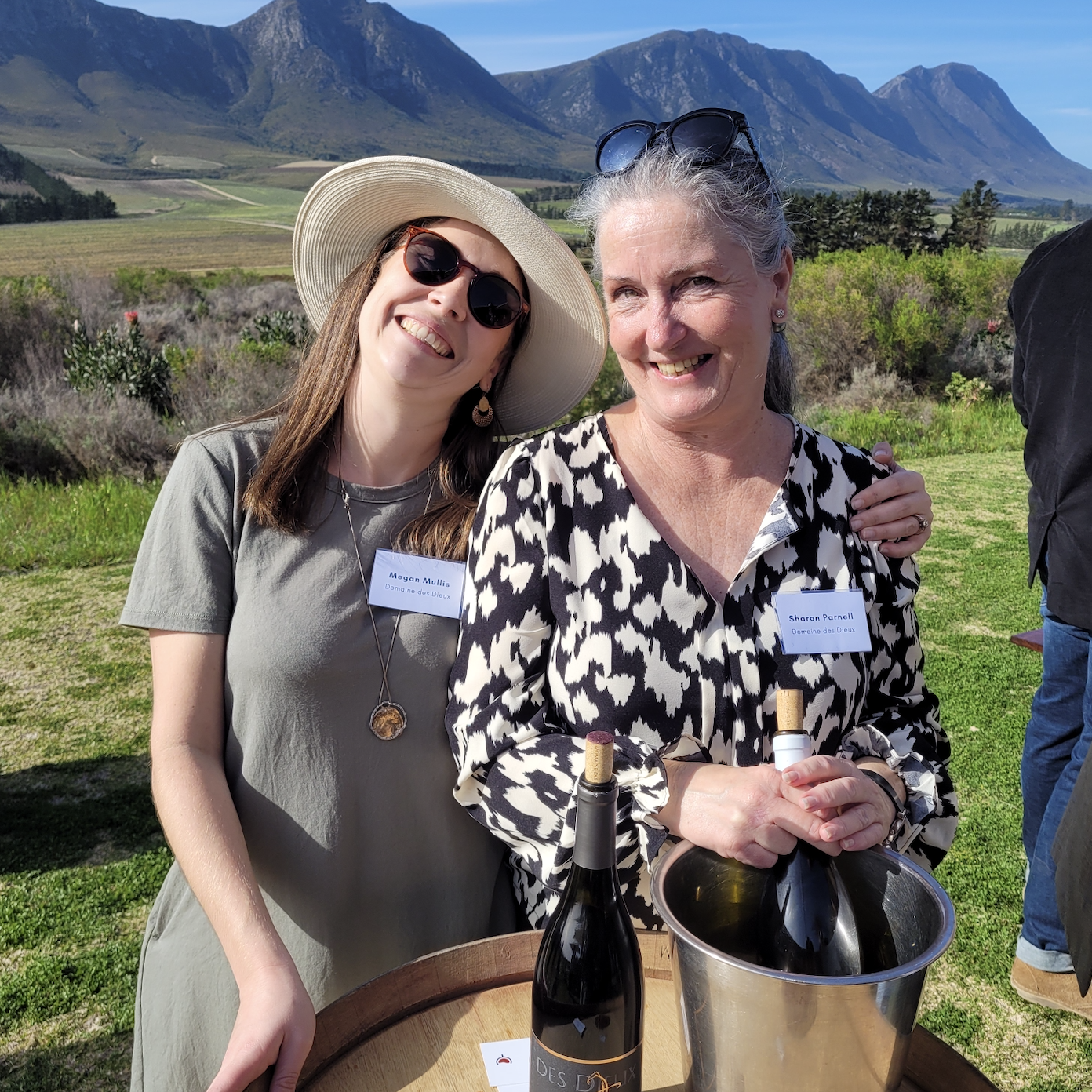



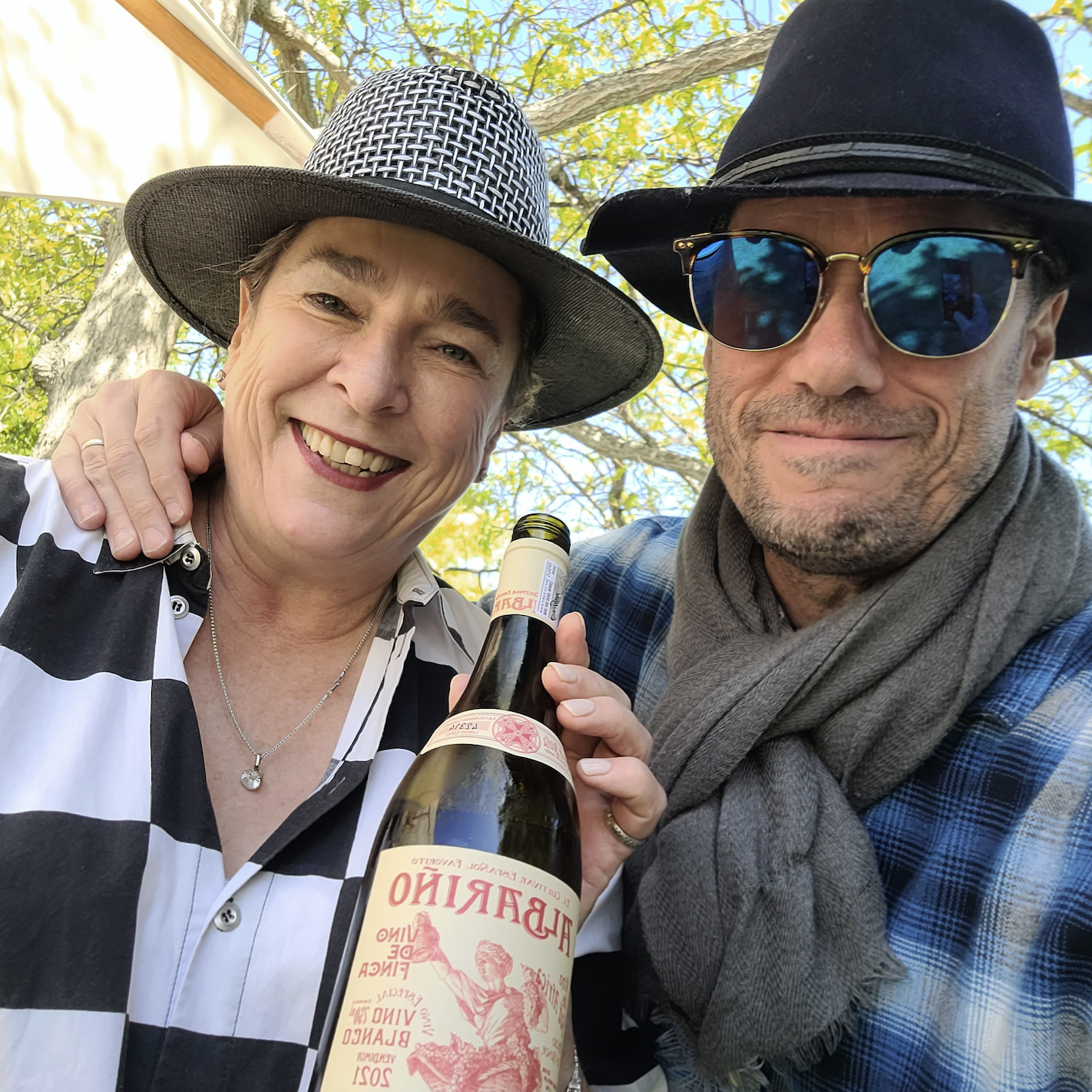

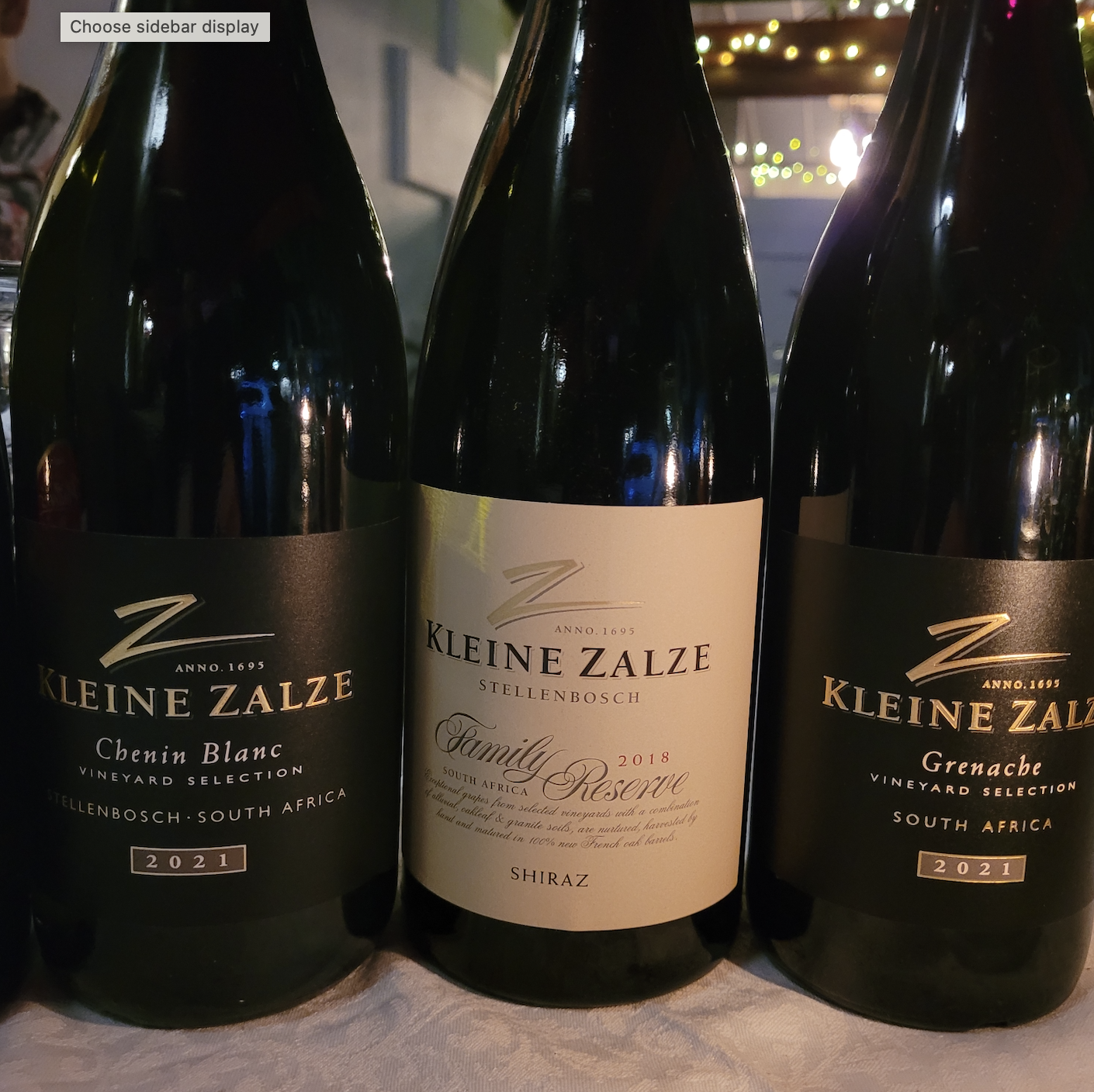


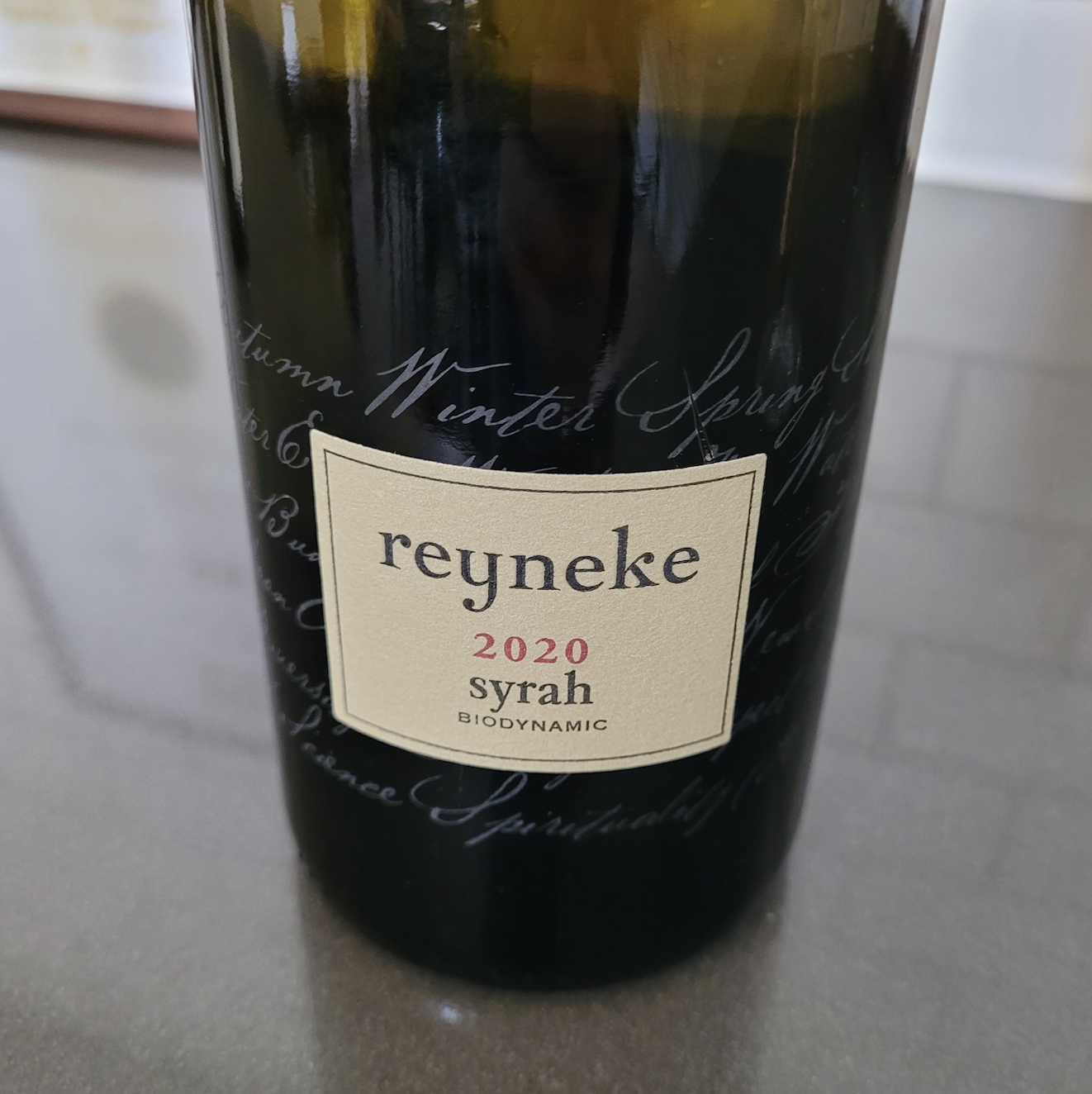


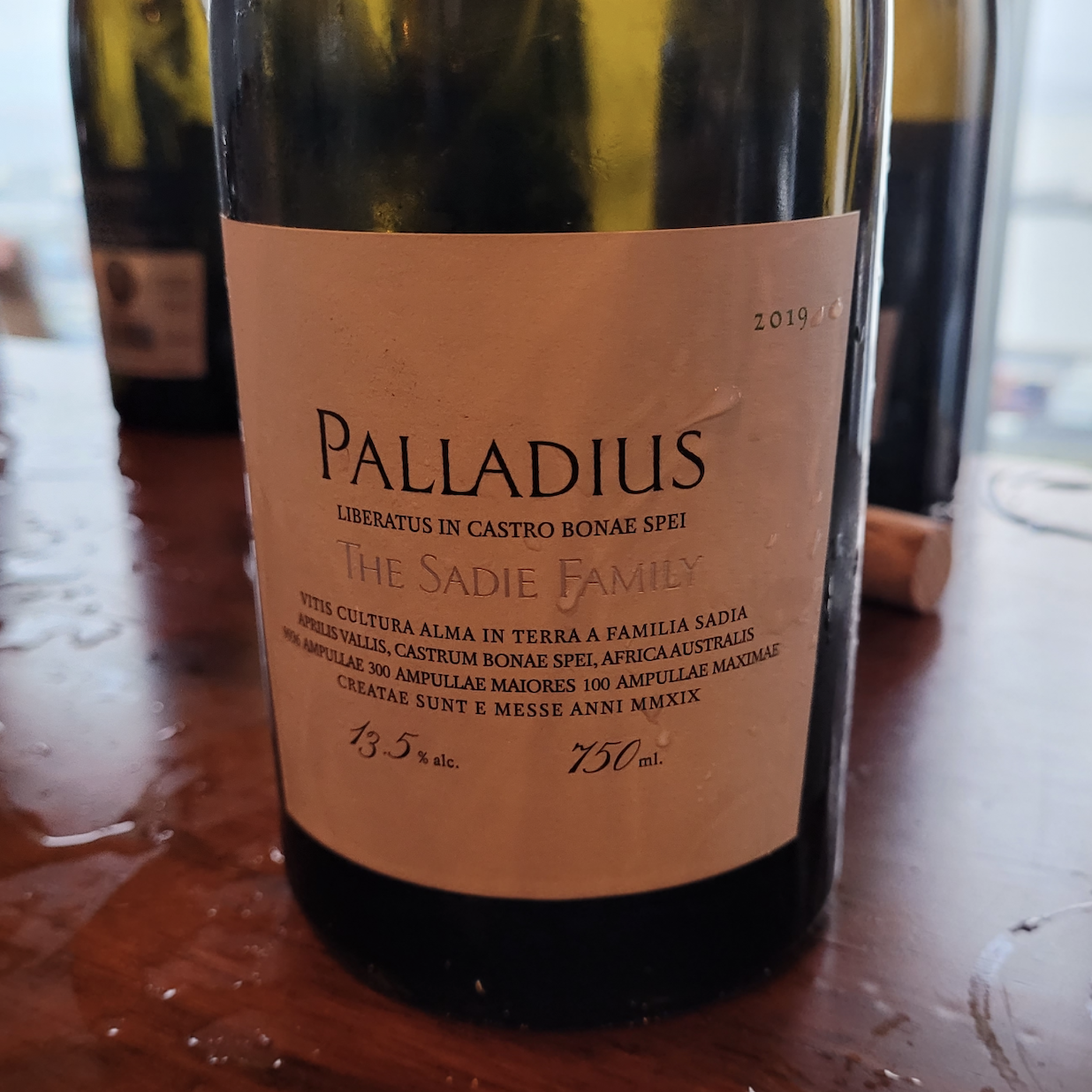











 Godello