Let’s just cut to the chase. It has been more than three weeks since I’ve posted to Godello, thanks to a trip to Greece, Cool Chardonnay and my #eastcoastswing15. Let’s face it, I’ve left you hanging, waiting, wondering and perchance, livid at not having received a recommendation for summer wines since, well, since July 15th. As my Achaian friend Dimos is like to say, on repeat, “sorry about that.”
VINTAGES rolls out the smallest (by quantity) release of the calendar but I’ve got to say that per wine offer capita, the quality level is set to high. There is much to choose, from refreshing whites to grill worthy reds. Got, go, get.
From left to right: Espelt Viticultors Old Vines Garnacha 2013, Rosewood Süssreserve Riesling 2014, Domaine Lafage Côté Est 2013, Lone Birch Syrah 2013 and The Foreign Affair Sauvignon Blanc Enchanted 2013
Espelt Viticultors Old Vines Garnacha 2013, Do Empordà, Spain (422469, $14.95, WineAlign)
Such a formidable and concentrated liqueur dominates the nose on this heavily-textured Garnacha from maritime-influenced vines grown on decomposed granitic soils. Minor yet judicious oak works minor magic on the fruit for a feeling that is organza in sentiment if like fruit-roll up in reality. The couverture is quite natural and free-flowing, like waves lapping up a windless shore. Though flavours like liquorice, pomegranate and morello cherry are thought intrusive, the actuality here is simply Garnacha in pure, unadulterated form. This should be a late summer, early fall go to for BBQ, barbecue and grilling by all means possible. Gritty, grippy finish. Drink 2015-2020. Tasted August 2015 @CellerEspelt@DOEmporda@EmpordaWine@ChartonHobbs
If you have never sussed out the Rosewood adaptation on the deutsches sweetness enhancement technique for Riesling, it’s honey time you did. The vintage brings out the best in and of all worlds; texture, high-rising graceful aromatics, burgeoning acidity and wait for it…honey. Mellifluous honey. This vintage seems to throw a gallon of juice at the charge in ways previous vintages did not seem to do. This is very easy and yet direct on the palate. Look at this Riesling and note there is nothing to hide. “She is good to me and there’s nothing she doesn’t see,” so in ’14, “honey, I want you.” Drink 2015-2018. Tasted August 2015 @Rosewoodwine
Domaine Lafage Côté Est 2013, Igp Côtes Catalanes, Languedoc-Roussillon, France (179838, $24.95, WineAlign)
Combines Grenache Blanc with Vermentino for an identity crisis of Italo-French proportions and in the end it reminds so much of a southern French take on Viognier. Aromatically precious, from white flowers and tropical fruit. Has a cool metal stir to keep it alive, punchy, vibrant and then acidity up the back side, flip-flopping about and turning “cartwheels ‘cross the floor.” A harum of flavours follows suit, as per the modern protocol. Though it’s merely a whiter shade of pale there is more than ample personality and whip to work up a frenzy, to mingle and to sit down with dinner. Drink 2015-2017. Tasted August 2015 @DomaineLafage@LaRegionLR
Lone Birch Syrah 2013, Yakima Valley, Washington (420695, $19.95, WineAlign)
A good, inexpensive, once upon a time in the west Syrah is hard to locate so when one like the Lone Birch comes along, it’s time to saddle up. The spice, pure fruit and smoky meat aromas are of an outdoor intoxicant kind, joined by notions of mesquite, lavender, creosote and thyme. The verbiage here is not so much green but more like the purple flowers that emerge late in the season. The chalky edge to the bright acidity makes for a fun texture to finish interplay. This is a great change in Syrah gears with horsepower and grace. Drink 2015-2019. Tasted August 2015 @LoneBirchWines@WINESofWA@HHDImports_Wine
Appassimento-style Sauvignon Blanc is both curious and an open target for accusations of vivid excesses. The detractor will look for swift “walls of insincerity,” the complimenter will say “I was enchanted to meet you.” Foreign Affair’s take has been injected with a cocktail of intensity; steroidal, hormonal and from concentrate. All the juicy orchard fruits are there; plum, apple, pear, nectarine, lemon, lime and grapefruit. This passes the appassimento SB test, if only and commodiously because it spreads fruit like confiture on warm toast. Tasted October 2014 @wineaffair
From left to right: L’école No 41 Semillon 2013, Rieflé Pinot Gris Steinert Grand Cru 2010, Dei Vino Nobile Di Montepulciano 2011, Easton Zinfandel 2012 and Domaine Pavelot Savigny Les Beaune Aux Grains 1er Cru 2012
L’école No 41 Semillon 2013, Columbia Valley, Washington (982157, $24.95, WineAlign)
Sauvignon Blanc (13 per cent) adds buoyancy to the main attraction in this vanguard and reputable Columbia Valley pioneer. Quite toasty and marked by early nose-hair splitting and splintering barrel notes. Dare say reductive but not in a rubber sap run way. More like Sémillon-dominated Bordeaux, of big bones, cut through soluble rock, created a sinkhole that swallows up flavours, only to release them in geyser like fashion in later years. So with patience and age-time in mind, this Sem will have better years ahead, when the heavy (14.5 per cent) alcohol integrates and the lemon drop-butterscotch flavours mellow. Generous pH (3.2) and high Brix (24.2) were the product of a very warm vintage. Rounded by concentric circles of acidity and bitter pith tannin, this is very tropical, like Gewürztraminer, but more in mango than lychee. Needs five years minimum because the oak is overdone. Tasted March 2015 @lecole41@WINESofWA@TrialtoON
Rieflé Pinot Gris Steinert Grand Cru 2010, Ac Alsace, France (408229, $24.95, WineAlign)
Annick, Jean-Claude, Paul et Thomas Rieflé make their highly affordable Grand Cru Pinot Gris near Pfaffenheim in the southern stretch of the Vosges Mountains, on soils composed in limestone of marine origin intercalated with marls. This is rich, layered and spicy Pinot Gris, full on calculated with ripe, sunshine-laced fruit, orchards upon orchards of variegation and some, though not excessive tropical intentions. Has that distinct calcaire inflection that reminds of struck rocks, petrol and gardens giving off pretty smells at dusk. The finish is really long here so look for this to work well into the next decade. Drink 2016-2024. Tasted August 2015 @RiefleLandmann@TandemSelection#DrinkAlsace@drinkAlsace@AlsaceWines
Easton Zinfandel 2012, Amador County, California (328377, $27.95, WineAlign)
A ripe, buoyant and near flashy example of Zinfandel without any necessity for speed, heat or mountain jam. Fruit is steamy but you can touch it. Aromas can cut through what Zinfandel often hides, which is freshness. There is spice on the nose for sure but it’s an accent, not a deterrent for disguise. The palate is racy and alive and while there is some cure and dried fruit in the mix it stops well short of confiture. The tailing trail of minor exhaust propels, not halts the length. Really good vintage for the Amador Zinfandel. Drink 2015-2020. Tasted August 2015 @rhonist@TheZinfandelOrg@bwwines
Dei Vino Nobile Di Montepulciano 2011, Docg Tuscany, Italy (285510, $27.95, WineAlign)
In terms of the modern Vino Nobile vernacular and even grander to a wider Tuscan vicissitude, Dei takes the reigns and offers zero apology for the way in which the wines talk their turkey. Clean, pure and plenty are the words to describe this Prugnolo Gentile, but also graceful and slender. Spoons out copious quantities of fruit and is yet chewy enough you might think of eating it with a fork. Has aromas that recall concepts both fresh and dry. Vino Nobile to gimme fiction, history and tradition. “Comes when you pirouette,” dances light and treading across the tongue, never hot and heavy, but stylish and pliantly balletic. Drink 2016-2021. Tasted August 2015 @LeSommelierWine@consorzionobile@Strada_Nobile
Domaine Pavelot Savigny Les Beaune Aux Gravains 1er Cru 2012, Ac Burgundy, France (206136, $53.95, WineAlign)
Even in Burgundy there is a scarcity and rarity with which a particular bottle can please, impress and instruct, vintage after vintage. Pavelot’s Aux Gravains is pure Beaune, even if it is on the showy side of Pinot Noir. This is just plain and simple perfectly ripe and at the same time grippy with the grandest ‘G” that can be drawn. The cherry, earth and roots are smouldering and yet not remotely smoky. It smells like a cigar as it’s being rolled, with nary a green moment. The palate is chewy, cranky, pure again and racked by veraciously munching acidity. Naturally cured as well. Such a Pinot Noir is to be lauded. Drink 2017-2025. Tasted August 2015 Vinifera Wine Services@DanielBeiles
Aromatics, spice, flowers in distillate of petals, viscosity, texture and the dichotomous, symbiotic posit tug between fruit and mineral. Are these not the explorations acceded in the neverending search for estimable white wine? Here, from a deep pool agglomerated by the VINTAGES June 13th, 2015 release are those attributes found in varietal determination; in Traminer, Viognier, Pinot Bianco, Assyrtiko and Riesling.
Two Ontario stalwarts have recently been reviewed and heretofore positioned in this posting format. They both hail from the most righteous and excellent growing sub-appellation known as the Twenty Mile Bench. The Flat Rock Cellars Chardonnay 2012, VQA Twenty Mile Bench, Niagara Peninsula (681247, $18.95, WineAlign) flat-out rocks. The Jay Johnston Chardonnays “they dig a funky spiel, they’ll make some spiel.”
Rockway Vineyards Small Lot Riesling Block 150 183 2013, VQA Twenty Mile Bench, Ontario (Winery, $19.95, WineAlign) will become a “rock, rock, rock, rock, rock ‘n’ roll” Riesling. It just wants to have fun and get some kicks.
As for the following five old world superstars from Italy, France, Greece and Germany, well they just know a thing or two about antiquity, acumen, eccentrically distributed stresses and just doing it right. Enjoy the sunshine folks, get out there and pour some whites.
From left to right: Flat Rock Cellars Chardonnay 2012, Rockway Vineyards Small Lot Riesling Block 150 183 2013, Villanova Traminer Aromatico 2014, Laurent Miquel Nord Sud Viognier 2013, Le Monde Pinot Bianco 2013, Argyros Assyrtiko 2014 and Max Ferd. Richter Wehlener Sonnenuhr Riesling Kabinett 2013
“Just as the sand made everything round, just as the tar seeps up from the ground,” this Gewürztraminer ringer is a bitter dancer, ever turning, metallic and exotic. An orange grove of aromatics, longan, lychee, mango and guava in four-part harmony, like fleet foxes, overtly tropical and melodic. A waxy skin coats the palate and herbals too, so oily, nutty, very, very nutty. Much exuberance and personality while it holds its notes and then finishes on plain, quick and painless. Drink 2015-2017. Tasted June 2015
Laurent Miquel Nord Sud Viognier 2013, Vin De Pays D’oc, France (673236, $14.95, WineAlign)
Another terrific value in Midi Viognier. Such a clash of energies and riotous expression. Floral, tangy and juicy with spice notes and quite a colossal yet composed mouthfeel. The spice recycles into the acidity and persists through a held finish. Has presence of mind and body to punch way above its weight and price. Cuts right through the crap. “The South is up but the North is down,” so here in the Midi, all is in balance. Drink 2015-2019. Tasted June 2015 @LaurentMiquel@LiffordON
Le Monde Pinot Bianco 2013, Doc Friuli Grave, Italy (372417, $16.95, WineAlign)
Really expressive Pinot Blanc that pins a direct impression and leaves behind a lingering floral elegance. While typically tangy-mettalic as per the Friuli mirror conspiracy, white wine predicament corporation, this one treks to new territory for the variety, “pour voir plus clair,” into orange blossom and lemon curd, to peach tree and crisp freshness. Viscous and juicy, piquant and on the wilder side of le monde varietal spectrum. Thievery from Friuli, of hearts and palates. Drink 2015-2018. Tasted June 2015
Every release of the Argyros Assyrtiko is like a new Greek morning. Sunspot aridity, citrus salinity and innate volcanic ability define the wine’s blinding brine and naturally occurring bitter ooze. One sip and ” can’t you hear that rooster crowing? Rabbit running down across the road.” Can you not imagine the stone crag, the whitewashed mineral cliff, the late afternoon sunshine gazing into the shimmering Aegean from an Oia perch?
The most distinct, pure and crisp expression of Assyrtiko comes from this Argyros bottle, magnified with more platinum rock bonding in ’14 than even in the previous few vintages. Exotic evolution has arrived early in this stoic and timelessly chronic Assyrtiko with dramatic fleshing, a hint of hloro tiri and ashen black sand grit. A volcanic goddess in patina hued dress, very mineral, very direct, that drives straight for the lumbar zone. Saline, full of shells and mollusc brine. Anything grilled on charcoal, of white flesh, whether porcine, foul or sea sweet will shine alongside, as it always does. Drink 2015-2019.
When a Mosel Riesling sings in a high tenor voice the impression is wheedling and the stoic, stony flint echoes from and for So2 is par for the commanding Wehlener Sonnenuhr course. The poured elemental strike causes wheezing and coughing when the wine is this young, also due to aridity and stones infiltrating every atomic pore. Yet the tropical, seemingly mature palate with blanketing creamy mango is a reminder of the impossibly, beautifully dichotomous relationship that, when gathered and surrounded by popping acidity, can only mean one thing. Classic Mosel Kabinett. This rocks and rips it up in every way, Riesling purported to “walk on out unto the sky.” Gains a little richer aspect with each pass. Never relents, taking neither breath nor break. Awesomeness from a great vineyard, with texture, a long and bitter finish. Drink 2017-2025. Tasted June 2015 @WinesofGermany@HHDImports_Wine
For those keeping score at home, that’s tomorrow, the next stop on the perpetual and seemingly infinite VINTAGES release calendar. The usual varietal suspects dominate the scene; Chardonnay, Pinot Noir and Riesling, along with one well-made and even better priced Cabernet duo.
The eight wines available are of the mortar in bricks variety, further examples of the cement that binds and fortifies the overall depth and ubiquitous quality of Ontario wine. Forget about bad winters, spring frosts and storm clouds raging from LENS, through Niagara and east to PEC. The industry accepts the challenge for a constant and progressive study, from synoptic, to panoptic and into omnoptic surveillance.
The future’s so bright I’ve got to wear shades. This weekend I’ll start the rest of my Ontario wine journey with these eight VINTAGES releases. My notes are here and as always, with scores in tow, published over at WineAlign.
From left to right: Lailey Unoaked Chardonnay 2013, Peninsula Ridge Beal Vineyards Inox Reserve Chardonnay 2013, Redstone Limestone Vineyard South Riesling 2012 and Redstone Cabernet 2012
Derek Barnett’s 2013 unplugged delivers wattage and punch, from freshness and fruit. Epitomizes what oak-less Chardonnay must be, exemplifying the entire side by each association, orchard fruit claim, from apples to white peach. This is fashioned from the highest, cleanest quality fruit, that much is obvious. A river runs rushing through it, pumping even more energy, carrying mineral silt and at the tail, a soluble nori finish. Drink 2015-2017. Tasted May 2015 @laileywinemakr
The Beal Vineyard and Peninsula Ridge team up to offer Ontario yet another stellar oak-less, acier inoxydable, stainless steel INOX Chardonnay. The vintage and the treatment conjoin in a symbiotic palooza to judiciously and generously woo the unoaked Chardonnay convert. For the warm weather, butter happy friend in search of fresh Bench fruit, look no further, deeper or inside the toasty staves of the barrel. This delivers on the promise of fresh, crisp white wine, as a stand in for what used to be and is no more. The consistency of quality and the life affirming energy of the vineyard are wrapped up in a no cover blanket. This just reeks of pure, unadulterated Chardonnay. Of peaches and their flesh, the pit and Ontario pears to boot. It’s a veritable, layered fruit Napolean. Drink 2015-2016. Tasted May 2015 @PeninsulaRidge
So much lime and liquid chalk make for desired and dreamy texture. The lime slides like a slick of oil into the full flavours, spiked by peach and white plum liqueur. Terrific 20 Mile value. Drink 2015-2019. @Tawse_Winery@DanielatTawse
From my earlier note of May 2014:
This inaugural Riesling foray from atop the Twenty Mile Bench out of the Limestone Vineyard is a sister to the Tawse exploration from same. The comparisons end right there. Paul Pender’s take is kinetic, frenetic and electric. Redstone winemaker Rene Van Ede tends to and lends from a reconnaissance that heralds Mosel. His first, fixed take is off-dry (in obvious ubiquity) with circular acidity. The co-agitation is early picked at low brix, with realized high residual sugar (36.4 g/L) and low alcohol (10 per cent). Toothsome, with a ying/yang, lemon/lime, push/pull. The case load is formidable for a first go ’round (1000 plus) yet paddled through limestone acreage with effortless strokes.
Part Cabernet Franc and parcel Cabernet Sauvingon, this Redstone spent 16 months in French oak. Having melded wood into savour, the plum fruit is more than up front ample, with a pepper over and a chocolate under. A fair shake of spice and insistent tannin makes for quite a bracing red mouthful, indicating needed air and age time. Like the Tawse Bordeaux-styled reds that have come before, here is yet another slice of red fruit meets the iron life. Tasted January 2015 @RedstoneWines
From left to right: Raven’s Roost Pinot Noir 2013, Creekside Estate Winery Pinot Noir Queenston Road Vineyard 2013, Hidden Bench Estate Riesling 2013 and Rosehall Run Hungry Point Pinot Noir 2013
Intrinsically Coyote’s Run as per the winemaking style from vineyards tabling edgy, twitching, spirited fruit. What the house refers to as a little side-project wine, the double R is anything but wee. It seems to express just beyond the pale of ripe and hung to soak up the humidity of a wood closet. Holds high aspirations, breathing heavily, in moisture deprivation, paratrophic and then waiting, patiently, calm and with bated breath. A striking and vivid Pinot Noir, demanding, with good bitters and rusty, red astride black earth. The middle offers mint and the length is more than good. A wholly unique style like a Niagara counterpoint to Keint-He’s Portage in Prince Edward County. Drink 2015-2018. Tasted April 2015 @coyotesrun
Still the Kama Sutra Pinot Noir of inviting behaviour. Positions in aroma, taste and texture are all elastic and of an aphorism held together in intimacy. Virtuous and gracious Pinot Noir for the purpose of interaction and pleasure.
From my earlier note of January 2015:
The first made since the 2008 because of a new directional decision to hold onto and no longer forsake these exceptional Queenston Road Vineyard grapes. A wine that folds back the skyline skin of time and reveals a cloning from intimate belongings. Pinot blessed of a Dylan-esque drawl, from a comfortable and crooning time in its life. Penetrates into the QRV earth and draws out subtleties, slow food assuagement and makes no BS about its ease. Though posolutely whiffing and tasting of black cherry, it balances itself with an acerbic wit. This is what winemaker Rob Power refers to as a lay lady lay style. Partners in crime Yvonne Irving and Matt Loney concur. One sip and your partner may just lay across your “big brass bed.” You can always go back to Nashville.
Hidden Bench’s ’13 Riesling is a pure, soft-spoken and balanced reflection of her maker, winemaker Marlize Beyers. Only a month or two of lees and no stirring has brought her Riesling into this current corporeal state. Crunchy Mutsu apple, its acidity vacuuming moisture. The citrus is all flesh, void of pith and with energy that has already incorporated, disguised and covered the zest. If any Hidden Bench Riesling suggest tropical fruit, here it is and yet again, not. Can imagine it fleshing to petrol and honey in five to seven years. Drink 2015-2020. @HiddenBench
From my earlier note of September 2014:
The Estate Riesling is as vigneron-defining as any wine on the Niagara Escarpment. Hidden Bench is a 100 per cent estate-fruit operation so this Riesling is spokesperson, prolocutor, mouthpiece, champion, campaigner and advocate for the concept. The estate ’13 reaches deeper for nutrient pot sweetening, into shale and in conceit of its varied, positively cultivated terroirs. Compact and jelled, this is several steps up from most other entry-level Niagara Riesling and in fact, is really anything but. The transparency here is patent. This is Riesling that simply knows what it is; pure Bench, unequivocally real and forthright. Knows what it wants to be.
Last tasted twice in April 2015
Rosehall Run Hungry Point Pinot Noir 2013, VQA Prince Edward County, Ontario (422519, $24.95, WineAlign)
A whole lot of scenting going on in this PEC Pinot Noir, from espresso and paint to lavender, chalk and stone. The feathery shed of volatility is a welcome whiff for those who like a touch of VA. The Hungry, hungry Pinot is clear, pure and precise. It tosses a dart into the Pinot heart. More like a beef heart within its potency and virility. Only PEC makes Pinot like this and Dan Sullivan has captured the style without voracious or rapacious compromise. Nothing greedy about the treatment, just a minor covet of high-toned excellence. Drink 2016-2019. Tasted May 2015 @Rosehall_Run@sullywine
Dog Point Vineyard sits at the confluence of the Brancott and Omaka Valleys in Marlborough, New Zealand. Owned and operated by Ivan and Margaret Sutherland and James and Wendy Healy, the Wairau Valley vintners farm clay-loam soils sustainably and with organic, viticultural practices.
Sutherland and Healy are the men responsible for the success of the first iconic New Zealand brand, Cloudy Bay and together they left to form Dog Point in 2004. The name is in reference to the earliest European settlement of Marlborough, the sheep, their herders and the marauding dogs who prowled the scrub-covered hill overlooking the Wairau Plains. The early settlers called it Dog Point.
James Healy
Dog Point produces Sauvignon Blanc which ranks amongst, if not tops the long list of New Zealand’s output, for quality, ubiquity and consistency. The single-vineyard Section 94 Sauvignon Blanc takes the varietal intensity to another, barrel-influenced level. Chardonnay and Pinot Noir are made in a uniquely Dog Point style, neither emulating nor simulating Burgundy. This is the essence of the winery’s modus vivendi.
Dog Point Sauvignon Blanc 2014, Marlborough, South Island, New Zealand (677450, $24.95, WineAlign)
What James Healy calls “the generic Marlborough style,” with flint and ever-present though much faded reduction, grapefruit and lime. The vintage (2014) was not cold at all so it lacks the verdure. There is subtle, gentle clementine and palate viscosity. The acidity is all about bringing balance. So fresh, spritely, lime-juicy and always essential.
From my earlier note of March 2015:
So orderly and aligned, from ripe picked fruit with fervent acidity and all proportions in perfect working order. Four months settling in bottle has only worked to reinforce positive opinions. Grassless and flinty but no discernible elemental vagary, certainly no sulphur. This Sauvignon Blanc may just be the most consistent in every vintage, not only stylistically but also for the hedging of probability bets for guaranteed Marlborough quality. This is a superb vintage for the pied-à-terre phraseology. Like school in fall, winter and spring, the Dog Point is all class.
From my earlier note of November 2014:
The prototypical Marlborough Sauvignon Blanc hitting all the classic numbers is right here in the Dog Point 2014. Low pH, high acidity, minuscule residual sugar and elevated aromatics. It’s ripe but ripped by citrus juice and zest. Like cubes of honeydew, bitter winter melon and dried lemongrass soaking in and flavouring a dish of briny scallop carpaccio with coarse sea salt and capers. The sapidity is palpable, the excesses vivid. I would avoid too much variegated gastronomy when sipping this wine. Opt for simpler fare because its talents would otherwise be mimicked and suppressed.
Last tasted May 2015
Dog Point Sauvignon Blanc 2011, Marlborough, South Island, New Zealand (677450, $23.95, WineAlign)
Certainly showing some secondary characteristics in evolution and yet the composition is as close as a first cousin to the current 2014, with more than just thanks in part to identical yeasts. This has lees, “a feature of the 2011 wines,” notes James Healy. Time has magnified the flint but it has also stretched and elasticized it. The struck aromatic glint has passed and will continue to bob in slow motion. Dog Point in presentation of how and why Sauvignon Blanc can be enjoyed with age, over time.”Ain’t no reason to go up, ain’t no reason to go down. Ain’t no reason to go anywhere.” The late palate is lime, as per usual, but also lemon, in ’11, with a paraffin coating. “Time passes slowly and fades away.” Three to four more years for this SB. Drink 2015-2019. Tasted May 2015
Dog Point Sauvignon Blanc 2008, Marlborough, South Island, New Zealand (677450, $23.95, WineAlign)
It must be said straight out that a wine such as this wins hearts and points for its longevity, if nothing else. The kudos is warranted tenfold especially because it’s a Sauvignon Blanc and one that has emerged unscathed and even star bright. From a warmer year and extended growing season. Bigger bunches resulted, like in 2014 and this has evolved with considerable spice, as if, but not by wood, yet less developed than the petrol and lanolin slinging ’11. This is a wine that unequivocally proves that Sauvignon Blanc can age, gracefully and properly. Has an almost indiscernible flinty reduction, which means it never really had it in any concerning level in the first place. A vintage-specific white, with Chenin-like feigned sweetness and lactic feel. Marvellous to note that the final taste can be nothing but Sauvignon Blanc so in the end, the flavour profile wins out. Drink 2015-2017. Tasted May 2015
Dog Point Sauvignon Blanc Section 94 2012, Marlborough, South Island, New Zealand (325977, $42.95, WineAlign)
The Section 94 is, in the estimation of James Healy, “a particularly good Sauvignon Blanc block.” Planted in the 1990’s, the now wise old plot is churning out exceptional fruit with cold, cold acidity. Says Healy, with respect to the vintage,” we didn’t want to muck around with malolactic,” so the fruit notches naturally in barrel, with indigenous yeasts. “They won’t stop prickling for over a year,” adds Healy. Bottled at about 18 months, this is a wine given the full solids treatment and is more than obviously a major step up in Sauvignon Blanc complexity. Offers a feel like pebbles bobbing and popping around in the clot of the wine. Wood spice and so much grapefruit are the grumous layers, along with lactic, citric acidity. Time has thus far been very kind, the matchstick reduction now really subsiding in this subsidized white. Drink 2015-2019. Tasted May 2015
Dog Point Sauvignon Blanc Section 94 2008, Marlborough, South Island, New Zealand (325977, $42.95, WineAlign)
It is interesting to note that 2012, from a cold vintage, has evolved with a lactic palate and yet this ’08 seems so very fresh. Petrol and developed, thickened honey in wax are the bees knees in here. While a touch lactic in its own right, the tapestry weaves into second, third and fourth layers. A Sauvignon Blanc that really offers the best of all worlds. The leesy, lactic-secondary and flint-tertiary feel is round and in surround. This is the most Bordeaux white of all in the DP-SB continuum, with presence, savoury herbiage and pointed, sumptuous flavours. Grapefruit and bitter, beautiful tonic orbiculates the finish. The unanimous conclusion is of a wine that is very much like Champagne, without the bubbles. Drink 2015-2020. Tasted May 2015
Dog Point Chardonnay 2010 and 2012
Dog Point Chardonnay 2012, Marlborough, South Island, New Zealand (238568, $39.95, WineAlign)
The barrel, in and out of reduction, defines the yet early life stage of the ’12 Chardonnay. The count is 15 per cent new with heavy toast “because we just like that heavy toast flavour, just not too much of it,” notes James Healy. Fully malolactic, but a very late one, this slow-cooked Chardonnay, with matching matchstick acidity. In expression it is of a very cool-climate style with tons of lime and emulsified to a gemstone melt, green goddess consistency. A wine that could be a cousin to, share spirit with Paul Pender’s Vinemount Ridge Quarry Road, of “emerald shine, the gemstone tannic scrape.” The Dog Point etymology is two-thirds Mendoza clone and one-third Dijon 95, the former needing sugar to get ripe, but it provides the citrus and the acidity for the palate. Drink 2017-2020. Tasted May 2015
Dog Point Chardonnay 2010, Marlborough, South Island, New Zealand (238568, $39.95, WineAlign)
Remarkably similar to the later 2012, tasted side by side, here with toast, nuts and grapefruit. It may be just a touch warmer, with more fruit yet still cool by nature. The ’10 is not as green, not as salient in polished stone feel, with less weight and girth. The sugars and bitters are increasingly integrated and push more direct, unbiased pleasure. Just a strike of flint ties it to the sibling Sauvignon Blanc. “Statues made of matchsticks, crumble into one another.” Marlborough Chardonnay is better than you think, love minus zero, no limit. It’s true if it’s been said. “She doesn’t have to say she’s faithful, yet she’s true like ice, like fire.” The Dog Point ’10 persists, bobs, rhymes, talk in and out of line. It finishes strong, in grapefruit, without sophistry or equivocation. Drink 2015-2018. Tasted May 2015
Dog Point Pinot Noir 2012, Marlborough, South Island, New Zealand (329672, $49.95, WineAlign)
From vines now coming of age (12-13 years old) and an increase in stem inclusion (20 per cent). Ripeness consistency was achieved with the aid of shoot cutting/thinning. All this to arrive at the Dog Point Pinot’s place in its necessary evolution. A wine of black cherry and roses, dark, dusty, ripe, in depth of earth, concentric circles of fruit and acidity. Great length.
From my earlier note of April 2015:
Perfectly bright Pinot Noir while simultaneously deep, dark and recondite. Energetic in spirit, ripe and packed with barbed, piquant fruit sewed in threaded badges of spice. Perfumed as if by cinnamon and displacing rose petals. Like the scent of a crystal clear summer’s night, all warm, dry and of dried strawberry juice cracked paint. Grounded and fulfilling, of its own holes, in the mouth and finishes with a feminine touch. A thoroughbred, a filly, that trots on an on, long after it has crossed the finish line. Drink 2016-2021.
Lasted tasted May 2015
Dog Point Pinot Noir 2008 and 2006
Dog Point Pinot Noir 2008, Marlborough, South Island, New Zealand (329672, $49.95, WineAlign)
Just a small amount of stem inclusion, a practice that will increase in subsequent vintages, helps to define structure and to a lesser extent, aromatics and taste. Yet the effect is has on tempering and mitigating sweetness is overt and protrusive. “That whole ripe stem thing…it’s a dog’s breakfast, ” says James Healy. Both he and vineyard manager Nigel Sowman have accepted and embraced the necessity of stem inclusion but as Sowman notes, “is there such a thing as a ripe stem, because you’re after sap, not astringency.” The stems here have balanced out the really ripe, jammy fruit. This ’08 is all about florals, of many flowers that offer invitation to then investigate the Pinot Noir morphology. This has turned to liqueur yet still cracks, pops and finishes with bitter, tangy and swelling cranberry. Drink 2015-2018. Tasted May 2015
Dog Point Pinot Noir 2006, Marlborough, South Island, New Zealand (329672, $49.95, WineAlign)
In 2006 stems were not yet part of the practicum and though the wine remains very much alive it has lost a modicum of structure and a minor key of balance. The highest degree (though certainly not over the top) of paint, varnish and veneer emanates from the edges of the jammy fruit. This youngest and lower on the amicable scale for a Dog Point Pinot Noir is both sweet and sour. The depth (mostly due to very young vines) pales in comparison with even ’08 and the flavours are disparate but what is there is fun and so very Pinot Noir. Can be nothing but and is really the most Burgundian of the three (’06, ’08 and ’12) tasted. That said, it’s not necessarily a good thing because Dog Point does and should try to avoid emulation. The final assessment and most poignant note concerns how barely evolved this nine year-old Pinot sits. Tasted blind you would be hard pressed to guess closely at its age. “If we had an ’06 vintage today we would make better wines,” admits James Healy. A touch of cola and a grapefruit note hit the finish. A Dog Point thing. Drink 2015-2020. Tasted May 2015
Every day brings a new morning when wine tasting in on the schedule. There are many tasters, writers, critics and Sommeliers who do not love working in such a way, tasting wine so early in the day. A table full of jammy Shiraz or warm vintage Bordeaux might scare me too but a Greek tasting? In. There. Any time, night or day. Bring it on.
If you have not recently acquainted or re-acquainted yourself with the new wines of Greece, which are actually the old ones save for advancing technologies, clean as whistle viti-viniculture and winemaking brilliance from masters to young apprentices, it’s Mt. Olympus time you did.
From Assyrtiko to Retsina, Debina to Moschofilero, Agiorgitiko to Xinomavro, Amyndeon to Zitsa, Nemea to Thessaloniki, Naoussa to Santorini, Greek wine is diverse, complex and critical to wine blessedness. Don’t even get me started on volcanic. That opus shall be left to Master Sommelier John Szabo.
Me, I’ll concentrate on the divine mythology of Greek wine, of its place in the fractal world, how it can beautify and simplify, through recursion in dynamic systems, the bleak chaos of wine landscapes. Like the Morai, Greek wines are thread with motherly nurturing. For mere mortals, they direct fate from the birth of their drinking days to death. They are a highly independent bunch, unobstructed and driven by necessity.
The call to assembly of WineAlign critics last week for a table full of Greek whites, reds and one righteous Rosé meant that fate was on side, ready and willing to facilitate a tasting full of exemplary and impressive wines. For a full report on Greek wines, read John Szabo’s words of necessity at WineAlign: Confident wines from Original Vines: Reasons to Drink Greek.
In anticipation of next week’s Greek wine show at which 50 wineries will pour for media and trade in Toronto, I tasted through 25 samples on that new morning. An exceedingly promising number (more than half of what was presented) showed state-of-the-art antiquity and eternal modernity. I’ve chosen ten to highlight here, all worthy of your attention, time and palate. All under $25.
From left to right: Kechri Kechribari Retsina, Kir Yianni Akakies Rosé 2013, Boutari Agiorgitiko 2013, Domaine Glinavos Primus Zitsa 2013 and Tselepos Classique Mantinia Moschofilero 2013
The resin, the steam room herbal essential oil, the ancient feeling of tonics to heal a wounded soul. It’s all in this tidy little $7 package of wine mythology. That there still exists a market for wine made in this way, with this attention to wise, classic detail, is just amazing. Rosemary and here, even more so oregano are distilled, purely, effortlessly, with peat and macro-oxygenated matter of fact sensibility. Unctuous and viscous elixir, old school to the xyz degree and a pure form of abc ancient Greece. As JS nots, “everyone needs a flagon of Retsina.” Truer words may not be spoken. One must debate, with well into the night philosophy, drawing inspiration from Plato and Aristotle, whether the long, long finish is good, or evil. I’m not sure this will ever tire, or spoil. Drink 2015-2022. Tasted April 2015
Kir Yianni Akakies Rosé 2013, Ao Amyndeon, Greece (71050, $9.95, WineAlign)
Xinomavro from the Amyndeon vineyards in northwestern Greece done in a funky lactic, savoury and mom’s feta way. Dry, rhubarb wafting, rosemary branch smouldering, lime and pink grapefruit tasting Rosé. This will and should have many fans, particularly those of Tavel on holiday in the ancient continent and needing salinity to match their suckling roast. Clear, concise Rosé. Proper. Drink 2015-2106. Tasted April 2015
Kechri Kechribari Retsina and Kir Yianni Akakies Rosé 2013
Fun, exuberant, fresh, modern cherry explosion expression. Simple, direct, positive energy and ease of drinkability. Has just enough spice, floral lift and back end bite to afford it three years of service, with any sort of roast meat or salty cheese. Good stuff. Drink 2015-2017. Tasted April 2015
Domaine Glinavos Primus Zitsa 2013, Zitsa, Greece (395962, $12.55, WineAlign)
From the Debina variety in Ioannina, it would be hard to find another Greek white that offers up as much orchard fruit, primarily from the apple and pear tree thicket. Accents of white peach and lemon make a quick entry and exit just as quick. This is a really crunchy green apple white, picked ripe and finishes with ripe white tannin. It’s not very long but I can think of many, many savoury dishes that would complement with symbiotic pleasure. Drink 2015-2017. Tasted April 2015
An example for racing Moschofilero against Pinot Grigio and passing it on the stretch run from the outside lane. There are many reasons to go with this variety when narrow thinking leans PG, mostly because it has more depth, mineral grain and positive energy. This is a basic but prime entry into the category. Has the passage of time in its wheelhouse but also the verve to keep it afloat in a sea of sun drenched whites. Drink 2015-2016.
From my earlier November 2014 note: A textured, minutely oxidative and bronzing Moschofilero with a confident sense of itself. The orchard has ripened and spilled into this bottle with peaches, apricots and citrus Portokalia Lakonias. Great metal tang, world turning acidity and length as long as the Nestani’s walk to Demeter’s Temple.
Last tasted April 2015
From left to right: Santo Assyrtiko 2014, Cavino Grande Reserve Nemea 2008, Argyros Assyrtiko 2014, Ktima Kir Yianni 2011, Domaine Gerovassiliou Malagousia Vieilles Vignes 2013
Assyrtiko seemingly dredged in volcanic tuff erosion and tightly wound by straight-shooting citrus smack. A rocky cragg of funk leads to desire, for hearth roasted sea beauties and yet this is not even near the oxidized line. Such a white from Santorini needs at least three years to see where it might truly go. I know a sucker for acid driven volcanic wines that evoke the god Apollo. This is yet another fine example that will bring him sunshine and the moon. Drink 2017-2021. Tasted April 2015
St. George persists as a tremendous deal in Peloponnese red. Rustic charm and righteous liqueur fill the air from drift to waft. Prime Agiortiko acidity and fine grained tannin. This will live for 7-10 years. Drink 2015-2018.
From my earlier November 2014 note: Nemea strikes again. Dark rust, earth juiced on and of the rocks. Like Sangiovese with attitude, made by Romans, like Syrah the way it was made in mythological times, by Greeks. A classical garden. This is actually quite modern and expressive for Agiorgitiko. Acts as if it were a touch clay (or amphora) baked but it’s really just a Peleponnese take on oak aging (18 months) and further bottle rest (12 months). This is right in its window and will be friendly for three to five years more. What a steal.
The most distinct, pure and crisp expression of Assyrtiko comes from this Argyros bottle, magnified with more platinum rock bonding in ’14 than even in the previous few vintages. Exotic evolution has arrived early in this stoic and timelessly chronic Assyrtiko with dramatic fleshing, a hint of hloro tiri and ashen black sand grit. A volcanic goddess in patina hued dress, very mineral, very direct, that drives straight for the lumbar zone. Saline, full of shells and mollusc brine. Anything grilled on charcoal, of white flesh, whether porcine, foul or sea sweet will shine alongside, as it always does. Drink 2015-2019. Tasted April 2015
Greek back labels
Ktima Kir Yianni 2011, PGI Imathia, Greece (419234, $19.95, WineAlign)
Xinomavro (40 per cent) submits to Merlot (60) in a rather weighty and warm Imathia out of Naoussa. Chewy to dense and yet floral dark fruit gives this eminent drinkability, especially with salty protein, though it would be hard to distinguish this from Tuscan Sangiovese or IGT. Very modern, really well made and certainly no stranger to oak. Drink 2015-2020. Tasted April 2015
From old parcels planted to the indigenous variety Malagousia, resurrected like a Greek Jesus in the 1970’s by winemaker Vangelis Gerovassiliou. A classical composition with unexpectedly modern eccentricity. It would be hard not to fall for this Adonis of Greek whites; a strikingly beautiful Phoenician whose drops of liqueur turn to liquid alloy in a glass, of a striking green-gold patina, old barrel spirits and precious metals. This has layers of vine wisdom, fruit that holds its own against the mineral drubbing and ghosts of immortal gods in its aura. Rarely does a Greek white exude such ferocity of history and flesh to match. Calamari and octopus await, in whole roast over charcoal, not to mention great cheeses and roast pork. Fantastic. Will age dutifully. Drink 2016-2025. Tasted April 2015
The wines of Creekside Estates at Barque Smokehouse, March 2015
Power, Rob Power. Niagara man of mystery, winemaker, barrel blender, junkie of dangerous varietal liaisons, license to chill. Power has been making the wines at Creekside Estate Winery for more than a decade. He is both the face and the enigma. Creekside is not a Peninsula vintner that rests on winemaking or marketing laurels. They change with and for the times.
I sat down with Rob Power and Rich Gaskin of Hobbs and Company last week at Barque Smokehouse to re-visit some wines tasted in the winter and fall of 2014, along with a couple of new issues. Here the notes, some updated and others in first time put to paper.
Creekside Estates The Trad Reserve 2011, VQA St. David’s Bench, Niagara Peninsula, Ontario (390336, $28.95, WineAlign)
From a taste five months further along in bottle and just shy of the 36 months on lees (37.5 to be precise) 2nd bottling about to be disgorged. Has chill thickened and fattened in the middle with a texture and a truffled funk like foie gras, heading backwards and upwards, like a video shot in reverse. Rises from an ocean of spume up to a slivered taste of a grapefruit moon. “Transmission’s on and up we go.” Cool and angular on the beautifully licensed, bitter finish.
From my earlier note of October 2014: The Trad ’11 has a classic toast and yeast aromatic waft and so it goes that everything that follows is embraced with curiosity and an open mind. Ginger, citrus, bronze and the sweet scents of the inside of a candy machine, its candy long gone. Creekside’s winemaker Rob Power will never be accused of dialing this sparkler in. Tasting trials help determine the necessary, final blend. The single, Queenston Road Vineyard puts 56 per cent Pinot Noir and (44) Chardonnay, aged 2 years in bottle, together for a highly effective, expansive but not explosive fizz. At 8.7 g/L of residual its dry but not quite falling off the bone. The sweetness is tempered by elevated (9.98 g/L) acidity and tension. Spent 24 months on the lees and was bottled back in February. There is balance and pleasure and a good, stretchy finish. No band-aid. Clean, precise, fizz of the day.
The licensee SB jimmies from fruit out of a good (right at the winery) site, caught red-handed at peak ripeness on a very specific picking date and crushed immediately to coax maximum freshness. Readily identifiable as Sauvignon Blanc, perhaps more so than any other from the Niagara Peninsula. The fruit was oxidized a hair to the left, flipping this more Loire than New Zealand. A dichotomous activity from large juice tray oxygenation meeting reduction under screwcap causes initial confusion but when the hounds of Blanc are released the wine buffets into clear, crisp feelings. This is not “mean, green and pristine,” just simply clean. This one’s got “a license to chill and I believe I will.” Tasted March 2015
Laura’s White 2012, VQA Niagara Peninsula, Ontario (121764, $18.95, WineAlign)
Winemaker Rob Power corrects previously provided information and tells me Laura’s composition is 55 per cent Sauvignon Blanc and that there is some Viognier in here, an inclusion that justifies the back-end bite (in conjunction with Gewürztraminer) of noble bitterness. They and the rest of the varieties combine to imitate Sémillon because Power is “going for white Bordeaux” in this pole to pole, here ’till Sunday blend. This has the grab, tempered by the warmth of the vintage, so look for ’13 to nail it with a hook.
From my earlier, May 2014 note: With a tilt of the head to 90 degrees the bottle is assessed and the glass contemplated. She’s a flirt, a gregarious girl this Laura, so orchard driven and with a perfumed attraction.
From my earlier, February 2014 note: Laura’s White combines Sauvignon Blanc, Pinot Gris, Chardonnay, Riesling and Gewürztraminer in a kitchen sink blend that sees a bit of oak. What’s notable about the ’12 is the omission of two highly aromatic components, the previously employed stalwarts Viognier and Chardonnay Musqué. The adage is justified in that you take what the vintage gives you. If it gives you lemons, (shift tangents) you let the busy aromatics of more flavourful grapes (like Chardonnay) do the floral work. Laura’s ’12 will be a standout for the concept, a revivalist blend to help bring back some religion to the region’s renditions. Coming to VINTAGES in June.
Here free run juice gets just a little help from the press. Consistent with a very recent taste, with a density in concoction and blessed tonic on the finish.
From my earlier note of January 2015: Creekside’s small production Viognier (maximum 80 cases) from the warmer micro-climate of the Queenston Road Vineyard heads back to near-boozy and a bit hot in the sudorific vintage. Oh the viscous humanity of it all, especially when the (all French, two year-old, nine months time) ferment was performed on 100 per cent of the six barrel juice. While it may not flirt with the dangers of say, a dirty peach martini, there is plenty of seasoning, rich, spicy and opulent fruit to at least declare a cocktail of some shaken kind. The ’12 Viognier drips and sweats of a humidity as much as any cool climate rendition can (at least in the context of the Niagara Peninsula). It may not be the ideal vintage but it just may be the one with the most excess.
The blend is (very approximate) 35 per cent of each Cabernet (Sauvignon and Franc) with 20 per cent Merlot. “Basically a baby Laura,” says Power. Currently smelling very tanky but fresh and bullish. Sniffing past the must is not so hard to do, especially with the waft of spices coming through with thanks to the good barrel. The Franc here comes from Virgil, “no man’s land,” from Frank Serluka’s vineyard. The lack of any discernible volatile acidity speaks volumes about the clean winemaking and the gregarious personality of that Four Mile Creek Cabernet Franc fruit. This will excel out of keg in late Spring. Tasted March 2015
Still the Kama Sutra Pinot Noir of inviting behaviour. Positions in aroma, taste and texture are all elastic and of an aphorism held together in intimacy. Virtuous and gracious Pinot Noir for the purpose of interaction and pleasure.
From my earlier note of January 2015: “The first made since the 2008 because of a new directional decision to hold onto and no longer forsake these exceptional Queenston Road Vineyard grapes. A wine that folds back the skyline skin of time and reveals a cloning from intimate belongings. Pinot blessed of a Dylan-esque drawl, from a comfortable and crooning time in its life. Penetrates into the QRV earth and draws out subtleties, slow food assuagement and makes no BS about its ease. Though posolutely whiffing and tasting of black cherry, it balances itself with an acerbic wit. This is what winemaker Rob Power refers to as a lay lady lay style. Partners in crime Yvonne Irving and Matt Loney concur. One sip and your partner may just lay across your “big brass bed.” You can always go back to Nashville.
Last tasted March 2015
Laura’s Red 2011, Queenston Road Vineyard, VQA St. David’s Bench, Niagara Peninsula, Ontario (117906, $19.95, WineAlign)
A combination of young and older Queenston Road Vineyard vine fruit meshes to creamy raspberry, spoken most upfront, in the absence of Franc, by the Sauvignon. Waiting for this to improve would be a calculated error so drink up by the end of the year.
From my earlier note of September 2014: The most dead red Laura to date, juicy and earthy, like a licorice, plum and pomegranate demi-glace. Really expressive of earth and fruit. Traditional house blend of Cabernet Sauvignon, Merlot, Syrah, Malbec and Petit Verdot. A no coat unfastened Niagara, consumer-friendly but also swelling with stuffing. “The light is red. The camera’s on,” the strokes are rich in energy though the tannins dry out a touch. Drink now and for two more years.
At its spiciest best, alkaline and lifted by Viognier, though as the tannins mellow, the Viognier will slowly disappear. Continues the Rhône-ish tradition laid before by 2004, 2006, 2008 and 2010, yet in ’12, for the first time, in addition to the Broken Press, there will be one made from seven rows of the same block Syrah, picked about a week later, a 100 per cent Unbroken Press. From vintage to vintage, a Viognier lifted BP is the correct application but in ’12, to Power and his team, both made perfect sense.
From my earlier note of October 2014: Only Creekside Syrah smells like this, like bending down to smell black raspberries on the shores of a briny capsicum lake in the middle of a pine forest. The 2011 Syrah has fruit residing on the edge of impossibly ripe, factored inside a pipeline, while piping lavender and plum pastry cream float atop rare duck breasts. If Syrah were to ooze or drip without sticking to surfaces along the way, this would be it. If Syrah came forth from the maw of the beast it would speak in these demanding tones. Creekside’s BP talks the tense, nervous and twitching talk. It’s smeared with a coat of epoxy spread over fine grain in wood. It sweats an air of metallic cordiality. If given five years to come together it will vape and realize togetherness.
Christophe Ehrhart has a very real and specific goal as custodian of the vines and as a collaborative winemaker at L’éclatJosmeyer. “To avoid oxidized, unclear and unsound wines.” Erhart’s reality lies in his exacting state of certified organic and biodynamic agriculture. He is also a true expressionist, manifested in the feelings of love for biodynamism, running like a dream throughout viticultural life. They encompass an imaginative broad spectrum of respect and attention to all things natural, especially given the spiritual nature of his quest to express terroir.
At Josmeyer, “the first goal is not biodynamism,” Ehrhart tells me at the family winery in Wintzenheim. “We eat only organic and biodynamic. It’s a philosophy of life, but the final goal is to make the finest wines that express the terroir, in a biodynamic way.” I sat down with Ehrhart, along with sommeliers Fred Fortin and Jonathan Ross, to taste eight explanatory wines that fortified insight into Josmeyer’s oeuvre. This second foray took place three days after tasting through a flight of seven wines with Christophe at the Millésimes Alsace, the professional trade fair for the region.
Domaine Josmeyer is the present day incarnation of a business begun by patriarch Aloyse Meyer. He was succeeded in 1933 by son Joseph who then further developed the operation in 1946. The current operation was established in 1963 by Hubert Meyer, in memory of Joseph. His eldest son Jean is the elder statesman of the modern domain.
With daughters Isabelle (as winemaker), artist Céline (as CEO) and Christophe Ehrhart as wine grower, Josmeyer is three and a half centuries and 11 generations removed from its original beginnings. Today Christophe is a leader in Alsace, sitting on committees including the Alsace governing board of CIVA (Le Conseil Interprofessionnel des Vins d’Alsace) and the local AVA. Since 2001, Ehrhart has been the head of the local growers of the Grand Cru Hengst.
In his position on the Hengst committee, Christophe Ehrhart has been instrumental in eliminating chapitalization (2003), reducing maximum yield limits (55 hL/L) and creating a sugar code index for wine labels. The latter is Ehrhart’s baby and a result of that vivid, expressive imagination.
“Sometimes Alsace wines make one person unhappy,” notes Ehrhart. “If there is an index, we can make two people happy.” The codex rates wines from 0 to five on a residual sugar scale. The index is specific to the wines of Alsace, which differ greatly from those of Champagne, or anywhere else that still white wines are made. The variegated mineral soils of Alsace wreak havoc on how sugar manifests itself, confusing the perceptive ability to imagine the true level of residual. The Ehrhart scale helps the consumer decode that mystery. The purpose is to avoid mistakes, to let the people know what is inside the bottle. “Just to have information in a simple way.”
In his extensive and definitive profile, Tom Cannavan points out Josmeyer’s transition from négociant to biodynamic grower within the context of a “unique ultra-viticulture raison née.” Cannavan praises the purity of the wines while at the same time bemoaning the “bewildering” diversity of products. He writes, “the different ranges are a product of Josmeyer’s négociant roots, but they do not project the image of a single domaine.” Cannavan notes that switching to biodynamic farming did little to change the Josmeyer style, which is all about dry, crisp wines and yet he ignores the reasons for the creation of so many variations on a single (especially Riesling) theme. Soil. Unique geographical spots. Terroir. Jean, Isabelle, Céline and Christophe feel compelled to make small lots from micro-parcels. Organic and biodynamic are important. Terroir is more important.
Jamie Goode posed this question today. Do we make too much of terroir? In the end of his piece, Goode writes “”I reckon terroir deserves to remain at the heart of fine wine.” Jamie and I were together in Alsace. As they did to me, the winemakers of such a region have left an indelible mark on Goode as well. He has been to Alsace on numerous occasions. It has no doubt helped shape his feelings about the importance of terroir, but also the part the winemaker plays in shaping wine.
At Josmeyer, the science of making wine is like wayfinding, based on dead reckoning. In his anthropological study The Wayfinders, Wade Davis writes “you only know where you are by knowing precisely where you have been and how you got to where you are.” Wine making, like wayfinding, is a craft of intuition and experience. Like the Polynesians who navigated the Pacific through knowledge and photographic images committed to memory, the winemaker learns from what the soil and each passing vintage have told. The agglomerated data is applied towards making better, cleaner and clearer wine.
Each time Ehrhart and Meyer navigate the process, from grape life cycle to élevage, they are like the mariner making use of a 360 degree compass of the mind. The navigator will integrate climate (clouds, winds and rain) skies (sun, light refraction and stars) land (marks and bearings) and water (swells, pitch & roll of waves, feel, currents, widths & colours caused by light & shadow, horizons, subtended mast angles and the vessel’s relative position). Davis writes “the genius of the wayfinder lies not in the particular bit in the whole, the manner in which all of these points come together in the mind.”
At Josmeyer the winemaker uses terroir; lieu-dit & Grand Cru, granite, limestone & clay, slopes (steep or not) facing in various directions, climate and vintage. Christophe Ehrhart the wayfinder is what could be called a terroirist. But what about biodynamic wine growing? According to The Living Vine’s Mark Cuff, moon cycles and tides aside, what matters most, as opposed to organic, biodynamics is all about soil, vitality of land, resistance to disease; vines are like icebergs, we concentrate too much on what’s above the soil when 90 per cent of a vine’s life takes place under the soil.
Godello and Christophe Ehrhart, Domaine Josmeyer, Kientzenheim
The world according to Josmeyer, as related by Christophe Ehrhart is technically, biologically and viticulturally delicious. Yes, the biodynamic winemaker must concern himself, immerse herself, be disciplined to think deep. What happens in the vine’s subterranean world is everything, and at the same time, nothing. Everhart asked Jonathan Ross, Fortin and I what we thought may be the percentage a vine’s growth and energy is derived from beneath the soil (considering the rest comes by way of photosynthesis from the sun). Our guesses ranged from 10 to 33 per cent. Not even close. Christophe said that scientific studies show the number to be between three and five per cent. Who knew?
Ehrhart’s concession that the quantitative number is small for a vine to derive its personality, divined though the earth’s brine, was quite shocking. Though Ehrhart does not rely solely on the common practice that other Alsatian winemakers take for granted and even believe with blind faith, terroir still drives the Josmeyer machine. Like a sailor who can’t find his longitudinal way without a chronometer, the winemaker who is not in tune with the earth must make use of technology to find his viticultural way. Christophe Ehrhart has an advantage. Organic, biodynamic, wayfinder. This is why ancient wisdom matters in the modern world.
Tasting twice with Christophe in four days left a mark. It was Josmeyer’s imagination, running away with me. Here are notes on the seven wines tasted June 15th, 2014 at Millésimes Alsace.
From calcaire-limestone, there is fine design in line, a mime of sugary lime with notes of white pepper and thyme. Wise and so very dry (5 g/L residual sugar), balanced, rhyming, keeping perfect four four time.
Acting as if it were recent, current, yet bottled, this is freshness in elegance defined. Still a bit reserved and not quite forthright, this is Auxerrois composed of tight, jutting angles, from ripe phenols and grape tannin. It must have been made with “crossing fingers and wiping brows,” by a winemaker with an awful lot of big dreams. At 18 those dreams remain unrealized. By 25 they will have materialized. Would partner well with Unagi.
Simplified, the terroir here is part marl, part limestone. (See the 2002 note for more specificity.) The three areas combine for a full orchestral expression of Riesling. Dry as the desert with a triple threat tang of terroir. Intense, as per the vintage, from what I gather and heard around the trade show floor, the closest repeat to 2002 there has been. The sugar here is strikingly low (3.5 g/L) and the acidity (7.8 g/L) raging in comparison. Such sharp, awry but ripe citrus intensity the likes rarely seen in Riesling at 13 per cent alcohol. A Josmeyer study to be sure that needs several years to settle into its mineral skin.
From a selection of prestige vineyards in Wintzenheim, Turckheim and Wettolsheim. Positively terroir street in this most arid yet fresh-driven ’10, yet another example of the absolute purity by way of the vantage point vintage brings to the path through time. There is poise but also texture in the form of a yogurty lees. This from flat alluvian Fecht deposits rich in clay of a soil predominantly built of sand, shingle and silt with les pierrets (little stones) and plates of loess. What it must be like to be a wine such as this. Turns a song on its head. This I would say to it. I wish that for just one time I could stand inside your shoes. “And just for that one moment I could be you.
From calcaire marls, the levels are raised, especially the sugar (9 g/L) though you would have no way of knowing it. More chalk grains through and less citrus, but it’s still a matter of zest. This shouts low yields and concentration with a Grand Cru’s deep, guttural voice and the immediacy is frightening. A dart to the Riesling heart. The stallion is at its finest and most focused in 2010. Like so many other pH arrested fermentative ’10’s the couple of extra grams of residual sugar rise up with the elevated level of acidity, but again, the change is both subtle and impossible to figure.
A slim Hengst, lower is sugar (7 g/L) and acidity (6.1 g/L) and minutely up in alcohol. That said it is possessed of a sweet round sensation with leaner, less obtuse angles of tension. More flesh and higher aromatic tones, of stone fruit, of tropical wafts most unusual and standing out in the Josmeyer scheme. The approachability here is base and nearly fun, like a tease of late harvest fruit.
Travelling back 21 years you see the Jean Meyer take on Hengst, from another era, another Josmeyer. The sugar (10 g/L) is higher, the acidity (6.4 h/L) lower and the alcohol (12 per cent) too. The atomic rise and petrol fuel-driven sensations are more pronounced, the vineyard speak quite real. This is the most polarizing wine I tasted (of the 15 from the Domain in Alsace), not because of the natural and wild expression but because of the way it arrests the ability to produce saliva. A touch of past ripe apple adds to the difficulty in deciding which direction this has taken.
Riesling Grand Cru Hengst Sélection de Grains Nobles 2002
An (SGN) already signed, sealed and delivered to now begin its secondary development stage. Persists with the character of freshness, angular pierce and of a tempered (8 g/L) acidity poking holes in the sugar’s (94 g/L) membranes. Very balanced and delicious, an atomic marmalade of peaches and cream of micro-managed sweetness.
Here are notes on the eight wines tasted at the domain on June 18th, 2014.
Pinot Blanc Mise du Printemps 2013 (SAQ, $22.90, WineAlign)
This is the first wine that goes to bottle (February 2014) from out of stainless steel and 1600-2500L old (1895) oak vats. A verdant amalgamation of spring vegetables, herbs and lime gain elegance and acidity from the blending in of Pinot Auxerrois.
Straight out the uncanny symmetry to Chablis-like sustenance is uncanny. From a vineyard planted in 1959, the “H” refers to the great Hengst, minus the Grand Cru attaché. Sticky soils with marl and clay make complexity real (like Burgundy). Jean Meyer was the pioneer of circumvention to the 1983 Grand Cru decree by using a letter in lieu of the GC. Many followed (like Albert Mann and Paul Blanck). This PA is clean, precise, creamy, dry and expansive.
From the Josmeyer artist series, “young and impulsive, it shares with you its poetry and its intimacy.” The votes between Wintzenheim and Turckheim are old, the sugar (approx. 5 g/L) low and the alcohol (13.5 per cent) higher. “Riesling speaks a salt language that expresses terroir,” says Ehrhart, “as much as a fingerprint.” This has more full-bodied heft as compared to 2010, more muscle, more girth. Shells and a spritz of citrus mark this salt lick of a Riesling, spread evenly, in a chalky sprinkling throughout.
Very hot, described by Ehrhart as “little Senegal,” from the southwest facing slope of Letzenberg in a sheltered area known locally as “Petit Sénégal” with the dragon that is said to live (or resolved to die after a duel with the sun) in a cave within the Grand Cru Brand. From very ripe grapes that receive major amounts of sunshine. Flinty minerality comes by way of yellow limestone Muschelkalk (shell bearing limestone or, calcaire coquillier). Long and true, with a distinct chalkiness, from a bottle that had been open for five days.
Here lies the mineral of perception, energy and of what is spoken by the fiery locale. Expressing the polarity of silica and chalk, Brand is a vertical line of silica filtering through granite rock. Pure, crystalline and focused because the mineral is filtered out, remaining behind only in deja vu, temptation like sensation. This here, in Brand, is the biodynamism of Josmeyer incarnate. Always the talk of terroir, for right or for wrong. “But it was just my imagination. Runnin’ away with me-once again.”
The solar-powered Grand Cru talks in proteins and salinity so the wine will seek more complex saltiness in food, like sharp (Reggiano-like) cheeses and lobster in a rich sauce. This is endowed with a completely different structure than the Brand, with more surround and circulating roundness. The mineral salinity resides in the back, of both the palate and the texture. It’s richer, with deeper density, less piercing and linear than the Brand. An enveloping, circumventing Riesling.
Wine review at VINTAGES of Norman Hardie Chardonnay County Unfiltered 2012 by Godello
If the premature lashing of cold, snow and ice weren’t enough to get you thinking about holiday shopping, get thee to a Liquor Control Board Ontario store on the weekend. Same time, every year. The LCBO stocks the shelves, isles and pyramid displays with more booze than anyone should ever be faced with in one visitation.
The bi-weekly VINTAGES release calendar whirs, undulates and clutters in rataplan overload at just this very juncture in preparation of the Christmas rush. Shoppers will tear down the walls of wine, beer and spirits, only to hear the burloque fall silent when the clock strikes closing time on the evening of December 24th.
There are exactly 35 days left in 2014 to do the right wine thing for that father, cousin, colleague, mentor or loyal, long-time suffering employee. Please heed the warnings and do not buy crap for the one you love or think you should. No matter who you are picking up a bottle for, treat them well and with fermented grape respect.
There are three category of wines to look for, at least within the context of this buying guide. First there are the values under $20, wines made so properly they should cost double or triple what they do. Second are the expensive but honest wines. These are the true gems that make most $100 bottles look bad. Last are the $100 examples that are truly iconic, despite their cost. Though priced beyond the means of most, they are not a mistake to take a flyer and give as a gift. After the hand off is complete, the all-knowing, unspoken nod will follow.
From left to right: Cavino Grande Reserve Nemea 2008, Frescobaldi Castello Di Pomino Pomino Bianco 2013, Moris Morellino Di Scansano 2012, Louis Bouillot Perle D’aurore Brut Rosé Crémant De Bourgogne, McWilliam’s Mount Pleasant Elizabeth Sémillon 2007, Josef Chromy Pepik Pinot Noir 2012
Nemea strikes again. Dark rust, earth juiced on and of the rocks. Like Sangiovese with attitude, made by Romans, like Syrah the way it was made in mythological times, by Greeks. A classical garden. This is actually quite modern and expressive for Agiorgitiko. Acts as if it were a touch clay (or amphora) baked but it’s really just a Peloponnese take on oak aging (18 months) and further bottle rest (12 months). This is right in its window and will be friendly for three to five years more. What a steal. Tasted November 2014 @DrinkGreekWine
With thanks to Chardonnay, the Castello di Pomino 2013 elevates Pinot Blanc to a level not really found anywhere, save perhaps for one or two examples out of B.C. This one really leaves a tannic impression, not unlike some impossibly off-dry Pinot Gris from Alsace. There is a really sophisticated level of ambiance and a semblance of a distinctly rocky intent. Like high quality Sancerre or Chenin from Silex soils, the grain and veins running through the palate and the texture are coarse and cursive. This one writes a new script for Frescobaldi’s Florentine, Apennine mountain estate. Fresh, ventilated and airy as if breathing from blue skies at high altitudes. I can’t recall tasting this level of excellence before and would look forward to no less than five years of enjoying what it brings to the Tuscan table. Tasted November 2014 @FrescobaldiVini@liffordretail
A primarily (90 per cent) Sangiovese with smatterings, though not inconsequential, of Merlot and Syrah. From (non-estate) vineyards in Poggio La Mozza (Grosseto). Morellino Di Scansano, to a wine and exemplified here, sports a firm jaw and an air of tragic nobility. The question is why should it only find occasional psychic prominence as a Sangiovese go to. Moris Farms makes the lesser-known accessible, with a (sees no oak) modern accent of dark fruit and spice atop simple, pleasurable Sangiovese. Pleasantries exchanged, the 2012 MdS will work dinner, inside a Tuscan vernacular and out. Tasted October 2014 @Morisfarms@oenophilia1
Louis Bouillot Perle D’aurore Brut Rosé Crémant De Bourgogne, Ac Burgundy, France (48793, $19.95, WineAlign)
The Bouillot Rosé, for my $20 is the most impressive of their line-up, always tender and ripe as if just picked fruit, namely strawberry and raspberry. The Perle D’aurore is a faintly hued and lighthearted take but not light on effort. Elegance defined in Bourgogne bubbles with a savoury edge to give it strength. Tasted November 2014 @JCB_Wines@ChartonHobbs
McWilliam’s Mount Pleasant Elizabeth Sémillon 2007, Hunter Valley, New South Wales, Australia (724492, $19.95, WineAlign)
The 2007 is another fascinating study in Hunter Valley Sémillon. Like the ’06, egressing secondary notes have emerged, in equatorial garrigue and fruit having already met its aurulent stenosis. A honey note persists though less so in ’07, as does the level of tempering acidity. This vintage brings out the calm and the clam, though the petrol and the mineral are omnipresent, perhaps elevated. Must keep in mind it’s only $20 but it does fall a bit short in texture and acidity. There is lemon drop and the essential atomic Sémillon stoicism from the Hunter Valley, but it’s a bit thin and hollow up the middle. All that acknowledged, not having a look or two would be a shame. Tasted November 2014 @MtPleasantWines@PRAXISpr
Josef Chromy Pepik Pinot Noir 2012, Tasmania, Australia (162990, $22.95, WineAlign)
Pepik has elevated aromatic tones and though it appears lithe it reads like a weighty tome. Unique and of its Tasmanian self. Plums come to mind, as does red earth. The phenolic ripeness and varietal indications are ushered in with managed exceptions and are simply spot on. This does not strike as a Pinot Noir that will be long-lived because its black cherry and spice are riper than many contemporary editions in a similar price range, but it will offer great pleasure for two to three years. Tasted November 2014 @JosefChromy@bwwines
From left to right: Klumpp Pinot Gris 2013, Creekside Estates The Trad Reserve 2011, Meerlust Rubicon 2008, Tenuta Sette Ponti Crognolo 2011, Faustino I Gran Reserva 2001, Cvne Gran Reserva 2008
Thoroughly interesting study in German Pinot Gris despite the timid and reserved tonal nature. Aridity in as much as the variety can muster and in the largest, atmospheric sense. Though the palate has some fine-grained texture and feigned sweetness, it’s as if Baden can only do Pinots this way, in Gris and in Noir. Acidity is tempered and a willing accomplice to the diminished components of sugar and pH. A well designed Pinot Gris. Tasted November 2014 @TheLivingVine@WinesofGermany
Creekside Estates The Trad Reserve 2011, VQA St. David’s Bench, Niagara Peninsula, Ontario (390336, $28.95, WineAlign)
The Trad ’11 has a classic toast and yeast aromatic waft and so it goes that everything that follows is embraced with curiosity and an open mind. Ginger, citrus, bronze and the sweet scents of the inside of a candy machine, its candy long gone. Creekside’s winemaker Rob Power will never be accused of dialing this sparkler in. Tasting trials help determine the necessary, final blend. The single, Queenston Road Vineyard puts 56 per cent Pinot Noir and (44) Chardonnay, aged 2 years in bottle, together for a highly effective, expansive but not explosive fizz. At 8.7 g/L of residual its dry but not quite falling off the bone. The sweetness is tempered by elevated (9.98 g/L) acidity and tension. Spent 24 months on the lees and was bottled back in February. There is balance and pleasure and a good, stretchy finish. No band-aid. Clean, precise, fizz of the day. Tasted October 2014 @CreeksideWine
Meerlust Rubicon 2008, Wo Stellenbosch, South Africa (64329, $34.95, WineAlign)
Rubber dust, road macadam and strawberry jam. Fierce Bordeaux Blend home from a hot climate. This has gritty obduracy and doggedness. Like a red blend with a gun, walking the mean streets. Acidity shot through the roof. Bordeaux meets South Africa in every shared, resplendent and promising way. Rasping tannins contain bursting dark fruit, the grain running in multiple directions. Respect. Wait two more years on this and drink comfortably to 2020. Tasted November 2014 @TrialtoON@WOSACanada
This is not the modern Crognolo as witnessed in the previous five vintages. In 2011 we have been granted the complex Crognolo. This has must and earth. It has grit and girth. Best Crognolo I have tasted. Tangy Sangiovese, with some chalk in tannin. Will live longer and offer unrequited love seven to 10 years down the road, to the patient and the faithful. Tasted November 2014 @TenSettePonti@TrialtoON
Faustino I Gran Reserva 2001, Doca Rioja, Spain (976662, $35.95, WineAlign)
It amazes me how kept wines from Rioja keep appearing as if they were just bottled yesterday but not this famous Gran Reserva. Syrupy and caramelized, bright and earthy. Mulled plum and clove with citrus accents. Bretty like a barn’s floor. Cedar and leather, big oak doors. Real mutton Rioja, still tannic, energetic and searing. Kicking it old school but wild and alive. From my earlier, April 2014 note: “Were a full-term lecture taught on the pros and cons of the Brettanomyces brannigan, this Rioja might be exhibit A. Absolutely manifest fruit meets earth, meets game perfume compendium. Call it funky yeast if you must but here is a wine that can be approached by nose only and if the relationship were to end there, novels might be written. Lives on a fermented, catalytic and plucky edge but never submits to the bacterial spindrift. Leaden fruit, red and black, smooth and layered with a tension in tang that is paralyzing to the mouth. Thirteen years old and just hitting a secondary stride, with the oak slowly dissolving and not a hint of coffee or chocolate to be found. Sexy and down to earth at the same time.” Last tasted November 2014 @bodegasfaustino@Select_Wines
Cune Gran Reserva 2008, Doca Rioja, Spain (393553, $38.95, WineAlign)
Old school. Smells like Rioja. Smells like Spanish spirit and weeds, sinew, gristle and braising pig, all parts in. Smells like cedar, like American oak and a soak in a tub of spa earth and mineral salts. Like “Spanish boots of Spanish leather.” This has already done the evolutionary dance so if you are looking for something to float your natural, honest boat, go here now. In a Rioja world where the times they are a changin‘, it will sail you back in time and away into a Mediterranean sunset. Tasted November 2014 @Cvne@vonterrabev
From left to right: Fattoria Dei Barbi Brunello Di Montalcino 2008, Dutton Goldfield Dutton Ranch Chardonnay 2012, Vincent Sauvestre Clos De La Platière Pommard 2012, Versado Malbec Reserva 2010, Laurent Perrier Millésimé Vintage Brut Champagne 2004
Fattoria Dei Barbi Brunello Di Montalcino 2008, Tuscany, Italy (928028, $49.95, WineAlign)
Firm and in a rustic vein, as per the Barbi dole, this one a bit funkier at the outset than many. Welcome to the classic firmness of 2008, antithesis of the flamboyant ’07’s but plan for 20 plus years of slow food elegance emission. Classic rose petal, tea leaves, dates and earth caked metal in this guy. From my earlier, March 2014 note: “As expected, this is a gritty effort from Barbi, in part the impart of a testosterone-laden vintage, along with the dryer and cooler climate from Barbi’s southeastern Montalcino vineyards. A low and slow ripening will surely translate to extended longevity, but the rusticity and leather/cherry continuum will never disappear. No doubt a classic example and very well-priced for such authenticity, still it can’t be helped to see Barbi’s ’08 as entrenched in an earlier period of time. The wine will need 10 years to soften its edges and reveal the refinement and elegance of a well-documented Brunello.” Last tasted November 2014 @FATTORIABARBI@Noble_Estates
Dutton Goldfield Dutton Ranch Chardonnay 2012, Russian River Valley, Sonoma County, California (287854, $58.95, WineAlign)
A study in precision, exceptional quality and poise. Golden rays mixed with misty wisps, cool nights tempering warm days. Just a touch of wood spice pricks the finish. So much flavour. Tasted November 2014 @DuttonGoldfield@TheVine_RobGroh
Vincent Sauvestre Clos De La Platière Pommard 2012, Burgundy, France (390534, $59.95, WineAlign)
This Pinot Noir speaks for the two sides of every Burgundy argument, especially considering it comes from the gritty nook of Pommard. First impressions are floral and pretty, with spice and some sort of tropical flora whispering in cooing scents. The hill offers a buoyancy, a lifted spirit and a view of its own sweet regard. Travels through a mid-village weightless hover, then returns to terroir in prime time acidity and tannin to keep time. There is a sweet tart medicinal aspect ratio on the finish and overall this does things correctly. Does not finish with the same suave seduction that it teased at the start but it does continue to impress. Tasted November 2014 @Select_Wines@BourgogneWines
Versado Malbec Reserva 2010, Luján De Cuyo, Mendoza, Argentina (316984, $60.95, WineAlign)
Aromatics are racing and rising from the glass. A red rain pouring in and out. Has yet to change course. From my earlier, September 2014 note: “The floral emergence is a lodestar as periscope just now peering up from the seamless cake layering in Versado’s most liberally applied oak-imbued Malbec. The 2010 adheres in sticky savour though it remains two to three years away from finding its true gliding form. From my earlier notes through tastings on Oct. 25 and Nov. 14, 2013. “This ultra-premium Mendozan from the Canadian winemaking team of Peter Gamble and Ann Sperling boasts fruit from “the finest barrels from the finest blocks.” While certainly riding a splintered and jammy horse (what fully extracted Mendozan does not), this reserve Malbec has so much else happening, I owe it my time and focus. Dances to a triple jump height in oozing berry, compacted, brick wall infrastructure and overlapping delineation. Really like the consistency here, with no hollow middle, no umlaut, no pregnant pause. Very well made.” Last tasted November 2014 @VersadoWine
The reappraised vintage that was once considered good, now revealing itself as better than good uses examples like the Laurent Perrier Millésimé to drive the point. This is a classically symmetrical blend of Chardonnay and Pinot Noir possessive of much chaste class, incredible balance and held lotus posture. Through its waves of idiosyncratic brioche and linear citrus lines drawn in tactile angles this Champagne is unbent and unbroken. Its seamless transitions glide from delicate aromas, through a textured palate and groove forward in elastic length. Additionally graceful with an ever so slightly advanced and mature style from a mature world in vintage-dated Champagne. Tasted November 2014 @ChampagneLPUSA@Noble_Estates
From left to right: Mollydooker Carnival Of Love Shiraz 2010, Silver Oak Napa Valley Cabernet Sauvignon 2009, Château Malescot St. Exupéry 2010, Spottswoode Estate Cabernet Sauvignon 2011, Sassicaia 2011
Mollydooker Carnival Of Love Shiraz 2010, Mclaren Vale, Australia (242732, $114.95, WineAlign)
While the price is just about as absurd as a “yoga class for cats” or Raine Maida’s voice, it seems logical to wonder aloud how one could question this Carnival as not being one of the biggest and baddest Shiraz you will ever encounter. It’s a veritable run on sentence of Shiraz adjectives, adverbs and hyperbole. If your hankering remains entrenched in elevated alcohol, enormity of fruit, condensed and compressed mineral, lest to be forgetting the viscous ooze of Mclaren Vale syrup, well, then this jester should fill your stocking along with those of the rest of your circle of fortifying friends. From the maw of the beast here – blood gore and fruit guts. Holy crap is this extracted, tannic, mired in impropriety, full conceit and in zero jealousy of other Shiraz. It doth joust. Certainly no lady of peace. Wow. Tasted November 2014 @MollydookerWine@bwwines
Silver Oak Napa Valley Cabernet Sauvignon 2009, Napa Valley, California (936039, $139.95, WineAlign)
Magnificent and munificent wine. Really special, magnanimous in every way, ultra-luxurious but not over the top. Alcohol, oak and extraction judged and held in check, equity and in balance. The fruit is pure and delicate, marked by plum, blackberry and hovering licorice, anise and spices. Long in chain and really sweet tannins. Like gazing into a pool of real nineties Napa and across the pond to an older school of reasoning. Tasted November 2014 @SilverOak@HalpernWine
Château Malescot St. Exupéry 2010, Ac Margaux, 3e Cru, Bordeaux, France (261552, $167.95, WineAlign)
A heightened sense of Margaux reality in 2010 comes from the château with the hybrid name; first from Simon Malescot, King’s Counsel to Louis XIV at the Parliament of Bordeaux. Second, from the post French Revolution château purchaser, Count Jean Baptiste St Exupéry, grandfather of the aviator and writer Antoine de St Exupéry. This has to be the most hedonism ever bottled in a Malescot, within reason of course. The house does not know from over the top, save perhaps for the cost of this 2010. Cassis is certainly here, as is a medicinal tension, firm acidity and the most formidable tannins known to Margaux. The grain, chalk and tincture combine for full effect. This will need 10 years to chill, then go 10 plus 10 more to much applause and the request for a final curtain call. Tasted November 2014 @VinsdeBordeaux
Spottswoode Estate Cabernet Sauvignon 2011, Napa Valley, California (399592, $167.95, WineAlign)
Wow. Aromatics are off the charts. Pine forest, leather, chestnut and cedar, savoury in every wild and sauvage way, but also pure. Berries, tobacco leaf, classical logic, structures and axioms lead me to imagine mid-nineties Paulliac. Seamless texture, ripe but not overripe, rich but never overly grainy. This is super fine and dialed back (with exotic spices and wood spice filling in the holes) in the cooler 2011 vintage. A Cabernet Sauvignon of the most savour and the most class. A ten to twenty year Spottswoode. Tasted November 2014 @Spottswoode@Smallwinemakers
Certainly a Sassicaia borne of the earth and the vintage. Cooler, with increased sapidity and elevated aromatics. While not volatile there is certainly an intimation at acetic behaviour. Though supportive in only 15 per cent of the two Cabs blend, Cabernet Franc stands firm in its concentration of tobacco, peppercorns a-popping in the pan and a smoldering of currants over an open fire. This will age for decades and return to its beautiful natural state with time-weathered, rugged facial lines. A leathery Sassicaia this, with tight, drying tannins and in need of two decades to show off its birthright. The 2011 Sassicaia is a loyal, aristocratic example to the Marchese Mario Incisa della Rocchetta’s dream of creating a ‘thoroughbred’ wine where the ideal was Bordeaux. Tasted November 2014 @Smarent
The November 22, 2014 VINTAGES release is nothing short of a massive, endless, meandering and long-winding road through holiday wines, spirits and the uncorking of the LCBO’s finest purchases. We’ll get to that later in the week. Today it’s all about local talent.
The vinous scriptures being written along the shores and up the rugged escarpments in Wine Country Ontario‘s acreage continues to scroll through back pages of wine making history and into the modern vernacular of consumer want. This release rolls out excellence in Sparkling, Riesling, Chardonnay and Pinot Noir, stoked and urged on across three of the four categories in representation by Tawse.
The iconic June’s Vineyard in the Creek Shores appellation ushers Riesling into the varietal mix at the hands of 13th Street, along with most righteous accents in Chardonnay by Fielding Estate, Pondview and Le Clos Jordanne. Here are seven new (and redux) releases to seek out this coming weekend.
From left to right: Tawse Spark Brut Sparkling 2012, 13th Street June’s Vineyard Riesling 2012, Fielding Estate Bottled Chardonnay 2013, Pondview Bella Terra Chardonnay 2011, Le Clos Jordanne Village Reserve Chardonnay 2011, Tawse Chardonnay ‘Lenko Vineyard’ 2011, Tawse Laidlaw Vineyard Pinot Noir 2010
All the elements in this second Tawse Brut Sparkling ring in stereo. A blend of Chardonnay (59 per cent), Pinot Noir (28) and Pinot Gris (13). The base wine acts as if drawn from prepped concrete with lees amplified and serious. Really expressive from this smaller format, wild, invigorating, if nothing like Champagne. Has boundless energy and a gregarious personality, along with really good length. Tasted November 2014 @Tawse_Winery@Paul_Pender
13th Street June’s Vineyard Riesling 2012, VQA Creek Shores, Niagara Peninsula, Ontario (147512, $19.95, WineAlign)
June, that special vineyard, can seemingly do know wrong and Jean-Pierre Colas has the utmost respect for what she will give. The Creek Shores puts fortified citrus shots into Riesling like no other sub-app in Niagara; it’s a bleed from rocks entrenched in heavy soil permanent and a preservation of juicy flesh. A warm June, here from the ’12 vintage to be sure but with texture and coating that is most gracious and layered. If this falls through your cracks then you are missing the Riesling boat. At 11.5 per cent it comes from early picked, acidity preserving fruit and yet it has already gained much flesh on and off the bone. Tasted November 2014 @13thStreetWines
The signs have all been pointing to this moment, this 2013 Chardonnay of focus and restraint. A cover of a classic composition, like Beck doing Dylan, once so innovative and forward thinking it blew people’s mind. A new age Beamsville Bench Chardonnay by a contemporary winemaker (Richie Roberts) that stretches the boundaries without letting go of the past. Has all the hallmarks of the warmth, the exceptionality of Bench terroir tucked under shelf, in nook to the Escarpment, with just a kiss of oak and a slightly distorted hook. “You know it balances on your head, just like a mattress balances on a bottle of wine.” Persists with great length and stays secure, held together and stretched on. This is just right and is really the best you will find in the tween price range, over 20 and under 30. This Leopard-Skin Pillbox-Hat of a Chardonnay. Tasted November 2014
Pondview Bella Terra Chardonnay 2011, Barrel Fermented, VQA Four Mile Creek, Ontario (347922, $24.95, WineAlign)
Fred DiProfio’s Chardonnay is all in, fermented and aged in French, American and Hungarian barrels for 11 months. The question needs asking, for starters, why would anyone make a Chardonnay in Niagara at 14.1 per cent alcohol? The second question is how, in the challenging, cool 2011 vintage did this manage such a triumph? The aromatic headiness, level of richness, candied texture and far-away tropical flavours have been maximized. Bella is certainly elevated on the malo-tannic scale and though she may be gangling, awkward and steamy soupy, she’s a tall drink of Chardonnay. A huge Four Mile exhibit, so atypical of the vintage and should find a band of loyal followers, especially at the price. Tasted November 2014 @pondviewwinery
Le Clos Jordanne Village Reserve Chardonnay 2011, VQA Niagara Peninsula, Ontario (33936, $30.00, WineAlign)
Another look, another point of pleasure. Fruit of the vine shines first, with elegance realized, while wood just plays its proper part. Vineyards combine in seamless, selfless and unselfish ways. From my earlier, June 2014 note: “Winemaker Sébastien Jacquey’s “entry-level” Chardonnay currently resides in a bitten and certainly not shy mode. The 2011 is a Villages Reserve that is in a bit of a purgatorial place at the moment, closed down since its grand opening last summer. The rocks are speaking, as is the hubris of wood, but the fruit is up there, wafting in the proverbial wind. Let it blow and gather atmosphere, to return two or three years on, to reintegrate with the earthly elements and reform a convivial bond.” Last tasted November 2014 @LeClosJordanne
Reeking and rolling today, scraping the chalk board and taking more risks than before. Would expect you can hang on to this magnanimous behaviorist in Chardonnay attitude for five years and still not crack its shell. Wild man, unlike any other in the world of Tawse. From my earlier, April 2014 note: “The speed and the steel have slowed to yellow caution and the now honey-toned flesh has added more weight. There’s just something about Daniel Lenko at this juncture. From my earlier (tasted three times) July 2013 note: “From wiser men who’ve been through it all” is the kind of one-off we should all wish to re-visit in 10 years time. The study: Daniel Lenko’s fruit in the hands of winemaker Paul Pender out of a most confounding vintage. That 2011 in terms of Ontario Chardonnay strikes and speaks to me in tongues is no secret, so the Tawse treatment fascinates in ways to make me giddy. Tension and elasticity are present here in super-hyper Beamsville Bench concentration. Apples pile upon apples, in magnetic purée and layered maceration. A full-on body attack and phenolic structure will see this Lenko to a future (five to seven years) in grace and gorgeous line. A Chardonnay to “scheme the schemes, face the face.” Tasted three times. @Tawse_Winery
The Laidlaw Vineyard is a warm and developing Pinot Noir, the soupiest, that is, in layer building, from mirepoix, with a solid stock base, simmering ossein releasing protein and a compliment of herbs and spices. The Vinemount Ridge can’t help but give this a mineral injection. Coated with sharp tannin and fierce acidity, long and with an enveloping, formidable tension. A bit of a rough mix, there can be little argument this will need a few more years to settle. Drink after 2018, when this baby will give it away for free. There’ll be “no better way to beat the blues.” Tasted November 2014 @Paul_Pender
A visit to the Beamsville Bench on a warm September morning is a beautiful thing. Facilitated by their sagacious Ontario agent Bernard Stramwasser of Le Sommelier, the royal welcome was presented at Hidden Bench Vineyards and Winery. Proprietor Harald Thiel and winemaker Marlize Beyers left no barrel, vine, wine or helping left to the imagination. What a terrific day.
Marlize Beyers is as close to artisanal perfectionism as it gets on the Niagara Peninsula. The texture and grace of the wines reflect their maker. Beyers showed off the underbelly of Hidden Bench, including the 600L concrete egg fermenter (which actually holds 700L of juice). The concrete must be primed with tartaric acid before use or the egg will de-acidify the wine. What will emerge from within the thick chitinous walls of that oospore is on my future tasting agenda.
Out in the vineyard, vigneron Harald Thiel tells the story of Fel-seck, the “corner of a cliff,” in the angled nook of the Niagara Escarpment. The soil is filled with glacial till left from ancient Lake Iroquois pulled up from four retreating glaciers. “The glacial till deposit IS the Bench,” says Thiel. His winery operates on more than a quarter of the Beamsville Bench, in high density plantings. All wines are made from estate fruit. The control centre manages that fruit 24/7. The crux of the operation. And leaves.
Harald Thiel in front of Pinot Noir vines in the Felseck Vineyard
Leaves are a huge preoccupation at Hidden Bench. “Rule of thumb is you need 14 leaves to ripen one bunch,” confirms Harald. Canopy leaf management is a rigorous exercise, to compensate for wrong orientation. The inherited Felseck was planted east-west, but the south gets the sun, the north not so much. The spur pruning system (as opposed to double-Guyot) works to benefit in Felseck. To compensate for the winter of ’14 and to stop the “middle-age spread,” the leaves (shoots) are kept between wires. Other benefits include less disease stress and no fruit shadowing.
Sun on the fruit in the morning is key and to avoid sunburn, the leaf orientation is managed accordingly. “Manage the umbrella leaves,” notes Thiel. What about birds? “We use 32 km’s of nets,” and no bird bangers. “Pinot Noir is the favourite varietal of birds,” because they turn colour first. Anti-aviary veraison. Insects? “We use sexual confusion to ward off (insects).” There are 7500 pheremone ties (of the Paralobesia Viteana or female Grape Berry Moth) in the vineyards. Confuses the hell out the males. Translation: No insecticides.
Harald is proud to say this about Marlize. “Winemaking is an artfully applied science.” This was Beyers’ answer to the age-old question,”art or science?” So it goes without saying that grapes are picked on flavour, not sugar levels determined in the laboratory. You take what the vintage gives and make the appropriate, corresponding wine. Ideally Chardonnay is picked at 21-22 degrees brix, but regardless, at Hidden Bench it is always picked on flavour.
Pinot Noir comes from high density planting, with one cane and a single Guyot system. Yields are Grand Cru in quantity (1.6 – 1.9 tonnes per acre or 26-28 hL/L) but not at proportionate pricing. To many a consumer and outspoken wine trade professional they are exceedingly high. Spend some time with Harald and Marlize and you may just figure out why.
The two have developed a “Bistro” line bottled for the restaurant licensee industry. The Pinot Noir, Chardonnay, Riesling, Red Blend and Rosé are essentially the sum total of the collected and filtered run-off from the rich and select HB vineyard pool. The Riesling ’13 slings sugar and salinity in a push-pull, posit tug. It serves up typicity with bias and honesty. The Chardonnay ’13 is a perfectly round sipper, coagulating all of Marlize’s varietal plans; canopy management, earlier picking, gentle pressing, pumpover, the management of new wood barrels – all in the name of affordable structure. The Red ’11 is composed of Cabernet Franc (68 per cent), Malbec and Merlot. The CF smothers and smoulders above the M & M’s with all its currant, tobacco and black pepper power.
Here are notes on the 16 other wines tasted at Hidden Bench that day. Not to mention a sumptuous Coq au Vin.
Hidden Bench La Brunante 2011 and Select Late Harvest Gewürztraminer Vendanges Tardives 2013
The Estate Riesling is as vigneron-defining as any wine on the Niagara Escarpment. Hidden Bench is a 100 per cent estate-fruit operation so this Riesling is spokesperson, prolocutor, mouthpiece, champion, campaigner and advocate for the concept. The estate ’13 reaches deeper for nutrient pot sweetening, into shale and in conceit of its varied, positively cultivated terroirs. Compact and jelled, this is several steps up from most other entry-level Niagara Riesling and in fact, is really anything but. The transparency here is patent. This is Riesling that simply knows what it is; pure Bench, unequivocally real and forthright. Knows what it wants to be. Tasted September 2014
Felseck, “the corner of the cliff,” creates twisted Riesling, as per the directive in this angled, mineral nook of the Niagara Escarpment. Choose your planting politics if you will, left of centre Chardonnay or right of the compass Riesling, to determine which one speaks in the amphitheater’s clearest varietal vernacular. If sugar is a determinant or a catalyst in this ’13, it would take a zafrero to suss out that truth because sweetness succumbs to noble bitterness. The Felseck Riesling mixes ginger in tonic in a hyper-linear solution. It’s tightly wound, like a spooled reel rid of memory and twisting. A soldier marching in patriotic allegiance, to the soil and to the maker. There is no hurry to drink this ’13. Its pot will sweeten after the fighting’s done. Tasted September 2014
Of the estate’s Rosomel Vineyard from vines exceeding 35 years in age. This is the belletristic Riesling in the Hidden Bench stable, handled with mathematical precision and utmost care; specific sun exposure, green harvesting, low yields (29.4 L/hL) and a free run juice cap at (500 L). The density and distinct crux of the Bench nook character circulates aromatics in through the out-door. Lime melds to lemon and returns. The wine is plentiful, nearly generous but not all is sweet and amenable. Roman is policed by wild sage in dusty herbal efficacy unleashed. Honey is a fleeting tease but the numeral knowledge indicates mellifluous viscosity down the road. This is Riesling of finesse to realize power and sting. “It’s murder by numbers, one, two, three. It’s as easy to learn as your ABC’s.” Wait five years and settle with Roman’s synchronicity for five years more. Tasted September 2014
Taking what the vintage gives, Rosomel’s Sauvignon Blanc was king in 2012, dominating at a 95 per cent share of the Bordeaux-styled blend with Sémillon. Barrels were stirred weekly during fermentation and the creamy texture thanks that regimen, as does the tannic fullness of the round back-end. It rocks out bracing, formidable and nobly bitter, in pear and its pith, in lemon, of rind and in curd. The SB lounges in tall grasses but avoids goose feathers and blanching veg. So very savoury, in gorse tension, thistle and nettle. These notes all cut through the roundness and are finally tied together by the flinty rock of Rosomel. Tasted September 2014
The varietal components of the 2007 NB were not blended until August 2008 and then filtered to bottle. That barrel time and prior weekly stirring provided the pelage texture and now developed, tepefying character. Rumour has it I’d tasted this ’07 once before when it fact it was the ’08 in March of 2012. Must be the “marzipan, musky and risky, on the edge of a roasted, toasted Nutella thing.” The Niagara white Bordeaux idiom and its use of prime vineyard space has yet to prove itself so to this Nuit Blanche I would say, “you made my heart melt, yet I’m cold to the core.” Perhaps by ‘21 that attitude will have changed. Tasted September 2014
The key to ripeness is sunlight, something both 2012 and the practice of leaf removal on the East sides of the canopy gave this Felseck stunner. Oh so full with a hint of that typical glycerin and bitter pith so necessary for definition. This reminds me of an off-dry Zind-Humbrecht take, with its late feel of residual sugar and planing finish. There is a wonderfully humid condensation of south Asian drupe and fruit moisture droplet, never in syrup, but rather on the glistening, post-rain skin. Top Bench example. Tasted September 2014
East sides of the canopy to encourage fruit ripening
Yet rigid in its youth, the wood is not yet settled. Bottled in September of 2012, the ’12 will need every day of its first year to be ready, willing and able to please upon release. From my earlier, May 2014 note: “Always aromatically embossed and texturally creamy, the Estate Chardonnay finds a way to elevate its game with each passing vintage. The uplifting elegance factor acquiesces the poise needed to battle the effects of ultra-ripe fruit out of a warm vintage. In ’12 the middle ground exchanges more pleasantries though the finale speaks in terse, toasted nut and piquant daikon terms. Not harshly or witchy, mind you, but effectively and within reason of the season. When you look in the window at Harald (proprietor Thiel) and Marlize’s (winemaker Beyers) Chardonnay, “you’ve got to pick up every stitch.” Last tasted July 2014
The richness has yet to melt away, nor will it likely do so any time soon. Must give credit where due; ’10 managed to seek out tempering acidity where it was not necessarily in sui generis mind, nor did it want to be found. From my earlier March 2013 note: “Akin to Russian River Valley, allowing the comparison, in platinum, edging to gold and in stony, mineral rigidity. Tends to the orchard in a fell swoop of swelling fruit. Nobody does it better on the Bench. The sec who loves me, “makes me feel sad for the rest.” Last tasted September 2014
Hidden Bench Tête De Cuvée Chardonnay 2011, VQA Beamsville Bench, Niagara Peninsula, Ontario (20906, $45.00, WineAlign)
Tête De Cuvée by Hidden Bench, like a Champagne best of the best abstraction, makes an appeal to self-esteem and esteem for others, to consumers who have come to recognize Niagara and even more specifically, the Beamsville Bench for head of the class, cool climate Chardonnay. That mouthful congregates and works in congruence with the quality in the Tête’s composition; full-on freshness, density, weeping cerate texture, toasted and popping kernel, fine-grained localization, utterly integrated barrel. There was scant quantity (32.5 hL/h) from some very old and wise vines, pronounced like others but louder than most, from the bullhorn of a stentorian vintage. What is felt and spoken about the quality inherent from out of the finest parcels in the Locust Lane and Rosomel Vineyards Chardonnay fruit is more than a patent observation. The ability to take on toast cuts to the nougat and the synoptic rises to the ethereal ozone. Not to mention gross minerality. On the shortlist for best Niagara Chardonnay to date. Drink now and beyond 2025. Tasted twice, September and October 2014
Now into the mid-point of its six to seven year life, this essential Bench Pinot brings worlds together. A toffee, taffy, salted (not caramelized) caramel mulch comes from pinpoint smoke oak. Has a palpable sende of chew and density. From my earlier, February 2014 note: “Five months more in bottle has come to this, a Bench perfumed state of mind. On a red raspberry road to absolution. The international coat has now begun to surrender to the maturity and wisdom of the local vine’s intellect, its maker and overseer acting as artificers in planned execution.” From my earlier, October 2013 note: “Deeper, earthier, decreased propriety and more pelage than the previous two vintages. I sense longer hang time, more redress and slower slumber. In Hidden Bench I thought I knew and would always associate with a specific Pinot Noir feel but this ’11 confounds. In a way, that is a large compliment. Fruit reminiscent of a top Central Otago in that it grips my Pinot interest if not my Ontario heart.” Last tasted September 2014
The summer swelter of the 2007 vintage was not lost on this Pinot Noir and although the black fruit spectrum was picked clean from all available plum, fig and cherries, they and their tannins have evolved in clemency and snug harmony. That and a whipped beet shake of hide, vanilla and lavender. This would be a diverting and polarizing ringer to toss into a blind tasting. Tasted September 2014
Transplants Nuits-Saint-Georges into the coliseum of Felseck with frisky and fine-grained tannin. The aromatic aggregate of flowers, orange grove and red cherry is akin to Les Perrières. This is micro-managed, micro-plot Niagara at its very core, the diminutive, wee berries singing the nook’s furtive, foxy and salient song. The late bitter note is both beautiful and honed in on the vineyard’s frequency. Graphite trails with back-end nerve. This Felseck has entered the zone. Drink over the next three years. Tasted September 2014
On benches all along the Niagara Escarpment, each single-vineyard grown, vinified and bottled Pinot Noir has an affinity for a particular vintage. The Locust Lane and 2010 share a commonality that exceeds the level of companionship seen in the more rigid, bookend vintages of ’09 and ’11. Here is the richest density, though still teasing and leaning against the black cherry tree. There is a limestone, Alsatian, Albert Mann thing going on, rolling like thunder, bobbing like drinking birds. Still formidable, the stuffing yet burst from its cloud. A sniff and a sip of the ’10 “and the locusts sang, yeah, it give me a chill. Yeah, the locusts sang such a sweet melody.” The vineyard takes heat and gives Pinot Noir its energy. The ardor will slowly release over the next eight to 10 years. Tasted September 2014
With another summer beneath its brooding belt, the aromatics are now in full flight. From my earlier, June 2014 note: “The richest Terroir Caché to date, making use of its barrel in judicious but never obnoxious ways. Huge Bench wine, needs 10 years for sure. From my earlier, April 2014 note: “No other Niagara red and for sure no alternative Peninsula Bordeaux blend exists in such a vacuum of dichotomous behaviour. Act one is an out-and-out boastful, opulent show of Rococo. Act two a gnawing and gnashing by beasts. The pitch and pull of the Terroir Caché 2010 optates and culls the extraordinary through the practice of extended délestage, what Hidden Bench notes as “a traditional method of gently draining the wine and returning it to tank with its skins during fermentation.” The ’10 is about as huge as it gets, highly ferric and tannic. Still chemically reactive, you can almost imagine its once small molecules fitfully growing into long chains. Berries of the darkest night and he who should not be named black fruit are confounded by minerals forcing the juice into a cold sweat. Will require a minimum of 10 years to soften its all-powerful grip. From my earlier March 2013 note: “Has rich, voluptuous Napa Valley written all over it. Sister Merlot dominant, Beamsville Bench sledge monster. Plumbago, mineral, blackberry and coffee in a wine that will be the ringer in a blind tasting 10 years on. Harald may be saying “this is our family jewel.” Mr. Thiel, you make good wine.” Last tasted September 2014
Welcome to the world ’11 LB, the flotilla leader in the Hidden Bench brigade. This fierce Bordeaux-styled blend of exemplary fruit out of the three Estate parcels is composed from Merlot, Cabernet Sauvignon, Malbec and Cabernet Franc. Not home from a hot climate, and not the most likely candidate to be made in the 2011 vintage, La Brunante is “like a mudship becalmed in a rusty bay cracking with an emboldened abandon.” Bottled in a strong compression but without aggression, it lies in wait, creaking, twitching, smoldering and aching with desire. When it should be released, somewhere up to 10 years down the road, it will sail, cutting through waves of tannin, with multiple berries, dust, diesel and into a show that never ends. Tasted September 2014
The benchmark for such a rare Niagara animal is of course Alsace and more specifically the iconic and consumer-recognizable brands such as Zind-Humbrecht and Domaine Weinbach from the Hengst and Furstentum Grand Crus. This HB is decidedly not that. Even the kings of Alsace late harvest only go to bofttle in the finest vintages, when a level upwards of 50 percent botrytis is achieved. After a few freeze/thaw cycles the fruit was picked on the 28th of November. The ’13 Vendanges Tardives has the subtlety and attributes to call itself VT, with residual sugar (119 g/L) and alcohol (10.5 per cent) numbers in line. Near-needed acidity, PH and exceptional phenolic character mix to balance and so the reduction in sweetness is nicely tempered. Pears meet apricots in hinted whispers. As per the Alsatian requiem, this never enters the arena of the cloyingly sweet and absurd. Utilitarian to a fundamental degree, in the end I would have liked more acidity in this very pretty wine. Tasted September 2014

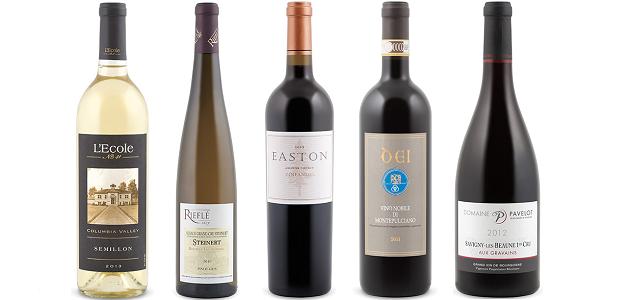
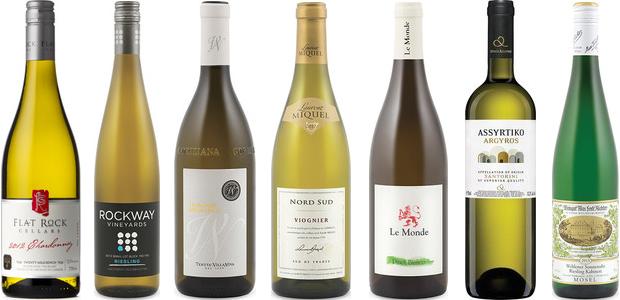
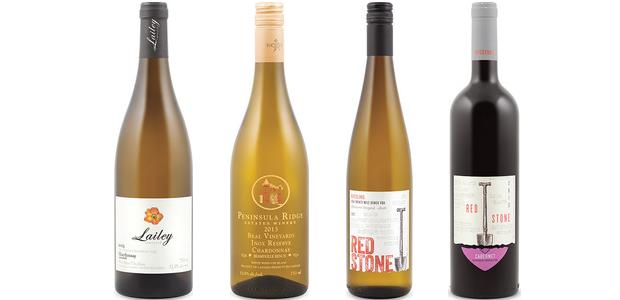
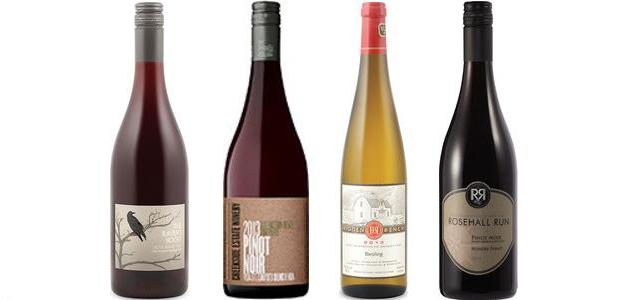
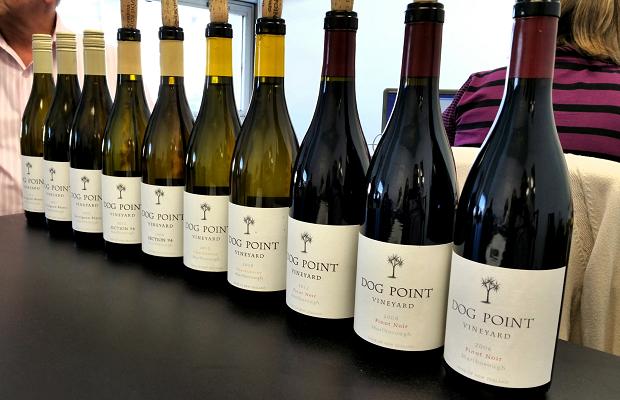
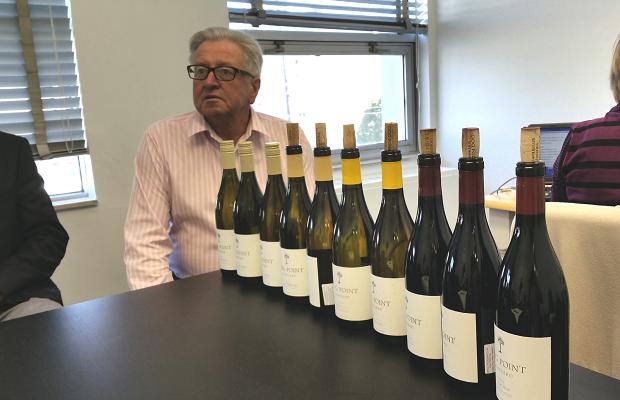
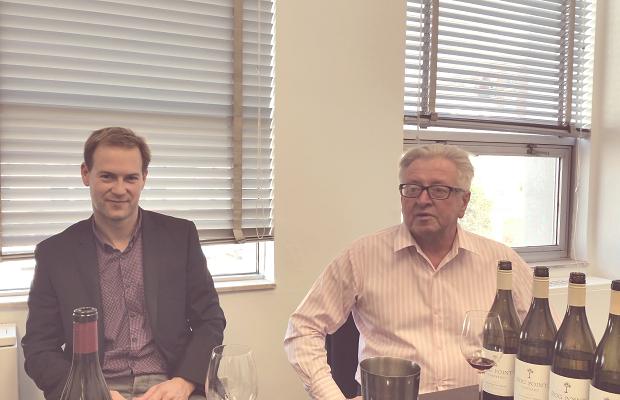
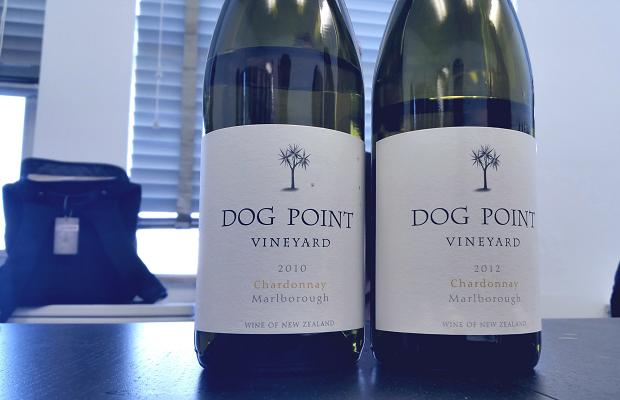
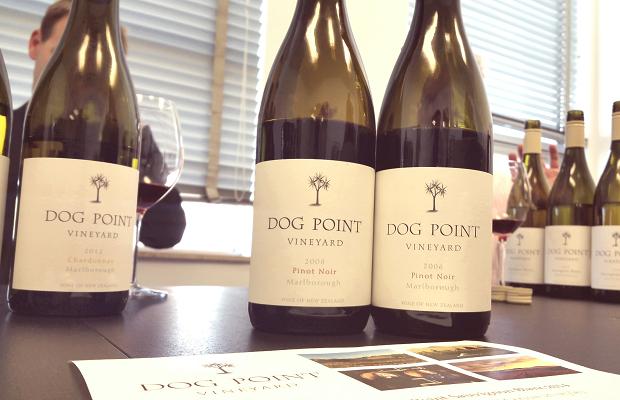
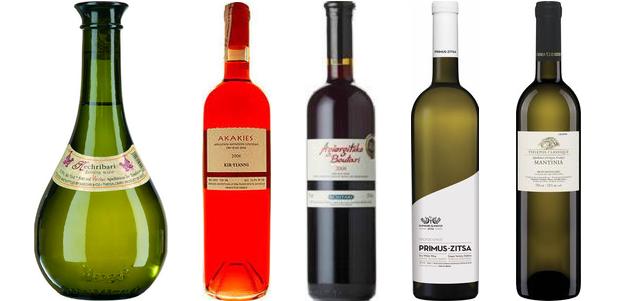

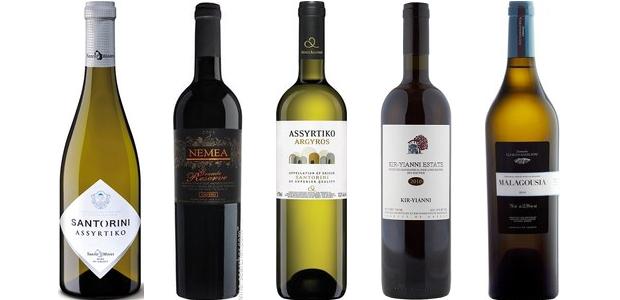
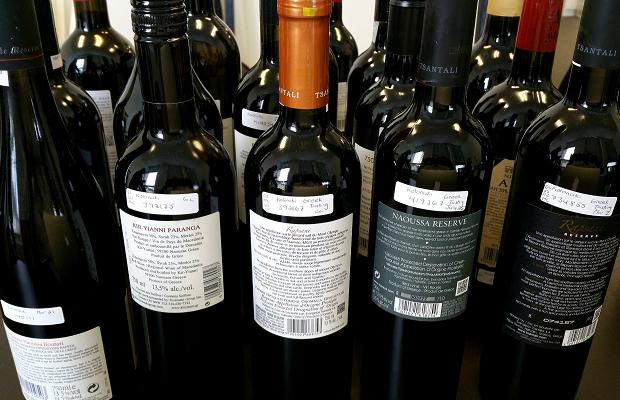

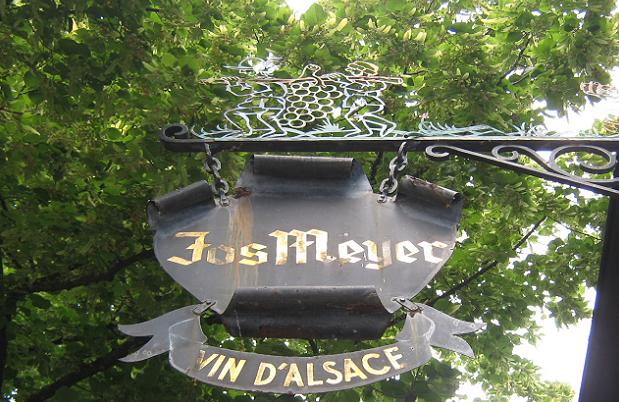
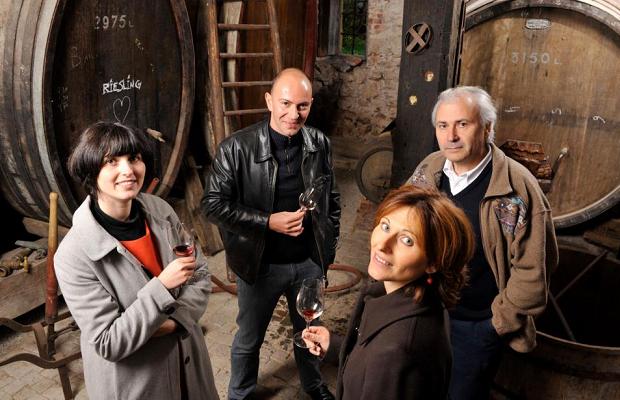
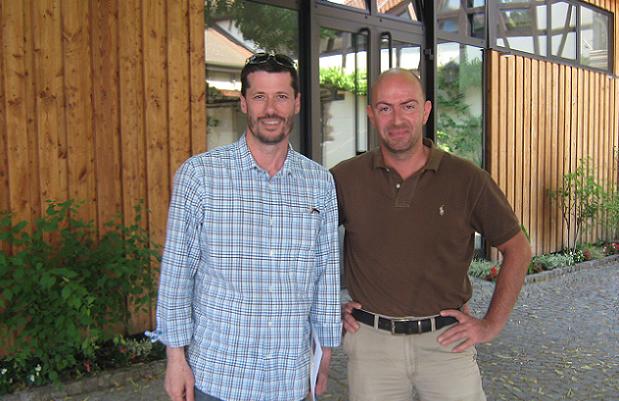
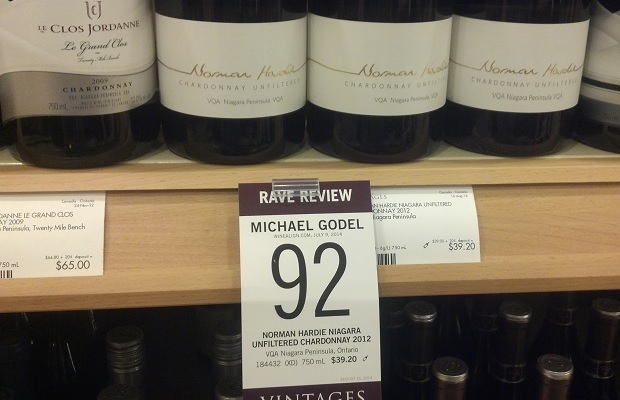

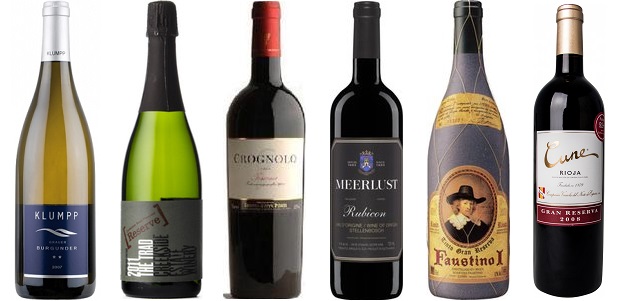
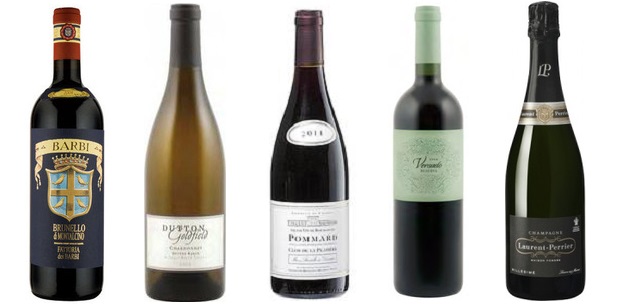
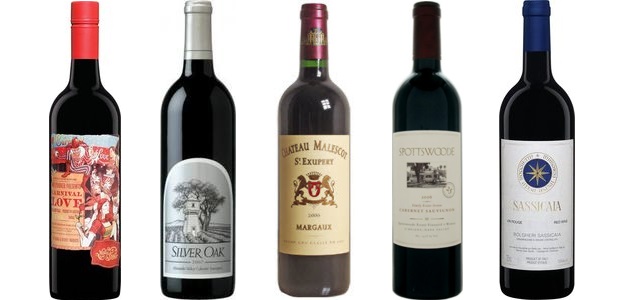

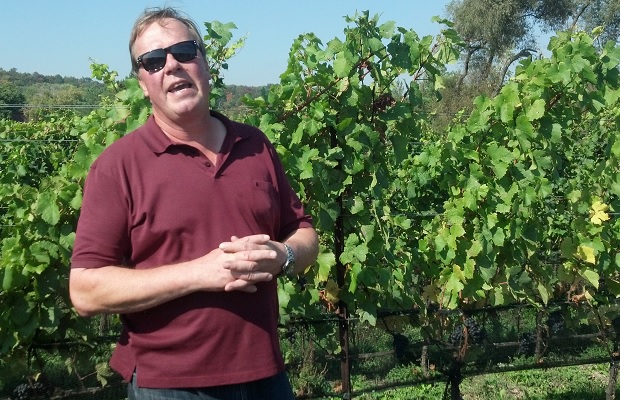
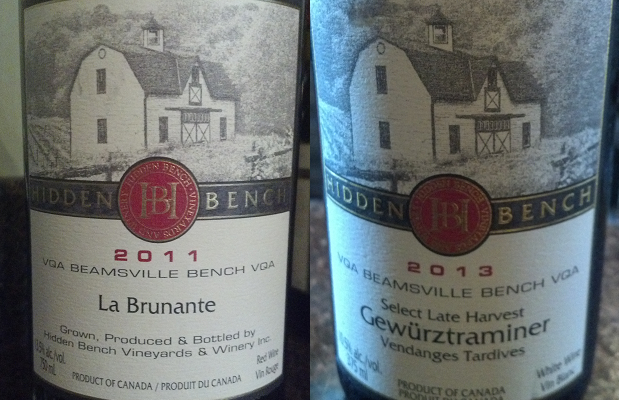
 Godello