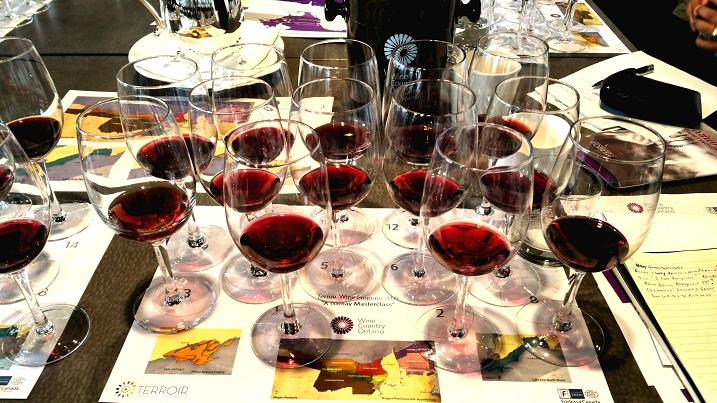
Master classes of Terroir

A Gamay Masterclass, Terroir Hospitality Symposium, May 11, 2015, Arcadian Court

A Gamay Masterclass, Terroir Hospitality Symposium, May 11, 2015, Arcadian Court

The Terroir Hospitality Symposium took place on May 11, 2015 at Arcadian Court in downtown Toronto. The one day food and wine colloquium was a massive simmering feast set in sprawling fashion within an undersized, intricate urban labyrinth. Despite the frenzied and condensed action in the downtown venue, that congress merely offered a look at the tip of the proverbial Terroir iceberg. With upwards of 3o team members leading the charge, the movement left the big fat city address and trekked to set up shop at a local farm and out to the rock at the eastern outermost edge of the country. Terroir moves outwards, onwards and upwards, taking it to the fields and the oceans.

The Terroir Best Practice Culinary Mission went to St. John’s, Newfoundland from May 14th to 17th. The One Fish expedition travelled “to meet fishing industry experts, to explore and examine both the history and the current realities of an Atlantic community built on an economy of the fishing industry.” There was also “the feast that keeps on giving,” at which the Feast Ontario team was hosted at Grandview Farms in Thornbury, Ontario

Led by Founder & Chair Arlene Stein, Vice Chair & Awards Rebecca Leheup, Terroir Talk the dextrosinistral/sinistrodextral enterprise is an undertaking of the extreme variety.

A look at #Terroir2015 in images

Terroir is an event, a series of gatherings, a notion, a philosophy and a way of life. Its mandate is this: “Terroir Hospitality brings together innovative and creative influencers from the field of hospitality, including chefs, food and beverage experts, writers and business leaders.” It’s also not without detractors. There are some who feel it is a negative representation of the culinary and cultural scene in Toronto. That it’s “white, urban, Euro-centric. It ain’t Canada, or 2015. Not funny.”

If the list of participating speakers, chefs and winemakers had been correlated with shortsighted discrimination, ill-curated and preordained with exclusive, malice prepense, you would have been hard-pressed to get an interview with any guest who would have chosen to speak about the called-out lack of representation or narrow-minded decision-making. If the culture and the colour of the event needs to change it will do so with holistic bias and sympathy, with the right sort of urging from the global culinary and vinicultural community. If the pundits are correct, future sessions will reflect the will of the people. In 2015, the atmosphere was wholly copacetic.

The 2015 Terroir wine sessions were marshalled with “an effort to raise the academic standards of the wine side of our symposium,” in three assemblies, to educate and entertain. These Masterclass jams, Gamay, Terroir, and Clone Wars were coordinated by Good Food Revolution’s Jamie Drummond and Magdalena Kaiser with great support from Wine Country Ontario.

The connection between food and wine is an intrinsic one. They are like chicken and egg, contrary to reason in electing which comes first. Chefs and winemakers, purveyors of the land from which their produce grows, transmuted into cuisine and fermented into wine. Facilitators of terroir, harvesting at optimum ripeness and then initiating the transmogrification with immediate haste, in urgency, to capture, lock in and bottle aroma, flavour and texture, before any chance of deterioration or spoilage.

But what the fuck is terroir? The most used word in the language of wine is in fact, terroir. Nothing else compares, comes even remotely close, or causes as much debate. Except for minerality, but those who concern themselves in the matters of ridicule, dismissal and denial ignore the fact that the opposite of fruit is simply, unequivocally and finally, incontestably, mineral.

Were the notion of terroir to be a belief as simple as “what happens in the vineyard, through environment, by geology, geography and topology, from naturally occurring elements and microbes in the soil, by air and of climate. Were it just a matter concerning “the impossible creator of perfect storms, from out of riddle and enigma,” well, then, we could all just go home. It’s much more complicated than that and real.

Most winemakers will agree, in principle, to this. “The final goal is to make the finest wines that express terroir.” Organic and biodynamic are important. Terroir is more important. But winemakers are no fools. They know that “during the grape’s life cycle, genealogy and climate shape its development. But even after it is plucked from the vine it still carries no true identity, in so far as what it will become as a wine. This is the point where nature gives way to nurture. Environment now acts as the catalyst to shape the wine’s life. Wine does not evolve because of natural selection. It evolves at the hands of the winemaker.” Anti-terroir?

At this year’s Terroir Talk Symposium, Gamay was chosen as the first wine session’s go to grape variety, to investigate both the serious and not-so serious sides of its existential weightlessness. To revel in its lithe, brightness of being and to unearth its deep roots. That we have come to a time in history where both aspects can be studied in Burgundy and in Ontario is fortuitous indeed. As a Gamay groupie, I feel blessed to be born under a good sign, at the right time.

As a reminder, it’s always the right time to be with the Gamay you love. I have been urging Ontario farmers to plant, cultivate and nurture Gamay; for winemakers to make it more and more. I made “a proclamation in favour of a great grape and one that forges signature wines out of Canadian soils. I am an ardent supporter of and a willing rider on the Gamay bandwagon, in the name of connaitre and savoirkennen and wissen, recognition and understanding.”

Related – Go Gamay Go

It’s working. Rosewood Estates just planted it for the first time. Gamay is poured at the cellar door, at tasting events and in private gatherings all the time now. Bottom line is Gamay costs half of the price compared to Pinot Noir and Syrah and it thrives in Ontario. It can make serious Cru quality reds and even at the highest end, sell for less than $30. It has been, continues to be and will always be #GoGamayGo time in Ontario.

Related – It’s go Gamay go time
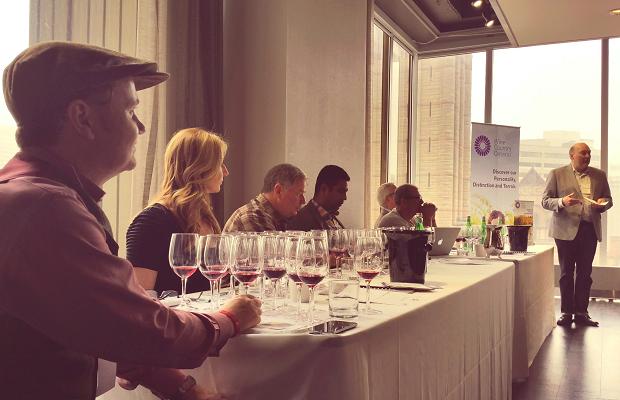
Moderator Chris Waters and the Gamay Masterclass panel: Jamie Drummond, Magdalena Kaiser, Martin Malivoire, Shiraz Mottiar, Bill Zacharkiw and Guillaume de Castelnau

Moderator Chris Waters and the Gamay Masterclass panel: Jamie Drummond, Magdalena Kaiser, Martin Malivoire, Shiraz Mottiar, Bill Zacharkiw and Guillaume de Castelnau

The first Masterclass: Gamay The Next Little Thing

“The intent of the first of the three wine sessions, was meant to investigate how it performs in Ontario and elsewhere in the world.”

The Panelists:

  • Winemaker Guillaume de Castelnau, Chief Winemaker/Director, Château des Jacques, Louis Jadot Beaujolais (Beaujolais, France)
  • Vigneron Martin Malivoire (Malivore, Beamsville Bench, Ontario, Canada)
  • Winemaker Shiraz Mottiar (Malivoire)
  • Wine writer/Sommelier Bill Zacharkiw (Montreal Gazette/Wine Align, Montreal, Quebec, Canada)

The Moderator: Wine writer Chris Waters (Vines Magazine/Intervin, Ontario, Canada)

To many, Gamay is a wonderful drug and though much maligned, its suitors and supporters can never tire of its freshness and its lightness of being. Moderator Chris Waters refers to Gamay as “a gateway grape, to transition drinkers from white to red wine.” In a world according to Guillaume de Castelnau, “Gamay is lazy, generous and fragile.” Bill Zacharkiw minces nothing, not words, nor feelings. “I love Beaujolais.” In the Terroir Master Class, there were 13 variations on Gamay, from semi-carbonic to old and baked, with many shades, hues, intensities and variations in between. Here are my notes.

Ontario Masterclass Gamay

Ontario Masterclass Gamay

Malivoire “Le Coeur” Gamay 2014, VQA Niagara Escarpment, Niagara Peninsula, Ontario (Winery)

Shiraz Mottiar refers to the young, Beaujolais impressionist as “Sammy Carbono,” a semi-carbonically macerated Gamay, with one foot in Nouveau and the other in a dusty, freshly spirited aromatic whirl. The tanky feel makes it accesibly gulpable. Like a leaping horse it is also twitchy, hopping in dressage, popping in the mouth. Fun if beside the point. Drink 2015.  Tasted May 2015

Malivoire M2 Small Lot Gamay 2013, VQA Niagara Escarpment, Niagara Peninsula, Ontario (Winery, $19.95, WineAlign)

A month later the pepper runs from white to black, by way of red. Terrific sour edged fruit. Strawberry and cranberry tied together by citrus. Will need two years minimum to fully integrate.
From my earlier note of April 2015:
The profundity of tart, keen, briny berries dilates in its own very useful layers of citrus, tannin and concentration, beyond even what was observed in 2012. The zesty, spritely argot resonates from the unfurling of floral essentia out of a Gamay in desperate need of time. The flavours and overlay are somewhat impenetrable and yet leave quite an impression. While patience might be the virtue and the reward, if #gogamaygo is the modus operandi, a swig from the bottle like gentlemen of the road is certainly not out of the question. Drink 2016-2021.

Last tasted May 2015

Leaning Post Gamay 2013, VQA Niagara Peninsula, Ontario (Winery, $25.00)

A year has clarified the must into a venerable, beneficial decay, like effulgent, liquid rust. The shine of antiquity and then a blast of cinnamon dominates for the first major swirl. So lithe and profound like wise Pinot Noir, minus the Niagara coat of arms and lacquered veneer. Whatever anxiety may have held down the brightness has eased to deliver this current, optimum drinking window. Drink 2015-2016.  Tasted May 2015
 
From my earlier (tank sample) note of May 2014:

Guiltless and virtuous straight out of stainless, the meaty side of Gamay game boldly goes where few from the Bench have gone before. Like a rare venison steak sitting in a silky pool of lavender-scented demi-glace. Floral like Fleurie and despite zero new oak, vanilla joins the gravy. A Senchuk steal of quality Wismer (McLeary…sort of) fruit sets this Gamay up for easy sell success.

Fielding Gamay 2013, Niagara Peninsula, Ontario (Winery, $19.95, WineAlign)

Time has been a friend to the ’13 Fielding Gamay, a wine who’s elevated tones of floral fruit and acidity have settled in the name of structure. Dusty ground nubbins and mint swirl with layered if yet rigid fruit. Low-cropped vines are on display, in single-vineyard like attention to specific detail, akin to Malivoire’s Courtney. This is in fact sourced from a single-vineyard up on the cool Vinemount Ridge sub-appellation. The site is a couple of kilometres south of Peninsula Ridge’s McNally Vineyard, the source of Ilya Senchuk’s terrific Leaning Post 2012 Pinot Noir. The Procyshyn family has been farming this plot (without fanfare) for decades in Beamsville. The pristine fruit that Theo and Shelley Procyshyn grow, along with their three sons, Nolan, Dalton and Brayden, yield as low as 1.5 tonnes and up to 3.5 tonnes per acre, depending on the year. The ’13 was around 3 t/a. Fielding has never labelled this Gamay ‘single vineyard’ because they have always hoped to bring in new Gamay blocks on as part of that wine, but that’s not yet worked out. The ’13 is very, very red raspberry, with a craggy, spiked point of liqueur, like a weeping peak upon that Vinemount Ridge in the afternoon sun. Has Beamsville’s upper reaches written all over its corporeal self. Drink 2015-2017.  Tasted May 2015

13th Street “Sandstone” Gamay 2013, VQA Four Mile Creek, Niagara Peninsula, Ontario (Winery, $19.95, WineAlign)

May just be the first Gamay with a simulacrum towards a style best described as appassimento, what with the overripe fruit, aromatic cure, baked and sun-dried flavours. Sniff the confluence of black raspberry, scorched earth and roasting game bones, its sinew crackling over humid old growth wood. Gets rich into the vanilla, reeking of late harvest lavender and then a mutton funk. Could easily pass for a wealthy, unforgiving style of Cru Beaujolais, like Chénas from Christophe Pacalet. Or it could just be acting older than its age, by seven or eight years. Most prepossessing and confounding Gamay. Drink 2015-2018. Tasted May 2015

Stratus Gamay 2012, VQA Niagara On The Lake, Ontario (Winery, $29.00, WineAlign)

Esteem elevated by structure, matched in poise and presence mottled in smears of darker, richer black cherry. If a slight absence of brightness is sensed due to the syrupy compression, like New World, west coast Pinot Noir, the gleaning from acidity and tannin times perfectly the effluent escape.

From my earlier note of April 2015:

It may not be the most idiosyncratic Gamay in Niagara but the Stratus 2012 is without a doubt the most advanced and complex. Gamay fusion is on display, at once a bottle of Niagara’s finest pulchritudinous veneer and then a charcuterie board laid ample with cured bovine parts and sun-dried grapes. Maximum ripeness and then even later picking, to no one’s surprise, have led to this. Two years of ageing in neutral oak barrels has brought about a humid roundness and yet the centre is controlled by Oz-like mint and eucalyptus notes. The jam is gelid, as opposed to temperate. Rarely does Gamay go to such depths, of blackberry, chalk and grain, with an overlord of tannin. Quite serious stuff. Drink 2017-2020.

Last tasted May 2015
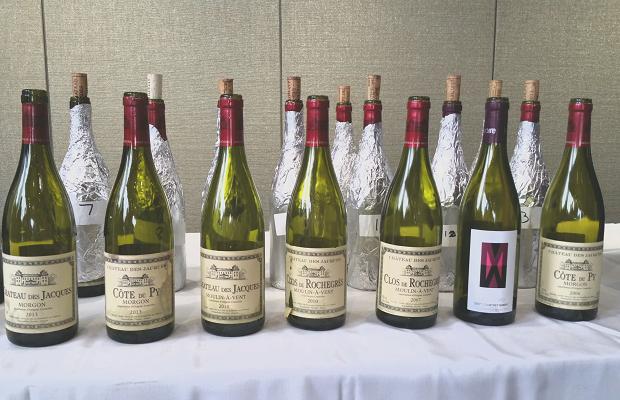
Château-De-Jacques and Malivoire Courtney in the Gamay Masterclass

Château-De-Jacques and Malivoire Courtney in the Gamay Masterclass

Château-De-Jacques Morgon 2013, Ac Beaujolais, France (653584, $24.95, WineAlign)

The flushed scarlet animation is active and astir, like a soft serve swirl of dusty, cherry molasses, bathing in its own natural acidity. Has the presence of wine to integrate chalk, grain and Morgon tannin, in equal, opposite and variegated layers. Nothing shy about this gateway Cru Beaujolais. Drink 2015-2019.  Tasted May 2015

Château-De-Jacques Morgon Côte du Py 2013, Ac Beaujolais, France (Agent, $53.95)
In this rigid and stoic Morgon, the south-facing, blue volcanic slopes of the Côte du Py have provided a measure of firm fruit that will require a minimum two to three years to crack. The gears of the Gamay machinery may be grinding but the windows are yet open, the doors locked tight. This is the least forward, most inwardly introspective and least gregarious of the CdJ Beaujolais. Sharp sapidity, biting tang and piercing penetrating tannin deny immediate or even short-term access. Even the middle palate seems lifeless, devoid of cherry fruit and seamless layering, medicinal even. Judgement should be reserved, with knowledge of pedigree and how a bottle such as this will suddenly, effortlessly spring to life with time. Drink 2018-2022.  Tasted May 2015

Château-De-Jacques Moulin a Vent 2010, Ac Beaujolais, France (Agent, $36.95)

The undergraduate’s blend comes from the appellation’s Château des Jacques parcels; Carquelin, Rochegrès, Champ de Cour, Thorins and La Roche. Granite soils from each spice with symptomatic diversification and combine for a flippant funk that hitches straightforward out of the gate. Here Gamay leaves dusty behind with an urging away from humble and towards nobility. Richly aromatic, amplifying into palate. Such acidity and such grain. For this MaV the time is now, the arrival already announced. A late sense of veneer on the lengthy bitter finish indicates more good times ahead. Drink 2015-2020.  Tasted May 2015<

Château-De-Jacques Moulin a Vent Clos de Rochegres 2010, Ac Beaujolais, France (Agent, $44.95, WineAlign)

From the appellation’s highest parcel, the red sandstone soils of the Clos de Rochegrès are gently sloping and fed by underground streams. I always sense salinity and an effusive, stony energy in wines blessed with subterranean irrigation. The drinking window for this 2010 is wide open and the funk meets age introduction has been made. Already in display of a dried fruit shrivel, the ’10 acts like Sangiovese of a similar senescence, like CCR or Vino Nobile with three to five years of age. The liqueur of roses, the earth and the cherries are culpable and yet the varnish and the baking spice crusting ensure that no one conclusion can yet be made. This is highly seasoned and not quite unfurled Gamay. Two more years should complete its conditioning. Drink 2017-2020.  Tasted May 2015

Château-De-Jacques Moulin a Vent Clos de Rochegres 2007, Ac Beaujolais, France (Agent, $43.95, WineAlign)

Poured from a magnum, the 2007 Clos de Rochgeres is the portal in which to peer, to see what can happen with Gamay. Baked, caked, figgy, funky and oxidative, more than ample fruit was present and persists, with the savoury edges now integrated throughout. Strawberry rhubarb pie comes to mind, with eyes closed and sniffing senses heightened. A bit indelicate, the humidity in tomato leaf and garrigue add to the idea of age though the citric punch and lactic texture are reminders of Gamay’s fun side. There is no shortage of complexity and evolution here. That said, consumption time is now. Drink 2015-2016.  Tasted May 2015

Malivoire Gamay Courtney 2007, VQA Beamsville Bench, Ontario (Winery, $29.95, WineAlign)

The wow aromatics can’t be denied, fully explained nor perfunctorily taken for granted. Age has educated the fruit, stratified and fully saturated this Gamay. Strawberries have shot from an adrenaline cannon and structure has been fully realized with (non-Gamay) Old World confidence. A note of orange blossom, like an early evening Sevilla garden, is rousing. The natural evolve of such a Gamay, with wood, yeast and fruit in expert harmony, recalls the impossible acts of red wines like those made by Emidio Pepe. If the stretch is considered a conceit of poetic licence, so be it. The yet beating heart of raging acidity circling plenteous fruit and so much savour is nothing short of a Gamay miracle. Power and masculinity, by way of a conduit in oak, have been used to great advantage. This has life yet to live. Drink 2015-2020.  Tasted May 2015

Château-De-Jacques Morgon Côte du Py 2006, Ac Beaujolais, France (Agent, $53.95)

Seamless and eminently structured, developed low and slow. The blue volcanic soil has procured an evolutionary subsumption, a roasted, developed personality. The seeping liquor oozes, of earthy cherries, again like Sangiovese, but inelastic and close-grained, as per the Côte du Py idiom. This ’06 offers clarity and gives reason to forgive the brutal ’13, to abstain for commenting further. This wine is quite ferric and still tannic. The oak remains a factor. Through the walls the Gamay fruit does transude and so the master plan is coming into effect, perhaps not immediately but will be very soon. Just around the corner. Drink 2016-2020.  Tasted May 2015
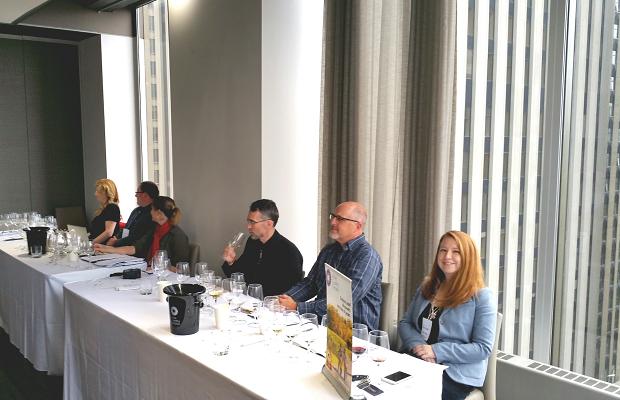
Moderator Sara d'Amato and the Terroir Masterclass panel: Magdalena Kaiser, Dr. Jim Willwerth, Emma Garner, Stuart Piggott and Dr. Kevin Pogue

Moderator Sara d’Amato and the Terroir Masterclass panel: Magdalena Kaiser, Dr. Jim Willwerth, Emma Garner, Stuart Piggott and Dr. Kevin Pogue

The second Masterclass: A Different Look At Terroir: How Much Do Soils Actually Matter?

“In this seminar/tasting we ask what the term really means, and how much do its many different elements actually influence the character of the finished wine?”

The Panelists:

  • Dr. Kevin Pogue Phd. Geology, Whitman College, Walla Walla, Washington State, USA
  • Dr. Jim Willwerth Phd. Biological Sciences: Plant Sciences; Oenology and Viticulture (CCOVI, Brock University, Niagara, Canada)
  • Winemaker Emma Garner (Thirty Bench, Beamsville Bench, Ontario, Canada)
  • Winewriter Stuart Pigott (Author of Riesling: Best White Wine On Earth, Berlin, Germany)

The Moderator: Wine writer/Sommelier Sara d’Amato (Wine Align, Toronto, Canada)

Dr. Willwerth offered up his opinion on how minerality is achieved in Riesling. “If you don’t get maturity in the variety at the end of the growing season, you won’t get the full expression of minerality. Overripe will eliminate minerality.” In Ontario, “The Bench is home to a mineral wealth of local Riesling, singular in composition not only by way of a global comparison, but also from plot to plot, soil to soil and vineyard to vineyard.” That persuasion has spread, down to the shores of Lake Ontario, by Niagara-on-the-Lake and in Prince Edward County. “Riesling brokers the nescient consumer with the gift of grape enlightenment.”

Seven Ontario Rieslings were tasted in the Masterclass. The notes.
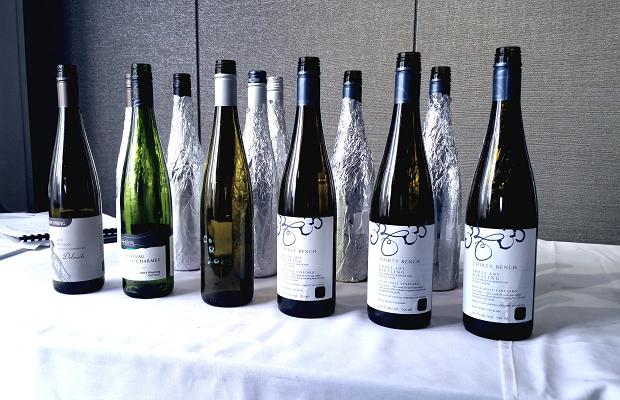
Riesling Masterclass

Riesling Masterclass

Cave Spring Riesling Dolomite 2013, VQA Niagara Escarpment, Ontario (Winery, $16.95, WineAlign)

This is Cave Spring’s bridge, offering safe passage from Estate to CSV Riesling. Vinified with consistency in a quasi-Kabinett style, its elevated though classic numbers steadfast in sugar (17.55 g/L) and acidity (7.2 g/L TA). The dolomite limestone of the Escarpment means business in this calm, fit, chiseled and consumer-lissome Riesling. Palate is really the thing, seamless to attraction, from fruit to stone. Orchards and citrus groves alight to rock. Phenolically ripe yet shy of the tropical planet. Is there transference here? Absolutely. Drink 2015-2018.  Tasted May 2015

Château Des Charmes Old Vines Riesling 2013, VQA Niagara On The Lake, Ontario (277228, $16.95, WineAlign)

The happy place effect by age in the Château Des Charmes’ vines coupled with location is usually enough to carry this Riesling through an obvious and readily identifiable tunnel but 2013 confounds. The elemental ratio, derived from multiplying reduction by altitude leans thoughts to the Vinemount Ridge or the Cave Spring Escarpment Vineyard. The compound aromatic waft, or more succinctly, the deconstructed stone, the breaking down of periodic Hollywood squares is a force to reckon. That this arrives from such close proximity to the lake is nothing short of amazing. It’s as if this Riesling is the product of stressed vines and the pierce is just so pinpointed. Less accessible than ’12 for sure, so drink up previous vintages going back at least three before even thinking about getting to know 2013. Drink 2018-2022.  Tasted May 2015

Norman Hardie Riesling 2014, Prince Edward County, Ontario (Tank Sample)

At this prepossessed stage the terpenic fruit might fail in competition but succeed in the marketplace. Easy access, smelling of perfumed must, juicy, with citrus and burgeoning acidity. Low alcohol and good length stretch out an endless lemon summer. The wine will reverse itself within a year and beat impossible odds. A Hardie always does.  Tasted May 2015

Thirty Bench Riesling Small Lot Triangle Vineyard 2009, VQA Beamsville Bench, Niagara Peninsula, Ontario (Winery, $30.00, WineAlign)
The brilliant hue slides through patina and heads for gold. Some fumes have emerged with age, part petrol, part pure mineral, but of what kind and more importantly how, or why? Viscous, near oily, waxy and the most Glück of the three Thirty Bench single-vineyard Rieslings. Tossed with spice, pepper, lemon and honey that is more molasses than clover. The mineral is a result of the lowest water retentive soil as compared to Steel Post and Wood Post. The transmission for (orchard or tropical) fruit is minimized, the vigour low. The result is mineral. Drink 2015-2020.  Tasted May 2015

Thirty Bench Riesling Small Lot Steel Post Vineyard 2009, VQA Beamsville Bench, Niagara Peninsula, Ontario (Winery, $30.00, WineAlign)

Balance is and therefore always was struck. The match percusses flint for a mere nano-second, with just a brush on cymbal, the rock bleeds but is quickly clotted because the fruit shines still, like around the clock light. The steely aspect is a posterior one, antithetical and yet purposed, from this vineyard. Youth tells common sense to think 2011. The Riesling behaviour seems to play that part, of a chalky, piercing acidity, so typical of that vintage and so distinctly Thirty Bench. That the wine is older is not a big surprise because 2009 is the bomb. It may just be the best Riesling vintage, from on that Bench, in the last 10. Drink 2015-2025.  Tasted May 2015

Thirty Bench Riesling Small Lot Wood Post Vineyard 2009, VQA Beamsville Bench, Niagara Peninsula, Ontario (Winery, $30.00, WineAlign)

Age is a factor but less so than its Bench sisters due to a fine sense of calm. Showing less evolution, less viscosity, less wax and honey. More than that, the periodic table has yet to fill in. The Wood Post exhibits more warmth, savour and balm. A taste offers a sapidity that combines toasted fennel and candied lemon. Poised and yet incomplete, the vineyard fetters this Riesling to breath slowly and take its (will get to) sweet time. Drink 2017-2027.  Tasted May 2015

Flat Rock Cellars Riesling Nadja’s Vineyard 2009, VQA Twenty Mile Bench, Niagara Peninsula, Ontario (578625, $19.95, WineAlign)
Going back a few years, this Flat Rock Weis 21 clone Riesling from atop the Niagara Escarpment was made by former winemaker Ross Wise. Six years has concentrated both aromas and flavours while concurrently reducing the cutting drill. The hyperbole is read by tablet, of etchings in stone, immortalizing the terroir (not so) long before it was truly known how this could happen. What sticks out the most is the bleeding limestone texture and the striking aridity. Later vintages of Nadja improve on the flesh. Drink 2015-2017. Tasted May 2015
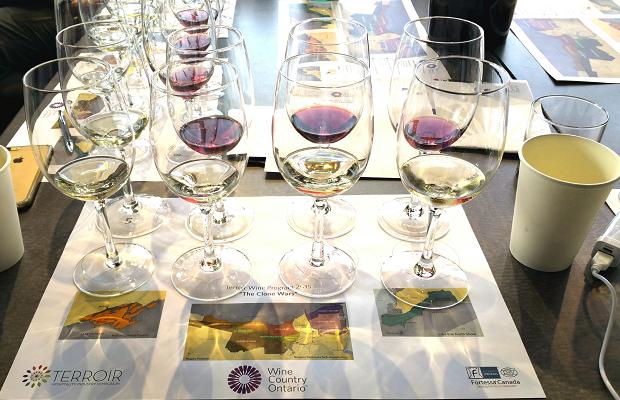
Clone Wars Masterclass

Clone Wars Masterclass

The third Masterclass: “The Clone Wars”: What Do Different Clones Bring To The Glass & Why?

“Looks at Riesling, Cabernet Franc and Pinot Noir. The varying clones utilized are a point of pride for some winemakers, and yet not even mentioned by others. Over the course of this detailed seminar/tasting we hope to answer why this is the case.”

The Panelists:

  • Dr. Kevin Pogue Phd. Geology Whitman College, Walla Walla, Washington State, USA
  • Dr. Jim Willwerth Phd. Biological Sciences: Plant Sciences; Oenology and Viticulture (CCOVI, Brock University, Niagara, Canada)
  • Winemaker Angelo Pavan (Cave Spring, Jordan, Ontario, Canada)
  • Winemaker Jay Johnston (Flat Rock, Beamsville Bench, Ontario, Canada)

The Moderator: Sommelier Katy Moore (Langdon Hall, Cambridge, Ontario, Canada)

Dr. Jim Willwerth asserts that “clones are essential for viticulture, propagated asexually, through cuttings.” Angelo Pavan notes “clonal research to cold heartiness is very important for Niagara and also for yields.” Clones no doubt drive the industry, at least behind the scenes, but when it comes to making great wine, is it the be all, end all? “I still believe plot trumps clone,” says Jay Johnston. The defence rests. Here are the wines tasted in the final Masterclass.
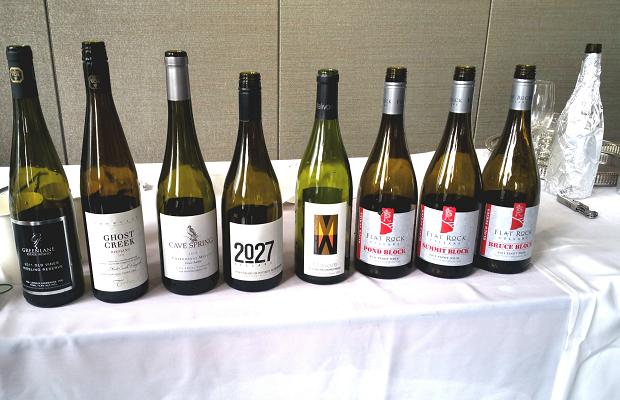
Clone Wars Masterclass line-up

Clone Wars Masterclass line-up

Greenlane Riesling Old Vines 2011, VQA Lincoln Lakeshore, Niagara Peninsula, Ontario (351486, $21.95, WineAlign)

While aridity suggests Alsace Clone 49, this is actually Weiss 21, made saline and arid out of Lincoln Lakeshore soil. The herbal aspect has propagated to combine with Twenty Bench like distinction and with less citrus than Vinemount Ridge or Beamsville Bench. The Mosel density has developed with time in bottle. Drink 2015-2019.

From my earlier note of October 2013:

Cracks the mineral whip, froths lime into foam and atomizes stone fruit into sweet and sour heaven. Wants to be semi-dry but never quite goes there. Walks a fine line, a tightrope actually. Up there with Charles Baker and Thirty Bench for sheer madness.

Last tasted May 2015

Trius Winery At Hillebrand Showcase Riesling Ghost Creek Vineyard 2013, VQA Four Mile Creek, Ontario (Winery, $25.00, WineAlign)

The Ghost Creek Riesling comes from the shadow of a river bed vineyard planted to the Alsace clone 49. The fruit is much richer than most, coupled with the aridity and salinity that former stony wadi plots and this particular clone will conspire to effect. The citrus intensity is however tempered by a humidity that comes from seemingly sunburnt fruit, tanned and wet down by the revenant reservoir. Drink 2015-2017.  Tasted May 2015

Cave Spring Estate Bottled Chardonnay Musqué 2013, VQA Beamsville Bench, Niagara Peninsula, Ontario (246579, $15.95, WineAlign)

Produced from the 77 clone, the vintage has heightened the high herbal and feigned sweetness aromatic pastis. The palate is extraordinarily viscous, with Yellow Muscat and Gewürztraminer attributes, not so out of the ordinary considering Cave Spring’s older world execution. Drives from lemon to mandarin, through almond pit and into peach. Always solid Musqué. Drink 2015-2017.  Tasted May 2015

2027 Cellars Chardonnay Wismer Vineyard Fox Croft Block 2012, VQA Twenty Mile Bench, Ontario (Winery, $30.00, WineAlign)

In the hands of winemaker Kevin Panagapka, Craig Wismer’s fruit retains un underlay of power not recognized in other Foxcroft Chardonnays. Neither Thomas Bachelder nor Ross Wise (Keint-He) make anything near spirited as this 2027 take. Chardonnay loves the sun in the Foxcroft Block and Panagapka loves to see that sun hook up with the inside of a barrel. This ’12 makes a nice date for a wood wedding. A product of the Dijon 96 clone, the reduction in this Chardonnay drives its fresh, spritely if mettlesome nature, with a bark and a barrel bellow, but longevity will not suffer as a result. This could take 30 years to oxidize, it’s that audacious and also courageous. Let it and its buttered popcorn rest a while. Drink 2017-2025.  Tasted May 2015

Malivoire Chardonnay Moira 2011, VQA Niagara Peninsula, Beamsville Bench, Ontario (243113, $39.95, WineAlign)

When it comes to clones, winemaker Shiraz Mottiar distills the Moira Vineyard into the realm of “field selection.” Not to be confused with field blend though I suppose that’s what it is, of sorts. The ’13 is the dictionary entry for Moira, typically balanced, from pedigree, in warmth, amiability, gathered and distributed, from acumen and confidence, to customary placement. Fruit and acidity relax on a sofa of equilibrium, taking little in the way of risks, making no mistakes. Reduction isn’t even a twinkle in its fresh versus oxidative eye. The vintage and the handling purports to throw infantile, developed and matured into one big machine for a readout that grants immediate gratification. Exemplary take on cool-climate, Niagara Peninsula, slightly warmer Beamsville Bench Chardonnay proper. Not for the long-term. Drink 2015-2019.  Tasted May 2015

Flat Rock Pinot Noir Pond Block 2011, VQA Twenty Mile Bench, Ontario (Winery, $29.95, WineAlign)

Assessed blind it smells just like the Flat Rock’s Gravity Pinot Noir yet singled out in fractions. Here the mellifluent block, of sweet crooning fruit, careening and submissive to Siamese brother triplet Summit’s tension.

From my earlier note of October 2013:

Crosses the twain between Bruce and Summit. A cottony touch, most pronounced perfume and of the three, the lowest acidity. Mellow, easy, J.J. Cale peaceful, void of chalk, grain or angst. Speaks in a cherry voice, smells like cherry and returns that cherry to taste. Ripe and soft. “Sweet as a morning sunrise, fresh as a mountain dew.”

Last tasted May 2015

Flat Rock Pinot Noir Summit Block 2011, VQA Twenty Mile Bench, Ontario (Winery, $29.95, WineAlign)

The most perfumed and yes, Burgundian of the three blocks, the Pommard in the group. Still limestone chalky and gaining weight. This is a single-block wine to me made again.From my earlier note of October 2013:This block’s base is slightly deeper, spreading over dolomite limestone. Diminished average temperatures mean berries develop lower and slower, hang longer (up to three weeks) resulting in higher phenolic ripeness. Summit may be the caveman of the three, seemingly in dire straits, covered in leaves, snapped twigs, truffles and porcini mushroom but damn if impossible Burgundy does not come to mind. This is one to ask where do you think you’re going? It will surely reply, “if you ain’t with me girl, you’re gonna be without me.”Last tasted May 2015

Flat Rock Pinot Noir Bruce Block 2011, VQA Twenty Mile Bench, Ontario (Winery, $29.95, WineAlign)

The light and delicate place translates to hue, texture and ultimately elegance. Yet there persists an underlying anxiety, essential for gravity.

From my earlier note of October 2013:

From the northern most block, up at the Escarpment/Bruce trail. Thin, one foot deep soil meshes flaky limestone at this elevation. Smallish berries predominate and an earthly mote accents the flowers, cherries, strawberry and classic purity of this bonny Bruce. A Oregonian lightness of being, if you will. From one of the few south-facing slopes in Niagara (because of 20 Mile Creek), where the limestone chalk imparts fine-grained tannin so apparent to taste.

Last tasted May 2015

Good to go!
http://www.winealign.com/profile/2058-mjg

This week bubbles, next week summer

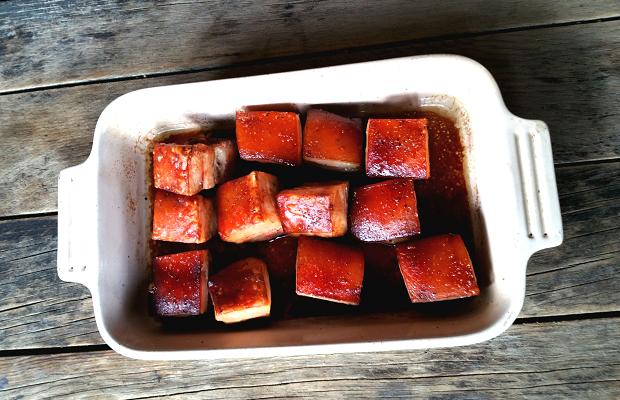
Roast Pork Belly, red wine, soy, cassia, star anise, sichuan peppercorn, clove, ginger, garlic

Roast Pork Belly, red wine, soy, cassia, star anise, sichuan peppercorn, clove, ginger, garlic

The architecture behind the June 13th VINTAGES release is predicated on many a premise but the cover girl and centre of bubbling attention is Sparkling wine. For this I applaud with as much robust positivity in prejudice as I can afford. The ad nauseam used adage “Sparkling wine goes with everything” is actually ad hoc, meaning it is always the solution, no matter the situation.

That VINTAGES has chosen to put fizz in the spotlight at this juncture is nothing short of brilliant. Yes, brilliant. It’s inconspicuous and dubious (incommensurate to December) and so appropriate (unlike the dead of February winter). Think about it. Father’s Day, on the verge of summer, sitting on decks, patios and porches. Grilling sea-swimming creatures, eating snacks and tapas, enjoying the warmth of life. All these roads lead to bubbles.

The JC Penney VINTAGES catalogue will have you believe that Sparkling is a remarkable entity and that it goes with all these things; lunch, casual dinner, snacks, summer days and evenings, date night, week night, the cottage, weekend brunch and a formal evening. And that would be entirely correct. The catalogue rolls out 20 variations this weekend. I’ve tasted them all and here are the seven to pop, pour and elevate your game.

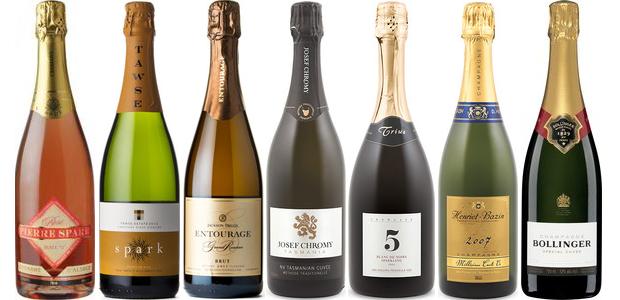
From left to right: Pierre Sparr Brut Rosé Crémant d’Alsace, Tawse Spark Limestone Ridge Riesling Sparkling 2013, Jackson Triggs Entourage Grand Reserve Brut 2011, Josef Chromy Tasmanian Cuvée, Méthode Traditionnelle, Trius Showcase 5 Blanc De Noirs 2009, D. Henriet Bazin Carte D'or 1er Cru Brut Champagne 2007 and Bollinger Special Cuvée Brut Champagne

From left to right: Pierre Sparr Brut Rosé Crémant d’Alsace, Tawse Spark Limestone Ridge Riesling Sparkling 2013, Jackson Triggs Entourage Grand Reserve Brut 2011, Josef Chromy Tasmanian Cuvée, Méthode Traditionnelle, Trius Showcase 5 Blanc De Noirs 2009, D. Henriet Bazin Carte D’or 1er Cru Brut Champagne 2007 and Bollinger Special Cuvée Brut Champagne

Pierre Sparr Brut Rosé Crémant d’Alsace, Méthode Traditionnelle, Ac Alsace, France (39016, $17.95, WineAlign)

Graceful and pink lithe, like cold smoked salmon, delightful Pinot Noir Rosé fizz. Nothing earth shattering, breath-taking or barrier breaking, just well made blush bubbles. The structure and balance are really spot on. Finishes strong and with confidence. Helps to define this genre of Crémant’s creamy texture, matched in contrast by its stony, flinty and mineral style.  Tasted November 2014  @ProfileWineGrp

Tawse Spark Limestone Ridge Riesling Sparkling 2013, Twenty Mile Bench, Ontario (370361, $19.95, WineAlign)

Only a year and in conjunction with an improved Sparkling wine vintage for Riesling, short work has elevated the young Spark’s game. A repeat lees performance initiates the conversation, of cheese melted overtop composite laminate, with yeast burgeoning about. In 2013 the concrete crispness is cemented deeper, etched into stone and thus completing the sub-$20 legacy. That winemaker Paul Pender can coax Riesling character, striking Sparkling wine resolve and yet hover in the air of litheness, well, this is the kneading. Silty, salty earth and soft transitions to citrus acidity are a requiem for success as per the Twenty Mile Bench/Limestone ridges vouchsafe common. Can even imagine a bit of time turning this into sparks and honey. Drink 2015-2019. Tasted May 2015  @Tawse_Winery  @Paul_Pender

Jackson Triggs Entourage Grand Reserve Brut 2011, Méthode Classique, VQA Niagara Peninsula, Ontario (234161, $22.95, WineAlign)

This is a very effective bottle of bubbles, consistently produced, vintage after vintage. Some reserve on the nose, notable in its pear and yeasty aromas. Crunchy feel for fizz with a replay in flavour much like prickly pear and the tropical esters of yeast. Really good length. Simply well made.  Tasted November 2014  @Jackson_Triggs

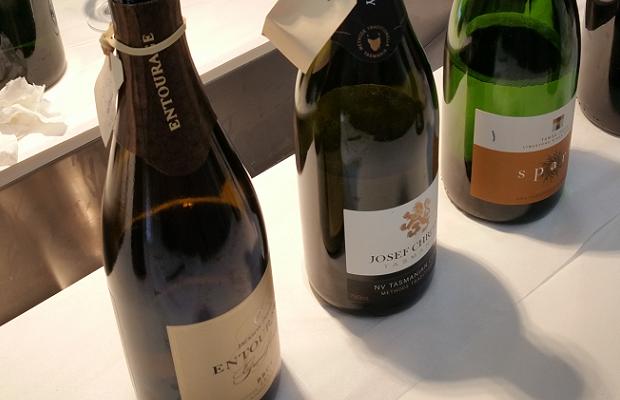
Jackson Triggs Entourage Grand Reserve Brut 2011, Josef Chromy Tasmanian Cuvée and Tawse Spark Limestone Ridge Riesling Sparkling 2013

Jackson Triggs Entourage Grand Reserve Brut 2011, Josef Chromy Tasmanian Cuvée and Tawse Spark Limestone Ridge Riesling Sparkling 2013

Josef Chromy Tasmanian Cuvée, Méthode Traditionnelle, Tasmania, Australia (409102, $28.95, WineAlign)

Obvious and exemplary cool-climate Sparkling wine, traditionally swayed out of Tasmania where bubbles are meant to be. Composed of northern Tasmanian (Relbia) Estate fruit, of Pinot Noir (67 per cent) and Chardonnay (33). Classic numbers (12.0 per cent alcohol, 7.2 g/l acidity and a pH of 2.91) with 18 months on the lees and triaged with no malolactic fermentation. The result is a stoic and aerified expression, to the upper reaches of the atmosphere, gently toasty and of an aridity that tricks, foils and emanates sweetness. Sharp, tacking and grooved in acidity grippy enough to firmly grasp the frozen, suspended finish. Drink 2015-2018.  Tasted May 2015   @JosefChromy  @bwwines

Trius Showcase 5 Blanc De Noirs 2009, VQA Niagara Peninsula, Ontario (420521, $55.00, WineAlign)

Auspicious opening for the top end, new Trius Sparkling wine, based on Pinot Noir (70 per cent) from Four-Mile Creek (Lawrie Vineyard), with support from Pinot Meunier (30). Five is the number of years slumbering on lees, a voyage into triage to transport this singular Niagaran into the stratosphere of the region’s pantheon. Arid, toasty and slightly oxidative as per the wild ferment, Craig McDonald style. The toast is spread with a tapenade of (more) lightly toasted nuts, tarragon, morel and earth. There is a feeling of berries, void of pigment, slightly tart and very fragrant. Also the not so pungent but forest emergence of basidiomycete fungus. Delicate, complex, creamy and simultaneously, so very dry. A wine to sip at a large gathering around an antique harvest table or deep into the next decade. Drink 2015-2028. Tasted May 2015  @TriusWines

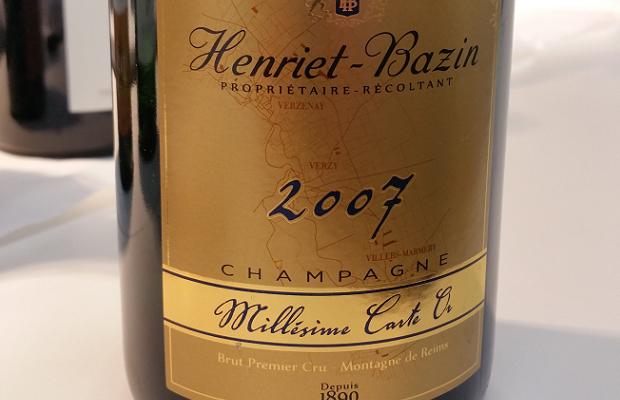
Henriet Bazin Champagne 2007

Henriet Bazin Champagne 2007

D. Henriet Bazin Carte D’or 1er Cru Brut Champagne 2007, Ac, Champagne, France (415596, $57.95, WineAlign)

In the realm of Champagne theory, this vintage-dated fizz plays a role of the belletristic kind. The characteristic rhetoric of style; beauty, sublimity and propriety all contribute to the old-school way. Composed of 60 per cent Grand Cru Pinot Noir and 40 lieu-dit-esque Chardonnay, from an early bud break (beginning of March) and picked vintage (early September). Has body and depth of fruit, humanistic stratification, density and compression. Bitterly, properly oxidized and rampant in acidity, offering a dance on the back tongue, of paralysis, palaver and paradox. Concentrated and imposing, far from the delicate or easy-going modern Champagne. Has guts and determination, risk-rapport, esteem and respect for vintage dated bubbles. Drink 2015-2022.  Tasted May 2015

Bollinger Special Cuvée Brut Champagne, Champagne, France (384529, $73.95, WineAlign)

As direct, elegant and pinpoint accurate as ever. The ever so faint oxidative lean is uncompromising with a floating sachet of ginger, mace, absorbing toasted biscuit and caper brine. From phite to sweet crouton. Composed of 85 per cent Grand and 15 Premier Cru fruit from all over Champagne.

From my earlier note of October 2014:

A wine of social heredity, the Bollinger is tranquilized, entreated and centered by meditation. An arid, atomic and piercing Bollinger. Fine and misty, with ultra-classic subtlety, a living, breathing embodiment of a beloved house style. Exotic to a degree, these are bubbles in colourful pageantry, the Bollywood of Champagne, in grace, of flowing robes, hues in ochre and pastels, flowing like song and dance. There are beautiful bitter tonics on the finish. How can you not admire and be entranced by this style? What’s not to like?

Last tasted May 2015  @BollingerFrance  @andrewhanna

Good to go!

http://www.winealign.com/profile/2058-mjg

Top 10 May 16th VINTAGES releases

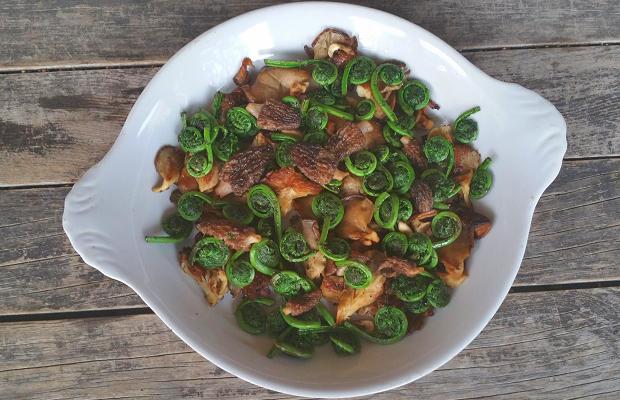
Oyster, Fiddlehead, Morel

Oyster, Fiddlehead, Morel

Long weekend ahead. Must find wine. VINTAGES concentrates on Australia and I am happy to report that the choices are more than impressive, especially in shades of Chardonnay, Sémillon and Marsanne. Three Ontario whites are released with two offering perfect sipping opportunities, from the hands of Rob Power and Richie Roberts. The third, from Craig McDonald, will blow you away in the realm of wild and crazy cool Chardonnay.

Get out there folks, said in refrain, put on some music, pour a glass and seize the day.

From left to right: Creekside Backyard Block Sauvignon Blanc 2013, Tahbilk Marsanne 2013, Kuhlmann Platz Rosé Crémant D'alsace, Méthode Traditionnelle, Fielding Pinot Gris 2014 and Howard Park Flint Rock Chardonnay 2012

From left to right: Creekside Backyard Block Sauvignon Blanc 2013, Tahbilk Marsanne 2013, Kuhlmann Platz Rosé Crémant D’alsace, Méthode Traditionnelle, Fielding Pinot Gris 2014 and Howard Park Flint Rock Chardonnay 2012

Creekside Backyard Block Sauvignon Blanc 2013, VQA Creek Shores, Niagara Peninsula, Ontario  (341792, $17.95, WineAlign)

The Backyard Block returns for another go around with as much Loire typicity as Niagara does in Sauvignon Blanc. Cements the Creek Shores varietal viability, in ripeness, greens and acidity.

From my earlier note of February 2014: A Creek Shores SB that bridges the gap between spring and summer fruit. From a year in which the choice was made to not blend off into the estate bottling. Recognizable Creekside aromatics stand out in a more than obvious mineral deposit and grapefruit zest way. Here the band plays across The Great Divide so “just grab your hat, and take that ride.”  Tasted again in August 2014 and last tasted May 2015  @CreeksideWine  @rich_hobbsandco

Tahbilk Marsanne 2013, Nagambie Lakes, Central Victoria, Australia (117945, $17.95, WineAlign)

In this Marsanne music from the big flint can be heard, with more than a wisp of woodsmoke and an aridity that hollows out the theatrical sound. Has that lean, stoic feeling, like Hunter Valley Sémillon, with a mouthful of mineral and stone. Since you asked, yes it does get to the Rhône point and lingers efficiently for longer than a band’s last waltz organ line. Though so dry it dips into the Nagambie Lakes well and seeks epic Evangeline poetic longevity. Marsanne from out of the blue that will gain weight and will age into a Riesling like future, with petrol and honey. Then it will play in refrain, its theme repeated for a good, long, lingering time. Drink 2017-2022.  Tasted May 2015  @TahbilkWinery  @GrapeExpects  @winevic

Kuhlmann Platz Rosé Crémant D’alsace, Méthode Traditionnelle, Alsace, France (400788, $18.95, WineAlign)

Crémant cut from cloth neither chary nor coy, prompted with prejudice though in the archaic, piercing, ultra arid K-P style. Elemental my dear Rosé and cherries, struck by lightning and melting into the silky, sultry and lactic palate. Anything but oxidative with thunderous, Pinot Noir appeal. Pour this everywhere, off of fountains and into large vessels. Drink 2015-2017.  Tasted May 2015    @VinsAlsace  @drinkAlsace  

Fielding Pinot Gris 2014, Estate Bottled, VQA Niagara Peninsula, Ontario (251108, $21.95, WineAlign)

Such a ripe and extroverted Pinot Gris, in a style created and honed by winemaker Richie Roberts, here in 2014 near its apex. Singular without feeling the pressure to induce rapture or revelation. Fleshy ripe, of peaches, plums and nectarines. Typically and expectedly fresh, juicy, industrious, vehement and good, spicy length. Always well-made, hitting essential, doctrinal Pinot Gris notes and so very food versatile. May I suggest a whole grilled fish, lemon and fresh herbs. Drink 2015-2018.  Tasted May 2015  @RichieWine  @FieldingWinery

Howard Park Flint Rock Chardonnay 2012, Great Southern, Western Australia, Australia (410027, $22.95, WineAlign)

Flint or sulphur, pick your poison and in the case of this Howard Park Chardonnay, it must be called good medicine. Such a lively, struck match seethe, intimating and participating in the act of cool climate performance. A Sandman, an algid atmospheric cover band to the real Metallica, with mineral, toasty notes and driving anxiety. If only there was more than this, more fruit and flesh, this would be a stunner. As it is, the value it represents can’t be denied. Drink 2016-2018.  Tasted May 2015  @HowardParkWines  @imbibersreport  @WestAustralia

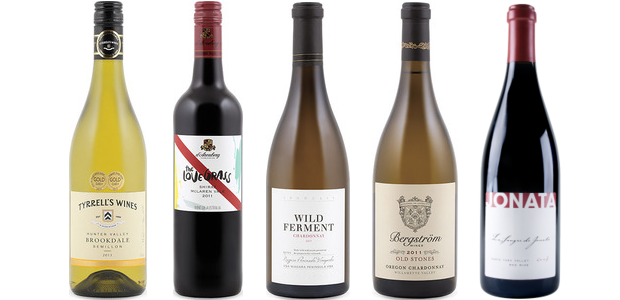
From left to right: Tyrrell's Brookdale Sémillon 2013, D'arenberg The Love Grass Shiraz 2011, Hillebrand Showcase Series Wild Ferment Chardonnay 2011, Bergstrom Old Stones Chardonnay 2011 and Jonata La Sangre De Jonata Syrah 2008

From left to right: Tyrrell’s Brookdale Sémillon 2013, D’arenberg The Love Grass Shiraz 2011, Hillebrand Showcase Series Wild Ferment Chardonnay 2011, Bergstrom Old Stones Chardonnay 2011 and Jonata La Sangre De Jonata Syrah 2008

Tyrrell’s Brookdale Sémillon 2013, Hunter Valley, New South Wales, Australia (269316, $24.95, WineAlign)

Hunter Valley Sémillon should never, ever be underestimated. The starved, crazed and raving mad personality is delirium incarnate. This Tyrrell’s ‘basic’ Brookdale is like orchard fruit on a focused and intense diet, thirsty from drought and hungry from deprivation. And it’s simply gorgeous. Wiry, angular and lean, it’s also careening and funky, actually, like a tincture made from dried roots, fruit skins and grasses, ground between two schisty stones. Like lemons left out in the sun to dry, pulverized and inculcated to a professor’s fine elemental powder. For now it knows “all I have is baking and going simple slowly.” Close your eyes and feel past the young tension, to where the body of the wine indicates expansion, to five years on where honey and sweet cold collation will lead this to a special place. Put aside the indifference engine and suck it up buttercup. This is exemplary Hunter Valley Sémillon for a pittance. Drink 2017-2025.  Tasted May 2015  @TyrrellsWines  @Wine_Australia  @HunterValleyAUS

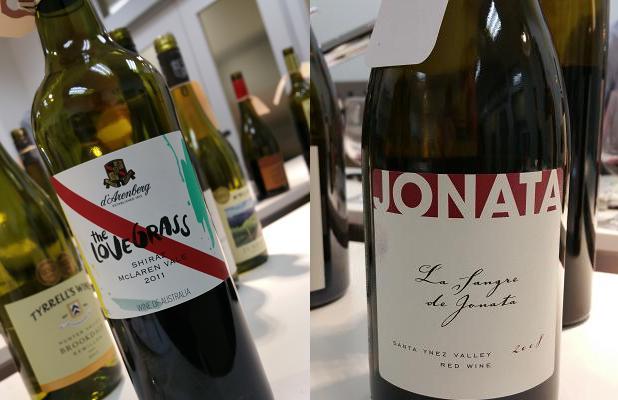
D’arenberg The Love Grass Shiraz 2011, Mclaren Vale, Australia (48785, $25.95, WineAlign)

This Love Grass is the kind of Shiraz with the right stimulants, high-toned but with a kind of resinous, dried fruit that hydrates with an intoxicating perfume. The vineyard’s weed infiltrates and adds savour, stimulating the senses with cool Mediterranean aromas mixed with the flavour of beautifully bitter chocolate. Sticky and able to attach itself across the taste buds, the wolf steps on every nerve, then attacks the teeth and the back palate. All the while you are left with a calm yet enervating feeling. Chester Osborn, “you know the dealer, the dealer is a man, with the love grass in his hand.” This D’arenberg is worth every penny of its $26, especially when the pusher is considered against many peers $20-$30 more costly. Drink 2016-2022.  Tasted May 2015  @darenbergwine  @mclaren_vale  @imbibersreport

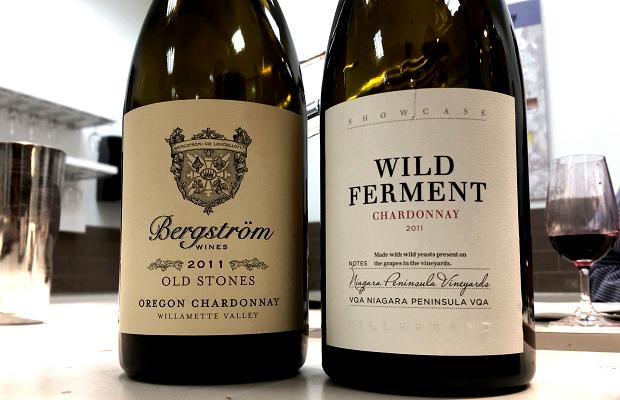
Hillebrand Showcase Series Wild Ferment Chardonnay 2011, VQA Lincoln Lakeshore, Niagara Peninsula, Ontario (199273, $36.20, WineAlign)

The ambiguity of site is of little consequence in this texturally striking Niagara Chardonnay. The bookend vintages of 2010 and 2012 list the Oliveira Vineyard on the label and not surprisingly display character akin to Norm Hardie’s Niagara Chardonnay. From Duarte Oliveira’s farm between Victoria and Ontario Street, Hardie calls it Beamsville Bench, Craig McDonald deems it Lincoln Lakeshore. Regardless, those wines of fruit with a “golden tan, ready to go” are undomesticated and wild. This Trius 2011 is different. The fruit’s source is unspecified and the bursting personality takes Peninsula Chardonnay architecture past and well right of the centre line. Rich, ripe and buttressed, from pivot to gyrate, with acidity circling the life affirming yeasts. Pear trees in spring bloom and ready to pick fruit in a dream of tenses, with personality like a Hengst Grand Cru Pinot Gris. The style and varietal take are highly unique, expertly configured, judged and primed to age. Speaks the treble language of the vintage, predicated on bold ideas looking forward towards a bright future. Ultimately it is yeast and vintage, non partisan to site, that elaborate the Wild Ferment 2011. Drink 2017-2023.  Tasted May 2015  @TriusWines

Bergstrom Old Stones Chardonnay 2011 and Hillebrand Showcase Series Wild Ferment Chardonnay 2011

Bergstrom Old Stones Chardonnay 2011 and Hillebrand Showcase Series Wild Ferment Chardonnay 2011

Bergstrom Old Stones Chardonnay 2011, Willamette Valley, Oregon (410753, $41.95, WineAlign)

Both estate and purchased fruit sources from several sites make up the Old Stones, a Willamette Chardonnay in which those stones can be imagined travelling a subterranean river, along with salt and volcanic bombs. Balance defined for Oregon, with soft and subtle fruit melded into stiff vintage-driven acidity. This is a not a heavyweight by any stretch, but rather an elegant, confident, demurred Chardonnay with lots of class. It has its popping moments, not quite eruptive but the activity can be sensed. It will evolve and slowly dissipate with time. Drink 2016-2021.  Tasted May 2015  @Bergstromwines  @HalpernWine  @wvwines

D'arenberg The Love Grass Shiraz 2011 and Jonata La Sangre De Jonata Syrah 2008

D’arenberg The Love Grass Shiraz 2011 and Jonata La Sangre De Jonata Syrah 2008

Jonata La Sangre De Jonata Syrah 2008, Santa Ynez Valley, Santa Barbara County, California (220517, $150.00, WineAlign)

A tremendously ripe, rich and layered Syrah that has few equals or rivals in California so in that sense the price is benevolently justified. Winemaker Matt Dees is no flash in the pan. His wines are cerebrated and cogitated with no stone left unturned. They are showy, chiselled wrestlers, boxers and ultimate fighters but they are the real deal. This ’08 is a veritable protein potpourri, of wafts from the finest boucherie, all hung limbs and wrapped sheep’s cheeses, in caves, on counters and under glass. The expression is also very Côte Rôtie meets côte de bœuf rôtie, with added luxe perfume, chalk and lacy grain. The fruit boundaries are endless, the chew meaty, cured and smoky. Ultra Syrah of never wavering red fruit in a packed vessel with alcohol declared at a meagre 14.9 per cent. Even if it is really more like 15.5, the wealth of fruit, acidity, tannin and structure can handle the heat. With so much happening, this wine will age like the prized hind quarters and mother’s milk solids it smells of. Jonata La Sangre De Jonata Syrah 2008 says something and I’d love to hear what that is 15 years down the road. Drink 2018-2028.  Tasted May 2015  @WoodmanWS  @CalifWines_CA

Good to go!

http://www.winealign.com/profile/2058-mjg

We the Icewine

Xerox

Xerox Icewine Gala, Fallsview Casino Resort

Something has shifted in me, somewhere closer to the realm of sweet nirvana. It could be empathy, a delayed reaction in sensitive thought to what the winemakers and hard-working Niagara wine country folks had to endure in the winter of 2014. Maybe it’s a premature anticipation of the greatness that will come from sweet wines crafted from out of that polar vortex attenuated vintage. Could it just be that Icewine has grown on me, that the elixirs of Peninsula life have violated and occupied my parochial psyche?

For two weeks in January, Niagara Wine Festivals and Wine Country Ontario lay out the nectarous red carpet and everything comes up Icewine. If fans of the Toronto basketball franchise can ignore all the basic tenets and principals of modern English grammar, who’s to say the followers of Ontario’s world-class elixirs can’t do the same. Thus I give you, “We the Icewine.”

Admittedly the phrase does not resonate with equal credibility in comparison with what works in the realm of base, shallow and primitive sport. It does not matter to me. I’m still going with it. Niagara is the epicentre of the Icewine world, in the (near, near) north and we own the market and its successes. We the Icewine.

20 Years

20 Years of Icewine

A recap of Icewine 101. Simply put, made from grapes that have been left to freeze naturally on the vine. Ontario’s production laws insist that Icewine must be made from approved grape varieties; the most popular are Vidal Blanc, Riesling and Cabernet Franc. Some small lots include Gewürztraminer, Chardonnay and Cabernet Sauvignon.  Grapes are left on the vine until a sustained temperature of -8°C or lower is reached and then picked from those vines encapsulated in nets to protect them from birds possessive of a sweet tooth.

Related – Deep freeze: Controversies, polar vortex and icewine 

The wineries of Niagara-on-the-Lake are the backbone of the Icewine phenomenon in Ontario. Picking for the Icewine harvest in 2015 has stretched over a period exceeding 30 days, not necessarily out of the ordinary but it should make for a wide range of styles and quality in the vintage. Inniskillin Niagara Estate Winery began its thirty-first Icewine harvest on January 5th.

The Niagara Icewine Festival has wrapped up for another year but there are still many weekends left to get a taste of what took place throughout the month of January. There were street festivals in Twenty Valley‘s Jordan Village from January 9th – 11th, Niagara-on-the-Lake from January 16th – 18th and new this year, events in Niagara Falls. Winter continues along with the buzz across the Niagara Peninsula.

Visitors made use of the Discovery Pass, a passport to 35 wineries and culinary experiences along the Wine Route. Along with a variety of Icewines, visitors were offered the opportunity to taste sparkling and VQA red and white wines.

Gala

Icewine Gala decor

For all things Icewine here is a link to the festival site withy more information here. With kind thanks to Magdalena Kaiser and Wine Country Ontario on Friday, January 10th, 2014 I attended another Xerox Icewine Gala at the Fallsview Casino Resort. The following day I attended the Twenty Valley street festival in Jordan, Ontario.

With Icewine firmly on the brain I decided to make a go at as many samples that can safely be sampled in one night. Not to leave out the still and Sparkling in the room, I made sure to taste the generous and in some cases, pleasant surprises being poured by Niagara’s finest winemakers. Here are notes on twenty wines tasted over the weekend.

And don’t forget the anagram: A wet vial is fine nice agar.

Vineland Estates St. Urban Riesling 2008, VQA Niagara Escarpment, Ontario (38117, $19.95, WineAlign)

If this Riesling could go through a glück stage, now would be the time. There is a plump and resinous feel about it in 2015, quite possibly signalling the end of its first seven years en route to a minimum 14 more in its life. At this juncture it’s like hot stones washed down with salt water. Look for it to cool again as the year passes. From my earlier, April 2013 note: “Poured as a youthful and “hello” pleasant surprise though it’s just beginning to display secondary character. Has shed its tingling ferment skin without compromising the inherent citrus zest. Nectar lit by just emerging perky propellant and the ubiquitous, underlying ullage of St. Urban’s stones all combine forces to a life of amarita. All this to make believe 2028 will be just another year in its evolution.  Last tasted January 2015  @benchwineguy  @VinelandEstates
Pinot QRV

Creekside Estates Pinot Noir QRV 2013

Creekside Estate Winery Pinot Noir Queenston Road Vineyard 2013, VQA Niagara Peninsula, Ontario (Winery, $22.95, WineAlign)

The first made since the 2008 because of a new directional decision to hold onto and no longer forsake these exceptional Queenston Road Vineyard grapes. A wine that folds back the skyline skin of time and reveals a cloning from intimate belongings. Pinot blessed of a Dylan-esque drawl, from a comfortable and crooning time in its life. Penetrates into the QRV earth and draws out subtleties, slow food assuagement and makes no BS about its ease. Though posolutely whiffing and tasting of black cherry, it balances itself with an acerbic wit. This is what winemaker Rob Power refers to as a lay lady lay style. Partners in crime Yvonne Irving and Matt Loney concur. One sip and your partner may just lay across your “big brass bed.” You can always go back to Nashville.  Tasted January 2015  @CreeksideWine  @CellarMonkey  @Matt_Loney

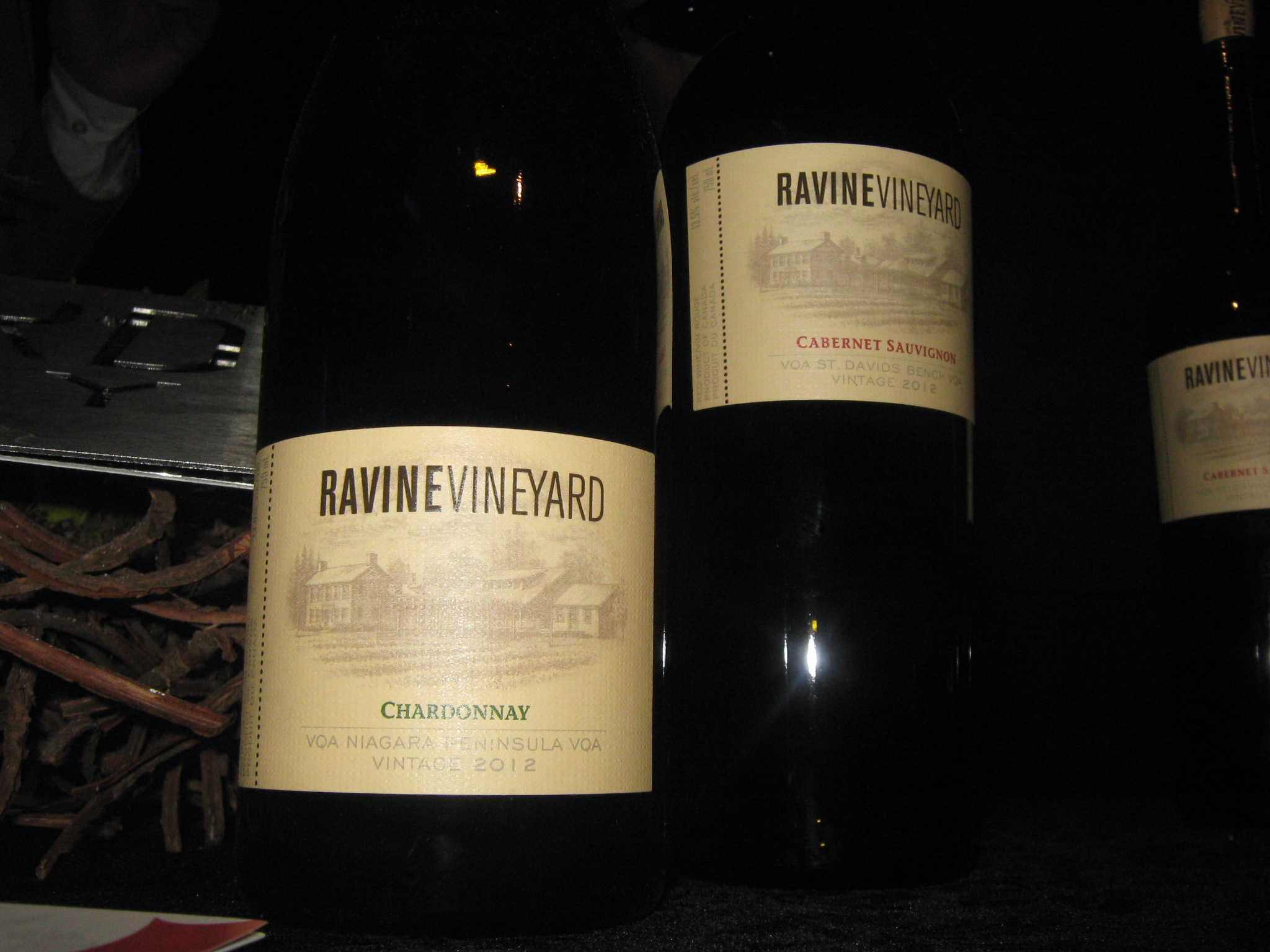
Ravine Vineyard Chardonnay 2012, VQA Niagara Peninsula, Ontario (306902, $24.00, WineAlign)

Spice notes are the current rage, from out of the barrel and now into a next level of amalgamation with tree orchard fruit. Has lengthened somewhat since last summer. From my earlier, July 2014 note: “Winemaker Martin Werner’s 2012 may just be the hardest working Chardonnay in showbiz and in Niagara. Winnowed from Estate (St. David’s Bench) and (Niagara) River fruit, there lurks within, a 20-30 percent perfumed compression of Chardonnay Musqué. The additive is a tonic fanned from the wine’s olfactic communicative nerve centre, adding tree fruit notes no more serious than should be gathered. Werner picked real early, like five weeks ahead (first of September) and the resulting noisome perfume makes for some funk. “It’s these little things, they can pull you under,” but they blow away and settle into a rich, viscous Chardonnay for the palate to collect, contain and command. “Oh, oh, but sweetness follows.” This Ravine works automatically, of the people, for the people.” Last tasted January 2015  @RavineVineyard  @marty_werner

Inniskillin Winemaker’s Series Montague Vineyard Chardonnay 2012, VQA Four Mile Creek, Niagara Peninsula, Ontario (586347, $24.95, WineAlign)

The warm clay of Montague plugs in and along with the barrel, layers toast, buttered toast and more toast upon the body of the 2012 Chardonnay. In many ways this is a serious bottling for the Peninsula; it’s all in and wants it all. A strong-willed, big-boned wine with much ado about varietal expressiveness. Paired with a plate of many elements and anchored by rich protein drawn from a salty ocean, this forward and weighty Chardonnay can do no wrong. With all its upfront personality it may not do the same with more than a few years age but there’s really nothing wrong with that. Enjoy it now and to 2017.  Tasted January 2015  @InniskillinWine

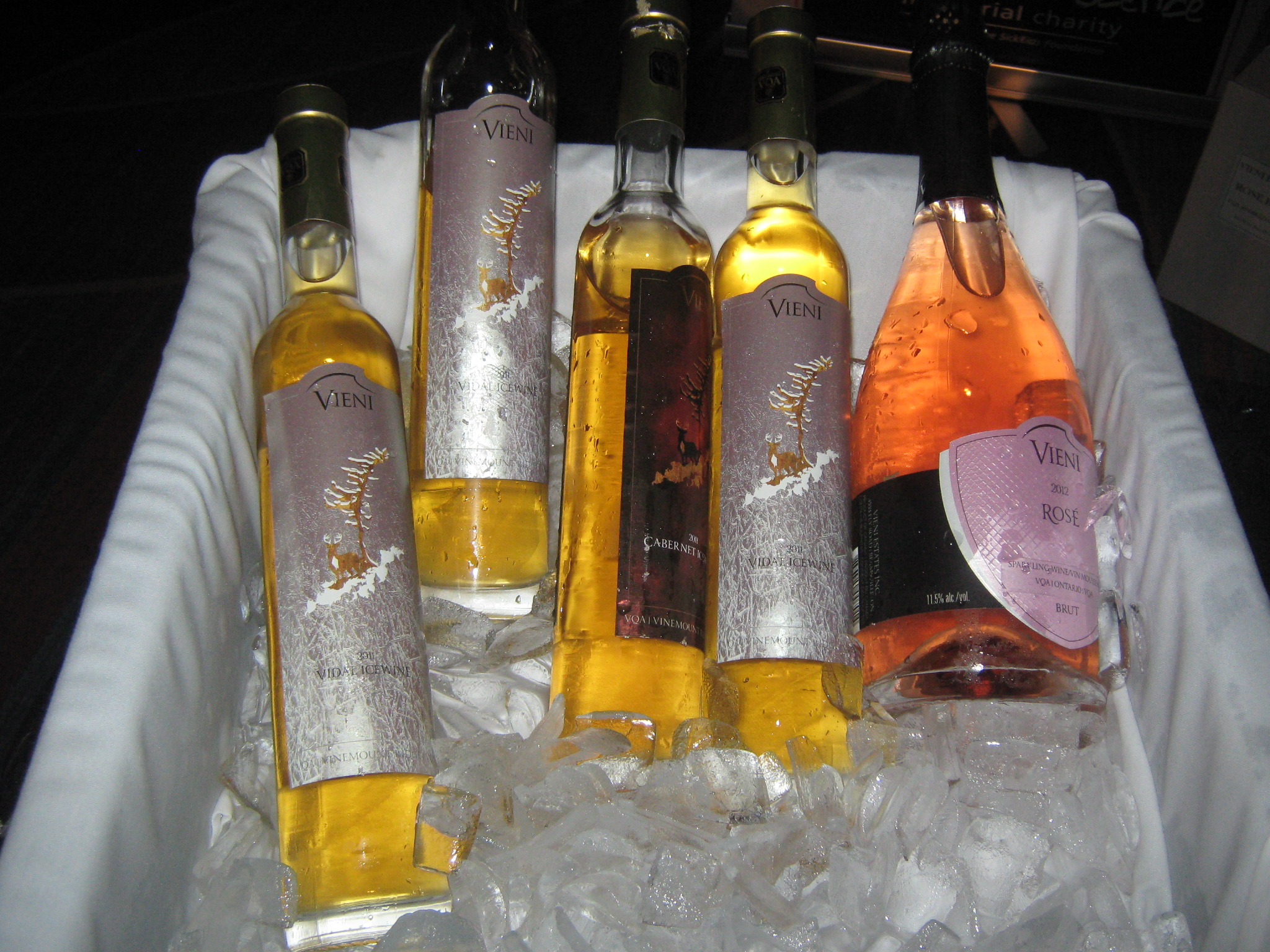
Vieni Estate wines

Vieni Estate wines

Vieni Estate Sparkling Brut Rosé 2012, VQA Vinemount Ridge, Ontario (Winery, $29.95)

Made from a blend of Chardonnay, Pinot Noir, Pinot Meunier, and Riesling, the Charmat method Rosé Sparkling is weighty at 13 per cent alcohol and so very savoury. Winemaker Mauro Salvador is finding new places for investigation in fizz-forming for Ontario. The ’12 Brut Rosé champions aridity and noble bitters. The aromas conjure up a botany and a herbalism that would make Pliny proud.  Think stinging nettles, rapini, arugula, strawberry leaf and the energy of carboniferous ponds. Though the acidity is mild as compared to Salvador’s Vidal/Pinot Gris ‘Momenti,’ it manages just enough balance in this blush sparkler.  Tasted January 2015  @VieniEstatesInc

Creekside Estate Winery Reserve Viognier 2012, VQA Niagara Peninsula, Ontario (Winery, $29.95, WineAlign)

Creekside’s small production Viognier (maximum 80 cases) from the warmer micro-climate of the Queenston Road Vineyard heads back to near-boozy and a bit hot in the sudorific vintage. Oh the viscous humanity of it all, especially when the (all French, two year-old, nine months time) ferment was performed on 100 per cent of the six barrel juice. While it may not flirt with the dangers of say, a dirty peach martini, there is plenty of seasoning, rich, spicy and opulent fruit to at least declare a cocktail of some shaken kind. The ’12 Viognier drips and sweats of a humidity as much as any cool climate rendition can (at least in the context of the Niagara Peninsula). It may not be the ideal vintage but it just may be the one with the most excess.  Tasted January 2015  @CreeksideWine

Inniskillin Niagara Estate Single Vineyard Series Montague Pinot Noir 2012, VQA Niagara On The Lake, Ontario (997353, $29.95, WineAlign)

A crescendo of sorts has been struck in 2012 with the Montague Pinot Noir perpetuity, giving credence to the vineyard as a resource to be exploited. What the site does for Pinot, particularly in warm vintages like 2012, reminds of the Pfersigberg in Alsace, a plot which provides fruit for the Sainte-Claires bottling by Domaine Albert Mann. A site where water-retention is less than average, where soil colour and low humidity attract the radiance of intense heat, which leads to early ripening of the grapes. The richness of Montague’s clay is amplified in the vintage, providing elevated heat units for this red cherry, beet, cinnamon and toasted red of equally exceptional flavours. Fine, linear acidity takes it to depths and will lead it down long, paved roads.  Tasted January 2015

Château Des Charmes Equuleus 2010, VQA St. David’s Bench, Paul Bosc Estate Vineyard, Ontario (319525, $30.00, WineAlign)

Not quite halfway to the five year prediction, the filly is showing the first sign of slowing down. While time certainly remains on her side, the obvious maturation and calming down is nosed in the onset of a slow caramelizing aroma. While the gait may be in trot mode, the five year mark (2018) remains the signpost to look towards on the long track of her life. At that point, with an hour decant, Equuleus ’10 will be good to go. From my earlier, May 2013 note: “From the Paul Bosc Estate Vineyard is a classically styled blend of 50% Cabernet Sauvignon, 25% Cabernet Franc and 25% Merlot, only made in exceptional years. Apropos choice from 25-year old vines (in 2010) from the warmer St. David’s Bench for Cuvée’s 25th show. Poised, balanced and regal yet this mare is temporarily a head-shy, sensitive equine red. Will trot out furlongs of tobacco and meaty aromas from now and through maturity in five plus years. A saddle of round, red fruit will age gracefully.”  Last tasted January 2015  @MBosc

Colaneri Estates Coraggioso Cabernet Sauvignon 2012, VQA Niagara Peninsula, Ontario (Winery, $32.95, WineAlign)

Crafted in the appassimento style, the 2012 Coraggioso is made from 80 per cent dried fruit. Intended to mimic its maker (Michele “Mike” Colaneri), the wine is a bullish, strong silent type, protector of the family, or in this case, the dried grape, passed over style of the Veneto. The specs are bold and impossible; alcohol fortified at 15.3 per cent, residual sugar duplicitous at 7.8 g/L and acidity nearly non-existent at 0.97 g/L. The composition yet works, with help from natural fermentation (no cultured yeasts), six months in new barrels and an additional 13 more in used ones. The happy and old school aspect ratio is turned up by its dried bulb, root and packed earth aromatics; fennel, liquorice and just set concrete. The balance is paradoxical, nearly apocryphal, certainly Coraggioso (courageous). The dried fruit sensations continue right to the end, in lieu of acidity and tannin so the ability to age is there, even in the absence of traditional agents. Really unique and dare it be said, elegant Bordeaux-esque appasimento.  Tasted January 2015  @ColaneriWinery

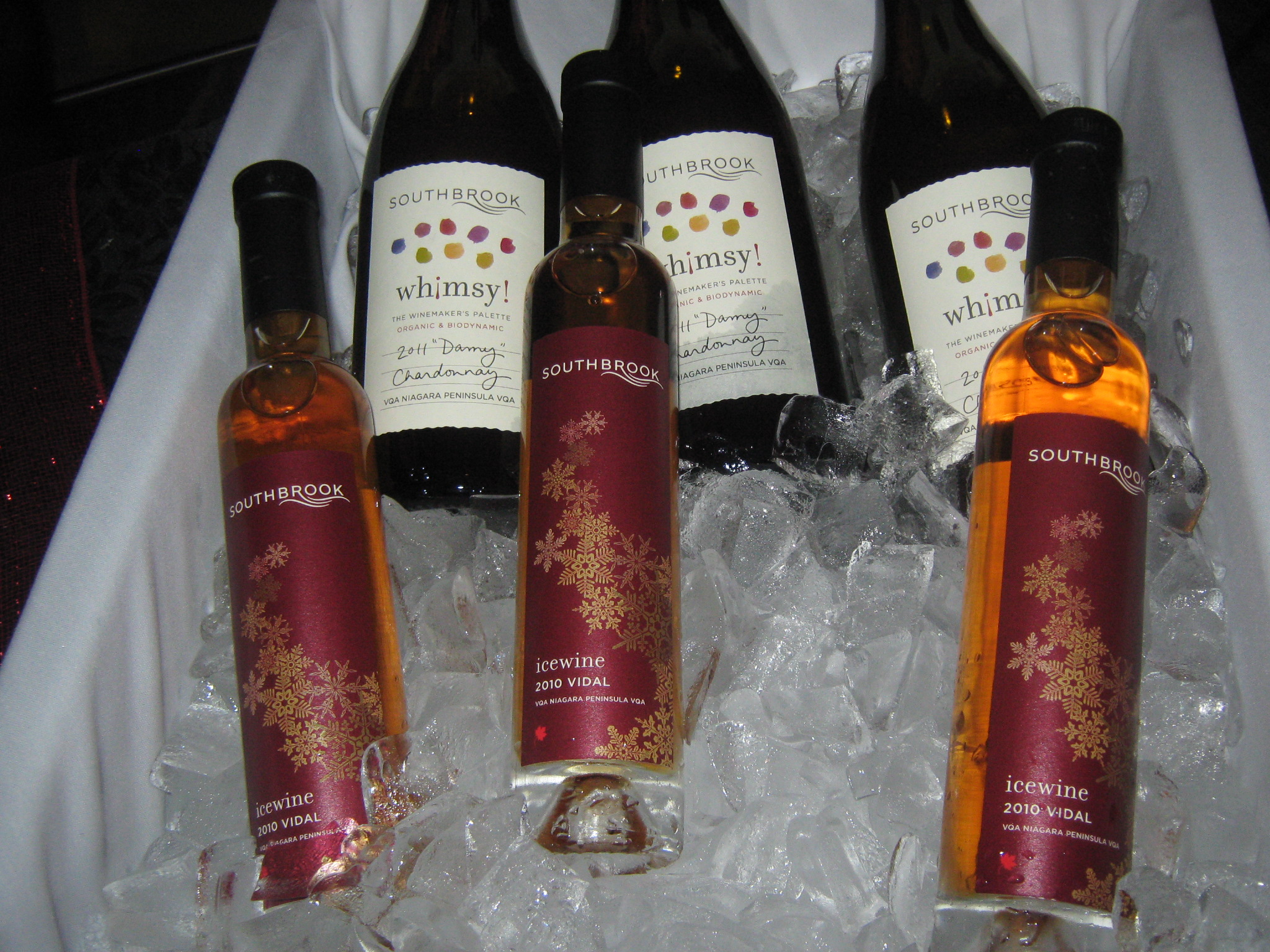
Southbrook

Southbrook Vineyards

Southbrook Whimsy! “Damy” Chardonnay 2011, VQA Niagara Peninsula, Ontario (Winery, $34.95, WineAlign)

As a Whimsy sister to the XY Sirgue, XX Damy is a barrel blend that spent 10 months on lees in 100 percent French oak (25 new, 25 one year-old and 50 neutral). While undoutedly the more feminine of the two, she is also feistier and the Chardonnay possessive of a bigger personality. Damy exaggerates suppositions synthesized from both the 2011 micro-vintage and the macro-cool climate for Niagara Chardonnay. At present she seems stressed, with so much citrus anxiety, a sting in herbage and a medicinal lactic seeping. All need to come together, find the calm, common ground and spoon beside one another. This will happen, given a couple of years time and Damy will express herself more freely come then. Drink brother Sirgue first, the simpler and softer sibling.  Tasted January 2015  @SouthbrookWine

Creekside Reserve Queenston Road Vineyard Cabernet Sauvignon 2010, VQA St. David’s Bench, Niagara Peninsula, Ontario (Winery, $34.95, WineAlign)

A 21-month stay in an all French oak hotel has now reached integration in this Queenston Road Vineyard beauty. The fullness of its qualities are on display, running a circuitous aromatic and flavour gamut from dark chocolate to savoury black olive cake. From my earlier, February 2014 note: “Impeccable correctness in terms of the variety from a year where the heat giveth and the heat taketh away. Works Cabernet properties properly, embracing and minimizing oak without pretending it’s not there. This red is expressly lush and oak driven, as it should be, it being Cabernet and all. Leaves its appendages out for a Mediterranean pedicure, a glaze of Cassis, black olive and black cherry dug in a chair entrenched in the warm confines of the St. David’s Bench.”  Last tasted January 2015  @CreeksideWine

Southbrook Poetica Cabernet Merlot 2007, VQA Niagara Peninsula, Ontario (Winery, $54.95, WineAlign)

The Poetica Red is very warm, extracted and quite stylish. She did not miss much from the heat day quotient of the 2007 vintage in Niagara. “She’s well acquainted with the touch of the velvet hand like a lizard on a window pane.” Anise and pencil graphite are shot straight from the wood-soaked barrel of a dark chocolate gun, leaving behind a pool of orange bitters with a slick of acidity. The (rounded up) one-half Cabernet Sauvignon, one-third Cabernet Franc and one-quarter Merlot, while bigger than its head, is so integral towards the future success of learning to reign in the power of this formidable Southbrook blend. Happiness is a warm Poetica.  Tasted January 2015  @SouthbrookWine

The Icewines

Château Des Charmes Estate Bottled Vidal Icewine 2013, VQA Niagara On The Lake, Ontario (565861, 200 ml $25.95, WineAlign)

All the diamonds in this world seem to concentrate in fruit form within CdC’s Vidal ’13, “conjured up by wind and sunlight, sparkling on the sea.” The pang of smells opens with the prickly sting of memory, of childhood fruit cocktail, Turkish delight and the Big Turk. “Like a pearl in a sea of liquid jade.” The intensity of piercing acidity and hyper-cloying stone tree fruit is a searing and blinding crush on the eyes, teeth and mouth. So very tight and concentrated, this is a wow Vidal, an ‘o baby’ Icewine and all the while over the top. It may be a tad hard to handle but it offers crazy bang for the buck. Perhaps a few years will settle its crazies.  Tasted January 2015  @MBosc

Southbrook Vidal Icewine 2010, VQA Niagara On The Lake, Ontario (Winery, 200 ml $26.95, WineAlign)

A naturally sweet monster from a vintage where ideal conditions allowed for early picking, especially for Vidal. That 150 g/L of sugar could be realized from a December baby is what strikes this condensed tropical fruit bomb into the lore of the genre. Indigenous fermentation using yeast lees from Southbrook’s 2010 Chardonnay barrels and some bacterial connectivity has resulted in early evolutionary notes, notably bitter burnt orange and oxidized mango. Highly complex for the Vidal sempiternity, the 2010 Vidal Icewine is no imminent retiring rose though its decline will hasten sooner rather than later.  Tasted January 2015  @SouthbrookWine

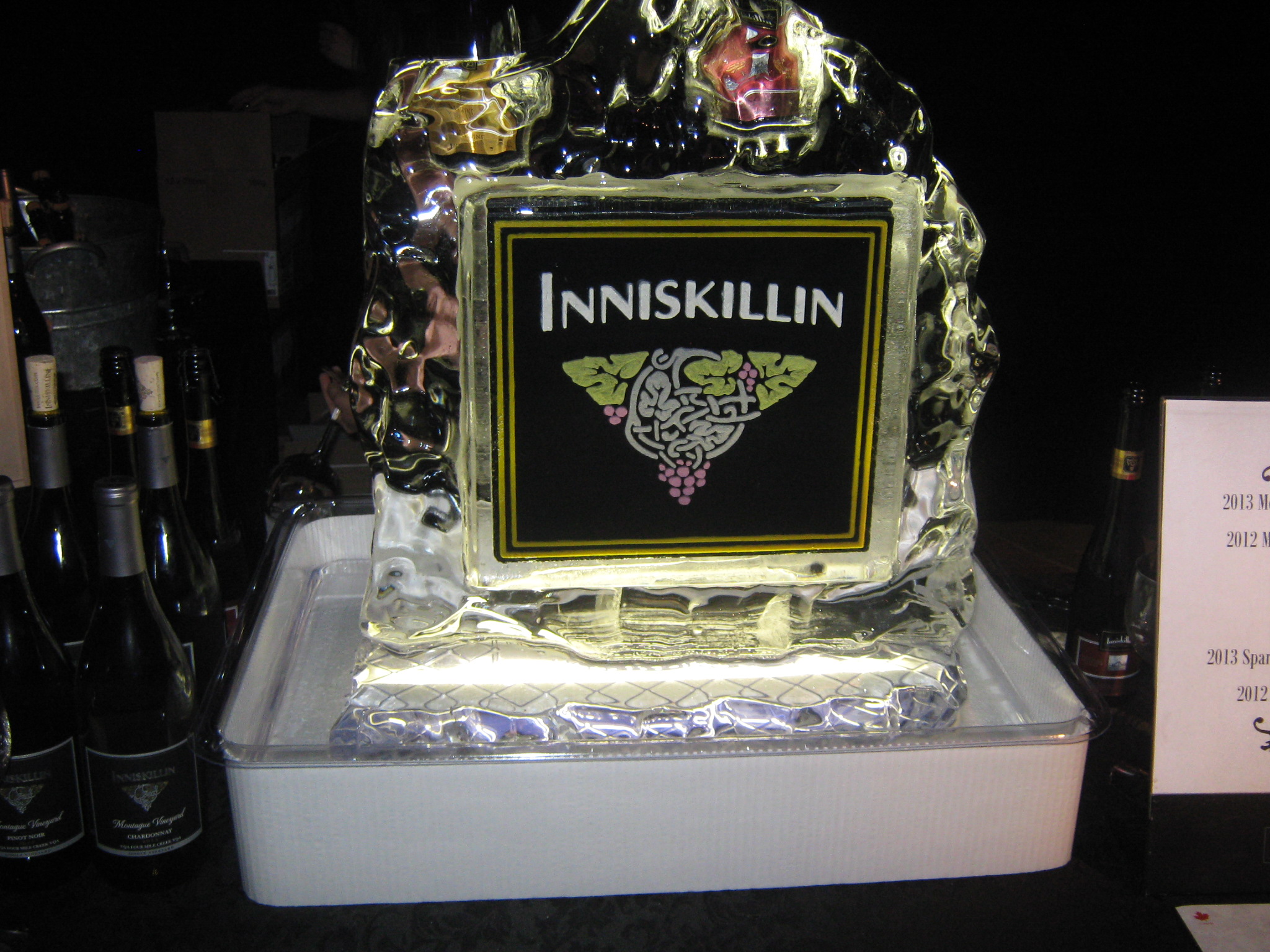
Inniskllin

Inniskllin

Inniskillin Vidal Sparkling Icewine 2012, VQA Niagara On The Lake, Ontario (560367, 375 ml $31.95, WineAlign)

The sweetness is highly elevated straight from the central core of this (200+ g/L RS) Charmat-method Sparkling Icewine. It’s more than interesting, I’ll grant it at least that and though the alcohol remains at or just below the (10 degrees) threshold, it acts quite hot. This is due to so much accenting spice, which seems to be a ropey-wooden-sappy injection, though the wine sees no barrel. Big, big tangy fruit flavours are smothered in the ubiquitous spice. Complexity is gained though elegance is lost. At least the ride is wild when in consideration of the price.  Tasted January 2015  @InniskillinWine

Peller Estates Signature Series Ice Cuvée, VQA Niagara Peninsula, Ontario (284547, $31.95, WineAlign)

From a base wine that is Chardonnay (70 per cent) and Pinot Noir (30), the aridity is markedly up front despite the sweet Vidal dosage style. Comes streaking across on the barking citrus palate. It’s broad, expansive, with a minute bit of oxidation. It builds upon itself and really develops the mouthfeel. A most excellent use of Vidal. So very long and solidifies the earlier anti-oppugning exceeds expectations declaration. From my earlier, January 2014 note: “This is Peller’s most versatile fizz, a blend of traditional method Chardonnay and Pinot Noir sweetened by a dosage of Vidal icewine post disgorgement of its lees. The lees has been left to linger in the bottle, in spirit. Sapid, savoury bubbles tingle the senses to the bone and will offer the most comforting and proper pleasures to those discriminating and otherwise. Appealing to a large common denominator, this Peller Sparkling can really do no wrong.” Last tasted January 2015  @PellerVQA

Ravine

Ravine Vineyards

Ravine Vineyard Cabernet Franc Icewine 2012, VQA Niagara Peninsula, Ontario (Winery, $50.00, WineAlign)

Less than 50 cases were produced of a wine sourced from fruit grown on the Lepp farm. Crafted from 100 per cent Cabernet Franc, the grapes were picked quite late (in January) in a vintage that saw thaw, freeze and thaw again before temperatures dropped to allow for the Icewine harvest. The fruit lost some freshness and the fluctuations also resulted in less syrupy viscosity. There are dried fruit notes, a calming mustiness and even some herbiage, in dill, anise and salinity crusted sea peas and vetches. The complexities continue into a palate that goes at it in more traditional ways, with apricot, orange peel and lemon rind. Add in liquorice and bokser. Acidity keeps it very much alive. The conclusion? Nature’s accords cannot be guessed at.  Tasted January 2015  @RavineVineyard  @marty_werner

Trius Winery At Hillebrand Showcase Vidal Icewine 2012, VQA Niagara Peninsula, Ontario, (Winery, 375 ml $60.00, WineAlign)

What strikes most upfront about the Trius Vidal ’12 is the anomalous and dichotomous reserve on the nose. Its very concentration is chained to the aromatics but they lurk in the background. This is no floozy of an Icewine. There is spice and very rich fruit but it does not flirt or give itself up with abandonment. Apricot is most noticeable, along with accents that indicate the roots and barks of South Asian trees. Acidity is downright proper. A solid and gallant Vidal.  Tasted January 2015  @TriusWines

Reif Estate Grand Reserve Riesling Icewine 2011, VQA Niagara River, Ontario (Winery, 375 ml $74.90, WineAlign)

A slow ripening season with warm, never hot and at times quite cool temperatures made for one seriously gelid cat of a Riesling Icewine. This 2011 makes the mouth go ooohh with an array of frosty aromatics and flavours. A veritable study in wine’s sweet and sour science, there is mint, eucalyptus, citrus and a host of sweet fruits; yellow peach, clementine, juicy lime and crunchy apple. Spice notes pierce and prick in every hole. Though not as striking in its early stages, the coolness factor is refreshing and the understated style a harbinger for many years of slow development. It would be hard not to imagine the Grand Riesling ’11 as not being a 20-25 year wine.  Tasted January 2015  @Reifwinery

Reif Estate Grand Reserve Cabernet Franc Icewine 2013, VQA Niagara Peninsula, Ontario (Winery, 375 ml $94.95, WineAlign)

A glaringly vivid icebox Icewine from Reif in 2013, throwing the grocery gamut all in. From the top shelf come layers of sweetness; gelées, juices, purées and coulis in (at least) raspberry, Cassis and strawberry. From the middle swaths in thick brushstrokes, of rhubarb and caramelized Kabocha squash. From the bottom rises roasted nightshades and alium confit, in capsicum and red onion marmalade. A moderate alcohol (10.5 per cent) out of solid brix (38.8) in ’13 has arrived at this sugary mess of produce yet without the zip and zest required to really tie the Grütze together. The overall composition is certainly graphic and in exaggeration of its parts. That said, this just may be the best pairing for good quality chocolate ever composed in the Icewine category.  Tasted January 2015  @Reifwinery

Good to go!

Godello’s excellent Cuvée adventure

Frozen Niagara Falls

As frozen Niagara Falls, so frozen Niagara Falls
Photo: yobab/Fotolia.com

as seen on canada.com

Doesn’t every local wine writer’s pilgrimage begin this way? There’s 130 kilometres to Niagara Falls, we’ve got a full tank of gas, half a pack of cigarettes (not really – the only thing we smoke is BBQ), it’s blinding winter morning light out and we’re wearing sunglasses. Well, one of us is.

Related – When expert’s break wine together

With Jake riding shotgun to Elwood we hit the QEW, pause for bench land visits to Flat Rock, Zooma Zooma and Creekside Estates, then make the frozen Falls by dusk. Two slackers we are, Bill and Ted, ponces submissive to wine, travelling through Niagara assembling a library of tasting notes to condign for memory in lieu of history missed and as practice for futures to come.

Canadian Food and Wine Institute at Niagara College Salmon and Scallops

PHOTO: Michael Godel
Canadian Food and Wine Institute at Niagara College Salmon and Scallops

Niagara’s annual Cuvée rolls out the red carpet for a black-tie gala at Fallsview Casino’s Grand Ballroom. Touted as a celebration of excellence in Ontario winemaking, the event gathers more than 50 wineries and asks that they pour their winemakers’ favourite wines alongside a room full of esculent Niagara eats. Local chefs set lavish food stations and guests are treated to comestible ruminations composed by students from the Canadian Food and Wine Institute at Niagara College. The Sun Media Après Cuvée party features Icewine, sparkling wine and craft beer bars, not to mention a repeat performance by the impolitic, patent, I want you to be moved sound of Jonesy.

Zagat and Spotlight Toronto's Suresh Doss and Wine Country Ontario's Magdalena KaiserSmit

PHOTO: Michael Godel
Zagat and Spotlight Toronto’s Suresh Doss and Wine Country Ontario’s Magdalena KaiserSmit

Proceeds from the Cuvée Weekend go to the Niagara Community Foundation. Created in 2000, the Niagara Community Foundation has raised more than $23 million in endowment funds and has granted in excess of $5.5 million to charities working in the arts, heritage, environment, social services, health, education and community development. In 2015, the event will leave the very capable hands of the NCF and fall into the most capable hands of Brock University.

The word cuvée can mean many things in the world of wine. The Champagne tradition carries the most recognizable weight, the practice dictating that the best grapes be used and gently pressed to ultimately produce a sparkling wine of superior quality. In the end any cuvée is a blend no matter how you slice, interpret or break it down. It really comes down to the question of quality. Did Cuvée 2014 put its best foot forward? Were the ace grapes on display?

Pulling candy from sugar, Canadian Food and Wine Institute at Niagara College

PHOTO: Michael Godel
Pulling candy from sugar, Canadian Food and Wine Institute at Niagara College

The Cuvée gala, at one time an awards showcase ceremony, has welled to the point of a brimming kitchen sink, perhaps in danger of overflowing. Those who know and have been there agree the change in structure has been for the better. Growing pains are natural, inevitable side effects of growth. It’s more party than oenophile wine think tank, a cultural mosaic and for some, a melting pot. Speeches, awards, thank yous and acknowledgements are barely audible above the revelling din.

VQA Promoter Award At Large winner Shawn McCormick and Michael Godel

PHOTO: Dan Trcka/grapeselections.com
VQA Promoter Award At Large winner Shawn McCormick and Michael Godel

In 2013, to a wine, the pours were best of the best. My take was put into these words. Top juice flows at Cuvée 25th anniversary. In 2014 many vintners poured either their best (Domaine Queylus, Five Rows, Coyote’s Run, Rennie Estate, Stratus, Thirty Bench) or their most unique (Peninsula Ridge, Trius, Southbrook, Riverview, 13th Street, Malivoire). The event and the following morning’s Expert’s Tasting would not be diluted by a few more shots of Prince Edward County and Lake Erie North Shore in the arm.

The real adventure lies in the attempt to taste everything in the room. Time and excessive schmoozing gets in the way so getting to more than half is a win, win. Here are notes on 10 wines tasted at Cuvée 2014 and the reasons for singling them out as separating themselves from their peers.

Riverview Gewurztraminer Angelina’s Reserve 2012, VQA Niagara River (368092, $18.95, WineAlign)

A creamy, corpulent expression with a stinging enzymatic yogurt texture. Would swear there was extended lees contact. Furthest thing from the truth says winemaker Angela Kasimos. That striking salve gives way to a vacuous aridity without conceding to nuts and residual sugar. Well-made and without interference. Thanks to Riverview, Gewürztraminer has found a home in the pliable, silty loam of Niagara River.  88  Tasted February 2014  @RiverviewWinery

Peninsula Ridge Sauvignon Blanc Wismer 2013

PHOTO: Michael Godel
Peninsula Ridge Sauvignon Blanc Wismer 2013

Peninsula Ridge Wismer Vineyard Sauvignon Blanc 2013, VQA Twenty Mile Bench, Niagara Peninsula (Winery, $19.95, WineAlign)

Winemaker Jamie Evans and Sauvignon Blanc share a kinesis. When kissed by the wise and wistful fruit that Wismer cedes, compounded by the vintage, this Peninsula Sauvignon Blanc inclines to aeaeae. All parts contribute to a stretched length, from fresh beginning to mouth-watering end. In between there is lees-stirred spice, dry and toasty points but the grass is never overgrown and the berries are golden. A kickstarter sour note propels the wine forward for an even longer taxi onward. What a vineyard, what a wine.  90  Tasted February 2014  @PeninsulaRidge

Westcott Vineyards Chardonnay Reserve 2012, VQA Vinemount Ridge, Niagara Peninsula, Ontario (winery, $29, WineAlign)

From vineyards planted in 2005, this new kid on the Jordan block spent 12 months in oak, half of it new. To a taster, you would never know it. In clone cousin to Le Clos Jordanne’s Chardonnay, this special project is the nephew of a set aside, four-barrel selection. Winemaker Arthur Harder (Calamus) has fashioned a head-turning clean, pure and most mineral-driven Chardonnay from impossibly young Vinemount Ridge vines. A quartz chord runs through it and with just two or three more years of vine age the fruit and adjoining texture will catch up to the rock. That integrated, subtle oak impart is of a Granny Smith apple kind, crisp and taut. Such a memorable inauguration with so much promise that lays ahead.  90  Tasted February 2014

Trius Sauvignon Blanc Wild Ferment 2012, VQA Niagara On The Lake (Winery, $32.00, WineAlign)

Less than 300 cases were produced of this, you guessed it, natural grape skin, wild yeast fermented unique Sauvignon Blanc. Cold bunch pressed and 11 months on the lees lend a fruit/wood spice and gregarious character that is impossible to miss. Winemaker Craig MacDonald shows a savvy Savvy love in his carefully considered treatment of this wine. This ’12 WF steals the show at Cuvée in the category of most compelling and thought-provoking.  91  Tasted February 2014  @TriusWines

Hidden Bench Estate Pinot Noir 2011, VQA Beamsville Bench, Niagara Peninsula (274753, $32.95, WineAlign)

Five months more in bottle has come to this, a Bench perfumed state of mind. On a red raspberry road to absolution. The international coat has now begun to surrender to the maturity and wisdom of the local vine’s intellect, its maker and overseer acting as artificers in planned execution. Earlier note: Deeper, earthier, decreased propriety and more pelage than the previous two vintages. I sense longer hang time, more redress and slower slumber. In Hidden Bench I thought I knew and would always associate with a specific Pinot Noir feel but this ’11 confounds. In a way, that is a large compliment. Fruit reminiscent of a top Central Otago in that it grips my Pinot interest if not my Ontario heart.  91  Tasted October 2013 and February 2014  @HiddenBench

Southbrook Vineyards Whimsy! Winemaker's White 2011

PHOTO: Michael Godel
Southbrook Vineyards Whimsy! Winemaker’s White 2011

Southbrook Vineyards Whimsy! Winemaker’s White 2011, VQA Niagara Peninsula (Winery, $34.95, WineAlign)

While the triple W represents neither traditional alchemy nor screaming value it begs to be considered for sheer shock and awe. A co-fermented, low brix, who varietal blend of 58 per cent Chardonnay, 27 Semillon and 15 Muscat, winemaker Ann Sperling’s capricious fancy white and nerdy captures the vintage to alight and delight effect. Spice, texture, florality and acidity really work the room. Though the varieties seem to sing ”we don’t move in any ‘ticular direction and we don’t make no collections,” they somehow join together.  White wine of whimsy, not shallow, like a Wes Anderson film.  88  Tasted February 2014  @SouthbrookWine

Bachelder Chardonnay Wismer Vineyard 2011, VQA Twenty Mile Bench, Niagara Peninsula, Ontario (345819, $44.95, SAQ 12089591, $44.95, WineAlign)

Got game tonight, in auxiliary moxie, magisterial atmosphere and long strides up and down the ice. Earlier notes: “Increased richesse and oomph and though I continue to hesitate to admit it, Saunders is the (Jackson Browne) elegant bottling in ’11. Wismer the (Warren Zevon) gregarious, mineral character werewolf of Niagara, what with its a touch of anxiety, fuller texture and “bite down…draw blood!” From my earlier November 2013 note: “From the Wingfield Block within the 20 Mile Bench grand cru vineyard, ’11 Wismer is greener, in apple and sapid behaviour. The tension is palpable, quarryful, querulous, more calciferous. Fruit here is picked at an altitude as high as the lowest part of Flat Rock’s vineyard. Can a spot be pinpointed, anywhere on the peninsula that produces more piercing Chardonnay in 2011 as this Wismer micro-block?”  91  Tasted November 2013 and twice February 2014  @Bachelder_wines

Five Rows Craft Wine Pinot Noir 2010, VQA St. David’s Bench, Niagara Peninsula, Ontario (winery, $50, WineAlign)

Gimme soft and sage treatment of a vineyard’s wondrous, pure fruit transcends most previous notions of Niagara Pinot Noir. That Lowrey vineyard in the hands of its first family drives spice into red fruit direct from soil and vine. Winemaker Wes Lowrey handles his family vineyard fruit like it were a baby and from this comes a promiscuous perfume. The ’10 is so youthful but coming into the springtime of his voodoo, having now been in bottle for a year. Though thoughts were that “he was going to show me spring,” the wine should clearly be left to flesh for a few more seasons.  92  Tasted February 2014

Thirty Bench Small Lot Benchmark Red 2010, VQA Beamsville Bench, Niagara Peninsula (winery, $60)

Indoctrinated Right Bank agglomerate built on 62 per cent Merlot, supported by equal parts Cabernet Franc and Sauvignon. Impressively warm and dusty, large, bursting berry dominated with a peppering dredge all around. So much flavour abounds, blanketed by a shaker full of vanilla spice, like “an endless ocean landing on an endless desert.” Still the Benchmark is modest, oaked (18 months) but not overly soaked, pure and in balance. The berry concentration renders it as a resident of the dark centre of the Niagara red blend universe.  92  Tasted February 2014  @ThirtyBench

Queylus Pinot Noir Reserve Du Domaine 2011

PHOTO: Michael Godel
Queylus Pinot Noir Reserve Du Domaine 2011

Domaine Queylus Pinot Noir ‘Le Grande Reserve’ 2011, VQA Niagara Peninsula (winery, $65, WineAlign)

The Thomas Bachelder mentored, two-vineyard assemblage Grande Reserve Pinot Noir grinds more cracked pepper than any predecessor. Every barrel from the Twenty Mile Bench (formerly Le Clos Jordanne’s, Neudorf Family La Petite Colline Vineyard) and Mountainview vineyard were scrutinized to determine the final blend.Bachelder sees black fruit in the early life yet despite the ebullient seasoning, the LGR’s genes are intrinsically feminine. Red cherry, tellus fertility and a mother’s strength hold the family of barrel children together. This is an ambitious and hard to read Pinot Noir. Judgement reserved for five years before the word classic will be used.  92  Tasted March 2014  @QueylusVin

Good to go!

Wine experts Brock and roll, Brock on

Wine tasting

The Expert’s Tasting is more than just a study on Niagara wine.
Photo: JEAN-PIERRE MULLER/AFP/Getty Images

as seen on canada.com

Part two: 25th anniversary of the Cuvée 2014 Expert’s Tasting at Brock University

Flights three, four and five: Pinot Noir, Red Blends and Wine Options.

Related – When experts break wine together

The Expert’s Tasting is more than just a study on Niagara wine. It eulogizes what came before, reflects back on what is lost and ultimately asks the questions, “Where do we go from here? Which is the way that’s clear?” Grow grapes, make wine. Rock on.

The Brock University Cool Climate Oenology and Viticulture Institute now lays claim to being the central hub of information and guidance for Niagara’s wine industry. In partnership and in sharing expertise with Wine Country Ontario, the Grape Growers of Ontario, the Vineland Research and Innovation Centre, VQA Ontario and Niagara Culinary College, Brock’s CCOVI is the go to rock, central to Niagara’s world-class wine growing soil.

In 2015, the annual Cuvée gala weekend, one of the most prestigious celebrations of Ontario wine and food, will now be organized by Brock University’s Cool Climate Oenology and Viticulture Institute (CCOVI). The theme will be a look forward to Ontario’s significant wine styles and emerging varieties. Props to that.

The #CCOVI event continued the task of celebrating the annual VQA Promoters awards, handed out to the individuals who supported and promoted the industry through media, the LCBO, at large and over the course of a lifetime.  The 2014 awards were handed out to William Mancini, Lloyd Schmidt, Erik Peacock, Shawn McCormick, David Lawrason and posthumously, care of his wife Rose Lamas-Churchill, to David Churchill.

#CCOVI Expert's Tasting Pinot Noir Flight

PHOTO: Michael Godel
#CCOVI Expert’s Tasting Pinot Noir Flight

At the Expert’s Tasting wines were poured blind. The third and fourth flights (Pinot Noir and Red blends respectively) showcased just how far Niagara has travelled in fashioning quality reds. The Pinot Flight was all about balance and elegance. Bench Pinot stands out like a beacon on the Escarpment’s shelves. Blends centred around Merlot, Cabernet Sauvignon and Cabernet Franc are excelling with each passing vintage, in kind to the ever-increasing wine acumen of the growers and winemakers. That and the macro-intense studies of Niagara’s micro-terroirs.

This final flight of five wines (in order, Chardonnay, Pinot Noir, Syrah, Riesling and Cabernet Sauvignon-based blend) made for a less confounding competitive round, which was not the case in 2013. I clearly found vicarious fortune through the mates at my table. It’s not just who you know, but who’s palate you draft behind.

Here are my notes on the final 19 wines poured at the Expert’s Tasting 2014.

FLIGHT #3 – YOU’VE BEEN PINOT’D!!

From left: Devil’s Corner Pinot Noir 2012, Flat Rock Gravity Pinot Noir 2012, Inniskillin Pinot Noir Reserve 2011, 13th Street Essence Pinot Noir 2010, and Fielding Estate Pinot Noir Jackrabbit Flats Vineyard 2010

From left: Devil’s Corner Pinot Noir 2012, Flat Rock Gravity Pinot Noir 2012, Inniskillin Pinot Noir Reserve 2011, 13th Street Essence Pinot Noir 2010, and Fielding Estate Pinot Noir Jackrabbit Flats Vineyard 2010

Presented by Dr. Belinda Kemp, CCOVI Scientist, Oenology. “There is nothing funny about Pinot Noir,” she complains in deadpan humour, “it’s the unfunny grape. Fascinating, but nothing to laugh at. It’s not funny at all.”

Devil’s Corner Pinot Noir 2012, Tamar Ridge, Tasmania, Australia (317966, $23.95, WineAlign) From the VINTAGES March 1, 2014 Release

A good fresh start to the flight. At first earthless, weightless, cran-raspberry scented. Feminine, warm, inviting and then turning temperamental, difficult, evolving. Ultimately maternal, clay-influenced, brought down to mother earth. Vanilla ringer.  87  Tasted March 2014  @BrownBrothers

Un bon nouveau départ à la (troisième de l’expert de dégustation) vol. Au début Earthless, en apesanteur, cran-framboise parfumée. Féminine, chaleureuse, accueillante et puis, se tournant capricieux, difficile, en constante évolution. En fin de compte maternelle, argile influencé, ramené à la terre mère. Vanille sonnerie.  Dégusté Mars 2014

Flat Rock Gravity Pinot Noir 2012, VQA Twenty Mile Bench, Niagara Peninsula (1560, $29.95, WineAlign)

In a vintage potentially muddled by warmth and a humidor of radio frequency, duplicating berry phenolics, Flat Rock’s Gravity remains a definitive, signature house Pinot Noir. In 2011, the head of the FR class from its most expressive barrels shared the limelight (and top juice) with the Pond, Bruce and Summit one-offs. In ’12, Gravity’s sandbox was its own. The style is surely dark, extracted, black cherry bent, as per the vintage. Yet only the Rock’s soil does earth in this variegate, borne and elevated by the barrel’s grain. There are no fake plastic trees in a Flat Rock Pinot. “Gravity always wins.”  90  Tasted March 2014  @Brighlighter1

Dans un millésime potentiellement confus par la chaleur et une cave de la fréquence de la radio, la duplication des composés phénoliques des baies, la gravité de Flat Rock reste un définitif, maison de signature Pinot Noir. En 2011, la tête de la classe FR de ses barils les plus expressifs partage la vedette (et le jus dessus) avec les mesures ponctuelles Pond, Bruce et Summit. En ’12, bac à sable de gravité était son propre. Le style est certainement foncé, extrait, pliée de cerise noire, selon le millésime. Pourtant, seulement le sol de la roche ne terre dans ce variegata, porté et élevé par le grain du baril. Il n’y a pas d’arbres en plastique faux dans un Flat Rock Pinot. “Gravity gagne toujours.”  Dégusté Mars 2014

Inniskillin Pinot Noir Reserve 2011, VQA Niagara Peninsula (winery, $24.95, WineAlign)

A by-product of a rain-heat-rain, cold soak-warm ferment-16 month French barrel childhood. The ’11 Reserve Pinot is impressively floral while simultaneously brooding and serious. The middle palate binds citrus and savoury, gilded, dulcet rose, Langhe-like. Breakdown happens late, in syrupy alcohol and charred pulp. “In that case I’ll have a rum and coca-cola.” Complex Pinot for the common people88  Tasted March 2014  @InniskillinWine

Un sous-produit d’une pluie-chaleur-pluie, le froid tremper-chaud ferment-16 mois baril français enfance. Le ’11 Réserve Pinot est alors impressionnante floral simultanément couvaison et grave. Le milieu de bouche se lie d’agrumes et salé, doré, rose suave, Langhe-comme. Répartition arrive en retard, dans l’alcool sirupeux et pâte carbonisée. “Dans ce cas, je vais avoir un rhum et de coca-cola.” Pinot complexe pour les gens ordinaires.  Dégusté Mars 2014

Domaine Queylus Pinot Noir ‘Le Grande Reserve’ 2011, VQA Niagara Peninsula (winery, $65, WineAlign)

The Thomas Bachelder mentored, two-vineyard assemblage Grande Reserve Pinot Noir grinds more cracked pepper than any predecessor. Every barrel from the Twenty Mile Bench (formerly Le Clos Jordanne’s, Neudorf Family La Petite Colline Vineyard) and Mountainview vineyard were scrutinized to determine the final blend. Bachelder sees black fruit in the early life yet despite the ebullient seasoning, the LGR’s genes are intrinsically feminine. Red cherry, tellus fertility and a mother’s strength hold the family of barrel children together. This is an ambitious and hard to read Pinot Noir. Judgement reserved for five years before the word classic will be used.  92  Tasted March 2014  @QueylusVin

Le Thomas Bachelder mentor, l’assemblage de deux vignoble Grande Réserve Pinot Noir broie poivre craqué plus que ses prédécesseurs. Chaque baril de Lincoln Lakeshore (anciennement Le Clos Jordanne de, Neudorf famille La Petite Colline Vineyard) et le Twenty Mile Bench (Mountainview) appellations ont été examinées attentivement afin de déterminer l’assemblage final. Bachelder voit fruits noirs dans le début de la vie et pourtant, malgré l’assaisonnement bouillante, les gènes de la LGR sont intrinsèquement féminin. Rouge cerise, tellus la fertilité et la force de la mère détiennent la famille des enfants de baril ensemble. Il s’agit d’un Pinot Noir ambitieux et difficile à lire. Jugement réservé pendant cinq ans avant le mot classique sera utilisé.  Dégusté Mars 2014

13th Street Essence Pinot Noir 2010, VQA Niagara Peninsula, Ontario (237222, $44.95, WineAlign)

Five months have aged the Essence with more bronzing minerality and core strength. Imagine the old-world chemistry it will enumerate after five more years. Previous note: “Only the second coming of The Essence. Lucid, willing and able Pinot Noir from an assemblage of fruit sourced across the region. Atypical in that sense, speaking to a broader range of terroir and to a wider audience. Breadth and depth much like a Côte de Beaune, earthy of serious dirt layered over top a cherry core. Attention now and for five plus years is needed because though to taste it’s currently confounding, time will see more complexity, development and emerging emotion. It will then solicit a cry of  ”baby, sweet baby, you’re my drug. Come on and let me taste your stuff.”  91  Tasted October 2013 and March 2014  @13thStreetWines

Cinq mois ont vieilli l’essence avec plus de minéralité de bronzage et la force de base. Imaginez la chimie du vieux monde, il va énumérer après cinq années de plus. Note précédente:… “Seule la seconde venue de l’Essence Lucid, désireux et capables Pinot Noir à partir d’un assemblage de fruits provenant de toute la région atypique en ce sens, parler à un plus large éventail de terroir et à un public plus large étendue et la profondeur un peu comme un Côte de Beaune, terreuse de terre grave posés sur le dessus une cerise noyau. attention maintenant et pour cinq ans et est nécessaire parce que le goûter est actuellement confondre, le temps voir plus de complexité, le développement et l’émotion émergents. Elle sera ensuite solliciter un cri de “bébé, bébé doux, tu es ma drogue. Venez et laissez-moi goûter vos trucs.”  Testé Octobre 2013 et Mars 2014

Fielding Estate Pinot Noir Jackrabbit Flats Vineyard 2010, VQA Lincoln Lakeshore (winery, $24.95, WineAlign)

Though a recent phenomenon, a Bench area winemaker’s keen interest in the Lincoln Lakeshore as a unicorn Pinot growing locale has come out of the forest’s shadows. From dual-vineyard plots and specific barrel choosing, the JRF expressly microwaves its agminate gathering, that is, 14 months on lees in barrel, a warm vintage and virtually unfiltered ferment. Completely free of its closet, there is coffee, toffee and strong tea overtop rufescent fruit close to its earthly roots. An austere, tough and gritty Pinot Noir, from the Burgundy side of the pond, echoing the presenter’s choice of words. “It’s fascinating but nothing to laugh about.”  89  Tasted March 2014  @RichieWine

Bien que d’un phénomène récent, le vif intérêt d’un vigneron de la zone du Banc de la Lincoln Lakeshore comme un Pinot locale croissante licorne est sorti de l’ombre de la forêt. Des parcelles à double vignoble et choix de canon spécifique, la JRF tout micro-ondes expressément sa collecte de agminate, soit 14 mois sur lies en barriques, un millésime chaud et ferment pratiquement non filtré. Complètement libre de son placard, il ya du café, caramel et thé fort overtop Rufescent fruit proche de ses racines terrestres. Un austère, dur et graveleux Pinot Noir, du côté de l’étang de Bourgogne, en écho le choix du présentateur de mots. «C’est fascinant, mais pas de quoi rire.”  Dégusté Mars 2014

The Foreign Affair Pinot Noir 2009, VQA Niagara Peninsula (winery, $43.95, WineAlign)

An ambitious and in retrospect streetwise project now in the golden age of its life. From fruit grown both on the estate’s Crispino Vineyard and at the Vineland Research Centre. Then winemaker Ilya Senchuk dried 40% of the grapes which subsequently spent 15 months in French and Hungarian oak. The modest 13.1 per cent alcohol has realized a resolved, gentle and effortless balance of figgy/raisin-driven fruit and clear spirit. The beaver is not so different from a Tawny meets Reserve Port, Pinot-style. Appassimento, you’ve been Pinot’d.  ‘Ciao’ for hello and goodbye because now is the time to drink.  88  Tasted March 2014  @wineaffair

Un projet ambitieux et débrouillard, rétrospectivement, maintenant dans l’âge d’or de sa vie. De fruits cultivés à la fois sur Crispino Vignoble de la succession et au Centre de recherche de Vineland. Puis vigneron Ilya Senchuk séché 40% des raisins qui a ensuite passé 15 mois en fûts de chêne français et hongrois. Le modeste alcool 13.1 pour cent a réalisé une résolu, équilibre doux et sans effort de figgy / fruités raisins secs et l’esprit clair. Le castor n’est pas si différent d’un Tawny Port répond Réserve Pinot style. Appassimento, vous avez été Pinot’d. «Ciao» pour bonjour et au revoir parce que c’est maintenant le temps de boire.  Dégusté Mars 2014

FLIGHT #4 – RED ROAD TEST – ARE WE ON THE RIGHT TRACK?

From left: Konzelmann Estate Winery Heritage Reserve 2012, Hillebrand Trius Red 2011, Fielding Estate Winery Cabernet Merlot 2010, Trius Grand Red 2010, Stratus Red 2007, Creekside Estates Reserve Meritage 2004, and Henry Of Pelham Estate Cabernet/Merlot 2002

From left: Konzelmann Estate Winery Heritage Reserve 2012, Hillebrand Trius Red 2011, Fielding Estate Winery Cabernet Merlot 2010, Trius Grand Red 2010, Stratus Red 2007, Creekside Estates Reserve Meritage 2004, and Henry Of Pelham Estate Cabernet/Merlot 2002

Presented by Trius Winery at Hillebrand winemaker Craig McDonald. McDonald makes one of Niagara’s now flagship red blends, the Trius Grand Red. He brings red blend experience to the table in spades and hearts, particularly from his work at Penfolds in the Barossa Valley, but McDonald is an ardent voice for the relationship between varietal and land. He wants you to decide for yourself, are red wines working and excelling in Niagara? In this flight, Craig’s advice is “I want you to think about the dominant varietal.” Not as easy as you might think.

Konzelmann Estate Winery Heritage Reserve 2012, VQA Niagara Peninsula (149179, $30, WineAlign)

A Merlot-based blend with support from Cabernet Sauvignon and Cabernet Franc. The dominant varietal is the blend’s soft presence, lifting up an otherwise ground espresso, black pepper, currant and verdigris paste in its 14 per cent frame. Yet so young and unsettled, with Franz drive, chalky extract and hard bite. In this Heritage’s “edges and lines your engine’s alive,” so as a first red road-test, it sets a solid course.  88  Tasted March 2014  @KonzelmannWines

Un mélange à base de Merlot avec le soutien de Cabernet Sauvignon et Cabernet Franc. Le cépage dominant est la présence douce du mélange, soulevant un espresso moulu contraire, de poivre noir, de cassis et vert de gris coller dans son cadre de 14 pour cent. Pourtant, si jeune et instable, avec Franz entraînement, extrait calcaire et morsure dur. Dans ce patrimoine “des bords et des lignes en vie, de votre moteur” de manière un premier rouge route-test, il établit un plan solide.  Dégusté Mars 2014

Hillebrand Trius Red 2011, VQA Niagara Peninsula  (303800, $22.95, WineAlign) VINTAGES ESSENTIAL

Most of the 47 per cent Merlot, 40 Cabernet Franc and 13 Cabernet Sauvignon fruit was sourced from the Clark and Carlton Vineyards in Four Mile Creek. From the outset age is the focus point. Is this already showing wear and tear or is the sinewy, cassis, toffee, sweet balsamic and emulous acidity congregation preparing a long road ahead for this Niagara exhibit? Crisis? What crisis? It’s just a normal day and this Meritage will say, “maybe I’ll find my way.”  87  Tasted March 2014  @TriusWines

La plupart des 47 pour cent Merlot, Cabernet Franc 40 et 13 Cabernet Sauvignon fruits provenait de les Clark et Carlton Vignobles à Four Mile Creek. Dès l’âge de départ est le point de mise au point. Est-ce montre déjà l’usure ou est le nerveux, de cassis, de caramel, balsamique doux et jaloux acidité congrégation prépare un long chemin à parcourir pour cette exposition Niagara? Crise? Quelle crise? C’est juste une journée normale et ce Meritage dira, «peut-être que je vais trouver mon chemin.”  Dégusté Mars 2014

Fielding Estate Winery Cabernet Merlot 2010, VQA Niagara Peninsula (winery, $35.20, WineAlign)

Does anybody really know what wine this is? Does anybody really care? The experts do, as do I. Chosen for back-to-back Expert’s Tastings by a panel of Niagara’s finest palates? AYFKM? What does that say? Today Richie Robert’s CF (42), Merlot (33) and CS (25) master stroke from Lincoln Lakeshore (warm), Beamsville Bench (warmer) and St. David’s (Lowrey Vineyard – warmest) is singing. Charred cherries, animale game and soft funk like top IGT. Raises its own bar. Previous note: “Alights in lithe tendrils before adding coffee, meritage mid-weight. Currants, nasturtium and red fruit compote buoy this cooler Niagara blend that combines fruit from the Lincoln Lakeshore, St. David’s and Beamsville Benches. A good dancer with “the kind of body that would shame Adonis.” Expertly balanced with the spine to age.”  90  Tasted March 2013 and 2014  @FieldingWinery

Quelqu’un sait-il vraiment ce vin ce que c’est? Est-ce que quelqu’un se soucie vraiment? Les experts font, comme moi Chosen pour Dégustations Expertises dos-à-dos par un panel des meilleurs palais du Niagara? AYFKM? Qu’est-ce que cela veut dire? Aujourd’hui Richie FC Robert (42), Merlot (33) et CS (25) coup de maître de Lincoln Lakeshore (chaud), Beamsville (plus chaud) et Saint-David (Lowrey Vineyard – le plus chaud) chante. Cerises carbonisés, jeu animale et funk doux comme haut IGT. Déclenche son propre bar. Note précédente: “. Descend en vrilles agiles avant d’ajouter le café, meritage mi-poids Groseilles, capucine et compote de fruits rouges bouée ce refroidisseur mélange Niagara qui combine les fruits de la Lincoln Lakeshore, Saint-David et Beamsville Bancs Un bon danseur.” L’ type de corps qui honte Adonis. “experte en balance avec la colonne vertébrale de l’âge.”  Dégusté Mars 2013 et 2014

Trius Grand Red 2010, VQA Niagara Peninsula (winery, $55.00, WineAlign)

Roll out the best barrels from the same Four Mile Creek Clark and Carlton Vineyards. Gravity drip freshly-pressed juice directly into barrel, wait 18 months and voilà, the flagship red from winemaker Craig McDonald. The 45/33/22 Merlot/Cabernet Franc/Cabernet Sauvignon blend radiates of everything under the sun. It’s rich and lush, marked by huge extract and yet it’s also graced by sweet, limber tannins. The middle ground gives faint notes of soy and dill though it can be imagined they will be smothered as the chain lengthens and the flesh becomes more pliable. I’ve one put aside for a visit in 2018.  89  Tasted March 2014

Etaler les meilleurs fûts de les mêmes Four Mile Creek Clark et Carlton Vineyards. goutte à goutte par gravité jus de fruits fraîchement pressés directement dans le cylindre, attendre 18 mois et voilà, le rouge phare de vigneron Craig McDonald. Le 45/33/22 Merlot / Cabernet Franc / Cabernet Sauvignon mélange rayonne de tout sous le soleil. Il est riche et luxuriante, marqué par d’énormes extrait et encore il est également honoré par des tanins doux et souple. Le terrain d’entente donne des notes faibles de soja et aneth si on peut imaginer qu’ils seront étouffées comme la chaîne s’allonge et la chair devient plus souple. J’ai un mets de côté pour une visite en 2018.  Dégusté Mars 2014

Stratus Red 2007, VQA Niagara On The Lake, Niagara Peninsula (winery, $44.20, WineAlign)

On a day like today, the 2007 Stratus Red’s long, long sleep (644 days in mostly new French Oak) seems particularly magnified. Today the moody tincture is a cocktail shaker filled with peat, clay, iodine, strawberry compote, sangria and divaricated tannin. No other red blend today is as complex, shows more road rage or tries to speed off the track. Previous note: “Puts a twinkle in Groux’s eye. “Still very enjoyable, agreeable and ageable,” he smiles and I note it’s not candied like it may have once been perceived.  A healthy and high 88 per cent dose of new oak but it’s not the encumbrance you might expect. Still quite tight, eking strawberry and plum, and indubitably a unique amalgamation. Will offer up five more years of pleasure.”  91  Tasted September 2013 and March 2014  @Stratuswines

En un jour comme aujourd’hui, long, long sommeil de 2007 Stratus Rouge (644 jours dans la plupart neufs de chêne français) semble particulièrement agrandie. Aujourd’hui, la teinture de mauvaise humeur est un shaker rempli de tourbe, de l’argile, de l’iode, compote de fraises, sangria et les tannins divaricated. Aucune autre mélange de rouge aujourd’hui est aussi complexe, montre plus de rage au volant ou tente d’accélérer la piste. Note précédente: “. Met une étincelle dans l’oeil de Groux” Toujours très agréable, agréable et gérable “, il sourit et je constate que ce n’est pas confits comme il peut avoir été une fois perçu une saine et haute 88 par dose cent de chêne neuf, mais il est. pas la charge que vous pourriez vous attendre. toujours très serré, eking fraise et de prune, et sans aucun doute une fusion unique. offrira jusqu’à cinq années de plaisir “.  Dégusté Septembre 2013 et Mars 2014

Creekside Estates Reserve Meritage 2004, VQA Niagara Peninsula (sold out, $45, WineAlign)

A straight up self-starter, 55/45 Cabernet Sauvignon/Merlot, Left Bank galvanized blend. Craig McDonald noted that he and Rob Power “had no idea what we were doing.” What they had was a four year-old vineyard on the Queenston Road, St. David’s Bench in Four Mile Creek. They made this Bordeaux in a challenging vintage when there might not have been a sound mind around (who was paying them any attention) for guidance or encouragement. Though it has crossed the threshold into resinous mannerisms and elements of an armamentarium, the two mad scientists found a way to take 12 per cent alcohol and real fruit on a 10-year journey to the museum. Shows what potential there has always been and where the distinction of the 2014 Niagara reds will be in 2024.  89  Tasted March 2014  @CreeksideWine

A vous auto-démarreur droite, 55/45 Cabernet Sauvignon / Merlot, Rive Gauche galvanisé mélange. Craig McDonald admis que lui et Rob Power “n’avait aucune idée de ce que nous faisions.” Ce qu’ils ont trouvé un vignoble de quatre ans sur la route de Queenston, la Cour du Banc de Saint-David à Four Mile Creek. Ils ont fait ce Bordeaux dans un millésime difficile quand il pourrait ne pas avoir été un esprit sain autour (qui les paie aucune attention) pour obtenir des conseils ou des encouragements. Bien qu’il a franchi le seuil de tics et éléments d’un arsenal résineux, les deux savants fous ont trouvé un moyen de prendre 12 pour cent d’alcool et de vrais fruits sur un voyage de 10 ans pour le musée. Montre ce potentiel, il a toujours été et où la distinction de 2014 rouges Niagara sera en 2024.  Dégusté Mars 2014

Henry Of Pelham Estate Cabernet/Merlot 2002, VQA Short Hills Bench, Niagara Peninsula (winery, $34.95)

A Cabernet Sauvignon and Merlot split with 12 per cent support from Cabernet Franc. Right up there with other classic H of P blends, in ’98, ’05 and ’07. All three levels, the basic Cab/Merlot, this Reserve and the Speck Family Reserve have stood the test of time, perhaps better than any other Bordeaux blends from the region. You can tell this was an enormous wine at one time. Has gently and slowly evolved into its comfortable skin yet the tannin and grit are still in working order. He’s a crooner this CM2, with a soulful Roy Orbison voice. There aren’t many like him. “That’s why I sigh and sip my lonely wine.” If anything has been learned and if anyone had been paying attention to Ron Giesbrecht while he made his wines, there should be many more to come.  91  Tasted March 2014  @HenryofPelham

FLIGHT #5 – WINE OPTIONS

From left: Stratus Chardonnay 2009, Rosewood Estates Pinot Noir 2011, North Shore Project Syrah 2012, and The Foreign Affair ‘The Conspiracy’ 2012

From left: Stratus Chardonnay 2009, Rosewood Estates Pinot Noir 2011, North Shore Project Syrah 2012, and The Foreign Affair ‘The Conspiracy’ 2012

Presented by Peter Bodnar Rod Sommelier and member of the Brock WSET Team. After four serious and wind-sapping flights, the ice was again broken by the jocose Bodnar Rod when he made comment to the hand coverings of a wine pourer. “Maybe Jamie and I can go out tonight with black latex gloves?” Not a word in response from Mr. Drummond but if I were a betting man I’d say he just might join in that fun.

Stratus Chardonnay 2009, VQA Niagara Peninsula (winery, $55)

Comes off like a white blend, aka Stratus White but this is the outright, unchaste vintage talking. Winemaker J-L Groux crafted three wines with viticulturist Paul Hobbs. Here they split the project 50/50 with Hobbs including wild yeast fermentation and whole bunch pressing and J-L adding short skin contact, controlled yeasts and no whole bunch pressing. From extreme low yields, this one puts on a show after only 10 months in barrel. High on aroma, brazen in texture, ambient in flavour bites. Very Niagara if inexactly Chardonnay.  Tasted March 2014  91  Tasted March 2014

Se détache comme un mélange blanc, aka Stratus Blanc mais c’est la pure et simple, parler cru impudique. Oenologue JL Groux conçu trois vins viticulteur avec Paul Hobbs. Ici, ils partagent le projet 50/50 avec Hobbs y compris sauvage fermentation de la levure et le groupe entier urgent et JL ajoutant un bref contact de la peau, des levures contrôlées et pas toute la bande de pressage. De rendements extrêmement faibles, celui-ci met sur un spectacle après seulement 10 mois en barrique. Haute sur l’arôme, la texture d’airain, ambiant dans les piqûres de saveur. Très Niagara si inexacte Chardonnay.  Dégusté Mars 2014

Rosewood Estates Pinot Noir 2011, VQA Beamsville Bench (112177, $21.95)

What an arid specimen, tasted blind so distinctly Bench Pinot though the earthy, cranberry and cherry dust had me leaning Short Hills. The Rosewood reveal reminds of “little lonely eyes open and radiant,” berries from acidity victorious Wismer blocks on the Twenty Mile Bench. Previous note: “…and her libidinous solid core of red fruit habituated by a fencing of skin-tight acidity will see prolonging returns. Will run on like a Dave Matthews jam, in wine years scads longer than the temperate Rosewood ’10. An Escarpment’s native flint rocky note whispers “hey little dreamer’s eyes open and staring up at me…wait until I come I’ll take your soul.” Halloween wine indeed.”  89  Tasted September 2013 and March 2014  @RosewoodWine

Quel spécimen aride, dégustés à l’aveugle Banc si distinctement Pinot bien terrestre, la canneberge et de cerise poussière m’avait appuyé Short Hills. Le Rosewood révéler rappelle “petits yeux solitaires ouverts et rayonnants,” baies de l’acidité victorieux blocs Wismer sur le banc Twenty Mile. Note précédente: “… et son noyau solide libidineux de fruits rouges habitués par une clôture de l’acidité de la peau étanche verront rendements prolongeant sera exécuté sur une confiture comme Dave Matthews, dans les années à vin scads plus long que le tempéré Rosewood ’10.. silex natif notes rocheux chuchotements d’un escarpement “hey les yeux du petit rêveur ouverte et les yeux fixés sur moi … attendre jusqu’à ce que je viens je vais prendre votre âme.” vin de Halloween en effet. ”  Dégusté Septembre 2013 et Mars 2014

North Shore Project Syrah 2012, VQA Lake Erie North Shore (sold out, $22)

A project part Will Predhomme (off the charts Sommelier), Hinterland Wine Company (head of the class Sparkling Wine producer) and Colio Estates (top of the heap Lake Erie North Shore red wine maker). More than impressive first outing with a burst of pretty flowers, varietal perspicuity and articulation. As Predomme notes, this is “pure, naked Syrah.” Farmed at Colio, crushed in LENS and fermented at Hinterland. There is a hint (what can best be described as) carbonic maceration in banana sweetness but it does not linger and the lightness of being meets intensity shows adventure and promise.  87  Tasted March 2014  @northshoreproj

Cave Spring Cellars Riesling ‘CSV’ Estate Bottled 2010, VQA Beamsville Bench, Niagara Peninsula (566026, $29.95, WineAlign)

Was not so easy to return to Riesling 25 wines and three hours later but thanks goodness it was this old (35 years give or take) vines CSV. From the east Bench where limestone rules and rocks, there are apples upon apples in this vintage in waves of luxurious fruit. While Bench Riesling can be so tragically austere, racy and piercing, often in a state of hip “melancholy wine-soaked tenderness,” this CSV ’10 is bathed in luxury and pure pleasure. It’s so much more Germanic in an off-dry way and never forgets its limestone roots. Not necessarily classic Beamsville but not to be missed.  90  Tasted March 2014  @CaveSpring

N’était pas si facile de revenir à 25 Riesling vins et trois heures plus tard, mais Dieu merci, c’était ce vieux (35 ans donner ou prendre) vignes CSV. De la magistrature est, où les règles et les roches calcaires, il ya des pommes sur les pommes dans ce millésime dans les vagues de fruits de luxe. Bien Banc Riesling peut être si tragiquement austère, racé et perçant, souvent dans un état de hanche “mélancolique tendresse de vin trempé,” ce CSV ’10 est baigné dans le luxe et le plaisir pur. C’est tellement plus germanique de manière demi-sec et n’oublie jamais ses racines de calcaire. Pas nécessairement classique Beamsville mais à ne pas manquer.  Dégusté Mars 2014

The Foreign Affair ‘The Conspiracy’ 2012, VQA Niagara Peninsula (149237, $19.95, WineAlign) From the VINTAGES Feb. 15, 2014 Release

Young, huge, rich and oozing in oak soaked spice. Currants, pepper, whole grain, berries and chalk. All in for $20. Previous Note: Quickly reminiscent of its 2011 predecessor but also different, in a basking, vintage-related warmth and reductive currency. This could not have been an easy wine to temper in 2012 considering the ripasso methodology. Just softened plum is painted all over its sheen with the poaching aromas steaming away. Grilled, melting licorice, caramelizing and disapparating before your eyes. Not to mention a French vanilla creamy garagiste waft, like nuts and bolts ice cream. But I will admit the tang, acidity and tenacity increases with each sip and swirl. Such a unique bottling to Ontario. Is there anything else like it not from Lake Erie North Shore?  89  @wineaffair  Tasted February and March 2014

Jeune, grand, riche et suintant en chêne imbibé d’épices. Groseilles, poivre, grains entiers, fruits et craie. All-in pour 20 $. Note précédente:. “Vite rappelle de son prédécesseur 2011, mais également différente, dans un pèlerin, de la chaleur vintage liés et monnaie réductrice Cela n’aurait pas été un vin facile à tempérament en 2012 compte tenu de la méthodologie de ripasso prune juste ramolli est peint partout. son lustre avec les arômes de braconnage vapeur loin. grillé, fondant réglisse, caraméliser et disapparating devant vos yeux. Sans oublier une vanille française crémeuse garagiste bouffée, comme les écrous et boulons de la crème glacée. Mais je vais admettre la saveur, l’acidité et la ténacité augmente avec chaque gorgée et remous. telle une bouteille unique à l’Ontario. Y at-il quelque chose de semblable pas du lac Érié Côte-Nord? ”  Dégusté Février et Mars 2014

Good to go!