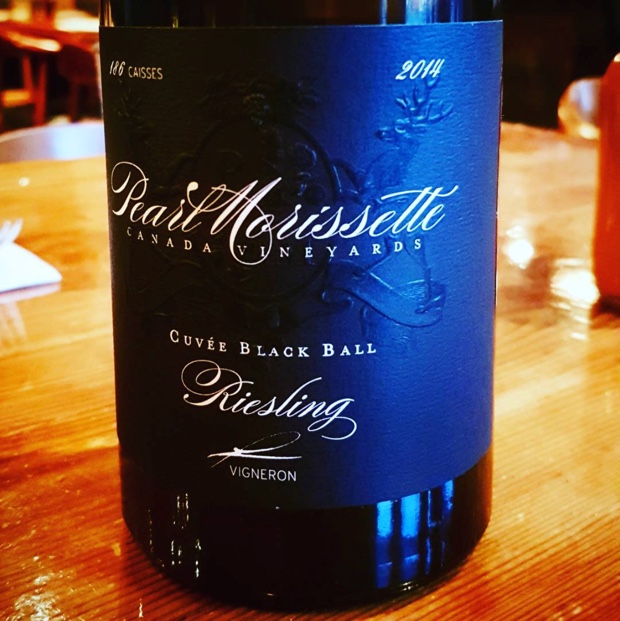
Twenty-five mind blowing wines of 2025

To perform an exercise 13 years running is commitment, on repeat annum per annum, the messenger thanking the maker. Tasting and assessing wine is like wandering a maze of streets folding in on themselves with travel playing the most significant role, adjusting weights and measures for how a list will be conceived. In 2024 Chianti Classico played their major roles, as did Sicily and in particular L’Etna. The mountain wines will again in 2025, so will South Africa and the Tuscan appellations once again. Expect Montepulciano to join the fray next year. These are the contiguous rules of vinous engagement, always in flux, committed to memory, ready for anything that comes this way.
Related – Twenty-three mind-blowing wines of 2024

This is alchemy, not science, trails in the ether, thoughts put to paper and tapped furiously across keys. Not necessarily best of, but instead that which intrigues to the highest of degrees. That which blows the mind.

Related – Twenty-three mind-blowing wines of 2023
Godello reviewed 3,500 wines in 2025, give or take, down eight percent from 2024 but such things are not a matter of wine or death. Than again the breakdown is quite consistent; thirty percent would be from the LCBO’s VINTAGES release program, 24 percent for WineAlign Exchange curation and wine reviewing service, (12) Chianti Classico, (10) Montalcino, (6) Sicilia and the remaining (18) from travels to other parts of Italy and around the world. A smaller part of one percent would be from wines enjoyed with friends, tasting groups, wine agent reps, visiting winemakers and at home. It all adds up to one great pool from which to create this list of 25, a number to represent just slightly more than half of one percent of the wines tasted by Godello in 2025. Here are his twenty-five mind-blowing wines of 2025.

Related – Twenty-two mind-blowing wines of 2022
Domaine Evremond Classic Cuvée, Chilham, Kent, England

This is the third Kent bubble being poured in these late November WineAlign fizz sessions and the third to impress. If only fruit would ripen every year in that part of the world then these vineyards and their makers’ work would really add up to something extraordinary. In time this will happen and as it stands the Evremond Classic Cuvée from Patrick McGrath MW and his Taittinger benefactors is a fine ode to a man buried in Poet’s Corner, Westminster Abbey. Sharp, focused and devilishly delicious, finely chisled and rich enough to become your great friend. Impressive indeed. Drink 2025-2029.  Tasted November 2025

Perrier Jouet Champagne Belle Epoque Blanc De Blancs 2017, Champagne AC, France

First vintage of the Blanc de Blancs was 1993, 162 years after the house was realized by Pierre-Nicolas Perrier and his wife Rose Adélaïde Jouët. Chardonnay comes from two top Cramant crus, Bouron Leroi and Bouron du Midi, aged a minimum six years and with a dosage of eight g/L. There could not be another Blanc de Blancs as subtle, restrained and delicate as this Belle Epoque, the least startling of them all, simply put, a wine of indelible grace. Goes without saying that concentration is at peak and this is where the Champagne’s great intensity gets its lift. Have rarely tasted anything so full and developed, here with obvious autolysis though that’s simply not the leading aspect to focus upon. Once again texture is all and the palate wishes for nothing further, nor is anything left on the table. 30,000-40,000 bottles produced. Drink 2025-2041.  Tasted April 2025

Vassaltis Santorini Assyrtiko PDO 2023, Santorini, Greece

Great passion vintage after vintage from proprietor Yannis Valambous alongside consulting oenologists Elias Roussakis and Yannis Papaeconomou. Now 11-plus years into their tenure with fruit coming from decades old vineyards planted by Valambous’ father Vassilis. The world of assyrtiko is the furthest from varietal one-dimensionality and in Valambous’ small corner the intricacies are boundless, multifarious and endless. The quality climbs another notch with this 2023 to speak for Santorini in not only clear vernacular but with great precision and style. Implosive and inward as they come, nowhere near opening and wound as if a wire around a winch. The volcanic salinity and coiled extract are entwined with tannins so pointed and sharp you can file your palate on its sold stone groove. All that said the levels substance and concentration are second to none. A discovery of highest interest and intensity awaits. Drink 2025-2030.  Tasted May 2025
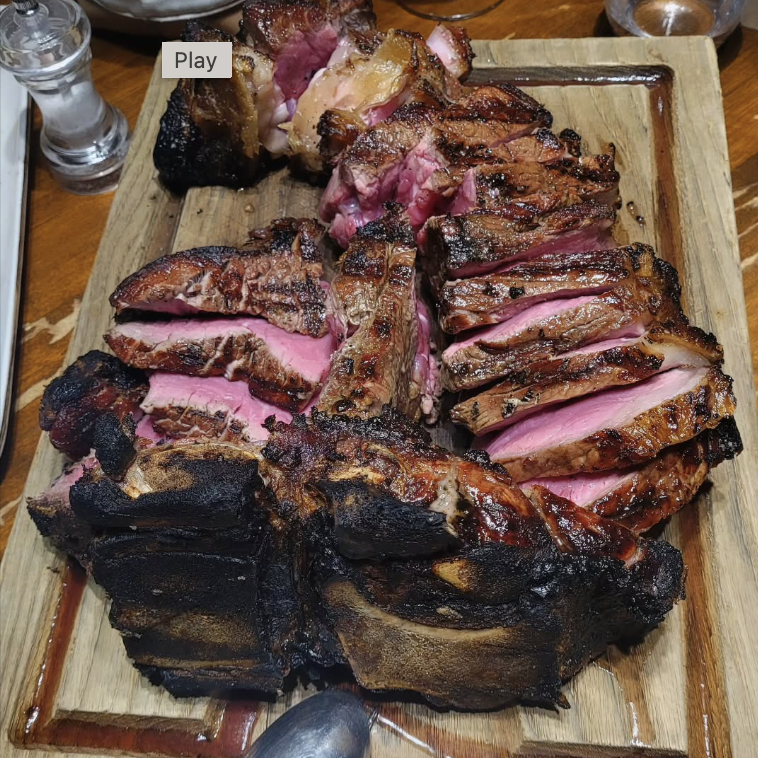
Hiedler Ried Schenkenbichl 1.ötw Grüner Veltliner 2022, Kamptal DAC, Austria

A year older and one closer to a grüner veltliner on the cusp of developing secondary character from 60 year-old vines raised on the Schenkenbichl. A vineyard of dark amphibolite geology that gives this varietal wine its distinct smoky character. The extra year in bottle is partly responsible but also the vintage which deliver more flesh and unction than the following one. The ’22 is special, not that ’23 is not but this mix of pulpy stone fruit and flintiness combines for extraordinary waves of grüner veltliner gifts. This time next year will mark an amazing moment for this wine. Drink 2026-2034.  Tasted November 2025

Mullineux Old Vines White Wo Swartland 2024, WO Swartland, South Africa

The current and modern South African recursions of blending white varieties off of old vine plantings is a Swartland specialty that dates back approximately 25 or so years. Mullineux is entrenched in the revolution and this sku has long been a going concern. Their takes often provide more elegant solutions to certain problems with successes just as impressive as efficiencies. They generally look to two-thirds chenin blanc, with smaller proportions of clairette blanche, grenache blanc, semillon, viognier, and verdelho. Where else in the world can vine-growing and maturing experience from ancient soils and so many thriving grape varieties add up to this much complexity and pleasure? The 2024 is about as concentrated and fruit-centric as any, while the underlying mineral thematic controls the wine’s manifest destiny. This will be fascinating to taste eight to ten years from now and also each and every step along the way. Drink 2025-2034.  Tasted August 2025

Château La Nerthe Châteauneuf Du Pape Blanc 2023, AOC Rhône, France

The 2023 Châteauneuf-du-Pape by La Nerthe is composed from 40 percent grenache blanc, (34) roussanne, (20) clairette and (6) bourboulenc. As golden hued and sun cumulate as any Rhône white could be for 2023, full of local riches and generosity off the proverbial southern charts. A pure Blanc with powerful restraint and controlled energy to shed complex layers one pixel at a time over the span of many years, potentially two decades long. Drink 2026-2036.  Tasted December 2025

Beare Green Winery Chardonnay Clonal Blend 2023, Surrey, England

From Wine with Jimmy’s (jimmy Smith) and a project that started in 2022 with a real core aim to make “low intervention English wine.” A wine made beneath a “perennial dark cloud in a marginal maritime climate” tells Jimmy. A chardonnay of a short ripening season, an average of 700mm of rainfall (and 1,700 in 2024) for lean, edgy, on the edge of cool wine production. “I want English wines to have electric acidity,” says Smith. His chardonnay is lean yet charming, more than somehow because the wine is balanced in spite of its searing intensity. The intrigue is palpable and real. This chardonnay may age for a very long time. Drink 2025-2028.  Tasted at i4c, July 2025
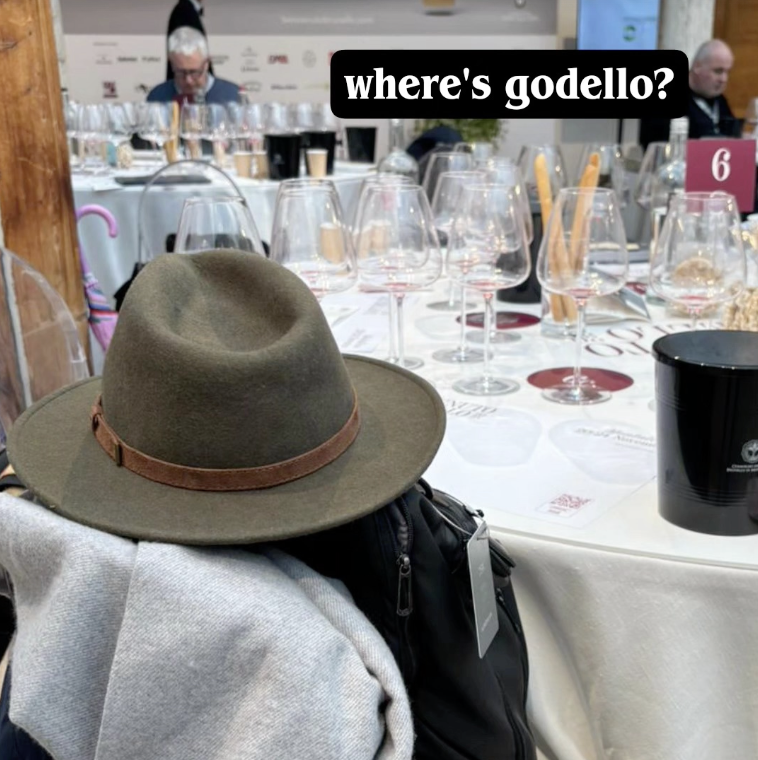
Rottensteiner Vigna Premstallerhof Santa Maddalena Classico 2023, Südtirol-Alto Adige DOC, Italy

Poster schiava (with seven percent lagrein) child to represent the DOC revolution that is Santa Maddalena Classico of a very special (and volcanic) single vineyard wine. The voice of South Tyrol at 12.8 percent alcohol. Pure and abundant, crushed velvet textured and luxurious. Remember the name Premstallerhof because this will surely become a Grand Cru site for Südtirol-Alto Adige. Feel the necessity of each year getting your hands on a few of the just 18,000 bottles produced. Drink 2024-2027.  Tasted December 2024

Arianna Occhipinti Bb Frappato Vino Di Contrada 2022, Terre Siciliane IGT, Italy

BB, a.k.a Bomboliere feels like the OG for a contrada-designate frappato in the Vittoria occupied Occhipinti world, a varietal expression from the home front with more experience and acumen to treat all things equal, they being available and worthy of leaning against and leading towards ultimate balance. As here from a fine and rocking 2022, crunchy exterior and chewy interior, a Balsamico crust and mix of fruits captured within. Though the Villages frappato is the most accessible it is this BB that ranks as the most well-rounded and if there is any austerity it won’t cause any psychosocial pain. Yet BB is tannic enough to age, stirs up emotion and is truly representative as a best of all worlds wine, more so than either the FL or PT. Drink 2025-2033.  Tasted May 2025

Palmento Costanzo Etna Rosso DOC Contrada Santo Spirito Pre Phylloxera 2021, Sicily, Italy

Not that the wine isn’t tight but my goodness how the tension is matched by fine verticality from Rosso with an intensity of volcanic chalkiness so specific to Santo Spirito’s 1870 lava. When vines are pre-phylloxera they have a true connection to the actual eruption and basalt because the lava had barely cooled when the first grapes appeared on the vines. A “no lo so” factor in this nerello mascalese character cools the Rosso so that herbal and stony notes prevail and persist, long after the wine has passed over the palate. A remarkable wine (isn’t it always) and another near perfect vintage. Drink 2027-2037.  Tasted May 2025

Pietradolce Etna Rosso DOC Barbagalli 2020, Sicily, Italy

Grand and expressive, epically proportioned, factor of a remarkable vineyard brought to life through the coursing of its nerello mascalese. Hard to imagine an Etna Rosso so fine and linear could be considered crushable but this is Barbagalli and its vines more experienced than just about any aboard L’Etna. Crushable as a fleeting feeling but everything is truly in place, all parts inclusive of fruit, minerals, elements and constructions right where they should formulate. The last of the wine is no such thing because the weights, measures and taciturn moments linger for seemingly ever. Wowed and energized by Barbagalli. Drink 2027-2039.  Tasted May 2025

Masseria Cuturi Primitivo Di Manduria 2021, Licuturi DOC, Puglia, Italy

A modest primitivo is many ways, especially with respect to the ways in which the world perceives how the grape is expressed and yet vintage is so essential as being the determining factor. In this case less than the hottest, acidity bursting upwards of 6.5 g/L and alcohol pleasant, present and restrained at 14 per cent. Even if it’s actually closer to 14.5 it does not matter because it would be hard to find a more balanced varietal wine like this anywhere in Puglia. The hard work, focus, respect and abiding by nature and place are so apparent and must be recognized. In the face of climate and time of history this is simply brilliant. Drink 2027-2033.  Tasted June 2025
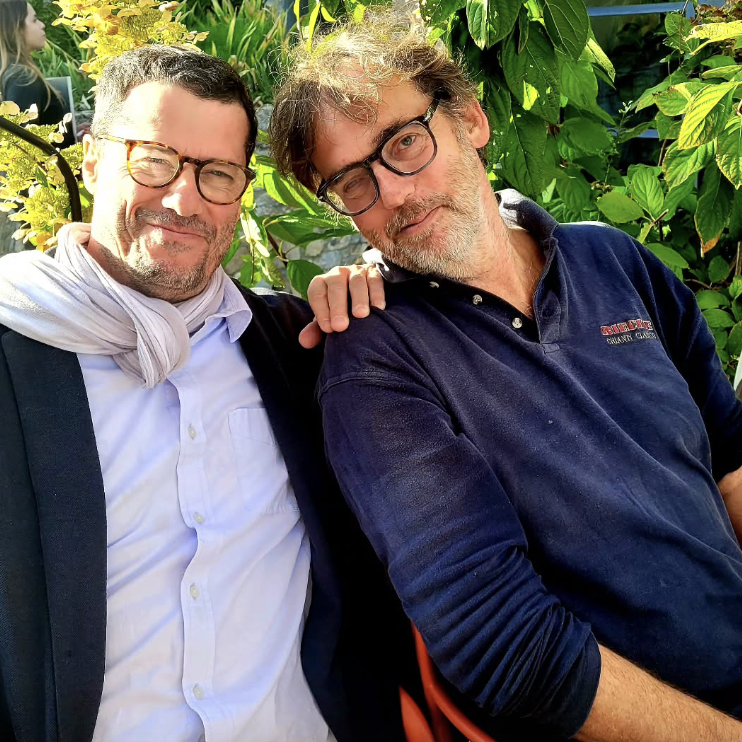
Tenuta Di Carleone Chianti Classico DOCG 2022, Radda, Tuscany, Italy

Tenacious freshness initiates this 100 percent Raddese sangiovese of blooming perfume caught at the pinpointed moment of its opening salvo. The beauty inherent is a factor of many things but who could not think that acumen is the impetus and the driver. Of plants and place, people and maker. The it factor can be affirmed with unequivocal doubt for this to be one of the top and critical Annata for 2022, expressed with a clarity and a focus at the height of all these aforementioned ideals. Drink 2025-2033.  Tasted at The Chianti Classico Collection, February 2025

Castello Di Volpaia Il Puro Casanova Chianti Classico Gran Selezione DOCG 2021, Radda, Tuscany, Italy

The refinement of Il Puro is apparent from the start for a sangiovese as Gran Selezione 100 percent worthy of its grape and name. The pure one is Volpaia perfume incarnate, cool and floral, Chianti Classico spice masala developed low and slow, acidity as unctuous as any but always “di Volpaia.” Hypnotizing elements make this wine go straight to your head though there is clarity of thought. Also beating of hearts because of its philanthropy. The focus and finesse are grand, the hypnotic effect causing a loss for words. Il Puro 2021 is a thing of great beauty – what else needs to be said? Drink 2029-2040.  Tasted February 2025

Querciabella Chianti Classico Gran Selezione DOCG 2021, Radda, Tuscany, Italy

One of three Gran Selezione and the first vintage for three UGAs to be singled out, split from one anothem, perform acts from Lamole, Greve and here out of Radda. Aromatic stunner this Radda and the ripest of sangiovese for a UGA where that now happens with more regularity than ever before. Hard to believe the level of luxe character and substantial fruit. That and an exaggeration of Raddese acid riches, stride for stride with the fruit, together intertwined and joined at the hip. As sturdy, vertical and grippy as it is expressive of unlimited generosity, ultimately a full and purposed wine that has it all going on. Drink 2027-2036.  Tasted November 2025

Fontodi Flaccianello Della Pieve 2022, Toscana Centrale IGT, Tuscany, Italy

“Flaccianello for us is always the finest expression of Fontodi terroir and sangiovese grown in our territory,” says Giovanni Manetti. Truth and still a certain sense of irony as coming from the President of Chianti Classico consortium. Flaccianello was struck by hail in 2022 and so one third of the crop was lost because the western vineyard Poggio was obliterated on August 16th. The other two (Pecille and La Cappellina) survived and in the end the Pietraforte that runs through still granted the freshness, structure and especially acidity. There is a more immediate floral bloom and perceived balance from 2022, also sneakier tannins than the previous few vintages of Flaccianello. The longevity is a veritable guarantee, for 20-25 years and quite possibly more. Drink 2027-2042.  Tasted February 2025

Castello Romitorio Brunello di Montalcino DOCG Filo di Seta 2021, Tuscany, Italy

Massive aromatic attack, assault on the senses, classical movement rising to a crescendo. Fruit, spice and a toasted nuttiness unique to this and only this sangiovese. A perspective like no other, mimic of the vistas from the perch of the place, not to be fully grasped understood less you stand and look out with wonder from where the wines are raised. The 2021 runs like a stream through an untouched virgin forest, silken texture phantom threaded with the invisible filaments of finest tannin. The delicacy and subtlety of this wine will surely be the impetus to see it live 20-25 years, most of them in this original state. Drink 2028-2043.  Tasted November 2025

Il Marroneto Brunello Di Montalcino DOCG Madonna Delle Grazie 2021, Tuscany, Italy

A vintage sandwiched between two of established structure at harvest time and described by Jacopo Mori as one of finesse and equilibrium. The Madonna delle Grazie selection has so much in common with the Brunello but what separates this wine is more than just a matter of concentration and mouthfeel. Usually power extends from finesse and elegance but in 2021 all the fruit and then everything in barrel was very close in character. Quality too and so the grape selection was made easier, resulting in a Selezione the team held with full confidence in their choices. The 2021 delivers fruit with many levels of violet perfumes of multifarious quality as a by product of small berries with higher ratio of skins.“ A distinction that makes this wine different” explains Jacopo Mori. Purity incarnate and from the protégé and next generation, absolute truth spoken. 9,500 bottles. Drink 2028-2036.  Tasted November 2025

Cortonesi La Mannella Brunello Di Montalcino Riserva DOCG 2019, Tuscany, Italy

Though released six-plus years after the harvest Tommaso Cortonesi says “this is the first Riserva that I bottled more than one year earlier than the rest.” This because he now prefers that the wine refines one extra year in bottle and not in botti. For him Riserva is not necessarily the “top pick” of the vineyards or vintage but rather a Brunello of a different or ulterior approach. “A matter of style,” he explains, “an example of northerly Montalcino.” Now in bottle two years and emphatically not a powerful Riserva but something cooler, more refined and well, fine. There are wines to speak as sangiovese, Brunello or Montalcino and then there are Riserva that amalgamate all three in equal pronouncement, in concentrated concern, executed with reserve and balance to speak as Riserva. Rich and generous, high level quality and quantity of acidity, no hidden fruit or brilliant disguise. Instead there is transparency, focused intensity, everything up front and personable. Like its maker. Drink 2027-2038.  Tasted February 2025

Biondi Santi Brunello Di Montalcino Riserva DOCG 2019, Tuscany, Italy

The smile in winemaker Federico Radi’s eyes tells you much of what you need to know for how he feels about the 2019 vintage. Though Riserva (like the Brunello) is released a year later than almost all others in Montalcino there is a feeling about this wine that speaks to immediate gratification it is curiously capable of providing. The acidity is tops for ’19, sweet and oscillating, coming at the palate in waves, fruit surfing its crests and crashing across with maximum flavour. After the rains of August 31 through September 2 the balancing of atmospheric conditions during a dry two weeks created ideal ripening conditions between September 10th and 15th. The only part of 2019 that needs more time in bottle for integration is wood, this being the second vintage after which new casks were beginning to replace some older ones in the cellar. In that sense there is some resurfacing on this sangiovese yet also harmony and consistency from Riserva, two aspects that will guarantee not only longevity but also an abiding to what Radi, Giampiero Bertolini and their teams desire. Demand as well, to speak for the vineyards and relate the long Biondi-Santi story. Drink 2027-2045.  Tasted November 2025

Domaine De Bellene Nuits St Georges 1er Cru Aux Chaignots 2023, Bourgogne AOC, France

Aux Chaignots is a newer and pint-sized 0.14 hectare plot of Premier Cru Nuits-Saint-Georges in the northerly Côte d’Or upslope and within a limestone throw over to those in the village of Vosne-Romanée. Makes for the most two-toned, dual-textured Bourgogne of the lot, at one crisp and crunchy and then chewy, from exterior to interior. Reminds somewhat of the formidable 2020 and its striking tannins, both capable of unleashing and crashing their power over our palates with impunity and trenchant intention. Of course this 2023 remains in an immovable state, grippy and suggestive of a hands off approach for a minimum five years post vintage. More would be the suggestion because the fortification is a secure one and there is really no sense trying to break down barriers that do not want to be broken down. Drink 2028-2037.  Tasted March 2025
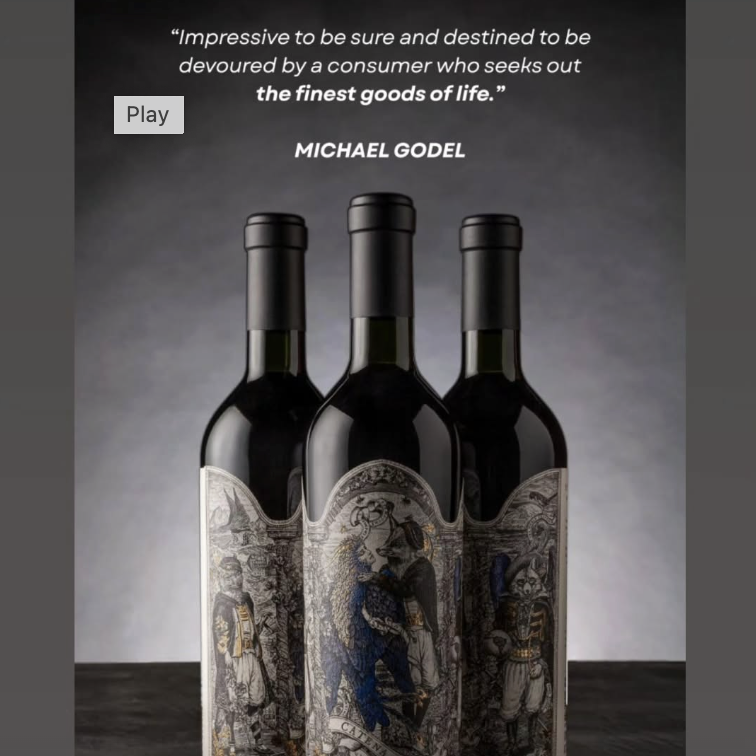
Catena Zapata Birth Of Cabernet Cabernet Sauvignon 2021, Mendoza, Argentina

The back label spins a yarn and a half, of a legend, fantasy and allegory all wrapped up in cultivar classification and grape lineage ampelography. From bees fertilization of cabernet franc to sauvignon blanc, a Cardinal Richelieu reference and farming cabernet sauvignon in Mendoza. All this to set the table for Catena’s new flagship varietal wine with a back story. The grand cuvée comes from a mix of vineyards; Angélica Sur Vineyard, Paraje El Cepillo, San Carlos, Valle de Uco; La Pirámide Vineyard, Agrelo, Luján de Cuyo. There is 10 percent cabernet franc included, macerated from 18-22 days and then aged in first, second and third use French oak for 18-24 months. A serious and layered construction with the most luxe and abundant ripe fruit meeting best barrels that Mendoza and money can produce, higher in acidity than most, in delivery of qualitative tannic conveyance and many years of slow energy release already set in motion. Impressive to be sure and destined to be devoured by a consumer who seeks out the finest goods of life. Drink 2027-2035.  Tasted November 2025

Lorenzo Fede Malbec 2019, Agrelo, Mendoza, Argentina

Feels like Fede is Lorenzo dedicating this highest end, signature malbec for a family member named Federica and she should feel blessed because this is one seriously concentrated and impressive varietal wine. As punchy, grippy and purposeful as it gets for Agrelo, aged 18 months in only the finest wood available and with a terrific vintage in bottle. Does not sniff nearest the highest Mendoza vineyards but the stuffing and promise is up there with the best and the brightest. Nothing over the top or unmanageable but clearly refined and also quite finessed. Can’t see this changing much for 10 years and could very well live comfortable for five to ten more. Drink 2026-2039. Tasted October 2025 96

Il Poggiolino Vin Santo Del Chianti Classico DOCG 1987, San Donato In Poggio, Tuscany, Italy

Current vintage on the market. Yes, that is not a typo. A 27-28 year-old labour of love that from trebbiano and malvasia but in the late 1990s the switch was made for sangiovese as Occhio del Pernice. An elixir so silken and smooth, no rusticity and seemingly untouched by human hands. A Vin Santo as if made by the bees, with apricot, guava, jasmine, lemon, Japanese orange and lavender. Fine, fine spice and just so special. A dream, demure and engaging. On the right side of vivid. One of the finest ever and know that you can drink this meravigliosa dessert wine forever. Drink 2025-2050.  Tasted February 2025 98

Pellegrino 1880 Marsala Vergine Riserva Doc Single Barrel Nº 018 2005, Sicily, Italy

Vergine means marsala fortified with soy alcohol and as Riserva (2005) it means more than 20 years of aging. Mainly grillo with (30 percent) catarratto and inzolia, limited production, 2,163 bottles and finished at 19.5 percent alcohol. The sugars developed could imagine honey, brown sugar or maple syrup but they are so much more complicated and therefore unnamed. Also fruit like apricot and pineapple but think moire exotically or better still just admit that something unusual and ethereal is happening. The palate is dry as the desert, the flavours, brown butter nutty, intense and spicy. This is not a dessert wine by any stretch of the imagination but something much more gustatory and ready to receive culinary inspiration. Drink 2025-2040.  Tasted May 2025

Good to go!

godello
Instagram

Facebook

Nineteen Canadian wines that rocked in 2019

Love year-end lists? Stick around. Hate ’em? See ya. It is always a matter of great difficulty to contain the retrospective excitement in thinking about what happened over the previous 12 months with respect to Canadian wine. This while enjoying holiday down time, with December winding down. The exercise began on Godello in 2013 and this seventh instalment naturally not only includes six more than the first, it also happens to act as segue, transition and salvo to usher in a new decade.

Related – Eighteen Canadian wines that rocked in 2018

Unity opinions aside this nineteen as a number is but a fraction of what could, should or would be celebrated in this coast to coast entity we call Canadian wine.  Allow a quote to be used again, in unabashed redundancy of repetition. This curated list is “biased, exclusive and decisive but it is meant to celebrate a select few with a mandate to elevate and exult the rest. It’s also a proclamation read to many who remain ignorant to an ideal of great wine being made in Canada, to tell the insolent they are not welcome here anyway. The winemakers in this country are in full command of their acumen, craft and future. They own it.”

Fearless #ontariowineawards leaders @tony.aspler and Deborah Benoit running a tight #owa2919 ship @gbcchca ~ best quality work coming out of Ontario folks

Related – 17 Canadian wines that rocked in 2017

In 2019 the opportunities for tasting Canadian wine upped the ante and increased the possibilities hundreds fold. This despite doubling international travel over a year further afield and abroad which made it twice as difficult to keep up the Canadian pace of assessment. That said there were more than 1000 tasted once again. The WineAlign team never wavers in the relentless pursuit, often at the WineAlign headquarters and in 2019 in convene at the June WineAlign National Wine Awards of Canada in Prince Edward County, Ontario.  Ontario wines were judged as well thanks to Tony Aspler and also with David Lawrason at The Great Canadian Kitchen Party, the artist formerly known as Gold Medal Plates.

Aldé blending session day @ravinevineyard ~ Rosé 2018 looking stellar

Related – 16 Canadian wines that rocked in 2016

Over the past 12 months the little négoce project known as Interloper Wines with Scott Zebarth, Marty Werner and Ravine Vineyard Estate Winery continued the pursuit of Niagara Lakeshore and Niagara-on-the-Lake excellence with Aldé Rosé 2018, a 100 per cent cabernet franc. The third vintage of Interloper Cabernet Franc appeared with the 2018 release, as did the second incarnation of the As Is Field Blend 2018.

Oh hey @nicholaspearce_ thanks for making us look so good!

In 2017 there were 17 and in 2016 there were 16 noted. In 2015 that meant 15 and 14 for 2014, just as in 2013 the filtered list showed 13 as the number chosen to cant, recant and decant excellence in Canadian wine. Last year? You would be correct if you guessed 18. Roll out the 2019 red carpet. Whence comes the sense of wonder we perceive when we encounter certain bottles of art? Here are the 19 most exciting Canadian wines of 2019.

Avondale Sky Sparkling Rosé Méthode Traditionnelle 2017, Nova Scotia ($27.82)

Leon Millet like you’ve never experienced with red currants folded into tomatillo salsa from a traditional method upbringing and a recent disgorgement. Energy, excitement and then boom, black currants and a whoosh tidal wave of Fundy exhilaration. An entirely new look at bubbles and from a Nova Scotia class where the sky is the limit. Drink 2019-2020. Tasted September 2019

NWAC19 Gold Medal Winner

The 2014 vintage, labelled as Balance Blanc de Blanc Brut, marks the Teaching Winery’s first venture into the style of Sparkling made exclusively from Chardonnay grapes. It also marks the first product made 100 per cent from grapes grown on the College’s Niagara-on-the-Lake Campus vineyards. “It celebrates the balance of knowledge, passion and creativity of the winemakers, professors and students who all pursue excellence in the field of winemaking.”

Niagara College Balance Blanc De Blanc Brut 2014, VQA St. David’s Bench, Ontario ($26.95)

Gingered entry for blanc de blanc of stoic beauty, marbled bust focus. Lemon and a dustiness indicative first of low yields, but then, the obviousness of do not disturb winemaking. Toasty and preserved lemon richesse, elegant and cumulative. So good. Drink 2019-2026.  Tasted blind at NWAC19, June 2019

From a crown cap versus cork closure tasting with Flat Rock’s owner Ed Madronich and current winemaker David Sheppard. The two wines count as one for the purpose of this list.

Flat Rock Sparkling (Crown Cap Closure) 2006, Traditional Method, VQA Twenty Mile Bench, Niagara Escarpment, Ontario (383315, $34.95)

Wines were all under crown for 36 months, disgorged in January 2010, three quarters pinot noir plus chardonnay and then re-sealed under crown, Six cases were sealed under cork but otherwise both wines are exactly the same, same cellar conditions, same dosage, same everything. Less hue in this number two (crown), same but different, less oxidation, less caramelization and yet on par or near in terms of that ginger-miso tone. Lemon adds to the milder orange crème brûlee and the energy, spirit and lift is more pronounced. Greater vision in acidity and even some lingering reduction. Like the first it is in fact full of sensibility, reason, plenty of seasoning. Likewise and differently so much fun to behold and to drink. Certainly more heightened sensation created by mousse and carbonation that actually affect the mouthfeel and texture. Made by Marelise Beyers. Drink 2019-2024.  Tasted September 2019

Flat Rock Sparkling (Cork Closure) 2006, Traditional Method, VQA Twenty Mile Bench, Niagara Escarpment, Ontario (383315, $34.95)

Wines were all under crown for 36 months, disgorged in January 2010, three quarters pinot noir plus chardonnay and then re-sealed under crown, “However,” explains Ed Madronich and the big raison d’etre for this tasting is that six cases were sealed under cork, complicit with or perhaps explicitly for Ed’s Mom. Both wines are exactly the same, same cellar conditions, same dosage, same everything. Just the seal on 72 bottles changes the nature of the game. The colour is deeper in this number one (cork), more oxidation, more caramelization and more deep ginger-miso tone. Quite orange crème brûlee as well. Acidity persists, wealthy, rising, more than intact. In fact it’s well-reasoned, seasoned and in tact. So much fun to behold and to drink. Made by Marelise Beyers. Drink 2019-2020.  Tasted September 2019

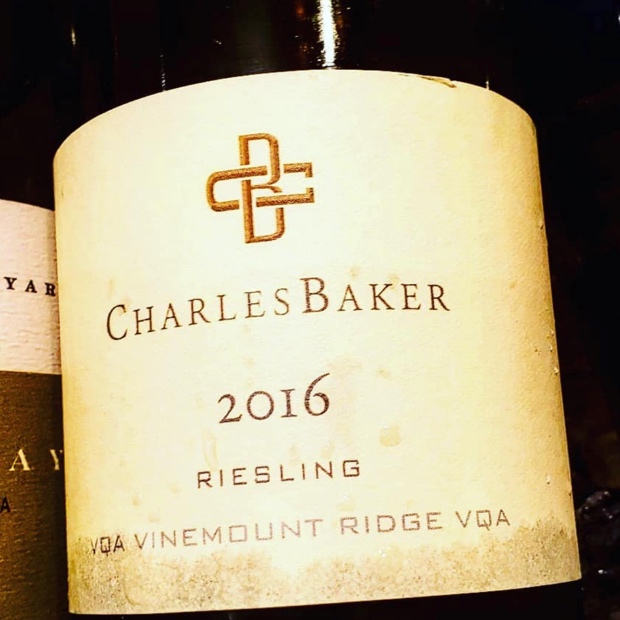
Charles Baker Picone Vineyard Riesling 2016, VQA Vinemount Ridge, Niagara Escarpment, Ontario (241182, $37.20)

Baker’s ’16 is the child of a great vintage’s phenolics and so without needing to concern oneself in wondering about ripeness or fruit quality it allows for a beeline straight to the tannic structure. That’s the crux of 2016, built upon a core that may as well be centred in the very heart of Colmar. Sugar may as well be nowhere and nothing because balance induces dreams utterly grounded in aridity. So reminded of Bernard Schoffit and The Rangen, austere yet entangled, lean, direct, sure, focused and precise. In the zone and will be for 12 blessedly slow developing years. Drink 2021-2030.  Tasted October 2019

Ravine Vineyard Chardonnay 2011, VQA Niagara Peninsula, Ontario (173377, $28.00)

Looking at this 2011 Chardonnay now and with learned imagination back through time this screams the vintage. Great Scott, cracker jack Chablis dressing up into Premier Cru status cloaked candidly in Ravine clothing. This eight year-old chardonnay shows off as one of then winemaker Shauna White’s great early moments, an achievement of planning through execution and clearly a success from a cool, austere and so very varietal vintage. Maybe even a legacy defining moment for what was and can continue to be. A purveyor of land, a youthful precociousness and all the local possibilities on offer. This is so pure and purposeful for the grape and for Ravine. Just great right now. Drink 2019-2021.  Tasted September 2019

Le Clos Jordanne Winemaker Thomas Bachelder

Le Clos Jordanne Le Grand Clos Chardonnay 2017, VQA Niagara Peninsula, Ontario (184549, $44.95)

Welcome back, to that grand vineyard place that we’ve talked about. Down on the farm near the water where chardonnay was purposed grown and put in the hands of a young Thomas Bachelder. The results were dramatic and now that unparalleled fruit is back in the monk’s world, he wiser and more experienced than ever. The transition is spooky seamless and the awe in hand providing breathtaking posits in moments more than fleeting. Behold the presence of orchards and their just ripened glow of fruit with sheen so fine. Let your glass allow the ease of the aromas and flavours to fall in and emit with conscious movement, without conscience or effort. That’s the 2017 Grand Clos. Chardonnay that is. Drink 2019-2026.  Tasted November 2019

Closson Chase Churchside Chardonnay 2017, VQA Prince Edward County, Ontario ($44.95)

Platinum hue and reserved aromatics indicate a reductive tendency so give it some air. Comes out and away clean and more expressive, with periodic mineral notes, not exactly saline but certainly from the table. Lovely fruit in the melon to orchard way and elevated by acidity plus fine grape tannin. Lovely and composed wine right here.  Last tasted blind at NWAC19, June 2019

Truth be submitted, discussed and told the 2017 Closson Chase Vineyard is a lovely, accessible, County for all chardonnay but this, this is something other. This Churchside ’17 from a block of vines at the prettiest little chapel around delivers the fullest fruit compliment of the times, in headline, lede and body of work. It does so with a posit tug of tension and spot on, pinpointed and precise attention to balance. States a case with best butter, better toast and even greater purpose. The ’17 Churchside undulates and circles, coming to rest in the moment where it all melts down, like a ball in place on the roulette wheel, always having known what number it would be.  Drink 2019-2026. Tasted June 2019

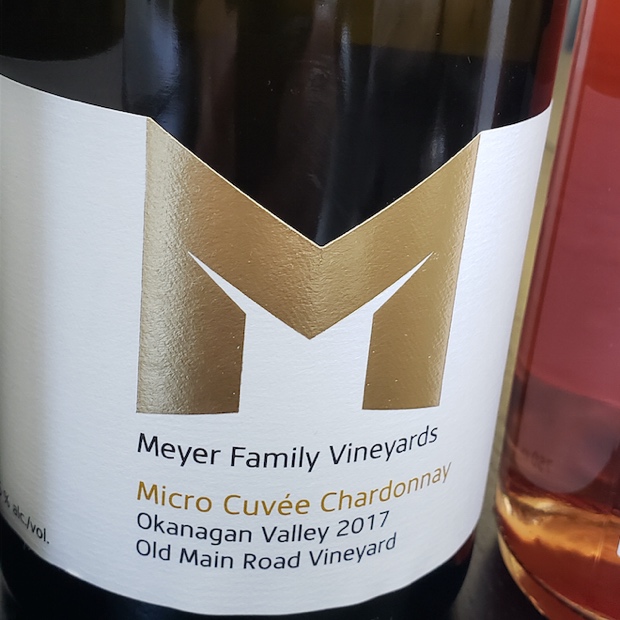
Meyer Micro Cuvée Chardonnay Old Main Rd Vineyard 2017, VQA Okanagan Valley, British Columbia ($65.00)

The Old Main Road is a Naramata Bench growing site of silt over clay loams at 350m. The northerly aspect links fruit to indirect sun for higher acid-driven chardonnay. This specialized plot-block-pick-separation of origin intensifies the citrus and the savoury strike of scintillant. It’s reductive and not redacted in that it’s protected by a shell of tannin but bursts with rumbles and shakes. This is singular and unique in ways most Okanagan chardonnay does not begin to touch. Great potential and possibility exist so expect so much from this wine now and for a half decade minimum more. Drink 2020-2028.  Tasted April 2019

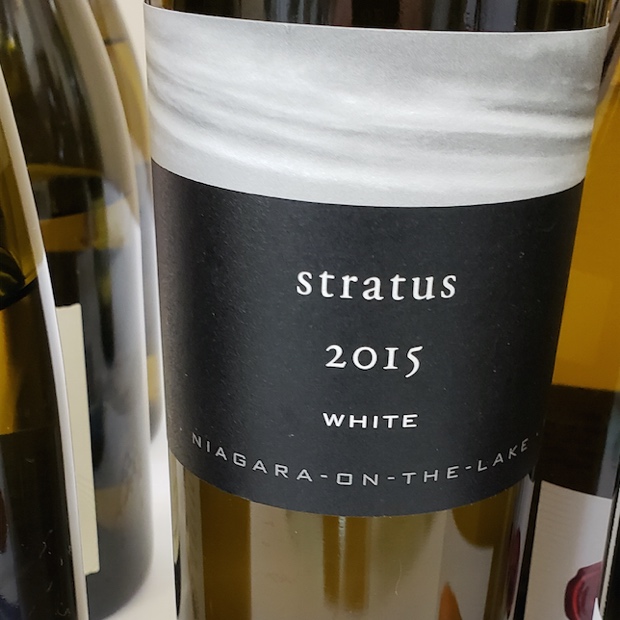
Stratus White 2015, VQA Niagara Lakeshore, Ontario (660704, $38.20)

The latest incarnation of Stratus White is a gem-like one, part reductive and part honeyed. The dual attack is duly noted and doubly paid great attention. Warmth and this remarkable phenolic multiplicity add up to the most strikingly reserved White in quite some time. It will develop more secondary personality and less fade into lean, smoky, shadowy and unfruitful feelings than many that have come before. By many stretches of imagination this is a deeply curious blend and ultimately a beautiful one. So bloody didactic and interesting. A ten years forward retrospective will regard White 2015 as a benchmark for the locomotive Ontario appellative white locution. Drink 2020-2028.  Tasted February 2019

Congrats to Cliff and Colin @stannerswines for their The Narrow Rows Pinot Noir 2017 Gold Medal performance @judgement.of.kingston 2019. We the judges deliberated long and with great care to come to this well-deserved conclusion.

Stanners Vineyard Pinot Noir The Narrow Rows 2017, VQA Prince Edward County, Ontario ($45.00)

A super-saturated, honed and zeroed in upon place in a vineyard ripeness with a touch foxiness. Reality from limestone bled into fruit wavering on a spectrum where berry fruit sits on one end and earthy beetroot all the way over on the other. Touches both and then properly meets in the middle. Cherries are red, herbs are green and tension stretches a wire between two poles. Tomato water and tomato leaf with fresh basil. That’s just matter of fact and a good struck balance in combination. You almost feel it’s at once too ripe and then a bit green but those moments are fleeting and so the summation in accumulation is the thing; must, seeds, stems and the work of kind, nurturing and gentle hands add up to great delicacy. It’s local and it’s so bloody good. Delicious even. Unlike any pinot noir ever made previously in Ontario. Drink 2019-2023.  Tasted blind at the Judgement of Kingston, November 2019

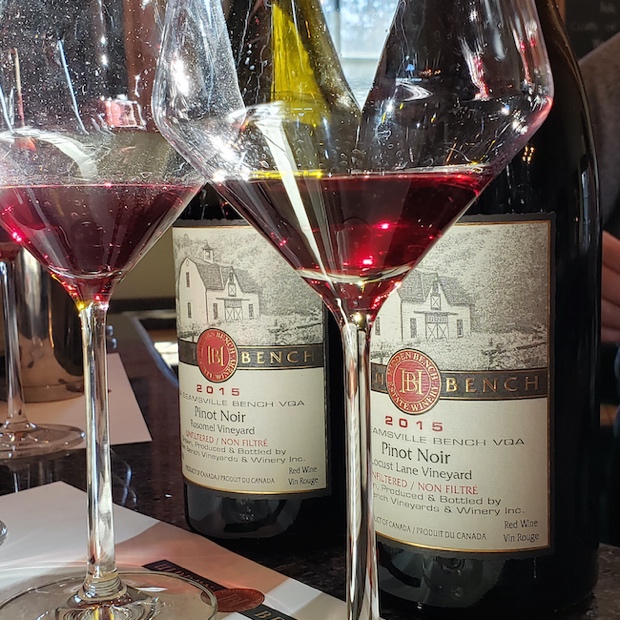
Hidden Bench Pinot Noir Locust Lane Vineyard 2015, VQA Beamsville Bench, Ontario ($48.00)

Locust Lane is the one of greater tension and posit tug, holding court and keeping fruit on a short leash. The aromatics are not as sweetly floral but what you will note, if you wait for the fleshing is this glycerin texture and seamless weave of structure. This is the savoury, almost minty and surely cantilevering pinot noir, from the field and out over the length of the wine’s attention. Will linger, prosper and live long. Drink 2020-2027.  Tasted March 2019

NWAC19 Platinum Medal Winner

Howling Bluff Pinot Noir Century Block 2016, VQA Okanagan Valley, British Columbia ($35.00)

Wow. Now we’ve come into pinot of some curious, unusual and stand up to be noticed excitement. The aromatics are circling, rising, elemental, exaggerated and complex. There’s umami here that few others seem to find or are capable of seeking out. Fine if slightly tonic tannins and structure, texture, architecture and blessed complexity. This will morph into many things by way of many stages. Drink 2020-2027.  Tasted blind at NWAC19, June 2019

Thirty Bench Winemaker Emma Garner

Thirty Bench Small Lot Cabernet Franc 2016, VQA Beamsville Bench, Ontario ($75.00)

In many respects this is the flagship of all the Thirty Bench wines, a varietal exploration like no other, of direction, microcosm and intention. It’s an extracted and concentrated cabernet franc but stays free of encumbrance, hinderance or adulteration. It’s dramatically plush and yet shows nary a note of green or gritty, nor astringency neither. It’s a showpiece to be sure and even of an ambition not typical of its maker but as for structure, well that’s as impressive as the concentration. We’ll be tasting this at an Expert’s Tasting in the mid 20s. Drink 2021-2028.  Tasted August 2019

NWAC19 Platinum Medal Winner

Desert Hills Estate Winery Ursa Major Syrah Eagle’s Nest Vineyard 2016, VQA Okanagan Valley, British Columbia ($40.00)

Inky, ferric, serious, structured, regaling and ripping syrah. Full throttle, absolute ripeness, carefully extracted and utterly purposed. The acidity, tannin and overall structure seal all the deals and put this in a category of its own. Drink 2021-2026. Tasted blind at NWAC19, June 2019

Big Head Raw Syrah 2017, VQA Niagara Lakeshore, Ontario ($65.00)

Never before have we encountered syrah this way in Ontario. A wild ferment and use of concrete vats is one thing but the Brettanomyces off the charts is intonate of something wholly other. The exclamation is emotion both Andrzej and Jakub Lipiniski acknowledge and embrace. The thought and the recognition lights up their faces. It expresses itself in peppery jolts, with sultry, hematic, ferric and magical notation. It’s like liquorice on steroids, melting into a feral liqueur. “Wow that syrah is crazy,” tasters are heard to exclaim and yet you can see how much they relish the experience. As I do, without knowing why, except for the fact that in its big headedness this is a very balanced wine. Some way, somehow. Drink 2020-2026.  Tasted March and April 2019

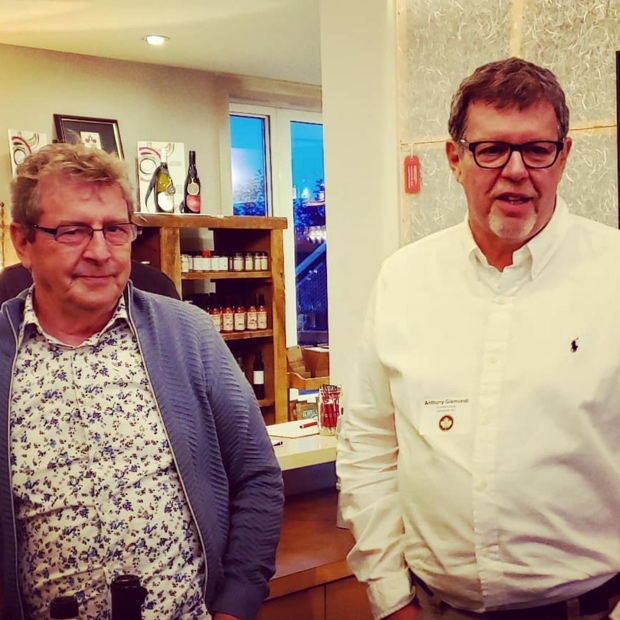
Lawrason and Gismondi

NWAC19 Gold Medal Winner

Nk’mip Cellars, 51 percent owner by the Osoyoos Indian Band Cellars, part of the Arterra Wine Group, as per Anthony Gismondi is “ably guided by winemakers Randy Picton and Justin Hall. Nk’Mip Cellars took home one platinum, two gold, three silver and five bronze medals, adding to its legacy of consistent performances at the nationals. The unique, First Nations winery is well worth a visit, as is lunch on the patio.”

Nk’mip Cellars Winemakers Talon 2016, BC VQA Okanagan Valley, British Columbia ($23.99)

Really juicy shiraz based blend (44 per cent with cabernet sauvignon, merlot, malbec, cabernet franc and pinot noir) with rich, ropey, red berry and savoury tones. Big fruit and if oaked with generosity it’s a construct that seems more than capable of the handling. Big effort, personality and acidity to carry it high. Boozy to a degree and again capable of finding balance. Isn’t this what cool climate blends should strive to achieve? Forget the formulas. Look to great agriculture and a master blender to realize goals. This reaches a milestone and likely at a ridiculously affordable price. Drink 2020-2026.  Tasted blind at NWAC19, June 2019

Tawse winemaker Paul Pender

Tawse Meritage 2015, VQA Niagara Peninsula, Ontario (581165, $67.95)

That aromatic combination of dark plummy fruit and tangy blood orange is a straight give away for many more impending complexities to come. A three-pronged Bordeaux varietal mix of merlot (45 percent), cabernet sauvignon (28) and cabernet franc (27) with so much going on you might not understand what it’s trying to say. It’s like Glossolalia, a “fluid vocalizing of speech-like syllables that lack any readily comprehended meaning,” a.k.a. in tongues. Never mind the distractions and the madness but instead head straight to the intersection of structure and balance because that’s what matters. The fruit is bold, the woodwork finely chiseled and precise and the end result is the work of masters; agriculturalists, oenologists and winemaking hands. This will live on through epochs of Canadian Meritage notability and infamy. Drink 2021-2031.  Tasted blind at NWAC19, June 2019

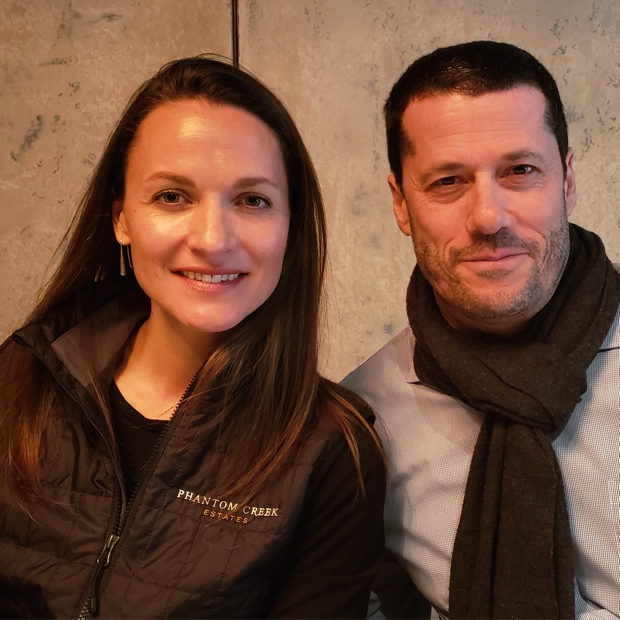
With Phantom Creek’s Anne Vawter

Phantom Creek Phantom Creek Vineyard Cuvée 2016, BC VQA Okanagan Valley, British Columbia ($100.00)

Some of the estate’s finest cabernet sauvignon makes its way into the flagship red, also made up of the other four Bordeaux red grapes. There is a sweetness that comes through from layering so much quality fruit in a way that neither the Becker blend nor the varietal cabernet sauvignon seem capable to manage. There’s also a deep sense of tannin and an almost dark brooding character, but also a smoky, savouriness that adds to the mystery and the dimension. So stylish and composed, amalgamated of the finest fruit bred from great attention to agricultural detail. Incredible length too. One of the most professional wines in Canada. Drink 2021-2030.  Tasted February 2019

Southbrook winemaker Ann Sperling

Southbrook Organic Vidal Icewine 2015, VQA Niagara-on-the-Lake, Ontario (581165, 375ml, $49.95)

The most unusually brick red-orange hue makes this vidal Icewine a one-of-a-kind wonder and the best news of all is how complex the wine is to follow suit. Yes the curiosity factor runs high but so do the gamut of aromatics and flavours. Coffee, toffee, crème brûlée, apricot, guava and strangely enough the spongey filling of a Crunchie Bar. What a childhood memory that digs up. Acids are strong, relevant and still humming so the sugars are carried along with great companionship. Benchmark vidal usage and to no surprise. Ann Sperling’s work with varietal orange wine combined with her knowledge of Icewine make for a union divine. Drink 2019-2025.  Tasted December 2019

Good to go!

godello
Twitter: @mgodello

Instagram: mgodello

WineAlign

Tasting Ontario Part One: Riesling

Riesling at Vineland Estates, 161 days on skins

Riesling is again on the rise and the reasons why are as varied as the artistry it’s equipped to display. It has been 40 years since the Pennachetti family of Cave Spring Vineyard and German vintner Herman Weis planted riesling in St. Urban Vineyard on what is now Vineland Estates. My how things have changed. The trending line ascends as the general public comes around and warms to the versatile grape so popularity is not just in the hands of geeks, oenophiles and connoisseurs. Ask your favourite sommelier, product consultant or wine writer. Riesling’s neighbourhood is beginning to gentrify in a big way but it’s also expanding experimental and ancestral horizons. It will always be just riesling but today’s varietal vernacular goes beyond dry, off-dry, semi-sweet, Süssreserve, late harvest and Icewine to now include skin-contact, barrel fermented, unfiltered, wild ferment, Blackball and The Geek.

A few weeks back I attended my 7th Cuvée in Niagara Falls to celebrate the next chapter with and for our wine industry, fresh on the heels of the 2018 Tasted Untamed edition of Taste Ontario in Toronto. Just a month before I rambled through the Niagara Icewine Festival in Jordan and the Icewine Gala in Niagara Falls. It was at the Icewine Gala where we watched and listened in on a great tribute to Ontario’s iconic pioneer, Karl Kaiser. We owe so much to Mr. Kaiser with respect to everything Icewine but also to how far we have come in terms of riesling.

A lovely tribute to #karlkaiser tonight at #icewinefestival gala

Just two weeks ago in Toronto we tasted the current offering of Prince Edward County wines at Taste of the County. Today we will immerse ourselves into the culture of global food and local wine at the Terroir Symposium and on Tuesday the Wine Council of Ontario will hold its first annual Ontario Craft Wine Conference. It has been a very saturated and intensive start to 2018, something that must be attributed to the maturity, confidence, preparedness and excitement of and towards Ontario wine.

My personal opportunities to taste wines from the Niagara Peninsula, Prince Edward County, Lake Erie North Shore and Ontario’s South Coast have been many. Before too long there will be greater access to the wines of emerging regions like the Oak Ridges Moraine, Georgian Bay the Northumberland Hills. Prior to 2017 I used this wine processing platform of godello.ca as a vehicle to review and discuss Ontario wines with much greater frequency but circumstances have changed. My work with Italian and French wine regions, most notably Chianti Classico, Brunello di Montalcino and Bourgogne have occupied a great deal of my time. So has tasting and reviewing many potential submissions for the WineAlign exchange and acting as a consistent contributor to the WineAlign Buyers’ Guides to the VINTAGES releases.  I 2017 I ceased publishing my bi-weekly tasting notes because it’s important that readers check them out on WineAlign. All this as added up to less constant coverage of Ontario wines on the site.

And a few of my favourite wine writers. Thx for coming to #cuvee2018 #vqawinesofontario

That is why I’ve decided to post a series of articles over the next few weeks solely dedicated to Ontario wine and I’m going to split them up by grape varieties, beginning today with Ontario’s great white hope, riesling. I’ve written about the grape many times before and my belief in its varietal power, finesse and omniscient existentialism for a signature and singular Ontario purpose is perpetual and unwavering. This work is possible because of the organizations and the people behind them who make it all possible. The Wine Marketing Association of Ontario, The Wine Council of Ontario and VQA Ontario are a triple-edged force that keep our wines flowing. Thank you to Richard Linley, President of WCO, Magdalena Kaiser, Head of Marketing and Public Relations for WMAO, Brian Schmidt and Laurie Macdonald, President and Executive Director respectively of VQA. The Icewine Festival Gala and Cuvée are not possible without the work of Fallsview Casino, Scotiabank Convention Centre and of course Brock University. Gala and Experts’ Tasting coordination is possible because of The Cool Climate Oenology and Viticulture Institute’s Barb Tatarnic, Manager, Wine and Sprit Education Trust and Kaitlyn Little, Marketing and Communications Officer.

Inaugural Winemaker of Excellence Award winner and riesling maker extraordinaire, Angelo Pavan of Cave Spring Cellars, with Donald Ziraldo

At Cuvée, the inaugural Winemaker of Excellence Award winner was Angelo Pavanchosen in a unanimous decision for his major contributions to the industry, his commitment to excellence and his mentorship to winemakers across Canada. Pavan, Vice-President, Winemaker and Founding Partner at Cave Spring Cellars, is known for his encyclopedic understanding of viticulture in Niagara. He was among the first in the province to work with numerous grape varieties and was a pioneer in the quest to improve wine quality and sustainability in vinifera varieties.

“It is humbling to be the first recipient of this great award,” said Pavan. “It validates the passion, time, effort and commitment of over 30 years dedicated to this great wine growing region and having participated in its evolution to international recognition.”

Pavan is also a founding member and Chair of the Vintners Quality Alliance (VQA) Standards Development Committee and has played a key role in determining the most suitable winemaking practices applicable in Ontario. As the founding Chair of the International Riesling Experience, held in conjunction with CCOVI, Pavan has also been instrumental in solidifying Niagara’s place as one of the world’s pre-eminent Riesling producing regions.

Related – Three Rieslings to believe

One of my first bold statements about Ontario riesling was this. “There are many reasons to believe in riesling, that versatile and brutally honest grape. Riesling holds no punches, speaks its mind, tells it like it is. Grown worldwide and vinified in so many varying styles, riesling is not so much a chameleon but rather a mutant. It takes root in every vineyard, marking its terroir, expressing itself singularly and without apology. Over the past two-four months I have exonerated and upheld with the highest riesling belief that (Ontario) does the variety justice above and beyond the pale, in the vineyard and in the glass. More reviews have been written, designed and pushed down your throats on (local) riesling than on any other grape. What’s up with that? Quality, that’s what.”

Related – 100 kilometre wine for spring

And this. “Riesling. Can there be a more versatile white grape? From natural, mineral spring, bone-dry to concentrated, candied sweet, this grape runs the diversity gamut like no other. ‘The Bench’ is home to a mineral wealth of local riesling, singular in composition not only by way of a global comparison, but also from plot to plot, soil to soil and vineyard to vineyard.”

Riesling Vine

Related – Are you wine experienced?

We held a symposium at Brock University a few years back and the technical, chemical side was addressed by Cornell University Sensory Researcher Terry Acree. For riesling, Acree focuses on chemicals that correspond to the strongest identified smells, the most important and prevalent of which is TDN (Trimethyldihydronaphthalene). TDN the chemical or diesel/petrol the sensation as an “odour strength (Damascenone) as related to by human subjects.” In order for the wine taster to “experience” these sensations, two things have to be there. “Memories of different kinds of features and features themselves.” That said, Acree believes you can only smell three things at once, a notion he borrows from M.F.K. Fisher.

Acree sees odour as “an evolutionary human response to history.” If you have never come into contact with a banana, you will never smell banana in Chardonnay. TDN is the dominant aroma and where riesling grows, more sunlight means more fruit and more TDN. TDN is a precursor but its prevalence does not necessarily increase as a wine ages. A very common theme when nosing an aged Riesling is to comment on the secondary aromatic emergence of a gas or petrol note. Acree believes that identifying increased petrol notes in aged Riesling is a bit of a misnomer. It had to already be there. “I’m just inventing a new, confusing way to discuss minerality,” he concludes.

At that time Toronto wine writer Mike Di Caro and I talked about Ontario riesling and we agreed that sugar levels are both arbitrary and unpredictable so Niagara’s best is and should be of the dry variety. I don’t think that way anymore. My friend and colleague Bill Zacharkiw of the Montreal Gazette wrote this last year.”Rieslings, especially from cool climates like the Mosel in Germany and Niagara tend to have residual sugar. Don’t be scared. You know what? I love them. The sugar makes the aromatics go “boom,” while the acidity keeps the wine tasting dry.” Bill is correct and it is also those sugars that allow the wine to stay alive, age and develop those aforementioned petrol notes.

Related – I shall be Riesling

Here is how VQA chooses to define typical Ontario riesling. “Classically exhibits refreshing citrus, peach or floral aromas with a light “petrol” element and racy acidity on the palate. Made in a range of dry, off-dry and sweet styles, including Icewine. Typically not oaked but good examples will age well with the petrol nose evolving.” Many would agree but there is so much more to think about. You don’t know anything about riesling and aging until you begin tasting them at five years only know then can you begin to understand. Some examples will stay the course of pure lemon, so taut and tight, perhaps shouldn’t even be released until they are ready. The acidity might be the most unwound, with pent-up aggression, a fighter in search of balance. Not typical perhaps but very much a part of the Ontario mix.

The curious thing about Ontario riesling is how it has pushed me to wax with unlimited hyperbole, as in “to purchase in increments any less than a case may be considered a crime against Riesling” and “one of the finest rieslings ever made from Ontario grapes.” For Treve Ring’s take on the great grape, head over to WineAlign for what she had to say after the 2017 WineAlign National Wine Awards of Canada (The Nationals). Treve writes,  “as our palates progress, we often shy away from these simpler, fruity styles for more structured, savoury and minerally wines, which again, brings us full circle (close the ring) back to serious and ageworthy riesling.”

Related – Moved by Riesling

I have been moved by riesling many times. In Alsace it happens every day and it has happened in Ontario, most notably after having comes across (any one of four or five) Charles Baker Picones and Emma Garner Thirty Bench Small Lots. Or in particular, Jay Johnston’s Nadja’s from Flat Rock and most notably Brian Schmidt’s Vineland Estates St. Urban. With Cave Spring it happened after tastes of Cave Spring CSV. It has happened again and again. It will continue this way.

As I mentioned, this is merely the first part in a long series of articles to come, including exposées on sparkling wines, chardonnay, other white varieties and appellative blends, gamay, pinot noir, cabernet franc, plus other reds and red blends. To begin this Ontario varietal march through spring here are 26 recently tasted riesling, plus a handful visited in 2017 yet to make it to godello print, all to give a glimpse into the portal of how far Ontario has come and to where it may be heading.
Riesling at the Carriage House, Vineland Estates Winery – March 7, 2015

Redstone Riesling 2014, VQA Niagara Peninsula, Ontario (Winery, $14.95, WineAlign)

So much lime, in flesh and zest, all over the lime map. Really juicy riesling for the cost of a song. Cool climate stamp right here; glade, citrus, wax and air up above. The palate follows, albeit thin and tinny. Ideal for current consumption though not likely made with the stuffing to evolve. Regardless it’s good value. Drink 2017-2018.  Tasted blind at NWAC July 2017 and October 2017  redstonewinery  @RedstoneWines  Redstone Winery

Featherstone Riesling Black Sheep 2017, VQA Niagara Peninsula, Ontario (80234, $16.95, WineAlign)

The Black Sheep strikes again, same price, same typicity and balance. This is the riesling we’ve come to expect and relish, with elevated sugar and acidity levels walking hand in hand. Plenty of lime spirit is more Bench styled than ubiquitous Niagara Peninsula so you can guess what fruit lurks to lead such a suspicion. Always high quality and quick to market, sip, rinse and repeat. You’ll see this wine in release cycles four or five times over, available at all times. Drink 2018-2020.  Tasted April 2018  #featherstonewinery  @featherstonewne  Featherstone Estate Winery

Flat Rock Cellars Riesling 2016, VQA Twenty Mile Bench, Niagara Escarpment, Ontario (43281, $17.95, WineAlign)

There are two types of traditional riesling made up on the Escarpment’s benches, both equally accessible and correct but so very different. There is the other way; dry, stoic and intense. And there is the Flat Rock way, slightly further adrift off-dry, weightier and to be honest, less serious and happier. Not that one style is more important than the other but if I’m a consumer expecting sweet riesling but hoping to learn how the other half lives and breathes it would be this Flat Rock that would help educate and ultimately help me grow into the new riesling lover I’d want to be. The sugar (while nothing extraordinary here) is balanced by equal acidity and athletic chic. Drink 2018-2021.  Tasted February 2018  flatrockcellars  @Winemakersboots  @FlatRockCellars

2027 Cellars Riesling Wismer Vineyard Foxcroft Block 2016, Twenty Mile Bench, Ontario (225490, $18.75, WineAlign)

The wind is so tight and the expressive fruit bound up in a ball of fire and acidity but aching to break free. The pent up energy here is palpably felt, like a needle in the side, leaving you seized up, protective and tense. There is so much juicy citrus and fineness of acidity it’s hard not to see this riesling taking five years to unwind and five more towards developing characterful secondary personality. This is perhaps Kevin Panagapka’s best. Drink 2019-2026. Tasted July 2017 and March 2018  2027cellars  @2027cellars  2027 Cellars

Konzelmann Estate Winery Riesling Reserve Old Vines 2016, VQA Niagara Peninsula, Ontario (Winery, $18.95, WineAlign)

The by now classic house style of using late harvest fruit off of old vines on the estate’s lakefront property and barrel fermentation are the things that delve into the Konzelmann glück, density and complexity. Preserved lemon, grapefruit sorbet and mineral-mandarin cream define this riesling of zero trepidation, utmost confidence and old world charm. Who’s to say you aren’t sipping this in some Rhineland-Palatinate village instead of Niagara on the Lake. There will always be a place in hearts for riesling made this way. Drink 2018-2022.  Tasted March 2018  konzelmannwines  @Konzelmann  @konzelmannwines

Megalomaniac Riesling Narcissist 2017, VQA Niagara Peninsula, Ontario (67587, $18.95, WineAlign)

Narcissist takes a turn to the flint with great citrus intent in 2017, simulating great German riesling that have been coming for generations and eons before. There is a youthful funky reductive yeastiness that tests the aromatics but in looking for balance we find tart fruit, fine acidity and a leanness that strikes like a laser through the microbial fog. Wow is this interesting and in a show of great potential. Drink 2019-2023.  Tasted March 2018  megalomaniacjhc  sobmegalo  @MegalomaniacJHC  @seb_jacquey  Megalomaniac Wine

Fielding Estate Bottled Riesling 2016, VQA Beamsville Bench, Niagara Escarpment, Ontario (251439, $19.95, WineAlign)

Though neither single-vineyard nor block specific make no mistake. This estate riesling from Fielding is a carefully selected and curated one with not a single wasted note in the varietal tune it plays. The chords are pure citrus, the arpeggio rising from stone fruit skin meets flesh and the overall score ambient in its keyboard hold. It’s so bloody juicy, mouth watering and intense, riesling in which there’s a torrent that rises gently. There’s a wind, like a drug, in new material from a great year to make a new record. Worth listening to and drinking in, on repeat, with a deeper understanding. Should develop a layered feel, of honey and petrol, with time. Drink 2017-2022.  Tasted October 2017 and March 2018  fielding winery  richiewine  @FieldingWinery  @RichieWine  Fielding Estate Winery  

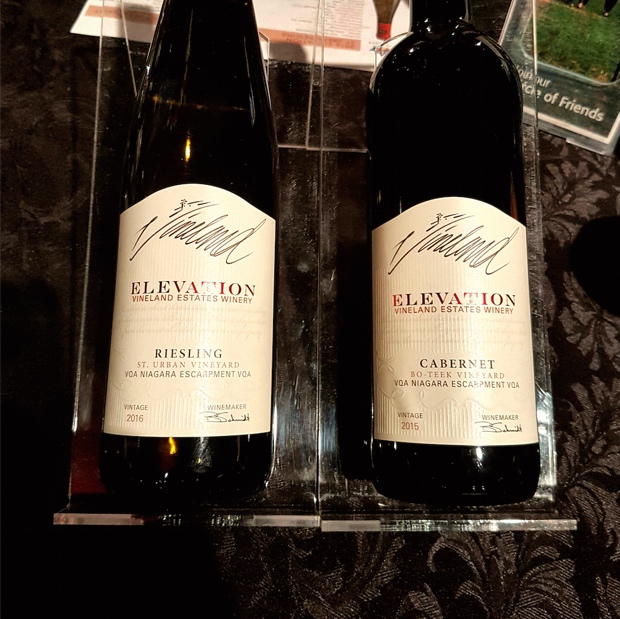
Vineland Estates Riesling Elevation St. Urban Vineyard 2016, VQA Niagara Escarpment, Ontario (38117, $19.95, WineAlign)

By now the St. Urban Vineyards vines are as old as 37 years, a fact in longevity and experience never lost on this archetypal Niagara Escarpment riesling. There is a certain kind of interest here, first from track record and then because of the deferential vintage for the flagship variety. The nose is quite waxy, lemon-scented and vaguely sweet-fruity. There is even a bit of Niagara Gold cheese mixed with fresh florals, of white roses and then persimmon. So now the mind travels to the tropics, for flavours imagined of mango, marquesa and mangosteen. Warm days and nights will do that to riesling and while this may not live into its twenties it will go complex and curiously fascinating into the petrol and honey with more early unction, like 2012 but even more, akin to 2010. Drink 2018-2028.  Tasted December 2017  vinelandestates  benchwineguy  @VinelandEstates  @benchwineguy  Vineland Estates Winery  Brian Schmidt

Hidden Bench Riesling Bistro 2016, VQA Beamsville Bench, Ontario (Winery, $20.00, WineAlign)

If Ontario riesling can be referred to as classic it would be something as traditional and acumen-factored as this ’16 by Hidden Bench. This is due to the middle road meets the fine, direct and essential line taken, where along the way balance is struck with notable fruit, just shy of off-dry styling and a fashion of natural acidity. Correct is, as correct does. Drink 2018-2021.  Tasted March 2018  hiddenbench  @HiddenBench  Hidden Bench Estate Winery  

Creekside Estates Riesling Marianne Hill 2016, VQA Beamsville Bench, Niagara Escarpment, Ontario (Winery, $21.95, WineAlign)

The next Marianne is a conundrum, low in alcohol and yet quite lean, avoiding both high strains of citrus and flesh. The nose is both inviting and very mineral but the palate is a bit staid, understated and seemingly dry. The skins of pears and peaches are touched but it’s just a bit too quiet right now. We’ll see what the future holds. Drink 2019-2022.  Tasted April 2018  creeksidewine  @CreeksideWine  Creekside Estate Winery

Southbrook Vineyards Riesling Triomphe 2016, VQA Niagara Peninsula, Ontario (Winery, $22.95, WineAlign)

With all of her other varietal talents I wouldn’t normally pontificate winemaker Ann Sperling as exemplifying the riesling whisperer (at least in Niagara) though a pass at this warm and inviting 2016 may change that and with haste. At the risk of sounding a bit too establishment this is classic and typical Niagara but it accedes into such a category with impeccable sugar, acid and texture balance. Treating the fruit with respect, avoiding any unhinged decisions and delivering the three-pronged effects of sweet, tart and bitter with seamless intertwine is the work of a total pro. Gotta have the lime and the essential possibility of honey. Triomphe 2016 does just that. It’s what you want and need. Drink 2018-2021. Tasted January and March 2018  southbrookvineyards  @SouthbrookWine  Southbrook Vineyards

Mulled riesling anyone? Hidden Bench at Icewine Fest

Hidden Bench Riesling Estate 2016, VQA Beamsville Bench, Ontario (183491, $23.95, WineAlign)

Just a lovely bit of spring sun and dew picks up the stimulus, pace and attitude right from go in the Hidden Bench ’16. This is not only definitive for riesling by house, for estate and to regional necessity but also to all varietal wines done up right in this pinpointed place. The orbiting acidity is twisted like ties around wires along a circle drawn to lock in freshness, by fruit more lemon and lime citrus than stone or up the stairs. It’s a near perfect vintage for the omniscient one and sets the table for Roman and Felseck Vineyard rieslings to come. Drink 2019-2023.  Tasted April 2018  hidden bench  markanthonyon  @HiddenBench @MarkAnthonyWine  Hidden Bench Estate Winery  Mark Anthony Wine & Spirits

Hidden Bench Riesling Felseck Vineyard 2014, VQA Beamsville Bench, Ontario (Agent, $23.95, WineAlign)

Felseck delivers a concentrated, compact and direct riesling, very focused along linear Locust Lane lines, truly Beamsville stony, precise and even a bit demanding. Few Ontario rieslings can distill lemon, lime, green apple and stone like this without jumping around. That Felseck can stand firm in one place with such stoic and unwavering calm is a testament to a winemaker’s attention to detail. It begins in the storied vineyard and finishes with the same fineness of finesse. Drink 2017-2023.  Tasted October 2017  hidden bench  markanthonyon  @HiddenBench @MarkAnthonyWine  Hidden Bench Estate Winery  Mark Anthony Wine & Spirits

Perfect match to riesling? Some might say

Cave Spring Riesling Adam’s Steps 2016, VQA Beamsville Bench, Ontario (901211, $24.95, WineAlign)

Adam’s Steps is Cave Spring’s riesling with a bit more of everything, more depth, body, sweetness and texture. It really is the outlier in their varietal bunching, closer to the Estate than the CSV in style and yet firmly positioned in its own category. There is a true sense of spirit and energy, especially on the lively palate, with a waxy, almost peach coulis and lemon-lime pastille note that lingers like sucking on a riesling candy. Clearly dolomite in origin but fleshy and full. Holds the age ability card for a five-plus year run. Drink 2017-2022.  Tasted October 2017 and March 2018  cavespringcellars  thevineagency  @CaveSpring  @TheVine_RobGroh  Cave Spring Cellars  The Vine

Lundy Manor Riesling 2016, VQA Niagara Peninsula, Ontario (Winery, $24.95, WineAlign)

The fruit source is Wismer Vineyard for winemaker and Niagara College graduate Adam Kern’s ’16 riesling. Kern also makes the wines with Chris Fornasier and Bench Trial Wines. His straightforward varietal wine for Lundy’s Manor speaks of peach and tart citrus with a surprisingly tannic thrush. The equanimity between fruit and acidity keeps it in the airy space above the pull by extracted weight and will serve it well for two or three years time. Drink 2018-2020.  Tasted March 2018  lundymanorwinecellars  @LundyManorWine  @lundymanorwinecellars

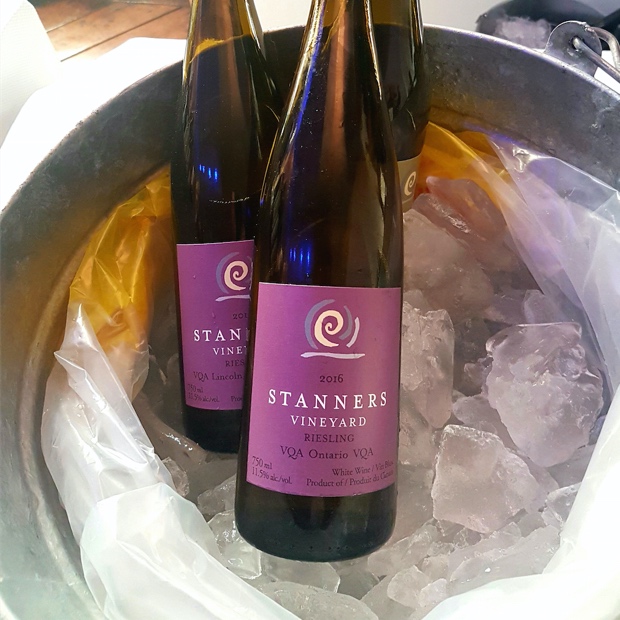
Stanners Vineyard Riesling 2015, VQA Lincoln Lakeshore, Ontario (Winery, $25.00, WineAlign)

The Stanners Riesling evolution is upon us, happening and ready to blow. In replay of 2014 this is Niagara meets PEC fruit, two days of skin contact, six months on the lees, dry is as dry does and yeasty funky. In my mind it’s pretty much a repeat of that just about leesy enough and pear textured 2014 without anything new added or realized. But, for Colin Stanners it must be the vintage that wakes him up to what he needs to do next so this ’15 is therefore the first next step towards and set up man for what’s to come in 2016. This is a must step to taste on that ladder of evolutionary understanding so make sure to take it. Drink 2018-2020.  Tasted April 2018  stannerswines  @StannersWines  Stanners Vineyard

Keint-He Riesling 2016, VQA Niagara Peninsula, Ontario (Winery, $25.00, WineAlign)

It’s quite amazing how the texture, sugars and acidities all rise up as one, together for the common good, layered and in-synch. Labeled Niagara Peninsula but really noses and tastes like Twenty Mile Bench riesling. Lime sherbet and mandarin orange gelée. Nothing but pleasure from winemaker Lee Baker’s first start to finish wine at Keint-He. Drink 2018-2021.  Tasted April 2018  keinthewinery  @KeintheWinery  Keint-he Winery & Vineyards

@mackbrisbois brought the past, the present and the future @trailestatewine to taste. Thanks Mack! Indeed, to my pleasure and my education. Delete Comment

Trail Estate Wild Ferment Riesling 2016, VQA Ontario (Winery, $28.00, WineAlign)

In 2016 the WFR is a blend of Foxcroft and BTL fruit, respectfully and respectively farmed by Craig Wismer and Greg Wertsch. This is tannic and textural, the sweetest of all the Trail rieslings, through some skin (or stem) whole cluster contact. The notes are not mind-blowing or expanding ones, of apple, pear and peach skin, again very textural and from a ferment stopped on taste. It’s loaded with 28 g/L of RS but good winemaking makes it seem drier than it is. “Everything else is dry so I guess when I go sweet, I go big” admits Mack Brisbois. So yes this is light, lean, not as fleshy and seemingly drier than it obviously is. Carries forward with a nice candied flower, citrus finish. It’s pretty middle of the road, perfectly correct and enjoyable, especially for a winemaker with an off the beaten track sensibility, antithetical modus vivendi and go beyond the pale ability. Drink 2018-2021.  Tasted April 2018  trailestatewine  mackbrisbois  @TrailEstateWine  @MackBrisbois  Trail Estate Winery  Mackenzie Brisbois

Stanners Vineyard Riesling 2016, VQA Ontario (Winery, $28.00, WineAlign)

I find it curious that this Stanners Riesling is 95 per cent Lincoln Lakeshore fruit but now labeled as VQA Ontario, whereas previous vintages called VQA LL had less Niagara and more PEC fruit. No matter really because again this is Niagara meeting PEC with two days of skin contact, but elevated by 12 months on the lees. That time spent can’t be discounted, nor can the dry as a bone, mad as a hatter summer, not tom mention another year of understanding for Colin Stanners. In the end the acidity out of a chart topping pH and fruit accumulation (not in quantity but in phenolic brilliance) leads this riesling to great heights. Malolactic fermentation was allowed to occur naturally, helping to bring the acidity (and everything else) into balance. Lime, toast, flint and energy, boundless and invigorating. What a riesling, what a story. Drink 2019-2024.  Tasted April 2018  stannerswines  @StannersWines  Stanners Vineyard

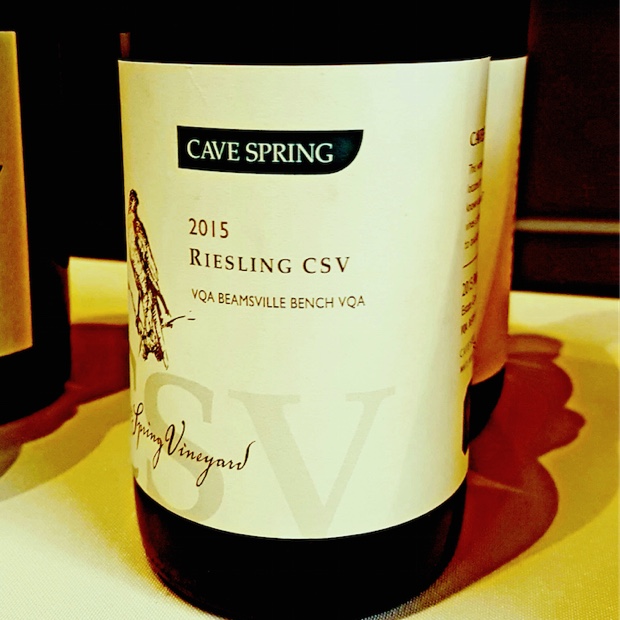
Cave Spring Riesling CSV 2016, Cave Spring Vineyard, VQA Beamsville Bench, Niagara Escarpment, Ontario (566026, $29.95, WineAlign)

The CSV from a warm 2016 really expresses the vintage on the nose with a heavy dose of wet stone and every part of a ripe peach. You have to get past the early sulphur but once you do you take a good bite into the flesh of this riesling and the juices will run with accents and angles fit by tonic, pith, tangy, nervy acidity and a hidden sweetness. The sugars are surely more elevated than realized or will ever be felt because the combination of acidity and pith are covers that will never peel back. Size matters and this CSV is built with great Escarpment architecture, stepping out of the paradigmatic 2015 shadow and into another age. This 2016 begins an epoch of structural expressionism and should easily carry its construct through to the next decade. That consequently, is when this CSV will really be ready to rock and roll for a full decade more. Drink 2020-2030.  Tasted March 2018  cavespringcellars  thevineagency  @CaveSpring  @TheVine_RobGroh  Cave Spring Cellars  The Vine

Trail Estate Skin Contact Riesling Hughes Vineyard 2016, Ontario (Winery, $30.00, WineAlign)

Times changes, as do winemakers, their hunches, hopes and dreams. Mackenzie Brisbois takes a sidestepping approach to this trailblazing riesling from the vineyard tended by Ed Hughes. It’s now all wild ferment elongated to 19 days on skins. Takes its time this little big one, moving no less than 25 per cent slower than ’15, in part because of the vintage but also because its wild pressed. More a dry matter of when over how or why, still in its aromatic infancy, suffocated by its nature. Also a case of a young wine caught in the 9 g/L total acidity crossfire of a sci-fi battle scene. Will most certainly take another 18 months to change. It does exhale this curious note of garrigue, like Peloponnese mountain tea and Alto Adige sweet fennel frond in broth, with apple and onion skin doused by shots of lime juice. There is even a chewy feel in the leafy texture, quite herbal with a mild pique in a green tea finish. Trust me, this will become something both fascinating and delicious at some point in 2020. There are approximately 76 cases made. Drink 2019-2023. Tasted April 2018  trailestatewine  mackbrisbois  @TrailEstateWine  @MackBrisbois  Trail Estate Winery  Mackenzie Brisbois

Leaning Post Riesling The Geek 2015, VQA Twenty Mile Bench, Ontario (Agent, $35.00, WineAlign)

The second instalment of the Geek takes Ontario riesling experimentation not just to another level but to a specific methodology that no one else has really attempted thus far. The geeking out goes further and edgier into territory both new and misunderstood. If it seems unconvincing it’s a case of both searcher and searched not yet on the same page but that’s what research and development are all about. All the 2015 lees from Leaning Post’s classic riesling and chardonnay were added to the Geek. As if that wasn’t enough solid, texture-variegating matter, the 2014 riesling lees were also employed. Two years later the Solera ideal was put to bottle. The complex equation comes out to the most autolytic riesling ever made in Ontario, distinctive in that it’s like drinking traditional-method sparkling wine, 36 months on the lees but without any fizz. It’s unusual and fascinating, full of baking apples, biscuits and citrus. It does not meet the expected and the normal, not just because it’s dry as the desert but because it’s enzymatic behaviour is self-cannabalistic. It writes a riesling idiom, having a meaning not deducible from the individual parts. It’s a neo-impressionist idiosyncrasy, a reaction to the empirical realism of “typical,” VQA-cornered and pigeon-holed riesling, accomplished by relying on scientific theory to achieve predetermined textural effects. While The Geek undergoes an oxidative process it’s not exactly Solera-styled because young wine does not replace a percentage of removed older wine. It’s a positive accumulation of solids and therefore a strict and formalized composition. The argot R & D will go on and winemaker Ilya Senchuk asks, “how much lees is too much lees? Only The Geek knows.” Drink 2018-2021. Tasted March 2018  leaningpostwine  nicholaspearcewines  @LeaningPostWine  @Nicholaspearce_  Leaning Post Wines  Nicholas Pearce

Trail Estate Skin Contact Riesling Hughes Vineyard 2015, Ontario (Winery, $35.00, WineAlign)

At the time of making this wine and then putting a label on a bottle there was no Ontario defined category and in fact this pioneering effort is one of the unheralded forerunners. From fruit sourced out of Ed Hughes’ vineyard it’s a shaggy yet ambitious riesling made mellifluent by 14 days skin contact, inoculated to keep the lees strain constant with with other 15s, meaning the Lakeview and Foxcroft brethren. Now smells just like riesling, unlike in its early “orange” wine days. No longer demanding and tannic, the high acidity too has mellowed and a petrol note has emerged, plus a pepper flake meets peach skin aromatic sedge. Still with the liquid salve texture, coming into its destined balance, dry and persistent in pulse by acidity but calm enough and settled. A great flesh of lime and raining complexity, with a final note of orange skin too. Drink 2018-2020.  Tasted April 2018  trailestatewine  mackbrisbois  @TrailEstateWine  @MackBrisbois  Trail Estate Winery  Mackenzie Brisbois

Trail Estate Barrel Ferment Riesling Foxcroft Vineyard 2016, VQA Twenty Mile Bench, Ontario (Winery, $35.00, WineAlign)

In 2016 the next wrinkle is a wild ferment (as opposed to the inoculated ’15), unfined and unfiltered, because as time progressed “I liked it more and more,” says winemaker Mackenzie Brisbois. No coarse filtration means some minor sediment will settle in the bottle. Smashed layers of tote-filled grapes are brought to the crushpad, in lieu of the crusher, to extract from the skins and stems, making use of the punchdown tool, while waiting before pressing. Recently bottled in December 2017 the BFR is something completely other and if 2015 was considered not, this follow-up is markedly fruity now, because it always was, all the way through during just more than a year in really old barrels. It’s a blonde riesling as per M. Gustave, if you will. “Why blonde? Because they all were.” This is the wisest of Mack Brisbois’ rieslings, calm, confident, collected and shining brightly from the word go. You don’t have to wait on this one, it’s riper, it’s unfiltered, made with a lot less sulphur than the skin contacts and those “dirty” 15s. “I like to see how little (sulphur) I can get away with,” notes Brisbois. The most accomplished riesling that she has made to date, the 16’s balance is spot on now and you will not have to wait for it to come into its cinematic stage. Drink it now and keep it longer. Drink 2018-2024.  Tasted April 2018  trailestatewine  mackbrisbois  @TrailEstateWine  @MackBrisbois  Trail Estate Winery  Mackenzie Brisbois

Charles Baker Riesling Picone Vineyard 2014, VQA Vinemount Ridge, Niagara Peninsula, Ontario (241182, $35.20, WineAlign)

Can it be helped if the first 30 seconds with Charles Baker’s 2014 riesling seem like the opening of a film noir classic. Hushed tones, chiaroscuro shadows, off-screen characters and dramatic foreshadowing all solicit the need or the necessity to make use of a wild imagination. There have been older Baker vintages that acted with similar, almost hard to crack quietude. Perhaps it’s with ’13 etched in persistent memory but as a vintage it was (moderately) cooler and in the end, quite average. This ’14 works the benefits and the notes here are quite omnisciently lemon; curd, preserve, citrus tablet and then smeared by a bees-waxy salve. It’s really quite atypical for Baker and for the windswept Vinemount Ridge but misunderstood youth is a bitch. I’d like to revisit in 2019 and beyond to unearth and relish in the hidden meanings. Drink 2019-2027.  Tasted November 2017 and March 2018  cbriesling  stratuswines  cruwinemerchants  @cbriesling  @StratusWines  @CRUOntario  Stratus Vineyards  

Pearl Morissette Riesling Cuvée Black Ball 2015, Ontario (416073, $36.20, WineAlign)

The new age 2015 was tasted as part of a retrospective that included 2014, 2013, 2012 and 2011. Anyone who is interested in gaining a deeper understanding of what might be construed as idiosyncratic or antithetical riesling should be so fortunate to be involved in such a demonstration. The Pearl Morissette riesling endeavour was pretty much bone dry from day one. The Mosel style really never spoke to François Morissette. “We have 220 hang time days so we started fermenting riesling chardonnay style, then in 2012 and 2013 in foudres, which tightened them too much. So in ’14 we moved into concrete egg for aromatics but it was too intense.” So here in ’15 the joint between foudres and cement marks the new beginning. The juice is then transferred to become clear while the lees are kept and recycled for future vintages. This had just been bottled days before with almost no free sulphur “because they can take it.” Such low pH (2.97ish) and the up front skin contact brings tannin and then this silk road texture is followed by more tannin on the back palate. It’s a vintage Blackball and a vintage-driven riesling. A phenolically ripe one. The exercise proves that we really don’t know a thing about riesling, Cuvée Blackball and aging until we begin tasting at five years on. In order, 2011 is “a confirmation that we are on the right road,” ’12 may never be ready, ’13 messes with the riesling paradigm and ’14 is more like riesling of expectation. So what does that make 2015? Nothing yet, really. Have you not been paying attention? Drink 2019-2024.  Tasted July 2017  pearlmorissette  @PearlMorissette  Pearl Morissette

Riesling at Vineland Estates, 161 days on skins

Good to Go!

Godello

Twitter: @mgodello
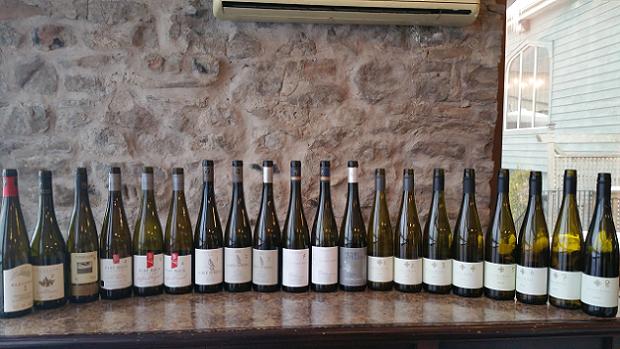
Instagram: mgodello

WineAlign