This time next week I’ll be parked front and centre at White Oaks Resort in Niagara for the i4C 2018 School of Cool, presented by VQA Wines of Ontario, The Wine Marketing Association of Ontario, the Grape Growers of Ontario and Wines of Chablis. You can to if you manage to grab one of the few remaining tickets.
Session One, The Perception of Chardonnay will be moderated by Dr. Jamie Goode, Session Two, Desert Island Combo – Chardonnay and Cheese by Peter Rod and Session Three, Raising Chardonnay by John Szabo, MS. I’ll continue on to join in the cool festivities all weekend long. Friday evening’s Flights of Chardonnay event will be held once again at the Niagara District Airport and the Saturday night Cool Chardonnay World Tour Tasting & Dinner will take place at Ridley College, St. Catharines, Ontario. On Sunday morning Ravine Vineyard will play host to the Moveable Feast Brunch.
This year, 63 winemakers from ten countries will be pouring 165 wines in Niagara from Friday, July 20th to Sunday July 22nd. Let’s get into the spirit and check out 11 of my most recently tasted chardonnays.
Lillias is petit chardonnay, unoaked, made in a decidedly Petit Chablis style, slightly lactic and fresh as picked calla lilies without too much scent. The texture and palate feel on Westcott’s 2017 is richer than it was before, with thanks to a hot September and so weight meets alcohol are up there with some barrel-aged cousins. Minus the vanilla and butterscotch of course. Easy drinking to be sure and just might lead to a good time. Drink 2018-2019. Tasted July 2018 westcottvineyards@WestcottWines@westcottwines
Cave Spring Chardonnay Musqué Estate Bottled 2016, Cave Spring Vineyard, VQA Beamsville Bench, Niagara Peninsula, Ontario (246579, $17.95, WineAlign)
Very floral, of course, a potpourri that includes roses, orange peel, geranium and south asian fruit. It’s almost tropical like viognier or even gewürztraminer so you could wonder if this is 100 per cent musqué but really it’s just a matter of a warm year making for soft chardonnay. Drink 2018-2019. Tasted July 2018 cavespringcellarsthevineagency@CaveSpring@TheVine_RobGrohCave Spring CellarsThe Vine
It almost seems a guilty pleasure or even a shame to be this taken by Malivoire’s entry-level chardonnay because it seems as though it will steal the lime, spot and ultra-violet light away from the serious and essential Mottiar and Moira chardonnays. Winemaker Shiraz Mottiar has really taken the varietal by the horns but the thanks has to begin and be granted the excellence of viticulture in these Beamsville Bench vineyards. How at this price you can strike such a mutually beneficial accord between fruit and wood is beyond me, first with so many thoughts of apples, pears, peaches and nectarines, then the verdant sweetness of lime-caramel and spiced vanilla. It;s all very subtle but also generous. Regional level chardonnay in Ontario at its finest. Drink 2018-2020. Tasted July 2018 malivoirenoble_estates@MalivoireWine@Noble_Estates Malivoire Wine Noble Estates Wine & Spirits
Cave Spring Chardonnay Estate Bottled 2016, Cave Spring Vineyard, VQA Beamsville Bench, Niagara Peninsula, Ontario (256552, $18.95, WineAlign)
High quality fruit with the creaminess of apple purée keeps its bite with thanks to proper barrel use though I can’t help but think this almost feels unoaked, relatively speaking. This might also be a result of the floral perfume, perhaps by musqué but also a vintage feel. The wood comes through late with a white peppery pique of spice. Drink 2019-2021. Tasted May 2018 cavespringcellarsthevineagency@CaveSpring@TheVine_RobGrohCave Spring CellarsThe Vine
In many ways there is more richness and warmth from the Winemaker’s Blend, a multi-vineyard broad expression that could also be called “Signature,” as in typical of the estate style but not necessarily something that defines the winemaker. It’s a boozy chardonnay by regional standards, with full advantage taken from sun and wood. Notes of caramel, vanilla and spice form a malleable shell around creamy orchard fruit. Calls for whole grilled fish, sweet herbs and citrus. Drink 2018-2020. Tasted May 2018 thirtybenchpellerwines@ThirtyBench@PellerVQA@ThirtyBenchAndrew Peller(Andrew Peller Import) Emma Garner
3XP is the triumvirate styling of Tawse winemaker Paul Pender, Ontario wine importer Nicholas Pearce and Sommelier Will Predhomme. It’s the latest song release in the epic Pearce-Predhomme négoce journey, a progressive-art-album rock venture replete with eleven-minute opus material, but this one is the hit with a recognizable and catchy hook. It’s Hungry Heart, I Will Get by and Lucky Man wrapped up into one three-minute chardonnay play. The sip-swirl-swallow trilogy is like verse-chorus-verse and repeat. It’s straightforward sharp, tart and flavourful chardonnay that only Paul Pender could make and it’s consume-ability factor is one of threefold manifest destiny. The number three is a very important number in biblical and mythological study. It “is the first number to which the meaning “all” was given. It is The Triad, being the number of the whole as it contains the beginning, a middle and an end. The power of three is universal and is the tripartide nature of the world as heaven, earth, and waters. It is human as body, soul and spirit.” As for this PPP chardonnay, just drink it up and enjoy. For the next three years. Drink 2018-2020. Tasted July 2018 pearcepredhommenicholaspearcewinestawsewinery@PearcePredhomme@Nicholaspearce@Tawse_WineryNicholas Pearce@tawsewines
Jackson Triggs Niagara Estate Grand Reserve Chardonnay 2016, VQA Niagara Peninsula, Ontario (Winery, $20.95, WineAlign)
A classic Marco Piccoli composition, optimum ripeness of orchard phenolics-developed fruit and plenty of generosity from aging in barrels. Yes chardonnay is different to everyone and Piccoli takes full advantage of the chameleon, even simplifying with that unblemished fruit and lots of wood. It’s like perfect apples in the top-end market from which you may not get that organic fuzzy feeling but you will get the perfectly modern and scientifically successful bite of life. Then take the fruit and make it richer, brown buttery and soft. All good if only there was less wishful thinking for more synchronicity and length. Drink 2018-2020. Tasted twice, first blind at NWAC18, June 2018 and then July 2018 jacksontriggsniagara#ArterraWines@Jackson_Triggs@JacksonTriggs
At this point in time Sketches represents terrific value in Ontario-bred chardonnay because with an extra year or two in the rear-view mirror it has settled into a lovely place where nuts, caramel and baked goods are all beginning to show. It was a lean chardonnay to begin with so don’t expect any overtly creamy textural notes, least of which might be creamed corn. Bigger oaked versions in vintages like 2014 might go to such a comfort zone but this Sketches stays the green apple and piqued spice course. There are some lingering notes of melon and flowers at dusk so just enough freshness persists to carry this through another year or so of open window drinking. Drink 2018-2020. Tasted June 2018 tawsewinery@Tawse_Winery@tawsewines
Flat Rock Cellars Chardonnay The Rusty Shed 2016, VQA Twenty Mile Bench, Niagara Escarpment, Ontario (1552, $26.95, WineAlign)
The 2016 is less a matter of chardonnay spirit and more falling along rich, buttery and vanilla-caramel lines. Might be the most zaftig Rusty Shed tasted in quite some time. Go after this FRC chardonnay with immediate and desperate intentions. It will really satisfy for a year or two. Drink 2018-2020. Tasted July 2018 flatrockcellars@Winemakersboots@FlatRockCellars
Rosehall Run Chardonnay JCR Rosehall Vineyard 2016, VQA Prince Edward County, Ontario (Winery, $29.95, WineAlign)
First and foremost there is so much charm here, from great fruit, mostly orchards of apple and citrus, then just a hint towards tropical. All impressive from a pottery vineyard coming of age into its later teens and capable of retaining soluble nutrients during stressed times. An elemental and kissed wet stone design runs through like veins carrying white blood cells to the fruit’s organs and extremities and so the drought vintage was no worthy adversary to the JCR. Dan Sullivan’s top chardonnay comes replete with high level, quality and pointed fineness of acidity. Drink 2019-2022. Tasted twice, blind at NWAC18 and July 2018 rosehall_run@Rosehall_RunRosehall Run Vineyards
Closson Chase Vineyard Chardonnay 2016, VQA Prince Edward County, Ontario (148866, $29.95, WineAlign)
A terrific vintage for the Closson Chase fruit, easily ripened and developed of phenolics all in and more glycerin than might ever be expected. It’s punchy and reductive chardonnay with a savoury candy shell protecting real, honest to goodness PEC fruit. There is a decided level of vanilla and caramel folded into fruit like great batter at the rippled stage just before its poured into the pan. Makes for wonderful expectation to see how it might taste once the baking is done. Drink 2019-2024. Tasted July 2018 clossonchasevineyards@ClossonChase@ClossonChase
Humility only exceeded by impossibility @normhardie #pec #countyinthecity Pinot Noir 2014
To me, Prince Edward County is the most enigmatic wine region in the world. Why is that? The coterminous climate and geology comparison to Burgundy never wanes and the vintners who painstakingly cultivate and produce Chardonnay and Pinot Noir never quite abandon the methodology. The Burgundian model of viticulture is almost universally applied to the County microclimate. Think about it further and note that latitude and soil composition aside, PEC is not Burgundy, never will be and the parallels drawn ad nauseum should begin to cease and desist.
There are many reasons for saying this. The most obvious has to do with winter and the painful condition of a once or twice every 10-15 year pain in the arse deep freeze that necessitates the hilling up of vines. Farmers select canes chosen for the following growing season and tie them to a wire very close to the ground. Upwards of two feet of soil is plowed onto the tied-down canes. The labour required is extensive and the subsequent yields are lower than most grape growing places on the planet.
At the 2015 spring County in the City event I noted that WineAlignprimo scrittoreDavid Lawrason presented his PEC state of the union address via the company website. “David touched on some integral points for growers and winemakers in the County, including the rise of Riesling and a case for increasing plantings of varieties like Chenin Blanc.” At the time I hung on to Burgundy with no immediate plans to recognize an imminent diurnal varietal shift.
Last fall I wrote a mini-dissertation on the ridges of PEC. “It all adds up to minerality in the wines and nowhere does the geology matter more than on the ridges.” Which brings me to the third bit of logic and one that is varietal based. Pinot Noir and Chardonnay share the stage with a wide range of planted grape varieties and it is the emergence of Pinot Gris that shakes the foundations of PEC-Burgundy thought. If this year’s grand tasting of County wines at the Berkeley Church showed one thing it’s that Pinot Gris is a must. From Hillier clay-loam to omnipresent limestone, the group begs for Pinot Gris, a mineral-loving, dry extract extricating and tertiary tannin absorbing grape. The makers know it.
A fourth dialectic concerns rules and regulations. A wine growing community may talk a big game of homage and publicly declare with politically correct language their allegiance to, a following of and the emulation of a wine-producing deity that has proven its success with hundreds of years of tradition behind it. But the fact of the matter is Prince Edward County does not yet know exactly what it means to be a community of wine producers. The grand cru, premier cru and lieu-dit blocks are only beginning to be understood and working with the climate is still an unmitigated, trial and error disaster.
So in steps a governing body to determine what winemakers are supposed to and even allowed to produce and what exactly they can call it. Absolute authority is exercised against a brilliant vintner who owns land, lives and produces wines in the County, but can’t label it as such. Forget about the economics of an acronym that saves on taxes. They are not allowed to write Prince Edward County on their label.
I hear you. Regulatory boards are needed to make sure a region is putting its best foot forward out to the country and to the world. You can’t have a golfer wearing cut-off jeans, a fishnet tank and a mesh visor shanking nine-irons on the perfectly groomed country club 18. But what if one guy’s wines are off the charts, gorgeous representations of terroir? So what if her skin-contact whites are not what we are used to? Who cares what either of them are wearing. Who should complain that they make new tracks in their own special way? Exactly how is it they bring shame, detriment or housing market decline to the neighbourhood?
Rant aside, the last piece of the Prince Edward County puzzle stretches from the idea of freedom and into a polemical discussion in which no two County wines are the same. Dynamism has never known such hyperbole as it does in the County. Yet another Sparkling epiphany was had after tasting Lighthall Vineyard’s first (not yet labeled) traditional method fizz. It should be called “Au Courant” because it takes everything we have assimilated from Champenoise bubbles, filters it through Cherry Valley soil and rewrites the book. The collective needs to embrace the Sparkling example set by Jonas Newman, Bruno Francois and Glen Symons.
The endearment “The County” is a term meant to bestow a sense of down to earth affection on a place you have to detour through to pay it a visit. “The County” is in fact Ontario’s most diverse and magnetic wine region. To borrow from the American literary critic James Wood, PEC is “one of those rare occasions where the absence of evidence is evidence.” Everything is changing all the time and everything is new. No County for old wines.
I recently reviewed 20 County wines. Here they are.
First @lighthallvyard strike #methodetraditionelle #2011 #fortytwomonths
Casa Dea Dea’s Cuvee 2015, VQA Ontario (261263, $18.95, WineAlign)
Distinctly August cling stone peach, ripe, lightly crushed and fenocchio glacier. Really pollinated fizz, with a bright pink grapefruit granita personality and cool chardonnay exemption. Pretty, pretty stuff. Lingers precisely and there is nothing remotely precious about it. Well made. Drink 2016-2018. Tasted April 2016 @casadeawinery@PECWinemaker
Huff Estates Cuvee Janine 2013, VQA Prince Edward County, Ontario (Winery, $29.95, WineAlign)
Comes from a place and will return again to the junction where rusticity and elegant oxidative character live. Erstwhile fresh, alive, prescient and yet must have been a challenge to tame. Quite the gustatory, culinary, mis en place of torched vegetables and acidity de-glazed game seared off into caramelization. Intensely real, characterful and attention grabbing Janine but not funky. Slow braise ahead. Drink 2017-2021. Tasted April 2016 @HuffEstatesWine
Huff Estates South Bay Vineyards Chardonnay 2014, VQA Prince Edward County, Ontario (Winery, $29.95, WineAlign)
Reductive and reeling from the pushy barrel, young, tight, angular and closed. Green apple, tart white berries and barrel spice. Emerald gem Chardonnay leaving little to no wonder Niagara Bench winemaker Paul Pender is so interested in the fruit. South Bay is the Quarry Road of the County. Wait for the richness and the platinum peaches and cream to emerge commensurate to ostensibly consummate cool climate Chardonnay. Drink 2018-2022. Tasted April 2016
Karlo Estates Pinot Gris 2015, VQA Prince Edward County, Ontario (Winery, $29.95, WineAlign)
Welcome winemaker Derek Barnett to the County and to Pinot Gris with a Gorrilaz style, “the essence, the basics,” gone ripe beyond the pale, round and full. Sweet green apple and basil relish, veritable tang, baked tart shell filled with apple-citrus curd but so far from sour. Wish it hung around for longer. I suppose I have only myself to blame. “I ain’t happy, I’m feeling glad. I got sunshine in a bag.” Clint Eastwood and Pinot Gris in the County. “The future is coming on.” Drink 2016-2018. Tasted April 2016 @KarloEstates
Karlo Estates Lake On The Mountain Riesling 2015, Prince Edward County, Ontario (Winery, $29.00, WineAlign)
Very Mosel Germanic Riesling Kabinett in style, with some residual and low alcohol. Juicy, round acidity, ripe sapidity and almost tersely spoken from the edge of the late harvest forest. Good length and will live a half decade or more with severity tempered by herbal countenance. Drink 2016-2021. Tasted April 2016
Keint He Portage Chardonnay 2014, VQA Prince Edward County, Ontario (Winery, $25.00, WineAlign)
Tart and tight, rich and tangy, as expected and with some density. What needs from reduction lays low and melds into wood. The handling was necessary from out of a challenging and demanding 2014 vintage. The Portage is fully entrenched as a true County stalwart. This is what defines what Keint He is, has come from and to where it will go. Ground zero for the range, from what others will feed from. Sister Chardonnays Greer and Frost embark from this Portage starting point. Drink 2016-2019. Tasted April 2016 @KeintheWinery@Nicholaspearce_
Keint He Greer Road Chardonnay 2014, VQA Prince Edward County, Ontario (Winery, $30.00, WineAlign)
The specificity of the label conjures up territorial Hillier thoughts for Chardonnay made by Norm Hardie, Dan Sullivan and Paul Battilana. While the Greer thread runs through and keeps it in the family this is all in Keint-He issue. Possessive of a richness shown by few other PEC Chardonnay, there counteracts and stabilizes a cool climate snap, crackle and green apple pop. Tang folds into lovely tart, citrus bitter curd with a wisely executed tumult. And there is no relent. A Chardonnay ripper. Beware the power. Drink 2016-2020. Tasted April 2016
Lighthall Chardonnay 2014, VQA Prince Edward County, Ontario (Winery, $25.00, WineAlign)
Glenn Symons’ 2014 from the southern flank in the Cherry Valley is perhaps the most regionally intense, lights out Chardonnay in Prince Edward County. ‘Twas a good growing season in the Lighthall Road ward so say hello to phenolic ripeness and an old school, reductive and layered striker of flint and wood. The yields being as low as they are and exponentially were, there grunges much tonic reverb stirred into leesy, sweet extract in its rather ripped sonic youth. Such a mineral wine, sword-wielding, axe-grinding and tannin mining. Will find its unctuous way with time. ‘Cause it’s lights out right now. Drink 2017-2022. Tasted April 2016 @lighthallvyard
Lighthall Pinot Noir 2014, VQA Prince Edward County, Ontario (Winery, $30.00, WineAlign)
The paradigm shift that began with Lighthall’s 2013 Pinot Noir continues with this stay the course 2014 and then some. The vintage offered up a slower developed phenolic yawning so the stygian runs deeper than the vermillion. That is to say the cherry fruit turns to black even while such a pretty Pinot pours with tension beneath the rich and glorious surface. Tension yes, but also soil infiltration and cooling breezes to temper the Cherry Valley conflagration. Tautness de-armed by a necessary streak of humus conditioning pomace, for grounding. Voluminous palate notes are repeated in demonstrative refrain. Another step forward for Prince Edward County Pinot excellence. Drink 2016-2019. Tasted April 2016
Lighthall Pinot Gris 2014, VQA Prince Edward County, Ontario (Winery, $25.00, WineAlign)
Made in the Lighthall style mixed with location, location, location. Vines of healthy fruit in the Cherry Valley, making for wines that are stark, sturdy, demanding, self-fortified and of limited quantities. Like its siblings, this Pinot Gris is also exempt from weakness. Here PG reminds of lieu-dit Alsace, of attitude, with tannin, extract, salinity and and of course, mineral. Singular County Pinot Gris. Could age for a decade. Drink 2016-2022. Tasted April 2016
Norman Hardie Riesling 2015, VQA Ontario (131169, $21.00, WineAlign)
More reductive for a Norman Hardie Riesling than even it ordinarily shows and also pervasive of penetratingly concentrated stone fruit. While the acids may be received as hard and potentially malic that perception is calibrated by this wine’s typical aggregate. The walls need breaking down and the road is purposely graded high knowing full well it will eventually finish even with the shoulder. I like the sweet tannins and the difficult way in which it uses extract to a futuristic advantage. Wait a year and imagine the possibilities of balance. Drink 2017-2020. Tasted April 2016 @normhardie
Norman Hardie Pinot Noir 2014, VQA Prince Edward County, Ontario (Winery, $39.00, WineAlign)
In Prince Edward County and for Pinot Noir there is no substitute and no comparison. Quixotically sweet Pinot Noir fruit, from the lowest of the low yields, scrupulously heeded and handled with care and yet also, somehow without a care to the world. As self-effacingly pretty and impossible as ever though in 2014 the tensity is lower, the anxiety bereft and not so crucially or dearly developed. There is almost no crisis from out of this first of the near-crisis vintages. This is an early to love Norm Pinot Noir, brought to life and with red citrus that only a Hardie low alcohol Pinot can bring. Humility only exceeded by impossibility. Ready to enjoy younger than most. Drink 2016-2022. Tasted April 2016
Rosehall Run Pinot Noir J C R Rosehall Vineyard 2013, VQA Prince Edward County, Ontario (Winery, $39.00, WineAlign)
The vintage steps out of a particular shadow and into bright light, exposing the JCR Pinot Noir with a particularly beautiful level of freshness and vitality. What has come before is not forgotten; the County tartness, the limestone preparation and the earthy red ochre fruit. But here is something other, something new, exciting and structured. The balance begins and ends on a seamless circle with no obvious demarcation point. The most elegant Rosehall Run Pinot Noir comes out of this 2013 and its level of poise should see it enjoyed now and for 10 more years easy. Drink 2016-2025. Tasted April 2016 @Rosehall_Run@sullywine
Rosehall Run J C R Rosehall Vineyard Chardonnay 2013, VQA Prince Edward County, Ontario (Winery, $29.95, WineAlign)
A tenderly and beautifully rich, stone roses reductive and buttery Chardonnay, fully malo-activated, in adherence to the consistently classic Dan Sullivan righteous style. Makes me think of 1990’s Manchester post-punk, 60’s retro guitar pop, with a sweet softness as foil to an angst-riddled, contemporary acid house rhythmic sensibility. Sullivan’s JCR draws from influence, playing both time-tested Burgundy and new world Chablis pop hooks. “Where there’s life there’s gotta be hope and where there’s a will there’s a way.” Just sip along with the Rosehall Run JCR Chardonnay. It’s hard not to become enamoured after experiencing such great, coherent length. So young. Drink 2017-2021. Tasted April 2016
Stanners Vineyard Chardonnay 2014, VQA Prince Edward County, Ontario (Winery, $30.00, WineAlign)
Quite remarkable and reductive Chardonnay, from fermentation of a certain halting, the yeast not quite having finished munching and malo just short of finding fulfillment. Low in alcohol after posting pH similarly reserved. This has real gumption, a stalwart of phantasmagorical Chablis allegory in the guise of salty, mineral PEC with minor residual sugar and a dip into the funky well. Just lettin’ it all hang out. This is a very promising wine. Just wait until the weather holds out and the yields go up just enough for Colin Stanners to make a really proper Chardonnay. Drink 2016-2019. Tasted April 2016 @StannersWines@GroupeSoleilTO
It’s not what you think but it’s just what you imagine @Stannerswines @GroupeSoleilTO @therealbenhardy #PinotGris #cuivre #skincontact #pecwine #princeedwardcounty
Stanners Vineyard Pinot Gris Cuivré 2014, VQA Prince Edward County, Ontario (Agent, $25.00, WineAlign)
The coppery-hued Stanners Pinot Gris Cuivré 2014 is like a member of the cup of coffee club, its skin contact time limited but forever significant. The PEC conceptualization may seem as strange as surfing Wellington waters but this Pinot Gris is a boy who trapped the sun, having sealed in brightness and freshness beneath the surface, cauterized during fermentation. This is not an orange wine but rather a a Pinot Gris with poise and a balladeering sense of calm. The Cuivré comes from pure sourced County fruit, spent time in stainless steel, is more than a curiosity, is a little funky and offers a feeling of rosé as a gateway drug to orange wine. Saline, nicely savoury, with a tinge of wild sauvage, all within reason. Such a skin contact white in self-proclamation “when you go into your skin, I’ll be the hope joining the walls.” The missing piece is tension, dynamic tempo changes, rises, falls and a crescendo. Though it lacks such structure it is still a beautiful mistake by the lake. Copper down. Only 230 cases were produced and it was released in February, 2016. Drink 2016-2019. Tasted April 2016
One of three Skin Contact Rieslings from winemaker Mackenzie Brisbois, from Lincoln Lakeshore fruit out of Ed Hughes’ farm. For whatever reason this vineyard is far less reductive then the (Wismer) counterparts. It may be attributed to site, of decreased nitrogen (or not) and/or when sulphur is applied. “Ed Hughes is a very calculated grower,” notes Brisbois, which may account for what stylistic deference is syllogistically accrued. “They’re very dry and they will be very tart,” she warns, “and aromatic.” Pressed when fully dry and 14 days on the skins. Arid is the understatement, this shining and whispering Riesling, of tartness not on top slides beneath the surface of acidity. So much length. Youth is not on its side while it wiles away in withheld revelations though longevity is not necessarily its greatest ally. This is Riesling of stark realities, arid with no Niagara frame of reference and fruit so crisp it cracks into perfectly linear fissures. Laser focus without pierce or citrus. Spellbound skin contact stuff. Needs six months to seek a wave beyond the shock. Only 32 cases made. Drink 2016-2019. Tasted April 2016 @TrailEstateWine@MackBrisbois
Skin contact #Riesling from @MackBrisbois @TrailEstateWine Invisibly stitched and tart-pan curl. #burgunder less than 50 cases #hughes #lakeview #foxcroft
The second of three skin contact, Niagara borrowed Rieslings from winemaker Mackenzie Brisbois. This time from Craig Wismer’s Lakeview, a Twenty Mile Bench block with 18 years-ish old vines. Spent 21 days on the skins and comes through in or around 10 per cent alcohol (like the others). More herbology balms the nose and while it may not waft with equanimity or gregarious aromatics, it’s bleeding delicacy and savoury sapidity breathes freshness. If it just came with an added juicing of lime it would help to bring out structure and balance the anterior acids. As it is the acidity runs through the middle, streaks and halts the fruit from gaining on time. Adheres to acting typical of a 20 Mile Bench Alsatian Clone 49 example. Only 15 cases made. Drink 2016-2020. Tasted April 2016
The third and most effectually ingenious of Mackenzie Brisbois’ skin contact series Rieslings, with far more texture on the palate and overall Riesling acumen. Endowed with a gram less acidity than the Lakeview and burgeoning with veritable Twenty Mile Bench viscosity. Can it be such a coincidence that so many winemakers choose Foxcroft for their Riesling fruit? A real burgunder sensation is to be annexed out of the crafted brim of an invisibly stitched, tart-pan curl. This is irrefutably the most accomplished of the three (that includes Hughes and Lakeview), of length increased, laser focus and thirst quenching pleasure. Such a pity that only 12 cases were made. Drink 2016-2022. Tasted April 2016
The concept is in line with what winemaker Mackenzie Brisbois set out to do with Riesling but the result couldn’t be further from the truth or the ideal. Sauvignon Blanc is nothing like Riesling. It’s malleable, amenable and submissive. The process took de-stemmed fruit, saw it ferment on its own (dry, in nine days), needing no inoculation and then handled with hand-punched, TLC. In the end it was sterile filtered, leaving it to shine with latent lucidity, of brilliant clarity and with skin-deep grace. The whole is a snapshot of nothing less than supple integration. I would like to taste this side by side in 2020 with Jean-Benoit Deslauriers’ similarly struck Benjamin Bridge (sweeter and cloudier) 2014. The divergence should be fascinating and confounding. Only eight cases made. A drop in the skin contact bucket. Drink 2016-2020. Tasted April 2016
“Sun come up it was blue and gold.” #cuvee2016 #pictureinaframe #niagarafalls
The Ontario wine industry has powered through many big weeks during the tenure of its young but wise, short howbeit concentrated history. None seemed larger than the first week of March, beginning with Taste Ontario at the Royal Ontario Museum and ending with the 28th edition of Cuvée at the Scotiabank Convention Centre in Niagara Falls.
And now #cuvee2016 @CCOVIBrockU #vqa @winecountryont #scotiabankconventioncentre
In between and as a preamble to Ontario’s annual gala celebration there was the presentation of the Tony Aspler Cuvée Award of Excellence, presented by Mr. Aspler to viticulturist Lloyd Schmidt, for advancing viticulture in Ontario by accessing the best vinifera varietals from nurseries around the world and fighting bureaucracy to do it.
Tony Aspler Cuvée Award of Excellence winner for 2016 viticulturist Lloyd Schmidt and Tony Aslper (c) Brock University
Father and son grape growers Howard and Wes Lowrey from St. David’s were honoured with the Cuvée Vineyard of Excellence Award sponsored by BASF Canada Inc. The 2016 category was best red vinifera and the Lowrey’s were recognized for their Cabernet Sauvignon vineyard. The winner is chosen by an expert panel that makes field visits throughout the growing season to monitor quality.
Cuvée Vineyard of Excellence Award winners Wes and Howard Lowery are flanked by grower Matthias Oppenlaender and Julia Harnal, BASF Canada Inc. (c) Brock University
The VQA Promoter’s Awards are designed to recognize exceptional contributors to Ontario’s wine industry. The honours were endowed as follows. For Education, Peter Blakeman of The Canadian Food and Wine Institute at Niagara College. The Promoter-at-Large, Norm Hardie of Norman Hardie Wines. In the LCBO category, Nina Hofer, Product Consultant. In Hospitality, Peter Elmhirst of Elmhirst Resort. For Lifetime Achievement, Peter Gamble, formerly of Hillebrand, VQA, Stratus and Ravine, now consulting winemaker at Benjamin Bridge, Lightfoot & Wolfville and Versado Wines.
Proceeds from the Cuvée Grand Tasting go to support the Cuvée Legacy Fund established after the 2015 event. The fund has already awarded $15,000 in academic scholarships and contributed $13,000 toward industry-driven research projects. At the awards ceremony, the 2015 scholarships were also handed out.
Cuvée 2016 was orchestrated by Brock University’s Cool Climate Oenology and Viticulture Institute who will also play host to the Expert’s Tasting of Ontario wines in April. At this year’s reception 52 VQA wineries each poured one carefully selected wine for the Grand Tasting and were joined by 13 culinary partners. Earlier that week, Taste Ontario was hosted by VQA Wines of Ontario and Wine Country Ontario. Upwards of thirty producers contributed more than 125 wines to the media and trade event.
Taste Ontario reds
The food establishments on hand were granted the space and signage to show off and showcase their talents. Having their names projected onto the walls around the perimeter of the room made it very easy to locate who was placed where. The wineries received no such similar sort of spotlight signage so happenstance played a significant role on what got tasted. Still it was nice to see a Toronto neighbourhood friendly face in Ossington joint Actinolite Restaurant with chef Justin Cournoyer acting out his special brand of an Ontario forest passion play.
Forest flavours of Actinolite
The pork belly ‘Lollipops’ from Vintage Inn – Escabeche by Chef Chris Smythe, Korean fried chicken by Garrison House Chef David Watt and Duck Mu-shu from Golden Lotus Restaurant’s Chef Sing How were exceptional. Also on hand was omnipresent Niagara events food contributor Artisan Ontario presented by Chef Mark Hand and Mario Pingue. I somehow missed out on Backhouse Chef Ryan Crawford’s burrata and braised beef short rib ravioli tasting plates. No chef had a longer line-up all night long.
Pork belly ‘Lollipops’ from Vintage Inn – Escabeche Chef Chris Smythe
Insofar as an assessment of Ontario wines is concerned, from a varietal point of view, Riesling and Chardonnay have not relinquished any stronghold on their domination, nor should they any time soon. I can’t help but feel and notice that winemakers continue to reach for the big red machine and wish upon an intangible Bordeaux star when they should be concentrating on fresh, gulpable Cabernet Franc and Gamay. They should also take some chances with these necessary, best Ontario option red varieties. Press less, reveal freshness and let natural ferments find low-alcohol impressions of impossible, ethereal beauty.
Pingue Prosciutto
At Cuvée there was no shortage of Riesling, Chardonnay, Pinot Noir and big red blends. Where was the Cabernet Franc? Kudos to Brian Schmidt of Vineland Estates for his varietal choice, albeit in a perfect little tidy $15 package. It was the only one. That is a travesty. Kacaba’s 2013 Cabernet Franc was a Platinum Award winner at the 2015 WineAlign Awards of Canada. They can’t be blasted for pouring their 2012 Syrah and you can only pick on but others should have seized the opportunity. J-L Groux of Stratus Vineyards offered up his 2013 Gamay from magnum. Brilliant! Where was the rest of Ontario’s Go Gamay Go arsenal? Varietal lampoonery I tell ya.
Perhaps I can be accused of filtering my view of the evening through the oculus of an infundibuliforms installation. Just maybe I’m a wee bit harsh in my assessment of choices made but there were several wines poured at Cuvée that we’ve seen many times before. While the inevitable will influence choices because of inventories and the bottom line, the event is not about finding buyers. The purpose and long-term vision should focus on teaching, on educating and ultimately on celebrating what Ontario does best. Not just what, but where. Choosing what to pour must come out of a disseminated varietal necessity so that sub-appellations can be further defined and understood.
My top ten wines tasted at the two bookending events were these.
Cattail Creek Small Lot Series Old Vines Riesling 2014
Cattail Creek Small Lot Series Old Vines Riesling 2014, VQA Niagara On The Lake, Ontario (Winery, $21.95, WineAlign)
A Cattail Creek joint starring Roselyn Dyck and consulting winemaker Steve Byfield, from a block of Clone 21 (Weiss) Riesling planted in 1976, one of the oldest in Ontario. This OV loitered in subdued maturation because of a brutal winter, a cold spring and a cool summer. A beautiful fall abrogated what came before and brightened the possibilities. Dyck and Byfield took full advantage, channeled their inner Mosel science of the mind, dialled back the sugar and submitted to the vintage’s desires. The result is a scintillant of Riesling with texture and acidity getting together to”grab a piece of something that you think is gonna last,” reelin’ in the year and shining like new. Steely Riesling at its Niagara flats finest, short of bracing and far from cloying. Though a long ways from the Bench, put this ’14 in the vineyard cru discussion with Picone, St. Urbain, Carly’s Block, Triangle, Steelpost and CSV. Drink 2016-2020. Tasted March 2016 @CattailWinery@TerroirLover
If the 2013 from Fielding Estate helped decipher the code of the how, where and why of Peninsula Viognier, this follow up 2014 speaks at the symposium. Sourced from the Four Mile Creek sub-appellation, a locale fast becoming the consensus ground zero for the option, this single-vineyard is farmed by grower Rick Smith. Low-cropped and hand-picked, this is the cleanest Viognier in town.The spice kick starts au fait late, sneaks up the backside and boom. Gotcha! Winemaker Richie Roberts has a vested investigated interest in this white variety amongst Niagara choices deeply pondered and painstakingly explained. Some off-roading chances taken going forward will elevate this wine into territory occupied by the excellent and the outstanding. Drink 2016-2020. Tasted March 2016 @FieldingWinery@RichieWine
Henry Of Pelham Speck Family Reserve Chardonnay 2014, VQA Short Hills Bench, Niagara Peninsula, Ontario (Winery, $29.95, WineAlign)
Vintage in and out this is the manifestation of an unequivocal Niagara icon for Chardonnay. An unwavering, stylistically consistent, best fruit first cuvée from Pelham’s oldest (1988) estate vineyards in the Short Hills Bench. Quite reductive and dramatic Chardonnay in 2014 with multi-macerated flavours. Needs some time for the barrel and the malo to get together with tangy, soil-driven fruit. A bit clunky at the present time. Should be fascinating to watch it develop, oscillate, flip-flop and ultimately settle into something fine over five years time. Drink 2016-2021. Tasted February 2016 @HenryofPelham@SpeckBros
Call this an experiment if you will and while winemaker Regan Kapach was blessed with a perfect ferment (and one that would not, could not be repeated in 2014 and 2015), don’t believe for a moment that divine skill was not integral to making this wine happen. Like an early 1990’s MTV production of Neil Young, David Bowie and Nirvana all wrapped up into one unplugged special, here is what happens when unfined, unfiltered and unsulphured jam as one. One major “un” omission, or inclusion in this case is French oak, the catalyst and the glue to keeping this freak of Chardonnay nature together. True, this is the one grape that can handle such a hands off winemaking process, but in Ontario? Not so simple. From the Little Vineyard up on The Bench, the Tenacity is not so much. It’s dreamy, creamy, lightly toasty and full of gelato texture and flavour. It glides and slides, lifts and cleanses. It’s a beautiful impossibility. Drink 2016-2019. Tasted March 2016 @16milecellar
Rosehall Run Ceremony Blanc De Blanc Brut, Prince Edward County, Ontario (Winery, $34.95, WineAlign)
A little ceremonial joy in the division here with Dan Sullivan taking some fizz chances to create a new PEC sparkling order. A multiple vintage cuvée from estate grown fruit of weight, substance, tang, drive, a shot put of citrus, servitude to PEC Chardonnay, certitude to B de B style and structure. Just enough pierce to go through and come out clean, even in the face of oxidative time, on the other side. Dips into the well of Champagne to recover its fearless tactility. These are bubbles that “travel first and lean towards this time.” Timing is everything. Drink 2016-2021. Tasted February 2016 @Rosehall_Run@sullywine
Oh, the accessibility of Quarry Road in 2012. Still totes the emerald shine, the gemstone tannic scrape and yet the flesh is rendered rich, ripe, ratcheted and riled up. This has tonality like never before, layered and strudel buttery. At this point the vines for Quarry are 17 years of age, sophic and erudite, compounded by the organic, biodynamic and prudent pruning practices that have cemented its vigour. The clay-limestone, fresh-mineral, push-pull is a veritable careening of expression. Though its longevity may not pile towards a compressed future like that of ’09 or ’11, the earlier and often response will act both as Chardonnay charming and Quarry Road magnetizing. For the next five years it will be very hard to turn away. Drink 2017-2020. Tasted April 2015 @Tawse_Winery@DanielatTawse
Cave Spring CSV Blanc De Blancs Brut 2008, Beamsville Bench, Ontario (237198, $39.95, WineAlign)
As expected the Cave Spring 2008 Chardonnay Sparkling solicits thoughts and ideas centred around age. It elicits a complexity response and one taste means a succumbing to the contagion of its vitality. With its autolytic character shining bright, Cave Spring’s BdeB acts out a fantasy up on a silver screen. Another seven year itch is realized in guaranteed Ontario age ability. Has acted way past simple citrus and yet remains a little closed, just now entering the window of showmanship. Another year or two and this will vie for an Oscar. The bubble program production is unparalleled at Cave Spring, perhaps more than any studio in Ontario. Tasted February 2016 @CaveSpring@TheVine_RobGroh
Creekside’s website waxes about the vintage, noting “the 2012 growing season felt like it had been imported up from California.” This is a type of pragmatic truth (as opposed to correspondent or coherent) because it is useful in applying winemaker Rob Powers’ gathering of phenolic ripeness in lieu of extraneous matter to make this Broken Press. When perfect provisos give you perfect fruit you listen to the winds of the vintage and just go with it. Viognier conditions the mess of richness with more pragmatism in 2012, lifting the aromatics and hooking the rug, up and away from drought conditioning. This BP dips into the earth of the northern Rhône to recover its fearless tactility. And so you feel the autumn’s moderate, crucial rainfall in this wine, its warm days and cool nights. The harvest on October 2nd from the St. David’s Bench Queenston Road Vineyard amounted to nine barrels, eight older French and one new Hungarian, leading to 210 cases. This is the best Syrah from QRV made to date. It will live long because of that aforementioned pragmatic truth. Drink 2016-2024. Tasted March 2016 @CreeksideWine@hobbsandco@AMH_hobbsandco
Oh yes the vineyard speaks, like previous vintages but with clenched teeth and a hyperbole of natural yeast and soil funk. The most charcuterie salts and dehydrates from the middle sibling in 2013, with wisdom and a tale of future memories created in the here and now. Then you will return, to this time that will be its past, when things were so different and the assessment a figment of later imagination. At least three years (and possibly five) will pass before things are set straight for this past to be revealed. The level of smarts and savvy riches are amplified in the Réserve 2013. It is the strongest reminder that reconciliation takes time. Drink 2016-2022. Tasted June 2015 @QueylusVin
Beautifully floral Lowrey from Thomas Bachelder, squeezed with restraint and pressed for pitch perfect Niagara Pinot fashion. Lowrey at its elegant best, ripe red though on the edge of anxious, eyes rolling and persuasions lolling though just shy of any sentimentality. Another layer of lovely infiltrates a taster’s psyche, grabbing hold of the heartstrings and then relents, lets go, stays on the righteous path of peurility. The ’13 Lowrey Vineyard gifts such texture and tannins that flirt with danger. It is a wine of life-affirming footnotes. I ask of it, “oh ye teasing beautiful Pinot Noir. When can I drink of thee?” Soon, but not yet. There is no greed from this vineyard and in these hands. As always, Thomas does the right thing. Drink 2017-2022. Tasted March 2016 @Bachelder_wines@LiffordON
First press from first pick of 2015 Cabernet Franc
“You have to have a fear of God and a fear of mother nature.” These are the words of winemaker Bruno Francois of The Old Third Vineyard on the Closson Road in Prince Edward County. His compact yet profound stretch of The Ridge has the most slope, perhaps more than any vineyard in PEC, situated around a bend in the road at the 3rd Concession. The Old Third.
Bruno takes me for a walk through the vineyard. He points out the south, southeast slope unique to this part of the ridge. He talks about soil, the Hillier Clay Loam and its 450 million year old friable Ordovician limestone bed. He picks up and kicks around fragments of limestone gravel and fossils, glacial till, granite, sandstone, quartz and marble. The vineyard is a veritable ice age mineral playground. Mostly he plucks and tastes berries. Cabernet Franc. He crushes a cluster as a test. No skin contact but its hue is penetrating, ardent, vivid. The acidity rages. It will be picked in one week’s time.
Tasting The Old Third at White Oaks
We get down to business in the restored 1860’s cathedral barn over Sparkling wine and a Pinot Noir vertical. This is my second tasting with Bruno. In July he drove like a madman out to Niagara to pour his wines for Wine Spectator’s Matt Kramer, Sommelier Xavier Rousset, Master Sommelier John Szabo, Wine Country Ontario’s Magdalena Kaiser and I. We were at White Oaks Resort in St. Catharines in Old Third anticipation during the i4C Cool Climate Chardonnay Celebration.
The Old Third Vineyard, Prince Edward County, Ontario
In Ontario, Chardonnay may be the go to for most Sparkling makers, but Blanc de Blancs be cursed, Bruno’s à la Volée, along with Jonas Newman’s (mixed varietal) Les Étoiles, tell us that Pinot Noir and the County are made for each other. After tasting à la Volée 2011, Matt Kramer said it was the best Sparkling wine ever made in North America. I have not tasted enough North American bubbles to go into heavy hyperbole but I can say this. Bruno Francois takes nothing for granted, has great skill as a winemaker and his best work is yet to come. Here are my thoughts on his wines.
Pinot Noir vertical, The Old Third
The Old Third Sparkling Pinot Noir à la Volée 2011, VQA Prince Edward County, Ontario (Winery, $59, WineAlign)
“On the fly” is not exactly what comes to mind from this 100 per cent Pinot Noir, first Sparkling wine made by Bruno Francois. Calculated, attention to detail and intensity of ideation more like it. Three years on the lees, no dosage and from a vintage to speak in more than whispered voices, of acidity that announces its arrival with immediacy and a summons to contest. The nose does yeast, toast, citrus and ginger. A first release revelation as ever graced Ontario’s waves, as dry as the desert and lingering with switch back traces of its yeasty, toasty self. A single vineyard can be this way, equally and in opposition of natural and oxidative, with a hue less than Pinot Noir, though unrequited as a triumph when you get a ripe white from such Pinot. The production of 1200 bottles is relatively house high in a stunner that needs no sugar to draw up its flavours. Drink 2015-2023. Tasted twice, July and October 2015
The Old Third Pinot Noir 2013, VQA Prince Edward County, Ontario (Winery, $42, WineAlign)
Rarely do the bitters of high density Pinot Noir plantings infiltrate with such courage layered by the richness of heavy clay and fractured, querulous limestone. Depending on how frequent your Pinot Noir tasting opportunities are you may be swayed with prejudice in one direction or the other because the astringency is a very real, authentic, hyperbole of Pinosity. Could this be more intoxicating? From four of five acres of Old Third Pinot Noir, billowing out liquorice, garrigue, tar, roses and the neverland yield of tonic. Though 100 per cent de-stemmed, adding them to “purify” colour would be a mistake. Others could do wonders with this type of correction leading to intensity. Grows chalky with time though adolescence is a hard nut to crack. Picking began on September 8th and the ripe, primary tannins suggest four years minimum to resolution. The nails in its heart will carry it across the girth of middle age. The seven-year mark will demarcate high water, as per the Old Third valour. Drink 2017-2020. Tasted July and October 2015
Cathedral barn of The Old Third
The Old Third Pinot Noir 2010, VQA Prince Edward County, Ontario (Winery, $42, WineAlign)
In exhibition of its post-punk, nearly new wave, boyish fruit charm. Identifies as Pinot Noir from vines planted in 2005, fruit that saw oak worked in the same way it would do, forward to 2013. Tannins are utterly, wholly resolved in present elegance from a summer swelter in matchable cohorts to young fruit. Ten bears sweetness to a light richness and a lithe energy. Also a vin nature respect, with respect to ’13 that hides its very nature. In ’10 a yeast meets fruit barefaced parity is at this critical mass juncture, five-year stage, an aged picture of parent-child appurtenant appearance. Just a minor missive of hash lumbers on the mid-palate. Finally there is aridity and faux salinity without citrus acidity. Not so much Cabaret Voltaire as much as Woodhead Monroe. Drink 2015-2017. Tasted July 2015
The Old Third Pinot Noir 2008, VQA Prince Edward County, Ontario (Winery, $35, WineAlign)
A taste and quickly it feels like an I’m not worthy moment, of respect, in thanks from the wise scribe David Lawrason and with admiration for the winemaker (Bruno Francois) who one and then four months later the other, pull this out of the magic hat. At seven it draws from and commits to memory for him, creates an epiphany for me and suggests the vines, on that slope, were always special. Memories like vampire weekends, epiphanies on County Pinot Noir and vines that were meant to be right from the start. The 2008 has barely moved. Unbelievers? “The world is a cold, cold place to be. Want a little warmth but who’s going to save a little warmth for me?”
The Old Third, Pinot Noir 2008
Bruno Francois, Jens Korberg and their Old Third Pinot Noir, that’s who. From 4th leaf fruit, so yes, very young but of vines precociously grown to be of age. Single (not so very big) vineyard still supplying today’s Pinot Noir. This taste offers proof of inherent structure and ability to age. It reinforces the notion of the seven-year Prince Edward County Pinot Noir itch. The wood on this wine has threaded silk into leather, now comfortably worn in like bucket seats in a Thunderbird Convertible ’63. A puff of mushroom and little to no appointed astringency indicates the four or five year window that yet remains. A wine to justify staying up late and catching up during the day. Drink 2015-2018. Tasted June and October 2015
The Old Third Pinot Noir 2015 (Barrel Sample)
Bruno remits a dreamy, murky decant into full sized stems on the tasting bar, a hazy demure from the year’s first September pick. Like all the Old Third wines (save for the odd Sparkler which uses a biodynamic Champagne yeast), the stage is set for the freshest aspects of Pinot Noir ripeness. Presently carbonic, fresh, natural, funky and primary. From a 23 brix count, sans Mr. Chapital and with some lingering sugar from a cap yet to drop. This to tell you its cloudy. Wild yeast gives texture ahead of the imminent gate passage with zero risk of a warm vintage stuck ferment. Around the bend is a finish with a specific gravity and colour not yet seen. The sugar and yeast compound currently confuses the soothsaying but look past and see a deepening and utter balance. Southeast aspect, Hillier Clay loam, fractured limestone, brought up by tilling. The 11th leaf. All tolled, to 2015, a new charge.
Pizza by Geoff Heinricks at The Old Third Vineyard
In June of 2015 the crew at WineAlign convened in Niagara Falls to judge the best Canadian wines at the National Wine Awards of Canada. Each night during the week of NWAC15 we broke bread with Ontario winemakers and tasted their wines.
Bill Zacharkiw, Brad Royale and John Szabo at The Good Earth
Sablefish by Therese De Grace at The Good Earth Winery
During the preamble before dinner we gathered in the plenary idyllic evening Beamsville light, munched on olives and sundry bites while David Lawrason uncorked something like 20 older Prince Edward County bottles from his personal stash. Thank you David, if I did not already say it properly and with enough grateful inflection. The delve into history was mind-bending and if you know Godello, the significance waxes with each passing moon.
Pakora and Salad Roll Appetizer by Therese De Grace at The Good Earth Winery
It was primarily Pinot Noir that graced the Good Earth table, set in front of the pizza oven in the halcyon vineyard environs. A stray varietal here and there interrupted the Pinot flow with contrasting recreation and to watch a gaggle of geeks contort faces with significant gazes was as much fun as tasting the whereabouts of the wines in relation to PEC and Ontario history. I made notes on 15 wines.
Prince Edward County Retrospective
Exultet “The Beloved” Pinot Noir 2009, VQA Prince Edward County, Ontario (Winery, $45.00, WineAlign)
An important look back at not so past tense County Pinot Noir. A rich crush of red fruit, piercing in its limestone veneer and stretched, across large slabs of stone, reaching fissure harbouring mineral. This Beloved is “full of incidents and schemes… and sympathetic pharmacies.” Rooted, rustic, running so deep and lingering in flavour. The fruit sweet, the roots bitter, the memory luscious. Red electric honey. Drink 2015-2016. Tasted June 2015 @ExultetEstates
Exultet Pinot Noir 2008, VQA Prince Edward County, Ontario (Winery, $45.00, WineAlign)
A combination of vintage and one extra year’s time conspire to elevate the ’08 to a realm habituated by the callasthetic. Perception dreams up the magnetic, le beau ideal, from red fruit and energy, to defeat the volatile and the hungry. A tart, juicy, highly expressive Pinot Noir bred from a limestone ooze more scintillant than polish. Yet another 2008 County Pinot Noir to hit the seven year mark with an exactitude of response. In the County, well made Pinot planted in the right location will travel a septenary path. Drink 2015-2018. Tasted June 2015
Long Dog Pinot Noir Otto and Top Dog 2009
Long Dog Pinot Noir ‘ Top Dog ‘ 2009, VQA Prince Edward County, Ontario (Winery, $30.00, WineAlign)
Unfiltered Pinot Noir chosen from the best barrels. This ’09 is such a pretty dog, drinking through unseasonably warm temperatures with the top down. All about the pulchritude, prepossessing and with blanketing comfort by barrel. Though persistent in its sylvan, inelastic, smoky constitution, the Top Dog is a sight, smell and sweet suggestion to behold. Will drink and drive this way for a few more years. Drink 2015-2018. Tasted June 2015 @longdogwine
Long Dog Pinot Noir ‘ Top Dog ‘ 2008, VQA Prince Edward County, Ontario (Winery, $30.00, WineAlign)
Despite the tougher, cooler vintage, this ’08 is so much prettier than its ’09 successor, in part due to the extra year of settling. There is a sweetness about it and the limestone bleed is less hematic, decreasing in medicinal-honey, silky soft in texture and exfoliating that aforementioned seven-year PEC Pinot Noir wisdom. That in itself is the leading candidate for yet another 2008 to show best in 2015. It’s uncanny really, all these seven-year wines acting in synch as a partisan, best in show troop. Though volatile (aren’t they all) the Top Dog shines well within reason and exudes such enervating, renewable and reusable energy. Drink 2015-2019. Tasted June 2015
Long Dog Pinot Noir ‘The Otto’ Reserve 2009, VQA Prince Edward County, Ontario (Winery, $24.00, WineAlign)
A lithe County 12.1 per cent alcohol, clear as a gaze across Wellington Bay on a clear day and like the Top Dog, a cold-soaked and cool fermented Pinot Noir. Also repeats the LD stratagem of 28 months spent in French bilion oak barrels. The Otto shows its wood like a placard with censored fruit, funky etchings and the same terse firmness that expresses the eastern PEC limestone ester of its grounding. Drink 2015-2016. Tasted June 2015
Long Dog Pinot Noir ‘The Otto’ Reserve 2007, VQA Prince Edward County, Ontario (Winery, $24.00, WineAlign)
Mercurial to quite a vivid degree with a silky palate. Another entertaining and intriguing window from which to peer into the variable Pinot Noir attempts of Prince Edward County past. Drink 2015. Tasted June 2015
The Dunes, Sandbanks, Prince Edward County
Rosehall Run Pinot Noir Rosehall Vineyard 2009, VQA Prince Edward County, Ontario (225748, $21.95, WineAlign)
Influential exhibition for the ’09 double R Pinot Noir, in a sea of peers ranging from 2007 to 2009. Examples displaying more density, power, heavy petting and hue may hover and solicit love, but it is this Rosehall Vineyard that steals the drink me and enjoy show. It is simply less rigid and though some strikes have gone against it in a “tough on you kid” way, it has persevered to hit one out of the park. This is right where it needs to be. Pure, fluid, effortless and smooth. “Such a perfect fusion of expectation, intention, and execution.” Great swing. A splendid splinter. Drink 2015-2017. Tasted June 2015
Rosehall Run Pinot Noir Rosehall Vineyard 2009
Rosehall Run Cabernet Franc Cold Creek 2005, VQA Prince Edward County, Ontario (Winery, $29.95, WineAlign)
Tight, bracing, cured by its own development and topped with a grating of fine chocolate. Crack acidity adds an estimable, ornate layer. The surcease is held at bay in a 10 year old Cabernet Franc made at a time when it was by no means in varietal fashion. Not just spinning remarkably well but standing on a podium to receive its varietal emeritus professorship. The cool, savoury middle and relevant woody notes carry this through. Wonderful historical gaze, luck or not Dan Sullivan. Drink 2015-2016. Tasted June 2015
A blend of 60 per cent Niagara and 40 per cent County fruit. Separate ferments were treated to vinifications for 12 months in French oak barrels, blended and put back to oak for a further six months. The L from nine is in beautiful tender demand. Though a firmness persists the future is viewed through this short window of the past. Lucent and lustrous County submits to matted and shadowy Niagara. The play is a one way ticket in 2009 so enjoy this soon and sooner. Drink 2015-2016. Tasted June 2015@normhardie
Pizza by Norman Hardie Winery
Trumpour’s Mill Pinot Noir 2008, Estate Bottled, VQA Prince Edward County, Ontario (230227, $16.95, WineAlign)
From the artist formerly known as, here a peer into the past of The Grange of Prince Edward, a Pinot Noir that ingratiates not because it resembles, imitates or intimates anything, or any derived character from some endemic tradition, but because it has developed. Evolved from light and astringent into something other; something that resembles earthy, vegetal tar spread like confiture on a limestone slab of toast. Pleasure is not the operative but learning is. At $16.95 that would have been a small price to pay to wait seven years and see what’s up. I can promise that the 2022 Trumpour’s Mill Pinot Noir will be better for the education. Drink now. Tasted June 2015 @grangewinery
Closson Chase Vineyard Pinot Noir CCV 2007, VQA Prince Edward County, Ontario (Winery, $20.00, WineAlign)
Most of the 2007 County Pinot Noir I’ve tasted have fallen by the longevity wayside by the age of eight and many of those even before that mark. There was considerable heat in ’07 and the young PEC Pinot industry was not yet equipped to make proper élevage plans for the future. This CCV has lost its lustre, run amok of fruit and is now relegated to the acidity heap of methane exhalation. A current score is kind of meaningless and keep in mind this must be imagined having breathed out bright cherry fruit earlier in life. Drink 2015. Tasted June 2015 @ClossonChase
Huff Estates Pinot Noir 2007, VQA Prince Edward County, Ontario (Winery)
Firm, tannic and drying. Early in life there would have been sun on fruit but now, of a yawning, a void come into being, as chaos. Drink 2015. Tasted June 2015
Huff Estates Pinot Noir 2007
Keint He St. Laurent 2007, VQA Prince Edward County, Ontario (Winery)
Very pretty. Think about the prearrangement, talk about the passion. St. Laurent planted in PEC, forwarded eight years in pro tempore for Pinot Noir or whatever other varieties have already left the building. Are you kidding me? Like adult candy. Firm but soft and sweet to the touch. Like tart raspberries and demystified currants. Amazing. Drink 2015-2017. Tasted June 2015 @KeintheWinery
Keint He Pinot Noir Little Creek 2007, VQA Prince Edward County, Ontario (Winery, $45.00, WineAlign)
A wine made by Geoff Heinricks from a time when everyone wanted and expected to make great Pinot Noir. A retrospective in 2015 shows that few actually succeeded but this, this is something other. A sweet, lithe and focused piece of history. The smoky hue and character rouses in vaporous waves. Getting high off this Pinot Noir seems not entirely out of the question. From stone roses to fully solarized, the browning is but a natural evolution, amazing, with dillling to dialled in raspberry moments. Little Creek sings “I could astound you if I wanted, I wouldn’t even have to try.” A moment of County found by the viticulture founder of the County. Drink 2015-2020. Tasted June 2015.
There is just something about the 15th of July that marks transitions. Today we cast aside doubts, quandaries and hesitations. On this day we know summer has settled in. The 15th of July augurs the advent of true picnic days, where the air is filled with prolonged heat and the nights linger warm.
Like religious officials observing natural signs and avian behaviour towards an indictment of divine approval, we too find ourselves in judgment of our climatological surroundings. We look up at blue skies, feel the warmth of sun on our skins and declare that this is nice. Then we look for our wine to jibe with the ensemble.
I just returned from Achaia in the Peloponnese region of Greece. This was a voyage into wines and the diversity of geography matched with gastronomy. On and of this I will expand upon, but later. Today I look back at the VINTAGES July 11th release and give to you seven more wines that were most certainly chosen with July 15th, 2015 in mind. With maps that barely overlap and caution thrown to the wind. It’s all about the symmetry of summertide.
From left to right: Falesco Vitiano 2013, Juvé Y Camps Cinta Purpura Reserva Brut Cava 2011, Rosehall Run Cuvée County Pinot Noir 2011, Tawse Gamay Noir 2013, Salomon Undhof Kremser Tor Alte Reben Reserve Grüner Veltliner 2013, Dog Point Sauvignon Blanc 2014 and Hinterland Ancestral Sparkling 2014
The modern Falesco is quite ancient actually, with rustic amore Umbrian aromas of roses and bitters laminiferous over red fruit and gritty like Barbera. Yet the funk is seemingly more Tuscan, mutton to briny and when all is done the Rosso acts in liquor like ways. Has great presence on the palate with fruity, almost cured flavours and the acidity has no issues rearing up to lift and place. This is quite complex if hyper at times. Length is quite good. Drink 2015-2018. Tasted June 2015 @FalescoOfficial@MarkAnthonyWine@ImportWineMAFWM
Juvé Y Camps Cinta Purpura Reserva Brut Cava 2011, Do Cava, Catalunya, Spain (352864, $18.95, WineAlign)
A sensation of concrete and the finespun oxidative astuteness put this in appraisal of a very serious Cava. Spanish fizz in demand of mull, brood and consternation, for minutes on end, relating to and in consideration of the very idea that is Cava. Very expansive mousse. Has real fruit layered with barrel cream to purpose and finesse for the mouthfeel. The acidity and stratospheric electricity may not add up to it being the brightest shiner in the system but that does not detract from the most excellent flavour. Lingers with a pastry note painted by a pasty salve on the chewy finish and that end is elongated and so very proud. Drink 2015-2019. Tasted June 2015 @juveycamps@txelljuve@ProfileWineGrp
Darker berries define the Paul Pender take on Gamay for Niagara and in ’13 there is a level of tension and girth not yet approached. This third Tawse Gamay is overt in attitude, connotative of Beaujolais Cru staging, an ovule of rebellion and a disposition just as though in the grips of Asmodeus. The Tawse effect is entrenched in clay and possessive of knowledge as if derived by an invitation only junket to the Gamay motherland. If the stance seems serious, the fruit is up to the task. A Gamay for now and fully capable of aging five or more years. Tasted October 2014 @Tawse_Winery@Paul_Pender
Salomon Undhof Kremser Tor Alte Reben Reserve Grüner Veltliner 2013, Kremstal, Austria (392332, $21.95, WineAlign)
Quite the packaging, like turn of the last century printing press and not only old school, but other planetary. Really ramped up Grüner, so beautifully unctuous and massively structured at a cost that does not make mortal sense. The palate coated with honey and a melt of white candied flowers mixed with a salty, calcareous talc grit in liquid velvet is just awesome. This is the bomb at the price and it will see to a riper, wizened age for 10 more years. Just a touch of separating bitters keeps it from $22 perfection. Drink 2016-2025. Tasted June 2015 @grunerveltliner
Rosehall Run Cuvée County Pinot Noir 2011, VQA Prince Edward County Ontario (225748, $22.95, WineAlign)
A lean and demanding vintage in which winemaker Dan Sullivan finds solace and freedom in aromatic wonderment. Only Rosehall Run divines and jacks rusty brightness in this way. Like dried cherries rubbed with white stripes of dusty calcaire and like grilled lavender oil, marinated blade steak. This is meaty despite its litheness and so very County, Sullivan style. In some ways this is Pinot Noir that is the hardest button to button but it charms with bending guitar notes and a crooning voice. Smitten is one term, paying attention is the other. Drink 2015-2021. Tasted June 2015 @Rosehall_Run@sullywine
Dog Point Sauvignon Blanc 2014, Marlborough, South Island, New Zealand (677450, $24.95, WineAlign)
What James Healy calls “the generic Marlborough style,” with flint and ever-present though much faded reduction, grapefruit and lime. The vintage (2014) was not cold at all so it lacks the verdure. There is subtle, gentle clementine and palate viscosity. The acidity is all about bringing balance. So fresh, spritely, lime-juicy and always essential.
From my earlier note of March 2015:
So orderly and aligned, from ripe picked fruit with fervent acidity and all proportions in perfect working order. Four months settling in bottle has only worked to reinforce positive opinions. Grassless and flinty but no discernible elemental vagary, certainly no sulphur. This Sauvignon Blanc may just be the most consistent in every vintage, not only stylistically but also for the hedging of probability bets for guaranteed Marlborough quality. This is a superb vintage for the pied-à-terre phraseology. Like school in fall, winter and spring, the Dog Point is all class.
From my earlier note of November 2014:
The prototypical Marlborough Sauvignon Blanc hitting all the classic numbers is right here in the Dog Point 2014. Low pH, high acidity, minuscule residual sugar and elevated aromatics. It’s ripe but ripped by citrus juice and zest. Like cubes of honeydew, bitter winter melon and dried lemongrass soaking in and flavouring a dish of briny scallop carpaccio with coarse sea salt and capers. The sapidity is palpable, the excesses vivid. I would avoid too much variegated gastronomy when sipping this wine. Opt for simpler fare because its talents would otherwise be mimicked and suppressed.
Not since ever has the Ancestral done such things. From baby maker to planned parenthood, with children now on the way. Yes Jonas and Vicky, you’re once seductive fizz has left the honeymoon and entered young progenitorship. Still reeks of lustful fruit but the structure has mellowed and taken a turn to programmed, mature decisions. The risks are down but the choices have worked out for the best. Ancestral is a product of a family couple after all. Drink 2015-2019.
From my earlier note of November 2014:
Just released today, the anterior sniff and first sip procure a sense of immediacy in declaration: This is Jonas Newman’s finest Ancestral to date. Amethyst methustos bled from Prince Edward County Gamay. If a continuing study on such sparkling wine were to be conducted in the méthode ancestrale diaspora, the anthropologist would lose time in the County. Say what you must about the method and the New World place, this elevates an old game, in fact it creates a new one. Strawberry is again at the helm with the sugar number high and balanced by three necessary portents of chemistry; low alcohol, savor and acidity. The finish is conspicuously dry, conditioning the palate to activate the phenotypic sensors. Hits all the right bells, traits, whistles and behaviour. Careful, it will make you want to go out and make babies.
For those keeping score at home, that’s tomorrow, the next stop on the perpetual and seemingly infinite VINTAGES release calendar. The usual varietal suspects dominate the scene; Chardonnay, Pinot Noir and Riesling, along with one well-made and even better priced Cabernet duo.
The eight wines available are of the mortar in bricks variety, further examples of the cement that binds and fortifies the overall depth and ubiquitous quality of Ontario wine. Forget about bad winters, spring frosts and storm clouds raging from LENS, through Niagara and east to PEC. The industry accepts the challenge for a constant and progressive study, from synoptic, to panoptic and into omnoptic surveillance.
The future’s so bright I’ve got to wear shades. This weekend I’ll start the rest of my Ontario wine journey with these eight VINTAGES releases. My notes are here and as always, with scores in tow, published over at WineAlign.
From left to right: Lailey Unoaked Chardonnay 2013, Peninsula Ridge Beal Vineyards Inox Reserve Chardonnay 2013, Redstone Limestone Vineyard South Riesling 2012 and Redstone Cabernet 2012
Derek Barnett’s 2013 unplugged delivers wattage and punch, from freshness and fruit. Epitomizes what oak-less Chardonnay must be, exemplifying the entire side by each association, orchard fruit claim, from apples to white peach. This is fashioned from the highest, cleanest quality fruit, that much is obvious. A river runs rushing through it, pumping even more energy, carrying mineral silt and at the tail, a soluble nori finish. Drink 2015-2017. Tasted May 2015 @laileywinemakr
The Beal Vineyard and Peninsula Ridge team up to offer Ontario yet another stellar oak-less, acier inoxydable, stainless steel INOX Chardonnay. The vintage and the treatment conjoin in a symbiotic palooza to judiciously and generously woo the unoaked Chardonnay convert. For the warm weather, butter happy friend in search of fresh Bench fruit, look no further, deeper or inside the toasty staves of the barrel. This delivers on the promise of fresh, crisp white wine, as a stand in for what used to be and is no more. The consistency of quality and the life affirming energy of the vineyard are wrapped up in a no cover blanket. This just reeks of pure, unadulterated Chardonnay. Of peaches and their flesh, the pit and Ontario pears to boot. It’s a veritable, layered fruit Napolean. Drink 2015-2016. Tasted May 2015 @PeninsulaRidge
So much lime and liquid chalk make for desired and dreamy texture. The lime slides like a slick of oil into the full flavours, spiked by peach and white plum liqueur. Terrific 20 Mile value. Drink 2015-2019. @Tawse_Winery@DanielatTawse
From my earlier note of May 2014:
This inaugural Riesling foray from atop the Twenty Mile Bench out of the Limestone Vineyard is a sister to the Tawse exploration from same. The comparisons end right there. Paul Pender’s take is kinetic, frenetic and electric. Redstone winemaker Rene Van Ede tends to and lends from a reconnaissance that heralds Mosel. His first, fixed take is off-dry (in obvious ubiquity) with circular acidity. The co-agitation is early picked at low brix, with realized high residual sugar (36.4 g/L) and low alcohol (10 per cent). Toothsome, with a ying/yang, lemon/lime, push/pull. The case load is formidable for a first go ’round (1000 plus) yet paddled through limestone acreage with effortless strokes.
Part Cabernet Franc and parcel Cabernet Sauvingon, this Redstone spent 16 months in French oak. Having melded wood into savour, the plum fruit is more than up front ample, with a pepper over and a chocolate under. A fair shake of spice and insistent tannin makes for quite a bracing red mouthful, indicating needed air and age time. Like the Tawse Bordeaux-styled reds that have come before, here is yet another slice of red fruit meets the iron life. Tasted January 2015 @RedstoneWines
From left to right: Raven’s Roost Pinot Noir 2013, Creekside Estate Winery Pinot Noir Queenston Road Vineyard 2013, Hidden Bench Estate Riesling 2013 and Rosehall Run Hungry Point Pinot Noir 2013
Intrinsically Coyote’s Run as per the winemaking style from vineyards tabling edgy, twitching, spirited fruit. What the house refers to as a little side-project wine, the double R is anything but wee. It seems to express just beyond the pale of ripe and hung to soak up the humidity of a wood closet. Holds high aspirations, breathing heavily, in moisture deprivation, paratrophic and then waiting, patiently, calm and with bated breath. A striking and vivid Pinot Noir, demanding, with good bitters and rusty, red astride black earth. The middle offers mint and the length is more than good. A wholly unique style like a Niagara counterpoint to Keint-He’s Portage in Prince Edward County. Drink 2015-2018. Tasted April 2015 @coyotesrun
Still the Kama Sutra Pinot Noir of inviting behaviour. Positions in aroma, taste and texture are all elastic and of an aphorism held together in intimacy. Virtuous and gracious Pinot Noir for the purpose of interaction and pleasure.
From my earlier note of January 2015:
The first made since the 2008 because of a new directional decision to hold onto and no longer forsake these exceptional Queenston Road Vineyard grapes. A wine that folds back the skyline skin of time and reveals a cloning from intimate belongings. Pinot blessed of a Dylan-esque drawl, from a comfortable and crooning time in its life. Penetrates into the QRV earth and draws out subtleties, slow food assuagement and makes no BS about its ease. Though posolutely whiffing and tasting of black cherry, it balances itself with an acerbic wit. This is what winemaker Rob Power refers to as a lay lady lay style. Partners in crime Yvonne Irving and Matt Loney concur. One sip and your partner may just lay across your “big brass bed.” You can always go back to Nashville.
Hidden Bench’s ’13 Riesling is a pure, soft-spoken and balanced reflection of her maker, winemaker Marlize Beyers. Only a month or two of lees and no stirring has brought her Riesling into this current corporeal state. Crunchy Mutsu apple, its acidity vacuuming moisture. The citrus is all flesh, void of pith and with energy that has already incorporated, disguised and covered the zest. If any Hidden Bench Riesling suggest tropical fruit, here it is and yet again, not. Can imagine it fleshing to petrol and honey in five to seven years. Drink 2015-2020. @HiddenBench
From my earlier note of September 2014:
The Estate Riesling is as vigneron-defining as any wine on the Niagara Escarpment. Hidden Bench is a 100 per cent estate-fruit operation so this Riesling is spokesperson, prolocutor, mouthpiece, champion, campaigner and advocate for the concept. The estate ’13 reaches deeper for nutrient pot sweetening, into shale and in conceit of its varied, positively cultivated terroirs. Compact and jelled, this is several steps up from most other entry-level Niagara Riesling and in fact, is really anything but. The transparency here is patent. This is Riesling that simply knows what it is; pure Bench, unequivocally real and forthright. Knows what it wants to be.
Last tasted twice in April 2015
Rosehall Run Hungry Point Pinot Noir 2013, VQA Prince Edward County, Ontario (422519, $24.95, WineAlign)
A whole lot of scenting going on in this PEC Pinot Noir, from espresso and paint to lavender, chalk and stone. The feathery shed of volatility is a welcome whiff for those who like a touch of VA. The Hungry, hungry Pinot is clear, pure and precise. It tosses a dart into the Pinot heart. More like a beef heart within its potency and virility. Only PEC makes Pinot like this and Dan Sullivan has captured the style without voracious or rapacious compromise. Nothing greedy about the treatment, just a minor covet of high-toned excellence. Drink 2016-2019. Tasted May 2015 @Rosehall_Run@sullywine
Aren’t we all? In the wake of recent frosts, a compounding ass-kicking at the hands of Mother Nature in the wake of two harsh winters, the farmers of Prince Edward County now have to work that much harder to make viable an already arduous road to growing Vinifera. I’m not so much the type to report on bad news so I leave it to my revered colleague Rick VanSickle to hand you the news. Rick does it with empathy, grace, subtlety and truth. Here is what he is telling us about vine damage in PEC.
If I was not before, with thoughts constantly streaming east to the north shores of Lake Ontario, where precarious soils sit like Buddha astride one very massive and far-stretching bed of limestone rock, at present I am a little bit County. Therefore today is the day to put some notes out on the Prince Edward County wines I tasted last month at Airship 37 in the Distillery district. The County came to town for their annual fair.
County in the City at Airship 37
WineAlignprimo scrittoreDavid Lawrason presented his PEC state of the union address via the company website last week. David touched on some integral points for growers and winemakers in the County, including the rise of Riesling and a case for increasing plantings of varieties like Chenin Blanc. The story mentions new wineries and untrodden varietal production yet when all is said and done, the best wines on his recommended list are almost exclusively produced from Chardonnay and Pinot Noir. Those Burgundian soils don’t really lie, do they?
What strikes me most in this retrospective look at the 40 or so wines that I tasted last month is how varieties perform once the vines have matured and their profiles becoming increasingly County in character. Maturity, wisdom and acumen are developing a condensing of Prince Edward County hyperbole. The wines are serially developing a house style and regional disposition. With each successive vintage the wines of Norman Hardie, Dan Sullivan, Jonas Newman, Frédéric Picard, Glen Symons, Bryan Rogers, Paul Battilana, Gerry Spinosa, Colin Stanners, Caroline Granger, Bruno Francois, Bill Turnbull, Dan Tweyman, Deborah Paskus (to Keith Tyers) and the late Richard Karlo (with torch passed to Milan Vujnic) leave the Burgundy comparison behind to speak a strictly PEC vernacular.
Maggie Granger with The Grange of Prince Edward County Gamay Select 2009
The voice and the news is a very good thing. The clarity of the County is glaring and vivid, leading to what David Lawrason calls “great highs to significant lows,” but yes, Lawrason is correct in saying “overall the playing field is evening out.” Prince Edward County is coming into its own, growing comfortably into its cool skin and if mother nature has any balancing to offer, the future will be bright.
A quiet, somewhat demurred aromatic hone succeeds in drawing rather than distancing curiosity. Deeper inhalation gets to the toasty, nutty crux of the cool fruit and the conclusion is valour, chivalry and generosity. Picks right up where ’12 left off if just a bit more gelid by nature. Niagara fruit (Foxcroft, Queenston and Malivoire) provide ample combined cream and lactic limestone tack with palate driving citrus bent. Takes up several lanes of breadth on the texture trek to become a distinct PEC composed Chardonnay. Drink 2015-2018. Tasted April 2015
Keint He Chardonnay Portage 2013, VQA Prince Edward County, Ontario (Winery, $25.00, WineAlign)
The PEC derived Portage Chardonnay goes deeper than the Niagara Voyageur, no doubt in part to roots from maturing vines that work and dig for limestone. That raison d’être is the constant yet in ’13 the expression is rounder, fleshier, enigmatic, akin or at least prompts the idea of June’s Vineyard in Niagara. Shows its oak with increased weight, fuller favour and more beneficial bitters. The minor decrease in acidity stalls the Prince Edward County mechanism and solicits earlier term consumption. Drink 2015-2017. Tasted April 2015
A year on the wilder times have settled for the early aromatics. The progression pauses at the juste milieu and gracefully glides across the palate to a similar nimble finish. Has reached the optimum condition of cool climate Chardonnay to remain in that state of pliancy for another year or two. Drink 2015-2017.
From my earlier note of February 2014:
Fruit sourced from a single Niagara block. Despite having made the yeomans voyageur trek out to the County for vinification, integrity of the Foxcroft vibe has been maintained. Freshly cored Kenyan pineapple juice poured atop oat grain in a limestone molcajete. Bottled on Sept. 15th, like all the ‘12’s. Fullish, bullish extraction and at 13.5 percent abv, this Foxcroft has been handled with Wise acumen, with more rich texture than the others. A chew of nutty, non-acidic hard pineapple comes later and this finishes with a mild-mannered, even keel feel to it, like the winemaker and the estate’s keeper.
Last tasted April 2015
Keint He Gamay Noir Voyageur 2013, VQA Beamsville Bench, Ontario (Winery, $25.00, WineAlign)
From fruit sourced at Malivoire on the Beamsville Bench and from a vineyard that was lost to the ice storm of 2014. Really too bad considering the outright fresh and bright Gamay that has come forth out of this ’13. Black raspberry, at just the optimum brix fills in this shining though simple example. It has just the correct balance of tart and twinge of carbonic meets late spice. Its simplicity lies in the structure where one component concedes to the next, as opposed to layering upon one another. Very linear and immediate Gamay. Drink 2015-2016. Tasted April 2015
Quite a pretty vintage for the PEC Pinot traveller by way of Malivoire and Queenston Road in Niagara. With a spray of cola and an inside edge of liquorice root in its gait, the Peninsula Pinot has already ignited its development. The 18 months in bottle have finished designing the invitation to solicit partake in reward for prompt gratification. The world is a charming one, replete with interchangeable aromatics and flavours, replayed, rewound and woven within the fabrics. Very efficient and studious Pinot Noir. Very Pinot Noir. Drink 2015-20178. Tasted April 2015
Keint He Pinot Noir Portage 2013, VQA Prince Edward County, Ontario (Winery, $20.00, WineAlign)
Depth of character despite the light hue and frame, a dichotomy expressed in Pinot Noir, in this vintage most akin to entry-level Bourgogne and less like its County self. Goes directly subterranean, away from fruit, if only for a spell, to a bound and binding rock cavern. Returns later, is showered by peppers and bitters, ground by tannin and grinds back down to earth. Missing are the cherries and the chocolate, replaced by wacke and substrata. Perhaps give it a year or two to settle, refine and make another call for that hermetical fruit. Drink 2017-2020. Tasted April 2015
Keint He’s take on a single-structured Pinot Noir from the Queenston Road is highly aromatic, warmer than (by comparison, Creekside Estate’s) and yet not obscured or veiled by any discernible layer of veneer. The cool, savoury centre is the oasis offering respite from the full environmental gamut on display at the hands of sweet, sour, salty and lardy. Quite characterful, bold and cool-climate kitschy with a kinesthetic, corporeal feel. When Bryan Rogers and Ross Wise gain another level of Queenston understanding, it will not be hard to imagine a churning of something special in 2013. I’d put my money on it. Drink 2016-2020. Tasted April 2015
The Grange of Prince Edward County Gamay Select 2009, VQA Prince Edward County, Ontario (Winery, $15.95, WineAlign)
Daughter (Maggie) convinced mother (Caroline) to let her hold back 15 cases of this County Gamay, a variety that has some difficulty sharing the sandbox with limestone. The additional five years in bottle has brought the downy fruit back from acidity’s precarious cliff edge, from the brink of piercing danger and disaster. The current state is one of conciliation and quiescence. There remains a major key of funk mind you, parliamentary even, but sniff past and the plot thickens, as does the texture. Chalky, gritty and persistently grainy, this ’09 Gamay is very much alive, like a scaling bass line supported by a rising horn section. A real fun look at the past with an eye to drive the future. Drink 2015-2018. Tasted April 2015
The wines of Norman Hardie
Norman Hardie County Unfiltered Pinot Noir 2013, VQA Prince Edward County, Ontario (125310, $39.00, WineAlign)
Procuring depth in County Pinot Noir is a tough task within the constraints of resisting a temptation to reach for sugars, alcohol and dark berry fruit. Norm Hardie’s 2013 unfiltered (at 10.9 per cent) and lambent exegesis succeeds because it offers the best of all available worlds. Roots for vines that burrow to limestone develop a structure that while may have at one time been inconsistent, have crossed the threshold in ’13 to establish a guarantee. A Hardie PEC Pinot Noir can be bright and accessible. It can also be tough, tart and tannic, as it is here, again, but not without its foil. The work is now innate, the transitions seamless, the crossroads left in the dust. This wine will please two camps; those who can afford and demand immediate gratification and those who are willing to wait for secondary (two to three years) and tertiary (four to seven) character development. Drink 2017-2022. Tasted April 2015
Norman Hardie County Unfiltered Pinot Noir 2011, VQA Prince Edward County, Ontario (125310, $39.00, WineAlign)
The anxiety of the vintage has not left the bottle while the raging fruit and acidity battle for supremacy. The space-time-chaos continuum will perdure in this Pinot Noir of unpaired anatomical structure. Wait a further three years minimum for the azygous to drain. The heft will subside. Drink 2018-2022.
From my earlier note of March 2013:
Norman Hardie needs little introduction. He is the reason Prince Edward County Pinot will secure a place on that grape’s world stage. The 2011 vintage will go down as a classic for PEC. The tens have mass appeal, the nines turned out to be stellar but it is the elevens that gather the best of both worlds; ripeness and acidity. Stock up. Paints the County red in layered and structured brushstrokes. Ripe, bright cherry tonality in super-heightened, mesmeric sensuality. Accented by weeping rock, black earth and that cherry. Would not figure this to be Norm’s most rugged or gregarious and yet it holds more heft than it looks. Currently in a great place and will live longer than any other.
The ’12 Niagara has swapped spontaneity for coherence, licentiousness for logic. Has entered the stage of non-reductive peel, where skin is discarded, flesh is exposed and juices run free. If you like your Chardonnay settled and yet vitally fresh, now is the time to enjoy the Hardie 2012 Niagara Chardonnay. Drink 2015-2022.
From my earlier more of May 2014:
Norm’s Niagara is such a different animal to the County 2012. The warm summer and dry fall means more humidity and even more reduction. Currently cothurnal so less like Burgundy but only because there elevates the high-tones and percipience from Niagara. Texture is key but this Hardie needs time. It’s not angular but it is steroidal, injected, like a wild thing, as if the yeast were still in control, munching away even though there is no more sugar to be had. Undomesticated ’12, at heart, in spirit, out of mind. Hard to imagine there could be this much anxiety from the even-tempered vintage, but when you pick real early and keep the oak to a bare minimum, Hardie happens. Norm picked ripe fruit between September 7 and 10, six weeks ahead as compared to some years. He said the fruit had a “golden tan, ready to go.” The use of smallish 500L barrels works wonders for texture and though 40 per cent was new wood, you would never know it. Malolactic fermentation didn’t happen until late August, nearly a full year on so no sulphuring was required until that time. This is Hardie’s freshest Niagara fruit ever, from Duarte Oliveira’s farm between Victoria and Ontario Street, the same spot as Hillebrand’s Chardonnay Reserve. Terrific Beamsville Bench Chardonnay.
Last tasted April 2015
Casa Dea Gamay 2013, Huff Estates Chardonnay South Bay Vineyards 2012 and Karlo Estates Pinot Grigio 2013
Karlo Estates Pinot Grigio 2013, VQA Prince Edward County, Ontario (Winery, $21.00, WineAlign)
The adage is so very true; a good Pinot Grigio is hard to find, just like a man. The take here is decidedly and strikingly Pinot Grigio, a flash of Friuli and a Bessie to be reckoned with. This just has that positive, smithy oxidative side, the kind that rocks and stones mixed with winemaking cause an exchange of electrons between reactants. The fruit is big, lucidly piqued by pear, but also leaning mango and jack. Quite fleshy, with schematic, scenic, natural acidity and panoramic minerality. This is about as mnemonic as it gets for Gris, or in this case Grigio, in Prince Edward County, especially considering who the buyers will be. One can only hope they intuit the condition and here’s to planning for that consumer base to expand. “Lord, a good (Pinot Grigio) is hard to find, you always get another kind.” Drink 2015-2020. Tasted April 2015
This is Glen Symon’s first Sparkling Rosé, a 100 per cent Pinot Noir from estate vineyards, refermented using the Charmat method. Intensely fizzy, in toto fruity and actually gives off a Pinot Noir vibe. Something racy, spicy and wild runs rampant, rendering this blush bubble in an Ontario class of its own. It’s like 1980’s alt-dance fizz, with a New Order or B-52 thing going on. It just seems to do the “she-ga-loo, shy tuna, camel walk, hip-o-crit, coo-ca-choo, aqua velva, dirty dog and escalator.” Has the direct beat, retro and futuristic at the same time. Dance this mess around, in sweet and savoury tones, warm, day-glo, slow and gyrating. Drink 2015-2016. Tasted April 2015
Lighthall Pinot Noir 2013, VQA Prince Edward County, Ontario (Winery, $30.00, WineAlign)
This may not be the first Pinot Noir made by Glen Symons but it marks a categorical paradigm shift for the Lighthall oeuvre. Elicits a “well, well, what have we here” response. Unfiltered, reflexive and flexing, not so much in weight as in protein. This is an entirely different sort of Prince Edward County Pinot Noir, neither dark as black cherry nor bright as sour cherry. It’s aromas and flavours recall both. I can’t say for sure that any Ontario Pinot has crossed into such territory. Offers a shade of calignosity for those who believe that genuine Pinot Noir only thrives in the dark. Yet the clarity is conversely illuminating. It’s pure, crisp and forking over real gastronomic delicacy. Intimates aspects of Sonoma and Otago with PEC intimacy. Really well-defined and culminating with a positive bitter finish. Drink 2015-2019. Tasted April 2015
Huff Estates Chardonnay South Bay Vineyards 2012, Lighthall Pinot Noir 2013 and Sparkling Rosé ‘The Fence’ 2014
Huff Estates Chardonnay South Bay Vineyards 2012, VQA Prince Edward County, Ontario (Winery, $29.95, WineAlign)
Reductive but not to excess. If you can appreciate a Norm Hardie Chardonnay then Huff’s style is a walk in the park. A few swirls brings the rest of the players to the fore stage and the party. This is big band Chardonnay, with a feminine and demonstrative lead vocalist. Richly textured, from PEC plots at South Bay that are the Niagara equivalent of Wismer Vineyards, lending warmth, soil fixation and unconscious aid. There is a level of supposition that leads to breeding a sensation of succulence that is not found anywhere else in the County. Barrel is important, mostly unobtrusive and so this gathers up layers, separates, divides and then meshes. The wood is employed towards a west coast groove but it works with the best, best fruit. The corpulence is not built on butter but rather demi-glace, or perhaps perfect beurre-blanc. A very long and driven Chardonnay. Drink 2016-2022. Tasted April 2015
Rosehall Run Riesling The Righteous Dude 2014
Rosehall Run Riesling The Righteous Dude 2014, VQA Twenty Mile Bench, Niagara Peninsula, Ontario (Winery, $19.95, WineAlign)
Thank you Dan Sullivan for the fodder, to go on more tangents than should be allowed in a tasting note. And thank you for fixing a righteous Riesling, exemplary to Twenty Mile Bench and in a vein that represents the Double R. Has Mosel meets 20 Mile in verse. Feigned sweetness is managed by thriving acidity, much as others have similarly done in the area; Jay Johnston with Nadja and Paul Pender with Limestone Vineyard. Here lies Niagara Riesling you can really sink your teeth into, made by PEC-minded folk, really tying the Ontario room together. A hooked rug of Niagara and PEC in the hands of Sullivan, with really fine lines and good length. Drink 2015-2020. Tasted April 2015
Casa Dea Gamay 2013, Prince Edward County, Ontario (Winery, $15.95, WineAlign)
Fine work in 2013, for Gamay, by winemaker Paul Batillana. Gamay is so very welcome when the fruity matter matters most, as witnessed by this Casa Dea. Some depth from soil and an ever so slight scorch of earth add complexity to hang a #GoGamayGo hat upon. Has the bends in a way, going just a bit too deep but rescues itself with a fresh radio frequency and a changeling face to red orchard fruit. This has real cru class, good funky bass and a driving sound to regeneration. Will evolve nicely for five years. Drink 2015-2019. Tasted April 2015
Today I will go out and taste another set of wines, graciously if institutionally laid out by our hosts at the LCBO. The challenge in assessment will be, as always, in the unearthing of the gems from within the larger group. There are always great wines to discover. That is the joy.
Two weeks ago I did the same. From that mass of juice I first published last week on the Spanish beauties that stood out to be counted. As far as a feature thematic goes, the Spanish armada was very impressive. Does that not say something about the state of quality in Spanish wine today? Like the wines presented below, those Spaniards are another group of wines whose future is being remembered with each passing sip.
In wine there exists minute atomic particles spinning and interacting in space, in the bottle and in the glass. Sure that’s really all there is. But we think, perhaps too much, yet still we think. The ritual relationship between vines and wines is based not only on rooted human connections to these vines and wines but also on a far more subtle intuition. It’s based on the idea that the vines and wines are breathed into actuality by civilized consciousness. Wine is compelling and begs to be entwined and transformed by the human imagination.
So, after that piece of grand advice, shopping list in hand, find a store nearby with any or all of these seven recommended bottles and have a great, wine-soaked January weekend.
From left to right: Aubert Visan Côtes Du Rhône Villages 2013, Rosehall Run Cuvée Hungry Point Unoaked Chardonnay 2013, Bibbiano Chianti Classico 2011, Vignobles De Balma Vénitia Cuvée Saint Roch Vacqueyras 2011, Domaines Schlumberger Saering Riesling 2011, William Fèvre Chablis Montmains Premier Cru 2012, Podere La Vigna Brunello Di Montalcino 2008
Aubert Visan Côtes Du Rhône Villages 2013, Ac Rhône, France (224915, $15.95, WineAlign)
Highly modern, evolved and warm weather friend. Red fruits dominate the aromas and on the palate a good angst lurks of something darker and ferric, though not over the top. Has a level of complexity that will see it to future days of coming together. Tannins and acidity are tough so give it three to five years. Well made and more than laudable value in Côtes Du Rhône. Tasted January 2015 @warren_walden@VINSRHONE
Rosehall Run Cuvée Hungry Point Unoaked Chardonnay 2013, VQA Prince Edward County (401208, $19.95, WineAlign)
With five months to solidify the intent, now the County fruit is revealed as a very upfront and happy place fitted, unbaked Chardonnay. “Like a river that don’t know where it’s flowing,” the wine is hungry in heart, riverine pointed and a touch effervescent. This is to be liked, in an Irish belt and Germanic sangfroid meets Moscato d’Asti melding way. Not as dry as some other Ontario unplugged but inflected of a similar floral and leesy profile. Very unique take. From my earlier, August 2014 note: “What is so striking about Dan Sullivan’s unoaked Chardonnay is the classic and unmistakeable County perfume that can only be his. No matter the grape, a Sullivan white is a cold play of pear and citrus, made most obvious when oak is not around to confuse. A Rosehall white is always the most glycerin-textured in the County and Sullivan’s light touch ensures this PEC Chard is made in the vineyard. There is a lightness in its being but it is one of the better unoaked wines made in the region.” Last tasted January 2015 @Rosehall_Run@sullywine
You have to swirl the stuffing out of this Chianti Classico, to aerify the concentrated must, soften the smithy metal and shake the dust out of the skeletal toys in the attic. In Chianti sometimes “nothing’s seen, real’s a dream.” After that it’s so very volatile, angry, biting, scathing and downright agitated. But it’s big and bruising, full of prune, fig and a real CC swagger. Very large for CC, in full conceit and with all those opposing forces in battle, I can see this aging for 10 plus years. Would like to see where it goes when it settles. In the later stages there is a funk, of the extra-terrestial Tuscan kind. Fun Sangiovese. Tasted January 2015 @chianticlassico
Vignobles De Balma Vénitia Cuvée Saint Roch Vacqueyras 2011, Ac Rhône, France (4003822, $24.95, WineAlign)
Delicious smelling Vacqueyras, of pure red fruit distillation, bursting berries and a smouldering of warm earth. Breath deeply and it doth not burn at all, a sign of great restraint and seamless forward thinking. Nice soft structure and carries itself with such poise. What’s not to love here? Tasted January 2015 @TheCaseForWine
Domaines Schlumberger Saering Riesling 2011, Ac Alsace Grand Cru, France (627950, $33.95, WineAlign)
To the north of Guebwiller, the vineyard is “the peninsula on the plain.” More often than not drier than the others, less weighty than Kitterlé and on par with Kessler, 2011 is the year of its kinship. Here alights the lemon drop, petrol, vintage given and vintage using searing Schlumberger. I have tasted the last five (in Saering, Kessler and Kitterlé) and here is the most intense of the group. Really wound tight, rolled into a fine Riesling cigar, with the stuffing to see that its “gonna go far, fly high…never gonna die.” Saering, those who wait patiently for you to become a star, “they’re gonna love you.” Tart and chalky, very calcareous, very serious. This needs 10 years to see heights elevated into another stratosphere. Tasted January 2015 @drinkAlsace
William Fèvre Chablis Montmains Premier Cru 2012, Burgundy, France (977587, $49.95, WineAlign)
A revisit (nine months after first tasting) confirms the ascertained earth, the gathered calcaire and the efficiency of mastering this plot. While neither as elegant as Les Lys or as intense as Mont Milieu, the Montmains is struck by stark, lees melding structure and mouthfeel. The sensation is like sucking on a slow-release tablet of concentrated Montmains. It’s pointed, rigid and saline, like a bone from the skin of the sea. Amazing tannin. The weight is gathered from dynamism that turns seas to rock, rock to liquid. Needs five more years. Last tasted January 2015 @WilliamFevre@WoodmanWS@BIVBChablis
Podere La Vigna Brunello Di Montalcino 2008, Tuscany, Italy (390807, $49.95, WineAlign)
If ever there was a glaring example of how a wine can polarize a room full of tasters, the Podere La Vigna Brunello is the dictionary entry. There is no doubt that it reeks of classic Sangiovese Grosso, of leather hides, centuries old liqueurs and hanging carcasses. Straight up, this is an animal, of Montalcino animale and animated beyond suspended belief. A combination of heavy syrup and evolution are well ahead of the curve. That in itself is not the issue, but rather the earthy, pruned fruit, overripe and heavily extracted. It’s a hematoma of a Brunello, with the swelling rising in the wine like bruises but, that said, it’s so very Brunello. Acidity is present but falls a bit short, while the length is just decent. I am not blown away by its ancient and pageant charms because it will not last. Were it a ’95 it would have huge appeal. but if consumed in 2033 it will most certainly provide for some muddy water. Tasted January 2015 @buonvini@ConsBrunello
September has its share of excellence being revealed, particularly this coming weekend with the VINTAGES September 13, 2014 release. This is a perfect time to investigate the wares from this province. The weekend also marks the launch of the #LCBOtastelocal initiative, in conjunction with Wine Country Ontario. Then on October 2nd, Wine Country is coming to the Royal Ontario Museum. There will be 255 wines poured by 55 producers at Taste Ontario.
For years now the fine wine and premium spirits division of the LCBO, known benevolently to Wineontarians as VINTAGES, has been rolling out releases every two weeks. There are always somewhere between five and ten wines on each listing that, were I independently wealthy and helplessly wine obsessed in reckless abandon, would always buy. There are also upwards of 100 or more that I would not. Were I presented a glass half full, to most of them I would offer my thanks and sip away. There are also five to ten not worth the price of admission. As a member of the wine writer’s commonwealth of Ontario it is my trusted duty to help make sense of the bi-weekly barrage and to separate the wheat from the chaff.
Wine critics can be fussy people, tough mudders with palates sheathed by caparison. They can go from saying things like “not as good as the last shipment” to “I’m tired of tasting shit.” Even the most curmudgeonly of critics must play his part to promote the happiness, health, and wine safety of all of the people of a community. It is an honour to be trusted with a duty to taste, consider and then discard what is simply not right. The expectation and the responsibility is to find the most natural and honest wines made available, however fleeting and rare the opportunities may be.
Here are four from across the pond and 10 Ontario wines being unpacked onto LCBO shelves as we speak. Get out there and #LCBOGoLocal.
From left to right: Flat Rock Riesling 2013, Château Saint Estève Corbières 2011, Palazzo Maffei Ripasso Valpolicella Superiore 2011, Rosehall Run Cuvée County Chardonnay 2011, Peller Estates Private Reserve Cabernet Franc 2011, Southbrook Triomphe Cabernet Franc 2012, Thirty Bench Red 2012 Photos: Jason Dziver, Photographer (http://www.jasondziver.com/)
The FR Riesling cover girl gets a swift kick in the backside by gas blanketed, dehydrated pear and a sprinkle of rock sugar. Citrus peel, candied again, with medicinal silt. Rocky Riesling spread liberally across a horizontal canvas. From my earlier April 2014 note: “Just bottled a few weeks ago so the note to self is to expect a subtraction of preoccupation. Anything but. Though not as frantic as the Nadja’s sampled from tank back in February, the preview to the ’13 Estate is in show of so much zest, premature acidity and an overly enthusiastic outpouring of juicy emotion. The scraped zest is present in every respect, along with green mango, Himalayan salt and a squeeze of lime. There is attitude and altitude from this precocious Riesling and there’s no doubt it and the ’13 Nadja will be better than anticipated out of tank. Forget the infancy, wow is it showing well.” Last tasted August 2014 @Winemakersboots@brightlighter1@UnfilteredEd
Château Saint Estève Corbières 2011, Ap, Languedoc-Roussillon, France (377218, $17.95, WineAlign)
Corbieres excellence. Nothing funky going on here. A minor amount sees the inside of the fûts but how great it is to find such a clean, fruit forward, straight from the tank example. Made from (40 per cent) Grenache, (30) Syrah, (20) Carignan and (10) Mourvèdre. Certainly showing modern fruit but the low yield (35hl/ha) altruism and cleanliness is next to Midi-ness. A touch of chalk and milky chocolate with some vanilla and lavender too. Simple, effective (if a touch soapy) French red. Tasted August 2014
This is a massive Valpolicella, fully enriched by chocolate in countless ways, on many levels and in dry ice dreams. It’s a baby Amarone incarnate and if you are going that route, try this on instead for a mere pittance at $18. Huge wine, with exaggerated mannerisms in oak and high alcohol, though not volatile, even if the structure is value-driven pedestrian. Will work for a welcoming, big-hair crowd. Tasted August 2014 @HHDImports_Wine
Rosehall Run Cuvée County Chardonnay 2011, VQA Prince Edward County (132928, $21.95, WineAlign)
Today Dan Sullivan’s Chardonnay concentrates on its excellence while compressing in reduction. Beyond the encapsulating abstraction there are the rocks beneath the earth and by extension, the vines of hard-working fruit. Fruit surrounded by the spice of barrel. Tasted extensively over a 24 hour period I found this walks the line, takes on all comers, hovers over and has the guts to merely sigh at the distractions. Give this Chardonnay years, more than most, perhaps even 10 plus. In 2011, Chablis trumps barrel. Tasted August 2014 @Rosehall_Run@sullywine
Peller Estates Private Reserve Cabernet Franc 2011, VQA Four Mile Creek, Ontario (598078, $21.95, WineAlign)
A touch of reduction but the thought goes straight to serious wine and attentive winemaking. The barrel is not king, the fruit big and boisterous. It’s a bit hyper-fruity, steroidal even but it is anything but thin and certainly not encumbered by process or wood. A hint of soap is a detractor admittedly, but the acumen and level of higher learning is evident and commendable. This will be a wine to look at for years to come. Tasted August 2014 @PellerVQA
Southbrook Triomphe Cabernet Franc 2012, VQA Niagara On The Lake, Ontario (275958, $21.95, WineAlign)
The 2012 Triomphe Cabernet Franc receives a meld of mellow, blending support from 12.4 per cent Merlot and the marriage is quietly non-contentious. That blending decision by winemaker Ann Sperling, along with the praiseworthy choice to forego obtrusive oak is as good as a golpe on the Niagara Cab Franc oeuvre. The use of large format (80 hectolitre), no splinters allowed oak vats over wood spice and milkshake imparting barrels is an easy swallow for sore palates. The ’12 Triomphe is an elongated and elastic Cab Franc, with nary a foray into the tobacco, bell pepper and cloying currant currency of so many predecessors. The co-fermenting of disparate, north and south, estate blocks in those vats has done wonders on the preservation of a warm vintage’s, judiciously picked (21.8 per cent brix at harvest) fresh fruit. Terrific decisions all in for a highly accessible, brand and varietal ambassador for Niagara. Tasted August 2014 @SouthbrookWine
Big red machine, really ahead of the class, especially in this price range, with this much stuffing. A full complement of fruit, bushy and falling just as it’s picked from the trees, not to mention quality, quality, sweet earth. This is jazzy, boozy and sparked, from ‘round midnight, smoky, exotic and global. Has the discipline of a monk to groove low and low, the stuffing and Thelonious tannin to boot. Wait for it, let the band play then give way. The solo will be fantastic. Tasted August 2014 @ThirtyBench
From left to right: Tawse Pinot Noir Growers Blend 2010, Tenuta dell’Ornellaia Le Volte Dell’ornellaia 2012, Dominio De Tares Cepas Viejas Mencia 2009, Château Des Charmes Merlot St. David’s Bench Vineyard 2012, Domaine Queylus Tradition Pinot Noir 2011, Charles Baker Wines Riesling ‘Picone Vineyard’ 2011, Norman Hardie Unfiltered Niagara Pinot Noir 2011 Photos: Jason Dziver, Photographer (http://www.jasondziver.com/)
Where at one time the GB Pinot Noir fought among its moving parts it now sits in permanent cease-fire mode. A position that realizes warm fruit, settled wood spice and linear acidity. Needs no more scaling or ropy ascension. It has reached the planing platform and going forward will glide effortlessly back down to ground. Where it began. From my earlier October 2013, April and May 2014 notes. “Though it’s a blend of several sites, this Tawse Pinot stands alone and of itself as a grower; it grows on you after multiple tastings. The first go ’round seems simple, vintage warm and tight. Taste again and the sappy wood seeps mineral, the phenolic red cherry ripeness turns black and the tempering is led by a sweet earth kind. Earth that smoulders in a rising Zeppelin kept afloat by tobacco and the swirling spores of pungent mushroom. Pinot Noir truth and value from a Niagara house of the holy kind. “You know-whoa, that’s right.” The univocal Pender perfume permeates the Tawse stable of Pinot Noir and seems only magnified in the multiple site Grower‘s Blend. Vintage related warmth and inferable incrassation of fruit. Delves into a deep connection to disparate lands possessive of a common goal. As if making wine is “your taste combined with all the years of wasting time.” Graceful Pinot Noir with moments touched by hot rocks, toasted red rice, a gentle smoulder and delicate grains of sand.” Last Tasted August 2014 @Tawse_Winery@Paul_Pender
Tenuta dell’Ornellaia Le Volte Dell’ornellaia 2012, Igt Toscana (964221, $26.95,WineAlign)
What can you say about Le Volte? Is she the most immediately rewarding, fruit forward and accessible Super Tuscan ever put on offer? Does this cuvée of Merlot (50 per cent), Sangiovese (30) and Cabernet Sauvignon (20) offer a portal through which to peer into the future of the Ornellaia grande? From a warm but not excessively hot season, the fruit teases, like a kiss that leaves a lipstick stain on the cheek, a taste that makes you crazy and dreaming of more. Time spent in barrels once used by the matron first wine equates to a morning of chocolate, Nutella and cappuccino in the piazza. Full on, with much more texture than ever before. She is beautiful, but is her beauty fleeting? Drink over the next two to four years. Tasted August 2014 @Ornellaia@AuthenticWineON
Fruit for this Bierzo is from old vines and is aged in a combination of French and American oak. An industrious rolling stone and two steps up example above and beyond for what usually passes as basic and simple Mencia. The Dominio de Tares is exactly the reason to ante up. Bierzo as a region produces exceptional quality wines at this price point but suffers a stenosis in the lower ranges. Here the intoxicating and delicious fumes are resonant of just caramelizing brown sugared fruits, formidable though sweet tannins and an enveloping that’s “all right now, in fact, it’s a gas” Displays and prances about with an incredible amount of energy and jumping jack flash. “It’s a gas, gas, gas.” Tasted August 2014 @oenophilia1
Château Des Charmes Merlot St. David’s Bench Vineyard 2012, VQA St. David’s Bench, Ontario (453431, $29.95, WineAlign)
The vintage does Merlot a wondrous gifting and coupled with what strikes as an unusual salinity, this is a most unique take on the Merlot perspective. In the middle vacuum what is expected takes a turn; shaken, crushed berries with chocolate shavings and brushstrokes made by a weighty utensil but in the end it returns to the vintage specific layering. Well made with caveat to and from Merlot. Tasted August 2014 @MBosc
The passion from the Thomas Bachelder Niagara project has shifted into Domaine Queylus. With no disrespect to Thomas’ eponymous bottling from vineyards so nearby, the quality time has now been granted the Tradition. Here lies Mountainview and Le Petite Colline earth, here crushes Niagara cherries in hand, juice running down a clay caked forearm. Fresh and bright yet streaked by chalk and enveloping brush stroke. Sour? For a flash but in neither malic nor astringent form. This is a must buy. From my earlier June 2014 note: “Reverberates with the unmistakable calling card character of the storied Neudorf family La Petite vineyard with equal and opposite amounts of attraction and new life breathed in by the Lincoln Lakeshore fruit. Ethereally sifted earth of old meets cherries of new. Enriching Pinot Noir, a bit gangling like a primitive young giraffe but near to finding its legs. Hard working red, insistent, confident and having already paid some dirty fingernail dues. Excellent length.” Last tasted August 2014 @QueylusVin
You can take Riesling from out of the Vinemount Ridge but you can’t take Vinemount Ridge out from a Charles Baker Picone. The layers of tectonic shale and the slowly espressed fruit that swim within the waves of those layers make for the total oscillating package. Has moved nowhere, not sideways even, since last tasted, though today, from this bottle, there’s an awkward, shy adolescence. From my earlier May 2014 note: “Some sweetness now, but not in a flirting way. This will be a September VINTAGES release (with pink on the label as part of an LCBO/Princess Margaret fundraiser). Has not so much evolved but rather “come groovin’ up slowly,” since last tasted. Still got “joo joo eyeballs,” still tough in tension. Years left before it will come together, yeah.” From my earlier, October 2013 note: “does not so much pick up where cracking ’09 left off (with no offence meant to the soothing and tuneful ’10) but rather re-writes the Baker book. From the almost famous windswept vineyard atop the Vinemount Ridge, this Picone, from older Riesling plantings is crazy lively. That ’10 is now imbued with rich, oily glück. The ’11 will realize such a future, but much further along and in combination with its inborn tension. Right up there with Baker’s “perfect vintage” 2006. Last tasted August 2014 @cbriesling@StratusWines
This County ’12 by Norman Hardie needs fresh air, County air and time. Leave the wine alone in bottle counted out in five years time. There is pure intensity in aerified flight. Shows length, persistence, purity, phenolic ripeness and in time will show its ability to wade across raging rivers. From my earlier April 2014 note: “Hardie’s 2012 County Pinot Noir is a beacon, a flashing light on the shore, an invitation to copycats because this is what making red wine from limestone foundations is all about. To taste this ’12 is to experience Hardie’s purest berry maceration and distillation to date. It’s as if there was no alcohol present and in fact, at 11.5 per cent it is a modest and transparent pronouncement. Longevity may not bless the ’12 as in other vintages but this is certainly the most groomed and coiffed County Pinot Noir.” From my earlier October 2013 note: “Cuts a rug with immense, stepping out juicy behaviour. It’s both turntable old-school, astatic in smooth groove rotation, but also digitally forward thinking towards a perdurable future. The nose is Norm’s most intense floral burst to date, with incredible brightness and sparkling acidity in the key of fresh plum. This brings to mind indelible Burgundy, enveloped in PEC’s warm ’12 blanket. Hardie’s measure of consistency abides in a Pinot of parity and undemanding polish.” Last tasted August 2014 @normhardie
Yesterday I settled in at the WineAlign offices with the critics crew (David Lawrason, John Szabo, Steve Thurlow and Sara D’Amato) to taste some new releases. I chose to focus on British Columbia because of all the wines that cross my path, those from out west seem to be the few and the far between. Some Ontario wines not yet investigated were open and available so I worked through a handful of them as well.
Here are my notes, posted to WineAlign, gathered together here, in one place.
Southbrook Connect White 2013, Rosehall Run Hungry Point Unoaked Chardonnay 2013, Blue Mountain Pinot Blanc 2013, Blue Mountain Sauvignon Blanc 2013, Westcott Lillias Unoaked Chardonnay 2012
Southbrook Connect White 2013, Ontario (249078, $14.95, WineAlign)
Gone from the blend in 2013 is the Reimer Vineyard Gewürztraminer, essentially replaced with an increase of Vidal. A solid dose of Riesling and a smidgen of Sauvignon Blanc round out the blend. The sum of the parts means a stoic and supine white wine, submissive and malleable, ready for anything it needs to be. That it’s organic is a matter of good choice though not necessarily a contributing factor to this simple drinker’s personality. This is not a wine from stressed vines nor will it ever be in any sort or state of distress. Quality yet round acidity keeps it buoyant and free from any excess oxidation, allowing the flavour of basic orchard fruit with a lemon squeeze to shine. Perfectly good juice. Tasted August 2014
Rosehall Run Hungry Point Unoaked Chardonnay 2013, VQA Prince Edward County, Ontario (Winery, $19.95, WineAlign)
What is so striking about Dan Sullivan’s unaoked Chardonnay is the classic and unmistakeable County perfume that can only be his. No matter the grape, a Sullivan white is a cold play of pear and citrus, made most obvious when oak is not around to confuse. A Rosehall white is always the most glycerin-textured in the County and Sullivan’s light touch ensures this PEC Chard is made in the vineyard. There is a lightness in its being but it is one of the better unoaked wines made in the region. Tasted August 2014
Blue Mountain Pinot Blanc 2013, Okanagan Valley, British Columbia (winery, $17.90, WineAlign)
Incredibly youthful Pinot Blanc, still in possession of its infant’s smell. A combination of baby powder and unadulterated sweat, in other words, a recent sulphuring and bottle unsettling. Peering beyond it is nearly quintessential B.C. PB. Hints of green apple, tangy white candy, lemon basil and lime sherbet make for a savoury-sweet appetizer in a glass. Got verve this Blue Mountain and when it relaxes by early fall it will be as versatile a shot of pure white wine adrenaline as you could ever hope to find. Will bring simple cohabitation pleasure to a wide range of food, from raw to smoked, from marinated to reduced. Tasted August 2014
Blue Mountain Sauvignon Blanc 2013, Okanagan Valley, British Columbia (Winery, $18.90, WineAlign)
Upfront, come and get me, juicy expression of Sauvignon Blanc, free of encumbrances. Avoids grass and spice, reaching instead for tree fruits, both stone and orchard. A bit ambiguous for that reason, acting less varietal and more Okanagan, but that is a very good thing. Has terrific sapidity and more than admirable length. A touch of distracting, caustic herbal intensity on the finish. Tasted August 2014
You may ask who is Westcott and what is Lillias? They are Grant and Carolyn Westcott, a new player in the Chardonnay market and Lillias is a most unique expression from the Vinemount Ridge appellation. There is a grape spirit sensation, a limestone-influenced lemon-lime chord and a moscato-like medicinal glade component. Though it’s a bit scattered, unsure whether its softer or harder and running anyway, anyhow, anywhere, the personality is certainly on display. Though it “don’t follow the lines that been laid before,” there is always room for a new kind of Chardonnay, one that pushes boundaries and lays new tracks. Winemaker Arthur Harder has it all happening here; viscous fruit, citrus zest, limestone impart, milky texture, minute oxidation and rapturous acidity in a Chablis vein. The most serious unoaked Chardonnay, if not yet everyone’s cup of tannin. Auspicious beginning. Tasted August 2014
Laughing Stock Pinot Gris 2013, BC VQA Okanagan Valley, British Columbia (123604, $22.00, WineAlign)
This Pinot Gris will get you high and the question is will it leave you dry. Laughing Stock’s whites are not shy, elevated in alcohol (here 13.8 per cent) and full-out striking in texture and tannin. The wondering here is if there may be enough dry extract so to keep the wine fresh, lively and willing to bend. Or, will it dry out and leave you hanging, with a head full of radio fuzz and wanting more fruit. This is a surly and brazen attempt at slightly botrytized Pinot Gris, with enough grit and grind to set it apart from a cloud of every day juice. It’s just a bit tough and overdone in my opinion. Tasted August 2014
Laughing Stock Blind Trust White 2013, BC VQA Okanagan Valley, British Columbia (123604, $25.00, WineAlign)
Two Pinots (Blanc and Gris) and nearly a fifth of Viognier conjoin to conspire in cohorts for this well-defined B.C. white. Put your trust in winemaker David Enns as he leads you on this trip around the Okanagan through the eyes of co-existing white grapes. The first steps are those of spice and tree fruit pith, the second steps are those of good medicine. Dogged persistence brings near closure and a desire for another sip. Tasted August 2014
Upper Bench Zweigelt 2012, BC VQA Okanagan Valley, British Columbia (Winery, $25.00, WineAlign)
Of all the international varieties to plant and attempt to establish a cottage industry in B.C., Zweigelt should certainly be near the top of the list. The grape lends well to the cool climate and the altitude. It grows well in sandy and loam soils, especially with some gravel content. Penticton should become a haven for Zweigelt. Upper Bench’s take is overtly flavourful, sweet-smelling and easily approachable. It’s respectably dry (2.3 g/L residual) and appropriately balanced with good acidity. The flavours of black cherries come directly to mind. There’s the rub. Like many New World (and even some Austrian) Pinot Noir, the dark fruit flavours of ripe fruit, while they may taste delicious, lead the wine down a road of immediate gratification and a short stay. Personally I would like to see subsequent vintages picked earlier and at lower brix (here at 24.2) for a fresher and more vigorous take on Zweigelt. There is much promise in this program. Tasted August 2014
Laughing Stock Viognier 2013, BC VQA Okanagan Valley, British Columbia (B.C., $26.00, WineAlign)
Of all the big whites in the Laughing Stock range, this Viognier fits the style and ragged glory pursuant the course. This hits the mark with flying colours, a rich and juicy wine full of peach flavours punching along with orchard fruit and white flower aromas. This is really crunchy and vigorous Viognier, with a kick of pepper along with some highly tropical moments along the way. Long finish to what will be 10 years of evolution. Tasted August 2014
Upper Bench Pinot Noir 2012, BC VQA Okanagan Valley, British Columbia (Winery, $28.00, WineAlign)
This is a lovely, fragrant and boisterous Pinot Noir with a warm heart and a balanced personality. Notes of orange and cherry blossom circle around the black cherry centre with just a hint of dusty chocolate. That is the 14 months in 30 per cent new French oak talking, adding a bit of sinew, but mostly dusty cocoa flavours and fine-grained tannin. A well made Pinot Noir with that wood adding a finishing touch of spice strung along the linear acidity. Tasted August 2014
There are a scant 105 cases made of this Cherry, a site close to a similar national Pinot Noir made by Paul Pender at Tawse. The vineyard encourages a scrap of the vinous kind between earth and its manifest cherry-scented fruit. Cherry seems to hold back its charms and ask that patience be the virtue. “Loose lips sink ships,” so “can we show a little discipline” and leave it alone? The ripeness is certainly here but what is most promising is the lack of heat, the absence of volatility and the wall of pure fruit. Though a bit subdued this is a much more approachable, not quite as serious and all around friendly expression of Twenty Mile Bench Pinot Noir. The price is more than reasonable for the quality in the glass. Wait three years and watch it age easily to 2020. Tasted August 2014
Laughing Stock Vineyards Amphora Vrm 2013, Okanagan , BC VQA Okanagan Valley, British Columbia (agent, $30.00, WineAlign)
Here blends one-third each Viognier, Rousanne and Marsanne, a veritable Rhône orgy in wild fermentation, aged on the skins in terra-cotta and amphorae. While I would not go so far as to call it an “orange wine,” I will use the “N” word to describe its agrarian ways. As natural as anything you are likely to taste out of B.C., this is a most untamed experiment and should not be missed. It verges on oxidation but refuses to climb over the edge. It’s floral, spicy and crowded. The texture is chalky and so full of rusty, clay rubbed streaks. Everything about this is unkempt and exotic, including the never cease and desist fermenting lychee and longan feel. Hard not to be wowed by this blend’s presence. Tasted August 2014
Laughing Stock Blind Trust Red 2012, BC VQA Okanagan Valley (B.C., $30.00, WineAlign)
“Past performance is not an indicator of future returns.” A statement on the bottle insists that full trust be afforded the winemaker, his whimsy and the blending choices made from vintage to vintage. Not unlike a similar program that Ann Sperling employs at Southbrook, albeit not nearly as brash or brazen in attitude. The ’12 BT has the swagger and the oomph. A powerhouse of a Cabernet-based blend, full of B.C.’s finest black fruits and teeth gnashing tannins. Is this wine too serious for its own good? I don’t think so but it is no shrinking violet (though it smells like some, in a very modern Maremma or even Nebbiolo way). Thick juice, ramped up and yet delicious if too much young syrup to work past one full glass. Time will sooth the savage beast but it will never be a pussycat. Tasted August 2014
There is definite gregarious character to this Pinot Noir and it finds a positive, altruistic methodology in its gathering of some obvious Niagara traits. Increased ripening from its Queenston Road Vineyard on the warm St. David’s Bench is its most obvious pronouncement. A shyness from out of what is an enigmatic Pinot vintage walks with the later harvest, dusty and earthy fruit. Most of all it can’t help but be Niagara Peninsula Pinot Noir, albeit in high caste and hyper-sensitive attention to detail. There is cola, rust, cherry, paint and extreme acidity. It’s hot, actually. Would like to see where this goes with anti-volatile time. Methinks a settling will happen. Tasted August 2014
A highly perfumed Pinot Noir from winemaker Kevin Panagapka in 2012, complete with an exotic spice box of aromatics; potpourri, roses, cassia, clove and aamchur. The profile hydrates to a mulled simmer as the wine is once again warmed by the vineyard’s ability to ripen, exaggerated in ’12 but with more grace, bringing its personality in line with its modest (13 per cent) alcohol. The cherry flavour veers black with a paste of tar and charcoal, but again, the psyche is smooth and elongated. Long finish to this Queenston which should see it sing to 2018 and beyond. Tasted August 2014
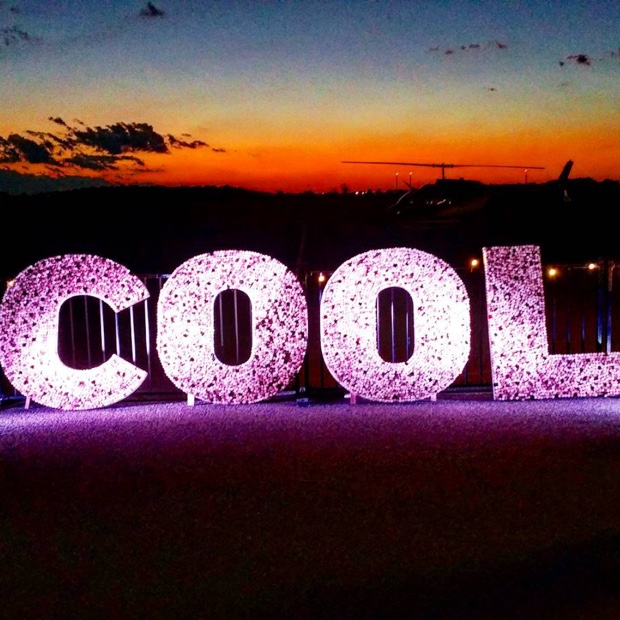

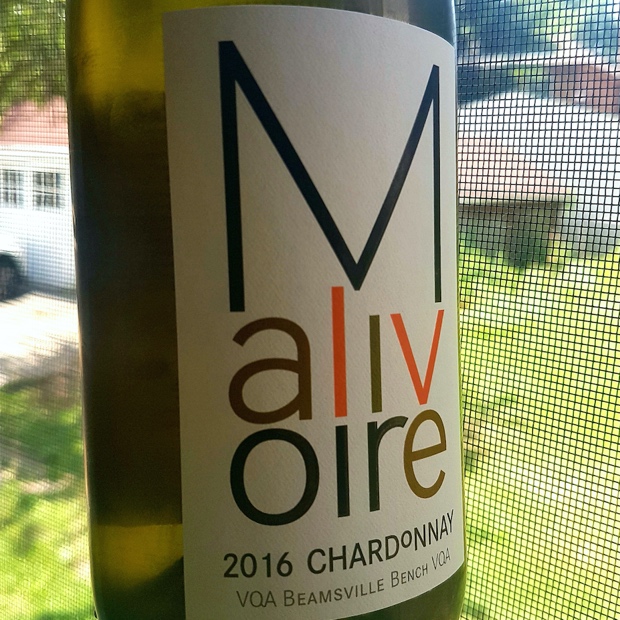
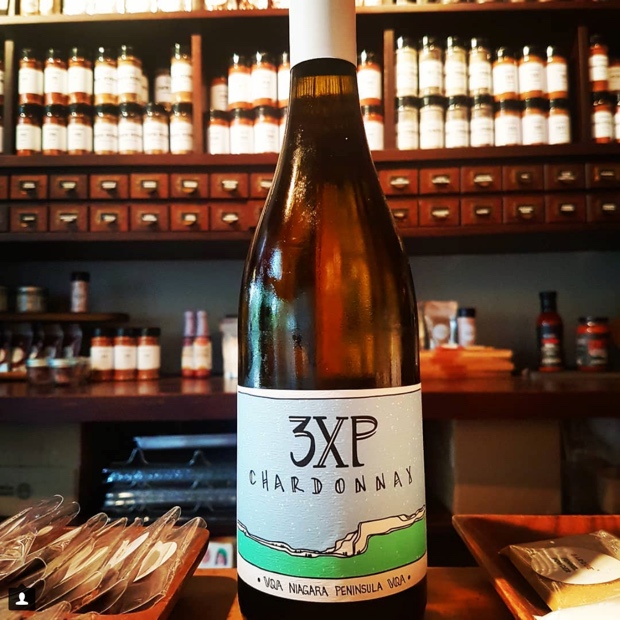

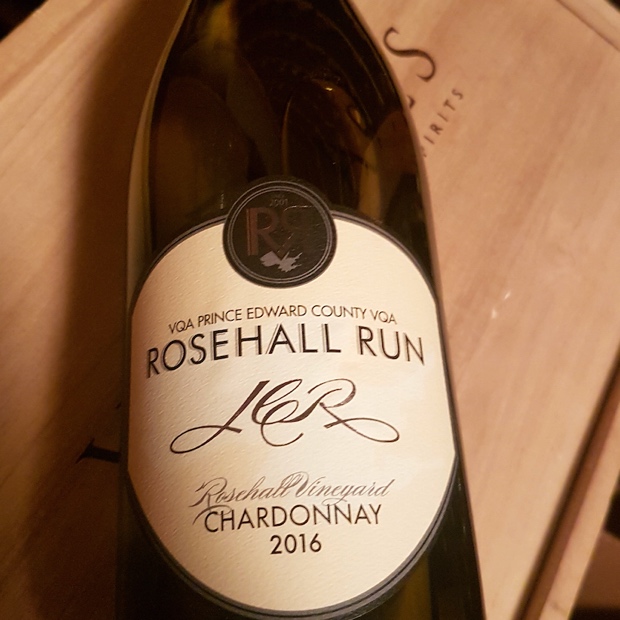
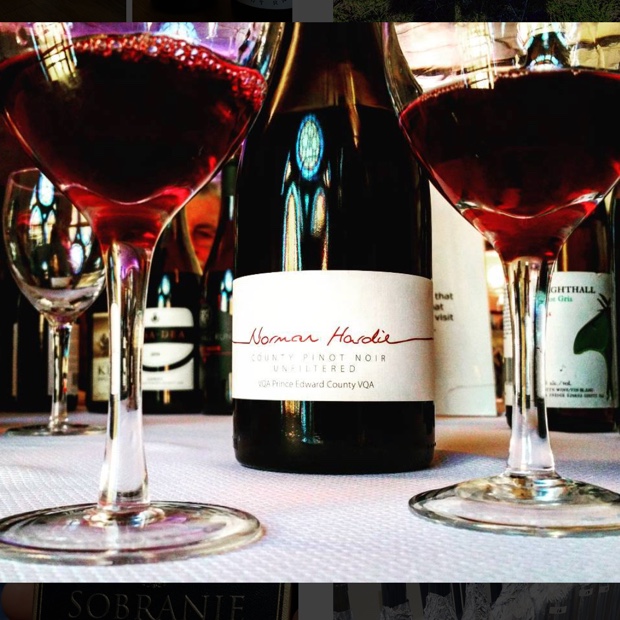


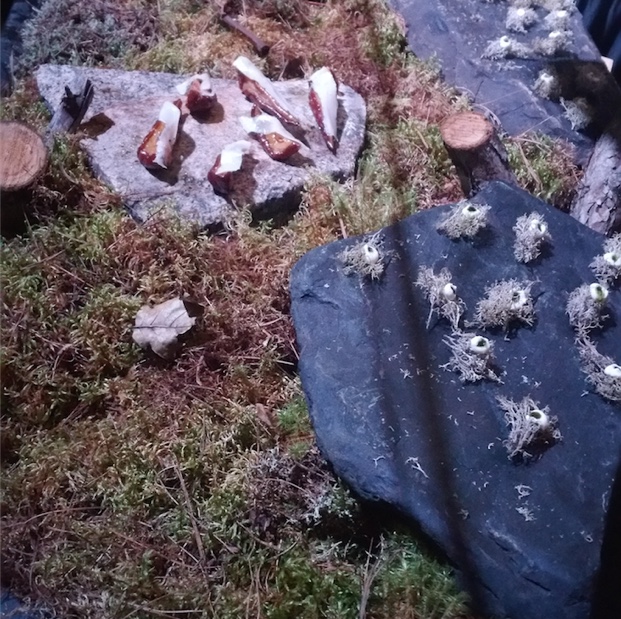

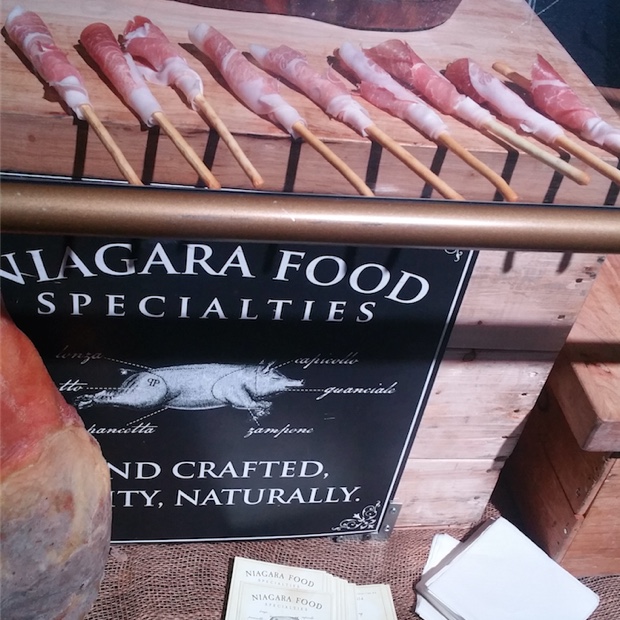


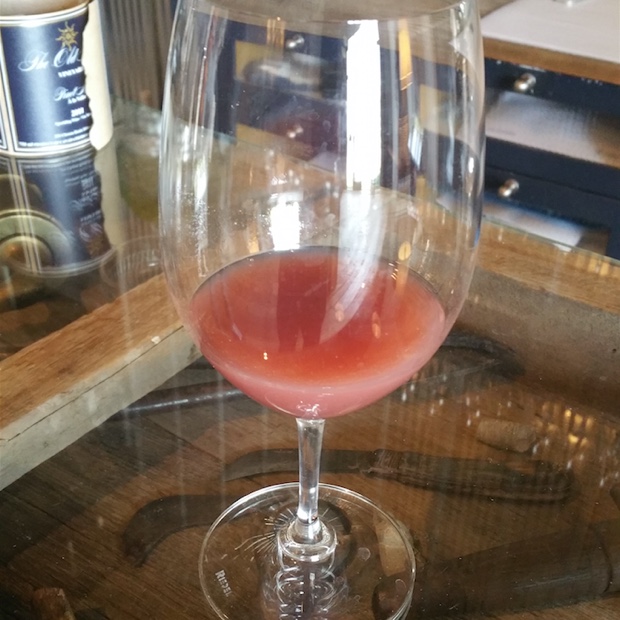


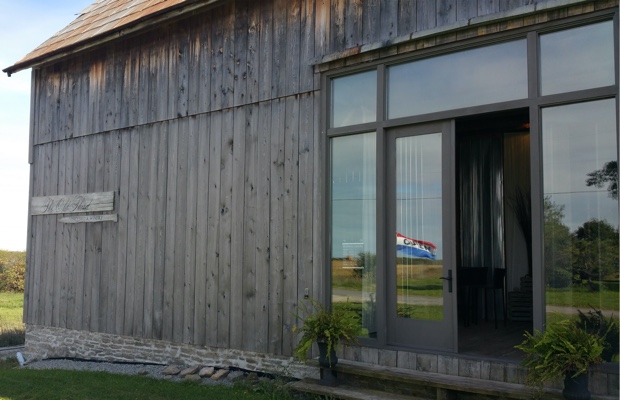

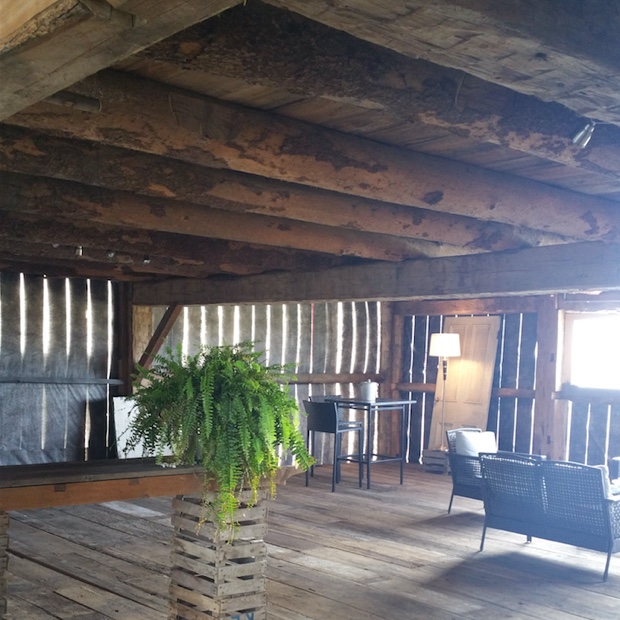
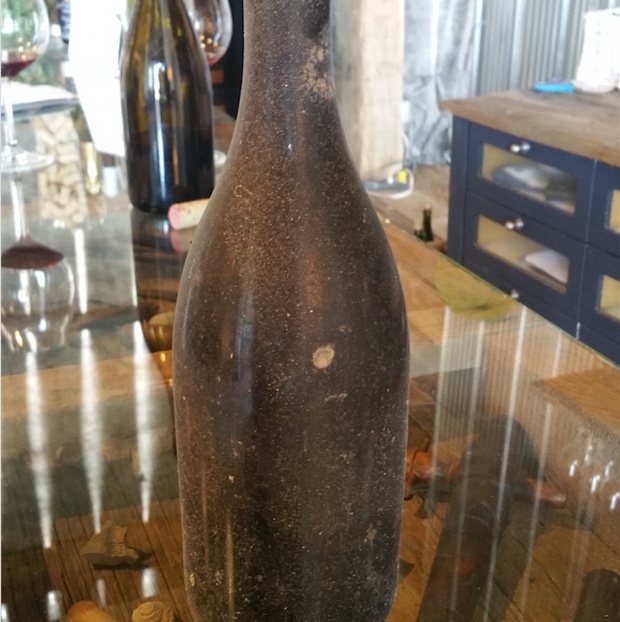
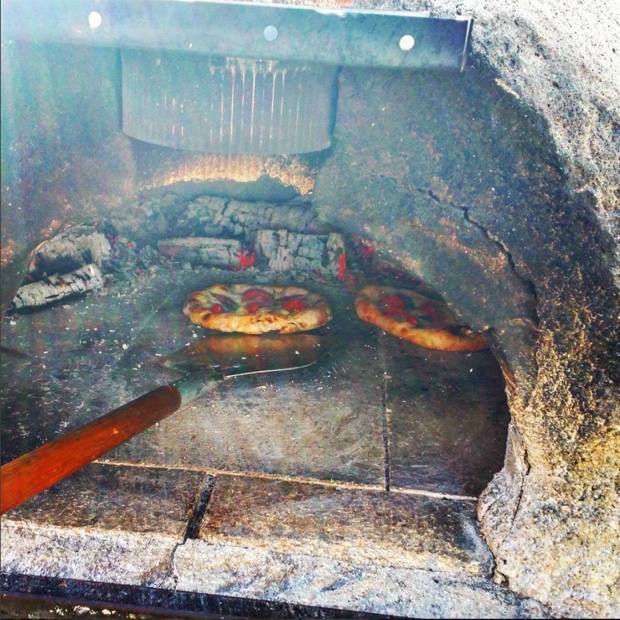


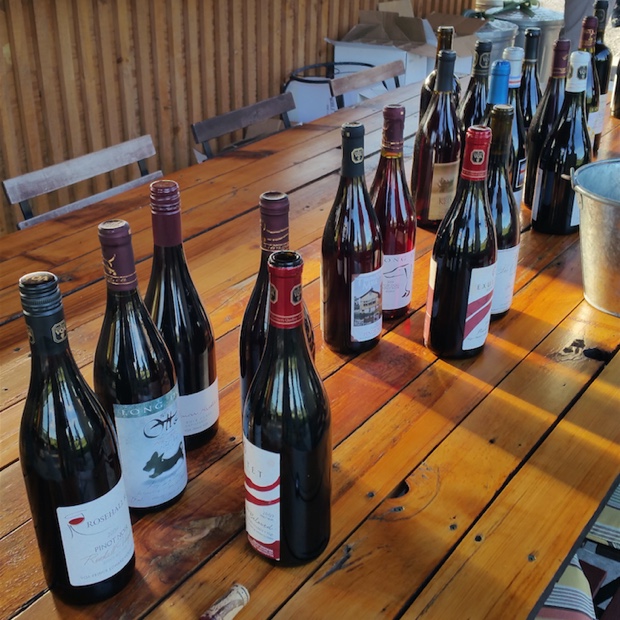
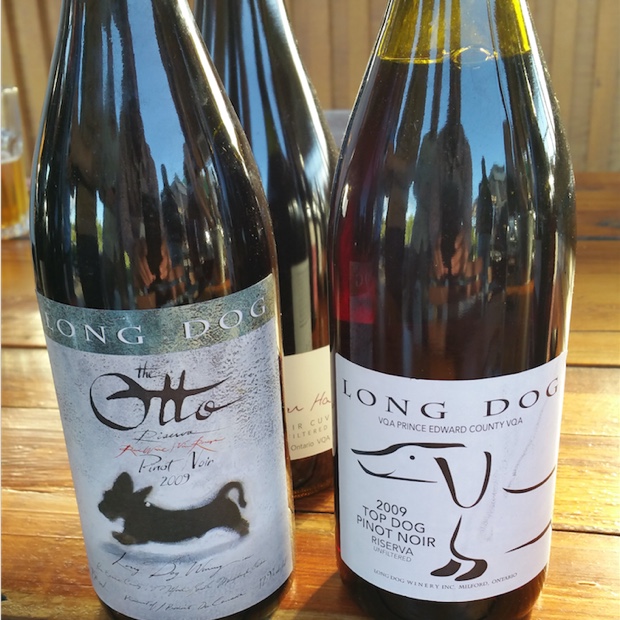

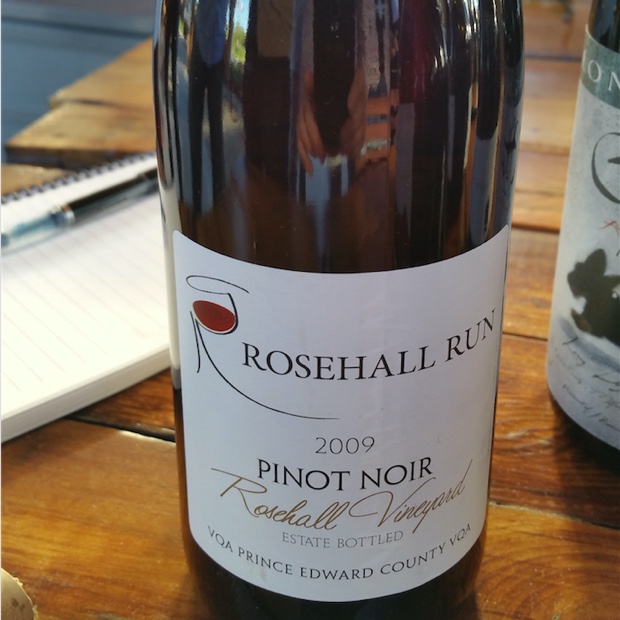
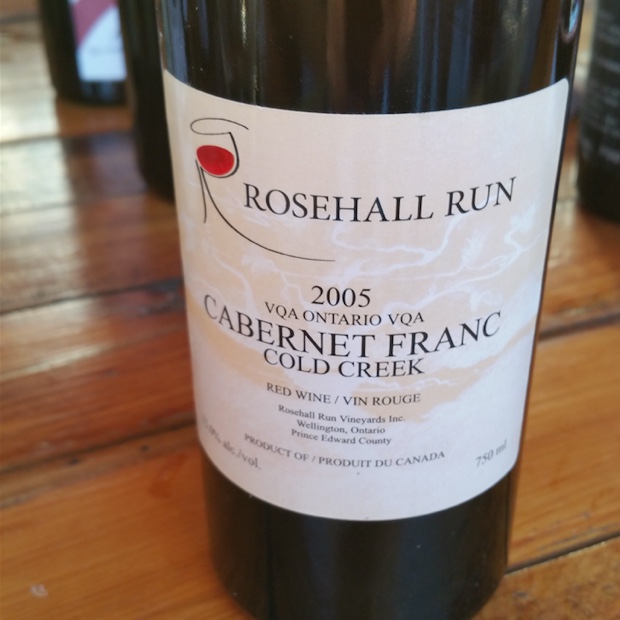
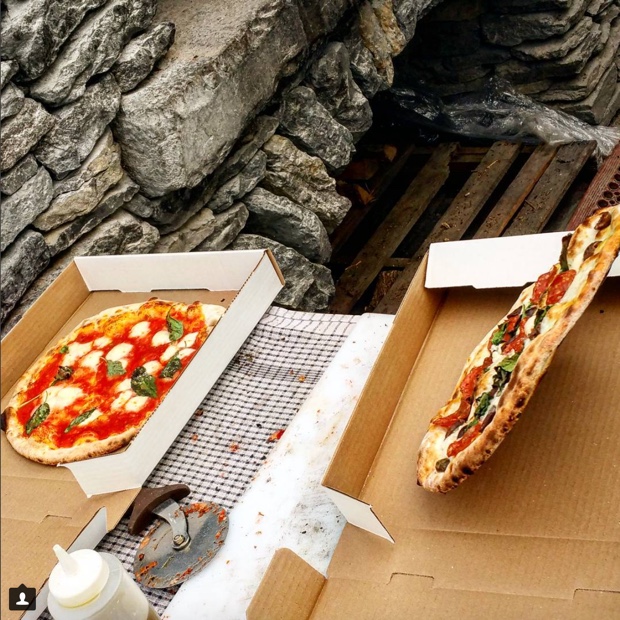
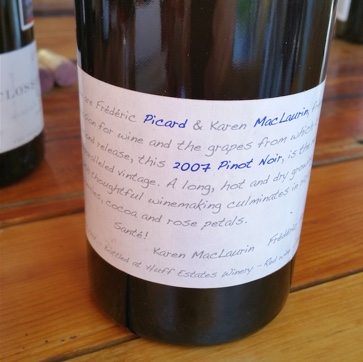


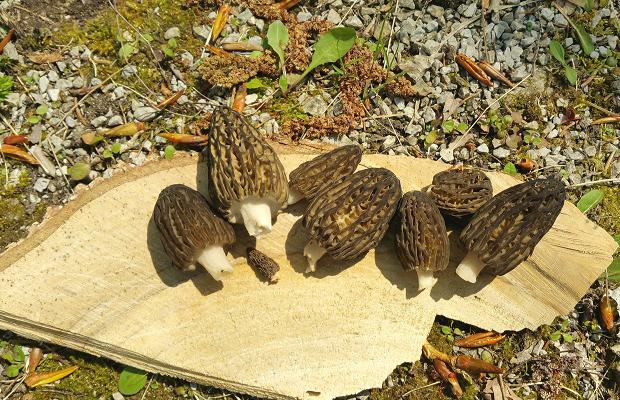
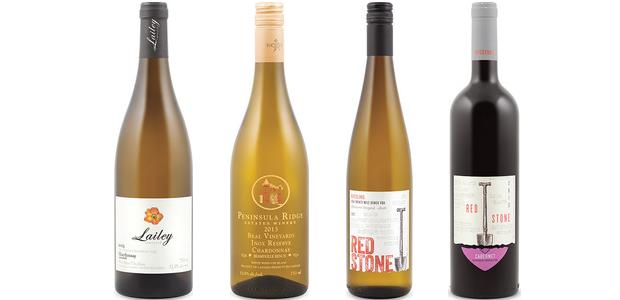
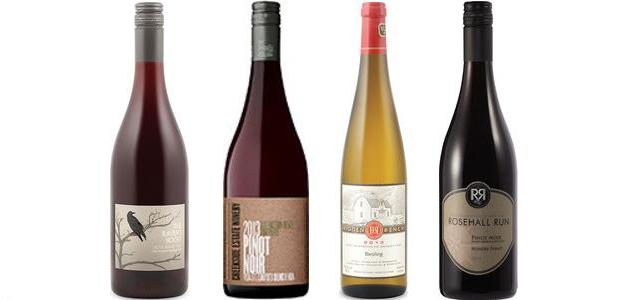
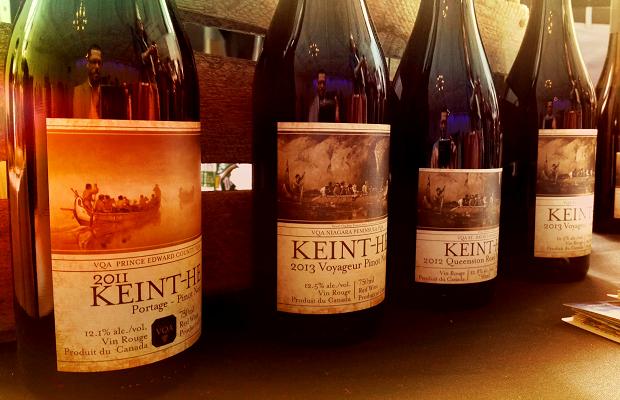


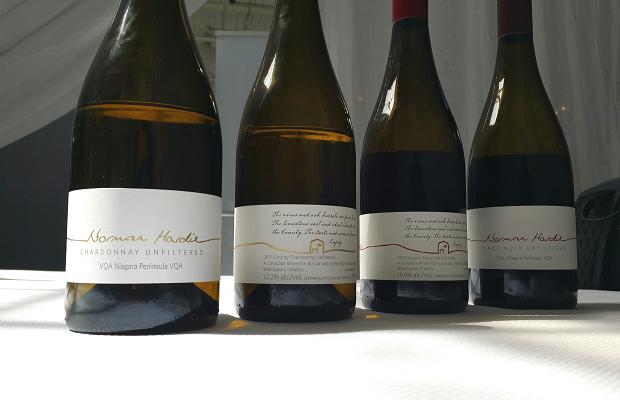

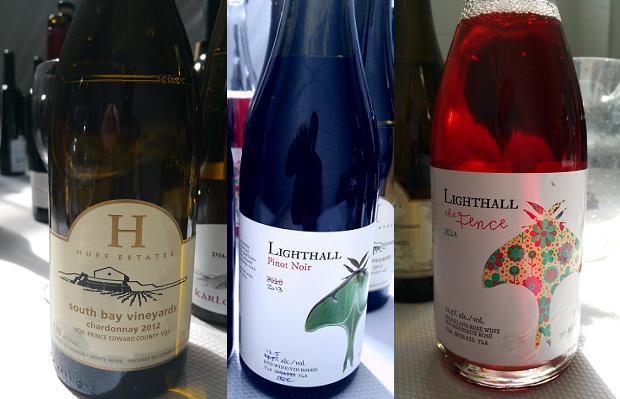
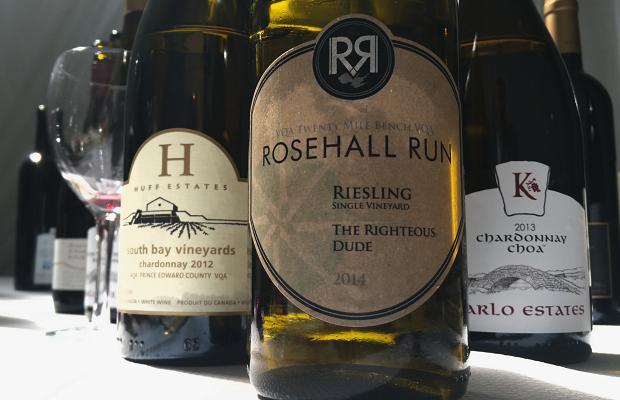
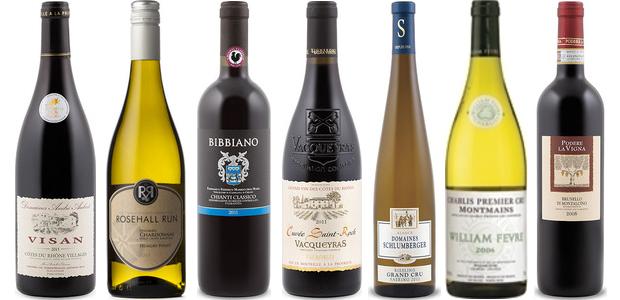

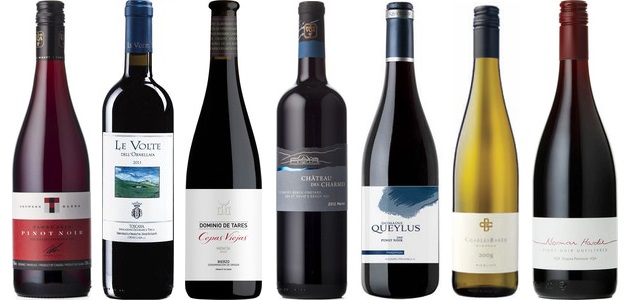
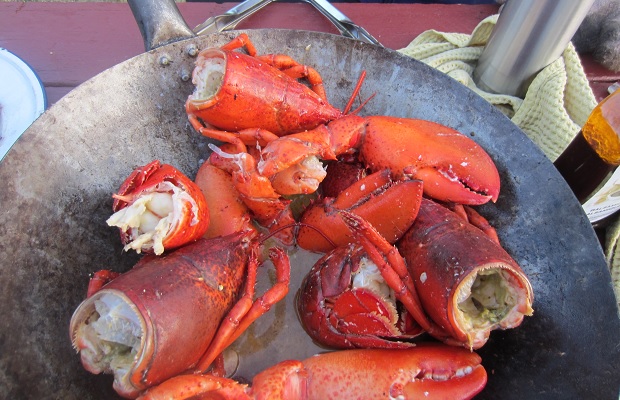
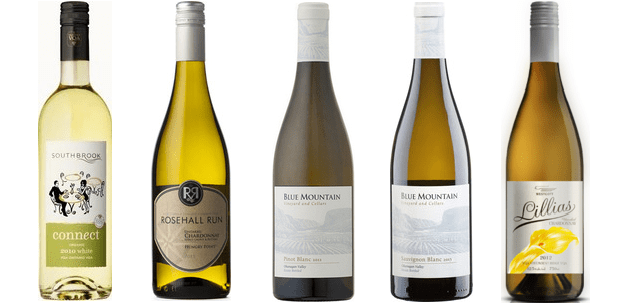

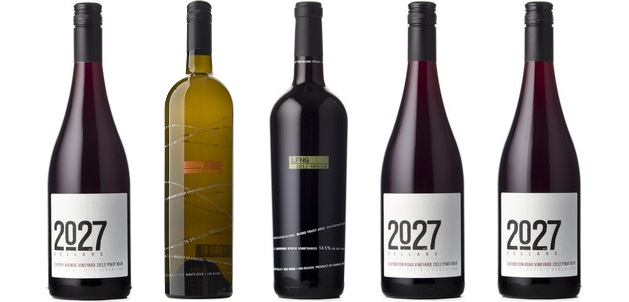
 Godello