Twenty-four mind-blowing wines of 2024

‘Tis an exercise performed year after year, a word processor’s per annum distillation to say thank you and recognize game. To consistently act as messenger, be conscious of hard work filed and to celebrate that excellence. The first list was conceived more than 10 years ago, now peaking at its current number with twenty-four mind-blowing wines chosen for 2024. Travels to fluctuating destinations mean from year to year wine regions will carry different weight and the list abides by the variance. In 2023 Bordeaux played a significant role, as did South Africa and Washington in 2022, Bourgogne in 2019, and so on. The rules of engagement never change but evolution plays its part, priorities pivot and you never can say or tell what sorts of matters will strike deep into the heart.

Related – Twenty-three mind-blowing wines of 2023
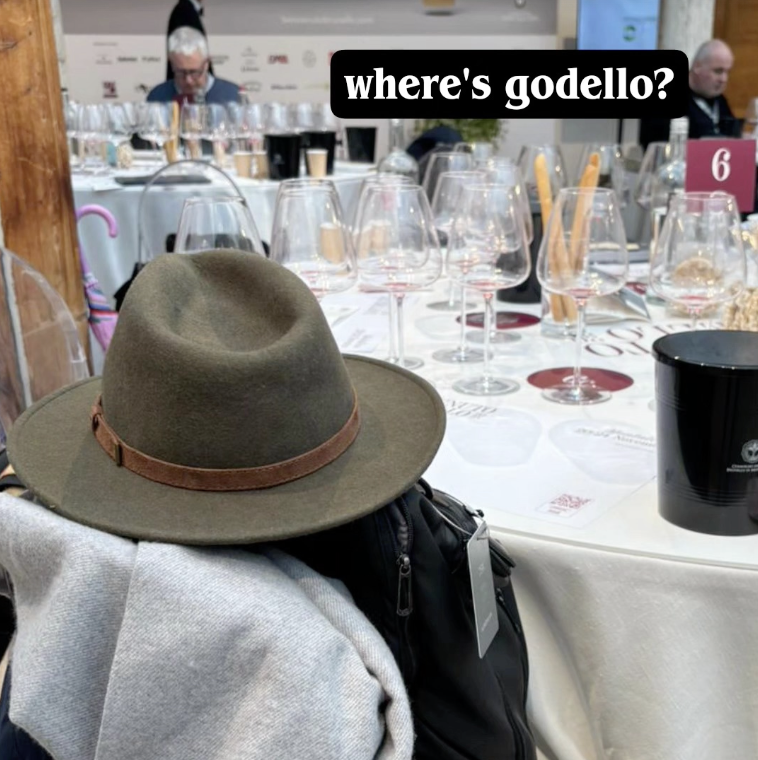
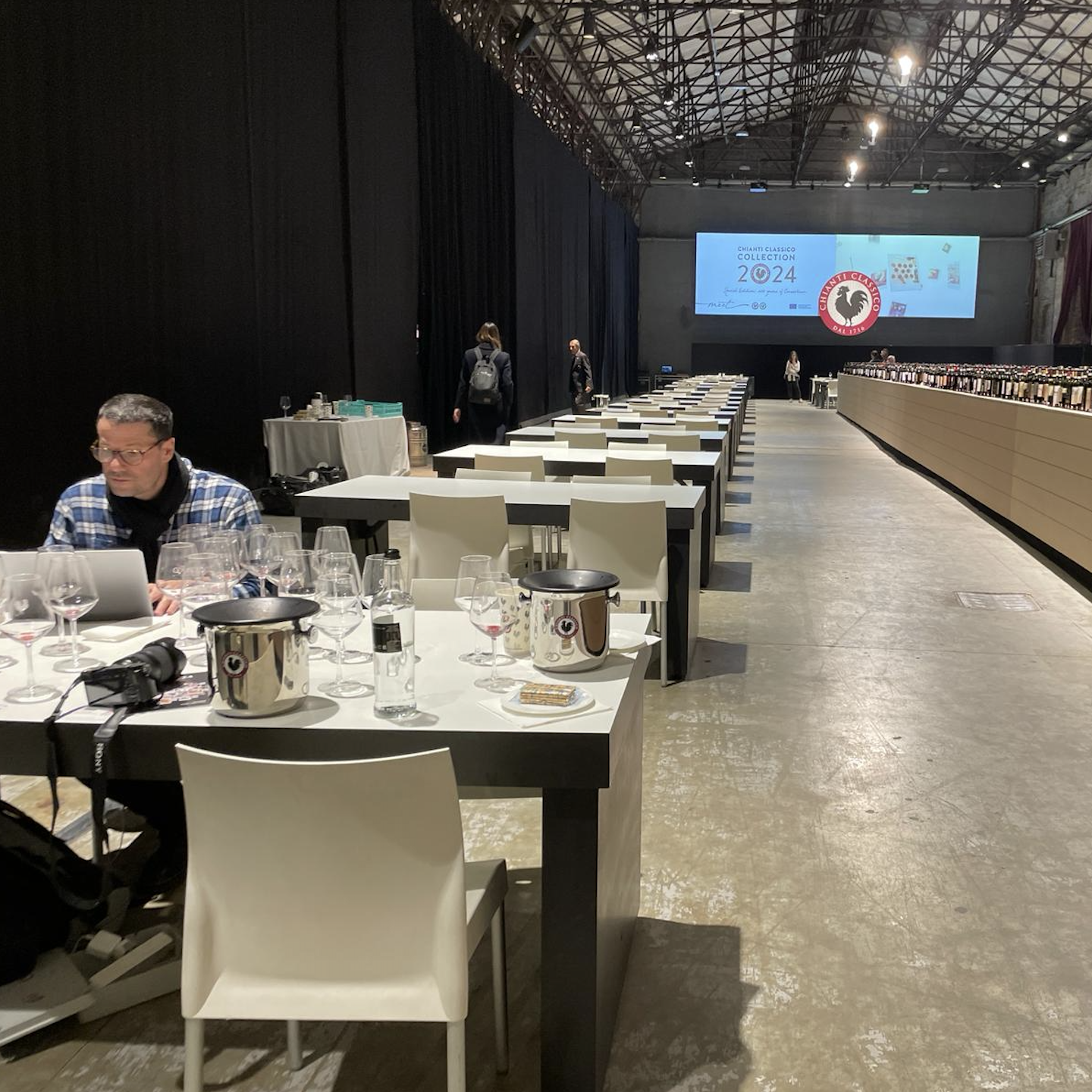
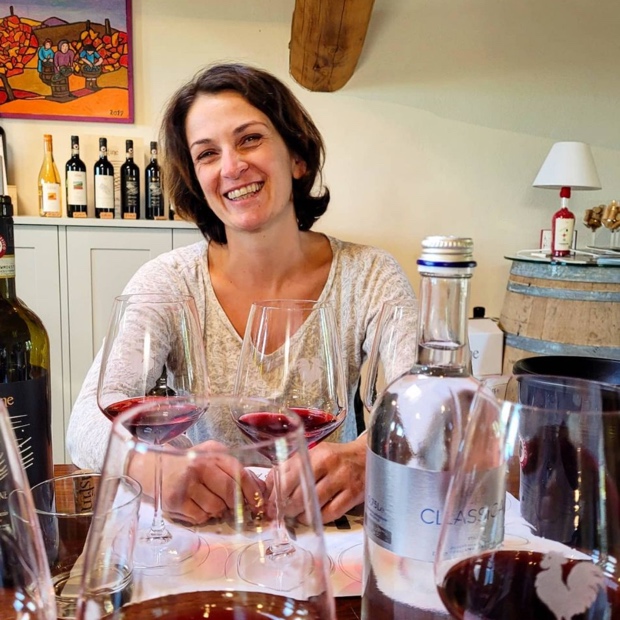
Last one standing (sitting and tasting) at the Chianti Classico Collection 2024

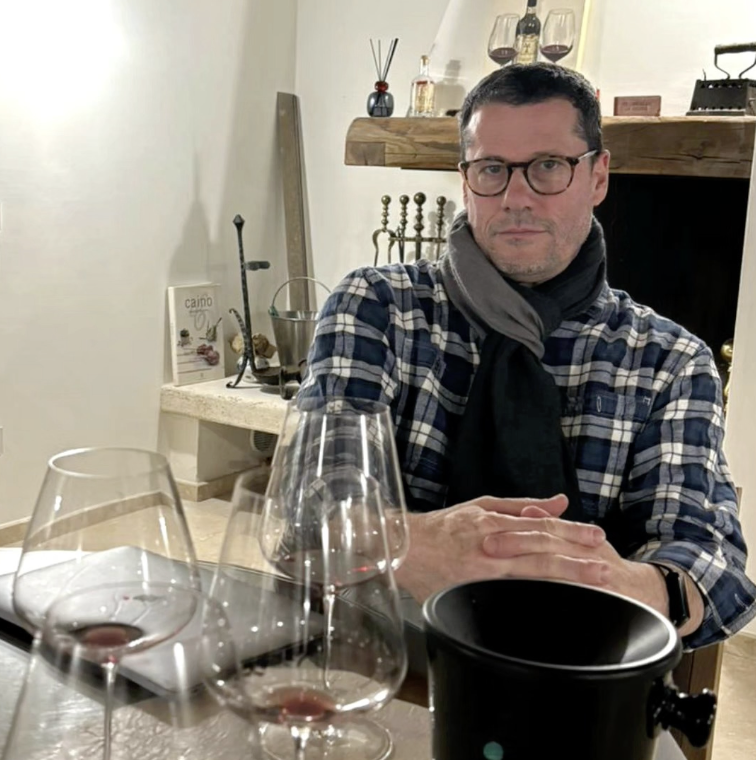
Godello needs to make a confession, shed some honesty, clear the air. He admits to a love for writing tasting notes and needing to do it, especially when a potentially mind-blowing wine is in the glass and what follows flows forth as a stream of consciousness, ending only when the creative tap closes naturally. When these notes are edited weeks or even months later there is the incredulous feeling of “how did this get written – where did these words come from?” They just did, from right out of the wellspring of creativity, but Godello does not know how he came to write those notes – as if they were magically written. Paragraphs woven from dots and thoughts for unsuspecting connections between writings and wine, such as “Ribelle è colui che si distingue.” Translated as, or better yet in reference to “the rebel is the one who recognizes the unjust law and breaks free from it,” from Ernst Jünger’s 1951 “The Rebel’s Treatise.” The German philosopher, essayist and WWII captain was once called die Burgunderszene because he watched a bombing raid in Paris while sipping Burgundy. The stylish supervillain of twentieth-century German literature’s disquisition shared dire and prophetic words on what a future world would be, in what he called the “Age of the Titans.”

Related – Twenty-two mind-blowing wines of 2022
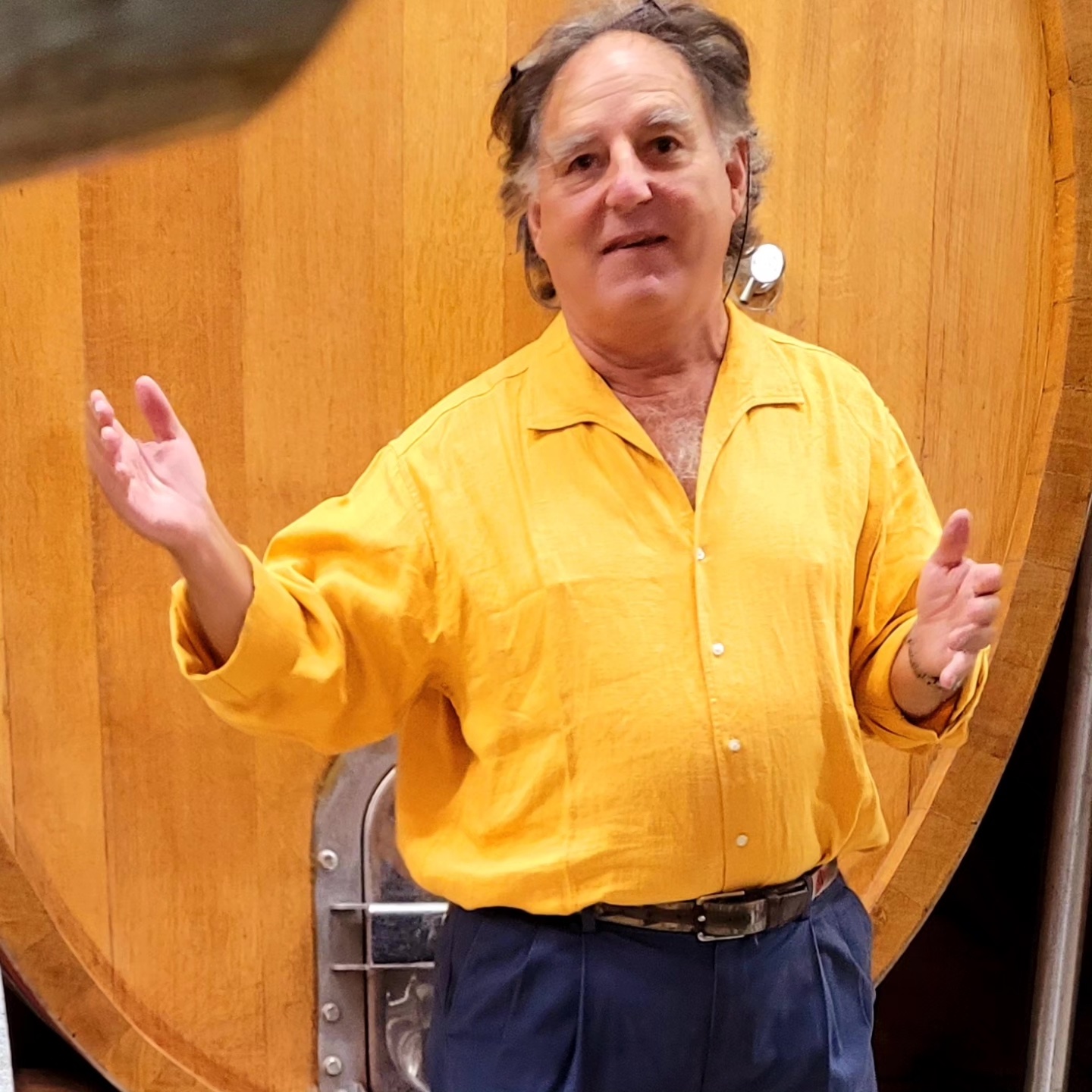
Godello beneath a massive Tuscan Mazza di Tamburo/Parasol Mushroom

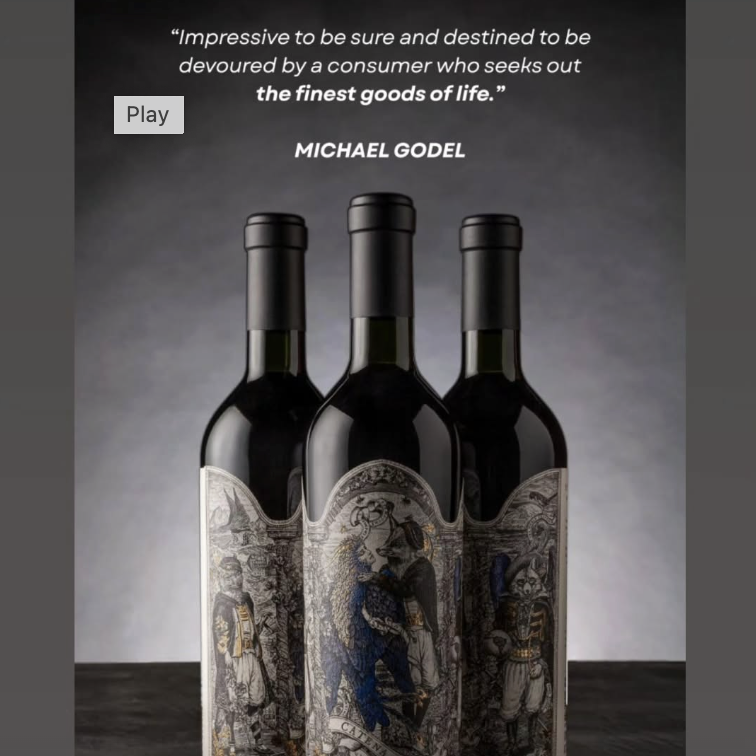
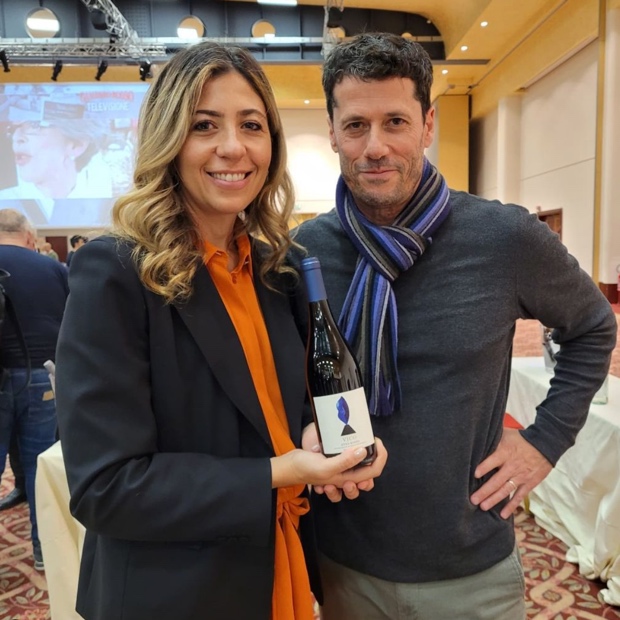
Or this. “The label represents the position of the vines in coordinates, echoed in the machicolations of a sangiovese that drops all the stones on unsuspecting palates through fruit openings between supporting acid corbels of a projecting tannic parapet.” Where did that come from? Or simply, “who needs fruit when you have rocks?”

Related – Twenty-one mind-blowing wines of 2021

ColleMassari

More than rugs tie rooms together – lyrics, song titles, movie quotes, literary passages, exchanges between a journalist and a poet, thinker, writer, actor or composer – they are all a part of the masala. Reminds of a 2021 interview with a reluctant prophet. “Try to sit down and write something like that – there’s a magic to that and it’s not Siegfried & Roy kinda magic you know, it’s a different kind of penetrating magic.” All kidding comparisons aside with Bob Dylan’s answers to Ed Bradley in that famous 60 minutes exchange, but they may just be artistic words to live by. And why Godello? “You call yourself what you want to call yourself. This is the land of the free.” As for the relevance of wine tasting notes, sure it feels like being “a wordsmith from bygone days,” but it still feels right. And necessary. And unavoidable. A bottomless pit of cultural oblivion? No, not that. Tasting notes tell stories that need to be told. Relayed by messengers fulfilling a destiny to visit and break bread with good people making great wines and in turn agreeing to relay their tales. Tasting notes are the chronicles, expressed as narrative, of anecdotes woven through prose. If there is a better way to say what needs to be said it has not yet been found.

Related – Twenty mind-blowing wines of 2020

Chianti Classico’s Cento Anni

As of today’s date and the publishing of this year-end list Godello has reviewed 4,225 wines. If the origins of said wines were to be separated into categories than the breakdown would be as follows. Thirty percent would be from the LCBO’s VINTAGES release program, 24 percent for WineAlign Exchange curation and wine reviewing service, (12) Chianti Classico, (8) Piemonte, (6) Montalcino, (6) Sicilia and the remaining (14) from travels to other parts of Italy and around the world. A smaller part of one percent would be from wines enjoyed with friends, tasting groups, wine agent reps, visiting winemakers and at home. It all adds up to one great pool from which to create this list of 24, a number to represent just slightly more than half of one percent of the wines tasted by Godello in 2024. Here are his twenty-four mind-blowing wines of 2024.

Angelina Franzen – Weingut Franzen

Weingut Franzen Riesling Sterneberg Großes Gewächs 2020, Große Lagen, Mosel

Killian and Angelina Franzen’s best plot in the Neefer Frauenberg is called Sterneberg. Vines were planted in 1938 on grey slate for a different, next level mineral quality and quotient for Mosel riesling. These are own-rooted vines, old, experienced and wise, their resulting dry wine coming away like the desert because sugar and acids near-equal come together seamlessly. The most viscosity and texture of the Franzen rieslings, from a hot vintage and so concentration, unctuousness, flesh, pulp and glissade are all at peak performance. Glorious and confident, outspoken but only to make sure we understand its origins and Franzen abides by its voice. Drink 2024-2033.   Tasted March 2024

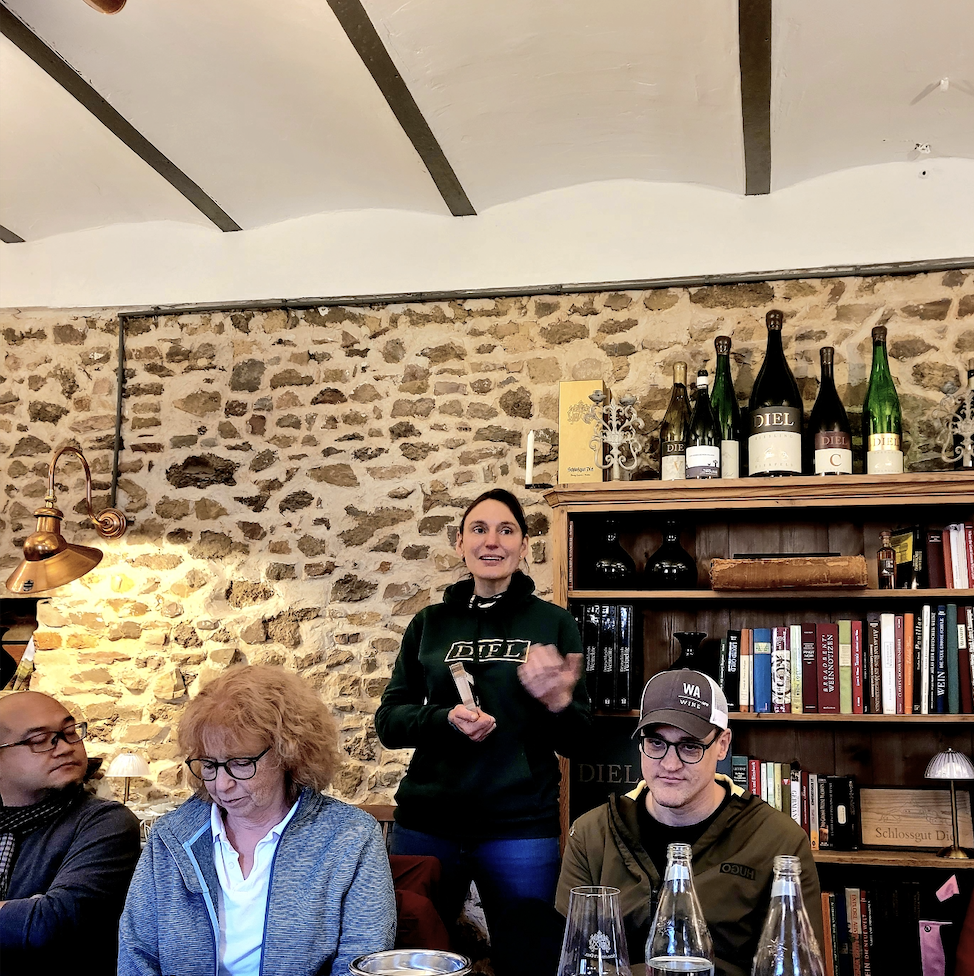
Caroline Diel – Schlossgut Diel

Schlossgut Diel Dry Riesling Pittermännchen GG 2022, Vdp. Grosses Gewächs

The tiny one hectare cru Pittermännchen is a name that dates to the middle ages with a connection to the people of Köln and Düsseldorf. Grand cru site of weathered grey (Devonian) slate atop Rotliegend conglomerate that dates back several million years. The geo-agricultural texture is small decomposed particles as opposed to the larger stones of the Mosel. Expressive flint stone aromatics undeniably soil related and not much fruit to discuss, save for some variegate currants but you really have to conjure imagination. There is a mille-feuille density to this riesling that peels away and delivers waves in layers without boundaries. Complexities are revealed without pause and dryness results because purity and grip replace the necessity for sugar-acid balance. So stony, long and our palates are held captive. Top shelf riesling within the idiom. Drink 2026-2033.  Tasted March 2024

Adega Do Vulcáo (c) entrevinhas.com

Adega Do Vulcáo Ameixâmbar 2022, Açores IG

A seriously volcanic blend of native grapes from two areas, first the ash of the Capelinhos and second the basalt of the Criaçào Velha. Add in the cold Atlantic influence and the result is something extraordinary to potentially mind-blowing. That depends on how much flint struck rock, mineral mouthfuls and deepening trajectories you may or not desire in your endemically-formulated white wines. Ameixambar is just such an animal and the profile, especially noted with verve and lashes upon the palate, is well, remarkable. Nothing else feels or tastes like this wine. Truly salty and there are notes that imagine powder created by crushing many different shells, inclusive of oyster, calm and mussel. You may ask yourself what is this, but you can answer with a simple word, or place. Açores. Drink 2024-2029.  Tasted July 2024

(c) inama.wine

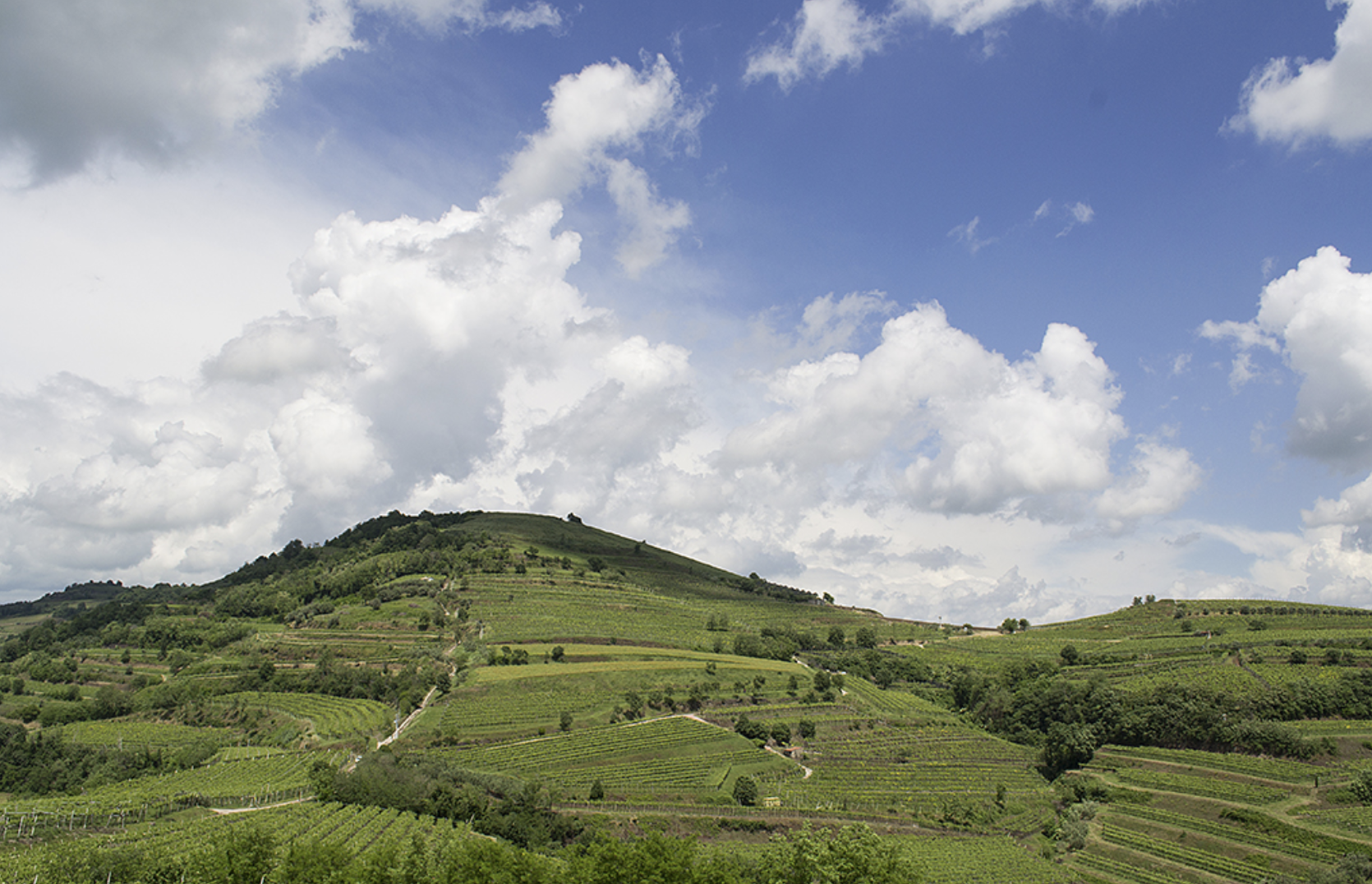
Inama I Palchi Grande Cuvée Foscarino Soave Classico DOC 2021

I Palchi, as in the “stages,” a geographical term for a series of wide terraces aboard Monte Foscarino lined with pergolas of old garganega vines. In this case Inama’s highest level of Soave Classico meant to celebrate the ancients. As a surname it belonged to a cleric but also Antonio Foscarini (c. 1570 in Venice – 22 April 1622), member of the Venetian nobility, ambassador to Paris, London and later sentenced to death for high treason by the Council of Ten and executed. Yikes! This Foscarino ode is intended towards grapes and volcanic terroir for a bloody incredible garganega of substance and style. The ’21’s ability to attract and engage the taster’s attention is at the top of the Soave game. Fresh, flinty and wholly engaging. Mind-blowing actually. Drink 2024-2029.  Tasted December 2024

Marqués De Murrieta Capellanía Reserva Blanco 2018, Rioja DOCa

Only viura grapes are chosen from a six hectare calcareous clay plot off of 70 year-old vines located at the highest elevation of the Marqués De Murrieta Ygay Estate. The winemaking might well be working with sauvignon blanc and sémillon but with viura the ageing in French barrels takes a turn for the unexpected ethereal. The flinty smoulder is an intoxicant of the most hypnotizing order. The effect upon the palate and all the senes is extraordinary – mesmerizing. So what is Capellanía? In Spain it was a chantry or ecclesiastical endowment, one of several pious works commonly founded during the colonial period. A foundation in which certain assets are subject to the fulfillment of masses and other pious charges. Imaginatively speaking Capellanía is a rarity, monoceros, symbol of grace purity, power and transcendence. Not to mention healing powers and freedom. A unicorn. Drink 2024-2033.  Tasted June 2024

Vanessa Cherruau
(c) media.ouest-france.fr

Château De Plaisance Sur La Butte 2021, Anjou AOP

A wildly aromatic two cabernet blend from the Butte de Chaume where some of the finest wines made anywhere come from Chaume, Quarts de Chaume and Savennières. The curiosity and modernist approach is made two-fold by the presence of cabernet sauvignon to stride effortlessly alongside the usual franc. Yes this smells like the Loire but the aromas deliver so much more, in curiosity and intriguing sensations. Anjou in place and temperament but in design this may as well be a contemporary, abstract or Pop Art piece by François Morellet. The two related varieties form an almost intricate geometric pattern in the way they line the palate, so cleanly drawn with mathematical clarity. Yes this is serious Loire red wine but it’s also traceable, pre-minimalist and post conceptual by design. Drink 2024-2028.  Tasted April 2024

Godello and Giuseppe Russo

Girolamo Russo Etna Bianco DOC San Lorenzo 2023

San Lorenzo as Bianco from Giuseppe Russo is not like other Etna Bianco because well, San Lorenzo. Wow is the operative because no other EB gives like this. Beyond flesh and stone but something that defines what the two can effect, layered so invisibly and magically together. It seems impossible to believe that extract and conversions could come together this way, urged and supported buy some of the mountain’s finest quality of acidity and white grape tannins. This must be the place, eh? Carricante with 10 percent catarratto and grecanico makes it happen. Drink 2025-2033.  Tasted May 2024

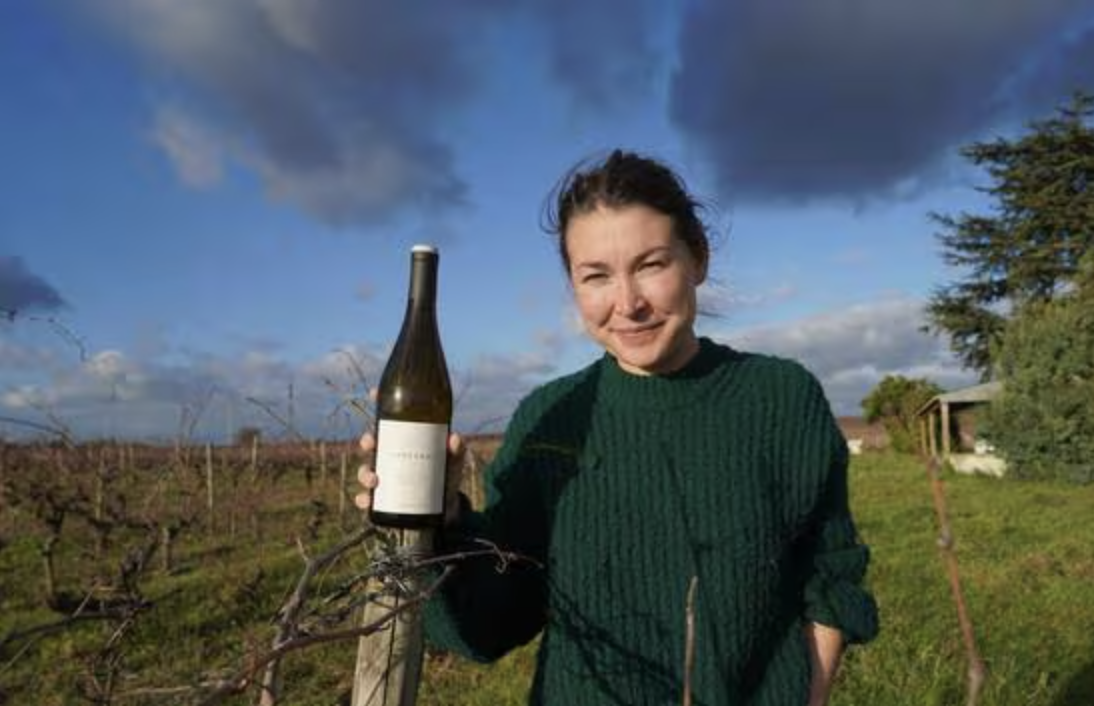
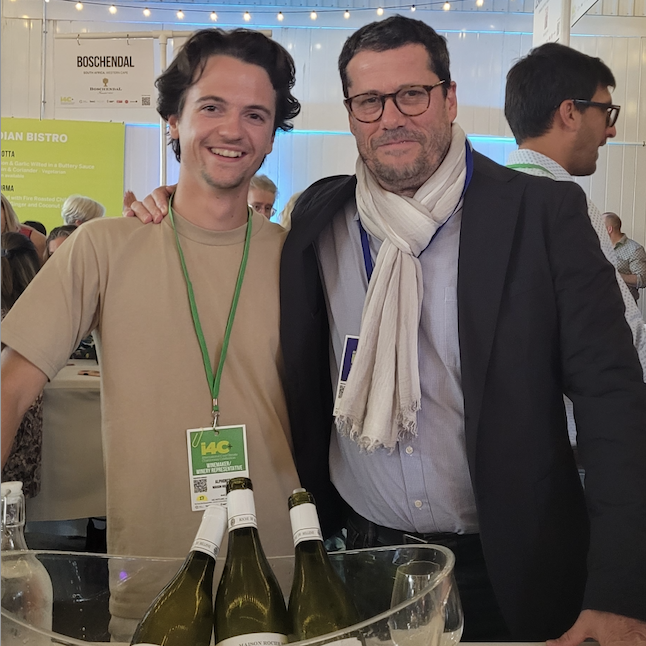
With Alphonse Potel – Domaine de Bellene

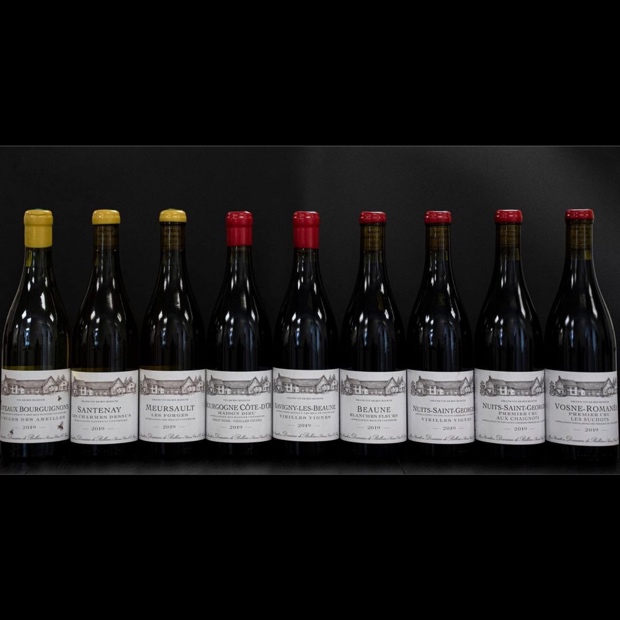
Domaine De Bellene Vosne Romanée Premier Cru Les Suchots Bourgogne AOC 2022

In the woods as they say, “souches” or here “Suchots,” a 0.2159 hectare block in Vosne-Romanée that hangs a little longer, likely because the forest asks it to. Fresher, high spirited and savoury Bourgogne comes from the vineyard, picked on September 5th, coming away with more phenolic grip and aromatic volume because of the place. Less defined in 2022 perhaps because of a vintage’s great munificence but as far as plots in this area are concerned there are few that will speak as clearly as Les Suchots. Seamless and focused, unique as they come in an era of technical proficiency and expertise. Drink 2026-2038.  Tasted August 2024

Marc de Grazia – Tenuta delle Terre Nere

Tenuta Delle Terre Nere Etna Rosso DOC Calderara Sottana 2022

What Marc de Grazia considers to be the finest contrada on the north slope and yet there are micro plots within the eight parcels that can only be made into Rosato in humid vintages. This comes from the oldest vines, more than 80 years old and just one look sees a brightness and transparency inciting the senses as they take in a bouquet not having yet nosed in the other Rossi. Calderara Sottana is the most demure, the finest of sound and vision, the one you take in slowest, without haste, to allow unfurling and length to travel as far as it wishes, evocatively so. “It asks delicate questions,” says de Grazia. “Rose petal perfume and tannins that don’t cut off your palate.” Even more is this elastic meander, not aimless but with purpose and our palates follow every step. Like Giuseppe Russo’s (though de Grazia sees little comparison) this provides the exception to so many Etna Rosso rules. Drink 2027-2038.  Tasted September 2024

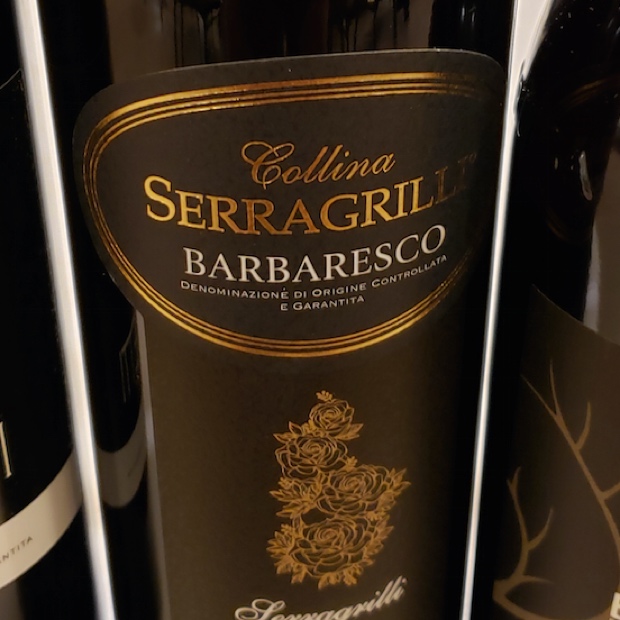
Collina Serragrilli Barbaresco DOCG Sorì Serragrilli 2021, Neive

Lovely aromatic presence, richly defined fruit of purity and expressiveness, fine and open. Exotic spicing and truly floral of a perfume that keeps one from needing to rush into a sip. The palate does not disappoint in fact it carries off and forward with equal ability to hold attention for as long as a participant is willing to hang around. These are tannins as fine as the sweet and supportive acids that precede them. A really impressive Barbaresco, forthright and a test of qualities held in reserve that can be counted upon for a decade and a half more time. Drink 2026-2037.  Tasted blind at Nebbiolo Prima January 2024

With Michela Morris, Nadia and Walter Fissore – Elvio Cogno

Elvio Cogno Barolo DOCG Ravera Bricco Pernice 2019, Novello

The hill within the hill, Bricco Pernice upon Ravera, isolated, insulated and encapsulated for nebbiolo of an insular and implosive intensity that’s likely unparalleled anywhere else in Novello. Closed and not because of vintage but due to time and really that’s about it A broad shouldered and muscular nebbiolo that must be given as much bottle time as it spent in cask, or double that for even better results. That means check back in 2026 or later to see if any part of the tannins have unfolded, unfurled or stretched out for some exercise. Likely not but then some parts will finally have as the decade unwinds. Also it’s normal in January for Pernice to be tight and a bit closed. Oh, by the way this was made with 100 PERCENT WHOLE BUNCH NEBBIOLO. For Barolo. Single vineyard Barolo from a storied MGA. Walter’s mid-life crisis begins right here and it’s glorious. Drink 2029-2045.  Tasted January 2024

Nebbiolo Prima 2024

Cavallotto Tenuta Bricco Boschis Barolo DOCG Bricco Boschis 2010, Castiglione Falletto

A top echelon cru, a producer that gets it as well as if not better than the rest and an eponymous label out of a relationship that develops longevity without equal. That would be the thrilling isosceles trilogy of Cavallotto Tenuta Bricco Boschis, Bricco Boschis and Barolo. Their 2010 is as youthful as any nebbiolo of this age, striking, rising, invigorating and still working through its operations. A performance piece of varietal for landscape as the most terroir driven Barolo as any of the best in the land can be. A triangle of Castiglione Falletto that speaks in unequivocal terms, fruit, acid and tannin intertwined, five years of this life still laid out ahead, 10 further for curiosity and interest beyond. Truth. Drink 2024-2029.  Tasted January 2024

Poggio Lombrone, Tenuta di Montecucco

Collemassari Montecucco Sangiovese Riserva DOCG Poggio Lombrone 2018

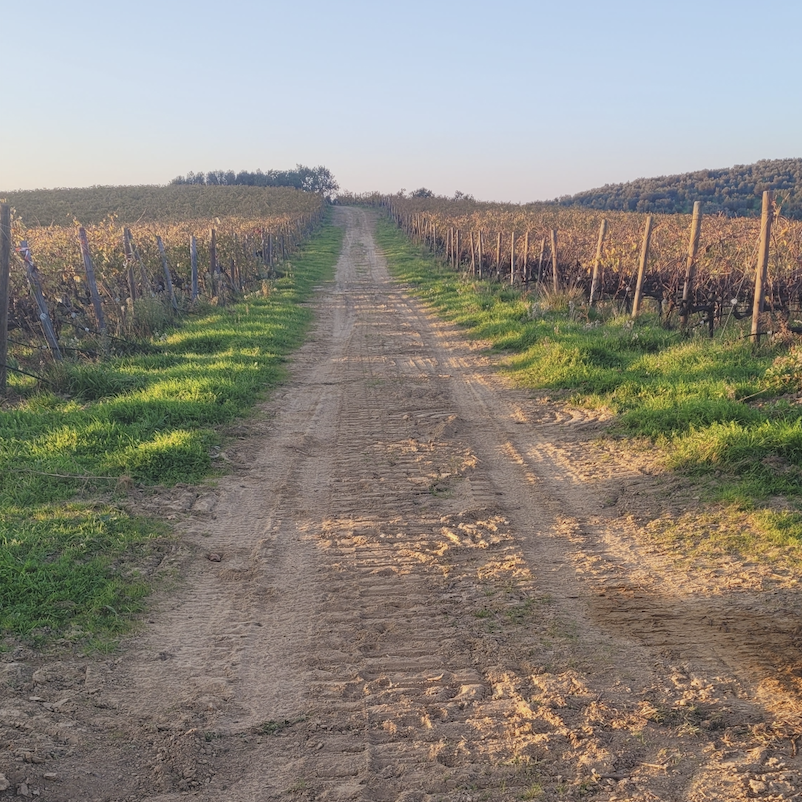
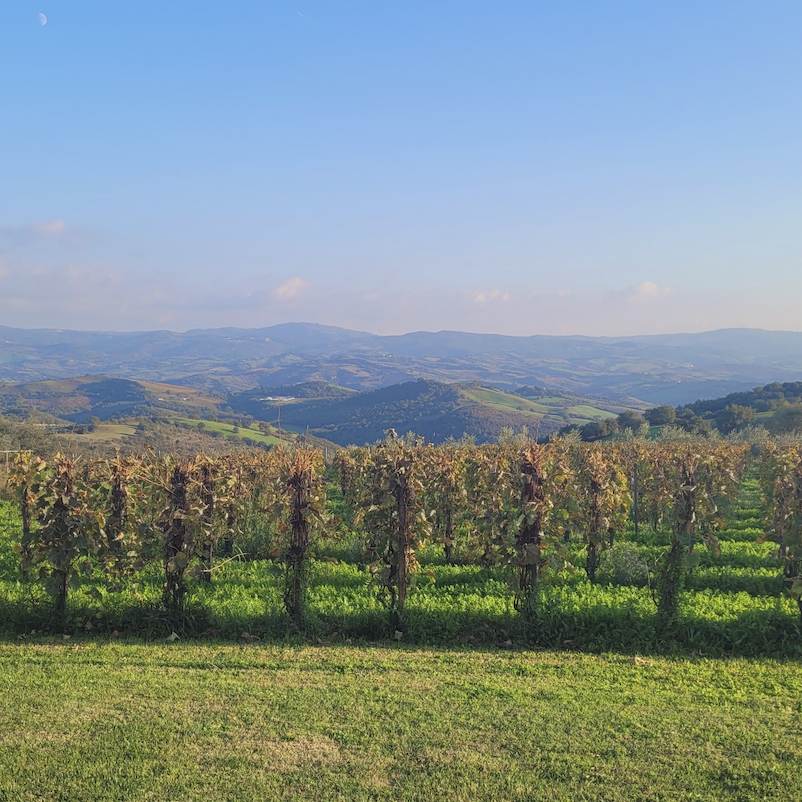
I walked this vineyard only recently upon arriving to the Castello di Montecucco at the advent of a blue-lit twilight on the second Sunday in November. The impression was a captivating one, from the site, its undulating slopes casting a strong and forceful presence. Poggio Lombrone was first made in 2007 and ColleMassari’s voice was instrumental in securing the DOCG for Montecucco sangiovese. A special vineyard with older plant material than just about anywhere in Montecucco, upwards of 60 years now and THE place to promote the authenticity, but also to preserve the local savoir-faire that distinguishes Montecucco sangiovese. Longest ager in Riserva togs because of potential, a wine of località Cinigiano fermented for at least 30 days (and 45 in 2016) in open Gamba casks with daily (hand) punchdowns to realize a production of 9,000-10,000 bottles. Ages in only two or three year-old grandi botti but not in really old casks. French of a few years are ideal to seek and attain the desired elegance. The 2018 is a strong version of varietal independence off of the Lombrone hillside, upright and linear yet never found to be awkward, though it is a wine of tannic charge. Fine tannins in fact with good energetic pulse, still needing more integration, its ceiling set ultra high. Drink 2026-2033.  Tasted November 2024

Michael Schmelzer – Monte Bernardi, Panzano

Monte Bernardi Chianti Classico DOCG MB1933 2021, Panzano

From the 90 year-old vigorous vineyard and insists Michael Schmelzer, “it would be insane to make it not the way it was planted.” Ten grapes which add up to a 100 percent field blend that may include sangiovese, colorino rosso, colorino bianco, malvasia nera, canaiolo and ciliegiolo. Once again the respect to agricultural heritage and long maceration conspire for complexities and flavours that most people don’t associate with Chianti Classico. If this is what the old farmers were producing then quality was actually a thing, at least in 1933. MB is Marcello Bartolini, teacher and mentor who just retired in December 2023. Crunchy, tart, red citrus intensity and a char of herbs. Perhaps not quite a unicorn but surely one of the most singular wines made in the entirety of the Chianti Classico territory. If classic is also a thing than this would be it but what it is not is Riserva, or Gran Selezione. Drink 2025-2033.  Tasted February 2024

Monsanto, San Donato in Poggio

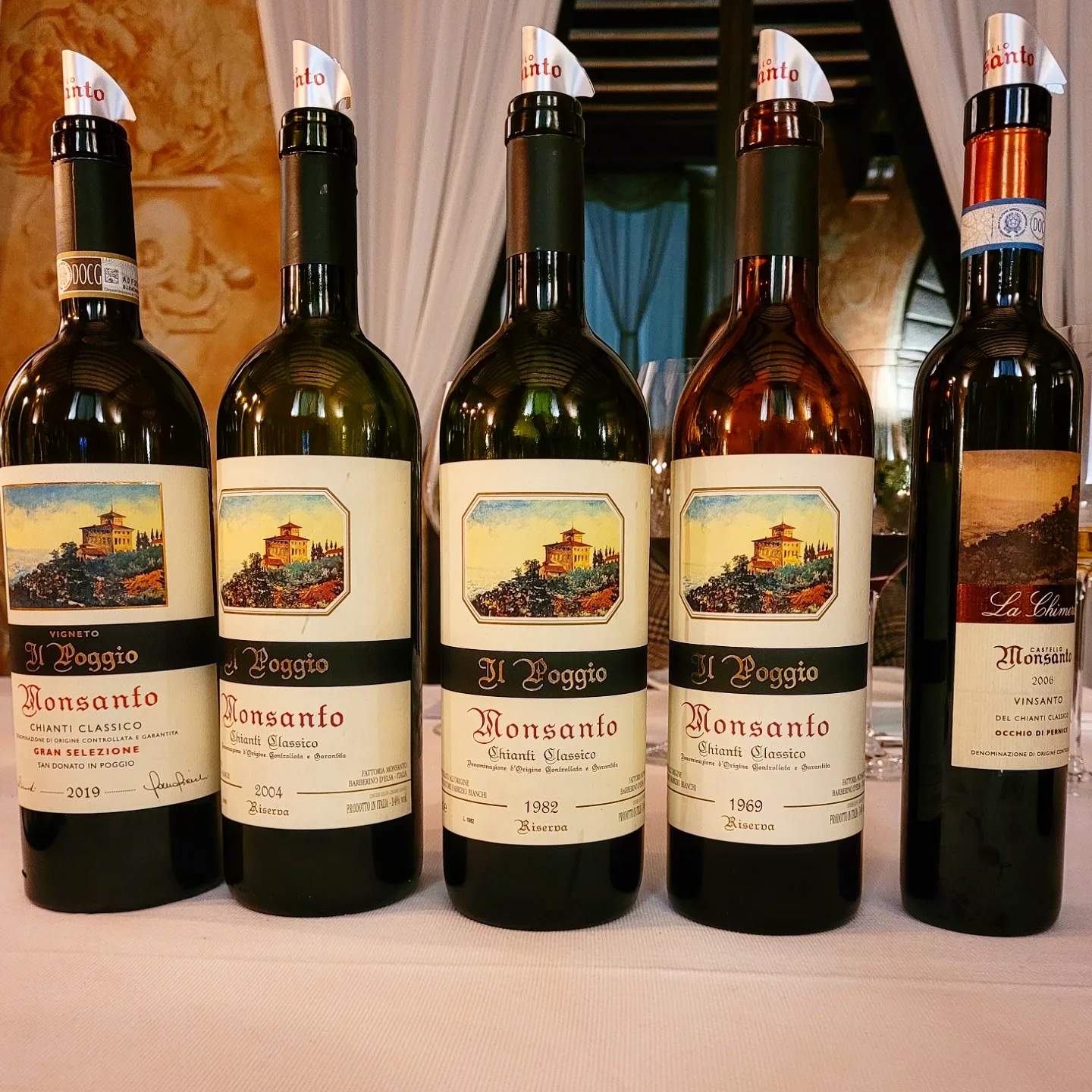
Castello Di Monsanto Chianti Classico Riserva DOCG 1982

One of the great vintages for Chianti Classico, in all of Tuscany, most of Italy and as everyone knows, also Bordeaux. At this point the 100 percent large Slavonian cask aging is in full swing for wood with which Fabrizio Bianchi began replacing his old chestnut barrels back in the early 1970s. This would have been a bomb when it first went to bottle, so massively structured and immovable in its first 15-20 years. Possibly up until 10 years ago but is now so crunchy and giving so that all is forgiven. About as ideal as a sangiovese can be, resolved, cool and impossibly fresh. Laura feels a connection looking forward to 2015. This remains to be seen. Come back after 10 minutes and the clove can’t be missed. Drink 2024-2029.  Tasted February 2024

Luca Martini di Cigala and nephew Federico

Fattoria San Giusto A Rentennano Percarlo 2019, Toscana IGT

The 100 percent sangiovese that lives for itself and yet Luca Martini always feels that the wine shows the truest character of the place. Percarlo holds a higher percentage of grapes grown on Tufo soil (non volcanic sediment left behind by the water that was here three to four million years ago), a soil of sandy quality and pebbles. Results in a salty quality, a mineral quotient, a stream of airy brightness within a very structured and powerful sangiovese. Great saltiness and also fruit, a minty or mirto sensation that creates a cool, salt licked feeling. There is no other wine like this. Amazing freshness incarnate. Drink 2024-2034.  Tasted February 2024

Montevertine Le Pergole Torte 2021, Toscana IGT

As expected Le Pergole Torte expresses more volume and aromatic concentration than Montervertine mainly because its source are the oldest vines, namely the 1968 and 1972 original blocks. Twenty to 25 days of maceration with pump-overs, followed by a racking off and then a return to the concrete vats for another few months for malolactic fermentation. A year in barriques (on average 15-20 percent new) and another year in Garbellotto Slavonian cask, maximum 18 hL size. Martino Manetti is reminded of 2007, a vintage that acted closed early with the requiem of a minimum four to five years to be released from its tannic chains. And yet these days Manetti’s wines open sooner – it’s just a fact of change, maturity, growing and mapping out better sangiovese. The floral meets Macigno mineral expressiveness is present from the start yet without the intensity of 2017, nor is 2021 showy with the power of 2018. This 2021 resides right there in the balanced middle wheelhouse and should rightfully begin to give generously of itself starting in 2026. Some sangiovese are just in another league. Drink 2026-2040.  Tasted May 2024

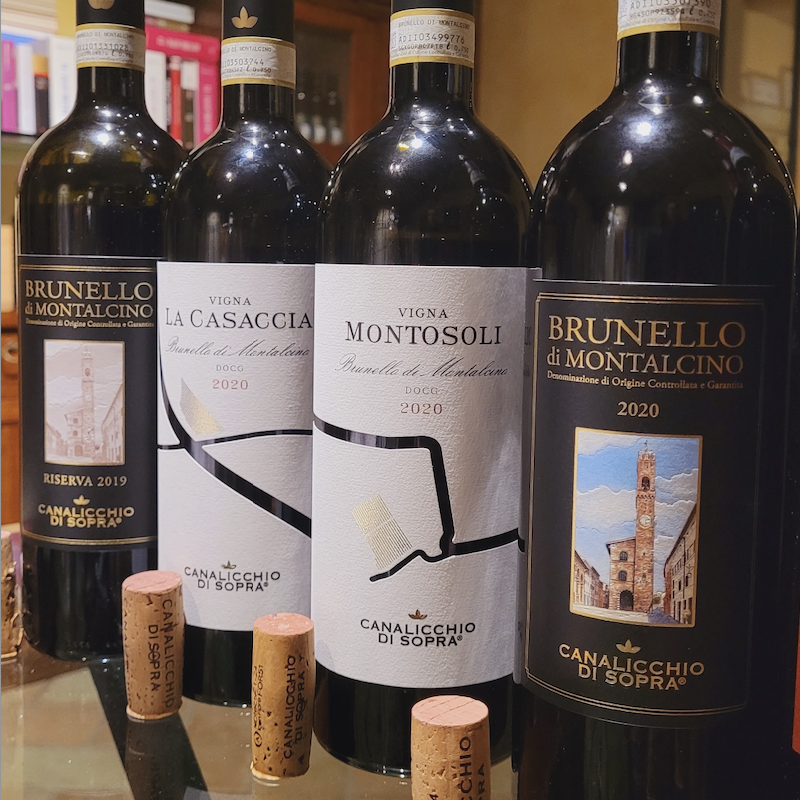
Canalicchio Di Sopra Brunello Di Montalcino DOCG Vigna Montosoli 2020

Montosoli the northerly Montalcino mound, the hill of freshness, the knoll where sangiovese gains grip, savour and elegance, where Canalicchio di Sopra’s Vigna designate Brunello from six hectares delivers approximately five into this wine. The precision and fluidity of this ’20 is just about as fine and graceful as the Ripaccioli have ever produced. Literally the juice or blood of Montosoli’s Galestro, a clay-schist flaking at the surface bleeding back down into the earth, acquired by the roots, vacuumed back up into the vines and gifted to the bunches. Sapidity is similar to 2018 and that year was cold(er) which explains how soil is such the driver, especially for Montosoli. This tastes as you might expect, concentrated, texturally full and without pause. Incredible Brunello. Poised, seemingly ready but not, looking ahead two decades, maybe more. With thanks to perfectly restrained cellar work, timing and decision making. In this moment, at least in terms of clarity, 2020 is a Montosoli vintage. Drink 2026-2036.  Tasted November 2024

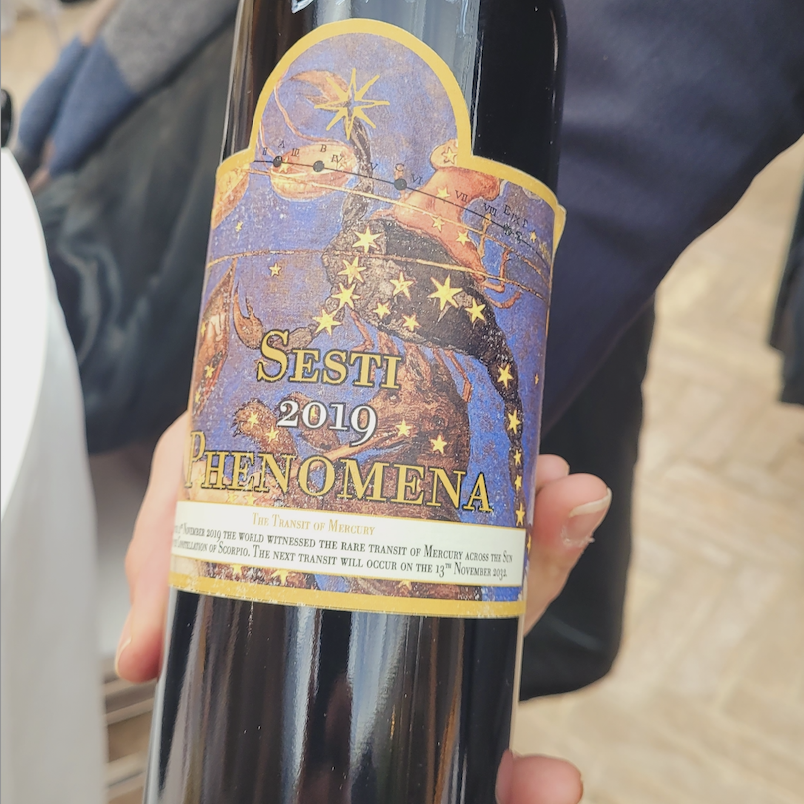
Sesti Brunello Di Montalcino Riserva DOCG Phenomena 2019

There are normal, standard Brunello di Montalcino Riserva, there are proper and representative examples, also exceptional versions and then there are the ones of ephemeral beauty. Fleeting in part because of their natural perfumes, scents that come from the fruiting bodies alone, mostly from the skins and yet like people there are some whose scents you never forget. Such is the case with Phenomena, a silent and measured creature of sangiovese but one that comes back to your thoughts and senses long after you are no longer in contact with the wine. Phenomena is also a Brunello of feeling, which means something ethereal, tactile and conclusive. Not seductive mind you, but suggestive and this 2019 will carry on, for some impossibly calculated infinite amount of time, as close to forever as could justifiably be imagined. Drink 2026-2038.  Tasted November 2024

With Giacomo Neri

Casanova Di Neri Brunello Di Montalcino DOCG Cerretalto 2019

The Cerretalto canyon is this singular Brunello’s origin, the place defined by Giacomo Neri as a “plintite,” of quartz, iron and magnesium elements residing next to and bleeding into the four hectare vineyard, which is incidentally a cooler località for Montalcino and very special place. Rare in the world, of an elemental-geological symbiosis found in parts of Australia, Brazil, China and here, in Montalcino. “It’s another planet” insists Giacomo Neri. You will smell blood and flint (a.k.a. gunpowder) because of the mineral personality. This is Brunello di Montalcino from sangiovese something altogether incomparable. A sangiovese wearing the terroir of a Tuscan trough on its sleeve, having spent two and a half years in tonneaux (more or less 20 percent new) and the same amount of time in bottle ahead of its much anticipated release. Yes the aromatics are concerned with trace metals and ingredients of the “canalone” of Torrenieri, but do not sleep on the purity and modernity of red to black fruit, or at least the perception brought forth because of the minerals involved. Sweetness of acidity is classic Casanova di Neri for 2020 but in Cerretalto they are near perfect and the tannins move from those noted out of Tenuta Nuova multiplied by the Giovanni Nero fineness to now enter into the arena of higher love. For the first time this estate’s Brunello di Montalcino should be given an absurd amount of time. Observing it change in the glass over 30 minutes explains much of what is needed to be known. Drink 2028-2043.  Tasted November 2024

Contrada Chiesa, Emidio Pepe

Emidio Pepe Montepulciano d’Abruzzo DOCG 2021, Colline Teramane, Torano Nuova

Nothing else noses like this montepulciano and what is also perceived is the extreme youth of such an example. Gifts with shadowy hints and generous ideas but the sensations yet to come are manyfold, if quite possibly infinite. Fruit source just feels tops and selection so much more stringent than just about any in the appellation. Tannins are about as tight as any in all of Abruzzo and the interplay between fruit and structure is both playful but also gripped by an intensity of tension. A few sips gathers the swarthiness of the vintage but time will elasticize and disperse the parts. The potential here is great and if this is not looked upon as a top vintage today there will be times over the next 25 years where that opinion is challenged. Drink 2027-2039.  Tasted March 2024

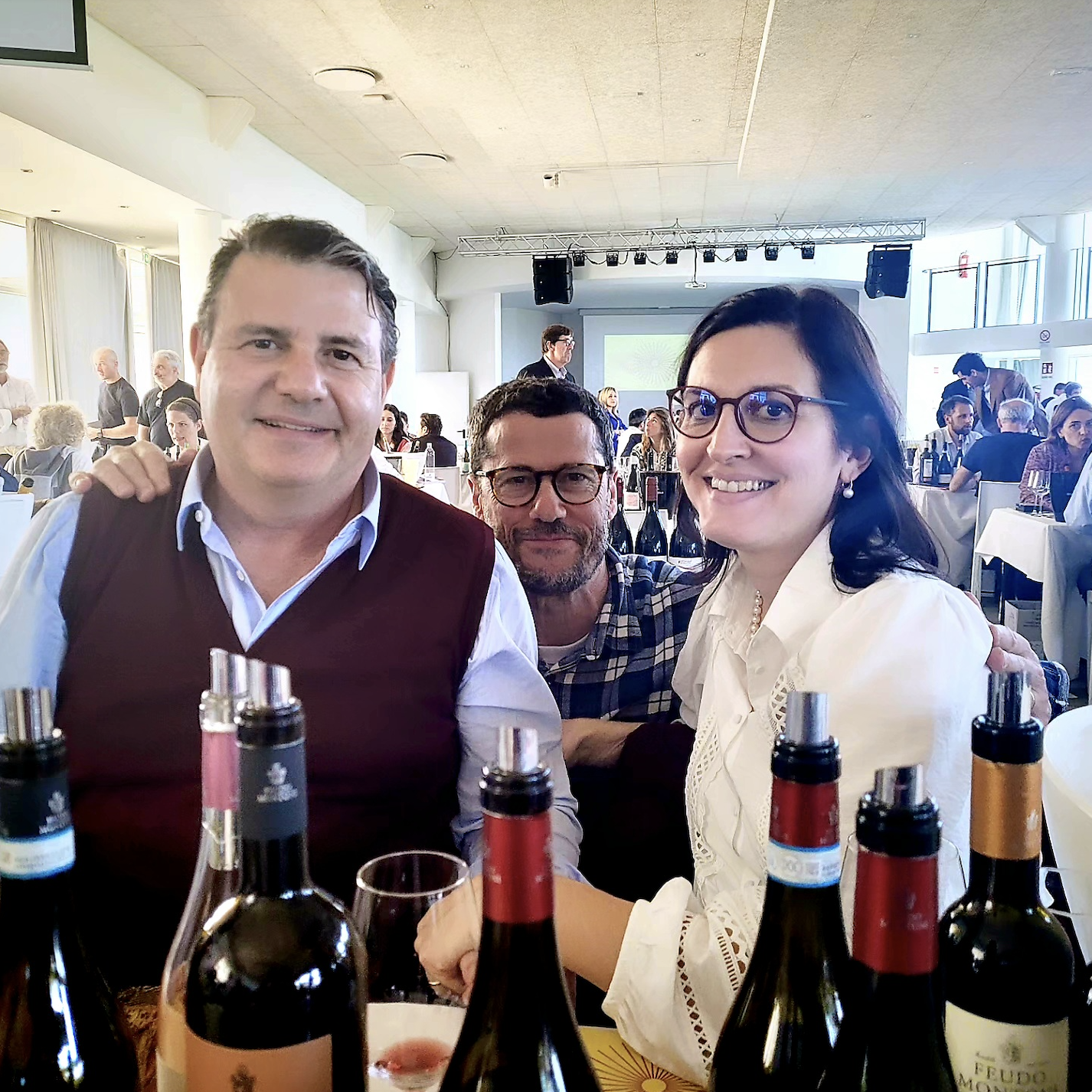
Feudo Montoni Sandwich – Between Fabio Sireci and Melissa Muller

Feudo Montoni Nero d’Avola Vrucara 2020, Sicilia DOC

Increasingly the use of sun-dried stems are added back in after some time, like sweet wood notes that alter Vrucara’s physiology for the best. The number is 20-25 percent in 2020. If there are weak vintages of Feudo Montoni’s Vrucara they are yet to be revealed and this 2020 resides near the top of the island’s nero d’Avola chain. Just walk the vineyard, in fact just hear the history and explanations from Fabio Sireci’s mouth and you will understand. Richness meets structure for balance at the vanishing point as if we sit at the bottom of the hill looking upwards from the vineyard, up to the Baglio and then the sky. The fruit is special from 2020, already showing the first subtle hints of maturity and the tannins are perhaps the sweetest ever designed. When Vrucara hits the five year mark it will entrench itself as one of Sicily’s finest drinking red wines for five more. It’s abilities transcend grape and island to last for five more after that before starting its slow five to ten year declension. Is there better value in top grade nero d’Avola from Sicilia? Drink 2025-2035.  Tasted May 2024

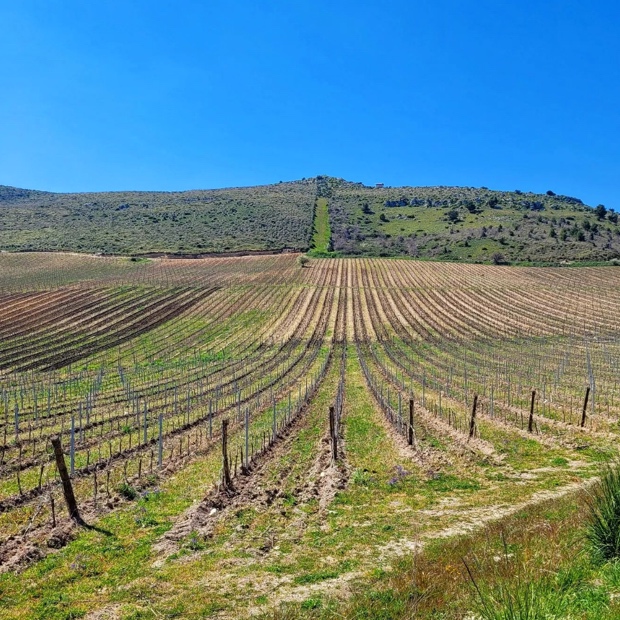
Vineyards in Ulmo

Planeta Cabernet Franc Didacus 2020, Sicilia Menfi DOC

Should there be a finer and more appropriate place to plant and raise cabernet franc on the entirety of Sicily that information should immediately be made public. Planeta’s Ulmo vineyard brings the grape to singular light, here 25 years after its introduction and it has become abundantly clear how it resides at the pinnacle and signature for reds out of Menfi. The 2020 is just now settling in and acting perfectly comfortable in its skin, fruit still swelling and always with the potential to burst free at any time. These are near perfect acids, sweet and sumptuous, allowing for movement and at this ideal stage, also development. There are hints at secondary character in the chiaroscuro shadows slow to reveal themselves. Sumac and pomegranate, a lightly browning and caramelizing eggplant before finishing with a wood encouraged dusting, as if by cocoa and clove. Drink 2024-2032.  Tasted September 2024

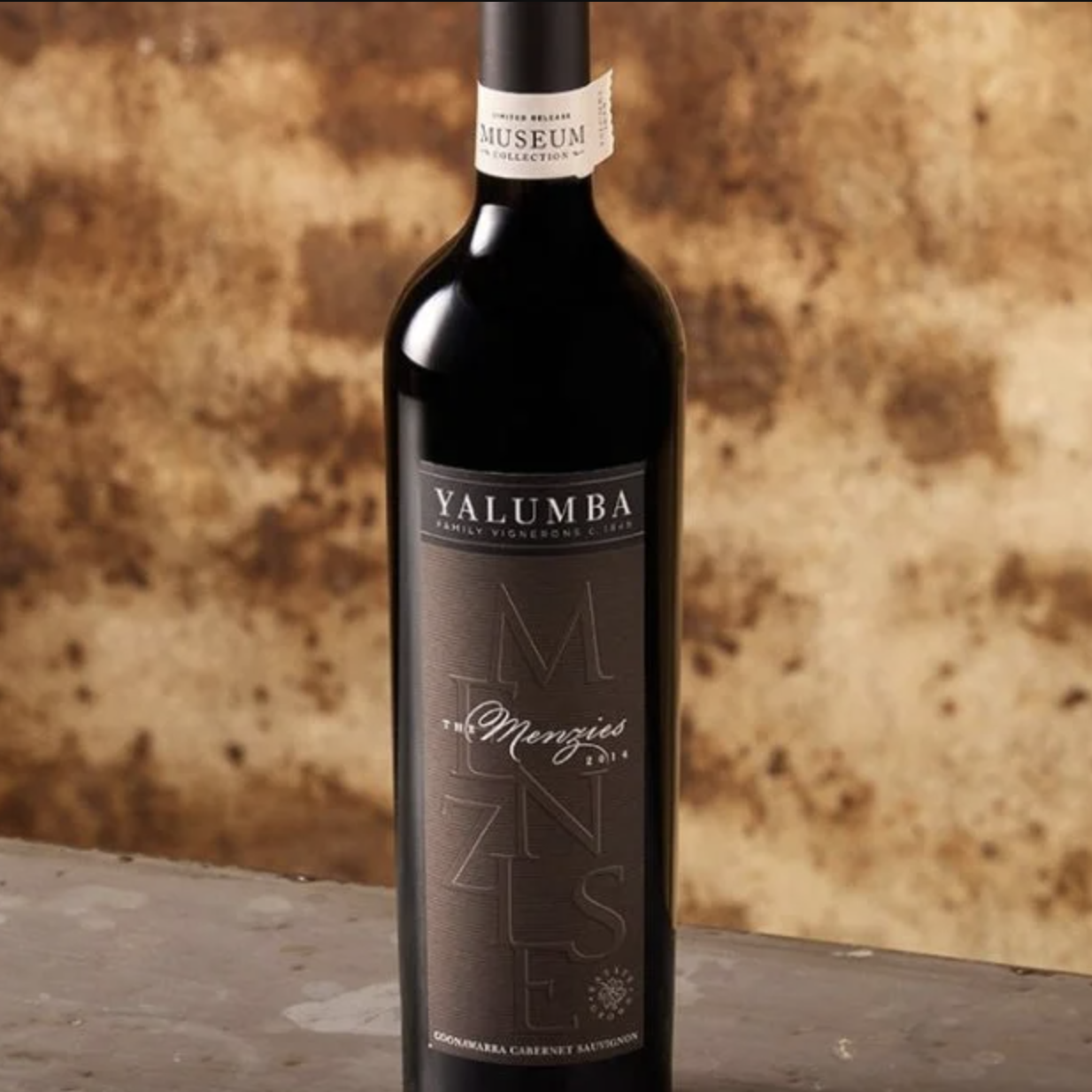
(c) web-assets-prod.yalumba.com

Yalumba The Menzies Cabernet Sauvignon 2017, Coonawarra, South Australia

From vines planted in 1994 and 1996 right there where it matters within Coonawarra’s terra rossa strip. The Menzies, as in the name of the estate where the Hill-Smith family saw the future back in 1992, there on a flat plain, approximately 70 km from the coast. The cooling Bonney upwelling is an influence and the red soil is, well everything. That said 2017 was a wet and cool season by Coonawarra standards and harvest required many passes over a 10-day period in April. Climate being what climate has become translates as a special cabernet sauvignon because the cool factor, for gelid fruit and sweet savour, not to mention more complex notions of herbs, spices and seasoning than you could seemingly fit into one bottle of cabernet sauvignon. Complexity be glory, as they say and the rest will be history. Drink 2024-2034.  Tasted October 2024

Good to go!

godello
Instagram

Facebook

Twenty-one mind-blowing wines of 2021

The greatest wines are considered as the ones that talk to us, connect with that part of our being that elicits sensory and emotional responses, feelings of zeitgeist and great release. Throughout the course of a year I taste thousands in my glass, countless banal, innumerable competent, others correct and many exceptional. Then there are the rare and peerless capable of altering time and space, chosen ones that after listening we then speak directly to. The mind-blowing wines.

Related – Twenty mind-blowing wines of 2020

This is what I might say to such a splendid creature. “I look upon the flash of your sheen, you a wine of scientific strategies. Your aromatics sum up for me my educational studies in science and lifelong memories. Your flavours remind me of experiments in vinous physics, your textures of exercises in galactic mechanics. Your structure recalls infinite chemical reactions and architectural engineering. Your energy, though carefully controlled, threatens to ignite and destroy my laboratory and yet binds my existential life together. You blow my mind.

Related – Nineteen mind-blowing wines of 2019

Last year’s 20 for 20 was a much different list than ever before. Only 25 days of travel and while I did finally make a return to global discovery that number was even less in 2021. Two trips to Italy and one to B.C. in October and November. Once again just 25 days in total. A yearly schedule usually adds up to 100-plus but fortune also shines on the critics of WineAlign. Through quarantine, isolation and safe-distancing we still managed to taste through thousands of wines. I recorded well and above 4,000 tasting notes in 2021 so it would appear that palate discovery is still alive and well. For the first time ever there are three dessert wines on the list because well, stickies just don’t get enough love. And never before have I included a Canadian wine because I pen a separate list for local but a Thomas Bachelder chardonnay is wholly deserving of going global. These are Godello’s 21 mind-blowing wines of 2021.

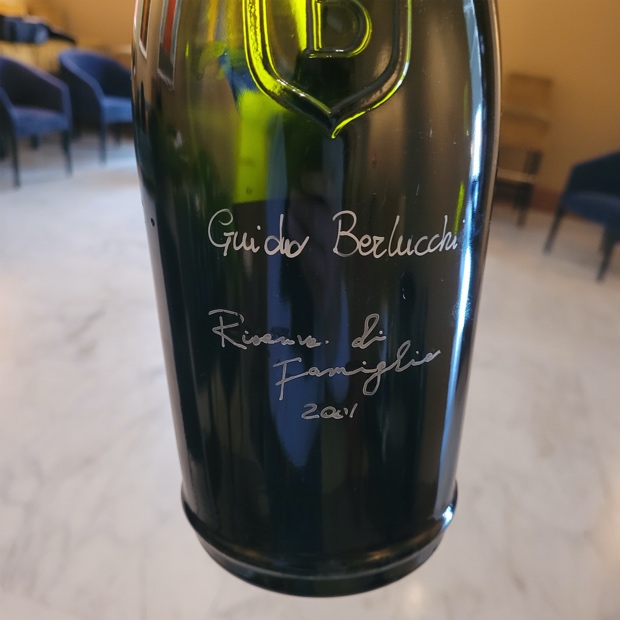
Berlucchi Riserva Familia Ziliana Franciacorta DOCG 2001, Lombardy

A blend of chardonnay and pinot nero matured on lees for 218 months and a further 31 months after disgorgement. Zero dosage, tirage in June 2002. Tasting from “the stolen bottle,” and one would swear there is some sweetness in this wine, offset by twenty year-old persistent and rising acidity. The state of grace and ability this 2001 finds itself sitting royally in is quite something to behold. Stands firm and can stride with most any 20 year-old sparkling wine. A simple fact tells us that Arturo Ziliani’s father Franco and Guido Berlucchi decided to create sparkling wines in Franciacorta. They are the pioneers. Drink 2021-2024.  Tasted October 2021

Krug Vintage Brut Champagne 2002

The year 2002 dubbed as “ode to nature” marked the first Krug “vintage of the millennium” and was presented after Krug 2003, just as Krug 1988 left the cellars after Krug 1989. A clement year, relatively dry to make for a homogeneous harvest. The blend is 39 per cent pinot noir, (40) chardonnay and (21) pinot meunier. Disgorgement would have been in the autumn of 2015 after having spent at least 13 years in Krug’s cellars. All this tells us that the vintage is one treated to great respect with the acumen to age seemingly forever. This bottle shows some advancement but mostly in toasted and spiced notes while acting so expertly oxidative, in total control of its own and also our senses. Smells of orange skin, zesty and by citrus spray, then pickled ginger and wild fennel. Tasted blind it feels just exactly 20 years old but it’s not hard to be tricked into imagining even older. I admit to guessing 1995 with thanks to a presentation of at once wildly exotic and then exceptional bubbles. Just a matter of being hoked up with celebration. Drink 2021-2027.  Tasted November 2021

Kabola Malvazija Amfora 2017, Istria, Croatia

Kabola’s is malvazija istarska raised in traditional clay amphorae in combination with oak barrels. Kabola is found in Buje, not far from the coast and south of Trieste. While the combination of clay and wood seem to confuse or blur the game there is something wholly credible and intriguing about this wonderful aromatic mess. You can not only smell and sense but more deeply intuit the phenolic qualities inherent in here. Skins, pips and even a bit of herbaceous stem. Peach and orange tisane, exotic spice and high, high quality lees. Great winemaking here in the context of leaving your grapes to do the work but both timing and execution are spot on. Raises the varietal bar and shows what’s possible. Drink 2021-2026.  Tasted April 2021

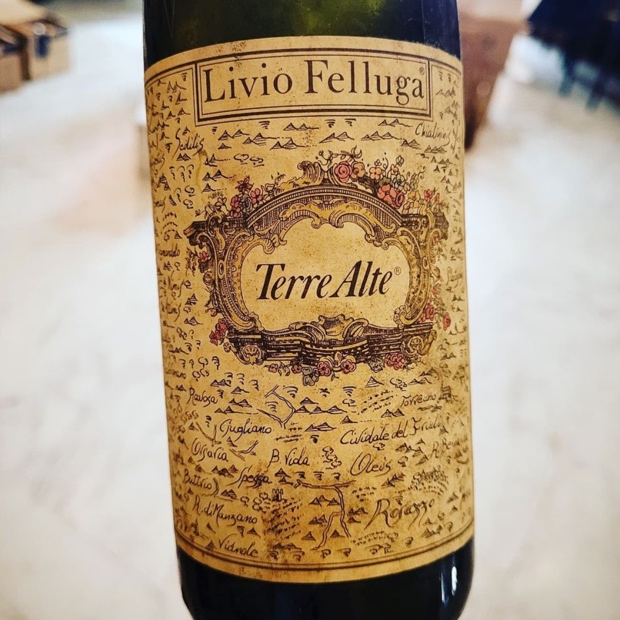
Livio Felluga Rosazzo Terre Alte DOCG 1998, Friuli-Venezia-Giulia

A wine in which the switch has been flicked at least five times, at least three past the family’s preference but let’s be frank. This is a fascinating Friuli-Venezia-Giulia wine to taste. Oxidative in the most beautiful way, sapid and laden with 23 year-old tang. Very much a young adult of confidence and swagger borne out of phenolic fruit maturation. A long-hanging vintage, a note of botrytis, a late harvest sensation but truly salty, mineral and showing the biodiversity in clones and vineyards that one would expect a white blend of this ilk to display. Just a terrific example of friulano, sauvignon and pinot bianco in their arena of characterful array. Drink 2021.  Tasted October 2021

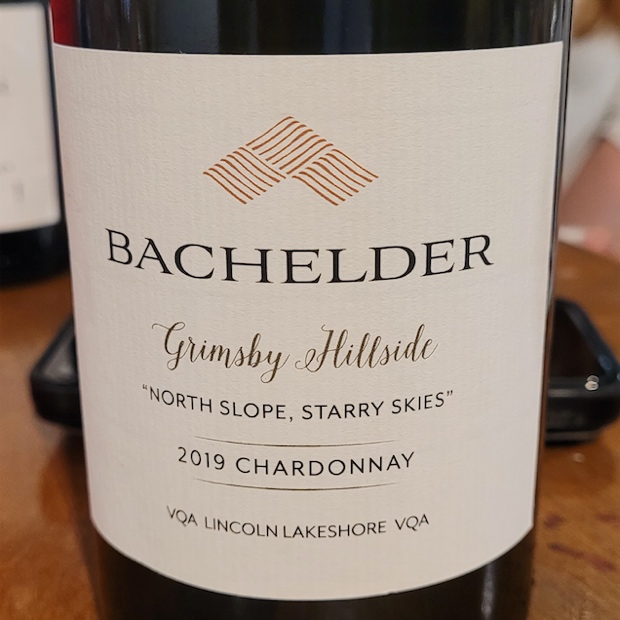
Bachelder Grimsby Hillside “North Slope, Starry Skies” Chardonnay 2019, VQA Lincoln Lakeshore

New in the pantheon for Bachelder and Niagara wines as an entity is this from Grimsby Hillside, the new frontier, next level up and future for the industry. In fact the time is already upon these precocious vines and their fruit specially formulated for the most wound and cinched kind of chardonnay, so precipitously witnessed in Thomas Bachelder’s “North Slope, Starry Skies” 2019. The vineyard was planted to vitis labrusca and used for Kaddish wine through the 30s, 40s, 50s and 60s and just less than 20 years ago re-purposed to vinifera. Just two decades later winemakers like Thomas and Ilya Senchuk have discovered the magic of possibility and greatness of probability. Tasted this first in July with Thomas though it had just gone to bottle. Now the textural level of this GH-N triple-S has hitherto arrived at the immaculate, sweetly viscous, gleefully gelid and just right there at the apex of sensory enjoyment. Tight and delicious is a good combination. Drink 2022-2028.  Tasted December 2021

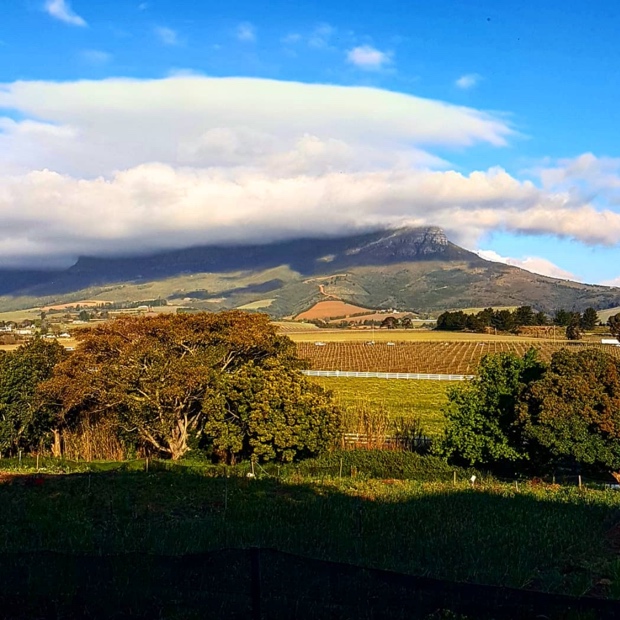
Stellenbosch, Western Cape

Raats Family Wines Chenin Blanc Eden 2018, Stellenbosch, South Africa

A single vineyard chenin blanc and the first vintage to the Ontario market for a unique project celebrating the family farm called Eden. From their Stellenbosch ward of Polkadraai and high density plantings on dolomitic, granitic soils. Of a richness, an intensity of parts and a presence only a handful of South African blanc ever reach. A wine that achieves a level of status by its work underground (through root competition) and a clone called Montpellier that produces small berries and even smaller yields, not to mention the plot is just 0.6 hectares in size. Eden is the mothership and matriarch of this clone and for that variety in South Africa. All parts contribute to a wine of outrageous acidity that is never sharp, vivid or dominant. Fruit, mineral, focus, elements and precision. Wet stone is pure Polkadraai, vaporous, omnipresent, all over the wine. “The most successful winemakers (and wine projects) are ones that specialize,” says Bruwer Raats. This Eden follows the credo to a “T” and with a capital “E.” Really cerebral and also age-worthy chenin, in the upper echelon of the finest in the pantheon. If ever a chenin signified “Bringing it all Back Home,” the Raats Eden is it. “Discuss what’s real and what is not. It doesn’t matter inside the Gates of Eden.” Drink 2022-2030.  Tasted June 2021

With Sofia Ponzini and Vico

Tenute Bosco Etna Rosso Vigna Vico Pre-Phylloxera 2018, DOC Etna

Just another immediately memorable Piano dei Daini Etna Rosso Vico, Sofia Ponzini’s Cru-Vigna nerello mascalese (with 10 per cent nerello cappuccio) at 700m from the northern side of Mount Etna. Grown as alberello on a volcanic, sandy matrix with some stones from 100-plus-plus pre-phylloxera vines located in the town of Passopisciaro, Contrada Santo Spirito, parcels “Belvedere,” “Seimigliaia” and “Calata degli Angeli.” A tempest of steel and a feeling that runs with waves of acidity throughout, in many parallel and horizontal lines, at all levels. Spice cupboard, rich waves of red fruit, viscous wisdom, confidential and confident elegance, finishing at precision without recall. True value, scattered patterning, significant and relevant. A vintage of force, restraint and powerful lightness of being. Drink 2024-2036.  Tasted October 2021

Domaine De Bellene Nuits Saint Georges Premier Cru Aux Chaignots 2019, AOC Bourgogne

The limestone soil Climat of Chaignots lies in the northern part of Nuits-Saint-Georges, up the slope and edging in location but also feeling towards that of Vosne-Romanée. The affinity is much discussed, real and therefore puts the Premier Cru at the top of what is most desired out of Nuits-Saint-Georges. A tiny (0.14 hectare) plot and simply a coup for Nicolas Potel to be able to secure this fruit. Everything about the aromatic front speaks to the Bourgogne mind and Chaignots heart. Cola but from the root, a tuber underground rubbed, that and a cocoa nut crushed between fingers. An almost diesel waft but not gaseous, instead sapid, nut-based, a liqueur toasted and intoxicating. The fineness of structure is the sort of wiry winding by winch that could cut through limbs due to tension so taut. All that you know, love, don’t know and hope to experience is in this wine. Neither I nor Nicolas Potel will be around when it blows someone’s mind in 2074. Look forward to that day young Alphonse. Drink 2025-2045.  Tasted May 2021

Angela Fronti, Istine

Istine Chianti Classico DOCG Vigna Istine 2019, Radda in Chianti, Tuscany

One must have to look at, walk this and stand in awe of of this vineyard, the steepness at 30-50 per cent grade with a terrace in the middle to break it up. Heavy in Alberese inclusive of massive yellow calcareous boulders and also Galestro. In fact the medium stones removed were transferred to create terraces for olive trees on the other side of the cantina (by Angela Fronti’s father no less). The vineyard faces north so the freshness is off the charts, while the ripeness is so matter of purposeful vintage fact. The label represents the position of the vines in coordinates, echoed in the machicolations of a Fronti sangiovese that drops all the Radda stones on unsuspecting palates through fruit openings between supporting acid corbels of a projecting tannic parapet. Vigna Istine is at the forefront of Chianti Classico’s battle to win over the world. Follow this example. Drink 2023-2029.  Tasted October 2021

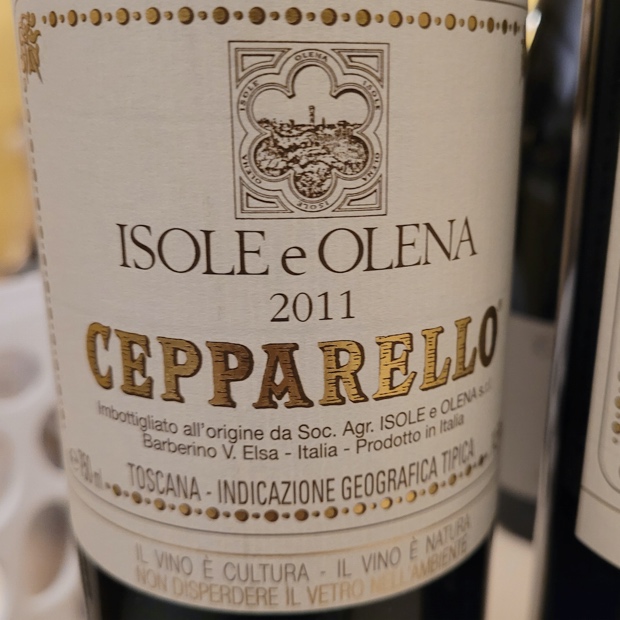
“Molto parfumato,” binds an aromatic agreement between myself and Paolo de Marchi upon sniffing this ’11 found on Locanda Pietracupa’s wine list. “Cepparello needs time,” says Paolo, understatement of the obvious for the evening, year, decade and history with respect to sangiovese grown in the Chianti Classico territory. Also truth succinctly spoken, roses and violets exhaling and a 100 per cent varietal (or so it seems) profile of succulence and one to fully draw you in. Mint to conifers, multiplicity by complexity value, not to mention vigorous acidity sent straight to a mouth with a full compliment of wisdoms able to think about the situation. A linear Cepparello seeing its wide open window at the 10 year mark. And now a Paolo de Marchi story. “One side of the vine’s grapes were burnt and so I called up (Consorzio Direttore Giuseppe) Liberatore and asked are we changing the name of the appellation? Liberatore said what? To Chianti Amarone replied de Marchi, or sangiovese Port? Joking aside, a stringent selection and a five per cent inclusion of trebbiano did for this ’11 Cepparello what viognier might do for syrah. Not a Chianti Classico so perfectly kosher. A secret until now but all above board. Totally cool. Drink 2021-2026.  Tasted October 2021

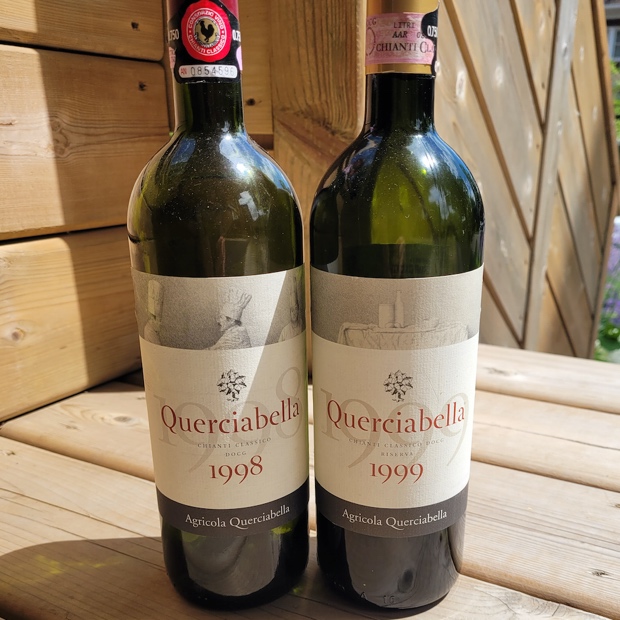
Querciabella Chianti Classico Riserva DOCG 1999

The 1999 was the last (original) Riserva produced until it was again resurrected in 2011 and what’s so cool about this vintage is how it was held to some early esteem, though paling in comparison to that “vintage of the century” that was 1997. Underestimated over the last 20 years, drinking so beautifully now, with frutta di bosca, tertiary tartufo and fungi. Just doesn’t strike as a fully mature adult reminiscing about the way things used to be but more like a wine with an outlook for more promise, good times and adventures still ahead. If you are still holding onto ‘99s from this part of Toscana you will be very pleased. Drink 2021-2026.  Tasted May 2021

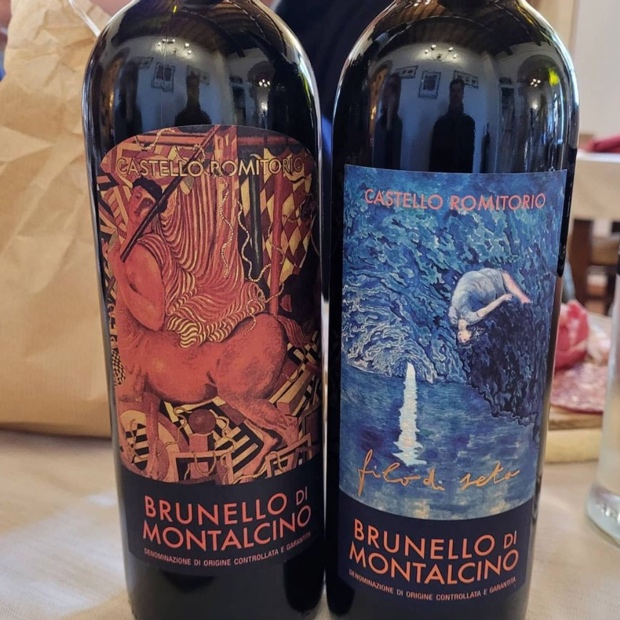
Filo di Seta is Filippo Chia’s intuitive “transavanguardia” sangiovese of place, over the ancient beach where he and his father Sandro once painted the Montalcino sea. Mostly early picked fruit, all in tonneaux, at first thinking “croccante” but that’s too simple a way to describe what texture and sensation is combed in this reserve wine. Bottled on the 29th of June so just arriving at the ready, to look at if not to consume. Here there is a fineness of liquid chalkiness, a “fluido” or “scorrevole” to drive the way this sangiovese plays and also sings, a Riserva to move with the wind and musical sway. Somewhat unknown, finely tannic and clearly what could and should be described as “mountain” Brunello. Coming in late is the spice, almost cinnamon and such. Hate to refer to any wine as the best from an estate but too bad. That this is, beyond the avant-garde such as it is. Drink 2025-2038.  Tasted November 2021

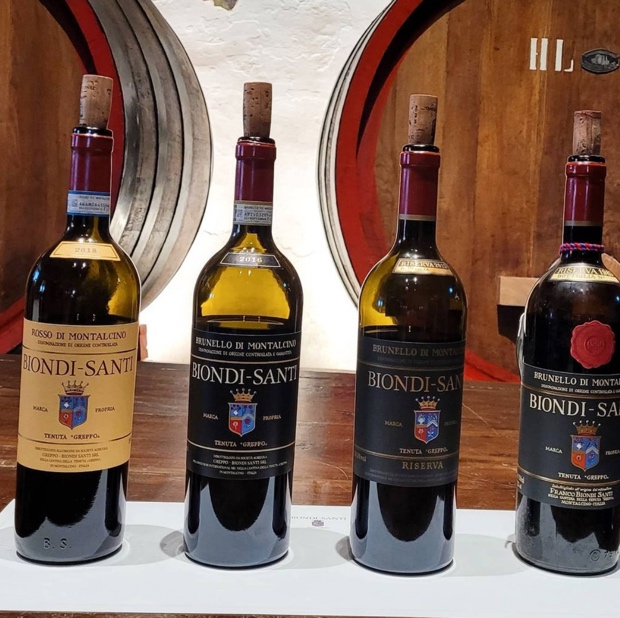
Biondi Santi Brunello Di Montalcino Riserva DOCG Tenuta Greppo 1985

The longevity of this vintage is almost not to be believed. Has been in bottle for as many years as it would have matured in casks. The next year (2022) will se the re-release of this vintage (in 2021 that vintage was 1983) and the year 1985 is the one I entered university. A Biondi-Santi of resolved tannin but remarkably youthful. A wine that saw Grandi Botti more than before, seen in the gentlest of spice notes and the back to the future return of balsamic and pomegranate. Followed a winter of major snowfall, long and cold winter, a regular spring and uneventful summer. The acidity is just incredible, also youthful and so sweet, those lengthened tannins in liquid powdery-chalky form. The connection with 2016 may seem to be an uncanny one but so help me if the chain is not there. The bottle was opened one hour and forty five minutes earlier so grazie to Federico Radi and Biondi-Sandi for perfecting the timing. We can all learn so much from this wine, to be patient, calm, well-adjusted, confident and gracious. Style and temperament to live by. Should continue this way for at least 10 more years. Drink 2021-2033.  Tasted November 2021

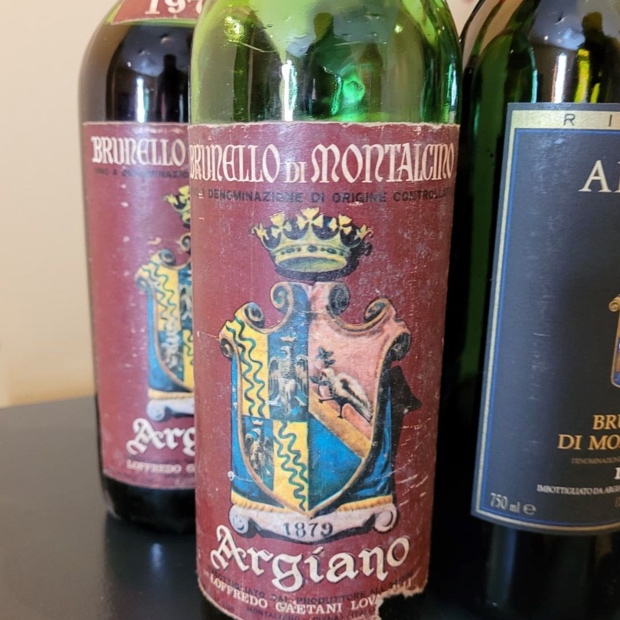
Argiano Brunello Di Montalcino Riserva DOCG 1979, Tuscany

A cooler vintage, especially as compared to 1978 and truly a Piedmontese style because the cellar workers closed the tanks, went on strike and returned two months later. Resulted in some carbonic maceration and surely an increased amount of vim in freshness. That mixed with true porcini, fungi and fennochiona. The extended maceration makes this act 43 years forward like an older nebbiolo, rich and once demanding tannins now long since melted away, tar and roses still showing with earthly perfume. Fabulous mouthfeel, lingering and lively. Surely the mean steak astringency would have been in control during the first 10 to 15 years but the beast relents and gives way to charm. Patience breeds gentility and the story is now unfolding. Drink 2021-2026.  Tasted October 2021

With Stefano Cesari, Brigaldara

Brigaldara Amarone Della Valpolicella Classico DOCG 2016, Veneto

Stefano Cesari’s farm concerns itself with all things sustainable and while that may seem like a catch phrase, In Brigaldara’s case it most surely is not. The family supports its workers financially, culturally and in health. The young winemaking team is encouraged to study and stage abroad, to learn new oenological skills and languages. The other farm workers and their families are additionally supported by being given stake in the profits of the farm. How can this not reflect in the qualities of the wines, including this very special vintage 2016 Amarone. A magnificent wine and one you can easily drink beyond one glass. Not that it’s a light example but it speaks in soft tones, clearly and with a distinct, precise and honest weight, in vernacular and feeling. All things fruit lead to roads of sweet acidity and fine tannin. A rare Amarone of this ilk and one to savour. Drink 2023-2033.  Tasted October 2021

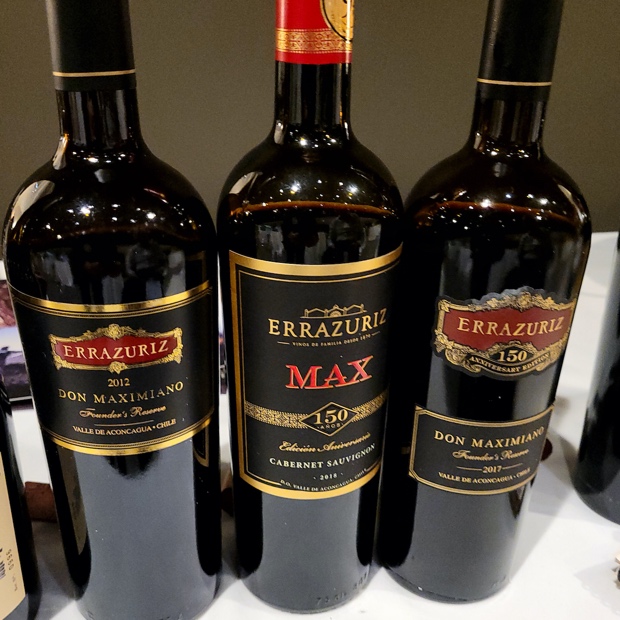
Errázuriz Don Maximiano Founder’s Reserve 2012, Aconcagua Valley, Chile

Don Maximiano 2012 is a blend of 75 per cent cabernet sauvignon, (12) carmenère, (8) petit verdot and (5) malbec. No cabernet franc back in 2012 and aside from the obvious notions ushered in by age there is a distinct lack of herbal notes as a result. This is just in a great place nearly nine years forward from vintage, now settling, acids still in charge but tannins having done most of their melting and rendering. This wine is far from done, in fact the next level notions have just begun to have their say and from a vintage as great as this there should very well be nine years nigh before true earthiness, umami and truffle set in. Pour this blind at dinners with old world counterparts and watch with awe as to the results. Drink 2021-2027.  Tasted November 2021

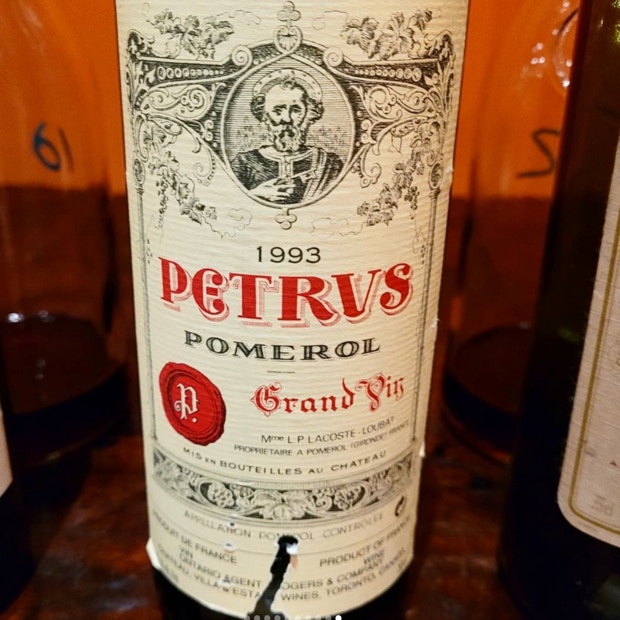
Château Pétrus 1993, Pomerol, AC Bordeaux

Never easy to live in the shadow of siblings clearly designated as mom and dad’s favourites but sometimes overlooked vintages left for dead show greatness later on in life. The 1993 Pétrus is definitely a late bloomer and from a year when only 200 cases were produced, where normally 4,000-plus is the standard. Softened to an almost Burgundian sense of calm but the richness and concentration multiplied by a Spring verdant freshness and sweetly herbal pesto can only indicate one thing and that is Right Bank Bordeaux. I tasted this blind and immediately thought of Pomerol and its close proximity at the eastern border with Saint-Émilion because of the “fromage à pâte molle” feeling gained, along with vestiges of once formidable black fruit supported by a push-pull posit tug of merlot-cabernet franc acidity. A good hunch indeed and a more than surprising set of excellent parameters come to this for a 1993 Bordeaux. All in all a really satisfying and come together wine to hush the naysayers and win in the end. Drink 2021-2025.  Tasted November 2021

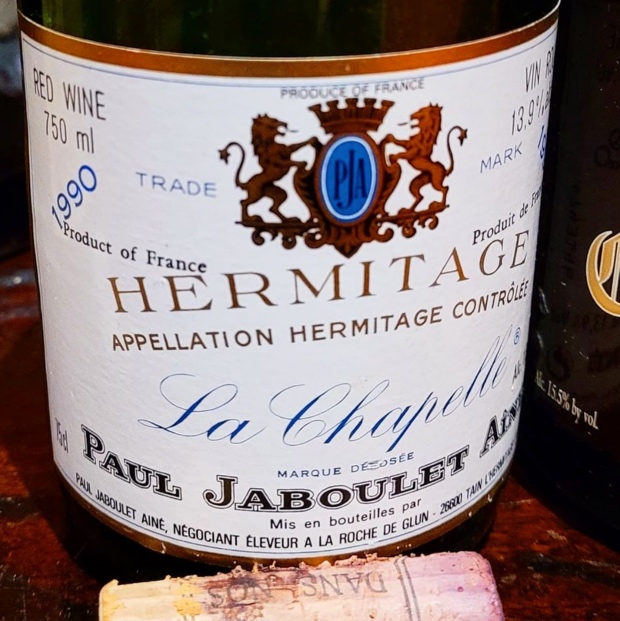
Paul Jaboulet Aîné La Chapelle 1990, AC Hermitage, Rhône

Jaboulet’s 1990 La Chapelle is a kind of an echo of the year in history, an Hermitage of impeccable harmony, much like balance restored in relative peace and prosperity. In 1990 the Soviet Union fell, ending the decades-long Cold War. Hard to find more shiny opaque purple in a 30 year-old syrah plus a splendid floral nose of stone roses, pencil shavings and graphite. The combinative effect of heft and freshness elicit pleasantries from a bad boy able to play soft ballads to mellow a crowd. La Chapelle is a communicative, entertaining and business-like syrah, a link between the northern Rhône and the taster, an internet Hermitage that changes the way we think and feel. Things will never be the same after tasting Jaboulet’s 1990 and for good reason. Has 10 years left without worry of decline. Drink 2021-2029.  Tasted November 2021


Reynvaan In The Hills Syrah 2017, Walla Walla Valley, Washington

Reynvaan is a family production of Rhône-style wines from two vineyard properties in the Walla Walla Valley. “In The Rocks” is their first vineyard located in Milton-Freewater, Oregon and the second vineyard is called “In the Hills.” short for “Foothills in the Sun.” It is found at the base of the Blue Mountains on the Washington/Oregon border and is planted to syrah, viognier and a gaggle of cabernet sauvignon rows. As one of the highest elevation vineyards in Washington (at 1200ft) and in this syrah co-fermented with up to 10 per cent syrah you might get a rendering of a northern Rhône-ish picture. Sure enough the perfume is floral but more than anything a smoulder of pancetta and smoked meat. Reductive as well, different as such than any syrah, anywhere else on the planet but liquid peppery and tire on asphalt nonetheless. The credibility and accountability here is profound and while the sheer concentration and beauty of In the Rocks in captivating, this In the Hills is alternatively vivid, dramatic and powerfully restrained syrah. Which one is you? Drink 2023-2033.  Tasted January 2021

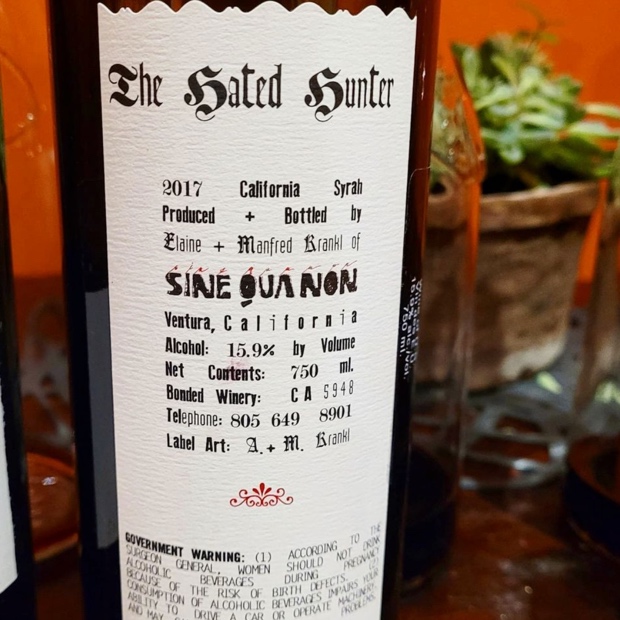
Sine Qua Non Syrah The Hated Hunter 2017, Santa Barbara County

The hated hunter is named after Austrian immigrant and Los Angeles restaurateur turned winemaker Manfred Krankl’s grandfather, depicted on the label in gear, with rifle and hound. The blend is led by 82.4 per cent syrah with (7.8) petite sirah, (5.2) mourvèdre, (2) grenache, (1.2) petit manseng and (1.4) viognier. Clocks in at 15.9 alcohol but in this regard hardly garners even one per cent of the discussion. All anyone can talk about is the infinite expanse of pretty, pretty floral capture and personally speaking it simply reeks of syrah. A game of meat juices and marbling, part smoked meat and part pancetta. The only question tasting blind is whether to imagine it as Hermitage or Central Coast California. Once the abv is disclosed the answer can only be the latter but a syrah of such reclusive exclusivity is hard to pin down. Derives from a group of prized vineyards; 32 per cent Eleven Confessions (Santa Rita Hills), (41) The Third Twin (Los Alamos), (25) Cumulus (Santa Barbara) and (2) Molly Aida (Tepusquet Canyon). Adds up to the most luxe, deluxe and ultra-fantastic instrumental of a syrah, no lyrics needed. Man, Manfred, take a bow. A hunting bow. Drink 2023-2029.  Tasted November 2021

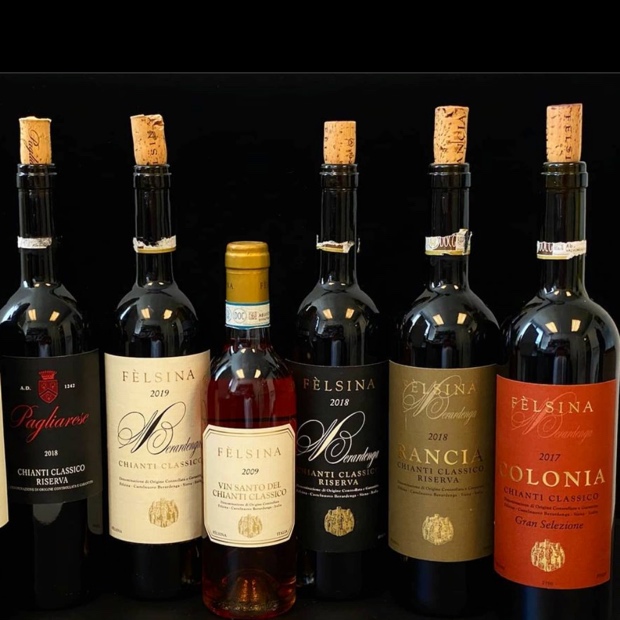
Fèlsina Vin Santo Del Chianti Classico DOCG 2018, Tuscany

An absolutely lovely vintage for Fèlsina’s Vin Santo and for Chianti Classico Vin Santo as a rule because extract, temperament and adaptability are all in collective balance. All that you want, need and expect from this traditional and loyal dessert wine are present and accounted for. Dried and glazed fruit, low and slow developed nuttiness and a freedom of territory spoken through airiness and layering. The upside cake of life turns over to reveal a generational wine of clear standards, perfect layering and endless conversation. Nonna and Nonno would be proud. Drink 2021-2035.  Tasted June 2021

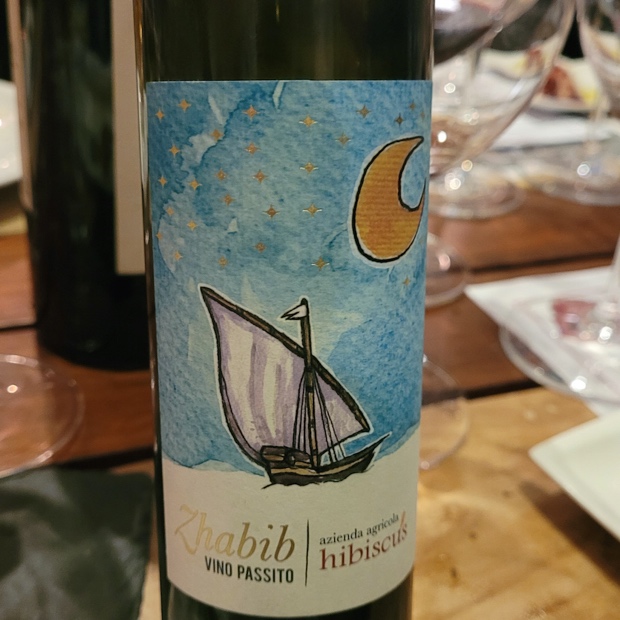
Agriturismo Hibiscus Zhabib Passito 2020, C.Da Tramontana, Sicily

From the island of Ustica in the Tyrrhenian Sea, 70 kilometres (36 nautical miles) of the coast of Sicily’s capital Palermo and the work of Margherita Longo and Vito Barbera. The vineyards for this zibibbo (moscato d’Alessandria) are grown very close to the water on volcanic soil and Hibiscus is the only winery game in town. There are other farmers that contribute grapes to this tiny production; also grillo, cataratto, inzolia to go along with the zibibbo that makes this Passito. A place where tomato, grapes and peached co-exist, in the gardens and in the wine. This carries that uncanny sweet to savoury feeling in the most specific and ethereal dessert wine both mind can conjure and emotion shall receive. Of orange, grapefruit, peach and tomato. Balanced, harmonious, silky, woollen and with a super-tonal capacity to love. Drink 2021-2032.  Tasted October 2021

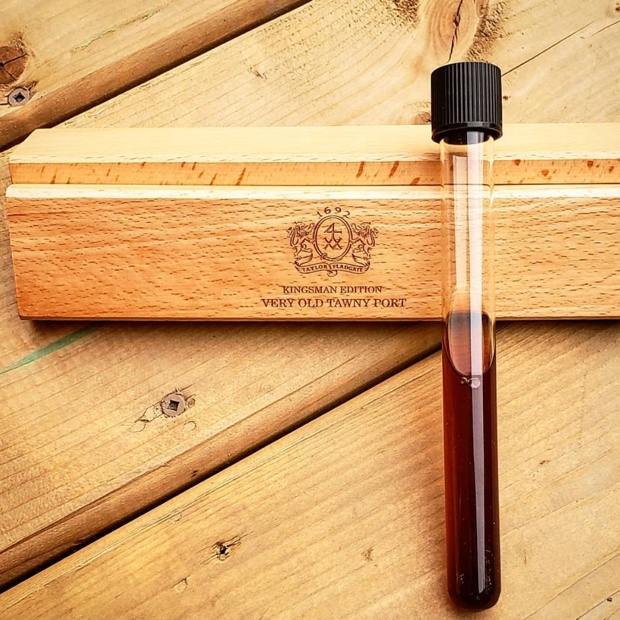
Taylor Fladgate Very Old Tawny Port – Kingsman Edition, Douro, Portugal

A bottle of wine is rarely tied to a film, let alone a Douro Port but Taylor’s Very Old Tawny has been blended and bottled to coincide and be product placed in the second Kingsman film, in this case a prequel to the first, this time set in the 1920s. Head Winemaker David Guimaraens chose reserve Tawnys from 70-100 years of age, wines crafted and set aside by generational predecessors past, no stretch for the master blender because we are talking about a house with extensive stocks from which to reach back into. Guimaraens was looking for harmonic balance between concentration and elegance and just a whiff will tell you he and his team have achieved a crossing between a magical vortex and a vanishing point of complexity. Two manifest matters have developed; concentration of sweetness and in this case by association, a focus of acids as well. Together they inspissate and cling comfortably to the skeletal structure. It feels like you are nosing 100 unique aromas, with just seven of them being marzipan, red velvet hazelnut cake, candied ginger rose, rau răm, roasting banana leaf, calimyrna fig and grilled pineapple express. Step six feet away from the glass and the aromatics persist just as sharp as if the glass were in hand. As for a sip of this maraviglioso Tawny, warmth, comfort, delicadeza and forever length make just an ounce last forever. Timeless. Approximately 1000 bottles were produced and in Canada 100 will be made available next September. That is when theatre goers should likely make a return to the cinema to take in the Secret Service spy thriller and Tawny Port fantasy up on the silver screen. Drink 2021-2050.  Tasted February 2021

Good to go!

godello
Twitter: @mgodello
Instagram: mgodello
WineAlign

‘Twas the week before Valentine’s

First I thatched the nest and then I fed the birds

First I thatched the nest and then I fed the birds

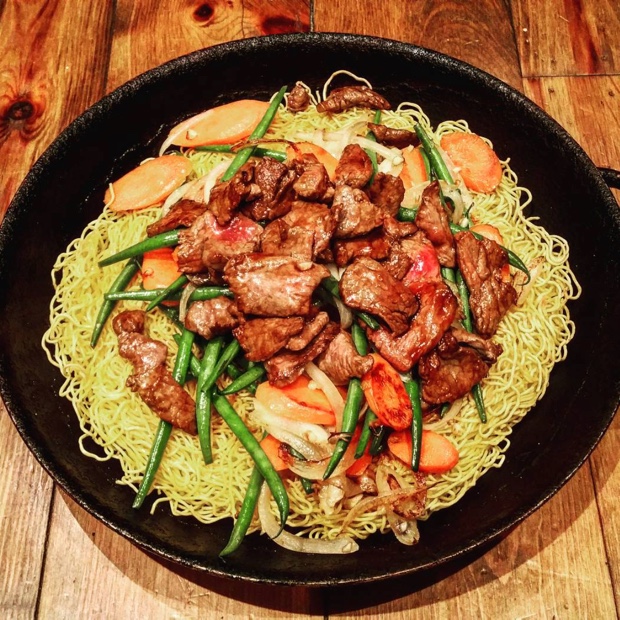
Why did I choose this image to introduce a Valentine’s Day post on wine? What pairs perfectly with Christmas, Mother’s Day, Father’s Day, long weekends and Valentine’s day? When restaurants are either swelling with humanity or closed on major holidays and I want to eat out, where do I turn? Chinese. Happy Chinese New Year this coming Monday, February 8th. Welcome to the Year of the Monkey.

This coming Saturday the VINTAGES February 6th release does not coincide with the pink as floyd February 14th holiday so while you wait for next Sunday to arrive, enjoy a mild bite of Chile Peppers. “See what’s in store. Stay all day.” This song merges beautifully into the Love of Your Life. How does YouTube know?

Quite a mixed bag defines the February grouping. The south of France makes hay but I’ve also got Greece, Spain, Barossa, Piedmont and Burgundy in the regional to country mix. Enjoy.

First the pink stuff.

Roses

The Rosés of February

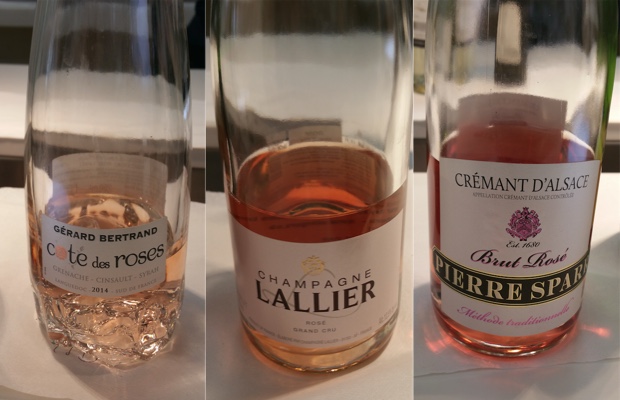
Gérard Bertrand Côte Des Roses Rosé 2014, Ap Languedoc, France (373985, $16.95, WineAlign)

The occasions may be rare, but sometimes Rosé needs a half a year to simmer and to show its true colour. What once seemed to be red meets Rosé is now classic, typical, essential blush from Provence. Terrific amalgamation of the holy varietal trinity, with Cinsault the anchor, rock and catalyst to prop up Grenache and Syrah just as they need to be. From soft fruit to a grind of pepper, with aridity and salinity always on stage. Drink 2016-2018.  Tasted January 2016 @GBvins  @FwmWine  @AOCLanguedoc  @LanguedocWines

From my earlier note:

Dry, floral, medicinal, quite tight and angled, not angular Rosé. The sea salinity and briny strawberry confluence is quite striking. Doesn’t really linger so in the end it’s a bit of a simple quaffing Rosé but what of it? That’s right. Drink 2015-2016.  Tasted August 2015

Pierre Sparr Brut Rosé Crémant D’alsace, Méthode Traditionnelle, Ac Alsace, France (39016, $18.95, WineAlign)

Graceful and pink lithe, like cold smoked salmon, delightful Pinot Noir Rosé fizz. Nothing earth shattering, breath taking or barrier breaking, just well made blush bubbles. The structure and balance are really spot on. Finishes strong and with confidence. Helps to define this genre of Crémant’s creamy texture, matched in contrast by its stony, flinty and mineral style. Drink 2016-2018.  Tasted November 2014 and January 2016  @AlsaceWines  @VinsAlsace  @drinkAlsace  @ProfileWineGrp

Lallier Grand Cru Rosé Champagne, Ac Champagne, France (385179, $56.95, WineAlign)

Stoic, startling and nearly, dare I say, revelatory Rosé. Righteously rustic and demandingly devilish. A craftily concocted cool-custard cupid. The talc and the drift are exceptional, wafting aromatics and waving me in, to curl up and be embraced by its charms. This has Valentine’s Champagne scripted with pitch perfect elegance. A Grand Cru effort to be sure. Drink 2016-2019.  Tasted January 2016  @LallierAy  @azureau

Boutari Naoussa Xinomavro 2013

Boutari Naoussa Xinomavro 2013, Naoussa, Greece (23218, $13.95, WineAlign)

A most consistent Xinomavro untouchable at the price, with the hallmark Syrah-like pepper notes pricking and popping from base and necessary red fruit. This sample is a bit muted aromatically but the palate is alive, kicking and very sound. Think of pomegranates, fresh figs and kalamata olives, a mountain view and the warming afternoon sun. All for $14. Though many Xinos can age for seven to 10 years, this Naoussa is meant for the here, now and tomorrow afternoon. Drink 2016-2019.  Tasted January 2016  @boutari  @KolonakiGroup  @DrinkGreekWine

Pasión De Bobal 2012

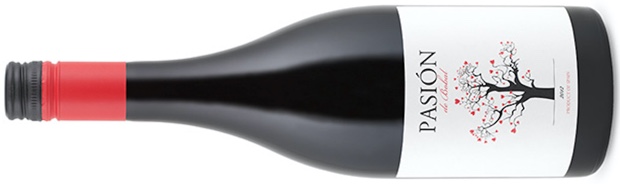
Pasión De Bobal 2012, Dop Utiel Requena, Spain (439679, $16.95, WineAlign)

Clean, direct, massaging Spanish expression of the here and now. A winemaker’s message from an outpost with an endemic grape variety known as Bobal, 100 per cent employed to speak of that place. It does so ripely with cagey dramatics and an acidity seemingly so specific to varietal. This will pave roads for a geek’s obsession and should lay tracks for a consumer’s diversion. It’s worth the detour. Like Aragonese or Catalan Garnacha. Drink 2017-2019.  Tasted January 2016  @BSierraNorte  @DOUtielRequena  @ProfileWineGrp

Sister's Run Calvary Hill Shiraz 2013

Sister’s Run Calvary Hill Shiraz 2013, Barossa Valley, South Australia, Australia (222018, $16.95, WineAlign)

On this hill ripe, pure, Barossa fruit fills the glass, “handing out bread and jam just like any picnic.” Don’t be looking for a battle of acidity and tannin on the edge of a savoury, mythical Epping forest. Seek fruit, find fruit. A genesis of material for straightforward Shiraz. If you’ve $16 in your pocket and a deep, rich, red fruit Shiraz is what you’re looking to find, this is the place to stop. “Here come the Cavalry.” Drink 2016-2020.  Tasted January 2016  @Gr8TanninWines

Cave De Roquebrun La Grange Des Combes Saint Chinian Roquebrun 2013, Ac Languedoc-Roussillon, France (155804, $18.95, WineAlign)

From Schistous hillsides of Roquebrun, this firm and friendly SGM is the bomb of Beziers. Meaty and wise, its heart beats out of sheer size and from beauty. The opposite of a ferric beast, the valley of the barns wields a weapon but one of glistening, polished stone. The accomplished battle ready fruit knows no limits. Tannins though fierce do nothing to hurt the cause. Syrah (50 per cent), Grenache (30) and Mourvedre (20) adds up to really good Schist. Do you trust a gorgeous wine? Drink 2016-2022.  Tasted January 2016   @AOCLanguedoc  @LanguedocWines  @Eurovintage

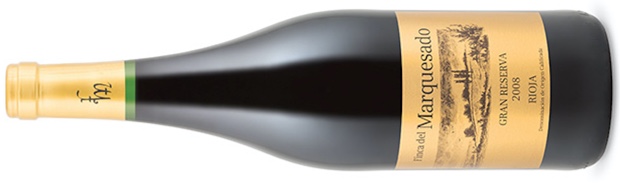
Finca Del Marquesado Gran Reserva 2008

Finca Del Marquesado Gran Reserva 2008, Doca Rioja, Spain (384248, $21.95, WineAlign)

A 2008 Rioja that looks, smells and acts like 2008, a plus and a positive rolled into one determinate, fruit roll-up, old-school package. Dried red berries once fervently ripe, now concentrated and dehydrated performing as classic regional flavours would. The acidity persists and the tannins have a leg or two to stand on. This will not improve or go any long distance but for now and two or three years more it’s about as delicious a Rioja red as you are want to taste. Drink 2016-2018.  Tasted January 2016  @RiojaWine_ES

Pierre Sparr Schoenenbourg Riesling 2011

Pierre Sparr Schoenenbourg Riesling 2011, Ac Alsace Grand Cru, France (664995, $22.95, WineAlign)

Sparr’s little piece of the Schoenenbourg is a fine one, exemplified in this tidy, gritty and shiny happy Riesling. The tones are not tiny, perhaps tinny and certainly tropical. Mango and pineapple make heady way but the acidity and the tannin are up to the task. This is quite Germanic in my opinion, not new world Alsace. And it’s tasty as need be, with longevity on its side. Drink 2016-2022.  Tasted January 2016  @AlsaceWines  @VinsAlsace  @drinkAlsace  @ProfileWineGrp

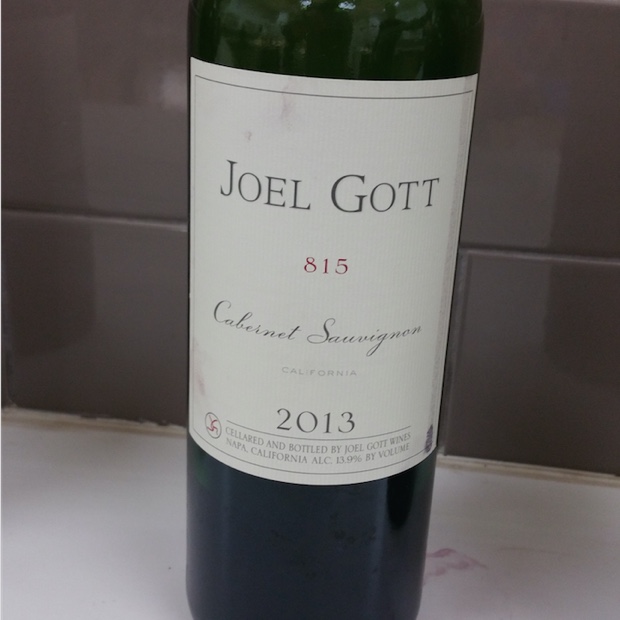
Joel Gott

Joel Gott 815 Cabernet Sauvignon 2013, California (444059, $35.95, WineAlign)

Molten comes to mind from this California Cabernet, as in lava and chocolate. A load of pepper marks its territory and fruit wades through the spicy mocha. Under the sheath there can be no mistaking the grape (with help from Cabernet Franc and Petit Verdot) or the place and yet something ionic speaks, leaving me to wonder where this will go. The chemistry is procured by a hint of carbonic, whole bunch pressing and lees stirring for texture. At present they are not in synchronized rhythm. I would say that instant gratification and crowd pleasing was the intent but the opposite happened and that may turn out to be a blessing in disguise. A year from now this could be a true pleasure in value to drink. I think I wanted to hate it but I can’t. It is possessive of terrific, classic character. I will love it instead. Drink 2017-2020.  Tasted January 2016

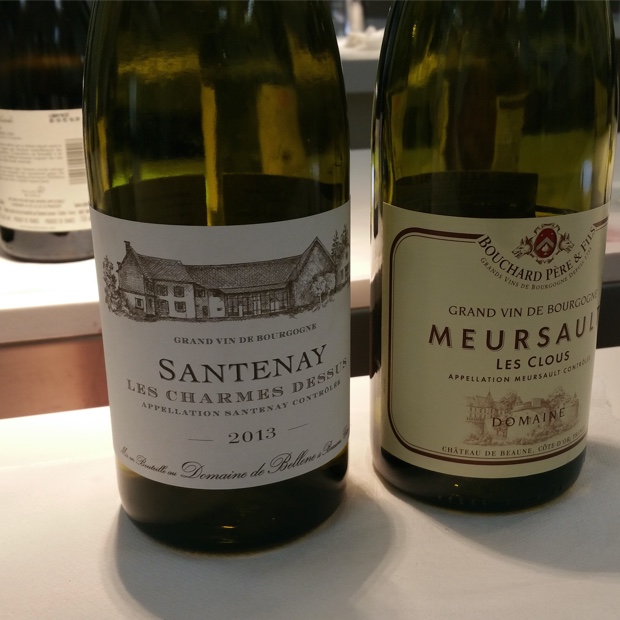
Bellene and Bouchard

Domaine De Bellene Les Charmes Dessus Santenay 2013, Ac Burgundy, France (435032, $35.95, WineAlign)

From the flats between hills of the lieu-dit Charmes Dessus, a calcaire pebble’s throw away from the 1er Cru Clos Rousseaux. Adolescent acting fruit comes off of young, 10 year-old vines in Santenay, the most southerly wine-producing commune of the Cote de Beaune. Tight, flinty, developing beneficial bitters of a Burgundy that needs a bit of time to accrue a touch of honey to help the medicine go down. Quite rich and reductive. Very good value. Really good value. Drink 2018-2022.  Tasted January 2016  @RochedeBellene  @Nicholaspearce_

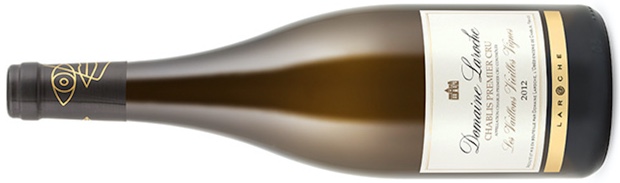
Domaine Laroche Vieilles Vignes Les Vaillons Chablis 1er Cru 2012

Domaine Laroche Vieilles Vignes Les Vaillons Chablis 1er Cru 2012, Ac Burgundy, France (991893, $36.95, WineAlign)

Gorgeous and wealthy Chablis of all that makes this unparalleled style of Chardonnay tick. Flinty, struck stone entry, vineyard hyperbole of mineral and the geology of ancients. Lithe, lifted, lightness of being but always brought back down by the minerality. Some flavour density by way of old vines wisdom and persistence that just won’t stop going. Superb quality. Drink 2017-2022.  Tasted January 2016  @DomaineLaroche  @Select_Wines  @BIVBChablis

Schistes

Secret De Schistes 2011, Igp Côtes Catalanes, Languedoc-Roussillon, France (440669, $41.95, WineAlign)

IGP in which schist happens. Such a bruiser this Château de l’Ou Côtes Catalans, an example the likes this market rarely sees. These Schistes bleed hematic into fruit warmed excessively by the sun. Languedoc-Roussillon that runs with the Rhône terribilta to purpose largesse and rocking good times. This is a very demanding wine, loaded with peppery spice and rabid energy. It needs years to settle. Hopefully its secrets will then be revealed. Drink 2019-2024.  Tasted January 2016  @ChateaudeLou  @AOCLanguedoc  @LanguedocWines

Colla

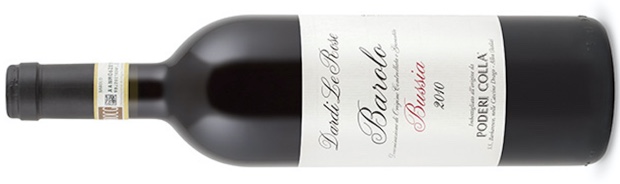
Poderi Colla Dardi Le Rose Bussia Barolo 2010, Docg Piedmont, Italy (596890, $51.95, WineAlign)

The Dardi Le Rose ranks as one of the most consistent performers, mired in tradition and crafted without compromise. The 2010 is a spot on example of balance in Nebbiolo, gritty, floral, tannic and ethereal. The weight is an ambient one, the aromatics resourceful and respectful to varietal and to nature. Dried roses and fresh tar, drier cherries and strolls through verdant gardens. Not the beast of Bussia but certainly bussing its weight in age. This will go quite long. Drink 2018-2025.  Tasted January 2016  @glencairnwines  @regionepiemonte

Plus one, just because it’s Valentine’s Day.

Domaine Bouchard Père & Fils Meursault Les Clous 2013, Burgundy, France (Agent, $64.00, WineAlign)

Essentially 1er Cru pearl of a vineyard in origin, on marly ground, “walking tightrope high over moral ground.” Such a pretty Chardonnay of faith and of love, subtle, slightly smoky, linear and purposed towards the divine. A lemon drop jam without sweetness and a tart edge that is miles from sour. There are no holes, stops or delays, with acidity that drives forward and length stretching to further length. Grace in gossamer layers. A marker in the Meursault sand. Drink 2017-2024.  Tasted January 2016  @WoodmanWS  @BourgogneWines  @bourgognespress

Good to go!

Twitter: @mgodello
Instagram: mgodello
WineAlign: Michael Godel

Facebook