L’shanah tova, happy new year, peace, happiness and health to all the members of the tribe out there. New beginnings, sweet and good times to you and yours. I’ve just returned from Italy, specifically Verona and Valpolicella. While I was in transit a new VINTAGES release crept into stores.
Tuscany, Rioja, Thanksgiving. These are the main themes of the VINTAGES October 1st release. As from me for the first it is Chianti Classico’s Gran Selezione that occupies the best sangiovese position in the central thematic. Second comes entry-level excellence from Álvaro Palacios and for the last three, pinot noir from disparate outposts; Sonoma County, the Willamette and Hemel-En-Aarde Valleys. A further 12 recommendations explore 10 regions; South Africa’s Coastal Region, Veneto, Loire Valley, Beaujolais, Alsace, Piedmont, Calatayud, Montagny, Paarl, Arroyo Seco and 14 additional grape varieties; chenin blanc, garganega, sauvignon blanc, gamay, riesling, arneis, garnacha, sylvaner, chardonnay, grenache blanc, picpoul blanc, roussanne and nebbiolo. Something for everyone.
Boschendal Rachelsfontein Chenin Blanc 2015, Wo Coastal Region, South Africa (455881, $12.95, WineAlign)
Classic chenin blanc from Boschendal, tart, balmy, savoury, smoky and spirited. Conjures up simple pleasures, breathing and bliss. A morning walk in a glade, a bubbling brook, herbs everywhere, wildlife. Drink 2016-2018. Tasted September 2016 @BoschendalWines@LiffordON@WOSA_ZA@WOSACanada
San Raffaele Monte Tabor Soave 2015, Doc Veneto, Italy (277392, $14.95, WineAlign)
Always a good Soave buy and especially in the ripe and easily commercialized 2015 vintage. In fact this preface is a clear indication for such a wine because it can basically make itself so it smells, tastes and delivers just like itself. Citrus and herbs, Maresina, Pisacan, Sciopeti and then more citrus, followed by a mouth feel with an accent of stone. Delicious little commercial Soave. So correct. Drink 2016-2018. Tasted September 2016 @Oenophilia1@RegioneVeneto
Foncalieu Le Versant Sauvignon Blanc 2015, Vins De Pays D’oc, Loire, France (470336, $14.95, WineAlign)
Terrific scintillant of a sauvignon blanc with extract to burn and the gesture of giving generously. Pungency be damned this goes at it with vitality, energy and the great sweetness feigning, peachy sauvignon blanc equalizer. There are few Midi SBs that can both thrill and appease with ease like this Pays d’Oc. Crowd pleaser to pour at weddings and other large gatherings. The finish guarantees success. Drink 2016-2019. Tasted September 2016 @foncalieuwines@LoireValleyWine@azureau
Stephane Aviron Beaujolais Villages 2014, Beaujolais, France (468744, $15.95, WineAlign)
The juicy appeal of gamay. In its purest form it struts and flaunts in full peacock display as in this $16 Aviron Beaujolais. He or she who could not drink a tank full of this BV is missing out on one of the go to pleasures of the wine world. Fresh and outright getable, when risked with a more than slight chill this could do no harm. Drink 2016-2018. Tasted September 2016 @DiscoverBojo@Nicholaspearce_
Rioja to grab for, spread out the blanket, pull out the jamon and kick back. Fresh, juicy, slightly smoky and full of nothing but fruit with a quick shake of spice. The simple pleasures provided by Alvaro Palacios at the lowest of low affordability. You can find Rioja with a much greater and historically profound sense of place but it will cost an arm and a leg. And I’m not sure it will get you anywhere. So put aside the serious face and embrace this modish value-driven sketch by Palacios. I too will abide. “It’s not that I care any less for that philosophy, but I would spend one night with you in trade for all that I’ve achieved.” Drink 2016-2018. Tasted September 2016 @WoodmanWS@RiojaWine
Kuhlmann Platz Riesling 2014, Ac Alsace, France (196741, $16.95, WineAlign)
From the cooperative Cave de Hunawihr where the winemaking is overseen by Nicolas Garde here is a typically tart and citrus-driven riesling from alluvial flats. Salinity and a touch of brine with a minor note of spritz makes this nothing but fun. It’s certainly lean and direct but such an Alsace riesling line is fine when done with no agenda in mind. Well made with enough complexity to add five years onto its life. Drink 2016-2021. Drink 2016-2021. Tasted September 2016 @VinsAlsace@AlsaceWines@drinkAlsace@ChartonHobbs
Prodigious and revered producer meets resurrected varietal in this hear me roar and highly expressive roero arneis. From Langhe vineyards in La Morra, Guarene and Govone. The level of extract and texture is elevated to where the grape can go but we so very rarely get a chance to enjoy. This has mineral, loads of mineral, like a chew of rocks in bubble gum form. With this on offer who wouldn’t choose to chew every day. More acclaim for arneis and that makes me smile. The freshness will offer perfect window drinking in years one through three but why not put one or two aside and watch them develop some honey and petrol in years five through ten. Drink 2016-2022. Tasted September 2016 #CorderodiMontezemolo@ProfileWineGrp
Breca Old Vines Garnacha 2013, Do Calatayud, Spain (329086, $22.95, WineAlign)
Very floral garnacha from gravelly slate with more than enough blueberry and blackberry to bake into a hundred pies. As per the modern norm this 100 per cent garnacha from typically regional (upwards of 100 year) old vines pushes the scales in extraction, weight and alcohol. If any Aragonese garnacha can handle such largesse it is Calatayud because the combination of gnarly vines and rocky soil gives essential nutrients to fruit for balance. It may only be a distraction but when the wine is polished (albeit sweetly so) the looming alcohol is kept in threaded check. Drink 2017-2021. Tasted September 2016 @CSWS_ON@WinesofGarnacha@GarnachaOrigen@docalatayud
Wildewood Pinot Noir 2013, Willamette Valley, Oregon (462994, $23.95, WineAlign)
If mountain herbs and tea could burrow or seep their savoury ways into a Willamette Valley pinot noir this Wildewood would be a viable candidate. It’s a global, pinot from everywhere and for everyone affair in here so call the aromas what you will; fynbos, rooibos, Peloponnese clandestina, wild thyme, rosemary, lavender. So pretty in its sauvage, so suave in its ruggedness. This pinot noir understands what it is saying and selling. Unlike the gritty poet, it is in complete control of its phenolics and its faculties. The palate pales but delivers straight to structure. The aridity and the salinity seal the deal. Drink 2016-2020. Tasted September 2016 #Wildewood@Nicholaspearce_
Maison Roche De Bellene Montagny 1er Cru 2014, Ac Burgundy, France (470476, $26.95, WineAlign)
Such thews and texture are wonderful to elevate Montagny and you can tell that important Nicolas Potel time was allocated into turning this into something rocking. Plenty of citrus and wood intertwine in layers of chardonnay flesh. This is quite something. Gregarious, talkative and alive. Drink 2016-2019. Tasted September 2016 @RochedeBellene@vinsdebourgogne@Nicholaspearce_@BourgogneWines
Domaine Loew Vérité Sylvaner 2013, Ac Alsace, France (462598, $25.95, WineAlign)
The truth of sylvaner explodes into olfaction with the flats left for others and the slopes of Alsace greasing their way into this wine. A wow factor of 13 on the texture scale brings it here. Oily doesn’t due this sylvaner justice. You could run heavy machinery on this juice. Beyond the oléagineux there is great bite from old wood, tonic from the varietal necessity and bitters so very artisan crafted in nature. More British aperitif than Italian digestif in that sense but strictly Alsatian and in requiem for a match made in Foie Gras heaven. Needs two years to settle. Drink 2018-2028. Tasted September 2016 #DomaineLoew@VinsAlsace@AlsaceWines@drinkAlsace
Avondale Armilla Blanc De Blanc 2009, Méthode Cap Classique, Wo Paarl, South Africa (451930, $29.95, WineAlign)
From a farm dating to 1693 purchased by Johnathan Grieve’s family in 1996. Poster bubbles, for the Blanc de blancs habitation and for the Avondale oeuvre, the Armillary sphere, Roman “circle of life” and ancient astronomical instrument used to show the position of stars around the earth. Traditional production, with a kiss of oak and a final act of dosage. Five total years on the lees, including two on coarse and one in bottle. Picking was accomplished at the end of that January, in purpose of stylistic elegance and beautiful bitters born of natural and integrated acidity. Terrific dip of biscuits into honey. Like Baklava in a glass though equally savoury to dessert. Baller bubble, balanced and with the sense to envision evolution, to the look ahead of an adult age. Would retail for approximately $28 CAN. Drink 2015-2027. Tasted twice, May and September 2015 @Avondalewine @WOSA_ZA @WOSACanada @RareEarth_Wines
Bonny Doon Beeswax Vineyard Le Cigare Blanc 2013, Arroyo Seco, Central Coast, California (95331, $34.95, WineAlign)
The Beeswax Vineyard is not just a pretty face. That this blend reeks of the bee’s work can’t be a coincidence. The Rhône is but a mere smirk or memory here with fruit so ripe and vital you can hear yourself think. Arroyo Seco does cool chardonnay but it works for these varieties in another worldly way; with viscosity and texture. The pitch from the lemon and the flesh of creamy tropical fruits come together with a party gathering crafted tonic. And yet there is this rhythmic, low-toned, folk-roots-blues riff tenderness to Le Cigare Blanc. Really. J.J. Cale (by way of Don Nix) if you will. I’m going Doon, Doon, Doon, Doon, Doon, Doon. Drink 2017-2024. Tasted September 2016 @BonnyDoonVineyd@RandallGrahm
Castello Di Ama San Lorenzo Gran Selezione Chianti Classico 2011, Docg Tuscany, Italy (418897, $48.95, WineAlign)
Castello di Ama has chosen their signature San Lorenzo Vineyard to qualify for Gran Selezione designation, one of three such highest level Chianti Classico produced at the estate. The high Gaiole elevation and argilo-calcaire soil make for a specific style, still deep and mineral but not so much like what happens from sangiovese raised on Galestro or Albarese solis. The liqueur here is a grander kind of sangiovese ooze (with 20 per cent malvasia and merlot), more hematic and of a purity only it can express. There is more liquorice and less leather, more iron and less cherry. Certainly less fruity but not as mineral. Here the umami is conspicuously undefined and so I am oriented to say it is simply San Lorenzo. Drink 2019-2026. Tasted September 2016 @CastellodiAma@HalpernWine@chianticlassico
The Ratti Marcenasco is in a league of it own but it shares the club with like-minded nebbioli, wines that steep in tradition and breath an aromatic liqueur only its kind resemble. Deep waters here, always mysterious and hiding sunken treasures. Candied roses and liquid tar, savoury forbidden forests and intricate tannic chains. You have to exercise extreme patience with Marcenasco, avoiding years five to 10 and best to look in at 15. Everything will rise to the surface. Drink 2021-2031. Tasted September 2016 #renattoratti@LiffordON
Hamilton Russel Vineyard Pinot Noir 2015, Hemel-en-Aarde Valley, South Africa (999516, $57.95, WineAlign)
In 2015 the hyperbole of the Hemel-en-Aarde shines bright in magnified reflection with fruit and land combining for full effect. I get cola and beet root in ways I cant necessarily recall from most recent Hamilton Russell pinot noir and I also get depth like I’ve not encountered before. This is a massive expression in 2015, not a gentle one. I imagine the vintage was raging with adrenaline and testosterone so you have to take what is given. A masculine wine is the result, muscular, chiseled and ripped. At present the Hamilton Russell homiletic Hemel-En-Aarde verbiage is a tad evangelical. With such Adonis-like features and marbled structure it will need a few years to recoil, recalibrate and recharge. By next decade it will soften and preach with a bold style yet remain humble enough to change. Drink 2019-2025. Tasted September 2016 @OliveHR@hermanuswine
Flowers Pinot Noir 2014, Sonoma Coast, California (215202, $68.95, WineAlign)
Pinot Noir that is all coastal, from vineyards far and wide but inclusive of some fruit from the Sea Ridge Estate Vineyard. An extreme brightness of being pinot noir with that distinctive Sonoma Coast feigned red candy nose, first raspberry and then strawberry. Exquisitely perfumed and gainfully rendered with mindful, purposed and calibrating acidity, propped up and misty fine. Such effete fruit and unassuming character does not materialize with enough regularity out of these parts. The finesse and fineness of this wine is what California does best when it comes from the heart and not from the hand. Though his chardonnay is otherworldly you just have to appreciate David Keatley’s touch with Sonoma Coast pinot noir. Drink 2016-2022. Tasted twice, February and September 2016 @FlowersWinery@rogcowines@sonomavintners
Welcome @muller_brent to team RED! with nazlanmak captain @treve_ring #nwac16 @winealign
The WineAlign National Wine Awards of Canada are a complex, multifarious and many-splendored thing. The Nationals bring unity, cross-provincial comity and international variety to the Canadian wine scene. That’s more than can be said about the commerce side of things. It requires a whole lot more than good will to make this most important Canadian competition happen. It takes 1,500+ unique wines, algorithms, logistics, space, time and people.
My fourth Nationals in the books and the apogee of perquisite function is reached. That’s how it feels, in retrospect. The overture of function and the apex of wine journalism culminates at the vertices of colleague and responsibility. To find the profound wrapped up in the membrane of gifted opportunity allows a wine writer to make a valid and justifiable contribution. It affords a conclusion written in vouchsafe doling, where medals are heaped upon the best wines produced in Canada. It’s an avail of satisfaction, a community distraction and a labour of love.
How lucky we all were to have her back in the captain’s chair. Happy Canada Day @djwines #nwac16
Congratulations to Tawse Winery. In his WineAlign report David writes, “winery owner Moray Tawse and winemaker Paul Pender have harvested Winery of the Year honours at Canada’s largest wine competition again this year, the fourth time since 2010. Tawse Winery is on a roll, with five gold medals in this year’s showdown, plus eight silver and eight bronze medals.”
The people at the forefront are the judges, women and men from across the country (representing seven provinces) as well as international guests, from the U.K. and America. Not just any America, mind you, but native America, from California (by way of Alaska). The judges rule but they are not the most integral cog in the NWAC machine. It is the wine fairies that run the engine and they need naming. Head wineaux Bryan McCaw. Logistics and administrative gurus Sarah Goddard and Carol-Ann Jessiman. Statistics bordering on actuarial science sabermetrics specialist Earl Paxton. Photographer Jason Dziver. Head judges Anthony Gismondi and David Lawrason. Volunteers. Lifters, carriers, movers, pourers and judge-doting servers. These are the heroes.
The 2016 WineAlign National Wine Awards of Canada judges photo (c) Jason Dziver and WineAlign
In his WineAlign report, Anthony Gismondi writes “this year’s National Wine Awards was the most inclusive yet, with 230 wineries entering over 1,500 wines from across the country. The numbers only make the achievement of Lake Breeze as Canada’s 2016 Best Performing Small Winery of Year all that more impressive.”
I would like to make it clear that I write all of my tasting notes for The Nationals solely based on the notes scribbled during the competition. Though I am fully aware of the wines in question when composing the final copy, the transcribing process remains 100 per cent pure and loyal to the original notes. Nothing is added. No acidification, chaptalization, fining or filtering.
Dispatch @winealign note to Canada- You are making awesome @coolchardonnay …next stop #i4c #nwac16
“There was a dazzling array of top quality Canadian wines at this year’s 16th WineAlign National Wine Awards of Canada with over 1,500 entries from 230 wineries in six provinces. There were 16 coveted Platinum medals spread over 14 wineries, and seven different wine categories.”
My top 40 are not necessarily the best I tasted but rather the best of a cross-section that insists on being inclusive for as many categories across the compendium. Chardonnay, Pinot Noir, Gamay and Riesling are disproportionately represented and for good reason, but there are thirds, fourths and fifths exceptional examples that are not celebrated on this versatile and ubiquitous list.
Treve Ring made it clear that “no matter what shade, it’s pretty obvious that more folks are thinking pink. And with fresh results from the 2016 National Wine Awards of Canada held in Penticton, BC last month, Canadian winemakers are stepping up with terrific offerings.”
The notable exception and varietal inconsequence comes at the hands of Cabernet Franc, a grape that I’ve come to herald over the past two years, especially from out of the auspices of Niagara gatherings and master classes, along with other Canadian competitions I’ve judged at. Franc has shown well at the Ontario Wine Awards, at Gold Medal Plates and at comparative varietal get togethers. When we convened at Peller Estates in the spring of 2015 during a CAPS Best Canadian Sommelier competition, the Cabernet Franc flights were revelatory. At the 2015 and 2016 Ontario Wine Awards the varietal shone in Icewine meanderings. At NWAC 2016 its promise stagnated and receded into wooden shadows.
Why is this? The simple answer could be examined as too many quality CFs made by many good vignerons were not entered. Another view sees a rapid return tho excess barrel aging in less than stellar vintages, namely 2013 and 2014. The last concern is a heavily weighted Okanagan participation. The sage and dry desert impart mixed with wood clouds many B.C. renditions. It’s not that they are poor wines by any stretch, but they tend to blend in as one, especially when eight or more are tasted side by side by each.
Pronto! Largest assembly of Canadian wines in one place- 1,525 @WineAlign National Wine Awards #nwac16
Speaking on behalf of the entire WineAlign/Chacun son Vin crew might be a slight over-reaching opinionated bit of creative license but judging these awards ranks amongst the most important things we do as wine journalists. These wines are in our hands and we pay attention to every detail, on a playing field set as level as there can be in the pantheon of wine competitions. Nothing is taken for granted and the collective palate works towards the most just conclusions possible. These Top 40 wines are what I spent the most energy on. All deserving of their accolades.
Quebec
Les Pervenches Seyval Chardonnay 2015, Quebec (Winery, $20.00, WineAlign)
A two-varietal conjoin of chardonnay (80 per cent) and seyval blanc (20) opined with the sort of high level of acidity that stakes territorial claim out of what is surely the coolest climate in the competition. The sharp drift leans to shale and flint. Great glade energy and piercing phenolics are superb. Oak is not even a twinkle in its eye, nor negative reduction neither. Directly solid phenolics, tart and angling to greenery. Lemons all over and lime too. Such zing. Drink 2016-2018. Tasted blind at #NWAC16, June 2016 @LaRoutedesVins@VinsduQuebec
Domaine Acer Charles Aimé Robert, Quebec (Winery, $30.00, WineAlign)
Maple syrup as maple syrup, reduced, syrupy, caramelized, rich, buttery (brown) and with direct acidity. Mostly in balance. Roasted nuts and even some fig. Roasted chestnuts off the Portuguese cart. Marmite and umami. The return of the sherry semblance that speaks an Oloroso vernacular, the nutty Solera professor, dried apricot beauty. The maple is so in, so reduced and perfectly realized. Tasted blind at #NWAC16, June 2016
Desrochers D Cuvée De La Diable Vin De Miel, Quebec (Winery, 375ml, $20.00, WineAlign)
Just amazing honey wine, all beeswax but here without as much funk and so stressed in lemon citrus with savour, not balm. Like sweet sherry, envisaged in the vein of say Montilla-Moriles Pedro Ximenez, from 100 per cent honey. Really haute-fashion acidity. Pine resin and forest floor. Quite complex and irrefragable into its long finish. Honey buttered toast, sour and so good. Really well made, balanced and ethereal. Tasted blind at #NWAC16, June 2016
New Brunswick
Happy Knight Black Mead 2015, New Brunswick (Winery, $13.29, WineAlign)
From honey (87 per cent) and black currant (13) together for a wonderfully lactic, chalky, saccharine mess. There are moments of simple sour and insipid tartness but the up and downs bring about structure. And then the lifted florals. Drink 2016-2017. Tasted blind at #NWAC16, June 2016 @happyknightwine
Nova Scotia
Blomidon Estate Winery Tidal Bay 2015, Tidal Bay, Nova Scotia (Winery, $19.99, WineAlign)
Simply the simplest white blend in the flight, for good reason and measure. Languid and salty, bittersweet. Not much fruit of texture but the acidity is zesty and orange juicy. A bit funky and prickling. Leaves behind a green mango paste in the mouth made piquant by lime. Ça marche. Tasted blind at #NWAC16, June 2016 @BlomidonEstate
Ontario – Niagara Peninsula
Chateau Des Charmes Sauvignon Blanc 2015, VQA St. David’s Bench, Niagara Peninsula, Ontario (Winery, $14.95, WineAlign)
Much ripeness in style, juicy mango and a note of Kenyan pineapple. Palate offers balance returning back west into stone fruit and a shot of metal moonshine. It comes so easy. This is cracker soul. “Come and party with your spirit guide.” The winemaker and the vigneron walk their walk and talk their talk. Drink 2016-2018. Tasted blind at #NWAC16, June 2016
Chateau Des Charmes Gamay Noir “Droit” St. David’s Bench Vineyard 2014, VQA St. David’s Bench, Niagara Peninsula, Ontario (Winery, $17.95, WineAlign)
An adroit poster child for the battle cry of #gogamaygo, this is deliciously and devilishly dark fruit crusted with rusticity. It is also bright, volatile within every threshold of the ideal and tart with cru proportions. Possessive of the relentless ongoingness of gamay syntax, from sour black cherry to ascendant and structurally lean. Well done. Drink 2016-2020. Tasted blind at NWAC16, June 2016 @MBosc
Beautiful variegation is noticed on the leesy, creamy and somewhat reductive nose. Certainly already into the beeswax, this is weighted but lifted chardonnay. Flinty, smoky too. All this before a taste. Good harmony into the texture where palate and tannin meet at the proverbial chardonnay crossroads. No semantic crimps, lexical distresses or syntactical trials. Big and beautiful. Full to the long finish. Drink 2016-2020. Tasted blind at NWAC16, June 2016 @LegendsWinery
Who would fail to comply with the memo for giving it up and appreciating the mineral sauvignon blanc, down along the cove where “I spied my little bundle of joy.” Platinum pear and white peach, sprinkled with maldon, bobbing for rocks, “walking hand in hand.” Direct, white tannic, dry extracted, low pH SB, direct, with purpose and just a wee bit of harmonica. Drink 2016-2020. Tasted blind at #NWAC16, June 2016
Here the complete deal is limestone-mineral, old vines, relative altitude and low tonnage. Variegated layering on the palate. The Germanic one, all in, slope driven and dry with citrus compression. This is most excellent, mouth-watering riesling. “This is really, warden in my back, goose all in my gut.” A wine that stretches and turns back on itself. Under the Pressure. Drink 2016-2025. Tasted blind at NWAC16, June 2016 @HiddenBench@BenchVigneron
Compression and a slight bend to oxidation are hallmarks of the 2014 Niagara Riesling season and yet the QRV manages to buck the trend. The oscillations of tannin, extract and off-dry flavours are all wrapped up in greater acidity than some previous vintages have seen. This is one of the more striking 2014 Niagara Rieslings with some credit surely do to the cool Vinemount Ridge site. The rest of can be credited to winemaking and good luck. The sour in this Quarry Road is of a sumptuous kind, laying August stone fruit over layers of fractured limestone. Drink 2016-2020. Tasted April 2016 @Tawse_Winery@DanielatTawse
Really effective actuality, from barrel for couverture and bite, through texture by lees and with inhalant because of the mineral play. This has it all going on. The middle palate is so beautifully filled in, the spice and smokiness just a mild, intoxicating smoulder. Lovely stuff and terrific length. Drink 2016-2021. Tasted blind at #NWAC16, June 2016 @AdamoEstateWine@hinterlandwine
Two Sisters Eleventh Post 2012, Niagara River, Ontario (Winery, $39.00, WineAlign)
Red raspberry and a posy of green quintessence filled by oak in a merlot (50 per cent) with equal addendum from two cabernets. There are moments that are somewhat downy soft and mocha-creamy but the brain gladly socializes with the cappuccino bordeaux blend. What ultimately matters is how this soft serve is the least astringent and most silky wine in the flight. Just as your guard lets down the tannins storm the castle. Intriguing blend with cellaring structure. Drink 2017-2022. Tasted blind at #NWAC16, June 2016 @2SistersVine@apearcevino
Hidden Bench Chardonnay Tête De Cuvée 2013, VQA Beamsville Bench, Ontario (Winery, $45.20, WineAlign)
Intensely reductive and so very fresh chardonnay with serious cool-climate excitability. A minor dishy aroma might detract for some but its the phenolics talking, not yet rendering the porcine baby fat, looking for integration, speaking in tart, chalky (liquid) tones. Like fresh pasta dough in a warm kitchen. Complex wine not yet understood. Drink 2017-2022. Tasted blind at #NWAC16, June 2016 @HiddenBench@BenchVigneron
Love the cool feel, the apricot aspic glaze and the herbs underneath the sweet surface. Really tangy fruits and great acidity. This has balance and vitality. Actually causes a bit of mouth watering with clean, clear, crisp and precise riesling character. Drink 2016-2025. Tasted blind at #NWAC16, June 2016 @Jackson_Triggs@CBrandsCareers
Domaine Queylus Pinot Noir Le Grande Reserve 2013, VQA Niagara Peninsula, Ontario (Winery, $60.00, WineAlign)
The top-tier Pinot Noir is quite fruit intense, but also sappy and uttered in soft, indecipherable if almost resolved words. That said the length traipses to somewhere distant, to a boundary no other Queylus Pinot Noir has yet made. As it is thought on, this wine climbs to that far away peak that can’t really be imagined. The wine lingers longer than the pen and like the sword, pierces with svelte pinpoint accuracy. The flavour profile is indescribable, neither fruit nor mineral dominant and not exactly earthbound either. The abstruse profile persists but can’t be named so like language, must go on and on. Time heeds no dissipation. The wine lingers forever. Drink 2017-2025. Tasted June 2015 @QueylusVin
Ontario – Prince Edward County
Waupoos Cabernet Franc Reserve 2013, Ontario (Winery, $29.95, WineAlign)
Rich cabernet franc, extracted and with some big, but beneficial wood. Quite aromatic stuff here of black cherry with vanilla and lavender accents. Savoury and leathery palate with juicy, sumptuous elevations. Really lively stuff with nary a chocolate or a mocha moment and no bitters. None. Brilliant. Drink 2016-2020. Tasted blind at #NWAC16, June 2016 @waupooswine
Huff Estates Cuvee Peter F Huff 2011, Méthode Traditionnelle, VQA Prince Edward County, Ontario (Winery, $40.00, WineAlign)
Nothing can be so considered as leaning to an oxidative style until you imagine this in a flight of nine and take in its old-school on par with Method Cap Classique like charm. Or Jura. Great acidity circulates and like tribunates protects the sparkling rights from arbitrary acts of reduction. With flavours recalling mandarin, lemon and then an aromatic return to exotic, in lemongrass and galangal. Length is excellent. Drink 2016-2022. Tasted blind at NWAC16, June 2016 @HuffEstatesWine
Ontario – Lake Erie North Shore
Pelee Island Vinedressers Cabernet Sauvignon 2013, Lake Erie North Shore, Ontario (Winery, $19.95, WineAlign)
Dark, muted and tannic, of bitter chocolate, this unforgiving cabernet sauvignon is blessed with high savour and underlying brine. This is an oak monster but not creamy. It’s all bitter chocolate but not astringent. Not mean. Gotta see past the demanding attitude because it’s really quite balanced within the conceit of it’s largesse. Ultimately elegant, floral and complex. Drink 2017-2022. Tasted blind at NWAC16, June 2016 @Peleewinery
British Columbia – Okanagan Valley
Synchromesh Riesling 2015, Okanagan Valley, British Columbia (Winery, $19.00, WineAlign)
Beautifully microbial, beeswax-scenting, wild ferment riesling. Needs agitation to shed its bacterial baby fat. Quite viscous and grippy mouthfeel. Transports the fundamental factors from vine, fruit and fermentation in a suitcase of natural love. The acidity is texturally palpable, essential, extended gainfully from low pH. There is some residual but so much sink your teeth into it stuffing to carry it forward. Most excellent less than off-dry palate and with the drive to finish with impression over the next 10 years. Drink 2016-2026. Tasted blind at NWAC16, June 2016 @SynchromeshWine
The View Ehrenfelser 2015, Okanagan Valley, British Columbia (Winery, $19.95, WineAlign)
So floral, with orange peel, white rose potpourri, a bit of funky humidity, cool and viscous. Great mouthfeel, tart, frozen-gelid acidity. Sweetness never causes any suffering. Great finish. Miles ahead of the field in off the beaten path varietal gambolling. Tasted blind at #NWAC16, June 2016 @TheViewWinery
Wild Goose Stoney Slope Riesling 2014, VQA Okanagan Valley, British Columbia (Winery, $20.00, WineAlign)
Beautiful atmosphere with hopes and dreams to climb high into the stratosphere. The terpene that lurks is just a prop, a step-ladder for the more purposed realities to use and get up there with the airs and the stones and to thank the terpenes for their unselfish ways. Very concentrated and purposed riesling with compressed bitters. Princess in high tops. Drink 2016-2022. Tasted blind at NWAC16, June 2016 @wildgoosewines
Finals of 24 #pinotnoir in three flights. Mountain tea for all #nwac16 @winealign National Wine Awards of Canada
Volcanic Hills Pinot Noir 2011, BC VQA Okanagan Valley, British Columbia (Winery, $20.00, WineAlign)
Oranges, peaches and apricots. In pinot noir. Strawberries, cherries and raspberries. So much fruit. Turns earthy and spicy on the palate. It’s a very good characterful expression that walks straight down a line. So much character and then tannic, sharp and acerbic on the finale. The tannins hang around the fruit like a clever. Drink 2017-2021. Tasted blind at NWAC16, June 2016 @volcanichillswi
Ciao Bella Pinot Rosé 2014, Okanagan Valley, British Columbia (Winery, $20.75, WineAlign)
Love the early note of minor volatility to check and balance for soft and downy, simple and into pleasure. Smells like unripe pickled strawberry. Though some decent salinity and brine offer up a rosé reality there lacks a bit of ingratiating 100 per cent pinot noir charm. Improves and brings out some pinosity by good bitters, gin and tonic, orange zest and some spice. In the end it’s actually more than quite good. Drink 2016-2018. Tasted blind at #NWAC16, June 2016 @ciaobellawinery
Spierhead Pinot Gris Golden Retreat Vineyard 2015, BC VQA Okanagan Valley, British Columbia (Winery, $21.85, WineAlign)
Just a moment of skin contact renders to immediate complexity. Great rust, scraped stone and wild citrus. Lots of white grapefruit on the palate and pith, but not too much. Very persistent. Tasted blind at #NWAC16, June 2016 @spierheadwinery
Haywire Secrest Mountain Vineyard Gamay Noir Rosé 2015, Okanagan Valley, British Columbia (Winery, $22.90, WineAlign)
Really earthy 100 per cent gamay Rosé. Good mineral in here. This was made with a purpose. “Now everybody’s gonna tell you it’s not worth it. Everybody’s gotta show you their own thing.” There is balance and ballad ease. This is just so drinkable. “Is this the past or the future that is calling.” Gamay, I love the times you’ve come. Drink 2016-2018. Tasted blind at #NWAC16, June 2016 @Haywirewine@OKCrushPad
Joie Farm Gamay 2014, Okanagan Valley, British Columbia (Winery, $23.90, WineAlign)
A gamay with global explorations that is so inimitable it founds it’s own, toute de suite, self-dissolving genre. This really sweats and wicks away the umami of gamay. It has the notion, sumptuous spice, tight, circular winds and biggest stage presence. Such a mineral palate, density and the gumption to pour with unwavering varietal swagger. Best in show. Drink 2016-2021. Tasted blind at NWAC16, June 2016 @JoieFarm@LiffordON
Bordertown Cabernet Franc 2014, Okanagan Valley, British Columbia (Winery, $24.00, WineAlign)
Beautifully fragrant cabernet franc, unhindered and unencumbered by obnoxious, noxious barrel plenitude. Red currants, liquorice and plenty of summer savour. Pencil lead to graphite and cool climate attitude. Rustic in all the right ways, like Rioja Gran Reserva meets the Loire. So natural and charcuterie cured. Spicy all over the finish. Just a bit bitter perhaps. Tasted blind at #NWAC16, June 2016 @BordertownWine
Moon Curser Syrah 2013, BC VQA Okanagan Valley, British Columbia (Winery, $27.00, WineAlign)
Cooler and more Mediterranean savoury. Tart and direct, taut and full of miles away imaginings. There seems to be some elegance to temper the gambling and cajoling in the big chamber. Like a self-correcting shake-up, as if something were veritably being worked out. Give it some time and some love. Drink 2018-2023. Tasted blind at NWAC16, June 2016 @mooncurser
Stag’s Hollow Grenache 2015, BC VQA Okanagan Valley, British Columbia (Winery, $29.99, WineAlign)
An effete, in effect style of grenache, pretty, pure and elegant. She resists the trappings of overripeness, over-extraction and over-pressing. She is conceived with great purpose and with pelucid substance. Her palate is silken, with fresh berries and then the sort of grand structure that rolls into ambient endings. One of Canada’s great grenache triumphs. Drink 2016-2020. Tasted June 2016 @Stagshollow
Sperling Natural Amber Pinot Gris 2015, Okanagan Valley, British Columbia (Winery, $30.00, WineAlign)
So much beeswax and honey wine attribution. Porcine, delicate and quite elegant for the statement. Plenty of acidity and even more relish. Why not give a little Grauburgunder love to the winemaker for giving the style a shot, and succeeding. Tasted blind at #NWAC16, June 2016.
From my earlier note of January 2016:
Ann Sperling is not merely fussing about with natural ferments, skin-contact macerations and non-sulphured, self-preservations. She is learning about winemaking, opening doors to perception and interested in doing things in different ways. Her second go ’round with a natural Amber Pinot Gris furthers the non-plussed discussion and the understanding. While pouring the inaugural 2014 from keg on tap last year at Vancouver’s Belgard Kitchen, it was Sommelier David Stansfield who so succinctly noted “this wine is a raw expression of vineyard, grape, and time.” This gets right to the heart and the crux of the Orange matter, especially within the context of a North American account. Sperling has many supporters in her corner, including husband-winemaker-consultant Peter Gamble, the folks at the Casorso-Sperling Kelowna Farm and Bill Redelmeier at Southbrook Vineyards in Niagara. This 2015 is a veritable pink cloud, anti-orange, still so very musty, funky, tanky, with great Sperling acidity and pierce. There is so much exuviation to evanescence and back again flavour. There is feigned sweetness that purposes towards and with gearing second wind into length. How much pleasure is this from and for Pinot Gris? Drink 2016-2017
Sperling Vin Gris Of Pinot Noir 2014, Okanagan Valley, British Columbia (Winery, $30.00, WineAlign)
Anti-Rosé Vin Gris pinot noir, light of blush and leaning to terpene. While lost in a nether land between the categories of hue, the appeal is wrought by the wine’s refusal to be unclassified. And it need not be. I think I get what the attempt was here; lithe, light, easy free-run with nearly no hue inducing skin contact and it travels the path akin a fruit wine realm; ever so slightly sweet and very tangy, like currant pureé. Prejudices and preconceptions are cast aside. Such a rare occasion affords a taster assessing blind to know so little and enjoy so much. Drink 2016-2018. Tasted blind at #NWAC16, June 2016 @SperlingVyds@AnnSperling
Coolshanagh Chardonnay 2014, Okanagan Valley, British Columbia (Winery, $36.95, WineAlign)
Really beautifully reductive, ranging to all chardonnay fronts, from expectation and into results. Terrific integration, multiplicity and circulation. Chardonnay flush with fabric and forged by framework. Enjoy it now and over five more glowing years. Drink 2016-2020. Tasted blind at #NWAC16, June 2016 @OKCrushPad
Burrowing Owl Cabernet Sauvignon 2013, BC VQA Okanagan Valley, British Columbia (73098, $44.95, WineAlign)
Rich, dried fruit and a welling tension inflates and rehydrates this cabernet sauvignon with cool, savoury, bluff sage and piquant nettle garrigue notions. It has an intelligent and characteristic taste. Tending to write the cabernet sauvignon personality book, this desert play is full of varietal notion and somehow typical. Drink 2018-2024. Tasted blind at NWAC16, June 2016 @BurrowingOwlBC@LeSommelierWine
Moon Curser Dead Of The Night 2013, BC VQA Okanagan Valley, British Columbia (Winery, $54.95, WineAlign)
Serious syrah and tannat split. Deep cimmerian demi-glacé, rich and chocolatey, somewhat sweet but full of fruit and mineral. Syrah getting together with tannat of augmentation, opulence, concentration, of getting more in. Long and lingering. Drink 2016-2021. Tasted blind at NWAC16, June 2016 @mooncurser
Meyer Pinot Noir Micro Cuvee Mclean Creek Road Vineyard 2012, Okanagan Valley, British Columbia (Winery, $65.00, WineAlign)
A very amenable and mostly, fully, completely copacetic pinot noir with tonic and beneficial bitters managing the fruit. Fruit that is directly up front and neither garrigue nor barrel spice makes cause for any distraction. No mental gymnastics are required to understand this wine. Great leave it be pinot noir. Drink 2016-2020. Tasted blind at NWAC16, June 2016 @MFVwines
British Columbia – Naramata Bench
Deep Roots Pinot Gris 2015, Naramata Bench, British Columbia (Winery, $19.00, WineAlign)
A bit stinky and reductive but on the precipice and so purposeful. Pear, platinum pipe and graphite. Good viscosity and slightly off-dry to the point where savour and spice take over. Better balance here. The reduction blew away with ease. Spicy finish. Drink 2016-2019. Tasted blind at NWAC16, June 2016 @DeepRootsWine
Terravista Albarino 2015, Okanagan Valley, British Columbia (Winery, $25.00, WineAlign)
Quite a dense albarino with plenty of metal in its back pocket and salinity “singing to an ocean.” Gobs of fruit play along with the sea air. I like the acidity and the zeppelin zest, the citrus led with a full twist. Tart and close to sour with some sulphur but “it’s a real fine way to start,” even if it doesn’t quite blow my mind. Drink 2016-2019. Tasted blind at #NWAC16, June 2016 @Terravistawines
La Frenz Syrah Rockyfeller Vineyard 2014, Naramata Bench, British Columbia (Winery, $28.00, WineAlign)
Here syrah plays a floral song while doused in perfume of roses in the tar sands. Less oak driven and fresher than the compatriots in its flight. Give credit where it’s due. Syrah buoyed, lifted and blessed by five per cent viognier. Tasted blind at #NWAC16, June 2016 @LAFRENZWINERY
British Columbia – Similkameen Valley
Twisted Hills Paradise Pear Organic Cider 2015, Similkameen Valley, British Columbia (Winery, $18.00, WineAlign)
Bruised pear leads this spot on cider with a cool whiff of concrete tank and a minor pear puree, of sauce spiked by cinnamon. Quite dry and saline within terrific acidity. Umami makes the salivator glands work overtime. Drink 2016-2018. Tasted blind at NWAC16, June 2016 @twistedhills
Eau Vivre Malbec 2013, BC VQA Similkameen Valley, British Columbia (Winery, $23.00, WineAlign)
A rich juicy malbec of all in red fruit, tom foolery fun things and life affirming positives. Just the malbec with creamy american vanilla anglaise. “Sidewalk sundae strawberry surprise.” A bit of a malbec ice cream cone but that’s more than OK because the ice cream man, one man band will be “good to you yeah, good to you, I’ll be good to you, I’ll be good to you.” No need to hold off because malbec so inviting waits for no one. Drink 2016-2019. Tasted blind at NWAC16, June 2016 @EauVivre
In 2016 and for the first time in its brief yet facund tenure, Ontario’s International Cool Climate Celebration will include some other cool-climate varietal representation; pinot noir, gamay and cabernet franc. Yes it is true. Plus has joined the i4c, an ideogram of addendum, a character of diversity for the fluently persuasive and forceful congress. This gathering will open its arms for colour and to allow its constituents to regale with what they do best. For an event-driven pure as single-varietal snow and formerly known exclusively as chardonnay, is this really a shocker? This is the reality of democracy.
In August of 2015 I asked the question, can chardonnay get any cooler? My immediate answer to myself was this. “Five is a big number. Any annual convention that survives and thrives into a fifth caucus must be divined by some unseen force, a guiding hand perhaps, by avatar or prosopopoeia. And something other. The International Cool Climate Chardonnay Celebration has priceless equity on its side. Three aces in the hole. Canadian climate and geology, adroit farmers and winemakers, simpatico of communities.” That answer was not exclusive to chardonnay. It held the door open for more.
Niagara’s Cool Chardonnay Conference will take place between July 22nd and July 24th. It begins on Friday with the annual School of Cool, Viticultural and Winemaking Sessions in the Grand Room at White Oaks Conference Resort & Spa. Ian D’Agata (Decanter, Vinous.com), John Szabo (MS) and twenty of the brightest talents in the world of Cool Climate viticulture and winemaking will explore three provocative topics. Two seminars from Wines of Chablis and Riedel Canada will follow.
Friday’s main event, “Flights of Chardonnay” will be hosted at Niagara District Airport. Sixty winemakers from nine countries and 75 wines will be poured at this “boots and blue-jeans” event. The new culinary marché will offer dishes from Niagara’s top chefs and the mainstage will feature live bands as the sun sets over the airstrip. On Saturday night the Cool Chardonnay World Tour Tasting & Dinner will return to Ridley College in St. Catharines, Ontario.
When I reflected back on i4c 2015 I wrote this. “Yes, we thought these things and then year number five blew our minds. We had been wrong. We found out that the bar had yet been breached. Further was still out there, not yet claimed, hovering in the realm of the possible and still, going forward, yet remains plausible.” And so in 2016 there will be reds. Oh, the blasphemy, the bastardization, the spurious board gone askew. Really? Can this multifarious variegation really cause such angst? Must we express ourselves with varietal racism just to be heard? Just take it easy man.
The internal red invasion comes at an appropriate time, by coincidence or not with “TanninAlert” a new Brock University Cool Climate Oenology and Viticulture Institute (CCOVI) program that will track tannin levels in red wines which impact bitterness and astringency. The joint CCOVI and Ontario Grape and Wine Research Inc. (OGWRI) concept will provide Ontario grape growers and winemakers with information on the ripeness of these flavours to help consistently create rich and robust Ontario red wines. Red wines and cool chardonnay living together like cats and dogs. What a revelation.
At the end of this week I will prep my chardonnay palate in Chablis for six days. Last week I tasted, assessed and judged more than 40 Canadian chardonnays in Penticton at the WineAlign National Wine Awards of Canada. Now I count down the days (22 of them) and in anticipation I’ve drawn up more cool tasting notes as the great #i4C16 event nears. Many will become available through VINTAGES next week for the July 9th release. After Canada Day. Notes that include chardonnay, gamay, pinot noir and gasp, riesling. Imagine the horror of tasting such an intruder at a cool chardonnay conference sometime soon.
Tawse repeats itself in 2014 with a gamay noir that breathes deeply and breeds consistency. From a vintage that few varietals could find great shine, gamay seems the outlier and Tawse does what was required. The firm, dark and tasty taut fruit is really all that matters, a result of a driven desire to celebrate the simplicity of the grape In Niagara when uncertainly lurks. Eight months in oak committed neither diversion nor crime. Drink 2016-2018. Tasted June 2016 @Tawse_Winery@DanielatTawse@Paul_Pender
Château Des Charmes St. David’s Bench Vineyard Chardonnay 2012, VQA St. David’s Bench, Niagara Peninsula, Ontario (430991, $19.95, WineAlign)
Tasting the CdC SDB chardonnay a year after it may have been held up with halting reduction is the best thing I could have done and props are fisted forward to the folks at the winery for timing this perfectly. It’s so very mineral-driven and may have stung like a bee in 2015, now fluttering and dancing like a butterfly instead. The barrel presented texture is all marzipan and honey butter with a crunchy bite of rye toast under-spread. Dramatic for the vineyard and exceptional as a price with quality quotient from a polarizing chardonnay vintage. Exceptional timing is exemplary and day assessing uplifting. Drink 2016-2021. Tasted June 2016 @MBosc
Oak Bay Pinot Noir 2012, BC VQA Okanagan Valley, British Columbia (267146, $19.95, WineAlign)
The Oak Bay pinot noir by St. Hubertus has drifted into settled middle age at a time when whatever high tones may have once spoken loud have now faded away. This is light, truffled and whiffing of a vanilla cigar. Blackberries and currants too. Simply complex enough to offer up some value that exceeds decent and enters the realm of great. Drink 2016-2017. Tasted June 2016 @St_HubertusWine
Tinhorn Creek Chardonnay 2014, BC VQA Okanagan Valley, British Columbia (378489, $19.95, WineAlign)
Classic cool-climate please all camps Okanagan chardonnay. From here and there, with this and that; Black Sage and Golden Mile Bench fruit. New oak and stainless steel, wild and cultured yeasts. Herbs and spices, fruit and mineral, ying and yang. Lean, green verdancy and warm, textured liquor. Cool and boozy. All in for $20. Drink 2016-2019. Tasted June 2016 @TinhornCreek@SandraOldfield
Flat Rock The Rusty Shed Chardonnay 2013, VQA Twenty Mile Bench, Niagara Peninsula, Ontario (1552, $24.95, WineAlign)
It’s as if this label had bided all this time to be the benefactor of 2013 fruit. This Rusty Shed, this 20 miler with the track record to age, a wine that sheds baby fat over a 10 year mineral through echelon stratum, in ways few other peninsula to bench chardonnay can do. This Jay Johnston handled surfer of a wine, buoyant and balanced, centred and able to withstand turbulence, oscillation and tidal sway. Here with sumptuous and spiralled fruit gaged in lode intervals and a tartness held in lope and line by a membrane of extract and tannin. Best ever. Showing well, repeatedly and to forecasted repute. Impressing critics and consumers alike. Bravo. Drink 2016-2025. Tasted June 2016 @Winemakersboots@UnfilteredEd@brightlighter1
Charles Baker Riesling Ivan Vineyard 2015, Niagara Escarpment, Ontario (395921, $27.20, WineAlign)
In 2015 Ivan delivers the labour of ripe, concentrated fruit, by lower yield, alcohol and spine, concomitantly and conversely to elevated, amenable juicy potability. I can think of 100 reasons to drink this repeatedly over the next three years while the more structured ’13 and ’14 Ivans continue to mature. Three good reasons would be breakfast, lunch and dinner, from scones, through croques and into fresh, piquant and herbed shrimp rolls. Drink 2016-2019. Tasted June 2016 @cbriesling@StratusWines
Bachelder Bourgogne Blanc Chardonnay 2013, Burgundy, France (416602, $28.95, WineAlign)
The winemaking gypsy Thomas Bachelder “flies from coast to coasts” and his 2013 French foray into basics and the essential tenets of white Burgundy is a trip replete with a sunbeam shining through your hair. A sweet Melissa of a chardonnay, an ode to what is pretty, simple and carefree about Bourgogne Blanc, but also the idea of chatting up and producing pure driven varietal wine from ideal terroir. Bachelder does this, albeit with romantic vision, here with phenolics, dry extract and mineral of organza sheathing. The vintage speaks clearly and the wine responds with thanks, in kind. “Crossroads, will you ever let him go?” Drink 2016-2020. Tasted June 2016 @Bachelder_wines@LiffordON
Henry Of Pelham Speck Family Reserve Chardonnay 2013, VQA Short Hills Bench, Niagara Peninsula, Ontario (616466, $29.95, WineAlign)
The barrel toast is a gift of the highest order, dispensing a twinge neither wholly lucid nor abstruse, but somewhere on the demurred line in between. Exposes flint in mineral over fruit in its younger development, with elements of sunshine, forest glade and some herbal tones. Not to say it is balmy in any perceptible way, its lees layered body pops fresh in happily reductive design, in a real Ontario way. So representative of the regional, modern, cognoscenti connection. Drink 2017-2023. Tasted blind at the WineAlign National Wine Awards of Canada, June 2015 @HenryofPelham@SpeckBros
The greatest surprise is a skeptic’s dream, that is, no surprise. The vintage was a gift for chardonnay as we all know and so Francois Morissette does what a wise winemaker does. He lets the fruit from such conditioning speak on its own behalf. The less is more approach allows his fruit to do more than most, to condense into pure elixir of terroir, to inflate with airy, philosophical heir and to exhale a perfume so very, very Cuvée Dix-Neuvieme. Like marzipan but more umami and like stone fruit but crossed with the orchard. The palate and the texture speak of resolution after the revolution and the level of calm post chaos is quietly dramatic. Hypnotizing clarity is what it is. Drink 2017-2027. Tasted June 2016 @PearlMorissette
One of the true pleasures in wine & life to judge with two amazing women @treve_ring @curlyluddite #NWAC15 #thenationals #winealign
Wine. The ancient mocker, a drink unknowable and illustriously beyond judgement. That is until a national organization builds a mountain out of bottles, gathers together a court of 22 like-minded adjudicators and brings a nation’s wine culture together. The WineAlign Canadian Wine Awards is this country’s own version of unfathomability, as a thinking and tasting machine to test the romantic mysteriousness of an overall expression laid out by deferential wines produced from coast to coast.
The Nationals or #NWAC2016 will amass and coordinate more than 1,500 entries from Nova Scotia, Quebec, Ontario and British Columbia. The romantic grandiosity of the project will merge with the mainframe abacus of wine awards algorithms. The WineAlign National Wine Awards of Canada (NWAC) are held annually in June. Each year the country’s leading wine writers and judges gather somewhere in Canadian wine country to evaluate wines grown in Canada. They award Platinum, Gold, Silver and Bronze medals in some two dozen categories, with medal rankings further determining Winery of the Year and the country’s Top Twenty wineries.
When I roll out of bed Tuesday morning my Air Canada flight to Kelowna, British Columbia will be in its early stages of preparation. AC 1975 will transport me ceremoniously to the golden western frontier of the Okanagan Valley and it is there in Penticton that I will join 21 fellow judges (plus two apprentice judges) at the 2016 WineAlign Canadian Wine Awards.
Co-Chief Judge Anthony Gismondi has let us all know that “we have had a tremendous response from wineries across the country. Entries to date to are at 1,505 wines, a new record. With that number comes much responsibility so please be prepared to work hard for a full five days in the tasting room.” We welcome our visiting international judges, Elaine Chukan Brown of JancisRobinson.com, WakawakaWineReviews.com and Wine & Spirits, along with WWAC veteran Dr. Jamie Goode, The Sunday Express and wineanorak.com. Vancouver’s DJ Kearney oversaw the apprentice judges program and this year Brent Muller and Alistair Veen prevailed in a tryout that included 5 top BC sommeliers and retail buyers.
WineAlign judges, a rainbow and the American Falls
This will be my fourth Nationals. It is one of the greatest privileges in wine journalism and a profound honour to be gifted the opportunity to contribute towards bestowing medals on the best wines produced in Canada. It is an equally awesome grant of companionship and shoulder rubbing to work alongside the WineAlign crew. The war room leaders Bryan McCaw, Sarah Goddard, Carol-Ann Jessiman, Earl Paxton and Anthony Gismondi. The judges I’ve worked with before; David Lawrason, John Szabo M.S., Sara d’Amato, Steve Thurlow and Dr. Janet Dorozynski from Ontario. Rémy Charest, Michelle Bouffard, Bill Zacharkiw and Nadia Fournier from Quebec. Ben MacPhee-Sigurdson from Manitoba. DJ Kearney, Treve Ring and Rhys Pender, MW from British Columbia. Brad Royale from Alberta. Craig Pinhey from New Brunswick. Heather Rankin from Nova Scotia. I look forward to meeting David Scholefield and Sharon McLean from B.C.
Day 2 #NWAC15 with @curlyluddite and the maestro @DavidLawrason .. I will taste f’in #merlot !! @winealign
The judging is overseen by WineAlign principal critics and partners Anthony Gismondi and David Lawrason. All competition wines are blind-tasted and judged in categories according to varietal or style, not by region, using the same 100-point system as used on WineAlign. Each wine earning the requisite points will get a medal. Wines with the top scores in the entire awards will be awarded a Platinum medal (approximately 1% of the total entries). Gold medals = 90 – 100 points, Silver medals = 88 – 89 points and Bronze medals = 87 points
At last year’s Nationals held in Ontario we handed out a record number of awards; 14 Platinum, 101 Gold, 263 Silver and 375 Bronze. Given that a bronze must have been scored 87 points by a panel of a minimum of three judges, we have hundreds of wines in Canada that our experts felt were ‘very good’or better. That should instil some confidence among consumers. I tasted and reviewed many of the 14 platinum medal winners. Here are some of my notes.
Flight 3, code red #pinotnoir redux. Right proper #NWAC15 picks & pours @FortessaCanada stems @winealign staff rock!
Four months has upped the funk for ’13, with tar and bitters still and thick as summer air. Rich and ripe, notable for its black cherry aroma and that J.P. Colas natural truncation. Unique, as always and very Gamay. Drink 2015-2019.
From my earlier note of December 2014:
Fruit was sourced from both the Sandstone and Whitty Vineyards for 13th Street’s Gamay Noir, a focused and gritty adjunct in ode to the Cru Beaujolais approach. This ’13 raises the aromatic and texture bar and just may be the most striking from a 13th Street estate mix. All the important berries are there, as are the mineral quandaries. In a Gamay moment this will lead you to gulp and giggle with #GoGamayGo delight.
Tres hombres in @TheGoodEarthTweets light @johnszabo @billzacharkiw @bradroyale #NWAC15 #beerdrinkersandhellraisers
C.C. Jentsch Syrah 2013, BC VQA Okanagan Valley, British Columbia (Winery, $34.95, WineAlign)
Oh so beautifully nasty Syrah, spicy, saucy and wicked. Resin, somewhere between myrrh and mastic, redacts reductively and tension stretches the savoury aspects in all directions. Blood orange and anise blend into the aromatic grain, repeating again through flavour mettle. Fruit, acidity and tannin are interwoven, circulating and on edge, in pitch perfect darkness. Syrah in the big time with the stuffing to age. Drink 2016-2022. Tasted blind at WWAC15, August 2015 @CCJentschCellar
Merlot, Cabs, Red blends #NWAC15 messed with kilters but @DavidLawrason & @curlyluddite set me straight. #cdnwine #thenationals #winealignnationalwineawardsofcanada #sheratonfallsview
Château Des Charmes St. David’s Bench Vineyard Gamay Noir Droit 2012, VQA St. David’s Bench, Niagara Peninsula, Ontario (Winery, $16.95, WineAlign)
The increased Droit depth in black cherry positions this CdC Gamay like a cousin to the same vintage Pinot Noir with shared DNA and more funk meets reduction than I would have expected or even guessed at. Should this be chalked up to complex conscientious forethought or the denude of a brilliant mistake? The raspberries and strawberries are in the mulch and the mire, the acidity and tannin thinking cru, cru thoughts. A near behemoth for Ontario Gamay, as much to do with the St. David’s Bench and the vintage as anything. Droit redux, new, improved and polarizing. Drink 2016-2021. Tasted June 2015 and February 2016 @MBosc
The ’12 Niagara has swapped spontaneity for coherence, licentiousness for logic. Has entered the stage of non-reductive peel, where skin is discarded, flesh is exposed and juices run free. If you like your Chardonnay settled and yet vitally fresh, now is the time to enjoy the Hardie 2012 Niagara Chardonnay. Drink 2015-2022. @normhardie
From my earlier more of May 2014:
Norm’s Niagara is such a different animal to the County 2012. The warm summer and dry fall means more humidity and even more reduction. Currently cothurnal so less like Burgundy but only because there elevates the high-tones and percipience from Niagara. Texture is key but this Hardie needs time. It’s not angular but it is steroidal, injected, like a wild thing, as if the yeast were still in control, munching away even though there is no more sugar to be had. Undomesticated ’12, at heart, in spirit, out of mind. Hard to imagine there could be this much anxiety from the even-tempered vintage, but when you pick real early and keep the oak to a bare minimum, Hardie happens. Norm picked ripe fruit between September 7 and 10, six weeks ahead as compared to some years. He said the fruit had a “golden tan, ready to go.” The use of smallish 500L barrels works wonders for texture and though 40 per cent was new wood, you would never know it. Malolactic fermentation didn’t happen until late August, nearly a full year on so no sulphuring was required until that time. This is Hardie’s freshest Niagara fruit ever, from Duarte Oliveira’s farm between Victoria and Ontario Street, the same spot as Hillebrand’s Chardonnay Reserve. Terrific Beamsville Bench Chardonnay.
Last tasted April 2015
Sea of #schottzwiesel via @FortessaCanada #NWAC15
The Good Wine Cabernet Franc 2012, VQA Lincoln Lakeshore, Ontario (350751, $19.95, WineAlign)
While wood plays a prominent role it does not saturate to distraction. The barrel extract adds warmth and spice in contribution to balance. A high-toned syrup on the nose gives way to an evenly weighted palate. A scraped bean flavoured creamy toddy texture is topped with chocolate shavings, a dry of bell pepper and tobacco smoulder from out of the chamber. Nicely judged fruit, acidity and texture with admirable length. A necessary example of $20 Lincoln Lakeshore Cabernet Franc offering up every reason to drink it and demand that more me made. Tasted March 2015 @goodearthtweets
We @WineAlign came to judge nearly 1,500 wines #NWAC15 and it was fair and just.
Next level in tactile Chardonnay releases from @LeaningPostWine & @Witte_wine #niagarapeninsula #twentymilebench
It’s already been a very busy 2016 for Ilya and Nadia Senchuk. A whole lot of new has been accrued. New addition to the family, new machinery, new winemaking equipment, maturing (new-ish) vineyard fruit, new facade and interior additions to the 1850’s barn. Leaning Post Wines is no longer the new kid on the block.
Ilya and Nadia, along with the unconditional support of assistant winemaker Ryan de Witte may just be the poster children for the Ontario/Niagara dream. In twenty years they will look back, admire what they created and they will be very proud. We are already smiling. Last year I noted that hands-off winemaking and natural (sic) wines were not even on the Senchuk radar. It’s not that a flip-flop in technique has shaken the LP foundation but experimentation is part of the new process. Ilya and Ryan are geeking out. Big time.
I sat down with Butch and Sundance in early March to pass the time and try some new stuff. Here is what I found.
Crafted with appellative consistency from mostly Wismer Vineyards Foxcroft (70 per cent) plus (30) Featherstone Vineyard. Let’s call it proximity driven and of a ripeness pushing style, with some residual sugar in the 11-12 g/L range. Phenolic ripeness happens and matters, with similar ripe-ripping acidity, yet in ’14 there circles a rounder and weighty keen vibe. A particular Vineland oeuvre abides, of lemon condense chided by a benign vintage when it just had to be cool every day. “You shouldn’t worry about losing acidity,” says Senchuk, “just get to ripe. Wait, keep waiting, but don’t obsess.” And yet it maintains its acidity with obsession. You can’t do this with every Niagara locale and the crux requires taking a new route, a chance and a direction, as it always does. Fuller, richer Riesling with atomic bits of botrytis and VA, just a smidgen mind you, with purpose, for weight. 191 cases made. Drink 2016-2021. Tasted March 2016
Leaning Post Riesling “The Geek” 2014, VQA Niagara Peninsula, Ontario (Winery, $32.00, WineAlign)
Senchuk and swot-out cohort Ryan de Witte pulled 350 litres of riesling aside, accoutred with all readily available lees and shacked the whole gross mess in tank together, Vinification was completed at nine grams (RS) nearly-dry, in what can only be described as a reductive, cloudy, super-geeky riesling. Acquires an increased resonance from its designation stowed at a way station on what really is a longer, personal journey. The 2015 will be bone dry and like this ’14 will sit for 18 months in encouragement of a truly experimental, waiting for something to happen riesling. Time will act to fill in the gaps and increase its already developed texture. If you have ever had the pleasure you will see this as Jean-Pierre Frick-ish to be sure. When asked the question, he ‘The Geek’ will repeatedly reply, “I am not ready.” Drink 2018-2022. Tasted March 2016
Leaning Post Chardonnay “The Fifty” 2014, VQA Niagara Peninsula, Ontario (Winery, $25.00, WineAlign)
Barrel fermented but no malolactic and housed in stainless steel tanks for 11 months sur lie. The Chablis embodiment of the anti-oaked chardonnay despite seeing the inside of a barrel for a “few to several weeks” during ferment. Here in early life the aromatic lees of trickery and textural barrel magic construct an architectural chardonnay with more wood on the palate than there really is. All about and in for that texture with a late pique and tight acidity. Finishes with sushi rice seasoning after a close shave. Kind of, perhaps and perchance a visit with backwards winemaking, practically speaking. Drink 2016-2019. Tasted March 2016
Here chardonnay enters the lodge for a sit-in with fully assumed lees, neither shaken nor stirred and with no weird chemistry. Saw 12 months in barrel which is blessedly integrated and rich without ostentation. This Wismer is a wine travelled down a less worked word, speaking in subtleties and to great lengths. A wine that was allowed to do its thing. It’s not the fruit you think, it’s the fruit itself. The next goal will be to produce two single vineyard chardonnays, this and the home vineyard, along with the 50/50. 120 cases were made. Drink 2016-2021. Tasted March 2016
Time has constructed a completely different animal, meatier, grittier, younger version of the same style and so very vintage driven. More prick and spice. Cry baby cry, cru Gamay with hanks to more VA. A terrific, anterior way to go with Gamay, of substance and laser focus. “Make your mother sigh, she’s old enough to know better.” 360 cases made. Drink 2016-2018. Tasted March 2016.
From my earlier (tank sample) note of June 2015:
Increases the colline built of earth and endemic Gamay character. Keeps the funk grooving with a precise, focused beat. So very like pinot, with grains and tannin interwoven to length. Chewy, sanguine and gamy, a manducate of meaty sashimi or a mouthful of raw, marbled rib-eye, seconded on charcoal for a split second. On tap at Barque Butcher Bar.
The totality here is a paltry 220L or 25 cases, accomplished with the same McNally approach and concept, from a wild ferment and full malo (well, full as far as Ilya can tell). No sulphur is added in the first year and so he smells like Mcnally, weird, wonderful and clothed in musk. Tastes like Leaning Post pinot and as McNally, urged on by just pinot lees. This vineyard sheds more citrus and bitters with terrific elongated stretch. This 2013 is ready to go, never marginalized by its bitters nor its harmonic minor VA on the finish. Drink 2016-2020. Tasted March 2016
Ilya Senchuk’s 2012 merlot is not vineyard labeled, though 85 per cent hails from a single-vineyard specific (Demoura) Niagara-on-the-Lake terroir plus (15 per cent) from Beal vineyard in Beamsville. It was massaged by three barrels in total of French and American oak and corresponds from the oak cellar markedly aromatic in vanilla and by lavender. It also posts up continentally orated in a booming black olive and briny voice, by spice, beck, cull and call. So rare to see a Bench or Peninsula winemaker go here, in this way, with dialled and filled in middle grip. Pause with this merlot and notice it tempered by a chocolate linger with more earth than 2010 (which was McNally fruit). In the end the disclosure carries that Italianate animale meets right bank-ish thing that ’10 just did not have. Drink 2017-2022. Tasted March 2016
Current travels in Chianti Classico leave almost no time to scribble out more than paragraph let alone 10 but there is a VINTAGES release coming Saturday. The New Zealand Wine Fair rolls through Toronto today (which I will sadly miss) and I have some recommendations of excellence from that country. Canada (Ontario), France, Germany and Hungary round out my picks.
See you next week…Godello
Te Pā Sauvignon Blanc 2015, Marlborough, New Zealand (450668, $19.95, WineAlign)
After tasting the winery’s Pinot Gris and Sauvignon Blanc back in 2014 I wrote “If Te Pa can find a way to get their wines into VINTAGES stores, I will buy them by the case and hand them out on Halloween as adult treats.” The day has come with the release of this rocks off Sauvignon Blanc. The open G tuning is perfect for balance with the cumulative notes it plays, deep cuts of bluesy rock ’n roll from Marlborough soils. We’ve seen so many SB’s come through these parts but so few at this price deliver such a deft hook with exile on main street flavours. Singular, unctuous stuff and well worth finding a way to bring a deferent side of Marlborough and Sauvignon Blanc back into your heart. Drink 2016-2020. Tasted April 2016 @tePaWines@FWMCan@nzwine
Villa Maria Southern Clays Single Vineyard Sauvignon Blanc 2014, Marlborough, New Zealand (447474, $29.95, WineAlign)
The single-vineyard Villa Maria Sauvignon Blanc is a highly concentrated, aroma-centric, splendored thing with inherent vegetal notes both smoky and subtle. The flavours are all white berry dusted with white pepper. The bite, the lees and the tart accents layer like a savoury dessert. This is formidable Sauvignon Blanc with high aspirations. I for one would like to see it settle and develop a secondary level of show. Drink 2017-2021. Tasted April 2016 @villamaria_wine@Dandurandwines
Kim Crawford Small Parcels Rise & Shine Pinot Noir 2013, Central Otago, South Island, New Zealand (35337, $29.95, WineAlign)
This is a characterful, high-toned and slightly rustic Pinot Noir from Kim Crawford’s Small Parcels program in Central Otago. It’s all strawberry on the nose and black raspberry (with a lash of liquorice) on the palate. There is great grit and true breadth of texture, not to mention sweetness, forgiven with so much else going on. Love the tart finish and bitters linger. Tells me its best is just around the bend. Drink 2017-2021. Tasted April 2016 @kimcrawfordwine@CBrandsCareers
The Stopper White Blend 2014, VQA Ontario (452235, $14.95, WineAlign)
Fun blend of Riesling and Vidal, put to good use in a variation of theme on the Ontario white appellative blend. The Riesling dominates with that atomic push and arid, saline sensibility. The vidal adds a squeeze of citrus (white grapefruit) and skin contact au naturale feel. A bit of unoaked Chardonnay or even some Musqué might not be such a stretch to fill in with some cool-climate tempering and hole filling assistance. A follow-up bit of research finds five per cent, along with Gewürztraminer. Depending on the vintage, it would be nice to see the Chardonnay increased. Easy and tangy on the palate. Drink 2016-2018. Tasted April 2016 @AdamoEstateWine@JohnPaulAdamo@ProfileWineGrp
Tuzko Cabernet Franc 2012, Tolna, Hungary (438291, $14.95, WineAlign)
True cool climate cabernet franc from Hungary, savoury, full of leather, cedar and spice. A veritable forest of wild berries in a glass. Really unique find and very Lincoln Lakeshore for you that understand and prefer to compare within the context of an Ontario vernacular. Drink 2016-2022. Tasted May 2016 @ImportWineMAFWM@MarkAnthonyWine@WinesofHungary@WineofHungary
The Rosé category can be fascinating and also slightly repellant. Whether it be the choice of varieties or the uncontrolled bleed hot off the press, it’s really hard to say, some Rosé just rubs the wrong way. At first sniff and sip you just know this Fielding ’15 is not one of those. It’s coolness is graced with restraint and it is nothing but a pleasure to drink. There certainly is candy floss and cut strawberry in the air. There is sweetness on the edge and cream floating around the rim. Separately pressed and vinified Gamay and Cabernet Franc are the key fixings though a minor sense of white percentages (like Riesling, Viognier and Vidal) would not be out of the supporting question. Sugar meets acid in equal and opposing fashion. Balance and humility are cut from the same cloth as pride. Nothing dominates and all components work seamlessly together. In its fresh and spritely youth this is one of the most pleasurable Rosés from Ontario. Drink it young. Drink 2016-2017. Tasted March and May 2016 @FieldingWinery@RichieWine
Mas Des Bressades Cuvée Tradition Blanc 2015, Ap Costières De Nîmes, France (701094, $17.95, WineAlign)
Really floral white blend from the Costières de Nîmes in which tropical blossoming Viognier really tends to gardening at night scents to lift the mistral rhythms of Grenache Blanc, Marssanne and Roussanne. Unctuous and the most ethereal character this wine has ever shown. Really special vintage from Mr. Marès. Drink 2016-2020. Tasted May 2016 #masdesbressades@Vinexxperts#costieresdenimes
From the Thörle brothers Johannes and Christoph, a dry, vivid Riesling with a vitality of spirit and a presence that comes from the heart. Lime juice and zest mark the territory, skin contact leaves its trace in hue and a natural ferment keeps it more than real. A minor residual (Co2) spritz still tickles on the palate while grape tannin strikes a dagger into the finish. Exemplary modern take on Trocken Riesling in a style that should appeal to a wide ranging audience. Drink 2015-2019. Tasted three times, May and November 2015, April 2016 @thoerle@UNIVINS@germanwineca@gen_riesling
Bailly Lapierre Réserve Brut Crémant De Bourgogne, Méthode Traditionnelle, Ac Burgundy, France (991562, $19.95, WineAlign)
This 100 per cent Pinot Noir may initiate with simple and eager fruit, of lemon and pink grapefruit but its subtle ability and mineral wager is a condition of its commitment. It will not shock, dream in multi-dimensional preoccupation or revamp the traditional methodology but it is nothing if not lovely. It takes you on a holiday. Lemon repeats in many ways, acidity survives without kindle or foment and the flavours linger like a haunting refrain. “Like the bubbles in a glass of Champagne, you go to my head.” Drink 2015-2019. Tasted blind at WWAC15, August 2015 and April 2016 @bourgognespress@BourgogneWines@Vinexxperts
Steve Byfield’s crimson blend of Cabernet Franc (42 per cent), Merlot (33), Cabernet Sauvignon (20) and Syrah (5) is at once so very Niagara while acting out anomalously in the 2011 vintage. Ripe, extracted fruit appears warm-vintage drawn, with its coated layers of primer, brushstroke and plummy stone fruit. The warmth is tempered by savour, oranges, figs and psalms. Its ability to find cadence and cascade keeps it “cool in the shade.” The varietal combining is delineated in balance, “sliding mystify, on the wine of the tide.” This effort, with its new name, could become one of the king’s amongst Ontario blends. Tasted January 2015 @NyaraiCellars
Viewpointe Focal Pointe Cabernet Franc 2010, VQA Lake Erie North Shore, Ontario (450916, $24.95, WineAlign)
Wine Country Ontario’s Lake Erie North Shore appellation flashes onto the radar here with Viewpointe’s very youthful and soulful 2010 Cabernet Franc. It’s not spicy but there is a veritable pantry sprinkled into a simmering reduction sauce, breathing and exuding aromatics, of juniper, liquorice, Montreal smoked meat spices, cassia, star anise and chicory. It is utterly Cabernet Franc with righteously integrated barrel notes swirling in that demi-glace. The tannin and acidity persist strong and complimentary with nary a moment of raisin treason. So very well done. A huge accomplishment. Drink 2016-2019. Tasted April 2016 @viewpointewines@WineCountryOnt
Ernest Meurgey Perron Pouilly Fuissé 2012, Ac Burgundy, France (448852, $31.95, WineAlign)
Rich and buttery Chardonnay that is the membrane holding and supporting the coolest contents, in limbo and needing two years to flesh, burst and break through. The tart, tight and angled shfits are the drive and the direction for the short term development. In 2018 this will be a humdinger to pour alongside butter-seared and caramelized scallops. Drink 2018-2023. Tasted April 2016 @BourgogneWines@BourgogneWines
Humility only exceeded by impossibility @normhardie #pec #countyinthecity Pinot Noir 2014
To me, Prince Edward County is the most enigmatic wine region in the world. Why is that? The coterminous climate and geology comparison to Burgundy never wanes and the vintners who painstakingly cultivate and produce Chardonnay and Pinot Noir never quite abandon the methodology. The Burgundian model of viticulture is almost universally applied to the County microclimate. Think about it further and note that latitude and soil composition aside, PEC is not Burgundy, never will be and the parallels drawn ad nauseum should begin to cease and desist.
There are many reasons for saying this. The most obvious has to do with winter and the painful condition of a once or twice every 10-15 year pain in the arse deep freeze that necessitates the hilling up of vines. Farmers select canes chosen for the following growing season and tie them to a wire very close to the ground. Upwards of two feet of soil is plowed onto the tied-down canes. The labour required is extensive and the subsequent yields are lower than most grape growing places on the planet.
At the 2015 spring County in the City event I noted that WineAlignprimo scrittoreDavid Lawrason presented his PEC state of the union address via the company website. “David touched on some integral points for growers and winemakers in the County, including the rise of Riesling and a case for increasing plantings of varieties like Chenin Blanc.” At the time I hung on to Burgundy with no immediate plans to recognize an imminent diurnal varietal shift.
Last fall I wrote a mini-dissertation on the ridges of PEC. “It all adds up to minerality in the wines and nowhere does the geology matter more than on the ridges.” Which brings me to the third bit of logic and one that is varietal based. Pinot Noir and Chardonnay share the stage with a wide range of planted grape varieties and it is the emergence of Pinot Gris that shakes the foundations of PEC-Burgundy thought. If this year’s grand tasting of County wines at the Berkeley Church showed one thing it’s that Pinot Gris is a must. From Hillier clay-loam to omnipresent limestone, the group begs for Pinot Gris, a mineral-loving, dry extract extricating and tertiary tannin absorbing grape. The makers know it.
A fourth dialectic concerns rules and regulations. A wine growing community may talk a big game of homage and publicly declare with politically correct language their allegiance to, a following of and the emulation of a wine-producing deity that has proven its success with hundreds of years of tradition behind it. But the fact of the matter is Prince Edward County does not yet know exactly what it means to be a community of wine producers. The grand cru, premier cru and lieu-dit blocks are only beginning to be understood and working with the climate is still an unmitigated, trial and error disaster.
So in steps a governing body to determine what winemakers are supposed to and even allowed to produce and what exactly they can call it. Absolute authority is exercised against a brilliant vintner who owns land, lives and produces wines in the County, but can’t label it as such. Forget about the economics of an acronym that saves on taxes. They are not allowed to write Prince Edward County on their label.
I hear you. Regulatory boards are needed to make sure a region is putting its best foot forward out to the country and to the world. You can’t have a golfer wearing cut-off jeans, a fishnet tank and a mesh visor shanking nine-irons on the perfectly groomed country club 18. But what if one guy’s wines are off the charts, gorgeous representations of terroir? So what if her skin-contact whites are not what we are used to? Who cares what either of them are wearing. Who should complain that they make new tracks in their own special way? Exactly how is it they bring shame, detriment or housing market decline to the neighbourhood?
Rant aside, the last piece of the Prince Edward County puzzle stretches from the idea of freedom and into a polemical discussion in which no two County wines are the same. Dynamism has never known such hyperbole as it does in the County. Yet another Sparkling epiphany was had after tasting Lighthall Vineyard’s first (not yet labeled) traditional method fizz. It should be called “Au Courant” because it takes everything we have assimilated from Champenoise bubbles, filters it through Cherry Valley soil and rewrites the book. The collective needs to embrace the Sparkling example set by Jonas Newman, Bruno Francois and Glen Symons.
The endearment “The County” is a term meant to bestow a sense of down to earth affection on a place you have to detour through to pay it a visit. “The County” is in fact Ontario’s most diverse and magnetic wine region. To borrow from the American literary critic James Wood, PEC is “one of those rare occasions where the absence of evidence is evidence.” Everything is changing all the time and everything is new. No County for old wines.
I recently reviewed 20 County wines. Here they are.
First @lighthallvyard strike #methodetraditionelle #2011 #fortytwomonths
Casa Dea Dea’s Cuvee 2015, VQA Ontario (261263, $18.95, WineAlign)
Distinctly August cling stone peach, ripe, lightly crushed and fenocchio glacier. Really pollinated fizz, with a bright pink grapefruit granita personality and cool chardonnay exemption. Pretty, pretty stuff. Lingers precisely and there is nothing remotely precious about it. Well made. Drink 2016-2018. Tasted April 2016 @casadeawinery@PECWinemaker
Huff Estates Cuvee Janine 2013, VQA Prince Edward County, Ontario (Winery, $29.95, WineAlign)
Comes from a place and will return again to the junction where rusticity and elegant oxidative character live. Erstwhile fresh, alive, prescient and yet must have been a challenge to tame. Quite the gustatory, culinary, mis en place of torched vegetables and acidity de-glazed game seared off into caramelization. Intensely real, characterful and attention grabbing Janine but not funky. Slow braise ahead. Drink 2017-2021. Tasted April 2016 @HuffEstatesWine
Huff Estates South Bay Vineyards Chardonnay 2014, VQA Prince Edward County, Ontario (Winery, $29.95, WineAlign)
Reductive and reeling from the pushy barrel, young, tight, angular and closed. Green apple, tart white berries and barrel spice. Emerald gem Chardonnay leaving little to no wonder Niagara Bench winemaker Paul Pender is so interested in the fruit. South Bay is the Quarry Road of the County. Wait for the richness and the platinum peaches and cream to emerge commensurate to ostensibly consummate cool climate Chardonnay. Drink 2018-2022. Tasted April 2016
Karlo Estates Pinot Gris 2015, VQA Prince Edward County, Ontario (Winery, $29.95, WineAlign)
Welcome winemaker Derek Barnett to the County and to Pinot Gris with a Gorrilaz style, “the essence, the basics,” gone ripe beyond the pale, round and full. Sweet green apple and basil relish, veritable tang, baked tart shell filled with apple-citrus curd but so far from sour. Wish it hung around for longer. I suppose I have only myself to blame. “I ain’t happy, I’m feeling glad. I got sunshine in a bag.” Clint Eastwood and Pinot Gris in the County. “The future is coming on.” Drink 2016-2018. Tasted April 2016 @KarloEstates
Karlo Estates Lake On The Mountain Riesling 2015, Prince Edward County, Ontario (Winery, $29.00, WineAlign)
Very Mosel Germanic Riesling Kabinett in style, with some residual and low alcohol. Juicy, round acidity, ripe sapidity and almost tersely spoken from the edge of the late harvest forest. Good length and will live a half decade or more with severity tempered by herbal countenance. Drink 2016-2021. Tasted April 2016
Keint He Portage Chardonnay 2014, VQA Prince Edward County, Ontario (Winery, $25.00, WineAlign)
Tart and tight, rich and tangy, as expected and with some density. What needs from reduction lays low and melds into wood. The handling was necessary from out of a challenging and demanding 2014 vintage. The Portage is fully entrenched as a true County stalwart. This is what defines what Keint He is, has come from and to where it will go. Ground zero for the range, from what others will feed from. Sister Chardonnays Greer and Frost embark from this Portage starting point. Drink 2016-2019. Tasted April 2016 @KeintheWinery@Nicholaspearce_
Keint He Greer Road Chardonnay 2014, VQA Prince Edward County, Ontario (Winery, $30.00, WineAlign)
The specificity of the label conjures up territorial Hillier thoughts for Chardonnay made by Norm Hardie, Dan Sullivan and Paul Battilana. While the Greer thread runs through and keeps it in the family this is all in Keint-He issue. Possessive of a richness shown by few other PEC Chardonnay, there counteracts and stabilizes a cool climate snap, crackle and green apple pop. Tang folds into lovely tart, citrus bitter curd with a wisely executed tumult. And there is no relent. A Chardonnay ripper. Beware the power. Drink 2016-2020. Tasted April 2016
Lighthall Chardonnay 2014, VQA Prince Edward County, Ontario (Winery, $25.00, WineAlign)
Glenn Symons’ 2014 from the southern flank in the Cherry Valley is perhaps the most regionally intense, lights out Chardonnay in Prince Edward County. ‘Twas a good growing season in the Lighthall Road ward so say hello to phenolic ripeness and an old school, reductive and layered striker of flint and wood. The yields being as low as they are and exponentially were, there grunges much tonic reverb stirred into leesy, sweet extract in its rather ripped sonic youth. Such a mineral wine, sword-wielding, axe-grinding and tannin mining. Will find its unctuous way with time. ‘Cause it’s lights out right now. Drink 2017-2022. Tasted April 2016 @lighthallvyard
Lighthall Pinot Noir 2014, VQA Prince Edward County, Ontario (Winery, $30.00, WineAlign)
The paradigm shift that began with Lighthall’s 2013 Pinot Noir continues with this stay the course 2014 and then some. The vintage offered up a slower developed phenolic yawning so the stygian runs deeper than the vermillion. That is to say the cherry fruit turns to black even while such a pretty Pinot pours with tension beneath the rich and glorious surface. Tension yes, but also soil infiltration and cooling breezes to temper the Cherry Valley conflagration. Tautness de-armed by a necessary streak of humus conditioning pomace, for grounding. Voluminous palate notes are repeated in demonstrative refrain. Another step forward for Prince Edward County Pinot excellence. Drink 2016-2019. Tasted April 2016
Lighthall Pinot Gris 2014, VQA Prince Edward County, Ontario (Winery, $25.00, WineAlign)
Made in the Lighthall style mixed with location, location, location. Vines of healthy fruit in the Cherry Valley, making for wines that are stark, sturdy, demanding, self-fortified and of limited quantities. Like its siblings, this Pinot Gris is also exempt from weakness. Here PG reminds of lieu-dit Alsace, of attitude, with tannin, extract, salinity and and of course, mineral. Singular County Pinot Gris. Could age for a decade. Drink 2016-2022. Tasted April 2016
Norman Hardie Riesling 2015, VQA Ontario (131169, $21.00, WineAlign)
More reductive for a Norman Hardie Riesling than even it ordinarily shows and also pervasive of penetratingly concentrated stone fruit. While the acids may be received as hard and potentially malic that perception is calibrated by this wine’s typical aggregate. The walls need breaking down and the road is purposely graded high knowing full well it will eventually finish even with the shoulder. I like the sweet tannins and the difficult way in which it uses extract to a futuristic advantage. Wait a year and imagine the possibilities of balance. Drink 2017-2020. Tasted April 2016 @normhardie
Norman Hardie Pinot Noir 2014, VQA Prince Edward County, Ontario (Winery, $39.00, WineAlign)
In Prince Edward County and for Pinot Noir there is no substitute and no comparison. Quixotically sweet Pinot Noir fruit, from the lowest of the low yields, scrupulously heeded and handled with care and yet also, somehow without a care to the world. As self-effacingly pretty and impossible as ever though in 2014 the tensity is lower, the anxiety bereft and not so crucially or dearly developed. There is almost no crisis from out of this first of the near-crisis vintages. This is an early to love Norm Pinot Noir, brought to life and with red citrus that only a Hardie low alcohol Pinot can bring. Humility only exceeded by impossibility. Ready to enjoy younger than most. Drink 2016-2022. Tasted April 2016
Rosehall Run Pinot Noir J C R Rosehall Vineyard 2013, VQA Prince Edward County, Ontario (Winery, $39.00, WineAlign)
The vintage steps out of a particular shadow and into bright light, exposing the JCR Pinot Noir with a particularly beautiful level of freshness and vitality. What has come before is not forgotten; the County tartness, the limestone preparation and the earthy red ochre fruit. But here is something other, something new, exciting and structured. The balance begins and ends on a seamless circle with no obvious demarcation point. The most elegant Rosehall Run Pinot Noir comes out of this 2013 and its level of poise should see it enjoyed now and for 10 more years easy. Drink 2016-2025. Tasted April 2016 @Rosehall_Run@sullywine
Rosehall Run J C R Rosehall Vineyard Chardonnay 2013, VQA Prince Edward County, Ontario (Winery, $29.95, WineAlign)
A tenderly and beautifully rich, stone roses reductive and buttery Chardonnay, fully malo-activated, in adherence to the consistently classic Dan Sullivan righteous style. Makes me think of 1990’s Manchester post-punk, 60’s retro guitar pop, with a sweet softness as foil to an angst-riddled, contemporary acid house rhythmic sensibility. Sullivan’s JCR draws from influence, playing both time-tested Burgundy and new world Chablis pop hooks. “Where there’s life there’s gotta be hope and where there’s a will there’s a way.” Just sip along with the Rosehall Run JCR Chardonnay. It’s hard not to become enamoured after experiencing such great, coherent length. So young. Drink 2017-2021. Tasted April 2016
Stanners Vineyard Chardonnay 2014, VQA Prince Edward County, Ontario (Winery, $30.00, WineAlign)
Quite remarkable and reductive Chardonnay, from fermentation of a certain halting, the yeast not quite having finished munching and malo just short of finding fulfillment. Low in alcohol after posting pH similarly reserved. This has real gumption, a stalwart of phantasmagorical Chablis allegory in the guise of salty, mineral PEC with minor residual sugar and a dip into the funky well. Just lettin’ it all hang out. This is a very promising wine. Just wait until the weather holds out and the yields go up just enough for Colin Stanners to make a really proper Chardonnay. Drink 2016-2019. Tasted April 2016 @StannersWines@GroupeSoleilTO
It’s not what you think but it’s just what you imagine @Stannerswines @GroupeSoleilTO @therealbenhardy #PinotGris #cuivre #skincontact #pecwine #princeedwardcounty
Stanners Vineyard Pinot Gris Cuivré 2014, VQA Prince Edward County, Ontario (Agent, $25.00, WineAlign)
The coppery-hued Stanners Pinot Gris Cuivré 2014 is like a member of the cup of coffee club, its skin contact time limited but forever significant. The PEC conceptualization may seem as strange as surfing Wellington waters but this Pinot Gris is a boy who trapped the sun, having sealed in brightness and freshness beneath the surface, cauterized during fermentation. This is not an orange wine but rather a a Pinot Gris with poise and a balladeering sense of calm. The Cuivré comes from pure sourced County fruit, spent time in stainless steel, is more than a curiosity, is a little funky and offers a feeling of rosé as a gateway drug to orange wine. Saline, nicely savoury, with a tinge of wild sauvage, all within reason. Such a skin contact white in self-proclamation “when you go into your skin, I’ll be the hope joining the walls.” The missing piece is tension, dynamic tempo changes, rises, falls and a crescendo. Though it lacks such structure it is still a beautiful mistake by the lake. Copper down. Only 230 cases were produced and it was released in February, 2016. Drink 2016-2019. Tasted April 2016
One of three Skin Contact Rieslings from winemaker Mackenzie Brisbois, from Lincoln Lakeshore fruit out of Ed Hughes’ farm. For whatever reason this vineyard is far less reductive then the (Wismer) counterparts. It may be attributed to site, of decreased nitrogen (or not) and/or when sulphur is applied. “Ed Hughes is a very calculated grower,” notes Brisbois, which may account for what stylistic deference is syllogistically accrued. “They’re very dry and they will be very tart,” she warns, “and aromatic.” Pressed when fully dry and 14 days on the skins. Arid is the understatement, this shining and whispering Riesling, of tartness not on top slides beneath the surface of acidity. So much length. Youth is not on its side while it wiles away in withheld revelations though longevity is not necessarily its greatest ally. This is Riesling of stark realities, arid with no Niagara frame of reference and fruit so crisp it cracks into perfectly linear fissures. Laser focus without pierce or citrus. Spellbound skin contact stuff. Needs six months to seek a wave beyond the shock. Only 32 cases made. Drink 2016-2019. Tasted April 2016 @TrailEstateWine@MackBrisbois
Skin contact #Riesling from @MackBrisbois @TrailEstateWine Invisibly stitched and tart-pan curl. #burgunder less than 50 cases #hughes #lakeview #foxcroft
The second of three skin contact, Niagara borrowed Rieslings from winemaker Mackenzie Brisbois. This time from Craig Wismer’s Lakeview, a Twenty Mile Bench block with 18 years-ish old vines. Spent 21 days on the skins and comes through in or around 10 per cent alcohol (like the others). More herbology balms the nose and while it may not waft with equanimity or gregarious aromatics, it’s bleeding delicacy and savoury sapidity breathes freshness. If it just came with an added juicing of lime it would help to bring out structure and balance the anterior acids. As it is the acidity runs through the middle, streaks and halts the fruit from gaining on time. Adheres to acting typical of a 20 Mile Bench Alsatian Clone 49 example. Only 15 cases made. Drink 2016-2020. Tasted April 2016
The third and most effectually ingenious of Mackenzie Brisbois’ skin contact series Rieslings, with far more texture on the palate and overall Riesling acumen. Endowed with a gram less acidity than the Lakeview and burgeoning with veritable Twenty Mile Bench viscosity. Can it be such a coincidence that so many winemakers choose Foxcroft for their Riesling fruit? A real burgunder sensation is to be annexed out of the crafted brim of an invisibly stitched, tart-pan curl. This is irrefutably the most accomplished of the three (that includes Hughes and Lakeview), of length increased, laser focus and thirst quenching pleasure. Such a pity that only 12 cases were made. Drink 2016-2022. Tasted April 2016
The concept is in line with what winemaker Mackenzie Brisbois set out to do with Riesling but the result couldn’t be further from the truth or the ideal. Sauvignon Blanc is nothing like Riesling. It’s malleable, amenable and submissive. The process took de-stemmed fruit, saw it ferment on its own (dry, in nine days), needing no inoculation and then handled with hand-punched, TLC. In the end it was sterile filtered, leaving it to shine with latent lucidity, of brilliant clarity and with skin-deep grace. The whole is a snapshot of nothing less than supple integration. I would like to taste this side by side in 2020 with Jean-Benoit Deslauriers’ similarly struck Benjamin Bridge (sweeter and cloudier) 2014. The divergence should be fascinating and confounding. Only eight cases made. A drop in the skin contact bucket. Drink 2016-2020. Tasted April 2016
“Every time I look at you I go blind.” #timetotaste @WineAlign
Saturday will bring forth yet another LCBO Ontario VINTAGES release. Every other Friday (and most Tuesdays) I taste through them, along with my colleagues at WineAlign (David Lawrason, John Szabo M.S. and Sara d’Amato), as well as a dozen or more multifarious and multi-motley wine writers. The wines and spirits are laid out with Warsaw Pact jibing intendment and we plod through, free as birds, privy with full disclosure for what we are assembled to inspect.
At WineAlign David, John, Sara, Steve Thurlow and I spend quality time with LCBO and/or VINTAGES destined products but we do so with wine-apprisement obliquity. When we arrive at the office and sit down to taste we are met with bottles covered with aluminum foil. We taste blind. Not completely mind you. A spreadsheet tells us the varietal(s) and region/country of origin. I too wonder if this can be truly be considered tasting blind.
The debate chases down critics and systems of evaluation with dogged persistence. Should wine be judged without any prior knowledge or preconceived notion about what’s in the glass? Must a tasting be conducted blind for a critic to objectively dispense an unbiased, unswayed and uninfluenced assessment of a wine?
The short answer is yes. Wine competitions are conducted blind, with only the varietal and perhaps place of origin as the sole bits of information with which to go on. The understanding is that if there are medals to be doled out, picking winners must be done with prejudice and favouritism set deliberately aside. But the wringer runs deeper. By definition, should any information be available at all?
To blind or not to blind, that is the question
As for grapes, a Gamay should be judged against other Gamays and so a critic may as well know that the flight is filled with nothing but Gamay. Mixing varietals within a flight distorts the playing field and skews the results. Place of origin is more complicated. While it is helpful to know where a wine hails from so that it may get a fair shake against competitors or peers composed of the same grape, that seemingly insignificant bit of information adds bias to the process. At the WineAlign Wine Awards of Canada the region is not pre-disclosed, except that the judges know that all the wines come from Canada. In competitions involving wines from around the world the regions are also excluded. Only the grape and price range is mentioned. Shouldn’t we do the same for all blind tastings? In fact, the bias of price might also be avoided.
The tougher question is whether we as critics should be tasting all wines blind, all the time, or at least whenever possible. That is to say, whenever investigations are being processed for the purpose of publishing tasting notes and perhaps more importantly, assigning scores or ratings. Who does not believe that wine must be tasted without any assistance from marketing, pedigree and prior experience? The devil’s advocate approach would declare it unfair to so many honest wines to not be given credit for many years of hard work and success. Why should a wine with a longstanding reputation for excellence have to begin again in every vintage just to prove itself? The rub I feel, is there.
The following 11 recommendations from the VINTAGES April 30th release were not tasted blind. They succeed because they are honest, well-made and accurate representations of varietal and place. I am confident they would all fare just as well had they been assessed without knowing what they were. Good wine has a habit of finding its way into a taster’s heart, blind, or not.
Mcguigan Bin 9000 Semillon 2015, Hunter Valley, New South Wales, Australia (444554, $14.95, WineAlign)
Distinguishes itself for the Hunter Valley oeuvre with impossibly pale yet rich and stark-dressed fruit. More fruity than most and so nearly, just on the cusp of getable at such a young age. A terrific example to gain entry into the valley’s great white varietal hope while waiting for the serious crew to open the doors to their longevity-accrued perceptions. Takes one for the team with bells ringing and whistles blowing. It will drink well for five years and just develop a bit of that aged Semillon character near the end of the fruit line. Drink 2016-2020. Tasted April 2016 @mcguiganwines@Wine_Australia@ChartonHobbs
Impressively expressive early to market 2015 Riesling, off-dry, partially pungent and markedly concentrated. The Black Sheep always smells and tastes like this; fifty-fifty fruit to mineral, concentrated and sweet from ripe extract and tannin. Whether you are an expert or a newbie to Niagara Peninsula Riesling, the Black Sheep is guaranteed. Drink 2016-2020. Tasted April 2016 @featherstonewne
El Maestro Sierra Pedro Ximénez Sherry, Do Jerez, Spain (451468, $17.95, WineAlign)
Now. We. Are. Talking. Vino dulce natural of quite reasonably low alcohol and extreme elevated unction. Nutty and full of dried apricots, sweeter than some but really well balanced. Dessert all by itself with just enough acidity. Tart and tight, nuts again, spice and marzipan. Really tricks the tongue and pricks the senses. Sweet. Drink 2016-2018. Tasted April 2016 @MaestroSierra@TFBrands
Montes Outer Limits Sauvignon Blanc Zapallar Vineyard 2015, Aconcagua Valley, Chile (389643, $19.95, WineAlign)
This is an exciting hyperbole of Chile, a Sauvignon Blanc from the coast with wild flavours and singing aromatics. An inwardly deliciousness SB filled from within by a lactic streak and an exceptionally reserved tartness. Great length. So different, so new, so exciting. If it’s a bit warm and perhaps higher than alcohol than it notes, so be it. It has real vitality. Job well done with this newly directed Montes. Drink 2016-2020. Tasted April 2016 @MontesWines@WinesofChile@DrinkChile@ProfileWineGrp
Stratus Vineyards Wildass Red 2012, VQA Niagara On The Lake, Ontario (86363, $19.95, WineAlign)
It would be hard to figure any sub-$20 red Ontario blend showing a deeper sense of ripeness, wood intent, sinew, cure, triturate resin and dry barbecue rub – than this Stratus ’12. It’s a bit of a head scratching, game-changing meritage, altering the course for $20 red blends forever. At the risk of forming comparisons, it puts me in mind of other places, like Roussillon, Campania and Navarra. It has coal running through its arteries and tonic spewing out of its fountains. Wild my ass? Yes. Drink 2015-2019. Tasted September 2015 @StratusWines
Four months has upped the funk for ’13, with tar and bitters still and thick as summer air. Rich and ripe, notable for its black cherry aroma and that J.P. Colas natural truncation. Unique, as always and very Gamay. Drink 2015-2019.
From my earlier note of December 2014:
Fruit was sourced from both the Sandstone and Whitty Vineyards for 13th Street’s Gamay Noir, a focused and gritty adjunct in ode to the Cru Beaujolais approach. This ’13 raises the aromatic and texture bar and just may be the most striking from a 13th Street estate mix. All the important berries are there, as are the mineral quandaries. In a Gamay moment this will lead you to gulp and giggle with #GoGamayGo delight.
Extreme freshness, ripe red fruit and ripping acidity in such a young Chianti Classico. Possessive of an underlying mineral and dry tannic structure with such correct use of older oak and kept clean under the threshold of over-modernising alcohol. This reeks of some whole cluster work and tastes of the soil though never in any funky way. It’s extreme purity and cleanliness is second to none. This will last for longer than imagined. Drink 2016-2023. Tasted April 2016 #TenutaDiCapraia@chianticlassico@ProfileWineGrp
Jeremy Dineen of Josef Chromy Wines, Tasmania
Josef Chromy Chardonnay ‘Pepik’ 2014, Tasmania, Australia (378240, $22.95, WineAlign)
Combines beauty and bitters for a streak of natural selection through a field of texture. Heads for the cream risen to the top of rich, pulls over and steps aside to allow for a crunch of green apple. The bite is real, lit by match and cut with spice. Great length. Drink 2015-2020. Tasted July 2015 @JosefChromy@bwwines
De Grendel Shiraz 2013, Wo Coastal Region, Durbanville, Coastal Region, South Africa (174557, $24.95, WineAlign)
Strapping, youthful, dark as night Cape of Good Hope Shiraz, full of rich beginnings, soil reduction and barrel imaging. Vivid off the charts, rich red fruit, mineral undercurrent, wreaths of floral tethering and a rip tide riding rolling waves of cape intensity. Quite wow. Crazy good value. Drink 2018-2025. Tasted April 2016 @degrendelwines@WOSA_ZA@WOSACanada@imbibersreport
Vincent Mothe Chablis 2014, Ac Burgundy, France (390468, $26.95, WineAlign)
Perfectly pretty little village Chablis, flinty, lemon piercing and pouring like crystal clear, tiny drops of rain. Chardonnay on needles and pins, a white scintillant with tart berries, tannin and extra layers of dry extract. Terrific for so many reasons and with every reason to pair and to believe. While others moan “I been meek and hard like an oak,” with a glass of the Mothe I am blessed with “buckets of moonbeams in my hand.” If this were $20 it would be right up there with best ever. Close enough. This is a perfect example of why everyone should drink Chablis. Drink 2016-2019. Tasted April 2016 #VincentMothe@BIVBChablis@bourgognespress@BourgogneWines
Kim Crawford Small Parcels Corner 50 Vineyard Merlot/Cabernet 2013, Hawkes Bay, North Island, Marlborough, New Zealand (447433, $29.95, WineAlign)
Made from fruit grown in the Corner 50 vineyard located in the Bridge Pa Triangle wine district on the western side of the Heretaunga Plains of Hawke’s Bay. Diverse soils of Ngatarawa Gravels, Takapau Silty-loam (free draining red metal of mixed alluvial and volcanic origin) work towards a Bordeaux kind of varietal character and charm. Red recreational fruit and ripe, ropey acidity interact together in this very spirited North Island red. A Hawke’s Bay beauty with vivid and spirited energy. The oak is still very much in play but in no way on top. The cake factor is very low, the lushness happening in texture though not on the level of plush. Really good effort. Drink 2016-2018. Tasted April 2016 @kimcrawfordwine@CBrandsCareers@nzwine@NZwineCanada
It’s hard not to compare Norman Hardie’s Niagara Chardonnay side by side with his County-grown and produced estate counterpart but also with other top end Niagara bottles. The fruit he sources from Duarte Oliveira’s Beamsville Bench farm offers the first leg up. The reductive and minimalist handling style is the second piece of the impossibility puzzle. Though not as closed as some in the past, freshness has never been so bright. The slow Hardie Chard evolution and painstaking road to malolactic could result in perdition but miraculously never does. The cumulative culled from out of patience leads to a reward in near perfect textural deference and defiance. The 12.2 per cent declaration of alcohol is exemplary though it could hardly cross the 11.5 threshold if it wanted to or tried. Chardonnay left alone, to find its way, fend for itself, unstirred, unassailed and deft above or beyond reproach. Enjoy a Hardie Niagara Chardonnay in its early youth. They are not meant to be stashed away forever. Drink 2017-2021. Tasted April 2016 @normhardie
Trapiche Terroir Series Malbec Finca Ambrosia 2010, Single Vineyard, Mendoza, Argentina (402941, $39.95, WineAlign)
The pitchiest Malbec of dark black fruit, weight and substance. Really ambrosial, a thick swath of berry, wood and tannin. This Malbec can run with the players any day of the week. Structurally sound and massive, fully, completely accomplished and offering much reward. There is a resinous, cedar and briar note of amalgamation and complexity. It will take three or more years to bring all the exceptional components together. Drink 2019-2024. Tasted April 2016 @TrapicheWines@winesofarg@ArgentinaWineCA
“Sun come up it was blue and gold.” #cuvee2016 #pictureinaframe #niagarafalls
The Ontario wine industry has powered through many big weeks during the tenure of its young but wise, short howbeit concentrated history. None seemed larger than the first week of March, beginning with Taste Ontario at the Royal Ontario Museum and ending with the 28th edition of Cuvée at the Scotiabank Convention Centre in Niagara Falls.
And now #cuvee2016 @CCOVIBrockU #vqa @winecountryont #scotiabankconventioncentre
In between and as a preamble to Ontario’s annual gala celebration there was the presentation of the Tony Aspler Cuvée Award of Excellence, presented by Mr. Aspler to viticulturist Lloyd Schmidt, for advancing viticulture in Ontario by accessing the best vinifera varietals from nurseries around the world and fighting bureaucracy to do it.
Tony Aspler Cuvée Award of Excellence winner for 2016 viticulturist Lloyd Schmidt and Tony Aslper (c) Brock University
Father and son grape growers Howard and Wes Lowrey from St. David’s were honoured with the Cuvée Vineyard of Excellence Award sponsored by BASF Canada Inc. The 2016 category was best red vinifera and the Lowrey’s were recognized for their Cabernet Sauvignon vineyard. The winner is chosen by an expert panel that makes field visits throughout the growing season to monitor quality.
Cuvée Vineyard of Excellence Award winners Wes and Howard Lowery are flanked by grower Matthias Oppenlaender and Julia Harnal, BASF Canada Inc. (c) Brock University
The VQA Promoter’s Awards are designed to recognize exceptional contributors to Ontario’s wine industry. The honours were endowed as follows. For Education, Peter Blakeman of The Canadian Food and Wine Institute at Niagara College. The Promoter-at-Large, Norm Hardie of Norman Hardie Wines. In the LCBO category, Nina Hofer, Product Consultant. In Hospitality, Peter Elmhirst of Elmhirst Resort. For Lifetime Achievement, Peter Gamble, formerly of Hillebrand, VQA, Stratus and Ravine, now consulting winemaker at Benjamin Bridge, Lightfoot & Wolfville and Versado Wines.
Proceeds from the Cuvée Grand Tasting go to support the Cuvée Legacy Fund established after the 2015 event. The fund has already awarded $15,000 in academic scholarships and contributed $13,000 toward industry-driven research projects. At the awards ceremony, the 2015 scholarships were also handed out.
Cuvée 2016 was orchestrated by Brock University’s Cool Climate Oenology and Viticulture Institute who will also play host to the Expert’s Tasting of Ontario wines in April. At this year’s reception 52 VQA wineries each poured one carefully selected wine for the Grand Tasting and were joined by 13 culinary partners. Earlier that week, Taste Ontario was hosted by VQA Wines of Ontario and Wine Country Ontario. Upwards of thirty producers contributed more than 125 wines to the media and trade event.
Taste Ontario reds
The food establishments on hand were granted the space and signage to show off and showcase their talents. Having their names projected onto the walls around the perimeter of the room made it very easy to locate who was placed where. The wineries received no such similar sort of spotlight signage so happenstance played a significant role on what got tasted. Still it was nice to see a Toronto neighbourhood friendly face in Ossington joint Actinolite Restaurant with chef Justin Cournoyer acting out his special brand of an Ontario forest passion play.
Forest flavours of Actinolite
The pork belly ‘Lollipops’ from Vintage Inn – Escabeche by Chef Chris Smythe, Korean fried chicken by Garrison House Chef David Watt and Duck Mu-shu from Golden Lotus Restaurant’s Chef Sing How were exceptional. Also on hand was omnipresent Niagara events food contributor Artisan Ontario presented by Chef Mark Hand and Mario Pingue. I somehow missed out on Backhouse Chef Ryan Crawford’s burrata and braised beef short rib ravioli tasting plates. No chef had a longer line-up all night long.
Pork belly ‘Lollipops’ from Vintage Inn – Escabeche Chef Chris Smythe
Insofar as an assessment of Ontario wines is concerned, from a varietal point of view, Riesling and Chardonnay have not relinquished any stronghold on their domination, nor should they any time soon. I can’t help but feel and notice that winemakers continue to reach for the big red machine and wish upon an intangible Bordeaux star when they should be concentrating on fresh, gulpable Cabernet Franc and Gamay. They should also take some chances with these necessary, best Ontario option red varieties. Press less, reveal freshness and let natural ferments find low-alcohol impressions of impossible, ethereal beauty.
Pingue Prosciutto
At Cuvée there was no shortage of Riesling, Chardonnay, Pinot Noir and big red blends. Where was the Cabernet Franc? Kudos to Brian Schmidt of Vineland Estates for his varietal choice, albeit in a perfect little tidy $15 package. It was the only one. That is a travesty. Kacaba’s 2013 Cabernet Franc was a Platinum Award winner at the 2015 WineAlign Awards of Canada. They can’t be blasted for pouring their 2012 Syrah and you can only pick on but others should have seized the opportunity. J-L Groux of Stratus Vineyards offered up his 2013 Gamay from magnum. Brilliant! Where was the rest of Ontario’s Go Gamay Go arsenal? Varietal lampoonery I tell ya.
Perhaps I can be accused of filtering my view of the evening through the oculus of an infundibuliforms installation. Just maybe I’m a wee bit harsh in my assessment of choices made but there were several wines poured at Cuvée that we’ve seen many times before. While the inevitable will influence choices because of inventories and the bottom line, the event is not about finding buyers. The purpose and long-term vision should focus on teaching, on educating and ultimately on celebrating what Ontario does best. Not just what, but where. Choosing what to pour must come out of a disseminated varietal necessity so that sub-appellations can be further defined and understood.
My top ten wines tasted at the two bookending events were these.
Cattail Creek Small Lot Series Old Vines Riesling 2014
Cattail Creek Small Lot Series Old Vines Riesling 2014, VQA Niagara On The Lake, Ontario (Winery, $21.95, WineAlign)
A Cattail Creek joint starring Roselyn Dyck and consulting winemaker Steve Byfield, from a block of Clone 21 (Weiss) Riesling planted in 1976, one of the oldest in Ontario. This OV loitered in subdued maturation because of a brutal winter, a cold spring and a cool summer. A beautiful fall abrogated what came before and brightened the possibilities. Dyck and Byfield took full advantage, channeled their inner Mosel science of the mind, dialled back the sugar and submitted to the vintage’s desires. The result is a scintillant of Riesling with texture and acidity getting together to”grab a piece of something that you think is gonna last,” reelin’ in the year and shining like new. Steely Riesling at its Niagara flats finest, short of bracing and far from cloying. Though a long ways from the Bench, put this ’14 in the vineyard cru discussion with Picone, St. Urbain, Carly’s Block, Triangle, Steelpost and CSV. Drink 2016-2020. Tasted March 2016 @CattailWinery@TerroirLover
If the 2013 from Fielding Estate helped decipher the code of the how, where and why of Peninsula Viognier, this follow up 2014 speaks at the symposium. Sourced from the Four Mile Creek sub-appellation, a locale fast becoming the consensus ground zero for the option, this single-vineyard is farmed by grower Rick Smith. Low-cropped and hand-picked, this is the cleanest Viognier in town.The spice kick starts au fait late, sneaks up the backside and boom. Gotcha! Winemaker Richie Roberts has a vested investigated interest in this white variety amongst Niagara choices deeply pondered and painstakingly explained. Some off-roading chances taken going forward will elevate this wine into territory occupied by the excellent and the outstanding. Drink 2016-2020. Tasted March 2016 @FieldingWinery@RichieWine
Henry Of Pelham Speck Family Reserve Chardonnay 2014, VQA Short Hills Bench, Niagara Peninsula, Ontario (Winery, $29.95, WineAlign)
Vintage in and out this is the manifestation of an unequivocal Niagara icon for Chardonnay. An unwavering, stylistically consistent, best fruit first cuvée from Pelham’s oldest (1988) estate vineyards in the Short Hills Bench. Quite reductive and dramatic Chardonnay in 2014 with multi-macerated flavours. Needs some time for the barrel and the malo to get together with tangy, soil-driven fruit. A bit clunky at the present time. Should be fascinating to watch it develop, oscillate, flip-flop and ultimately settle into something fine over five years time. Drink 2016-2021. Tasted February 2016 @HenryofPelham@SpeckBros
Call this an experiment if you will and while winemaker Regan Kapach was blessed with a perfect ferment (and one that would not, could not be repeated in 2014 and 2015), don’t believe for a moment that divine skill was not integral to making this wine happen. Like an early 1990’s MTV production of Neil Young, David Bowie and Nirvana all wrapped up into one unplugged special, here is what happens when unfined, unfiltered and unsulphured jam as one. One major “un” omission, or inclusion in this case is French oak, the catalyst and the glue to keeping this freak of Chardonnay nature together. True, this is the one grape that can handle such a hands off winemaking process, but in Ontario? Not so simple. From the Little Vineyard up on The Bench, the Tenacity is not so much. It’s dreamy, creamy, lightly toasty and full of gelato texture and flavour. It glides and slides, lifts and cleanses. It’s a beautiful impossibility. Drink 2016-2019. Tasted March 2016 @16milecellar
Rosehall Run Ceremony Blanc De Blanc Brut, Prince Edward County, Ontario (Winery, $34.95, WineAlign)
A little ceremonial joy in the division here with Dan Sullivan taking some fizz chances to create a new PEC sparkling order. A multiple vintage cuvée from estate grown fruit of weight, substance, tang, drive, a shot put of citrus, servitude to PEC Chardonnay, certitude to B de B style and structure. Just enough pierce to go through and come out clean, even in the face of oxidative time, on the other side. Dips into the well of Champagne to recover its fearless tactility. These are bubbles that “travel first and lean towards this time.” Timing is everything. Drink 2016-2021. Tasted February 2016 @Rosehall_Run@sullywine
Oh, the accessibility of Quarry Road in 2012. Still totes the emerald shine, the gemstone tannic scrape and yet the flesh is rendered rich, ripe, ratcheted and riled up. This has tonality like never before, layered and strudel buttery. At this point the vines for Quarry are 17 years of age, sophic and erudite, compounded by the organic, biodynamic and prudent pruning practices that have cemented its vigour. The clay-limestone, fresh-mineral, push-pull is a veritable careening of expression. Though its longevity may not pile towards a compressed future like that of ’09 or ’11, the earlier and often response will act both as Chardonnay charming and Quarry Road magnetizing. For the next five years it will be very hard to turn away. Drink 2017-2020. Tasted April 2015 @Tawse_Winery@DanielatTawse
Cave Spring CSV Blanc De Blancs Brut 2008, Beamsville Bench, Ontario (237198, $39.95, WineAlign)
As expected the Cave Spring 2008 Chardonnay Sparkling solicits thoughts and ideas centred around age. It elicits a complexity response and one taste means a succumbing to the contagion of its vitality. With its autolytic character shining bright, Cave Spring’s BdeB acts out a fantasy up on a silver screen. Another seven year itch is realized in guaranteed Ontario age ability. Has acted way past simple citrus and yet remains a little closed, just now entering the window of showmanship. Another year or two and this will vie for an Oscar. The bubble program production is unparalleled at Cave Spring, perhaps more than any studio in Ontario. Tasted February 2016 @CaveSpring@TheVine_RobGroh
Creekside’s website waxes about the vintage, noting “the 2012 growing season felt like it had been imported up from California.” This is a type of pragmatic truth (as opposed to correspondent or coherent) because it is useful in applying winemaker Rob Powers’ gathering of phenolic ripeness in lieu of extraneous matter to make this Broken Press. When perfect provisos give you perfect fruit you listen to the winds of the vintage and just go with it. Viognier conditions the mess of richness with more pragmatism in 2012, lifting the aromatics and hooking the rug, up and away from drought conditioning. This BP dips into the earth of the northern Rhône to recover its fearless tactility. And so you feel the autumn’s moderate, crucial rainfall in this wine, its warm days and cool nights. The harvest on October 2nd from the St. David’s Bench Queenston Road Vineyard amounted to nine barrels, eight older French and one new Hungarian, leading to 210 cases. This is the best Syrah from QRV made to date. It will live long because of that aforementioned pragmatic truth. Drink 2016-2024. Tasted March 2016 @CreeksideWine@hobbsandco@AMH_hobbsandco
Oh yes the vineyard speaks, like previous vintages but with clenched teeth and a hyperbole of natural yeast and soil funk. The most charcuterie salts and dehydrates from the middle sibling in 2013, with wisdom and a tale of future memories created in the here and now. Then you will return, to this time that will be its past, when things were so different and the assessment a figment of later imagination. At least three years (and possibly five) will pass before things are set straight for this past to be revealed. The level of smarts and savvy riches are amplified in the Réserve 2013. It is the strongest reminder that reconciliation takes time. Drink 2016-2022. Tasted June 2015 @QueylusVin
Beautifully floral Lowrey from Thomas Bachelder, squeezed with restraint and pressed for pitch perfect Niagara Pinot fashion. Lowrey at its elegant best, ripe red though on the edge of anxious, eyes rolling and persuasions lolling though just shy of any sentimentality. Another layer of lovely infiltrates a taster’s psyche, grabbing hold of the heartstrings and then relents, lets go, stays on the righteous path of peurility. The ’13 Lowrey Vineyard gifts such texture and tannins that flirt with danger. It is a wine of life-affirming footnotes. I ask of it, “oh ye teasing beautiful Pinot Noir. When can I drink of thee?” Soon, but not yet. There is no greed from this vineyard and in these hands. As always, Thomas does the right thing. Drink 2017-2022. Tasted March 2016 @Bachelder_wines@LiffordON
Tell me you’re not looking for a January cure. A cure for what ails, a respite from depressing news, a way to get through winter’s second and third trimesters. I know you are upset at losing some of your favourite rocks stars or wholly annoyed with those who are. Regardless of which camp you’re in, look me in the eye and tell me a good, honest, proper and satisfying bottle of wine won’t help.
The simplicity of wine is a beautiful thing. A vine grows and produces grapes. That fruit is picked and ferments itself with help from yeast it just happens to carry in its luggage. Time passes and wine is made. No one had to invent it. The most basic example of shit happens.
With a little help from a farmer and a winemaker wine can become something very special. Choosing which examples pass the test is less than automatic and takes many years of trial and error, but eventually the equation reaches a tipping point. This is where probability begins to win over doubtfulness.
VINTAGES spins the wheel again this coming weekend with a list one hundred strong. I have chosen fifteen to win the hearts of the cold, the depressed, the sad, the first responder, the liberal, the conservative, the left, right and all points in between, the cultural injustice fighter, the social media troll and the curmudgeon. Whoever you are or imagine yourself to be, one of these wines may just make you feel a whole lot better. It’s alcohol, after all.
Morality for the masses from parts unknown. Macedonian Merlot plush in carpeted ease. A touch of vinicultural funk bleeds into the drupe for good constancy. Wood is a factor but only for texture. Roast pork would work. Drink 2016-2019. Tasted January 2016 @bozvenimports@WineofMacedonia
La Ferme Du Mont Première Côte Côtes Du Rhône 2013, Ap Rhône, France (251645, $15.95, WineAlign)
The berries are the lead, the middle act and the finish. Extreme in fruit, fully ripened and punching well into classes. Acidity walks along with what heals and together the impression is regionally spot on. No need to look elsewhere for CdR style. Fashioned to induce consumer approaches that occur early, often and with heavy repetition. Drink 2015-2018. Tasted January 2016 @Eurovintage@VINSRHONE@RhoneWine
Rabl Langenlois Grüner Veltliner 2013, Kamptal, Austria (377457, $16.95, WineAlign)
A rouser this Rabl, highly aromatic and filled with creamy green dressing. Langenlois mineral by quatenary rocky red outcrop chip and scrape through the herbs and the citrus. Though a touch lean at present this has the legs and the foresight to age, like Semillon, like Riesling, like good Grüner Veltliner. Really persistent wine. Drink 2017-2023. Tasted January 2016 @BirgittaSamavar@austria_in_ca@AustrianWine
Château Des Demoiselles 2010, Ac Castillon Côtes De Bordeaux, France (348755, $17.95, WineAlign)
A bit of a brooder this Castillon, dusty and all in with Merlot speaking as it should. Typically ripe, not wood shy and instantly gratifying as per the vintage so considering the cost this offers good reason to drink, but not cellar Bordeaux. The flavours add in dark chocolate with tangy angles opening windows and doors. Two to three years of simple pleasure. Drink 2015-2017. Tasted January 2016 @BordeauxWines@HalpernWine
Domaine Chatelain Les Vignes De Saint Laurent L’abbaye Pouilly Fumé 2014, Ac Loire, France (958801, $19.95, WineAlign)
Slight hyperbole of Sauvignon Blanc with epitomizing smoky flint and vegetation healthy to overgrowing. Fresh and spicy, thematic and screaming out loud. The abbeys always make the most authentic wines. This one is no exception. Classic serial killer. Drink 2016-2020. Tasted January 2016 @WoodmanWS@LoireValleyWine
Laurent Gauthier Grand Cras Vieilles Vignes Morgon 2013, Ac Beaujolais, France (279059, $19.95, WineAlign)
Lovely floral entry and good close encounter with the Morgon kind. Certainly on the ripe black cherry trellis but not over, no, by no means over. Firm, charred tight and charcoal lit with the acidity to propel and excite. Gamay as it should be with a red lactic finale. Well done. Cras, cras, not cray, cray. Drink 2016-2019. Tasted January 2016 @DiscoverBojo
Señorío De P. Peciña Crianza 2011, Doca Rioja, Spain (313726, $22.95, WineAlign)
Old school alert. Fruiting body notes of telomorph yeast and room temperature evaporations. High tones and waves of liqueurs. Big old wood barriques and a slow evolutions over decades, with knowledge ingrained and methodology followed with religious zeal. Cherries and cedar, leathers and all sorts of gamy hides. Attack one and put two away and see the past in the distant future. Drink 2016-2026. Tasted January 2016 @BodegasPecina01@LeSommelierWine@RiojaWine_ES
Blue Mountain Chardonnay 2013, Okanagan Valley, British Columbia (350108, $23.95, WineAlign)
The confident, well-delineated structure of a Blue Mountain wine furthered here, with Chardonnay you are simply and unequivocally happy to drink. Mild, mild wood. Minor, minor but present reduction. Flavours overtop flavours, like green apple dipped in mellifluous agave. Salinity, a touch of flint and just general copacetic effectualizing behaviour. Another winner. Drink 2016-2020. Tasted January 2016 @BlueMtnWinery@winebcdotcom
Eric Louis Sancerre Rouge 2013, Ap Loire, France (66613, $24.95, WineAlign)
Red Sancerre plumb, plum too and cerise. Iron strength and a cumbersome ratification to be certain, for longevity and plenty that comes before. From flavour favour savour to acidity tannin in continuum. Rolls through the numbers and the highlights. Alcohol subtlety is a friend at 12.5 per cent and playing bigger than others twice the size. You can use this terrific example from Eric Louis for just about anything your experience desires. Sip, grill fish, finish post meal. Anything really. Drink 2016-2021. Tasted January 2016 @EricLouisWinery@LoireValleyWine
Martin Ray Chardonnay 2013, Russian River Valley, Sonoma County, California (57067, $28.95, WineAlign)
A really nice, relatively inexpensive example from the RRV. The aromatics are balanced with notes ranging from melted duck fat on golden roasted potatoes to a garden with vegetables ripening under a warm morning sun. The attitude towards the barrel is well adjusted and integrated, the flavours built of viscosity and generosity. Quite impressive and persistent with a spice accent on the finish. Drink 2016-2020. Tasted January 2016 @martinraywinery@rogcowines@sonomavintners
Marchand Tawse Saint Romain 2011, Ac Burgundy, France (440206, $31.95, WineAlign)
The genesis of reduction is the man, even four plus years into its time in bottle, here on earth. What to make of this showing at this juncture? From Saint Roman, The Melodist, “Pindar of rhythmic poetry” and very restrained in wood. Who would dare to make Chardonnay this way from this place, to wait for so long. “And all this time has passed me by? It doesn’t seem to matter now.” The fixed expression, the weight gain, the lean, flinty, bony structure in change. Not yet, not yet a musical box of flesh but it will be. Patience for another year. Great acidity. Drink 2017-2022. Tasted January 2016 @MARCHANDTAWSE@Burgundy_Direct
Marchand Tawse Côtes De Nuits Villages 2011, Ac Burgundy, France (440263, $31.95, WineAlign)
Conspicuously and distinctly Pascal Marchand perfumed village Burgundy to showcase regional distinction in the vicinity of affordability. Smells like roses and the aromal water imparted by fresh petals. Tastes like ropey strawberries, a squeeze of cranberry and a crush of pomegranate. Transports to walks up and down slopes in the morning mist. Will wait for fairer weather to come and a harvest table set al fresco. Pinot Noir off grace to invite friends and co-workers to the table. Drink 2017-2020. Tasted January 2016 @MARCHANDTAWSE@Burgundy_Direct
Vincent Girardin Vieilles Vignes Santenay 2013, Ac Burgundy, France (435552, $37.95, WineAlign)
An old vines Santenay from Girardin that demarcates a line back to the way things used to be. Modernity cast aside this is a firmer and cooler Santenay and it is very young. Not yet shed its carbon fat, stemmy tannin and barrel weight. This will need three years to settle, find its strokes and to allow the fruit to be extracted from its tannic and wooden house. “Oh the heart beats in its cage.” Drink 2018-2023. Tasted January 2016
Fattoria Dei Barbi Brunello Di Montalcino 2010, Docg Tuscany, Italy (928028, $49.95, WineAlign)
Quite approachable for the normally firm and hands off in its youth Barbi. Always with a foot firmly rooted in the past and yet the house seems to be slowly waltzing into the modernity of the future. This has hallmark roses and cherries under leathery hides but also a beautifully bright and dynamic luminescence. It also carries a silky texture that should have it pause less than the habitual five years to fully shine. So, a newer and earlier gifting Sangiovese and that’s quite alright. Drink 2017-2023. Tasted January 2016 @FattoriaBarbi@ConsBrunello@Noble_Estates
Peter Franus Cabernet Sauvignon 2012, Napa Valley, California (907477, $66.95, WineAlign)
The floral aspects of this mountain Cabernet are a delight to behold. The ripeness and concentration are optimum to be sure and are mitigated by a cool, altitude-salubrious repairing factor. Cassis and a hint of what smells like juniper are noted. It’s quite botanical actually, in distillate, not fresh or dried. The Franus angles are direct and retractable. Traces steps up and down, in switch backs and with a creamy, acidity backed rise, fall and repeat. Peter elicits notes heightened “in the firmament above and in the deep.” This 2012 is a sustainer, a Parvadigar, a prayer set to music. Very musical Cabernet, scaling, of arpeggios et al. Drink 2016-2022. Tasted January 2016 @ProfileWineGrp

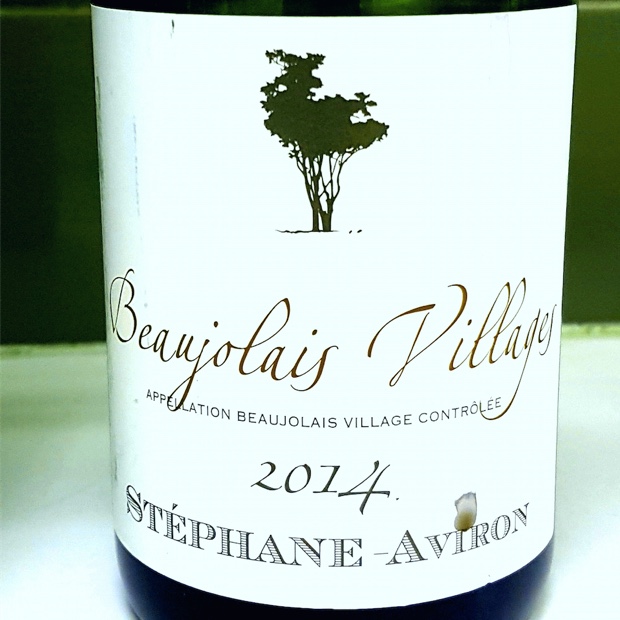
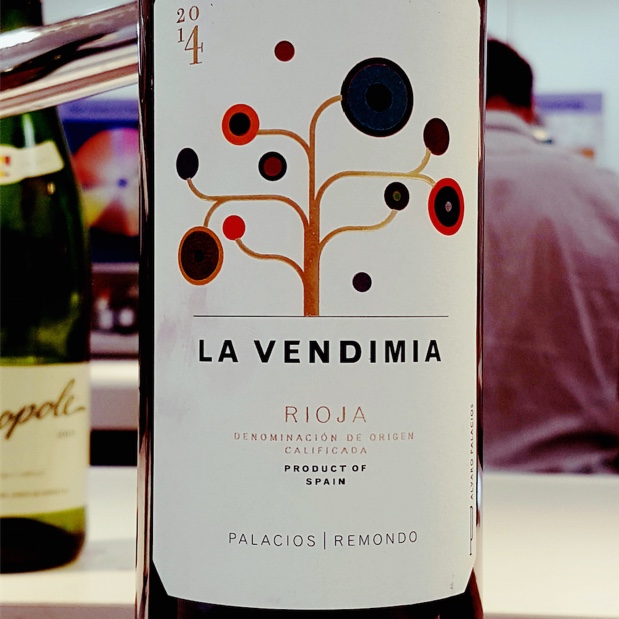
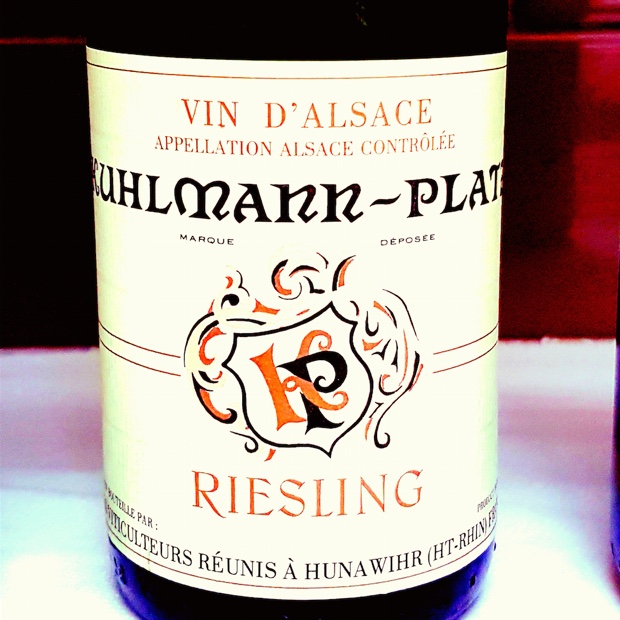

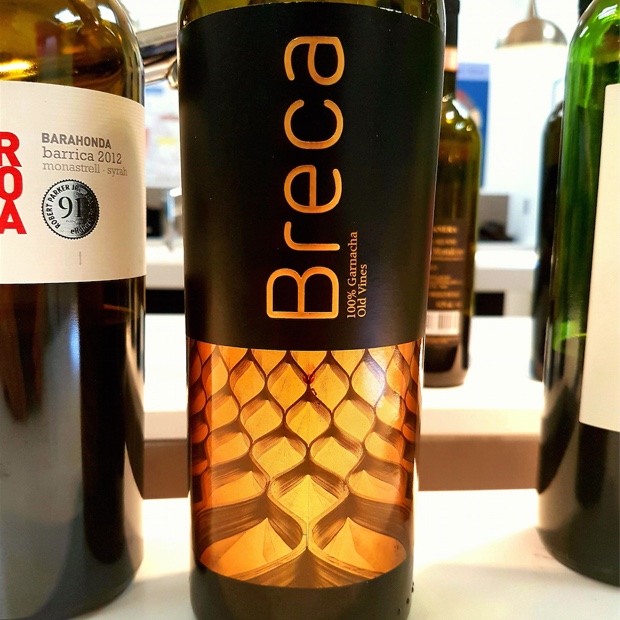
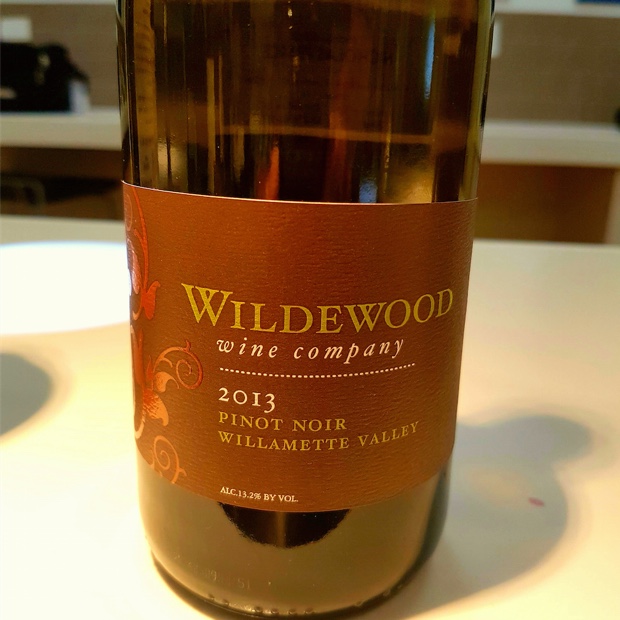
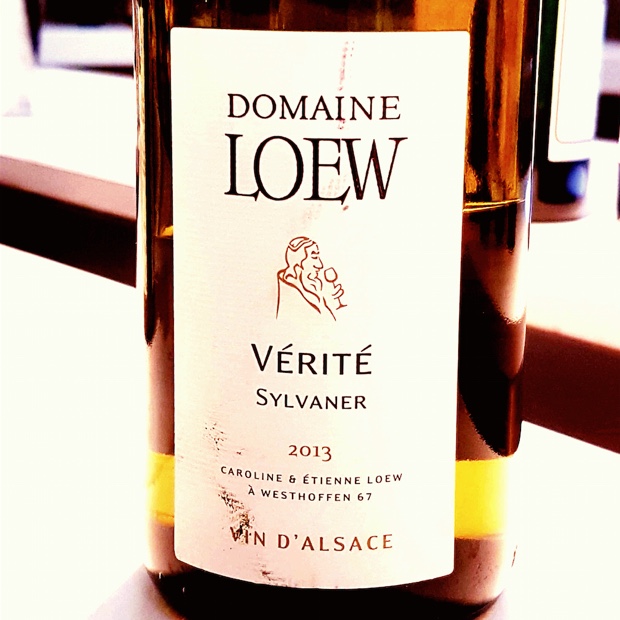

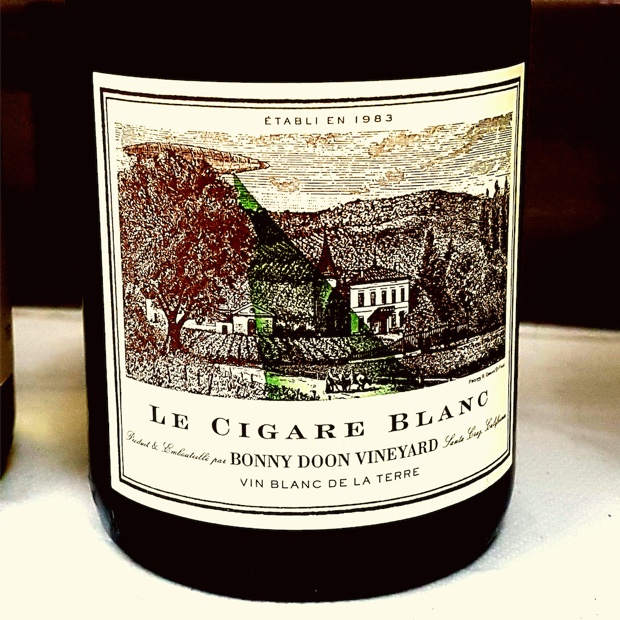
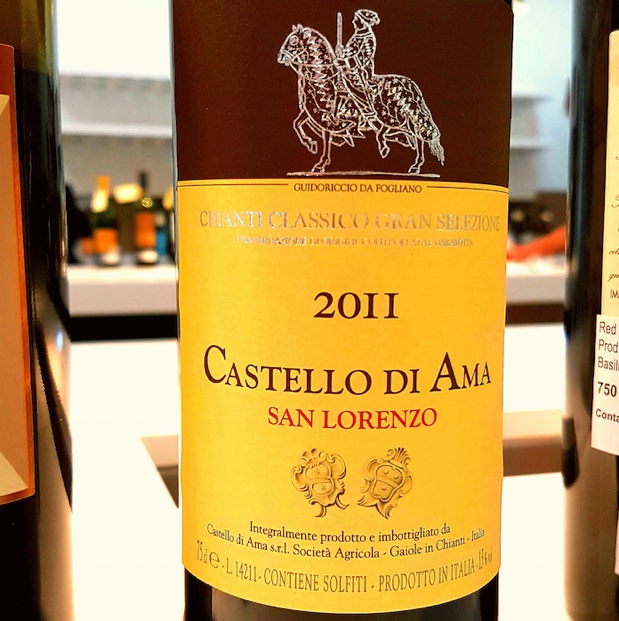

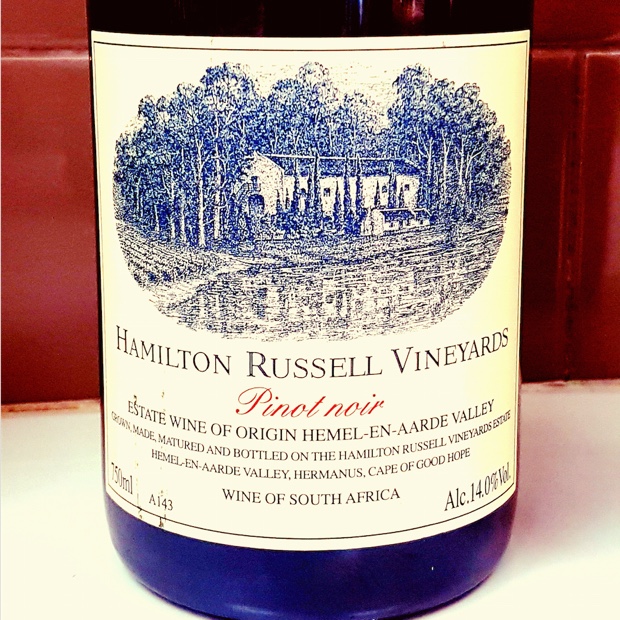
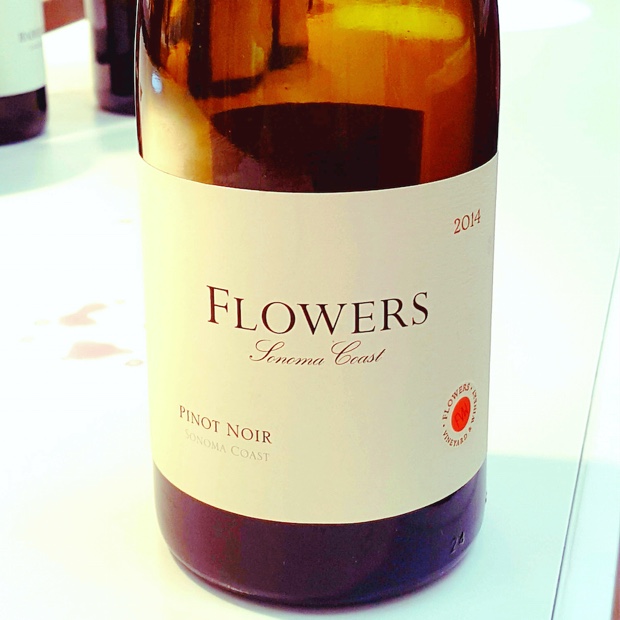
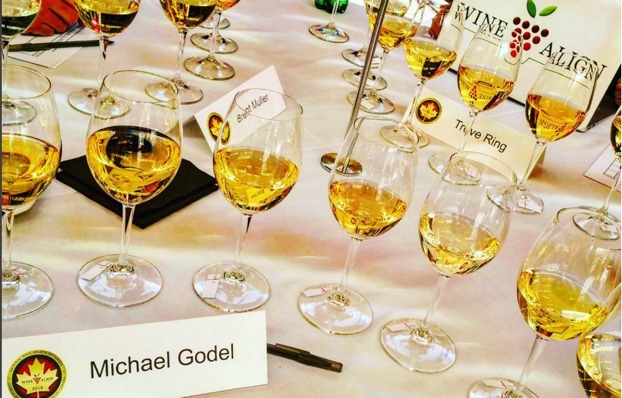


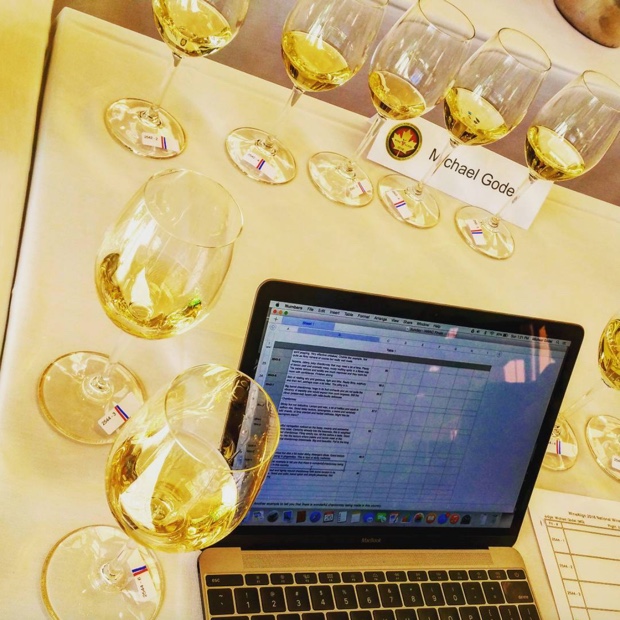



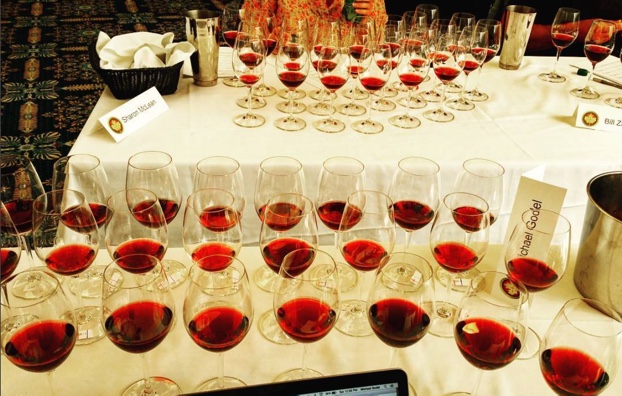
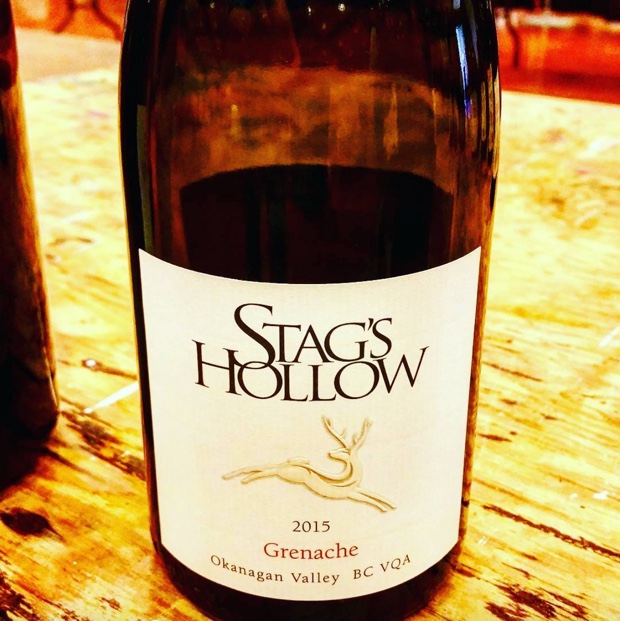
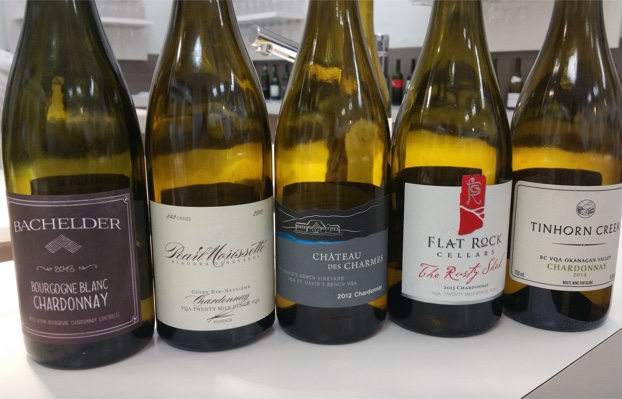
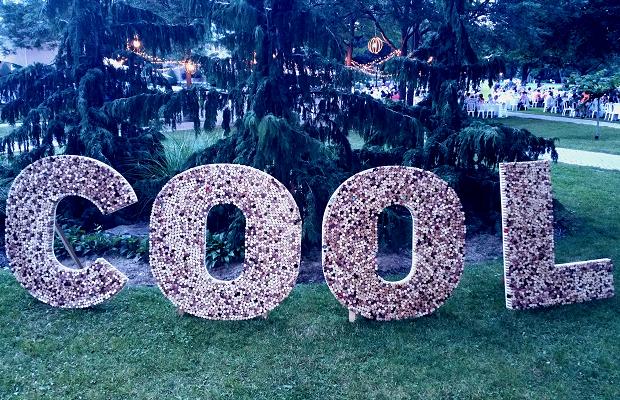


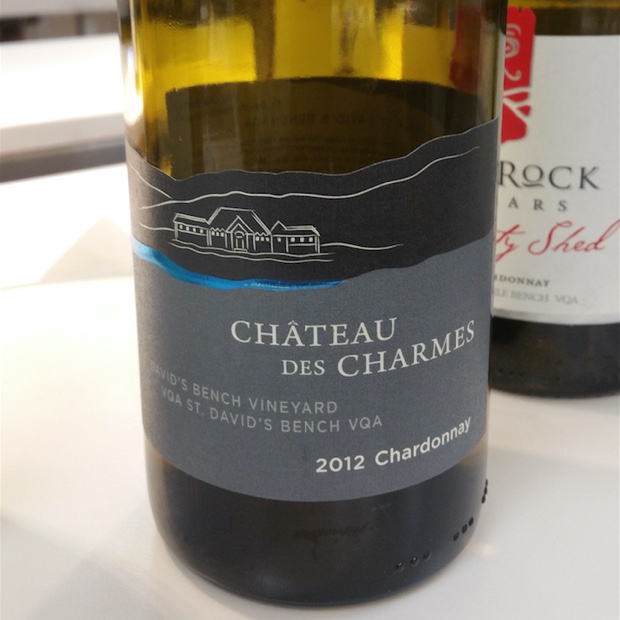
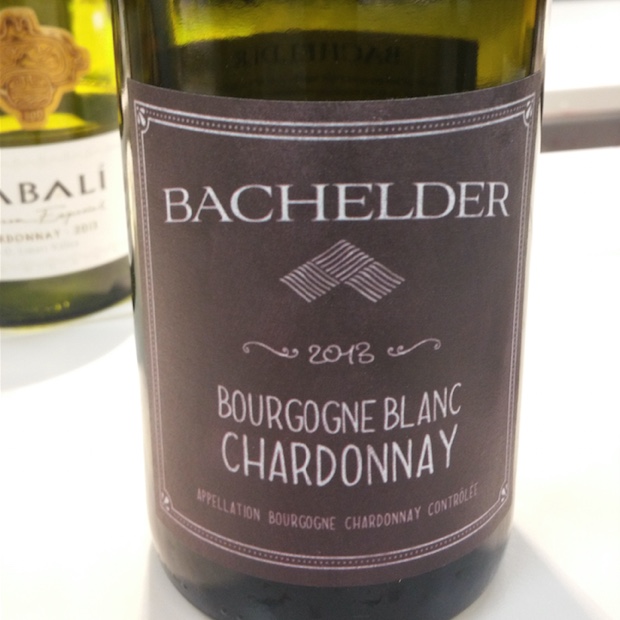
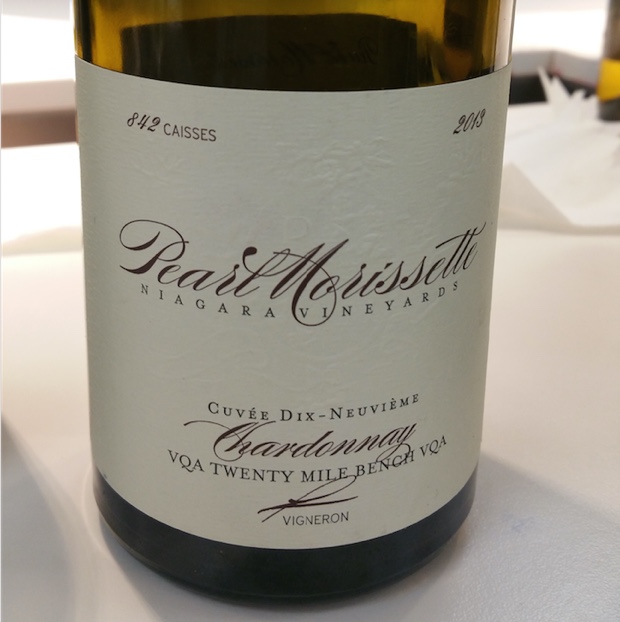


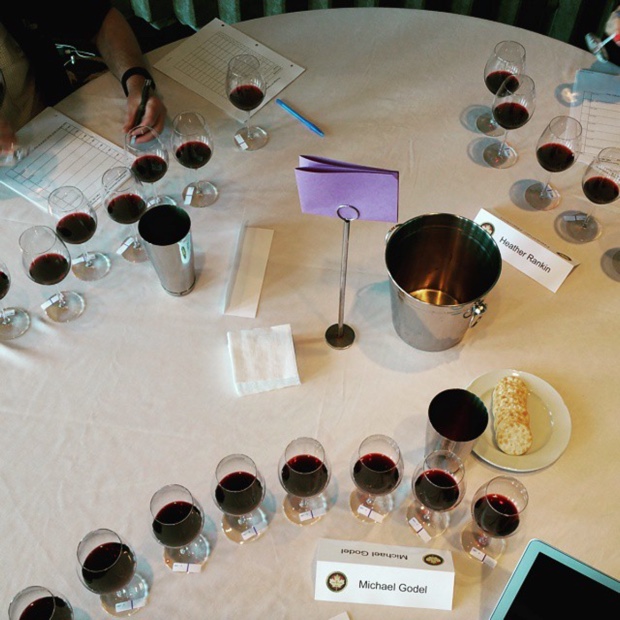
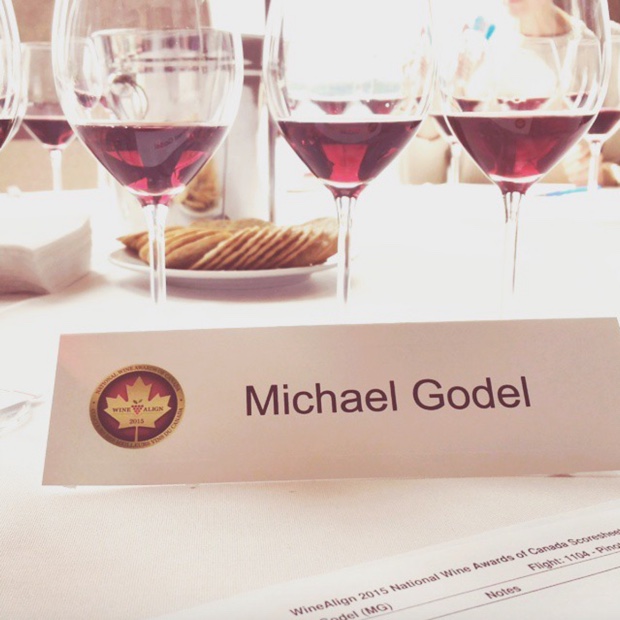

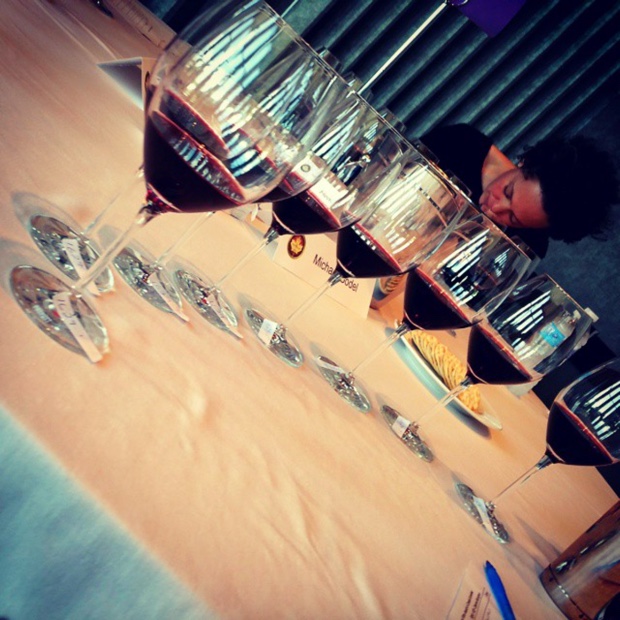
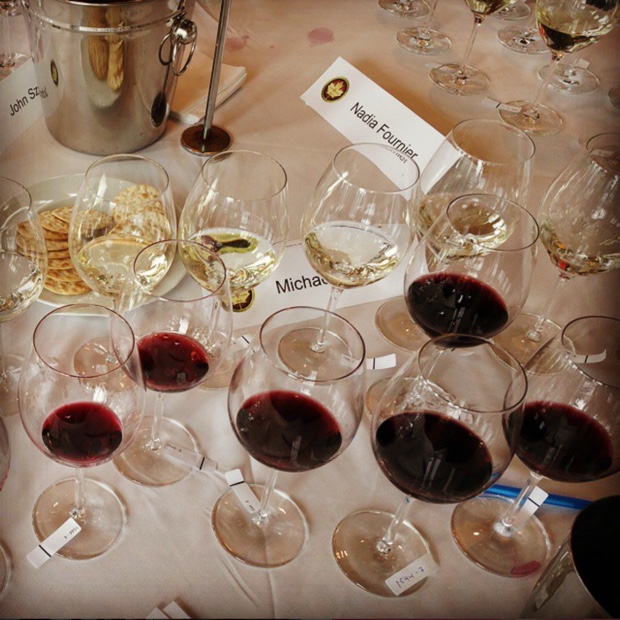
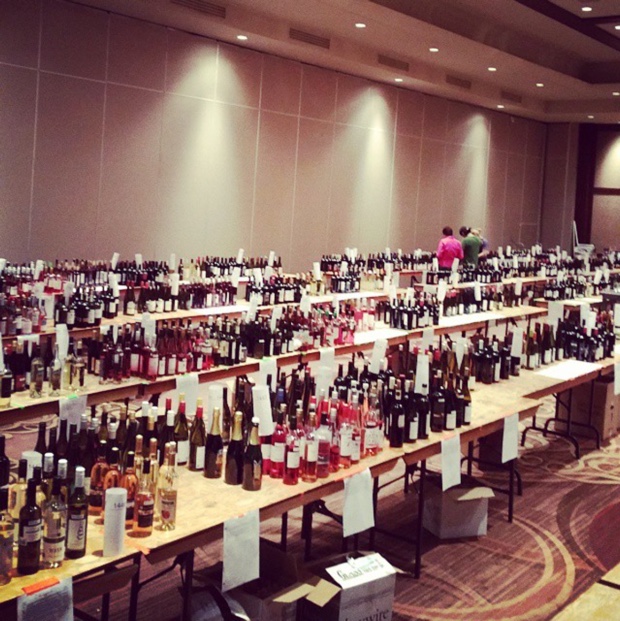


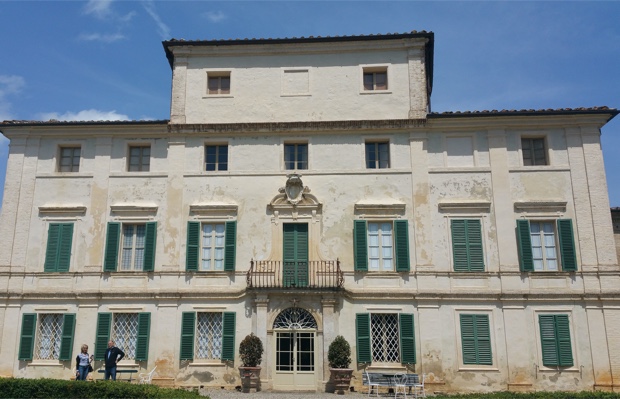

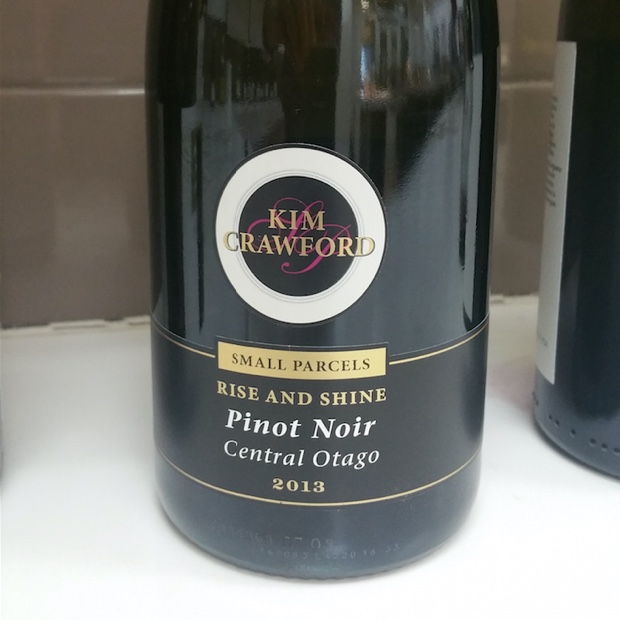

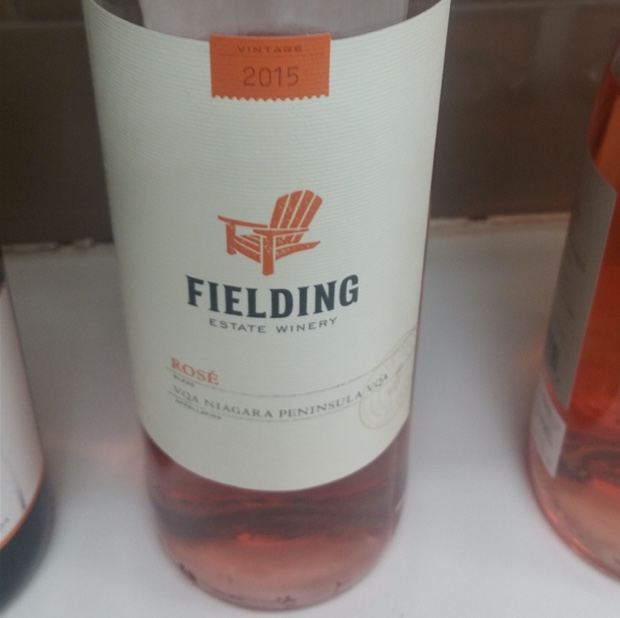


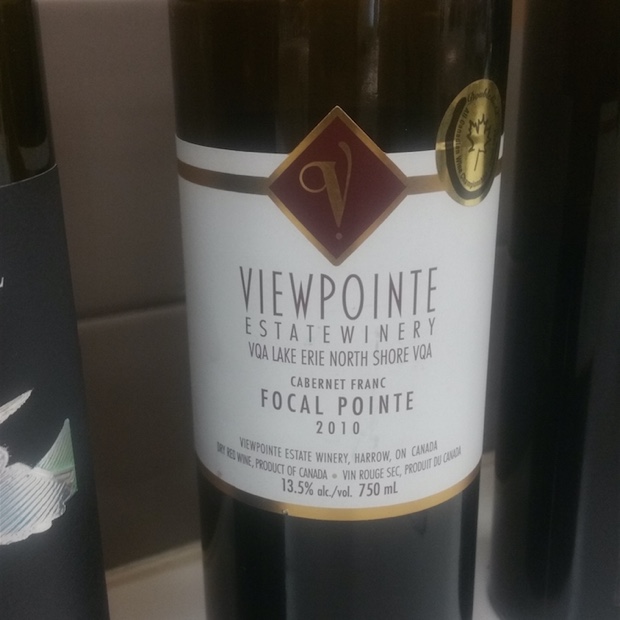
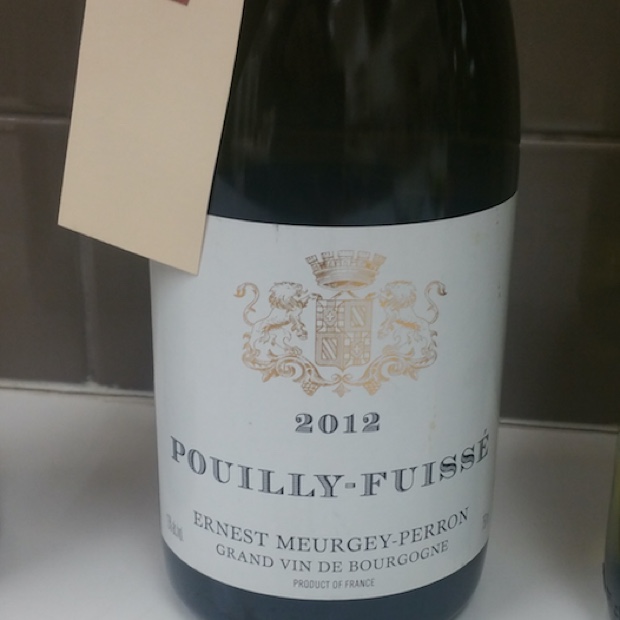
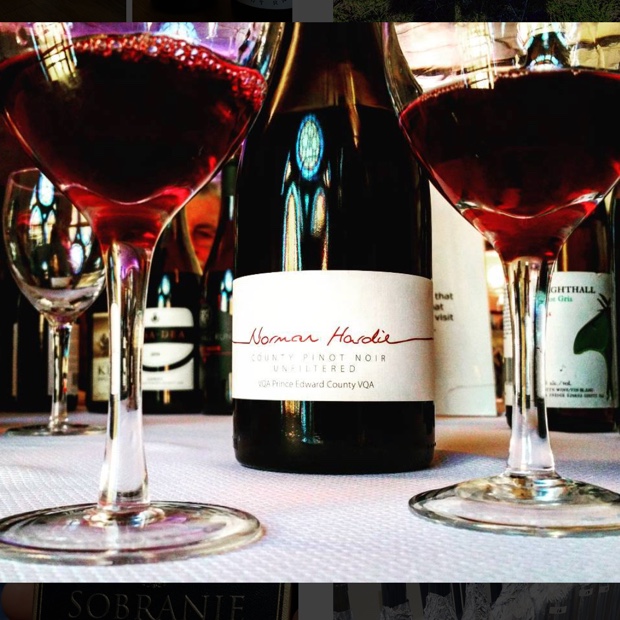



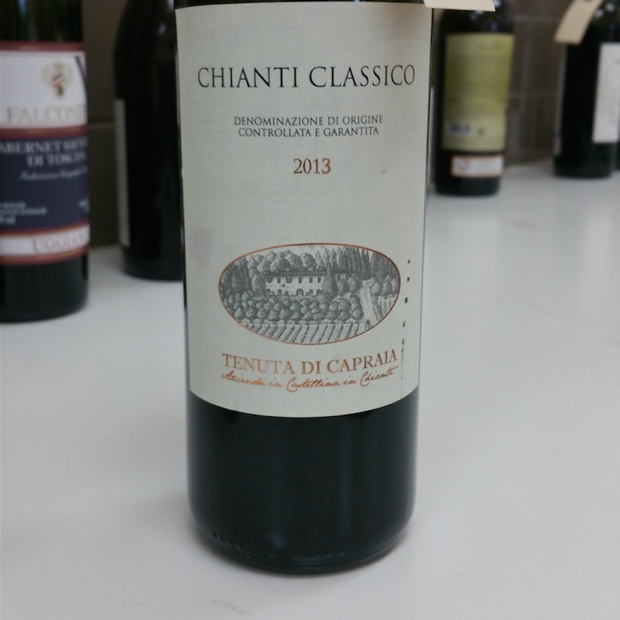
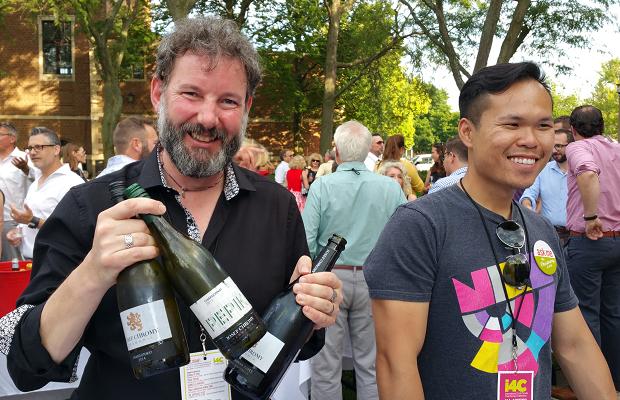

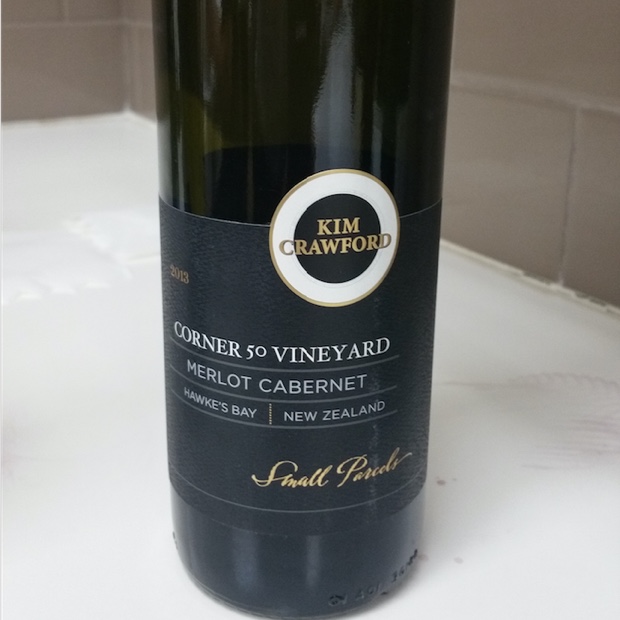


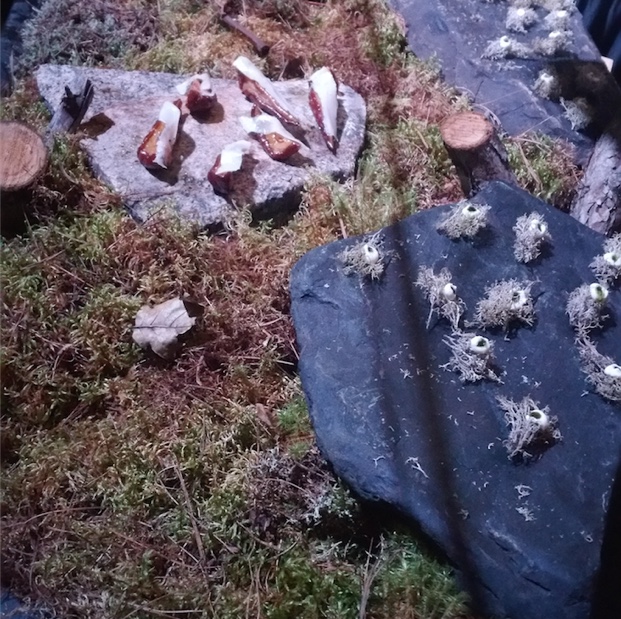

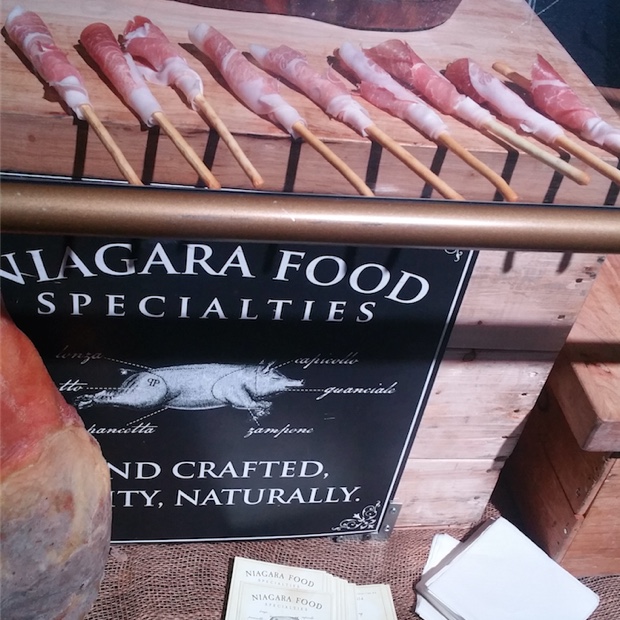


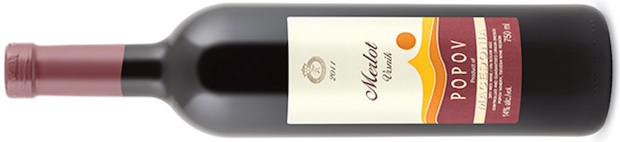

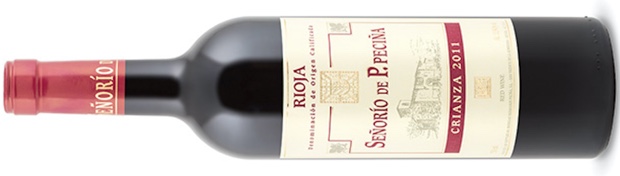


 Godello