There are three times per year when we all disappear into the nether land of family, cottages and getaways, at Christmas, New Years and Labour Day. It’s very easy to miss out on news, world events and VINTAGES releases. The latest VINTAGES release took place over the Labour Day long weekend and I’ve always felt the LCBO should skip this Saturday on the calendar. I’ve been following the release cycle since 2000 and never pay much attention until after the fact. Like now.
While I did taste and review the September 3rd wines in August, I’m only getting around to sharing them with you now because I had better and necessary things to do, like delivering a child to university. This is the one time I don’t consider delivering the VINTAGES news after the fact as being late. Who was paying attention on the weekend anyway? This release goes up to 11 meaning it’s bigger and louder than others. And I’ve made 11 recommendations. Here.
Maycas Del Limarì Sumaq Chardonnay 2014, Limari Valley, Chile (378471, $14.95, WineAlign)
Cool and crisp chardonnay with a big bite out of a tart, green apple and notes from the barrel that are a good distance away from softening their grip. The fruit is not shy and is coddled so that it will stay strong when its time does come. That should be 12-18 months down the road. The spices will still be hanging around at that time. Drink 2017-2021. Tasted August 2016 @Maycasdellimari@DrinkChile
A classic grigio style on the fresh, tart and juicy spectrum but with a dense side note of mineral almost as fig pierced by a hypodermic tang. Pears are up front, fennel bulb behind and citrus everywhere in between. No questions asked for what’s in store and how it will offer broad yet refined appeal. Drink 2016-2018. Tasted August 2016 #peterzemmer@AltoAdigeWines@3050imports
De Wetshof Limestone Hill Unwooded Chardonnay 2015, Wo Robertson, South Africa (419622, $16.95, WineAlign)
No oak but plenty of flavour, vitality, alcohol and spice. Rarely does an unwooded chardonnay achieve such extended parameters but here the breaching is palpable. Sugar has something to do with the achievement, but so does extract, so credit is due. It is the verve of this wine and its utter Robertson-South African character (which is so bloody obvious) that gives it its charm. Drink 2016-2018. Tasted August 2016 @DeWetshofWines@WOSACanada@WOSA_ZA
Montes Alpha Carmenère 2013, Colchagua Valley, Chile (143230, $19.95, WineAlign)
Really smoky, savoury, dense and wildly delicious carménère from Montes in 2013. The fruit is focused and the texture silky with a side of grit. Very persistent in its linger, long after the wine has passed your lips. Drink 2016-2020. Tasted August 2016 @MontesWines@WinesofChile@ProfileWineGrp
Poderi Di Luigi Einaudi Dolcetto Di Dogliani 2013, Doc Piedmont, Italy (232454, $19.95, WineAlign)
If modern and rustic can co-exist they would do so in this dogliani, a wine deeply and religiously traditional but executed with current pressed and exercised values. Black currant, liquorice and Cassis get together in a petite sirah meets cabernet sauvignon thinks 21st century nebbiolo way. Could confuse but instead delights with its bright ability within the darkness of its pitchy fruit. Terrific acidity trumps the microbial volatility. Chocolate fills the finish. Really fun wine for red meats, from the hearth, off the grill and in the pot. Drink 2017-2020. Tasted August 2016 @quotidianopiem@WoodmanWS
Il Molino Di Grace Chianti Classico 2012, Docg Tuscany, Italy (85209, $19.95, WineAlign)
Sangiovese running 100 per cent solo, but from a vintage that surrendered 50 per cent of the crop in the spring to frost. The absence of quantity is quality’s coup for a mere 48,000 bottles of Molino di Grace’s normale. Aging happened in Botti (25 hL) for one year. There is a distinct opposition to the other house stylistics, here fresh and fruit massive meets a beautifully dusty, high quality, straight and taut line. Drink 2016-2020. Tasted May 2016 @Ilmolinodigrace@chianticlassico
Fielding’s consistent take on Cabernet Franc might be labeled as boring in proportion to its lack of ego but it is getting better with each passing vintage. Winemaker Richie Roberts is comfortable with the traditional technique that follows the regimen; de-stem, minimal crush, cold soak, rack, return, pumpover, extended maceration, drain, press and 12 months, full malo-achievement in barrel. Dark berries and moments in chocolate are polite and gratifying. The end game is temperance, modesty and goodness. Fielding’s Cabernet Franc is not one of Ontario fiction in requiem of drama, egotism, vanity and venality. The oak is an accent, not a heavy brush stroke. Acidity defines fruit and in turn that fruit bites ripe and ripping. Drink 2016-2019. Tasted March 2016 @FieldingWinery@RichieWine
Descendientes De J. Palacios Pétalos 2013, Do Bierzo, Spain (446484, $24.95, WineAlign)
Pétalos del Bierzo is the entry-level Corrullón from Alvaro Palacios and nephew Ricardo Perez and it’s typically Mencía deep and juicy, rich in berries, iron and reeking of fresh sandalwood. The palate is richer still, full of plums and good bitter chocolate. Old vineyards in revival for the purpose of making modern wines is the modus operandi and you would be hard-pressed to find comparable or parallel in Bierzo. The oak here is in full control so let it rest two or three years and allow the seamless structure to submit, abide and oblige. Drink 2018-2022. Pétalos del Bierzo is the entry-level Corrullón from Alvaro Palacios and nephew Ricardo Perez and it’s typically Mencía deep and juicy, rich in berries, iron and reeking of fresh sandalwood. The palate is richer still, full of plums and good bitter chocolate. Old vineyards in revival for the purpose of making modern wines is the modus operandi and you would be hard-pressed to find comparable or parallel in Bierzo. The oak here is in full control so let it rest two or three years and allow the seamless structure to submit, abide and oblige. Drink 2018-2022. Tasted August 2016 @WoodmanWS@dobierzo
Masi Brolo Campofiorin Oro 2012, Igt Rosso Del Veronese, Italy (976092, $26.95, WineAlign)
Classic appassimento from Masi in this seminal bottling with a great exude of flowers and the most complex, exotically perfumed sugar syrup nose. The texture is silky and elastic, the acidity proper and the finish long and sweet. Though the chocolate is all pervasive (with a shot of espresso brought late, for good measure), this is highly accomplished, value-added Veronese red wine. The Brolo (walled vineyard, or Clos as per the French) has gifted a great appassimento in 2012. Drink 2016-2022. Tasted August 2016 @MrAmaroneMasi@AuthenticWineON
Akarua Rua Pinot Noir 2015, Central Otago, South Island, New Zealand (295592, $27.95, WineAlign)
Young, bright, vivacious, gregarious and highly flavourful Central Otago for a the price of a duet. The vineyard is 20 years old, perfect for fresh but experienced Bannockburn (sub-region) pinot noir. Ripe red cherries leaning to the darker side and fresh cut cedar two by fours are forest happy and rustic with finely carved edges. The tannins are indeed gentle, slightly caressing and here is a wine for five years of most excellent drinking. Yum. Drink 2016-2020. Tasted August 2016 @AkaruaWine@vonterrabev@nzwine
Scavino’s Azelia is a proud and confident nebbiolo, blessed by a calm demeanour and dressed in the finest leather. Roses are its most coveted and obvious aroma, joined in part by wild cherry and brushed young fennel frond. The balance and the structure are poised, erect and firm. There are 15 years easily ahead for this Azelia, ready in two but potentially closed in the four to six range. Try one now for size and then put the other five away until the next decade. Drink 2021-2029. Tasted August 2016 #Azelia@brixandmortar
They diverge and divulge so much @FattoriaBarbi @Noble_Estates @mrkcstr Raffaela Guidi Federzoni #brunellodimontalcino #2004 #vignadelfiore #riserva
As we head into the March break, here is a little something to think about in advance of next weekend’s VINTAGES March 19th Italian themed release. The offer is substantial and it comes on the heels of last week’s brilliant display of Sangiovese Grosso at the Art Gallery of Ontario for the recent coming of Benvenuto Brunello 2016.
Two of my favourite actors (Lee Marvin and Jeff Bridges) played pivotal roles in John Frankenheimer’s adaptation of Eugene O’Neill’s famous play. The Iceman Cometh is set in 1912 America with hard characters who live a pipe dream in their collective search for political and religious salvation. In one way or another they seek the sentimental reminiscences of their glory days and form a covenant to return to them tomorrow. The Iceman represents a sort of messiah meets grim reaper, killing the fantasy of the “tomorrow movement,” offering not salvation, but death.
So what does this have anything to do with Italian wine? Pretty much absolutely nothing, except for the plain and simple analysis about the Italians on offer for March 19. I recommend some beauties so don’t think that the death or the apocalypse of Italian wine is upon us. In fact, the greater category is booming, selling more product in Ontario and Canada as a whole then it ever has. Last month’s Vancouver International Wine Festival laid testament to the fact.
No, it’s just that so many of the reds and whites in the themed release walk a straight, boring and predictable path right down the middle of the road. Italy’s vast pool of talent would love to send us the best of the best, at $15, $50 and $150, if only the monopoly would receive. And so my friends, today I choose to consider the LCBO as the Iceman, all in good fun, of course. Who takes me seriously anyway? Certainly not me, fool as I am.
Here we have six stars from the VINTAGES release and six ethereal Brunelli still ringing in my ears and singing in my mouth. Sangiovese with the uncanny and impossible ability to linger for four days. There were many more worth mentioning because when you are holed up in a room full of Brunello, life is perfectly grand.
Where for art thou Brunello?
La Fiorita Brunello di Montalcino
La Fiorita Brunello Di Montalcino 2009, Tuscany, Italy (Agent, $65.00, WineAlign)
La Fiorita’s 2009 normale is a special bottle of Brunello from a best of all worlds vintage. It exhibits the charms and shares the gifts of a posit tug between firmness and elegance. At this seven-year stage it evidences the first signs of secondary character, with spices dissolved in mulled liqueur and a new fathom of depth perceived. The measure of intensity is not one of dank, darkness or even pitch but rather profundity. The translation reads as both Sangiovese chapter and verse. Excellent 2009 example just beginning to drink as it should. Drink 2016-2023. Tasted March 2016 @vadoapiedi
Col D’orcia Poggio Al Vento Brunello Di Montalcino Riserva 2008, Tuscany, Italy (0965525,$129.00, WineAlign)
Only 8,000 bottles were made of Col D’Orcia’s always formidable and classically structured Brunello. Elegance offers a glimpse of hopeful emergence even while its firmness is still fully intact. The added determination and epic struggles of the vintage translate to a singular Sangiovese type of funk from a vineyard, like so many other south-facing Montalcino slopes, of what may just be the greatest physical involuntariness in the world. The fruit and texture are delicate, of a veritable Tuscan gastronomy, pure vernacular and of a leathery lightness of brogan being. The youth in this Brunello is palpable, nearly awkward but certainly not backward. It is progressing as it should, lentamente, lentamente. Three more years minimum is needed to coax it out of its coriaceous hide. Drink 2019-2028. Tasted March 2016
Fattoria Dei Barbi Brunello Di Montalcino Riserva 2004, Tuscany, Italy (Agent, $100.00, WineAlign)
The Riserva contains no single vineyard (Vigna del Fiore) fruit and is composed of a selection dictated by different vineyard qualities, not necessarily all on equal footing and all brought in to be vinified separately. As per the directive, an average of three years is spent in oak, followed by a transfer into stainless tank. The aim is a traditional, classic, typical, true masculine expression of Sangiovese Grosso. With the firm intent kept in mind, the 2004 is unstirring, closed, macho and fist clenched, even after all these years. An hour later it extends an outstretched finger or two of kept fruit and bred in the bone funk in your direction, but no more. This Riserva is gripped by a fine dust and even finer, senescent and patrician grains of tannin equal in quantity to the stars in the sky. If 2004 is not one of Barbi’s better to greater vintages for Riserva the constellations will have to be re-drawn. To me this represents a foregone conclusion to purchase, further cellar briefly and open when the skies are blue. Drink 2018-2029. Tasted March 2016 @FattoriaBarbi@Noble_Estates
Fattoria Dei Barbi Brunello Di Montalcino Vigna del Fiore 2004, Tuscany, Italy (Agent 93609, $100.00, WineAlign)
The Vigna del Fiore single-vineyard designate Sangiovese tells an engraved, emblematic and heraldic Montalcino story. First made in 1981, the infamous Barbi Grosso was originally crafted as a celebration for Francesca Colombini’s 50th birthday. Previous to that inaugural release the grapes from the most southeastern part of the property were used in the blend of the Brunello Riserva. Inferential importance exists within the context of familial connectivity in this Blue label Barbi. Ancestral lineage matters, as does the nurturing femininity of the undertaking. Spends its first, early developing year in older French barriques, followed by two years in traditional, regionally employed (700L) traditional Slavonian oak. If the 2004 (or subsequent vintages) are perceived as expressive of an international style, chalk that up to effete but so much vineyard and next stage, secondary through tertiary evolution agrees to confound. The ’04 lays in soft exude with the wise smell of its original, naturally curated state, of cherries, roses and earth. Today the texture floats in the optimum buoyant air above a contiguously circled round globe, begs for and speaks of aged Tuscan cheese, like Brillo Pecorino DiVino or Toscano Stagionato. The next few years will be the best. Drink 2016-2020. Tasted March 2016
La Mannella Brunello Di Montalcino 2010, Docg Tuscany, Italy (279083, $47.95, WineAlign)
Tasted alongside La Mannella’s 2010 Riserva this seems tame, elegant and baby-faced in comparison but it is no shrinking Sangiovese Grosso violet. No, sir. Assessed on its own it is in itself a wholly complex and beastly thing. The tonality is stratospheric, with a distant, amplified and magnified set of cherry to leather parameters. Very floral and blessed by holy drops of liquor. All that said, this 2010 Brunello of basic and modest means can be approached in the here and now provided a good decanting is strictly followed. Drink 2016-2022. Tasted March 2016 @LaMannella@Nicholaspearce_
Oh #brunello where art thou? You are here @PodereLeRipi listening to the vines @agotoronto #benvenutobrunello #brunellodimontalcino #50thanniversary #italiantradeagency
Podere Le Ripe Lupie Sirene Brunello Di Montalcino Riserva 2009, Tuscany, Italy
A classy and classic, traditionally-styled, pure and ripe Sangiovese. Cherries, leather, sweet liqueur and anise confer in perfume. What a revelation, with late spice and a chocolate-laced finish. Lovely and really fine. The right stuff and though on the sweet side, that should dissipate with five to eight years in bottle. Drink 2017-2024. Tasted March 2016 @PodereLeRIpi
Lovely dry, dusty, musty and prickling Sardignian, properly Grenache rustic and approaching a level of divine. Cannonau of chew, leather, carbon fruit sketch, arid and rehydrated in residual freshness endowment. Get behind all $18 of this honest weighted red and put your char on. Drink 2016-2020. Tasted March 2016 @AntichiPoderi
Terredora Di Paolo Loggia Della Serra Greco Di Tufo 2014, Docg Campania, Italy (983197, $19.95, WineAlign)
Herbal is the understatement, saline the connecting cable, texture the conduit for extreme unction. Cumulatively intellectual qualities that endow this Greco di Tufo with more sumptuousness than it had achieved in recent times. Aromatic wealth comes by way of citrus preserved, pressed and layered. The overall impression is warmth, stress without breakdown and excessive personality. Still somehow its strikes as endemic, ancient, weird and wonderful. Drink 2016-2019. Tasted March 2016 @Terredorawines@HalpernWine@Reg_Campania
Il Molino Di Grace Il Margone Chianti Classico Gran Selezione 2010, Tuscany, Italy (435115, $39.95, WineAlign)
In a VINTAGES feature of more MOR Italy then should be rolled out in one media tasting, at least here we have multiple semblance of personality. Not quite sure we’ll call to celebration $40 of dynamism but there are inherent deep invested Sangiovese characteristics nonetheless. Tight angles, rigid corners and a Brunello-Sangiovese-like liqueur. Grosso in as much as CCR can be, with some dedicated rusticity and tannins still in action. Dries out nicely on the finish. Put some away for a 2020 rainy day. Drink 2018-2024. Tasted March 2016 @Ilmolinodigrace@chianticlassico
Donatella Cinelli Colombini Brunello Di Montalcino
Donatella Cinelli Colombini Brunello Di Montalcino 2008, Brunello Di Montalcino, Tuscany, Italy (431718, $56.95, WineAlign)
A vintage perceived as tough, difficult, demanding and volatile is just now entering the zone of changing perceptions. It has taken all this time to realize its abilities. Longevity for one. Beauty behind the mask, the other. Concentration is not so much ripeness and richness but of deeper meaning than that. Nothing here sits on the surface. Peel away a layer of orange, spice bark and bulb husk to taste from the inner fruit. From the core. “There is fire, there is life, there is passion, fever and fury.” That is Brunello. The tannins persist with near nastiness but there is so much to look forward too. Wait two more years. Drink 2018-2028. Tasted March 2016 @news_donatella@ConsBrunello@LeSommelierWine
Giuseppe Quintarelli Rosso Ca’ Del Merlo 2007, Igt Veneto, Italy (722470, $99.95, WineAlign)
Rich Ca’ del Merlo from Quintarelli heeded with volatility and consumption. Veneto of war and peace, light, bracing, angular, seeping, steeping, macerated, tea leave studded and tannic for further thought. In this 2007 it is hard to not get caught up in the amalgamation’s bright sweep. Corvina, Corvinone, Rondinella, Cabernet Sauvignon, Nebbiolo, Croatina and Sangiovese, like reading Tolstoy, all together “alive, and very much so.” Will live for quite some time, but wait two years before embarking on the journey. Drink 2018-2030. Tasted March 2016 @RegioneVeneto@LiffordON
Takes the purity of 2011, furthers the integration and mimics the precision, then pumps up the volume. Takes a breath and then, with soluble efficiency it refines the intricately woven lines a few steps furtrher, if that is even possible. I will say that the tannins are a bit tougher in ’12, with a tight string wound depressively around the fruit’s long and elegant tendrils. Fruit is the determinate factor, pure, blossoming and fragrant. It adds up to a consensus of one thought, that this vintage is yet another legend in the making, a fine and linear Ornellaia that should travel 30 plus years, perhaps longer. What liqueur, such botanicals and endless valleys passing through fertile hills. Drink 2019-2045. Tasted November 2015 @Ornellaia@AuthenticWineON@AuthenticWine
Take Godello to a place that’s far away and it will fill him with words. With memories still thick as Bredasdorp pea soup, it is hard to believe it has already been four months since travelling to South Africa in September for Cape Wine 2015. I think it wise for the reader to be offered fair warning. The following wayfaring log is not brief and while it may be broken up with images of food, bottle shots and scenery, there are five thousand plus words to wade through. Feel free to skim at your wine tasting note leisure.
For a comprehensive look at South Africa’s Capelands, read my report at WineAlign.
It has been four months since Cape Wine 2015 and many wines remain to be mentioned. My initial ramblings covered the three-day wine fair, varietal awakenings, Premium Independent Wineries of South Africa (PIWOSA), the Swartland Independents and the Zoo Biscuits.
Lemon butter poached crayfish tail, kale, parsnip puree and bisque, Open Door, Constantia
I tasted hundreds over three days at the bi-annual Cape Town event, along with dozens more in restaurants and at wineries in Stellenbosch, Swartland, Franschhoek and Constantia. One of the more memorable culinary experiences happened at Open Door Restaurant located at Uitsig Wine Estate in Constantia. The wine selection opened doors to new Cape perceptions and forward-thinking measures.
A visit to the Franschhoek Motor Museum at the Anthonij Rupert Wyne Estate rolled into a tasting of wines with Gareth Robertson, Sales and Marketing Manager at Anthonij Rupert Wines. Verticals were poured; Cape of Good Hope, Leopard’s Leap, La Motte and Optima L’Ormarins. Then the varietals of Anthonij Rupert Estate.
Hitching a ride on the Anthonij Rupert Estate
A full on Premium Independent Wineries of South Africa (PIWOSA) experience at the Car Wine Boot was nothing short of a wine-soaked, large object flinging hoedown throw down.
The act of intense immersion into any important wine-producing nation and its diverse regional expressions can only leave a lasting impression if the follow-up takes a long, cool sip of its meaning. Though just the beginning of what I hope to be a life-lasting fascination with South African wine, these 50 reviews prepare and pave the way.
Beaumont Family Wines Hope Marguerite 2013, Bot River-Walker Bay, South Africa (Winery, WineAlign)
Named after winemaker Sebastian Beaumont’s grandmother, Hope Marguerite Beaumont. Thirty-five (400L) barrels of Chenin Blanc from 1975 and 1978 plantings anointed by natural fermentation and maturation. Reductive, malo-avoidant and lees stirred for 10 months to dess effect. Acidity swallows and trumps sugar while bitters, well, these bitters don’t even realize they are bitters. Possessive of that torched orange peel, lime skin and hinting at something faintly tropical. Many shades of Chenin Blanc within one tight-knit bottle. A benchmark of species. Drink 2015-2022. Tasted September 2015 @Beauwine
Paul Cluver Riesling Dry Encounter 2013, Elgin, South Africa (Winery, $23.99, WineAlign)
Riesling from South Africa’s largest and nascent varietal growers, one of three Cluver bears and wholly antithetical to the “Close Encounter’ simply and primarily because of its omnipresent aridity in the face of 9.0 g/L of residual sugar. Based on fruit from a variegated 27 year-old block of ferricrete (surficial sand and gravel masses) layered over decomposed Bokkeveld Shale and/or light clay. From a basin, a true amphitheatre between the mountains. The dry one shows off the cooler climate charity, offering up the opportunity to make Riesling the way it needs to be. Floats boats of blossoms piled in apples, honey and native fynbos. Elevated in nervousness, tension and anxiety through the conduit of acidity. This guy is the tip of the spear that pierces the palate. Though dry to that pointed end it is the primitive passion of grape tannin that churns the combine. Drink 2015-2019. Tasted September 2015 @paulcluverwines@PIWOSA@paulcluver
Paul Cluver Gewürztraminer 2015, Elgin, South Africa (Winery)
If Riesling is a South African anomaly, the nine hectares planted to Gewürztraminer on the Cluver estate is at least preternatural if not verging on antediluvian. The throwback approach to varietal expression takes on the do anything in South Africa mandate and runs with it. A tightly wound white, like Riesling driven by acidity, inconsequential in sugar (10.2 g/L) and rushing with rivers of grape tannin. Lime is again the thing in a world where sweetness finds it hard to live. Anything but soapy, less than sticky and so very clean. Purity out of Elgin in Gewürztraminer. Drink 2015-2018. Tasted September 2015
Cape of Good Hope Riebeeksrivier White 2013, Swartland, South Africa (Winery)
From the stable of Anthonij Rupert Wines, a blend based on Chenin Blanc (65 per cent) with Rhône assistance from Marsanne, Roussanne and Viognier. Similar in a way to the old vines Chenin in its purest form in a clean amalgamation of weighty varietal relations. Naturally driven acidity and an increase in creamy texture is accompanied by lactic notes and a greener, sharp apple bite. A wow reversal of impression with an anise under current and a toasty, nutty omnipresence. Quite fine. Drink 2015-2020. Tasted September 2015 @AnthonijRupert
Rall Wines Red Coastal Region 2013, Swartland, South Africa (Winery)
Superior Syrah spine (85 per cent) with a 2014 Grenache (15 per cent) addendum. Healthy and happy in alcohol (14 per cent) from Swartland schist to cure what troubles and saps. Liquorice, easy tannin and illimitable fruit (for a two to five-year run) from the gifts of a terrific vintage. Open-knit, expressly serviceable with a not overly piquant, peppery finish. Tobacco moment is just a pinch between the cheek and gums. Easy on the extraction and 50 per cent stainless housing for nothing but Swartland fruit with some added stems for the perception os sheer freshness. Drink 2015-2018. Tasted September 2015 @SwartlandRev
David and Nadia Paardebosch Chenin Blanc 2014, Swartland, South Africa (Winery)
A blend of 1960’s, 1970’s and early 1980’s, mainly dry-farmed bush vine Chenin Blanc vineyards throughout the Swartland. Sweet textured Chenin with endemic herbiage and territorial tang. Varietal identity is never an issue for South Africa’s signature white but how does definition out of disparate plots come together? For the Sadies “the meaning always lies somewhere that’s right between the lines.” Connotation and significance in what’s left behind. Drink 2015-2020. Tasted September 2015 @DavidandNadia@SwartlandRev
David and Nadia Aristargos 2014, Swartland, South Africa (Winery)
David and Nadia Wines
A bush vines dominant, 12 vineyard, five-varietal interface of Chenin Blanc (35 per cent), Roussanne (25), Clairette Blanche (20), Viognier (15) and Sémillon (5). The latter (not inconsequential) addition is from a 1950’s planted vineyard. Round and round aromatics integrate Swartland harmonies in transition to palate promptitude of spry lemon and lime. Emits that fleshing four to five-year pursuit to honeyed possibility, in which the Sémillon is not lost on that ideal. We should all be willing to wait that long though not be greedy for anything more. Drink 2017-2019. Tasted September 2015
David and Nadia Grenache 2014, Swartland, South Africa (Winery)
A riveting (85 per cent) Grenache honed from two vineyards planted in granite mountain soils, mixed and matched with (15 per cent) fruit off of organic vines grown in deep iron rich soils. A scintillant of reductive freshness gets busy with chalk ou of ferric soil in romantic and heavy breathing passion. Though nearly carbonic, atomic and more exhalant than inhalant, the freshness is always halted by a weight in denouement. The obdurate cessation is helped along by 10 to 11 months in oak. Very thoughtful, engaging and consummated Grenache from the Sadies. Drink 2016-2020. Tasted September 2015
Godello and Billy Hughes at Cape Wine 2015
Hughes Family Wines Nativo White 2014, Swartland, South Africa (Winery)
Certified organic from the Kasteelsig Vineyards on the Hughes Family farm in Malmesbury. The blend is high in Viognier with Chenin Blanc, Roussanne and Grenache Blanc. Picked at three separate intervals, the bifurcate prongs of sugar, acidity and alcohol are remarkably streamlined towards an upwards push skyward. A very base and elemental white wine that hovers in the lower reaches of the stratosphere, wanting to rise but held secure by the heartstrings of older oak filaments. This is fresh and yet filled out by a density defined in Swartland ways. An appellative white blend with my thoughts of Cape Town’s Chef’s Warehouse crudo in mind. Drink 2015-2019. Tasted September 2015 @NativoWines
Crudo and Kimchi #tuna #kingclip #chefswarehouse #cape town
Hughes Family Wines Nativo Red 2009, Swartland, South Africa (Winery)
Certified organic from natural, dry-farmed estate Kasteelsig Vineyards on the Hughes Family farm in Malmesbury. The blend is Shiraz (56 per cent), Grenache (16), Merlot (13), Mourvedre (9) and Pinotage (6). Swartland’s local master of assemblage Billy Hughes (the J-L Groux of South Africa if you like) counselled separate and all natural fermentations, barrel malolactic, eight months in 225L barriques (none new) plus four more post blending. The core aroma to palate thematic is ingratiated by a grape in raisin initiation stage, habituating the right side of ripe. This is a soft-styled Swartland red having fully realized its progressive road to enrichment. Drink 2015-2017. Tasted September 2015
Hughes Family Wines Nativo Red 2010, Swartland, South Africa (Winery)
As in 2009, certified organic from natural, dry-farmed estate Kasteelsig Vineyards on the Hughes Family farm in Malmesbury. The blend is Syrah (52 per cent), Mourvedre (22), Grenache (13) and Pinotage (13). Fresher, lighter even than 2009, floral, feathery, feminine. Through the pretty dab of perfume there is the presence of clay, iron and a feeling of warm Cassis. The red fruit while anything but dark has a presence, an attitude, an unfailing condition. Will live longer than the previous vintage. Drink 2015-2019. Tasted September 2015
Wildehurst Velo White 2014, Swartland, South Africa (Winery)
Juicy Colombard, Chenin Blanc and Viognier in cohorts simply, basically and ostensibly about town for texture. Beautiful freshness, grace and grape tannin. The juice and nothing but the juice. Drink 2015-2017. Tasted September 2015 @WildehurstW@ShereeNothnagel@SwartlandRev
Wildehurst Velo Rosé 2014, Swartland, South Africa (Winery)
A multi-cultivar and double-hued blush by way of Grenache, Viognier, Mourvèdre, Colombard and Chenin Blanc. Really widens the fresh fruit spectrum, in manifold customary shades of red. From a hot vintage where sugars ran higher than 2013 yet still just about as dry as a skeleton way past tissue. Despite all attempts, the brine and herbiage outplay the salinity and aridity. Drink 2015-2017. Tasted September 2015
Wildehurst Chenin Blanc 2012, Swartland, South Africa (Winery)
The only straight up cultivar in Sheree Nothnagel’s portfolio from 30 year-old bush vines. Arranged low, natural and slow across a two month fermentation period in 3rd fill (225L) barrels towards a dry end. Matured on the lees for a further five months. Handy, prosaic and unostentatious Chenin Blanc of texture and mouthfeel. Drink 2015-2018. Tasted September 2015
Silwervis Cinsault 2014, Swartland, South Africa (Winery)
First introduced at the inaugural Swartland Revolution, winemaker Ryan Mostert is a key player in the South African Cinsault revival. His naturally exhibited (with only added sulphur) old-vine Swartland Cinsault was matured in one Nomblot concrete egg. His is the Allman Brothers, Creedence Clearwater Revival and Deerhunter rolled into one varietal ode “to the malleability and uniqueness of Swartland.”
One of hundreds of wines tasted over an eight-day period in requiem to exclaim, “I am saved, I am saved. And oh, would you believe it?” So fresh, salty, ultra-carbonic, russet roseate raspberry and orange peel. It really feels real, unlike anywhere else. The varietal and the reformation. “We’re in a revolution. Don’t you know we’re right. People can you feel it? Love is everywhere.” Drink 2015-2018. Tasted September 2015 @Silwervis@SwartlandRev@PascalSchildt
Silwervis winemaker Ryan Mostert is behind the new Terra Cura label with Samantha Suddons. From just outside of Malmesbury in the Western Cape. This cracker of a bottle is one hundred per cent Syrah from rolling hills rocking down to the sea. Ferric, burrowing into depths, rooted and heavy. Structured, chunky savoury, of wild sauvage, from a fierce and filthy athletic vintage. Reeks of potpourri, ambition and is yet remarkably ready to drink. A messenger to herald a land of opportunity, a revolution, the future. Drink 2015-2019. Tasted September 2015 @Terra_Cura
Johan Simons, Dragonridge Wines
Dragonridge Wines Supernova Ancestral 2014, Paardeberg, South Africa (Winery)
Chenin Blanc works with Sangiovese and with Pinotage to lead this ancestral method sparkling blend. From Joubertskloof’s Fynbos Estate, this fizz is really nothing like Méthode Cap Classique in that it adds nothing to the fermentation in the bottle, relying only on its own sugars and wild yeasts. When it does not explode it goes this way, so, so natural, all in. Winemaker Johan Simons happily sees it persist through the problem. “We do it because we can, and we want to.” From two blocks planted in 1964 and 1990 with a section going back to 1920. Picked on the 19th of January and from a ferment that finished two months early. These very old, unirrigated bush vines offer up lemon funky, low pH fruit. Goes straight to the roof of the mouth with rising, unassertive flavours. The question begs, is this an oasis of South African fizz or a desert where ancient longings go to die. The answer lies “caught beneath the landslide in a champagne supernova.” We’ll see about that. Drink 2015-2018. Tasted September 2015 @FynbosEstate
Dragonridge Wines Cabernet Sauvignon 2015, Paardeberg, South Africa (Winery)
No wood. From five barrels of naturally thick, free-run only juiced, patchy, basket pressed elixir. This is simply brilliant, drink the hell out of it until it’s gone Cabernet Sauvignon. Forget the barrel. Bring it on. Drink 2015-2016. Tasted September 2015
Elementis Skin Contact Chenin Blanc 2014
Intellego Wines Chenin Blanc ‘Elementis’ 2014, Swartland, South Africa (Winery)
A private label by Lammershoek’s Jürgen Gouws, from two 40 year-old bush vines parcels. A direct, right at you, citrus and dry-farmed tang Chenin simultaneously pretty and bitter. Three weeks of skin contact detour to grapefruit and guava with a level of great elegance in its laundry soaking up dirty water. Cloudy and slightly dangerous, Basque cider like and built by the bare necessities of salinity and trim, briny orange elements. As snake-driven a purposed accumulation as found anywhere in South Africa. Drink 2015-2017. Tasted September 2015 @jurgengouws
Intellego Wines Syrah Kolbroek 2013, Swartland, South Africa (Winery)
Same natural fermentation as the Chenin in this single-vineyard, 100 per cent Syrah. Comes up firing after time spent on its skins, soaking up and in its own tannic juices. Fresh if tight for elegance in Syrah. Refined bitters adhere to the supreme purpose which is an expression of spritely, red energy. Drink 2015-2018. Tasted September 2015
Black Oystercatcher Triton 2013
Black Oystercatcher Triton 2013, Elim, South Africa (Winery)
From owner & winemaker Dirk Human at Cape Agulhas, this is highly modern and refined Shiraz major (86 per cent) with minor Cabernet Sauvignon (12) and Cabernet Franc (2). Stylish without a whack of new oak, with independent varietal fermentation, maturation and ageing for 12 months. In a multiple choice Shiraz world of spicy, piquant, snappy and sharp the fill is all of the above. The present day South African cliché encompassing fresh, tight and elegant reds comes ’round again though here you can add cool-climate (southernmost tip of Africa) feel to the mix. What comes from the wood is in the finish, over charcoal and brushed by tar. Should show best in 2018. Drink 2015-2021. Tasted September 2015 @BOC_Wines
Francois Haasbroek, Blackwater Wines
Blackwater Wines Underdog Chenin Blanc (MMXIV) 2014, Stellenbosch, South Africa (Winery)
A mere 5500 bottles from winemaker Francois Haasbroek, a balanced tannin, alcohol (13.3 per cent), acidity (5.8 TA) and sugar Chenin, culled from high slope, (46 year) old bush vineyards of Bottelary Hills. Concrete tank housed ferments and aged on the fine lees for six months. Texture drives the green apple machine, fuelled by salinity and faux candy bursts. Drink 2016-2019. Tasted September 2015 @Blackwaterwine@ZooBiscuitsWine
Blackwater Wines Blanc (MMXIV) 2014, Western Cape, South Africa (Winery)
Chenin Blanc 80 (per cent), Sémillon (15) and Bourboulenc from vineyards in Durbanville and Ashton. The Chenin was skin fermented for 7 days and then blended with 2013 Sémillon (equipped with 12 months of texture gained on the lees) and what Haasbroek quips was a “smidge” of Bourboulenc. The 1200 bottle blend saw further time (16 months) in old (225L) barrels. Possessive of apples glazed in lemon polish, terrific, granitic grain in tannin and Deiss-esque Pinot d’Alsace surrealism. Drink 2016-2021. Tasted September 2015
Blackwater Wines Cultellus Syrah (MMXII) 2012, Swartland, South Africa (Winery)
Schist Syrah in its entirety, mineral warm and tempered, moderately spiked by its alcohol (13.7 per cent) and five-plus year controlled acidity (5.6 TA). Blackwater’s steep block of Riebeek Kasteel vineyards offers up fruit begging to left alone. Haasbroek consented to four weeks of contact on the skins, followed by nothing more indulgent then a drain & whole-bunch press into eight to ten year-old (600L) barrels. Twenty-six months later, sans filter, nary a fining and voila. Syrah in fancy-free finesse, smoky elegance, Swartland schist, sour cherry and more schisty ferric earth. Dynamic though never in danger of inflammation, inflammatory or flaming behaviour. In the end, the sweetness is impossible. Drink 2016-2022. Tasted September 2015
Blackwater Wines Noir (MMXII) 2012, Swartland, South Africa (Winery)
The largest output in the Blackwater portfolio with a whopping 6000 bottles. A multi-site Swartland Syrah (92 per cent), 10-15 per cent whole bunch fermented and then blended with Carignan and Grenache after a year of ageing. This follwed by an additional 12-14 months in old 500-600L barrels. Deep and meaty, but like modern Nebbiolo, of finesse in the clarity of its recesses. Marked by gnashing tannin and grippy structure. Drink 2016-2019. Tasted September 2015
Blackwater Wines Omerta (MMXIV) 2014, Swartland, South Africa (Winery)
It begins with a shush, this “code of silence,” although it has nothing to do with “criminal activity” and yet its aromatic sweetness should be illegal. Caring proposed in 100 per cent terms, off of 28 year-old Swartland bush vines, fully entrenched in the revolution and the revival, while in “refusal to give evidence to authorities.” The single vineyard, predominantly granite soils are the source of amazing purity and acidity as if by wrote. Healthy (30 per cent) whole bunch fermentation and a 25 day linger on the skins imparts more tannic by-product nectar. The older 500L barrels for 16 months makes for a dusty, carefully curated cure. When it comes to thinking about drinking this Omerta, “Old black water, keep on rollin’…I ain’t got no worries, ’cause I ain’t in no hurry at all.” Drink 2018-2022. Tasted September 2015
Savage Wines White 2014, Western Cape, South Africa (Winery)
In which Sauvignon Blanc (70 per cent) and Sémillon (30) keep good vibes, smile and celebrate a pure purée of progressive white tannin. This is the last of the straightforward Bordeaux Savage Mohicans with subsequent vintages adding more varietal diversification. Duncan Savage sees the future replete with appellative blends as per a Western Cape necessity, free from the posit tug of French heartstrings. This last kick at the Left Bank can is bright, pure and composed to reflect sunshine and stone. Drink 2015-2018. Tasted September 2015 @ZooBiscuitsWine
Savage Wines Red 2014, Western Cape, South Africa (Winery, WineAlign)
Essentially Western Cape fruit with a dab of Darling in a blend that emits polished Syrah (67 per cent) with naturally supportive Cinsault (12), Grenache (9) and Touriga Nacional (9). Duncan Savage procured 3500 bottles to market of this ranger, a red thinking cool Rhône thoughts and rooted firmly on the median line between his single-vineyard Syrah and the precocious Follow the Line. Will increase in complexity when Syrah gives away some floor time to the other grapes. Drink 2015-2018. Tasted September 2015
Savage Wines Syrah 2014, Western Cape, South Africa (Winery)
Perhaps the most personal of Duncan Savage’s wines, even more than the Farmhouse draw in his red blend Follow the Line. This SV Syrah is the home block, the place where he lives. His blends are a pure blur while this Syrah offers up a not too distant future filled with early life appreciation, graceful necessities and gifting niceties. It just hints at this now and subsequent wines will sing. Let this one and what’s left of the other 599 bottles produced sit for a year, to smooth out harsh bits and to integrate the Cape funk and Syrah cure. “Oh, it’s like an animal farm, but you’ll come to no harm in the country.” Drink 2016-2020. Tasted September 2015
Momento Wines Chenin Blanc-Verdelho 2014, Bot River, South Africa (Winery)
The Chenin Blanc (85 per cent) grows in old vineyards from Bot River and Darling and together with 11 year-old Bot River Verdelho (15) they reside in Bokkeveld shale, with portions of sand and clay. Five (400L old) French barrels carried natural Chenin ferments with some fine lees. Stainless tanks and older oak housed the riper Verdelho which joined the Chenin just before bottling. Winemaker Marelise Niemann was able to produce a healthy yet manageable quantity (200 cases) of a blend directed to deferential texture. This from a cloudy ferment once clarified turned to secondary, mineral flavours. The early pick and moderate (12.5 per cent) alcohol gained on bacteria and made for pure white fusion. The orchards are spoken for, from pit, through seed and back to pit. Drink 2015-2019. Tasted September 2015 @momentowines@ZooBiscuitsWine
Marelise Niemann, Momento Wines
Momento Wines Grenache 2014, Swartland, South Africa (Winery)
From porous, sandy soil, Grenache loving dryland (10 year-old) bush vines, for the time being at least, until the Bot River vines mature. A smaller (one half) production than the white raised in open fermenters, one-third punched down and only old barrels used. So opposite in feel to the Bokkeveld shale, regardless of the grape hue, bringing a foxy, natural cure to Grenache. Direct, tight and autotelic fresh, crunchy and popping. Unalloyed red fruit, hidden citrus and a racy finish. Drink 2015-2018. Tasted September 2015
Botanica Wines Chenin Blanc and Chenin Blanc Untitled #1 2014
Botanica Wines Chenin Blanc 2014, Citrusdal Mountain, South Africa (Winery)
Winemaker Ginny Povall draws fruit made on the Stellenbosch farm from 55 year-old vines set in a 1600m high dry-farmed vineyard. The location is the rugged Skurfberg slopes in the mountains of Clanwilliam, 40 kilometres from the sea. These vines are low yielding, producing a scant 2.5 tons per hectare and picked early. Half of the just on the lee side of ripe fruit is barrel fermented and matured in 400L French oak and spends nine months on the gross lees. Juicy, bright, full on citrus, striking and crackling Chenin. Wood adds some weight and oh, the Rooibos. Drink 2015-2019. Tasted September 2015 @ginnypovall
Botanica Wines Chenin Blanc Untitled #1 2014, Citrusdal Mountain, South Africa (Winery)
The approach is small batch, from lower Skurfberg altitude, chosen out of a specifically identified parcel and intentionally managed with 100 per cent (20 new) oak intervention. Lower alcohol, higher reduction and an ulterior, gemstone mineral manifestation. On one hand the Chardonnay like approach causes a perplexing feeling and on the other, a sense of wonder. The tropical abutment and real-time citrus symbiosis carries the weight and then the Rooibos, again. Occupies high ranks in the wooded Chenin outpost territory. Drink 2015-2022. Tasted September 2015
The Tea Leaf Chenin Blanc 2014, Piekenierskloof, South Africa (Winery)
Made by Donovan Rall for Boutinot in the anti-Western Cape unicorn region Piekenierskloof, from where Chenin Blanc seems to have risen to sudden and darling prominence. The 70 year-old vineyards are at 750m, which is not nothing and the fruit is cropped from 40 year-old vines. All natural fermentation is the modus in this fuller, deeper, mineral completed Chenin that runs the gamut from creamy to bitters. And unfermented redbush, Aspalathus linearis. Drink 2015-2019. Tasted September 2015 @BoutinotWines
Boekenhoutskloof Sémillon 2004,Franschhoek, South Africa (Winery, Agent, WineAlign)
If anything, Marc Kent’s decade and a year Sémillon has travelled down a long road to a very quiet place. That retirement home is filled with honey and dates, all gathered up nicely in tangy, gift wrapping acidity. The orchard fruits are gone and the truth no longer lies in the second half of the bottle. It speaks with early clarity. Time to drink up, sipping slowly, with the “sun going down, blood orange, behind the Simonsberg.” Drink 2015-2016. Tasted September 2015 @UNIVINS
Steenberg Nebbiolo 2013, Constantia, South Africa (Winery)
Another achievement in what can be cultivated, nurtured and brought to fruition with great success in South Africa. A ringer for Serralunga from Nebbiolo treated to 60 per cent second and 40 per cent third fill 225L French oak barrels for 14 months. Roses meet tar, tea, red citrus and bright, vital flavours. The life affirming and balanced qualities of Nebbiolo in the cooler, temperate and Mediterranean-mimicked Constantia climate will bring longevity to this wine. Should flesh out, settle and sing in three to five years. Drink 2018-2022. Tasted September 2015 @SteenbergWines@ConstantiaWines
Allesverloren Tinto Barocca 2013, Swartland, South Africa (Winery)
Dating back to 1704, Allesverloren is situated on the south-eastern slopes of the Kasteelberg near Riebeek West, is the oldest estate in the Swartland Wine of Origin district. “The Naked Winemaker” Danie Malan farms dryland, trellised vineyards, situated 140m above sea level and facing south-east, were planted between 1958 and 1996. Here exemplary bread basket viticulture with a perfectly habituated expatriate Portuguese grape, rich in warmth, tannin and texture after having been aged in second and third French oak for eight months. The hematic push is elevated, as per the Swartland soil give, so the brooding capitulation is both deep and vaulted. High pH mixed with upwards and capped acidity ensures brightness, to speak the correct dialect and fanciful expression. Finishes with style. Drink 2015-2019. Tasted September 2015 @AllesverlorenSA
Innemend teenage Cabernet @Uitkykwines
Uitkyk Cabernet Sauvignon 2000, Stellenbosch, South Africa (Winery)
From north-west facing vines planted in 1989 to 1993 in soils rich in decomposed granite at 300 meters above sea level. Aging was completed for 18 months in 300L French oak barrels of which 53 per cent were new, (35) second and (12) third fill. I begin with “Hello? Hello? Hello? Is there anybody in there? Just nod if you can hear me. Is there anyone at home?” The answer is very much yes. At 15 years of age the Uitkyk is a treat in the latter stages of a comfortably numb dream. Deep pink, raspberry dusty, funky of triturated earth and ground stone. Still much aridity and acidity hanging on for dear life. Seems to drone on with mostly rising breaths and strings in oscillation. A remarkable older drop. Drink 2015-2016. Tasted September 2015 @uitkykwinemaker
Grangehurst Cabernet Sauvignon Merlot 1995, Stellenbosch, South Africa (Winery)
Quite the treat to see this pouring at the older wines, help yourself tasting session at Cape Wine 2015. It was from what is widely considered Stellenbosch’s vintage of that decade and 20 years is not nothing for Paulliac let alone Stellenbosch. Grangehurst has made this wine in every vintage save for one, since 1992. What a remarkable old drop from winemaker Jeremy Walker, alive and kicking, as if by any means necessary. This from a guy who was quoted as saying “the more you surf during the harvest season, the better the wines.” His 1995 is replete with notes of cedar, thyme, coercing currants and really grand minerality. Has survived with acidity and tannin intact, stretching, yet persistent and working with what had to have been a harvest of such perfect fruit. Drink 2015-2017. Tasted September 2015 @grangehurst
Tamboerskloof Viognier 2015 and Shiraz Rosé Katharien 2015
Kleinood Farm Tamboerskloof Viognier 2015, Stellenbosch, South Africa (Winery, Agent, WineAlign)
From Tukulu and Kroonstad, augmented with nine or 10 percent Roussanne. Some barrel aging (nothing new, mostly 4th fill French 300L) plus a final 30-60 days in concrete eggs. Beautifully restrained, classically styled and tempered Viognier. The respectable alcohol (12.9 per cent), piqueing acid (6.0 g/l), low pH (3.22) and necessary residual sugar (4.4 g/l) are the specs of attentive and pinpoint winemaking. The result is remarkable freshness and purity with a bit of stuffing. Picked on the model of “flavour faith,” the softness “just dropped in to see what condition” the grip’s “condition was in. It was with cool fleshy fruit against a backdrop of warm, tropical flowers. Chic, first edition Viognier. Drink 2015-2018. Tasted September 2015 @Tamboerskloof
Kleinood Farm Tamboerskloof Shiraz 2011, Stellenbosch, South Africa (Winery, Agent, WineAlign)
The blocks are Tukulu/Kroonstad/Klapmuts/Witfontein and vines at 12 years of age. Five per cent Mourvèdre and a couple of points Viognier clean and lift the Shiraz while 10-12 days of skin contact roll out the red carpet of elixir vitae. Imagine the possibilities if Gunter Shultz had opted for 24-30. The engineering in l’élevage pays heed to 18-20 months in 300 and 500L French oak barrels, 15 per cent new, (20) second, (25) third, (20) fourth (20) fifth fill. A further 18 months in bottle delayed the patient and philosophic release. Shiraz rarely gains a compatibility like this. Big to elegant, brawn to finesse. The purity is only overshadowed by the youth. Five years are needed to reverse the ratios of cosanguinity. The Tamboersklook is a prime Stellenbosch example of thoughtful winemaking taking full advantage of technology and techniques firmly entrenched in the progressive and the forward thinking. Drink 2019-2026. Tasted September 2015
Big wines. Bigger, balanced finesse @Tamboerskloof @CapeWine2015 @WOSA_ZA #upperblaauwklippenvintners
Kleinood Farm Tamboerskloof Shiraz 2012, Stellenbosch, South Africa (Winery, Agent, WineAlign)
It’s quite amazing to see a wine made in virtually the exact same way as the forbearing 2011 turn out to be so different. The only noticeable adjustment is the few points increase in Shiraz but the approachability and accessibility factor is manifest tenfold. Lush fruit, plush texture and tannins sweeter yet still firmly structured lead this down a much friendlier road. For winemaker Gunter Shultz this could be the result of exceptional planning or just dumb luck. Does it matter? The fact that this can be enjoyed in just two years time while the 2011 broods and sulks means that four years on you could switch back and forth for maximum mini-horizontal enjoyment. Drink 2017-2027. Tasted September 2015
Kleinhood Farm Tamboerskloof Shiraz Rosé Katharien 2015, Stellenbosch, South Africa (Winery, Agent WineAlign)
Fundamentally bone-dry Rosé first picked at 20 brix and then at 24, so very lightly pressed and then finished at 13 per cent alcohol. Mostly stainless steel in ferment with some time in “odds and ends” of French oak barrels. A dry and dusty blush with Shiraz that goes straight to strawberry and candied fruits. The simple pleasures found. Drink 2015-2017. Tasted September 2015
Kleinood Farm Tamboerskloof Shiraz John Spicer 2010, Stellenbosch, South Africa (Winery, Agent, WineAlign)
Single-vineyard (Tukulu block), 100 per cent Shiraz from 20 months in 300L French oak, split between 25 per cent first, (20) second and the remainder third fill. As a comparison with the ’11 and ’12 (less than 100 per cent) Shiraz this is the one with the “devil’s grip, the iron fist.” Follow up to the maiden voyage, the motorhead 2010 broods under a moonless sky, a dark night and a wine with which you “walk in circle lose your track, can’t go on but you can’t go back.” Like the song, this is one of those wines you can actually lose weight while sipping. So hard to tame this ferric, oozing beast but the far eastern, temperate, somewhat fertile savour, from mint, eucalyptus and clove is nothing if not intriguing. Built from north facing, Clone SH470 Shiraz vines of cool acceptance, there also invades a Mediterranean brush of garrigue and délicasse. Enough finesse in its largesse causes pause for thought, that like any contemporary sound, smell or taste it often just takes getting used to. With time the immensity and reverberation settles and immunity sets in. A newer, larger expression will take centre stage and the old bark won’t seem so loud. John Spicer 2010 will seem like a ballad some day. Drink 2020-2030. Tasted September 2015
Alheit Vineyards Flotsam & Jetsam Cinsault 2015, Darling, South Africa (Winery)
Coined the Boetie Van Reenan Darling Cinsualt from dry-farmed fruit in a tertiary-carbonic, whole bunch stomped, gassed and left t0 reach one-third of the total ferment state. A short stay in old, left for naught oak barrels. The result is a wine the world knows not from or how. The resolution is where South Africa is heading, into fine, pure, fresh berry tonic territory. The clarity of the language is downright biblical. The elements are base and instructional, of carbon, hydrogen, oxygen, nitrogen, calcium, sulphur and a few other unnamed elements. Their accrued spirit is not one of sophistication but they succinctly prepare us for a path to civil and ceremonial wine consuming law. This my friends is a Monday to Friday breakfast wine. Drink 2015-2018. Tasted September 2015 @ChrisAlheit@ZooBiscuitsWine
Maps & Legends, from Cartology to Flotsam & Jetsam @ChrisAlheit @ZooBiscuitsWine #alheitvineyards #hermanus #capewine2015
Alheit Vineyards Cartology Chenin Blanc-Sémillon 2014, Western Cape, South Africa (Winery, Agent, WineAlign)
An exploratory cuvée of recherché to examine the diversity of mature dryland bushvines out of vineyards dotting the Western Cape. Eighty year-old Sémillon from Franschhoek is the catalyst to complement and ramble with heritage (30-40 year old) Chenin Blanc grown in Skurfberg, Perdeberg, Bottelary Hills and Kasteelberg. A natural fermentation is performed to imitate a cold night in the vineyard. The wine is a map with the compass to lead you back to the vineyards, to taste the grapes in their naked states. The South African version of atticism and rhythm in Cartology is utterly Western Cape and nothing else tastes just like this. It bleeds lime and stone with subterranean salinity trailing all the way. Criterion Chenin Blanc and paradigmatic Sémillon. Drink 2015-2022. Tasted September 2015
The wines of Diemersdal
Diemersdal Grüner Veltliner 2015, Durbanville, South Africa (Winery)
From a vineyard planted in 2009 of Scali and Hutton soil and South-West facing slopes. This third vintage of 12,000 bottles was 50 per cent fermented with “X5,” a Sauvignon Blanc-Riesling yeast and the balance with a traditional varietal strain from Austria, Oenoferm Veltliner. Sixmonths post fermentation lees are `stirred up to once a week. Classic mineral and fruit 50/50 GV style though equally and tangibly in poesy to regional Sauvignon Blanc; crisp with a touch of herbal spine. Vibrant, tightly wound acidity and a peppery bite on the back-end. The SB bent is written and exploited in the best possible way. Will be a great wine when the vineyard grows up just a bit. Drink 2015-2017. Tasted September 2015 @diemersdalwines
Diemersdal Sauvignon Blanc Eight Rows 2015, Durbanville Hills, South Africa (Winery)
When sixth generation winemaker Thys Louw wanted to make a block specific Sauvignon Blanc his father Tienie’s offer fell short. “Why get out of bed for three rows?” Eight it was. From soils of decomposed granite with high clay content off of vines nearly 30 years of age. The locale, pinpoint picking from carefully chosen contours and the attention to detail have come to a cleaner, finessed and wisely distinct Sauvignon Blanc expression. The ride is calmer than the reserve and the finish still replete with freshness. The citrus preserves, locks in and bottles acidity. The obvious grape variety avoids cliché and the obscurity of “stand by me…nobody knows the way it’s gonna be.” Instead the eight rows oasis produces a Sauvignon Blanc that understands where it comes from and knows what it wants to be. Knows where it’s going. Drink 2015-2019. Tasted September 2015
The Foundry Grenache Blanc 2014, Cape of Good Hope, South Africa (Winery)
From Meerlust’s cellar master, Chris Williams, in partnership with his Kumala brand manager, the Scot James Reid. Fruit sourced from growers across the Cape. The wines are produced at Meerlust in Stellenbosch. The Grenache Blanc comes from the Malmesbury shale and decomposed granite soils of the Voor-Paardeberg. A mineral streak runs through and this bears little resemblance to the Rhône, nor does it reminisce about Catalonia. This is futuristic Grenache Blanc, the kind only found in dreams because of its high level of sumptuousness despite the elevated stone count. Tack on scents of lead and/or graphite and the revelry ascends. Perhaps it should be looked at as a block of chilled rock as holding vessel for selling fruit. Longevity from 100 per cent Grenache Blanc is a rare, cool and beautiful thing. Drink 2015-2022. Tasted September 2015 @ChrisTheFoundry
The Blacksmith Vin Noir 2014, W.O. Coastal Region, South Africa (Winery)
A personal project of 600 bottles for Tremayne Smith, assistant winemaker at Mullineux & Leeu. A blend of 59 per cent Cinsault from Paarl and (41) Carignan from the Swartland. Neither Irish Planxty nor traditional folk Steeleye Span, the Vin Noir’s power chords and mineral metal imagines “uncrushable shields, power belts and magic rings.” A Falconer in Cinsault-Carignan clothing, smoky sweet, savoury emulsified, vaporous, beautifully murky. The Carignan is devilishly Rhône, built with spice, liquorice and dried sassafras. A slow release of red citrus Cinsault and a final, flinty feign of sweetness. A far cry from the old days of drinking South African tassies. Drink 2015-2017. Tasted September 2015 @tvsmith85
J H Meyer Cradock Peak Pinot Noir 2014, Outeniqua, South Africa (Winery, Agent, WineAlign)
From the Cape outpost of Outeniqua, of all deity forsaken places, in the mountains above George and named for the highest (1578m) peak. The montane fynbos terrain makes for Pinot Noir of wild depth, tannic breadth and a natural, unfined, unfiltered bush vine pressed sensation. Though so unknown, this southeast facing slope drives a point not just new but also important to the South Africa Pinot Noir discussion. This Cradock Peak is a pushy Pinot, plush and demanding. Drink 2016-2019. Tasted September 2015 @Nicholaspearce_@PublikWine
J H Meyer Cradock Peak Pinot Noir 2014, photo (c) Nicholas Pearce
“You can choose your philosophy of critiquing just as you choose how to live. The freedom to personalize or substantiate thoughts on structure sacrifices the detail to meaning and meaning to preciseness.” I wrote that nearly a year ago. It holds true, as before, near, dear and clear to me today.
Extreme cold ushered in January of 2015 and the obvious lede was Coming wine from the cold. Halfway through the month an epiphany of sorts knocked upside the cerebral cortex, elaborated upon in Varietal Spanish wine. That smithy precursor would lead to revelations in October.
As January wound down and I prepared to hit the Niagara Icewine Festival, (revealed in We the Icewine) I first asked a matter of fat cat factual question, Is writing making a mess of wine? “The combined fugitive pieces of wine and its critics pose questions without answers. They must be asked very slowly.”
The weeks of suffering through frozen days and night breeds reflection and thought. While the temperatures remained cursedly south of 20 I begged the question, Why drink that?, “looking for heroic entablature and architectural wonder in bottles of wine. We see them as DNA and in their liquids we can read their entire future. We sip them again and again until we taste them for the first time. To remember generations.” Have wine forget winter.
Good bye and thank you for your hospitality South Africa @WOSA_ZA @WOSACanada @CapeWine2015
In March I explained Why it matters to taste wines again, urged sharing through the practice of Take a bottle, leave a bottle and waxed parenthetical in yet another meaningful soul-searching moment. Why hate wine? was waged with a comment on “the wine geek who hates certain wines. The wine aficionado who picks on specific bottles, bullies them to the point of hatred. Slags them beyond reproach. Rants to the world about the injustice of their existence.” Bugger off.
The Old Third, Pinot Noir 2008
Then April. “The Ontario wine industry is the best kept secret in the world. It has grown, accelerated and advanced with more success than might have been imagined as recently as five years ago. Ontario winemakers have figured it out. The “world-class” comparative humanities of aging and longevity aside, the comprehensive and widespread phenomenon of excellence, regardless of vintage, is now an Ontario reality.” Now you know the answer to Why taste Ontario?
With Pablo Alvarez (#vegasicilia) and Laurent Drouhin (#josephdrouhin) at #fourseasonstoronto for #primumfamiliaevini…Can there be a more visceral wine experience than tasting some of the world’s greatest wine estates and all the while their principals just seem to only talk about history and family? Makes me think about parents, grandparents and children. About accomplishments, passing torches and smelling roses. Or something like that.
Pulled from four vineyards at 650-850m of altitude and from vines 19-42 years old. No skin contact though it shows a light, slight tinge of colour. Nearly platinum in its yellow hue, perhaps attributed to organics says Papagiannopoulos, Eighty per cent was achieved through natural ferment (with zero malolactic) plus “one tank for security.” Roditis can go clean or develop anti-austerity, texture, viscosity in the direction of a dirty projector. The Tetramythos glides “forward through the clover and the bergamot.” I can see what she’s seeing. Tasting like a leesy ripe peach, this is the best “basic” Roditis tasted in Achaia. Serious match of Aleria Restaurant‘s Sea Bass Tartare. Drink 2015-2020. Tasted July 2015
To taste again @lafouceller in @doterraalta is today’s master plan @VINOS_ICEX #lovegarnacha #garnatxablanca #crdoterraalta
Lafou Celler Garnatxa Blanca 2014, DO Terra Alta, Spain (Winery, Agent, WineAlign)
Ramon Roqueta Segalés, winemaker, soothsayer, visionary, seeker of the Garnatxa Blanca of today from “a narrow valley.” Ramon is very concerned with the valleys, the landscape, the geology, how the wind, the mediterranean climate and the ancient rivers that run through, having left their glacial deposits, all combine for this particular and most important expression of Garnatxa Blanca. Established in 2007, this wine was first released in 2011. Combines old and young fruit, some harvested fresher at a greener stage and others picked later, riper, brought together. Vinified separately, with some skin maceration, looking for fat to surround acidity. Ripe fruit (10 per cent) sees oak, the rest in egg shape concrete tanks with six to seven months of lees contact. Smells like a ripe peach, fresh and without sugar but instead a sprinkling of subterranean, ancient riverbed harvested salt. The tang is layered, variegated, mineral, mastered over and in corralling of oxidation, elaborated with gentle but forceful demand. “We learned that you can get a balance by harvesting and an early and a later stage, sometimes three times.” Finishes with lime, fresh squeezed, sweet tonic and distilled flowers. A wine that has succeeded in “mastering the oxidation process.” Plus the tannic (anti-oxidative) aspects offered in micro-oxygenation from the slightly toasted new oak. Approximate price $28.95 CAN. Drink 2015-2025. Tasted October 2015 @lafouceller@oenophilia1
Maps & Legends, from Cartology to Flotsam & Jetsam @ChrisAlheit @ZooBiscuitsWine #alheitvineyards #hermanus #capewine2015
Alheit Vineyards Flotsam & Jetsam Days of Yore 2014 (Winery)
Chris Alheit’s brand might allude to a chapter in J. R. R. Tolkien’s The Two Towers but Days of Yore must pay some homage to the 80’s thrash metal band and with great irony. This Cabernet Sauvignon and Cinsault blend is no Doomsday for the Receiver and certainly No Place for Disgrace. What it is instead is pure liquid brilliance. Old 1960 Cabernet Sauvignon bush vines are (even if unintentionally) farmed the way they used to be, back in the days of yore. Now cropped, tended and produced in pitch perfect cure, the resulting wine (when Cabernet is blended with Albeit’s dry-farmed, stomped and tonic-singular Cinsault) shows smoky depth and musicality. Sour-edged or tart can’t begin to describe the tang. It’s something other, unnameable, sapid, fluid and beautiful. It brings South Africa from out of the heart of its wayfinding darkness. Drink 2015-2025. Tasted September 2015 @ChrisAlheit@ZooBiscuitsWine
“If you can see the differences of terroir in Gewürz, then you won’t see it in Riesling” @AlsaceWines #olivierhumbrecht
Domaine Zind-Humbrecht Gewürztraminer Clos Windsbuhl 2011, Ac Alsace, France (Agent, $64.00, WineAlign)
This is the most northerly Zind-Humbrecht vineyard, in Hunawihr. Like oil and water from this to 2012. So much more richness, unctuousness, classic western European riverbank gluck and heavy weighted metal. Layers upon layers of texture though not nearly as dramatically sweet as it might appear to be. Hides it so well, thanks to those remarkable Windsbuhl gifting phenols and intense grape tannin. This has presence so very rare in Gewürztraminer. In the end its a glass full of liquid gems, polished, elegant and refined. Allow the sugars several more years to fully realize its potential relationship with the acidity. Drink 2018-2033. Tasted November 2015 @olivier_dzh@TrialtoON@AlsaceWines@VinsAlsace@drinkAlsace
Concha Y Toro Don Melchor Cabernet Sauvignon 2010, Maipo Valley, Chile (403980, $70.00, WineAlign)
The 2010 Don Melchor harkens backwards, to years like 2001 and 2003, rephrasing and rewriting the paradigmatic book. From seven contiguous, sub-divided blocks of Cabernet, the ’10 speaks most highly of Lot Two, emphasized by chocolate, menthol and mineral, in cohorts with Lot Four, in elegance and depth. Extended glom and time-lapse picking between April 22 and May 27 was the casualty turned blessing of a cooler growing season in the semi-arid Mediterranean-like scrub desert of Puente Alto. The alluvial motion hauteur of slow-ripened fruit can’t be overestimated. The frame by frame capture has resulted in aromatics wafting off the charts; violet, anise, roasting cocoa bean, garrigue, ferric filings, mortar on wet stone, Cassis and eucalyptus. There is no heat, rendering the 14.6 declared alcoholic irrelevant. Best of all, it smells like Chile as much as it does Cabernet. There is no need to discuss the (97 per cent) CS in terms of Bordeaux, that is until you taste. Then the tobacco angst and silky texture elicit Margaux. Black currants and fine chocolate melt on the finish, still with a mouthful of stones. For winemaker Enrique Tirado, this may be his “El opus.” It will age effortlessly for 12-15 years. For anyone who purchased this wine more than 10 vintages ago, comparing current cost can be a byproduct in natural preoccupation. Who would not want a return to the sub-$50 Don Melchor going back a decade or more? Yet while tasting the present decimus, $100 crosses the fiscal mind and seems completely apropos. At $70 the clarity and sonority of its value is the blazon of an epistle. Few Cabernet Sauvignon dominant wines from Bordeaux or Napa Valley can compare. Drink 2016-2025. Tasted April 2015 @conchaytoro@MikeAikins1@DrinkChile
Mullineux & Leeu Syrah Iron 2013, Wo Swartland, South Africa (Winery, Agent, WineAlign)
If such cure, grip, ferric grab and intense tannin has ever infiltrated South African Syrah it has not yet found its way over to me. In a side by side comparative tasting with the Schist Syrah this one wrestles to win. The Schist is all perfume and soft elegance. The Iron draws power to strength from strength. It is an unrelenting conduit of energy, from soil clearly designed to outlive humanity. The Syrah is a product of geological wonder and winemaking that steps aside to let the terroir speak its mind. Demanding and filled with tension now, time will soften the stranglehold and loosen the wires. Lots of time. Drink 2019-2028. Tasted September 2015 @MullineuxWines@MullineuxChris@Nicholaspearce_
Fleury Père et Fils Cépages Blancs Extra Brut Champagne 1990, Champagne, France (Winery, Agent, WineAlign)
The expediency of weighted oxidation in flight flies effortlessly as a traveller propelled with verve and intrepid behaviour. Dried tangerine and so many tannic aspects are exaggeratedly exceptional for Champagne, fast forward thrusted and draughted with effortless urge. Derived as if from concrete shaped in purest form, of and before life. The dried fruits and a pith so calming are gathered for a level of citrus almost never before encountered. A very, very special 25 year-old bottle of bubbles from a pioneering organic and biodynamic producer in Courteron. Drink 2015-2020. Tasted February 2015 @ChampagneFleury
Most exciting wines tasted in a long time @winesorarg #carasur #bonarda #criolla #argentina #valledecalingasta
Cara Sur Bonarda 2014, Barreal, San Juan, Agrentina (Approx. $140)
Dry farmed, mordant and agile varietal red, a garagiste of a dirt road, in minuscule production, from natural run-off water and wild yeast. Only 500-600 bottles are produced, from north of Mendoza, in the Valle de Callingasta and Zuccardi funded. The natural cure is off the charts, the Emidio Pepe of Argentina, in which winemaking is really just perfect. Smells like the scrape of the amphora, already imbued of the aromatics of years, the answers of age, the design of ancients. You could keep this in the glass for a week and it will hardly evolve. Imagined as a 40 year wine for sure. Purity incarnate. Drink 2015-2040. Tasted August 2015 @winesofarg
As I get on the 707 @penfolds 1999 #cabernetsauvignon carries me far away #treasurywineestates #southaustralia #bookofdreams
Jonata La Sangre De Jonata Syrah 2008, Santa Ynez Valley, Santa Barbara County, California (220517, $150.00, WineAlign)
A tremendously ripe, rich and layered Syrah that has few equals or rivals in California so in that sense the price is benevolently justified. Winemaker Matt Dees is no flash in the pan. His wines are cerebrated and cogitated with no stone left unturned. They are showy, chiselled wrestlers, boxers and ultimate fighters but they are the real deal. This ’08 is a veritable protein potpourri, of wafts from the finest boucherie, all hung limbs and wrapped sheep’s cheeses, in caves, on counters and under glass. The expression is also very Côte Rôtie meets côte de bœuf rôtie, with added luxe perfume, chalk and lacy grain. The fruit boundaries are endless, the chew meaty, cured and smoky. Ultra Syrah of never wavering red fruit in a packed vessel with alcohol declared at a meagre 14.9 per cent. Even if it is really more like 15.5, the wealth of fruit, acidity, tannin and structure can handle the heat. With so much happening, this wine will age like the prized hind quarters and mother’s milk solids it smells of. Jonata La Sangre De Jonata Syrah 2008 says something and I’d love to hear what that is 15 years down the road. Drink 2018-2028. Tasted May 2015 @WoodmanWS@CalifWines_CA
As I get on the 707 @penfolds 1999 #cabernetsauvignon carries me far away #treasurywineestates #southaustralia #bookofdreams
Penfolds Bin 707 Cabernet Sauvignon 1999, South Australia, Australia (Agent, $175.00, WineAlign)
The Bin 707 was first produced in 1964 though passed over from 1970 to 1975 and then in 1981, 1995, 2000, 2003 and 2011. With Grange in mind, were it to look in the mirror, it would see its reflection as Cabernet Sauvignon. A true South Australian Claret, multi-regional blend from Barossa Valley, Coonawarra, Padthaway, Robe and Wrattonbully. The ’99 was the 28th and as I get on board in 2015 and taste the 707, it carries me so far away. Today, in this world and how we play it, this is as fresh as Cabernet Sauvignon can be. It reads like a book of dreams. It is a miller of fruit, in secondary ester of refinement. It is a jet airliner, leaving behind a voluminous, velutinous trail of exhaust. “I feel like it’s all been done,” but not like this, aged for 18 months in 100 per cent new 300 litre American oak hogsheads. Not with this precision from veraciously selected fruit. Not like this. Look to 2025 for the tertiary period to begin. Drink 2015-2024. Tasted August 2015 @penfolds#treasurywineestates
Fino, Don P.X. ’86 and ’62 w: @sorgatoBTA @toroalbala @LeSommelierWine Magical, impossible, unchanging. Bucket list to revisit in 150 years #pedroximenez #bodegastoroalbala #montillamoriles #spain
Bodegas Toro Albalá Don P.X. Reserva Especial 1962, Do Montilla Moriles (424085, $205.00, WineAlign)
Unlike the 1986 which under recent European law (because it is not a red wine) must not be named Gran Reserva, this grandfather of a Pedro Ximenez is free to be what it’s supposed to be. A wine that was housed in a home somewhere in the village 10 years before the winery was created. A wine harvested in 1962, then took two months to ferment (to 7 or 8 per cent alcohol). Estate distillate was added to fortify and raise it to 17 per cent, followed by a slumber for two years in concrete vats. The final resting place was in American wood where it slumbered peacefully for 49 years until it was bottled in 2011. In a show of future forward thinking and in retrospect, of historical allegiance, the signature on the bottle belongs to its original maker. Egresses from such delicate aromas, from citrus to coffee and stands in remarkable freshness belying its 50 years. The nuts are smoked with a zesting by citrus and a dusting in nutmeg. Chestnut and hazelnut curiously form a crasis of sensation, airy and creamy like mousse, sabayon or Caudreau. If you allow it, the finish will not let go. The sugar (300 g/L RS) and acidity (5.73 g/L TA) are the tangible aspects of its futuristic longevity. Like the ’86 this is another dessert wine secured of natural preservatives; undefined, magical, impossible. These wines opened could last for 20 plus years, unchanged. Unopened that number could surpass 100, without question, no problem. Like honey, this is an earthly substance that can last, seemingly forever. So, one glass of P.X. every day, going forward, for self-preservation. Drink 2015-2060. Tasted October 2015 @LeSommelierWine
Give Emidio Pepe’s reds thirty odd years to develop and the impossible happens. To postulate in a moment’s assessment without remembering the pious tradition with which this was made would be a crime against Pepe, Abruzzo, the natural world and the wonders of the universe. With this much passage the spice cupboard that emits is wow times a thousand. Clove, cinnamon, cardamon, orange peel, galangal and like golden raisins that pass through quarries to become rubies. This wine is perfect. It has not broken down an iota. It requires no decanting. It defies logic, perception and time. There is no sediment, only energy. Speaks from the glass as if it were a child of destiny and mythology. The 1983 Emidio Pepe Montepulciano d’Abruzzo Riserva arrives from along the same road taken but its transmogrification proves that the result, with thanks again to the endemic froth, is different every time. Drink 2015-2029. Tasted March 2015
Gaia Gaja and 1978 Barbaresco #veryproud #nebbiolo @StemWineGroup
Tasted with Gaia Gaja as an added, as good a bonus as there ever was to an already exceptional line-up of Gaja wines, the 1978 Barbaresco is untangled, untwisted and liberated. Nebbiolo spoken with the utmost clarity. Cherries falling from the tree the moment the tips of fingers come within a hair of the touch. Spring is indeed in the air (despite it being early fall), a trick of the Gaja Genesis tale, “fields of incentive covered with green.” A mesmerizing Barbaresco, pure as driven snow, clear as a pool of fallen rain, quiet as an undisturbed slumber. Ancient longings of leather and dusty cocoa are but pipe stuffing, not yet lit. This Nebbiolo is pretty, feminine, beautiful and forcefully elegant. “When you’re asleep they may show you, aerial views of the ground, Freudian slumber empty of sound.” Only available from Nebbioli of the highest caste and order. Drink 2015-2028. Tasted September 2015
Five little ducks all in a row @BellaVistaVino #anothersongaboutthefizz #franciacorta #largeformats #1987 #1989
Bellavista Winery Brut Sparkling 1987, Franciacorta, Italy (From a Six litre bottle, Agent, Winery)
Tasted alongside a 750 mL, Magnum, Jeroboam and nine litre 1989. The Methuselah is the first wine to show similarly to any of the others so the comfort level rises and yet this rocks out flinty and reductive most like the 3L. The energy is consistent, but here the spice is magnified and the nutty sense that showed in the Magnum has come forth. This seems to combine the pique aspects of both the Magnum and the Jeroboam. A best of all worlds bottle plus what it brings that neither had. Absolute freshness. Does not evolve in the glass in its first few minutes like the others that came before. It evens glistens unlike the others, as if it knows how complex, special and alive it is. This is the bomb for sure. Dart straight through the heart. Crazy exceptional Sparkling wine. It should be interesting to try and assess, which is a major act of liberty in assumption, to gauge with accuracy how format affects age. To close one’s eyes tight and place a number on each wine, to where it has evolved and why. Here, Jeroboam still three to five years away from even that beginning. Truly. Drink 2018-2037. Tasted November 2015 @BellavistaVino@Noble_Estates
It has finally happened. It has come to this. Inflation has hit the LCBO. The old Mason-Dixon line for finer wine has left the building. We are finally rid of the oppressive bar of redundancy and free from the high water mark. First it was the penny, now it’s the $20 dollar bill. The over-under threshold of $21.95 is the new $19.95.
The wines I have chosen to recommend speak to the change, beginning with, going forth and prospering from the VINTAGES October 17th, 2015 release. One lonely bottle from the Okanagan Valley of British Columbia’s west coast stands to keep the frontier from moving north but the tide has risen and prices are no longer safe. Mark my words. Beginning in the fall of 2015, a twenty and a toonie in your pocket is the new requiem to make purchase for the common denominator in competent and felicitous dinner companions. On that note, everyone should be given a 20 per cent raise. Surely we don’t want any drinking of less than stellar LCBO issued wines.
Here are the picks.
From left to right: San Raffaele Monte Tabor Pinot Grigio 2014, Dirty Laundry Gewurztraminer Madames 2013, Palacios Remondo La Montesa 2012, Trimbach Riesling 2012, Southbrook Triomphe Cabernet Franc 2013, and Red Hill Estate Pinot Noir 2013 and Hinterland Borealis Method Charmat Rosé 2014
San Raffaele Monte Tabor Pinot Grigio 2014, Igt Veronese, Italy (204768, $14.95, WineAlign)
Ripeness extended out of extraction leads to slight distraction in 2014, with mineral notes falling off the charts. The vintage is one of hyperbole for this particular Pinot Grigio abstraction, fruit compressed, stones crushed and dry extract seared by arid ice. Salinity and brine are magnified too though the overall impression in ’14 is one of weight, like the elements are being sent substrata, as opposed to the typically aerified course. Still there can be no denying the complexity such a $14 white affords, even if the line here is a bit right of centre. Drink now for hedonistic pleasure, with any savoury sea creature and alongside the next 60 days of increasingly cooler nights. Drink 2015-2016. Tasted September 2015 @oenophilia1
Dirty Laundry Gewurztraminer Madames 2013, BC VQA Okanagan Valley (423228, $21.95, WineAlign)
Illustrated Gewürztraminer of appreciably pointed attributes, on the off-dry side of town but with enough acidity to float on. Les Madames offers up the most sweet and inviting set of vinous virtues for the triple-threat DL schematic. The Summerland vines and warmth make for a fully expected and dramatized aromatic wine with the most unctuous behaviour. Were the pH and the grape tannin of a higher combined force this would also be a wine to lay down, to wait and watch for the sugars to slowly develop into things tertiary. As it is, find some flavourful and spicy fare to seek succulence through osmosis. Drink 2015-2018. Tasted October 2015 @DirtyLaundryVin@winebcdotcom@bottleneckdrive
This perennial confluence of the left and the right, of two oceans, grapes and barrels is the red wine portal into the Álvaro Palacios idiom. The modern polish and sanctity of Rioja conjoin for the most representative first pass at Tempranillo-Garnacha you will and should encounter. The vintage is not a rigid one, the wine a downy entry into the style and the equation. The fruit dominates calcareous longing and leaning but for the time being and the audience reached out to, there are no questions or complaints. Red plum and subtle liquorice meander into clay, get a sprinkle of white rock and distill into a seasoned, approachable liquid. Cracks are filled, bonds are cemented and dinner is properly accompanied. What won’t this work with and for? Drink 2015-2019. Tasted October 2015 @WoodmanWS@RiojaWine
Trimbach Riesling 2012, Ac Alsace, France (734517, $21.95, WineAlign)
“Six plus months will do wonders” is a statement of probability for well-made Riesling and for Trimbach, of the obvious. Coequality between fruit and mineral bobs on the surface of the vineyard and the rim of pale platinum beauty. Illustrative Alsace. Drink 2015-2022.
From my earlier note of March 2015:
To Jean and Anne Trimbach and most Alsatians, this Riesling from their ‘Classic’ range may represent the best that basic can be but when it travels oversees it gains a stature well beyond its humble roots. Here is another one of the those dictionary entry wines meant to depict and define. Quite simply emblematic Alsace. Built with acidity to envelop sweetness, marked by herbiage that is alive and fresh. Weight and density draw from Ribeauvillé rocks. Parity is realized in osmosis by fruit and mineral. As always, there is the tannic underlay, the length and the purposed bitter finish.
Six months have amplified the current, running in a direct aromatic-flavour line from strawberry to black currant. Such healthy up front fruit with nary a moment of humidity shines while the wine remains just grounded enough to call it Niagara.
From my earlier note of December 2014:
Still organic through and through, despite only a small portion of estate fruit contributing to the overall design of the Triomphe Cabernet Franc ’13. Contracted growers fuel and fulfill the Southbrook ideology, to seek purity in healthy berries. The red fruit here shines on with Daliesque impunity. Its agglomeration makes a juicy, gregarious offer to sip. The vanilla-lavender streak brings elegance, more so than in ’12, along with an elevated sense of savour and really compounded red, red fruit. A natural sweetness and long finish are easy on the gustatory senses. Will be available at VINTAGES in February 2015, when the ’12 runs dry.
Red Hill Estate Pinot Noir 2013, Mornington Peninsula, Victoria, Australia (58073, $21.95, WineAlign)
The Mornington perfume, distinct, ethereal, lifted, elevated, fresh with a bit sauvage, not of musk, but of a wild road less trodden. A step beyond fresh, into learned territory and also above crisp, into crunchy. Very interesting and complex Pinot Noir, so obvious as anything but, yet unique, tart, striking and long. This should have many consumer fans and expand horizons for broad appeal, but also be a friend to the discerning taster. Most impressive. Tasted November 2014 @RedHillEstate@Noble_Estates
The Ancestral cousin continues its arid ways in 2014, ostensibly a better vintage for the sparkling tank methodology. The fruit, acidity, volatility and tension all elevate and there is nothing surprising about that but where this sophomore succeeds is in the dry take on Gamay bubbles. So many winemakers would be tempted into higher dosage and the soft allure of enticing a younger audience with sweetness. Jonas Newman won’t go there. This is fun and simple but its aridity and dry extract keep it real. Like a September Algonquin campsite gaze upwards at the Aurora Borealis. “The icy sky at night.” Drink 2015-2018. Tasted October 2015 @hinterlandwine
From left to right: Creekside Estate Reserve Viognier Queenston Road Vineyard 2013, Dominio De Tares Cepas Viejas Mencia 2011, Tenuta Rocca Barolo 2010, Cvne Imperial Reserva 2009, Prunotto Barolo 2010, Tawse Pinot Noir Lauritzen Vineyard 2012, Duckhorn Merlot 2012 and Banfi Poggio Alle Mura Brunello Di Montalcino 2010
Exceedingly mineral in 2013, decidedly varietal and power prepositioned for the purpose of small lot, attention to detail Creekside adjudication. Though Syrah and Cabernet Franc would seem to define the winery’s signature strokes, it is this small production Queenston Road Vineyard labour of love that crawls beneath the radar. The ’13 is outright juicy, unctuous, feathered in weight and warm-pitched to verdant greens. The vintage doles out more warmth than expected but acidity carries the weight, over the water and onto the dance floor. I’d wait a couple of years for some more floral and honeyed notes to develop. Drink 2017- 2022. Tasted October 2015 @CreeksideWine@hobbsandco
This is rich and powerful Mencia, even for itself, sheathed and layered by the alternating variegation of French and American oak. From Alliers to Missouri there is comfort to be found in its warm blanket, alcohol (14.5 degrees) and depth of fruit. It might come across as figgy and raisined and indeed those aromas and flavours are imagined, but they are fresh, not dried. Acidity and tannin envelop fruit. Old vines offer substantial heft, concentration and brambly fruit like Zinfandel and Primitivo, but here there is a citrus lift to carry the weight. Emblematic Bierzo that has and will be more exciting with just that much more freshness and tension. Drink 2015-2019. Tasted October 2015 @DominiodeTares@oenophilia1@dobierzo
Modern speak and safely on the pleasurable side of volatile. A real deal for Nebbiolo, ready and willing in afford of whatever’s in your pocket. Framework is well-delineated, wood properly judged, the view clearly visible from multiple correct vantage points. Not earth shattering but at the price reaches more than appropriate goals. Drink 2016-2020. Tasted September 2015 @regionepiemonte
Another impressive, formidable and structured Tempranillo from the Cvne stable, from old vineyards and the comforts of both French and American oak. Such a rich and deep exhalant, as much fruit as tannin, mineral as acidity. There are many moving parts but one day they will align. Like a jigsaw falling into place, “the beat goes round and round,” swirling with tannic noise and plum fruit aromas, with earthy and botanical flavours. This begins with a murmur and ends with thunder. It rocks and wails in between. Rioja made only in the best vintages and the kind of $39 wine to lay down for 15 plus years. It will play on the radio and in your head for at least that long. Drink 2019-2029. Tasted October 2015 @Cvne@vonterrabev@RiojaWine
The faintest hue. The rusty pilgrim. Such a pretty scent. Fresh roses and the beginnings of osseous imagination, to seek a classic pairing, with osso bucco. The real deal in normale Barolo. The righteous Nebbiolo beginning. The jumping off point with no sharks in the water. The effortless offering. Drink 2016-2021. Tasted September 2015 @HalpernWine
Typically Tawse and exemplary of Lauritzen. The highest of the vineyard tones and a plot up on a ridge (now 11 years of age) growing up before our eyes. The fruit is not shy in any way. Possessive of earth alternating with min real neither Cherry nor Quarry nor Laidlaw can lay claim. This is a Pender Pinot that seethes, oozes and owns its vineyard’s fruit, rocks and clay, earth and elements. Upwards and drying, with tannins that shriek. Ripping and yet at once, a few years down the road to be, elegant Pinot Noir. Drink 2017-2020. Tasted September 2015 @Tawse_Winery@Paul_Pender@DanielatTawse
Duckhorn Merlot 2012, Napa Valley, California (992529, $59.95, WineAlign)
Always rich and flavourful, the champion vintage here elicits a nearly massive Merlot in benchmark Napa ideal. This has strength in situation and there is something you can’t quite put a finger on, but it emanates from a special brand of umami. Strength, poise and sweetness that never cloys. There grades a balanced capability and pure, grainy, sweet, supple tannin. Alcohol travels a really grand yet gracious line. It’s not hot at all. This is a Merlot steal, with fruit to match a long, meandering road. Drink 2016-2025. Tasted September 2015 @duckhornwine@rogcowines@NapaVintners
Banfi Poggio Alle Mura Brunello Di Montalcino 2010, Tuscany, Italy (372250, $69.95, WineAlign)
Arguably the most modern and stylishly put together Brunello on the market today yet without an overdoing of oak hinderance. Like the deliciously devilish 2007 this has a wealth of beauty and gregarious aromatics but unlike that precocious vintage there is weight and brooding behaviour as well. The depth of fruit and earth are not weighted down by excessive alcohol (a very good thing) though there is a bit of dried fruit and flowers mixed in to the cure. There is also a bitter almond pith note ties into the aggressive but starry-eyed tannins. This needs three to five years to come together. The hope is for that slight bit of green tannin to find its integrated way with the fruit. Drink 2018-2025. Tasted October 2015 @CastelloBanfi@AuthenticWineON
Twenty two wines I tasted from the August 22nd release. Some are really good. So what’s the catch? Some not so much. As always, take a grain of salt and judge for yourself. Godello is not traditionally a site to explore the good, the bad and the ugly. The good news is that the worst of these 22 are actually quite well-made. The bad news is that each will only satisfy a certain kind of palate and a specific sort of temperament.
Something for everyone. LCBO 101. I hope you find something you like.
From left to right: Koncho and Co. Tsinandali 2012, Man Vintners Free Run Steen Chenin Blanc 2014, Featherstone Four Feathers 2014, Grace Lane Riesling 2013, Henri Bourgeois Petit Bourgeois Sauvignon Blanc 2014, Perrin Réserve Rosé 2014, Vineland Sauvignon Blanc 2013 and The Crusher Viognier 2013
Boxy, foxy, contained, constrained, aromatics waiting to burst, in big timbre and quite spicy. A bit reductive and very juicy. Boisterous, wild-eyed expression. Drink 2015-2018. Tasted August 2015 @GeorgianWineSoc
Man Vintners Free Run Steen Chenin Blanc 2014, Wo Coastal Region, South Africa (126847, $13.95, WineAlign)
Good texture and mouthfeel in this Chenin, dry but unctuous, direct and filling. Works coastal wonders in many ways. Drink 2015-2018. Tasted August 2015 @MANVintners@vonterrabev@WOSACanada
Though Riesling dominant this is a shared experience, with cool climate Chardonnay and richly aromatic Gewurztraminer lifting spirits and exhaling breaths. The Sauvignon Blanc seems to add ripeness and juicy palate flow. A mouthful of ripe fruit to be certain and amenable beyond its pragmatic ways. One of the better value white blends and one to look at for Niagara Peninsula propensity within the context of designing an appellative blend. Drink 2015-2017. Tasted August 2015 @featherstonewne
Grace Lane Riesling 2013, Yakima Valley, Washington (420737, $14.95, WineAlign)
Simple, straightforward, slightly spritzy Riesling with a full-blown lemon lime palate and a finishing set of bitter piths. Good length gives it life. Drink 2015-2018. Tasted August 2015
Henri Bourgeois Petit Bourgeois Sauvignon Blanc 2014, Igp Vins De Pays Du Val De Loire, France (672345, $15.95, WineAlign)
A lithe and petite Sauvignon Blanc, balmy, touched by spice accents and a whisper of lemon/lime. Tart but not really striking or biting. Soft Sauvignon Blanc, quick and effortless. Drink 2015-2016. Tasted August 2015 @ChartonHobbs
Perrin Réserve Rosé 2014, Ac Côtes Du Rhone, France (719062, $15.95, WineAlign)
Pretty Rosé, arid enough though really juicy and presentable to a wide army of followers. Some tonic and even more brine. A late feeling of pickles and preserves. Better than many. Drink 2015-2018. Tasted August 2015 @Beaucastel@ChartonHobbs@RhoneWine@VINSRHONE
Spicy vintage for the Escarpment, concentrated in many ways, for juicy fruit, capsicum and savoury herbs. A touch effervescent which does not detract, but rather adds a buoyant lifeline because the tart acidity is really something else. Fun with Sauvignon Blanc from up on the shelf. Drink 2015-2017. Tasted August 2015 @VinelandEstates@benchwineguy
The Crusher Viognier 2013, Wilson Vineyard, Clarksburg, California (361964, $16.95, WineAlign)
Reductive Viognier, nice and fresh for a change, cool Clarksburg fruit thankfully kept shy and in absence of high alcohol, overly heated sunshine gluck. A bit of a mouth breather, tropical in a longan way and of enough though not striking acidity. Finishes overly bitter, in lime pith and a kind of nettle. Drink 2015-2018. Tasted August 2015 @SebastianiWines@Select_Wines
From left to right: Trivento Golden Reserve Malbec 2012, Pascal Jolivet Attitude Sauvignon Blanc 2014, Gérard Bertrand Côte Des Roses Rosé 2014, Paco & Lola Albariño 2013, Herdade Do Rocim Red 2011,S. Cristina Massoni Lugana 2014 and Gray Monk Pinot Blanc 2013
Tanky and metallic, coastal and postal for Trebbiano di Lugana. Quite herbal, reminiscent of Sancerre, with spice, nettle and linear length. Layered and structured white with a seriousness in its expression. Drink 2015-2020. Tasted August 2015
Herdade Do Rocim Red 2011, Alentejo, Portugal (423574, $17.95, WineAlign)
A regional blend of Antao Vaz, Arinto and Roupeiro. Very cimmerian, rich and dense Alentejano, wildly berry delicious and yet fierce. Lots of oak, lots of optimism and plenty of swagger. Very spicy and toasty finish. Drink 2015-2019. Tasted August 2015 @winesportugalCA
Concrete and tank Albarino, steely and mineral, cool and bristling. Turns to stone fruit on the palate, gets down to juicy and then ricochets off the walls, drawing salinity and pulverized limestone into the very linear finish. Such a calcareous, wound white wine, on a spindle, in a vacuous void of aggregate and steel. Drink 2015-2020. Tasted August 2015 @pacolola@azureau
Gérard Bertrand Côte Des Roses Rosé 2014, Ap Languedoc, Languedoc-Roussillon, France (373985, $18.95, WineAlign)
Dry, floral, medicinal, quite tight and angled, not angular Rosé. The sea salinity and briny strawberry confluence is quite striking. Doesn’t really linger so in the end it’s a bit of a simple quaffing Rosé but what of it? That’s right. Drink 2015-2016. Tasted August 2015 @GBvins@LanguedocWines@FwmWine
A neat feat to stretch Sauvignon Blanc like this, in phyllo layers and like bitter greens braised to sweet tenderness. Savoury though the herbs are not the most recognizably cultivated, used or considered. Like winter savoury, or Spruce tip, edible seaweed even. All tossed lightly, gingerly in a citrus vinaigrette. Playful SB, at times tight and bracing and then generous, giving, forthcoming. Previous vintages have had more shine. Drink 2015-2020. Tasted August 2015 @HalpernWine@LoireValleyWine
Trivento Golden Reserve Malbec 2012, Luján De Cuyo, Mendoza, Argentina (588731, $19.95, WineAlign)
Heavy handed, much wood and chalky, full on bloody Malbec. Has Oz strength and gumption. Good lengthy finish. Drink 2015-2019.
From my earlier note of August 2014:
This Golden Reserve Malbec by Trivento is a juicy, dusty, fruit tree addition to the #WWAC14 flight and arrives just in the nick of time. Despite the dark fruit, it has no Drake spoken word conceit. It sings in classic Drake lullaby, with beefy meet pine forest aromas and so “you find that darkness can give the brightest light.” Tender refrains soften chalky, stalky wood and corresponding bitter chocolate. Big tannins on this balladeer. Has impressive stuffing. @TriventoArg@Select_Wines@winesofarg
Last tasted August 2015
Gray Monk Pinot Blanc 2013, BC VQA Okanagan Valley, British Columbia (321612, $20.95, WineAlign)
Into another cool climate Pinot Blanc poster from Gray Monk, the standard bearer for the variety, in this price and stylistic niche, for anyone who cares or dares to join the bandwagon. Juicy stone fruit of a peach, yellow plum and nectarine fold, circular bites of acidity and mineral bleed and just a touch of tonic to tie it all together. Always great stuff. Length even better than in 2012. Drink 2015-2020. Tasted August 2015 @GrayMonkWinery
From left to right: Domaine De Rochebin Vieilles Vignes Bourgogne Pinot Noir 2013, Buena Vista Chardonnay 2013, Benjamin Bridge Nova 7 2013, Featherstone Onyx 2010, King Estate Signature Collection Pinot Noir 2013, Charles Baker Picone Vineyard Riesling 2012 and Cantina Del Pino Barbaresco 2010,
Domaine De Rochebin Vieilles Vignes Bourgogne Pinot Noir 2013, Ac Bourgogne, Burgundy, France (424275, $22.95, WineAlign)
Such a pretty red cherry, fine earth and cinnamon heart confluence on the aromatic front, with no palate or late tannin affront. The acidity seems particularly natural and fitting, the finish quick and efficient. Very good old world look at the world of Bourgogne. Drink 2015-2018. Tasted August 2015 @BourgogneWines
Buena Vista Chardonnay 2013, Carneros, Sonoma County, California (67405, $23.95, WineAlign)
Cream in your coffee, sui generis housed and reductive Chardonnay with a chip on its shoulder. Aromatic rhythms are modulated by the barrel’s influence while flavours are pleasant though not wholly distinctive or full of character. Very directed Chardonnay and an exemplary regional example for the price. Will show better a year on. Drink 2016-2018. Tasted August 2015 @BuenaVistaWines@TandemSelection
Benjamin Bridge Nova 7 2013, Gaspereau Valley, Nova Scotia (256289, $24.95, WineAlign)
Down $1 in price from this time last year.
From a bumper crop, there came to market 11,000 cases of this Nova Scotian feel good, faux-sparkling story. Winemaker Jean-Benoit Deslauriers’ Nova 7 dissimulation in bubbles is a true trick of the trade and though this white wine strikes as if it were a child of a warm vintage, there is a classic lightness of Rosé fizz being in its ever so slight effervescence. A singular wine in many hybrid incarnations, in Muscat ways, of pink Perle de Csaba, segmented and pressed for a sweet burst of grapefruit. It’s low (7 per cent) in alcohol, excellent in acidity, sweet and sour, citrus zesty, juicy and dry at the same time. Batch delineated and loyal to continence, though if the quantity creeps much higher that may come in to question. Grown up pink lemonade and so easy to consume. Tasted June and July 2014, July 2015 @Benjamin_Bridge@jbdeslauriers
Strikes as Cabernet Franc dominant and quite savoury so, slightly cured and richly layered. Merlot appeals and appears with its own distinct clarity, gift-wrapped with tidy flavours in refrain of Franc that acts like fruity Cabernet Sauvignon. The vintage is very in and though it’s warmer and coated with more wood than would best service its needs, this has settled into a really nice glass of red berry and plum red wine. Kudos to the blender and the patience afforded the result. Drink 2015-2018. Tasted August 2015 @featherstonewne
High quotient of ripeness, astringency below, earth above sprinkled and saturating. Quite an effusive design and rambunctious effort. All over the map. Big, bouncy and biting. Drink 2015-2018. Tasted August 2015 @KingEstate
This ripe Picone in 2012, not a surprise and ripping at the same time. The orchard stands out, the texture overlaid and the length outstanding. Picone in ’12 has presence of more immediate notice, standing firm and tall to be counted early and then, for years to come, often. Like juice bled from escarpment cragges, a speciality that is singularly Picone. Drink 2016-2022.
From my earlier note of June 2014:
A vintage that begged to be protected in the vineyard, meaning no leaf plucking and no thinning. A most excellent goal of (0.691895068 kg / m2), or 2.8 tons an acre was realized, as opposed to one in 2010. Heavy vigor slowed down the ripening (leaving that kind of tonnage on the vine), to an elongated balance. Comes from terroir Baker nods to as “a barren tundra,” which you don’t get down the hill. In 2012 there was no waste, no rot, no problems. Its residual climbs to 15 g/L but you’d never know it. There is a confit of citrus, a mellifluous sensation of preserved lemon. Total count is 600 cases.
From my earlier note of March 2014:
“Baker’s iconic child yet breathes in unsettled, spumous emission from out of a warm vintage. So primary and such a hard act to follow. Vanguard Vinemount Ridge, arid as the desert and citrus, carbonic tight. Treated with cool, cooler and colder methods to seek result and strike balance in an opulent, lees-appertained, tangy finish. A Picone that says I don’t live today, so it is told and canvassed, “uh, get experienced, are you experienced?” Last tasted June 2014 @cbriesling
Nebbiolo of intonation, modulation and stress, with a noticeable mid-life moment in volatility, in contrast to an enamoured aromatic loveliness in rose petal and candied flower. Dusty swirls and tight red fruit meets stark acidity. A Barbaresco such as this has historical advantage on its side but scares a bit in the present. A very fair price for a wine that has to be stashed away for at least three years for the angst to subside. Drink 2015-2018. Tasted August 2015 @LeSommelierWine@piemonte_italia
From left to right: Vinum Africa Chenin Blanc 2012, Ken Forrester Reserve Chenin Blanc 2013, De Morgenzon Reserve Chenin Blanc 2011, Boschendal 1685 Shiraz/Mourvèdre 2013, Graham Beck The Game Reserve Shiraz 2012 and Kanonkop Pinotage 2012
A sit down at Montecito Restaurant last month engaged three flights of South African wines, introduced by master of presentation ceremonies Will Predhomme, who declared a federal truth politic. “This is meant for sommeliers but you journalists will get what you need out of it.” Mr. affable’s public service announcement held great meaning. Pour 15 wines from South Africa to a group of somms, journos and consumers to discover there will be something for everyone.
When execution and style is so varied from within one very large wine region, things can turn into dramaturgy verging on the absurd. At any sort of political theatre tasting comprising a range of disparate wines, three things need to go right. First the presenter must have a keen sense of the rug that ties it all together. Second, the support needs to be in place from the larger powers that be and third, the wines must be good. Three for three, first in the care of Jimson Bienenstock and the kitchen at Montecito, then with thanks to Wines of South Africa Canada and finally by way of succinct explanation via Mr. Predhomme.
Lunch at Montecito
A tasting like this, explained Predhomme, “is about expressing what South Africa is but with wines that are available in our market.” South Africa’s wine history, or at least how it exists in relation to the modern world, is quite young yet has advanced with incredible speed. Imagine that Chardonnay did not arrive until 1983 and had to be smuggled in. Some of the world’s finest Chardonnay is now made on South African soils.
Nelson Mandela’s release from prison and the country’s strive for democracy had a profound effect on the revolution, evolution and expedient rush to embrace modernity. Twenty one years later “South Africa as a whole is really starting to see where it fits,” says Predhomme, “though it will still take at least another generation to really figure it out.”
Home to 600 producers, the country exported 22 million litres in 1992 and 417 million in 2012. The U.K. is the number one buyer, followed by Holland and then Canada, who ranks number seven. “You can’t maintain this type of growth,” notes Predhomme, “but you can shape it.” This is why WOSA has set up shop in nearly a dozen countries.
Winegrowing regions of South Africa
South Africa is a geographical and geological land of wonder, of ancient soils and picturesque intrusions. Extreme examples include the shale and schist of Swartland that turns into dust and the granite domes of Paarl, which are 30 million years old. “Beginning of time stuff, but how does it impart into wine?” Taste fifteen wines and you will get a sense.
South Africa is barely older than Ontario in terms of the modern era of winemaking and yet it produces some 18,000 hectares of Chenin Blanc, double the amount in the Loire Valley. In Swartland the betide is nothing short of a Rhône revolution, with producers doing “whatever they want.” There are hot climate wines from dry-farmed table lands with bush vines similar to Mendoza, minus the Andes. A huge diurnal shift is taking place. Wines are coming from high elevations, where it’s hot but the nights are cool. New upcoming areas in cool, coastal areas, in places like Elgin, Bot River and Walker Bay’s Hemel-en-Aarde Valley have Sonoma like conditions, with maritime influences and fog. All of this adds to the diversity of the South African palette.
Montecito
Whites Flight
Villiera Sauvignon Blanc 2014, Stellenbosch-Elgin, Western Cape, South Africa (Agent, $17.95, WineAlign)
Western Cape in the hands of winemaker Jeff Grier is all about varietal fruit, here Stellenbosch helped into blending-like ambition by young, spritely Elgin berries. A kitchen sink varietal nose gathers gooseberry and fig fruit, incorporates earthly elements (3.46 pH), medicines, sugars and tonics. The Sauvignon Blanc aspect is riper than most. Where the discombabulation comes is from atmospheric pressures, rescued in part by a candied (3.7 g/L RS) Granny Smith apple, pyrazine palate. The MOR alcohol (12.9 per cent) and final act of tart (6.3 g/L) acidity is the calling card to remember, acting as the twist, the tie and the rock. Drink 2015-2017. Tasted April 2015 @villiera@AbconWine
Vinum Africa Chenin Blanc 2012, Wo Stellenbosch, South Africa (739995, $15.95, WineAlign)
Robust, high-strung, wrapped tight Chenin Blanc that acutely pushes the limits of excitable fruit. The aromatic tonality causes salivation and the eyes to water, as the nose drifts upwards, like the feeling of looking straight into the sun set high against a perfect blue sky. Then the palate lifts to off-dry, sending tingling sensations rippling through, with a cool-climate Chardonnay like prickling. Some oak and crunchy mineral add a smack of Stellenbosch in this rangy white from Alex Dale from the Winery of Good Hope. Drink 2015-2018. Tasted April 2015 @WineryGoodHope@Noble_Estates
Ken Forrester Reserve Chenin Blanc 2013, Stellenbosch, South Africa (231282, $17.95, WineAlign)
The 2013 Forrester OV Chenin has less early, obvious and striking appeal but that does not take away from its persistent and indubitable quality. This is a most fine and elegant vintage, with a faint yet obvious quiver of honey. Yellow fruit and their flowers mingle with the fleeting sweetness, in the name of balance and purity. A slide from one moment effortlessly into another, through a waft, from a swirl. Though the fruit is harder to find, it’s a cause of placing the origin; something south Asian but not quite tropical sweet. Like Salak or Kumquat or Jack. So much mineral, tightly wound on a spindle, wound to unwind, unwinding to rewind. Drink 2016-2022. Tasted April 2015 @KFwines@Noble_Estates
De Morgenzon Reserve Chenin Blanc 2011, Stellenbosch, South Africa (339762, $29.95, WineAlign)
Even at four years of age, the wood aspect of this Chenin Blanc exaggerates rather then amalgamates. At the time, winemaker Carl van der Merwe held nothing back to fashion a white with considerable heft and weight. Alcohol (14.1 per cent) persists in linking with the barrel for a humid, toasty and sultry affair, cosigned by matching (7.7 g/L) sugar and acid tones. This is a prime example of a love/hate Chenin Blanc relationship. If you are on the varietal fence then the magnifications will drive you away. If Chenin Blanc and barrel fermentation are your splintered cup of tea then this will woo you with passion. The hyperbole of rocks, medicines, tonics, peats, elements (including iodine and heterocyclic aromatic organic compounds) are all here. It’s a veritable CB feast. Drink 2016-2020. Tasted April 2015 @DeMorgenzonWine@TandemSelection
Glenelly Cellars Grand Vin Chardonnay 2012, Wo Coastal Region, Stellenbosch, South Africa (382200, $19.95, WineAlign)
From out of Stellenbosch in the Idas Valley, on the southern slopes of the Simonsberg Mountain, opened in 2010 by May de Lencquesaing. State-of-the-art facilities give range and class to this whole cluster pressed Chardonnay, aged for 10 months in new and second fill 500L barrels and left for nine months on the lees. The intensity of chalk, remedy, tang and tart fruit volleys and assails in many ways. It hangs on the edge and teases. You can take the Chardonnay out of the Coastal Region but you can’t remove the ancient geology granite and schist, reinforced iodine aroma from the Chardonnay. Drink 2015-2018. Tasted April 2015 @GlenellyWines@HHDImports_Wine
Chenin Blanc
Bordeaux Cultivars
Raats Family Cabernet Franc 2010, Stellenbosch, South Africa (Agent, $39.95, WineAlign)
From decomposed Dolomite granite soils and vines in that vigorous young adulthood range of 18 to 25 years. A Cabernet Franc of ripeness, extraction, warmth, picked at fully realized sugar potential and vinified nearly bone dry. No stranger to wood, it spent 18 months in French Vicard and Mercury oak barrels (25% new, 25% second, 25% third fill and 25% fourth fill). Was neither fined nor filtered. All tolled it is quite steroidal, highly ferric and plugged in. Transmits currants by frenetic current, by bush smoulder and melts with macerated cherries. What minor holes in the oak blanket that show through are patched with a thin veneer of pungent compound, decomposed stone and the effects of dry farming. The lack of irrigation trumps the iron gait and grit, limiting the solvent to minute drips and drops. This is a big, arid red with few tears and many years ahead. Drink 2017-2024. Tasted April 2015 @RaatsWines@TandemSelection
Kanonkop Cabernet Sauvignon 2010, Wo Simonsberg-Stellenbosch, South Africa (403964, $48.00, WineAlign)
A mouthful to be sure, this Simonsberg is a cup runneth over “red wine bowl” of a Cabernet. Such a ripe, rich, rapturous and varietally obvious wine, overflowing with red fruit (berries and plums) and gilded enough to beat the ferrous inference into submission. Just a dusty rub of greenery, a sage and charcoal aggregate residue that dissolves into the sappy juice and the rush of late acidity. Quite a clout of sauvage and garrigue in this modern red with a loyal, rustic swell. Drink 2016-2022. Tasted April 2015 @KanonkopEstate@Noble_Estates
Constantia Glen Three Cape Peninsula 2010, Constantia Valley, South Africa (Agent, $21.95, WineAlign)
A stone’s throw from of Cape Town comes this maritime red as close to cool-climate as you are likely to find in those environs. Two Cabs and a Merlot legato conjoin to continue the bent to modernist winemaking, with a twist of old world funk and soul. Smoky jazz beats darken the room filled with bright, ripe, con brio waves of concentrated fruit. Though this has the gauze and the grippy, firm, gritty B key blow of tenor sax, the cool middle tinkling keyboard bars temper the tension and the nerves. Bordeaux blend with a wall of sound and value to boot. Drink 2015-2020. Tasted April 2015 @ConstantiaGlen@TandemSelection@constantia1685
Hartenberg Estate Cabernet Sauvignon 2011, Stellenbosch, South Africa (Agent, $35.00, WineAlign)
A healthy swath of oak (18 months in 60 per cent new and 40 in second fill French) buoys and blankets this deep, cimmerian Cabernet. The nose is quite candied and while floral too, those edibles are dipped in a frosty coating. There are separations between the lines of intention, at once all forest floor, truffle and mushroom and again sugary, sappy and like a stew. Lustrous and silky of texture, with a grain running on tension and a drying out on the finish. Big, brawny, toothsome and hot. Drink 2015-2019. Tasted April 2015 @HartenbergWine@hobbsandco
Villiera Cabernet Sauvignon 2012, Stellenbosch, South Africa (Agent, $18.95, WineAlign)
The nose is quite unusually pretty and floral. So much strawberry, of fruit and leaves. A cool and polished red with a late push of varietal ferrous on the back of the tongue. This has layer upon layer, wave over wave, a veritable cake and vegetable garden, a terrace of nightshades and beets. May not be everyone’s cup of multi-varietal Napolean but it is complex. Drink 2015-2020. Tasted April 2015
Rhône/Blend/Indigenous
Boschendal 1685 S & M Shiraz/Mourvèdre 2013, Wo Coastal Region, South Africa (403667, $19.95, WineAlign)
From the hands of winemaker Bertho van der Westhuizen, this puts 70 per cent Shiraz from vineyards in the Faure area of Stellenbosch, Helderberg and Bottelary hills sites together with 30 per cent Mourvèdre from the Paardeberg area. Goes directly to a happy place so not quite the S & M you might have expected. The playful reverse psychology and complex fermentation regimen spins the world right around (80 per cent of the wine went into 300L oak barrels, a quarter each in 1st, 2nd, 3rd and 4th fill, while the remainder was left unoaked). The S & M spits out with a remarkable impression of weightlessness, of hovering inches above the ground. Like the gentle, almost awkward and swerving of a bouncing rubber ball, playful and innocent, into comfortable Rhône territory. Smoked berries, fine cherry and very persistent, in memory, forward and onwards. Drink 2015-2019. Tasted April 2015 @BoschendalWines@LiffordON
Boekenhoutskloof Syrah 2011, Wellington, South Africa (Agent, $69.95, WineAlign)
A ripe, plush, super annotated, developed and slowly developed aromatic layering that defies even South African logic. A smoky, slow-roasted Syrah seemingly only winemaker Marc Kent could procure, like a combined 24-hour brisket and an entire porcine roast in a pit of sand on Brendan Beach. And yet tell me this does not somehow smell like Curry? Like a full-on, whole spice ground, stratified Masala, of cardamom, dalchini, jaiphal and kalonji. This is Syrah of intense concentration, ripe hauteur, serious breadth and a sense to be Rhône without the bacon cure. Won’t be going anywhere, anytime soon. Drink 2018-2025. Tasted April 2015 @TheWolftrapWine@TandemSelection@PorcupineWines
Graham Beck The Game Reserve Shiraz 2012, Wo Stellenbosch, South Africa (383570, $18.95, WineAlign)
The game is in The Game with musky scents from just charred roast venison and wild boar hide. Also modern, reminiscent of internationally-styled blends from Terra Alta or Montsant. The game works in smothering partnership with heavy, fully ripe and extracted fruit. This is a strong, big willed and boned $18 South African red that should help to alleviate old prejudices and is really quite seamless at the price. Almost tastes volcanic. Wood is used and used well, without pretence or obnoxious behaviour. Drink 2015-2020. Tasted April 2015 @GrahamBeckWines@VinexxCanada
Kanonkop Pinotage 2012, Wo Simonsberg-Stellenbosch, South Africa (Agent, $44.95, WineAlign)
Estate, pedigree and price raise all the bars of expectation for the grape with a modern crush on and for espresso and mochaccino. OK Pinotage, what have you got at $45? A deep red wine in demand to draw plenty of attention, to pluck strings with pizzicato and reverberation? The answer is yes and my attention is indeed captured. Light on chocolate, mocha, creme and nary a lissom or bouncing tone, but instead this Pinotage sings straight lines of red fruit. A stone temple of Pinotage, a pilot of its own fruitful flight. The Pinotage flavour, of tar in summer comes late, is more obvious, notable and grounded as the wine dries to its finish. This is one of the better, even great renditions to date. Bravo. Drink 2017-2022. Tasted April 2015 @KanonkopEstate@Noble_Estates
Bouchard Finlayson Hannibal 2012, Hemel-En-Aarde, Walker Bay, South Africa (Agent, $47.99, WineAlign)
The varietal potpourri is an Italian-French polygamous matrimony, a cross-section of colour, aroma and flavour that somehow comes righteously together. Call it a lavandino della cucina or évier de cuisine but either way you translate this mix is one of gastronomy and oenology, crafted, blended, sautéed and vinified. Hanibal is barrel matured for sixteen months after fermenting the different grapes separately, comprised of Sangiovese, Pinot Noir, Shiraz and Mouvedre, with Nebbiolo and Barbera. The culmination revolves on an axis bold as love, of Brett, funk and circumstance. A wildly natural wine, very 1960’s, smoky and with wafts so thick you need a fork to eat and goggles to see through the haze. A wicked blend of heaven and earth. Meaty, cured, sanguine and charred. Super-charged and running hot. Drink 2016-2022. Tasted April 2015 @BouchFinlayson@LiffordON
Trialto Group tasting at WineAlign with Zalto glasses
“What wines would you recommend that are not available at the LCBO?” has made its constitutive and bounden way to the top of the FAQ list. This applies to both consumers in search of quality and ease of acquisition, along with restaurateurs who want to build a diverse, anterior, ulterior and eclectic wine list. The answer is consignment. Working with Ontario wine importing agents opens up a world you never knew existed and they deliver direct to your door.
“But I don’t want to purchase by the case” is the most common response. “What if I don’t like the first bottle?” The answer is WineAlign. You already trust and put your dollars in the hands and palates of a critic or a group of critics whose judgements you trust. You order stuff online all the time, mainly because they are products you want to purchase but also because you love the home or office delivery aspect of the transaction. Wine? Yes, it’s possible. In cases of six or 12, of a wine you trust will do nothing but please, it just makes sense to order by the case.
As you know, I am a regular and increasingly active contributor at WineAlign, the most essential source for critical reviews of wines released in Ontario. Just like the coverage in this province, WineAlign tackles the scenes in Alberta and British Columbia as well. More and more samples of B.C. wine has have traipsed through the office doors so the opportunity to taste west coast output has become a regular duty and a pleasure. Still, the release gamut in Ontario remains the primary focus.
At WineAlign we have launched a new program called Buy The Case. To understand what the ‘Buy The Case’ program is really all about, click on the link to hear it from our most esteemed critic David Lawrason.
I sat down with David and Sara d’Amato to taste through a cross-section of the Trialto Wine Group portfolio. Trialto has a great Canadian presence, in Alberta, Quebec, Ontario and British Columbia. The Ontario team has a group of highly knowledgeable wine professionals and their portfolio is chock full of gems, top values and products that will appeal to the most cerebral and fastidious of Sommeliers or discerning consumers.
The following list highlights the wines that I chose as most representative for the Buy The Case program, employing the top 10 good reasons as the guideline for making such decisions.
From left to right: Montresor Capitel Alto 2013, Giacomo Borgogno & Figli Barbera D’alba 2013, Joseph Faiveley Bourgogne 2012, Vietti Perbacco Langhe Nebbiolo 2012, Terras Gauda Abadia San Campio Albariño Rias Baixas, Montresor Castelliere Delle Guaite Primo Ripasso 2011 and 2014 Neal Cabernet Sauvignon 2009
High floral tones are at the top end for Soave and here more than a step up from the Classico bottling. The primrose and aster give way to creamy chestnut folded into savoury custard. A smooth palate feel turns to nuts, stones, fine bitters and gentle tonics. Quite the salubrious Soave, purveyor of good feelings and with the words party pleaser inscribed across its Veronese face. Drink 2015-2018. Tasted April 2015 @TurismoVeneto
Popping Barbera full of strapping substantial fruit, mind-meddling acidity and thankfully, playful rhythm and blues chords. Full of plums and cherries baked in the sun, rehydrated to syrup and filled with a whole lot of old-school, funky, soulful flavour. Once this Hozier Barbera finds its way through, past a “mid-youth crisis all said and done, it then needs “to be youthfully felt, cause God” it “never felt young.” Goes round and round, like vinyl on a well-used turntable. We could grow old with this and more vintages of Borgogno’s Barbera. Years in “we’ll name our children Jackie and Wilson, raise ’em on rhythm and blues.” Drink 2015-2020. Tasted April 2015 @regionepiemonte
Joseph Faiveley Bourgogne 2012, Burgundy, France (Agent, $23.95, WineAlign)
Pinot Noir’s most base cumulative history has arrived here, in the second decade of the 21st century, in this commodious and convenient 2012, fashioned to the letter of entry-level Bourgogne law. Bright, animated, ripe, affable, under-currant earthy and wholly, purposefully, decidedly approachable. Strawberry and raspberry mixed with dried rose-dominated potpourri. The thrill of acidity flush with direct energy jigs to finis. What more might be petitioned from the fruit of les villages? Drink 2016-2019. Tasted April 2015 @BourgogneWines
Modern, ripe and pushing maximum extraction in Nebbiolo. A single-vineyard Langhe of full, flaunting expressive ideas and protein matching aspirations. The combination of Cassis, cedar, currants and berries link this, in aromatic tumescence, to Sonoma Cabernet. Yet its prevailing and concurrent Nebbiolo presence, of tar and roses, are really magnified and inextricably tied to its declassified Barolo vineyard. Quite sappy sentimental, with sinew to one side and dusty chocolate to the other. Quality acidity and tannin keep it brutally honest. Drink 2016-2010. Tasted April 2015 @vietti_vino@vinidelpiemonte
From Bodegas Terras Gauda in Galicia this likens to white blend style, in complex varietal aromatics, as if a combing of Pinot Gris, Viognier, Chardonnay and Sauvignon Blanc were vying for and forming connections in conundrums. Has a slight Vinho Verde effervescence and plenty of bright, spirited character. A monk’s white, quietly serving in piety and in the presence of the unspoken. Lingers for longer than expected. Fine example of Albariño. Drink 2015-2029. Tasted April 2015 @TerrasGauda@RiasBaixasWines
Cellaring Wine
Montresor Castelliere Delle Guaite Primo Ripasso 2011, Doc Valpolicella Superiore, Veneto, Spain (Agent, $24.95, WineAlign)
Fortified village of Venetian varietal strength, yelping with warm, extracted, dense and chewy Valpolicella fruit and stepping beyond the acid scrubbed boundaries of the typical gauge. Pitches braised beef and a full on drupe of berry, plum and fig fruit. While at present time the confluence of worked over flavours are an over abundance of riches, this will flesh and caramelize towards a mini-Quintarelli-like future, where the rust and antiquity of innate history turns liqueur into ethereal mocker. Buy a case, wait up to 10 years and drink it over the next 10. You’ll revel in telling everyone how much you paid in back in 2015. Drink 2020-2032. Tasted April 2015 @RegioneVeneto
Neal Cabernet Sauvignon 2009, Napa Valley, California (Agent, $59.00, WineAlign)
Nothing but Cabernet Sauvignon from both mountain and valley floor fruit. Has that keen, innate sense of proprietary wisdom. A wine that seemingly has more age on it, as if it were already 15 plus years old, when the fact is it’s a mere toddler. Somehow you just yet know it will evolve in this exact state for another 10 before fading anywhere near towards a tequila sunset. Spirited, elated, elevated tones and full, fleshy fruit endow this Neal with long term capabilities. Sweet tannins and a soft, creamy oak blanketing contain the tension and a desire for hurried, premature development. Velveteen chocolate to be sure but one of really fine grain. Very good length. Drink 2017-2024. Tasted April 2015 @NealVineyards@NapaVintners
It’s a themed based life. Most of what we taste is packaged into categories; country, region, appellation, varietal, blends, White, Red, Sparkling, Rosé and Dessert. Tastings promote a place or at the very least a gathering of sympathies, of wines meant to share a table.
Sometimes we taste in random preoccupation, with holistic hazard grace, in absence of direction, without a care to the world. More often than not my tasting notes are uploaded to WineAlign. Here are nine uploaded singles, in no particular and seemingly random order, save for the prices. They are all available at the LCBO.
From left to right: Guardian Reserva Red 2012, Château Des Charmes Cuvée D’andrée Rosé Estate Bottled 2014, Château Des Charmes Cabernet Sauvignon Estate Bottled 2012, Bodegas Castaño Solanera Viñas Viejas 2012 and Ravenswood Vintners Blend Zinfandel 2013
Guardian Reserva Red 2012, Colchagua Valley, Chile (392787, $13.60, WineAlign)
A commencement red in which the parts control the sum, before, during and after. Quite frankly that’s okay. That Cabernet Franc and Carménère can be picked out so glaringly yet without harsh tones is a reward of sorts, an investigation into the varietal relationship with Colchagua, the guardian of these grapes. More fruit than earth is the basic tenet of the dependancy, again just fine, with the secondary players acting out the vibes of smoke, very ripe flowering shrubs and oak. Good show. The length says three to four acts more. Drink 2015-2019. Tasted March 2015 @LFEWINES@DrinkChile@Noble_Estates
Château Des Charmes Cuvée D’andrée Rosé Estate Bottled 2014, VQA Niagara On The Lake, Ontario (333260, $14.95, WineAlign)
If any Rosé intimates a blush Niagara Brut (sans bubbles) I’d have to give the nod to this CdC named for family matriarch Madame Andrée Bosc. Early picked at less than 20 brix in a Sparkling wine state of mind and balanced in which sugar (6.1 g/L) and acidity (6.1 g/L) countermand one effacing the other. From out of the void comes pure Pinot Noir fruit, in varietal articulation, lustrous, vivid and painted in cool, receding sheen. The flavours are an early summer bowl of berries. Strawberries to mark the beginning of hope. In 2013 the complexity reached for another level. Here in 2014 the Cuvée D’andrée keeps it simple. A Foy Vance tune. “That was the last day of June. This is the first of July.” Drink 2015-2016. Tasted April 2015 @MBosc
Château Des Charmes Cabernet Sauvignon Estate Bottled 2012, VQA Niagara On The Lake, Niagara Peninsula, Ontario (370320, $14.95, WineAlign)
Grabs hold of the vintage and runs with it, in a sprint. Everything about this is comfortable, expressive, flannel blanketed for warmth. Soft, cuddly Cabernet with huge potential in consideration of price. The oak on top of extraction speaks of a handled totality alongside great fruit. Contending fruit. Basks in a blinding glow in a fine example of what Cabernet can do in Niagara, from warmer spots. That said I do believe that fresh fruit like this, left to its own devices, without any significant barrel coverage, would have managed just fine for five years or more. Drink 2015-2018. Tasted April 2015 @MBosc
Crafted specifically for a North American market palate, this blends Mourvedre dominated (70 per cent), maximum extraction Yecla fruit with equal supporting bits of Cabernet Sauvignon and Garnacha Tintorera. The latter two juicy bombshells help to smooth, flesh and melt the ooze of the firm, dredging and heavy of foot Mourvedre. Reeking of modernity, machination and posturing, the gangly, brambly and grippy old vines Solanera is a huge wine, a macho, manly, masculine and muscular red. It’s a shaken mess of fruit, edible flowers and has a smoky, cigar leaf edge. The only real concern is a lack of chivalrous acidity. What is there feels added, not integrated and will be quick to abandon ship when the fruit needs a life raft. At present there is no disputing the quantity of the composition for the money. Two years from now it will have less to say. Drink 2015-2017. Tasted April 2015 @BodegasCastano@andrewhanna
Ravenswood Vintners Blend Zinfandel 2013, California (359257, $17.95, WineAlign)
The Vintner’s Blend is Ravenswood’s opportunity to anatomize disparate, old vine California fruit into one Wonka blend, to craft a harmonious if homogeneous Zinfandel expression. The house style in consistency is nothing short of something palmary, here perpetuated in the dried fruit crannies of this 2013. Zinfandel and nothing but, though the variety carries a three quarters presence, the remainder in Petite Sirah, Syrah and “Mixed Blacks.” When the paltry asking price is considered, the VB gives the oak away, asking for little in return, save for a stoked grill or smoker and some well-rubbed slabs of protein. Combine the sweet, savoury, dark, brambly fruit with slow-cooked ribs and a fuligin crust. Men from all around will come calling. Drink 2015-2018. Tasted April 2015 @CBrandsCareers@TheZinfandelOrg
From left to right: Southbrook Vineyards Triomphe Cabernet Franc Rosé 2014, Pedroncelli Alto Vineyards Sangiovese 2012, Brezza Cannubi Barolo 2010 and Château Lafon Rochet 2004
Southbrook’s Rosé is a triumph of philosophy and direction in varietal election. Fundamental to a matter of degree, this is a wine to help cast little doubt on Cabernet Franc’s pink necessity for Niagara. Only CF adds a sweet, sour and savoury push to to a blush bleed, with a push-pull undertone of earth. Only this variety can draw salinity and funk from the soil without requiring additional reductive, rubbery underpinning. Here the sour berries are bright and the wine is light on its feet, yet clear and precise. If not for the apocopic finish, this would be exceedingly exceptional Rosé. Drink 2015-2016. Tasted April 2015 @SouthbrookWine@AnnSperling
Pedroncelli Alto Vineyards Sangiovese 2012, Dry Creek Valley, Sonoma County, California (204461, $20.00, WineAlign)
Genuine take on Sangiovese, ebullient in red cherry, leather and chestnut. Swelling pulpy and if acidity does not at first succeed, it tries and tries again until vehemence is achieved. Sangiovese never looked so good in expatriate clothing for $20. Worth trying one now and putting a few away to see how they evolve. Sends a message to growers and producers in the Dry Creek Valley. Treat the variety with minimal oak love and seek out special terroir like the Alto Vineyards. Done right, Sangiovese can provide a bright and complementing alternative to Zinfandel. Drink 2015-2020. Tasted April 2015 @Pedroncelli@drycreekvalley
Here, in the Cannubi vineyard, the classic impossible dichotomy of Nebbiolo, like an anvil and a feather, falling at the same rate, in a vacuum. The floral tones are set to eleven, while layers of many elixirs, liqueurs and tonics swirl in B-52 activity, bled from candied roses and chestnuts. A flavour that brings to mind fresh leather in cream sauce and a nutty glaze, like pistachio crème brûlée. Spiky, silken texture is akin to a web spun of savoury cookies strands. Tannins take over late and the sour finish, of fruits fed through a syringe by fills of intensity and verve. Wow Cannubi. Drink 2020-2030. Tasted April 2015 @NaturalVines@regionepiemonte
Château Lafon Rochet 2004, Ac St Estèphe, 4e Cru, Bordeaux, France (197228, 2009 $84.25, WineAlign)
An adolescent resolved, on the whole and as a rule for 2004’s, now advanced to adulthood. Chocolate and dusty weigh in straight away, as per the wood smothering of the time, so upfront and prevalent the fruit is the understudy. The whole in the heart of the middle is like the only living boy in New York, “half of the time we’re gone but we don’t know where, and we don’t know where.” So it must be filled with popular song. Then the wine shines, in Mediterranean tones, savoury ways, with black olives and sweet yet bitter solemnity. Quite perfectly fine, oldish Bordeaux, two-part harmony St. Estèphe. It will not rock your world but it will play scaling, soothing bass lines and lend echoing acoustics. Drink 2015-2017. Tasted April 2015 @Lafonrochet@BordeauxWines
I had met Gaia Gaja twice before. The first time she was working the Gaja table at a tasting event swamped with what seemed like half the attendees in the room. Still she found a way to make a connection. The second time was with a small group at Bosk – Shangri-La Hotel
Gaja owns 250 acres of vineyards in Barbaresco and Barolo. In 1994 they acquired Pieve Santa Restituta in Montalcino, Tuscany and in 1996 they added Ca’Marcanda in Bolgheri, Tuscany on the coast. The significance of this acquisition lies in the Bordeaux varieties grown there; Merlot, Cabernet Sauvignon and especially Cabernet Franc. There will come a day, not so far away, when that Cabernet Franc will make some truly exceptional wine.
The Gaja brand, while nearly 155 years young, has recently climbed into a league of its own. To consider the wines, the estates and the aura that surrounds, you might think there was a marketing team of hundreds blanketing the earth. On the contrary. There is Gaia Gaja.
The wines made famous and expensive by Angelo Gaja define much of what the world knows and thinks about Italy and yet Gaia can talk about nothing but antiquity, historical culture, economy and social structure. She is proud of the UNESCO heritage designation for Barolo, Barbareso and Langhe. Her nostalgic, her family’s connectivity with place and her knowledge of vines is astounding. Gaia Gaja knows everything about Piemonte.
Gaja Line Up
To Gaja, it is not simply a matter of vines, it is about the land with vines growing upon it. For the wines, lees contact is essential. “Four fingers of lees,” Gaia holds up her hand, “like red mayonnaise, after half the time they become dry and bitter. They are protectors and emulsifiers of the wine.”
Gaia speaks of biodiversity in the vineyard. She is responsible for experimentation, like seaweed treatments, essences and extracts, from garlic and rosemary. She believes in using grasses to suppress disease and mildew. These are the practices of an estate that commands designer prices for their labels. This is not a contradiction, it is a way of life.
Gaia Gaja and Godello
The vineyard management is what protected Gaja from the most challenging of vintages in 2014. August temperatures of 17 degrees celsius and so much water wreaked havoc. Swelled but not diluted berries remained pure, with clarity and surprisingly good tannic structure, not to mention decent yields. “It’s all about vineyard management,” reminds Gaia Gaja.
Thanks must be afforded Robert Tomé and Tony Macchione of Stem Wine Group for allowing me the one-on-one time with Gaia. It will always be one of those hours I’ll not want to give back. Here are the five wines we tasted together.
From left to right: Gaja Pieve Santa Restituta Brunello Di Montalcino 2009, Gaja Ca’marcanda Magari 2012, Gaja Rossj Bass 2013, Gaja Dagromis Barolo 2009 and Gaja Barbaresco 2010
Gaja Pieve Santa Restituta Brunello Di Montalcino 2009, Tuscany, Italy (Agent, $68.99, WineAlign)
Beginning with the 2005 vintage, the Gaja family changed direction with the production of this coalesced Brunello, made from fruit grown at Sugarille and Rennina (Santo Pietro, Castagno, and Pian dei Cerri) and Torrenieri, in the northeastern subzone of the appellation. This fifth meld in stylistic vicissitude is more relucent than the monochromatic coquette that was 2007. More than fruit, this has spice, liqueur and fennel. So much aniseed a biscotti might pour from the bottle. Smoothly textured with a middle grain fostered by more spice, out of wood and into a promising slow-simmered future. That liqueur just needs to become an aperitif. Give it five years to do so. Drink 2019-2025. Tasted October 2014
A blend of Merlot (50 per cent), Cabernet Sauvignon (25) and Cabernet Franc (25) with a bright future, a modest, diffident and anything but arrogant Bolgheri. Loam and clay-rich terre brune strike mineral, goudron and tar for a distinct Tuscan, not Bordeaux expression. Displays more earthy funk than the other Ca’marcandas (Promis and Camarcanda) and a chalkier, grainer texture. In the middle realm there is cool mint and eucalyptus, followed by more yucca grain, so in that sense this Bolgheri is tropical and exotic. Gaja encourages this wine to follow a vinous Piemontese dialect and yet speak of Maremma, all the while without conceit. In that it succeeds. Drink 2018-2024. Tasted October 2014
The Chardonnay (85 per cent) comes from the Rossj and Bass vineyards in Barbaresco and much of the Sauvignon Blanc (15 per cent) from Alteni di Brassica in Serralunga. The latter’s “little walls of yellow springtime flowers” are more than just a thought. Along with tall wind-blown grasses, the stone mineral and honey-florals are a major part of this neoteric and iconic to be white from Piedmont. Must say that Chardonnay is not the first thing that comes to mind. In terms of flesh, full-flavour and intensity of excavation, the Rossj Bass is like white Châteauneuf-du-Pape, at least in aura and attitude. This will have a long life. That much is sure. Drink 2016-2022. Tasted October 2014
Nearly 15 years after Angelo Gaja acquired two old (Serralunga next to Sperss and La Morra to Conteisa) Gromis family vineyards, the 2009 vintage takes the Nebbiolo to a new modernity. Rich, bright and so very vivid, no longer controlled by the iron-rich, Tortonian-era clay and marl. Don’t misunderstand, this is still a meaty, smoky red with massive tannins that will take years to assimilate, but the texture is more like kaolin meets terra cotta, rigid but malleable. Has a taste of fennel and a smack of sultry savour. Serious Dagromis, albeit with softer features and hands. Drink 2018-2024. Tasted October 2014
Typically sourced from 14 vineyards in and around the village of Barbaresco, the estate bottling may not be the kind of rare, single-confluence testimonies that are Sori San Lorenzo, Sori Tildin and Costa Russi but it is undoubtedly Gaja’s iconic rock. Made from 100 per cent Nebbiolo (others include a few points of Barbera), separate Barbaresco lots are aged for one year in barriques (approx. 20 per cent new, with a balance in one and two year old casks). The 14 lots are then blended and racked to large Slavonian oak casks ranging in age from five to fifteen years. The understated character, delicate perfume, kind acidity and red fruit floral flavours define the vintage. The previous year was not so kind, cooler and fuller in body. The bolstered acidity will elevate with more buoyancy than ’11 even and what makes Gaia Gaja smile is the thought that this ’10 “smells like Barbaresco in the spring.” The drifts are like stretching roots and tubers and shoots, in an ethereal way, unlike Barolo. At this juncture the wine is such a baby, contemplative, self-reflective. The Burgundy bottle with the Bordelaise neck houses a Gaja Barbaresco to stand the test of time with some of the estate’s greats; 1961, 1971, 1978, 1982, 1983, 1985, 1988, 1989, 1990, 1996, 1998 and 2005. It will be 2020 or later before the ’10 can be assessed in such terms. Drink 2020-2035. Tasted October 2014

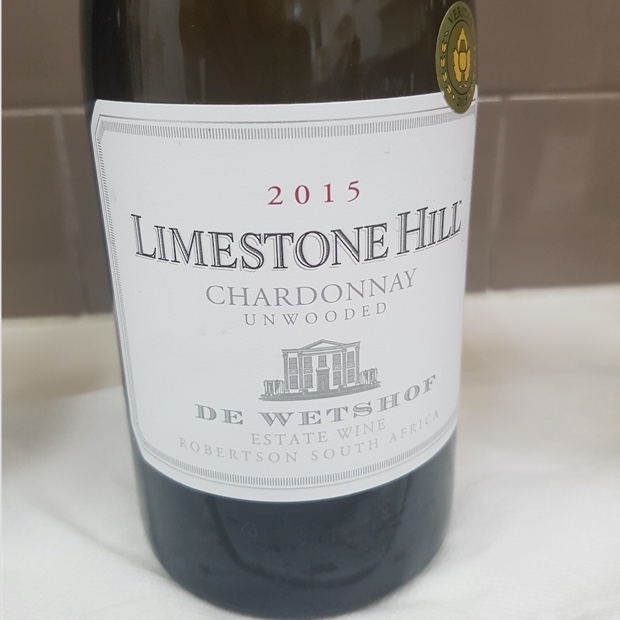


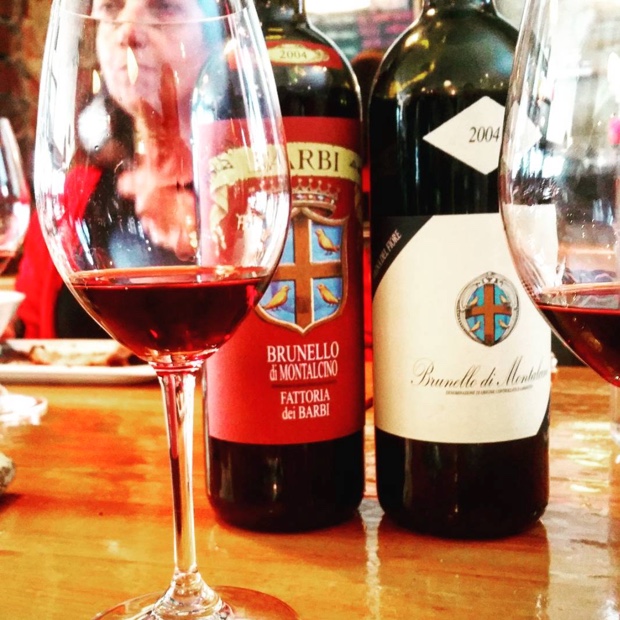
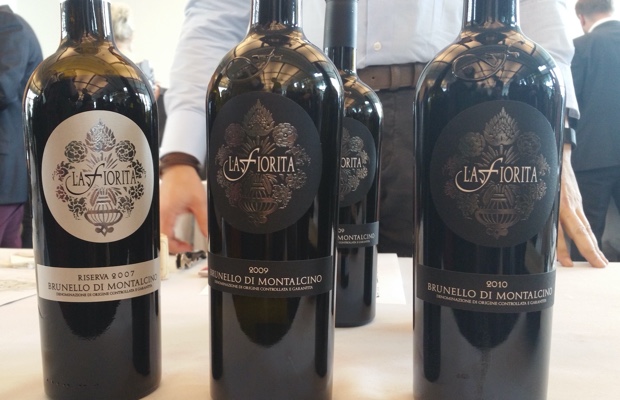
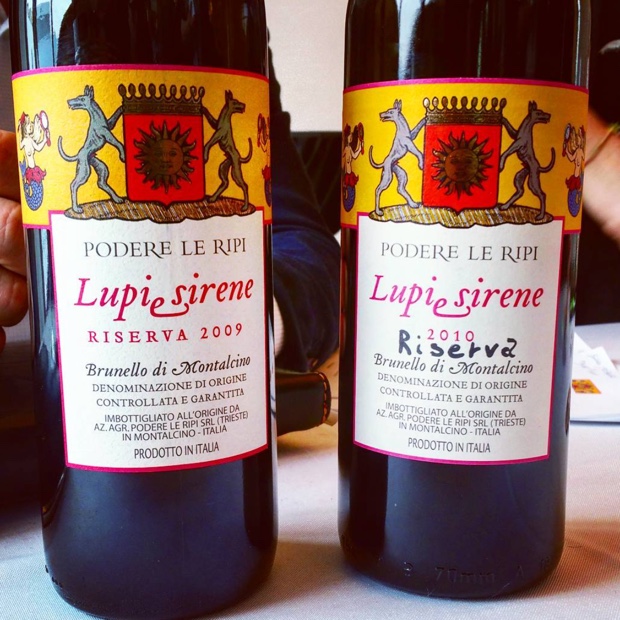


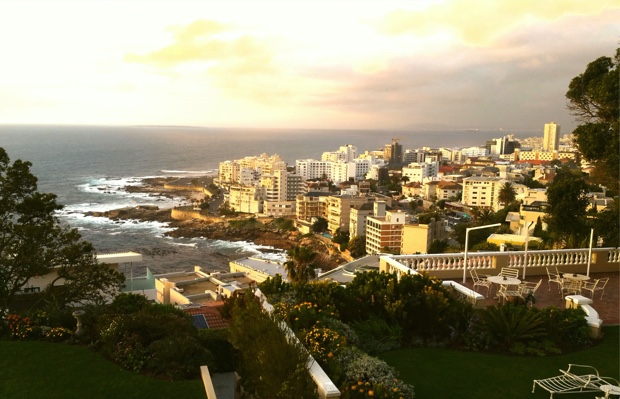


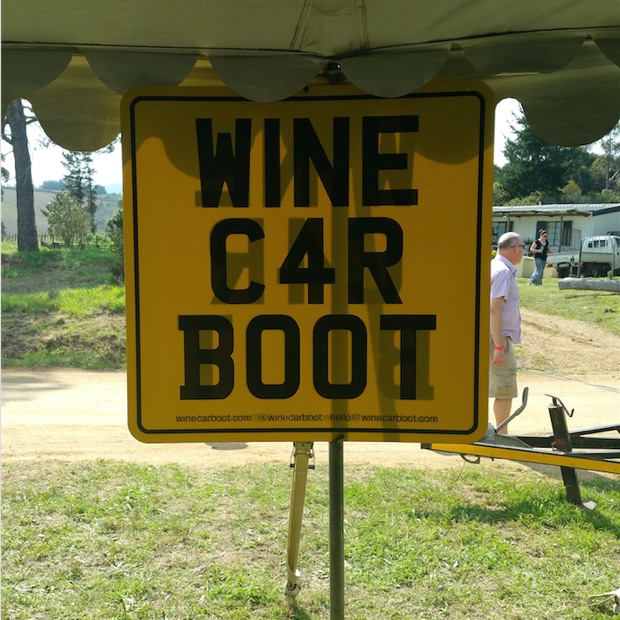


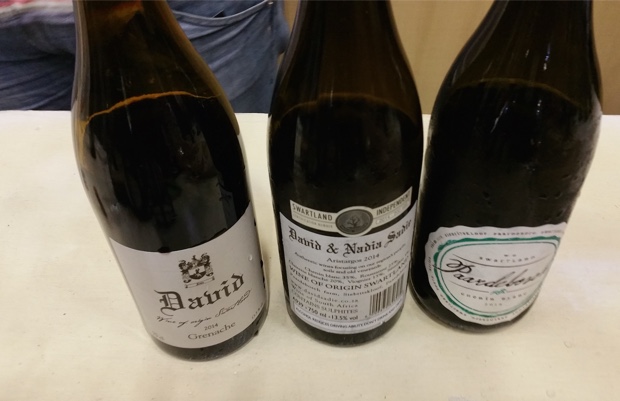


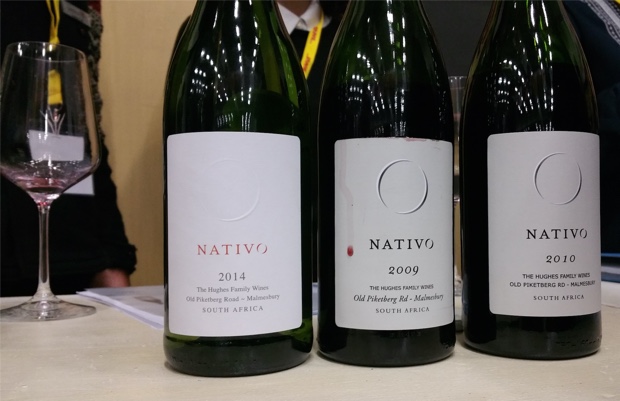


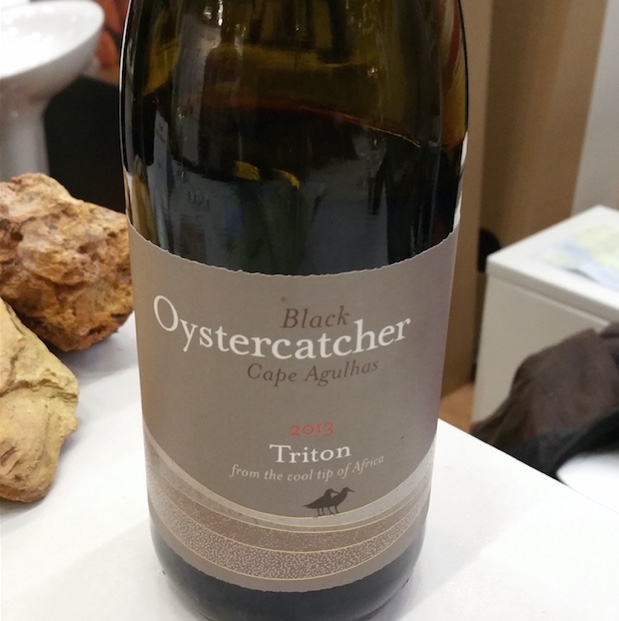
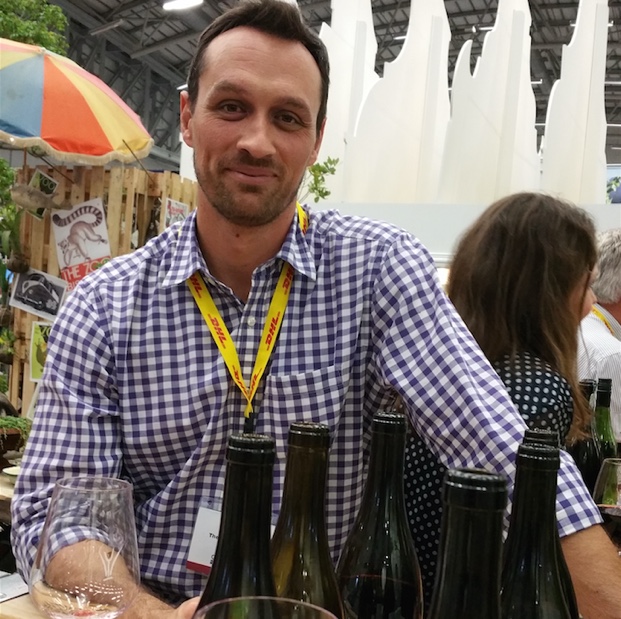
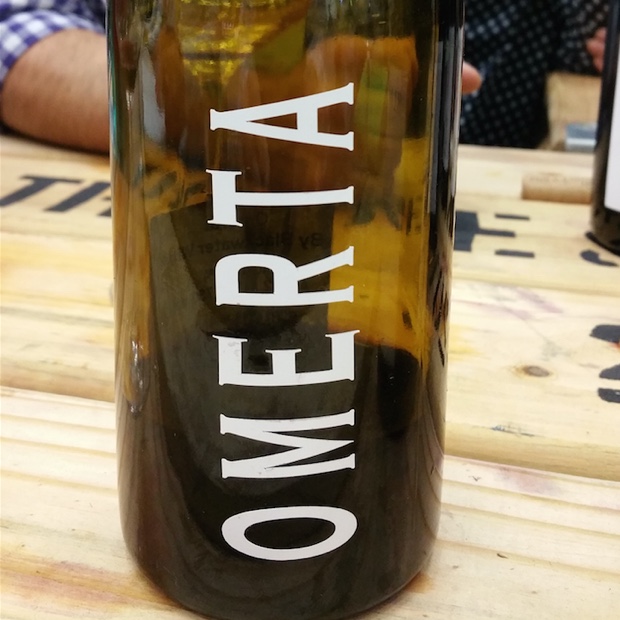

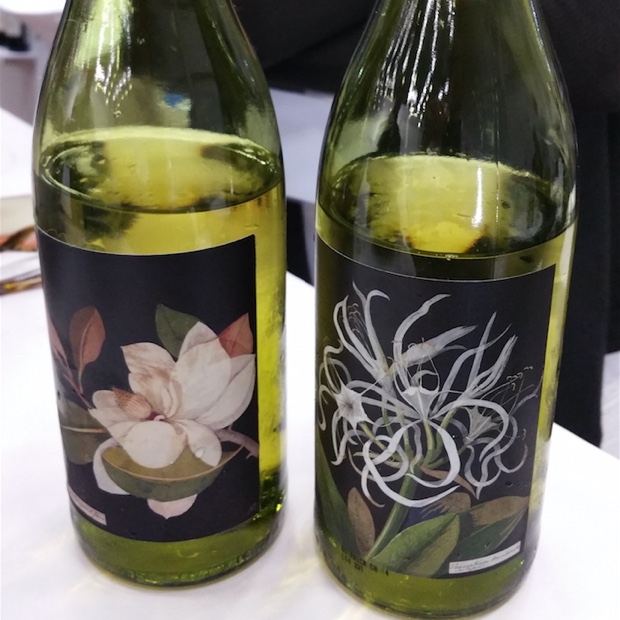


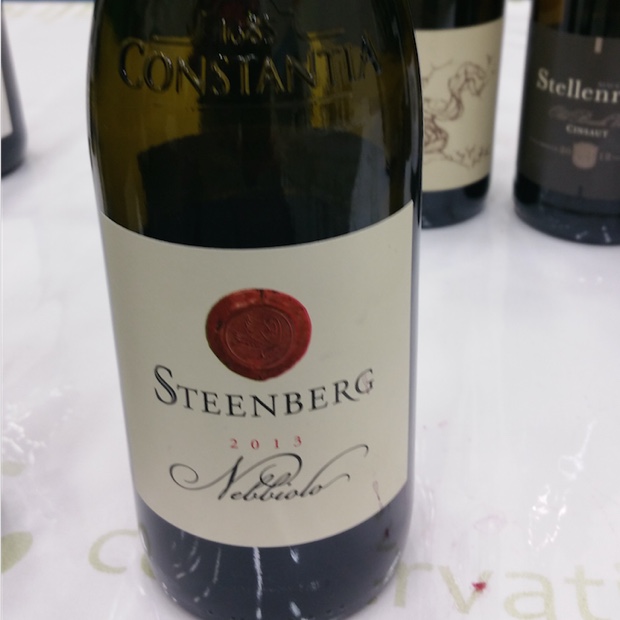
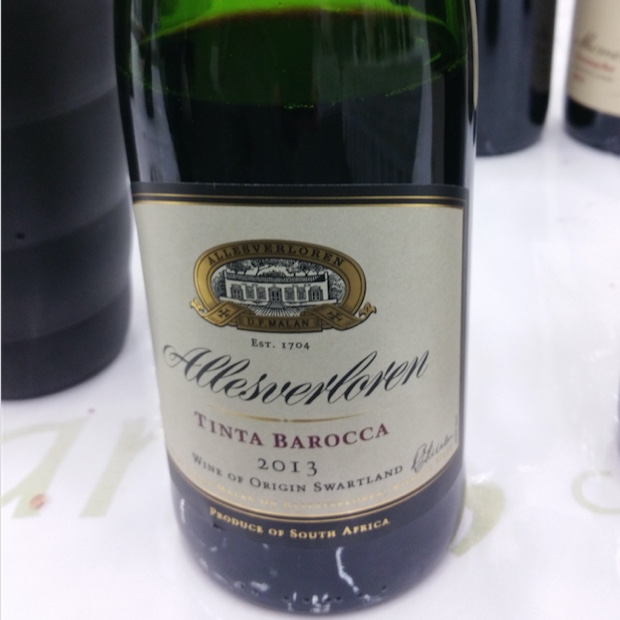


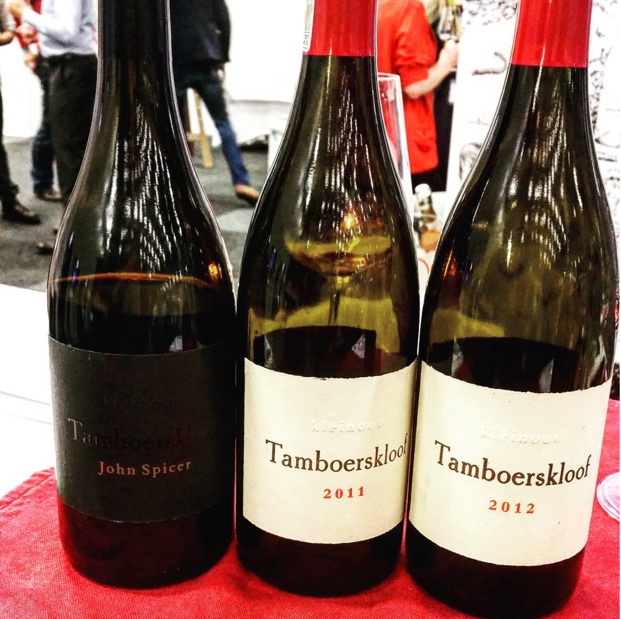


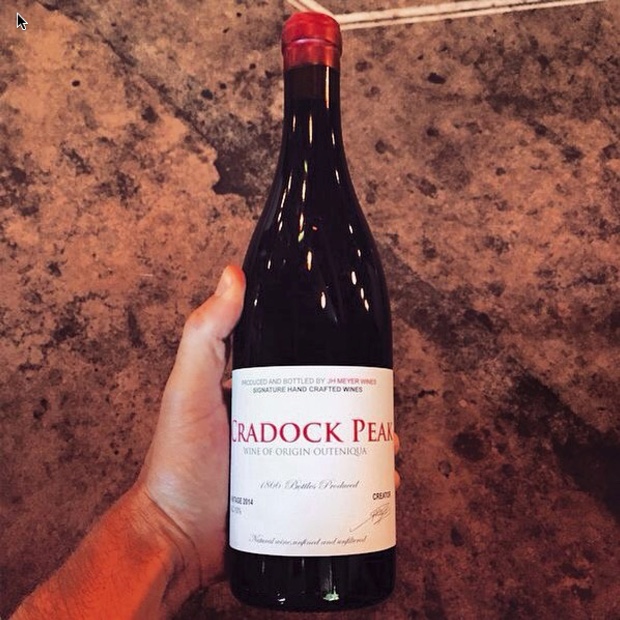

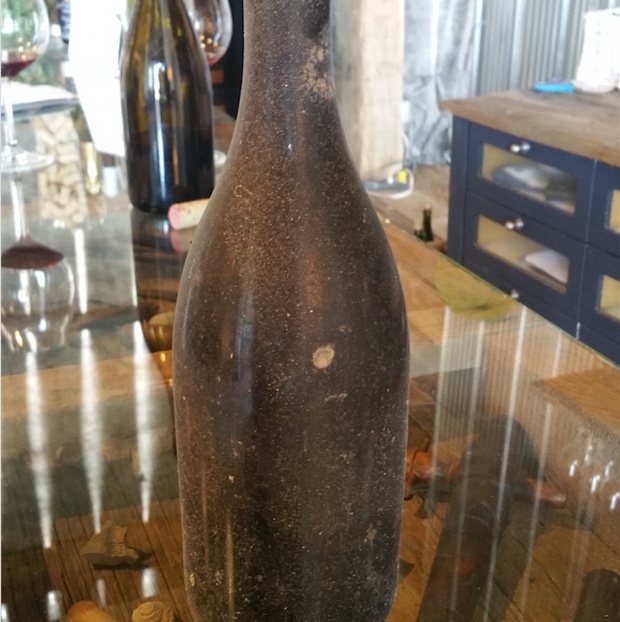
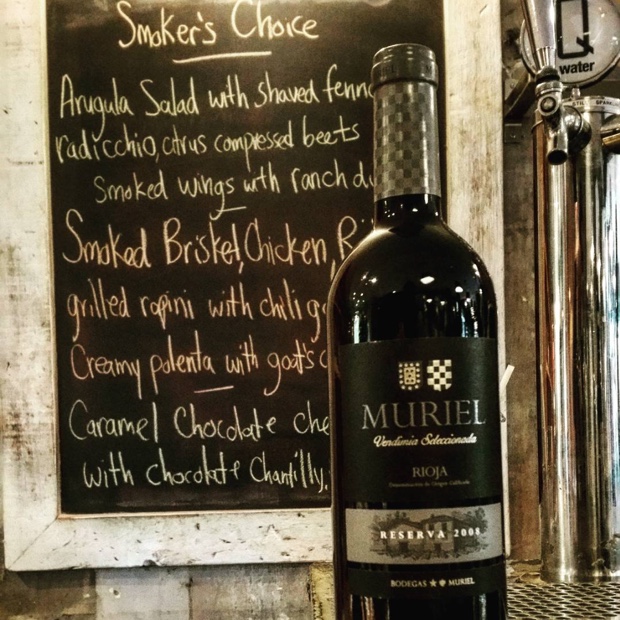

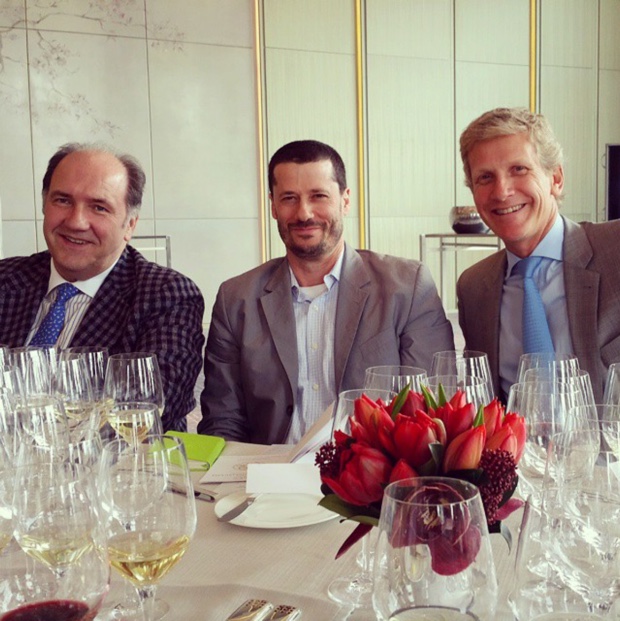

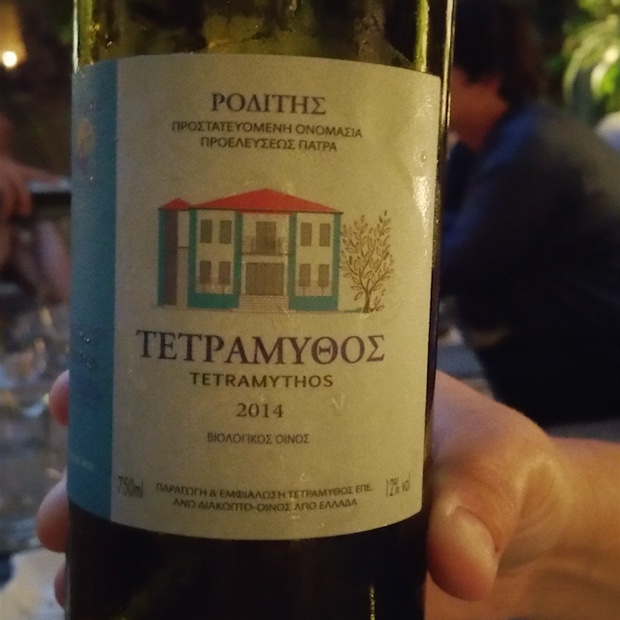
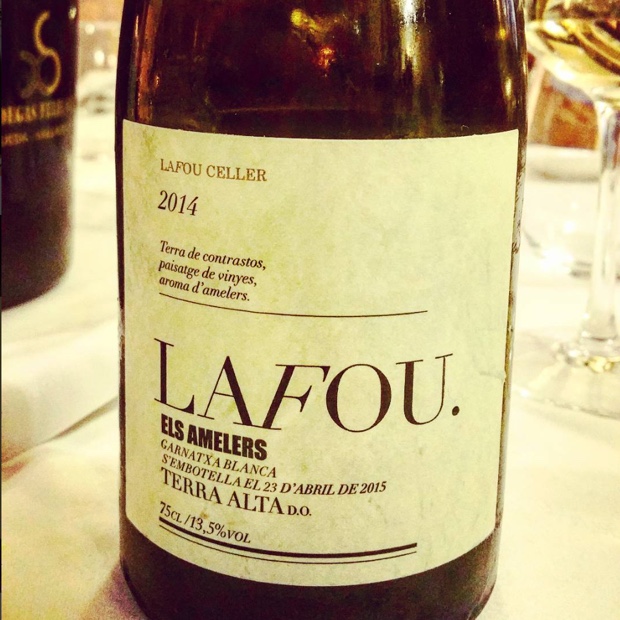
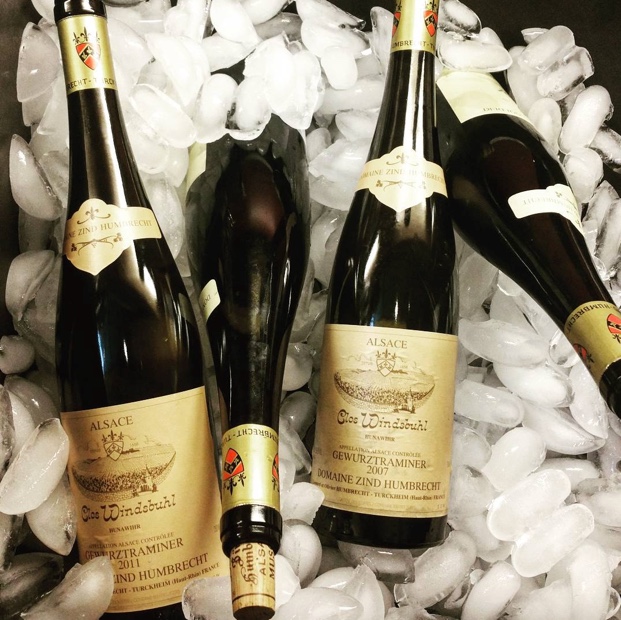

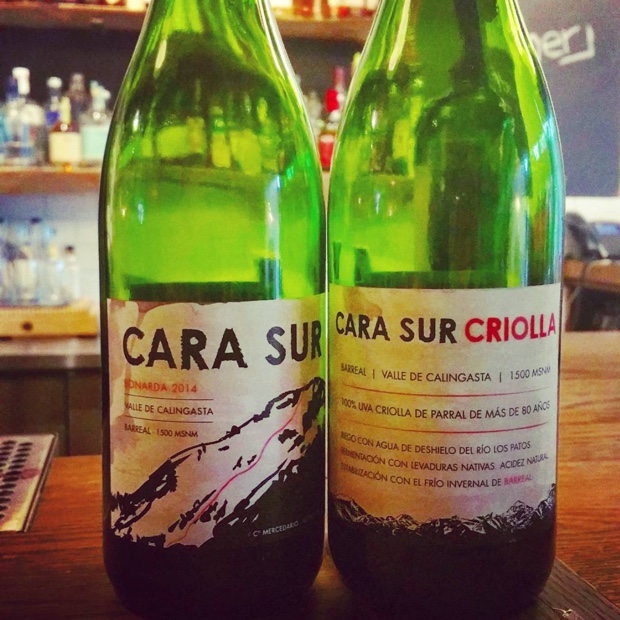
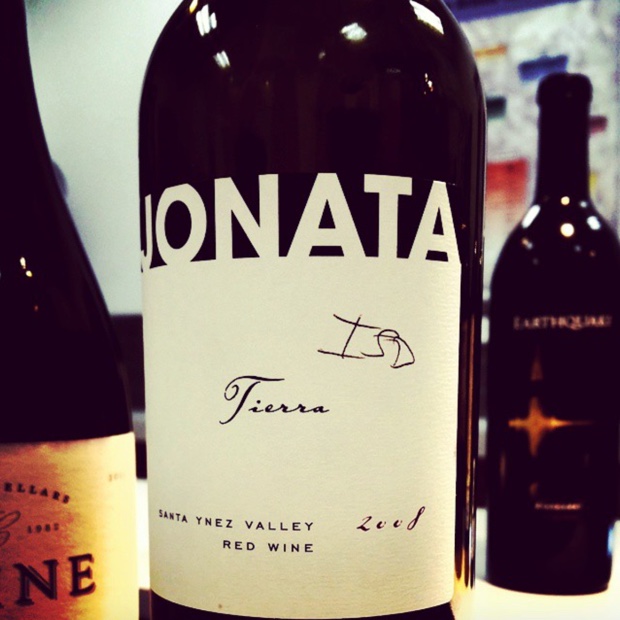


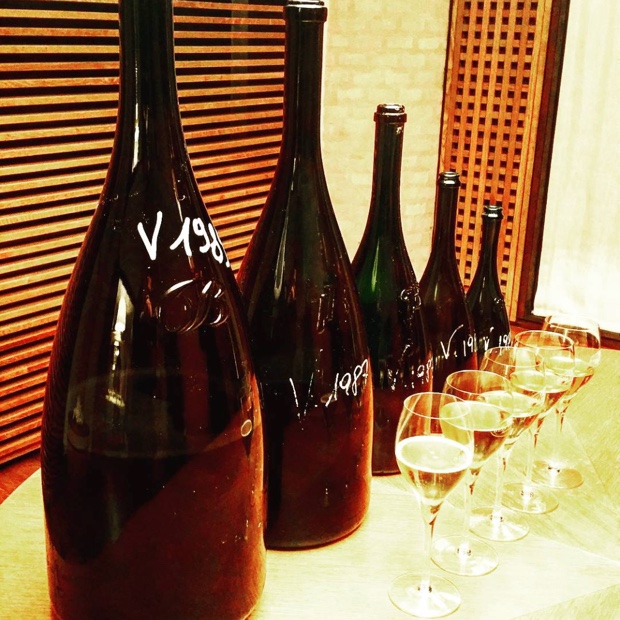
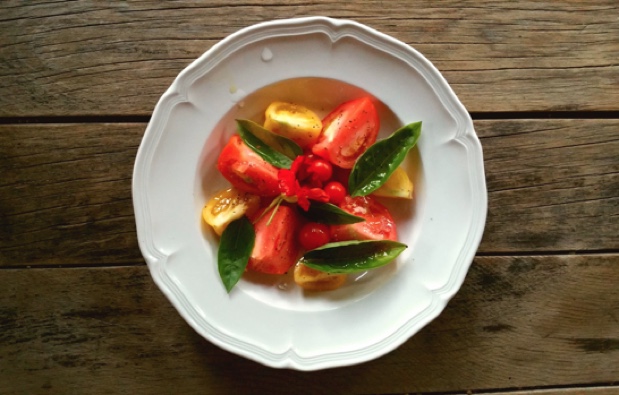
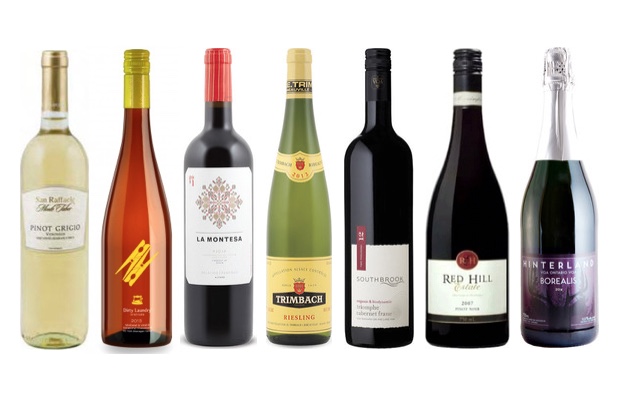

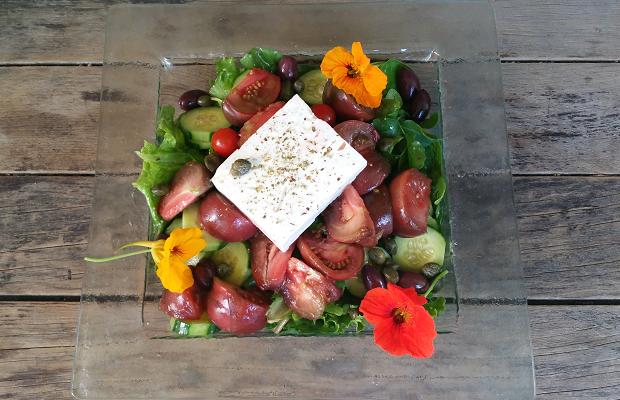
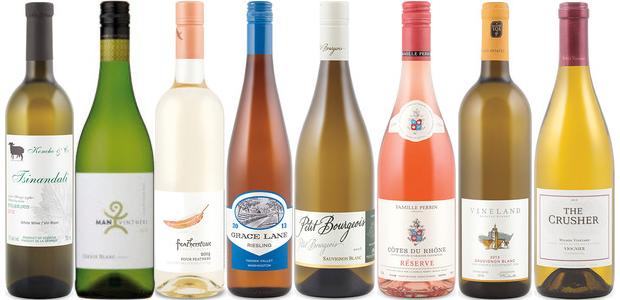
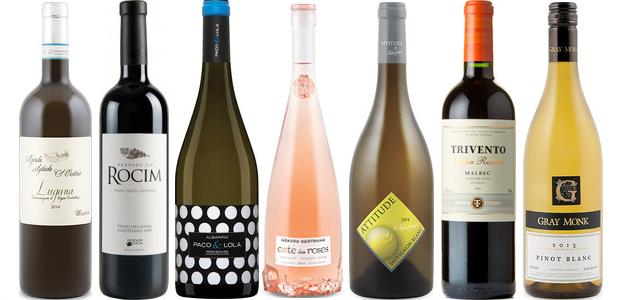
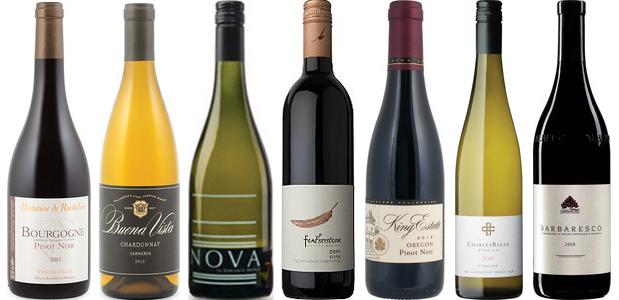
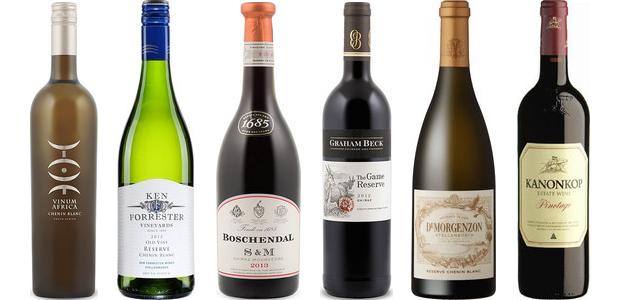
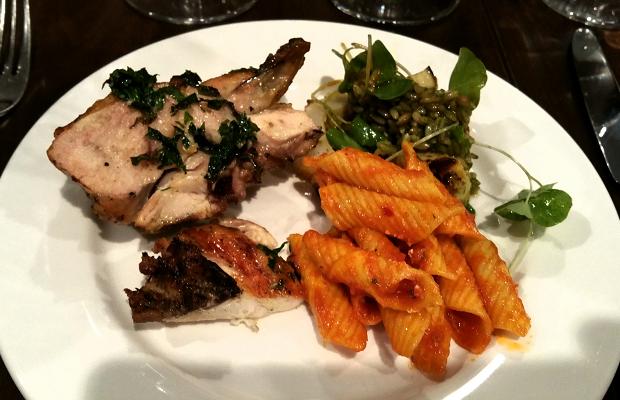
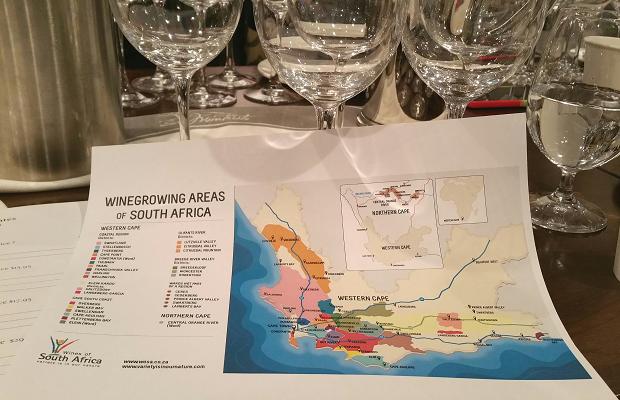
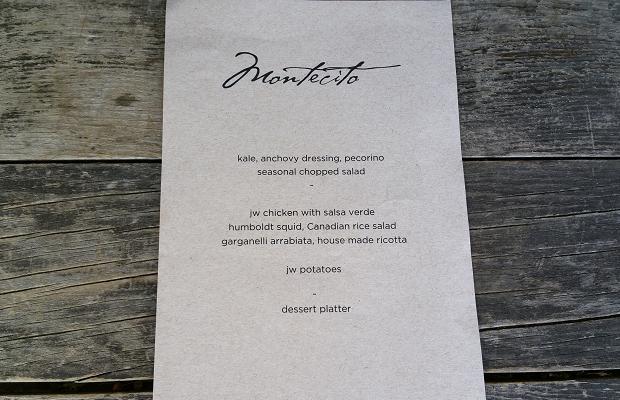
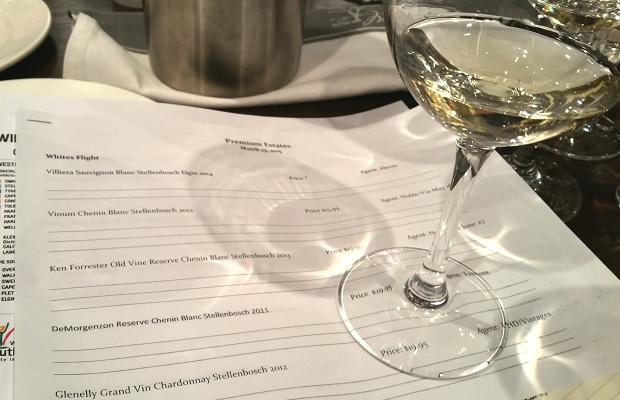

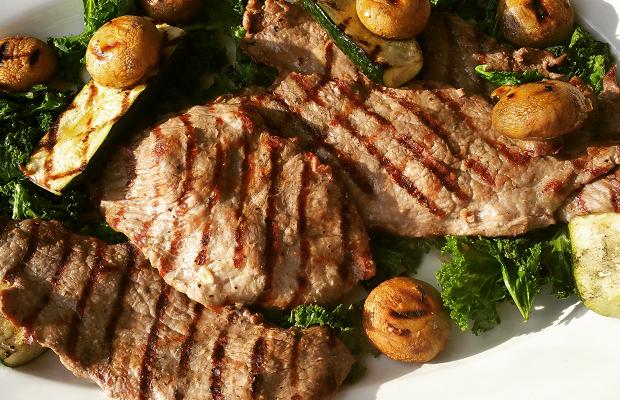
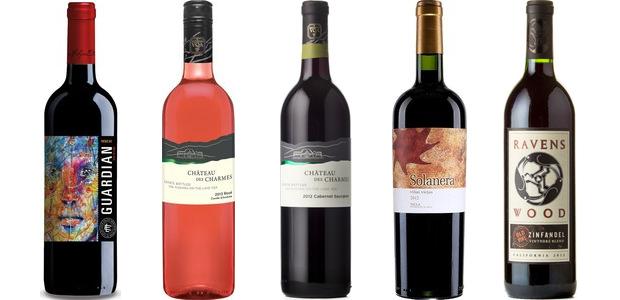

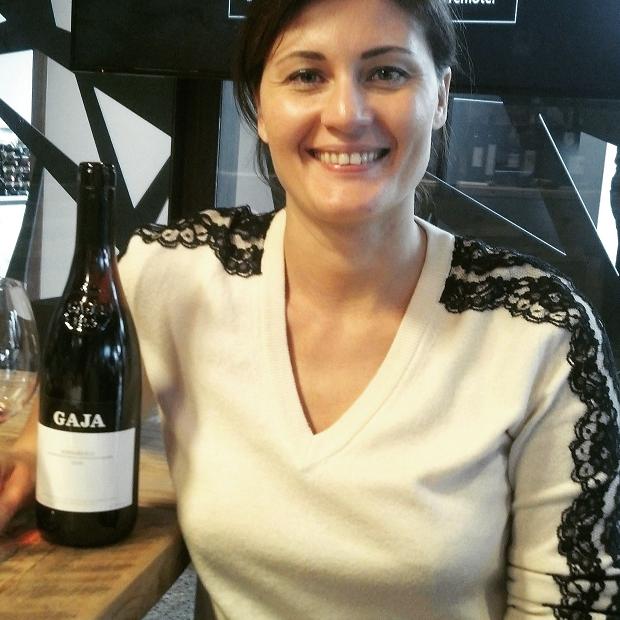
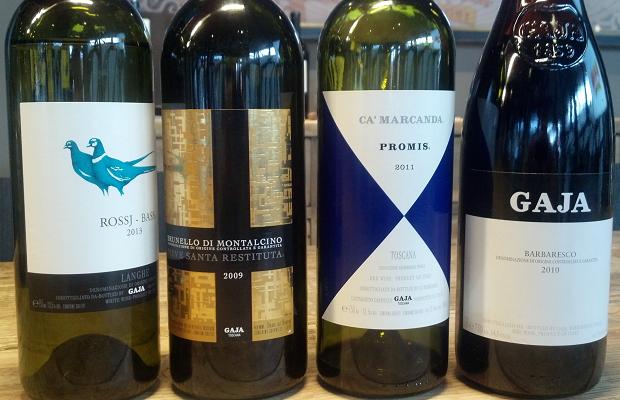
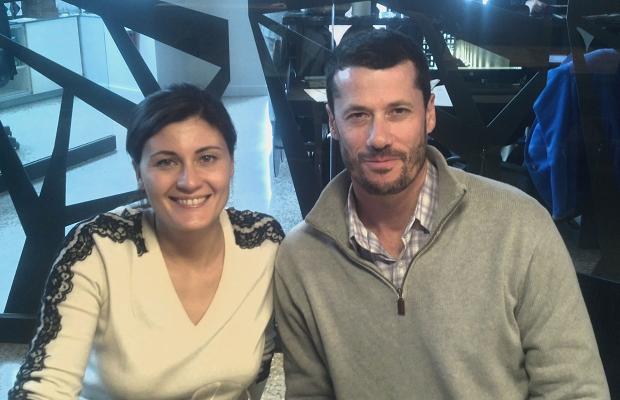
 Godello