Three days, eight estates, Chianti Classico

alessandro-your-grandfather-was-a-very-good-winemaker-luiluiano-chianticlassico-fattoriadiluiano-chianticlassicoriserva-1979-sangiovese-alessandropalombo-antoniopalombo-luiano

Alessandro, your grandfather was a very good winemaker @luiluiano @chianticlassico #fattoriadiluiano #chianticlassicoriserva #1979 #sangiovese #alessandropalombo #antoniopalombo #luiano

By the time I landed in Florence and had settled into the Kraft Hotel it was pushing 3:00 pm and I needed to be ready just a few hours later to meet my Chianti Classico hosts for dinner. It had been 21 years since I last wandered aimlessly, holistically and believe me, blissfully through the streets of Cosimo I de’ Medici’s Florence. Greater men than me had walked these narrow strade. Pietro Cimabue, Giotto di Bondone, Dante Alighieri, Arnolfo di Cambio, Desiderio da Settignano, Donatello, Lorenzo “The Magnificent” de’ Medici, Michelangelo Buonarotti, Botticelli, Lorenzo “The Magnificent” de’ Medici, Giovanni Boccacio, Raphael Sanzio, Vincenzo Danti, Leonardo Da Vinci, Francesco Furini and Filippo Brunelleschi. Twenty-one years should distort and disorient one’s sense of direction but I found myself at home, mapless, confident in finding my way from landmark to landmark. Ponte Vecchio, Piazza della Signoria, Santa Croce, Santa Maria Novella, Palazzo Pitti, Palazzo Vecchio and Il Duomo. Hours later, wide-eyed and energized, the dinner bell sounded and then forward, for three extensive immersion days, it was all Chianti Classico.

godello-and-brunelleschi-together-at-last-firenze-piazzadelduomo

Godello and #brunelleschi together at last #firenze #piazzadelduomo

I spent some time in Chianti Classico at the beginning of May. I had been to Toscana before, in 1986, 1989 and in 1995. With twenty years having passed, so much had changed and in some ways, nothing at all. What I learned this time around can’t be found in a book, online or in scattered, random tastings here in Toronto. I found people, I found place and I found progression. The wines of Chianti Classico have embarked upon an ascension into their contemporary golden age.

On September the 24th, 1716 the Black Rooster was born. A notice was given by the Grand Duke Cosimo III de ‘Medici who decided to demarcate the territories dedicated to the production of high quality wines. To protect and to safeguard this special place, found in the hills and valleys between Siena and Florence. Chianti Classico. Three hundred years later the Gallo Nero, quintessential symbol synonymous with the Chianti Classico DOCG, is celebrating its birth.
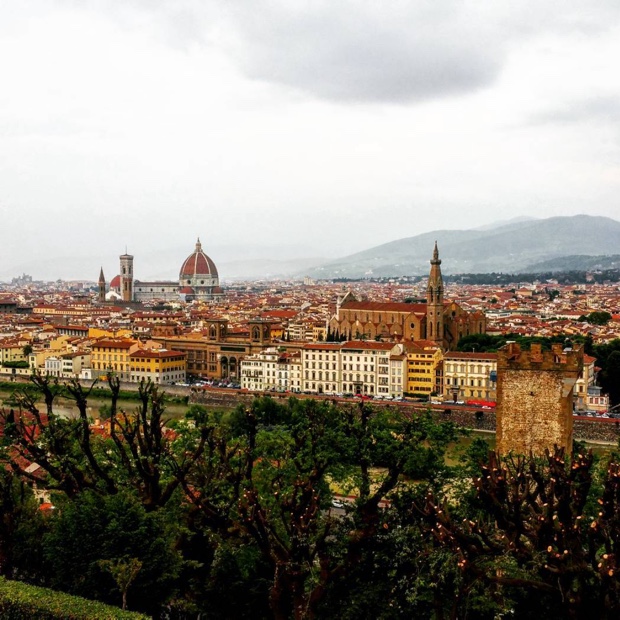
the-sheer-breadth-of-ilduomo-is-just-amazing-firenze-piazzamichelangelo-brunelleschi-toscana

The sheer breadth of #ilduomo is just amazing #firenze #piazzamichelangelo #brunelleschi #toscana

All who serve to ride shotgun as sentinels to the profound history and quality of Chianti Classico are very sensitive and protective of the term, so the use of the full name “Chianti Classico” is essential. In Tweets, Instagram and Facebook posts, as well as press releases, articles and conversation, the omission of “Classico” is akin to liking it to that other lesser wine that shall not be named, and could result in being taken outside and subjected to some dark arts. The two names, as a matter of fact, represent two DOCG with distinct and separate production territories, histories and consortia.

#tranquillo #greveinchianti #ChiantiClassico

#tranquillo #greveinchianti #ChiantiClassico

Chi-anti Classi-co. Two very important words. Classic Chianti. Classical Chianti. Take away the demonstrative qualifier and what do you have. You have Chianti. With no disrespect to some very honest, simple and pleasurable Chianti produced outside of the boundaries that define Chianti Classico, the difference between the two is night and day. When you travel through the verdant, rolling hills, in and out of wine estates and villages of the region, you can’t help but feel the sense of tranquillo. Calm. You are also hyper aware of the singularity, diversity and quality of the produce. This is Chianti Classico. You do not get lazy and say I am in Chianti or I have travelled through Chianti. Per favore, Chianti Classico. In fact, the moment you leave Chianti Classico and pass through the terra-cotta villages just south of Firenze the landscape changes immediately. It’s just not the same.

dropped-in-on-some-old-friends-today-villadigeggiano-barrelselect-bianchibandinelli-castelnuovoberardegna

Dropped in on some old friends today @VilladiGeggiano @BarrelSelect #bianchibandinelli #castelnuovoberardegna

Image, perception and finalmente, reality, these are the truths all who feel the soul of Chianti Classico are in search of today. Today and moving forward, explaining to the world that Chianti Classico is not what you thought or think it to be. In my three full days of exploring the region I visited eight wine estates, and no two were the same. Each have vines growing on different soils, each vinify with varying techniques and all eight treat l’élevage of their wines with surprisingly divergent approaches.

Related  – Chianti Classico’s Gran Selezione plan

My visits to these eight estates (plus one 21-year later reunion with Andrea Bianchi Bandinelli at Villa di Geggiano) was made possible and with thanks to the Consorzio di Vino Chianti Classico. In particular President Sergio Zingarelli, Director Giuseppe Liberatore, Christine Lechner and Silvia Fiorentini.  Last week I published links to 21 tasting notes on Chianti Classico Gran Selezione over at WineAlign. The full notes will go live on Godello next week. This week you can read 28 tasting notes on the non-Gran Selezione wines I tasted In Chianti Classico back in May.

Luiano

Luiano as from the Latin, “janus,” where all begins from Jaunary, with an eye to the past and forward to the future. Located in San Casciano in Val di Pesa, through Impruneta due south of Firenze. Passed down from grandfather Alberto, now Alessandro and father Antonio Palombo’s vineyards fan out to an amphitheatre with four distinct (cru) climats. The use of merlot and cabernet sauvignon is employed to achieve roundness with the tannic and tougher sangiovese, to avoid the classic, firm and historically at times infirm and instead go for the amenable. Representation in Ontario is with Tre Amici Wines.

alessandro-luiluiano-palumbo-announces-chianticlassico-quality-luiano-even-before-you-have-ascended-his-drive

Alessandro @luiluiano Palombo announces @chianticlassico quality #luiano even before you have ascended his drive

Luiano Chianti Classico 2014, Docg Tuscany, Italy (Agent, $24.50, WineAlign)

From a challenging vintage and winemaker Alessandro Palombo admits readily to much fruit purposefully languished on the vine. Field selection was the sine qua non, inexorable and moral imperative to seek this floral sangiovese from a less than homogeneous vintage. With a father’s wise voice resonating in his ear it was the inborn proclivity to resist temptation and not to over press and to focus on freshness. Some cabernet sauvignon and merlot urges the chamomile, jasmine, black tea and candied orange peel with some healthy contrariety by underbrush (mushroom and forest floor) and truffle shaved over black cherry. A bit iron rich though righteously clean, with no exaggerations, in avoidance of arbitration, greenness or pepper pyrazine. “It’s not the greatest Chianti Classico I’ve ever made but it’s one I’m very proud of.” 60,000 bottles made. Drink 2016-2021.  Tasted May 2016
with-alessandro-and-antonio-palumbo

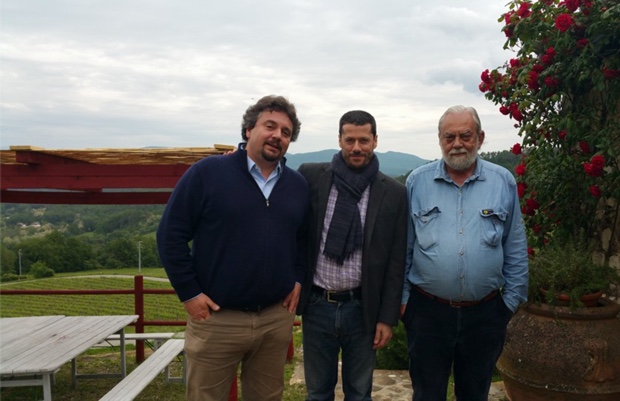
With Alessandro and Antonio Palombo

Luiano Chianti Classico Riserva 2013, Docg Tuscany, Italy (Agent, $39.95, WineAlign)

There was some rain and cold at the climax of maturation, so here the sangiovese is grittier, shivered with sweetmeat and somewhat bitter tannins, but otherwise a “normale” vintage. Here we have 100 per cent sangiovese of the best selections and the first vintage not in true French oak. It is in fact larger barriques (French but made in Italy). Still the forest floor and a hint of truffle, albeit slathered with a deeper richness, whiffing some leather and tobacco. The wood is present but respectful to the fruit, as is the verdant streak running through the tremendous San Casciano in Val di Pesa acidity. The bitter and drying tannins will require time to help soften the astringency and relent they will though not completely, but age will certainly help. 13,000 cases made from a vintage with no Grand Selezione. Drink 2017-2022.  Tasted May 2016

Luiano Chianti Classico 1979, Tuscany, Italy

Alessandro Palombo is skeptical at first, one eyebrow raised but with the look of possibility on his face. Takes me very little time to acknowledge that this ’79 is very much alive, fruit not predominant (and surely some prune) but neither cooked nor bruised. The brown nose (earth and spice) purports a full concentration of anthocyanins, acidity still full in, dried fraises de bois, black liquorice, dirty leather and worth repeating, still very good acidity. Truffle, forest floor and then black olive tapenade on the palate. This is 70-80 per cent sangiovese with colorino and canaiolo and for 1979 it’s quite incredible. It should not have lasted this long.  Antonio says that up to 10 per cent could have been malvasia blanca and trebbiano because at the time it was a field blend, co-planted with the sangiovese, which could explain some of the variegation in the colour. This is a Chianti Classico to lend credence to the idea of using multiple fruit, vegetal and animale descriptors when assessing an old wine. It’s also the reason why you put them away and open them with friends who’s eyes are wide open. Thank you Alessandro for the opportunity and for the connection to your grandfather Alberto. He was a very good winemaker. Drink 2016.  Tasted May 2016

Lornano

Fattoria Lornano had been a Napoleanic French property taken from the church and re-assigned.  Like many properties in Chianti Classico the 180 hectare estate was originally a church, in Lornano’s case a privilege of Pope Innocent III who was entrusted with the administration of other neighbouring churches and adjacent agricultural lands. The Taddei family-owned Lornano is located on the south west hills of Castellina in Chianti and Monteriggioni, five kilometres from Siena.

Nicolò Pozzoli’s great grandfather bought Lornano in 1904 after making a fortune in matches followed by owning a glass factory in Empoli. This from Nicolò’s mother’s side of the family and it was aunt Katerina who ran the winery, now in the hands of Pozzoli. In 1998 they re-planted six hectares and in 2013, replaced seven hectares of Chianti Classico on the upper hill. Today the team is led by General Director Pozzoli, Agronomist Silvio Campatelli and Enologists Franco and Matteo Bernabei. They are represented in Ontario by Frontier Wine Merchants.

structured-and-getable-chianticlassico-via-lornanochiantic-il-piacere-e-stato-mio-nicolopozzoli-silviocampatelli-montereggioni

Structured and getable @chianticlassico via @LornanoChiantiC Il piacere è stato mio #NicolòPozzoli #SilvioCampatelli #montereggioni

Lornano Chianti Classico 2012, Tuscany, Italy (211599, $17.95, WineAlign)

Lornano’s Chianti Classico benchmark endeavours from lock, stock and barrel sangiovese and is held back from market longer than most, to soften the 100 per cent edges and give the round, plumate feel. The vintage is nothing if not consistent with the Lornano house style, divaricated rich and dishing out some evolution. The fifty-fifty small and large barrel split and 12 months of aging following a 22-day fermentation at 25-28 degrees is more than just a jumpstart and a kicker. The integral technical play celebrates and elevates the elegant vintage of very pure fruit, almost biting, ricercato crack spice and finally, very silky tannins. A seven to 10 years Chianti Classico with significant poise for so little salvo. Drink 2017-2023.  Tasted May 2016

Lornano Le Bandite Chianti Classico Riserva 2011, Docg, Tuscany, Italy (230672, $19.95, WineAlign)

Le Bandite, “the banned,” is a cru special for its content of white sand. This is the place “where the hunters went hunting,” notes Direttore generale Nicolò Pozzoli, Monteriggioni territory in which, for public tender are prohibited hunting, fishing or grazing. So what is the significance with respect to Chianti Classico Riserva? Simple. The hunter’s loss is the wine consumer’s gain. Here a wine that spent 21 months in barrels, of wise character, evolved and integrated inherent, thanks to an extra year in bottle before release. Sangiovese from clay, of earthy density settled, on the palate, with three to five years left for prime drinking. When tasted alongside the 2009 Le Bandite, it shows more is less vitality and acidity than when that vintage was last tasted in November 2013. This 2011 will soon revive a pop and a feeling that brings leather and liquorice into the fray. Drink 2017-2024.  Tasted May 2016
with-thanks-to-nicolo-pozzoli-e-silvio-campatelli-inowfeellikenew-lornanochiantic-chianticlassico-fattorialornano-castellinainchianti

With thanks to Nicolò Pozzoli e Silvio Campatelli #inowfeellikenew @LornanoChiantiC @chianticlassico #fattorialornano #castellinainchianti

Lornano Commendator Enrico 2011, Igt Toscana, Italy (211615, $29.95, WineAlign)

In reference to a time in Lornano’s history when the property was placed in trust as a commendam, “the temporary holding of an ecclesiastical benefice.” The Igt blend is sangiovese (50 per cent), merlot (25) and cabernet sauvignon (25) housed for 20 months in new barrels and large barriques. Nothing but rich and intense with the most spice and also the notion of liquid violets. As an aside to the Chianti Classicos there is here a new texture, the merlot giving dusty brushes, the cabernet blackberry, Cassis and with a savoury side. Drink 2016-2020.  Tasted May 2016

Lornano Vin Santo Del Chianti Classico 2008, Docg Tuscany, Italy (244947, 375ml, $29.95, WineAlign)

So very nutty, of almonds and hazelnuts and then marzipan. Succinctly apricot and ripe peach with acidity that hits during the initial shot of fresh fruit into frutta secca and then again at the back end. A dessert wine unique to its own character, perfectly clean and pure. From the oldest plantings of trebbiano and malvasia, one hectare of each, aged for up to six years. Picked in late October, brought in and hung up in a well-ventilated room with humidity and mildew control, then sorted before fermentation. Up to 30 per cent is lost or discarded. Drink 2016-2028.  Tasted May 2016

Villa Trasqua

Located north of Siena in Castellina in Chianti with Monteriggioni rising majestically above the estate, Villa Trasqua is built around the ancient and exceptional vineyard known as Nerento. The estate dates back to 1965 and cultivates its 120 hectares and 10 vineyards in the oldest part of Castellina in Chianti. Trasqua is owned by Swiss brothers Sven and Alan Hulsbergen. Organically farmed vines and the gravity fed winery built on several levels are overseen by oenologist Franco Bernabei and Director Armand Metalla. The estate is represented in Ontario by Frontier Wine Merchants.
how-about-this-beauty-chefmolson-berkel-1912-slicingmachines

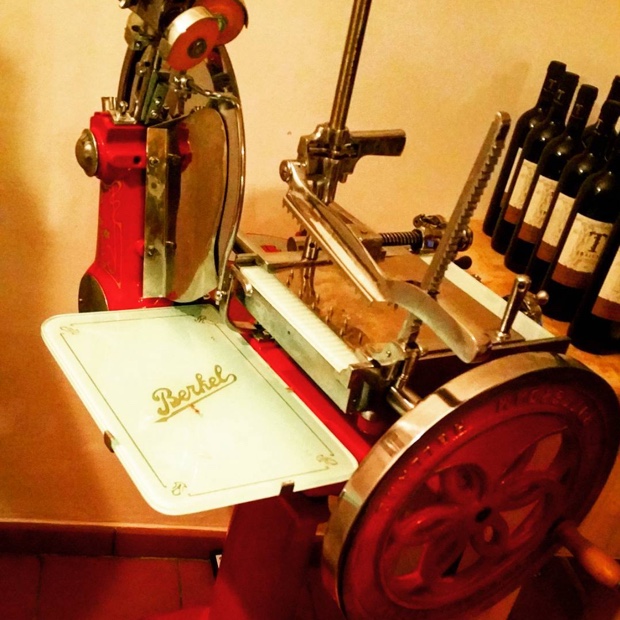
How about this beauty at Villa Trasqua? #berkel #1912 #slicingmachines

Villa Trasqua Trasquanello Rosé 2015, Docg Tuscany, Italy (Agent, $13.95, WineAlign)

A 100 per cent sangiovese designed out of a quick bleed for minor colour and the result is great elegance. Saline, savoury and with a bit of sweetness, sexy, easy going Rosé with oomph. Drink 2016-2017.  Tasted May 2016

Villa Trasqua Chianti Classico 2012, Docg Tuscany, Italy (Agent, $19.95, WineAlign)

From serene Castellina in Chianti wide open spaces vineyards and built upon sangiovese plus (five per cent) colorino and malvasia nera. Leaf savour of and with the tart sweetness of frutti di bosco. Spicy oak and depths plumbed but ultimately fresh elegance with acidity to lift, clean and place this in the new echelon of Chianti Classico. Drink 2016-2019.  Tasted May 2016

Losi Querciavalle

If any Chianti Classico estate speaks of family values, tradition and a deeply profound, contiguous lineage it is Losi Querciavalle. Located a stone’s throw across a few valleys southeast towards Siena in the Comune di Castelnuovo Berardenga, the Losi family are the custodians of the purest Albarese soils in the hills of Pontignano. The Albarese here is so pronounced and so defined from plot to plot and vine to vine that Pietro Losi is able to distinguish and differentiate specific vines for the purpose of choosing identified bunches of grapes for each of his wines. Pietro and daughter Valeria take the torch from Cavaliere Tranquillo Losi, mezzadro (cropper) and a man who pioneered farming and winemaking methods to make wines that purely and clearly define the region’s Chianti Classico. Tranquillo’s transference of indispensable Chianti Classico information came from his father Emilio Losi and from Brunello of Montalcino’s Tancredi Biondi Santi.

Pietro continues the work of his forefathers, along with Valeria and brother Riccardo. The Querciavalle farm, acquired in 1954 with the establishment of the company, covers 35 hectares of vineyards while Pontignanello farm, acquired in 1998, bordering on the Querciavalle farm, covers 15 hectares. The estate is represented in Ontario by Natural Vines.

Mirror to classicism, history and tradition. Purity from @valerialosi #querciavalle @chianticlassico #agricolalosi #sangiovese #granselezione #pontiganello

Mirror to classicism, history and tradition. Purity from @valerialosi #querciavalle @chianticlassico #agricolalosi #sangiovese #granselezione #pontiganello

Malvasia Nera 2015 (Barrel Sample)

Aged in tonneaux barriques, the blending grape on a possible solo mission gives green vegetal and floral aromatics, violets, like petit verdot in a way, with great acidity. Pietro Losi is considering producing a single-varietal wine, is cloning to try and plant more for such a purpose. Tannins are grainy but sweet, fine and delicate. Three words for you Pietro. Go for it.  Tasted May 2016

Losi Querciavalle Chianti Classico 2011, Docg Tuscany, Italy (Agent, $19.95, WineAlign)

The historical south-facing “Leccino” family vineyard is situated at 300-350 above sea level, from sandstone in the higher areas and from Galestro and Albarese, so typical from the lower areas of Chianti Classico. Sangiovese (90 per cent) and canaiolo see 18 months in 50 hectolitre barrels and in concrete. Here the natural world and the particular poetry of “old school” dialectical sangiovese speech is heard. It is certainly traditional and pure, clean, crisp, structured, taut and of that wise liqueur. The verbiage is all that plus what feels like dusty ancient mountain brush mixed with albarese soil minerality. In the end it is the canaiolo that brings the perfume. Drink 2016-2021.  Tasted May 2016

Losi Querciavalle Chianti Classico Riserva 2010, Docg Tuscany, Italy (Agent, $24.95, WineAlign)

With five per cent canaiolo instilling just enough potpourri into the fine-grained sangiovese, this could be easily pass for Gran Selezione from an inelastic vintage. The 30 months in 20hL barrels has crafted a structured, elegant, firm and classic Riserva. More than sixty vintages have gathered up the albarese and here, from Querciavalle’s “Vigna del Pino” vineyard. Forest floor, vanilla and berries cull the traditional, resting calm, balanced, noiseless and bitterless. The aftertaste comes out the habits of generations, with a sweet amaro finish, a smooth digestivo. Drink 2018-2026.  Tasted May 2016

Losi Querciavalle Vin Santo Del Chianti Classico 2000, Docg Tuscany, Italy (Agent, $95.00, WineAlign)

Every drop poured and considered from this ambrosial elixir solicits memories from and for a family’s history and tradition. From trebbiano and malvasia, the grapes picked on the 15th and dried from September to December. The pick has graduated to become earlier over the years, and the new, soft press to fermentation heads directly into the cartelli. Querciavalle’s patience exceeds the the five years (as required by the DOCG), usually waiting eight and making use of stainless steel to lower the natural sediment. “An immortal wine, already in paradise,” smiles Pietro Losi, knowingly, of dried fruit and of course almonds. There also challenges a depth and an aridity amongst this sugar, a depth of intensity through acidity that lines and then rounds without a moment of searing. This is true gran selezione calm, gorgeous and alone, warm and full of love. A dessert wine that takes minutes to finish, stays warm in the belly, helpful, coating and comforting. The best and correct story for Vin Santo is of the black plague when the monks believed it held the power to cure. What’s not to believe? Drink 2016-2040.  Tasted May 2016

Barone Ricasoli – Castello di Brolio

The history of Chianti Classico, Tuscany and for that matter, Italian wine can’t be discussed or put into perspective without mention of Barone Ricasoli. That name has been linked to wine since 1141, when Brolio Castle passed into the hands of the Ricasoli family. The first 700 years of Tuscany’s most famous castle and the family aside, it is the work of Baron Bettino Ricasoli, Prime Minister of Italy, researcher, innovator and first marketing expert for the regions wines.  Bettino is credited with having invented the Chianti formula in 1872. When I visited the Ricasoli family crypt in May I was struck by the fact that the Iron Baron passed away on my wife’s birthday. Then shivers travelled down my spine when I noticed a second Bettino Ricasoli shared a birthday with me.

Francesco Ricasoli, 32nd Baron of Brolio has been at the helm of the castle and the family business since 1993. In the past 20 years he has overseen the re-planting of vineyards, isolated exceptional soils, plots and exposures. The five types of soils found on the estate; sandstone, argilliti, montemorello, pliocene and fluvial deposits all play major rolls on vineyard demarcations and which blocks are used for which wines. This research with nearly 1000 years of experience in the current hands of Francesco Ricasoli has transformed an historic estate into a new golden age as one of Chianti Classico’s most important producers. Massimiliano Biagi is now head of winemaking and Commercial Director Stefano Capurso is responsible for bringing Ricasoli’s exceptional wines to the world. Churchill Cellars is the Ontario Agent.
delivering-purity-with-deep-respect-to-exceptional-vineyards-barone_ricasoli-chianticlassico-sangiovese-granselezione-merlot

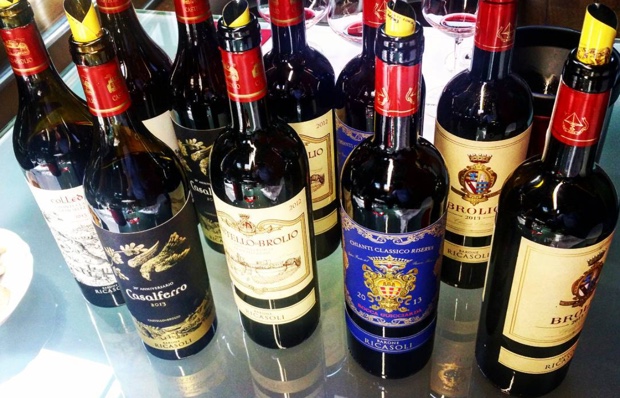
Delivering purity with deep respect to exceptional vineyards @barone_ricasoli @chianticlassico #sangiovese #granselezione #merlot

Barone Ricasoli Brolio Chianti Classico 2013, Docg Tuscany, Italy (3962, $23.95, WineAlign)

When you consider that this Chianti Classcio enjoys a production of 8000,000 bottles, you might think it a huge salad of over determination. It’s not but instead gleefully full of coincidence and implausibility. Sangiovese (80 per cent) mingles with merlot and cabernet sauvignon for nine months in barrique and tonneau. The goal is freshness from fruit with Chianti Classico character. The exactitude of resolution is a full expression, of cherries, dusty character and a meeting point from and for all five terroirs across the estate. Carries its full fleshy fruit with some liquorice in a dichotomous combo of exceptional quality and high quantity, incorporating diversity, brought together with simple but highly technological vinification. This is now as much a vision of Toscana, even as it resonates as Chianti Classico, than what it used to be. That is to say internationally stylized, but isn’t this in effect true of all sangiovese, not especially of Chianti Classico? Drink 2016-2021.  Tasted May 2016

Barone Ricasoli Brolio-Bettino Chianti Classico 2013, Docg Tuscany, Italy (Agent, $34.95, WineAlign)

This ulterior Chianti Classico label is dedicated to Bettino Ricasoli who invented the formula for the production of Chianti in 1872. The Iron Baron must have been a hard-nosed, get things accomplished kind of Prime Minister-Researcher-Inventor-Marketer because the sangiovese (with a splash or two of colorino) is a gritty effort, firm and taut. Aged in refurbished old casks, this unfiltered and bullish Chianti Classico is built upon a full-frontal fun nation of black cherry fruit. There is a textile texture that is not quite the CC leather of old but something newer, modern, hand-crafted and woven, silky and gentile. This is the elegance of such a form ridable sangiovese, on the tongue, to the touch and the feel. Bettino’s ode is dark and brooding but it is so very sangiovese. Drink 2018-2022.  Tasted May 2016
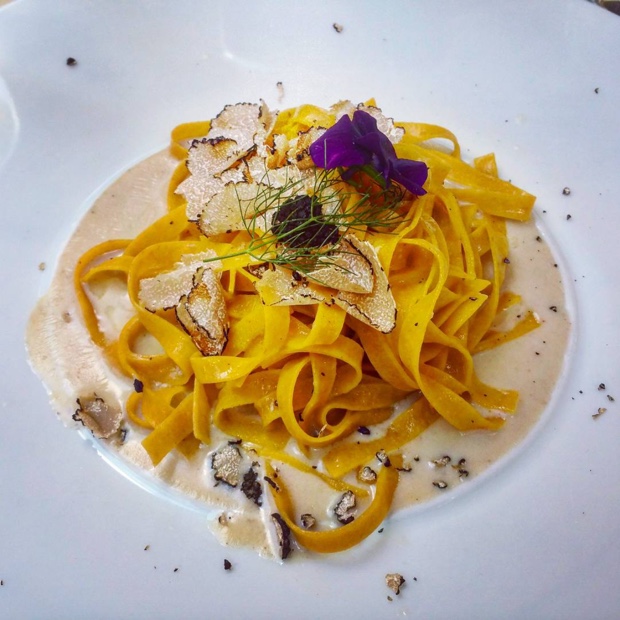
fettuccine-con-crema-di-tartufo-osteriadelcastello-barone_ricasoli-madonnaabrolio-gaioleinchianti

Fettuccine con #crema di #tartufo #osteriadelcastello @barone_ricasoli #madonnaabrolio #gaioleinchianti

Barone Ricasoli Rocca Guicciarda Chianti Classico Riserva 2013, Docg Tuscany, Italy (943613, $24.95, WineAlign)

The blend for the Riserva (first introduced out of the exceptional 1999 vintage) is very similar to the Brolio (beginning with 80 per cent sangiovese), but here the l’élevage sees time in large casks with some canaiolo in the mix. Carries the Brolio gene and the torch, takes the diversity of sangiovese from the cinque terroirs and distills it into a very fresh (especially for CCR) but certainly rich and velvety red. Firm, taut and finishing on its recurring entry note of round acidity and sweet tannin. Drink 2017-2022.  Tasted May 2016

not-all-terroir-is-created-equal-cinque-cru-barone_ricasoli-granselezione-castellodibrolio-chianticlassico-massimilianobiagi-francescoricasoli-stefanocapurso

Not all #terroir is created equal. Cinque #cru @barone_ricasoli #granselezione #castellodibrolio #ChiantiClassico #massimilianobiagi #francescoricasoli #stefanocapurso

Barone Ricasoli Casalferro 2013, Docg Tuscany, Italy (122598, $51.95, WineAlign)

Casalferro is 100 per cent merlot wrought from a southeast exposure, single vineyard cru for a total of 27,000 bottles. New barriques for 18 months are filled from fruit picked in late september (after the rest) and eight or nine further months in bottle before release. Here despite the wood and the varietal, this is as much a study in Chianti Classico as it is merlot, chiantified so to speak, of pure sweet acidity and red cherry like no other Tuscan merlot will espouse to show. This is surely not Redigaffi, Galatrona, Masseto or L’Apparita. None of them. It may not be the richest or silkiest but it is very pure and it has a naturally cured, sandstone and schisty feel. At a modest 14 per cent alcohol it feels light and ethereal. A great vintage for Casalferro. Drink 2018-2022. Tasted May 2016

Il Molino Di Grace

Frank and Judy Grace purchased the vineyards in the mid 1990’s and restored an abandoned 19th century ruin into what is now the cantina of il Molino di Grace, named for the centuries-old historic water-mill. The first vintage out of the new winery was in 1999. MdG became a certified organic winery in 2013, something they and indeed the entire 20 viticultural Panzano-in-Chianti producers are extremely proud of, all together as one. It took 20 years to get this way, with no spraying and even the workers who work the roads will cut, but never spray.

Tim Grace runs Il Molino di Grace along with Director Iacopo Morganti. Their consulting oenologist is none other than Franco Bernabei. To say that Il Molino di Grace is an authentic producer of terroir-driven Chianti Classico would be an understatement. Their vineyards are set upon some of the finest Galèstro soil in all of Chianti Classico. The permeations and permutations from that soil have separated this estate from so many others with a portfolio of wines constructed with power, finesse and yes, grace.

galestro-and-panzano-in-every-pour-with-iacopo-morganti-ilmolinodigrace-chianticlassico-toscana-organic-granselezione-ilmargone-gratius

Galèstro and #panzano in every pour. With Iacopo Morganti @IlMolinodiGrace @chianticlassico #toscana #organic #granselezione #ilmargone #gratius

Il Molino Di Grace Chianti Classico 2012, Docg Tuscany, Italy (85209, $19.95, WineAlign)

Sangiovese running 100 per cent solo, but from a vintage that surrendered 50 per cent of the crop in the spring to frost. The absence of quantity is quality’s coup for a mere 48,000 bottles of Molino di Grace’s normale. Aging happened in Botti (25 hL) for one year. There is a distinct opposition to the other house stylistics, here fresh and fruit massive meets a beautifully dusty, high quality, straight and taut line. Drink 2016-2020.  Tasted May 2016

Il Molino Di Grace Chianti Classico 2013, Docg Tuscany, Italy (85209, $19.95, WineAlign)

The 2013 point blank sangiovese Chianti Classico is a softer, rounder version of its normale self, with less spice and dust and as a matter of course, from double the output. A dreamy downy growing season saw to 100,000 bottles and each are so eminently drinkable. There is a soil in there that seeps through because of the vintage, that combination of marl and limestone known locally as galestro and so while the concentration is wontedly in measure to 2012, it is ultimately just a matter of differing result. One wine’s pale is another one’s edge. This ’13 will present for immediate pleasure while ’12 spends one more year coming into view. Drink 2016-2019.  Tasted May 2016
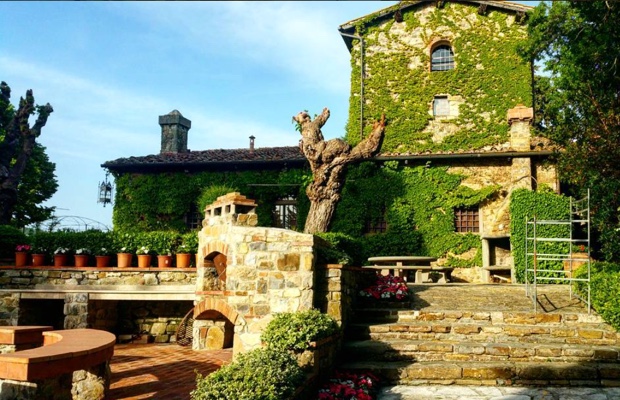
%22just-need-a-place-where-i-can-lay-my-head-%22-panzano-chianticlassico

“Just need a place where I can lay my head.” #panzano #ChiantiClassico

Il Molino Di Grace Chianti Classico Riserva 2009, Docg Tuscany, Italy (382945, $23.95, WineAlign)

From a hot vintage you can feel straight away on the nose, augmented corporeal and heavy hued. A perspicuous selection from the vineyard is kept in old tonneaux (2nd and 3rd fill), then tasted through those barrels to decide on the Riserva’s final blend. Another Il Molino di Grace 100 per cent sangiovese and the last vintage produced of the regular Riserva. Here again you note the house-style liqueur, the deep seep of cherry and the indubitable vineyard. The culmination of the calefactive vintage offer, from fruit to strength, inclusive with deep intent and a burrowing into the galestro. This the rooted riserva, firm and stretched to elegant. The spice and the tannin are late arriving, tied up in sapidity, graced by comfort. Still so very young, with chards nicking and drawing blood, in need of three years for the fragments of stone to peel away and dissolve into the liquid. Drink 2018-2023.  Tasted May 2016

Il Molino Di Grace Gratius 2010, Docg Tuscany, Italy (Agent, $49.95, WineAlign)

Gratius, meaning more pleasing, the author of a poem on hunting, opponent of the poet Archias and a contemporary of Ovid. The other sangiovese from Il Molino di Grace whose first vintage was 1999, of “a nose incredible,” says a wistful Iacopo Morganti and he is not wrong. From the Panzano-Greve in Chianti slopes of Montefili, at 500 meters, a 2.2 hectare single vineyard of old vines (70 years) co-planted with some colorino and canaiolo. So in that sense it’s a field blend but essentially sangiovese. Tuscan climat of rock and poor soil, where the wind blows and grapes whose fate is two weeks later maturation. Aromatics and elegance are in a calm struggle and like two brothers, rolling but not fighting. Such a wine of clean, pristine purity does not exist just anywhere. The inviting perfume solicits readiness and a willingness to be generous. No need to wait. Drink 2016-2022.  Tasted May 2016

Il Molino Di Grace Gratius 2009, Docg Tuscany, Italy (Agent, $49.95, WineAlign)

Darker, exuding more heat and vineyard funk with an emphatic oomph. You can’t help but notice it, the Galestro, screaming to be heard. This has that natural cure, that wisdom, the kind of feeling that the wine was always as it is now, borne this way. From the windy Montefili, 500m limestone and marl single-vineyard. Usually late maturing but warmer from 2009 and slightly obscuring but not smothering the Gratius “more pleasing” perfume. Very ready sangiovese field blend intensified in augmentation by canaiolo and colorino. Ready for drinking alongside the enchanting 2010. Drink 2016-2019.  Tasted May 2016

Il Molino Di Grace Gratius 2005, Docg Tuscany, Italy (Agent, $49.95, WineAlign)

The Gratius 2005 shares DNA with 2009 aromatically speaking but in texture and expression the litheness is pinot noir like, with a bit of bretty volatility as an impression that is vineyard funk derived. Just now beginning a drinking window in performance for the art of perfect timing but why not imagine the installation persisting for 10-12 more years? Here the Montefili Galestro vineyard is clearly iterated in a funk-soil-chalk-liquid rubies way. A brilliant peek back because the tart is just so right. Ask the question, “what was the old wine like?” The answer is “it was like old wine, that is to say, like all old wines.” Drink 2016-2022.  Tasted May 2016

Colle Bereto

The Pinzauti family have transformed one of Chianti Classico’s most idyllic settings into an architectural and wine-producing estate of the highest elegance and excellence. Bernardo Bianchi is winemaker and the estate’s total production is 80,000 bottles per year. “The 60 hectares of the estate, of which 15 are devoted to grape growing, are skillfully arranged and tended to obtain excellent quality wines.” Sangiovese, the area’s “noble vine,” is used for Chianti Classico and Chianti Classico Riserva, while the Pinot Noir and Merlot grapes give their best in Il Cenno and Il Tocco, respectively.”

The approach is through a very careful selection in the vineyard, stems removed and the thickest skinned sangiovese selected for Riserva. The avoidance of green berries is exercised with extreme prejudice, they do no crushing and only work with gravity fed juice followed by the gentlest fermentation. The Ontario agent is Nokhrin wines.
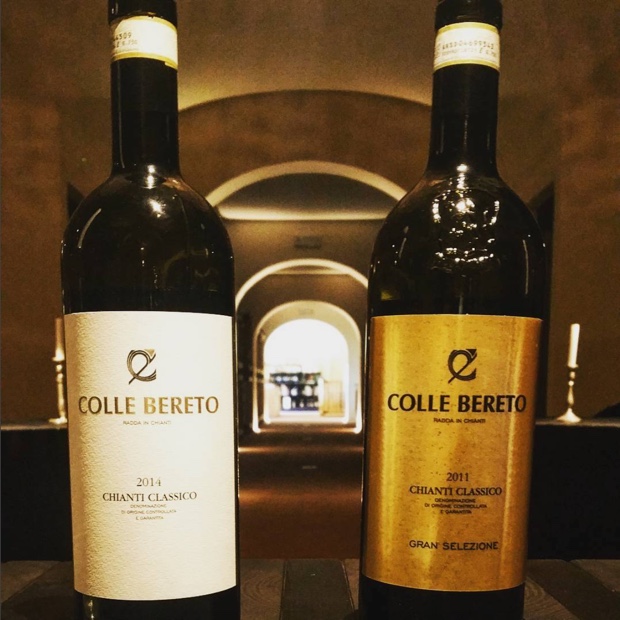
at-the-intersection-of-chianticlassico-and-singlevineyard-there-is-granselezione-collebereto

At the intersection of @chianticlassico and #singlevineyard there is #granselezione #collebereto

Colle Bereto Chianti Classico 2014, Docg Tuscany, Italy (Agent, $31.15, WineAlign)

From a vintage with no Riserva or Gran Selezione, so 50,000 bottles of sangiovese (97 per cent) and colorino (3) were produced. Fermented in botti, finished in stainless steel and bottled the first week of February. Includes fruit from the single-vineyard “la vigna del Convento” that lays beneath il convento di Radda in Chianti, now the restored home of the Consorzio del Vino Chianti Classico. The ’14 CC is possessive of the most liberal import and impart of local mineral. “We are very lucky, it is all Galestro,” says winemaker Bernardo Bianchi. This is Chianti Classico of tradition and progress defined, with the better and best grapes instilling structure, full of the kind of fruit that will last for 10 years. Who needs Riserva when you have this. Liquid concentrated must and dust, mineral and mouthfeel. Great round acidity and finally, blessed bitters. Drink 2018-2024.  Tasted May 2016

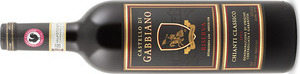
Castello di Gabbiano

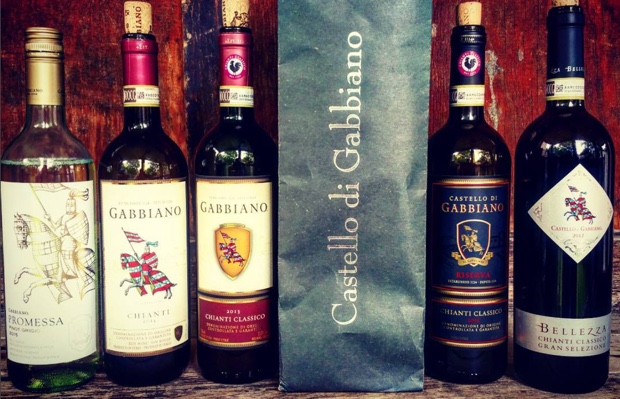
Castello di Gabbiano was built in the 12th century, just south of Florence in the heart of the Chianti Classico region. The estate has been protecting its estate-grown grapes since 1124. The castle remained in the possession of the Florentine banking family Bardi until the early part of the 15th century when it passed to the Soderini family, one of the most politically influential families in Florence. It was the Soderini who were responsible for the conversion of the turreted manor house of Gabbiano in Fattoria, already completed by the late 15th century.

Today the 147 hectare estate is in the hands of Treasury Wine Estates, one of the most progressive wine companies in the world. The vineyards are divided up into DOCG Chianti Classico (109 hectares), IGT (35) and Vin Santo. Winemaker Federico Cerelli has dedicated the best blocks of exceptional aspect and exposure upon the finest clay and limestone rock-filled soils for Gabbiano’s most important cuvées. Cerelli pays painful attention to both his agronomy and his winemaking. He is constantly analyzing the soils, carefully selecting the choice of rootstocks and clones, as well as pruning back in a careful, skillful handling of the vines. In the winery and in the cellars he exercises the balanced epitome of melding a natural approach to traditional methods and technical innovation to both large and small productions.
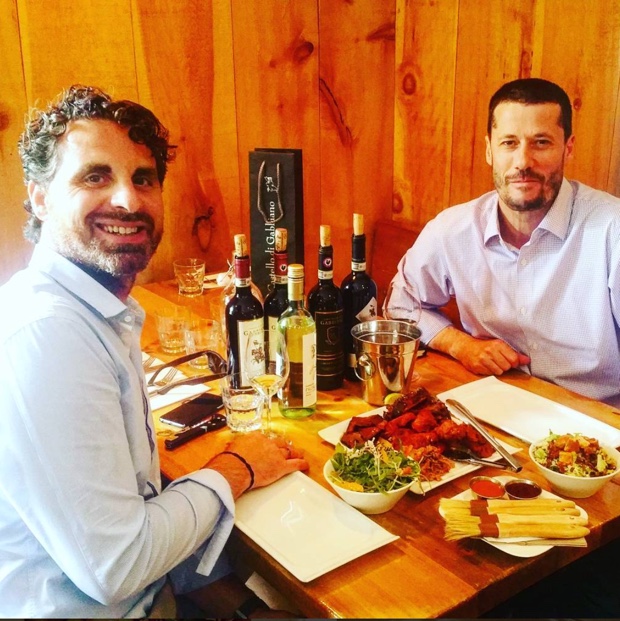
federico-cirelli-brought-the-castellogabbiano-barquebbq-supplied-the-sampler-treasurywineestates-greatmatch-chianticlassico-sangiovese-granselezione-bellezza-chianti-chianticlassicoriserva

Federico Cirelli brought the @CastelloGabbiano & @barquebbq supplied the sampler #treasurywineestates #greatmatch #chianticlassico #sangiovese #granselezione #bellezza #chianti #chianticlassicoriserva

Castello Di Gabbiano Chianti Classico 2013, Docg Tuscany, Italy (219808, $18.15, WineAlign)

Classic red sauce pasta appendage, for Monday and Tuesday, along with Wednesday, Thursday and Friday. Though the varietal and regional specificity floats in the Tuscan wind, the local tension, tang and tannin make for some robust Chianti Classico moments. Fashioned from 90 per cent sangiovese, the rest merlot with some colorino and canaiolo, moist from the fresh maker Branca vintage of deep, fertile soil. Partial carbonic fermentation after five days of cold (15c) maceration. Aging done in 70 per cent (five tonnes) cask and some 3-4 year old barrels plus 30 per cent in cement. The latter gives the exposure of freshness in fruit. Quite pure, clean and soil driven, earthy enough to soak up swimming pools of sugo all’arrabbiata or amatriciana. Drink 2016-2018.  Tasted February and May 2016

Castello Di Gabbiano Chianti Classico Riserva 2013, Docg Tuscany, Italy (216309, $22.95, WineAlign)

First and foremost it is the wood, or the lack of wood that stands out in the CCR 2013. It may be observed as a different kind of wood, less polished and more natural but what really wins out is the fruit. The cherries are surfeited by impressed tannin and linger with good tonic for a good length of time. Great restraint shown by winemaker Federico Cerelli. Drink 2018-2024.  Tasted June 2016
really-getting-to-know-these-guys-castellogabbiano-chianticlassico-chianti-granselezione-bellezza

Really getting to know these guys @CastelloGabbiano #chianticlassico #chianti #granselezione #bellezza

Castello Di Gabbiano Chianti Classico Riserva 2012, Docg Tuscany, Italy (216309, $22.95, WineAlign)

Winemaker Federico Cerelli’s 2012 Riserva goes at the ancient ideal with (95 per cent) sangiovese and (5) merlot, of which 70 per cent of all estate grapes are used to produce this wine. From the Mercatale Val di Pesa castle vineyards, the CCR is a work of time, energy and investment spent in the vineyard. The elevated tonality can’t help but be assessed as compared with the ‘normale,’ here fermented in small (10 tonne) tanks, of a wild ferment, a warmer maceration and 20-25 days of skin contact. The new and improved state of the art incarnation of this Gabbiano is a by-product of Cerelli’s major reduction in pump overs (like, zero), a bit extra delestage, sangiovese malolactic in cement and merlot in barrel. Then into wood (20 per cent new French) plus (80) in third and fourth fill. A minor amount sees large cask. The totality is 12 plus 12 months (wood and bottle). Such a smooth operator with spice accents, again that classic rolling hills red fruit, great length, remarkable breadth and quality for the price. It’s amenable to immediate consumption with some air but will benefit from two more years imagined aeration. Drink 2018-2023.  Tasted May 2016

Ambassadors of @chianticlassico to the world. 2013 #castellodigabbiano #granselezione (not pictured) will blow your mind #treasurywineestates #sancascianovaldipesa #ilbellezza #chianticlassicoriserva

Ambassadors of @chianticlassico to the world. 2013 #castellodigabbiano #granselezione (not pictured) will blow your mind #treasurywineestates #sancascianovaldipesa #ilbellezza #chianticlassicoriserva

Castello Di Gabbiano Alleanza 2011, Igt Toscana, Italy (Agent, $39.95, WineAlign)

A single block alliance between merlot and cabernet sauvignon, less than 10,000 bottles per year, from low lying vines on clay soil, consummated out of a late harvest. “I like to pick when the vine has lost their leaves,” notes winemaker Federico Cerelli, “that is the right time to pick. It’s not too hot so this is when the phenolics are ripe.” Just a few hectares of cabernet see a separate, mostly wild ferment, mostly in concrete and normally 40-45 days of skin contact. It then spends 14 months in (100 per cent) new French oak. So very, very vanilla, caky but not milk-shaken, urged am biliously forward by crazy acidity, (5.7 tA) and high pH (3.9). The nose wields blackberry and Cassis and then the palate seems to veer wholly Merlot, dusty, silky and sandalwood soft. Just a faint note of dill pickle and it’s quite cool and savoury, of some black olive and brine, no animale, clean, almost anti-super Tuscan. There is no beast here. There is tannin and an edgy level but no brood. There is drinkability and it uses its wood well. A real improvement for this bottle, with thanks to Federico. Drink 2016-2020.  Tasted May 2016

the-river-arno-beneath-a-florentine-night-westinflorence

The river #arno beneath a #florentine night @WestinFlorence

Good to go!

Twitter: @mgodello

Instagram: mgodello
WineAlign

Days of wine and Rosés

Roses

I’m here wandering
what the reasons were

Rosé. It’s meteoric rise to prominence has shaken the foundation of wine consuming thought. Everyone’s doing it. Imbibing is at an all time high and celebrating the merits is exercised with commitment and conviction. This summer’s sweltering season has seen it skyrocket in sales. My restaurant lists are seeing the explosion first hand, up close and personal. The stress of ridicule or having the stuffing kicked out of you for sipping on a glass isn’t even a figment of imagination in the conversation. The reluctance to admit drinking rosé is a thing of the Neanderthal past. What happened? How did the pink stuff gain such traction and find its way into the hearts and minds of everywino?

Quality and diversity. First and foremost we are witnessing an increase in winemakers committed to making rosé from grapes grown specifically for the purpose. Second is the equality in money allotted by the vintners to research, experiment and condition the styles they produce. If you spend the same amount on your rosés as you do your whites and reds, your quality will follow. Third and so very important is diversity, not just stylistically but also regionally. Rosé production is increasing beyond the familiar confines of southern France. So many countries are on board with vested interest; Italy, Spain, Germany, South Africa, Argentina, Chile, Greece, Australia, New Zealand and Canada. Languedoc shares a rosé story:

I have never seen so many rosés come through VINTAGES as I have in the last four months. The shelves are teeming with the pink stuff and it’s selling like sunscreen. In February I penned ‘Twas the week before Valentine’s but specifically avoided the cliché of recommending rosés for the kissing holiday. The year before I discussed in after the fact hushed tones regarding Post Valentine’s polar vortex wines. I also said this:

“February 14th is so hyper-candied that ingredients like salinity, minerality, positive bitterness, animale and tannin are essential in the name of balance. Just don’t pair your dry red wine with chocolate.”

It’s not that I don’t believe in drinking rosé on Valentine’s but rather that I recommend not limiting as such and also prefer to choose rosés at all times of the year. So I saved up my recos for late summer, just in case you thought the season was already behind us. Two of my favourite critic-colleagues anywhere on this wine writing planet are Treve Ring and Jamie Goode. Both have recently written about rosé because, well, they understand its importance and its pantheonic place.

Canada Thinks Pink, Drinks Pink, by Treve Ring, WineAlign

“While the world rosé wine consumption has increased 20% from 2002-2014, Canada was up 120% in consumption during that same period. When we keener Canucks like something, we really like it. The same study shows that Canadian pink drinkers were pretty evenly split between men and women.”

Provence Rosé: 24 leading examples tasted, by Dr. Jamie Goode

“Quality has improved, and although it’s rare to find an example that stops you in your tracks – it’s not a geek wine – there’s a real consistency to these wines. They are context wines, and in the right context you want the wine to do the job it is chosen for. And Provence rosé does this brilliantly.”

VINTAGES has rolled out more diversity than ever before. The increased number of different rosé wines available this year has climbed by around 30 per cent. The escalation has allowed the LCBO to release some of their most popular SKUs two to three times over the course of the spring and summer. According to Geneviève Tomney, LCBO Media Relations Coordinator, Corporate Communications, for the months of May through early August, VINTAGES sales of rosé wines have risen by 30 per cent year over year. Keep in mind that because the LCBO’s financial data is based on sales periods it fluctuates slightly where periods fall in the month. Sales for that time period in 2016 were $6.6M compared to the same period of time last year ($5.1M).

That’s nothing short of remarkable and sets the stage for some solid long-term category growth. Paul Farrell, VINTAGES Category Manager, European Wines, tells us that rosé wine sales through VINTAGES have exceeded our expectations this summer. We have definitely brought in more rosé this year to support the growth trend in this style of wine.  We also have plans to have more rosé wine available throughout the winter season and to bring in French rosés even earlier next spring to keep up with the incredible demand for these products.”

Here are 18 selections in VINTAGES stores and available direct through agents or Ontario wineries.

VINTAGES August 20, 2016 release

Perrin

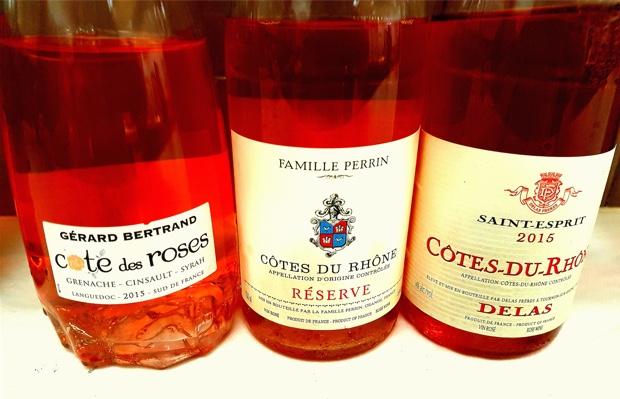
Famille Perrin Réserve Rosé 2015, Ac Côtes De Rhône, Rhône, France (719062, $15.95, WineAlign)

A bit more density and compression for 2015 Rosé, in forward demand by grapefruit citrus with plenty of absolute faith inflator flavour. Really fine example for the Rhône, in touch with further south impressions but faithful to more parochial roots. Drink 2016-2019.  Tasted August 2016  @Beaucastel  @VINSRHONE

Delas Frères Saint Esprit Côtes Du Rhône Rosé 2015, Ac Rhône, France (224964, $16.95, WineAlign)

Deeper and fuller of pressed flavour than noted in the previous few VINTAGES releases. Density, tart edges and typically savoury. Drink 2016-2018.  Tasted August 2016  @UNIVINS

Bertrand Rose

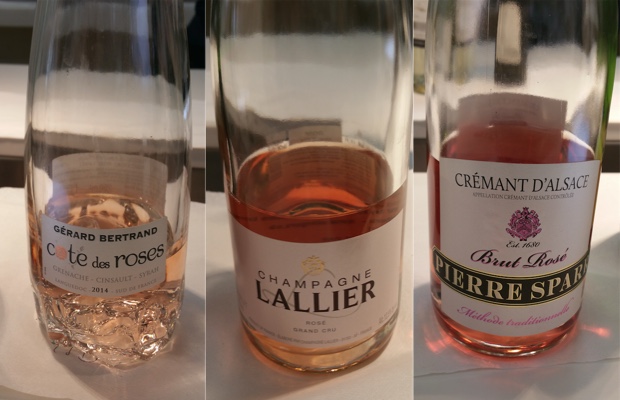
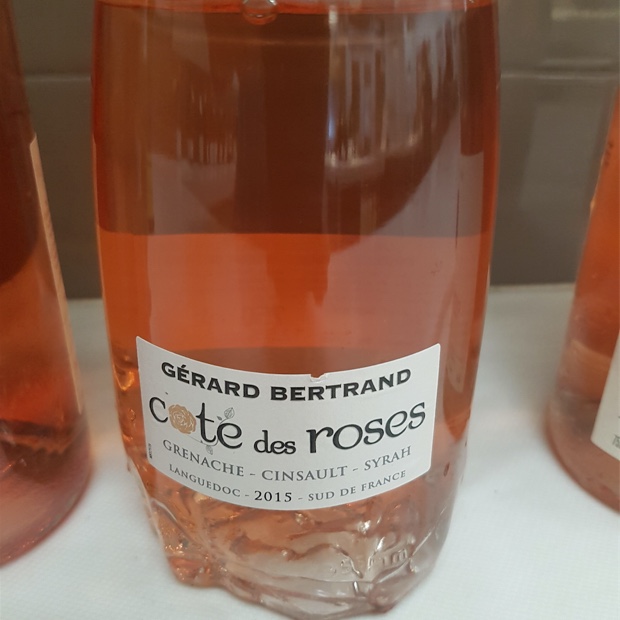
Gérard Bertrand Côte Des Roses Rosé 2015, Ap Languedoc, France (373985, $18.95, WineAlign)

A grenache, cinsault and syrah amalgamation from Languedoc, perfectly arid, tart and with a tiny bit of effervescence. Strawberry and cranberry waft in faint waves and thoughts. Lingers nicely. Chilled well it’s what you need right now. Drink 2016-2018.  Tasted August 2016  @GBvins  @FWMCan  @LanguedocWines

Agent/Private Import/Winery Direct

Nomad Venus Rosé 2015, Niagara Peninsula, Ontario (Winery, $15.95, WineAlign)

NWAC_Silver2016_web

Good, well and very nice 100 per cent cabernet franc, rusty and cherry juicy with salinity and brine. Nothing out of this world but so perfectly acceptable and fine. Simple words for simple blush. Drink 2016-2017.  Tasted blind at NWAC16, June 2016  @Hinterbrook

Domaine Lafond Roc épine Tavel Rosé 2015, Ac (Jean Pierre Et Pascal Lafond), Rhône, France (950709, $18.95, WineAlign)

From Jean Pierre Et Pascal Lafond the blend in ostensibly classic Tavel; grenache (60 per cent), cinsault (20) and syrah (20). If you have not had the pleasure of sipping on Tavel Rosé from calcareous soils marked by galets and white quartzite than you need to. This is a ripping example, densely layered, highly saline and rich as the sun shines long in the Rhône Valley. Don’t come looking for lithe, pretty and ethereal. This is Tavel with guts but its aridity and piercing salinity makes for a wealthy drop. Drink 2017-2020.  Tasted August 2016  @VINSRHONE  @  @hobbsandco

Ciao Bella Pinot Rosé 2014, Okanagan Valley, British Columbia (Winery, $20.75, WineAlign)

NWAC_Silver2016_web

Love the early note of minor volatility to check and balance for soft and downy, simple and into pleasure. Smells like unripe pickled strawberry. Though some decent salinity and brine offer up a rosé reality there lacks a bit of ingratiating 100 per cent pinot noir charm. Improves and brings out some pinosity by good bitters, gin and tonic, orange zest and some spice. In the end it’s actually more than quite good. Drink 2016-2018.  Tasted blind at #NWAC16, June 2016  @ciaobellawinery

In the cellar at Ravine Vineyard

Ravine Vineyard Cabernet Rosé 2015, VQA St. David’s Bench, Ontario (Winery, $22.00, WineAlign)

Ravine’s Rosé spent the most minimal time on skins, from a posterior fruit position left out in the elements long and aided by leaf removal to break down the pyrazine. These were the second last grapes to pick (because the acidity is high in slightly overcropped fruit), on Slingerland Farm between lines five and six halfway up from Ravine to Highway 55. Though seemingly dry, the 6.0 g/L of RS is used “to bring it into balance for the consumer,” notes Marty Werner. This has some strawberry funk, as if it were macerated in a clay-calcaire bath, like balm as if steeped, cooled and poured over ice. It may be imagined as a saline, faintly honeyed berry granita with just the right amount of gelid texture alongside cool and savoury charcuterie. Simply put, what cabernet franc must be in warm niagara country. Drink 2016-2019.  Tasted July 2016  @RavineVineyard  @marty_werner  @BMinaker23

Haywire

Haywire Secrest Mountain Vineyard Gamay Noir Rosé 2015, Okanagan Valley, British Columbia (Winery, $22.90, WineAlign)

NWAC_Silver2016_web

Really earthy 100 per cent gamay Rosé. Good mineral in here. This was made with a purpose. “Now everybody’s gonna tell you it’s not worth it. Everybody’s gotta show you their own thing.” There is balance and ballad ease. This is just so drinkable. “Is this the past or the future that is calling.” Gamay, I love the times you’ve come. Drink 2016-2018. Tasted blind at #NWAC16, June 2016  @Haywirewine  @OKCrushPad

From a concrete (and full malolactic) fermentation and 12 hours left on the skins. A singular expression from the Secrest Mountain Vineyard in the Okanagan Valley. Great amber tang and wonderful extract, not to mention spirit. Tasted at Okanagan Crush Pad, June 2016.

https://www.youtube.com/watch?v=GXamAMmLARc

Serendipity

Serendipity Winery Rosé 2015, BC VQA Okanagan Valley, British Columbia (Winery, $22.00, WineAlign)

NWAC_Silver2016_web

Hello serendipitous salinity in this lithe yet dense Rosé that is somehow denied any real weight. Spicy strawberry on the nose and such strength moving forward in linear motion, all with feminine resolve. A perfect blush expression from the Naramata Bench. Great tart finish with terrific grip. Drink 2016-2018.  Tasted June 2016  @Winespiration

Synchromesh

Synchromesh Cabernet Franc Rosé Cachola Family Vineyards 2015, Okanagan Valley, British Columbia (Winery, $23.00, WineAlign)

The cabernet franc came in at 19 brix and the residual sugar is a whopping 0.0 g/L. The impossibility of significance is fraught with amazement and the inspired, touch-less magic whispered in the most inaudible of tones. What drives this fruit to make such bone-dry, pitch balanced blush? It’s hard to say but there are more than just a few moments in whiffs and over sips during which the perception of sweetness is a reality. The subtle onion skin, saline and briny oyster shell confection is oceanic at the least and planetary to the highest level of imagination. Another unthinkable wine from Alan Dickinson. It might even age into its 10th year as if it were riesling. Drink 2016-2022.  Tasted June 2016  @SynchromeshWine

Leoube

Château Léoube Rosé De Léoube 2015, Côtes De Provence, Provence, France (Agent, $28.95, WineAlign)

Organic, artisan Rosé by the sea from grenache, syrah, cinsault and mourvèdre, all harvested simultaneously by a big, local team. Co-pressed, all natural, whole cluster ferment and 90 per cent free run juice. Super aridity meets creamy layers in blush of determinate, crazy focus in average purport of 12.5 per cent alcohol. In spite of the process this sees full malolactic and despite the co-ferment there is blending done before bottling. Round acidity finds denouement in a dry finish but of one that is not drying. Freshness persists. Drink 2016-2019.  Tasted April 2016  @chateauleoube  @TheLivingVine  

VINTAGES August 6, 2016 release

Akakies

Kir Yianni Akakies Rosé 2015, Ac Amyndeon, Macedonia, Greece (71050, $12.95,  WineAlign)

Savouy rusty and varietally distinguished xinomavro with equal parts aridity and salinity to welcome the sapidity. Slightly bled for posterity and predisposed to Greekdom but from Amyndeon and with xino this finds relish and relishes brightness then finishes from the same straight from which it came. Drink 2016-2019.  Tasted July 2016        @FlorinaAmyndeon

Bandol

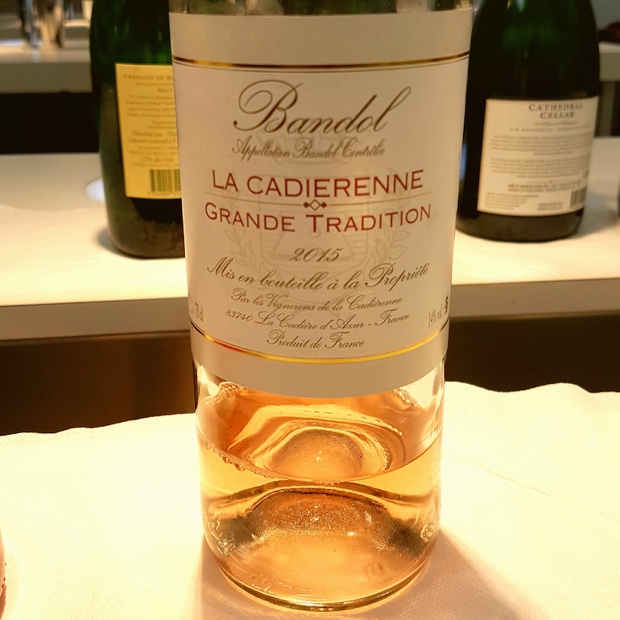
La Cadierenne Cuvée Grande Tradition Bandol Rosé 2015, Ac Provence, France (119453, $20.95, WineAlign)

Boozy (listed at 14 per cent) and beautifully balanced Bandol for the alternatively authentic and alliterative mouthful win. A citric acid, guava and himalayan rock salt spice rub for your mouth that with the level of saliva inducement turns to a slow developed variegation of flavour. Terrific mouthfeel and elongation. Tonic for and to your health. Drink 2016-2019.  Tasted July 2016     

VINTAGES July 23, 2016 release

Domaines Ott Château De Selle Coeur De Grain Rosé 2015, Ac Côtes De Provence, Provence, France (74617, $46.95, WineAlign)

Few vignerons take their viticulture and viniculture for the production of Rosé so seriously. Château Léoube is the other that comes to mind and here Domaines Ott puts resources aside to drive quality as high as it can go. This is not just delicious Rosé but it is exemplary Rosé. The level of pure aridity, salinity and the requisite faintness of fruit is highly commendable. Everything here is understated and ethereal. It finishes long and persistent. But it’s too bloody expensive. It’s Rosé and it must get over itself. I would never turn it away and conversely I would not spend $46 to assuage its ego. Drink 2018-2025.  Tasted July 2016       @AuthenticWineON

VINTAGES June 25, 2016 release

Wildass

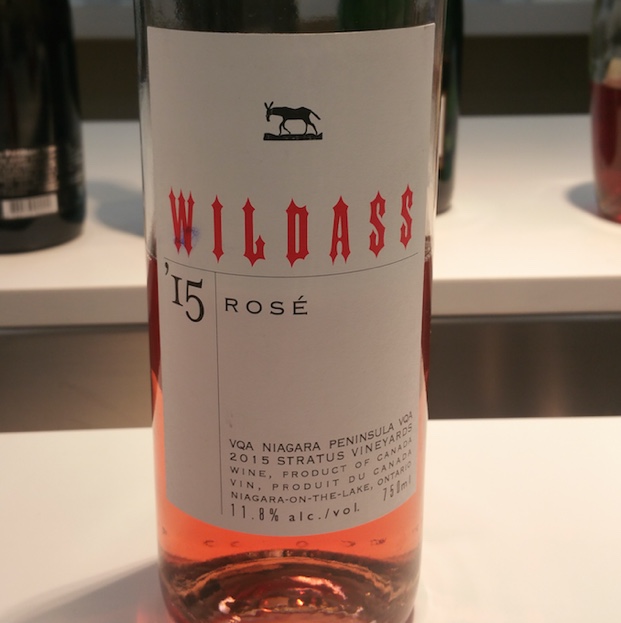
Wildass Rosé 2015, VQA Niagara Peninsula, Ontario (71712, $17.95, WineAlign)

Aromatically off the charts for Niagara Peninsula Rosé, like strawberry mingling with marl. The sweetness on the palate is by extract and finishes dry. Acidity and tang merge at the intersection of soil and press. Wildass strikes ruby in 2015. Drink 2016-2018.  Tasted June 2016  @StratusWines

Southbrook

Southbrook Triomphe Organic Cabernet Franc Rosé 2015, VQA Niagara Peninsula, Ontario (451773, $19.95, WineAlign)

There is an apical, salient substantiality inherent to Southbrook’s 100 per cent cabernet franc 2015. If it wasn’t for the cool skin soaking, gentle pressing and cool fermentation it might have fretfully ventured into a cloyingly cuspidated tripartite deluge of sweet, savoury and sour. It’s not aromatically gregarious but strawberry and cider do clear afield. This strikes as way more profound, intense and serious, akin to Tavel, in hue, breadth of character and sheer unctuous texture. I’m not sure winemaker Ann Sperling had this stylistic intent in mind and while 2014 hinted at such a Peninsula departure, 2015 cements the consummation. The junction may lead to further or it may sequester a scaling back. Very interested to see where 2016 will take the Triomphe Rosé. Either way, cabernet franc is deserving of the stage. Drink 2016-2018.  Tasted June 2016  @SouthbrookWine  @thesirengroup

VINTAGES June 11, 2016 release

Rustenberg Petit Verdot Rosé 2015, Wo Simonsberg Stellenbosch, South Africa (451773, $13.95, WineAlign)

The deferential Rosé from Rustenberg tries petit verdot, as uncommon a varietal play as there is. Such brevity of skin and extraction exchange does little to bring out the firm and direct character of petit verdot so the interest here has little to do with varietal. It does however, present a beautiful and typical exchange between Simonsberg Mountain and Stellenbosch Valley, up and down, when push comes to shove. Chill it down, raise it up. Drink 2016-2018.  Tasted June 2016  @RustenbergWines  @WOSACanada  @WOSA_ZA

Baden

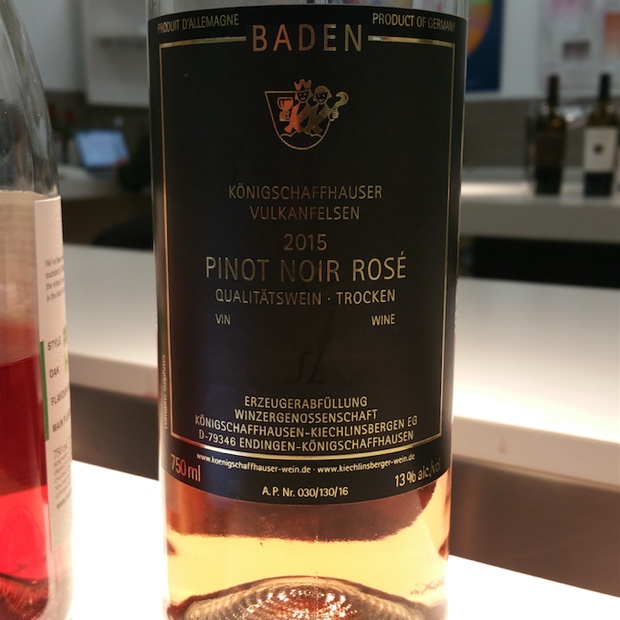
Winzergenossenschaft Königschaffhausen Pinot Noir Rosé 2015, Qba Königschaffhauser Vulkanfelsen, Baden, Germany (168237, $13.95, WineAlign)

Qualitätswein carried to another sub $14 level, with dry extract, tannin and life as looked at two sides Rhine. There is nothing but pleasure derived from the magic bled faintly, lithely and with quick, cool-pressed restraint. Just enough sweetness to attract a crowd and more than enough savour to get with the geek. Drink 2016-2018.  Tasted May 2016  @HHDImports_Wine  @germanwineca

Good to go!

Twitter: @mgodello

Instagram: mgodello

WineAlign

Greeks and other fish in VINTAGES August 6th

#nofilter

#nofilter

What sort of wine are you looking for? What do you want to find in that bottle you pluck from the VINTAGES shelf in your local LCBO? Do you wish for aromas unknown or unknowable? A reliquary filled with immiscible liquid? Flavours to incite a curious rictus? Would you hope for incredulity cut with familiarity? Enigmatic morsels or koans? None of the above?

No, none of the above. What you want in the here and now is to be satiated by simple pleasures. Whilst we find ourselves suspended in the throes of a scorching Ontario summer there can never be such a thing as too many thirst quenching wines, especially whites, like the Moschofilero I recommend below. Greece is the word and in terms of go to Greek whites Moschofilero may play second violi to Assyrtiko but Mantinia is a special place for the aromatic Peloponnese variety. Assyrtiko by the sea? Sure. Moschofilero by the lake or the pool? Bring it on. And 11 more great buys from today’s VINTAGES August 6th release.

Kir Yianni Akakies Rosé 2015, Ac Amyndeon, Macedonia, Greece (71050, $12.95, WineAlign)

Savouy rusty and varietally distinguished xinomavro with equal parts aridity and salinity to welcome the sapidity. Slightly bled for posterity and predisposed to Greekdom but from Amyndeon and with xino this finds relish and relishes brightness then finishes from the same straight from which it came. Drink 2016-2019.  Tasted July 2016  @kiryianni  @KolonakiGroup  @DrinkGreekWine

Deus

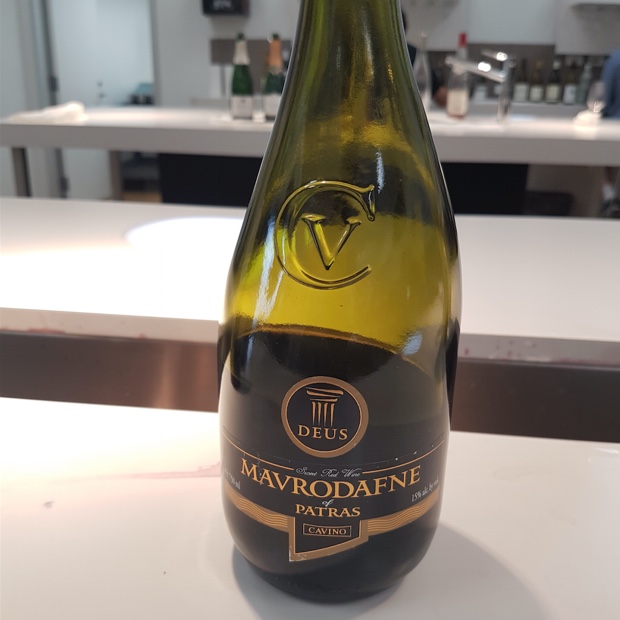
Cavino Deus Mavrodaphne Of Patras, Ao Greece (452060, $13.95, WineAlign)

This is a rare sighting in Ontario for the Patras curated sweet mavrodaphne, a wine of history and tradition that price does nothing to indicate. The style is Tawny Port like, of dried fruits (figs and apricots) with a spicy edge from old wood and a long finish. This is a true divergence from just about any sweet wine you will have ever tasted because the red variety brings a tannic firmness and singular personality to the diversion. It’s balanced and worth checking out. Drink 2016-2025. Tasted July 2016    @DrinkGreekWine

Tsantali Reserve 2011, Pdo Naoussa, Greece (209627, $16.95, WineAlign)

Tart and taut, with bright to bursting red fruit and tones off the proverbial Naoussa charts. Quite wildly composed, with berries from the woods, smoky underbrush and a forest floor undertone. Resin, leather and respect. Drink 2016-2019. Tasted July 2016  @TSANTALI_wines  @KolonakiGroup  @winesofnaoussa  @DrinkGreekWine

Troupis Mantinia Moschofilero 2015, Pdo Mantinia, Greece (463422, $16.95, WineAlign)

Mantinia is a special place for Moschofilero and this ripping example from Troupis should not be missed. The straightforward citrus in the Fiteri version is lifted to hyperbole in the Mantinia with more salinity, mineral and top notch acidity. At this price ($17) the value quotient is simply crazy good bordering on ridiculous. The stony texture and piquant nature is revitalizing. There is also more weight and alcohol but never at a deterrent or a compromise to freshness. Whole grilled Branzino or Porgies with lemon and olive oil would make for a perfect foil. This Moschofilero also has the stuffing to age and develop some honey. Drink 2016-2021. Tasted July 2016  @TroupisWinery  @VictoryWine  @DrinkGreekWine

Thorn Clarke Eden Trail Riesling 2015, Eden Valley, South Australia, Australia (457242, $16.95, WineAlign)

A beautiful label gives way to a ripe and gregarious riesling from the most excellent of locales in the Eden Valley. The green mango and lime sherbet is a dry treat, stand alone and facing the crowd. Represents arid riesling from Eden for all the right reasons and succeeds without compromise. Will find peace in a land of milk and honey after seven years or so. Tremendous entry-level value to feign and accompany the single-vineyard and special selection courtesan kind from the Eden. Drink 2016-2022. Tasted July 2016  @thorn_clarke  @LiffordON

La Griffe Bernard Chéreau Muscadet Sèvre & Maine 2014, Sur Lie, Ap Loire, France (948182, $16.95, WineAlign)

A rich and multi-crustaceous/mollusc edgy melon de bourgogne, briny, fleshy and beginning to develop. A most excellent example for a big chill and a mess of creatures edging out of their shells. Drink 2016-2019.  Tasted July 2016 @HHDImports_Wine  @LoireValleyWine

Kloof

Mullineux Wines Kloof Street Red 2014, Western Cape, South Africa (460964, $19.95, WineAlign)

A six varietal blend with essential, yeoman’s work put in by shiraz (86 per cent) with bits of grenache, mourvedre, tinto barocca and cinsault. The schist and the simple combine to tell the world in entry-level vernacular of the Swartland revolution that’s happening right now. The purity found here is in an unidentified, free, indirect South African style of modernistic, red blend narrative. Chris and Andrea Mullineux are here represented at ground level with pure, unadulterated red wine joy. Everyone must spend $20 over and over to enjoy what this will offer. Drink 2016-2020.  Tasted July 2016  @MullineuxWines  @MullineuxChris  @Nicholaspearce_@WOSACanada  @WOSA_ZA

La Cadierenne Cuvée Grande Tradition Bandol Rosé 2015, Ac Provence, France (119453, $20.95, WineAlign)

Boozy (listed at 14 per cent) and beautifully balanced Bandol for the alternatively authentic and alliterative mouthful win. A citric acid, guava and himalayan rock salt spice rub for your mouth that with the level of saliva inducement turns to a slow developed variegation of flavour. Terrific mouthfeel and elongation. Tonic for and to your health. Drink 2016-2019. Tasted July 2016    @winesofprovence  @oenophilia1

Turtle

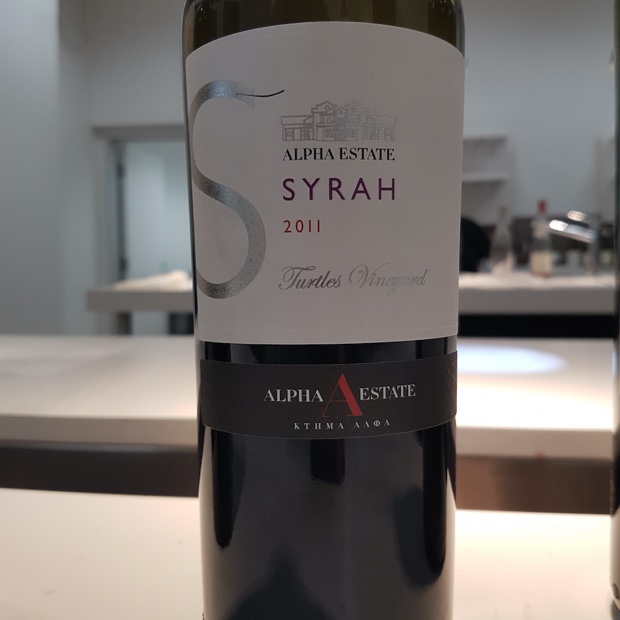
Alpha Estate Turtles Vineyard Syrah 2011, Greece (115295, $21.95, WineAlign)

Turtles is a southern block of infertile soil facing northwest (Greek for most excellent exposure) facing Petron Lake at Alpha Estate. The area was an ancient nesting place for the local species of Chelonii on the Amyndeon plateau in northwestern Greek Macedonia. A whiff of this rich and thoroughly modern red seems to shake the foundations of syrah and brings Amyndeon into the front page discussion. Some syrah in parts of Australia smell just like this; smoky, meaty, peppery and just plain strong. Built of big bones is the order of syrah call and here the gait and the structure is followed. This is quite emblematic of what can be accessed and accomplished from a special cool site that faces adroitly in the face of heat. The power and the corporeal design are nothing short of impressive. Drink 2018-2022.  Tasted July 2016  @EstateAlpha  @FlorinaAmyndeon  @DrinkGreekWine

Buena Vista

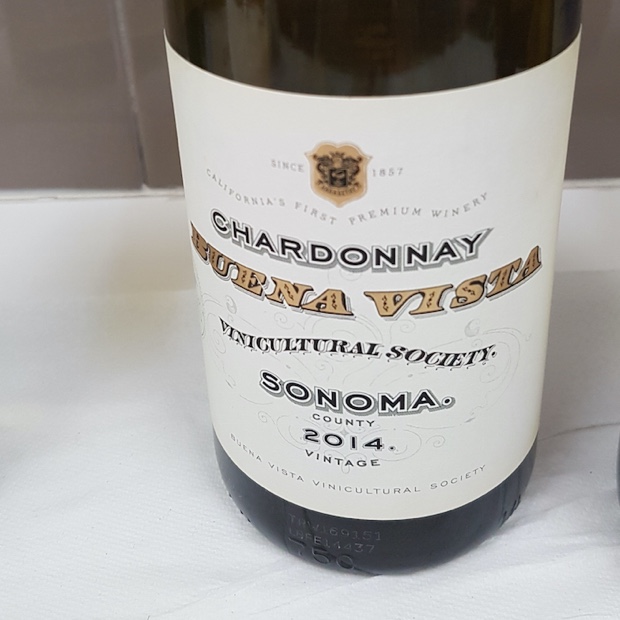
Buena Vista Chardonnay 2014, Sonoma County, California (396440, $24.95, WineAlign)

With thanks to the vintage and a smartly scaled ripeness versus barrel relationship, the Buena Vista Sonoma County chardonnay works out on the cool climate treadmill of style. The wood is proportioned with restraint in such a way as to allow fruit and acidity to spot one another. It’s still a commercial wine but it’s pretty, balanced and long. In 2014 the Buena Vista winemaker has smartly handed off this chardonnay to an implied community in village chorus, but the tune is new and improved. Drink 2016-2019.  Tasted July 2016  @BuenaVistaWines  @sonomavintners  @UNIVINS

Eger

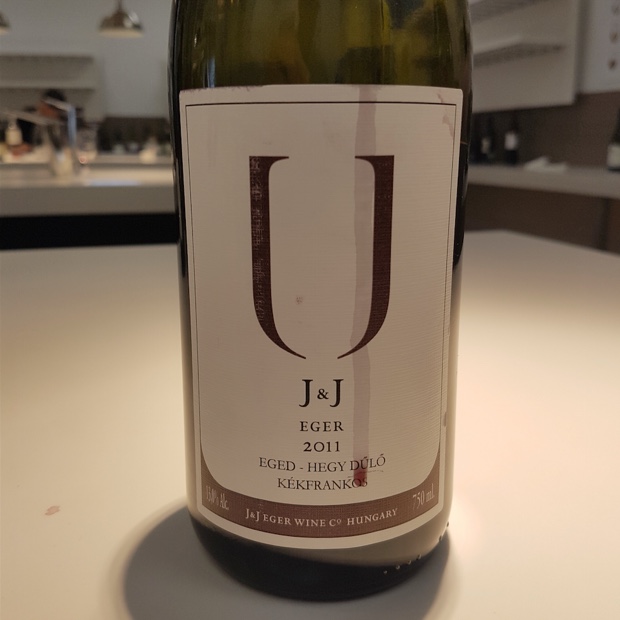
J. & J. Eger Kékfrankos 2011, Eged Hegy Vineyard, Hungary (446591, $24.95, WineAlign)

Though I have tasted this on no fewer than six occasions over the past 18 months, this is the first time I am penning a note on its behalf. It persists as ripe and succulent kefrankos with more than enough juice to stand up, be heard and defend itself. Here a wine of firm handshake and slight microbial aromas, tart and dripping humidity. There is still plenty of life as seen in how it cools itself, balancing the metabolic processes with savour and sapidity. Very charming red from Hungary. Drink 2016-2019. Tasted July 2016  @brixandmortar  @johnszabo  

Fiano

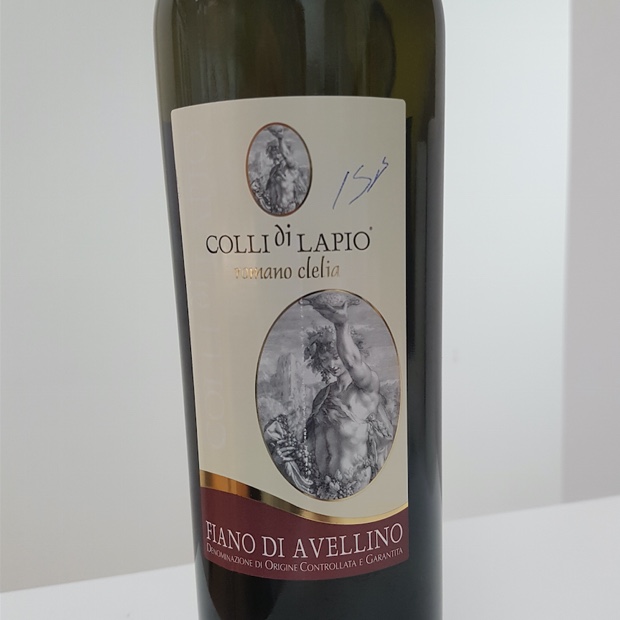
Colli Di Lapio Fiano Di Avellino 2014, Docg Campania, Italy (455253, $30.95, WineAlign)

Pitch near-perfect seafood companion from Campania, briny, stony, rock crag-crunchy and oyster shell myopic. Searing of sea breeze intensity with a calm demeanour so that it lingers without returning with storm-lashing discomfort. Fiano that gets to the crux of its own austerity is a beautiful thing as witnessed in the pure open vitality of this Colli di Lapio. Drink 2016-2021. Tasted July 2016      @Reg_Campania

Good to go!

Twitter: @mgodello

Instagram: mgodello
WineAlign

Too late for May Two-Four

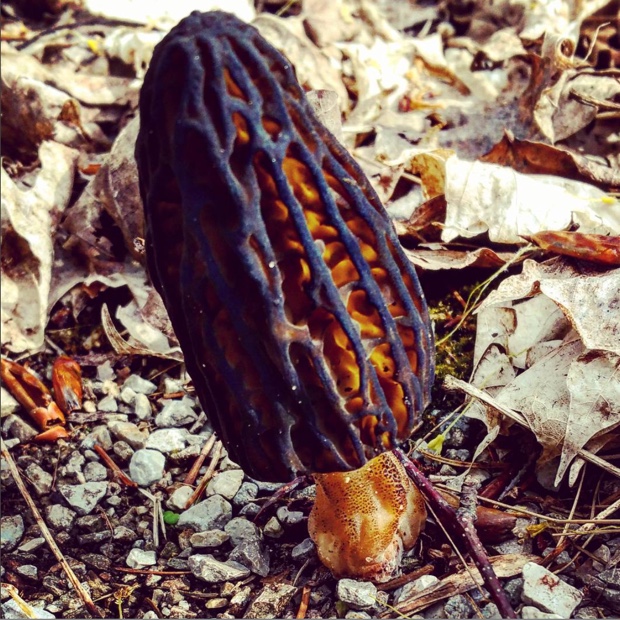
Morel

It reminds me of Richard Yates at his early career, Revolutionary Road best, in tense humour, as noted by James Woods, “a celebrated indictment of suburban surrender.” Here we are, in 21st century Ontario, preparing to head to our suburban respite sanctuaries with tools, sundries and supplies in hand, only lacking one essential piece. Good wine. We turn to the LCBO, to VINTAGES, to the ceaseless recurrence of release and we find limbo. Last week? Next week? Why not now?

We are willing to submit and surrender but the shelves are stocked with 2nd tier choices, the wines of first degree excitement already having disappeared with the previous week’s first wave. So if you need wine suggestions for the Victoria Day weekend I’ll have to send you on a retroactive search through the May 14th VINTAGES release. “It’s a beautifully typical story of these times and this place.”

Related – In VINTAGES May 14th

Why am I looking forward and into the eyes of May 28th? Well, I’ll tell you why. The finest collection of Canadian wines in some time gathered together at one communal table will become available, sadly just days after the May 24 three-day escape. These wines would have sold well, in droves actually, had VINTAGES made use of their excellence in advance. So, as a messenger for the stars, it is my duty to tell you about their upcoming presence in diplomatic conformity of early 21st century Ontario realism, on the LCBO stage. These be the 10 of them.

Jackson Triggs Okanagan Reserve Series Viognier 2014, BC VQA Okanagan Valley, British Columbia (445700, $15.95, WineAlign)

This 2014 Okanagan take on Viognier is an all out rich, ripe and boozy affair. Sparks fired by a cold play take the lead, singing with spice, marked by galangal and ginger in control over the wishful act of balancing extract. “And I saw sparks, yeah I saw sparks,” enough so for such a Viognier to be on your way. Sharply struck, in smithereens and yet epic for the price. Drink 2016-2018.  Tasted May 2016  @JacksonTriggsBC  @CBrandsCareers  @winebcdotcom

Flat Rock Unplugged Chardonnay 2014, VQA Twenty Mile Bench, Niagara Peninsula, Ontario (68015, $16.95, WineAlign)

Good unction for the un-oaked Jay Johnston procured Chardonnay, more green apple and early honey than before. This is the purity machine in motion, direct, spoken in a Bench vernacular and zagging like the rows of the vineyard. Still at $17 and not to be bypassed for anything that might think to stand in its way. Can you say petite Chablis? Drink 2016-2020. Tasted February 2016 and May 2016  @Winemakersboots  @brightlighter1  @UnfilteredEd

Megalomaniac Pink Slip Pinot Noir Rosé 2015, VQA Niagara Peninsula, Ontario (85126, $19.95, WineAlign)

The bottle tells you about grapes handed the pink slip during post harvest deliberations, something not lost within its own ironic twist. When you have pink lemons you made pink lemonade, done here to great simulated effect. Tart is the operative, like a perfect square of gelid red citrus on a plate to foil briny sea morsel and verdant greens. With the right herbs and lettuces this pink grapefruit Rosé will handle itself with pairing irony and relative ease. Welcome aboard Sébastien Jacquey. Megalomaniac’s winemaking approach to Rosé never had it so good. Drink 2016-2018.  Tasted May 2016  @MegalomaniacJHC

13th Street June’s Vineyard Riesling 2013, VQA Creek Shores, Niagara Peninsula, Ontario (147512, $19.95, WineAlign)

Continues to throw its weight about and has now engaged a phase of typical J-P Colas redolence and pungency. Strict adherence to Creek Shores citrus minerality injects the June for future time-lapse release, an internal ooze that will take years to push its way upwards to the surface.

From my earlier note of December 2014: 2013 was a perfect follow-up for Niagara Riesling, after a vintage where so many exceptional wines were made. The ’12 June’s by Jean-Pierre Colas was his best and with this repeat performance in ’13, the consistency of June’s vineyard is further cemented. Once again, the citrus injection is a Creek Shores thing, a vehemence not matched by other sub appellations. Where ’13 differs is its weight. There is a textural density improved upon and at the same time dragging on the freshness of the fruit. The trade-off will mean less immediate gratification in lieu of more flesh and bone for a longer period of aging. Given at least five years rest, the 2013 June’s Riesling will discover a Ribeauvillé like future.

Last tasted May 2016

Fielding Pinot Gris 2014, Estate Bottled, VQA Niagara Peninsula, Ontario (251108, $21.95, WineAlign)

Such a ripe and extroverted Pinot Gris, in a style created and honed by winemaker Richie Roberts, here in 2014 near its apex. Singular without feeling the pressure to induce rapture or revelation. Fleshy ripe, of peaches, plums and nectarines. Typically and expectedly fresh, juicy, industrious, vehement and good, spicy length. Always well-made, hitting essential, doctrinal Pinot Gris notes and so very food versatile. May I suggest a whole grilled fish, lemon and fresh herbs. Drink 2015-2018.  Tasted May 2015 and May 2016  @FieldingWinery  @RichieWine

Joie Farm A Noble Blend 2014, BC VQA Okanagan Valley (454793, $23.95, WineAlign)

The dial is turned up in the noble blend, an amalgamation of five grape varieties and nine vineyards. The inspiration and the intent is Alsace, the result lying somewhere in between. It is an inspired blend and it does resemble Alsace but in the end it’s all Joie Farm. Distinct from structure and connectivity, not to mention drinkability, with a shot of spice. Drink 2016-2020. Tasted May 2016  @JoieFarm

Thirty Bench Red 2013, VQA Niagara Peninsula, Ontario (320986, $24.95, WineAlign)

At first the 2013 Red alights in high tones juxtaposed by a chew of sultana, an odd entry for the Thirty Bench, carrying on for the first few minutes in the glass. There are sulphide notes, of red onion and yet after a few minutes they begin to resolve, caramelizing to sweetness, mixed with tannin. The transformation continues, playing new notes, of red rooibos tea and seasoned seaweed. Grilled onions and charred poblanos come on the palate. Currants finish off the profile. The emotive cabernet franc really dominates this blend and though at first difficult to crack, the eventuality is an equation figured as a true positive. Drink 2017-2021.  Tasted May 2016  @ThirtyBench

Tawse Growers Blend Pinot Noir 2011, VQA Niagara Peninsula, Ontario (130989, $24.95, WineAlign)

This is more than an interesting look back into the Tawse time machine to compare where the Grower’s Blend now sits as compared to what it was like in its youth. Now into liqueur, of cherry and earth, no longer just a hint of what they wish to be. This shows the excellence of the 2011 vintage for Pinot Noir and the master blending acumen of winemaker Paul Pender. Drink 2016-2018.  Tasted May 2016  @Tawse_Winery  @DanielatTawse  @Paul_Pender

Cave Spring Csv Riesling 2013, Estate Bottled, Cave Spring Vineyard, VQA Beamsville Bench, Niagara Peninsula, Ontario (566026, $29.95, WineAlign)

That flesh, that Kabinett flesh, fills the CSV in every crevice. In 2013 the residual sugar number lies between 15 and 16 g/L, and though the crop was bigger, it was still picked later than in 2012. The result is formidable corporeal concentration, consistency of house style and perhaps the only ’13 Niagara Riesling to imitate, perpetuate and extrapolate on the vintage that came before. This Cave Spring concentrates fruit and Escarpment into a powerful Riesling, streaming like charged particles through changing expressions. A lingering ascension hovers as it rises, until it slowly fades into the welkin, like a balloon that languidly gets lost into the blinding blue of a midday sky. Drink 2017-2025.  Tasted April 2015 and May 2016  @CaveSpring  @TheVine_RobGroh

Bachelder Nuits St Georges La Petite Charmotte 2013, Burgundy, France (357228, $58.95, WineAlign)

From the Nuits St Georges parcel that Thomas reaps, built on the premise of soil, structure and depth. The lithe beauty of this La Petite Charmotte block is lifted and held in the highest esteem in 2013, perhaps with even greater sensibility of character than out of what was an exceptional 2011. The Nuits iron power surge may have descended down a half level but the redolent Beaune balance is spot on. So very perfumed. That Bachelder perfume, expressed in Neaune craving and breadth. Drink 2017-2024.  Tasted May 2016  @Bachelder_wines

Good to go!

Twitter: @mgodello

Instagram: mgodello

WineAlign

Facebook

Franciacorta: Best kept sparkling secret on the planet

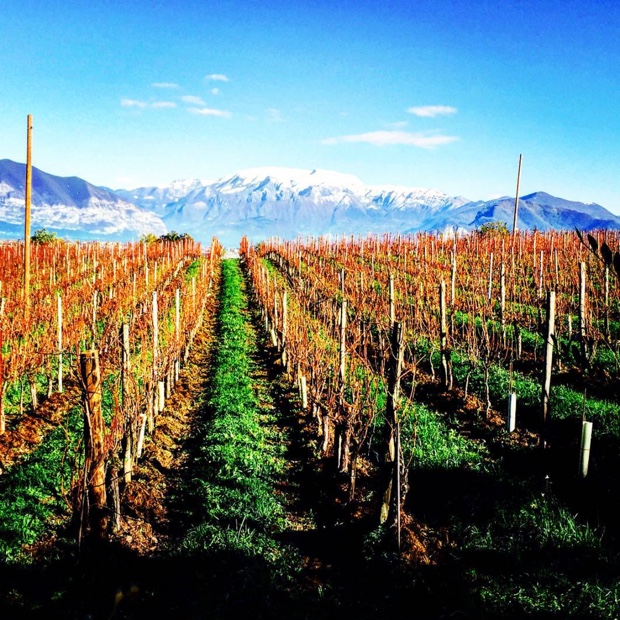
On the final, fourth day the most exceptional #bellavista becomes clear @LAlbereta #lagodiiseo #dolomites

Bella Vista Chardonnay, Lago Iseo and the Dolomite Mountains

As seen on WineAlign – Franciacorta and the Meraviglioso of Bellavista

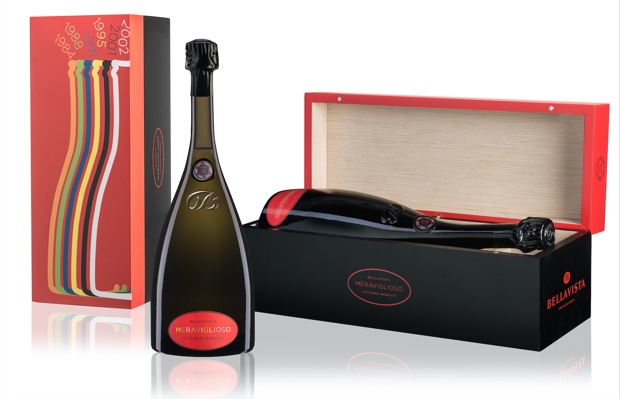
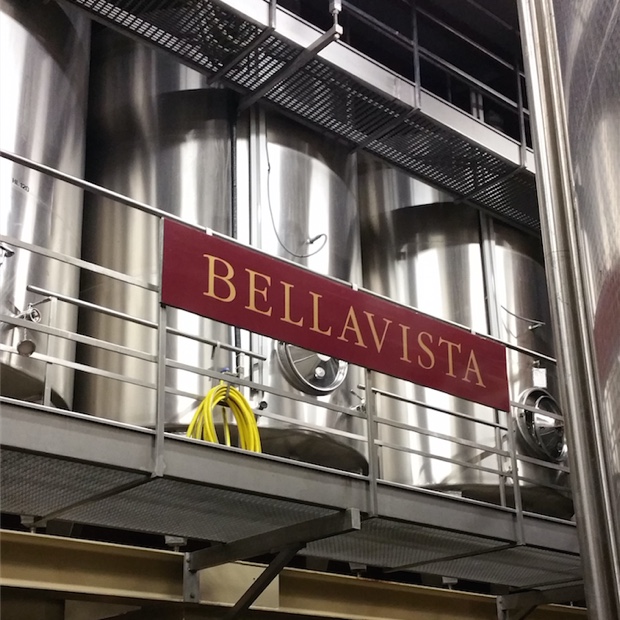
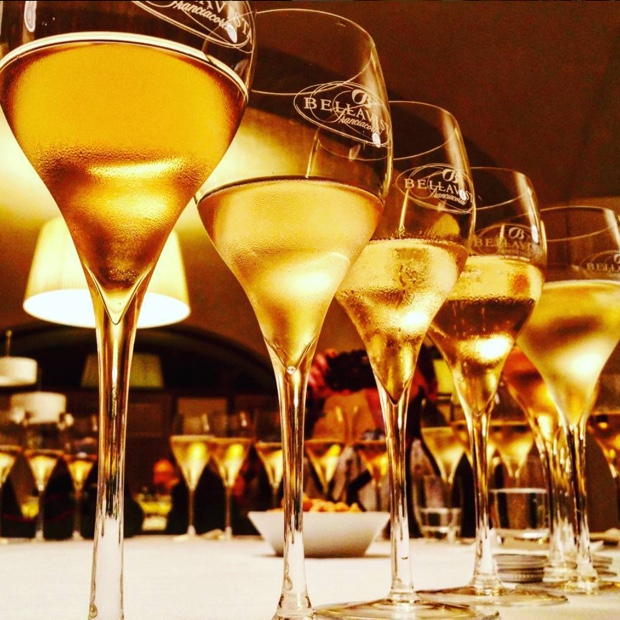
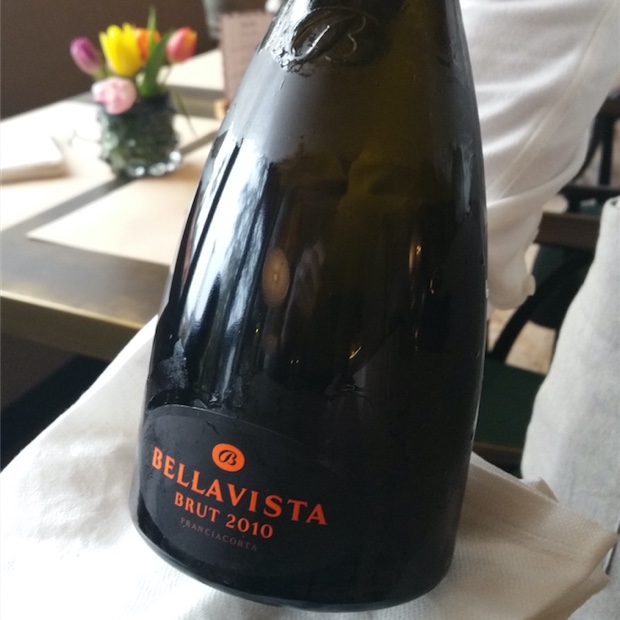
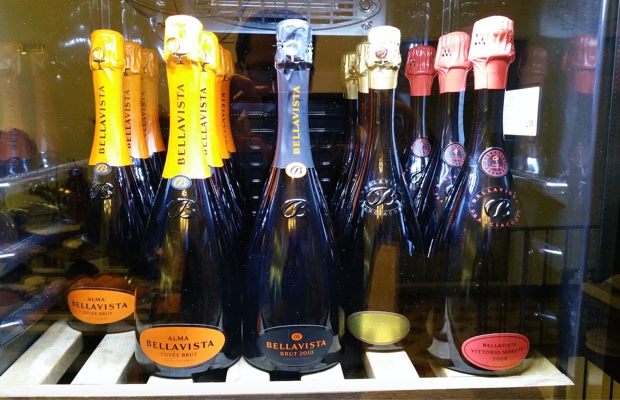
Where can you find snow-capped Rhaetian Alps, double morainic amphitheatres, glacial lakes, ancient vineyards and one of the best kept Sparkling wine secrets on the planet? At the end of a day not in Franciacorta I could do well with a glass. Bubbles from north eastern Italy, where traditional method Sparkling wine of Chardonnay, Pinot Nero and Pinot Bianco come together masterfully to create Franciacorta. Satèn, Brut and Rosé, for Millesimato, Riserva and now the new elaboration, finalmente, some kind of wonderful, Meraviglioso.

Meraviglioso
perfino il tuo dolore
potrà guarire poi
meraviglioso

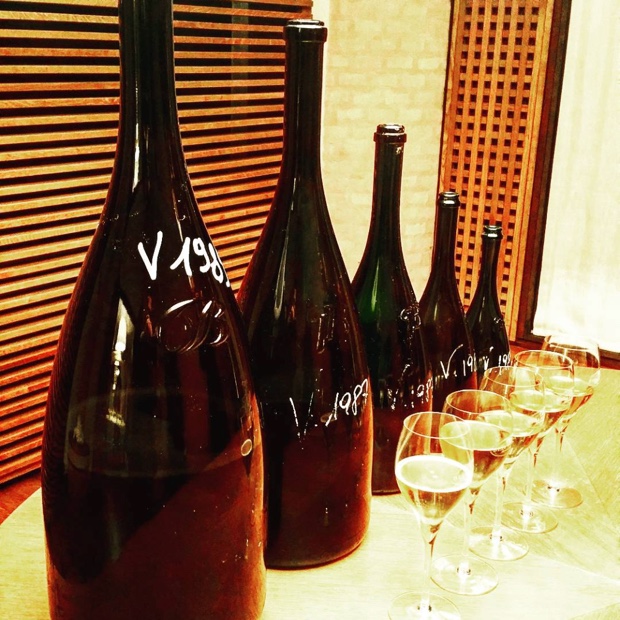
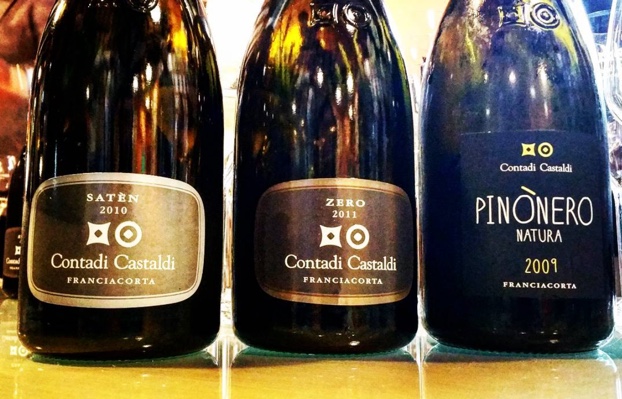
Large formats and the furnace @contadicastaldi @franciacorta #gamberorosso #moretti

Large formats and the furnace @contadicastaldi @franciacorta #gamberorosso #moretti

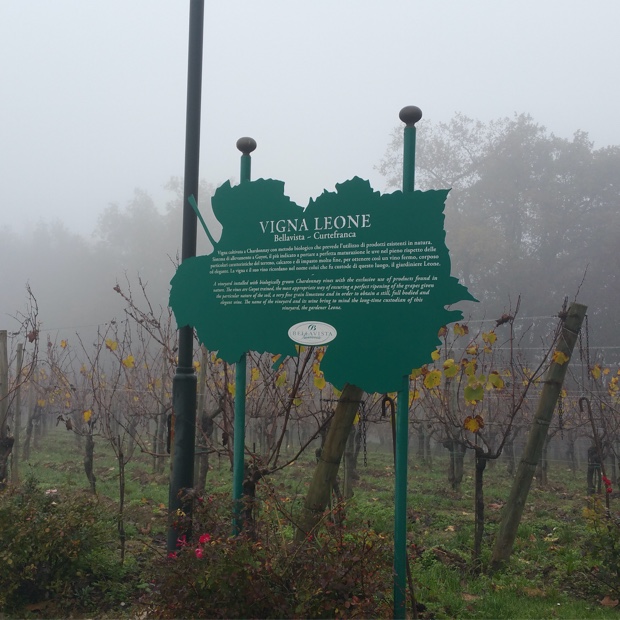
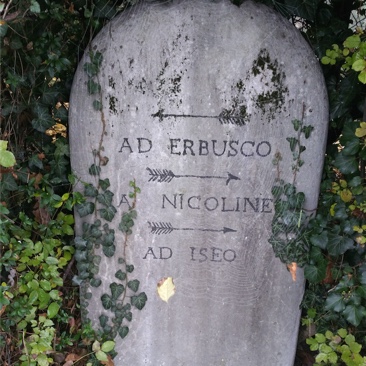
The month of November bids up translation to such an Italian vernacular as it is a wonderful time to visit Lombardy and the cellars of Franciacorta. A time before the snows of winter fall, long after the stems have turned to brown, the grapes picked, crushed and fermented, at a time when the vintage’s base wines rest comfortably in the caves of the region’s 110 wineries. You can take an early morning walk through a Chardonnay block and note the gentle south-east exposure slope engulfed by fog thick as porridge in the greater provincial Brescia world demurred a whiter shade of pale. On sunny days summon up a cool, crisp stroll through courageous Pinot Noir up on a hill above the village of Erbusco, with the Oglio River to the west, Lago Iseo and the snow-capped Dolomite Mountains rising in the deep distance. The vines stand stark, stripped and undraped, like petrified wood monuments, now only possessive of memories.

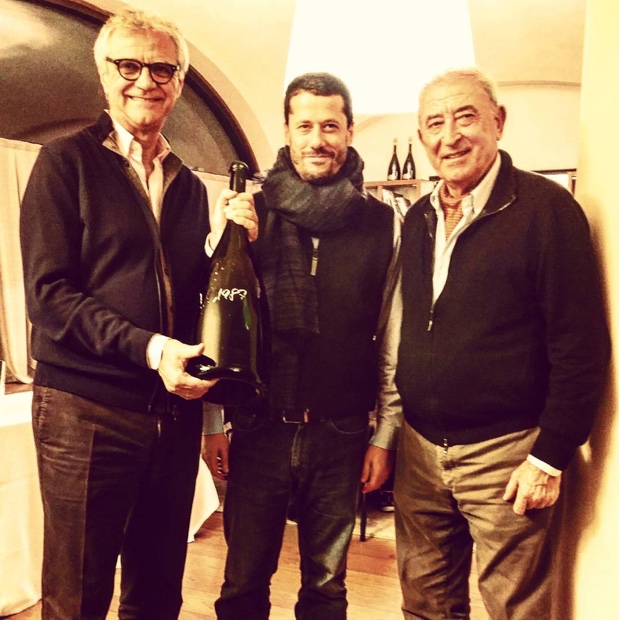
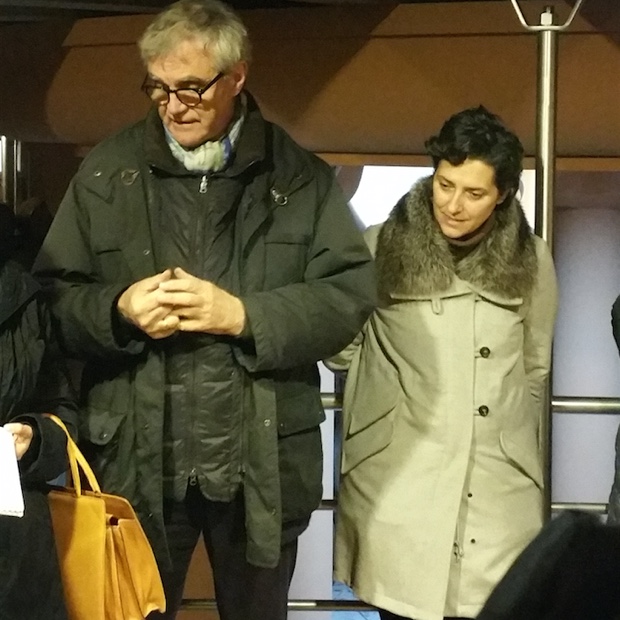
Standing with giants @BellaVistaVino Winemaker Mattia Vezzola and Vittorio Moretti.

Standing with giants @BellaVistaVino Winemaker Mattia Vezzola and Vittorio Moretti.

It is here where Lombardic legacies are cemented in this northerly Italian region, after 450 years of recorded Sparkling wine history. Newly appointed President of the Consorzio Franciacorta and Bellavista Winery proprietor Vittorio Moretti has recently bottled something no self-respecting vigneron on this fizz fermenting planet has ever had the enterprise or perspicaciousness with which to follow through. Not in Franciacorta and certainly not in Champagne. Moretti and his enologist/chef du cave partner of 30 years Mattia Vezzola gathered the wines of six great vintages (1984, 1988, 1991, 1995, 2001 and 2002) spread across three decades together in one singular, bold, ultra-elegant and exacting impossible cuvée. Meraviglioso.

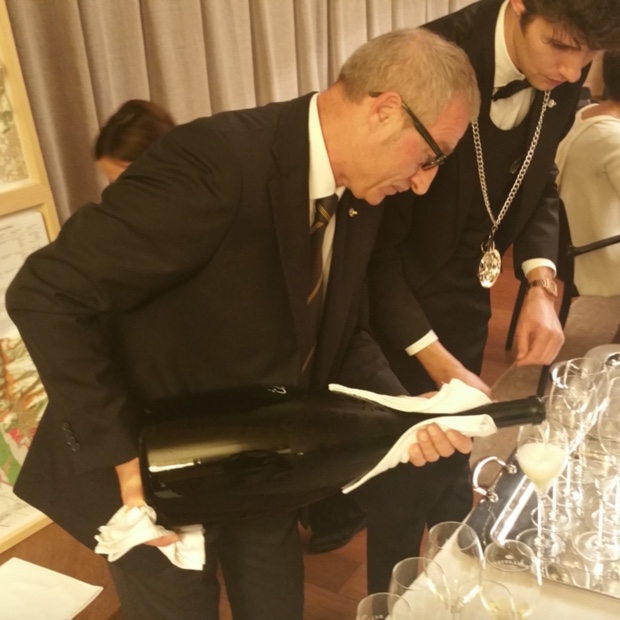
Pouring Meraviglioso

Pouring Meraviglioso

Bellavista Studio Meraviglioso Vendemmia 2004, 6000 mL, Docg Franciacorta (WineAlign)

Poured from a Methuselah and can only be produced every 30 years. This is the first vintage. Studio equals a test product. This is something wholly other. The holy coming together of acidity (energy) and texture (elegance) From the best harvests of the last 30 years. Sparkling as the interaction between studying and working. One or the other alone will not achieve the culture of this wine. Middle rope lined by fine sea salt flecked by dried thyme. So refined. Gentlest mousse and forming the most amazing rim. As the winemaker notes, “it’s very exciting that technology must reside in the traditional. Idea must reside in craftsmanship. Manual work enables the soul.” Drink 2015-2045. Tasted November 2015

Meraviglioso

Meraviglioso

Bellavista Meraviglioso, 1500ml, Docg Franciacorta (WineAlign)

The best way to make a sensory profile last is to model it after someone. Choosing great vintages, as here with ’84, ’88, ’91 ’94, ’01 and ’04 is to offer a shared sensory profile and characteristics, along with the value of patience, something that lasts over time. This blend of vintages, which includes 1984 speaks to a winemaker’s emotion. “Nothing makes more sense than passion.” Will this leave a different mark on Spumante wines? “We wish that every of the 30,000,000 bubbles is a moment of happiness for each of you. Long term Franciacorta will have to take direction from this wine.” Words of proprietor Vittorio Moretti. The Studio (test) 2004 here transmogrifies into another turn of phrase, twirl of body, as told from marble. Watch the bubbles rise from the centre and widen to the edges, slowly, purposefully, without distraction. You can hear a pin drop with this wine sitting in glass. A wine to connect a string of great vintages, spanning decades, interlacing hands, sweat and passion, from contributors who are all represented in this bottle. They are all remembered, their lives, their wishes, their shared culture. Finesse, energy, mousse, elegance and length. For whom the Sparkling wine tolls. Drink 2015-2050.  Tasted November 2015

The playful and calculated wine pays respectful homage to a wine region immortalized, like warriors in stone, by classic authors; Pliny, Columella and Virgil. In the 16th century Lombardian physician Gerolamo Conforti encouraged a healthy lifestyle and widespread consumption, defining Franciacorta bubbles as “mordaci” or, lively and bubbly.

Temperatures at ripening are much higher as compared to Champagne. The mountains are a major part, as a barrier to the southern winds to preserve acidity. Franciacorta producers have the historic sparkling traditions of Champagne to compete against a crowded global market. That said, they have little interest in comparing their ancient method Sparkling wine to those from other regions, nor does it matter whether their roots were laid down prior to or subsequent from more famous peers. What matters is progression, innovation and resolution. Meraviglioso adheres and abides to Franciacorta’s deferential past. It also revises the scripture and reinvents the future.

Vigna Leone, Bellavista

Vigna Leone, Bellavista

The historic concept directs the winemaker to make wine that is fresh with acidity on the palate, but not felt in the stomach. Wines that are easy to digest. Wines to drink for all of eternity. Between 6.7 and 7.5 TA is the number on the base wines. This differs from Champagne in alcohol because the Champenoise reach a maximum level which is the minimum for Franciacorta and acidity is exactly the obvious. Everyone these days talks about terroir, which is important, but they seemed to have forgotten about genes.

Mattia Vezzola and Francesca Moretti

Mattia Vezzola and Francesca Moretti

The area’s modern era dates back to 1961, with 11 producers, 29 hectares of vineyards and a production of 2000 hectolitres of Pinot di Franciacorta. DOC status was granted in 1967, with nine pioneering agriculturalists in the mix. In 1990 the creation of the consortium for the protection of Franciacorta wines was accomplished with 29 producers as members. Now, after nearly 50 years of officially recognized production Franciacorta is poised to become the next big thing. Fizz is in demand worldwide and compared to other high quality traditional method sparkling wines, Franciacorta is well positioned. Pinot Noir has a role to play and perhaps everything to do with that. Chardonnay and its essential Blanc de Blancs sparkling oeuvre has managed bubble expectation and dominated output since time immemorial but the sweeping cloud of global warming is changing everything.

Erbusco, Brescia, Lombardy

Erbusco, Brescia, Lombardy

A portal into the Franciacorta compass dial only 15 years ago sees Chardonnay picked on average around August 15th. Cyclical weather patterns notwithstanding, temperature increases of nearly five degrees Celsius mean that in order to maintain freshness and protect necessary acidity these days the grapes are picked two weeks earlier. Short of washing this planet clean as the bible says or continuing to hot wire reality, something has to give.

Even while Chardonnay’s phenolic journey is finding its way to completion, some things can’t help but get lost in accelerated heat unit translation. Any winemaker worth their weight in viniculture excellence knows that the real future lies in the embrace of complex behaviour inherent within the later ripening condition of thin-skinned Pinot Noir. Chardonnay will not be abandoned any time soon but ripping up some of the dominant vineyard holdings and switching to Pinot Noir is in the cards.

Bellavista

Bellavista

On my late November trip the epiphanies came fast and furious when Franciacorta opened its arms to receive journalists from around the globe. My WineAlign colleague Treve Ring and I were introduced to Bellavista Vino and Contadi Castaldi pours at L’Albereta Relais & Chateaux and it was for me an initiation into a personal paradigm shift, in a dream that had just recently begun. Tasting the range on premises at Contadi Castaldi from Blanc de Blancs through Blanc de Noirs and into Pinot Nero aided in clarifying the varietal shift. The entire visit was qualified by Gambero Rosso’s principals Luigi Salermo, Marco Sabellico, Lorenzo Ruggeri and Tiina Eriksson, with their ushering of seminal tastings, including a Bellavista horizontal of 1987’s in 750 mL, Magnum, Jeroboam (3L) and Methuselah (6L), along with a Salmanzar 9L bottle from 1989. This line-up made for a rarest of opportunities, tasting chance of a lifetime.

Bellavista horizontal

Bellavista horizontal

Treve and I tasted a number of Franciacorta examples during our visit and we have also been able to sample imports in British Columbia and Ontario.

The Bellavista Horizontal

The purpose of this extraordinary tasting is to assess how this wine changes its sensory impression depending on the size of the vessel it was bottled in. Though it once contained 30,000,000 bubbles, now 28 years later, perhaps the number is just 13. Well, from now on I’m clearly only buying my sparkling wine in minimum 3L formats.

The wines were tasted in 1991 and 1998. This is the third and last chance to taste these large formats. From 1987, in 750 mL, Magnum, Double Magnum and Methuselah. The 9L bottle is a 1989 (because there are no more ’87’s in that format).

Five little ducks all in a row @BellaVistaVino #anothersongaboutthefizz #franciacorta #largeformats #1987 #1989

Five little ducks all in a row @BellaVistaVino #anothersongaboutthefizz #franciacorta #largeformats #1987 #1989

1987 (750 mL)

Composed of 80 per cent Chardonnay and 20 Pinot Nero, the harvest it refers to is 1987 though it is not a vintage wine. Runs straight to a marzipan and honey with lanolin dressing, marked  by orange rind and spice that needles into the olfactory nerve. Has aged well and would call it oxidative (at least this bottle). The hue has obviously changed. Was disgorged yesterday (November 27th) so there was no need for added liquor. Truth be told it has not developed into a tertiary, overly mature, oxidative step, but it has sublimated in micro-oxygenation.

1987 (Magnum – 1.5 L)

Sensory activation. Zero oxidation, prominent acidity and underlying nutty comprehension. No honeyed and waxy filming, a seeker yet to find any true tertiary life. In elegance now and with imaginations of 10 more years this way. Any yet only the Magnum.  Come back to it after ten minutes and the citrus is palpable. Finding a layer of preserved lemon 15 minutes later. Its next stage becomes more apparent with time, by size and in relation to what comes after.

1987 (Double Magnum – 3 L)

Completely different once again, now reductive, stinky, full of a preserved rage and with just two minutes in glass begins to soften and ready itself. A heap of aggression plus 28 years of time have blessed it with all the tools it needs. So alive, without the nutty accent but certainly in possession of the inside shaving of the barrel. Barrel peels, not fruit. More mineral here. Much more. Also tropical,  like ginger and cardamom. The most interesting of the three by kilometres.  The real access is toast and flint. This is the real deal. Rich and mature, not piercing and now accessible. Incredible length. Close to the edge in a mythical land, of impressions neither flora nor fauna, but of atmosphere.

1987 (Methuselah – 6 L)

The first wine to show similarly to another, this rocks out flinty and reductive like the 3L. The energy is consistent, but here the spice is magnified and the nutty sense that showed in the Magnum has come forth. This seems to combine the pique aspects of both the 1.5 and the 3. A best of all worlds bottle plus what it brings that neither had. Absolute freshness. Does not evolve in the glass in its first few minutes as the others that came before. It evens glistens unlike the others, as if it knows how complex, special, live and alive it is. This is the bomb for sure. Dart straight through the heart. Crazy exceptional Sparkling wine.

The big pour

The big pour

1989 (Salmanzar – 9L)

Absolutely, unequivocally, indisputably no evolution. If this dos not drive the point that if you want to age Sparkling wine you must bottle it in the largest format possible, then nothing will. At least do away with 750 mL bottles. Large format is not about pageantry. It is about age. The taste is very different than all the 1987’s. So much more acidity and vitality and it is wondered aloud that more Pinot Noir must be in the mix. The citrus is at the forefront and all over the hairs of this wine. Twenty six years in a 9L bottle is like five, certainly not 10.

It should be interesting to try and assess, which is a major act of liberty in assumption, to assume with accuracy how format affects age. To close one’s eyes tight and place a number on each wine, to where it has evolved and why. 750 mL left its post five years ago. Magnum is in the window as we speak and will not be perceived with evolutionary certainty to its tertiary development for two of three more. Double Magnum is still three to five years away from even that beginning. Methusaleh sits in a window of seven to 10 years and the 9L 1989 certainly 10-15. Perhaps as far away as 20. Truly.

The wines of Franciacorta

Bellavista Alma Cuvée Brut, Docg Franciacorta, Italy (SAQ 340505 $40.00, WineAlign)

Apropos alms giving Cuveé, in regards to balance, offering a broad swath and sweep of creamy, soft spoken bubbles. Produced from one half of the estate’s harvest selections, out of 107 plots ranged over 10 different Franciacorta municipalities. A child of both horizontal and (reserve wines) vertical blending. Composed of (80 per cent) Chardonnay, (19) Pinot Nero and (1) Pinot Bianco. Known to its makers by an “affectionate” term for the land that produces wonders, this may be the most calming of the Bellavista portfolio. Drink 2015-2019.  Tasted November 2015

Bellavista Brut 2010

Bellavista Brut 2010

Bellavista Brut 2010, Docg Franciacorta, Italy (Agent, $65.00, WineAlign)

This Sparkling blend of Chardonnay dominant with support from Pinot Nero is the welcome mat, regional conduit and arms open wide portal into the impressing preoccupation of Franciacorta. From vines of healthy altitude on south/south-easterly exposures and an average age of over 25 years. A sussurrare measure of and not much more than 30 per cent of the juice ferments and matures in small white oak casks for no less than seven months. When we talk of the natural balance in nature, we may as well be referring to an arid, saline, citrus and ontological yeast-filled Franciacorta such as this Brut. Compressed from a vintage with legs, creamy texture and dreamy ideas. Sparkling wine of soft bubbles, lace curtains and plentiful energy. The dictionary opens with this, a wine personified as a “villa delle delizie.” Drink 2015-2022.  Tasted November 2015

Bellavista Franciacorta, L'Albereta

Bellavista Franciacorta, L’Albereta

Bellavista Gran Cuvée Rosé 2010Docg Franciacorta, Italy (SAQ 10540051 $66.25, WineAlign)

Red chicory hue in a blend where Chardonnay (62 per cent) dominates Pinot Nero. Rosé of truth, unable to fib, a bit risqué and anything but rustic. Magnetic, full of multi-variegated citrus, magnified, petrified, magnetized, its Chardonnay and Pinot Nero polarized. The latter so important, like recherché of the occult and suggesting that its part should be increased. Like a tidal wave of blanc de noirs aromatics boarding at once. Rosé as the last train home. Drink 2015-2022.  Tasted November 2015

Betella Lovera Di Franciacorta Rosé Ardi, Docg Franciacorta, Italy (Agent, $40.00, WineAlign)

Like the Betella Blanc de Blanc, this is quite direct, but in a much different way. It’s funky reductive and yet super, hyper transparent and understood. Wound tight with racy acidity and spumes of an aridity that steals saliva and is nearly heart-stopping. These blush bubbles are savoury in a way the Chardonnay just can’t seem to herbalize and bracing in a way that does not fully compute. Exciting and tart if noticeably out of balance.  Tasted December 2014

Betella Franciacorta Brut Blanc De Blanc, Docg Franciacorta, Italy (Agent, $29.00, WineAlign)

This 100 per cent Chardonnay is so direct, so grounded, so black and white. Just a hint of funky earth and a swath of painted lees but otherwise fruit entrenched in traction and fermentation in beautiful suspended animation. Defines modernity in Franciacorta, a still frame of concentrated, dry bubbles, life affirming and void of any extraneous conditioning. No add-ons, just straight up sock it to me Sparkling wine. Tight, bracing and built for serious fun, without ceremony or pageantry. So effective and so well constructed.  Tasted December 2014

Ca’ Del Bosco Cuvée Prestige Brut, Docg Franciacorta, Italy (Agent, 105353, $39.95, WineAlign)

First introduced in 2007 after thirty years of Franciacorta’s salt pillar house’s trials, errors and magic. Chardonnay (75 per cent), Pinot Nero (15) and Pinot Bianco (10) are sourced from 134 vineyards, vinified separately and blended with the conceptualization towards “idem,” of being the same. Reserve juice from great vintages (at least 20 per cent) reinforces and elevates the cuvée, followed by 28 months on the lees. A stoic and somewhat tensely defined traditional method Sparkling wine with plenty of autolytic yeasty feel despite the modest time. Terrific, expansive and circulating mousse buoyed by unparalleled Franciacorta acidity. More Pinot Nero would really give it depth and breadth. Drink 2016-2020.  Tasted January 2016

Contadi Castaldi

Contadi Castaldi

Contadi Castaldi Satèn 2010, Docg Franciacorta, Italy (Agent, $45.00, WineAlign)

Disgorged February 2015. The opposite of the thoroughbred that is the Pinot Noir. Satisfying, saturated, stretched and churned though Brut in style. The soul of Contadi Castaldi even in a world in which the winemaker is want to make more masculine, Pinot driven wines. A caressing wine, gentle and creamy. Full mouth. Round putty smooth in spite of and in line with such stretched acidity. Drink 2015-2020.  Tasted November 2015  @contadicastaldi  @Cavinona

Contadi Castaldi Franciacorta Brut, Docg Franciacorta, Italy (Agent, $28.50, WineAlign)

The Contadi Brut is a much more direct, linear, in your cerebral cortex cement of a Franciacorta. Still in assumption of a lightly bruised and oxidative bent though the fruit is anything but mealy and the appetite yet whets. The apple in the eye is green, the grass greener still. In here “green grow the rushes go.” This sparkler seems to still be working, pushing itself and evolving. It begins in earnest and never ceases to cycle. It’s a bit exhausting and leaves a trail of exhaust. In demand of much attention it may never leave you to find and achieve that state of REM. But it is that vapour trail that will see it go deep into the night. Drink 2015-2022.  Tasted July 2015

Contadi Castaldi Franciacorta Rosé, Docg Franciacorta, Italy (Agent, $33.50, WineAlign)

Statuesque, rustic, ancient ruin of Franciacorta, on a clear day, of tall grasses, oxidative apples and slices of hard Lombardian cheese. A total, classical, storied package of gastronomy in a bottle. Not so much Rosé as much as bubbles with a fostered history of age. Arid as the desert and piercing from acidity. This will be misunderstood by some, reveled in by others. Drink 2015-2020.  Tasted July 2015

Contadi Castaldi Brut Zero 2011, Docg Franciacorta, Italy (Agent, $32.50, WineAlign)

Fashioned with essentially an equal proportion of Pinot Noir. A specificity to Franciacorta where Chardonnay is clearly pegged as feminine and Pinot Noir masculine. The winemaker demands this move, to power, vitality and how a cuvée’s direction is acclimatized from picking on acidity and through to firm, direct expression. Very balanced wine. Drink 2015-2019.  Tasted November 2015

Contadi Castaldi Piñonero Natura 2009, Docg Franciacorta, Italy (Agent, $45.00, WineAlign)

Only 9,000 bottles are produced of this ultra niche product. Part of the move in concept and passion to masculine, powerful and vital Pinot Noir. A bull of bubbles and extremely long, trailing a tail of star fire. Brut to the most natural degree. Lime and direct energy. Tight as a fist. This is Thibault to the Contadi Castaldi Blanc de Noirs Romeo. Drink 2015-2022.  Tasted November 2015

Ricci Curbastro Satèn Brut

Ricci Curbastro Satèn Brut

Ricci Curbastro Satèn Brut, Docg Franciacorta, Italy (Agent, $59.95, WineAlign)

A Franciacorta blanc de blancs with a settled elegance in its stride and the persistence of far eastern aromatics. Though Satèn can contain up to 50 per cent Pinot Bianco, Ricci Curbastro’s is exclusively made from Chardonnay and at this stage even less atmospheric than the freshest examples. A pinch of ginger and a dash of lemongrass mark the aromatic territory. Preserved lemon fills the palate with residual fruit. This 2011 is in its drinking window right at present, its 40 month (48 from harvest) autolytic yeast lees having done the yeomans texture work in completion for the overall expression. Drink 2016-2018.  Tasted January 2016  @Ricci_Curbastro

At the end of a day not in #franciacorta I could do well with one of these @contadicastaldi

At the end of a day not in #franciacorta I could do well with one of these @contadicastaldi

Good to go!

Twitter: @mgodello

Instagram: mgodello

WineAlign: Michael Godel

Facebook

Around the Cape in 50 wines

Cape Town, South Africa

Cape Town, South Africa

Take Godello to a place that’s far away and it will fill him with words. With memories still thick as Bredasdorp pea soup, it is hard to believe it has already been four months since travelling to South Africa in September for Cape Wine 2015. I think it wise for the reader to be offered fair warning. The following wayfaring log is not brief and while it may be broken up with images of food, bottle shots and scenery, there are five thousand plus words to wade through. Feel free to skim at your wine tasting note leisure.

For a comprehensive look at South Africa’s Capelands, read my report at WineAlign.

Related – Welcome to South Africa’s Capelands

Table Mountain behind the clouds, Cape Town

Table Mountain behind the clouds, Cape Town

It has been four months since Cape Wine 2015 and many wines remain to be mentioned. My initial ramblings covered the three-day wine fair, varietal awakenings, Premium Independent Wineries of South Africa (PIWOSA), the Swartland Independents and the Zoo Biscuits.

Related – Once upon a time in the Western Cape

Lemon butter poached crayfish tail, kale, parsnip puree and bisque, Open Door, Constantia

Lemon butter poached crayfish tail, kale, parsnip puree and bisque, Open Door, Constantia

I tasted hundreds over three days at the bi-annual Cape Town event, along with dozens more in restaurants and at wineries in Stellenbosch, Swartland, Franschhoek and Constantia. One of the more memorable culinary experiences happened at Open Door Restaurant located at Uitsig Wine Estate in Constantia. The wine selection opened doors to new Cape perceptions and forward-thinking measures.

Springbok loin, orange sweet potato, lentils, pickled cucumber, cranberry jus, Open Door, Constantia - @OpenDoorSA

Springbok loin, orange sweet potato, lentils, pickled cucumber, cranberry jus, Open Door, Constantia

Related – Wines of South Africa: Go Cars Go

A visit to the Franschhoek Motor Museum at the Anthonij Rupert Wyne Estate rolled into a tasting of wines with Gareth Robertson, Sales and Marketing Manager at Anthonij Rupert Wines. Verticals were poured; Cape of Good Hope, Leopard’s Leap, La Motte and Optima L’Ormarins. Then the varietals of Anthonij Rupert Estate

Hitching a ride on the Anthonij Rupert Estate

Hitching a ride on the Anthonij Rupert Estate

A full on Premium Independent Wineries of South Africa (PIWOSA) experience at the Car Wine Boot was nothing short of a wine-soaked, large object flinging hoedown throw down.

Related – Wines of South Africa: It’s the fling itself

Wine Car Boot, Journey's End Vineyards

Wine Car Boot, Journey’s End Vineyards

The act of intense immersion into any important wine-producing nation and its diverse regional expressions can only leave a lasting impression if the follow-up takes a long, cool sip of its meaning. Though just the beginning of what I hope to be a life-lasting fascination with South African wine, these 50 reviews prepare and pave the way.

Beaumont

Beaumont Family Wines Hope Marguerite 2013, Bot River-Walker Bay, South Africa (Winery, WineAlign)

Named after winemaker Sebastian Beaumont’s grandmother, Hope Marguerite Beaumont. Thirty-five (400L) barrels of Chenin Blanc from 1975 and 1978 plantings anointed by natural fermentation and maturation. Reductive, malo-avoidant and lees stirred for 10 months to dess effect. Acidity swallows and trumps sugar while bitters, well, these bitters don’t even realize they are bitters. Possessive of that torched orange peel, lime skin and hinting at something faintly tropical. Many shades of Chenin Blanc within one tight-knit bottle. A benchmark of species. Drink 2015-2022.  Tasted September 2015  @Beauwine

Paul Cluver Riesling Dry Encounter 2013, Elgin, South Africa (Winery, $23.99, WineAlign)

Riesling from South Africa’s largest and nascent varietal growers, one of three Cluver bears and wholly antithetical to the “Close Encounter’ simply and primarily because of its omnipresent aridity in the face of 9.0 g/L of residual sugar. Based on fruit from a variegated 27 year-old block of ferricrete (surficial sand and gravel masses) layered over decomposed Bokkeveld Shale and/or light clay. From a basin, a true amphitheatre between the mountains. The dry one shows off the cooler climate charity, offering up the opportunity to make Riesling the way it needs to be. Floats boats of blossoms piled in apples, honey and native fynbos. Elevated in nervousness, tension and anxiety through the conduit of acidity. This guy is the tip of the spear that pierces the palate. Though dry to that pointed end it is the primitive passion of grape tannin that churns the combine.  Drink 2015-2019.  Tasted September 2015  @paulcluverwines  @PIWOSA  @paulcluver

Paul Cluver Gewürztraminer 2015, Elgin, South Africa (Winery)

If Riesling is a South African anomaly, the nine hectares planted to Gewürztraminer on the Cluver estate is at least preternatural if not verging on antediluvian. The throwback approach to varietal expression takes on the do anything in South Africa mandate and runs with it. A tightly wound white, like Riesling driven by acidity, inconsequential in sugar (10.2 g/L) and rushing with rivers of grape tannin. Lime is again the thing in a world where sweetness finds it hard to live. Anything but soapy, less than sticky and so very clean. Purity out of Elgin in Gewürztraminer. Drink 2015-2018.  Tasted September 2015

Riebeeksrivier

Cape of Good Hope Riebeeksrivier White 2013, Swartland, South Africa (Winery)

From the stable of Anthonij Rupert Wines, a blend based on Chenin Blanc (65 per cent) with Rhône assistance from Marsanne, Roussanne and Viognier. Similar in a way to the old vines Chenin in its purest form in a clean amalgamation of weighty varietal relations. Naturally driven acidity and an increase in creamy texture is accompanied by lactic notes and a greener, sharp apple bite. A wow reversal of impression with an anise under current and a toasty, nutty omnipresence. Quite fine. Drink 2015-2020.  Tasted September 2015  @AnthonijRupert

Rall Wines Red Coastal Region 2013, Swartland, South Africa (Winery)

Superior Syrah spine (85 per cent) with a 2014 Grenache (15 per cent) addendum. Healthy and happy in alcohol (14 per cent) from Swartland schist to cure what troubles and saps. Liquorice, easy tannin and illimitable fruit (for a two to five-year run) from the gifts of a terrific vintage. Open-knit, expressly serviceable with a not overly piquant, peppery finish. Tobacco moment is just a pinch between the cheek and gums. Easy on the extraction and 50 per cent stainless housing for nothing but Swartland fruit with some added stems for the perception os sheer freshness. Drink 2015-2018.  Tasted September 2015  @SwartlandRev

David and Nadia Paardebosch Chenin Blanc 2014, Swartland, South Africa (Winery)

A blend of 1960’s, 1970’s and early 1980’s, mainly dry-farmed bush vine Chenin Blanc vineyards throughout the Swartland. Sweet textured Chenin with endemic herbiage and territorial tang. Varietal identity is never an issue for South Africa’s signature white but how does definition out of disparate plots come together? For the Sadies “the meaning always lies somewhere that’s right between the lines.” Connotation and significance in what’s left behind. Drink 2015-2020.  Tasted September 2015  @DavidandNadia  

David and Nadia Aristargos 2014, Swartland, South Africa (Winery)

David and Nadia Sadie

David and Nadia Wines

A bush vines dominant, 12 vineyard, five-varietal interface of Chenin Blanc (35 per cent), Roussanne (25), Clairette Blanche (20), Viognier (15) and Sémillon (5). The latter (not inconsequential) addition is from a 1950’s planted vineyard. Round and round aromatics integrate Swartland harmonies in transition to palate promptitude of spry lemon and lime. Emits that fleshing four to five-year pursuit to honeyed possibility, in which the Sémillon is not lost on that ideal. We should all be willing to wait that long though not be greedy for anything more. Drink 2017-2019.  Tasted September 2015

David and Nadia Grenache 2014, Swartland, South Africa (Winery)

A riveting (85 per cent) Grenache honed from two vineyards planted in granite mountain soils, mixed and matched with (15 per cent) fruit off of organic vines grown in deep iron rich soils. A scintillant of reductive freshness gets busy with chalk ou of ferric soil in romantic and heavy breathing passion. Though nearly carbonic, atomic and more exhalant than inhalant, the freshness is always halted by a weight in denouement. The obdurate cessation is helped along by 10 to 11 months in oak. Very thoughtful, engaging and consummated Grenache from the Sadies. Drink 2016-2020.  Tasted September 2015

Godello and Billy Hughes at Cape Wine 2015

Godello and Billy Hughes at Cape Wine 2015

Hughes Family Wines Nativo White 2014, Swartland, South Africa (Winery)

Certified organic from the Kasteelsig Vineyards on the Hughes Family farm in Malmesbury.  The blend is high in Viognier with Chenin Blanc, Roussanne and Grenache Blanc. Picked at three separate intervals, the bifurcate prongs of sugar, acidity and alcohol are remarkably streamlined towards an upwards push skyward. A very base and elemental white wine that hovers in the lower reaches of the stratosphere, wanting to rise but held secure by the heartstrings of older oak filaments. This is fresh and yet filled out by a density defined in Swartland ways. An appellative white blend with my thoughts of Cape Town’s Chef’s Warehouse crudo in mind. Drink 2015-2019.  Tasted September 2015  @NativoWines

Crudo and Kimchi #tuna #kingclip #chefswarehouse #capetown

Crudo and Kimchi #tuna #kingclip #chefswarehouse #cape town

Hughes Family Wines Nativo Red 2009, Swartland, South Africa (Winery)

Certified organic from natural, dry-farmed estate Kasteelsig Vineyards on the Hughes Family farm in Malmesbury.  The blend is Shiraz (56 per cent), Grenache (16), Merlot (13), Mourvedre (9) and Pinotage (6). Swartland’s local master of assemblage Billy Hughes (the J-L Groux of South Africa if you like) counselled separate and all natural fermentations, barrel malolactic, eight months in 225L barriques (none new) plus four more post blending. The core aroma to palate thematic is ingratiated by a grape in raisin initiation stage, habituating the right side of ripe. This is a soft-styled Swartland red having fully realized its progressive road to enrichment. Drink 2015-2017.  Tasted September 2015

Hughes Family Wines Nativo

Hughes Family Wines Nativo Red 2010, Swartland, South Africa (Winery)

As in 2009, certified organic from natural, dry-farmed estate Kasteelsig Vineyards on the Hughes Family farm in Malmesbury.  The blend is Syrah (52 per cent), Mourvedre (22), Grenache (13) and Pinotage (13). Fresher, lighter even than 2009, floral, feathery, feminine. Through the pretty dab of perfume there is the presence of clay, iron and a feeling of warm Cassis. The red fruit while anything but dark has a presence, an attitude, an unfailing condition. Will live longer than the previous vintage. Drink 2015-2019.  Tasted September 2015

Wildehurst Velo White 2014, Swartland, South Africa (Winery)

Juicy Colombard, Chenin Blanc and Viognier in cohorts simply, basically and ostensibly about town for texture. Beautiful freshness, grace and grape tannin. The juice and nothing but the juice. Drink 2015-2017.  Tasted September 2015  @WildehurstW  @ShereeNothnagel  @SwartlandRev

Wildehurst Velo Rosé 2014, Swartland, South Africa (Winery)

A multi-cultivar and double-hued blush by way of Grenache, Viognier, Mourvèdre, Colombard and Chenin Blanc. Really widens the fresh fruit spectrum, in manifold customary shades of red. From a hot vintage where sugars ran higher than 2013 yet still just about as dry as a skeleton way past tissue. Despite all attempts, the brine and herbiage outplay the salinity and aridity. Drink 2015-2017.  Tasted September 2015

Wildehurst Chenin Blanc 2012, Swartland, South Africa (Winery)

The only straight up cultivar in Sheree Nothnagel’s portfolio from 30 year-old bush vines. Arranged low, natural and slow across a two month fermentation period in 3rd fill (225L) barrels towards a dry end. Matured on the lees for a further five months. Handy, prosaic and unostentatious Chenin Blanc of texture and mouthfeel. Drink 2015-2018.  Tasted September 2015

Silwervis Cinsault 2014, Swartland, South Africa (Winery)

First introduced at the inaugural Swartland Revolution, winemaker Ryan Mostert is a key player in the South African Cinsault revival. His naturally exhibited (with only added sulphur) old-vine Swartland Cinsault was matured in one Nomblot concrete egg. His is the Allman Brothers, Creedence Clearwater Revival and Deerhunter rolled into one varietal ode “to the malleability and uniqueness of Swartland.”

One of hundreds of wines tasted over an eight-day period in requiem to exclaim, “I am saved, I am saved. And oh, would you believe it?” So fresh, salty, ultra-carbonic, russet roseate raspberry and orange peel. It really feels real, unlike anywhere else. The varietal and the reformation. “We’re in a revolution. Don’t you know we’re right. People can you feel it? Love is everywhere.” Drink 2015-2018.  Tasted September 2015  @Silwervis  @SwartlandRev  @PascalSchildt

Terra Cura

Terra Cura 2014, Swartland, South Africa (Winery)

Silwervis winemaker Ryan Mostert is behind the new Terra Cura label with Samantha Suddons. From just outside of Malmesbury in the Western Cape. This cracker of a bottle is one hundred per cent Syrah from rolling hills rocking down to the sea. Ferric, burrowing into depths, rooted and heavy. Structured, chunky savoury, of wild sauvage, from a fierce and filthy athletic vintage. Reeks of potpourri, ambition and is yet remarkably ready to drink. A messenger to herald a land of opportunity, a revolution, the future. Drink 2015-2019.  Tasted September 2015  @Terra_Cura

Johan Simons, Dragonridge Wines

Johan Simons, Dragonridge Wines

Dragonridge Wines Supernova Ancestral 2014, Paardeberg, South Africa (Winery)

Chenin Blanc works with Sangiovese and with Pinotage to lead this ancestral method sparkling blend. From Joubertskloof’s Fynbos Estate, this fizz is really nothing like Méthode Cap Classique in that it adds nothing to the fermentation in the bottle, relying only on its own sugars and wild yeasts. When it does not explode it goes this way, so, so natural, all in. Winemaker Johan Simons happily sees it persist through the problem. “We do it because we can, and we want to.” From two blocks planted in 1964 and 1990 with a section going back to 1920. Picked on the 19th of January and from a ferment that finished two months early. These very old, unirrigated bush vines offer up lemon funky, low pH fruit. Goes straight to the roof of the mouth with rising, unassertive flavours. The question begs, is this an oasis of South African fizz or a desert where ancient longings go to die. The answer lies “caught beneath the landslide in a champagne supernova.” We’ll see about that. Drink 2015-2018.  Tasted September 2015  @FynbosEstate

Dragonridge Wines Cabernet Sauvignon 2015, Paardeberg, South Africa (Winery)

No wood. From five barrels of naturally thick, free-run only juiced, patchy, basket pressed elixir. This is simply brilliant, drink the hell out of it until it’s gone Cabernet Sauvignon. Forget the barrel. Bring it on. Drink 2015-2016.  Tasted September 2015

Elementis Skin Contact Chenin Blanc 2014

Elementis Skin Contact Chenin Blanc 2014

Intellego Wines Chenin Blanc ‘Elementis’ 2014, Swartland, South Africa (Winery)

A private label by Lammershoek’s Jürgen Gouws, from two 40 year-old bush vines parcels. A direct, right at you, citrus and dry-farmed tang Chenin simultaneously pretty and bitter. Three weeks of skin contact detour to grapefruit and guava with a level of great elegance in its laundry soaking up dirty water. Cloudy and slightly dangerous, Basque cider like and built by the bare necessities of salinity and trim, briny orange elements. As snake-driven a purposed accumulation as found anywhere in South Africa. Drink 2015-2017.  Tasted September 2015  @jurgengouws

Intellego Wines Syrah Kolbroek 2013, Swartland, South Africa (Winery)

Same natural fermentation as the Chenin in this single-vineyard, 100 per cent Syrah. Comes up firing after time spent on its skins, soaking up and in its own tannic juices. Fresh if tight for elegance in Syrah. Refined bitters adhere to the supreme purpose which is an expression of spritely, red energy. Drink 2015-2018.  Tasted September 2015

Black Oystercatcher Triton 2013

Black Oystercatcher Triton 2013

Black Oystercatcher Triton 2013, Elim, South Africa (Winery)

From owner & winemaker Dirk Human at Cape Agulhas, this is highly modern and refined Shiraz major (86 per cent) with minor Cabernet Sauvignon (12) and Cabernet Franc (2). Stylish without a whack of new oak, with independent varietal fermentation, maturation and ageing for 12 months. In a multiple choice Shiraz world of spicy, piquant, snappy and sharp the fill is all of the above. The present day South African cliché encompassing fresh, tight and elegant reds comes ’round again though here you can add cool-climate (southernmost tip of Africa) feel to the mix. What comes from the wood is in the finish, over charcoal and brushed by tar. Should show best in 2018. Drink 2015-2021.  Tasted September 2015  @BOC_Wines

Francois Haasbroek, Blackwater Wines

Francois Haasbroek, Blackwater Wines

Blackwater Wines Underdog Chenin Blanc (MMXIV) 2014, Stellenbosch, South Africa (Winery)

A mere 5500 bottles from winemaker Francois Haasbroek, a balanced tannin, alcohol (13.3 per cent), acidity (5.8 TA) and sugar Chenin, culled from high slope, (46 year) old bush vineyards of Bottelary Hills. Concrete tank housed ferments and aged on the fine lees for six months. Texture drives the green apple machine, fuelled by salinity and faux candy bursts. Drink 2016-2019.  Tasted September 2015  @Blackwaterwine  @ZooBiscuitsWine

Blackwater Wines Blanc (MMXIV) 2014, Western Cape, South Africa (Winery)

Chenin Blanc 80 (per cent), Sémillon (15) and Bourboulenc from vineyards in Durbanville and Ashton. The Chenin was skin fermented for 7 days and then blended with 2013 Sémillon (equipped with 12 months of texture gained on the lees) and what Haasbroek quips was a “smidge” of Bourboulenc. The 1200 bottle blend saw further time (16 months) in old (225L) barrels. Possessive of apples glazed in lemon polish, terrific, granitic grain in tannin and Deiss-esque Pinot d’Alsace surrealism. Drink 2016-2021.  Tasted September 2015

Blackwater Wines Cultellus Syrah (MMXII) 2012, Swartland, South Africa (Winery)

Schist Syrah in its entirety, mineral warm and tempered, moderately spiked by its alcohol (13.7 per cent) and five-plus year controlled acidity (5.6 TA). Blackwater’s steep block of Riebeek Kasteel vineyards offers up fruit begging to left alone. Haasbroek consented to four weeks of contact on the skins, followed by nothing more indulgent then a drain & whole-bunch press into eight to ten year-old (600L) barrels. Twenty-six months later, sans filter, nary a fining and voila. Syrah in fancy-free finesse, smoky elegance, Swartland schist, sour cherry and more schisty ferric earth. Dynamic though never in danger of inflammation, inflammatory or flaming behaviour. In the end, the sweetness is impossible. Drink 2016-2022.  Tasted September 2015

Blackwater Wines Noir (MMXII) 2012, Swartland, South Africa (Winery)

The largest output in the Blackwater portfolio with a whopping 6000 bottles. A multi-site Swartland Syrah (92 per cent), 10-15 per cent whole bunch fermented and then blended with Carignan and Grenache after a year of ageing. This follwed by an additional 12-14 months in old 500-600L barrels. Deep and meaty, but like modern Nebbiolo, of finesse in the clarity of its recesses. Marked by gnashing tannin and grippy structure. Drink 2016-2019.  Tasted September 2015

Omerta

Blackwater Wines Omerta (MMXIV) 2014, Swartland, South Africa (Winery)

It begins with a shush, this “code of silence,” although it has nothing to do with “criminal activity” and yet its aromatic sweetness should be illegal. Caring proposed in 100 per cent terms, off of 28 year-old Swartland bush vines, fully entrenched in the revolution and the revival, while in “refusal to give evidence to authorities.” The single vineyard, predominantly granite soils are the source of amazing purity and acidity as if by wrote. Healthy (30 per cent) whole bunch fermentation and a 25 day linger on the skins imparts more tannic by-product nectar. The older 500L barrels for 16 months   makes for a dusty, carefully curated cure. When it comes to thinking about drinking this Omerta, “Old black water, keep on rollin’…I ain’t got no worries, ’cause I ain’t in no hurry at all.” Drink 2018-2022.  Tasted September 2015

Savage Wines White 2014, Western Cape, South Africa (Winery)

In which Sauvignon Blanc (70 per cent) and Sémillon (30) keep good vibes, smile and celebrate a pure purée of progressive white tannin. This is the last of the straightforward Bordeaux Savage Mohicans with subsequent vintages adding more varietal diversification. Duncan Savage sees the future replete with appellative blends as per a Western Cape necessity, free from the posit tug of French heartstrings. This last kick at the Left Bank can is bright, pure and composed to reflect sunshine and stone.  Drink 2015-2018.  Tasted September 2015  @ZooBiscuitsWine

Savage Wines Red 2014, Western Cape, South Africa (Winery, WineAlign)

Essentially Western Cape fruit with a dab of Darling in a blend that emits polished Syrah (67 per cent) with naturally supportive Cinsault (12), Grenache (9) and Touriga Nacional (9). Duncan Savage procured 3500 bottles to market of this ranger, a red thinking cool Rhône thoughts and rooted firmly on the median line between his single-vineyard Syrah and the precocious Follow the Line. Will increase in complexity when Syrah gives away some floor time to the other grapes. Drink 2015-2018.  Tasted September 2015

Savage Wines Syrah 2014, Western Cape, South Africa (Winery)

Perhaps the most personal of Duncan Savage’s wines, even more than the Farmhouse draw in his red blend Follow the Line.  This SV Syrah is the home block, the place where he lives. His blends are a pure blur while this Syrah offers up a not too distant future filled with early life appreciation, graceful necessities and gifting niceties. It just hints at this now and subsequent wines will sing. Let this one and what’s left of the other 599 bottles produced sit for a year, to smooth out harsh bits and to integrate the Cape funk and Syrah cure. Oh, it’s like an animal farm, but you’ll come to no harm in the country.” Drink 2016-2020.  Tasted September 2015

Momento Wines Chenin Blanc-Verdelho 2014, Bot River, South Africa (Winery)

The Chenin Blanc (85 per cent) grows in old vineyards from Bot River and Darling and together with 11 year-old Bot River Verdelho (15) they reside in Bokkeveld shale, with portions of sand and clay. Five (400L old) French barrels carried natural Chenin ferments with some fine lees. Stainless tanks and older oak housed the riper Verdelho which joined the Chenin just before bottling. Winemaker Marelise Niemann was able to produce a healthy yet manageable quantity (200 cases) of a blend directed to deferential texture. This from a cloudy ferment once clarified turned to secondary, mineral flavours. The early pick and moderate (12.5 per cent) alcohol gained on bacteria and made for pure white fusion. The orchards are spoken for, from pit, through seed and back to pit. Drink 2015-2019.  Tasted September 2015  @momentowines  @ZooBiscuitsWine

Marelise Niemann, Momento Wines

Marelise Niemann, Momento Wines

Momento Wines Grenache 2014, Swartland, South Africa (Winery)

From porous, sandy soil, Grenache loving dryland (10 year-old) bush vines, for the time being at least, until the Bot River vines mature. A smaller (one half) production than the white raised in open fermenters, one-third punched down and only old barrels used. So opposite in feel to the Bokkeveld shale, regardless of the grape hue, bringing a foxy, natural cure to Grenache. Direct, tight and autotelic fresh, crunchy and popping. Unalloyed red fruit, hidden citrus and a racy finish. Drink 2015-2018.  Tasted September 2015

Botanica Wines Chenin Blanc and Chenin Blanc Untitled #1 2014

Botanica Wines Chenin Blanc and Chenin Blanc Untitled #1 2014

Botanica Wines Chenin Blanc 2014, Citrusdal Mountain, South Africa (Winery)

Winemaker Ginny Povall draws fruit made on the Stellenbosch farm from 55 year-old vines set in a 1600m high dry-farmed vineyard. The location is the rugged Skurfberg slopes in the mountains of Clanwilliam, 40 kilometres from the sea. These vines are low yielding, producing a scant 2.5 tons per hectare and picked early. Half of the just on the lee side of ripe fruit is barrel fermented and matured in 400L French oak and spends nine months on the gross lees. Juicy, bright, full on citrus, striking and crackling Chenin. Wood adds some weight and oh, the Rooibos. Drink 2015-2019.  Tasted September 2015  @ginnypovall

Botanica Wines Chenin Blanc Untitled #1 2014, Citrusdal Mountain, South Africa (Winery)

The approach is small batch, from lower Skurfberg altitude, chosen out of a specifically identified parcel and intentionally managed with 100 per cent (20 new) oak intervention. Lower alcohol, higher reduction and an ulterior, gemstone mineral manifestation. On one hand the Chardonnay like approach causes a perplexing feeling and on the other, a sense of wonder. The tropical abutment and real-time citrus symbiosis carries the weight and then the Rooibos, again. Occupies high ranks in the wooded Chenin outpost territory. Drink 2015-2022.  Tasted September 2015

The Tea Leaf Chenin Blanc 2014

The Tea Leaf Chenin Blanc 2014, Piekenierskloof, South Africa (Winery)

Made by Donovan Rall for Boutinot in the anti-Western Cape unicorn region Piekenierskloof, from where Chenin Blanc seems to have risen to sudden and darling prominence. The 70 year-old vineyards are at 750m, which is not nothing and the fruit is cropped from 40 year-old vines. All natural fermentation is the modus in this fuller, deeper, mineral completed Chenin that runs the gamut from creamy to bitters. And unfermented redbush, Aspalathus linearis. Drink 2015-2019.  Tasted September 2015  @BoutinotWines

Boekenhoutskloof Semillon 2024

Boekenhoutskloof Sémillon 2004, Franschhoek, South Africa (Winery, Agent, WineAlign)

If anything, Marc Kent’s decade and a year Sémillon has travelled down a long road to a very quiet place. That retirement home is filled with honey and dates, all gathered up nicely in tangy, gift wrapping acidity. The orchard fruits are gone and the truth no longer lies in the second half of the bottle. It speaks with early clarity. Time to drink up, sipping slowly, with the “sun going down, blood orange, behind the Simonsberg.” Drink 2015-2016.  Tasted September 2015  @UNIVINS

Steenberg Nebbiolo 2013

Steenberg Nebbiolo 2013, Constantia, South Africa (Winery)

Another achievement in what can be cultivated, nurtured and brought to fruition with great success in South Africa. A ringer for Serralunga from Nebbiolo treated to 60 per cent second and 40 per cent third fill 225L French oak barrels for 14 months. Roses meet tar, tea, red citrus and bright, vital flavours. The life affirming and balanced qualities of Nebbiolo in the cooler, temperate and Mediterranean-mimicked Constantia climate will bring longevity to this wine. Should flesh out, settle and sing in three to five years.  Drink 2018-2022. Tasted September 2015  @SteenbergWines  @ConstantiaWines

Allesverloren Tinto Barocca 2013

Allesverloren Tinto Barocca 2013, Swartland, South Africa (Winery)

Dating back to 1704, Allesverloren is situated on the south-eastern slopes of the Kasteelberg near Riebeek West, is the oldest estate in the Swartland Wine of Origin district. “The Naked Winemaker” Danie Malan farms dryland, trellised vineyards, situated 140m above sea level and facing south-east, were planted between 1958 and 1996. Here exemplary bread basket viticulture with a perfectly habituated expatriate Portuguese grape, rich in warmth, tannin and texture after having been aged in second and third French oak for eight months. The hematic push is elevated, as per the Swartland soil give, so the brooding capitulation is both deep and vaulted. High pH mixed with upwards and capped acidity ensures brightness, to speak the correct dialect and fanciful expression. Finishes with style. Drink 2015-2019.  Tasted September 2015  @AllesverlorenSA

Innemend teenage Cabernet @Uitkykwines

Innemend teenage Cabernet @Uitkykwines

Uitkyk Cabernet Sauvignon 2000, Stellenbosch, South Africa (Winery)

From north-west facing vines planted in 1989 to 1993 in soils rich in decomposed granite at 300 meters above sea level. Aging was completed for 18 months in 300L French oak barrels of which 53 per cent were new, (35) second and (12) third fill. I begin with “Hello? Hello? Hello? Is there anybody in there? Just nod if you can hear me. Is there anyone at home?” The answer is very much yes. At 15 years of age the Uitkyk is a treat in the latter stages of a comfortably numb dream. Deep pink, raspberry dusty, funky of triturated earth and ground stone. Still much aridity and acidity hanging on for dear life. Seems to drone on with mostly rising breaths and strings in oscillation. A remarkable older drop. Drink 2015-2016.  Tasted September 2015  @uitkykwinemaker

Grangehurst Cabernet Sauvignon Merlot 1995, Stellenbosch, South Africa (Winery)

Quite the treat to see this pouring at the older wines, help yourself tasting session at Cape Wine 2015. It was from what is widely considered Stellenbosch’s vintage of that decade and 20 years is not nothing for Paulliac let alone Stellenbosch. Grangehurst has made this wine in every vintage save for one, since 1992. What a remarkable old drop from winemaker Jeremy Walker, alive and kicking, as if by any means necessary. This from a guy who was quoted as saying “the more you surf during the harvest season, the better the wines.” His 1995 is replete with notes of cedar, thyme, coercing currants and really grand minerality. Has survived with acidity and tannin intact, stretching, yet persistent and working with what had to have been a harvest of such perfect fruit. Drink 2015-2017.  Tasted September 2015  @grangehurst

Tamboerskloof Viognier 2015 and Shiraz Rosé Katharien 2015

Tamboerskloof Viognier 2015 and Shiraz Rosé Katharien 2015

Kleinood Farm Tamboerskloof Viognier 2015, Stellenbosch, South Africa (Winery, AgentWineAlign)

From Tukulu and Kroonstad, augmented with nine or 10 percent Roussanne. Some barrel aging (nothing new, mostly 4th fill French 300L) plus a final 30-60 days in concrete eggs. Beautifully restrained, classically styled and tempered Viognier. The respectable alcohol (12.9 per cent), piqueing acid (6.0 g/l), low pH (3.22) and necessary residual sugar (4.4 g/l) are the specs of attentive and pinpoint winemaking. The result is remarkable freshness and purity with a bit of stuffing. Picked on the model of “flavour faith,” the softness “just dropped in to see what condition” the grip’s “condition was in. It was with cool fleshy fruit against a backdrop of warm, tropical flowers. Chic, first edition Viognier. Drink 2015-2018.  Tasted September 2015  @Tamboerskloof

Kleinood Farm Tamboerskloof Shiraz 2011, Stellenbosch, South Africa (Winery, AgentWineAlign)

The blocks are Tukulu/Kroonstad/Klapmuts/Witfontein and vines at 12 years of age. Five per cent Mourvèdre and a couple of points Viognier clean and lift the Shiraz while 10-12 days of skin contact roll out the red carpet of elixir vitae. Imagine the possibilities if Gunter Shultz had opted for 24-30. The engineering in l’élevage pays heed to 18-20 months in 300 and 500L French oak barrels, 15 per cent new, (20) second, (25) third, (20) fourth (20) fifth fill. A further 18 months in bottle delayed the patient and philosophic release. Shiraz rarely gains a compatibility like this. Big to elegant, brawn to finesse. The purity is only overshadowed by the youth. Five years are needed to reverse the ratios of cosanguinity. The Tamboersklook is a prime Stellenbosch example of thoughtful winemaking taking full advantage of technology and techniques firmly entrenched in the progressive and the forward thinking. Drink 2019-2026.  Tasted September 2015

Big wines. Bigger, balanced finesse @Tamboerskloof @CapeWine2015 @WOSA_ZA #upperblaauwklippenvintners

Big wines. Bigger, balanced finesse @Tamboerskloof @CapeWine2015 @WOSA_ZA #upperblaauwklippenvintners

Kleinood Farm Tamboerskloof Shiraz 2012, Stellenbosch, South Africa (Winery, AgentWineAlign)

It’s quite amazing to see a wine made in virtually the exact same way as the forbearing 2011 turn out to be so different. The only noticeable adjustment is the few points increase in Shiraz but the approachability and accessibility factor is manifest tenfold. Lush fruit, plush texture and tannins sweeter yet still firmly structured lead this down a much friendlier road. For winemaker Gunter Shultz this could be the result of exceptional planning or just dumb luck. Does it matter? The fact that this can be enjoyed in just two years time while the 2011 broods and sulks means that four years on you could switch back and forth for maximum mini-horizontal enjoyment. Drink 2017-2027.  Tasted September 2015

Kleinhood Farm Tamboerskloof Shiraz Rosé Katharien 2015, Stellenbosch, South Africa (WineryAgent WineAlign)

Fundamentally bone-dry Rosé first picked at 20 brix and then at 24, so very lightly pressed and then finished at 13 per cent alcohol. Mostly stainless steel in ferment with some time in “odds and ends” of French oak barrels. A dry and dusty blush with Shiraz that goes straight to strawberry and candied fruits. The simple pleasures found. Drink 2015-2017.  Tasted September 2015

Kleinood Farm Tamboerskloof Shiraz John Spicer 2010, Stellenbosch, South Africa (Winery, Agent, WineAlign)

Single-vineyard (Tukulu block), 100 per cent Shiraz from 20 months in 300L French oak, split between 25 per cent first, (20) second and the remainder third fill. As a comparison with the ’11 and ’12 (less than 100 per cent) Shiraz this is the one with the “devil’s grip, the iron fist.” Follow up to the maiden voyage, the motorhead 2010 broods under a moonless sky, a dark night and a wine with which you “walk in circle lose your track, can’t go on but you can’t go back.” Like the song, this is one of those wines you can actually lose weight while sipping. So hard to tame this ferric, oozing beast but the far eastern, temperate, somewhat fertile savour, from mint, eucalyptus and clove is nothing if not intriguing. Built from north facing, Clone SH470 Shiraz vines of cool acceptance, there also invades a Mediterranean brush of garrigue and délicasse. Enough finesse in its largesse causes pause for thought, that like any contemporary sound, smell or taste it often just takes getting used to. With time the immensity and reverberation settles and immunity sets in. A newer, larger expression will take centre stage and the old bark won’t seem so loud. John Spicer 2010 will seem like a ballad some day. Drink 2020-2030.  Tasted September 2015

Alheit Vineyards Flotsam & Jetsam Cinsault 2015, Darling, South Africa (Winery)

Coined the Boetie Van Reenan Darling Cinsualt from dry-farmed fruit in a tertiary-carbonic, whole bunch stomped, gassed and left t0 reach one-third of the total ferment state. A short stay in old, left for naught oak barrels. The result is a wine the world knows not from or how. The resolution is where South Africa is heading, into fine, pure, fresh berry tonic territory. The clarity of the language is downright biblical. The elements are base and instructional, of carbon, hydrogen, oxygen, nitrogen, calcium, sulphur and a few other unnamed elements. Their accrued spirit is not one of sophistication but they succinctly prepare us for a path to civil and ceremonial wine consuming law. This my friends is a Monday to Friday breakfast wine. Drink 2015-2018.  Tasted September 2015  @ChrisAlheit  @ZooBiscuitsWine

Maps & Legends, from Cartology to Flotsam & Jetsam @ChrisAlheit @ZooBiscuitsWine #alheitvineyards #hermanus #capewine2015

Maps & Legends, from Cartology to Flotsam & Jetsam @ChrisAlheit @ZooBiscuitsWine #alheitvineyards #hermanus #capewine2015

Alheit Vineyards Cartology Chenin Blanc-Sémillon 2014, Western Cape, South Africa (Winery, Agent, WineAlign)

An exploratory cuvée of recherché to examine the diversity of mature dryland bushvines out of vineyards dotting the Western Cape. Eighty year-old Sémillon from Franschhoek is the catalyst to complement and ramble with heritage (30-40 year old) Chenin Blanc grown in Skurfberg, Perdeberg, Bottelary Hills and Kasteelberg. A natural fermentation is performed to imitate a cold night in the vineyard. The wine is a map with the compass to lead you back to the vineyards, to taste the grapes in their naked states. The South African version of atticism and rhythm in Cartology is utterly Western Cape and nothing else tastes just like this. It bleeds lime and stone with subterranean salinity trailing all the way. Criterion Chenin Blanc and paradigmatic Sémillon. Drink 2015-2022.  Tasted September 2015

The wines of Diemersdal

The wines of Diemersdal

Diemersdal Grüner Veltliner 2015, Durbanville, South Africa (Winery)

From a vineyard planted in 2009 of Scali and Hutton soil and South-West facing slopes. This third vintage of 12,000 bottles was 50 per cent fermented with “X5,”  a Sauvignon Blanc-Riesling yeast and the balance with a traditional varietal strain from Austria, Oenoferm Veltliner.  Six months post fermentation lees are `stirred up to once a week. Classic mineral and fruit 50/50 GV style though equally and tangibly in poesy to regional Sauvignon Blanc; crisp with a touch of herbal spine. Vibrant, tightly wound acidity and a peppery bite on the back-end. The SB bent is written and exploited in the best possible way. Will be a great wine when the vineyard grows up just a bit. Drink 2015-2017.  Tasted September 2015  @diemersdalwines

Diemersdal Sauvignon Blanc Eight Rows 2015, Durbanville Hills, South Africa (Winery)

When sixth generation winemaker Thys Louw wanted to make a block specific Sauvignon Blanc his father Tienie’s offer fell short. “Why get out of bed for three rows?” Eight it was. From soils of decomposed granite with high clay content off of vines nearly 30 years of age. The locale, pinpoint picking from carefully chosen contours and the attention to detail have come to a cleaner, finessed and wisely distinct Sauvignon Blanc expression. The ride is calmer than the reserve and the finish still replete with freshness. The citrus preserves, locks in and bottles acidity. The obvious grape variety avoids cliché and the obscurity of “stand by me…nobody knows the way it’s gonna be.” Instead the eight rows oasis produces a Sauvignon Blanc that understands where it comes from and knows what it wants to be. Knows where it’s going. Drink 2015-2019.  Tasted September 2015

The Foundry Grenache Blanc 2014, Cape of Good Hope, South Africa (Winery)

From Meerlust’s cellar master, Chris Williams, in partnership with his Kumala brand manager, the Scot James Reid. Fruit sourced from growers across the Cape. The wines are produced at Meerlust in Stellenbosch. The Grenache Blanc comes from the Malmesbury shale and decomposed granite soils of the Voor-Paardeberg. A mineral streak runs through and this bears little resemblance to the Rhône, nor does it reminisce about Catalonia. This is futuristic Grenache Blanc, the kind only found in dreams because of its high level of sumptuousness despite the elevated stone count. Tack on scents of lead and/or graphite and the revelry ascends. Perhaps it should be looked at as a block of chilled rock as holding vessel for selling fruit. Longevity from 100 per cent Grenache Blanc is a rare, cool and beautiful thing. Drink 2015-2022.  Tasted September 2015  @ChrisTheFoundry

The Blacksmith Vin Noir

The Blacksmith Vin Noir 2014, W.O. Coastal Region, South Africa (Winery)

A personal project of 600 bottles for Tremayne Smith, assistant winemaker at Mullineux & Leeu. A blend of 59 per cent Cinsault from Paarl and (41) Carignan from the Swartland. Neither Irish Planxty nor traditional folk Steeleye Span, the Vin Noir’s power chords and mineral metal imagines “uncrushable shields, power belts and magic rings.” A Falconer in Cinsault-Carignan clothing, smoky sweet, savoury emulsified, vaporous, beautifully murky. The Carignan is devilishly Rhône, built with spice, liquorice and dried sassafras. A slow release of red citrus Cinsault and a final, flinty feign of sweetness. A far cry from the old days of drinking South African tassies. Drink 2015-2017.  Tasted September 2015  @tvsmith85

J H Meyer Cradock Peak Pinot Noir 2014, Outeniqua, South Africa (Winery, Agent, WineAlign)

From the Cape outpost of Outeniqua, of all deity forsaken places, in the mountains above George and named for the highest (1578m) peak. The montane fynbos terrain makes for Pinot Noir of wild depth, tannic breadth and a natural, unfined, unfiltered bush vine pressed sensation. Though so unknown, this southeast facing slope drives a point not just new but also important to the South Africa Pinot Noir discussion. This Cradock Peak is a pushy Pinot, plush and demanding. Drink 2016-2019.  Tasted September 2015  @Nicholaspearce_  @PublikWine

J H Meyer Cradock Peak Pinot Noir 2014, photo (c) Nicholas Pearce

J H Meyer Cradock Peak Pinot Noir 2014, photo (c) Nicholas Pearce

Good to go!

Twitter: @mgodello

Instagram: mgodello
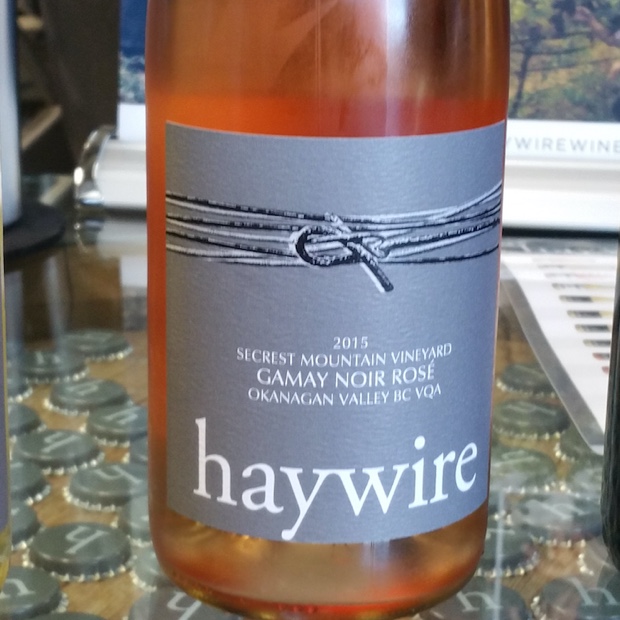
WineAlign: Michael Godel

Facebook

‘Twas the week before Valentine’s

First I thatched the nest and then I fed the birds

First I thatched the nest and then I fed the birds

Why did I choose this image to introduce a Valentine’s Day post on wine? What pairs perfectly with Christmas, Mother’s Day, Father’s Day, long weekends and Valentine’s day? When restaurants are either swelling with humanity or closed on major holidays and I want to eat out, where do I turn? Chinese. Happy Chinese New Year this coming Monday, February 8th. Welcome to the Year of the Monkey.

This coming Saturday the VINTAGES February 6th release does not coincide with the pink as floyd February 14th holiday so while you wait for next Sunday to arrive, enjoy a mild bite of Chile Peppers. “See what’s in store. Stay all day.” This song merges beautifully into the Love of Your Life. How does YouTube know?

Quite a mixed bag defines the February grouping. The south of France makes hay but I’ve also got Greece, Spain, Barossa, Piedmont and Burgundy in the regional to country mix. Enjoy.

First the pink stuff.

Roses

The Rosés of February

Gérard Bertrand Côte Des Roses Rosé 2014, Ap Languedoc, France (373985, $16.95, WineAlign)

The occasions may be rare, but sometimes Rosé needs a half a year to simmer and to show its true colour. What once seemed to be red meets Rosé is now classic, typical, essential blush from Provence. Terrific amalgamation of the holy varietal trinity, with Cinsault the anchor, rock and catalyst to prop up Grenache and Syrah just as they need to be. From soft fruit to a grind of pepper, with aridity and salinity always on stage. Drink 2016-2018.  Tasted January 2016 @GBvins  @FwmWine  @AOCLanguedoc  @LanguedocWines

From my earlier note:

Dry, floral, medicinal, quite tight and angled, not angular Rosé. The sea salinity and briny strawberry confluence is quite striking. Doesn’t really linger so in the end it’s a bit of a simple quaffing Rosé but what of it? That’s right. Drink 2015-2016.  Tasted August 2015

Pierre Sparr Brut Rosé Crémant D’alsace, Méthode Traditionnelle, Ac Alsace, France (39016, $18.95, WineAlign)

Graceful and pink lithe, like cold smoked salmon, delightful Pinot Noir Rosé fizz. Nothing earth shattering, breath taking or barrier breaking, just well made blush bubbles. The structure and balance are really spot on. Finishes strong and with confidence. Helps to define this genre of Crémant’s creamy texture, matched in contrast by its stony, flinty and mineral style. Drink 2016-2018.  Tasted November 2014 and January 2016  @AlsaceWines  @VinsAlsace  @drinkAlsace  @ProfileWineGrp

Lallier Grand Cru Rosé Champagne, Ac Champagne, France (385179, $56.95, WineAlign)

Stoic, startling and nearly, dare I say, revelatory Rosé. Righteously rustic and demandingly devilish. A craftily concocted cool-custard cupid. The talc and the drift are exceptional, wafting aromatics and waving me in, to curl up and be embraced by its charms. This has Valentine’s Champagne scripted with pitch perfect elegance. A Grand Cru effort to be sure. Drink 2016-2019.  Tasted January 2016  @LallierAy  @azureau

Boutari Naoussa Xinomavro 2013

Boutari Naoussa Xinomavro 2013, Naoussa, Greece (23218, $13.95, WineAlign)

A most consistent Xinomavro untouchable at the price, with the hallmark Syrah-like pepper notes pricking and popping from base and necessary red fruit. This sample is a bit muted aromatically but the palate is alive, kicking and very sound. Think of pomegranates, fresh figs and kalamata olives, a mountain view and the warming afternoon sun. All for $14. Though many Xinos can age for seven to 10 years, this Naoussa is meant for the here, now and tomorrow afternoon. Drink 2016-2019.  Tasted January 2016  @boutari  @KolonakiGroup  @DrinkGreekWine

Pasión De Bobal 2012

Pasión De Bobal 2012, Dop Utiel Requena, Spain (439679, $16.95, WineAlign)

Clean, direct, massaging Spanish expression of the here and now. A winemaker’s message from an outpost with an endemic grape variety known as Bobal, 100 per cent employed to speak of that place. It does so ripely with cagey dramatics and an acidity seemingly so specific to varietal. This will pave roads for a geek’s obsession and should lay tracks for a consumer’s diversion. It’s worth the detour. Like Aragonese or Catalan Garnacha. Drink 2017-2019.  Tasted January 2016  @BSierraNorte  @DOUtielRequena  @ProfileWineGrp

Sister's Run Calvary Hill Shiraz 2013

Sister’s Run Calvary Hill Shiraz 2013, Barossa Valley, South Australia, Australia (222018, $16.95, WineAlign)

On this hill ripe, pure, Barossa fruit fills the glass, “handing out bread and jam just like any picnic.” Don’t be looking for a battle of acidity and tannin on the edge of a savoury, mythical Epping forest. Seek fruit, find fruit. A genesis of material for straightforward Shiraz. If you’ve $16 in your pocket and a deep, rich, red fruit Shiraz is what you’re looking to find, this is the place to stop. “Here come the Cavalry.” Drink 2016-2020.  Tasted January 2016  @Gr8TanninWines

Cave De Roquebrun La Grange Des Combes Saint Chinian Roquebrun 2013, Ac Languedoc-Roussillon, France (155804, $18.95, WineAlign)

From Schistous hillsides of Roquebrun, this firm and friendly SGM is the bomb of Beziers. Meaty and wise, its heart beats out of sheer size and from beauty. The opposite of a ferric beast, the valley of the barns wields a weapon but one of glistening, polished stone. The accomplished battle ready fruit knows no limits. Tannins though fierce do nothing to hurt the cause. Syrah (50 per cent), Grenache (30) and Mourvedre (20) adds up to really good Schist. Do you trust a gorgeous wine? Drink 2016-2022.  Tasted January 2016   @AOCLanguedoc  @LanguedocWines  @Eurovintage

Finca Del Marquesado Gran Reserva 2008

Finca Del Marquesado Gran Reserva 2008, Doca Rioja, Spain (384248, $21.95, WineAlign)

A 2008 Rioja that looks, smells and acts like 2008, a plus and a positive rolled into one determinate, fruit roll-up, old-school package. Dried red berries once fervently ripe, now concentrated and dehydrated performing as classic regional flavours would. The acidity persists and the tannins have a leg or two to stand on. This will not improve or go any long distance but for now and two or three years more it’s about as delicious a Rioja red as you are want to taste. Drink 2016-2018.  Tasted January 2016  @RiojaWine_ES

Pierre Sparr Schoenenbourg Riesling 2011

Pierre Sparr Schoenenbourg Riesling 2011, Ac Alsace Grand Cru, France (664995, $22.95, WineAlign)

Sparr’s little piece of the Schoenenbourg is a fine one, exemplified in this tidy, gritty and shiny happy Riesling. The tones are not tiny, perhaps tinny and certainly tropical. Mango and pineapple make heady way but the acidity and the tannin are up to the task. This is quite Germanic in my opinion, not new world Alsace. And it’s tasty as need be, with longevity on its side. Drink 2016-2022.  Tasted January 2016  @AlsaceWines  @VinsAlsace  @drinkAlsace  @ProfileWineGrp

Joel Gott

Joel Gott 815 Cabernet Sauvignon 2013, California (444059, $35.95, WineAlign)

Molten comes to mind from this California Cabernet, as in lava and chocolate. A load of pepper marks its territory and fruit wades through the spicy mocha. Under the sheath there can be no mistaking the grape (with help from Cabernet Franc and Petit Verdot) or the place and yet something ionic speaks, leaving me to wonder where this will go. The chemistry is procured by a hint of carbonic, whole bunch pressing and lees stirring for texture. At present they are not in synchronized rhythm. I would say that instant gratification and crowd pleasing was the intent but the opposite happened and that may turn out to be a blessing in disguise. A year from now this could be a true pleasure in value to drink. I think I wanted to hate it but I can’t. It is possessive of terrific, classic character. I will love it instead. Drink 2017-2020.  Tasted January 2016

Bellene and Bouchard

Domaine De Bellene Les Charmes Dessus Santenay 2013, Ac Burgundy, France (435032, $35.95, WineAlign)

From the flats between hills of the lieu-dit Charmes Dessus, a calcaire pebble’s throw away from the 1er Cru Clos Rousseaux. Adolescent acting fruit comes off of young, 10 year-old vines in Santenay, the most southerly wine-producing commune of the Cote de Beaune. Tight, flinty, developing beneficial bitters of a Burgundy that needs a bit of time to accrue a touch of honey to help the medicine go down. Quite rich and reductive. Very good value. Really good value. Drink 2018-2022.  Tasted January 2016  @RochedeBellene  @Nicholaspearce_

Domaine Laroche Vieilles Vignes Les Vaillons Chablis 1er Cru 2012

Domaine Laroche Vieilles Vignes Les Vaillons Chablis 1er Cru 2012, Ac Burgundy, France (991893, $36.95, WineAlign)

Gorgeous and wealthy Chablis of all that makes this unparalleled style of Chardonnay tick. Flinty, struck stone entry, vineyard hyperbole of mineral and the geology of ancients. Lithe, lifted, lightness of being but always brought back down by the minerality. Some flavour density by way of old vines wisdom and persistence that just won’t stop going. Superb quality. Drink 2017-2022.  Tasted January 2016  @DomaineLaroche  @Select_Wines  @BIVBChablis

Schistes

Secret De Schistes 2011, Igp Côtes Catalanes, Languedoc-Roussillon, France (440669, $41.95, WineAlign)

IGP in which schist happens. Such a bruiser this Château de l’Ou Côtes Catalans, an example the likes this market rarely sees. These Schistes bleed hematic into fruit warmed excessively by the sun. Languedoc-Roussillon that runs with the Rhône terribilta to purpose largesse and rocking good times. This is a very demanding wine, loaded with peppery spice and rabid energy. It needs years to settle. Hopefully its secrets will then be revealed. Drink 2019-2024.  Tasted January 2016  @ChateaudeLou  @AOCLanguedoc  @LanguedocWines

Colla

Poderi Colla Dardi Le Rose Bussia Barolo 2010, Docg Piedmont, Italy (596890, $51.95, WineAlign)

The Dardi Le Rose ranks as one of the most consistent performers, mired in tradition and crafted without compromise. The 2010 is a spot on example of balance in Nebbiolo, gritty, floral, tannic and ethereal. The weight is an ambient one, the aromatics resourceful and respectful to varietal and to nature. Dried roses and fresh tar, drier cherries and strolls through verdant gardens. Not the beast of Bussia but certainly bussing its weight in age. This will go quite long. Drink 2018-2025.  Tasted January 2016  @glencairnwines  @regionepiemonte

Plus one, just because it’s Valentine’s Day.

Domaine Bouchard Père & Fils Meursault Les Clous 2013, Burgundy, France (Agent, $64.00, WineAlign)

Essentially 1er Cru pearl of a vineyard in origin, on marly ground, “walking tightrope high over moral ground.” Such a pretty Chardonnay of faith and of love, subtle, slightly smoky, linear and purposed towards the divine. A lemon drop jam without sweetness and a tart edge that is miles from sour. There are no holes, stops or delays, with acidity that drives forward and length stretching to further length. Grace in gossamer layers. A marker in the Meursault sand. Drink 2017-2024.  Tasted January 2016  @WoodmanWS  @BourgogneWines  @bourgognespress

Good to go!

Twitter: @mgodello

Instagram: mgodello

WineAlign: Michael Godel

Facebook

Wines of South Africa: It’s the fling itself

High five Sunday, at #winecarboot with @PIWOSA @WOSA_ZA @WOSACanada #journeysendvineyards #schapenberghills #sirlowryspass

High five Sunday, at #winecarboot with @PIWOSA @WOSA_ZA @WOSACanada #journeysendvineyards #schapenberghills #sirlowryspass

A few weeks ago there was this South African fling in Toronto. Anyone who fancies themselves as anything showed, because everybody was there. Joshua Corea and Archive Wine Bar graciously played host. Cape wine swelled like water and the mass of sommelier humanity flowed like wine.

After we had first returned to Canada from Cape Wine 2015, Will Predhomme and Wines of South Africa Canada’s Laurel Keenan had asked Rémy Charest, Scott Zebarth, Nicholas Pearce and I a question in requiem of some deep Jack Handey thought. Of the bottles we tasted in South Africa, what would we most like to see at a paradigmatic tasting back home? We offered up our lists and many of them were presented at Archive, along with a tumultuous quantity more. The likes of such an amassment had never been seen this side of the great pond. Cape Town loomed in de Chirico casted shadow in the backwater distance, watching, wondering, judging. So I tossed a pondered abstraction out to the winds that drift in the South African wine diaspora. “What page is loomed in the giver?”

Related – Once upon a time in the Western Cape

My mind travels back to the Western Cape. The retrospection remembers wines yet brought to North American light, to intrepid voyages still to disgorge and to stories ultimately untold. Looking back it occurs to me, from a northern point of view, having witnessed and experienced an immersion and exposure into the culture and wines of South African life, that it is not the thing you fling. It’s the fling itself.

It began with the trebuchet. At Journey’s End the Premium Independent Wineries of South Africa (PIWOSA) threw a car boot and catapulted some rather heavy objects at targets far away.

The prepossession laid out with tastes of The Drift Farm, The Winery of Good Hope, Glenelly Cellars and Mullineux & Leeu. Later the night begged and belonged to vignerons gathered at Longridge Estate, the following morning a tour of the Franschhoek Motor Museum and a tasting at Anthonij Rupert Estate.

Each of the three days at Cape Wine begat evenings in Cape Town of world’s away preoccupation. Velvet dissident South African Braai at Publik, her majesty’s secret service at Ellerman House and born in the USA-DGB in the Winelands. Events de facto, recondite and unshackled.

Publik, Cape Town

Publik, Cape Town

Then the Canadian boys played cricket with the Swartland cowboys and while our swings looked more like hockey snap shots and our bowls like little league change-ups, in the end we held serve and thankfully no one got hurt. True Swartland smoking at the hands of Callie Louw linked Groot Frankenstein to Barque Smokehouse BBQ.

Cricket adversaries #swartlandswingers

Cricket adversaries #swartlandswingers

A #braai in the hand is worth two in the bush #callielouw #porseleinberg @SwartlandRev #swartlandindependents #swartlandswingers #swartland

A #braai in the hand is worth two in the bush #callielouw #porseleinberg @SwartlandRev #swartlandindependents #swartlandswingers #swartland

An epic 12 hours followed the matches, first with Ken Forrester and a speed tasting across a portfolio shot through the heart with some striking, older bottles. Then the group got down to trials at the Winery of Good Hope with Alex Dale and Jacques de Klerk. Remy Charest, Scott Zebarth, Kler-Yann Bouteiller and Godello helped mix, match, add and subtract percentages of fermented juice to decide upon the blend for the Pearce-Predhomme Stellenbosch Chenin Blanc. Nicholas and Will are now taking orders for delivery in the new year. Then in order, wagyu beef and Radford Dale wines at Ken’s 96 Winery Road Restaurant, World Cup Rugby and Burgundy.

The view from the Winery of Good Hope

The view from the Winery of Good Hope

On the final day we paid a visit to the Hemel-en-Aarde Valley along the Hermanus wine route, with a tasting at Bouchard Finlayson and lunch at La Vierge winery.

I tasted hundreds of wines during the eight-day journey around the Western Cape. In due course I will put up tasting notes for as many as possible but for now here are a couple of dozen, specific to and in conjunction with the people and places that hosted us.

The PIWOSA Wine-Car Boot, Journey’s End Winery

The Drift Farm

The Drift Farm

The Drift Wines Year of the Rooster Rosé 2014, Overberg Highlands, South Africa (Winery)

Winemaker Bruce Jack’s 100 per cent shaken, not stirred Touriga Franca was inspired by a trip to the Douro. Rhubarb and salinity rub the ripe fruit in the right way. If 007 were to drink Rosé, this would fit the metrosexual bill. From four barrels. Drink 2015-2016.  Tasted September 2015  @TheDriftFarm

Drift Farm The Moveable Feast

Drift Farm The Moveable Feast

The Drift Wines The Moveable Feast 2013, Overberg Highlands, South Africa (Winery)

A blend (that drifts and changes every year) of Malbec and Shiraz with Tannat, Touriga Nacional and Pinot Noir. Though the notes are played without excess, the specs ruminate for infinite possibilities, with aspects as from mine run-off, ocean salinity, high body acidity, muted sunshine, rusticity and veneer. Rides a sonic highway, to “crossroads with nothing to lose.” The feast and the famine, a fighter, “put back together by a troubled groove.” From minimalist Hemingway to Foo from Grohl. Get the drift? Drink 2015-2019.  Tasted September 2015

The Drift Wines Mary le Bow 2011, Robertson, South Africa (Winery)

A farm-designate red blend (Wildepaardekloof, Langeberg Mountain) built upon Cabernet Sauvignon (38 per cent), Shiraz (31), Petit Verdot (23) and Merlot (8). In ode to the Cockney saint, big Bow Bell and crusader’s crypts. Extended barrel age and the deepest, darkest maturity makes for a brooding red reflective of a Kloof’s tale from a crypt. Not for the faint of red blends. Indeed it trembles with power. Drink 2017-2021.  Tasted September 2015

JRN3YS End

Journey’s End Sauvignon Blanc The Weather Station 2014, Stellenbosch, South Africa (AgentWinery, WineAlign)

A product of the first Sauvignon Blanc clones planted in South Africa (next to a weather station). The wine had been bottled less than a week ago so while the pyrazine factor is set to high the equal and mitigating fruit freshness trumps the green. Free spirited, of spice, in bite and quickly settling, into balance. Drink 2015-2018.  Tasted September 2015  @JourneysEndWine  @vonterrabev  @colyntruter

Journey’s End Destination Chardonnay 2014, Stellenbosch, South Africa (AgentWineryWineAlign)

A nicely, effectively minor reductive Chardonnay that knows the barrel well. Divides by mitosis the cells of mineral and spice into furrows, chiseling a secondary cytokinesis flavour profile in cut by brilliant gemstone flexure. From fruit fracture to cellular overlap, out of (approximately 10 months) wood and into impressionistic stone. Tasting accessed through four stages imagines time to be exigent; through reduction (prophase), oak (metaphase), stone (anaphase) and texture (telophase), until the ultimate descent toward’s the journey’s end. Drink 2016-2022.  Tasted September 2015

Journey’s End Trebuchet 2014, Stellenbosch, South Africa (AgentWinery, WineAlign)

Two Cabernets and a Malbec conjoin to catapult funk-less, heavy laden red fruit into an atmosphere of veneer. The flavours are inclusive of pomegranate and anise, with some rust and circumstantial metallurgical magnification. The tang is a factor to be reckoned with in this primeval red blend. Crushes unsuspecting objects upon landing. Let it settle for 12 months. Drink 2016-2020.  Tasted September 2015

Journey’s End Cabernet Sauvignon 2009, Stellenbosch, South Africa (AgentWineryWineAlign)

A 100 per cent varietal wine from a wind that blew through and away. The child of a markedly perfect vintage blessed with chalk, grit and terroir. Views from within the new barrel have diminished along with once terrible teeth gnashing tannin. At six years-old it sits cross-legged, big-boned, fruit fleshy, structured and sure. The evolution is far from complete with berries seemingly so presently ripe, the late spice and coffee kick making cause for yet jittery times. Two or three more years will offer further guarantees of pay dirt and peace. Drink 2017-2024.  Tasted September 2015

Godello, Leon Esterhuizen and Colyn Truter from Journey's End

Godello, Leon Esterhuizen and Colyn Truter from Journey’s End

Glenelly Estate Shiraz “Glass Collection” 2011, Wo Stellenbosch, South Africa (Winery, Agent, WineAlign)

Screw cap Shiraz reason number one here, fresh from Stellenbosch, single-vineyard, whole bunch fermented for aromatics and 10 months in one-third new oak, for maximum flavour. “These wines are to be drunk young,” notes export manager Nicolas Bureau, “within five to six years of the vintage.” And so, why put a cork in them? From the hands of winemaker Luke O’Cuinneagain and Secateurs minimal intervention wine consultant Adi Badenhorst. Sparkle, vigour and dew. Drink 2015-2021.  Tasted September 2015  @GlenellyWines  @VinexxWine

Glenelly Wines

Glenelly Wines

Grand Vin De Glenelly Red 2009, Wo Stellenbosch, South Africa (360339, $19.95, WineAlign)

There are components of the Shiraz and the Cabernet in the Grand Vin though its composure comes neither from sparkle nor funk. Nor does it pay direct homage any more to the Rhône than it does to Bordeaux. With time, the Grand Vin will go it alone, from Stellenbosch to the world. Time spent in oak was lengthy (18 months in one-third new) for a blend composed of Syrah (42 per cent), Cabernet Sauvignon (40), Merlot (14) and Petit Verdot (4). The estate clearly considers blends as more than the sum of parts. The Grand Vin is the thing. The Glenelly king. It’s hard to get under its skin, to comprehend its nuance, to know it as a child. The wood, the terroir and the structure yet relent to understanding. A matriarchal wine to be sure, a generation may need to pass for the Grand Vin to carry the torch. The Pichon Longueville connection is not lost or left to chance but this prodigy will need to find its own voice. Red wine of such eternal maturity exists towards a future that begins now. Or on in two to three years. Drink 2017-2024.  Tasted September 2015

With Nicolas Bureau, Glenelly Estate

With Nicolas Bureau, Glenelly Estate

Mullineux & Leeu Syrah 2011, Wo Swartland, South Africa (Winery, Agent, SAQ 12490545, $36.00, WineAlign)

Grasps the subterranean funk of the Swartland terroir and runs with in, through fields of atmosphere, in a wholly singular way. A culling combination if shale, schist and granite, brushed by (15 per cent new) oak for 11 months. Pure, natural, fresh and rising, by citrus zest and inflating acidity. The oscillating flavours prick, pierce, push and pull with elemental and mineral inflections. Like a light show in the sky, Chris and Andrea Mullineux’s Syrah is a quiet spectacle. Drink 2016-2026.  Tasted September 2015  @MullineuxWines  @MullineuxChris  @Nicholaspearce_

Mullineux & Leeu Cinsault Rosé 2013, Wo Swartland, South Africa (WineryAgent)

Tangy tangerine, rhubarb and liquid chalk are the emotive emissions from this skin contact blush as much orange as it is pink. Wild in sauvage, perfectly musty, a Rosé of its own accord and spacing within the parameters of its very won world. Drink 2015-2017. Tasted September 2015

Mullineux & Leeu White 2013, Wo Swartland, South Africa (WineryAgentWineAlign)

An old bush vines blend of Chenin Blanc (80 per cent), Clairette Blanc (13) and Viognier, 10 per cent of which was fermented in old oak. A wild and carpeted ride for Chenin Blanc, melding into gentle acidity with layers of smithy portent and even a bit of Greekdom. “The son. And the heir. Of a shyness that is criminally vulgar.” There is so much spice and complexity, from the skins of many citrus fruits. Strips, stripes and skirts the mouth with layers of mineral life. How soon is now for wines like these in South Africa and to be shared with the world? Drink 2015-2023.  Tasted September 2015

Mullineux & Leeu Syrah Iron 2013, Wo Swartland, South Africa (WineryAgentWineAlign)

If such cure, grip, ferric grab and intense tannin has ever infiltrated South African Syrah it has not yet found its way over to me. In a side by side comparative tasting with the Schist Syrah this one wrestles to win. The Schist is all perfume and soft elegance. The Iron draws power to strength from strength. It is an unrelenting conduit of energy, from soil clearly designed to outlive humanity. The Syrah is a product of geological wonder and winemaking that steps aside to let the terroir speak its mind. Demanding and filled with tension now, time will soften the stranglehold and loosen the wires. Lots of time. Drink 2019-2028.  Tasted September 2015

Radford Dale Nudity 2014, Voor-Paardeberg, South Africa (Winery, AgentWineAlign)

From the Winery of Good Hope, vignerons Alex Dale and Jacques de Klerk. Ancient granite soil from a single-vineyard on Paardeberg mountain. Organic, dry-farmed, total consciousness, flowing robes, grace, striking. Low alcohol, high natural acidity, fresh, spirited, energetic Syrah. Impossible South African Syrah. Drink 2015-2022.  Tasted September 2015  @Radforddale  @WineryGoodHope  @deklerkjacques  @Noble_Estates

With the gang from Radford Dale

With the gang from Radford Dale

Radford Dale Black Rock 2013, Perdeberg-Swartland, South Africa (Winery, AgentWineAlign)

From old bushvine vineyards scattered amongst the granite outcroppings of the Swartland, the blend combines Syrah, Cinsault, Carignan, Grenache, Mourvedre and Viognier for full Rhône homage, if not necessarily effect or intent. The percentages change with each vintage, left to seek harmony in the hands of master blender de Klerk, a man who plays and has the mandate to do so. Natural fermentations persist, as they should and they rightfully accomplish goals of freshness, natural acidity and that elusive you’re born with cure that extends health and longevity. Modern South Africa of ancient longing here on display is just the tip of the bare essentials, in ferments and blends, yet to come. Drink 2015-2020.  Tasted September 2015

Working on South Africa with a sundown over Stellenbosch @WOSACanada

Working on South Africa with a sundown over Stellenbosch @WOSACanada

The Stellenbosch Experience, Longridge Estate

Fleur du Cap Unfiltered Chenin Blanc 2014

Fleur du Cap Unfiltered Chenin Blanc 2014

Fleur du Cap Unfiltered Chenin Blanc 2014, Western Cape, South Africa (Winery, Agent, WineAlign)

A markedly different and intriguing Chenin Blanc that saw seven to eight months in second and third fill barrels. Well-groomed, direct, crisp, clean and pure within the wooden framework and not even close to flirting with oxidative leanings or an overly creamy texture. A pleaser avec plaisir in excelsior, expression and exemplary restraint. Very tidy winemaking. Drink 2015-2019.  Tasted September 2015  @FleurduCapWines

Venison and salted chocolate, Longridge Estate

Venison and salted chocolate, Longridge Estate

Fleur du Cap Unfiltered Pinotage 2014, Western Cape, South Africa (WineryAgentWineAlign)

If it was not for this early sip of Fleur de Cap’s Pinotage on the first night of the South Africa trip I’m not sure the doors to new perception would have ever been opened. Fresh, red fruit juicy, base, natural and nearly naked. A step into giving new meaning for the great hybrid history and varietal future. Though other examples over the course of a week would blow my mind, this unfiltered beauty set the altering stage for what was to come. Unexpected excellent match to Venison with salted chocolate. Drink 2015-2018.  Tasted September 2015

Chenin gem @LongridgeWines & munificent hospitality @StellWineRoute @WOSA_ZA @WOSACanada #stellenblog

Chenin gem @LongridgeWines & munificent hospitality @StellWineRoute @WOSA_ZA @WOSACanada #stellenblog

Longridge Estate Chenin Blanc 2013, Stellenbosch, South Africa (Winery, Agent)

Covers the essentials for Chenin Blanc in a Vouvray style; mineral, lemon, bitters and salinity. Emphasizes mastered qualities with proper stability and a strength of character. Will not usher in any sort of revolution but it takes beautifully bitter pear-like fruit from wizened vines and hits the target. And though it spent 11 months in second and third fill barrels you would never know it. A flinty fleeting moment, a slow ride and a shelter from residual sugar that might try to alter its corse. Instead it will munch on that sweetness to live on. Silky smooth, momentarily pungent and refreshing as can be. Stellar Chenin. Drink 2015-2020.  Tasted September 2015  @LongridgeWines

Ken Forrester Vineyards Renegade 2011

Ken Forrester Vineyards Renegade 2011

Ken Forrester Renegade 2011, Stellenbosch, South Africa (SAQ 10703084 $24.25, Winery, Agent, WineAlign)

Mainly Grenache and inculcated with varietal layers thereof, though in the end it is the Rhône blend accrual that bounds over hills and dales. I’m not sure any number of Stellenbosch investigations will unearth more expatriate quality for the coin than is found in the Renegade. A true marker of its maker, The specs are spot on to produce heft, strength and confidence from tireless work. Healthy pH, minimal sweetness, virile acidity and generous alcohol. Like a blood transfusion even though you weren’t sick. Like drinking snake’s blood in grain alcohol on the side of a Hanoi road. Like an hour of intense yoga. Ken Forrester, all in, fully, completely engaged. This red blend speaks in his voice. “Renegade! Never been afraid to say. What’s on my mind at, any given time of day.” It’s no jay but it covers the Stellenbosch bases, from A to Z. Drink 2015-2020. Tasted September 2015

Ellerman House

Godello at the edge of the world #capetown #ellermanhouse #banghoekuncorked #southafrica

Godello at the edge of the world #capetown #ellermanhouse #banghoekuncorked #southafrica

Tokara Sauvignon Blanc Reserve Collection 2014, Elgin, South Africa (Winery, Agent)

From the atmospheric growing conditions of Elgin, the new South African geographical epiphany for the cool-climate varietal future. From the winery’s Highlands farm, transported to Stellenbosch and fermented with tact, cold, stainless, with acidity intact. Tokara’s Sauvignon Blanc is bone dry (near and dear to 2.0 g/L of RS) and a straight piercing heart of an SB as ever there was. Takes the likes of Marlborough and teaches it a thing or two about the coastal ways of the Western Cape. Tasted with viticulturist Aidan Morton. Drink 2015-2017.  Tasted September 2015  @TOKARA_ZA

Brandy sculpture @Ellermanhouse @WOSA_ZA #banghoekUncorked #capetown #southafrica

Brandy sculpture @Ellermanhouse @WOSA_ZA #banghoekUncorked #capetown #southafrica

Oldenberg Vineyards Chenin Blanc 2014, Stellenbosch, South Africa (Winery, AgentWineAlign)

From vines planted in 2006 on alluvial soils. A tight, lean and bracing Chenin Blanc with seamless attribution. Simplicity of fruit meets oak (30 per cent ferment for 10 months in 300L French barrels, 50 per cent new) but somehow freshness wins outright. This in kind to sharp, feisty, sour-edged acidity that is lemon bracing and a linger for a good length of time. Also in spite of generous alcohol (14.11 per cent) and relatively low pH (3.21). Jasmine and honey? “Fields of flowers deep in his dreams (Ha ha, honey), lead them out to sea by the east (Ha ha, honey).” The reminder of Stellenbosch and Chenin Blanc. Drink 2015-2019.  Tasted September 2015  @Oldenburgwines  @HHDImports_Wine

Thelema Mountain Blanc de Blancs Méthode Cap Classique 2012, Stellenbosch, South Africa (Winery, Agent, WineAlign)

Sparkling generously donated to with agreeable richness from eight year-old vines out of Tukulu soil. Generous of yield (16 t/hL) at low red/yellow saturated slopes near the basin floor. The dosage keeps it comfortably Brut, the acidity cozily numb. Classic bubble methodology, including three years lees aging, in line for such fine elegance. Runs for a straight purpose, of citrus incarnate with a penchant for piercing. In its youth it knows nothing of oxidative and yet that dimension will lengthen its future. For 15 years it will reside in the refreshing valley in between. Though he is a multi-varietal maestro and with no disrespect to the rest of his Thelma and Sutherland portfolios, if Sparkling is not winemaker Rudi Schultz’s true calling then I’ll have to spend three more hours at dinner with proprietor Thomas Webb to find out what is. Drink 2015-2030. Tasted September 2015  @ThelemaWines  @tomwebbsa  @EpicW_S

We've been expecting you, Mr. Bond #ellermanhouse #banghoekuncorked #007 #capetown

We’ve been expecting you, Mr. Bond #ellermanhouse #banghoekuncorked #007 #capetown

Thelema Sutherland Viognier-Roussanne 2012, Elgin, South Africa (WineryAgent, WineAlign)

In the realm of two-thirds to one-third ratio from Seven year-old (at the time) vines grown on Tukulu and Glenrosa soils. The ramp up of Roussanne percentage elevates acidity to balance the richer, broader and wide-ranging Viognier breadth. There is great grape tannin in this Elgin white with healthy yet balanced alcohol, negligent sweetness and that bouncy, bountiful acidity. Lays about happily in a pool of bleed from rock and stone. Possessive of the je ne sais quoi all impressionistic whites must have, vry of the land and tonic attention. In the end bitter grapefruit draws a cheek full of wince and sends goose bumps down the spine. Gotta love that. Drink 2015-2021.  Tasted September 2015

Panels of terroir @Ellermanhouse Face in the crowd #terroirwall #angustaylor #rammedearth #paulharris #winegallery #capetown

Panels of terroir @Ellermanhouse Face in the crowd #terroirwall #angustaylor #rammedearth #paulharris #winegallery #cape town

DGB in the Capelands

Others would kill for her Pinot fruit and Lizelle Gerber kills it for @BoschendalWines #dgb #DGBinthewinelands

Others would kill for her Pinot fruit and Lizelle Gerber kills it for @BoschendalWines #dgb #DGBinthewinelands

Boschendal Cap Classique Jean le Long Prestige Cuvée Blanc de Blancs, Stellenbosch, South Africa (Winery, Agent)

Chardonnay curried favour from impeccant and licid (2007 base wine) cool climate fruit and then ingratiated by 60 months plus one year on the lees. Of added significance by only having been sulphured at disgorgement. A yeasty B de B of beautifully beckoning oxidation and bone dry at 2.3 g/L of RS. Fizz of finesse and elegance, a feet sweeping, inveigling, influence exerting Stellenbosch cuvée. A skillfully applied mound of preserved lemon and freshly grated wild ginger, piled like airy mousse, or like lustrous wasabi without the burn. Benchmark for the Méthode Cap Classique B de B style. Drink 2015-2027.  Tasted September 2015  @BoschendalWines  @LiffordON  @liffordwine

Cape Oysters Vietnamese #chefswarehouse #capetown

Cape Oysters Vietnamese #chefswarehouse #capetown

Boschendal Cap Classique Grand Cuvée Brut 2009, Stellenbosch, South Africa (Winery, Agent, WineAlign)

Time is the settler is this Pinot Noir (51 per cent) and Chardonnay (49) of aeration and ripeness from its days as a sun-worshipper. From fruit primarily sourced in Stellenbosch with some help from the Elgin Valley. Disgorged in the Spring of 2014, six months post 36 months on its yeasts have brought it to a very happy place. As it found itself in requiem of a less than Brut profile, the sugar level is higher (7.8 g/L), a munching magic mousse transformative indeed, enacted during secondary fermentation and measured dosage. Distinctly nutty, rich, torch toasty and presented in purview by citrus. For Cape oysters, at the least, or foie gras and with a bowl of salted nuts. Drink 2015-2029.  Tasted September 2015

Boschendal Cap Classique Grand Cuvée Brut 2009

Boschendal Cap Classique Grand Cuvée Brut 2009

Boschendal Sauvignon Blanc 2014, Elgin, South Africa (WineryAgent)

From the highest of and one of the latest ripening mountain plateau vineyards in Elgin, 500m above sea level and only 18km away from the Atlantic Ocean. The Eikenhof farm offers well-drained Bokkeveld Shale soils and with a healthy yet restrained sugar component (4.4 g/L), here Sauvignon Blanc goes at it rich and grassy, herbal and highly textured. The white pepper olfaction in lieu of capsicum makes a yummo aromatic impression. Here SB executes in expatiated flection, with layers waiting to be peeled away in discovery of what lays beneath. I would suggest not treading near the surface. You will miss out on the mysteries weighted in its depths. Drink 2016-2021.  Tasted September 2015

Pork Belly at DGB in the Capelands food truck event

Pork Belly at DGB in the Capelands food truck event

Boschendal Chardonnay 2013, Elgin, South Africa (WineryAgent)

Slow-ripened, low-yielding Chardonnay seasoned from unirrigated mountain slopes of Bokkeveld Shale mixed with some clay. Chardonnay paid attention in detail only a small farm can afford, followed by prudent picking in a warmer than average vintage. The barrel has its say in a heartfelt way, the integration with delicate fruit sprouting wings more effete than mannish. One quarter of the 80 per cent oak ferment is new and the rest either second or third fill. Fresh now, reductive to a necessary degree and built for a minimum five with an optimum seven to eight year shelf life. Drink 2015-2020.  Tasted September 2015

This guy loves Canada @WOSA_ZA #DGBinthewinelands #foodtrucks

This guy loves Canada @WOSA_ZA #DGBinthewinelands #foodtrucks

Boschendal Pinot Noir 2013, Elgin, South Africa (WineryAgent)

This is the bomb. Lizelle Gerber may be benevolently pegged as the white wine maker at Boschendal but place Pinot Noir fruit from the second highest vineyard in South Africa in her hands and shazam; welcome to the hallowed alchemy payoff. The treatment is not unlike what Gerber effects upon her Chardonnay; 50 per cent natural fermentation, 12 months barrel maturation in (25 per cent) new, (35) second fill, (15) third and (25) fourth French oak. Variability comes by way of heavy red clays, from Table Mountain Sandstone, Bokkeveld shale, Tukulu and Silica Quartz with underlying Caoline clay. So what? Balance, so what. Her Pinot Noir finds separation by soil. The small berries are so prized even the baboons want in. The windswept vineyards are a place of chaste, inviolable grounds, where Pinot Noir needs little human interference save for some predator protection. The gathering here imagines Willamette salinity, Otago purity and Beaune delicacy. Gerber’s Pinot is simple, cast from only overnight free-run juice, unpressed, pitch perfect, virtuous and riddled with the tension of decorum. It will age for 10 years plus. Drink 2015-2025. Tasted September 2015

Good to go!

Twitter: @mgodello

Instagram: mgodello
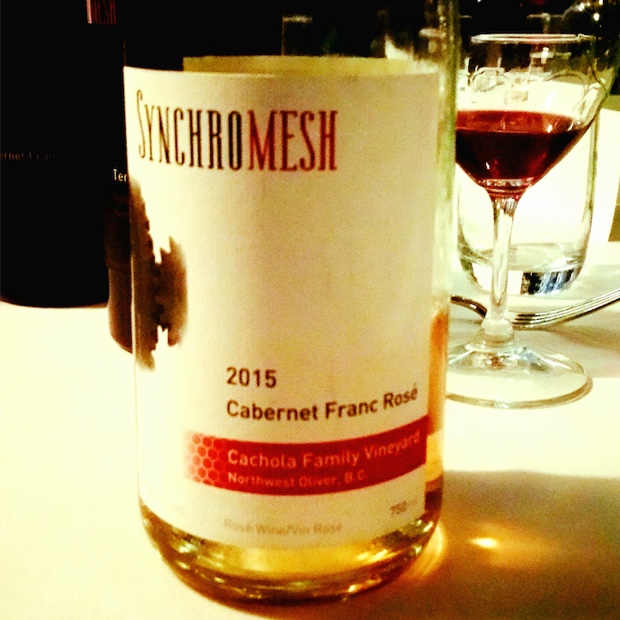
WineAlign: Michael Godel

Facebook

Garnacha covered part two: Cariñena

Cariñena rocks! Autochthonous soils and their stones @DoCarinena @winesofgarnacha #bushvines #aragon #espana

Cariñena rocks! Autochthonous soils and their stones @DoCarinena @winesofgarnacha #bushvines #aragon #espana

This is the second of five instalments for a comprehensive study concerning the wines of Garnacha from the regions of Aragón and Catalonia.

In October of 2015 WineAlign colleague Sara d’Amato and I travelled together with Christopher Waters of Vines Magazine.  The trip’s mission was to discover Spain’s Wines of Garnacha in their natural habitat, the five distinct and allied Denominación de Origen in the regions of Aragón and Catalonia.

Related – For a comprehensive report by Sara d’Amato and I read WineAlignDiscover the Flavours: Wines of Garnacha

Our host in Zaragoza was The Spanish Institute for Foreign Trade (Instituto Español de Comercio Exterior, ICEX), the Wines of Garnacha campaign and the office of Garnacha Origen. The trip was orchestrated with expertise by Aragón Exterior Managing Director Ignacio (Nacho) Martinez de Albornoz and Head of Wines from Spain (ICEX) Alfonso Janeiro. Our chaperones were Ignacio, Sofía González Martínez, Ivo André Alho Cabral and Roser Mestre, in Zaragoza and on expeditions to the five DO’s that comprise the wines of Garnacha.

Related – We’ve Garnacha covered part one: Campo De Borja

Restaurante Palomeque, Zaragoza

Restaurante Palomeque, Zaragoza

As we did each evening before heading out the following morning to a particular DO, Sofía, Ivo, Ignacio and Roser introduced the intrepid Los Canadienses travellers to the wines of that DO over dinner in  Zaragoza.  For the wines of Cariñena the matchmaking happened at Restaurante Palomeque, a Zaragozan institution that bridges exemplary regional cooking with 21st century acumen. The dishes at Palomeque were as much exciting as they were down to earth. The cast of Cariñena could not have chosen a more supporting role.

Loganiza de Graus con setas (trompetilla negra) #Palomeque #Zaragoza Somontano sausage filled with black trumpet mushrooms

Loganiza de Graus con setas (trompetilla negra) #Palomeque #Zaragoza Somontano sausage filled with black trumpet mushrooms

Cariñena

What is most glaring about Cariñena is the prevalence of a prairie geography and how it differs in stark contrast to the other DO’s in Aragon and Catalonia. Though mountains (including Moncayo) loom in the distance,  Cariñena’s obvious dissimilitude to other wine growing regions has as much to do with climate as it does with soils. The Cariñena terra is primarily composed of clay and limestone, with very little in the way of slate like you find in Campo de Borja. The ground’s constitution aggregates with a significant absence of altitude, relative to the hills of Somontano, Calatayud and Terra Alta. That said, the are’s best examples of Garnacha are culled from vines that grow at reasonably impressive heights. What all of this essentially translates to is the basic, hard fact that the harvest here is completed earlier. At the point of our visit (October 18-19), the reaping was 90-95 per cent done. The brusque and breviloquent conclusion sees to less acidity and tannin, more elegance and less ageing potential, as compared to (certainly) Calatayud.

The autumn of old #Cariñena bush vines @DoCarinena #garnachaterroir

The autumn of old #Cariñena bush vines @DoCarinena #garnachaterroir

Calatayud is the DO to offer the best compare and contrast with Cariñena, just as a similar distinction can be ascertained with Somontano and Terra Alta. Campo de Borja is the outlier, unique, singular, the brother from another mother. Very important is the increased Mediterranean influence in Cariñena. Calatayud has more extreme seasons, particularly in spring and summer. In Cariñena, some striking, ancient Garnacha bush vines exist (and again, produce the region’s best bottles), but the age of the vines are generally younger. This aspect separates it from all of the other DO’s, especially when the discussion centers around the laying down of Garnacha.

The wine museum of Cariñena

The wine museum of Cariñena

After a brief tour through the wine museum housed in the offices of Cariñena’s DO, Christopher, Sara and I sat down for an extensive and brutally honest tasting with Care winemaker Jorge Navascues Haba.

Wines of Cariñena at Restaurante Palomeque

Wines of Cariñena at Restaurante Palomeque

Bodegas Solar de Urbezo Garnacha 2014, Cariñena, Spain (Winery, AgentWineAlign)

From old bush vines (40-66 yrs) with some altitude. A family winery Garnacha with a gravelly feel, not so much rustic as gritty, for Cariñena and with really fine and necessary acidity. Reaches black cherry near ripeness, though being struck by that acidity (from altitude therefore later ripening) but more so from recent changes in winemaking. Judging ripeness has become the catalyst and in 2014 this is a wine of terrific extract, restraint and pinpoint focus. Possessive off Motherwell like brushstrokes, thick swaths of fresh blue-green cool colour and shaded by naturalism, in cure without funk. A good example of “good ripeness.” A lean and direct example. Only three chippy months of oak was used. All in all this is just prime freshness with a minor amount of green tannin. Approximate price $18.95 CAN. Drink 2015-2017.  Tasted October 2015  @UrbezoWines  @bwwines

Bodegas Solar de Urbezo Garnacha 2013, Cariñena, Spain (WineryAgent, WineAlign)

Carries with it more attitude in 2013, from a vintage that seems to have delivered variable ripeness over the course of the picking weeks. Definitely and devilishly imbued with complexity, from floral, through medicinal by way of bitters and across many angles. Has real garnet, Garnacha tang levied out of vivid acidity, sweet limestone tartness and those ever-bearing fruity bitters. Perhaps more interesting if not as accessible as the follow-up ’14. Drink 2015-2016.  Tasted with the Wines of Garnacha, Toronto, November 2014

Menguante Garnacha 2014

Vinedos Y Bodegas Pablo Menguante Garnacha 2014, Cariñena, Spain (WineryAgentWineAlign)

From one of the more stated quality terroirs with elevation (between 500-650m) and stony-clay-chalk soils. In almost every and all respects it shies in a subdued, restrained and reserved quality. This quiet repetition and still the phenolics seem optimized, the acidity resolved and the tannins in relative, correct ripeness. Another family project, small and philosophically sound in practices. Working one of the highest and best quality vineyards in Cariñena. “The waning moon,” for a biodynamic outfit, not certified, the old vines in that altitude receiving the most benefits from the Cierzo wind. From this it is easier to cultivate organically and biodynamically because of nature’s pest control. Some 80-year old vines throw wisdom and culled subterranean culture into the mix. A bit of citrus and chalk bleeds on the very fresh finish. Drink 2015-2018.  Tasted October 2015  @GranViu  @VinexxWine

Vinedos Y Bodegas Pablo Menguante Garnacha Selección 2012, Cariñena, Spain (WineryAgentWineAlign)

Two years on and with more oak this is a very different animal than the subdued ’14, integrated but on the other side of the aromosphere. The oak is dominant, vanilla and cocoa are the great waft in what is ostensibly pitch perfect fruit, in bottle on the dark side of the moon. Coconut, vanilla extract and cinnamon. The wood brings layered and sheathed character. Very plush and notes Jorge, “if you come to Cariñena to experience Garnacha, this wine will allow you to discover the wonders of American oak.” The deep fruit and earth melded into and by the barrel makes for a very pleasurable drop. The ’08 released into the Ontario market in November 2014 lends credence to the ageability of this Garnacha. Drink 2015-2019.  Tasted October 2015

Vinedos Y Bodegas Pablo Menguante Garnacha Selección 2011, Cariñena, Spain (WineryAgentWineAlign)

A grand, beguiling, sensuous, perhaps even pushing the boundaries of voluptuous Garnacha, “a wine that describes THE Garnacha,” according to dining companions in Zaragoza. Velutinous in composure and texture, with an orange skin finish. Here the gap is bridged, from traditional to modish, by nature and into seductive polish. The peeled citrus finish is also one of great mouth-watering acidity, intrigued by l’air de panache and laced by spice. Very well done. Drink 2015-2018.  Tasted at Restaurante Palomeque, Zaragoza, October 2015

Vinedos Y Bodegas Pablo Menguante Garnacha Blanca 2014, Cariñena, Spain (WineryAgentWineAlign)

One of the very few white Garnacha from Cariñena and the only example sampled in Aragon, alongside dinner in Zaragoza at Restaurante Palomeque. The mineral skips like a stone across the palate, white Grenache walking on water like a bone of peach skin and the weightlessness of almond paste. So subtle, breathless, atomic and minute. Mineral in ways to mimic Alsace, of low pH and high grape tannin, “the waning moon” is poignant to anti-fruit extreme and yet so refreshing it will, with age, point to honey and petrol. Drink 2015-2022.  Tasted October 2015

Lechuza Garnacha 2014, Cariñena, Spain (Winery, WineAlign)

The Lechuza “owl” is a collaboration between Valkyrie Selections and local winemaker Ana Becoechea from old vines vineyards just outside the town of Cariñena. This Garnacha Tinto from 45 year-old vines is borne with nature’s funk and an earthy dusting in the way Merlot can be. A chalky grit in distilled, liquid form carries a river of grain marked by the milled smell of warm cereal. Persistent, lengthy and purposed. Smell’s like victory. An excellent pairing to Somontano pork sausage filled with little black trumpet mushrooms at Restaurante Palomeque. Approx. $15 CAN. Drink 2015-2019.  Tasted October 2015

Lechuza Garnacha 2012, Cariñena, Spain (WineryWineAlign)

Named for the prevalence of owls, here old vines Garnacha is uncovered out of clay and calcareous soils. You can really smell and taste the natural vineyard funk, thankful to no oak, fresh and unctuous in simultaneous fashion, yet full and yes, lifted. Highly perfumed, and incredible value at $10 US. Impossible actually. Old vines, likely 40-45 years. You can smell the violets for sure. Approx. $15 CAN. Drink 2015-2017.  Tasted October 2015

Covinca Terrai OVG 2013, Cariñena, Spain (Winery)

From a good-sized cooperative with almost 1.700 hectares of vineyards where native varieties like Garnacha, Mazuela or Cariñena are merged with others such as Tempranillo, Cabernet Sauvignon, Merlot, Macabeo, Syrah and Chardonnay. Fruit purity escalated, with just a quick dose of oak, both French and American, more than seemingly good sized barrel, because there is integration and balance. Not the longest Garnacha in the DO but certainly a pleasurable drop. A bit sour-edged and lactic on the backside though a diplomatic red effectively considered. Drink 2015-2017.  Tasted October 2015

Terrai OVG 2014

Terrai OVG 2014

Covinca Terrai TLG Torrelongares Old Vine Garnacha 2014, Cariñena, Spain (Winery)

The vines in here are old by Cariñena stain cards (45 years) and the rich, suave texture brushes the velvet reasoning. Antecedent the median regional perfume and with Mediterranean effect, seen by an increase of the savoury, through briny black olive and caper. The converse flip side slides softer tannin, riper fruit of gregarious behaviour and that savour is a step up from the tart OVG. Accumulation sports a meaty, protein laced sensation. Comparatively speaking, this has more guts and virility. The mix of satin and natural cure matches beautifully with Palomeque’s Foie Gras Migas. Drink 2015-2019.  Tasted October 2015

Bodegas Prinur Garnacha Vinas Viejas 2013, Cariñena, Spain (Winery)

A family winery with soils gravelly and with (not so common to Cariñena) slate and even more singular with some vines that are 100 years-old or more. Vines sit at altitudes of 600m (Cariñena) and 800m (Consuenda) above sea level. The old vines sports some raisin and prune ripeness with evolution void of the natural cure necessity, “a zombie wine,” notes Jorge. Here it is hard to recognize Garnacha, with age that could be 2009 or 2010, along with a showing of VA. This is a flawed but very curious wine. Sour and tightly tannic on the finish but not long. Very disjointed. Cooked fruit. From such a warm to scorching vintage.  Drink 2015-2016.  Tasted October 2015  @bodegasprinur

Gastranomia Zarogazana 101 at #Palomeque...Zamburiñas Gallegas with Paniza Rosé @winesofgarnacha #Zaragoza #aragon #espana #scallops

Gastranomia Zarogazana 101 at #Palomeque…Zamburiñas Gallegas with Paniza Rosé @winesofgarnacha #Zaragoza #aragon #espana #scallops

Paniza Garnacha Rosé 2014, Cariñena, Spain (WineryAgentWineAlign)

The rusty, saline savour stands to be counted in a firm and responsibly, if surprisingly tannic blush. Talc, funk and serious tang but certainly not antiquity. Don’t expect the fruit to jump out and bite you in the behind, nor has it jumped the shark. Quite the structure for $12, sapidity and ping. Wow Rosado. Slightly higher in RS than Provence. Drink 2015-2018.  Tasted October 2015

Paniza Garnacha Rose

Paniza Garnacha Rose

Paniza Agoston Grenache and Syrah 2014, Cariñena, Spain (Winery)

From a 50-50 split with elevated sugar and acidity. French and American oak with an absence of restraint, and the oxy modernity of plush and pitch. The Syrah is so dominant in every way. The olives, pepper and bovine syndication is blatant and bullish. “Not a fair fight,” chimes in Jorge, and “that’s the point.” Dark and not so mysterious. “A winemaking wine.” No idea of origin but “a good palate.” Drink 2015-2016.  Tasted October 2015

Paniza Garnacha Vinas Viejas de Paniza 2012, Cariñena, Spain (Winery)

From variegated (schist, clay, loam and chalk) soil at the base of the Iberia Mountains at 800m altitude. Has a multi-terroir funk and a level of unctuousness mixed with savour from altitude. Sour but rigid and tempered acidity. Chalky yet cool and with much character and personality. Two oaks give obvious and integrated flavours. Were it not quite so ripe this would be a wine to see what can be done with Garnacha from Cariñena and five plus years. A bit sweet. If it were three instead of six, this would age like it should, low and slow. Drink 2015-2018.  Tasted October 2015

Artichokes and clams, Restraurante Palomeque, Zaragoza

Artichokes and clams, Restraurante Palomeque, Zaragoza

Grandes Vinos Beso de Vino Garnacha Rosé 2014, Cariñena, Spain (Winery, Agent, WineAlign)

Here Rosado advances into the glo but stops short of cool thanks to a retreat into warm aridity and salinity. Together they deliver, with strawberry and a bit of Co2. Refreshing, as if blush Vinho Verde. With a briny sea creature like clams or scallops (Zamburiñas Gallegas) it actually accentuates the crustaceous amplification, in both directions. Aprox. $9.99 CAN. Tasted October 2015  @BesodeVino  @GrandesVinos_CA  @Noble_Estates

Grandes Vinos Beso de Vino Garnacha Old Vine 2014, Cariñena, Spain (WineryAgentWineAlign)

The Beso de Vino is produced by the third largest cooperative in Spain. It is basic, straightforward, red fruit juicy Garnacha from low altitude, flat clay soils of Cariñena. Character comes in a modern, big box style, more international than regional. There is a dusty component mixed with a chew of Bubbilicious and no shortage of tangy fruit to match with wide ranging cuisine. Simple and effective Garnacha. Has travelled to where it needs to be. Drink 2015-2016.  Tasted October and November 2015

Grandes Vinos Corona de Aragón Garnacha Special Selection 2013, Cariñena, Spain (WineryAgent)

Another commercial wine with a North American market intent. Elevation gives cooler savour and yet it’s volatile and short. Boletus sensation, the sour a bit of a deterrent, but it has savoury interest. Drink 2015-2016.  Tasted October 2015

Grandes Vinos Anayon Garnacha 2013, Cariñena, Spain (Winery, 424424, Agent, $30.95, WineAlign)

A perched Garnacha, of a kind entrenched in the lush, the stylized, the worked and of smoothed edges. Extreme modernity, of a fast forward prepared cure, with similar fruit to the Corona but different winemaking. The fruit perhaps lags a bit behind the acumen. Possessive of an intriguing wild mountain herb. Drink 2015-2019.  Tasted October 2015

Bodegas San Valero Particular Garnacha 2014, Cariñena, Spain (Winery, Agent)

Musty, mushroom and an hour ago tobacco linger, cool modern savoury and pitchy sweet though aromatically, not in taste. High acidity and much cocoa/espresso. High yield Garnacha (50 hL/L). Commercial to be sure. Drink 2015-2016.  Tasted October 2015  @bodegasanvalero  @ImportWineMAFWM

Bodegas San Valero Particular Garnacha 2012, Cariñena, Spain (WineryAgent)

Combines Cariñena and Tosos fruit, of the same high yields, with a similar profile with some volatility. Cocoa, chocolate, coffee and liquorice.  Very firm and rigid wine. Not fresh and fruity that’s for sure. Resinous and the long direction taken with wood. Drink 2015-2017.  Tasted October 2015

Bodegas San Valero Particular Garnacha Vinas Centenarias 2014, Cariñena, Spain (WineryAgent)

From 80 plus year-old vines, this has the levels of kirsch and high toned fruit I would hope for in an old vine Garnacha. Still the espresso, the cocoa and the high levels of acidity, more aridity, firm and quite striking. This is a meaty, savoury and mountain herbal expression. Really impressive. Cariñena and Villanueva fruit. Pretty? Sure. Volatile? Yes. Polarizing? Certainly. This is where the style goes with time and this kind of winemaking. Drink 2015-2019.  Tasted October 2015

Care Finca Bancales 2012

Care Finca Bancales 2012

Care Finca Bancales Garnacha Reserva Vinas Viejas 2012, Cariñena, Spain (WineryWineAlign)

The most prized perfumed is found here, standing out among the extensive Cariñena line-up, of oaked violets arranged with aromatic presentation. One of the very few that truly preserve a heightened level of quality and identity for the region. From old (80 year-old vines) up at high altitude. Fashioned with carefully selected fruit and dealt a cool fermentation, followed by one month of maceration. Aged in bigger volume, old and new (300-500l barrels). “We are not pioneers, we are imitators,” admits winemaker Jorge Navascues Haba. What’s special is the size of the barrels and the mixture of oaks. Here Garnacha that should and will certainly live another six to eight years. Shows off enough fruit to match the tannin and the acidity pulsating in full rage. Grainy like few others yet with wooing, seductive, elegant, ripe red fruit. This is the benchmark for Garnacha from Cariñena with ego checked and left at the door. Drink 2015-2022.  Tasted October 2015

Bodegas Ignacio Marin Duque de Medina Garnacha 2014, Cariñena, Spain (Winery)

From a family winery (largest in Cariñena) and a wine unlike any other yet in Aragon. Mature, nearly caramelized, nutty and almost desert like. Very low in acidity and tannin. Oxidative. Quick work. Drink 2015.  Tasted October 2015

Bodegas Ignacio Marin Old Vines Garnacha 2010, Cariñena, Spain (Winery)

Touched, volatile, nutty to fruitcake, turntable vinyl and vaporizing. A flavour that recalls white cocoa and spun white wool. Once forbidden fruit playing hard to get. Old school, chiseled, locked in. Freshness no longer its number one asset. Drink 2015.  Tasted October 2015

Welcome to the Hotel #Cariñena

Welcome to the Hotel #Cariñena

Good to go!

Twitter: @mgodello

Instagram: mgodello

WineAlign: Michael Godel

Facebook


Secret agent wine

Champagne Laurent Perrier, https://twitter.com/Noble_Estates

Champagne Laurent Perrier, https://twitter.com/Noble_Estates

Most consumers regard the LCBO as the only source for purchasing wine in Ontario. That is understandable when you consider the blanketing influence a monopoly has over the public. The commodification of wine in this province can be like gasoline and health care. You know exactly where to go when you need a fill-up, a prescription or a bottle of wine. Or, do you?

There are options. The most obvious is a one or two-hour drive west on the QEW or east on the 401 from Toronto, to the Niagara and Prince Edward County wine regions. A bit further west you can find cellar door availability in the Lake Erie North Shore and Ontario South Coast areas. There is something else out there. You can also buy by the case.

The greatest little secret in Ontario lies in the briefcases full of fine wine in the hands of Ontario’s importers and agents. The importers tote portfolios of consignment wines rarely seen on LCBO shelves, often found on restaurant lists, ready and willing to fill cellars, wine fridges and passive wine racks in homes scattered across this province. You just need to know where to look, who to ask and get some sound advice on what’s worth purchasing, by the case.

Related – Buy the Case: Trialto Group

The thing is, you have to buy by the case when using an Ontario importer as your source and there are many reasons to do so. At WineAlign we break it down for you. Restaurant pours buy the glass, cellar-worthy wines, cases to split with friends, house wines, etc., etc.

There are some who might question the motive and the execution. It’s quite simple really and transparent. The agenda is straightforward and obvious. WineAlign is a dual-sided platform for wine commerce and education. One hand allows agents and local wineries to promote their wares and to introduce their hard work to a public that might not otherwise know they are there. The other hand allows critics from across the country to write independent reviews on their wines, the best of which are included in reports on those agents and vignerons. Some of the wines do not receive favourable reviews. As a consumer, do you want to see those reviews linked to in the article? Would you not rather be informed about what floated the critical boats and to know what to buy? The sponsored content is advertorial. The reviews are not.

“Importers pay for this service. Ads for some wines may appear at the same time, but the decision on which wines to put forward in our report, if any, is entirely up to each critic, as it is with our reviews of in-store wines.”

A Report on Consignment Wines in Ontario
Written by WineAlign

BuyTheCaseLOGOimageFor an explanation of the program, the process and our 10 Good Reasons to Buy the Case, please click here.

Over the past six months we have tasted wines from several portfolios. I wrote about the first Buy the Case with Trialto Wine Group, listed in the link above. Here are some of my reviews from the more recent tastings, from Noble Estates, Treasury Wine Estates, Cavinona and Da Capo Wines.


Noble Estates

Domaine Pfister Pinot Blanc 2013, Alsace, France ($22.99, WineAlign)

Hillside Marl sites provide the fruit and fodder for this precise Pinot Blanc. Auxerrois can be used to infuse brio bolstering punch for such a pristine white made by the deft hands of winemaker Mélanie Pfister. I have tasted this 2013 more than 15 times and it always come up the same; clean, polished, lithe and on a sure bee-line away from the honey comb. The need for development is not the crux of this pleasure. Sips alone and swallows alongside much varied gastronomy is the matter at hand and should be on many an occasion. Drink 2015-2018.  Tasted many times, November 2014 to September 2015

Planeta Etna Bianco 2014, Sicily, Italy ($29.99, WineAlign)

From Castiglione di Sicilia (Catania) and the most ancient of Sicilian grape varieties, what more could be ingratiated in depth of Carricante and its carbon dating fascination. The rich mineral layering is intense and munificent at the same time. Herbs and salinity in candied flowers grace both nose and palate. This is a near perfect vintage for such a wine. Clearly built slowly by sunshine and long shadows. Finishes as philanthropic as it began. Drink 2015-2021.  Tasted September 2015  @PlanetaWinery  @WinesOfSicily

Planeta Etna Bianco 2014

Hedges Cuvee Marcel Dupont Syrah Red Mountain Les Gosses Vineyard 2012, Washington ($49.99, WineAlign)

Less than 3,000 cases were produced of this single-vineyard (Les Gosses), 100 per cent Syrah. This has the je ne sais quoi of Syrah meets Red Mountain AVA, in fact it has the JNSQ of anywhere in the Syrah diaspora. The regular attributes of meaty, gritty, peppery, pitchy and prime are all in. What sets it apart is balance and chivalry. “Everybody has their own opinion” and mine of this wine could lead to addiction. Addicted to the mountain song it sings in refrain, again and again. This is no Jane doe of a Syrah. It steals the limelight and puts on a terrific show. Drink 2015-2022.  Tasted September 2015  @hedgeswine  @WINESofWA

Hedges Cuvee Marcel Dupont Syrah Red Mountain Les Gosses Vineyard 2012

Nickel & Nickel John C. Sullenger Vineyard Cabernet Sauvignon 2012, Napa Valley, California (142546, $174.99, WineAlign)

Gorgeous aromatics from the depths of deep clay, raised on sunshine and held back from crossing any extracted or sullen wood lines. A keen sense of graphite shredded into wheat and concrete streaks through the purity that is pristine 2012 Oakville fruit. This is Cabernet for the cellar, to collect by the half dozen (or more if you can afford it) and open one every two years for the next 12 to 24. This has the legs and the agility to slowly braise and develop for at least that long. The balance and the length are as good as it gets. Drink 2017-2036.  Tasted October 2015  @NickelandNickel

Nickel___Nickel_John_C_Sullenger_Vineyard_Cabernet_Sauvignon_2012_web

Laurent Perrier Grand Siècle Grand Cuvée, Champagne, France (379982, $199.99, WineAlign)

Grand Siècle is a wine paid full attention in detail. The master’s blown glass should make that crystal clear. Chardonnay (55 per cent) and Pinot Noir (45), give or take a few approximating points is culled from a blend of 11 grands crus; Avize, Chouilly, Cramant, Le Mesnil-sur-Oger, Ambonnay, Bouzy, Louvois, Mailly, Tours-sur-Marne and Verzenay. If freshness, elegance and structure are the intent, here is a wine in kind of a perfect three for three, though elegance is the clear winner. When all aspects are aligned, where finesse talks in soft spoken tones and why Champagne can be so delicate is the mystery revealed in the Grand Siècle. A walk through this cuvée is getting lost in a ten foot flower garden, canopy overhead. A taste means delicate gastronomy. A glide to the finish is effortless. All this adds up to wonderful symmetry. Champagne can be great when it tows a direct, purposed line. This will last decades and it can certainly, twist my arm, be enjoyed now. Great combo. Drink 2015-2035.  Tasted September 2015  @ChampagneLPUSA

Laurent Perrier Grand Siècle Grand Cuvée

Treasury Wine Estates

Chateau St. Jean Cabernet Sauvignon 2012, California ($19.95, WineAlign)

This California-designated Cabernet is composed from fruit drawn out of the North Coast and Central Coast. The North Coast vineyards stretch from Sonoma to Lake County and the Central Coast fruit in Paso Robles and Santa Barbara. A warm (13.8 per cent alcohol) Cab to be sure but several shades this side of hot. The tones are elevated and a bit jumpy, with fruit noting plum, pomegranate and ultra ripe to sweetened cranberry. Wood spice (from eight months in French and American oak) gives cinnamon and Goji berry. The perfume keeps wafting in waves, intoxicatingly so, prepping the palate for really solid fruit flavours. Though not the deepest nor the longest spoke on the Cabernet wheel, this CSJ works in the simplest, apropos ways. Highly aromatic, well-structured, righteously crafted and respectfully restrained. The sweet finish is dipped in chocolate. Drink 2015-2019.  Tasted May 2015  @CSJWines

Chateau St. Jean Cabernet Sauvignon 2012


Castello Di Gabbiano Chianti Classico Riserva 2011, Tuscany, Italy ($22.95, WineAlign)

Always at or near the apex of CCR value, the 2011 is of a rich, modern, pitched deeply and highly purposed vintage. It elevates its game in all facets; fruit, acidity, tannin and warmth. A muzzle of bees seems to add muted, buzzing complexity in a Sangiovese with a faint if unusual smell of honey. In this Riserva, the “sun gets passed, sea to sea…with the breeze blown through.” The natural ripening leads to aromas indicating slow-cured plum, anise, and candied rose petals. The deeper tones are like hot autostrada surface, the gait slow roasted, with charred protein and dehydrating red fruits. In three years the fruit will seem fully dried, slightly oxidized and potentially caramelized. Express compliance of these instructions need heed by agreeing to drink this in the short term with an hour or two of radio air time. This to allow the astringent tannin to be tamed. Roger, Wilco that. Drink 2015-2018.  Tasted May 2015  @castgabbiano  @chianticlassico

Castello Di Gabbiano Chianti Classico Riserva 2011

Coldstream Hills Pinot Noir 2012, Yarra Valley, Australia ($29.95, WineAlign)

Culled from the upper and lower Yarra Valleys, the ’12 is a high-toned tome of rusty, dusty, ricochet in fruit. Seemingly warmer than its 13.5 alcohol suggests, but like the Arizona desert, it’s a dry heat. The metal urgency of sloping hillside impart is a bit tense. The is the OZ equivalent of terse Burgundy when mired in youth. The copious quantity of red fruit, both tart and ripe, is admirably in and with more time, beyond the current anxious phase, will come around again. The depth of flavour and grain ingrained in texture pushes the point. The finish is distinctly parallel and long. Drink 2016-2020.  Tasted May 2015

clone_wine_15160_web

Etude Pinot Gris 2013, Carneros, California ($39.95, WineAlign)

Made in Pinot Gris exactitude, of inklings warm, in certitude dry, to intimations Alsatian, with nobly bitter flavours and a wealth of grape tannin. The preceding aromas recalled late August orchard’s stone fruit. With lieu-dit (think Altenbourg) premier cru (equivalent) ability, this is a very stylish Pinot Gris with layers of fruit and acidity. It’s certainly one for the cellar, to forget and allow for a secondary set of developments, in wax, honey and atmospheric, elemental aerified notions. Quite fearless PG. Were it $30, it would surely be a multi-case buy. Drink 2017-2022.  Tasted May 2015  @etudewines  @CarnerosWine

Etude Pinot Gris 2013

Da Capo Wines

Mas Las Cabes Côtes Du Roussillon 2012, Ac Côtes Du Roussillon, Languedoc-Roussillon, France ($19.75, WineAlign)

Beautifully funky southern French Syrah-Grenache meld, at once warm and then modern, entrenched in earth and laden with a smother and a smoulder. Syrupy but characterful far beyond simple, with spice, savour and garagiste intent. The garrigue accent runs across the grain in high altitude, windswept ways. Solid protein red for any day of the week and a candidate for restaurant list partner. Drink 2015-2019.  Tasted August 2015  @LanguedocWines

Mas Las Cabes Côtes Du Roussillon 2012

Frank Family Zinfandel 2012, Napa Valley, California ($42.75, WineAlign)

A really lovely Zinfandel, of pure red fruits and just a fine, delineating, if zig-zagging swath of bramble. Though the alcohol (listed at 14.8 per cent) is anything but peckish, the heat does not overtake the fruit. This has so many barbecue forms and fetishes written into its DNA. It will comply with nary a complaint. Drink 2015-2020.  Tasted August 2015  @FrankFamilyWine  @TheZinfandelOrg

Frank Family Zinfandel 2012

Albino Rocca Duemilaundici Barbaresco 2011, Piedmont, Italy ($65.95, WineAlign)

Point blank Barberesco, autarchic and traditional, built on memories and bent on making new ones. From a clay-limestone, south facing, single vineyard in a cru called Montersino (in the Treiso commune). Where it differs from the Ronchi is the natural cure coursing in slow food motion through its blood stream, carrying micro-oxygenated blood. There are notes of crushed aniseed and sweaty clay. The mouthfeel is silkier, more refined and the tannins sweeter. Can actually imagine this pleasing sooner and also for longer. Drink 2017-2032.  Tasted August 2015  @regionepiemonte

Albino Rocca Duemilaundici Barbaresco 2011


Cavinona Wines

Terre Di Giurfo Kudyah Nero D’avola 2013, Doc Sicily, Italy ($19.50, WineAlign)

Kudyah is the arabic name for the Sicilian town of Licodea Eubea nearest to Terre di Giurfo’s vineyards. Quite classic, rich, ruby red raspberry and earth Nero d’Avola. Tons of fruit, chews of liquorice and a mineral finish add up to a very direct, simple pleasure. A scrape of orange zest adds a florality to lift spirits and relieve stress. Just a bit salutary and saline on the finish. Very honest Nero. Tasted 2015-2018.  Tasted July 2015  @WinesOfSicily

Terre Di Giurfo Kudyah Nero D'avola 2013

Contadi Castaldi Franciacorta Rosé, Lombardy, Italy ($33.50, WineAlign)

Statuesque, rustic, ancient ruin of Franciacorta, on a clear day, of tall grasses, oxidative apples and slices of hard Lombardian cheese. A total, classical, storied package of gastronomy in a bottle. Not so much Rosé as much as bubbles with a fostered history of age. Arid as the desert and piercing from acidity. This will be misunderstood by some, reveled in by others. Drink 2015-2020.  Tasted July 2015  @contadicastaldi  @Franciacorta

Contadi Castaldi Franciacorta Rosé

Fattoria Di Milziade Antano Montefalco Rosso Riserva 2011, Doc Umbria, Italy ($50.50, WineAlign)

From arguably a better vintage than 2012, this Montefalco exhibits a deeper treasury of fruit, thankful and necessary to handle the wood it has been dealt. The fusion into such a sanguine and ferric stream has been achieved with more direct consciousness than the free-feeling and liberismo 2012 normale. The red fruit here is dense, steroidal even, yet still pure and direct. Largesse in rusticity is the plainly assessed goings on, chewy and dusty, a figure head for Sagrantino in Umbria. This is Italian wine to define the meaning of provinciale, deeply ingrained for place, history and tradition. Like its baby brother it will need time to settle but not so much that the fruit submits to the tannin. Drink 2018-2023.  Tasted July 2015

Fattoria Di Milziade Antano Montefalco Rosso Riserva 2011

Good to go!

Twitter: @mgodello

Instagram: mgodello
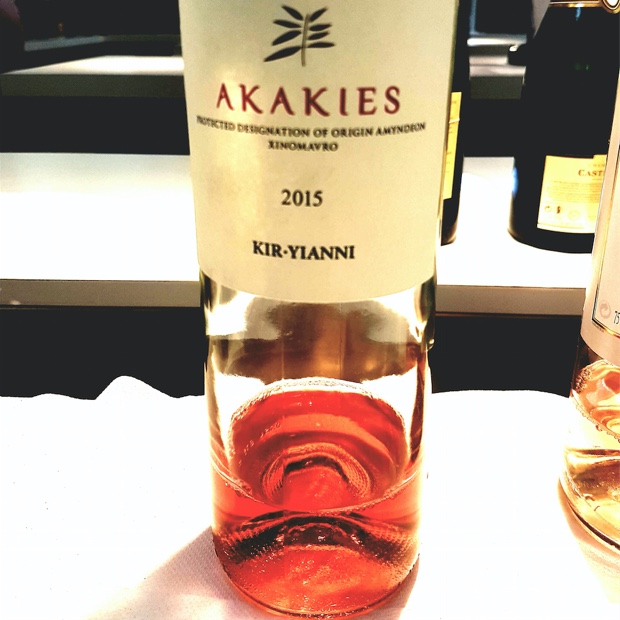
WineAlign: Michael Godel

Facebook