If reporting on the VINTAGES wine release wheel were considered as a species of religious writing, say like Marilynne Robinson in her Emersonian Gilead, then the bi-weekly offer would be like the morning, a splendid dawn passing over each of our houses every two weeks on its path to Ontario wine stores. We the consumer roll out of sleep and into the constant, grandly announced VINTAGES light and we just turn over in it.
So every VINTAGES release is in fact the selfsame release, materializing every two weeks and within which everything turns to light. Or like Keats, “therefore, on every (wine), are we wreathing.” The $15 Chenin Blanc, the $24 Méthode Cap Classique and the $58 Pinot Noir, all from South Africa. The $18 and $27 Syrahs, from Chile and France. The $29 Kiwi Sauvignon Blanc and the $32 Sonoma Pinot Noir. The $40 Spanish Tempranillo, the $47 Châteauneuf Du Pape and the $57 Haut Médoc. There are many others that might be invited up to the sanctuary in one of the most unconventional conventionally popular wine programs of the 21st Century. Limits must be imposed for reasons 0f space and clarity and so these are the 10 wines on the March 19th altar.
Vinum Africa Chenin Blanc 2013, Wo Stellenbosch, South Africa (739995, $15.95, WineAlign)
Flinty, reductive, lemon scented and weighty Chenin Blanc with just the right amount of strength. A Winery of Good Hope product of master blending by winemaker Jacques de Klerk. Always great value. Drink 2016-2019. Tasted March 2016 @WineryGoodHope@Noble_Estates @WOSACanada@WOSA_ZA
Fathoms of red fruit, tones to match and the unwavering smoky beat of slow meat roasts and smoulders beneath herbal branches. Black olives, their brine and aromatic bark are thrown into the pit. Pitchy tannin and then finally, after the smoke clears, that fruit, unquestioned in its ripeness. A well-crafted and priced Colchagua Syrah that finishes with heaps of tar and tannin. Drink 2016-2020. Tasted March 2016 @WinesofChile@DrinkChile@KirkwoodDiamond
Graham Beck Premier Cuvée Brut Blanc De Blancs 2010, Robertson, South Africa (907568, $23.95, WineAlign)
Robertson Chardonnay with a purpose, a Champenoise intent and success by way of controlled and slow-evolving micro-oxidation. The autolytic effect is one of slow release, the oxidative lean just a tease at present. There is near-ethereal weight (or lack thereof) on the palate and the citrus injects drive and meaning into airy mousse. Some bitters, pith and stone fruit pit add complexity. Drink 2016-2022. Tasted March 2016 @GrahamBeckWines@Vinexxperts@WOSACanada@WOSA_ZA
Château De L’ou Infiniment Syrah 2012, Igp Côtes Catalanes, Roussillon, Midi, France (440610, $26.95, WineAlign)
Massive, brooding, full on chocolate Syrah with enough structure to house an addition with no further need for supports. The cantilever of fruit, wood and grain is synched to impossibly obscene. Can a wine be so bloody versed in the ways of modern Syrah architecture and still achieve balance? With tannin and length to match the effective conclusion here would seem to say yes. That’s the objectivity of assessment. Will it please? You get to answer that. Maybe wait a year to find out. Drink 2017-2022. Tasted March 2016 @ChateaudeLou@Vins_Roussillon
Clos Henri Sauvignon Blanc 2013, Marlborough, New Zealand (675629, $28.95, WineAlign)
Full on flavour wildly maxed out, all in Sauvignon Blanc, with bright acidity, ripe fruit and a mineral quality. Beautiful from start to finish. carrying itself with class and focused, positive direction. Grapefruit is juicy, lemons are preserved and lime is sweet. Very nice. Should age into honeyed territory. For now serve this darjeeling limited SB as a refresher to passengers settling in their cars. Drink 2016-2021. Tasted March 2016 @ClosHenri@ChartonHobbs@nzwine
La Crema Pinot Noir 2013, Sonoma Coast, California (732040, $31.95, WineAlign)
The brightest red cherries infiltrate the notes in every aspect of this Sonoman crafted from vines in Sonoma Coast, Russian River Valley, Los Carneros and Green Valley. Then exhilaration of a great Pinot Noir vintage comes across with mid-palate spice and late structure bite. You can’t deny the quality of 2013 fruit nor can you argue what the winemaker has left for it to pursue. Really good length lines the immediate to near future time frame. Drink 2016-2019. Tasted (from both 375 mL and 750 mL) March 2016 @LaCremaWines@sonomavintners@bwwines@thesirengroup
Muga Selección Especial Reserva 2010, Rioja, Spain (712067, $39.95, WineAlign)
A rich, concentrated and effectively tangy Tempranillo, full of cedar, leather and baking spice. The Muga Seleccion Especial straddles the north/south, old school/new class line better than any with one foot mired and the other wired to new social convention. The flavours are flirtatious and yet markedly sunken into the sands of Riojan time. Many grains gather, sift and re-collect to speak of history and filter progress. This drink now Tempranillo will give five years more of elementary pleasure. Drink 2016-2021. Tasted March 2016 @bodegasmuga@RiojaWine_ES@Vinexxperts
Château Mont Redon Châteauneuf Du Pape 2011, Ac Rhône, France (959627, $46.95, WineAlign)
Ripe and warm though structure from the outset is a thing in 2011. Mount Redon celebrates firm fruit, tannin and acidity no matter the level of phenolics so in 2011 the all in mentality will carry the torch and send this deep into the next decade. The level of concentration and intention is less than massive but there is decadence to be sure. This is a balanced Chateauneuf with temperament and understanding resting comfortably on its side. Drink 2019-2029. Tasted March 2016 @MontRedonWines@VINSRHONE@RhoneWine@FWMCan
Château Coufran 2005, Ac Haut Médoc, Bordeaux, France (446666, $56.95, WineAlign)
Bang on righteous, well made and properly preserved Haut-Medoc that while not inexpensive is a must buy for those who can afford and want to drink older Bordeaux. There is some earthy complexity and cheveux de cheval but there is plenty of brightness and unshaken personality. Does not swagger but rather dances. A show piece for the dinner table without having to raid someone else’s cellar. Drink 2016-2020. Tasted March 2016 @imbibersreport@BordeauxWines
Hamilton Russell Pinot Noir 2013, Wo Hemel En Aarde Valley, Walker Bay, South Africa (999516, $57.95, WineAlign)
It’s a funny direction to go, having tasted the 2014 HR back in September, six months ahead of this 2013, but one whiff and I get the feeling the order was pre-ordained for a reason and a purpose. This 2013 needed the extra time. It must have been a demanding drop in its early youth, as it still is, but the fine-grained fruit and even finer tannin can now speak its Hemel-en-Aarde vernacular mind. Only that valley brings this type of sweetness, not sweet, but sweetness. The red fruit, painted ochre and then mineral, juxtaposed, intertwined and bled from the earth. Though the days of $40 and $45 are gone, the price is justified for such Grand Cru South Africa. Drink 2016-2020. Tasted March 2016 @OliveHR@TrialtoON @WOSACanada@WOSA_ZA@hermanuswine
Barque Butcher Bar Fried Chicken, ‘Bama Baby Back Ribs and 12-Hour Beef Brisket
The VINTAGES release program certainly lends structure and a targeted faculty of morphology to the selling and buying of courtly wine in Ontario. It’s a part of the LCBO juggernaut that deserves to be celebrated, particularly when it offers glimpses of hope and excitement. Optimism does exist and persist within the confines of an otherwise habitually oppressive system. A system that tends to function with coordinate construction, of paratactic verse that heavily promotes wines of narrative brunt.
On the other hand, VINTAGES is a mimetic project, which is a few projects too many. We wine trackers and writers are akin to Cricetinae, perpetually running in a wheel or like Sisyphus, forced to roll an immense boulder up a hill, only to watch it roll back down. We read the bi-weekly catalogue, pre-taste the newest offerings, make our lists and check them twice. In every batch there are 10-15 wines that stand out, as much about bell curve positioning as absence of singularity.
We don’t want to waste time drinking shite. There can be no good reason to swill sugar, contrived acidity or fast drink laboratory concoctions. Bring us wine of humility and humanity. Pour us truth and honesty. Separate the wheat from the chaff and don’t waste our time or insult our character. Give us wine from people, with roots and a sense of place. VINTAGES abides with a class of red shirt freshmen each and every release. That much I can concede.
From what I have tasted in advance of the VINTAGES March 5th release, what has excited me most is perhaps more a reaction to the unseasonably warm weather or maybe it’s just that I am presently satiated by tannic and acidity-molifiying white wines during winter. Last week I reported on the California stars as a follow-up to my recent Napa/Sonoma trip and in advance of April’s California wine fair. Brunello di Montalcino is in the spotlight what with Benvenuto Brunello coming next week. The Sangiovese Grosso line-up for March 5th is solid if underwhelming. My consensus pick of one is potentially polarizing. It will seem tired to some palates and precociously wise and cultured to others. The difference of critical opinion keeps the VINTAGES wheel turning and I am of sound mind to believe that’s a good thing.
Wine Country Ontario comes to the Royal Ontario Museum today for Taste Ontario in Toronto, the annual gathering of winemakers from The Niagara Peninsula, Prince Edward County and Lake Erie North Shore. On Saturday four peninsula whites will be released, three of which are typicity poster children for VQA good sportsmanship awards. Felicitous and regionally befitting Chardonnay, Riesling and Gewürztraminer that succeed as they should even while they bypass the idea that creative voices should be heard. Are we witnessing the dearth crumbling of stylistic freedom or is change coming, necessary and inevitable? The fourth white on offer is a shining example of the Ontario appellative blend, a category ever elusive, uncapitalized upon and necessary to the industry’s future success.
Superior South Africa, Vinho Verde Portugal not allowed to be labeled as such and Spanish Garnacha, white and red, grace this list. I also recommend an Ann Sperling Okanagan from the B.C. homestead and one freaking, awesome Sancerre. Here are 11 picks on March 5th in the year 2016. Enjoy.
Excelsior Sauvignon Blanc 2014, Wo Robertson, South Africa (382085, $13.95, WineAlign)
Warm climate conditions, a thunderstorm-inflicted harvest and prudent, hasty picking are what winemaker Johan Stemmet had to contend with in 2014. Kudos as a little something for the effort. Quiet and subdued aromatics are levied and bolstered by extreme fruit sensations exhibited on the palate. Crunchy green apple and green mango spritzed by lime forge a tight, angular and nearly tense relationship with linear and direct acidity. Sauvignon Blanc of meaning, unencumbered by the tenets of global style. A certain kind to be sure. Drink 2016-2019. Tasted February 2016 @Excelsior_Wines@WOSACanada@WOSA_ZA
Casa Do Arrabalde Avesso/Alvarinho/Arinto 2014, Vinho Regional Minho, Portugal (429324, $14.95, WineAlign)
Here $15 of pure Minho beauty, ripe and rich, regionally representative, if generalized in name because Alvarinho alights in the varietal mix. Smells and tastes just like a tart Mutsu apple picked post fully completed phenolics. The minor spritz on the tongue screams Vinho Verde, as does the stony eligibility. Well-chilled, warm day, grilled fish. Yes, please. Drink 2016-20218. Tasted February 2016
Talk about bottled up compression. Twist the screwcap and thwop! The cap nearly popped like a Champagne cork. This baby has energy and drive. The vintage is compressed and pile-driven as nosed by the density opposed by reticulated 9.5 per cent alcohol. This has Mosel tattooed on its being, from neck to bottom. A dead ringer for fine Kabinett, the tropical fruit in apricot and dragon reaching back to join Ontario, in apple and pear. A good flinty stone and raging acidity combine forces to exaggerate a Riesling reticulum in what is not the missive’s greatest ever vintage. Will live five to seven easy and just go for soda. Go ahead and quaff the hell out of this one, from 2015-2020, from bottles one through twelve. Tasted March 2015 and February 2016 @Winemakersboots@brightlighter1@UnfilteredEd
Henry Of Pelham Family Tree White 2013, VQA Niagara Peninsula, Ontario (251116, $17.95, WineAlign)
Very accessible and balanced white rabbet with tree fruit aromas and flavours, from yellow plum to white peach and back again. Straight up juicy circulation with a limestone tang amidst the weight of clay. Good value from the Peninsula to drink in the short term. An appellative blend to feed the category concept and perfect for sipping high in the skies. Pour this on your airplanes Air Canada. “Feed your head, feed your head.” Drink 2016-2018. Tasted February 2016 @HenryofPelham@SpeckBros
Residing on the correct side of off-dry with a waxy, lemon-honey drop secession from smell to taste. Brings proverbial lychee and rosewater into play, stirring the lees and pressing upon the palate in a faint, yeasty way. Ostensibly Fielding in conception to work with Vietnamese, Japanese and Thai. Food that is. Drink 2016-2020. Tasted February 2016 @FieldingWinery@RichieWine
Time has befriended Philip Dowell’s organic and creamery fresh-churned Chardonnay. The Kew is Bench defined and not shy in embrace of its wood. Abiding Chardonnay denuded in a healthy symbiotic relationship with ripe and recessive fruit. More mineral than before from Beamsville soil lands this somewhere along the pantheistic line featuring such stalwarts as Fielding and Hidden Bench. Will follow a casual down-to-earth grounding over the next five years. Drink 2016-2021. Tasted February 2016 @kewvineyards
Jaspi Blanc 2014, Do Terra Alta, Spain (439570, $23.95, WineAlign)
Such a culturally gregarious, aromatically generous and varietally gracious white blend from Terra Alta should be received with the most open of arms. This rare sighting in Ontario is mostly Garnatxa Blanca, with a minor (kept alive) amount of Macabeo, a grape of sweet realization and rainbow veraison. This is a classic indication of the subtlety that is derived from the soft, cuddly and rock-free panal soils in Terra Alta. A terraced white wine, cascading like lemon and bubbles, as if it were an ethereal, tart, savoury sabayon. Will be a pleasure to drink for the the next two to three years. Drink 2016-2019. Tasted February 2016 @cocaifito@doterraalta
Jardín De Lúculo 2012, Do Navarra, Spain (438655, $23.95, WineAlign)
Lovely, tidy Navarra with perfectly ripe cherries and an underlay of tension to give it real vitality. Oak (if any) bothers with nary an intrusive beat. Though there is a dried herb and drying savoury-minty ending it lingers, long after the paint has dried. Really necessary Navarra, a region portrayed in such a wine on the qui vive for exotic adventure. Drink 2017-2020. Tasted February 2016 @louisgeirnaerdt@vinosnavarra@navarrawines@navarrawine@hobbsandco@AMH_hobbsandco
Sperling Vineyards Pinot Noir 2013, BC VQA Okanagan Valley, British Columbia (382283, $27.95, WineAlign)
Here a vintage cementing a Sperling Pinot Noir into altruistic west coast territory occupied by the ripe and famous. Were I able to recall so much warmth, elevated tones and ripping aromatics while the wheels are spinning, still the memories remain in neutral. The gravelly grit and fine lined elucidation is in, but here things turn tropical, with far eastern spice and melted, oozing liquorice. Flavour coaxing is at an all time high but the question begs. Can you handle this hyperbole of efficiently convenient Okanagan truth? Drink 2016-2019. Tasted February 2016 @SperlingVyds@AnnSperling@CRUOntario@StratusWines
Jean Max Roger Cuvée Les Caillottes Sancerre 2014, Ac Loire, France (65573, $27.95, WineAlign)
Were all Sancerre this floral we might be forced to re-learn the typicity and the vernacular. Les Caillottes stands alone, if only for a few whiffs, before retreating back to the Sauvignon Blanc norm of mineral and white berry. Here Sancerre seems to take chances, steps out of the box and ventures into wild sage and thyme territory. Ends with lemon and lime, echoing the florally of tiny flowers on the tips of that thyme. I can imagine honey flowing in five years time, still gaining on the oxidative effects of time. Drink 2016-2022. Tasted February 2016 @oenophilia1@LoireValleyWine
More than a classic vintage for this seminal bottle of Sangiovese. The liqueur is so comfortably and rigorously distilled, the floral aspects fresh in their potpourri disguise. The aromatics, like eclipses, arrive early, but tend to exact themselves profoundly. Balance is everything with wine and transparently so for Brunello because if the tannins are overdone than pleasure can’t ever be truly discerned. Here they are like rhythmic, venting spasms at the end of a sentence. This offers early accessibility in spite of its ferocity. Drink 2019-2030. Tasted February 2016 @TrialtoON@ConsBrunello
A confession. Herein these pages there might seem to be the appearance of astonishing disorder. With music as a muse and a foil to wine, I prefer to look at it as an enjambment, or, as James Woods might explain it, as “the desire to get more in, to challenge metrical closure.” No form, structure or cohesion you think, you mutter, you say? Oh, well.
Over at WineAlign I share my February 20th VINTAGES release picks in the Buyer’s Guide, along with colleagues John Szabo, Sara d’Amato and a travelling David Lawrason. Here at Godello the list expands. First here, with seven whites for snow days and well, just snow. Look for the reds on Saturday.
The white wines of VINTAGES February 20th, 2016
Hugel Gentil 2014, Ac Alsace, France (367284, $16.95, WineAlign)
A bottle blend soft and inviting, teasing tropical fruit but grounded in the continental orchard. Warmth on the nose and cool effervescence on the tongue add up to a waxy, airy finish. This opens up, rises and elevates on the back end. Terrific aperitif out of 2014 with some legs to last through the night. Drink 2016-2019. Tasted February 2016 @FamilleHugel@HalpernWine@AlsaceWines@drinkAlsace@VinsAlsace
Like a gypsy boy, the idea of Riesling, winemaker Rob Power and Creekside Estates do not occupy overtly obvious territory so here, “come over to the window, my little darling. I’d like to try to read your palm.” In it the perfected Cohen lines of classic Bench Riesling, of stalwarts Thirty and Hidden Bench. Same stoic, non-gentrified possibilities unfollowed and new concepts surreptitiously proposed. Terrifically tart, dangerously darting and tasked for mouth watering righteousness. Such succinct lemon-lime continuous balance. Winemaker Rob Power may not have a storied history with Riesling but now that he has gone Marianne Hill he can’t go back. Drink 2016-2021. Tasted February 2016 @CreeksideWine@hobbsandco
Such potential from Croatia found, packaged and articulated in this bottle. Classic Furmint in Grasevina clothing, right along the wire where Pinot Gris looks over towards Chenin Blanc and says “let’s spend the night together.” Honeyed, unctuous, spicy and floral to the stones and back. For days when “I’m going red and my tongue’s gettin’ tied,” turning to white never tasted so good. You gotta try this. Drink 2016-2019. Tasted February 2016 @WinesofCroatia@RolandRussell
From the town of bedrock, Kevin Judd’s Greywacke is a modern, stone-age Sauvignon Blanc. Grown out of vineyards in the Central Wairau and Southern Valleys in Marlborough, Judd’s exploratory to trailblazing SB announces its aromatic arrival like a pick struck on granite. Tannic from the get go and forged with precise angles and friezes, always tied by an indenture with texture. The vintage is a fruit first forward, neighbourly one and it takes a winemaker to keep things etched in stone. This one strikes me as one that could have got away but the reigning was accomplished in lope, guiding the fruit through a precise pattern of circles, spins, and stops. The success lies in the canter of acidity to extend the effect towards a turning and returning, again and again. Drink 2016-2022. Tasted February 2016 @greywacker@Greywacke@oenophilia1
Trimbach Réserve Pinot Gris 2012, Ac Alsace, France (971762, $29.95, WineAlign)
Immediately reminds of 2008 and will go down a similar, slowly turning and evolving path. So purposed and direct though there is a slight elevation in residual sugar as compared to the four four beat four years ago. Pinot Gris of pears and operas, with some spice on the finish. This will aria into something lovely at the age of seven and beyond. Drink 2018-2022. Tasted February 2016 @trimbach@WoodmanWS@AlsaceWines@drinkAlsace@VinsAlsace
Béjot Les Bouchots Montagny 1er Cru 2013, Ac Burgundy, France (438002, $27.95, WineAlign)
Tidy, tide and vine Chardonnay the way with oak it needs to be. Unobtrusive and just a sheet between fruit and acidity, enough for warmth and not too much to bring on the sweats. Snug, spruced, agitated, resplendent even. Drink 2016-2022. Tasted February 2016 @HannaNealWines@BeauneTourisme@BourgogneWines
Josef Chromy Sparkling 2010, Tasmania, Australia (393629, $29.95, WineAlign)
If 2008 has just recently settled into its low heat unit skin then the consideration here can’t yet touch the thought. So much lees and so much time, so little evolution and so little mind. Jeremy Dineen must be grinning from ear to ear with the thought of where this fizz will go, carrying so much wisdom in its autolysis and Tazzy vernacular in its mousse. Great citrus benchmark OZ outpost where the bubbles work hard for their money and offer up nothing but charm. Drink 2016-2023. Tasted February 2016 @JosefChromy@bwwines@Wine_Australia
Take Godello to a place that’s far away and it will fill him with words. With memories still thick as Bredasdorp pea soup, it is hard to believe it has already been four months since travelling to South Africa in September for Cape Wine 2015. I think it wise for the reader to be offered fair warning. The following wayfaring log is not brief and while it may be broken up with images of food, bottle shots and scenery, there are five thousand plus words to wade through. Feel free to skim at your wine tasting note leisure.
For a comprehensive look at South Africa’s Capelands, read my report at WineAlign.
It has been four months since Cape Wine 2015 and many wines remain to be mentioned. My initial ramblings covered the three-day wine fair, varietal awakenings, Premium Independent Wineries of South Africa (PIWOSA), the Swartland Independents and the Zoo Biscuits.
Lemon butter poached crayfish tail, kale, parsnip puree and bisque, Open Door, Constantia
I tasted hundreds over three days at the bi-annual Cape Town event, along with dozens more in restaurants and at wineries in Stellenbosch, Swartland, Franschhoek and Constantia. One of the more memorable culinary experiences happened at Open Door Restaurant located at Uitsig Wine Estate in Constantia. The wine selection opened doors to new Cape perceptions and forward-thinking measures.
A visit to the Franschhoek Motor Museum at the Anthonij Rupert Wyne Estate rolled into a tasting of wines with Gareth Robertson, Sales and Marketing Manager at Anthonij Rupert Wines. Verticals were poured; Cape of Good Hope, Leopard’s Leap, La Motte and Optima L’Ormarins. Then the varietals of Anthonij Rupert Estate.
Hitching a ride on the Anthonij Rupert Estate
A full on Premium Independent Wineries of South Africa (PIWOSA) experience at the Car Wine Boot was nothing short of a wine-soaked, large object flinging hoedown throw down.
The act of intense immersion into any important wine-producing nation and its diverse regional expressions can only leave a lasting impression if the follow-up takes a long, cool sip of its meaning. Though just the beginning of what I hope to be a life-lasting fascination with South African wine, these 50 reviews prepare and pave the way.
Beaumont Family Wines Hope Marguerite 2013, Bot River-Walker Bay, South Africa (Winery, WineAlign)
Named after winemaker Sebastian Beaumont’s grandmother, Hope Marguerite Beaumont. Thirty-five (400L) barrels of Chenin Blanc from 1975 and 1978 plantings anointed by natural fermentation and maturation. Reductive, malo-avoidant and lees stirred for 10 months to dess effect. Acidity swallows and trumps sugar while bitters, well, these bitters don’t even realize they are bitters. Possessive of that torched orange peel, lime skin and hinting at something faintly tropical. Many shades of Chenin Blanc within one tight-knit bottle. A benchmark of species. Drink 2015-2022. Tasted September 2015 @Beauwine
Paul Cluver Riesling Dry Encounter 2013, Elgin, South Africa (Winery, $23.99, WineAlign)
Riesling from South Africa’s largest and nascent varietal growers, one of three Cluver bears and wholly antithetical to the “Close Encounter’ simply and primarily because of its omnipresent aridity in the face of 9.0 g/L of residual sugar. Based on fruit from a variegated 27 year-old block of ferricrete (surficial sand and gravel masses) layered over decomposed Bokkeveld Shale and/or light clay. From a basin, a true amphitheatre between the mountains. The dry one shows off the cooler climate charity, offering up the opportunity to make Riesling the way it needs to be. Floats boats of blossoms piled in apples, honey and native fynbos. Elevated in nervousness, tension and anxiety through the conduit of acidity. This guy is the tip of the spear that pierces the palate. Though dry to that pointed end it is the primitive passion of grape tannin that churns the combine. Drink 2015-2019. Tasted September 2015 @paulcluverwines@PIWOSA@paulcluver
Paul Cluver Gewürztraminer 2015, Elgin, South Africa (Winery)
If Riesling is a South African anomaly, the nine hectares planted to Gewürztraminer on the Cluver estate is at least preternatural if not verging on antediluvian. The throwback approach to varietal expression takes on the do anything in South Africa mandate and runs with it. A tightly wound white, like Riesling driven by acidity, inconsequential in sugar (10.2 g/L) and rushing with rivers of grape tannin. Lime is again the thing in a world where sweetness finds it hard to live. Anything but soapy, less than sticky and so very clean. Purity out of Elgin in Gewürztraminer. Drink 2015-2018. Tasted September 2015
Cape of Good Hope Riebeeksrivier White 2013, Swartland, South Africa (Winery)
From the stable of Anthonij Rupert Wines, a blend based on Chenin Blanc (65 per cent) with Rhône assistance from Marsanne, Roussanne and Viognier. Similar in a way to the old vines Chenin in its purest form in a clean amalgamation of weighty varietal relations. Naturally driven acidity and an increase in creamy texture is accompanied by lactic notes and a greener, sharp apple bite. A wow reversal of impression with an anise under current and a toasty, nutty omnipresence. Quite fine. Drink 2015-2020. Tasted September 2015 @AnthonijRupert
Rall Wines Red Coastal Region 2013, Swartland, South Africa (Winery)
Superior Syrah spine (85 per cent) with a 2014 Grenache (15 per cent) addendum. Healthy and happy in alcohol (14 per cent) from Swartland schist to cure what troubles and saps. Liquorice, easy tannin and illimitable fruit (for a two to five-year run) from the gifts of a terrific vintage. Open-knit, expressly serviceable with a not overly piquant, peppery finish. Tobacco moment is just a pinch between the cheek and gums. Easy on the extraction and 50 per cent stainless housing for nothing but Swartland fruit with some added stems for the perception os sheer freshness. Drink 2015-2018. Tasted September 2015 @SwartlandRev
David and Nadia Paardebosch Chenin Blanc 2014, Swartland, South Africa (Winery)
A blend of 1960’s, 1970’s and early 1980’s, mainly dry-farmed bush vine Chenin Blanc vineyards throughout the Swartland. Sweet textured Chenin with endemic herbiage and territorial tang. Varietal identity is never an issue for South Africa’s signature white but how does definition out of disparate plots come together? For the Sadies “the meaning always lies somewhere that’s right between the lines.” Connotation and significance in what’s left behind. Drink 2015-2020. Tasted September 2015 @DavidandNadia@SwartlandRev
David and Nadia Aristargos 2014, Swartland, South Africa (Winery)
David and Nadia Wines
A bush vines dominant, 12 vineyard, five-varietal interface of Chenin Blanc (35 per cent), Roussanne (25), Clairette Blanche (20), Viognier (15) and Sémillon (5). The latter (not inconsequential) addition is from a 1950’s planted vineyard. Round and round aromatics integrate Swartland harmonies in transition to palate promptitude of spry lemon and lime. Emits that fleshing four to five-year pursuit to honeyed possibility, in which the Sémillon is not lost on that ideal. We should all be willing to wait that long though not be greedy for anything more. Drink 2017-2019. Tasted September 2015
David and Nadia Grenache 2014, Swartland, South Africa (Winery)
A riveting (85 per cent) Grenache honed from two vineyards planted in granite mountain soils, mixed and matched with (15 per cent) fruit off of organic vines grown in deep iron rich soils. A scintillant of reductive freshness gets busy with chalk ou of ferric soil in romantic and heavy breathing passion. Though nearly carbonic, atomic and more exhalant than inhalant, the freshness is always halted by a weight in denouement. The obdurate cessation is helped along by 10 to 11 months in oak. Very thoughtful, engaging and consummated Grenache from the Sadies. Drink 2016-2020. Tasted September 2015
Godello and Billy Hughes at Cape Wine 2015
Hughes Family Wines Nativo White 2014, Swartland, South Africa (Winery)
Certified organic from the Kasteelsig Vineyards on the Hughes Family farm in Malmesbury. The blend is high in Viognier with Chenin Blanc, Roussanne and Grenache Blanc. Picked at three separate intervals, the bifurcate prongs of sugar, acidity and alcohol are remarkably streamlined towards an upwards push skyward. A very base and elemental white wine that hovers in the lower reaches of the stratosphere, wanting to rise but held secure by the heartstrings of older oak filaments. This is fresh and yet filled out by a density defined in Swartland ways. An appellative white blend with my thoughts of Cape Town’s Chef’s Warehouse crudo in mind. Drink 2015-2019. Tasted September 2015 @NativoWines
Crudo and Kimchi #tuna #kingclip #chefswarehouse #cape town
Hughes Family Wines Nativo Red 2009, Swartland, South Africa (Winery)
Certified organic from natural, dry-farmed estate Kasteelsig Vineyards on the Hughes Family farm in Malmesbury. The blend is Shiraz (56 per cent), Grenache (16), Merlot (13), Mourvedre (9) and Pinotage (6). Swartland’s local master of assemblage Billy Hughes (the J-L Groux of South Africa if you like) counselled separate and all natural fermentations, barrel malolactic, eight months in 225L barriques (none new) plus four more post blending. The core aroma to palate thematic is ingratiated by a grape in raisin initiation stage, habituating the right side of ripe. This is a soft-styled Swartland red having fully realized its progressive road to enrichment. Drink 2015-2017. Tasted September 2015
Hughes Family Wines Nativo Red 2010, Swartland, South Africa (Winery)
As in 2009, certified organic from natural, dry-farmed estate Kasteelsig Vineyards on the Hughes Family farm in Malmesbury. The blend is Syrah (52 per cent), Mourvedre (22), Grenache (13) and Pinotage (13). Fresher, lighter even than 2009, floral, feathery, feminine. Through the pretty dab of perfume there is the presence of clay, iron and a feeling of warm Cassis. The red fruit while anything but dark has a presence, an attitude, an unfailing condition. Will live longer than the previous vintage. Drink 2015-2019. Tasted September 2015
Wildehurst Velo White 2014, Swartland, South Africa (Winery)
Juicy Colombard, Chenin Blanc and Viognier in cohorts simply, basically and ostensibly about town for texture. Beautiful freshness, grace and grape tannin. The juice and nothing but the juice. Drink 2015-2017. Tasted September 2015 @WildehurstW@ShereeNothnagel@SwartlandRev
Wildehurst Velo Rosé 2014, Swartland, South Africa (Winery)
A multi-cultivar and double-hued blush by way of Grenache, Viognier, Mourvèdre, Colombard and Chenin Blanc. Really widens the fresh fruit spectrum, in manifold customary shades of red. From a hot vintage where sugars ran higher than 2013 yet still just about as dry as a skeleton way past tissue. Despite all attempts, the brine and herbiage outplay the salinity and aridity. Drink 2015-2017. Tasted September 2015
Wildehurst Chenin Blanc 2012, Swartland, South Africa (Winery)
The only straight up cultivar in Sheree Nothnagel’s portfolio from 30 year-old bush vines. Arranged low, natural and slow across a two month fermentation period in 3rd fill (225L) barrels towards a dry end. Matured on the lees for a further five months. Handy, prosaic and unostentatious Chenin Blanc of texture and mouthfeel. Drink 2015-2018. Tasted September 2015
Silwervis Cinsault 2014, Swartland, South Africa (Winery)
First introduced at the inaugural Swartland Revolution, winemaker Ryan Mostert is a key player in the South African Cinsault revival. His naturally exhibited (with only added sulphur) old-vine Swartland Cinsault was matured in one Nomblot concrete egg. His is the Allman Brothers, Creedence Clearwater Revival and Deerhunter rolled into one varietal ode “to the malleability and uniqueness of Swartland.”
One of hundreds of wines tasted over an eight-day period in requiem to exclaim, “I am saved, I am saved. And oh, would you believe it?” So fresh, salty, ultra-carbonic, russet roseate raspberry and orange peel. It really feels real, unlike anywhere else. The varietal and the reformation. “We’re in a revolution. Don’t you know we’re right. People can you feel it? Love is everywhere.” Drink 2015-2018. Tasted September 2015 @Silwervis@SwartlandRev@PascalSchildt
Silwervis winemaker Ryan Mostert is behind the new Terra Cura label with Samantha Suddons. From just outside of Malmesbury in the Western Cape. This cracker of a bottle is one hundred per cent Syrah from rolling hills rocking down to the sea. Ferric, burrowing into depths, rooted and heavy. Structured, chunky savoury, of wild sauvage, from a fierce and filthy athletic vintage. Reeks of potpourri, ambition and is yet remarkably ready to drink. A messenger to herald a land of opportunity, a revolution, the future. Drink 2015-2019. Tasted September 2015 @Terra_Cura
Johan Simons, Dragonridge Wines
Dragonridge Wines Supernova Ancestral 2014, Paardeberg, South Africa (Winery)
Chenin Blanc works with Sangiovese and with Pinotage to lead this ancestral method sparkling blend. From Joubertskloof’s Fynbos Estate, this fizz is really nothing like Méthode Cap Classique in that it adds nothing to the fermentation in the bottle, relying only on its own sugars and wild yeasts. When it does not explode it goes this way, so, so natural, all in. Winemaker Johan Simons happily sees it persist through the problem. “We do it because we can, and we want to.” From two blocks planted in 1964 and 1990 with a section going back to 1920. Picked on the 19th of January and from a ferment that finished two months early. These very old, unirrigated bush vines offer up lemon funky, low pH fruit. Goes straight to the roof of the mouth with rising, unassertive flavours. The question begs, is this an oasis of South African fizz or a desert where ancient longings go to die. The answer lies “caught beneath the landslide in a champagne supernova.” We’ll see about that. Drink 2015-2018. Tasted September 2015 @FynbosEstate
Dragonridge Wines Cabernet Sauvignon 2015, Paardeberg, South Africa (Winery)
No wood. From five barrels of naturally thick, free-run only juiced, patchy, basket pressed elixir. This is simply brilliant, drink the hell out of it until it’s gone Cabernet Sauvignon. Forget the barrel. Bring it on. Drink 2015-2016. Tasted September 2015
Elementis Skin Contact Chenin Blanc 2014
Intellego Wines Chenin Blanc ‘Elementis’ 2014, Swartland, South Africa (Winery)
A private label by Lammershoek’s Jürgen Gouws, from two 40 year-old bush vines parcels. A direct, right at you, citrus and dry-farmed tang Chenin simultaneously pretty and bitter. Three weeks of skin contact detour to grapefruit and guava with a level of great elegance in its laundry soaking up dirty water. Cloudy and slightly dangerous, Basque cider like and built by the bare necessities of salinity and trim, briny orange elements. As snake-driven a purposed accumulation as found anywhere in South Africa. Drink 2015-2017. Tasted September 2015 @jurgengouws
Intellego Wines Syrah Kolbroek 2013, Swartland, South Africa (Winery)
Same natural fermentation as the Chenin in this single-vineyard, 100 per cent Syrah. Comes up firing after time spent on its skins, soaking up and in its own tannic juices. Fresh if tight for elegance in Syrah. Refined bitters adhere to the supreme purpose which is an expression of spritely, red energy. Drink 2015-2018. Tasted September 2015
Black Oystercatcher Triton 2013
Black Oystercatcher Triton 2013, Elim, South Africa (Winery)
From owner & winemaker Dirk Human at Cape Agulhas, this is highly modern and refined Shiraz major (86 per cent) with minor Cabernet Sauvignon (12) and Cabernet Franc (2). Stylish without a whack of new oak, with independent varietal fermentation, maturation and ageing for 12 months. In a multiple choice Shiraz world of spicy, piquant, snappy and sharp the fill is all of the above. The present day South African cliché encompassing fresh, tight and elegant reds comes ’round again though here you can add cool-climate (southernmost tip of Africa) feel to the mix. What comes from the wood is in the finish, over charcoal and brushed by tar. Should show best in 2018. Drink 2015-2021. Tasted September 2015 @BOC_Wines
Francois Haasbroek, Blackwater Wines
Blackwater Wines Underdog Chenin Blanc (MMXIV) 2014, Stellenbosch, South Africa (Winery)
A mere 5500 bottles from winemaker Francois Haasbroek, a balanced tannin, alcohol (13.3 per cent), acidity (5.8 TA) and sugar Chenin, culled from high slope, (46 year) old bush vineyards of Bottelary Hills. Concrete tank housed ferments and aged on the fine lees for six months. Texture drives the green apple machine, fuelled by salinity and faux candy bursts. Drink 2016-2019. Tasted September 2015 @Blackwaterwine@ZooBiscuitsWine
Blackwater Wines Blanc (MMXIV) 2014, Western Cape, South Africa (Winery)
Chenin Blanc 80 (per cent), Sémillon (15) and Bourboulenc from vineyards in Durbanville and Ashton. The Chenin was skin fermented for 7 days and then blended with 2013 Sémillon (equipped with 12 months of texture gained on the lees) and what Haasbroek quips was a “smidge” of Bourboulenc. The 1200 bottle blend saw further time (16 months) in old (225L) barrels. Possessive of apples glazed in lemon polish, terrific, granitic grain in tannin and Deiss-esque Pinot d’Alsace surrealism. Drink 2016-2021. Tasted September 2015
Blackwater Wines Cultellus Syrah (MMXII) 2012, Swartland, South Africa (Winery)
Schist Syrah in its entirety, mineral warm and tempered, moderately spiked by its alcohol (13.7 per cent) and five-plus year controlled acidity (5.6 TA). Blackwater’s steep block of Riebeek Kasteel vineyards offers up fruit begging to left alone. Haasbroek consented to four weeks of contact on the skins, followed by nothing more indulgent then a drain & whole-bunch press into eight to ten year-old (600L) barrels. Twenty-six months later, sans filter, nary a fining and voila. Syrah in fancy-free finesse, smoky elegance, Swartland schist, sour cherry and more schisty ferric earth. Dynamic though never in danger of inflammation, inflammatory or flaming behaviour. In the end, the sweetness is impossible. Drink 2016-2022. Tasted September 2015
Blackwater Wines Noir (MMXII) 2012, Swartland, South Africa (Winery)
The largest output in the Blackwater portfolio with a whopping 6000 bottles. A multi-site Swartland Syrah (92 per cent), 10-15 per cent whole bunch fermented and then blended with Carignan and Grenache after a year of ageing. This follwed by an additional 12-14 months in old 500-600L barrels. Deep and meaty, but like modern Nebbiolo, of finesse in the clarity of its recesses. Marked by gnashing tannin and grippy structure. Drink 2016-2019. Tasted September 2015
Blackwater Wines Omerta (MMXIV) 2014, Swartland, South Africa (Winery)
It begins with a shush, this “code of silence,” although it has nothing to do with “criminal activity” and yet its aromatic sweetness should be illegal. Caring proposed in 100 per cent terms, off of 28 year-old Swartland bush vines, fully entrenched in the revolution and the revival, while in “refusal to give evidence to authorities.” The single vineyard, predominantly granite soils are the source of amazing purity and acidity as if by wrote. Healthy (30 per cent) whole bunch fermentation and a 25 day linger on the skins imparts more tannic by-product nectar. The older 500L barrels for 16 months makes for a dusty, carefully curated cure. When it comes to thinking about drinking this Omerta, “Old black water, keep on rollin’…I ain’t got no worries, ’cause I ain’t in no hurry at all.” Drink 2018-2022. Tasted September 2015
Savage Wines White 2014, Western Cape, South Africa (Winery)
In which Sauvignon Blanc (70 per cent) and Sémillon (30) keep good vibes, smile and celebrate a pure purée of progressive white tannin. This is the last of the straightforward Bordeaux Savage Mohicans with subsequent vintages adding more varietal diversification. Duncan Savage sees the future replete with appellative blends as per a Western Cape necessity, free from the posit tug of French heartstrings. This last kick at the Left Bank can is bright, pure and composed to reflect sunshine and stone. Drink 2015-2018. Tasted September 2015 @ZooBiscuitsWine
Savage Wines Red 2014, Western Cape, South Africa (Winery, WineAlign)
Essentially Western Cape fruit with a dab of Darling in a blend that emits polished Syrah (67 per cent) with naturally supportive Cinsault (12), Grenache (9) and Touriga Nacional (9). Duncan Savage procured 3500 bottles to market of this ranger, a red thinking cool Rhône thoughts and rooted firmly on the median line between his single-vineyard Syrah and the precocious Follow the Line. Will increase in complexity when Syrah gives away some floor time to the other grapes. Drink 2015-2018. Tasted September 2015
Savage Wines Syrah 2014, Western Cape, South Africa (Winery)
Perhaps the most personal of Duncan Savage’s wines, even more than the Farmhouse draw in his red blend Follow the Line. This SV Syrah is the home block, the place where he lives. His blends are a pure blur while this Syrah offers up a not too distant future filled with early life appreciation, graceful necessities and gifting niceties. It just hints at this now and subsequent wines will sing. Let this one and what’s left of the other 599 bottles produced sit for a year, to smooth out harsh bits and to integrate the Cape funk and Syrah cure. “Oh, it’s like an animal farm, but you’ll come to no harm in the country.” Drink 2016-2020. Tasted September 2015
Momento Wines Chenin Blanc-Verdelho 2014, Bot River, South Africa (Winery)
The Chenin Blanc (85 per cent) grows in old vineyards from Bot River and Darling and together with 11 year-old Bot River Verdelho (15) they reside in Bokkeveld shale, with portions of sand and clay. Five (400L old) French barrels carried natural Chenin ferments with some fine lees. Stainless tanks and older oak housed the riper Verdelho which joined the Chenin just before bottling. Winemaker Marelise Niemann was able to produce a healthy yet manageable quantity (200 cases) of a blend directed to deferential texture. This from a cloudy ferment once clarified turned to secondary, mineral flavours. The early pick and moderate (12.5 per cent) alcohol gained on bacteria and made for pure white fusion. The orchards are spoken for, from pit, through seed and back to pit. Drink 2015-2019. Tasted September 2015 @momentowines@ZooBiscuitsWine
Marelise Niemann, Momento Wines
Momento Wines Grenache 2014, Swartland, South Africa (Winery)
From porous, sandy soil, Grenache loving dryland (10 year-old) bush vines, for the time being at least, until the Bot River vines mature. A smaller (one half) production than the white raised in open fermenters, one-third punched down and only old barrels used. So opposite in feel to the Bokkeveld shale, regardless of the grape hue, bringing a foxy, natural cure to Grenache. Direct, tight and autotelic fresh, crunchy and popping. Unalloyed red fruit, hidden citrus and a racy finish. Drink 2015-2018. Tasted September 2015
Botanica Wines Chenin Blanc and Chenin Blanc Untitled #1 2014
Botanica Wines Chenin Blanc 2014, Citrusdal Mountain, South Africa (Winery)
Winemaker Ginny Povall draws fruit made on the Stellenbosch farm from 55 year-old vines set in a 1600m high dry-farmed vineyard. The location is the rugged Skurfberg slopes in the mountains of Clanwilliam, 40 kilometres from the sea. These vines are low yielding, producing a scant 2.5 tons per hectare and picked early. Half of the just on the lee side of ripe fruit is barrel fermented and matured in 400L French oak and spends nine months on the gross lees. Juicy, bright, full on citrus, striking and crackling Chenin. Wood adds some weight and oh, the Rooibos. Drink 2015-2019. Tasted September 2015 @ginnypovall
Botanica Wines Chenin Blanc Untitled #1 2014, Citrusdal Mountain, South Africa (Winery)
The approach is small batch, from lower Skurfberg altitude, chosen out of a specifically identified parcel and intentionally managed with 100 per cent (20 new) oak intervention. Lower alcohol, higher reduction and an ulterior, gemstone mineral manifestation. On one hand the Chardonnay like approach causes a perplexing feeling and on the other, a sense of wonder. The tropical abutment and real-time citrus symbiosis carries the weight and then the Rooibos, again. Occupies high ranks in the wooded Chenin outpost territory. Drink 2015-2022. Tasted September 2015
The Tea Leaf Chenin Blanc 2014, Piekenierskloof, South Africa (Winery)
Made by Donovan Rall for Boutinot in the anti-Western Cape unicorn region Piekenierskloof, from where Chenin Blanc seems to have risen to sudden and darling prominence. The 70 year-old vineyards are at 750m, which is not nothing and the fruit is cropped from 40 year-old vines. All natural fermentation is the modus in this fuller, deeper, mineral completed Chenin that runs the gamut from creamy to bitters. And unfermented redbush, Aspalathus linearis. Drink 2015-2019. Tasted September 2015 @BoutinotWines
Boekenhoutskloof Sémillon 2004,Franschhoek, South Africa (Winery, Agent, WineAlign)
If anything, Marc Kent’s decade and a year Sémillon has travelled down a long road to a very quiet place. That retirement home is filled with honey and dates, all gathered up nicely in tangy, gift wrapping acidity. The orchard fruits are gone and the truth no longer lies in the second half of the bottle. It speaks with early clarity. Time to drink up, sipping slowly, with the “sun going down, blood orange, behind the Simonsberg.” Drink 2015-2016. Tasted September 2015 @UNIVINS
Steenberg Nebbiolo 2013, Constantia, South Africa (Winery)
Another achievement in what can be cultivated, nurtured and brought to fruition with great success in South Africa. A ringer for Serralunga from Nebbiolo treated to 60 per cent second and 40 per cent third fill 225L French oak barrels for 14 months. Roses meet tar, tea, red citrus and bright, vital flavours. The life affirming and balanced qualities of Nebbiolo in the cooler, temperate and Mediterranean-mimicked Constantia climate will bring longevity to this wine. Should flesh out, settle and sing in three to five years. Drink 2018-2022. Tasted September 2015 @SteenbergWines@ConstantiaWines
Allesverloren Tinto Barocca 2013, Swartland, South Africa (Winery)
Dating back to 1704, Allesverloren is situated on the south-eastern slopes of the Kasteelberg near Riebeek West, is the oldest estate in the Swartland Wine of Origin district. “The Naked Winemaker” Danie Malan farms dryland, trellised vineyards, situated 140m above sea level and facing south-east, were planted between 1958 and 1996. Here exemplary bread basket viticulture with a perfectly habituated expatriate Portuguese grape, rich in warmth, tannin and texture after having been aged in second and third French oak for eight months. The hematic push is elevated, as per the Swartland soil give, so the brooding capitulation is both deep and vaulted. High pH mixed with upwards and capped acidity ensures brightness, to speak the correct dialect and fanciful expression. Finishes with style. Drink 2015-2019. Tasted September 2015 @AllesverlorenSA
Innemend teenage Cabernet @Uitkykwines
Uitkyk Cabernet Sauvignon 2000, Stellenbosch, South Africa (Winery)
From north-west facing vines planted in 1989 to 1993 in soils rich in decomposed granite at 300 meters above sea level. Aging was completed for 18 months in 300L French oak barrels of which 53 per cent were new, (35) second and (12) third fill. I begin with “Hello? Hello? Hello? Is there anybody in there? Just nod if you can hear me. Is there anyone at home?” The answer is very much yes. At 15 years of age the Uitkyk is a treat in the latter stages of a comfortably numb dream. Deep pink, raspberry dusty, funky of triturated earth and ground stone. Still much aridity and acidity hanging on for dear life. Seems to drone on with mostly rising breaths and strings in oscillation. A remarkable older drop. Drink 2015-2016. Tasted September 2015 @uitkykwinemaker
Grangehurst Cabernet Sauvignon Merlot 1995, Stellenbosch, South Africa (Winery)
Quite the treat to see this pouring at the older wines, help yourself tasting session at Cape Wine 2015. It was from what is widely considered Stellenbosch’s vintage of that decade and 20 years is not nothing for Paulliac let alone Stellenbosch. Grangehurst has made this wine in every vintage save for one, since 1992. What a remarkable old drop from winemaker Jeremy Walker, alive and kicking, as if by any means necessary. This from a guy who was quoted as saying “the more you surf during the harvest season, the better the wines.” His 1995 is replete with notes of cedar, thyme, coercing currants and really grand minerality. Has survived with acidity and tannin intact, stretching, yet persistent and working with what had to have been a harvest of such perfect fruit. Drink 2015-2017. Tasted September 2015 @grangehurst
Tamboerskloof Viognier 2015 and Shiraz Rosé Katharien 2015
Kleinood Farm Tamboerskloof Viognier 2015, Stellenbosch, South Africa (Winery, Agent, WineAlign)
From Tukulu and Kroonstad, augmented with nine or 10 percent Roussanne. Some barrel aging (nothing new, mostly 4th fill French 300L) plus a final 30-60 days in concrete eggs. Beautifully restrained, classically styled and tempered Viognier. The respectable alcohol (12.9 per cent), piqueing acid (6.0 g/l), low pH (3.22) and necessary residual sugar (4.4 g/l) are the specs of attentive and pinpoint winemaking. The result is remarkable freshness and purity with a bit of stuffing. Picked on the model of “flavour faith,” the softness “just dropped in to see what condition” the grip’s “condition was in. It was with cool fleshy fruit against a backdrop of warm, tropical flowers. Chic, first edition Viognier. Drink 2015-2018. Tasted September 2015 @Tamboerskloof
Kleinood Farm Tamboerskloof Shiraz 2011, Stellenbosch, South Africa (Winery, Agent, WineAlign)
The blocks are Tukulu/Kroonstad/Klapmuts/Witfontein and vines at 12 years of age. Five per cent Mourvèdre and a couple of points Viognier clean and lift the Shiraz while 10-12 days of skin contact roll out the red carpet of elixir vitae. Imagine the possibilities if Gunter Shultz had opted for 24-30. The engineering in l’élevage pays heed to 18-20 months in 300 and 500L French oak barrels, 15 per cent new, (20) second, (25) third, (20) fourth (20) fifth fill. A further 18 months in bottle delayed the patient and philosophic release. Shiraz rarely gains a compatibility like this. Big to elegant, brawn to finesse. The purity is only overshadowed by the youth. Five years are needed to reverse the ratios of cosanguinity. The Tamboersklook is a prime Stellenbosch example of thoughtful winemaking taking full advantage of technology and techniques firmly entrenched in the progressive and the forward thinking. Drink 2019-2026. Tasted September 2015
Big wines. Bigger, balanced finesse @Tamboerskloof @CapeWine2015 @WOSA_ZA #upperblaauwklippenvintners
Kleinood Farm Tamboerskloof Shiraz 2012, Stellenbosch, South Africa (Winery, Agent, WineAlign)
It’s quite amazing to see a wine made in virtually the exact same way as the forbearing 2011 turn out to be so different. The only noticeable adjustment is the few points increase in Shiraz but the approachability and accessibility factor is manifest tenfold. Lush fruit, plush texture and tannins sweeter yet still firmly structured lead this down a much friendlier road. For winemaker Gunter Shultz this could be the result of exceptional planning or just dumb luck. Does it matter? The fact that this can be enjoyed in just two years time while the 2011 broods and sulks means that four years on you could switch back and forth for maximum mini-horizontal enjoyment. Drink 2017-2027. Tasted September 2015
Kleinhood Farm Tamboerskloof Shiraz Rosé Katharien 2015, Stellenbosch, South Africa (Winery, Agent WineAlign)
Fundamentally bone-dry Rosé first picked at 20 brix and then at 24, so very lightly pressed and then finished at 13 per cent alcohol. Mostly stainless steel in ferment with some time in “odds and ends” of French oak barrels. A dry and dusty blush with Shiraz that goes straight to strawberry and candied fruits. The simple pleasures found. Drink 2015-2017. Tasted September 2015
Kleinood Farm Tamboerskloof Shiraz John Spicer 2010, Stellenbosch, South Africa (Winery, Agent, WineAlign)
Single-vineyard (Tukulu block), 100 per cent Shiraz from 20 months in 300L French oak, split between 25 per cent first, (20) second and the remainder third fill. As a comparison with the ’11 and ’12 (less than 100 per cent) Shiraz this is the one with the “devil’s grip, the iron fist.” Follow up to the maiden voyage, the motorhead 2010 broods under a moonless sky, a dark night and a wine with which you “walk in circle lose your track, can’t go on but you can’t go back.” Like the song, this is one of those wines you can actually lose weight while sipping. So hard to tame this ferric, oozing beast but the far eastern, temperate, somewhat fertile savour, from mint, eucalyptus and clove is nothing if not intriguing. Built from north facing, Clone SH470 Shiraz vines of cool acceptance, there also invades a Mediterranean brush of garrigue and délicasse. Enough finesse in its largesse causes pause for thought, that like any contemporary sound, smell or taste it often just takes getting used to. With time the immensity and reverberation settles and immunity sets in. A newer, larger expression will take centre stage and the old bark won’t seem so loud. John Spicer 2010 will seem like a ballad some day. Drink 2020-2030. Tasted September 2015
Alheit Vineyards Flotsam & Jetsam Cinsault 2015, Darling, South Africa (Winery)
Coined the Boetie Van Reenan Darling Cinsualt from dry-farmed fruit in a tertiary-carbonic, whole bunch stomped, gassed and left t0 reach one-third of the total ferment state. A short stay in old, left for naught oak barrels. The result is a wine the world knows not from or how. The resolution is where South Africa is heading, into fine, pure, fresh berry tonic territory. The clarity of the language is downright biblical. The elements are base and instructional, of carbon, hydrogen, oxygen, nitrogen, calcium, sulphur and a few other unnamed elements. Their accrued spirit is not one of sophistication but they succinctly prepare us for a path to civil and ceremonial wine consuming law. This my friends is a Monday to Friday breakfast wine. Drink 2015-2018. Tasted September 2015 @ChrisAlheit@ZooBiscuitsWine
Maps & Legends, from Cartology to Flotsam & Jetsam @ChrisAlheit @ZooBiscuitsWine #alheitvineyards #hermanus #capewine2015
Alheit Vineyards Cartology Chenin Blanc-Sémillon 2014, Western Cape, South Africa (Winery, Agent, WineAlign)
An exploratory cuvée of recherché to examine the diversity of mature dryland bushvines out of vineyards dotting the Western Cape. Eighty year-old Sémillon from Franschhoek is the catalyst to complement and ramble with heritage (30-40 year old) Chenin Blanc grown in Skurfberg, Perdeberg, Bottelary Hills and Kasteelberg. A natural fermentation is performed to imitate a cold night in the vineyard. The wine is a map with the compass to lead you back to the vineyards, to taste the grapes in their naked states. The South African version of atticism and rhythm in Cartology is utterly Western Cape and nothing else tastes just like this. It bleeds lime and stone with subterranean salinity trailing all the way. Criterion Chenin Blanc and paradigmatic Sémillon. Drink 2015-2022. Tasted September 2015
The wines of Diemersdal
Diemersdal Grüner Veltliner 2015, Durbanville, South Africa (Winery)
From a vineyard planted in 2009 of Scali and Hutton soil and South-West facing slopes. This third vintage of 12,000 bottles was 50 per cent fermented with “X5,” a Sauvignon Blanc-Riesling yeast and the balance with a traditional varietal strain from Austria, Oenoferm Veltliner. Sixmonths post fermentation lees are `stirred up to once a week. Classic mineral and fruit 50/50 GV style though equally and tangibly in poesy to regional Sauvignon Blanc; crisp with a touch of herbal spine. Vibrant, tightly wound acidity and a peppery bite on the back-end. The SB bent is written and exploited in the best possible way. Will be a great wine when the vineyard grows up just a bit. Drink 2015-2017. Tasted September 2015 @diemersdalwines
Diemersdal Sauvignon Blanc Eight Rows 2015, Durbanville Hills, South Africa (Winery)
When sixth generation winemaker Thys Louw wanted to make a block specific Sauvignon Blanc his father Tienie’s offer fell short. “Why get out of bed for three rows?” Eight it was. From soils of decomposed granite with high clay content off of vines nearly 30 years of age. The locale, pinpoint picking from carefully chosen contours and the attention to detail have come to a cleaner, finessed and wisely distinct Sauvignon Blanc expression. The ride is calmer than the reserve and the finish still replete with freshness. The citrus preserves, locks in and bottles acidity. The obvious grape variety avoids cliché and the obscurity of “stand by me…nobody knows the way it’s gonna be.” Instead the eight rows oasis produces a Sauvignon Blanc that understands where it comes from and knows what it wants to be. Knows where it’s going. Drink 2015-2019. Tasted September 2015
The Foundry Grenache Blanc 2014, Cape of Good Hope, South Africa (Winery)
From Meerlust’s cellar master, Chris Williams, in partnership with his Kumala brand manager, the Scot James Reid. Fruit sourced from growers across the Cape. The wines are produced at Meerlust in Stellenbosch. The Grenache Blanc comes from the Malmesbury shale and decomposed granite soils of the Voor-Paardeberg. A mineral streak runs through and this bears little resemblance to the Rhône, nor does it reminisce about Catalonia. This is futuristic Grenache Blanc, the kind only found in dreams because of its high level of sumptuousness despite the elevated stone count. Tack on scents of lead and/or graphite and the revelry ascends. Perhaps it should be looked at as a block of chilled rock as holding vessel for selling fruit. Longevity from 100 per cent Grenache Blanc is a rare, cool and beautiful thing. Drink 2015-2022. Tasted September 2015 @ChrisTheFoundry
The Blacksmith Vin Noir 2014, W.O. Coastal Region, South Africa (Winery)
A personal project of 600 bottles for Tremayne Smith, assistant winemaker at Mullineux & Leeu. A blend of 59 per cent Cinsault from Paarl and (41) Carignan from the Swartland. Neither Irish Planxty nor traditional folk Steeleye Span, the Vin Noir’s power chords and mineral metal imagines “uncrushable shields, power belts and magic rings.” A Falconer in Cinsault-Carignan clothing, smoky sweet, savoury emulsified, vaporous, beautifully murky. The Carignan is devilishly Rhône, built with spice, liquorice and dried sassafras. A slow release of red citrus Cinsault and a final, flinty feign of sweetness. A far cry from the old days of drinking South African tassies. Drink 2015-2017. Tasted September 2015 @tvsmith85
J H Meyer Cradock Peak Pinot Noir 2014, Outeniqua, South Africa (Winery, Agent, WineAlign)
From the Cape outpost of Outeniqua, of all deity forsaken places, in the mountains above George and named for the highest (1578m) peak. The montane fynbos terrain makes for Pinot Noir of wild depth, tannic breadth and a natural, unfined, unfiltered bush vine pressed sensation. Though so unknown, this southeast facing slope drives a point not just new but also important to the South Africa Pinot Noir discussion. This Cradock Peak is a pushy Pinot, plush and demanding. Drink 2016-2019. Tasted September 2015 @Nicholaspearce_@PublikWine
J H Meyer Cradock Peak Pinot Noir 2014, photo (c) Nicholas Pearce
Tell me you’re not looking for a January cure. A cure for what ails, a respite from depressing news, a way to get through winter’s second and third trimesters. I know you are upset at losing some of your favourite rocks stars or wholly annoyed with those who are. Regardless of which camp you’re in, look me in the eye and tell me a good, honest, proper and satisfying bottle of wine won’t help.
The simplicity of wine is a beautiful thing. A vine grows and produces grapes. That fruit is picked and ferments itself with help from yeast it just happens to carry in its luggage. Time passes and wine is made. No one had to invent it. The most basic example of shit happens.
With a little help from a farmer and a winemaker wine can become something very special. Choosing which examples pass the test is less than automatic and takes many years of trial and error, but eventually the equation reaches a tipping point. This is where probability begins to win over doubtfulness.
VINTAGES spins the wheel again this coming weekend with a list one hundred strong. I have chosen fifteen to win the hearts of the cold, the depressed, the sad, the first responder, the liberal, the conservative, the left, right and all points in between, the cultural injustice fighter, the social media troll and the curmudgeon. Whoever you are or imagine yourself to be, one of these wines may just make you feel a whole lot better. It’s alcohol, after all.
Morality for the masses from parts unknown. Macedonian Merlot plush in carpeted ease. A touch of vinicultural funk bleeds into the drupe for good constancy. Wood is a factor but only for texture. Roast pork would work. Drink 2016-2019. Tasted January 2016 @bozvenimports@WineofMacedonia
La Ferme Du Mont Première Côte Côtes Du Rhône 2013, Ap Rhône, France (251645, $15.95, WineAlign)
The berries are the lead, the middle act and the finish. Extreme in fruit, fully ripened and punching well into classes. Acidity walks along with what heals and together the impression is regionally spot on. No need to look elsewhere for CdR style. Fashioned to induce consumer approaches that occur early, often and with heavy repetition. Drink 2015-2018. Tasted January 2016 @Eurovintage@VINSRHONE@RhoneWine
Rabl Langenlois Grüner Veltliner 2013, Kamptal, Austria (377457, $16.95, WineAlign)
A rouser this Rabl, highly aromatic and filled with creamy green dressing. Langenlois mineral by quatenary rocky red outcrop chip and scrape through the herbs and the citrus. Though a touch lean at present this has the legs and the foresight to age, like Semillon, like Riesling, like good Grüner Veltliner. Really persistent wine. Drink 2017-2023. Tasted January 2016 @BirgittaSamavar@austria_in_ca@AustrianWine
Château Des Demoiselles 2010, Ac Castillon Côtes De Bordeaux, France (348755, $17.95, WineAlign)
A bit of a brooder this Castillon, dusty and all in with Merlot speaking as it should. Typically ripe, not wood shy and instantly gratifying as per the vintage so considering the cost this offers good reason to drink, but not cellar Bordeaux. The flavours add in dark chocolate with tangy angles opening windows and doors. Two to three years of simple pleasure. Drink 2015-2017. Tasted January 2016 @BordeauxWines@HalpernWine
Domaine Chatelain Les Vignes De Saint Laurent L’abbaye Pouilly Fumé 2014, Ac Loire, France (958801, $19.95, WineAlign)
Slight hyperbole of Sauvignon Blanc with epitomizing smoky flint and vegetation healthy to overgrowing. Fresh and spicy, thematic and screaming out loud. The abbeys always make the most authentic wines. This one is no exception. Classic serial killer. Drink 2016-2020. Tasted January 2016 @WoodmanWS@LoireValleyWine
Laurent Gauthier Grand Cras Vieilles Vignes Morgon 2013, Ac Beaujolais, France (279059, $19.95, WineAlign)
Lovely floral entry and good close encounter with the Morgon kind. Certainly on the ripe black cherry trellis but not over, no, by no means over. Firm, charred tight and charcoal lit with the acidity to propel and excite. Gamay as it should be with a red lactic finale. Well done. Cras, cras, not cray, cray. Drink 2016-2019. Tasted January 2016 @DiscoverBojo
Señorío De P. Peciña Crianza 2011, Doca Rioja, Spain (313726, $22.95, WineAlign)
Old school alert. Fruiting body notes of telomorph yeast and room temperature evaporations. High tones and waves of liqueurs. Big old wood barriques and a slow evolutions over decades, with knowledge ingrained and methodology followed with religious zeal. Cherries and cedar, leathers and all sorts of gamy hides. Attack one and put two away and see the past in the distant future. Drink 2016-2026. Tasted January 2016 @BodegasPecina01@LeSommelierWine@RiojaWine_ES
Blue Mountain Chardonnay 2013, Okanagan Valley, British Columbia (350108, $23.95, WineAlign)
The confident, well-delineated structure of a Blue Mountain wine furthered here, with Chardonnay you are simply and unequivocally happy to drink. Mild, mild wood. Minor, minor but present reduction. Flavours overtop flavours, like green apple dipped in mellifluous agave. Salinity, a touch of flint and just general copacetic effectualizing behaviour. Another winner. Drink 2016-2020. Tasted January 2016 @BlueMtnWinery@winebcdotcom
Eric Louis Sancerre Rouge 2013, Ap Loire, France (66613, $24.95, WineAlign)
Red Sancerre plumb, plum too and cerise. Iron strength and a cumbersome ratification to be certain, for longevity and plenty that comes before. From flavour favour savour to acidity tannin in continuum. Rolls through the numbers and the highlights. Alcohol subtlety is a friend at 12.5 per cent and playing bigger than others twice the size. You can use this terrific example from Eric Louis for just about anything your experience desires. Sip, grill fish, finish post meal. Anything really. Drink 2016-2021. Tasted January 2016 @EricLouisWinery@LoireValleyWine
Martin Ray Chardonnay 2013, Russian River Valley, Sonoma County, California (57067, $28.95, WineAlign)
A really nice, relatively inexpensive example from the RRV. The aromatics are balanced with notes ranging from melted duck fat on golden roasted potatoes to a garden with vegetables ripening under a warm morning sun. The attitude towards the barrel is well adjusted and integrated, the flavours built of viscosity and generosity. Quite impressive and persistent with a spice accent on the finish. Drink 2016-2020. Tasted January 2016 @martinraywinery@rogcowines@sonomavintners
Marchand Tawse Saint Romain 2011, Ac Burgundy, France (440206, $31.95, WineAlign)
The genesis of reduction is the man, even four plus years into its time in bottle, here on earth. What to make of this showing at this juncture? From Saint Roman, The Melodist, “Pindar of rhythmic poetry” and very restrained in wood. Who would dare to make Chardonnay this way from this place, to wait for so long. “And all this time has passed me by? It doesn’t seem to matter now.” The fixed expression, the weight gain, the lean, flinty, bony structure in change. Not yet, not yet a musical box of flesh but it will be. Patience for another year. Great acidity. Drink 2017-2022. Tasted January 2016 @MARCHANDTAWSE@Burgundy_Direct
Marchand Tawse Côtes De Nuits Villages 2011, Ac Burgundy, France (440263, $31.95, WineAlign)
Conspicuously and distinctly Pascal Marchand perfumed village Burgundy to showcase regional distinction in the vicinity of affordability. Smells like roses and the aromal water imparted by fresh petals. Tastes like ropey strawberries, a squeeze of cranberry and a crush of pomegranate. Transports to walks up and down slopes in the morning mist. Will wait for fairer weather to come and a harvest table set al fresco. Pinot Noir off grace to invite friends and co-workers to the table. Drink 2017-2020. Tasted January 2016 @MARCHANDTAWSE@Burgundy_Direct
Vincent Girardin Vieilles Vignes Santenay 2013, Ac Burgundy, France (435552, $37.95, WineAlign)
An old vines Santenay from Girardin that demarcates a line back to the way things used to be. Modernity cast aside this is a firmer and cooler Santenay and it is very young. Not yet shed its carbon fat, stemmy tannin and barrel weight. This will need three years to settle, find its strokes and to allow the fruit to be extracted from its tannic and wooden house. “Oh the heart beats in its cage.” Drink 2018-2023. Tasted January 2016
Fattoria Dei Barbi Brunello Di Montalcino 2010, Docg Tuscany, Italy (928028, $49.95, WineAlign)
Quite approachable for the normally firm and hands off in its youth Barbi. Always with a foot firmly rooted in the past and yet the house seems to be slowly waltzing into the modernity of the future. This has hallmark roses and cherries under leathery hides but also a beautifully bright and dynamic luminescence. It also carries a silky texture that should have it pause less than the habitual five years to fully shine. So, a newer and earlier gifting Sangiovese and that’s quite alright. Drink 2017-2023. Tasted January 2016 @FattoriaBarbi@ConsBrunello@Noble_Estates
Peter Franus Cabernet Sauvignon 2012, Napa Valley, California (907477, $66.95, WineAlign)
The floral aspects of this mountain Cabernet are a delight to behold. The ripeness and concentration are optimum to be sure and are mitigated by a cool, altitude-salubrious repairing factor. Cassis and a hint of what smells like juniper are noted. It’s quite botanical actually, in distillate, not fresh or dried. The Franus angles are direct and retractable. Traces steps up and down, in switch backs and with a creamy, acidity backed rise, fall and repeat. Peter elicits notes heightened “in the firmament above and in the deep.” This 2012 is a sustainer, a Parvadigar, a prayer set to music. Very musical Cabernet, scaling, of arpeggios et al. Drink 2016-2022. Tasted January 2016 @ProfileWineGrp
Bush vines, Groot Drakenstein Mountains @AnthonijRupert Wyne @WOSACanada #lormarins #franschhoek #southafrica #winesofsouthafrica #mesmerizing
The emprise out of Stellenbosch over to Franschhoek is quick and painless, bumping and gliding over gently undulating arteries into a defined path once traipsed by the great African mammal, treading through Oliphants Hoek. A dreamy way to begin a South African day.
Franschhoek Motor Museum, Anthonij Rupert Wyne Estate
How could I have known? Where inside the deep recesses of my non-mechanical brain could I have hinged the switch of awakening? What frame of reference would trigger a childlike awe in the presence of cars?
BMW, Franschhoek Motor Museum
We were brought to the Franschhoek Motor Museum situated on the property of the Anthonij Rupert Wyne Estate. Old cars. Famous cars. Really cool cars. Bill McLaren, Jules Salomon, Gioachhino Colombo, Sam Tingle, Austin-Healey, Alfa Romeo, Nelson MANDELA cars. Blow your mind cars.
Nelson Mandels’s BMW 7 Series Security Edition, Franschhoek Motor Museum
My own human linguistic capability, or at least the one I hang my perpetual innocence on would have me impose a self-professed “immateriality of the mind” when it comes to particulars or, discreet objects in the material world. Like cars. I would have believed that only universals, that is, characteristics of particular things would have the power to excite my NMB but this place changed everything. Much of the revelation was nurtured by the stories and librarian-like encyclopedic recounting by the museum’s David Magqwanti. Thank you for talking to me, kind sir. The commorancy of coupes and convertibles injected life into the mechanical. I saw universals rising like novella filled balloons from the humanity of cab antiquity housed in these buildings. But enough about that.
Godello behind the wheel of an Austin-Healey 100 M, Franschhoek Motor Museum
We toured the facilities and were chauffeured across the property in Champions, Hudsons and Studebakers. We sat down with Gareth Robertson, Sales and Marketing Manager at Anthonij Rupert Wines. Verticals were poured; Cape of Good Hope, Leopard’s Leap and Optima L’Ormarins. Then the varietals of Anthonij Rupert and a most unanticipated Eau de Vie.
Alpha Romeo, 1900 SS 1956, Franschhoek Motor Museum
Mining vertical gold in #franschhoek @AnthonijRupert Wyne #capeofgoodhope Altima
Cape of Good Hope Altima Sauvignon Blanc 2015, Franschhoek Mountains, South Africa (Winery, Agent)
A sunlight deprived Sauvignon Blanc from steep topography in Elandskloof, an isolated valley north of Villiersdorp. The valley depth and high altitude equals cool climate, pushing harvest back an average six seeks later than that of Stellenbosch. The long, slow, cool growing season, 24-hour skin contact and six months spent on lees add up to a receding depth of richness, like a Monet sunrise. The ’15 gives off a sense of just ripening, tangy tropical fruits like green mango and fig but it just smells like soft French cream. Bright, lit acidity makes it a very direct Sauvignon Blanc, like the lights are turned on. Drink 2015-2018. Tasted September 2015 @AnthonijRupert
Cape of Good Hope Altima Sauvignon Blanc 2014, Franschhoek Mountains, South Africa (Winery, Agent)
So very different to the hyper freshness of 2015. In brim, vim and savour the ’14 yet pops in lemon and lime and also diverges away from cream into texture. Very flavourful of a juice distilled and settled kind, resolved of itself, more taut in flesh and zest. The closed eyes idea is like grapefruit segments rolled in fresh-cut grass, never sweet, always on the positive side of bitter and then, suddenly awake, open wide. Drink 2015-2019. Tasted September 2015
Torture, er tasting room @AnthonijRupert Estate @WOSACanada #toolsofthetrade #franschhoek #mostphenomenaltour
Cape of Good Hope Altima Sauvignon Blanc 2012, Franschhoek Mountains, South Africa (Winery, Agent)
Of a warmer vintage, now into developed concepts occupied by petrol, base elements and tonics. Strikes as having been a once reductive preparation now into the early stages of graceful decline. Still vibrant though and more like Chenin in its mineral and barrel-aged clothing. Opens the window to discussion for Villiersdorp as a Sauvignon Blanc depot for this type of stylistic aging in veins otherwise occupied by the likes of Chenin, Riesling and Sémillon. Drink 2015-2017. Tasted September 2015
Leopard’s Leap Culinara Chenin Blanc
Leopard’s Leap Family Vineyards Chenin Blanc Culinara Collection 2014, Franschhoek, South Africa (Winery, Agent)
Chenin Blanc with 10 per cent Grenache Blanc out of a warmer Franschhoek climate and 25-30 year-old predominately bush vines. Half aged in barrel for nine months on the lees. Gives off a faux sugary Chenin nose, tangy, foolish and unsettled. The aromatics push texture and the acidity is awkward in up front, in your face demand. Citrus and white flowers foil the tension. This is all about layers of perfumatory sweetness. Drink 2015-2018. Tasted September 2015 @LeopardLeapWine
Leopard’s Leap Family Vineyards Chenin Blanc Culinara Collection 2013, Franschhoek, South Africa (Winery, Agent)
Grenache Blanc adds a modicum of creamy simplicity rot Chenin Blanc no stranger to the barrel with less yeast carpeting than the follow-up 2014. Leads to an increase in savour, redolence and verdancy. Here Chenin trades fruit for mineral, in expression and for longevity. The trace elements speak a neat chemistry vernacular, bracing the palate for the crushed rocks and stones, the alloy tang and a directness that can be described as lean. Even in the fave of wood this acts like Silex or a wine of slate. Drink 2015-2019. Tasted September 2015
Leopard’s Leap Family Vineyards Chenin Blanc Culinara Collection 2012, Franschhoek, South Africa (Winery, Agent)
Like 2014 but accentuated fine times fold, this Chenin (major) and Grenache Blanc (minor) blend unfolds as a stark, lean bony white it always must have been. Possessive of fuel in hyperbole as compared to the younger wines, like oldish hunter Valley Sémillon or stark, raving arid Loire Chenin. A very tense and terse white, like a certain kind of dad. Drink 2015-2016. Tasted September 2015
La Motte Pierneef Collection Syrah-Viognier
La Motte Syrah-Viognier Pierneef Collection 2013, Franschhoek Valley, Western Cape, South Africa (Winery, Agent)
Co-fermented Syrah (90 per cent) and Viognier confessed of enough cure to open a delicatessen. The smoked meat is joined by cherries and Franschhoek earth. Acts natural with a late frenzy of spice. Ripe to be sure, but balanced and not sweet. At 13.2 or 3 per cent alcohol its litheness is lauded and with thanks tom slightly cooler area fruit, but in the end warmth renders its tongue as speaking more southern than northern Rhone. Drink 2015-2020. Tasted September 2015
La Motte Syrah-Viognier Pierneef Collection 2009, Franschhoek Valley, Western Cape, South Africa (Winery, Agent)
Back then this co-fermented Syrah (90 per cent) and Viognier was wilder, of sauvage and animale. Like thick-cut bacon, fat beginning its rendering, and a verdant lardoon of smoothness in texture. Tends to the northern Rhone with age playing a bigger role in what is ostensible a cooler, savoury, leaner expression. Sitting still, direct and layered without veneer. Quite brilliant in the prime of life. Drink 2015-2018. Tasted September 2015
Anthonij Rupert Estate Optima L’Ormarins
Anthonij Rupert Wines Optima L’Ormarins 2011, Franschhoek, South Africa (Winery, Agent)
Élevage for the Optima is begat from the most grown-up, mature, wise and judiciously enriching maneuvers. The Cabernet Sauvignon, Merlot and Cabernet Franc is cold-soaked, with fermentation lasting 20 days. The juice sees 225L new French oak and the absolute awesomeness of 10,000L wooden tanks. The separate wines are aged for 18 months in 225L French oak barrels. Blending leads to six months in barrel and tank and a further bottle-maturation for 24 months before release. What’s it all mean? It means Cabernet Franc stars on the right side of the mountain. The added warmth and ripeness stirs into Rooibos, currants and rich earth. Such a soil-driven Bordeaux blend with wood spice, liquid chalk and variegated, relegated integration. Still, very young, heart-beating, life-affirming stuff. Drink 2017-2022. Tasted September 2015
Anthonij Rupert Wines Optima L’Ormarins 2006, Franschhoek, South Africa (Winery, Agent)
Though the 2006 is relatively subdued when compared to the 2005 tasted alongside, to call it anything but a full-bodied and mature red wine would miss the mark by a mountain or two. Warm fruit has come to its crossroads, to this very developed stage. Like stepping into time, with a plum to raisin aromatic compote, though the mise en place is fresh, not yet any sort of drying fruit expression. More oak apparent than even the fresher 2011, doling out a tempered chocolate ganache and the nibs of earth. Some tannin persists though the fruit wane suggests the time to drink up is now. Drink 2015-2017. Tasted September 2015
Anthonij Rupert Wines Optima L’Ormarins 2005, Franschhoek, South Africa (Winery, Agent)
Very much like the closest younger sibling 2006 but even more of a brooding wine, muscular, masculine and a syrupy, liqueur feel. Possessive of more polish and elevated acidity, the chocolate finer and the overall energy yet circulating and buzzing. Makes you realize that the acidity in 2005 has not only left the building but was low-level to begin with. This strikes as a better vintage, at least in terms of more modern tastes and like subsequent vintages going forward were directed to follow. Drink 2015-2018. Tasted September 2015
Cape of Good Hope Chenin Blanc Van Lill & Visser Chenin Blanc
Cape of Good Hope Chenin Blanc Van Lill & Visser 2014, Citrusdal Mountain, South Africa (Winery, Agent)
From 1964 vines in red sand and clay on the Skurfberg mountain, surrounded by fynbos, tended by growers Basie van Lill of Arbeidsend and Jozua Visser of Oudam. These Chenin Blanc vines are the pioneers and 50 years have laid the foundation for an exceptional varietal home. One of the broadest extensions appeals with style, refreshment, elegance and a bar-rasing level of refinement and poise. Underlying mineral joins unstirred Rooibos tea and a wealth of acidity. Imminently drinkable without agitation so it’s so interesting in that within this calm context it has developed its own mid-palate. It seeks no need for residual sugar, lees texture or chalk to find balance. Not sure I’ve ever come across a Chenin Blanc so at ease and this comfortable in its own skin. Drink 2015-2021. Tasted September 2015
Cape of Good Hope Chardonnay Serruria 2014, Elandskloof, Overberg Highlands, South Africa (Winery, Agent)
The Serruria Chardonnay is truly cool-climate inspired and substantiated, equal and opposing to those from the Hemel-En-Aarde Valley. Elandskloof is the new darling of Overberg, where these vines grow at high altitude (700-900m) on the slopes of the Stettyn mountains outside Villiersdorp. Unique drives initial thoughts. Understated, elongated and mineral-injected, in constancy and ironically so. Chardonnay of altitude is so proper, felicitous, of economy and amenable to the proverbial catalyst of soil (or lack thereof). Cool-climate Chardonnay of site, site, site is a perfect thing imagined, a mirror of its geology, especially when the raising follows suit. First, 2nd and 3rd fill barrels for nine months. We are told that further restraint is exercised in 2014. How much more does it need to be? Drink 2015-2020. Tasted September 2015
Was not ill but I am cured. 2009 Syrah & Cab Franc @AnthonijRupert @WOSA_ZA #lormarins #franschhoek #southafrica
Anthonij Rupert Wines Syrah 2009, Franschhoek, South Africa (Winery, Agent)
From the L’Ormarins farm, from carefully selected sites and the lowest of yields, Rhône échalas style densely planted (6 250 to 8 333 vines per ha) on slopes too steep for mechanical production. Syrah of ancient, natural cure out of very special earth, the granite soils of the Groot Drakenstein Mountains, on warmer, northerly facing slopes with better drainage at different altitudes. An absolutely (14 per cent alcohol) bloody hematoma of layers and hues, with nary a moment of vinyl or veneer. The bloodstream pulsates with extroverted energy and pitch-perfect fruit. Remarkable Syrah meaty and of conceit. Incredibly valuable Syrah. Mind-blowing, must get to know Syrah. Drink 2017-2024. Tasted September 2015
Anthonij Rupert Wines Cabernet Franc 2009, Franschhoek, South Africa (Winery, Agent)
From low yielding vineyards in granite with clay on the Helderberg (80 per cent) and Rooderust (20) farms. Oh the cured humanity of what Cabernet Franc can be, where fruit grown at the foot of the Helderberg Mountain mimics the moniker: “Clear.” Not too similar to the Syrah in terms of hematic intensity but the coursing paints a slower flowing halcyon picture and the wood is not handled with the same brightness and elastic breadth. The CF is aged for 18 to 24 months in 225 L new French oak barrels, bottled unfiltered and bottle aged for a year. Varietal chocolate and general girth make for male libido red wine fixations. Still the poise and the ability. Drink 2017-2022. Tasted September 2015
L’Ormarins Eau de Vivre
Anthonij Rupert Wines L’Ormarins Eau de Vie 2013, South Africa (Winery, Agent)
Litchis are sourced from Malelane, a farm up near the Mozambique border. The pulp is brought down the Anthonij Rupert Cellar in Franschhoek, de-pipped and shelled in frozen form. The frozen litchi juice is left to thaw once it arrives on the farm. Once thawed the pulp is inoculated with yeast and fermented into wine and treated with an Armagnac methodology. So very floral, intensely aromatic, from lychee to laurel. The palate is remarkable in that it swims beneath the surface, with flavours of orange peel and lemongrass. Drink for eternity. Tasted September 2015
High five Sunday, at #winecarboot with @PIWOSA@WOSA_ZA@WOSACanada #journeysendvineyards #schapenberghills #sirlowryspass
A few weeks ago there was this South African fling in Toronto. Anyone who fancies themselves as anything showed, because everybody was there. Joshua Corea and Archive Wine Bar graciously played host. Cape wine swelled like water and the mass of sommelier humanity flowed like wine.
After we had first returned to Canada from Cape Wine 2015, Will Predhomme and Wines of South Africa Canada’s Laurel Keenan had asked Rémy Charest, Scott Zebarth, Nicholas Pearce and I a question in requiem of some deep Jack Handey thought. Of the bottles we tasted in South Africa, what would we most like to see at a paradigmatic tasting back home? We offered up our lists and many of them were presented at Archive, along with a tumultuous quantity more. The likes of such an amassment had never been seen this side of the great pond. Cape Town loomed in de Chirico casted shadow in the backwater distance, watching, wondering, judging. So I tossed a pondered abstraction out to the winds that drift in the South African wine diaspora. “What page is loomed in the giver?”
My mind travels back to the Western Cape. The retrospection remembers wines yet brought to North American light, to intrepid voyages still to disgorge and to stories ultimately untold. Looking back it occurs to me, from a northern point of view, having witnessed and experienced an immersion and exposure into the culture and wines of South African life, that it is not the thing you fling. It’s the fling itself.
It began with the trebuchet. At Journey’s End the Premium Independent Wineries of South Africa (PIWOSA) threw a car boot and catapulted some rather heavy objects at targets far away.
The prepossession laid out with tastes of The Drift Farm, The Winery of Good Hope, Glenelly Cellars and Mullineux & Leeu. Later the night begged and belonged to vignerons gathered at Longridge Estate, the following morning a tour of the Franschhoek Motor Museum and a tasting at Anthonij Rupert Estate.
Each of the three days at Cape Wine begat evenings in Cape Town of world’s away preoccupation. Velvet dissident South African Braai at Publik, her majesty’s secret service at Ellerman House and born in the USA-DGB in the Winelands. Events de facto, recondite and unshackled.
Publik, Cape Town
Then the Canadian boys played cricket with the Swartland cowboys and while our swings looked more like hockey snap shots and our bowls like little league change-ups, in the end we held serve and thankfully no one got hurt. True Swartland smoking at the hands of Callie Louw linked Groot Frankenstein to Barque Smokehouse BBQ.
Cricket adversaries #swartlandswingers
A #braai in the hand is worth two in the bush #callielouw #porseleinberg @SwartlandRev #swartlandindependents #swartlandswingers #swartland
An epic 12 hours followed the matches, first with Ken Forrester and a speed tasting across a portfolio shot through the heart with some striking, older bottles. Then the group got down to trials at the Winery of Good Hope with Alex Dale and Jacques de Klerk. Remy Charest, Scott Zebarth, Kler-Yann Bouteiller and Godello helped mix, match, add and subtract percentages of fermented juice to decide upon the blend for the Pearce-Predhomme Stellenbosch Chenin Blanc. Nicholas and Will are now taking orders for delivery in the new year. Then in order, wagyu beef and Radford Dale wines at Ken’s 96 Winery Road Restaurant, World Cup Rugby and Burgundy.
The view from the Winery of Good Hope
On the final day we paid a visit to the Hemel-en-Aarde Valley along the Hermanus wine route, with a tasting at Bouchard Finlayson and lunch at La Vierge winery.
I tasted hundreds of wines during the eight-day journey around the Western Cape. In due course I will put up tasting notes for as many as possible but for now here are a couple of dozen, specific to and in conjunction with the people and places that hosted us.
The PIWOSA Wine-Car Boot, Journey’s End Winery
The Drift Farm
The Drift Wines Year of the Rooster Rosé 2014, Overberg Highlands, South Africa (Winery)
Winemaker Bruce Jack’s 100 per cent shaken, not stirred Touriga Franca was inspired by a trip to the Douro. Rhubarb and salinity rub the ripe fruit in the right way. If 007 were to drink Rosé, this would fit the metrosexual bill. From four barrels. Drink 2015-2016. Tasted September 2015 @TheDriftFarm
Drift Farm The Moveable Feast
The Drift Wines The Moveable Feast 2013, Overberg Highlands, South Africa (Winery)
A blend (that drifts and changes every year) of Malbec and Shiraz with Tannat, Touriga Nacional and Pinot Noir. Though the notes are played without excess, the specs ruminate for infinite possibilities, with aspects as from mine run-off, ocean salinity, high body acidity, muted sunshine, rusticity and veneer. Rides a sonic highway, to “crossroads with nothing to lose.” The feast and the famine, a fighter, “put back together by a troubled groove.” From minimalist Hemingway to Foo from Grohl. Get the drift? Drink 2015-2019. Tasted September 2015
The Drift Wines Mary le Bow 2011, Robertson, South Africa (Winery)
A farm-designate red blend (Wildepaardekloof, Langeberg Mountain) built upon Cabernet Sauvignon (38 per cent), Shiraz (31), Petit Verdot (23) and Merlot (8). In ode to the Cockney saint, big Bow Bell and crusader’s crypts. Extended barrel age and the deepest, darkest maturity makes for a brooding red reflective of a Kloof’s tale from a crypt. Not for the faint of red blends. Indeed it trembles with power. Drink 2017-2021. Tasted September 2015
Journey’s End Sauvignon Blanc The Weather Station 2014, Stellenbosch, South Africa (Agent, Winery, WineAlign)
A product of the first Sauvignon Blanc clones planted in South Africa (next to a weather station). The wine had been bottled less than a week ago so while the pyrazine factor is set to high the equal and mitigating fruit freshness trumps the green. Free spirited, of spice, in bite and quickly settling, into balance. Drink 2015-2018. Tasted September 2015 @JourneysEndWine@vonterrabev@colyntruter
Journey’s End Destination Chardonnay 2014, Stellenbosch, South Africa (Agent, Winery, WineAlign)
A nicely, effectively minor reductive Chardonnay that knows the barrel well. Divides by mitosis the cells of mineral and spice into furrows, chiseling a secondary cytokinesis flavour profile in cut by brilliant gemstone flexure. From fruit fracture to cellular overlap, out of (approximately 10 months) wood and into impressionistic stone. Tasting accessed through four stages imagines time to be exigent; through reduction (prophase), oak (metaphase), stone (anaphase) and texture (telophase), until the ultimate descent toward’s the journey’s end. Drink 2016-2022. Tasted September 2015
Journey’s End Trebuchet 2014, Stellenbosch, South Africa (Agent, Winery, WineAlign)
Two Cabernets and a Malbec conjoin to catapult funk-less, heavy laden red fruit into an atmosphere of veneer. The flavours are inclusive of pomegranate and anise, with some rust and circumstantial metallurgical magnification. The tang is a factor to be reckoned with in this primeval red blend. Crushes unsuspecting objects upon landing. Let it settle for 12 months. Drink 2016-2020. Tasted September 2015
Journey’s End Cabernet Sauvignon 2009, Stellenbosch, South Africa (Agent, Winery, WineAlign)
A 100 per cent varietal wine from a wind that blew through and away. The child of a markedly perfect vintage blessed with chalk, grit and terroir. Views from within the new barrel have diminished along with once terrible teeth gnashing tannin. At six years-old it sits cross-legged, big-boned, fruit fleshy, structured and sure. The evolution is far from complete with berries seemingly so presently ripe, the late spice and coffee kick making cause for yet jittery times. Two or three more years will offer further guarantees of pay dirt and peace. Drink 2017-2024. Tasted September 2015
Godello, Leon Esterhuizen and Colyn Truter from Journey’s End
Glenelly Estate Shiraz “Glass Collection” 2011, Wo Stellenbosch, South Africa (Winery, Agent, WineAlign)
Screw cap Shiraz reason number one here, fresh from Stellenbosch, single-vineyard, whole bunch fermented for aromatics and 10 months in one-third new oak, for maximum flavour. “These wines are to be drunk young,” notes export manager Nicolas Bureau, “within five to six years of the vintage.” And so, why put a cork in them? From the hands of winemaker Luke O’Cuinneagain and Secateurs minimal intervention wine consultant Adi Badenhorst. Sparkle, vigour and dew. Drink 2015-2021. Tasted September 2015 @GlenellyWines@VinexxWine
Glenelly Wines
Grand Vin De Glenelly Red 2009, Wo Stellenbosch, South Africa (360339, $19.95, WineAlign)
There are components of the Shiraz and the Cabernet in the Grand Vin though its composure comes neither from sparkle nor funk. Nor does it pay direct homage any more to the Rhône than it does to Bordeaux. With time, the Grand Vin will go it alone, from Stellenbosch to the world. Time spent in oak was lengthy (18 months in one-third new) for a blend composed of Syrah (42 per cent), Cabernet Sauvignon (40), Merlot (14) and Petit Verdot (4). The estate clearly considers blends as more than the sum of parts. The Grand Vin is the thing. The Glenelly king. It’s hard to get under its skin, to comprehend its nuance, to know it as a child. The wood, the terroir and the structure yet relent to understanding. A matriarchal wine to be sure, a generation may need to pass for the Grand Vin to carry the torch. The Pichon Longueville connection is not lost or left to chance but this prodigy will need to find its own voice. Red wine of such eternal maturity exists towards a future that begins now. Or on in two to three years. Drink 2017-2024. Tasted September 2015
Grasps the subterranean funk of the Swartland terroir and runs with in, through fields of atmosphere, in a wholly singular way. A culling combination if shale, schist and granite, brushed by (15 per cent new) oak for 11 months. Pure, natural, fresh and rising, by citrus zest and inflating acidity. The oscillating flavours prick, pierce, push and pull with elemental and mineral inflections. Like a light show in the sky, Chris and Andrea Mullineux’s Syrah is a quiet spectacle. Drink 2016-2026. Tasted September 2015 @MullineuxWines@MullineuxChris@Nicholaspearce_
Mullineux & Leeu Cinsault Rosé 2013, Wo Swartland, South Africa (Winery, Agent)
Tangy tangerine, rhubarb and liquid chalk are the emotive emissions from this skin contact blush as much orange as it is pink. Wild in sauvage, perfectly musty, a Rosé of its own accord and spacing within the parameters of its very won world. Drink 2015-2017. Tasted September 2015
Mullineux & Leeu White 2013, Wo Swartland, South Africa (Winery, Agent, WineAlign)
An old bush vines blend of Chenin Blanc (80 per cent), Clairette Blanc (13) and Viognier, 10 per cent of which was fermented in old oak. A wild and carpeted ride for Chenin Blanc, melding into gentle acidity with layers of smithy portent and even a bit of Greekdom. “The son. And the heir. Of a shyness that is criminally vulgar.” There is so much spice and complexity, from the skins of many citrus fruits. Strips, stripes and skirts the mouth with layers of mineral life. How soon is now for wines like these in South Africa and to be shared with the world? Drink 2015-2023. Tasted September 2015
Mullineux & Leeu Syrah Iron 2013, Wo Swartland, South Africa (Winery, Agent, WineAlign)
If such cure, grip, ferric grab and intense tannin has ever infiltrated South African Syrah it has not yet found its way over to me. In a side by side comparative tasting with the Schist Syrah this one wrestles to win. The Schist is all perfume and soft elegance. The Iron draws power to strength from strength. It is an unrelenting conduit of energy, from soil clearly designed to outlive humanity. The Syrah is a product of geological wonder and winemaking that steps aside to let the terroir speak its mind. Demanding and filled with tension now, time will soften the stranglehold and loosen the wires. Lots of time. Drink 2019-2028. Tasted September 2015
Radford Dale Nudity 2014, Voor-Paardeberg, South Africa (Winery, Agent, WineAlign)
From the Winery of Good Hope, vignerons Alex Dale and Jacques de Klerk. Ancient granite soil from a single-vineyard on Paardeberg mountain. Organic, dry-farmed, total consciousness, flowing robes, grace, striking. Low alcohol, high natural acidity, fresh, spirited, energetic Syrah. Impossible South African Syrah. Drink 2015-2022. Tasted September 2015 @Radforddale@WineryGoodHope@deklerkjacques@Noble_Estates
With the gang from Radford Dale
Radford Dale Black Rock 2013, Perdeberg-Swartland, South Africa (Winery, Agent, WineAlign)
From old bushvine vineyards scattered amongst the granite outcroppings of the Swartland, the blend combines Syrah, Cinsault, Carignan, Grenache, Mourvedre and Viognier for full Rhône homage, if not necessarily effect or intent. The percentages change with each vintage, left to seek harmony in the hands of master blender de Klerk, a man who plays and has the mandate to do so. Natural fermentations persist, as they should and they rightfully accomplish goals of freshness, natural acidity and that elusive you’re born with cure that extends health and longevity. Modern South Africa of ancient longing here on display is just the tip of the bare essentials, in ferments and blends, yet to come. Drink 2015-2020. Tasted September 2015
Working on South Africa with a sundown over Stellenbosch @WOSACanada
The Stellenbosch Experience, Longridge Estate
Fleur du Cap Unfiltered Chenin Blanc 2014
Fleur du Cap Unfiltered Chenin Blanc 2014, Western Cape, South Africa (Winery, Agent, WineAlign)
A markedly different and intriguing Chenin Blanc that saw seven to eight months in second and third fill barrels. Well-groomed, direct, crisp, clean and pure within the wooden framework and not even close to flirting with oxidative leanings or an overly creamy texture. A pleaser avec plaisir in excelsior, expression and exemplary restraint. Very tidy winemaking. Drink 2015-2019. Tasted September 2015 @FleurduCapWines
Venison and salted chocolate, Longridge Estate
Fleur du Cap Unfiltered Pinotage 2014, Western Cape, South Africa (Winery, Agent, WineAlign)
If it was not for this early sip of Fleur de Cap’s Pinotage on the first night of the South Africa trip I’m not sure the doors to new perception would have ever been opened. Fresh, red fruit juicy, base, natural and nearly naked. A step into giving new meaning for the great hybrid history and varietal future. Though other examples over the course of a week would blow my mind, this unfiltered beauty set the altering stage for what was to come. Unexpected excellent match to Venison with salted chocolate. Drink 2015-2018. Tasted September 2015
Longridge Estate Chenin Blanc 2013, Stellenbosch, South Africa (Winery, Agent)
Covers the essentials for Chenin Blanc in a Vouvray style; mineral, lemon, bitters and salinity. Emphasizes mastered qualities with proper stability and a strength of character. Will not usher in any sort of revolution but it takes beautifully bitter pear-like fruit from wizened vines and hits the target. And though it spent 11 months in second and third fill barrels you would never know it. A flinty fleeting moment, a slow ride and a shelter from residual sugar that might try to alter its corse. Instead it will munch on that sweetness to live on. Silky smooth, momentarily pungent and refreshing as can be. Stellar Chenin. Drink 2015-2020. Tasted September 2015 @LongridgeWines
Mainly Grenache and inculcated with varietal layers thereof, though in the end it is the Rhône blend accrual that bounds over hills and dales. I’m not sure any number of Stellenbosch investigations will unearth more expatriate quality for the coin than is found in the Renegade. A true marker of its maker, The specs are spot on to produce heft, strength and confidence from tireless work. Healthy pH, minimal sweetness, virile acidity and generous alcohol. Like a blood transfusion even though you weren’t sick. Like drinking snake’s blood in grain alcohol on the side of a Hanoi road. Like an hour of intense yoga. Ken Forrester, all in, fully, completely engaged. This red blend speaks in his voice. “Renegade! Never been afraid to say. What’s on my mind at, any given time of day.” It’s no jay but it covers the Stellenbosch bases, from A to Z. Drink 2015-2020. Tasted September 2015
Ellerman House
Godello at the edge of the world #capetown #ellermanhouse #banghoekuncorked #southafrica
Tokara Sauvignon Blanc Reserve Collection 2014, Elgin, South Africa (Winery, Agent)
From the atmospheric growing conditions of Elgin, the new South African geographical epiphany for the cool-climate varietal future. From the winery’s Highlands farm, transported to Stellenbosch and fermented with tact, cold, stainless, with acidity intact. Tokara’s Sauvignon Blanc is bone dry (near and dear to 2.0 g/L of RS) and a straight piercing heart of an SB as ever there was. Takes the likes of Marlborough and teaches it a thing or two about the coastal ways of the Western Cape. Tasted with viticulturist Aidan Morton. Drink 2015-2017. Tasted September 2015 @TOKARA_ZA
Oldenberg Vineyards Chenin Blanc 2014, Stellenbosch, South Africa (Winery, Agent, WineAlign)
From vines planted in 2006 on alluvial soils. A tight, lean and bracing Chenin Blanc with seamless attribution. Simplicity of fruit meets oak (30 per cent ferment for 10 months in 300L French barrels, 50 per cent new) but somehow freshness wins outright. This in kind to sharp, feisty, sour-edged acidity that is lemon bracing and a linger for a good length of time. Also in spite of generous alcohol (14.11 per cent) and relatively low pH (3.21). Jasmine and honey? “Fields of flowers deep in his dreams (Ha ha, honey), lead them out to sea by the east (Ha ha, honey).” The reminder of Stellenbosch and Chenin Blanc. Drink 2015-2019. Tasted September 2015 @Oldenburgwines@HHDImports_Wine
Thelema Mountain Blanc de Blancs Méthode Cap Classique 2012, Stellenbosch, South Africa (Winery, Agent, WineAlign)
Sparkling generously donated to with agreeable richness from eight year-old vines out of Tukulu soil. Generous of yield (16 t/hL) at low red/yellow saturated slopes near the basin floor. The dosage keeps it comfortably Brut, the acidity cozily numb. Classic bubble methodology, including three years lees aging, in line for such fine elegance. Runs for a straight purpose, of citrus incarnate with a penchant for piercing. In its youth it knows nothing of oxidative and yet that dimension will lengthen its future. For 15 years it will reside in the refreshing valley in between. Though he is a multi-varietal maestro and with no disrespect to the rest of his Thelma and Sutherland portfolios, if Sparkling is not winemaker Rudi Schultz’s true calling then I’ll have to spend three more hours at dinner with proprietor Thomas Webb to find out what is. Drink 2015-2030. Tasted September 2015 @ThelemaWines@tomwebbsa@EpicW_S
We’ve been expecting you, Mr. Bond #ellermanhouse #banghoekuncorked #007 #capetown
Thelema Sutherland Viognier-Roussanne 2012, Elgin, South Africa (Winery, Agent, WineAlign)
In the realm of two-thirds to one-third ratio from Seven year-old (at the time) vines grown on Tukulu and Glenrosa soils. The ramp up of Roussanne percentage elevates acidity to balance the richer, broader and wide-ranging Viognier breadth. There is great grape tannin in this Elgin white with healthy yet balanced alcohol, negligent sweetness and that bouncy, bountiful acidity. Lays about happily in a pool of bleed from rock and stone. Possessive of the je ne sais quoi all impressionistic whites must have, vry of the land and tonic attention. In the end bitter grapefruit draws a cheek full of wince and sends goose bumps down the spine. Gotta love that. Drink 2015-2021. Tasted September 2015
Panels of terroir @Ellermanhouse Face in the crowd #terroirwall #angustaylor #rammedearth #paulharris #winegallery #cape town
DGB in the Capelands
Others would kill for her Pinot fruit and Lizelle Gerber kills it for @BoschendalWines #dgb #DGBinthewinelands
Boschendal Cap Classique Jean le Long Prestige Cuvée Blanc de Blancs, Stellenbosch, South Africa (Winery, Agent)
Chardonnay curried favour from impeccant and licid (2007 base wine) cool climate fruit and then ingratiated by 60 months plus one year on the lees. Of added significance by only having been sulphured at disgorgement. A yeasty B de B of beautifully beckoning oxidation and bone dry at 2.3 g/L of RS. Fizz of finesse and elegance, a feet sweeping, inveigling, influence exerting Stellenbosch cuvée. A skillfully applied mound of preserved lemon and freshly grated wild ginger, piled like airy mousse, or like lustrous wasabi without the burn. Benchmark for the Méthode Cap Classique B de B style. Drink 2015-2027. Tasted September 2015 @BoschendalWines@LiffordON@liffordwine
Cape Oysters Vietnamese #chefswarehouse #capetown
Boschendal Cap Classique Grand Cuvée Brut 2009, Stellenbosch, South Africa (Winery, Agent, WineAlign)
Time is the settler is this Pinot Noir (51 per cent) and Chardonnay (49) of aeration and ripeness from its days as a sun-worshipper. From fruit primarily sourced in Stellenbosch with some help from the Elgin Valley. Disgorged in the Spring of 2014, six months post 36 months on its yeasts have brought it to a very happy place. As it found itself in requiem of a less than Brut profile, the sugar level is higher (7.8 g/L), a munching magic mousse transformative indeed, enacted during secondary fermentation and measured dosage. Distinctly nutty, rich, torch toasty and presented in purview by citrus. For Cape oysters, at the least, or foie gras and with a bowl of salted nuts. Drink 2015-2029. Tasted September 2015
Boschendal Cap Classique Grand Cuvée Brut 2009
Boschendal Sauvignon Blanc 2014, Elgin, South Africa (Winery, Agent)
From the highest of and one of the latest ripening mountain plateau vineyards in Elgin, 500m above sea level and only 18km away from the Atlantic Ocean. The Eikenhof farm offers well-drained Bokkeveld Shale soils and with a healthy yet restrained sugar component (4.4 g/L), here Sauvignon Blanc goes at it rich and grassy, herbal and highly textured. The white pepper olfaction in lieu of capsicum makes a yummo aromatic impression. Here SB executes in expatiated flection, with layers waiting to be peeled away in discovery of what lays beneath. I would suggest not treading near the surface. You will miss out on the mysteries weighted in its depths. Drink 2016-2021. Tasted September 2015
Pork Belly at DGB in the Capelands food truck event
Boschendal Chardonnay 2013, Elgin, South Africa (Winery, Agent)
Slow-ripened, low-yielding Chardonnay seasoned from unirrigated mountain slopes of Bokkeveld Shale mixed with some clay. Chardonnay paid attention in detail only a small farm can afford, followed by prudent picking in a warmer than average vintage. The barrel has its say in a heartfelt way, the integration with delicate fruit sprouting wings more effete than mannish. One quarter of the 80 per cent oak ferment is new and the rest either second or third fill. Fresh now, reductive to a necessary degree and built for a minimum five with an optimum seven to eight year shelf life. Drink 2015-2020. Tasted September 2015
This guy loves Canada @WOSA_ZA #DGBinthewinelands #foodtrucks
Boschendal Pinot Noir 2013, Elgin, South Africa (Winery, Agent)
This is the bomb. Lizelle Gerber may be benevolently pegged as the white wine maker at Boschendal but place Pinot Noir fruit from the second highest vineyard in South Africa in her hands and shazam; welcome to the hallowed alchemy payoff. The treatment is not unlike what Gerber effects upon her Chardonnay; 50 per cent natural fermentation, 12 months barrel maturation in (25 per cent) new, (35) second fill, (15) third and (25) fourth French oak. Variability comes by way of heavy red clays, from Table Mountain Sandstone, Bokkeveld shale, Tukulu and Silica Quartz with underlying Caoline clay. So what? Balance, so what. Her Pinot Noir finds separation by soil. The small berries are so prized even the baboons want in. The windswept vineyards are a place of chaste, inviolable grounds, where Pinot Noir needs little human interference save for some predator protection. The gathering here imagines Willamette salinity, Otago purity and Beaune delicacy. Gerber’s Pinot is simple, cast from only overnight free-run juice, unpressed, pitch perfect, virtuous and riddled with the tension of decorum. It will age for 10 years plus. Drink 2015-2025. Tasted September 2015
More reasons are requested, given, offered, presented and needed for purchasing and consuming wine during the month of December than at any other time of the year. And so, 12 more suggestions, falling this time within the realm of mortal affordability yet special enough to gift and to make you feel like you’ve done something nice for yourself. Go ahead, indulge. All from the November 28th VINTAGES release.
Casas Del Bosque Reserva Sauvignon Blanc 2014, Casablanca Valley, Chile (974717, $13.95, WineAlign)
Could not be anything but Casablanca Sauvignon Blanc, movie quotes and all. Tossed like a cayenne dart at a yellow plum tree board. Sweet and salty, like white taffy and sprigs of rosemary on a bacon-wrapped scallop. Odd combo and why not. On the edge of tomatillo and nettle? Perhaps, but also composed with an acerbic wit, as time goes by. “It’s still the same old story. A fight for love and glory.” Drink 2015-2018. Tasted November 2015 @CasasdelBosque@azureau@DrinkChile
Delheim Family Chenin Blanc 2014, Wo Stellenbosch, South Africa (429720, $17.95, WineAlign)
Flinty, smoky, reductive Chenin, certainly produced with quantity and accessibility in mind. Typically, succinctly Stellenbosch, with a level of sweetness available and in balance with the stony fruit that is marked by a mineral mine. Has good acidity and even better length. Drink 2015-2019. Tasted September and November 2015 @Delheim@Noble_Estates@WOSACanada@WOSA_ZA
So unexpectedly and remarkably fresh Umbrian of red fruit and ripe acids without any overkill from wood or tannin. This is a pure breath of fresh air in a world dominated by barrel, heat, over-extraction and covert winemaking operations. The fruit may not be Caprai’s most prized but it works a basic stratagem of interpretative and integrated, integral magic. It must be lauded for its honesty. Drink 2015-2018. Tasted November 2015 @Arnaldocaprai@StemWineGroup
Josef Chromy Pepik Sekt, Tasmania, Australia, (429704, $26.95, WineAlign)
A whole whorl of aromas kick up the dust from this pearl of a Tazzy with an arid and saline sense of destiny. Density and weight are surprising features, along with orchard fruit and wild machinations. Jams and swaggers with so much personality, from lime lining the velodramatic slopes of its groove to fish jumping out of its waters. Calling it alive would be an understatement. “Yeah, yeah, yeah, yeah.” Drink 2015-2020. Tasted November 2015 @JosefChromy@bwwines
Jean Max Roger Cuvée G.C. Sancerre 2014, Loire Valley, France (189126, $28.95, WineAlign)
Sweet scenting and spicy wafting Sauvignon Blanc, with white pepper and cool herbiage (mint, savoury, tarragon and basil). Good solid Sancerre, always, organically developed and of a verbiage that is modern, proper and articulate. Always spot on. Drink 2015-2020. Tasted November 2015 @oenophilia1@LoireValleyWine
Spy Valley Envoy Sauvignon Blanc 2013, Waihopai Valley, Marlborough, South Island, New Zealand (429308, $29.95, WineAlign)
Elevated, reductive, flinty tones, noticeably crash course modern and reactive for New Zealand. Capsicum and juicy fruit gum, matchstick and tropical fruit, then citrus on the palate with opiate numbing. This is Sauvignon Blanc like Semillon, as if the winemaker at Spy Valley, with the best fruit possible from Waihopai Valley, had the intention of making the most serious SB on the planet. With a bit of barrel effect, though that may be a stretch I’m looking at a 10 year development here, into honey, rocks and a blast of propellent. Uncharted territory. Will have its share of naysaying anti-stylistic poo-pooers. Drink 2016-2026. Tasted November 2015 @spyvalleywine@SpyValleyUK@nzwine@TrialtoON
Château Bernadotte 2005, Ac Haut Médoc, Bordeaux, France (431775, $32.95, WineAlign)
A really nice drop of Bordeaux that has fully resolved from the semi-heat of 2005. This is good to go, with both acidity and tannin gracefully interconnected while the fruit remains. A good leathery hide and a slight ferric bleed fills the nooks. Lovely semi-old Bordeaux. Drink 2015-2017. Tasted November 2015
Majella Coonawarra Cabernet Sauvignon 2012, Coonawarra, South Australia (301531, $33.95, WineAlign)
A massive combination of fruit, tannin and wood whorl in a ferric, tough, gritty and ready for nothing in any particular hurry Cabernet. That said, it is silky smooth, spicy and velvety too. A really big mouthful of so much goodness to last 20 years or more. Out it aside for all the major players to get in tune and it will be music to your ears. And pleasure to your lips. Drink 2017-2032. Tasted November 2015 @aussiewineguy@HalpernWine@CoonawarraWine
Faustino I Gran Reserva 2004, Doca Rioja, Spain (976662, $35.95, WineAlign)
Rioja of another era, of tradition, curated history and the famous rusty liqueur. Steeping cherries, elongated acidity, rifling ripples of leather, cedar, cypress and chestnut. The right kind of Rioja with just a hint of plum and plenty of naturally orchestrated enjoyment. Drink 2015-2024. Tasted November 2015 @RiojaWine@Select_Wines
Stags’ Leap Winery Petite Sirah 2012, Napa Valley, California (590356, $39.95, WineAlign)
Dark, dusty and devilishly rich. Must be noted from the start that this is quite restrained for Petite Sirah, cautiously oaked and modest in alcohol. It’s no introvert mind you. A note of volatility keeps it on the edge and the flavours are steeped in tea, coffee and cocoa nib. The vintage agrees with the varietal transplantation and the burgeoning acidity makes for a relationship built on mutual respect. Good and plenty. The handshake is currently quite gripped so waiting another 18 months or so should and will soften the clasp. Drink 2016-2022. Tasted November 2015 @stagsleapwines
Along with Rudesheim and Johannisberg, Hochheim was anointed by Goethe as one of the magnates of the Rheingau. From a singular cone-shaped hill locale on the unshaded east-west aspect of the Rhine River. The mediterranean micro-climate makes for, simply stated, stupid good Riesling. Riesling of richness and minerality, strength and length, perfectly good bitters and even better health assisting tonics. Fruit density in the realm of peach and apricot lives in due part because of the Cyrena marl and its soil matrix of dark, alluvial loamy loess. Bounty buoyed by energy. Layers and layers of health, wealth and old vines wisdom. Drink 2018-2035. Tasted May and November 2015 @Noble_Estates@germanwineca@WinesofGermany
Catena Alta Cabernet Sauvignon 2012, Mendoza, Argentina (959965, $46.95, WineAlign)
A very pretty, floral and flirtatious Cabernet, supported by extremely ripe and ripping tannins currently caught in a veritable uproar. Elongating drivers are chalky but not grainy and while the sweetness of those conduits are astonishing, the immediate gratification tells me I won’t see this continuing to develop for the better after the ten year mark. Five to ten will be just right. Drink 2017-2022. Tasted November 2015 @CatenaMalbec@LauraCatena@winesofarg@ArgentinaWineCA@TrialtoON
Only on the rarest of occasions do I consider the Zodiac. Same goes for the constellations though if you slump my tired body into the comfort fitting contours of a Thermarest on a Killarney campsite I’ll happily, dreamily stare up into a near-northern sky. Or on a dock in cottage country if the Aurora Borealis happens to make a magical appearance.
In September I spent some time scanning a South African, southern hemisphere sky with Ken Forrester. Ever the romantic, Ken offered up a short dissertation on one of the special treats afforded a stay in Stellenbosch. I have seen the Southern Cross several times before and yet standing there at 10:30 pm with the South African vigneron-poet, taking in the twinkling balls of time travel, something struck me anew.
I like to line things up. Wine tasting notes with music; a lyric or an artist. You may have noticed. I also find ways to forge bonds, synaesthetic perceptions and Chaldean correlations, regardless of whether they are there for the connecting. Sometimes you just need to fulfill the urge to divide the ecliptic into 12 equal, 30 degree pieces of a pie. Perhaps it’s just the M.O.T. in me.
This coming weekend VINTAGES rolls out the first major release in preparation for the looming holiday addiction. The headlines of “stars of the season,” and “star-studded” can mean only one thing. Expensive and iconic wines will dominate LCBO shelves from now through Christmas. And most of these high ticket items will sell through. Why is that you ask? Mainly because many of them are really good wines. Mostly because desperate people will buy anything when faced with holiday gift-giving deadlines.
My job is to separate the exciting from the boring, the exceptional from the drab. I’ve chosen 12 bottles, each with their own horoscopic identity, wines that illustrate their own idiosyncratic hook-up with a sign of the zodiac. It’s a stretch to be sure but it’s my stretch, so deal with it. If you connect and agree with just one, it may change your perception too.
From left to right: J. Fritsch Riesling 2014, Closson Chase Chardonnay Closson Chase Vineyard 2013, Segura Viudas Brut Reserva Heredad Cava, La Chablisienne Montmains Chablis 1er Cru 2012, Hidden Bench Terroir Caché Meritage 2011 and Stratus White 2012
Sure-footed, hard worker, self-disciplined, over-achiever
J. Fritsch Riesling 2014, Ac Alsace, France (430520, $19.95, WineAlign)
Kientzheim Riesling, full, fleshy, opulent but not tropical in style, aromatically fleshy and full of orange rind, lemon zest and tonic. Has that necessary mineral bleed and rock tang. Schlossberg like but not as tannic and certainly ready for prime time at a much younger age. Hints at sweetness but acidity by way of early picked fruit is key. Granite feel. Drink 2015-2019. Tasted October 2015 @VinsAlsace@Alsace_info@AlsaceWines@drinkAlsace
Closson Chase Chardonnay Closson Chase Vineyard 2013, VQA Prince Edward County, Ontario (Winery, $27.95, WineAlign)
This CCV Chardonnay is one of departed winemaker Deborah Paskus’ final acts at Closson Chase. It will forever be noted as a legacy-cementing, swan song of career excellence. Crafted by Paskus and bottled by the next one, current winemaker Keith Tyers, the 2013 CCV is simply a tour de force. No such combination of richness, tropicality and pure grape tannin has ever infiltrated this Chardonnay, from this vineyard. I’m not sure there is a comparison in Ontario, at this level of excellence and at this price. A wine of pure impression, with Montrachet-like structure and Folatières-like precision. Seemingly capacious, its facile legerity is hypnotizing, quantitatively escalating in assembly of aromas, flavours, through texture and finally to longevity. The wine spent 16 months in a mere (17.25 per cent new) oak. That it notes 12.5 per cent alcohol on the label is next to impossible. The substance is just too buttressed to be so tender and effete. Impeccable balance, refinement and mineral finish. This is Chardonnay to confuse the world’s fine white collectors, to wreak havoc at international tastings for five to 10 years. Only 712 cases are available and at $27.95, is down $2 in price from the 2012. Best ever, hands down. Drink 2017-2023. Tasted March 2015 @ClossonChase
An intricate and elaborate Reserva elevation of Cava, even a bit skunky in the most endearing of ways, like a 55 day dry-aged steak cooked rare. A waft of yet blown sulphur is managed and tempered by smartly sweet yeast. At once clunky and disjointed, then heavy in citrus and the shells of molluscs. Citrus climbs all over the finish, from lime to lemon and into pomello. Complex Cava with the taste of acquired affection in requiem of a very open mind. Drink 2015-2019. Tasted October 2015 @hseguraviudas@imbibersreport@cavaswine
La Chablisienne Montmains Chablis 1er Cru 2012, Ac Burgundy, France (265090, $32.95, WineAlign)
In a word, yes. Beautiful girl this Montmains, layered of delicate aromas, from flowers through kimmeridgian soil and into fresh forest glade. A child of the cooler, Butteaux sub-climat in which the citrus melds into the soft wooden (228L barriques) notes and all is elevated by such pinpoint-posted acidity. The oak lends cream, the lees fine spun silky texture and the talc a grape tannic ingrained sense of fullness. Terrific wine. Drink 2015-2022. Tasted October 2015 @VinexxCanada@chablisienne@BourgogneWines@BIVBChablis
There is so much floral presence in 2011, a showy perfume that parades the relative elegance of Niagara’s Bordeaux reds in the vintage. Structure is comparable to 2010, not in beast mode but rather with a delicacy derived from less burning, high-toned fruit. Still here lays a wine so young, of social encumbrance that might be passed off as a mark of impertinence. This faintly embarrassing condition can be suppressed in a dark cellar, in which the foundation can be laid for the beginning of a cure. The Terroir Caché 2011 will show its best between 2017 and 2020, then develop, slow down, suspend animation and age further, effortlessly and exceptionally. Drink 2017-2024. Tasted April 2015 @HiddenBench@BenchVigneron@LeSommelierWine
Stratus White 2012, VQA Niagara Peninsula, Ontario (660704, $44.20, WineAlign)
In magnified aromatic persistence, on and over top of even two months earlier, in such a hyper-grapey way with terrific dry extract chained to tannin and humid minerality. The many months of leave in gentle oak is stating its technically procured, quote unquote de-classified case.
From my earlier note of April 2015:
In 2012 the blend is Chardonnay, Sauvignon Blanc and Riesling. Viognier was left out because according to winemaker J-L Groux “it did not work in blending trials.” The vintage has laid the foundation for the most density and unctuous fruit for the Stratus White in what must be, ever. At the high aromatic end there is peppery beeswax, reverberating and echoing in scales and arpeggios. Like an open string singing warmly, the vintage, extraction and residuum combine for texture in mottled unction. Sapid lemon, more beeswax and lanolin mark the palate and then the White drifts into spaces occupied by smoky back beats and bites. This has great pitch with a knowledge of the path to pleasure. Drink 2017-2025
From left to right: Stratus Red 2012, Bachelder wines Niagara Chardonnay Saunders Vineyard 2012, Ca’marcanda Promis 2013, Versado Malbec Reserva 2011, Flowers Sonoma Coast Chardonnay 2013 and J. Christopher Bella Vida Vineyard Pinot Noir 2011
Stratus Red 2012, VQA Niagara On The Lake, Ontario (131037, $44.20, WineAlign)
The Stratus Red 2012 resides both in a virtuoso’s hollow and in a pantheon inhabited by some of Niagara’s great reds. The fact that such ripe phenology can anticipate and foretell to balance and freedom in the byplace of the blending process is nothing short of amazing. Sinuous and exact, of berries so indefatigable, layering raspberry over blackberry atop strawberry. Cedar and red citrus compound, without jamming the fluidity, but certainly accentuating the Fragaria vesca. Confident and fluid in movement, the ’12 neither shakes nor stirs and its acidity is flat out terrific. At this early point in its evolution it is showing as well as could be expected, or hoped for. Its core of fraises du bois will always be there. Time will be kind, gentle and patient. Drink 2015-2024. Tasted April and June 2015
From a site 2.5 km’s from the lake, right on the highway at 30 Bench. Derives its plushness from mere proximity so “serve it first,” pleads Thomas. So much lush, more richesse and yet today, Saunders is a bit closed, primary even. Will yet need some time to find its way. Drink 2015-2021.
From my earlier note of May 2014:
Though presently showing a bit inferential, no amount of Bachelder reduction can keep good fruit down nor can it dismantle the mastery of mineral impart. An arras of texture conceals the portal to both vineyard and barrel with streaks of salinity, charcoal and chalk. The 2012 rendition is a canvas laden with pure golden paint, concealing “hidden forms and shifting states.” Thomas has found a rhythm in Saunders through thick brush strokes, full and advancing. This warm vintage is not a receding one, its flavours and its texture do the opposite. They jump out at you in waves. For Thomas, the sublime is now.
In the only vintage for which such a trial was performed (2003), the chance was had to taste this 2013 under cork side by side with that vintage under screw cap. The difference was vividly palpable, for good or bad, better or worse. Under cork the young wine is like a perfectly shone lump of cool, refulgent coal with so much spice and accent in permeate of an aromatic fruitcake wheel. Under Stelvin the 12 year-old Promis’s freshness is amplified, of early immortality, with the ripest of tannins. The acidity is markedly formidable and yet both wines display a cured nature in undercurrent. Two 10 years separated Promis of spine, spirit and grounded in earth. Leave this 2013 be for two more years, screw cap or not. Drink 2016-2024. Tasted October 2015 @StemWineGroup
Adventurous traveller, mythological and experiential
Versado Malbec Reserva 2011, Luján De Cuyo, Mendoza, Argentina (316984, $59.95, WineAlign)
Peter Gamble describes the ’11 Reserva as “integrated right out of the gate” and blessed with “a little more fruit component.” That is can show such freshness this early in its life span (especially in consideration of the beasts that are 2009 and 2010) is nothing short of a Malbec miracle. This is a wine that saw spontaneous fermentation, which made for very nervous times in the winemaking hands of Roberto de la Mota. Stems were used and their participation lends a Mediterranean feel, in the aromatic impart of sea salinity and kelp. The oak is scaled back a touch so the chalk push, while present, integrates in finer grain within the gritty, iron structure. This is the softest (hyper-relatively speaking) Reserva to date with a newly defined massive attack. The temperature fluctuations of the vineyard are integral in its structure and the question needs to be asked, “how can you have a day without a night?” In the Versado Reserva 2011 you have both. It is a Malbec of unfinished sympathy. Drink this sooner, starting in 2017 and for longer, to 2030. Tasted September 2014 and October 2015 @VersadoWine@winesofarg
If 2013 is turning out to be the first truly great Chardonnay vintage of the century out of Sonoma, the Flowers SC is categorically up front and centre in that discussion. The epic’s lead paragraph initializes here in a wine that is severely accurate, a blinding and gorgeous expression that brings the flowers in its game. A wield of pulchritude and balance by acidity spot on. Pure flavour extract expands and the components zing on the finish. Could there lurk a Meursault notion in its lace? You know what, forget that. Strike comparisons from the record. The Flowers is extraordinary of Chardonnay, by Chardonnay and for Chardonnay. Drink 2016-2025. Tasted July 2015 @FlowersWinery@rogcowines@sonomavintners
Secretive, perceptive, intense, insightful, with a strength of will
J. Christopher Bella Vida Vineyard Pinot Noir 2011, Dundee Hills, Willamette Valley, Oregon (432823, $64.95, WineAlign)
Lithe and extremely pretty Pinot Noir, reeking of that ancient underground, saline Willamette stream and above ground, Dundee Hills fresh summer berries. Has the best tense intentions, readily available sultry, soluble tannins and just pitch perfect, happy helping acidity. This has the svelte cure and the natural tug of positivity. Sanguine, hematic, volcanic. Great stuff. Drink 2016-2022. Tasted October 2015 @BellaVidaWine@Oregon_Wine@Select_Wines
Time, tides and wine. In a place like the Bay of Fundy, the three intertwine with nearly inexplicable lightness of being. The traveler covets these things in wistful retrospection. East coast movement, water and the new frontier for viniculture. “Each day the tides carried us to promulgate layovers, to begin flowing again each seriate day, at the hour of its reversal.”
While the exercise of a vinous walking tour would seem to fitly tread the boards of Nova Scotia’s watery ways, even more so for stations achieved by bicycle, a car makes possible the desire to learn more in less time. The roads in Nova Scotia wine country lay out as an inferential and navigable labyrinth, in the Gaspereau Valley and along the shores of the Minas Basin, from Wolfville to Grand-Pré of King’s County. There, unbeknownst to who knows how many zonked global winos, the wines of Nova Scotia not so much hide as crouch. They are a real, new deal, fervidly expensive to those who don’t yet understand them, free to those who do. They are poised to join the ranks along with Canada’s best.
Peter Gamble has reached out a major hand to three essential facets for Nova Scotia’s wine renaissance. His consultancy has raised the profile and the bar for Sparkling wine from Benjamin Bridge Vineyards. He has been instrumental in the creation of the provincial appellative blend Tidal Bay, a regionally defining and commercially essential white wine. Ontario has fallen behind in not seeking out to create the same. Gamble’s work with the vinifera producing wines of Lightfoot & Wolfville Vineyards is the single most important revolution to happen in the Canadian wine industry in 20 years. I wrote this last summer. “What he will touch in his new appointment at Lightfoot & Wolfville Vineyards will make Nova Scotia history.”
Courtyard of Le Caveau at Domaine de Grand Pré Vineyards
Over the course of two days in late July I foraged through a second annual investigation into the Wines of Nova Scotia. It began with a tasting through the Domaine De Grand Pré Vineyards portfolio led by Hanspeter Stutz. The estate’s Vintner’s Reserve Riesling 2013 was recently awarded one of three Awards for Excellence in Nova Scotia Wines at the recent Lieutenant Governor’s Vice-Regal Wine Awards. The other two winners were Blomidon Estate Winery Cuvée L’Acadie 2010 and Avondale Sky Winery Martock 2012. Blomidon and Avondale Sky are two estates at the top of my WONS bucket list I have yet to visit.
Post anything but haste tasting with HansPeter dinner then followed at the estate’s incomparable Le Caveau Restaurant, in the company of L & W’s Mike, Jocelyn and Rachel Lightfoot, with Chef Jason Lynch manning the stoves.
Le Caveau’s Beef Two Ways, grilled AAA hanger steak, beef shank galette, seasonal vegetables, barley
The following morning I sat down with Rachel and winemaker Josh Horton at Lightfoot, then travelled shotgun with Mike to taste at Bruce Ewart’s L’Acadie Vineyards. The estate’s Cuvée Rosé 2011 was awarded a Silver medal and the Vintage Cuvée 2012 a Bronzeat the 2015 WineAlign National Wine Awards of Canada (NWAC15). We then paid a visit to Benjamin Bridge to peruse a Sparkling meets still appraisal with head winemaker Jean-Benoit Deslauriers and vineyard manager Scott Savoy.
Smell the slate and taste the natatory saliva, like liquid shells from the grape that transmits nascent maritime theology. Consider this variety that accentuates the terroir and reaches beneath the mud, to imagined aquifers for deep-rooted flavour
L’Acadie the grape variety harbours one of the great acidity secrets on the planet. Sparkling wine is possessive of dramatic excellence in Nova Scotia. Chardonnay and Pinot Noir are moments away from certain greatness.
Le Caveau’s Charcuterie Plate, house-made and locally sourced, served with chutney, shallot compote and spiced bread
“The wines of Nova Scotia could not be drunk in the 1990’s. None of them.” These are the words of a now very proud Hanspeter Stutz, who in 1993 purchased the estate and re-planted 30 acres. The doors opened in 2000. In can be argued that no one in Nova Scotia has accomplished more and furthered the credibility of hybrid-produced wines than Hanspeter and (winemaker-son) Jürg Stutz.
Godello and Hanspeter Stutz at Domaine de Grand Pré Vineyards
Domaine de Grand Pré Riesling Vintner’s Reserve 2013, Nova Scotia (Winery, $20, WineAlign)
Imagine lime as a tide, ripening in extreme oscillating waves and layers like the highs and lows of Fundy’s Minas Basin. Only a dike could stop the citrus from rising and falling twice at normal sipping speed within the time it takes to assess through a glass. Lactic and piercing with a finish that pops, like no other Riesling in the world. Such a lingering finish. Healthy in correct perspective at 11 per cent alcohol. Drink 2015-2022. Tasted July 2015
Domaine de Grand Pré Tidal Bay 2014 and Riesling Reserve 2013
Domaine de Grand Pré Tidal Bay 2014, Nova Scotia (Winery, $20, WineAlign)
Hanspeter’s favourite wine is this blend of L’Acadie Blanc, Seyval Blanc, Ortega, Muscat and Vidal Blanc. Using the maximum allowable 15 per cent Muscat Hanspeter explains the choice to “do fruity, with our strength and to a dry finish.” Muscat acts as the catalyst to achieve this end. At 11 per cent abv it is not overdone, remains in balance and leads the Tidal Bay armada. Defines terroir within a properly determined fragrant framework specific to the Nova Scotia appellative intention. Rocks no boats and expresses more character than a rhyme with bucket or most. Drink 2015-2017. Tasted July 2015
Domaine de Grand Pré Seyval Blanc 2013, Nova Scotia (Winery, $17, WineAlign)
The DGP equivalent of Chasselas along the Lake Geneva shoreline, straightforward, 12 per cent alcohol juicy, pure white simplicity. For those who would pin this hybrid to “empty cold and bare,” open your mind and conceptualize Seyval to be fish friendly to a Swiss degree. Terrific lemon acidity and smoke on the water bitters put this in perfect mind of place, with good length. White flames to deep purple. Drink 2015-2018. Tasted July 2015
Domaine de Grand Pré Baco Noir 2013, Nova Scotia (Winery, $18, WineAlign)
A smoky, unambiguous tobacco kiln and blueberry Baco. Sour cherry, salumi and pepper infuse the vina da tavola feel and like Syrah goes as meaty as can be. Refreshing because it smacks of Baco Noir, not oak. Rad sour finish. Drink 2015-2019. Tasted July 2015
Domaine de Grand Pré Castel Vintner’s Reserve 2014, Nova Scotia (Winery, $19.50, WineAlign)
The crossroads varietal happening is on display here with Cinsault and a member of the native North American Vitis ruprestis family (by Pierre Castel). Four to five thousand bottles of peppery black run off convey a taste of pickled black raspberries, cut by major chalk and minor tannin. Juicy and ready for roast game. Drink 2015-2017. Tasted July 2015
The reds of Domaine de Grand Pré Vineyards
Domaine de Grand Pré Cabernet Foch 2012, Nova Scotia (Winery, $25, WineAlign)
Only made in top vintages (when Cabernet Sauvignon ripens) and in those years the Foch welcomes the bones and body, for ageability in accord with agreeability. Travels from Cassis to tar, chocolate to sour cherry. Chalk again, this time in grains of liquid sand and a pepper-laced finale. Drink 2015-2020. Tasted July 2015
Domaine de Grand Pré Foch Vintner’s Reserve 2012, Nova Scotia (Winery, $25, WineAlign)
Without the parenting role performed by Cabernet Sauvignon the Foch abandons the homestead and goes it alone. Kind of ironic considering the vinifera is the guest but old world pedigree and custom is hard to replicate. A mix of lead pencil, a curtailment of fruit and fermentation by attrition. A wild ride of savoireverte, tar and resilient verity. Drink 2015-2018. Tasted July 2015
Domaine de Grand Pré Tom Tom NV, Nova Scotia (Winery, $25, WineAlign)
And I quote. “This blended red wine was created in honour of Tom Preston. Tom was probably the longest-serving field hand in the Nova Scotia wine industry. His career at Grand Pré placed him near the center of its remarkable growth; as witness, contributor and mentor to those who tend the vineyards today. Tom passed away in 2014 only two years after his retirement from the vineyards.” This 1300 bottle debut tribute consolidates 60 per cent Marquette from two vintages with Baco Noir and Cabernet Foch. The second encomium will go under another moniker. A blend that softens in simpatico, ripens with one another and pitches in together. There is cure in its depth with red plum on the road to palate. Quite the coat of veneer. All red fruit, incumbent acidity and red lactic citrus circulating throughout. To Tom. Drink 2015-2020. Tasted July 2015
Domaine de Grand Pré Riesling Icewine 2013, Nova Scotia (Winery, $54.50, WineAlign)
From Warner Vineyards in Lakeville, Nova Scotia. Barrel fermented and aged in American oak for 10 months. Incredible acidity on top of pure fruit that indicates pear and white fleshed peach. The yield comes from an orchard’s northern clime stone groove with nary an apricot in mind. This wine, as with the table whites and reds, never takes itself too seriously. In the words of Hanspeter “just have fun and work on it. That’s a start.” Drink 2017-2025. Tasted July 2015
“Tirage and terroir,” asserts Bruce Ewart, a pile of vineyard rocks and stones separating he and I on the tasting counter between us. The rocks are quarried out of slopes in the Gaspereau Valley spilling down towards the Bay of Fundy, from vineyards built of glacial till in the soil mixed with clay and loam. “Mineral flavours from mineral soils,” adds Ewart. Then we taste.
Godello and Bruce Ewart of L’Acadie Vineyards
L’Acadie is the signature grape of the L’AV command. When sourced from clay-loam it produces fruitier wines, from still to sparkling. The mineral increases from out of the glacial till. L’Acadie is certified organic and all of their wines are made with 100 per cent Nova Scotia grapes.
Glacial till stones of L’Acadie Vineyards
Bruce goes straight for the critical jugular and pulls out the best Sparklers in his portfolio. Make no mistake, no matter the hybrid content, the wines are cogent sticks of Nova Scotian dynamite with unprecedented levels of balance. They are as unheralded as any in North America. The only other house with less attention yet paid to its méthode traditionnelle programme that I have encountered is Sparkling Pointe on the North Fork of Long Island. Yet another example for a cool-climate region’s reason to make bubbles.
Sparkling wines of L’Acadie Vineyards, Gaspereau Valley, Nova Scotia
L’Acadie Vineyards Prestige Brut Estate 2009, Gaspereau Valley, Nova Scotia (Winery, $45, WineAlign)
From the second harvest (following the 2008 vintage was from 2005 fruit) of the certified organic vineyard, a south facing Gaspereau Valley rocky plot blessed of ancient geology, like crushed pills of polar pottery and with perfect natural low vigour conditions. That first vintage of some 100 odd bottles still rests and will do so for likely up to seven or eight years. The 2009 is made in the traditional method and aged for five years on the lees. All estate fruit and that 60 months is needed to bring about harmony. Toasty, part cruller, part panettone and brut to the point of profundity (was six and is now 3 g/L of residual sugar). Bitters melt into length with alcohol set at 11.6 per cent. Drink 2015-2021. Tasted July 2015
L’Acadie Vineyards Vintage Cuvée 2012, Gaspereau Valley, Nova Scotia (Winery, $26, WineAlign)
A Cuvée cut with a bowie from grower’s fruit on clay-loam soils with less triage (24 months) than the other sparklers in the L’Acadie oeuvre. A fruit forward expression, persistent in biscuit baking but the result is more cookie than croissant. Reads like an eight line poem, the higher dosage (8 g/L) in drama of orchard fruit and lime zest. Hunky dory bubbles, “the key to the city, is in the sun that pins the branches to the sky, oh, oh, oh.” Drink 2015-2019. Tasted July 2015
L’Acadie Vineyards Cuvée Rosé 2011, Gaspereau Valley, Nova Scotia (Winery, $26, WineAlign)
Blends dramatically early-picked Marechal Foch (40 per cent) with less antecedent specific to bubbly-grown L’Acadie (60) grapes. The Foch brings can/rasp/strawberry to the system of sparkling reckoning, in subject meaning for the latter to chastise with acidity. Comes to light like a new sparkling day, an awakening of bubbles senses, with a balanced attack of fruit flavours ushered within the pressured caisson of L’Acadie’s mineral chamber. Salinity, brine, sapidity and red citrus roll on. Drink 2015-2020. Tasted July 2015
L’Acadie Vineyards Rosé 2014, Gaspereau Valley, Nova Scotia(Winery, $20, WineAlign)
An early picked Marechal Foch, lithe 11.6 per cent alcohol, crushed berry beauty. Terrific aridity, aromatic allure and redundant in nix of residual sugar. Another nerdy, essential example of what can be done with Rosé in Nova Scotia. Cranberry and strawberry expressed through citrus with the always necessary mineral balance provided by L’Acadie, in every reason, for harmony. Drink 2015-2017. Tasted July 2015
L’Acadie VineyardsEstate L’Acadie 2013, Gaspereau Valley, Nova Scotia (Winery, $20, WineAlign)
Here the mineral and bone in till from the strong, outstretched arm of the sea lends sentient clarity, joined by the earth it bares. Smell the slate and taste the natatory saliva, like liquid shells from the grape that transmits nascent maritime theology. Consider this variety that accentuates the terroir and reaches beneath the mud, to imagined aquifers for deep rooted flavour. Think about vines that delve into the glacial recesses to divine subaqueous locution. As a hybrid L’Acadie may seem obtuse but as a Nova Scotian reality it may as well be Muscadet, or even Chablis. Drink 2015-2020. Tasted July 2015
L’Acadie Vineyards Passito 2012, Gaspereau Valley, Nova Scotia(Winery, $23, WineAlign)
A Ripasso-style red made from 30 per cent dried grapes. An intriguing approach for hybrids and cool climate viticulture. Marechal Foch and Leon Millot are aged in American oak. The discerning is of dried figs and prunes, foxy and slick. Characterful, like duck prosciutto and dried, sour cherry liquorice, spiked by fennel seed and dipped into a pool of savoury syrup. Very interesting. Drink 2015-2018. Tasted July 2015
L’Acadie Vineyards Alchemy 2010, Gaspereau Valley, Nova Scotia(Winery, $43, WineAlign)
Here the Ripasso steps up to Appassimento. In 2009 the work was performed with 75 per cent Leon Millot and 25 Luci Kuhlmann aged for 24 months in American oak. The 100 per cent methodology in 2012 in the 500 mL bottle is all Foch and nothing but. Leads to a deeper brood, of rich, chocolate flavour melted and hardened over blackberry and a wild hit of sauvage. Intense red smouldering with tobacco and finishing in pulsating fashion, like currants on steroids. Drink 2015-2020. Tasted July 2015
Jean Benoit Deslauriers, along with viticulturalist Scott Savoy leads Mike Lightfoot and I through a transaction of Sparkling and still wines in the BB portfolio. Deslauriers offers a concise dissertation on phenolic maturity as a journey incarnate, out of the Gaspereau Valley’s long growing season, mitigated by the east west corridor. He talks on moisture vs heat and the dichotomy of swelling berries. “Its not California here” he says with a wry smile and I can tell he’s pleased with his winemaking lot in life. Here it’s real, tapping into hang time, phenolics and utterly eccentric levels of dry extract.
Tasting at Benjamin Bridge, Gaspereau Valley, Nova Scotia
Benjamin Bridge Nova Scotia Brut 2008, Gaspereau Valley, Nova Scotia (381533, $49.95, WineAlign)
Even if it’s not the first Bridge record, a milestone moment is here in this the last wine with hybrid contents (within this particular BB program). Though it houses 10 per cent Chardonnay and 10 per cent Pinot Noir, the remainder (80) is Seyval Blanc, L’Acadie Blanc and Vidal. At this Brut level it’s so very bluesy and deceptive in consideration that it is a hybrid based wine, but at the sensory level, miles beyond and a whole other matter. The tempo is furious, the muscularity of tone like bebop in chorus. It has citrus fleshed, aromatically autolytic patisserie and caramelizing onion richness. It’s a searing, raging scintillant, still throbbing and thriving. There is so much grapefruit here in crazy intensity. Work with it and the toast, the brioche and the baking spices come out, come clean and linger. Drink 2015-2023. Tasted July 2015
Benjamin Bridge Brut Reserve Methode Classique 2004, Annapolis Valley, Nova Scotia (275396, $95.00, WineAlign)
The ’04 is hanging in beautifully, on a wire of impossible balance, at 11 years old not yet really transitioning. There is simply too much brightness for it to give up its youth. You have to strain your ears, nose and throat to assuage just a hint at oxygen, life affirming breaths and then a keener sense of toast and yeast. Still behold the grapefruit, a sign of remarkable adolescence, the hang time amplified and in mass hyperbole here, in this current appraisal, address and time. How can richness act and display with such alpha freshness? How can an aging body not shed baby weight, turn lanky, lean and awkward? How is it neither the bitter pill of juvenility or senility has been swallowed? That is not the case here in a Blanc de Blancs which still has five to seven years of very active life ahead. Drink 2015-2021. Tasted July 2015
Benjamin Bridge Brut Reserve 2008, Gaspereau Valley, Nova Scotia (275396, $74.95, WineAlign)
From dry extracts that were off the charts, the ’08 comes to play with massive intensity. A unique Co2 effervescence, expansive instead of contracting. A wine of palate sensory driven speculation and assessment. Unrelenting mousse, exploding outwards, persisting straight through to the finish. Richness matches the foundation of freshness, with a full citrus fruit palate. Density from super low yields (a decadent tonne per acre, 1/6th of champagne) in another cool year, or in other words, “a vintage of opportunity.”
From my earlier note of July 2014:
The 2008 Brut Reserve is composed of 61 per cent Chardonnay and 39 Pinot Noir. If any wine in the Benjamin Bridge continuum defines the legacy left behind by Raphaël Brisebois and passes the sparkling torch to Jean-Benoit Deslauriers, this ’08 is it. Here is the vintage that begins to emulate the grower’s Champagne of the motherland, in deeper learning, understanding and connection to the estate’s vineyards. At present this is such an infant, reductive and with a blowzy palate that suggests a fidgety, elemental state. The attack is in burgeoning mousse. After spitting, the wine persists, as if there remains a mouthful, causing the cheeks to expand. The citrus is weighty in texture and this ’08 goes deeper than the previous Brut reserves. Three years will be required to allow for a settling and 20 years lay further ahead for secondary, tertiary and quaternary development.
Last tasted, at the winery, July 2015
Benjamin Bridge Vēro 2013 and 2014
Benjamin Bridge Vēro 2014, Nova Scotia (Winery, $22, WineAlign)
Derived from veritas, the Latin word for truth. If Tidal Bay is an appellative Nova Scotia blend that walks from the sea, Vēro is the Bridge’s worthy adversary that emerges from the land. This vintage is composed of 35 per cent Chardonnay, 10 Sauvignon Blanc, 15 Riesling, 20 Ortega and 20 Vidal. It appeals with an increase of ore and aridity, despite and in spite of 17 g/L of residual sugar. It is a formidable, linear, focused, 11 per cent alcohol straight shooter. Hybrids speak in foxy white linen and lace. A striking and popping white blend. Quite wild, really. 500 cases made. Drink 2015-2018. Tasted July 2015
Benjamin Bridge Vēro 2013, Nova Scotia (Winery, $22, WineAlign)
As in the forward ’14, this ’13 is again built on the foundation of freshness and the highest of aromatic components. Percentages are (60) Chardonnay, (30) L’Acadie and (10) Riesling, the latter of which is noticeable, adding petrol and terpene to the still beating, vibrant palate. Compounded by full flesh on viscous mouthfeel. Has a natural, nearly oxidative feel just beginning to happen so it behooves to ask if these are the wines that define idealism as adversary to the stylistic Tidal Bay way? Finishes with terrific bitters and a L’Acadie oyster shell coarseness. Drink 2015-2016. Tasted July 2015
Benjamin Bridge Cabernet Franc Rosé 2014, Nova Scotia (Winery, $22.95, WineAlign)
A Nova Scotia first, this blush made from 100 per cent Cabernet Franc. The minerality comes straight from stone, sans flint, and the epigrammatic aromatic notion is saucissons and rillettes, not wild berry. Simulacrum to a Loire Valley format, like Chèvre on a log after a forest rainstorm. Stone age Breton on exhibit. Salinity and aridity in spite of its meagre 7 g/L RS. Bright, fresh and vivid tones are wrapped up in the enigma of very cool climate grown Cabernet Franc. Sea and brine entrammel the flavours. Drink 2015-2018. Tasted July 2015
Benjamin Bridge Nova 7 2014, Nova Scotia (Winery, $24.95, WineAlign)
There is really no vintage in, vintage out agenda on a journey to categorical dryness for Nova 7, so it is thrown like caution to the Fundy wind and fermented at lower temperatures. The risk road taken preserves the Co2, which stays in the solution instead of leaving, thanks to the cool temperatures. Terpenes, phenols and esters remain. Low alcohol (8 per cent), elevated (80 g/L) RS, aromatics and effervescence are the amalgamated result. A unique wine out of an extreme environment, this is a plainly, nearly painfully mother humming cliffhanger from Benjamin Bridge. Beautifully waxy, of a pink aridity, brightness, fresh acidity with a dry finish, in as much as such a level of sweetness can allow. Will stay fresh, age and linger for five to seven years, easy. Drink 2015-2022. Tasted July 2015
Natural challenges, winter temperatures in the -20 range, late frosts, hurricanes. Welcome to growing grapes in Nova Scotia. And yet Lightfoot & Wolfville is producing Chardonnay and Pinot Noir. Mike Lightfoot attributes vine survival to nutritional balance in the natural systems through organic and biodynamic viticulture.
Ancienne Chardonnay and Pinot Noir 2013 with a glass of soon to be released Rosé
The pioneering activities do not end there. L & W has also added 4.5 acres of rare and classic vinifera to their “Corton” Oak Island vineyard. Chenin Blanc, Scheurabe, Sauvignon Blanc, Kékfrankos just to name a few. “These grapes were chosen based on climate and soil chemistry,” with the future in mind, for sparkling, still, and sweet wines.
These are the wines I tasted (from bottle and tank/barrel samples) in July with winemakers Josh Horton and Rachel Lightfoot.
A sneak peak at Lightfoot and Wolfville’s Tidal Bay
Lightfoot & Wolfville Tidal Bay 2014, Nova Scotia (Winery, Approx. $21-22, WineAlign)
A Muscat-less blend of Geisenheim, L’Acadie Blanc, Chardonnay and Chasselas with a directive to drive by aromatics if easy on the turns. A Tidal Bay borne on the architecture of spine, a step shy of sacra perfume. A white to pair with local necessity, a seafood marker, a buoy to the stock pot and the grill. Its release is imminent (the intention was between August 17th to 27th). Represents pure citrus distillate, in lemon and lime, with a median balancing action in 12 g/L of residual sugar, which really doesn’t show, no, not even close, though certainly the acidity balance helps (9 g/L of TA). Drink 2015-2017. Tasted July 2015
Lightfoot & Wolfville Rosé 2014, Nova Scotia(Winery, Approx. $18-20, WineAlign)
Pinot-driven, of Noir and Pinot Meunier with tiny amounts of Geisenheim and Frontenac Rouge. Arid, rusty, simply and purposefuly pale red that emerges straight from the earth. Has a plasma sensation, with lemon and dry red earth. Natural feel. A cure of veal. More structured than even its makers are giving early credit for. A portal to the more ”serious” solo, mano a mano Pinot/Pinot to come. A hue and style originated and heading in the right direction. Drink 2015-2018. Tasted July 2015
Welcome to the new Chardonnay ethos, an east coast compages for la belle nouvelle écosse, the new borderland for Canadian vinifera. The respite found in Lightfoot & Wolfville’s first release is like breathing for the first time. As I noted a year ago while tasting through (mostly older) barrel trials, I have unearthed a Canadian winery animated in the architectural rendering of Premier Cru Chablis. Full textured, creamy aromatics, layers of lace and luxe, popping acidity and with length stretched to service now and later. Approximately 135 cases made. Drink 2015-2019. Tasted July 2015
I see the light. Innaugaural releases of Lightfoot and Wolfville’s Ancienne Chardonnay and Pinot Noir 2013
If de novo for Pinot Noir is to be found in Nova Scotia then count me in because the inaugural release from Lightfoot & Wolfville is the trailblazer for and from the extrinsic frontier. Tasting the painstakingly measured yet barely handled 2013 for the first time (from bottle) is like falling into a glass of Nova Scotia cherries. Somehow there is this simultaneous and virtual voyage abroad to imagine a comparison with Nuits-Saint-Georges, in its earth crusted, sanguine, welled up tension that begs questions and belies answers. A year yonder the taste from barrel and what can be said? Pinot Noir adjudicated, into a cortex of recognizable consciousness and thus into the natural Nova Scotia mystic. Ignore and forgive the dope of first returns, for no one could have imagined such ripeness and immediate gratification. Future releases will dial back in the name of structure. That said, in 2013 there is a red citrus, ferric debate that will send this to an exordium seven years down the road. Impossible inaugural release. Approximately 50 cases made. Drink 2015-2022. Tasted July 2015
Lightfoot & Wolfville Sparkling Blanc de Blancs 2012 (Sample)
Not yet disgorged with a plan for leaving them for five to seven years on the lees. From estate fruit (five year-old vines at the time) tanking in stainless, with no dosage. Full input charged citrus reminds of Brut Zero (i.e. Tarlant) in its classic, linear, straight pierce, dart to the heart. Needs lees texture for body which time will accord. Really classically styled.
Lightfoot & Wolfville Sparkling Blanc de Blancs 2012 (Second Sample)
Here the use of a small amount of oak. A slight bit of reductiveness (being employed as an idea going forward in defining a house style) shows up as smoke and flint. The triage leads to green apple and a different kind of citrus, with more body and warmth, partly in alcohol but more so elegance and a linger in this not so fleeting fizz.
Ripeness, of phenolic targets hit for the second year on a row. In 2014, marked a reduction experiment, from a brand new demi-barrel, seeking a covering up of the reductive qualities. An approach to amalgamate the best of both worlds.
Lightfoot & Wolfville Rosé 2014 (Tank Sample)
Pinot Noir and Pinot Meunier. An hour or two quick breaking of the skins on the press. Incredible aromatics, chewy, with a pepper kick, of an edge that will be smoothed over by a bit of residual in the finished wine. Just the right proper citrus ands a touch of animale. So special. Potential release is late September/Early October.
The recent releases of Lightfoot & Wolfville’s Tidal Bay and Rosé 2014 were met with much ado in the Halifax wine bars, just like the reception giventhe Pinot Noir and Chardonnay one month before. Naysayers (including some critics who have tasted these wines) want to burst the bubble, not because of truth but out of a closed mind set that will not allow for change, or evolution. The treatment in contempt of possibility is born of narrow, jaded vision. Despite the exceptional and opprobrious hurdles that climate places on vinifera and its attempted journey to phenolic ripeness, L & W, Benjamin Bridge, Domaine de Grand Pré and L’Acadie Vineyards are ripening grapes, beyond and along with winter-resistant hybrids. Advanced viticulture and winemaking prowess are primed for the new Nova Scotia millennium, on the new frontier. Pay a visit and see for yourself. Then get ready for a policy change of the mind.


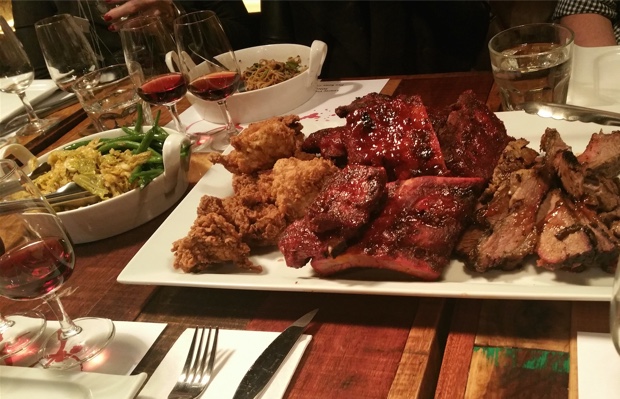
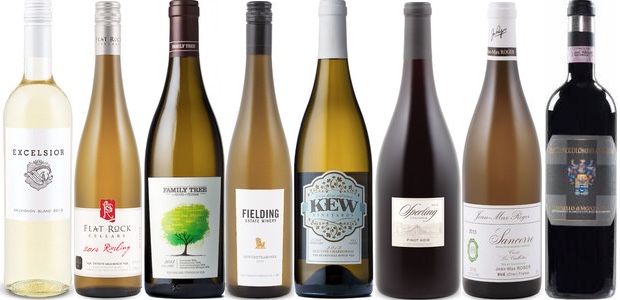

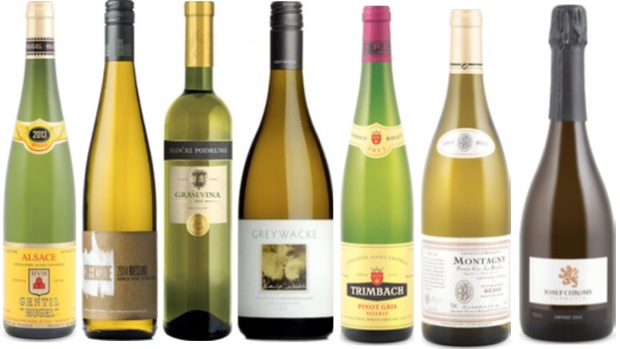
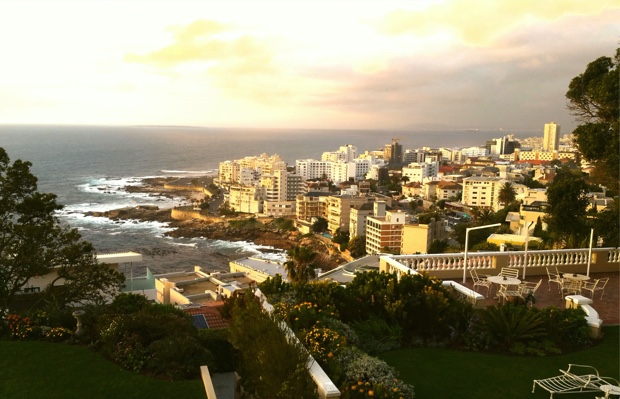


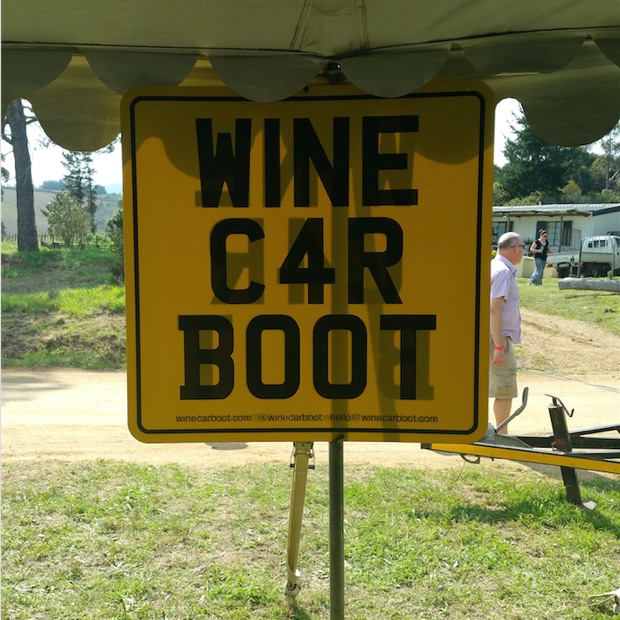


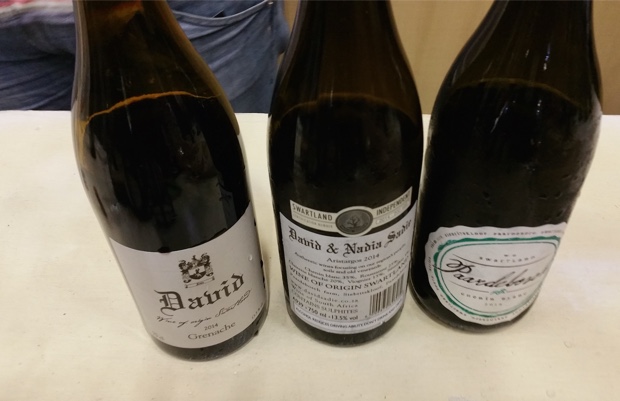


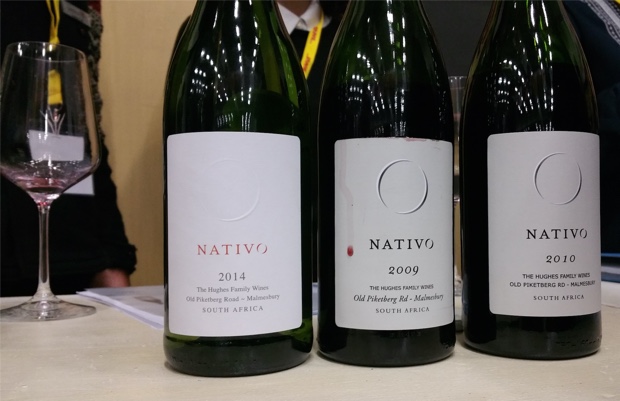


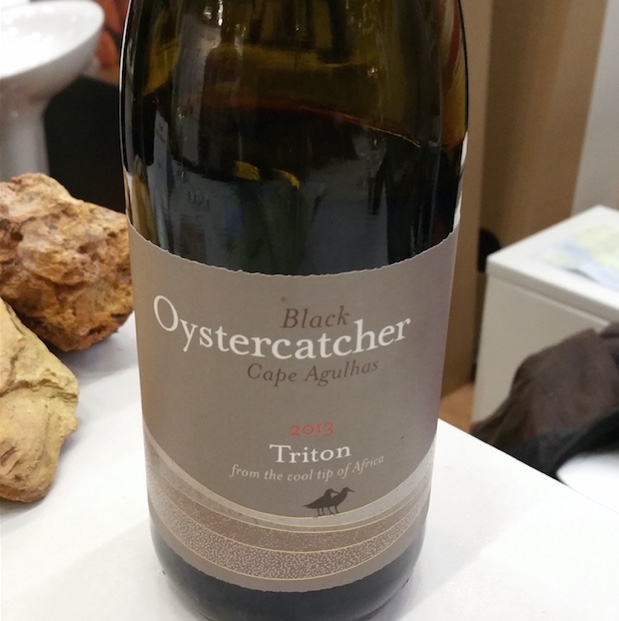
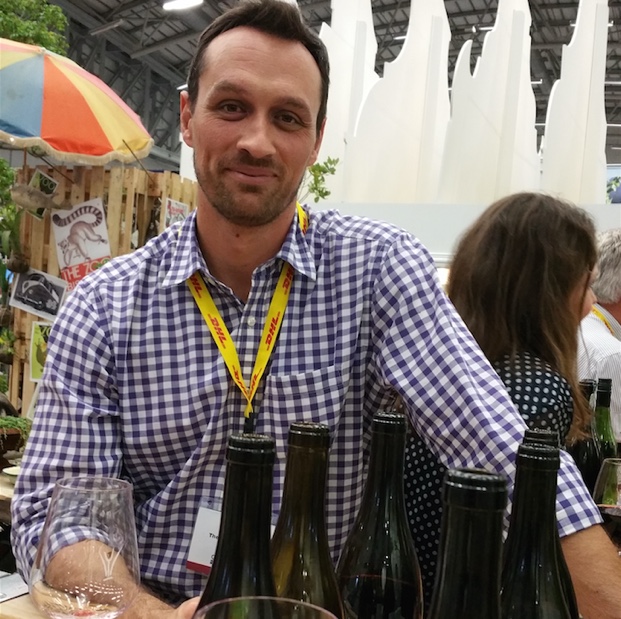
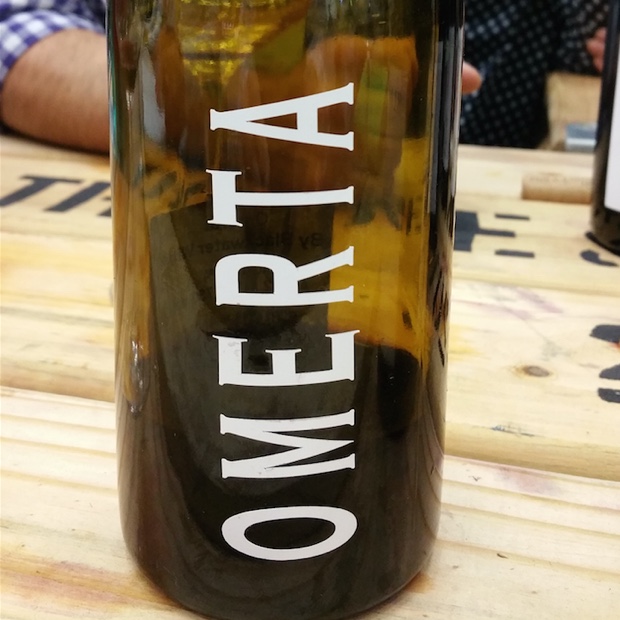



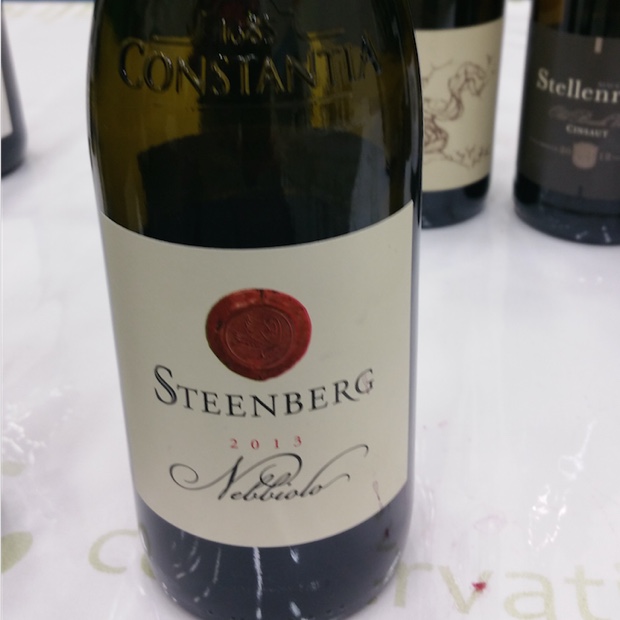
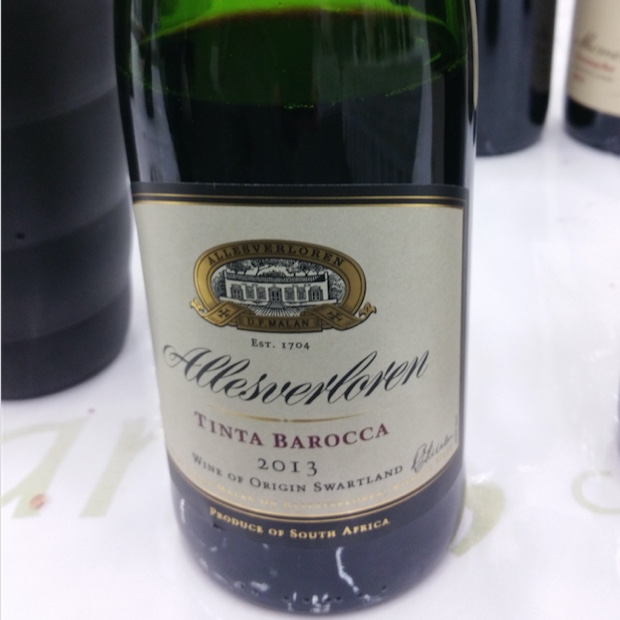


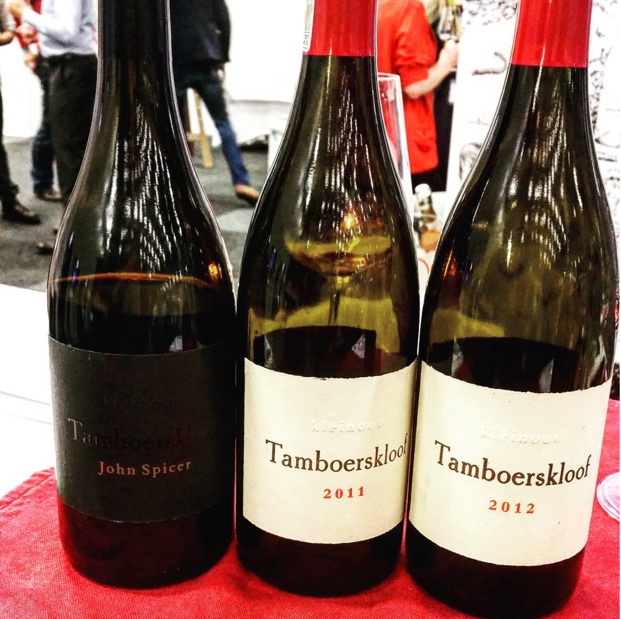


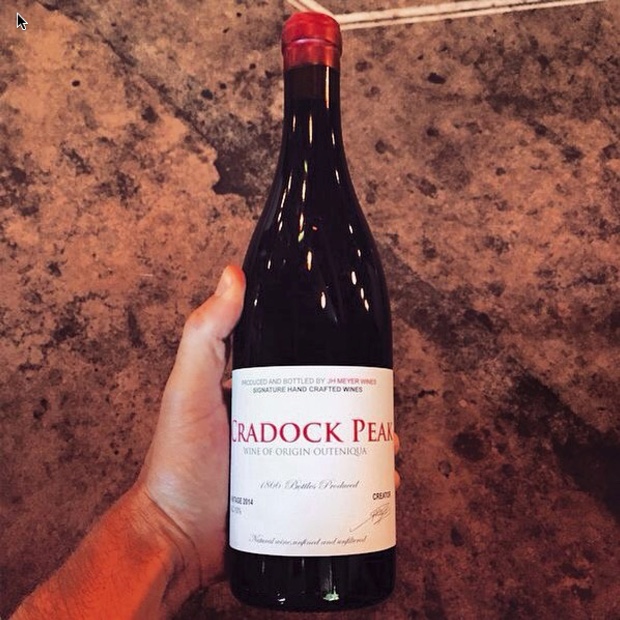
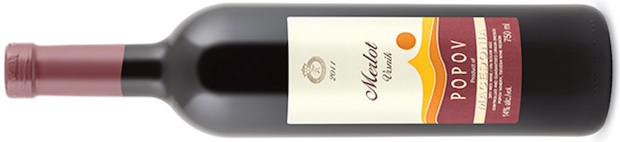
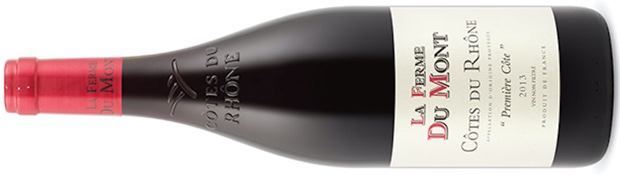

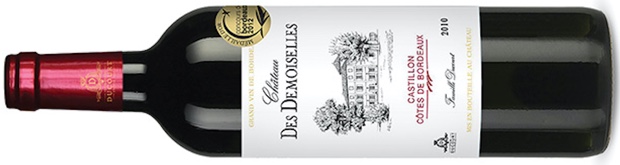
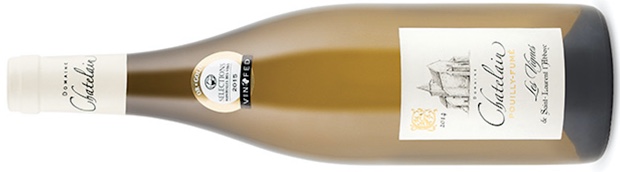
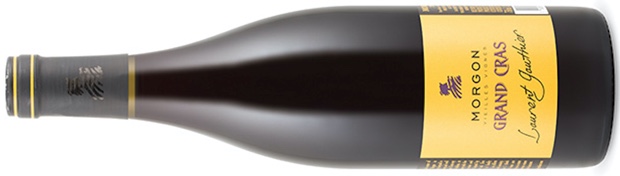
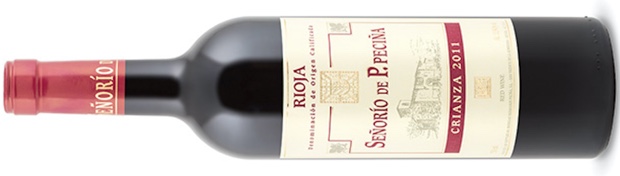
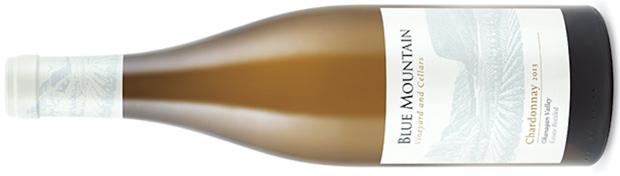
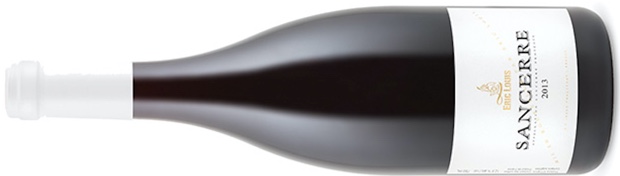

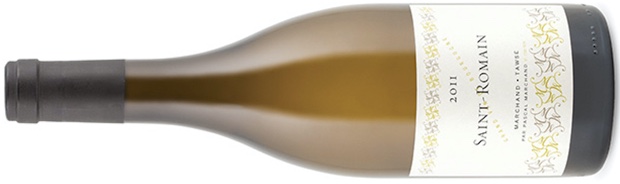
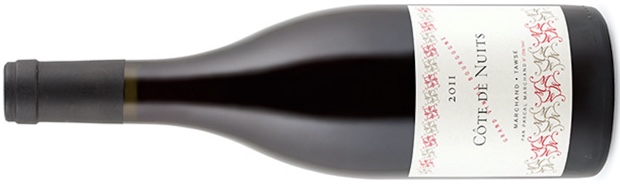

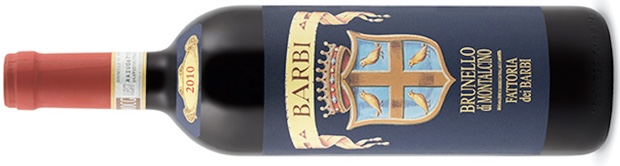
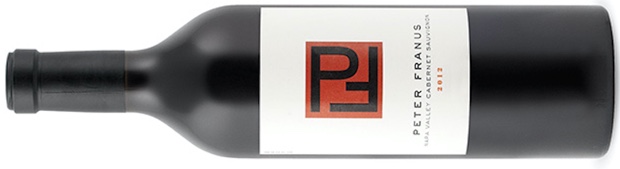

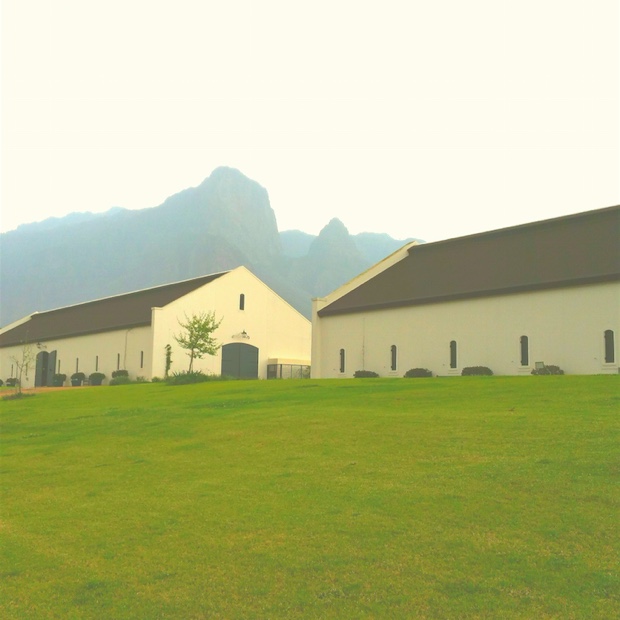

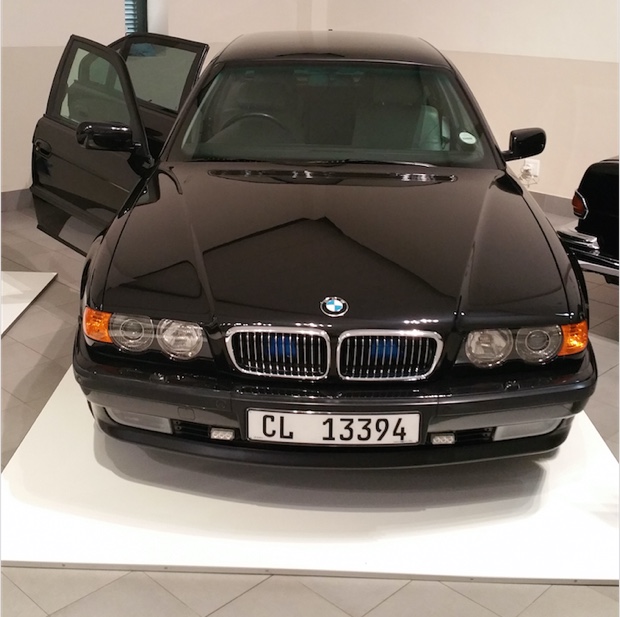
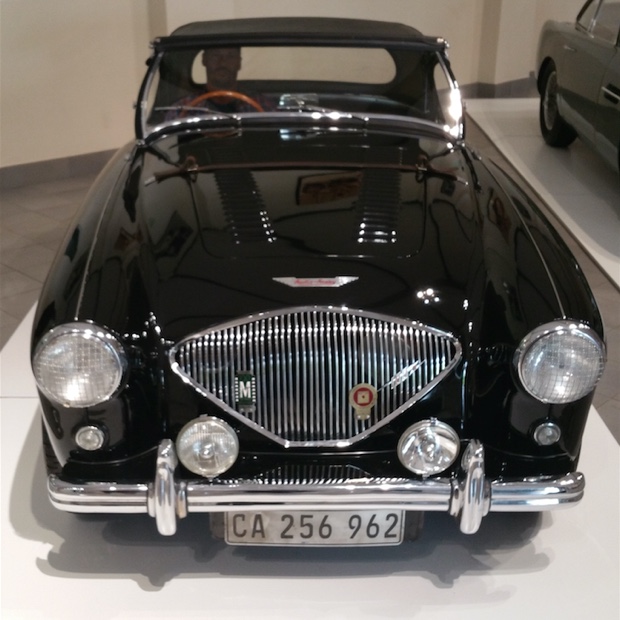
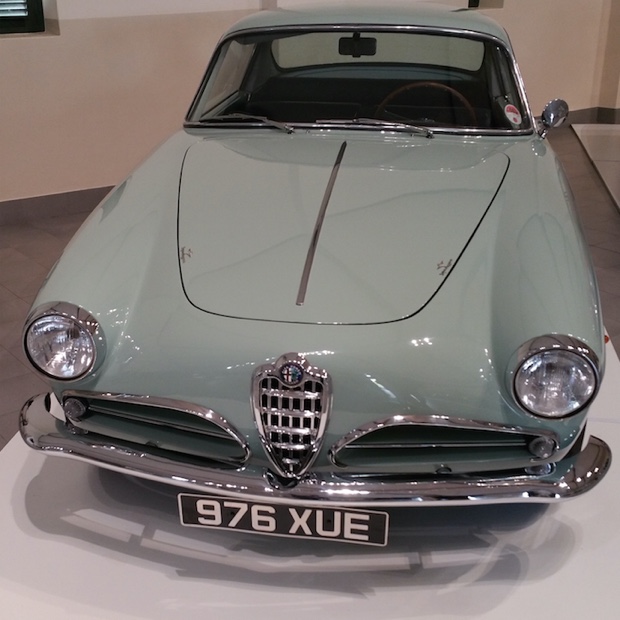

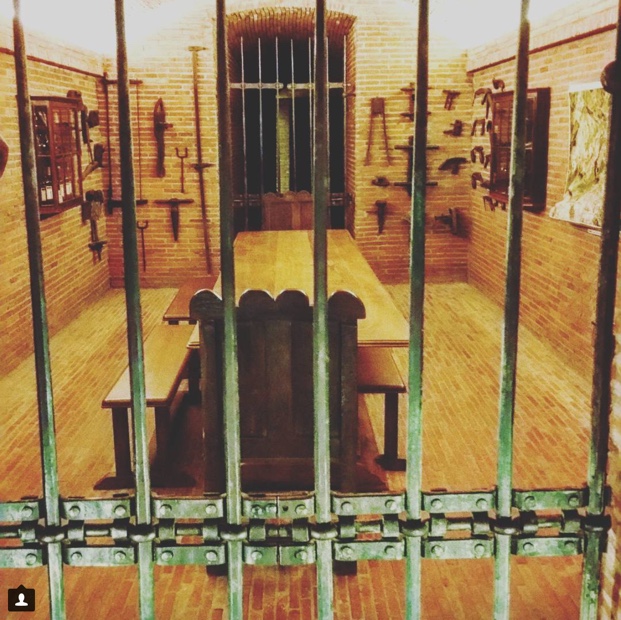
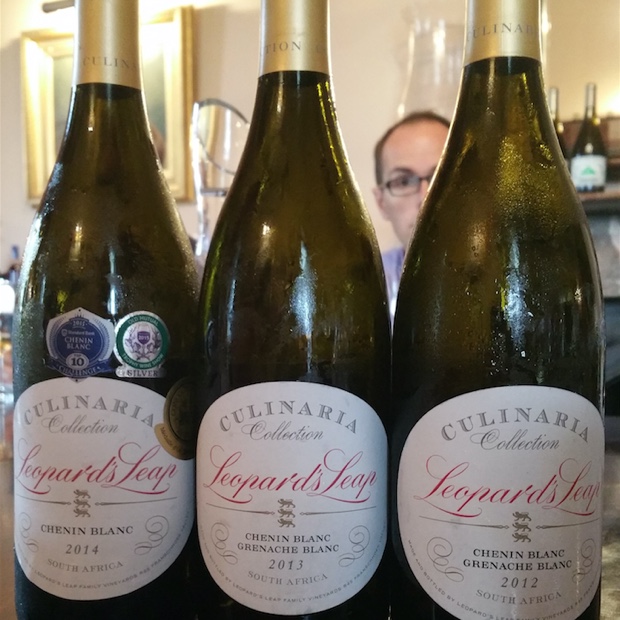
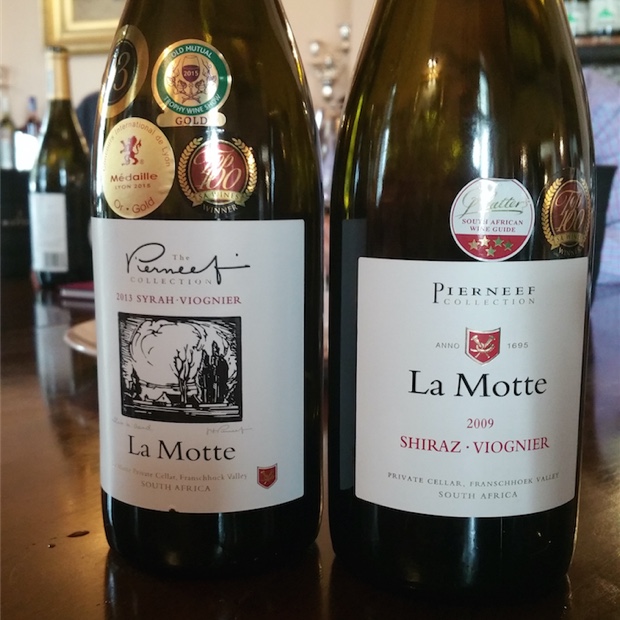
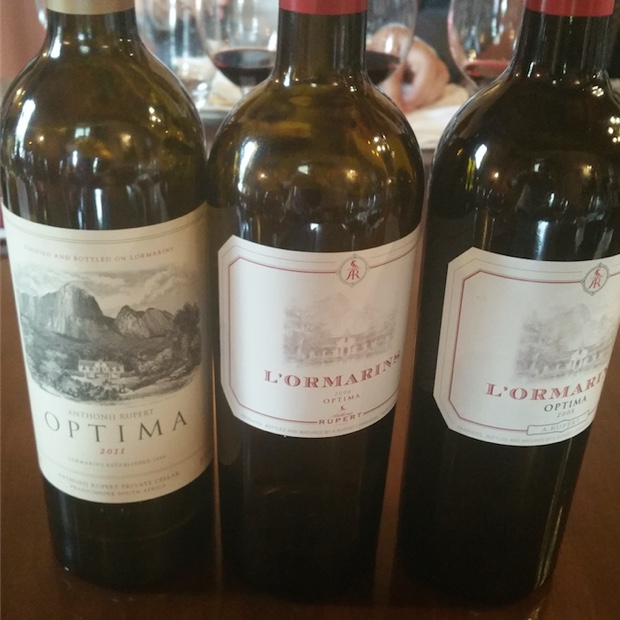
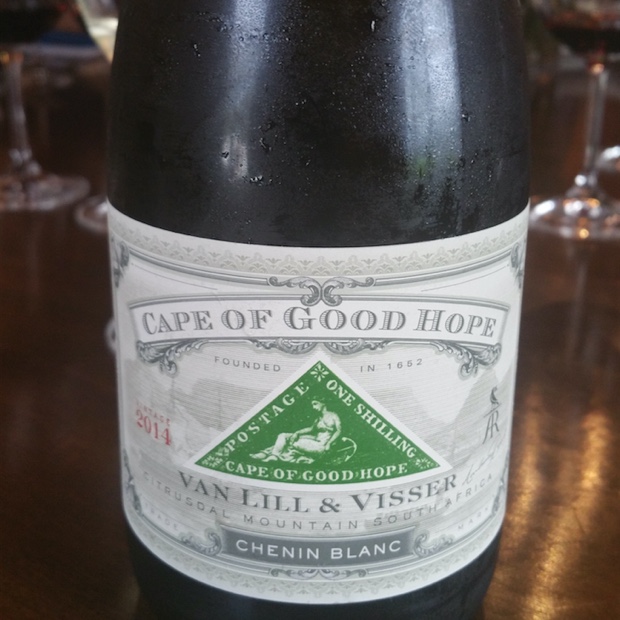
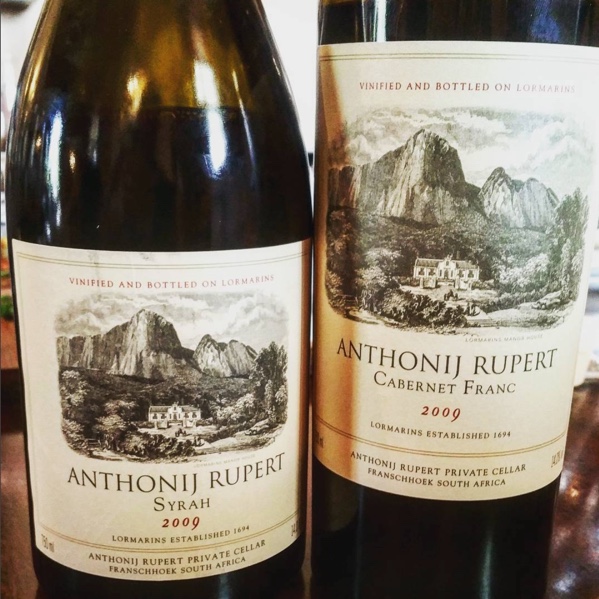
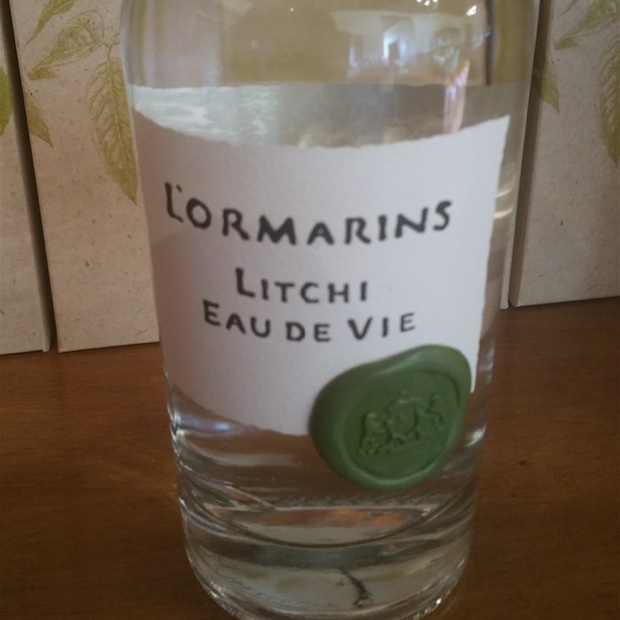
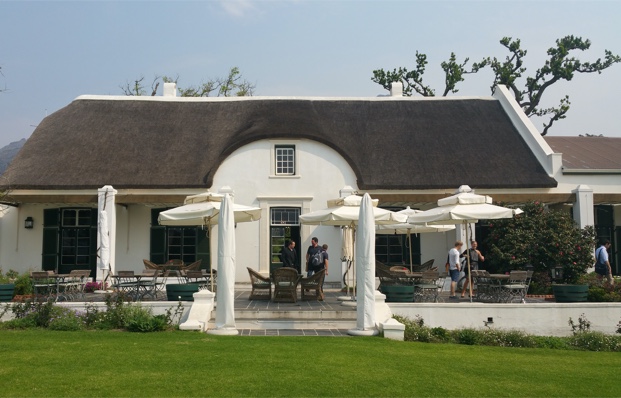
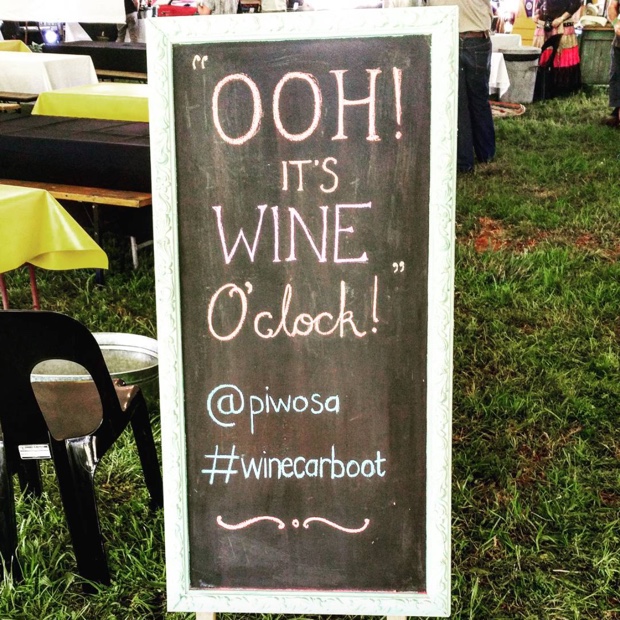
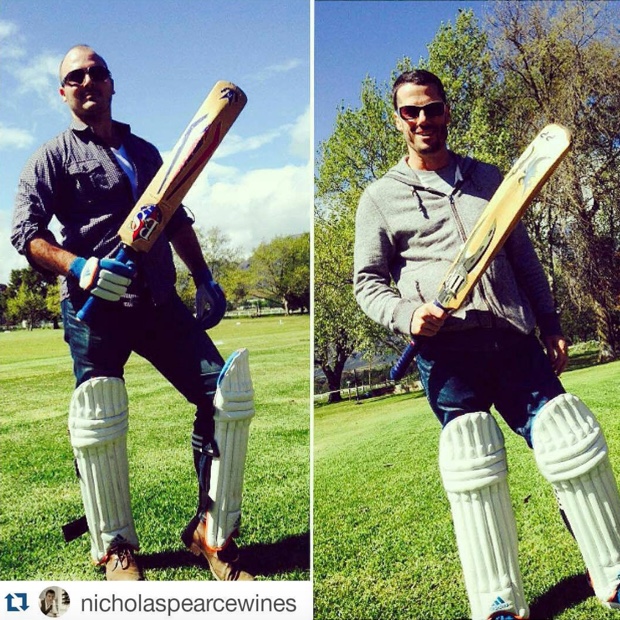
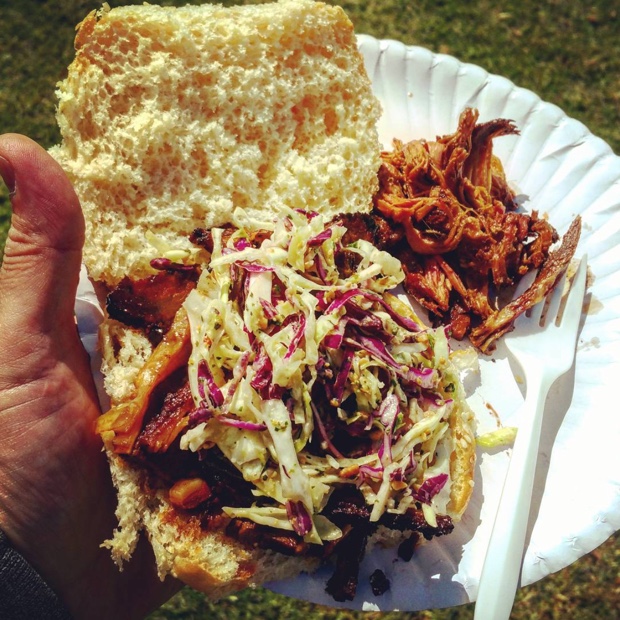
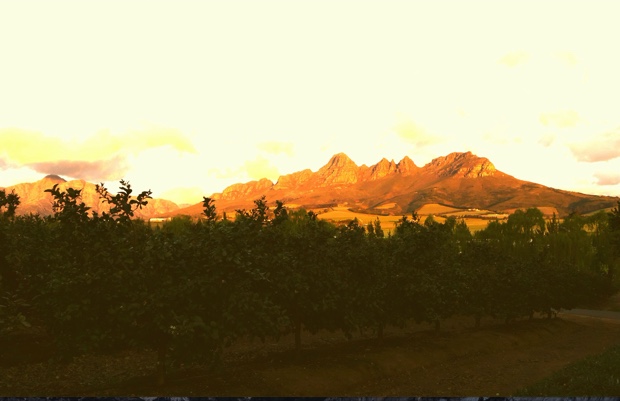
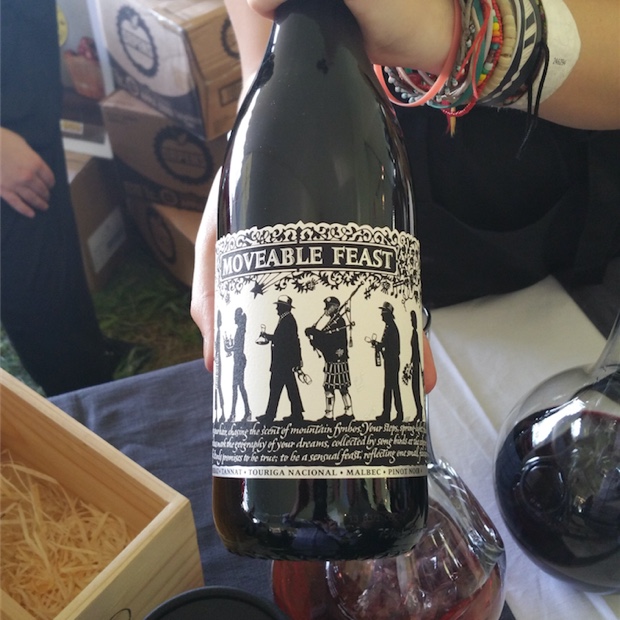

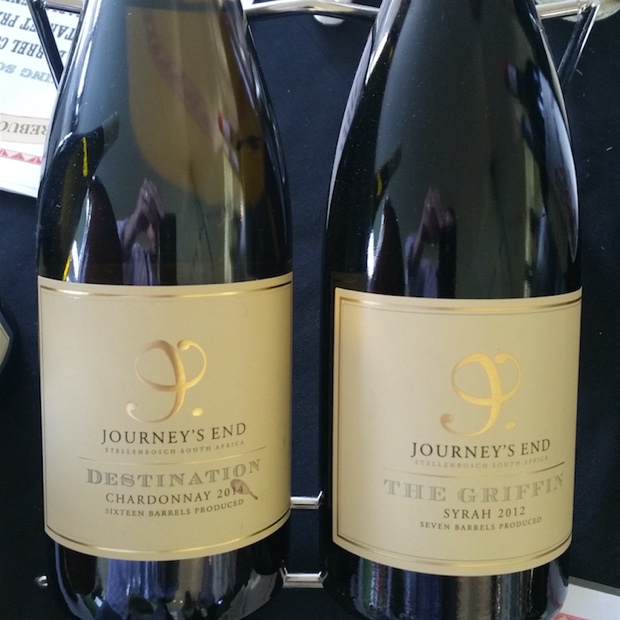
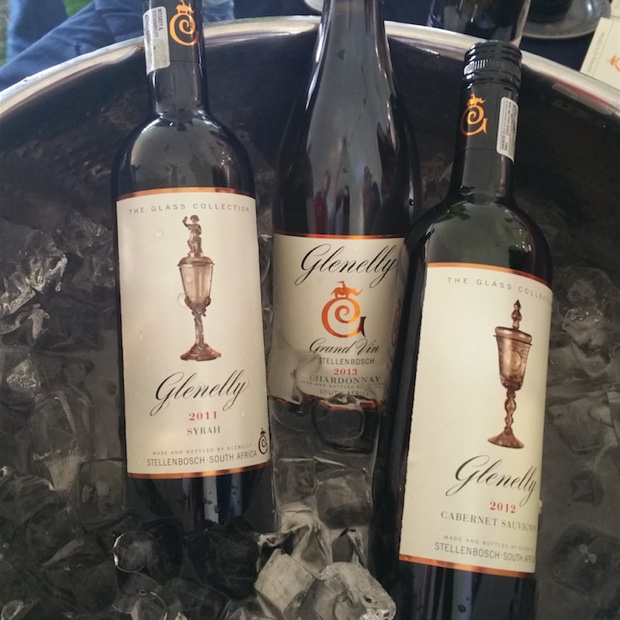


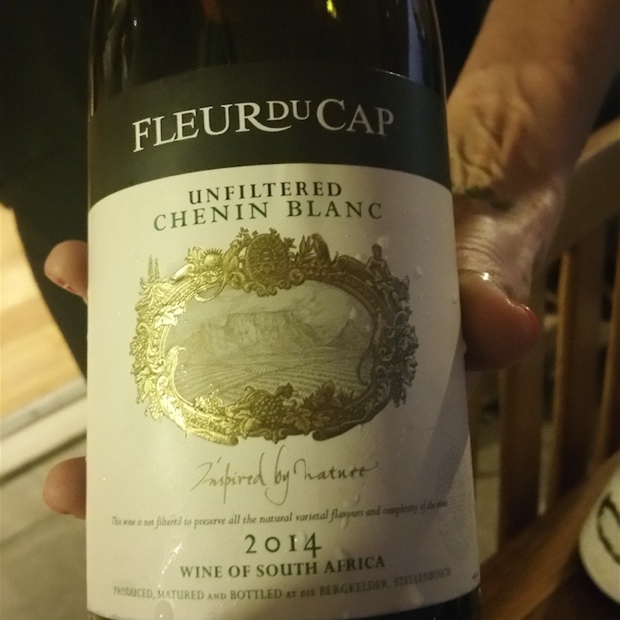

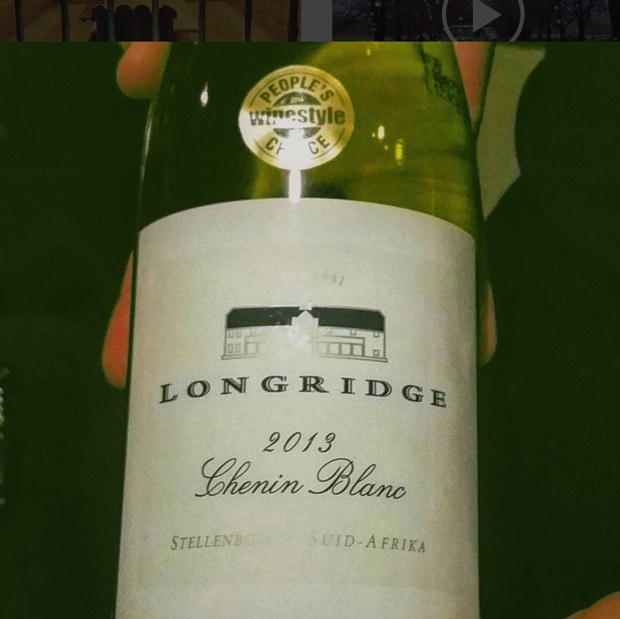
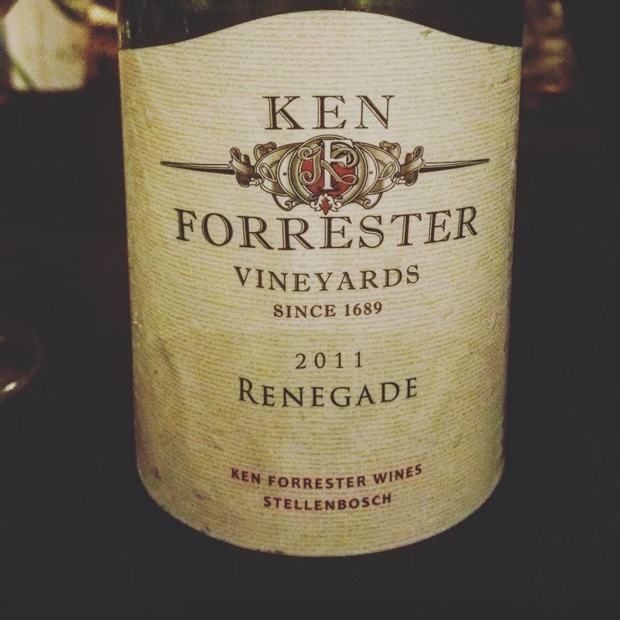


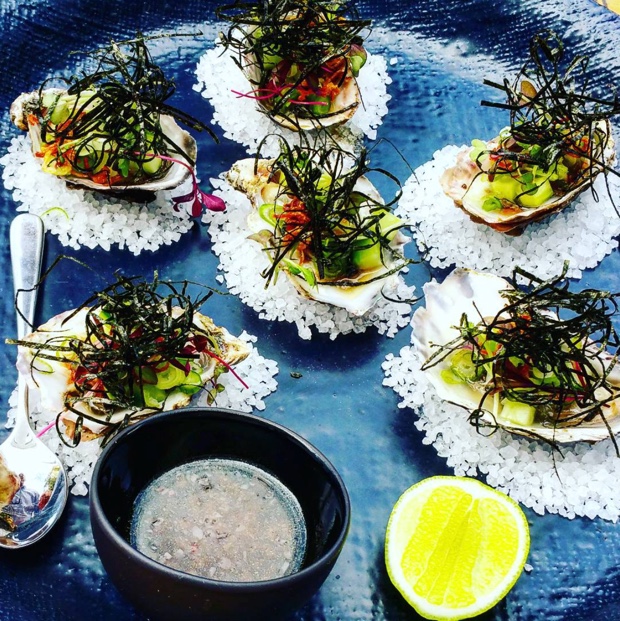

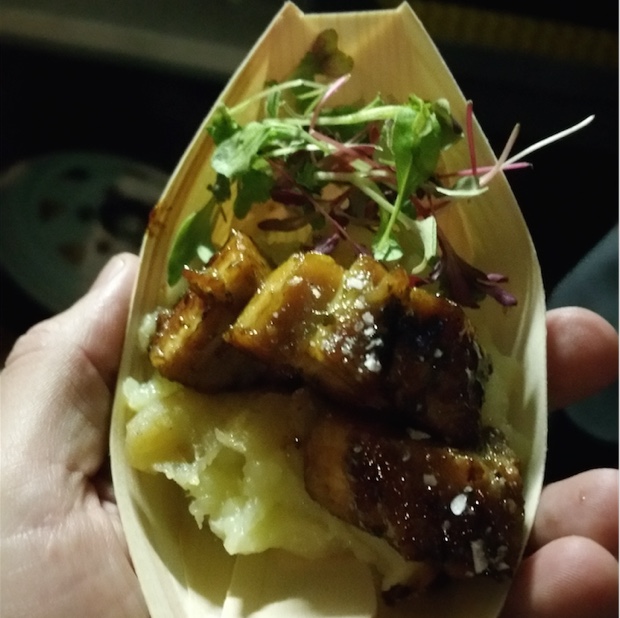
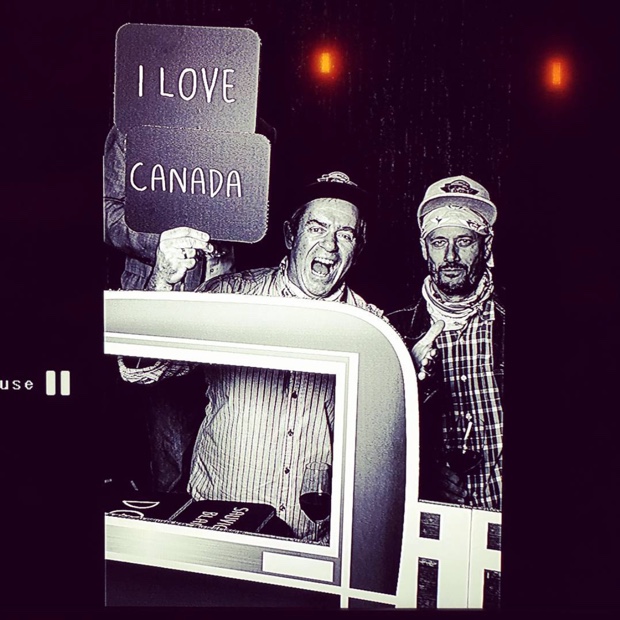
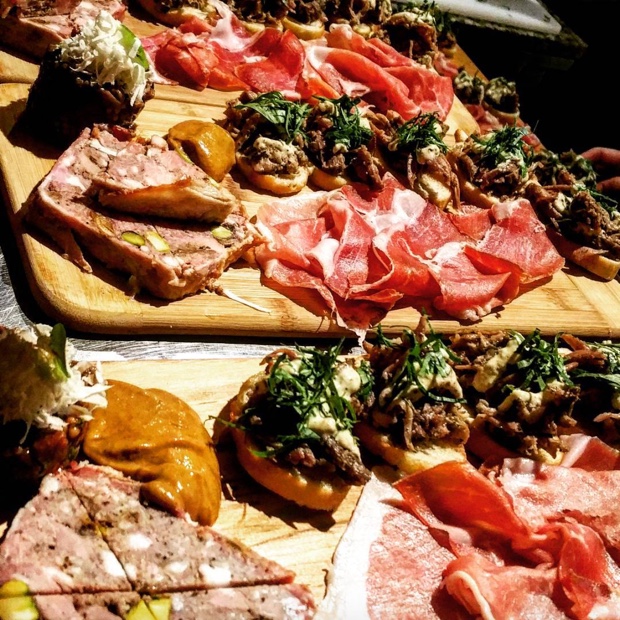







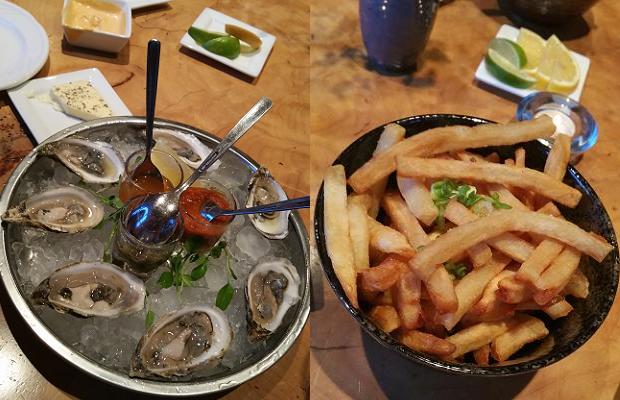
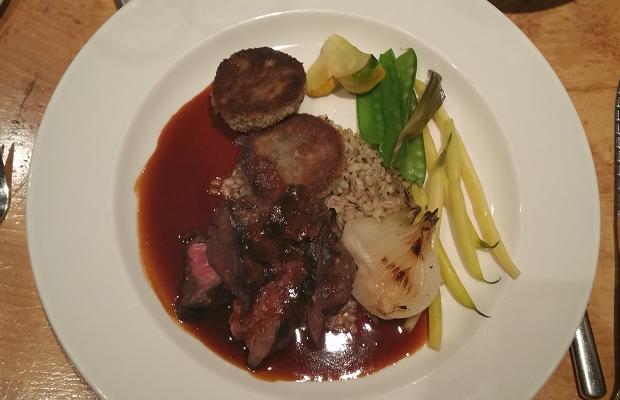
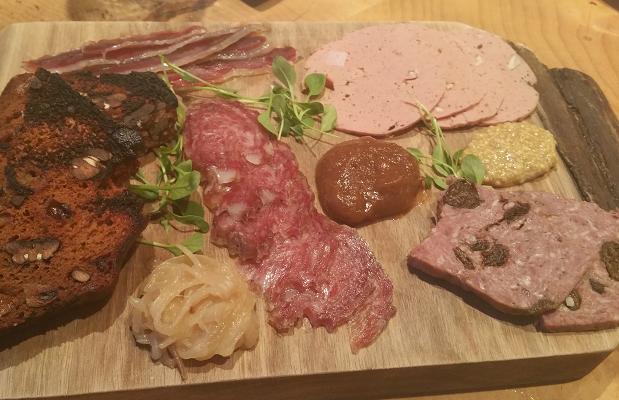
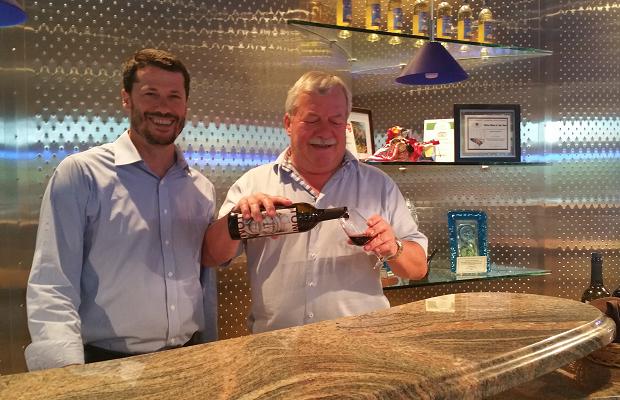

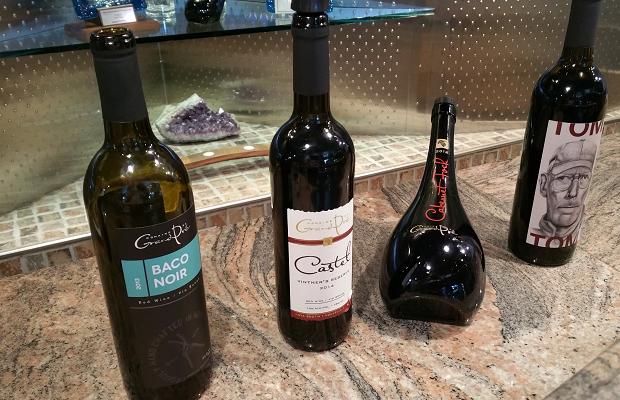

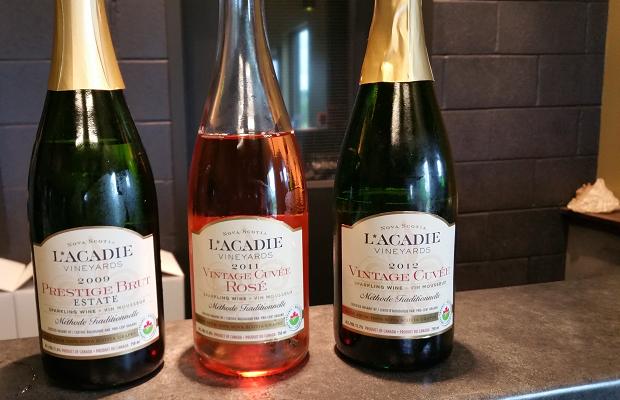
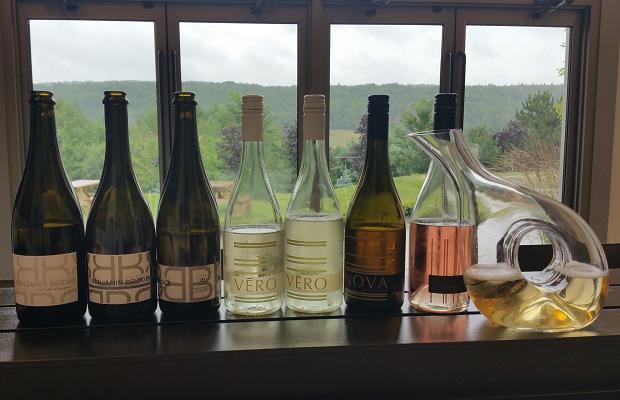
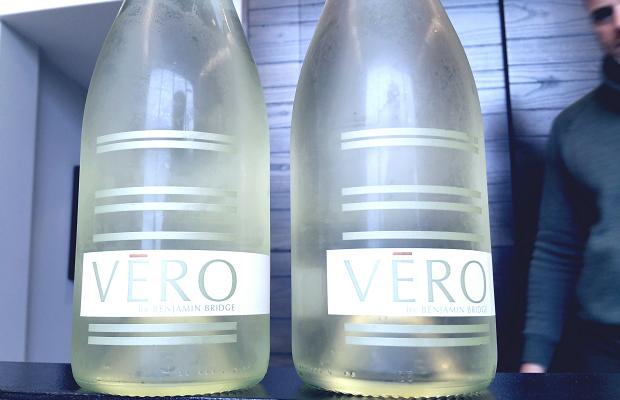


 Godello