15 Canadian wines that rocked in 2015

15 in 2015

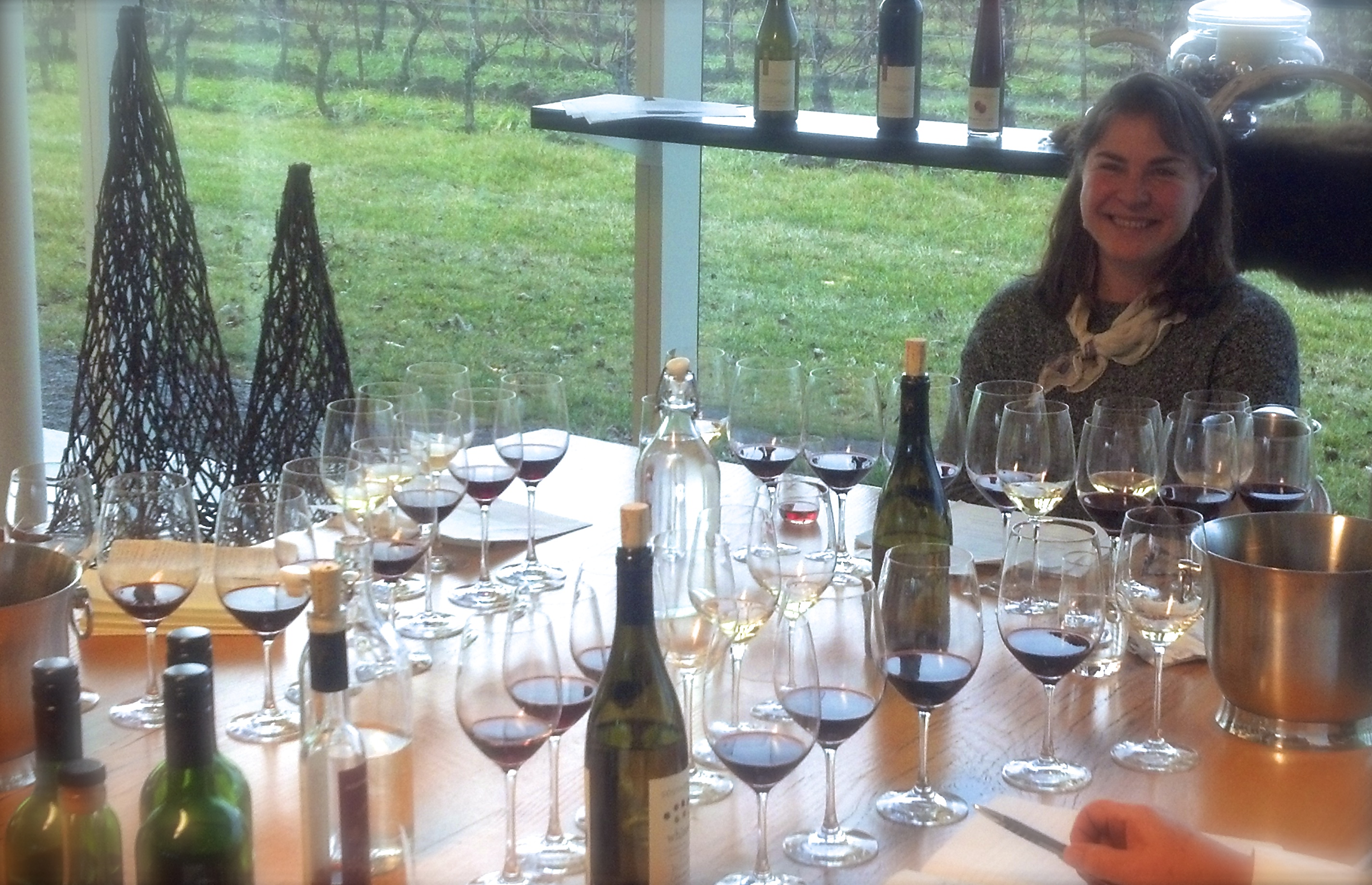
In the past 12 months I have tasted Canadian wines. Somewhere between hundreds and a thousand of them. Aside from day-to-day assessments at home, in the LCBO sensory lab, at the WineAlign office and at events in Ontario, I’ve also been a part of judging panels. In 2015 I sat in at the Ontario Wine Awards, WineAlign National Wine Awards of Canada, WineAlign World Wine Awards of Canada and Gold Medal Plates.

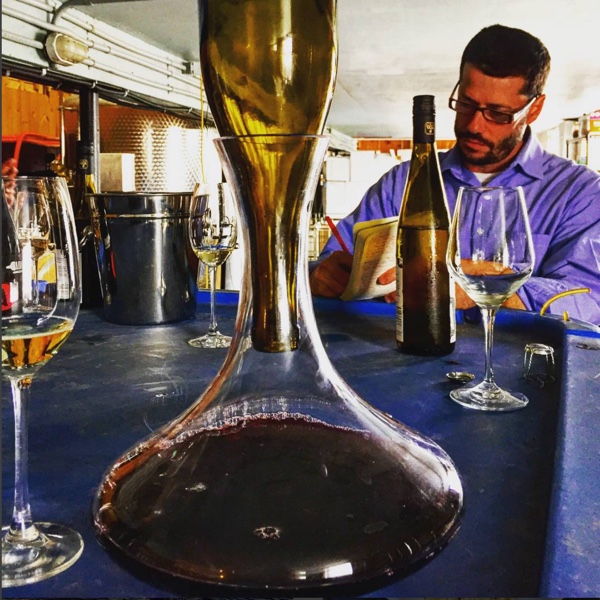
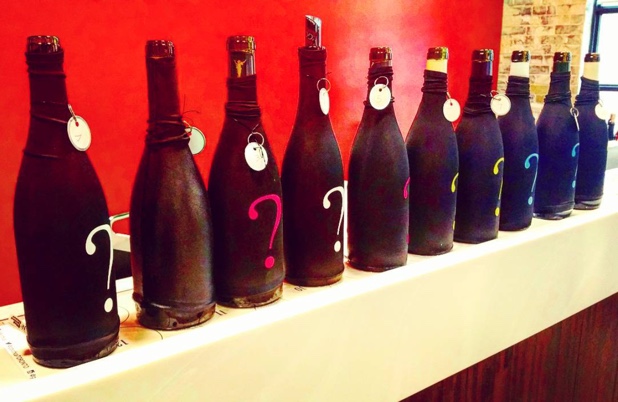
Flight 3, code red #pinotnoir redux. Right proper #NWAC15 picks & pours @FortessaCanada stems @winealign staff rock!

Flight 3, code red #pinotnoir redux. Right proper #NWAC15 picks & pours @FortessaCanada stems @winealign staff rock!

In 2014 the highlights numbered 14, just as in 2013 the number chosen to cant, recant and decant excellence in Canadian wine was 13. And so forth leads to 15 in 2015.

Related – 14 Canadian wines that rocked in 2014

The Legend, the Sommelier and the Godello #geddy #yyz #gmp2015 #goldmedalplates #rush

The Legend, the Sommelier and the Godello #geddy #yyz #gmp2015 #goldmedalplates #rush

Canadian wine is growing with exponential force, gaining ground in markets at home and abroad. Brits dig us. I know, they told me. British Columbia is a desert oasis of variable climates to fascinating degrees. Oh the Syrah, Riesling and Gamay that rocks forth. Ontario stood up to two straight brutal winters and screamed, “we still made great fucking wine.” Take that mother nature.

Related – 13 Canadian wines that rocked in 2013

And I quote. “Picking a top anything list is both a chore and a labour of loyalty. The opportunities to learn more about Canadian-made wine, especially the processes and the efforts, were numerous in 2014. Canadian winemakers opened their doors and when people came, they taught. They walked the vineyards, showed off their prized barrels and walked through the processes of making wine. Tasting and barrel rooms make for the greatest classrooms. Get out there in 2015. The experience is priceless.”
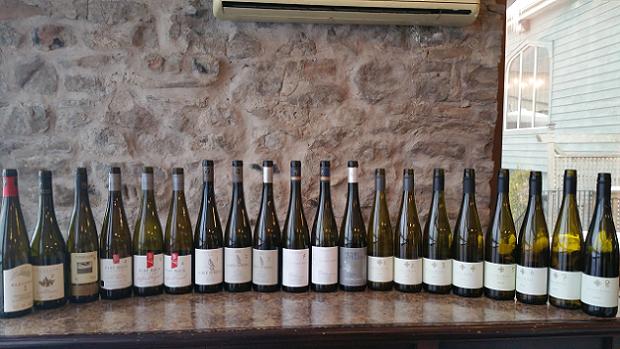
Riesling at the Carriage House, Vineland Estates Winery - March 7, 2015

Riesling at the Carriage House, Vineland Estates Winery – March 7, 2015

So I did. In 2015 I visited Niagara for Icewine Fest, discovered exceptional cider (with percentages of Pinot Noir and Riesling) made by Angela Kasimos at Small Talk Vineyards and have been pouring it on tap at Barque Smokehouse and Barque Butcher Bar ever since.
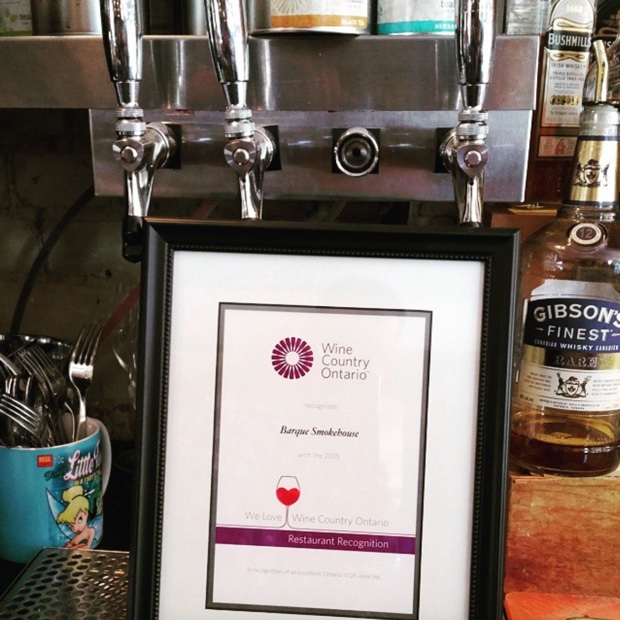
The pioneer for #vqa #wineontap feel good recognition from @winecountryont Thank you from @barquebbq #ontariowineweek #ontwine #drinkontario #pourontario

The pioneer for #vqa #wineontap feel good recognition from @winecountryont Thank you from @barquebbq #ontariowineweek #ontwine #drinkontario #pourontario

The taps at the two restaurants poured a record number of wines in 2015, from Tawse, Lailey, Norm Hardie, Creekside, Between the Lines, Kew Vineyards, Redstone, Stratus and Leaning Post. In March we travelled with CAPS Ontario for an eight-hour intense immersion into Niagara Riesling and Cabernet Franc.
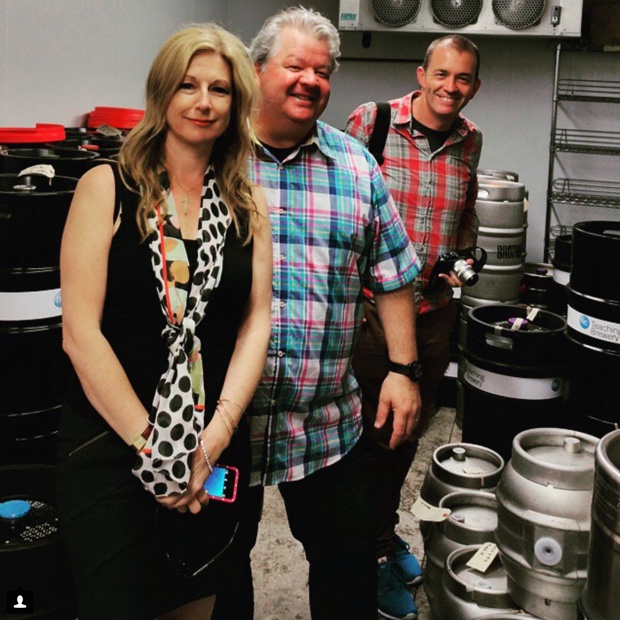
Smiles with hops. Beer fridge @Niagara_College @mkaiserwine @chefmolson @drjamiegoode #niagarateachingbrewery #notwine #greatbeer

Smiles with hops. Beer fridge @Niagara_College @mkaiserwine @chefmolson @drjamiegoode #niagarateachingbrewery #notwine #greatbeer

Another visit with Ilya and Nadia Senchuk at Leaning Post Wines in Winona, Ontario shed new lights, especially for Syrah from the Lincoln Lakeshore. In June I toured the facilities at Niagara College with Dr. Jamie Goode, Magdalena Kaiser and our host Chef Michael Olson. Jamie and I tasted through an impossible number to count Domaine Queylus wines with Thomas Bachelder. On that I will report really soon. Really soon…
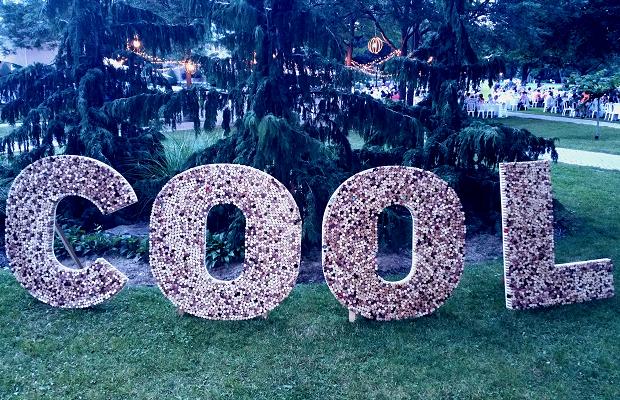
Cool Chardonnay at Ridley College

Cool Chardonnay at Ridley College

The Cool Chardonnay conference in July was in fact, the coolest yet. I spent three more glorious Annapolis-Gaspereau Valley days with Mike and Jocelyn Lightfoot in Wolfville, Nova Scotia. Visits to Domaine de Grand Pre, L’Acadie Vineyards and Benjamin Bridge filled out the east coast foray.

Comity in the County godello.ca #PECwine #princeedwardcounty #cherryvalley #clossonridge #danforthridge #greerroad #laceyestates #hubbscreekvineyard #hinterlandwine #lighthallvineyards #clossonchase #adamoestatewinery #northshoreproject

Comity in the County godello.ca #PECwine #princeedwardcounty #cherryvalley #clossonridge #danforthridge #greerroad #laceyestates #hubbscreekvineyard #hinterlandwine #lighthallvineyards #clossonchase #adamoestatewinery #northshoreproject

In the fall I made pilgrimage to Prince Edward County to get a grip on the eskers, ridges and aspects of what makes wine so special in that part of Ontario.

As always there are wines that should have, would have and could have made the cut were there more time, space and yet another, better headline to write. Some were knocked off the shortlist because they may not have been quite as exciting though were this list one of “most important,” then perhaps they would have stayed put. These four are perfect examples of that condition.

Château Des Charmes Old Vines Riesling 2008, VQA Niagara On The Lake, Ontario (277228, $16.95, WineAlign) Perhaps the assessment seven years later creates an unfair advantage but come now, a great wine is a great wine from its humble beginnings. At $16.95, in 2008 or 2015, in Niagara-on-the-Lake, on the Peninsula, this type of emerging propensity is more than gold or platinum, it’s money.

The Good Wine Cabernet Franc 2012, VQA Lincoln Lakeshore, Ontario (350751, $20.95, WineAlign) from winemaker Ross Wise and The Good Earth Wine Company’s Nicolette Novak is a necessary example of $20 Lincoln Lakeshore Cabernet Franc offering up every reason to drink it and demand that more me made.

Creekside Estate Winery Pinot Noir Queenston Road Vineyard 2013, VQA Niagara Peninsula, Ontario (Winery, $22.95, WineAlign) is what winemaker Rob Power refers to as a lay lady lay style. Still the Kama Sutra Pinot Noir of inviting behaviour.
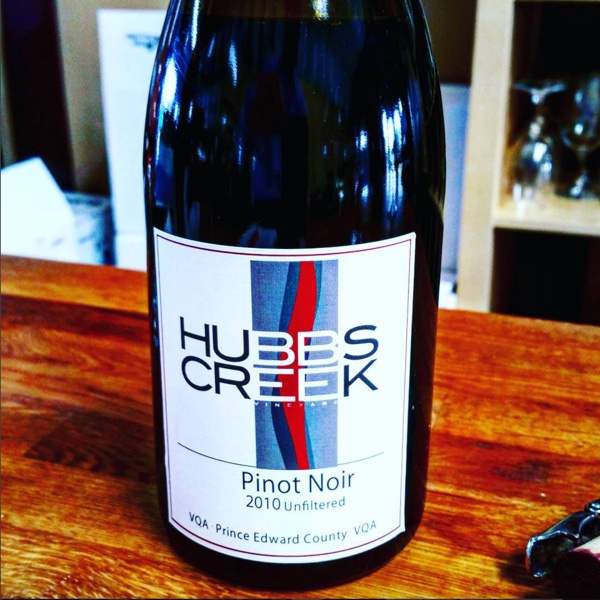
Hubbs Creek

Hubbs Creek Vineyard Pinot Noir Unfiltered 2010, VQA Prince Edward County, Ontario (Winery, $28.95, WineAlign). The HCV Danforth Ridge is clearly a top Pinot site in the County (along with slopes on the Greer and Closson roads). Planted to high density the results are proven in wines like this 2010

The year that was 2015 seemed to bring out the adventurous winemaker, the risk-taker and the progressive thinker. While these five wines were not so much exciting as much as they were cerebral, they need to be mentioned. Whenever the envelope is pushed and the emotions of geeks are sequestered, well then a wine has achieved something special. These five really opened some doors.
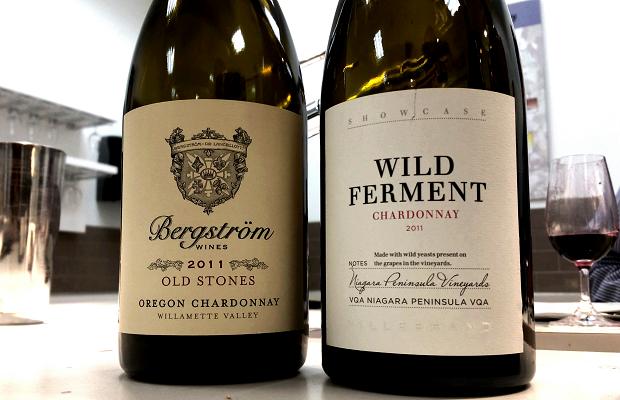
Bergstrom and Hillebrand

Hillebrand Showcase Series Wild Ferment Chardonnay 2011, VQA Lincoln Lakeshore, Niagara Peninsula, Ontario (199273, $36.20, WineAlign) speaks the treble language of the vintage, predicated on bold ideas looking forward towards a bright future. Ultimately it is yeast and vintage, non partisan to site, that elaborate the Wild Ferment.
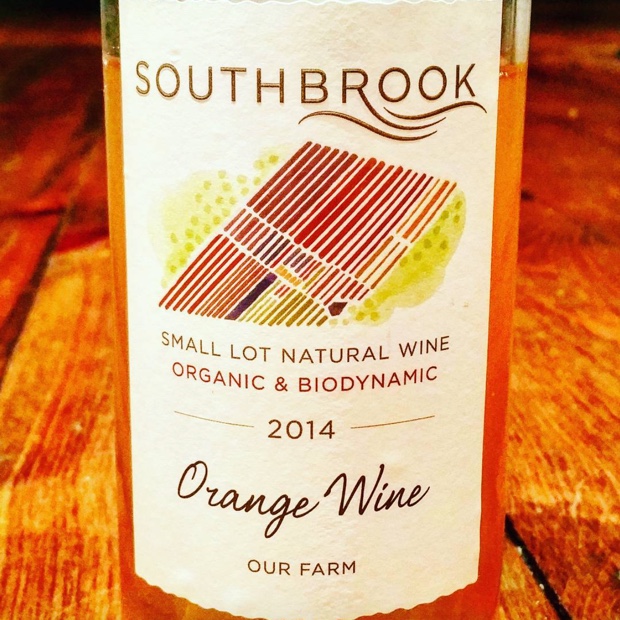
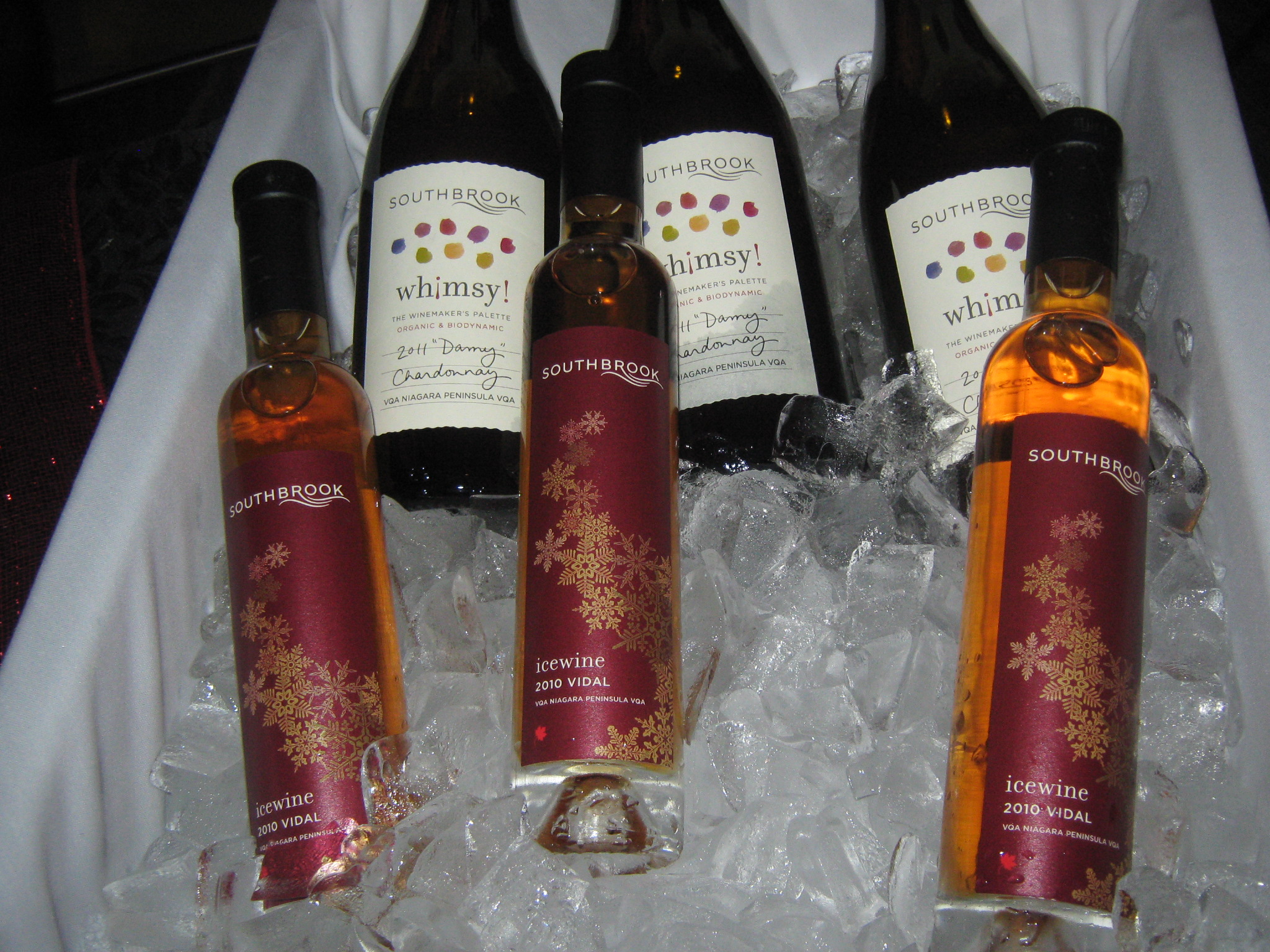
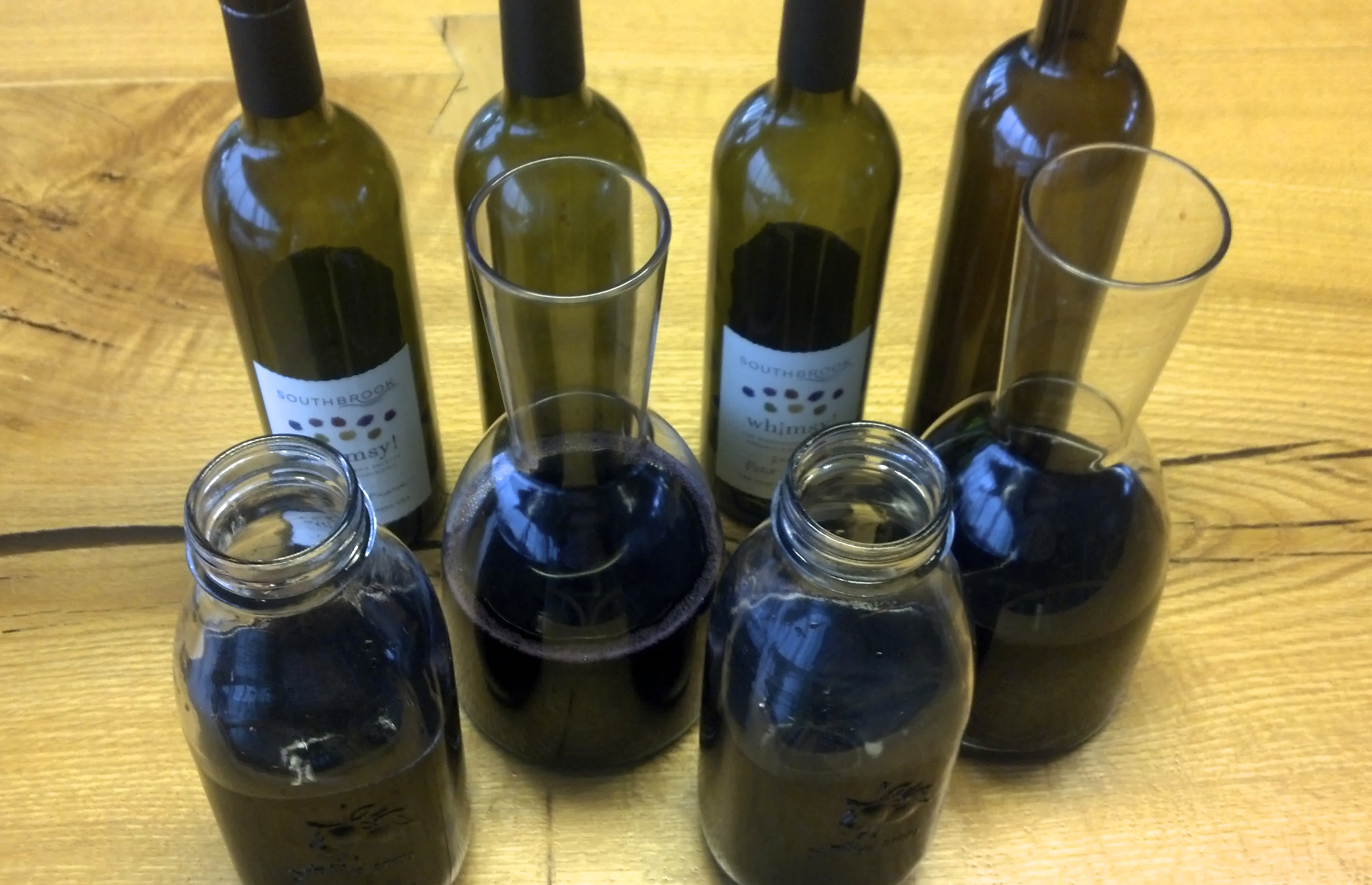
Southbrook Vidal Orange Wine 2014

Southbrook Vidal Orange Wine 2014

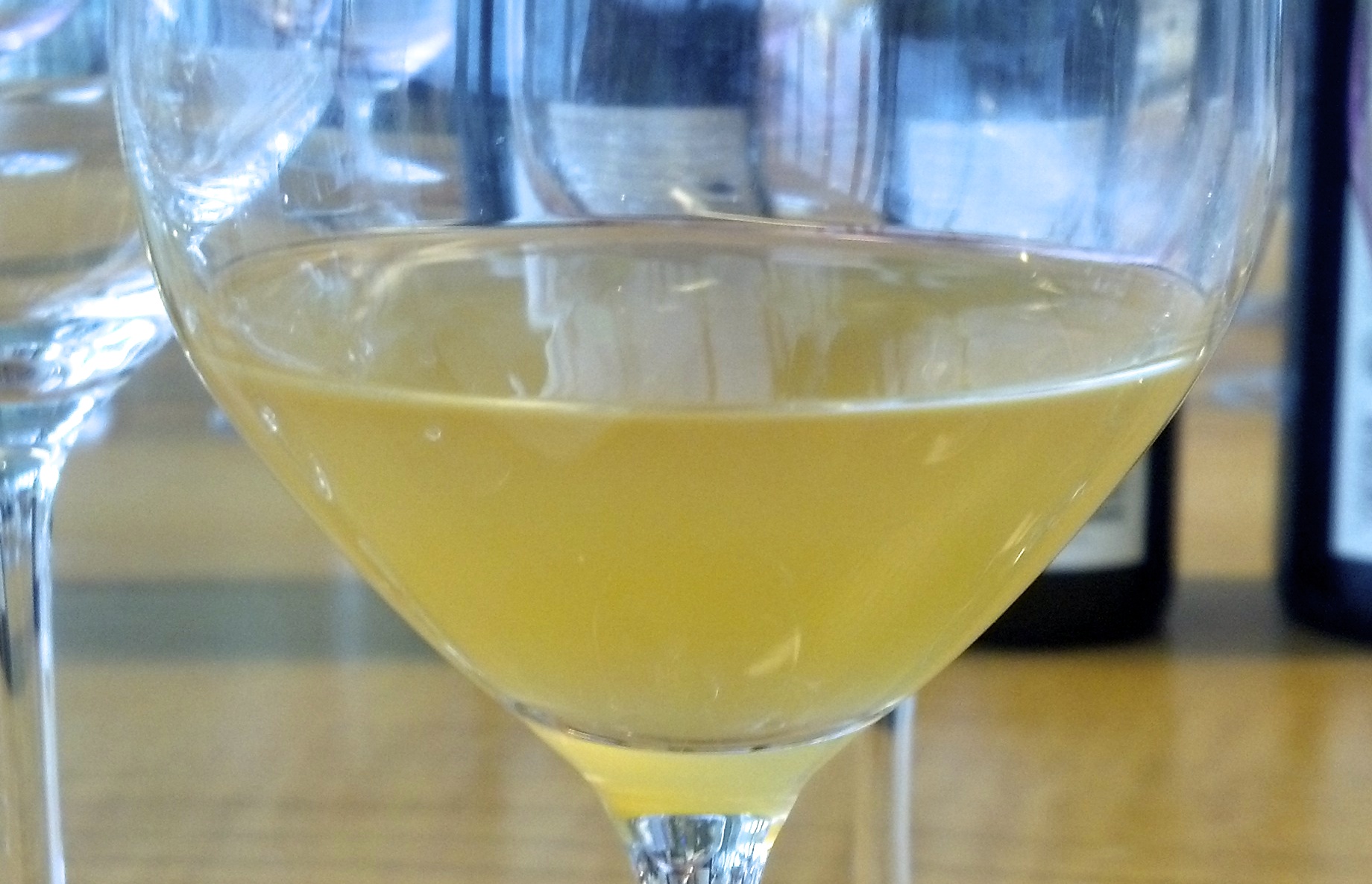
Southbrook Vineyards Whimsy! Orange Wine 2014, Niagara On The Lake, Ontario (Winery, $34.95, WineAlign). The technique and the practice is ancient and has been kept alive. The only questions need asking are “is it good, is it well-made and would I like to drink it?”
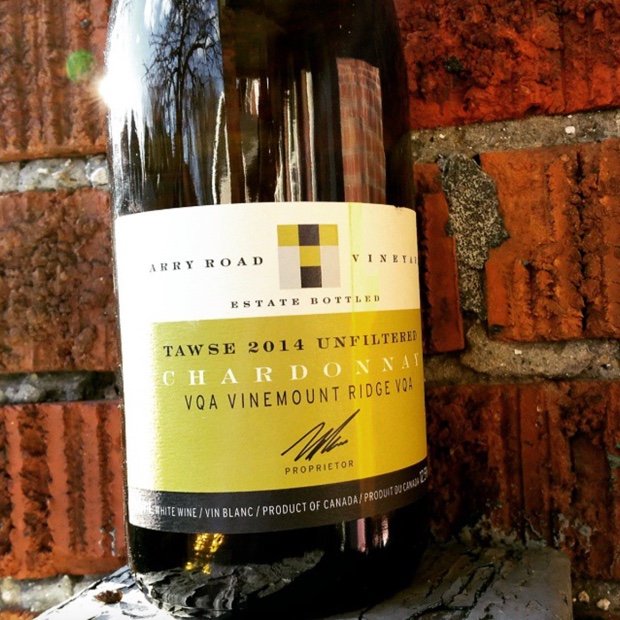
In bottle @Tawse_Winery #quarryroad 2014 #natural soon to tap @barquebbq #chardonnay #naturalwine #unfiltered #paulpender #vinemountridge #niagarapeninsula #vqa #ontwine

In bottle @Tawse_Winery #quarryroad 2014 #natural soon to tap @barquebbq #chardonnay #naturalwine #unfiltered #paulpender #vinemountridge #niagarapeninsula #vqa #ontwine

Tawse Chardonnay Quarry Road Natural 2014, VQA Vinemount Ridge, Niagara Peninsula, Ontario (Winery, $35.95, WineAlign). It’s one thing to make a natural wine in Ontario and a world away to do so with Chardonnay. “The law was never passed, but somehow all men feel they’re truly free at last. Have we really gone this far through space and time?”

The latest rendition of Vin de Curé, the “Parish Priest’s,” and the Jura’s Vin de Paille (Straw Wine) of Burning Kiln Stick Shaker Savagnin 2013, VQA Ontario (367144, $24.95, WineAlign) is a white elixir in search of roast pork, braised belly and cured bacon. Not to be missed.

Inniskillin Discovery Series Botrytis Affected Viognier 2013, VQA Niagara Peninsula (375ml), Ontario (405027, $39.95, WineAlign) though not a common Viognier practice can be imagined with Vendanges Tardives simulation.

Filtering Nova Scotia #peggyscove #eastcoastswing15

Filtering Nova Scotia #peggyscove #eastcoastswing15

I try to concentrate on new releases, unless something old (read: Riesling) jumps out and bites me in the ass. The 15 Canadian wines tasted in 2015 that wooed, wowed and whetted the appetite are the fingers, toes and tongues of their creator’s ideals, hopes and dreams. They are also quintessentially representative of their time and place.
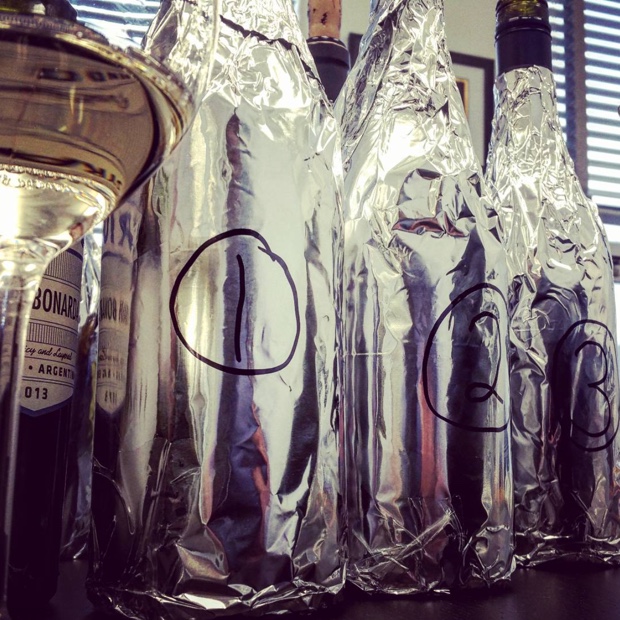
And the winners are...

And the winners are…

Charles Baker Riesling Ivan Vineyard 2014, VQA Niagara Escarpment, Ontario (Winery, $27.00, WineAlign)

From the rich limestone and sandstone beneath the clay, 1.1 acre Misek vineyard, a southerly ledge up from Highway 8 and an easterly hill down from Cherry Avenue. A very linear Ivan combs the catacombs of the Escarpment’s underpinning. A retaining wall of vintage attenuated rocks and stones, a vineyard’s low yields and the voices in Charles’ head have produced a striking Riesling. In 2014 adolescence has entered adulthood. Now before us is a grown up Ivan, mature Ivan, maybe even wise Ivan. Texture is in manifest control in this loyal, stay at home Baker, not yet running wild like free-spirited Picone. Ivan has presence, sometimes a great notion and is Baker’s longest bit of prose to date. The next great Riesling vintage will make it iconic. Drink 2016-2020.  Tasted April 2015  @cbriesling
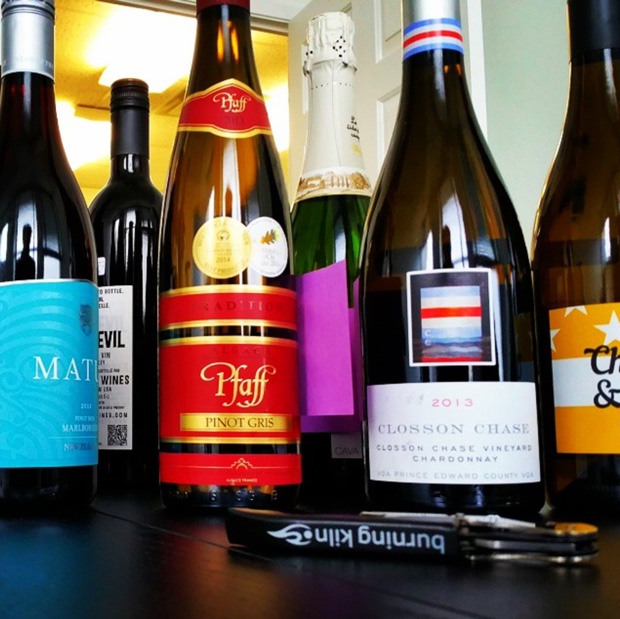
Swan Song- @ClossonChase Chardonnay CCV 2013 #clossonchasewinery #deborahpaskus #pecwine #pec #winecountryontario

Swan Song- @ClossonChase Chardonnay CCV 2013 #clossonchasewinery #deborahpaskus #pecwine #pec #winecountryontario

Closson Chase Chardonnay Closson Chase Vineyard 2013, VQA Prince Edward County, Ontario (Winery, $27.95, WineAlign)

This CCV Chardonnay is one of departed winemaker Deborah Paskus’ final acts at Closson Chase. It will forever be noted as a legacy-cementing, swan song of career excellence. Crafted by Paskus and bottled by the next one, current winemaker Keith Tyers, the 2013 CCV is simply a tour de force. No such combination of richness, tropicality and pure grape tannin has ever infiltrated this Chardonnay, from this vineyard. I’m not sure there is a comparison in Ontario, at this level of excellence and at this price. A wine of pure impression, with Montrachet-like structure and Folatières-like precision. Seemingly capacious, its facile legerity is hypnotizing, quantitatively escalating in assembly of aromas, flavours, through texture and finally to longevity. The wine spent 16 months in a mere (17.25 per cent new) oak. That it notes 12.5 per cent alcohol on the label is next to impossible. The substance is just too buttressed to be so tender and effete. Impeccable balance, refinement and mineral finish. This is Chardonnay to confuse the world’s fine white collectors, to wreak havoc at international tastings for five to 10 years. Only 712 cases are available and at $27.95, is down $2 in price from the 2012. Best ever, hands down. Drink 2017-2023.  Tasted March 2015  @ClossonChase

"There's no work in walking in to fuel the talk." @MalivoireWine Melon & @PearlMorissette Gamay #NWAC15 Parting of the Sensory #CuvéeMonUnique #shirazmottiar #treadwells #winealign #winecountryontario

“There’s no work in walking in to fuel the talk.” @MalivoireWine Melon & @PearlMorissette Gamay #NWAC15 Parting of the Sensory #CuvéeMonUnique #shirazmottiar #treadwells #winealign #winecountryontario

Pearl Morissette Gamay Cuvée Mon Unique 2014, VQA Lincoln Lakeshore, Niagara Peninsula, Ontario (Winery, $29.00, WineAlign)

In December of 2014 I counted the ’13 CMU Gamay as one of my mind-blowing wines of the year. Once again we are witness to the authentic, raw and natural impossibility of the wine, from 100 per cent whole clusters sent to cement fermenters. The hue is just impossible, the wine sulphur-free. That ’13 Gamay did not last. I tasted again this winter and it failed me. It may return. This ’14 will never leave. It is natural to the 14th degree and yet its rich, smokey chocolate  centre and structure of pure physical stature will not let it slide, into a dumb phase or oblivion. This Gamay will strut. It already does. Drink 2015-2020. Tasted June 2015  @PearlMorissette

Cave Spring Csv Riesling 2013, Cave Spring Vineyard, VQA Beamsville Bench, Niagara Peninsula, Ontario (566026, $29.95, WineAlign)

That flesh, that Kabinett flesh, fills the CSV in every crevice. In 2013 the residual sugar number lies between 15 and 16 g/L, and though the crop was bigger, it was still picked later than in 2012. The result is formidable corporeal concentration, consistency of house style and perhaps the only ’13 Niagara Riesling to imitate, perpetuate and extrapolate on the vintage that came before. This Cave Spring concentrates fruit and Escarpment into a powerful Riesling, streaming like charged particles through changing expressions. A lingering ascension hovers as it rises, until it slowly fades into the welkin, like a balloon that languidly gets lost into the blinding blue of a midday sky. Drink 2017-2025.  Tasted April 2015  @CaveSpring

Malivoire Mottiar Chardonnay 2012, VQA Beamsville Bench, Niagara Peninsula, Ontario (Winery, $29.95, WineAlign)

Any Chardonnay from a vineyard discovered on a bicycle just has to be the bomb. Winemaker Shiraz Mottiar has had many an adventure on his bicycle and it all began here in a plot of perfectly planted Chardonnay. A block that became his home vineyard. The fodder for this most balanced Chardonnay and its abilities transcend all that has come before. You would never know a barrel was ever involved and yet the silken sheaths of texture are well compressed and expertly ingrained. Nothing falls out of place. Everything remains in its right place. The radio is dialled in, from the top and outward in waves. “There are two colors in my head,” Everything in its right place. Drink 2016-2024.  Tasted November 2015  @MalivoireWine  @ShirazMottiar

Thirty Bench Small Lot Steel Post Vineyard Riesling 2009, VQA Beamsville Bench, Niagara Peninsula, Ontario (Winery, $30.00, WineAlign)
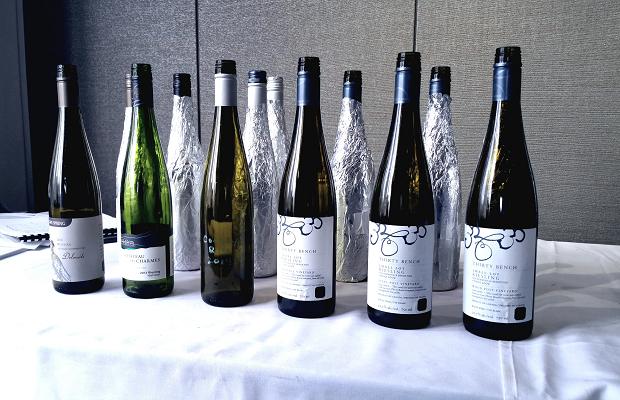
Riesling Masterclass

Riesling Masterclass at Terroir 2015

Balance is and therefore always was struck. The match percusses flint for a mere nano-second, with just a brush on cymbal, the rock bleeds but is quickly clotted because the fruit shines still, like around the clock light. The steely aspect is a posterior one, antithetical and yet purposed, from this vineyard. Youth tells common sense to think 2011. The Riesling behaviour seems to play that part, of a chalky, piercing acidity, so typical of that vintage and so distinctly Thirty Bench. That the wine is older is not a big surprise because 2009 is the bomb. It may just be the best Riesling vintage, from on that Bench, in the last 10. Drink 2015-2025.  Tasted May 2015  @ThirtyBench

C.C. Jentsch Syrah 2013, BC VQA Okanagan Valley, British Columbia, Canada (Winery, $34.95, WineAlign)

Oh so beautifully nasty Syrah, spicy, saucy and wicked. Resin, somewhere between myrrh and mastic, redacts reductively and tension stretches the savoury aspects in all directions. Blood orange and anise blend into the aromatic grain, repeating again through flavour mettle. Fruit, acidity and tannin are interwoven, circulating and on edge, in pitch perfect darkness. Syrah in the big time with the stuffing to age. Drink 2016-2022.  Tasted blind at WWAC15, August 2015  @CCJentschCellar
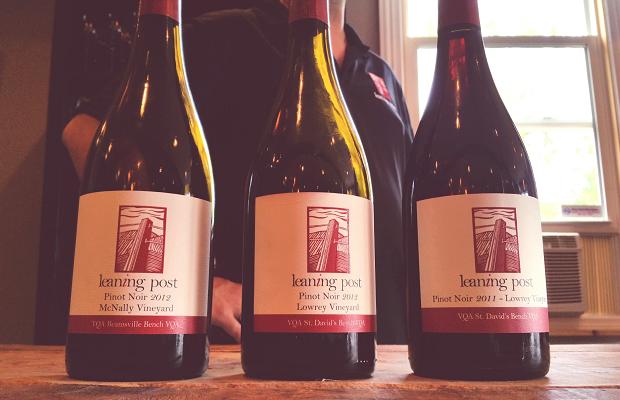
Three Pinot Noirs of Leaning Post

Three Pinot Noirs of Leaning Post

Leaning Post Wines Pinot Noir McNally Vineyard 2012, VQA Beamsville Bench, Niagara Peninsula, Ontario (Winery, $38.00, WineAlign)

“I want you to see the difference between vineyards. That’s terroir.” This the crux and the impetus to abide and acquiesce fruit from McNally, a cooler, higher site of younger vines. For Ilya, this is “truffle hunting, eating roasted pig, at the base of an oak tree.” The forest floor and the catalytic funk come across more in flavour than smell, following cherries in the dead of an aromatic night. Modernity be damned, this strikes ripe, layered and nearly indelicate. The wine’s got some real chew to it, along with crispy flowers, like nasturtium and lavender. “I think this is the best Pinot that I’ve made,” boasts Senchuk, from 15 year-old vines at Peninsula Ridge. Ilya’s muse came from the 2010 made by winemaker Jamie Evans, along with the Voyageur ’10 made by Ross Wise at Keint-He. Wines that spoke in a vernacular that Senchuk could understand and relate to on a deeper level. Prime ripeness defines 2012. Though it teases of grandiose terroir, its complexities reign in the power with each sip, every time. Drink 2016-2022.  Tasted June 2015  @LeaningPostWine

Potatoes, not wine #pei @normhardie

Potatoes, not wine #pei @normhardie

Norman Hardie County Unfiltered Pinot Noir 2013, VQA Prince Edward County, Ontario (125310, $39.00, WineAlign)

Procuring depth in County Pinot Noir is a tough task within the constraints of resisting a temptation to reach for sugars, alcohol and dark berry fruit. Norm Hardie’s 2013 unfiltered (at 10.9 per cent) and lambent exegesis succeeds because it offers the best of all available worlds. Roots for vines that burrow to limestone develop a structure that while may have at one time been inconsistent, have crossed the threshold in ’13 to establish a guarantee. A Hardie PEC Pinot Noir can be bright and accessible. It can also be tough, tart and tannic, as it is here, again, but not without its foil. The work is now innate, the transitions seamless, the crossroads left in the dust. This wine will please two camps; those who can afford and demand immediate gratification and those who are willing to wait for secondary (two to three years) and tertiary (four to seven) character development. Drink 2017-2022. Tasted April  and September 2015  @normhardie

Culmina Hypothesis 2013, BC VQA Okanagan Valley, British Columbia, Canada (Winery, $39, WineAlign)

In 2013 the blend is not listed on the label though it strikes as a return to Cabernet Franc, albeit with a layer of lush not yet perceived. The 2013 combines the best of worlds put forth by the two previous vintages; ripe fruit, earthy-mineral tang, proper acidity and ripe, tonic tannin. The composition here is the most, accomplished, distinguished and relished. In 2013 the enjoyment can be right now or up to 10 years on. All this with thanks to exceptional balance. Drink 2015-2023. This wine has not yet been released. Tasted November 2015  @CulminaWinery

Sparkling wines by Hinterland

Sparkling wines by Hinterland

Hinterland Les Etoiles 2012, VQA Prince Edward County, Ontario (Winery, $39.00, WineAlign)

An axial split between Pinot Noir and Chardonnay balances this traditional method Sparkling wine, specific to and what can only, obviously be from Prince Edward County. Acidity defines its existence in every facet of its being. A rich star to be sure, from a warm vintage, free from frost and more importantly, immune to mould. Jonas Newman talks of the methodology, in growing low to the ground. As the sun goes down, the canopy shades the fruit, slowing down the ripening, extending the season, developing the sugars, the complexities and preserving the acidity. At 6 g/L RS, with limestone communication and that sassy acidity, Les Etoiles in ’12 is pure County Sparkling. It exudes untamed apple and unnamed acidity. The Hinterland acidity. It strikes early and often. Just add warmth, stir and voila. Terrific year. Drink 2015-2021.  Tasted October 2015  @hinterlandwine

Ancienne Chardonnay and Pinot Noir 2013 with a glass of soon to be released Rose

Ancienne Chardonnay and Pinot Noir 2013 with a glass of soon to be released Rose

Lightfoot & Wolfville Pinot Noir Ancienne 2013, Nova Scotia (Winery, $40, WineAlign)

If de novo for Pinot Noir is to be found in Nova Scotia then count me in because the inaugural release from Lightfoot & Wolfville is the trailblazer for and from the extrinsic frontier. Tasting the painstakingly measured yet barely handled 2013 for the first time (from bottle) is like falling into a glass of Nova Scotia cherries. Somehow there is this simultaneous and virtual voyage abroad to imagine a comparison with Nuits-Saint-Georges, in its earth crusted, sanguine, welled up tension that begs questions and belies answers. A year yonder the taste from barrel and what can be said? Pinot Noir adjudicated, into a cortex of recognizable consciousness and thus into the natural Nova Scotia mystic. Ignore and forgive the dope of first returns, for no one could have imagined such ripeness and immediate gratification. Future releases will dial back in the name of structure. That said, in 2013 there is a red citrus, ferric debate that will send this to an exordium seven years down the road. Impossible inaugural release. Approximately 50 cases made. Drink 2015-2022.  Tasted July 2015  @lwwines  @rachel_hope
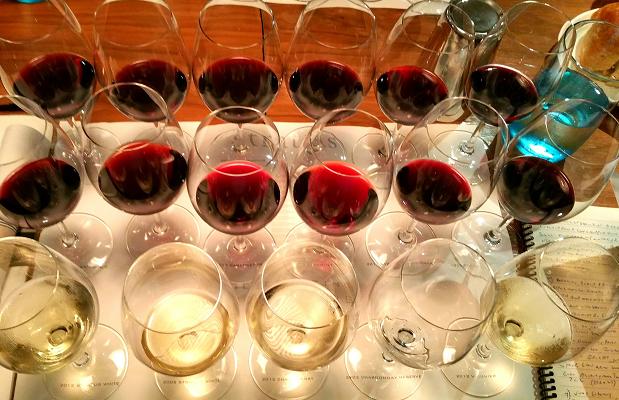
Stratus assemblage and varietals

Stratus assemblage and varietals

Stratus Tannat 2012, VQA Niagara On The Lake, Ontario (Winery, $42.00, WineAlign)

“To me this is one of the most successful new varieties we are planting,” exclaims J-L Groux. In similar ways with Stratus varietal cousin Petit Verdot, acidity rules the roost. Smells like a just sliced open bag of organic earth, freshly neutral, funkless and emptying into a (first use) terra cotta pot. A rich, looking straight ahead expression. What it hides in fruit is lost to the brilliance of balance though plum is the operative hidden flesh and it will make a clearer impression when it steps clear of the tar and the tannin. This is pitchy sagacity, with poise and length. Drink 2016-2022.  Tasted June 2015  @StratusWines

Tasting The Old Third at White Oaks

Tasting The Old Third at White Oaks

The Old Third Sparkling Pinot Noir à la Volée 2011, VQA Prince Edward County, Ontario (Winery, $59, WineAlign)

“On the fly” is not exactly what comes to mind from this 100 per cent Pinot Noir, first Sparkling wine made by Bruno Francois. Calculated, attention to detail and intensity of ideation more like it. Three years on the lees, no dosage and from a vintage to speak in more than whispered voices, of acidity that announces its arrival with immediacy and a summons to contest. The nose does yeast, toast, citrus and ginger. A first release revelation as ever graced Ontario’s waves, as dry as the desert and lingering with switch back traces of its yeasty, toasty self. A single vineyard can be this way, equally and in opposition of natural and oxidative, with a hue less than Pinot Noir, though unrequited as a triumph when you get a ripe white from such Pinot. The production of 1200 bottles is relatively house high in a stunner that needs no sugar to draw up its flavours. Drink 2015-2023.  Tasted twice, July and October 2015
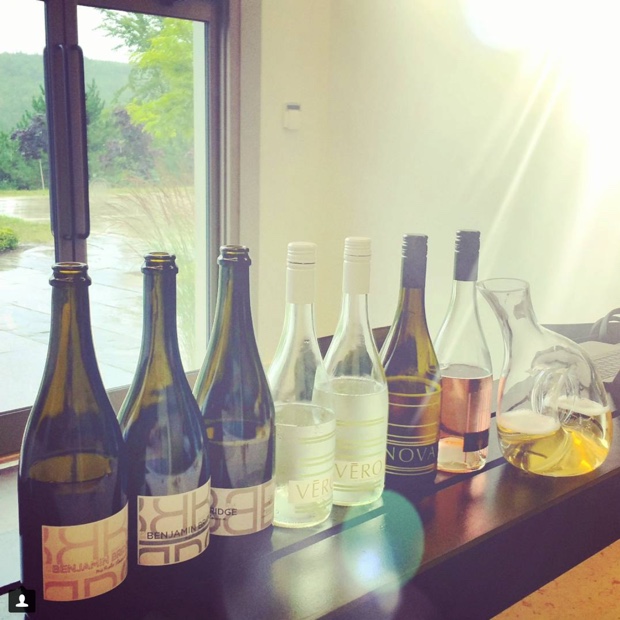
asting across the @Benjamin_Bridge Vero, '08's, '04, Sparkling & Cab Franc Rosé. Thanks JB, Scott & Mike

asting across the @Benjamin_Bridge Vero, ’08’s, ’04, Sparkling & Cab Franc Rosé. Thanks JB, Scott & Mike

Benjamin Bridge Brut Reserve Methode Classique 2004, Annapolis Valley, Nova Scotia (275396, $95.00, WineAlign)

The ’04 is hanging in beautifully, on a wire of impossible balance, at 11 years old not yet really transitioning. There is simply too much brightness for it to give up its youth. You have to strain your ears, nose and throat to assuage just a hint at oxygen, life affirming breaths and then a keener sense of toast and yeast. Still behold the grapefruit, a sign of remarkable adolescence, the hang time amplified and in mass hyperbole here, in this current appraisal, address and time. How can richness act and display with such alpha freshness? How can an aging body not shed baby weight, turn lanky, lean and awkward? How is it neither the bitter pill of juvenility or senility has been swallowed? That is not the case here in a Blanc de Blancs which still has five to seven years of very active life ahead. Drink 2015-2021.  Tasted July 2015  @Benjamin_Bridge  @jbdeslauriers

Good to go!

Twitter: @mgodello

Instagram: mgodello

WineAlign: Michael Godel
Facebook

Ten Canadians released for the holidays

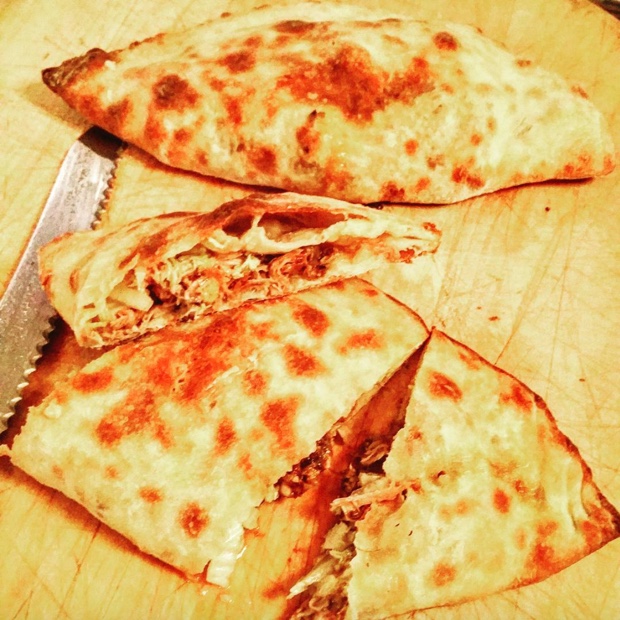
Porchetta Panzerotti

Porchetta Panzerotti

I find the last week of November to be one of the strangest, most eery and unsettling times of the year. Calm before the storm. Frost, indigenous summer, zero degrees, crisp air, fall sunshine. We all know it’s coming; snow, holidays, ice, time off.  The acronym might ring true but I would suggest resting your worried mind and tucking those cynical philosophies into a drawer. Pull them out in January when it matters less. For now, have a peek into the VINTAGES catalogue for November 28th.

Inside you will be faced with a thematic titled “Holiday finery.” Twenty some odd iconic Super Tuscans, Venetians, Rhônes, Californians and various, multifarious and sundry bottles leap from the pages like three-dimensional wine beacons in full propagandistic regalia. They are expensive, massive wines with pedigrees to shack up with queens and kings. I’ll expand on them later this week. Some are truly exceptional and all are stupid expensive.

There is Icewine and there is what VINTAGES calls “signature study,” a short and apathetically effective use of white space to extol the virtues of Ontario’s most important cool-climate varietal plantings, of Cabernet Franc, Chardonnay and Pinot Noir. Also the notion that Sparkling wine is important to our wine psyche. It’s all true.

What fails is the idea of a feature in a magazine and corresponding release with only 10 wines to drive the point. An angle with five aspects needs more than two examples to prove the multi-pronged determination in support of the bottom line. Why feature Ontario’s signature varietals with next to no illustration? Hard to imagine a paradigm shift in consumer connection with Ontario wines out of such a lacklustre effort.

The good news is that of the ten wines on offer, all are solid and representative of the ideal, with seven worthy of being recommended here. An Icewine and two British Columbia reds round out the top ten list.

Featherstone Black Sheep Riesling 2014, VQA Niagara Peninsula, Ontario (80234, $16.95, WineAlign)

Typically juicy and tight, lithe and piercing, popping and reflexive. Very consistent, vintage to vintage. Knows just what it wants to be. Drink 2015-2018.  Tasted September and November 2015  @featherstonewne

Henry Of Pelham Estate Chardonnay 2013, VQA Short Hills Bench, Ontario (268342, $19.95, WineAlign)

Sunlight is the key to this ripe Chardonnay, snatched from vines that grow on the most easterly of the Niagara Escarpment’s sub-appellation. Here Henry of Pelham calmly puts its hegemony over Short Hills Bench Chardonnay on display. The fruit layering is very impressive, compressed even, with just a spiced spirit injection from the barrel. The Estate Chardonnay is in a mid-range class of its own, this gatherer of heat days, hoarder in spring water retention, cleanser in sand and gravel drainage. The vintage just seems perfect for this niche bottling, balanced, primed to finespun texture, stretched for length and good to age at least five years.  Last tasted November 2015  @HenryofPelham  @SpeckBros

Gilmour Corazón

Gilmour Corazón

Gilmour Corazón Cabernet Sauvignon/Merlot/Cabernet Franc 2012, VQA Ontario (440594, $22.95WineAlign)

Bordeaux blend bearing the name of the former Leaf’s Captain with Ontario sites fruit via Prince Edward County. From a warm vintage and showing every bit of that heat, in spice, not alcohol. Its credo should be “make Meritage love for the group, not varietal lust for the individual.” In it for the right reasons. Team. The fruit is quite green and loaded with pyrazines but quality wood fills the unplugged holes. The wine has heart, just like number 93, perhaps small in stature but gritty like no one else in the County league. A killer playoff red with the ability to weave back and forth behind the net until the wrap around is available. I was in the Gardens that night Doug, sitting in the sixth row behind that net. Big hair guy with his arms in the air, caught on the ESPN video. Gilmour represents one of the best Meritage values the County has yet seen. Good things happen when you add work ethic to the roster. The grapes are surely proud. Drink 2015-2019. Tasted November 2015  @KarloEstates  @MettleUnited

Coyote’s Run Rare Vintage Chardonnay 2013, VQA Four Mile Creek, Niagara Peninsula, Ontario (426437, $24.95, WineAlign)

A nicely, confidently, smartly adjudicated reductive Chardonnay with beautifully judged oak and a pretty white flower note that elevates the aromatic profile to the verified realm of the near ethereal. This is the prettiest bloody Chardonnay ever produced at Coyote’s Run. It is rare vintage indeed, for the appellation, the sub-appellation and the vigneron. Subtle, placid, restrained, smooth, integrated, just hinting at smoke and spice, easy on the lips, mouth and gums. This will follow a fine parallel line for five years, gain some honey and caramel for five more and fade into the Four Mile reflective sunset for five more after that. Drink 2017-2023.  Tasted November 2015  @coyotesrun

Reif Reserve Cabernet Sauvignon 2012, VQA Niagara River, Ontario (304162, $25.95, WineAlign)

The Reif Reserve Cabernet Sauvignon is a wildly endearing and dangerously delicious wine that should evolve gracefully and purposefully for 10 years. Why? Because it has structure. What does that mean? It means that ripe, warmer(ish) Niagara River sub-appellation fruit was picked precisely on time, with acidity intact. It means that the extraction and maceration culled sweet, supporting tannin and the barrel program added just the right amount of accentuating care. This is dutifully doted over and offers Cabernet Sauvignon plaisir. Well done. Tasted November 2015.  Drink 2016-2023  @Reifwinery

Château Des Charmes Vidal Icewine 2014, VQA Niagara On The Lake (200ml), VQA Niagara Peninsula, Ontario (565861, $25.95, WineAlign)

The aromatics forge a beautiful relationship between tropical fruit and intensity. Represents the reason for using Vidal to hang at negative temperatures through the freezing nights of Niagara winters. The pineapple, longan and deep peach intent are the palpable culmination of patience leading to reward. This is a most excellent example of the necessity. The little sensation of drying tannin on the finish is the indicator for conterminous Riesling longevity too. Drink 2015-2022.  Tasted twice, October and November 2015  @MBosc

Dirty Laundry Kay Syrah 2012, BC VQA Okanagan Valley, British Columbia (437111, $25.95, WineAlign)

Really perfumed Syrah permeated by spice and promising permutations left, right and centre. Quite young, modern, piqued by white pepper and juicy by way of pomegranate, cranberry, more so raspberry and then vanilla. A really solid wine with nothing but pleasure in mind. Drink 2015-2018.  Tasted November 2015  @DirtyLaundryVin  @HHDImports_Wine

Inniskillin Montague Vineyard Pinot Noir 2012, VQA Four Mile Creek, Niagara Peninsula, Ontario  (997353, $29.95, WineAlign)

A crescendo of sorts has been struck in 2012 with the Montague Pinot Noir perpetuity, giving credence to the vineyard as a resource to be exploited. What the site does for Pinot, particularly in warm vintages like 2012, reminds of the Pfersigberg in Alsace, a plot which provides fruit for the Sainte-Claires bottling by Domaine Albert Mann. A site where water-retention is less than average, where soil colour and low humidity attract the radiance of intense heat, which leads to early ripening of the grapes. The richness of Montague’s clay is amplified in the vintage, providing elevated heat units for this red cherry, beet, cinnamon and toasted red of equally exceptional flavours. Fine, linear acidity takes it to depths and will lead it down long, paved roads.  Tasted January 2015  @InniskillinWine  @CBrandsCareers

Flat Rock Cellars Riddled Sparkling 2009, VQA Niagara Peninsula, Ontario (187377, $29.95, WineAlign)

Skips the cork, avoids the taint and caps with a crown. A king’s bubble in here, a king of pop perhaps, with “a mind like a diamond.” Like a fine, flat rock that cuts through crap and “red tape fast, thorough, and sharp as a tack.” I want a fizz that gets me up early. I want a Sparkling wine that knows what’s right. I want bubbles with “uninterrupted prosperity and smooth liquidation.” I want a sparkler “with a short skirt and a long, long jacket.” I want bubbles with tang, tang, tang, apples, pears, ginger and cardamom. One that I can drink with cake. Yes, perhaps the Riddled ’09 is just a bit abrupt, at times monotone, awkward in chord changes, tempo switches and suffers from a twittering finish. But it’s twitchy and characterful along the way. Tasted November 2014  @Winemakersboots  @brightlighter1  @UnfilteredEd

Burrowing Owl Cabernet Sauvignon 2012, BC VQA Okanagan Valley, British Columbia (73098, $44.95, WineAlign)

In 2012 a beefed up wine of early life unsettling proportion, oversized, dilated, and maximized. Cut through with a current of pyrazine and distended with lots of barrel buoy, though not as over-wooded and clumsy as many. Has enough restraint and Cab character to keep things bustling and whistling, from Boston to Dixie. Cool, savoury, spicy centre. A large expression of multi-faceted desert aridity, all B.C., not Bordeaux. This will age nicely as the tannins are quite ripe. Drink 2015-2020.  Tasted November 2015 @BurrowingOwlBC  @LeSommelierWine

Twitter: @mgodello

Instagram: mgodello

WineAlign: Michael Godel

Facebook

The ridges of Prince Edward County

Anagogic #pec morning begins here #carryingplace #princedwardcounty

Anagogic #pec morning begins here #carryingplace #princedwardcounty

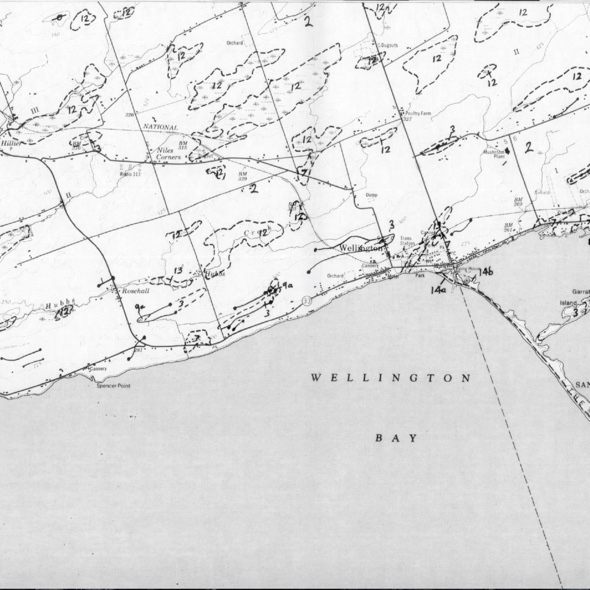
The mission is to gain a yet ascertained understanding. The intendments of geology and geography in Prince Edward County are already laid clear and discussed globally, at least by the wine interested, but what of a deeper, more detailed look? What about the moraines? What I really need to know is how a scant fraction of producers are able to produce so much promise? It must be the ridges.

On the Niagara Peninsula The Vinemount Ridge lies just above and south of the brow of the Niagara Escarpment. Its unique aspects play a vital role in determining some of the most complex Riesling and Cabernet Franc in the world. While not visually as dramatic in PEC, the ridges are no less important to viticulture. Driving the corrugations of Prince Edward County, along the Greer, Danforth, Closson and Lighthall roads, I follow the sight lines. With subtle aspects emanating from the northwest or northeast, the ridges along these roads angle east and west, each with their own gentle but effective slope falling ever so gracefully down to Lake Ontario. The significance is not lost on my mission.

Glenn Symons of Lighthall Vineyards tells me that certain parts of his vineyards can reach temperatures that are eight degrees higher than others. The shallow soils are a result of the stratified ice-contact deposits of sand and gravel that occur in this, one of three Prince Edward County esker ridges, trending northeast to southwest in the Cherry Valley area. Battista Calvieri of Hubbs Creek Vineyard notes that his (Lindsay formation from the middle Ordovician period) Danforth Ridge property provides 20 of 40 plantable acres ideally suited to Burgundian grape varieties. Plant at high density and the ridge takes care of the rest. At the Old Third, Bruno Francois walks me through his Pinot Noir and Cabernet Franc vineyards on the Closson Road. Here the ridge falls more dramatically down towards a forest below.

The quaternary geology of the County accounts for glacial, till, glaciofluvial, glaciolacustrine and eolian deposits. The soils are “composed mainly of fine-to medium-crystalline limestone with shaly partings and sublithographic to finely crystalline no dular and shaly limestone. These bedrock formations are the main topographic control, being at, or very near (within 1 m), the surface throughout most of the map-area.” It all adds up to minerality in the wines and nowhere does the geology matter more than on the ridges.

Related – I’m a little bit County

To habituate a time and be privy to the transformation of a people and a place into something special is a rare form of curious, mysterious and spiritual entertainment. How neat it truly is to be witness to a generation awash in tempo collective, in watershed historical. There are many reasons why folks are making the move to Prince Edward County, why grapes are being cultivated, nurtured and paid conspicuous attention. The rise of the County is happening.

My friends and neighbours John and Amy moved out five years ago. They left the big smoke behind, settled  in a beautiful house with acreage to die for on the water. They walk and they breath. Long ago an old Montreal family friend opened one of the first wineries in the County. Thanks to David Lawrason I was able to taste through some old vintages of Long Dog last summer. What a peek back to better understand today. A long time friend of my wife recently moved out and opened a restaurant in Bloomfield. Kin Cafe makes a terrific sandwich. Two more friends have put their house up for sale in Toronto and are heading to the County. Is there room?

A #wellington Saturday night @DrakeDevinn quickie #drakedevonshireinn #pec

A #wellington Saturday night @DrakeDevinn quickie #drakedevonshireinn #pec

The answer is yes. Drive in from points north, from Brighton and down the Loyalist Parkway or from Belleville down Highway 62 and the wide open space will hypnotize you. Suddenly you find yourself in Hillier, Wellington, Bloomfield, or Milford. Then, moments later, once again farmland and the gaping sprawl of agrarian living. Truth be told, elevated levels of civilization, hipster happenings, fine gastronomy and modish behaviour have infiltrated the County. That said, the real story is in the ground.

Related – Take them home, County wines

Artists discovered PEC long ago. Ontario’s most thriving community dots the towns, barns and houses on the hills all over the County. Winemakers have followed. A Burgundian climate and geology were the original draw, and still are. The winter of 2015 and a devastating May frost conspire to be the kill of many hopes, but all is not lost and to persevere is to believe in the dream. Climate change and an undiscovered global truth about the County’s greatness are not just stuffing in a piped future. Bests are happening now. Great men and women are putting passion and acumen to work. Prince Edward County’s time is upon us.

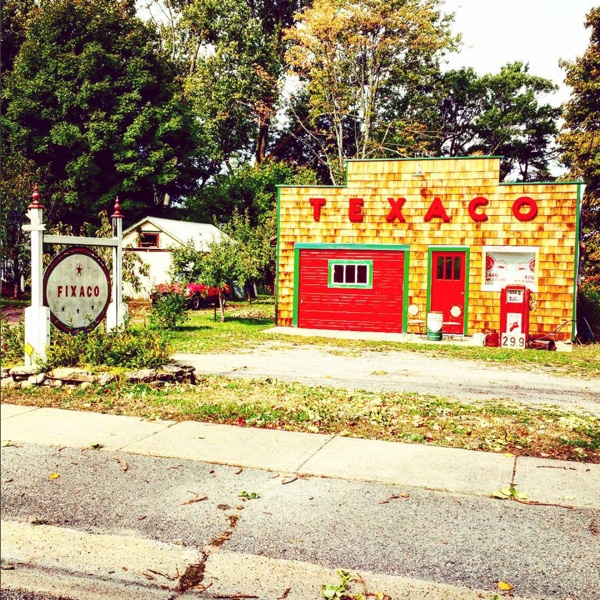
Texaco

Can it be such a coincidence why visiting foreign journalists of humanistic luminosity and their hyperboles of rumination have anointed Prince Edward County with what are effectively statements and essays of religious zeal? No, it is not. The soil, ridges, choice of plantings, winemaking and finally, the 21st century climate are the storm towards which perfection is aimed and eventually heading.

Related – You can lead a county to the city

Comity in the County is no joke. A harmonious thread weaves through and ties an inherent commonality together. Stylistically diverse yet magically aligned, up on the slopes of ridges or down in the valleys. This is how I would describe the wines of Prince Edward County. Walk along the Closson, Greer and Danforth roads or down in the Cherry Valley and see what the fuss is about. On an early October weekend I visited eight properties and while that was certainly 10 less than what I would have liked, the cross-section provided ample understanding, plenty of fodder and more than a tease for the next visit.

It's decorative gourd season mother... #cherryvalley #pec #colinnissan

It’s decorative gourd season mother… #cherryvalley #pec #clinician

This first part report on the County focuses on six properties. Part two will cover the wines of The Old Third tasted with winemaker Bruno Francois at the Cool Climate Chardonnay conference in July and at the winery on this trip. I will also offer notes on the various older vintages I tasted back in June.

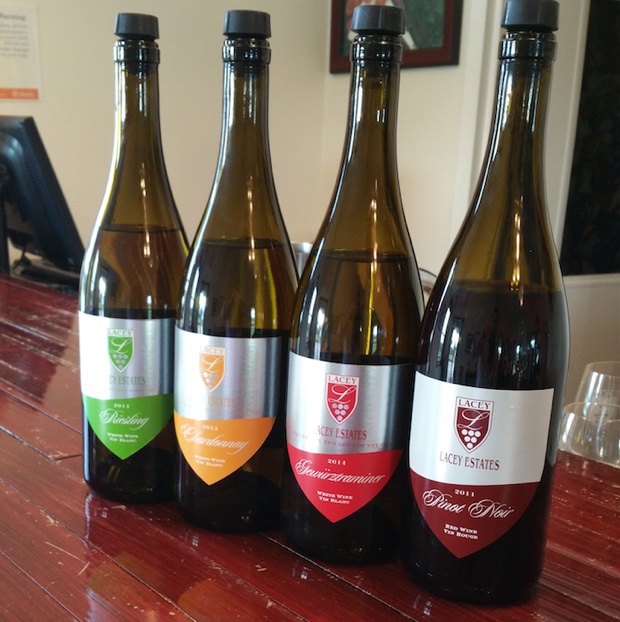
Lacey Estates

Lacey Estates Line-Up

Lacey Estates Line-Up

Lacey Estates Riesling 2014, VQA Twenty Mile Bench, Niagara Peninsula, Ontario (Winery, $18.95, WineAlign)

With fruit culled from Bench lands on the Niagara Peninsula, the Lacey take on Twenty Mile Bench Riesling is on the light, piercing and linear track of typical. Like a younger, more naive and slightly jittery version of Flat Rock’s Estate take, this is a very tightly wound white, citrus-shaken from head to toe and full-on arid. As direct an example of pick, transport, crush and let sleeping dogs lie as is ever witnessed. A mess of butter chicken would help batten down its hatches. Drink 2015-2017.  Tasted October 2015

Lacey Estates Gewürztraminer 2014, VQA Prince Edward County, Ontario (Winery, $19.95, WineAlign)

Lacey has prepared a dry Gewürztraminer with classic varietal tendencies, from rose to lychee by way of nuts and bitter pith. The sapidity is derived from the Closson Road Hillier clay-loam, blanketing the texture and the aromatics with a fuzz, like tiny hairs on a peach. Though still languishing in a proleptic state, the length on this wine indicates a good five years of pleasure ahead. Drink 20160-2020.  Tasted October 2015

One more prime #pec Pinot site. Lithe @LaceyEstates804 '11 with the seven-year itch. '13 from barrel progessing and professing further #PECwine #clossonridge

One more prime #pec Pinot site. Lithe @LaceyEstates804 ’11 with the seven-year itch. ’13 from barrel progessing and professing further #PECwine #clossonridge

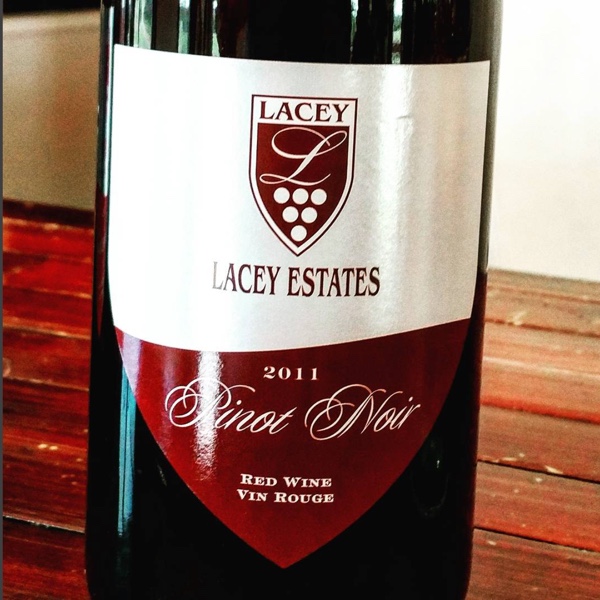
Lacey Estates Pinot Noir 2011, VQA Prince Edward County, Ontario (Winery, $22.00, WineAlign)

From a County Pinot Noir block on a plateau of the ridge set aloft the Closson Road, Kimball Lacey’s fruit is a prized commodity, albeit still very young. This vintage is not a weight-bearing one but it offers incite and prognostication. A lovely litheness is embattled by a talkative bitterness and a spectrum of red fruit whorls in circumfuse; cranberry, raspberry, strawberry and pomegranate. All are dispersed and interspersed by citrus. A primary Pinot Noir, with silken dreams and a softening when it may come together. Two to three years should bequeath good behaviour on the 1200 some odd bottles. Drink 2017-2020.  Tasted October 2015

Lacey Estates Chardonnay 2013, VQA Prince Edward County, Ontario (Winery, $22.00, WineAlign)

It may strike as a derivative Greer-Closson County Chardonnay with Closson Chase and Norman Hardie as precursors but if Lacey’s 2013 is Fairport Convention to Chuck Berry, The Beatles and Bob Dylan, so be it. Older (4th, French) seasoned barrels bring pique, texture and balance. This is Chardonnay of spine and a touch of limestone funk. Very much a wine positioned on the stony tang of Prince Edward County and possessive of solid, three minute pop-song length. Kimball Lacey is on to something and the ’13 vintage coupled with the Closson Ridge is the right studio to make his music. Before too long the cries will say “why Mr Lacey, why d’you do the things you do? It’s true no one here understands now, but maybe someday they’ll catch up with you.” Drink 2015-2019.  Tasted October 2015

Grange Of Prince Edward

Grange Pinot Gris Select 2013, VQA Prince Edward County, Ontario (Winery, $19.95, WineAlign)

Where there’s smoke there’s hue and with impart by 15 hours skin contact prior to pressing, that colour and those aromatics are the result. Four weeks on the lees followed by four months in neutral oak bring distinct Caroline Granger character, in Pinot Gris unction and a mineral mile. Also on the naturally oxidative side of the Closson Road and Hillier clay-loam. Drink 2015-2016.  Tasted at Agrarian Restaurant, October 2015

Grange Pinot Gris

Grange Of Prince Edward Lot 3 Traditional Method Brut, VQA Prince Edward County, Ontario (Winery, $29.95, WineAlign)

The Lot 2 Traditional Method Brut was aged 18 months sur lie and here in the third trimester the complexities are taken months further, to a moment in largely uncharted Prince Edward County territory. This tempo-lapse methodology is highly intriguing, especially in consideration of the occurring happenstance breach of the autolytic-oxidative continuum. In three there is liquorice and scraped orange skin breaths inhaling and exhaling through sensations of tart and in tin. The yet young oxygenation seems to disregard the yeast at this stage, leaving behind a vapour trail of Closson exhaust. It’s both exhilarating and wearying. Absorbed to say the least, still, “I’m wonderin’, I’m wonderin’,” where this will go. Were it a blush Brut it would surely be a shocking pink. Drink 2015-2019.  Tasted October 2015

Grange Of Prince Edward Sparkling Riesling 2010, VQA Prince Edward County, Ontario (Winery, $24.95, WineAlign)

The reasons for re-tasting wines are multi-fold but none are more important than learning what you did not know. The batch may be different and any additional lees-affected time would certainly bring about a new wave of complexity. Though assiduously more Riesling than Sparkling, the age has amplified the Mosel temper and yet as bubbles it seems so very primary, with terpene and flint in mid-strike fashion. Stones, stone fruit, lemon pith and peach subdue the sugar and the commonality with the Lot 3 Brut narrates a house style story. “Like leaves, when autumn falls, turn gold, then they hit the ground.” The thrill of it all, in the county, of country life. Sparkling Riesling playing roxy music. Just a bit more balance to the bitters would eventuate bucolic living. Drink 2015-2020.

From my earlier note of December 2012:

Seems more late harvest, Spätlese over Sparkling. Nectarous juice with a squeeze of suspended honey and a light citrus spritz. Waited for the sear but it didn’t arrive. Good Riesling though.

Last tasted October 2015

Grange Of Prince Edward Pinot Noir Diana Block, VQA Prince Edward County, Ontario (Winery, $35.00, WineAlign)

Ripe and bright to a major degree with tannin at the controls. Still in two meanings, unmoving and perpetual. Acidity circulates, percolates, invigorates. Pinot Noir with a slight fever and an even bigger temper, stuck in primary, yet ready to relent. Remarkable and confidently not yet entered stage two of life but the silky texture is caressing and the forbidden fruit is ripe for the picking. So close to approachability, with just the liquorice and the volatility needing to step aside. The methodology of a 28-day primary fermentation, followed by 30 months in neutral French oak is the culprit. Structure can be a bitch. Diana will be worth the wait. Few Ontario Pinot Noir have ever shown such rural planning, architecture and potential. Count them on two hands. Drink 2017-2022.  Tasted October 2015

My kingdom for her majestic lees @grangewinery #carolinegranger #pecwine

My kingdom for her majestic lees @grangewinery #carolinegranger #pecwine

Grange Of Prince Edward Cabernet Franc Northfield, VQA Prince Edward County, Ontario (Winery, $35.00, WineAlign)

Caroline Granger’s approach to Cabernet Franc is a natural ferment, earthy cure, holistically organic and eco-rich consanguinity. No other varietal hook-up happens like it does with the expatriate Loire currant clipper. Granger’s affinity with the grape is on intensate display with Northfield, especially in the cured, soil funky heat of 2010. Like the Diana Pinot Noir, primary fermentation occurred in stainless steel for 28-days and it was then aged 24 (as opposed to 30) months in neutral French barriques. The extreme unction, steroidal liquorice and streaky garrigue talk about the past and open up windows to the future of this wine. They are one in the same, spoken on behalf of longevity. This is essential for great Cabernet Franc, even in the midst of hyper tones and acquired tastes. Well done. Drink 2015-2018.  Tasted October 2015

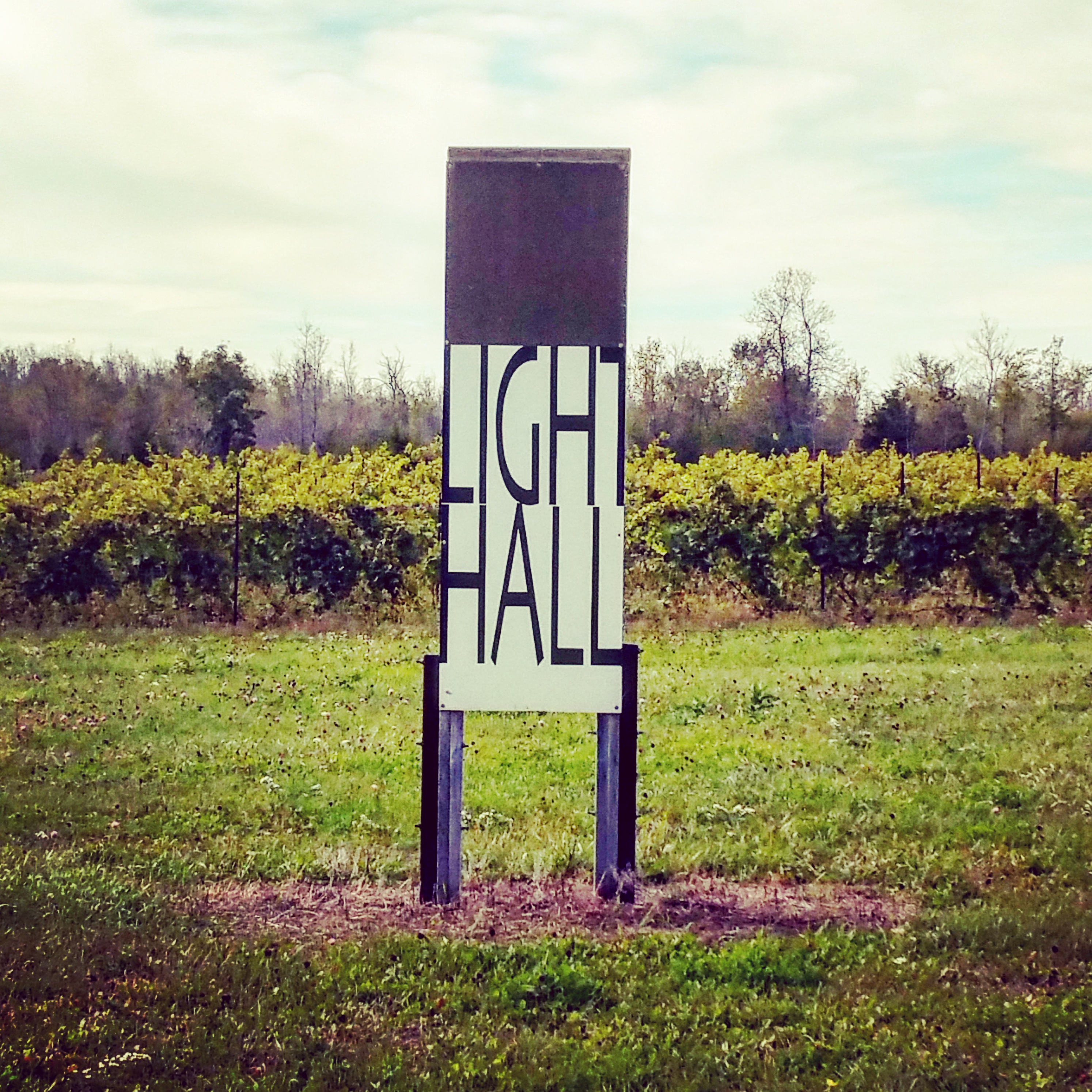
Lighthall Vineyards

Leave the @lighthallvyard on for 2014's Chard & Pinot. Rooms of their own #vintageofthedecade #aheadbyacentury

Leave the @lighthallvyard on for 2014’s Chard & Pinot. Rooms of their own #vintageofthedecade #aheadbyacentury

Lighthall Progression Sparkling Vidal 2013, VQA Prince Edward County, Ontario (Winery, $20.00, WineAlign)

Progression is 100 per cent Sparkling Vidal by Glenn Symons, a.k.a. “Ward 5 Brut.” It brings stonk and soul together. Re-fermented in April and tasted in October, Progression marches forward and retreats, in re-emerging aromatics and of a deconstructed narrative. Singular in its fretting, of nervous energy and in keys altered by capo restrictions, Vidal has never played a tune like this before. Better growing periods and PEC areas are the sheet music, wi nemaking with atmosphere the arrangement. Progression is progressive, it celebrates musicality and it sells records. It also sells out, literally, not figuratively. Drink 2015-2018.  Tasted October 2015

Lighthall Sparkling Rosé ‘The Fence’ 2014, VQA Ontario (Winery, $25.00, WineAlign)

This is Glen Symon’s first Sparkling Rosé, a 100 per cent Pinot Noir from estate vineyards, refermented using the Charmat method. Intensely fizzy, in toto fruity and actually gives off a Pinot Noir vibe. Something racy, spicy and wild runs rampant, rendering this blush bubble in an Ontario class of its own. It’s like 1980’s alt-dance fizz, with a New Order or B-52 thing going on. It just seems to do the “she-ga-loo, shy tuna, camel walk, hip-o-crit, coo-ca-choo, aqua velva, dirty dog and escalator.” Has the direct beat, retro and futuristic at the same time. Dance this mess around, in sweet and savoury tones, warm, day-glo, slow and gyrating. Drink 2015-2016.  Tasted April and October 2015

Lighthall Chardonnay 2014 (tank sample)

The child of a fortuitous vintage and magical ferment. The wine hit 25 degrees and finished malolactic fermentation in two weeks. One third barrel, one third tank and one third a combination thereof. A perfect trilogy, same limestone pierce as always but with a new order texture and aromatics filling the room. Like 1987, of substance, in transitions, from ceremony to everything gone green. A storm of amalgamation. Really a new benchmark for Glenn, Lighthall, Cherry Valley and Prince Edward County.  Tasted October 2015

Lighthall Pinot Noir 2014 (barrel sample)

Best fruit ever. Malo done, only one year in (20 per cent new) oak and yet to feel the preservation effect of sulphur. Living a rich aromatic lifestyle with pollen in the air. Has the tannin to support its excesses (it spent one week plus three on the skins). Should lead to 400 cases and should retail for $35, though Glenn will probably charge $30.

Lighthall Pinot Gris South Bay 2014 (tank sample)

From Huff vineyard fruit, a rich, unguent emanation that shows slightly oxidative (pre-sulphuring). Has a chèvre-Chenin Blanc attitude that will turn to mellifluous honey with time.

Lighthall Muté 2011

Lighthall Muté 2011

Lighthall Muté 2014 (tank sample)

Here is unfermented Vidal, a vin liquoreux that wants to draw comparisons to sherry, straw wine, Rancio, Vin de Paille, you name it but with apologies back and forth, this is in a league of its own. A fortified wine with a distillate added to bring it up to 17-18 per cent alcohol. Distinctly orange in flavour, oxidative and yet religiously addicted to site. There will be 100 cases produced at $30 for a 500 mL bottle.

Hubbs Creek Vineyard

A library browse with Battista @HubbsCreek #sevenyears #PECwine

A library browse with Battista @HubbsCreek #sevenyears #PECwine

Hubbs Creek Vineyard Chardonnay 2014, VQA Prince Edward County, Ontario (Winery, $27.95, WineAlign)

This is Battista Calvieri’s first County Chardonnay from his estate’s seven year-old vines. A minor barrel ferment (15-20 per cent) in French oak and the remainder in stainless steel seeks and finds Chablis. The wood needs two more years to dissipate, find inner-vision and expand in the mouth. The length is already outstanding, before which burst forth exploding pockets of spiced, warm drawn butter with nary an oleaginous feel. The HCV inaugural release is emulsified Chardonnay of silken protein, with pretty drops of vanilla and purity out of a Danforth Ridge vineyard ear-marked for quality varietal pleasure. Drink 2017-2021.  Tasted October 2015

Hubbs Creek Vineyard Pinot Noir Unfiltered 2010, VQA Prince Edward County, Ontario (Winery, $28.95, WineAlign)

Now in bottle four years, this sophmore Pinot Noir shines bright as the day it first passed into glass. From fruit really carefully nurtured off nine to ten year old vines, there is no sign of oxidation or advancing maturity. That is nothing short of incredible. Goes from fresh strength to strength in and by tannin. There is great spice (white pepper and dried red peppercorn) and two additional years should bring this to fruition. A minor note of late fall boletus mushroom talks up Burgundy. The HCV Danforth Ridge is clearly a top Pinot site in the County (along with slopes on the Greer and Closson roads). Planted to high density the results are proven in wines like this 2010. Drink 2015-2019.  Tasted October 2015

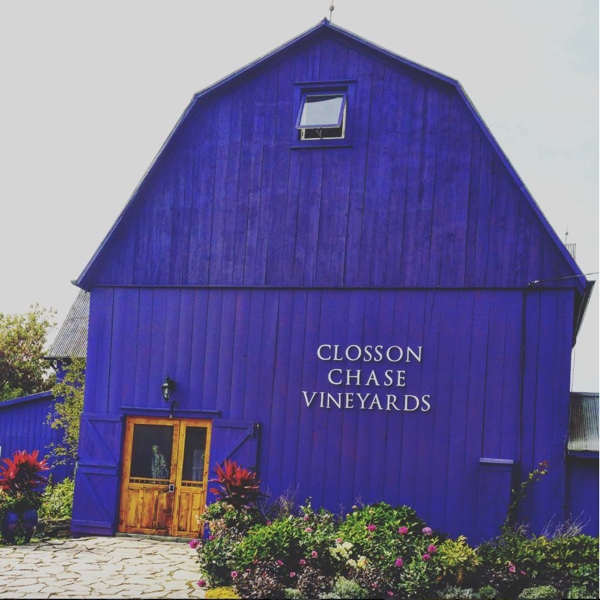
Closson Chase

Quick crush of Le Clos '13 @ClossonChase Purple barn but Pinot all gone #chardonnay #pinotnoir #ccv #clossonchasewinery #clossonchasevineyard

Quick crush of Le Clos ’13 @ClossonChase Purple barn but Pinot all gone #chardonnay #pinotnoir #ccv #clossonchasewinery #clossonchasevineyard

Though I did not taste this in the County, I have been pouring it at Barque Smokehouse since early summer. I am including my March review of the CCV Chardonnay 2103 for perspective.

Closson Chase Vineyard Chardonnay Closson Chase Vineyard 2013, VQA Prince Edward County, Ontario (148866, $27.95, WineAlign)

This CCV Chardonnay is one of departed winemaker Deborah Paskus’ final acts at Closson Chase. It will forever be noted as a legacy-cementing, swan song of career excellence. Crafted by Paskus and bottled by the next one, current winemaker Keith Tyers, the 2013 CCV is simply a tour de force. No such combination of richness, tropicality and pure grape tannin has ever infiltrated this Chardonnay, from this vineyard. I’m not sure there is a comparison in Ontario, at this level of excellence and at this price. A wine of pure impression, with Montrachet-like structure and Folatières-like precision. Seemingly capacious, its facile legerity is hypnotizing, quantitatively escalating in assembly of aromas, flavours, through texture and finally to longevity. The wine spent 16 months in a mere (17.25 per cent new) oak. That it notes 12.5 per cent alcohol on the label is next to impossible. The substance is just too buttressed to be so tender and effete. Impeccable balance, refinement and mineral finish. This is Chardonnay to confuse the world’s fine white collectors, to wreak havoc at international tastings for five to 10 years. Only 712 cases are available and at $27.95, is down $2 in price from the 2012. Best ever, hands down. Drink 2017-2023.  Tasted March 2015

Closson Chase South Clos Chardonnay 2013, VQA Prince Edward County, Ontario (Winery, $39.95, WineAlign)

The South Clos is a richer wine in so many ways, detains the barrel with utmost retention and exaggerates the notion of peaches and their stones. Fully opulent, fleshy to the nth degree and marked by a peppy, peppery bite. This flagshig Chardonnay in the CCV stratum should, by all accounts be the unparalleled success story from the 2013 vintage. The specific southern most portion of the vineyard and barrel select accumulation provide it with the tools and the ammunition. So, as good a Chardonnay as it is, why does it recoil from a winemaker’s legacy defining moment? It is because a final act succeeds as the sum of great parts. The CCV Chardonnay is that summation. Le Clos, without team support, howls alone. If the expertly reasoned and balanced CCV was the last great work of Deborah Paskus, the South Clos is her last stand. It is loaded with and weighted down by excess, in orchard fruit, by blanched nuts and in kernel skin. It is very much a Chardonnay of heavy contact. It is a night scene filmed in daylight, a clichéd melodrama, day for night. It should best be enjoyed while the sun still shines. Drink 2016-2019.  Tasted October 2015

Hinterland Wine Company

Hinterland

Hinterland Les Etoiles 2012, VQA Prince Edward County, Ontario (Winery, $39.00, WineAlign)

An axial split between Pinot Noir and Chardonnay balances this traditional method Sparkling wine, specific to and what can only, obviously be from Prince Edward County. Acidity defines its existence in every facet of its being. A rich star to be sure, from a warm vintage, free from frost and more importantly, immune to mould. Jonas Newman talks of the methodology, in growing low to the ground. As the sun goes down, the canopy shades the fruit, slowing down the ripening, extending the season, developing the sugars, the complexities and preserving the acidity. At 6 g/L RS, with limestone communication and that sassy acidity, Les Etoiles in ’12 is pure County Sparkling. It exudes untamed apple and unnamed acidity. The Hinterland acidity. It strikes early and often. Just add warmth, stir and voila. Terrific year. Drink 2015-2021.  Tasted October 2015

Hinterland Les Etoiles 2009, VQA Prince Edward County, Ontario (Winery, $39.00, WineAlign)

The effect of three additional years on the lees (this bottle was disgorged on July 7, 2015) can’t be overestimated. In fact, tasting this ’09 Etoiles is like coming upon a new wine altogether. Its assessment is approached with only a present state in mind. The level of fine accumulation after (five years) is like stumbling upon a most convenient truth. Aromatic intricacy is the product of settling ramification. Think baking biscuits, early morning roses, cake yeast, oxidative orchard fruit skins, anise Taralli, ginger and preserved lemon. The ’09 remains opulent and yet nothing means nothing without first knowing that acidity persists as everything. This is Sparkling with an expansive mouthfeel and a burst of helium. Though in the autumn of its life it falls under the category of wow. Drink 2015-2018.  Tasted October 2015

Hinterland Blanc de Blancs 2011, VQA Prince Edward County, Ontario (Winery, $39.00, WineAlign)

If Les Etoiles is Hinterland’s Message in a Bottle and the easy drinking, baby maker Ancestral is alright for you, then the Blanc de Blancs could rightfully be the band’s instrumental Reggatta de Blanc. As a Sparkling antithesis to Les Etoiles it exudes much more limestone, in its lactic bleed, its piercing ooze and through the outright white lightning strike that pops in the mouth. Take away the Pinot Noir and a certain level of earthy tension seems to disappear, replaced by a different set of nervy parameters that County Chardonnay protracts in Sparkling wine. Picked on September 18th and 19th, i.e., a normal year, the B de B helps to transition the epistle spoken by the star towards the accessibility of the softer ballads and hits. It’s a bit of a middle child bottle of bubbles and though it sings without words, its meaning is clearly heard. Drink 2015-2021.  Tasted October 2015

Notes on #Gamay in shape like Will, shaped by Jonas @northshoreproj #sandstonevineyard #wilms

Notes on #Gamay in shape like Will, shaped by Jonas @northshoreproj #sandstonevineyard #wilms

Jonas Newman is crafting wines for Hockley Valley’s Mario Adamo under the Adamo Estates Winery label. The first releases are borne of fruit out of some of Niagara’s great vineyards; Wismer-Foxcroft, Château des Charmes-St. David’s Bench and 13th Street-Sandstone.

Adamo Estate

Adamo Estate Riesling Wismer-Foxcroft Vineyard 2014 , VQA Twenty Mile Bench, Ontario (Winery, $19.95, WineAlign)

Part of the Adamo Grower’s Series wines, of big, juicy fruit and deliberately sweet at 27 g/L RS. A Kabinett Mosel styled Riesling not just for show but because “this is where the ferment wanted to stop,” says Newman. Fruit is culled from the part of the vineyard that determines such a style and direction. This is classic Twenty Mile Bench Riesling (one step removed from the W-F made by Ilya Senchuk at Leaning Post) that acts neither dry nor sweet but rather feigns aridity in toothsome clothing. Drink 2015-2018.  Tasted October 2015

Adamo Estate Gamay Noir 2014, VQA St. David’s Bench, Ontario (Winery, $19.95, WineAlign)

Jonas Newman’s first kick at the St. David’s Bench Gamay gutbucket is just that, raw and spirited in style. The clay and inherent ferric, metal sear resonates from the Château des Charmes vineyard. Considering CdC’s Gamay is as good as it gets for the money and from such farming in Ontario, what a fortuitous and gracious place to start for the Adamo family. Early energy, funky fruit and punchy acidity trill up the amplification. This is punch drunk fun Gamay, very Cru is style and pump per up in volume. It’s no Gamay Muzak, “pump it up, until you can feel it.” Gotta believe Elvis would have liked this Gamay. Drink 2015-2016.  Tasted October 2015

Adamo Estate Pinot Noir Lowrey Vineyard 2013, VQA St. David’s Bench, Ontario (Winery, $19.95, WineAlign)

Jonas Newman walks out onto hallowed Ontario Pinot Noir ground and offers his two Lowrey Vineyard cents. From the Grand Cru site where Thomas Bachelder, Ilya Senchuk and Wes Lowrey make three of the province’s most important Pinot Noirs, a fourth camarade has entered as the new kid on the block. This is no ordinary plot and the direction of the rows, the angle of the slopes and the venn diagram of overlapping St. David’s Bench and Niagara Peninsula appellative lines may be blurred. Make no mistake. Lowrey fruit is Lowrey fruit and in the hands of a winemaker like Newman, expect more excellence. The fruit is very young in here (three years in this 2013) so the level of inherent virtue is tempered as if by grains of salt. Jonas made this in a “deliberately big, unctuous style,” barrel aged for 10 months in 50 per cent new French Oak, “not built to last.” Big it is and yet pretty, with heaps of Bing cherry equally opposed by till, gravel and heavy clay. A two to three year structure is appropriate considering the age of the fruit. Drink 2015-2018.  Tasted October 2015

Adamo Pinot Noir Lowrey Vineyard 2013

Adamo Pinot Noir Lowrey Vineyard 2013

North Shore Project

North Shore Project Gamay Willms Vineyard 2014 (Winery, $24, WineAlign)

This is Will Predhomme’s extended foray into crafting cool climate Ontario wines with Jonas Newman, a project that began with Syrah and Rosé from Lake Erie North Shore vineyards. The fruit for this Gamay is sourced from the Sandstone Vineyard in the Four Mile Creek sub-appellation of Niagara-on-the-Lake. Planted in 1983, it is owned and farmed by friends of 13th Street winery, Erv, Esther and Eric Willms. This Gamay is so Will, bright, energetic, positive, right there with you, all the way. Jonas gave it a bit of debunging for a hint of oxidation, a good move on his part to counteract the high level of excitement and anxiety it currently displays. Should be released in time for Christmas. Drink 2015-2019.  Tasted October 2015  @northshoreproj  @WillPredhomme

Good to go!

Twitter: @mgodello

Instagram: mgodello

WineAlign: Michael Godel

Facebook

East coast swing 2015: Time, tides and wine

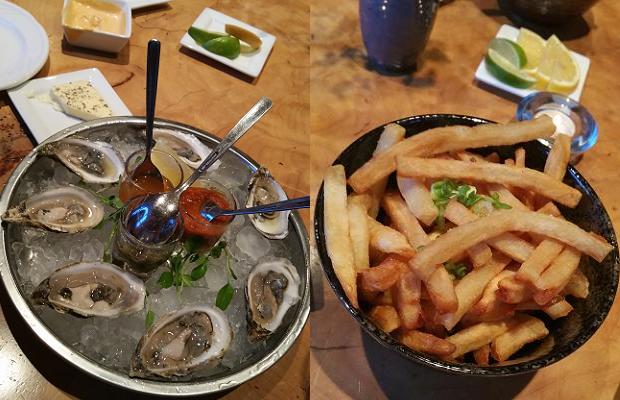
Oysters and Double Duck Fries at Le Caveau Restaurant, Domaine De Grand Pré Vineyards

Foot bridge to grand L’Acadie

as seen on WineAlign

Time, tides and wine. In a place like the Bay of Fundy, the three intertwine with nearly inexplicable lightness of being. The traveler covets these things in wistful retrospection. East coast movement, water and the new frontier for viniculture. “Each day the tides carried us to promulgate layovers, to begin flowing again each seriate day, at the hour of its reversal.”

Related – The tides that bind: East Coast swing

The wineries of the Annapolis Valley are few and yet not very far between. It feels as though you could tread, sans automobile, to Lightfoot & Wolfville, over Benjamin Bridge, back to Domaine De Grand Pré Vineyards and up the hill to L’Acadie Vineyards. Foot bridge to grand L’Acadie. All in a day’s walk.

While the exercise of a vinous walking tour would seem to fitly tread the boards of Nova Scotia’s watery ways, even more so for stations achieved by bicycle, a car makes possible the desire to learn more in less time. The roads in Nova Scotia wine country lay out as an inferential and navigable labyrinth, in the Gaspereau Valley and along the shores of the Minas Basin, from Wolfville to Grand-Pré of King’s County. There, unbeknownst to who knows how many zonked global winos, the wines of Nova Scotia not so much hide as crouch. They are a real, new deal, fervidly expensive to those who don’t yet understand them, free to those who do. They are poised to join the ranks along with Canada’s best.

Related – Consider the Gaspereau Valley

Peter Gamble has reached out a major hand to three essential facets for Nova Scotia’s wine renaissance. His consultancy has raised the profile and the bar for Sparkling wine from Benjamin Bridge Vineyards. He has been instrumental in the creation of the provincial appellative blend Tidal Bay, a regionally defining and commercially essential white wine. Ontario has fallen behind in not seeking out to create the same. Gamble’s work with the vinifera producing wines of Lightfoot & Wolfville Vineyards is the single most important revolution to happen in the Canadian wine industry in 20 years. I wrote this last summer. “What he will touch in his new appointment at Lightfoot & Wolfville Vineyards will make Nova Scotia history.”

Courtyard of Le Caveau at Domaine de Grand Pré Vineyards

Courtyard of Le Caveau at Domaine de Grand Pré Vineyards

Over the course of two days in late July I foraged through a second annual investigation into the Wines of Nova Scotia. It began with a tasting through the Domaine De Grand Pré Vineyards portfolio led by Hanspeter Stutz. The estate’s Vintner’s Reserve Riesling 2013 was recently awarded one of three Awards for Excellence in Nova Scotia Wines at the recent Lieutenant Governor’s Vice-Regal Wine Awards. The other two winners were Blomidon Estate Winery Cuvée L’Acadie 2010 and Avondale Sky Winery Martock 2012. Blomidon and Avondale Sky are two estates at the top of my WONS bucket list I have yet to visit.

Post anything but haste tasting with HansPeter dinner then followed at the estate’s incomparable Le Caveau Restaurant, in the company of L & W’s Mike, Jocelyn and Rachel Lightfoot, with Chef Jason Lynch manning the stoves.

Le Caveau's Beef Two Ways, grilled AAA hanger steak, beef shank galette, seasonal vegetables, barley

Le Caveau’s Beef Two Ways, grilled AAA hanger steak, beef shank galette, seasonal vegetables, barley

The following morning I sat down with Rachel and winemaker Josh Horton at Lightfoot, then travelled shotgun with Mike to taste at Bruce Ewart’s L’Acadie Vineyards. The estate’s Cuvée Rosé 2011 was awarded a Silver medal and the Vintage Cuvée 2012 a Bronze at the 2015 WineAlign National Wine Awards of Canada (NWAC15). We then paid a visit to Benjamin Bridge to peruse a Sparkling meets still appraisal with head winemaker Jean-Benoit Deslauriers and vineyard manager Scott Savoy.

Smell the slate and taste the natatory saliva, like liquid shells from the grape that transmits nascent maritime theology. Consider this variety that accentuates the terroir and reaches beneath the mud, to imagined aquifers for deep-rooted flavour

L’Acadie the grape variety harbours one of the great acidity secrets on the planet. Sparkling wine is possessive of dramatic excellence in Nova Scotia. Chardonnay and Pinot Noir are moments away from certain greatness.

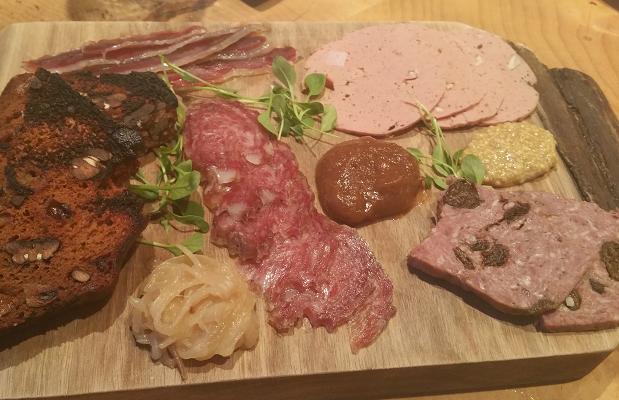
Le Caveau's Charcuterie Plate, house-made and locally sourced, served with chutney, shallot compote and spiced bread

Le Caveau’s Charcuterie Plate, house-made and locally sourced, served with chutney, shallot compote and spiced bread

Domaine De Grand Pré Vineyards

“The wines of Nova Scotia could not be drunk in the 1990’s. None of them.” These are the words of a now very proud Hanspeter Stutz, who in 1993 purchased the estate and re-planted 30 acres. The doors opened in 2000. In can be argued that no one in Nova Scotia has accomplished more and furthered the credibility of hybrid-produced wines than Hanspeter and (winemaker-son) Jürg Stutz.

Godello and Hanspeter Stutz at Domaine de Grand Pré Vineyards

Godello and Hanspeter Stutz at Domaine de Grand Pré Vineyards

Domaine de Grand Pré Riesling Vintner’s Reserve 2013, Nova Scotia (Winery, $20, WineAlign)

Imagine lime as a tide, ripening in extreme oscillating waves and layers like the highs and lows of Fundy’s Minas Basin. Only a dike could stop the citrus from rising and falling twice at normal sipping speed within the time it takes to assess through a glass. Lactic and piercing with a finish that pops, like no other Riesling in the world. Such a lingering finish. Healthy in correct perspective at 11 per cent alcohol. Drink 2015-2022.  Tasted July 2015

Domaine de Grand Pré Tidal Bay 2014 and Riesling Reserve 2013

Domaine de Grand Pré Tidal Bay 2014 and Riesling Reserve 2013

Domaine de Grand Pré Tidal Bay 2014, Nova Scotia (Winery, $20, WineAlign)

Hanspeter’s favourite wine is this blend of L’Acadie Blanc, Seyval Blanc, Ortega, Muscat and Vidal Blanc. Using the maximum allowable 15 per cent Muscat Hanspeter explains the choice to “do fruity, with our strength and to a dry finish.” Muscat acts as the catalyst to achieve this end. At 11 per cent abv it is not overdone, remains in balance and leads the Tidal Bay armada. Defines terroir within a properly determined fragrant framework specific to the Nova Scotia appellative intention. Rocks no boats and expresses more character than a rhyme with bucket or most. Drink 2015-2017.  Tasted July 2015

Domaine de Grand Pré Seyval Blanc 2013, Nova Scotia (Winery, $17, WineAlign)

The DGP equivalent of Chasselas along the Lake Geneva shoreline, straightforward, 12 per cent alcohol juicy, pure white simplicity. For those who would pin this hybrid to “empty cold and bare,” open your mind and conceptualize Seyval to be fish friendly to a Swiss degree. Terrific lemon acidity and smoke on the water bitters put this in perfect mind of place, with good length. White flames to deep purple. Drink 2015-2018.  Tasted July 2015

https://www.youtube.com/watch?v=zUwEIt9ez7M

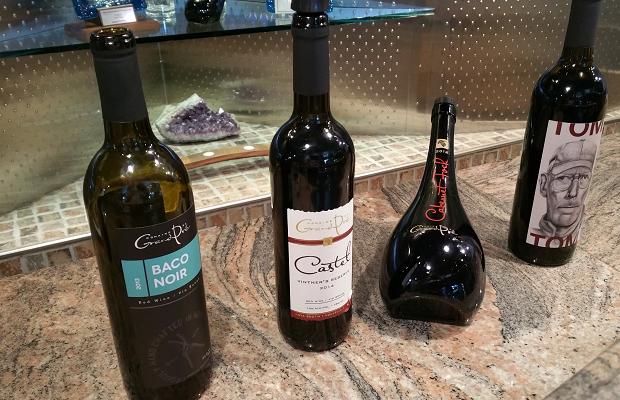
Domaine de Grand Pré Baco Noir 2013, Nova Scotia (Winery, $18, WineAlign)

A smoky, unambiguous tobacco kiln and blueberry Baco. Sour cherry, salumi and pepper infuse the vina da tavola feel and like Syrah goes as meaty as can be. Refreshing because it smacks of Baco Noir, not oak. Rad sour finish. Drink 2015-2019.  Tasted July 2015

Domaine de Grand Pré Castel Vintner’s Reserve 2014, Nova Scotia (Winery, $19.50, WineAlign)

The crossroads varietal happening is on display here with Cinsault and a member of the native North American Vitis ruprestis family (by Pierre Castel). Four to five thousand bottles of peppery black run off convey a taste of pickled black raspberries, cut by major chalk and minor tannin. Juicy and ready for roast game. Drink 2015-2017.  Tasted July 2015

The reds of Domaine de Grand Pré Vineyards

The reds of Domaine de Grand Pré Vineyards

Domaine de Grand Pré Cabernet Foch 2012, Nova Scotia (Winery, $25, WineAlign)

Only made in top vintages (when Cabernet Sauvignon ripens) and in those years the Foch welcomes the bones and body, for ageability in accord with agreeability. Travels from Cassis to tar, chocolate to sour cherry. Chalk again, this time in grains of liquid sand and a pepper-laced finale. Drink 2015-2020.  Tasted July 2015

Domaine de Grand Pré Foch Vintner’s Reserve 2012, Nova Scotia (Winery, $25, WineAlign)

Without the parenting role performed by Cabernet Sauvignon the Foch abandons the homestead and goes it alone. Kind of ironic considering the vinifera is the guest but old world pedigree and custom is hard to replicate. A mix of lead pencil, a curtailment of fruit and fermentation by attrition. A wild ride of savoire verte, tar and resilient verity. Drink 2015-2018.  Tasted July 2015

Domaine de Grand Pré Tom Tom NV, Nova Scotia (Winery, $25, WineAlign)

And I quote. “This blended red wine was created in honour of Tom Preston. Tom was probably the longest-serving field hand in the Nova Scotia wine industry. His career at Grand Pré placed him near the center of its remarkable growth; as witness, contributor and mentor to those who tend the vineyards today. Tom passed away in 2014 only two years after his retirement from the vineyards.” This 1300 bottle debut tribute consolidates 60 per cent Marquette from two vintages with Baco Noir and Cabernet Foch. The second encomium will go under another moniker. A blend that softens in simpatico, ripens with one another and pitches in together. There is cure in its depth with red plum on the road to palate. Quite the coat of veneer. All red fruit, incumbent acidity and red lactic citrus circulating throughout. To Tom. Drink 2015-2020.  Tasted July 2015

Domaine de Grand Pré Riesling Icewine 2013, Nova Scotia (Winery, $54.50, WineAlign)

From Warner Vineyards in Lakeville, Nova Scotia. Barrel fermented and aged in American oak for 10 months. Incredible acidity on top of pure fruit that indicates pear and white fleshed peach. The yield comes from an orchard’s northern clime stone groove with nary an apricot in mind. This wine, as with the table whites and reds, never takes itself too seriously. In the words of Hanspeter “just have fun and work on it. That’s a start.” Drink 2017-2025.  Tasted July 2015

L’Acadie Vineyards

“Tirage and terroir,” asserts Bruce Ewart, a pile of vineyard rocks and stones separating he and I on the tasting counter between us. The rocks are quarried out of slopes in the Gaspereau Valley spilling down towards the Bay of Fundy, from vineyards built of glacial till in the soil mixed with clay and loam. “Mineral flavours from mineral soils,” adds Ewart. Then we taste.

Godello and Bruce Ewart of L'Acadie Vineyards

Godello and Bruce Ewart of L’Acadie Vineyards

L’Acadie is the signature grape of the L’AV command. When sourced from clay-loam it produces fruitier wines, from still to sparkling. The mineral increases from out of the glacial till. L’Acadie is certified organic and all of their wines are made with 100 per cent Nova Scotia grapes.

Glacial till stones of L'Acadie Vineyards

Glacial till stones of L’Acadie Vineyards

Bruce goes straight for the critical jugular and pulls out the best Sparklers in his portfolio. Make no mistake, no matter the hybrid content, the wines are cogent sticks of Nova Scotian dynamite with unprecedented levels of balance. They are as unheralded as any in North America. The only other house with less attention yet paid to its méthode traditionnelle programme that I have encountered is Sparkling Pointe on the North Fork of Long Island. Yet another example for a cool-climate region’s reason to make bubbles.

Sparkling wines of L'Acadie Vineyards, Gaspereau Valley, Nova Scotia

Sparkling wines of L’Acadie Vineyards, Gaspereau Valley, Nova Scotia

L’Acadie Vineyards Prestige Brut Estate 2009, Gaspereau Valley, Nova Scotia (Winery, $45, WineAlign)

From the second harvest (following the 2008 vintage was from 2005 fruit) of the certified organic vineyard, a south facing Gaspereau Valley rocky plot blessed of ancient geology, like crushed pills of polar pottery and with perfect natural low vigour conditions. That first vintage of some 100 odd bottles still rests and will do so for likely up to seven or eight years. The 2009 is made in the traditional method and aged for five years on the lees. All estate fruit and that 60 months is needed to bring about harmony. Toasty, part cruller, part panettone and brut to the point of profundity (was six and is now 3 g/L of residual sugar). Bitters melt into length with alcohol set at 11.6 per cent. Drink 2015-2021.  Tasted July 2015

L’Acadie Vineyards Vintage Cuvée 2012, Gaspereau Valley, Nova Scotia (Winery, $26, WineAlign)

A Cuvée cut with a bowie from grower’s fruit on clay-loam soils with less triage (24 months) than the other sparklers in the L’Acadie oeuvre. A fruit forward expression, persistent in biscuit baking but the result is more cookie than croissant. Reads like an eight line poem, the higher dosage (8 g/L) in drama of orchard fruit and lime zest. Hunky dory bubbles, “the key to the city, is in the sun that pins the branches to the sky, oh, oh, oh.” Drink 2015-2019.  Tasted July 2015

L’Acadie Vineyards Cuvée Rosé 2011, Gaspereau Valley, Nova Scotia (Winery, $26, WineAlign)

Blends dramatically early-picked Marechal Foch (40 per cent) with less antecedent specific to bubbly-grown L’Acadie (60) grapes. The Foch brings can/rasp/strawberry to the system of sparkling reckoning, in subject meaning for the latter to chastise with acidity. Comes to light like a new sparkling day, an awakening of bubbles senses, with a balanced attack of fruit flavours ushered within the pressured caisson of L’Acadie’s mineral chamber. Salinity, brine, sapidity and red citrus roll on. Drink 2015-2020.  Tasted July 2015

L’Acadie Vineyards Rosé 2014, Gaspereau Valley, Nova Scotia (Winery, $20, WineAlign)

An early picked Marechal Foch, lithe 11.6 per cent alcohol, crushed berry beauty. Terrific aridity, aromatic allure and redundant in nix of residual sugar. Another nerdy, essential example of what can be done with Rosé in Nova Scotia. Cranberry and strawberry expressed through citrus with the always necessary mineral balance provided by L’Acadie, in every reason, for harmony. Drink 2015-2017.  Tasted July 2015

L’Acadie Vineyards Estate L’Acadie 2013, Gaspereau Valley, Nova Scotia (Winery, $20, WineAlign)

Here the mineral and bone in till from the strong, outstretched arm of the sea lends sentient clarity, joined by the earth it bares. Smell the slate and taste the natatory saliva, like liquid shells from the grape that transmits nascent maritime theology. Consider this variety that accentuates the terroir and reaches beneath the mud, to imagined aquifers for deep rooted flavour. Think about vines that delve into the glacial recesses to divine subaqueous locution.  As a hybrid L’Acadie may seem obtuse but as a Nova Scotian reality it may as well be Muscadet, or even Chablis. Drink 2015-2020.  Tasted July 2015

L’Acadie Vineyards Passito 2012, Gaspereau Valley, Nova Scotia (Winery, $23, WineAlign)

A Ripasso-style red made from 30 per cent dried grapes. An intriguing approach for hybrids and cool climate viticulture. Marechal Foch and Leon Millot are aged in American oak. The discerning is of dried figs and prunes, foxy and slick. Characterful, like duck prosciutto and dried, sour cherry liquorice, spiked by fennel seed and dipped into a pool of savoury syrup. Very interesting. Drink 2015-2018.  Tasted July 2015

L’Acadie Vineyards Alchemy 2010, Gaspereau Valley, Nova Scotia (Winery, $43, WineAlign)

Here the Ripasso steps up to Appassimento. In 2009 the work was performed with 75 per cent Leon Millot and 25 Luci Kuhlmann aged for 24 months in American oak. The 100 per cent methodology in 2012 in the 500 mL bottle is all Foch and nothing but. Leads to a deeper brood, of rich, chocolate flavour melted and hardened over blackberry and a wild hit of sauvage. Intense red smouldering with tobacco and finishing in pulsating fashion, like currants on steroids. Drink 2015-2020.  Tasted July 2015

Benjamin Bridge

Jean Benoit Deslauriers, along with viticulturalist Scott Savoy leads Mike Lightfoot and I through a transaction of Sparkling and still wines in the BB portfolio. Deslauriers offers a concise dissertation on phenolic maturity as a journey incarnate, out of the Gaspereau Valley’s long growing season, mitigated by the east west corridor. He talks on moisture vs heat and the dichotomy of swelling berries. “Its not California here” he says with a wry smile and I can tell he’s pleased with his winemaking lot in life. Here it’s real, tapping into hang time, phenolics and utterly eccentric levels of dry extract.

Tasting at Benjamin Bridge, Gaspereau Valley, Nova Scotia

Tasting at Benjamin Bridge, Gaspereau Valley, Nova Scotia

Benjamin Bridge Nova Scotia Brut 2008, Gaspereau Valley, Nova Scotia (381533, $49.95, WineAlign)

Even if it’s not the first Bridge record, a milestone moment is here in this the last wine with hybrid contents (within this particular BB program). Though it houses 10 per cent Chardonnay and 10 per cent Pinot Noir, the remainder (80) is Seyval Blanc, L’Acadie Blanc and Vidal. At this Brut level it’s so very bluesy and deceptive in consideration that it is a hybrid based wine, but at the sensory level, miles beyond and a whole other matter. The tempo is furious, the muscularity of tone like bebop in chorus. It has citrus fleshed, aromatically autolytic patisserie and caramelizing onion richness. It’s a searing, raging scintillant, still throbbing and thriving. There is so much grapefruit here in crazy intensity. Work with it and the toast, the brioche and the baking spices come out, come clean and linger. Drink 2015-2023.  Tasted July 2015

https://www.youtube.com/watch?v=1pvmfbOEjKY

Benjamin Bridge Brut Reserve Methode Classique 2004, Annapolis Valley, Nova Scotia (275396, $95.00, WineAlign)

The ’04 is hanging in beautifully, on a wire of impossible balance, at 11 years old not yet really transitioning. There is simply too much brightness for it to give up its youth. You have to strain your ears, nose and throat to assuage just a hint at oxygen, life affirming breaths and then a keener sense of toast and yeast. Still behold the grapefruit, a sign of remarkable adolescence, the hang time amplified and in mass hyperbole here, in this current appraisal, address and time. How can richness act and display with such alpha freshness? How can an aging body not shed baby weight, turn lanky, lean and awkward? How is it neither the bitter pill of juvenility or senility has been swallowed? That is not the case here in a Blanc de Blancs which still has five to seven years of very active life ahead. Drink 2015-2021.  Tasted July 2015

Benjamin Bridge Brut Reserve 2008, Gaspereau Valley, Nova Scotia (275396, $74.95, WineAlign)

From dry extracts that were off the charts, the ’08 comes to play with massive intensity. A unique Co2 effervescence, expansive instead of contracting. A wine of palate sensory driven speculation and assessment. Unrelenting mousse, exploding outwards, persisting straight through to the finish. Richness matches the foundation of freshness, with a full citrus fruit palate. Density from super low yields (a decadent tonne per acre, 1/6th of champagne) in another cool year, or in other words, “a vintage of opportunity.”

From my earlier note of July 2014:

The 2008 Brut Reserve is composed of 61 per cent Chardonnay and 39 Pinot Noir. If any wine in the Benjamin Bridge continuum defines the legacy left behind by Raphaël Brisebois and passes the sparkling torch to Jean-Benoit Deslauriers, this ’08 is it. Here is the vintage that begins to emulate the grower’s Champagne of the motherland, in deeper learning, understanding and connection to the estate’s vineyards. At present this is such an infant, reductive and with a blowzy palate that suggests a fidgety, elemental state. The attack is in burgeoning mousse. After spitting, the wine persists, as if there remains a mouthful, causing the cheeks to expand. The citrus is weighty in texture and this ’08 goes deeper than the previous Brut reserves. Three years will be required to allow for a settling and 20 years lay further ahead for secondary, tertiary and quaternary development.

Last tasted, at the winery, July 2015

Benjamin Bridge Vēro 2013 and 2014

Benjamin Bridge Vēro 2013 and 2014

Benjamin Bridge Vēro 2014, Nova Scotia (Winery, $22, WineAlign)

Derived from veritas, the Latin word for truth. If Tidal Bay is an appellative Nova Scotia blend that walks from the sea, Vēro is the Bridge’s worthy adversary that emerges from the land. This vintage is composed of 35 per cent Chardonnay, 10 Sauvignon Blanc, 15 Riesling, 20 Ortega and 20 Vidal. It appeals with an increase of ore and aridity, despite and in spite of 17 g/L of residual sugar. It is a formidable, linear, focused, 11 per cent alcohol straight shooter. Hybrids speak in foxy white linen and lace. A striking and popping white blend. Quite wild, really. 500 cases made. Drink 2015-2018.  Tasted July 2015

Benjamin Bridge Vēro 2013, Nova Scotia (Winery, $22, WineAlign)

As in the forward ’14, this ’13 is again built on the foundation of freshness and the highest of aromatic components. Percentages are (60) Chardonnay, (30) L’Acadie and (10) Riesling, the latter of which is noticeable, adding petrol and terpene to the still beating, vibrant palate. Compounded by full flesh on viscous mouthfeel. Has a natural, nearly oxidative feel just beginning to happen so it behooves to ask if these are the wines that define idealism as adversary to the stylistic Tidal Bay way? Finishes with terrific bitters and a L’Acadie oyster shell coarseness. Drink 2015-2016.  Tasted July 2015

Benjamin Bridge Cabernet Franc Rosé 2014, Nova Scotia (Winery, $22.95, WineAlign)

A Nova Scotia first, this blush made from 100 per cent Cabernet Franc. The minerality comes straight from stone, sans flint, and the epigrammatic aromatic notion is saucissons and rillettes, not wild berry. Simulacrum to a Loire Valley format, like Chèvre on a log after a forest rainstorm. Stone age Breton on exhibit. Salinity and aridity in spite of its meagre 7 g/L RS. Bright, fresh and vivid tones are wrapped up in the enigma of very cool climate grown Cabernet Franc. Sea and brine entrammel the flavours. Drink 2015-2018.  Tasted July 2015

Benjamin Bridge Nova 7 2014, Nova Scotia (Winery, $24.95, WineAlign)

There is really no vintage in, vintage out agenda on a journey to categorical dryness for Nova 7, so it is thrown like caution to the Fundy wind and fermented at lower temperatures. The risk road taken preserves the Co2, which stays in the solution instead of leaving, thanks to the cool temperatures. Terpenes, phenols and esters remain. Low alcohol (8 per cent), elevated (80 g/L) RS, aromatics and effervescence are the amalgamated result. A unique wine out of an extreme environment, this is a plainly, nearly painfully mother humming cliffhanger from Benjamin Bridge. Beautifully waxy, of a pink aridity, brightness, fresh acidity with a dry finish, in as much as such a level of sweetness can allow. Will stay fresh, age and linger for five to seven years, easy. Drink 2015-2022.  Tasted July 2015

Lightfoot & Wolfville

Natural challenges, winter temperatures in the -20 range, late frosts, hurricanes. Welcome to growing grapes in Nova Scotia. And yet Lightfoot & Wolfville is producing Chardonnay and Pinot Noir. Mike Lightfoot attributes vine survival to nutritional balance in the natural systems through organic and biodynamic viticulture.

Ancienne Chardonnay and Pinot Noir 2013 with a glass of soon to be released Rosé

Ancienne Chardonnay and Pinot Noir 2013 with a glass of soon to be released Rosé

The pioneering activities do not end there. L & W has also added 4.5 acres of rare and classic vinifera to their “Corton” Oak Island vineyard. Chenin Blanc, Scheurabe, Sauvignon Blanc, Kékfrankos just to name a few. “These grapes were chosen based on climate and soil chemistry,” with the future in mind, for sparkling, still, and sweet wines.

These are the wines I tasted (from bottle and tank/barrel samples) in July with winemakers Josh Horton and Rachel Lightfoot.

A sneak peak at Lightfoot and Wolfville's Tidal Bay

A sneak peak at Lightfoot and Wolfville’s Tidal Bay

Lightfoot & Wolfville Tidal Bay 2014, Nova Scotia (Winery, Approx. $21-22, WineAlign)

A Muscat-less blend of Geisenheim, L’Acadie Blanc, Chardonnay and Chasselas with a directive to drive by aromatics if easy on the turns. A Tidal Bay borne on the architecture of spine, a step shy of sacra perfume. A white to pair with local necessity, a seafood marker, a buoy to the stock pot and the grill. Its release is imminent (the intention was between August 17th to 27th). Represents pure citrus distillate, in lemon and lime, with a median balancing action in 12 g/L of residual sugar, which really doesn’t show, no, not even close, though certainly the acidity balance helps (9 g/L of TA). Drink 2015-2017.  Tasted July 2015

Lightfoot & Wolfville Rosé 2014, Nova Scotia (Winery, Approx. $18-20, WineAlign)

Pinot-driven, of Noir and Pinot Meunier with tiny amounts of Geisenheim and Frontenac Rouge. Arid, rusty, simply and purposefuly pale red that emerges straight from the earth. Has a plasma sensation, with lemon and dry red earth. Natural feel. A cure of veal. More structured than even its makers are giving early credit for. A portal to the more ”serious” solo, mano a mano Pinot/Pinot to come. A hue and style originated and heading in the right direction. Drink 2015-2018.  Tasted July 2015

Lightfoot & Wolfville Chardonnay Ancienne 2013, Nova Scotia (Winery, $40, WineAlign)

Welcome to the new Chardonnay ethos, an east coast compages for la belle nouvelle écosse, the new borderland for Canadian vinifera. The respite found in Lightfoot & Wolfville’s first release is like breathing for the first time. As I noted a year ago while tasting through (mostly older) barrel trials, I have unearthed a Canadian winery animated in the architectural rendering of Premier Cru Chablis. Full textured, creamy aromatics, layers of lace and luxe, popping acidity and with length stretched to service now and later. Approximately 135 cases made. Drink 2015-2019.  Tasted July 2015

I see the light. Innaugaural releases of Lightfoot and Wolfville's Ancienne Chardonnay and Pinot Noir 2013

I see the light. Innaugaural releases of Lightfoot and Wolfville’s Ancienne Chardonnay and Pinot Noir 2013

Lightfoot & Wolfville Pinot Noir Ancienne 2013, Nova Scotia (Winery, $40, WineAlign)

If de novo for Pinot Noir is to be found in Nova Scotia then count me in because the inaugural release from Lightfoot & Wolfville is the trailblazer for and from the extrinsic frontier. Tasting the painstakingly measured yet barely handled 2013 for the first time (from bottle) is like falling into a glass of Nova Scotia cherries. Somehow there is this simultaneous and virtual voyage abroad to imagine a comparison with Nuits-Saint-Georges, in its earth crusted, sanguine, welled up tension that begs questions and belies answers. A year yonder the taste from barrel and what can be said? Pinot Noir adjudicated, into a cortex of recognizable consciousness and thus into the natural Nova Scotia mystic. Ignore and forgive the dope of first returns, for no one could have imagined such ripeness and immediate gratification. Future releases will dial back in the name of structure. That said, in 2013 there is a red citrus, ferric debate that will send this to an exordium seven years down the road. Impossible inaugural release. Approximately 50 cases made. Drink 2015-2022.  Tasted July 2015

Lightfoot & Wolfville Sparkling Blanc de Blancs 2012 (Sample)

Not yet disgorged with a plan for leaving them for five to seven years on the lees. From estate fruit (five year-old vines at the time) tanking in stainless, with no dosage. Full input charged citrus reminds of Brut Zero (i.e. Tarlant) in its classic, linear, straight pierce, dart to the heart. Needs lees texture for body which time will accord. Really classically styled.

Lightfoot & Wolfville Sparkling Blanc de Blancs 2012 (Second Sample)

Here the use of a small amount of oak. A slight bit of reductiveness (being employed as an idea going forward in defining a house style) shows up as smoke and flint. The triage leads to green apple and a different kind of citrus, with more body and warmth, partly in alcohol but more so elegance and a linger  in this not so fleeting fizz.

Lightfoot & Wolfville Chardonnay 2014 (Barrel sample)

Ripeness, of phenolic targets hit for the second year on a row. In 2014, marked a reduction experiment, from a brand new demi-barrel, seeking a covering up of the reductive qualities. An approach to amalgamate the best of both worlds.

Lightfoot & Wolfville Rosé 2014 (Tank Sample)

Pinot Noir and Pinot Meunier. An hour or two quick breaking of the skins on the press. Incredible aromatics, chewy, with a pepper kick, of an edge that will be smoothed over by a bit of residual in the finished wine. Just the right proper citrus ands a touch of animale. So special. Potential release is late September/Early October.

The recent releases of Lightfoot & Wolfville’s Tidal Bay and Rosé 2014 were met with much ado in the Halifax wine bars, just like the reception given the Pinot Noir and Chardonnay one month before. Naysayers (including some critics who have tasted these wines) want to burst the bubble, not because of truth but out of a closed mind set that will not allow for change, or evolution. The treatment in contempt of possibility is born of narrow, jaded vision. Despite the exceptional and opprobrious hurdles that climate places on vinifera and its attempted journey to phenolic ripeness, L & W, Benjamin Bridge, Domaine de Grand Pré and L’Acadie Vineyards are ripening grapes, beyond and along with winter-resistant hybrids. Advanced viticulture and winemaking prowess are primed for the new Nova Scotia millennium, on the new frontier. Pay a visit and see for yourself. Then get ready for a policy change of the mind.

Good to go!

http://www.winealign.com/profile/2058-mjg

We the Icewine

Xerox

Xerox Icewine Gala, Fallsview Casino Resort

Something has shifted in me, somewhere closer to the realm of sweet nirvana. It could be empathy, a delayed reaction in sensitive thought to what the winemakers and hard-working Niagara wine country folks had to endure in the winter of 2014. Maybe it’s a premature anticipation of the greatness that will come from sweet wines crafted from out of that polar vortex attenuated vintage. Could it just be that Icewine has grown on me, that the elixirs of Peninsula life have violated and occupied my parochial psyche?

For two weeks in January, Niagara Wine Festivals and Wine Country Ontario lay out the nectarous red carpet and everything comes up Icewine. If fans of the Toronto basketball franchise can ignore all the basic tenets and principals of modern English grammar, who’s to say the followers of Ontario’s world-class elixirs can’t do the same. Thus I give you, “We the Icewine.”

Admittedly the phrase does not resonate with equal credibility in comparison with what works in the realm of base, shallow and primitive sport. It does not matter to me. I’m still going with it. Niagara is the epicentre of the Icewine world, in the (near, near) north and we own the market and its successes. We the Icewine.

20 Years

20 Years of Icewine

A recap of Icewine 101. Simply put, made from grapes that have been left to freeze naturally on the vine. Ontario’s production laws insist that Icewine must be made from approved grape varieties; the most popular are Vidal Blanc, Riesling and Cabernet Franc. Some small lots include Gewürztraminer, Chardonnay and Cabernet Sauvignon.  Grapes are left on the vine until a sustained temperature of -8°C or lower is reached and then picked from those vines encapsulated in nets to protect them from birds possessive of a sweet tooth.

Related – Deep freeze: Controversies, polar vortex and icewine 

The wineries of Niagara-on-the-Lake are the backbone of the Icewine phenomenon in Ontario. Picking for the Icewine harvest in 2015 has stretched over a period exceeding 30 days, not necessarily out of the ordinary but it should make for a wide range of styles and quality in the vintage. Inniskillin Niagara Estate Winery began its thirty-first Icewine harvest on January 5th.

The Niagara Icewine Festival has wrapped up for another year but there are still many weekends left to get a taste of what took place throughout the month of January. There were street festivals in Twenty Valley‘s Jordan Village from January 9th – 11th, Niagara-on-the-Lake from January 16th – 18th and new this year, events in Niagara Falls. Winter continues along with the buzz across the Niagara Peninsula.

Visitors made use of the Discovery Pass, a passport to 35 wineries and culinary experiences along the Wine Route. Along with a variety of Icewines, visitors were offered the opportunity to taste sparkling and VQA red and white wines.

Gala

Icewine Gala decor

For all things Icewine here is a link to the festival site withy more information here. With kind thanks to Magdalena Kaiser and Wine Country Ontario on Friday, January 10th, 2014 I attended another Xerox Icewine Gala at the Fallsview Casino Resort. The following day I attended the Twenty Valley street festival in Jordan, Ontario.

With Icewine firmly on the brain I decided to make a go at as many samples that can safely be sampled in one night. Not to leave out the still and Sparkling in the room, I made sure to taste the generous and in some cases, pleasant surprises being poured by Niagara’s finest winemakers. Here are notes on twenty wines tasted over the weekend.

And don’t forget the anagram: A wet vial is fine nice agar.

Vineland Estates St. Urban Riesling 2008, VQA Niagara Escarpment, Ontario (38117, $19.95, WineAlign)

If this Riesling could go through a glück stage, now would be the time. There is a plump and resinous feel about it in 2015, quite possibly signalling the end of its first seven years en route to a minimum 14 more in its life. At this juncture it’s like hot stones washed down with salt water. Look for it to cool again as the year passes. From my earlier, April 2013 note: “Poured as a youthful and “hello” pleasant surprise though it’s just beginning to display secondary character. Has shed its tingling ferment skin without compromising the inherent citrus zest. Nectar lit by just emerging perky propellant and the ubiquitous, underlying ullage of St. Urban’s stones all combine forces to a life of amarita. All this to make believe 2028 will be just another year in its evolution.  Last tasted January 2015  @benchwineguy  @VinelandEstates
Pinot QRV

Creekside Estates Pinot Noir QRV 2013

Creekside Estate Winery Pinot Noir Queenston Road Vineyard 2013, VQA Niagara Peninsula, Ontario (Winery, $22.95, WineAlign)

The first made since the 2008 because of a new directional decision to hold onto and no longer forsake these exceptional Queenston Road Vineyard grapes. A wine that folds back the skyline skin of time and reveals a cloning from intimate belongings. Pinot blessed of a Dylan-esque drawl, from a comfortable and crooning time in its life. Penetrates into the QRV earth and draws out subtleties, slow food assuagement and makes no BS about its ease. Though posolutely whiffing and tasting of black cherry, it balances itself with an acerbic wit. This is what winemaker Rob Power refers to as a lay lady lay style. Partners in crime Yvonne Irving and Matt Loney concur. One sip and your partner may just lay across your “big brass bed.” You can always go back to Nashville.  Tasted January 2015  @CreeksideWine  @CellarMonkey  @Matt_Loney

Ravine Vineyard Chardonnay 2012, VQA Niagara Peninsula, Ontario (306902, $24.00, WineAlign)

Spice notes are the current rage, from out of the barrel and now into a next level of amalgamation with tree orchard fruit. Has lengthened somewhat since last summer. From my earlier, July 2014 note: “Winemaker Martin Werner’s 2012 may just be the hardest working Chardonnay in showbiz and in Niagara. Winnowed from Estate (St. David’s Bench) and (Niagara) River fruit, there lurks within, a 20-30 percent perfumed compression of Chardonnay Musqué. The additive is a tonic fanned from the wine’s olfactic communicative nerve centre, adding tree fruit notes no more serious than should be gathered. Werner picked real early, like five weeks ahead (first of September) and the resulting noisome perfume makes for some funk. “It’s these little things, they can pull you under,” but they blow away and settle into a rich, viscous Chardonnay for the palate to collect, contain and command. “Oh, oh, but sweetness follows.” This Ravine works automatically, of the people, for the people.” Last tasted January 2015  @RavineVineyard  @marty_werner

Inniskillin Winemaker’s Series Montague Vineyard Chardonnay 2012, VQA Four Mile Creek, Niagara Peninsula, Ontario (586347, $24.95, WineAlign)

The warm clay of Montague plugs in and along with the barrel, layers toast, buttered toast and more toast upon the body of the 2012 Chardonnay. In many ways this is a serious bottling for the Peninsula; it’s all in and wants it all. A strong-willed, big-boned wine with much ado about varietal expressiveness. Paired with a plate of many elements and anchored by rich protein drawn from a salty ocean, this forward and weighty Chardonnay can do no wrong. With all its upfront personality it may not do the same with more than a few years age but there’s really nothing wrong with that. Enjoy it now and to 2017.  Tasted January 2015  @InniskillinWine

Vieni Estate wines

Vieni Estate wines

Vieni Estate Sparkling Brut Rosé 2012, VQA Vinemount Ridge, Ontario (Winery, $29.95)

Made from a blend of Chardonnay, Pinot Noir, Pinot Meunier, and Riesling, the Charmat method Rosé Sparkling is weighty at 13 per cent alcohol and so very savoury. Winemaker Mauro Salvador is finding new places for investigation in fizz-forming for Ontario. The ’12 Brut Rosé champions aridity and noble bitters. The aromas conjure up a botany and a herbalism that would make Pliny proud.  Think stinging nettles, rapini, arugula, strawberry leaf and the energy of carboniferous ponds. Though the acidity is mild as compared to Salvador’s Vidal/Pinot Gris ‘Momenti,’ it manages just enough balance in this blush sparkler.  Tasted January 2015  @VieniEstatesInc

Creekside Estate Winery Reserve Viognier 2012, VQA Niagara Peninsula, Ontario (Winery, $29.95, WineAlign)

Creekside’s small production Viognier (maximum 80 cases) from the warmer micro-climate of the Queenston Road Vineyard heads back to near-boozy and a bit hot in the sudorific vintage. Oh the viscous humanity of it all, especially when the (all French, two year-old, nine months time) ferment was performed on 100 per cent of the six barrel juice. While it may not flirt with the dangers of say, a dirty peach martini, there is plenty of seasoning, rich, spicy and opulent fruit to at least declare a cocktail of some shaken kind. The ’12 Viognier drips and sweats of a humidity as much as any cool climate rendition can (at least in the context of the Niagara Peninsula). It may not be the ideal vintage but it just may be the one with the most excess.  Tasted January 2015  @CreeksideWine

Inniskillin Niagara Estate Single Vineyard Series Montague Pinot Noir 2012, VQA Niagara On The Lake, Ontario (997353, $29.95, WineAlign)

A crescendo of sorts has been struck in 2012 with the Montague Pinot Noir perpetuity, giving credence to the vineyard as a resource to be exploited. What the site does for Pinot, particularly in warm vintages like 2012, reminds of the Pfersigberg in Alsace, a plot which provides fruit for the Sainte-Claires bottling by Domaine Albert Mann. A site where water-retention is less than average, where soil colour and low humidity attract the radiance of intense heat, which leads to early ripening of the grapes. The richness of Montague’s clay is amplified in the vintage, providing elevated heat units for this red cherry, beet, cinnamon and toasted red of equally exceptional flavours. Fine, linear acidity takes it to depths and will lead it down long, paved roads.  Tasted January 2015

Château Des Charmes Equuleus 2010, VQA St. David’s Bench, Paul Bosc Estate Vineyard, Ontario (319525, $30.00, WineAlign)

Not quite halfway to the five year prediction, the filly is showing the first sign of slowing down. While time certainly remains on her side, the obvious maturation and calming down is nosed in the onset of a slow caramelizing aroma. While the gait may be in trot mode, the five year mark (2018) remains the signpost to look towards on the long track of her life. At that point, with an hour decant, Equuleus ’10 will be good to go. From my earlier, May 2013 note: “From the Paul Bosc Estate Vineyard is a classically styled blend of 50% Cabernet Sauvignon, 25% Cabernet Franc and 25% Merlot, only made in exceptional years. Apropos choice from 25-year old vines (in 2010) from the warmer St. David’s Bench for Cuvée’s 25th show. Poised, balanced and regal yet this mare is temporarily a head-shy, sensitive equine red. Will trot out furlongs of tobacco and meaty aromas from now and through maturity in five plus years. A saddle of round, red fruit will age gracefully.”  Last tasted January 2015  @MBosc

Colaneri Estates Coraggioso Cabernet Sauvignon 2012, VQA Niagara Peninsula, Ontario (Winery, $32.95, WineAlign)

Crafted in the appassimento style, the 2012 Coraggioso is made from 80 per cent dried fruit. Intended to mimic its maker (Michele “Mike” Colaneri), the wine is a bullish, strong silent type, protector of the family, or in this case, the dried grape, passed over style of the Veneto. The specs are bold and impossible; alcohol fortified at 15.3 per cent, residual sugar duplicitous at 7.8 g/L and acidity nearly non-existent at 0.97 g/L. The composition yet works, with help from natural fermentation (no cultured yeasts), six months in new barrels and an additional 13 more in used ones. The happy and old school aspect ratio is turned up by its dried bulb, root and packed earth aromatics; fennel, liquorice and just set concrete. The balance is paradoxical, nearly apocryphal, certainly Coraggioso (courageous). The dried fruit sensations continue right to the end, in lieu of acidity and tannin so the ability to age is there, even in the absence of traditional agents. Really unique and dare it be said, elegant Bordeaux-esque appasimento.  Tasted January 2015  @ColaneriWinery

Southbrook

Southbrook Vineyards

Southbrook Whimsy! “Damy” Chardonnay 2011, VQA Niagara Peninsula, Ontario (Winery, $34.95, WineAlign)

As a Whimsy sister to the XY Sirgue, XX Damy is a barrel blend that spent 10 months on lees in 100 percent French oak (25 new, 25 one year-old and 50 neutral). While undoutedly the more feminine of the two, she is also feistier and the Chardonnay possessive of a bigger personality. Damy exaggerates suppositions synthesized from both the 2011 micro-vintage and the macro-cool climate for Niagara Chardonnay. At present she seems stressed, with so much citrus anxiety, a sting in herbage and a medicinal lactic seeping. All need to come together, find the calm, common ground and spoon beside one another. This will happen, given a couple of years time and Damy will express herself more freely come then. Drink brother Sirgue first, the simpler and softer sibling.  Tasted January 2015  @SouthbrookWine

Creekside Reserve Queenston Road Vineyard Cabernet Sauvignon 2010, VQA St. David’s Bench, Niagara Peninsula, Ontario (Winery, $34.95, WineAlign)

A 21-month stay in an all French oak hotel has now reached integration in this Queenston Road Vineyard beauty. The fullness of its qualities are on display, running a circuitous aromatic and flavour gamut from dark chocolate to savoury black olive cake. From my earlier, February 2014 note: “Impeccable correctness in terms of the variety from a year where the heat giveth and the heat taketh away. Works Cabernet properties properly, embracing and minimizing oak without pretending it’s not there. This red is expressly lush and oak driven, as it should be, it being Cabernet and all. Leaves its appendages out for a Mediterranean pedicure, a glaze of Cassis, black olive and black cherry dug in a chair entrenched in the warm confines of the St. David’s Bench.”  Last tasted January 2015  @CreeksideWine

Southbrook Poetica Cabernet Merlot 2007, VQA Niagara Peninsula, Ontario (Winery, $54.95, WineAlign)

The Poetica Red is very warm, extracted and quite stylish. She did not miss much from the heat day quotient of the 2007 vintage in Niagara. “She’s well acquainted with the touch of the velvet hand like a lizard on a window pane.” Anise and pencil graphite are shot straight from the wood-soaked barrel of a dark chocolate gun, leaving behind a pool of orange bitters with a slick of acidity. The (rounded up) one-half Cabernet Sauvignon, one-third Cabernet Franc and one-quarter Merlot, while bigger than its head, is so integral towards the future success of learning to reign in the power of this formidable Southbrook blend. Happiness is a warm Poetica.  Tasted January 2015  @SouthbrookWine

The Icewines

Château Des Charmes Estate Bottled Vidal Icewine 2013, VQA Niagara On The Lake, Ontario (565861, 200 ml $25.95, WineAlign)

All the diamonds in this world seem to concentrate in fruit form within CdC’s Vidal ’13, “conjured up by wind and sunlight, sparkling on the sea.” The pang of smells opens with the prickly sting of memory, of childhood fruit cocktail, Turkish delight and the Big Turk. “Like a pearl in a sea of liquid jade.” The intensity of piercing acidity and hyper-cloying stone tree fruit is a searing and blinding crush on the eyes, teeth and mouth. So very tight and concentrated, this is a wow Vidal, an ‘o baby’ Icewine and all the while over the top. It may be a tad hard to handle but it offers crazy bang for the buck. Perhaps a few years will settle its crazies.  Tasted January 2015  @MBosc

Southbrook Vidal Icewine 2010, VQA Niagara On The Lake, Ontario (Winery, 200 ml $26.95, WineAlign)

A naturally sweet monster from a vintage where ideal conditions allowed for early picking, especially for Vidal. That 150 g/L of sugar could be realized from a December baby is what strikes this condensed tropical fruit bomb into the lore of the genre. Indigenous fermentation using yeast lees from Southbrook’s 2010 Chardonnay barrels and some bacterial connectivity has resulted in early evolutionary notes, notably bitter burnt orange and oxidized mango. Highly complex for the Vidal sempiternity, the 2010 Vidal Icewine is no imminent retiring rose though its decline will hasten sooner rather than later.  Tasted January 2015  @SouthbrookWine

Inniskllin

Inniskllin

Inniskillin Vidal Sparkling Icewine 2012, VQA Niagara On The Lake, Ontario (560367, 375 ml $31.95, WineAlign)

The sweetness is highly elevated straight from the central core of this (200+ g/L RS) Charmat-method Sparkling Icewine. It’s more than interesting, I’ll grant it at least that and though the alcohol remains at or just below the (10 degrees) threshold, it acts quite hot. This is due to so much accenting spice, which seems to be a ropey-wooden-sappy injection, though the wine sees no barrel. Big, big tangy fruit flavours are smothered in the ubiquitous spice. Complexity is gained though elegance is lost. At least the ride is wild when in consideration of the price.  Tasted January 2015  @InniskillinWine

Peller Estates Signature Series Ice Cuvée, VQA Niagara Peninsula, Ontario (284547, $31.95, WineAlign)

From a base wine that is Chardonnay (70 per cent) and Pinot Noir (30), the aridity is markedly up front despite the sweet Vidal dosage style. Comes streaking across on the barking citrus palate. It’s broad, expansive, with a minute bit of oxidation. It builds upon itself and really develops the mouthfeel. A most excellent use of Vidal. So very long and solidifies the earlier anti-oppugning exceeds expectations declaration. From my earlier, January 2014 note: “This is Peller’s most versatile fizz, a blend of traditional method Chardonnay and Pinot Noir sweetened by a dosage of Vidal icewine post disgorgement of its lees. The lees has been left to linger in the bottle, in spirit. Sapid, savoury bubbles tingle the senses to the bone and will offer the most comforting and proper pleasures to those discriminating and otherwise. Appealing to a large common denominator, this Peller Sparkling can really do no wrong.” Last tasted January 2015  @PellerVQA

Ravine

Ravine Vineyards

Ravine Vineyard Cabernet Franc Icewine 2012, VQA Niagara Peninsula, Ontario (Winery, $50.00, WineAlign)

Less than 50 cases were produced of a wine sourced from fruit grown on the Lepp farm. Crafted from 100 per cent Cabernet Franc, the grapes were picked quite late (in January) in a vintage that saw thaw, freeze and thaw again before temperatures dropped to allow for the Icewine harvest. The fruit lost some freshness and the fluctuations also resulted in less syrupy viscosity. There are dried fruit notes, a calming mustiness and even some herbiage, in dill, anise and salinity crusted sea peas and vetches. The complexities continue into a palate that goes at it in more traditional ways, with apricot, orange peel and lemon rind. Add in liquorice and bokser. Acidity keeps it very much alive. The conclusion? Nature’s accords cannot be guessed at.  Tasted January 2015  @RavineVineyard  @marty_werner

Trius Winery At Hillebrand Showcase Vidal Icewine 2012, VQA Niagara Peninsula, Ontario, (Winery, 375 ml $60.00, WineAlign)

What strikes most upfront about the Trius Vidal ’12 is the anomalous and dichotomous reserve on the nose. Its very concentration is chained to the aromatics but they lurk in the background. This is no floozy of an Icewine. There is spice and very rich fruit but it does not flirt or give itself up with abandonment. Apricot is most noticeable, along with accents that indicate the roots and barks of South Asian trees. Acidity is downright proper. A solid and gallant Vidal.  Tasted January 2015  @TriusWines

Reif Estate Grand Reserve Riesling Icewine 2011, VQA Niagara River, Ontario (Winery, 375 ml $74.90, WineAlign)

A slow ripening season with warm, never hot and at times quite cool temperatures made for one seriously gelid cat of a Riesling Icewine. This 2011 makes the mouth go ooohh with an array of frosty aromatics and flavours. A veritable study in wine’s sweet and sour science, there is mint, eucalyptus, citrus and a host of sweet fruits; yellow peach, clementine, juicy lime and crunchy apple. Spice notes pierce and prick in every hole. Though not as striking in its early stages, the coolness factor is refreshing and the understated style a harbinger for many years of slow development. It would be hard not to imagine the Grand Riesling ’11 as not being a 20-25 year wine.  Tasted January 2015  @Reifwinery

Reif Estate Grand Reserve Cabernet Franc Icewine 2013, VQA Niagara Peninsula, Ontario (Winery, 375 ml $94.95, WineAlign)

A glaringly vivid icebox Icewine from Reif in 2013, throwing the grocery gamut all in. From the top shelf come layers of sweetness; gelées, juices, purées and coulis in (at least) raspberry, Cassis and strawberry. From the middle swaths in thick brushstrokes, of rhubarb and caramelized Kabocha squash. From the bottom rises roasted nightshades and alium confit, in capsicum and red onion marmalade. A moderate alcohol (10.5 per cent) out of solid brix (38.8) in ’13 has arrived at this sugary mess of produce yet without the zip and zest required to really tie the Grütze together. The overall composition is certainly graphic and in exaggeration of its parts. That said, this just may be the best pairing for good quality chocolate ever composed in the Icewine category.  Tasted January 2015  @Reifwinery

Good to go!

Red, white and orange at Southbrook Vineyards

Southbrook Whimsy! Reds, Whites and Orange

She says she’s making a similar wine in British Columbia, but Ann Sperling will tip no varietal hat, will offer up no hints, will not reveal the make-up in her new, all-natural Orange wine. That’s right. Orange wine.

To arrive at this (nothing rhymes with orange) juncture, a bit of background on the winemaker and her Ontario employer, Southbrook Vineyards. Sperling is from B.C., where she makes Riesling, Pinot Noir, Chardonnay and piercing Sparkling Wines at Pioneer Ranch, the family heritage farm under her eponymous Sperling Vineyards label.

Related – A cultivated tale of two Okanagan wineries

Southbrook as a winery and a vineyard is a leader in Ontario’s increasingly developing biodynamic and organic direction. Ann Sperling introduced proprietors Marilyn and Bill Redelmeier to the sprawling property in Niagara-on-the-Lake and it is there that their commitment to farming organically and biodynamically is managed in the vineyard by Scott Jones and in the winery by Brian Hamilton and Regan Kapach.

The Redelmeiers are no strangers to the concepts and the agrarian way. Who does not remember making necessary stops at their farmstead and pumpkin patch on Major Mackenzie Rd. between Dufferin and Bathurst in Richmond Hill. Southbrook defined that concept in the 80’s and 90’s, by bringing a distinctly rural Ontario feel to the edge of Toronto civilization. People came from all four directions for their farm fresh produce. Chappell Farms, Chudleighs and Whittamore’s all owe a major level of their success to Southbrook’s pioneering concept.

The Redelmeier cattle farm on the 19th century property in Richmond Hill morphed into that roadside vegetable stand in the 1980s. Winemaking came next and then in 2005, Bill and Marilyn relocated to Niagara. Having chosen to pursue certifications for both the vineyard and the winery – including LEED, biodynamic and organic certification, the Redelmeiers have been instrumental in the revolution.

Ann Sperling is a natural fit for their manifesto, to produce high quality wine from estate fruit under the strict O & B directive. The upper echelon Southbrook wines are bottled under the labels of Triomphe, Whimsy! and Poetica. That she has now decided to make an orange wine is, well, natural. I think a great deal of Ontario wine drinkers, along with those beyond these borders don’t quite get Southbrook. Gaining insight as to why the Orange wine should be made is no less difficult than acquiring an understanding as to what the Southbrook portfolio is all about. You need to spend time with the wine and the winemaker. This point is essential.

Winemakers are intensely focused individuals. Their wines live and breath. As a parent to their children, winemakers feel their every step. Their hopes and dreams rise and fall with every breath they take. Sperling had thought about it for years but the 2014 vintage allowed her to take the experimental, all natural plunge.

She is not the first to do the orange wine thing. In his May, 2014 Macleans article, Orange is the new white (wine), John Szabo reported on his involvement with making such a beast in Ontario. Together with Norman Hardie and François Morissette, they have fashioned one from Riesling in Prince Edward County. Szabo wrote, “Ontario vintners are experimenting with an ancient Georgian technique and a 500-litre qvevri. “With an imported clay vessel their wine currently rests in a 500-litre qvevri in Hardie’s cellar. Szabo had also discovered that Richie Roberts of Fielding Estate was the first orangista in Canada. Roberts made 400 bottles of skin-fermented Viognier in 2012, though not in clay. Szabo had previously referred to Stanners Vineyard Pinot Gris Cuivré 2010 as “the first orange wine made in Ontario.”

Ann Sperling in the Oak Room at Southbrook Winery

Ann Sperling in the Oak Room at Southbrook Winery

The natural/orange wine debate is hot right now and not because of the reasons you might think. The smoke and mirrors of discussing the merits of making such wines or to question whether it’s rubbish is clouding the discussion. Or as Alexandra Gill reports in her most recent Globe and Mail article, “fault-indulgent hippie juice as a major scam,” or the smell of “stale, mouth-puckering morning breath.” The technique and the practice is ancient and has been kept alive. The only questions need asking are “is it good, is it well-made and would I like to drink it?”

Then along comes the Hosemaster of Wine, Ron Washam who insists “don’t publish anything about natural wine on your blog in 2015.” Washam is right when he comments on the hypocrisy of “natural wine shipped in an ocean-polluting tanker…loaded on an exhaust-belching truck…and you feel good about it because the guy who made it didn’t spray Roundup?” This N-word wine story, however, is allowed. Here we are discussing an Orange wine made with attention to ancient detail, in our Niagara backyard, the one I travelled to the source to taste and you know something, it’s pretty fucking good? You’re a funny man and a really good writer but let me ask you something. You got a problem with that Ron?

I sat down with Ann, Wines In Niagara writer Rick VanSickle and Paul DeCampo, Southbrook’s Director of Marketing & Sales on Sunday, December 28th to taste the new or yet released Triomphe ’13’s, Whimsy! ’12’s and Poetica ’12’s. A ’13 Cabernet Franc Icewine and the mysterious, ubiquitous and enigmatic Orange wine rounded out the tasting card. The experience went a long way towards adding Southbrook Vineyards to the loftier queue’s cerebral vinous database. Going forward, I’ll surely never look at these wines in the same light.

Southbrook Whimsy! Orange wine 2014

Southbrook Whimsy! Orange wine 2014

Whimsy! Orange Wine 2014, Niagara On The Lake, Ontario

“We’ve been waiting to do small batch, stem fermentation,” Ann Sperling tells us as we have a good look at the lustrous, foggy glass of orange-yellow colour more micro-described as either croceate or gamboge. “Now we have the infrastructure to do so.” Stems add architecture (and a preservative effect), something that is otherwise compromised in a sulphite-free wine. This nameless natural wine was biodynamically-raised, indigenously-yeasted and freed from the constraints of temperature control. No wood was used, only stainless steel and glass carboys. The orange and natural classification comes by way of the complex ebullition (closest in style to the Collio hills wines of Josko Gravner), in colour, weight, elegance and the dichotomy of skin fermentation. Sperling used acumen derived from the concept at Argentina’s Versado, where skins are employed in a similar way when making Malbec with husband Peter Gamble. This young wine is filled with terpenes and is highly, desperately aromatic. Lemon curd is up front and centre. It’s got a tart tang and at (approximately) 11.8 per cent alcohol, the gravity is impossibly beautiful. Sperling’s take is “a fair reflection on the vintage” and it’s the mouthfeel that sets it apart. What’s the varietal make up, single or a blend? If the latter, was it co-fermented? Ann will only tell us that it was harvested over a two week period in October. The big question is will it receive VQA approval. Viognier and Pinot Gris should certainly be options but I’m not aware of Southbrook ever having employed their use. Sperling’s Whimsy! Winemaker’s White uses Muscat so perhaps we could go that direction but the aromatics don’t jive. Riesling is the simplest road to take and if the Southbrook Connect Organic White 2013 is any indication, the combined effect with Vidal could certainly steer this Orange ship. But If I were made to guess, to have some fun with concept, I would suggest that it’s a blend of white and red grapes, but Southbrook does not grow Pinot Noir so that should rule out Chardonnay as well. So I conjure up a song. “Well I had a dream I stood beneath an orange sky.” With a union of grape varieties standing by. Cabernet Franc and Sauvignon Blanc feed my Spidey senses, so under the auspices of that marriage, what we might have here is an offspring, a Cabernet Sauvignon. A very natural one. An orange one.  Tasted December 2014

Triomphe Merlot 2013, VQA Niagara On The Lake, Ontario (Winery, $22.95, WineAlign)

From 100 per cent estate fruit (so it’s organic and biodynamic), the accesibility here is immediate and gratifying. So ever-very raspberry, like berries and savoury flower dust rehydrated into a sweet yet tart and viscous tisane baked into a pie. That does not articulate a cooked component, but rather a concentrated vehemence. As far as Peninsula Merlot goes, this really finds both its varietal and vintage capitalized way. It’s both cool and critical, exemplary and snappy. Early thought leads towards a five to seven-year run.  Tasted December 2014

Triomphe Cabernet Franc 2013, VQA Niagara On The Lake, Ontario (Winery, $22.95, WineAlign)

Still organic through and through, despite only a small portion of estate fruit contributing to the overall design of the Triomphe Cabernet Franc ’13. Contracted growers fuel and fulfill the Southbrook ideology, to seek purity in healthy berries. The red fruit here shines on with Daliesque impunity. Its agglomeration makes a juicy, gregarious offer to sip. The vanilla-lavender streak brings elegance, more so than in ’12, along with an elevated sense of savour and really compounded red, red fruit. A natural sweetness and long finish are easy on the gustatory senses. Will be available at VINTAGES in February 2015, when the ’12 runs dry.  Tasted December 2014

Southbrook Triomphe '13's

Southbrook Triomphe ’13’s

Triomphe Cabernet Sauvignon 2013, VQA Niagara On The Lake, Ontario (Winery, $22.95, WineAlign)

The VINTAGES Essential is fashioned from mostly estate fruit (making it mostly biodynamic) save for a tonne or two grower’s supplementation. The 13’s are just beginning to hit shelves as ’12 stock depletes and in many ways the new vintage excels and exceeds the success of the split decision ’12. Where the ’13 lags is in showy complexity, though I’m not sure that is the Triomphe Cab Sauv’s most distinguishing or valuable asset. The new year brings a darker, pitchier, heavier brooder and as a second thought, a slower build to complexity. If ’12 was the rare marble, this is the braising cut. The triumph is now an impression as a sum of parts, not outwardly obvious and live. Not so easy to disseminate, the ’13 could likely have benefited from a less urgent rush to market. The drive to appease the sellers may inhibit a quick response understanding of its fruit intent so consumers should be aware of the need to exercise just a half-year or so of patience.  Tasted December 2014

Whimsy! Sémillon 2013, VQA Niagara On The Lake, Ontario ($34.95)

A getable Sémillon of plenary indulgence, of deep-seated intent, already blessed and blissful of honey. From a two-barrel lot, fermented in stainless steel with lees contact. This is an Ann Sperling special, both biodynamic and unfined, so it serves public notice as a Southbrook affiche in promotion of naturalism. And then it really begins to rock. Sulphites are present and perceptible but so are the more panegyrizing notes of salinity, mineral and rocks with ideas. Single-varietal Sémillon is an amazing thing, possessive of a clarity few can match. It ages with ease and it knows it. “When you know that your time is close at hand, maybe then you’ll begin to understand.” The ’13 Whimsy! Sémillon is an iron maiden, luminescent metal intense with even more honey on the back-end. Sémillon, hallowed be thy name.  Tasted December 2014

Whimsy! Chardonnay ‘Minerality’ 2012, VQA Niagara On The Lake, Ontario (Winery, $34.95, WineAlign)

Slated for release in January or February 2015, “Minerality” as sister to “Richness” is the wilder of the two, less weighty (though up there at 14 per cent alcohol), possessing nothing in any discernible or palpable, tropical void. This little sister is “shakin’ like a tree. rollin’ like a log, shakin’ and a rollin’ now, that ain’t all.” Minerality occupied (40 per cent new, 12 per cent one-year and 48 per cent older) French oak barrels for 12 months, then sat in bottle for 12 more. Until now. Ray of power here unleashed, like a rock ‘n roll genie, finger-picking god ranging all over the map of scales. Though her sulphur edges to watering eyes, the aqueous emulsion from barrel selections leading to tight, reductive early life tendency will one day be forgiven. In fact, Minerality was rejected by the VQA panel on her first go round, bad girl as she was, but she’s now settling into her band-aid skin. She’s now a release away from being almost famous. The rigidity in redux has stirred through, having trod beyond pyridine freshness, though you can still feel the ghosts. Acts seemingly evolved but it manifests as an aromatic nougat. “Reduction is an indication of aging potential, or verve,” says Sperling. A comparison might be made to a 2000 Mosel, which was untouchable early on, but is now a classic. Could Minerality stand the weather? It has a very particular profile, a tactile mouthfeel and great, sweet length, from soul to soul. So yes, this is 2012 Chardonnay on the Peninsula.  Tasted December 2014

Whimsy! Cabernet Franc 2012, VQA Niagara On The Lake, Ontario ($34.95, WineAlign)

Slated for a January/February 2015 release, the 100 per cent estate (organic and biodynamic) ’12 Whimsy Cabernet Franc spent time in (41 per cent) new wood. The significance of the barrel imprint is not lost on territorial influence as related to texture, more than anything else. A warming trend is balanced by a layering of savoury savoir faire and citrus (or the thought of). A repetitive drumming tang drives this tome with trepidation in reserved activity and acidity. Lacking any discernible tobacco, currant or notes of piquancy, this will request consumer patience before it comes into its own and out to the party. Though quite elegant and possessive of better than good length, I prefer the freshness and personality of the (’12 and ’13) Triomphe, for the money. Here I am reminded of some Tuscan CCR’s. Like a time-clocked, sui generis oaked and stately Chianti, this Whimsy will offer more charm when it reaches middle age, at least five years down the road and it will display plenty of caramel, wood polish and charcuterie cure at that time.  Tasted December 2014

Whimsy! Cabernet Sauvignon 2012, VQA Niagara On The Lake, Ontario ($34.95, WineAlign)

In a warm year like 2012, the perfect Southbrook synoptic storm for Cabernet Sauvignon gives cause for thought. Awash in agriculture (organic and biodynamic), of fruit (100 per cent estate) and from barrels (nearly half new and just Four Mile Creek shy of two years), this winemaker’s vagary palavers on verve, torpid integration and inevitable aging. The rich berry and earth weave is a veritable, variegated loaf of aggie layering. But it’s more than that. The centre is filled with cool runnings; mint, eucalyptus and chains of pyromorphite. All tolled you can feel the showiness of the vintage in this Whimsy’s emphatic overall statement.  Tasted December 2014

Whimsy! Petit Verdot 2012, VQA Niagara On The Lake, Ontario (Winery, $34.95)

Welcome to the new world of single-varietal junkets and Four Mile Creek Petit Verdot. Cabernet Sauvignon (13.3 per cent) and Merlot (1.3) offer up contiguous Bordeaux support for this Southbrook first (under the full varietal name – this used to be called “Who You Calling Petit”), slated for an April or May 2015 release. Culled from the estate’s biodynamic and organic vineyard. Musty, dusty and undomesticated, Sperling’s take is a swirling mistral of wild berries, sauvage, herbs, garrigue and even mushroom. It has yet to recede from its barrel play, showing nary a sign of evolution. Big tannins, high concentration and abrupt ministrations are the crux of its personality. It seems that it will stride out in two years, score early and often, then retire to the bench. The late candied flavours indicate a successful, if short career. Less than 70 cases were produced.  Tasted December 2014

Southbrook Whimsy! and Poetica decanted

Southbrook Whimsy! and Poetica decanted

Poetica Red 2012, VQA Niagara On The Lake, Ontario ($54.95, WineAlign)

The Poetica Red ’12, slated for a Spring 2015 release, is amazing and intriguing on many levels. But for the fact that Petit Verdot (26.5 per cent) plays such a major varietal role, what must first be declared is the disseminated learning applied to this application. The dos and don’ts of previous (only produced in) warm vintage Poetica Reds will see a shedding of those don’ts in this 2012. Ann Sperling ushers in a new era for Niagara Bordeaux assemblage and if this wine is any harbinger, others will follow suit. Here celebrates a love for the land (environment), poetry and more specifically, Canadian poets. Chief Dan George, he of North Vancouver and the Hollywood screen, penned “Words to a Grandchild.” In it he wrote, “in the midst of a land without silence, you have to make a place for yourself.” Poetica Red ’12 will have done that when viewed retrospectively, 10-15 years from now. It will have grown old, but also wise. As for now it’s brooding, melancholy even. It’s all of that and this; endemic, entrenched, crenellated, ensconced and indoctrinated with Niagara knowledge. Has a dusty, earthy, even funky poetry. More depth than many, much realized acumen and will live long. Given 30 minutes of air it showed the ribbons of classic Niagara reds. All these concepts combine to see Poetica Red ’12 not so much as huge, but with depth and complexity.  Tasted December 2014.

Poetica Chardonnay 2012, VQA Niagara On The Lake, Ontario ($49.95, WineAlign)

Whole cluster pressed, all estate fruit spent 18 months in only 15 per cent new (100 per cent French, mainly 300L) barrels. Indigenous yeasts saw more rotation than stirring and classic Chardonnay fermentation, which is code for “they always stick.” As a result, there was no need to impress a finish on fermentation. As per the Poetica practicum, poetry sidles up to the Estate’s flagship white, joined in ’12 by Chief Dan George, the Burrard Inlet, B.C. Tsleil-Waututh Nation chief. The Little Big Man (Old Lodge Skins) academy-award winning actor and poet penned “Keep a Few Embers From the Fire.” The final line “for a new life in a changed world” alludes to the Poetica’s destiny, affirmed by the success of this vintage. When it is released in the Spring of 2015, it will strike an immediate accord with tasters and consumers alike because it is markedly more accessible than previous vintages. Rich and unctuous, it is neither as tropical nor as misunderstood as Poeticas that have come before. Focus is laser sharp, balance is key and integration realized. The level of osmosis in its parts is just awesome. Though reductive, power will propel this Poetica to parts native and familiar, with élan in evolution. Tannins are great but certainly yet spun by sunburst. In 20 years time, words will describe this Poetica as best ever. That much is certain.  Tasted December 2014

Southbrook Cabernet Franc Icewine 2013

Southbrook Cabernet Franc Icewine 2013

Cabernet Franc Icewine 2013, VQA Niagara On The Lake, Ontario ($69.95, WineAlign)

An all estate, indigenous and inoculated Icewine, even if it were not thought possible to do so. Spoons out pure raspberry and apricot distillate, this Cabernet Franc is a product of happily fermented yeast because of a clean, natural and healthy vineyard. Bacteria neither takes a prominent seat nor dominates in the fermentation. Plenty of nutrition (or just enough, depending on the angle) is available in the fermentative state and then again in barrel. No trouble will come running. No Brettanomyces nor acetic negativity can survive. There is orange, pomegranate molasses and cinnamon stick in here. Goes straight to the cavity, with sugars and acidity set on high, along with structure and length. Really as good as Cabernet Franc gets in the idiom and finishes alternatively, distinctly dry. Will not turn Bretty like some older vintages. A thinker of clean, clean Icewine thoughts, from a desert of fermentation to realize a dessert garden of eden. I took a sip and “I got taken away, by a heavenly host, to a heavenly place.”  Tasted December 2014

Good to go!

The South Coast is clear

Lake Erie

Lake Erie

It would be a stretch to expect anyone living more than 100-km away from Port Dover to know much about Ontario’s newest and next viticulture hot spot, Ontario South Coast Wines. The same concession might apply to most journalists working with regular intensity and immersion within the Ontario wine industry. OSCW should not be confused with its brethren further west, the wineries that make up the Lake Erie North Shore appellation. Ontario’s southwest? Wine route? You may ask yourself, how did I not know about this place? How can this be?

This is the area most likely to be Ontario’s next VQA-qualified appellation. Cool-climate remains the most apt descriptor, no different from LENS to the left and Niagara to the right, but this pocket of the lake is blessed of a specifically warm-ish micro-climate. The name itself presents as a bit of a misnomer, “Ontario South Coast Wines,” its geographical location set upon a ridge overlooking the north-east shore of Lake Erie running east from just west of Long Point, through Port Rowan, St. Williams, Turkey Point, Normandale, Port Ryerse and to Port Dover.

To agree with the emerging region’s calling card, simply draw a bunch of parallel and converging lines south from Lake Huron, through the Highway 401 straddling communities of London, Kitchener and Cambridge. Continue southeast past the Highway 403 delta of the Brantford area and through the Highway Three corridor towns of  Waterford, Courtland, Delhi and Simcoe. Spread out along the Eco-nature park-beach community-rugged coast and now you’ve got your bearings. This is the wine country of Norfolk County.

All aboard the Kayloe PHOTO: http://www.ontariosouthcoastwine.com/

All aboard the Kayloe
PHOTO: http://www.ontariosouthcoastwine.com/

Better still, follow the lead of Magdalena Kaiser-Smit of Wine Country Ontario and climb aboard the Kayloe, a 65-foot boat run by Nomada Charters and take a three-hour Lake Erie tour from the water, with a dozen or so local wineries on board and get to know the people and the place. Listen to Mike McArthur, President of the Grape Growers Association speak about 1996, the transition year for the area. Realize how an agricultural community that once housed tobacco farms make a communal decision to transform with the times and switch to grape growing. Hear him talk about the great history of viniculture in the least known of Ontario wine landscapes, a place where grapevines were spotted as early as the late 1600’s.

The boat trip and the wine speak mean nothing here without the idea of hospitality to accompany the local ferments, wines made not just from grapes, but from a wide variety of fruits. There are approximately 130 acres under vine in Grey and Norfolk counties. Nine wineries are located in Norfolk, with seven currently open for business. Liz Campbell and Trevor Taylor of F.W. Knechtel Food Catering make use of local asparagus, mushrooms and Lake Erie Perch to bring matching and meaning to the wines.

Outboard BBQ

Outboard BBQ

Fruit wines are an integral part of the South Coast experience so I decided to begin and end on high glucose notes. Berries have half the natural sugar content as grapes so cane sugar is added to give the yeasts enough convertible material to raise the alcohol to stable levels for longer preservation. Blueberry Hill was my first stop, a St. Williams winery that ferments with the hybrid Vidal, along with cranberries, raspberries and of course, blueberries. The wines are pure, distilled fruit expressions, with tart notes and flavours of the heart. Their straight-up blueberry is the best of the lot.

The uncontested Norfolk leader is Burning Kiln Winery and not just from a quality standpoint. Burning Kiln has positioned itself as a marketing and appellative promotional leader with Doug Beatty (formerly of Colio Estate Wines) as its spokesman, front and centre. Winemaker Andrzej Lipinski (formerly of Vineland Estates, Legends Estates, DeSousa, Fielding Estate, Megalomaniac, Foreign Affair and Organized Crime, now of Colaneri Estate and his own label, Big Head Wines) is an established Ontario master. His experience with the appassimento method is perfect for BK’s old tobacco kiln employment for drying grapes. Assistant winemaker Patti Fixter authored a feasibility study on Norfolk County’s Sand Plain and its ability to host a viable, sustainable viticultural industry. The winery is progressive, adventurous and ostensibly single-handedly responsible for putting South Coast on the current Ontario wine road map.

Burning Kiln Tank Samples

Burning Kiln Tank Samples

Doug Beatty brought some tank samples aboard. The springy and herbal 2013 Horse & Boat Riesling carries 20 g/L of residual sugar “to punch back the acids.” This is part of BK’s Green Kiln Series. A 2013 Savagnin tank sample carries similar texture but in elevated glycerin. The metal on top of that mouth feel really come forward to balance the residual and the alcohol (which is dramatically indiscernible). Grassy Sauvignon Blanc-like aromas and a very Jura palate are the hallmarks of a South Coast take in a wine that is such a baby.

The Harvest Party White tank sample gathers Chardonnay (59 per cent), Gewurztraminer (21), Riesling (18) and Pinot Gris (2). A chewy, textured, kitchen sink blend that stings of limestone, an herbal balm and a late edgy metallic bite. The Chardonnay 2013 tank sample spent 18 months in foudres. Reminds of a Lenko treatment, from fruit 50 per cent estate and 50 Niagara. Thin but linear and focused, with very good length, a crunch of green apple and round herbiage.

The 2011 Kiln Hanger from tank follows the same process at the ’10 from a less than scorching vintage but will arrive in bottle at 15.8 per cent alcohol. Only 400 cases will be produced from a cat-like specimen, still chewy, a chunk of major Cabernet Franc change. Higher in acidity and cool plums than in 2010, this is no shrinking Norfolk violet. Will show more style and less humidity than that ’10.

Burning Kiln Savagnin ‘Stick Shaker’ 2012, VQA Ontario (367144, $24.95, WineAlign)

What BK refers to as dry white Vin de Curé, or the “Parish Priest’s,” this is their take on the Jura’s Vin de Paille (Straw Wine). The South Coast may have a wine tradition that dates back to the 1600’s but Savagnin does not go back by the Ontario centuries.  At 14.9 per cent a heavy feeling would be expected but to the contrary, the SS is light as a feather, like a CSN ballad. Aromatically muted, the warmth of the vintage comes through in the textural density of the palate. Expressive and chewy like all of the Burning Kiln portfolio. A wine from two of only 10 total acres planted in the province. Though we may be “gasping at glimpses of gentle true spirit,” here’s to helplessly hoping Savagnin takes root and flourishes in Ontario.

Burning Kiln Harvest Party Red 2013, VQA Ontario (Winery, $15.95, WineAlign)

From an overall 50/50, Estate/Niagara blend. The composition is Syrah (49 percent, all Niagara), Cabernet Franc (42 per cent) and Cabernet Sauvignon (9). Reminds of Fielding’s Fireside Red in approachability and blending acumen. Though an understudy, the softness of the Cabernet Sauvignon is duly noted as a foil to the clay/kiln effect from the piquant Cabernet Franc. Some chalk and even more chew, in the beginning this is just mostly fresh and wild with low, obtuse angles.

Burning Kiln Cab Frank 2012, VQA Ontario (Winery, $24.95, WineAlign)

Named for the vineyard manager at Burning Kiln, Frank DeLeebeck was a tobacco farmer for more than 20 years. From 50/50 Estate/Niagara, 100 per cent kiln dried grapes for 10-14 days. This is CF all about concentration and a bridge from old tobacco to New World winemaking. Here kilns are the vehicle to transport the winery’s wines to the New World. Though this rich, cakey Cabernet Franc turns sweet on the finish, there is terrific acidity and admirable length. Holds its 14.3 per cent alcohol well. A unique appassimento.

Burning Kiln Strip Room Merlot/Cabernet Franc 2012, VQA Ontario (Winery, $24.95, WineAlign)

A 50/50 Estate and Niagara fruit split, classic Right Bank-styled blend of Merlot (55 per cent) and Cabernet Franc (45), kiln dried for 8-14 days. There is strength in alcohol (14.3 per cent) yet calm, dry reserve in (4.5 g/L) residual sugar. The aromatic profile is the most flirtatious of the BK stable, with the bruising and crushing of so many berries. There is a plum softness given by the Merlot, along with chalk, grain, vanilla and coconut from the generous six-month, three (French, Eastern European and American) oak layering. Like quality satellite St. Emilion, with so much noticeable tobacco.

Burning Kiln Kiln Hanger 2010, VQA Ontario (Winery, $59.95, WineAlign)

A 100 per cent Cabernet Franc, 100 per cent Kiln dried red made in two batches. Ages 32 months in Eastern European and American oak, half held back for this, The Sequel. Altogether there are 335 cases made of this huge, 15.9 per cent alcohol behemoth. The second coming furthers the already wealthy concentration with Alice anxiety and anaesthetizing mouth filling richesse. Here layers anything but a simple matter of loaded, dusty cocoa, decadent chocolate and creamy mocha. “I couldn’t tell if the bells were getting louder,” the entire cooperage preaching of “fanatical exposers on corners prophecy.”  Huge wine. Love it to death.

At Quai du Vin there are vineyards planted in 1970 by Redi and Roberto Quai. Today Jamie Quai makes the wine at the St. Thomas winery with the wisdom of those vines and the respectful touch of a winemaker with a minimal interventionist approach. Jamie Quai is concerned with the unearthing of micro-plot nuances in the Norfolk terroir. Quai du Vin farms 20 acres and has been open for business since 1990.

Quai du Vin

Quai du Vin

Quai du Vin Chardonnay 2012, Ontario (winery, $13.50)

From 15 year-old vines on the Sparta Moraine and what Jamie Quai calls “a field blend.” Though the soils are all heavy clay, there is a clay meets stone textural balance, surely thanks to five or six months lees contact. Like well-made southern Burgundy, the chosen yeast heightens the autolytic chain, allowing the flavours to veer tropical but not overly so. A Chardonnay that fell in love with a well-judged barrel while conceptualizing “good botrytis,” resulting in exceptional complexity for a song. Will drink beautifully through 2016.

Quai du Vin Red, Signature Series 2012, Ontario (winery, $12.50)

A blend of Marechal Foch (40 per cent), Baco Noir (30) and Merlot (30) from a host of appellations; Beamsville Bench, Niagara Peninsula, Sparta Moraine Acres and Elgin County-North Shore Lake Erie. This has a thick brushstroke brought on by a predominance within the conglomerate of heavy clay. Unexpectedly tannic, chewy, with a sweet chocolate brownie finish. Not to mention tomato and the plant’s savoury leaf. The first vintage that Merlot made the cut in lieu of usually employed Cabernet Franc.

Quai du Vin Merlot 2012, Ontario (winery, $16.00)

Made from the same Merlot fruit in the Signature Red. Spent just over a year in barrel, the wine is still very primary and aromatically speaking, highly dusty. A painted note, green tea and rusty dry fruit are wrapped in an early reductive, nearly volatile note. Chewy, splintered, with grit, conceit and solid work. Note: Only 25 per cent of the vines will likely have survived the winter of 2014.

Villa Nova Estate Winery Mystery of Hrio 2013, Ontario (winery, $11.95)

A dry white made from three (numbered) hybrid grapes developed at Vineland Research Station.

Villa Nova Estate Winery Trout Fly Riesling 2012, Ontario  (winery, $12.50)

From 100 per cent Estate vines planted in 1996, this has that roots gathered mineral salinity from sandy loams so reminiscent of the Burgenland’s dry Rieslings. That Austrian run-off minerality is uncanny and when foiled by the old vines glycerin texture, the end result is quite a study in Simcoe complexity. A small amount of Traminer lifts the Riesling, along with some lees usage. Amazing discovery.

Villa Nova Estate Winery Pinot Noir 2012, Ontario  (winery, $15.95)

From Estate grapes planted around the year 2000. Lithe, pretty and certainly very Pinot. Like Kiwi Pinot in that the flesh is permeated by varnish. Wraps together cherry, pomegranate, cranberry and wet earth. If an Old World comparison might be made it would be to Mercurey, as it’s light, highly floral, with a break in the mid-palate and a stretched finish. “We’ve always ended up with light Pinot,” says winemaker and mad scientist Phil Ryan. That’s a good thing.

Villa Nova Estate Winery Norfolk Red 2013, Ontario  (winery, $11.95)

From Niagara and Norfolk (Marechal Foch, Baco Noir and Chambourcin) grapes. A hybrid party.

Villa Nova Estate Winery

Villa Nova Estate Winery

Frisky Beaver White 2012, VQA Ontario (345629, $13.95, WineAlign)

The all Niagara fruit blend is Vidal (75 per cent), Riesling (15) and Gewurztraminer (10). It’s considered VQA “Ontario” because Dover Vineyards awaits a viticultural designation. The irony here is that it may as well be labeled Niagara. This is clean and easy stuff, low in alcohol (11.2 per cent), elevated in sugar (18.4 g/L) but balancing in total acidity (5.6 g/L). Overall it has texture and tannic ability. Not a stressful blend by any stretch, it’s Pinot Gris like in Alsatian attitude with a juicy, peppery pear fruit tendency.

Smoke & Gamble Gewurztraminer Süssreserve 2011, Ontario (winery, $21.95, WineAlign)

Unfermented (11.8 per cent) appassimento juice is added back in for aromatic and textural effect. Semi-tropical and semi-dry, in pineapple and green apple but not lychee. This is Musqué in scent, clean, pure and true. From 100 per cent Norfolk fruit.

Smoke & Gamble Merlot Reserve 2011, Ontario (winery, $21.95, WineAlign)

A wild at heart Merlot, brooding, serious, deep and full. Caramel and chocolate, ginger spice and ripe plum. Coat, paint, coat, repeat. Alcohol is big (14.4 per cent) but well-integrated and whatever perceived sweetness there may be (4 g/L) is mitigated by a leafy, savoury edge.

Smoke & Gamble Cabernet Franc Appassimento 2010, Ontario (winery, $21.95, WineAlign)

Here is the deepest, post-modern wine made anywhere in the province. Reeking of rich, candied violets smothered in dark chocolate. Chalk and talc in licks and a dense, chewy mid-palate. A massive (14.5 per cent) wine with so much chocolate dust and thick glycerin. A stable of so many big attributes and in only winemaker Robert Gill ‘s second year dealing with the Amarone-style methodology. “The first year I was scared, I’ll admit.”

Golden Leaf Estate Winery Vidal 2012, Ontario (winery, $14.25)

From estate vines. Juicy, white peach and nectarine aromas, metal angles, straight up distillation of pure grapes.  Low brix and solid PH give it tannic thrust.

Golden Leaf Estate Winery Riesling 2012, Ontario (winery, $15.95)

Estate fruit (100 per cent). Sweet and with aromatic energy. Off-dry all the way. Leans Mosel in kindred spirit. Orchard fruit and excellent acidity. Slightly bitter-tinged finish, but in a noble way.

Golden Leaf Estate Winery Baco Noir 2011, Ontario (winery, $18.20)

A cheese in lees inflected BN, not the brooding and pitchy type. Some elegance, in as much as Baco Noir can show. Yet unusual because of that yogurt drip. Good acids, floral tones and citrus.

Golden Leaf Estate Winery Chambourcin 2011, Ontario (winery, $18.20)

Once again, all the lees, cheese and citrus , but also sweet and sour with some soy and caramel. Tight and racy Chambourcin, certainly as complex and accomplished as any this side of Michigan.

Golden Leaf Estate Winery Pinot Noir 2012 (Tank Sample)

High cranberry and dry earth bring this right back to Burgundy basics. Rosehip and sandalwood from old oak wrapped in sweet tannins. A bit of sinew and braised bouille. The coat is on.

Golden Leaf Estate Winery Merlot 2012 (Tank Sample)

From Niagara (De Moura Vineyards) fruit. Chalk in limestone, chocolate and a medium wood toast. Some green tannin, tea for sure but also some sweet tannin. Also roasted, charred red meat.

We wrapped up with some of the most righteous fruit wines one could ever hope to taste by way of Wooden Bear L Winery Inc.  Kim Ludwig’s wines are full of wildflowers, citrus expression and great balance. Her Gay-La Apple wine from 100 per cent Gala apples is like savoury Sauvignon Blanc, with angles in metal, low acidity but it’s dry and crisp. Her Sangria in a bottle has a liqueur-like taste, a slightly reductive, good bitterness and so much spirit. Not to mention tons of grapefruit.

Planting palm trees in Port Dover

Planting palm trees in Port Dover

All is good out on the water and we made it safely back to Port Dover, just in time to watch the annual planting of the palm trees. You can’t make this stuff up.

Good to go!

Take them home, County wines

County in the City PHOTO: Michael Godel
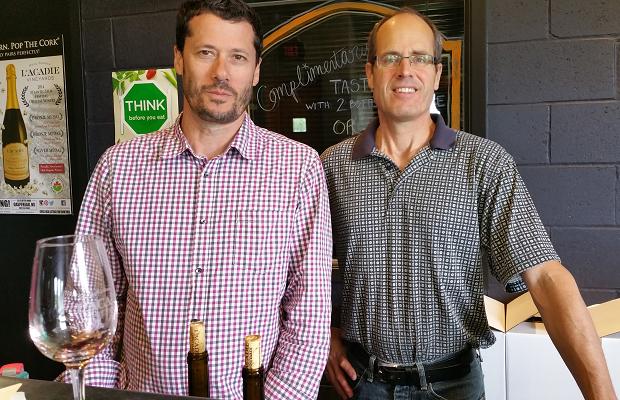
County in the City at the Berkeley Church

Life is old there, older than the trees,
Younger than the mountains, blowing like a breeze

Can you think of an island (leaving Australia, Tasmania and New Zealand out of the discussion) of greater interest anywhere for growing grapes and making world-class wine? Prince Edward County’s just a shade more than 1000 square kilometers, 800 kilometers of shoreline and tiny 22,000 population is that place. It’s geology and climate eerily mimics that of Burgundy. A superficial layer of limestone peppered clay loam hovers above penetrable layers of larger limestone. Fissures in that bedrock allow vines to reach deep into its crevices. It’s a veritable mineral wonderland.

Related – You can lead a county to the city

Huff Estates Photo: Michael Godel

Huff Estates

More than 30 wineries dot the land and water interspersed honeycomb of a wine trail. Pinot Noir and Chardonnay are the obvious cornerstone varieties but unique Riesling, Cabernet Franc and Pinot Gris have joined the attention gaining fray. Ontario’s finest Sparkling wine is being made at Hinterland. Vintners like Rosehall Run and Keint-He Winery exemplify top to bottom consistency. They and others like Lacey Estates are involved in the yeoman’s ambassador work, in the field, at tastings or through social media. Smaller production houses like The Old Third Vineyard, Hubbs Creek and Exultet Estates are sought after by those who know.

Stanners

Stanners

The County returned to the city on April 3, 2014 to showcase a cross-section of their wares at Toronto’s Berkeley Church. The usual suspects continued to impress, yet the collective needs to embrace the Sparkling example set by Jonas Newman and Vicky Samaras at Hinterland. If White Cap and Ancestral are any beacon to be drawn towards, plantings of Vidal, Riesling and Gamay should be employed in earnest in the turning towards pressure in the bottle. Lighthall’s Glen Symons gets it, as does Frédéric Picard, with his Cuvées, not to mention Bill Turnbull and his 3630 Bubbles. True, Casa Dea has the shy Dea’s Cuvée and the Grange makes a Sparkling Brut and a Riesling (346726, $24.95). But the questions begs, is fizz just another word for everything to lose in the County?

Here are notes on 23 wines tasted. The soundtrack to these PEC Wines includes Foo Fighters, Cracker, Nine Inch Nails, Modest Mouse, REM, Sufjan Stevens, The Beatles and Dire Straits.

From left to right: Casa Dea Riesling 2011, Huff Estates Winery Off Dry Riesling 2012, Harwood Estate Pinot Gris 2012, Lighthall Progression Sparkling Vidal 2012, Norman Hardie Riesling 2012, Huff Estates South Bay Vineyards Unoaked Chardonnay 2012, Karlo Estates Lake On The Mountain Riesling 2012

From left to right: Casa Dea Riesling 2011, Huff Estates Winery Off Dry Riesling 2012, Harwood Estate Pinot Gris 2012, Lighthall Progression Sparkling Vidal 2012, Norman Hardie Riesling 2012, Huff Estates South Bay Vineyards Unoaked Chardonnay 2012, Karlo Estates Lake On The Mountain Riesling 2012

Casa Dea Riesling 2011, VQA Prince Edward County, Ontario  (winery, $16.95, WineAlign)

Pours and perches in the glass dry and stoic, as if bled from concrete or amphora. Swirled or not this fighter begins to rumble in a growing momentum of tang and acidity, as if it were being fed by sugar and feeding on yeast. So primary, like a sample in thief, yet already circling in complexity. A spike of spicy sweetness, a delicate dressing of aglio e olio, a chiffonade of basil on top. The County does this style of dry Riesling at this price in ways no one in Niagara can. This is no foo but rather a “blessing in disguise. Believe it or not, hands on a miracle.”   @casadeawinery

Huff Estates Winery Off Dry Riesling 2012, VQA Ontario (155606, $17.95, WineAlign)

Note the VQA Ontario designation, meaning the fruit is a combination of PEC and Niagara. The former brings limestone to the table while the latter weight and substance. Typically soda-driven and spatially atomic in maximum thrust. Turns towards the lake with sweet emotion and sails off into the sunset. Multi-purposed, works to great summer afternoon effect, especially with the waves of the bay lapping at the shore.  @HuffEstatesWine 

Harwood Estate Pinot Gris 2012, VQA Prince Edward County, Ontario (Winery, $18.00, WineAlign)

Light, airy, delicate and nearly ethereal Pinot Gris that takes few chances, instead choosing an acquiescence with life’s simple pleasures. The vanilla of Gris, malleable, agreeable and ready to pair with whatever comes its way. A minor spike of Hillier minerality gives accent to pears and its blossoms.

Lighthall Progression Sparkling Vidal 2012, VQA Ontario (Winery, $20.00, WineAlign)

A most non-pretentious sparkler that holds a pertinacious attitude towards anything but serious fun. From estate Vidal grapes that has seen a second fermentation using the Charmat Method, Lighthall’s ’12 picks up right where its solid ’11 left off. Picked early to preserve freshness and acidity, the Progression is big on tart green apple preserved by a squeeze of lemon. Chill it, refresh with it, serve it up and bring the house down.

Norman Hardie Riesling 2012, VQA Ontario (131169, $21.00, WineAlign)

Twenty Mile Bench in Niagara borrows 30 per cent County fruit to complete Hardie’s cracker Riesling. Low in alcohol (9.1 per cent) and residual, bound by jacked up acidity and tension. Pale platinum with an old-school aromatic sentiment that “fruit is rusting on the vine,” and flavours recalling that “the fruit is calling from the trees.” A masonic force of winemaking, “like being low, hey hey hey like being stoned.”  @normhardie

Huff Estates South Bay Vineyards Unoaked Chardonnay 2012, VQA Prince Edward County, Ontario (Winery, $21.95, WineAlign)

The Huff Chardonnay bent has seen a shift as strong as South Bay’s prevailing winds, away from the weight of barrel ferment to a clean, Chablis-like style. The ’10 might just have been the turning point and though they now make two versions, this ’12 is the cementing of the attitude. What is most amazing is that the texture, aromas and feel remain those of an oak-influenced wine. Huff manages the linear consistency without the need to encumber, toast or char the purity of its glade, glycerin and citrus fruit. Only Prince Edward County’s limestone soil can effect this kind of nine inch nails drive into Chardonnay without oak and only Huff can do it with this kind of elegance. A wine “less concerned about fitting into the world.” Do not miss this singular effort.  @HuffEstatesWine

Karlo Estates Lake On The Mountain Riesling 2012, VQA Prince Edward County, Ontario (Winery, $22.00, WineAlign)

Karlo’s take is Riesling in torsion, barrel fermented & aged in older (six-year) French Oak. The program adds wax and herbal mucilage to what otherwise would have been a frenetic study in bone chilling acidity. This unique and neo-progressive intuit invites a global Riesling symposium to the County to learn something old and something new within this single bottling. Riesling with attitude that’s got glycerin and a medicinal meets floral, pear extract meets candied lilac viscidity. Though so young, it seems wise, with an anamnesis for old Mosel, a coolant aroma and a taste that recalls white sangria. Yes, it’s different and eclectic. Anti-bracing stuff, not for everyone, but everyone should be for it.

From left to right: Stanners Vineyard Riesling 2011, Closson Chase The Brock Chardonnay Unfiltered 2011, Lighthall Vineyards Gewurztraminer 2012, Karlo Estates Chardonnay C.H.O.A. 2012, Norman Hardie County Cabernet Franc 2012, Huff Estates South Bay Vineyards Chardonnay 2010, Closson Chase Vineyard The Loyalist Chardonnay 2012

From left to right: Stanners Vineyard Riesling 2011, Closson Chase The Brock Chardonnay Unfiltered 2011, Lighthall Vineyards Gewurztraminer 2012, Karlo Estates Chardonnay C.H.O.A. 2012, Norman Hardie County Cabernet Franc 2012, Huff Estates South Bay Vineyards Chardonnay 2010, Closson Chase Vineyard The Loyalist Chardonnay 2012

Stanners Vineyard Riesling 2011, Vinemount Ridge, VQA Ontario  (winery, $23, WineAlign)

This is the inaugural Riesling release for Stanners, from a single Vinemount Ridge plot. If it were not so winged-footed it might gain more positive repute from the appellation’s quarry effect, but in time and with experience, Colin Stanners will settle the grassy aromas into the limestone demand. For now it remains effortless and balanced with a dismounting of acidity and well provided apple and lemon flavours.  @StannersWines

Closson Chase The Brock Chardonnay, Unfiltered 2011, Niagara River, VQA Ontario (Winery, $24.95, WineAlign)

The 2011 Brock has settled into its Niagara River appellative skin, having now been in bottle 18 months. Working with fruit from 300 kilometres away increases the unknown quotient, magnifying the adage that you have “one chance to get everything right,” Closson’s ’11 is neither modest nor is it a mouse but it is less frenetic than it acted when tasted repeatedly last year. The hard deposits have oozed into liquid metal gold and the ripe orchard fruit has mellowed into a creamy pudding with a hint of spice. I don’t see the Brock as a very public wine, but more from a maker, for friends, from habit, for family. A wine that you need to get to know, to patronize with repeated listening’s, to accept.   @ClossonChase

Closson Chase The Brock Chardonnay, Unfiltered 2012, VQA Niagara River, Ontario (Winery, $24.95, WineAlign)

The 2012 Brock was only sulphured and bottled a month ago so it’s quite shocky and shaky. Still in the REM sleep stage, the ’12 is not quite ready to reveal the warmth so generously granted by the Niagara River appellation’s extending growing season. The ripe tropical fruit notes are there, if subdued and the omnipresent minerality will rear its rocky head before too long. This Brock will see a lifting “but gravity is holding” it down for now. Look to see the weights fall away late in 2014 “and in review,” you will have noted “the air was singing,” all the way to 2020.

Huff Estates Gamay 2012, VQA Prince Edward County, Ontario (winery, $25, WineAlign)

If $25 seems a premium to pay for Ontario Gamay, consider all that is on offer in winemaker Frédéric Picard’s take on the friendly French grape. Picard caddies for 13th Street (Niagara) fruit, vinifies it bone-dry with the minimalist edge of 14 months in 15 per cent new French oak.  The fruit is so very ripe, in raspberry and gritless, creamy blueberry. Like savoury adult ice cream, silky smooth and with nary a hint of chalky grain. Well-designed and consumer-friendly as any Gamay has ever graced the Ontario consciousness. So you’ve “got that going for you, which is nice.” Shack up with Huff’s Gamay treat.

Lighthall Vineyards Gewurztraminer 2012, VQA Ontario (Winery, $25.00, WineAlign)

Proprietor Glen Symons sources his fruit for this unctuous Gewürztraminer from Vineland at the base of the Escarpment’s steps. Highly tropical and exaggerated by the warm summer of 2012 to the point of candied, but with an edge. Just restless enough to divine temptation for further sips which when multiplied, relax the palate rather than excite it. The flavours turn nutty, waxy, even and calm. A mistral wind blows through in a breezy finish.

Karlo Estates Chardonnay C.H.O.A. 2012, VQA Prince Edward County, Ontario (Winery, $25.00, WineAlign)

It should be assumed that the four types of wood used to house this warm and inferential Choa (cherry, hickory, oak and ash) would smother and smoulder other aromatic suitors but those woods are actually quite subtle. The other woods, as in forest, backyard and compost are the acute players. The Choa goes from fromage to funky, from an enzymatic leesy feeling to inner, inward innards. It barks of a dogged persistence, I will give it that. Most definitely singular of style to be sure and will need a few years to settle down.

Norman Hardie County Cabernet Franc 2012, VQA Prince Edward County, Ontario (winery, $25.00, WineAlign)

Hardie’s 2012 Cabernet Franc comes of age out of a preternatural and ontological perfect storm. Casts odds into the river of ideal weather, procures phenolic grape ripeness out of the vineyard, avoids the green and embraces the brown stems. Ferments under the natural eye of indigenous yeasts and settles into its silky skin at a low, low 10.8 per cent (give or take a lab sample) alcohol. Cabernet Franc of impossible soul, its “burden is the weight of a feather.” Pepper and currants are noted, tobacco and tomato are not. Comes “bearing a sword” but seduces with primal proclamations. Radical County red.

Huff Estates South Bay Vineyards Chardonnay 2010, VQA Prince Edward County, Ontario (Winery, $29.95, WineAlign)

The oak repeal in decreased new barrel impact allows the County to speak in the clearest of voice. As it should, from a South Bay landscape and terroir as rugged and dramatic that can be found anywhere Chardonnay is made in Ontario. There is a honeyed unctuous and viscous feel to the South Bay ’10, no doubt a result of its middle filled in by a meritorious and pure lees. Limestone wraps up the fruit in a clean, crisp and pure package.

Closson Chase Vineyard The Loyalist Chardonnay 2012, VQA Prince Edward County, Ontario (Winery, $29.95, WineAlign)

The licensee only Loyalist is the micro-embodiment of the Deborah Paskus style. Rich, compact and built to satisfy a need for lush, nearly tropical Chardonnay. From a vintage that saw bud reducing spring frosts and resulting yields of only one tonne per acre. The oak influence comes to it with a scaled back embracing, allowing the County’s rock bent to connect and form a bond with the acidity’s bracing intent. Perhaps the profits will suffer from the year’s miniscule crop, but the level of quality will making it all right.

From left to right: Stanners Vineyard Pinot Noir 2011, Karlo Estates The Fifth Element Petit Verdot 2010, Closson Chase Pinot Noir K.J. Watson Vineyard 2011, Norman Hardie County Unfiltered Pinot Noir 2012, Norman Hardie Unfiltered Niagara Pinot Noir 2010, Norman Hardie Unfiltered County Chardonnay 2012

From left to right: Stanners Vineyard Pinot Noir 2011, Karlo Estates The Fifth Element Petit Verdot 2010, Closson Chase Pinot Noir K.J. Watson Vineyard 2011, Norman Hardie County Unfiltered Pinot Noir 2012, Norman Hardie Unfiltered Niagara Pinot Noir 2010, Norman Hardie Unfiltered County Chardonnay 2012

Stanners Vineyard Pinot Noir 2010, VQA Ontario (winery, $30, WineAlign)

A year later has softened considerable and thinking of laying down in softer pastures.  From my earlier, April 2014 note: “Combines 60% (horizontal) County fruit with 40 per cent (vertical) Niagara (Lincoln Lakeshore) grapes in balance and with finesse. Simply apply the distance formula to figure out the length of the hypotenuse. Bridging the kilometres that lie between, though inadmissible to some, comes by way of a deft winemaker’s vision and touch. Plum good, mineral rich and perceptibly tannic without breaching a threshold of varnish. Cherry toffee speaks of the sunshine and indicates time is of the essence. Will look forward to full-on County issue for 2013 in the hands of Cliff and Colin Stanners.”  Last tasted April 2014

Stanners Vineyard Pinot Noir 2011, VQA Prince Edward County (winery, $30, WineAlign)

After wetting their Pinot Noir feet with a few vintages that coalesced Niagara and County fruit, this is the first go it alone release for Stanners. It’s yet another effortless and quiet handed response to impressionist County fruit. A noticeable step up from what came before, this has primary balance, secondary (floral) aromatics and tertiary brightness. Like Hillier lavender, drying on the rocks in the waning afternoon sun.

Karlo Estates The Fifth Element Petit Verdot 2010, VQA Ontario (Winery, $33.00, WineAlign)

Mounds of respect are due any Ontario winemaker that decides to tackle single-varietal Petit Verdot, especially in a climate-forsaken locale like the County. Richard Karlo tackles such a struggle between good and evil, looking to elevate this fifth most important Bordeaux grape (not Malbec?) to great PEC heights. His dark, brooding wine of massive extraction starts off into the toffee, the after dinner mints and a suck of coffee cream through a wood straw. Twiggy, angular, resinous and wired, the wine then turns incredibly floral, in violets, from boron to aether and then returns to its roots. The rebound is to acidity, freshness and tang. An intriguing wine that “used to be angry young man” but the evolution it shows in glass bodes well for its future. Give it three to five years to achieve quintessence. “I’ve got to admit it’s getting better, a little better all the time.”

Closson Chase Pinot Noir K.J. Watson Vineyard 2011, VQA Niagara River, Ontario (Winery, $34.95, WineAlign)

Only 165 cases were produced of this Niagara born Pinot Noir. Discreet and unpretentious in every facet of its being. Like the colour of beautiful Rosé, the Watson causes such small-scale tannic pain. Though elegant and lithe, don’t be fooled. It’s not Burgundy. It’s Deborah Paskus. It’s Closson Chase. Profoundly appointed, in mind of those who mind. A signal to the understanding and knowledge of what the variety is and from this place. Clarity comes from an intensity in flowers, quality from a high sense of purpose.  Really fine.

Norman Hardie County Unfiltered Pinot Noir 2012, VQA Prince Edward County, Ontario (125310, $35.00, WineAlign)

Hardie’s 2012 County Pinot Noir is a beacon, a flashing light on the shore, an invitation to copycats because this is what making red wine from limestone foundations is all about. To taste this ’12 is to experience Hardie’s purest berry maceration and distillation to date. It’s as if there was no alcohol present and in fact, at 11.5 per cent it is a modest and transparent pronouncement. Longevity may not bless the ’12 as in other vintages but this is certainly the most groomed and coiffed County Pinot Noir.

Norman Hardie Unfiltered Niagara Pinot Noir 2010, VQA Niagara Peninsula, Ontario  (208702, $39.00, WineAlign)

The calcareous clay, the edgy stone, the molt of the earth. Dense, cluttered and clamorous fruit. A different animal then what walks the County. Magnanimous Pinot Noir full of fruity flesh and medieval attitude. From my earlier, October 2013 note: “That Norman Hardie can make Pinot Noir in Prince Edward County that could never be confused with any other makes it that much more incredulous to nose this Niagara cousin and know it can only be his. A barb on the very verge of ripe, tart cranberry and as smoky a nose as Hardie’s Pinot wants to be. Strawberry and raspberry red beret. Ashes to ashes but not funk to funky, we know Hardie is a Pinot junkie. Still, this is a warm and melodious example with only one coat of primer. Impressive.

Norman Hardie Unfiltered County Chardonnay 2012, VQA Prince Edward County, Ontario (184432, $39.00, WineAlign)

Norman Hardie’s uncanny ability to coax hyperbole at the lowest alcohol levels is again blatantly apparent in this climatically epochal, yet restlessly cool County Chardonnay. Recalling and expanding on the exceptional ’08, the tonality, texture and motion are achieved by way of a) early picking, b) indigenous yeasts, c) arrested fermentation, d) lees and e) moxie. The dire straits of the vintage wants to exaggerate the fricassee, the roasted nuts and the chemical flow but who might argue against the gape at Burgundian reduction? She’s a roller girl this ’10, taking chances. She skates away, “making movies on location,” all in the name of learning ahead of the curve.

Good to go!

Deep freeze: Controversies, polar vortex and icewine

Extreme Lows, Niagara Peninsula, December 2013 and January 2014

Extreme Lows, Niagara Peninsula, December 2013 and January 2014
Photo: Weather INnovations Consulting LP (WIN)

as seen on canada.com

The physiological and emotional roller coaster heaped upon grapes and growers these past 55 days has been nothing short of exhilarating, frightening and exhausting. First this monster climatic Dementor known as the Polar Vortex. Along with the demonic weather came the devastation of an ice storm, followed by record low temperatures. More recently, thaw and re-freeze. Consequences and challenges have abounded. Also, a silver lining. Freezing temperatures can kill grape buds on vines unprepared and left to fend for themselves. Those little vine kinder can also just be unlucky enough to grow up in the wrong place at the wrong time. Some Niagara growers are reporting heavy losses to Riesling, Cabernet Franc and Chardonnay vines. Here are the numbers as reported by Wines In Niagara’s Rick VanSickle.

I spoke with winemaker Paul Pender of Tawse Winery in Vineland, Ontario yesterday. Paul is both unconcerned and not yet ready to make any sort of call on damage to his crops. “It’s still too early to tell,” he notes, “I won’t really head out to assess any potential damage until early March.” While Beamsville vineyards are reportedly hard hit, Pender is confident that his team’s strident and prudent vineyard management will see the vines through.

Balanced pruning means leaving a specific number of buds during the winter on a dormant cane for this year’s crop, the number based on the amount the vine grew the previous season. Tawse’s canes are cut back to two feet, the dead wood removed before winter’s freeze can hit. Buds this season were thinned from 12 to six, giving those tender bits a fighter’s chance to survive. And while Pender will not enter into an unequivocal conversation with respect to the heartiness of his vineyards as a consequence of 100 per cent organic and biodynamic farming, I can hear the surety in his voice and imagine the twinkle in his eye at the thought.

Other growers concern themselves with what may happen inside the many parts of the vine when there are freezes, thaws and re-freezes. Again, Pender is not concerned. Proper pruning should prepare a vine for a harsh winter, whether or not they are protected by a warm blanket of snow. In New York’s Finger Lakes region, Lenn Thompson is reporting “some minor bud damage to vinifera vines, but little to no vine death.” Steve Shaw of Shaw Vineyards on Seneca Lake had this to say. “Yes, this winter is definitely presenting itself in a rather volatile manner. As far as I can tell from checking a number of varieties and many buds, there does not seem to be any catastrophic primary bud kill. There is damage, but not too bad so far. I do not think that with things being this wacky that we can really rest easy until most of the winter has passed.” Brock University’s Cool Climate and Viticulture Institute in St. Catherines helps local growers with much needed information and infrastructure to deal with damaging weather. Their VineAlert program helps protect vineyards during frigid temperatures.

Icewine Hours 2013

PHOTO: Weather INnovations Consulting LP (WIN)
Icewine Hours 2013

The news is not all bad. According to many icewine makers in Niagara, 2013 will shape up to be what many are forecasting the best ever vintage for the province. Temperatures dipped to the requiem in late December and most picked their shriveled, sugary berries before the new year. That is unprecedented, allowing this season’s icewine to remain high in necessary balancing acidity and well ahead of the fermentation arresting challenges from most years. Wine Country Ontario reported that “early icewine harvest in Wine Country Ontario starts the festival fever.” Look for the most balanced icewines out of 2013. Not to mention the Grape Grower’s of Ontario reporting the province’s grape growers gathered a record 79,756 tonnes of grapes in 2013 valued at nearly $100 million.

The Niagara Icewine Festival encompasses three weekends in January dedicated to the region’s beloved ambrosial elixir, wines that have become the calling card beyond the broader confines of Canadian borders. Icewine has been made since 1981 and in that short span of 33 years, Ontario and B.C. winemakers have challenged, and in many cases lapped their counterparts in Germany and Austria. Canadian icewine is globally renowned, even if it is not the most important wine resource bequeathed upon the rest of the world.

Icewine 101. Simply put, made from grapes that have been left to freeze naturally on the vine. Ontario’s stringent Bolshevik Initial Decrees-like laws insist that icewine must be made from approved grape varieties; the most popular are Vidal Blanc, Riesling and Cabernet Franc. Some small lots include Gewürztraminer, Chardonnay and Cabernet Sauvignon.  Grapes are left on the vine until a sustained temperature of -8°C or lower is reached and then picked from those vines encapsulated in nets to protect them from birds possessive of a sweet tooth.

A national icewine debate is ongoing, inflamed by a recent Macleans Magazine article discussing the ideological differences between the VQA law preventing vine and grape separation before pressing and the Quebec practice of letting the grapes freeze in nets. Quebec growers do this out of necessity for fear of their fruit being smothered by excessive snowfall. Ontario’s old guard vehemently oppose the practice. The irony of VQA Ontario’s website low volume statistic, “with average yields of 500 litres for each acre netted,” is not lost on the curious. Two questions arise. How many grapes in Ontario nets end up in bottles of VQA labelled icewine and how can a culture of Canadian icewine be brought together without some form of compromise and collaboration? Yet again, is togetherness integral to the success of Canadian icewine, or more specifically, Ontario’s industry?

According to Klaus W. Reif of Reif Estate, apparently there are 3,750 berries needed for one bottle of 375ml icewine. Just consider the concentration for a moment, the hand-picked (though not all) labour involved and the specificity of the practice. The sweetest wine known to Canadians can indeed be re-worked as a palindrome for Niagara Ice Wine Festival.

A wet vial is fine nice agar

PHOTO: Michael Godel
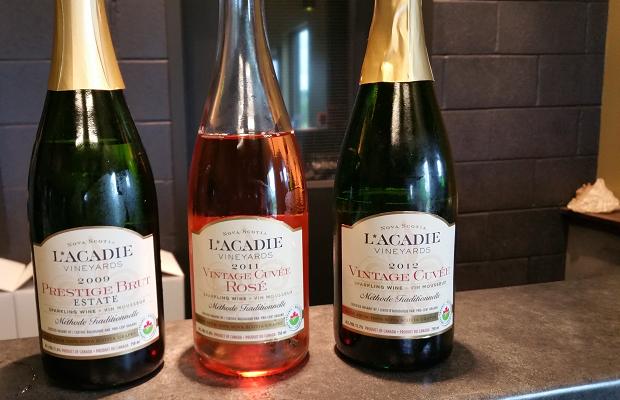
Rick James Ice Sculpture, Niagara Icewine Festival

On Friday, January 10th, 2014 I was a most elated guest at the Xerox Icewine Gala: A Bacchus Evening of Icewine and Revelry. For a list of continuing events this weekend and next, here is a link to the festival site. More information here. With kind thanks to Magdalena KaiserSmit and Wine Country Ontario, I had the good fortune to taste a host of Niagara’s finest renditions, along with some very special bottles of sparkling and still wines. Here are notes on six wines sampled at the Fallsview Casino Grand Ballroom last Friday night.
From left: PELLER ESTATES SIGNATURE SERIES ICE CUVÉE, CREEKSIDE ESTATES WINERY SYRAH RESERVE BROKEN PRESS 2010, RAVINE VINEYARD RESERVE RED 2008, PILLITTERI ESTATES CABERNET SAUVIGNON ICEWINE 2011, and VINELAND ESTATES RIESLING VIDAL ICEWINE 2012

From left: PELLER ESTATES SIGNATURE SERIES ICE CUVÉE, CREEKSIDE ESTATES WINERY SYRAH RESERVE BROKEN PRESS 2010, RAVINE VINEYARD RESERVE RED 2008, PILLITTERI ESTATES CABERNET SAUVIGNON ICEWINE 2011, and VINELAND ESTATES RIESLING VIDAL ICEWINE 2012

PELLER ESTATES SIGNATURE SERIES ICE CUVÉE, VQA Niagara Peninsula, Onatrio (284547, $31.95, WineAlign)

This is Peller’s most versatile fizz, a blend of traditional method Chardonnay and Pinot Noir sweetened by a dosage of Vidal icewine post disgorgement of its lees. The lees has been left to linger in the bottle, in spirit. Sapid, savoury bubbles tingle the senses to the bone and will offer the most comforting and proper pleasures to those discriminating and otherwise. Appealing to a large common denominator, this Peller Sparkling can really do no wrong.  90  Tasted January 2014  @PellerVQA

CREEKSIDE ESTATES WINERY SYRAH RESERVE BROKEN PRESS 2010 (202127, $39.95, WineAlign)

The floral lift from three to four percent Viognier gives notice to bend the brawny, savoury black olive and blistered Ancho fruit into balance. Syrah in a sunshine state but not from concentrate. Would accept a glass of this Brokenpress at any beck and call. “Grab your wine, take me where you been, with the violin time and the moon gettin’ thin.” From my earlier note: “Offers up gorgeous pine and pepper-laced correctness and so much juicy, fresh warmth from a terrific Syrah vintage in Ontario and even more parochial so on the St. David’s Bench. This Queenston Road Vineyard red is winemaker Rob Power’s secret weapon, absolutely freakin’ delicious stuff and the epitome of what Syrah should be like from Niagara. Verve, rigor and yet also flirtatious with expertly judged wood and tannin to re-fresh its spirit and lengthen its life. Love it.”  91  Tasted twice, October 2013 and January 2014  @CreeksideWine

PILLITTERI ESTATES MERLOT FAMILY RESERVE 2002, VQA Niagara Peninsula, Ontario (71753, $39.95, WineAlign)

Served from Jeroboam, one of 23 produced and a testament to the precocious, facile touch of then winemaker Sue-Ann Staff. The extreme five litre format has certainly been kind to the hermetic 11-year slumber of this Merlot, as has the above average red Niagara growing season. Charlie pulled out this rare behemoth “for the special occasion” and despite and with thanks to the perfect vintage meets size storm, it has held up with dramatic fortitude. Unmistakably predicated Pillitteri chocolate perfume, brushed violet, mulberry and oven-warmed baking spice. Holding in sustained concentration, the toffee, caramel and umami of wizened, oxidized fruit not yet a twinkle in its soapy sandalwood eye. How could Sun-Ann have known what time-cheating lengths her Merlot would see to?  93  Tasted January 2014  @Pillitteriwines

RAVINE VINEYARD RESERVE RED 2008, St Davids Bench, Niagara Peninsula (20483, $55.00, WineAlign)

This Bordeaux style blend (40 per cent Merlot, 33.3 Cabernet Sauvignon and 26.7 Cabernet Franc) is clothed in a coat of arms all about texture. A drawn and raised relief of dried, candied bramble fruit and charcoal lines of savoury, earthy hickory and herbs. Hearty warmth from a cool vintage, meat on a stick in a glass, charred, roasted and smoking. A spit of gamey goodness. Holding strong but drink now.  90  Tasted January 2014  @RavineVineyard

PILLITTERI ESTATES CABERNET SAUVIGNON ICEWINE 2011, Niagara On The Lake (46557, 375 ml, $60.00, WineAlign)

A most unique and striking rendition, wearer of many hats, confounding and curious. There is a funk about him that stands apart from the rest. Like a really well-aged, superb piece of washed rind cheese, then turning unabashedly sweet, with verve and symphonic tone. An orange sky of an icewine, anti-bittersweet, accented by mace and anise, carob even. “Here is what I know now brother. Here is what I know now sister.” Cabernet Sauvignon, in a vintage equipped with striking acidity, can turn into something to look forward to. One of the more interesting icewines to date.  91  Tasted January 2014  @Pillitteriwines

VINELAND ESTATES RIESLING VIDAL ICEWINE 2012, VQA Niagara Peninsula, Ontario (163018, 375 mL, $60.00, WineAlign)

This represents the icewine revolution, for the first time adding 15 percent Vidal juice into the Riesling mix. In 2012, the normally stand alone Riesling needed a shot in the arm, provided by the Vidal, a dose of icewine magic by winemaker Brian Schmidt. Lifted tree fruit blossom and added weight are the result, without hyper-sweet flavours. Riesling is the rock, Vidal the roll as this RV crashes into me. The pit orchard fruit is reduced and recognizable to taste, yet reserved and in phonic harmony. “Sweet like candy to my soul, sweet you rock and sweet you roll.” Brotherly love icewine, full of Schmidt wisdom.  93  Tasted January 2014  @benchwineguy

Good to go!

You can lead a county to the city

South Bay Winery vineyard in Prince Edward County PHOTO: POSTMEDIA NEWS

as seen on canada.com

It’s time to discover the wines of bucolic Prince Edward County in south-central Ontario, a place possessed and structured of a learned and cultured essence. If you were born in PEC you likely never left and if you did, probably returned. Then there are those who migrated in search of an anti-metropolitan lifestyle. The landscape is encompassed by water, dotted with folkloric towns, farms and cottages. Wine destination comparisons might be made; to Niagara, to Muskoka, the Finger Lakes, the North Fork of Long Island, to parts of California. No definitive connection is obvious. After tasting through the formidable pours at County in the City last Thursday at the Berkeley Church in Toronto, it became abundantly clear that the wines are unique in and amongst themselves and also bound together as one. The refrain holds true. It must be the rocks.

The grape growers, winemakers and 30 some odd wineries in PEC are no longer a gaggle of obscure, off the beaten path, parochial folk. Their serious VQA wines are establishing footholds in our metropolitan markets. The County’s adage may well be, “you can lead a farmer to grapevines,” a sure statement of the obvious. This event proved you can also lead them to the city.

Photo: Wine Align

Photo: Wine Align

“The County” as it is affectionately known is Ontario’s newest and suddenly dynamic wine appellation. It’s climate and geological make-up has been compared to Burgundy, the world’s benchmark region for growing and producing Chardonnay and Pinot Noir. Chardonnay is clearly the County’s signature variety, its staff of life, but the excitement extends well beyond that comfort zone. Cabernet Franc, Pinot Gris, Vidal and especially sparkling wines are making inroads along with Pinot Noir and Chardonnay. But what about Gamay? Casa Dea’s Paul Battilana crafts a Sparkling Rosé from estate grapes. Chadsey’s Cairns and Troumpour’s Mill both make solid Gamay Noir. Battilana makes a still Gamay, as does Hillier Creek Estates. Time for others to join the #GoGamayGo party.

Prince Edward County wineries are increasing their collective engagement in many ways. The PEC chapter of the Ontario Wine Society held their inaugural event April 27th, 2013, County Character at Hillier Town Hall. PEC winemakers have joined the progressive wine on tap program too, like Rosehall Run, Norman Hardie and sparkling wine specialist Hinterland Wine Company, who is kegging Charmat, Prosecco-style bubbles for Barque Smokehouse.  The coming months offer many opportunities to taste the County. The Terroir festival in late May is an annual showcase of the area’s rocks, soil and new release wines, put on by the Prince Edward County Winegrowers Association. Wassail takes place in late fall/early winter, celebrates the harvest and the laying of the vines to rest. The summer of 2013 will be a great time to visit PEC and follow its wine trail.

Here are nine wines of note tasted at Wine Align‘s County in the City at The Berkeley Church.

From left: Sandbanks Rosé 2012, Casa Dea Estates Winery Cabernet Franc 2009, Lighthall Gewürztraminer 2011, Huff Estates Cuvée Janine Sparkling Rosé 2010, Exultet Chardonnay ‘The Blessed’ 2011, and Closson Chase CCV Pinot Noir 2010

Sandbanks Rosé 2012 (244616, $12.95) whispers summer by the lake in the face of a fading pastel, pink sunset. A magical and inexpensive combination of subtle strawberry, cream and bright acidity. Who would ask for more?  87  @SandbanksWinery

Keint-He Vineyards Voyageur Vidal 2012 ($17, winery only) is a warm and aromatic expression having taken full advantage of the vintage. Yellow and orange flesh melon abounds in sweetness tempered by just enough limestone influenced acidity. Incredibly easy to drink. Breathes new life into white wine.  88  @KeintheWinery

Casa Dea Estates Winery Cabernet Franc 2009 (241612, $18.95, winery) coaxed maximum density from the vintage in fleshy, black cherry and yet is anhydrous from chocolate dust. Chalk up another redacted red from Casa Dea, in the same vein as the plush, ruby ’09 Pinot Noir. All of Paul Battilana’s wines are priced and offered like an open door. Mi Casa Dea et su Casa Dea.  88  @PECWinemaker

Norman Hardie Pinot Gris 2012 ($25, winery only) bottled one week ago, is not as you might think, in shock. A cleanse of pure pear purée with an open invitation for immediate gratification. Mellifluous and with no discernible A16 whatsoever. This one’s good to go. Who comes by chance will be the more easily let go. “Lay down my darling,” this PG ain’t for keeping.  91  @normhardie

Lighthall Gewürztraminer 2011 ($25, winery only) succeeds because less is more. Less lychee, more lightness of being. This is Glenn Symons’ 2nd vintage from the famed Wismer Vineyards in Niagara (Jordan). Refuses to club you over the head with “correctness.” Despite the lack of oily, nutty and tropical girth it’s suffused with crisp pleasure.  90  @lighthallvyard

Huff Estates Cuvée Janine Sparkling Rosé 2010 ($29.95, winery only) from 100% Pinot Noir grapes is a phenomenal, inaugural genesis effort. More sanguine in colour than one would imagine, this sparkler is wonderfully sweet but also “turns sweat, turns sour.” Pinot Noir is always potentially so dramatic but who knew it could be like this, like blood swirling in the glass. “Bottled in a strong compression,” with black raspberry, noticeable yeast and impressive finesse.  Out of the cage.  91  @HuffEstatesWine

Rosehall Run Wines Photo: Michael Godel
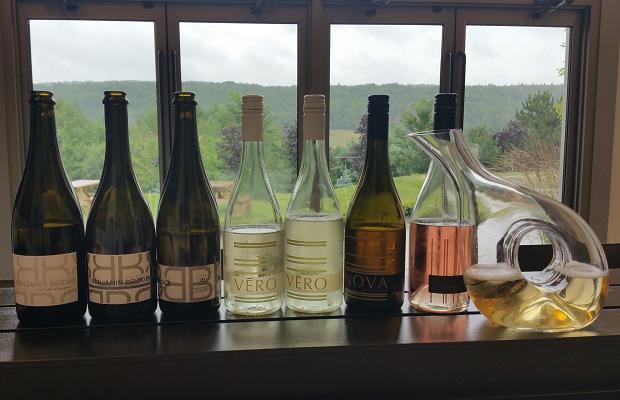
Rosehall Run Wines
Photo: Michael Godel
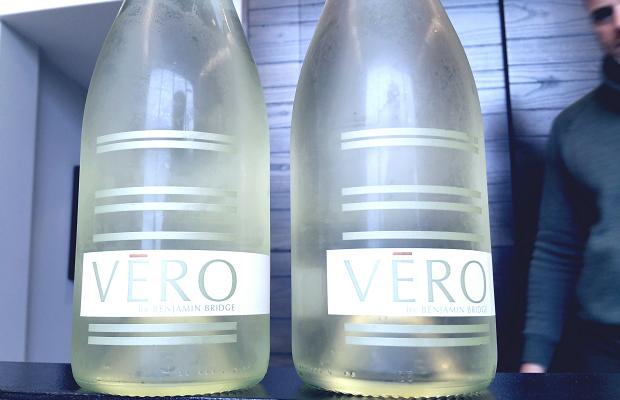
Rosehall Run ‘The Swinger’ Syrah 2011 ($34.95, winery only) gets my attention not just because it’s the only commercially planted and bottled Syrah in PEC but because it stands in front of the orchestra. I gotta believe winemaker Dan Sullivan cares deeply about this wine from fruit sourced on Dick Singer’s Fieldstone Vineyard. Nothing fatuous about its smoky, tart cranberry, Sangioveseness kissed by the salty waves of an unseen ocean. The Swinger “ain’t no cherry bomb,” waits for no one, with its tobacco voice, gravel, rocks and sand. Like a sweet little bullet from a pretty blue gun.  90  @Rosehall_Run
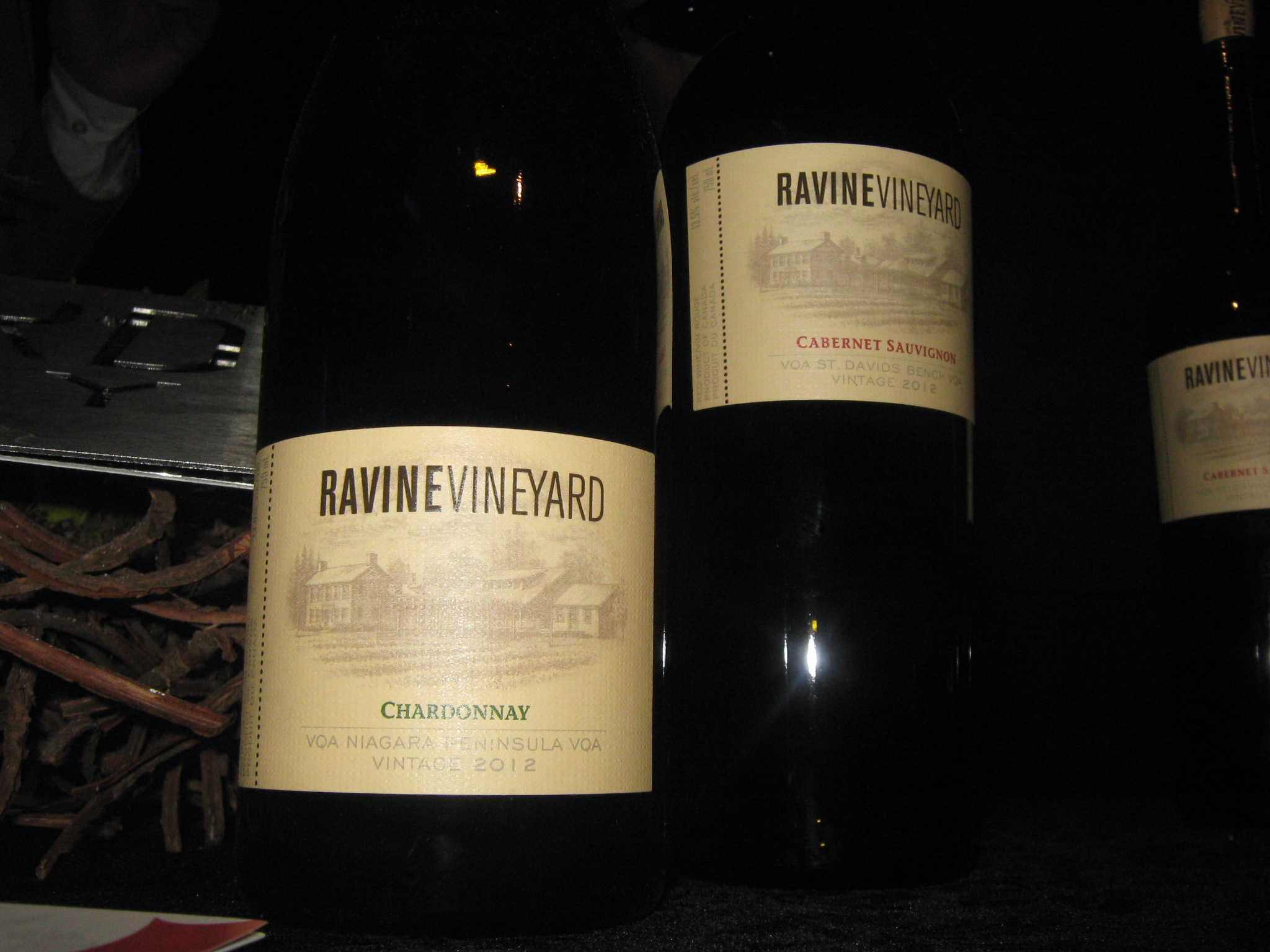
Exultet Chardonnay ‘The Blessed’ 2011 ($35, winery only) is exemplary even if it may not be proprietor Gerard Spinosa’s favourite vintage. Commands an ineffable presence in gold sheen and parses meaning through balance and poise. The new oak is very noticeable but the ’11 acidity is grand. Their integration is seamless, the wine shines and a few years time will only increase its lustre.  92  @ExultetEstates

Closson Chase CCV Pinot Noir 2010 (310474, $39.95, winery) has improved dramatically over the course of a year, now red verging to black fruit, if only for a fleeting moment of temporary insanity, in a Sonoma state of mind. Silky smooth, “the textures coat my skin.” Though I have seen “the best (Pinot Noir) minds of my generation destroyed by madness,” this CCV uses a cured bresaola flavour and a vivid flower scent to invigorate, ground the humidity and the “earthy beet.” Musical, earthy beat, as in All Cats are Grey meets Howl.  92  @ClossonChase

Good to go!