It has finally happened. It has come to this. Inflation has hit the LCBO. The old Mason-Dixon line for finer wine has left the building. We are finally rid of the oppressive bar of redundancy and free from the high water mark. First it was the penny, now it’s the $20 dollar bill. The over-under threshold of $21.95 is the new $19.95.
The wines I have chosen to recommend speak to the change, beginning with, going forth and prospering from the VINTAGES October 17th, 2015 release. One lonely bottle from the Okanagan Valley of British Columbia’s west coast stands to keep the frontier from moving north but the tide has risen and prices are no longer safe. Mark my words. Beginning in the fall of 2015, a twenty and a toonie in your pocket is the new requiem to make purchase for the common denominator in competent and felicitous dinner companions. On that note, everyone should be given a 20 per cent raise. Surely we don’t want any drinking of less than stellar LCBO issued wines.
Here are the picks.
From left to right: San Raffaele Monte Tabor Pinot Grigio 2014, Dirty Laundry Gewurztraminer Madames 2013, Palacios Remondo La Montesa 2012, Trimbach Riesling 2012, Southbrook Triomphe Cabernet Franc 2013, and Red Hill Estate Pinot Noir 2013 and Hinterland Borealis Method Charmat Rosé 2014
San Raffaele Monte Tabor Pinot Grigio 2014, Igt Veronese, Italy (204768, $14.95, WineAlign)
Ripeness extended out of extraction leads to slight distraction in 2014, with mineral notes falling off the charts. The vintage is one of hyperbole for this particular Pinot Grigio abstraction, fruit compressed, stones crushed and dry extract seared by arid ice. Salinity and brine are magnified too though the overall impression in ’14 is one of weight, like the elements are being sent substrata, as opposed to the typically aerified course. Still there can be no denying the complexity such a $14 white affords, even if the line here is a bit right of centre. Drink now for hedonistic pleasure, with any savoury sea creature and alongside the next 60 days of increasingly cooler nights. Drink 2015-2016. Tasted September 2015 @oenophilia1
Dirty Laundry Gewurztraminer Madames 2013, BC VQA Okanagan Valley (423228, $21.95, WineAlign)
Illustrated Gewürztraminer of appreciably pointed attributes, on the off-dry side of town but with enough acidity to float on. Les Madames offers up the most sweet and inviting set of vinous virtues for the triple-threat DL schematic. The Summerland vines and warmth make for a fully expected and dramatized aromatic wine with the most unctuous behaviour. Were the pH and the grape tannin of a higher combined force this would also be a wine to lay down, to wait and watch for the sugars to slowly develop into things tertiary. As it is, find some flavourful and spicy fare to seek succulence through osmosis. Drink 2015-2018. Tasted October 2015 @DirtyLaundryVin@winebcdotcom@bottleneckdrive
This perennial confluence of the left and the right, of two oceans, grapes and barrels is the red wine portal into the Álvaro Palacios idiom. The modern polish and sanctity of Rioja conjoin for the most representative first pass at Tempranillo-Garnacha you will and should encounter. The vintage is not a rigid one, the wine a downy entry into the style and the equation. The fruit dominates calcareous longing and leaning but for the time being and the audience reached out to, there are no questions or complaints. Red plum and subtle liquorice meander into clay, get a sprinkle of white rock and distill into a seasoned, approachable liquid. Cracks are filled, bonds are cemented and dinner is properly accompanied. What won’t this work with and for? Drink 2015-2019. Tasted October 2015 @WoodmanWS@RiojaWine
Trimbach Riesling 2012, Ac Alsace, France (734517, $21.95, WineAlign)
“Six plus months will do wonders” is a statement of probability for well-made Riesling and for Trimbach, of the obvious. Coequality between fruit and mineral bobs on the surface of the vineyard and the rim of pale platinum beauty. Illustrative Alsace. Drink 2015-2022.
From my earlier note of March 2015:
To Jean and Anne Trimbach and most Alsatians, this Riesling from their ‘Classic’ range may represent the best that basic can be but when it travels oversees it gains a stature well beyond its humble roots. Here is another one of the those dictionary entry wines meant to depict and define. Quite simply emblematic Alsace. Built with acidity to envelop sweetness, marked by herbiage that is alive and fresh. Weight and density draw from Ribeauvillé rocks. Parity is realized in osmosis by fruit and mineral. As always, there is the tannic underlay, the length and the purposed bitter finish.
Six months have amplified the current, running in a direct aromatic-flavour line from strawberry to black currant. Such healthy up front fruit with nary a moment of humidity shines while the wine remains just grounded enough to call it Niagara.
From my earlier note of December 2014:
Still organic through and through, despite only a small portion of estate fruit contributing to the overall design of the Triomphe Cabernet Franc ’13. Contracted growers fuel and fulfill the Southbrook ideology, to seek purity in healthy berries. The red fruit here shines on with Daliesque impunity. Its agglomeration makes a juicy, gregarious offer to sip. The vanilla-lavender streak brings elegance, more so than in ’12, along with an elevated sense of savour and really compounded red, red fruit. A natural sweetness and long finish are easy on the gustatory senses. Will be available at VINTAGES in February 2015, when the ’12 runs dry.
Red Hill Estate Pinot Noir 2013, Mornington Peninsula, Victoria, Australia (58073, $21.95, WineAlign)
The Mornington perfume, distinct, ethereal, lifted, elevated, fresh with a bit sauvage, not of musk, but of a wild road less trodden. A step beyond fresh, into learned territory and also above crisp, into crunchy. Very interesting and complex Pinot Noir, so obvious as anything but, yet unique, tart, striking and long. This should have many consumer fans and expand horizons for broad appeal, but also be a friend to the discerning taster. Most impressive. Tasted November 2014 @RedHillEstate@Noble_Estates
The Ancestral cousin continues its arid ways in 2014, ostensibly a better vintage for the sparkling tank methodology. The fruit, acidity, volatility and tension all elevate and there is nothing surprising about that but where this sophomore succeeds is in the dry take on Gamay bubbles. So many winemakers would be tempted into higher dosage and the soft allure of enticing a younger audience with sweetness. Jonas Newman won’t go there. This is fun and simple but its aridity and dry extract keep it real. Like a September Algonquin campsite gaze upwards at the Aurora Borealis. “The icy sky at night.” Drink 2015-2018. Tasted October 2015 @hinterlandwine
From left to right: Creekside Estate Reserve Viognier Queenston Road Vineyard 2013, Dominio De Tares Cepas Viejas Mencia 2011, Tenuta Rocca Barolo 2010, Cvne Imperial Reserva 2009, Prunotto Barolo 2010, Tawse Pinot Noir Lauritzen Vineyard 2012, Duckhorn Merlot 2012 and Banfi Poggio Alle Mura Brunello Di Montalcino 2010
Exceedingly mineral in 2013, decidedly varietal and power prepositioned for the purpose of small lot, attention to detail Creekside adjudication. Though Syrah and Cabernet Franc would seem to define the winery’s signature strokes, it is this small production Queenston Road Vineyard labour of love that crawls beneath the radar. The ’13 is outright juicy, unctuous, feathered in weight and warm-pitched to verdant greens. The vintage doles out more warmth than expected but acidity carries the weight, over the water and onto the dance floor. I’d wait a couple of years for some more floral and honeyed notes to develop. Drink 2017- 2022. Tasted October 2015 @CreeksideWine@hobbsandco
This is rich and powerful Mencia, even for itself, sheathed and layered by the alternating variegation of French and American oak. From Alliers to Missouri there is comfort to be found in its warm blanket, alcohol (14.5 degrees) and depth of fruit. It might come across as figgy and raisined and indeed those aromas and flavours are imagined, but they are fresh, not dried. Acidity and tannin envelop fruit. Old vines offer substantial heft, concentration and brambly fruit like Zinfandel and Primitivo, but here there is a citrus lift to carry the weight. Emblematic Bierzo that has and will be more exciting with just that much more freshness and tension. Drink 2015-2019. Tasted October 2015 @DominiodeTares@oenophilia1@dobierzo
Modern speak and safely on the pleasurable side of volatile. A real deal for Nebbiolo, ready and willing in afford of whatever’s in your pocket. Framework is well-delineated, wood properly judged, the view clearly visible from multiple correct vantage points. Not earth shattering but at the price reaches more than appropriate goals. Drink 2016-2020. Tasted September 2015 @regionepiemonte
Another impressive, formidable and structured Tempranillo from the Cvne stable, from old vineyards and the comforts of both French and American oak. Such a rich and deep exhalant, as much fruit as tannin, mineral as acidity. There are many moving parts but one day they will align. Like a jigsaw falling into place, “the beat goes round and round,” swirling with tannic noise and plum fruit aromas, with earthy and botanical flavours. This begins with a murmur and ends with thunder. It rocks and wails in between. Rioja made only in the best vintages and the kind of $39 wine to lay down for 15 plus years. It will play on the radio and in your head for at least that long. Drink 2019-2029. Tasted October 2015 @Cvne@vonterrabev@RiojaWine
The faintest hue. The rusty pilgrim. Such a pretty scent. Fresh roses and the beginnings of osseous imagination, to seek a classic pairing, with osso bucco. The real deal in normale Barolo. The righteous Nebbiolo beginning. The jumping off point with no sharks in the water. The effortless offering. Drink 2016-2021. Tasted September 2015 @HalpernWine
Typically Tawse and exemplary of Lauritzen. The highest of the vineyard tones and a plot up on a ridge (now 11 years of age) growing up before our eyes. The fruit is not shy in any way. Possessive of earth alternating with min real neither Cherry nor Quarry nor Laidlaw can lay claim. This is a Pender Pinot that seethes, oozes and owns its vineyard’s fruit, rocks and clay, earth and elements. Upwards and drying, with tannins that shriek. Ripping and yet at once, a few years down the road to be, elegant Pinot Noir. Drink 2017-2020. Tasted September 2015 @Tawse_Winery@Paul_Pender@DanielatTawse
Duckhorn Merlot 2012, Napa Valley, California (992529, $59.95, WineAlign)
Always rich and flavourful, the champion vintage here elicits a nearly massive Merlot in benchmark Napa ideal. This has strength in situation and there is something you can’t quite put a finger on, but it emanates from a special brand of umami. Strength, poise and sweetness that never cloys. There grades a balanced capability and pure, grainy, sweet, supple tannin. Alcohol travels a really grand yet gracious line. It’s not hot at all. This is a Merlot steal, with fruit to match a long, meandering road. Drink 2016-2025. Tasted September 2015 @duckhornwine@rogcowines@NapaVintners
Banfi Poggio Alle Mura Brunello Di Montalcino 2010, Tuscany, Italy (372250, $69.95, WineAlign)
Arguably the most modern and stylishly put together Brunello on the market today yet without an overdoing of oak hinderance. Like the deliciously devilish 2007 this has a wealth of beauty and gregarious aromatics but unlike that precocious vintage there is weight and brooding behaviour as well. The depth of fruit and earth are not weighted down by excessive alcohol (a very good thing) though there is a bit of dried fruit and flowers mixed in to the cure. There is also a bitter almond pith note ties into the aggressive but starry-eyed tannins. This needs three to five years to come together. The hope is for that slight bit of green tannin to find its integrated way with the fruit. Drink 2018-2025. Tasted October 2015 @CastelloBanfi@AuthenticWineON
Independents, rebels, rogues, zoo biscuits, risk takers, revolution. Buzz words, gathered sects and constituents of rebellion. Clusters of assemblage ruminating, circulating and percolating at the latest edition of organized wine in South Africa.
Who among us might have foretold in dramatic foreshadowing the story of September’s Cape Wine 2015? Who could have known that the southern hemisphere’s largest gathering of producers, marketers, buyers, sellers, sommeliers and journalists would do more to quell preconceived notions and stereotypes for any wine producing country than any trade show that has come before? Total, utter energy.
PIWOSA
Centuries ago, when the fishing and trading boats would return west to the Cape they would mistakenly enter the wrong basin. “There’s that confounded bay again,” they would curse. False Bay. During the week preceding and following Cape Wine we climbed aboard cars and vans headed out from Cape Town or Stellenbosch. En route to a farm, estate or winery, more often than not, out the window, there was False Bay, like a magnet, drawing attention, setting and re-setting the excursion compass. As we watched the bay ache into and fade out of view each jaunt-acquiesced day, it just seemed as though we were always heading north and gaining altitude. Not really.
Cape wine country meanderings exist in requiem well beyond points A to B. Directional challenges are inclusive of L-shapes, U-turns and rotations. Lines draw as much east, southeast and northeast as they do falsely north. Journeys always conclude in a valley, at the base of a mountain or in an amphitheatre bound by geological reality. The getting there is often hazy but the arrival always comfortable.
South African wine is not what we thought it was. This mantra can’t be repeated often enough. Ventures into the wine lands compounded the about-face turn of mind. Tastings, tours and zealous immersion into Stellenbosch, Franschhoek, Swartland and Hemel-En-Aarde saw to that. South Africa is not what you thought folks, but it just might be what you dare to dream. If you’ve not visited you can’t possibly know what revelations lurk.
The frontier is inhabited by cowboys and their multifarious varietal schemes. It’s surfeited by demi-century established Chenin Blanc bush vines, painted pell-mell with expatriate rootstock and cuttings outside the Bordeaux and Burgundy box; Nebbiolo, Barbera, Tinta Barocca, Albarino, Riesling, Gewürztraminer, Pinot Gris, Tempranillo and Tannat. Nothing is sacred and everything is fair game. Rhône blends are the current rage and Cinsault is going it alone with nothing short of remarkable results.
The Zoo Biscuits
Natural fermentation, skin contact and carbonic maceration have infiltrated the winemaker’s psyche. The eco-bio movement has challenged the fundamentalist incumbency and forced sweeping reforms. Fresh, natural, orange, caliginous and tenebrous have taken the Cape by storm. Praetorian makers are changing their ways. Pinotage has abandoned decades of Bordeaux wannabe style to once again don bell bottoms and retro suede. In 2015 South Africa, cats and dogs are living together.
Zoo Biscuits poster
Introduce me to a winemaker who is not in tune with his or her terroir and I’ll show you a winemaker who is either faking it or blindly towing a company line. That breed is few and far between. In South Africa I met exactly none of that ilk. So what? What’s so special about a nation of winemakers who work as one with their soil, their meso-climate and their geology? You’re supposed to intuit those abstracts to make great wine. “You’re supposed to take care of your kids!”
No, what separates South African vignerons from the rest of the world is the playground mentality and the execution in consummation of those ideals. The soils and the weather are nothing short of perfect in the vast growing region known as the Western Cape, or in the local vernacular, the Cape Winelands. Any varietal of choice can find its way to achieve perfect phenolic ripeness virtually anywhere the grapes are planted. The mitigating effect of Cape winds eradicates all disease. The place is a veritable garden of viticulture eden. Or, as in the case of the Hemel-En-Aarde Valley, a verdant, fertile valley known as “heaven on earth,” the adage takes on the paradisiacal guise of the sublime. South Africa is the wine collective equivalent of the wild west. In the Western Cape, anything goes.
I will expand, in due course, on all the wines tasted during the eight days I spent in South Africa. A list of top wines and a preponderant unfurling are sure to follow in the form of fifty odd tasting notes. For now I will concentrate, in the name of lede consistency, on the varietal and stylistic revolution taking place.
Swartland Independents
The following notes will unquestionably focus on three platoons, Premium Independent Wineries of South Africa (PIWOSA), the Swartland Independents and the Zoo Biscuits. The first is a collective of straight-shooting, accordant, premium, independent wine producers from across the diverse wine regions of South Africa’s Western Cape. The second comprises 25 (give or take) cricket playing, indigenous fermenting, Anglikaans-gabbing grape shepherds. The third may draw their name from beloved childhood memories of packaged iced silhouettes of animals on cookies when in actuality they are a gaggle of like-minded, boundary-pushing, fun-loving, serious winemakers.
Suzaan and Chris Alheit
Cape Wine 2015 may have seen 300 presenters toting thousands of South African bottles but the swagger of 40 young vignerons stole the proverbial show. They did it with passion, innocence, acumen beyond years and attention to history. They go it alone and with a pack mentality. They care about old vines, tradition and respect for the land but they also have chutzpah. They don’t really give a fuck what the establishment thinks about their winemaking.
Jamie Goode and Godello, CapeWine2015
Three days at the Cape Town International Convention Centre allowed for extensive coverage of the South African wine scene. It was a perfectly organized show. Credit begins with the vignerons. Their work is tireless, especially when all must be dropped to focus on all-in, three relentless days of pouring while offering elaborate dissertations about their wines and their place in the South African scene.
At the lead there is Wines of South Africa, headed by Michael Jordaan and Siobhan Thompson, chair and CEO, respectively. André Morgenthal and Laurel Keenan head up communications, marketing, events and PR for WOSA, in South Africa and in Canada. The show and the excursions around the Cape Winelands were made possible by their collective efforts. Their immense efforts and impeccable work can’t ever be overestimated.
Chenin Blanc
No discourse on new versus old in South Africa can be addressed without first looking at the modish dialectal of Chenin Blanc. The combination of bush and old vines, coupled with indigenous ferments and skin contact addresses has elevated the stalwart, signature grape to its current reality.
Mullineux & Leeu Family Wines Chenin Blanc Skin Contact 2013, Swartland, South Africa (Winery)
It begins with viticulturist Rosa Kruger and the cleanest fruit this side of Matroosberg Mountain. Vigneron and winemaker Chris and Andrea Mullineux use egg inversion to press and skin contact lasts for three months. This plus old barrels hyper-intensify umami; part bread dough, some pine forest, all wild yeast and a hint of Matsutake mushroom. The meld into acidity is a wild carpeted Chenin ride. Exhibits layers of Greekdom, in spice and complexity. The long inosinate to guanylate finish arrives and lingers in thanks to the scraped skins of many citrus fruits. They strip, stripe and spank the mouth. The spirited lashing and accumulated bejewelling is a sign of spiritual and plentiful life. Drink 2015-2021. Tasted September 2015 @MullineuxWines@MullineuxChris@SwartlandRev
A A Badenhorst Wines
A. A. Badenhorst Secateurs Chenin Blanc 2015, Swartland, South Africa (Winery, SAQ 12135092 $18.05, BC $23.00, WineAlign)
From Adi Badenhorst, old bushvines planted in the 1950’s and 1960’s and whole bunch handled with no crushing or de-stemming. Fruit is transferred to concrete and 500l old foudres. The simple, minimalist approach and lots of less stirring, leading to great texture, right up there with the most complex Chenin. Also possessive of the righteous level in bitters, intense citrus and bookworm herbology. Lucent, lambent, capable Chenin Blanc. Drink 2015-2020. Tasted September 2015 @AABadenhorst@SwartlandRev
Riesling
Not exactly household or predominant by any stretch of the imagination, Riesling does play a bit part in the white idiomatic presentation of South African wine. With the emergence of Elgin as a cool climate growing area capable of expertly ripening both aromatic and aerified varieties, the future will crystallize with more Riesling, Gewürztraminer and offshoot concepts.
Paul Cluver Riesling Close Encounter 2013, Elgin, South Africa (Winery, LCBO 500396, $23.00 WineAlign)
A more serious effort than the sibling ‘Dry Encounter’ because this Riesling knows what it wants to be. On its left may be Alsace and on its right the Mosel but in truth this speaks to a Kabinett reasoning, with Elgin layering. At nine per cent alcohol, 36 g/L RS and 8.2 g/L TA it knows the difference and speaks the truth about off-dry Riesling, with elevated and yet balancing acidity. It pretends to be nothing but what is of and for itself. Flint and an attainable stratosphere (between 300-500m above sea level) accept the airy drifts of oceans and the gathering returns to earth with the weight of wax and glade. If you think South African Riesling is “a real nowhere man, sitting in his nowhere land,” taste Elgin and think again. The skeptical Nowhere man is ignorant to the new frontier for Riesling and to him I say “please listen, you don’t know what you’re missing.” Drink 2015-2020. Tasted September 2015 @paulcluverwines@PIWOSA
White Blends
A category not to be taken lightly, what with so many varieties available to work together and with the idea of appellative blends not necessarily so far off or far-fetched. Chenin Blanc is most certainly the pillar and the rock with support ready, willing and applicable from Clairette Blanc, Verdelho, Chardonnay, Viognier, Gewürztraminer, Semillon, Roussane, Marsanne, Grenache Blanc and Colombard.
A contiguous king blend of Chenin Blanc with Verdelho, Chardonnay and Viognier from vineyards allowing for increased production year after year. Natural fermentations acquiesce varying degrees and species of spiced dipped flowers set upon expressions of lees. The Chenin is 41 year-old Swartland (Paardeberg) fruit with Stellenbosch (Bottelary and Helderberg) quartz soil Chardonnay and Verdelho. Anise, star anise and pure white stone groove me in a gather of complimentary and controvertible Chenin (and friends) complexity. “Uhh! Awww, sookie sookie now!” @SwartlandRev
Other White
What obscure or less heralded white grape variety would you like to play with? Ask the Cape winemaker that question and he or she might keep you awhile. The rules again need not apply. Spin the wheel and work your magic. Odds are at even that a handful of least employed Châteauneuf and/or Gemischter Satz varietal wines show up at a CapeWine Fair sometime soon.
Cederberg Bukettraube 2014, Cederberg Mountains, South Africa (Winery, Agent, WineAlign)
David Nieuwoudt’s Dwarsrivier rare take on the cultivar (less than 77 hectares of vines remain planted worldwide) is a wine with altitude and attitude. Cederberg is one of only three South African farms in kind of these vines in Glenrosa and sandstone soils on the escarpment atop the Cederberg Mountains. Natural sugar of 25 g/L from the arrested ferment is toothsome in a next to Spätlese way, though the citrus and herbal crasis separates this from Riesling. What brings it circling again is the formidable acidity, circulating and rounding up, culminating in a viscosity and a palate coating that ends with none word. Delicious. Drink 2015-2020. Tasted September 2015 @Cederseun@imbibersreport@PIWOSA
Cinsault
There was a time when all South African Rhône varietal wines needed to be compared to the mother land and many continue to encourage the adage “you can take the varieties out of the Rhône but you can’t take the Rhône out of the varieties.” The modern Cinsault maker has turned expatriate exploits on its axiomatic head. You’ve not likely had your way with these versions of Cinsault and like me, once you have, you may never go back.
Radford Dale ‘Thirst’ Cinsault and Gamay Noir
The Winery of Good Hope Radford Dale Cinsault ‘Thirst’ 2015, Stellenbosch, South Africa (Winery)
If the Thirst Gamay from vignerons Alex Dale and Jacques De Klerk is “a live rock concert rather than a manufactured, boyband studio album,” the carbonically macerated Cinsault is weekend long palooza replete with music, clowns, acrobats and roaming minstrels. The wonders of natural, nouveau Gamay are well known but the natural fermentation application on Cinsault goes funky, wild and complex in a whole other attitude. Chilled properly this Thirst adds a Mad max factor to the circus, tannins even and most certainly an explosive grit. If the Gamay is smashable, the Cinsault is obliterateable. Drink 2015-2017. Tasted September 2015 @Radforddale@WineryGoodHope@Noble_Estates@PIWOSA
Syrah
The globe trekking grape has been backed into a corner, with blood primarily spilled at the hands of big box Australian producers but some blame has also circulated South Africa’s way. Heavy petting, elevated heat and alcohol, street tar and vulcanized rubber have combined in resolute, culprit fashion to maim the great variety. As with Cinsault, but in an entirely more mainstream way, the fortunes of Syrah are wafting in the winds of change. Natural fermentations, some carbonic maceration and especially prudent picking from essential Syrah sites are turning the jammy heavy into the genteel and dignified wine it needs to be.
Journey’s End
Journey’s End Syrah ‘The Griffin’ 2012, Stellenbosch, South Africa (Winery, Agent, WineAlign)
The ’12 signifies a departure and a new style for the winery and for Syrah in the Cape. Some (three weeks) of carbonic maceration leads to a dichotomous passion play in which the middle romance is acted out in seven barrels for 18 months of (70 per cent American and 30 per cent French) oak. It’s as if the grapes are shocked into an awakening and then slowly brought down to calm. As if the fruit develops a protective shell, protected from and coerced by and with ushering along by slow motion micro-oxidation. This is Syrah void of cracked nut, pepper, veneer and big league chew. It’s a terribly beautiful experiment, the Syrah equivalent of similar function world’s away, done with Chardonnay, in Orange and all the while with natural yeast that sling the fruit to destinations previously unknown. At least around here. Drink 2016-2022. Tasted September 2015 @JourneysEndWine@colyntruter@vonterrabev@PIWOSA
Callie Louw’s smoker
Porseleinberg Syrah 2013, Swartland, South Africa (Winery)
They call Callie Louw a lekker ou. Having played on his side and under his tutelage for a bowl and a bat or two, I can concur. He is a nice guy. Having eaten his smoked pork shoulder, brisket and wings, I can tell you that he is a master smoker. Having tasted his ’13 Syrah twice, I can also say he is a great winemaker. Louw is proficient at many things, including cricket and smoking Swartland’s best BBQ. Making Syrah from the schist soils of Riebeek Kasteel is his true calling and with thanks to Marc Kent (of Boekenhoutskloof) he is able to work with some of South Africa’s best fruit out of one of its harshest climats. Picked fruit is left to its own devices, 40 per cent in concrete eggs and 60 in larger foudres. I’d hate to smack a natural sticker on this one because it resides outside the realm of labels, generalizations and uneventful stipulations. It has killer tannins and the legs to walk the earth. What else do you need to know? Drink 2017-2030. Tasted September 2015 @SwartlandRev
Porseleinberg Syrah 2013
Pinot Noir
The future for Pinot Noir is bright beyond the pale, with certain exceptional growing sites producing varietal fruit so pure and of ripe phenolics as profound as anywhere on the planet. A few producers have found their way. More will follow and when they do, South Africa will begin to tear away at the market share enjoyed by the likes of New Zealand and California.
Blackwater Wines
Blackwater Wines Pinot Noir Cuvée Terra Lux MMXI 2013 (Winery)
Winemaker Francois Haasbroek is not merely on to something. He has it figured out. The elegance of his wines (sourced from vineyards across the Western Cape) share a strong affinity with one another. In a consistently distinguished line-up this Pinot Noir may not be his most accomplished but it is his most definitive bottle. From three Elgin Vineyards this spent 18 months in older 225L barrels and help me if this does not purely express the humanity of Pinot Noir. Oh, the natural funk of Elgin, where Pinot Noir need be embraced and fostered. Not unlike Haasbroek’s Syrah, the sweetness is impossible, the imagined imaging haunting and asomatous. With time the true luxe will emerge, in the form of mushroom, truffle and candied cherry. Drink 2016-2021. Tasted September 2015 @Blackwaterwine@ZooBiscuitsWine
Pinotage
For so long we ignorant, pathetic and far away people knew not from Pinotage. We imagined its machinations through, by way of and expressed like espresso, forced and pressed with nothing but wood in mind. That the grape variety could have a personality bright and friendly was something we had no reference from which to begin. A visit to the Cape Winelands re-charts the compass and the rebirth is nothing short of born again oenophilia. The new Pinotage may be what it once was but it is also what it can never be again.
David and Nadia Pardelbosch Pinotage 2014
David and Nadia Paardebosch Pinotage 2014, Swartland, South Africa (Winery, WineAlign)
From parcels of the highest possible elevation and black rock that imparts swarthy tannin on a frame of alcohol sharpened at 12.5 per cent. Nothing short of stunning aromatics. Whole bunch fermentation, three weeks of skin contact and minimal punch downs are directed with pinpoint precision to what Pinotage should and simply must be. Fresh, lithe and promising. Good-bye Pinotage being Pinotage. Hello Pinotage in pure, honest perfume. Older oak barrels (4th, 5th and 6th fill) round out the texture, amplify the arroyo seco and excellence washes through, with simple acidity and riverine length. Drink 2015-2019. Tasted September 2015 @DavidandNadia@SwartlandRev
Red Blends
The sky is the limit for what can be attempted and achieved with the varietal kitchen sink of availability. In consideration that any red variety can scour the Cape Winelands in a journeyed search for phenolic ripeness, a prudent pick, ferment (or co-ferment) will certainly, invariably conjoin towards assemblage nirvana. Rhône styling is most often mimicked, from both north and south but OZ indicators and even California flower child prodigies are both seen and heard. There is no tried and true in this outpost of red democracy. In the case of Cape wine, anarchy rules and there is really nothing wrong with that.
Sheree Nothnagel, Wildnhurst Wines
Wilde hurst Red 2012, Swartland, South Africa (Winery)
Shiraz (62 per cent) co-fermented with Viognier (5) is joined in rank by Mourvèdre (33, though is some years it’s Cinsault) in an unembellished red that not only lies back but rises in free spirit. A red to express the personality of its maker, Sheree Nothnagel. Silk and lace, cure and mace, spice and so many things nice are the aspect ratios of a very natal wine, like a prevailing wind. A real stretch in tannin, sweet and smooth of grain leads to length, from Koringberg to the slopes of the Picketberg and Paardeberg mountains. Drink 2015-2020. Tasted September 2015 @WildehurstW@ShereeNothnagel@SwartlandRev
The Western Cape has likely never seen such polish and precocious affinity with its varied soils as it has or likely soon will when Duncan Savage is making wine. The blend of Cinsault (58 per cent), Grenache (21) and Syrah (21) is predominantly Darling grapes and shows a deeper, funkier understanding of Cape soil. Bright red cherry fruit supports life on this brooding planet and propagation is furthered with cinnamon-like spice and a purity for supplementary red fruit so direct and so very pure. The wine’s moniker comes from the farming expression “follow the line.” All rows lead to the farmhouse, eventually. All winemaking roads in the Cape will lead to the name Duncan Savage or at least involve him in the conversation. He is the farmhouse. Drink 2015-2020. Tasted September 2015 @ZooBiscuitsWine
Alheit Vineyards Flotsam & Jetsam and Cartology
Alheit Vineyards Flotsam & Jetsam Days of Yore 2014 (Winery, WineAlign)
Chris Alheit’s brand might allude to a chapter in J. R. R. Tolkien’s The Two Towers but Days of Yore must pay some homage to the 80’s thrash metal band and with great irony. This Cabernet Sauvignon and Cinsault blend is no Doomsday for the Receiver and certainly No Place for Disgrace. What it is instead is pure liquid brilliance. Old 1960 Cabernet Sauvignon bush vines are (even if unintentionally) farmed the way they used to be, back in the days of yore. Now cropped, tended and produced in pitch perfect cure, the resulting wine (when Cabernet is blended with Albeit’s dry-farmed, stomped and tonic-singular Cinsault) shows smoky depth and musicality. Sour-edged or tart can’t begin to describe the tang. It’s something other, unnameable, sapid, fluid and beautiful. It brings South Africa from out of the heart of its wayfinding darkness. Drink 2015-2025. Tasted September 2015 @ChrisAlheit@ZooBiscuitsWine
Other Red
Momento Wines
Momento Wines Tinta Barocca 2013, Bot River, South Africa (Winery)
From a south-facing, 40 year-old, one and a half hectare vineyard in Bot River that Marelise Niemann convinced the farmer not to rip out so that she may continue to produce some 2,000 bottles of a variety you can’t really find or are want to grow anywhere else. This has been a small love affair since 2007 with this block. “My child, my charity case,” she admits. I am not sure I tasted any other wine in South Africa with such fresh, pure, unspoiled innocence as this Tinta Barocca. “You have to have a connection to the vineyard. To guide it.” The underlay of perspicuity is a streak provided by Bokkeveld shale. The clarity of red fruit and deferential tannin is too sacred to spit, too beautiful to spill and too genteel to waste. Drink 2015-2018. Tasted September 2015 @ZooBiscuitsWine
From left to right: Pella The Vanilla Chenin Blanc 2013, Dominio De Punctum Viento Aliseo Viognier 2014, Laurenz Und Sophie Singing Grüner Veltliner 2013, Barton Merlot 2012 and Scacciadiavoli Montefalco Rosso 2011
Back from South Africa and while I was gone some pretty good wines were released this past weekend. The VINTAGES September 19th release must have been methodized with this late September summer climatic empressement in mind. I tasted these 10 back in August and at the time said to myself, “self, these will make for superb late September sipping.” Here are the notes.
Pella The Vanilla Chenin Blanc 2013, Wo Stellenbosch, South Africa (389619, $14.95, WineAlign)
The vanilla is an odd moniker for any wine, let alone Chenin Blanc and the usage ends here. The bush vine savagery, atlantic wind and poor gravel soil have more influence than the barrel though there is a distinct aroma that reminds of wood fires on an old oak forest campsite. Creamiest of creamy Chenin Blanc, with the flavour of roasted marshmallow with almost no sweetness or cloy. An acquired taste to be certain but I will pull up a rock or a log to its comforts any day. Drink 2015-2019. Tasted September 2015 @SSVineyards@WOSACanada
Dominio De Punctum Viento Aliseo Viognier 2014, Do La Mancha, Spain (424713, $15.95, WineAlign)
O and B Viognier of profound aromatics and lithe enough to call itself a gentleman. White flowers lit by beeswax candle, white pepper and prettier than most herbs. Punctuates with a palate built on mineral and perpetuates good feelings with acidity and structure. More La Mancha than Viognier and rightfully so. Drink 2015-2019. Tasted September 2015 @DePunctum@TheLivingVine@vinodelamancha
Laurenz Und Sophie Singing Grüner Veltliner 2013, Niederösterreich, Austria (87627, $16.95, WineAlign)
Stonking mineral Gruner, herbal and gravel inflected, its voice scratchy and smoky like a good Veltliner can be. Actually reminds me of Touraine Sauvignon Blanc, with the herbs and the minor spritz but as Gruner, that’s a bit of a stretch. Eminently drinkable nonetheless. Drink 2015-2018. Tasted September 2015 @KylixWines@AustrianWine
Barton Merlot 2012, Wo Walker Bay, South Africa (424143, $14.95, WineAlign)
So much soil funk, gritty, chalky, like liquid concrete and crumbling clay, mixed into a high-acting cocktail. This Merlot is alive, full of tingles and tricks, rich and chocolate fixated. If the acidity were a bit north of the 34/19 line, it would be a formidable red to drink for 10 more years. As it is five will do just fine. Drink 2015-2019. Tasted September 2015 @WOSA_ZA
Natural to a degree, ripe to a larger one and angled with juicy tang and ripe tannins. Nothing overdone, but there is deep intent, rigid lines and membranes, daunting like facing a large stance of game animals and their dangerous racks. Step aside, let them pass and come back when they are older and more docile. The tannins I mean. Drink 2018-2022. Tasted September 2015 @Scacciadiavoli1@ConsSagrantino
From left to right: Tandem Macula 2006, Talbott Kali Hart Chardonnay 2013, Schiopetto Pinot Grigio 2013, Capanna Brunello Di Montalcino 2009 and Paschal Marchand Meursault 2012
Tandem Macula 2006, Navarra, Spain (424705, $24.95, WineAlign)
Like dried red fruit sprinkled with a fine aggregate of sweet concrete, if such a combination of inanimate flora existed, plated upon a pool of sanguine fauna below. Funky omeboshi and a torch of garrigue, like spruce tips and a struck match, Dripping, unctuous liquor of varietal amalgamation, having soaked up sunshine and now slowly, naturally leaning towards Nirvana. Where have you been Macula? Drink 2015-2021. Tasted September 2015 @jmfraile@hobbsandco@navarrawine
Talbott Kali Hart Chardonnay 2013, Monterey County, California (46417, $27.95, WineAlign)
Always upscale and like a sheep in wolf’s clothing, matchstick jumpy and full of barrel bounty. Rich and thick like fresh churned butter on rye toast, spice and effectuality. Really ramps up in the vintage and makes a bold Monterey statement. Drink 2015-2020. Tasted September 2015 @TalbottVineyard@MontereyWines@Smallwinemakers
Holy great mineral Batman. A coolio, Collio trove of fruit goodness and stony tang. Some musty notes and plenty of fruit offset the rocky, badass bent. Full and distinctive, with northern character and ready, steady climb. Build and builds. Many steps up from 99 per cent of Pinot Grigio realities. Drink 2015-2020. Tasted September 2015 @schiopetto@LeSommelierWine
Capanna Brunello Di Montalcino 2009, Tuscany, Italy (378513, $44.95, WineAlign)
Liqueur distilled into Sangiovese, with Grosso layering and from a vintage that meant business from go. Cherries never dried so well, fennel never whiffed so sweet and wood resin never reduced to flavour with such elegance. A very pretty Brunello with massive tannins to send it down the 20 year road in all directions departing Montalcino. Beautiful stuff for a song. Drink 2018-2030. Tasted September 2015 @ConsBrunello
Marchand Tawse Meursault 2012, Burgundy, France (285866, $52.95, WineAlign)
Rich Meursault if two-dimensionally direct, out of a very good vintage. Unctuous along the line to mineral. Brings both butter and beauty. Layered and complex. Fine bass line, with percussion fills between the beats. Drink 2017-2022. Tasted September 2015 @MARCHANDTAWSE
The Chase Restaurant’s Pom-Pom Mushrooms, braised bacon and peppery greens
Master of assemblage and varietal maîtreJ-L Groux sits at the head of the underground table while a busy lunch crowd fills in overhead at The Chase Restaurant in Toronto. Highly apropos not just because the Stratus winemaker is over-qualified to preside over the Niagara winery’s 10th anniversary tasting and dissertation on his wines. No, it’s because the posit perfectly illustrates the writer’s yet unspoken epiphany. Groux’s work under the Stratus Vineyards and its offshoot labels have made for some of Ontario’s great food matching wines.
It may not be obvious to most but Godello is not much of a food and wine pairing guy. Chef is a fan of great wine and food compatibility but not when generalities need define the directive and the prose. When it comes to the wines of Stratus, a pattern is emerging with incredible clarity. Momofuku, Select Bistro, The Chase. Three Toronto food destinations with high quotients of quality and progressive gastronomy. Three connections with Stratus. Three hits.
Stratus winemaker J-L Groux and WineAlign’s David Lawrason
The wines are repeatedly discussed and assessed with assemblage and varietal tendency in mind. I have worked through the portfolio or a representative cross-section no fewer than six times in the past three years and yet for the first time the sound was one of a culinary vernacular, a voice heard out of ingredient and mise en place, a dawning of purpose.
The Chase Octopus, harissa, spiced merguez sausage, sautéed red onions
Stratus White 2012, VQA Niagara Peninsula, Ontario (660704, $44.20, WineAlign)
In magnified aromatic persistence, on and over top of even two months earlier, in such a hyper-grapey way with terrific dry extract chained to tannin and humid minerality. The many months of leave in gentle oak is stating its technically procured, quote unquote de-classified case.
From my earlier note of April 2015:
In 2012 the blend is Chardonnay, Sauvignon Blanc and Riesling. Viognier was left out because according to winemaker J-L Groux “it did not work in blending trials.” The vintage has laid the foundation for the most density, and unctuous fruit for the Stratus White in what must be, ever. At the high aromatic end there is peppery beeswax, reverberating and echoing in scales and arpeggios. Like an open string singing warmly, the vintage, extraction and residuum combine for texture in mottled unction. Sapid lemon, more beeswax and lanolin mark the palate and then the White drifts into spaces occupied by smoky, back beats and bites. This has great pitch with a knowledge of the path to pleasure. Drink 2017-2025
Last tasted June 2015
Stratus White 2005, VQA Niagara Peninsula, Ontario (660704, $44.20, WineAlign)
The blend of Chardonnay, Riesling, Sauvignon Blanc, Gewürztraminer, and Sémillon with a not necessarily before announced whisper of Viognier was culled from vines “getting older, staying true to our technique,” recalls J-L Groux. The grapes were growing at the bottom of the vines which “made for a challenging wine.” The Gewurz acts in upwards accent to the others, its far-easter flavours speaking with scrunch. Concentration is in compression without density to soft spoken. The most unusual bunch location certainly had something to do with my aforementioned “whiff of terroir that blew away” and according to Groux “the year was very nice.” The Stratus White 2005, tasted again, as well.
From my earlier note of September 2013:
‘Twas a deadly vintage (worst frost in Niagara on the Lake) and the only one with smacking aromas from the vineyard floor. “A zoo growing season,” notes Groux, “with grapes hanging high and low.” Chardonnay leads the troops in ’05, in elevated acidity and earthiness from grapes picked “in a different type of environment, near to the earth.” Highly textured and mature, leggy fruit. Though its best years are behind (because the fruit will no longer support the oak), the Groux seven-year ageing goal has easily been reached. The whiff of terroir does blow away and the honey liniment and rose emerges. So much consistency, so rapidly developed. Amazing. Witness here the winemaking acumen out of an atypical vintage and confounding result.
As per the house promulgation, in Chardonnay, “still an assemblage process,” insists Groux, “no matter what we do.” Some grapes grown for Sparkling were added back in, for acidity, complexity and ultimately balance. That and though notably barrel burdened (a good, hard burden to bare) leading to a bargain, “the best I ever had.” Major key of whose who of Niagara fruit, power acoustic chords and 12-string harmonics. Drink 2015-2022.
From my earlier note of May 2014:
A change in direction is duly noted with J-L Groux’s 2012 Chardonnay, from fruit picked six weeks earlier than in 2010. The program is scaled back and the wine is more “typical” of the region, in weight, in barrel effect and in alcohol. Still quite defined by natural yeasts that “sometimes go a bit wild, but I’m getting better at it,” concedes the clinician of vinous letters. Those feisty microbes are difficult to work with, like dealing with a wine that lacks natural clarity. “You have to shut down the bacteria, teach the yeast to stop stealing the lees. In 2013 I really got it.” The ’12’s altered course is welcome and encouraged and the world should wait with bated breath for what ’13 will bring. Here the complexity of aromatics is matched only by the intensity of tropical fruit. Has balance and a soft, round feel. Again, more texture and aromatics than natural acidity. Classic J-L style. “It’s not about trying to imitate anyone. It’s about making the most interesting and most complex Chardonnay in Niagara.”
Even now its wick seems lit, a febrile wicker thatch of reed, bamboo and rattan, a little wicked even. Versatile like vin jaune, of oxidative rushwork, a product of a time when the regimen was all new oak. Preserved lemon and wax, late bitters within reason and with thanks, surprising freshness. Though the oak was overdone at the time, the slow food preservation has rendered the fat and left behind sharpness, even at 13 years of age. Drink 2015-2017. Tasted June 2015
The most tropical unction of seemingly all Viognier known to human kind, Stratus issue or not, at the hands of J-L Groux or any other aromatic junkie in the winemaking world. Hung like an ancient painting on a modernist gallery’s bright white walls. A pepper-laced, creamy white paste cuts through the similarly positioned texture. A quench of peach, apricot and nectarine sits on the palate, like an August fruit cup from Ontario trees, with a cut of nut pith. And lemon too. Drink 2015-2019. Tasted June 2015
Stratus Red 2012, VQA Niagara On The Lake, Ontario (131037, $44.20, WineAlign)
The Stratus Red 2012 resides both in a virtuoso’s hollow and in a pantheon inhabited by some of Niagara’s great reds. The fact that such ripe phenology can anticipate and foretell to balance and freedom in the byplace of the blending process is nothing short of amazing. Sinuous and exact, of berries so indefatigable, layering raspberry over blackberry atop strawberry. Cedar and red citrus compound, without jamming the fluidity, but certainly accentuating the Fragaria vesca. Confident and fluid in movement, the ’12 neither shakes nor stirs and its acidity is flat out terrific. At this early point in its evolution it is showing as well as could be expected, or hoped for. Its core of fraises du bois will always be there. Time will be kind, gentle and patient. Drink 2015-2024. Tasted April and June 2015
Stratus Red 2002, VQA Niagara On The Lake, Ontario (131037, $44.20, WineAlign)
Tasted from two bottles. The blend was Cabernet Franc (40 per cent), Merlot (37), Cabernet Sauvignon (16) and Gamay (5)…roughly. Gremlins from a closet in a funky way, in causation by time though for every thought of flaw there are 10 in depth and layering. The second pour is brighter and popping but if a master of time, partially, arguably so is considered, then the years have had their say. Both palates are alive, tense, terse and resonant in deep horns, where fog meets contrabass. The specs are interesting to note; 7.2 total acidity, pH at 3.19 and sugar (brix), 22.3. Says J-L Groux “we would never pick at that number today.” High acidity keeps it alive, this mix of fruit that is oxidized, nearing the suggestion of maderized and whiffing like 55-day, dry-aged beef. Only the second bottle offers up true savour and cooler instincts. Fascinating. Drink 2015-2016. Tasted June 2015
A Cabernet Franc of settled, harmonious tones, of oak that sets sights and heights to heah, now integrated at such an early age. The grape succeeds and bleeds an exemplary, stalwart varietal suspension within the Stratus pantheon, a sanctuary where fiddles are yet played by other outfits across the region. Cabernet Franc will increase in the Stratus Red, for good measure and reason. This ’12 is simply smothered in an embarrasment of red fruit, smoky from raspy reds to plugged in currants. It is of a favour in flavour that reminds of Swedish berries, in modulated hög, though not in sweetness. Drink 2015-2021. Tasted June 2015
Of a bygone era, an older style. Thicket or copse, but of a green, verdant, newby character. Like a shell, membrane or rim of shellac on an expressly full-bodied corpse. Smells like a grandfather’s old pipe, comforting and parched. Flavours have left piquant behind, settling with senectitude into orange and clove. Alive if well-aged and evolved. A push-pull of warmth and cool elasticity, humidity and savour. Drink 2015-2016. Tasted June 2015
Stratus Cabernet Sauvignon 2012, VQA Niagara On The Lake, Ontario, (Winery, $55.00, WineAlign)
Few varietal Cabernet Sauvignon in Niagara stand out, firm and yet back from the pack. The Stratus is anything but “six and one, half dozen the other.” This prochaine exit strategy to the NSOR 2010 is an admirable follow, of dusty fill and grind of pepper, a touch of brine and “a cup of rhyme.” Structurally it is like a swan, elongated, muscular and elastic. It is elegant within a markedly rigid frame. It also flies freely, like a hummingbird. “You can crop it higher and it’s going to make good quality,” notes J-L. Hurrah. Another varietal success for Life’s Rich Paegent. Let it catch some R.E.M. to settle its tannins. Drink 2017-2022. Tasted June 2015
Picked at nearly the same time as the ’12 Gamay and with prudent acidity preserving fashion – early. A variety that travels with happy expedience into sugar (26 brix) and maintains that aforesaid acidity without intrusion. A tightly spun PV, in need of five years easy to unwind and hopefully recoil. The wall of rigidity is woven in chalk and grain, the lift round, all-in, immediate and lingering. Then it comes back around again, ever-increasing the high tones of the wine. So very metagrobilizing genera, this ’12 Petit Verdot. Drink 2019-2024. Tasted June 2015
Stratus Gamay 2012, VQA Niagara On The Lake, Ontario (Winery, $29.00, WineAlign)
“We try to treat Gamay as a noble variety,” says J-L Groux. This is the child of a short (three weeks) Stratus maceration. Today the nose indicates concentrated strawberry compote. Gamay of the most hue, tone and texture. “We don’t want to go back to the light years of Gamay.” This futuristic vintage (of two years in oak and high, high brix) sees to that concern. Subsequent vintages will scale back but won’t be “light, easy and breezy,” though they will shed the weight of raisin and fig.
From my earlier note of May 2015:
Esteem elevated by structure, matched in poise and presence mottled in smears of darker, richer black cherry. If a slight absence of brightness is sensed due to the syrupy compression, like New World, west coast Pinot Noir, the gleaning from acidity and tannin times perfectly the effluent escape.
From my earlier note of April 2015:
It may not be the most idiosyncratic Gamay in Niagara but the Stratus 2012 is without a doubt the most advanced and complex. Gamay fusion is on display, at once a bottle of Niagara’s finest pulchritudinous veneer and then a charcuterie board laid ample with cured bovine parts and sun-dried grapes. Maximum ripeness and then even later picking, to no one’s surprise, have led to this. Two years of ageing in neutral oak barrels has brought about a humid roundness and yet the centre is controlled by Oz-like mint and eucalyptus notes. The jam is gelid, as opposed to temperate. Rarely does Gamay go to such depths, of blackberry, chalk and grain, with an overlord of tannin. Quite serious stuff. Drink 2017-2020.
Last tasted April 2015
Stratus Sangiovese 2012, VQA Niagara On The Lake, Ontario (Winery, $42.00, WineAlign)
With no true recognition of, for or in cohort conscious decision to align with a clone, of Montalcino, Montepulciano or Chianti, this Stratus take on Sangiovese must go it alone. That said, so much modernity links it to some Tuscan brethren. “We have Italian winters that tell us our Sangiovese is not a crazy one,” explains J-L Groux. Nothing in this ’12 speaks of lightness, beets or simple, red fruit. Two years in French oak, blah, blah, blah leads to a Riserva style. This is not about making CC, simulating CCR, mimicking Gentile or copying Grosso. It’s about leaving a wine for two years to develop aromatic complexity and structure. “It’s a curiosity,” adds Suzanne Janke. Nail’s head, hit. Drink 2016-2019. Tasted June 2015
Stratus Tempranillo 2012, VQA Niagara On The Lake, Ontario (Winery, $42.00, WineAlign)
In 2012 the J-L Groux take on the expatriate Spaniard is warm, rich, cake-driven and yet balanced in ways the 2010 was unable to exhort. This vintage appeases Groux’s ends of the earth search for aromatics, picking on them, executing vinification to encourage them and barrel-aging for the purpose of cementing them. The 2012 is an aromatic success. It exudes red fruit, flowers, baker’s kitchens and wet Niagara on the Lake earth. This is a clean and jerk Tempranillo, a bouquet to success. The palate, mouthfeel and mellow finish return the favour of 2010 when it was noted that the variety in this place is a stretch, overweening perhaps, certainly self-effacing if admittedly short of contumelious behaviour. Drink 2015-2019. Tasted June 2015
Stratus Tannat 2012, VQA Niagara On The Lake, Ontario (Winery, $42.00, WineAlign)
“To me this is one of the most successful new varieties we are planting,” exclaims J-L Groux. In similar ways with Stratus varietal cousin Petit Verdot, acidity rules the roost. Smells like a just sliced open bag of organic earth, freshly neutral, funkless and emptying into a (first use) terra cotta pot. A rich, looking straight ahead expression. What it hides in fruit is lost to the brilliance of balance though plum is the operative hidden flesh and it will make a clearer impression when it steps clear of the tar and the tannin. This is pitchy sagacity, with poise and length. Drink 2016-2022. Tasted June 2015
Stratus Syrah 2012, VQA Niagara On The Lake, Ontario (Winery, $48.00, WineAlign)
Once again, the tone climbs and hangs in the upper reaches, where structure lurks, preceded with intent by four plus weeks of maceration, followed by (sic) two years in oak. Some new, some old, to be technical and precise. Will be some time before this is able to shed the bathetic, syrupy aromatics and meaty, eat that soup with a fork texture. The concentration it treated and tempered with a pantomime shred of elegance. Not as Rhoneish as some other vintages (contemporarily not a bad thing) but this combines worlds in copacetic ways. Tomato and herbs crisped in good olive oil make for good gastronomy in this consumer-friendly, balanced Syrah. Drink 2016-2019. Tasted June 2015.
Stratus Malbec 2012, VQA Niagara On The Lake, Ontario (Winery, $42.00, WineAlign)
Unexpectedly floral, perhaps more than any other Stratus varietal red. That aroma bite strikes me as cool. Just a hint of fennel and coriander seed offer up an herbal hand of complexity. The texture advances to integrated, coming about with a softer red in tow, with less severe acidity than the others. More bitters on the finish as well. Less attitude, more fat, though decidedly rich. Drink 2015-2017. Tasted June 2015
A blend of Cabernet Franc and Merlot with some Sauvignon Blanc and Riesling added for lift and what J-L Groux admits is rendered “for the consumer.” This essentially marks the twain between sweet and dry, if not quite halfway then pretty darn close. Plenty of herbs and citrus nail the aromas on the proverbial head with more than a grapefruit or two on the half circle. A highly approachable, end-user friendly blush. Drink 2015-2016. Tasted April and June 2015
Stratus Botrytis Affected Semillon 2012 at The Chase
Twenty two wines I tasted from the August 22nd release. Some are really good. So what’s the catch? Some not so much. As always, take a grain of salt and judge for yourself. Godello is not traditionally a site to explore the good, the bad and the ugly. The good news is that the worst of these 22 are actually quite well-made. The bad news is that each will only satisfy a certain kind of palate and a specific sort of temperament.
Something for everyone. LCBO 101. I hope you find something you like.
From left to right: Koncho and Co. Tsinandali 2012, Man Vintners Free Run Steen Chenin Blanc 2014, Featherstone Four Feathers 2014, Grace Lane Riesling 2013, Henri Bourgeois Petit Bourgeois Sauvignon Blanc 2014, Perrin Réserve Rosé 2014, Vineland Sauvignon Blanc 2013 and The Crusher Viognier 2013
Boxy, foxy, contained, constrained, aromatics waiting to burst, in big timbre and quite spicy. A bit reductive and very juicy. Boisterous, wild-eyed expression. Drink 2015-2018. Tasted August 2015 @GeorgianWineSoc
Man Vintners Free Run Steen Chenin Blanc 2014, Wo Coastal Region, South Africa (126847, $13.95, WineAlign)
Good texture and mouthfeel in this Chenin, dry but unctuous, direct and filling. Works coastal wonders in many ways. Drink 2015-2018. Tasted August 2015 @MANVintners@vonterrabev@WOSACanada
Though Riesling dominant this is a shared experience, with cool climate Chardonnay and richly aromatic Gewurztraminer lifting spirits and exhaling breaths. The Sauvignon Blanc seems to add ripeness and juicy palate flow. A mouthful of ripe fruit to be certain and amenable beyond its pragmatic ways. One of the better value white blends and one to look at for Niagara Peninsula propensity within the context of designing an appellative blend. Drink 2015-2017. Tasted August 2015 @featherstonewne
Grace Lane Riesling 2013, Yakima Valley, Washington (420737, $14.95, WineAlign)
Simple, straightforward, slightly spritzy Riesling with a full-blown lemon lime palate and a finishing set of bitter piths. Good length gives it life. Drink 2015-2018. Tasted August 2015
Henri Bourgeois Petit Bourgeois Sauvignon Blanc 2014, Igp Vins De Pays Du Val De Loire, France (672345, $15.95, WineAlign)
A lithe and petite Sauvignon Blanc, balmy, touched by spice accents and a whisper of lemon/lime. Tart but not really striking or biting. Soft Sauvignon Blanc, quick and effortless. Drink 2015-2016. Tasted August 2015 @ChartonHobbs
Perrin Réserve Rosé 2014, Ac Côtes Du Rhone, France (719062, $15.95, WineAlign)
Pretty Rosé, arid enough though really juicy and presentable to a wide army of followers. Some tonic and even more brine. A late feeling of pickles and preserves. Better than many. Drink 2015-2018. Tasted August 2015 @Beaucastel@ChartonHobbs@RhoneWine@VINSRHONE
Spicy vintage for the Escarpment, concentrated in many ways, for juicy fruit, capsicum and savoury herbs. A touch effervescent which does not detract, but rather adds a buoyant lifeline because the tart acidity is really something else. Fun with Sauvignon Blanc from up on the shelf. Drink 2015-2017. Tasted August 2015 @VinelandEstates@benchwineguy
The Crusher Viognier 2013, Wilson Vineyard, Clarksburg, California (361964, $16.95, WineAlign)
Reductive Viognier, nice and fresh for a change, cool Clarksburg fruit thankfully kept shy and in absence of high alcohol, overly heated sunshine gluck. A bit of a mouth breather, tropical in a longan way and of enough though not striking acidity. Finishes overly bitter, in lime pith and a kind of nettle. Drink 2015-2018. Tasted August 2015 @SebastianiWines@Select_Wines
From left to right: Trivento Golden Reserve Malbec 2012, Pascal Jolivet Attitude Sauvignon Blanc 2014, Gérard Bertrand Côte Des Roses Rosé 2014, Paco & Lola Albariño 2013, Herdade Do Rocim Red 2011,S. Cristina Massoni Lugana 2014 and Gray Monk Pinot Blanc 2013
Tanky and metallic, coastal and postal for Trebbiano di Lugana. Quite herbal, reminiscent of Sancerre, with spice, nettle and linear length. Layered and structured white with a seriousness in its expression. Drink 2015-2020. Tasted August 2015
Herdade Do Rocim Red 2011, Alentejo, Portugal (423574, $17.95, WineAlign)
A regional blend of Antao Vaz, Arinto and Roupeiro. Very cimmerian, rich and dense Alentejano, wildly berry delicious and yet fierce. Lots of oak, lots of optimism and plenty of swagger. Very spicy and toasty finish. Drink 2015-2019. Tasted August 2015 @winesportugalCA
Concrete and tank Albarino, steely and mineral, cool and bristling. Turns to stone fruit on the palate, gets down to juicy and then ricochets off the walls, drawing salinity and pulverized limestone into the very linear finish. Such a calcareous, wound white wine, on a spindle, in a vacuous void of aggregate and steel. Drink 2015-2020. Tasted August 2015 @pacolola@azureau
Gérard Bertrand Côte Des Roses Rosé 2014, Ap Languedoc, Languedoc-Roussillon, France (373985, $18.95, WineAlign)
Dry, floral, medicinal, quite tight and angled, not angular Rosé. The sea salinity and briny strawberry confluence is quite striking. Doesn’t really linger so in the end it’s a bit of a simple quaffing Rosé but what of it? That’s right. Drink 2015-2016. Tasted August 2015 @GBvins@LanguedocWines@FwmWine
A neat feat to stretch Sauvignon Blanc like this, in phyllo layers and like bitter greens braised to sweet tenderness. Savoury though the herbs are not the most recognizably cultivated, used or considered. Like winter savoury, or Spruce tip, edible seaweed even. All tossed lightly, gingerly in a citrus vinaigrette. Playful SB, at times tight and bracing and then generous, giving, forthcoming. Previous vintages have had more shine. Drink 2015-2020. Tasted August 2015 @HalpernWine@LoireValleyWine
Trivento Golden Reserve Malbec 2012, Luján De Cuyo, Mendoza, Argentina (588731, $19.95, WineAlign)
Heavy handed, much wood and chalky, full on bloody Malbec. Has Oz strength and gumption. Good lengthy finish. Drink 2015-2019.
From my earlier note of August 2014:
This Golden Reserve Malbec by Trivento is a juicy, dusty, fruit tree addition to the #WWAC14 flight and arrives just in the nick of time. Despite the dark fruit, it has no Drake spoken word conceit. It sings in classic Drake lullaby, with beefy meet pine forest aromas and so “you find that darkness can give the brightest light.” Tender refrains soften chalky, stalky wood and corresponding bitter chocolate. Big tannins on this balladeer. Has impressive stuffing. @TriventoArg@Select_Wines@winesofarg
Last tasted August 2015
Gray Monk Pinot Blanc 2013, BC VQA Okanagan Valley, British Columbia (321612, $20.95, WineAlign)
Into another cool climate Pinot Blanc poster from Gray Monk, the standard bearer for the variety, in this price and stylistic niche, for anyone who cares or dares to join the bandwagon. Juicy stone fruit of a peach, yellow plum and nectarine fold, circular bites of acidity and mineral bleed and just a touch of tonic to tie it all together. Always great stuff. Length even better than in 2012. Drink 2015-2020. Tasted August 2015 @GrayMonkWinery
From left to right: Domaine De Rochebin Vieilles Vignes Bourgogne Pinot Noir 2013, Buena Vista Chardonnay 2013, Benjamin Bridge Nova 7 2013, Featherstone Onyx 2010, King Estate Signature Collection Pinot Noir 2013, Charles Baker Picone Vineyard Riesling 2012 and Cantina Del Pino Barbaresco 2010,
Domaine De Rochebin Vieilles Vignes Bourgogne Pinot Noir 2013, Ac Bourgogne, Burgundy, France (424275, $22.95, WineAlign)
Such a pretty red cherry, fine earth and cinnamon heart confluence on the aromatic front, with no palate or late tannin affront. The acidity seems particularly natural and fitting, the finish quick and efficient. Very good old world look at the world of Bourgogne. Drink 2015-2018. Tasted August 2015 @BourgogneWines
Buena Vista Chardonnay 2013, Carneros, Sonoma County, California (67405, $23.95, WineAlign)
Cream in your coffee, sui generis housed and reductive Chardonnay with a chip on its shoulder. Aromatic rhythms are modulated by the barrel’s influence while flavours are pleasant though not wholly distinctive or full of character. Very directed Chardonnay and an exemplary regional example for the price. Will show better a year on. Drink 2016-2018. Tasted August 2015 @BuenaVistaWines@TandemSelection
Benjamin Bridge Nova 7 2013, Gaspereau Valley, Nova Scotia (256289, $24.95, WineAlign)
Down $1 in price from this time last year.
From a bumper crop, there came to market 11,000 cases of this Nova Scotian feel good, faux-sparkling story. Winemaker Jean-Benoit Deslauriers’ Nova 7 dissimulation in bubbles is a true trick of the trade and though this white wine strikes as if it were a child of a warm vintage, there is a classic lightness of Rosé fizz being in its ever so slight effervescence. A singular wine in many hybrid incarnations, in Muscat ways, of pink Perle de Csaba, segmented and pressed for a sweet burst of grapefruit. It’s low (7 per cent) in alcohol, excellent in acidity, sweet and sour, citrus zesty, juicy and dry at the same time. Batch delineated and loyal to continence, though if the quantity creeps much higher that may come in to question. Grown up pink lemonade and so easy to consume. Tasted June and July 2014, July 2015 @Benjamin_Bridge@jbdeslauriers
Strikes as Cabernet Franc dominant and quite savoury so, slightly cured and richly layered. Merlot appeals and appears with its own distinct clarity, gift-wrapped with tidy flavours in refrain of Franc that acts like fruity Cabernet Sauvignon. The vintage is very in and though it’s warmer and coated with more wood than would best service its needs, this has settled into a really nice glass of red berry and plum red wine. Kudos to the blender and the patience afforded the result. Drink 2015-2018. Tasted August 2015 @featherstonewne
High quotient of ripeness, astringency below, earth above sprinkled and saturating. Quite an effusive design and rambunctious effort. All over the map. Big, bouncy and biting. Drink 2015-2018. Tasted August 2015 @KingEstate
This ripe Picone in 2012, not a surprise and ripping at the same time. The orchard stands out, the texture overlaid and the length outstanding. Picone in ’12 has presence of more immediate notice, standing firm and tall to be counted early and then, for years to come, often. Like juice bled from escarpment cragges, a speciality that is singularly Picone. Drink 2016-2022.
From my earlier note of June 2014:
A vintage that begged to be protected in the vineyard, meaning no leaf plucking and no thinning. A most excellent goal of (0.691895068 kg / m2), or 2.8 tons an acre was realized, as opposed to one in 2010. Heavy vigor slowed down the ripening (leaving that kind of tonnage on the vine), to an elongated balance. Comes from terroir Baker nods to as “a barren tundra,” which you don’t get down the hill. In 2012 there was no waste, no rot, no problems. Its residual climbs to 15 g/L but you’d never know it. There is a confit of citrus, a mellifluous sensation of preserved lemon. Total count is 600 cases.
From my earlier note of March 2014:
“Baker’s iconic child yet breathes in unsettled, spumous emission from out of a warm vintage. So primary and such a hard act to follow. Vanguard Vinemount Ridge, arid as the desert and citrus, carbonic tight. Treated with cool, cooler and colder methods to seek result and strike balance in an opulent, lees-appertained, tangy finish. A Picone that says I don’t live today, so it is told and canvassed, “uh, get experienced, are you experienced?” Last tasted June 2014 @cbriesling
Nebbiolo of intonation, modulation and stress, with a noticeable mid-life moment in volatility, in contrast to an enamoured aromatic loveliness in rose petal and candied flower. Dusty swirls and tight red fruit meets stark acidity. A Barbaresco such as this has historical advantage on its side but scares a bit in the present. A very fair price for a wine that has to be stashed away for at least three years for the angst to subside. Drink 2015-2018. Tasted August 2015 @LeSommelierWine@piemonte_italia
Aromatics, spice, flowers in distillate of petals, viscosity, texture and the dichotomous, symbiotic posit tug between fruit and mineral. Are these not the explorations acceded in the neverending search for estimable white wine? Here, from a deep pool agglomerated by the VINTAGES June 13th, 2015 release are those attributes found in varietal determination; in Traminer, Viognier, Pinot Bianco, Assyrtiko and Riesling.
Two Ontario stalwarts have recently been reviewed and heretofore positioned in this posting format. They both hail from the most righteous and excellent growing sub-appellation known as the Twenty Mile Bench. The Flat Rock Cellars Chardonnay 2012, VQA Twenty Mile Bench, Niagara Peninsula (681247, $18.95, WineAlign) flat-out rocks. The Jay Johnston Chardonnays “they dig a funky spiel, they’ll make some spiel.”
Rockway Vineyards Small Lot Riesling Block 150 183 2013, VQA Twenty Mile Bench, Ontario (Winery, $19.95, WineAlign) will become a “rock, rock, rock, rock, rock ‘n’ roll” Riesling. It just wants to have fun and get some kicks.
As for the following five old world superstars from Italy, France, Greece and Germany, well they just know a thing or two about antiquity, acumen, eccentrically distributed stresses and just doing it right. Enjoy the sunshine folks, get out there and pour some whites.
From left to right: Flat Rock Cellars Chardonnay 2012, Rockway Vineyards Small Lot Riesling Block 150 183 2013, Villanova Traminer Aromatico 2014, Laurent Miquel Nord Sud Viognier 2013, Le Monde Pinot Bianco 2013, Argyros Assyrtiko 2014 and Max Ferd. Richter Wehlener Sonnenuhr Riesling Kabinett 2013
“Just as the sand made everything round, just as the tar seeps up from the ground,” this Gewürztraminer ringer is a bitter dancer, ever turning, metallic and exotic. An orange grove of aromatics, longan, lychee, mango and guava in four-part harmony, like fleet foxes, overtly tropical and melodic. A waxy skin coats the palate and herbals too, so oily, nutty, very, very nutty. Much exuberance and personality while it holds its notes and then finishes on plain, quick and painless. Drink 2015-2017. Tasted June 2015
Laurent Miquel Nord Sud Viognier 2013, Vin De Pays D’oc, France (673236, $14.95, WineAlign)
Another terrific value in Midi Viognier. Such a clash of energies and riotous expression. Floral, tangy and juicy with spice notes and quite a colossal yet composed mouthfeel. The spice recycles into the acidity and persists through a held finish. Has presence of mind and body to punch way above its weight and price. Cuts right through the crap. “The South is up but the North is down,” so here in the Midi, all is in balance. Drink 2015-2019. Tasted June 2015 @LaurentMiquel@LiffordON
Le Monde Pinot Bianco 2013, Doc Friuli Grave, Italy (372417, $16.95, WineAlign)
Really expressive Pinot Blanc that pins a direct impression and leaves behind a lingering floral elegance. While typically tangy-mettalic as per the Friuli mirror conspiracy, white wine predicament corporation, this one treks to new territory for the variety, “pour voir plus clair,” into orange blossom and lemon curd, to peach tree and crisp freshness. Viscous and juicy, piquant and on the wilder side of le monde varietal spectrum. Thievery from Friuli, of hearts and palates. Drink 2015-2018. Tasted June 2015
Every release of the Argyros Assyrtiko is like a new Greek morning. Sunspot aridity, citrus salinity and innate volcanic ability define the wine’s blinding brine and naturally occurring bitter ooze. One sip and ” can’t you hear that rooster crowing? Rabbit running down across the road.” Can you not imagine the stone crag, the whitewashed mineral cliff, the late afternoon sunshine gazing into the shimmering Aegean from an Oia perch?
The most distinct, pure and crisp expression of Assyrtiko comes from this Argyros bottle, magnified with more platinum rock bonding in ’14 than even in the previous few vintages. Exotic evolution has arrived early in this stoic and timelessly chronic Assyrtiko with dramatic fleshing, a hint of hloro tiri and ashen black sand grit. A volcanic goddess in patina hued dress, very mineral, very direct, that drives straight for the lumbar zone. Saline, full of shells and mollusc brine. Anything grilled on charcoal, of white flesh, whether porcine, foul or sea sweet will shine alongside, as it always does. Drink 2015-2019.
When a Mosel Riesling sings in a high tenor voice the impression is wheedling and the stoic, stony flint echoes from and for So2 is par for the commanding Wehlener Sonnenuhr course. The poured elemental strike causes wheezing and coughing when the wine is this young, also due to aridity and stones infiltrating every atomic pore. Yet the tropical, seemingly mature palate with blanketing creamy mango is a reminder of the impossibly, beautifully dichotomous relationship that, when gathered and surrounded by popping acidity, can only mean one thing. Classic Mosel Kabinett. This rocks and rips it up in every way, Riesling purported to “walk on out unto the sky.” Gains a little richer aspect with each pass. Never relents, taking neither breath nor break. Awesomeness from a great vineyard, with texture, a long and bitter finish. Drink 2017-2025. Tasted June 2015 @WinesofGermany@HHDImports_Wine
The pine tree stands alone. Le Vieux Pin. The old tree at British Columbia’s Black Sage Bench winery “speaks to the earth and rain and the clean clear air of the South Okanagan.” Le Vieux Pin makes wine with homage, loyalty and attention to French skill, acumen and personality. Their wines are decidedly full-bodied and age worthy.
The it moment for the principals at Le Vieux Pin may have been a Cabernet Franc one but it is Syrah that they have touched and turned into gold. The elegance, restraint and northern Rhône semi-ringer that is the Cuvée Violette is testament to what Viticulturist and Winemaker Severine Pinte can do with the grape variety. Her touch around that proverbial green is singular, not just for B.C. but for Canada and also the west coast. The mightier and more expensive Syrahs, the Cuvée Classique and Équinoxe will benefit in the future from what Pinte is doing with the Violette. It may be the entry-level of the three but it speaks the clearest and most understood vernacular.
LaStella is located at Osoyoos Lake in the South Okanagan valley. Their proprietary wines called Fortissimo, Allegretto, Vivace and Maestoso are named after Italian musical notes. I sat down with John Szabo M.S., Sara d’Amato and Steve Thurlow at WineAlign to taste five old pines and one star. Here are the notes.
Le Vieux Pin Syrah Cuvée Violette 2012, BC VQA Okanagan Valley, British Columbia (ON $39.99, B.C. $29.90, WineAlign)
Co-fermented with a couple of percentage points Roussane, this variation on the northern Rhône theme gets a different, if more valuable aromatic lift. Draws fruit from sites on the Black Sage Bench, North Oliver and the Oyosoos Lake District. Elegant and elongated, refined and buoyant. Feathery and untethered. The aroma of violets gathered and condensed, then flooded as if on a large canvas, in lithe diffusion, followed by multifarious perfumes. Chewy and circulating upon the palate, with sweet pinnings. Warm at 14.2 per cent alcohol with holes filled and acidity pins stuck. Drink 2015-2020. Tasted May 2015
Le Vieux Pin Syrah Cuvée Classique 2012, BC VQA Okanagan Valley, British Columbia (B.C. $49.90, WineAlign)
From plots of major glacial till, gravel, sandy silt and minor clay, in North Oliver and the Black Sage Bench. Five extra months in barrel (than the Violette), 21 per cent of it being new adds spice and texture to the gravity defying aromatic rise. More pepper and a hang of old world cure infiltrate the violets and the hyacinth. The lure of Umeboshi, grainy bean paste ice cream and leathery tang whiffs suppress the sweet, lingering florals and prepare the palate for what massive follows. Sweetness enters the fray, not as sugar, but as a thickening agent to balance the severe tannic grit. This needs five years minimum to settle and ten more to fully soften. Drink 2020-2030. Tasted May 2015
Le Vieux Pin Syrah Équinoxe Syrah 2012, BC VQA Okanagan Valley, British Columbia (B.C. $89.90, WineAlign)
From North Oliver and Oyosoos Lake District vineyards of glacial sediment, gravel, silica and sandy loam, a veritable geological potpurri gives this low yielding (26 tonnes per acre) and minimal case load (324) of a Syrah a measure of immeasurable complexity. The barrel count is again (like the Cuvée Clasique) 19 months, with the new aspect increased to 34 per cent. The aromatics of violets, hyacinth and pepper are on magnified display. Add in sage and tobacco. Has grape tannin and wood spice in waves. The coarse salt, liqueur grain and pool of tension require much patience and respect. If Classique needs five, Équinoxe needs ten, or perhaps until the next solar eclipse on the vernal equinox. That will be in 2034. Here’s to hoping this hematic pugilist will be ready to drink by then. Drink 2022-2034
Le Vieux Pin Retouche 2012, BC VQA Okanagan Valley, British Columbia (B.C. $60.00, WineAlign)
A Bordeaux blend with a minor yet obvious fortification of Le Vieux Pin’s gold grape variety, Syrah. Has that mammoth richness falling somewhere between modern Brunello and Tuscan IGT. From fruit in Oyosoos Lake District and North Oliver. A small (61 case) production that was housed in third fill barrels for the house-style 19 months. Big, brawny, hematic, sanguine and bloody massive. The darkest of fruit. The deepest roots. The snake in the grass. The shark beneath the waves. Many bites, from pepper and far eastern spice, coffee and more coffee. Tannin out the wazoo and the gills. Huge, modern-effected Bordeaux, like Château de Pez or La Croix De Gay. At 14.8 per cent alcohol its warmth needs a settling period to be sure, but during the period in which the fruit lasts, it will always act this way. Drink 2020-2025. Tasted May 2015
Le Vieux Pin Ava 2013, BC VQA Okanagan Valley (ON $39.99, B.C. $34.90, WineAlign)
The Viognier, Marsanne and Roussane amalgamation is lifted by the latter’s floral give. The texture is bolstered by Viognier’s play, from entry through presence and forward. At that point the ownership is transferred to Marsanne’s camp, where it remains dry, stoic and lingering on the palate. Has all parts moving in synchronicity, for unity, precision and together to celebrate a distinct Rhône intent. Has great herbiage, grain and elongation. The length walks a ridge, in tune as long as the Black Sage Road. Drink 2015-2019. Tasted May 2015
La Stella Fortissimo 2012
La Stella Fortissimo 2012, BC VQA Okanagan Valley (ON $39.99, B.C. $34.90, WineAlign)
The blend is Merlot (39 per cent), Cabernet Franc (38), Cabernet Sauvignon (17) and Sangiovese (6), a stew of Right Bank Bordeaux varietal intention with Memphis soul. Unashamedly rich, viscous, earthy deep, chalky and endowed with unctuous, chocolatey Osoyoos texture. The palate gives plum, dark red berries and more chocolate chew with a graphite and oozing Cassis centre. Then arrives the dusty Mulberry, bruised, hematic and pulsating with energy. The acidity follows with wow factor spirit. Has got Billy Preston finger roll and Stax tang, plus horn squeals and endless staccato fitful layering. It’s 14.9 per cent alcohol is curt yet remarkably not that hot. Put this king Okanagan away for five years minimum and listen to it linger for 10 or more. Drink 2020-2030. Tasted May 2015
Somewhereness is not really a word. It’s hokum. Gibberish. Nonsense. Look it up in Merriam-Webster or Oxford. Not there. Its conceived convenience is recorded in Wiktionary, Your Dictionary and other online glossaries though, because there is always an online presence ready and willing to immortalize anything and everything.
The definition of Somewhereness, according to the online “dictionaries.”
The state or quality of being in, occurring in, or belonging to a specific place.
The state or quality of existing in a place that is unknown or cannot be pinpointed.
The unique characteristics imparted on a wine by the conditions of the place in which it was grown.
Somewhereness is not a state of mind, of being, of knowing something is intrinsically right within the parameters or context of here, there, anywhere or everywhere. Somewhereness is not merely a function of good decision-making, of exercising the ideal to expand on terroir, to create something to talk about. Yet that third so-called definition is on the right track. Belief says terroir is what happens in the vineyard, through environment, by geology, geography and topology, from naturally occurring elements and microbes in the soil, by air and of climate. Terroir is the great one. The impossible creator of perfect storms, from out of riddle and enigma. Somewhereness, by extension, is the next one.
Somewhereness exists, albeit with just as much abstruse behaviour and paradox, inside the finished bottle. That’s all you really need to know. Terroir happens before. Somewhereness happens after. The line is drawn when wine enters its final resting place. It evolves, develops and finds its somewhereness inside the bottle. In the case of Champagne (and the wines of Emidio Pepe), the first bottling is merely a temporary shelter and somewhereness knows to wait for the final call. In those cases there are the stages of terroir, disgorgement and finally, somewhereness.
In Ontario, somewhereness has been found (as opposed to “was founded”) by Norman Hardie, Jonas Newman, Vicky Samaras, Bill Redelmeier, Ann Sperling, J-L Groux, Charles Baker, Doug Witty, J.P. Colas, Ed Madronich, Jay Johnston, Tom and Len Pennachetti, Angelo Pavan, Moray Tawse, Paul Pender, Harald Thiel, Marlize Beyers, Mary Bachelder-Delaney, Thomas Bachelder, Martin Malivoire and Shiraz Mottiar.
Somewhereness may have been born to these Ontario parents but it has and will not remain exclusive to the 12 who discovered it. Somewhereness belongs to all wine with true and truthful origins in terroir. The great wines of the world share in the expression and the mystery, even if the gold inside their bottles has never been affixed with such a label. Somewhereness is found inside a bottle of Dujac Bonnes Mares. You will taste it in an Egon Müller Scharzhofberg. It can’t be missed from out of a Margaux pour by the hands of Paul Pontallier. Wines of manic manipulation will never find it. They either do or they don’t, will or they won’t. Somewhereness just happens. Don’t ask me to explain. I’m just the messenger.
Over the past few years, much godello.ca white space has been set aside for glossing in written word and the ever-evolving rumination on the spiritual effect of somewhereness.
Konrad Ejbich holding court in front of De La Terre’s breads
“For a comprehensive look at our province, make sure you read A Pocket Guide to Ontario Wines, Wineries, Vineyards, & Vines by Konrad Ejbich. The discourse concerning somewhereness in Ontario is in full swing. In October of 2012 I wrote, “character and quality has never been better. Riesling continues to impress and let us not ignore the high level of ever-evolving Chardonnay vines. Reds have made great strides, especially Pinot Noir, Gamay and Cabernet Franc. The future looks very bright for Ontario [wines].”
“Abeyance be gone, these next few years have the potential to cement an industry’s power. Only a minority has even the slightest clue that liquid gold is mined out of the peninsula’s glacial clay and limestone. The time is ripe to tell the world the story of somewhereness. The embryo is about to grow in a major way. Financial reward is within reach. So how to alert the world?”
“History may one day remember them as the group of twelve, or perhaps, “The Ontario School.” They are the 12 wineries who have banded together to ensconce a strange but beautiful word on the tongue, in the dictionary and out in the world. Somewhereness. They are purveyors of the land from which their grapes grow and ferment into wine. Facilitators of terroir, working a canvas forged by millions of years of geological and climatic evolution. Their assembly is based on both exigency and on Moira; destiny, share, fate. Like that other famous group, “collectively they agree.” Ontario’s cool-climate wine regions need to qualify and certify a distinctive winemaking style. In juxtaposition to old world, European tradition, the intensity of somewhereness needs to reflect an increasingly Ontario-centric partiality.”
“The Ontario wine industry is the best kept secret in the world. It has grown, accelerated and advanced with more success than might have been imagined as recently as five years ago. In November I wrote, “Ontario winemakers have figured it out. The “world-class” comparative humanities of aging and longevity aside, the comprehensive and widespread phenomenon of excellence, regardless of vintage, is now an Ontario reality.”
Wine Country Ontario’s Magdalena Kaiser
All wonderful hyperbole, to be sure. But for years I missed the point. Somewhereness is not about agreeing, in principle, on how to make wine from a particular place so that it can collectively result in a thing. It is something other. It’s in the bottle. It has always been there but the key lies in Ontario’s industry having matured to a point where we can now taste it, again and again, inside the bottle. The work made it happen. It is well-deserved.
Thomas Bachelder and Mary Delaney-Bachelder
So with the assistance of Trisha Molokach, Dorian Anderson and the vintners who came to realize what happens when terroir is used to bottle divine pleasure, another Somewhereness (the event) happened, at St. James Cathedral in Toronto, on April 20, 2015. Food partners completed the stellar event; Best Baa Dairy, Monforte Dairy, Upper Canada Chees Company, Fat Chance Hand Sliced Cold Smoked Salmon Co., Chef Ryan Crawford & Beverly Hotchkiss of Backhouse, De La Terre Kitchen and Bakery and Schott Zwiesel. Hinterland was not present in 2015 and I skipped two tables, due to quite recent full portfolio tastings, at Bachelder and at Southbrook. Here are some other notes.
Norman Hardie Riesling 2013, VQA Ontario (Winery, $21.00, WineAlign)
With less residual sugar than in 2012 and slightly higher alcohol (the bottle says 10.1 per cent but it’s actually 9.8), the house style persists, if only as a refrain that adjusts and adheres to the vintage. A hint of oyster shell is more than significant, in working alongside Hardie’s Calcaire, effected out of lees fermentation. The minute loss of high-toned aromatics is pitched in favour of fruit, if only from one exploited tank, within the context of producing 1000 cases. The ’13 (70 Niagara/30 PEC) is like very modern Alsace, akin to Schoffit, what with its texture fitted through a tiny hole. Drink 2015-2018. Tasted April 2015
Norman Hardie Calcaire 2013, VQA Ontario (Winery, $23.00, WineAlign)
The field blend of Marcel Deiss is the starting point. Lees imparts texture and the proverbial minerality is rounder than the Riesling, though the acidity just as linear. The breakdown is Chardonnay (40 per cent), Riesling (40), Melon de Bourgogne (10) and Pinot Gris (10). It should be noted that the mid-palate is caressed by a silky cheese curd, sour milk atonement. Drink 2015-2019.
From my earlier note of August 2014:
If any wine growing and producing region not called Alsace has the right to label a wine Calcaire, Prince Edward County is that place. The irony squared of Norman Hardie’s choice of nomenclature is not lost. Olivier Humbrecht makes use of the term because some of his single-varietal wines can no longer (under the local AOC rules) be labeled with the name of the wine-growing village. Marcel Deiss produces ‘field blends’ composed of several varieties grown on Grand Cru soil but he can’t (under other regional rules) label them Grand Cru. Hardie takes Niagara and PEC Grand Cru grapes, fashions an Ontario white blend, not unlike J-L Groux and calls it Calcaire, in ode to the limestone underlay of the County. Are you following me here? This may be new, innovative, yet understood and an early impression, but this cuvée initiates the PEC march to white blend supremacy, much like Stratus White has done over the course of 10 vintages in Niagara. Norm’s Calcaire is a Chardonnay, Pinot Gris, Riesling and Melon de Bourgogne mélange, co-fermented on the lees, striking, all in limestone, full out mineral consequence. There is purified pear and white melon fruit in distillation. There is a house in Wellington, “they call the Rising Sun.” That this animal succeeds so early in its tenure shows the Norm conceit and the swagger. That it will define white blends for a millennium is an arrogance of traditional song and of scripture. So be it.
The ’12 Niagara has swapped spontaneity for coherence, licentiousness for logic. Has entered the stage of non-reductive peel, where skin is discarded, flesh is exposed and juices run free. If you like your Chardonnay settled and yet vitally fresh, now is the time to enjoy the Hardie 2012 Niagara Chardonnay. Drink 2015-2022.
From my earlier more of May 2014:
Norm’s Niagara is such a different animal to the County 2012. The warm summer and dry fall means more humidity and even more reduction. Currently cothurnal so less like Burgundy but only because there elevates the high-tones and percipience from Niagara. Texture is key but this Hardie needs time. It’s not angular but it is steroidal, injected, like a wild thing, as if the yeast were still in control, munching away even though there is no more sugar to be had. Undomesticated ’12, at heart, in spirit, out of mind. Hard to imagine there could be this much anxiety from the even-tempered vintage, but when you pick real early and keep the oak to a bare minimum, Hardie happens. Norm picked ripe fruit between September 7 and 10, six weeks ahead as compared to some years. He said the fruit had a “golden tan, ready to go.” The use of smallish 500L barrels works wonders for texture and though 40 per cent was new wood, you would never know it. Malolactic fermentation didn’t happen until late August, nearly a full year on so no sulphuring was required until that time. This is Hardie’s freshest Niagara fruit ever, from Duarte Oliveira’s farm between Victoria and Ontario Street, the same spot as Hillebrand’s Chardonnay Reserve. Terrific Beamsville Bench Chardonnay.
Hidden Bench’s ’13 Riesling is a pure, soft-spoken and balanced reflection of her maker, winemaker Marlize Beyers. Only a month or two of lees and no stirring has brought her Riesling into this current corporeal state. The citrus is all flesh, void of pith and with acidity that has already incorporated, disguised and covered the zest. If any Hidden Bench Riesling suggest tropical fruit, here it is and yet again, not. Drink 2015-2020.
From my earlier note of September 2014:
The Estate Riesling is as vigneron-defining as any wine on the Niagara Escarpment. Hidden Bench is a 100 per cent estate-fruit operation so this Riesling is spokesperson, prolocutor, mouthpiece, champion, campaigner and advocate for the concept. The estate ’13 reaches deeper for nutrient pot sweetening, into shale and in conceit of its varied, positively cultivated terroirs. Compact and jelled, this is several steps up from most other entry-level Niagara Riesling and in fact, is really anything but. The transparency here is patent. This is Riesling that simply knows what it is; pure Bench, unequivocally real and forthright. Knows what it wants to be.
Produced exclusively for licensee, the Bistro follows a very similar profile to the Estate Riesling, with exactitude in weight and alcohol 911 per cent). The flesh is less, the zest increased and overall you can sense more youth. The Bistro juice comes from Roman Block cuttings planted in Felseck Vineyard in 2008. The simmer here is a simpler, more straightforward pot of sustenance, entirely capable of acting as spokes-Riesling for the Hidden Bench house druthers. The vines will grow up and the juice will move on but other, newer, youthful cuttings will take up residence and the Bistro line will endure. Drink 2015-2017. Tasted April 2015
The (five to) six percent Sémillon speaks at present, in a waxy, bitter gourd winter melon and smoky flint tightness. In this wound moment, it is perceived that another year will be needed for the next unwind. Now vacuous, spinning and whirling as if in a processor’s bowl, an amphitheatre of expression. Drink 2016-2022.
From my earlier notes of September and (at Gold Medal Plates Toronto) November 2014:
Less than six weeks after my first introduction to the NB ’12 complexity shines anew. Such a delicate and elegant take on the Bordeaux white axiom. Void of all the gangly G’s; grasses, gooseberry and green vegetable. Leans to custards and curds with a savoury accent and a limestone tang. Willing to be paired with a multitude of gastronomy. Long finish. From my earlier, September 2014 note: “Taking what the vintage gives, Rosomel’s Sauvignon Blanc was king in 2012, dominating at a 95 per cent share of the Bordeaux-styled blend with Sémillon. Barrels were stirred weekly during fermentation and the creamy texture thanks that regimen, as does the tannic fullness of the round back-end. It rocks out bracing, formidable and nobly bitter, in pear and its pith, in lemon, of rind and in curd. The SB lounges in tall grasses but avoids goose feathers and blanching veg. So very savoury, in gorse tension, thistle and nettle. These notes all cut through the roundness and are finally tied together by the flinty rock of Rosomel.”
A meandering young blend of Pinot Noir, Malbec and Viognier that is super dry (3.2 g/L of residual sugar), “hey, hey, my, my.” The aromas suggest a succession from strawberry to green and red onion but “there’s more to the picture, than meets the eye.” The medley, interrupted by ballads and road stories is like a subtle, sweet, sour and savoury gastronomical pickle, ramps in brine, scopes in sweet alkali. Can there be a drier, more windswept crag, neal to a southern French style made anywhere on the Peninsula than from the Escarpment coliseum up on Locust Lane? Drink 2015-2018. Tasted April 2015
While persistent in aridity as a disciple to the Locust Lane, this Bordeaux blend Rosé packs a fruitier punch. Elevated residual sugar (as compared to the Double L) mans a higher rate of variability and accessibility, not to mention more chance of Ontario patio success. This licensee bottling will work for summer, across the province. Drink 2015-2016. Tasted May 2015
Meg McGrath and and Marlize Beyers of Hidden bench
Still tightly wound with the tannic grain criss-crossing at interstices of fruit (pomegranate/cranberry/strawberry) and acidity (sharp/pointed/direct). A fine, pointillist’s rendering; Locust as Seurat, nobly bitter, to the end. Drink 2016-2022.
From my earlier note of April 2014:
The Locust Lane Vineyard, originally planted in 1998, was Hidden Bench’s first acquisition, in 2003. It has a unique perpendicular cross-slope effect, undulating in all four directions, gathering sun hours in its own special way. The vineyard produces the richest and warmest Pinot Noir with fruit flavours more akin to ripe plum and black cherry than almost anywhere on the Beamsville Bench, certainly as any from the Hidden Bench stable. While the ’11 is not the biggest beast nor the Bordeaux bully of the Terroir Caché, it is surprisingly tannic and strong. It’s anything but hot, though it attacks with fervor. Big berry fruit, macerated strawberry, rich pie notes and spice. A great Locust vintage.
There is so much floral presence in 2011, a showy perfume that parades the relative elegance of Niagara’s Bordeaux reds in the vintage. Structure is comparable to 2010, not in beast mode but rather with a delicacy derived from less burning, high-toned fruit. Still here lays a wine so young, of social encumbrance that might be passed off as a mark of impertinence. This faintly embarrassing condition can be suppressed in a dark cellar, in which the foundation can be laid for the beginning of a cure. The Terroir Caché 2011 will show its best between 2017 and 2020, then develop, slow down, suspend animation and age further, effortlessly and exceptionally. Drink 2017-2024. Tasted April 2015
Oh, the accessibility of Quarry Road in 2012. Still totes the emerald shine, the gemstone tannic scrape and yet the flesh is rendered rich, ripe, ratcheted and riled up. This has tonality like never before, layered and strudel buttery. At this point the vines for Quarry are 17 years of age, sophic and erudite, compounded by the organic, biodynamic and prudent pruning practices that have cemented its vigour. The clay-limestone, fresh-mineral, push-pull is a veritable careening of expression. Though its longevity may not pile towards a compressed future like that of ’09 or ’11, the earlier and often response will act both as Chardonnay charming and Quarry Road magnetizing. For the next five years it will be very hard to turn away. Drink 2017-2020. Tasted April 2015
Tawse Laundry Vineyard Cabernet Franc 2011, VQA Lincoln Lakeshore, Niagara Peninsula, Ontario (130997, $34.95, WineAlign)
A year had added rich note to this ’11, furthering the inflammatory vibrations and purposefulness of Bordeaux (as opposed to Loire) red makings from the vintage. The depth of cherry merging to smoked currants is cool, collected and shaded by brushy, briny strokes. Hints at brambly, even. This is so very Cabernet Franc and even more so, Lincoln Lakeshore. Drink 2015-2019.
From my earlier note of April 2014:
A lean Laundry with as much finesse as winemaker Paul Pender has ever shown in his poignant Cabernet Franc realm. When a vintage deals you calm and scale you sit back and relax. The Lincoln Lakeshore advancing in years vines bring yet unseen front end red berry, licorice and red currant softness in 2011. There is elegance but also a refusal to yield its back end bite. A level of enveloping grain and chalk is unique to this bottle and should be seen as a very good effort with the possibility ahead
Last tasted April 2015
Cave Spring Cellars
Cave Spring Extra Dry Sparkling Riesling 2010, VQA Niagara Escarpment, Niagara Peninsula, Ontario (Winery, $24.95, WineAlign)
From the clay-limestone bench lands abutting the Escarpment, specifically one block of 11 year-old vines at the Beamsville Bench Cave Spring Vineyard. Traditional method fizz accessed of low brix (early picked, 19.3 degrees) and mortar (2.97 pH) numbers, then elevated under microscope magnified sugar (15.5 RS g/L) and acidity (8.4 g/L). So what? So this is a pure CS expression of Riesling, cured and curated in the house style, led to textile weave from 14 months on the lees and finalized just that side of Brut. Functions like a Blanc de Blancs suitably this side of acidity rage and with corresponding remarkable, if close to impossible aridity. Less fat than might be expected and with a swath of sauvage. There sweats ginger and the cuttings of foraged wild things. The extension on the finish is protracted even after the liquid has left the building. Finishes with dry stones, nuts and a rightful oxidative thrust. Drink 2015-2020. Tasted April 2015
Cave Spring Csv Riesling 2013, Cave Spring Vineyard, VQA Beamsville Bench, Niagara Peninsula, Ontario (566026, $29.95, WineAlign)
That flesh, that Kabinett flesh, fills the CSV in every crevice. In 2013 the residual sugar number lies between 15 and 16 g/L, and though the crop was bigger, it was still picked later than in 2012. The result is formidable corporeal concentration, consistency of house style and perhaps the only ’13 Niagara Riesling to imitate, perpetuate and extrapolate on the vintage that came before. This Cave Spring concentrates fruit and Escarpment into a powerful Riesling, streaming like charged particles through changing expressions. A lingering ascension hovers as it rises, until it slowly fades into the welkin, like a balloon that languidly gets lost into the blinding blue of a midday sky. Drink 2017-2025. Tasted April 2015
At present there are sweets, bitters and rich Adam fruit. Only the shadows of a limestone outcrop near the crest of the Niagara Escarpment know why the Adam is so juicy. A chew like no other. Drink 2015-2020.
From my earlier note of October 2014:
A classic Adam, amplified in 2013, riper and not as piercing as previously noted vintages. Still the layering is omnipresent but there is more juicy fruit and texture then ever before. This is a consumer friendly Adam, gregarious, outgoing, off-dry as never before. New slang for the bottling.
From my earlier note of July 2014:
According to Cave Spring’s website this newer Riesling from older (18 to 35 year-old plantings) is from “a single block of vines in the shadows of a limestone outcrop near the crest of the Niagara Escarpment, known as ‘The Adam Steps’. Really apropos, for this Riesling is the cantilever, the one with the outstretched arm. At 10.5 per cent alcohol and with an unmistakably stony, sweet and sour whiff the wine speaks of its off-dryness. The juiciest of all the Cave Spring Rieslings, with rounder acidity and good persistence. This is the all-around good guy, the one with an open invitation, the bridge from Estate to Dolomite to Csv. The well-adjusted one steps up its game to help win one for the team, especially out of the convivial 2013 vintage.
Last tasted April 2015
Cave Spring Cabernet Franc 2012, VQA Beamsville Bench, Niagara Peninsula, Ontario (391995, $19.95, WineAlign)
The 2012 Cabernet Franc needed six further months for the high-toned fruit to settle just enough for the spiced richness to shine. Though Dolomite-designated, this sheds Beamsville light purity, along with a grain variegated by (pomegranate) citrus and chalk. The cool centre is elongated and expansive though it seems to inuit the correct time for retraction. The aerial fruit stresses condense and accept the angles prepared by coriander and eucalyptus. Drink 2015-2018. Tasted April 2015
The Twenty Mile Bench in Jay Johnston’s hands flat out rocks. The Chardonnays “they dig a funky spiel, they’ll make some spiel.” The ’12 Estate has crossed into pretty territory, not shy to wear its thin lamina of oak make-up and not too proud to say drink me now. Drink me here, there and everywhere. Drink 2015-2017.
From my earlier note of March 2014:
Has spent some quality time and knows its way around a barrel but its attitude is young, fresh and alive. From 12 and 13 year-old estate vines and kissed by only 15 per cent new oak. “But here’s a funky fact that I know is real.” Flat Rock’s Chardonnays are red hot and this fresh-faced ’12 has “baby appeal.” Blatant, colorable value on the Twenty.
Always expressive of such manifest certitude, the 2014 can’t be anything but Nadja though there adds a fleshy dimension that pins it to the broader spectrum of Twenty Mile Bench, in as much as what the vineyard culls from its capacious diagrammatic. That broader outlook provides understanding into Nadja’s decrease of stentorian language in the fractionally stagnant vintage. There is a variegation within the sweetness lining the tunnel of aridity. Fourteen is nothing overly special and Nadja suffers as a result. It’s still a very, very good Riesling, just not one for the ages. Drink 2015-2019. Tasted April 2015
The vintage acts as a launch point for Flat Rock Pinot Noir and prepares a palate for the 20 Mile Bench by coating it with utmost approachability. Violets and Nebbiolo-like roses are raised in warmth, albeit beneath the safety net of cloud cover. You’ll find no burn, rust spots and yet you will acquire comfort, in and out of sips. Drink 2015-2018.
From my earlier note of April 2014:
As with Flat Rock’s Chardonnays, here is a vintage and an evolutionary coming of age that becomes a matter of scaling back oak. The quotient here is less than 40 per cent new, leaving the wizened vines and maker’s acumen to coax maximum character, brilliant sheen and recognizable aroma. The 2012 Pinot teases black cherry but never really goes there.
From my earlier note of February 2014:
Nearly 4000 cases will be available of this nearly-unfiltered, very established and always well-thought out Pinot Noir. A consideration of the plots and barrels micro-management that determine the crasis of this Estate wine demands an extrapolation in full-on assessment. The medium-coarse Chinois filtering lends to a tannic chain of texture thick in grain and chalk. A heavier Estate because when the weather gives you heat you make a climate appropriate wine. This monkey is not a product of arctic air and it “got too deep, but how deep is too deep?” Thermal vintage melt, ritzy ripe cherry stuff in 2012. From the Ritz to the Rubble, if you like, or the Flat Rock.
Last tasted April 2015
13th Street Pinot Gris 2012, VQA Creek Shores, Niagara Peninsula, Ontario (Winery, $19.95, WineAlign)
From two blocks on one farm in the centre of Creek Shores, one picked earlier to avoid botrytis. No malo, stainless steel tank fermentation leads to pure, crisp and clean Pinot Gris. The soil-driven funk meets faux-sulphur is typically J.P. Colas, a specificity in undertone that culminates in a dry, variegated finish. Drink 2015-2017.
From my earlier note of April 2014.
Here you have an honest, 100 per cent stainless steel treated Pinot Gris from an estate vineyard located adjacent the market on Fourth Avenue in the Creek Shores appellation. So very dry and really fine fruit, crisp, neoteric, rising and falling in waves of tempered acidity. Made in a comfortable, country-twanged, folk-rock style, like a Cowboy Junkie. Juicy, mouth watering work and very easy to fall for. An angel mine, this 13th Street, “and I know that your skin is as warm and as real as that smile in your eyes.” This effort by Jean-Pierre Colas is as good as it gets, a tally for Creek Shores and its kinship with the variety.
Four months has upped the funk in for ’13, with tar and bitters still and thick as summer air. Rich and ripe, notable for its black cherry aroma and that J.P. Colas natural truncation. Unique, as always and very Gamay. Drink 2015-2019.
From my earlier note of December 2014:
Fruit was sourced from both the Sandstone and Whitty Vineyards for 13th Street’s Gamay Noir, a focused and gritty adjunct in ode to the Cru Beaujolais approach. This ’13 raises the aromatic and texture bar and just may be the most striking from a 13th Street estate mix. All the important berries are there, as are the mineral quandaries. In a Gamay moment this will lead you to gulp and giggle with #GoGamayGo delight.
Fruit was sourced mainly from Wismer Vineyard (Vineland) and a smaller proportion from AJ Lepp (Niagara-on-the-Lake) for this dry as the desert Syrah of deep extract, warmth and density of fruit. All set upon a highly tannic frame, with every indication that longevity will be its best friend, as much as any red has ever been produced in Ontario. A formidable vulcanization marks the entry, a not so inappropriate entreaty to beg for time and lots of it. The current pavane of fruit is exhibitive of excruciating physical reticence though behind the wall there is more than enough indicators to stand the test of time. No new oak (though the Essence saw an extended slumber in three to four year old barrels) has allowed the tapestry of intertwined layers to set up shop and dig in for the long haul. If big-boned Syrah and Niagara are in your cellar plans, this 13th Street 2012 has to have a prominent place. Drink 2020-2027. Tasted April 2015
A dual block blush, from two clones in the Moira Vineyard. Made from 100 per cent Pinot Noir, this second vintage is pale as can be, dry, saline and reeking of fresh peaches and strawberries. The level of purity and intensity is nothing short of amazing. This will rise quickly into the ranks of the Peninsula’s finest Rosés. Drink 2015-2017. Tasted April 2015
The purity and fine-lines of Pinot Gris are defined, delineated and deftly prepared by Shiraz Mottiar and team in 2014. This is a calm rendition, void of tremors, certainly not taking any risks but also not a white of unfulfilled promises. Herbs, lemon, mint and fine PG tannin draws salt from stone. A perfectly dry finish is in play, as with all malivoire whites, to cement the deal. Drink 2015-2018. Tasted April 2015.
It’s hard to recall memories of so much syrup, liqueur and high tonality as coming from Stouck, from any Meritage for that matter and yet the 2011 Bordeaux varietal wines out of Niagara continue to astound. If excess or vivid character is a negative, just look away. The combination of rich extraction and explicit oak generosity dope out fruit from a dry September into wonders of dried timbre and inflection. The drupe is enriched, as is the tannin and a Beamsville buttressing that warps and wraps like never before. At this four-year juncture, the Niagara ’11 varietal compendium is officially a thing, witnessed in example through this Stouck. More than just dramatic Shiraz Mottiar foreshadowing here, but further into thoughts of what vintages co do for red wine as a Peninsula whole. The ’11 Stouck Meritage stands upright at the mirror and its reflection looks right back. Drink 2017-2021. Tasted April 2015
Malivoire M2 Small Lot Gamay 2013, VQA Niagara Escarpment, Niagara Peninsula, Ontario (Winery, $19.95, WineAlign)
The profundity of tart, keen, briny berries dilates in its own very useful layers of citrus, tannin and concentration, beyond even what was observed in 2012. The zesty, spritely argot resonates from the unfurling of floral essentia out of a Gamay in desperate need of time. The flavours and overlay are somewhat impenetrable and yet leave quite an impression. While patience might be the virtue and the reward, if #gogamaygo is the modus operandi, a swig from the bottle like gentlemen of the road is certainly not out of the question. Drink 2016-2021. Tasted April 2015
Charles Baker Riesling Ivan Vineyard 2014, VQA Niagara Escarpment, Niagara Peninsula, Ontario (Winery, $27.00, WineAlign)
From the rich limestone and sandstone beneath the clay, 1.1 acre Misek vineyard, a southerly ledge up from Highway 8 and an easterly hill down from Cherry Avenue. A very linear Ivan combs the catacombs of the Escarpment’s underpinning. A retaining wall of vintage attenuated rocks and stones, a vineyard’s low yields and the voices in Charles’ head have produced a striking Riesling. In 2014 adolescence has entered adulthood. Now before us is a grown up Ivan, mature Ivan, maybe even wise Ivan. Texture is in manifest control in this loyal, stay at home Baker, not yet running wild like free-spirited Picone. Ivan has presence, sometimes a great notion and is Baker’s longest bit of prose to date. The next great Riesling vintage will make it iconic. Drink 2016-2020. Tasted April 2015
The petrol and mighty bee’s sting have taken over, with the honey again not far behind. A lemon prepares to spill its juices as it warms above a bunsen flame. At present it is almost too elemental to define. Will change course again when midnight strikes in 2016. Then it will come into its own. Drink 2016-2020.
From my earlier note of April 2014:
Tasted at Somewhereness 2014 as part of a vertical retrospective going back to 2007. The Vinemount Ridge’s now famous Picone Vineyard is set within a 10-acre estate on the Niagara Escarpment. Planted to the Weis 21 clone, the Riesling grown here digs in for complexity from sectional moieties of clay and sandy soil atop a unique base of limestone bedrock. Charles Baker began working with these grapes in 2005 and it is this 2008 where the learning curve took a turn for the Riesling stratosphere. The ’06 found luck in the stars but this vintage lays the framework and foundation for a master plan. At this stage in the ’08 evolution there is a prodigious and viscous honeyed textured. Ripening tree fruit juices run like maple sap in spring and the run off is beginning to think syrup. A cutting ridge of acidity arrests the sugaring, allowing citrus and flinty rock to recall the wine’s first, fresh steps. Baker’s Riesling time travels in circles with no real beginning and no real end. From my earlier, September 2012 note: ““Whoo-ahhh” Mojito, green apple skin scent of a Riesling. Seductive to sip, a bodacious body of influence, then back-end bite. A wolf pack in sheep’s clothing.”
A blend of Cabernet Franc and Merlot with some Sauvignon Blanc and Riesling added for lift and what J-L Groux admits is rendered “for the consumer.” This essentially marks the twain between sweet and dry, if not quite halfway then pretty darn close. Plenty of herbs and citrus nail the aromas on the proverbial head with more than a grapefruit or two on the half circle. A highly approachable, end-user friendly blush. Drink 2015-2016. Tasted April 2015
Stratus White 2012, VQA Niagara On The Lake, Ontario (660704, $44.20, WineAlign)
In 2012 the blend is Chardonnay, Sauvignon Blanc and Riesling. Viognier was left out because according to winemaker J-L Groux “it did not work in blending trials.” The vintage has laid the foundation for the most density, and unctuous fruit for the Stratus White in what must be, ever. At the high aromatic end there is peppery beeswax, reverberating and echoing in scales and arpeggios. Like an open string singing warmly, the vintage, extraction and residuum combine for texture in mottled unction. Sapid lemon, more beeswax and lanolin mark the palate and then the White drifts into spaces occupied by smoky, back beats and bites. This has great pitch with a knowledge of the path to pleasure. Drink 2017-2025. Tasted April 2015
Stratus Gamay 2012, VQA Niagara On The Lake, Ontario (Winery, $29.00, WineAlign)
t may not be the most idiosyncratic Gamay in Niagara but the Stratus 2012 is without a doubt the most advanced and complex. Gamay fusion is on display, at once a bottle of Niagara’s finest pulchritudinous veneer and then a charcuterie board laid ample with cured bovine parts and sun-dried grapes. Maximum ripeness and then even later picking, to no one’s surprise, have led to this. Two years of ageing in neutral oak barrels has brought about a humid roundness and yet the centre is controlled by Oz-like mint and eucalyptus notes. The jam is gelid, as opposed to temperate. Rarely does Gamay go to such depths, of blackberry, chalk and grain, with an overlord of tannin. Quite serious stuff. Drink 2017-2020. Tasted April 2015
Stratus Red 2012, VQA Niagara On The Lake, Ontario (131037, $44.20, WineAlign)
The Stratus Red 2012 resides both in a virtuoso’s hollow and in a pantheon inhabited by some of Niagara’s great reds. The fact that such ripe phenology can anticipate and foretell to balance and freedom in the byplace of the blending process is nothing short of amazing. Sinuous and exact, of berries so indefatigable, layering raspberry over blackberry atop strawberry. Cedar and red citrus compound, without jamming the fluidity, but certainly accentuating the Fragaria vesca. Confident and fluid in movement, the ’12 neither shakes nor stirs and its acidity is flat out terrific. At this early point in its evolution it is showing as well as could be expected, or hoped for. Its core of fraises du bois will always be there. Time will be kind, gentle and patient. Drink 2015-2024. Tasted April 2015
Slightly Barque dry-rubbed roast chicken, scored butternut squash with butter, agave and backyard coriander seed and penne with grape tomato, bocconcini, padano and scallion
Spring has finally sprung. The air and the psyche have found collective exosmosis, leaving the colder, thicker air of winter behind, to begin passage through the membrane into lower pressure. With the exhale and lighter sense of being comes the same in wine. We egress to ferments of lower concentration. In reds we will welcome Gamay, Pinot Noir, Zweigelt, Blaufränkisch and Cabernet Franc.
White wine has more potential in legerity and litheness of being. While Riesling, Pinot Gris and Pinot Blanc are most certainly apropos choices for spring, there are others, variations on the theme, not technically “white” per se, but fitting the bill nonetheless. Like Sparkling wine, and Sake.
Tastings of late have focused on the white stuff and there are many that have already left an indelible mark during this period of emergence, this recent transudation through conduit, out of too many months mired in ice and snow. The parameters of white wine blurred a bit, this group of twelve wines will do you no harm. In fact, any or all will help restore that healthy attitude so desperately needed in this time of rejuvenation. Spring.
From left to right: Château De La Bretesche Muscadet Sèvre Et Maine Sur Lie 2013, Emiliana Adobe Reserva Sauvignon Blanc 2014, La Joya Viognier Reserve 2014, Charles & Charles Chardonnay 2013, Hugel Gentil 2013 and Tokaj Kereskedoház Grand Selection Semi Dry Tokaji Furmint 2012
Château De La Bretesche Muscadet Sèvre Et Maine Sur Lie 2013, Ac Loire, France (412163, $12.95, WineAlign)
From the VINTAGES April 18, 2015 release
From the stable of Domaine de la Chauvinière, the Château De La Bretesche is a gneiss Melon de Bourgogne, crafted at the hands of Muscadet master Jérémie Huchet. Melon of lightness, finesse, ripe restraint, elasticity and breadth beyond the norm. Karpos of many herbs and briny berries. Capable of nurturing and buttressing intensity. Though the scent here is subtle, when it comes to Muscadet, the fresh sea and shell of Pholas dactyls is necessary. In conjunction with its length and a price of $13, in this section of the Loire, the littoral zone and the peak are reached. Drink 2015-2020. Tasted March 2015 @MyLoireValley@LoireValleyWine
It would be hard to imagine Sauvignon Blanc with wilder eyes, as much pop and nearly the zesty fortitude as the Emiliana Adobe. The clarity of organic/biodynamic health in vine and by extension fruit is on blinking display. Fresh and popping, the zest of ripe citrus circulates naturally, as acidity, in juicy squeezes and with nothing but tireless pep. This is an example of exemplary SB for Chile and one can only imagine the depths that might come from older vines and/or a wild yeast meets barrel ferment trial. Drink 2015-2016. Tasted April 2015 @VinosEmiliana
La Joya Viognier Reserve 2014, Colchagua Valley, Chile (168542, $15.95, WineAlign)
From the VINTAGES April 18, 2015 release
As impressive as this very New World take on Viognier was in 2013, the follow-up furthers the absorption. The accented matters of alcohol, residual, mineral, bright fruit and soil continue the train of thought with forward ’14 thinking. This is nothing but a feel good, “why don’t you touch me now” Viognier, a gem-filled musical box of herbs, blanched nuts, flowers and spices. It’s a round and melodic nursery rhyme that’s fun to sniff, taste and listen for its mysterious ministrations and magical charms. Drink 2015-2018. Tasted March 2015 @VBisquertt@DrinkChile@vonTeichman@vonterrabev
Charles & Charles Chardonnay 2013, Columbia Valley, Washington (394734, $15.95, WineAlign)
I would liken this Columbia Valley Chardonnay to the Fourth of July. It’s got tiny moving parts, all in motion, trying to put it all together. Cool orchard fruit, a minor kiss of barrel, a raft of lees, some sweet tropical flavours and round acidity. Needs some time. If it succeeds “it will be like fireworks blowing up in the air like a Fourth of July night sky.” For now it’s a reserved, quietly efficient and harmless Chardonnay. But it does show signs of building momentum. Drink 2016-2020. Tasted March 2015 @KVintners@Dandurandwines
Hugel Gentil 2013, Ac Alsace, France (367284, $15.95, WineAlign)
From the VINTAGES April 18, 2015 release
The five grape blend works confidently and vehemently strives with more love and sympathy than the austerely commandeered Riesling. Sylvaner and Pinot Blanc matter here, helping to negate the dominant aromatic push of the Gewürztraminer and Pinot Gris. Quite dry (3.9 g/L RS), with twitching (5.86 g/L) though steady acidity. This has ingratiating integration and unswerving tannic grain. A coherently textured Riquewihr conflation that is more than well-made. Drink 2015-2020. Tasted March 2015 @Hugelwine@HalpernWine@VinsAlsace
Hungary and more succinctly Hegyalja is on a terrific role of late. I would put many marbles into the probability basket and roll straight to the quality bank on the backs of so many Tokaji examples. This Furmint is not on the lighter, fresher side, but more so the seasoned and effluvious strand. “Regardless of the balance life has become” this Furmint is lush and conversely piercing, an acquired density, thick and profoundly cumbersome. Though it rallies and rails in many ways, “too heavy too light, too black or too white, too wrong or too right, today or tonight,” it’s also honeyed and a riot to drink. Would like to give this seven Mary three years to settle down. Drink 2017-2020. Tasted March 2015 @TokajCE@WineofHungary
From left to right: Vignerons De Buxy Buissonnier Montagny 2011, La Vida Al Camp Cava Brut, Château Belá Riesling 2012, Rapaura Springs Reserve Sauvignon Blanc 2013, Momokawa G Joy Junmai Ginjo Genshu and Trimbach Réserve Riesling 2011
Vignerons De Buxy Buissonnier Montagny 2011, Ac Burgundy, France (382879, $19.95, WineAlign)
From the VINTAGES April 18, 2015 release
Another VINTAGES (2011) shipment of this great value in Côte Chalonnaise Chardonnay from the most southerly portion of the Côte d’Or is fortuitous because eight months has only helped to extricate the fruit from its Marly soil, variegated with White Burgundy-loving limestone shell. This is Montagny with intensity and in language of Burgundy’s essential tenets. Aromas scheme as white fruit punch and fruit that packs a punch. Might be thought of as heavy, syrupy even, in terms of Chardonnay, but the meeting of equal and opposing tannin terms balance. The clay-crusted pebbles in the marl have crawled inside the bottle. Suck on them long enough and they will reveal their inner stone. I dare you to spit them out. Drink 2015-2020. Tasted March 2015 @VinexxWine
La Vida Al Camp Cava Brut, Penedès, Spain (Agent, $19.95, WineAlign)
This blend of Macabeu, Xarel-Lo and Parellada is not only distinguished for Cava, it should be highly regarded in the pantheon of all Sparkling wine. Swelling with personality and urging in demonstrative energy that fizzes and suspends with fervent animation. The activity is one of quick reactions and accumulation. From sweet yeast in lees, from an on the line oxidative cold front and through the warmth of tropical spice. Cava like clouds combing stormy skies from equal and opposing directions and densities. Though marked by a leathery aromatic rind, it’s creamier and less lactic than outright citrus. These are fine bubbles, of twinkling titillations and striking flavours. Drink 2015-2018. Tasted March 2015 @lavidaalcamp@TheVine_RobGroh
Château Belá Riesling 2012, Muzla, Slovakia (410951, $19.95, WineAlign)
From the VINTAGES April 18, 2015 release
For something completely different and yet not, look to Slovakian Riesling at the hands of a German icon. Here from Muzla, a most elemental, atmospheric and petrol driven wine, out of Loess, with blessings beyond Riesling character. A bit reductive, funky and porcine like Baden Grauburgunder, frankly. Heads to an off-dry intersection on the palate, in Spätlese-like headiness. Returns to Trocken in angles of mineral tang and a late, ferocious bite down. Stays this way for nearly a minute. A challenging and compelling respite away from the Mosel. Drink 2016-2022. Tasted March 2015 @ChateauBela@WinesOfSlovakia
Rapaura Springs Reserve Sauvignon Blanc 2013, Marlborough, South Island, New Zealand (388421, $21.95, WineAlign)
From the VINTAGES April 18, 2015 release
Blame it on the midnight, the rain or the Wairau River, but the flow past a rocky aquifer and into the vineyard weaves through this Sauvignon Blanc to achieve an uncanny Marlborough balance. The accord is struck between high tones and mineral undertones. Between tropical lushness and direct citrus connectivity. Between herbal grounding and stratospheric elevation. Really flavourful and structured by texture. In a saturated world it is noted “everywhere is all around, comfort in the crowd,” through a sea of Sauvignon Blanc. Shame on the moon but the Rapaura Springs Reserve stands out for its gentle, meandering and crooning ways. It is highly recommended. It is possessive of an ability to braid, reticulate and evolve. Drink 2015-2020. Tasted March 2015 @Rapaurasprings@nzwine@VinexxWine
Momokawa G Joy Junmai Ginjo Genshu, Oregon (239426, $26.95, WineAlign)
From the VINTAGES April 18, 2015 release
Made from pure, Sacramento Valley Calrose rice polished to 60 per cent and undiluted. The short trek to Oregon is made for the G, a Saké with a foot in two worlds. The Koji-kin and yeast strains are from Japan and the water from Oregon. The American-Japanese arrangement will succeed in pleasing palates east and west. Sacramento soil is in here, enriching the rice with savoury tall grasses and expanding spice. Oregon water draws subterranean salinity and combined with the Japanese elements, comes out like toasted nori. This is lovely and floral, rich and finishes with a feeling of wet stones. Tasted March 2015 @SakeOne@MetroWineSake
Trimbach Réserve Riesling 2011, Ac Alsace, France (995316, $29.95, WineAlign)
From the VINTAGES April 18, 2015 release
Some old vines and a strict selection of grapes from Ribeauvillé and vicinity compose the Trimbach Réserve, another storied chapter of sharpness and focus. Builds upon the similar 2010 and with greater depth. At this price on the Riesling plain this will be a star for the vintage, even it it takes five more years to reach adjudication. With this portal to the finest fruit and handling in mind, it can only be imagined what the same vintage will convey from the terroirs of Geisberg and Osterberg for Cuvée Frédéric Émile. The standard Réserve is rich and propelled to compounding causatum. Aromas go through lemon glade and glaze, then turn the key to lime. The texture is a crackling bite of corral with salinity drawn from oceans far away. The stone cold austerity is a frozen moment of time, a long pause in which there is nothing to do but swallow and forget. Small price to pay for such a thing. Drink 2016-2022. Tasted March 2015 @trimbach@WoodmanWS@AlsaceWines
The idea that something veers away from or afield of the norm is almost always intriguing. Fascinations with antidisestablishmentarianism, marching to the beats of different drummers and walking lonely roads is as essential as breathing. For the curious, the hungry and the alive.
Though the concept is a sound one, it need not always be about searching for wisdom and enterprise off the beaten path. There are times when the abstruse may be lying directly underfoot. Wine is a commensurate animal, altricial such as it is, acaudal, acersous, agnostic, aculeate and allocryptic such as it is not. Wine that is not so much off the beaten path as actually growing on one.
Two of the six wines recommended here jive with the idea, a Sicilian varietal wine made from the local Nerollo Mascalese and a Venetian dessert beauty crafted from who knows which and exactly how many chthonic varieties. No wine-producing nation knows about the concept of varietal celebration and keeping a historical watch on the relationship between path and vine more than Italy. No other agglomeration crafts from indigenous or endemic varieties with as much diversity.
This summed it up. “Finally, I find the irony in the idea that for a winemaker or vine grower to step off the quotidian they need to plant, cultivate and make wine from grapes once considered the norm and the go to in their region. You can’t help but notice that modern winemakers with a wistful eye are casting reflexively into the past with a hunger for vinous resurrection. By grafting their pre-Phylloxera ancient vines onto healthy root-stock they have turned the varietal compass on its head. As they have moved through their days with an open-mind to the panoply of grape interactions, they have beget the endemic revival.”
You see, winemakers don’t always have to champion the obscure, the endangered and the forgotten. There are times when place and plot are good enough to create an aura of obscurity and adventure. The wines in this column’s conspiracy are in cahoots to drive the point.
A white Port; who drinks white Port? Sometimes you just need to walk along roads you never seem to take, take in the backstreets or sip along with something that’s always there but you just never bother. Port can be nondescript and it can also be like the Cálem Lágrima.
How about a Barossan, a Shiraz no less, but here because it is a wine from Neolithic soils, consumed and procreated on and upon itself. Then there is a South African white blend of such natural indeterminate plodding it has caused a break in critical ranks; is it sound or at fault to the point of no return? Last but certainly not musical least, a Napa Valley vintner with an infatuation for pairing wine to song. Sound familiar?
In anticipation of the first April list to hit Ontario shelves, Sara d’Amato and I have compiled what you need to know and why. Click on this link to WineAlign to see the full report.
Here are my six path straying wines from the VINTAGES April 4th release.
From left to right: Cálem Lágrima White Port, Dandelion Vineyards Lionheart Of The Barossa Shiraz 2012, Lammershoek Roulette Blanc 2011, Calcagno Feudo Di Mezzo Nerello Mascalese 2011, Monte Faustino Recioto Della Valpolicella Classico 2008 and World’s End If Six Was Nine Reserve Cabernet Sauvignon 2010
Cálem Lágrima White Port, Dop Douro, Portugal (912568, $15.95, WineAlign)
Viscous and semlessly crafted White Port. There is very frank aridity in nuts and peels on the nose, along with tempering agave and citrus. The positable tug between sweet, sour and salty harks to older times and the munificent wafts of the warm nut cart. The agave drips thick on the palate, the spiced nuts are expertly roasted. Cool mint and eucalyptus fill the middle and fine acidity comes ’round the back. Terrific value. Drink 2015-2020. Tasted March 2015 @PortoClem@WoodmanWS
Dandelion Vineyards Lionheart Of The Barossa Shiraz 2012, Barossa Valley, South Australia (167189, $19.95, WineAlign)
Tasted from the 750 mL, this old vine Barossa vineyard bottle is reminiscent of the wise and precocious 2009. Nothing can be taken for granted here, this Shiraz from ancient, gnarled vines, many over a hundred years of age. A wine from neolithic soils, consumed and procreated on and upon itself. This is brash and once opened, the aromas are “orbiting your living room.” Makes me think of fig jam on venison wurst and a sauce made from licorice, clementine and dates as big as sausage flies. Tart, tight, racy and religious. Has a fisting Reggae beat, like The Clash doing Tosh and Dub. It may not transmit the only Barossan pirate radio Shiraz but it may just be one of the better values. Drink 2016-2021. Tasted March 2015 @DandelionWines@Wine_Australia
Lammershoek Roulette Blanc 2011, Wo Swartland, South Africa (225458, $21.95, WineAlign)
Talk about the passion. Fruit and reduction. Fruit and oxidation. Contradictions and oxymorons. This reeks of upside down passion fruit, apricot, honey and almond cake. Dripping syrup, parrafin and citrus. Waxy, like Sémillon and that’s where the advance comes in. The Roulette Blanc is meant to flesh, not wane in texture. The question is “combien, combine, combien de temps” does it take for a wine such as this to travel from wild and fresh to used and confused? The 2011 exhibits all the signs of great, complex fruit and corresponding accents. It has it all going on but a current stale, R.E.M. sleepy state clouds its future. “Not everyone can carry the weight of the world.” A really interesting wine with a long, bitter and tangy finish. How much longer will it age? Long enough. Drink 2015-2020.Tasted March 2015 @Lammershoek@WOSACanada
Calcagno Feudo Di Mezzo Nerello Mascalese 2011, Igt Siciliy, Italy (408187, $34.95, WineAlign)
The Sicilian was treated to extended maceration under strict temperature control and the bleed is evident, modern, pitchy and black as a cloudless night. Then 12 months later “an improvement” is fashioned by the classic French oak “barriques” addition, followed by a minimum further four months in bottle. The result is a warm, alcohol elevated (14.5 per cent) state of the art Nerello Mascalese with a wonderful earthy grounding. Tenderly volcanic, the fruit comes from Passopisciaro between the Etna park and the Alcantara river park. Ancient lava flows leave an indelible mark on a wine without creases. Yet this is a direct, in your face expression that shares thoughts and feelings with deep clay and stray island sand. An extremely well-made wine even if it wanders away from the wonders of time. Drink 2017-2022. Tasted March 2015 @oenophilia1@VisitSicilyOP
Monte Faustino Recioto Della Valpolicella Classico 2008, Docg, Veneto, Italy (403857, 500ml, $45.95, WineAlign)
Once in a while there comes a Recioto in reserve of its own preciousness. A Recioto comfortable in its own skin, does not have to try too hard, posits only what it is safely made of. This elegant example whiffs dried fruit, strawberry, rhubarb and lovely aromatic, natural fruit tea. Licorice and fresh fennochio. A citrus poke. Good underscored, understated and under the radar personality. Great length. A real success. Drink 2018-2025. Tasted March 2015
World’s End Cabernet Sauvignon If Six Was Nine 2010, Napa Valley, California (396127, $72.95, WineAlign)
What if “six turned out to be nine?” What if 14.9 per cent alcohol was just 14.6 instead of what really must be 15.9? What if the song in your head was sung by the tender emotional voice of Todd Rungren instead of the fuzz in Jimi’s clouded world? This Cabernet Sauvignon is so much more Hendrix, a full-throttle, heavy-layered, all-in barrel and total extract package. The fruit is hulking and the tannin equally so. Look ahead eight to ten years then fire up the black top. Heave on some marbled elephantine chops and all will be fine in the centre of the dizzying universe. “Wave on, wave on. Fall mountains, just don’t fall on me.” Maybe listen to a verse or two of Todd as well. “Hello, it’s me.” Drink 2020-2027. Tasted March 2015 @ProfileWineGrp@NapaVintners
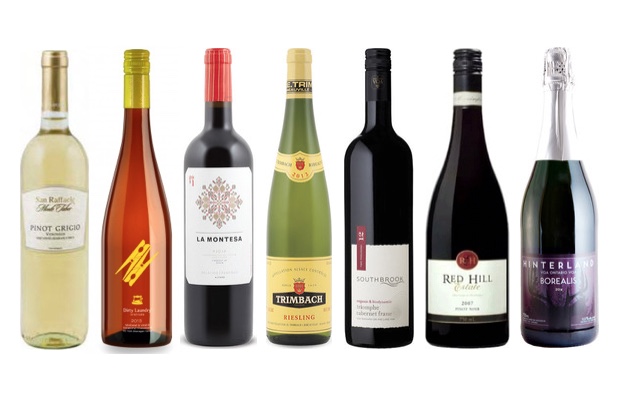



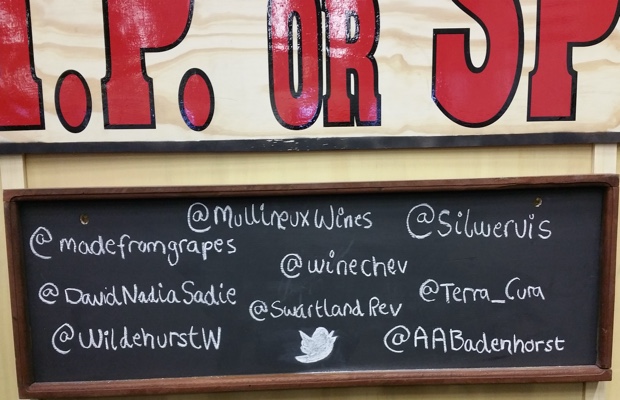
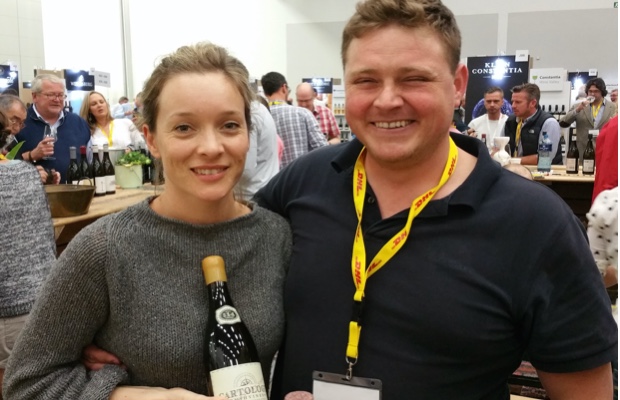

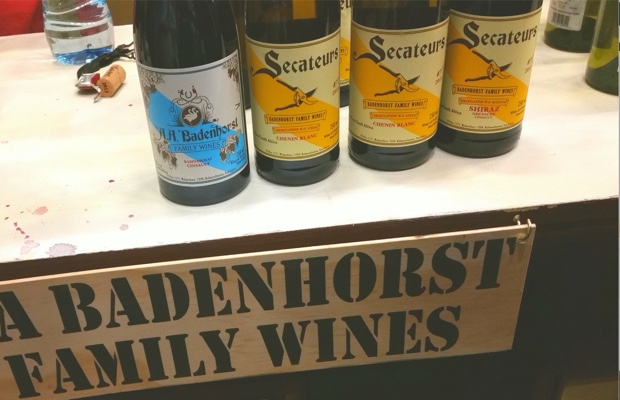
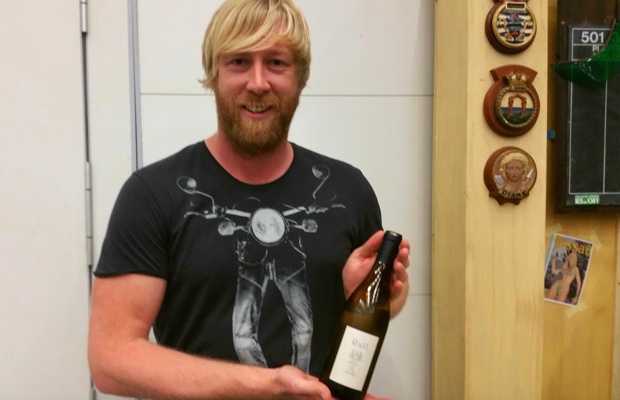
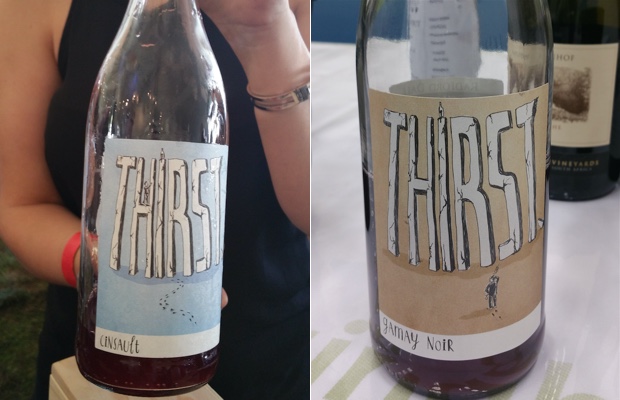

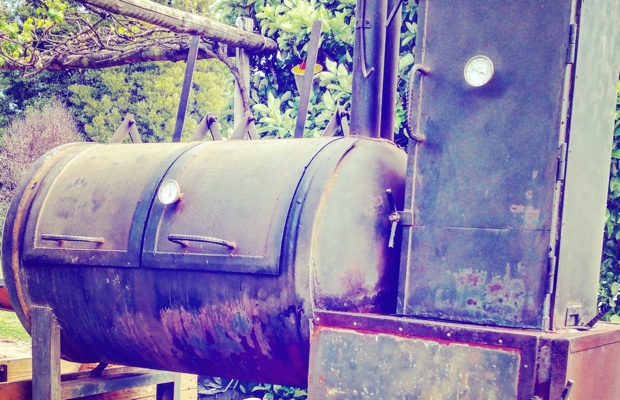
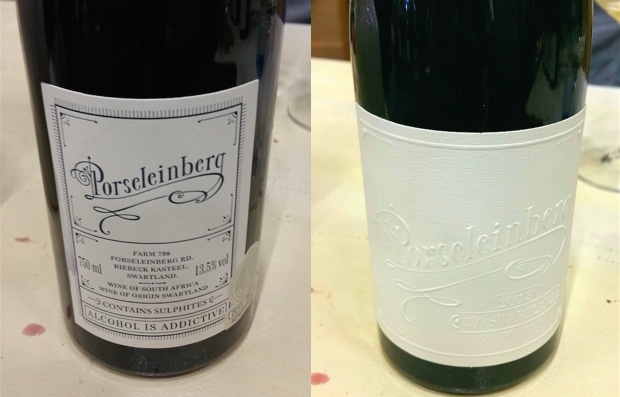
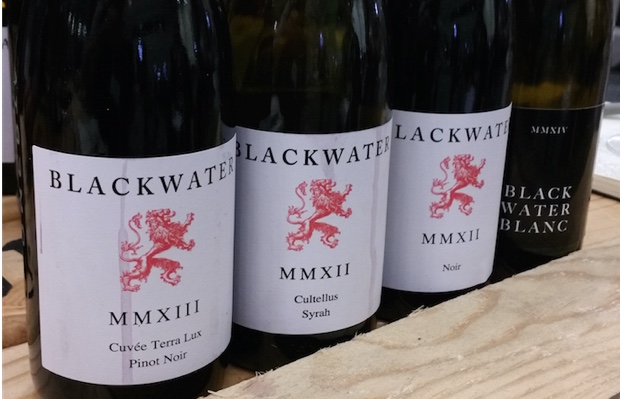

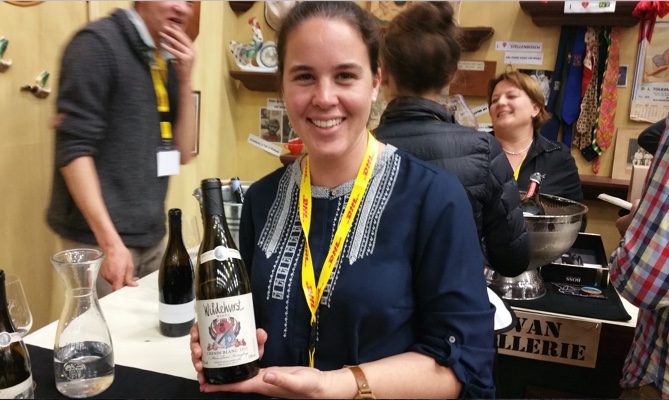
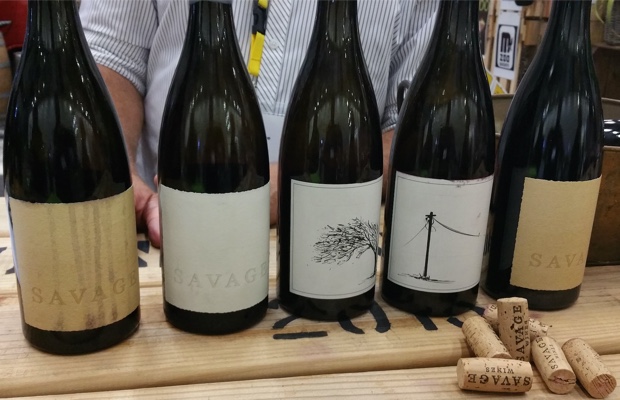
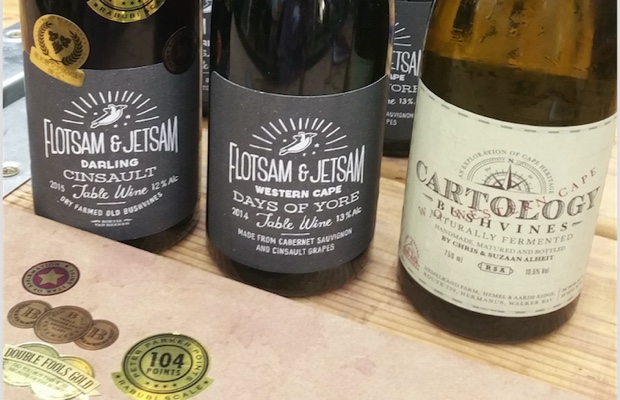

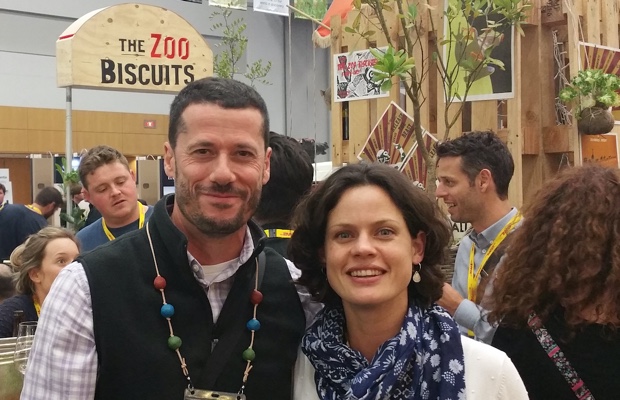
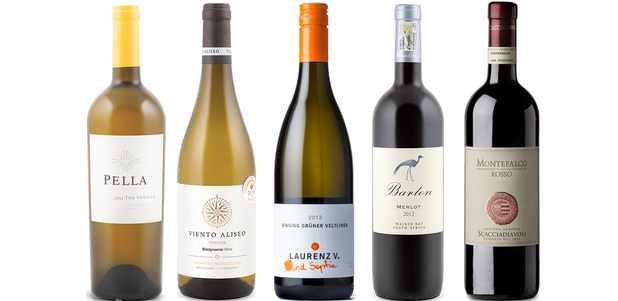


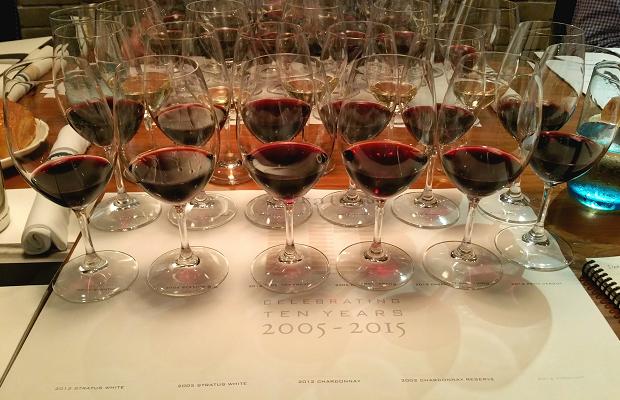
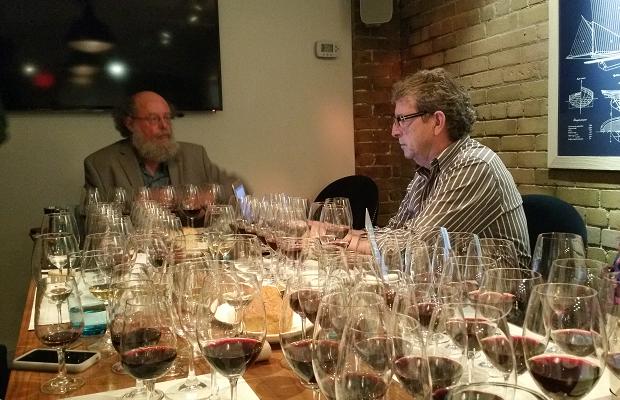

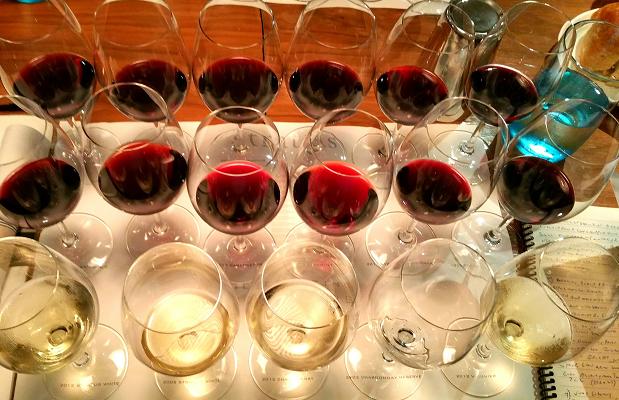
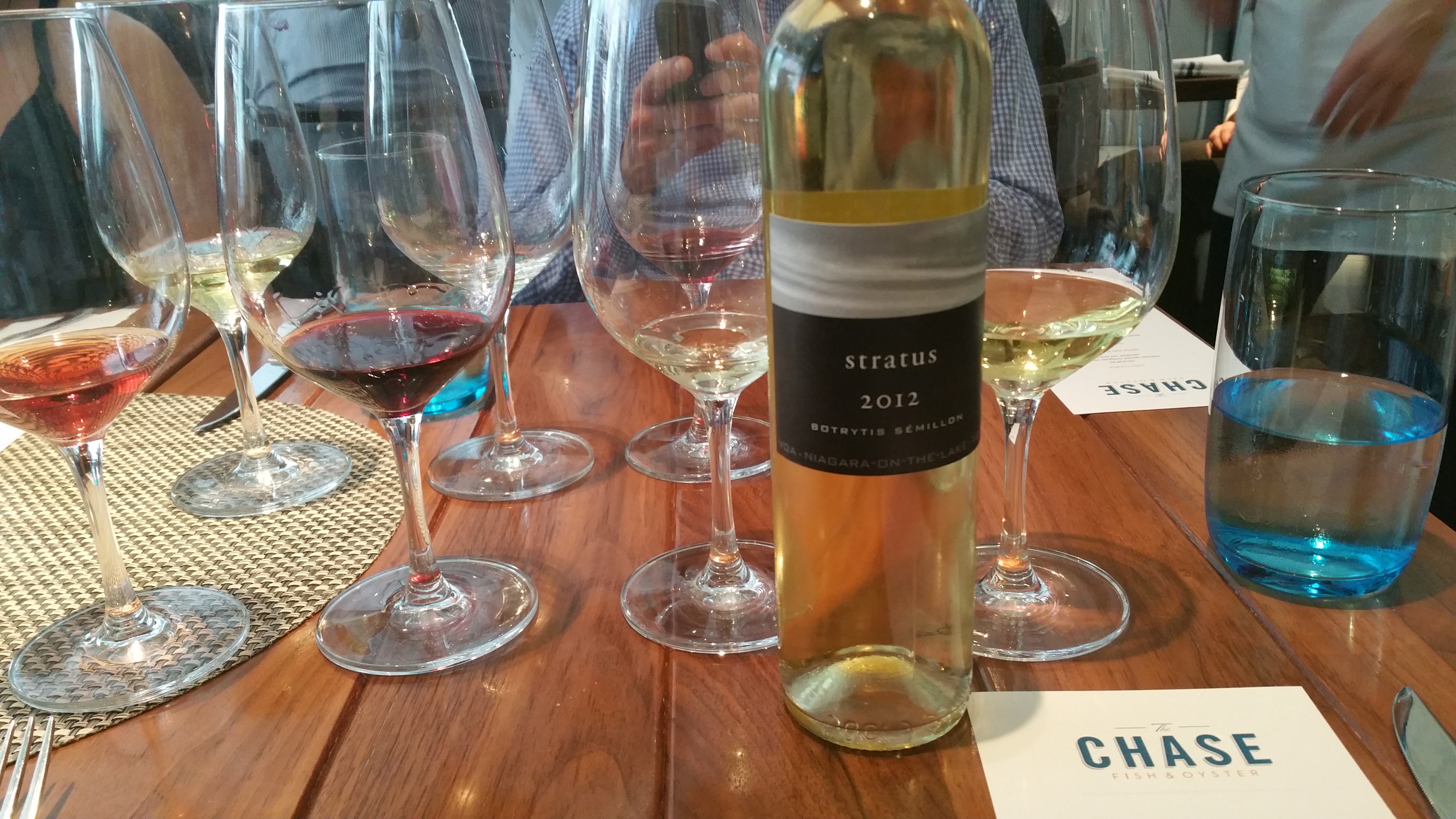
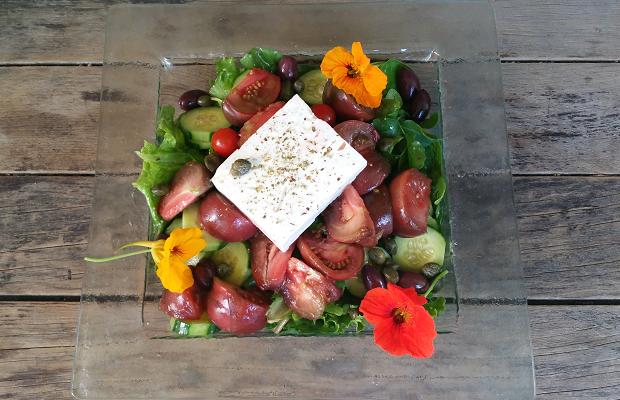
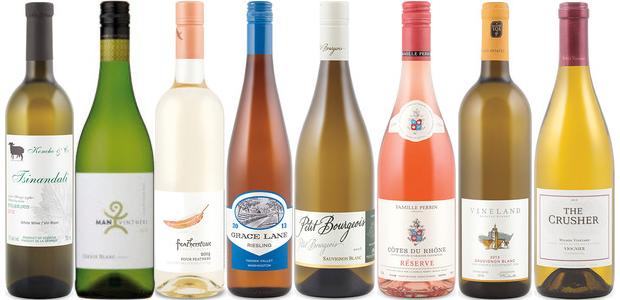
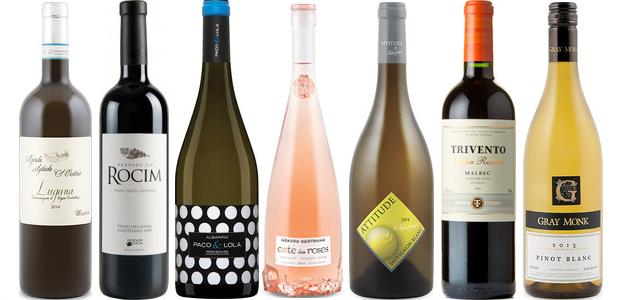
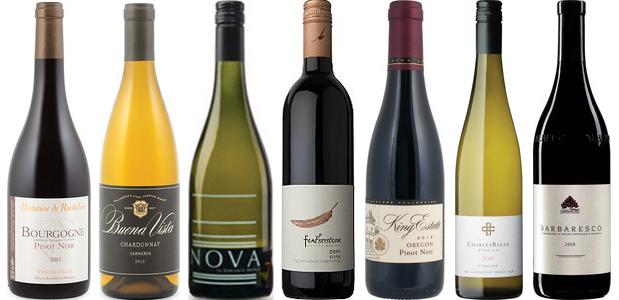
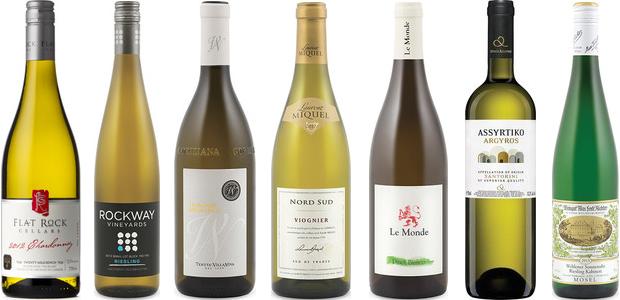
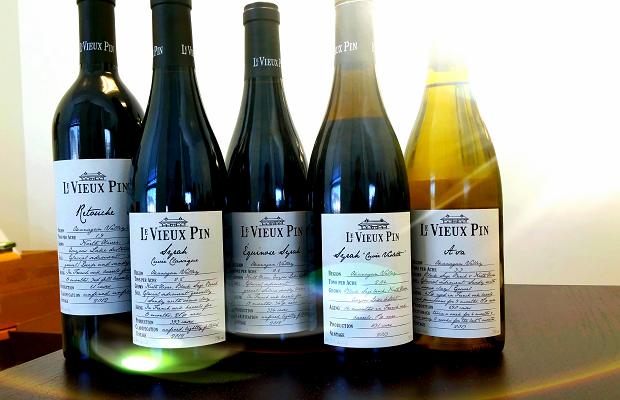
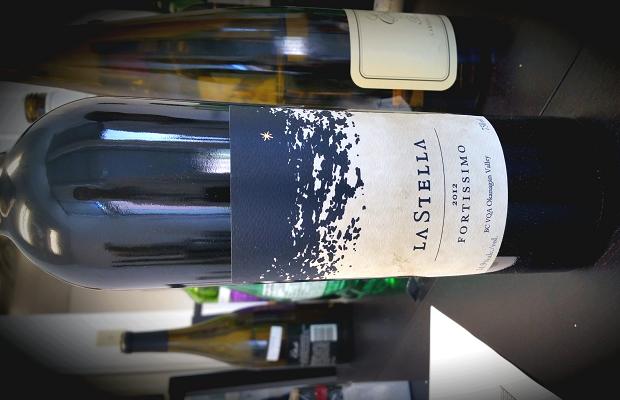
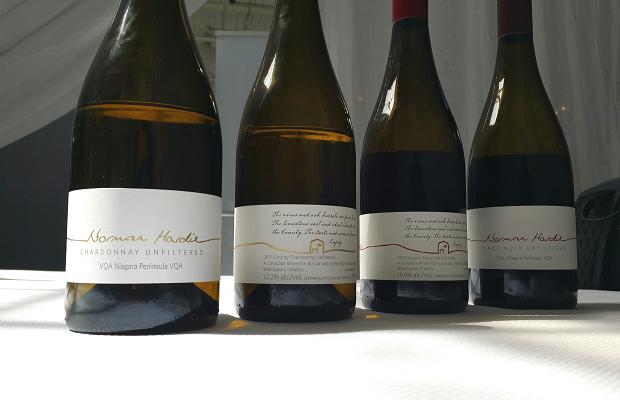


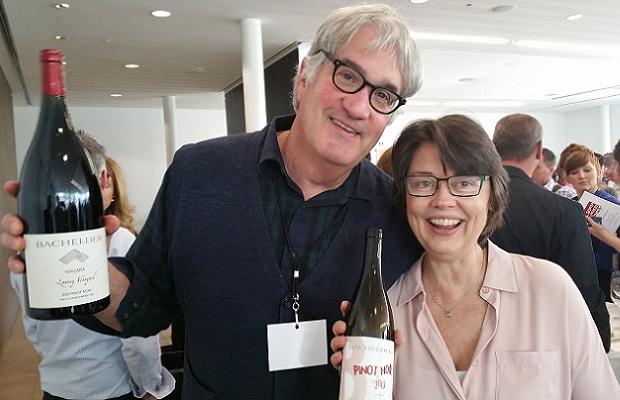

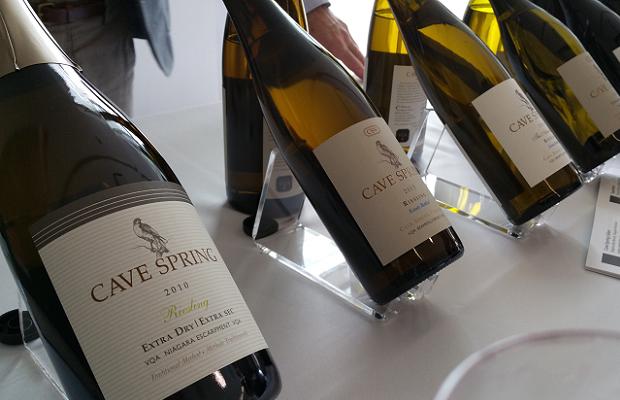
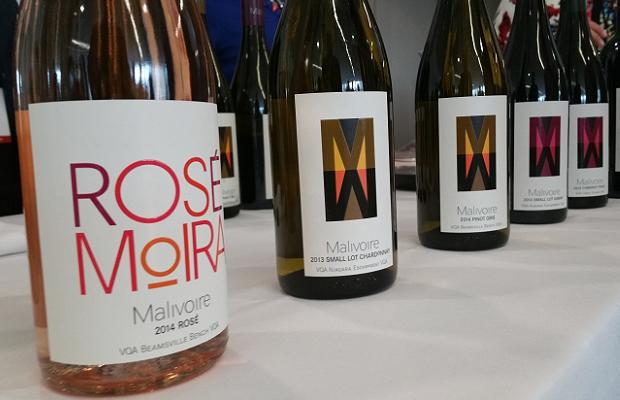
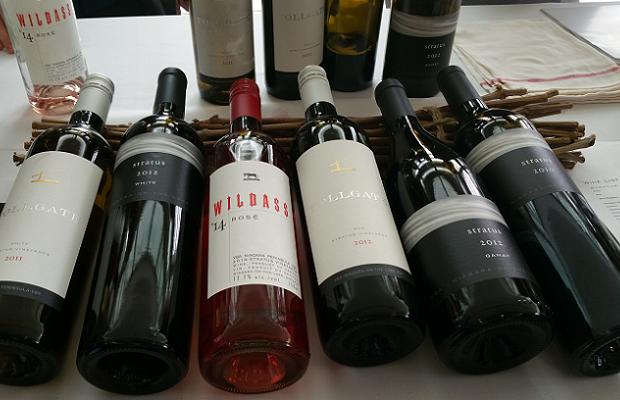

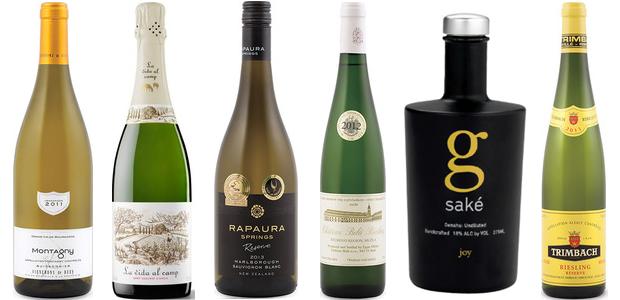

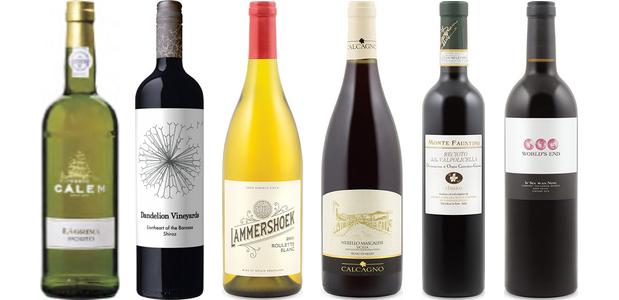
 Godello