We’re really just like moths, we seekers of wine, slaves to a fiery obsession, stopping occasionally to smell the adjectives, taking unnecessary financial risks and with any luck, happening into and finding enchantment. To remember generations. Is this why we drink wine?
We are looking for heroic entablature and architectural wonder in bottles of wine. We see them as DNA and in their liquids we can read their entire future. We sip them again and again until we taste them for the first time. We derive textures and flavours so solid, so tangible, it seems we can reach into the glass and grab handfuls of it. The glass itself has become the varietal, the engineering having expanded the notes and completed them, amplified and contained them. Is this why we drink that?
Not really. Sure we are looking for relevant encounters but what we really want is pleasure. Pleasure and escape. What we seek is value for our money. When we hit the stores and open or wallets we want honest juice at the lowest price. Bullshit aside, here are seven great values, in stores, by agents and down the road in our Niagara backyard.
From left to right: Stoney Ridge Pinot Noir 2011, Maipe Malbec 2013, Henry Of Pelham Family Tree Red 2012, Costa Mediana Valpolicella Ripasso 2011, Nai E Senora Albariño 2013, CedarCreek Merlot 2012, Markus Molitor Haus Klosterberg Riesling 2013
Classic Niagara Peninsula aromas, of tart berries, pomegranate, cherries and wet clay exude and display. Stoney Ridge is simply giving this Pinot Noir away. Vinified bone dry (1.9 g/L residual sugar), pricked with acidity (7.2 g/L) and kissed by (eight months) of oak, this acuminates, as opposed to dials, in. The honing is crystalline, in bright and vibrant tones. There is a refined sugar aspect to its ratio but it’s really quite clean and nervy. The length impresses and sweeps to seal the $14 deal. Tasted February 2015 @stoneyridgewine
Maipe Malbec 2013, Mendoza, Argentina (93823, $14.95, WineAlign)
Quite intense, juicy and peppery for a $15 Malbec. A mix of red and black berries is accented by liquorice. Some chalky overlay, which goes short on integration, would do well to play nicer were it an underlay. A bit musky with cool savoury reserve and a very effective use of high (3000m) altitude fruit. Tasted February 2015 @chakanawines@oenophilia1@Chakana and Maipe: wines with an andean spirit
Henry Of Pelham Family Tree Red 2012, VQA Niagara Peninsula, Ontario (247882, $15.75, WineAlign)
Only 945 cases were made of this Shiraz (48 per cent), Cabernet Franc (23), Cabernet Sauvignon (20) and Merlot (9) blend. And that’s a shame. Some further bottle time has brought out the best in show. There is as much clear class and enjoyable drinking as a Niagara red blend is likely to earn by wing. The concept is quite OZ, the coalescence very Niagara and the sensibility so sly, Speck family. The brightness, oak influence and acidity linger as one to stretch and bound about in elastic joyeuse. Crosses Charlemagne-like stone swords of accessibility and put me aside confidence with vintage gain and restraint. Keen winemaking decisions by outgoing winemaker Ron Giesbrecht have produced great results. Made for everyday people, were the Family Tree Red pouring from keg it would fill my glass on a daily basis.”And so on and so on and scooby dooby doo.” Tasted February 2015 @HenryofPelham@SpeckBros
Costa Mediana Valpolicella Ripasso 2011, Veneto, Italy (377648, $16.95, WineAlign)
Re-taste. Beautiful red fruit, in density. clarity and showy Valpolicella dress. Thinks good clean fun and thoughts, open-knit and its tannins mingle with multiplying acidity. Would benefit from two to three years more time in bottle. It will then drink as it was intended and as it should. From my earlier, September 2014 note: “Solid if newfangled Veneto that swivels from sulphur to sweetness. Has a Niagara Peninsula varnished quality, not so typical for the homeland. Also presses from both vineyard earthy and barrel stinky notes. Somewhat this and insipid but the late influx of fresh cherry brings it back and stretches its length.” Last tasted February 2015 @Select_Wines@C_Valpolicella@MGMMondodelVino
Nai E Senora Albariño 2013, Rias Baixas, Spain (Agent, $16.95, WineAlign)
A very mineral driven Albariño with little fruit expression to ascertain. Though the grapes give way to fine-grained chalky salinity, is that not coequality from and for the quarry? Soil and stone lead a path to cool and collected acidity, not one so linear but more extrapolated, as if from lime in pith, not zest. A very composed Rias Baixas but not overly accessible. Rich broth with small bits of fresh fish would pair delectably and foil perfectly; keep it from doing the “rise up, rise up,” into aerified, out of this world, parachute club territory. A nip of this and “spirits time has come.” Tasted February 2015 @LeSommelierWine@RiasBaixasWines
CedarCreek Merlot 2012, BC VQA Okanagan Valley, British Columbia (BCLDB and BCVQA 408666 $19.95, WineAlign)
Quite the glass of liqueur, with fully ripe, rich and dense fruit. Admittedly on the twiggy and good green side of the varietal, in the right ways, with Merlot bells of chalk, grain and tannin in whistling interplay. A correct correlation and in certain kinship with St. Emilion but with Okanagan footprints. Handles its 14.5 per cent alcohol quite easily and transfers its weight through a cool centre and into an even cooler finish. Along that route are notes of mint, eucalyptus and graphite, not unlike Coonawarra or Stellenbosch. Fun Merlot at an attractive price. Another gem from CedarCreek. Tasted February 2015
Markus Molitor Haus Klosterberg Riesling 2013, Mosel Valley, Germany (Agent, Approx. $25.00, WineAlign)
Architecturally precise, of cleanly drawn lines, like the Mosel Vinothek acquired and restored by Molitor in 1984 and winner of the “Architekturpreis Wein 2013.” The Riesling mimics the juxtaposition of historical and modern, seemingly steeped in the past and transposed to the present by state-of-the-art winemaking. This has slate, steep steppes rising from subterreanean acquired salinity and ingrained aridity. There is no way to hide from the scree of the past, avoid the incline towards the future, nor can it exist without the run-off of mineral left behind. Brilliant hue, matched density, matchstick wisp and wild tang. Honeyed and suckling porcine in an early roasting stage, with terrific texture. The beautiful arid length is purposed and linear, with much oomph in its gait. Will linger for five to 10 years easy. Tasted February 2015 @TrialtoON
Wine today is suffocated by an industrial and disproportionate number of writers, critics, reviewers and judges. There are so many voices vying for airtime, filling up virtual white pages with their comments, feelings and dissertations. There are homers and there are curmudgeons. When in balance, both keep the ship afloat, but more often than not the questions begs. Which ones are causing the wreck? The answer is both. The problem is not the intent but rather the execution.
You may have noticed that when I write about wine, which is pretty much all of the time, I use a whole lot of words. A mess of vocabulary. An inordinate amount of adjectives. A boundless number of references to music, song and pop culture. It’s how I roll. And it has got me thinking, again.
Tis’ about that time of year. A period for reflection and review, not on what was so great in the previous vintage but about the things that will be critical going forward in this new one. Please excuse the interlude while I hang suspended within the interval of hermeneutic, contemplation and debate. Reading books on anthropology, art world shenanigans and a post-holocaust personal journey are seeping into my thoughts like Sémillon into Sauvignon Blanc and the varietal blend is coming up complicated.
Old guard tasting notes are losing their relevance and not because they are wrong or inaccurate. They just don’t speak to wine in the 21st century. They don’t tell a story and they surely don’t have any fun. So what? Imagine taking a video of yourself working on your computer, browsing the internet, reading and interacting on social media. What would you see? A world of links and associations. A world where thoughts and comments bounce around like children in a jumpy castle. This is the realm of the new tasting note. This is what wine can do for you in the 21st century. It can lead you forward and take you back. Most of all it can really tie your life together.
Then the whining. The constant shrill voice of conceit mixed with complaint. The words minced to poison with a hunger to attack. Paragraphs penned to warn of apocalypse and to relegate decent writers to the scrap heap and back to the depressing nine to five. Writers reacting only to what others do without creating anything of their own. Comedians of the wine world lashing out, ranting, shouting “got ’em, need ’em, hate ’em.”
These attitudes and still the truth is not to be ignored. Reading a wine through a tasting note is like kissing a woman through a veil. “Translation is a kind of transubstantiation,” where one wine becomes another and another. You can choose your philosophy of critiquing just as you choose how to live. The freedom to personalize or substantiate thoughts on structure sacrifices the detail to meaning and meaning to preciseness. The winemaker is the writer or poet, moving from vines to vinous language. The critic moves in the opposite direction, or should, by attempting to read between the lines, to identify what can’t be seen, to interpret the mysterious implications of smell, taste and texture.
The lede firmly and flatly backs the headline, states, if asks, “is writing making a mess of wine?” Yes, that is a double entendre, a loaded gun of meaning and hypothesis, a million dollar question. While we want to know who’ll stop the rain, we also desperately need to understand the meaning of wine. So we put it down in words. We explain how wonderful life is with wine in the world. We also break it down, grape by grape, to a point where it often lies broken, disassembled, deconstructed, left for naked. What is it for? Are wine writers leaving behind a city of ruins?
Have they decided and determined that the winemaker’s works can be used to make a point? A point that belongs to the critic? Has the wine writer taken away the artist’s right to be, has the intent been obscured, or worse, the opposite and turned it into a curator’s right?
There are wines that claim you and wines that warn you away. Maybe the writers are just looking for wine that would teach them everything, like searching for one language, just as some would look for one woman’s face. The combined fugitive pieces of wine and its critics pose “questions without answers.” They must be asked very slowly.
To the beleaguered point five wines are here venerated and disfigured, assessed and cut to size. They are sniffed and sipped, thought of in song and regurgitated on the page. Do they lift or bury their maker’s plan? You be the judge.
From left to right: Susana Balbo Signature Barrel Fermented Torrontés 2014, Sterling Vineyards Pinot Noir 2012, Nyarai Cellars Cadence 2011, Wieninger Nußberg Alte Reben Gemischter Satz 2012, Tabarrini Colle Grimaldesco Montefalco Sagrantino 2009
Susana Balbo Signature Barrel Fermented Torrontés 2014, Uco Valley, Mendoza, Argentina (384339, $17.95, WineAlign)
Here, from Dominio del Plata, an experiment with clear merit. The attributes are so sizeable, with weight depth and no compromise. The dramatic effect works to ignore the “clouds of mystery pourin’ confusion on the ground.” The floral aromatic integrity of Torrontés is upheld within the leaden shackles of the wood, as is the savour. This is a honeyed white, suckling and mellifluous, like fully extracted ripe Sémillon, from and with the benefit of a warm vintage. Puts the fun back into varietal revival by way of a giant leap up from the thin, medicinal water clogging the arteries of South American white wines so often put to market. Here is a Torrontés to stop the rain. Tasted January 2015 @ddpwinery@ProfileWineGrp
Sterling Vineyards Pinot Noir 2012, Napa Valley, California (424179, $19.95, WineAlign)
There are so many reasons not to find a thrill in this regional blend of Pinot Noir fruit but none of them stick. Sweetness, simple syrup silky fruit, brown sugar, every red and purple berry in all varieties of fields (plus ripe plums) and warm to temperate alcohol (14.5 per cent declared) all combine for full California sunshine effect. All this and I just can’t turn away. With all the excess fruit, texture and multiplicity in good times, how can I? I ask this Pinot, “how come you, how come you dance so good?” The answer lies in the feel and the ability to turn a Noir trick or two. Not to mention a rolling of barrels and Napa Valley stones through its very core. Well done. Tasted January 2015 @sterlingwines@Diageo_News
Steve Byfield’s crimson blend of Cabernet Franc (42 per cent), Merlot (33), Cabernet Sauvignon (20) and Syrah (5) is at once so very Niagara while acting out anomalously in the 2011 vintage. Ripe, extracted fruit appears warm-vintage drawn, with its coated layers of primer, brushstroke and plummy stone fruit. The warmth is tempered by savour, oranges, figs and psalms. Its ability to find cadence and cascade keeps it “cool in the shade.” The varietal combining is delineated in balance, “sliding mystify, on the wine of the tide.” This effort, with its new name, could become one of the king’s amongst Ontario blends. Tasted January 2015 @NyaraiCellars
Wieninger Nußberg Alte Reben Gemischter Satz 2012, Vienna, Austria (Agent, $40.00, WineAlign)
Here, the intensity of multi-varietal wine defined. From next to the Danube, out of the Ulm Vineyard, on a very steep southern slope on the eastern part of the Nussberg. The composition is nine-fold; Weissburgunder, Neuburger, Welschriesling, Grüner Veltliner, Sylvaner, Zierfandler, Rotgipfler, Traminer and Riesling. The aridity (1.3 g/L RS) is visionary. Beneath the vineyard there is coral from the tertiary period and in this wine you can hear the Geiger counter amplifying the faint eupnea of fossilized shells, thousands of years ago. Its resinous, sappy and majestic floating flowers are like “potions in a traveling show.” The layering is heavy (14.5 per cent ABV) and variegated, like sands and snails in a bottle or a vessel filled with an alcohol made from nature’s natural and fermenting bounty; carboniferous forest cosmology and the unpronounceable names of exotic fruit. Then there is the wooden smoulder, the white rock solder, the pine and the scene where “I sat on the roof and kicked off the moss.” The Gemischter Satz is granular but in liquid form, marbled and with a lovely wisp of oxidation. It exudes lemon custard and tonic in a wild yet beautiful breath of sauvage. It is your song. Tasted January 2015
Here thickness is applied in every way imaginable. Sagrantino from the maw of the beast; raw, big-boned, musky, chewing sinew and spitting out teeth. Though fierce and ancient, eliciting vegetal scents as if Pliny’s natural history were scoured for every trace of pungent plants grown in iron rich earth, it is also the most modern expression of Umbria, or all of Italy even. In so many ways it’s pretty Gestanko, composted and of an incomparable spume. But it also desensitizes and endears in a soulful, ethereal way “like scattered leaves,” blowing in a stiff breeze. It folds back the skin of time, in waves of heat and at times is so very sweet. Bring this to the apocalyptic marshmallow roast. Leaves the red wine city in ruins and in the dust. Sagrantino at 16.5 %. Burn, baby burn. Tasted January 2015 @TrialtoON@TABARRINI
Today I tasted through the VINTAGES January 10, 2015 release. Thinking about that for a moment I find it hard to believe that yet another year has passed, with thousands of wines having passed my lips and into many levels of my consciousness. What a year it has been. More on that to come.
For now the task at hand is to find some wine to get us through the weeks leading to Christmas and into the new year. Bargains and values come in many colours, shapes and sizes. Earlier this week I gave up a dozen Sparkling wines to look for. Today it’s all about the red and white table wines, from cocktail sippers to serious main course friends. Here are the last 14 recommended values coming to VINTAGES December 6th, which happens to be tomorrow.
From left to right: Domaine Les Yeuses Les Épice Syrah 2012, Tselepos Classic Moschofilero 2013, Kew Vineyards Old Vine Riesling 2012, Vineland Estates Elevation St. Urban Vineyard Riesling 2012, Henri Ehrhart Gewürztraminer 2012, Mountadam Estate Chardonnay 2009, Red Hill Estate Pinot Noir 2013
Domaine Les Yeuses Les Épices Syrah 2012, Midi, France (177584, $15.95, WineAlign)
That, at $16, a Midi Syrah can throw this much smoked meat, bacon and genuine roasted porcine goodness into a bottle, kudos must be thrown straight back. The braise is accented by allspice, winter savoury, black olives and licorice root. It’s a veritable pot au feu, filled to brimming with meat, mire poix and herbs de provence. Wow. All, in. Tasted November 2014 @VinsPaysdOcIGP
A textured, minutely oxidative and bronzing Moschofilero with a confident sense of itself. The orchard has ripened and spilled into this bottle with peaches, apricots and citrus Portokalia Lakonias. Great metal tang, world turning acidity and length as long as the Nestani’s walk to Demeter’s Temple. Tasted November 2014 @Tseleposwines
Classic and I mean classic Bench Riesling entry. The richness of Bench soil, the elevation enriching the texture, the off-dry aromas impossible to avoid. There is a creamy, medicinal, tannic feel, so apropos and a scant, succulent scent of roses. The acidity at present is not quite in the groove and will be needed to travel the long, bright road ahead. If this ’12 is not the one, future vintages will surely one day realize the dream. Nevertheless this Kew is typical to ’12 and to the Bench and has begun a new chapter for the genre. Tasted November 2014 @kewvineyards
Who has not waited for Elevation to hit out of the 2012 vintage? Straight up it must be noted that this will rank over and above the best from the St. Urban Vineyard. The ’12 Elevation will not only find long-term success among the great values in Bench Riesling, it will go down as one of the best ever, at any price. The vintage impart is a natural for this wine. At the moment it is the most primary of all because of the layers that texture bring. The Elevation will go thirty years and climb higher and higher into the stratosphere, gaining flesh and personality. The already seamless gathering of fruit and mineral is palpable. And still a reminder, the price is $20. This is a Schmidt gift to Ontario, for anyone and everyone to be one of the lucky ones. To purchase in increments any less than a case may be considered a crime against Riesling. Tasted November 2014 @VinelandEstates@benchwineguy
Henri Ehrhart Gewürztraminer 2012, Alsace, France (392118, $19.95, WineAlign)
A step up in the Alsace Gewurz take. Some reserve in the nose, holding back the far east florals and the sugar. There’s an aerified feel to this, an ethereal complement, a savoury edge. Really interesting and surely more than versatile aromatic white. Good texture with creamy mangosteen and vanilla pod and then tight, even spicy, bracing acidity. Great deal here. Will live for a decade. Tasted November 2014 @drinkAlsace
Mountadam Estate Chardonnay 2009, South Australia, Australia (333211, $21.95, WineAlign)
There’s a sugary high to this Chardonnay and some sulphur though it blows away with ease. The texture is brilliant, flavours round and glazing. So much citrus to go around, with so little time to appreciate the varieties, levels and nuances. Oak, while anything but an after thought toasts in nuts and bolts. This will do no harm and ingratiate itself to all sorts of white palates for five years or more. Tasted November 2014
Red Hill Estate Pinot Noir 2013, Mornington Peninsula, Victoria, Australia (58073, $21.95, WineAlign)
The Mornington perfume, distinct, ethereal, lifted, elevated, fresh with a bit sauvage, not of musk, but of a wild road less trodden. A step beyond fresh, into learned territory and also above crisp, into crunchy. Very interesting and complex Pinot Noir, so obvious as anything but, yet unique, tart, striking and long. This should have many consumer fans and expand horizons for broad appeal, but also be a friend to the discerning taster. Most impressive. Tasted November 2014 @RedHillEstate@Noble_Estates
From left to right: Clos De Los Siete 2011, Il Molino Di Grace Chianti Classico Riserva 2006, Château Cambon Le Pelouse 2010, 13th Street Sandstone Old Vines Gamay Noir 2011, Paitin Sori’ Paitin Barbaresco 2010, Corte Pavone Brunello Di Montalcino 2008, Heitz Cellar Trailside Vineyard Cabernet Sauvignon 2006
Clos De Los Siete 2011, Mendoza, Argentina (622571, $23.95, WineAlign)
If the triumvirate of extraction, Argentine beefiness and intermingled layers of wood and cake are the thing you crave, come to Mendoza for all that and more. If that ternion comes in a package of $22 and is drawn from seven altitudinous agricultural entities, Clos de los Siete the perennial success story is a go to for the genre. From out of the Uco Valley, at the district of Vista Flores, Tunuyán. The ’11 misses no beats, brings chocolate, licorice and macerated plums to the barbecue. This Malbec blend (with Merlot, Syrah and Cabernet Sauvignon) intimates, attracts and culls a hunk of steak from off the coals and settles in for a long, healthy, belly fulling pairing. Tasted November 2014 @closdelossiete@closdelos7@Dandurandwines
Il Molino Di Grace Chianti Classico Riserva 2006, Docg, Tuscany, Italy (382945, $23.95, WineAlign)
An ’06 Chianti Classico Riserva you say, pre-aged, delivered to the Ontario market and presented here in 2014, all in for $24? You can’t fool us. We’ve been duped too many times before. This must fall into the “too good to be true” category. The answer depends on which style of Chianti you prefer. This walks all the halls, plies the trades and hits the marks of the CCR ancients. Comes from a remarkable vintage, holding on but in true advanced, oxidizing and fruit diminishing character. Mushrooms and truffles abound, as does game in the early roasting stage. A note of Brett is here too, not over the top but its presence can’t be denied. Acidity speaks, as does bitter chocolate. This is not for all but all should have a go. Tasted November 2014 @Ilmolinodigrace@chianticlassico
Château Cambon Le Pelouse 2010, Haut-Médoc, Bordeaux, France (256016, $29.95, WineAlign)
Always a solid, full-bodied for little compensation Bordeaux, this time in full cake and grain throttle. Though it lacks the fullness up the middle of more accomplished ’10 houses, the fruit is grounded, the acidity on top and the tannins daring, yet working to towards future gains. Tasted November 2014 @CambonLaPelouse
13th Street Sandstone Old Vines Gamay Noir 2011, VQA Niagara Peninsula, Ontario (130195, $29.95, WineAlign)
A return to the Sandstone 2011 sees the high-toned aromatics and blessedly funky earth coming together, if in ever so timorous tone, to form some kind of Gamay union. There is something lurking now, coming out, intimating roses and tea, eastern spices and potpourri. Something Nebbiolo like, or possibly, more specifically Pelaverga. This is Sandstone. Nothing else in Ontario smells like Gamay from this place. Nothing. The complexity of its aromatic life is now beginning, though due to the burdensome barrel the palate lags behind. Give it two more years to take a turn at expression. Tasted November 2014 @13thStreetWines@Noble_Estates
Classic, quintessential, “entry-level” Barbaresco, so much more than utilitarian Nebbiolo from as quality and consistent a producer as can be found. The 2010 has all the right attributes and hits all the correct marks. Regal, matronly, sharp, focused and so attached. Gorgeous perfume, marked by candied flowers, with noble, astringent tannins but there is more than good and plentiful fruit. This will age for 20 years, as long as any Paitin from recent times. Tasted November 2014 @GroupeSoleilTO
Rustic, stark, intense and tense from a vintage that separates the bold from those that can’t handle the climatic truth. Corte Pavone spoons it in stride, chews it up, spits it out. True blue Brunello feel here; bracing, aromatically buffed and bouffant, of sweet plum flavours, tobacco, smoky and make-up smeared all over its face. A wild herb and gritty tannic finish. This is trouble come running, magical, wild, exceptionally out there and with 5-10 years it should reel in the reigns, slow down, relax and smile with “clean, clean thoughts.” Tasted November 2014 @ConsBrunello
Heitz Cellar Trailside Vineyard Cabernet Sauvignon 2006, Napa Valley, California (992438, $119.95, WineAlign)
Showing a smidgen of age at this eight year mark. The warm touch of caramel on plum flavours are wrapped up in an aromatic potpurri in many flowers, dried and also blooming. Violets for sure, but also a rose and citrus blossom. Trailside is in a relaxed state of wine. Has moments of dark, dusty chocolate and a tonic to tie the flavours together. It’s expensive but it’s a classic Napa drop and worth every dollar. Tasted November 2014 @liffordretail
Wine review at VINTAGES of Norman Hardie Chardonnay County Unfiltered 2012 by Godello
If the premature lashing of cold, snow and ice weren’t enough to get you thinking about holiday shopping, get thee to a Liquor Control Board Ontario store on the weekend. Same time, every year. The LCBO stocks the shelves, isles and pyramid displays with more booze than anyone should ever be faced with in one visitation.
The bi-weekly VINTAGES release calendar whirs, undulates and clutters in rataplan overload at just this very juncture in preparation of the Christmas rush. Shoppers will tear down the walls of wine, beer and spirits, only to hear the burloque fall silent when the clock strikes closing time on the evening of December 24th.
There are exactly 35 days left in 2014 to do the right wine thing for that father, cousin, colleague, mentor or loyal, long-time suffering employee. Please heed the warnings and do not buy crap for the one you love or think you should. No matter who you are picking up a bottle for, treat them well and with fermented grape respect.
There are three category of wines to look for, at least within the context of this buying guide. First there are the values under $20, wines made so properly they should cost double or triple what they do. Second are the expensive but honest wines. These are the true gems that make most $100 bottles look bad. Last are the $100 examples that are truly iconic, despite their cost. Though priced beyond the means of most, they are not a mistake to take a flyer and give as a gift. After the hand off is complete, the all-knowing, unspoken nod will follow.
From left to right: Cavino Grande Reserve Nemea 2008, Frescobaldi Castello Di Pomino Pomino Bianco 2013, Moris Morellino Di Scansano 2012, Louis Bouillot Perle D’aurore Brut Rosé Crémant De Bourgogne, McWilliam’s Mount Pleasant Elizabeth Sémillon 2007, Josef Chromy Pepik Pinot Noir 2012
Nemea strikes again. Dark rust, earth juiced on and of the rocks. Like Sangiovese with attitude, made by Romans, like Syrah the way it was made in mythological times, by Greeks. A classical garden. This is actually quite modern and expressive for Agiorgitiko. Acts as if it were a touch clay (or amphora) baked but it’s really just a Peloponnese take on oak aging (18 months) and further bottle rest (12 months). This is right in its window and will be friendly for three to five years more. What a steal. Tasted November 2014 @DrinkGreekWine
With thanks to Chardonnay, the Castello di Pomino 2013 elevates Pinot Blanc to a level not really found anywhere, save perhaps for one or two examples out of B.C. This one really leaves a tannic impression, not unlike some impossibly off-dry Pinot Gris from Alsace. There is a really sophisticated level of ambiance and a semblance of a distinctly rocky intent. Like high quality Sancerre or Chenin from Silex soils, the grain and veins running through the palate and the texture are coarse and cursive. This one writes a new script for Frescobaldi’s Florentine, Apennine mountain estate. Fresh, ventilated and airy as if breathing from blue skies at high altitudes. I can’t recall tasting this level of excellence before and would look forward to no less than five years of enjoying what it brings to the Tuscan table. Tasted November 2014 @FrescobaldiVini@liffordretail
A primarily (90 per cent) Sangiovese with smatterings, though not inconsequential, of Merlot and Syrah. From (non-estate) vineyards in Poggio La Mozza (Grosseto). Morellino Di Scansano, to a wine and exemplified here, sports a firm jaw and an air of tragic nobility. The question is why should it only find occasional psychic prominence as a Sangiovese go to. Moris Farms makes the lesser-known accessible, with a (sees no oak) modern accent of dark fruit and spice atop simple, pleasurable Sangiovese. Pleasantries exchanged, the 2012 MdS will work dinner, inside a Tuscan vernacular and out. Tasted October 2014 @Morisfarms@oenophilia1
Louis Bouillot Perle D’aurore Brut Rosé Crémant De Bourgogne, Ac Burgundy, France (48793, $19.95, WineAlign)
The Bouillot Rosé, for my $20 is the most impressive of their line-up, always tender and ripe as if just picked fruit, namely strawberry and raspberry. The Perle D’aurore is a faintly hued and lighthearted take but not light on effort. Elegance defined in Bourgogne bubbles with a savoury edge to give it strength. Tasted November 2014 @JCB_Wines@ChartonHobbs
McWilliam’s Mount Pleasant Elizabeth Sémillon 2007, Hunter Valley, New South Wales, Australia (724492, $19.95, WineAlign)
The 2007 is another fascinating study in Hunter Valley Sémillon. Like the ’06, egressing secondary notes have emerged, in equatorial garrigue and fruit having already met its aurulent stenosis. A honey note persists though less so in ’07, as does the level of tempering acidity. This vintage brings out the calm and the clam, though the petrol and the mineral are omnipresent, perhaps elevated. Must keep in mind it’s only $20 but it does fall a bit short in texture and acidity. There is lemon drop and the essential atomic Sémillon stoicism from the Hunter Valley, but it’s a bit thin and hollow up the middle. All that acknowledged, not having a look or two would be a shame. Tasted November 2014 @MtPleasantWines@PRAXISpr
Josef Chromy Pepik Pinot Noir 2012, Tasmania, Australia (162990, $22.95, WineAlign)
Pepik has elevated aromatic tones and though it appears lithe it reads like a weighty tome. Unique and of its Tasmanian self. Plums come to mind, as does red earth. The phenolic ripeness and varietal indications are ushered in with managed exceptions and are simply spot on. This does not strike as a Pinot Noir that will be long-lived because its black cherry and spice are riper than many contemporary editions in a similar price range, but it will offer great pleasure for two to three years. Tasted November 2014 @JosefChromy@bwwines
From left to right: Klumpp Pinot Gris 2013, Creekside Estates The Trad Reserve 2011, Meerlust Rubicon 2008, Tenuta Sette Ponti Crognolo 2011, Faustino I Gran Reserva 2001, Cvne Gran Reserva 2008
Thoroughly interesting study in German Pinot Gris despite the timid and reserved tonal nature. Aridity in as much as the variety can muster and in the largest, atmospheric sense. Though the palate has some fine-grained texture and feigned sweetness, it’s as if Baden can only do Pinots this way, in Gris and in Noir. Acidity is tempered and a willing accomplice to the diminished components of sugar and pH. A well designed Pinot Gris. Tasted November 2014 @TheLivingVine@WinesofGermany
Creekside Estates The Trad Reserve 2011, VQA St. David’s Bench, Niagara Peninsula, Ontario (390336, $28.95, WineAlign)
The Trad ’11 has a classic toast and yeast aromatic waft and so it goes that everything that follows is embraced with curiosity and an open mind. Ginger, citrus, bronze and the sweet scents of the inside of a candy machine, its candy long gone. Creekside’s winemaker Rob Power will never be accused of dialing this sparkler in. Tasting trials help determine the necessary, final blend. The single, Queenston Road Vineyard puts 56 per cent Pinot Noir and (44) Chardonnay, aged 2 years in bottle, together for a highly effective, expansive but not explosive fizz. At 8.7 g/L of residual its dry but not quite falling off the bone. The sweetness is tempered by elevated (9.98 g/L) acidity and tension. Spent 24 months on the lees and was bottled back in February. There is balance and pleasure and a good, stretchy finish. No band-aid. Clean, precise, fizz of the day. Tasted October 2014 @CreeksideWine
Meerlust Rubicon 2008, Wo Stellenbosch, South Africa (64329, $34.95, WineAlign)
Rubber dust, road macadam and strawberry jam. Fierce Bordeaux Blend home from a hot climate. This has gritty obduracy and doggedness. Like a red blend with a gun, walking the mean streets. Acidity shot through the roof. Bordeaux meets South Africa in every shared, resplendent and promising way. Rasping tannins contain bursting dark fruit, the grain running in multiple directions. Respect. Wait two more years on this and drink comfortably to 2020. Tasted November 2014 @TrialtoON@WOSACanada
This is not the modern Crognolo as witnessed in the previous five vintages. In 2011 we have been granted the complex Crognolo. This has must and earth. It has grit and girth. Best Crognolo I have tasted. Tangy Sangiovese, with some chalk in tannin. Will live longer and offer unrequited love seven to 10 years down the road, to the patient and the faithful. Tasted November 2014 @TenSettePonti@TrialtoON
Faustino I Gran Reserva 2001, Doca Rioja, Spain (976662, $35.95, WineAlign)
It amazes me how kept wines from Rioja keep appearing as if they were just bottled yesterday but not this famous Gran Reserva. Syrupy and caramelized, bright and earthy. Mulled plum and clove with citrus accents. Bretty like a barn’s floor. Cedar and leather, big oak doors. Real mutton Rioja, still tannic, energetic and searing. Kicking it old school but wild and alive. From my earlier, April 2014 note: “Were a full-term lecture taught on the pros and cons of the Brettanomyces brannigan, this Rioja might be exhibit A. Absolutely manifest fruit meets earth, meets game perfume compendium. Call it funky yeast if you must but here is a wine that can be approached by nose only and if the relationship were to end there, novels might be written. Lives on a fermented, catalytic and plucky edge but never submits to the bacterial spindrift. Leaden fruit, red and black, smooth and layered with a tension in tang that is paralyzing to the mouth. Thirteen years old and just hitting a secondary stride, with the oak slowly dissolving and not a hint of coffee or chocolate to be found. Sexy and down to earth at the same time.” Last tasted November 2014 @bodegasfaustino@Select_Wines
Cune Gran Reserva 2008, Doca Rioja, Spain (393553, $38.95, WineAlign)
Old school. Smells like Rioja. Smells like Spanish spirit and weeds, sinew, gristle and braising pig, all parts in. Smells like cedar, like American oak and a soak in a tub of spa earth and mineral salts. Like “Spanish boots of Spanish leather.” This has already done the evolutionary dance so if you are looking for something to float your natural, honest boat, go here now. In a Rioja world where the times they are a changin‘, it will sail you back in time and away into a Mediterranean sunset. Tasted November 2014 @Cvne@vonterrabev
From left to right: Fattoria Dei Barbi Brunello Di Montalcino 2008, Dutton Goldfield Dutton Ranch Chardonnay 2012, Vincent Sauvestre Clos De La Platière Pommard 2012, Versado Malbec Reserva 2010, Laurent Perrier Millésimé Vintage Brut Champagne 2004
Fattoria Dei Barbi Brunello Di Montalcino 2008, Tuscany, Italy (928028, $49.95, WineAlign)
Firm and in a rustic vein, as per the Barbi dole, this one a bit funkier at the outset than many. Welcome to the classic firmness of 2008, antithesis of the flamboyant ’07’s but plan for 20 plus years of slow food elegance emission. Classic rose petal, tea leaves, dates and earth caked metal in this guy. From my earlier, March 2014 note: “As expected, this is a gritty effort from Barbi, in part the impart of a testosterone-laden vintage, along with the dryer and cooler climate from Barbi’s southeastern Montalcino vineyards. A low and slow ripening will surely translate to extended longevity, but the rusticity and leather/cherry continuum will never disappear. No doubt a classic example and very well-priced for such authenticity, still it can’t be helped to see Barbi’s ’08 as entrenched in an earlier period of time. The wine will need 10 years to soften its edges and reveal the refinement and elegance of a well-documented Brunello.” Last tasted November 2014 @FATTORIABARBI@Noble_Estates
Dutton Goldfield Dutton Ranch Chardonnay 2012, Russian River Valley, Sonoma County, California (287854, $58.95, WineAlign)
A study in precision, exceptional quality and poise. Golden rays mixed with misty wisps, cool nights tempering warm days. Just a touch of wood spice pricks the finish. So much flavour. Tasted November 2014 @DuttonGoldfield@TheVine_RobGroh
Vincent Sauvestre Clos De La Platière Pommard 2012, Burgundy, France (390534, $59.95, WineAlign)
This Pinot Noir speaks for the two sides of every Burgundy argument, especially considering it comes from the gritty nook of Pommard. First impressions are floral and pretty, with spice and some sort of tropical flora whispering in cooing scents. The hill offers a buoyancy, a lifted spirit and a view of its own sweet regard. Travels through a mid-village weightless hover, then returns to terroir in prime time acidity and tannin to keep time. There is a sweet tart medicinal aspect ratio on the finish and overall this does things correctly. Does not finish with the same suave seduction that it teased at the start but it does continue to impress. Tasted November 2014 @Select_Wines@BourgogneWines
Versado Malbec Reserva 2010, Luján De Cuyo, Mendoza, Argentina (316984, $60.95, WineAlign)
Aromatics are racing and rising from the glass. A red rain pouring in and out. Has yet to change course. From my earlier, September 2014 note: “The floral emergence is a lodestar as periscope just now peering up from the seamless cake layering in Versado’s most liberally applied oak-imbued Malbec. The 2010 adheres in sticky savour though it remains two to three years away from finding its true gliding form. From my earlier notes through tastings on Oct. 25 and Nov. 14, 2013. “This ultra-premium Mendozan from the Canadian winemaking team of Peter Gamble and Ann Sperling boasts fruit from “the finest barrels from the finest blocks.” While certainly riding a splintered and jammy horse (what fully extracted Mendozan does not), this reserve Malbec has so much else happening, I owe it my time and focus. Dances to a triple jump height in oozing berry, compacted, brick wall infrastructure and overlapping delineation. Really like the consistency here, with no hollow middle, no umlaut, no pregnant pause. Very well made.” Last tasted November 2014 @VersadoWine
The reappraised vintage that was once considered good, now revealing itself as better than good uses examples like the Laurent Perrier Millésimé to drive the point. This is a classically symmetrical blend of Chardonnay and Pinot Noir possessive of much chaste class, incredible balance and held lotus posture. Through its waves of idiosyncratic brioche and linear citrus lines drawn in tactile angles this Champagne is unbent and unbroken. Its seamless transitions glide from delicate aromas, through a textured palate and groove forward in elastic length. Additionally graceful with an ever so slightly advanced and mature style from a mature world in vintage-dated Champagne. Tasted November 2014 @ChampagneLPUSA@Noble_Estates
From left to right: Mollydooker Carnival Of Love Shiraz 2010, Silver Oak Napa Valley Cabernet Sauvignon 2009, Château Malescot St. Exupéry 2010, Spottswoode Estate Cabernet Sauvignon 2011, Sassicaia 2011
Mollydooker Carnival Of Love Shiraz 2010, Mclaren Vale, Australia (242732, $114.95, WineAlign)
While the price is just about as absurd as a “yoga class for cats” or Raine Maida’s voice, it seems logical to wonder aloud how one could question this Carnival as not being one of the biggest and baddest Shiraz you will ever encounter. It’s a veritable run on sentence of Shiraz adjectives, adverbs and hyperbole. If your hankering remains entrenched in elevated alcohol, enormity of fruit, condensed and compressed mineral, lest to be forgetting the viscous ooze of Mclaren Vale syrup, well, then this jester should fill your stocking along with those of the rest of your circle of fortifying friends. From the maw of the beast here – blood gore and fruit guts. Holy crap is this extracted, tannic, mired in impropriety, full conceit and in zero jealousy of other Shiraz. It doth joust. Certainly no lady of peace. Wow. Tasted November 2014 @MollydookerWine@bwwines
Silver Oak Napa Valley Cabernet Sauvignon 2009, Napa Valley, California (936039, $139.95, WineAlign)
Magnificent and munificent wine. Really special, magnanimous in every way, ultra-luxurious but not over the top. Alcohol, oak and extraction judged and held in check, equity and in balance. The fruit is pure and delicate, marked by plum, blackberry and hovering licorice, anise and spices. Long in chain and really sweet tannins. Like gazing into a pool of real nineties Napa and across the pond to an older school of reasoning. Tasted November 2014 @SilverOak@HalpernWine
Château Malescot St. Exupéry 2010, Ac Margaux, 3e Cru, Bordeaux, France (261552, $167.95, WineAlign)
A heightened sense of Margaux reality in 2010 comes from the château with the hybrid name; first from Simon Malescot, King’s Counsel to Louis XIV at the Parliament of Bordeaux. Second, from the post French Revolution château purchaser, Count Jean Baptiste St Exupéry, grandfather of the aviator and writer Antoine de St Exupéry. This has to be the most hedonism ever bottled in a Malescot, within reason of course. The house does not know from over the top, save perhaps for the cost of this 2010. Cassis is certainly here, as is a medicinal tension, firm acidity and the most formidable tannins known to Margaux. The grain, chalk and tincture combine for full effect. This will need 10 years to chill, then go 10 plus 10 more to much applause and the request for a final curtain call. Tasted November 2014 @VinsdeBordeaux
Spottswoode Estate Cabernet Sauvignon 2011, Napa Valley, California (399592, $167.95, WineAlign)
Wow. Aromatics are off the charts. Pine forest, leather, chestnut and cedar, savoury in every wild and sauvage way, but also pure. Berries, tobacco leaf, classical logic, structures and axioms lead me to imagine mid-nineties Paulliac. Seamless texture, ripe but not overripe, rich but never overly grainy. This is super fine and dialed back (with exotic spices and wood spice filling in the holes) in the cooler 2011 vintage. A Cabernet Sauvignon of the most savour and the most class. A ten to twenty year Spottswoode. Tasted November 2014 @Spottswoode@Smallwinemakers
Certainly a Sassicaia borne of the earth and the vintage. Cooler, with increased sapidity and elevated aromatics. While not volatile there is certainly an intimation at acetic behaviour. Though supportive in only 15 per cent of the two Cabs blend, Cabernet Franc stands firm in its concentration of tobacco, peppercorns a-popping in the pan and a smoldering of currants over an open fire. This will age for decades and return to its beautiful natural state with time-weathered, rugged facial lines. A leathery Sassicaia this, with tight, drying tannins and in need of two decades to show off its birthright. The 2011 Sassicaia is a loyal, aristocratic example to the Marchese Mario Incisa della Rocchetta’s dream of creating a ‘thoroughbred’ wine where the ideal was Bordeaux. Tasted November 2014 @Smarent
Versado Vineyard Manager Sergio Rinaldi reviews the plan for the harvest with winemakers Ann Sperling and Peter Gamble Photo: (Elena Galey-Pride, http://www.winestains.ca)
A popular but unconfirmed theory claims that Malbec is a mathematical acronym, “Math, Algorithms, Learning, Brains, Engineering, Computing.” The inky and tannic grape variety no doubt connects growers and winemakers in scientific ways but that hardly separates the expatriate, signature Argentinian from other varietal relationships. The learning, perception, and behaviour of the people who produce the dark wine is the crux and the rub.
Malbec’s spread may be the work of a Hungarian peasant, it was surely introduced to Argentina by French agronomist and botanist, Miguel Aimé Pouget and the natural lines differentiating modern renditions of Cahors and Argentina blur like the Clarets of Napa and Bordeaux. The homogeneity in style, mainly due to elevated quantities in production, has begun to deplete the star power of the Mendozan idol. The computative cipher jives because Malbec requires an analytically brilliant dream team to coax humanity from the quotidian grape. The wine making axiom, “is it science or art” applies to Malbec as much as any other. Making exceptional Malbec requires artfully applied science.
In 2007, Peter Gamble and Ann Sperling, winemakers who may as well be endowed with the title “First Canadian Couple of Wine,” went to Argentina to seek their cerebral Malbec fortune. With the aid of investors Moray Tawse and Gerry McConnell, the two found their varietal calling in Mendoza. They settled at the estate of Villa Viamonte in the old town of Chacras de Coria, now a neighbourhood of Mendoza.
With the aid of the experienced and professional Roberto de la Mota they purchased an ancient vineyard on the legendary Cobos Road. Altitude, meso-climates, topography and ‘micro-terroirs’ became their linguistic vernacular, a royal, ancient and new Malbec their opera omnia. Vineyard Manager Sergio Rinaldi directs all the daily viticulture activities.
Versado means ‘well-versed’ and the phrase describes the Gamble-Sperling output as well as any that can be equivocated. The Canadian dream team travels circuitously from British Columbia, to Ontario, Nova Scotia and through Argentina in mimic of the seasons for a vine’s life cycle. Through the stages of weeping, flowering, fruit set, veraison and harvesting, Peter Gamble and Ann Sperling are in constant motion, checking in at all their properties to make essential decisions. I am exhausted by the prospect.
Harvest starts early – the Versado vineyard before sunrise Photo: (Elena Galey-Pride, http://www.winestains.ca)
Versado is a unique Malbec outpost, a place of river, road and air. The ancient bed of the Rio Mendoza, the Calle Cobos and the cool air corridor of that river combine for a micro-climate to challenge all micro-climate comers in the region. Increased thermal amplitude (up to 15 to 16°C difference between day and night-time temperatures) means low pH numbers for their Malbec. The results should translate to elegance and balance. As the Versado team begins to scale back their oak program, the wines will increasingly reflect their specialized and cooler terroir.
Peter Gamble told me “we’re making them with classic tannin structures.” That statement intimates French and even Italian but with Mendoza’s already rich history, it also endorses a notion of Argentina. Versado’s Malbecs are both serious and epicurean. They are gorgeous and alone. They come from a very specific parcel of land, though Peter Gamble admits that “borders are sort of Alice in Wonderland in Argentina.” The Versado Malbec origins may participate in a Mendozan Venn Diagram but their character is utterly unique. Here are six tasted over the past 12 months.
Versado Malbec 2013, Luján De Cuyo, Mendoza, Argentina (317008, $25.95, WineAlign)
The rocks beneath the earth precede the rich, dark fruit. After the berries and the candy beets and the spices subside the flowers grow and take over the room. The vintage brings more layers than before. Malbec of character and belief, even a touch of good VA, a coat that only the Southern Hemisphere can provide. It is not usually present in Mendozan Malbec so it’s really a breath of fresh paint here in the Versado. Great purity. Protracted length. Most expansive and intriguing vintage to date. The Reserva will be killer. Tasted September 2014
Versado Malbec 2012, Luján De Cuyo, Mendoza, Argentina (317008, $25.95, WineAlign)
Having been defined early in its development by the Mistral-esque drying eastern lee slopes Andean wind known as viento zonda, the low-yielding 2012 Malbec is berry intense and highly concentrated. The foehn or, rain shadow wind had a major effect on flowering and so 2012 may be considered a Malbec example of what happens when vines are subjected to the first law in thermodynamics. The vintage gaveth depth and structure, even as it taketh away moisture, quantity and profits. In this Malbec, earth in terroir stands firm and while the fruit is full, it must fight for early investigative attention. Though presently rigid, a time will come when that fruit will fully receive its due. Sanguine and ferric, the adiabatic Versado 2012 is a heat transfer work in progress. Its system will integrate into its surroundings after a minimum three years have passed. Drink from 2015-2022. Tasted September 2014
Versado Malbec 2010, Luján De Cuyo, Mendoza, Argentina (317008, $25.95, WineAlign)
The sub-terra tectonic shift and uprising to firma awakening is just beginning to give after four integrated years. That said, this Malbec continues to play a ragtime roll in shades of cumulative bandwidth. When the ’10 entered bottle it may have insisted “I don’t care what mama don’t allow I’ll play my guitar anyhow.” Now settled, somewhat, it persists in saying “I don’t care what mama don’t allow, we’re all gonna play all at the same time anyhow.” The dusty fruit, the resolving tannins, the revolving door of driving blues, of crossover terroirs. “Borders are sort of Alice in Wonderland in Argentina,” notes Peter Gamble. The Venn circles include piano, rare earth, bass, big fruit and guitar. Tasted September 2014
Versado Malbec Reserva 2011, Luján De Cuyo, Mendoza, Argentina (316984, $59.95, WineAlign)
Peter Gamble describes the ’11 Reserva as “integrated right out of the gate” and blessed with “a little more fruit component.” That is can show such freshness this early in its life span (especially in consideration of the beasts that are 2009 and 2010) is nothing short of a Malbec miracle. This is a wine that saw spontaneous fermentation, which made for very nervous times in the winemaking hands of Roberto de la Mota. Stems were used and their participation lends a Mediterranean feel, in the aromatic impart of sea salinity and kelp. The oak is scaled back a touch so the chalk push, while present, integrates in finer grain within the gritty, iron structure. This is the softest (hyper-relatively speaking) Reserva to date with a newly defined massive attack. The temperature fluctuations of the vineyard are integral in its structure and the question needs to be asked, “how can you have a day without a night?” In the Versado Reserva 2011 you have both. It is a Malbec of unfinished sympathy. Drink this sooner, starting in 2017 and for longer, to 2030. Tasted September 2014
Versado Malbec Reserva 2010, Luján De Cuyo, Mendoza, Argentina (316984, $59.95, WineAlign)
The floral emergence is a lodestar as periscope just now peering up from the seamless cake layering in Versado’s most liberally applied oak-imbued Malbec. The 2010 adheres in sticky savour though it remains two to three years away from finding its true gliding form. From my earlier notes through tastings on Oct. 25 and Nov. 14, 2013. “This ultra-premium Mendozan from the Canadian winemaking team of Peter Gamble and Ann Sperling boasts fruit from “the finest barrels from the finest blocks.” While certainly riding a splintered and jammy horse (what fully extracted Mendozan does not), this reserve Malbec has so much else happening, I owe it my time and focus. Dances to a triple jump height in oozing berry, compacted, brick wall infrastructure and overlapping delineation. Really like the consistency here, with no hollow middle, no umlaut, no pregnant pause. Very well made.” Last tasted September 2014
Versado Malbec Reserva 2009, Luján De Cuyo, Mendoza, Argentina (316984, $59.95, WineAlign)
From a vintage the seasoned Mendozan pro knew to rank with the best, the 2009 Reserva persists as a concentrated, wild beast. On a rare occasion, such as tasting this Reserva, Malbec leans in an Italianate direction, no doubt a result from the combining forces of aridity, concentration and micro-heteroclitic terroir. The dry, slow ripening conditions sealed a vineyard funk into the shriveled, dehydrated berries. Though the wine is just now beginning to come around, that funk will take years more to play nice with the huge flavours, striking structure and resounding tannins. Fast forward to 2017 and imagine the crest over which a plateauing initiative will trigger. It may very well be 2025 before the slow decline begins. Tasted September 2014
The results are in. Closure has come. Category champions and Judge’s picks are now live.
The highly regarded WineAlign World Wine Awards of Canada is categorized and justified as a “must enter” for winemakers and vintners who want to be a part of a genuine, above-board wine competition. For consumers in Canada it is a place to discover the best value wines available on the market today. Say what you will about the concours concept. The straightforward WineAlign offer implements an expertly designed bracket to ultimately crown a covey of thoroughly deserving champions. Wines are carefully scrutinized, judged with fair play and at times, brutal honesty. Each wine must impress the judges more than once. “Up to the task” is never in question. At “The Worlds,” the best minds are on the job.
Panorama of judging and wines at WWAC14 Photo: Jason Dziver (www.jasondziver.com)
It was the week of August 18 to 22. Eighteen critics, two czars, a tech guy, a database custodian, a logistics steward, “her bitch” (sic) and a dedicated team of volunteers gathered to administer vinous justice for 1000 (give or take) hopeful wines. The tasting road was long yet filled with much success. Never have so many wines with the intention of offering value and simple pleasure shown so well and with so much grace.
Head judge Anthony Gismondi talks with Rhys Pender MW, Steve Thurlow, DJ Kearney and Godello Photo: Jason Dziver (www.jasondziver.com)
In today’s WineAlign WWAC14 results dissertation, Anthony Gismondi tells us that “nothing has value unless you give it some.” The awards are about assessing daily drinkers, wines that the repeat consumer look for often, especially the bargains. They are for consumers first, of and for the common people. For the wineries, agents and writers, the competition is effectuated without bias. “The tastings are computerized from start to finish allowing wineries, agents or retailers to enter, pay, and eventually track their results online.”
In 2014 my position is this. Oak and cheap tricks are on the way out, at least when it comes to wines submitted to the WineAlign World Wine Awards of Canada. Sugar, wood chips, agar agar, artificial colour, manipulated flavour, reverse osmosis and added acidity are trade practices reserved for wines out there in the fast food stratosphere. The judges at the WWAC14 were fortunate to be granted immunity from having to taste and assess such a most unnatural lot. These awards represent and foster an altruistic commonality between vigneron and critic. Make an honest wine and it will be judged with honourable intent.
WWAC14 Judging Panel
The writers and judges that make up the panels evaluate wines under $50 that are sold somewhere in Canada in the year of the competition. Entries are judged in flights along with similar varietal wines in three price categories; under $15, $15 to $25 and over $25. Starting with the 2014 awards all wines entered will not only be posted on WineAlign with bottle images, but reviews will be included as well (many in both French and English). Again in 2014, orchestration was overseen by one of North America’s most respected wine critics, Vancouver Sun columnist and WineAlign Partner Anthony Gismondi, aka The Spitter.
Panel of judges DJ Kearney, Godello and Rhys Pender MW Photo: Jason Dziver (www.jasondziver.com)
Some startling results came out of this year’s tastings. Who would have ever put money on Carménère under $15 not only showing well, but blowing the collective minds of no less than five critics? Should Malbec in the $15-25 range, half of which are made by large and recognizable houses, have impressed with so much structure and restraint? A group of eight red blends under $15 were all good, five of them garnering very good scores. That same concept group of $15-25 were nearly all exceptional. Southern Italy fared with top value results in the under $15 category. Syrah/Shiraz $15-25 really surprised, as did Cabernet Sauvignon, Pinot Noir and Chardonnay in the same range. Not to mention a flight of five fruit wines, four of which scored between 85 and 88. Not bad. All this can be attributed to one basic premise. WineAlign does not attract more producers than other concours. It attracts better ones.
WWAC14 judges Photo: Jason Dziver (www.jasondziver.com)
Each judge was asked to write reviews on a specific cross-section of wines they were a part of assessing during the competition. Here are my notes on 30 wines tasted blind, across a wide range of categories, in August of 2014 at #WWAC14 and the songs they inspired.
Category champion wines from left to right: Villa Wolf Riesling 2013, Castillo De Molina Reserva Carmenère 2012, Church & State Coyote Bowl Series Chardonnay 2012, Cono Sur Single Vineyard Block No. 21 Viento Mar Pinot Noir 2012, Wolf Blass Grey Label Shiraz 2012, Buena Vista Pinot Noir 2011
Cabernet Sauvignon $15-25
Wolf Blass Gold Label Cabernet Sauvignon 2012, Coonawarra, South Australia, Australia (606939, $24.95, WineAlign)
Funny thing about Cabernet Sauvignon, “sometimes they rock and roll, sometimes they stay at home and it’s just fine,” Wolf Blass makes all kinds. This Coonawarra GL seems to do both. It’s ripe and presumptuous, rocks in the glass but also has good, homebody, varietal tendency. It has a heart that’s on fire, a wolf parade of iron, sanguine tension and tannin, but also hung walls of home woven tapestry texture. The core of fruit, earth and tar cries out for prey. The finish is long and returns, back to base Blass.
Icewine – Riesling-Gewurz-Apple
La Face Cachée de la Pomme 2011 Neige Première Ice Pink Cider, Quebec (39305, 375ml, $22.95, WineAlign)
“Breathe, breathe in the air” of intensity, in apples. One hundred squared apples on top of one another. Never mind the few bruised and oxidative ones because the fresh and concentrated mass smothers those minor notes. Pink and ambient, the major sweetness and top-notch acidity speak to me in waves of demonstrative, Floydian verse. Here you will find a Québécois response to “there is no dark side in the moon, really. As a matter of fact it’s all dark.” There is Icewine on the bright side and then there is Iced Cider on la face cachée, “balanced on the biggest wave.”
Mission Hill Family Estate Reserve Riesling Icewine 2013, Okanagan Valley, British Columbia (winery, 375ml, $59.95, WineAlign)
A vanimated astral week’s of emotion is met by an animal musk, both hard to define. There is a high quotient of lemon, in curd, zest and pith. The sweetness is tempered by nudging acidity though it lingers long. All Riesling Icewine has to do “is ring a bell and step right up” so despite the electric Kool-Aid sugar syrup moments, this one spins and twirls, as Riesling does, just like a ballerina.
Here sweetness, acerbity and a slightly advanced character are brought into balance by high grape sugar intensity and real linear acidity. Long and elastic, medicinally pretty and sacrosanct with seasoned complexity. Tasted this one and “felt a spark.” Tasted it twice and it tingled to the bone. What begun as a bob between evaluations ended with a simple twist of fate. WWAC 2014 Category Champion
Pinot Noir $15-25
Villa Maria Private Bin Pinot Noir 2011, Marlborough, South Island, New Zealand (146548, $21.95, WineAlign)
Deep earth and black cherry combine for the most extraction in the $15-25 Pinot Noir flight. There’s dust in them hills as the wine acts as if it were borne of the mountains. Has attitude in altitude. All things considered, the fruit is clean and crisp, perhaps a hair over the overripe line. The cool temperament and temperature in the cold room aid in giving it some love. From my earlier, January 2014 note: “That Villa Maria can make 80,000 cases of Pinot Noir this proper is nothing short of remarkable. Aged in French oak for 8-10 months. As Pinot like as could be hoped for considering the case amount. Every drop must go through Malolactic fermentation. Winemaker Josh Hammond and crew insist upon it, though it’s nothing but painstaking cellar/lab work. The Pinot character initially shines, with loads of plum and black cherry, but there is a momentary lapse. But, “if you’re standing in the middle, ain’t no way you’re gonna stop.” So, the definitive Marlborough ectodermal line painted through the in door speaks quickly and leaves by the out door. From a smoking gun, rising like a Zeppelin. Large volume, big production, drinkable in the evening Pinot Noir.” Last tasted August 2014 WWAC 2014 Judges’ Choice
Unsworth Vineyards Pinot Noir 2012, Vancouver Island, British Columbia (winery, $$23.90, WineAlign)
Now here we’re talking about a Pinot Noir from a another mother. It heads generously into fragrances not yet nosed in this flight of $15-25 Pinot Noir. Exotic byrne of a perfume on high alert; jasmine, violets, roses and Summer ‘David’ Phlox. Exquisite, fresh and bright. There is tang and tannin. Vibrancy to raise eyebrows. Also wild sage, wild fruit, an animal on a walk in a virgin forest. So much Pinot Noir is hairy, this one is “living on nuts and berries.” WWAC 2014 Judges’ Choice
Malbec $15-25
Trivento Golden Reserve Malbec 2012, Mendoza, Argentina (agent, $19.95, WineAlign)
This Golden Reserve Malbec by Trivento is a juicy, dusty, fruit tree addition to the #WWAC14 flight and arrives just in the nick of time. Despite the dark fruit, it has no Drake spoken word conceit. It sings in classic Drake lullaby, with beefy meet pine forest aromas and so “you find that darkness can give the brightest light.” Tender refrains soften chalky, stalky wood and corresponding bitter chocolate. Big tannins on this balladeer. Has impressive stuffing. WWAC 2014 Judges’ Choice
Red Blends over $25
Tinhorn Creek Oldfield Series 2 Bench Red 2011, Okanagan Valley, British Columbia (winery, $29.95, WineAlign)
Wonderful, tangy red fruits define this well-structured Bordeaux blend. Cool and concise, it plays a tight riff and bangs a drum slowly. Comfortable on a big stage, it charges into a funky break and whips a crowd into a frenzy. So much energy from a band of five varietal friends, complimenting each other’s playing with mutual respect. Does the two Bench two-step and steals the show. “Celebrate we will because life is short but sweet for certain. We’re climbing two by two, to be sure these days continue.”
Vin Parfait Red 2012, Adelaide Hills, South Australia, Australia (350512, $29.95, WineAlign)
Circuitous mounds of round, stone ground aromas in coffee, Goji berry, red licorice and red ochre. A Jackson Pollock Expressionist splatter of notion and motion, flirtations and tension. Tempranillo, Shiraz and Grenache in does it, or will it come together beyond the abstract? Number 8 did. This one s’got to too.
A slightly cooked character is evident but within reason. Despite the heat it’s a bit of an arctic monkey, with tomato and cherry sprinkled over by Queso Fresco and followed up with a slice of blueberry pie. Simple yet effective, pleasant palate. There is some heat and tension from the tannins and “I’d like to poke them in their prying eyes,” but they do relent. The length is more than appropriate, given the tag. Only question is, “will the teasing of the fire be followed by the thud?” At $10, who really cares. Represents excellent value.
Garnacha from the old world west with incredible citrus bursts, like orange blossoms and the spirit of the zest. A spritz from a lemon too. A smoulder of burning charcoal with a spit-roasting goat adds to the roadside attraction. Palm branches help to create the smoke. This is exotic and creative stuff. Finishes with a dessert note of bitter plum. Velada, “you got yourself a 1, 2, 3, 4, 5 star reaction.” Really unique red. WWAC 2014 Judges’ Choice
Caliterra Tributo Single Vineyard Sauvignon Blanc 2013, Leyda Valley, Region de Aconcagua, Chile (283648, $14.95, WineAlign)
A step up from multi-site, southern hemisphere Sauvignon Blanc with direct intentions, all the right moves and in all the right places. So much going on in both its aromatic and textural world. Wax, lanolin and Bordeaux-like temperance and consistent with the growing SB trend, “the grass is getting greener each day.” Decent one republic attack on the palate though nothing fantastic. Has heart and Sauvignon Blanc soul. WWAC 2014 Judges’ Choice
A red-veined Primitivo, with the savoury blood of Swiss Chard and hoisin and red bean paste coarsing through it. Smells like spicy and sweet Hunan dishes, sweet sweat and sour, but it is not a matter of oxidation. It’s a caramelized soy sensation but written in reverse. Spoon this over cereal, ice cream, charred beef, anything. It’s got Chinese five-spice powder and coriander. Like a bowl of most excellent Pho. Fantastic exotics. “We’re gettin’ you raw and it feels real good.” Rocking Primitivo. WWAC 2014 Judges’ Choice
Shiraz/Syrah $15-25
Layer Cake Shiraz 2012, South Australia, Australia ($24.99, WineAlign)
Unquestionably warm but with restraint. That may be perceived as a bad, obvious and reprehensible dichotomous comment but in transparency it speaks truths. Shows good savour and sapidity. It’s an aurulent burnt orange and smoked pineapple offering, blanketed in dusty chocolate and syrupy to a certain extreme. It’s long, creamy, silken and covered further in darker chocolate. “True colors fly in blue and black, bruised silken sky and burning flag.” Warm but you too will indubitably see the pleasures in its layer cake. WWAC 2014 Judges’ Choice
White Blends Under $15
Pelee Gewurztraminer Riesling 2012, Lake Erie North Shore, Ontario (109991, $10.95, WineAlign)
A ray of golden sunshine. The glade and the classic Gewurz attributes are here and highly floral. Rose petals soaking in good medicine. This could be my beloved monster. Such a dry example. She wears “a raincoat that has four sleeves, gets us through all kinds of weather.” Match with BBQ’s eels. Not for everyone but it works. WWAC 2014 Judges’ Choice
Shiraz/Syrah Over $25
Wolf Blass Grey Label Shiraz 2012, McLaren Vale, South Australia, Australia (390872, $29.95, WineAlign)
This is the most accomplished and wise drop of Shiraz tasted at the WineAlign #WWAC14. A hit of snowy sulphur shows just how much growing up it needs. Such a precocious and heady example. A thick, gluey mess of fruit, unsettled and in rapture within its tannic walls. The voilets and the rest of the garden rules really tie the room together. Shiraz entrenched, grown and raised, “where the nettle met the rose.” For five years later and on patrol for ten more after that. Wow. WWAC 2014 Category ChampionWWAC 2014 Best of Country
Here blows a fine, exuberant and expresive muzzle with ambrosial flavours. A garrigue and olive dirty martini with sweet drops pf berry syrup. Juniper and conifer verdure meet inklings of berries. There is a sense of mushroom and truffle which can go either way, but here it brings paradigmatic character. Like words added to an intense Billy Preston instrumental. This may “take your brain to another dimension. Pay close attention.” Dark, brooding and out of space. A prodigy and a real deal in cool climate Syrah. WWAC 2014 Judges’ ChoiceWWAC 2014 Best of Country
Cabernet Sauvignon $15-25
Kaiken Ultra Cabernet Sauvignon 2012, Mendoza, Argentina (135202, $19.95, WineAlign)
A genesis in clean fruit of high extract order is linear, direct, forceful and in Cab conceit. A narcissistic brooder with ripples of underbrush and underworld scents. Thinks highly of itself, demands attention, seeks followers, stares into a pool. “The face in the water looks up and she shakes her head as if to say, that it’s the last time you’ll look like today.” With a few more reflecting and reflective refrains this Cabernet will realize a softness, turn away from the mirror and settle into its skin. WWAC 2014 Judges’ Choice
Lake Sonoma Alexander Valley Cabernet Sauvignon 2012, Napa – Sonoma – Mendocino, California, United States (Agent, $26.99, WineAlign)
From the outset this engages the imbiber simple because it acts as though its one time tension has been massaged and released. The flat feeling is there, though not detracting, because of an inherent notion that there was and still can be beautiful fruit. It just needs “that spark to get psyched back up.” A rapping modern facade is the cover page for earth savoury meets candied M & M flavour, docile, downy glycerin Cabernet texture, with acidity and tannin waning. Was serious, now friendly and will be late leaving the party. WWAC 2014 Judges’ Choice
Chardonnay $15-25
Kendall Jackson Avant Chardonnay 2013, Mendocino County, California, United States ($19.00, WineAlign)
This may be a winner. I love the immediacy of its fruit, the antebellum tension and just a kiss from the barrel. You know its there but in subtlety, class and as background noise. The aromas of citrus, beeswax and honey and all accents to clean orchard fruit. This has the most balance in a flight of eleven verry tidy Chardonnay in a consumer-driven $15-25 price bracket. Lady spirited and at times a bit anxious, or perhaps not yet entirely comfortable in its skin, this is nonetheless best in show. WWAC 2014 Judges’ Choice
Carmenère Under $15
Castillo De Molina Reserva Carmenère 2012, Valle del Maule, Region del Valle Central, Chile (Agent, $14.95, WineAlign)
The first thought on this Carmenère is the scaling back of new oak, lifting it above the crowd in an under $15 flight. The freshness factor makes for a whole new animal, or botanical rather. This has candied jasmine, pansy, bergamot and nasturtium. It’s a veritable salad of candied edibles. The middle palate is marked by Mentholatum and the finale is persistent in acidulated action. What a warm, mazzy gift of a Carmenère, a star of a Chilean red that would be welcome, just like flowers in December. “Send me a flower of your December. Save me a drink of your candy wine.” WWAC 2014 Category Champion
Chardonnay Over $25
Church & State Coyote Bowl Series Chardonnay 2012, Okanagan Valley, British Columbia (winery, $26.90, WineAlign)
Quiet, muted, beautiful and reserved. This is the “iconoclastic and restlessly innovative” style of a wine that bravely explores other territories of pop Chardonnay. Anything but fashioned in an in your face style, this one is in it for the Hejira, the journey and the time. Ripe yellow apples and pears and then come the lees. Could pass for unoaked Chablis. The appreciation and gathering are a style that should be used more. “No regrets coyote,” you just come “from such different sets of circumstance.” WWAC 2014 Judges’ ChoiceWWAC 2014 Top Value Wines
Stags’ Leap Winery Chardonnay 2012, Napa Valley, California, United States (655381, $34.95, WineAlign)
Has hallmarks of essential fruit from a top notch vintage, the most complexity and schooling. The reduction is pure essence of grape must, with no fault to either the vine or the maker. Every wine’s “screwed up in their own special way.” A rmineral tannin gets on top early like a Ramones riff, stays for dinner and repeats in refrain. The crisp and mister punchy orchard fruit is kissed by wood. Sucks face. The texture is seamless and verve excellent, by acidity and forward to pronounced length. WWAC 2014 Judges’ Choice
Sparkling
Delouvin Bagnost N/V Brut, Champagne, France (agent, $42.75, WineAlign)
Tends to a trend in sweet aromatic beginnings which is nothing but endearing. A leesy pear and ris de veau nose split by a bowie and filled with pearls of sugary syrup. To taste there is the metallic gaminess of uncooked other white meat. Sweet meat, sweet thing. The gathering sensation is an elemental display of ethereal, aerified climatic conditions. Though made in an oxidized style, the complexity of character is not to be denied. “Runs to the center of things where the knowing one says, boys, boys, its a sweet thing.” In the end the burst of energy is invigorating and heart piercing. WWAC 2014 Judges’ Choice
Pinot Noir Over $25
Cono Sur Single Vineyard Block No. 21 Viento Mar Pinot Noir 2012, Valle de San Antonio, Region de Aconcagua, Chile (agent, $19.99, WineAlign)
You can always pick out the wines made from unique, little feat sites, wherever in the world they may have been raised. Even when they stink up the joint, smell like a 16 year-old hockey change room or like candied paint poured over fresh cedar planks, they stand out like beacons of Pinot amon din. Lord of the Pinot rings here that’s “been kicked by the wind, robbed by the sleet…baked by the sun,” fire lit, rosemary branches and oxtail smoldering and simmering over fresh cut ash from a deciduous forest. Cool mint and pine. The most savoury things of fantasy imagined. Wild ride in and most willin’ Pinot Noir. WWAC 2014 Category Champion
Buena Vista Pinot Noir, Carneros 2011, Napa Valley, California, United States (304105, $24.95, WineAlign)
This is really quite impressive Pinot Noir. Fastidiously judged if bullish fruit having way too much fun, causing varietal envy amongst other price category peers. Clearly fashioned from stocks of quality fruit, providing an environment for the coming together of many red berries and the earth of contigious vines. All roads lead to a grand palate marked by exotic, spicy and righteous fleet of wood tones. I wonder if I’m in over my head and tell it “your mood is like a circus wheel, you’re changing all the time.” Quite something this MacPinot specimen and though I wonder if it’s a bit too much, it always seems to have an answer and it sure feels fine. WWAC 2013 Category ChampionWWAC 2013 Best of Variety $15 – $25WWAC 2014 Category ChampionWWAC 2014 Top Value Wines
Tinhorn Creek Oldfield Series Pinot Noir 2010, Okanagan Valley, British Columbia (winery, $29.99, WineAlign)
The grace of time has ladled felicity upon this left coast Pinot Noir. What once were harsh and mephitic stuck in a cola can kind of smells have been released and are just a faint memory of their once formidable, terrible teeth gnashing remains. Twas root beer that fouled the air but now the saline sea and verdure of hills speaks in clear vernacular. The sailor has “sailed across weeks and through a year,” met with wild things, to now return home and offer up her Pinot Noir, to be enjoyed with supper that is still warm. WWAC 2014 Judges’ Choice
Riesling Under $15
Villa Wolf Riesling 2013, Pfalz, Germany (agent, $14.95, WineAlign)
This has a lovely, head of its class, nearly value-driven exquisite nature and aromatic richness. In consideration of the price bracket, the sulphur is trumped by that radio dialed in richesse. Exotic Riesling specific fruit. A crisp apple meets a ripe pineapple. A wolf at the door, “out pops the cracker, smacks you in the head.” Decent acidity, better length, good bitters. WWAC 2014 Category Champion
Red Blends Under $15
Miguel Torres Sangre de Toro 2012, Cataluña, Spain (6585, $12.95, WineAlign)
This Garnacha and Carignan blend works a stoned immaculate contrivance as well as any red blend under $15 you are ever likely to upend. “Soft driven slow and mad, like some new language.” The action is effective, properly conceived and opens the doors to value-based perception. Perhaps a bit thin but the lack of wood and sweetener is a breath of fresh air. What it lacks in girth it makes up for with complexity, in notes of graphite, fennel and sea air. Lovely little Mediterranean red. WWAC 2014 Judges’ Choice
Ribs meet Turkey, rubs by Barque Smokehouse PHOTO: Michael Godel
The last four times the calendar’s folklorique confluence brought a Friday and the 13th of a month together occurred in December and September of 2013, July and April of 2012. On that April Friday the arbitrariness shared a birthday with the sinking of the titanic. That kind of anti-kismet “does not bode well for the superstitious kind.” So once again, if you are one of the many inflicted with paraskevidekatriaphobia then tomorrow may not be your favourite day. If you also suffer from oenophobia, I feel for you.
Here are thirteen things that make me think of the number thirteen.
Nice list. Of even greater importance is choosing some wine for the fitful 13th day of June and for Father’s Day on the weekend that follows. Thirteen wines ‘ere Friday the 13th, for and with dad.
From left to right: Château Des Charmes Gamay Noir 2012, Volcanes De Chile Pomerape Limited Edition Sauvignon Blanc 2011, Villa Ponciago Beaujolais Villages 2012, Château Des Charmes Chardonnay Musqué 2012, Chakana Maipe Reserve Bonarda 2011, Gruhier Extra Brut Crémant De Bourgogne 2010, Malivoire Pinot Gris 2012
Château Des Charmes Gamay Noir 2012, VQA Niagara On The Lake, Ontario (57349, $12.95, WineAlign) LCBO General List
Give this vibrant crush of boyish red fruit a slight chill and with this pinnacle ideal vintage, at this ridiculously right price, go hither and convince a world of Gamay naysayers to get on board. Never mind the many years of “uninspired, drenched and tired” Gamay beach songs and tired voyages. Never mind the bad rap and out of tune harmonies thrust upon the world by dull vintages and bulk fruit. This CdC Gamay continues to breach the value quotient. Here is fresh, pure, unadulterated adult’s juice. It cruises from harbour with a clove-studded orange spritz and sets out past a rocky jetty to open seas. “Sail on, sail on sailor.” Tasted June 2014 @MBosc
Volcanes De Chile Pomerape Limited Edition Sauvignon Blanc 2011, Leyda Valley, Chile (371138, $14.95, WineAlign) VINTAGES June 7, 2014 release
So very peppery and Ají Cristal notes come from this warm weathered Chilean Sauvignon Blanc, indicating a Leyda Valley specificity that can’t be denied. So much unctuous character swallows whole the herbiage and schmaltz, as does the rapid fire acidity. Powerful SB, not subtle, not understated. There is no shortage of fruit, with nettles and a volcano in current eruption. It’s as if it would plead, “spider got eight legs and I got two. This guitar got six strings, what about you, well, what do you got?” So much going on, with more palate tingling white pepper, bending notes and angles. Jacks from ballad to wailing guitar, from rhapsodic to metallic. A Sauvignon Blanc with fly farm blues. I think it has an appeal to a red wine drinker who wants to drink a big white and I think it will age quite well, something like five to seven more years. Tasted May 2014 @WoodmanWS
Villa Ponciago Beaujolais Villages 2012, Ac, Beaujolais, France (325134, $15.30, WineAlign) LCBO General List
When this Villages Millésime was mentioned for the purpose of offering a contrast to Ponciago’s La Réserve, it was honestly assessed as having “paint and tar notes.” When considered on its own merit it’s all about softness, perfume and poise. Pure red berry fruit just seems encased in a web of gossamer texture, it’s that pleasant to drink. Though it may lack the stuffing of La Réserve and Les Hauts Du Py, at $15 and change this is the real deal in Beaujolais. Even more impressive in consideration to the challenges of the vintage. Tasted June 2014 @WoodmanWS
Château Des Charmes Chardonnay Musqué 2012, VQA Niagara On The Lake, Ontario (640516, $16.95, WineAlign)
Clone 809 strikes again. The pioneering Bosc family tells the usual oak suspects to stay clear of their pure St. David’s Bench meets Seven and Seven Vineyard fruit so the intensity of flowers and blanketing minerality can speak with utmost clarity. Never mind all that, this ’12 is the most tropical Chardonnay Musqué yet made by CdC. Its heart is a drum, “free as a driving wheel, circling around your iron will.” OK, so that Seven and Seven soil makes for alloy heaven. Just ring this clone and she will be at your beck and call. Tasted May 2014 @MBosc
Chakana Maipe Reserve Bonarda 2011, Mendoza, Argentina (361212, $18.95, WineAlign) VINTAGES May 24, 2014 release
Bonarda is on the rise and threatening to challenge Malbec in Mendoza, especially when it poses with such an obvious, rich and cakey Andean attitude. This example is clearly culled from a state of the art production facility because despite the slightly funky, gritty, tense and nervous layering and radio fuzz, it shows such a polished quality. Picked & mixed by real humans, this is varietal desert euphoria paradise, full of plum drive and chocolate coating. Tasted May 2014 @Oenophilia1
Gruhier Extra Brut Crémant De Bourgogne 2010, Burgundy, France (375428, $18.95, WineAlign) VINTAGES June 21, 2014 release
The Grahier is an exhilarating, extremely arid, purposed blend of Pinot Noir (60 per cent) and Chardonnay (40). Though technically Extra Brut (less than 6 g/L residual sugar) this highly stylish Crémant teases with a perceived ripe orchard fruit sweetness. Versatility comes across in every spice and toast-driven bubble, for a cocktail pour, to blend into a cocktail or to match a wide range of dinner flavours. So useful and so smart. Offers up unparalleled value in Bourgogne sparkling. Tasted June 2014 @Oenophilia1
Malivoire presents a Pinot Gris in good temper, better balance and even greater controlled anxiety to add grit on top of the sweet, spicy pepper and lightly pickled palate. Really approachable, workable and elastic in extended length. Tasted May 2014 @MalivoireWine
From left to right: Creekside Estates Laura’s Red 2010, Nyarai Cellars Viognier 2012, William Fèvre Champs Royaux Chablis 2012, Thirty Bench Red 2011, Smith Madrone Chardonnay 2011, Brokenwood Maxwell Vineyard Semillon 2007
Creekside Estates Laura’s Red 2010, Queenston Road Vineyard, VQA St. David’s Bench, Niagara Peninsula, Ontario (117906, $19.95, WineAlign) VINTAGES June 7, 2014 release
Wonderfully balanced blend with a bit of wood spice, plenty of good character and tannin. Tense fruit, layered and tight. Tighter than I last tasted it. Must be the accumulation. From my earlier, February 2014 note: It’s funny, more than any other wine tasted, this Laura has that Niagara varnish other Creekside reds seem not to possess. “Stock up in the big years” suggests Matt Loney, and “consolidate in the tougher ones.” It could be argued that you can make more interesting wines in the lean years but this blend of Cabernet Sauvignon, Merlot, Syrah, Malbec and Petit Verdot lays a claim to seriousness, if needing at least three years to settle down. There is much cassis, sweet oak, iodine and a milk/dark chocolate swirl. Complexity for sure if just a bit huge within its own skin. Last tasted May 2014 @CreeksideWine
Nyarai Cellars Viognier 2012, VQA Niagara Peninsula, Ontario (Winery, $21.95, WineAlign) On the card at Barque Smokehouse @barquebbq
Look, I get it. Wine is made from grapes so why command a host of other fruits to offer context for aromas and tastes? Just have a moment with Steve Byfield’s “virtual” Viognier 2012. Virtual tree meets stone fruit. Smells just like a ripe peach. The flavour bears an uncanny resemblance to apricots. Virtual my Equus africanus asinus. The winery is virtual, the Viognier anything but. Speaks a Condrieu varietal truth by way of Niagara’s Redfoot vineyard. Carries a soil-driven, mineral-flecked, microscopically-oxidized metal tang so essential to invigorating Viognier. Blessed stuff from a Shona’s humble hands. Tasted twice, March and June 2014 @NyaraiCellars
William Fèvre Champs Royaux Chablis 2012, Burgundy, France (276436, $22.05, WineAlign) LCBO General List
The Champs Royaux from mainly purchased fruit may be the runt of the Fèvre litter but it’s no austere duck soup and this despite the challenging vintage. Chalk another win for organic viticulture, here again worked to great effect. The practice encourages acidity levels to consistent ends aligned with ripe fruit and year in, year out betterment of the wines. The ’12 Champs Royaux exudes the idea of classic unoaked and flinty Chablis, as well as seawater and the smell of a lit halogen bulb. Elemental without being metallic, it blinks from a citrus flash before finishing balmy and warm. Tasted June 2014 @BourgogneWines
The consistency and subtlety in red wine of the earth in this perennially approachable Bench wine can’t be overestimated. Really high quality red purity is ascertained from this blend, its spicy, tangy, moving parts coming together to unionize the fruit. Just enough tension to keep traffic moving, with Merlot really doing its yeoman’s work, Cabernet Franc as sweet and expressive as it can be without going over to the shaken, splintered and mocha chocolate dark side. This is always red and red-fruited. Ready, willing and will offer pleasure for five to seven years. Tasted May 2014 @ThirtyBench
Smith Madrone Chardonnay 2011, Spring Mountain District, Napa Valley, California, USA (363556, $39.95, WineAlign) VINTAGES June 7, 2014 release
Holy reductive toast Napa man. Aromas of buttered toast, glade, duck fat and pencil graphite, which I must say is one stellar note. Flavours of ripe Mutsu (specifically) apple and a resinous chew of late autumn sweet forest needles. Yes the toast is high but so is the quality. Don’t blame the barrel, he’s just the messenger. A great Chardonnay for shellfish and molluscs of the briny kind. Linger on in your golden yellow eyes. Tasted May 2014 @SmithMadrone
Brokenwood Maxwell Vineyard Semillon 2007, Hunter Valley, New South Wales, Australia (371484, $47.95, WineAlign) VINTAGES June 7, 2014 release
A lifelong search for great Sémillon is fraught with peaks and valleys. Finding greatness is so rare it’s blue. The Hunter Valley in New South Wales beckons for a rush to strike gold. Many roads lead nowhere and others, like the dusty lane up to Brokenwood’s Maxwell Vineyard, lead to OZ. This young one has barely broken bread, or even a sweat. Sémillon of primary concern, like a tank sample. Varietal beauty as a cryogenically frozen specimen inundated by the table, the whole periodic table and nothing but the table. Guided by a laser beam of focus, great intent and expectations. Bob’s your uncle this David to the world’s white wine Goliaths. Son of racing studs and mares. Wow Sémillon. Not a faint moment about or in it. Tasted May 2014 @Brokenwood
As time goes by, I am hearing less comments like, “well that one got a 95,” and “that one is better value because it got a 90.” Wine ratings may increasingly becoming maligned and less frequently employed but that does not mean they don’t have their place. Scores continue to be necessary as a way to evaluate wines that lack a certain level of honesty. Wines on the edge of being dodgily made, encumbered by heavy-handed, industry-fed, mass marketing machines. Scores separate and differentiate the wheat from the chaff when dealing with over the top residual sugar, hyper-acidification, bloated alcohol and (lack of fruit) masking. Embrocating one Malbec an 85 over another’s 84 makes a comment on the relative validities of those two sweetened confections.
Attaching a rating to a tasting note is not a question of right versus wrong. Ratings measure a bottle of wine against its peers. That is the simple answer. The problem is that the tasting experience is a subjective one and each reviewer has personal preferences, so in order to align with one (or more), the consumer must self-calibrate alongside a critic whose palate they’ve figured out. Very difficult to do, so relying on scores has always been the easiest road to travel.
Part of the problem is that tasting notes, on their own, are often fleeting and impossible to grasp. Guilty as charged. Fred Swan put this is the most eloquent terms. “Tasting notes are like photographs, portraying a subject at one brief moment in time and without a back story.” If tasting notes are just snapshots, is that not compelling testimony as to the need for an accompanying score? Or is the rating simply a tool understood within the context of marketing?
Jamie Goode’s take. “I find myself in a tricky position: I use points even though I don’t like to because readers find them useful. And I have to calibrate my scale with the major critics. This pushes me into a corner.”
Still the debate is growing and for good reason. The wine community is tiring of seeing scores, especially those tabulated using the Robert Parker Jr. anointed 100-point scale, attached to a critic’s wine tasting note. The question has always been this. Why would you need scores to sell wine?
Mr. Parker feels so strongly about the entrenched longevity of his system that he’s announced the launch of a new lifestyle magazine called “100 Points by Robert Parker.” Does this sound like a last gasp fling from a captain going down with his ship? Bill Zacharkiw seems to intimate the idea, but the Montreal Gazette wine critic is smarter than to lash out and drag anyone through the mud. Taking a high road, Zacharkiw writes, “from grapes to wine styles, there is truly a wine for everyone. I have my taste, you have yours, and Parker has his.” No, nor scores neither. Nor scores neither.
The fervor and sometimes rage in the argument reminds me of the (second) most famous of Hamlet soliloquys. “Why it appeareth nothing to me but a foul and pestilent congregation of vapours. What a piece of work is a man!” Most of the voices chiming in on this hot topic only see the ratings world in black and white. There are more shades of grey than many would freely admit. Scores have their place.
Meanwhile, Decanter is reporting that Château Pontet-Canet made a bold decision to test (more than 20 years) of uncharted waters by setting their en Primeur pricing in advance of the taste and ratings levies by the major critics. Since the nineties the likes of Parker, Decanter and Wine Spectator have all but determined Bordeaux Futures pricing. Pontet-Canet’s move is being seen as another nail in the 100-point coffin. One Bordeaux négociant commented, “If other chateaux follow this same pricing model, we might as well go home now.”
The real issue is the bottle itself. In the new world of wine, who has not thrown new stock and a vested interest into wines made naturally, in sustainable, biodynamic or organic ways? Who has not made a resolution to drink more honest wine? Producing good wine still trumps the natural theatre of viticulture and viniculture but honesty is the new order. Honest wines should go forth and be free of wine ratings.
Wine scores can be ignored if we concentrate on what matters. Like apiculate yeast, fermentative vigor, microflora, clonal selection and soil. We also need to talk more about and mention flaws, like chlorinated compounds, hydrogen sulphide and volatile acidity. These are things that are too often brushed under the rug.
I will continue to post ratings of the wines I review on WineAlign because as a community of critics we offer a round table of opinions that allow the wine buyer to make gathered, educated and informed decisions. In consideration that this forum is a singular expression of opinions, this column will no longer attach scores to tasting notes. It’s quite obvious, plain and simple. I only write about honest wines for canada.com. The prose speaks for itself.
With spring beginning this Friday, no joke, here are the last of the great big winter reds. Five wines recently tasted that thrilled by way of their fairness, their honor and their virtue. Wines that need no score.
From left: Mi Terruño Reserve Cabernet Sauvignon 2010, Pearl Morissette Cabernet Franc Cuvée Madeline 2010, Ruffino Ducale Oro Riserva Chianti Classico 2008, The Hess Collection Cabernet Sauvignon 1990, and Château Calon Ségur 2010, Ac Saint Estèphe
Mi Terruño Reserve Cabernet Sauvignon 2010, Mendoza, Argentina (364133, $15.95, WineAlign) From the VINTAGES March 29, 2014 Release
Stands out for its honest fruit, this Mendozan from San Roque district in Maipú county. Qualified by an admirable level of restraint, low in residual sugar and alcohol, straightforward, unencumbered. Winemakers María Eugenia Baigorria and Sergio Giménez have let the fruit speak in clean, level tones, in red berries, licorice red and black, a dusting of spice, red cherry and even strawberry. This is textbook hands off winemaking with nearly exceptional length and simply solid from start to finish. Mi sueno, mi terruño. Tasted March 2014
Pearl Morissette Cabernet Franc Cuvée Madeline 2010, VQA Twenty Mile Bench, Niagara Peninsula (winery, $38, WineAlign)
Francois Morissette’s 2010 is a pioneering example towards defining Bench appellation Cabernet Franc isomeric reactions. Relationships between grapes of a growing area and their ultimate destination in bottle. An affair of veraison, leaf drop, frost, hand harvesting, whole cluster sorting and berry oak fermenting. Indigenous yeast, punch downs and overs for phenolic skin extraction and polymerization. Neutral oak and sulfur dioxide to provide antimicrobial and antioxidant protection. An eighteen month somniac’s rest, fine lees and no filtration. The structural arrangement in cohabitation of radicals and ions leads to such a Cabernet Franc. Fully expressive of an endemic, very ripe, vegetal varietal vicissitude that is both inbred and necessary. Currants and peppered berries of power and grit. Dry (2 g/L residual sugar), plump (13.7 per cent alcohol) and scarce (618 cases made). Reflective of the warm 2010 vintage and will always act in stark contrast to the elegant 2011. Tasted July 2013 and March 2014 @PearlMorissette On the card at Barque Smokehouse
Ruffino Ducale Oro Riserva Chianti Classico 2008, Tuscany, Italy (353201, $43.95, WineAlign) From the VINTAGES March 29, 2014 Release
A re-release showing an exuberance of advanced character. Now acting out the strikingly rich and golden vintage, in Lamé and gilded iron. Speaking a most Tuscan, elite vernacular, already recognizable and evolving into its own skin, with a notion towards herbaceous, dried fruit. A classic pasta and roasted meats red wine. Nonna’s Trattoria kitchen in a glass. Drying just a touch, so drink up. Earlier note: “Slight earthy funk, imparted by the vineyard floor and in part from the wood. Sappy, resinous, distinctively warm-blooded, plummy fruit. Tuscan tang though light on pucker.” Tasted October 2013 and March 2014
The Hess Collection Cabernet Sauvignon 1990, Mount Veeder, Napa Valley, California, USA (662015, $59.00, WineAlign)
A seminal bottling from a game-changing year, for two all important reasons. One, it was a great vintage for Napa reds and two, the Mount Veeder sub-appellation was established. While only 24 years ago, a mere five wineries existed there at the time, including Mayacamas, Mt. Veeder and Hess. No hyperbole to say this is tasting a piece of history. Despite my “shouting all about love,” this splendidly aged Cabernet is not so much about resilience as it is persistence and infinite wisdom. All those years ago there were Napa reds made at a mere 12.5 per cent alcohol, with finesse and a sense of George-like calm. With little aeration there is fig, prune and toffee gently weeping but with air the aged fruit is swept away by a wave of gob stopping Cassis before its time. Preconceived notions of banausic, early days Cabernet are smothered by the magic dust of this Hess religion, a Dharma of licorice, ash and enlightenment. A wine to make you forget where you are. Depth, length and up to a half decade yet of reserved life lay ahead. Tasted March 2014 @HessCollection
Château Calon Ségur 2010, Ac Saint Estèphe, Bordeaux, France (259010, $149.85, WineAlign) An In-Store Discovery from the VINTAGES March 29, 2014 Release
A blend that in 2010 is extremely high in Cabernet Sauvignon (86 per cent), with support from Merlot (12) and Petit Verdot (2). Immaculate hue in blue jasmine meets red ochre, echoed by blue and red fruit aromas. A purity of freshness and an exotic perfume distracts from the absurdity of the price, if just long enough to become intoxicated by its qualifications. It really does have it all. Red velvet layer cake made of the finest chocolate, the world’s least refined and highest quality sugar, spices only found in places reached and hand-picked by agile, primate-like humans. So approachable and marked by sweet tannins that will carry this Saint Estèphe for three decades. Tasted March 2014
The study was prefaced through the idea that “compounds of plant origin and food components have attracted scientific attention for use as agents for cancer prevention and treatment. Wine contains polyphenols that were shown to have anti-cancer and other health benefits.” Put two and two together and voilà. The group investigated the “effect of wine on proliferation and survival of human non-small cell lung cancer (NSCLC) cells and its effects on signaling events.” The findings are nothing short of astonishing.
The operative observation here is that low doses (read: moderate consumption) of wine may have anti-cancer and chemo-preventive properties.” White wine’s cancer fighting properties exist (at two per cent concentration) though they are not in the same league as Red wine (five per cent). Or, you need to (very rough math) drink 250 per cent more white wine to reap similar benefits. Such a quagmire.
Evangelia Litsa Tsiani, associate professor of community health sciences at Brock University added “our next step is to use doses of wine that correspond to moderate wine consumption in humans – one to two glasses per day – and examine the effect on tumor growth in mice.”
We already know that the Brock University Cool Climate Oenology and Viticulture Institute’s lecture series (now in its seventh season) has had a major impact on the global grape industry. Dr. Belinda Kemp, CCOVI Scientist, Oenology noted that “they’re a great resource for the wine industry and wine researchers anywhere in the world.” I wonder if the department has plans for a wine and health benefits lecture during its eight season. Hint, hint.
The ancients, or late Bronze Age people’s such as the Egyptians, Arameans, Assyrians and Babylonians used the natural world to prevent sickness and disease. Archaeologists recently discovered wine in an Israeli wine cellar, dating back to 1700 BCE. Think the Greeks invented wine? This discovery is 1,262 years older than the Parthenon. That’s nearly as old as the Pyramids. Wine and health relations go back to a time when a woolly mammoth still walked the earth, a time when The Hammurabi code was written. The premise? A commitment to protection of the weak from being brutalized by the strong. Just like wine.
In an attempt to justify what may be construed as profligate connections, the fact of the matter remains. With each passing study conjured up and proven by internationally recognized educational institutions, the health benefits of wine continues to develop as a thing of undeniable valence. Take honest wine with food, take it regularly and live longer. Here are 10 current releases to help keep the wolves of virus and disease at bay.
From left: Dante Robino Bonarda 2011, Domaine Des Amadieu Cuvée Vieilles Vignes Cairanne Côtes Du Rhône Villages 2011, Bodegas Olarra Anares Reserva 2006, Fantinel Sant’helena Pinot Grigio 2012, and Mike Weir Limited Edition Riesling 2012
Dante Robino Bonarda 2011, Mendoza, Argentina (277640, $14.95, WineAlign) From the VINTAGES March 1, 2014 Release
Sourced from the Santa Rosa sub region of Mendoza. From sandy soils and built upon a brooding, musty set of wood-influenced aromatics that put the lurking fruit to test. Painfully dry with pronounced flavours of red licorice, sour black cherry, spice and baked figs. Gains richness as it breathes and then the drying tannins take over. Quite an effort for $15. Worth a look for something different and in spite of the idiomatic value it speaks. 88 Tasted February 2014 @DanteRobino
Provenant de la sous-région de Santa Rosa de Mendoza. De sols sableux et construit sur un ensemble de moisi couvaison des composés aromatiques du bois d’influence qui mettent le fruit qui se cache à l’épreuve. Péniblement sec aux saveurs prononcées de réglisse rouge, griotte, d’épices et de figues cuites. Les gains richesse comme il respire, puis les tanins de séchage prendre le dessus. Tout un effort pour 15 $. Cela vaut le coup pour quelque chose de différent et en dépit de la valeur idiomatique elle parle. 88 Dégusté Février 2014
Domaine Des Amadieu Cuvée Vieilles Vignes Cairanne Côtes Du Rhône Villages 2011, Rhone, France (354233, $18.95, WineAlign) From the VINTAGES March 1, 2014 Release
Paying a bit of extra attention to lower-priced, high alcohol Rhônes can offer rewards. There is much metal and merit in this Cairanne. At the price it imitates the grandeur of more expensive villages, like Châteauneuf-du-Pape and to a more realistic extent, Vacqueyras. Hued in drupe, holly berry pitch, saturated in berries, spiked by berry liqueur and seeping along with spices and extracts. Outwardly generous in flavour, knowing well that “while we’re on the way to there, why not share.” All in all he ain’t heavy, he’s my brother. 89 Tasted February 2014 @Amadieu_G
Payer un peu d’attention supplémentaire à bas prix, Rhônes forte teneur en alcool peut offrir des récompenses. Il ya beaucoup de métal et de mérite dans cette Cairanne. Au prix il imite la grandeur de villages plus chers, comme Châteauneuf-du-Pape et dans une mesure plus réaliste, Vacqueyras. Hued en drupe, houx hauteur de baie, saturé dans les baies, dopés par baie liqueur et infiltration avec des épices et des extraits. Extérieurement généreux en saveurs, sachant bien que “pendant que nous sommes sur le chemin de là, pourquoi ne pas partager.” Dans l’ensemble, il n’est pas lourd, il ya mon frère. 89 Dégusté Février 2014
Bodegas Olarra Anares Reserva 2006, Rioja, Spain (244723, $19.95, WineAlign) From the VINTAGES March 1, 2014 Release
Perhaps it’s just as a comparison to the rest of this Spanish armada fiasco I am in the throes of tasting but this Tempranillo with minor support from two G’s, Garnacha and Graciano, really has got a hold on me. I grant that it’s a bit faded and heading to melted toffee but at $20 and with the idea to enjoy it now, the wild raspberries, gariga and spicy wood notes are a treat. Savoury, licorice, roast tomato and grilling baby veal flavours will help with a slow braise of the animal’s tougher cut. 90 Tasted February 2014
Peut-être c’est juste que la comparaison avec le reste de cette armada fiasco espagnol je suis dans les affres de la dégustation mais ce Tempranillo avec le soutien mineur de deux G, Garnacha et Graciano, vraiment a obtenu une prise sur moi. Je reconnais que c’est un peu défraîchi et la position de caramel fondu mais à 20 $ et avec l’idée de profiter de ce moment, les framboises sauvages, gariga et des notes de bois épicés sont un régal. Salés, réglisse, rôti de tomate et griller saveurs bébé de veau aideront avec un lent braise de coupe plus difficile de l’animal. 90 Dégusté Février 2014
Fantinel Sant’helena Pinot Grigio 2012, Collio, Friuli, Italy (310144, $19.95, WineAlign) From the VINTAGES March 1, 2014 Release
High quality Pinot Grigio from Friuli, with an Alps to Adriatic micro-climate ideally suited to both warm and cool the needs of the variety. You might ask, what difference does that make? Plenty. So much more distinct than reputation would hold and anything but just a Northern Italian white. Lit candle waxy and spiced in Sandalwood, with a lemon peel feel, cool climate salinity and gravelly, silt-inflected Spring run-off. The world’s fleet of Pinot Grigio “have been through hell and high tide,” but thanks to Friuli, the grape keeps its respect. Full flavoured, with smithy verve, punchy, more than practical. 90 Tasted February 2014 @ProfileWineGrp
Mike Weir Limited Edition Riesling 2012, VQA Beamsville Bench, Niagara Peninsula, Ontario (229286, $22.95, WineAlign) From the VINTAGES March 1, 2014 Release
The off-dry nose is an anomaly and I’m very curious to see where this goes. Persists very sweet to taste, without enough acidity, unfortunately, though the tropical flavours are boisterous and plentiful. This is a more than admirable attempt at a Kabinett style done right by a Mosel intimacy and attitude, though it’s lacking in body and structure. Still, it will age longer and develop more secondary characteristics than many a Niagara Peninsula Riesling, especially for the price. Worth tracking a case of 12 for five to 10 years. 89 Tasted February 2014 @WeirWine
Le nez de demi-sec est une anomalie et je suis très curieux de voir où cela va. Persiste très doux au goût, sans suffisamment d’acidité, malheureusement, bien que les saveurs tropicales sont bruyants et copieux. Il s’agit d’une tentative plus admirable à un style Kabinett bien fait par une intimité Moselle et de l’attitude, si elle fait défaut dans le corps et la structure. Pourtant, il va vieillir plus longtemps et développer des caractéristiques plus secondaires que beaucoup de Niagara Peninsula Riesling, surtout pour le prix. Suivi d’un cas de 12 pour cinq à 10 ans la peine. 89 Dégusté Février 2014
From left: Southbrook Triomphe Cabernet Sauvignon 2012, Trimbach Réserve Riesling 2010, Le Clos Jordanne Village Reserve Pinot Noir 2011, Marchand Tawse Meursault 2011, and Kistler Mccrea Vineyard Chardonnay 2011
Southbrook Triomphe Cabernet Sauvignon 2012, VQA Niagara On The Lake, Ontario (193573, $22.95, WineAlign) From the VINTAGES March 1, 2014 Release
Southbrook’s seminal Cabernet has become that kind of go to, reliably delicious and affordable red, not unlike Sterling’s Napa bottling that emerged in the late 1990’s. That this can happen in any vintage out of the Niagara Peninsula is really quite amazing. Even more incredible is that here in 2012, it’s almost too much of a good thing, too hot, too sweet. Still, only Triomphe smells like this and on that note I must give it my thumbs up. The Peninsula’s earth, the purity of that warm, rich ’12 fruit, a touch of disco, that Sperling perfume. The palate is explicitly sweet, on that I’m sure most would agree but the wood is an afterthought. Alcohol is in check, berries are ripe, tannins are refined, ready to resolve slowly, efficiently and with pleasure. Direct, solid and righteous, despite the sugar high. 89 Tasted February 2014 @SouthbrookWine@TrialtoON
Trimbach Réserve Riesling 2010, Alsace, France (995316, $27.95, WineAlign) From the VINTAGES March 1, 2014 Release
Such a dry and powerful Alsatian example. Tight, angular, typically piercing and even more citrus-driven than ever. Jacked up, better than your average Joe Riesling. As a textbook example from a place where the variety rules, it tells “me that this world is no place for the weak.” Still, I find the Reserve bottling a bit overpriced, not having as much personality such as the cost-equivalent Zind-Humbrecht Herrenweg de Turckheim. Another Trimbach that’s just “gotta have no illusions” and look sharp. 90 Tasted February 2014 @trimbach@WoodmanWines
Un tel exemple alsacien sec et puissant. Tight, angulaire, généralement perçant et même plus agrumes axée que jamais. Mis sur cric, mieux que votre moyenne Joe Riesling. Comme un exemple classique d’un endroit où les règles de la variété, il dit “moi que ce monde n’est pas un endroit pour les faibles.” Pourtant, je trouve la Réserve embouteillage un peu trop cher, ne pas avoir autant de personnalité tels que le coût équivalent Zind Humbrecht Herrenweg de Turckheim. Un autre Trimbach qui est juste “Gotta Have pas d’illusions” et regardez pointu. 90 Dégusté Février 2014
Le Clos Jordanne Village Reserve Pinot Noir 2011, VQA Niagara Peninsula, Ontario (33894, $30.00, WineAlign) From the VINTAGES March 1, 2014 Release
Something’s missing, or rather something is happening here. The LCJ omnipresent warm Pinot coat of harm is conspicuous in its absence, or has it been reigned in? This 2011 is so much more friendly, more soft-spoken, expertly judged and picked ripe fruit richer than before. Plenty of tang and tannin but the pronouncement is in a savoury basil/chervil kind of way. Not just another high made by just another crazy guy. A most excellent, bright, Roxy Village Reserve, full of atmosphere and ambient music. 91 Tasted February 2014 @LeClosJordanne
Il manque quelque chose, ou plutôt quelque chose qui se passe ici. Le manteau chaud omniprésent LCJ de Pinot de préjudice brille par son absence, ou at-il été régné en? Ce 2011 est beaucoup plus convivial, plus à la voix douce, experte jugé et ramassé des fruits mûrs plus riche qu’avant. Beaucoup de saveur et de tanin mais la déclaration est dans un savoureux basilic / cerfeuil sorte de façon. Pas seulement un autre haut fait par juste un autre gars fou. Un excellent, clair, roxy Village Reserve, plein d’atmosphère et musique d’ambiance. 91 Dégusté Février 2014
Marchand Tawse Meursault 2011, Burgundy, France (285866, $66.95, WineAlign) From the VINTAGES March 1, 2014 Release
Winemaker Pascal Marchand possesses post-modern abilities to coax the most richesse from out of the basic of basic appellations in the Burgundian universe. This ’11 elevates an umbilical villages to exalted heights and it has really settled into its skin since I last tasted it in May of 2013. The land is speaking and oozing in a primordial drenching. The tang and verve melts in the mouth, like foiegras cotton candy. What sets it apart is the end game mellow melding of pronounced flavours left to free fall effortlessly into a black hole of critical mass. 92 Tasted May 2013 and February 2014
Vigneron Pascal Marchand possède des capacités post-modernes pour amadouer le plus Richesse de l’extérieur de la base des appellations de base de l’univers bourguignon. Cette ’11 élève un villages ombilical à des hauteurs exaltées et il a vraiment installé dans sa peau depuis que j’ai goûté en mai 2013. La terre parle et suintant dans un trempage primordial. La soie et la verve fond dans la bouche, comme le foie gras de barbe à papa. Ce qui le distingue est la fin du jeu fusion douce de saveurs prononcées de gauche à la chute libre sans effort dans un trou noir de masse critique. 92 Dégusté mai 2013 et Février 2014
Kistler Mccrea Vineyard Chardonnay 2011, Sonoma Mountain, Sonoma County, California (353706, $92.95, WineAlign) From the VINTAGES March 1, 2014 Release
The vineyard speaks first, has the microphone, tells of its volcanic, limestone story going back to 1988. Talks in a Chablis whisper which may come across as narcissistic or somehow simple, but surely deserving to receive the benefit of the doubt. The kind of toast that has you reaching for the last jar of homemade berry jam. Lemon/lime reduction, as a gelée, consommé or demi-glace of fine Chardonnay whiffed by subtle smoke and non-discernible fat. The most subtle of all the Kistlers. 93 Tasted February 2014 @TheVine_RobGroh
Le vignoble parle d’abord, a le microphone, raconte sa volcanique, calcaire histoire remontant à 1988. Pourparlers dans un murmure Chablis qui peut apparaître comme narcissique ou en quelque sorte simple, mais sûrement digne de recevoir le bénéfice du doute. Le type de pain que vous a atteint pour la dernière pot de confiture de petits fruits maison. Citron / réduction de la chaux, comme une gelée, consommé ou demi-glace de fin Chardonnay whiffed par la fumée subtile et graisse indiscernable. Le plus subtil de tous les Kistlers. 93 Dégusté Février 2014
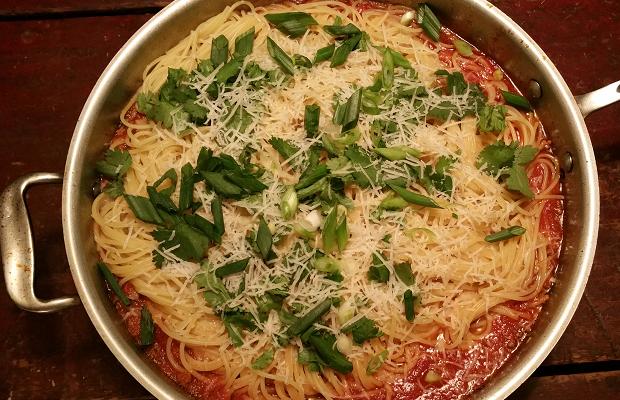
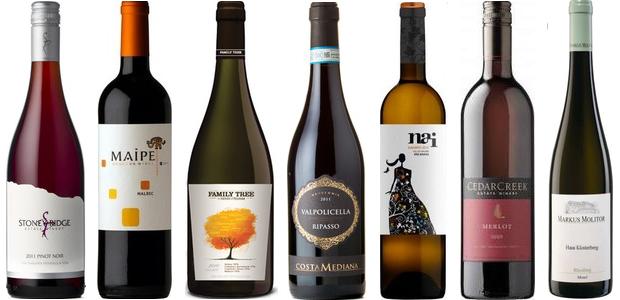

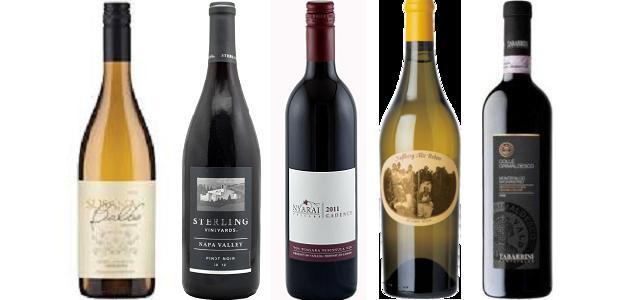


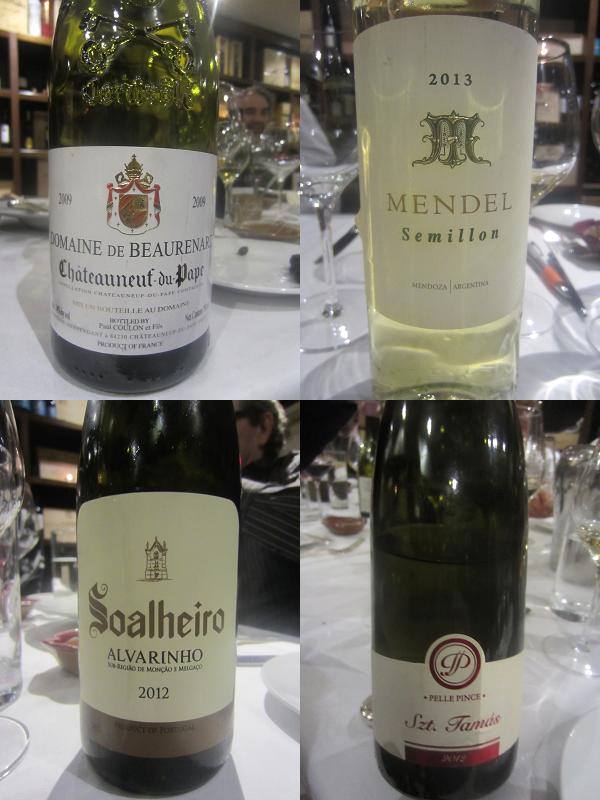
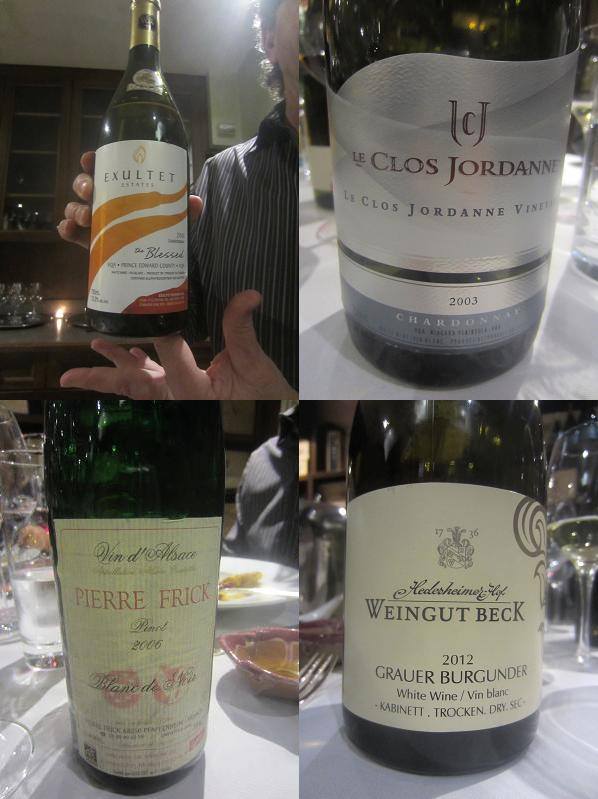
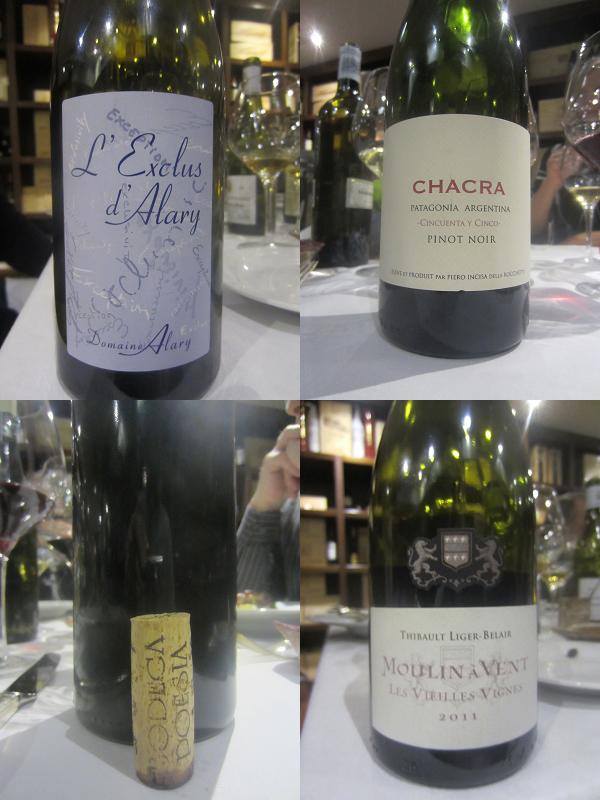

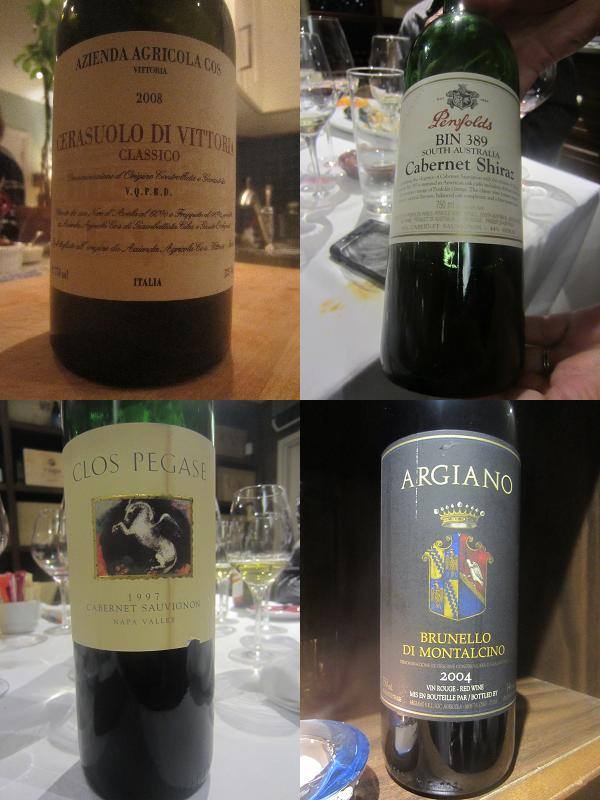
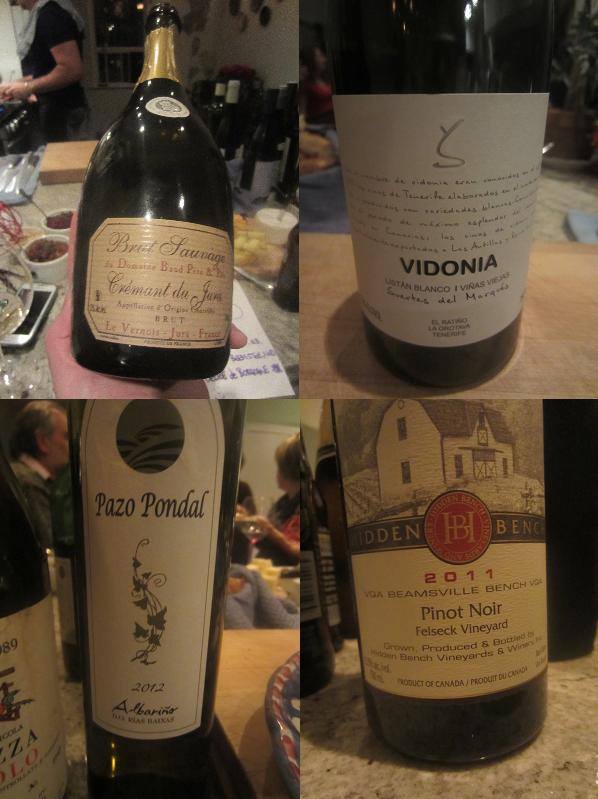

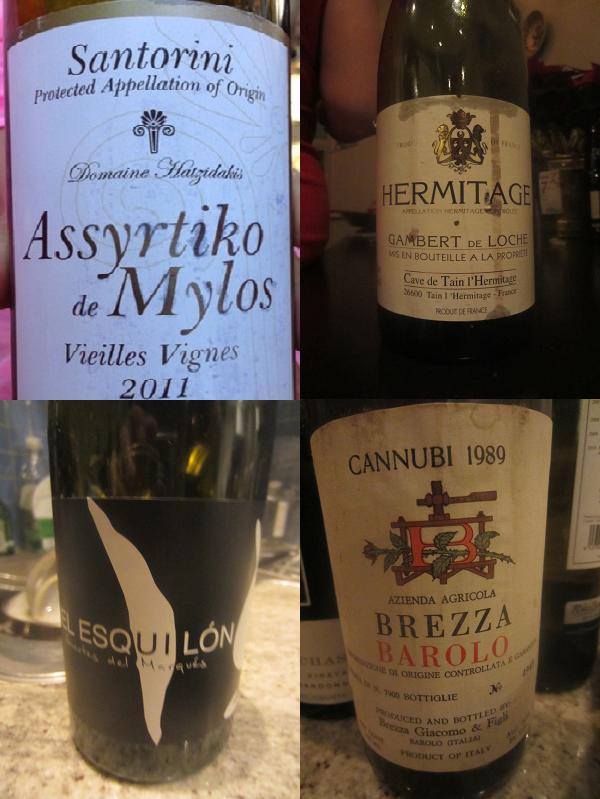
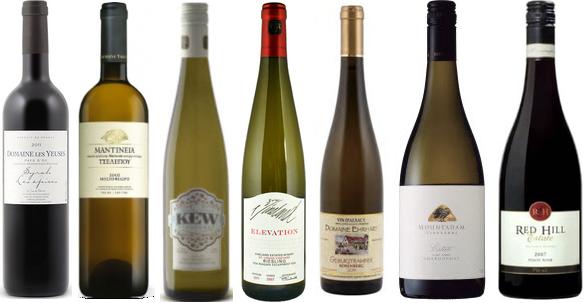
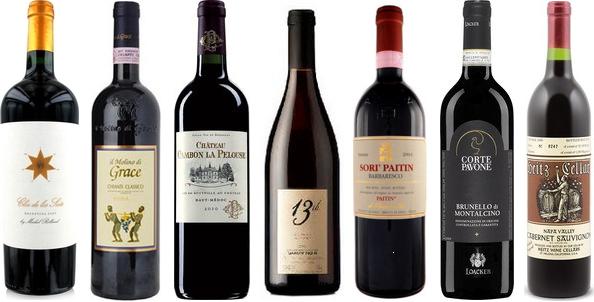
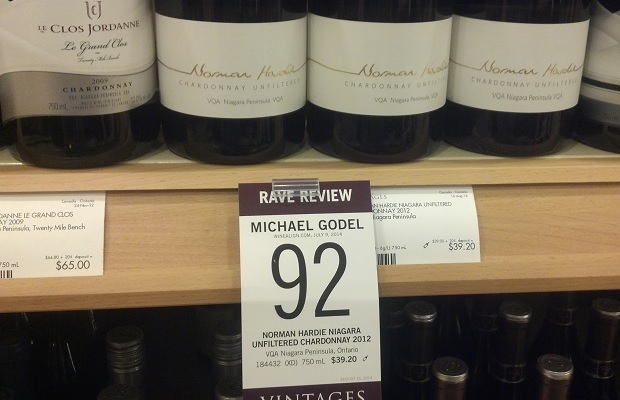

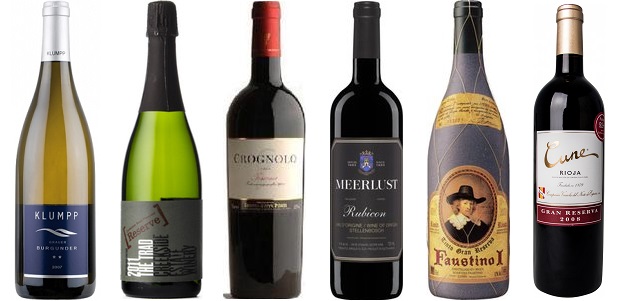
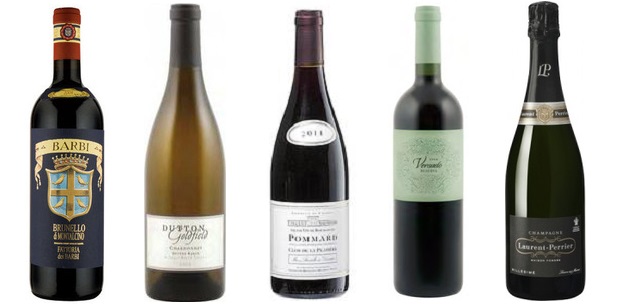
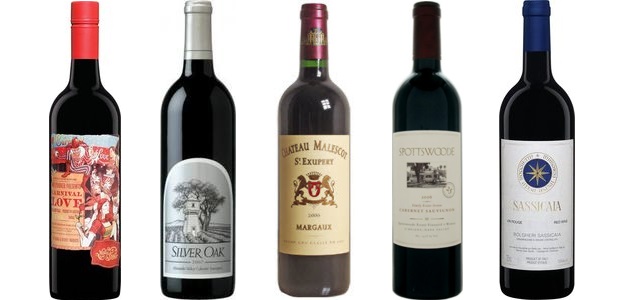

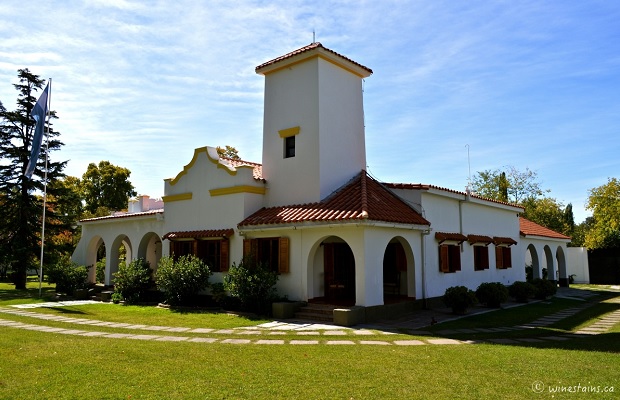

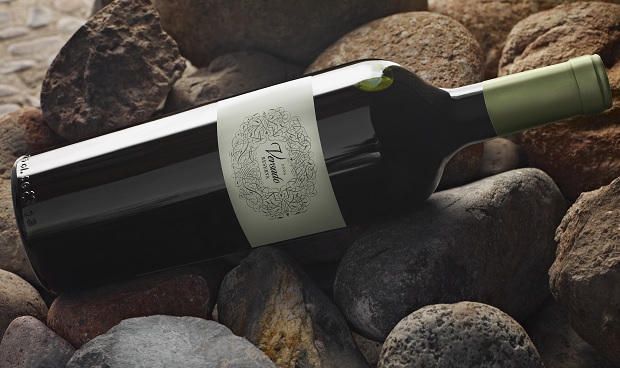


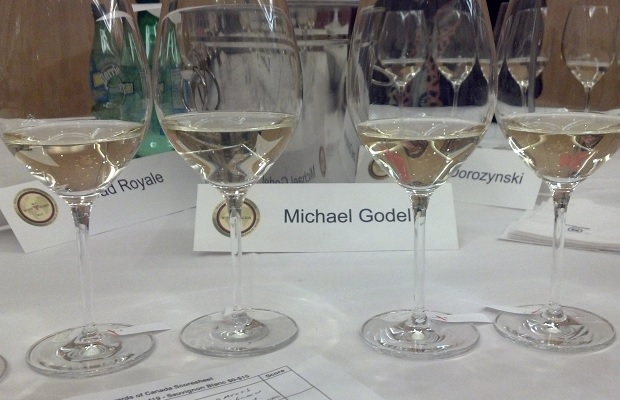

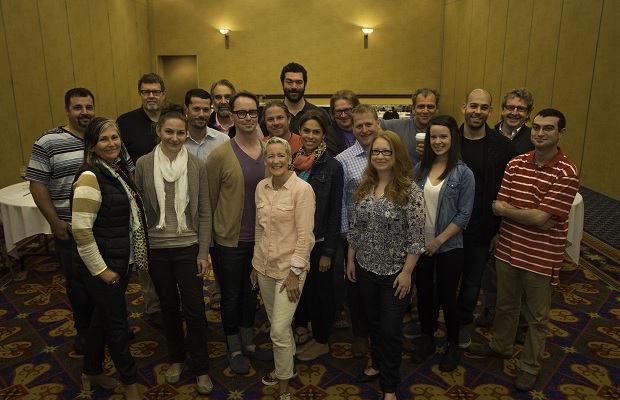

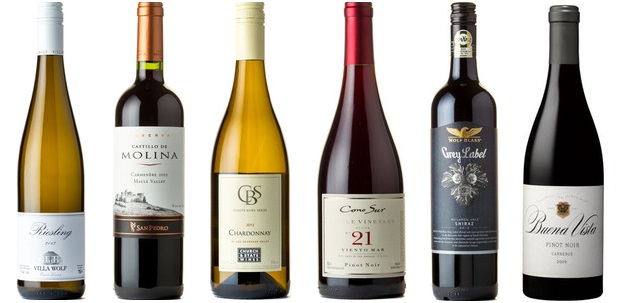

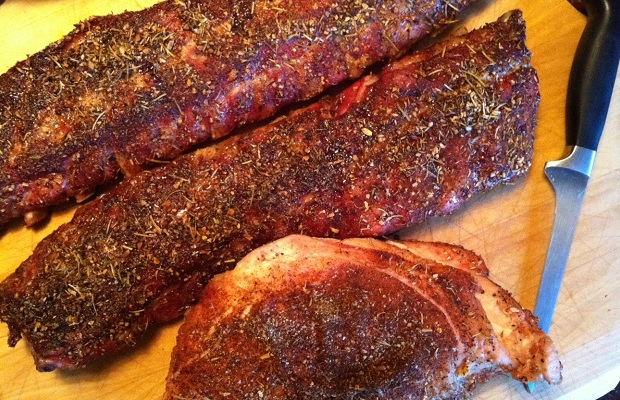
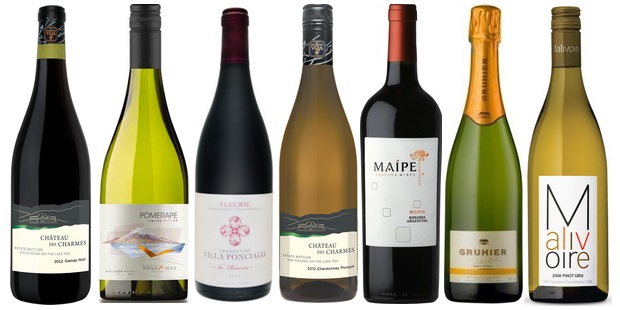


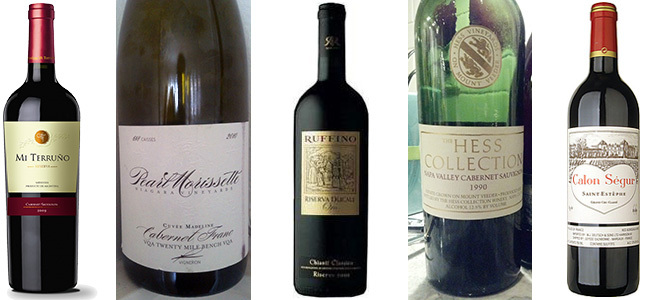


 Godello