Paradox in Chablis

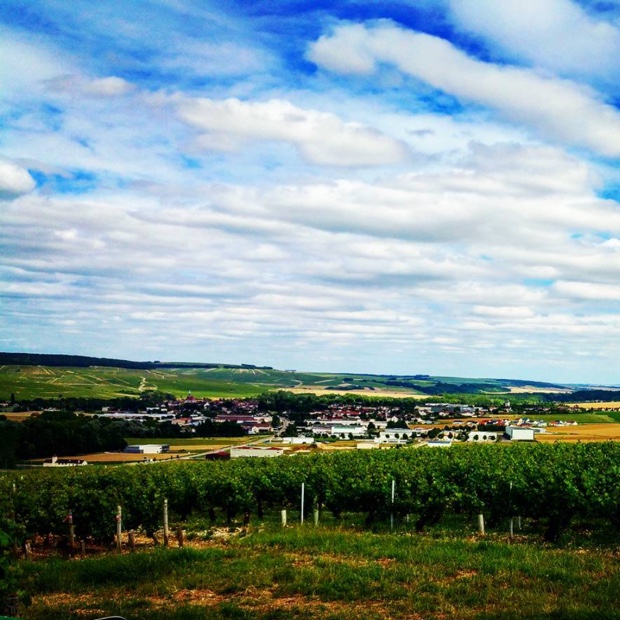
Mysteries of #climat soil and orientation in #chablis and les #grandcru before the wood

Mysteries of #climat soil and orientation in #chablis and les #grandcru before the wood

There is little about Chablis that is not drawn up in contrasts. It begins with Left Bank versus Right Bank, the Serein River and the village of Chablis acting as the interface between. Petit Chablis giving way to the more important Chablis and then Premier Cru the varied and always impressive interloper separating the villages wines from the Grand Cru. Chablis as a varietal concept, as opposed to and unlike anywhere else in the world, seemingly unrelated to chardonnay.

Related – Looking for Chablis in Ontario?

Antithetical wrangling does not end there. The sequential order of a substantial Chablis tasting is a going concern. The winemaker’s eyes will roll with Bachelderism consternation and concentration into the recesses of his or her head before deciding which Premier Cru should be assessed before the next. The geological contexts of Kimmeridgian and Portlandian soils have to be taken into account, as do slope and exposition of the particular cru. The permutations are endless for a place with one grape variety and four kinds of white wine.
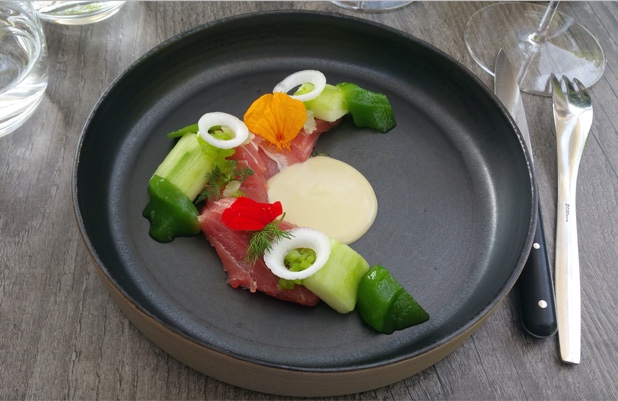
Thon, cocombre, crème d'anchois at the Hôtel du Vieux Moulin in Chablis

Thon, cocombre and crème d’anchois at Au Fil du Zinc in the Hôtel du Vieux Moulin in Chablis

Even the tenets of modern cuisine in Chablis and Auxerre are riddled with mysteries and a clash of cultures. Both Restaurant L’aspérule in Auxerre and Au Fil du Zinc in the Hôtel du Vieux Moulin in Chablis fuse Japanese cuisine with Burgundian gastronomy. As if the average inhabitant did not already enjoy a health advantage over the rest of the world’s population, such a paradigm shift only improves the probability of extolling the virtues of the French paradox.

The contraposition of Chablis is most often discussed in terms of fermentation. Oak or stainless steel? Chablis is repeatedly referenced as steely, invariably flinty and almost without fail in bone of contention annoyance as mineral cliché. The younger Petit Chablis and Chablis fermentations will never see the inside of a barrel (well, maybe a really, really old one) and wood is only employed as they move into Premier Cru, Grand Cru and increasingly, climats of highly regarded lieu-dits. The percentage of barrel ferments these days rarely exceed 25-35 per cent though in some cases 50 per cent is seen. In Chablis the words “new” and “oak” are never uttered together, or aloud.

Related – Chablis from Dauvissat to Vocoret

The greatest paradox of all is written in stone along a few ridges and across the most important set of hills above the river. Deep-rooted, inveterate purlieu of geology in eight names; Les Preuses, Bougros, Vaudésir, Grenouille, Valmur, Les Clos, Blanchot and unofficially (depending on political affiliations), La Moutonne. Les Grand Crus of Chablis are singled out not only for their exceptional terroir and climat but also for the impossibility of what happens when fruit is pulled from their chardonnay vines. The Grand Cru are oracles in complex riddles, transcendent mysteries and the most enigmatic of all Chablis. I suppose it’s because the rich fruit versus exigent stone is the epitome of Chablis paradox. You will read this later on in a tasting note, but it begs repeating.

Domaine Billaud-Simon

I sit down to taste with winemaker Olivier Bailly and he apologizes that he will be pouring from half-bottles. I tell Olivier there is nothing for which to apologize. I wish more producers would pour from half-bottles. Their young wines show better, breath quicker and after they have emptied half of a half into my glass, one more tasting from that bottle and voilà, the bottle is finished. As we begin, Olivier shares a deep, innermost thought. “I have a secret. Inox barrels.” The Chablis paradox. Not only the paradox, but the enigma and the Catch-22. When you taste with 20 producers in just under a week you often see a pattern forming, of reasons how the Petit Chablis, Chablis, Premier Cru and Grand Cru are considered and in what order. Bailly’s method of linear madness is not revealed until the tasting is completed. Only then is a second paradox considered.

between-a-rock-and-billaud_simon-kimmeridgian-chablis-chablispremiercru-chablisgrandcru-fourchaume-montdemilieu-montedetonnerre-vaillons-vaudesir-lesclos-lespreuses-lesblanchots

Between a rock and @Billaud_Simon #kimmeridgian #chablis #chablispremiercru #chablisgrandcru #fourchaume #montdemilieu #montedetonnerre #vaillons #vaudesir #lesclos #lespreuses #lesblanchots

Domaine Billaud-Simon Chablis Premier Cru Fourchaume 2014, Ac Burgundy, France (AgentWineAlign)

Taken specifically from a block in the Vaupulent lieu-dit at the southern end of the larger Fourchaume. The style is rich but with mineral in the air, ethereal and intoxicating. Fourchaume does not always get to such precise and hovering heights. This is typically 2014 and elevated by citrus with extreme prejudicial clarity. Right in the linear wheelhouse. Long floral, waxy citrus finish. Drink 2018-2023.  Tasted July 2016  @Billaud_Simon

Domaine Billaud-Simon Chablis Premier Cru Les Vaillons 2014, Ac Burgundy, France (330175, $39.95, WineAlign)

Composed from several lieu-dit in the Cru; Les Minots, Roncieres and two parcels each of high solar-powered Chatains and Sécher. A rounder, softer, fuller expression by sun and out of the open-mindedness provided by exposure. Here the house accentuation from stainless steel helps to preserve freshness and keep it at the maximum. A committal success in 2014 for a vintage that demands acidity and freshness, here buoyed by decisions and understanding. Exemplary Vaillons of lemon with a shot of lime injection. Drink 2017-2022.  Tasted July 2016

Domaine Billaud-Simon Chablis Premier Cru Mont de Milieu 2014, Ac Burgundy, France (373548, $44.95, WineAlign)

Billaud-Simon’s vines are up the hill in front of the forest, with four plots that work their way south and west and of parcels 40-70 years of age. This has such air and pomp in its deep breaths with the most maleficent acidity and tension in its grip. As stirring a Mont de Milieu as you will find built on 40 hL/H yields of solid citrus meets yellow apple fruit. Terrific attraction and length. Superb. Classic unoaked Chablis. Can envision it unchanging for seven years followed by a slow walk into and through the preserved citrus museum. With fruit this clean it will petrify before it spoils. Drink 2019-2027.  Tasted July 2016

Domaine Billaud-Simon Chablis Premier Cru Montée De Tonnerre 2014, Ac Burgundy, France (325241, $52.00, WineAlign)

Tasted at the domaine, from three parcels, Montée de Tonnerre, Pied d’aloup and Côte de Chapelot, climats up on the hill on the right bank close to the town of Chablis. Rounder (with 10 per cent old oak) than Mont de Milieu but still of terrific 2014 acidity, though noticeable with more orchard fruit to mingle with the stones. The tension increases with some time spent with the M de T and like well-structured Premier Cru Chablis will want to do, it lingers with a combination of tension and amenability. Part gentille Alouette and part Kimmeridgian flinty, this is a terrific example of the co-habitable duality of great Chablis. It is also indicative of the transformative restoration and direction of Billaud-Simon under the auspices of winemaker Olivier Bailly. I will let this bird rest for a couple more years and then a promise. “Je te plumerai.” Drink 2018-2025.  Tasted July 2016
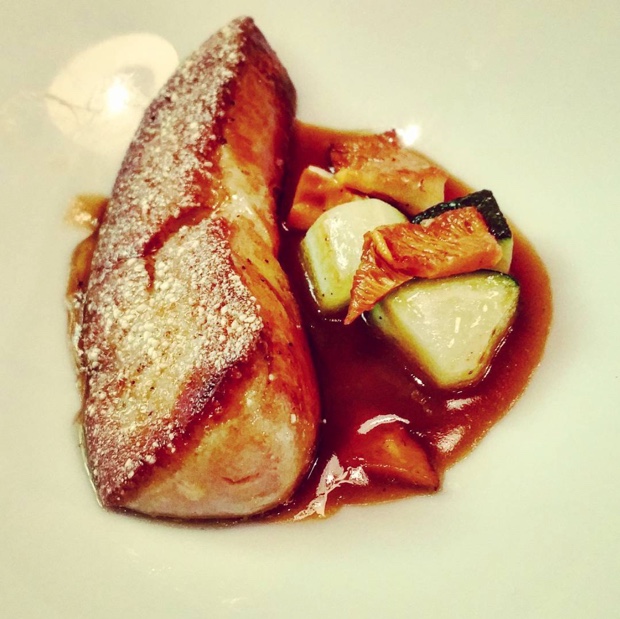
restaurant-lasperule-foiegras-laurerc-calataway-glassrootsldn-habanosyvino-and-baptistacecilia-like-this16w-mgodellofoiegra

Restaurant L’aspérule #foiegras

Domaine Billaud-Simon Chablis Grand Cru Vaudésir 2014, Ac Burgundy, France (SAQ 11482703, $77.00, WineAlign)

For some producers Vaudésir is the pinnacle of their Chablis expression and yet here it seems the entry point as it leads in a tasting of four Grand Crus. From three parcels in the amphitheatre, one right at the top by the wood and two at the mid-way point on the hill. A direct, in your sight lines Vaudésir, so very lemon-lime push-pulled and densely tart. It’s taut but not sour, tight but not cringing from the tightening of the winch. The most masculine of Vaudésir perhaps with few equals though unwavering and unquestionable in its achievement of balance. The Inox secret is discarded (or complicated, depending on your vantage point) in favour of 100 per cent (15-16 years) old oak. This is Grand Cru after all. Drink 2019-2029.  Tasted July 2016

Domaine Billaud-Simon Chablis Grand Cru Les Preuses 2014, Ac Burgundy, France (360834, $99.00, WineAlign)

What separates Chablis from chardonnay begins with these 65 year-old vines, with healthy yields (50 hL/H) that are perfect for the vintage from this stoic and iconic Cru. Here is the essentiality of Les Preuses, “the juice of the stone,” saline, crustaceous, briny and simply, utterly trenchant. This is the vraiment Preuses impression, a fossil entrenched in the chardonnay and subsequently on the brain and the senses. A straight jacket Chablis with length up Les Preuses, back to the river and then straight back up and away into the woods. Inox barrel (sic) and old barrels used. Drink 2020-2030.  Tasted July 2016

Domaine Billaud-Simon Chablis Grand Cru Les Clos 2014, Ac Burgundy, France (AgentWineAlign)

Here Les Clos is a magnified adaptive narrative of the Grand Cru, rich and full of ripe excess. Riper than most of the others, which is saying something. Magnetic, platinum mineral with very expressive fruit from Billaud-Simon’s take out of the grandaddy of all Chablis climats. The biggest bad boy of the flight and in the eyes of the world, textbook Grand Cru. Salinity, floral blossom airy and briny, though not quite expressive of the fossilized, ancient river trenchancy of Les Preuses. But again, Chablis at it old school, from very little shrouded or spice-driven wood, classic, cool-climate, mineral-driven Chablis. The summation confirms why it is poured after Vaudésir and Les Preuses but ahead of Blanchots. Drink 2018-2025.  Tasted July 2016

Domaine Billaud-Simon Chablis Grand Cru Blanchots 2014, Ac Burgundy, France (401984, $115.00, WineAlign)

From the top right (eastern) aspect of the white stones Grand Cru, just across the valley from Montée de Tonnerre. This is a fuller, slightly richer Blanchots but still so direct, piercing and impressed stone-dominant. Great lemon zest shaved into juice and an amplitude rendering dollop of curd. The lemon-curated and curative house continues to flex its citrus style. Once again, the enigma of Inox barrel and old barrels used. Why pour this last of the four Grand Crus? I suppose it’s because the rich fruit versus exigent stone is the epitome of Chablis paradox, in retrospect and with further addendum to what seemed obvious at the time. Blanchots is the gate-keeper of Grand Cru middle ground. Drink 2019-2027.  Tasted July 2016

Map of Chablis

Domaine Billaud-Simon Petit Chablis 2015, Ac Burgundy, France (AgentWineAlign)

Well of course the difference is felt immediately, in simpler terms, affordably easy, accountable, preferential to commercial success. Acidity is prepared with necessary balance in advance of letting fruit run wild. This is waxy and pleasantly sour. A bit chewy as well. Nicely done. Classic unbaked chardonnay in every correct way. Drink 2016-2017.  Tasted July 2016

Domaine Billaud-Simon Chablis 2015, Ac Burgundy, France (AgentWineAlign)

Nicely crisp Chablis for the vintage, a bit lean and direct but with ripe acidity and balance struck. Straight to the Chablis point, with more lime than lemon and a minor bitter middle, ending with easy leaning angles. Commendable from dependable for 2015. Drink 2016-2018.  Tasted July 2016
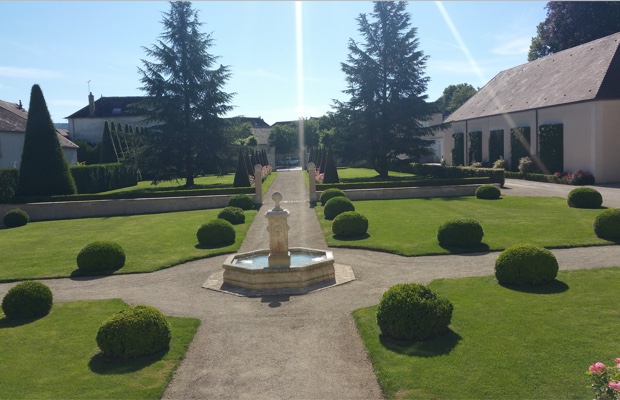
domaine-long-depaquit

Domaine Long-Depaquit

Imagine waking up every morning to work in this dreamy place where the cup of pure chablis essence runneth over. The soft-spoken winemaker is the youthful Matthieu Mangenot, a man who seems too young to manage the storied domain without the guidance of a father, grandfather and several generations of Mangenot men behind him. But make no mistake for this is his domain and the wines are in the hands of a traditionalist with a penchant for modern musical Chablis. Matthieu’s Chablis are alternative, ambient, precise rock and roll pop songs and totemic, epic poems. They could be from the early eighties or as current as a Spotify playlist today. The paradigm shift and the paradox of Chablis in 2016 are dutifully represented in Mangenot’s work at Long-Depaquit.
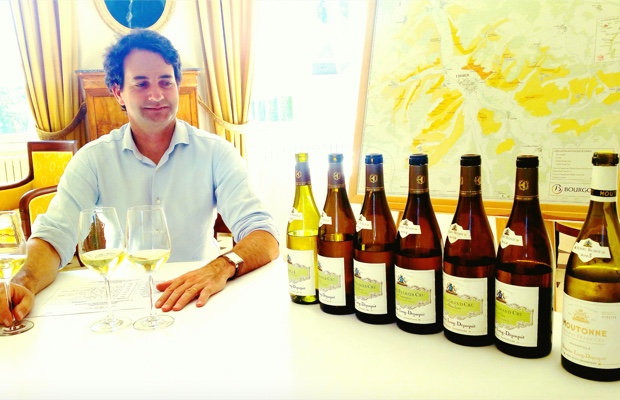
mathieu-mangenot-domaine-long-depaquit

Matthieu Mangenot, Domaine Long-Depaquit

Domaine Albert Bichot Chablis 2015, Ac Burgundy, France (391805, $19.95, WineAlign)

Tasted with winemaker Matthieu Mangenot at the Long-Depaquit domain, this is Chablis raised 100 per cent in stainless steel. Gifts the immediacy of mineral and acidity, from Chichée to the south of Chablis and also the eastern areas of Beru and Viviers. Higher altitudes where snow and then frost at the end of April 2016 will mean a tiny harvest but for 2015 the acidity is top-notch, despite the fat and easy vintage, with more mineral driven into the palate (with some perceived though feigning sweetness) and a real gelid glide down the backside. Drink 2016-2019.  Tasted July 2016  @Matth_Mangenot  @Bichotwine  @DionysusWines  

Domaine Long-Depaquit Chablis Premier Cru Les Lys 2014, Ac Burgundy, France (SAQ 10278920, $40.00, WineAlign)

An achievement in the richer style of Vaillons Premier Cru, broad and expansive, not entering the cortex with overarching acidity but rather good host invitation. A Bichot Burgundian stylistic really shows in Les Lys, not so much a wood attack but the lees and fullness is certainly felt. Acidity is late and round, encompassing and caressing. A softer 2014 and a good foil to other, sharper, more piercing brethren. Kept in 100 per cent stainless steel to preserve the acidity and the freshness. Even in 2014 this was necessary, for freshness and elegance. Certainly showing the most lifted and modern of the three Premier Cru on this day. Drink 2017-2020.  Tasted July 2016

barrel-cellar-at-domaine-long-depaquit

The barrel cellar at Domaine Long-Depaquit

Domaine Long-Depaquit Chablis Premier Cru Les Vaillons 2014, Ac Burgundy, France (19364, $34.95, WineAlign)

Immediacy from the specific stony soil of Vaillons, unmistakable, of tang in impression and such a broad mouthfeel. The presence of Vaillons is nearly always noble, sumptuous, modish and sensual. Extract and tannin are very much a part of the program. Ten per cent of the take saw time in oak, lending an ingrained smack of spice. I would not exactly call it lavish though it is certainly a Vaillons surfeited with fruit, sun and stone. Drink 2017-2021.  Tasted July 2016

Domaine Long-Depaquit Chablis Premier Cru Les Vaucopins 2014, Ac Burgundy, France (SAQ 10845111, $41.25, WineAlign)

Vaucopins is drawn off of five hectares on really steep slopes on the Right Bank. It is neither Les Lys nor Vaillons but somehow an across the river genetic and amalgamated combination of the two. Though there is a wild side to Vaucopins it really streams the vintage. Natural and corporeal because the fruit is untethered but habitual in that it mimics the Grand Cru. Its south-facing cragges and outcrops bring warmth to the kimmeridgian and that is why Matthieu Mangenot treats its élevage like a Grand Cru. The result is a very concentrated Chablis from 15 per cent (older Bichot barrels) oak fermentation. Drink 2018-2023.  Tasted July 2016
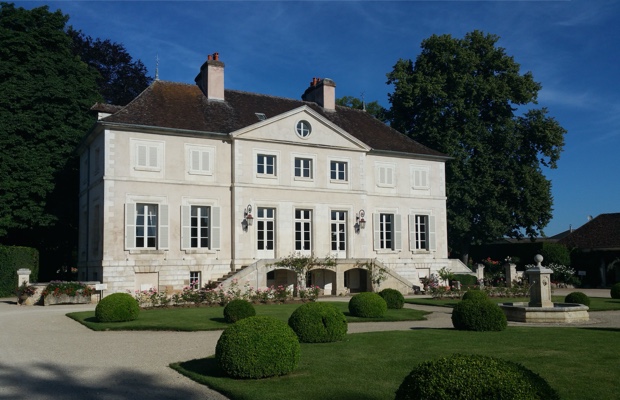
Domaine Long-Depaquit

Domaine Long-Depaquit

Domaine Long-Depaquit Chablis Grand Cru Les Blanchots 2012, Ac Burgundy, France (AgentWineAlign)

The Long-Depaquit treatment for Blanchots is with 25 per cent barrel. A real preserved lemon and just a hint of paraffin is replete with such elegance and finesse on the nose. Les Blanchots is at once soft but also of a sexy smoulder, like flint that has been sparked, extinguished and left with a lingering wisp. So beautifully wound and full of demurred grace. But don’t be fooled, there is a punch of acidity and underlying spirit. The house accounts for a meaningful if ponderous part of the Blanchot riddle, its centrism wrapped in a mystery, in a fruit versus stone enigma. Recondite, interwoven Chablis. Drink 2019-2025.  Tasted July 2016

Domaine Long-Depaquit Chablis Grand Cru Les Clos 2012, Ac Burgundy, France (Agent, WineAlign)

Just because the richest of Grand Cru fruit can handle the added value, Les Clos receives a generous 35 per cent barrel fermentation. As per Les Clos the corpulence and amenability adds up to one grand and inviting Grand Cru Chablis. Always critically evident and full of joie de vivre, there is roundness on les Clos like no other Grand Cru and Long-Depaquit is front and centre to the end of that ideal. What separates this house’s style is the long and slowly evolving finish because and with thanks to the wood adding texture and cream to all aspects of its relationship with the largest Grand Cru. Drink 2018-2024.  Tasted July 2016

Domaine Long-Depaquit Chablis Grand Cru Moutonne Monopole 2013, Ac Burgundy, France (46706, $89.95, WineAlign)

The greatest of paradoxical moments is shared in confessional confidence with Moutonne because not just anyone can make a wine with the name and of such a singular distillation from within a venn diagram of places. While some lieu-dit in Chablis share affinities, territorial geography and climats with larger Premier Cru, it is only Moutonne that stands alone in the schematic drawn up for the Grand Crus. Though the Moutonne can’t help but take on the atypical characteristics of the 2013 vintage it also can’t escape from itself. Les deux visages are always relegated into the dichotomous and interconnected realm, of Les Preuses (five per cent) controlled with manifest destiny by Les Blanchots. Les Preuses’ fruit is feisty and must be heard and this is so necessary in the tropical and spicy vintage. There is no lychee here but there breathes some very ripe stone fruit and the great white geology of the Grand Cru. In spite of the vintage this is a beautifully managed Moutonne (fermented in 25 per cent barrel) with trenchant piquancy on the finish. Drink 2018-2025.  Tasted July 2016

Good to go!

Twitter: @mgodello

Instagram: mgodello

WineAlign

Mind blowing wines of 2014

Bouteilles de la collection Méquillet de Kientzheim, Confrérie Saint-Etienne

Bouteilles de la collection Méquillet de Kientzheim, Confrérie Saint-Etienne

In January it began with A resolution to drink honest wine, “juice that conveys the salient facts of a grape’s life.” It continued with New year. Try new wines, where the goal was “the resolve to drink outside the comfort zone.” If the issue was Feeling under the weather? Drink wine, success was had. “Wine is your friend. When approached, integrated and embraced in the right way it can help to promote a healthy lifestyle. The defence rests.”

January was a busy month, complete with Deep freeze: Controversies, polar vortex and ice wine, not to mention Super Bowl XLVIII wine odds. In February the opined focus zeroed inwards, to Ontario. What’s in a wine vintage? asked to reach out and touch Ontario’s 2012 whites, the best wines made to date. Harsh words were spoken against Rosé, but only because of the obviousness of it all when said, You can kiss my sweet pink wine, Valentine. Thomas Bachelder showed us Synchronicity in three terrors and he will do so again this coming Sunday when we break wine together down on the Peninsula. Calming influences saved days, having once more expounded on the music immersion, in and with wine, from Three-chord wines, hold the rants. The month concluded with more healthy advice and the question Are you getting your daily serving of wine?

Is the rating simply a tool understood within the context of marketing? Photo: Maria Vazquez/Fotolia.com

Is the rating simply a tool understood within the context of marketing?
Photo: Maria Vazquez/Fotolia.com

In March the annual pilgrimage to Niagara produced more tasting notes and verbiage than was previously thought possible, in a three-part series. Godello’s excellent Cuvée adventureWhen experts break wine together and Wine experts Brock and roll, Brock on were also joined by a visit to Flat Rock Cellars in Bottles, barrels, tanks and a vertical. A two-year impassioned body of submissions to canada.com culminated with the final column, The death of wine scores?

Scores were subsequently dropped from godello.ca but continue to be sidled up to the notes at winealign.com. In April I found out what happens When Sangiovese comes to townBurgundy will always be royal and that it’s always Go Gamay go time. In the name of Somewhereness, The group of twelve was once again called to assembly. In May there was the omnipresent Kalon of MomPaul Pender’s Tawse and effect and a fascinating look at cooperage in Every barrel tells a story. Prince Edward County again proved its mettle in ’14 and consumers were encouraged to Take them home, County wines. VQA stood under scrutiny in The pearls of Morissette’s wisdom and another chapter was written in The Stratus-Momofuku continuum.

Godello with Zoltan Szabo, Tony Aspler, Mike Di Caro, Ben Macphee-Sigurdson and Nicholas Pearce,  Photo (c) Steven Elphick & Associates

Godello with Zoltan Szabo, Tony Aspler, Mike Di Caro, Ben Macphee-Sigurdson and Nicholas Pearce,
Photo (c) Steven Elphick & Associates

Sparkling wine bubbled over in New fizz on the Brock, was Talkin’ ’bout my Generation Riesling and a trip to Alsace in June put me In a Grand Cru state of mind. I was Down on the Ornellaia and found out first hand, on a boat trolling across Lake Erie that The South Coast is clear. I offered up The froth on Crémant d’Alsace and in July told you that Chardonnay is cool. The eponymous conference yielded in excess of 10,000 words in August with 50 cool Chardonnay in 5,000 words or more and The meaning of Chardonnay: You’ve gotta be cool to be kind. I branded Olivier Zind-Humbrecht The cru chief of Alsace and felt what it was like to be Walking an Alsace mile in their Riesling shoes.

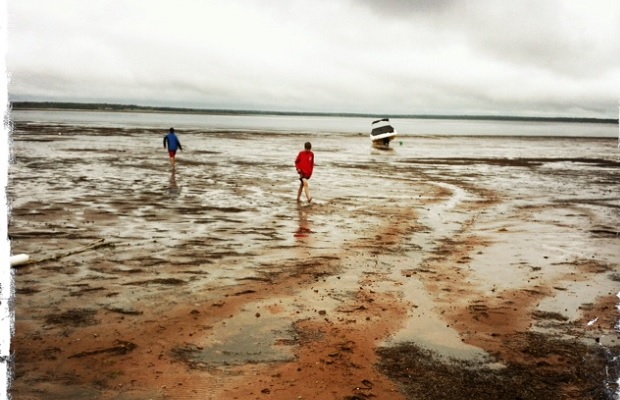
Tide's Out, Big Cove, New Brunswick

Tide’s Out, Big Cove, New Brunswick

A 5500 km trek to the tip of Cape Breton and back yielding poetic and prophetic expression in The tides that bind: East Coast swing. “The tractive is a thing to and of itself. The pauses to gather at points along the process remember lobsters roasting over an open fire, a cottage visit with new-found friends, a hike into the cavern of a waterfall and a swim in a tidal river. Memories are made in rites of passage, though in the end, like the photographs, they too will be demurred by time. Indelible stamps they are, cemented in commitment to reaching and by necessity, descending summits. A  road trip to the eastern part of Canada realizes the bigger plan. The key is making it safely home, before the tide rolls in.”

WineAlign World Wine Awards of Canada 2014

WineAlign World Wine Awards of Canada 2014

In September I tasted history with Taylor made Port and insisted on Giving Grand Cru Pinot Noir d’Alsace its due. I ignored a publishing embargo to announce how The LCBO and WineAlign go local and went Rocking out with the 2014 WineAlign World Wine Awards of Canada by judging the best of the best. A recall to Consider the Gaspereau Valley brought me back to Benjamin Bridge, a visit with Peter Gamble and the declaration that “I have seen & tasted the future of vinifera in Nova Scotia and its name is Lightfoot & Wolfville Vineyards.” Gamble’s work with partner Ann Sperling in Argentina is simply and skillfully The artfully applied science of Versado Malbec.

My report, Taste Ontario’s polarity of personality was met with lukewarm avoidance then rebounded, thanks to the tunes, From VINTAGES for Thanksgiving, in wine and with songA hip of wine from Hidden Bench gave way to Fourteen wines that should be on your restaurant list, in which I insisted “if your job title includes choosing what wine is poured at your restaurant, you should never dial it in.” I enjoyed some Wine on company time and Americans take note when Sonoma peaks from out of the fog.  For the third consecutive year I gave Yet another 10 reasons to pour a glass of wine on Halloween.

Local wines, notably Niagara delivers everbearing quality in November releases and in direct contrast, I went Off the beaten Italian path to discover endemic varietals. The Bloody vivid 2011 Vintage Ports had me reeling. “The 2011 Vintage Ports have balance, well, the best do, but they are, and I speak in very general terms, collectively over the top. Though it may seem an oxymoron to put Vintage Port and elegance in the same sentence, what is a great wine without a sense of humility and restraint?”

Godello and Christophe Ehrhart, Domaine Josmeyer, Kientzenheim

Godello and Christophe Ehrhart, Domaine Josmeyer, Kientzenheim

Two exposés on Alsatian wine, A Blanck slate in Alsace and It was Josmeyer’s imagination covered two distinct theories, of tabula rasa and wayfinding. On Sparkling wine I gave you Godello’s guide to holiday effervescence and Eleven 11th hour holiday bubbles. If value is your thing, I hope you read The final 14 bargains of 2014 and if great Canadian wine and cuisine float your gastronomic boat, my judging experience was captured at Gold Medal Plates Toronto 2014.

This is the third in the trilogy of best of reports for 2014. The first, 14 Canadian wines that rocked in 2014 was about “wines that are extensions of their maker’s personality, philosophy and temperament. Wines that are indicative of their terroir.” The second, Top 15 under-$25 wines of 2014 was meant to to “create the sociological, world of wine equivalent of splitting the atom. To celebrate the triumph of laic heterodoxy and the arrogance of modernity.  To seek purity from beneath the massacre caused by an avalanche of contrived wines.” The third instalment is meant purely to celebrate and to thank those who shared their bottles with me. Here are 16 wines tasted in 2014 that simply blew me away.

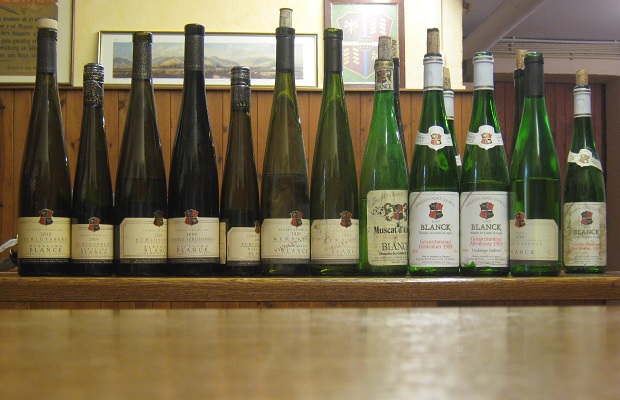
Tasting with Philippe Blanck, Domaine Paul Blanck

Tasting with Philippe Blanck, Domaine Paul Blanck

Domaine Paul Blanck et Fils Muscat d’Alsace Réserve Spéciale 1983, Alsace, France (From A Blanck slate in Alsace, December 1, 2014)

From Altenbourg, a lieu-dit located at the base of the Furstentum vineyard. Here is Blanck’s “fairy tale,” a wine you would have always heard about but never had a chance to taste or likely ever seen. The terroir is limestone mixed with clay and you will have to excuse my Alsatian, but a single sniff and taste releases the expression, “are you fucking kidding me?” This 31-year old Muscat is an impossibility, a first time feeling, a never before nosed perfume. Speaks in a limestone vernacular, of grapes given every chance to survive long after their innocence had been lost. A forest herb, tree sap, evergreen resin, lemongrass and bitter orange coagulation rises from its viscous mist. The acidity has lost nothing on the fruit, acts in perfect foil and leaves you with a sense of loneliness that is just beautiful.  Tasted June 2014  @DomaineBlanck

Pearl Morissette Gamay Cuvée Mon Unique 2013, VQA Twenty Mile Bench, Ontario (Winery) From The pearls of Morissette’s wisdom, May 26, 2014

In July 2013 Francois Morissette made this statement. “If we can’t make Gamay in a Cru Beaujolais Style, I’m not interested.” In May 2014 his ’13 Gamay causes Bill Zacharkiw to comment with blatant honesty, “just line up at the tank. Forget the bottle.” From 100 per cent whole clusters sent to cement fermenters. Once again the hue is just impossible. Sulphur-free, this walks a fine and perfect line of Cru banana Gamay. Pushes the Gamay envelope in that it’s gulpable but with a duress to remind you not to overdo it. A Gamay with a chamber of 32 doors. In it “I’d rather trust a man who doesn’t shout what he’s found.” François Morissette.   Tasted May 2014  @PearlMorissette  @3050imports

Laughing Stock Vineyards Amphora VRM 2013, VQA Okanagan Valley, British Columbia (agent, $30.00, WineAlign) From A day in WineAlign life: 15 new releases from Ontario and B.C., August 8, 2014

Here blends one-third each Viognier, Rousanne and Marsanne, a veritable Rhône orgy in wild fermentation, aged on the skins in terra-cotta and amphorae. While I would not go so far as to call it an “orange wine,” I will use the “N” word to describe its agrarian ways. As natural as anything you are likely to taste out of B.C., this is a most untamed experiment and should not be missed. It verges on oxidation but refuses to climb over the edge. It’s floral, spicy and crowded. The texture is chalky and so full of rusty, clay rubbed streaks. Everything about this is unkempt and exotic, including the never cease and desist fermenting lychee and longan feel. Hard not to be wowed by this blend’s presence.  Tasted August 2014  @lfngwine  @liffordretail

Charles Baker Riesling Picone Vineyard 2006, VQA Vinemount Ridge, Niagara Peninsula (241182, $35, WineAlign) From When experts break wine together, March 4, 2014

Only Charles can follow Charles, as only Jimi could follow Jimi. Just ask Peter Townshend. The combined forces of vintage, off-dry level of residual sugar (23.9 g/L) and age have ushered this Picone into a realm of adipose, butyraceous, chewy texture. The ’06 is emblematic of its time, stunning, psychedelic, experienced. It speaks clearly and with conceit. Tasting it eight years on you can hear Baker’s 2006 voice saying “if you can just get your mind together uh-then come on across to me.” We have and continue to follow Charles, and we are paying close attention to every vintage along the ride.  Tasted March 2014  @cbriesling  @StratusWines

Brokenwood Maxwell Vineyard Sémillon 2007, Hunter Valley, New South Wales, Australia (371484, $47.95, WineAlign) From Thirteen wines ‘ere Friday the 13th, June 12, 2014

A lifelong search for great Sémillon is fraught with peaks and valleys. Finding greatness is so rare it’s blue. The Hunter Valley in New South Wales beckons for a rush to strike gold. Many roads lead nowhere and others, like the dusty lane up to Brokenwood’s Maxwell Vineyard, lead to OZ. This young one has barely broken bread, or even a sweat. Sémillon of primary concern, like a tank sample. Varietal beauty as a cryogenically frozen specimen inundated by the table, the whole periodic table and nothing but the table. Guided by a laser beam of focus, great intent and expectations. Bob’s your uncle this David to the world’s white wine Goliaths. Son of racing studs and mares. Wow Sémillon. Not a faint moment about or in it.  Tasted May 2014  @Brokenwood

The Hess Collection Cabernet Sauvignon 1990, Mount Veeder, Napa Valley, California, USA (662015, $59.00, WineAlign) From The death of wine scores?, March 26, 2014

A seminal bottling from a game-changing year, for two all important reasons. One, it was a great vintage for Napa reds and two, the Mount Veeder sub-appellation was established. While only 24 years ago, a mere five wineries existed there at the time, including Mayacamas, Mt. Veeder and Hess. No hyperbole to say this is tasting a piece of history. Despite my “shouting all about love,” this splendidly aged Cabernet is not so much about resilience as it is persistence and infinite wisdom. All those years ago there were Napa reds made at a mere 12.5 per cent alcohol, with finesse and a sense of George-like calm. With little aeration there is fig, prune and toffee gently weeping but with air the aged fruit is swept away by a wave of gob stopping Cassis before its time. Preconceived notions of banausic, early days Cabernet are smothered by the magic dust of this Hess religion, a Dharma of licorice, ash and enlightenment. A wine to make you forget where you are. Depth, length and up to a half decade yet of reserved life lay ahead.  Tasted March 2014  @HessCollection   @liffordretail

Domaine William Fèvre Chablis Les Clos Grand Cru 2012, Burgundy, France ($143.00, WineAlign) From Burgundy will always be royal, April 22, 2014

The Fèvre take on Les Clos is the cradle of all the domain’s wines, in every respect. Intensely concentrated, this is Chardonnay expressive in every facet of its surroundings. The impart from compressed white limestone, ancient fossils and Jurassic minerals in distillate may seem abstract in description but how else can the feeling of a mouth full of rocks be conveyed? The remarkably complex Les Clos and its structured palate that goes on forever has come out of its Chablis vineyard cradle and will live on as one of the best ever. “It’s not a place, it’s a yearning. It’s not a race, it’s a journey.” There is no rush to drink it up. It will offer immense pleasure for 20-25 years.  @WoodmanWS  @BourgogneWines

Col D’orcia Brunello Di Montalcino 1997, Tuscany, Italy (LCBO 0961714 $145.00, WineAlign) From When Sangiovese comes to town, April 7, 2014

From a golden vintage, this ’97 is crazy good. A fixed, double-edged blade fighting knife dipped into a warm pool of developed liqueur-like sweetness. Seventeen years of languorous modulation and wood-fruit integration had resulted in a gracious Brunello, intrinsically delicious and living large in senescence. Life for the Col D’orcia ’97 is a bowl of cherries. Open one now and for the next three to five years and you’ll know exactly what you’re going to get. Me, “I’ll stick with you baby for a thousand years. Nothing’s gonna touch you in these golden years.”  Tasted April 2014  @Coldorcia  @ConsBrunello

Tenuta dell’Ornellaia Ornellaia 2001, Doc Bolgheri Superiore (Agent, $189.95, WineAlign) From Down on the Ornellaia, June 24, 2014

The blend of the 2001 Rosso Superiore is Cabernet Sauvignon (65 per cent), Merlot (30) and Cabernet Franc (5). Though strange to say and admittedly a retrospective comment, the minute quantity of Cabernet Franc and not yet inclusion of Petit Verdot result in a more straightforward and not as heavily layered Ornellaia. The structure is more linear and understandable, the fruit not as variegated. Complexity and Tuscan spiritualism are not compromised by the Cabernet Sauvignon and Merlot dominant line, in fact, assessing the evolution at 13 years on reveals the Bolgheri terroir in ways the magnanimous and opulent more recent vintages just don’t reach. There is a refreshing acidity in this young and developing ’01 in a streak that again, the baby Superiore do not seem to possess. This is a striking Ornellaia, a wine that would work with exceptional cuisine of varied cultures. It can be enjoyed now and will respond with grace and thanks for 30 plus years more.  Tasted June 2014  @Ornellaia  @AuthenticWineON  @sherry_naylor

Château Léoville Las Cases 1995, Ac St Julien, Bordeaux, Left Bank, France (402529, $599.00, WineAlign) From A Bordeaux family of wines, September 29, 2014

This 2nd Growth, Grand Vin is a product of nurturing and environment, a study in 12 superb soil subsets, from sand to clay to stone. From mature, edified vines split between Cabernet Sauvignon (70 per cent), Cabernet Franc (16) and Merlot (14). The LLC ’95 is grounded and centered on its highly confident axis while swirling within a centrifuge of inwardly concentrated, ripe but not ripest fruit. Merlot here is the anchor, Cabernet Sauvignon the mast. This is a relationship of pure linear fruit meets acidity. The full and fresh attack is refined with soft-pedaled tannins. It’s neither St. Julien nor Paulliac. It is Las Cases. No other Bordeaux is such an island, a distinctly personal expression, an event of its own. This is a window to the greatest vintages, a portal to extend to the benchmarks of 1996, 2000, 2005 and 2009, but also to step into the history of physiological cortex, to gain insight into previous legendary vintages, like 90, 89 and 82. The ’95 is silky, caressing, rapturous enveloping in a reverse osmosis of fruit and acidity, acidity and tannin. Another sip notices the layering, the grain left in tannin, the lingering richness of the fruit. The absolute sweet caress.  Tasted September 2014  @Noble_Estates

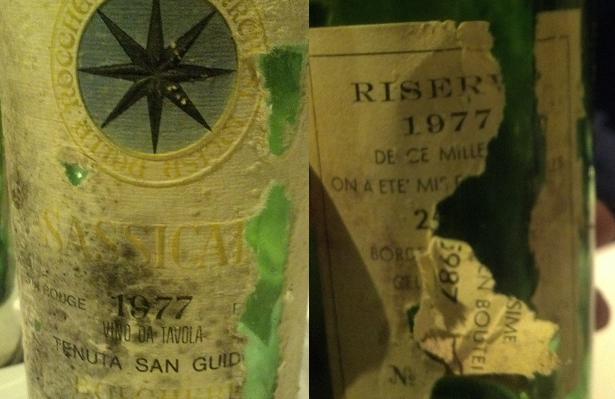
Tenuta San Guido Sassicaia 1977 at Splendido Restaurant, September 2014

Tenuta San Guido Sassicaia 1977 at Splendido Restaurant, September 2014

Tenuta San Guido Sassicaia 1977, Doc Bolgheri, Tuscany, Italy

Though the vintage was reported to be less than exceptional, the chance to taste this 37 years in/on and the longevity it displays combines for full, blow me away effect. The first vintage of Sassicaia was 1968 and this 10th try hits the mark of experience. A blend of Cabernet Sauvignon (85 per cent) and (15) Cabernet Franc, the fruit came from vines over top soils of clay and limestone. The wine spent 20 months in Yugoslavian oak barrels (half of it being new, and half used once or twice before), while for the remaining 60 per cent, French oak was used (2/3 new and 1/3 used once or twice before. Tasted blind, the swirling and searching thoughts of Genesis retrospection assimilate aromas of truffle and mushroom, but at first there is no reply at all. Landing on a plot of excellence somewhere between Bordeaux and Piedmont, Tuscany rises from its hills. A silent conversation ask the Sassicaia “I get the feelin’ you’re tryin’ to tell me;
Is there somethin’ that I should know?” Its condition is near perfect, its body full, its nature pristine and finally, so obviously in balance. After 30 minutes it begins to slide, to no surprise, but you can’t believe the expression it gives and the impression it leaves. And so, it is confirmed. 1977 was a fine vintage for Sassicaia.  Tasted September 2014  @Smarent  @Splendido_TO

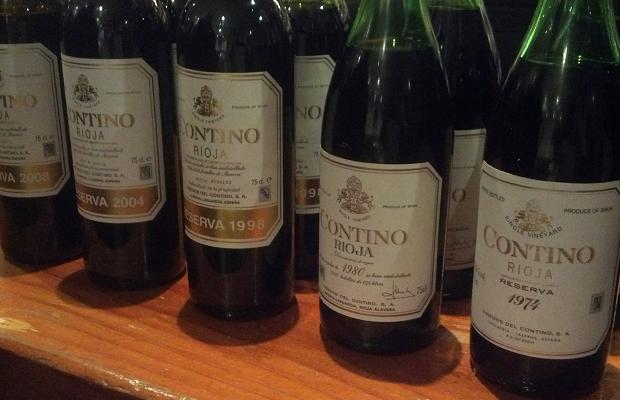
Contino

Bodega Viñedos del Contino Rioja Reserva 1974 at XocoCava, with Chef Chris McDonald and Rob Groh of the Vine Agency, October 2014

Bodega Viñedos del Contino Rioja Reserva 1974, Rioja, Spain (Agent)

An impossibly youthful 40 year-old Tempranillo, even surpassing the more evolved ’80 in that regard, with aniseed, coconut and beeswax in its current aromatic state. Less gamy and animal funky, yet persistent in earthy beats. The vegetal scents act as conduit to the light bulb shining brightly of circuitous flavours and resolved textures. Lingers in mouth feel, its layers of time slowly peeling back, revealing in length, a slide show of the wine’s life. With many year’s still ahead, this is a Tempranillo revelation and from one going back this far that gained no support from Graciano (because it was planted in 1979). Its apostle following instead comes by way of the white Viura. Pair with Chef Chris McDonald’s Foie Gras and Partridge Croquetas.  Tasted September 2014  @TheVine_RobGroh  @Cvne

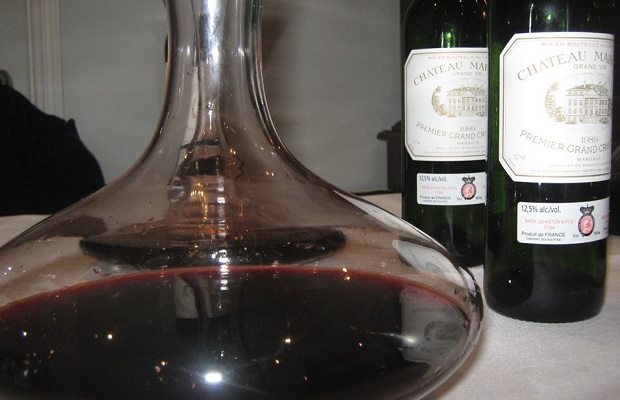
Decanted Château Margaux 1989, The National Club, Toronto, May 1, 2014 PHOTO: Michael Godel

Decanted Château Margaux 1989, The National Club, Toronto, May 1, 2014
PHOTO: Michael Godel

Château Margaux 1989, Ac Bordeaux, France (176057, $1,645.00, WineAlign) From Château Margaux hits the road, May 5, 2014

The 1989 Château Margaux wears the response to a mondo Bordeaux axiom on its sleeve. Are First Growth wines made for people who want darts of instant pleasure?” Twenty years earlier and now like the 2009, here is a quintessential and exemplary vintage, from day one of bud break to the last day of harvest. Its appraisal as anything but incredible is to assassinate it as if it were the Franz Ferdinand of Bordeaux. The examination 25 years later sees a mellow funk meet a peerless and sublime perfume. A wine cast in utmost density, complexity and length. It noses strength, warmth verging on heat but only for a fleeting moment, to gain attention. The iconic wine has reached the first major peak, up a ways from base camp. In this second phase of young adulthood it looks with conceit to the top of the mountain, seeing 25 to 50 more years on the climb. Mr. Pontallier regrets he won’t be around to taste this wine at full maturity. Moi aussi. The fruit lingers in its full, original state, from the moment it passes lips and for minutes onward. Violets trump roses. Château Margaux 1989 is from a vintage that offers the blessing of ethereal balance. Hear her sing, “Ich heisse Superfantastisch!”  Tasted April 2014  @Noble_Estates

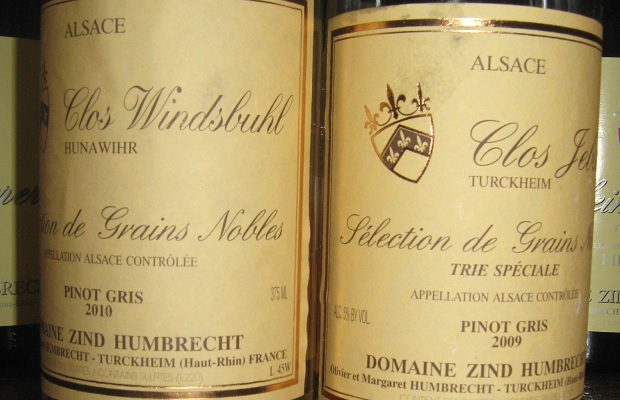
Pinot Gris Clos Jebsal Sélection de Grains Nobles Trie Spéciale 2009

Pinot Gris Clos Jebsal Sélection de Grains Nobles Trie Spéciale 2009

Domaine Zind-Humbrecht Pinot Gris Clos Jebsal Sélection de Grains Nobles Trie Spéciale 2009 (From The cru chief of Alsace: Zind Humbrecht, August 5, 2014)

A south-facing, very steep slope of grey marls and gypsum. A vineyard that yielded a miniscule 10 hl/H. A stratospheric residual sugar quotient (in the realm of 500 g/L) and incredulous acidity to prevent the development of the yeasts. A fermentation that finally finished in the late winter of 2012. A wine aged in demi-guid. Selection of grapes of a botrytis so pure and dry. These are the specs of a wine I may never taste again. Olivier concedes he “really tries not to obtain the highest sugar concentration possible” but this 2009 is a “monster of a wine.” It will take forever to assimilate and digest the sugar. Unctuous, lush, rich and gorgeous does not do it justice. Pure distillation of fruit and stone, accented by spice, wild herbs and flowers. Like an injection of pure, Pinot Gris adrenaline. All this from dry extract, slowly rehydrated with magic pixie dust and the wonders of the natural world.  Will live for a century and then some.  Tasted June 2014  @olivier_dzh  @TrialtoON

Schlumberger

Domaines Schlumberger Riesling Grand Cru Kitterlé 1945

Domaines Schlumberger Riesling Grand Cru Kitterlé 1945 (From In a Grand Cru state of mind, June 18, 2014)

From an area of sandstone soil that predates the appellation. “This is an old story,” says Sommelière Caroline Furstoss by way of introduction at a Millésime master class. “This is a wine of God,” in allusion to the success of a vintage immediately following the end of World War Two. So emotional to taste, of a Riesling with 20-25 g/L of residual sugar and a recondite, balancing level of acidity. Complete and clean, persistent in its power and vitality. There is orange peel and spice, cinnamon and spike. Must have been a warm yet somehow perfect vintage. Sixty-nine years on there is the slightest hint of toffee and nougat with a whispered promise to age for at least 30 more effortless and graceful years. The length lasts for minutes. The heart and the hearth. Just the thought of producing this wine at that time is unfathomable and mystifying. There are no superlatives to do it justice.  Tasted June 2014  @VinexxWine

Taylor Fladgate Single Harvest Porto 1863

Taylor Fladgate Single Harvest Porto 1863

Taylor Fladgate Single Harvest Porto 1863, Douro, Portugal (Agent, $3,995.00, WineAlign) From Taylor made Port, September 2, 2014

The two casks of 1863 reached the Taylor family in pristine condition, from one of the last great pre-Phylloxera vintages of the 20th century. This wine came from the cool and damp Port lodges of Oporto, “the cathedrals of wine.” This was a once in a lifetime chance to taste a piece of history, a most natural and organic fluid encased for 151 years in its integument of time. The year 1863 was significant in many respects, including being the birth year of Henry Ford and Franz Ferdinand. This is Port that creates the future and yet dwells on the past. The hue is both progressive and fathomless in subterranean fantasy. Its many shades of warm, advancing colours resemble the faux brown rings of Mars. The aromas are built around toffee and with accents of many mints; spearmint, chocolate and pepper. You can smell the 1863 from rooms and world’s away. It conjures up many songs. “When you’re half way from a dream, is it hard to work out what is real?” That is its love illumination. It has the strange advance “of killing time and dreams.” The flavours are extreme and exotic, with South-Asian spices highlighting its deep, late night humidity. The finish is endless. Is this brilliance or a stroke of incredible luck? It is certainly pristine and wondrous. It has to be considered a perfect wine, for its niche and genre, by its makers, David Guimaraens and Adrian Bridge. Having let the days of 151 years go by, this is not a wine to compare with others, it is not the same as it ever was. In the end, “you may ask yourself, well…how did I get here?” Thanks to Stephen Marentette of Sylvestre Wines and Spirits.  Tasted August 2014  @TaylorsPortWine  @Smarent

Good to go!

Burgundy will always be royal

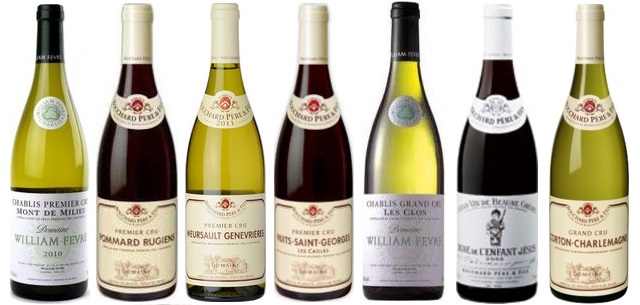
Chablis Bougros Grand Cru 2012, Pommard Rugiens Premier Cru 2012, Chablis Mont De Milieu Premier Cru 2012, Beaune Grèves Premier Cru Vigne De L'enfant Jésus 2012, Meursault Genevrières Premier Cru 2012, Nuits St Georges Les Cailles Premier Cru 2012, Chablis Les Clos Grand Cru 2012, Corton Charlemagne Grand Cru 2012

Chablis Mont De Milieu Premier Cru 2012, Pommard Rugiens Premier Cru 2012, Meursault Genevrières Premier Cru 2012, Nuits St Georges Les Cailles Premier Cru 2012, Chablis Les Clos Grand Cru 2012, Beaune Grèves Premier Cru Vigne De L’enfant Jésus 2012, Corton Charlemagne Grand Cru 2012

In a geographically focused world defined by its very own diacritic caste system, in climat, in villages, premier et grand cru, the wines from Burgundy will always be royal. The Pinot Noir and Chardonnay are entrenched in such status not because of wealth or conceit, but because of “humility and unassailable references” from hills, plots, rocks, soils, sun exposure and the test of time. They are, as Woodman Wines and Spirits’ Jason Woodman notes, from a place “where history, religion and quality intersect.”

From Wine-Searcher.com “Burgundy (Bourgogne in French) is an historic and highly respected wine region in eastern France. Burgundy wines have long had devout followers throughout the world and continue to do so today. Although Bordeaux produces about four times as much wine every year, Burgundy’s estimated 74,000 acres (30,000ha) of vineyards are considered to be of equal importance, producing some of the most exclusive wines on Earth.” Equally important? We’ll see about that.

To most wine-loving mere mortals, great Burgundy is inaccessible, a prepossessing supposition that supersedes reality. The pragmatic wine buyer imagines the best Pinot Noir and Chardonnay to personify greatness, without ever owning one. Most of the rest are viewed in a light of feigned eminence. The overpriced and the under-delivered. Quality time is spent sniffing out the paragons, the most difficult of all wines to find.

The song, Royals “is about how today’s music is all about what is considered the “good life,” filled with riches and fame, but not everyone can live that life, and so the average person is desperately reaching…” The wines of Burgundy certainly gravitate into the hands of a wealthy minority but behind the dollar signs they are simply bottles of farmed and fermented grapes.

The wines of the Côte de Nuits, Côte de Beaune, Chablis, Côte Chalonnaise and the Maconnais speak more clearly of their terroir than anywhere else in the world. They need not boast nor flaunt their wares. They simply are what they are and Burgundy is what it is. Affordable to so few, disregarded as out of league and untouchable by the rest. “That kind of luxe just ain’t for us,” might be the complaint of the anti-Burgundian wino. Regardless of where you sit in the Burgundian aperçu, you are not alone. The Brannigan will always be debated.

There are more expensive Burgundies. There are bigger names. Houses like Jayer, Romanée-Conti, Leflaive, Roumier, Leroy, Faiveley, Coche-Dury, Comte Liger-Belair, Dugat-Py, Ramonet and Rousseau. Golden escarpment producers that fetch higher prices for their top wines. There are just as productive and wide-reaching Burgundy conglomerates, like Latour and Boisset. But at the end of the day, is there a producer of red and white Burgundy that combines quality and quantity like Domaine Bouchard Père & Fils? The estate stretches over 48 km from north to south and is composed of 450 different vineyards. The Bouchard family has “been telling the history of Burgundy’s wine and its great appellations for over 280 years.” In Chablis, the rock stars may be Dauvissat and Raveneau, but who can argue the aggregate éclat of Domaine William Fèvre

On March 24, 2014, Woodman Wines brought the two need no introduction Burgundy producers to the Royal Canadian Yacht Club for a very grand tasting. The “rare and miraculous” 2012’s from Domaine Bouchard Père & Fils and Domaine William Fèvre. Pinot Noir and Chardonnay of pedigree and learning. Producers with holdings in Burgundy as historic and regal as the domains of Kings and Queens. From places where winemaking is religion, where terroir is everything. The wines are expensive (in some cases frighteningly so) but they are a treat to taste.

Domaine Bouchard Père & Fils

Aligoté Ancien Domaine Carnot Bouzeron 2012, Burgundy, France ($28.00, WineAlign)

From the Côte Chalonnaise between Chagny and Rully this was a rare chance to taste Aligoté and from the first village to receive AOC status for the variety. Bouzeron sits in what Bouchard describes as a “windswept funnel,” which might explain its crazy, natural acidity and spirited character. Begins “with a low whisper, windswept on the air.” To nose it is smooth, creamy, soft and fruity. To taste it’s tight, racy and lifted by a metallic tang. For the price it ferries exceptional quality and personality. “Windswept is on the tide, a feeling only or state of mind?”

Montagny Premier Cru 2012, Burgundy, France ($79.00, WineAlign)

From the Côte Chalonnaise, the most southerly portion of the Côte d’Or. A higher amount of Marly soil mixed with White Burgundy-loving limestone imparts richness and a soft, Malo creamy texture. At present there is a sulphur presence that stretches its legs and hides beneath a level of tart fruit. The wood effect is in a spicy radish tone adding complexity to the lightly dressed salad flavours. Finishes with terrific length.

Meursault Genevrières Premier Cru 2012, Burgundy, France ($119.00, WineAlign)

Bouchard’s Genevrières speaks in a definitively, regional tone, a Côte-d’Or oriental vernacular with absolute and utter clarity. A wine this pure and at the head of its class means “time flies, doesn’t seem a minute.” From East and Southeast vine exposures above obvious and necessary limestone that vacuums a metallurgy mixed with the finest, circular centrifuge of acidity. This is the wrapping that envelopes richness, depth and fresh produce of a fruit/vegetable continuum. One night in Genevrières “makes a hard man humble.” A contemplative moment with this ’12 Bouchard may cause longing, to look east. “Don’t you know that when you play at this level there’s no ordinary venue.”

Chassagne Montrachet Morgeot Premier Cru 2012, Burgundy, France ($130.00, WineAlign)

From a plot of land that was called Morga, from the Latin margo which means edge border, in this case between the Côte d’Or and Saone-et-Loire. The soils in this mid-slope vineyard with a south-easterly exposure combine limestone and Marl and so Bouchard’s 2012 take shows an increased richesse and concentration. A Chardonnay with drive, determination and delineation. Noticeably toasty and though mostly quiet now, even it its youth it is already showing resurgent citrus and nutty tones. It will oscillate back and forth between the poles for five years or so and come together for many more beyond.

Corton Charlemagne Grand Cru 2012, Burgundy, France ($250.00, WineAlign)

The Bouchard description of “a scarce and promising vintage” will apply to this flagship Grand Cru as much as it will to any in the stable. Corton’s ode to King Charlemagne’s not to be stained white beard is the most difficult to contemplate, assess and articulate in its steely, whispering youth. This rare vineyard planted to both Pinot Noir and Chardonnay, if just by chance it “crossed the diamond with the pearl,” is no cause for concern. This Charlemagne is just a kid, yet unaware of how it will rule with purity, personality and impunity. It does not yet know this and when it matures, it might be asked “did you realize that you were a champion in their eyes?” The creamy texture, subtle toast and extraordinary flavours are all there. Lay it down for 10 years and relive its limestone treasures for 20 more.

Gevrey Chambertin 2011, Burgundy, France (661330, $49.95, WineAlign)

With the largest number of Grand Crus is the area, is it any wonder how one Gevrey Chambertin finds a way to set itself apart from the others? This 2011 Bouchard does so with this refined, restrained and cleansing Pinot Noir. Earthy and sugary beet flavours echo similar aromas. Picking time was certainly key. Foregoes grit, girth and a belt’s tannic lash for elegance and a directive to balance along a straightforward, pleasing line. Will do its best work in short-term gains, from now to 2018.

Savigny Lès Beaune Les Lavières Premier Cru 2012, Burgundy, France ($62.00, WineAlign)

From a limestone and clay vineyard in Bouchard’s control for just over 100 years. Filled with “laves,” the big flat stones that characterize the land, this 1er Cru is painted by the soil, with a charred, mineral glaze. It’s also sweeter and scented by high-toned red fruit, less refined than other Beaune vineyards but all the while offering near-immediate gratification. Could use a couple of years to settle and will drink well for five or more.

Gevrey Chambertin 2012, Burgundy, France ($66.00, WineAlign)

In this vintage the Gevrey is a magnified version of itself, seemingly drawing every atom of mineral and fossil from its Triassic limestone bed. The table of clay potassium, phosphorous and iron are all in this bottle, expressed in earthy Pinot Noir character. This might be the Bouchard blazon and secret weapon; dangereux, tight, sharp and pointed. The fruit is pure and clearly defined but will require time to shed its tough outer layer. Put the 2012 Gevrey away for five years and look to see it open up to 2022.

Chambolle Musigny 2012, Burgundy, France ($76.00, WineAlign)

From the shallowest of Côte-d’Or soils, Bouchard’s Chambolle Musigny is extracted from delicate berries that rely on its vine’s roots to crawl down into limestone’s fissures in search of nutrients. Though many a Chambolle exhibits tenderness and elegance, this Bouchard hard-working vine has produced a quilted, tactile wine of texture and contour. It opens with its own special vineyard stink, a note of subterranean terroir that dissipates with a swirl. A wildly woven combination of chalk, grain and chewy licorice makes for a varied and salubrious mouthful. As big as it gets for the appellation and surely worth a go from 2018 and for a decade more.

Volnay Ancienne Cuvée Carnot Caillerets Premier Cru 2012, Burgundy, France ($118.00, WineAlign)

Caillerets and the term tête de cuvée go back as far as 1855 and with this iconic bottling there is proof in perpetuum that Bouchard knows Volnay. This is the house’s first vineyard dating to 1775 so it goes without saying that 237 years of experience is nothing to dismiss. The 2012 Cuvée Carnot is refined in a state of heightened awareness. The aromas are smoky, meaty and the favours concentrated. Distinctively opaque like a Pensieve with a swirling torrent of tannin pushed along by centrifugal force. Will need 10 years to immobilize, then to age rhythmically for 10 more.

Pommard Rugiens Premier Cru 2012, Burgundy, France ($146.00, WineAlign)

Bouchard’s Pommard Rugiens goes at the Pinot Noir diapason from every angle. At once fibrous and rigid, it is also highly perfumed by flowers, most notably violets. The rich iron-red soil imparts a large measure of ferrous aroma but the pure fruit sustains the mineral and the wine remains a good conversationalist. A metrosexual, acting out both masculine and feminine parts. The rest of the Bouchard red Burgundies tend to choose one side or the other but the gregarious Pommard lives on the edge. A streak of char and chalky tannin shows late and lingers throughout the lengthy finish.

Nuits St Georges Les Cailles Premier Cru 2012, Burgundy, France ($146.00, WineAlign)

A gorgeously refined wine built on finesse, clarity and concentration. All its graceful parts move in synch through structured stages of class, refinement and with a goal towards a realized, long evolution. Noticeable but sweet tannins are gained by a bleeding of the terroir‘s oolithic chalk by way of hard stones. Silky and feminine perfumed red fruit never wavers from its intent, to seduce and give pleasure. No dying quail this Nuits St Georges, nor a frozen rope, the wine hangs in balance effortlessly and for a long, long time. Enjoy it for 10-15 years.

Beaune Grèves Premier Cru Vigne De L’enfant Jésus 2012, Burgundy, France ($146.00, WineAlign)

From the just a shade under four hectare, formerly owned by Carmelites vineyard within the famous 32 hectare “Roi Soleil” Grèves appellation. Like its namesake (in reference to Louis XIV), this Bouchard is the red that displays the most control and Type-A personality. A wine that draws every bit of modern terroir from the gravelly clay. A wine of great excess, state-of-the-art, jeweled, luxurious and crafted with the heaviest hand. The sun king goes for much glory, but at what price? The price of needing to be loved in its youth. The question is will that cost L’enfant Jésus 2012 long-term success? With more abundant fruit than a Versailles Trianon and the guts to soldier on, it’s hard to imagine it not aging for 20 or more years.

Domaine William Fèvre

Saint Bris 2012, Ac, Burgundy, France ($25.00, WineAlign)

From the commune of Saint-Bris-le-Vineux, this is light, cool-climate tension Sauvignon Blanc. A wine of impetuous and quick-step moments. The rush of just opened soda, the spray of a freshly bitten green apple, the knife cutting through juicy lemons and limes. A hyper-clean rendition of the Loire grape, this northern rendition will work an oyster with ease.

Chablis Les Lys Premier Cru 2012, Burgundy, France ($58.00, WineAlign)

Of the Fèvre Premier Cru designations, Les Lys exhibits the softest, downy touch and the more muted or demurred personality. The fine lees is distributed through the texture and the limestone gives way to chalk on top. Offers up more spongy fruit than Montmains or Monte de Milieu and finishes with charm.

Chablis Mont De Milieu Premier Cru 2012, Burgundy, France ($69.00, WineAlign)

The Fèvre Mont De Milieu is the smallest of the domain’s Premier Cru holdings with a struck by flint personality that is quite intense. Neither Les Lys or Montmains show such dynamic mineral effect. The most righteous of the Chablis Serein River banks brothers maintains that matchstick loving feeling, though it is temporarily relinquished to a honeyed moment. It’s “a love you don’t find every day, so don’t, don’t, don’t let it slip away.” Fear not, for the gathering is beautifully concentrated and the rocky, mineral bent never fully dissipates. A Milieu to savor from 2017 to 2025.

Chablis Bougros Grand Cru 2012, Burgundy, France ($97.00, WineAlign)

While the appellation may not be the most sought after in terms of Chablis Grand Cru, the dominant Fèvre presence, experience and dedication to making Chardonnay in Bougros can’t be ignored. A good, if not exceptional vintage, 2012 is appropriate and defining. The sensations are of precious gems and metals and the exuberance restrained, but this Chablis seems on the verge. It’s as if a match has touched the strip and is about to alight. A powdering of Kimmeridgian clay is saturated by a smack of late lashing acidity. The Fèvre Bougros rises with energy from a standstill to high-speed. It will age harmoniously into the next decade.

Chablis Les Clos Grand Cru 2012, Burgundy, France ($143.00, WineAlign)

The Fèvre take on Les Clos is the cradle of all the domain’s wines, in every respect. Intensely concentrated, this is Chardonnay expressive in every facet of its surroundings. The impart from compressed white limestone, ancient fossils and Jurassic minerals in distillate may seem abstract in description but how else can the feeling of a mouth full of rocks be conveyed? The remarkably complex Les Clos and its structured palate that goes on forever has come out of its Chablis vineyard cradle and will live on as one of the best ever. “It’s not a place, it’s a yearning. It’s not a race, it’s a journey.” There is no rush to drink it up. It will offer immense pleasure for 20-25 years.

Good to go!