Gold Medal Plates Toronto 2014 silent auction guitar signed by Canadian musicians
In 2013 the number chosen to highlight excellence in Canadian wine was 13. Symmetry and permutations with repetition are one thing, quality in winemaking is yet another. The expectation is fully understood that next year there will be 15 wines on the list. And so on and so forth.
What force has thus far driven and will continue to drive the wines of Canada? By sifting through leads in geography, in the orientation of escarpments, mountains, rivers and valleys, in the gestalt of the archaeology of tomorrow, in the vineyard landscape of today, we can perchance unlock the riddle of the what and the why for varietal planting. The end game is to unlock the mystery within the puzzle of terroir, to figure out what grapes will thrive and where they can be given the best shot at success. It is not just about what happens beneath the soil, but also what happens above, around, beyond and in the minds of women and men.
Picking a top anything list is both a chore and a labour of loyalty. The opportunities to learn more about Canadian-made wine, especially the processes and the efforts, were numerous in 2014. Canadian winemakers opened their doors and when people came, they taught. They walked the vineyards, showed off their prized barrels and walked through the processes of making wine. Tasting and barrel rooms make for the greatest classrooms. Get out there in 2015. The experience is priceless.
Winery visits were numerous in 2014. Thanks must be dispatched to all who opened their doors, to those with established roots and to risk takers who through their new planting, began burrowing their own. Like Ilya and Nadia Senchuk at Leaning Post Wines in Winona, Ontario. Like Mike and Jocelyn Lightfoot in Wolfville, Nova Scotia. Tastings that go beyond the pale shed new élevage and barrel light. The light shed by such practices was no more in evidence than at Tawse with Paul Pender and Norman Hardie, but also at Flat Rock Cellars with Jay Johnston and Ed Madronich.
There were a few wines that should have, would have and could have made the cut were there time, space and a better headline to write. Gray Monk Riesling 2012, Okanagan Valley at ($15.00, WineAlign) is the best value for the niche in B.C. This is old-school, west coast Riesling with attributes to reflect and look back on generations of acumen. Tawse Carly’s Block Riesling 2012, VQA Twenty Mile Bench ($31.95, WineAlign) forms a bridge and meets the twain, from atomic to tropic and was a NWAC14 Platinum Medal Winner.
La Face Cachée de la Pomme 2011 Neige Première Ice Pink Cider, Quebec ($22.95, WineAlign) speaks to me in waves of demonstrative, Floydian verse. There is Icewine on the bright side and then there is Iced Cider on la face cachée. Leaning Post Lowrey Pinot Noir 2010, VQA St. David’s Bench ($38.00, WineAlign) though just recently re-tasted, was actually first assessed in November of 2013.
This list certainly concentrates on new releases, save for a few exceptions where older wines left a modern impression. Wines that found a way to break new ground also factored into the decisions. Here are the 14 Canadian wines tasted in 2014 that simply did it for me. Wines that are extensions of their maker’s personality, philosophy and temperament. Wines that are indicative of their terroir.
From left to right: Vineland Estates Elevation St. Urban Vineyard Riesling 2012, Flat Rock Nadja’s Vineyard Riesling 2012, Blue Mountain Gamay Noir 2013 , Norman Hardie County Cabernet Franc 2012, Sperling Vineyards Chardonnay 2012, Charles Baker Picone Vineyard Riesling 2012, Pillitteri Estates Family Reserve Merlot 2002
Who has not waited for Elevation to hit out of the 2012 vintage? Straight up it must be noted that this will rank over and above the best from the St. Urban Vineyard. The ’12 Elevation will not only find long-term success among the great values in Bench Riesling, it will go down as one of the best ever, at any price. The vintage impart is a natural for this wine. At the moment it is the most primary of all because of the layers that texture bring. The Elevation will go thirty years and climb higher and higher into the stratosphere, gaining flesh and personality. The already seamless gathering of fruit and mineral is palpable. And still a reminder, the price is $20. This is a Schmidt gift to Ontario, for anyone and everyone to be one of the lucky ones. To purchase in increments any less than a case may be considered a crime against Riesling. Tasted November 2014 @VinelandEstates@benchwineguy
Flat Rock Nadja’s Vineyard Riesling 2012, VQA Twenty Mile Bench, Niagara Peninsula, Ontario (578625, $19.95, WineAlign) From The Group of twelve, April 28, 2014
Just add three months and witness a new evolution, a density, from a honeyed thing. Entering a pre-adolescence with a new bounce in its step. From my earlier, January 2014 note: “A champion cyclone of forces combined to elevate the already incumbent position of this Twenty Mile Bench Riesling. An ideal growing season magnified transmission upon a paradigmatic two and a half-acre block. This southern-most and highest altitude section of Flat Rock’s vineyard rests aboard a solid bed of limestone and wake me up if that rock was not drawn up into the vines in this stellar Riesling vintage. Sure its warm and nearly off-dry but such an effortless squeeze of lemon hydrates and elevates orchard fruit and honey out of the year of the lemon. After each sip its “every time you kiss me, lemon crush.” Love this prince of a Twenty Mile white in 2012, the dynamism smiling on the tart, succulent fruit. The length is one of outright bravado. This will develop for 20 years, of that I am convinced. There is just so much fruit. A Nadja for the ages.” Tasted April 2014 @Winemakersboots@UnfilteredEd@brightlighter1
The purity of fruit in Blue Mountain’s Gamay is without question in a distinct class of the few and far between. Older barrels (four year-old, fifth fill) were used and the impart should not be dismissed. While quintessentially Okanagan Gamay, the fruit is elevated, lifted, ripe like warmer Cabernet (dare it be said) with more berry and Cassis-like aromas. The palate tension and round acidity bring Morgon to mind. Just a bit gamy on the back end, which is nice. Planning to drink this through the end of the decade would not be a mistake. Tasted October 2014 @BlueMtnWinery
Norman Hardie County Cabernet Franc 2012, VQA Prince Edward County, Ontario (Winery, $25.00, WineAlign)
Hardie’s 2012 Cabernet Franc comes of age out of a preternatural and ontological perfect storm. Casts odds into the river of ideal weather, procures phenolic grape ripeness out of the vineyard, avoids the green and embraces the brown stems. Ferments under the natural eye of indigenous yeasts and settles into its silky skin at a low, low 10.8 per cent (give or take a lab sample) alcohol. Cabernet Franc of impossible soul, its “burden is the weight of a feather.” Pepper and currants are noted, tobacco and tomato are not. Comes “bearing a sword” but seduces with primal proclamations. Radical County red. Tasted April 2014 @normhardie
High altitude expression from a vineyard perched atop a gravel bed, a rocky pool of stone that seems to toss-up pebbles at Sperling’s window to see if she would like to sneak away for a midnight drive. A crisp, clean and linear style, full of night-air freshness, white flowers and white fruit. This is undeniably picked early and ahead of any possible oxidative or overripe window, yet there is a rich quality about it that rages against the machine, calm like a bomb, “its narrative fearless.” Very mineral in its direct back and to the side of the mouth attack, full of salinity and lemon-lime acidity. Long, long Okanagan that will flesh with five years time. The slate bass line will soften, allowing the white fruit to further shine. Tasted twice, May and July 2014 @SperlingVyds
A vintage that begged to be protected in the vineyard, meaning no leaf plucking and no thinning. A most excellent goal of (0.691895068 kg / m2), or 2.8 tons an acre was realized, as opposed to one in 2010. Heavy vigor slowed down the ripening (leaving that kind of tonnage on the vine), to an elongated balance. Comes from terroir Baker nods to as “a barren tundra,” which you don’t get down the hill. In 2012 there was no waste, no rot, no problems. Its residual climbs to 15 g/L but you’d never know it. There is a confit of citrus, a mellifluous sensation of preserved lemon. Total count is 600 cases. From my earlier, March 2014 note: “Baker’s iconic child yet breathes in unsettled, spumous emission from out of a warm vintage. So primary and such a hard act to follow. Vanguard Vinemount Ridge, arid as the desert and citrus, carbonic tight. Treated with cool, cooler and colder methods to seek result and strike balance in an opulent, lees-appertained, tangy finish. A Picone that says I don’t live today, so it is told and canvassed, “uh, get experienced, are you experienced?” Last tasted June 2014 @cbriesling
Served from Jeroboam, one of 23 produced and a testament to the precocious, facile touch of then winemaker Sue-Ann Staff. The extreme five litre format has certainly been kind to the hermetic 11-year slumber of this Merlot, as has the above average red Niagara growing season. Charlie pulled out this rare behemoth “for the special occasion” and despite and with thanks to the perfect vintage meets size storm, it has held up with dramatic fortitude. Unmistakably predicated Pillitteri chocolate perfume, brushed violet, mulberry and oven-warmed baking spice. Holding in sustained concentration, the toffee, caramel and umami of wizened, oxidized fruit not yet a twinkle in its soapy sandalwood eye. How could Sun-Ann have known what time-cheating lengths her Merlot would see to? Tasted January 2014 @Pillitteriwines
From left to right: Bachelder Saunders Vineyard Chardonnay 2012, Hidden Bench Tête De Cuvée Chardonnay 2011, Cave Spring Cellars Riesling CSV 2003, Stratus Cabernet Sauvignon 2010, Le Clos Jordanne Le Grand Clos Chardonnay 2011, Creekside Estates Lost Barrel Red 2007, Benjamin Bridge Brut Reserve 2008
Bachelder Saunders Vineyard Chardonnay 2012, VQA Beamsville Bench, Niagara Peninsula, Ontario (324103, $44.95, WineAlign) From Chardonnay is cool, July 9, 2014
Though presently showing a bit inferential, no amount of Bachelder reduction can keep good fruit down nor can it dismantle the mastery of mineral impart. An arras of texture conceals the portal to both vineyard and barrel with streaks of salinity, charcoal and chalk. The 2012 rendition is a canvas laden with pure golden paint, concealing “hidden forms and shifting states.” Thomas has found a rhythm in Saunders through thick brush strokes, full and advancing. This warm vintage is not a receding one, its flavours and its texture do the opposite. They jump out at you in waves. For Thomas, the sublime is now. Tasted May 2014 @Bachelder_wines
Tête De Cuvée by Hidden Bench, like a Champagne best of the best abstraction, makes an appeal to self-esteem and esteem for others, to consumers who have come to recognize Niagara and even more specifically, the Beamsville Bench for head of the class, cool climate Chardonnay. That mouthful congregates and works in congruence with the quality in the Tête’s composition; full-on freshness, density, weeping cerate texture, toasted and popping kernel, fine-grained localization, utterly integrated barrel. There was scant quantity (32.5 hL/h) from some very old and wise vines, pronounced like others but louder than most, from the bullhorn of a stentorian vintage. What is felt and spoken about the quality inherent from out of the finest parcels in the Locust Lane and Rosomel Vineyards Chardonnay fruit is more than a patent observation. The ability to take on toast cuts to the nougat and the synoptic rises to the ethereal ozone. Not to mention gross minerality. On the shortlist for best Niagara Chardonnay to date. Drink now and beyond 2025. Tasted twice, September and October 2014 @HiddenBench@BenchVigneron
Mind bending to taste a piece of recent history, a Riesling rooted in the rocks, blues and pop of the limestone, sandstone and shale Bench, but a wine also futuristic, distorted and soulful. From 25 plus year-old vines, this foxy lady has entered into true, secondary territory. She’s softened and her perfume is cast in vanilla butterscotch so much so she might mess with tasters’ minds in a flight of oaked Chardonnay. She’s “a cute little heartbreaker.”Tasted March 2014@CaveSpring
The declared alcohol on this is 14.6 per cent but to all of me, that is really hard to believe. Really elegant, 100 per cent Cabernet Sauvignon, perfectly unabridged in phenolic ripeness but in such fine rhythm and blues. Were it a score it would be euphonious without encumbrance and void of splinters. The most subtle and gentle J-L Groux crafted red wine I’ve yet to encounter, with a back palate combination of mushroom and citrus to follow pure red fruit. Resoundingly circular with curves, no hard edges and “perfect imperfections.” This Cabernet goes at it with Graves character and poise. It will be a Niagara legend. @StratusWines
Certainly plays the most hard to get of the ’11 Chardonnays of fruit so fine and pure. Layered like Phyllo or Puff pastry, gathered and set back upon itself. Gains traction and intensity through developed flavours and overlays of texture, both solid like shale and lacy like organza. From my earlier, July 2014 note: “From sandy loam and limestone soils, here is a Chardonnay that winemaker Sébastien Jacquey is looking to fashion with low PH and elevated tannin. A most commendable effort in the enigmatic ’11 vintage, clean, anything but lean and un-gassed by a jet engine’s aerified stream. Chardonnay running instead on the vineyard’s biofuel, a chalky lees and lime texture that turns green in a savoury way towards the back end. Full, rich, gaining in stature as it breathes, thinks and feels. Atop the green there is an ambrosial aroma and a honeyed sense of flesh. A wine of great respect and biodynamic energy.” Last tasted October 2014 @LeClosJordanne
Just 60-80 cases are made from the tips of the best barrels through a process that takes 56 months to complete. The secret ingredient is Sangiovese and bless the band‘s soul if the ferric, iron and animal musk is not attributed to the addition. This is a different kind of wine, with lees in the bottle, not unlike some big, bad Spanish wines. It’s ’07 and still reductive which makes it seem peculiarly modern (note, Spanish) but it’s really not. Despite the monster tannins, it “just gave my heart a throb to the bottom of my feet and I swore as I took another pull,” the Lost Barrel can’t be beat. Up on Creekside Estates. Tasted March 2014 @CreeksideWine
The 2008 Brut Reserve is composed of 61 per cent Chardonnay and 39 Pinot Noir. If any wine in the Benjamin Bridge continuum defines the legacy left behind by Raphaël Brisebois and passes the sparkling torch to Jean-Benoit Deslauriers, this ’08 is it. Here is the vintage that begins to emulate the grower’s Champagne of the motherland, in deeper learning, understanding and connection to the estate’s vineyards. At present this is such an infant, reductive and with a blowzy palate that suggests a fidgety, elemental state. The attack is in burgeoning mousse. After spitting, the wine persists, as if there remains a mouthful, causing the cheeks to expand. The citrus is weighty in texture and this ’08 goes deeper than the previous Brut reserves. Three years will be required to allow for a settling and 20 years lay further ahead for secondary, tertiary and quaternary development. Tasted at the winery, July 2014 @Benjamin_Bridge
Over the past few years I’ve published some pieces on Sparkling wine, from technical to fluff and from focused horizontal tastings to scattered, random accumulations. The one aspect about bubbles I’ve not concentrated on, whether it be Champagne or from Ontario, is vintage.
Vintage dated fizz is all the rage and I for one can’t really understand why. The most consistent Sparkling wine made anywhere and everywhere is the non-vintage produced stuff. Drawing the majority of juice from a single vintage and topping it up with a smaller amount from one or more previous (or even book-ending years) allows the winemaker to strike a seamless accord in continuity. It proliferates a house style. I had this to say in 2012: “The production of vintage-dated fizz in Ontario is certainly fashionable, as witnessed by more than 60% of the wines present, but for the purposes of consistency, local weather conditions should see the future trending a non-vintage path.”
Vintage issued Sparkling wine has lost its luster. If the vintage is anything less than ideal, whether it be too cold or too warm, under ripe or over ripe grapes are hard to hide. Keep in mind that the grapes for bubbles are the first to be picked, no matter where you are, to preserve acidity. In funny climatic years modifications must be made. The blender will have to resort to either chapital or acid tricks of the trade. Another argument for non-dated fizz.
Does the average, or even effervescence geek care about vintage bubbles? British wine journalist Jamie Goode doesn’t seem to think so. On vintage dated bubbles, Goode spoke (at the 2014 Brock University Technical Wine Symposium) from an unequivocal marketing perspective. “People don’t really care about vintage.” On the emerging Canadian and British sparkling wine industries. “Do English or Canadian wines need a special name?” No.
On the puffery side of the tracks I gave this: “Sparkling wine, fizz, bubbles, bubbly. Champagne. Mousseux, Crémant, Asti Spumante, Espumante, Cap Classique, Cava, Prosecco, Franciacorta, Oltrepò Pavese Metodo, Brachetto, Sekt. Méthode champenoise, charmat, méthode ancestrale. Chardonnay, Pinot Noir, Pinot Meunier, Chenin Blanc, Arbois, Riesling, Pinot Blanc, Pinot Gris, Auxerrois, Macabeu, Parellada, Xarel-Lo, Glera. It’s all just an amazing confluence of pressed juice, yeast, sugar and carbon dioxide. Nothing in the world screams “party!” like an effervescent bottle of fermented grapes. Who isn’t looking for a Sparkling wine to pop open this month? Should we put up our hands so we know who we are?”
A year later, back into the throes of the holiday season, a new batch of bubbles are on the scene. Here are 12 new picks, from $17 to $95, from Crémant d’Alsace to Champagne, to tolerate winter and ring in the new year.
From left to right: Pierre Sparr Brut Rosé Crémant d’Alsace, Freixenet Elyssia Gran Cuvée Brut Cava, Jackson Triggs Entourage Grand Reserve Brut 2011, Hinterland Ancestral 2014, Flat Rock Cellars Riddled Sparkling 2009, Josef Chromy Sparkling 2008
Pierre Sparr Brut Rosé Crémant d’Alsace, Méthode Traditionnelle, Ac Alsace, France (39016, $17.95, WineAlign)
Graceful and pink lithe, like cold smoked salmon, delightful Pinot Noir Rosé fizz. Nothing earth shattering, breath-taking or barrier breaking, just well made blush bubbles. The structure and balance are really spot on. Finishes strong and with confidence. Helps to define this genre of Crémant’s creamy texture, matched in contrast by its stony, flinty and mineral style. Tasted November 2014 @ProfileWineGrp
Freixenet Elyssia Gran Cuvée Brut Cava, Do Penedès, Spain (392548, $19.95, WineAlign)
A stonking Cava this one, or the Spanish (enervante) equivalent. Relishing in quite high acidity, which is necessary and useful, considering the residual sugar left behind. Good tang, verve and a with a push to succeed in elevating everything it seeks to uphold; aroma, flavour and tannic texture. As good an example of Cava as I’ve tasted in recent times. Tasted November 2014 @freixenet@DionysusWines
Jackson Triggs Entourage Grand Reserve Brut 2011, Méthode Classique, VQA Niagara Peninsula, Ontario (234161, $22.95, WineAlign)
This is a very effective bottle of bubbles, consistently produced, vintage after vintage. Some reserve on the nose, notable in its pear and yeasty aromas. Crunchy feel for fizz with a replay in flavour much like prickly pear and the tropical esters of yeast. Really good length. Simply well made. Tasted November 2014 @Jackson_Triggs
Hinterland Ancestral 2014, Prince Edward County, Ontario (Winery, $25,00, WineAlign)
Just released today, the anterior sniff and first sip procure a sense of immediacy in declaration: This is Jonas Newman’s finest Ancestral to date. Amethyst methustos bled from Prince Edward County Gamay. If a continuing study on such sparkling wine were to be conducted in the méthode ancestrale diaspora, the anthropologist would lose time in the County. Say what you must about the method and the New World place, this elevates an old game, in fact it creates a new one. Strawberry is again at the helm with the sugar number high and balanced by three necessary portents of chemistry; low alcohol, savor and acidity. The finish is conspicuously dry, conditioning the palate to activate the phenotypic sensors. Hits all the right bells, traits, whistles and behaviour. Careful, it will make you want to go out and make babies. Tasted November 2014 @hinterlandwine on the card at @barquebbq
Skips the cork, avoids the taint and caps with a crown. A king’s bubble in here, a king of pop perhaps, with “a mind like a diamond.” Like a fine, flat rock that cuts through crap and “red tape fast, thorough, and sharp as a tack.” I want a fizz that gets me up early. I want a Sparkling wine that knows what’s right. I want bubbles with “uninterrupted prosperity and smooth liquidation.” I want a sparkler “with a short skirt and a long, long jacket.” I want bubbles with tang, tang, tang, apples, pears, ginger and cardamom. One that I can drink with cake. Yes, perhaps the Riddled ’09 is just a bit abrupt, at times monotone, awkward in chord changes, tempo switches and suffers from a twittering finish. But it’s twitchy and characterful along the way. Tasted November 2014 @Winemakersboots@UnfilteredEd
Josef Chromy Sparkling 2008, Méthode Traditionnelle, Tasmania, Australia (393629, $29.95, WineAlign)
Love the balance and graceful point this has come to six years post much fine lees staging. So very elegant and demurred, like an actress on a silver screen imagined in a near-falsetto progressive rock singer’s croon. A strange but beautiful mismatch, given ambiance and vindication by a classical musician’s playing. Silent stardom take on cool climate bubbles to sip along with “early thirties gangster movies, set to spellbind population.” A friend to Mr. Cairo with a palate adding weight and a texture lustful in a creamy affair. Just a hair across the oxidized threshold, holding steady, acting very much like Champagne. Flies like a Mediterranean bird of prey, a Maltese falcon everyone is searching for. Always “shoots between the eyes.” Tasted November 2014 @JosefChromy
From left to right: Benjamin Bridge Brut Methode Classique 2009, Delouvin Bagnost Brut NV, André Clouet Silver Brut Nature Champagne, Louis Roederer Brut Premier Champagne, Moët & Chandon Grand Vintage Brut Rosé Champagne 2004, Veuve Clicquot Ponsardin Brut Vintage Champagne 2004
Benjamin Bridge Brut Methode Classique 2009, Gaspereau Valley, Nova Scotia (381533, LCBO $47.95, 1018464, NSLC $44.99, 313106, B.C. $49.97, WineAlign)
L’Acadie used for a parochial teaching moment effect. Winemaker Jean Benoit Deslauriers embracing its Gaspereau ability, coaxing acidity within a context of optimum fruit attention. Brings a level of texture and structure rarely, if ever seen from the region, this contrived blend and the imagined attempt. The parts roll into and through one another seamlessly. This impresses from a point of expression, that being the BB vineyard. From my earlier, July 2014 note: “Essentially, or at least philosophically a Blanc de Blancs, the blend is 57 per cent L’Acadie Blanc, 25 Chardonnay and 18 Seyval Blanc. The acidity is key and certainly elevated (12.8 g/L), keeping line tabs on the stone ground, clean fruit in gingered mousse. A defined elegance and accumulated synergy of site comes from a lower-slope perceived sweetness, down by the river. By no means piercing, there is a length here that lays down the foundation for the high-end, Vinifera-driven Sparkling wine program. The Brut ’09 conveys the growing environment, in freshness and in ripeness. A wine with such a refreshing upside. ” Last tasted November 2014 @Benjamin_Bridge@jbdeslauriers
Delouvin Bagnost Brut NV, Récoltant Manipulant, Ac Champagne, France (385369, $47.95, WineAlign)
The level of baking apples and yeasty aromas are overwhelming, at first, then settle down. Yeasty boy, screaming its oxidative angst. Big acidity, wild ginger tang, whipping and gesturing wildly as it raps in your mouth. Speaks its mind this one, breaks down stereotypes, wins the crowd. Fans go wild. From my earlier, August 2014, WWAC 2014 (tasted blind) note: “Tends to a trend in sweet aromatic beginnings which is nothing but endearing. A leesy pear and ris de veau nose split by a bowie and filled with pearls of sugary syrup. To taste there is the metallic gaminess of uncooked other white meat. Sweet meat, sweet thing. The gathering sensation is an elemental display of ethereal, aerified climatic conditions. Though made in an oxidized style, the complexity of character is not to be denied. “Runs to the center of things where the knowing one says, boys, boys, it’s a sweet thing.” In the end the burst of energy is invigorating and heart piercing.” Last Tasted November 2014
André Clouet Silver Brut Nature Champagne, France (Agent, $57.95, WineAlign)
Zero dosage, 100 per cent Pinot Noir, grower produced and affordable. These are the attributes of Jean Francois Clouet’s Champagne. If any three are what you look for in righteous fizz, you have found what you need, for any occasion. The Clouet Silver (Blanc de Noir, Grand Cru from Bouzy) has that stark reality of aridity so necessary for Sparkling wine to knock you upside of the cerebral cortex. Sweetness is superfluous because the fruit is so exceptional. There are dried spices and ginger in many incantations; exotic, wild, dried and slowly dripping into every sip. The vacuous voids are filled with combustion, the lingering strands of texture elegance defined. This is exceptionally made Champagne, to the point and with confident, boyish presence. Tasted November 2014 @GroupeSoleilTO
Louis Roederer Brut Premier Champagne, France (268771, $64.95, WineAlign)
A most expressive house style, crowd pleasing and one step further into complex territory than many of a similar ilk. Creeping aromas, big flavours, enveloping texture, noble bitter finish. Citrus pith and darkening honey. So well made. Score an extra point. From my previous, August 2014 note: “The house style in this Pinot Blanc (55 per cent), Chardonnay (30) and Pinot Meunier (15) is amped on yeast and baked brioche. The elevation is of a modern and ambitious producer with a wild, expansive and yeast-moussy feel in the mouth. Spiced and spicy accents really help to open up the wine. An exemplary rendition of Sparkling wine if not quite willing to last as long as others.” Last tasted November 2014 @LouisRoederer_
Moët & Chandon Grand Vintage Brut Rosé Champagne 2004, Ac Champagne, France (69831, $91.95, WineAlign)
Sometimes Champagne is blessed with a dirty presence that is just beautiful. This Moët could go either way. Struts with a copper hue and metal cruelty in its every move. Like cheese melting on a pipe. Like bonito flaking off a rusty anchor. Earthy and really into the oxidative souse but on a tasting line-up day when everything seems oxidized. Bitter pith and grapefruit flavours with a hint of coriander and a texture so damn divine. Is that corpulence enough to rescue it from the depths of bitter disdain? If at first you are not so sure, Rosé up and try again. This ’04 will take advantage of your every insecurity and grow on your unconscious. Tasted November 2014 @MoetUSA
Veuve Clicquot Ponsardin Brut Vintage Champagne 2004, Ac Champagne, France (508614, $93.95, WineAlign)
This Veuve 2004 just keeps coming, does it not? Fashioned in an evolved style, typical for the house, not so atomic and not so wild. Ginger beer and tropical fruit aromas give simple pleasure, followed by more ginger and green mango on the palate, drying and turning to a fine, pungent powder re-hydrated on a whippy, elastic finish. Better vintage than would have been expected. Tasted November 2014 @VeuveClicquot@ChartonHobbs
Wine review at VINTAGES of Norman Hardie Chardonnay County Unfiltered 2012 by Godello
If the premature lashing of cold, snow and ice weren’t enough to get you thinking about holiday shopping, get thee to a Liquor Control Board Ontario store on the weekend. Same time, every year. The LCBO stocks the shelves, isles and pyramid displays with more booze than anyone should ever be faced with in one visitation.
The bi-weekly VINTAGES release calendar whirs, undulates and clutters in rataplan overload at just this very juncture in preparation of the Christmas rush. Shoppers will tear down the walls of wine, beer and spirits, only to hear the burloque fall silent when the clock strikes closing time on the evening of December 24th.
There are exactly 35 days left in 2014 to do the right wine thing for that father, cousin, colleague, mentor or loyal, long-time suffering employee. Please heed the warnings and do not buy crap for the one you love or think you should. No matter who you are picking up a bottle for, treat them well and with fermented grape respect.
There are three category of wines to look for, at least within the context of this buying guide. First there are the values under $20, wines made so properly they should cost double or triple what they do. Second are the expensive but honest wines. These are the true gems that make most $100 bottles look bad. Last are the $100 examples that are truly iconic, despite their cost. Though priced beyond the means of most, they are not a mistake to take a flyer and give as a gift. After the hand off is complete, the all-knowing, unspoken nod will follow.
From left to right: Cavino Grande Reserve Nemea 2008, Frescobaldi Castello Di Pomino Pomino Bianco 2013, Moris Morellino Di Scansano 2012, Louis Bouillot Perle D’aurore Brut Rosé Crémant De Bourgogne, McWilliam’s Mount Pleasant Elizabeth Sémillon 2007, Josef Chromy Pepik Pinot Noir 2012
Nemea strikes again. Dark rust, earth juiced on and of the rocks. Like Sangiovese with attitude, made by Romans, like Syrah the way it was made in mythological times, by Greeks. A classical garden. This is actually quite modern and expressive for Agiorgitiko. Acts as if it were a touch clay (or amphora) baked but it’s really just a Peloponnese take on oak aging (18 months) and further bottle rest (12 months). This is right in its window and will be friendly for three to five years more. What a steal. Tasted November 2014 @DrinkGreekWine
With thanks to Chardonnay, the Castello di Pomino 2013 elevates Pinot Blanc to a level not really found anywhere, save perhaps for one or two examples out of B.C. This one really leaves a tannic impression, not unlike some impossibly off-dry Pinot Gris from Alsace. There is a really sophisticated level of ambiance and a semblance of a distinctly rocky intent. Like high quality Sancerre or Chenin from Silex soils, the grain and veins running through the palate and the texture are coarse and cursive. This one writes a new script for Frescobaldi’s Florentine, Apennine mountain estate. Fresh, ventilated and airy as if breathing from blue skies at high altitudes. I can’t recall tasting this level of excellence before and would look forward to no less than five years of enjoying what it brings to the Tuscan table. Tasted November 2014 @FrescobaldiVini@liffordretail
A primarily (90 per cent) Sangiovese with smatterings, though not inconsequential, of Merlot and Syrah. From (non-estate) vineyards in Poggio La Mozza (Grosseto). Morellino Di Scansano, to a wine and exemplified here, sports a firm jaw and an air of tragic nobility. The question is why should it only find occasional psychic prominence as a Sangiovese go to. Moris Farms makes the lesser-known accessible, with a (sees no oak) modern accent of dark fruit and spice atop simple, pleasurable Sangiovese. Pleasantries exchanged, the 2012 MdS will work dinner, inside a Tuscan vernacular and out. Tasted October 2014 @Morisfarms@oenophilia1
Louis Bouillot Perle D’aurore Brut Rosé Crémant De Bourgogne, Ac Burgundy, France (48793, $19.95, WineAlign)
The Bouillot Rosé, for my $20 is the most impressive of their line-up, always tender and ripe as if just picked fruit, namely strawberry and raspberry. The Perle D’aurore is a faintly hued and lighthearted take but not light on effort. Elegance defined in Bourgogne bubbles with a savoury edge to give it strength. Tasted November 2014 @JCB_Wines@ChartonHobbs
McWilliam’s Mount Pleasant Elizabeth Sémillon 2007, Hunter Valley, New South Wales, Australia (724492, $19.95, WineAlign)
The 2007 is another fascinating study in Hunter Valley Sémillon. Like the ’06, egressing secondary notes have emerged, in equatorial garrigue and fruit having already met its aurulent stenosis. A honey note persists though less so in ’07, as does the level of tempering acidity. This vintage brings out the calm and the clam, though the petrol and the mineral are omnipresent, perhaps elevated. Must keep in mind it’s only $20 but it does fall a bit short in texture and acidity. There is lemon drop and the essential atomic Sémillon stoicism from the Hunter Valley, but it’s a bit thin and hollow up the middle. All that acknowledged, not having a look or two would be a shame. Tasted November 2014 @MtPleasantWines@PRAXISpr
Josef Chromy Pepik Pinot Noir 2012, Tasmania, Australia (162990, $22.95, WineAlign)
Pepik has elevated aromatic tones and though it appears lithe it reads like a weighty tome. Unique and of its Tasmanian self. Plums come to mind, as does red earth. The phenolic ripeness and varietal indications are ushered in with managed exceptions and are simply spot on. This does not strike as a Pinot Noir that will be long-lived because its black cherry and spice are riper than many contemporary editions in a similar price range, but it will offer great pleasure for two to three years. Tasted November 2014 @JosefChromy@bwwines
From left to right: Klumpp Pinot Gris 2013, Creekside Estates The Trad Reserve 2011, Meerlust Rubicon 2008, Tenuta Sette Ponti Crognolo 2011, Faustino I Gran Reserva 2001, Cvne Gran Reserva 2008
Thoroughly interesting study in German Pinot Gris despite the timid and reserved tonal nature. Aridity in as much as the variety can muster and in the largest, atmospheric sense. Though the palate has some fine-grained texture and feigned sweetness, it’s as if Baden can only do Pinots this way, in Gris and in Noir. Acidity is tempered and a willing accomplice to the diminished components of sugar and pH. A well designed Pinot Gris. Tasted November 2014 @TheLivingVine@WinesofGermany
Creekside Estates The Trad Reserve 2011, VQA St. David’s Bench, Niagara Peninsula, Ontario (390336, $28.95, WineAlign)
The Trad ’11 has a classic toast and yeast aromatic waft and so it goes that everything that follows is embraced with curiosity and an open mind. Ginger, citrus, bronze and the sweet scents of the inside of a candy machine, its candy long gone. Creekside’s winemaker Rob Power will never be accused of dialing this sparkler in. Tasting trials help determine the necessary, final blend. The single, Queenston Road Vineyard puts 56 per cent Pinot Noir and (44) Chardonnay, aged 2 years in bottle, together for a highly effective, expansive but not explosive fizz. At 8.7 g/L of residual its dry but not quite falling off the bone. The sweetness is tempered by elevated (9.98 g/L) acidity and tension. Spent 24 months on the lees and was bottled back in February. There is balance and pleasure and a good, stretchy finish. No band-aid. Clean, precise, fizz of the day. Tasted October 2014 @CreeksideWine
Meerlust Rubicon 2008, Wo Stellenbosch, South Africa (64329, $34.95, WineAlign)
Rubber dust, road macadam and strawberry jam. Fierce Bordeaux Blend home from a hot climate. This has gritty obduracy and doggedness. Like a red blend with a gun, walking the mean streets. Acidity shot through the roof. Bordeaux meets South Africa in every shared, resplendent and promising way. Rasping tannins contain bursting dark fruit, the grain running in multiple directions. Respect. Wait two more years on this and drink comfortably to 2020. Tasted November 2014 @TrialtoON@WOSACanada
This is not the modern Crognolo as witnessed in the previous five vintages. In 2011 we have been granted the complex Crognolo. This has must and earth. It has grit and girth. Best Crognolo I have tasted. Tangy Sangiovese, with some chalk in tannin. Will live longer and offer unrequited love seven to 10 years down the road, to the patient and the faithful. Tasted November 2014 @TenSettePonti@TrialtoON
Faustino I Gran Reserva 2001, Doca Rioja, Spain (976662, $35.95, WineAlign)
It amazes me how kept wines from Rioja keep appearing as if they were just bottled yesterday but not this famous Gran Reserva. Syrupy and caramelized, bright and earthy. Mulled plum and clove with citrus accents. Bretty like a barn’s floor. Cedar and leather, big oak doors. Real mutton Rioja, still tannic, energetic and searing. Kicking it old school but wild and alive. From my earlier, April 2014 note: “Were a full-term lecture taught on the pros and cons of the Brettanomyces brannigan, this Rioja might be exhibit A. Absolutely manifest fruit meets earth, meets game perfume compendium. Call it funky yeast if you must but here is a wine that can be approached by nose only and if the relationship were to end there, novels might be written. Lives on a fermented, catalytic and plucky edge but never submits to the bacterial spindrift. Leaden fruit, red and black, smooth and layered with a tension in tang that is paralyzing to the mouth. Thirteen years old and just hitting a secondary stride, with the oak slowly dissolving and not a hint of coffee or chocolate to be found. Sexy and down to earth at the same time.” Last tasted November 2014 @bodegasfaustino@Select_Wines
Cune Gran Reserva 2008, Doca Rioja, Spain (393553, $38.95, WineAlign)
Old school. Smells like Rioja. Smells like Spanish spirit and weeds, sinew, gristle and braising pig, all parts in. Smells like cedar, like American oak and a soak in a tub of spa earth and mineral salts. Like “Spanish boots of Spanish leather.” This has already done the evolutionary dance so if you are looking for something to float your natural, honest boat, go here now. In a Rioja world where the times they are a changin‘, it will sail you back in time and away into a Mediterranean sunset. Tasted November 2014 @Cvne@vonterrabev
From left to right: Fattoria Dei Barbi Brunello Di Montalcino 2008, Dutton Goldfield Dutton Ranch Chardonnay 2012, Vincent Sauvestre Clos De La Platière Pommard 2012, Versado Malbec Reserva 2010, Laurent Perrier Millésimé Vintage Brut Champagne 2004
Fattoria Dei Barbi Brunello Di Montalcino 2008, Tuscany, Italy (928028, $49.95, WineAlign)
Firm and in a rustic vein, as per the Barbi dole, this one a bit funkier at the outset than many. Welcome to the classic firmness of 2008, antithesis of the flamboyant ’07’s but plan for 20 plus years of slow food elegance emission. Classic rose petal, tea leaves, dates and earth caked metal in this guy. From my earlier, March 2014 note: “As expected, this is a gritty effort from Barbi, in part the impart of a testosterone-laden vintage, along with the dryer and cooler climate from Barbi’s southeastern Montalcino vineyards. A low and slow ripening will surely translate to extended longevity, but the rusticity and leather/cherry continuum will never disappear. No doubt a classic example and very well-priced for such authenticity, still it can’t be helped to see Barbi’s ’08 as entrenched in an earlier period of time. The wine will need 10 years to soften its edges and reveal the refinement and elegance of a well-documented Brunello.” Last tasted November 2014 @FATTORIABARBI@Noble_Estates
Dutton Goldfield Dutton Ranch Chardonnay 2012, Russian River Valley, Sonoma County, California (287854, $58.95, WineAlign)
A study in precision, exceptional quality and poise. Golden rays mixed with misty wisps, cool nights tempering warm days. Just a touch of wood spice pricks the finish. So much flavour. Tasted November 2014 @DuttonGoldfield@TheVine_RobGroh
Vincent Sauvestre Clos De La Platière Pommard 2012, Burgundy, France (390534, $59.95, WineAlign)
This Pinot Noir speaks for the two sides of every Burgundy argument, especially considering it comes from the gritty nook of Pommard. First impressions are floral and pretty, with spice and some sort of tropical flora whispering in cooing scents. The hill offers a buoyancy, a lifted spirit and a view of its own sweet regard. Travels through a mid-village weightless hover, then returns to terroir in prime time acidity and tannin to keep time. There is a sweet tart medicinal aspect ratio on the finish and overall this does things correctly. Does not finish with the same suave seduction that it teased at the start but it does continue to impress. Tasted November 2014 @Select_Wines@BourgogneWines
Versado Malbec Reserva 2010, Luján De Cuyo, Mendoza, Argentina (316984, $60.95, WineAlign)
Aromatics are racing and rising from the glass. A red rain pouring in and out. Has yet to change course. From my earlier, September 2014 note: “The floral emergence is a lodestar as periscope just now peering up from the seamless cake layering in Versado’s most liberally applied oak-imbued Malbec. The 2010 adheres in sticky savour though it remains two to three years away from finding its true gliding form. From my earlier notes through tastings on Oct. 25 and Nov. 14, 2013. “This ultra-premium Mendozan from the Canadian winemaking team of Peter Gamble and Ann Sperling boasts fruit from “the finest barrels from the finest blocks.” While certainly riding a splintered and jammy horse (what fully extracted Mendozan does not), this reserve Malbec has so much else happening, I owe it my time and focus. Dances to a triple jump height in oozing berry, compacted, brick wall infrastructure and overlapping delineation. Really like the consistency here, with no hollow middle, no umlaut, no pregnant pause. Very well made.” Last tasted November 2014 @VersadoWine
The reappraised vintage that was once considered good, now revealing itself as better than good uses examples like the Laurent Perrier Millésimé to drive the point. This is a classically symmetrical blend of Chardonnay and Pinot Noir possessive of much chaste class, incredible balance and held lotus posture. Through its waves of idiosyncratic brioche and linear citrus lines drawn in tactile angles this Champagne is unbent and unbroken. Its seamless transitions glide from delicate aromas, through a textured palate and groove forward in elastic length. Additionally graceful with an ever so slightly advanced and mature style from a mature world in vintage-dated Champagne. Tasted November 2014 @ChampagneLPUSA@Noble_Estates
From left to right: Mollydooker Carnival Of Love Shiraz 2010, Silver Oak Napa Valley Cabernet Sauvignon 2009, Château Malescot St. Exupéry 2010, Spottswoode Estate Cabernet Sauvignon 2011, Sassicaia 2011
Mollydooker Carnival Of Love Shiraz 2010, Mclaren Vale, Australia (242732, $114.95, WineAlign)
While the price is just about as absurd as a “yoga class for cats” or Raine Maida’s voice, it seems logical to wonder aloud how one could question this Carnival as not being one of the biggest and baddest Shiraz you will ever encounter. It’s a veritable run on sentence of Shiraz adjectives, adverbs and hyperbole. If your hankering remains entrenched in elevated alcohol, enormity of fruit, condensed and compressed mineral, lest to be forgetting the viscous ooze of Mclaren Vale syrup, well, then this jester should fill your stocking along with those of the rest of your circle of fortifying friends. From the maw of the beast here – blood gore and fruit guts. Holy crap is this extracted, tannic, mired in impropriety, full conceit and in zero jealousy of other Shiraz. It doth joust. Certainly no lady of peace. Wow. Tasted November 2014 @MollydookerWine@bwwines
Silver Oak Napa Valley Cabernet Sauvignon 2009, Napa Valley, California (936039, $139.95, WineAlign)
Magnificent and munificent wine. Really special, magnanimous in every way, ultra-luxurious but not over the top. Alcohol, oak and extraction judged and held in check, equity and in balance. The fruit is pure and delicate, marked by plum, blackberry and hovering licorice, anise and spices. Long in chain and really sweet tannins. Like gazing into a pool of real nineties Napa and across the pond to an older school of reasoning. Tasted November 2014 @SilverOak@HalpernWine
Château Malescot St. Exupéry 2010, Ac Margaux, 3e Cru, Bordeaux, France (261552, $167.95, WineAlign)
A heightened sense of Margaux reality in 2010 comes from the château with the hybrid name; first from Simon Malescot, King’s Counsel to Louis XIV at the Parliament of Bordeaux. Second, from the post French Revolution château purchaser, Count Jean Baptiste St Exupéry, grandfather of the aviator and writer Antoine de St Exupéry. This has to be the most hedonism ever bottled in a Malescot, within reason of course. The house does not know from over the top, save perhaps for the cost of this 2010. Cassis is certainly here, as is a medicinal tension, firm acidity and the most formidable tannins known to Margaux. The grain, chalk and tincture combine for full effect. This will need 10 years to chill, then go 10 plus 10 more to much applause and the request for a final curtain call. Tasted November 2014 @VinsdeBordeaux
Spottswoode Estate Cabernet Sauvignon 2011, Napa Valley, California (399592, $167.95, WineAlign)
Wow. Aromatics are off the charts. Pine forest, leather, chestnut and cedar, savoury in every wild and sauvage way, but also pure. Berries, tobacco leaf, classical logic, structures and axioms lead me to imagine mid-nineties Paulliac. Seamless texture, ripe but not overripe, rich but never overly grainy. This is super fine and dialed back (with exotic spices and wood spice filling in the holes) in the cooler 2011 vintage. A Cabernet Sauvignon of the most savour and the most class. A ten to twenty year Spottswoode. Tasted November 2014 @Spottswoode@Smallwinemakers
Certainly a Sassicaia borne of the earth and the vintage. Cooler, with increased sapidity and elevated aromatics. While not volatile there is certainly an intimation at acetic behaviour. Though supportive in only 15 per cent of the two Cabs blend, Cabernet Franc stands firm in its concentration of tobacco, peppercorns a-popping in the pan and a smoldering of currants over an open fire. This will age for decades and return to its beautiful natural state with time-weathered, rugged facial lines. A leathery Sassicaia this, with tight, drying tannins and in need of two decades to show off its birthright. The 2011 Sassicaia is a loyal, aristocratic example to the Marchese Mario Incisa della Rocchetta’s dream of creating a ‘thoroughbred’ wine where the ideal was Bordeaux. Tasted November 2014 @Smarent
The November 22, 2014 VINTAGES release is nothing short of a massive, endless, meandering and long-winding road through holiday wines, spirits and the uncorking of the LCBO’s finest purchases. We’ll get to that later in the week. Today it’s all about local talent.
The vinous scriptures being written along the shores and up the rugged escarpments in Wine Country Ontario‘s acreage continues to scroll through back pages of wine making history and into the modern vernacular of consumer want. This release rolls out excellence in Sparkling, Riesling, Chardonnay and Pinot Noir, stoked and urged on across three of the four categories in representation by Tawse.
The iconic June’s Vineyard in the Creek Shores appellation ushers Riesling into the varietal mix at the hands of 13th Street, along with most righteous accents in Chardonnay by Fielding Estate, Pondview and Le Clos Jordanne. Here are seven new (and redux) releases to seek out this coming weekend.
From left to right: Tawse Spark Brut Sparkling 2012, 13th Street June’s Vineyard Riesling 2012, Fielding Estate Bottled Chardonnay 2013, Pondview Bella Terra Chardonnay 2011, Le Clos Jordanne Village Reserve Chardonnay 2011, Tawse Chardonnay ‘Lenko Vineyard’ 2011, Tawse Laidlaw Vineyard Pinot Noir 2010
All the elements in this second Tawse Brut Sparkling ring in stereo. A blend of Chardonnay (59 per cent), Pinot Noir (28) and Pinot Gris (13). The base wine acts as if drawn from prepped concrete with lees amplified and serious. Really expressive from this smaller format, wild, invigorating, if nothing like Champagne. Has boundless energy and a gregarious personality, along with really good length. Tasted November 2014 @Tawse_Winery@Paul_Pender
13th Street June’s Vineyard Riesling 2012, VQA Creek Shores, Niagara Peninsula, Ontario (147512, $19.95, WineAlign)
June, that special vineyard, can seemingly do know wrong and Jean-Pierre Colas has the utmost respect for what she will give. The Creek Shores puts fortified citrus shots into Riesling like no other sub-app in Niagara; it’s a bleed from rocks entrenched in heavy soil permanent and a preservation of juicy flesh. A warm June, here from the ’12 vintage to be sure but with texture and coating that is most gracious and layered. If this falls through your cracks then you are missing the Riesling boat. At 11.5 per cent it comes from early picked, acidity preserving fruit and yet it has already gained much flesh on and off the bone. Tasted November 2014 @13thStreetWines
The signs have all been pointing to this moment, this 2013 Chardonnay of focus and restraint. A cover of a classic composition, like Beck doing Dylan, once so innovative and forward thinking it blew people’s mind. A new age Beamsville Bench Chardonnay by a contemporary winemaker (Richie Roberts) that stretches the boundaries without letting go of the past. Has all the hallmarks of the warmth, the exceptionality of Bench terroir tucked under shelf, in nook to the Escarpment, with just a kiss of oak and a slightly distorted hook. “You know it balances on your head, just like a mattress balances on a bottle of wine.” Persists with great length and stays secure, held together and stretched on. This is just right and is really the best you will find in the tween price range, over 20 and under 30. This Leopard-Skin Pillbox-Hat of a Chardonnay. Tasted November 2014
Pondview Bella Terra Chardonnay 2011, Barrel Fermented, VQA Four Mile Creek, Ontario (347922, $24.95, WineAlign)
Fred DiProfio’s Chardonnay is all in, fermented and aged in French, American and Hungarian barrels for 11 months. The question needs asking, for starters, why would anyone make a Chardonnay in Niagara at 14.1 per cent alcohol? The second question is how, in the challenging, cool 2011 vintage did this manage such a triumph? The aromatic headiness, level of richness, candied texture and far-away tropical flavours have been maximized. Bella is certainly elevated on the malo-tannic scale and though she may be gangling, awkward and steamy soupy, she’s a tall drink of Chardonnay. A huge Four Mile exhibit, so atypical of the vintage and should find a band of loyal followers, especially at the price. Tasted November 2014 @pondviewwinery
Le Clos Jordanne Village Reserve Chardonnay 2011, VQA Niagara Peninsula, Ontario (33936, $30.00, WineAlign)
Another look, another point of pleasure. Fruit of the vine shines first, with elegance realized, while wood just plays its proper part. Vineyards combine in seamless, selfless and unselfish ways. From my earlier, June 2014 note: “Winemaker Sébastien Jacquey’s “entry-level” Chardonnay currently resides in a bitten and certainly not shy mode. The 2011 is a Villages Reserve that is in a bit of a purgatorial place at the moment, closed down since its grand opening last summer. The rocks are speaking, as is the hubris of wood, but the fruit is up there, wafting in the proverbial wind. Let it blow and gather atmosphere, to return two or three years on, to reintegrate with the earthly elements and reform a convivial bond.” Last tasted November 2014 @LeClosJordanne
Reeking and rolling today, scraping the chalk board and taking more risks than before. Would expect you can hang on to this magnanimous behaviorist in Chardonnay attitude for five years and still not crack its shell. Wild man, unlike any other in the world of Tawse. From my earlier, April 2014 note: “The speed and the steel have slowed to yellow caution and the now honey-toned flesh has added more weight. There’s just something about Daniel Lenko at this juncture. From my earlier (tasted three times) July 2013 note: “From wiser men who’ve been through it all” is the kind of one-off we should all wish to re-visit in 10 years time. The study: Daniel Lenko’s fruit in the hands of winemaker Paul Pender out of a most confounding vintage. That 2011 in terms of Ontario Chardonnay strikes and speaks to me in tongues is no secret, so the Tawse treatment fascinates in ways to make me giddy. Tension and elasticity are present here in super-hyper Beamsville Bench concentration. Apples pile upon apples, in magnetic purée and layered maceration. A full-on body attack and phenolic structure will see this Lenko to a future (five to seven years) in grace and gorgeous line. A Chardonnay to “scheme the schemes, face the face.” Tasted three times. @Tawse_Winery
The Laidlaw Vineyard is a warm and developing Pinot Noir, the soupiest, that is, in layer building, from mirepoix, with a solid stock base, simmering ossein releasing protein and a compliment of herbs and spices. The Vinemount Ridge can’t help but give this a mineral injection. Coated with sharp tannin and fierce acidity, long and with an enveloping, formidable tension. A bit of a rough mix, there can be little argument this will need a few more years to settle. Drink after 2018, when this baby will give it away for free. There’ll be “no better way to beat the blues.” Tasted November 2014 @Paul_Pender
Of all the idioms that have proliferated in the English language, “off the beaten path” is one of my all-time ironic favourites. Modern definitions and thesaurus entries make straightforward sense; not well-known or popular with many people, offbeat, novel, out of the ordinary, the secret, special or sacred places, the B-sides, the ones that no one else knows about. The term was not always about travelling or looking for something. There was a time when “off the beaten path” was a dis, when it negatively described a person as heterodoxical; as a heteroclite, a dissident, an iconoclast, a heretic.
The paradox applies to grape varieties with I can see the light clarity. In the late 19th century the Phylloxera pest epidemic nearly wiped out most of the vineyards in Europe and with no cure available, the best recourse was to graft Phylloxera-resistant American rootstock to more susceptible European vinifera vines. As a result, many an indigenous varietal proliferation slowly, over the course of 100 years, dropped off the face of the grape growing map, or if I may, the beaten path.
My WineAlign colleague John Szabo M.S. recently penned a column on Portugal in which he challenged semantic references using the confabulation “indigenous,” claiming that the term is often misused. Szabo contends that “most European grapes are more correctly termed endemic varieties, that is, belonging exclusively to or confined to a certain place, even if they are not originally from there. The true origins of most Vitis vinifera varieties is almost certainly somewhere in the Middle East.” Using scientific data and study to corroborate the theory, Portugal is put forth as the only European country that may comfortably lay claim to housing true indigenous grape varieties.
John admits that “the line is purely arbitrary,” so there certainly is some leeway when it comes to the glossology of ancient grape authenticity. Everyone knows that Cabernet Sauvignon is not indigenous, endemic or even domestic to Italy, or for that matter Canada, but is the more important question not one of how many years must pass before a grape can call itself home? How can we really pinpoint when a grape may have migrated from Mesopotamia to Lazio, to “a secondary domestication centre.” Do we need to be so precise in qualifying roots? How many millennium must pass before Chardonnay can consider itself a citizen and its children should no longer feel like unwanted, second-class adoptive wanderers? The answer is a very long time. Longer for grapes than for humans, that is for certain. In the case of Italy, has enough time passed to consider its native vines as indigenous?
The most famous and successful of domestic Italian grape varieties have trod a well-navigated, kept in the limelight track. The list includes Aglianico, Barbera, Corvino, Garganega, Glera, Montepulciano d’Abruzzo, Nebbiolo, Negroamaro, Nero d’Avola, Pecorino, Sangiovese, Trebbiano, Verdicchio and Vermentino. Italian acreage swells with their plantings. However, “off the beaten path” could actually be considered a metaphor for “authentic” and this is what winemakers and consumers (even if they need to be enlightened), really want. Perhaps people want experiences with real grapes and away from the “tourists.”
You can’t help but notice that modern winemakers with a wistful eye are casting reflexively into the past with a hunger for vinous resurrection. By grafting their pre-Phylloxera ancient vines onto healthy root stock they have turned the varietal compass on its head. As they have moved through their days with an open-mind to the panoply of grape interactions, they have beget the endemic revival.
Old is new again. Meet the awakening of the Italian grape vernacular: Albana, Albarossa, Bellone, Bombino Bianco, Canaiolo, Casavecchia, Catarratto, Carricante, Catarratto Comune, Cocociolla, Cortese, Grecanico, Groppello Gentile, Frappatto, Grignolino, Nerello Mascalese, Pallagrello, Passerina, Pelaverga and Ribolla Gialla. Every one of these ancient varieties are coming to a restaurant list near you.
Finally, I find the irony in the idea that for a winemaker or vine grower to step off the quotidian they need to plant, cultivate and make wine from grapes once considered the norm and the go to in their region. Today, the production from lesser, even totally unknown grape varieties, despite the zealous search for them by hipsters and geeks, is still considered a marginal pastime and a financial risk. The comeback continues to gain traction and with every passing vintage, the wines made from once Herculean grapes get better and better. Rusticity persists but with ever-increasing modern techniques, so is structure and balance. Endemic is the new vino da tavola and if I were Chianti Classico, Barbera d’Alba or Valpolicella I would be working even harder to keep hold of my market share.
Linda Siddera of Casale Del Giglio and Francesco Ferreri of Valle Dell’Acate
On November 3, 2014, the Italian Trade Commission rolled out the red carpet at Toronto’s Roy Thomson Hall for the 19th annual tasting of Wines from Italy. At least 90 producers from 20 regions poured their wines, including the brightest and biggest stars; Amarone, Barbaresco, Barolo, Brunello, Chianti Classico, Sagrantino, Taurasi and Vino Nobile. The ICE-ITA assembly is the most formidable Italian tasting show in town. The impossibility of sampling everything on hand is more than evident so planning ahead is key. For 2014 I chose the lesser-known, the black sheep, the heretics. When all was said and done I felt like I had done “off the beaten path” some justice. Here are notes on 10 #OBP wines.
Alois
Alois Terre del Volturino Trebulanum 2011, Terre del Volturno IGT, Campania, Italia (Agent, $42, WineAlign)
From volcanic soils, this 100 per cent Casavecchia, a name which means “old house,” was all but forgotten after the Phylloxera plague. Legend has it that it was rediscovered inside a walled garden, according to farmers, among some ancient ruins in Pontelatone. Trebulanum, considered by Pliny to be one of the best Italian wines, grows 25 miles from Mout Vesuvius. Cassavecchia is a wine that came from vineyards on the hills surrounding the old town of Tremula Balliensis, an area that now incorporates the townships of Pontelatone, Castel di Sasso Liberi and Formicola. Re-planted (the cut and the setting of a small branches and the pro-vine, an ancient method that places the vine branch in the soil until it develops its own root) by Alois in 1992, Casavecchia is a troubled vine because of hermaphroditic pistulates and so it is light producing (less than 600 grams of fruit per plant). Massimo Alois says it took 10 years to get comfortable with the vines, mainly due to its extremely firm structure. The grapes produce loose batches of small berries of big colour (twice as much as Aglianico). Micro-oxygenation helps to release tension, modernize the rusticity and allow the intense acidity to play nice with the fruit. From a cool vintage, this Trebulanum is a phenom of an individual, of great strength and individual character. Ideal introduction to the future of its past. Tasted November 2014 Vini Alois@vinialois
Casale Del Giglio Bellone 2013, IGT Lazio, Italia (Agent)
In ancient Rome, it has been reported that Bellone was called “uva fantastica” (“fantastic grape”) by Pliny the Elder in his Naturalis Historia. True? Maybe, maybe not. Linda Siddera tells me that Bellone hails out of the Trebbiano famliy tree from coastal vineyards thirty miles south of Rome. A child of sandy soils and sea breezes, the oldest local varietal found new life when planted by Casale Del Giglio 10 years ago. This Bellone exceeds many Trebbiano in body, viscous texture and finishing mineral natation. It may not be the most complex white on the boot but it will work beautifully with seafood and finish with the right kind of bitters. Tasted November 2014 @CasaleGiglio
Casale Del Giglio Bellone 2013
Casale Del Giglio Cesanese 2012, IGT Lazio, Italia (Agent)
There are two sub-varieties of Cesanese: Comune (common), and d’Affile, from the eponymous village. Two years ago Wine Enthusiast’s Claudi Ricci said that “Cesanese is poised to become one of the hottest rediscovered red grapes in central Italy.” That is yet to happen but Casale Del Giglio’s take should raise an eyebrow or 10. Their vines grow in the Roman hills and although the variety has its own DOCg the territory (d’Afille) here is wrong so here it must be labeled IGT. The wine spent six months in stainless steel tank and another six in neutral oak. Freshness preserved, freshness is everything. If a comparison could be made it would be to Montepulciano but here the opaque purple Cesanese is tighter and writes its own chalky narrative from limestone maculated, alluvial soils. Red raspberry, spice and exotic perfume give much character, suppress rusticity and make for a really approachable red. Tasted November 2014 Wine World Importers
Casale Del Giglio Cesanese 2012 and Castello Di Verduno Pelaverga Basadone 2013
Castello Di Verduno Pelaverga Basadone 2013, Piemonte, Italia (Agent, $29.95)
Basadone can mean more than one thing in the local dialect of Verduno. It is a “king of wine’s” naughty little brother, a “wild poppy” and can mean “lady kisser.” The first is in reference to Barolo, Pelaverga and the 19th century vintner Carlo Alberto, king of Savoy. The second for its fruit-forward, low tannin and highly perfumed aromatics.The third because it was once considered an aphrodisiac. Winemaker Mario Andrion says that Pelaverga evolves on its own, that it is a gentle giant requiring no oak. Andrion uses traditional vinification methods, in stainless steel, to maintain purity. Though it dates to the 16th century, the current history of the grape goes back to 1974 when it was replanted using massal selection rootstock and then received its DOC status in 1995. This ’13 is firm, spicy, full of red fruit (notably cherry) with silky yet drying tannins. The wine is in heady balance and finishes with a brood of spice. Tasted November 2014 Castello di Verduno@3050imports@CatlandF
Civielle – Cantine Della Valtènesi E Della Lugana Elianto Groppello Garda Classico 2010, Lombardia, Italia (Agent, $21.50)
Groppello Gentile has been cultivated in Valtènesi since the 14th century. The name comes from “gróp”, meaning “knot” in the local language, because of its tight clusters. Though “upon the beaten path I kept on my blinders,” it is grapes like Groppello that take us out of our comfort zone. Grapes from the good life. This is a most robust and rustic organic take on a very old grape grown on the southwest shores of Lago di Garda at the edge of the Veneto. High-toned spices and floral notes are really unique, drawing no obvious comparisons. Fresh, tart and with great length, this would benefit from some settling time and then work well with selvaggina, notes Export Manager Orlando Bonomo. Tasted November 2014 Civielle@VinoAllegroBC
Fantinel Ribolla Gialla Brut NV, Friuli-Venzia Giulia, Italia (Agent)
Presented by Export Manager for North America at Gruppo Vinicolo Fantinel Patrick Sacha Cappellini, this Ribolla dates back to the middle ages and when used for Sparkling wine it exhibits a fuller sense of body, one that the everyday Prosecco just can’t seem to match. Made in the same Charmat Method, this is a Brut style though at (6 g/L) residual sugar it pushes the line. Soil, in this case “ponca,” the dark marly limestone of the region is key. This fizz juices rocks, literally (to a point) from friable calcium, resulting in bitters in mind of lemon and lime zest and the pith from which they are scraped. There is a delicate elegance and a creamy texture by way of battonage, with white flowers on that forceful nose, good verve in high acidity and a more than decent, dry finish. Tasted November 2014 @FantinelWinery@ProfileWineGrp
Fantinel Ribolla Gialla Brut NV and Planeta Etna 2013
Azienda Agricola Gregorio de Gregorio Catarratto IGT Terre Siciliane 2013, Sicilia, Italia (Agent, 764837, $17.40)
Not only is Catarratto one of Sicily’s most planted variety (60 per cent), it is also one of Italy’s most employed. Reputation lends to parts of speech such as bulk juice, grape concentrate and blending but when vinified with ancient acumen and love, Cataratto is capable of revivalist contention. Here, from plantings in the late 1990’s, the fruit was extricated off vines 18 years of age. The Mediterranean composition, feel, tone and character of this unique white, while simple, straightforward and utilitarian, gives forth an ooze of balm and brine that Grillo just can’t match. So much sapidity and savour, like olives, capers and wild herbs muddled into one fine tapenade. Bring on the calamari. Tasted November 2014 Azienda Agricola Gregorio De Gregorio@ColioWinery
Planeta Etna 2013, DOC Sicilia, Italia (Agent, $27.99)
When a white wine comes across all rocks, citrus and breeze you know that a) you are somewhere in the vicinity of the Tyrrhenian Sea and the western Mediterranean Sea and b) there is something beautiful and endemic going on. The highly aerified, vitreous, bracing, juicy 100 per cent Carricante is Sicilian vine flora at its finest. A stark cement tank ferment and six months in large format Slovenian oak casks has taken rocks, coarse sea salt and viscous atmosphere and just beat it, squeezed it and juiced it to become ground, white sunshine. When it comes to wine from this ancient grape, in the hands of the island’s master prodocer, “the fire’s in their eyes and their words are really clear.” This Planeta is the king of Sicilian Pop. Tasted November 2014 @PlanetaWinery@Noble_Estates
Poderi Dal Nespoli Pagadebit 2013, DOC Emilia Romagna, Italia (Agent, $15.95)
Presented by Brand Ambassador Nicole Poggi, who notes this is literally the “pay back” wine. Pagadebit is 90 per cent Bombino Bianco, with help from Sauvignon Blanc. Bombino is a productive, disease-resistant variety, traditionally grown by peasants so thus the moniker. From vines located between the Adriatic and Tuscany, this gains complexity in sandwiched compression of both region’s acidities. At the price, this is more than a no-brainer replacement for dull, insipid and often insulting, mass-produced Pinot Grigio. The corpulence and relish are of a movable feast, a compendium of white wine excitement that leaves PG in the dust of its neutrality and condescending patronage. Tasted November 2014 Poderi Dal Nespoli@_hinikySelect Wines
Valle Dell’Acate
Valle Dell’Acate Vittoria Il Frappato 2013, DOC Sicilia, Italia (Agent, $28.99)
Presented by Francesco Ferreri, this unique red from Sicily was the eye-opener to finish in endemic style. The roots from this 100 per cent Frappato go back at least six generations to pre-Phylloxera times. All organic and replanted using massal selection, the Vittoria is one of only five in the region. The textural impression left by its calcaire, sandstone and clay strata soils is significant. Extremely berry-oriented, with strawberry and raspberry leading, along with a sour hint of pomegranate. Like Sicilian Gamay, with great personality, fresh, tight, bracing and very territorial. With more attention paid to the expressive Sicilian the new battle cry could become #FireFrappatoFire. Tasted November 2014 @VdaWinery@HalpernWine
As we creep deeper and deeper into late autumn days, with afternoons bereft of light and evenings full of chill, we begin to search for more than a pipkin of warmth. Wine can fill the void and it is no simple folderol that we seek. The bicameral brain on one lobe wants deep, earthy reds, dynamic and changeless, the other asks for bombs with damp fuses.
But enough about that. Tomorrow marks the VINTAGES November 8th release. One short of the big holiday mess but full of big wines nonetheless. Here are nine to pass the time, to tell the cold to buzz off and to share with an unbridled generosity of spirit.
From left to right: Boeckel Brandluft Riesling 2012, Jean Max Roger Cuvée Les Chante Alouettes Pouilly Fumé 201, Michael David 6th Sense Syrah 2012, Tenuta San Guido Le Difese 2012
Boeckel Brandluft Riesling 2012, Alsace, France (392928, $17.95, WineAlign)
From a northern part of Alsace, southwest of Strasbourg comes this epitome of Dry Alsace Riesling, stone cold stoic and bereft. The impossibility of this style is what Alsace does with impunity and propriety; gaseous and aerified without petrol or vitriol. But it will condense and go there after five years time. The quality is excellent for the price, from a limestone and silica lieu-dit just this side short of Grand Cru. Citrus would be the wrong descriptor but it does act like an exuding of citric acid. So stark and beautiful. Such a mineral expression in every fighting sense of the argument. Like chewing on rock salts and dehydrated limestone, the second tablet then dropped into the glass. A famous wine merchant in London sells this for $25 CAN. In Ontario, this is a must purchase by the case. Tasted October 2014 @HHDImports_Wine@drinkAlsace
Michael David 6th Sense Syrah 2012, Lodi, California (394395, $24.95, WineAlign)
Considering it’s only $25, this is a screaming deal. The level of quality and concentration, regardless of the excess, is almost impossible. Not so much smelling like Syrah (it is devoid of any sort of roasting or cured meat) but what it lacks in porcine caramelization it makes up for in candied flowers, dense all-day cake and smoked beef ribs. So much rub (with too much brown sugar) needs slow cooking to assimilate, so wait a few years. This reminds me of good value Napa Petite Sirah (no relation) but for Lodi, at this price, this is the finest Syrah to be found. Great acidity, verve, incredulous modernity, unabashed behaviour and high alcohol – but it handles it well. Tasted October 2014 @MDWinery@imbibersreport
Jean Max Roger Cuvée Les Chante Alouettes Pouilly Fumé 2013, Loire, France (391623, $28.95, WineAlign)
Calm, reserved and intelligent. Just a faint hint of smoke, a whiff or a puff, here today, gone tomorrow. Glade after a misty rain, glacial till, tangy in very good ways, intense but on the right edge of bearishness. Good quality. Tasted October 2014 @oenophilia1
Tenuta San Guido Le Difese 2012, Igt Toscana, Italy (147876, $31.95, WineAlign)
La Difese, “the defences,” is the third wine of Tenuta San Guido and has been produced since 2003. The blend is Cabernet Sauvignon (70 per cent) and Sangiovese (30). Though the price hike is a slight, if splitting hair concern, in 2012 the IGT continues to, as they say, consegnare la merce. The vintage persists in ripe fruit and firm alcohol (14 per cent) but exhibits just the right sort of modernity. Sugars, oak and acidity follow suit, all in check. Smells like all sorts of licorice, below, above and in the ground. A seamless wine, so perfect for pasta and protein, an expatriate grape influenced baby Brunello, in a way, but clean and never gamy. Polished and with a foot entrenched in tradition. A delicious vintage for the Difese. Tasted October 2014 @Smarent
From left to right: Ontanon Gran Reserva 2001, Churton Estate Pinot Noir 2010, Aurelio Settimo Rocche Dell’annunziata Barolo 2008, Jonata Todos Red 2010, Bollinger Special Cuvée Brut Champagne
Ontanon Gran Reserva 2001, Rioja, Spain (939736, $39.95, WineAlign)
A re-taste ups the ante and the score. Here, finally a 2001 Rioja that reeks of the maturity it announces. For a 13 year-old wine it displays all the tertiary components that are in high demand; worn leather, dried fruit, roasted cherries and the demi-glazing bones of a young calf. Imagine this with the finest preparation of ri de veau. Oh baby. Still churning its creamy oak and dried spice accents with some verve and just a wisp of cherry wood smoking in the open air fire pit. Really lovely. From my earlier August 2014 note: “This Tempranillo dominant and Graciano blend is of a funk more sister than brother. Class, breeding and elegance are the call cards, while grace, control and style are her moves. Still, a funk’s a funk, like Thomas East or Gloria Williams. Sister Funk with no words. An all-instrumental Rioja, with old-school rampart fortification, smells of coffee ground through stones and a flowing, dressy, showy and colourful display of fabric and texture. She has a slight temper but so much confidence. A strutting Gran Reserva, in leather boots and tight, curled acidity. Last tasted November 2014 @OntanonWines@TandemSelection
A whole lot more complexity here for $40 than the bulk of Marlborough Pinot Noir – more earth, mineral and biodynamic love are in this bottle with egos checked at the door. Florality trumps varnish, fruit is occupied but always ready to be bitten, crushed rocks are crumbling and bleeding in the bottle. Finesse, “Liberté, Égalité, Fraternité,” regal red fruit and dirt so fine, filtered and sweet. High quality and ageability intuit their philosophy into the practicum because the acidity and tannin are refined, hydrated, yet gritty in their ultra-composed way. Bring on the Petit Manseng. Tasted October 2014 @LeSommelierWine@ChurtonWines
A most daunting yet approachable Rocche by Settimo, cinnamon splintered and floral spice in a flat out rocking Nebbiolo. With roses and tisane of orange rind mixed with coriander and pungent earth, this has all the aromatics you could dream on, along with a whack of dry, grainy tannin. A most excellent and righteous, properly made, capable of aging for a minimum two decades Barolo. Tasted October 2014 @AURELIOSETTIMOV
Jonata Todos Red 2010, Santa Ynez Valley, Santa Barbara County, California (218941, $67.95, WineAlign)
Lays out a new Santa Ynez Valley Rhône ranging slang. Huge wine but so beautifully Syrah. Literally dripping with memories of rendered, just crisping Pancetta and barque crusted smoked meat. Offers a sensation of Mediterranean brine, the warmth of a sunshine coast and the density of a thousand layers of chocolate covered cracklings. Wow. Huge and intense in every way; fruit, acidity, texture and tannin. Could further dream of consuming in Todos completion with the largest pork rib from the most ancient, prehistoric pig. This is a 30-year wine. Has to be. Best ever Todos made by Jonata. Tasted October 2014 @WoodmanWS
Bollinger Special Cuvée Brut Champagne, Champagne, France (384529, $75.95, WineAlign)
A wine of social heredity, the Bollinger is tranquilized, entreated and centered by meditation. An arid, atomic and piercing Bollinger. Fine and misty, with ultra-classic subtlety, a living, breathing embodiment of a beloved house style. Exotic to a degree, these are bubbles in colourful pageantry, the Bollywood of Champagne, in grace, of flowing robes, hues in ochre and pastels, flowing like song and dance. There are beautiful bitter tonics on the finish. How can you not admire and be entranced by this style? What’s not to like? Tasted October 2014 @BollingerFrance@andrewhanna
Sonoma County is so massive a wine region it’s really quite futile to take account of a singular, defining personality. Diversity of wine styles and viticultural approaches are what elucidate Sounty County and its 16 AVA’s (American Viticultural Areas). That much is true but the sheer geographical scope of California’s coastline, inward valleys and mountain vineyards make it all but impossible to distill the entire region into one simplified and understood junction of compounding synchronisms.
Imagine Sonoma in terms of soils and geology the way the Clare Valley and Barossa are making plans to split their vineyards into new sub-regions. “Rather than create a hierarchical system, proponents say the plans are part of a cultural shift in Australia’s wine industry that seeks to make technology in the cellar subservient to geological understanding and vineyard management.” Though erroneously, people talk about Sonoma wines as being the same, as sharing a commonality that allows for overused generalizations.
Sonoman varietals need to be characterized by an interpretation of sundry realities. Pinot Noir loses focus when simply labeled “Sonoma County.” Its actuality is much more specific than that. Dutton Goldfield’s Pinot Noir is a prime example; not exactly Russian River Valley nor Sonoma Coast. If its vineyard and those of countless hundreds of others were pinned down into a more micro-specific locale of soil and geology, justice might be served. Yet through all the talk of fining sub-appellations there is one constant in Sonoma. There is one manifest vital spark that runs through all of its fiords and chords, spuming with an irrepressible puissance. Fog.
Growing grapes in Sonoma is all about the fog cycle prone zone, warm by day, cool by night. Grapes above the fog line on the mountain ranges and upper reaches have the highest chance of ripening. Wind screams in between the mountains and through the valleys to dry out the vines and protect them from disease. The region lies at the western edge of a hyperbolic, tectonic geology, causing not only earthquakes but also dramatically different soil structures. From out of this super active geology, this volcanic action and this movement of tectonic plates, is a cool climate viticulture along 100 km’s of Pacific Coast frontage.
The cool nights and days that rarely get oppressively hot (above 26-28 degrees celsius) contribute to layers of oceanic fog that creep into Sonoma’s interior valleys through numerous spots like the Petaluma Gap. The Russian River, meandering through a lush valley of vineyards, provides a conduit pulling fog through Healdsburg and into the Alexander Valley, as well as forming its own appellation.
Sonoma native Elizabeth Linhart Veneman, author of Moon Travel Guides, sums up Sonoma’s fog in one fell swoop statement: “Perhaps no aspect of the weather here is more important.” Then there is the most amazing time lapse video shot by Nicole Tostevin of Tostevin Design. Tostevin (not to be and to be confused with Tastevin, which means a taste of a wine and a small, shallow cup or saucer with a reflective surface, traditionally used by winemakers and sommeliers when judging the maturity of wine) was born in San Francisco. She is a 5th Generation Californian living in West Marin; she’s an independent freelance artist, interactive art director and motion graphics animator. The video titled, “Sonoma Morning Fog Dance” was shot using time lapse footage of The Anvil Ranch in the Annapolis Valley in Sonoma County, California.
This time last year, in November 2013, San Francisco Chronicle wine editor Jon Bonné wrote, “today, the state of the art for Pinot Noir – along with Chardonnay and, to some extent, Syrah and even Cabernet – has shifted into the coastal fog lands.” Green Valley is defined by fog. Fog discourse and computerized, animated maps are front and centre on the AVA’s website. “Green Valley is the first place where the fog comes in and the last place where it burns off, making it the coolest, foggiest part of the Russian River Valley.”
Walmart’s Sonoma Fog Area Rug
Sonoma fog can even be defined as a colour, like Siena brick red, or at the very least as a style. At Walmart you can buy a “Sonoma Fog Area Rug.” The mist of California’s coast has even had a couple of cocktails conceived in its name. The Sonoma Fog and Sonoma Fog Vinotini are sweet and sour variations on the Kamikaze or the Cosmopolitan, using Grapefruit and Icewine.
Sonoma’s fog is a stern exertion of soda and salt and when its atomic dipoles get together to dance with ripe grapes and the puffy gaieties of yeast, the syntagmatic rearrangement in the region’s wines are all the merrier and made most remarkably interesting. Fog complicates and makes complex the ferments from Sonoma’s hills and valleys. The second fiddle status to Napa Valley’s hugeness is both ridiculous and absurd. Sonoma Chardonnay and Pinot Noir is already known for its kinetic inquisitiveness but other varieties are also gaining major traction. Cabernet Sauvignon, when ripened upwards of that fog and yet inextricably linked to the miasma, gains a level of synergistically precipitated elaboration that blows Napa out of the water.
WineAlign’s John Szabo MS says Sonoma County “is this big.”
Sonoma Vintners came to Toronto’s ROM for a trade tasting on October 9, 2014. With the ever resourceful moderator John Szabo MS of WineAlign at the microphone and nine winery representatives on hand to speak of their land, Sonoma was defended, savoured and celebrated. Here are notes on the 10 wines presented.
Sonoma County at the ROM
Gloria Ferrer Royal Cuvée 2006, Carneros (Agent, $37.00 – winery)
The brand was developed for the 1987 visit of King Juan Carlos I and Queen Sofia of Spain. Seventeen base wines were blended to create the final (66 per cent Pinot Noir and 34 Chardonnay) cuvée. The Chardonnay is planted on lower sloped with deeper soil and the Pinot nicked from locales higher up where it’s rocky and volcanic. “Oh they’re ready for a tussle.” The immediate query is how can it act so fresh? Aged 7 years, the incongruous to electric power is mind altering, though the reaction in the seminar room is muted and should instead be filled with oohs and ahhs…am I wrong? Intense wine, highly lactic and dancing on tongues. Citrus, ginger, pear and Pinot length from the rockpile. And so it goes. @GloriaFerrer
Quivira Sauvignon Blanc 2013, Dry Creek Valley, Sonoma County (Agent, $15 – winery)
Quivira’s expressive Sauvignon Blanc sells for a song what with its high level of minerality from gravelly soils, typical of Dry Creek Valley. Low acidity, and a quietude of heterocyclic aromatic organic compounds comes aided by a musky, Musqué SB clone. The terroir and the grapes speak for themselves, mostly out of stainless steel, with a bit of neutral oak, plus Acacia barrels, for texture. All in all, there is an elevated pattern of harmony. Biodynamic since 2006, Marketing Director Andrew Figelman notes, “going through biodynamic is like going through an IRS audit.” And worth it in the end. @quivirawinery@KylixWines
La Crema Chardonnay Saralee’s Vineyard 2012, Russian River Valley, Sonoma (Agent, $39 if it were available – winery)
So notable from the get go is this SV Chardonnay’s possessiveness of a muscular rhythm, where oak meets butter. High quality fruit comes from Saralee’s Block 89, a gravelly loam, with less vigorous vines and of course, much fog. Nine months in one third new French oak and a generous, if in check, 13.9 per cent alcohol. A mere 500 cases are produced of this new and titillating brand. Much orchard fruit on the nose, mineral on the palate and a wrapping of lemon curd. Has chalk and grain. La Crema’s (Ontario-born) winemaker Elizabeth Grant-Douglas has teased us. “You can taste it but you can’t buy it,” Just don’t call it creamy. @LaCremaWines@bwwines
Patz & Hall Dutton Ranch Russian River Valley Chardonnay 2012, Sonoma County (Agent, $56, WineAlign)
The Dutton’s have owned the farm for more than a hundred years and have been serious about viticulture for the last 40 or so. The fluffy, porous soils are composed of Goldridge loams, in which moisture runs right through. There is very little if any precipitation making this a sort of “dust bowl” Chardonnay, from five different sites. Distinctive, exotic, old vines give a Muscat-like character, plus mineral and structure. It reminds of a mildly spiced Gingerbread cookie on a dry, cold winter day. The Dutton receives the same elevage treatment as their other 13 Chardonnays; it’s the land that’s different. “We’re allowing these wines to be different by virtue of the terroir,” notes Donald Patz. This is mildly restrained in many ways. A very balanced wine, full of class. @PatzHall@TrialtoON
Dutton Goldfield Pinot Noir 2012, Russian River Valley (Winery, $72)
From the Estate’s 1996 planted Freestone Hill Vineyard, from the middle reach (far southwest corner) of the Russian River Valley, a full-on sunshine of fruit spent 17 recondite months in 55 per cent new oak. The resulting door affronting 13.8 per cent alcohol is a so very, if anoetic welcome mat. The Dutton family were the local pioneers. Says Warren Dutton, “if I can ripen apples, surely I can ripen Chardonnay or Pinot Noir,” Ripe red apples and a savoury candy shell have turned to grapes with aid in influence from the Petaluma Wind Gap, in an accruing of elegance and finesse from high acids and low sugars. If the common feeling is that it’s difficult to ripen fruit in this region, the bar must have been set to beanstalk heights. The Freestone Vineyard (which is almost in the Sonoma Coast appellation) is colder even than Green Valley, with an elevation just above the fog, for even ripening margins. The Duttons thought the vineyard not too cold for Pinot Noir, a thought even more astute than the idea of ripening coconuts in Fiji. This really is unadulterated Pinot, from a process that included (20 per cent) whole berry fermentation. The simple elevage turned into a simple yet complex result, with high toned fruit character, tangy black cherry, really fine grain tannin and acidity. Length is ascending and enveloping, from the hill. @DuttonGoldfield
Buena Vista Pinot Noir 2011, Carneros (304105, $24.95, WineAlign)
Buena Vista was California’s first commercial winery, dating back to 1857. Winemaker and Sonoma native Brian Maloney, formerly of De Loach Vineyards crafted this tight and bracing Pinot Noir from the cooler vintage. The vintage may have been a result of global chaos but the wine is an unmitigated success. From my earlier, August 2014 note: “This is really quite impressive Pinot Noir. Fastidiously judged if bullish fruit having way too much fun, causing varietal envy amongst other price category peers. Clearly fashioned from stocks of quality fruit, providing an environment for the coming together of many red berries and the earth of contiguous vines. All roads lead to a grand palate marked by exotic, spicy and righteous fleet of wood tones. I wonder if I’m in over my head and tell it “your mood is like a circus wheel, you’re changing all the time.” Quite something this MacPinot specimen and though I wonder if it’s a bit too much, it always seems to have an answer and it sure feels fine.” Tasted blind at World Wine Awards of Canada. Last tasted October 2014 @BuenaVistaWines@TandemSelection
Seghesio Zinfandel Rockpile 2011, Sonoma County (Winery, $38)
From three ridgetop vineyards 1,200 feet above Dry Creek Valley; Westphall Ranch, Porcini Hill and Mauritson. Rockpile comes from the late 1880’s, founded by the local Sherrif Tennessee Bishop. Prisoners broke up rocks to make roads and they called it the rock pile. Near extreme elevation matters deeply in this wine, as do three clones, all in the name of layers of flavour. There is a massive waft of florality in Rockpile and a Zinessence that can only be Seghesio. A large yet somehow fog-tempered cool wine, the result of a unique marriage between an altitudinous though indispensable Sonoma climate. Fresh ground spices join the flowers at the hands of winemaker Ted Seghesio. To the palate and texture the wine turns a boisterous phrase, with natural acidity and that structure is defined by tannin and personality. There is heat, a bit of a heavy grain and lifted alcohol though it carries it well. “Veraison thinning is key,” notes Pete Seghesio. Narrowing the harvest window by removing berries from the double sorting table is practiced, along with halting the brix from rising at the hands of hydrating raisins releasing sugars during fermentation. The must is weighed down a touch, even if the practice in fear is just one of splitting hairs, as obviously this has everything Zin needs to be fresh and elastic. “If you miss Zinfandel by five days you have Port,” admits Seghesio. The 2011 got it right. @seghesio
Kunde Family Estate Zinfandel 2012, Sonoma Valley (965921, $24.95, WineAlign)
Rich and utilitarian to a fundamental degree. Nothing but plum delicious, instilled with structure, tannin and early acidity. More spice and less florals by way of red volcanic rock soil, interspersed with a bit of sand and clay. Winemaker Zach Long is very specific about “that harvest moment” so Kunde’s Zinfandel can never be accused of hanging too long or cheating on the wrong side of ripeness. Cold soaks for five days with a low and slow, geek’s native yeast add layers of complexity to the ferment. With a peppering of Petit Sirah in the mix this has more tar, char and less brightness. It actually leans to black cherry, in Pinot-like dulcet tones which, in that particular direction, is a good thing. The only deterrent in the SV ’12 is a waning of finishing acidity at the end. @KundeEstate@imbibersreport
Silver Oak Cabernet Sauvignon 2010, Alexander Valley, Sonoma County (943472, $89.95, WineAlign)
International Sales Manager Vivien Gay introduces the Silver Oak by talking about the Alexander Valley as being the most fully planted AVA in Sonoma. This ’10 is warm and intense, hot to nose, potentially volatile, like a bouquet of hacksaws. Dusty, full-on mulberry fruit is indicative of Merlot but there is none – it’s 100 per cent Cabernet Sauvignon. That teasing and varietal perplexity is an indication of complexity and also American oak, the usage of which began in 1972. Vanilla, coconut, then spiced, round and soft tannins come by way of 50 per cent new and 50 per cent one-year Missouri white barrels. The fruit quivers, like blackberry bushes in sweltering conditions, trying to shake themselves of the heat. Two years in oak plus one in bottle is a loyal and sentient journey, nearly devout and religious. A highly polarizing wine. @SilverOak@HalpernWine
Rodney Strong Vineyard Cabernet Sauvignon Brothers Ridge 2010, Alexander Valley, Sonoma County (Winery, $75)
This is the flagship Cabernet bottling from the winery that bears the ballet dancer’s name. Has layers of sweet Cassis, black cherry and blackberry fruit. Serrated with heat from a warm vineyard, picked at a generous (27.3 brix) and vinified (15.5 per cent alcohol) in a very big style. The Brothers Ridge fruit spent 21 months in 100 per cent French (43 per cent new) oak. The heat transmits through all the layers. So much java is espressed in this big boned Cabernet. Looking, sniffing and tasting the Brothers Ridge gives the impression of “a great big tall fella, about six foot tall. I shivered and I shook, couldn’t do any more.” Despite it’s heavy kinks, the BR is flat out delicious, hedonistic and as decidedly rich as any Cabernet from the Alexander Valley. Perhaps it is a lover, not a fighter. @rsvineyards@ImportWineMAFWM
Some wine is made all in the family. These days I am particularly intrigued by the ancestral homestead turned grape-growing entity. This past summer I paid a visit to Lightfoot & Wolfville Vineyards in Nova Scotia’s Gaspereau Valley. Mike Lightfoot‘s apple farm has transformed into a 21st century outpost for Vinifera and local, indigenous viticulture.
Blue Mountain Vineyards has been a family business since 1971. For twenty years Jane and Ian Mavety grew and sold grapes to the commercial wine industry. In 1991 they began bottling under the Blue Mountain name. Next generation winemaker Matt Mavety came to Niagara in July for the annual 14C Cool Chardonnay event and I had the pleasure of tasting with him. His wines have been arriving in Ontario with record B.C. import speed. They have become a darling of the LCBO, the WineAlign crew and consumers for good reason. The purity of the all-estate grown wines are a study in South Okanagan clarity. The persistence in consistency across the board is increasingly apparent.
Blue Mountain’s tale of cultivation is one of intensive labour. It’s a hands-on approach in the vineyard; suckering, shoot thinning, shoot positioning, fruit thinning and harvesting are all done this way. The winery focuses on varietals; Pinot Blanc, Pinot Gris, Sauvignon Blanc, Chardonnay, Gamay Noir, and Pinot Noir. In addition to the single-varietal bottles, no less than five different Sparkling variations are made in the traditional method. It’s a toss-up between the two styles to decide what the Okanagan farm does best. Neither analect should be missed.
Sperling Vineyards comes from along history near Kelowna, B.C. Giovanni and Lorenzo Casorso began the farm in 1884, going on to become the largest grower of fruits and vegetables in the area. Giovanni’s sons all planted vineyards in the Okanagan beginning in 1925. Pioneer Ranch, home to Sperling Vineyards, is one of those sites. Since 2008, Sperling has been harvesting and building the 21st century legacy of that famous Kelowna property.
Ann Sperling is one of Canada’s superstar winemakers. Alone and along with partner Peter Gamble, Sperling has elevated the efficacious fortunes of Southbrook Vineyards in Niagara and Versado in Argentina. Her categorical work on the home front has raised the bar for the Okanagan and for Sperling Vineyards.
The Kelowna winery concentrates on a Sparkling wine program, along with Pinot Noir, Chardonnay, Riesling, Gewürztraminer, Pinot Gris and Marechal Foch from some very old (1960’s planted) vines. Chances to taste the Sperling output have been more frequent of late, from i4C to VINTAGES releases and with Ann at a special LCBO tasting.
Here are notes on 17 wines tasted over the past few months from Sperling and Blue Mountain.
Sperling Vineyards Sparkling Brut 2009
Sperling Vineyards Sparkling Brut 2009, Traditional Method, VQA Okanagan Valley, British Columbia (361436, $40.00, B.C. winery, $40.00, WineAlign)
From winemaker Ann Sperling’s Kelowna family vineyard (dating back to the 1880’s) this is fashioned from 100 per cent (Estate only) Pinot Blanc. The vineyard sits adjacent the Old Vines Riesling of Tantalus Vineyards, another quintessential B.C. example of vines that lambaste and biff out racy, tension filled grapes. Though the ’09 is more round than linear and an invitation to a more prescient pleasure or vatic gratification, the concept is base and relative to an assessment of the ’08. The Sperling citrus, the undefined citrus, is an amalgamation or vagary of lemon, lime, grapefruit, pomello and orchard fruit that acts like citrus in nature. This ’09 is initially warm but then builds with intensity, unlike the ’08 which was (and still is) that way from the outset. In a year this should join the accessibility shelf in parallel to its one year older sibling. Tasted September 2014 @SperlingVyds
Sperling Vineyards Sparkling Brut 2008, Traditional Method, VQA Okanagan Valley, British Columbia (361436, $40.00, B.C. winery, $40.00, WineAlign)
The Sperling citrus layering is nowhere near locating the entrance to an unraveling descent. From an early vintage with an early frost, there is little wonder why it possesses so much pent-up aggression. Note to self: Wait another year, find Ann Sperling and must re-try. From my earlier, November 2013 notes: “Fasten the seatbelt for these Okanagan bubbles of tension nonpareil, acids beyond compare, fruit screaming to be heard. Estate-grown Pinot Blanc picked and aged at classic Champagne numbers, 18 brix, 2.95 PH and 36 months on the lees. Low in alcohol (11.3 per cent) and supportive in reverse balancing residual sugar (6 gr/l). Of note were green seeds, “so we’re not fighting green character,” says Sperling’s partner Peter Gamble. Non varietally-driven fizz that concentrates on mouthfeel, place and method. Does this Brut have the most tension ever from a B.C. Sparkling wine? Travels electrically from pole to pole, wired tight, inside a smart machine. A tale of a northern soul, “too busy staying alive.” Last tasted September 2014
Sperling Vineyards Sparkling Brut Reserve 2010, Traditional Method, VQA Okanagan Valley, British Columbia (B.C. winery, $79.95, WineAlign)
This blend of Pinot Noir (70 per cent) and Chardonnay (30) was just recently riddled and disgorged so it comes across stonking and stomping on the freshness and fervor scale. After a few months in, the diminished low-dosage and Reserve style will settle and merge into an ever so slightly oxidized, Champagne stage, the platinum eyes will shine, the ginger spice will bite and the expansive mousse will blow. This is a very mature and wise bottle of Okanagan bubbles with a wistful look on its many faces, imagining what might have been, with today’s ability, in that lane of unmade Okanagan Sparkling wine. Ooh la la, Ann Sperling might say, ” I wish that I knew what I know now, when I was younger.” Tasted September 2014
Sperling Vineyards Sparkling Brut Rosé 2012, Traditional Method, VQA Okanagan Valley, British Columbia (B.C. winery, $50.00, WineAlign)
Ann Sperling’s Rosé fizz is 100 per cent Pinot Noir of a style in high contrast to the Brut bottlings. Higher brix (19) and sugar dosage, shorter lees time, really low (though classic Champagne number – 2.95) pH and high-ranging acidity (10 g/L) all combine for a consistent yet very different airy apprehension. There is a sweet lavender soap aroma, a savoury edge and the classic Sperling citrus, here in lemon-lime pull. There is really nothing strawberry-rhubarb or berry-centric about it. This is Sparkling Rosé with hold the ball old school feel and modern era scoring ability. Tasted September 2014
Sperling Vineyards Old Vines Riesling 2011, VQA Okanagan Valley, British Columbia (361204, $34.95, WineAlign)
From a 1978 planting, this teases late harvest-like with a sweet-sliding aromatic entry that glides effortlessly on the changeover to the palate and then bam! A red-letter sharp and acidulated takeover. The roots dug deep for the wise and wizened vines overtop a full limestone overlay “naturally stretch the nutrients in the bunches,” notes Sperling’s partner Peter Gamble. Low, old and slow, “all about circulation and flow.” Finishes with pith and citrus intensity. Yikes Riesling. Tasted November 2013
Sperling Vineyards Chardonnay 2012, VQA Okanagan Valley, British Columbia (winery, $26.00, WineAlign)
High altitude expression from a vineyard perched atop a gravel bed, a rocky pool of stone that seems to toss-up pebbles at Sperling’s window to see if she would like to sneak away for a midnight drive. A crisp, clean and linear style, full of night-air freshness, white flowers and white fruit. This is undeniably picked early and ahead of any possible oxidative or overripe window, yet there is a rich quality about it that rages against the machine, calm like a bomb, “its narrative fearless.” Very mineral in its direct back and to the side of the mouth attack, full of salinity and lemon-lime acidity. Long, long Okanagan that will flesh with five years time. The slate bass line will soften, allowing the white fruit to further shine. Tasted twice, May and July 2014
Sperling Vineyards Pinot Noir
Sperling Vineyards Pinot Noir 2012, BC VQA Okanagan Valley, British Columbia (382283, $27.95, WineAlign)
Winemaker Ann Sperling stresses clonal selection for the success of this Okanagan Pinot Noir. The structured clone 144 inhabits a south-facing block, while 777 (higher degree of sugar, weaker acidity) and 828 are planted on the north facing side. Sperling’s goal is minerality, to seek a fine streak, drawn up from soil through vine, transmitted direct to berry, cutting a multi-dimensional line crossing and interpolating the finished wine. That success is here carved from hillsides, burrowed into must and released simultaneously into wine. Ministrations are gathered from small bunch pressings, indigenous yeasts and small puncheon aging to minimize wood impact. This ’12 is a buckaroo bright, light silt and gravel textured Pinot Noir of cherries fruity and pit-tinged. As for the mineral streak, call it metaphor hyperbole if you must, but how else to explain the subtle tickle in polytypic sensation? Like a banzai effect, “a simultaneous plane of existence with our own.” Minerality. Tasted September 2014
Blue Mountain Brut, Méthode Traditionnelle, Okanagan Valley, British Columbia (206326, $27.95, WineAlign)
Blue Mountain is the poster child for B.C. bubbles and this forth-righteous, tight to expansive, quintessential cool-climate Okanagan is the stalwart for the genre. The unabashed intensity in citrus acidity, zero dosage style is exactly what it should be. If you have never experienced west coast bubbles, this is the pace to start. Tasted December 2013
Blue Mountain Brut Rose R.D. 2010, VQA Okanagan Valley, British Columbia (Winery, B.C. $32.90, WineAlign)
A blend of primarily Pinot Noir with approximately 15 per cent Chardonnay, the Rosé bubbles by Blue Mountain rest 36 months on lees. Perpetuates the clear and concise house style, shared in common excellence with the Reserve Dry bottle. The smells of strawberries are key, the texture so important to character and aridity the driving force behind its level of elegance. So faintly pink, rusty really, this is blush fizz of the domicile kind; loyal, agreeable and persistent. It pleases from the first sip and lingers with consistent tones to the last drop. What beach sit, couch lag or special event stand wouldn’t be improved with a glass of these Okanagan bubbles? Tasted October 2014
Blue Mountain Blanc de Blancs
Blue Mountain Blanc De Blancs R.D. 2007, VQA Okanagan Valley, British Columbia (Winery, B.C. $39.90, WineAlign)
Blue Mountain’s B de B is all in Chardonnay, a 100 per cent estate fruit, cuvée first press, finished dry (6 g/L RS) and left on the lees sparkler for six years. This is quite an olfactory clot of yeast, yogurt and yellow fruit. Full and widening in the mouth, the flavours expand and contract, then expand again like fizz on life support. It’s hard to tell where this will go; the So2 is noticeable and though it blows to the mistral, beyond the element there are more elements. Magnetic to be sure and all over the mountain, these bubbles are confounding and exciting, but confounding nonetheless. Tasted October 2014
Blue Mountain Reserve Brut R.D. 2006, VQA Okanagan Valley, British Columbia (Winery, B.C. $39.95, WineAlign)
The RD from estate fruit is Pinot Noir based, with approximately one-third support from Chardonnay and a pittance of Pinot Gris. The extended lees sit is seven years and if that is not the texture kicker than nothing is. Strawberries persist throughout this very dry sparkler, from leaves on the nose to bled fruit on the palate. This carries more arid character than the Blanc de Blancs, more texture and less atomic airiness. Finishes dusty and gingered, with a hint of mineral though the subtlety is sketched. The poise here is to be commended, the grace embraced. Calming fizz for any occasion. Tasted October 2014
Blue Mountain Chardonnay 2012, Okanagan Valley, British Columbia (350108, $23.95, WineAlign)
Juicy and immediately perceived as existing in unwavering balance. The juxtaposition of the stainless steel and (three year-old oak for seven months) barrel aging intertwines fresh and reductive aromas to a common meld. More orchard fruit than I remember, more linear acidity, more expression. Raises the bar and the score. From my earlier, April 2014 note: “Half barrel-aged, this Chardonnay has a silky mouth feel and as much nip as can be assimilated in a single mouthful. Green apple, blanched nuts and a metallic tickle give the sensation of chewing on crumbling stones. There is considerable girth and texture here, spicy folds and tangible tension. The alloy trumps the fruit so consider drinking up now and for another year or two.” Last tasted July 2014
Blue Mountain Chardonnay 2011, Okanagan Valley, British Columbia (350108, $23.95, WineAlign)
A thick, rich and medicated goo this ’11 Blue Mountain Chardonnay. “Mother Nature just brewed it and there’s nothing really to it I know.” A traffic of oak waves in not so much woody but more so simply tannic. The palate is clenched, those tannins angular and ever so slightly bitter, intense and want to be bigger than the fruit would be willing to allow. This is Chardonnay with personality and ability, if just a bit big for its own head. Tasted July 2014
Blue Mountain Sauvignon Blanc 2013, Okanagan Valley, British Columbia (Winery, $18.90, WineAlign)
Upfront, come and get me, juicy expression of Sauvignon Blanc, free of encumbrances. Avoids grass and spice, reaching instead for tree fruits, both stone and orchard. A bit ambiguous for that reason, acting less varietal and more Okanagan, but that is a very good thing. Has terrific sapidity and more than admirable length. A touch of distracting, caustic herbal intensity on the finish. Tasted August 2014
Blue Mountain Pinot Gris 2013, Okanagan Valley, British Columbia (Agent, $21.00, WineAlign)
The astucity is palpable, the innuendo more than just a suggestion. This silent but deadly Pinot Gris is quietly explosive, fruit shuddering beneath a wall of texture and grain. Aromatically speaking it gives very little of itself but in the mouth the feel is so broad and coating. This is one of those very special wines that must be tasted with prejudice to appreciate just how dramatic and evidenced it can be. The acidity is stony laminous, the juice squeezed of many an orange variety, from Mandarin to Moros Blood. The finish gets an accent in Pomello. Blue-chip value in B.C. PG. Tasted October 2014
Blue Mountain Reserve Pinot Noir 2011, Okanagan Valley, British Columbia (Winery, B.C. $36.00, WineAlign)
The Reserve Pinot is intoxicating to say the list. Some whole clusters in the fermentation process add mouth feel, cure and needed grit but how this can not be viewed overall in the shiniest west coast light would be confounding. The reserve ’11 is both “sky as I kite, sticky as lips” and “as licky as trips.” If there was ever an Okanagan Pinot Noir to get you high, this would be the one. What a boisterous effort out of a less than scorching vintage and considering the modest to riches price, no shame in visiting with flavourful fare, imbued with spice, any day of the week. Tasted April 2014
Blue Mountain Gamay
Blue Mountain Gamay Noir 2013, Okanagan Valley, British Columbia (Winery, B.C. $20.90, WineAlign)
The purity of fruit in Blue Mountain’s Gamay is without question in a distinct class of the few and far between. Older barrels (four year-old, fifth fill) were used and the impart should not be dismissed. While quintessentially Okanagan Gamay, the fruit is elevated, lifted, ripe like warmer Cabernet (dare it be said) with more berry and Cassis-like aromas. The palate tension and round acidity bring Morgon to mind. Just a bit gamy on the back end, which is nice. Planning to drink this through the end of the decade would not be a mistake. Tasted October 2014
Wine Country came to town last week betwixt what has seemed like the most expansive sectarian LCBO campaign in recent memory, or possibly ever. Hashed out, tagged and promoted by such catch slogans as #LCBOtastelocal, #LCBOGoLocal and #LoveLocal, Ontario’s wine superstars have been dancing on the monopoly’s main stage and in stores, since September 15th and through to October 11th. As part of the phrontifugic campaign, the LCBO has quaintly persisted in matching local wine with pie.
It has not just been a talking affair, this love for the wine regions of Niagara, Prince Edward County and Lake Erie North Shore. VINTAGES walked the walk by welcoming 55 Ontario wineries last Thursday, October 2, 2014 to Toronto’s Bronfman Hall at the Royal Ontario Museum.
Taste Ontario is a curated and correlated gathering and the sixth annual did something the first five failed to accomplish. The agglomeration left no book of wines behind on the varietal bus. This year the offering sought a cogent cross-section of everything Ontario works its vinicultural tail off at, from stalwart signatures Chardonnay and Riesling through to the global gamut of expatriate Vinifera. Pinot Noir and Cabernet Franc continued their most righteous and requisite climb to prominence. The increasingly genuflected niches occupied by Pinot Gris, Sauvignon Blanc and Red Meritage Blends upped the ante and their game. Finally and with much market grab ado, Sparkling, Gamay and Syrah crossed the bridge to be more than gratuitously represented.
This is what happens when Wine Country Ontario, the LCBO and the winemakers do whatever it takes to get on the same page. The miserable and disenfranchised put their gripes aside. There was no talk of private wine stores, organics, biodynamics and wishes to reformulate the VQA certification process. No, all of the important issues facing the Ontario wine industry were swept under the rug to focus on one thing. Current and recent releases.
Ontario’s expansion in diversity and prosperity has not climbed aboard the gravy train without challenges. Growing, nurturing and manufacturing (despicable term, I know) the varieties of the European shtetl is a labour of New World love. The results have polarized the region, dividing its critics into glass half full or empty rural planners, into partisans and dissidents. The wines themselves can be brutally honest takes, but also classic, arguably heroic examples of despair refusing to take itself seriously.
The critic will tell the Ontario winemaker who strays from the comfortable cool home confines for Chardonnay, Pinot Noir, Riesling and Cabernet Franc that all else is a complete waste of viticultural time. They will insist that you can’t have doppeltesGlück, that your bread cannot be buttered on both sides. Cake is not to have and eat it too. The winemaker will respectfully disagree.
Never before, in the presence of so many Ontario wines at a single tasting, have the poles been blurred, bent and bemused. Martin Werner’s 2013 Riesling challenges the laws of typicity, even while it expands on the boundaries of what can be achieved. VQA found no fault. Francois Morissette did the same (and more) and yet his Cuvée met with the ball’s black curtain. Ravine’s Riesling barely caused a batting of the VQA lash. Gordon Robert’s Gamay 2013 has a sense of Cru with a tension that belies Beaujolais. Others found it thin and volatile, yet it breaks new ground and carries a #GoGamayGo torch. Marynissen Estates has re-invented itself (with Pinot Gris and Chardonnay in tow) and still the paradigmatic radar gun is silent, its registry empty and reading zero in the wrist slap department. Is everyone paying attention?
Taste Ontario has bore the ancient marvelous into the modern everyday. The gathering has developed as a show of VQA magic realism, a look at the mundane through a hyper-realistic lens. While there are many consumers who would still not drink these wines at a Leamington tomato auction, the number of converts increases exponentially with each passing congress. With yet another Taste Ontario in the books, the conversation has been furthered, the level of fitness elevated and the report card in. Ontario wine is worthy of cerebral ramparts. Discussion to ensue.
I tasted more than 50 wines through the course of the provincial day and with time, space and brevity as my leader, I have thus far reviewed but a lagniappe, beginning with those that spoke with the clearest voice and tender personality. Polarized or not, here are 10 new releases assessed, in a wide range of categories, tasted at Ontario’s signature event.
From left to right: Coyote’s Run Pinot Gris/Pinot Blanc 2013, Rosewood Select Sémillon 2013, Di Profio Wines Limited Sauvignon Blanc 2013, Southbrook Vineyards Triomphe Chardonnay 2013, Marynissen Estates Gamay Noir 2013
A most pleasant symbiosis of Pinots in this rhyming wine. Juicy equal parts align and run together in fresh time. Extraction is bang on, with gentle lime pressings layered in line. Scents of orange rind and lemon thyme. Reminiscent of another land and another time, gathering up old knowledge and I me mine. “No one’s frightened of playing it, everyone’s saying it” and this white blend is “flowing more freely than wine.” Very functional, with just enough Loire meets Alsace, which is fine, working in unison to keep a welcoming consumer feel the sun shine. Tasted October 2014 @coyotesrun
After tasting Rosewood’s ’12, I urged the region’s cultivation of the great white wolf variety. Then the winter of 2014 happened. Rosewood’s vines were wiped clean off the map, erased like a child of parents who never met. The ’13 Sem is the last Mohican and its 12.5 per cent alcohol (down two from ’12) is a fitting, subdued and graceful epitaph to an amazing Beamsville run. This final cut is lean, stark, raving mad. So very savoury, tannic and built to linger for longer than most. The Rosewood honey is in hiding,”far from flying high in clear blue skies,” but like all memorable vintages of this wine, it will emerge in time. This Sémillon asks, “and if I show you my dark side, will you still hold me tonight?” Yes is the answer, and not just because she is the last one. Terrific curtain call. Tasted October 2014 @Rosewoodwine
From estate fruit out of the Mia Cara Vineyard in Jordan Station. Not sure any Ontario SB has ever hit the nail on the proverbial head like Fred Di Prfio’s ’13. Subtle touches of wet hay, mowed grass, capsicum, juiced berries, goose feathers and passing through the rising steam of just about to be blanched green vegetables. Acidity brings the party to another level but it’s not an all night affair. The verve is quick, dancing on tongues, layered on the floor, spread on a raft of herbs, ready for smoking beneath the fish just out of the river. Great, late balm, like after the rain in an equatorial zone. Yes to this beauty. Tasted October 2014 @diprofiowines
Southbrook Vineyards Triomphe Chardonnay 2013, VQA Niagara On The Lake, Ontario (172338, $22.95, WineAlign)
The immediate impression is the increased richness as compared to 2012, as if the “Richness” fruit were here in the Triomphe. What this will mean in terms of the Whimsy’s potential should be cause for anticipation. This is the most triumphant essential Southbrook Chardonnay to date and much thanks must be awarded the Saunders Vineyard for helping to bolster the mix. The gentle Beamsville Bench of old-vine Chardonnay impart is ephemeral, in mineral and lushness. The layered result atop Niagara flatland fruit in Triomphe ’13 is texture. This is the key and the king component. In that sense what you have here is a wine of social heredity. It is drinking well now and will do so for five plus years. Tasted October 2014 @SouthbrookWine
Marynissen Estates Gamay Noir 2013, VQA Four Mile Creek, Ontario (winery, $25.00, WineAlign)
Really clean Gamay, ripe but entangled nowhere in the vicinity of over extraction. Ambrosial entry, nectarous middle and sweet finish. Has a sense of Cru with a tension that belies Beaujolais. Cherries in fleshy drupe simulating veraison to black cherries, anise in legume gumming to licorice. What’s not to like? Its vapours, tranquilized and centred by meditation are the furthest thing from volatile. A new genesis of anesthetizing Gamay, like a “Freudian slumber empty of sound.” This does the #GoGamyGo train proud. Tasted October 2014 @Marynissen
From left to right: reekside Estates The Trad Reserve 2011, Tawse Meritage Grower’s Blend 2011, Ravine Vineyard Riesling 2013, Creekside Estates Broken Press Syrah Queenston Road Vineyard 2011, Bachelder Lowrey Vineyard Pinot Noir 2012
Creekside Estates The Trad Reserve 2011, VQA St. David’s Bench, Niagara Peninsula, Ontario (winery, $28.95, WineAlign)
The Trad ’11 has a classic toast and yeast aromatic waft and so it goes that everything that follows is embraced with curiosity and an open mind. Ginger, citrus, bronze and the sweet scents of the inside of a candy machine, its candy long gone. Creekside’s winemaker Rob Power will never be accused of dialing this sparkler in. Tasting trials help determine the necessary, final blend. The single, Queenston Road Vineyard puts 56 per cent Pinot Noir and (44) Chardonnay, aged 2 years in bottle, together for a highly effective, expansive but not explosive fizz. At 8.7 g/L of residual its dry but not quite falling off the bone. The sweetness is tempered by elevated (9.98 g/L) acidity and tension. Spent 24 months on the lees and was bottled back in February. There is balance and pleasure and a good, stretchy finish. No band-aid. Clean, precise, fizz of the day. Tasted October 2014
Having tasted through single-varietal Bordeaux barrels with Paul Pender last January, I was amazed to be informed at Taste Ontario that much of that juice was declassified into this inaugural Grower’s Blend. At that time the richness and poise of the varieties seemed destined for the winemaker’s top of the heap Meritage. That loss is this blend’s gain. Composed of Cabernet Sauvignon (42 per cent), Merlot (40) and Cabernet Franc (18), the GB brings together the hallways of always high quality David’s Block Merlot, Cabernet Sauvignon and Redstone Cabernet Franc. So very juicy, the fruit is mastered by a tannic anxiety so in its current state, the wine is haunted by its own house. This Tawse 2011 is a haunting idle, “an instrumental that serves as a breath-catcher,” If the finish of minutes riding the quark is any indication, sometime between five and 10 years from now this union will speak with wonderful clarity. Tasted October 2014 @Tawse_Winery
Martin Werner’s botrytis-affected 2013 accesses virgin territory, embraces a unique if puzzling style and challenges Niagara Riesling scholarship. Something in this St. David’s Bench yield reminds me of Rolly Gassman’s (Alsace) Pflaenzerreben but also the eccentric and magnetic Benjamin Bridge (Gaspereau Valley) Sauvignon Blanc. The winemaker lineage from Werner, through Peter Gamble to Jean-Benoit Deslauriers is cause for fellowship-fraternity thought. The methodology here makes use of 40 per cent noble rot impaired (organically and biodynamically raised) grapes that were arrested in fermentation at a residual sugar number in the 35-40 g/L range. The intent may have been Germanic (or more specifically, a Mosel one) but the vernacular spoken in yogurty tones and the abrupt dry finish confound thoughts at seeking direct comparisons. Its hydrated puffballs of bacterial fuzz give intensity and yet this is a Riesling that defies known laws of atomic weight. So interesting, so unique. Requires a re-visit in five years time. Tasted October 2014
Only Creekside Syrah smells like this, like bending down to smell black raspberries on the shores of a briny capsicum lake in the middle of a pine forest. The 2011 Syrah has fruit residing on the edge of impossibly ripe, factored inside a pipeline, while piping lavender and plum pastry cream float atop rare duck breasts. If Syrah were to ooze or drip without sticking to surfaces along the way, this would be it. If Syrah came forth from the maw of the beast it would speak in these demanding tones. Creekside’s BP talks the tense, nervous and twitching talk. It’s smeared with a coat of epoxy spread over fine grain in wood. It sweats an air of metallic cordiality. If given five years to come together it will vape and realize togetherness. Tasted October 2014 @CreeksideWine
To those who wonder aloud about the annual love affair with this vineyard, suck it and see. This connectivity and this wine renew again. Same time, this year. Bursts of all that have come from it before, are here now and in temptation of what will be for years to come. Has “the type of kisses where teeth collide,” a Sam Cooke ages to Arctic Monkeys kind of reckless serenade. It’s also a balladeer, this scaled back Bachelder, if that can be said to be done. Here now soft, elegant, perfumed, demurred, sweet, downy, pretty, not yet fleshed, surprisingly void in tannin, anxiety and tension. Work with it for 10 minutes and it will then begin to bite back, show its teeth, pearly white as they are, grind it out. There will be 10 years of development in this Lowrey, if not less, but in ’12, that is more. Tasted October 2014 @Bachelder_wines



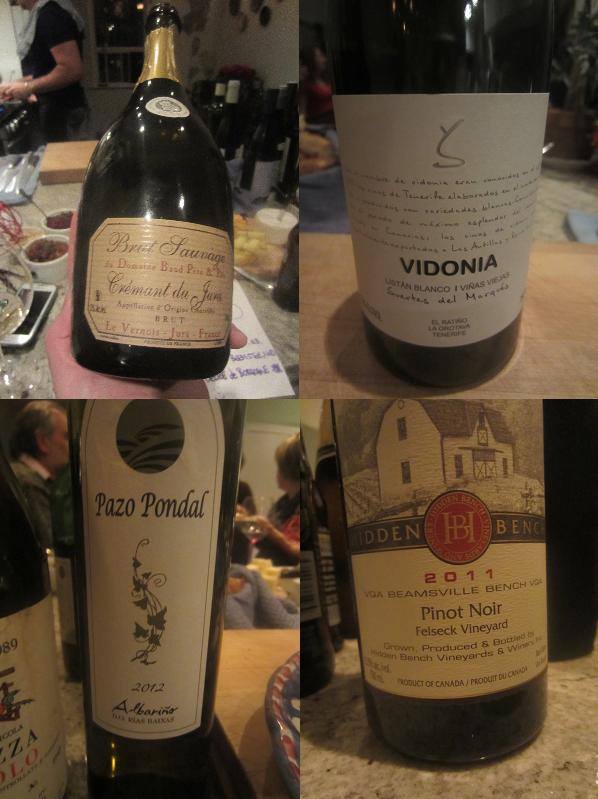

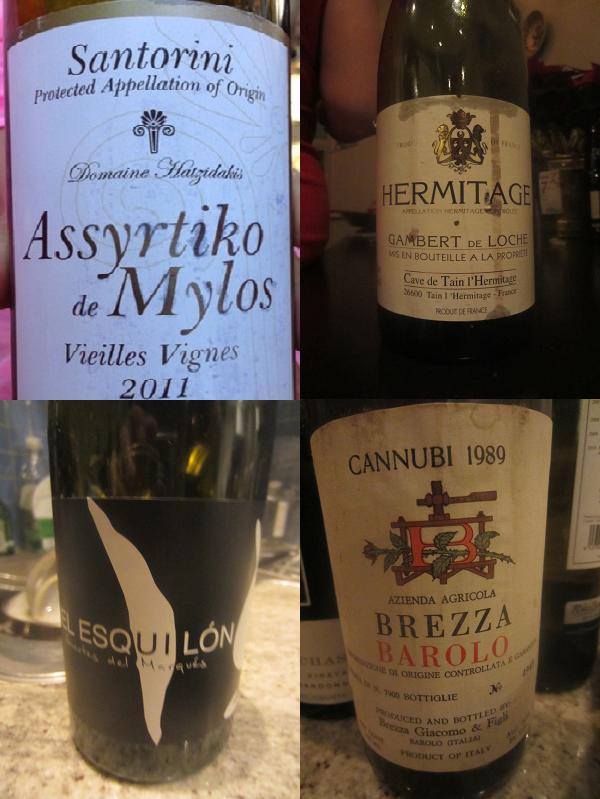

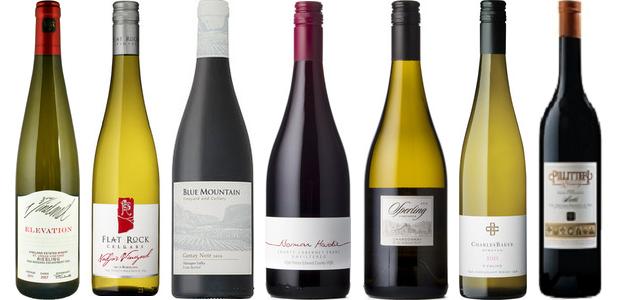
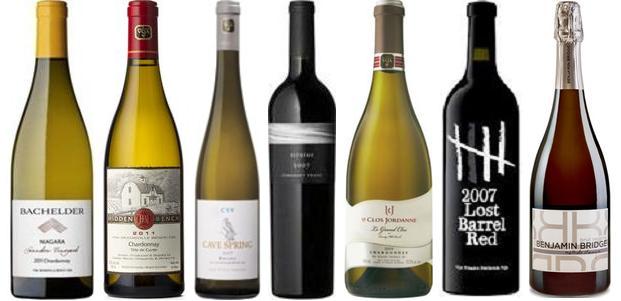


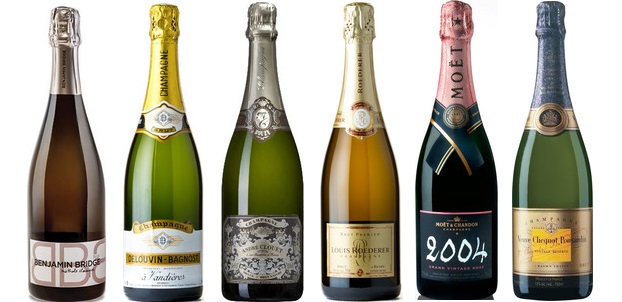
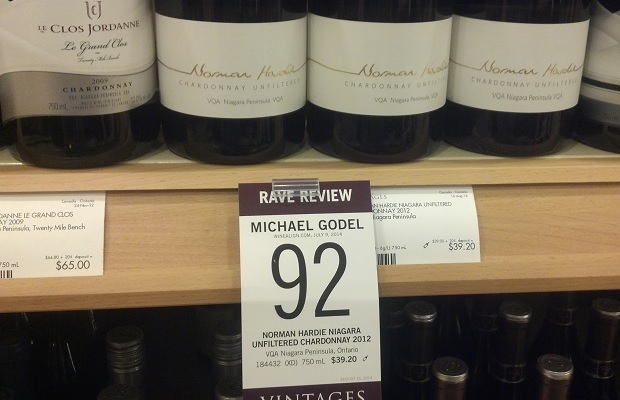

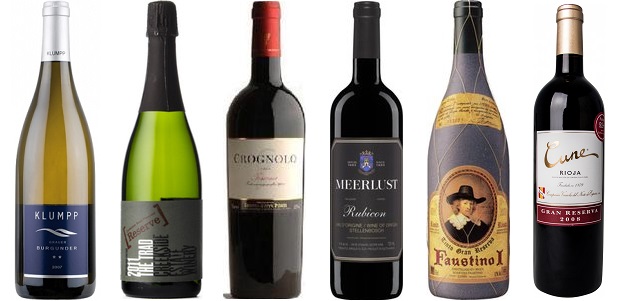
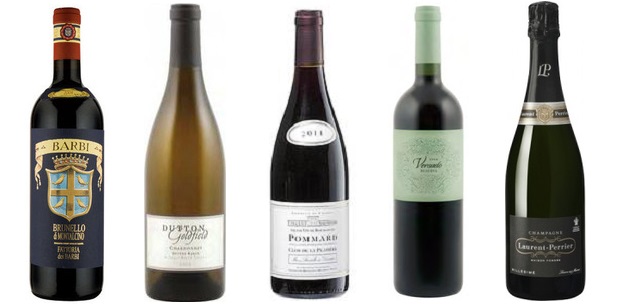
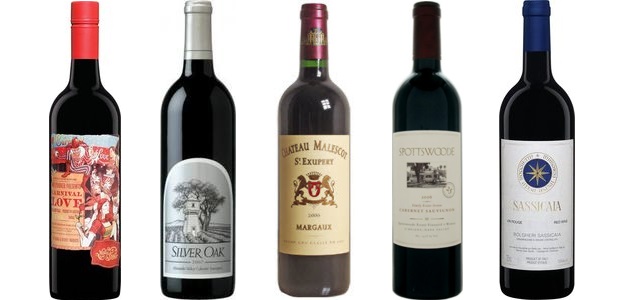


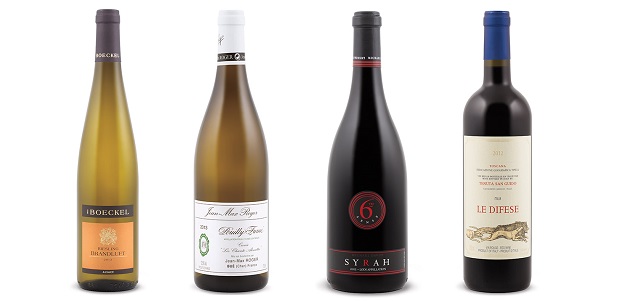
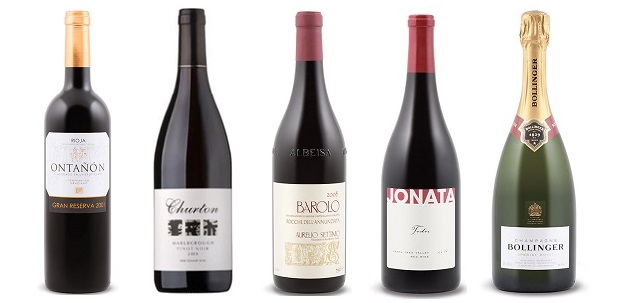
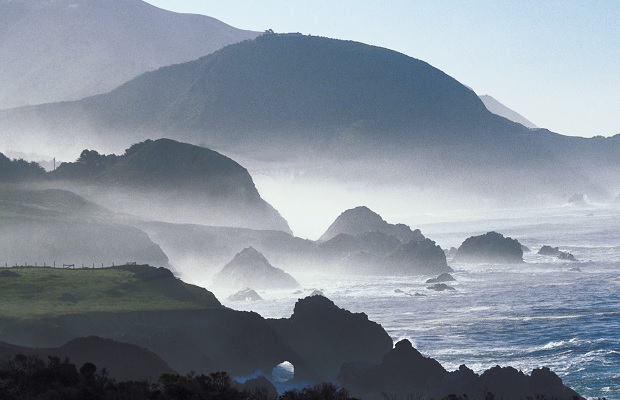


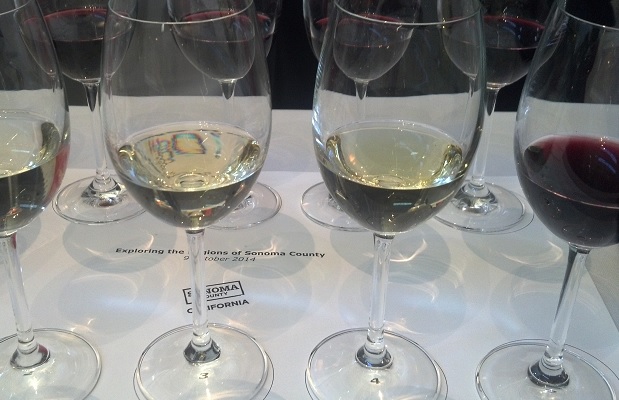


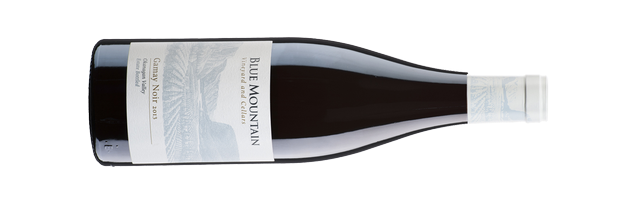
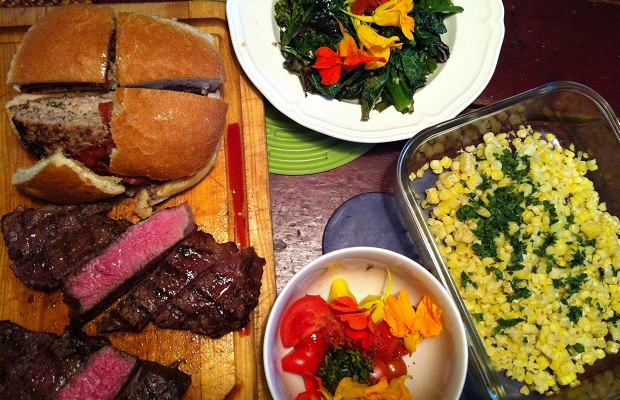
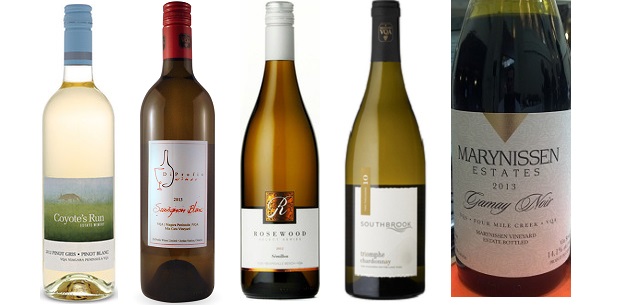

 Godello