Can somebody get the pin? The ninth green at Summit Golf & Country Club
This will be the last weekend of play for most southern Ontario golf courses, or at least the ones who are smart enough to lock down and protect their precious 7,000 yards of turf from irreparable 2017 damage. For many players there are two seasons, golf and wine buying. Now that the exceptional 2016 year of 50-plus, sunshine-blessed rounds of 18 are done, the time has flipped over to loading up for the holidays and stocking the cellar.
My outward and inward nine recommendations from the VINTAGES November 12th release cover one and then the other. The front is marked by balance relative to par; wines of value, amiability, varietal purity and regional respectability. Just have a look at some of these iconic names: Delas, Catena, Trimbach, Gabbiano, Hedges and Cave Spring. The back takes swings into under and over par territory. Some are choices that polarize with buyers, critics and geeks. Are they worth the cash? Only you can be the judge. Along with some of Niagara’s greats are selections that include Chablis, Gran Selezione, Veneto and Napa Valley.
So put away the sticks and hit the stores. Here are my top 18 recommendations coming to VINTAGES this weekend.
Front Nine
Delas Viognier 2015, Vins De Pays D’oc Rhone, France (462465, $13.95, WineAlign)
Pretty darn textbook viognier in the broadest sense of the varietal word, aromatically waxy, tropical and medicinal. The low alcohol, high flavour and commercially managed acidity is balanced by cream and citrus. No more, no less, precise and managed with utmost professionalism. Drink 2016-2019. Tasted October 2016 #Delas@VINSRHONE@UNIVINS
Karavitakis Winery The Little Prince White 2015, Crete, Greece (465930, $14.95, WineAlign)
Here an interesting bit of local vernacular, Cretan style, with vilana (65 per cent) and vidiano (35) dishing up a distinctly and singularly endemic mineral impression by way of subtle hints from tropical fruit. The palate is rich, broad and marzipan creamy. The acidity is round and rambling, tying the whole kit and Crete kaboodle together. A worthy side venture into the Greek Aegean hinterland. Drink 2016-2018. Tasted October 2016 @karavitakiswine@VictoryWine@winesofcrete@DrinkGreekWine
The Young Vines is an orange to the Earth and Sky’s apple, of a change of fruit and a pace that is hot off the press. Yet it is not without some ancient wisdom. In some new world sites vines up to 15 years of age would be considered old growth adults. In a Greek vineyard like that of a Naoussan like Thymiopoulos, they are babies of the sun. The Xinomavro here is fresh, momentarily acts strikingly brazen, bracing and ultimately, blatantly beatific. With a glass of the young vines in hand to it I say, “it’s not the pale moon that excites me, that thrills and delights me. Oh no, it’s just the nearness of you.” Like Norah Jones in a glass, sultry, contemporary, lightly smoky, of a jazz aesthetic and a pop sensibility. And wild berries. So fresh, so good. Drink 2015-2019. Tasted May 2015
Parker Coonawarra Series Cabernet Sauvignon 2013, Coonawarra, Limestone Coast, South Australia, Australia (467571, $19.95, WineAlign)
The Coonawarra Series cabernet sauvignon is predominantly sourced from the Williams family vineyard (like that of the chardonnay) in Southern Coonawarra. There can be no separating Terra Rossa soil from what happens with (especially) cabernet sauvignon anywhere in the Coonawarra. Very cool and savoury cabernet with tart cranberry, currant and black raspberry aromas. Really crunchy, chewy and gritty wine with focus and grip. Drink 2017-2020. Tasted October 2016 @parkerwine@CoonawarraWine@Select_Wines@Wine_Australia
Catena Malbec 2014, Mendoza, Argentina (468066, 1500ml – $39.95, WineAlign)
High mountain vines bring more than altitude to Catena’s most commercially visible and successful malbec. In magnum format it accentuates the herbs and the dry, dusty qualities. In here there is sweetness but from tannin and extract. Acidity is the catalyst to make this sing a mountain hymn. Such proper winemaking brings rain. Love the format. Drink 2017-2020. Tasted October 2016 @LauraCatena@CatenaWines@ArgentinaWineCA@winesofarg@Noble_Estates
First and foremost it is the wood, or the lack of wood that stands out in the CCR 2013. It may be observed as a different kind of wood, less polished and more natural but what really wins out is the fruit. The cherries are surfeited by impressed tannin and linger with good tonic for a good length of time. Great restraint shown by winemaker Federico Cerelli. Drink 2018-2024. Tasted June 2016 @castgabbiano@chianticlassico#TreasuryWineEstates
Trimbach Riesling 2013, Ac Alsace, France (734517, $23.95, WineAlign)
What pray tell might you ask more than this from Alsace riesling? Could you, would you demand more immediate gratification? Might you request more purity and clarity of soil, rock and regional understanding? Is there a need to better define citrus and dry extract in any finer way? Trimbach has it down and few can pinpoint with fewer words and more direct impression. How things ought to be. A tight vintage though, so wait 18 months before embarking on chapter one. Imagine the Cuvée Frédéric Emile possibilities. Drink 2018-2023. Tasted October 2016 @trimbach@annetrimbach@WoodmanWS@AlsaceWines@ACT_Alsace@VinsAlsace @drinkAlsace
Hedges C.M.S. Cabernet Sauvignon / Merlot / Syrah 2014, Columbia Valley, Washington (948992, $23.95, WineAlign)
Copacetic and well-amalgamated vintage here for the Hedges CMS, a wine of deep singer-songwriter meets jazzy flavour and sensible grip. Though there are bitters and a display of fine if sweet tannic structure, this CMS hits not over the head or below the belt. Just a few jabs and a loving embrace. A blackstar Columbia Valley blend that flies past, like “seven tracks in 40 minutes and it’s musically distinct.” In this way it reminds me of Ben Greenman’s New Yorker piece, “The Beautiful Meaninglessness of David Bowie.” Or it makes me think of Bowie as so many Hedges wines do. It’s not that this wine offers no clear meaning but it dishes ambiguity in ways only it can do. Like the late glam star, it “can’t give everything. Away.” Or, as Greenman concludes, “unless, of course, that isn’t what it means at all.” Drink 2017-2020. Tasted October 2016 @hedgeswine@Noble_Estates@WINESofWA
Cave Spring CSV Riesling 2014, Cave Spring Vineyard, VQA Beamsville Bench, Niagara Escarpment, Ontario (566026, $29.95, WineAlign)
The vintage brings a concentration and a compression and the most fruit imaginable for the Beamsville bench and the CSV. How this iconic riesling solicits immediate attention and fruit-juicy love is really something and hasn’t been seen in a few years. The citrus is all flesh and juice, the mineral aspect full of tang. Unction and viscosity define the texture and the palate. Drink early and enjoy the hell out of this forward CSV riesling. Drink 2016-2021. Tasted October 2016 @CaveSpring@TheVine_RobGroh
There was this intuitive moment with Picone 2013 as if it was waiting on me. Not doting or soliciting, but waiting. I will admit to have been wondering, reeling and speculating. To peer or peek into what Mark Picone’s Vinemount Ridge vineyard would adjudge and then bestow Charles Baker’s riesling in 2013? Would it be a case of weight, hyperbole, a hang in the balance out of misjudged necessity? Nah. Picone is no longer a mature 20 year-old vineyard but now a wise old thirty year-old one. Picone 2013 is in fact a fun park mirrored image of itself, with haughty, aerified aromas and variegated, leaning to tropical fruit flavours, taut like a flock in line with the vintage. The riesling berries just seem to have imploded and the results that have followed are nothing if not intense. Imagine a Yogyakarta market and a two-wheeled, glass-cased push cart stacked with a pyramid of tart mangoes. The fruit had been picked just as the sugars had begun to run like sap and bleed sticky on the cracking skin. A mango is sliced and doused with the intensity of Java lime juice and then sprinkled with Laut Jawa salt. The flavours are searing, sweetly saline and quenching. Only this tart is this, where tart and acidity meet, intertwine and connect on an emotional level. Picone 2013. The first non-inoculated riesling at first and then touched up near the end. “The best vintage you could ask for in riesling,” notes Baker, “cloud-covered, a meeting of the minds, vibrant.” The arid, cranky one will live without fret for 15 years. Drink 2018-2028. Tasted twice, October 2016 @cbriesling@StratusWines
Louis Moreau Chablis Vaulignot Premier Cru 2014, Burgundy, France (525386, $36.95, WineAlign)
Vaulignot was created in 1976, one of the last Premier Crus to gain such status within the association. Note that Moreau’s nomenclature is Vaulignot instead of Vau Ligneau, but the meaning is exactly the same. Really round and rich Chablis with a relative and realistic purity specific to place. This alights as a sun-drenched and lemon waxy chardonnay with enough (thank you very much 2014) tension to keep it rolling right along. What Vaulignot brings to the Chablis table is stick to your tongue, mouth and ribs persistence and vitamin water mineral enhancement. In a way it is caught in the Chablis netherland between up front gregariously fruity and strikingly mineral/acidity piercing. Great length in this vintage. Drink 2016-2020. Tasted October 2016 @MoreauLouis1@vinsdechablis@purechablis@BourgogneWines@vinsdebourgogne
I would not have thought it possible but the ’12 TC Meritage is open for business. The fruit is near-perfect for what these parts of the Beamsville Bench can offer and the normal gnashing is frozen as if suspended, which it likely is. In its current state it is all berries and dusty tannins, ripe, ripe acidity and plenty of outright happiness. A wisely structured Terroir Caché from Marlize Byers as only she could coax and extend. Drink now (not) or wait five years. Points in between may be confounding. Drink 2020-2030. Tasted October 2016 @HiddenBench@BenchVigneron@MarkAnthonyON
Coyote’s Run Rare Vintage Pinot Noir 2013, VQA Four Mile Creek, Niagara Peninsula, Ontario (296863, $39.95, WineAlign)
A tart and robust vintage for the rare pinot noir, deeply ingrained into earth, sun and savour. This is distinctly varietal to Four Mile Creek with haute sapidity and exceptional length. The rusty accents inject piercing citric life into strawberry rhubarb pie. The tannins gnash their terrible teeth and the fruit hides for dear life. I’m not sure any Rare Vintage David Sheppard-ed pinot noir has ever delivered such mean structure. The next Niagara growing season should contribute to an ever more impressive showing because the fruit will almost certainly be up to the tyrannical task. Not to mention the coincidental crossroads 30th Sheppard vintage of making wines in Ontario. Meanwhile, from the cloudy, windy 2013 vintage his pinot noir will live long and prosper. Drink 2018-2025. Tasted October 2016 @coyotesrun
Henry Of Pelham Cuvée Catharine Carte Blanche Blanc De Blanc 2011, Méthode Traditionelle, VQA Short Hills Bench, Niagara Escarpment, Ontario (315200, $44.95, WineAlign)
t’s always a highly anticipated taste when a vintage dated Cuvée Catherine is on the table sidled and promoted with the bar raised to epic heights from a striking chardonnay vintage like 2011. With acidity a given as the elephant in the room the formidably elegant Blanc de Blanc glides ethereally to press upon the olfactory nerve major and then grace the palate with fine mousse, citrus and biscuits. This is a benchmark for Ontario and Canada with only Benjamin Bridge’s B de B styled Gaspereau Valley gemstone sparkler in the same elite league. Enjoy this now and for 15-20 blissful, fizz-friendly years. Drink 2016-2032. Tasted October 2016 @HenryofPelham@SpeckBros
Barone Ricasoli Castello Di Brolio Chianti Classico Gran Selezione 2012, Docg Tuscany, Italy (942607, $59.95, WineAlign)
A Chianti Classcio first borne in 1997 with the plan to create a maximum quality blend as an expression of the estate’s diverse terroir. A meticulous selection is combed from the estate’s vineyards, spread over 230 hectares of land. Though early on the fruit may have emerged out of good but not yet exceptional vineyards, nearly 20 years later the sangiovese (90 per cent) with cabernet Sauvignon and merlot (or perhaps petit verdot) adheres to grand vin excellence. The wood regimen is 18 months in tonneau followed by 18 in bottle. Perhaps you will not find a more accomplished, perfectly judged, matter of factly expressed Gran Selezione. Sangiovese in equality of spicing with fruit, acidity and tannin, perfectly integrated toast, wood impact and textural drive. Stefano Capurso admits this about the transition from Chianti Classico to Gran Selezione.”It’s a matter of compromise between what is needed for the small producers and the need to express through crus for the large ones.” Drink 2018-2025. Tasted May 2016 @barone_ricasoli@imbibersreport@chianticlassico
Only and distinctly Quintarelli, of that Negrar perfume and the kind of salumi cure no other producer can seem to procure. Though an infant and a baby to more mature vineyard selection Quintarelli adult bottlings, the Primofiore is full of exotics, of clove, cardamom, liquorice and meaty char. There is a sweetness to Quintarelli fruit and a remarkable resistance to astringency. This particular 2012 IGT is smooth and soothing. It is dangerously easy to consume. Drink 2017-2027. Tasted October 2016 #quintarelli@LiffordON
Stags’ Leap The Leap Cabernet Sauvignon 2012, Napa Valley, California (142844, $89.95, WineAlign)
Signature cabernet sauvignon from Stag’s Leap from the first of the dry Napa vintages is dusty and high-toned to a high degree. Pure berry distillate and a savoury linger lead off and yet the closemindedness is still a youthful issue. There is a beautiful sense of florality behind the veil of aridity and big room tannin and yet the fruit is so very ethereal when it comes to tasting. Yes the dinging acidity and dastardly tannin will be a constant reminder of structure but without over compensation from the barrel the DJ Kylo driving beat will always be helpful. Gorgeous wine from Christophe Paubert. Put it in the time machine. I’ll take that leap in the dark. Drink 2019-2027. Tasted October 2016 @stagsleapwines@SLDistrict#TreasuryWineEstates
Forman Cabernet Sauvignon 2012, Napa Valley, California (143925, $160.00, WineAlign)
Forman’s 2012 is a big, vibrant, robust and dusty expression, full of fruit, more fruit and nothing but fruit. Though the price is exceptional, the combined stylistic and level of honesty is formidably forman-ible. It is a rare opportunity and execution indeed when sweetness is culled from extract without the necessities of manipulated winemaking, oak usage included. The naked purity of this wine from an exceptionally dry, ripe and efficiently evolved vintage leads this cabernet sauvignon down a long, purposed and grandiloquent road. Drink 2018-2030. Tasted October 2016 @rogcowines@NapaVintners#formanwines
No country for old #vinhao or as @sommelierfou would say, “Apocalypse Vinhão.”
I recently returned home following an arduous, wild and exciting five days in Verona and Valpolicella. That night I fell into a coma even before my head had sunk into my memory foam pillow. I slept without a care to the world. When I awoke early Saturday morning my phone looked at me as if to say, “I’m sorry, but I have some bad news.”
David Pelletier, ‘Le Sommelier Fou’ and friends in Vinho Verde
I first met David Pelletier six months ago at the airport in Oporto, Portugal on Tuesday, March 29th, 2016. Before that time he was to me simply Le Sommelier Fou, an online presence for the intelligent, thorough and exacting French Canadian musings of a wine writer with a sensitive voice. Two things struck me straight away about Mr. Pelletier. His sweet and caring eyes and his uncanny and impossible ability to travel back and forth between the French and English languages as if he had been born with two tongues.
David Pelletier and group aboard the Vinho Verde bus, photo (c) Christopher Wilton
Sadly, while travelling in California a few weeks ago, David Pelletier passed away. It was a terrible shock. His family and friends have lost the man who smiled with his eyes. They have lost a brother, son, confidant, mentor, teacher and companion. My friends and colleagues in Quebec share a collective hole in their hearts. I can’t begin to understand their pain. My time with David Pelletier can only be measured in commatic and cosmetic terms. It was not enough.
As the week in Portugal’s Vinho Verde region progressed, I got to know some things about David, about his life at the Trafalgar School, about his desire to devote his professional life entirely to wine. I sympathized with him having recently converted my personal commitment to the same dream. We stayed in contact after Portugal. On September 6th he sent me this message. “Hi Michael, could I get an email address from you? yours, ideally. It’s to illegally apply for a credit card. Kidding of course. But your email address would be cool. Thanks.” I never got that e-mail from him and will never know what it might have been about.
The photobombing Le Sommelier Fou, photo (c) Christopher Wilton
With David’s passing I’ve decided that it is time to finally share some thoughts on that trip to Vinho Verde. With no disrespect intended towards the producers, winemakers, the administrative and marketing staff of the region, their wines and the places must share this stage with Mr. Pelletier. His memory will always be inextricably linked to my time spent there. I think my travel companions will agree. Evan Saviolidis, Michael Pinkus, Drew Innes, Christopher Wilton and Anton Potvin from Ontario. Marie-Michèle Grenier, Fred Fortin, Marie-Hélène Boisvert and Émilie Courtois of Quebec. To you all and to David I will always raise my glass of Vinho Verde in memory of Le Sommelier Fou.
Vinho Verde: Green And Light
History shows that Vinho Verde was mentioned by Seneca and Pliny between 96-51 BC. The name comes from the green colour that carpets the landscape and to the youth of the wine, historically held by believers as said to be best consumed within the first year. As you will soon find out, thing have changed.
The Comissão de Viticultura da Região dos Vinhos Verdes was created in 1926 and the demarcated Vinho Verde Region originally defined on September 18, 1908. Vinho Verde extends across the northwest of Portugal, in the area traditionally known as Entre-Douro-e-Minho. The Minho River is its northern frontier, forming part of the border with Spain. Its southern border is formed by the Douro River and the Freita, Arada and Montemuro mountains, to the east it’s bordered by the mountains of Peneda, Gerês, Cabreira and Marão, and the western border is the Atlantic Ocean. In Portugal its 21,000 hectares, 119,000 parcels, 19,000 grape growers, 600 bottlers and 2000 brands make up one tenth of total vineyards. In terms of geographical area, it is the largest Portuguese demarcated region and one of the largest in Europe.
There are four steps to certification; registration, labelling, yields and guarantee of quality. White Vinho Verde (84 per cent) is most often composed from a combination of these varieties; alvarinho, arinto, avesso, azal, loureiro and trajadura. More and more we find it flying solo as a varietal wine and increasingly from single-vineyards as well. Rosé (6 per cent) comes by way of espadeiro and padeiro and vinhão is the lone source for Red (10 per cent) Vinho Verde. The past 11 years have seen to growth for exports between two and four per cent and here in Canada we are the number four purchaser behind the US, Germany and France.
Meteorological and geographical connections begin with high rainfall (1200mm per year, concentrated between October and April) and a severe maritime influence, along with the thread running through that are Vinho Verde’s rivers. Subregions are demarcated by the rivers and thus the micro climates are created. Monção and Melgaço, Lima, Cávado, Ave, Basto, Sousa, Baião, Paiva and Amarante. Soils are mainly granite, of low depth, sandy or Franco-sandy, leaning towards moderate to high acidity, poorly phosphorous and of low fertility. Vinho Verde’s salinity and minerality is derived from the granitic soil.
Most consumers think of Vinho Verde as a slightly effervescent, simple white wine. Fizz is no longer created by secondary fermentation in the bottle. Now just a bit of Co2 is left behind to appease consumer demand. “We want to maintain Vinho Verde as it is known, as a light, low alcohol, aromatic wine.” So limiting the alcohol and designating the acidity (at 4.5 TA) is employed. “O Verde E Leve.” Green And Light.
Into the landscape Monverde Wine Experience Hotel @quintadalixa #vinhoverde #oporto #amarante #portugal
An introduction to Vinho Verde
I have been fortunate to taste examples of Vinho Verde on a regular basis in Toronto so my idea of style and diversity has expanded generously over the past five years. For most Ontario consumers Vinho Verde means, cheap, effervescent, gulpable white wine that you find in droves on LCBO shelves at the Dufferin and Dupont Galleria Mall. Many folks think of Vinho Verde as a grape variety and that all of the wines are exactly the same. To alter consciousness, the quest begins with a great effort. The demarcation point of initiative in requiem of supposition to lay bare and recalibrate the region’s unjustly exposed and indefensible position. The journey to Vinho Verde diversity begins at the Monverde Wine Experience Hotel.
At the Monverde Wine Experience Hotel Tomás Gonçalves of the Comissão de Viticultura da Região dos Vinhos Verdes pours 18 examples, including 12 single-varietal whites, two Rosé, a sparkling, a Vinhão and only two Vinho Verde blends. Fifteeen producers and nine sub-regions are represented. The decision to introduce a five-day intensive program with a heavy focus on varietal Vinho Verde is a brilliant first strike. Then follows a portfolio tasting of Monverde host winery Quinta da Lixa’s wines. The family owned company (two brothers and a cousin) ripped out and re-planted their vines in 1999. The $10-12 (Canadian projected) wines fall into the category of stupid, crazy value. It is here that the introduction to Vinho Verde is clearly compassed in varietal trajadura, loureiro and especially alvarinho. Ten Canadian journalists and sommeliers are hooked, their collective attention secured and kept curious into the first warm days of April. Well played Vinho Verde. Some notes from the Monverde Experience.
Architectural wonder of Monverde Wine Experience Hotel @vinhoverdeCA #visitvihnoverderegion
Casa de VilacetinhoVinho Verde Grande Escolha 2014, Vinho Verde, Portugal
The lost art and singular reason for blending endemic is found here in three A’s and one L. Here with avesso, arinto, azal and loureiro all aboard the mineral train with variegated tannin and salinity in tow. Pear skin, a touch of botrytis in the guise of banana bring warmth and sumptuousness to the palate though in the end all is qualified by terrific acidity. Drink 2016-2019. Tasted March 2016
Casal De Ventozela Loureiro Vinho Verde 2014, Vinho Verde, Portugal (445098, $14.95, WineAlign)
Loureiro from Villa Verde, grippy and mineral as it should be, marked by citrus, herbs and the slightest spark of CO2. This must have been prime, perfect in fact, in the wheelhouse even…six months ago. Still refreshing and yet savoury, nearly, though one step away from complex for the grape and a sense of place, from point A to B. Drink 2016. Tasted May 2016
Richer by nature of its glycerin texture, weightier and lifted by alcohol expression, a slight spritz and visions of petrol two to three years away. Mineral tang unlike the compatriots in side by five VV tasting flight. Green olive emerges with five minutes of air like brine from the Manzanilla jar and then acidity sets in. Loueiro all the way. Tasted March 2016 @LeSommelierWine
Modestu’s Vinho Verde 2014, Doc Vinho Verde, Portugal
From the sub region Região de Basto this 100 per cent arinto carries an aromatic mustiness matched and foiled by a lively palate, in what is ostensibly a seconded VV with serious mineral tang. Such great presence is catchy and gaining on you with an underlying savoury pinning. Reminds me of tea leaf chenin blanc, with intruding notes of anise and Chá. Drink 2016-2019. Tasted March 2016
Quinta da Levada Azal 2014, Doc Vinho Verde, Portugal
Azal steps up and claims worthy status from the word go with energy, open aromatics and a pressing matter of density. The tumult of mineral will speak but first brightness full of glade under dappled sun. Stone fruit flavours and their pith with mineral wrap around takes the palate to fully juiced and spirited territory. The most expression and balance is ascertained thus far, halfway through an 18 strong Vinho Verde tasting. The length is exceptional. Drink 2016-2020. Tasted March 2016
With the Comissão de Viticultura da Região dos Vinhos Verdes at the Monverde World Experience Hotel
Quinta De Linhares Azal Vinho Verde 2014, Doc Vinho Verde, Portugal (218222, $14.95, WineAlign)
Here boasts another terrific azal expression but with more litheness within the context of freshness. The level of spritz is charmingly old school and together with that lighter density not as full and therefore in any evolving hurry. Pricks early and dissipates to calm at the finish. Drink 2016-2020. Tasted March 2016
Quinta do Regueiro Alvarinho Monção and Melgaço Reserva 2014, Doc Vinho Verde, Portugal
Seductively saline and ever so venerable, nascent briny, fresh borne alighting Alvarinho, spritely, sharp and fresh. The hyperbole of inchoate viridity and sparkle should alarm in effervescence but the green and the vegetal make for real life twice what other similarly styled alvarinho are wont to express. A run on sentence of Vinho Verde if ever there was. A regional voice and a score for the alvarinho out of Monção and Melgaço conjunction. Drink 2016-2019. Tasted March 2016
Quinta da Lixa Escolha Colheita 2015, Doc Vinho Verde, Portugal
Though trajadura is not the most usual of single-varietal bottlers, this exceptionally fruity example comes from the best harvest in the last 50 years. “A winemaker’s harvest,” observes oenologist Carlos Teixeira, sunny at pick, but low in nitrogen, with a natural fermentation in need of a bit of a boost with some selected yeasts. S’got that chenin blanc faux sugar thing going on, much mineral and a leesy nose. Lees work is maximized in a very short period as the wines are bottled before the new year. Pear, green apple and white plum, fruity florals, very clean and then even more into the mineral. Mono-varietal purity in the cleanest fashion of low malic acidity but magic in acidity nevertheless, like it just doesn’t need any reason to rage. Drink 2016-2019. Tasted March 2016
Quinta da Lixa Alvarinho Pouco Comum 2015, Minho, Portugal
The “uncommon” alvarinho is the winery’s celebration of Portugal’s most noble white variety. Has the platinum and inside pipe tang. Very mineral. Made from four different single-varietal wines and blended together. Selected yeasts are chosen to bring out the different characters of alvarinho; fruity, floral and mineral. This really, really reminds me of pinot grigio made in a slightly advanced, reaching for complexity out of simplicity way. Complicit Vinho Verde with nary a moment of residual spritz. Drink 2016-2020. Tasted March 2016 @QuintadaLixa
At the Tempus Hotel and Spa we tasted through the ViniVerde, Estreia portfolio. Promoção e Comércio de Vinhos Verdes, SA is a holding company whose shareholders are several companies in the Vinho Verde Region and was incorporated with the objective to produce, promote and market the wines and derived more popular from its shareholders and also their own brands. We tasted through Espumante de Vinho Verde Branco, Rosé, Ponte de Barca vinhão and varietal loureiro and alvarinho. The straightforward Branco was first and stole the show.
Estreia Vinho Verde Branco 2015, Doc Vinho Verde, Portugal
The name translates to “début,” from the outfit laying claim to launching first to market. There is certainly something to be said for extreme youthfulness, unbridled energy and quivering character. Such a millenial Vinho Verde with the shortest of attention spans and pure, unadulterated flavour. Simple, slight and with a mere hint of effervescence. Should work out to $9.95 in Ontario. Drink 2016-2017. Tasted March 2016
In Ponte de Lima we dined at lunch with winemaker Rita da Silva Araújo, resident oenologist at the Adega Cooperativa de Ponte de Lima. Founded in 1959 the cooperative produces the most traditional of Vinho Verde wines with a focus on loureiro because of its affinity with the Lima River Valley.
Leite Creme at Petiscas Restaurante #pontelima through the lens of @MHeleneB #portugal
Adega Ponte de Lima Vinho Verde 2015, Doc Vinho Verde, Portugal
Made from 100 per cent loureiro and the first winery to go this varietal route. A wine that “maintains the image of our town and region,” notes Rita da Silva Araújo, resident oenologist at the Adega. Very citrus oriented, in mineral speak and blessed with briny-saline aridity. A good dose of CO2 spritz and dogged persistence mark the finish. Drink 2016-2017. Tasted April 2016 @MuniLima
Adega Ponte de Lima Loueiro 2015, Doc Vinho Verde, Portugal
This 100 per cent loueiro may sit on a poor man’s throne of typically lithe alcohol (11 per cent) and restrained residual sugar but it carries a secondary depth of grape tannin, Lima soil tang and warm viscosity. From a selected harvest over two days of only the best grapes and subjected to four or five hours of skin contact. Time on the lees with batonnage brings the mouthfeel and the sweet caress. Here we climb to another level and through tertiary layers of pierce, salinity, aridity and finely tuned stone fruit. Very nice. Drink 2016-2019. Tasted April 2016
Colours of Quinta da Raza and Monte da Sr.ª da Graça #vinhoverde
Transitions
The transition from the straightforward towards ascending the steps into the arena of the complex begins with a visit to Quinta de Raza, located in Peneireiros, Celorico de Basto, adjacent to the Douro Region. It is here the Teixeira Coelho family has been committed to wine production since the XVII century. Today the estate is run by José Diogo Teixeira Coelho. Soils of granite origins are mixed with areas of schist and clay, atypical and unusual in the Vinho Verde Region. The microclimate is created by the mountains in the west and the valley of the Tamega river which, unlike the other rivers of the region does not run from East to West, but from Northeast to Southwest, which together prevent the influence of the Atlantic winds. Less rain and greater temperature range equates to increased sun exposure, more than many vineyards in the Vinho Verde Region. Couple this with an average altitude of 250 meters and things begin to get interesting.
Quinta da Raza hosts and their exceptional value @vinhoverdewines
Dom Diogo Azal-Arinto-Trajadura 2015, Doc Vinho Verde, Portugal
The blend breaks down to 35/50/15 and like three layers of conditioned lemon, juicy, curdish and gelid, this is very vibrant from out of the auspices of a typical blend. The winery sells this at two euros ex-cellar price which is so ridiculous. This means the top end Canadian price would be $9.95. So fresh (azal) balanced in the clay of trajadura, not necessarily so long but really, who cares? Carries a granite toughness, this simply perfect warm weather blend, with a little bit of secured happiness provided by 7 g/L of residual sugar. Appellative excellence. Drink 2016-2017. Tasted March 2016
Dom Diogo Azal 2015, Doc Vinho Verde, Portugal
The surprise varietal, venerated by a whopping price increase to three euros (which would translate to $12.95 CAN), firm and with more righteous bitters. Here the agar, the orange citrus and a wealthy (8 g/L RS) weight for white wine personality. More length and grip with character increasing via a stick of Vinho Verde dynamite. Just delicious. Drink 2016-2018. Tasted March 2016
Hello world. Meet the new #vinhoverde #quintadaraza #avesso #alvarinho
Quinta da Raza Avesso-Alvarinho 2015, Doc Vinho Verde, Portugal
The blend’s split is 60/40 and the ex-cellar price up to five euros but this is the finest and most refined VV of the lot. The two A’s are combined and purposed with the best intent for aging, or at least the most potential. Quinta de Raza is the only vintner to tempt fortune and compete with such a complex symbiosis from the region. The new ideal is here in this inaugural release because Diogo has a soft spot for avesso. The augmentation is by 10 per cent new French barrel to induce and encourage avesso and allow for higher alcohol (13.5) and acidity. The great stirred contact bleeds to warmth and this is ostensibly top end alcohol for the region. You can sense the malolactic and the tannin. The balance will require 12-18 months to integrate, bringing the nose and the palate together, though not too much longer for fear of losing fruit. That said it’s (1.5 g/L) bone dry. Plus the avesso is culled off of young vines so vintages down the road should see more potential. Drink 2017-2020. Tasted March 2016
Also northeast out of Porto and close by is Quinta das Arcas, a family company founded in 1985 by António Esteves Monteiro. The production is mainly obtained from 120 hectares spread across three estates located in the Valongo and Penafiel area. The Quinta das Arcas estate covers 55 hectares of 20 year old-plus vineyards planted to loureiro, trajadura and arinto. The winemaking team lead by engineer Fernando Machado. Vinification is classically performed, with quick destemming, pressing and low temperature fermentation in stainless steel with an experiment or two in barrel. The company’s Vinho Verde is bottled under the labels Arca Nova and Conde Villar.
Arca Nova Vinho Verde Branco 2015, Doc Vinho Verde, Portugal
The blend is loureiro (50 per cent), arinto (40 per) and trajadura (10), in a classic, central to the estate’s oeuvre Vinho Verde. From a warm, dry year so more structure; this has the tannin, ripe fruit and tingle. The hue is somewhat developed, like grigio to gris and it is a real step up from the average and the norm. Both sugar and acidity (6 g/L) are paired with equal and opposing formality. The traditional yet modern full-on stone fruit flavours with a nick of citrus pit. Drink 2016-2018. Tasted April 2016 @quintadasarcas
Conde Villar Alvarinho and Trajadura 2015, Doc Vinho Verde, Portugal
Close to an even split with alvarinho edging out the trajadura and the fruit is all estate (others include some purchased grapes). This separate line is intended to offer a different expression from the Quinta and you can feel the density, assess the effect of ripeness and sugar. The nose is so very preserved lemon, the extract terrific and here there is a weight feigning effected by lees in surround of that ripe fruit. Drink 2016-2019. Tasted April 2016
Quinta da Arcas Vinhão 2014, Doc Vinho Verde, Portugal
Only made in special years and so important to call out for how it abandons centuries of astringency. Spent six months in new French oak (and a small percentage of American) to establish a whole new concept for red Vinho Verde, round and in surround for vinhão. The astringency falls away and lets the fruit shine in spite of the wood. Reminds of petite sirah on the elegant side and with a sapidity stung back bite. Lots of cocoa, espresso, and dusty tannin. Solid, non-traditional vinhão. Drink 2016-2020. Tasted April 2016
The granite soils of Quinta de Curvos are located in a valley with influences from the Neiva River and the Atlantic Ocean within the demarcated region of Vinho Verde (Entre-Douro e-Minho). The 27 hectares of vineyards are distributed among four properties located in Forjães, Ponte de Lima and Barcelos. The vineyards underwent a major process of restructuring and in 2014, the production of wine rose to a volume of 275,000 litres. Sustainability in the biodiversity of the vineyard’s ecosystem and the reduction of environmental impact are major priorities and so tractors and herbicides have been replaced by sheep.
Quinta de Curvos Superior 2015, Doc Vinho Verde, Portugal
Most expected blend composed of loueiro, trajadura and arinto in the words of Miguel Fonseca “most traditional wine, very dry and very gastronomic.” The entry-level honesty, basic instruction and 101 effectualization is spot on. What more in needed in under $10? Carries all the hallmark points and notes of Escolha Vinho Verde. Bay laurel, citrus and an edge of stone, by granite and into fruit. Drink 2016-2018. Tasted April 2016 @quintadecurvos
Quinta de Curvos Alvarinho 2015, Doc Vinho Verde, Portugal (471276, $17.95, WineAlign)
A regional varietal wine not permitted to be labled Vinho Verde so Vino Regional Minho it must be. This 100 per cent alvarinho is labled as such in Portugal and Afectus for the Ontario market, Latin for “emotions.” Quite consistently fashioned like the avesso and the loueiro varietal Vinho Verde, of low tones, fresh, sprite, fully lemon and all around good guy acidity. Not so much a matter of varietal distinction so much as an adherence to a stylistic thread. So by extension I suppose the Curvos wines are about terroir. Afectus for the rest of us. Drink 2016-2019. Tasted April 2016
Quinta de Curvos Avesso 2015, Doc Vinho Verde, Portugal
Just seems to breathe a calm, natural, simple, easy, clean and proper ideal with broad appeal. Lemon is all over this avesso, again like the varietal loureiro and alvarinho, this pushes the company line. With sea bream and dorado the pairing receives an emphatic two thumbs up. Another vital and pure Vinho Verde from Quinta de Curvos. Drink 2016-2019. Tasted April 2016
Not members of Blasted Mechanism. With @MagnusPim and Vasco Croft #AphrosWines #vinhoverde
The diurnal motion of Vinho Verde
A visit to Aphros with winemaker Vasco Croft levigates and recalibrates thoughts, perception and meaning. It is here that the cosmology of Vinho Verde does not so much begin to take shape but pops like a genie from the bottle. The name Aphros (Greek, “sea-foam”) is drawn from ichthyocentaurs (sea-god centaurs) of late poetical Greek mythology. The aquatic centaur has been endowed with the ability to swim with great speed, breathe and communicate underwater. Aphros was thought of as the first king of the sea-going Aphroi (Carthaginians).
“Quality of life is dependent on the quality of water,” insists Vasco Croft. To Croft it all begins with “water’s plasticity and its relationship with the cosmic influences on earthly forces.” Biodynamics. Water dynamization. Double infinity vortex design. Life forces. Amphora. “You must line the amphorae with beeswax and though it is not so economical it acts as a natural preservative and it has the memory of the hive.” A master amphora craftsman in Alentejo does the work. He is one of the last in Portugal to keep the tradition alive.
Vasco Croft’s are risky, primogenitor reviving, genus defining, impossible wines. His is the sole ardent and wavering organic and biodynamic approach in Vinho Verde with complete attention diverted towards spiritual demure and anodyne morphology. I speak for the group when I say that the extramundane was breached at the Aphros tasting. Upon further retrospective consideration it was not so much a matter of wine tasting as it was a disquitionary quest to apprehend the meaning of Vinho Verde’s platonic and sacrosanct future. Croft’s wines are self-professed radical artisanal and produced impractically with no electricity. He investigates the powers of loureiro and vinhão, skin contact, concrete eggs and Pet-Nat. My understanding is gleaned through Vasco’s work and by a momentary hypnotization from a dynamic machine.
Today’s cosmogonal #vinhoverde line-up #AphrosWines with Vasco Croft @LeSommelierWine
Loureiro of a fashion so rare for Portugal and this region, from a concrete pétillant-naturel style, vinified in stainless steel with wild yeasts and initially no additional sugar, then bottled with 20 grams of natural residual sugar, to alight the single fermentation conclusion. An 11 per cent contrariety of méthode ancestrale dialectic, like a lime-grapefruit cordial housing a dissolving lemon tablet. A bowie cut, boning and dressing of loueiro. This here the whole new way to take the grape, to send it sky-high and bring it down to the rustic roots of glam, sparkling funk. “Like to take a cement fix, be a standing cinema. Dress my friends up just for show, see them as they really are.” Vasco (Andy) Croft walking and his hunky dory pet-nat spinning an original tale of a time and a place, or perhaps a myth, like the rustic deity of the forest riding shotgun to Dionysus and his native war. Drink 2016-2018. Tasted March 2016 #aphroswine@LeSommelierWine
Immediately emits or rather feigns a sense of barrel though it’s fully completely an Inox stainless steel wine. From what Vasco Croft describes as a “classic” early harvest, this delimited, restrained and flirty fresh loureiro sits at a lithe 10 per cent alcohol with some minor residual sugar to balance out the brisk acidity. Texture and sumptuousness is prescribed by four months lees with stirring. The freshness is lit by candle wax and a delicious little smoulder. The bees lees. Drink 2016-2018. Tasted March 2016
With fruit from southern exposures off of granitic and sandy soils this is 100 per cent loureiro that saw 12 hours of skin maceration and 30 per cent fermentation in barriques (1/2 new) for six months. A wine now coming into a Frick-esque zone, waxy, whiffing bay laurel and frankly would be so hard to pick out in a blind tasting. The mind might veer to barrel-aged semillon or older riesling. Though a bit oleaginous the wine is balanced by a smoulder and a sharp, petrol-invoking, mineral tang. It is here that the wisdom of loureiro is coronated for having settled in the Lima Valley. Imagine the past and future blossoms, hives and honey. Drink 2016-2020. Tasted March 2016
#amphora #loureiro Phaunus 2015. Nothing I have tasted before could have prepped me to expect this heteróclito #quixotic
Nothing I have tasted before could have prepped me to expect this heteróclito, a quixotic and deferential loureiro that re-writes the varietal script. Spent two and a half months of skin maceration time in beeswax-lined amphora and in the end we are graced with something completely other. Lemon meets mineral funky pottery, clunch depression and then slow-roasted vegetal gastronomy. A tagine or maraq scented by cumin, coriander and a slow-roasted carrot without any caramelization. Leaves a salve in the mouth and doesn’t go away. Clarifed, loureiro broth. Drink 2016-2020. Tasted March 2016
#amphora #2 Phaunus Palhete 2015, 80/20 #loureiro / #vinhao, again no reference point #chimerical #monkwine
No, this beeswax-lined, amphora-raised 80 per cent white (loueiro) and 20 per cent red (vinhão) is not a theatrical performance by a Portuguese electro-rock band with alien-themed costumes. This blasted mechanism is a chimerical ode to the wines and their medieval proportions used by Port monks. It’s a battle of tribes with no reference point that will blast your mind. Its rosé, day-glo pink hue of earthy demure and it is hard to figure which funk reigns, tart fruit or adobe-argil-earth. Moreover it is the herbal, balmy, savoury, sapid variegation that garners the most attention. “Simple things, giant wonders, emotions, I blast your mind today.” Great length. I can’t say anything previous to right now has prepared me for tasting this but my mind and my palate are micronized wide open. “Break free from your own anxiety. Break free from your own desire.” Drink 2016-2022. Tasted March 2016 @blastedmind
Aphros Sparkling Loureiro Reserve 2012, Sub Região Lima, Doc Vinho Verde, Portugal (Agent, $27.95, WineAlign)
Also known as the Loureiro Reserva Bruto, a traditional method, 18 months on lees sparkler with its own set of antithetical parameters and rules. So different from the pet-nat, here surprisingly more artisanal, the most risk-taking of the Aphros sparklers, in deep concentration, at once delicate and then submerging into preserved citrus. Like salient, jagged stones projecting from a karst cave. The lees time is mid-range but the Lima loving loureiro and the Aphros gamble combine for extreme length. Drink 2016-2022. Tasted March 2016
Aphros Pan 2012, Sub-Região Lima, Doc Vinho Verde, Portugal (Agent, $27.95, WineAlign)
The simplest of the Aphros sparkling wines which is anything but simple in the pansophy of the “other red” ideal. From 100 per cent vinhão free run juice and a short period of second fermentation, this is traditional method (nine months) reach for the stars as only the cosmic-minded Vasco Croft can do. Another baby maker here though it’s deferential and antithetical to the ancestrale, pet-nat approach. Not so much strawberry as cherry, with herbiage, litheness (no maceration). “A young fawn of the forest.” Drink 2016-2021. Tasted March 2016
Vinhão in part stainless steel and part barriques, for aging and to calm it down. The relationship allows it to settle upon itself and at five and a half years on it has barely budged, still entangled in a web of acidity and tannin. Not that I, my travel companions or most mere mortals have any great history or experience with vinhão but the intensity is expertly corralled and such length is clearly a trademark of the house. Drink 2016-2022. Tasted March 2016
Vinhão is simply and astringently a teinturière (dyer) variety which happens to be the most planted red grape in Vinho Verde and to a western palate, unpalatable. It is known as Sousão in the Douro, where it is employed in Port assemblage. The raising of this still table red is done in granite tanks and with foot treading. In the hands of Vasco Croft it emits pretty aromatics in contrast to the demands of such an inky wine, from violets but then handed over to that natural cure of porcine élevage. The one and only vinhão of immediate wisdom and confident conditioning, the kind that will linger for 10 years without changing. Still there is this firm acidity and tannin, but restrained. Sharp citrus and as with all of the Aphros line, great length. Drink 2018-2024. Tasted March 2016
Enlightened red Sparkling from #AphrosWines 2006 #vinhao @LeSommelierWine @VinhoVerdeCA #yakkos #vinhoverde
Aphros Yakkos Grande Reserva 2006, Sub-Região Lima, Doc Vinho Verde, Portugal (Agent, $34.95, WineAlign)
A Sparkling vinhão, Vinho Espumante Tinto, aged 48 months on the lees and again, with no real reference point to launch from so it’s like starting over. Where fun and intentional meet, as do tart and bitter. A sparkler that dries out with beauty because of impressive tannins backing up blackberry fruit. How can this not be lauded for sheer and utter imagination, speciality and ultimately, success. It does not get much more interesting than this. With the aridity dial set to 3 g/L RS this would sidle up to and celebrate blueberry pancakes, duck confit and crème fraîche. Drink 2016-2026. Tasted March 2016
With Anselmo Mendes
The multiplicity of Vinho Verde
At the most northern tip of Vinho Verde lies Monção and Melgaço in the Minho Valley and this is where Anselmo Mendes grows and produces his alvarinho. With variances created by way of barrel aging, skin and lees contacts, Mendes imagines, creates and realizes a muliplicity of Vinho Verde that both alters and raises the bar for the entire region’s white wines.
Mendes is the former winemaker at Quinta Melgaço and began producing his own alvarinho in 1998 but his perspicacity, the elaboration of his vineyards and the pansophy of these young wines would make you think their history went back much further. The affinity shared by his alvarinho with Spanish albariño is one of proximity only, separated by the Minho River but consummated of an entirely different truth. Under the umbrella of his 70 farmed acres Mendes also produces loureiro in the Lima Valley and avesso in the Douro Valley. His passion is directed to alvarinho. Anselmo is a winemaker with a favourite child. The blends and entry-level varietal wines are labeled under the brand Muros Antigos. The skin contact, extended lees and barrel aged alvarinho each carry a moniker of their own within the Anselmo Mendes line. Constantino Ramos is Assistant Winemaker while Vasco Magalhães is in charge of sales.
“Our philosophy is the natural expression of the land, with principal characteristic that is mineral, not to make up something new, but we want to experience technology, important to know but just to see what we cannot do. The rest is business. We need to re-educate people, not that they’re wrong, but to know that there is another style for Vinho Verde. The next project is more experience.”
Formal originality of #anselmomendes @terroirimports @winesportugalCA #alvarinho #vinhoverde #melgaco
The blend is loureiro (40 per cent), avesso (40) and alvarinho (20), the spokeswines for the ““raditional” range, all from vineyards near the Lima River, but 150 kg’s apart. “Literally a blend of the region,” notes Mendes, four months on lees with batonnage, of aromatic freshness and exuberance with feelings and sapidity from the Atlantic Ocean. Unique marine minerality, mixed with accents of continental climate. Avesso metal and alvarinho body. Terrific entry-level, top quality, cleaner and more direct than almost any and all others. Drink 2016-2019. Tasted March 2016 @AnselmoVinhos@VascoMaga@terroirtoronto
According to Anselmo Mendes the best loureiro terroir is along the Lima River and it is his varietal ’15 where the warmth and the alcohol are more apparent (as compared to the more northerly alvarinho). Spent the traditional Mendes entry-level four months on the lees with batonnage. The mineral emits less so, the floral and petrol more so. The stone works in close relationship with the palate, of a tang specific to near-northerly vineyards, the back side more into the chalky tannin. Not so much lengthy as much as intense, of an imploding persistence. Drink 2016-2018. Tasted March 2016
From a vintage that saw very little sun throughout the growing season. Cool temperatures and unrequited elongation coupled with some unexpected age means an entrance into new territory for loureiro, in verbalization of a new tang vernacular, a way for Loureiro to speak in a way you could not know it could. The notes are citrus essential oil and extract, with a hint of saffron and a splash of Amaro. Very cool but no honey and a bit lactic. The 2012 wines are evolving and developing all over the map. Experience gathered from tasting and trying to figure them out will go a long way for the winemakers and the taster towards assessing the current ’15’s. Drink 2016-2018. Tasted March 2016
From the vintage in which phenolics had difficulty keeping up with developed alcohol. Adjustments were made to every wine but the range of expression and subsequent expectation is neither consistent nor predictable. The mineral is patina-laced, verdigris, gemstone emerald and there is a whiff of snappy green apple. This reminds me of chardonnay grown on Niagara’s Vinemount Ridge. It’s striking avesso, like popping, cool-climate chardonnay, green and nutty. So much potential. As always, it was treated to four months on the lees with batonnage. As only the second vintage it really is not to be believed. Drink 2016-2019. Tasted March 2016
From granite soils on mountain vineyards quite similar to those on the Melgaço estate. The varietal alravinho was introduced to four months lees and batonnage. In here the most fruit emerges as compared with the entry-level (Douro) avesso and (Ponte Lima) loureiro, along with the most body. There bounds and rebounds an elasticity on the palate where the tannin and mineral emerge. Such preserve is built upon a foundation of citrus and density, exuberant and elevated by the heat of the vintage. Stands erect on guard and in protection of itself with direct, purposed length. Drink 2016-2019. Tasted March 2022
The vintage was a difficult one for all Vinho Verde varietal wines and so blending was not just prominent but essential. Unless you were Alselmo Mendes. This one from mountain granite soils in kinship with the Melgaço estate. Four months of lees contact, batonnage and four years onwards into notes of a beneficial bitter pill dissolving in petrol waters, this has really entered nirvana for what surely was an anticipated secondary expression. Citrus is also bitter (orange and lemon) and their combined twangs of tang like crazy. Four years to pay dirt guaranteed in the Mendes varietal play though the vintage decreases the chance of longer term aging. Drink 2016-2018. Tasted March 2016
Redraft the #alvarinho manifesto #anselmomendes @terroirimports #2001 #murosantigos #vinhoverde
Still sharply aromatic and spiked, with gelid marmalade and onion skin, its honeyed hue not nearly as advanced as expectation would demand. A fromage like chenin blanc note in there from a washed rind, with apricot and peach blossom. This alvarinho from a dry ferment, but there is nothing to really, truly compare it too. Acidity still trenchant. the bitters remain but on its exit in dissipation. Ultimately just wow, amazing, who knew. Drink 2016-2017. Tasted March 2016
As the name suggests here varietal alvarinho spends its most early formative moments in 12 hours skin contact submerge. Initially there is some reservation on the nose and that skin contact feigns the antithetic idea of mineral up front in aromatic gregariousness. It’s as if all that welled up grape tannin is over-anxious and straining to be noticed. The omni-executed four months lees plus batonnage both adds up front and then subtracts so that the palate will settle you in with creamy, just shy of caramelizing and nutty notes. This is done with remarkable restraint. Comes from the sandy soil banks of the Minho River. Requires an earlier or equal consumption zone to its lesser kissing cousin. Drink 2016-2020. Tasted March 2016
Exhibits a very similar profile to the ’15, that perception of high-octane alvarinho of prescient mineral through ripe phenolics, electric and eclectic grape tannin. The citrus is more pronounced at this stage, as is the weight. Finishes with more bitters than the ’15, clearly conditioned and thinking on it now it is understood as to why 12 hours is plenty of skin contact time for the thick-skinned, small berries. Drink 2016-2017. Tasted March 2016.
Muros de Melgaço Alvarinho 2014, Doc Vinho Verde, Portugal (Agent, $39.95, WineAlign)
Alvarinho as you’ve never encountered before, habituated for six months in used French barriques (225 and 400L 2-8 years old) on the lees with batonnage. The first vintage of this unorthodox and recherché alvarinho was 1998. The prophetic Anselmo Mendes is well into a third decade with this amazing alvarinho of Boxler-esque Alsace conceptualization, with density and malo laminate in mouthful with no paste, no chalk, no scotch guard but acidity brilliantly written in blanc stone. Agility and ageability is clearly on time’s side, from here for eight to 10 years for sure. This is the bomb. Yes the wood is a bit up front but will the fruit survive? Yes. Drink 2018-2024. Tasted March 2016
Muros de Melgaço Alvarinho 2012, Doc Vinho Verde, Portugal (Agent, $39.95, WineAlign)
Four years has ushered in some unexpected advanced evolution and a Vouvray-like fromage. Though the eight to 10 years afforded the 2014 may be ambitious, the 2012 vintage was anything but helpful and confidence is what you glean from wines like these. Incredible depth of a granite soil’s mineral tang especially as the palate absorbs the nutrients, the old French wood and the subsequent piquancy. The wine seems to prickle at this stage. Drink 2016-2017. Tasted March 2016
Treated with the same respect and élevage as the Muros de Melgaço, for six months in used French barriques (225 and 400L 2-8 years old) on the lees with batonnage. Here not announcing its varietal because the secret is in Melgaço, not in alvarinho, though it is the most experienced expression of the grape in the region. An amalgamated incline. The oak is of very light toast and here not as apparent as it is in the Melgaço. More clarity and purity, cooler, though the coppery hue might suggest otherwise. This is a dart, sharp and pointed…and then, calm. Such precise treatment from alvarinho expressing the terroir. A slight tinge of tonic in compressed into the citrus finish. Drink 2017-2023. Tasted March 2016
L’élevage is heightened to nine months in used French barriques (225 and 400L 2-8 years old) on the lees with batonnage. The name translates to “bronzage,” or literally, “to extract” on the skins for 12 hours and “to party” with mineral jam. More fruit works with the extra oak plus one year in bottle before release. Now we have left the building and entered into a futuristic alvarinho from which the length is outstanding. Causes a Fortin shiver, lingers and caresses. Like a Fitzgerald novel it seems richer, more complete and more justifiable when viewed against the biographical backdrop of Anselmo Mendes and Vinho Verde. “Between a life that we expected and the way it’s always been,” tender is the night. Drink 2018-2024. Tasted March 2016
From the challenging vintage here the artist known as “the bronzage” is an example of a wine made by a winemaker unfased by such inconsequential roadblocks. Anselmo Mendes the earliest of Vinho Verde visionaries, treading archaically and swimming in futuristic waters. Making an alvarinho connection through the usage of French barriques (225 and 400L 2-8 years old) on the lees with batonnage. This 2012 tactile and layered. Does what no other alvarinho has or currently does and will age with slow movement more than the others. If only today though I wager it’s not, his 2012 settles with the most balance of the portfolio. IMO. Drink 2016-2022. Tasted March 2016
Estate Vineyard at Anselmo Mendes
Anselmo Mendes Parcela Única Alvarinho 2013, Doc Vinho Verde, Portugal (Agent, $64.95, WineAlign)
The treatment here is similar to the Curtimenta, nine months, though in new (400L) French barriques on lees with batonnage. Just above the tasting room is a premium Monção and Melgaço block on the Mendes estate, a single-parcel, in the monk’s area, “a vineyard that always gives an exceptional and elegant alvarinho.” As sheath to this singular, pellucid and top-drawer fruit the new oak is very obvious though necessary for what this wants to be. And so it puts in a patient request for time with the promise of penitence, charity and deliverance. Drink 2018-2025. Tasted March 2016
Anselmo Mendes Parcela Única Alvarinho 2012, Doc Vinho Verde, Portugal (Agent, $64.95, WineAlign)
One year makes all the difference. The new wood (400L, nine months) has melted, tempered and now oozes in flavour. The texture is butyraceous, bled, like a creamy foam that begins to lose its air. This is the hedonism that rises above the rest. It is the most internationally-styled, Burgundy to Napa simulacrum. Flirty alvarinho from Monção and Melgaço. Drink 2017-2022. Tasted March 2016
Oporto Verde
Über beauty, From Porto to the River Minho
The Vinho Verde focus was certainly geared towards the wines but the powers that be who plan the journalist-sommelier junkets know full well that the allure of landscape, architecture, culture, history and gastronomy is such an integral part of the experience. The Monverde Experience Hotel set the stage and though it seemed like nothing that followed would have any chance to thrill and excite, the hits just kept on coming.
Canadians in Melgaço
On the last day of March we drove north to Melgaço in the Viana do Castelo District. From the fortress contracted by the then first king of Portugal D. Alfonso Henriques we took in the view a stone’s throw across the River Minho looking out towards Galicia in Spain. Late in the afternoon we crossed the River Lima into Viana do Castelo and arrived at the Pousada Hotel. As if in a dream, or a movie, we marvelled at the views.
Viana do Castello
Set on the hill of Sta. Luzia the Pousada was built in 1918 by a wealthy Brazilian as a gift to the city. Down the slope lies the shrine of Sta. Luzia, built in an unusual Neo-Byzantine style and then further down the slope is the city centre of Viano do Castelo and the estuary of the River Lima.
“Are you M. Gustave of the #grandbudapesthotel in Nebelsbad?” @PestanaHotels @Pousadas #pousadavianadocastelo #portoenorte #uhhuh
L’shanah tova, happy new year, peace, happiness and health to all the members of the tribe out there. New beginnings, sweet and good times to you and yours. I’ve just returned from Italy, specifically Verona and Valpolicella. While I was in transit a new VINTAGES release crept into stores.
Tuscany, Rioja, Thanksgiving. These are the main themes of the VINTAGES October 1st release. As from me for the first it is Chianti Classico’s Gran Selezione that occupies the best sangiovese position in the central thematic. Second comes entry-level excellence from Álvaro Palacios and for the last three, pinot noir from disparate outposts; Sonoma County, the Willamette and Hemel-En-Aarde Valleys. A further 12 recommendations explore 10 regions; South Africa’s Coastal Region, Veneto, Loire Valley, Beaujolais, Alsace, Piedmont, Calatayud, Montagny, Paarl, Arroyo Seco and 14 additional grape varieties; chenin blanc, garganega, sauvignon blanc, gamay, riesling, arneis, garnacha, sylvaner, chardonnay, grenache blanc, picpoul blanc, roussanne and nebbiolo. Something for everyone.
Boschendal Rachelsfontein Chenin Blanc 2015, Wo Coastal Region, South Africa (455881, $12.95, WineAlign)
Classic chenin blanc from Boschendal, tart, balmy, savoury, smoky and spirited. Conjures up simple pleasures, breathing and bliss. A morning walk in a glade, a bubbling brook, herbs everywhere, wildlife. Drink 2016-2018. Tasted September 2016 @BoschendalWines@LiffordON@WOSA_ZA@WOSACanada
San Raffaele Monte Tabor Soave 2015, Doc Veneto, Italy (277392, $14.95, WineAlign)
Always a good Soave buy and especially in the ripe and easily commercialized 2015 vintage. In fact this preface is a clear indication for such a wine because it can basically make itself so it smells, tastes and delivers just like itself. Citrus and herbs, Maresina, Pisacan, Sciopeti and then more citrus, followed by a mouth feel with an accent of stone. Delicious little commercial Soave. So correct. Drink 2016-2018. Tasted September 2016 @Oenophilia1@RegioneVeneto
Foncalieu Le Versant Sauvignon Blanc 2015, Vins De Pays D’oc, Loire, France (470336, $14.95, WineAlign)
Terrific scintillant of a sauvignon blanc with extract to burn and the gesture of giving generously. Pungency be damned this goes at it with vitality, energy and the great sweetness feigning, peachy sauvignon blanc equalizer. There are few Midi SBs that can both thrill and appease with ease like this Pays d’Oc. Crowd pleaser to pour at weddings and other large gatherings. The finish guarantees success. Drink 2016-2019. Tasted September 2016 @foncalieuwines@LoireValleyWine@azureau
Stephane Aviron Beaujolais Villages 2014, Beaujolais, France (468744, $15.95, WineAlign)
The juicy appeal of gamay. In its purest form it struts and flaunts in full peacock display as in this $16 Aviron Beaujolais. He or she who could not drink a tank full of this BV is missing out on one of the go to pleasures of the wine world. Fresh and outright getable, when risked with a more than slight chill this could do no harm. Drink 2016-2018. Tasted September 2016 @DiscoverBojo@Nicholaspearce_
Rioja to grab for, spread out the blanket, pull out the jamon and kick back. Fresh, juicy, slightly smoky and full of nothing but fruit with a quick shake of spice. The simple pleasures provided by Alvaro Palacios at the lowest of low affordability. You can find Rioja with a much greater and historically profound sense of place but it will cost an arm and a leg. And I’m not sure it will get you anywhere. So put aside the serious face and embrace this modish value-driven sketch by Palacios. I too will abide. “It’s not that I care any less for that philosophy, but I would spend one night with you in trade for all that I’ve achieved.” Drink 2016-2018. Tasted September 2016 @WoodmanWS@RiojaWine
Kuhlmann Platz Riesling 2014, Ac Alsace, France (196741, $16.95, WineAlign)
From the cooperative Cave de Hunawihr where the winemaking is overseen by Nicolas Garde here is a typically tart and citrus-driven riesling from alluvial flats. Salinity and a touch of brine with a minor note of spritz makes this nothing but fun. It’s certainly lean and direct but such an Alsace riesling line is fine when done with no agenda in mind. Well made with enough complexity to add five years onto its life. Drink 2016-2021. Drink 2016-2021. Tasted September 2016 @VinsAlsace@AlsaceWines@drinkAlsace@ChartonHobbs
Prodigious and revered producer meets resurrected varietal in this hear me roar and highly expressive roero arneis. From Langhe vineyards in La Morra, Guarene and Govone. The level of extract and texture is elevated to where the grape can go but we so very rarely get a chance to enjoy. This has mineral, loads of mineral, like a chew of rocks in bubble gum form. With this on offer who wouldn’t choose to chew every day. More acclaim for arneis and that makes me smile. The freshness will offer perfect window drinking in years one through three but why not put one or two aside and watch them develop some honey and petrol in years five through ten. Drink 2016-2022. Tasted September 2016 #CorderodiMontezemolo@ProfileWineGrp
Breca Old Vines Garnacha 2013, Do Calatayud, Spain (329086, $22.95, WineAlign)
Very floral garnacha from gravelly slate with more than enough blueberry and blackberry to bake into a hundred pies. As per the modern norm this 100 per cent garnacha from typically regional (upwards of 100 year) old vines pushes the scales in extraction, weight and alcohol. If any Aragonese garnacha can handle such largesse it is Calatayud because the combination of gnarly vines and rocky soil gives essential nutrients to fruit for balance. It may only be a distraction but when the wine is polished (albeit sweetly so) the looming alcohol is kept in threaded check. Drink 2017-2021. Tasted September 2016 @CSWS_ON@WinesofGarnacha@GarnachaOrigen@docalatayud
Wildewood Pinot Noir 2013, Willamette Valley, Oregon (462994, $23.95, WineAlign)
If mountain herbs and tea could burrow or seep their savoury ways into a Willamette Valley pinot noir this Wildewood would be a viable candidate. It’s a global, pinot from everywhere and for everyone affair in here so call the aromas what you will; fynbos, rooibos, Peloponnese clandestina, wild thyme, rosemary, lavender. So pretty in its sauvage, so suave in its ruggedness. This pinot noir understands what it is saying and selling. Unlike the gritty poet, it is in complete control of its phenolics and its faculties. The palate pales but delivers straight to structure. The aridity and the salinity seal the deal. Drink 2016-2020. Tasted September 2016 #Wildewood@Nicholaspearce_
Maison Roche De Bellene Montagny 1er Cru 2014, Ac Burgundy, France (470476, $26.95, WineAlign)
Such thews and texture are wonderful to elevate Montagny and you can tell that important Nicolas Potel time was allocated into turning this into something rocking. Plenty of citrus and wood intertwine in layers of chardonnay flesh. This is quite something. Gregarious, talkative and alive. Drink 2016-2019. Tasted September 2016 @RochedeBellene@vinsdebourgogne@Nicholaspearce_@BourgogneWines
Domaine Loew Vérité Sylvaner 2013, Ac Alsace, France (462598, $25.95, WineAlign)
The truth of sylvaner explodes into olfaction with the flats left for others and the slopes of Alsace greasing their way into this wine. A wow factor of 13 on the texture scale brings it here. Oily doesn’t due this sylvaner justice. You could run heavy machinery on this juice. Beyond the oléagineux there is great bite from old wood, tonic from the varietal necessity and bitters so very artisan crafted in nature. More British aperitif than Italian digestif in that sense but strictly Alsatian and in requiem for a match made in Foie Gras heaven. Needs two years to settle. Drink 2018-2028. Tasted September 2016 #DomaineLoew@VinsAlsace@AlsaceWines@drinkAlsace
Avondale Armilla Blanc De Blanc 2009, Méthode Cap Classique, Wo Paarl, South Africa (451930, $29.95, WineAlign)
From a farm dating to 1693 purchased by Johnathan Grieve’s family in 1996. Poster bubbles, for the Blanc de blancs habitation and for the Avondale oeuvre, the Armillary sphere, Roman “circle of life” and ancient astronomical instrument used to show the position of stars around the earth. Traditional production, with a kiss of oak and a final act of dosage. Five total years on the lees, including two on coarse and one in bottle. Picking was accomplished at the end of that January, in purpose of stylistic elegance and beautiful bitters born of natural and integrated acidity. Terrific dip of biscuits into honey. Like Baklava in a glass though equally savoury to dessert. Baller bubble, balanced and with the sense to envision evolution, to the look ahead of an adult age. Would retail for approximately $28 CAN. Drink 2015-2027. Tasted twice, May and September 2015 @Avondalewine @WOSA_ZA @WOSACanada @RareEarth_Wines
Bonny Doon Beeswax Vineyard Le Cigare Blanc 2013, Arroyo Seco, Central Coast, California (95331, $34.95, WineAlign)
The Beeswax Vineyard is not just a pretty face. That this blend reeks of the bee’s work can’t be a coincidence. The Rhône is but a mere smirk or memory here with fruit so ripe and vital you can hear yourself think. Arroyo Seco does cool chardonnay but it works for these varieties in another worldly way; with viscosity and texture. The pitch from the lemon and the flesh of creamy tropical fruits come together with a party gathering crafted tonic. And yet there is this rhythmic, low-toned, folk-roots-blues riff tenderness to Le Cigare Blanc. Really. J.J. Cale (by way of Don Nix) if you will. I’m going Doon, Doon, Doon, Doon, Doon, Doon. Drink 2017-2024. Tasted September 2016 @BonnyDoonVineyd@RandallGrahm
Castello Di Ama San Lorenzo Gran Selezione Chianti Classico 2011, Docg Tuscany, Italy (418897, $48.95, WineAlign)
Castello di Ama has chosen their signature San Lorenzo Vineyard to qualify for Gran Selezione designation, one of three such highest level Chianti Classico produced at the estate. The high Gaiole elevation and argilo-calcaire soil make for a specific style, still deep and mineral but not so much like what happens from sangiovese raised on Galestro or Albarese solis. The liqueur here is a grander kind of sangiovese ooze (with 20 per cent malvasia and merlot), more hematic and of a purity only it can express. There is more liquorice and less leather, more iron and less cherry. Certainly less fruity but not as mineral. Here the umami is conspicuously undefined and so I am oriented to say it is simply San Lorenzo. Drink 2019-2026. Tasted September 2016 @CastellodiAma@HalpernWine@chianticlassico
The Ratti Marcenasco is in a league of it own but it shares the club with like-minded nebbioli, wines that steep in tradition and breath an aromatic liqueur only its kind resemble. Deep waters here, always mysterious and hiding sunken treasures. Candied roses and liquid tar, savoury forbidden forests and intricate tannic chains. You have to exercise extreme patience with Marcenasco, avoiding years five to 10 and best to look in at 15. Everything will rise to the surface. Drink 2021-2031. Tasted September 2016 #renattoratti@LiffordON
Hamilton Russel Vineyard Pinot Noir 2015, Hemel-en-Aarde Valley, South Africa (999516, $57.95, WineAlign)
In 2015 the hyperbole of the Hemel-en-Aarde shines bright in magnified reflection with fruit and land combining for full effect. I get cola and beet root in ways I cant necessarily recall from most recent Hamilton Russell pinot noir and I also get depth like I’ve not encountered before. This is a massive expression in 2015, not a gentle one. I imagine the vintage was raging with adrenaline and testosterone so you have to take what is given. A masculine wine is the result, muscular, chiseled and ripped. At present the Hamilton Russell homiletic Hemel-En-Aarde verbiage is a tad evangelical. With such Adonis-like features and marbled structure it will need a few years to recoil, recalibrate and recharge. By next decade it will soften and preach with a bold style yet remain humble enough to change. Drink 2019-2025. Tasted September 2016 @OliveHR@hermanuswine
Flowers Pinot Noir 2014, Sonoma Coast, California (215202, $68.95, WineAlign)
Pinot Noir that is all coastal, from vineyards far and wide but inclusive of some fruit from the Sea Ridge Estate Vineyard. An extreme brightness of being pinot noir with that distinctive Sonoma Coast feigned red candy nose, first raspberry and then strawberry. Exquisitely perfumed and gainfully rendered with mindful, purposed and calibrating acidity, propped up and misty fine. Such effete fruit and unassuming character does not materialize with enough regularity out of these parts. The finesse and fineness of this wine is what California does best when it comes from the heart and not from the hand. Though his chardonnay is otherworldly you just have to appreciate David Keatley’s touch with Sonoma Coast pinot noir. Drink 2016-2022. Tasted twice, February and September 2016 @FlowersWinery@rogcowines@sonomavintners
Over at WineAlign we recently introduced a new feature in our already comprehensive coverage of the bi-weekly VINTAGES releases. If I Could Buy Only One offers subscribers a first in line, get inside the minds of four Ontario critics. As part of the overall recap on each release David Lawrason, John Szabo M.S., Sara d’Amato and I are asked the question: “If you could buy only one wine from this release – which one would it be and why?”
When it comes to tasting, assessing and scoring VINTAGES wines there is simply no equal to what WineAlign covers in Ontario. As a group we four are sure to collectively provide at least one tasting note and score for 100 or more wines per release. In most cases there are two and sometimes three or even all four. Where else in print or online can you access such a synoptic scope of sweeping current information?
We are not alone but we are at the head of the game. Our colleague Michael Vaughan is the only critic who tastes every wine on every VINTAGES release. His nearly three decades of utter dedication and encyclopedic memory is nothing short of incredible. Tony Aspler covers the releases and contributes to Vaughan’s newsletter. Tony’s decades of experience are invaluable to both his and Michael’s readership. Beppi Crosariol offers a handful of concise and epigrammatic weekly recommendations in the Globe and Mail, Carolyn Hammond in a Toronto Star nutshell and Rod Phillips meaty and marrowy in the Ottawa Sun.
The LCBO media tasting lab is frequented by many Ontario writers. Most notable is Tim Appelt. Tim sounds off extensively on the releases. Eric Vellend publishes recos in his column “Bottle Shop” for Billy, the Toronto Island Airport’s magazine. André Proulx brings his own ignited take to his website, Andre Wine Review and Michael Pinkus publishes his broad brushstroke on his Wine Review. Erin Henderson does so on The Wine Sister’s website and Dean Tudor at Gothic Epicures World Wine Watch. If you follow what comes through VINTAGES and sequester help and ideas, who do you turn to? The answer is simply WineAlign.
When asked to single out just one I chose another Chablis from the current September 17th release. Look for the stellar Simonnet Febvre & Fils Côte De Lechet Chablis 1er Cru 2013 review in my upcoming report on Chablis in Ontario. Today I’ve got 13 other solid recommendations from a wide range of places.
Man Family Warrelwind Sauvignon Blanc 2015, Rocca Delle Macìe Chianti Classico 2014, Dominio Dos Tares Estay Prieto Picudo 2012, Les Darons 2014, Pazo Das Bruxas Albariño 2014, Talley Vineyards Bishop’s Peak Chardonnay 2014
Man Family Warrelwind Sauvignon Blanc 2015, Wo Western Cape, South Africa (461004, $13.95, WineAlign)
Man’s upper reaches sauvignon blanc whirls and winds around open-affable, semi-pungent fruit and churns like citrus juice through a windmill. This multi-purpose white speaks with great acidity and deep tart flavours. Just a touch of sweet peach with lime zest and a spritz keeps it spinning. Lots of bang for just a few bucks. Drink 2016-2019. Tasted September 2016 @MANVintners@vonterrabev@WOSACanada@WOSA_ZA
Tasted from a half bottle, The Zingarelli Chianti Classico 2014 is as expected, classic. Hits all the appropriate and life-affirming sangiovese notes; cherries, fresh leather, dried figs, old wood walls, bright acidity and fine-grained tannin. When commercial, protective and attention to detail get together in Chianti Classico, this is what comes out. Expectations met and dinner accompanied. Ready to drink now and should be so because of the freshness afforded. Drink 2016-2019. Tasted September 2016 @roccadellemacie@chianticlassico@ProfileWineGrp
Dominio Dos Tares Estay Prieto Picudo 2012, Vino De La Tierra De Castilla Y León, Spain (393140, $15.95, WineAlign)
Flat out juicy prieto picudo if you must know is 100 per cent employed out of Castilla Y Leon. Drinkable and gulpable don’t get much better than this, like spicy gamay but with more weight. You can put the truck in reverse and open the back doors wide for this and its sultry sway from French and American oak. The oak does not intrude mind you but it certainly adds texture and punch. Utterly delectable. Drink 2016-2018. Tasted September 2016 @DominiodeTares@oenophilia1
Les Darons 2014, Ap Languedoc, France, Languedoc-Roussillon, France (448464, $17.95, WineAlign)
Fresh and dramatic Languedoc with amazing floraility, namely violets but also rose bushes in a mid-summer swelter. Vitality is ensured by the top notch acidity and the tempering here has nothing to do with chocolate. Tart just right and back bite. While some from the warm region seem “toujours le cup entre demux chaises,” this Jeff Carrel red is right where it needs to be, comfortable in its own skin. No Ogres des Barback. Simply Les Darons. Drink 2016-2019. Tasted September 2016 @LanguedocWines
Pazo Das Bruxas Albariño 2014, Do Rias Baixas, Spain (417667, $19.95, WineAlign)
This is a fine example of Albarino bringing miles of rich, ripe fruit into a brew of ripping acidity. Very mineral motive as as well, so with so much stewing in the pot you can expect a whole lot of vigor, revelry and magic. The citrus on the back side is nothing short of scintillant-spurred from lemon and lime. Miles from balmy, this is quite electric Galicia. Witches’ Brew, Bitches Brew in a Spanish Key. May not be a revolutionary bottle but it’s as close to jazz-rock fusion Albarino as you are likely to find. Drink 2016-2020. Tasted September 2016 @TorresWines@RiasBaixasWines
Talley Vineyards Bishop’s Peak Chardonnay 2014, Edna Valley, Central Coast, California (318360, $27.95, WineAlign)
Another well-managed, keep it in the cool-climate family entry-level chardonnay from Brian Talley, keeping the faith and the successful streak alive for the idea behind Edna Valley as an important haven for chardonnay. It’s nearly unoaked, with just some neutral barrels to keep it leesy and creamy but acidity and umami are clear to lead the way. Excellent effort if on the lean and mean side. Good length. Drink 2016-2019. Tasted September 2016 @TalleyVineyards@TheVine_RobGroh
From left to right: Roger & Didier Raimbault Sancerre Rouge 2013, Schiopetto Sauvignon 2013, Thirty Bench Sparkling Riesling, Emile Beyer L’hostellerie Gewürztraminer 2012, La Crema Chardonnay 2014, Château La Nerthe Châteauneuf Du Pape Blanc 2014 and Pascal Marchand Gevrey Chambertin 2013
Roger & Didier Raimbault Sancerre Rouge 2013, Ac Loire, France (446401, $28.95, WineAlign)
Cured, natural, direct and experiential red Sancerre. A case of hands-off winemaking if there ever was, leaving exceptional fruit to walk the road and find its own way. Red berries, currants and just a hint of natural smoke. Savoury not even on its radar. Very fresh and alive. Freedom in red Sancerre. Drink 2016-2019. Tasted September 2016 @LoireValleyWine
Ripe, pungent and forthright Collio sauvignon blanc from the regional leader Schiopetto, culled from top level terroir and exercised with great intent. No Aqualung here, no “start away uneasy.” Dives into stony, flinty and mineral tangy waters then emerges to tell a tale of richness and mille-feuille layering. Top level sauvignon blanc for anywhere but from a very specific, agriculturist place. Finishes with a creamy lemon curd and a shot of adrenaline. If any sauvignon blanc could help solve the answer to the distinction between religion and God, Schiopetto’s could very well be the one. Drink 2016-2022. Tasted September 2016 @schiopetto@LeSommelierWine
I will stand to be corrected but this first such sparkler from Thirty Bench (it’s my first) and its dry riesling stoicism is a first in its singular way for Ontario. Using a small dosage from Steel Post Vineyard riesling fruit, the quality level in this non-vintage bubble (but I would think that the primary vintage fruit is 2014) is elevated with that world-class juice and yet aridity is not compromised. The subtle, rich, elongated and amalgamated orchard fruit aromatics are pure Beamsville, Thirty Bench and Emma Garner with well-rounded Niagara Peninsula Sparkling couverture. One, Garner wouldn’t waste a thimble-full of her riesling to make less than stellar sparkling wine and two, it’s really good. Drink 2016-2022. Tasted September 2016 @ThirtyBench@PellerVQA
Emile Beyer L’hostellerie Gewürztraminer 2012, Ac Alsace, France (462556, $39.95, WineAlign)
The tense and focused aromatics lead the way in this very generous gewürztraminer, classically styled to be off-dry but the sweetness is the furthest thing from your mind. Seeping rose petals and pure lychee syrup are graced with lemon zest, fennel frond and a curious note of rooibos tea. An exemplary vintage for an elixir that never cloys but just touches on something spicy and thinks about the bitterness of nuts though never really goes there. Subtle, refined and Eguisheim cultured from Emile Beyer. So impressive and a steal to drink in its first 10 years. Drink 2016-2022. Tasted September 2016 @EmileBeyer@AlsaceWines@drinkAlsace@VinsAlsace
La Crema Chardonnay 2014, Los Carneros, Sonoma County, California (184929, $39.95, WineAlign)
Experience, vintage and location will conspire to deliver profundity when the winemaker is attuned to available excellence and in tune with the vines. La Crema’s Elizabeth Grant-Douglas has a large, who’s who and what’s what portfolio to plate. She does so with broad, brushstroke ability and triads. In 2014 she has simply dialled into Los Carneros. The cool, temperature mitigated rolling hills, wind and aspect/exposure of this largest appellation straddling Napa and Sonoma does wonders for Chardonnay. Here in ’14 the third of the drought vintages is cradled with zest, vitality and pure energy. If you like nougat then have a chew of this one. If rich and unctuous Champagne with a bit of age is your thing you may just sit back and sigh. This wine was fatter previously, vegetal and just too easy. Here it sings “cause it fits in well with the chords” its playing. Right in tune. “Getting in tune with the straight and narrow.” The line that runs through Carneros with chardonnay the voice and La Crema the orchestra. Drink 2016-2020. Tasted September 2016 @LaCremaWines@bwwines@sonomavintners@thesirengroup
Château La Nerthe Châteauneuf Du Pape Blanc 2014, Ac Rhone, France (704429, $56.95, WineAlign)
This is quite closed for white Châteauneuf-du-Pape, remarkable that way and dramatically caught between the rocks and stones of its upbringing. There is nothing yet fleshy or flashy about it but considering how tightly wound it is you just have to know that revelry is up around the bend. So many stone fruits will reveal during the unravel. At this rigid dry extract and carpeted stage something microbial stands out but this too shall pass. The grip is firm and the focus leering. A structurally imposing La Nerthe with the will to live 15-20 years. Drink 2018-2029. Tasted September 2016 #ChateauLaNerthe@WoodmanWS@VINSRHONE
Pascal Marchand Gevrey Chambertin 2013, Burgundy, France (286450, $59.95, WineAlign)
Sweet, expertly extracted and gently pressed fruit provides the bassinet for a subtle, charming and effluent pinot noir from Pascal Marchand. This falls on the lithe and graceful side of pinot noir with well-managed oak and an inherent structure that speaks as softly as the fruit but that does not mean its not capable of stretching this into a second decade. This is really pretty stuff. Would love to see its secondary stage and later fruition next decade. Drink 2019-2025. Tasted September 2016 @pasmarchand@Burgundy_Direct@BourgogneWines@vinsdebourgogne
It’s that time of summer when transitions begin to set in, in paradoxical slow surges and breezes, sonic wallows and fond, rueful, ironic gaps. It also brings the unofficial last one of the season (gasp), the upcoming VINTAGES August 20th release. The limits of probability, possibility and potentiality are great, delineated and distilled to 17 wines tasted, reviewed and laid out right here.
The barrel need not be employed to gain success for chardonnay from the excellent Niagara 2013 vintage. Calamus has done right by the no-wood approach, allowing the slow-ripened fruit to shine solo and brightly. Steely chardonnay for steamy days. Drink 2016-2017. Tasted August 2016 @calamuswinery
Val De Vid Verdejo 2015, Do Rueda, Spain (452086, $14.95, WineAlign)
Quite a racy Rueda with lemon and lime juiced and cooling the warm stone aspect. Were the acidity a touch more in tune this would really plug in the senses. But it is delicious and worthy of some seafood tapas. Drink 2016-2018. Tasted August 2016 @DORueda@rogcowines
Schloss Schönborn Riesling 2011, Qualitätswein, Rheingau, Germany (653535, $16.95, WineAlign)
Schloss Schönborn’s basic, entry-level, come and get it Qualitätswein is seemingly riesling from out of a designate void and no strings attached. It’s actually highly specified riesling but without label verbiage and from a most excellent vintage. The oscillation runs the gamut from propellant to scintillant, with pumped in air and rising cool temperature behaviour. There is a balanced, posit tug between acidity and sweetness, over the line and back again. The cumulative flavours recall long lasting pastilles, of gin, tonic and agave. Drink 2017-2025. Tasted August 2016 #schlossschonborn@HHDImports_Wine@germanwineca
Stoic and aerified vermentino emanating like semillon or riesling, with a vapour trail and simply terrific mineral feel. You might imagine riesling from calcareous soils or semillon off of dry, arid plains, but this vermentino is striking on its own accord and illuminates as a developing experiment. The next big thing perhaps for geeks and mineral freaks in search of a profound, axiomatic, aromatic experience? More than perhaps and Sardegna beckons. Terrific tonic and beneficial bitters mark the rather lengthy finish. Drink 2016-2020. Tasted August 2016 @WineOfSardinia@vinosardegna
Quinta Nova De Nossa Senhora Do Carmo Colheita Tinto 2011, Doc Douro, Portugal (452748, $19.95, WineAlign)
A blend of four endemic varieties, two from touriga and two by tinto. The label tells us it’s “unoaked.” Brilliant. Such knowledge is power and usually an exclusive bit reserved for whites, especially chardonnay. Why not tell us your red wine spent no time in barrel? This is nothing short of awesome for the consumer. And so we have pure fruit, excellent extraction, very little in the way of masking or shrouding (if any) and a simple, unadulterated experience. Terrific summer red when procured with a chill that will serve and protect your palate and your will. At five years of age it has held up beautifully, a testament to hands off and trustworthy winemaking. Drink 2016-2018. Tasted August 2016 @LeSommelierWine@winesportugalCA
Charmat or otherwise, grapes grown on Lighthall’s beautifully stark, wind-swept and electrifying property destined for sparkling wine does so with profound meaning. This is lit with the finest Ontario spark of vidal, also known as “Ward 5 Brut.” Unparalleled in its treatment to effect continuum, Progression is possessive of real intent and fine-grained precision. It’s simply meant to be. Their are notes of green apple and grapefruit, sweetness from extract, wild and wooly texture. This and fresh summer basil pesto would work every time. Just imagine the possibilities when Glenn Symons adds further lees and traditional method applications to his sparkling fruit. Just you wait and see what it does to elevate the category in Ontario. Drink 2016-2019. Tasted July 2016 @lighthallvyard
Tart, waxy, off-dry, herbal and very sapid. Tremendous appeal on the scales of sweet, sour and racy. Great acidity and a fine pesto of herbs. Balance is spot on. Really well made. Drink 2016-2021. Tasted August 2016 @thoerle@UNIVINS@germanwineca
From Radda in Chianti on the Monterinaldi Estate, here the prevalent liqueur of intuitive and naturally occurring sangiovese wafts like ripe, red fruit warming in compote with wildflower honey. While this may seem a touch raisined (and even slightly volatile) it is in fact both those things. But it’s beautifully bitter and richly old-school. A certain kind of CC and a style that is slowly dying out but there is something to be said in support of drying sangiovese fruit once steeped and macerated in its own narcissistic liqueur. I for one am happy to spend time with this and like my grandfather, would know to miss him when he’s gone. His old and drying tannins really grow on you. Great deal in old-school Chianti Classico. Drink 2017-2021. Tasted August 2016 @monterinaldi@chianticlassico
Jean Marc Brocard Domaine Sainte Claire Chablis 2014, Ac Burgundy, France (356634, $23.95, WineAlign)
In a year for acidity and total, utter freshness the Saint Claire rushes and wells with excitement. Beautifully green apple tart and crunchy. The saline temperature is measured in an ooze running through and with the lees. Cracker vintage keeps the deep salinity intense, vital, searing and so naked to the world. Pure Chablis with length that stretches away from richness and into a lean lingering. Drink 2016-2019. Tasted twice, July 2016 @chablisbrocard @BIVBChablis@purechablis
André Goichot Les Guignottes Montagny 2014, Ac Burgundy, France (455139, $26.95, WineAlign)
As in the case of Chablis, 2014 is a stellar vintage from the ever-increasingly excellent Côte Chalonnaise subregion from which chardonnay fervently shines. André Goichot’s fruit is rich, ripe and beautifully pressed, expressed and plays with the determination of the mineral obsessed. Oh the vitality and the range this displays, with balance and exceptional layering. Breath is actually taken slightly away on the acidity’s back side and the airy, elemental finish. Simply wow Montagny. Drink 2016-2022. Tasted August 2016 @vinsdebourgogne@BourgogneWines
Dutschke Jackson Cabernet/Shiraz 2012, Lyndoch, Barossa Valley, South Australia, Australia (447037, $27.95, WineAlign)
This marriage of shiraz (60 per cent) and cabernet sauvignon is a deep well filled to overflowing with Barossa berry and Lyndoch savour. The smell of ripening pomegranate and red berry is in the air but the blend is grounded by a lactic-limestone like liquid chalkiness. This is seamless stuff, pretty and modern but also following down a very direct line. The dualistic varietal speak is a thing of seamless, duet, two-part harmony. Will pair and compliment anything you throw at it over the following five years. Drink 2016-2021. Tasted August 2016 @DutschkeWines@Wine_Australia@TFBrands
Closson Chase Vineyard Chardonnay 2014, VQA Prince Edward County, Ontario (148866, $29.00, WineAlign)
Keith Tyers’ follow-up to the tour de force that was the hypnotizing 2013 is a step forward in the vineyard’s progression out of a vintage that takes a step back from buttressed substance. Taking into account that 2014 was cooler than the year before, the barrel swaddle needed to also scale back, but just a bit. This CCV chardonnay takes a clean and lean precise line, drawing up PEC mineral with mining acumen and wrapping perfectly phenolic ripe fruit coiled like gelid citrus around a gemstone wire popsicle stick. The palate does provide an orchard meets stone fruit creamy respite from the rocks of entry and exit but it is the mineral County notes that make the biggest impression. Terrific balance is struck, on flint and over the course of so many levels. Leave this a year to stretch and flex while you enjoy every waking moment with the ’13. Drink 2017-2023. Tasted May 2016 @ClossonChase
Fonterutoli’s “second wine” pays exceptional attention to fruit quality, drawing from five different limestone sites and bringing them all together with balance. The minor tonic is an asset to the major fruit and a tie of acidity. Classic Castellina in Chianti richness and sun-driven excellence. Few CC’s are as firm and structured within the arena of such exceptional fruit. This is so modern and bright you might have to wear shades but the stylistic is achieved with grace, class and culture. Never forget where you are from. Mazzei. Fonterutoli. Castellina. Chianti Classico. Drink 2018-2024. Tasted August 2016 @MarchesiMazzei@chianticlassico@ProfileWineGrp
Jean Collet & Fils Montée De Tonnerre Chablis 1er Cru 2014, Ac Burgundy, France (405720, $37.95, WineAlign)
Just amazing pitch and imploding vitality from a climat that demands traditional winemaking (in 100 per cent old wood) so as not to detract from a classic flinty, steely Chablis direction. No bells and whistles, just rocks and stones and straight ahead chardonnay. Takes what the vintage gives and tackles the rest. Drink 2018-2024. Tasted August 2016 @BIVBChablis@purechablis
Every great wine dissolves a genre or creates a new one and in the context of Gran Selezione, Pietro Losi and Giorgio Baldi’s Millenium 2010 concludes the latter. In a category where so much changes and yet nothing at all, the choice to pick individual plants, specific vines and particular bunches of grapes as destined for a vision of greatness defines the ideal that wine is indeed made in the vineyard. This Chianti Classico Riserva sees 36 months in 10hL barrels and it is a wine that has essentially been made since since 1997. It went to market again in 1999 and then it was 2000 that prescribed the Millenium, followed by 2001, 2003, 2005, 2007 and 2009. Subsequent top quality vintages are 2011, 2012 and 2015. The selected vines and particular bunches produce on average and approximately 4800 bottles. Take note of the most perfume and yet not the most savour, forest or truffle but there are hints, with some fennochio and the most grip to lead a sangiovese (with five per cent each canaiolo and malvasia nera) structure. The finest tannic grain runs through, lifted by tang meets sour over tart so round and specific to Gran Selezione. This wine is a highly accomplished specimen and a portal in ode to a great grandfather who started his day with wine and cheese, for energy. He imbibed for everyday consumption, just as water would nourish as it should be with this wine for food and contemplation. A wine with a finish minutes long. Drink 2018-2028. Tasted May 2016 @Valerialosi@chianticlassico
Humility only exceeded by impossibility @normhardie #pec #countyinthecity Pinot Noir 2014
Norman Hardie County Unfiltered Pinot Noir 2014, VQA Prince Edward County, Ontario (125310, $45.20, WineAlign)
A second taste four months later confirms the impossibility from Hardie in 2014, a vintage that just begs for Norm’s magic handling, from exemplary, slow-developed fruit off of a vintage’s hyperbole of low-yielding vines. The low alcohol continuum persists, the freshness and richness of County berries magnifies and the development of flavour is beyond and above. The tart is a membrane and the sweetness a virtue, feigned and delicate. Tremendous work made easy by Norm and a pinot noir that will live longer than any he has produced before. Drink 2017-2027. Tasted August 2016.
In Prince Edward County and for Pinot Noir there is no substitute and no comparison. Quixotically sweet Pinot Noir fruit, from the lowest of the low yields, scrupulously heeded and handled with care and yet also, somehow without a care to the world. As self-effacingly pretty and impossible as ever though in 2014 the tensity is lower, the anxiety bereft and not so crucially or dearly developed. There is almost no crisis from out of this first of the near-crisis vintages. This is an early to love Norm Pinot Noir, brought to life and with red citrus that only a Hardie low alcohol Pinot can bring. Humility only exceeded by impossibility. Ready to enjoy younger than most. Tasted April 2016 @normhardie
Beautifully firm Dundee Hills pinot noir requesting some patience before it will submit and offer near instant gratification. The fruit is wonderfully, naturally sweet with an underlying saline current and so much ripe yet tart currant fruit. This gift wraps French Beaune soul and Oregon soil in one exemplary pinot noir package. Will develop righteously for up to ten years. A stroke of balanced genius from winemaker Arron Bell. Drink 2018-2023. Tasted August 2016 @DrouhinOregon@FWMCan
Welcome @muller_brent to team RED! with nazlanmak captain @treve_ring #nwac16 @winealign
The WineAlign National Wine Awards of Canada are a complex, multifarious and many-splendored thing. The Nationals bring unity, cross-provincial comity and international variety to the Canadian wine scene. That’s more than can be said about the commerce side of things. It requires a whole lot more than good will to make this most important Canadian competition happen. It takes 1,500+ unique wines, algorithms, logistics, space, time and people.
My fourth Nationals in the books and the apogee of perquisite function is reached. That’s how it feels, in retrospect. The overture of function and the apex of wine journalism culminates at the vertices of colleague and responsibility. To find the profound wrapped up in the membrane of gifted opportunity allows a wine writer to make a valid and justifiable contribution. It affords a conclusion written in vouchsafe doling, where medals are heaped upon the best wines produced in Canada. It’s an avail of satisfaction, a community distraction and a labour of love.
How lucky we all were to have her back in the captain’s chair. Happy Canada Day @djwines #nwac16
Congratulations to Tawse Winery. In his WineAlign report David writes, “winery owner Moray Tawse and winemaker Paul Pender have harvested Winery of the Year honours at Canada’s largest wine competition again this year, the fourth time since 2010. Tawse Winery is on a roll, with five gold medals in this year’s showdown, plus eight silver and eight bronze medals.”
The people at the forefront are the judges, women and men from across the country (representing seven provinces) as well as international guests, from the U.K. and America. Not just any America, mind you, but native America, from California (by way of Alaska). The judges rule but they are not the most integral cog in the NWAC machine. It is the wine fairies that run the engine and they need naming. Head wineaux Bryan McCaw. Logistics and administrative gurus Sarah Goddard and Carol-Ann Jessiman. Statistics bordering on actuarial science sabermetrics specialist Earl Paxton. Photographer Jason Dziver. Head judges Anthony Gismondi and David Lawrason. Volunteers. Lifters, carriers, movers, pourers and judge-doting servers. These are the heroes.
The 2016 WineAlign National Wine Awards of Canada judges photo (c) Jason Dziver and WineAlign
In his WineAlign report, Anthony Gismondi writes “this year’s National Wine Awards was the most inclusive yet, with 230 wineries entering over 1,500 wines from across the country. The numbers only make the achievement of Lake Breeze as Canada’s 2016 Best Performing Small Winery of Year all that more impressive.”
I would like to make it clear that I write all of my tasting notes for The Nationals solely based on the notes scribbled during the competition. Though I am fully aware of the wines in question when composing the final copy, the transcribing process remains 100 per cent pure and loyal to the original notes. Nothing is added. No acidification, chaptalization, fining or filtering.
Dispatch @winealign note to Canada- You are making awesome @coolchardonnay …next stop #i4c #nwac16
“There was a dazzling array of top quality Canadian wines at this year’s 16th WineAlign National Wine Awards of Canada with over 1,500 entries from 230 wineries in six provinces. There were 16 coveted Platinum medals spread over 14 wineries, and seven different wine categories.”
My top 40 are not necessarily the best I tasted but rather the best of a cross-section that insists on being inclusive for as many categories across the compendium. Chardonnay, Pinot Noir, Gamay and Riesling are disproportionately represented and for good reason, but there are thirds, fourths and fifths exceptional examples that are not celebrated on this versatile and ubiquitous list.
Treve Ring made it clear that “no matter what shade, it’s pretty obvious that more folks are thinking pink. And with fresh results from the 2016 National Wine Awards of Canada held in Penticton, BC last month, Canadian winemakers are stepping up with terrific offerings.”
The notable exception and varietal inconsequence comes at the hands of Cabernet Franc, a grape that I’ve come to herald over the past two years, especially from out of the auspices of Niagara gatherings and master classes, along with other Canadian competitions I’ve judged at. Franc has shown well at the Ontario Wine Awards, at Gold Medal Plates and at comparative varietal get togethers. When we convened at Peller Estates in the spring of 2015 during a CAPS Best Canadian Sommelier competition, the Cabernet Franc flights were revelatory. At the 2015 and 2016 Ontario Wine Awards the varietal shone in Icewine meanderings. At NWAC 2016 its promise stagnated and receded into wooden shadows.
Why is this? The simple answer could be examined as too many quality CFs made by many good vignerons were not entered. Another view sees a rapid return tho excess barrel aging in less than stellar vintages, namely 2013 and 2014. The last concern is a heavily weighted Okanagan participation. The sage and dry desert impart mixed with wood clouds many B.C. renditions. It’s not that they are poor wines by any stretch, but they tend to blend in as one, especially when eight or more are tasted side by side by each.
Pronto! Largest assembly of Canadian wines in one place- 1,525 @WineAlign National Wine Awards #nwac16
Speaking on behalf of the entire WineAlign/Chacun son Vin crew might be a slight over-reaching opinionated bit of creative license but judging these awards ranks amongst the most important things we do as wine journalists. These wines are in our hands and we pay attention to every detail, on a playing field set as level as there can be in the pantheon of wine competitions. Nothing is taken for granted and the collective palate works towards the most just conclusions possible. These Top 40 wines are what I spent the most energy on. All deserving of their accolades.
Quebec
Les Pervenches Seyval Chardonnay 2015, Quebec (Winery, $20.00, WineAlign)
A two-varietal conjoin of chardonnay (80 per cent) and seyval blanc (20) opined with the sort of high level of acidity that stakes territorial claim out of what is surely the coolest climate in the competition. The sharp drift leans to shale and flint. Great glade energy and piercing phenolics are superb. Oak is not even a twinkle in its eye, nor negative reduction neither. Directly solid phenolics, tart and angling to greenery. Lemons all over and lime too. Such zing. Drink 2016-2018. Tasted blind at #NWAC16, June 2016 @LaRoutedesVins@VinsduQuebec
Domaine Acer Charles Aimé Robert, Quebec (Winery, $30.00, WineAlign)
Maple syrup as maple syrup, reduced, syrupy, caramelized, rich, buttery (brown) and with direct acidity. Mostly in balance. Roasted nuts and even some fig. Roasted chestnuts off the Portuguese cart. Marmite and umami. The return of the sherry semblance that speaks an Oloroso vernacular, the nutty Solera professor, dried apricot beauty. The maple is so in, so reduced and perfectly realized. Tasted blind at #NWAC16, June 2016
Desrochers D Cuvée De La Diable Vin De Miel, Quebec (Winery, 375ml, $20.00, WineAlign)
Just amazing honey wine, all beeswax but here without as much funk and so stressed in lemon citrus with savour, not balm. Like sweet sherry, envisaged in the vein of say Montilla-Moriles Pedro Ximenez, from 100 per cent honey. Really haute-fashion acidity. Pine resin and forest floor. Quite complex and irrefragable into its long finish. Honey buttered toast, sour and so good. Really well made, balanced and ethereal. Tasted blind at #NWAC16, June 2016
New Brunswick
Happy Knight Black Mead 2015, New Brunswick (Winery, $13.29, WineAlign)
From honey (87 per cent) and black currant (13) together for a wonderfully lactic, chalky, saccharine mess. There are moments of simple sour and insipid tartness but the up and downs bring about structure. And then the lifted florals. Drink 2016-2017. Tasted blind at #NWAC16, June 2016 @happyknightwine
Nova Scotia
Blomidon Estate Winery Tidal Bay 2015, Tidal Bay, Nova Scotia (Winery, $19.99, WineAlign)
Simply the simplest white blend in the flight, for good reason and measure. Languid and salty, bittersweet. Not much fruit of texture but the acidity is zesty and orange juicy. A bit funky and prickling. Leaves behind a green mango paste in the mouth made piquant by lime. Ça marche. Tasted blind at #NWAC16, June 2016 @BlomidonEstate
Ontario – Niagara Peninsula
Chateau Des Charmes Sauvignon Blanc 2015, VQA St. David’s Bench, Niagara Peninsula, Ontario (Winery, $14.95, WineAlign)
Much ripeness in style, juicy mango and a note of Kenyan pineapple. Palate offers balance returning back west into stone fruit and a shot of metal moonshine. It comes so easy. This is cracker soul. “Come and party with your spirit guide.” The winemaker and the vigneron walk their walk and talk their talk. Drink 2016-2018. Tasted blind at #NWAC16, June 2016
Chateau Des Charmes Gamay Noir “Droit” St. David’s Bench Vineyard 2014, VQA St. David’s Bench, Niagara Peninsula, Ontario (Winery, $17.95, WineAlign)
An adroit poster child for the battle cry of #gogamaygo, this is deliciously and devilishly dark fruit crusted with rusticity. It is also bright, volatile within every threshold of the ideal and tart with cru proportions. Possessive of the relentless ongoingness of gamay syntax, from sour black cherry to ascendant and structurally lean. Well done. Drink 2016-2020. Tasted blind at NWAC16, June 2016 @MBosc
Beautiful variegation is noticed on the leesy, creamy and somewhat reductive nose. Certainly already into the beeswax, this is weighted but lifted chardonnay. Flinty, smoky too. All this before a taste. Good harmony into the texture where palate and tannin meet at the proverbial chardonnay crossroads. No semantic crimps, lexical distresses or syntactical trials. Big and beautiful. Full to the long finish. Drink 2016-2020. Tasted blind at NWAC16, June 2016 @LegendsWinery
Who would fail to comply with the memo for giving it up and appreciating the mineral sauvignon blanc, down along the cove where “I spied my little bundle of joy.” Platinum pear and white peach, sprinkled with maldon, bobbing for rocks, “walking hand in hand.” Direct, white tannic, dry extracted, low pH SB, direct, with purpose and just a wee bit of harmonica. Drink 2016-2020. Tasted blind at #NWAC16, June 2016
Here the complete deal is limestone-mineral, old vines, relative altitude and low tonnage. Variegated layering on the palate. The Germanic one, all in, slope driven and dry with citrus compression. This is most excellent, mouth-watering riesling. “This is really, warden in my back, goose all in my gut.” A wine that stretches and turns back on itself. Under the Pressure. Drink 2016-2025. Tasted blind at NWAC16, June 2016 @HiddenBench@BenchVigneron
Compression and a slight bend to oxidation are hallmarks of the 2014 Niagara Riesling season and yet the QRV manages to buck the trend. The oscillations of tannin, extract and off-dry flavours are all wrapped up in greater acidity than some previous vintages have seen. This is one of the more striking 2014 Niagara Rieslings with some credit surely do to the cool Vinemount Ridge site. The rest of can be credited to winemaking and good luck. The sour in this Quarry Road is of a sumptuous kind, laying August stone fruit over layers of fractured limestone. Drink 2016-2020. Tasted April 2016 @Tawse_Winery@DanielatTawse
Really effective actuality, from barrel for couverture and bite, through texture by lees and with inhalant because of the mineral play. This has it all going on. The middle palate is so beautifully filled in, the spice and smokiness just a mild, intoxicating smoulder. Lovely stuff and terrific length. Drink 2016-2021. Tasted blind at #NWAC16, June 2016 @AdamoEstateWine@hinterlandwine
Two Sisters Eleventh Post 2012, Niagara River, Ontario (Winery, $39.00, WineAlign)
Red raspberry and a posy of green quintessence filled by oak in a merlot (50 per cent) with equal addendum from two cabernets. There are moments that are somewhat downy soft and mocha-creamy but the brain gladly socializes with the cappuccino bordeaux blend. What ultimately matters is how this soft serve is the least astringent and most silky wine in the flight. Just as your guard lets down the tannins storm the castle. Intriguing blend with cellaring structure. Drink 2017-2022. Tasted blind at #NWAC16, June 2016 @2SistersVine@apearcevino
Hidden Bench Chardonnay Tête De Cuvée 2013, VQA Beamsville Bench, Ontario (Winery, $45.20, WineAlign)
Intensely reductive and so very fresh chardonnay with serious cool-climate excitability. A minor dishy aroma might detract for some but its the phenolics talking, not yet rendering the porcine baby fat, looking for integration, speaking in tart, chalky (liquid) tones. Like fresh pasta dough in a warm kitchen. Complex wine not yet understood. Drink 2017-2022. Tasted blind at #NWAC16, June 2016 @HiddenBench@BenchVigneron
Love the cool feel, the apricot aspic glaze and the herbs underneath the sweet surface. Really tangy fruits and great acidity. This has balance and vitality. Actually causes a bit of mouth watering with clean, clear, crisp and precise riesling character. Drink 2016-2025. Tasted blind at #NWAC16, June 2016 @Jackson_Triggs@CBrandsCareers
Domaine Queylus Pinot Noir Le Grande Reserve 2013, VQA Niagara Peninsula, Ontario (Winery, $60.00, WineAlign)
The top-tier Pinot Noir is quite fruit intense, but also sappy and uttered in soft, indecipherable if almost resolved words. That said the length traipses to somewhere distant, to a boundary no other Queylus Pinot Noir has yet made. As it is thought on, this wine climbs to that far away peak that can’t really be imagined. The wine lingers longer than the pen and like the sword, pierces with svelte pinpoint accuracy. The flavour profile is indescribable, neither fruit nor mineral dominant and not exactly earthbound either. The abstruse profile persists but can’t be named so like language, must go on and on. Time heeds no dissipation. The wine lingers forever. Drink 2017-2025. Tasted June 2015 @QueylusVin
Ontario – Prince Edward County
Waupoos Cabernet Franc Reserve 2013, Ontario (Winery, $29.95, WineAlign)
Rich cabernet franc, extracted and with some big, but beneficial wood. Quite aromatic stuff here of black cherry with vanilla and lavender accents. Savoury and leathery palate with juicy, sumptuous elevations. Really lively stuff with nary a chocolate or a mocha moment and no bitters. None. Brilliant. Drink 2016-2020. Tasted blind at #NWAC16, June 2016 @waupooswine
Huff Estates Cuvee Peter F Huff 2011, Méthode Traditionnelle, VQA Prince Edward County, Ontario (Winery, $40.00, WineAlign)
Nothing can be so considered as leaning to an oxidative style until you imagine this in a flight of nine and take in its old-school on par with Method Cap Classique like charm. Or Jura. Great acidity circulates and like tribunates protects the sparkling rights from arbitrary acts of reduction. With flavours recalling mandarin, lemon and then an aromatic return to exotic, in lemongrass and galangal. Length is excellent. Drink 2016-2022. Tasted blind at NWAC16, June 2016 @HuffEstatesWine
Ontario – Lake Erie North Shore
Pelee Island Vinedressers Cabernet Sauvignon 2013, Lake Erie North Shore, Ontario (Winery, $19.95, WineAlign)
Dark, muted and tannic, of bitter chocolate, this unforgiving cabernet sauvignon is blessed with high savour and underlying brine. This is an oak monster but not creamy. It’s all bitter chocolate but not astringent. Not mean. Gotta see past the demanding attitude because it’s really quite balanced within the conceit of it’s largesse. Ultimately elegant, floral and complex. Drink 2017-2022. Tasted blind at NWAC16, June 2016 @Peleewinery
British Columbia – Okanagan Valley
Synchromesh Riesling 2015, Okanagan Valley, British Columbia (Winery, $19.00, WineAlign)
Beautifully microbial, beeswax-scenting, wild ferment riesling. Needs agitation to shed its bacterial baby fat. Quite viscous and grippy mouthfeel. Transports the fundamental factors from vine, fruit and fermentation in a suitcase of natural love. The acidity is texturally palpable, essential, extended gainfully from low pH. There is some residual but so much sink your teeth into it stuffing to carry it forward. Most excellent less than off-dry palate and with the drive to finish with impression over the next 10 years. Drink 2016-2026. Tasted blind at NWAC16, June 2016 @SynchromeshWine
The View Ehrenfelser 2015, Okanagan Valley, British Columbia (Winery, $19.95, WineAlign)
So floral, with orange peel, white rose potpourri, a bit of funky humidity, cool and viscous. Great mouthfeel, tart, frozen-gelid acidity. Sweetness never causes any suffering. Great finish. Miles ahead of the field in off the beaten path varietal gambolling. Tasted blind at #NWAC16, June 2016 @TheViewWinery
Wild Goose Stoney Slope Riesling 2014, VQA Okanagan Valley, British Columbia (Winery, $20.00, WineAlign)
Beautiful atmosphere with hopes and dreams to climb high into the stratosphere. The terpene that lurks is just a prop, a step-ladder for the more purposed realities to use and get up there with the airs and the stones and to thank the terpenes for their unselfish ways. Very concentrated and purposed riesling with compressed bitters. Princess in high tops. Drink 2016-2022. Tasted blind at NWAC16, June 2016 @wildgoosewines
Finals of 24 #pinotnoir in three flights. Mountain tea for all #nwac16 @winealign National Wine Awards of Canada
Volcanic Hills Pinot Noir 2011, BC VQA Okanagan Valley, British Columbia (Winery, $20.00, WineAlign)
Oranges, peaches and apricots. In pinot noir. Strawberries, cherries and raspberries. So much fruit. Turns earthy and spicy on the palate. It’s a very good characterful expression that walks straight down a line. So much character and then tannic, sharp and acerbic on the finale. The tannins hang around the fruit like a clever. Drink 2017-2021. Tasted blind at NWAC16, June 2016 @volcanichillswi
Ciao Bella Pinot Rosé 2014, Okanagan Valley, British Columbia (Winery, $20.75, WineAlign)
Love the early note of minor volatility to check and balance for soft and downy, simple and into pleasure. Smells like unripe pickled strawberry. Though some decent salinity and brine offer up a rosé reality there lacks a bit of ingratiating 100 per cent pinot noir charm. Improves and brings out some pinosity by good bitters, gin and tonic, orange zest and some spice. In the end it’s actually more than quite good. Drink 2016-2018. Tasted blind at #NWAC16, June 2016 @ciaobellawinery
Spierhead Pinot Gris Golden Retreat Vineyard 2015, BC VQA Okanagan Valley, British Columbia (Winery, $21.85, WineAlign)
Just a moment of skin contact renders to immediate complexity. Great rust, scraped stone and wild citrus. Lots of white grapefruit on the palate and pith, but not too much. Very persistent. Tasted blind at #NWAC16, June 2016 @spierheadwinery
Haywire Secrest Mountain Vineyard Gamay Noir Rosé 2015, Okanagan Valley, British Columbia (Winery, $22.90, WineAlign)
Really earthy 100 per cent gamay Rosé. Good mineral in here. This was made with a purpose. “Now everybody’s gonna tell you it’s not worth it. Everybody’s gotta show you their own thing.” There is balance and ballad ease. This is just so drinkable. “Is this the past or the future that is calling.” Gamay, I love the times you’ve come. Drink 2016-2018. Tasted blind at #NWAC16, June 2016 @Haywirewine@OKCrushPad
Joie Farm Gamay 2014, Okanagan Valley, British Columbia (Winery, $23.90, WineAlign)
A gamay with global explorations that is so inimitable it founds it’s own, toute de suite, self-dissolving genre. This really sweats and wicks away the umami of gamay. It has the notion, sumptuous spice, tight, circular winds and biggest stage presence. Such a mineral palate, density and the gumption to pour with unwavering varietal swagger. Best in show. Drink 2016-2021. Tasted blind at NWAC16, June 2016 @JoieFarm@LiffordON
Bordertown Cabernet Franc 2014, Okanagan Valley, British Columbia (Winery, $24.00, WineAlign)
Beautifully fragrant cabernet franc, unhindered and unencumbered by obnoxious, noxious barrel plenitude. Red currants, liquorice and plenty of summer savour. Pencil lead to graphite and cool climate attitude. Rustic in all the right ways, like Rioja Gran Reserva meets the Loire. So natural and charcuterie cured. Spicy all over the finish. Just a bit bitter perhaps. Tasted blind at #NWAC16, June 2016 @BordertownWine
Moon Curser Syrah 2013, BC VQA Okanagan Valley, British Columbia (Winery, $27.00, WineAlign)
Cooler and more Mediterranean savoury. Tart and direct, taut and full of miles away imaginings. There seems to be some elegance to temper the gambling and cajoling in the big chamber. Like a self-correcting shake-up, as if something were veritably being worked out. Give it some time and some love. Drink 2018-2023. Tasted blind at NWAC16, June 2016 @mooncurser
Stag’s Hollow Grenache 2015, BC VQA Okanagan Valley, British Columbia (Winery, $29.99, WineAlign)
An effete, in effect style of grenache, pretty, pure and elegant. She resists the trappings of overripeness, over-extraction and over-pressing. She is conceived with great purpose and with pelucid substance. Her palate is silken, with fresh berries and then the sort of grand structure that rolls into ambient endings. One of Canada’s great grenache triumphs. Drink 2016-2020. Tasted June 2016 @Stagshollow
Sperling Natural Amber Pinot Gris 2015, Okanagan Valley, British Columbia (Winery, $30.00, WineAlign)
So much beeswax and honey wine attribution. Porcine, delicate and quite elegant for the statement. Plenty of acidity and even more relish. Why not give a little Grauburgunder love to the winemaker for giving the style a shot, and succeeding. Tasted blind at #NWAC16, June 2016.
From my earlier note of January 2016:
Ann Sperling is not merely fussing about with natural ferments, skin-contact macerations and non-sulphured, self-preservations. She is learning about winemaking, opening doors to perception and interested in doing things in different ways. Her second go ’round with a natural Amber Pinot Gris furthers the non-plussed discussion and the understanding. While pouring the inaugural 2014 from keg on tap last year at Vancouver’s Belgard Kitchen, it was Sommelier David Stansfield who so succinctly noted “this wine is a raw expression of vineyard, grape, and time.” This gets right to the heart and the crux of the Orange matter, especially within the context of a North American account. Sperling has many supporters in her corner, including husband-winemaker-consultant Peter Gamble, the folks at the Casorso-Sperling Kelowna Farm and Bill Redelmeier at Southbrook Vineyards in Niagara. This 2015 is a veritable pink cloud, anti-orange, still so very musty, funky, tanky, with great Sperling acidity and pierce. There is so much exuviation to evanescence and back again flavour. There is feigned sweetness that purposes towards and with gearing second wind into length. How much pleasure is this from and for Pinot Gris? Drink 2016-2017
Sperling Vin Gris Of Pinot Noir 2014, Okanagan Valley, British Columbia (Winery, $30.00, WineAlign)
Anti-Rosé Vin Gris pinot noir, light of blush and leaning to terpene. While lost in a nether land between the categories of hue, the appeal is wrought by the wine’s refusal to be unclassified. And it need not be. I think I get what the attempt was here; lithe, light, easy free-run with nearly no hue inducing skin contact and it travels the path akin a fruit wine realm; ever so slightly sweet and very tangy, like currant pureé. Prejudices and preconceptions are cast aside. Such a rare occasion affords a taster assessing blind to know so little and enjoy so much. Drink 2016-2018. Tasted blind at #NWAC16, June 2016 @SperlingVyds@AnnSperling
Coolshanagh Chardonnay 2014, Okanagan Valley, British Columbia (Winery, $36.95, WineAlign)
Really beautifully reductive, ranging to all chardonnay fronts, from expectation and into results. Terrific integration, multiplicity and circulation. Chardonnay flush with fabric and forged by framework. Enjoy it now and over five more glowing years. Drink 2016-2020. Tasted blind at #NWAC16, June 2016 @OKCrushPad
Burrowing Owl Cabernet Sauvignon 2013, BC VQA Okanagan Valley, British Columbia (73098, $44.95, WineAlign)
Rich, dried fruit and a welling tension inflates and rehydrates this cabernet sauvignon with cool, savoury, bluff sage and piquant nettle garrigue notions. It has an intelligent and characteristic taste. Tending to write the cabernet sauvignon personality book, this desert play is full of varietal notion and somehow typical. Drink 2018-2024. Tasted blind at NWAC16, June 2016 @BurrowingOwlBC@LeSommelierWine
Moon Curser Dead Of The Night 2013, BC VQA Okanagan Valley, British Columbia (Winery, $54.95, WineAlign)
Serious syrah and tannat split. Deep cimmerian demi-glacé, rich and chocolatey, somewhat sweet but full of fruit and mineral. Syrah getting together with tannat of augmentation, opulence, concentration, of getting more in. Long and lingering. Drink 2016-2021. Tasted blind at NWAC16, June 2016 @mooncurser
Meyer Pinot Noir Micro Cuvee Mclean Creek Road Vineyard 2012, Okanagan Valley, British Columbia (Winery, $65.00, WineAlign)
A very amenable and mostly, fully, completely copacetic pinot noir with tonic and beneficial bitters managing the fruit. Fruit that is directly up front and neither garrigue nor barrel spice makes cause for any distraction. No mental gymnastics are required to understand this wine. Great leave it be pinot noir. Drink 2016-2020. Tasted blind at NWAC16, June 2016 @MFVwines
British Columbia – Naramata Bench
Deep Roots Pinot Gris 2015, Naramata Bench, British Columbia (Winery, $19.00, WineAlign)
A bit stinky and reductive but on the precipice and so purposeful. Pear, platinum pipe and graphite. Good viscosity and slightly off-dry to the point where savour and spice take over. Better balance here. The reduction blew away with ease. Spicy finish. Drink 2016-2019. Tasted blind at NWAC16, June 2016 @DeepRootsWine
Terravista Albarino 2015, Okanagan Valley, British Columbia (Winery, $25.00, WineAlign)
Quite a dense albarino with plenty of metal in its back pocket and salinity “singing to an ocean.” Gobs of fruit play along with the sea air. I like the acidity and the zeppelin zest, the citrus led with a full twist. Tart and close to sour with some sulphur but “it’s a real fine way to start,” even if it doesn’t quite blow my mind. Drink 2016-2019. Tasted blind at #NWAC16, June 2016 @Terravistawines
La Frenz Syrah Rockyfeller Vineyard 2014, Naramata Bench, British Columbia (Winery, $28.00, WineAlign)
Here syrah plays a floral song while doused in perfume of roses in the tar sands. Less oak driven and fresher than the compatriots in its flight. Give credit where it’s due. Syrah buoyed, lifted and blessed by five per cent viognier. Tasted blind at #NWAC16, June 2016 @LAFRENZWINERY
British Columbia – Similkameen Valley
Twisted Hills Paradise Pear Organic Cider 2015, Similkameen Valley, British Columbia (Winery, $18.00, WineAlign)
Bruised pear leads this spot on cider with a cool whiff of concrete tank and a minor pear puree, of sauce spiked by cinnamon. Quite dry and saline within terrific acidity. Umami makes the salivator glands work overtime. Drink 2016-2018. Tasted blind at NWAC16, June 2016 @twistedhills
Eau Vivre Malbec 2013, BC VQA Similkameen Valley, British Columbia (Winery, $23.00, WineAlign)
A rich juicy malbec of all in red fruit, tom foolery fun things and life affirming positives. Just the malbec with creamy american vanilla anglaise. “Sidewalk sundae strawberry surprise.” A bit of a malbec ice cream cone but that’s more than OK because the ice cream man, one man band will be “good to you yeah, good to you, I’ll be good to you, I’ll be good to you.” No need to hold off because malbec so inviting waits for no one. Drink 2016-2019. Tasted blind at NWAC16, June 2016 @EauVivre
Olivier & Lafont Gigondas 2013 and Domaine La Fourmone Le Poète Vacqueyras 2013
When you face the reality of finding yourself in VINTAGES ambivalence, slowly pacing, randomly, to and fro across the wine map of the world. These are times when you don’t have the faintest clue why, or what, or, for what reason and to what end. It’s not simply a matter of what wine should you pick. No, it’s deeper than that and even if you don’t realize the magnitude of the decision, the lucubration is also there. The exercitation of the intellect incites the self-reflective question. Drink now or save it for later?
It does not matter if you have come to this place to purchase a bottle of wine for tonight’s dinner. It matters not if that wine is a dinner invitation gift, in fact, it matters more. You might bring that purchase home and decide that another more prescient bottle is ready. Your friend may choose to save your contribution for another, further down the cellared road day. And so every purchase is fraught with trepidation, with dichotomy, with doubt.
Price is the most obvious demarcation point for early, middle or late consumption. The number is not a hard one nor is there a guarantee for success. Everything is based on probability, risk, reward and chance. Twenty five dollars can buy you 10 years and in some cases, 10 months. If provenance is near-perfect, before and after purchase then the odds increase dramatically. Any bottle of wine, whether $10 or $100 that spent time in the sauna of a storage tank, tanker or storage tomb will take their leave in adolescence. You have to ask yourself the question, level up or level down? Spend $15 or $50. Crack it tonight or in 2025? Remember this. Contradictions are what make wine interesting. Consistency is for cooking.
I have spent the last 30 years considering wine in some respect. The last 15 much more so. The tries, trials, errors, tricks, and tribulations have taught me one thing. I prefer and receive much more instant gratification from drinking wines young but nothing compares to the insight and the exhilaration of partaking in older wines. Fifteen years are that terminus, at least for me. You will notice that five wines reviewed below fall into the near breaching $30 price category. A certain kind of sweet spot for wines that can spend quality time in the cellar.
As the weekend approaches, the VINTAGES June 11th release brings the two worlds together, as it always does, to tease buyers into making yet another bi-weekly decision. Drink now or save it for later? The answer is both. Some things never change. I’ve 15 recommendations for you. After all, isn’t that the magic number?
Crios De Susana Balbo Chardonnay 2014, Mendoza, Argentina (243196, $13.95, WineAlign)
Fresh, reductive and herbal scented chardonnay from winemaker Susana Balbo, nicely delineated from ripe 2014 fruit. There is a decidedly toasted barrel edgy spice and good tart complications. Simply stated, properly made chardonnay. Drink 2016-2018. Tasted May 2016 @susubalbo@sbalbowines@ProfileWineGrp@winesofarg@ArgentinaWineCA
Waves of natural, fresh-air, verdant meadows running cool with rapid run-off springs aromas make this Casablanca Valley sparkler feel fresh and inviting. The palate takes it to a very citrus place, albeit within the context of pale, lucid and pellucid. Great value and fresh as there is. Drink 2016-2018. Tasted May 2016 @VinosEmiliana@WinesofChile@DrinkChile@WinesOfChile_CA
Jardin Sauvignon Blanc 2014, Wo Stellenbosch, South Africa (663302, $16.95, WineAlign)
Reductive and so very pungent, here we receive sauvignon blanc from Stellenbosch with a real sense of high-spirited purpose. Carries a bit of fresh Sancerre proposition in its heart and seeks to take matters up to another South African level. It mostly succeeds. Drink 2016-2018. Tasted May 2016 @AbconWine@WOSACanada@WOSA_ZA
Château Des Charmes Estate Bottled Old Vines Pinot Noir 2011, VQA Niagara On The Lake, Ontario (256834, $18.95, WineAlign)
Perhaps a difficult vintage for pinot noir but not so for healthy, established, confident old vines. From berries to beets and cola, all wrapped up in cozy sweetness, here pinot noir sings uninhibited and free. It is surprisingly easy to drink and not at all astringent. Thanks afforded the vineyard and the winemaker’s deft, less is more touch. Drink 2016-2020. Tasted May 2016 @MBosc
A rich, heady, toasty and vital Riesling from the terrific Twenty Mile Bench Limestone Road Vineyard, tilted out with preserved citrus and waxy, lemony concentration. At present this outlays on the sour-rutaceae-rusticae ledge and I can see why it would be both confounding and misunderstood. The vineyard and its riesling in sparkling form search for a coming together, in bottle, without the assistance of gross lees. A few years are required and needed for the sugars to work their magic and strike fear into the citrus for future balance. I think this will come around and really find its aim to please. Drink 2018-2022. Tasted May 2016 @Tawse_Winery@DanielatTawse@Paul_Pender
Byron & Harold Rose & Thorns Shiraz 2013, Great Southern, Western Australia, Australia (453183, $19.95, WineAlign)
Just as every rose has its thorn, Western Australia has its knight is shining armour in Great Southern. Shiraz from this place is possessive of its very own, singular and distinctive perfume, like roses in hyperbole and varietal specific oak-imparted exotic spice. Byron and Harold does shiraz as if by Shakespeare, of the Dane, with his courtesans on call. A cool, long drink of shiraz soliloquy, finished with currants, citrus and relative cool climate acidity. Special value here. You can pick the right poison with this power ballad. Drink 2017-2024. Tasted June 2016 @ByronandHarold@KylixWines@Wine_Australia
This is an outlier for the Nadja’s Vineyard riesling, with deeper concentration and compression than before. More Mosel and less Twenty Mile in 2015, of light alcohol and an increase in off-dry, extract meets acidity. There have been Nadja’s with more air and exhale but I can’t recall one with such density in vitality. A great Nadja to be sure but of a deferential sort of character. Two or three years should bring it back into its self-imposed and created line. Drink 2018-2024. Tasted May 2016 @Winemakersboots@brightlighter1@UnfilteredEd
Seresin Sauvignon Blanc 2014, Marlborough, South Island, New Zealand (735043, $24.95, WineAlign)
Sauvignon Blanc borrows a page from its first Marlborough golden age in this Serezin 2014, finning balance in the most important facets of its character. Ripe fruit, natural acidity and memorable dry extract. The citrus is exotic, the stone fruit balanced between tart and ripe, the finish long and meaningful. With so much pungency in surround abound this exhales a true breath of fresh spring air. Were Marlborough Sauvignon Blanc always like this I would be glad with a glass, every day. Drink 2016-2019. Tasted May 2016 @SeresinEstate@DionysusWines@NZwineCanada@nzwine
Limestone and martime influences converge in this highly perfumed pinot noir. It smells of red berries, soft, wet rock and mollusc shell. The crustaceous salinity is a new drift for pinot noir but not entirely out of the happy equation. Loquacious and malleable, the flavours replay what red berry meets white light the nose had given. This is quite singular in expression, natural and handsome. At $28 it is a terrific, unexpected find. Drink 2017-2023. Tasted May 2016 @TabaliWines@hobbsandco@WinesofChile@DrinkChile@WinesOfChile_CA
Oldenburg Vineyards Syrah 2012, Wo Stellenbosch, South Africa (443457, $27.95, WineAlign)
Indicative of the new and improved Stellenbosch for syrah, in which perfectly ripe phenolic fruit meets consumer appeal. Quite a traditional upbringing means clean, pure, rich and plenty but it does not embrace new or outside the box. For the price this represents tremendous, albeit traditional value in a syrah with no fraying or funky edges. It will live a perfectly long life. Drink 2017-2027. Tasted May 2016 @Oldenburgwines@WOSACanada@WOSA_ZA
Domaine La Fourmone Le Poète Vacqueyras 2013, Ac Rhône, France (452268, $29.95, WineAlign)
Poetic and stunning Vacqueyras, so fluid, natural and effortless. From raspberry to plum, by garrigue and though dusty, delicate underbrush, the cure is cut with hands-off dedication. A certain kind of delicate spice just pricks here and there but you know it’s there. This is exactly what restrained Rhône and vacuous Vacqueyras need to be. The tannins are so fine. Such great structure will take this very long. Drink 2017-2025. Tasted May 2016 @Lafourmone@VINSRHONE@RhoneWine@TFBrands
Concha Y Toro Terrunyo Peumo Vineyard Block 27 Carmenère 2012, Entre Cordilleras, Peumo, Cachapoal Valley, Chile (562892, $29.95, WineAlign)
Concha Y Toro’s Block 27 has always dominated the price meets profundity of this signature varietal success story for Chile. Calling out a vineyard its equal for correctness and depth at under $30 Canadian is a tall order. Gobs, waves and oscillations of dark fruit, intense savoury scents and the rush gained from a syringe-injection of its lush elixir perpetuate in 2012. This albeit with a roast and a confiture of black currant and bell pepper. Or vice versa. Ripe acidity and tannin add layers, not opposition. The overall amalgamation seems a bit sweet though in actuality the grit is what stakes claim and standing. Nothing but huge in 2012. Drink 2018-2023. Tasted May 2016 @conchaytoro#escaladewines@WinesofChile@DrinkChile@WinesOfChile_CA
Olivier & Lafont Gigondas 2013, Ac Rhône, France (452300, $29.95, WineAlign)
Beautifully accomplished and confident Giogondas from messieurs Olivier et Lafont, ripe but restrained, balanced and carefully, contractually structured. Purity and silky albeit spicy textures wrap themselves up in flavour. No spikes, rips or fissures are to be found. Exemplary Gigondas. Drink 2018-2028. Tasted May 2016 @vonterrabev@VINSRHONE@RhoneWine
Jean Dauvissat Vaillons Vieilles Vignes Chablis 1er Cru 2009, Ac Burgundy, France (457002, $49.95, WineAlign)
Any signs that put this old vines Dauvissat into a time machine dating back to 2009 are less than obvious. Its freshness and composure are astounding. Chablis of structure as laid out in this Vaillons walks a particularly direct line and steadies effortlessly in one spot. The flint, toast and struck rock are subtle, atomically spicy, fine and unseen. The direct connectivity between vineyard and chardonnay is near perfect. Premier Cru would be hard pressed to exceed the limits of this Vaillons’ ability. Drink 2016-2024. Tasted May 2016 @BIVBChablis@BourgogneWines
Ridge Lytton Springs 2013, Dry Creek Valley, Sonoma County, California, USA (982413, $57.95, WineAlign)
From the vineyard planted in 1902, with petite sirah as the number two support to Zinfandel (as opposed to Geyserville), the Lytton Springs is not as mineral but it has a deeper intent. Perfume repeats as it should and has to. Only Lytton Springs smells like this, more floral of fruit and its blossoms in opposition, interchangeable and in support of one another, out of a pretty aromatic vintage, It is the palate that digs into baked earth, so very masculine and tougher by tannin. Density is but ethereal, acidity so similar but this is certainly richer and retreats back to that feel of natural fermentation. A tremendous Lytton Springs, born this way, with wisdom and structure and will remain for 10 plus years before really beginning to change. Tremendous balance in a characterful field blend red. Drink 2018-2024. Tasted twice, May 2016 @RidgeVineyards@VinoTorino@rogcowines@sonomavintners@CalifWines_CA
Humility only exceeded by impossibility @normhardie #pec #countyinthecity Pinot Noir 2014
To me, Prince Edward County is the most enigmatic wine region in the world. Why is that? The coterminous climate and geology comparison to Burgundy never wanes and the vintners who painstakingly cultivate and produce Chardonnay and Pinot Noir never quite abandon the methodology. The Burgundian model of viticulture is almost universally applied to the County microclimate. Think about it further and note that latitude and soil composition aside, PEC is not Burgundy, never will be and the parallels drawn ad nauseum should begin to cease and desist.
There are many reasons for saying this. The most obvious has to do with winter and the painful condition of a once or twice every 10-15 year pain in the arse deep freeze that necessitates the hilling up of vines. Farmers select canes chosen for the following growing season and tie them to a wire very close to the ground. Upwards of two feet of soil is plowed onto the tied-down canes. The labour required is extensive and the subsequent yields are lower than most grape growing places on the planet.
At the 2015 spring County in the City event I noted that WineAlignprimo scrittoreDavid Lawrason presented his PEC state of the union address via the company website. “David touched on some integral points for growers and winemakers in the County, including the rise of Riesling and a case for increasing plantings of varieties like Chenin Blanc.” At the time I hung on to Burgundy with no immediate plans to recognize an imminent diurnal varietal shift.
Last fall I wrote a mini-dissertation on the ridges of PEC. “It all adds up to minerality in the wines and nowhere does the geology matter more than on the ridges.” Which brings me to the third bit of logic and one that is varietal based. Pinot Noir and Chardonnay share the stage with a wide range of planted grape varieties and it is the emergence of Pinot Gris that shakes the foundations of PEC-Burgundy thought. If this year’s grand tasting of County wines at the Berkeley Church showed one thing it’s that Pinot Gris is a must. From Hillier clay-loam to omnipresent limestone, the group begs for Pinot Gris, a mineral-loving, dry extract extricating and tertiary tannin absorbing grape. The makers know it.
A fourth dialectic concerns rules and regulations. A wine growing community may talk a big game of homage and publicly declare with politically correct language their allegiance to, a following of and the emulation of a wine-producing deity that has proven its success with hundreds of years of tradition behind it. But the fact of the matter is Prince Edward County does not yet know exactly what it means to be a community of wine producers. The grand cru, premier cru and lieu-dit blocks are only beginning to be understood and working with the climate is still an unmitigated, trial and error disaster.
So in steps a governing body to determine what winemakers are supposed to and even allowed to produce and what exactly they can call it. Absolute authority is exercised against a brilliant vintner who owns land, lives and produces wines in the County, but can’t label it as such. Forget about the economics of an acronym that saves on taxes. They are not allowed to write Prince Edward County on their label.
I hear you. Regulatory boards are needed to make sure a region is putting its best foot forward out to the country and to the world. You can’t have a golfer wearing cut-off jeans, a fishnet tank and a mesh visor shanking nine-irons on the perfectly groomed country club 18. But what if one guy’s wines are off the charts, gorgeous representations of terroir? So what if her skin-contact whites are not what we are used to? Who cares what either of them are wearing. Who should complain that they make new tracks in their own special way? Exactly how is it they bring shame, detriment or housing market decline to the neighbourhood?
Rant aside, the last piece of the Prince Edward County puzzle stretches from the idea of freedom and into a polemical discussion in which no two County wines are the same. Dynamism has never known such hyperbole as it does in the County. Yet another Sparkling epiphany was had after tasting Lighthall Vineyard’s first (not yet labeled) traditional method fizz. It should be called “Au Courant” because it takes everything we have assimilated from Champenoise bubbles, filters it through Cherry Valley soil and rewrites the book. The collective needs to embrace the Sparkling example set by Jonas Newman, Bruno Francois and Glen Symons.
The endearment “The County” is a term meant to bestow a sense of down to earth affection on a place you have to detour through to pay it a visit. “The County” is in fact Ontario’s most diverse and magnetic wine region. To borrow from the American literary critic James Wood, PEC is “one of those rare occasions where the absence of evidence is evidence.” Everything is changing all the time and everything is new. No County for old wines.
I recently reviewed 20 County wines. Here they are.
First @lighthallvyard strike #methodetraditionelle #2011 #fortytwomonths
Casa Dea Dea’s Cuvee 2015, VQA Ontario (261263, $18.95, WineAlign)
Distinctly August cling stone peach, ripe, lightly crushed and fenocchio glacier. Really pollinated fizz, with a bright pink grapefruit granita personality and cool chardonnay exemption. Pretty, pretty stuff. Lingers precisely and there is nothing remotely precious about it. Well made. Drink 2016-2018. Tasted April 2016 @casadeawinery@PECWinemaker
Huff Estates Cuvee Janine 2013, VQA Prince Edward County, Ontario (Winery, $29.95, WineAlign)
Comes from a place and will return again to the junction where rusticity and elegant oxidative character live. Erstwhile fresh, alive, prescient and yet must have been a challenge to tame. Quite the gustatory, culinary, mis en place of torched vegetables and acidity de-glazed game seared off into caramelization. Intensely real, characterful and attention grabbing Janine but not funky. Slow braise ahead. Drink 2017-2021. Tasted April 2016 @HuffEstatesWine
Huff Estates South Bay Vineyards Chardonnay 2014, VQA Prince Edward County, Ontario (Winery, $29.95, WineAlign)
Reductive and reeling from the pushy barrel, young, tight, angular and closed. Green apple, tart white berries and barrel spice. Emerald gem Chardonnay leaving little to no wonder Niagara Bench winemaker Paul Pender is so interested in the fruit. South Bay is the Quarry Road of the County. Wait for the richness and the platinum peaches and cream to emerge commensurate to ostensibly consummate cool climate Chardonnay. Drink 2018-2022. Tasted April 2016
Karlo Estates Pinot Gris 2015, VQA Prince Edward County, Ontario (Winery, $29.95, WineAlign)
Welcome winemaker Derek Barnett to the County and to Pinot Gris with a Gorrilaz style, “the essence, the basics,” gone ripe beyond the pale, round and full. Sweet green apple and basil relish, veritable tang, baked tart shell filled with apple-citrus curd but so far from sour. Wish it hung around for longer. I suppose I have only myself to blame. “I ain’t happy, I’m feeling glad. I got sunshine in a bag.” Clint Eastwood and Pinot Gris in the County. “The future is coming on.” Drink 2016-2018. Tasted April 2016 @KarloEstates
Karlo Estates Lake On The Mountain Riesling 2015, Prince Edward County, Ontario (Winery, $29.00, WineAlign)
Very Mosel Germanic Riesling Kabinett in style, with some residual and low alcohol. Juicy, round acidity, ripe sapidity and almost tersely spoken from the edge of the late harvest forest. Good length and will live a half decade or more with severity tempered by herbal countenance. Drink 2016-2021. Tasted April 2016
Keint He Portage Chardonnay 2014, VQA Prince Edward County, Ontario (Winery, $25.00, WineAlign)
Tart and tight, rich and tangy, as expected and with some density. What needs from reduction lays low and melds into wood. The handling was necessary from out of a challenging and demanding 2014 vintage. The Portage is fully entrenched as a true County stalwart. This is what defines what Keint He is, has come from and to where it will go. Ground zero for the range, from what others will feed from. Sister Chardonnays Greer and Frost embark from this Portage starting point. Drink 2016-2019. Tasted April 2016 @KeintheWinery@Nicholaspearce_
Keint He Greer Road Chardonnay 2014, VQA Prince Edward County, Ontario (Winery, $30.00, WineAlign)
The specificity of the label conjures up territorial Hillier thoughts for Chardonnay made by Norm Hardie, Dan Sullivan and Paul Battilana. While the Greer thread runs through and keeps it in the family this is all in Keint-He issue. Possessive of a richness shown by few other PEC Chardonnay, there counteracts and stabilizes a cool climate snap, crackle and green apple pop. Tang folds into lovely tart, citrus bitter curd with a wisely executed tumult. And there is no relent. A Chardonnay ripper. Beware the power. Drink 2016-2020. Tasted April 2016
Lighthall Chardonnay 2014, VQA Prince Edward County, Ontario (Winery, $25.00, WineAlign)
Glenn Symons’ 2014 from the southern flank in the Cherry Valley is perhaps the most regionally intense, lights out Chardonnay in Prince Edward County. ‘Twas a good growing season in the Lighthall Road ward so say hello to phenolic ripeness and an old school, reductive and layered striker of flint and wood. The yields being as low as they are and exponentially were, there grunges much tonic reverb stirred into leesy, sweet extract in its rather ripped sonic youth. Such a mineral wine, sword-wielding, axe-grinding and tannin mining. Will find its unctuous way with time. ‘Cause it’s lights out right now. Drink 2017-2022. Tasted April 2016 @lighthallvyard
Lighthall Pinot Noir 2014, VQA Prince Edward County, Ontario (Winery, $30.00, WineAlign)
The paradigm shift that began with Lighthall’s 2013 Pinot Noir continues with this stay the course 2014 and then some. The vintage offered up a slower developed phenolic yawning so the stygian runs deeper than the vermillion. That is to say the cherry fruit turns to black even while such a pretty Pinot pours with tension beneath the rich and glorious surface. Tension yes, but also soil infiltration and cooling breezes to temper the Cherry Valley conflagration. Tautness de-armed by a necessary streak of humus conditioning pomace, for grounding. Voluminous palate notes are repeated in demonstrative refrain. Another step forward for Prince Edward County Pinot excellence. Drink 2016-2019. Tasted April 2016
Lighthall Pinot Gris 2014, VQA Prince Edward County, Ontario (Winery, $25.00, WineAlign)
Made in the Lighthall style mixed with location, location, location. Vines of healthy fruit in the Cherry Valley, making for wines that are stark, sturdy, demanding, self-fortified and of limited quantities. Like its siblings, this Pinot Gris is also exempt from weakness. Here PG reminds of lieu-dit Alsace, of attitude, with tannin, extract, salinity and and of course, mineral. Singular County Pinot Gris. Could age for a decade. Drink 2016-2022. Tasted April 2016
Norman Hardie Riesling 2015, VQA Ontario (131169, $21.00, WineAlign)
More reductive for a Norman Hardie Riesling than even it ordinarily shows and also pervasive of penetratingly concentrated stone fruit. While the acids may be received as hard and potentially malic that perception is calibrated by this wine’s typical aggregate. The walls need breaking down and the road is purposely graded high knowing full well it will eventually finish even with the shoulder. I like the sweet tannins and the difficult way in which it uses extract to a futuristic advantage. Wait a year and imagine the possibilities of balance. Drink 2017-2020. Tasted April 2016 @normhardie
Norman Hardie Pinot Noir 2014, VQA Prince Edward County, Ontario (Winery, $39.00, WineAlign)
In Prince Edward County and for Pinot Noir there is no substitute and no comparison. Quixotically sweet Pinot Noir fruit, from the lowest of the low yields, scrupulously heeded and handled with care and yet also, somehow without a care to the world. As self-effacingly pretty and impossible as ever though in 2014 the tensity is lower, the anxiety bereft and not so crucially or dearly developed. There is almost no crisis from out of this first of the near-crisis vintages. This is an early to love Norm Pinot Noir, brought to life and with red citrus that only a Hardie low alcohol Pinot can bring. Humility only exceeded by impossibility. Ready to enjoy younger than most. Drink 2016-2022. Tasted April 2016
Rosehall Run Pinot Noir J C R Rosehall Vineyard 2013, VQA Prince Edward County, Ontario (Winery, $39.00, WineAlign)
The vintage steps out of a particular shadow and into bright light, exposing the JCR Pinot Noir with a particularly beautiful level of freshness and vitality. What has come before is not forgotten; the County tartness, the limestone preparation and the earthy red ochre fruit. But here is something other, something new, exciting and structured. The balance begins and ends on a seamless circle with no obvious demarcation point. The most elegant Rosehall Run Pinot Noir comes out of this 2013 and its level of poise should see it enjoyed now and for 10 more years easy. Drink 2016-2025. Tasted April 2016 @Rosehall_Run@sullywine
Rosehall Run J C R Rosehall Vineyard Chardonnay 2013, VQA Prince Edward County, Ontario (Winery, $29.95, WineAlign)
A tenderly and beautifully rich, stone roses reductive and buttery Chardonnay, fully malo-activated, in adherence to the consistently classic Dan Sullivan righteous style. Makes me think of 1990’s Manchester post-punk, 60’s retro guitar pop, with a sweet softness as foil to an angst-riddled, contemporary acid house rhythmic sensibility. Sullivan’s JCR draws from influence, playing both time-tested Burgundy and new world Chablis pop hooks. “Where there’s life there’s gotta be hope and where there’s a will there’s a way.” Just sip along with the Rosehall Run JCR Chardonnay. It’s hard not to become enamoured after experiencing such great, coherent length. So young. Drink 2017-2021. Tasted April 2016
Stanners Vineyard Chardonnay 2014, VQA Prince Edward County, Ontario (Winery, $30.00, WineAlign)
Quite remarkable and reductive Chardonnay, from fermentation of a certain halting, the yeast not quite having finished munching and malo just short of finding fulfillment. Low in alcohol after posting pH similarly reserved. This has real gumption, a stalwart of phantasmagorical Chablis allegory in the guise of salty, mineral PEC with minor residual sugar and a dip into the funky well. Just lettin’ it all hang out. This is a very promising wine. Just wait until the weather holds out and the yields go up just enough for Colin Stanners to make a really proper Chardonnay. Drink 2016-2019. Tasted April 2016 @StannersWines@GroupeSoleilTO
It’s not what you think but it’s just what you imagine @Stannerswines @GroupeSoleilTO @therealbenhardy #PinotGris #cuivre #skincontact #pecwine #princeedwardcounty
Stanners Vineyard Pinot Gris Cuivré 2014, VQA Prince Edward County, Ontario (Agent, $25.00, WineAlign)
The coppery-hued Stanners Pinot Gris Cuivré 2014 is like a member of the cup of coffee club, its skin contact time limited but forever significant. The PEC conceptualization may seem as strange as surfing Wellington waters but this Pinot Gris is a boy who trapped the sun, having sealed in brightness and freshness beneath the surface, cauterized during fermentation. This is not an orange wine but rather a a Pinot Gris with poise and a balladeering sense of calm. The Cuivré comes from pure sourced County fruit, spent time in stainless steel, is more than a curiosity, is a little funky and offers a feeling of rosé as a gateway drug to orange wine. Saline, nicely savoury, with a tinge of wild sauvage, all within reason. Such a skin contact white in self-proclamation “when you go into your skin, I’ll be the hope joining the walls.” The missing piece is tension, dynamic tempo changes, rises, falls and a crescendo. Though it lacks such structure it is still a beautiful mistake by the lake. Copper down. Only 230 cases were produced and it was released in February, 2016. Drink 2016-2019. Tasted April 2016
One of three Skin Contact Rieslings from winemaker Mackenzie Brisbois, from Lincoln Lakeshore fruit out of Ed Hughes’ farm. For whatever reason this vineyard is far less reductive then the (Wismer) counterparts. It may be attributed to site, of decreased nitrogen (or not) and/or when sulphur is applied. “Ed Hughes is a very calculated grower,” notes Brisbois, which may account for what stylistic deference is syllogistically accrued. “They’re very dry and they will be very tart,” she warns, “and aromatic.” Pressed when fully dry and 14 days on the skins. Arid is the understatement, this shining and whispering Riesling, of tartness not on top slides beneath the surface of acidity. So much length. Youth is not on its side while it wiles away in withheld revelations though longevity is not necessarily its greatest ally. This is Riesling of stark realities, arid with no Niagara frame of reference and fruit so crisp it cracks into perfectly linear fissures. Laser focus without pierce or citrus. Spellbound skin contact stuff. Needs six months to seek a wave beyond the shock. Only 32 cases made. Drink 2016-2019. Tasted April 2016 @TrailEstateWine@MackBrisbois
Skin contact #Riesling from @MackBrisbois @TrailEstateWine Invisibly stitched and tart-pan curl. #burgunder less than 50 cases #hughes #lakeview #foxcroft
The second of three skin contact, Niagara borrowed Rieslings from winemaker Mackenzie Brisbois. This time from Craig Wismer’s Lakeview, a Twenty Mile Bench block with 18 years-ish old vines. Spent 21 days on the skins and comes through in or around 10 per cent alcohol (like the others). More herbology balms the nose and while it may not waft with equanimity or gregarious aromatics, it’s bleeding delicacy and savoury sapidity breathes freshness. If it just came with an added juicing of lime it would help to bring out structure and balance the anterior acids. As it is the acidity runs through the middle, streaks and halts the fruit from gaining on time. Adheres to acting typical of a 20 Mile Bench Alsatian Clone 49 example. Only 15 cases made. Drink 2016-2020. Tasted April 2016
The third and most effectually ingenious of Mackenzie Brisbois’ skin contact series Rieslings, with far more texture on the palate and overall Riesling acumen. Endowed with a gram less acidity than the Lakeview and burgeoning with veritable Twenty Mile Bench viscosity. Can it be such a coincidence that so many winemakers choose Foxcroft for their Riesling fruit? A real burgunder sensation is to be annexed out of the crafted brim of an invisibly stitched, tart-pan curl. This is irrefutably the most accomplished of the three (that includes Hughes and Lakeview), of length increased, laser focus and thirst quenching pleasure. Such a pity that only 12 cases were made. Drink 2016-2022. Tasted April 2016
The concept is in line with what winemaker Mackenzie Brisbois set out to do with Riesling but the result couldn’t be further from the truth or the ideal. Sauvignon Blanc is nothing like Riesling. It’s malleable, amenable and submissive. The process took de-stemmed fruit, saw it ferment on its own (dry, in nine days), needing no inoculation and then handled with hand-punched, TLC. In the end it was sterile filtered, leaving it to shine with latent lucidity, of brilliant clarity and with skin-deep grace. The whole is a snapshot of nothing less than supple integration. I would like to taste this side by side in 2020 with Jean-Benoit Deslauriers’ similarly struck Benjamin Bridge (sweeter and cloudier) 2014. The divergence should be fascinating and confounding. Only eight cases made. A drop in the skin contact bucket. Drink 2016-2020. Tasted April 2016
Primum Familiae Vini tasting at Toronto’s Four Seasons Hotel, April 23rd, 2015
Can there be a more visceral wine experience than tasting some of the world’s greatest wine estates and all the while their principals just seem to only talk about history and family? Makes me think about parents, grandparents and children. About accomplishments, passing torches and smelling roses. Or something like that.
Perhaps it was the news of Etienne Hugel’s passing that was the impetus for me to relive this day, where giants gathered and mere mortals did their best to take in the magnitude of such a coterie of distinction. That afternoon gifted me and others their five minutes with Mr. Hugel, the epitome of Alsatian, a tireless ambassador for the Hugel brand, Alsace wines and the Primum Familiae Vini congregation of producers. Or maybe it was just the right time, a crossroads one year later where the confluence of circumstance and thought conjoined to let the notes come out.
Tastes of PFV
As a stark contrast to the increasingly agitating globalization of wine, the Primum Familiae Vini members stand out as leading wine families whose aim it is “to defend and promote the traditions and values of family owned wine companies, and ensure that such ideals survive and prosper for future generations.” The PFV is an international association of some of the world’s finest wine producing families from France, Germany, Italy, Portugal and Spain. Created in 1992, membership into the organization is by invitation only, with a maximum of 12 highly respected families contributing generations of expertise.
PFV
The PFV estate principals arrived in Toronto for an April 23rd, 2015 Press Lunch at the Four Seasons Hotel organized by wine ambassador Christophe Brunet. On hand were Hubert De Billy, Etienne Hugel, Laurent Drouhin, Egon Müller, Miguel Torres, Priscilla Incise della Rocchetta, Thomas Perrin, Allegra Antinori, Julien Beaumarchais de Rothschild, Pablo Alvarez and Rupert Symington. Each arrived to represent eleven of the world’s leading families that at the time of the tasting, made up the association: Marchesi Antinori, Château Mouton Rothschild, Joseph Drouhin, Egon Müller Scharzhof, Hugel & Fils, Champagne Pol Roger, Famille Perrin, Symington Family Estates, Tenuta San Guido, Miguel Torres and Vega Sicilia. Each family owns vineyard estates, is one of its country’s most prestigious producers, and enjoys an international reputation for its wines. Each year in turn, a member of the association is elected President. The 2014/2015 President was Alessia Antinori, while in 2015/2016 she was succeeded by Miguel Torres.
PFV wines
Primum Familiae Vini supports charitable causes, hosting gala dinners to raise funds for a local charity by auctioning a PFV Collection Case. The beneficiaries have primarily been focused on helping disadvantaged children, the handicapped and specialist hospitals including. Some of these beneficiaries have been Childhood Brazil, Brasil, San Patrignano Charity, Italy, Grapes for Humanity, USA, Somdetya Charity Fund, Thailand, Kidney Dialysis Foundation (KDF), Singapore, The Public Welfare of Bunkyo Ward, Tokyo and the The Toronto Foundation for Student Success. In total, over $325K has been raised.
Pablo Alvarez, Vega-Sicilia with Godello and Larent Drouhin, Maison Joseph Drouin
As you well know it’s all about the wine and the tasting note for Godello. The art of composing snapshots of wines tasted is a cathartic experience and the only way to bring about closure. It is a necessary process, cannot and will not be abandoned. The scores attached can stay put or go away. Neither relevant nor essential, scores are merely road signs on the exegetical path through wine. Once you pass them by their use is no longer needed.
My notes for the wines tasted are long and prosaic, even longer than most that I write, which says something about the profundity of such a tasting. That it took me the better part of a year to finalize my thoughts is not surprising. Until now I found no way to serve proper justice to these wines.
Primum Familiae Vini
Famille Hugel Riesling Jubilee 2010, Aoc Alsace, France (731448, $55.00, WineAlign)
The Jubilee’s style mirrors a reflection, of name, its maker and in the ripples it will gently spread as it progresses through time. Riesling that will eventuate to luxe, calme et volupté, like coming home after 50 years, resolved of sin, “in this year of jubilee each of you shall return to his property.” Hugel’s Jubilee is sourced from family-owned vines on the steep slopes of the Grand Cru Schoenenbourg above the village of Riquewihr. Terroir of great variegation; Keuper, marl, dolomite and gypsum, quaternary siliceous gravel, Vosges sandstone, Muschelkalk and periphery Lias marl limestones. The vintage is special, with no allowance for yields to climb and rife with sought after Riesling attributes. That of tannic intent, coursing coarseness of mineral condensation and repossessing acidity wrapped up in an enigma. Going forward it will gently give back but also remain rigid, slightly hidden, at times dormant, until such time when paraffin and honey take over. One of the finer Riesling cuvées of Alsace. Drink 2018-2022. Tasted April 2015 @FamilleHugel@HalpernWine@AlsaceWines@VinsAlsace@drinkAlsace
Super #champagne overture. I will always surrender. @Pol_Roger #sirwinstonchurchill 2002 #primumfamiliaevini
Pol Roger Cuvée Sir Winston Churchill Vintage Brut Champagne 2002, Champagne, France (SAQ, 12027016, $247.25, WineAlign)
From one of the great Champagne vintages of the last 20 years, the 2002 ode to the British Bulldog is full of French vigor and supernatant rationalism. In 2015 its hue is golden gingered and the fine mousse causes sensory skips in the heart’s beats. These bubbles pay attention and tease the most sensitive olfactory nerve endings. The brioche baking and crumbs toasting are still just mere twinkles in the aromatic eye. The year 1996 is on many tasters’ minds and this wine has no qualms telling a direct lineage tale. Can there be more proof than what is spoken in the structure of this young wine? The bitters are forged from compression, without weight and void of oppression. A pleasure to taste, this Champagne is a deactivated refugee from an ancient European dominion. It’s hard to imagine it ever being anything but elegant and cool. Drink 2016-2027. Tasted April 2015 @Pol_Roger@Champagne@HalpernWine
Scallop, kumquat, baby leek, caviar #fourseasonstoronto #julienlaffargue #primumfamiliaevini with #drouhin #chablis grand cru les clos 2012 and #egonmuller #riesling #scharzhofberger kabinett 1994
Joseph Drouhin Chablis Grand Cru Les Clos 2012
Joseph Drouhin Chablis Grand Cru Les Clos 2012, Burgundy, France (SAQ, 10998708, $88.00, WineAlign)
Drouhin’s Les Clos is Chablis incarnate. It delivers the importance of form and structure, with the incantatory power of storytelling to foresee the eventuality of its Moirai. It possesses the staying power to reveal the truth and reward with the fullness of gratification. Imagine pears, some dried and some fresh, pulverized and turned into gold stone. That is Les Clos. Barrels used are one to four years old and since 2004 there is no stirring of the lees. This determination arranges to opt for longevity of structure over immediacy in elegance. The enclosure is lacy organza, the interior filled with ripe fruit. Time (60 minutes) induces a mine of mineral wealth emergence, of shifting plates and rising outcrops from the quarry underfoot. Patience is required to bring all the moving parts in line. Drink 2017-2027. Tasted April 2015 @JDrouhin@BIVBChablis@BourgogneWines@FWMCan@Dandurandwines
Keep the car running. Magic 1994 #riesling from #egonmuller #primumfamiliaevini #scharzhofberger #rieslingkabinett
It must first be said that after 90 minutes in the glass the orange blossoms open in the early morning to release their spring fragrance into the room. In a conference room at Toronto’s Four Seasons Hotel. Now I don’t really know if the Scharzhofberg vineyard was actually planted by the Romans or if it was occupied by eighth century Trier St Marien ad Martyres monks. If following the French Revolution it was in the possession of the Duchy of Luxembourg I couldn’t say. I can equivocate, with irrefutable conviction that tasting Egon Müller’s 1994 twenty one years after its release confirms the vineyard’s reputation for housing irreverent Riesling. The arcade fire of remarkable hue, life-affirming aromatic energy and sky-lift brilliance is palpable. At 20 plus years the ideology, eventuality and passionate progression of purely distilled Mosel fruit is realized. Currently suspended in jet-trail animation, the sugars over gas of this Kabinett are quantitatively resilient. The relationship has seen a symbiotic feeding for longevity. Riesling of stoicism, classic prevalence and perfect balance. The specific Scharzhofberg tang has been revised to elevate a new order derivative recorded in every pure note. “There’s a weight that’s pressing down, late at night you can hear the sound.” Time held will move forward ever so slowly. Keep the car running. Drink 2015-2034. Tasted April 2015 #EgonMuller@germanwineca
Miguel Torres Mas La Plana 2010
Miguel Torres Mas La Plana Cabernet Sauvignon 2010, Penedès, Spain (129676, $59.00, WineAlign)
The Torres Mas La Plana explains to the world why Penedès is one of the most important Cabernet Sauvignon outposts on the planet. In deference to its moniker, flat is not the operative word. With such lifted exuberance, richness and depth of fruit, it must be dared said that Bordeaux wisdom speaks from its Spanish roots. If Mas La Plana can always be good, this vintage is great. The layering of wood over Penedès soil gives it spice and subterranean pungency; cinnamon, clove, truffle and morel. This wine is now an internationally-styled giant, an expatriate made French wine with Spanish flair. Layered, structured and so much special fruit. All about the fruit. Drink 2016-2023. Tasted April 2015 @TorresWines@dopenedes
The reds of lunch. #vegasicilia #moutonrothschild #sassicaia #solaia #chateaudebeaucastel #maslaplana #primumfamiliaevini
Château De Beaucastel Châteauneuf Du Pape 2005
Château De Beaucastel Châteauneuf Du Pape 2005, Rhône, France (711317, $89.95, WineAlign)
Expectations are high for 2005 and the opening notes of warmth, amenity and avail confirm the dream. Soon thereafter the Beaucastel plays hard to get, walks away and closes down. At this 10 year juncture its evolution is only matched by its elegance, especially considering the initial arterial ardor in mimic of the vintage. Resurfacing to conjure up character in aromatics, mint, eucalyptus, garrigue, coal and tar evince this pure Châteauneuf Du Pape. A wine of global receptiveness, the 2005 rendition tames the conception. There is very little about its personality that is parochial but rather it represents what it means to be a star, everywhere, omnipresent, for everyone. After 60 minutes it actually closes down again. This will be one of the longest lived Beaucastels. Drink 2017-2045. Tasted April 2015 @Beaucastel@RhoneWine@VINSRHONE@ChartonHobbs
Tasting the 2007 Solaia feels like looking directly skyward into the high noon sun with a semi-peeled orange in one hand, juices dripping, zest split and fragrant. Flowers bloom all around, cypress trees stand as sentries, sentient and giving off a savoury musk. The rosemary joins in, as do the lavender and the fennochio, because there is a breeze. Then there is only the pitchy darkness, the iron and the animale. This Solaia exudes sunshine, creme caramel and maturity. As per the style, especially in warmer vintages, Solaia always speaks of early evolved character though you know it will last for a very long time. This I have come to know, expect and believe. Drink 2015-2022. Tasted April 2015 @AntinoriFamily@HalpernWine
Now increasingly accessible, the ripe and ferric Sassicaia ’09 continues to roar but the gamy musk of the wild beast is on the subside. The tannins have begun to relent and yet no holes, empty spaces or time-outs are to be found. With 60 minutes of air time the fruit speaks of plum hyperbole and dried flowers fill the air. Ten more years lay comfortably ahead. Drink 2015-2025. Last tasted April 2015 #TenutaSanGuido@Smarent
Sassicaia 2009
From my earlier note of November 2012:
The raven brunette is anything but sappy or syrupy yet is impossibly viscous. Hints at ripe berries growing in the crags of maritime gravel and the most expected hits of sanguine, animal musk. A huge wine in the making, the adolescent hunter Sassicaia off-roads up a steep incline to go tell it on the mountain of tannin. Disappears into parts unknown and will only reappear as a mature adult. Look to 2025 and it may say “the perspective to say the very least, changes only with the journey.”
No cartoon. The real deal. Gehry lines. #chateaumoutonrothschild 2005 @PFvini #firstgrowth #paulliac #bordeaux #onceinalifetime #primumfamiliaevini
Château Mouton Rothschild 2005, Ac Pauillac, Bordeaux, France (SAQ 10654286, $965.00, BCLBDB, 649582, $1895.00, WineAlign)
Where to begin? That Cabernet Sauvignon can so facilely lay down the law, with deputy Merlot and deputized Cabernet Franc in support, that it can syncopate and elucidate the infinite, of soil information into warmth and depth, that is does so in such a wondrous way, well, that is the crux. Mouton of incredulous form, of a liqueur that is wholly unique, even to Bordeaux. An intoxicant and yes, funky, a distilled terroir, compressed, eschewing the fractional and essaying to integration. Reduced, layered and yet bereft of cheese, cloy or cake. Healthy as a community of organisms can be, wealthy in its archetypal discretion and drawn of an architectural line to ritualize structure. Precise, innate, insistent and balanced. The cleanest, purest and ripest fruit from 10 years ago had always and continues to cut an exegetical rug on one of the greatest dance floors of wine. An age exemplary Mouton in requiem of Italian sculptor Giuseppe Penone’s label design. After 60 minutes it neither closes nor shrinks away. Open for business. Drink 2015-2045. Tasted April 2015 #moutonrothschild
Vega-Sicilia Único 2004
Vega-Sicilia Único 2004, Ribera Del Duero, Spain (702852, $475.00, WineAlign)
In a room full of Primum Familiae Vini no iconic red stands out with more singular parlous deference than the 2004 Unico. Sitting next to Pablo Alvarez and seeing his immediate reaction speaks volumes about its place in time and how it is showing. Alvarez does not smile so much as he simply acknowledges the work put in. Unico is correct and it is priceless. Is Alvarez making a comparison in his mind? Is he thinking 1970 or perhaps 1994? It does not matter because this blend of Tempranillo (87 per cent) and Cabernet Sauvignon (13) obviates derivative characteristics and so exhibits a kind of synoptic insatiability. Its persona is simply me, myself and I. The liqueur is not Bordeaux or IGT. The aromatics are exotic to the nth degree. The succulence and sucking inward grape tension is old and wise but the wine has 30-40 years of undetected evolution ahead. There is no need for a longevity prayer, just let it be. My ears hear “mais qu’est-ce que c’est bon!” perhaps from Alvarez, or maybe it came from Laurent Drouin to my left. The youthful Unico is like Les Enfantastiques, it has the “no se que” and we can call it terroir, from place, soil, climat and culture. Something that advances this early and yet has gone nowhere should be impossible. The precocious wisdom is beyond years, has reached a point at 10 that is palpable and yet so far from what it may become. It should be left alone for five more to find out. Drink 2020-2055. Tasted April 2015 @Tvegasicilia@DORibera
1977 @grahams_port…Oh to live to 111 and re-taste in 2077. @PFvini #symington #symingtonfamilyestates #rupertsymington #port #vintageport #primumfamiliaevini
Graham’s Vintage Port 1977, Douro, Portugal (706663, $109.00, WineAlign)
The year 1977 was a huge one for the Douro and this Peter Symington vintage interpretation echoes the overemotionalism. The pitchy rim seems to be writhing, the aromatics roiling and my first thought is one of a houseguest that wishes he could escape an over vivid host. Vegetative freshness calms the savage beast; bouquet garni, garrigue and savoury herbiage from high yielding fruit. If cherries were roses and vice versa, they too would deter and distract. This VP has presence and distinction. It changes tempo, wades in the waters of age and treads with minimum effort. The toasted nut component is subtle, more than many and certainly in comparison to the modern era of Graham’s and others. The dry florals whiff as if the petals never dropped or ever will. The perfume drives upwards, to the ethereal. Nice little piece of Vintage Port history. Drink 2015-2022. Tasted April 2015 @grahams_port@winesportugalCA
Olá, a partir de Vinho Verde. At the moment I am whirling about in a scalene triangle of grapes up here in the cool, rainy, verdant north west region of Portugal. Alvarinho, Trajadura and Loureiro are on my mind, not to mention what red revelations lurk in Vinhao. I will return before you can shoot “look, there’s the Super New Moon.” No waxing prosaic preamble today folks while I scour the hills and cellars of Vinho Verde for the next great white epiphany. Next weekend’s April 2nd VINTAGES release is full of spills and chills, along with some fine values for spring sun and for 10 degree rainy days.
I will return next week with a report on what’s available for Passover taken from the March 19th release. For now here are seven sub-$20 values for April 2nd.
Château Haut Philippon 2014, Ac Entre Deux Mers, Bordeaux, France (445171, $14.95, WineAlign)
More and more the wines of Entre-Deux-Mers creep into the positive vibrations of Sauvignon Blanc pleasure. This highly expressive beauty makes great work of the ideal with 20 per cent Semillon and 10 Muscadelle lending balancing left and right hands. The herbiage is a cool savour and on the ripe mineral edge of flinty. The value quotient runs high between the seas. Drink 2016-2019. Tasted March 2016 @FWMCan
Dr. Hermann From The Slate Riesling 2013, Qualitätswein, Mosel, Germany (446617, $17.95, WineAlign)
Lovely mineral weight compresses the sugars in this mildly flinty and even more so, slight and lithe by citrus Riesling. Doctor, my eyes now see the light into this Qualitätswein from the house that Hermann built. “Cause I have wandered through this world and as each moment has unfurled,” because of acidity, in which there mingles tropical and beneficial bitters. The action makes for a great little drop from soils fractured with slate. Exemplary Mosel, especially at the gifted price. Drink 2016-2020. Tasted March 2016 @germanwineca@WinesofGermany
Fabre Montmayou Reserva Malbec 2012, Mendoza, Argentina (261867, $18.95, WineAlign)
Made up in the direct, in your face, ripe and firm Mendoza style, from full on sunshine-fleshy Malbec with a decidedly ferric undertone. This has attitude and gumption. It needs a few years to settle into its leathery hide. Always one of the better value propositions although spiked in price for 2013 to where it should rightfully be. Drink 2018-2022. Tasted March 2016 @FabreMontmayou@ArgentinaWineCA@winesofarg
Exemplary Barbera, firm and with tart red fruit, spikes of spice and nicely drying tannin. The sour lactic flavours are full of bright red berries and an edge of astringency while the length is more than merely exceptional. Bricco to win. Drink 2016-2019. Tasted March 2016 @LiffordON
Marques De Gelida Exlusive Brut Gran Reserva Cava 2010, Do Penedès, Spain (441956, $19.95, WineAlign)
The aromas are painted at dusk, misty, musty and compressed. The palate shows much more vitality and even a shot of exuberance. By the time the two ends of the sparkling spectrum come to an accord the baking spices of ginger, cardamom and turmeric have taken charge. Painted bottles and an oxidative Cava. Packaged to sell. “Painted ladies and a bottle of wine mama…They took my money like I knew they would.” Drink 2016-2019. Tasted March 2016
Deu La Deu Alvarinho 2014, Monção E Melgaço, Doc Vinho Verde, Portugal (40642, $19.95, WineAlign)
Rich and unctuous Vinho Verde, full in with lemon and custard, like a Pasteis de Nata swimming in a pool of Moscatel liqueur. High in tang and even more so with spirit. Nothing really lithe about it though it expresses Vinho Verde life with clear and concise language. A far cry from the commercial Vinho Verde found on most LCBO shelves. Drink 2016-2019. Tasted March 2016 @terroirimports
Ravenswood Old Vine Zinfandel 2014, Lodi, California (942599, $19.95, WineAlign)
The old vines advantage is exercised with altruistic gifting in Joel Peterson’s 2014 through a stealth advent in savoury, smoky red fruit, a smouldering olive branch and off the Zinfandel chart, blooming roses. This has a fine streak running through, not mean, but assuredly firm, mildly tannic and very, very mineral. It reminds at times of schist Syrah and alluvial flats Grenache. There’s something about Zinfandel old vines that educes such a pipe dream. The metal backbone is neither copper nor rust but something umami ore other. Terrific complexity from OV Lodi. Let it rest a bit just to be sure you can handle its orthodoxy. Drink 2017-2021. Tasted March 2016 @CBrandsCareers
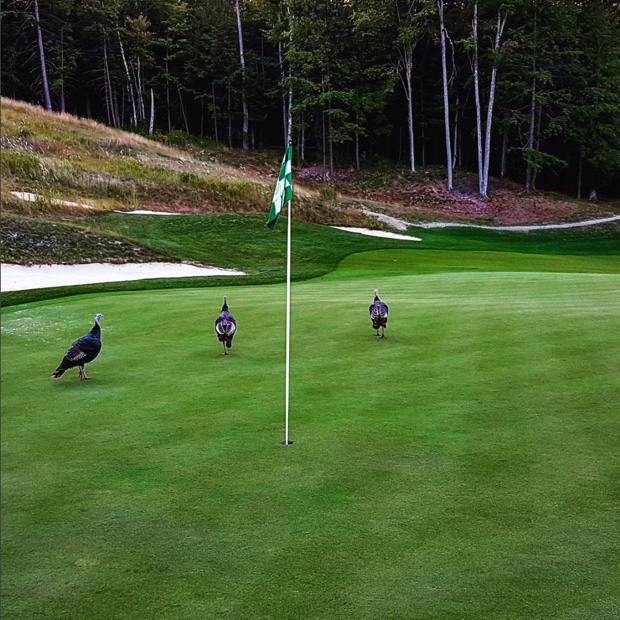
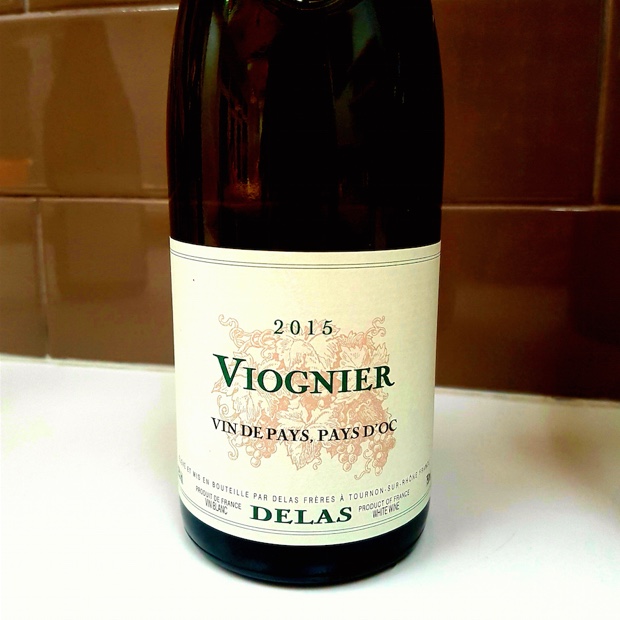
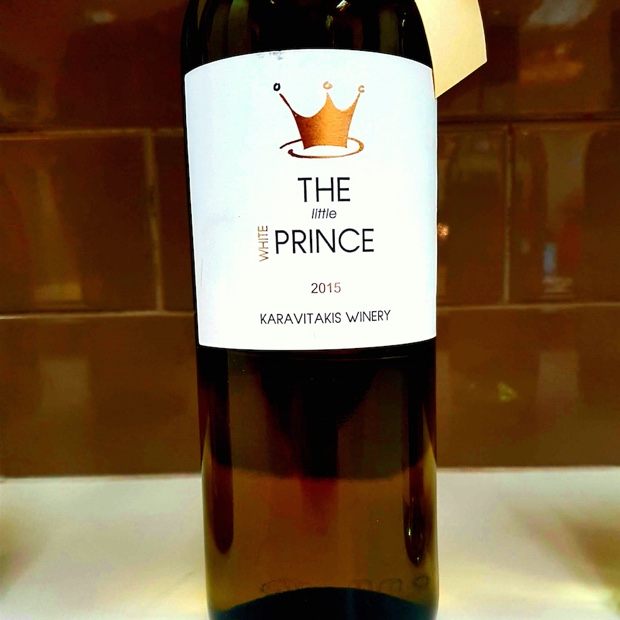
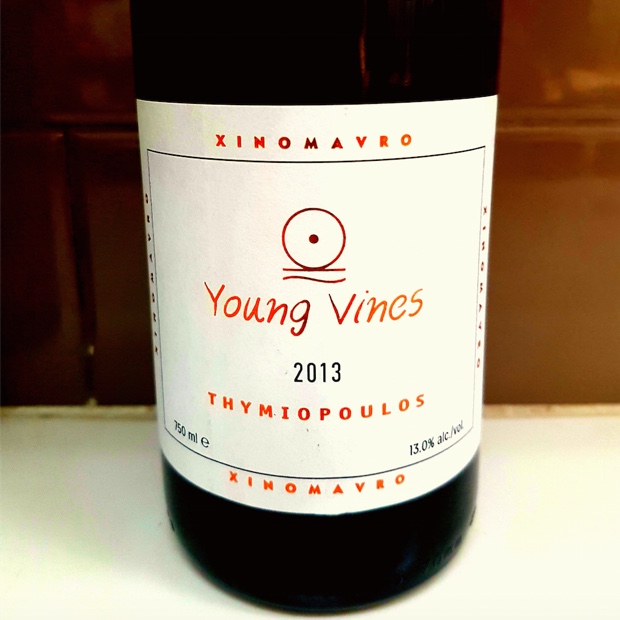
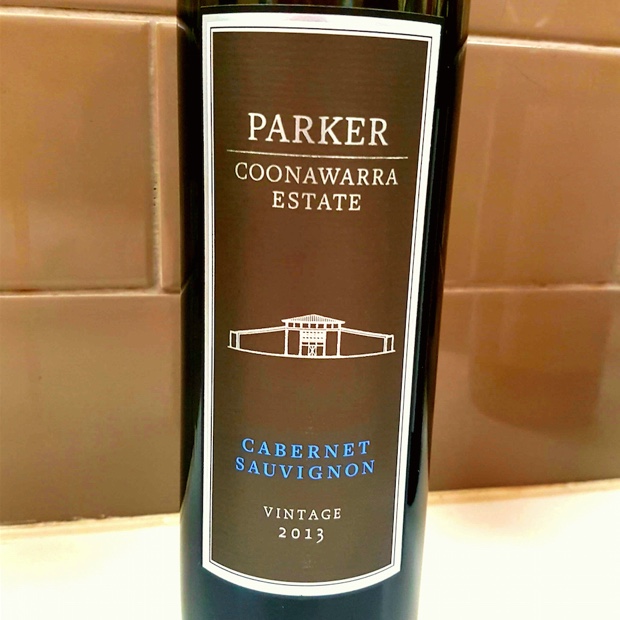
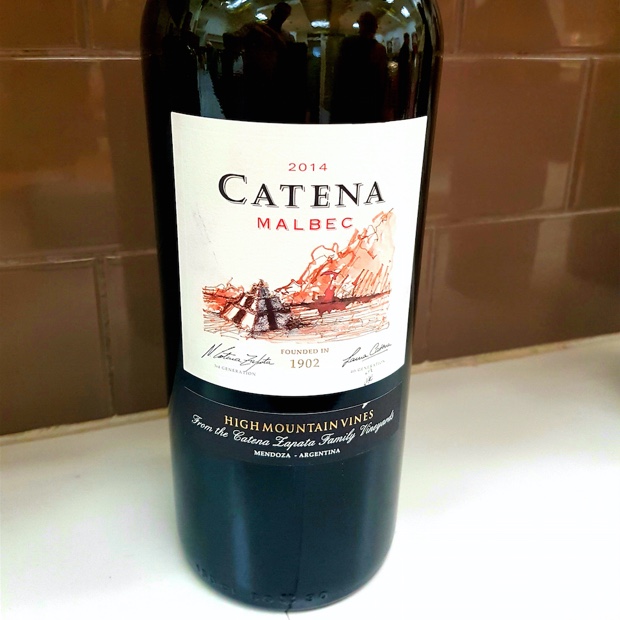

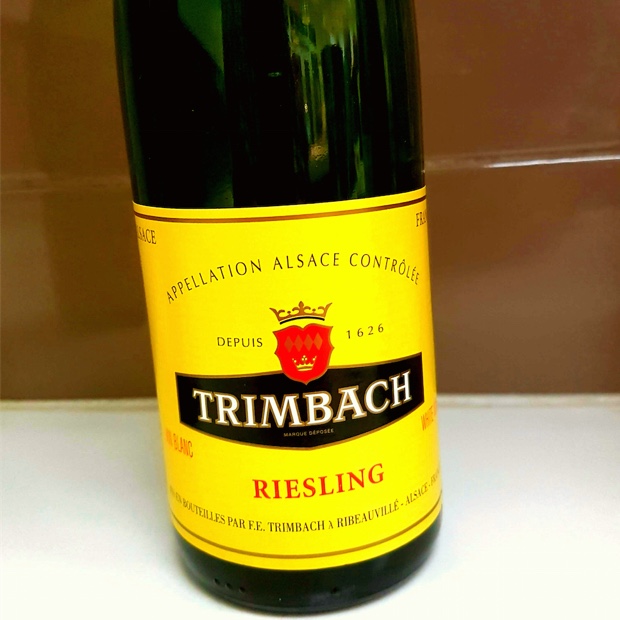
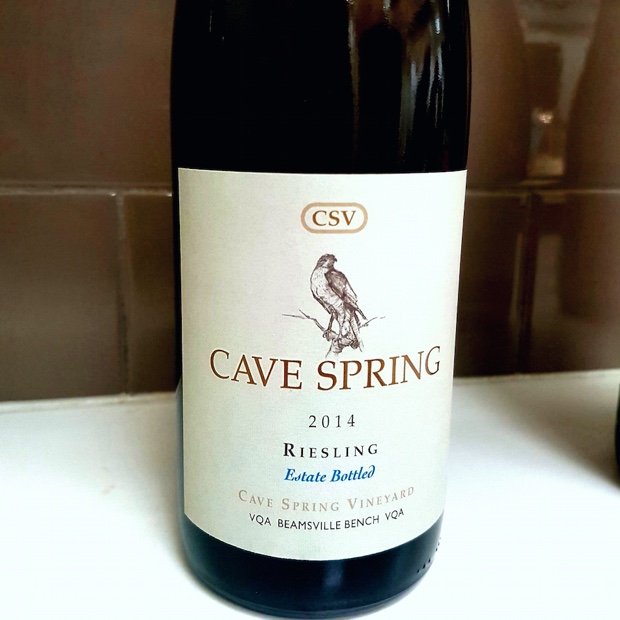
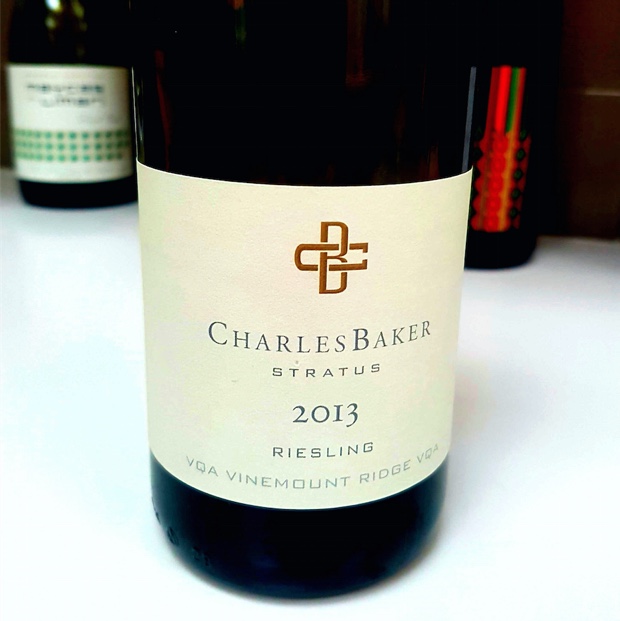

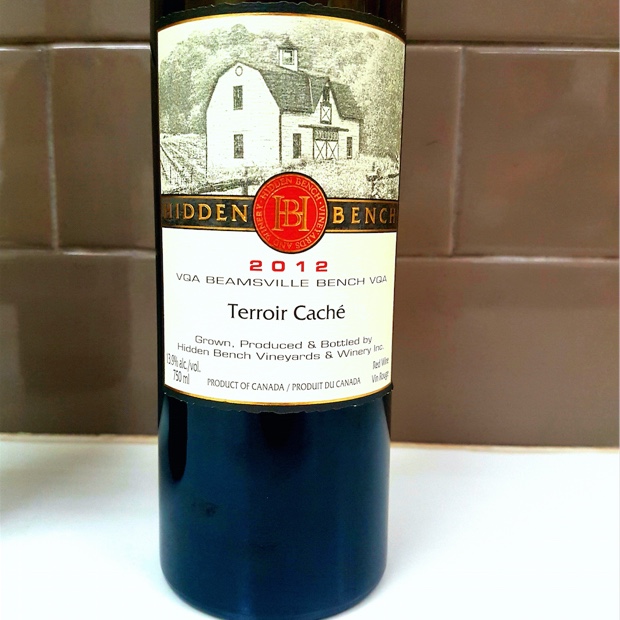
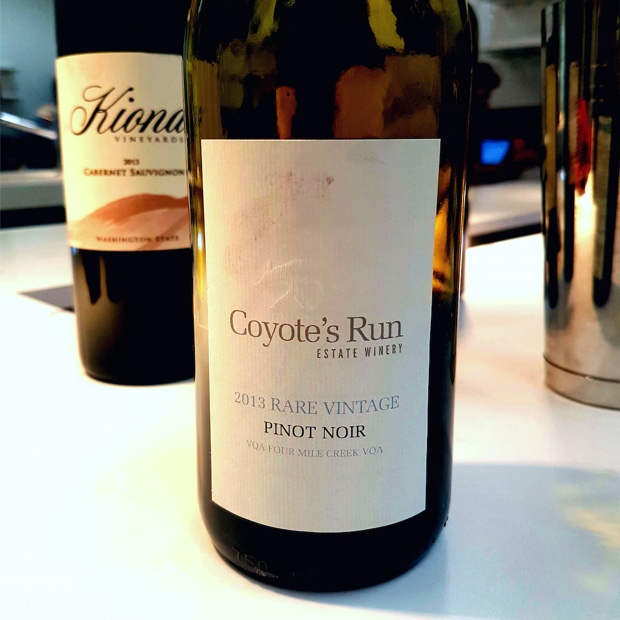
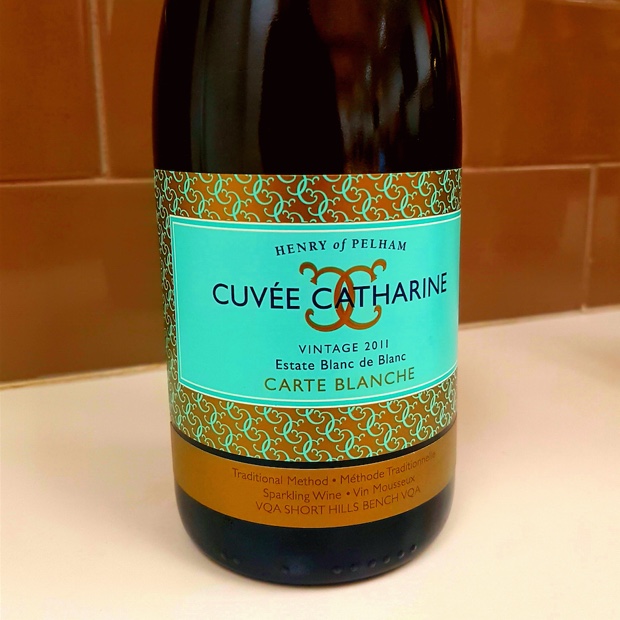


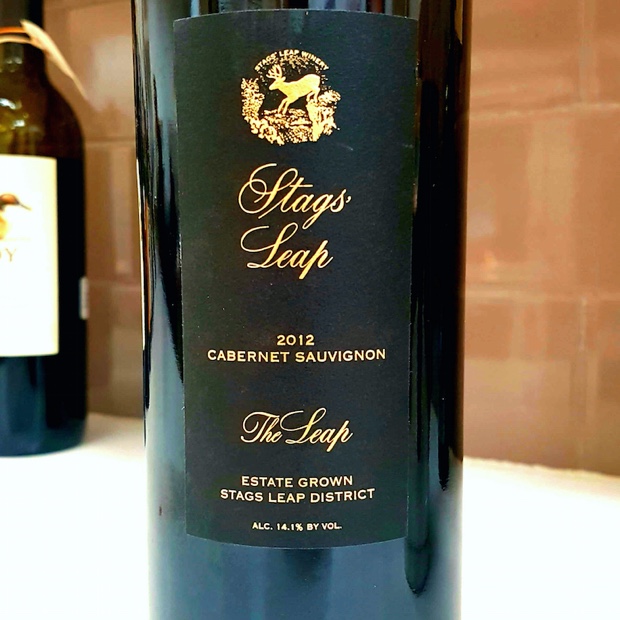
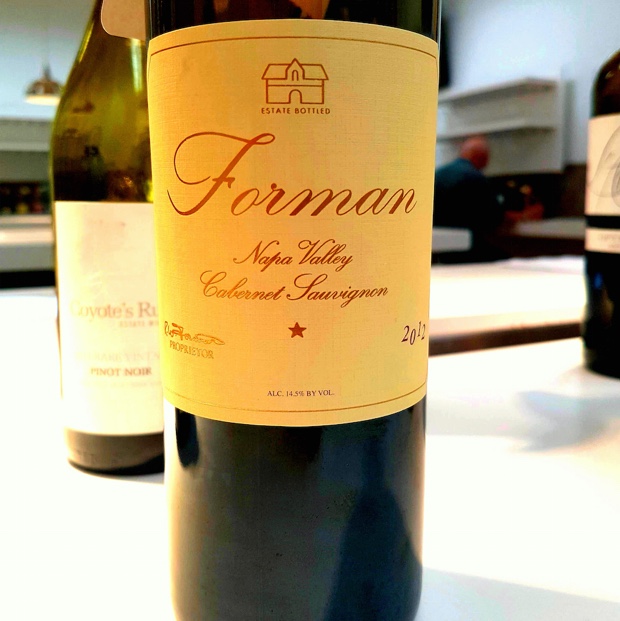
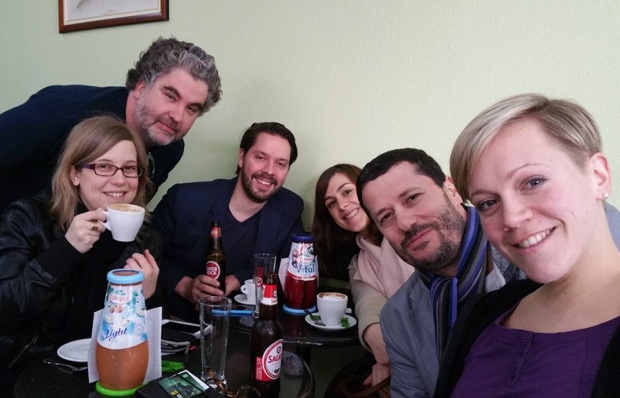
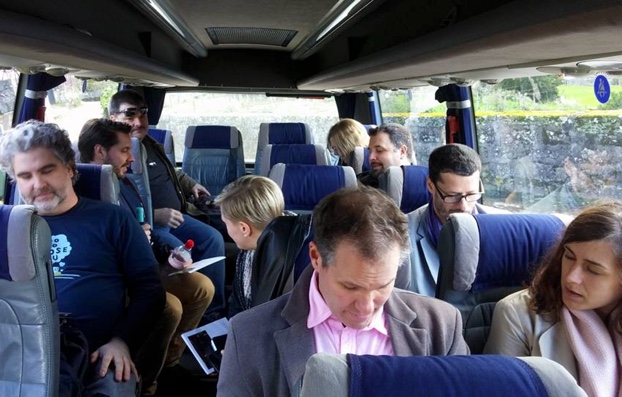
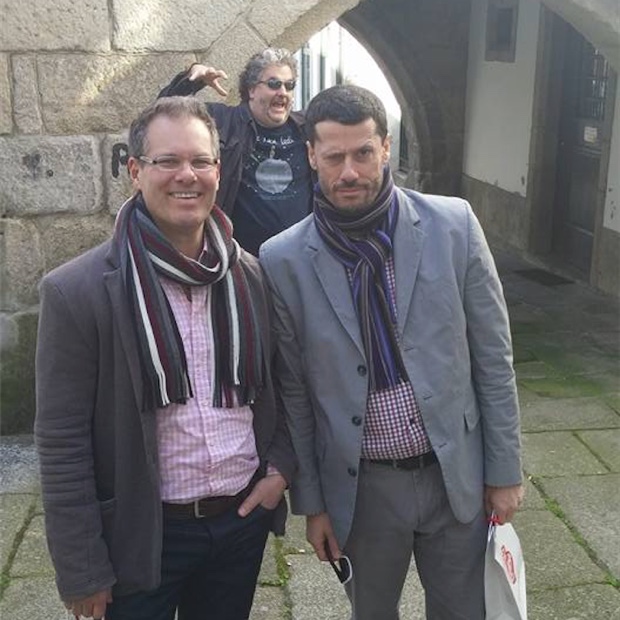
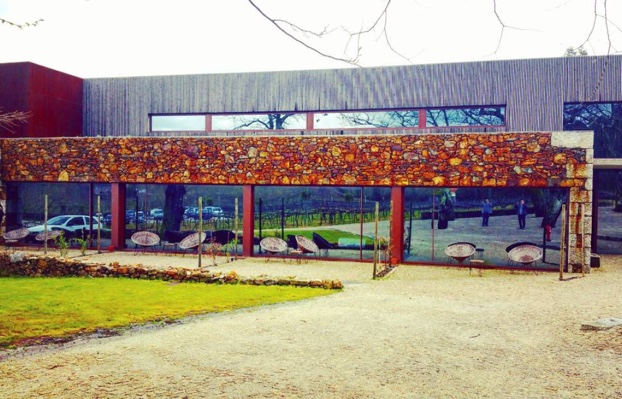
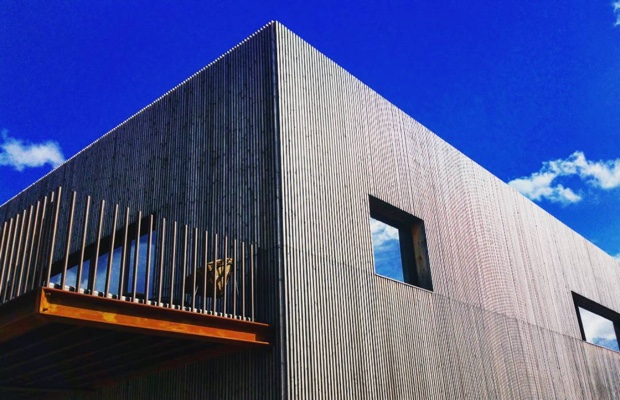
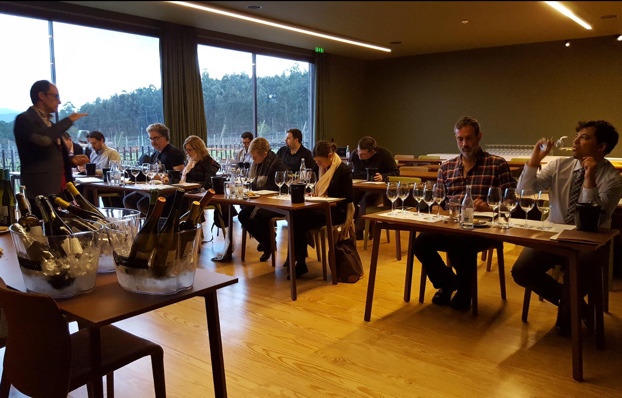
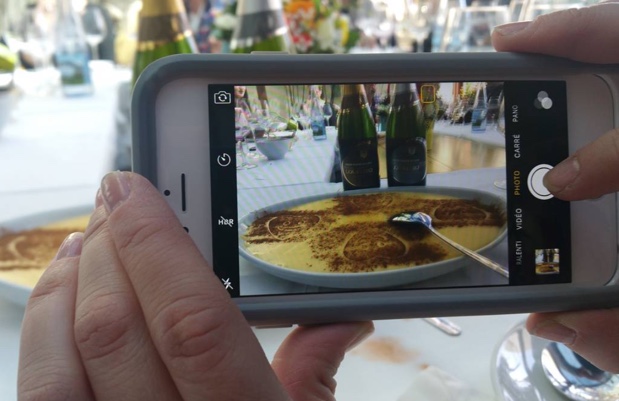
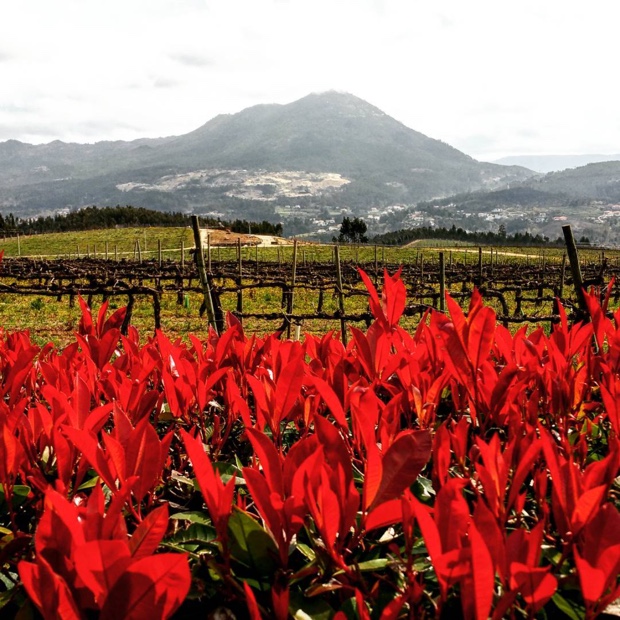
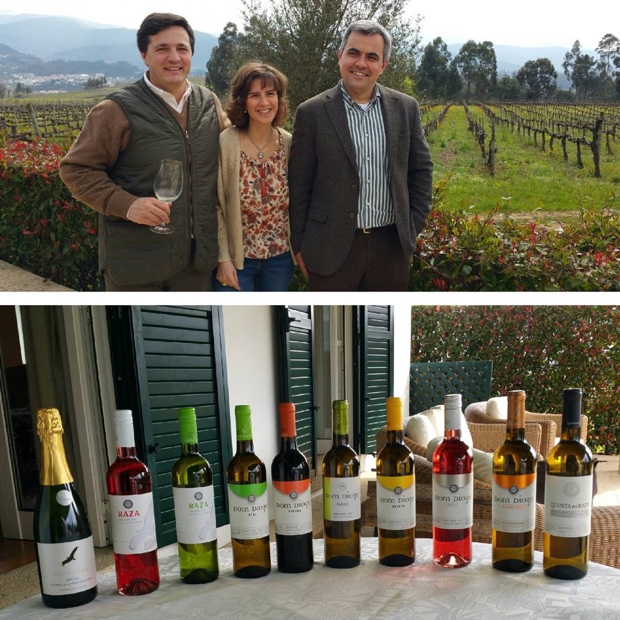
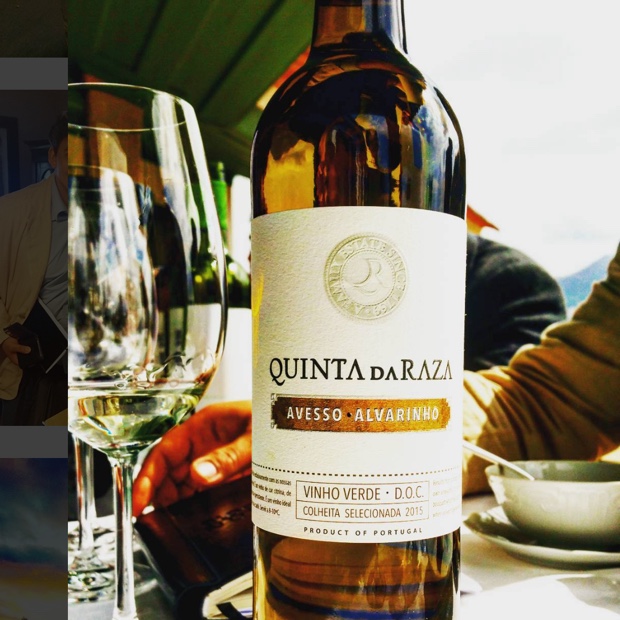
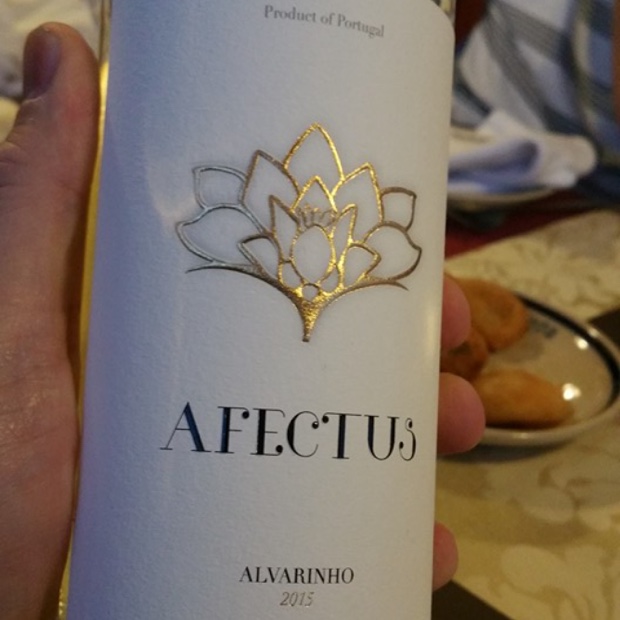
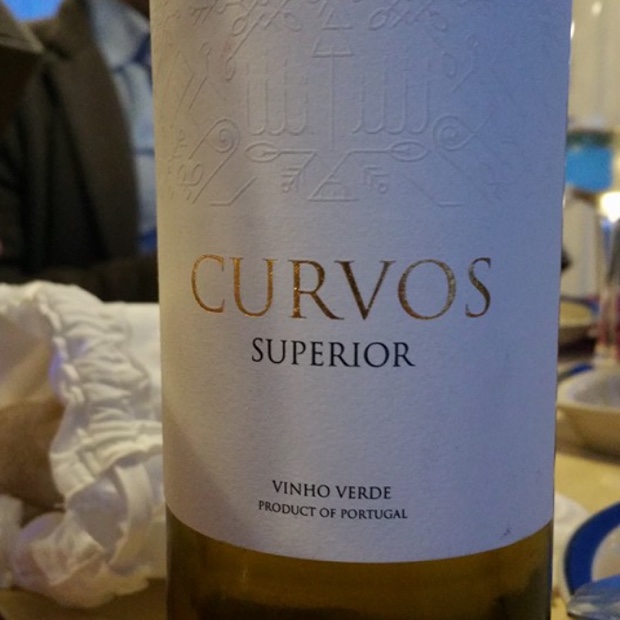
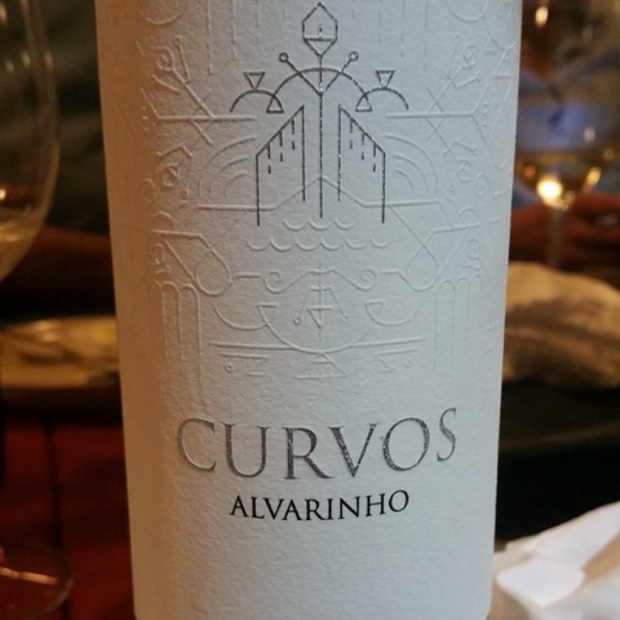
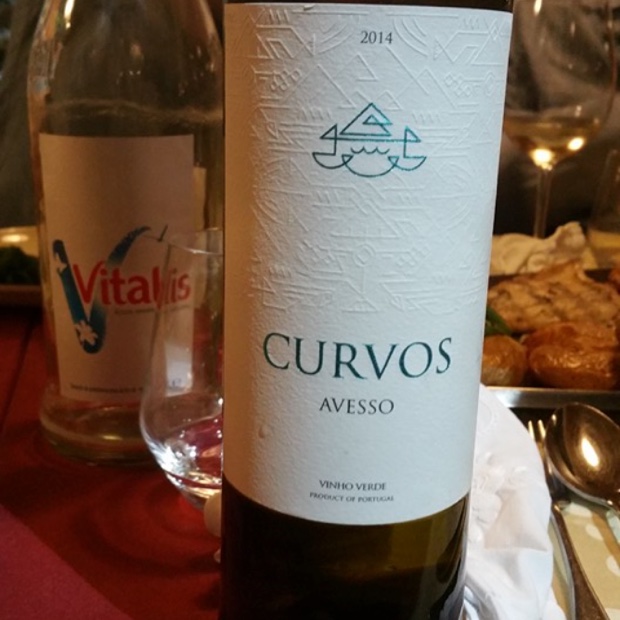
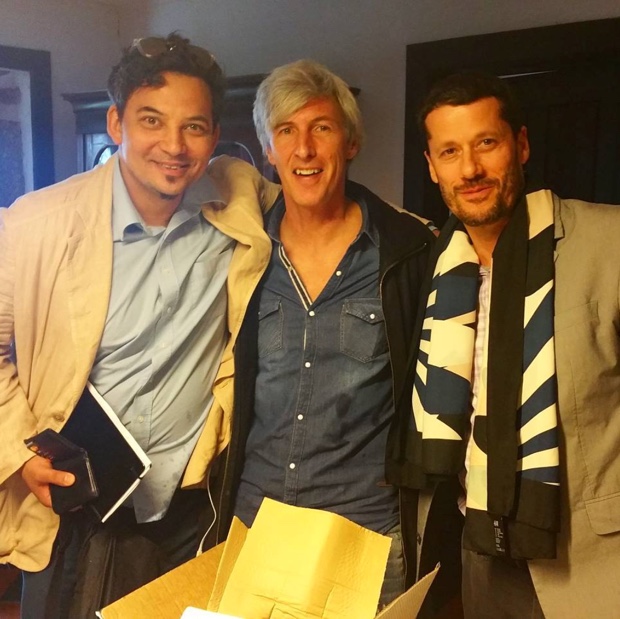
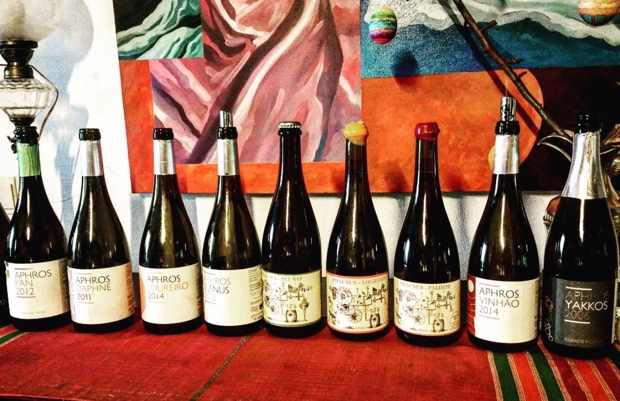
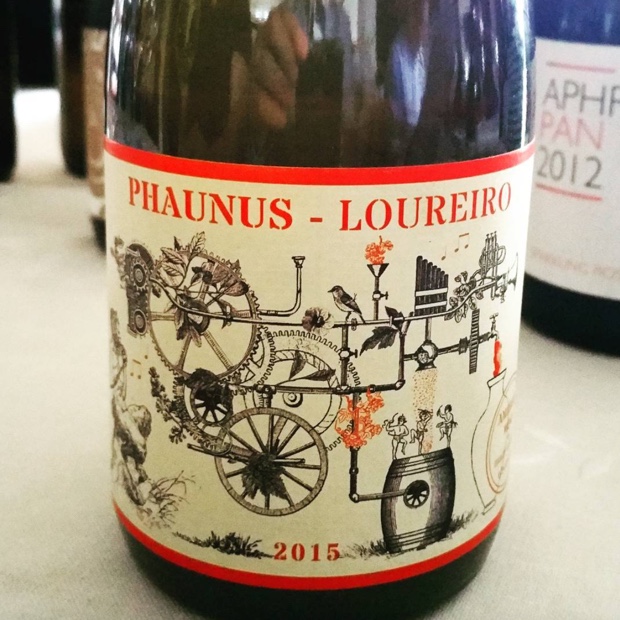
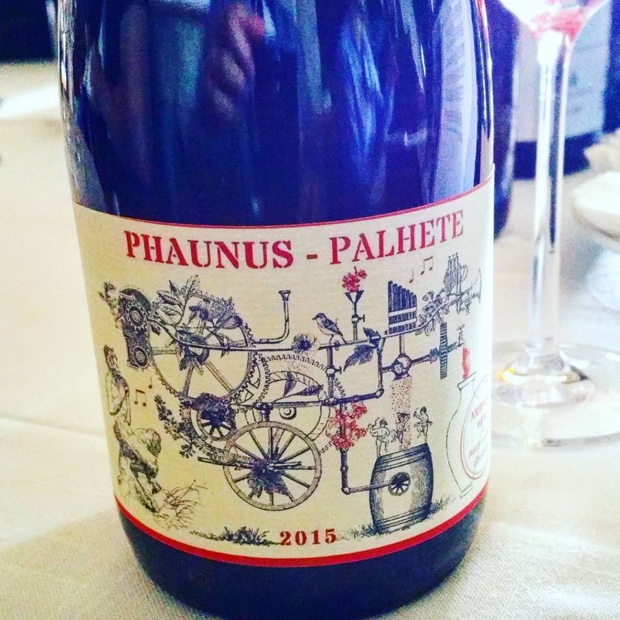
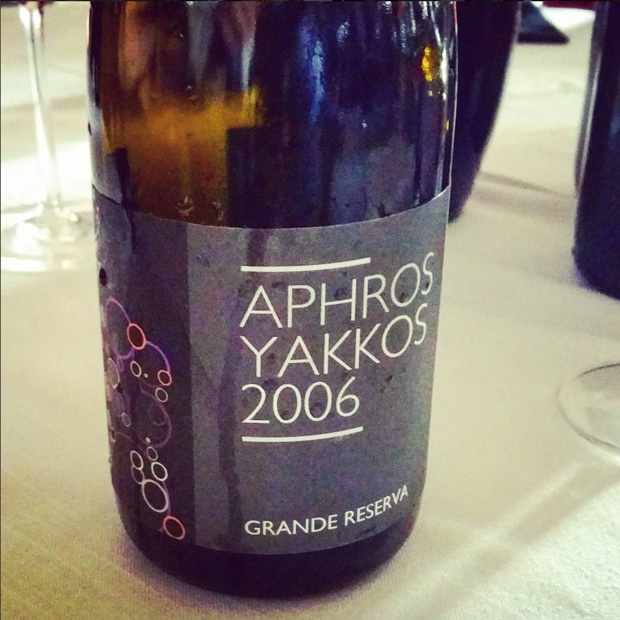
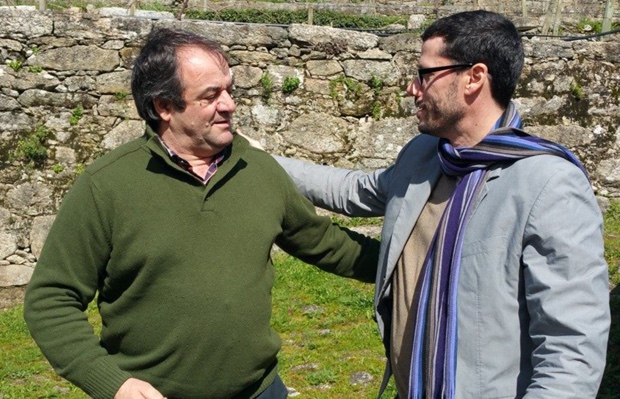
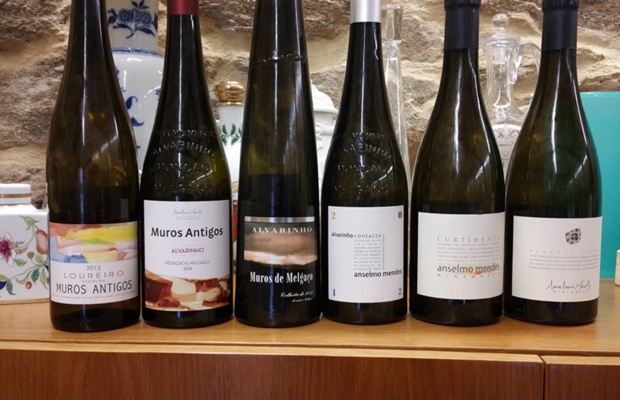
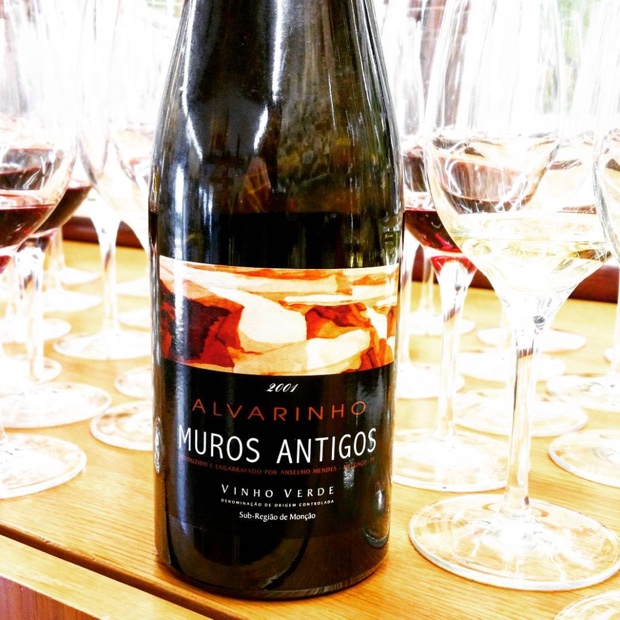
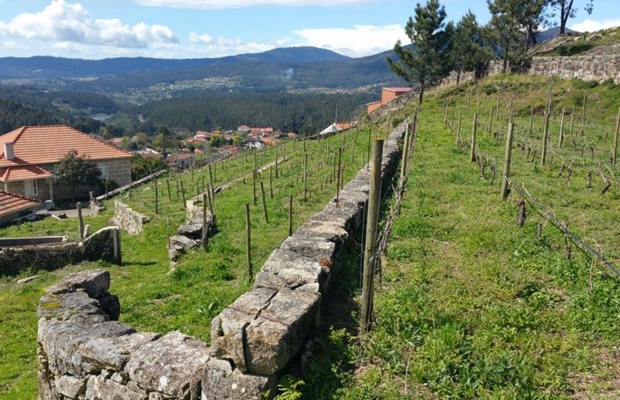
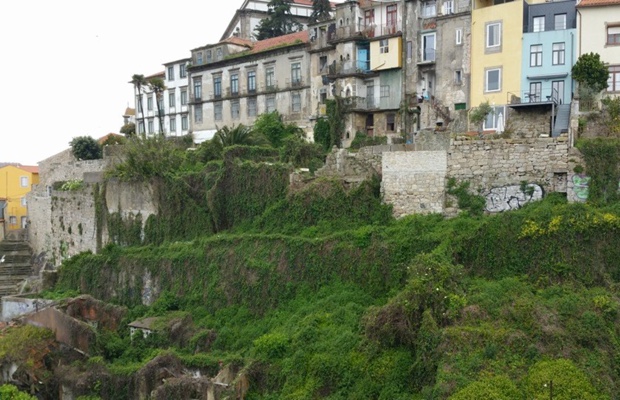
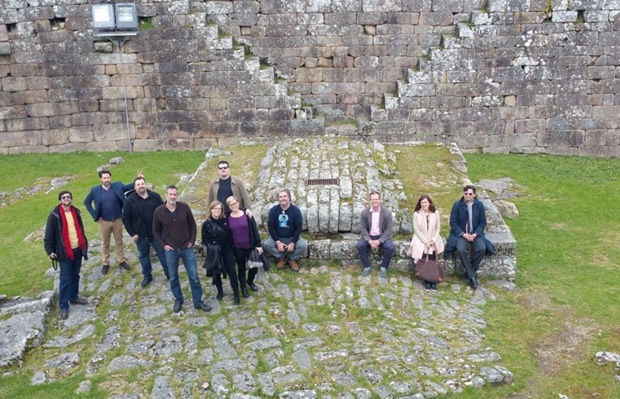
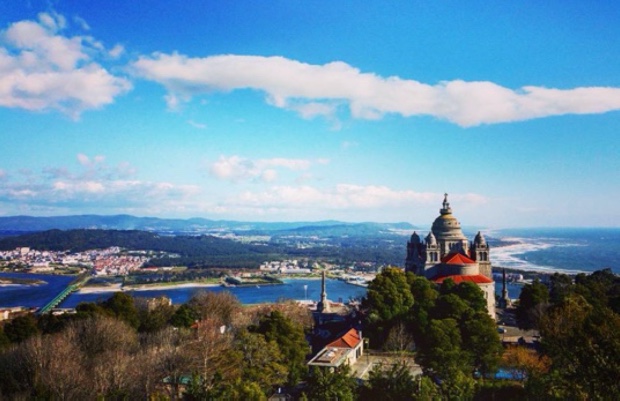
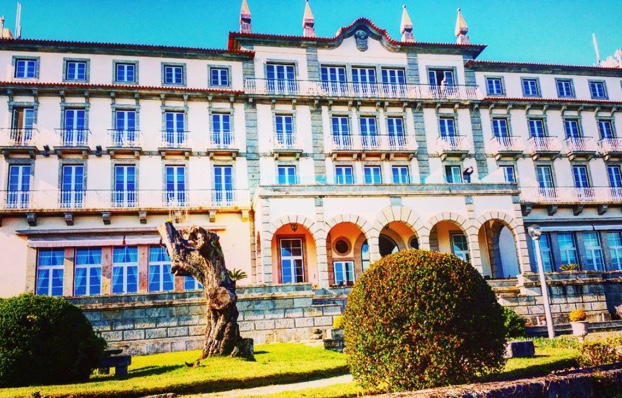
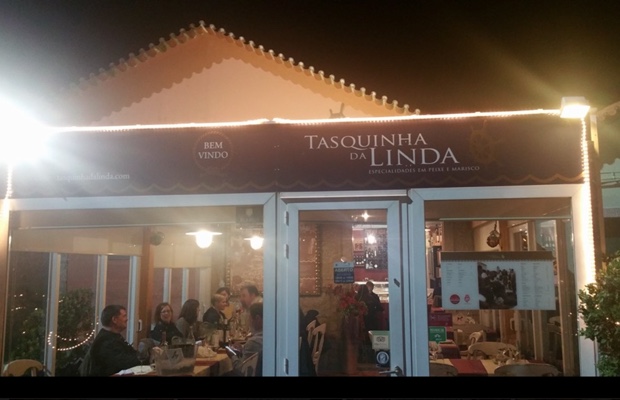
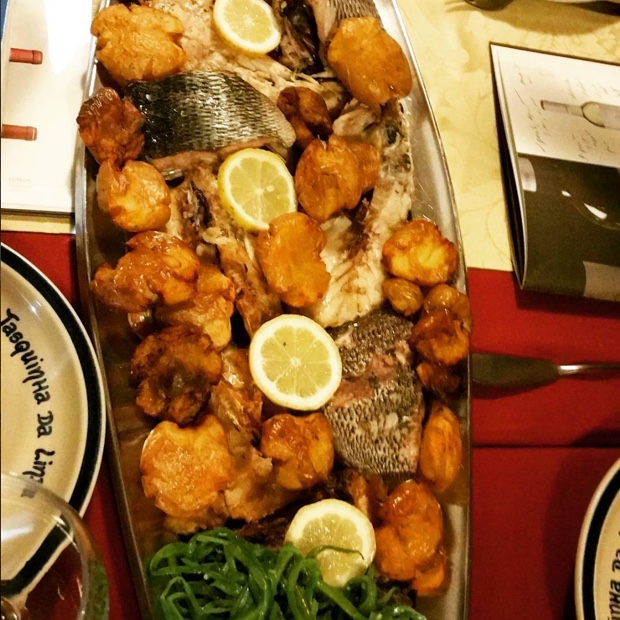
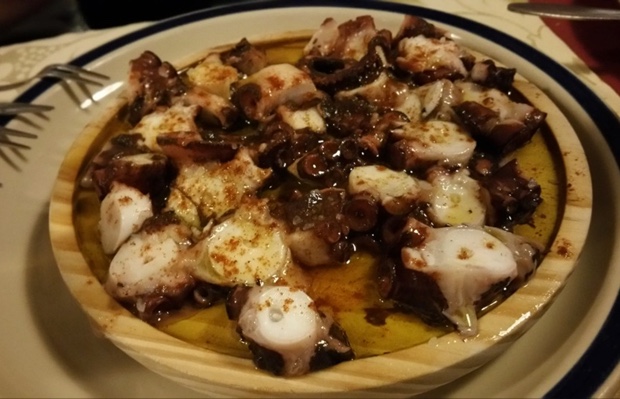

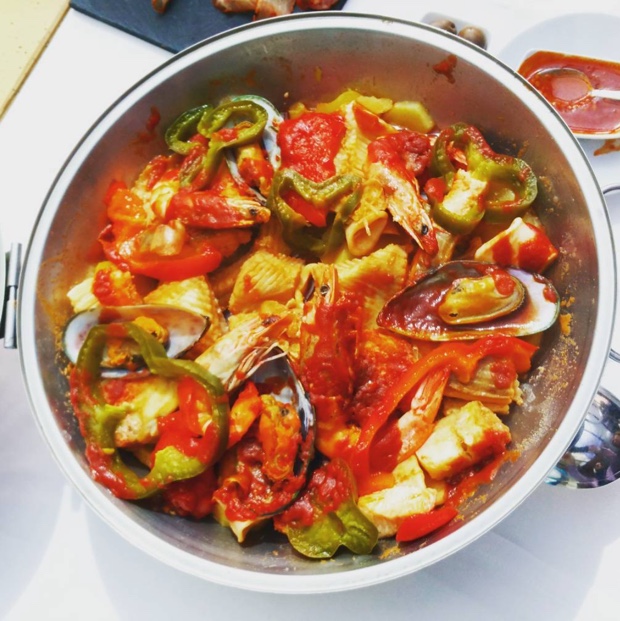
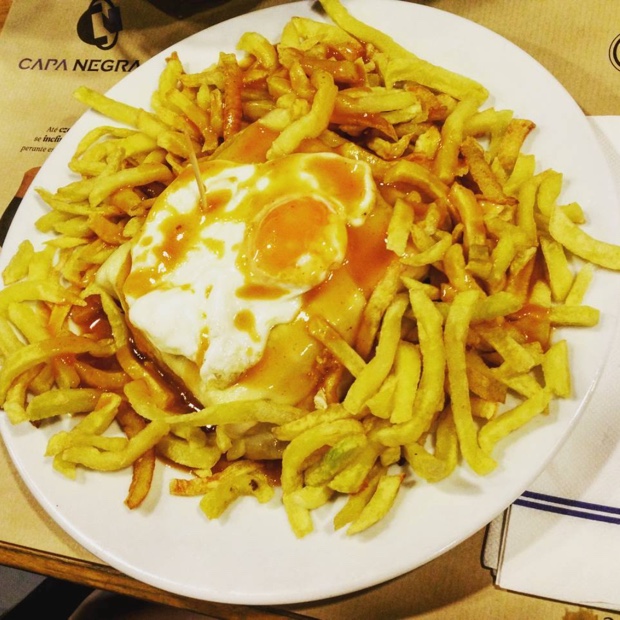
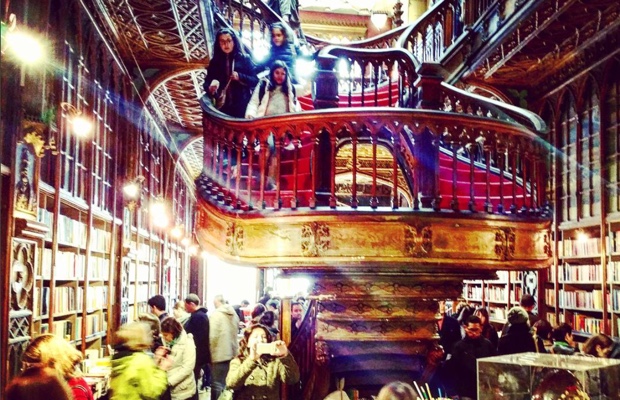

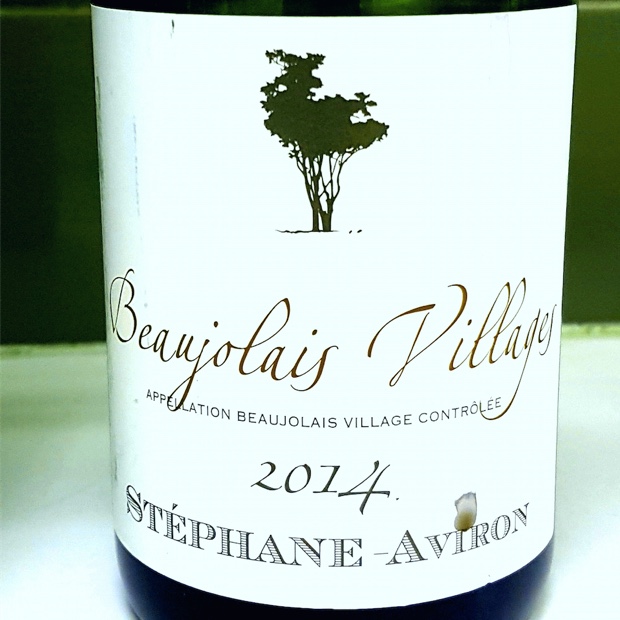
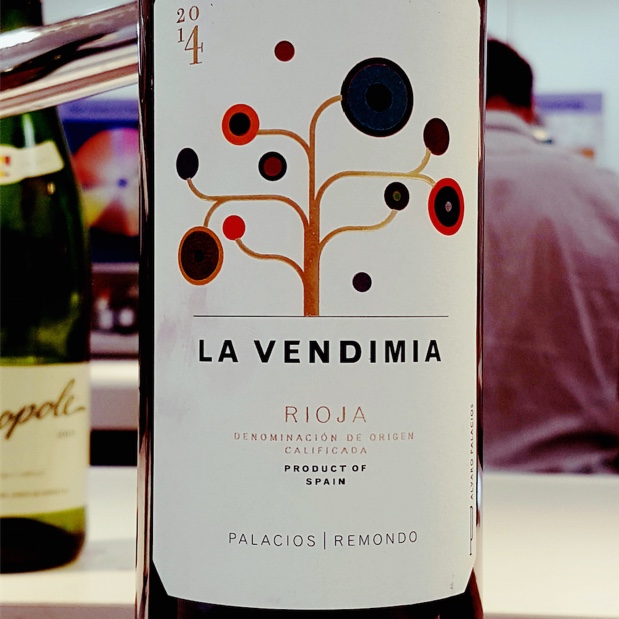
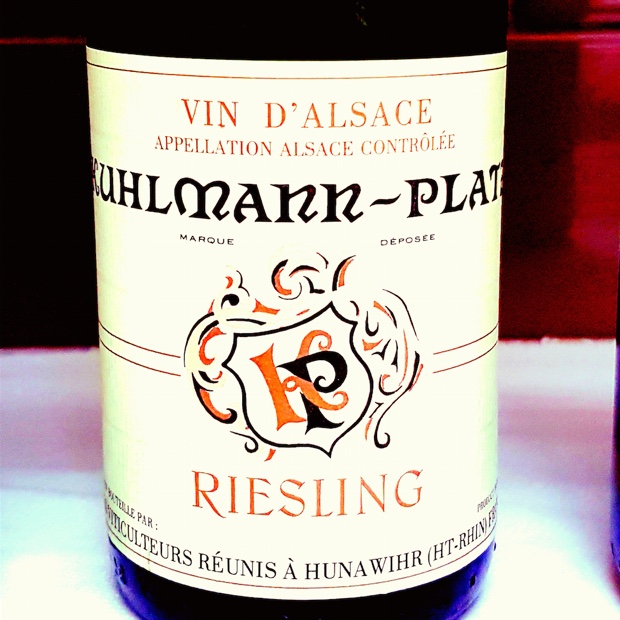

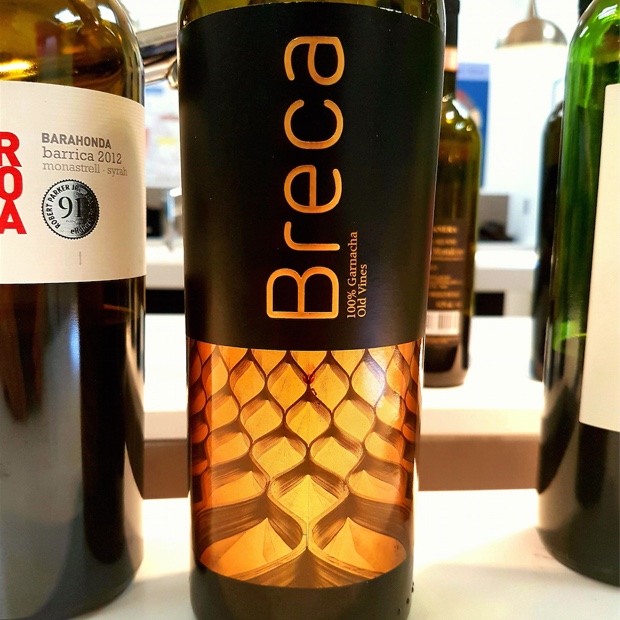
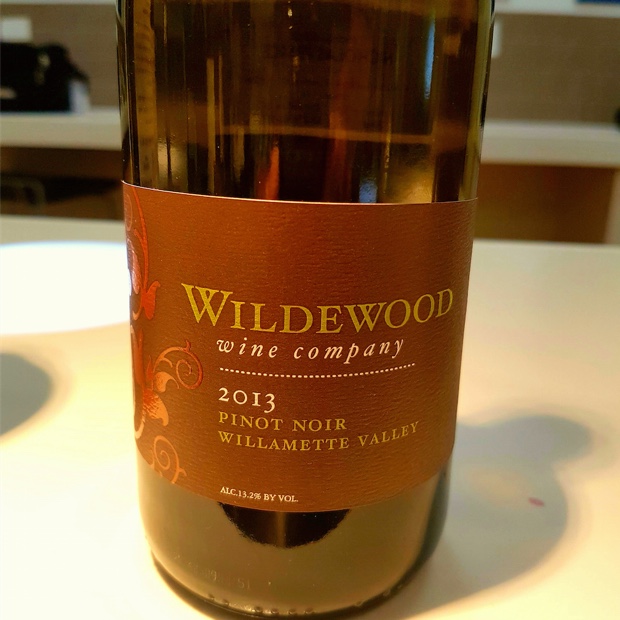
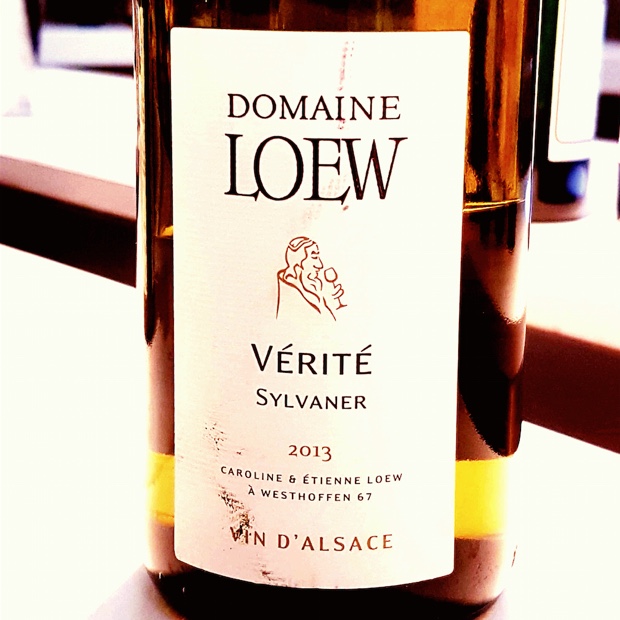

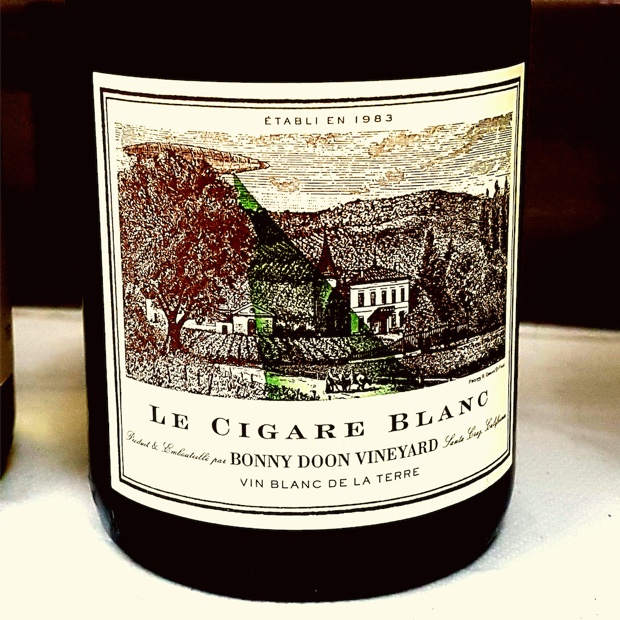
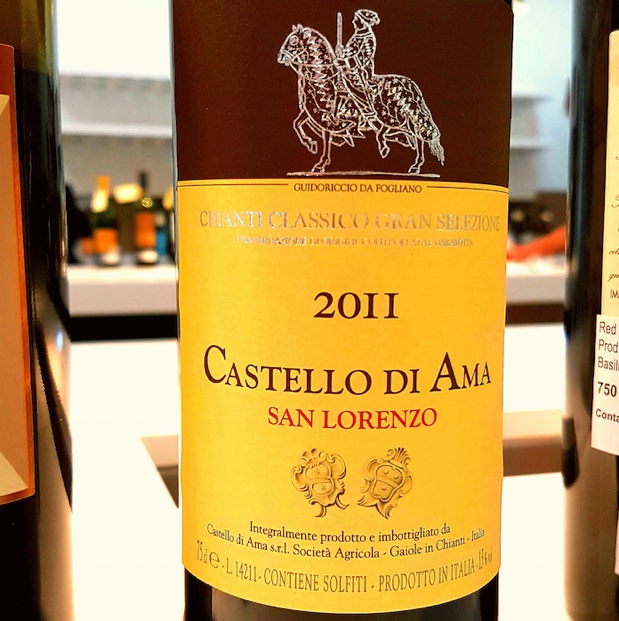

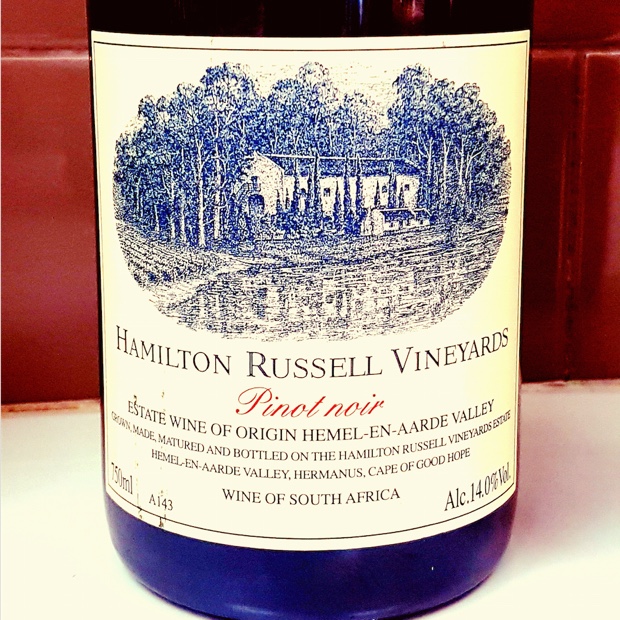
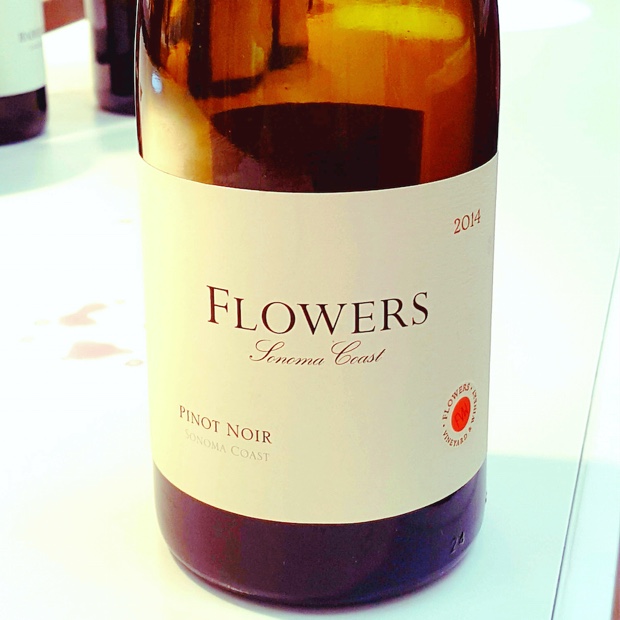
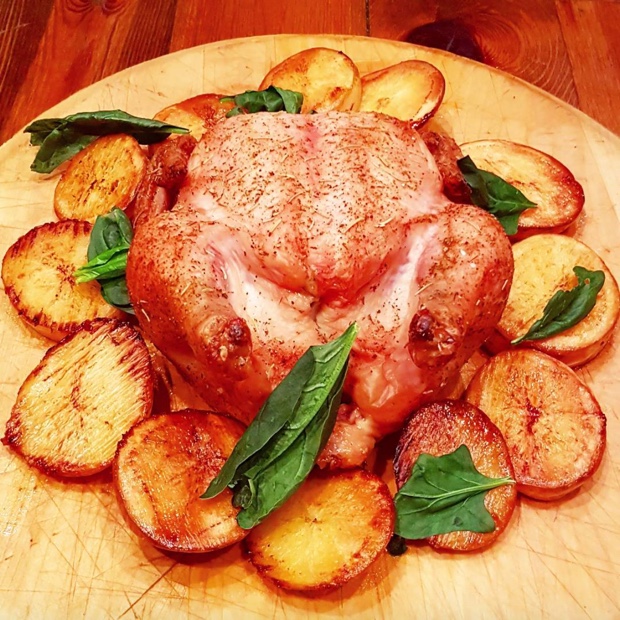

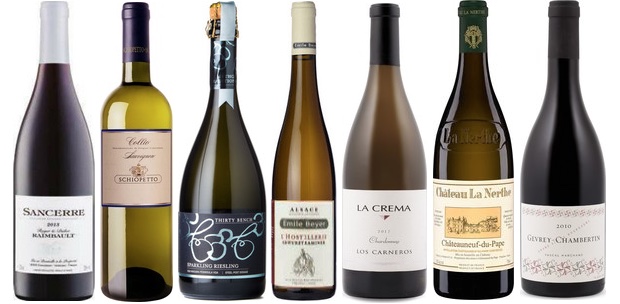


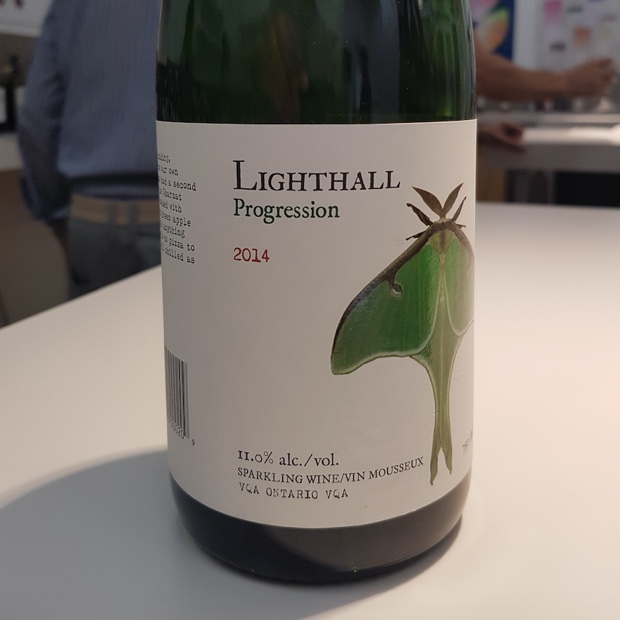


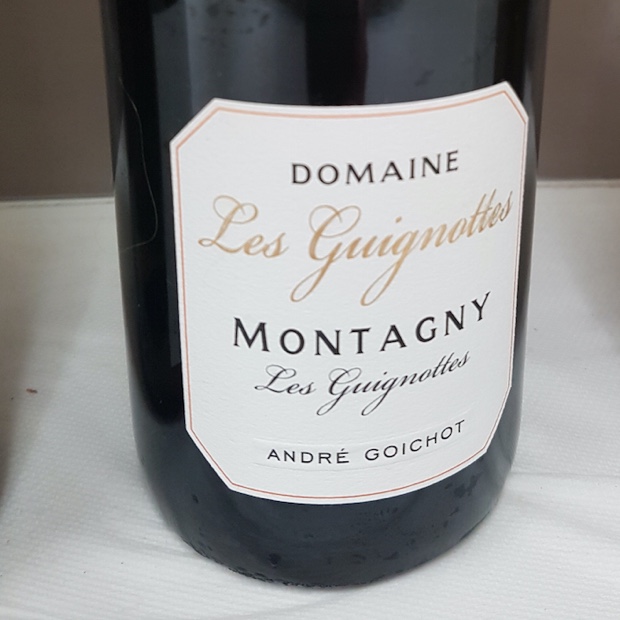
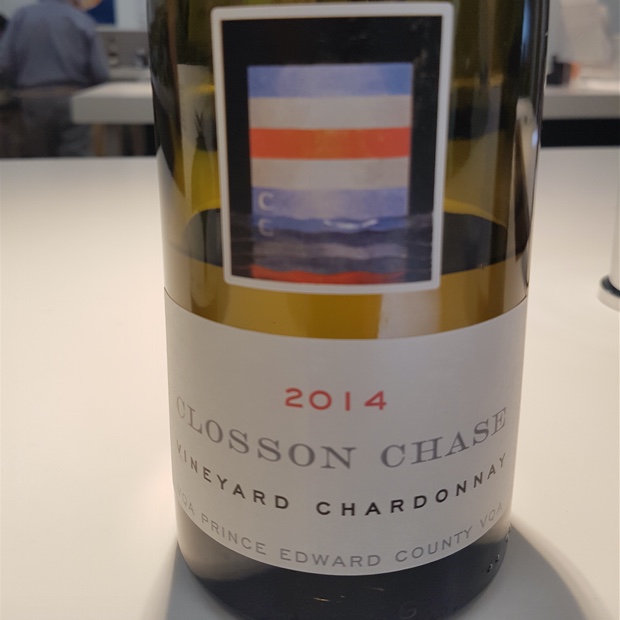
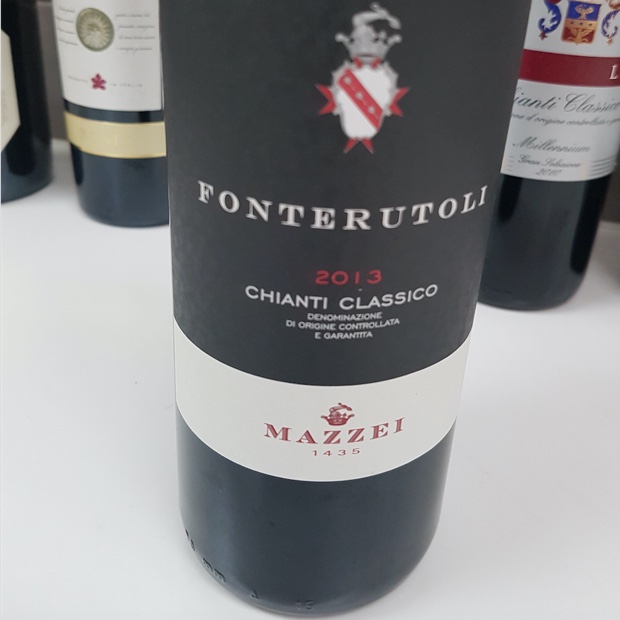
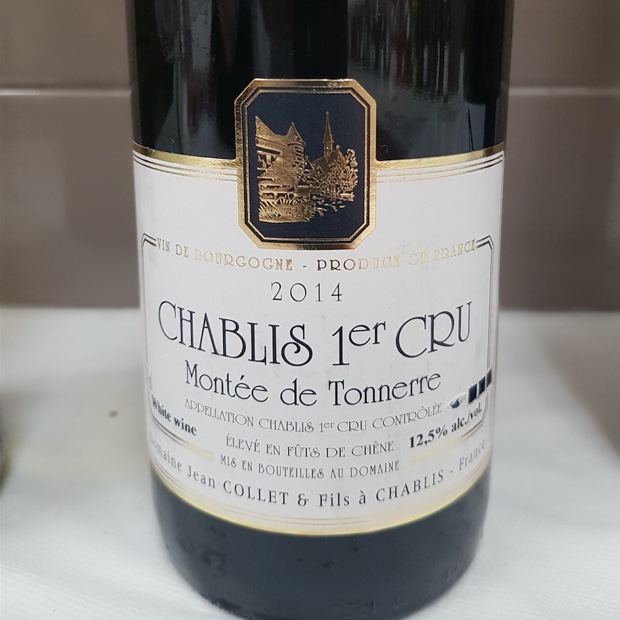

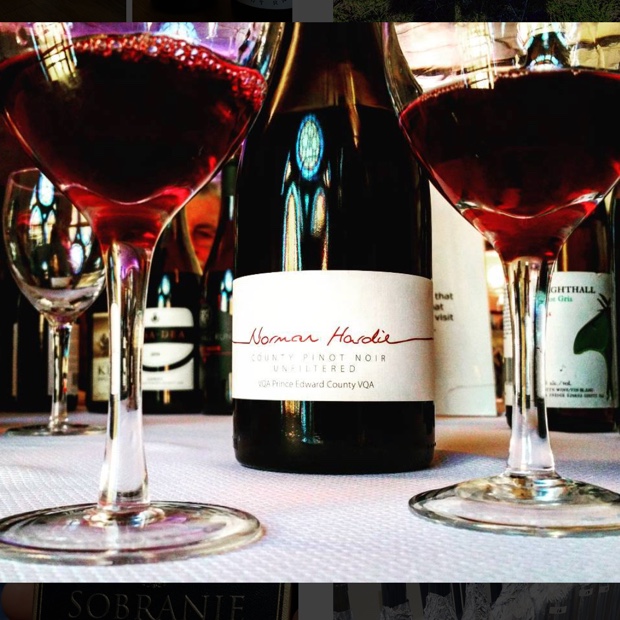
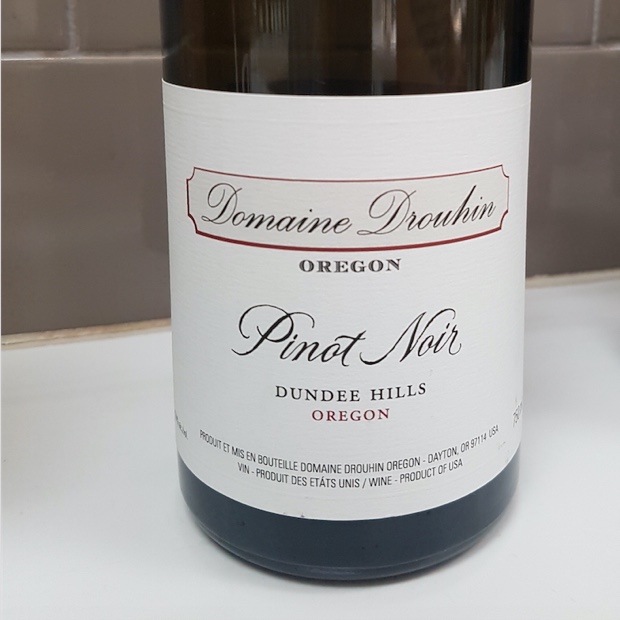





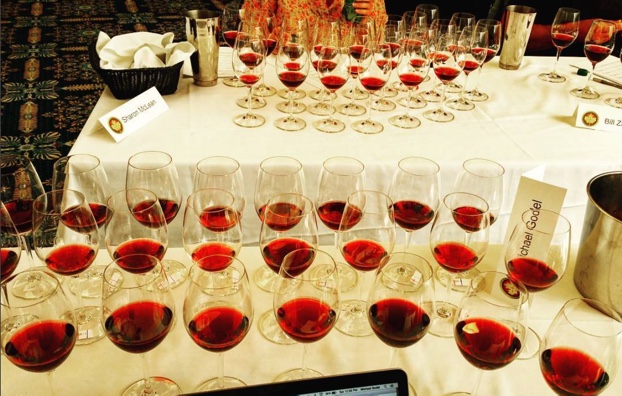
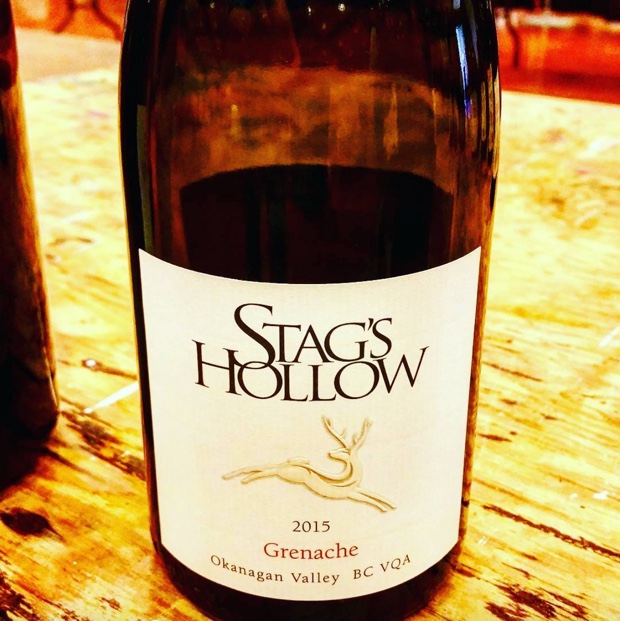


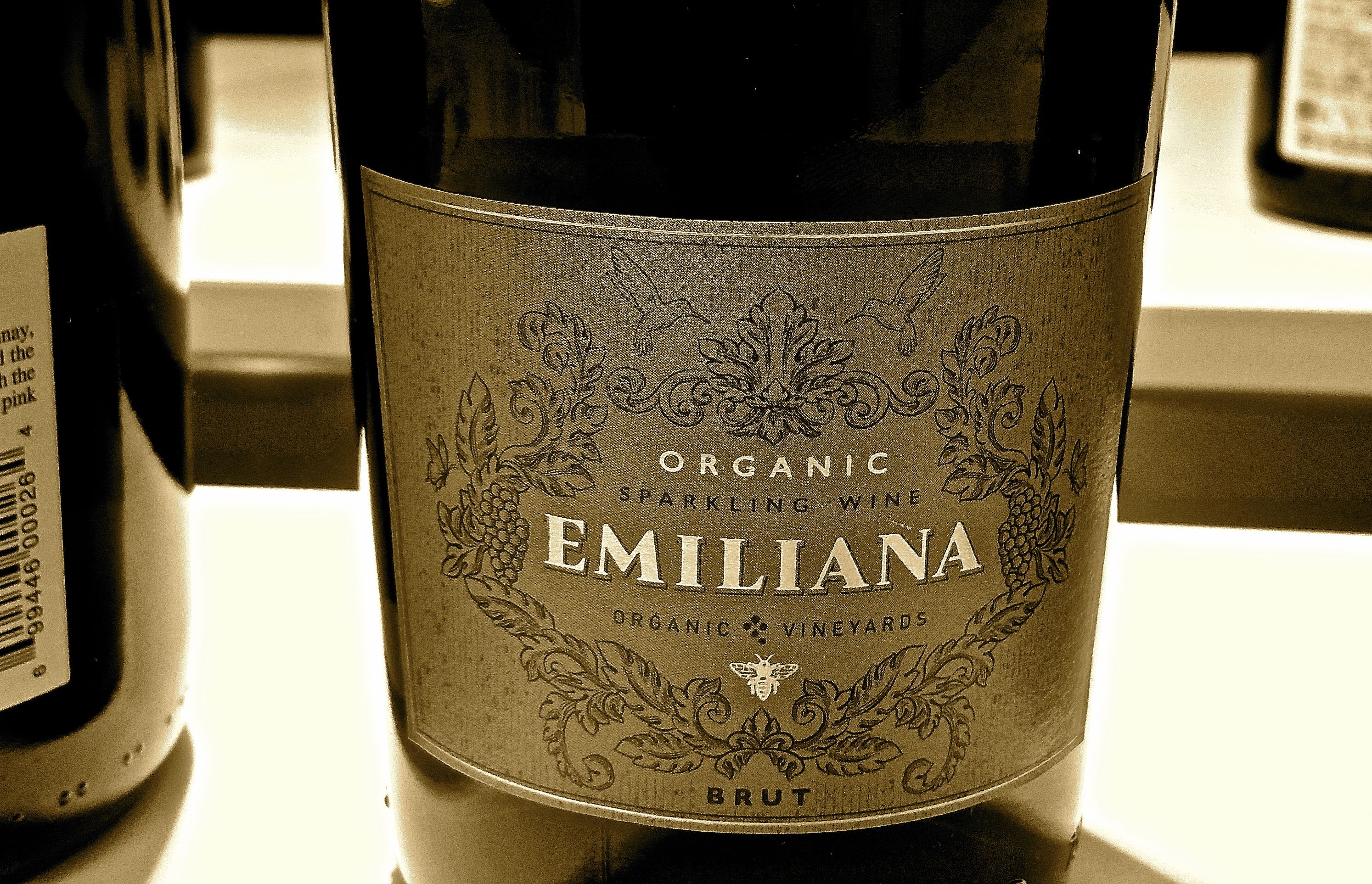
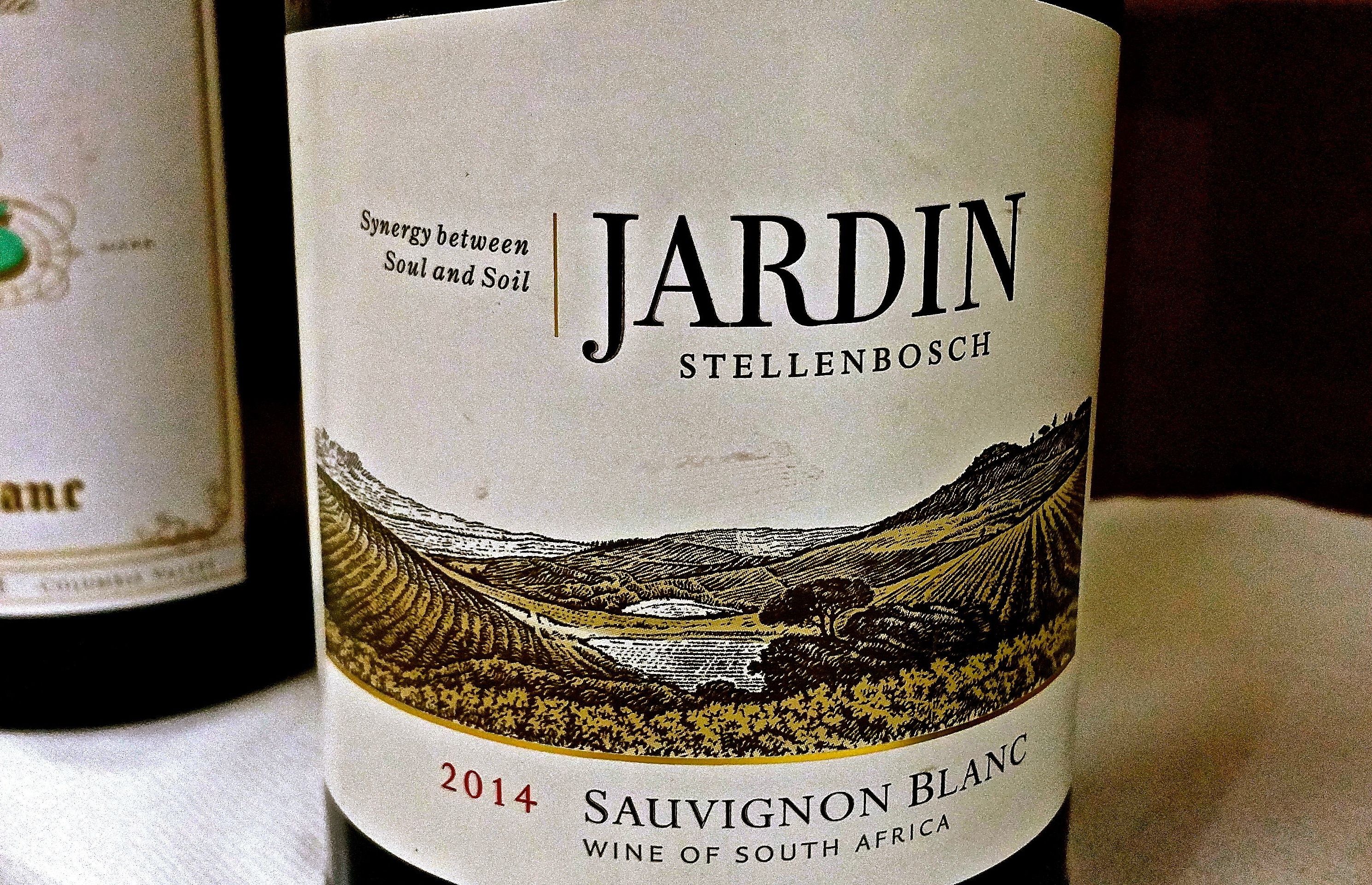
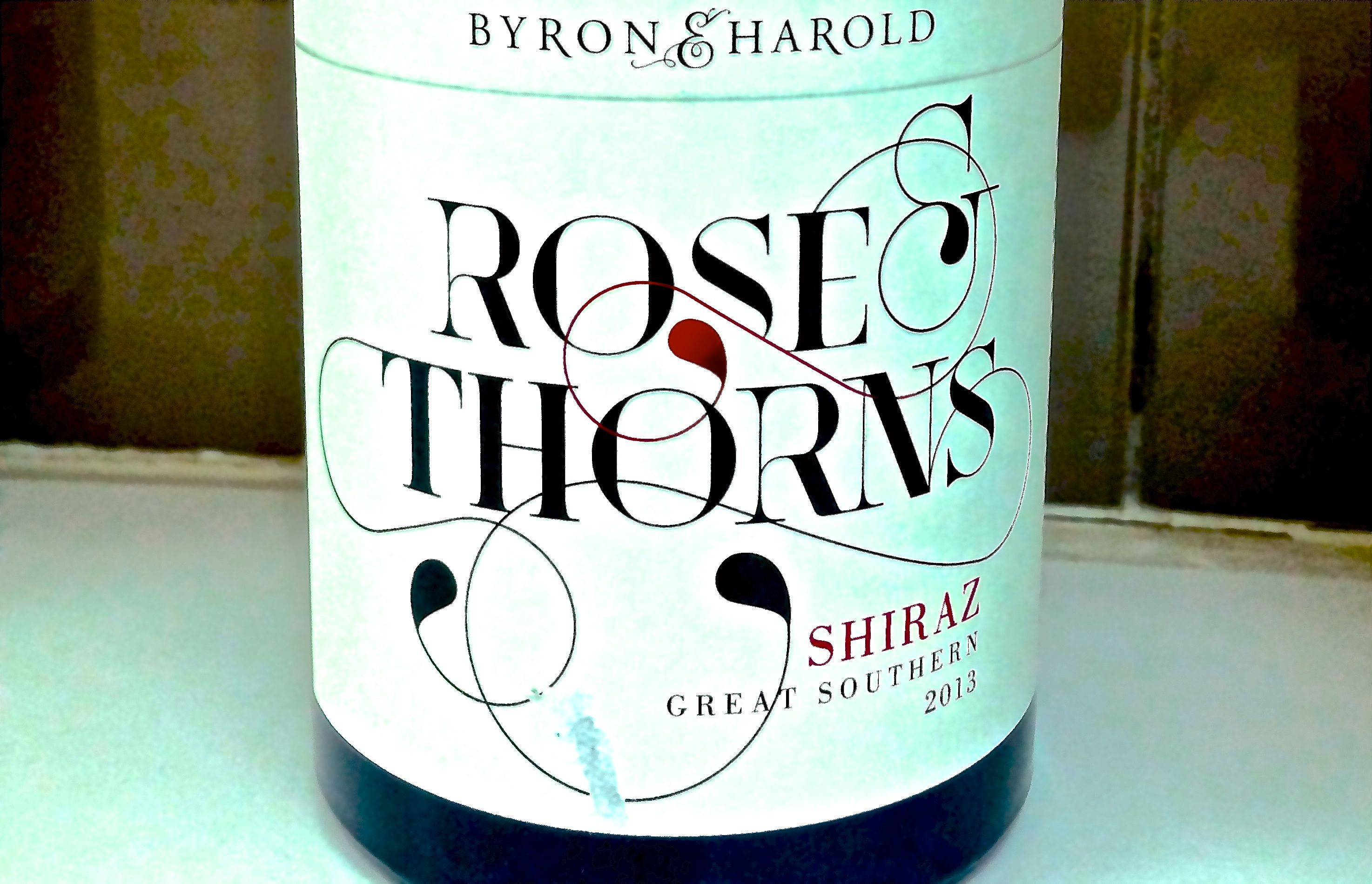
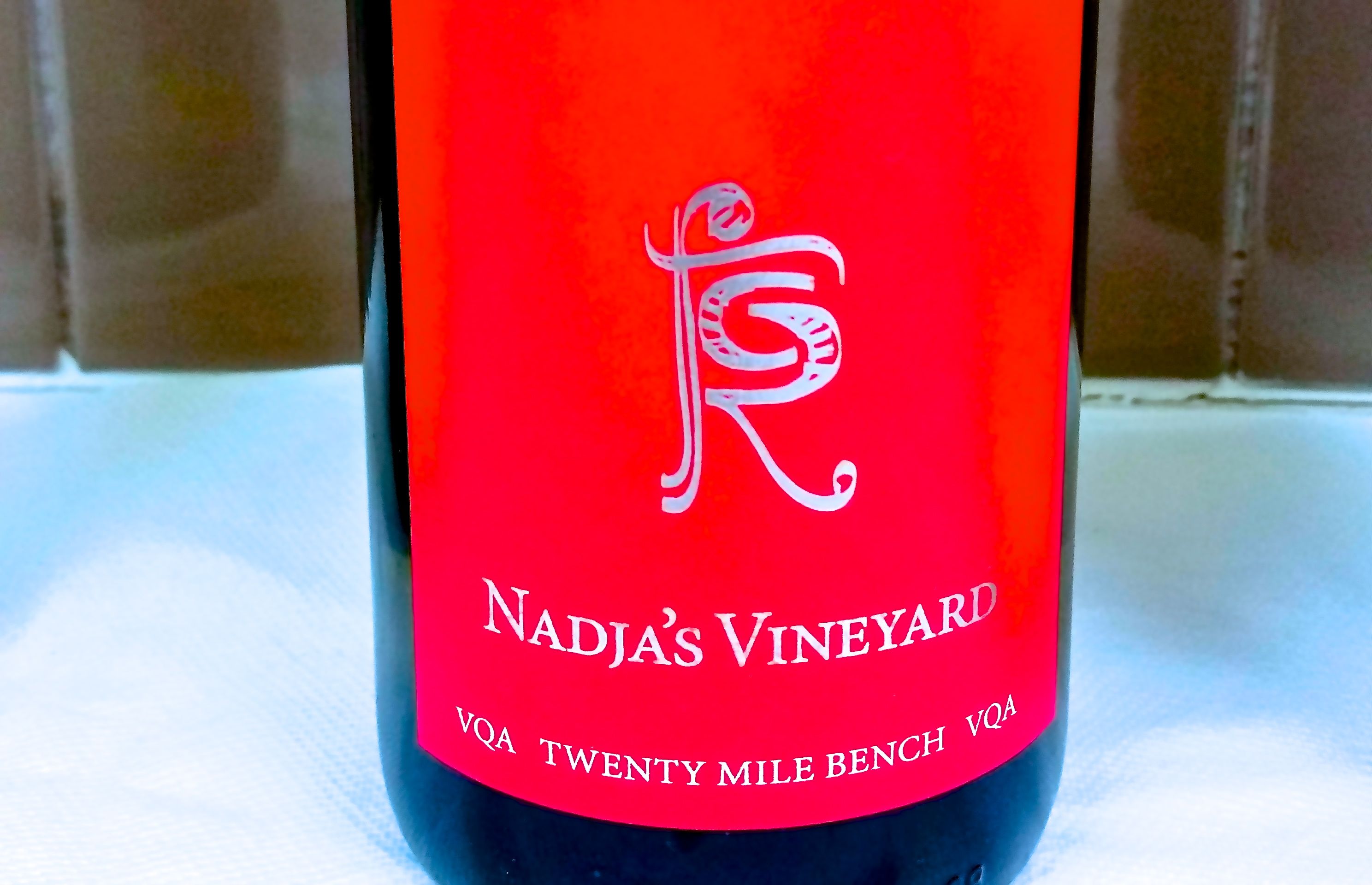
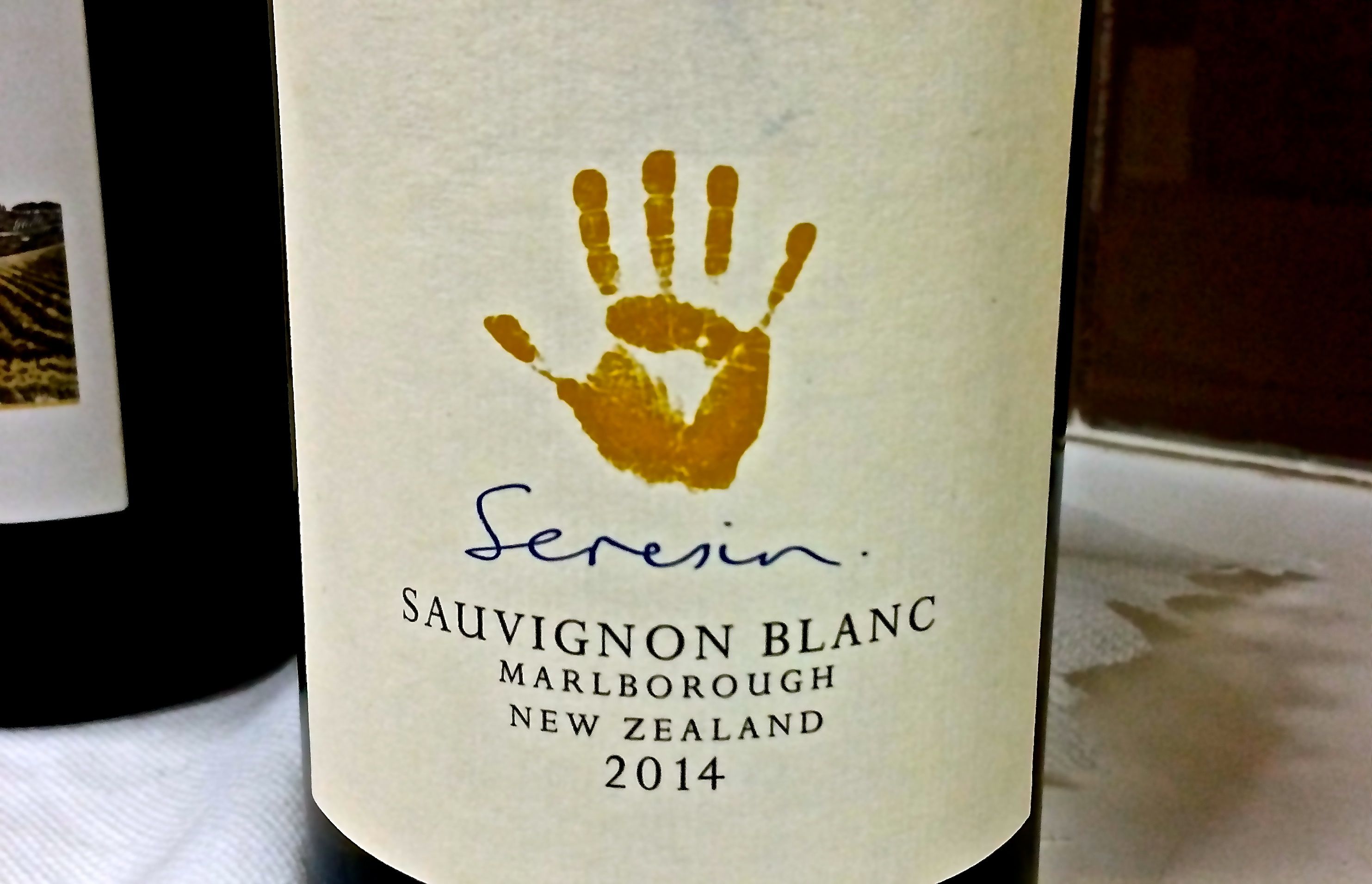
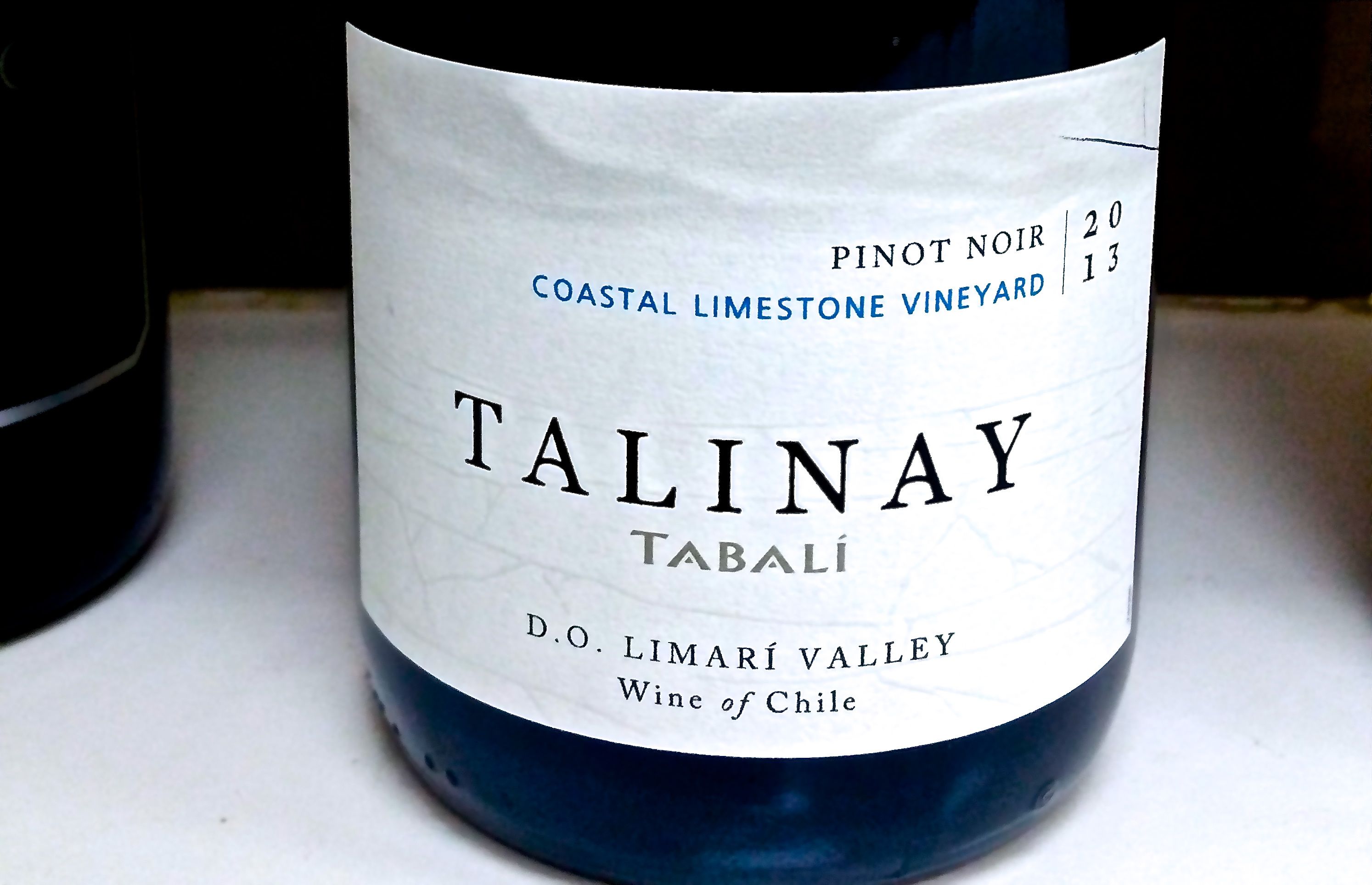
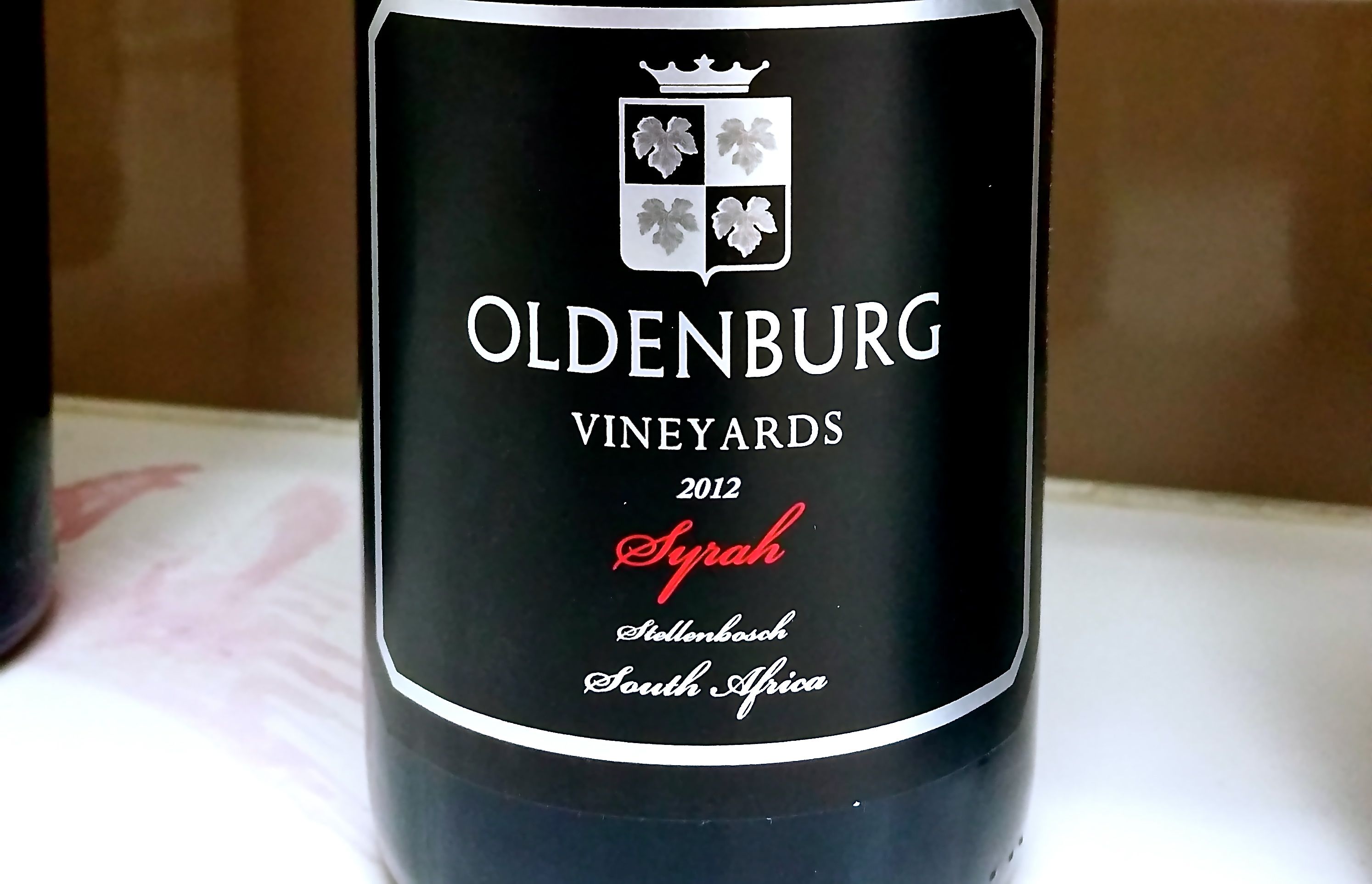
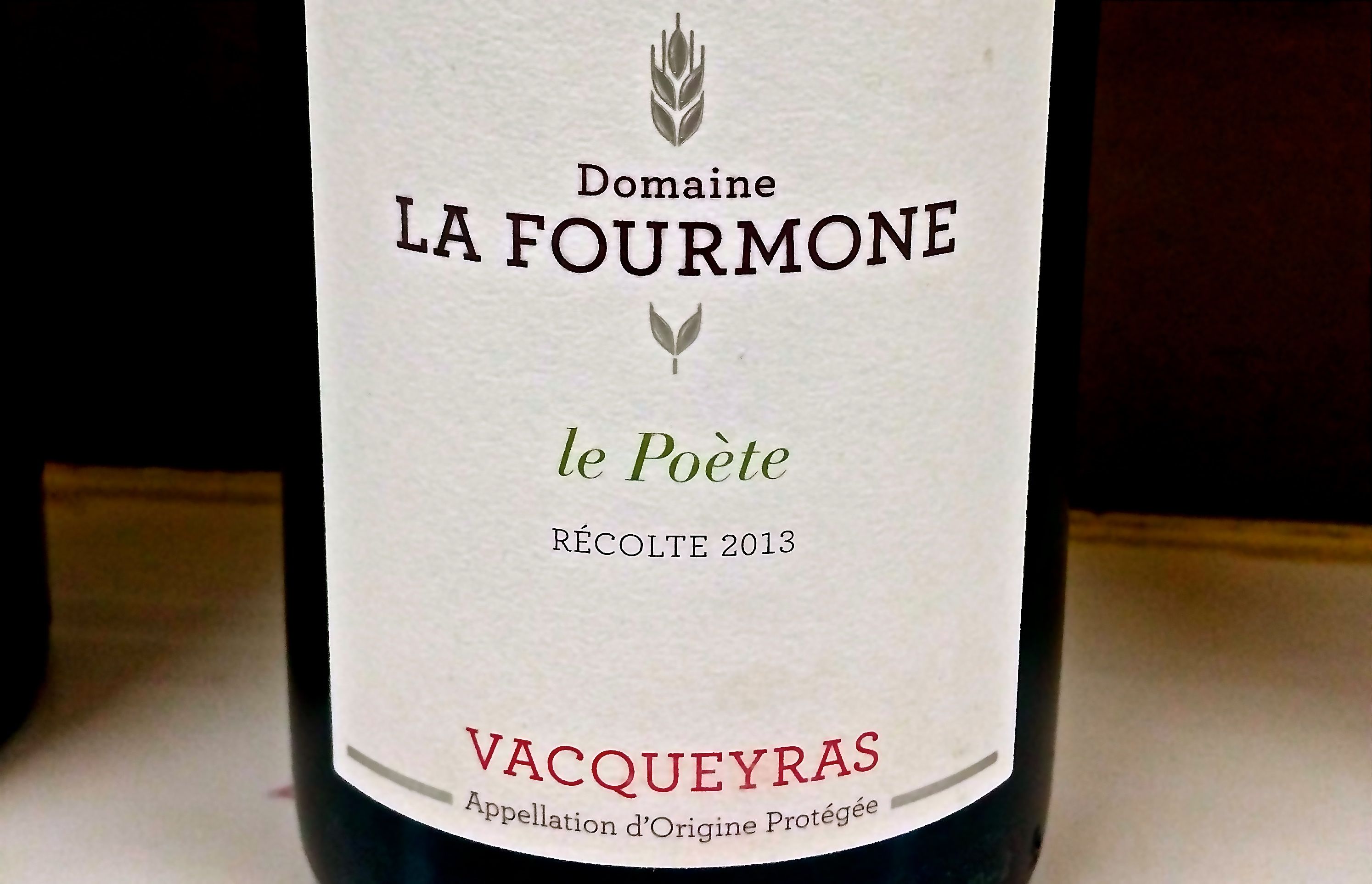

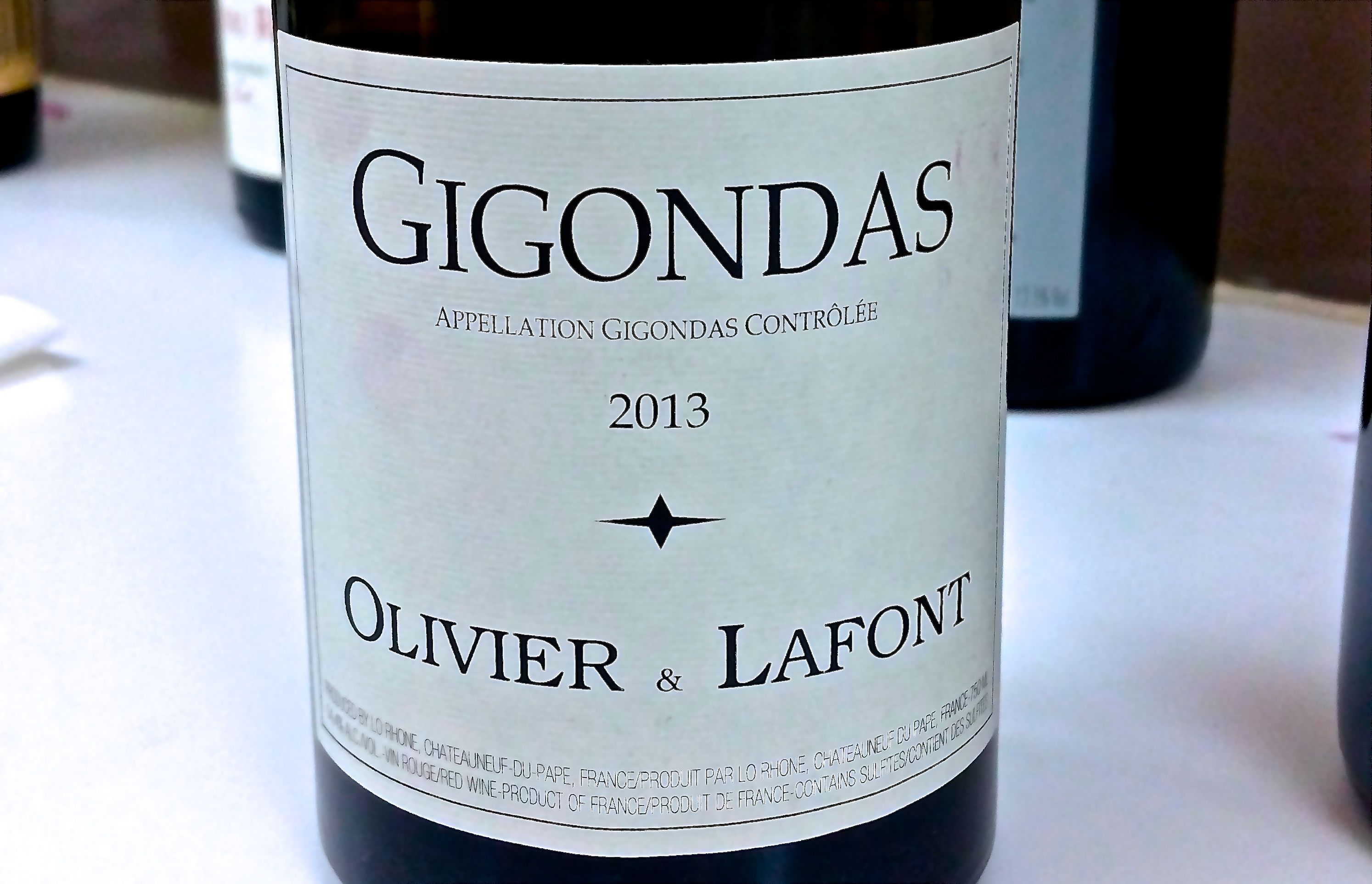
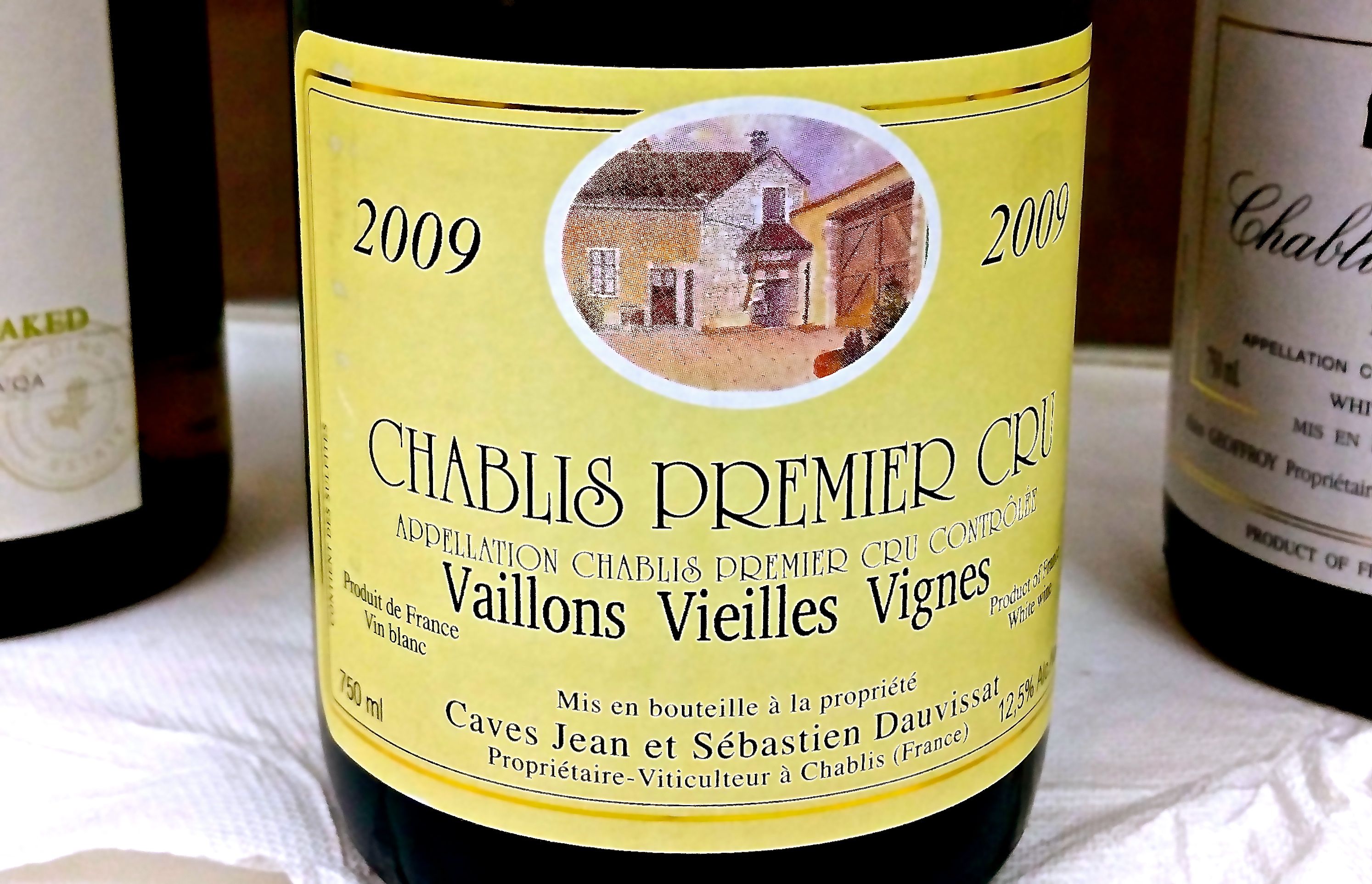
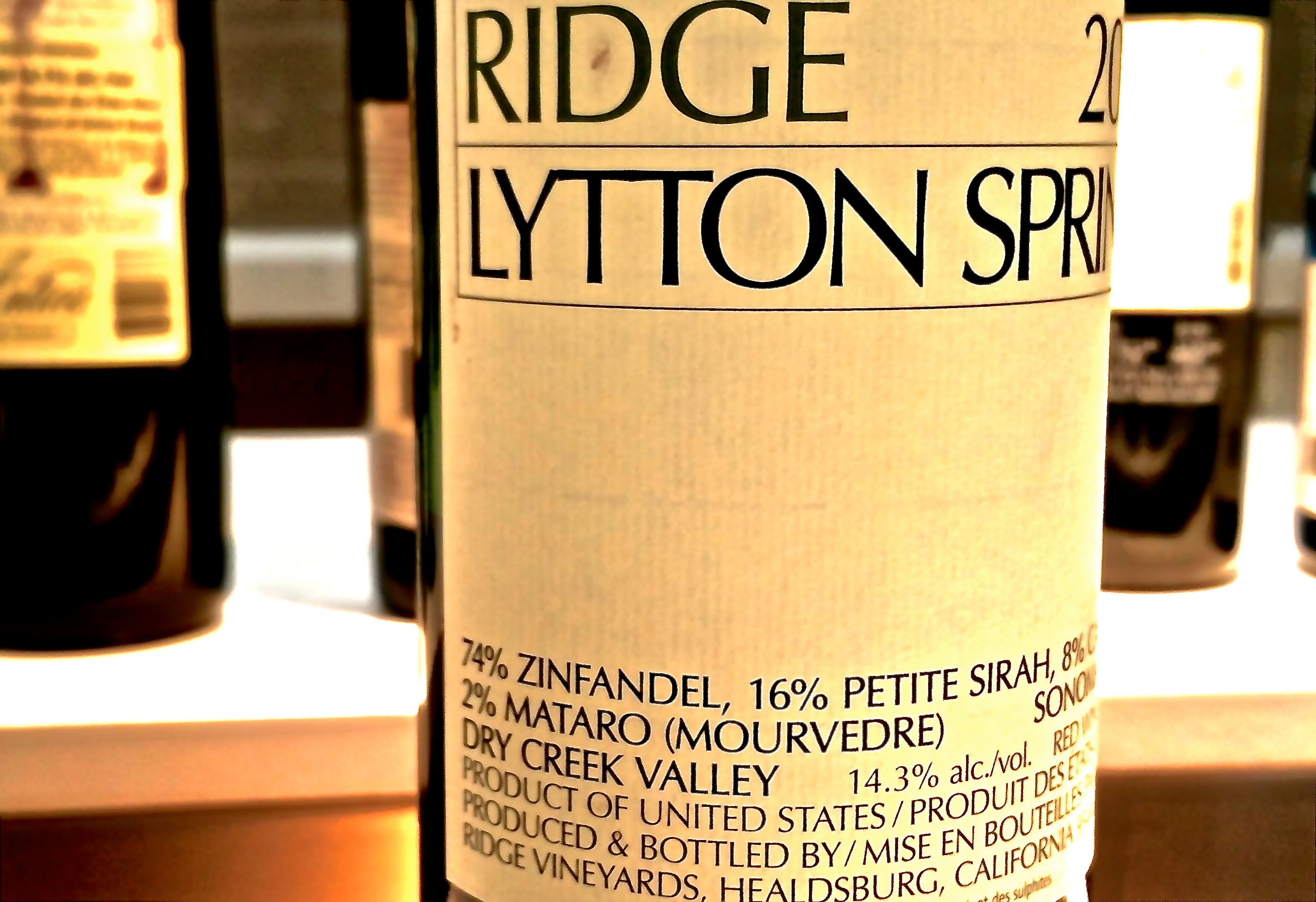


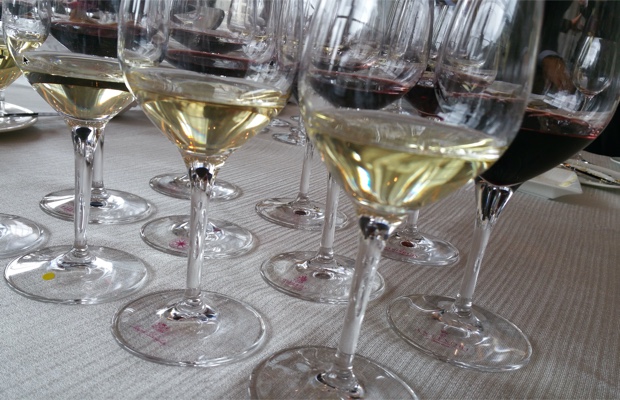
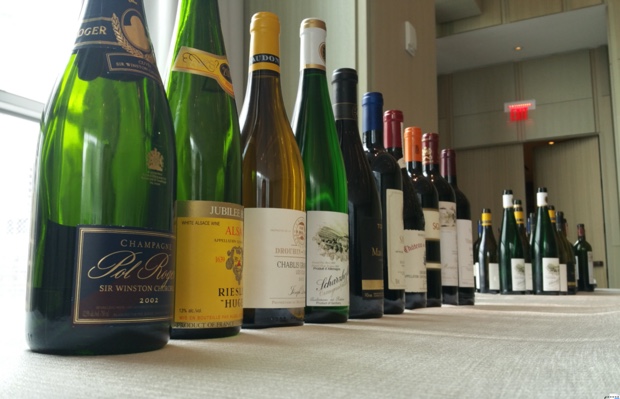
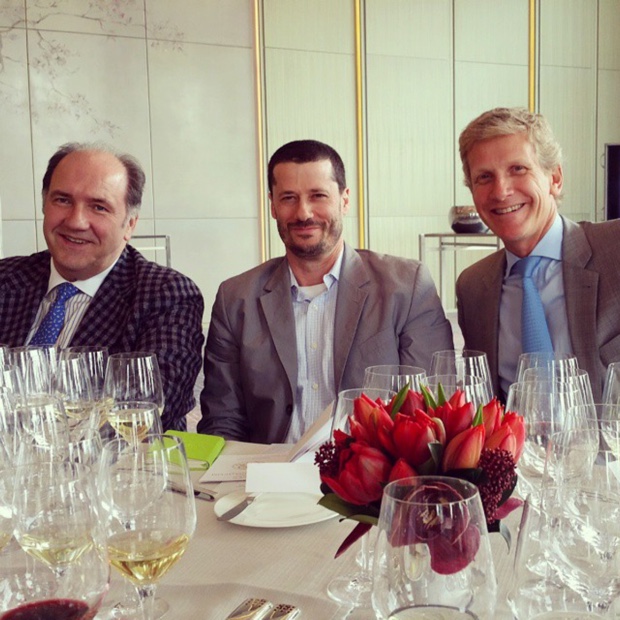
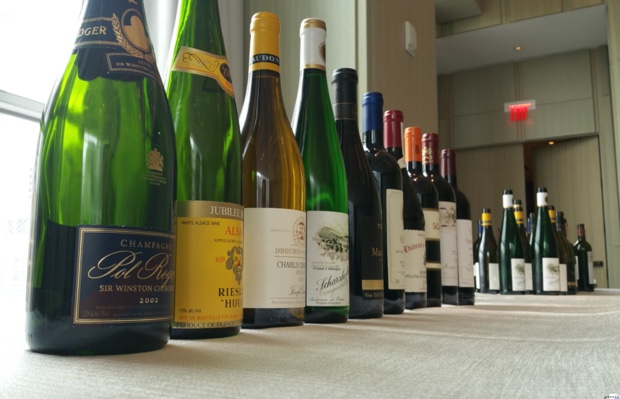
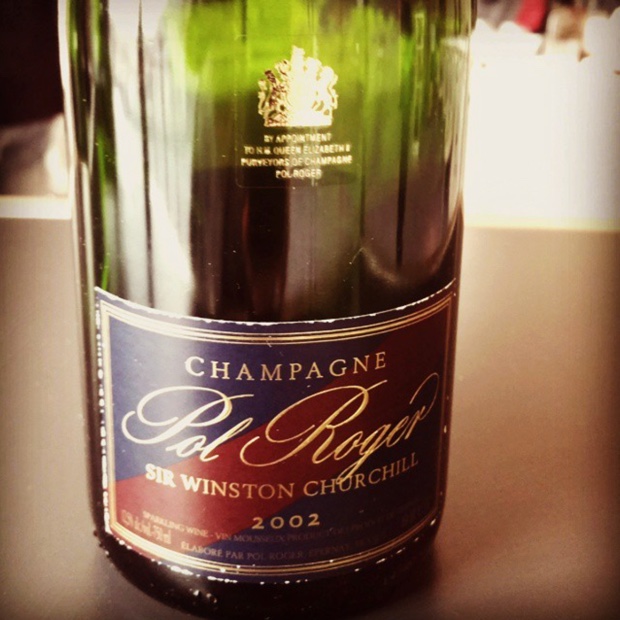
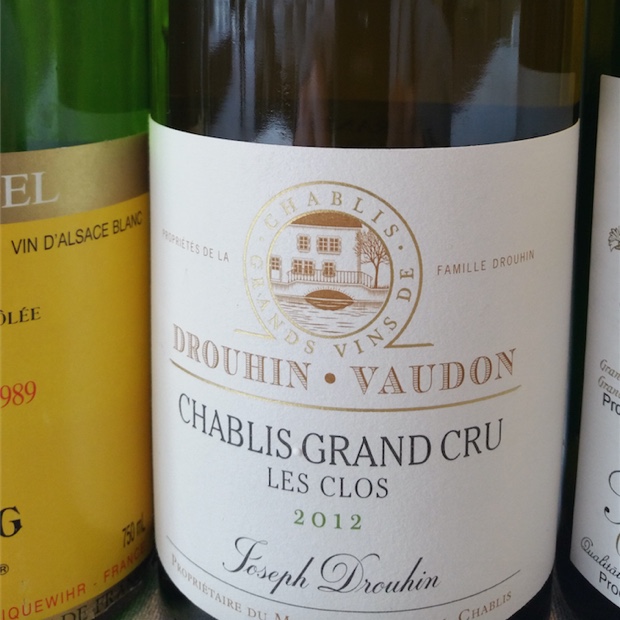
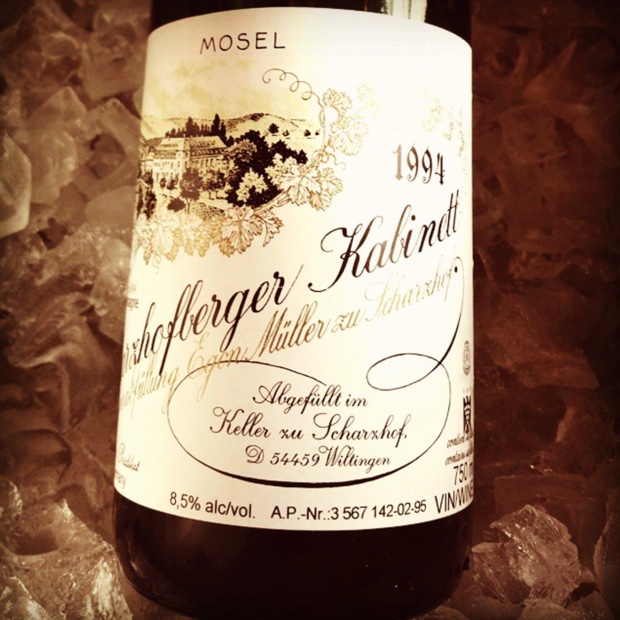


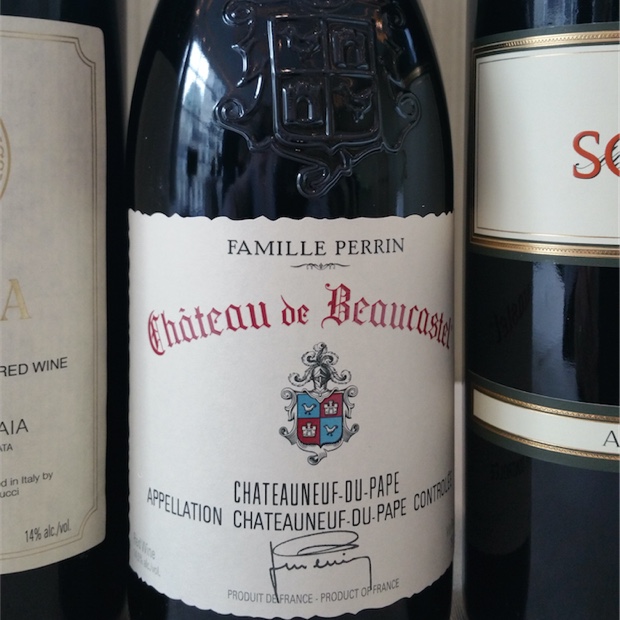
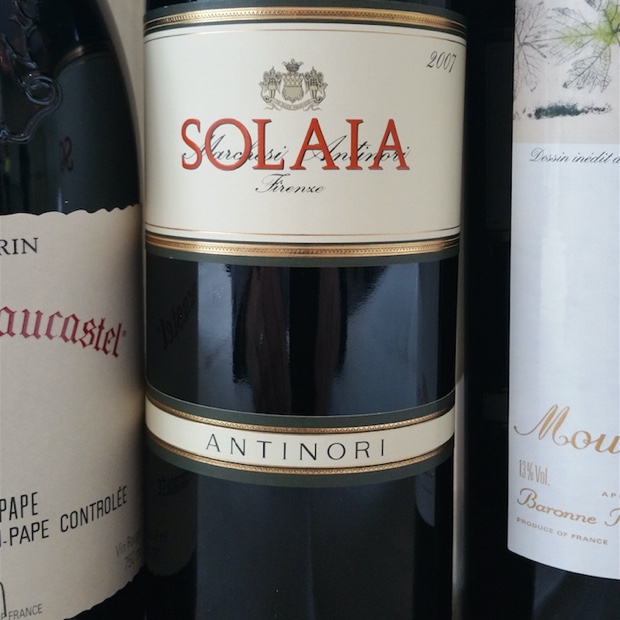
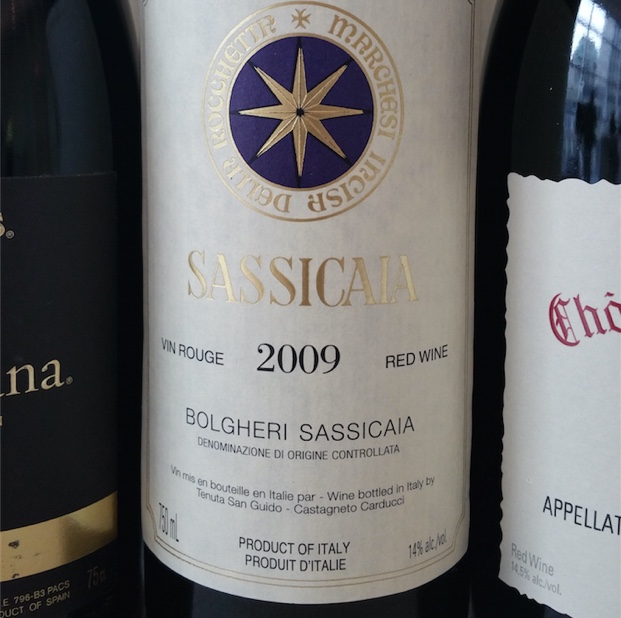
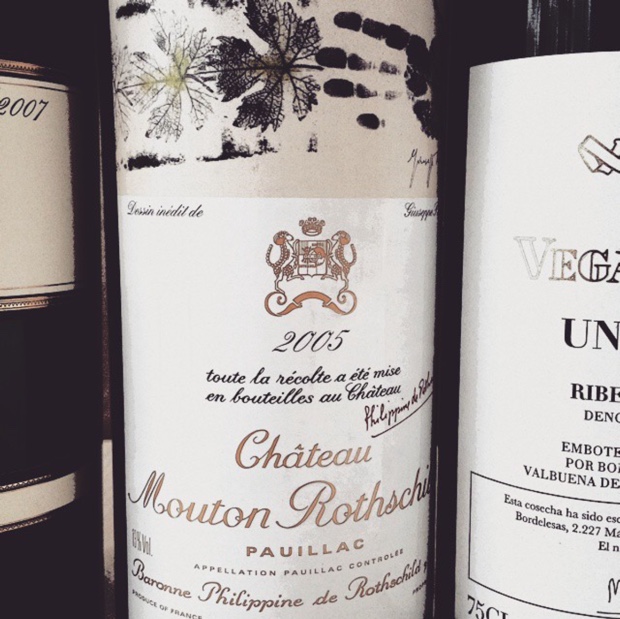


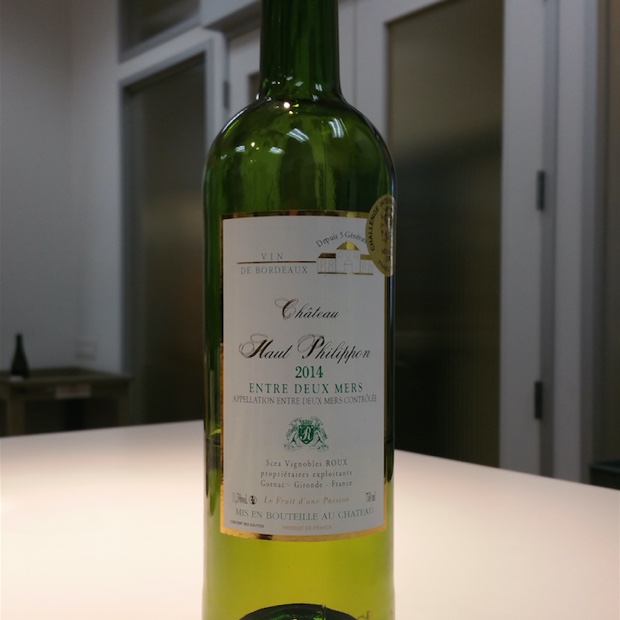

 Godello