It’s December, baby. In Ontario that means one thing. Cash money for the LCBO. Lineups longer than a 1988 Moscow bread line. If you’re from somewhere other than this magical, monopolized place we call wine central you just wouldn’t understand. You would not be privy to and giddy with isles stacked in pyramids of critter red and whites, Bailey’s Irish Cream and Absolut Durian. Wait, that would be cool.
No, not la vida loca. We are not talking about living the crazy life to make you cool. No party trick, no Spanglish, no politically incorrect, Urban Dictionary Ricky Martin slur. Not this either. “The awkward silence and/or major anticlimax that follows the confession of a big secret that everybody else already knew.”
You want it all in December, the most wine for the money, for gifts, to bring to the holiday party, to stack some away in the cellar. You want the Garden of Eden in a bottle.
In a gadda da vida, honey.
Let me tell ya.
With the ghosts of Christmas gem releases now just a strange, uncomfortable and debilitating nightmare trailing away in the rear-view mirror of Visa cards maxed out past, now is the time to focus on what’s real. To concentrate on purchasing wines in your price bracket, wines that speak of people, places and who will be drinking them.
I have combed, tasted and considered the releases now on shelves for this weekend’s December 12th offering. The parameters are $15 to $35, something for everyone, to purchase with confidence and to equip you with a most necessary advantage, to present them with pride no matter the circumstance. Ten wines to work the holiday room.
Cabriz Reserva 2012, Doc Dão, Portugal (21410, $17.95, WineAlign)
Such a juicy red, of honest imporosity and primed with acidity to prop and speculate. Bang on for the price, in its weight class and with the charm of sweet adolescence. Solid Dao with a whole lot of propensity to mix and match with the multitude of foods at your table. Drink 2015-2019. Tasted November 2015 @wines_portugal@winesportugalCA@Noble_Estates
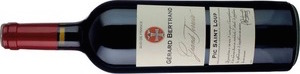
Gérard Bertrand Grand Terroir Pic Saint Loup 2011, Ap Coteaux Du Languedoc, France (376491, $18.95, WineAlign)
Syrah, Mourvedre and Grenache blend from the Pic Saint-Loup mountain peak and limestone cliff flanks of the the Coteaux du Languedoc. Sharp with concentrated red fruit, tight acidity and just enough tannin to render this marketable to a five-year plan of evolution. Real and as naturally forged as they come from Gérard Bertrand’s Cross Series reds of southern France. Prime example from and one to celebrate a terroir like Pic St Loup which continues to play the unheralded outlier. Really fine and just the right and correct amount of attitude. Drink 2015-2020. Tasted November 2015 @GBvins@FwmWine@LanguedocWines
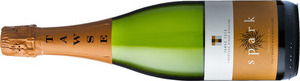
Only a year and in conjunction with an improved Sparkling wine vintage for Riesling, short work has elevated the young Spark’s game. A repeat lees performance initiates the conversation, of cheese melted overtop composite laminate, with yeast burgeoning about. In 2013 the concrete crispness is cemented deeper, etched into stone and thus completing the sub-$20 legacy. That winemaker Paul Pender can coax Riesling character, striking Sparkling wine resolve and yet hover in the air of litheness, well, this is the kneading. Silty, salty earth and soft transitions to citrus acidity are a requiem for success as per the Twenty Mile Bench/Limestone ridges vouchsafe common. Can even imagine a bit of time turning this into sparks and honey. Drink 2015-2019. Last tasted November 2015 @Tawse_Winery@Paul_Pender
Ernie Els Big Easy 2013, Wo Western Cape, South Africa (220038, $19.95, WineAlign)
Big Easy, Stellenbosch
A massive amount of fruit, caked earth and big, bouncy reduction is packed into this free swinging Western Cape red blend. The reduction mixes with Rhone bacon and its own regional gamey notes. This is both typical and radical. It is made in a style that many love and will continue to love and yet others will balk at its generational specificity. The clean, pure focus in Rhone varietal terminology teams up to subdue the Cabernet though that variety does add lushness to smooth out some of the hard edges. Tons of flavour. Drink 2015-2020. Tasted November 2015 @ErnieElsWinery@WOSACanada@WOSA_ZA
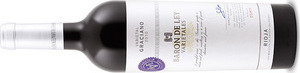
Another terrific vintage for the varietal Ley, wrapping a wreath of pure Graciano fruit around your neck and letting you lay back with a sip of something beautiful. Pure floral liqueur, the violets and the sweat, the sweet fruit and the citrus accent. Soft lactic acid and chewy with an accent of dark chocolate and spice. A bit more burly than the ’09 and certainly increasingly oak apparent but a good mouthful nevertheless. Let it rest for two years to let the wood sink in. Drink 2017-2022. Tasted November 2015 @BaronDeLeyRioja@RiojaWine@AMH_hobbsandco
Stratus Evergreen Red 2008, VQA Niagara On The Lake, Ontario (437434, $24.95, WineAlign)
Where has this been? This harmonious composition, like a Starland Vocal Band, Cabernet Sauvignon (30 per cent) plus Cabernet Franc (30) friendship with a healthy dose of Merlot (27) and a bit of Petit Verdot (4) in minor support. The acidity and the tannin have nearly fully waned but it’s a real pleasure to drink at this seven-year mark. Pretty fruit, creamy texture, just enough energy left to keep the party grooving, weightless and soaring in the air. Some chocolate and dessert like tendency but with the right kind of salty main course or just a few sips leading to that point, this will be an afternoon delight. “My motto’s always been ‘when it’s right, it’s right.’ Why wait until the middle of a cold dark night?” Herbal finish is cool and Northern Ontario like in its slow, easy exhalation. Extra points for the foresight, the opportunistic release point and the effort in a hit or miss vintage. The Evergreen Brickworks market’s loss is the LCBO’s gain. Drink 2015-2018. Tasted November 2015 @StratusWines
Versado Malbec 2013, Luján De Cuyo, Mendoza, Argentina (317008, $25.95, WineAlign)
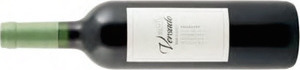
The rocks beneath the earth precede the rich, dark fruit. After the berries and the candy beets and the spices subside the flowers grow and take over the room. The vintage brings more layers than before. Malbec of character and belief, even a touch of good VA, a coat that only the Southern Hemisphere can provide. It is not usually present in Mendozan Malbec so it’s really a breath of fresh paint here in the Versado. Great purity. Protracted length. Most expansive and intriguing vintage to date. The Reserva will be killer. Last tasted November 2015
A rich, nearly creamy mouthful of Xinomavro, full on red fruit and as much scorched earth as prescribed to be necessary. There is plenty of front end acidity and back-end tannin though the pathway between is rocky, jagged and bumpy. I’d like to see this again in two or three years to see if it has smoothed out. For now it’s certainly edgy and divided though I will admit it has gained my full, undivided attention. Time will tell. Drink 2017-2022. Tasted November 2015 @KolonakiGroup@winesofnaoussa@DrinkGreekWine
Domaine Hamelin Chablis Beauroy Premier Cru 2012, Burgundy, France (391805, $33.95, WineAlign)
May just be the most well-rounded Premier Cru Chablis in the Ontario market today and orbits would not be its prescribed or described path. Linear more like it, star-shooting with trailing sparks from its steely beginnings out of stainless silo. Well-rounded because it draws fruit from every level of Kimmeridgien subsoil up and down the hills, from the bottom of the valley to the top of the slopes. Also because of its pinpoint unoaked Chablis accuracy, from mineral on the tongue to citrus receding and recoiling. So very clean old bones fruit (up to 35 years old) and direct at a price point most Premier Cru fail to touch. Drink 2015-2021. Tasted December 2015 @BIVBChablis@oenophilia1
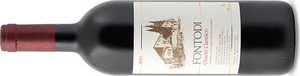
Classic and I mean classic Chianti Classico, cured, ancient, fruit forward. Modern, gritty, tannic, spicy, desperately in love and bound by leather. Tea and liqueur, all in Chianti Classico. Some iron and animale, bitters, tonics, cherries, medicines, all of the above. Acidity raging, thunder clapping, lightning striking. Needs seven years to shed emotional tears, fully settle and be a memory of its intense self. A wine that will remember. Drink 2018-2026. Tasted November 2015 @chianticlassico@rogcowines
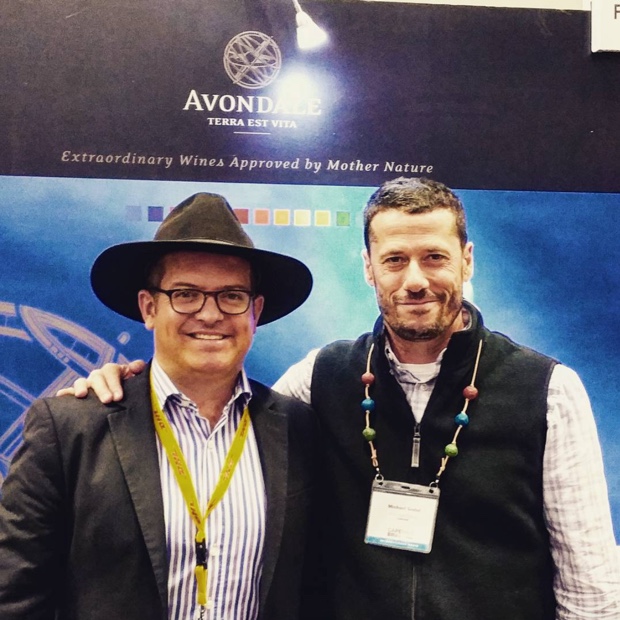
Balance, health, sustainability, organics, bio-dynamics, 21st century science and a posse of ducks. For Johnathan Grieve, these are the tenets of growing grapes and making wine at Avondale. The family owned and operated winery in Paarl, South Africa is a purveyor of wines fashioned with low and slow dynamics. Their dynasty is bred from a form of naturalism practiced in farming and winemaking executed in its purest form.
Take a moment to consider the dowsing effects of viticulture and viniculture driven by divested interests, where natural fermentations and a complete absence of artificial adjustments are the sworn rule. Let yourself go and the tangent will take you further, to incurvate within a grower’s neighbourhood occupied by the dimensions of the spiritual intersected with the existential. You will find yourself stumbling upon life energies, living systems, cosmic influences and rhythms.
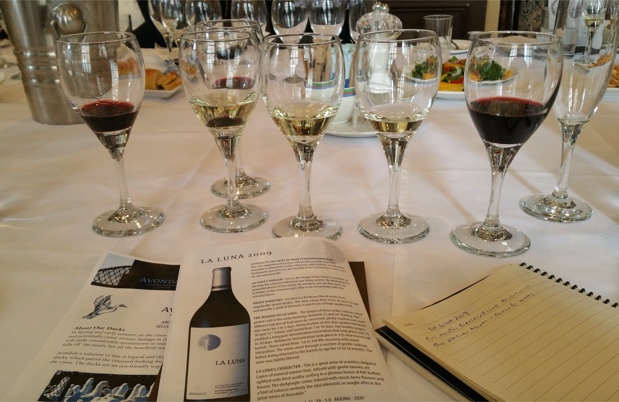
I tasted with Grieve in Toronto, May 2015, with thanks to Rare Earth Wines and Wines of South Africa Canada’s Laurel Keenan. I then sat down with him again in September 2015, at Cape Wine, in Cape Town, South Africa. The notes tell the stories.
From a farm dating to 1693 purchased by Johnathan Grieve’s family in 1996. Poster bubbles, for the Blanc de blancs habitation and for the Avondale oeuvre, the Armillary sphere, Roman “circle of life” and ancient astronomical instrument used to show the position of stars around the earth. Traditional production, with a kiss of oak and a final act of dosage. Five total years on the lees, including two on coarse and one in bottle. Picking was accomplished at the end of that January, in purpose of stylistic elegance and beautiful bitters born of natural and integrated acidity. Terrific dip of biscuits into honey. Like Baklava in a glass though equally savoury to dessert. Baller bubble, balanced and with the sense to envision evolution, to the look ahead of an adult age. Would retail for approximately $28 CAN. Drink 2015-2027. Tasted twice, May and September 2015 @Avondalewine@RareEarth_Wines@WOSACanada@WOSA_ZA
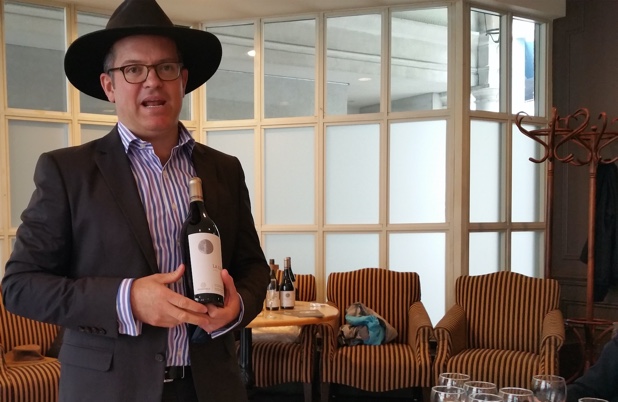
Winemaker with a true sense of purpose- Johnathan Grieve @Avondalewine@CapeWine2015 #capewineconnect #terraestvita #paarl #westerncape #southafrica #southafricanwine
Avondale Wines Jonty’s Ducks Pekin White 2013, Paarl, South Africa ($14.95, Winery, Agent, WineAlign)
Named for the young ducks and their voracious appetites for snails on which they go to town in the vineyard. Chenin Blanc driven, with some white Muscat, Semillon and Roussane. Sweet Chenin nose while 10 per cent aged in big French barrels adds texture in fleshy orchard fruit, from white peach to yellow plum. Duck, duck, goose, as in tart, sapid berries and the way they solidify the finish. Drink 2015-2018. Tasted May 2015
Avondale Wines Jonty’s Ducks Pekin White 2014, Paarl, South Africa ($14.95, Winery, Agent, WineAlign)
The house white with the Avondale ducks always in mind. “How does mother nature do it? For each problem there is a natural predator available to do the job.” The holistic approach applies to the winemaking of Johnathan Grieve as well. In 2014 there is an easier and more naturalistic feel. With less oak and lees, some rest and the result is increased freshness, especially for the dominant Chenin Blanc. Ready to go as we speak. Drink 2015-2018. Tasted September 2015
Avondale Wines in Toronto, May 2015
Avondale Wines Jonty’s Ducks Pekin Red 2011, Paarl, South Africa (383547, $14.95, Winery, Agent, WineAlign)
At Avondale they employ beneficial bacteria, predatory wasps, birds of prey and their famous ducks. The Jonty’s posse goes frenetic when escargot are offered up at lunch. The same can be said for hordes of humans and this red blend. Composed from Shiraz, Cabernet Sauvignon, Merlot, Cabernet Franc, Petit Verdot and Malbec, it is seamless at this price. While savoury to be sure, there is no grape dominance. The middle is filled with drupe, kernel and spice. Try finding volatility. You can’t. Speaks, comments and lectures in layers of fruit across its hexa-varietal spectrum. Drink 2015-2020. Tasted May 2015
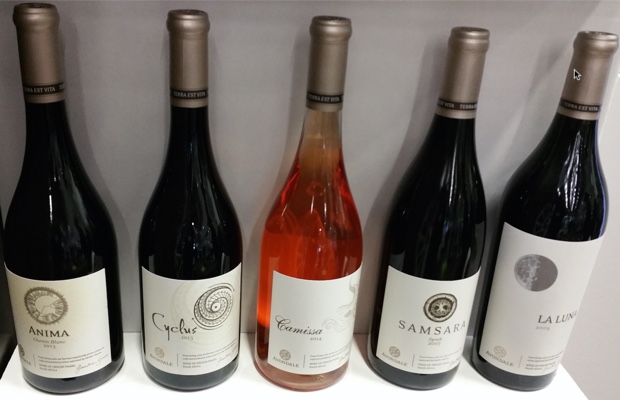
Avondale Wines Anima Chenin Blanc 2013, Paarl, South Africa ($22.95, Winery, Agent, WineAlign)
Straight shooting Chenin of struck stone and flint, from 100 per cent whole clusters, naturally fermented and aged for 12 months on the lees in large (500L) barrels. Plus bâtonnage, in the name of lees. Offers a sense of wax and pollen, in airy texture, through a valley of sound, with bending notes and a big riff finish. Some bitter melon and unique berries fret about. Has developed its tannic structure with mineral for soul and weight from soil. Terra est vita, soul to soul. Soil to soil. Avondale makes use of concentrated sea salts and cover crops give balance to the vineyard, to add diversity without negativity. Like adding keyboard and saxophone to the blues, for soul. “Get away from the blind side of life.” Change it. Drink 2015-2020. tasted May and September 2015
Avondale Wines Cyclus 2013, Paarl, South Africa ($26.95, Winery, Agent, WineAlign)
A sink full blend of give or take equal (20-24 per cent) parts, with the vortex at Viognier, alongside Chenin Blanc, Marsanne and Roussane with (six to 10 per cent) Sémillon. Ostensibly, sensibly and spoken through megaphone, purporting the drive to and for such an appellative blend in South Africa. A circle of life and energy to announce the need for diversity, in vineyard, by way of bringing varietal togetherness and the notion that anything can be accomplished, anywhere, anytime. Confirms the idea that everything ripens in South Africa and can be showcased with the correct approach. An Avondale holistic approach. A Capelands example for which many should follow. Fruit in every pore, nook, hollow and cranny. Just as the vortices of a cow’s horn encourages blood flow, so are energies focused in the Avondale soil. Breathing in the Autumn, breathing out in Spring. The cycles. Drink 2015-2022. Tasted September 2015
Johnathan Grieve in Toronto, May 2015
Avondale Wines Cyclus 2012, Paarl, South Africa ($26.95, Winery, Agent, WineAlign)
Viognier, Chardonnay, Roussanne, Chenin Blanc and Sémillon. In 2012 it’s as if the five varieties are spinning in centrifuge. Quite the whirling white blend, dynamic, energetic, replete with tropical fruit, metals and pulpy paper. The entire accumulation grooves in a vortex, whorling within a dynamic container. The lees adds a perfume of fine format, of yeast cultures and beneficial bacteria in a frenzy, bringing character and expression. The nine months of coarse solids have filtered in, relegating to elegance and pausing in a northern Rhone way. Up front fruit once quiet is now showy in this, its early stages of development. Fascinating stuff. Drink 2015-2021. Tasted May 2015
A different sort of animal, the Camissa is a Blanc de Noir made from red varieties, Muscat de Frontignan, Mourvedre and Grenache. Tells the story of Table Mountain and the stream that feeds the vineyard. An expression of mostly red fruit; strawberry, raspberry, cranberry and pomegranate, dried, saline and briny. Lithe like dry Rosé and struck by impeccable balance thanks to natural acidity. Citrus claims the finish. Drink 2015-2019. Tasted September 2015
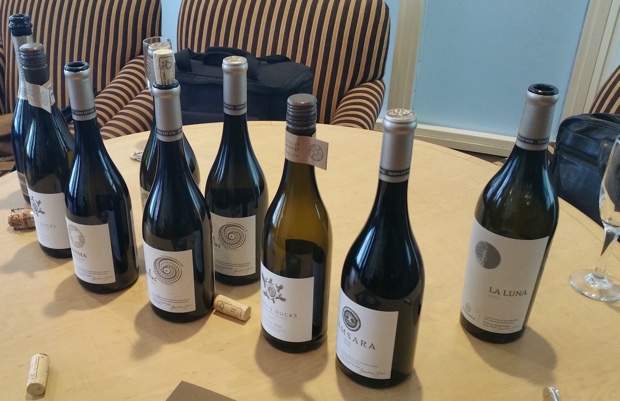
Avondale Wines Samsara 2009, Paarl, South Africa ($32.95, Winery, Agent, WineAlign)
A 100 per cent Syrah of purity, elegance and structure, from beginning to end. Nary a gauze or volatile moment intrudes, nor smoke and tar neither. Floral of violets, red plum and wet clay with just the faintest note of warm coffee grinds. Bright and vivid acidity, a rebirthing of Syrah, of South African roots incarnate and that grounded, earthy, yeasty cure. Much more elegant than the raw and energetic ’07. Drink 2016-2022. Tasted May 2015
Avondale Wines Samsara 2007, Paarl, South Africa ($32.95, Winery, Agent, WineAlign)
Hand-harvested Syrah, whole bunch, naturally warm fermented with no crushing at 30-32 degrees centigrade. Extended (15-16 day) skin contact. All this to gain maximum extraction and optimum flavour. What resulted was a deep, rich, red earth cured, funk-motivated Syrah, driven by soil above all else. Pepper and violets meld into severe grape tannin from those skins. Allspice and red citrus make their mark. Still not yet ready for prime time. Drink 2017-2022. Tasted September 2015
Avondale Wines La Luna 2009, Paarl, South Africa ($34.95, Winery, Agent, WineAlign)
A five Bordeaux varietal blend from Cabernet Sauvignon to Malbec with diminishing percentages by way of and through Cabernet Franc, Merlot and Petit Verdot. A meritage in which the heritage aromatics driven by natural yeasts are accentuated by the bell curve of the ferment, during the decline and before the spike. Cake of the earth, fruit of dense expression and the structure of low and slow development. Extended skin contact, housing the place where yeasts reside, leads to the cultures driving the tannins. A culture club of composure and happiness. Really offers up a sense of what is achievable in South Africa. Drink 2018-2025. Tasted May and September 2015
The flagship, limited release Navitas (just over 1000 bottles) endears juicy, parturient Grenache and Mourvedre to Avondale’s enceinte Syrah in a transformative and characterful Rhône blend. This ’08’s cup runneth over with intense energy in what may be referred to as the powerstream red, 100 per cent whole bunch fermented, powered by natural enzymes and essentially, prolifically gravid with the most severe envy of carbonic maceration. A post ferment skin contact for 30 days and 18 months in gently effacing, new 6o0L oak barrels transports grapes to near nirvana. This is what can be done with fruit that has fully completed a journey to phenolic ripeness. Approximately $139 CAN. Drink 2017-2028. Tasted September 2015
More reasons are requested, given, offered, presented and needed for purchasing and consuming wine during the month of December than at any other time of the year. And so, 12 more suggestions, falling this time within the realm of mortal affordability yet special enough to gift and to make you feel like you’ve done something nice for yourself. Go ahead, indulge. All from the November 28th VINTAGES release.
Casas Del Bosque Reserva Sauvignon Blanc 2014, Casablanca Valley, Chile (974717, $13.95, WineAlign)
Could not be anything but Casablanca Sauvignon Blanc, movie quotes and all. Tossed like a cayenne dart at a yellow plum tree board. Sweet and salty, like white taffy and sprigs of rosemary on a bacon-wrapped scallop. Odd combo and why not. On the edge of tomatillo and nettle? Perhaps, but also composed with an acerbic wit, as time goes by. “It’s still the same old story. A fight for love and glory.” Drink 2015-2018. Tasted November 2015 @CasasdelBosque@azureau@DrinkChile
Delheim Family Chenin Blanc 2014, Wo Stellenbosch, South Africa (429720, $17.95, WineAlign)
Flinty, smoky, reductive Chenin, certainly produced with quantity and accessibility in mind. Typically, succinctly Stellenbosch, with a level of sweetness available and in balance with the stony fruit that is marked by a mineral mine. Has good acidity and even better length. Drink 2015-2019. Tasted September and November 2015 @Delheim@Noble_Estates@WOSACanada@WOSA_ZA
So unexpectedly and remarkably fresh Umbrian of red fruit and ripe acids without any overkill from wood or tannin. This is a pure breath of fresh air in a world dominated by barrel, heat, over-extraction and covert winemaking operations. The fruit may not be Caprai’s most prized but it works a basic stratagem of interpretative and integrated, integral magic. It must be lauded for its honesty. Drink 2015-2018. Tasted November 2015 @Arnaldocaprai@StemWineGroup
Josef Chromy Pepik Sekt, Tasmania, Australia, (429704, $26.95, WineAlign)
A whole whorl of aromas kick up the dust from this pearl of a Tazzy with an arid and saline sense of destiny. Density and weight are surprising features, along with orchard fruit and wild machinations. Jams and swaggers with so much personality, from lime lining the velodramatic slopes of its groove to fish jumping out of its waters. Calling it alive would be an understatement. “Yeah, yeah, yeah, yeah.” Drink 2015-2020. Tasted November 2015 @JosefChromy@bwwines
Jean Max Roger Cuvée G.C. Sancerre 2014, Loire Valley, France (189126, $28.95, WineAlign)
Sweet scenting and spicy wafting Sauvignon Blanc, with white pepper and cool herbiage (mint, savoury, tarragon and basil). Good solid Sancerre, always, organically developed and of a verbiage that is modern, proper and articulate. Always spot on. Drink 2015-2020. Tasted November 2015 @oenophilia1@LoireValleyWine
Spy Valley Envoy Sauvignon Blanc 2013, Waihopai Valley, Marlborough, South Island, New Zealand (429308, $29.95, WineAlign)
Elevated, reductive, flinty tones, noticeably crash course modern and reactive for New Zealand. Capsicum and juicy fruit gum, matchstick and tropical fruit, then citrus on the palate with opiate numbing. This is Sauvignon Blanc like Semillon, as if the winemaker at Spy Valley, with the best fruit possible from Waihopai Valley, had the intention of making the most serious SB on the planet. With a bit of barrel effect, though that may be a stretch I’m looking at a 10 year development here, into honey, rocks and a blast of propellent. Uncharted territory. Will have its share of naysaying anti-stylistic poo-pooers. Drink 2016-2026. Tasted November 2015 @spyvalleywine@SpyValleyUK@nzwine@TrialtoON
Château Bernadotte 2005, Ac Haut Médoc, Bordeaux, France (431775, $32.95, WineAlign)
A really nice drop of Bordeaux that has fully resolved from the semi-heat of 2005. This is good to go, with both acidity and tannin gracefully interconnected while the fruit remains. A good leathery hide and a slight ferric bleed fills the nooks. Lovely semi-old Bordeaux. Drink 2015-2017. Tasted November 2015
Majella Coonawarra Cabernet Sauvignon 2012, Coonawarra, South Australia (301531, $33.95, WineAlign)
A massive combination of fruit, tannin and wood whorl in a ferric, tough, gritty and ready for nothing in any particular hurry Cabernet. That said, it is silky smooth, spicy and velvety too. A really big mouthful of so much goodness to last 20 years or more. Out it aside for all the major players to get in tune and it will be music to your ears. And pleasure to your lips. Drink 2017-2032. Tasted November 2015 @aussiewineguy@HalpernWine@CoonawarraWine
Faustino I Gran Reserva 2004, Doca Rioja, Spain (976662, $35.95, WineAlign)
Rioja of another era, of tradition, curated history and the famous rusty liqueur. Steeping cherries, elongated acidity, rifling ripples of leather, cedar, cypress and chestnut. The right kind of Rioja with just a hint of plum and plenty of naturally orchestrated enjoyment. Drink 2015-2024. Tasted November 2015 @RiojaWine@Select_Wines
Stags’ Leap Winery Petite Sirah 2012, Napa Valley, California (590356, $39.95, WineAlign)
Dark, dusty and devilishly rich. Must be noted from the start that this is quite restrained for Petite Sirah, cautiously oaked and modest in alcohol. It’s no introvert mind you. A note of volatility keeps it on the edge and the flavours are steeped in tea, coffee and cocoa nib. The vintage agrees with the varietal transplantation and the burgeoning acidity makes for a relationship built on mutual respect. Good and plenty. The handshake is currently quite gripped so waiting another 18 months or so should and will soften the clasp. Drink 2016-2022. Tasted November 2015 @stagsleapwines
Along with Rudesheim and Johannisberg, Hochheim was anointed by Goethe as one of the magnates of the Rheingau. From a singular cone-shaped hill locale on the unshaded east-west aspect of the Rhine River. The mediterranean micro-climate makes for, simply stated, stupid good Riesling. Riesling of richness and minerality, strength and length, perfectly good bitters and even better health assisting tonics. Fruit density in the realm of peach and apricot lives in due part because of the Cyrena marl and its soil matrix of dark, alluvial loamy loess. Bounty buoyed by energy. Layers and layers of health, wealth and old vines wisdom. Drink 2018-2035. Tasted May and November 2015 @Noble_Estates@germanwineca@WinesofGermany
Catena Alta Cabernet Sauvignon 2012, Mendoza, Argentina (959965, $46.95, WineAlign)
A very pretty, floral and flirtatious Cabernet, supported by extremely ripe and ripping tannins currently caught in a veritable uproar. Elongating drivers are chalky but not grainy and while the sweetness of those conduits are astonishing, the immediate gratification tells me I won’t see this continuing to develop for the better after the ten year mark. Five to ten will be just right. Drink 2017-2022. Tasted November 2015 @CatenaMalbec@LauraCatena@winesofarg@ArgentinaWineCA@TrialtoON
I find the last week of November to be one of the strangest, most eery and unsettling times of the year. Calm before the storm. Frost, indigenous summer, zero degrees, crisp air, fall sunshine. We all know it’s coming; snow, holidays, ice, time off. The acronym might ring true but I would suggest resting your worried mind and tucking those cynical philosophies into a drawer. Pull them out in January when it matters less. For now, have a peek into the VINTAGES catalogue for November 28th.
Inside you will be faced with a thematic titled “Holiday finery.” Twenty some odd iconic Super Tuscans, Venetians, Rhônes, Californians and various, multifarious and sundry bottles leap from the pages like three-dimensional wine beacons in full propagandistic regalia. They are expensive, massive wines with pedigrees to shack up with queens and kings. I’ll expand on them later this week. Some are truly exceptional and all are stupid expensive.
There is Icewine and there is what VINTAGES calls “signature study,” a short and apathetically effective use of white space to extol the virtues of Ontario’s most important cool-climate varietal plantings, of Cabernet Franc, Chardonnay and Pinot Noir. Also the notion that Sparkling wine is important to our wine psyche. It’s all true.
What fails is the idea of a feature in a magazine and corresponding release with only 10 wines to drive the point. An angle with five aspects needs more than two examples to prove the multi-pronged determination in support of the bottom line. Why feature Ontario’s signature varietals with next to no illustration? Hard to imagine a paradigm shift in consumer connection with Ontario wines out of such a lacklustre effort.
The good news is that of the ten wines on offer, all are solid and representative of the ideal, with seven worthy of being recommended here. An Icewine and two British Columbia reds round out the top ten list.
Typically juicy and tight, lithe and piercing, popping and reflexive. Very consistent, vintage to vintage. Knows just what it wants to be. Drink 2015-2018. Tasted September and November 2015 @featherstonewne
Henry Of Pelham Estate Chardonnay 2013, VQA Short Hills Bench, Ontario (268342, $19.95, WineAlign)
Sunlight is the key to this ripe Chardonnay, snatched from vines that grow on the most easterly of the Niagara Escarpment’s sub-appellation. Here Henry of Pelham calmly puts its hegemony over Short Hills Bench Chardonnay on display. The fruit layering is very impressive, compressed even, with just a spiced spirit injection from the barrel. The Estate Chardonnay is in a mid-range class of its own, this gatherer of heat days, hoarder in spring water retention, cleanser in sand and gravel drainage. The vintage just seems perfect for this niche bottling, balanced, primed to finespun texture, stretched for length and good to age at least five years. Last tasted November 2015 @HenryofPelham@SpeckBros
Bordeaux blend bearing the name of the former Leaf’s Captain with Ontario sites fruit via Prince Edward County. From a warm vintage and showing every bit of that heat, in spice, not alcohol. Its credo should be “make Meritage love for the group, not varietal lust for the individual.” In it for the right reasons. Team. The fruit is quite green and loaded with pyrazines but quality wood fills the unplugged holes. The wine has heart, just like number 93, perhaps small in stature but gritty like no one else in the County league. A killer playoff red with the ability to weave back and forth behind the net until the wrap around is available. I was in the Gardens that night Doug, sitting in the sixth row behind that net. Big hair guy with his arms in the air, caught on the ESPN video. Gilmour represents one of the best Meritage values the County has yet seen. Good things happen when you add work ethic to the roster. The grapes are surely proud. Drink 2015-2019. Tasted November 2015 @KarloEstates@MettleUnited
Coyote’s Run Rare Vintage Chardonnay 2013, VQA Four Mile Creek, Niagara Peninsula, Ontario (426437, $24.95, WineAlign)
A nicely, confidently, smartly adjudicated reductive Chardonnay with beautifully judged oak and a pretty white flower note that elevates the aromatic profile to the verified realm of the near ethereal. This is the prettiest bloody Chardonnay ever produced at Coyote’s Run. It is rare vintage indeed, for the appellation, the sub-appellation and the vigneron. Subtle, placid, restrained, smooth, integrated, just hinting at smoke and spice, easy on the lips, mouth and gums. This will follow a fine parallel line for five years, gain some honey and caramel for five more and fade into the Four Mile reflective sunset for five more after that. Drink 2017-2023. Tasted November 2015 @coyotesrun
The Reif Reserve Cabernet Sauvignon is a wildly endearing and dangerously delicious wine that should evolve gracefully and purposefully for 10 years. Why? Because it has structure. What does that mean? It means that ripe, warmer(ish) Niagara River sub-appellation fruit was picked precisely on time, with acidity intact. It means that the extraction and maceration culled sweet, supporting tannin and the barrel program added just the right amount of accentuating care. This is dutifully doted over and offers Cabernet Sauvignon plaisir. Well done. Tasted November 2015. Drink 2016-2023 @Reifwinery
Château Des Charmes Vidal Icewine 2014, VQA Niagara On The Lake (200ml), VQA Niagara Peninsula, Ontario (565861, $25.95, WineAlign)
The aromatics forge a beautiful relationship between tropical fruit and intensity. Represents the reason for using Vidal to hang at negative temperatures through the freezing nights of Niagara winters. The pineapple, longan and deep peach intent are the palpable culmination of patience leading to reward. This is a most excellent example of the necessity. The little sensation of drying tannin on the finish is the indicator for conterminous Riesling longevity too. Drink 2015-2022. Tasted twice, October and November 2015 @MBosc
Dirty Laundry Kay Syrah 2012, BC VQA Okanagan Valley, British Columbia (437111, $25.95, WineAlign)
Really perfumed Syrah permeated by spice and promising permutations left, right and centre. Quite young, modern, piqued by white pepper and juicy by way of pomegranate, cranberry, more so raspberry and then vanilla. A really solid wine with nothing but pleasure in mind. Drink 2015-2018. Tasted November 2015 @DirtyLaundryVin@HHDImports_Wine
Inniskillin Montague Vineyard Pinot Noir 2012, VQA Four Mile Creek, Niagara Peninsula, Ontario (997353, $29.95, WineAlign)
A crescendo of sorts has been struck in 2012 with the Montague Pinot Noir perpetuity, giving credence to the vineyard as a resource to be exploited. What the site does for Pinot, particularly in warm vintages like 2012, reminds of the Pfersigberg in Alsace, a plot which provides fruit for the Sainte-Claires bottling by Domaine Albert Mann. A site where water-retention is less than average, where soil colour and low humidity attract the radiance of intense heat, which leads to early ripening of the grapes. The richness of Montague’s clay is amplified in the vintage, providing elevated heat units for this red cherry, beet, cinnamon and toasted red of equally exceptional flavours. Fine, linear acidity takes it to depths and will lead it down long, paved roads. Tasted January 2015 @InniskillinWine@CBrandsCareers
Skips the cork, avoids the taint and caps with a crown. A king’s bubble in here, a king of pop perhaps, with “a mind like a diamond.” Like a fine, flat rock that cuts through crap and “red tape fast, thorough, and sharp as a tack.” I want a fizz that gets me up early. I want a Sparkling wine that knows what’s right. I want bubbles with “uninterrupted prosperity and smooth liquidation.” I want a sparkler “with a short skirt and a long, long jacket.” I want bubbles with tang, tang, tang, apples, pears, ginger and cardamom. One that I can drink with cake. Yes, perhaps the Riddled ’09 is just a bit abrupt, at times monotone, awkward in chord changes, tempo switches and suffers from a twittering finish. But it’s twitchy and characterful along the way. Tasted November 2014 @Winemakersboots@brightlighter1@UnfilteredEd
Burrowing Owl Cabernet Sauvignon 2012, BC VQA Okanagan Valley, British Columbia (73098, $44.95, WineAlign)
In 2012 a beefed up wine of early life unsettling proportion, oversized, dilated, and maximized. Cut through with a current of pyrazine and distended with lots of barrel buoy, though not as over-wooded and clumsy as many. Has enough restraint and Cab character to keep things bustling and whistling, from Boston to Dixie. Cool, savoury, spicy centre. A large expression of multi-faceted desert aridity, all B.C., not Bordeaux. This will age nicely as the tannins are quite ripe. Drink 2015-2020. Tasted November 2015 @BurrowingOwlBC@LeSommelierWine
Only on the rarest of occasions do I consider the Zodiac. Same goes for the constellations though if you slump my tired body into the comfort fitting contours of a Thermarest on a Killarney campsite I’ll happily, dreamily stare up into a near-northern sky. Or on a dock in cottage country if the Aurora Borealis happens to make a magical appearance.
In September I spent some time scanning a South African, southern hemisphere sky with Ken Forrester. Ever the romantic, Ken offered up a short dissertation on one of the special treats afforded a stay in Stellenbosch. I have seen the Southern Cross several times before and yet standing there at 10:30 pm with the South African vigneron-poet, taking in the twinkling balls of time travel, something struck me anew.
I like to line things up. Wine tasting notes with music; a lyric or an artist. You may have noticed. I also find ways to forge bonds, synaesthetic perceptions and Chaldean correlations, regardless of whether they are there for the connecting. Sometimes you just need to fulfill the urge to divide the ecliptic into 12 equal, 30 degree pieces of a pie. Perhaps it’s just the M.O.T. in me.
This coming weekend VINTAGES rolls out the first major release in preparation for the looming holiday addiction. The headlines of “stars of the season,” and “star-studded” can mean only one thing. Expensive and iconic wines will dominate LCBO shelves from now through Christmas. And most of these high ticket items will sell through. Why is that you ask? Mainly because many of them are really good wines. Mostly because desperate people will buy anything when faced with holiday gift-giving deadlines.
My job is to separate the exciting from the boring, the exceptional from the drab. I’ve chosen 12 bottles, each with their own horoscopic identity, wines that illustrate their own idiosyncratic hook-up with a sign of the zodiac. It’s a stretch to be sure but it’s my stretch, so deal with it. If you connect and agree with just one, it may change your perception too.
From left to right: J. Fritsch Riesling 2014, Closson Chase Chardonnay Closson Chase Vineyard 2013, Segura Viudas Brut Reserva Heredad Cava, La Chablisienne Montmains Chablis 1er Cru 2012, Hidden Bench Terroir Caché Meritage 2011 and Stratus White 2012
Sure-footed, hard worker, self-disciplined, over-achiever
J. Fritsch Riesling 2014, Ac Alsace, France (430520, $19.95, WineAlign)
Kientzheim Riesling, full, fleshy, opulent but not tropical in style, aromatically fleshy and full of orange rind, lemon zest and tonic. Has that necessary mineral bleed and rock tang. Schlossberg like but not as tannic and certainly ready for prime time at a much younger age. Hints at sweetness but acidity by way of early picked fruit is key. Granite feel. Drink 2015-2019. Tasted October 2015 @VinsAlsace@Alsace_info@AlsaceWines@drinkAlsace
Closson Chase Chardonnay Closson Chase Vineyard 2013, VQA Prince Edward County, Ontario (Winery, $27.95, WineAlign)
This CCV Chardonnay is one of departed winemaker Deborah Paskus’ final acts at Closson Chase. It will forever be noted as a legacy-cementing, swan song of career excellence. Crafted by Paskus and bottled by the next one, current winemaker Keith Tyers, the 2013 CCV is simply a tour de force. No such combination of richness, tropicality and pure grape tannin has ever infiltrated this Chardonnay, from this vineyard. I’m not sure there is a comparison in Ontario, at this level of excellence and at this price. A wine of pure impression, with Montrachet-like structure and Folatières-like precision. Seemingly capacious, its facile legerity is hypnotizing, quantitatively escalating in assembly of aromas, flavours, through texture and finally to longevity. The wine spent 16 months in a mere (17.25 per cent new) oak. That it notes 12.5 per cent alcohol on the label is next to impossible. The substance is just too buttressed to be so tender and effete. Impeccable balance, refinement and mineral finish. This is Chardonnay to confuse the world’s fine white collectors, to wreak havoc at international tastings for five to 10 years. Only 712 cases are available and at $27.95, is down $2 in price from the 2012. Best ever, hands down. Drink 2017-2023. Tasted March 2015 @ClossonChase
An intricate and elaborate Reserva elevation of Cava, even a bit skunky in the most endearing of ways, like a 55 day dry-aged steak cooked rare. A waft of yet blown sulphur is managed and tempered by smartly sweet yeast. At once clunky and disjointed, then heavy in citrus and the shells of molluscs. Citrus climbs all over the finish, from lime to lemon and into pomello. Complex Cava with the taste of acquired affection in requiem of a very open mind. Drink 2015-2019. Tasted October 2015 @hseguraviudas@imbibersreport@cavaswine
La Chablisienne Montmains Chablis 1er Cru 2012, Ac Burgundy, France (265090, $32.95, WineAlign)
In a word, yes. Beautiful girl this Montmains, layered of delicate aromas, from flowers through kimmeridgian soil and into fresh forest glade. A child of the cooler, Butteaux sub-climat in which the citrus melds into the soft wooden (228L barriques) notes and all is elevated by such pinpoint-posted acidity. The oak lends cream, the lees fine spun silky texture and the talc a grape tannic ingrained sense of fullness. Terrific wine. Drink 2015-2022. Tasted October 2015 @VinexxCanada@chablisienne@BourgogneWines@BIVBChablis
There is so much floral presence in 2011, a showy perfume that parades the relative elegance of Niagara’s Bordeaux reds in the vintage. Structure is comparable to 2010, not in beast mode but rather with a delicacy derived from less burning, high-toned fruit. Still here lays a wine so young, of social encumbrance that might be passed off as a mark of impertinence. This faintly embarrassing condition can be suppressed in a dark cellar, in which the foundation can be laid for the beginning of a cure. The Terroir Caché 2011 will show its best between 2017 and 2020, then develop, slow down, suspend animation and age further, effortlessly and exceptionally. Drink 2017-2024. Tasted April 2015 @HiddenBench@BenchVigneron@LeSommelierWine
Stratus White 2012, VQA Niagara Peninsula, Ontario (660704, $44.20, WineAlign)
In magnified aromatic persistence, on and over top of even two months earlier, in such a hyper-grapey way with terrific dry extract chained to tannin and humid minerality. The many months of leave in gentle oak is stating its technically procured, quote unquote de-classified case.
From my earlier note of April 2015:
In 2012 the blend is Chardonnay, Sauvignon Blanc and Riesling. Viognier was left out because according to winemaker J-L Groux “it did not work in blending trials.” The vintage has laid the foundation for the most density and unctuous fruit for the Stratus White in what must be, ever. At the high aromatic end there is peppery beeswax, reverberating and echoing in scales and arpeggios. Like an open string singing warmly, the vintage, extraction and residuum combine for texture in mottled unction. Sapid lemon, more beeswax and lanolin mark the palate and then the White drifts into spaces occupied by smoky back beats and bites. This has great pitch with a knowledge of the path to pleasure. Drink 2017-2025
From left to right: Stratus Red 2012, Bachelder wines Niagara Chardonnay Saunders Vineyard 2012, Ca’marcanda Promis 2013, Versado Malbec Reserva 2011, Flowers Sonoma Coast Chardonnay 2013 and J. Christopher Bella Vida Vineyard Pinot Noir 2011
Stratus Red 2012, VQA Niagara On The Lake, Ontario (131037, $44.20, WineAlign)
The Stratus Red 2012 resides both in a virtuoso’s hollow and in a pantheon inhabited by some of Niagara’s great reds. The fact that such ripe phenology can anticipate and foretell to balance and freedom in the byplace of the blending process is nothing short of amazing. Sinuous and exact, of berries so indefatigable, layering raspberry over blackberry atop strawberry. Cedar and red citrus compound, without jamming the fluidity, but certainly accentuating the Fragaria vesca. Confident and fluid in movement, the ’12 neither shakes nor stirs and its acidity is flat out terrific. At this early point in its evolution it is showing as well as could be expected, or hoped for. Its core of fraises du bois will always be there. Time will be kind, gentle and patient. Drink 2015-2024. Tasted April and June 2015
From a site 2.5 km’s from the lake, right on the highway at 30 Bench. Derives its plushness from mere proximity so “serve it first,” pleads Thomas. So much lush, more richesse and yet today, Saunders is a bit closed, primary even. Will yet need some time to find its way. Drink 2015-2021.
From my earlier note of May 2014:
Though presently showing a bit inferential, no amount of Bachelder reduction can keep good fruit down nor can it dismantle the mastery of mineral impart. An arras of texture conceals the portal to both vineyard and barrel with streaks of salinity, charcoal and chalk. The 2012 rendition is a canvas laden with pure golden paint, concealing “hidden forms and shifting states.” Thomas has found a rhythm in Saunders through thick brush strokes, full and advancing. This warm vintage is not a receding one, its flavours and its texture do the opposite. They jump out at you in waves. For Thomas, the sublime is now.
In the only vintage for which such a trial was performed (2003), the chance was had to taste this 2013 under cork side by side with that vintage under screw cap. The difference was vividly palpable, for good or bad, better or worse. Under cork the young wine is like a perfectly shone lump of cool, refulgent coal with so much spice and accent in permeate of an aromatic fruitcake wheel. Under Stelvin the 12 year-old Promis’s freshness is amplified, of early immortality, with the ripest of tannins. The acidity is markedly formidable and yet both wines display a cured nature in undercurrent. Two 10 years separated Promis of spine, spirit and grounded in earth. Leave this 2013 be for two more years, screw cap or not. Drink 2016-2024. Tasted October 2015 @StemWineGroup
Adventurous traveller, mythological and experiential
Versado Malbec Reserva 2011, Luján De Cuyo, Mendoza, Argentina (316984, $59.95, WineAlign)
Peter Gamble describes the ’11 Reserva as “integrated right out of the gate” and blessed with “a little more fruit component.” That is can show such freshness this early in its life span (especially in consideration of the beasts that are 2009 and 2010) is nothing short of a Malbec miracle. This is a wine that saw spontaneous fermentation, which made for very nervous times in the winemaking hands of Roberto de la Mota. Stems were used and their participation lends a Mediterranean feel, in the aromatic impart of sea salinity and kelp. The oak is scaled back a touch so the chalk push, while present, integrates in finer grain within the gritty, iron structure. This is the softest (hyper-relatively speaking) Reserva to date with a newly defined massive attack. The temperature fluctuations of the vineyard are integral in its structure and the question needs to be asked, “how can you have a day without a night?” In the Versado Reserva 2011 you have both. It is a Malbec of unfinished sympathy. Drink this sooner, starting in 2017 and for longer, to 2030. Tasted September 2014 and October 2015 @VersadoWine@winesofarg
If 2013 is turning out to be the first truly great Chardonnay vintage of the century out of Sonoma, the Flowers SC is categorically up front and centre in that discussion. The epic’s lead paragraph initializes here in a wine that is severely accurate, a blinding and gorgeous expression that brings the flowers in its game. A wield of pulchritude and balance by acidity spot on. Pure flavour extract expands and the components zing on the finish. Could there lurk a Meursault notion in its lace? You know what, forget that. Strike comparisons from the record. The Flowers is extraordinary of Chardonnay, by Chardonnay and for Chardonnay. Drink 2016-2025. Tasted July 2015 @FlowersWinery@rogcowines@sonomavintners
Secretive, perceptive, intense, insightful, with a strength of will
J. Christopher Bella Vida Vineyard Pinot Noir 2011, Dundee Hills, Willamette Valley, Oregon (432823, $64.95, WineAlign)
Lithe and extremely pretty Pinot Noir, reeking of that ancient underground, saline Willamette stream and above ground, Dundee Hills fresh summer berries. Has the best tense intentions, readily available sultry, soluble tannins and just pitch perfect, happy helping acidity. This has the svelte cure and the natural tug of positivity. Sanguine, hematic, volcanic. Great stuff. Drink 2016-2022. Tasted October 2015 @BellaVidaWine@Oregon_Wine@Select_Wines
First press from first pick of 2015 Cabernet Franc
“You have to have a fear of God and a fear of mother nature.” These are the words of winemaker Bruno Francois of The Old Third Vineyard on the Closson Road in Prince Edward County. His compact yet profound stretch of The Ridge has the most slope, perhaps more than any vineyard in PEC, situated around a bend in the road at the 3rd Concession. The Old Third.
Bruno takes me for a walk through the vineyard. He points out the south, southeast slope unique to this part of the ridge. He talks about soil, the Hillier Clay Loam and its 450 million year old friable Ordovician limestone bed. He picks up and kicks around fragments of limestone gravel and fossils, glacial till, granite, sandstone, quartz and marble. The vineyard is a veritable ice age mineral playground. Mostly he plucks and tastes berries. Cabernet Franc. He crushes a cluster as a test. No skin contact but its hue is penetrating, ardent, vivid. The acidity rages. It will be picked in one week’s time.
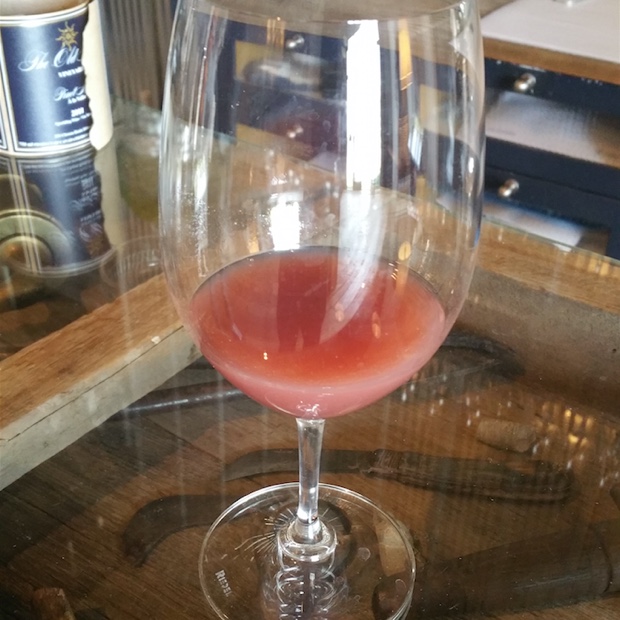
Tasting The Old Third at White Oaks
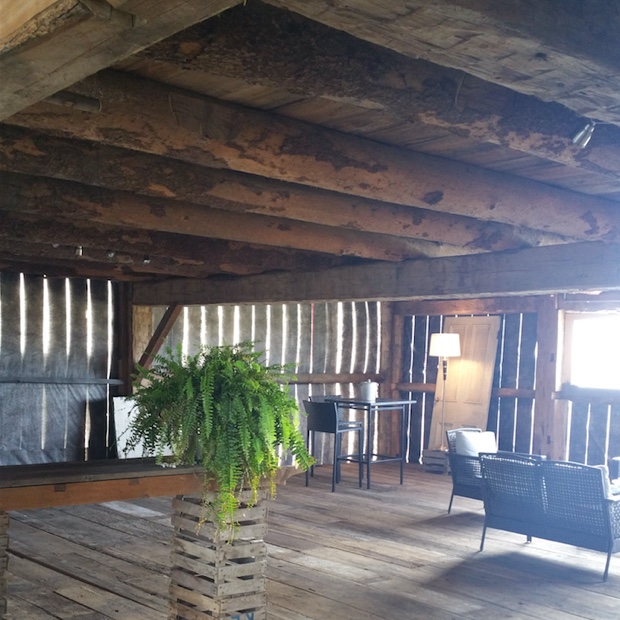
We get down to business in the restored 1860’s cathedral barn over Sparkling wine and a Pinot Noir vertical. This is my second tasting with Bruno. In July he drove like a madman out to Niagara to pour his wines for Wine Spectator’s Matt Kramer, Sommelier Xavier Rousset, Master Sommelier John Szabo, Wine Country Ontario’s Magdalena Kaiser and I. We were at White Oaks Resort in St. Catharines in Old Third anticipation during the i4C Cool Climate Chardonnay Celebration.
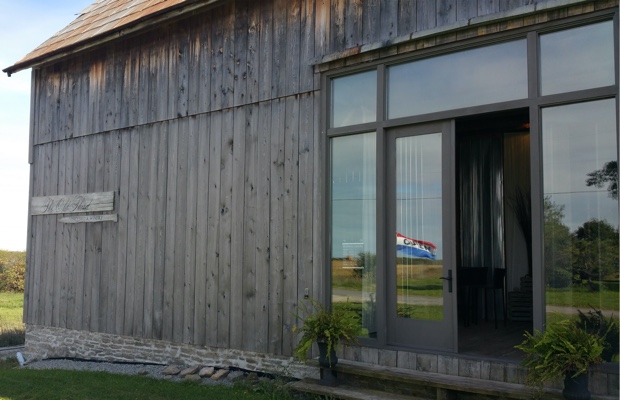
The Old Third Vineyard, Prince Edward County, Ontario
In Ontario, Chardonnay may be the go to for most Sparkling makers, but Blanc de Blancs be cursed, Bruno’s à la Volée, along with Jonas Newman’s (mixed varietal) Les Étoiles, tell us that Pinot Noir and the County are made for each other. After tasting à la Volée 2011, Matt Kramer said it was the best Sparkling wine ever made in North America. I have not tasted enough North American bubbles to go into heavy hyperbole but I can say this. Bruno Francois takes nothing for granted, has great skill as a winemaker and his best work is yet to come. Here are my thoughts on his wines.
Pinot Noir vertical, The Old Third
The Old Third Sparkling Pinot Noir à la Volée 2011, VQA Prince Edward County, Ontario (Winery, $59, WineAlign)
“On the fly” is not exactly what comes to mind from this 100 per cent Pinot Noir, first Sparkling wine made by Bruno Francois. Calculated, attention to detail and intensity of ideation more like it. Three years on the lees, no dosage and from a vintage to speak in more than whispered voices, of acidity that announces its arrival with immediacy and a summons to contest. The nose does yeast, toast, citrus and ginger. A first release revelation as ever graced Ontario’s waves, as dry as the desert and lingering with switch back traces of its yeasty, toasty self. A single vineyard can be this way, equally and in opposition of natural and oxidative, with a hue less than Pinot Noir, though unrequited as a triumph when you get a ripe white from such Pinot. The production of 1200 bottles is relatively house high in a stunner that needs no sugar to draw up its flavours. Drink 2015-2023. Tasted twice, July and October 2015
The Old Third Pinot Noir 2013, VQA Prince Edward County, Ontario (Winery, $42, WineAlign)
Rarely do the bitters of high density Pinot Noir plantings infiltrate with such courage layered by the richness of heavy clay and fractured, querulous limestone. Depending on how frequent your Pinot Noir tasting opportunities are you may be swayed with prejudice in one direction or the other because the astringency is a very real, authentic, hyperbole of Pinosity. Could this be more intoxicating? From four of five acres of Old Third Pinot Noir, billowing out liquorice, garrigue, tar, roses and the neverland yield of tonic. Though 100 per cent de-stemmed, adding them to “purify” colour would be a mistake. Others could do wonders with this type of correction leading to intensity. Grows chalky with time though adolescence is a hard nut to crack. Picking began on September 8th and the ripe, primary tannins suggest four years minimum to resolution. The nails in its heart will carry it across the girth of middle age. The seven-year mark will demarcate high water, as per the Old Third valour. Drink 2017-2020. Tasted July and October 2015
Cathedral barn of The Old Third
The Old Third Pinot Noir 2010, VQA Prince Edward County, Ontario (Winery, $42, WineAlign)
In exhibition of its post-punk, nearly new wave, boyish fruit charm. Identifies as Pinot Noir from vines planted in 2005, fruit that saw oak worked in the same way it would do, forward to 2013. Tannins are utterly, wholly resolved in present elegance from a summer swelter in matchable cohorts to young fruit. Ten bears sweetness to a light richness and a lithe energy. Also a vin nature respect, with respect to ’13 that hides its very nature. In ’10 a yeast meets fruit barefaced parity is at this critical mass juncture, five-year stage, an aged picture of parent-child appurtenant appearance. Just a minor missive of hash lumbers on the mid-palate. Finally there is aridity and faux salinity without citrus acidity. Not so much Cabaret Voltaire as much as Woodhead Monroe. Drink 2015-2017. Tasted July 2015
The Old Third Pinot Noir 2008, VQA Prince Edward County, Ontario (Winery, $35, WineAlign)
A taste and quickly it feels like an I’m not worthy moment, of respect, in thanks from the wise scribe David Lawrason and with admiration for the winemaker (Bruno Francois) who one and then four months later the other, pull this out of the magic hat. At seven it draws from and commits to memory for him, creates an epiphany for me and suggests the vines, on that slope, were always special. Memories like vampire weekends, epiphanies on County Pinot Noir and vines that were meant to be right from the start. The 2008 has barely moved. Unbelievers? “The world is a cold, cold place to be. Want a little warmth but who’s going to save a little warmth for me?”
The Old Third, Pinot Noir 2008
Bruno Francois, Jens Korberg and their Old Third Pinot Noir, that’s who. From 4th leaf fruit, so yes, very young but of vines precociously grown to be of age. Single (not so very big) vineyard still supplying today’s Pinot Noir. This taste offers proof of inherent structure and ability to age. It reinforces the notion of the seven-year Prince Edward County Pinot Noir itch. The wood on this wine has threaded silk into leather, now comfortably worn in like bucket seats in a Thunderbird Convertible ’63. A puff of mushroom and little to no appointed astringency indicates the four or five year window that yet remains. A wine to justify staying up late and catching up during the day. Drink 2015-2018. Tasted June and October 2015
The Old Third Pinot Noir 2015 (Barrel Sample)
Bruno remits a dreamy, murky decant into full sized stems on the tasting bar, a hazy demure from the year’s first September pick. Like all the Old Third wines (save for the odd Sparkler which uses a biodynamic Champagne yeast), the stage is set for the freshest aspects of Pinot Noir ripeness. Presently carbonic, fresh, natural, funky and primary. From a 23 brix count, sans Mr. Chapital and with some lingering sugar from a cap yet to drop. This to tell you its cloudy. Wild yeast gives texture ahead of the imminent gate passage with zero risk of a warm vintage stuck ferment. Around the bend is a finish with a specific gravity and colour not yet seen. The sugar and yeast compound currently confuses the soothsaying but look past and see a deepening and utter balance. Southeast aspect, Hillier Clay loam, fractured limestone, brought up by tilling. The 11th leaf. All tolled, to 2015, a new charge.
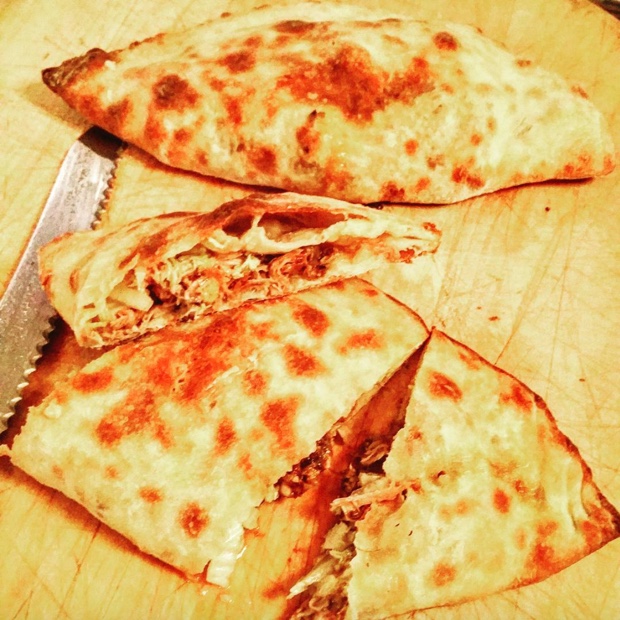
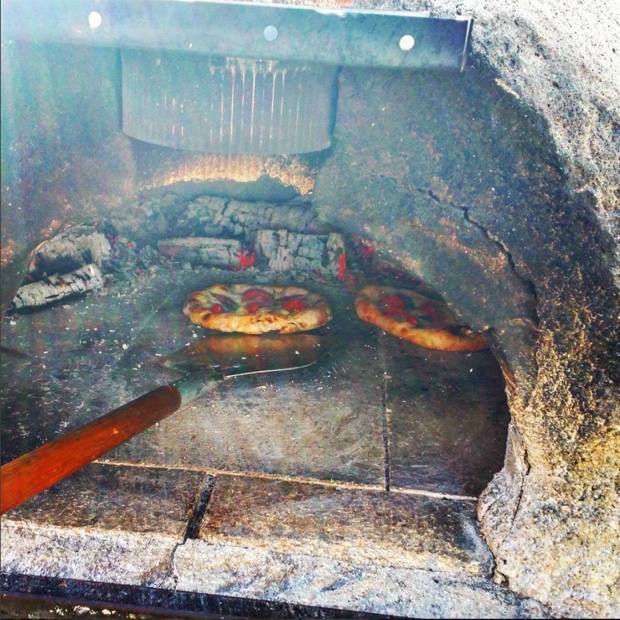
Pizza by Geoff Heinricks at The Old Third Vineyard
In June of 2015 the crew at WineAlign convened in Niagara Falls to judge the best Canadian wines at the National Wine Awards of Canada. Each night during the week of NWAC15 we broke bread with Ontario winemakers and tasted their wines.
Bill Zacharkiw, Brad Royale and John Szabo at The Good Earth
Sablefish by Therese De Grace at The Good Earth Winery
During the preamble before dinner we gathered in the plenary idyllic evening Beamsville light, munched on olives and sundry bites while David Lawrason uncorked something like 20 older Prince Edward County bottles from his personal stash. Thank you David, if I did not already say it properly and with enough grateful inflection. The delve into history was mind-bending and if you know Godello, the significance waxes with each passing moon.
Pakora and Salad Roll Appetizer by Therese De Grace at The Good Earth Winery
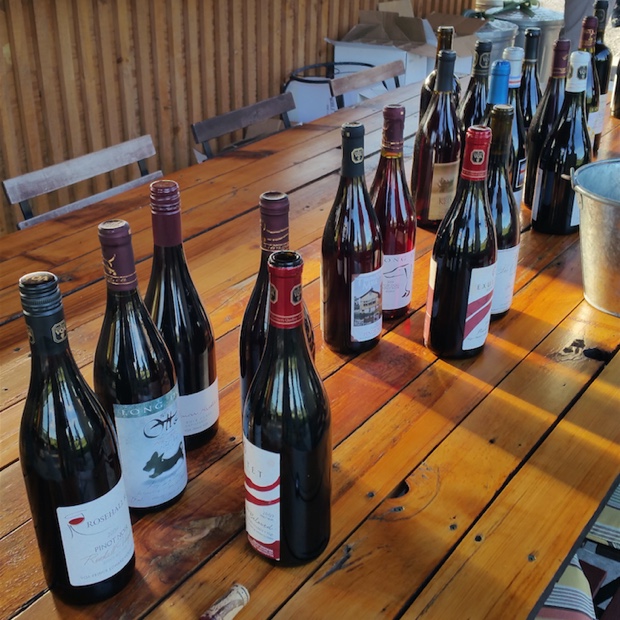
It was primarily Pinot Noir that graced the Good Earth table, set in front of the pizza oven in the halcyon vineyard environs. A stray varietal here and there interrupted the Pinot flow with contrasting recreation and to watch a gaggle of geeks contort faces with significant gazes was as much fun as tasting the whereabouts of the wines in relation to PEC and Ontario history. I made notes on 15 wines.
Prince Edward County Retrospective
Exultet “The Beloved” Pinot Noir 2009, VQA Prince Edward County, Ontario (Winery, $45.00, WineAlign)
An important look back at not so past tense County Pinot Noir. A rich crush of red fruit, piercing in its limestone veneer and stretched, across large slabs of stone, reaching fissure harbouring mineral. This Beloved is “full of incidents and schemes… and sympathetic pharmacies.” Rooted, rustic, running so deep and lingering in flavour. The fruit sweet, the roots bitter, the memory luscious. Red electric honey. Drink 2015-2016. Tasted June 2015 @ExultetEstates
Exultet Pinot Noir 2008, VQA Prince Edward County, Ontario (Winery, $45.00, WineAlign)
A combination of vintage and one extra year’s time conspire to elevate the ’08 to a realm habituated by the callasthetic. Perception dreams up the magnetic, le beau ideal, from red fruit and energy, to defeat the volatile and the hungry. A tart, juicy, highly expressive Pinot Noir bred from a limestone ooze more scintillant than polish. Yet another 2008 County Pinot Noir to hit the seven year mark with an exactitude of response. In the County, well made Pinot planted in the right location will travel a septenary path. Drink 2015-2018. Tasted June 2015
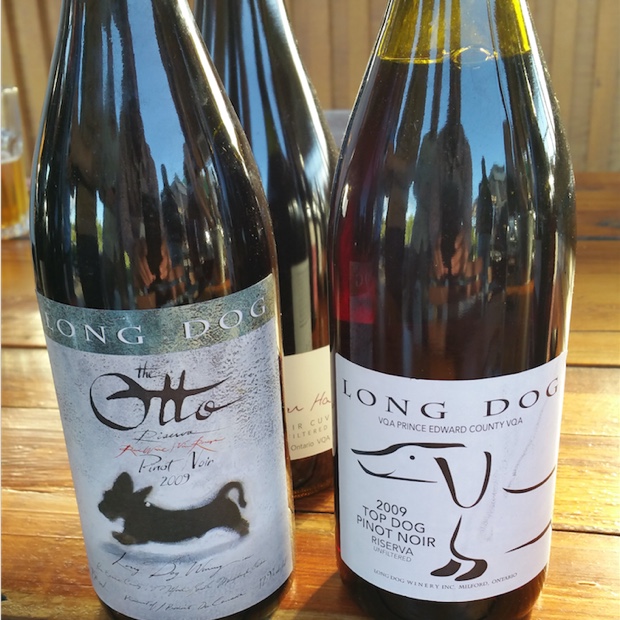
Long Dog Pinot Noir Otto and Top Dog 2009
Long Dog Pinot Noir ‘ Top Dog ‘ 2009, VQA Prince Edward County, Ontario (Winery, $30.00, WineAlign)
Unfiltered Pinot Noir chosen from the best barrels. This ’09 is such a pretty dog, drinking through unseasonably warm temperatures with the top down. All about the pulchritude, prepossessing and with blanketing comfort by barrel. Though persistent in its sylvan, inelastic, smoky constitution, the Top Dog is a sight, smell and sweet suggestion to behold. Will drink and drive this way for a few more years. Drink 2015-2018. Tasted June 2015 @longdogwine
Long Dog Pinot Noir ‘ Top Dog ‘ 2008, VQA Prince Edward County, Ontario (Winery, $30.00, WineAlign)
Despite the tougher, cooler vintage, this ’08 is so much prettier than its ’09 successor, in part due to the extra year of settling. There is a sweetness about it and the limestone bleed is less hematic, decreasing in medicinal-honey, silky soft in texture and exfoliating that aforementioned seven-year PEC Pinot Noir wisdom. That in itself is the leading candidate for yet another 2008 to show best in 2015. It’s uncanny really, all these seven-year wines acting in synch as a partisan, best in show troop. Though volatile (aren’t they all) the Top Dog shines well within reason and exudes such enervating, renewable and reusable energy. Drink 2015-2019. Tasted June 2015
Long Dog Pinot Noir ‘The Otto’ Reserve 2009, VQA Prince Edward County, Ontario (Winery, $24.00, WineAlign)
A lithe County 12.1 per cent alcohol, clear as a gaze across Wellington Bay on a clear day and like the Top Dog, a cold-soaked and cool fermented Pinot Noir. Also repeats the LD stratagem of 28 months spent in French bilion oak barrels. The Otto shows its wood like a placard with censored fruit, funky etchings and the same terse firmness that expresses the eastern PEC limestone ester of its grounding. Drink 2015-2016. Tasted June 2015
Long Dog Pinot Noir ‘The Otto’ Reserve 2007, VQA Prince Edward County, Ontario (Winery, $24.00, WineAlign)
Mercurial to quite a vivid degree with a silky palate. Another entertaining and intriguing window from which to peer into the variable Pinot Noir attempts of Prince Edward County past. Drink 2015. Tasted June 2015
The Dunes, Sandbanks, Prince Edward County
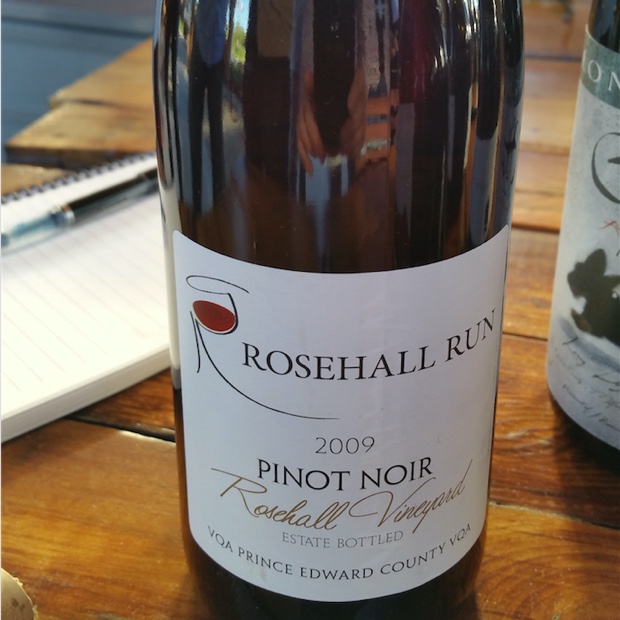
Rosehall Run Pinot Noir Rosehall Vineyard 2009, VQA Prince Edward County, Ontario (225748, $21.95, WineAlign)
Influential exhibition for the ’09 double R Pinot Noir, in a sea of peers ranging from 2007 to 2009. Examples displaying more density, power, heavy petting and hue may hover and solicit love, but it is this Rosehall Vineyard that steals the drink me and enjoy show. It is simply less rigid and though some strikes have gone against it in a “tough on you kid” way, it has persevered to hit one out of the park. This is right where it needs to be. Pure, fluid, effortless and smooth. “Such a perfect fusion of expectation, intention, and execution.” Great swing. A splendid splinter. Drink 2015-2017. Tasted June 2015
Rosehall Run Pinot Noir Rosehall Vineyard 2009
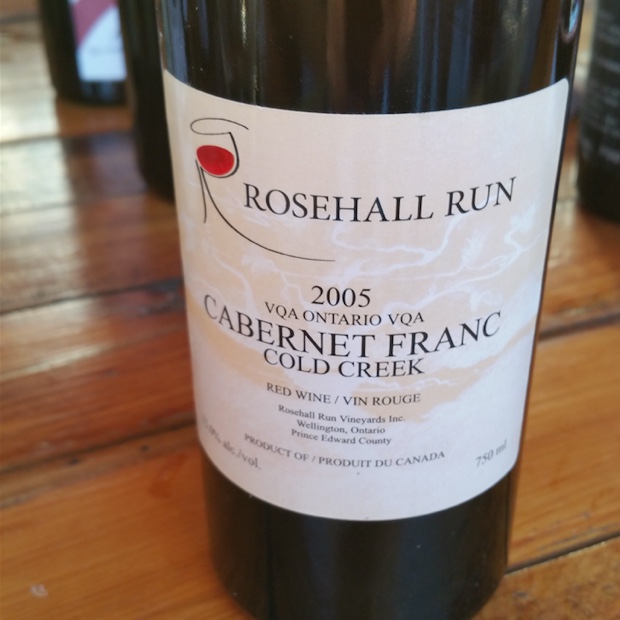
Rosehall Run Cabernet Franc Cold Creek 2005, VQA Prince Edward County, Ontario (Winery, $29.95, WineAlign)
Tight, bracing, cured by its own development and topped with a grating of fine chocolate. Crack acidity adds an estimable, ornate layer. The surcease is held at bay in a 10 year old Cabernet Franc made at a time when it was by no means in varietal fashion. Not just spinning remarkably well but standing on a podium to receive its varietal emeritus professorship. The cool, savoury middle and relevant woody notes carry this through. Wonderful historical gaze, luck or not Dan Sullivan. Drink 2015-2016. Tasted June 2015
A blend of 60 per cent Niagara and 40 per cent County fruit. Separate ferments were treated to vinifications for 12 months in French oak barrels, blended and put back to oak for a further six months. The L from nine is in beautiful tender demand. Though a firmness persists the future is viewed through this short window of the past. Lucent and lustrous County submits to matted and shadowy Niagara. The play is a one way ticket in 2009 so enjoy this soon and sooner. Drink 2015-2016. Tasted June 2015@normhardie
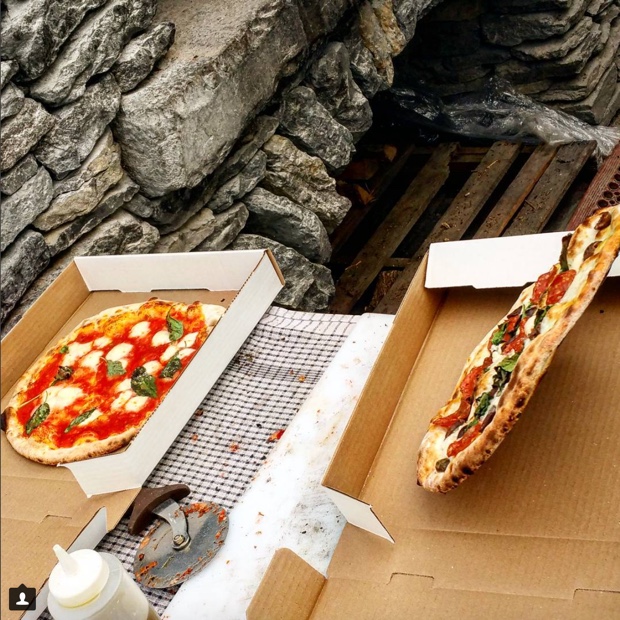
Pizza by Norman Hardie Winery
Trumpour’s Mill Pinot Noir 2008, Estate Bottled, VQA Prince Edward County, Ontario (230227, $16.95, WineAlign)
From the artist formerly known as, here a peer into the past of The Grange of Prince Edward, a Pinot Noir that ingratiates not because it resembles, imitates or intimates anything, or any derived character from some endemic tradition, but because it has developed. Evolved from light and astringent into something other; something that resembles earthy, vegetal tar spread like confiture on a limestone slab of toast. Pleasure is not the operative but learning is. At $16.95 that would have been a small price to pay to wait seven years and see what’s up. I can promise that the 2022 Trumpour’s Mill Pinot Noir will be better for the education. Drink now. Tasted June 2015 @grangewinery
Closson Chase Vineyard Pinot Noir CCV 2007, VQA Prince Edward County, Ontario (Winery, $20.00, WineAlign)
Most of the 2007 County Pinot Noir I’ve tasted have fallen by the longevity wayside by the age of eight and many of those even before that mark. There was considerable heat in ’07 and the young PEC Pinot industry was not yet equipped to make proper élevage plans for the future. This CCV has lost its lustre, run amok of fruit and is now relegated to the acidity heap of methane exhalation. A current score is kind of meaningless and keep in mind this must be imagined having breathed out bright cherry fruit earlier in life. Drink 2015. Tasted June 2015 @ClossonChase
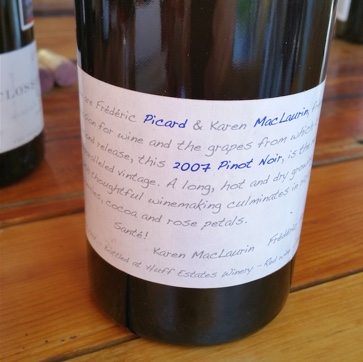
Huff Estates Pinot Noir 2007, VQA Prince Edward County, Ontario (Winery)
Firm, tannic and drying. Early in life there would have been sun on fruit but now, of a yawning, a void come into being, as chaos. Drink 2015. Tasted June 2015
Huff Estates Pinot Noir 2007
Keint He St. Laurent 2007, VQA Prince Edward County, Ontario (Winery)
Very pretty. Think about the prearrangement, talk about the passion. St. Laurent planted in PEC, forwarded eight years in pro tempore for Pinot Noir or whatever other varieties have already left the building. Are you kidding me? Like adult candy. Firm but soft and sweet to the touch. Like tart raspberries and demystified currants. Amazing. Drink 2015-2017. Tasted June 2015 @KeintheWinery
Keint He Pinot Noir Little Creek 2007, VQA Prince Edward County, Ontario (Winery, $45.00, WineAlign)
A wine made by Geoff Heinricks from a time when everyone wanted and expected to make great Pinot Noir. A retrospective in 2015 shows that few actually succeeded but this, this is something other. A sweet, lithe and focused piece of history. The smoky hue and character rouses in vaporous waves. Getting high off this Pinot Noir seems not entirely out of the question. From stone roses to fully solarized, the browning is but a natural evolution, amazing, with dillling to dialled in raspberry moments. Little Creek sings “I could astound you if I wanted, I wouldn’t even have to try.” A moment of County found by the viticulture founder of the County. Drink 2015-2020. Tasted June 2015.
Anagogic #pec morning begins here #carryingplace #princedwardcounty
The mission is to gain a yet ascertained understanding. The intendments of geology and geography in Prince Edward County are already laid clear and discussed globally, at least by the wine interested, but what of a deeper, more detailed look? What about the moraines? What I really need to know is how a scant fraction of producers are able to produce so much promise? It must be the ridges.
On the Niagara Peninsula The Vinemount Ridge lies just above and south of the brow of the Niagara Escarpment. Its unique aspects play a vital role in determining some of the most complex Riesling and Cabernet Franc in the world. While not visually as dramatic in PEC, the ridges are no less important to viticulture. Driving the corrugations of Prince Edward County, along the Greer, Danforth, Closson and Lighthall roads, I follow the sight lines. With subtle aspects emanating from the northwest or northeast, the ridges along these roads angle east and west, each with their own gentle but effective slope falling ever so gracefully down to Lake Ontario. The significance is not lost on my mission.
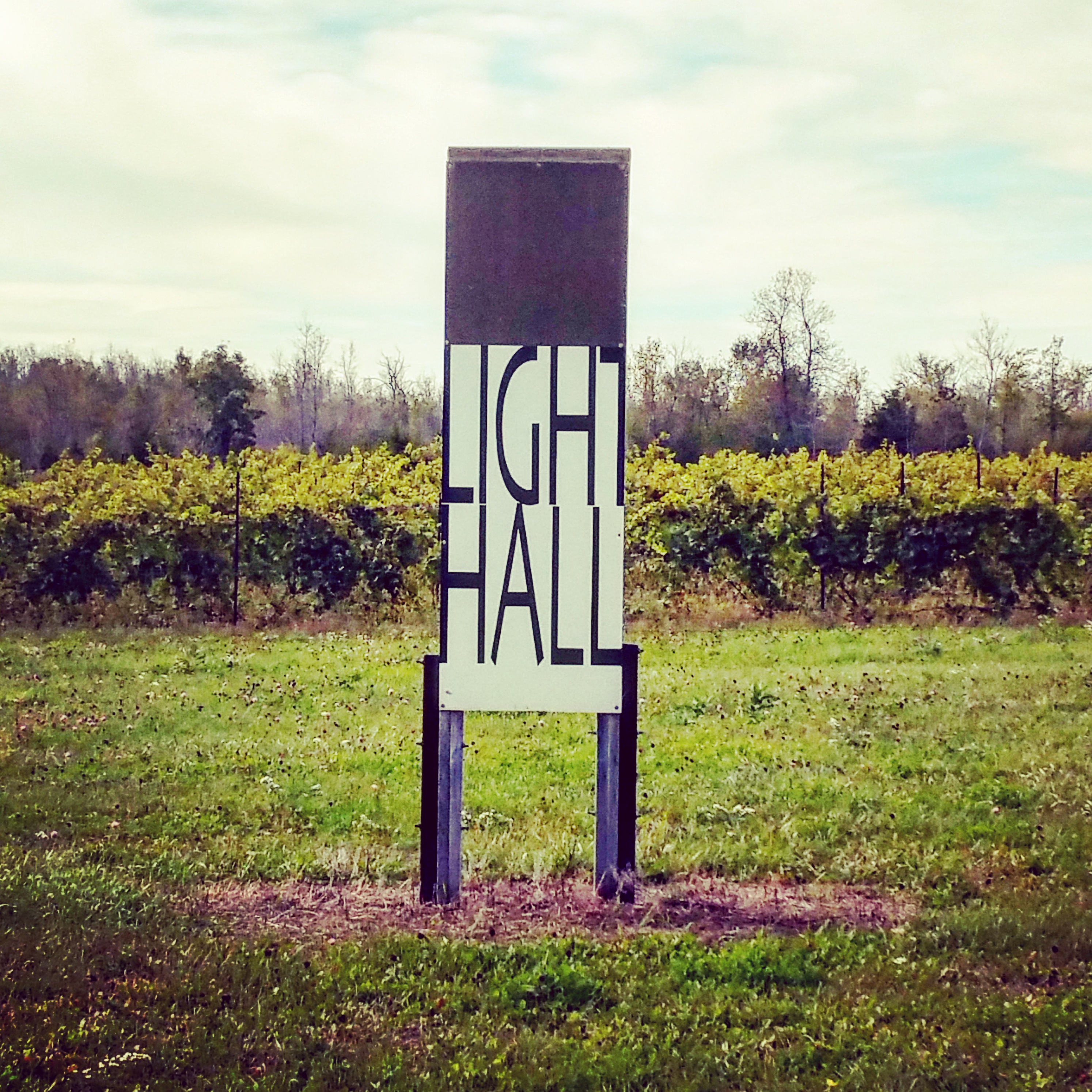
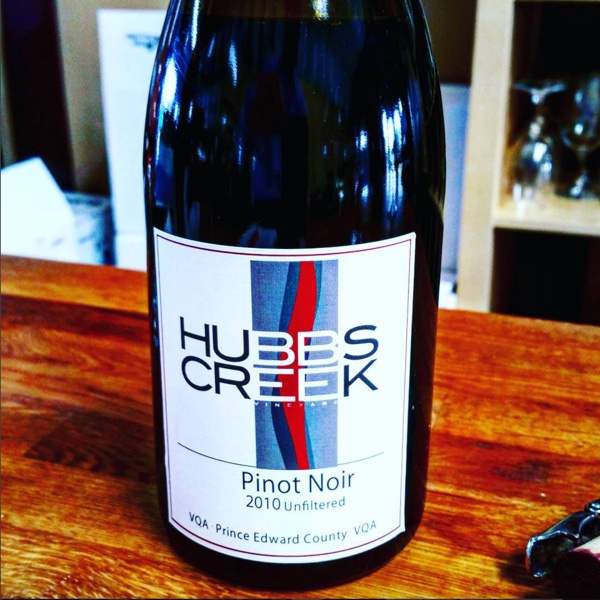
Glenn Symons of Lighthall Vineyards tells me that certain parts of his vineyards can reach temperatures that are eight degrees higher than others. The shallow soils are a result of the stratified ice-contact deposits of sand and gravel that occur in this, one of three Prince Edward County esker ridges, trending northeast to southwest in the Cherry Valley area. Battista Calvieri of Hubbs Creek Vineyard notes that his (Lindsay formation from the middle Ordovician period) Danforth Ridge property provides 20 of 40 plantable acres ideally suited to Burgundian grape varieties. Plant at high density and the ridge takes care of the rest. At the Old Third, Bruno Francois walks me through his Pinot Noir and Cabernet Franc vineyards on the Closson Road. Here the ridge falls more dramatically down towards a forest below.
The quaternary geology of the County accounts for glacial, till, glaciofluvial, glaciolacustrine and eolian deposits. The soils are “composed mainly of fine-to medium-crystalline limestone with shaly partings and sublithographic to finely crystalline no dular and shaly limestone. These bedrock formations are the main topographic control, being at, or very near (within 1 m), the surface throughout most of the map-area.” It all adds up to minerality in the wines and nowhere does the geology matter more than on the ridges.
To habituate a time and be privy to the transformation of a people and a place into something special is a rare form of curious, mysterious and spiritual entertainment. How neat it truly is to be witness to a generation awash in tempo collective, in watershed historical. There are many reasons why folks are making the move to Prince Edward County, why grapes are being cultivated, nurtured and paid conspicuous attention. The rise of the County is happening.
My friends and neighbours John and Amy moved out five years ago. They left the big smoke behind, settled in a beautiful house with acreage to die for on the water. They walk and they breath. Long ago an old Montreal family friend opened one of the first wineries in the County. Thanks to David Lawrason I was able to taste through some old vintages of Long Dog last summer. What a peek back to better understand today. A long time friend of my wife recently moved out and opened a restaurant in Bloomfield. Kin Cafe makes a terrific sandwich. Two more friends have put their house up for sale in Toronto and are heading to the County. Is there room?
A #wellington Saturday night @DrakeDevinn quickie #drakedevonshireinn #pec
The answer is yes. Drive in from points north, from Brighton and down the Loyalist Parkway or from Belleville down Highway 62 and the wide open space will hypnotize you. Suddenly you find yourself in Hillier, Wellington, Bloomfield, or Milford. Then, moments later, once again farmland and the gaping sprawl of agrarian living. Truth be told, elevated levels of civilization, hipster happenings, fine gastronomy and modish behaviour have infiltrated the County. That said, the real story is in the ground.
Artists discovered PEC long ago. Ontario’s most thriving community dots the towns, barns and houses on the hills all over the County. Winemakers have followed. A Burgundian climate and geology were the original draw, and still are. The winter of 2015 and a devastating May frost conspire to be the kill of many hopes, but all is not lost and to persevere is to believe in the dream. Climate change and an undiscovered global truth about the County’s greatness are not just stuffing in a piped future. Bests are happening now. Great men and women are putting passion and acumen to work. Prince Edward County’s time is upon us.
Can it be such a coincidence why visiting foreign journalists of humanistic luminosity and their hyperboles of rumination have anointed Prince Edward County with what are effectively statements and essays of religious zeal? No, it is not. The soil, ridges, choice of plantings, winemaking and finally, the 21st century climate are the storm towards which perfection is aimed and eventually heading.
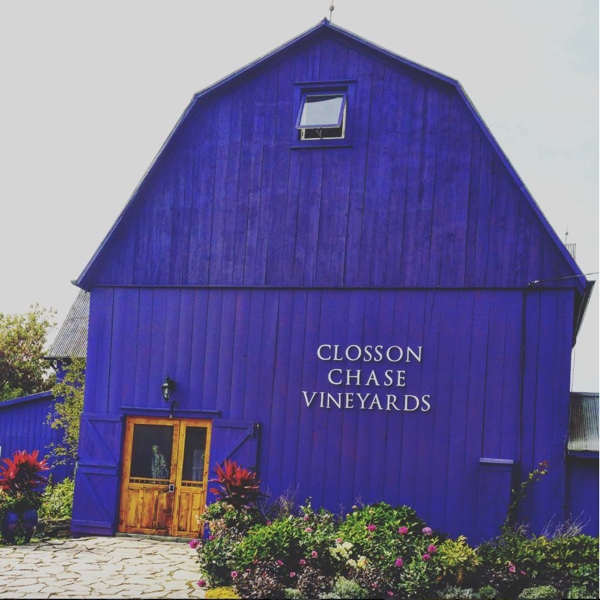
Comity in the County is no joke. A harmonious thread weaves through and ties an inherent commonality together. Stylistically diverse yet magically aligned, up on the slopes of ridges or down in the valleys. This is how I would describe the wines of Prince Edward County. Walk along the Closson, Greer and Danforth roads or down in the Cherry Valley and see what the fuss is about. On an early October weekend I visited eight properties and while that was certainly 10 less than what I would have liked, the cross-section provided ample understanding, plenty of fodder and more than a tease for the next visit.
It’s decorative gourd season mother… #cherryvalley #pec #clinician
This first part report on the County focuses on six properties. Part two will cover the wines of The Old Third tasted with winemaker Bruno Francois at the Cool Climate Chardonnay conference in July and at the winery on this trip. I will also offer notes on the various older vintages I tasted back in June.
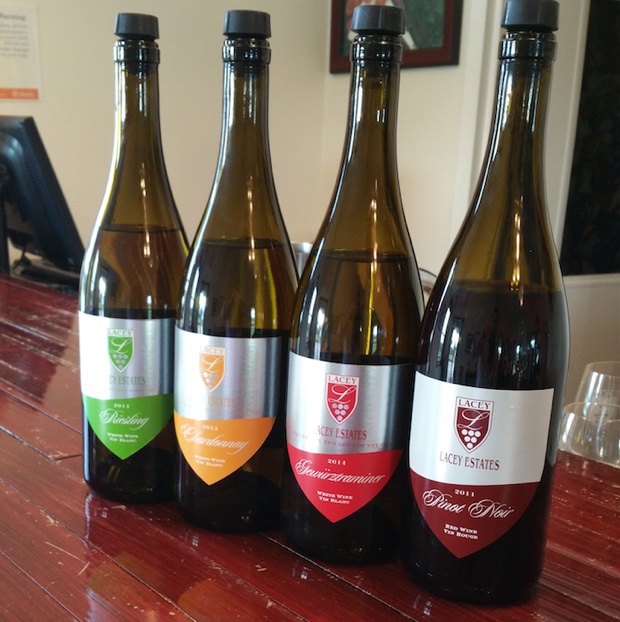
With fruit culled from Bench lands on the Niagara Peninsula, the Lacey take on Twenty Mile Bench Riesling is on the light, piercing and linear track of typical. Like a younger, more naive and slightly jittery version of Flat Rock’s Estate take, this is a very tightly wound white, citrus-shaken from head to toe and full-on arid. As direct an example of pick, transport, crush and let sleeping dogs lie as is ever witnessed. A mess of butter chicken would help batten down its hatches. Drink 2015-2017. Tasted October 2015
Lacey Estates Gewürztraminer 2014, VQA Prince Edward County, Ontario (Winery, $19.95, WineAlign)
Lacey has prepared a dry Gewürztraminer with classic varietal tendencies, from rose to lychee by way of nuts and bitter pith. The sapidity is derived from the Closson Road Hillier clay-loam, blanketing the texture and the aromatics with a fuzz, like tiny hairs on a peach. Though still languishing in a proleptic state, the length on this wine indicates a good five years of pleasure ahead. Drink 20160-2020. Tasted October 2015
One more prime #pec Pinot site. Lithe @LaceyEstates804 ’11 with the seven-year itch. ’13 from barrel progessing and professing further #PECwine #clossonridge
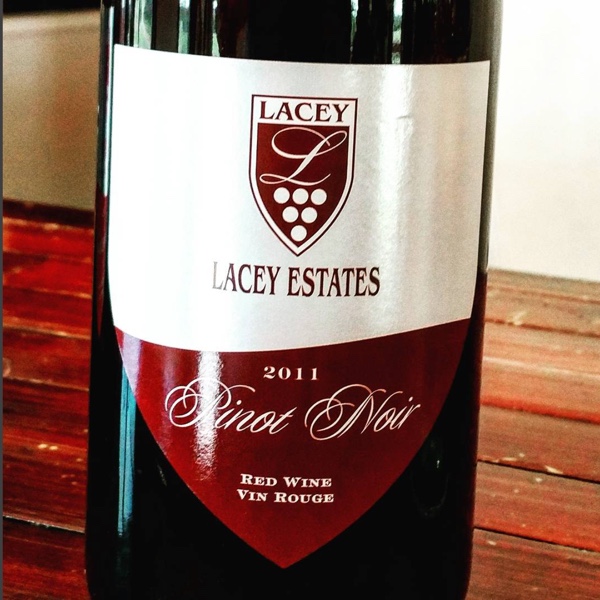
Lacey Estates Pinot Noir 2011, VQA Prince Edward County, Ontario (Winery, $22.00, WineAlign)
From a County Pinot Noir block on a plateau of the ridge set aloft the Closson Road, Kimball Lacey’s fruit is a prized commodity, albeit still very young. This vintage is not a weight-bearing one but it offers incite and prognostication. A lovely litheness is embattled by a talkative bitterness and a spectrum of red fruit whorls in circumfuse; cranberry, raspberry, strawberry and pomegranate. All are dispersed and interspersed by citrus. A primary Pinot Noir, with silken dreams and a softening when it may come together. Two to three years should bequeath good behaviour on the 1200 some odd bottles. Drink 2017-2020. Tasted October 2015
Lacey Estates Chardonnay 2013, VQA Prince Edward County, Ontario (Winery, $22.00, WineAlign)
It may strike as a derivative Greer-Closson County Chardonnay with Closson Chase and Norman Hardie as precursors but if Lacey’s 2013 is Fairport Convention to Chuck Berry, The Beatles and Bob Dylan, so be it. Older (4th, French) seasoned barrels bring pique, texture and balance. This is Chardonnay of spine and a touch of limestone funk. Very much a wine positioned on the stony tang of Prince Edward County and possessive of solid, three minute pop-song length. Kimball Lacey is on to something and the ’13 vintage coupled with the Closson Ridge is the right studio to make his music. Before too long the cries will say “why Mr Lacey, why d’you do the things you do? It’s true no one here understands now, but maybe someday they’ll catch up with you.” Drink 2015-2019. Tasted October 2015
Grange Pinot Gris Select 2013, VQA Prince Edward County, Ontario (Winery, $19.95, WineAlign)
Where there’s smoke there’s hue and with impart by 15 hours skin contact prior to pressing, that colour and those aromatics are the result. Four weeks on the lees followed by four months in neutral oak bring distinct Caroline Granger character, in Pinot Gris unction and a mineral mile. Also on the naturally oxidative side of the Closson Road and Hillier clay-loam. Drink 2015-2016. Tasted at Agrarian Restaurant, October 2015
Grange Of Prince Edward Lot 3 Traditional Method Brut, VQA Prince Edward County, Ontario (Winery, $29.95, WineAlign)
The Lot 2 Traditional Method Brut was aged 18 months sur lie and here in the third trimester the complexities are taken months further, to a moment in largely uncharted Prince Edward County territory. This tempo-lapse methodology is highly intriguing, especially in consideration of the occurring happenstance breach of the autolytic-oxidative continuum. In three there is liquorice and scraped orange skin breaths inhaling and exhaling through sensations of tart and in tin. The yet young oxygenation seems to disregard the yeast at this stage, leaving behind a vapour trail of Closson exhaust. It’s both exhilarating and wearying. Absorbed to say the least, still, “I’m wonderin’, I’m wonderin’,” where this will go. Were it a blush Brut it would surely be a shocking pink. Drink 2015-2019. Tasted October 2015
Grange Of Prince Edward Sparkling Riesling 2010, VQA Prince Edward County, Ontario (Winery, $24.95, WineAlign)
The reasons for re-tasting wines are multi-fold but none are more important than learning what you did not know. The batch may be different and any additional lees-affected time would certainly bring about a new wave of complexity. Though assiduously more Riesling than Sparkling, the age has amplified the Mosel temper and yet as bubbles it seems so very primary, with terpene and flint in mid-strike fashion. Stones, stone fruit, lemon pith and peach subdue the sugar and the commonality with the Lot 3 Brut narrates a house style story. “Like leaves, when autumn falls, turn gold, then they hit the ground.” The thrill of it all, in the county, of country life. Sparkling Riesling playing roxy music. Just a bit more balance to the bitters would eventuate bucolic living. Drink 2015-2020.
From my earlier note of December 2012:
Seems more late harvest, Spätlese over Sparkling. Nectarous juice with a squeeze of suspended honey and a light citrus spritz. Waited for the sear but it didn’t arrive. Good Riesling though.
Last tasted October 2015
Grange Of Prince Edward Pinot Noir Diana Block, VQA Prince Edward County, Ontario (Winery, $35.00, WineAlign)
Ripe and bright to a major degree with tannin at the controls. Still in two meanings, unmoving and perpetual. Acidity circulates, percolates, invigorates. Pinot Noir with a slight fever and an even bigger temper, stuck in primary, yet ready to relent. Remarkable and confidently not yet entered stage two of life but the silky texture is caressing and the forbidden fruit is ripe for the picking. So close to approachability, with just the liquorice and the volatility needing to step aside. The methodology of a 28-day primary fermentation, followed by 30 months in neutral French oak is the culprit. Structure can be a bitch. Diana will be worth the wait. Few Ontario Pinot Noir have ever shown such rural planning, architecture and potential. Count them on two hands. Drink 2017-2022. Tasted October 2015
My kingdom for her majestic lees @grangewinery #carolinegranger #pecwine
Grange Of Prince Edward Cabernet Franc Northfield, VQA Prince Edward County, Ontario (Winery, $35.00, WineAlign)
Caroline Granger’s approach to Cabernet Franc is a natural ferment, earthy cure, holistically organic and eco-rich consanguinity. No other varietal hook-up happens like it does with the expatriate Loire currant clipper. Granger’s affinity with the grape is on intensate display with Northfield, especially in the cured, soil funky heat of 2010. Like the Diana Pinot Noir, primary fermentation occurred in stainless steel for 28-days and it was then aged 24 (as opposed to 30) months in neutral French barriques. The extreme unction, steroidal liquorice and streaky garrigue talk about the past and open up windows to the future of this wine. They are one in the same, spoken on behalf of longevity. This is essential for great Cabernet Franc, even in the midst of hyper tones and acquired tastes. Well done. Drink 2015-2018. Tasted October 2015
Leave the @lighthallvyard on for 2014’s Chard & Pinot. Rooms of their own #vintageofthedecade #aheadbyacentury
Lighthall Progression Sparkling Vidal 2013, VQA Prince Edward County, Ontario (Winery, $20.00, WineAlign)
Progression is 100 per cent Sparkling Vidal by Glenn Symons, a.k.a. “Ward 5 Brut.” It brings stonk and soul together. Re-fermented in April and tasted in October, Progression marches forward and retreats, in re-emerging aromatics and of a deconstructed narrative. Singular in its fretting, of nervous energy and in keys altered by capo restrictions, Vidal has never played a tune like this before. Better growing periods and PEC areas are the sheet music, wi nemaking with atmosphere the arrangement. Progression is progressive, it celebrates musicality and it sells records. It also sells out, literally, not figuratively. Drink 2015-2018. Tasted October 2015
This is Glen Symon’s first Sparkling Rosé, a 100 per cent Pinot Noir from estate vineyards, refermented using the Charmat method. Intensely fizzy, in toto fruity and actually gives off a Pinot Noir vibe. Something racy, spicy and wild runs rampant, rendering this blush bubble in an Ontario class of its own. It’s like 1980’s alt-dance fizz, with a New Order or B-52 thing going on. It just seems to do the “she-ga-loo, shy tuna, camel walk, hip-o-crit, coo-ca-choo, aqua velva, dirty dog and escalator.” Has the direct beat, retro and futuristic at the same time. Dance this mess around, in sweet and savoury tones, warm, day-glo, slow and gyrating. Drink 2015-2016. Tasted April and October 2015
Lighthall Chardonnay 2014 (tank sample)
The child of a fortuitous vintage and magical ferment. The wine hit 25 degrees and finished malolactic fermentation in two weeks. One third barrel, one third tank and one third a combination thereof. A perfect trilogy, same limestone pierce as always but with a new order texture and aromatics filling the room. Like 1987, of substance, in transitions, from ceremony to everything gone green. A storm of amalgamation. Really a new benchmark for Glenn, Lighthall, Cherry Valley and Prince Edward County. Tasted October 2015
Lighthall Pinot Noir 2014 (barrel sample)
Best fruit ever. Malo done, only one year in (20 per cent new) oak and yet to feel the preservation effect of sulphur. Living a rich aromatic lifestyle with pollen in the air. Has the tannin to support its excesses (it spent one week plus three on the skins). Should lead to 400 cases and should retail for $35, though Glenn will probably charge $30.
Lighthall Pinot Gris South Bay 2014 (tank sample)
From Huff vineyard fruit, a rich, unguent emanation that shows slightly oxidative (pre-sulphuring). Has a chèvre-Chenin Blanc attitude that will turn to mellifluous honey with time.
Lighthall Muté 2011
Lighthall Muté 2014 (tank sample)
Here is unfermented Vidal, a vin liquoreux that wants to draw comparisons to sherry, straw wine, Rancio, Vin de Paille, you name it but with apologies back and forth, this is in a league of its own. A fortified wine with a distillate added to bring it up to 17-18 per cent alcohol. Distinctly orange in flavour, oxidative and yet religiously addicted to site. There will be 100 cases produced at $30 for a 500 mL bottle.
A library browse with Battista @HubbsCreek #sevenyears #PECwine
Hubbs Creek Vineyard Chardonnay 2014, VQA Prince Edward County, Ontario (Winery, $27.95, WineAlign)
This is Battista Calvieri’s first County Chardonnay from his estate’s seven year-old vines. A minor barrel ferment (15-20 per cent) in French oak and the remainder in stainless steel seeks and finds Chablis. The wood needs two more years to dissipate, find inner-vision and expand in the mouth. The length is already outstanding, before which burst forth exploding pockets of spiced, warm drawn butter with nary an oleaginous feel. The HCV inaugural release is emulsified Chardonnay of silken protein, with pretty drops of vanilla and purity out of a Danforth Ridge vineyard ear-marked for quality varietal pleasure. Drink 2017-2021. Tasted October 2015
Hubbs Creek Vineyard Pinot Noir Unfiltered 2010, VQA Prince Edward County, Ontario (Winery, $28.95, WineAlign)
Now in bottle four years, this sophmore Pinot Noir shines bright as the day it first passed into glass. From fruit really carefully nurtured off nine to ten year old vines, there is no sign of oxidation or advancing maturity. That is nothing short of incredible. Goes from fresh strength to strength in and by tannin. There is great spice (white pepper and dried red peppercorn) and two additional years should bring this to fruition. A minor note of late fall boletus mushroom talks up Burgundy. The HCV Danforth Ridge is clearly a top Pinot site in the County (along with slopes on the Greer and Closson roads). Planted to high density the results are proven in wines like this 2010. Drink 2015-2019. Tasted October 2015
Quick crush of Le Clos ’13 @ClossonChase Purple barn but Pinot all gone #chardonnay #pinotnoir #ccv #clossonchasewinery #clossonchasevineyard
Though I did not taste this in the County, I have been pouring it at Barque Smokehouse since early summer. I am including my March review of the CCV Chardonnay 2103 for perspective.
Closson Chase Vineyard Chardonnay Closson Chase Vineyard 2013, VQA Prince Edward County, Ontario (148866, $27.95, WineAlign)
This CCV Chardonnay is one of departed winemaker Deborah Paskus’ final acts at Closson Chase. It will forever be noted as a legacy-cementing, swan song of career excellence. Crafted by Paskus and bottled by the next one, current winemaker Keith Tyers, the 2013 CCV is simply a tour de force. No such combination of richness, tropicality and pure grape tannin has ever infiltrated this Chardonnay, from this vineyard. I’m not sure there is a comparison in Ontario, at this level of excellence and at this price. A wine of pure impression, with Montrachet-like structure and Folatières-like precision. Seemingly capacious, its facile legerity is hypnotizing, quantitatively escalating in assembly of aromas, flavours, through texture and finally to longevity. The wine spent 16 months in a mere (17.25 per cent new) oak. That it notes 12.5 per cent alcohol on the label is next to impossible. The substance is just too buttressed to be so tender and effete. Impeccable balance, refinement and mineral finish. This is Chardonnay to confuse the world’s fine white collectors, to wreak havoc at international tastings for five to 10 years. Only 712 cases are available and at $27.95, is down $2 in price from the 2012. Best ever, hands down. Drink 2017-2023. Tasted March 2015
Closson Chase South Clos Chardonnay 2013, VQA Prince Edward County, Ontario (Winery, $39.95, WineAlign)
The South Clos is a richer wine in so many ways, detains the barrel with utmost retention and exaggerates the notion of peaches and their stones. Fully opulent, fleshy to the nth degree and marked by a peppy, peppery bite. This flagshig Chardonnay in the CCV stratum should, by all accounts be the unparalleled success story from the 2013 vintage. The specific southern most portion of the vineyard and barrel select accumulation provide it with the tools and the ammunition. So, as good a Chardonnay as it is, why does it recoil from a winemaker’s legacy defining moment? It is because a final act succeeds as the sum of great parts. The CCV Chardonnay is that summation. Le Clos, without team support, howls alone. If the expertly reasoned and balanced CCV was the last great work of Deborah Paskus, the South Clos is her last stand. It is loaded with and weighted down by excess, in orchard fruit, by blanched nuts and in kernel skin. It is very much a Chardonnay of heavy contact. It is a night scene filmed in daylight, a clichéd melodrama, day for night. It should best be enjoyed while the sun still shines. Drink 2016-2019. Tasted October 2015
Hinterland Les Etoiles 2012, VQA Prince Edward County, Ontario (Winery, $39.00, WineAlign)
An axial split between Pinot Noir and Chardonnay balances this traditional method Sparkling wine, specific to and what can only, obviously be from Prince Edward County. Acidity defines its existence in every facet of its being. A rich star to be sure, from a warm vintage, free from frost and more importantly, immune to mould. Jonas Newman talks of the methodology, in growing low to the ground. As the sun goes down, the canopy shades the fruit, slowing down the ripening, extending the season, developing the sugars, the complexities and preserving the acidity. At 6 g/L RS, with limestone communication and that sassy acidity, Les Etoiles in ’12 is pure County Sparkling. It exudes untamed apple and unnamed acidity. The Hinterland acidity. It strikes early and often. Just add warmth, stir and voila. Terrific year. Drink 2015-2021. Tasted October 2015
Hinterland Les Etoiles 2009, VQA Prince Edward County, Ontario (Winery, $39.00, WineAlign)
The effect of three additional years on the lees (this bottle was disgorged on July 7, 2015) can’t be overestimated. In fact, tasting this ’09 Etoiles is like coming upon a new wine altogether. Its assessment is approached with only a present state in mind. The level of fine accumulation after (five years) is like stumbling upon a most convenient truth. Aromatic intricacy is the product of settling ramification. Think baking biscuits, early morning roses, cake yeast, oxidative orchard fruit skins, anise Taralli, ginger and preserved lemon. The ’09 remains opulent and yet nothing means nothing without first knowing that acidity persists as everything. This is Sparkling with an expansive mouthfeel and a burst of helium. Though in the autumn of its life it falls under the category of wow. Drink 2015-2018. Tasted October 2015
Hinterland Blanc de Blancs 2011, VQA Prince Edward County, Ontario (Winery, $39.00, WineAlign)
If Les Etoiles is Hinterland’s Message in a Bottle and the easy drinking, baby maker Ancestral is alright for you, then the Blanc de Blancs could rightfully be the band’s instrumental Reggatta de Blanc. As a Sparkling antithesis to Les Etoiles it exudes much more limestone, in its lactic bleed, its piercing ooze and through the outright white lightning strike that pops in the mouth. Take away the Pinot Noir and a certain level of earthy tension seems to disappear, replaced by a different set of nervy parameters that County Chardonnay protracts in Sparkling wine. Picked on September 18th and 19th, i.e., a normal year, the B de B helps to transition the epistle spoken by the star towards the accessibility of the softer ballads and hits. It’s a bit of a middle child bottle of bubbles and though it sings without words, its meaning is clearly heard. Drink 2015-2021. Tasted October 2015
Notes on #Gamay in shape like Will, shaped by Jonas @northshoreproj #sandstonevineyard #wilms
Jonas Newman is crafting wines for Hockley Valley’s Mario Adamo under the Adamo Estates Winery label. The first releases are borne of fruit out of some of Niagara’s great vineyards; Wismer-Foxcroft, Château des Charmes-St. David’s Bench and 13th Street-Sandstone.
Part of the Adamo Grower’s Series wines, of big, juicy fruit and deliberately sweet at 27 g/L RS. A Kabinett Mosel styled Riesling not just for show but because “this is where the ferment wanted to stop,” says Newman. Fruit is culled from the part of the vineyard that determines such a style and direction. This is classic Twenty Mile Bench Riesling (one step removed from the W-F made by Ilya Senchuk at Leaning Post) that acts neither dry nor sweet but rather feigns aridity in toothsome clothing. Drink 2015-2018. Tasted October 2015
Jonas Newman’s first kick at the St. David’s Bench Gamay gutbucket is just that, raw and spirited in style. The clay and inherent ferric, metal sear resonates from the Château des Charmes vineyard. Considering CdC’s Gamay is as good as it gets for the money and from such farming in Ontario, what a fortuitous and gracious place to start for the Adamo family. Early energy, funky fruit and punchy acidity trill up the amplification. This is punch drunk fun Gamay, very Cru is style and pump per up in volume. It’s no Gamay Muzak, “pump it up, until you can feel it.” Gotta believe Elvis would have liked this Gamay. Drink 2015-2016. Tasted October 2015
Jonas Newman walks out onto hallowed Ontario Pinot Noir ground and offers his two Lowrey Vineyard cents. From the Grand Cru site where Thomas Bachelder, Ilya Senchuk and Wes Lowrey make three of the province’s most important Pinot Noirs, a fourth camarade has entered as the new kid on the block. This is no ordinary plot and the direction of the rows, the angle of the slopes and the venn diagram of overlapping St. David’s Bench and Niagara Peninsula appellative lines may be blurred. Make no mistake. Lowrey fruit is Lowrey fruit and in the hands of a winemaker like Newman, expect more excellence. The fruit is very young in here (three years in this 2013) so the level of inherent virtue is tempered as if by grains of salt. Jonas made this in a “deliberately big, unctuous style,” barrel aged for 10 months in 50 per cent new French Oak, “not built to last.” Big it is and yet pretty, with heaps of Bing cherry equally opposed by till, gravel and heavy clay. A two to three year structure is appropriate considering the age of the fruit. Drink 2015-2018. Tasted October 2015
North Shore Project Gamay Willms Vineyard 2014 (Winery, $24, WineAlign)
This is Will Predhomme’s extended foray into crafting cool climate Ontario wines with Jonas Newman, a project that began with Syrah and Rosé from Lake Erie North Shore vineyards. The fruit for this Gamay is sourced from the Sandstone Vineyard in the Four Mile Creek sub-appellation of Niagara-on-the-Lake. Planted in 1983, it is owned and farmed by friends of 13th Street winery, Erv, Esther and Eric Willms. This Gamay is so Will, bright, energetic, positive, right there with you, all the way. Jonas gave it a bit of debunging for a hint of oxidation, a good move on his part to counteract the high level of excitement and anxiety it currently displays. Should be released in time for Christmas. Drink 2015-2019. Tasted October 2015 @northshoreproj@WillPredhomme
It has finally happened. It has come to this. Inflation has hit the LCBO. The old Mason-Dixon line for finer wine has left the building. We are finally rid of the oppressive bar of redundancy and free from the high water mark. First it was the penny, now it’s the $20 dollar bill. The over-under threshold of $21.95 is the new $19.95.
The wines I have chosen to recommend speak to the change, beginning with, going forth and prospering from the VINTAGES October 17th, 2015 release. One lonely bottle from the Okanagan Valley of British Columbia’s west coast stands to keep the frontier from moving north but the tide has risen and prices are no longer safe. Mark my words. Beginning in the fall of 2015, a twenty and a toonie in your pocket is the new requiem to make purchase for the common denominator in competent and felicitous dinner companions. On that note, everyone should be given a 20 per cent raise. Surely we don’t want any drinking of less than stellar LCBO issued wines.
Here are the picks.
From left to right: San Raffaele Monte Tabor Pinot Grigio 2014, Dirty Laundry Gewurztraminer Madames 2013, Palacios Remondo La Montesa 2012, Trimbach Riesling 2012, Southbrook Triomphe Cabernet Franc 2013, and Red Hill Estate Pinot Noir 2013 and Hinterland Borealis Method Charmat Rosé 2014
San Raffaele Monte Tabor Pinot Grigio 2014, Igt Veronese, Italy (204768, $14.95, WineAlign)
Ripeness extended out of extraction leads to slight distraction in 2014, with mineral notes falling off the charts. The vintage is one of hyperbole for this particular Pinot Grigio abstraction, fruit compressed, stones crushed and dry extract seared by arid ice. Salinity and brine are magnified too though the overall impression in ’14 is one of weight, like the elements are being sent substrata, as opposed to the typically aerified course. Still there can be no denying the complexity such a $14 white affords, even if the line here is a bit right of centre. Drink now for hedonistic pleasure, with any savoury sea creature and alongside the next 60 days of increasingly cooler nights. Drink 2015-2016. Tasted September 2015 @oenophilia1
Dirty Laundry Gewurztraminer Madames 2013, BC VQA Okanagan Valley (423228, $21.95, WineAlign)
Illustrated Gewürztraminer of appreciably pointed attributes, on the off-dry side of town but with enough acidity to float on. Les Madames offers up the most sweet and inviting set of vinous virtues for the triple-threat DL schematic. The Summerland vines and warmth make for a fully expected and dramatized aromatic wine with the most unctuous behaviour. Were the pH and the grape tannin of a higher combined force this would also be a wine to lay down, to wait and watch for the sugars to slowly develop into things tertiary. As it is, find some flavourful and spicy fare to seek succulence through osmosis. Drink 2015-2018. Tasted October 2015 @DirtyLaundryVin@winebcdotcom@bottleneckdrive
This perennial confluence of the left and the right, of two oceans, grapes and barrels is the red wine portal into the Álvaro Palacios idiom. The modern polish and sanctity of Rioja conjoin for the most representative first pass at Tempranillo-Garnacha you will and should encounter. The vintage is not a rigid one, the wine a downy entry into the style and the equation. The fruit dominates calcareous longing and leaning but for the time being and the audience reached out to, there are no questions or complaints. Red plum and subtle liquorice meander into clay, get a sprinkle of white rock and distill into a seasoned, approachable liquid. Cracks are filled, bonds are cemented and dinner is properly accompanied. What won’t this work with and for? Drink 2015-2019. Tasted October 2015 @WoodmanWS@RiojaWine
Trimbach Riesling 2012, Ac Alsace, France (734517, $21.95, WineAlign)
“Six plus months will do wonders” is a statement of probability for well-made Riesling and for Trimbach, of the obvious. Coequality between fruit and mineral bobs on the surface of the vineyard and the rim of pale platinum beauty. Illustrative Alsace. Drink 2015-2022.
From my earlier note of March 2015:
To Jean and Anne Trimbach and most Alsatians, this Riesling from their ‘Classic’ range may represent the best that basic can be but when it travels oversees it gains a stature well beyond its humble roots. Here is another one of the those dictionary entry wines meant to depict and define. Quite simply emblematic Alsace. Built with acidity to envelop sweetness, marked by herbiage that is alive and fresh. Weight and density draw from Ribeauvillé rocks. Parity is realized in osmosis by fruit and mineral. As always, there is the tannic underlay, the length and the purposed bitter finish.
Six months have amplified the current, running in a direct aromatic-flavour line from strawberry to black currant. Such healthy up front fruit with nary a moment of humidity shines while the wine remains just grounded enough to call it Niagara.
From my earlier note of December 2014:
Still organic through and through, despite only a small portion of estate fruit contributing to the overall design of the Triomphe Cabernet Franc ’13. Contracted growers fuel and fulfill the Southbrook ideology, to seek purity in healthy berries. The red fruit here shines on with Daliesque impunity. Its agglomeration makes a juicy, gregarious offer to sip. The vanilla-lavender streak brings elegance, more so than in ’12, along with an elevated sense of savour and really compounded red, red fruit. A natural sweetness and long finish are easy on the gustatory senses. Will be available at VINTAGES in February 2015, when the ’12 runs dry.
Red Hill Estate Pinot Noir 2013, Mornington Peninsula, Victoria, Australia (58073, $21.95, WineAlign)
The Mornington perfume, distinct, ethereal, lifted, elevated, fresh with a bit sauvage, not of musk, but of a wild road less trodden. A step beyond fresh, into learned territory and also above crisp, into crunchy. Very interesting and complex Pinot Noir, so obvious as anything but, yet unique, tart, striking and long. This should have many consumer fans and expand horizons for broad appeal, but also be a friend to the discerning taster. Most impressive. Tasted November 2014 @RedHillEstate@Noble_Estates
The Ancestral cousin continues its arid ways in 2014, ostensibly a better vintage for the sparkling tank methodology. The fruit, acidity, volatility and tension all elevate and there is nothing surprising about that but where this sophomore succeeds is in the dry take on Gamay bubbles. So many winemakers would be tempted into higher dosage and the soft allure of enticing a younger audience with sweetness. Jonas Newman won’t go there. This is fun and simple but its aridity and dry extract keep it real. Like a September Algonquin campsite gaze upwards at the Aurora Borealis. “The icy sky at night.” Drink 2015-2018. Tasted October 2015 @hinterlandwine
From left to right: Creekside Estate Reserve Viognier Queenston Road Vineyard 2013, Dominio De Tares Cepas Viejas Mencia 2011, Tenuta Rocca Barolo 2010, Cvne Imperial Reserva 2009, Prunotto Barolo 2010, Tawse Pinot Noir Lauritzen Vineyard 2012, Duckhorn Merlot 2012 and Banfi Poggio Alle Mura Brunello Di Montalcino 2010
Exceedingly mineral in 2013, decidedly varietal and power prepositioned for the purpose of small lot, attention to detail Creekside adjudication. Though Syrah and Cabernet Franc would seem to define the winery’s signature strokes, it is this small production Queenston Road Vineyard labour of love that crawls beneath the radar. The ’13 is outright juicy, unctuous, feathered in weight and warm-pitched to verdant greens. The vintage doles out more warmth than expected but acidity carries the weight, over the water and onto the dance floor. I’d wait a couple of years for some more floral and honeyed notes to develop. Drink 2017- 2022. Tasted October 2015 @CreeksideWine@hobbsandco
This is rich and powerful Mencia, even for itself, sheathed and layered by the alternating variegation of French and American oak. From Alliers to Missouri there is comfort to be found in its warm blanket, alcohol (14.5 degrees) and depth of fruit. It might come across as figgy and raisined and indeed those aromas and flavours are imagined, but they are fresh, not dried. Acidity and tannin envelop fruit. Old vines offer substantial heft, concentration and brambly fruit like Zinfandel and Primitivo, but here there is a citrus lift to carry the weight. Emblematic Bierzo that has and will be more exciting with just that much more freshness and tension. Drink 2015-2019. Tasted October 2015 @DominiodeTares@oenophilia1@dobierzo
Modern speak and safely on the pleasurable side of volatile. A real deal for Nebbiolo, ready and willing in afford of whatever’s in your pocket. Framework is well-delineated, wood properly judged, the view clearly visible from multiple correct vantage points. Not earth shattering but at the price reaches more than appropriate goals. Drink 2016-2020. Tasted September 2015 @regionepiemonte
Another impressive, formidable and structured Tempranillo from the Cvne stable, from old vineyards and the comforts of both French and American oak. Such a rich and deep exhalant, as much fruit as tannin, mineral as acidity. There are many moving parts but one day they will align. Like a jigsaw falling into place, “the beat goes round and round,” swirling with tannic noise and plum fruit aromas, with earthy and botanical flavours. This begins with a murmur and ends with thunder. It rocks and wails in between. Rioja made only in the best vintages and the kind of $39 wine to lay down for 15 plus years. It will play on the radio and in your head for at least that long. Drink 2019-2029. Tasted October 2015 @Cvne@vonterrabev@RiojaWine
The faintest hue. The rusty pilgrim. Such a pretty scent. Fresh roses and the beginnings of osseous imagination, to seek a classic pairing, with osso bucco. The real deal in normale Barolo. The righteous Nebbiolo beginning. The jumping off point with no sharks in the water. The effortless offering. Drink 2016-2021. Tasted September 2015 @HalpernWine
Typically Tawse and exemplary of Lauritzen. The highest of the vineyard tones and a plot up on a ridge (now 11 years of age) growing up before our eyes. The fruit is not shy in any way. Possessive of earth alternating with min real neither Cherry nor Quarry nor Laidlaw can lay claim. This is a Pender Pinot that seethes, oozes and owns its vineyard’s fruit, rocks and clay, earth and elements. Upwards and drying, with tannins that shriek. Ripping and yet at once, a few years down the road to be, elegant Pinot Noir. Drink 2017-2020. Tasted September 2015 @Tawse_Winery@Paul_Pender@DanielatTawse
Duckhorn Merlot 2012, Napa Valley, California (992529, $59.95, WineAlign)
Always rich and flavourful, the champion vintage here elicits a nearly massive Merlot in benchmark Napa ideal. This has strength in situation and there is something you can’t quite put a finger on, but it emanates from a special brand of umami. Strength, poise and sweetness that never cloys. There grades a balanced capability and pure, grainy, sweet, supple tannin. Alcohol travels a really grand yet gracious line. It’s not hot at all. This is a Merlot steal, with fruit to match a long, meandering road. Drink 2016-2025. Tasted September 2015 @duckhornwine@rogcowines@NapaVintners
Banfi Poggio Alle Mura Brunello Di Montalcino 2010, Tuscany, Italy (372250, $69.95, WineAlign)
Arguably the most modern and stylishly put together Brunello on the market today yet without an overdoing of oak hinderance. Like the deliciously devilish 2007 this has a wealth of beauty and gregarious aromatics but unlike that precocious vintage there is weight and brooding behaviour as well. The depth of fruit and earth are not weighted down by excessive alcohol (a very good thing) though there is a bit of dried fruit and flowers mixed in to the cure. There is also a bitter almond pith note ties into the aggressive but starry-eyed tannins. This needs three to five years to come together. The hope is for that slight bit of green tannin to find its integrated way with the fruit. Drink 2018-2025. Tasted October 2015 @CastelloBanfi@AuthenticWineON
Time, tides and wine. In a place like the Bay of Fundy, the three intertwine with nearly inexplicable lightness of being. The traveler covets these things in wistful retrospection. East coast movement, water and the new frontier for viniculture. “Each day the tides carried us to promulgate layovers, to begin flowing again each seriate day, at the hour of its reversal.”
While the exercise of a vinous walking tour would seem to fitly tread the boards of Nova Scotia’s watery ways, even more so for stations achieved by bicycle, a car makes possible the desire to learn more in less time. The roads in Nova Scotia wine country lay out as an inferential and navigable labyrinth, in the Gaspereau Valley and along the shores of the Minas Basin, from Wolfville to Grand-Pré of King’s County. There, unbeknownst to who knows how many zonked global winos, the wines of Nova Scotia not so much hide as crouch. They are a real, new deal, fervidly expensive to those who don’t yet understand them, free to those who do. They are poised to join the ranks along with Canada’s best.
Peter Gamble has reached out a major hand to three essential facets for Nova Scotia’s wine renaissance. His consultancy has raised the profile and the bar for Sparkling wine from Benjamin Bridge Vineyards. He has been instrumental in the creation of the provincial appellative blend Tidal Bay, a regionally defining and commercially essential white wine. Ontario has fallen behind in not seeking out to create the same. Gamble’s work with the vinifera producing wines of Lightfoot & Wolfville Vineyards is the single most important revolution to happen in the Canadian wine industry in 20 years. I wrote this last summer. “What he will touch in his new appointment at Lightfoot & Wolfville Vineyards will make Nova Scotia history.”
Courtyard of Le Caveau at Domaine de Grand Pré Vineyards
Over the course of two days in late July I foraged through a second annual investigation into the Wines of Nova Scotia. It began with a tasting through the Domaine De Grand Pré Vineyards portfolio led by Hanspeter Stutz. The estate’s Vintner’s Reserve Riesling 2013 was recently awarded one of three Awards for Excellence in Nova Scotia Wines at the recent Lieutenant Governor’s Vice-Regal Wine Awards. The other two winners were Blomidon Estate Winery Cuvée L’Acadie 2010 and Avondale Sky Winery Martock 2012. Blomidon and Avondale Sky are two estates at the top of my WONS bucket list I have yet to visit.
Post anything but haste tasting with HansPeter dinner then followed at the estate’s incomparable Le Caveau Restaurant, in the company of L & W’s Mike, Jocelyn and Rachel Lightfoot, with Chef Jason Lynch manning the stoves.
Le Caveau’s Beef Two Ways, grilled AAA hanger steak, beef shank galette, seasonal vegetables, barley
The following morning I sat down with Rachel and winemaker Josh Horton at Lightfoot, then travelled shotgun with Mike to taste at Bruce Ewart’s L’Acadie Vineyards. The estate’s Cuvée Rosé 2011 was awarded a Silver medal and the Vintage Cuvée 2012 a Bronzeat the 2015 WineAlign National Wine Awards of Canada (NWAC15). We then paid a visit to Benjamin Bridge to peruse a Sparkling meets still appraisal with head winemaker Jean-Benoit Deslauriers and vineyard manager Scott Savoy.
Smell the slate and taste the natatory saliva, like liquid shells from the grape that transmits nascent maritime theology. Consider this variety that accentuates the terroir and reaches beneath the mud, to imagined aquifers for deep-rooted flavour
L’Acadie the grape variety harbours one of the great acidity secrets on the planet. Sparkling wine is possessive of dramatic excellence in Nova Scotia. Chardonnay and Pinot Noir are moments away from certain greatness.
Le Caveau’s Charcuterie Plate, house-made and locally sourced, served with chutney, shallot compote and spiced bread
“The wines of Nova Scotia could not be drunk in the 1990’s. None of them.” These are the words of a now very proud Hanspeter Stutz, who in 1993 purchased the estate and re-planted 30 acres. The doors opened in 2000. In can be argued that no one in Nova Scotia has accomplished more and furthered the credibility of hybrid-produced wines than Hanspeter and (winemaker-son) Jürg Stutz.
Godello and Hanspeter Stutz at Domaine de Grand Pré Vineyards
Domaine de Grand Pré Riesling Vintner’s Reserve 2013, Nova Scotia (Winery, $20, WineAlign)
Imagine lime as a tide, ripening in extreme oscillating waves and layers like the highs and lows of Fundy’s Minas Basin. Only a dike could stop the citrus from rising and falling twice at normal sipping speed within the time it takes to assess through a glass. Lactic and piercing with a finish that pops, like no other Riesling in the world. Such a lingering finish. Healthy in correct perspective at 11 per cent alcohol. Drink 2015-2022. Tasted July 2015
Domaine de Grand Pré Tidal Bay 2014 and Riesling Reserve 2013
Domaine de Grand Pré Tidal Bay 2014, Nova Scotia (Winery, $20, WineAlign)
Hanspeter’s favourite wine is this blend of L’Acadie Blanc, Seyval Blanc, Ortega, Muscat and Vidal Blanc. Using the maximum allowable 15 per cent Muscat Hanspeter explains the choice to “do fruity, with our strength and to a dry finish.” Muscat acts as the catalyst to achieve this end. At 11 per cent abv it is not overdone, remains in balance and leads the Tidal Bay armada. Defines terroir within a properly determined fragrant framework specific to the Nova Scotia appellative intention. Rocks no boats and expresses more character than a rhyme with bucket or most. Drink 2015-2017. Tasted July 2015
Domaine de Grand Pré Seyval Blanc 2013, Nova Scotia (Winery, $17, WineAlign)
The DGP equivalent of Chasselas along the Lake Geneva shoreline, straightforward, 12 per cent alcohol juicy, pure white simplicity. For those who would pin this hybrid to “empty cold and bare,” open your mind and conceptualize Seyval to be fish friendly to a Swiss degree. Terrific lemon acidity and smoke on the water bitters put this in perfect mind of place, with good length. White flames to deep purple. Drink 2015-2018. Tasted July 2015
Domaine de Grand Pré Baco Noir 2013, Nova Scotia (Winery, $18, WineAlign)
A smoky, unambiguous tobacco kiln and blueberry Baco. Sour cherry, salumi and pepper infuse the vina da tavola feel and like Syrah goes as meaty as can be. Refreshing because it smacks of Baco Noir, not oak. Rad sour finish. Drink 2015-2019. Tasted July 2015
Domaine de Grand Pré Castel Vintner’s Reserve 2014, Nova Scotia (Winery, $19.50, WineAlign)
The crossroads varietal happening is on display here with Cinsault and a member of the native North American Vitis ruprestis family (by Pierre Castel). Four to five thousand bottles of peppery black run off convey a taste of pickled black raspberries, cut by major chalk and minor tannin. Juicy and ready for roast game. Drink 2015-2017. Tasted July 2015
The reds of Domaine de Grand Pré Vineyards
Domaine de Grand Pré Cabernet Foch 2012, Nova Scotia (Winery, $25, WineAlign)
Only made in top vintages (when Cabernet Sauvignon ripens) and in those years the Foch welcomes the bones and body, for ageability in accord with agreeability. Travels from Cassis to tar, chocolate to sour cherry. Chalk again, this time in grains of liquid sand and a pepper-laced finale. Drink 2015-2020. Tasted July 2015
Domaine de Grand Pré Foch Vintner’s Reserve 2012, Nova Scotia (Winery, $25, WineAlign)
Without the parenting role performed by Cabernet Sauvignon the Foch abandons the homestead and goes it alone. Kind of ironic considering the vinifera is the guest but old world pedigree and custom is hard to replicate. A mix of lead pencil, a curtailment of fruit and fermentation by attrition. A wild ride of savoireverte, tar and resilient verity. Drink 2015-2018. Tasted July 2015
Domaine de Grand Pré Tom Tom NV, Nova Scotia (Winery, $25, WineAlign)
And I quote. “This blended red wine was created in honour of Tom Preston. Tom was probably the longest-serving field hand in the Nova Scotia wine industry. His career at Grand Pré placed him near the center of its remarkable growth; as witness, contributor and mentor to those who tend the vineyards today. Tom passed away in 2014 only two years after his retirement from the vineyards.” This 1300 bottle debut tribute consolidates 60 per cent Marquette from two vintages with Baco Noir and Cabernet Foch. The second encomium will go under another moniker. A blend that softens in simpatico, ripens with one another and pitches in together. There is cure in its depth with red plum on the road to palate. Quite the coat of veneer. All red fruit, incumbent acidity and red lactic citrus circulating throughout. To Tom. Drink 2015-2020. Tasted July 2015
Domaine de Grand Pré Riesling Icewine 2013, Nova Scotia (Winery, $54.50, WineAlign)
From Warner Vineyards in Lakeville, Nova Scotia. Barrel fermented and aged in American oak for 10 months. Incredible acidity on top of pure fruit that indicates pear and white fleshed peach. The yield comes from an orchard’s northern clime stone groove with nary an apricot in mind. This wine, as with the table whites and reds, never takes itself too seriously. In the words of Hanspeter “just have fun and work on it. That’s a start.” Drink 2017-2025. Tasted July 2015
“Tirage and terroir,” asserts Bruce Ewart, a pile of vineyard rocks and stones separating he and I on the tasting counter between us. The rocks are quarried out of slopes in the Gaspereau Valley spilling down towards the Bay of Fundy, from vineyards built of glacial till in the soil mixed with clay and loam. “Mineral flavours from mineral soils,” adds Ewart. Then we taste.
Godello and Bruce Ewart of L’Acadie Vineyards
L’Acadie is the signature grape of the L’AV command. When sourced from clay-loam it produces fruitier wines, from still to sparkling. The mineral increases from out of the glacial till. L’Acadie is certified organic and all of their wines are made with 100 per cent Nova Scotia grapes.
Glacial till stones of L’Acadie Vineyards
Bruce goes straight for the critical jugular and pulls out the best Sparklers in his portfolio. Make no mistake, no matter the hybrid content, the wines are cogent sticks of Nova Scotian dynamite with unprecedented levels of balance. They are as unheralded as any in North America. The only other house with less attention yet paid to its méthode traditionnelle programme that I have encountered is Sparkling Pointe on the North Fork of Long Island. Yet another example for a cool-climate region’s reason to make bubbles.
Sparkling wines of L’Acadie Vineyards, Gaspereau Valley, Nova Scotia
L’Acadie Vineyards Prestige Brut Estate 2009, Gaspereau Valley, Nova Scotia (Winery, $45, WineAlign)
From the second harvest (following the 2008 vintage was from 2005 fruit) of the certified organic vineyard, a south facing Gaspereau Valley rocky plot blessed of ancient geology, like crushed pills of polar pottery and with perfect natural low vigour conditions. That first vintage of some 100 odd bottles still rests and will do so for likely up to seven or eight years. The 2009 is made in the traditional method and aged for five years on the lees. All estate fruit and that 60 months is needed to bring about harmony. Toasty, part cruller, part panettone and brut to the point of profundity (was six and is now 3 g/L of residual sugar). Bitters melt into length with alcohol set at 11.6 per cent. Drink 2015-2021. Tasted July 2015
L’Acadie Vineyards Vintage Cuvée 2012, Gaspereau Valley, Nova Scotia (Winery, $26, WineAlign)
A Cuvée cut with a bowie from grower’s fruit on clay-loam soils with less triage (24 months) than the other sparklers in the L’Acadie oeuvre. A fruit forward expression, persistent in biscuit baking but the result is more cookie than croissant. Reads like an eight line poem, the higher dosage (8 g/L) in drama of orchard fruit and lime zest. Hunky dory bubbles, “the key to the city, is in the sun that pins the branches to the sky, oh, oh, oh.” Drink 2015-2019. Tasted July 2015
L’Acadie Vineyards Cuvée Rosé 2011, Gaspereau Valley, Nova Scotia (Winery, $26, WineAlign)
Blends dramatically early-picked Marechal Foch (40 per cent) with less antecedent specific to bubbly-grown L’Acadie (60) grapes. The Foch brings can/rasp/strawberry to the system of sparkling reckoning, in subject meaning for the latter to chastise with acidity. Comes to light like a new sparkling day, an awakening of bubbles senses, with a balanced attack of fruit flavours ushered within the pressured caisson of L’Acadie’s mineral chamber. Salinity, brine, sapidity and red citrus roll on. Drink 2015-2020. Tasted July 2015
L’Acadie Vineyards Rosé 2014, Gaspereau Valley, Nova Scotia(Winery, $20, WineAlign)
An early picked Marechal Foch, lithe 11.6 per cent alcohol, crushed berry beauty. Terrific aridity, aromatic allure and redundant in nix of residual sugar. Another nerdy, essential example of what can be done with Rosé in Nova Scotia. Cranberry and strawberry expressed through citrus with the always necessary mineral balance provided by L’Acadie, in every reason, for harmony. Drink 2015-2017. Tasted July 2015
L’Acadie VineyardsEstate L’Acadie 2013, Gaspereau Valley, Nova Scotia (Winery, $20, WineAlign)
Here the mineral and bone in till from the strong, outstretched arm of the sea lends sentient clarity, joined by the earth it bares. Smell the slate and taste the natatory saliva, like liquid shells from the grape that transmits nascent maritime theology. Consider this variety that accentuates the terroir and reaches beneath the mud, to imagined aquifers for deep rooted flavour. Think about vines that delve into the glacial recesses to divine subaqueous locution. As a hybrid L’Acadie may seem obtuse but as a Nova Scotian reality it may as well be Muscadet, or even Chablis. Drink 2015-2020. Tasted July 2015
L’Acadie Vineyards Passito 2012, Gaspereau Valley, Nova Scotia(Winery, $23, WineAlign)
A Ripasso-style red made from 30 per cent dried grapes. An intriguing approach for hybrids and cool climate viticulture. Marechal Foch and Leon Millot are aged in American oak. The discerning is of dried figs and prunes, foxy and slick. Characterful, like duck prosciutto and dried, sour cherry liquorice, spiked by fennel seed and dipped into a pool of savoury syrup. Very interesting. Drink 2015-2018. Tasted July 2015
L’Acadie Vineyards Alchemy 2010, Gaspereau Valley, Nova Scotia(Winery, $43, WineAlign)
Here the Ripasso steps up to Appassimento. In 2009 the work was performed with 75 per cent Leon Millot and 25 Luci Kuhlmann aged for 24 months in American oak. The 100 per cent methodology in 2012 in the 500 mL bottle is all Foch and nothing but. Leads to a deeper brood, of rich, chocolate flavour melted and hardened over blackberry and a wild hit of sauvage. Intense red smouldering with tobacco and finishing in pulsating fashion, like currants on steroids. Drink 2015-2020. Tasted July 2015
Jean Benoit Deslauriers, along with viticulturalist Scott Savoy leads Mike Lightfoot and I through a transaction of Sparkling and still wines in the BB portfolio. Deslauriers offers a concise dissertation on phenolic maturity as a journey incarnate, out of the Gaspereau Valley’s long growing season, mitigated by the east west corridor. He talks on moisture vs heat and the dichotomy of swelling berries. “Its not California here” he says with a wry smile and I can tell he’s pleased with his winemaking lot in life. Here it’s real, tapping into hang time, phenolics and utterly eccentric levels of dry extract.
Tasting at Benjamin Bridge, Gaspereau Valley, Nova Scotia
Benjamin Bridge Nova Scotia Brut 2008, Gaspereau Valley, Nova Scotia (381533, $49.95, WineAlign)
Even if it’s not the first Bridge record, a milestone moment is here in this the last wine with hybrid contents (within this particular BB program). Though it houses 10 per cent Chardonnay and 10 per cent Pinot Noir, the remainder (80) is Seyval Blanc, L’Acadie Blanc and Vidal. At this Brut level it’s so very bluesy and deceptive in consideration that it is a hybrid based wine, but at the sensory level, miles beyond and a whole other matter. The tempo is furious, the muscularity of tone like bebop in chorus. It has citrus fleshed, aromatically autolytic patisserie and caramelizing onion richness. It’s a searing, raging scintillant, still throbbing and thriving. There is so much grapefruit here in crazy intensity. Work with it and the toast, the brioche and the baking spices come out, come clean and linger. Drink 2015-2023. Tasted July 2015
Benjamin Bridge Brut Reserve Methode Classique 2004, Annapolis Valley, Nova Scotia (275396, $95.00, WineAlign)
The ’04 is hanging in beautifully, on a wire of impossible balance, at 11 years old not yet really transitioning. There is simply too much brightness for it to give up its youth. You have to strain your ears, nose and throat to assuage just a hint at oxygen, life affirming breaths and then a keener sense of toast and yeast. Still behold the grapefruit, a sign of remarkable adolescence, the hang time amplified and in mass hyperbole here, in this current appraisal, address and time. How can richness act and display with such alpha freshness? How can an aging body not shed baby weight, turn lanky, lean and awkward? How is it neither the bitter pill of juvenility or senility has been swallowed? That is not the case here in a Blanc de Blancs which still has five to seven years of very active life ahead. Drink 2015-2021. Tasted July 2015
Benjamin Bridge Brut Reserve 2008, Gaspereau Valley, Nova Scotia (275396, $74.95, WineAlign)
From dry extracts that were off the charts, the ’08 comes to play with massive intensity. A unique Co2 effervescence, expansive instead of contracting. A wine of palate sensory driven speculation and assessment. Unrelenting mousse, exploding outwards, persisting straight through to the finish. Richness matches the foundation of freshness, with a full citrus fruit palate. Density from super low yields (a decadent tonne per acre, 1/6th of champagne) in another cool year, or in other words, “a vintage of opportunity.”
From my earlier note of July 2014:
The 2008 Brut Reserve is composed of 61 per cent Chardonnay and 39 Pinot Noir. If any wine in the Benjamin Bridge continuum defines the legacy left behind by Raphaël Brisebois and passes the sparkling torch to Jean-Benoit Deslauriers, this ’08 is it. Here is the vintage that begins to emulate the grower’s Champagne of the motherland, in deeper learning, understanding and connection to the estate’s vineyards. At present this is such an infant, reductive and with a blowzy palate that suggests a fidgety, elemental state. The attack is in burgeoning mousse. After spitting, the wine persists, as if there remains a mouthful, causing the cheeks to expand. The citrus is weighty in texture and this ’08 goes deeper than the previous Brut reserves. Three years will be required to allow for a settling and 20 years lay further ahead for secondary, tertiary and quaternary development.
Last tasted, at the winery, July 2015
Benjamin Bridge Vēro 2013 and 2014
Benjamin Bridge Vēro 2014, Nova Scotia (Winery, $22, WineAlign)
Derived from veritas, the Latin word for truth. If Tidal Bay is an appellative Nova Scotia blend that walks from the sea, Vēro is the Bridge’s worthy adversary that emerges from the land. This vintage is composed of 35 per cent Chardonnay, 10 Sauvignon Blanc, 15 Riesling, 20 Ortega and 20 Vidal. It appeals with an increase of ore and aridity, despite and in spite of 17 g/L of residual sugar. It is a formidable, linear, focused, 11 per cent alcohol straight shooter. Hybrids speak in foxy white linen and lace. A striking and popping white blend. Quite wild, really. 500 cases made. Drink 2015-2018. Tasted July 2015
Benjamin Bridge Vēro 2013, Nova Scotia (Winery, $22, WineAlign)
As in the forward ’14, this ’13 is again built on the foundation of freshness and the highest of aromatic components. Percentages are (60) Chardonnay, (30) L’Acadie and (10) Riesling, the latter of which is noticeable, adding petrol and terpene to the still beating, vibrant palate. Compounded by full flesh on viscous mouthfeel. Has a natural, nearly oxidative feel just beginning to happen so it behooves to ask if these are the wines that define idealism as adversary to the stylistic Tidal Bay way? Finishes with terrific bitters and a L’Acadie oyster shell coarseness. Drink 2015-2016. Tasted July 2015
Benjamin Bridge Cabernet Franc Rosé 2014, Nova Scotia (Winery, $22.95, WineAlign)
A Nova Scotia first, this blush made from 100 per cent Cabernet Franc. The minerality comes straight from stone, sans flint, and the epigrammatic aromatic notion is saucissons and rillettes, not wild berry. Simulacrum to a Loire Valley format, like Chèvre on a log after a forest rainstorm. Stone age Breton on exhibit. Salinity and aridity in spite of its meagre 7 g/L RS. Bright, fresh and vivid tones are wrapped up in the enigma of very cool climate grown Cabernet Franc. Sea and brine entrammel the flavours. Drink 2015-2018. Tasted July 2015
Benjamin Bridge Nova 7 2014, Nova Scotia (Winery, $24.95, WineAlign)
There is really no vintage in, vintage out agenda on a journey to categorical dryness for Nova 7, so it is thrown like caution to the Fundy wind and fermented at lower temperatures. The risk road taken preserves the Co2, which stays in the solution instead of leaving, thanks to the cool temperatures. Terpenes, phenols and esters remain. Low alcohol (8 per cent), elevated (80 g/L) RS, aromatics and effervescence are the amalgamated result. A unique wine out of an extreme environment, this is a plainly, nearly painfully mother humming cliffhanger from Benjamin Bridge. Beautifully waxy, of a pink aridity, brightness, fresh acidity with a dry finish, in as much as such a level of sweetness can allow. Will stay fresh, age and linger for five to seven years, easy. Drink 2015-2022. Tasted July 2015
Natural challenges, winter temperatures in the -20 range, late frosts, hurricanes. Welcome to growing grapes in Nova Scotia. And yet Lightfoot & Wolfville is producing Chardonnay and Pinot Noir. Mike Lightfoot attributes vine survival to nutritional balance in the natural systems through organic and biodynamic viticulture.
Ancienne Chardonnay and Pinot Noir 2013 with a glass of soon to be released Rosé
The pioneering activities do not end there. L & W has also added 4.5 acres of rare and classic vinifera to their “Corton” Oak Island vineyard. Chenin Blanc, Scheurabe, Sauvignon Blanc, Kékfrankos just to name a few. “These grapes were chosen based on climate and soil chemistry,” with the future in mind, for sparkling, still, and sweet wines.
These are the wines I tasted (from bottle and tank/barrel samples) in July with winemakers Josh Horton and Rachel Lightfoot.
A sneak peak at Lightfoot and Wolfville’s Tidal Bay
Lightfoot & Wolfville Tidal Bay 2014, Nova Scotia (Winery, Approx. $21-22, WineAlign)
A Muscat-less blend of Geisenheim, L’Acadie Blanc, Chardonnay and Chasselas with a directive to drive by aromatics if easy on the turns. A Tidal Bay borne on the architecture of spine, a step shy of sacra perfume. A white to pair with local necessity, a seafood marker, a buoy to the stock pot and the grill. Its release is imminent (the intention was between August 17th to 27th). Represents pure citrus distillate, in lemon and lime, with a median balancing action in 12 g/L of residual sugar, which really doesn’t show, no, not even close, though certainly the acidity balance helps (9 g/L of TA). Drink 2015-2017. Tasted July 2015
Lightfoot & Wolfville Rosé 2014, Nova Scotia(Winery, Approx. $18-20, WineAlign)
Pinot-driven, of Noir and Pinot Meunier with tiny amounts of Geisenheim and Frontenac Rouge. Arid, rusty, simply and purposefuly pale red that emerges straight from the earth. Has a plasma sensation, with lemon and dry red earth. Natural feel. A cure of veal. More structured than even its makers are giving early credit for. A portal to the more ”serious” solo, mano a mano Pinot/Pinot to come. A hue and style originated and heading in the right direction. Drink 2015-2018. Tasted July 2015
Welcome to the new Chardonnay ethos, an east coast compages for la belle nouvelle écosse, the new borderland for Canadian vinifera. The respite found in Lightfoot & Wolfville’s first release is like breathing for the first time. As I noted a year ago while tasting through (mostly older) barrel trials, I have unearthed a Canadian winery animated in the architectural rendering of Premier Cru Chablis. Full textured, creamy aromatics, layers of lace and luxe, popping acidity and with length stretched to service now and later. Approximately 135 cases made. Drink 2015-2019. Tasted July 2015
I see the light. Innaugaural releases of Lightfoot and Wolfville’s Ancienne Chardonnay and Pinot Noir 2013
If de novo for Pinot Noir is to be found in Nova Scotia then count me in because the inaugural release from Lightfoot & Wolfville is the trailblazer for and from the extrinsic frontier. Tasting the painstakingly measured yet barely handled 2013 for the first time (from bottle) is like falling into a glass of Nova Scotia cherries. Somehow there is this simultaneous and virtual voyage abroad to imagine a comparison with Nuits-Saint-Georges, in its earth crusted, sanguine, welled up tension that begs questions and belies answers. A year yonder the taste from barrel and what can be said? Pinot Noir adjudicated, into a cortex of recognizable consciousness and thus into the natural Nova Scotia mystic. Ignore and forgive the dope of first returns, for no one could have imagined such ripeness and immediate gratification. Future releases will dial back in the name of structure. That said, in 2013 there is a red citrus, ferric debate that will send this to an exordium seven years down the road. Impossible inaugural release. Approximately 50 cases made. Drink 2015-2022. Tasted July 2015
Lightfoot & Wolfville Sparkling Blanc de Blancs 2012 (Sample)
Not yet disgorged with a plan for leaving them for five to seven years on the lees. From estate fruit (five year-old vines at the time) tanking in stainless, with no dosage. Full input charged citrus reminds of Brut Zero (i.e. Tarlant) in its classic, linear, straight pierce, dart to the heart. Needs lees texture for body which time will accord. Really classically styled.
Lightfoot & Wolfville Sparkling Blanc de Blancs 2012 (Second Sample)
Here the use of a small amount of oak. A slight bit of reductiveness (being employed as an idea going forward in defining a house style) shows up as smoke and flint. The triage leads to green apple and a different kind of citrus, with more body and warmth, partly in alcohol but more so elegance and a linger in this not so fleeting fizz.
Ripeness, of phenolic targets hit for the second year on a row. In 2014, marked a reduction experiment, from a brand new demi-barrel, seeking a covering up of the reductive qualities. An approach to amalgamate the best of both worlds.
Lightfoot & Wolfville Rosé 2014 (Tank Sample)
Pinot Noir and Pinot Meunier. An hour or two quick breaking of the skins on the press. Incredible aromatics, chewy, with a pepper kick, of an edge that will be smoothed over by a bit of residual in the finished wine. Just the right proper citrus ands a touch of animale. So special. Potential release is late September/Early October.
The recent releases of Lightfoot & Wolfville’s Tidal Bay and Rosé 2014 were met with much ado in the Halifax wine bars, just like the reception giventhe Pinot Noir and Chardonnay one month before. Naysayers (including some critics who have tasted these wines) want to burst the bubble, not because of truth but out of a closed mind set that will not allow for change, or evolution. The treatment in contempt of possibility is born of narrow, jaded vision. Despite the exceptional and opprobrious hurdles that climate places on vinifera and its attempted journey to phenolic ripeness, L & W, Benjamin Bridge, Domaine de Grand Pré and L’Acadie Vineyards are ripening grapes, beyond and along with winter-resistant hybrids. Advanced viticulture and winemaking prowess are primed for the new Nova Scotia millennium, on the new frontier. Pay a visit and see for yourself. Then get ready for a policy change of the mind.
Niedermorschwihr and Sommerberg Grand Cru Vineyard, Alsace
It has been more than 15 months since I returned from a pivotal, seminal and transmogrifying week in Alsace. The thoughts transposed to words continue to flow freely and with crystalline clarity. This may be the curtain call on that trip. Or not.
Type in the words “Alsace” and “philosophy” into a Google search page and the results will tell a Grand Cru story. The Alsace home page launches from terroir. It has to. Every winery, trade, marketing or governing organization’s website is ingrained to emphasize the rubric, to explain the true essence of Alsace wine. The local philosophy, indicating the cerebral and the spiritual component for producing exceptional wine, is both necessary and fundamental. There is nothing remotely parenthetical about the notion of terroir, not in Alsace.
As wine geeks we are constantly seeking it out and sometimes we imagine it, chat it up when it’s not really there. After we are immersed in Alsace, we cannot deny its existence. Terroir, defined as “the complete natural environment in which a particular wine is produced, including factors such as the soil, topography and climate.” Or, goûts de terroir, as in “taste of the earth.” Wherever wine is made around the world, soil is always as important, if not more important than any facet of the winemaking oeuvre. In Alsace, it is religion. I suss it, you suss it and in Alsace, they might say, “we all suss terroir.”
Alsace presents as a long strip of stupidly beautiful, verdant vistas, wedged between the faults and valleys forged with the Vosges Mountains on its west side and the Germany buffering Rhine River to the east. To consider its location as a province of France, drive 500 kilometres east of Paris and draw a line south from Strasbourg, to Colmar and to Basel. Wars have seen to make sure the region can never be too comfortable with its identity, causing an ever-annoying oscillation in governance.
Godello and Restaurant Laurea Montreal’s Fred Fortin
Alsatians are the possessed refugees of Europe, tossed around like orphaned children from one foster family to another. That they can be so comfortable in their own skin is to accept their conceit as a French paradox, through ignoring its Franco-Germanic past, its passage back and forth between hands and its current state as a region governed by France. The confluence of cultures and of shared borders (and airports) would think to cause a crisis of identity. The names of towns and villages may act out a who’s who or what’s what of French sobriquet and German spitzname. None of that matters. The people, the places, the food and the wine are purely and unequivocally in ownership of their own vernacular, dialect and culture: Alsatian.
Phillipe Blanck in the Schlossberg Photo (c): Cassidy Havens, http://teuwen.com/
When a winemaker wants to lay an insult upon you he will say something like “oh, that’s so Anglo-Saxon.” Ouch. He will mean it, for sure, but he will also grace you with a wink and a smile. He likes you and he respects your choice to come from far away to learn something of his wines. And you like him. The winemaker will also complement you when your palate aligns with his, when your thoughts intuit something about his acuity and his groove. His flattery will be genuine. The winemaker will pour old vintages and without a hem or a haw. She will share generously, not because she wants to sell more, but because she wants better people to drink her wine.
To ascertain a grip on the Alsace codex it must begin in the vineyard. The steep slopes, zig-zagging ridges and fertile valleys are composed of highly intricate, alternating and complex geological compositions. The landscape switches repeatedly from clay to marl, from calcaire (limestone) to schist, from volcanic to granitic rock. Each vineyard and even more parochial, each plot contributes to define the wine that will be made from that specific micro-parcel. The wine grower and winemaker’s job is to treat the soil with utmost respect. To plow the land, to add organic material, to refuse the use of fertilizers and to spray with solutions composed of non-chemical material.
Organic and biodynamic viticulture is widespread across the globe but Alsace is a leader in the practices, particularly in the latter’s holistic, asomatous way. Though more than 900 producers make wines, including many who do not partake in a bio-supernal and subterraneal kinship with the vines and the earth, the ones who do are fanatical about their winegrowing ways. Alsatian winemakers bond with their fruit, by employing the Austrian philosopher Rudolf Steiner’s teachings as a predicate from which to apply spiritual connections to the physical act of tending vines.
Godello and Christophe Ehrhart, Domaine Josmeyer, Kientzenheim
The belief is that great wine can only be made from healthy, natural and disease resistant plants. Steiner’s studies on chemical fertilizers looked into the effect on plants growing near bombs in the earth. The growth was observed to be abnormal and unhealthy. Christophe Ehrhart of Domaine Josmeyer compared this to humans, who eat too much salt and thus need to drink too much. I tasted more than 150 naturally made wines from biodynamically farmed soils. The proof of quality and complexity is in the glass.
The winemaker of Alsace shows a respect for the earth that might be seen as a verduous variation on the teachings of theologian, philosopher, physician, medical missionary and humanitarian Albert Schweitzer. The Alsatian-born Schweitzer gave to the world his theory on the “reverence for life,” a term he used for a universal concept of ethics. “He believed that such an ethic would reconcile the drives of altruism and egoism by requiring a respect for the lives of all other beings and by demanding the highest development of the individual’s resources.” The biodynamic approach, through its human to vegetable relationship, echoes the concept. Careful care not to disrupt the balance of nature allows the vines to develop the strength to survive and to flourish in less than optimum climatic conditions, especially during times of drought. The quality of grapes and in turn, the complexity of wine, is the result.
Grand Cru Riesling, Alsace
The focus on soil and terroir is ultimately disseminated into the idea of tasting minerality in wine, a most contentious aspect of the wine tasting and writing debate. Nary an expert will admit that the impart of trace minerals can be ascertained from a wine’s aroma and most believe that it can be found in taste. An American geologist debunked the mineral to taste theory at the annual meeting of the Geological Society of America held in Portland Oregon. “The idea is romantic and highly useful commercially, but it is scientifically untenable,” wrote Alex Maltman, a professor at the Institute of Geography and Earth Sciences at Aberystwyth University. Maltman’s claim is simple. Vines absorb minerals from the earth but the amount is far too small for human detection.
Christophe Ehrhart of Domaine Josmeyer in Wintzenheim agrees to disagree. Ehrhart concedes that the quantitative number is small (only three to five percent) for a vine to derive its personality, divined though the earth’s brine. The remainder is a consequence of photosynthesis. Ever the spiritual and natural advocate, Christophe borrows from the writings of David Lefebvre. The journalist and wine consultant’s The minerality from David Lefebvre tells the story of why natural wines without sulfur express minerality. Lefebvre makes clear the argument that naturally-farmed (biodynamic and/or, but necessarily organic) vines are qualitatively richer in (salt minerals) than those raised with chemicals. “All fermentation, from milk to cheese, from grape to wine, is accompanied by the appearance of the component saline, one could say mineral, in the taste of the fermented product.” Chemicals and fertilizers inhibit growth and vigor, ostensibly wiping out an already minuscule number. If food is available at the surface, vine roots will feed right there. They will then lose their ability to create the beneficial bacteria necessary to metabolize deep earth enzymatic material. They essentially abandon their will to fight for nutrition deep within the fissures of the rock. Lefebvre’s conclusion? “All biocides and other products that block mineralization, such as SO2, inhibit the expression mineral.”
At the end of the day Lefebvre is a wine taster and not a scientist and the argument must be considered within the realm of the natural world. “The taste of stone exists in Alsace, Burgundy, the Loire (all France) when the winegrower uses organic farming and indigenous, winemaking yeasts.” American made wine rarely does this, though change is occurring. Ontario winemakers are different. Taste the wines of Tawse or Southbrook and note the difference. Or, taste the difference a vegetable, like a tomato, or a piece of fruit, like a peach tastes when picked straight from the garden, or orchard, as opposed to the conventional piles of the supermarket. There can be no argument there.
A week tasting through nearly 300 wines in Alsace may sound exhausting when in fact it is an experience that had me constantly, “as the expression goes, gespannt wie ein Flitzebogens,” or as it is loosely employed from the German in the Grand Budapest Hotel, “that is, on the edge of my seat.” I watched Wes Anderson’s film on the Air France flight over from Toronto to Paris and enjoyed it so much that I watched it again on my return. That kind of spiritual, dry European humour is not unlike that of the fraternity of Alsatian winemakers and how they discuss their wines. From Olivier Zind-Humbrecht to Pierre Blanck, to MauriceBarthelmé and to Jean-Pierre Frick there is an Edward Norton to Bill Murray, Tom Wilkinson to Harvey Keitel, Adrien Brody to Ray Fiennes affinity. Or perhaps it’s just me.
Alsace is distinguished by a very specific set of vinous attributes. No other area in France is as dry and only Champagne is further north in latitude. The aridity of the summer months, followed by the humidity of the fall fosters the development of a beneficial fungus called Botrytis cinerea, the fungus better known as noble rot, which concentrates the sugars and preserves acidity. Pierre Gassmann of Rolly Gassman says all of his wines are noble rot wines, but he calls them Riesling.
The uninitiated into the wines of Alsace think it is one big pool of sickly sweet and cloying white wine. If perhaps this were, at least to some extent, once true, it is no longer. The progressive and philosophically attentive producer picks grapes (especially the particularly susceptible Pinot Gris) before the onset of botrytis. If a dry, mineral-driven style is the goal, picking must be complete before what Phillippe Zinck refers to as D-Day. Pinot Gris goes over the edge in an instant, even more so because of the advancing maturation due to the warm temperatures induced by Global Warming.
Sommerberg Grand Cru
The global wine community’s ignorance to the multeity of Alsace wines, “as mutually producing and explaining each other…resulting in shapeliness,” needs addressing and so steps in the valedictorian, Christophe Ehrhart. The Josmeyer viniculturalist devised a system, a sugar scale to grace a bottle’s back label. Whites are coded from one to five, one being Sec (Dry) and five Doux (Sweet). The codification is not as simple as just incorporating residual sugar levels. Total acidity is taken into consideration against the sugar level, like a Football team’s plus-minus statistic. In Alsace the relationship between sugar, acidity and PH is unlike any other white wine region. Late Harvest (Vendanges Tardives, or Spätlese in German) is Late Harvest but Vin desprit sec or demi-sec in Alsace should not generally be correlated to similar distinctions in Champagne or the Loire. In Alsace, wines with vigorous levels of acidity and even more importantly PH bedeck of tannin and structure. Perceived sweetness is mitigated and many whites, though quantified with residual sugar numbering in the teens, or more, can seem totally dry.
Returning to the idea of increasingly warmer seasonal temperatures, the red wines of Alsace have improved by leaps and bounds. “We could not have made Pinot Noir of this quality 20 years ago,” admits Maurice Barthelmé. Oh, the humanity and the irony of it all.
This sort of quirky response to nature and science is typical of the artisan winemaker. There is more humour, lightness of being and constater than anywhere else on this winemaking planet. There just seems to be a collective and pragmatic voice. Maurice makes a 10,000 case Riesling called Cuvee Albert, “because I have to make a wine for the market.” Yet Maurice is also a dreamer and a geologist. To him, “Pinot Noir, like Riesling, is a mineralogist.”
Domaine Albert Mann’s Jacky Barthelmé: “Before Jesus Christ was born we have had vines here in the Schlossberg. So it is a very old story.” The Alsace vigneron is only human and works in a vinous void of certitude. They do not fuck with their land or attempt to direct its course. The young Arnaud Baur of Domaine Charles Baur insists that you “don’t cheat with your terroir or it will catch up with you. You will be exposed. You can make a mistake but you will still lose the game.” What an even more wonderful world it would be if he only understood the complexity in his multiple entendre.
Philippe Blanck is a philosopher, a dreamer, an existentialist and a lover. He is Descartes, the aforementioned Bill Murray and Bob Dylan rolled into one, a man not of selection but of election. He is both prolific and also one who buys the whole record catalogue, not just the hits. He opens old vintages freely and without hesitation. When asked how often does he have the opportunity to open wines like these he answers simply, “when people come.”
Pierre Frick et Fils
Then there is the far-out Jean-Pierre Frick, the man who let a 2006 Auxerrois ferment for five years before bottling it in 2011. “After one year I check the wine and he is not ready. I see him after two years and he says I am not ready. So I wait. After five years he says, I am finished. So I put him in the bottle.” On his Riesling 2012 he says, “This is a wine for mouse feeding.” Upon cracking open his remarkable, natural winemaking at its peak 2010 Sylvaner he chuckles like M. Gustave and smirks, “he is a funny wine.”
Few wine regions tell their story through geology as succinctly and in as much variegated detail as Alsace. The exploration of its Grand (and other vital) Cru (for the purposes of this trip) was through soils (or not) variegated of clay, sandy clay, marl, granite, volcanic rock, limestone and sandstone. To complicate things further, a Cru can be composed of more than one type of terra firma and still others have more than one arrangement within the particular plot. All very complicated and yet so simple at the same time. The Crus tasted came from the following:
Domaine Schoenheitz Linsenberg Riesling 1990, Ac Alsace, France (Winery, 196618, WineAlign)
During a picnic, on a plateau up on the Linsenberg lieu-dit set above the Wihr-au-Val, this 24 year-old bottle acts as a kind of Alsatian Trou Normand. A pause between courses, which involves alcohol and you need to ask for its proof of age. Culled from deep dug vines out of stony and shallow granite soil. Soil rich in micas with a fractured basement. From a dream vintage with marvellous semi-low yields and a student of south-facing, self-effacing steep steppes. A sun worshipper prodigy of winemaker Henri Schoenheitz, a child of terroir du solaire. Rich and arid in simultaneous fashion (the RS is only 8-10 g/L), the years have yet to add mileage to its face and its internal clock. It may ride another 15, or 20. Drink 2015-2030. Tasted June 2015 @VinsSchoenheitz
Schoenheitz Picnic, Wihr-au-Val
Domaine Albert Boxler Pinot Blanc Reserve 2013, Ac Alsace, France (SAQ $27.70 11903328, WineAlign)
From fruit drawn off the granitic Grand Cru of the Brand but not labeled as such. Laser focus (what Jean Boxler wine is not) and texture. Possessive of the unmistakable Brand tang, like mineral rich Burgundy. The minerality ann the acidity from the granite are exceptional in a wine known as “Pinot Blanc Reserve.” As good a developing PB are you are ever likely to taste. Drink 2015-2019. Tasted June 2014
Domaine Albert Boxler Riesling Old Vines Sommerberg Grand Cru 2013, Ac Alsace, France (SAQ, 11698521, WineAlign)
A direct expression of winemaker (since 1996) Jean Boxler and his 150 year-old casks. This is Riesling suspended in the realm of dry extract, texture and a precision of finesse rarely paralleled in Alsace. It reads the truth of facteur for Sommerberg, its face, slope and pitch. Exceeds the clarity of the younger parcel in its contiguous continuance of learning, of pure, linear, laser styling. There is more maturity here and the must had to have been exceptional. “The juice must be balanced when it goes into the vats or the wine will not be balanced,” insists Jean Boxler. And he would be correct. Drink 2016-2025. Tasted June 2014
Domaine Albert Boxler
Domaine Albert Boxler Tokay-Pinot Gris Sommerberg Grand Cru 1996, Ac Alsace, France (Alsace)
From volcanic and granitic soils together combining for and equating to structure. A matter concerning “purity of what you can do from a great ground,” notes Master Sommelier Romain Iltis. Perception is stronger than reality because despite the sugar, the acidity reign to lead this to be imagined and reasoned as a dry wine. Ripe, fresh, smoky, with crushed hazelnut and seamless structure. Stays focused and intense in mouthfeel. Takes the wine down a long, long road. Quite remarkable. No longer labeled “Takay” after the 2007 vintage. Drink 2015-2026. Tasted June 2014
Domaine Albert Mann Pinot Gris Grand Cru Furstentum 2008, Alsace, France (Winery)
The Marl accentuated Hengst and its muscular heft receives more Barthelmé limelight but the always understated Furstentum Grand Cru is a special expression of the variety. As refined as Pinot Gris can be, with a healthy level of residual sugar, “like me” smiles Marie-Thérèse Barthelmé. The sugar polls late to the party while the acidity swells in pools, but the finish is forever. “Pinot Gris is a fabulous grape but we serve it too young,” says Maurice. “It needs time to develop its sugars.” Truffle, mushroom, underbrush and stone fruit would match well to sweet and sour cuisine. Flinty mineral arrives and despite the residual obstacle, is able to hop the sweet fencing. The potential here is boundless. Drink 2018-2026. Tasted June 2014 @albertmannwines
Dinner wines at La Table du Gourmet, Riquewihr
Domaine Paul Zinck Gewürztraminer Grand Cru Goldert 2010, Alsace, France (Agent)
From the village of Gueberschwihr and from soil composed of sandstone, chalk and clay. The vines average 50 years in age and the wine saw a maturation on the lees for 11 months. Philippe Zinck notes that “the terroir is stronger than the variety.” If any grape would stand to contradict that statement it would be Gewürztraminer but the ’10 Goldert begs to differ. Its herbal, arid Mediterranean quality can only be Goldert talking. Though it measures 20 g/L of RS it tastes almost perfectly dry. It reeks of lemongrass, fresh, split and emanating distilled florals. This is classic and quintessential stuff. Drink 2015-2025. Tasted June 2014 @domainezinck@LiffordON
Domaine Zind-Humbrecht Gewürztraminer Vendanges Tardives Goldert Grand Cru 1985
Tasted from magnum at Les Millésimes Alsace, a wine described by Caroline Furstoss as “unusual for late harvest,” because the terroir is simply stronger than the variety. Another economically non-viable low yield LH, “from a vintage more on the reductive than the oxidative side.” Even at 30 years it requires aeration and time to open up. Travels from spicy to smoky with that air. There is a density in bitterness, an attrition miles away from resolve and a promise for rebate, if further patience is granted. The spices inherent are ground, exhumed and combine with the base elements to rise atomically. A spatially magnificent wine of sugars not yet clarified and an acquired taste not quite elucidated. A taste of an ancient kind. Drink 2015-2035. Tasted June 2014
Marno-Calcaire/Marl-Limestone (Altenberg de Bergheim, Clos Hauserer, Eichberg, Hengst, Kappelweg de Rorschwihr, Mambourg, Mandelberg, Osterberg, Pfersigberg, Sonnenglanz, Steingrubler)
Marcel Deiss Schoffweg “Le Chemins Des Brebis” 2010, Bergheim, Alsace, France (Agent, $60.95, WineAlign)
A pulsating and metallic, mineral streak turns the screws directly through this spirited Bergheim. From Schoffweg, one of nine Deiss Premier Crus planted to Riesling and Pinots. A pour at Domaine Stentz Buecher from fellow winemaker Carolyn Sipp simulates a trip, to stand upon a scree of calcaire, the earth below a mirror, reflecting above a multitude of stars. “He’s a character,” smiles Sipp, “and perhaps even he does not know the actual blend.” The amalgamate is surely Riesling dominant, at least in this impetuous ’10, a savant of fleshy breadth and caracoling acidity. The Schoffweg does not sprint in any direction. It is purposed and precise, geometric, linear and prolonging of the Deiss magic. This is a different piece of cake, an ulterior approach to assemblage, “a bigger better slice” of Alsace. It should not be missed. Tasted June 2014 @LeSommelierWine
Marcel Deiss Mambourg Grand Cru 2011, Bergheim, Alsace, France (Agent, $114.95, WineAlign)
In a select portfolio tasting that includes a trio of highly mineral yet approachable 2010’s (Rotenberg, Schoffberg and Schoenenbourg), the ’11 Mambourg stands out for its barbarous youth. It seems purposely reductive and strobes like a hyper-intensified beacon. Rigid, reserved and unforgiving, the Mambourg is also dense and viscous. Acts of propellant and wet concrete circulate in the tank, compress and further the dangerous liaison. This is a brooding Deiss, so different than the jurassic citrus from Rotenberg, the terroir monster in Schoffberg and the weight of Schoenenbourg. In a field of supervised beauty, the Mambourg may seem like punishment but there can be no denying the attraction. Five years will alter the laws of its physics and soften its biology. The difficult childhood will be forgotten. Drink 2019-2026. Tasted June 2014 @LeSommelierWine
Rogue Alsace, classic Deiss five varietal field blend specific to one hangout. The steep, terraced, granite Langenberg, terroir from Saint Hippolyte. Deiss coaxes, expects and demands precocious behaviour from four supporting varieties to lift and place the Riesling, with the intent being a result in “salty symphony.” This is approachable, something 2011 could not have been easy to accomplish. The accents are spice, sapidity and acidity, from the granite, for the people. Isn’t this what a mischievous brew should be about? Drink 2015-2022. Tasted June 2014 @LeSommelierWine
Léon Beyer Riesling Cuvée Des Comtes D’Eguisheim 1985, Alsace, France (316174, $50.00, WineAlign)
I wonder is any Alsace Riesling sublimates history, religion and occupation more than Cuvée Des Comtes D’eguisheim. It breathes the past; of popes, Augustinians of Marbach, Benedictines of Ebersmunster, Cistercians of Paris and Dominicans of Colmar. From the limestone-clay for the most part of the Grand Cru Pfersigberg and only produced in exceptional vintages. In 1985 low yields, same for botrytis and then 29 years of low and slow maturation. In 2014, is the herbal, aromatic, limestone salinity a case of vineyards, grape or evolution? All of the above but time is in charge. It has evolved exactly as it should, as its makers would have wished for. It is ready to drink. The defined minerality, with fresh lemon and a struck flint spark has rounded out, without the need for sugar. Drink 2015-2017. Tasted June 2014 @TandemSelection
Charles Baur Riesling Grand Cru Eichberg 2009, Ac Alsace, France (Winery)
Arnaud Baur understands his place and his family’s position in the Alsace continuum. “You can make a mistake and you can still lose the game.” His use of entendre is subconsciously brilliant. In 2009 the warmth went on seemingly forever and so Baur did not even bother trying to make a dry Riesling. “We really respect the vintage,” says Arnaud. Meanwhile at 18 g/L RS and 7.0 g/L TA the balance is struck. Many grapes were dried by the sun, ripeness was rampant, flavours travelled to tropical and acidity went lemon linear. The 14.2 per cent alcohol concludes these activities. Matched with foie gras, the vintage is marinated and married. There is certainly some crème fraîche on the nose and the wine plays a beautiful, funky beat. As much fun and quivering vibration as you will find in Alsace Marno-Calcaire. Drink 2015-2024. Tasted June 2014
Dinner wines at L’Epicurien, Colmar
Charles Baur Gewürztraminer Grand Cru Pfersigberg 2007, Ac Alsace, France (Winery)
A good vintage for Riesling and considering the heat, an even better one for Gewürztraminer. The vineyard offers 50-70cm of clay atop Jurassic yellow limestone where roots can penetrate the rock. They suck the life into this enzymatic white. This, of digestibility, “a wine you don’t want to drink two glasses of, but three.” Delicious, clean, precise Gewürz that Mr. Baur recommends you “drink moderately, but drink a lot.” Arnaud is very proud of this ’07, for good reason. Two actually. Balance and length. Drink 2017-2027. Tasted June 2014
Domaine Albert Mann Pinot Gris Grand Cru Hengst 2013, Alsace, France (SAQ $41.50 11343711, WineAlign)
Tasted not long after bottling, the yet labeled ’13 is drawn from a vintage with a touch of botrytis. “We don’t sell too much of this,” admits Maurice Barthelmé. Along with the sweet entry there are herbs and some spice, in layers upon layers. Almost savoury, this interest lies in the interchange between sweet and savour, with stone fruit (peach and apricot) elevated by a feeling of fumée. A playful, postmodernist style of short fiction. Drink 2017-2024. Tasted June 2015 @albertmannwines@Smallwinemakers
Domaine Albert Mann Pinot Gris Grand Cru Hengst 2008, Alsace, France (SAQ $41.50 11343711, WineAlign)
In 2008 the brothers Barthelmé used the Hengst’s strength and the vintage to fashion a remarkable Pinot Gris. It is blessed of antiquity, like concrete to bitters, with power, tension and a posit tub between fruit and sugar. At 34 g/L RS and 7.6 g/L TA there is enough centrifuge to whirl, whorl and pop, culminating in a healthy alcohol at 14 per cent. Quite the reductive Pinot Gris, to this day, with a sweetness that is manifested in mineral flavours, glazed in crushed rocks. “It smells like mushroom you threw into a dead fire,” notes Fred Fortin. This is the bomb. Needs four more years to develop another gear. Drink 2018-2033. Tasted June 2015 @albertmannwines@Smallwinemakers
Domaine Albert Mann Gewürztraminer Grand Cru Steingrubler 2008, Alsace, France (Winery)
From marly-limestone-sandstone, “a fa-bulous terroir,” says Maurice with a smile. The “stone carrier wagon” is mostly calcaire, especially in the middle slope. This has a roundness, an approachability. It really is clean, clean, Gewürztraminer. It’s erotic, gorgeous, certainly not slutty or pornographic. The colder limestone preserves the freshness, with a need for magnesium, to cool the factor further and to develop the terpenes. Gelid and stone cold cool wine. Drink 2018-2035. Tasted June 2015 @albertmannwines@Smallwinemakers
Bott Geyl Riesling Grand Cru Mandelberg 2010, Alsace, France (Agent)
The Mandelberg receives the early morning sun and so this Grand Cru is an early ripener and the first of the Bott-Geyls to be picked. The added warmth of 2010 introduced noble rot into a vineyard that often avoids it so the residual sugar here is elevated to an off-dry (even for Alsace) number of 30 g/L. The rush to pick in this case preserved the natural acidity, allowing the flint to speak. Additional notes of cream cheese and formidable dry extract have helped to balance the sweetness. Truly exceptional Riesling from Christophe Bott-Geyl. Drink 2015-2025. Tasted June 2014 @bott_geyl@DanielBeiles
Pierre Frick Sylvaner Bergweingarten 2010, Alsace, France (Winery)
The vines of southeast exposure are in the 35 year-old range for this Vin moelleux, “young vines” says Jean-Pierre Frick. “I am a defender of Sylvaner.” This ’10 is freshly opened, as opposed to the ’09 poured after sitting open a week. That ’09’s healthy amount of noble rot is not repeated in this ’10, what Frick refers to as “a funny wine.” A two year fermentation and a potential for 17 per cent alcohol (it’s actually in the 14-15 range), a touch of spritz and no sulphur means it goes it alone, natural, naked, innocent. It’s a passionate, iconoclastic Sylvaner, distilled and concentrated from and in lemon/lime. It may carry 53 g/L of sugar but it also totes huge acidity. Enamel stripping acidity. Full of energy, that is its calling, its niche, its category. The honey is pure and despite the level of alcohol it’s as though it has never actually fermented. Natural winemaking at the apex, not out of intent but from a base and simply purposed necessity. Drink 2015-2025. Tasted June 2014 @LeCavisteTO
Fleischanaka at Domaine PIerre Frick
Sablo-Argileux/Sandy-Clay (Schlossberg)
Domaine Albert Mann Riesling Schlossberg Grand Cru 2008, Alsace, France (SAQ 11967751 $48.25, WineAlign)
What a fantastic expression of the Schlossberg, like a cold granite countertop. A Riesling that tells you what is essentiality in granite from what you thought might be the sensation of petrol. Full output of crushed stone, flint and magnesium, but never petrol. Now just beginning to enter its gold stage, just beginning to warm up, in energy, in the sound of the alarm clock. “You can almost see the rock breaking and the smoke rising out,” remarks Eleven Madison Park’s Jonathan Ross. A definitive sketch with a 12 g/L sugar quotient lost in the structure of its terroir. A Schlossberg a day keeps the doctor away. Drink 2015-2025. Tasted June 2014
Pierre Frick Auxerrois Carrière 2006 (Embouteille en 2011), Alsace, France (Winery)
“He has fermented five years,” says Jean-Pierre Frick, stone faced, matter of factly. “That’s how long he took.” Here, one of the most impossible, idiosyncratic and unusual wines made anywhere in the world. On on hand it’s a strange but beautiful experiment. On another there can be no logical explanation as to why one would bother. The third makes perfect sense; allowing a wine to ferment at its own speed, advocate for itself and become what it inherently wanted to be. Auxerrois with a little bit of sweetness (16 g/L RS) and a kindred spirit to the Jura (and with a potential of 15 per cent alcohol). This is drawn from the lieu-dit terroir Krottenfues, of marl-sandstone soils in the hills above the Grand Cru Vorbourg. Tasting this wine is like slumbering through a murky and demurred dream. Drink 2015-2021. Tasted September 2015
Pierre Frick Auxerrois Carrière 2006 (Embouteille en 2011)
Argilo-calcaire/Clay-Limestone (Eichberg, Engelberg, Kanzlernerg, Pflaenzerreben de Rorschwihr, Steinert)
Paul & Phillipe Zinck Pinot Blanc Terroir 2011, Alsace, France (BCLDB 414557 $15.79, WineAlign)
From 35 year-old vines on Eguisheim’s argilo-calcaire slopes with straight out acidity, trailed by earth-driven fruit. Less floral than some and pushed by the mineral. A difficult vintage that saw a full heat spike to cause a mid-palate grape unction. Pinot Blanc with a late vintage complex because of that sun on the mid slope. Drink 2015-2017. Tasted June 2014 @domainezinck@LiffordON
Paul & Phillipe Zinck Pinot Gris Terroir 2012, Alsace, France (Agent, $22.99, WineAlign)
From chalk and clay soils surrounding the Eichberg Grand Cru, this is a decidedly terroir-driven style and far from overripe. In fact, Philippe Zinck is adamant about picking time, especially with Pinot Gris. “The most tricky grape to harvest in Alsace,” he tells me. So hard to get serious structure and many growers are duped by high brix. Philippe tells of the 24-hour varietal picking window, the “D-Day” grape. Zinck’s ’12 is pure, balanced and bound by its earthy character. Drink 2015-2017. Tasted June 2014 @domainezinck@LiffordON
“I like acidity, whoo-ahh,” says Pierre Frick, dry as Monsieur Ivan. The sugar on top of acidity here, it’s exciting. This one is a gift from nature, for culture. So interesting, a dream, a story. This has a citrus sweetness, telling a story never before experienced. There’s a depth of reduced apricot syrup, pure, natural, holy. “Tell no one. They’ll explain everything.” Drink 2015-2040. Tasted June 2014
From Argilo-Calcaire vineyards flanking the Rot Murlé, at a time when a minor amount of sulphuring was employed (1999 was their first sulphur-free vintage). Was Demeter certified, in 1992! This is all about intensity and acidity. An incredibly natural dessert wine, upwards of 150 g/L RS but balanced by nearly 10 g/L TA. The power is relentless, the finish on the road to never-ending. Drink 2015-2022. Tasted September 2015
Domaine Ostertag Tokay Pinot Gris Grand Cru Muenchberg 1996, Alsace, France (Agent, $65, WineAlign)
From clay and limestone, fully aged in barrel, taking, sending and stratifying in and away from its own and everyone else’s comfort zone. Only the best barrels would do and yet the quality of the wood thought aside, this is Ostertag’s unique and fully autocratic take on Tokay-PG. Stands out with a structure wholly singular for the overall prefecture, with a twenty year note of white truffle, handled and enhanced by the wood maturation. Yellow fruits persist as if they were picked just yesterday but the glass is commandeered by the complex funk. It’s nearly outrageous, bracing and yet the flavour urged on by the aromatics return to their youth. To citron, ginger and tropical unction. This is oscillating and magnificent. Drink 2015-2026. Tasted June 2014 @TheLivingVine
Audrey et Christian Binner Grand Cru Kaefferkopf 2010, Alsace France (Winery)
A blend of Gewürztraminer (60 per cent), Riesling (30) and Muscat (10) that spent two years in foudres. Christian has no time for technicalities, specs and conventions. “I just make wine.” At 13.5 per cent alcohol and 20 g/L RS the expectation would be vitality and striking lines but it’s really quite oxidative, natural and nearly orange. “But it’s OK. It’s the life,” he adds. An acquired, unique and at times extraordinary taste, complex, demanding, like Frick but further down a certain line. “For me, to be a great Alsace wine, it must be easy to drink. You have to pout it in your body.” Drink 2015-2019. Tasted September 2015
You see, no wine is poured, tasted and deliberated over without the introduction of the soil (or lack thereof) from which it came. To confine any study to just the Grand Cru would do the entire region an injustice. Though the original 1975 appellative system set out to define the plots of highest quality and esteem, many wines not classified GC are fashioned from terroir comingling with, surrounding, located next or adjacent to a vineyard called Grand Cru. Serious consideration is being given by CIVA and the winemakers to establish a Premier Cru and Villages system. While this will certainly increase levels of definition and understanding for Alsace, it may also disregard some quality wines, not to mention further alienate some producers whose artisanal and progressive wines go against the norm. A further consequence may result in elevating some average wines currently labeled Grand Cru into undeserved stratospheres.
The Grand Cru story is heavy but not everything. Rarely has there been witnessed (outside of Burgundy) the kind of symbiotic relationship between vineyard and village. Perfect examples are those like Schlossberg and Furstentum with Kintzheim, Sommerberg and Niedermorschwihr, Hengst and Wintzenheim, Brand and Turckheim or Steingrübler and Wettolsheim. Domaine Weinbach’s cellars sit across and just down the road from both Kitzheim and Kayserberg. Albert Boxler’s cellar is right in the fairy tale town of Niedermorschwihr, just like Albert Mann’s location in Wettlosheim.
It is time, finally and thankfully, for a return to the reason for such a rambling on. With respect to the “cerebral and the spiritual component for producing exceptional wine” being “necessary and fundamental,” examples tasted in June of 2014 indicate that the notion of terroir grows from nature and is nurtured by the vigneron. These 25 wines surmise and summarize, either by connecting the dotted lines of constellatory figuration or by Sudoku interconnectivity, the imaginable chronicle that is Alsace.