More often than not the Canadian May long weekend does not fall on the anniversary date of May 24, in remembrance of the 1819 birthday of Queen Victoria. In fact the last time the holiday Monday fell on the 24th was back in 2010. The not so phenomenal phenomenon happens every five or six years and the 24th never occurs before the Monday. So what? So, VINTAGES gets it right. The latest stop on the release calendar axis falls on the true May two-four, this coming Saturday.
The May 24, 2014 release puts a heavy emphasis on the southern Rhône, a region that regrettably has lost its balanced way; to heat, extraction, high alcohol and sugar. Sure that may sound like an agglomerated generalization but it is not just the bulk of the 15 plus reds on this release that are guilty as charged. The issue is endemic and has been rising with impunity since the 2007 vintage, arguably even before. What was once a Rhône induced infatuation has rusted and faded away. Cellar stockpiling of once beloved Vacqueyras, Gigondas and Châteauneuf-du-Pape has grounded to a halt. How can the love supreme return?
There are diamonds in every rough and it is through relentless tasting that the wheat rises, the chaff settles and recommendations make themselves known. I am including a couple of reviews on wines weighed down by the encumbrance of over-ripeness and alcohol, if only to back up the rant and the theory. Where have all the good Rhônes gone? My guess is that it’s time to cross the sea and pay a visit, to find the producers who pick early, resist oak-bullying temptation and make honest, balanced wines. I know they’re out there.
So behold the Rhônes, some good, some not so much and other necessary May two-four whites to seek out this weekend.
From left to right: Beauvignac Picpoul De Pinet 2013, La Joya Viognier Reserve 2013, Calamus Riesling 2012, Vineland Estates Chardonnay Musqué 2011, Château Saint Estève Massif D’uchaux 2010
Beauvignac Picpoul De Pinet 2013, Ac Coteaux De Languedoc, Sud De France, (350124, $13.95, WineAlign)
Capital, principled and tidy, tide-in Picpoul. Like Touraine meets Melon de Bourgogne with a bit of shell and a touch of green. Steamed ocean whitefish and fresh herbs meets raw bar. Begs for a Camaron Taco or Camarones en Salsa Verde. Would pair well on a soft beach with a traditional Oaxacan seafood spread. Tasted May 2014
La Joya Viognier Reserve 2013, Colchagua Valley, Chile (168542, $14.95, WineAlign)
Personal preferences aside, here is the right kind of value in other world Viognier. I much admire the restraint, keeping the alcohol and the residual at mostly acceptable levels, allowing what rocks there are in the Colchagua terroir to speak along with bright fruit. A heavy soil accent comes by way of tang and lift, it’s floral as needed and walks a line of good length. Well done. Tasted May 2014
It is never wise to hide from the vintage and winemaker Arthur Harder is careful to work with the given lot. This ’12 is no doubt warm but the juicy acidity trumps any humidity that might want to creep in and set up shop. The profile here is more Germanic, more Trocken than was seen in the 2011. The winemaker’s history with Nahe, Rüdesheim and Geisenheim speaks in this vintage. Continues the Calamus roll of offering really good value and impresses the notion that you can take a Riesling out of the Vinemount Ridge but you can’t take the Vinemount Ridge out of the Riesling. Tasted May 2014 @calamuswinery
A highly aromatic Musqué, one step up from its Escarpment brethren, with more viscosity and density. Mathematically calculated for the demurred vintage with conscientious risk. Crispy and crunchy, with a touch a waxy fruit, like biting into a buffed and polished green apple. Tasted May 2014 @VinelandEstates @BenchWineGuy
Château Saint Estève Massif D’uchaux 2010, Côtes Du Rhône Villages, Rhône, France (370189, $18.95, WineAlign)
Casting aside initial hot and bothered, massive attacks of baked cherry pie and predictable extraction disabling thoughts, this caresses with a really soft mouthfeel. Work with its phenolic ripe charm and let it build with meaty notes and finish smothered in a Bovril gravy textured by chalk and grain. Ultimately it’s quite sophisticated for the appellation and a more than commendably good effort. Tasted May 2014 @chsaintesteve@ProfileWineGrp
From left to right: Domaine Martin Plan De Dieu Côtes Du Rhône Villages 2011, Gabriel Meffre Sainte Catherine Gigondas 2011, La Crau De Ma Mère Châteauneuf Du Pape 2011, Bosquet Des Papes Cuvée Tradition Châteauneuf Du Pape 2011, Lamiable Brut Grand Cru Champagne
Domaine Martin Plan De Dieu Côtes Du Rhône Villages 2011, Unfiltered, Ac, Rhône, France (370197, $19.95, WineAlign)
Here presents a Côtes Du Rhône acting the epitome of elegance lost. A wasteland lays forth in charred sinew, vineyard stink, buff, scorched earth, funk, baked shriveled berries, toughness and grit. That said it is possessive of flavours, endearing or not, that last. Like a funky, highly seasoned sweetmeat-flavoured gobstopper dissolving in highly tannic tea. Might be your thing. Tasted May 2014
Gabriel Meffre Sainte Catherine Gigondas 2011, Ap, Rhône, France (370270, $29.95, WineAlign)
From a vintage that just can’t seem to hide from itself, this is typically, egregia cum laude commonly rich, extracted and juicy but it’s also got angst and verve. The 2011 Châteauneuf-du-Pape to a wine are categorically, excruciatingly huge and this is why such a Gigondas is a breath of fresh, alternative air. A molten raspberry ooze paints a boulder-strewn Vaucluse crush of good Rhône things. Solid as a rock. Tasted May 2014 @GabrielMeffre@DiamondEstates
La Crau De Ma Mère Châteauneuf Du Pape 2011, Ac, Rhône, France (941740, $49.95, WineAlign)
This wine has been referred to as a “Provençal fruit bomb” and a red with “tannins enrobed in the finest chocolate.” Those compliments are as kind as any that should be given. As expected and to stereotype 2011 Châteauneuf Du Pape, this is a blind faith traffic jam of hyper-ripe, over-extracted, baked and sickly sweet liqueur. A Negroni imbalanced by the free pour of Red Vermouth from a tap. This is the kind of Rhône that needs to hear “come down off your throne and leave your body alone, somebody must change.” Wayward, wandering Grenache along with its Mourvèdre and Syrah apostles who are wasted and can’t find their way home. Tasted May 2014
Bosquet Des Papes Cuvée Tradition Châteauneuf Du Pape 2011, Ac Rhône, France (726687, $50.95, WineAlign)
First off, three words for you babe: 16 per cent. One can only hope the rising tide of hot Rhône wines ends with this penultimate vintage. The licentiousness and quiver of extracted desperation is here in every grain of sugar. Smells like a candy factory in the heat of July and tastes like a fruit roll up mired in pectin quicksand. Big, big wine. So baked, so hot, so rich, so sweet. When did Bosquet Des Papes become the Belle Glos of the Rhône? Tasted May 2014
Lamiable Brut Grand Cru Champagne, Ac, Champagne, France (374298, $53.95, WineAlign)
A $54 Grand Cru you say? Can it be? A most minor radian, de facto bruised apple, oxidized moment is quickly pardoned because this Champagne is really pushing boundaries. The verve, tang and 120 degree plus angles are simply sparkling. The white fig, sour peach, apricot and bitter almond aromas exceptional and tied together by the pith of all. Has that necessary mineral patina and wet stones, the platinum sting and the toast of nuts and bolts. Length is on top, not hiding below. Tasted May 2014 @LAMIABLE
One Moment, One Bourgogne Wine…www.bourgogne-wines.com
I would never turn down an invitation to taste des Grands Crus de Bourgogne. I would not hesitate to partake in a free for all of Premiers Crus. If the call came to experience the village heart and the regional soul of Burgundy’s Appellation wines, I would run, not walk to the show.
Bourgognes
So, that’s what I did. At the gracious invitation of The Siren Group and Sopexa Canada Ltée I attended the One Bourgogne Wine event at Hôtel Le Germain, along with François Labet, Burgundy viticulture pioneer and chairman of the Bourgogne Wine Board (BIVB) and Communication Commission. Mr. Labet expounded on terroir; from climats to lieux-dits. Burgundy is a geographical and geological landscape of Jurassic age and proportion. Its heritage is ancestral and has been shaped by twenty centuries of activity. The appellation d’origine contrôlée (AOC) acts as its guarantor of quality, of terroir, production methods and what typifies the most famous Chardonnay and Pinot Noir anywhere on the planet.
Master Sommelier John Szabo of WineAlign presents 15 wines from Burgundy at Toronto’s Hôtel Le Germain Victor Restaurant on April 8, 2014
The Bourgogne event was presented and moderated by Master Sommelier and WineAlign principal critic John Szabo. At the heart of the presentation was the regional diversity that defines real and affordable Burgundy. Mr. Szabo’s chosen wines delved deeper into the soul of the village and regional appellations beyond the Côte de Nuits and the most iconic parts of the Côte de Beaune. Textbook examples from Chablis to the Côte Chalonnaise and the Mâconnais were chosen to offer a true representation of the immensity that is the region.
Bourgogne Menu, Victor Restaurant
The lunch that followed by way of Hôtel Le Germain’s Victor Restaurant was a reconnect for me and the cuisine of Chef David Chrystian. I first encountered chef’s raw and rooted flavours when he assuaged the Garlands at Café Societa on College Street. I remember with fond confusion his earthly layering foiled by the sterile mall, futuristic canvas of the Colonnade (Patriot). After Chef Anthony Rose left the Drake it was dead to me so mistakenly missed Chrystian’s lauded stint. Thanks to the Siren Group for luring me to Victor to reconnect with Chef David Chrystian once again.
Chef David Chrystian’s Sushi Pizza
Here are notes on the 15 wines poured and discussed at One moment, one Bourgogne wine.
Domaine Gautheron Chablis 2012, Burgundy, France (207902, $24.95, WineAlign) From the VINTAGES February 15, 2014 release
Canonical Chablis by the hands of independents. Family farmed and fruit fastidiously judged in timely picking and traditional vinification methods. Produced in allegiance to regional typicity, its nose is pierced by limestone’s necessary metallic tang. Apple tart yet ripe and balanced by plumbic weight. Proper, enjoy it all summer long, Chablis. @ProfileWineGrp
La Chablisienne Montmains Chablis 1er Cru 2010, Ac, Burgundy, France (265090, $28.95, WineAlign) From the VINTAGES November 23, 2013 release
La Chablisienne alone represents nearly 25 per cent of the region’s plantings. The orchard’s juicy fruit brings expression to this Chablis though it’s more savoury than many and it’s document is read in an angular accent. That and patina transposing into aroma, like the smell of a wet, platinum pipe breaching the fruit’s ability to flesh out. Lubricant at the pipe’s elbow and a moment of quince, even melon, offer weight. This is very good but lacks heft and only shows fossilized mineral on the back palate. Good length but a bit carbonic and needs more flesh and bone to elevate its stratus. Tasted twice, October 2013 and April 2014 @purechablis
Louis Jadot Chardonnay Bourgogne 2013, Ac, Burgundy, France (933077, $20.95, WineAlign)
Jadot’s Bourgogne Blanc is so essential it calls itself Chardonnay. From a vintage in which weather wreaked some havoc and fruit maturity was anything but consistent, the Jadot enterprise found a continued way to get it right, no small feat considering the quantity of triage required for a wine of such quantity. This entry-level white made full use of the warm summer heat, picking was clearly done in advance of the October chill and sorting found the right mix. It’s buttery, nut-browned and figuratively bubbly. The thick and rich texture is key to romancing the fruit into a riper realm than it likely really is. Commendable success from Jadot. @ljadot
Joseph Drouhin Mâcon Villages 2012, Burgundy, France (356956, $17.95, WineAlign) From the VINTAGES February 15, 2014 release
Simple, pleasant, solid and effective Chardonnay. A true and literal portrayal of the Bourgogne goût de terroir. Warm, gently expressed fruit along with requisite mineral, chalk and lime. Made of a quick resolve to satisfy, quench and move on. An open door to true Chardonnay with nothing shocking, striking or problematic. @JDrouhin
From the holdings of Chablis specialist Bernard Defaix, the domain’s variegated clay/chalk vineyards are located in the south of Côte de Beaune. The Mont-Palais vineyard comes from the Niepce family, winegrowers since the 16th century. Now managed by Hélène Jaeger-Defaix, this Rully is utterly unique to Chardonnay. There is a steely, patina Chablis quality to it, but also a concentration in magnetic aroma, whirling in an unstoppable centrifuge, not yet ready to spill those aromas forth. Screams both southern and cool climate, new world Chardonnay, in forward ways like South Africa and like Niagara on the Lake. Not to mention a silty, white salinity. Roger Wilco that. “There’s a light, what light. There’s a light, white light.” @liffordnicole
Château Vitallis Vieilles Vignes Pouilly Fuissé 2010, Burgundy, France (360495, $27.95, WineAlign)
From 45-70 year old vines, from clay and limestone (Marls). Really, really smart, succulent and mathematical Chardonnay. A stony example who’s tangent space is complexified by a vector of gritty, spiked leaden aromas, like lime, ginger and lemon zest but also by a second vector of herbiage, as in torn, sweet basil leaf. Length stretched by a scalar multiplication, engaging another consideration. Would such a fine example not benefit, at least in theory, from a Premier Cru classification? Surely the winemaker and the vintner would abide.
Château De Beauregard Vers Cras Pouilly Fuissé 2010, Burgundy, France (agent, $48.99, WineAlign)
The famous “Cras” climat on the windy and chalky plateau of Beauregard means “chalk” in the local dialect. Not surprisingly, the chalky mineral impart takes centre stage and the oak treatment fleshes the fruit out in the early stages of the wine’s life. This Pouilly Fuissé solicits attention, love and engagement. An example in clarity of débourbage, the strict sorting technique employed before pressing. Exuberant fruit acts as if it were of a higher caste, a higher Cru. This is a testament to treatment, to extreme minerality. This makes the expression. A very good vintage, ready to consider and expect it to keep on seducing to at least 2020.
Vincent Girardin Vieilles Vignes Chassagne Montrachet 2011, Burgundy, France (364141, $55.95, WineAlign)
The quality of Girardin’s Chassagne Montrachet is clear, the age and maturity of the vines explicitly noted. There is an increased sense of depth and density that clearly required attention and coaxing. The 14-month, scaled down (15 percent) new oak barrel concept pushes substance to the forefront and wood to the rear. This is rich without being fat, textured but not splintered. The stirred lees add layers to the essentia, accruing a woven tapestry of phenols, lunar-driven gravity and anaerobic activity. Tasted twice, January and April 2014 @HalpernWine
From left to right: Domaine Gautheron Chablis 2012, La Chablisienne Montmains Chablis 1er Cru 2010, Louis Jadot Chardonnay Bourgogne 2013, Joseph Drouhin Mâcon Villages 2012, Château Vitallis Vieilles Vignes Pouilly Fuissé 2010, Château De Beauregard Vers Cras Pouilly Fuissé 2010, Vincent Girardin Vieilles Vignes Chassagne Montrachet 2011
André Delorme Bourgogne Pinot Noir 2010, Burgundy, France (366427, $20.95, WineAlign)
The thought here is catholic Burgundy, entry-level, old-school, from antiquity and for the people. Smells like and tastes like grand-père’s Bourgogne Rouge. Cherry fruity, dare I say, Gamay like and marked by tannin that doubles the astringency on the drying finish. Nothing scandalous and well-plundered.
Domaine Thénard Givry 1er Cru Cellier aux Moines 2008, Burgundy, France (Agent, $32.50, WineAlign)
The Thénard family has owned land in Givry since 1760 and this Cellier aux Moines vineyard dates to 1258, named by the Cistercian Monks of the Abbey of Ferte. This is iconic 1er Cru for Givry, from relatively old vines (35-40 years) on a single plot, in mid-slope of southern exposure. Straight out notes of sinew, stem and savour. Esses all around. A vegetal and rustic infirmity comes across and travels through the wine as you work with it. Smells oddly like…hemp. Or perhaps it’s a more delectable weed than that, like rapini, or dandelion. The charred back-end scent reminds of a just extinguished joint. The flavours are dubious, maritime and of the antediluvian earth. For the brave Burgundy heart. Perhaps five to 10 years will soften its edges, peel away the foreign matter and allow a hidden fruit purity to shine.
Bouchard Père & Fils Beaune Du Chateau Rouge 2009, Burgundy, France (325142, $36.90, WineAlign)
If today is the day to splurge on red Burgundy but crossing to the dark side of the VINTAGES section is not going to happen, take comfort in this LCBO general (Signature) listing. Dictionary entry actually, but also something funky this way Beaunes. Produced from a whole whack (17 parcels) of Premier Cru, the animal is strong but decidedly feminine. Clear, precise, distinct perfume with each swirl and replayed with every sip. Like raspberries and the sweet smell of the trodden earth after the dew subsides. Could drink this for breakfast with organic bacon post morning stroll and before a dreamy nap.
Maison Roche De Bellene Beaune 1er Cru Les Grèves 2010, Burgundy, France (Agent, $46.95, WineAlign)
So very primary, this Beaune, from the work of Nicholas Potel and winemaker Matt Chittick. Some of Les Grèves vines are nearly 110 years-old and there is clear wisdom beyond the edgy, masculine fruit. Those vines are selected for selection massale, a propagation technique that breeds perpetual health and consistency of style for present and future wines. A different sort of animal resides in this one, of musk, and mineral. Like the Beaune equivalent to traditional Brunello. Yet this Beaune from a very desirable vintage is nimble, moves with quick steps and cat-like reflexes. @RochedeBellene
Albert Bichot Domaine Du Pavillon Clos Des Ursulines Pommard 2011, Burgundy, France (23820, was $49.95, now $40.75, WineAlign)
The funk in this Pommard is unflappable, modish, flirting and so elevated in stained high-acid and tone. Incredibly tight and sour upon sour. A strenuous Pinot Noir to ponder and even harder to ignore. If the tasting were to last for hours into the afternoon I could imagine a resurgence but often the old adage is true. If it isn’t there to begin with, it will never be. Would like to look ahead and say “it’s not what it was before,” but this is either lacking fruit or it’s just so far away. The texture is plush, the mouthfeel aching, breaking hearts. Mineral, astringent long finish. Tough as nails. Tasted twice, November 2013 and April 2014
AurélienVerdet Morey Saint Denis ‘En La Rue De Vergy’ 2010, Burgundy, France (353416, was $44.95, now $36.25, WineAlign) From a storied vineyard just above the very famous Clos Du Tart in the Côte de Nuits. This producer may not be a household name for its holdings in this Burgundy plot but step aside Bruno Clair, Lignier-Michelot and Pascal Marchand. Verdet can handle the terroir of Morey-St.-Denis. Was and still is an unexpected gem. Rich, textured, layered cran-raspberry and earthy flavours. Persistent though sweet and engaging tannins. From my earlier, September 2013 note. “Noses my kind of MSD aromatics. Soft vanilla, black cherry, smoke and obdurate limestone toughness. Coated in fine, tinny tannin and stretchy length, this represents big value for the appellation.” Last tasted April 2014
Daniel Rion & Fils Vieilles Vignes Nuits St Georges 2011, Burgundy, France (356600, $53.95, WineAlign) Classic and as representative as it gets for the appellation, this is firm, time-honoured Burgundy. The old vines, the earth beneath its tendrils and the medieval forest are all in the glass. Though terse and tense, this Pinot Noir will come around to fill glasses with humanistic pours 10 to 15 years down the road. That extended wait will be needed to integrate the earthiness into the formidable tannins so that the lurking red fruit can rise to the top. A fine example with a model, lengthy finish.
From left to right: André Delorme Bourgogne Pinot Noir 2010, Domaine Thénard Givry 1er Cru Cellier aux Moines 2008, Bouchard Père & Fils Beaune Du Chateau Rouge 2009, Maison Roche De Bellene Beaune 1er Cru Les Grèves 2010, Maison Roche De Bellene Beaune 1er Cru Les Grèves 2010, Aurélien Verdet Morey Saint Denis ‘En La Rue De Vergy’ 2010, Daniel Rion & Fils Vieilles Vignes Nuits St Georges 2011
Can you think of an island (leaving Australia, Tasmania and New Zealand out of the discussion) of greater interest anywhere for growing grapes and making world-class wine? Prince Edward County’s just a shade more than 1000 square kilometers, 800 kilometers of shoreline and tiny 22,000 population is that place. It’s geology and climate eerily mimics that of Burgundy. A superficial layer of limestone peppered clay loam hovers above penetrable layers of larger limestone. Fissures in that bedrock allow vines to reach deep into its crevices. It’s a veritable mineral wonderland.
More than 30 wineries dot the land and water interspersed honeycomb of a wine trail. Pinot Noir and Chardonnay are the obvious cornerstone varieties but unique Riesling, Cabernet Franc and Pinot Gris have joined the attention gaining fray. Ontario’s finest Sparkling wine is being made at Hinterland. Vintners like Rosehall Run and Keint-He Winery exemplify top to bottom consistency. They and others like Lacey Estates are involved in the yeoman’s ambassador work, in the field, at tastings or through social media. Smaller production houses like The Old Third Vineyard, Hubbs Creek and Exultet Estates are sought after by those who know.
Stanners
The County returned to the city on April 3, 2014 to showcase a cross-section of their wares at Toronto’s Berkeley Church. The usual suspects continued to impress, yet the collective needs to embrace the Sparkling example set by Jonas Newman and Vicky Samaras at Hinterland. If White Cap and Ancestral are any beacon to be drawn towards, plantings of Vidal, Riesling and Gamay should be employed in earnest in the turning towards pressure in the bottle. Lighthall’s Glen Symons gets it, as does Frédéric Picard, with his Cuvées, not to mention Bill Turnbull and his 3630 Bubbles. True, Casa Dea has the shy Dea’s Cuvée and the Grange makes a Sparkling Brut and a Riesling (346726, $24.95). But the questions begs, is fizz just another word for everything to lose in the County?
Here are notes on 23 wines tasted. The soundtrack to these PEC Wines includes Foo Fighters, Cracker, Nine Inch Nails, Modest Mouse, REM, Sufjan Stevens, The Beatles and Dire Straits.
From left to right: Casa Dea Riesling 2011, Huff Estates Winery Off Dry Riesling 2012, Harwood Estate Pinot Gris 2012, Lighthall Progression Sparkling Vidal 2012, Norman Hardie Riesling 2012, Huff Estates South Bay Vineyards Unoaked Chardonnay 2012, Karlo Estates Lake On The Mountain Riesling 2012
Casa Dea Riesling 2011, VQA Prince Edward County, Ontario (winery, $16.95, WineAlign)
Pours and perches in the glass dry and stoic, as if bled from concrete or amphora. Swirled or not this fighter begins to rumble in a growing momentum of tang and acidity, as if it were being fed by sugar and feeding on yeast. So primary, like a sample in thief, yet already circling in complexity. A spike of spicy sweetness, a delicate dressing of aglio e olio, a chiffonade of basil on top. The County does this style of dry Riesling at this price in ways no one in Niagara can. This is no foo but rather a “blessing in disguise. Believe it or not, hands on a miracle.” @casadeawinery
Note the VQA Ontario designation, meaning the fruit is a combination of PEC and Niagara. The former brings limestone to the table while the latter weight and substance. Typically soda-driven and spatially atomic in maximum thrust. Turns towards the lake with sweet emotion and sails off into the sunset. Multi-purposed, works to great summer afternoon effect, especially with the waves of the bay lapping at the shore. @HuffEstatesWine
Harwood Estate Pinot Gris 2012, VQA Prince Edward County, Ontario (Winery, $18.00, WineAlign)
Light, airy, delicate and nearly ethereal Pinot Gris that takes few chances, instead choosing an acquiescence with life’s simple pleasures. The vanilla of Gris, malleable, agreeable and ready to pair with whatever comes its way. A minor spike of Hillier minerality gives accent to pears and its blossoms.
A most non-pretentious sparkler that holds a pertinacious attitude towards anything but serious fun. From estate Vidal grapes that has seen a second fermentation using the Charmat Method, Lighthall’s ’12 picks up right where its solid ’11 left off. Picked early to preserve freshness and acidity, the Progression is big on tart green apple preserved by a squeeze of lemon. Chill it, refresh with it, serve it up and bring the house down.
Norman Hardie Riesling 2012, VQA Ontario (131169, $21.00, WineAlign)
Twenty Mile Bench in Niagara borrows 30 per cent County fruit to complete Hardie’s cracker Riesling. Low in alcohol (9.1 per cent) and residual, bound by jacked up acidity and tension. Pale platinum with an old-school aromatic sentiment that “fruit is rusting on the vine,” and flavours recalling that “the fruit is calling from the trees.” A masonic force of winemaking, “like being low, hey hey hey like being stoned.” @normhardie
Huff Estates South Bay Vineyards Unoaked Chardonnay 2012, VQA Prince Edward County, Ontario (Winery, $21.95, WineAlign)
The Huff Chardonnay bent has seen a shift as strong as South Bay’s prevailing winds, away from the weight of barrel ferment to a clean, Chablis-like style. The ’10 might just have been the turning point and though they now make two versions, this ’12 is the cementing of the attitude. What is most amazing is that the texture, aromas and feel remain those of an oak-influenced wine. Huff manages the linear consistency without the need to encumber, toast or char the purity of its glade, glycerin and citrus fruit. Only Prince Edward County’s limestone soil can effect this kind of nine inch nails drive into Chardonnay without oak and only Huff can do it with this kind of elegance. A wine “less concerned about fitting into the world.” Do not miss this singular effort. @HuffEstatesWine
Karlo Estates Lake On The Mountain Riesling 2012, VQA Prince Edward County, Ontario (Winery, $22.00, WineAlign)
Karlo’s take is Riesling in torsion, barrel fermented & aged in older (six-year) French Oak. The program adds wax and herbal mucilage to what otherwise would have been a frenetic study in bone chilling acidity. This unique and neo-progressive intuit invites a global Riesling symposium to the County to learn something old and something new within this single bottling. Riesling with attitude that’s got glycerin and a medicinal meets floral, pear extract meets candied lilac viscidity. Though so young, it seems wise, with an anamnesis for old Mosel, a coolant aroma and a taste that recalls white sangria. Yes, it’s different and eclectic. Anti-bracing stuff, not for everyone, but everyone should be for it.
From left to right: Stanners Vineyard Riesling 2011, Closson Chase The Brock Chardonnay Unfiltered 2011, Lighthall Vineyards Gewurztraminer 2012, Karlo Estates Chardonnay C.H.O.A. 2012, Norman Hardie County Cabernet Franc 2012, Huff Estates South Bay Vineyards Chardonnay 2010, Closson Chase Vineyard The Loyalist Chardonnay 2012
This is the inaugural Riesling release for Stanners, from a single Vinemount Ridge plot. If it were not so winged-footed it might gain more positive repute from the appellation’s quarry effect, but in time and with experience, Colin Stanners will settle the grassy aromas into the limestone demand. For now it remains effortless and balanced with a dismounting of acidity and well provided apple and lemon flavours. @StannersWines
Closson Chase The Brock Chardonnay, Unfiltered 2011, Niagara River, VQA Ontario (Winery, $24.95, WineAlign)
The 2011 Brock has settled into its Niagara River appellative skin, having now been in bottle 18 months. Working with fruit from 300 kilometres away increases the unknown quotient, magnifying the adage that you have “one chance to get everything right,” Closson’s ’11 is neither modest nor is it a mouse but it is less frenetic than it acted when tasted repeatedly last year. The hard deposits have oozed into liquid metal gold and the ripe orchard fruit has mellowed into a creamy pudding with a hint of spice. I don’t see the Brock as a very public wine, but more from a maker, for friends, from habit, for family. A wine that you need to get to know, to patronize with repeated listening’s, to accept. @ClossonChase
Closson Chase The Brock Chardonnay, Unfiltered 2012, VQA Niagara River, Ontario (Winery, $24.95, WineAlign)
The 2012 Brock was only sulphured and bottled a month ago so it’s quite shocky and shaky. Still in the REM sleep stage, the ’12 is not quite ready to reveal the warmth so generously granted by the Niagara River appellation’s extending growing season. The ripe tropical fruit notes are there, if subdued and the omnipresent minerality will rear its rocky head before too long. This Brock will see a lifting “but gravity is holding” it down for now. Look to see the weights fall away late in 2014 “and in review,” you will have noted “the air was singing,” all the way to 2020.
Huff Estates Gamay 2012, VQA Prince Edward County, Ontario (winery, $25, WineAlign)
If $25 seems a premium to pay for Ontario Gamay, consider all that is on offer in winemaker Frédéric Picard’s take on the friendly French grape. Picard caddies for 13th Street (Niagara) fruit, vinifies it bone-dry with the minimalist edge of 14 months in 15 per cent new French oak. The fruit is so very ripe, in raspberry and gritless, creamy blueberry. Like savoury adult ice cream, silky smooth and with nary a hint of chalky grain. Well-designed and consumer-friendly as any Gamay has ever graced the Ontario consciousness. So you’ve “got that going for you, which is nice.” Shack up with Huff’s Gamay treat.
Proprietor Glen Symons sources his fruit for this unctuous Gewürztraminer from Vineland at the base of the Escarpment’s steps. Highly tropical and exaggerated by the warm summer of 2012 to the point of candied, but with an edge. Just restless enough to divine temptation for further sips which when multiplied, relax the palate rather than excite it. The flavours turn nutty, waxy, even and calm. A mistral wind blows through in a breezy finish.
Karlo Estates Chardonnay C.H.O.A. 2012, VQA Prince Edward County, Ontario (Winery, $25.00, WineAlign)
It should be assumed that the four types of wood used to house this warm and inferential Choa (cherry, hickory, oak and ash) would smother and smoulder other aromatic suitors but those woods are actually quite subtle. The other woods, as in forest, backyard and compost are the acute players. The Choa goes from fromage to funky, from an enzymatic leesy feeling to inner, inward innards. It barks of a dogged persistence, I will give it that. Most definitely singular of style to be sure and will need a few years to settle down.
Norman Hardie County Cabernet Franc 2012, VQA Prince Edward County, Ontario (winery, $25.00, WineAlign)
Hardie’s 2012 Cabernet Franc comes of age out of a preternatural and ontological perfect storm. Casts odds into the river of ideal weather, procures phenolic grape ripeness out of the vineyard, avoids the green and embraces the brown stems. Ferments under the natural eye of indigenous yeasts and settles into its silky skin at a low, low 10.8 per cent (give or take a lab sample) alcohol. Cabernet Franc of impossible soul, its “burden is the weight of a feather.” Pepper and currants are noted, tobacco and tomato are not. Comes “bearing a sword” but seduces with primal proclamations. Radical County red.
Huff Estates South Bay Vineyards Chardonnay 2010, VQA Prince Edward County, Ontario (Winery, $29.95, WineAlign)
The oak repeal in decreased new barrel impact allows the County to speak in the clearest of voice. As it should, from a South Bay landscape and terroir as rugged and dramatic that can be found anywhere Chardonnay is made in Ontario. There is a honeyed unctuous and viscous feel to the South Bay ’10, no doubt a result of its middle filled in by a meritorious and pure lees. Limestone wraps up the fruit in a clean, crisp and pure package.
Closson Chase Vineyard The Loyalist Chardonnay 2012, VQA Prince Edward County, Ontario (Winery, $29.95, WineAlign)
The licensee only Loyalist is the micro-embodiment of the Deborah Paskus style. Rich, compact and built to satisfy a need for lush, nearly tropical Chardonnay. From a vintage that saw bud reducing spring frosts and resulting yields of only one tonne per acre. The oak influence comes to it with a scaled back embracing, allowing the County’s rock bent to connect and form a bond with the acidity’s bracing intent. Perhaps the profits will suffer from the year’s miniscule crop, but the level of quality will making it all right.
From left to right: Stanners Vineyard Pinot Noir 2011, Karlo Estates The Fifth Element Petit Verdot 2010, Closson Chase Pinot Noir K.J. Watson Vineyard 2011, Norman Hardie County Unfiltered Pinot Noir 2012, Norman Hardie Unfiltered Niagara Pinot Noir 2010, Norman Hardie Unfiltered County Chardonnay 2012
A year later has softened considerable and thinking of laying down in softer pastures. From my earlier, April 2014 note: “Combines 60% (horizontal) County fruit with 40 per cent (vertical) Niagara (Lincoln Lakeshore) grapes in balance and with finesse. Simply apply the distance formula to figure out the length of the hypotenuse. Bridging the kilometres that lie between, though inadmissible to some, comes by way of a deft winemaker’s vision and touch. Plum good, mineral rich and perceptibly tannic without breaching a threshold of varnish. Cherry toffee speaks of the sunshine and indicates time is of the essence. Will look forward to full-on County issue for 2013 in the hands of Cliff and Colin Stanners.” Last tasted April 2014
Stanners Vineyard Pinot Noir 2011, VQA Prince Edward County (winery, $30, WineAlign)
After wetting their Pinot Noir feet with a few vintages that coalesced Niagara and County fruit, this is the first go it alone release for Stanners. It’s yet another effortless and quiet handed response to impressionist County fruit. A noticeable step up from what came before, this has primary balance, secondary (floral) aromatics and tertiary brightness. Like Hillier lavender, drying on the rocks in the waning afternoon sun.
Karlo Estates The Fifth Element Petit Verdot 2010, VQA Ontario (Winery, $33.00, WineAlign)
Mounds of respect are due any Ontario winemaker that decides to tackle single-varietal Petit Verdot, especially in a climate-forsaken locale like the County. Richard Karlo tackles such a struggle between good and evil, looking to elevate this fifth most important Bordeaux grape (not Malbec?) to great PEC heights. His dark, brooding wine of massive extraction starts off into the toffee, the after dinner mints and a suck of coffee cream through a wood straw. Twiggy, angular, resinous and wired, the wine then turns incredibly floral, in violets, from boron to aether and then returns to its roots. The rebound is to acidity, freshness and tang. An intriguing wine that “used to be angry young man” but the evolution it shows in glass bodes well for its future. Give it three to five years to achieve quintessence. “I’ve got to admit it’s getting better, a little better all the time.”
Only 165 cases were produced of this Niagara born Pinot Noir. Discreet and unpretentious in every facet of its being. Like the colour of beautiful Rosé, the Watson causes such small-scale tannic pain. Though elegant and lithe, don’t be fooled. It’s not Burgundy. It’s Deborah Paskus. It’s Closson Chase. Profoundly appointed, in mind of those who mind. A signal to the understanding and knowledge of what the variety is and from this place. Clarity comes from an intensity in flowers, quality from a high sense of purpose. Really fine.
Norman Hardie County Unfiltered Pinot Noir 2012, VQA Prince Edward County, Ontario (125310, $35.00, WineAlign)
Hardie’s 2012 County Pinot Noir is a beacon, a flashing light on the shore, an invitation to copycats because this is what making red wine from limestone foundations is all about. To taste this ’12 is to experience Hardie’s purest berry maceration and distillation to date. It’s as if there was no alcohol present and in fact, at 11.5 per cent it is a modest and transparent pronouncement. Longevity may not bless the ’12 as in other vintages but this is certainly the most groomed and coiffed County Pinot Noir.
The calcareous clay, the edgy stone, the molt of the earth. Dense, cluttered and clamorous fruit. A different animal then what walks the County. Magnanimous Pinot Noir full of fruity flesh and medieval attitude. From my earlier, October 2013 note: “That Norman Hardie can make Pinot Noir in Prince Edward County that could never be confused with any other makes it that much more incredulous to nose this Niagara cousin and know it can only be his. A barb on the very verge of ripe, tart cranberry and as smoky a nose as Hardie’s Pinot wants to be. Strawberry and raspberry red beret. Ashes to ashes but not funk to funky, we know Hardie is a Pinot junkie. Still, this is a warm and melodious example with only one coat of primer. Impressive.
Norman Hardie Unfiltered County Chardonnay 2012, VQA Prince Edward County, Ontario (184432, $39.00, WineAlign)
Norman Hardie’s uncanny ability to coax hyperbole at the lowest alcohol levels is again blatantly apparent in this climatically epochal, yet restlessly cool County Chardonnay. Recalling and expanding on the exceptional ’08, the tonality, texture and motion are achieved by way of a) early picking, b) indigenous yeasts, c) arrested fermentation, d) lees and e) moxie. The dire straits of the vintage wants to exaggerate the fricassee, the roasted nuts and the chemical flow but who might argue against the gape at Burgundian reduction? She’s a roller girl this ’10, taking chances. She skates away, “making movies on location,” all in the name of learning ahead of the curve.
Tawse winery is growing and gaining weight but just like its vineyards, the pursuit is wagered in natural and holistic ways. The Tawse effect distills a biodynamic appropinquation, in the acquisition of new vineyards, in the gathering of tonnage from Niagara and Prince Edward County growers, in the farming and production of estate grapes. I have been making regular visits to the Vineland, Ontario winery for the past three years. The natural, self-sustaining processes remain open, obvious, front and centre.
Chardonnay fruit might travel across the 401 and down the QEW from South Bay at Huff Estates. It may skip across King Street and skirt up Cherry Avenue from Daniel Lenko. It may come to early fruition from young Tintern Vineyard Pinot Noir vines out of the Vinemount Ridge. Whatever the source, the approach is simple. Let winemaker Paul Pender get his mind and his mitts on that fruit. Then let him work his magic. Seek biodiversity, soil fertility, crop nutrition, and chemical-free pest, weed and disease control. Fight the good fight against the harshest of winters with vines of deeper roots and stronger canes.
Paul Pender and Tawse Robyn’s Block Chardonnay 2008
The Tawse portfolio may now seem hyper-varied and even massive. Nothing and everything has changed. The lots remain small to manageable, the choice of varieties consistent and the wines, ever increasingly impressive. Whatever faults, idiosyncrasies or misunderstood characteristics there may have been in some older wines, they are no more. There are now purer and more vibrant aromas and flavours. Wait until you get a load of 2012 and 2013. Paul Pender’s acumen and winemaking professionalism has reached a whole new level of Rock ‘N Roll.
Paul Pender is a big picture guy. He is the Niagara renaissance man; songwriter, vocalist, lead guitar, producer and engineer. He’s Cuddy, Cripps and Chris Shreenan-Dyck rolled into one. Pender’s handling of growing, picking, fermenting, aging and bottling is nothing short of impossible and yet he does it with a conceit of ease. At last count I noted three Sparklings, three Rosé, two Dessert Wines, six Chardonnay, five Riesling, two Gewurztraminer, one Pinot Gris, one Sauvignon Blanc, six Pinot Noir, three Cabernet Franc, one Cabernet Sauvignon, one Merlot, one Cabernet-Merlot, one Meritage and one Gamay. Thirty-seven wines. One goal. Getting better all the time.
Tawse winemakers Rene Van Ede and Paul Pender
The winter and early spring of 2014 has found me cozying up to the wines of Tawse. On a frigid January evening on my way to Ice Wine Fest I spent time with winemaker Pender in the cellars, speed investigating my way through the barrels of Chardonnay and Pinot Noir. Not to mention Cabernet Franc, Merlot, Cabernet Sauvignon, Riesling and even Sauvignon Blanc. I’ve tasted Tawse with Daniel Lafleur at Somewhereness, with Vinifera’sDaniel Beiles at Barque Smokehouse and at the winery’s portfolio tasting at The Spoke Club.
Tawse Spark Blend 2011 and Quarry Road Chardonnay 2008
Here are notes on 14 Tawse wines tasted from bottle in April and May 2014.
From the newest estate vineyard, the single-vineyard Limestone Ridge exteriorizes its name in a rubric of pressed rock, struck flint and chalky density. Paul Pender has coaxed a multiplicity of linear character, with major notes of lime zest and juice, persistent from start to finish. A mid-pause of oozing, residual sinensis is the determinant towards the wine’s matrix of longevity. A longer, leaner, meaner and mightier Riesling charged by a different sort of power. Kinetic, frenetic and electric. Tasted twice, April and May 2014
This introductory release is a blend of 65 per cent Chardonnay, 22 Pinot Noir and 13 Pinot Gris. A linear, straight shooting star, a sparkler that is so “surprising it goes so fast.” Bright, flashy, attention grabbing and fleeting. These are bubbles with a plan, anything but bad company and quite remarkable for the price. Lemon, lime and ginger strum in wound tension and the wine gets on top very quickly, then disappears into the starry night. Exhilarating while it lasts. Tasted April 2014
From fruit (east of Beamsville) next to Puddicombe, which is essentially Winona on the eastern edge of the Niagara Escarpment appellation. Some parcels of disparate Niagara fruit joins this inaugural effort, a rich, viscous and warming Chardonnay. Layered and expertly balanced, it carries the best of both the Quarry (mineral) and Robyn (approachable) worlds. The spicy accent gives the blend its singular personality. Tasted May 2014
Though it’s a blend of several sites, this Tawse Pinot stands alone and of itself as a grower; it grows on you after multiple tastings. The first go ’round seems simple, vintage warm and tight. Taste again and the sappy wood seeps mineral, the phenolic red cherry ripeness turns black and the tempering is led by a sweet earth kind. Earth that smoulders in a rising Zeppelin kept afloat by tobacco and the swirling spores of pungent mushroom. Pinot Noir truth and value from a Niagara house of the holy kind. “You know-whoa, that’s right.” Tasted twice, April and May 2014
Boasts classic flint and citrus Twenty Mile Bench aromatics. In 2012 it’s also lush, rich and so very pear and longan fruity. Whorls like a wind turbine blowing the polar aspects against each other’s walls. Forms a bridge and meets the twain, from atomic to tropic. High tang and flavour. Big yet classic Riesling. Tasted May 2014
This is the second Pinot Noir made from the Vinemount Ridge vineyard, a place where the rock can’t help but tyrannize the fruit. The 2010 Quarry Road gains positive proportion in that it is painted and coated by the ripeness of the vintage. Of a tougher mind and shell than the other Tawse Pinots, a bird on the wire just trying to be free. Not as easy to approach or love, it might plead “if I, if I have been unkind, I hope that you can just let it go by.” Sings in a wise, raspy and rusty way, despite the youthfulness of the vineyard, but it shines. So in the end “hey, why not ask for more?” Tasted May 2014
At this stage the 2008 Quarry Road is fully resolved, integrated and as soft as full malolactic Chardonnay can be. The unmistakable note of creamed corn lingers longer, as does the look on the winemaker’s face, but air brings it around. Returns to a fresh beginning, “from a year that might not have turned into anything,” admits Paul Pender. Now standing firm, the wine benefits six years on from clean, rotless fruit and pure, angular acidity, holding steady to the admirable finish. Tasted April 2014
The pinpoint accuracy and gemstone capture of the Quarry is exaggerated in ’11, amplified and fully plugged in. From my earlier, October 2013 note: “Carries that classic Paul Pender perfume; rocks and stones, flaxen, refulgent toast and the verdure Vinemount terroir. A free flying, linear, atmospheric smear of thermal fortitude and backbone. A polemic Bowie Chardonnay to make you believe “the strangest things, loving the alien.” From my earlier March 2012 (barrel tasting) note: “Resides on the mineral, slate and lime side of the tracks. The calcareous quality imparted by its eponymous SV terroir makes it the antithesis of David. Creamy, 24-karat fruit.” Last tasted May 2014
From the Vinemount Ridge sub-Appellation of the Niagara Peninsula, the Tawse Laidlaw Pinot 2010 is the least gregarious, the quiet sibling, the most feminine, the sleeper. Laidlaw may play hardest to get and is the least obvious when considering perfume but her palate is the sweetest of the line-up. Strawberry macerates sous-bois for an authentic Burgundian experience. Patient, focused and structured. Tasted May 2014
The speed and the steel have slowed to yellow caution and the now honey-toned flesh has added more weight. There’s just something about Daniel Lenko at this juncture. From my earlier (tasted three times) July 2013 note: “From wiser men who’ve been through it all” is the kind of one-off we should all wish to re-visit in 10 years time. The study: Daniel Lenko’s fruit in the hands of winemaker Paul Pender out of a most confounding vintage. That 2011 in terms of Ontario Chardonnay strikes and speaks to me in tongues is no secret, so the Tawse treatment fascinates in ways to make me giddy. Tension and elasticity are present here in super-hyper Beamsville Bench concentration. Apples pile upon apples, in magnetic purée and layered maceration. A full-on body attack and phenolic structure will see this Lenko to a future (five to seven years) in grace and gorgeous line. A Chardonnay to “scheme the schemes, face the face.” Last tasted April 2014
A year in bottle has elevated the perfume, concentrated the cherry flavour and placed a crown on its regal head. The sweet tannic quotient resonates from its very core. Showing great at this time. From my earlier April 2013 note: “From the Vinemount Ridge is dry and cut with spice, a favourite for winemaker Paul Pender. The sour acidity from fruit such as cranberry and pomegranate are here in deep, concentrated and naturally sweet tones. Niagara limestone casts a Burgundy mineral shadow and the wine is iron tough yet silky due to the warmth of the vintage.” Last tasted April and May 2014
The 2008 Robyn’s Block neither matches the roundness nor the tempering acidity of the Quarry but what it lacks in those areas it makes up for in critical mass and balance. The creamed corn effect is here, as are apples in ciderish activity, from a wine that “was on a starved diet,” says Paul Pender. Though currently a bit reductive and funky, it’s not gun-flinty reduction, like the “smell of a battlefield on the morning after a civil war fight.” Swirling brings out cane sugar to replace the creamy silage and the rest is history. Calm, quiet and approachable inactivity. Tasted April 2014
Cabernet Franc Van Bers Vineyard 2009, VQA Creek Shores, Ontario (355867, $49.95, WineAlign)
What a wonderful vintage for Creek Shores Cabernet Franc and what a difference a year makes. Ripeness, development, rich layering, absence of chalk. Extreme elegance and void of an overbearing currant and bell pepper greening. Tannins are toned and fit. From my earlier, April 2013 note: “From the Creek Shores Appellation is proof that a well-rounded grape has no point. The Van Bers is winemaker Paul Pender’s purlieu, edgy, outlying, unconcerned with the norm or the banal. Makes full use of a cool vintage with heart-stopping acidity and eye-popping verve but not without delivering Soul, in the form of flowers and a fruit basket to your doorstep. “It’s like thunder and lightning.” Capers, camphor and a knock on wood add R & B complexity.” Last tasted May 2014
From two acres of Pinot Noir planted in 2005 known as David’s Block within the Cherry Road Vineyard. A clash of hot and dry weather encouraged the young fruit to find ripeness, in flesh and in tannin. There is an elegance about this Cherry, in part no doubt to wine technique in acumen. The Paul Pender perfume, a combative interplay between cherries and earth, is here. “The in crowd say it’s cool” but it has yet to Rock the Casbah. Cherry 2010 is only offering a glimpse of greatness, so hold out for what will surely develop when the vines reach their next level of maturity. Tasted April 2014
From left: Jean Maurice Raffault Chinon Rosé 2013, Anselmann Edesheimer Rosengarten Siegerrebe Spätlese 2012, Delas Frères Les Launes Crozes Hermitage 2011, Tabalí Reserva Especial 2009, Flat Rock The Rusty Shed Chardonnay 2011, Quails’ Gate Merlot 2011
We’ve pleaded, we’ve begged. We’ve been down on hands and knees. We’ve asked for spring. It has finally (sort of) arrived. There is only one thing left to say. Let it wine.
Just in case you happen to live in Ontario and were not aware of the system’s system (or you’ve forgotten), here is a friendly primer and reminder. VINTAGES rolls out a new set of wines every two weeks. We (the wine media) taste them a month ahead and comment on their correctness. Sometimes we even admit which ones we really like.
More reviews than space here permits are available, along with other critics’ thoughts at WineAlign, the place to go for access to bi-weekly previews of critics’ release notes and their top recommendations for all VINTAGES new releases.
These wines are in stores now. They are just six of my recommendations from the May 10th, 2014 release.
Jean Maurice Raffault Chinon Rosé 2013, Ac, Loire, France (119693, $16.95, WineAlign)
There is a cautious though skilled reservation in this Rosé, the Cabernet Franc currant and peppery aromas a faint and subtle thought. Light and refreshing Chinon as dry as dry ice and built with tang and length. The late note is of slightly charred bell pepper. Excellent food versatile Rosé, even if it falls away quicker than should be. Tasted April 2014 @LeSommelierWine
A really fun wine. Siegerrebe is not meant to be contemplated by a panel of ancient philosophers with modern doctorates. In its most basic incarnation it is a sipper, a warm weather, sundowner tipple to quaff on its own or as an aromatic lifter in conjunction with fortifiers in a light, fizz-induced cocktail. This Spätlese (late harvest) later-picked variation offers a step up the beanstalk of residual sugar-laced complexity. At the price it begs to be tried. The fruit is both sweet and drying at the same time, like Moscato in a waxy, soapy, juicy fruit, bitter way. Tasted April 2014
Tabalí Reserva Especial 2009, Limarí Valley, Chile (107540, $22.95, WineAlign)
A mating of masculine, slow, open-grill smoked meat and cooking bacon aromas and a dehydrated Syrah lees, coarse pepper crust is tempered by feminine, cool eucalyptus and juniper accents. A big wine that is rounded and grounded by some Cabernet Sauvignon and Merlot. Anxious, tight, modern and a real finisher. Tasted April 2014 @TabaliWines@oenophilia1
Delas Frères Les Launes Crozes Hermitage 2011, Ac, Rhône, France (701359, $22.95, WineAlign)
What a gorgeous flower and wet stones nose in this Syrah. So pretty and inviting. Tart, sweet berries, smooth and integrated fruit acid continuum, very sure and correct. A perennial righteous bottling, anything but excessive and a tremendous value is every way. Don’t be Delas to know. Tasted April 2014 @HHDImports_Wine
Flat Rock The Rusty Shed Chardonnay 2011, VQA Twenty Mile Bench, Niagara Peninsula, Ontario, (1552, $24.95, WineAlign)
The Shed’s balance is best in ’11, the equation solved. A sweetness on the palate is buttery, the length languid, smooth and graceful. A very pretty Shed. A spirit in the night. “Stand right up and let it shoot right through you.” From my earlier February 2014 note: “Conspicuous by its texture from a mild to middling vintage “when you picked before or after the rain.” Though combined, the antechamber of acidity and good cheer trumps the mudroom of funk and doldrums. A Guns ‘n Roses vintage, a pull in two directions, with a potential for breakdown. “Ev’rything was roses when we held on to the guns.” A soft, buttery note tempers the tang and yet that tang lifts the fruit. The tension is what sets the ’11 up for a classic run. Last tasted April 2014
Quails’ Gate Merlot 2011, BC VQA Okanagan Valley, British Columbia (169961, $25.95, WineAlign)
From estate vineyards on the Boucherie Mountain bench, this is cool Merlot, from a cooler vintage, with cool climate anxiety. The conditions and the style wave a finger to promote some vineyard funk to speak, along with Merlot’s characteristic dust and powder. “A big red beacon,” as in berries and plums, earth and spice. Red all around. Smoky, still so young, with lots of acidity and tannin that will need five years to come together. Kneel down to show some appreciation for this quality Merlot. A bit of late bitter stringency but of no real matter. Tasted April 2014 @Quails_Gate
A shout out to mom. The influence and unrequited love of a mother is age irrelevant. She is everything to her child, their rock, their wherewithal. Mothers are Kalon incarnate. They are what the Greek philosophers refer to as beauty that is more than skin deep. The idealistic representation of perfect grace in the physical and moral sense. Mom’s deserve more than they get but they rarely complain. If my mother were to be described in a wine tasting note, this would be it:
“From a vintage in which the mold must have been broken, 1938. Impossibly youthful and yet full of life, zest, verve and generosity. Classically styled, unselfish and seamless. Has aged with halcyon, linear precision, patience and the grace of an angel. Residing in an exceptionally calm and beautiful window. Will offer many more years of pleasure to be with.” May 2014
Doesn’t the mother in your life deserve a taste of something special, if not every day, at least this coming Sunday? Here are five legitimate wines, a vintage-dated Champagne and four most excellent whites, to open with Mom.
From left: Cave De Lugny La Carte Lieu Dit Single Vineyard Mâcon Lugny 2011
Cave De Lugny La Carte Lieu Dit Single Vineyard Mâcon Lugny 2011, Ac, Burgundy, France (365007, $19.95, WineAlign) From the VINTAGES April 26, 2014 release
A single-vineyard Mâconnais from a cooperative consisting of more than 250 wine-growing estates on 1,500 hectares in southern Burgundy. Subtle bits of buttery oak, wet stones and rubbed herbs give this elegant Chardonnay it’s well-priced lift. Affordable and attractive, it may be not be a candidate for wine of the year but its versatility is both food and people friendly. A prime example of what can be unearthed in the “lesser” nooks of the royal region. Tasted April 2014
Ant Moore Estate Sauvignon Blanc 2012, Marlborough, New Zealand (Agent, $20.95, WineAlign) From a tasting with Mark Cuff, The Living Vine wine agency
Certainly on the early savoury side, with that not unfamiliar note of capsicum, namely Cayenne and a conspicuously low bite of sulphur. The rock rolls down the lane in low and slow motion then gains speed just before it strikes. The initial herbiage comes by way of lemon balm but the developing, maudlin steely zest and acids by a count of a “thousand, yes bones or clams or whatever you call them,” take over. Wild in yeast, this Moore, wild in ferment, wild in attitude. Tasted April 2014 @TheLivingVine
Pascal Bouchard Montmains Vieilles Vignes Chablis 1er Cru 2011, Ac, Burgundy, France (374181, $37.95, WineAlign) From the VINTAGES April 26, 2014 release
The right kind of gangling Chablis allows the flinty, struck stone character to get up top. The Montmains vineyards elicit that uncanny ability so long as the producer keeps the handling to a minimum. Case in point Bouchard’s old vines ’11. Green apple skin and tart flesh lash out and so in a way this is acting very cool climate. As it moves along, there is a noticeable increased limestone effect. Clean, cool, balanced and delicious Chablis. Exceptional length from a fine vineyard. Linear and direct. Really long. Contains sulphites and fish. Tasted April 2014
Grgich Hills Estate Chardonnay 2011, Napa Valley, California, USA (Agent, $60.95) From the California Wine Fair, Fairmount Royal York Hotel
A mineral-driven vintage for one of Napa Valley’s most consistently complex values. A reputation cemented and bronzed, in hue, blueprint, essence and agalloch. Level wooded and smooth though short of the abundant stretched acidity that characterized the ’09 and ’10. Seems to emit a Chablis like leesy funk for texture in lieu of that acidity. There is a quick tension, on the convivial side of anxious, that submits to blithe elegance. Calmer and yet still cooler than most. Tasted March 2014 @GrgichHills@rogcowines
Marguet Père & Fils Grand Cru Ambonnay Vintage Brut Champagne 2006, Champagne, France (68791, $65.95, WineAlign) From the VINTAGES April 26, 2014 release
A graceful, slow evolution characterizes this cat of a Champagne from Ambonnay, a coveted terroir with vineyards classified as Grand Cru since 1935. Offers a pensive appreciation for the idealism of youthful Champagne. Lemon meringue, faint but fresh herbs and the provocative agent of a yeast starter stand out as prominent aromas. Lively, still primary, fresh, amplified and just now ready to begin secondary life. Ask this balanced, even steven Ambonnay, “oh very young, what will you leave us this time. You’re only dancin’ on this earth for a short while.” It might answer with maturity and in a teaching moment, “many years of enjoyment, for now and 10-15 more.” Tasted April 2014 @ProfileWineGrp@BenoitMARGUET
Decanted Château Margaux 1989, The National Club, Toronto, May 1, 2014 PHOTO: Michael Godel
The wines of Château Margaux need no introduction. First Growth Bordeaux. One of the most famous brands in the world. Iconic and beyond mortal means, especially in the greatest vintages; 1953, 1961, 1982, 1989, 1996, 2000, 2009. So why is Paul Pontallier on the road to promotion? Do the wines not automatically sell themselves?
The answer is both yes, and no. Château Margaux annually produces 130,00o bottles of its Grand Vin. The 2009 is listed at nearly $1,800 in Ontario. They will sell through, if not this year, certainly eventually and inclusive of the calculated, incremental cost of inflation. The more pressing incendiary matter is a concern of distributive demand. Chinese and other south Asian markets have spent the better part of the last decade scooping up First Growths by the palette load. Mr. Pontallier clearly understands if you can’t see the forest for the trees, you risk losing touch with how you arrived here in the first place. Château Margaux needs to reconnect with North America.
Paul Pontallier is the Managing Director of Château Margaux. He joined the team of Corinne Mentzelopoulos in 1983. Along with Aurélien Valance, Senior VP Commercial Director, the most distinguished of Margaux houses came to Toronto’s The National Club at the facilitating invitation of wine agent Noble Estates on Thursday May 1, 2014. A 10:00 am start. Château Margaux for breakfast. “Probably the best time to taste wine,” quips Pontallier.
Chateau Margaux Tasting
At the estate’s crux is the significance of territory. The wines are “not just a marketing ploy,” asseverates Pontallier, “they are based on the insistence of the terroir.” There exists a significant heterogeneity between the plots. “We try to protect them as much as possible. We can’t expand.” There is a sense of frustration in the director’s voice. “Château Margaux hasn’t changed since the late 17th century.”
Then there is savoir-faire. “Even three or 400 years isn’t a lot of experience. There is only one possibility, one harvest each year, for experimentation. But, the asset, the depth of experience is as important as the terroir.” Does the excellence of top Bordeaux require genius? No, contends Pontallier. He speaks of hard work, respect for history and the constant need to change, not just for its own sake, but to doubt what’s come before and to improve every gesture. Organic, though it won’t ever be noted on the label, is the end result of many years of research and development. “Our tradition in not a closed one. We are open to what science can bring us.”
On change? “How can we pretend that our tastes do not change. Language, accents, words, everything changes.” Though the accusation is of a response to market demand, the Margaux position is one that insists that it is about a natural evolution, not a response to consumer demand. Change is inevitable. “It would risk not reaching excellence. It would write off the wonderful experience we have inherited. We can adapt, we can play, within reason.”
On the 2013 (challenging) vintage from which weather during flowering affected the quantity. A wonderfully dry, hot summer gave way to damp and wet weather at the end of September. Perfect conditions were set up for rot (botrytis) to develop. Margaux rushed to pick five to six days earlier than usual. “In these conditions, the exceptionality of terroir was so important.” The conclusion? “Less complexity, less depth, less quality. In Bordeaux as a whole, the lesser terroirs were affected by the situation.” According to Pontallier the result of the mediocre conditions did not result in mediocre wines because of the technical progress achieved over the last 25-30 years.
Pontallier is a pragmatist, a funny thing to say considering the domain he oversees. “It’s not always the most impressive wines that are the most pleasurable to drink,” he admits. “Burgundy has a wonderful balance.” His thoughts on the primeur system? “It has always been efficient for some, or just a few wines. If you can find wines a few years later on the market at the same price, it doesn’t make sense.” Here are notes on the fives wines poured.
From left: Pavillon Blanc Du Château Margaux 2011, Pavillon Rouge 2004, Pavillon Rouge 2009, Château Margaux 1999, Château Margaux 1989
Pavillon Blanc Du Château Margaux 2011, Ac Bordeaux, France (374579, $142.40, WineAlign)
Extreme temperatures in June sent signals to convince the grapes to begin ripening in mid July. Though harvest would be the earliest since 1893, vintage imbalance was averted by cooler summer temperatures. A limited production, 100 per cent Sauvignon Blanc with 300 years of experience in its blood. Once known as Vin Blanc de Sauvignon, the Pavillon earned its modern era moniker in 1920. From a single block that was abandoned near the turn of the century because it was sensitive to frost. Re-discovered and re-planted in the 1970’s and 80’s, the plot is a haven for aromatic protection and preservation. Today’s Pavillon is made from only one-third of the estate’s Sauvignon Blanc production, the rest secretly sold off in bulk. The ’11 saw eight months in barrel, 25 per cent new oak. Sparks with intense minerality and creamy corpulence contained within an acidity enclosure. Feigns early advancement though not near ready to burst and bust open, with the sense that terroir will trump variety. A slow release of ripe fruit will be measured in decades. Tremendous concentration, density and depth. Has Sauvignon Blanc ever ingratiated itself with such poise? Will begin to open in two to three years and ripple in waves for 20-25 more.
Pavillon Rouge 2009, Ac Margaux, 2nd Wine Of Château Margaux, Bordeaux, France ($132.45, WineAlign)
From a wine that “used to be a tool,” comments Paul Pontallier to a “second wine” out of an incredible vintage “at least as good, or better than the four previous vintages of the first wine.” Them are fighting words and no sooner are they more truthfully spoken then over a swirling glass of the wine that has improved the most at Château Margaux. The Pavillon Rouge ’09 is indeed the best in modern times, in part due to immaculate selection and because it makes up just one-third of the total red grape production at Margaux. In the 1980’s it was the opposite but with a third wine now pushed to the European and Japanese restaurant market beginning in this vintage, Pavillon is now a grand brand, in a connected and assiduous way as never before. There are 100 lesser ’09 Bordeaux that fail to assimilate the wood and the crush of density, not to mention the tannin and Expressionist brushstroke. Pavillon manages a suppression of the admiral elements, including the scientific ones. The fruit is deeper, riper, with more brooding levels of pectin and anthocyanin. An earthy funk makes a late appearance on a finish of extended length to indicate where this Pavillon will range, forward 25-30 years and back to a 1989 type of history.
Pavillon Rouge 2004, Ac Margaux, 2nd Wine Of Château Margaux, Bordeaux, France ($119.50, WineAlign)
The Pavillon 2004 was and remains a “second wine,” insomuch that it predates the greatness of the modern Pavillon and because it finds itself sandwiched between two magnanimous harvests, 2003 and 2005. “We accept the fatalism of lesser vintages,” admits Mr. Pontallier, “selection is key to success.” The goal is to always make a good wine so it was necessary the Pavillon ’04 set out to benefit from “extreme” berry selection. Spent 18 months in 50 per cent new oak. Persistently young and overwhelmingly perfumed, in violet, tobacco and strawberry so ripe yet still must fight for aromatic airspace with dewy earth. Soft, velvety tannins envelop the Margaux notion of restraint and elegance. The ’04 has found success, despite the conditions, something that could not be said of the Château’s wines made 25-30 years ago. Drinking well now and will continue to do so for five to 10 more years.
Château Margaux 1999
Château Margaux 1999, Ac Margaux, Bordeaux, France (BCLDB 187799 $1,000.00, WineAlign)
The 1999 Château Margaux is a timeless wine. Tasted alongside the notorious 1989, its inhibitions are forced on display. Though repressed by the diluting effects of late September heavy rain, the 1999 may be subtle and modest, lack any discernible funk, but by no means is it soft. Wondrous aromatically like a hanging garden, with roses everywhere. “This is the perfume of Château Margaux,” notes Paul Pontallier. A difficult wine to describe. Its complexity, warmth and perfumed character define Margaux. Not as dense as the ’89, from grapes that benefitted from maturation conditions, from perfectly ripe if slightly diluted fruit. The proportions and shape (12.5 per cent alcohol by volume) are perfect and exacting but on a smaller scale. Smooth and resolved at a young 15 year-old, teenage age. The tenuous tranquility can be a point of deception. Beneath the lace there is body and hidden depth to give it 15 to 25 more years of growth. “Fall fall fall fall, into the walls. Jump jump out of time.” Though not the beast that is the ’89, this ’99 is a suffused bottle of remarkable concentration, of luxe, calmeet volupté. A wine to help cure what ails.
Château Margaux 1989
Château Margaux 1989, Ac Bordeaux, France (176057, $1,645.00, WineAlign)
The 1989 Château Margaux wears the response to a mondo Bordeaux axiom on its sleeve. Are First Growth wines made for people who want darts of instant pleasure?” Twenty years earlier and now like the 2009, here is a quintessential and exemplary vintage, from day one of bud break to the last day of harvest. Its appraisal as anything but incredible is to assassinate it as if it were the Franz Ferdinand of Bordeaux. The examination 25 years later sees a mellow funk meet a peerless and sublime perfume. A wine cast in utmost density, complexity and length. It noses strength, warmth verging on heat but only for a fleeting moment, to gain attention. The iconic wine has reached the first major peak, up a ways from base camp. In this second phase of young adulthood it looks with conceit to the top of the mountain, seeing 25 to 50 more years on the climb. Mr. Pontallier regrets he won’t be around to taste this wine at full maturity. Moi aussi. The fruit lingers in its full, original state, from the moment it passes lips and for minutes onward. Violets trump roses. Château Margaux 1989 is from a vintage that offers the blessing of ethereal balance. Hear her sing, “Ich heisse Superfantastisch!”
‘Tis the season to partake of two things denied opportunity the rest of the calendar year. Wild leeks and Austrian wine. The first is just a seasonal thing. The second, entirely my fault. The forest and my backyard provide the ramps. Two most excellent wine agents, Bernard Stramswasser of Le Sommelier and Mark Cuff of The Living Vine are the messianic purveyors of the wine.
Mark came to Barque Smokehouse last month to share his wares, talk organics, biodynamics and to teach a staff what honest wine is all about. More on that extensive tasting coming soon. Bernard brought top estates from Austria with Andreas Wickhoff, MW to Toronto’s Fine Wine Reserve on April 16th, 2014 for a special portfolio tasting. The Master of Wine is deeply passionate and terroir obsessed when it comes to the Austrian landscape. The presented set of whites and reds rose up to incline an exemplary ramp to the nature of that country’s fine wine tradition.
The whites, mainly centered around the signature variety Grüner Veltliner, showed the mineral and salinity so necessary to the grape’s success. Reds made from Zweigelt and Blaufränkisch are Austria’s trump card, ready and willing to take on the world’s reds imbued of elegance and finesse. Here are notes on the 12 Austrian wines tasted.
Meinklang is a passionate, biodynamic (Demeter farming) producer in eastern Austria, south of Vienna. Their practices include abstaining from the pruning of vines, called “graupert” and maturation in concrete egg-shaped containers. The vineyard is their biotope and they make compost from animal dung, pomace, plant cuttings and ground quartz. Their entry-level Grüner is so mineral dominant and saline it’s as if the stones are bleeding. Extreme tang, with that salinity that never lets go and so much lime. Then makes quick work of itself.
Weingut Loimer, Grüner Vetliner ‘Lois’ 2013, Niederösterreich, Austria ($18.95, WineAlign)
From Niederösterreich in the Kamptal region, from soil compositions of bedrock and loess, this is straightforward Grüner Vetliner made in 200,000 bottle loads. That it succeeds in spite of the quantity and the work with contract growers is a testament to Fred Loimer’s sense of quality control. A bit shy aromatically but really tangy on the palate. Clear, crisp, clean and appreciably pure. Lithe in body and with some salinity on the back-end. Versatile mingler.
Sattlerhof Sauvignon Blanc Vom Sand 2013, Südsteiermark, Austria ($19.95, WineAlign)
This is bewusst territory for the Südsteiermark producer, from organically farmed vineyards. An elegant Southern Styrian Sauvignon Blanc made from grapes previously destined to get lost with other traditional varieties. Most striking is the salinity on the nose, often abstruse for Sauvignon Blanc but most obviously explained by the land; sand, gravel and shell limestone. Estimable restraint in the whispered aromas of herbs, green vegetable and tangy tree fruit. Dewy finish that lasts well into the morning.
Wieninger Gemischter Satz 2013, Vienna, Kamptal, Austria ($20.95, WineAlign)
Though Grüner Veltliner, Weissburgunder, Welschriesling and Chardonnay make up most of the formidable aspects of this blend from the Vienna Hills, there are bit but integral parts played by 11 others. From bio-certified Bisamberg and Nussberg vineyard sites, this is antithetically seamless, the varieties drawing all possible logical relations woven by their finite collection. Approachable, gritless, effortless, integrated and bound together by a solid core of juicy acidity. Even if only because it agglomerates 15 grapes, this beats white Châteauneuf-du-Pape (by at least six varieties) at its own game.
Nigl Gartling Grüner Veltliner 2012, Kremstal, Austria ($21.95, WineAlign)
The locus point of Nigl’s single vineyard Grüner Veltliner is sharp and stinging in 2012. Although that chemically reactive laser pinning takes control, it is extremely refreshing to not have to talk about flat and flabby fruit. Mind you the fruit here is under stress so balance needs to be questioned. Ultimately there is a palpable sense of grapefruit, flowers and a finish marked by the scraping of stones.
Increased hang time has put this Kamptal in a deeper state of focus and understanding concerning the intricacies of Langenlois Grüner Veltliner. Continues the pure, clean and crisp axiom of the basic Lois but here the aromatics are spoken in acroamatic terms, obvious to disciples and yet available for all to comprehend. Though five per cent big wood barrel aging does not seem significant, that practice along with four months of aging on the fine lees has had a textural impact. The added weight is a questionable thing, though arguably just splitting hairs. Will help carry this vintage through five to seven years of graceful settling.
Dirty Ramps
Weingut Heinrich Pinot Noir Dorflagen 2013 (Tank Sample), Burgenland, Austria ($24.95)
From two sites in Gols, one being the gravelly Riede Goldberg on the Parndorf Plateau, the other a sand and loam slope of the Salzburg. Short-ish ferment in large-ish barrels. Marked by bright cherry of the upstanding young fruit kind and only a brushstroke of paint. Very linear in that a Rube-Goldberg Pinot machining ensues, as the dominoes fall into each other. One action creates another, mostly due to a fine-grained chain of tannin. As delicate and approachable as Pinot Noir ever was from this far east.
Weingut Heinrich Blaufränkisch 2012, Burgenland, Austria ($24.95, WineAlign)
From a combination of vineyards on both the eastern and western sides of steppe Lake Neusiedl, situated between the easternmost parts of the Alps and the western part of the Small Hungarian Plain. A Blaufränkisch with so much geological and climatic history behind it, with Alpine, Pannonic, Asian, Mediterranean, and Nordic influences. The inclination is to express this unique, later ripening red with terms of bright endearment but it’s much more serious than that. Deeper, earthier and entrenched in the limestone and slate vineyards on Burgenland’s Leithaberg slopes of the Parndorf Plateau. The terroir amplifies and cloaks the fathomage of what is ostensibly tangy, effulgent fruit. More tannin than one would expect, this is a complex organism from a variegated landscape.
Heinrich Zweigelt 2012, Burgenland, Austria ($24.95, WineAlign)
Though 2011 was the best vintage of the last three and Blaufränkisch is the estate’s signature red, this 2012 is a real charmer. The vines for this Zweigelt lay lower, on the flats east of the alpine, steppe lake. They benefit from gravel Heideboden soils and from a nurturing microclimate. The aromatic profile is of spice and dried fruit; licorice, tar, carob and even more specifically, Bokser. All the right pods. Hydrates to sweet cherry fruit and begs for slow-cooked, smoky protein.
From the Loiben basin where eroding, rocky Danube sands mix with gravel to produce lacey and textured Grüner Veltliner. This Federspiel (classified as wines between 11.5–12.5 per cent with a minimum must-weight of 17 degrees) shows more richness, viscosity and body than many with a pronounced spicy edge on top of the highly floral citrus zest. It gives the strange sensation of chewing spicy gum. A Grüner of good temperament beseeching the imbiber to have more than just one taste.
Loimer’s Terrassen is a Kamptal four vineyard Premier Cru (“Erste Lage”) schmear that is fermented in big wood barrels. The increased weight and body is helped along by extended time on the lees. The ligneous weave is underscored by wood spice and a waft of buff, calcareous Aeolian sediment. The character is as if this Langenlois is scenting a barrel ferment aura in a Chardonnay vein. Classic Grüner Veltliner that is all about texture. Will last for 10 or more years without shedding its baby fat.
Loimer Spiegel Grüner Veltliner 2012, Kamptal, Austria (agent, $64.95, WineAlign)
A site-specific Grüner Veltliner from the Speigel “Erste Lage” vineyard site, this is exemplary and definitive stuff. The 2012 vintage saw a two-day (May 16 and 17) frost that meant a 30 per cent loss in fruit. Not all vintages are profitable but ’12 is showing what top quality wines it was able to produce. A 12-month lay in Acacia barrels, natural vineyard yeasts and five months of aging on the fine lees have conspired for a climb to great Grüner heights. Blooming flowers, mellifluous honey and the freshest, most natural acidity abounds, elevating the aromatics and the buoyant flavours of just picked and bitten into apples. Tremendously wise and elegant wine.
History may one day remember them as the group of twelve, or perhaps, “The Ontario School.” They are the 12 wineries who have banded together to ensconce a strange but beautiful word on the tongue, in the dictionary and out in the world. Somewhereness.
They are purveyors of the land from which their grapes grow and ferment into wine. Facilitators of terroir, working a canvas forged by millions of years of geological and climatic evolution. Their assembly is based on both exigency and on Moira; destiny, share, fate.
Like that other famous group, “collectively they agree.” Ontario’s cool-climate wine regions need to qualify and certify a distinctive winemaking style. In juxtaposition to old world, European tradition, the intensity of Somewhereness needs to reflect an increasingly Ontario-centric partiality.
These are the members. 13th Street, Bachelder, Cave Spring, Flat Rock, Hidden Bench, Hinterland, Malivoire, Charles Baker, Norman Hardie, Southbrook, Stratus and Tawse. Matt Kramer of Wine Spectator used the term and now it defines an enterprise. “As a group of 12 wineries growing small lots of site-specific vines in Ontario’s ancient glacial soils, we’ve invoked Somewhereness as a word enabling us to articulate in one collective voice.”
How do you get to Somewhereness? As related to wine that is like asking, Who am I? Why do we exist? What is the meaning of life? The Somewhereness movement, the notion, comes to light through this statement. “Somewhereness is revealed in the mysterious time capsules we know as bottles of wine. As ethereal gifts of a carefully tended location and a moment in time, each is imprinted with a vineyard’s sense of place,
its soil, climate, seasons, vintage variations — and its maker’s methods.”
In 2013 I wrote about Somewhereness over the Canadian wine rainbow. “Above all else, the rainbow’s fulcrum is the “somewhereness” of Canada’s wine regions. Terroir is the great catch word for wine. A vine’s home determines its potential, its structure, its sense of place. Micro-climates, soil, geology, altitude, slope and vegetation all contribute to the make-up of a wine forged from that specific parcel, lot or locale.”
In Come together, over wine I continued the discussion. “Intensity is in the air. The artists are at work, blessed with a geographical, geological and climatic canvas unique to the planet. They share arts and letters, compare and contrast methods, style and results. The sense of community is palpable, obvious and quite frankly awesome. They are Ontario winemakers and they are coming together. Right now.”
At the end of last year my column 13 Canadian wines that rocked in 2013 reviewed what Canadian winemakers do best. “That is producing unique, cutting edge and brilliant takes on cool climate grapes. They also match beautifully with the songs referenced in their tasting notes. When the wines are assessed and considered in part or as a whole, who would dare to say there are no great wines being produced?”
On Wednesday April 9th, Somewhereness brought the band to St. James Cathedral for a full-on tasting that is rapidly being recognized as a must not miss Ontario event. Here are notes on some of the wines I sampled.
From left to right: Malivoire M2 Small Lot Gamay 2012, Flat Rock Nadja’s Vineyard Riesling 2012, 13th Street Sandstone Old Vines Gamay Noir 2012, Southbrook Whimsy! Cabernet Sauvignon 2009, Tawse Laundry Vineyard Cabernet Franc 2011, Charles Baker Picone Vineyard Riesling 2008 and Norman Hardie County Unfiltered Pinot Noir 2012
13th Street Pinot Gris 2012, VQA Creek Shores, Niagara Peninsula, Ontario (Winery, $19.95, WineAlign)
Here you have an honest, 100 per cent stainless steel treated Pinot Gris from an estate vineyard located adjacent the market on Fourth Avenue in the Creek Shores appellation. So very dry and really fine fruit, crisp, neoteric, rising and falling in waves of tempered acidity. Made in a comfortable, country-twanged, folk-rock style, like a Cowboy Junkie. Juicy, mouth-watering work and very easy to fall for. An angel mine, this 13th Street, “and I know that your skin is as warm and as real as that smile in your eyes.” This effort by Jean-Pierre Colas is as good as it gets, a tally for Creek Shores and its kinship with the variety.
Malivoire M2 Small Lot Gamay 2012, VQA Niagara Escarpment, Niagara Peninsula, Ontario (Winery, $19.95, WineAlign)
A six-month lay in French oak for 60 per cent of the Gamay fruit sourced exclusively from Malivoire’s Beamsville Bench estate vineyard is just what the go doctor ordered. Only Malivoire’s Gamay smells specifically like this; of tart and savoury capers, of small, earthy gemstones, of peppery currants, of meaty braising Bouille. A striking wine from a fortuitous Gamay vintage and great value that puts me in mind of how special the Courtney will be. Though the soils may differ, proximity wise they are close cousins.
Just add three months and witness a new evolution, a density, from a honeyed thing. Entering a pre-adolescence with a new bounce in its step. From my earlier, January 2014 note: “A champion cyclone of forces combined to elevate the already incumbent position of this Twenty Mile Bench Riesling. An ideal growing season magnified transmission upon a paradigmatic two and a half-acre block. This southern-most and highest altitude section of Flat Rock’s vineyard rests aboard a solid bed of limestone and wake me up if that rock was not drawn up into the vines in this stellar Riesling vintage. Sure its warm and nearly off-dry but such an effortless squeeze of lemon hydrates and elevates orchard fruit and honey out of the year of the lemon. After each sip its “every time you kiss me, lemon crush.” Love this prince of a Twenty Mile white in 2012, the dynamism smiling on the tart, succulent fruit. The length is one of outright bravado. This will develop for 20 years, of that I am convinced. There is just so much fruit. A Nadja for the ages.”
Part Beamsville Bench (70 per cent), part Twenty Mile Bench (30), this best of both worlds Pinot is full of calcium magnesium carbonate, Jurassic bark. Playful as opposed to angry, this is not so much Snoop Dogg’s Dolomite but more like an animated Futurama. Seduces with a sweet red berry entry and bound by a really fine acid/tannin/fruit balance. Admittedly not overly complex but for the price it shows good structure. As far as Pinot goes, this one is a made for beef or rack of veal.
The most versatile fizz in the Hinterland portfolio, what winemaker Jonas Newman refers to as his “chameleon.” As aromatically floral as this Charmat method bubbles (secondary fermentation in tank) ever gets, the ’13 brings out the garden under the mist of a sprinkler, late on a summer evening. It’s not so much about fruit as it is about texture, pollen and wet rocks. Try it at Barque.
This binary vineyard symbiosis will be bottled as the Niagara Pinot. Just filtered a few days ago it strides out with the utmost confidence in swagger, with a purity of fruit is spite of Thomas’ shock, awe and reductive apology. A bright sway of terroir gives rapture to a peaking raspberry bush imagined forward into a cooled pie. A renewed elegance abides with an absence of humidity and with a fully ameliorated knowing that a fleshing will happen. Really fine.
Gamay may be winemaker Shiraz Mottiar’s decisive resource but Chardonnay is his thing. The Moira’s ranks as one of Niagara’s best, vintage in, vintage out and this Mottiar, from the winemaker’s home vineyard is the trump card. This Malivoire special agent is set in 2 – 5 year old 300 L French oak hogsheads and aged on the lees in barrel for 10 months. The result? Texture. With the use, or lack thereof in new oak, Mottiar’s Chardonnay becomes a study in compages, with strong abilities and the accents of green orchard fruit and a faint sensation of blanched nut. Nothing toasty mind you because it’s all about density and girth; a Shiraz thing. I find his Chardonnay is all about texture.
13th Street Sandstone Old Vines Gamay Noir 2012, VQA Four Mile Creek, Niagara Peninsula, Ontario (130195, $29.95, WineAlign)
If roses were stones they would produce an aroma that only 13th Street’s Sandstone Gamay would recall. Some previous vintages have pushed the boundary to sky-high excess and a subterranean ferrous burrowing but in 2012 the perfume is both grounded and ethereal. The sandy tuff rock is so in that glass, like the smell of a rugged beach, mist and salinity spraying and rising off the rocks. The ’12 now knows “I don’t have to sell my soul.” Wholly singular Gamay and with hopes it will always be this going forward. Where as before it said “I want to be adored,” it now confirms “you adore me.”
Tawse Laundry Vineyard Cabernet Franc 2011, VQA Lincoln Lakeshore, Niagara Peninsula, Ontario (130997, $34.95, WineAlign)
A lean Laundry with as much finesse as winemaker Paul Pender has ever shown in his poignant Cabernet Franc realm. When a vintage deals you calm and scale you sit back and relax. The Lincoln Lakeshore advancing in years vines bring yet unseen front end red berry, licorice and red currant softness in 2011. There is elegance but also a refusal to yield its back-end bite. A level of enveloping grain and chalk is unique to this bottle and should be seen as a very good effort with the possibility ahead for movement and a gaining of flesh. A graceful, gently pressed Laundry.
Southbrook Whimsy! Cabernet Sauvignon 2009, VQA Niagara On The Lake, Niagara Peninsula, Ontario (260281, $34.95, WineAlign)
A 100 per cent Cabernet Sauvignon whose barrel aging specs are integral to discussing its unfolding. This Whimsy is a seven barrel (172 case) lot of which 86 per cent was aged for 13 months in (71 per cent) French oak. Plain and simple, a wood-heavy decision that has provided allied excellence five years after that demanding vintage. The agglomeration is one of steroidal currants, rocket red berries and an assiduous savoury edge. Just now are the beginnings of a caramel oozing from out of the centre of a dark chocolate house. Really quite an amazing, rich cake example from the vintage. Showing so right and so strong now, in its territory and wheelhouse.
Norman Hardie County Unfiltered Pinot Noir 2012, VQA Prince Edward County, Ontario (125310, $35.20, WineAlign)
Hardie’s 2012 County Pinot Noir is a beacon, a flashing light on the shore, an invitation to copycats because this is what making red wine from limestone foundations is all about. To taste this ’12 is to experience Hardie’s purest berry maceration and distillation to date. It’s as if there was no alcohol present and in fact, at 11.5 per cent it is a modest and transparent pronouncement. Longevity may not bless the ’12 as in other vintages but this is certainly the most groomed and coiffed County Pinot Noir.
Tasted at Somewhereness 2014 as part of a vertical retrospective going back to 2007. The Vinemount Ridge’s now famous Picone Vineyard is set within a 10-acre estate on the Niagara Escarpment. Planted to the Weis 21 clone, the Riesling grown here digs in for complexity from sectional moieties of clay and sandy soil atop a unique base of limestone bedrock. Charles Baker began working with these grapes in 2005 and it is this 2008 where the learning curve took a turn for the Riesling stratosphere. The ’06 found luck in the stars but this vintage lays the framework and foundation for a master plan. At this stage in the ’08 evolution there is a prodigious and viscous honeyed textured. Ripening tree fruit juices run like maple sap in spring and the run off is beginning to think syrup. A cutting ridge of acidity arrests the sugaring, allowing citrus and flinty rock to recall the wine’s first, fresh steps. Baker’s Riesling time travels in circles with no real beginning and no real end. From my earlier, September 2012 note: ““Whoo-ahhh” Mojito, green apple skin scent of a Riesling. Seductive to sip, a bodacious body of influence, then back-end bite. A wolf pack in sheep’s clothing.”
No other Niagara red and for sure no alternative Peninsula Bordeaux blend exists in such a vacuum of dichotomous behaviour. Act one is an out-and-out boastful, opulent show of Rococo. Act two a gnawing and gnashing by beasts. The pitch and pull of the Terroir Caché 2010 optates and culls the extraordinary through the practice of extended délestage, what Hidden Bench notes as “a traditional method of gently draining the wine and returning it to tank with its skins during fermentation.” The ’10 is about as huge as it gets, highly ferric and tannic. Still chemically reactive, you can almost imagine its once small molecules fitfully growing into long chains. Berries of the darkest night and he who should not be named black fruit are confounded by minerals forcing the juice into a cold sweat. Will require a minimum of 10 years to soften its all-powerful grip. From my earlier March 2013 note: “has rich, voluptuous Napa Valley written all over it. Sister Merlot dominant, Beamsville Bench sledge monster. Plumbago, mineral, blackberry and coffee in a wine that will be the ringer in a blind tasting 10 years on. Harald may be saying “this is our family jewel.” Mr. Thiel, you make good wine”
Patient as ever with the cool-climate, slow and low ripening Cabernet Franc, winemaker J-L Groux stuck with belief, regardless of the warm 2010 vintage. The Stratus single varietal space and time continuum of let it hang (though not to December), 20ish months of aging, nearly half in French oak barrels, has brought forth the most dense and luxe Cabernet Franc to date. “It’s never old school, all brand new,” with Groux so this red swells in wholly pure black currant fruit and is as big as it gets for J-L, which is saying something. This beastie boy will age over a 20-year period. Style is the thing, and yes, the aromatics.
The Locust Lane Vineyard, originally planted in 1998, was Hidden Bench’s first acquisition, in 2003. It has a unique perpendicular cross-slope effect, undulating in all four directions, gathering sun hours in its own special way. The vineyard produces the richest and warmest Pinot Noir with fruit flavours more akin to ripe plum and black cherry than almost anywhere on the Beamsville Bench, certainly as any from the Hidden Bench stable. While the ’11 is not the biggest beast nor the Bordeaux bully of the Terroir Caché, it is surprisingly tannic and strong. It’s anything but hot, though it attacks with fervor. Big berry fruit, macerated strawberry, rich pie notes and spice. A great Locust vintage.
First wild leeks of the season with grilled rib-eye steaks and burgers PHOTO: Michael Godel
Not that there is ever a bad time to partake in the wonders of Gamay, but with the mercury rising, spring is the right time to be with the Gamay you love. If you’ve never experienced the nuanced pleasure of great Gamay, whether it be from Beaujolais in Burgundy’s southern reaches or from Ontario’s cool-climate hinterlands, its prime time you did.
Dr. Janet Dorozynski coined the hashtag #GoGamayGo and it’s a good thing she did. Sometimes a little catch is all you need to get a ball rolling. Rhys Pender MW has written two prime articles on the subject, Gamay – The Grapes of Wrath and Gamay in British Columbia. Canadian winemakers are expanding production so the Gamay train is puling into wine stations across the country.
In May of 2013 this column noted “I wait for the #GoGamayGo network to convince our councils, marketing boards and vintners to establish a Canadian Cru system, or at least a comprehensive tasting of Canadian Gamay.” A varietal togetherness has yet to materialize but the appreciation is growing. Ilya Senchuk of Leaning Post Wines will be releasing his first Gamay go round from Wismer Vineyard 2013 fruit. “Gamay costs half of what Pinot Noir and Syrah do,” he notes. Conclusion? A small operation like Ilya’s can make an “entry-level” and consumer affordable wine for less money and without compromising their winemakeing oeuvre.
Gamay from Beaujolais in east-central France is thin-skinned, low in tannin and (more often than not), in acidity too. It is extremely versatile in its chameleon-like abilities and matches to more types of foods that you can likely prepare with any sense of range or flair. It makes much better wine than you think and it can outsmart you. Dismissing Gamay as in any way inferior is short-sighted and lazy.
Recent Gamay sightings and tasting are the impetus for these tasting notes. Ontario renditions were on display at Somewhereness and at County in the City. Woodman Wines and Spirits presented the Fleurie of Villa Ponciago at a recent Burgundy tasting. This spring, it’s go Gamay go time.
From left to right: Manoir Du Carra Fleurie 2010, Villa Ponciago La Réserve Fleurie 2012, Malivoire M2 Small Lot Gamay 2012, Villa Ponciago Cuvée Les Hauts Du Py 2012, 13th Street Sandstone Old Vines Gamay Noir 2012, Villa Ponciago Cuvée La Roche Muriers 2011
Malivoire M2 Small Lot Gamay 2012, Niagara Escarpment, Ontario (Winery, $19.95, WineAlign)
A six-month lay in French oak for 60 per cent of the Gamay fruit sourced exclusively from Malivoire’s Beamsville Bench estate vineyard is just what the go doctor ordered. Only Malivoire’s Gamay smells specifically like this; of tart and savoury capers, of small, earthy gemstones, of peppery currants, of meaty braising Bouille. A striking wine from a fortuitous Gamay vintage and great value that puts me in mind of how special the Courtney will be. Though the soils may differ, proximity wise they are close cousins. Tasted at @Somewhereness, April 2014
Huff Estates Gamay 2012, Prince Edward County, Ontario (winery, $25, WineAlign)
If $25 seems a premium to pay for Ontario Gamay, consider all that is on offer in winemaker Frédéric Picard’s take on the friendly French grape. Picard caddies for 13th Street (Niagara) fruit, vinifies it bone-dry with the minimalist edge of 14 months in 15 per cent new French oak. The fruit is so very ripe, in raspberry and gritless, creamy blueberry. Like savoury adult ice cream, silky smooth and with nary a hint of chalky grain. Well-designed and consumer-friendly as any Gamay has ever graced the Ontario consciousness. So you’ve “got that going for you, which is nice.” Shack up with Huff’s Gamay treat. Tasted at County in the City, April 2014
Guiltless and virtuous straight out of stainless, the meaty side of Gamay game boldly goes where few from the Bench have gone before. Like a rare venison steak sitting in a silky pool of lavender-scented demi-glace. Floral like Fleurie and despite zero new oak, vanilla joins the gravy. A Senchuk steal of quality Wismer fruit sets this Gamay up for easy sell success. Tasted @LeaningPostWine, April 2014
Manoir Du Carra Fleurie 2010, Ac, Beaujolais, France (364992, $24.95, WineAlign)
When the Gamay from Fleurie is spot on, the smells of meat and of flowers work both aromatic ends of the Beaujolais spectrum. Add some age to a solid core of black cherry fruit and voilà, get a nose of this Manoir Du Carra. Clearly humid and drifting into a soft decline, the claymation action here weighs down and grounds this Gamay in an earthy impression. Would benefit by the company of some serious salty, savoury and roasted fare. In the name of balance. Fun to drink now, improvement with time is not in the Carra cards. Tasted April 2014
13th Street Sandstone Old Vines Gamay Noir 2012, VQA Four Mile Creek, Niagara Peninsula (130195, $29.95, WineAlign)
If roses were stones they would produce an aroma that only 13th Street’s Sandstone Gamay would recall. Some previous vintages have pushed the boundary to sky-high excess and a subterranean ferrous burrowing but in 2012 the perfume is both grounded and ethereal. The sandy tuff rock is so in that glass, like the smell of a rugged beach, mist and salinity spraying and rising off the rocks. The ’12 now knows “I don’t have to sell my soul.” Wholly singular Gamay and with hopes it will always be this going forward. Where as before it said “I want to be adored,” it now confirms “you adore me.” Tasted at @Somewhereness, April 2014
Villa Ponciago La Réserve Fleurie 2012, Ac, Beaujolais, France (Agent Only, $30.00, WineAlign)
Slow ripening from up to 30 year-old vines on altitudinous slopes atop pink, granitic crystalline rock leads to increased elegance for La Réserve, beyond the paint and tar notes of the Millésime bottling. Cran-raspberry fruit gains density and vibrancy from the mineral-rich earth, transcending towards ripe strawberry. The lack of anxiety and tension is welcome and necessary for the simple pleasures given generously by this exemplary Gamay. For the short-term, to 2016. Tasted @WoodmanWinesBurgundy event March 2014
Villa Ponciago Cuvée Les Hauts Du Py 2012, Ac Fleurie, Beaujolais, France (Agent Only, $37.00, WineAlign)
From a critical high ranging and angling vineyard of granite bedrock with a vein of quartz running through it. Les Hauts Du Puy suffered during the 2012 season, with gloomy wet weather, storms and hail. Thanks to a September anticyclone return, the fruit was able to dry and then slowly mature, thus avoiding being blinded by the light. This single vineyard uses that white crystal like a thread of silk, allowing the coats of harder aromas to hang but never clamber aboard. More angst than La Réserve in the form of tannin and structure, something that can be attributed to the terroir of the Puy. Pure Gamay with a spring in its step, resolutely defined and with a cooler, blue fruit feel, tight, mineral-fed and charred on the finish. Tasted @WoodmanWinesBurgundy event March 2014
Villa Ponciago Cuvée La Roche Muriers 2011, Fleurie, Beaujolais, France (Agent Only, $60.00, WineAlign)
The harshest of the domain’s climatic and soil conditions lay a lashing of demand on this Gamay as much as any on the planet. It is nothing short of remarkable that it can maintain such a level of refinement and elegance so the fruit purity of this vineyard’s Gamay is noted and obvious. The most Burgundian of any Gamay out there today. Gone is the cranberry and tar of lesser locales, replaced by deeper tones and longer, elastic chains of tannin. A Gamay that nods knowingly and with impact. Tasted @WoodmanWinesBurgundy event March 2014
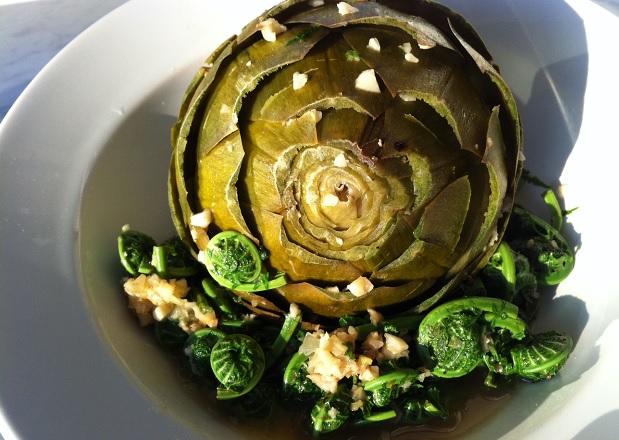

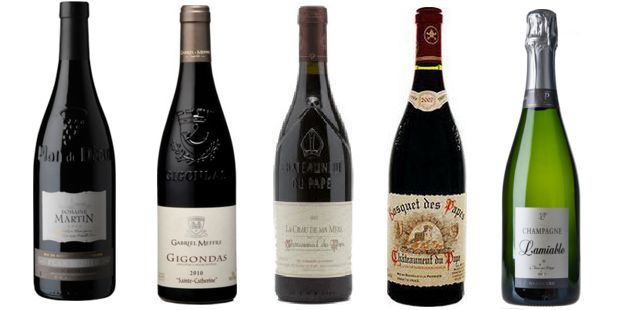
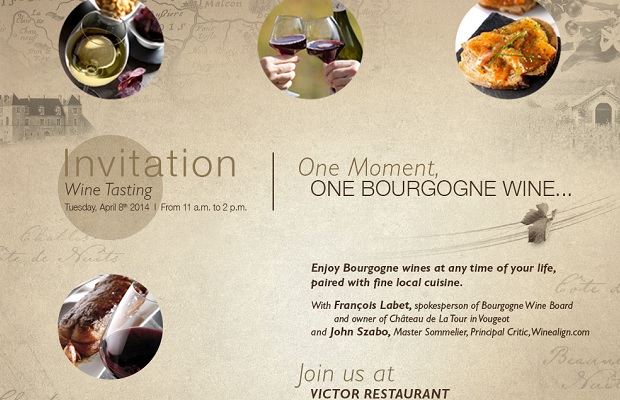

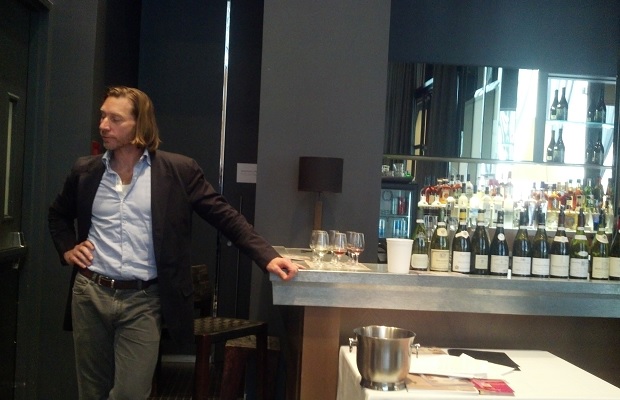
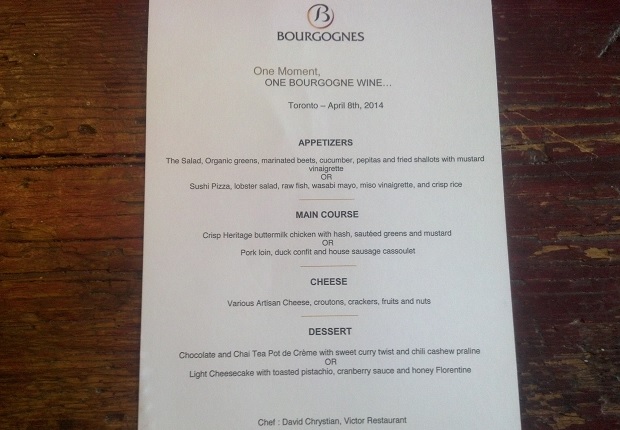
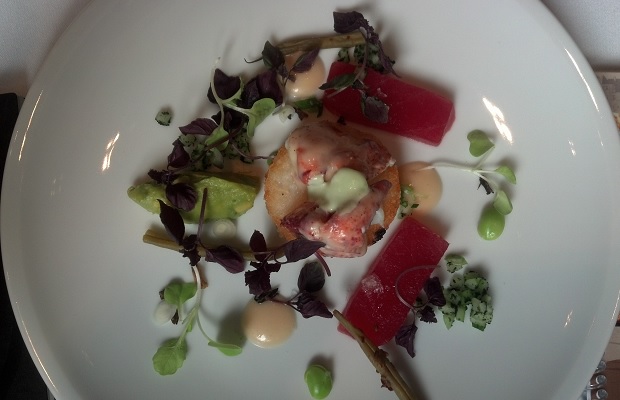

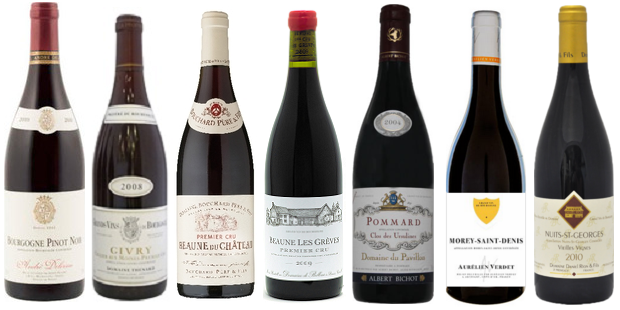

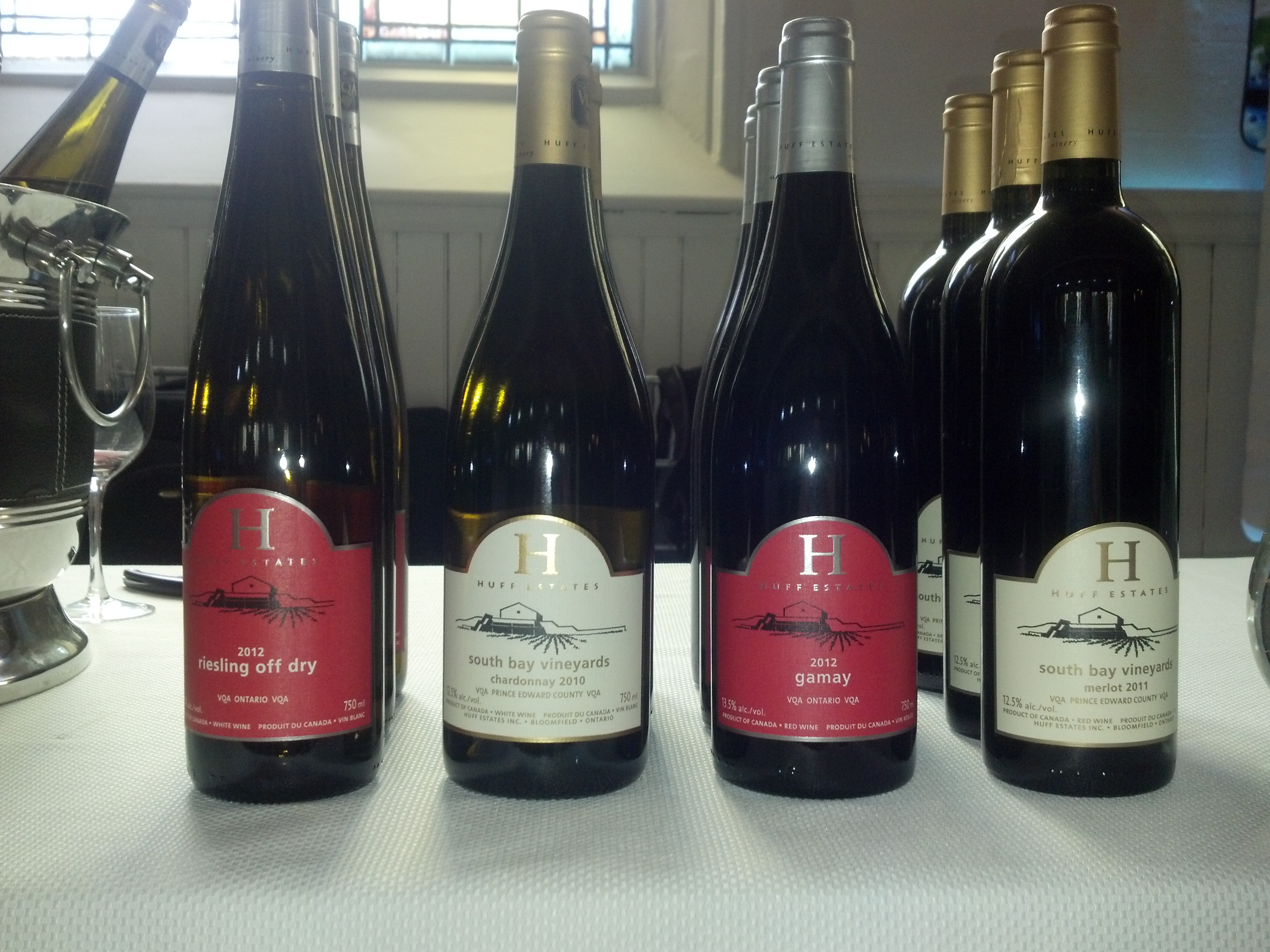
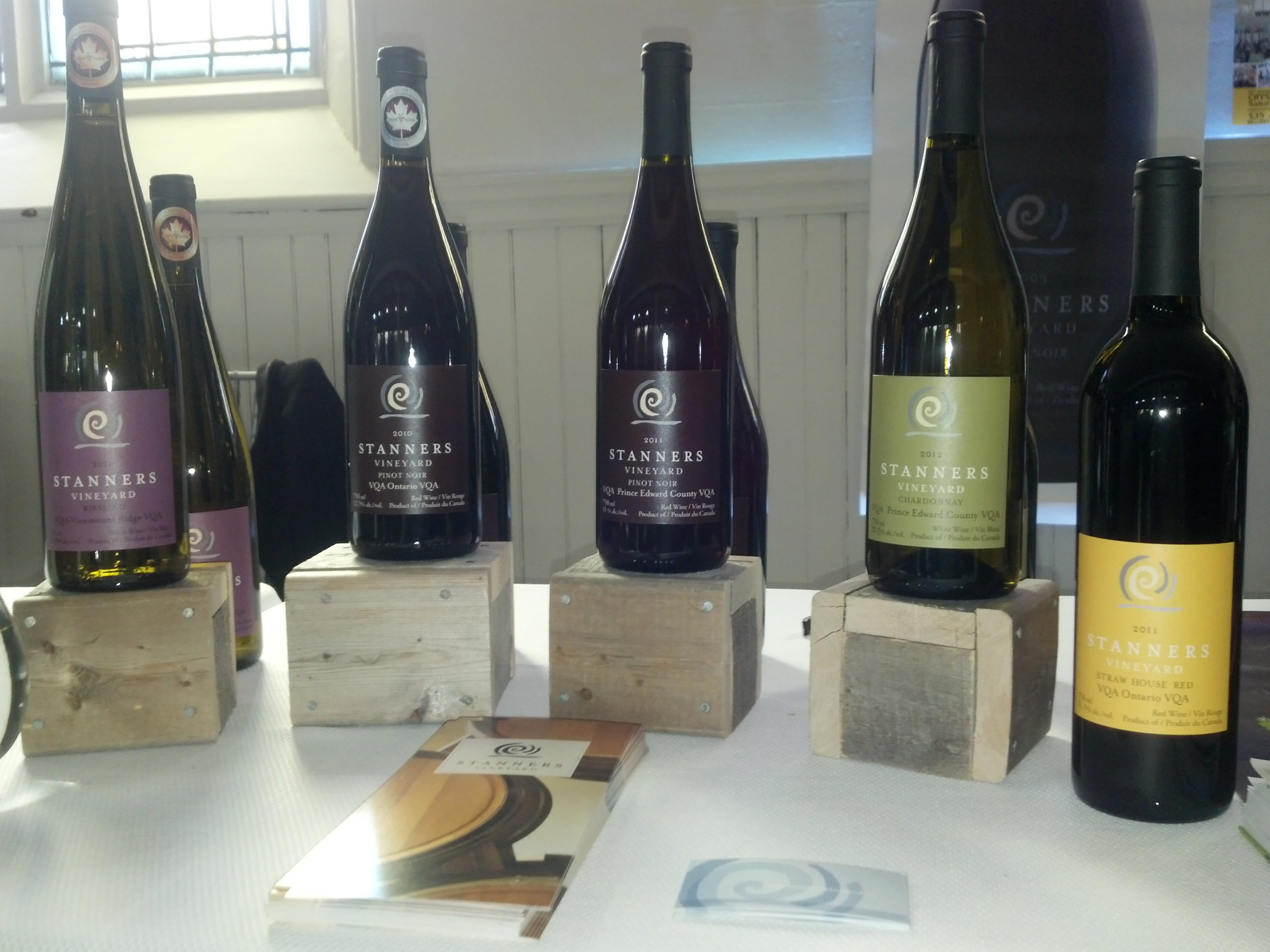


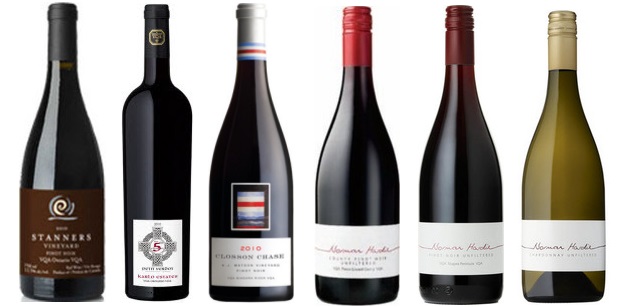
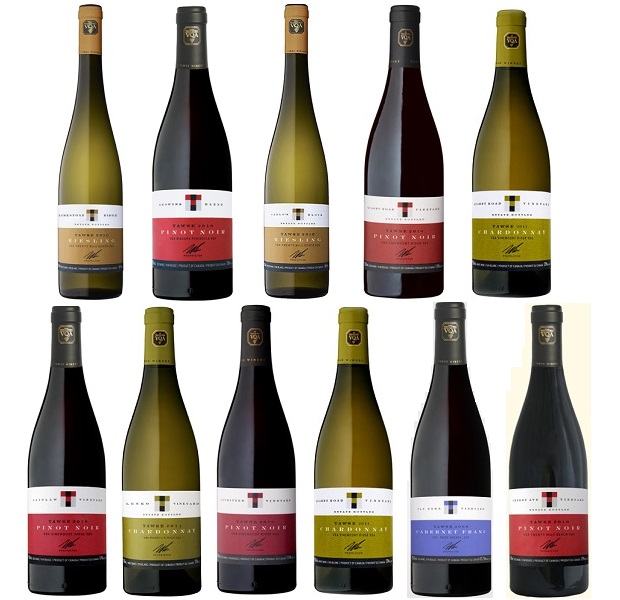
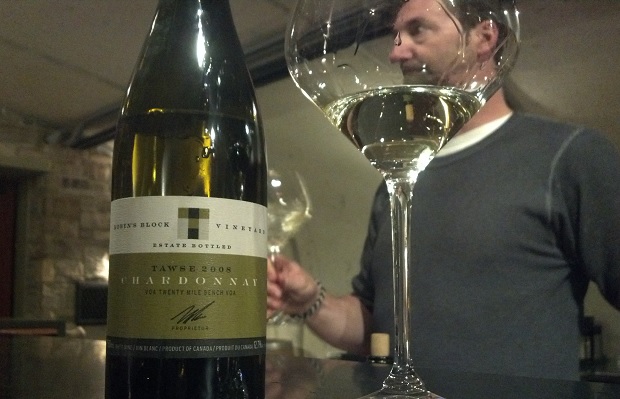
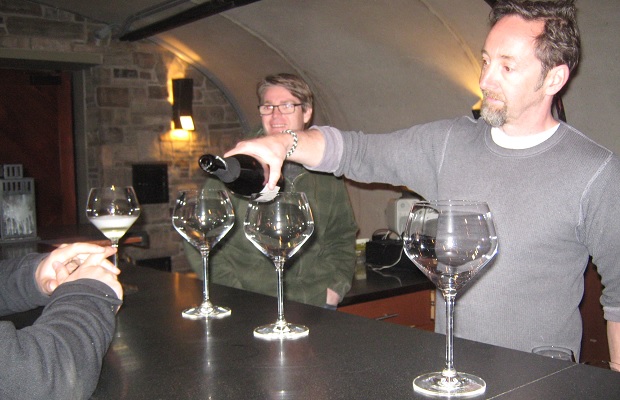


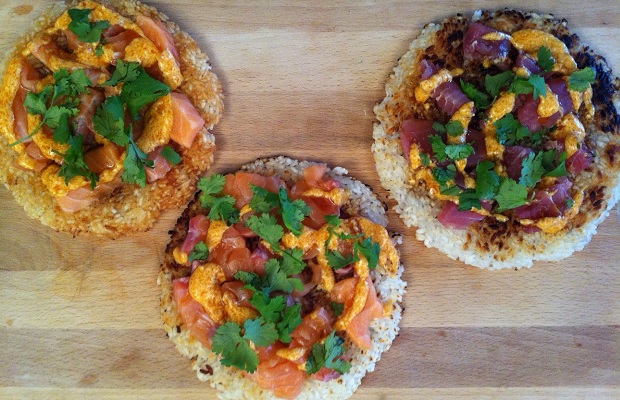
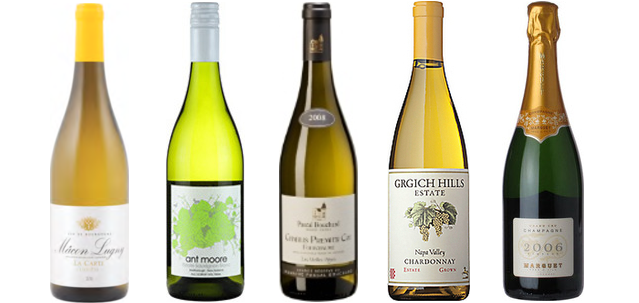
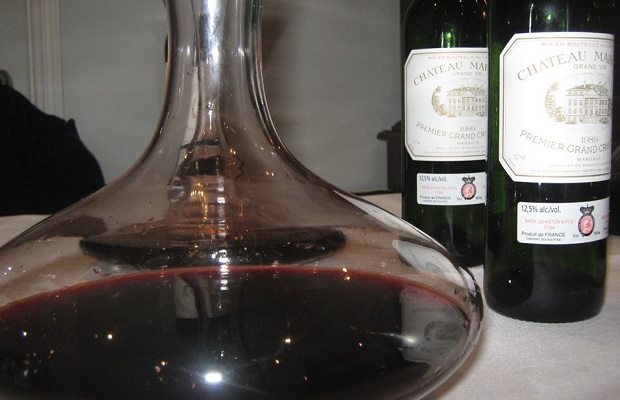
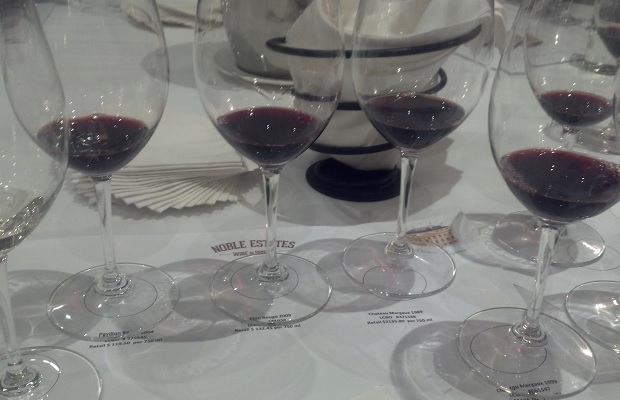


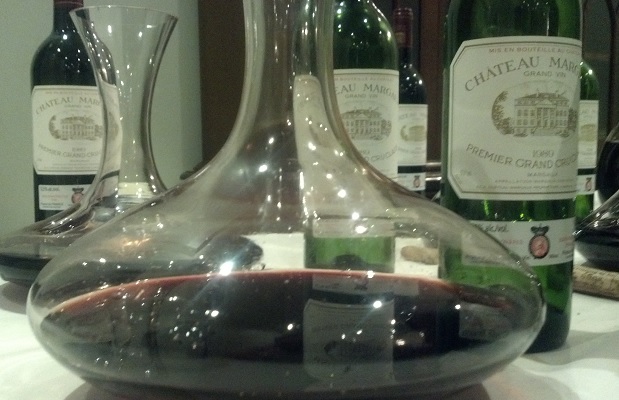
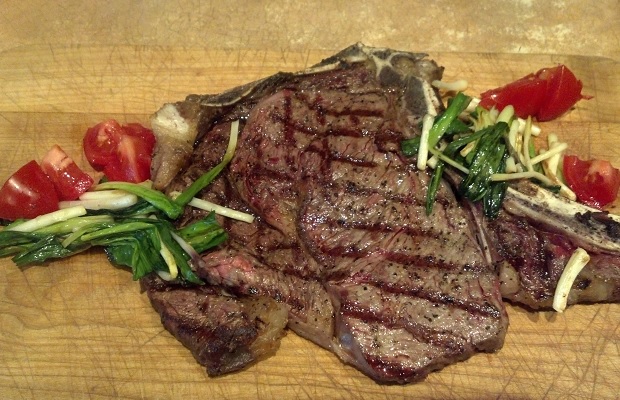
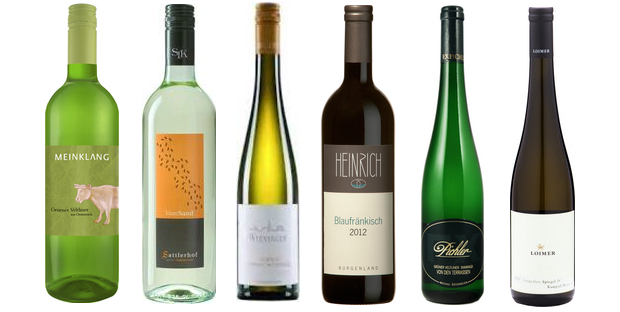
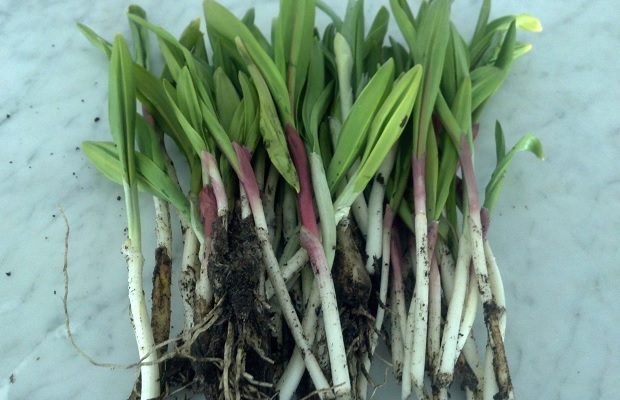



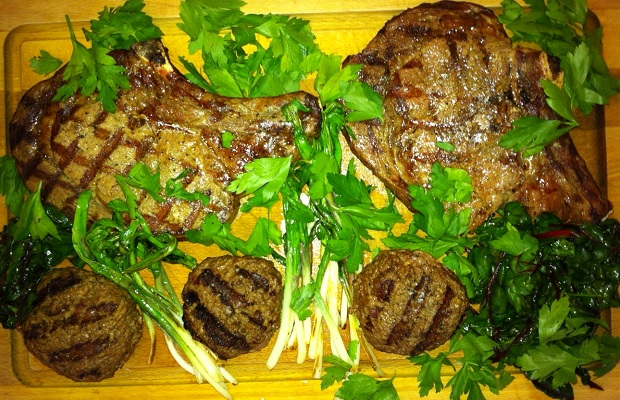
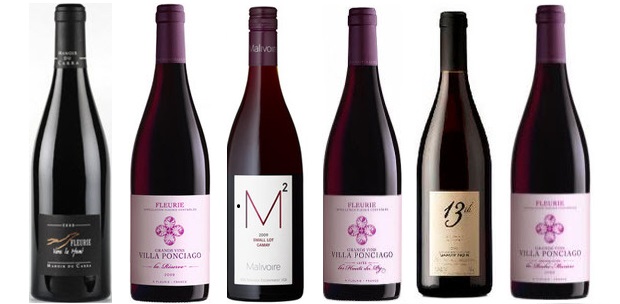
 Godello