Twenty-five mind blowing wines of 2025

To perform an exercise 13 years running is commitment, on repeat annum per annum, the messenger thanking the maker. Tasting and assessing wine is like wandering a maze of streets folding in on themselves with travel playing the most significant role, adjusting weights and measures for how a list will be conceived. In 2024 Chianti Classico played their major roles, as did Sicily and in particular L’Etna. The mountain wines will again in 2025, so will South Africa and the Tuscan appellations once again. Expect Montepulciano to join the fray next year. These are the contiguous rules of vinous engagement, always in flux, committed to memory, ready for anything that comes this way.
Related – Twenty-three mind-blowing wines of 2024

This is alchemy, not science, trails in the ether, thoughts put to paper and tapped furiously across keys. Not necessarily best of, but instead that which intrigues to the highest of degrees. That which blows the mind.

Related – Twenty-three mind-blowing wines of 2023
Godello reviewed 3,500 wines in 2025, give or take, down eight percent from 2024 but such things are not a matter of wine or death. Than again the breakdown is quite consistent; thirty percent would be from the LCBO’s VINTAGES release program, 24 percent for WineAlign Exchange curation and wine reviewing service, (12) Chianti Classico, (10) Montalcino, (6) Sicilia and the remaining (18) from travels to other parts of Italy and around the world. A smaller part of one percent would be from wines enjoyed with friends, tasting groups, wine agent reps, visiting winemakers and at home. It all adds up to one great pool from which to create this list of 25, a number to represent just slightly more than half of one percent of the wines tasted by Godello in 2025. Here are his twenty-five mind-blowing wines of 2025.

Related – Twenty-two mind-blowing wines of 2022
Domaine Evremond Classic Cuvée, Chilham, Kent, England

This is the third Kent bubble being poured in these late November WineAlign fizz sessions and the third to impress. If only fruit would ripen every year in that part of the world then these vineyards and their makers’ work would really add up to something extraordinary. In time this will happen and as it stands the Evremond Classic Cuvée from Patrick McGrath MW and his Taittinger benefactors is a fine ode to a man buried in Poet’s Corner, Westminster Abbey. Sharp, focused and devilishly delicious, finely chisled and rich enough to become your great friend. Impressive indeed. Drink 2025-2029.  Tasted November 2025

Perrier Jouet Champagne Belle Epoque Blanc De Blancs 2017, Champagne AC, France

First vintage of the Blanc de Blancs was 1993, 162 years after the house was realized by Pierre-Nicolas Perrier and his wife Rose Adélaïde Jouët. Chardonnay comes from two top Cramant crus, Bouron Leroi and Bouron du Midi, aged a minimum six years and with a dosage of eight g/L. There could not be another Blanc de Blancs as subtle, restrained and delicate as this Belle Epoque, the least startling of them all, simply put, a wine of indelible grace. Goes without saying that concentration is at peak and this is where the Champagne’s great intensity gets its lift. Have rarely tasted anything so full and developed, here with obvious autolysis though that’s simply not the leading aspect to focus upon. Once again texture is all and the palate wishes for nothing further, nor is anything left on the table. 30,000-40,000 bottles produced. Drink 2025-2041.  Tasted April 2025

Vassaltis Santorini Assyrtiko PDO 2023, Santorini, Greece

Great passion vintage after vintage from proprietor Yannis Valambous alongside consulting oenologists Elias Roussakis and Yannis Papaeconomou. Now 11-plus years into their tenure with fruit coming from decades old vineyards planted by Valambous’ father Vassilis. The world of assyrtiko is the furthest from varietal one-dimensionality and in Valambous’ small corner the intricacies are boundless, multifarious and endless. The quality climbs another notch with this 2023 to speak for Santorini in not only clear vernacular but with great precision and style. Implosive and inward as they come, nowhere near opening and wound as if a wire around a winch. The volcanic salinity and coiled extract are entwined with tannins so pointed and sharp you can file your palate on its sold stone groove. All that said the levels substance and concentration are second to none. A discovery of highest interest and intensity awaits. Drink 2025-2030.  Tasted May 2025
Hiedler Ried Schenkenbichl 1.ötw Grüner Veltliner 2022, Kamptal DAC, Austria

A year older and one closer to a grüner veltliner on the cusp of developing secondary character from 60 year-old vines raised on the Schenkenbichl. A vineyard of dark amphibolite geology that gives this varietal wine its distinct smoky character. The extra year in bottle is partly responsible but also the vintage which deliver more flesh and unction than the following one. The ’22 is special, not that ’23 is not but this mix of pulpy stone fruit and flintiness combines for extraordinary waves of grüner veltliner gifts. This time next year will mark an amazing moment for this wine. Drink 2026-2034.  Tasted November 2025

Mullineux Old Vines White Wo Swartland 2024, WO Swartland, South Africa

The current and modern South African recursions of blending white varieties off of old vine plantings is a Swartland specialty that dates back approximately 25 or so years. Mullineux is entrenched in the revolution and this sku has long been a going concern. Their takes often provide more elegant solutions to certain problems with successes just as impressive as efficiencies. They generally look to two-thirds chenin blanc, with smaller proportions of clairette blanche, grenache blanc, semillon, viognier, and verdelho. Where else in the world can vine-growing and maturing experience from ancient soils and so many thriving grape varieties add up to this much complexity and pleasure? The 2024 is about as concentrated and fruit-centric as any, while the underlying mineral thematic controls the wine’s manifest destiny. This will be fascinating to taste eight to ten years from now and also each and every step along the way. Drink 2025-2034.  Tasted August 2025

Château La Nerthe Châteauneuf Du Pape Blanc 2023, AOC Rhône, France

The 2023 Châteauneuf-du-Pape by La Nerthe is composed from 40 percent grenache blanc, (34) roussanne, (20) clairette and (6) bourboulenc. As golden hued and sun cumulate as any Rhône white could be for 2023, full of local riches and generosity off the proverbial southern charts. A pure Blanc with powerful restraint and controlled energy to shed complex layers one pixel at a time over the span of many years, potentially two decades long. Drink 2026-2036.  Tasted December 2025

Beare Green Winery Chardonnay Clonal Blend 2023, Surrey, England

From Wine with Jimmy’s (jimmy Smith) and a project that started in 2022 with a real core aim to make “low intervention English wine.” A wine made beneath a “perennial dark cloud in a marginal maritime climate” tells Jimmy. A chardonnay of a short ripening season, an average of 700mm of rainfall (and 1,700 in 2024) for lean, edgy, on the edge of cool wine production. “I want English wines to have electric acidity,” says Smith. His chardonnay is lean yet charming, more than somehow because the wine is balanced in spite of its searing intensity. The intrigue is palpable and real. This chardonnay may age for a very long time. Drink 2025-2028.  Tasted at i4c, July 2025
Rottensteiner Vigna Premstallerhof Santa Maddalena Classico 2023, Südtirol-Alto Adige DOC, Italy

Poster schiava (with seven percent lagrein) child to represent the DOC revolution that is Santa Maddalena Classico of a very special (and volcanic) single vineyard wine. The voice of South Tyrol at 12.8 percent alcohol. Pure and abundant, crushed velvet textured and luxurious. Remember the name Premstallerhof because this will surely become a Grand Cru site for Südtirol-Alto Adige. Feel the necessity of each year getting your hands on a few of the just 18,000 bottles produced. Drink 2024-2027.  Tasted December 2024

Arianna Occhipinti Bb Frappato Vino Di Contrada 2022, Terre Siciliane IGT, Italy

BB, a.k.a Bomboliere feels like the OG for a contrada-designate frappato in the Vittoria occupied Occhipinti world, a varietal expression from the home front with more experience and acumen to treat all things equal, they being available and worthy of leaning against and leading towards ultimate balance. As here from a fine and rocking 2022, crunchy exterior and chewy interior, a Balsamico crust and mix of fruits captured within. Though the Villages frappato is the most accessible it is this BB that ranks as the most well-rounded and if there is any austerity it won’t cause any psychosocial pain. Yet BB is tannic enough to age, stirs up emotion and is truly representative as a best of all worlds wine, more so than either the FL or PT. Drink 2025-2033.  Tasted May 2025

Palmento Costanzo Etna Rosso DOC Contrada Santo Spirito Pre Phylloxera 2021, Sicily, Italy

Not that the wine isn’t tight but my goodness how the tension is matched by fine verticality from Rosso with an intensity of volcanic chalkiness so specific to Santo Spirito’s 1870 lava. When vines are pre-phylloxera they have a true connection to the actual eruption and basalt because the lava had barely cooled when the first grapes appeared on the vines. A “no lo so” factor in this nerello mascalese character cools the Rosso so that herbal and stony notes prevail and persist, long after the wine has passed over the palate. A remarkable wine (isn’t it always) and another near perfect vintage. Drink 2027-2037.  Tasted May 2025

Pietradolce Etna Rosso DOC Barbagalli 2020, Sicily, Italy

Grand and expressive, epically proportioned, factor of a remarkable vineyard brought to life through the coursing of its nerello mascalese. Hard to imagine an Etna Rosso so fine and linear could be considered crushable but this is Barbagalli and its vines more experienced than just about any aboard L’Etna. Crushable as a fleeting feeling but everything is truly in place, all parts inclusive of fruit, minerals, elements and constructions right where they should formulate. The last of the wine is no such thing because the weights, measures and taciturn moments linger for seemingly ever. Wowed and energized by Barbagalli. Drink 2027-2039.  Tasted May 2025

Masseria Cuturi Primitivo Di Manduria 2021, Licuturi DOC, Puglia, Italy

A modest primitivo is many ways, especially with respect to the ways in which the world perceives how the grape is expressed and yet vintage is so essential as being the determining factor. In this case less than the hottest, acidity bursting upwards of 6.5 g/L and alcohol pleasant, present and restrained at 14 per cent. Even if it’s actually closer to 14.5 it does not matter because it would be hard to find a more balanced varietal wine like this anywhere in Puglia. The hard work, focus, respect and abiding by nature and place are so apparent and must be recognized. In the face of climate and time of history this is simply brilliant. Drink 2027-2033.  Tasted June 2025
Tenuta Di Carleone Chianti Classico DOCG 2022, Radda, Tuscany, Italy

Tenacious freshness initiates this 100 percent Raddese sangiovese of blooming perfume caught at the pinpointed moment of its opening salvo. The beauty inherent is a factor of many things but who could not think that acumen is the impetus and the driver. Of plants and place, people and maker. The it factor can be affirmed with unequivocal doubt for this to be one of the top and critical Annata for 2022, expressed with a clarity and a focus at the height of all these aforementioned ideals. Drink 2025-2033.  Tasted at The Chianti Classico Collection, February 2025

Castello Di Volpaia Il Puro Casanova Chianti Classico Gran Selezione DOCG 2021, Radda, Tuscany, Italy

The refinement of Il Puro is apparent from the start for a sangiovese as Gran Selezione 100 percent worthy of its grape and name. The pure one is Volpaia perfume incarnate, cool and floral, Chianti Classico spice masala developed low and slow, acidity as unctuous as any but always “di Volpaia.” Hypnotizing elements make this wine go straight to your head though there is clarity of thought. Also beating of hearts because of its philanthropy. The focus and finesse are grand, the hypnotic effect causing a loss for words. Il Puro 2021 is a thing of great beauty – what else needs to be said? Drink 2029-2040.  Tasted February 2025

Querciabella Chianti Classico Gran Selezione DOCG 2021, Radda, Tuscany, Italy

One of three Gran Selezione and the first vintage for three UGAs to be singled out, split from one anothem, perform acts from Lamole, Greve and here out of Radda. Aromatic stunner this Radda and the ripest of sangiovese for a UGA where that now happens with more regularity than ever before. Hard to believe the level of luxe character and substantial fruit. That and an exaggeration of Raddese acid riches, stride for stride with the fruit, together intertwined and joined at the hip. As sturdy, vertical and grippy as it is expressive of unlimited generosity, ultimately a full and purposed wine that has it all going on. Drink 2027-2036.  Tasted November 2025

Fontodi Flaccianello Della Pieve 2022, Toscana Centrale IGT, Tuscany, Italy

“Flaccianello for us is always the finest expression of Fontodi terroir and sangiovese grown in our territory,” says Giovanni Manetti. Truth and still a certain sense of irony as coming from the President of Chianti Classico consortium. Flaccianello was struck by hail in 2022 and so one third of the crop was lost because the western vineyard Poggio was obliterated on August 16th. The other two (Pecille and La Cappellina) survived and in the end the Pietraforte that runs through still granted the freshness, structure and especially acidity. There is a more immediate floral bloom and perceived balance from 2022, also sneakier tannins than the previous few vintages of Flaccianello. The longevity is a veritable guarantee, for 20-25 years and quite possibly more. Drink 2027-2042.  Tasted February 2025

Castello Romitorio Brunello di Montalcino DOCG Filo di Seta 2021, Tuscany, Italy

Massive aromatic attack, assault on the senses, classical movement rising to a crescendo. Fruit, spice and a toasted nuttiness unique to this and only this sangiovese. A perspective like no other, mimic of the vistas from the perch of the place, not to be fully grasped understood less you stand and look out with wonder from where the wines are raised. The 2021 runs like a stream through an untouched virgin forest, silken texture phantom threaded with the invisible filaments of finest tannin. The delicacy and subtlety of this wine will surely be the impetus to see it live 20-25 years, most of them in this original state. Drink 2028-2043.  Tasted November 2025

Il Marroneto Brunello Di Montalcino DOCG Madonna Delle Grazie 2021, Tuscany, Italy

A vintage sandwiched between two of established structure at harvest time and described by Jacopo Mori as one of finesse and equilibrium. The Madonna delle Grazie selection has so much in common with the Brunello but what separates this wine is more than just a matter of concentration and mouthfeel. Usually power extends from finesse and elegance but in 2021 all the fruit and then everything in barrel was very close in character. Quality too and so the grape selection was made easier, resulting in a Selezione the team held with full confidence in their choices. The 2021 delivers fruit with many levels of violet perfumes of multifarious quality as a by product of small berries with higher ratio of skins.“ A distinction that makes this wine different” explains Jacopo Mori. Purity incarnate and from the protégé and next generation, absolute truth spoken. 9,500 bottles. Drink 2028-2036.  Tasted November 2025

Cortonesi La Mannella Brunello Di Montalcino Riserva DOCG 2019, Tuscany, Italy

Though released six-plus years after the harvest Tommaso Cortonesi says “this is the first Riserva that I bottled more than one year earlier than the rest.” This because he now prefers that the wine refines one extra year in bottle and not in botti. For him Riserva is not necessarily the “top pick” of the vineyards or vintage but rather a Brunello of a different or ulterior approach. “A matter of style,” he explains, “an example of northerly Montalcino.” Now in bottle two years and emphatically not a powerful Riserva but something cooler, more refined and well, fine. There are wines to speak as sangiovese, Brunello or Montalcino and then there are Riserva that amalgamate all three in equal pronouncement, in concentrated concern, executed with reserve and balance to speak as Riserva. Rich and generous, high level quality and quantity of acidity, no hidden fruit or brilliant disguise. Instead there is transparency, focused intensity, everything up front and personable. Like its maker. Drink 2027-2038.  Tasted February 2025

Biondi Santi Brunello Di Montalcino Riserva DOCG 2019, Tuscany, Italy

The smile in winemaker Federico Radi’s eyes tells you much of what you need to know for how he feels about the 2019 vintage. Though Riserva (like the Brunello) is released a year later than almost all others in Montalcino there is a feeling about this wine that speaks to immediate gratification it is curiously capable of providing. The acidity is tops for ’19, sweet and oscillating, coming at the palate in waves, fruit surfing its crests and crashing across with maximum flavour. After the rains of August 31 through September 2 the balancing of atmospheric conditions during a dry two weeks created ideal ripening conditions between September 10th and 15th. The only part of 2019 that needs more time in bottle for integration is wood, this being the second vintage after which new casks were beginning to replace some older ones in the cellar. In that sense there is some resurfacing on this sangiovese yet also harmony and consistency from Riserva, two aspects that will guarantee not only longevity but also an abiding to what Radi, Giampiero Bertolini and their teams desire. Demand as well, to speak for the vineyards and relate the long Biondi-Santi story. Drink 2027-2045.  Tasted November 2025

Domaine De Bellene Nuits St Georges 1er Cru Aux Chaignots 2023, Bourgogne AOC, France

Aux Chaignots is a newer and pint-sized 0.14 hectare plot of Premier Cru Nuits-Saint-Georges in the northerly Côte d’Or upslope and within a limestone throw over to those in the village of Vosne-Romanée. Makes for the most two-toned, dual-textured Bourgogne of the lot, at one crisp and crunchy and then chewy, from exterior to interior. Reminds somewhat of the formidable 2020 and its striking tannins, both capable of unleashing and crashing their power over our palates with impunity and trenchant intention. Of course this 2023 remains in an immovable state, grippy and suggestive of a hands off approach for a minimum five years post vintage. More would be the suggestion because the fortification is a secure one and there is really no sense trying to break down barriers that do not want to be broken down. Drink 2028-2037.  Tasted March 2025
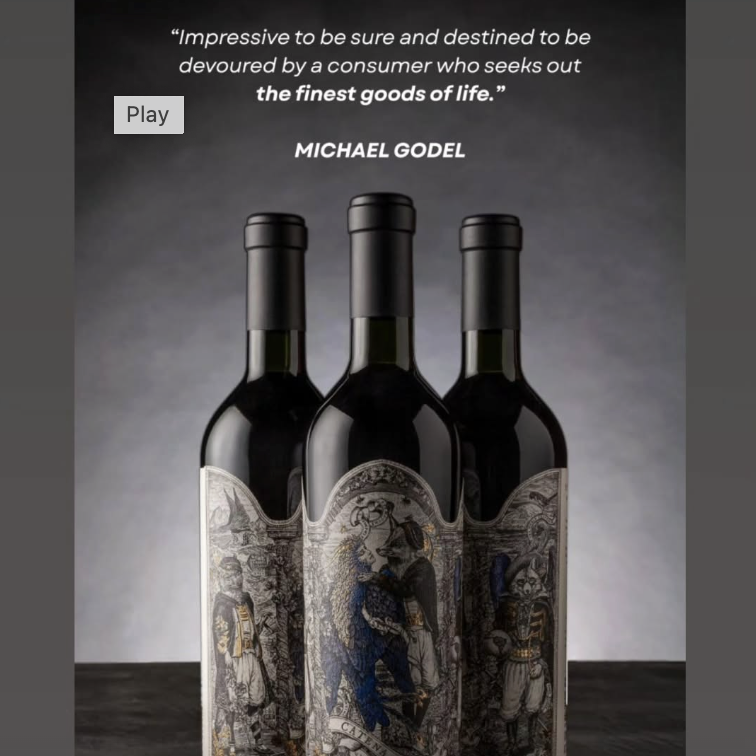
Catena Zapata Birth Of Cabernet Cabernet Sauvignon 2021, Mendoza, Argentina

The back label spins a yarn and a half, of a legend, fantasy and allegory all wrapped up in cultivar classification and grape lineage ampelography. From bees fertilization of cabernet franc to sauvignon blanc, a Cardinal Richelieu reference and farming cabernet sauvignon in Mendoza. All this to set the table for Catena’s new flagship varietal wine with a back story. The grand cuvée comes from a mix of vineyards; Angélica Sur Vineyard, Paraje El Cepillo, San Carlos, Valle de Uco; La Pirámide Vineyard, Agrelo, Luján de Cuyo. There is 10 percent cabernet franc included, macerated from 18-22 days and then aged in first, second and third use French oak for 18-24 months. A serious and layered construction with the most luxe and abundant ripe fruit meeting best barrels that Mendoza and money can produce, higher in acidity than most, in delivery of qualitative tannic conveyance and many years of slow energy release already set in motion. Impressive to be sure and destined to be devoured by a consumer who seeks out the finest goods of life. Drink 2027-2035.  Tasted November 2025

Lorenzo Fede Malbec 2019, Agrelo, Mendoza, Argentina

Feels like Fede is Lorenzo dedicating this highest end, signature malbec for a family member named Federica and she should feel blessed because this is one seriously concentrated and impressive varietal wine. As punchy, grippy and purposeful as it gets for Agrelo, aged 18 months in only the finest wood available and with a terrific vintage in bottle. Does not sniff nearest the highest Mendoza vineyards but the stuffing and promise is up there with the best and the brightest. Nothing over the top or unmanageable but clearly refined and also quite finessed. Can’t see this changing much for 10 years and could very well live comfortable for five to ten more. Drink 2026-2039. Tasted October 2025 96

Il Poggiolino Vin Santo Del Chianti Classico DOCG 1987, San Donato In Poggio, Tuscany, Italy

Current vintage on the market. Yes, that is not a typo. A 27-28 year-old labour of love that from trebbiano and malvasia but in the late 1990s the switch was made for sangiovese as Occhio del Pernice. An elixir so silken and smooth, no rusticity and seemingly untouched by human hands. A Vin Santo as if made by the bees, with apricot, guava, jasmine, lemon, Japanese orange and lavender. Fine, fine spice and just so special. A dream, demure and engaging. On the right side of vivid. One of the finest ever and know that you can drink this meravigliosa dessert wine forever. Drink 2025-2050.  Tasted February 2025 98

Pellegrino 1880 Marsala Vergine Riserva Doc Single Barrel Nº 018 2005, Sicily, Italy

Vergine means marsala fortified with soy alcohol and as Riserva (2005) it means more than 20 years of aging. Mainly grillo with (30 percent) catarratto and inzolia, limited production, 2,163 bottles and finished at 19.5 percent alcohol. The sugars developed could imagine honey, brown sugar or maple syrup but they are so much more complicated and therefore unnamed. Also fruit like apricot and pineapple but think moire exotically or better still just admit that something unusual and ethereal is happening. The palate is dry as the desert, the flavours, brown butter nutty, intense and spicy. This is not a dessert wine by any stretch of the imagination but something much more gustatory and ready to receive culinary inspiration. Drink 2025-2040.  Tasted May 2025

Good to go!

godello
Instagram

Facebook

High altitude heliophiles in Argentina

Bodega DiamAndes, Uco Valley, Mendoza, Argentina

As seen on WineAlign – A masterclass across Argentina

For the malbec, cabernet sauvignon, syrah, cabernet franc, criolla, torrontés and chardonnay of Argentina the present day vernacular promoted by the party line tells us “altitude defines a singular type of wine.” Most of the country’s wine lands are located on soils perched at impressive heights, at least with respect to sea level. To the naked eye the vineyards of Mendoza are of a perfect design to act as a collective poster child for a flat earth society manifesto, but looks are deceiving. The gentle climb from that province’s eponymous city centre at 750 meters above sea level to the rain shadow wall of the Andes Mountains is a subtle gradation that transfers vineyard elevations up to and exceeding well over 1,000 further metres. Say what you will about Mendoza’s absence of switchback ridges tracking rolling or angled foothills. Solar radiation is very real here and the effect of elevation on grape growing is a highly critical component of viticultural matters.

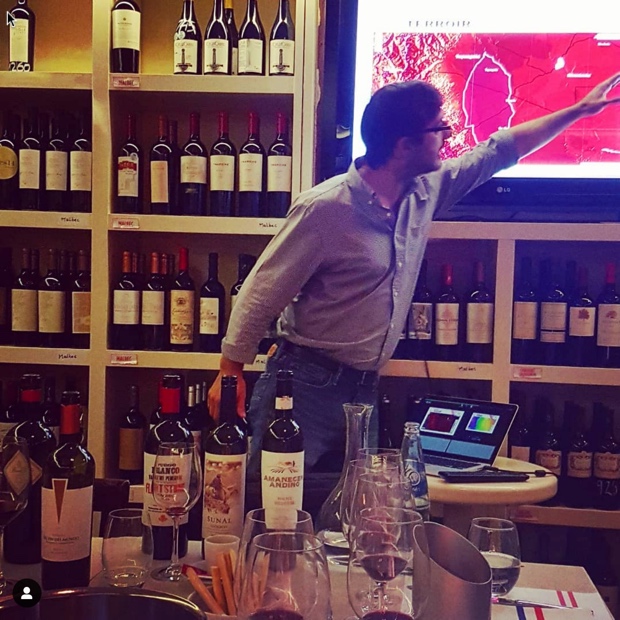
Joaquin Superman @hidalgojoaquin offers #CndsInArg a dissertation on high altitude terroir @winesofarg ~ @aldosvinoteca

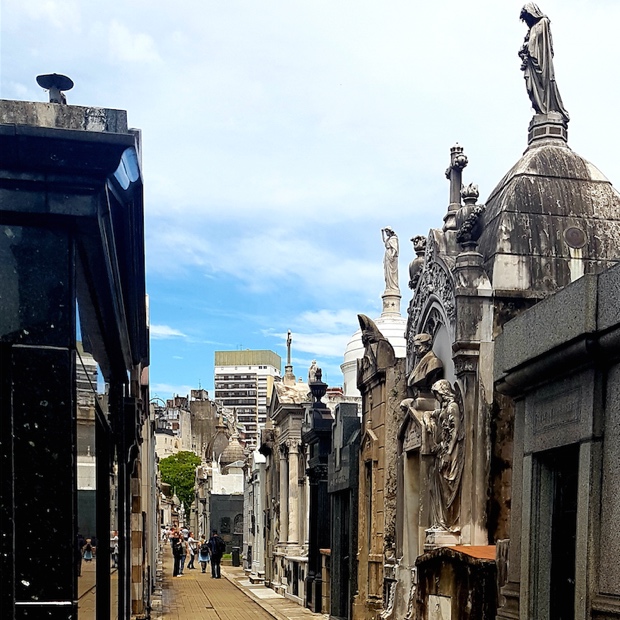
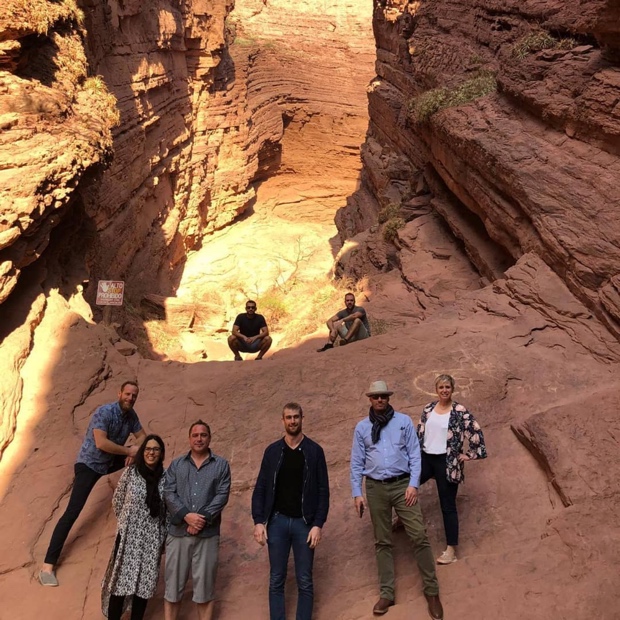
It was only weeks ago that I had the favourable and fortuitous opportunity to travel around with the team at Wines of Argentina. Ontario’s WOFA representative Liz Luzza introduced me to her Quebec counterpart Marilyne Demandre. Together we were joined by Mark Bradbury, Bar Manager at The Bicycle Thief, Halifax, Nova Scotia, Yann Janvier, Le Sommelier Moderne in Montreal, Michael Mizzi, Co-Owner and Alexander Raphael, Bar Manager AMA Always, Toronto and Paul Madden, Director of Purchasing, Crowfoot Wines & Spirits, Calgary, Alberta for a group traverse across the South American country. We were led with the guidance of WOFA’s exceptional on the ground team; Soledad Juncosa, Sofia Brazzolotto, Paula Valle, Analia Lucero and Romina Ruiz. We did not make Lionel Messi’s acquaintance but we did experience first hand in Caminito and at the Buenos Aires Aeroparque Jorge Newbery the first leg of the Copa Libertadores final. I can only begin to explain the cacophony of roars when goals were scored during the intense rivalry between Boca Juniors and River Plate. The November trip took in Buenos Aires (including Recoleta Cemetery), Mendoza City, Luján de Cuyo (Agrelo), the Uco Valley (Gualtallary and Tupungato) and Salta Province (Cafayate and Calchaqui Valley). The journey will always be considered as a masterclass across Argentina because that is precisely what it was.

Recoleta Cemetery, Buenos Aires

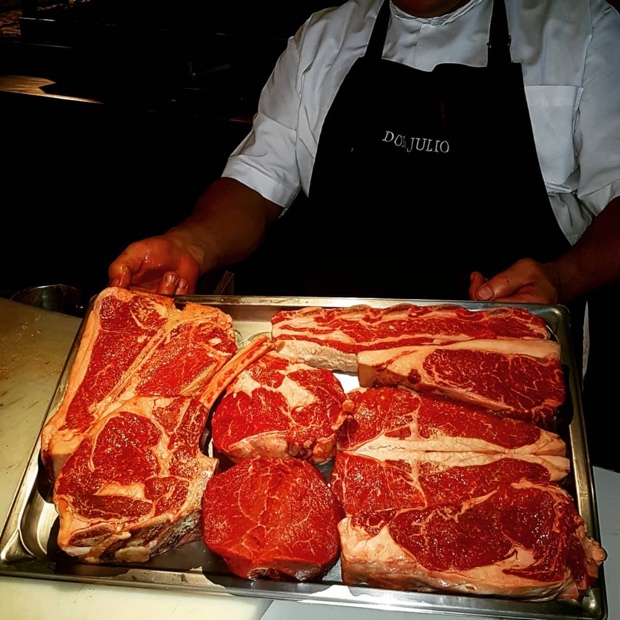
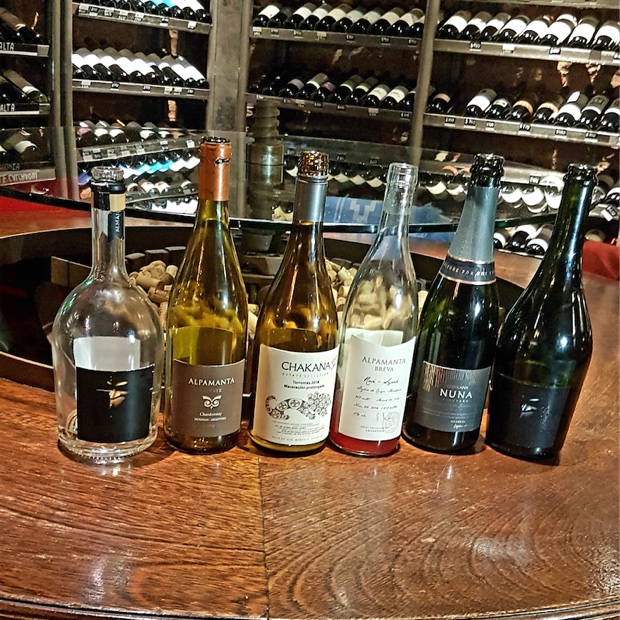
It began at a Buenos Aires institution, Aldos Restorán & Vinoteca for a dissertation on high altitude terroir through the savant Argentine eyes of Joaquin “Superman” Hidalgo. Joaquin did more than merely explain the effect of altitude and solar radiation, he also poured an extraordinary cross-section of the country’s malbec from Jujuy to Patagonia, Tucuman-Catamarca to Gualtallary-Tupungato, Uco Valley.  In the Palermo neighbourhood of Buenos Aires we convened at that city’s most coveted mecca for beef consumption, the exulted Don Julio Parilla, where we were schooled on the wines of Familia Schroeder and Patagonia. Later that night it was a wholly unexpected, antithetical and epiphanic tasting of white, pink and orange in Mendoza at Azafrán Resto with principals from Chakana Wines, Alpamanta and Ernesto Catena’s Domaine Alma Negra.

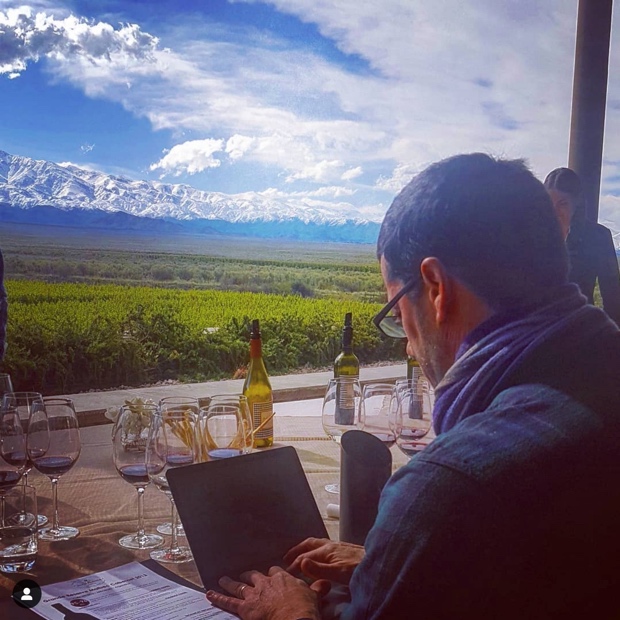
#tastingroom writing #tastingnotes @bodegadiamandes ~ #valledeuco #cdnsinarg @winesofarg

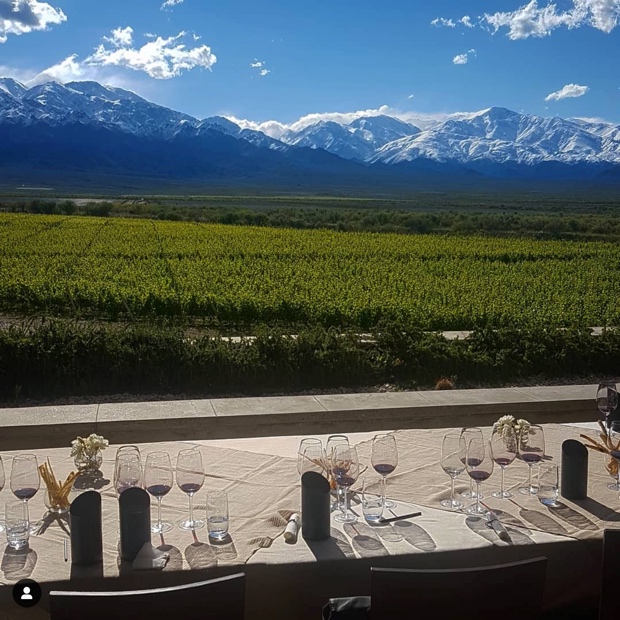
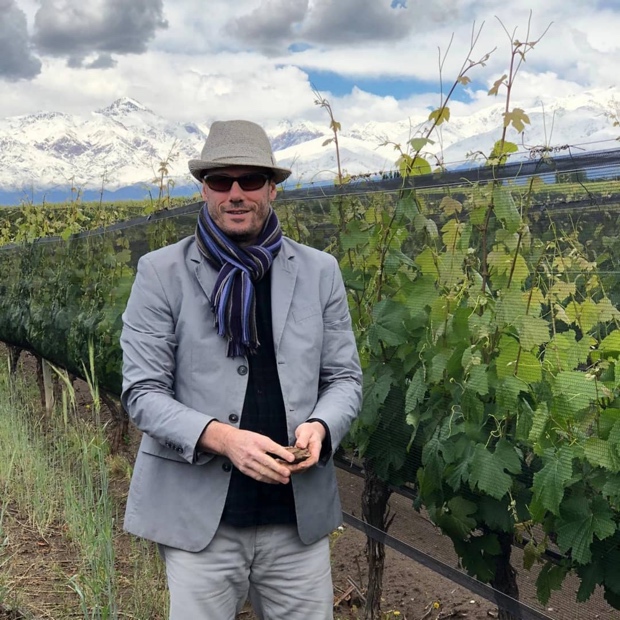
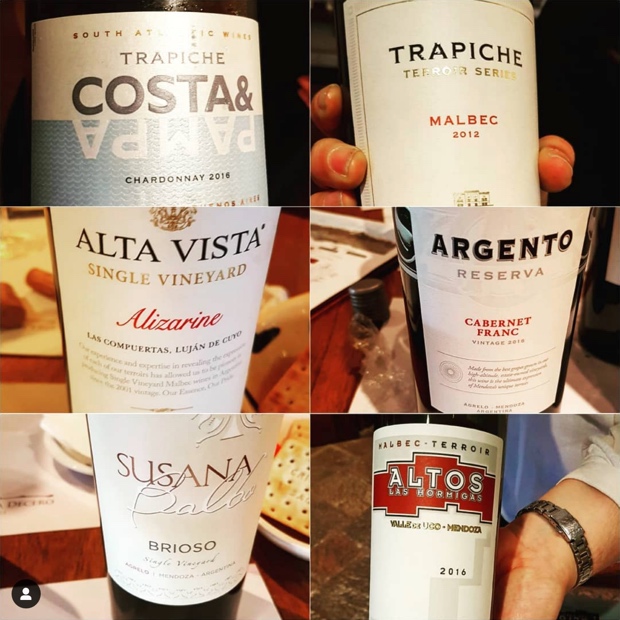
A visit to Finca Decero opened the window to the Agrelo advantage along with the wines tasted belonging to Alta Vista, Altos Los HormigasArgento, Susana Balbo and Trapiche. This was followed by a stop at Vicentin/Sottano. At Bodega Luigi Bosca it was head winemaker Pablo Cúneo who unlocked some secrets hidden inside the soils of Luján de Cuyo, with help from pours by Bodega CasarenaBodegas Navarro CorreasFinca Las MorasMascota Vineyards, Pascual Toso and Vina Cobos. Then we entered the Tupungato, Uco Valley portal at Domaine Bousquet along with the wines of Bodega Andeluna, Bodega Atamisque, Bodegas Bianchi, Familia Zuccardi and Finca Sophenia. The incomprehensible wall of beauty provided by the snow-covered Andes acted as the backdrop to the al fresco tasting room at Bodega Diam Andes. It was here that we gained a deeper understanding of the mountain connection to Clos de los Siete and Vista Flores-Valle de Uco wines. The wines of Bodega Piedra NegraCasa de Uco, Masi Tupungato and Bodega Salentein helped usher these sub-appellative Mendoza wines into the light.

Salads in Argentina are exceptional

Before heading north we were met at our Mendoza hotel by Viña Cobos winemkaer Andres Vignoni for a seminar and tasting of cabernet franc and cabernet sauvignon. As a general rule cabernet franc is planted in dry Argentine climates, in Winkler Zones 11 and 111. It has nicely adapted to high altitudes (900m+) and its prominence began spreading after 1990, especially in Luján de Cuyo where 34 per cent of the country’s vines are grown. The varietal boom has really swelled in the last 18 years. Studies show that its best maturity is at 1000-1200m, with hot spots being at Los Arboles, San Pablo, Gualtallary, Agrelo, La Consulta and Paraje Altamira. The country’s third most planted red grape variety is cabernet sauvignon, historically raised in a “Bordeaux meets Rioja school,” with long barrel aging and traditionally grown in Maipu and Luján de Cuyo. The varietal has migrated to cooler spots, where greater freshness is being chosen ahead of over maturation, not to mention less/smaller use of new barrels. Sub-zone favourites are Las Compuertas, Perdriel, Agrelo, Cruz de Piedra, Gualtallary, La Consulta, Paraje Altamira, Cafayate and Santa Maria.

Godello post masterclass on cabernet sauvignon and franc with Viña Cobos winemkaer Andres Vignoni

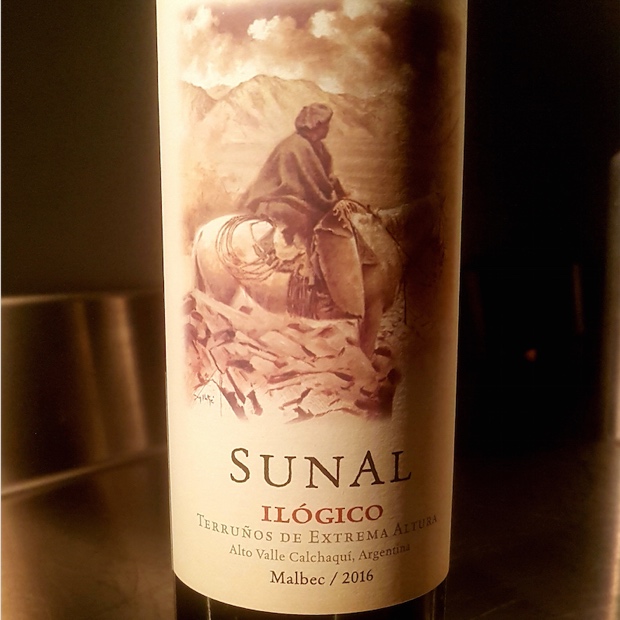
From Ciudad de Mendoza Airpark we shuffled off to Salta, destination Cafayate. The drive took us though the desert monuments of Quebrada de las Conchas. The next day there was a fast, furious and fascinating look at Cafayate and Valle Calchaqui high altitude terroirs through the Donald Hess Bodega Colome and Bodega Amalaya lens. At Bodega El Esteco was walked beneath the 70 year-old criolla and torrontés vines. In the afternoon heat of Cafayate’s 30-plus degree early Spring sun we walked the limestone rocky desert moonscape of Piattelli Vineyards with proprietor John Malinski. A visit to Cafayate and the Valles Calchaquies would have been incomplete without a Bad Brothers Wine Experience. My understanding of Argentina’s fringe, edgy and extreme high altitude wines was confused until I met Agustín Linús and his Sunal malbec. Terruños de extrema indeed.

Snowy Andes backdrop makes Godello happy ~ snap (c) @marylinedemandre

One of the highest vineyards in Argentina is in Salta Province, 1,200 kms north of Mendoza. It is called Altura Máxima and it sits perched at 3,100 meters above sea level. Whaaat? It is one of the most extreme vineyards in the country, but not the only one. There are 20 or more, carved out of desert sand and rock where terroir is made up of climate, soil and in these extreme locations, the machinations of man. Climate is highly variable so rainfall and heliophany (the energy of the sun reaching the soil) and temperature are the most important factors. So when we speak of climate in Argentina we have to attach the altitude to the problem. The equation is always modified by the effects of altitude. Not to mention atmospheric pressure. Altitude in relation to temperature. For every 155m of linear rise, in temperate zones the average temperature of a point on the map drops by one degree. This effect is called vertical thermal gradient and the cause is due to atmospheric pressure. And then, with every 1,000m of linear rise, solar radiation increases by 15 per cent. In order to be more resistant to light, the plants produce more polyphenols. There is a proven relationship between UVB and a higher concentration of polyphenols and abdisic acid. In the end it’s a matter of cool climates with a great intensity of sun. Stress conditions at 1,500m or higher results in lower yields, high polyphenols, higher acidity and ultimately a marked variance of character. Explains Joaquin Hidalgo, “mastering the terroir is a challenge that involves another way of managing the vineyard.”

New Piattelli Vineyards planting in the high altitude desert of the Calchaqui Valley

The production and consumption of wine in Argentina dates back to over four hundred years ago when the first specimens of Vitis Vinifera were brought to the Americas by the Spanish colonizers in the early 16th century. Early in the 1900’s, the vineyard area had reached 519,800 acres but between 1982 and 1992 extensive uprooting of vineyards was undertaken and 36 per cent of the existing vineyards were removed. In the early 1990s a new era began for the Argentine wine industry. The arrival of Neoliberalism in the national economy led to the implementation of a model of adjustment and the incorporation of Argentina into the global market. With a population of 42 million inhabitants and a territory that is four times larger than France, Argentina is one of the world’s nature reserves. Privileged with outstanding natural richness and extraordinarily diverse landscapes, Argentina boasts high mountains and plains, lush vegetation and extreme deserts, forests and steppes, glaciers and waterfalls.

Stunning #cafayate morning in the 60-70 year-old #criolla and #torrontes vines @bodegaelesteco in Salta

This wealth of natural ecosystems includes vast, highly productive grape growing regions stretching at the foot of the Andean strip, to the West of the country, from latitude 22° south to latitude 42° south. The cultivated area covers more than 538,071 acres. The vineyard area of Argentina covers 545.737,99 acres (2017). From the total area just 502.895,78 acres are able to vinify. The breakdown is 56 per cent red, 19 white and 25 Rosé. The leading red varieties are malbec (36), bonarda (16), cabernet sauvignon (13) and syrah (10). For whites it is torrontés (25), chardonnay (16), sauvignon blanc and chenin blanc each (5).

Canadians in Argentina at the Devil’s Throat in Salta Province ~ #quebradadelasconchas

Today, despite a skyrocketing national inflation rate, the wine industry continues to thrive. While certainly not immune to the economic crisis, exports are growing and the wines from Argentina are evolving to meet global demands. I tasted upwards of 150 wines in my week spent in Argentina. This report covers 37 wines from 37 producers. These are 37 that struck me as being exceptional, ahead of the curve or simply the perfect sort of examples to speak about climate, soil and of course, altitude.

Mendoza shuffle with some fine examples and cross section of terroirs to represent #winesofargentina ~

Malbec

Bodega Amanecer Andino Malbec Reserva Quebrada De Humahuaca 2017, Tumbaya, Jujuy, Argentina (Winery, WineAlign)

From a new location for growing grapes, at 2,200 metres of altitude, very close to Bolivia. Even if malbec is not necessarily the most interesting varietal to grow at this altitude, it is the most elastic variety and will always work. The pH (3.77), the acidity (6.6 g/L) and the alcohol are all set to high but it does not come across like any other malbec any of us have ever tasted. Full bodied and very fresh, really salty, a malbec so affected by altitude. So bloody interesting. Drink 2018-2022. Tasted November 2018  amanecer.andino  @BodegaAmanecer 

Agustín Lanús Wines Malbec Sunal Ilógico 2017, Tucuman Catamarca, Calchaqui Valley, Salta, Argentina (Winery, WineAlign)

The wine is drawn from vineyards in Pucará Salta, Lucaratao Salta, Amaicha del Valle Tucumán and Hualfin Catamarca. Real body and richness, savour and verdancy. The touch is delicately salty, with medium acidity and a constrained power. Really fine balance. The length is forever, a fact proven by an opened bottle showing exemplary freshness a full eight days later. Everything in Argentina might claim to be drawn away from high altitude but this from Agustín Lanús at 2,800m plus is the real deal. Drink 2018-2022.  Tasted twice, November and December 2018  agustinlanuswines  @agustin_lanus  Agustín Lanús  

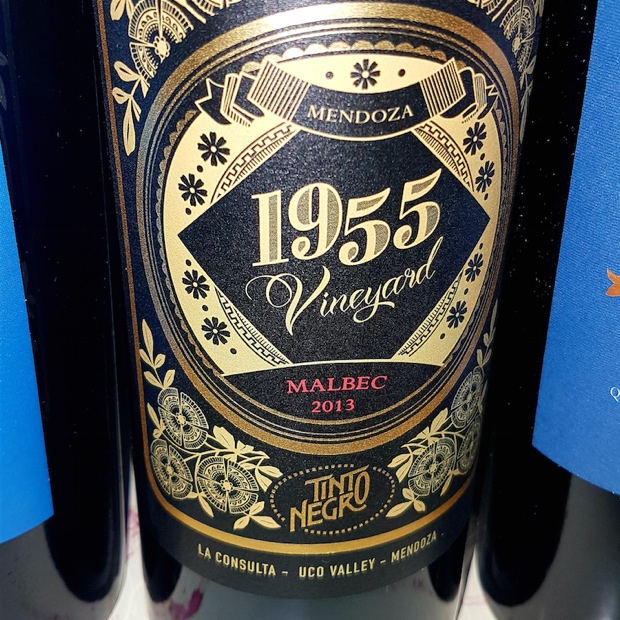
Tinto Negro Vineyard 1955 Malbec 2013, La Consulta, San Carlos, Uco Valley, Mendoza, Argentina (Agent, B.C. $81.99, WineAlign)

The most important factor in Altamira is not the altitude but the soil. It’s at 1000m but from the cooler, southern part of the Uco Valley. Very high pH (3.8) and well-managing acidity. This wine has it all; great fruit, savour, sweet viscosity, freshness, acidity and structure. Not to mention fine tannins and polyphenolic textural beauty. A high altitude and a place that keeps its cold air. Forget about how much oak and what the alcohol may be. The clay and the cool factor keep it all real. Drink 2019-2025.  Tasted November 2018  bodegatintonegro  thewinesyndicate    @winesyndicate  @thewinesyndicate

Catena Zapata Malbec Adrianna Vineyard River Stones 2015, Gualtallary, Tupungato, Uco Valley, Mendoza, Argentina (132340, $95.59, WineAlign)

In a line up that includes malbec from all walks of Mendoza life as well as some extreme altitude northern examples this is the first wine with a somewhat reductive quality, locked in freshness and very high acidity. It’s a wine of exceptional qualities. There is a highly intellectual and sensory balance executed through perfectly ripe fruit, that fine acidity and even more fineness in tannins. A beautifully linear wine that can come full circle if need be. This is a malbec that creates moisture in your mouth, never drying or taking anything away. A wine that is changing the way we are dealing with the idea of different terroirs in Argentina. Drink 2020-2027.  Tasted November 2018  catenawines  lauracatenamd  noble_estates  @CatenaMalbec  @LauraCatena  @Noble_Estates  @bodegacatenazapata  @NobleEstates

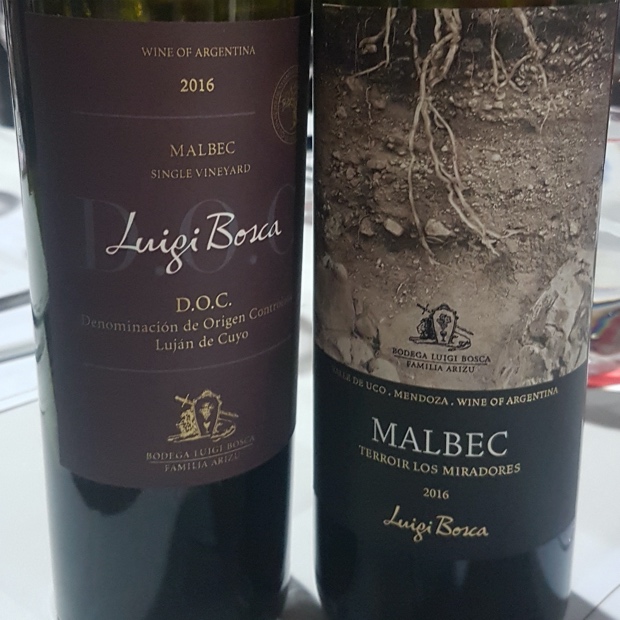
Luigi Bosca Terroir Los Miradores Malbec 2016, Uco Valley, Mendoza, Argentina (132340, $32.95, WineAlign)

From 70 year-old vines in Valle de Uco with lowest of low yields so that one vine does not even function to produce a whole bottle. From the same genetic cutting materials, massal selection of the DOC malbec, but with obvious concentration and specificity. So much more floral, of a baking spice and a fruit intensity that truly is the bomb. An implosive wine with modesty, purity and a 40 per cent oak housing. Big and balanced with great structure and tannins that invoke seven senses. Put some aside and we’ll have some further discussions in 10 years. Drink 2021-2029.  Tasted November 2018  bodegaluigibosca  fwmcan  @LuigiBoscaBodeg  @FWMCan  @BodegaLuigiBosca  @FWMCan

Domaine Bousquet Malbec 2018, Tupungato Valley, Mendoza, Argentina (160952, $13.95, WineAlign)

Draws fruit from Paraje Altamira and Gualtallary, no oak, simply in stainless. Fresh and equally savoury, relative concentration and simple in effusive red fruit. Really negligible tannins and a sweet as opposed to astringent finish. Perhaps the best vintage ever for this entry-level malbec. Drink 2018-2020.  Tasted November 2018   domainebousquet  @domaineBousquet  @DomaineBousquetUSA

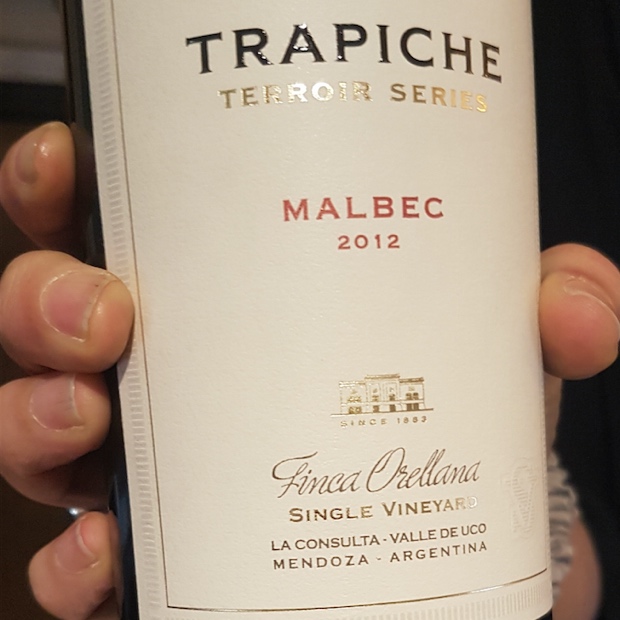
Trapiche Malbec Terroir Series Finca Orellana de Escobar Single Vineyard 2012, La Consulta, San Carlos, Mendoza, Argentina (178145, $39.95, WineAlign)

One of several malbecs in the Trapiche portfolio here the collaboration with the grower is exulted in this the 10th years of the Terroir Series. Every year the best three combinations of fruit and grower are chosen to represent the range. Sixty-one year old vineyards deliver minty herbal savour and a chalky liquidity in surround of spicy cherry fruit. Plummy too with ferric purity and big, big structure. Drink 2019-2025.  Tasted November 2018  trapichearg  trapichewines  philippedandurandwines  @TrapicheWines  @Dandurandwines   @TrapicheArgentinaInt  @VinsPhilippeDandurand

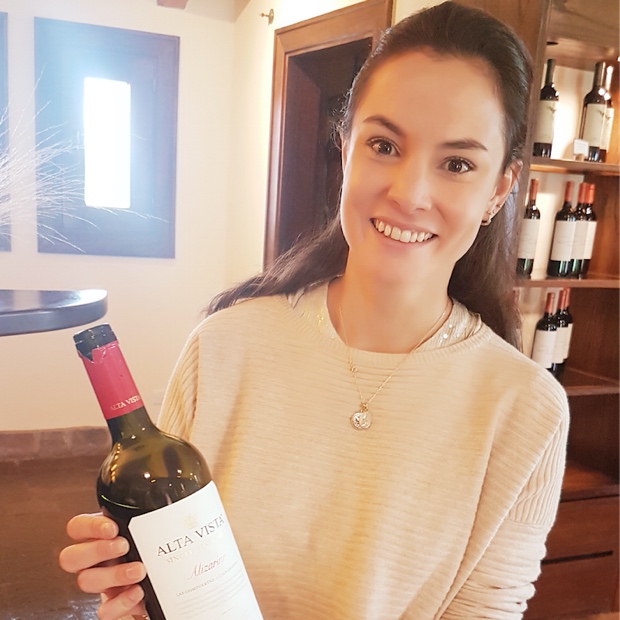
Rocio Campoy Morist with Alta Vista’s Alazarine

Alta Vista Malbec Single Vineyard Alizarine 2013, La Compuertas, Luján de Cuyo, Mendoza, Argentina (Winery, WineAlign)

Of three Alta Vista single-vineyard wines this is 100 per cent malbec and one of the richest, deeply textured and chocolate driven examples. From a warm vintage it’s not quite mature, even drying a bit though the fruit seems to just get more dense, intense and leathery. Justified elevation extrapolation makes for a classic malbec with some idiosyncratic Compuertas moments. Smooth, fully rendered and giving everything at this very stage. Drink 2018-2021.  Tasted November 2018  bodegaaltavista  hhdwines  @bodegaaltavista  @HHDImports_Wine  @BodegaAltaVista  @HHDImportsInc

Argento Malbec Single Vineyard 2016, Paraje Altamira, Mendoza, Argentina (Agent, $24.00, WineAlign)

Argento terroir exploration is from Finca Las Cerezas, “the cherries” and lo and behold, it’s really that fruit incarnate. A reductive malbec to be sure and so very fresh, from a soil rich in limestone which tells us something about the speciality of this nook in Paraje Altamira. The red fruit receives a lightning strike from the cool stone touch and there is a salty vein that lifts the cherry up and into a whole other realm. Really quite beautiful this charming little number. Drink 2019-2025.  Tasted November 2018  bodegaargento  profilewinegroup  @BodegaArgento  @ProfileWineGrp  @bodegaargento  @ProfileWineGroup

Altos Las Hormigas Malbec Terroir 2016, Uco Valley, Mendoza, Argentina (366005, $22.95, WineAlign)

Three quarters of the terroir malbec is aged in concrete with the fourth in 3000L French foudres. The total aging time is 24 months, the last six of which were in bottle before release. Here is the smooth malbec with balancing and defining sour acids on edge and uplifting. The fruit is nicely integrated into this structure with a fine set of tannins to grant some pretty good potential. Wait a year and let the magic happen. Drink 2019-2023.  Tasted November 2018  altoslashormigas  @ALHmalbec  @ALTOSLASHORMIGASWINERY

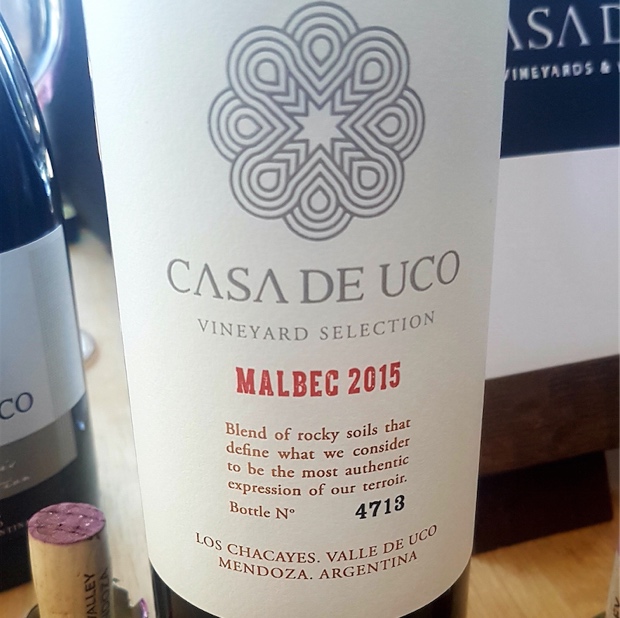
Casa De Uco Malbec Vineyard Selection 2015, Los Chacayes, Tunuyán, Uco Valley, Mendoza, Argentina (WineryWineAlign)

Considered their top expression from calcareous rocky soils this is the third incarnation of a malbec with some differences, turns and twists. Winemaking choices of 20-30 per cent whole bunch and partial carbonic macerations are extended to most of the chosen lots. You can feel the firm grip of the layered tannins on fresh, reductive and candy shell fruit. Concrete initiates the balance, there is no new oak to distract and enough acidity to keep it vibrant. There is a combination of energy and finesse on this malbec standing up to be noticed and counted. It’s both solid and expressive, real, emotive and truly curious. Drink 2018-2020.  Tasted November 2018  casadeuco  @CasadeUco  @CasadeUco

Extreme altitude malbec of Bodega Colomé

Bodega Colomé Malbec Lote Especial Colomé 2016, Calchaquí Valley, Salta, Argentina (Agent, $29.95, WineAlign)

Takes what is established by brother La Brava (and then El Arenal) and amplifies ideal. Now up to an altitude of 2,300m the dichotomous relationship between thermal amplitude and diurnal variegation is magnified, which can only mean more hyperbole. More concentration of fruit in equal extraction but with the extra 600 meters of altitude the tones are higher, the fruit more variegated and with a dried component out of the idea of some desiccation at harvest. It also seems saltier and the structure different, tighter and strung like a racket with ready to fray tension. One of the wildest malbec rides on the planet. Drink 2020-2028.  Tasted November 2018  bodegacolome  liffordgram  @BodegaColome  @LiffordON  @bodegacolome  @liffordwineandspirits

A flock of producers gather to educate on the multiplicity of munificent Mendoza ~

Syrah and Red Blends

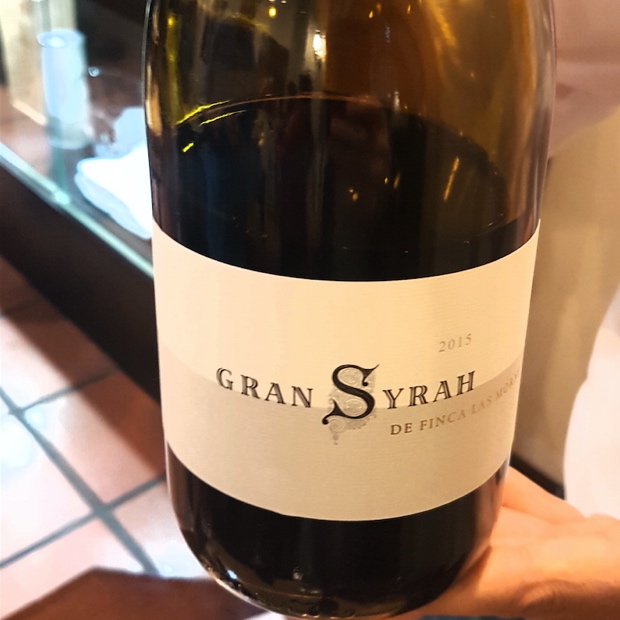
Bodega Finca las Moras Gran Syrah 2015, San Juan, Argentina (Winery, WineAlign)

From the three main valleys of San Juan; Tulum, Zonda and Pedernal at altitudes of 650, 800 and 1300 meters above sea level. Ripeness from the lower valleys meets peppery spice and herbology of the highest, with freshness lying somewhere in between. The effects of diurnal temperature swings and thermal radiation pile one on top of another for a highly variegated yet mostly seamless syrah. The queen mother of San Juan syrahs with plenty of swagger. It shouts floral rose then switches into bohemian rhapsodies of musky, ferrous and hematic waves. Really meaty and intense with major chord, mood and tempo swings. “Is this the real life? Is this just fantasy?” Drink 2019-2022.  Tasted November 2018  fincalasmoras  @FincaLasMoras  @fincalasmoraswineryCA

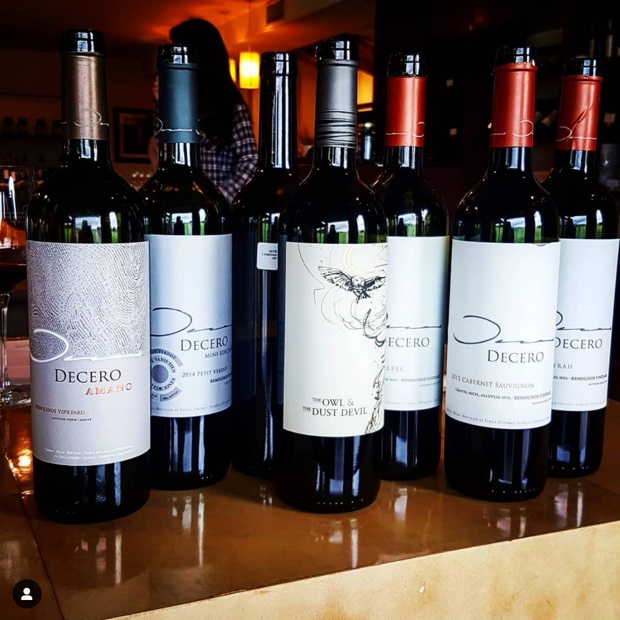
Finca Decero The Owl & The Dust Devil Remolinos Vineyard 2015, Agrelo, Luján De Cuyo, Mendoza, Argentina (Agent, $36.95, WineAlign)

The multi-level, purposed and floral flight of fancy red blend. A mix of real facts and a story; near equal parts malbec and cabernet sauvignon, with petit verdot and tannat. Must contain at least 30 per cent of the last two outlier varietals and in the end this completes the estate style, of big, smooth, polished reds that are completed through micro-vinifications of many single-vineyard blocks. More tannin and grip here. Drink 2019-2023.  Tasted November 2018

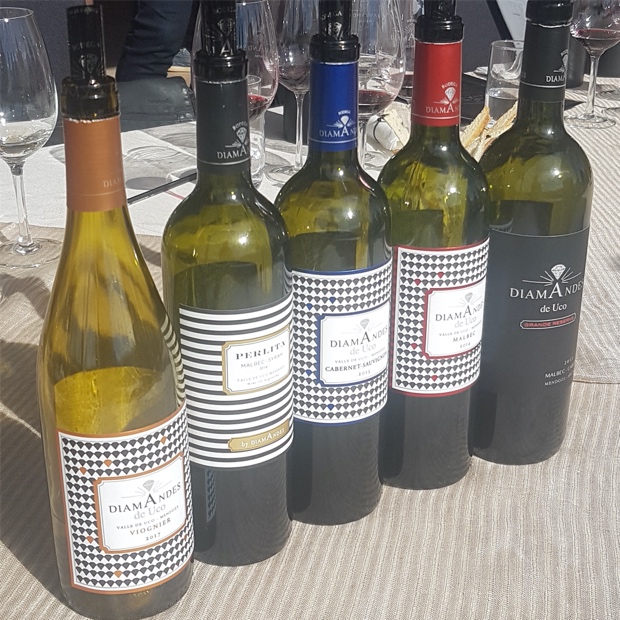
DiamAndes Gran Reserve Malbec/Cabernet Sauvignon 2013, Uco Valley, Mendoza, Argentina (295063, $32.95, WineAlign)

The signature red of the estate this is three quarters malbec to one quarter cabernet sauvignon set for 18 months in 100 per cent French oak, 50 per cent new. To say this is lush and ambitious would be an understatement but there is no questioning the quality of the agriculture, the fruit and the use of deep pockets technology. There is also humility within this classic modernism though not yet a true indication of soul. The fineness and the precision are so apparent which leads to believe that the human element noted will mean the epiphanies are coming soon. So much potential to become one of Argentina’s great red blends. Drink 2019-2022.  Tasted November 2018  bodegadiamandes  maitredechai_ca    @maitredechai  @diamandes  Francis Dubé  

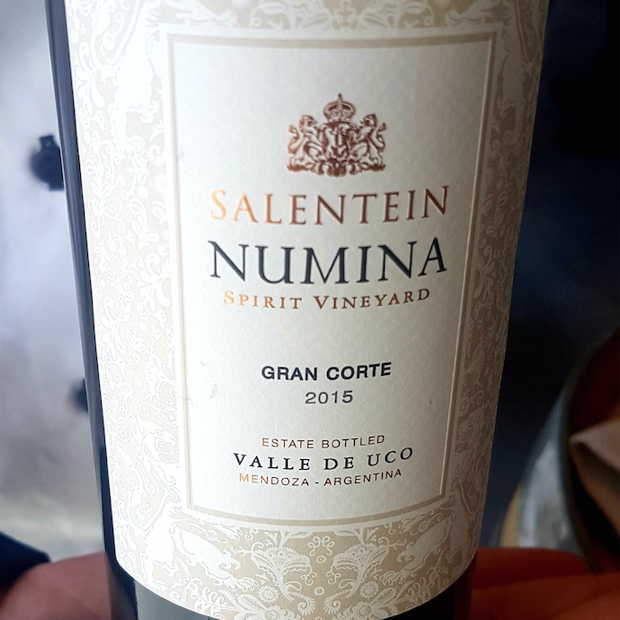
Salentein Numina Spirit Vineyard Gran Corte 2015, Uco Valley, Mendoza, Argentina (543405, $35.00, WineAlign)

The goal for Salentein’s Gran Corte “is to produce a wine with the grapes from the first vineyards planted in 1996” and so only these find there way into the Numina line. The blend in 2015 is malbec (68 per cent), cabernet sauvignon (12), cabernet franc (8), merlot (7) and petit verdot (5). It’s a true Bordelais five varietal ideal albeit with malbec at the fore. It see 16 months in total though 10 are go it alone and then six all housed all together. This quintuples down on the rich liqueur, all in spice and hyperbole of violet florals. Though currently liquid chalky and slightly gritty you can imagine the integration especially because the oak use is not new. A really nice wine on the road to becoming something fine. Drink 2019-2024.  Tasted November 2018  salenteinbodega  azureau  @BodegaSalentein  @azureau  @BodegasSalentein  @BodegasSalentein

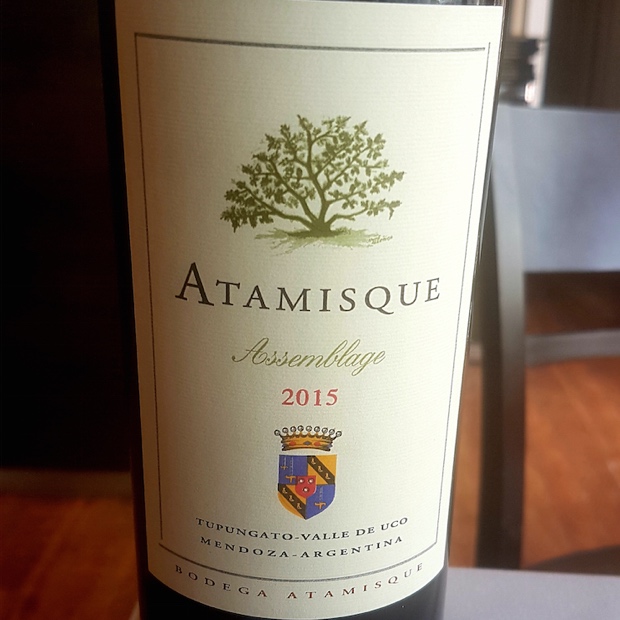
Bodega Atamisque Assemblage 2015, Tupungato, Uco Valley, Mendoza, Argentina (483032, $45.95, WineAlign)

The blend of malbec, cabernet sauvignon, merlot and petit verdot is fruit drawn from sites between 1,100 ands 1,300m and sees 14 months in 100 per cent new French oak. This being a wine made by forcing square pegs into one round hole in what amounts to an all for nothing, all in one treatment. It’s really something to note that despite all this the fact remains that red fruit abounds, fresh and pure with an accent of spice but no real overdo of make-up. There is elongated grace and generosity, like a Rhône blend with charming warmth and a fine smoulder. Drink 2019-2025.  Tasted November 2018  bodegaatamisque  #MCOwines    Bodega Atamisque

Masi Tupungato Corbec 2015, Uco Valley, Mendoza, Argentina (AgentWineAlign)

A blend of 70 per cent corvina with malbec treated to upwards of 25 per cent appassimento for 20 days. Spends 18 months in French oak. All about the baking spices, the unbounded limits of glycerin texture and specifically cinnamon all over the back pages. So rich and a ringer like no other for the Veneto motherland. Drink 2019-2024.  Tasted November 2018  masitupungato  masicanada  @MrAmaroneMasi  @MasiWineExperience  

Clos De Los Siete 2015, Uco Valley, Mendoza, Argentina (622571, $23.95, WineAlign)

This was tasted side by side by each with the 2013 and the 2006 so quite fortuitous in terms of relativity and imagination. The blend in ’15 is high in malbec predominance (68 per cent), with merlot, cabernet sauvignon, syrah and petit verdot. Four wineries made contributions to this vintage (of a possible seven) and as per the dictum it’s a blend of blends created by Michel Rolland. It’s Rolland’s inceptive imagination that brought this special project into the Uco Valley landscape and though the assemblage can be up to seven-fold the possibility to age for a value-priced wine is quite impressive. This ’15 is richly endowed and structured, chalky and just plain excellent. Drink 2019-2024. Tasted November 2018  closdelossiete  philippedandurandwines  @closdelossiete  @Dandurandwines   @closdelossiete  @VinsPhilippeDandurand

Tasting through the Uco Valley

Cabernet Franc

Zuccardi Cabernet Franc Polígonos 2017, San Pablo, Uco Valley, Mendoza, Argentina (Agent, $29.95, WineAlign)

The Polígonos exploration is a many vineyard sided affair and the altitude is significant at 1,300m from San Pablo in Valle de Uco, Mendoza. A relatively early pick preserves nigh high acidity and the alcohol is beautifully restrained. Just a hint of dusty, pyrazine edgy fruitiness drives the machine and keeps this pulsing with terrific energy. Both food amenability and aging potential here are excellent. If it’s verdant that’s a compliment to local character. Drink 2019-2024.  Tasted November 2018  zuccardivalledeuco  szuccardi  dionysuswines  @ZuccardiWines  @FamiliaZuccardi  @SebaZuccardi  @ZuccardiValleDeUco  @DionysusWinesTO

Trivento Cabernet Franc Golden Reserve Black Edition 2017, Altamira, Uco Valley, Mendoza, Argentina (AgentWineAlign)

Made by winemaker Germán Di Césare there is a respect for land (alluvial, sand and some lime) but also for varietal. It’s well-endowed, juicy, plummy and full flavoured though it’s oaky tendencies are quietly respectful as well. The tone of the wine hums and resonates with ambience in complete control. It’s really quite fine and just about to enter its perfectly integrated, resolved and balanced window. High acidity example and wouldn’t hurt to settle for just a few more months. Drink 2019-2022.  Tasted November 2018  triventoarg  triventoarg  #escaladewines  @Trivento   @TriventoArg  @TriventoCanada

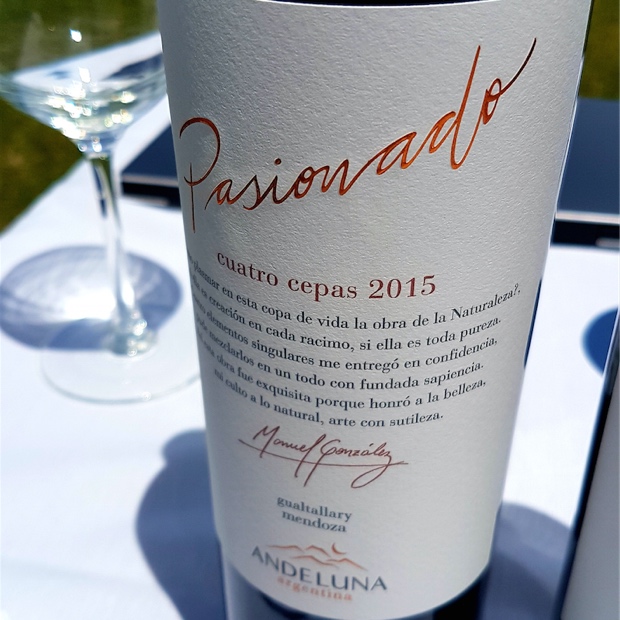
Bodega Andeluna Cabernet Franc Pasionado 2015, Gualtallary, Tupungato, Uco Valley, Mendoza, Argentina (Agent, $54.99, WineAlign)

Classic Uco terroir at high altitude (1,300m) that mixes alluvial soils with sand, limestone and here loam make for a pretty subtle rendition in terms of cabernet franc. That’s especially true when you consider the small vessels used (225L barrels) and much of it new. You feel the wood in vanilla and berry coulis, a bit of spice and liquified graphite. Quite a molten flow this cabernet franc and with demanding quality in its tannins. Drink 2018-2021.  Tasted November 2018  bodegaandeluna  stemwinegroup  @BodegaAndeluna  @StemWineGroup  @BodegaAndeluna  @stemwine

Zuccardi, Andeluna, Sophenia and Bianchi

Cabernet Sauvignon

Familia Schroeder Cabernet Sauvignon Saurus 2017, Patagonia, Argentina (Agent, $21.95, WineAlign)

Schroeder is a Paul Hobbs Patagonia outpost and across the board they are truly smooth, cool and polished wines. Tasted after the pinot noir and malbec we see by now the consistency of style and with great evidence. Big time ripe and dark varietal fruit, salumi accents, all in, no holds barred and a cool factor with texture times purity. It finds its way through the ooze to act linear and come out quite elegant. In the end it warms and brings much comfort, finishing with a rendering and lingering spice. Drink 2019-2023.  Tasted November 2018  schroederwines  @SchroederWines  @stemaren  @BodegaFamiliaSchroeder 

Tasting at Sottano

Sottano Reserva De Familia Cabernet Sauvignon 2016, Mendoza, Argentina (324707, $24.95, WineAlign)

Sottano’s cabernet sauvignon exhibits less of an oak influence or exaggeration, especially not a hinderance or a matter of make up. Smells like cabernet sauvignon with loads of ribena and black currant on top of each other and then the oak really takes over. Half of the grapes are estate and the other half Altamira in Uco Valley. Not so much a terroir investigation as it is a thing of Mendozan assemblage. It’s far from elegant but it is creamy smooth and velvety, if not the best wine thus far in the portfolio. Drink 2019-2024.  Tasted November 2018  bodegasottano  @bodegasottano  @bodega.sottano

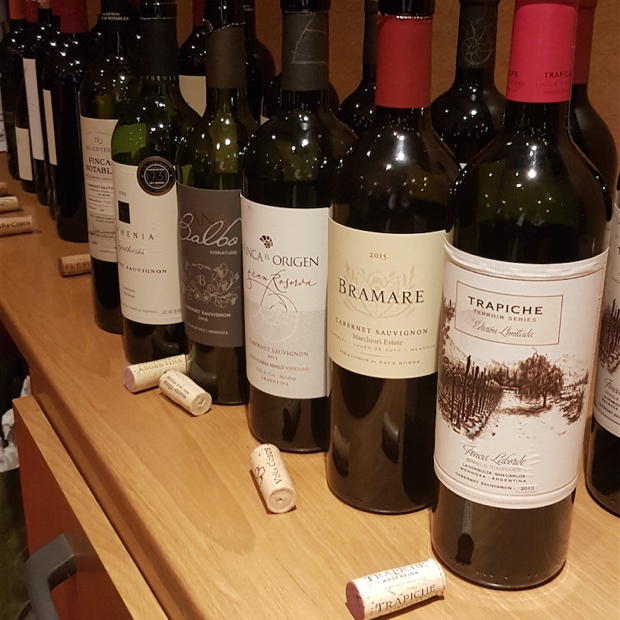
Susana Balbo Cabernet Sauvignon Signature 2016, Uco Valley, Mendoza, Argentina (260919, $19.95, WineAlign)

From a wet year but locales with good exposure and drainage fared quite well. Regardless here is a rich, grippy and powerful cabernet sauvignon (with five per cent franc), of high natural acidity and cumulative depth. The parcels are Uco Valley and Los Arboles just below Gaultallary. Chocolate is cut by a rocky streak from fruit grown over a dry river bed with stones, quite the opposite from Agrelo. It’s a veritable expression of a unique set of alluvial and stony soils. Excellent work to bring out a sense of place. Drink 2019-2022.  Tasted November 2018  susanabalbowines  profilewinegroup  @sbalbowines  @ProfileWineGrp  @SusanaBalboWines  Susana Balbo  @ProfileWineGroup

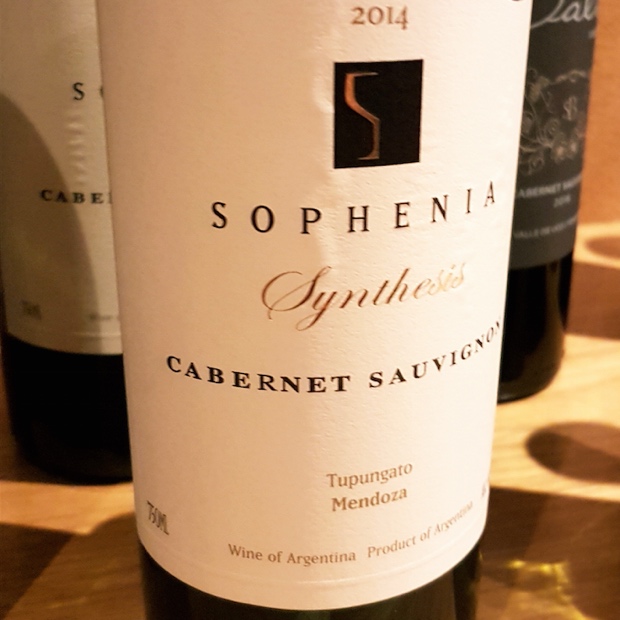
Sophenia Cabernet Sauvignon Synthesis 2014, Gualtallary, Tupungato, Uco Valley, Mendoza, Argentina (AgentWineAlign)

A wine made by Julia Hulupczok and Matiás Michelini. From a wild vineyard upwards of 1,300m where ripening is a challenge and tannins can be formidable. There’s a greenness to be sure and yet also a subtle grace about it. A different structure, impossibly dichotic and surely one you would not have found in Argentina just 10 years ago. Drink 2018-2024.  Tasted November 2018  fincasophenia  @FincaSophenia  @Juliahilux  @FincaSopheniaWines  Julia Halupczok

Masterclasses on cabernet sauvignon and franc with Viña Cobos winemaker Andreas Vignoni

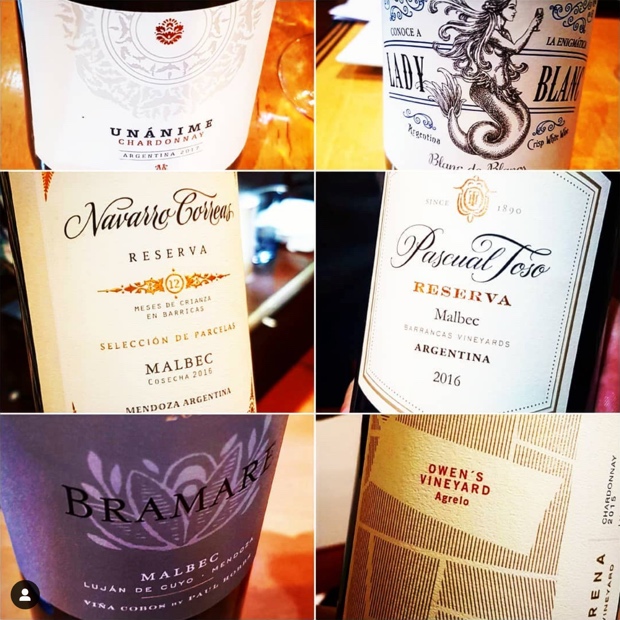
Viña Cobos Bramare Cabernet Sauvignon Marchiori Estate 2015Perdriel, Luján de Cuyo, Valle de Uco, Mendoza, Argentina (Agent, $119.00, WineAlign)

At 1,000m few other cabernet wines out of Valle de Uco will deliver such concentration and polish. It’s also huge in acidity, grippy tannin and overall structure. Almost two-thirds new oak is used and the fortunate thing is really the highest quality fruit able to withstand this woody onslaught. Deep soils work hard for vines less than 25 years old, the upper strata built of clay-loam to sandy-loam and the substrata of river-washed cobbles and round stones. It was an early ripening vintage with harvest temperatures above the historical record. Not surprising to receive such a massive, not so much brooding but more like a swagger of attitude in a cabernet that can go the distance. Drink 2020-2027.  Tasted November 2018  vina.cobos  awsmwest  @VinaCobos  @AuthenticWineON  @vinacobos  @awsmon

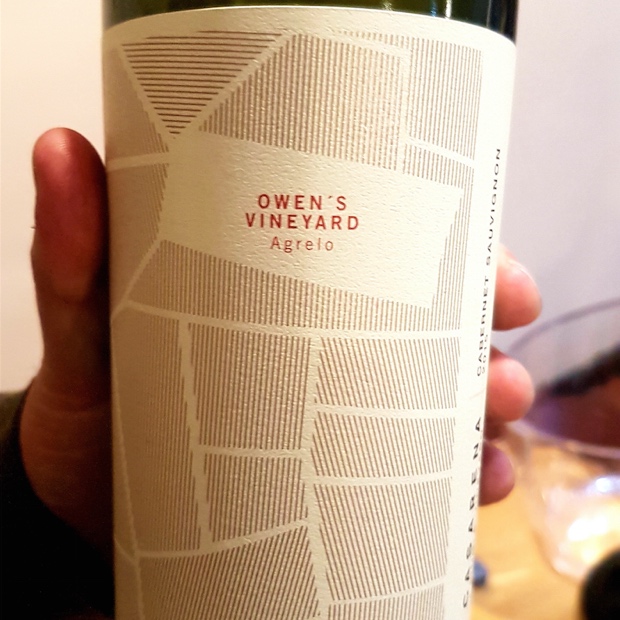
Bodega Casarena Cabernet Sauvignon Owen’s Vineyard 2015, Luján De Cuyo, Valle de Uco, Mendoza, Argentina (578062, $44.95, WineAlign)

Casarena’s Owen’s Vineyard is their special place, the key piece to this sector of the Luján De Cuyo puzzle. It’s importance is quite particular for the Napa Valley like repositioning of (Bourgogne) chardonnay and (Bordeaux) cabernet sauvignon. It’s a dry micro-climate with intense solar exposure and though not “mountain” fruit per se the wines draw upon matters of heliophany dictated by elevation. The Italian pergola-styled planted vines are old, some laid down as far back as 85 years in time. This approximately $30 US wine is a stunner, bloody beautiful in the darkest of Morello cherry red fruit that seems to macerate in its own liqueur. It is indeed reductive which only accentuates its freshness and there is a bountiful amount of acidity in support. Honest, apasionado, vehemente and intenso. Drink 2019-2023.  Tasted November 2018  bodegacasarena  noble_estates  @BodegaCasarena  @Noble_Estates  @BodegaCasarena  @NobleEstates

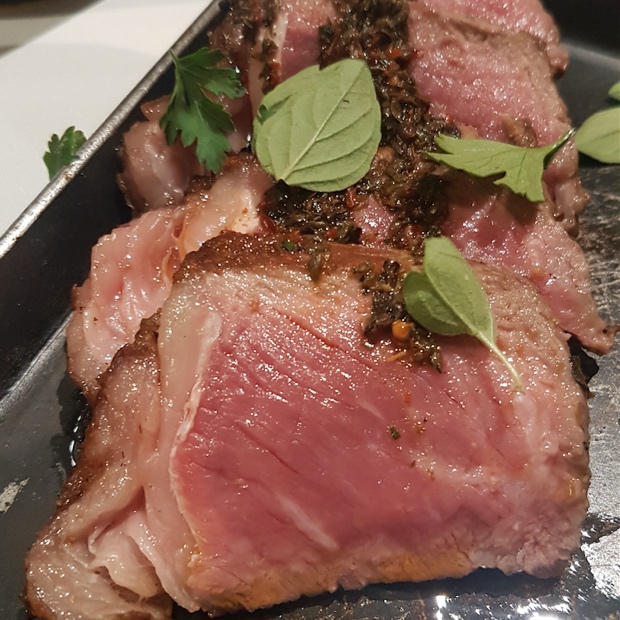
Filete at Luigi Bosca

Pascual Toso Cabernet Sauvignon Alta Barrancas Vineyards 2016, Mendoza, Argentina (441907, $32.95, WineAlign)

Alta is a huge cabernet sauvignon needing air, still very reductive in a hard protective shell sort of intense way. There can be no argument about these aggressive or rustic tannins needing time to integrate and settle. All the structural components are part of the note taking and note to self to add to the Mendoza cabernet sauvignon discussion. This example may not be the first but it does sit at the lead in terms of showing a real cool, minty herbal streak and a distinct amaro finish. Big, big wine with plenty of upside. Drink 2020-2027.  Tasted November 2018  pascualtoso  eurovintage  @PascualToso  @Eurovintage  @pascualtosowinesargentina  @Eurovintage

The next @winesofarg is naturally skin-contact orange, rosé and white. Pure, nervy, crystal examples of great interest from @chakanawines @alpamanta and @domainealmanegra

White, Orange and Rosé

Domaine Alma Negra Blanco Producción Limitada 2017, Vino Argentino, Bebida Nacional, Argentina (Winery, WineAlign)

From Ernesto Catena this is the second secret blend, a naranja vintage of the hide and seek, now you see a vino blanco, now an orange wine behind the mask. Maximum 500 cases are produced of this truly flexible white-ish orange, as it should be, as anyone’s guess and at the winemaker’s whimsy. “This comes from a place where you move away from knowing everything before you ever made a wine” explains Josefina Alessio on Ernesto’s behalf.  It’s meant to shake foundations and commit to things with blind and innocent intent. It’s a precocious orange, clean, pure, crisp and matter of fact. Smells like honey the drizzled over a tart slice of peach. The telling of varietal is kept hush but my money is on the likes of chardonnay, perhaps pinot gris and/or some torrontés. Nine months on skins, six in old barrels. Clarity and dumb luck precision with a pineapple dole of citrus, always in balance. Can’t believe it’s neither reductive nor oxidative and virtually tannin free. A 15 euro ex-cellar beauty. Drink 2018-2022.  Tasted November 2018  domainealmanegra  noble_estates    @Noble_Estates   @ernestocatenavineyards  @NobleEstates

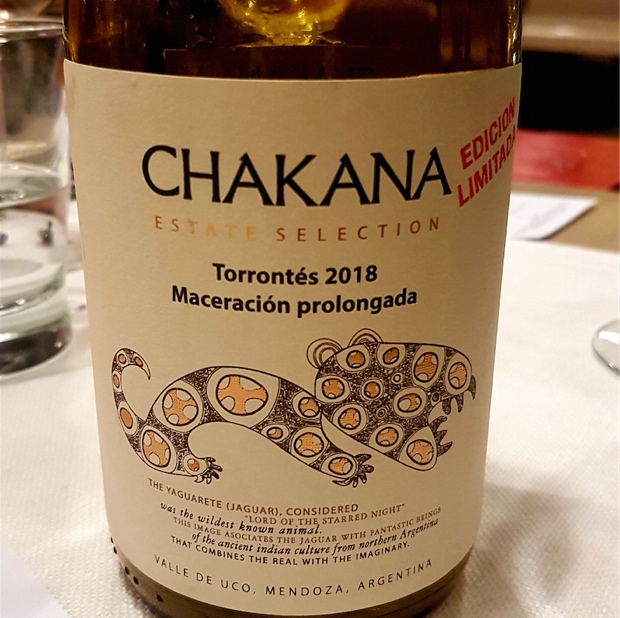
Chakana Estate Selection Torrontés Naranja Edicion Limitada 2018, Gualtallary, Tupungato, Uco Valley, Mendoza, Argentina (Agent, WineAlign)

This literal orange torrontés from only free run juice spent seven months on skins in 500L barrels. No additions, including sulphur but “we’re not interested in saying this is a natural wine,” insists winemaker Gabriel Bloise. “Because we’re not interested in the natural movement, but it is our pleasure.” Floral spice is a factor of “maceratión prolongada” as is the green melon, pomello and caviar. Takes torrontés to an entirely new level, in so many positive ways, with a salve, plenty of tannin and notice me character. Kudos for the exploration, for a team that’s clearly on to something and a winemaker acting on techniques that clearly float his boat. Drink 2018-2021.  Tasted November 2018  chakanawines  oeno2  @chakanawines  @oenophilia1  @bodegachakana  

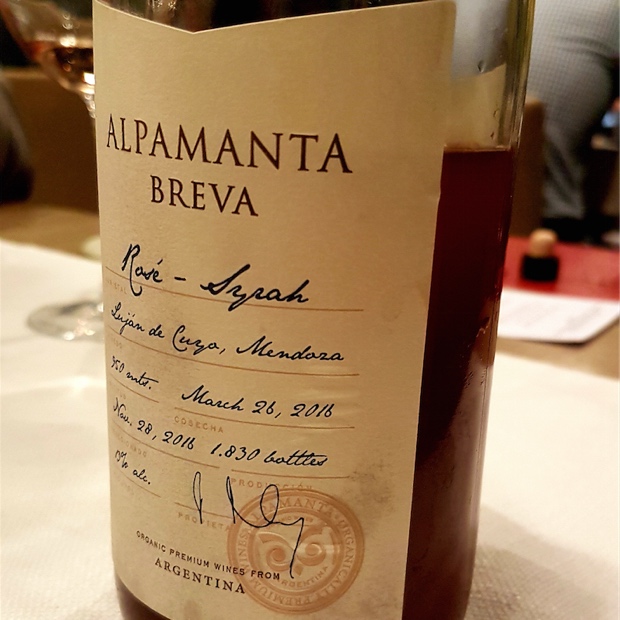
Alpamanta Rosé Syrah Breva 2018, Luján De Cuyo, Mendoza, Argentina (Agent, $42.95, WineAlign)

To call this a Rosé is to miss the point methinks. “In 2017 we decided to approach a new philosophy of wines,” explains Ukranian/Austrian/Dane/Argentine Managing Partner & CEO Andrej Razumovsky. It’s a perfectly lithe red wine made through the use of syrah picked real early direct to ferment in cement eggs for 11 months. The complete absence of second pressed grapes speaks not only to the method but also the teacher. “It goes well with intestines and seafood,” says Andrej. Now at a whopping 1,600 bottles made, which is in fact a great increase from the first vintage. Number two was a rainy one so six or seven months was not a sufficient amount of time to get this to its happy place. Pear, lemon and grapefruit are anti-red fruit notes but give it a good agitation to stave off reduction and then the wine just bursts with strawberry, fine bitters and endless aromatics imagined. It’s destined for danger and deliciousness because you really feel that you are drinking something that is alive. Not just from acidity, but like power breakfast juice that you would die for every morning. Killer stuff. Drink 2018-2020.  Tasted November 2018  alpamanta  rogersandcompanywines  @Alpamanta  @rogcowines   @alpamanta  @rogcowines

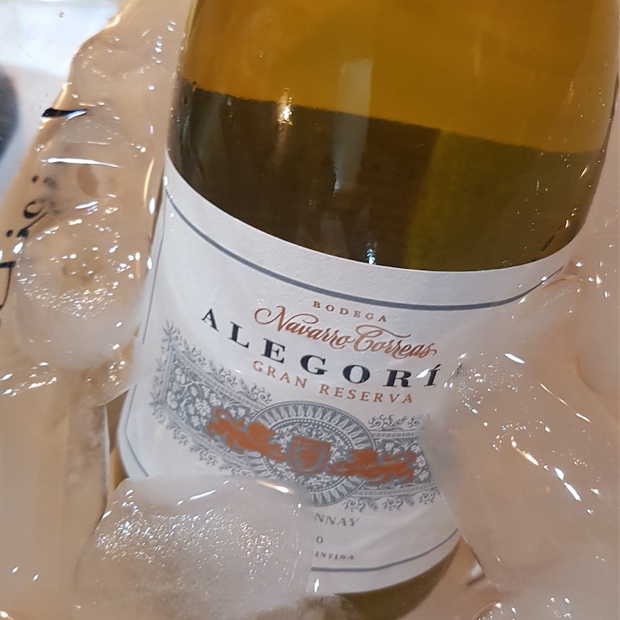
Navarro Correas Chardonnay Gran Reserva Alegoria 2015, Agrelo, Mendoza, Argentina (WineryWineAlign)

From Agrelo the Alegoria is chardonnay with true blue reduction and real apple bite. Spent six months in first and second use oak, now nicely aged with lemon-lime and orange zestiness. Toasty and quite wild from an ambient yeast ferment and shockingly crazy good. Drink 2018-2022.  Tasted November 2018  bodeganavarrocorreas  @BodegaNavarroCorreas

Bodega Piedra Negra Pinot Gris Reserve Vino Organico 2017, Los Chacayes, Uco Valley, Mendoza, Argentina (Winery, WineAlign)

New to the François Lurton portfolio and for the market is this pinot gris in classic older world mode. It’s really fine, spirited and with a creaminess that is suggestive of experimentation. There is some oak treatment but also some time spent in concrete egg. With no compromise to acidity there is a lieu-dit specificity and completeness so that it expresses fruit in a wholly different way than grigio and all other white wines in Argentina. Kudos to Lurton for going the distance and spending some cash on a product to separate itself from the pack. It’s a pinot gris we want to drink but also one to watch for not too distant sidesteps into something changed. Drink 2018-2021.  Tasted November 2018  bodegapiedranegra  @BgaPiedraNegra  @BPNvdu

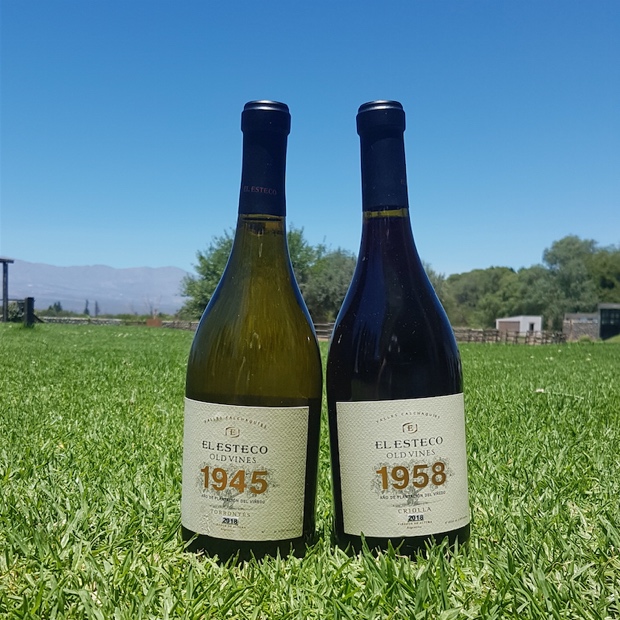
Bodega El Esteco Torrontés Old Vines 1945 2018, Valle De Calchaquí, Salta, Argentina (Winery, WineAlign)

From the original plantings of torrontés, as far back as 1945 but mostly vines in the 60-70 year old range. As saline and diamond sandy as it is floral but just as expressive as any. Very direct, linear, again that salty component which you could call mineral but also full-fleshy like Rhône varietal wines in new world climes. Could pass for high acidity driven whites from California or Washington state. Drink 2018-2022.  Tasted November 2018  bodegaelesteco  #mondiaalliance  @ElEstecoWines  @Mondia_Alliance  @elestecowines  @mondiaalliance

Piattelli Vineyards Reserve Torrontés 2018, Cafayate Valley, Salta, Argentina (Agent, $14.95, WineAlign)

Trained at Piattelli in Pergola, the ancient Mediterranean varietal is protected from direct sunlight and thrives in this desert where herbs of every imaginable kind grow wild and the aridity meets elevation and solar radiation. Piattelli’s is quite high in dry extract and concentration, ripeness and a maintained necessary acidity. This is the icon wine of the estate and few equal its magic in this vintage. It’s fresh, crunchy, crisp and explodes with tropical fruit. Bodes well for the ’18 reds. Drink 2018-2022.  Tasted November 2018  piattellivineyardsarg  piattellivineyardsusa  @piattelliusa  @PiattelliVineyardsARG  @PiattelliVineyardsUSA

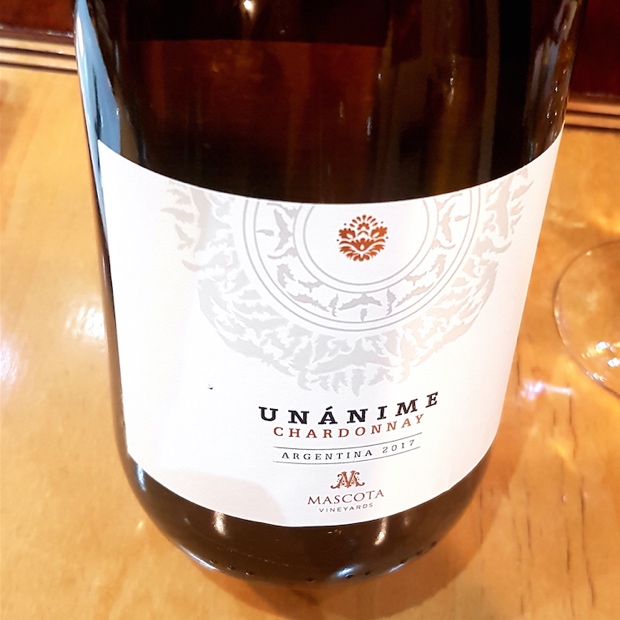
La Mascota Chardonnay Unánime 2017, Maipu, Mendoza, Argentina (Winery, WineAlign)

Grown at 1,300m “the pet” chardonnay is given a name meaning “unanimous” meaning it’s a wine from and for people who all feel the same way. The wine was raised 50/50 in concrete egg and large (500-1000m) oak foudres. It’s a very tannic chardonnay, with a salve texture, spice and lemon-vanilla molten creaminess. Plenty of texture and bite, not over the top but certainly ambitious to quite successful. Drink 2019-2022.  Tasted November 2018  mascotavineyards  univinscanada  @UNIVINS  @MascotaVineyards  @UnivinsCanada

Good to go!

godello
Bodega DiamAndes, Uco Valley, Mendoza, Argentina

Twitter: @mgodello

Instagram: mgodello

WineAlign

Eighteen mind-blowing wines of 2018

Godello, Museo civico e diocesano d’arte sacra di Montalcino

Welcome to Godello’s annual list of the most memorable, game-changing and mind-altering moments, also known as his 18 mind-blowing wines of 2018. Godello started this year-end assessment first in 2012 though first blessed the list with the moniker for the 14 mind-blowing wines of 2014. Whether it’s the fifth or the seventh incarnation matters little to negligible because in the end it’s all about the who, what and where.

Related – Seventeen mind-blowing wines of 2017

With thanks to the winemakers, friends, colleagues and pirates I welcome you to read on. Godello’s 18 mind-blowing wines of 2018.

Taittinger Comtes De Champagne Blanc De Blancs Vintage Brut Champagne 2006, Champagne, France (55277, $205.95, WineAlign)

Rarities are special for many reasons but in the case of the Comtes de Champagne Blanc de Blancs it’s a matter of chardonnay incarnate. Some details must be kept in the pocket of assessment. Only exceptional vintages lead to its production, fruit is drawn from the finest Côte des Blancs parcels of chardonnay and only the first press juice is used. So what? So the gathering might lead one to think of words like purity, elegance, refinement, finesse and delicasse. In actuality there is the finest wisp of smoke and smoulder, a bite from a perfectly ripe apple and the zen golden taste of honeyed Japanese toast. Who could not be overjoyed to zen out with the Comtes B de B, anytime, anywhere. Drink 2018-2030.  Tasted January 2018  champagnetaittinger  fwmcan  champagne_officiel  @TaittingerUK  @FWMCan  @Champagne_UK  Champagne Taittinger  @FWMCan

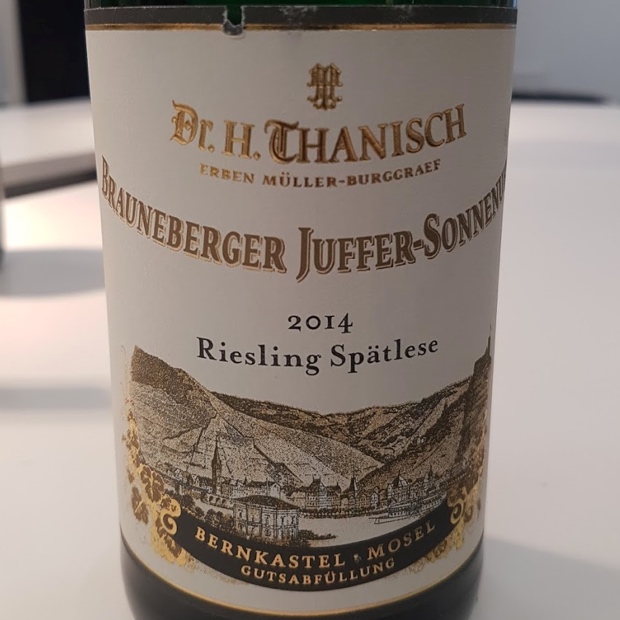
Dr. H. Thanisch Brauneberger Juffer Sonnenuhr Riesling Spätlese 2014, Prädikatswein, Mosel, Germany (298182, $40.95, WineAlign)

In a word, thank you, well two, to say how important, generous, fortuitous, philanthropic and poignant it is to taste Spätlese from this combination of producer, vineyard and alcohol. At 7.5 per cent proper and out of arrested necessity the frame on which the ultra-clean fruit and fineness of acidity hang is kevlar light and built to last. The poise and integrity in exhibition toasts lithely from stones warmed and earth cooled by night through excitable seasonal fluctuations. If this does not soothe the savage while wooing the unaware then few German rieslings will. This can’t be missed nor will it pass lips without eliciting a response set passionately in the ethereal and the sublime. Amazing. Drink 2021-2035.  Tasted April 2018  #braunebergerjuffer  awsmwest  germanwine_ca    @AuthenticWineON   @germanwineca  #braunebergerjuffer  @awsmon  @germanwinecanada

Into the South African mystic ~ A formidable line-up led by @mullineuxwines with thanks to Chris, LK @WOSACanada JG @lbstoronto @wosa_za @NicholasPearce_

Mullineux Schist Chenin Blanc 2014, Swartland, South Africa (Agent, $89.95, WineAlign)

Mullineux’s Schist is a 100-120 case production (though only 72 in 2014), from schist, of course, not granite, which adds mid-palate weight and texture. Also from older (36 and 40 years) vines based from soils of the Kasteelberg. It’s a heartfelt message and cerebral pulling string from the 2014 density gifting vintage. Older barrels wrap like a blanket for fruit richer than you’d ever imagine, full-bodied, beautiful and robed in petticoat unction. It’s also dry as the farmland desert. Truly one of the finest chenin blancs from South Africa and beyond. Drink 2018-2027.  Tasted May 2018  mullineuxwines  nicholaspearcewines  wosa_ca  @MullineuxWines   @Nicholaspearce_   @MullineuxWines  @WOSACanada  Andrea Mullineux  Chris Mullineux  Nicholas Pearce  @WOSACA

How to have an epiphany. Taste 25-30 year-old #southafrican white wines. Case in point @kleinconstantia sauvignon blanc

Klein Constantia Blanc De Blanc 1987, Constantia, Western Cape, South Africa (Winery, WineAlign)

Poured by Managing Director Hans Astrom in Cape Town alongside 1994 and 2009. Planted in 1979, the inaugural vintage and the first South African sauvignon blanc was 1986. The 1987 was not labelled as sauvignon blanc but rather as B de B because of the botrytis-affected vintage. Honeyed but not in the way you might expect, not pushed by a petrol-fuelled sweetness but instead as the action of an old world inspired mash up. Like Loire Jolivet Sancerre meeting Huet Demi-Sec chenin blanc head on. The collision explodes into a smoky smoulder with textural consequences. It’s a bees-waxy ethereal treading of chaotic spaces between worlds. The astral travel must have twisted through three decades of nether to arrive at this place, with the low pH vineyard soils to thank. And the magic, despite or perhaps in ode to the ’87 botrytis. In the end aridity wins and the wine drinks so proper, perfect and fine. Drink 2018-2020.  Tasted September 2018  kleinconstantia  halpernwine  wosa_za  @KleinConstantia  @HalpernWine  @hansverbier  @WOSA_ZA  @KleinConstantia  @halpernwine

Alheit Vineyards Sémillon La Colline Vineyard 2017, Franschhoek, Western Cape, South Africa (Winery, WineAlign)

“Qu’est-ce que c’est?” From a vineyard housing both light and dark skinned sémillon and if there are others in this world I am not privy to the information. The resulting wine is 85-90 per cent blanc and 10-15 gris. La Colline was planted in 1936 on the southern slope of Dassenberg and is now farmed by grandson Anton Roux, a direct descendant of the Huguenot refugee Paul Roux who arrived in Franschhoek in 1688. The vines stretch up the hill from 310-350m and it is the fruit from the middle slope that is best to leave for picking long after the chenin blanc. This is the indispensable fruit used in Alheit’s Cartology. Thick skins elevate the natural talking tendencies, from a super healthy pH for drupe of apposite attack and confusing like great whites you would not or should not compare it to. Chris Alheit’s invades your head’s consciousness with this amazing depth for sémillon, with no definable context, pretence or precedent. The impossibility is totally unique in the world and yet utterly South African. It’s both tense and nervous but somehow I can still relax. Psycho Killer sémillon.  Drink 2020-2028. Tasted September 2018  chrisalheit  gsoleil123  @ChrisAlheit  @GroupeSoleilTO  Chris Alheit  Groupe Soleil Fine Wines

Chablis Grand Cru can be found in the commune of Chablis on the right bank of the Serein River and the appellation comprises seven climats; Blanchot, Bougros, Les Clos, Grenouilles, Preuses, Valmur, and Vaudésir. “The terroirs, formed in the Upper Jurassic era, 150 million years ago, are composed of limestone and marl with Exogyra virgula, tiny oyster fossils. Chablis Grand Cru is one of the rare French AOC wines to make reference to its geology, notably the Kimmeridgean age.”

Christian Moreau Chablis Grand Cru AOC Les Clos 2015, Bourgogne, France (Agent, $82.00, WineAlign)

Who has not waited for the sovereign Grand Cru to get together with the 2015 vintage? I’m quite sure Christian Moreau was one of those who looked at the alliance with all his acumen and experience to craft a high point of Chablis benevolence. Christian’s ’15 is beautifully fruity, ultra fresh, richly endowed and reductive perforce. So young and precocious but begging for our patience, his is a model of Les Clos richesse. Resides on the cocotte or chouette side of Chablis with notes of white flowers and fresh herbs. Also layered of fruit over stone upon fruit, of peach, persimmon, citrus and wet stone. Implosive intensity reminds of Chablis Grand Cru structure though Moreau’s is more elastic than many, of a subtle and sultry liquidity. Great potential here. Drink 2021-2031.  Tasted May 2018  @christian_moreau_pere_et_fils  rogersandcompanywines  vinsdechablis  vinsdebourgogne  @ChristianMoreau  @rogcowines   @vinsdechablis  @GrandCruChablis  @purechablis  @VinsdeBourgogne  @BourgogneWines  Christian Moreau  @rogcowines

Makers’ cool pinot noir warmth from regional @wineaustralia as explained by the man, @vintagemarkdavo

Bindi Pinot Noir Dixon 2015, Macedon Ranges, Victoria, Australia (Winery, $85.00, WineAlign)

The Bindi Dixon Pinot Noir is based upon declassified grapes from the Original Vineyard planted in 1988 and grapes from the new Block K, planted in 2001. Crazy horse nose in the way that other varieties of the world will do, or at least try and simulate when they want to be pinot noir. Especially Italian varieties, like nerello mascalese, dolcetto, perricone and montepulciano. This is a natural leader for grape wishes like those of the lesser known. Very wise from the start, from birth, from creation with more savour and salumi then so many wannabe realists. There is a beautiful raw pasta dough note and then an exotica by fruit that isn’t really nameable. If this is the de-class from Michael Dhillon I’d like to meet the classified. Drink 2020-2028.   Tasted June 2018  bindiwines  wineaustralia  @Bindiwines  @wine_australia  @WineAustralia

50 years ago this #chianticlassico entered the world. Suffices to say 1968 was a pretty good year ~ @castellomonsanto

Castello Di Monsanto Chianti Classico Riserva DOCG Il Poggio 1968, Tuscany, Italy (Agent, WineAlign)

“A good, not an outstanding vintage, with some vines affected by botrytis,” explains Laura Bianchi, though truth be told she’s relating the information from stories and legends. You can taste it, in a sweetness that reminds of quince and apricot. Plums are dusted with white pepper, sherry drizzles over sugar plums and in the end, acidity continues to shine. It’s still a dramatic drop of sangiovese, with longevity preservation going back to the era (1962-1969) when the wines were aged in chestnut barrels. This at 50 years of age is so alive, time encapsulated, dew sweetened, ethereal. Drink 2018.  Tasted September 2018  castellomonsanto  @castelmonsanto   @castello.dimonsanto  Laura Bianchi  Carpe Vinum  

Castello Di Volpaia Chianti Classico Riserva DOCG 1987, Tuscany, Italy (Agent, WineAlign)

Chianti Classico Riserva 1987 is habituated and living life to the fullest in a state of complete and utter sound body and mind. It is sangiovese made at a time when it could it not have been known how impressive it would show 30 years later. Volpaia ’87 is from way back in the cold, pre-climate change days, the acid-washed, roaring 80s, now umami-earthy, cherry-plum fruit with some celery and a real salty-sandstone vein. Still blessed by a healthy, rhythmic pulse of acidity and finally, pure pleasure. Chalk it to bottle luck or a vintage that just had an inkling of greatness that would surely come but this is truly a special and memorable moment to taste. It needs saying with a thank you in words to Giovannella Stianti for sharing, but that will never be enough. Grazie infinite. Drink 2018-2021.  Tasted February 2018  castellodivolpaia  rogersandcompanywines  chianticlassico  @volpaia  @rogcowines   @chianticlassico  @volpaia  @rogcowines  @ChiantiClassicoUSA

Elisabetta Foradori

Foradori Granato 2013, IGT Vigneti Delle Dolomiti, Trentino, Italy (Agent, $74.95, WineAlign)

At the pinnacle of Elisabetta and Emilio Foradori’s mysterio teroldego pyramid is this Granato, theoretically or perhaps spiritually interchangeable with the world’s most fascinating and complex fruit, the pomegranate. There are many theories on separating the edible seeds from the pith and skin but those who know do it the right way. Foradori knows teroldego and raises this singular expression the right way. The roots dig deep into the Campo Rotaliano and Mezzolombardo stony alluvial soils with pebbles and gravel for an alternative-indie northern Italian red wine. Raised in large 20 and 30hL casks it’s still reductive, seriously internal and yet to shed layers, open up and externalize. The red fruit is alone and incredible, sweet and tonic-amended at the same time. It’s both retro and timeless. “And the world fell down, when the moon was blue, and you wore a crown and the word was true.” Like a pomegranate. Drink 2019-2024.  Tasted May 2018  eforadori  thelivingvine  @AzAgrForadori  @TheLivingVine  @elisabettaforadori  @thelivingvineinc

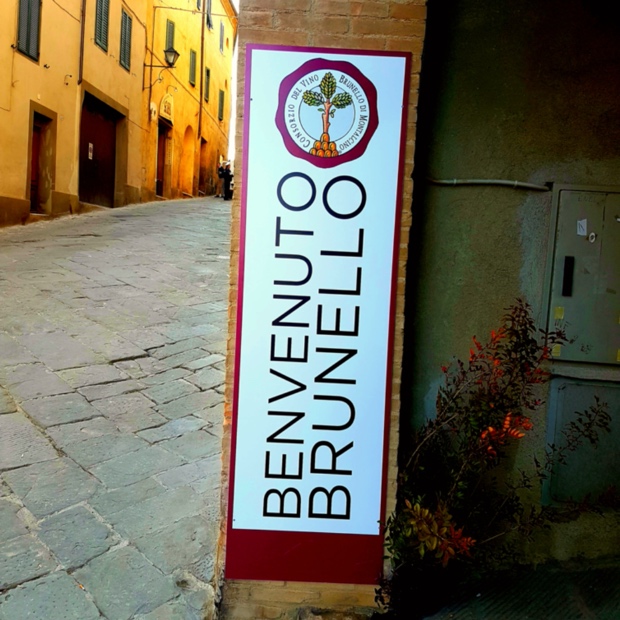
Benvenuto Brunello

Talenti Brunello Di Montalcino Riserva DOCG Pian Di Conte 2012, Tuscany, Italy (Agent, $120.00, WineAlign)

Two of the 20 estate hectares in Castelnuovo dell’Abate are dedicated to the the vineyard Paretaio, planted to a sangiovese clone selected by Pierluigi Talenti. Pian di Conte is only made in years deemed worthy of carefully selected grapes from 20-plus year-old vines out of this highly specific, 400m of altitude micro-climate block. It’s a wow Riserva from 2012, perfumed with classic extra time in barrel that Annata Brunello only seems to reach. Notes like dark berries, pipe smoulder and rich ganache, the 2012 is already showing some maturity signs of integration. It’s a fineness of tart dark citrus styled-sangiovese wrapped so tightly around the structure’s finger, indelibly inked, modern and with all parts fine-tuned in synchronicity. Riservas will often sting until they pass at least a ten-year mark but Talenti’s croons romantically with stand-up base note ease. For Montalcino it’s a hit of the vintage and to it I can safely say “I can see the destiny you sold turned into a shining band of gold.” Drink 2020-2030.  Tasted March 2018  talentiriccardo  brixandmortarwineco  brunellodimontalcino  @brixandmortar  @ConsBrunello  Riccardo Talenti  @brixandmortarwineco  BRUNELLO DI MONTALCINO

Feudo Montoni Nero D’avola Sicilia DOC Vrucara 2008, Sicily, Italy (Agent, WineAlign)

The answers are so simple and yet unanswered because magic is involved. You can understand the old vines and the way their fruit turns into wines that begin with ancient wisdom but move so little in the first seven years. What happens at 10 is the turning outward, to express the place and speak the dialect of the cru. The acidity is still high but is now in lift, with fruit at the height and en anergy that flows, really flows, moving across your palate with grace, grab and attention. A contiguous wine from start to finish, with intensity, impression and precision. The structure is come cavallo domato, like a trained horse. Dramatic nd’A but with no drama at all. Tamed and in respect of ancient vine, where it grows and what it wants to give. Ma zitto, a wine to keep you silent. Drink 2018-2029.  Tasted May 2018  feudo_montoni  wineofsiciliadoc  winesofsicily  @FABIOSIRECI  @WinesOfSicily Fabio Sireci Feudo Montoni (Fabio Sireci)  @feudomontoni  @WinesOfSicily

Cottá Azienda Agricola Sottimano cru spoiled by Elena Sottimano and Le Sommelier, Wine Agency ~ going vertical with Barbaresco and John Szabo — at Taverna Mercatto.

Sottimano Barbaresco DOCG Cottà 2010, Piedmont, Italy (Agent, $234.95, WineAlign)

While tasting through Pajoré, Fausoni, Currá and a mini-vertical of Cottá with Elena Sottimano it is here for the first time that some development appears in a wine. This glimpse into what might happen with their Barbaresco may only be a minor crack in the oasis but it begins to fall away from the curative, tannic intensity into something stretching its limbs towards the ethereal. I can ruminate with this nebbiolo swirling around in my mouth while I wonder how far along we are or have come. But it comes with knowing that no matter how much distance we walk there is still a marathon to run. There is this perfect wonderwall of wild cherry spinning like vinyl liqueur over the cheeks, tongue and gums, refreshing and working its magical fruit dance up to the edges of my nerves. “I said maybe, you’re gonna be the one that saves me. And after all,” you’re Sottimano. Drink 2019-2035.  Tasted April 2018  az.agr.sottimano ElenaSottimano  @AzAgrSottimano  @LeSommelierWine  @AziendaAgricolaSottimano  Elena Sottimano  @LeSommelierWine<

La Rioja Alta Gran Reserva 904 2001, Rioja, Spain (Agent, $65.00, WineAlign)

I am convinced the Reserva 904 is just one of those wines that must be held for 15 years before any deep understanding can be resolved. It beats down the adage that says if the fruit is not gorgeous from the beginning it will never be. At 17 years of age this Rioja of 90 per cent tempranillo and graciano remembers with a hyper-sensitive vividness the 40 year-old vines and the four year-old American oak barrels. The memories are crystal clear and it remembers the comfort, protection, protraction and the possibilities. The power is edifying, stabilizing and eventually but without great haste, emollient. La Rioja Alta has produced the 21st century purpose for what it is to mean Rioja. Drink 2018-2025.  Tasted June 2018  lariojaaltasa  riojawine_es  @LaRiojaAltaSA  @RiojaWine  La Rioja Alta  

And @winealign we tasted the greatest of #madiran terroir with the Man himself, #alainbrumont of @montusbouscasse

Château Montus La Tyre 2009, Madiran, Southwest, France (Agent, $135.27, WineAlign)

La Tyre, literally “the tire” is the pinnacle of Alain Brumont’s tannat from Madiran. It’s a wine that needs a decade to even begin to relent and open up for viewing, nosing and tasting. Pitchy to the nth cimmerian degree it would be hard not to see this wine as THE Madiran, the epitome of a red wine from Gascogne. The nose is über-umami and in fact in character it reminds so much more of Brunello Riserva meets sagrantino from Montefalco combined with Taurasi aglianico than it does Bordeaux. Not that Toscana, Umbria or Campania are the reference points but old school meets micro-oxidative winemaking surely is. The formidable acidity and the way in which the expense of barriques inject major influence is similar to what happens when sangiovese is subjected to said same sort of winemaking. The underbrush, garrigue and intensely concentrated argileux all combine, along with toasted wood to make this one of the most intense and structured red wines on the planet. Should seek and realize its best at some point in its late teens or early twenties. Drink 2025-2039.  Tasted October 2018  vinsdemadiran  montusbouscasse  markanthonyon  @MontusBouscasse  @MarkAnthonyWine  Marine Madiran  @MontusBouscasse  @MarkAnthonyWine

Catena Zapata Adrianna Vineyard Malbec River Stones 2015, Gualtallary, Tupungato, Uco Valley, Mendoza, Argentina (132340, $95.59, WineAlign)

In a line up that includes malbec from all walks of Mendoza life as well as some extreme altitude northern examples this is the first wine with a somewhat reductive quality, locked in freshness and very high acidity. It’s a wine of exceptional qualities. There is a highly intellectual and sensory balance executed through perfectly ripe fruit, that fine acidity and even more fineness in tannins. A beautifully linear wine that can come full circle if need be. This is a malbec that creates moisture in your mouth, never drying or taking anything away. A wine that is changing the way we are dealing with the idea of different terroirs in Argentina. Drink 2020-2027.  Tasted November 2018  lauracatenamd  catenawines  winesofarg  noble_estates  @LauraCatena   @CatenaMalbec  @ArgentinaWineCA  @Noble_Estates  @winesofarg  @bodegacatenazapata  Noble Estates Wine & Spirits  @winesofargentina

Roche De Bellene Clos De La Roche Grand Cru “Collection Bellenum” 2006, AC Bourgogne, France (Agent, $279.95, WineAlign)

The great Cru and the magnificent vintage conspiracy is a tour de force, even by the standards of Grand Bourgogne. I’m a bit surprised by the ascension to secondary life but it is Clos de la Roche that goes there early because of wisdom, curative indiscretion and life as it always was, right from the word character. Only this Cru delivers such soulful funk, perfectly classified and ethereal volatility and fully gathered expressions. It’s like a face that flashes a thousand looks in the span of a few seconds, there is that much going on. I am blown away by this. Still needs another year to settle, gather and explain itself. Drink 2019-2032.  Tasted May 2018  domaine_de_bellene  domaine_de_bellene  vinsdebourgogne  @Nicholaspearce_   @VinsdeBourgogne  @BourgogneWines  @BourgogneWines  @VinsdeBourgogneofficiel

Château Margaux 1989, AC Margaux, Bordeaux, France (176057,$1,645.00, WineAlign)

You never want to say that a vintage was perfect but in this case, the vintage was perfect. It seems impossible but the tannins are both present and even a bit drying so at least for this bottle there will be so much residual fruit at the end of the tunnel. Only those tannins seem altered from four years ago because the fruit and the flowers are exactly the same. What rises above, around and in darts between is the fineness and intensity of implosive acidity. Structure in this 1989 is forged by bars of steel as reinforced spikes in the concrete. It may never truly break down. Drink 2018-2044.  Last tasted March 2018  chateaumargaux  noble_estates    @Noble_Estates  @NobleEstates

The 1989 Château Margaux wears the response to a mondo Bordeaux axiom on its sleeve. Are First Growth wines made for people who want darts of instant pleasure?” Twenty years earlier and now like the 2009, here is a quintessential and exemplary vintage, from day one of bud break to the last day of harvest. Its appraisal as anything but incredible is to assassinate it as if it were the Franz Ferdinand of Bordeaux. The examination 25 years later sees a mellow funk meet a peerless and sublime perfume. A wine cast in utmost density, complexity and length. It noses strength, warmth verging on heat but only for a fleeting moment, to gain attention. The iconic wine has reached the first major peak, up a ways from base camp. In this second phase of young adulthood it looks with conceit to the top of the mountain, seeing 25 to 50 more years on the climb. Mr. Pontallier regrets he won’t be around to taste this wine at full maturity. Moi aussi. The fruit lingers in its full, original state, from the moment it passes lips and for minutes onward. Violets trump roses. Château Margaux 1989 is from a vintage that offers the blessing of ethereal balance. Hear her sing, “Ich heisse Superfantastisch!”  Tasted April 2014

Good to go!

godello
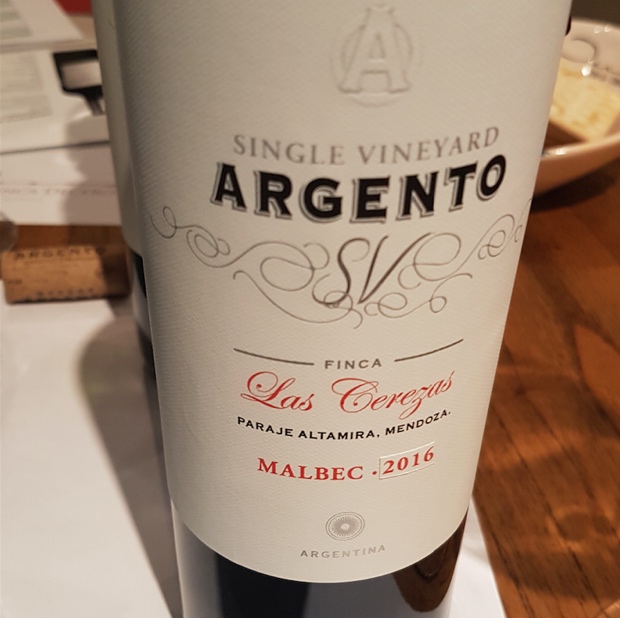
Godello, Museo civico e diocesano d’arte sacra di Montalcino

Twitter: @mgodello

Instagram: mgodello

WineAlign

Changes to VINTAGES release recommendations and notes

pen-ridge-and-h-of-p

Dear Godello readers,

As you all know I am one of the five principle critics for WineAlign in Ontario. This is a position I am extremely proud of and very fortunate to hold. That I am able to work alongside Ontario’s most notable experts is something I say thanks for and appreciate every single day. David Lawrason, John Szabo M.S., Sara d’Amato and Steve Thurlow are my friends and colleagues. I could not ask for association with a finer group of writers.

Which brings me to why you need to know that I am making some changes at godello.ca. Since February of 2012 I have been posting VINTAGES release recommendations and notes on this website. Though in March of 2014 I eliminated scores on Godello I have continued to publish full tasting notes. Every single one of my VINTAGES release picks has been simultaneously published on WineAlign (with scores), along with dozens more on wines that don’t make the shortlist.

I will no longer be publishing my current VINTAGES release tasting notes on Godello. You can still read them on WineAlign though there is a paywall behind which only premium paying subscribers are able to see the most recent reviews in the first 30 days. This is necessary and I hope you will all understand why I feel so strong about the time being right to effect such a change. WineAlign is the most important, comprehensive and trusted source in Ontario for critical review of VINTAGES wine releases. I fully support and endorse our protocol and hope that you will visit the website for your Ontario wine purchasing needs.

For those of you who wish to read my full tastings notes, I would highly encourage you to pay the WineAlign $35 yearly subscription fee (or $9.95 per quarter) to read the reviews and get the scores as they are published, to the second, in real time. You can still access my bi-weekly list of picks and to do so all you have to do is sign up as a non-paying member. I have a link called “Michael’s Mix” and my VINTAGES recommendations are assembled there.

As for now, here is my list for November 26th, if only as a teaser so that I don’t leave you all high and dry.

Best regards,

godello
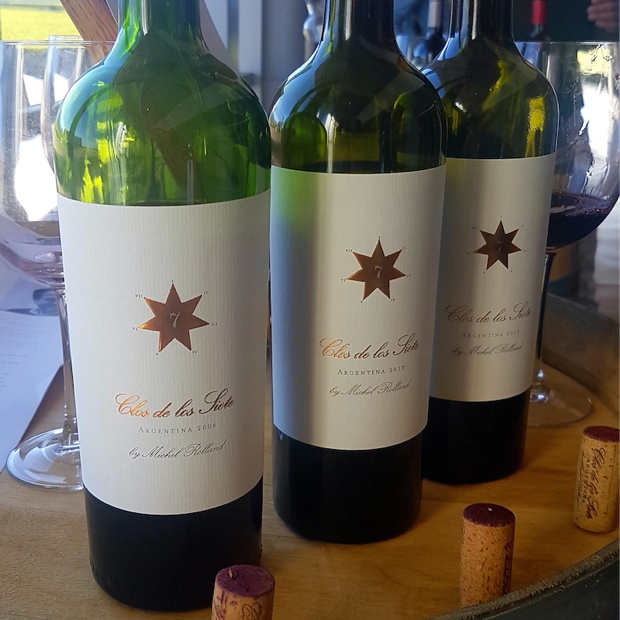
bole

Borsao Bole 2013, Campo De Borja, Spain (471565, $15.95)

@BorsaoBodegas  @ChartonHobbs

affectus

Afectus Alvarinho 2015, Vino Regional Minho, Portugal (471276, $17.95)

@quintadecurvos  @vinhosverdes

Peninsula Ridge Beal Vineyard Reserve Merlot 2015, VQA Beamsville Bench, Niagara Peninsula, Ontario (257311, $19.95)

@PeninsulaRidge

wynns

Wynns Coonawarra Estate Shiraz 2012, Coonawarra, South Australia, Australia (433060, $22.95)

@WynnsEstate  @sueatwynns  @CoonawarraWine  @Wine_Australia  

Domaines Schlumberger Kessler Riesling 2012, Ac Alsace Grand Cru, Alsace, France (61176, $27.95)

@Sevschlumberger  @AlsaceWines  @VinsAlsace  @drinkAlsace  @Vinexxperts

jurancon

Domaine Cauhapé Jurançon Symphonie De Novembre 2012, Southwest, France (470344, $38.95)

@DOMAINE_CAUHAPE  @VinsduJurancon  @HHDImports_Wine

Henry Of Pelham Speck Family Reserve Cabernet/Merlot 2010, VQA Short Hills Bench, Niagara Peninsula, Ontario (616433, $39.95)

@HenryofPelham  @SpeckBros

osoyoos

Osoyoos Larose Le Grand Vin 2012, BC VQA Okanagan Valley, British Columbia (626325, $44.95)

@OsoyoosLarose  @winebcdotcom

Rex Hill Willamette Valley Pinot Noir 2013, Oregon (275735, $46.95)

@REXHILLVyds  @Nicholaspearce_  @Oregon_Wine  @wvwine

pertimali

Livio Sassetti Pertimali Brunello Di Montalcino 2009, Tuscany, Italy (474734, $49.95)

  @ConsBrunello  @ProfileWineGrp

Le Mesnil Brut Grand Cru Blanc De Blancs, Champagne, France (460840, $49.95)

Catena Alta Historic Rows Malbec 2013, Mendoza, Argentina (982355, $49.95)

@LauraCatena  @CatenaWines  @Noble_Estates  @ArgentinaWineCA  @winesofarg

Domaine Daniel étienne Defaix Côtes De Lechet Chablis 1er Cru 2003, Ac, Burgundy, France (470435, $51.95)  @DanielEtienne  @vinsdechablis  @purechablis  @BourgogneWines  @vinsdebourgogne

versado

Versado Reserva Ancient Malbec 2012, Mendoza, Mendoza, Argentina (316984, $59.95)

@VersadoWine  @AnnSperling

kopke

Kopke Colheita Port 1996, Douro, Portugal (63743, $59.95)

  @winesportugalCA  @wines_portugal

melchor

Concha Y Toro Don Melchor Cabernet Sauvignon 2012, Maipo Valley, Chile (403980, $74.95)

@conchaytoro  @WinesofChile

anakota

Anakota Helena Montana Vineyard Cabernet Sauvignon 2013, California (181131, $158.95)

  @sonomavintners  @CalifWines_CA  @CalifWines_US

Good to go!

Twitter: @mgodello
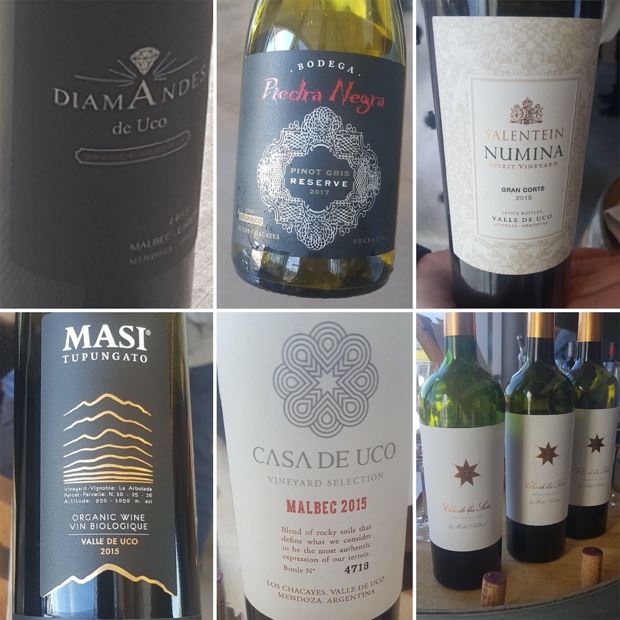
Instagram: mgodello
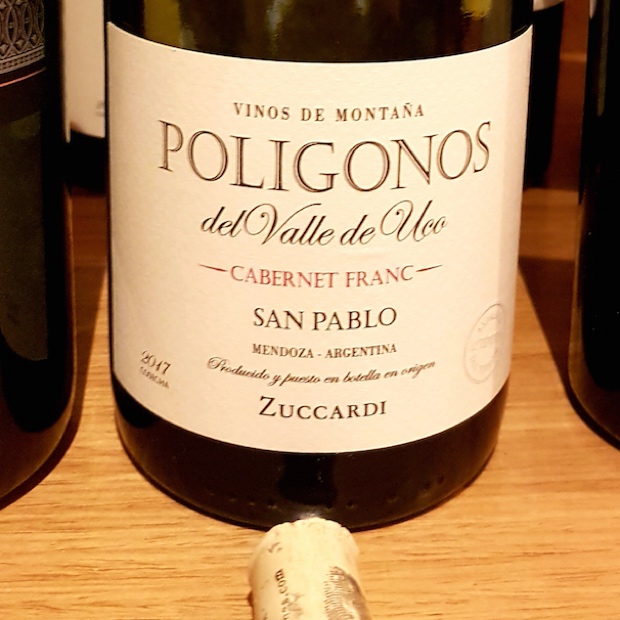
WineAlign

Holiday wine gems hit November shelves

I\'ve made this list, checked it twice and formulated plenteous if euphuistic tasting notes on 10 meaningful and expensive wines to look for this holiday season

I’ve made this list, checked it twice and formulated plenteous if euphuistic tasting notes on 10 meaningful and expensive wines to look for this holiday season
Photo: ElenaR/Fotolia.com

as seen on canada.com

I will gladly be first in line to bust the myth that says wine must be expensive to be good.

Much time and energy is spent seeking out wines that over-deliver, especially those well-made, honest and outright delicious ferments that clock in at under $20. The caveat here is the time of year when the exception to that value rule is personified by the need for luxuriance, surfeit and speed. The December holidays are embroidered of an entirely different import. Folks just seem to want to join the appliqué party, to take advantage of the generosity of the season, to drink the good stuff. Champagne, certainly, but also big wines, the kind that stick to your teeth for a week.

Related – Wine Chat: Top 3 Wine Myths and more from the November 23rd, 2013 VINTAGES release

Gift giving is the other rampant and obvious part of December. No one wants to look cheap, ungrateful and thoughtless when gifting a bottle to an employee, a friend or a loved one. So I’ve made this list, checked it twice and formulated plenteous if euphuistic tasting notes on 10 meaningful and expensive wines to look for this coming weekend. Be proactive, track down one of these wine gems and prepare to channel your inner St. Nick, or if you like, your Ded Moroz, La Befana, Tomte, Jolasveinar or Pere Noel.

From left: TALBOTT LOGAN SLEEPY HOLLOW VINEYARD CHARDONNAY 2011, URBINA GRAN RESERVA ESCECIAL 1994, SELLA & MOSCA MARCHESI DI VILLAMARINA ALGEHRO 2008, and PALLADINO BAROLO PARAFADA 2008

From left: TALBOTT LOGAN SLEEPY HOLLOW VINEYARD CHARDONNAY 2011, URBINA GRAN RESERVA ESCECIAL 1994, SELLA & MOSCA MARCHESI DI VILLAMARINA ALGEHRO 2008, and PALLADINO BAROLO PARAFADA 2008

TALBOTT LOGAN SLEEPY HOLLOW VINEYARD CHARDONNAY 2011, SANTA LUCIA HIGHLANDS, MONTEREY COUNTY, CALIFORNIA, USA (716290, $27.95)

Slow glazed, golden cream velvety nose, of a demurred beauty’s proportion, arced yet elongated. An island of Chardonnay enchantment, where the wood is soft, “there is no suffering” and sweet lemon sherbet flows. Frank yet curtailed extraction, good acidity and a relaxed Surfer Rosa tension. That soft buttery oak only comes through on the finish, which drifts and lasts.  91  Tasted Oct. 25, 2013

URBINA GRAN RESERVA ESPECIAL 1994, DOC RIOJA, SPAIN (355743, $46.95)

Will not be your wine of the year but you absolutely must give it a try. Holding strong 19 years on, surely something to hang a hat on. There is some must, but it’s as much attributed to a classic, 90′s Tempranillo temperamental style as it is to the barrel and the bottle. Some prune and lingering alcohol detracts from the now waning fruit. That Rioja character, once obvious, now harder to recognize, maintains its weight and import. Some grain and chalk lingers due to oak that has not fully worked its way in and out. Wonderful study if not pure or gorgeous and alone.  90  Tasted Oct. 25, 2013
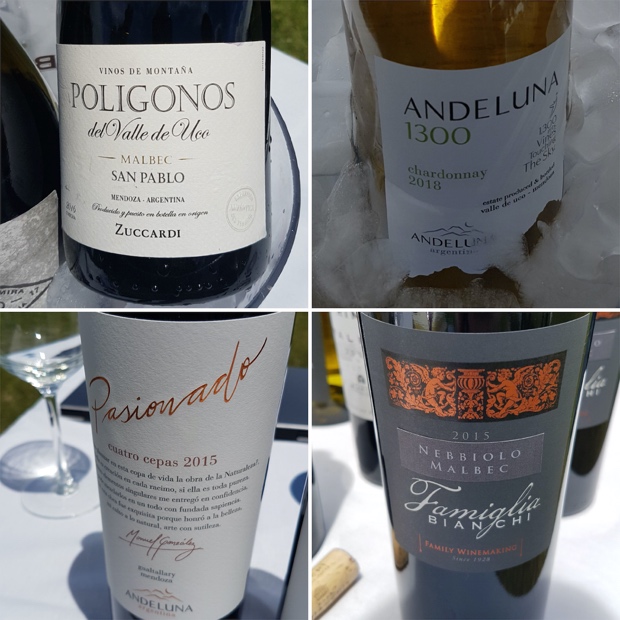
SELLA & MOSCA MARCHESI DI VILLAMARINA ALGEHRO 2008, DOC ALGHERO, SARDINIA, ITALY (954081, $46.95)

A Cabernet Sauvignon with an undeniably high level of unconventionally modern and stylish set of aromas. A very specific Italian smell mostly absent today, pushing the question “has it gone for good, or is it coming back around?” Acetate, wet hay and dried brick funky monkey that could endanger and render it non-negotiable, but it manages to walk the safer side of a fine line. Like great old school Brunello, herbaceous, tarred and feathered, stuck with thorns of roses and a waft of vanilla cherry coke, cough drop alcohol. Shouts Sardinian somewhereness in a way that is just so appealing. The iron, the sanguine, the Italian, the fireside, it’s all there. Sure it’s nearly balsamic but it will likely stay exactly this way for years.  93  Tasted October 25, 2013

PALLADINO BAROLO PARAFADA 2008, PIEDMONT, ITALY (280412, $68.00)

This just has the look, the look of love. “A look that time can’t erase.” Nebbiolo you can see right through, this impossible light, this impossible life. Tea, tar and roses. A mineral spring, iron-earth field, where the game runs wild. You can relate to this Barolo, love it, relish it now but it will give pleasure for years. Not necessarily 25 but certainly 10-15. “Well, it takes my breath away.” Great vineyard.  94  Tasted October 25, 2013
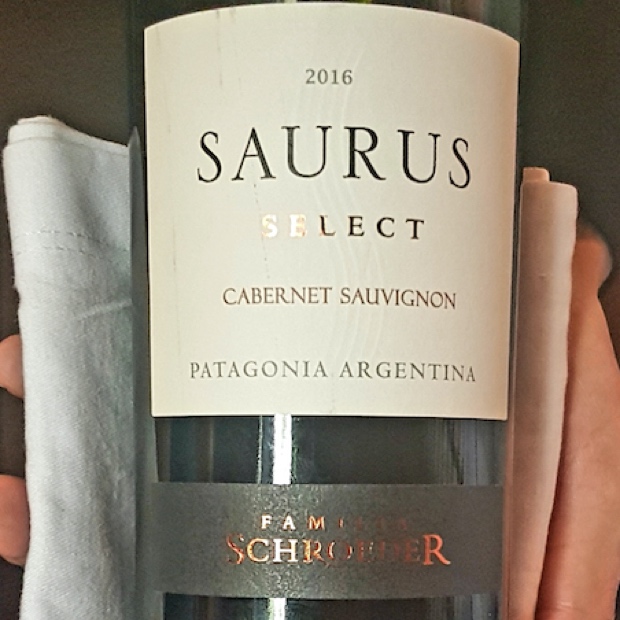
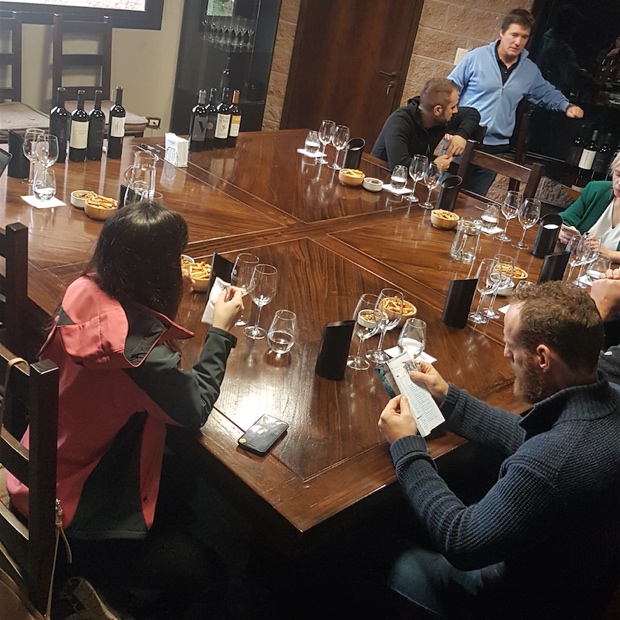
M. CHAPOUTIER LES BÉCASSES CÔTE-RÔTIE 2010, AC, NORTHERN RHÔNE, FRANCE (280420, $82.95)

Strictly beautiful Syrah. The offspring of the Côte Rôtie’s two necessary points of view. First, the schist, silt and shingle of the Brune. Second, the silica and limestone of the Blonde. In combination they produce an iron-rust wine of a ferruginous nature, in colour and in aroma. Seeping, exotic Rooibos tea, Provençal tapenade and smouldering flowers send smoke signals clear as day. Smells so rich though it’s full of grace and bathed in ultra-elegance.  94  Tasted October 25, 2013

From left: CATENA ZAPATA NICASIA VINEYARD MALBEC 2009, CHÂTEAU DE BEAUCASTEL CHÂTEAUNEUF-DU-PAPE 2011, MASI MAZZANO AMARONE DELLA VALPOLICELLA CLASSICO 2006, MASI CAMPOLONGO DI TORBE AMARONE DELLA VALPOLICELLA CLASSICO 2006, and ORNELLAIA 2010

From left: CATENA ZAPATA NICASIA VINEYARD MALBEC 2009, CHÂTEAU DE BEAUCASTEL CHÂTEAUNEUF-DU-PAPE 2011, MASI MAZZANO AMARONE DELLA VALPOLICELLA CLASSICO 2006, MASI CAMPOLONGO DI TORBE AMARONE DELLA VALPOLICELLA CLASSICO 2006, and ORNELLAIA 2010

CATENA ZAPATA NICASIA VINEYARD MALBEC 2009, LA CONSULTA, UCO VALLEY, MENDOZA, ARGENTINA (132357, $87.95, SAQ 11443860, $80.25, BCLS 461707, $89.00, ANBL 098709088658, $100.98)

This Nicasia is the more monstrous of the two Catena single vineyard Malbecs coming to VINTAGES. So set in the future of its dreams and as a result hard to assess what it means to drink right now. A mountain of licorice, anise and Andean aromatics, in Jacaranda and Lupine, gorgeous in giant alpine bloom. Rich, unctuous, magnetic and in perpetual unfolding motion. If the chalk and circumstance come on too strong you might switch to the La Gualtallary Adriana Vineyard, for she is quieter, more accessible, wanting love earlier and unconditionally. Still the structure of the Nicasia cannot be denied, especially if it is allowed five plus years in time and space. Will be unbelievably memorable in 15. Mean it!  94  Tasted October 25, 2013

CHÂTEAU DE BEAUCASTEL CHÂTEAUNEUF-DU-PAPE 2011, AC, SOUTHERN RHÔNE, FRANCE (711317, $89.95, SAQ 11352335, $90.25, BCLS 277988, $92.00)

This refreshing and right proper vintage of Beaucastel dramatizes the Rhône epitome of elegance. Sure, the Kirsch and the ripping ripe berries are there but they are stirred, not shaken. Confident, full of tart, hubristic and racy energy, this CdP is great, hopping fun. Has an underlay of classic rocky and subtle pernicious tones. Pure pleasure, good chain of command, tannic as it needs to be.  94  Tasted October 25, 2013

MASI MAZZANO AMARONE DELLA VALPOLICELLA CLASSICO 2006, DOC, VENETO, ITALY (215764, $99.95)

If a wine clocking in at 16 per cent alcohol by volume can be considered elegant and restrained and if that’s even possible, the Mazzano is the one. Though there is nothing outright prune, dried raisin or fig paste about it, this single-vineyard Amarone is enormously tannic. Any attempt at cracking its hard shell inside of 15-20 years should be thought of as counter-productive. Smells like the aforementioned fruit just picked at maximum ripeness so there is nothing cooked, roasted or overdone here. You simply have to wait for tertiary complexity to see what it will become. I sense great. Near-perfect vintage.  96  Tasted October 25, 2013

MASI CAMPOLONGO DI TORBE AMARONE DELLA VALPOLICELLA CLASSICO 2006, DOC, VENETO, ITALY (548677, $99.95)

Speaks in similarly heavy and futuristic tones but is not nearly as demanding and obtuse as brother Mazzano. Reduced red plums, riper, drier raisins and licorice here, sweeter and rounder, though that’s just a  tête-à-tête relative observation. Will require 10-15 years patience for the purpose of proper scrutiny and the definite probability for enjoyment.  94  Tasted October 25, 2013

ORNELLAIA 2010, DOC BOLGHERI SUPERIORE, TUSCANY, ITALY (722470, $189.95, SAQ 11973238, $185.00, ALTA. Devine Wines, $209.99, B.C. Marquis Wine Cellars, $190.00)

The label, celebrating the iconic IGT’s 25th anniversary, intimates the kitsch of say, Marilyn Merlot. Not exactly fitting for this perennial lady-killer from Bolgheri. Does it make you think about what it was like when you were young? Peering past appearances, cracked pepper highlights the turned up to 11, ever-present alcohol nose. The enormity of this Ornellaia is obvious and currently overwhelming. Pitchy, black as night, and bent of collector Napa-like extraction. Not exactly a red berry vintage for Mr. Brightside from Bolgheri, this has chalk, grain, funk, dark blackberry, kirsch, anise and mephitic fight. It’s a hugely serious, dank and brooding Cabernet-controlled Tuscan. The ’10 is “burning down the highway skyline, on the back of a hurricane.” Killer on the teeth, the mouth and the tongue. Twenty-five lashes for every vintage.  94  Tasted Oct. 25 and Nov. 3, 2013

Good to go!